Optalis Health and Rehabilitation of Sterling Heig
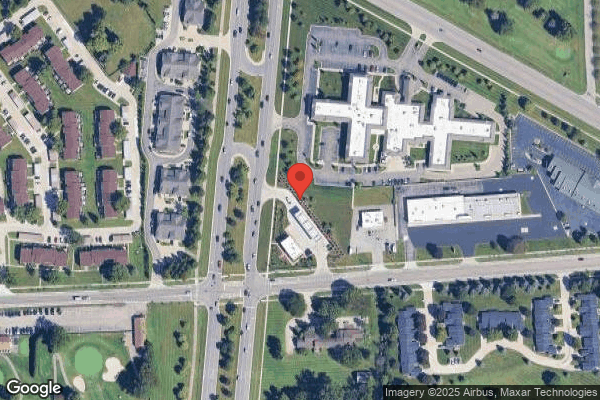
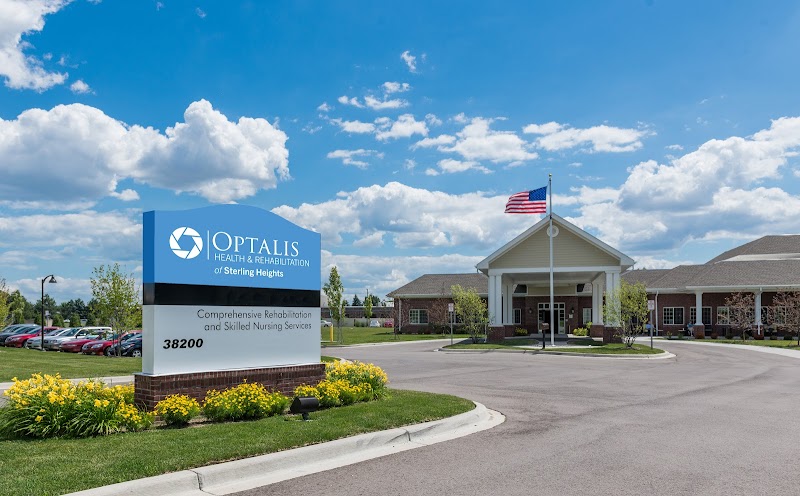
38200 Schoenherr Road, Sterling Heights, MI 48312 (586) 274-9044
For profit - Limited Liability company 163 Beds OPTALIS HEALTH & REHABILITATION Data: November 2025
Trust Grade
53/100
#221 of 422 in MI
Last Inspection: June 2025

Inspected within the last 6 months. Data reflects current conditions.

Overview

Optalis Health and Rehabilitation of Sterling Heights has a Trust Grade of C, which means it is average and positioned in the middle of the pack. It ranks #221 of 422 facilities in Michigan, placing it in the bottom half, and #15 of 30 in Macomb County, indicating that there are better local options available. The facility's trend is worsening, with reported issues increasing from 12 in 2024 to 14 in 2025. Staffing is a concern, with a rating of 2/5 stars and a turnover rate of 54%, which is higher than the state average of 44%, suggesting instability in staff. Additionally, there are some serious concerns regarding care, such as a resident not receiving necessary skin treatments, and issues with food safety in the kitchen that could risk foodborne illness. Overall, while there are strengths in quality measures, the facility has notable weaknesses that families should consider.

Trust Score
C
53/100
In Michigan
#221/422
Bottom 48%
Safety Record
Moderate
Needs review
Inspections
Getting Worse
12 → 14 violations
Staff Stability
⚠ Watch
54% turnover. Above average. Higher turnover means staff may not know residents' routines.
Penalties
⚠ Watch
$4,233 in fines. Higher than 92% of Michigan facilities. Major compliance failures.
Skilled Nurses
⚠ Watch
Each resident gets only 28 minutes of Registered Nurse (RN) attention daily — below average for Michigan. Fewer RN minutes means fewer trained eyes watching for problems.
Violations
⚠ Watch
42 deficiencies on record. Higher than average. Multiple issues found across inspections.
★★★☆☆
3.0
Overall Rating
★★☆☆☆
2.0
Staff Levels
★★★★★
5.0
Care Quality
★★☆☆☆
2.0
Inspection Score
Stable
2024: 12 issues
2025: 14 issues

The Good

  • 5-Star Quality Measures · Strong clinical quality outcomes
  • Full Sprinkler Coverage · Fire safety systems throughout facility
  • No fines on record

Facility shows strength in quality measures, fire safety.

The Bad

3-Star Overall Rating

Near Michigan average (3.1)

Meets federal standards, typical of most facilities

Staff Turnover: 54%

Near Michigan avg (46%)

Higher turnover may affect care consistency

Federal Fines: $4,233

Below median ($33,413)

Minor penalties assessed

Chain: OPTALIS HEALTH & REHABILITATION

Part of a multi-facility chain

Ask about local staffing decisions and management

The Ugly 42 deficiencies on record

1 actual harm
Aug 2025 1 deficiency
CONCERN (D) 📢 Someone Reported This

A family member, employee, or ombudsman was alarmed enough to file a formal complaint

Potential for Harm - no one hurt, but risky conditions existed

Pressure Ulcer Prevention (Tag F0686)

Could have caused harm · This affected 1 resident

**NOTE- TERMS IN BRACKETS HAVE BEEN EDITED TO PROTECT CONFIDENTIALITY** This citation pertains to Intake: 2574739Based on observation, interview, record review facility failed to implement interventio...

Read full inspector narrative →
**NOTE- TERMS IN BRACKETS HAVE BEEN EDITED TO PROTECT CONFIDENTIALITY** This citation pertains to Intake: 2574739Based on observation, interview, record review facility failed to implement interventions (alternating pressure mattress) as ordered to prevent worsening of pressure ulcer for one (R901) of two residents reviewed for pressure ulcer prevention/management. Findings include:R901R901 was originally admitted to the facility on [DATE] for skilled rehabilitation and nursing care. R 901 was readmitted to hospital on [DATE] and returned to the facility on 7/24/25. R901's diagnoses included stroke with right side weakness, heart failure, stage 4 pressure ulcer (full thickness tissue loss with exposed bone, tendon, or muscle) of the sacrum (a triangular bone at the base of your spine, located between your two hip bones) and aphasia (language disorder that affects a person's ability to communicate) and wound debridement while they were at the hospital. R901 was receiving nutrition through Percutaneous Endoscopic Gastrostomy (PEG) tube (A soft, flexible tube inserted through the abdominal wall directly into the stomach to provide nutrition and hydration for patients with trouble swallowing or unable to eat enough to get the nutrients they need).A complaint received by the State Agency alleged R901 did not receive adequate/appropriate and timely staff assistance with repositioning needs and incontinence episodes.An initial observation was completed on 8/5/25 at approximately 9:30 AM. R901 was observed in their bed on their back. A few minutes later two staff members went into R901's room to provide care and the door was closed. At approximately 10:05 AM the door was open, and a follow-up observation was completed. R901 was receiving their nutrition through PEG tube, and they were also receiving antibiotics through a PICC (A peripherally inserted central catheter [PICC] is a long, thin tube that goes into the body through a vein in the upper arm. The end of this catheter goes into a large vein near the heart.) line. R901 was laying on a regular mattress. When asked how they were doing R901 nodded their head up and down and mumbled Ok. Review of R901's discharge summary and orders from hospital dated 7/24/25 read, continue with low air loss therapy specialty bed. patient will needs specialty bed. Review of R901's facility admission orders revealed an order dated 7/25/25 that read Place Alternating Pressure Mattress (APM) on for pressure reduction. Monitor alternating pressure mattress functioning and check that the settings are appropriate for the patient. The order also read check every shift for pressure reduction. Check for proper function, replace if malfunctioning.On 8/5/25 at approximately 2:10 PM. R901 was observed laying on their back. When asked how they were doing R901 nodded the head up and down. There were no other positioning devices on R901's bed. The mattress R901 was using was a foam mattress with no other low air loss therapy mechanism attached.Review of wound assessment dated [DATE] revealed the following: Exudate (drainage): moderate. Wound measurements: Area: 9.3 cm (centimeters); Length: 4.6 cm; Width 3.3 cm; depth 2.5 cm; undermining 2.0 cm. Nursing wound care progress note read in part, Resident remains at risk for further skin breakdown related to medical modalities.plan of care up to date and resident and physician aware and in agreement with plan of care.Review of R901's care plan for alteration in skin integrity revealed, pressure redistributing device on bed' dated 7/25/25.In an interview with the Unit Manager A completed on 8/5/25 at approximately 2:20 PM, they were queried about R901's interventions that were ordered for pressure ulcer prevention/management. Unit Manager A reviewed the Electronic Medical Record (EMR) and read all the interventions to minimize the skin break down risk which included Alternating Pressure Mattress (APM) on the bed. They were asked about the mattress R901 was currently using and they confirmed that it was regular mattress. When questioned further why R901 was not an APM mattress ordered on 7/25/25 (11 days ago), Unit Manager A reported they were unsure. When queried about the process they added the wound care nurse completes weekly wound rounds, adds the orders to the EMR, notifies the unit manager, and they would notify maintenance via their electronic notification system to install the mattress. When notified of the air mattress concern, Unit Manager A confirmed R901 needed that mattress for their wound healing and would follow up.On 8/5/25 at approximately 2:40 PM the facility Administrator was notified of the observations and concern and reported they would follow up with the Director of Nursing (DON).An interview with the DON was completed on 8/5/25 at approximately 3:30 PM. The DON was notified of the observations and queried why R901 did not have the APM that was ordered several days ago with a stage 4 pressure ulcer. DON reported that there was a process breakdown at the facility's end.On 8/6/25 at approximately 12:30 PM an interview with the facility Administrator was completed. They were queried about the facility process for following up on the specialty mattresses. The administrator reported the wound care nurse placed the order and initiated the electronic maintenance request. Maintenance followed up on the request and the nursing team ensured that the appropriate equipment was in place and it was reviewed during daily interdisciplinary team meeting.Review of (evidence based) Clinical Practice Guidelines from National Pressure Injury Advisory Panel (NPIAP) on Full Body Support Surfaces for Prevention of Pressure Ulcers revealed that alternating pressure surfaces are clinically more effective for prevention of prevention injuries (Source: NPIAP: Clinical Practice Guidelines: Full Body Support Surfaces)
Jun 2025 12 deficiencies
CONCERN (D) 📢 Someone Reported This

A family member, employee, or ombudsman was alarmed enough to file a formal complaint

Potential for Harm - no one hurt, but risky conditions existed

Deficiency F0657 (Tag F0657)

Could have caused harm · This affected 1 resident

**NOTE- TERMS IN BRACKETS HAVE BEEN EDITED TO PROTECT CONFIDENTIALITY** A review of the record for R152 revealed R152 was admitted into the facility on [DATE]. Diagnoses included Non traumatic Brain D...

Read full inspector narrative →
**NOTE- TERMS IN BRACKETS HAVE BEEN EDITED TO PROTECT CONFIDENTIALITY** A review of the record for R152 revealed R152 was admitted into the facility on [DATE]. Diagnoses included Non traumatic Brain Dysfunction, Stroke and High Blood Pressure. The Minimum Data Set (MDS) assessment dated [DATE], indicated severely impaired cognition, impaired range of motion of the extremities, and R152 was dependent on staff for all activities of daily living including bed mobility, bathing and personal hygiene. A review of the policy, Care Plan - Comprehensive and Revision, revised 8/25/2023, revealed, A comprehensive, person-centered care plan that includes measurable objectives and timetables to meet the resident's physical, psychosocial, and functional needs is developed and implemented for each resident .Assessments of residents are ongoing and care plans are revised as information about the residents and the resident's conditions change. The IDT (Interdisciplinary Team) reviews and updates the care plan when there has been a significant change in the resident's condition . Based on observation, interview, and record review, the facility failed to update a care plan for one (R152) of four residents reviewed for plans of care. Findings include: On 6/23/25 at 8:53AM, the room door of R152 was observed with an Enhanced Barrier Precautions (EBP) signage on it. The sign identified what personal protective equipment was to be used when entering the room and remained in place for the duration of the survey which ended on 6/25/25. A review of medical records revealed R152 was admitted into the facility on 5/22/25 and was placed on Contact Isolation Precautions (to prevent the spread of infections through direct and indirect contact) on 5/23/25 for C. Difficile (C-Diff, a contagious infection in the bowel). A review of the active Physician's order dated 6/23/25, (R152) was placed on EBP every shift related to their tube feeding. A review of R152's care plan (revised 5/23/25) revealed the resident was currently on Contact Isolation Precautions. R152's care plan did not reflect the current Physican's order for EBP. On 6/24/25 at 1:33 PM, the Infection Preventionist (IP) was interviewed regarding care plans and explained the care plans should be updated immediately (when the resident was placed on EBP precautions). The IP continued to explained the resident was supposed to be on EBP only and the C-Diff precautions were discontinued. On 6/25/25 at 1:40 PM, the Director of Nursing (DON) was interviewed regarding the revision of care plans and explained the care plans should be updated immediately to reflect the changes of care and also reflect on the Kardex (the care plan for the nurse aides).
CONCERN (D) 📢 Someone Reported This

A family member, employee, or ombudsman was alarmed enough to file a formal complaint

Potential for Harm - no one hurt, but risky conditions existed

ADL Care (Tag F0677)

Could have caused harm · This affected 1 resident

**NOTE- TERMS IN BRACKETS HAVE BEEN EDITED TO PROTECT CONFIDENTIALITY** A review of the record for R152 revealed R152 was admitted into the facility on [DATE]. Diagnoses included Non traumatic Brain D...

Read full inspector narrative →
**NOTE- TERMS IN BRACKETS HAVE BEEN EDITED TO PROTECT CONFIDENTIALITY** A review of the record for R152 revealed R152 was admitted into the facility on [DATE]. Diagnoses included Non traumatic Brain Dysfunction, Stroke and High Blood Pressure. The Minimum Data Set (MDS) assessment dated [DATE], indicated severely impaired cognition, impaired range of motion of the extremities, and R152 was dependent on staff for all activities of daily living including bed mobility, bathing and personal hygiene. Resident #57 On 06/23/25 at 9:01 AM, R57 was observed to be supine in bed, with their heels on the bed, and and dressed in a hospital style gown. R57's breakfast tray was observed on the over bed table which was over the waist area of R57. R57 had not eaten or drank any items. The mighty shake (for calorie/nutrition assistance) was not opened. The call light was in the top drawer of the night stand away from R57. On 06/23/25 R57 was not observed to be out of bed during the hours of the survey. On 06/24/25 at 8:16 AM, R57 was observed to be laying on their back (supine) in bed. The head of the bed was flat. The arm for trapeze (device to assist bed mobility) extended over the upper portion of the bed with the handle hooked over the end of the arm. The call light button was observed to be in the top and mostly closed, drawer of the night stand at the right side of the bed. The bed control was at the foot of the bed. R57 wore a hospital style gown. R57 confirmed they would like to be out of bed at times during the day. On 06/24/25 at 12:59 PM, CNA N was asked about R57 and reported they had care for R57 three times in the last month and R57 will answer when asked directly but will not ask for care needs to be met such as to get out of bed, or use the call light. CNA N further noted R57 required a Hoyer lift (two persons) for transfers. On 06/24/25 at 4:19 PM, R57 appeared as before but with the head of the bed up around 30-45 degrees. R57 was not observed to have been out of bed or repositioned. No devices for for repositioning such as an extra pillow or a foam wedge were observed. On 06/25/25 at 9:51 AM, R57 was observed to be in bed, supine, feet/heels on bed, and dressed in a hospital style gown. The call light was in the slightly open top drawer of the night stand. On 06/25/25 at 10:17 AM and 12:05 PM, R57 was on their back in bed, slumped down slightly, with the head of bed around 30-45 degrees. The call light in the top drawer of the night stand. R57 reported on query that they had not been out of bed the day before but does like to be out of bed at times. R57 was not sure if staff had checked on them. The TV was off and their roommate was dressed and out of bed. On 06/25/25 at 12:08 PM, Licensed Practical Nurse (LPN) T was asked to observed R57 and the location of the call light in the top drawer of the night set and reported it should be in reach of R57. On 06/25/25 at 12:14 PM, CNA U reported they offer to get residents out of bed and noted they had noted worked with R57 since they moved from the second floor and reported R57 was more aware now and no longer had an indwelling urinary catheter. On 06/25/25 at 1:40 PM, the Director of Nursing (DON) was asked what is the expectations of repositioning, brief change, and call light use. DON replied repositioning, brief change every two hours and as needed, and the call lights are to be within reach. A review of the record for R57 revealed R57 was admitted into the facility 03/19/2025. Diagnoses included Alzheimer's Anxiety and Depression. The Minimum Data Set (MDS) assessment dated [DATE] documented severely impaired cognition and the need for assistance with all activities of daily living and was dependent or required maximal assistance for all except eating. A review of the facility policy titled Call light accessibility and Timely Response issued 08/16/23, revealed, .Staff will ensure the call light is plugged in, functioning, within reach of resident and secured as needed . Staff members who see or hear and activated call light are responsible for responding regardless of assignment . Turn off call light when resident's request's is met . This citation pertains to Intakes: MI00152680, MI00152773, MI00153364, and MI00153659. Based on observation, interview, and record review, the facility failed to ensure that brief changes and repositioning were provided in a timely manner for three dependent residents (R57, R152, and R271) of eight reviewed for activities of daily living (ADL) care. Findings include: R271 On 6/24/25 at 9:15 AM, R271's call light was observed to be activated and R271 was heard to say, I need a brief change. At 9:21 AM, Certified Nursing Assistant (CNA) C entered R271's room, deactivated their call light and exited the room. At 9:25 AM, R271 reactivated their call light. At 9:33 AM, CNA F who was observed walking down R271's hallway, entered R271's room, deactivated their call light, exited, and proceeded to enter another resident's room. On 6/24/25 at 9:38 AM, CNA C was interviewed regarding the policy regarding responding to activated call lights for residents and was asked if a residents' call light should be deactivated prior to the residents' care need being met. CNA C indicated they were, agency staff and admitted they didn't know the call light policy. On 6/24/25 at 3:30 PM, R271 was interviewed about their care and call light response at the facility. R271 was unable to respond coherently to any questions. A review of R271's electronic medical record (EMR) revealed that they were admitted to the facility on [DATE] with diagnoses that included Fracture of right side of pelvis and Dementia. R271's most recent minimum data set assessment (MDS) dated [DATE] revealed R271 had a severely impaired cognition and was frequently incontinent of bowel. A review of R271's Kardex (guide to care for CNA) revealed R271 required two person assistance for all ADL care other than eating. A review of resident council meeting minutes for the months of January 2025-June 2025 revealed the following, Call lights not being answered in a timely manner. Staff not being present or responding in a timely manner. Why is there a lack of care? On 6/25/25 at 10:35 AM, the Assistant Director of Nursing (ADON) A was interviewed and asked about their expectations for resident care and call light response to which they responded staff should respond to call lights in a timely manner and the call light should remain on until the care need has been met. On 6/25/25 at 10:42 AM, the Director of Nursing (DON) was interviewed and asked about their expectations for resident care and call light and indicated call lights should be answered as quickly as possible and the care need should be met prior to the call light being turned off. R152 On 6/23/25 at 8:53 AM, 11:50 AM, and 1:40 PM, R152 was observed in supine position in bed with of the bed elevated around 30-45 degrees. The call light was in the top drawer of the nightstand and two briefs were stacked on the over bed table on the left side of the bed. R152's fingernails were long appeared to have dirt under the nails and extended an eigth to a quarter inch beyond the tip of the fingers. On 06/23/25 at 1:40 PM, R152 was asked if they had been changed or repositioned recently and R152 nodded their head no. On 06/23/25 at 1:43 PM, Certified Nursing Assistant (CNA) M and another CNA N were observed to give R152's a bath and a brief change. R152's brief was observed to be saturated with urine and slightly soiled with stool. On 06/23/25 at 3:19 PM, CNA M interviewed and asked if they knew the facility policy for brief change, repositioning, and call lights. CNA M stated, every two hours and call lights need to be within reach. On 06/23/25 at 3:45 PM, R152 was observed to be supine in bed with the head of the bed elevated 30-45 degrees and dressed in hospital style gown. On 06/24/25 at 8:33 AM, and 11:00 AM and 12:10 PM, R152 was observed supine in bed with the head of the bed around 30-45 degrees. The call light was in the top draw of the nightstand. A single brief was observed on their dresser. At 12:10 PM a vague odor of bowel movement (BM) was noted.
CONCERN (D) 📢 Someone Reported This

A family member, employee, or ombudsman was alarmed enough to file a formal complaint

Potential for Harm - no one hurt, but risky conditions existed

Deficiency F0679 (Tag F0679)

Could have caused harm · This affected 1 resident

**NOTE- TERMS IN BRACKETS HAVE BEEN EDITED TO PROTECT CONFIDENTIALITY** Based on observation, interview, and record review the facility failed to provide appropriate and meaningful activities for two ...

Read full inspector narrative →
**NOTE- TERMS IN BRACKETS HAVE BEEN EDITED TO PROTECT CONFIDENTIALITY** Based on observation, interview, and record review the facility failed to provide appropriate and meaningful activities for two (R57 and R152) of three residents reviewed for activites. Findings include: R57 On 06/23/25, 06/24/25, and 06/25/25 during the hours of 9:00 am and 4:00 PM, R57 was observed to be in bed in their room. The TV was not on nor was there any device observed to play music. A review of the record for R57 revealed R57 was admitted into the facility 03/19/2025. Diagnoses included Alzheimer's Anxiety and Depression. The Minimum Data Set (MDS) assessment dated [DATE] documented severely impaired cognition and the need for assistance with all activities of daily living and was dependent or required maximal assistance for all except eating. Section F: Preference for Customary Routine and Activities documented it was very important or somewhat important for R57 to choose what to wear, listen to music, keep up on the news, do things with groups of people, go outside, do favorite activities . A review of the At risk for changes in behavior and mood related to Alzheimer's care plan dated 03/20/2025, revealed, Encourage resident to attend activities of choice . A review of the Activities/Recreation care plan initiated 03/29/2025 revealed, assist resident off the unit for strolls, special events or entertainers . A review of the Activities Task documentation from 6/9/25 to 6/22/25, revealed no Independent, Intellectual, Physical, Social, and Spiritual activities had been provided to R57. R152 On 06/23/25, 06/24/25, and 06/25/25 during the hours of 9:00 am and 4:00 PM, R152 was observed to be in bed in their room the TV was not on nor was there any device observed to play music. A review of the record for R152 revealed R152 was admitted into the facility on [DATE]. Diagnoses included Non traumatic Brain Dysfunction, Stroke and High Blood Pressure. The Minimum Data Set (MDS) assessment dated [DATE], indicated severely impaired cognition, impaired range of motion of the extremities, and R152 was dependent on staff for all activities of daily living including bed mobility, bathing and personal hygiene. Section F: Preference for Customary Routine and Activities documented it was very important or somewhat important for R57 to .listen to music, be around animals, keep up on the news, do things with groups of people, do favorite activities . The primary respondent was documented as R152. A review of the Activities Task documentation from 6/9/25 to 6/22/25, revealed no Independent, Intellectual, Physical, Social, and Spiritual activities had been provided to R152. On 06/25/25 at 11:49 AM, the identified concerns were reviewed with the Activity/Recreation Director. The Activities Director reported they were responsible for completion of the Recreational Therapy assessment and section F in the MDS. The Activities Director was asked about room visits and reported room visits are for resident who are bed bound or do not come out of their rooms. The activity documentation for R57 and R152 was reviewed with the Activities Director who confirmed there was no documentation of any activities provided for R57 nor R152. On 06/25/25 at 1:42 PM, the Director of Nursing (DON) was interviewed and confirmed care activities should be provided and documented. A review of the facility policy titled, Activities dated 04/01/22 revealed, It is the policy of this facility to provide an ongoing program of activities designed to meet the interest, choice and preferences as well as to meet the interest of and support the physical, mental, and psychosocial well being of each resident . A review of the facility policy titled Resident Rights issued 11/12/24 revealed, .Right to Self Determination to: Participate in activities programs of their choice .
CONCERN (D) 📢 Someone Reported This

A family member, employee, or ombudsman was alarmed enough to file a formal complaint

Potential for Harm - no one hurt, but risky conditions existed

Quality of Care (Tag F0684)

Could have caused harm · This affected 1 resident

**NOTE- TERMS IN BRACKETS HAVE BEEN EDITED TO PROTECT CONFIDENTIALITY** Based on interview and record review, the facility failed to provide gynecological care in a timely manner for one resident (R25...

Read full inspector narrative →
**NOTE- TERMS IN BRACKETS HAVE BEEN EDITED TO PROTECT CONFIDENTIALITY** Based on interview and record review, the facility failed to provide gynecological care in a timely manner for one resident (R25) of one reviewed for a delay in treatment. Findings include: On 6/23/25 at 10:39 AM, R25 explained since June 2024, they had been having post-menopause vaginal bleeding and was unable to be seen by a gynecologist until May 2025, in which they were ultimately diagnosed with uterine and cervical cancer. R25 explained the facility nurse practitioner initially thought they had a urinary tract infection however, after the results came back negative, nothing more was done to further investigate the cause of the bleeding. R25 explained the vaginal bleeding would become heavy and at times become painful. R25 explained they were provided with menstrual pads. R25 also explained there had also been issues related to transportation resulting in missed appointments. A review of R25's medical record revealed they were admitted into the facility on 7/7/2017 with diagnoses which included Paraplegia, Adjustment Disorder, and Hypertension. Further review revealed the resident was cognitively intact and required extensive assistance for transfers and bed mobility. Further review of R25's medical record revealed the resident underwent a pap smear, Hysteroscopy and D&C (dilation and curettage, a procedure that surgically removes tissue from the lining of the uterus to diagnose abnormal uterine bleeding) on 5/2/25. A pathology report dated 5/9/25 revealed the following, Mixed high-grade endometrial carcinoma (cancer). Further review of R25's medical record revealed the following progress notes: Encounter Date: 06-11-2024. Chief Complaint: Vaginal bleeding. Patient seen today resting in bed. (resident) reports intermittent vaginal bleeding . (Resident) does have a history of abnormal intrauterine bleeding in several years ago underwent D&C for this. It has been a long time since (resident) has followed up with GYN (gynecologist). (Resident) denies any cramping. Bleeding is not heavy and is essentially spotting and is intermittent. Blood pressure has been stable, patient is afebrile. Bleeding is not suspected to be related to (residents) urine. (Resident) denies any dysuria .Assessments/Plans: Abnormal uterine bleeding Patient reports intermittent pink spotting, denies any pain complaints or cramping History of previous abnormal uterine bleeding several years ago status post D&C with hormone regulation. Recommend follow-up with GYN (gynecologist). Will check CBC (complete blood count) . Date of Service: 07/02/2024, Visit Type: 1. Acute/Follow-Up Plan: Abnormal uterine and vaginal bleeding, unspecified: Intermittent, spotting. Stable. CBC (complete blood count) is stable. Recommended follow-up with GYN per PCP (primary care physician). [insurance]care [NAME] assisting in finding GYN for resident and setting up apt.(appointment) . 7/26/2024 16:47 (4:47pm) Note Text: Resident is A&Ox3 (alert and oriented to person, place and time) and able to make needs known. Resident had small vaginal bleeding, MD (medical doctor) and Nurse manager aware, waiting for gynecologist follow up. No complain of pain and discomfort . 8/21/2024 00:00 (12:00am) Date of Service: 08/21/2024. Visit Type: 1. Acute/Follow-Up Plan: Abnormal uterine and vaginal bleeding, unspecified: Intermittent, spotting. Stable. CBC is stable. Recommended follow-up with GYN per PCP. [Insurance] care [NAME] assisting in finding GYN for resident and setting up apt. 9/3/2024 16:20 (4:20pm) Physician Team - Progress Note Assessments/Plans: Abnormal uterine bleeding Patient reports intermittent pink spotting, denies any pain complaints or cramping. History of previous abnormal uterine bleeding several years ago status post D&C with hormone regulation. Recommend follow-up with GYN. 9/14/2024 19:06 (7:06 PM). Note Text: Patient is paraplegia, alertx4 and able to makes needs known .Patient c/o (complains of) bleeding of the vagina with menstruation symptoms. Patients mention it happens often. Management aware and NP (nurse practitioner), but patient says they are waiting for follow up of gynecologist . 9/17/2024 00:00 (12:00am) Date of Service: 09/17/2024. Visit Type: 1. Acute/Follow-Up History of Present Illness: .(Resident) has a history of abnormal intrauterine bleeding, underwent D & C several years ago. The bleeding has unchanged since visit from PCP. It is spotting, not heavy, intermittent. Patient requests follow-up with GYN and [insurance] care [NAME] is assisting building to find a local GYN- the problem is that resident prefers in house GYN eval which has been difficult to find. (Resident) is aware of the difficulty in finding a traveling GYN to come to building. [Physician] was also notified of resident request. GYN appt requested by resident, PCP and [insurance] care [NAME] is assisting to find GYN to accommodate resident. 9/19/2024 20:31 (8:31pm) Social Work. Note Text: Resident has been bleeding from Vagina, (resident) has also pain associated with the bleeding, [physician] and Regeistered Nurses (RNs) were both informed. SW (social work) is working on setting up an appointment so resident can be eaminate (examined). 11/5/2024 00:00 Plan: Abnormal uterine and vaginal bleeding, unspecified: Intermittent, spotting. Stable. CBC is stable. Resident requesting follow-up with GYN and PCP aware: difficulty finding GYN to accommodate resident weight and bedbound status-app rescheduled. Date is undetermined. 12/2/2024 13:33 (1:33pm) Physician Team - Progress Note Assessments/Plans: Abnormal uterine bleeding Hemoglobin has been stable. No gross bleeding at this time. Continue to monitor. Did consult GYN. Patient will benefit from evaluation but not having any emergency needs. 12/3/2024 00:00. Plan: Abnormal uterine and vaginal bleeding, unspecified: Intermittent, spotting. Stable. CBC is stable. Resident requesting follow-up with GYN and PCP aware: difficulty finding GYN to accommodate resident weight and bedbound status-app rescheduled. Date is rescheduled for 12/19/2024 at 10:45 at [local hospital]. 1/7/2025 00:00 (12:00am) Chief Complaint / Nature of Presenting Problem: Routine folllow-up for multiple chronic conditions. History Of Present Illness: Patient has a history of abnormal intrauterine bleeding, underwent D&C in 2016. The bleeding has unchanged since visit from PCP. It is spotting, not heavy, intermittent, none today. Patient was scheduled for appointment with GYN on 12/19/2024 at 10:45 at [local hospital]. Discussed care with unit clerk, [unit clerk H]. The appointment was canceled, rescheduled for 01/16/2025 at 2:00 at [local hospital]. There are no changes since last visit. Discussed care with nursing staff, there are no concerns at this time. Effective Date: 02/10/2025 15:01 (3:01pm). Chief Complaint: Vaginal bleeding .Patient was seen and examined today in room, (resident) is sitting comfortably up in bed in no acute distress. Was called to evaluate patient today because of nursing concern of recurrent vaginal bleeding. Patient reports history of D&C in 2017 because of recurrent bleeding. (Resident) was prescribed hormones which (they) took for 3 months. Bleeding did resolve but recurred recently in the last 3 to 5 months. According to patient, they have a scheduled follow-up appointment with gynecology on Friday, 2/14/2025 for a vaginal ultrasound . Date of Service: 2025-02-19 .Details: Chief Complaint: monthly follow-up, chronic deconditioning, intermittent vaginal bleeding. Review Of Systems: Patient was seen and examined today in room; (Resident) is sitting comfortably up in bed in no acute distress. Patient had a couple appointments and both fell through. Patient has not had ultrasound or lab work done recently. Patient requires stretcher transport for outpatient labs tests, visit. Has had a lot of complications with arranging all the steps necessary for this. Patient is frustrated specially (especially) since (resident) is still having significant decline. Has been stable and vital signs obtaining lab draw in our facility. Assessments/Plans: Abnormal uterine bleeding-Check CBC. Patient has a scheduled follow-up appointment with GYN at the end of this week but unable to be attended (attend) due to requiring stretcher transportation. Patient continues to have periodic bleeding and spotting. Has not had GYN follow-up yet scheduling constraints . On 6/25/25 at 8:55 AM, R25 was asked additional information about the missed appointments, and denies they ever asked for a traveling gynecologist, and the vaginal bleeding started off as light spotting that progressed to heavy bleeding.The resident further reported when they had their first appointment on 3/4/25 with the gynecologist and was unable to get on the exam table and bend their leg, so they attempted an ultrasound which was unsuccessful. As a result, they had an exam on 5/2/25 in which they were placed under anesthesia and a D&C was performed. R25 also explained they spoke to NP J about going to emergency room for an exam, and was advised they did not have emergent needs. On 6/25/25 at 10:54 AM, an interview was completed with Unit Clerk H regarding R25's appointments, and they explained the resident had to be transported to outside appointments via stretcher, so they must contact two local Emergency Medical Services for transportation. Unit Clerk H explained after an appointment is made, they provide a window of time to the transportation company however, due to priority calls being made for emergencies, the resident would miss their appointments. Unit Clerk H was asked how many appointments had been missed, and said, two. Unit Clerk H was asked when they started working on gynecology appointments for R25 and explained they were not aware of the need for the resident to be scheduled for gynecology appointments until March 2025. Unit Clerk H was asked if there was a care [NAME] that worked in the building and they explained that a care [NAME] would assist with appointments and insurance. The process includes sending a form to the care [NAME] regarding a resident when an appointment is being made, they then in turn approve and return the form within 2 days. On 6/25/25 at 11:58 AM, an interview was completed with CNA I, who cares for R25 regularly, and was asked about the vaginal bleeding. The CNA explained they have been working with the resident for about 8 months, and during time has observed vaginal bleeding which ranged from spotting to blood clots. CNA I explained they informed the nurses and the bleeding persisted. On 6/25/25 at 12:19 PM, an interview was completed with Social Worker K who was asked about R25's gynecology appointments, and they explained the social work department informed the resident's physician of the resident's concerns however, their department only sets up ancillary services (dental, vision, and podiatry, and all other medical appointments are set up by nursing and the unit clerk. On 6/25/25 at 12:48 PM, Nurse Practitioner J (NP J) was interviewed about the treatment provided to R25 regarding vaginal bleeding. NP J explained they no longer work with the resident, and hasn't done so since the end of January (2025), but did explain the resident had some bleeding which they ruled out as a urinary tract infection (UTI). NP J explained the facility had some difficulty locating a gynecologist that could accommodate the resident and acknowledged delays as a result however, in the meantime the resident's hemoglobin was monitored. NP J was asked what would have made circumstances emergent for the resident's vaginal bleeding and explained that if the resident was steadily bleeding with a heavy flow and lasting more than a day. On 6/25/25 at 2:13 PM, a phone interview was completed with the resident's current NP, NP L regarding the delay in R25 being seen for gynecological care. NP L referred the surveyor to a progress note dated 2/12/25 and explained it was not easy to locate a gynecologist for a bedbound resident who needs appropriate transportation. On 6/25/25 at 3:44 PM, the Director of Nursing (DON) was asked about the delay in R25's gynecological care and explained they were not familiar with the concern and was unable to speak to the topic at that time. A review of the facility's Change in Condition policy revealed the following, It is the policy of this facility that residents will be routinely monitored and evaluated by all staff members to determine the need for additional health services monitoring of chronic, unstable, or changes in condition. Results of additional monitoring will be routinely evaluated for appropriateness and effectiveness.
CONCERN (D) 📢 Someone Reported This

A family member, employee, or ombudsman was alarmed enough to file a formal complaint

Potential for Harm - no one hurt, but risky conditions existed

Accident Prevention (Tag F0689)

Could have caused harm · This affected 1 resident

Based on observation, interview, and record review the facility failed to prevent a fall for one resident (R143) of four residents reviewed for falls resulting in pain. Findings include: On 6/23/25 at...

Read full inspector narrative →
Based on observation, interview, and record review the facility failed to prevent a fall for one resident (R143) of four residents reviewed for falls resulting in pain. Findings include: On 6/23/25 at 9:28 AM, R143 was observed in bed, unable to move their right arm. R143 was asked about their care in the facility and explained they've had concerns regarding transfers and bed mobility as they recently sustained a fall. A review of R143's medical record revealed they were admitted into the facility on 4/18/25 with diagnoses which included, nontraumatic intracerebral hemorrhage in brain stem, Diabetes, and Heart Failure. Further review revealed the resident was cognitively intact and required 1-2 person assist with transfers, bed mobility, and grooming. Further review of the medical record revealed the following progress notes: 6/11/2025 21:21 (9:21pm) . Note Text: Resident is A&Ox3-4. (alert and oriented to person, place, and time) Assist x1-2 (persons) with adl's (activities of daily living), bed mobility, and transfers. Incont (incontinent) of bowel and bladder with incontinence care given as needed during shift. Hard of hearing. In bed with call light and personals within reach. 6/12/2025 05:47 (5:47am) Note Text: While charting at nursing station loud noise was heard where staff entered room to observe pt (patient) on the floor .Pt transferred back to bed via (name of mechainical lift) with assist x3-4. C/o (complain of) pain to RUE/RLE (right upper extremity/right lower extremity) In bed at this time with call light and personals within reach. 6/12/2025 07:30 (7:30am) Note Text: Spoke to [physician] X-rays ordered to RUE and RLE. Logged to be seen today. 6/13/2025 13:47 (1:47pm) .Details: Chief Complaint: Fall incident 6/12/2025 .Review of Systems: patient was seen and examined today in [their] room, [they are] laying comfortably in bed in no acute distress. Was called to evaluate patient today because of nurse report of a fall incident yesterday. Per patient, chart review and staff, patient fell off the bed in the early morning of 6/12/2025 when [they were] receiving care; patient reports continued pain to right shoulder A review of Incident and Accident report dated for 6/12/25 revealed, heard loud noise from pts room with aide noted in room. Pt notes on floor lying on right side near window against wall. Resident states [they] fell out of bed and complains of pain to RUE and RLE. Pt. states [they] may of hit [their] head. [R143] states that the impact was to [their] R (right) side which broke the fall .Description: Staff reports that during care pt was getting clean and pt rolled out of bed to the floor .Level of pain: 8 . On 6/25/25 at 1:33 PM, the Assistance Director of Nursing (ADON) was asked about the incident and said she thought the CNA had rolled the resident the wrong way during care. On 6/25/25 at 1:50 PM, R143 was interviewed further regarding their fall, and explained at approximately 5am, a CNA came into their room to change them, and at that time expressed concern because they were working by themselves and appeared small in stature. R143 explained while providing incontinence care, the CNA was standing behind them, and in the process of rolling them over, pushed them away and onto the floor saying they remained on the floor for approximately 30-45 minutes naked while staff went to locate a mechanical lift to lift them off the floor. R143 explained many x-rays were completed due to pain, and explained they had bruising to their right kneecap, and right elbow. On 6/25/25 at 3:09 PM, an attempt to contact CNA E was to no avail. On 6/25/25 at 3:44 PM, the Director of Nursing (DON) was asked about R143's fall and acknowledged CNA E rolled the resident the wrong way, away from her and not toward her causing the fall. On 6/25/25 at 4:01 PM, a request for the facility's fall policy was made, and a policy titled Accident and Incident Report was provided, however, it did not address fall interventions and/or prevention.
CONCERN (D) 📢 Someone Reported This

A family member, employee, or ombudsman was alarmed enough to file a formal complaint

Potential for Harm - no one hurt, but risky conditions existed

Tube Feeding (Tag F0693)

Could have caused harm · This affected 1 resident

**NOTE- TERMS IN BRACKETS HAVE BEEN EDITED TO PROTECT CONFIDENTIALITY** Based on observation, interview, and record review the facility failed to label, date, and provide tube feeding (nutrition infus...

Read full inspector narrative →
**NOTE- TERMS IN BRACKETS HAVE BEEN EDITED TO PROTECT CONFIDENTIALITY** Based on observation, interview, and record review the facility failed to label, date, and provide tube feeding (nutrition infused directly into the stomach via a tube) as ordered for one resident (R152) of three residents reviewed for tube feeding. Findings include: A review of the record for R152 revealed R152 was admitted into the facility on [DATE]. Diagnoses which included Non traumatic Brain Dysfunction, Stroke and High Blood Pressure. The Minimum Data Set (MDS) assessment dated [DATE], indicated severely inmpaired cognition, impaired range of motion of the extremities, and R152 was dependent on staff for all activities of daily living including eating, bed mobility, bathing and personal hygiene. On 06/23/25 at 8:53 AM, 3:45 PM and on 06/24/25 at 8:33 AM, R152's was observed to be in bed with the tube feeding actively running at 40 milliliters(ml) per hour (ml/hr), with the formula bag dated 6/22 5:30 PM. A review of the active Physician's order R152's tube feeding rate revealed the feeding should have been set at 45 ml per hour. No indication for the rate to be at 40 ml/hr was noted in the progress notes or discontinued tube feeding orders. On 06/24/25 at 11:36 AM, Registered Nurse (RN) D was interviewed regarding the tube feeding orders, the labeling and dating of the tube feeding bags. RN D stated the policy is to change the bag every 24 hours. On 06/25/25 at 1:40 PM , the Director of Nursing (DON) was interviewed regarding tube feeding policy for orders, label and dating. The DON explained the policy was to change the bag every 24 hours, date it the day they hang it and follow the physician orders. A review of the facility policy titled, Tube Feeding-Overview dated issued 08/09/23 revealed, .A resident will be fed via feeding tubes when their clinical condition demonstrates that enteral feeding is clinically indicated . Feeding tubes (nasogastric, gastrostomy, jejunostomy) will be utilized in accordance with current clinical standards of practice, with interventions to prevent complications to the extent possible . Feeding tubes will be utilized according to physician orders, which typically include: the kind of feeding and its caloric value, volume, duration, mechanism of administration, and frequency of flush .
CONCERN (D) 📢 Someone Reported This

A family member, employee, or ombudsman was alarmed enough to file a formal complaint

Potential for Harm - no one hurt, but risky conditions existed

Deficiency F0761 (Tag F0761)

Could have caused harm · This affected 1 resident

Based on observation, interview, and record review, the facility failed to ensure resident medications were not left at the bedside for one resident (R74) of one resident reviewed for medication stora...

Read full inspector narrative →
Based on observation, interview, and record review, the facility failed to ensure resident medications were not left at the bedside for one resident (R74) of one resident reviewed for medication storage. Findings include: On 6/23/25 at 3:32 PM, R74 was observed lying in their bed. A medication cup with 2 pills were observed sitting on the resident's overbed table. The resident was asked about the medications and explained they didn't realize they were there, and didn't know how long they had been sitting there. On 6/23/25 at 3:34 PM, during an interview with Licensed Practical Nurse (LPN) G, assigned nurse to R74, who explained they had gone into the room to provide services to R74's roommate and in doing so provided the medications to the R74. LPN G confirmed they didn't know why the resident hadn't taken them. LPN G then entered R74's room and watched the resident take the medication. LPN G indicated the medications in the medication cup were, Robaxin (muscle relaxer) and (R74's) blood pressure medication because their blood pressure runs high.' A review of R74's medical record revealed they were admitted into the facility on 5/17/25 with diagnoses that included Cerebral Infarction, Hypertension, and Muscle Weakness. Further review revealed the resident was cognitively intact and required minimal assistance for activities of daily living. Further review of the medical record did not reveal an assessment for the self-administration of medications. On 6/25/25 at 3:44 PM, the Director of Nursing (DON) was asked for the expectations regarding medications left at the bedside, and explained medications should not be left at the bedside, and the nurse should have watched the resident take them. A review of the facility's Storing Drugs and Biologicals-Storage and Maintenance of Medication did not address medications being left at the bedside.
CONCERN (D) 📢 Someone Reported This

A family member, employee, or ombudsman was alarmed enough to file a formal complaint

Potential for Harm - no one hurt, but risky conditions existed

Deficiency F0947 (Tag F0947)

Could have caused harm · This affected 1 resident

Based on interview and record review, the facility failed to ensure the completion of 12-hours of annual in-service trainings of two Certified Nursing Assistants (CNA O and CNA P), of five reviewed fo...

Read full inspector narrative →
Based on interview and record review, the facility failed to ensure the completion of 12-hours of annual in-service trainings of two Certified Nursing Assistants (CNA O and CNA P), of five reviewed for the completion of 12-hours of annual in-service training. Findings include: On 6/25/25 at 8:43 AM, 12-hours of annual in-service training was requested from the facility for CNA O and CNA P. On 6/25/25 at 11:44 AM, the facility provided documentation the 12-hours of annual training was requested from the vendor the facility uses for CNAs that work on an as needed basis and are not hired directly through the facility. A review of a document titled, CNA skills competency checklist was provided for CNA P however, it did not reveal the number of training hours, nor did it reveal that dementia management training and resident abuse prevention was provided. Training documentation for CNA O was not received by the end of the survey. On 6/25/25 at 4:18 PM, In-service Director Q was interviewed regarding training for agency CNAs, and explained the facility has a contract with a vendor that is to provide trainings through an app. In addition, huddles and education is on-going while they are working in the facility. A review of the facility's Staffing policy did not address the required 12-hours of in-service training for CNAs.
CONCERN (E) 📢 Someone Reported This

A family member, employee, or ombudsman was alarmed enough to file a formal complaint

Potential for Harm - no one hurt, but risky conditions existed

Deficiency F0804 (Tag F0804)

Could have caused harm · This affected multiple residents

**NOTE- TERMS IN BRACKETS HAVE BEEN EDITED TO PROTECT CONFIDENTIALITY** On 6/24/25 at 2:12 PM, five of the 14 residents that attended the group reported the food did not taste good. They went on to sa...

Read full inspector narrative →
**NOTE- TERMS IN BRACKETS HAVE BEEN EDITED TO PROTECT CONFIDENTIALITY** On 6/24/25 at 2:12 PM, five of the 14 residents that attended the group reported the food did not taste good. They went on to say the food is sometimes cold when it reaches them. A review of the facility's policy titled Food Palatability dated 4/4/25 noted, Food is prepared by methods that conserve nutritive values, flavor, and appearance. Food and drink should be palatable, attractive, and at a safe and appetizing temperature for the general population This citation pertains to Intake: MI00153364 Based on observation, interview, and record review, the facility failed to ensure that food was served in a palatable manner and at the preferred temperature for four residents (R31, R33, R51, R95) and five confidential group residents of twenty reviewed for food palatability. Findings include: R31 On 6/23/25 at 10:26 AM, R31 was interviewed regarding the care and services they were receiving at the facility. R31 indicated the food didn't taste good and was frequently cold when served to them. A review of R31's electronic medical record revealed that R31 was admitted to the facility on [DATE] with diagnoses that included Cellulitis (bacterial skin infection) and Heart disease. A review of R31's most recent minimum data set assessment (MDS) dated [DATE] revealed that R31 had an intact cognition. R51 On 6/23/25 at 10:56 AM, R51 was interviewed regarding the care and services they were receiving at the facility. R51 indicated the food was frequently cold when served to them. A review of R51's electronic medical record revealed that R51 was admitted to the facility on [DATE] with diagnoses that included Fracture of right lower leg and Muscle weakness. A review of R51's most recent minimum data set assessment (MDS) dated [DATE] revealed that R51 had an intact cognition. R95 On 6/23/25 at 1:20 PM, R95 was interviewed regarding the care and services they were receiving at the facility. R95 indicated the food was frequently cold and didn't taste good. A review of R95's electronic medicate record revealed that R95 was admitted to the facility on [DATE] with diagnoses that included Spondylolisthesis lumbar region (spinal condition) and Heart failure. A review of R95's most recent minimum data set assessment (MDS) dated [DATE] revealed that R95 had an intact cognition. R33 On 6/23/25 at 1:23 PM, R33 was interviewed regarding the care and services that they were receiving at the facility. R95 indicated the food was frequently cold and didn't taste good. A review of R33's electronic medical record revealed R33 was admitted to the facility on [DATE] with diagnoses that included Heart failure and Depressive disorder. A review of R33's most recent minimum data set assessment (MDS) dated [DATE] revealed that R33 had an intact cognition. On 6/25/25 at 8:52 AM, a breakfast tray was pulled from a food cart on the one hundred unit of the facility and temperature tested by Dietary manager (DM) B. The food was observed to be contained in white foam containers. DM B was asked about the containers and indicated the facility dishwasher was currently broken. The results of the food temperature test was; Pancakes: 105 degrees Fahrenheit; Turkey sausage: 103 degrees Fahrenheit. DM B was asked what the preferred temperature was for the pancakes and sausage and indicated they liked to see the temperature at 130 degrees Fahrenheit or greater. DM A acknowledged the white foam containers did not maintain the temperature of the food very well. On 6/25/25 at 8:58 AM, the food was taste tested by members of the survey team and revealed the pancakes and sausage tasted cold, which negatively impacted the palatability of the food. A review of resident council meeting minutes for the months of January 2025-June 2025 revealed the following, Food is horrible. Meals are cold. Overall food needs improving. On 6/25/25 at 2:00 PM, the Administrator (NHA) was interviewed regarding their expectations for food palatability and temperature at the facility. The NHA indicated the food should meet all standards of temperature. Hot food should be hot and cold food should be cold.
CONCERN (F) 📢 Someone Reported This

A family member, employee, or ombudsman was alarmed enough to file a formal complaint

Potential for Harm - no one hurt, but risky conditions existed

Food Safety (Tag F0812)

Could have caused harm · This affected most or all residents

Based on observation, interview, and record review, the facility failed to prepare food in accordance with professional standards for food service safety. This deficient practice has the potential to ...

Read full inspector narrative →
Based on observation, interview, and record review, the facility failed to prepare food in accordance with professional standards for food service safety. This deficient practice has the potential to result in food borne illness among all residents that consume food from the kitchen. Findings include: On 6/23/25 between 8:30 AM-9:15 AM, during an initial observation of the kitchen with Dietary Manager (DM) B, the following observations were made: There was a buildup of a black, mold-like substance on the backsplash located on the soiled side of the dish machine, and the faucet assembly for the hose sprayer was continuously leaking water. According to the 2022 FDA Food Code section 6-501.12 Cleaning, Frequency and Restrictions, (A) Physical facilities shall be cleaned as often as necessary to keep them clean. According to the 2022 FDA Food Code section 5-205.15 System Maintained in Good Repair, A plumbing system shall be: (A) Repaired according to law; P and (B) Maintained in good repair. In the walk-in cooler, there was an opened, undated 1 gallon container of ranch dressing and Greek dressing, and a container of cut carrots and celery dated 6/16-6/18, which appeared to be dried out. DM B confirmed the dressings should have been dated when opened, and stated the carrots and celery needed to be discarded. According to the 2022 FDA Food Code section 3-501.17: Ready-to-eat, potentially hazardous food prepared and held in a food establishment for more than 24 hours shall be clearly marked to indicate the date or day by which the food shall be consumed on the premises, sold, or discarded when held at a temperature of 41 degrees Fahrenheit or less for a maximum of 7 days. Refrigerated, ready-to- eat, potentially hazardous food prepared and packed by a food processing plant shall be clearly marked, at the time the original container is opened in a food establishment and if the food is held for more than 24 hours, to indicate the date or day by which the food shall be consumed on the premises, sold, or discarded, and: (1) The day the original container is opened in the food establishment shall be counted as Day 1; and (2) The day or date marked by the food establishment may not exceed a manufacturer's use-by date if the manufacturer determined the use-by date based on food safety. Dietary Staff was observed washing soiled dishware at the dish machine. The dish machine was tested by this surveyor with a paper thermometer test strip, and the strip did not change color to denote the surface temperature of the dishware was reaching 160 degrees Fahrenheit, to ensure adequate sanitization. A plate simulating dishwasher tester was sent through the dish machine, and noted a maximum temperature of 150 degrees Fahrenheit. DM B stated there have been issues with the dish machine, and that they have purchased a new dish machine, but are waiting for it to be installed. According to the 2022 FDA Food Code section 4-501.110 Mechanical Warewashing Equipment, Wash Solution Temperature. (A) The temperature of the wash solution in spray type warewashers that use hot water to SANITIZE may not be less than: (1) For a stationary rack, single temperature machine, 74°C (165°F); Pf (2) For a stationary rack, dual temperature machine, 66°C (150°F); Pf (3) For a single tank, conveyor, dual temperature machine, 71°C (160°F); Pf or (4) For a multitank, conveyor, multitemperature machine, 66°C (150°F). Pf (B) The temperature of the wash solution in spray-type warewashers that use chemicals to SANITIZE may not be less than 49°C (120°F) On 6/23/25 at 9:15 AM, the filter for the ice machine in the main kitchen was observed with a handwritten date of 1/23/24. DM B stated that Maintenance was responsible for changing the filters, and stated she was unaware if the date written on the filter was the date it was changed, or the date it expired. On 6/23/25 at 9:20 AM, the filter for the ice machine on the 1 [NAME] unit was observed with a handwritten date of 9/20/23. On 6/23/25 at 9:25 AM, the filter for the ice machine on the 1 East unit was observed with a handwritten date of 1/23/24. On 6/23/25 at 2:30 PM, Maintenance Supervisor S was queried about the ice machine filters, and confirmed that they should be replaced annually. Maintenance Supervisor S further stated, They're expired. On 6/23/25 at approximately 12:10 PM, Dietary Staff R was observed entering the kitchen to begin working. Dietary Staff R did not perform handwashing after entering the kitchen. Dietary Staff R went immediately to the lunch trayline, and began handling the resident lunch tray items. When queried at that time, DM B stated Dietary Staff R should have performed handwashing after entering the kitchen. According to the 2022 FDA Food Code section 2-301.14 When to Wash, Food employees shall clean their hands and exposed portions of their arms as specified under § 2-301.12 immediately before engaging in food preparation including working with exposed food, clean equipment and utensils, and unwrapped single-service and single-use articles P.
CONCERN (F) 📢 Someone Reported This

A family member, employee, or ombudsman was alarmed enough to file a formal complaint

Potential for Harm - no one hurt, but risky conditions existed

Garbage Disposal (Tag F0814)

Could have caused harm · This affected most or all residents

Based on observation, interview, and record review, the facility failed to maintain the exterior trash refuse area in a clean manner. This deficient practice had the potential to affect all residents,...

Read full inspector narrative →
Based on observation, interview, and record review, the facility failed to maintain the exterior trash refuse area in a clean manner. This deficient practice had the potential to affect all residents, staff, and visitors. Findings include: On 6/23/25 at 9:10 AM, the exterior dumpster area was observed. The ground surrounding both dumpsters was observed to be soiled with grease and sludge, and there was a milky liquid pooled on the ground. In addition, there was a foul, sour odor in the dumpster vicinity. Dietary Manager B stated Maintenance was responsible for cleaning the dumpster area. On 6/23/25 at 1:30 PM, Maintenance Supervisor S was queried about the dumpster area, and stated that they try to clean it monthly. Maintenance Supervisor S stated, It's probably due for cleaning again. According to the 2022 FDA Food Code section 5-501.115 Maintaining Refuse Areas and Enclosures, A storage area and enclosure for refuse, recyclables, or returnables shall be maintained free of unnecessary items, as specified under § 6-501.114, and clean.
CONCERN (F) 📢 Someone Reported This

A family member, employee, or ombudsman was alarmed enough to file a formal complaint

Potential for Harm - no one hurt, but risky conditions existed

Infection Control (Tag F0880)

Could have caused harm · This affected most or all residents

**NOTE- TERMS IN BRACKETS HAVE BEEN EDITED TO PROTECT CONFIDENTIALITY** This citation has two deficient practice statements. Deficient Practice #1 Based on observation, interview, and record review, t...

Read full inspector narrative →
**NOTE- TERMS IN BRACKETS HAVE BEEN EDITED TO PROTECT CONFIDENTIALITY** This citation has two deficient practice statements. Deficient Practice #1 Based on observation, interview, and record review, the facility failed to have an active and ongoing plan for reducing the risk of Legionella and other opportunistic pathogens of premise plumbing (OPPP). This deficient practice has the increased potential to result in waterborne pathogens to exist and spread in the facility's plumbing system and an increased risk of respiratory infection among any or all the residents in the facility. Findings include: Review of the facility's Water Management Program Plan (WMPP) updated 4/29/23 noted: Each facility must establish a Water Management Team. The Team is responsible for implementing policies and procedures presented in this WMPP including: .Implement water management policies and procedures .monitor and document performance improvement .review elements of the water management program at least annually . The team consists of the following: Facility Administrator, Maintenance Director, Infection Preventionist . In addition, the plan notes that Point of Use Residual Disinfectant will be monitored monthly, and Fixture Flushing Log will be done twice per week. On 6/23/25 at 3:10 PM, the facility Infection Preventionist was queried regarding their involvement on the facility's water management team, and stated that Maintenance does it all. On 6/23/25 at 3:15 PM, the Administrator was queried regarding his involvement in the facility's water management program and stated that the Maintenance Supervisor is responsible for their water management program. When queried about the components of the plan that were not being completed, and that the plan had not been updated since 4/29/23, the Administrator apologized but provided no further explanation. On 6/23/25 at 3:20 PM, Maintenance Supervisor S was queried about the facility's water management plan. When queried about why the plan had not been updated since 4/29/23, Maintenance Supervisor S provided no explanation. When queried about any Point of Use Residual Disinfectant logs or fixture flushing logs, Maintenance Supervisor S stated, Am I supposed to be doing that? This citation pertains to MI00153659. Deficient practice statement number two: Based on observation, interview and record review the facility failed to ensure, the appropriate Personal Protective equipment (PPE) was worn for isolation precautions during patient care activities for one resident (R152) of four reviewed for isolation and failed to complete departmental infection control surveillance. Findings include: On 06/23/25 at 1:43 PM, R152 was observed to have a sign on their door which indicated, Enhanced Barrier Precautions (EBP) and that a gown and gloves were required for high contact resident care activities. Certified Nursing Assistant (CNA) M and CNA N were observed to give R152 a bath and a brief change. R152's brief was observed to be saturated with urine and slightly soiled with stool. The CNAs were observed to only wear gloves and not the gown as indicated by the EBP sign on the door. On 06/24/25 at 11:36 AM, Registered Nurse (RN) D was observed to change the tube feeding formula bag, flush the PEG (Percutaneous Endoscopic Gastrostomy tube-through which feeding, water and medications are administered) with 30 mililiters (ML) of water, and connect to R152's PEG tube while wearing only gloves and not the gown as indicated by the EBP sign on the door. A review of the record for R152 revealed R152 was admitted into the facility on [DATE]. Diagnoses included Non traumatic Brain Dysfunction, Stroke and High Blood Pressure. The Minimum Data Set (MDS) assessment dated [DATE], indicated severely impaired cognition, impaired range of motion of the extremities, and R152 was dependent on staff for all activities of daily living including eating, bed mobility, bathing and personal hygiene. A review of physician order dated 06/23/25 revealed Enhanced Barrier Precautions: PEG Tube every shift. On 06/24/25 at 11:37 AM, during a medication pass observation for insulin administration, Licensed Practical Nurse (LPN) W, was observed to don and doff gloves without hand hygiene. On 06/24/25 at 1:30 PM, the infection control program was reviewed with the Infection Control Preventionist. The ICP reported Enhanced Barrier precautions (EBP) are used for any resident with tube feeding via a PEG (tube inserted into stomach), an indwelling urinary catheter, Peripherally Inserted Central Catheters and any stage three and stage four wounds. Resident R152 was noted by the ICP to have entered the facility on contact precautions for a stool borne pathogen and was switched to EBP. It was noted the order indicated both types of isolation and subsequently the ICP discontinued the order for contact isolation. The EBP remained for the residents PEG tube feeding. The ICP confirmed on query that the two staff who gave R152 a bath and the nurse who connected the tube feeding should be wearing a gown and gloves. A review of the monthly documentation for the infection control program revealed no documentation of departmental surveillance for appropriate infection control practices. On 06/24/25 at 4:05 PM, the Infection Control Preventionist was asked if they had any documentation of monthly departmental infection control surveillance and reported they did not have any documentation and was provided prior to survey exit. On 06/25/24 at 1:42 PM, the identified concerns were reviewed with the Director of Nursing (DON) who reported precautions should be followed as per the signage on the door for all care activities listed on the signage. The DON further noted the current isolation precautions for the resident should be reflected in the care plan and physician orders. A review of the facility policy titled, Infection Surveillance revised 09/25/24 revealed, .The Infection Control Preventionist or designee will analyze the monthly data to identify trends and present to the QAPI (Quality Assurance) committee for review and potential recommendations to minimize risk and control to spread of infection and multidrug resistant organisms, and improve outcomes through education, skills validation or other initiatives as warranted.
Apr 2025 1 deficiency
CONCERN (D) 📢 Someone Reported This

A family member, employee, or ombudsman was alarmed enough to file a formal complaint

Potential for Harm - no one hurt, but risky conditions existed

Pressure Ulcer Prevention (Tag F0686)

Could have caused harm · This affected 1 resident

**NOTE- TERMS IN BRACKETS HAVE BEEN EDITED TO PROTECT CONFIDENTIALITY** This citation pertains to Intake MI00151526 Based on interview and record review, the facility failed ensure timely assess a pre...

Read full inspector narrative →
**NOTE- TERMS IN BRACKETS HAVE BEEN EDITED TO PROTECT CONFIDENTIALITY** This citation pertains to Intake MI00151526 Based on interview and record review, the facility failed ensure timely assess a pressure ulcer for one resident (R703) out of two reviewed for pressure ulcers. Findings include: A review of the medical record revealed that R703 admitted into the facility on 2/26/2025 with the following medical diagnoses, Severe Protein-Calorie Malnutrition and Urinary Tract Infection. A review of the Minimum Data Set (MDS) assessment dated [DATE], revealed a Brief Interview for Mental Status assessment score of 3/15 indicating an impaired cognition. The MDS also did not note any unhealed pressure ulcers/injuries at the time of assessment. R702 also required staff assistance with bed mobility and transfers. Further review of the progress notes revealed the following, 2/27/2025 at (4:20 PM) .Wound Rounds Note: WCC (Wound Care Consultant) and WCNP (Wound Care Nurse Practitioner) to room for admission skin assessment during IDT (Interdisciplinary Team) rounds .Skin intact, sacrum with darker shade of skin but intact, buttocks pink, blanchable and intact, Bilateral heels pink and intact .No open areas or area of concern. Resident with decreased mobility due to weakness. Discussed with resident and staff the need to turn side to side with assistance while in bed and sit up in chair as tolerated to decrease pressure on boney prominences. Care plan updated. Comfort care mattress on bed for pressure reduction. 3/14/2025 at (5:54 PM) .Nursing-Progress Note .CNA (Certified Nursing Assistant) made writer aware that patient has open area to coccyx and groin area. Writer cleanse area, pat dry and applied medihoney and applied foam dressing. Wound care consult/wound care orders made, and MD (Medical Doctor) made aware. A request for wound care notes were requested but not received by end of survey. On 4/7/2025 at 1:39 PM, an interview was conducted with the Director of Nursing (DON) and Wound Care Nurse (WCN) B. The DON reported R703 did not enter the facility with any open areas, but preventative measures were put in place by WCN B. The DON reported when the open area was observed they put an order in and was waiting for the Wound Care Nurse Practitioner (WCNP) to come and assess. WCN B was queried as to if the area was ever staged or measured. WCN B stated they were waiting for the WCNP to come in and they come in weekly, but did not make in to see R703 prior to their transfer from the hospital. A review of a facility policy titled, Skin and Wound Guidelines noted the following, .Weekly evaluation of the pressure injury in the resident's medical record by the wound team or licensed nurse per state and federal guidelines .
Nov 2024 2 deficiencies
CONCERN (D) 📢 Someone Reported This

A family member, employee, or ombudsman was alarmed enough to file a formal complaint

Potential for Harm - no one hurt, but risky conditions existed

ADL Care (Tag F0677)

Could have caused harm · This affected 1 resident

This citation pertains to Intake: MI00147942. Based on interview and record review, the facility failed to provide timely incontinence care for one resident (R702) of two residents reviewed for Activi...

Read full inspector narrative →
This citation pertains to Intake: MI00147942. Based on interview and record review, the facility failed to provide timely incontinence care for one resident (R702) of two residents reviewed for Activities of Daily Living (ADL) care. Findings include: A review of a complaint submitted to the State Agency (SA) documented concerns of the facility's failure to timely change the soiled brief of R702. On 11/13/24 at 1:10 PM, R702 was interviewed in bed and was asked about concerns related to not being changed timely. R702 opened a notepad of written notes that contained dates, and assigned staff for the day, in addition to wait times for care. They explained on 11/10/24, day shift, they had a soiled brief, and was told by their assigned certified nursing assistant (CNA C) they would return to change them however, the resident waited for approximately one hour before they were eventually changed by the CNA. R702 further explained they have experienced issues like this before, and has tried to plan when to have a bowel movement based on the shift, as they have struggled with getting changed due to long call light wait times. A review of R702's medical record revealed they were admitted into the facility on 4/12/24 with diagnoses that included Polyarthritis, Dysphagia and Muscle Weakness. Further review revealed the resident was cognitively intact, and required the extensive assistance of two persons for incontinence care. A review of grievances filed on behalf of R702 revealed the resident's representative had concerns regarding timely incontinence care on 11/10/24. A review of an Employee Counseling and Corrective Action dated 11/10/24 for CNA C revealed they received a Written Warning for the following, Failure to complete assigned task. Carelessness is the performance of the job assignment. Failure to provide care to [R702] prior to leaving shift after telling a family you were going on break . On 11/13/24 at 3:15 PM, the Director of Nursing (DON) was asked about R702's incontinence concerns, they acknowledged the employee counseling form, and had no additional comments about the incident. A review of the facilities Incontinence Care-Urinary and Fecal revealed the following, Residents that are incontinent of bowel and/ or bladder will provide incontinent care assistance as needed based on resident request and/or check and change, or as per resident preference or need .
CONCERN (D) 📢 Someone Reported This

A family member, employee, or ombudsman was alarmed enough to file a formal complaint

Potential for Harm - no one hurt, but risky conditions existed

Pressure Ulcer Prevention (Tag F0686)

Could have caused harm · This affected 1 resident

This citation pertains to Intake: MI00147856. Based on interview and record review the facility failed to timely implement preventative and effective interventions to prevent the development of a pres...

Read full inspector narrative →
This citation pertains to Intake: MI00147856. Based on interview and record review the facility failed to timely implement preventative and effective interventions to prevent the development of a pressure ulcer (wound caused by pressure) for one resident (R701) of two residents reviewed for pressure ulcers. Findings include: A review of a complaint submitted to the State Agency (SA) documented concerns of the facility's failure to prevent the development of a pressure ulcer for R701. A review of R701's medical record revealed the resident was initially admitted into the facility on 3/14/24 without skin integrity issues, and had diagnoses that included Vascular Dementia, Cerebral Infarction, Dysphagia, and Acute Kidney Disorder. Further review revealed the resident was severely cognitively impaired, and required extensive assistance of two persons for bed mobility, transfers, and toileting. Further review of the medical record revealed R701 was transferred to the hospital on 3/22/24, returning to the facility on 4/4/24 with a Stage II pressure ulcer (partial thickness tissue loss pressure ulcer with exposed dermis) to their coccyx. R701 was again transferred to the hospital on 4/11/24, returning to the facility on 4/26/24 with the pressure ulcer to their coccyx healed. A review of R701's progress notes revealed the following: 4/29/2024 12:37 (22:37pm) Skin .skin assessment. Heels pink and intact, Buttocks pink and intact healed stag2 (Stage 2) on sacrum will provide preventative care .feeding tube to LUG (left upper groin) no s/s (signs or symptoms) of infection noted TF (tube feeding) running without difficulty. There are no open areas or areas of concern. Resident has decreased mobility. Discussed need to turn side to side while in bed and sit up in chair to decrease pressure on boney prominences. A review of R701's Braden Scale for Predicting Pressure Ulcer Risk dated 4/26/24 revealed the resident scored Very High Risk for the development of pressure ulcers. Further review of R701's physician's orders revealed the following order dated for 4/29/24: Order Summary: Bilateral buttocks and sacrum: cleanse with soap and water every shift and PRN (as needed) for periods of incontinence pat dry and apply barrier paste for protection/prevention every day and night shift for Skin care AND as needed. A review of the May (2024) Treatment Administration Record (TAR) revealed those treatments were not completed on morning shifts on 5/1/24, 5/11/24, and 5/15/24. Further review of R701's weekly total body evaluations dated for 4/30/24, 5/7/24, and 5/14/24 were reviewed and revealed for Question F, Does the resident have any skin abnormalities? The question was answered, No. A review of R701's progress notes revealed the following: 5/14/2024 14:09 (2:09pm) Skin Note Text: . in to see resident at Unit managers request, Sacral wound presenting as stg3(Stage III- full thickness loss of skin, in which subcutaneous fat may be visible in the ulcer and granulation tissue and rolled wound edges are often present) possible due to friction/shearing/pressure. area cleaned with wound cleanser and medihoney applied to wound bed and covered with sacral foam dressing, care plan and orders updated. Foam dressing also applied to boney prominences between shoulder blades for protection at this time to be changed every 3 days. 5/16/2024 09:37 (9:37am) Skin .Encounter Date: 05-16-2024 .Chief Complaint: Wound consultation .Sacrum stage III pressure ulcer (previously presented as stage II but now reopened/deteriorated post readmission), 3.7 x 3.3 x UTD (unable to determine), 90% slough, 10% granular, periwound epithelial/fragile, scant serosanguineous drainage, no infection. Assessments/Plans: Sacrum stage III pressure ulcer Cleanse area, pat dry, apply Medihoney to wound base, and cover with dry dressing daily and as needed. Alternating pressure mattress . 5/21/2024 14:18 (2:18pm) Physician Team - Progress Note .Encounter Date: 05-21-2024 Chief Complaint: Wounds, need for low-air-loss mattress for discharge .Sacral stage III pressure ulcer None necrotic, irregular borders of slough tissue, moderate drainage, clinically noninfected .Recommend low-air-loss mattress for offloading. Hospital bed required on discharge as patient requires positioning of the body in ways not feasible with an ordinary bed, requires the head of bed to be elevated more than 30 degrees most of the time secondary to tube feeds and aspiration precautions. Patient requires frequent changes in body position for pressure relief and ulcer prevention. Patient also requires a lift device in order to transfer him between bed and a chair, wheelchair, or commode. Without the lift the patient would be bed confined completely . 5/23/2024 09:18 (9:18am) Skin Encounter Date: 05-23-2024 .Chief Complaint: Wound reevaluation .Skin: Sacrum stage II pressure ulcer, 7.5 x 7.6x UTD (unable to determine), 90% slough, 10% granular, periwound fragile, scant serosanguineous drainage, no infection. Assessments/Plans: Sacrum stage III pressure ulcer Cleanse area, pat dry, apply nickel thick layer of Medihoney, cover with foam daily and as needed . On 11/13/14 at 12:00 PM, an interview was completed with Wound Care Nurse (WCN A) regarding pressure ulcer interventions put into place for R701, and he explained they were provided with orders related to barrier cream for incontinence issues and were to be turned and repositioned regularly. WCN A explained the resident did not have a low air loss mattress at the time of admission or any other interventions. On 11/13/24 at 3:15 PM, an interview was completed with the Director of Nursing (DON) regarding R701's interventions for pressure ulcer development, and explained that upon admission to the facility the resident was provided with a custom care mattress (a brand of mattresses that can be converted to address complex and/or multiple pressure ulcers), and provided an algorithm document outlining the type of mattress a resident would receive based on their skin integrity. A review of R701's physician orders and care plan were reviewed, and did not address pressure reducing support surfaces such as a low air loss mattress until after the resident's Stage III pressure ulcer was identified. On 11/13/24 at 4:10 PM, an interview was held via phone with Nurse Practitioner (NP B) regarding R701's pressure ulcer, and explained that R701 did have a lot of comorbidities which place them at risk for pressure ulcer development. Regarding interventions, NP B explained the resident had a custom care mattress, and later an alternating pressure mattress. A review of the Algorithm document provided by the facility revealed the following, This algorithm is meant as a guide, not a substitute for clinical judgement . A review of the facility's Skin and Wound Guidelines did not address the implementation of preventative interventions for the prevention of pressure ulcers.
Aug 2024 1 deficiency
CONCERN (D) 📢 Someone Reported This

A family member, employee, or ombudsman was alarmed enough to file a formal complaint

Potential for Harm - no one hurt, but risky conditions existed

ADL Care (Tag F0677)

Could have caused harm · This affected 1 resident

**NOTE- TERMS IN BRACKETS HAVE BEEN EDITED TO PROTECT CONFIDENTIALITY** This citation pertains in part to intakes: MI00146160, MI00146194, MI00146496. Based on observation, interview and record review...

Read full inspector narrative →
**NOTE- TERMS IN BRACKETS HAVE BEEN EDITED TO PROTECT CONFIDENTIALITY** This citation pertains in part to intakes: MI00146160, MI00146194, MI00146496. Based on observation, interview and record review the facility failed to document and provide Activities of Daily Living for two dependent residents (R902 and R903) of five residents reviewed. Findings include: R902 On 8/22/24 at 10:48 AM, R902 was observed lying in bed and asked about their stay in the facility. R902 explained that they have not been obtaining showers, and when they are provided with bathing, it is only a bed bath. A review of shower documentation for the last 30 days for R902 were reviewed and revealed that the resident received a bed bath on 8/8/24, and a shower on 8/22/24. There was one shower documented as resident refusal however, the remaining dates were marked as Not Applicable. A review of R902's medical record revealed that they were admitted into the facility on 4/12/24 with diagnoses that included Dementia, Diabetes, ad Heart Failure. Further review revealed that the resident is significantly cognitively impaired, and required 1-2-person assistance for bed mobility, transfers, and toileting. On 8/22/24 at 10:59 AM, Family Member A was asked if they had any concerns related to R902, and they communicated that they were concerned about R902 getting out of bed, and being provided showers. R903 On 8/22/24 at 2:22 PM, R903 was observed sitting in their doorway of their bedroom and asked about their stay in the facility. R903 explained that they couldn't remember the last time they had a shower and were unaware of their shower days. R903 further stated, I'm starting to smell. R903 explained that they have multiple sclerosis making it difficult to do things for themselves. A review of R903's documented showers for the last 30 days were coded as Not Applicable. There was no documentation of resident refusals. A review of R903's medical record was reviewed and revealed that they were admitted into the facility on [DATE] with diagnoses that included Multiple Sclerosis, Hypotension, and Bi-Polar Disorder. Further review revealed that the resident had a significantly impaired cognition and required one person assistance for transfers, toilet use, and person hygiene. On 8/22/24 at 3:04 PM, the Director of Nursing (DON) and Corporate Employee B were asked about the documentation of showers, and after review of the electronic medical record acknowledged that this is an area that needs improvement. A review of the facility's Activities of Daily Living (ADLs) policy revealed the following, Appropriate care and services will be provided for residents who are unable to carry out ADL independently, and with consent of the resident and in accordance with the plan of care, including appropriate support and assistance with: hygiene (bathing, dressing, grooming, and oral care).
May 2024 4 deficiencies
CONCERN (D) 📢 Someone Reported This

A family member, employee, or ombudsman was alarmed enough to file a formal complaint

Potential for Harm - no one hurt, but risky conditions existed

Deficiency F0694 (Tag F0694)

Could have caused harm · This affected 1 resident

Based on observation, interview, and record review, the facility failed to label/date and remove a peripheral intravenous line (PIV) for one resident (R95) out of one reviewed for PIV's. Findings incl...

Read full inspector narrative →
Based on observation, interview, and record review, the facility failed to label/date and remove a peripheral intravenous line (PIV) for one resident (R95) out of one reviewed for PIV's. Findings include: On 5/14/2024 at 9:00 AM, R95 was observed laying in bed and eating breakfast. R95 was noted to have an PIV inserted in their left wrist, the dressing was not dated or labeled. An IV pump was also noted to be in the room. R95 stated they were not receiving anything through the PIV and did not know why they still had it in. R95 stated they would like it removed because it was uncomfortable. A review of the medical record revealed that R95 admitted into the facility on 4/26/2024 with the following diagnoses, Parkinson's Disease and Dementia. A review of the Minimum Data Set assessment revealed a Brief Interview for Mental Status score of 14/15 indicating an intact cognition. R95 also required assistance with bed mobility and transfers. Further review of the medical record revealed the following progress notes, 5/7/2024 17:24 (5:24 PM) General Progress Note. Note Text: IV to left hand placed by unit manager, line patent, 0.9 Sodium chloride started as prescribed, PT(patient) tolerating well . 5/8/2024 17:03 (5:03 PM) General Progress Note. Note Text: Sodium chloride IV completed, line patent and flushed, dressing clean dry and intact. On 05/14/24 at 11:12 AM, an interview was conducted with Infection Control Preventionist (ICP) A. ICP A was shown the PIV and queried as to why it was still in since R95 finished their fluids on 5/8/2024. ICP A stated R95 was hypotensive and that may be why the PIV was still in. ICP A stated the dressing should have a label and date and they would see why the PIV was still inserted. A review of the facility policy titled, Catheter Insertion and Care noted the following Catheter Removal: 2. Remove the peripheral catheter if: a. It has not been used for 24 hours .therapy is discontinued. Additional review of a facility policy titled, Catheter Insertion and Care noted the following, Procedure .8.Label dressing with date, time, and initials.
CONCERN (D)

Potential for Harm - no one hurt, but risky conditions existed

Medication Errors (Tag F0758)

Could have caused harm · This affected 1 resident

Based on observation, interview, and record review, the facility failed to identify and document targeted behaviors, non-pharmacological interventions for behaviors, and monitor side effects of a pres...

Read full inspector narrative →
Based on observation, interview, and record review, the facility failed to identify and document targeted behaviors, non-pharmacological interventions for behaviors, and monitor side effects of a prescribed psychotropic for one resident (R9) of six residents reviewed for unnecessary medications. Findings include: On 05/14/24 at 8:45 AM, R9 was observed lying on their back in bed asleep. A review of R9's medical record revealed they were admitted into the facility on 4/27/24 with diagnoses that included Cerebral Infarction, Adjustment Disorder with mixed disturbance of emotions and conduct, Diabetes Type II, and Hypertension. Further review revealed the resident was severely cognitively impaired and required one person assistance for bed mobility and transfers. On 5/15/24 at 9:05 AM, R9 was observed in bed asleep. On 5/15/24 at 10:06 AM, R9 was observed in bed asleep. Their breakfast food tray was observed on their overhead table untouched. On 5/15/24 at 12:15 PM, R9 was observed still in bed asleep. Their lunch tray at the bedside. On 5/15/24 at 1:55 PM, R9 was observed still in bed asleep. Their lunch tray remained at the bedside untouched. A review of R9's food acceptance record revealed that the resident did not consume breakfast or lunch on this 5/15/24. On 5/15/24 at 3:32 PM, R9 remained in bed still asleep. On 5/15/24 at 3:38 PM, Certified Nursing Assistant (CNA D) was asked about R9's excessive sleeping, and they explained that R9 sleeps quite often, and has been observed to be up for no more than an hour before they request to go back to bed where they stay asleep. They further explained that the resident has appeared drowsy since they were admitted . A review of R9's medical record revealed that a Medication Regimen Review was completed on 4/28/24 indicating the following, The resident is taking antipsychotic drug therapy quetiapine 25 mg (milligrams) PO (by mouth) at bedtime. There does not appear to be an appropriate diagnosis listed in [medical record] that indicates this type of drug therapy. Appropriate diagnosis to support antipsychotic use include schizophrenia, schizo-affective disorder, psychotic mood disorders .Please consider discontinuation of antipsychotic therapy at this time or adding a supporting diagnosis. The document for the physician to response had three options to respond to which were Agree, Disagree. and Other. The Other box had a check mark by it with the following written next to it stating, Still awaiting eval. A review of R9's medical record revealed that upon discharge from the hospital on 4/27/24, they were prescribed the following antipsychotic, Quetiapine (Seroquel) 25 mg (milligrams) 1 tablet by mouth every night at bedtime. Further review of R9's April Medication Administration Record revealed that the resident was administered this medication twice, until the physician's order was changed on 4/30/24 increasing the resident's dose to the following: Quetiapine Fumarate Oral Tablet 25 MG (Quetiapine Fumarate). Give 3 tablet by mouth two times a day for dementia with behavioral disturbances. This order was in place until 5/7/24. Further review of R9's physician's orders revealed another increase in the resident's antipsychotic on 5/7/24, Quetiapine Fumarate Oral Tablet 100 MG (Quetiapine Fumarate). Give 1 tablet by mouth two times a day for psychosis and agitation. A review of R9's medical record revealed the following progress notes: Effective Date: 05/01/2024 14:39 (2:39pm) Type: Nutrition PN (progress note) Note .RD (registered dietician) attempted visits patient few times today, pt (patient) was sleeping, RD tried waking her up, dd not wake up . RD observed pt did not touch her lunch today. Effective Date: 05/09/2024 15:58 (3:58pm) Type: Assessment Note : Patient A&Ox1 (alert and oriented). All medications given and taken as prescribed. Vital signs stable .Patient has been sleeping on and off all day and may be related to Seroquel. In MD (medical doctor) book to follow up in this regard . A review of R9's care plan revealed the following, Focus: The resident is on psychotropic medications r/t (related to depression). Date Initiated: 04/28/2024 .Interventions: Provide non-pharmacological interventions for symptom management such as (Specify: provide quiet environment, decrease stimuli, monitor for thirst/hunger & provide fluids/snacks of resident's preference ,redirection, monitor for resident being cold/hot). Date Initiated: 04/28/2024 .Monitor for signs/symptoms of adverse side effects r/t psychotropic medication use and report to physician as indicated .excessive sedation, falls, constipation, shortness of breath, weight gain. Date Initiated: 04/28/2024 . Further review of R9's medical record did not reveal targeted or documented non-pharmacological attempts for behavior management for the resident prior to the increase in the resident's medication. On 5/16/24 at 8:20 AM and 11:54am, R9 was observed in bed asleep. On 5/16/24 at 11:55 AM, an interview was completed with Nurse Practitioner (NP E) regarding R9's prescription for Seroquel and their excessive sleeping. NP E explained that since the resident has been on the medication, their mentation has been better and that she sometimes sleeps extra during the day. She further explained that the resident has been participating and completing therapy well. Regarding non-pharmacological interventions being used prior to medication, NP E explained that interventions should be attempted prior to placing a resident on medications. A review of R9's Physical Therapy and Occupational Therapy notes were reviewed and revealed the following: 5/12/24: Additional Skill Additional Skilled Services: Patient needed Max encouragement to participate in therapy for exercises in bed. Patient Reports Patient Remarks/Goals: Patient states 'she wants to do nothing today.' 5/13/24: Response to Tx (treatment) Response to Treatment: Poor. Pt lethargic, crying out at times and becoming agitated with encouragement for participation. 5/14/24: Response to Tx Response to Treatment: Pt very lethargic scratched fellow therapist nurse manager aware as she was the third person to assist with transfers. 5/14/24: Worked on getting patient to the toilet however she was not as responsive and cooperative which then she needed 3 people assist. So we needed the nurse manager to assist because patient was dead weight today. 5/15/24: Education and encouragement for participation on 3rd attempt/third refusal Response to Tx Response to Treatment: Pt became irritated with encouragement tx ended. 5/16/24: Response to Tx Response to Treatment: Patient needs max encouragement to participate in therapy. Patient easily gets agitated and screams during therapy. Patient put back to bed due to low BP. Nursing informed. On 5/16/24 at 1:31 PM, an interview was completed with the Director of Nursing (DON) regarding observations of R9 and concerns for oversedation. The DON explained they are in the process of having the resident assessed by the NP and reviewing pharmacy recommendations. The DON further explained that non-pharmacological interventions are utilized prior to placing a resident on a psychotropic medication. On 5/16/24 at 10:18am, a policy for unnecessary medications was made however, it was not received by the end of survey.
CONCERN (D)

Potential for Harm - no one hurt, but risky conditions existed

Deficiency F0761 (Tag F0761)

Could have caused harm · This affected 1 resident

Deficient Practice Statement #2 Based on observation, interview, and record review, the facility failed to monitor the temperatures of one of one medication refrigerator that stored drugs and biologic...

Read full inspector narrative →
Deficient Practice Statement #2 Based on observation, interview, and record review, the facility failed to monitor the temperatures of one of one medication refrigerator that stored drugs and biologicals. Findings include: On 5/16/24 at 8:12 AM, the One [NAME] Unit medication refrigerator located in the medication storage unit was viewed with Licensed Practical Nurse (LPN B), and was asked about the process for checking and documenting refrigerator temperatures. LPN B explained that the day shift nurse is responsible for completing the temperature log on the day shift, and the afternoon nurse is responsible for its completion on the afternoon shift. A review of the Medication/Vaccine Refrigerator Temperature Log revealed the following, .Store medications in accordance with manufacturer's specifications, state requirements and standards of practice . A review of the February 2024 temperature log revealed incomplete documentation for the following dates on both shifts: 2/7/24, 2/11/24 , 2/12/24, 2/13/24, 2/14/24, 2/15/24, and 2/24/24. A review of the March 2024 temperature log revealed incomplete documentation for the following dates on both shifts: 3/29/24, 3/30/24, and 3/31/24. A review of the April 2024 temperature log revealed incomplete documentation for the following dates on both shifts: 4/1/24 and 4/2/24. A review of the May 2024 temperature log revealed incomplete documentation on 5/1/24 on both shifts. On 5/17/24 at 11:09 AM, the Nursing Home Administrator was asked about their expectations for the monitoring of refrigerators storing medications, and he explained that they should be monitored daily. On 5/17/24 at 1:28 PM, the Director of Nursing (DON) was informed of the surveyor's observation in the One [NAME] medication room, and explained that the expectation is that the temperature logs be completed. The facility's Medication and Treatment Storage was reviewed and revealed the following, .Logs are kept on each refrigerator and temperature levels are recorded daily by the charge nurse or other designee . This citation has two deficient practice statements. Deficient Practice Statement #1 Based on observation, interview, and record review, the facility failed to store medication in a safe and secure manner for two of the nine medication/treatment carts. Findings include: On 5/14/24 at 9:14 AM, during a tour of the facility a treatment cart was observed unlocked that was station near 152 room. On 5/15/24 at 9:20 AM, a medication on the second floor was observed to be unlocked. During this time residents and staff were observed to walk pass the unlocked medication cart. On 5/15/24 at 9:25 AM, a medication was observed to remain unlock. At that time the unit manager, Licensed Practical Nurse (LPN C) was asked about the unlocked medication cart. The Cart was observed to have the overflow of medication for the residents that lived on the unit. LPN C was observed to ask the assigned Nurse about the cart and if they had the keys. LPN C explained to the nurse that she had to ensure the cart was locked. On 5/17/24 at 11:10 AM, the Nursing Home Administrator (NHA) was asked the facility's expectation for securing resident medication. The NHA stated, if the medication cart is not in use hit the button to lock it. A review of the policy titled, Medication and Treatment Storage, dated, 8/7/23 revealed, POLICY OVERVIEW: It is the policy of this facility to ensure accurate labeling and dating of medications and treatments for safe administration and safe and secure storage (including proper temperature controls, appropriate humidity and light controls, limited access, and mechanisms to minimize loss or diversion) of all medication and treatments. GENERAL GUIDELINES: All medications and biologicals will be stored in locked compartments (i.e., medication carts, cabinets, drawers, refrigerators, medication rooms) under proper temperature controls .
CONCERN (F)

Potential for Harm - no one hurt, but risky conditions existed

Food Safety (Tag F0812)

Could have caused harm · This affected most or all residents

Based on observation, interview, and record review, the facility failed to ensure food was safely stored and failed to maintain sanitary conditions in the kitchen. This deficient practice had the pote...

Read full inspector narrative →
Based on observation, interview, and record review, the facility failed to ensure food was safely stored and failed to maintain sanitary conditions in the kitchen. This deficient practice had the potential to affect all residents that consume food from the kitchen. Findings include: On 5/14/24 between 8:35 AM-9:25 AM, during an initial tour of the kitchen with Certified Dietary Manager (CDM) H, the following observations were made: In the walk-in cooler, there were 2 foil covered pans with cooked whole pork roasts dated 5/13. When queried about the pork roasts, CDM H stated they had been cooked sometime last evening and were to be served for dinner on 5/14. The internal temperature of the pork roasts was measured to be between 56-58 degrees Fahrenheit. When queried if staff utilized cooling logs, CDM H stated they do use cooling logs, but was unsure of where the cook had put the log. When asked to see a blank copy of the cooling log utilized by kitchen staff, CDM H looked in the office and on the computer, but stated she couldn't find one. According to the 2017 FDA Food Code section 3-501.14 Cooling, 1. (A) Cooked POTENTIALLY HAZARDOUS FOOD (TIME/TEMPERATURE CONTROL FOR SAFETY FOOD) shall be cooled: 1. (1) Within 2 hours from 57ºC (135ºF) to 21ºC (70°F); P and 2. (2) Within a total of 6 hours from 57ºC (135ºF) to 5ºC (41°F) or less. According to the 2017 FDA Food Code section 3-501.15 Cooling Methods, (A) Cooling shall be accomplished in accordance with the time and temperature criteria specified under § 3-501.14 by using one or more of the following methods based on the type of FOOD being cooled: (1) Placing the FOOD in shallow pans; (2) Separating the FOOD into smaller or thinner portions; (3) Using rapid cooling EQUIPMENT; (4) Stirring the FOOD in a container placed in an ice water bath; (5) Using containers that facilitate heat transfer; (6) Adding ice as an ingredient; or (7) Other effective methods. (B) When placed in cooling or cold holding EQUIPMENT, FOOD containers in which FOOD is being cooled shall be: (1) Arranged in the EQUIPMENT to provide maximum heat transfer through the container walls; and (2) Loosely covered, or uncovered if protected from overhead contamination as specified under Subparagraph 3-305.11(A)(2), during the cooling period to facilitate heat transfer from the surface of the FOOD. In addition in the walk-in cooler, there was a tube of raw ground beef stored on a tray next to a pan of cooked beef patties and a pan of cooked chopped beef. There was a box of raw bacon stored directly above the 2 pans of cooked beef. When queried, CDM H confirmed the raw meat should not be stored next to and above the cooked meat. According to the 2017 FDA Food Code section 3-302.11 Packaged and Unpackaged Food - Separation, Packaging, and Segregation, (A) Food shall be protected from cross contamination by: .(2) Except when combined as ingredients, separating types of raw animal foods from each other such as beef, fish, lamb, pork, and poultry during storage, preparation, holding, and display by: .(b) Arranging each type of food in equipment so that cross contamination of one type with another is prevented,. In the second floor kitchenette, the interior top surface of the microwave was soiled with dried, encrusted food debris. CDM H confirmed the soiled microwave. In the second floor nourishment room refrigerator, there was 2 food containers with unknown food items dated 5/7, 1 food container with an unknown substance that was undated, and 2 undated salad dressing cups. In the 1 [NAME] nourishment room refrigerator, there was a bag of food items dated 4/7. Inside the bag, there was a container of diced chicken, a container of potato salad with a use by date of 4/17, and a container of coleslaw with a use by date of 4/15. In the 1 East nourishment room refrigerator, there was an undated container of soup. Review of the Outside Food Policy dated 10/2/23 noted: Leftover food will be stored in covered containers or wrapped carefully and securely. All refrigerated food is to be used within 72 hours or discarded. Once daily, Housekeeping is responsible for cleaning of the refrigerator and for review of dated items stored in the refrigerator.
Mar 2024 3 deficiencies
CONCERN (D) 📢 Someone Reported This

A family member, employee, or ombudsman was alarmed enough to file a formal complaint

Potential for Harm - no one hurt, but risky conditions existed

Deficiency F0551 (Tag F0551)

Could have caused harm · This affected 1 resident

**NOTE- TERMS IN BRACKETS HAVE BEEN EDITED TO PROTECT CONFIDENTIALITY** This citation pertains to Intake MI00142524. Based on interview and record review, the facility failed to involve the guardian i...

Read full inspector narrative →
**NOTE- TERMS IN BRACKETS HAVE BEEN EDITED TO PROTECT CONFIDENTIALITY** This citation pertains to Intake MI00142524. Based on interview and record review, the facility failed to involve the guardian in the plan of care for one resident (R807) out of one reviewed for resident/representative rights. Findings Include: A review of an Intake called inot the State Agency revealed the following, [Guardians] have given [facility] their guardianship court papers twice but they have not returned any calls. [Facility] also made a doctor appointment and transported [R807] to the appointment without the guardian's permission. [R807] is supposed to be discharged on 2/2/2023 and will be taken home but [guardian] has yet to hear from [facility] about this upcoming discharge. A review of the medical record revealed that R807 admitted into the facility on [DATE] with the following diagnoses, Acute Osteomyelitis, Right Ankle and Foot, and Dysphagia. A review of the Minimum Data Set assessment revealed a Brief Interview for Mental Status score of 14/15 indicating an intact cognition. R807 also required assistance with bed mobility and transfers. A review of the admitting hospital paperwork dated 12/20/2023 noted that R807 had two guardians. Further review of the Preadmission Screening (PAS)/Annual Resident Review (ARR) dated 12/22/2023 noted the following, Does this patient have a court-appointed guardian or other legal representative? -Yes. A review of the progress notes revealed the following, Effective Date: 12/24/2023 at 1:43 PM .Resident is own person. Resident reports he lives alone, plans to d/c (discharge) back to home. Code status reviewed; wishes to be a FULL CODE .copy of care plans offered and declined. SW (Social Work) to follow up and review prn (as needed). See Care Plan. Effective Date:2/2/2024 at 5:00 PM .Writer called resident's partial legal guardian [name] to inform of resident's discharge. Legal guardian was very upset stating no one notified [them] regarding resident's care/discharge. Writer apologized for miscommunication. Writer explained that facility had no knowledge of legal guardianship until 1/30/2024 when partial legal guardian [name] brought in updated guardianship paperwork. Writer stated that guardianship paperwork was brought in on 1/30/2024 and uploaded. Writer reassured [guardian] that facility is now aware of guardianship in place. On 3/21/2024 at 12:45 PM, an interview was conducted with Social Worker (SW) A regarding the process when someone admits into the facility with a guardian. SW A stated that if someone admits with a guardian then they must let the guardian know everything that is going on with them, including them being a part of the care conferences. SW A stated that they were not the SW caring for R807 during their admission, so they are unsure what happened. SW A stated that they have a process that includes going though the hospital paperwork and making sure which residents have a guardian. A review of a facility policy titled, Change in Condition Notification revealed the following, It is the policy of the facility to notify the resident , his or her attending physician/practitioner, and the resident designated representative of changes in the resident's medical/mental condition and/or status.
CONCERN (D) 📢 Someone Reported This

A family member, employee, or ombudsman was alarmed enough to file a formal complaint

Potential for Harm - no one hurt, but risky conditions existed

Deficiency F0582 (Tag F0582)

Could have caused harm · This affected 1 resident

**NOTE- TERMS IN BRACKETS HAVE BEEN EDITED TO PROTECT CONFIDENTIALITY** This citation pertains to Intake MI00142524. Based on interview and record review, the facility failed to properly provide a Not...

Read full inspector narrative →
**NOTE- TERMS IN BRACKETS HAVE BEEN EDITED TO PROTECT CONFIDENTIALITY** This citation pertains to Intake MI00142524. Based on interview and record review, the facility failed to properly provide a Notice of Medicare Non-Coverage (NOMNC) to the guardian of one resident (R807) out of one reviewed for NOMNC's. Findings Include: A review of an intake called inot the State Agency revealed the following, [R807] is supposed to be discharged on 2/2/2023 and will be taken home but [guardian] has yet to hear from [facility] about this upcoming discharge. A review of the medical record revealed that R807 admitted into the facility on [DATE] with the following diagnoses, Acute Osteomyelitis, Right Ankle and Foot, and Dysphagia. A review of the Minimum Data Set assessment revealed a Brief Interview for Mental Status (BIMS) score of 14/15 indicating an intact cognition. R807 also required assistance with bed mobility and transfers. The face sheet also noted that R807 had two guardians. Further review of the progress notes revealed the following, Effective Date:2/2/2024 at 5:00 PM .Writer called resident's partial legal guardian [name] to inform of resident's discharge. Legal guardian was very upset stating no one notified [them] regarding resident's care/discharge. Writer apologized for miscommunication. Writer explained that facility had no knowledge of legal guardianship until 1/30/2024 when partial legal guardian [name] brought in updated guardianship paperwork. Writer stated that guardianship paperwork was brought in on 1/30/2024 and uploaded. Writer reassured [guardian] that facility is now aware of guardianship in place. A review of the NOMNC revealed noted that R807's last covered day (LCD) was 2/3/2024. At the bottom of the NOMNC it stated, resident refused to sign. Left copy in resident's room. No date was noted on the NOMNC. On 3/21/2024 at 1:45 PM, an interview was conducted with Case Manager (CM) B. CM B stated that they did not give R807 their NOMNC. CM B stated that when delivering a NOMNC they check to see if the resident has a guardian, and they also check their BIMS. CM B stated that they will speak with the resident, as well as call the guardian regarding the specifics for the NOMNC's. CM B stated that they will note on the NOMNC if it was over the phone, who they spoke with and date it. CM B stated that if R807's LCD was 2/3/2024 then the NOMNC should have been delivered at least 48 hours before the LCD. A policy was requested related to NOMNC's and not received by the end of survey.
CONCERN (D) 📢 Someone Reported This

A family member, employee, or ombudsman was alarmed enough to file a formal complaint

Potential for Harm - no one hurt, but risky conditions existed

Quality of Care (Tag F0684)

Could have caused harm · This affected 1 resident

**NOTE- TERMS IN BRACKETS HAVE BEEN EDITED TO PROTECT CONFIDENTIALITY** This citation pertains to Intakes MI00141267, MI00142762, and MI00143006. Based on interview and record review, the facility fai...

Read full inspector narrative →
**NOTE- TERMS IN BRACKETS HAVE BEEN EDITED TO PROTECT CONFIDENTIALITY** This citation pertains to Intakes MI00141267, MI00142762, and MI00143006. Based on interview and record review, the facility failed to complete wound care treatments for one resident (R801) out of three reviewed for wound care. Findings include: A review of an Intake called into the State Agency noted the following, Continual inadequate care. Wound to be cleaned two times per day per doctors' orders-only happens once per day. A review of the medical record revealed that R801 admitted into the facility on [DATE] with the following diagnoses, Fistula of Intestine and Dysphagia. A review of the Minimum Data Assessment set revealed a Brief Interview for Mental Status score of 15/15 indicating an intact cognition. R801 also required assistance with bed mobility and transfers. A review of the physician's orders revealed the following orders, Order: Change Colostomy every 3 days. Directions: Every day shift every Monday and Thursday for monitoring. Order: Cleanse Abdominal Wound with Normal Saline, pat dry, and apply wet to dry dressing every shift. A review of the Treatment Administration Record (TAR) revealed a blank spot, indicating that the colostomy change was not completed on the following days, 11/7,11/13,11/20, and 11/23. Further review of the TAR revealed a blank spot, indicating that the abdominal dressing change was not completed on the following days at the following time, 11/7 and 11/8 during day shift (7A-7P), 11/14 and 11/15 (7A-7P), 11/19 (7P-7A) and 11/20,11/21, and 11/22 (7A-7P). On 3/21/2024 at 3:31 PM, an interview was conducted with the Director of Nursing (DON) related to the missing documentation in the TAR. The DON stated that they remember the situation with R801 well. The DON stated that they had some agency nurses in the building that were not completing the treatments as they were supposed to, and they got rid of the entire agency company. The DON stated that they became involved in ensuring the treatments were completed. The DON stated that R801 would also refuse a lot and that if R801 refused it should have been documented. No documentation of refusals was noted on these dates for care. A review of a facility policy titled, Medication, Treatment, and Physician Order Transcription did not address completing treatment orders.
Jan 2024 2 deficiencies
CONCERN (D) 📢 Someone Reported This

A family member, employee, or ombudsman was alarmed enough to file a formal complaint

Potential for Harm - no one hurt, but risky conditions existed

Deficiency F0692 (Tag F0692)

Could have caused harm · This affected 1 resident

**NOTE- TERMS IN BRACKETS HAVE BEEN EDITED TO PROTECT CONFIDENTIALITY** This citation pertains to Intake MI00142280. Based on interview and record review the facility failed to ensure a resident was w...

Read full inspector narrative →
**NOTE- TERMS IN BRACKETS HAVE BEEN EDITED TO PROTECT CONFIDENTIALITY** This citation pertains to Intake MI00142280. Based on interview and record review the facility failed to ensure a resident was weighed and documented weekly for one resident (R901) of three whose weights were reviewed resulting in dietitian recommendations and physician orders not followed. Findings include: A review of the facility record for R901 revealed, R901 was admitted into the facility on [DATE] and discharged to the hospital on [DATE]. Diagnoses included Protein Calorie Malnutrition, Muscle Wasting and Atrophy and Colon Cancer. The Minimum Data Set (MDS) assessment dated [DATE] indicated intact cognition with 14/15 Brief Interview for Mental Status score, impairment of an upper extremity on one side and was dependent (helper does all the effort) for toileting hygiene, bathing, lower body dressing, rolling left to right, sitting to lying, lying to sitting, sitting to standing and transfer. Substantial to maximal assistance was required for upper body dressing. Eating required supervision and or set up. A review of a note by Registered Dietitian B dated 12/26/23 documented, .Hospital (weights) wts 195# (pounds) 12/16/23, 180# 12/12/23. Admit wt 180# standing wt and 187# mechanical lift .Monitor intake, diet/texture tolerance, weight per policy, skin integrity, and labs as available. A review of the care plan initiated by the Registered Dietitian 12/26/23 documented, At risk for protein-calorie malnutrition (related to) r/t inadequate intake aeb (as evidenced by) recent 8# wt (weight) loss (4% of UBW (usual body weight) 195# in past month 2/2 (secondary to) recent colectomy (removal of colon in part or whole), s/p (status post) hospitalization, on mechanically altered diet. Date Initiated: 12/26/2023. Interventions included, .Weekly weights on shower days. Date Initiated: 12/26/2023. A review of the weights documented for R901 revealed a standing weight of 187 pounds and a mechanical lift weight of 180 pounds on 12/23/23. No further weights were documented. No repeat weights were completed related to the discrepancy. A review of the Medication Administration Records (MARs) and the Treatment Administration Records (TAR's) for December 2023 and January 2024 revealed no additional weights were documented and or obtained. A request for additional weight documentation resulted in the weights documented on 12/23/23. No additional weights were provided. A review of orders documented Weekly weights every day shift every Thursday with start date of 01/18/24 which was a Thursday. On 01/25/24 at 3:08 PM, Registered Dietitian (RD) B reported new admissions should have weekly weights times one month. The RD was asked if R901 had any weight loss and reported R901 had some before, but none while at facility. The RD was asked about further weights and food acceptance records for R901 and provided food acceptance records but no additional weights. On 01/25/24 at 3:54 PM, Assistant Director of Nursing (ADON) A reported new admissions are weighed weekly time four weeks. The ADON reported the certified nurse assistant (CNA) was responsible for obtaining the weights and the nurse should follow up. The ADON also confirmed they would appear on the task list for the CNA to do in their point of care charting. A review of the task Weight Weekly Days for the previous thirty days revealed no documented weights. A review of the policy titled, Weight Policy dated 05/03/22, revealed, Based on the resident ' s comprehensive assessment, the facility will ensure that all residents maintain acceptable parameters of nutritional status, such as usual body weight or desirable body weight range and electrolyte balance, unless the resident ' s clinical condition demonstrates that this is not possible or resident preferences indicate otherwise. Weight can be a useful indicator of nutritional status. Significant unintended changes in weight (loss or gain) or insidious weight loss (gradual unintended loss over a period of time) may indicate a nutritional problem . Interventions will be identified, implemented, monitored and modified (as appropriate), consistent with the resident ' s assessed needs, choices, preferences, goals and current professional standards to maintain acceptable parameters of nutritional status. A weight monitoring schedule will be developed upon admission for all residents: Weights should be recorded per facility workflow the same day as weight obtained Newly admitted residents - monitor weight weekly for 4 weeks and then monthly unless meets criteria for more frequent monitoring. Residents with weight loss - monitor weight weekly ongoing .
CONCERN (D) 📢 Someone Reported This

A family member, employee, or ombudsman was alarmed enough to file a formal complaint

Potential for Harm - no one hurt, but risky conditions existed

Deficiency F0825 (Tag F0825)

Could have caused harm · This affected 1 resident

**NOTE- TERMS IN BRACKETS HAVE BEEN EDITED TO PROTECT CONFIDENTIALITY** This citation pertains to Intake MI00142280. Based on interview and record review the facility failed to ensure physical rehabil...

Read full inspector narrative →
**NOTE- TERMS IN BRACKETS HAVE BEEN EDITED TO PROTECT CONFIDENTIALITY** This citation pertains to Intake MI00142280. Based on interview and record review the facility failed to ensure physical rehabilitation services were provided as ordered and scheduled for one resident (R901) of three whose rehab services were reviewed. Findings include: A review of the facility record for R901 revealed, R901 was admitted into the facility on [DATE] and discharged to the hospital on [DATE]. Diagnoses included Muscle Wasting and Atrophy, Sarcopenia (age related loss of muscle mass) and Colon Cancer. A review of the care plan dated 12/23/23 documented a ADL (activities of daily living) self care deficit as evidenced by impaired strength realted to weakness. The Minimum Data Set (MDS) assessment dated [DATE] indicated intact cognition with 14/15 Brief Interview for Mental Status score, impairment of an upper extremity on one side and was dependent (helper does all the effort) for toileting hygiene, bathing, lower body dressing, rolling left to right, sitting to lying, lying to sitting, sitting to standing and transfer. Substantial to maximal assistance was required for upper body dressing. A review of the Special Treatments and Programs section documented 165 minutes of individual occupational therapy (OT), 16 minutes of individual physical therapy (PT) and 51 minutes of group physical therapy. Five days of 15 minutes or more OT compared to two days of PT were documented in the seven days prior to 12/29/23. A review of the physician orders documented, Occupational Therapy recommended for skilled treatment five times a week until 01/24/24 and Physical Therapy recommended for skilled treatment five times a week until 01/24/24 On 01/25/24 at 2:04 PM, the Therapy Director was asked about OT and PT services provided to R901. The Therapy Director confirmed 15 OT sessions were documented along with three missed session. Nine total visits were documented for PT which included the initial evaluation. The Therapy Director reported ten PT visits were missed due to not having staff available though daily requests for staff were made. A review of the PT discharge summary signed 01/23/24 documented: Static Standing went from poor to unable; The Elder Mobility score was unchanged at a three with the goal set at a six; Bed Mobility did not improve from moderate assist; Transfers did not improve from Maximum Assistance; and walking with a two wheeled walker remained at dependent with no attempts to initiate. The occupational discharge summary signed 01/23/24 documented Functional Mobility during (Activities of Daily Living) ADLs remained at Total Dependence without attempt to initiate. The Therapy Director reported R901 had some dizziness and ostomy leakage at times which affected activity in the individual sessions but R901 participated in the sessions and the missed sessions were staffing related. It was also reported that sessions were modified daily in the attempt to maintain patient schedule consistency and an overflow schedule was kept for those days when staff shortages occurred. On 01/25/24 at 3:56 PM, the ADON A was asked about the provision of rehab services and reported that nursing will put in the initial order for the resident evaluation and therapy inputs the recommended number of visits which become the treatment orders. The ADON was not aware of the missed therapy visits and indicated therapy as a separate entity but collaborative. The expectation would be that sessions would be completed as ordered. A review of the policy titled, Physician Involvement in the Plan of Therapy (POT) with issue date of 07/21/15, did not address following an established physician order for treatment. It did document Following the evaluation, the therapist will immediately develop a Plan of Treatment (POT) for the predicted amount of time that the patient will require skilled therapy not to exceed 90 days .
Nov 2023 2 deficiencies
CONCERN (D) 📢 Someone Reported This

A family member, employee, or ombudsman was alarmed enough to file a formal complaint

Potential for Harm - no one hurt, but risky conditions existed

Resident Rights (Tag F0550)

Could have caused harm · This affected 1 resident

**NOTE- TERMS IN BRACKETS HAVE BEEN EDITED TO PROTECT CONFIDENTIALITY** This citation pertains to Intakes MI00140458 and MI00141009. Based on observation, interview, and record review, the facility fa...

Read full inspector narrative →
**NOTE- TERMS IN BRACKETS HAVE BEEN EDITED TO PROTECT CONFIDENTIALITY** This citation pertains to Intakes MI00140458 and MI00141009. Based on observation, interview, and record review, the facility failed to assist with care in a timely manner for two residents (R702 and R704) out of four reviewed for call light response, resulting in feelings of frustration and delay in care. Findings include: R702 On 11/27/2023 at 10:08 AM, R702 was observed in their room sitting up in their wheelchair. R702 was asked how their day was going and they stated, I want to get back in the bed. R702 was instructed to activate their call light. R702 stated that they hit their light and people will come in and just turn it off. R702 stated that they had also been asking for a piece of paper and pen and people keep saying that they would bring it back, but they never do. At 10:10 AM, R702 call light was answered and turned off. R702 was observed still sitting in their wheelchair. R702 stated that the nurse turned their light off and stated that someone would be back with them. At 10:16 AM, R702 was observed still sitting in their wheelchair. R702 stated that no one had come back into the room yet. At 11:30 AM, Registered Nurse (RN) B was heard asking a Certified Nursing Assistant (CNA) to put R702 in bed. The CNA stated that R702 was no longer in their room and must have gone to therapy. A review of the medical record revealed that R702 admitted into the facility on [DATE] with the following diagnoses, Fracture of Left Femur and Fall. A review of the Minimum Data Set assessment revealed a Brief Interview for Mental Status score of 12/15 indicating a moderately impaired cognition. R702 also required two-person extensive assist with bed mobility and transfers. R704 On 11/27/2023 at 9:30 AM, R704 was observed in their room with their call light activated. At 9:52AM, R704 light was observed to be answered and turned off with the staff leaving the room. R704 was asked if they had their needs met. R704 stated that they had not and that was the third or fourth time someone had turned their light off. R704 stated that they just wanted to be pulled up in the bed, but everyone kept saying they would be back with someone, but not coming back. R704 stated that this happens frequently, and they just keep putting their light on until someone does what they ask. At 10:00 AM, a CNA came in the room with another CNA to boost R704 up in the bed. A review of the medical record revealed that R704 admitted into the facility on [DATE] with the following diagnoses, Depression and Hemiplegia and Hemiparesis following Cerebral Infarction Affecting Left Non-Dominant Side. A review of the Minimum Data Set assessment revealed a Brief Interview for Mental Status score of 15/15 indicating an intact cognition. R704 also required extensive two-person assist with bed mobility. On 11/27/2023 at 2:10 PM, an interview was conducted with the Director of Nursing (DON). The DON stated that they heard the situation with the call lights, and they've instructed the patients to keep the call lights on until care has been rendered. The DON stated that they have educated the staff to keep the call light on until they can render care, and let the resident know that they have acknowledged them and will be back. A review of a facility policy titled, Call Light Accessibility and Timely Response noted the following, Process .If the resident's request cannot be completed at that moment, indicate the approximate time it will take for you to complete that task .If the resident's request requires another
CONCERN (D) 📢 Someone Reported This

A family member, employee, or ombudsman was alarmed enough to file a formal complaint

Potential for Harm - no one hurt, but risky conditions existed

Quality of Care (Tag F0684)

Could have caused harm · This affected 1 resident

**NOTE- TERMS IN BRACKETS HAVE BEEN EDITED TO PROTECT CONFIDENTIALITY** Based on observation, interview, and record review, the facility failed to follow recommendations of no straws, for two resident...

Read full inspector narrative →
**NOTE- TERMS IN BRACKETS HAVE BEEN EDITED TO PROTECT CONFIDENTIALITY** Based on observation, interview, and record review, the facility failed to follow recommendations of no straws, for two residents (R702 and R703) out of two reviewed for person-centered care. Findings Include: R702 On 11/27/2023 at 10:08 AM, R702 was observed in their room sitting up in their wheelchair. Observed on a white board in R702's room there was, No Straws written on it. R702 was observed with a white Styrofoam cup with a straw in it. R702 stated that there was water in the cup. A review of the medical record revealed that R702 admitted into the facility on [DATE] with the following diagnoses, Fracture of Left Femur and Fall. A review of the Minimum Data Set assessment revealed a Brief Interview for Mental Status score of 12/15 indicating a moderately impaired cognition. R702 also required two-person extensive assist with bed mobility and transfers. Further review of the physician orders revealed the following, Order Date: 11/17/2023. Status: Active. Diet Type: Mechanical Soft Texture, Thin consistency, Chopped Meats, No Straws. A review of the speech evaluation and plan of treatment noted the following, Recommendations .Strategies .Comp Strategies/Positions: To facilitate safety and efficiency, it is recommended the patient use the following strategies and/or maneuvers during oral intake: Rate modification, [NAME] size modification, Bolus size modifications, No straws . R703 On 11/27/2023 at 10:20 AM, R703 was observed in their room laying in the bed. Observed on a white board in R703's room there was, No Straws written on it. R703 was observed to have two white Styrofoam cups with straws in them. Both cups were observed to have ice water in them. A review of the medical record revealed that R703 admitted into the facility on [DATE] with the following diagnoses, Metabolic Encephalopathy and Sepsis. A review of the Minimum Data Set assessment revealed a Brief Interview for Mental Status score of 9/15 indicating an impaired cognition. R703 was also independent with self-care activities such as eating and drinking. Further review of the physician orders revealed the following, Order Date: 11/16/2023. Status: Active. Diet Type: Pureed Texture, Thin consistency, Chopped Meats, No Straws. A review of the speech evaluation and plan of treatment noted the following, Recommendations .Strategies .Comp Strategies/Positions: To facilitate safety and efficiency, it is recommended the patient use the following strategies and/or maneuvers during oral intake: Rate modification, [NAME] size modification, Bolus size modifications, No straws . On 11/27/2023 at 12:30 PM, an interview was conducted with Registered Nurse (RN) C. RN C was queried as to who writes no straws on the white boards. RN C stated that the speech therapist writes no straws on the boards. RN C was informed that R702 and R703 had it written on their boards and had straws in their cups. RN C stated that they were going to take the straws out immediately and that they should not have straws if it is on the board. On 11/27/2023 at 1:15PM, an interview was conducted with Speech Therapist (SLP) B. SLP B stated that both R702 and R703 are discharged from speech services. SLP B stated that R702 is okay to use straws and the order will be changed, however R703 is still not able to use straws due to cognition and the fact that they are on oxygen. On 11/27/2023 at 2:10 PM, an interview was conducted with the Director of Nursing. The DON stated that they expect for speech recommendations to be followed. The DON stated that if the boards say no straws, then they should not have straws, unless verified by speech that it can be discontinued. A review of a facility policy titled; Physician Involvement in Therapy did not address following speech recommendations.
Oct 2023 2 deficiencies
CONCERN (D) 📢 Someone Reported This

A family member, employee, or ombudsman was alarmed enough to file a formal complaint

Potential for Harm - no one hurt, but risky conditions existed

Notification of Changes (Tag F0580)

Could have caused harm · This affected 1 resident

**NOTE- TERMS IN BRACKETS HAVE BEEN EDITED TO PROTECT CONFIDENTIALITY** This citation pertains to Intake: MI00140118. Based on interview and record review, the facility failed to notify the resident's...

Read full inspector narrative →
**NOTE- TERMS IN BRACKETS HAVE BEEN EDITED TO PROTECT CONFIDENTIALITY** This citation pertains to Intake: MI00140118. Based on interview and record review, the facility failed to notify the resident's representative of a change in condition for one resident (R901) of one reviewed for notification of changes, resulting in the resident's representative being unaware of significant medical changes, and inability to participate in medical decisions regarding care and treatment. Findings include: A review of R901's medical record revealed that they were admitted into the facility on 3/17/20 with diagnoses that included End Stage Renal Disease, Respiratory Failure, Diabetes and Depression. A review of the Minimum Data Set assessment dated [DATE] revealed that the resident had a Brief Interview for Mental Status score of 15/15 indicating an intact cognition, and required extensive assistance with transfers, bed mobility, and toileting. Further review of R901's medical record indicated that they were receiving dialysis treatment on Tuesdays, Thursdays and Saturdays, however treatment was placed on hold by their nephrologist. Further review of R901's medical record revealed the following progress notes: 9/16/2023 04:00 (4:00am) General Progress Note Text .pt (patient) has been sleepier and in bed more often than usual. pt stated [they haven't] been feeling like [themselves] lately. pt in bed with call light within reach . 9/18/2023 08:09 (8:09am) General Progress Text: Resident to remain off dialysis per [nephrologist] Resident will have labs drawn on Wednesday. Dialysis port to be changed today at dialysis center. 9/22/2023 18:40 (6:40pm) General Progress Note Text: Writer called [physician] and informed him the patient [vitals] .Writer and oncoming nurse assessed patient and patient was warm to touch, [R901] said [they] felt weak.[Physician] ordered to D/C (discontinue] potassium and order of 0.9 NS (normal saline) 55cc (cubic centimeters) /HR (hourly rate) x1 liter. Endorsed to oncoming nurse. 9/24/2023 06:29 (6:29am) General Progress Note Text: Resident alert and able to make needs known .Writer noticed patient had labored breathing. Writer accessed patient [vitals] .No c/o (complain of) pain. resident is stable. Will continue to follow care plan. Writer called doctor and wasn't able to get in touch with him. Patient currently stable. Will endorse patient to oncoming nurse. 9/24/2023 14:04 (2:04pm) General Progress Note Text: Resident is alert and verbal make needs known to staff. Resident vitals are stable temp elevated 101 was give Tylenol and rechecked and temp went to 97.7. Resident don't (doesn't) have an appetite, but [R901] has been drinking a lot of fluids Further review of R901's medical record revealed that the resident later passed away after life-sustaining treatment was provided. In addition, there was no documentation that R901's responsible party had been notified of their change in condition or dialysis treatments being on hold. On 10/18/23 at 12:49 PM, an interview was completed with Guardian A regarding their ongoing communication with the facility regarding R901's care. Guardian A explained that they were unaware and shocked that R901's dialysis had been stopped, and being made aware of the resident's death was, unexpected. On 10/18/23 at 2:55 PM, the new Director of Nursing (DON), previous DON, and corporate support person were asked for their expectations regarding notification to the responsible party of a change in condition. Corporate Support explained that the responsible party should be contacted, and if not readily available, a message should be left. A review of the facility's Change in Condition Notification policy was reviewed and revealed the following, The nurse will notify the resident, the resident's physician/practitioner, and the resident's designated representative when there is .A need to alter the resident's medical treatment significantly such as . Discontinuation of current treatment due to adverse consequences, an acute condition, or exacerbation of a chronic condition.
CONCERN (D) 📢 Someone Reported This

A family member, employee, or ombudsman was alarmed enough to file a formal complaint

Potential for Harm - no one hurt, but risky conditions existed

Deficiency F0760 (Tag F0760)

Could have caused harm · This affected 1 resident

**NOTE- TERMS IN BRACKETS HAVE BEEN EDITED TO PROTECT CONFIDENTIALITY** This citation pertains to Intake: MI00139787 Based on interview and record review the facility failed to administer medications ...

Read full inspector narrative →
**NOTE- TERMS IN BRACKETS HAVE BEEN EDITED TO PROTECT CONFIDENTIALITY** This citation pertains to Intake: MI00139787 Based on interview and record review the facility failed to administer medications as ordered by the physician for one resident (R909) reviewed for medication administration resulting in medication not given as prescribed, with the potential for adverse side effects. Findings include: A review of the Intake revealed the following, My [spouse] was admitted to [facility] in August .the first few days they had given [R909] the wrong dose of [their]seizure medications which I believe caused a lot of his falls, and decline . A review of R909's closed medical record revealed that they were admitted into the facility on 8/24/23 with diagnoses that included Dementia, Depression, Dysphagia, and Repeated Falls. Further review of R909's medical record revealed that the resident was severely cognitively impaired, and required extensive assistance with bed mobility, transfers, and toilet use. Further review of R909's medical record revealed a medication list indicating the following: -Depakote (anticonvulsant) 125 mg (milligram) capsule 6 capsules TID (3 times a day). -Temazepam (for insomnia) 7.5 mg capsules oral every day at bedtime as needed (PRN), -Polyethylene Glycol 3350 (Miralax-supplement) 17 gram oral twice a day as needed (PRN). Further review of R909's medical record revealed the following progress notes: 08/26/2023 12:01 (12:01pm) Type: General Progress Note Text : Per pharmacy recommendation, resident's Depakote was increased per discharge instructions to 750 mg TID for behaviors r/t (related to) dementia. 2nd medication check was performed with several medications clarified. Effective Date: 08/26/2023 13:57 (1:57pm) Type: General Progress LATE ENTRY Note Text Upon 2nd medication check, noted that order for Depakote was entered into [electronic medical record] incorrectly, with dosage smaller than indicated on discharge instructions. Also noted that Temazepam ordered daily instead of PRN as indicated on the discharge instructions. Also noted that Miralax was ordered daily instead of PRN (as needed) as indicated on the discharge instructions. Notified [physician] of medication errors and corrections made. No new orders noted. Will call resident's spouse on 8/28/23. 08/28/2023 09:38 (9:38am) Type: General Progress Note Text : Resident's spouse called and notified of medication errors from admission until noted on 8/26/23. Apologized to resident's spouse and answered all questions. Encouraged to call back with any further questions or concerns. A review of R909's Medication Administration Record for the month of August confirmed that R909 received incorrect doses as follows: three doses of Depakote on 8/25/23 and 1 dose of Depakote on 8/26/23, two doses of Miralax on 8/25/23 and 8/26/23. R909 did not receive any doses of Temazepam. On 10/18/23 at 2:55 PM, the new Director of Nursing (DON), previous DON, and corporate support person were asked about R909's medication error. Upon review of R909's progress notes, they explained that they are not aware of the circumstances surrounding the incident, but would look in whether an incident report had been completed, or an education provided to the nurse. A review of the Incident and Accident report dated for 8/26/23 revealing the following: Resident admitted on [DATE] with discharge instructions to give Depakote 125 mg (milligram) capsule 6 capsules TID (3 times a day). Medication entered into [electronic medical record] for Depakote 125 mg capsule TID. Resident had the inappropriate dosage of Depakote for the 3 doses on 8/25/23 and 1 dose on 8/26/23. Temazepam was entered into [electronic medical record] daily and not PRN as indicated on discharge instructions. Resident did not receive any doses of Temazepam. Miralax was entered into [electronic medical record] daily and not PRN as indicated on discharge instructions. Resident received a dose on 8/25 and 8/26/23. [R909] did have loose BM (loose bowel movements) on 8/26, 8/27 and 8/28/23. In addition, a review of staff education was also provided, and revealed that the nurse who entered the physician orders into the medical record received incorrectly was disciplined and provided education regarding this incident. A review of the facility's Medication Error policy revealed the following, A medication error is defined as the preparation or administration of drugs or biological which is not in accordance with physician ' s orders, manufacturer specifications, or accepted professional standards and principles of the professional(s) providing services. Examples of medications errors include: Omission - a drug is ordered but not administered. Unauthorized drug - a drug is administered without a physician ' s order. Wrong dose (e.g., Dilantin 12 mL ordered, Dilantin 2 mL given) .
Mar 2023 11 deficiencies 1 Harm
SERIOUS (G) 📢 Someone Reported This

A family member, employee, or ombudsman was alarmed enough to file a formal complaint

Actual Harm - a resident was hurt due to facility failures

Quality of Care (Tag F0684)

A resident was harmed · This affected 1 resident

**NOTE- TERMS IN BRACKETS HAVE BEEN EDITED TO PROTECT CONFIDENTIALITY** Deficient practice #2. This citation pertains to intake MI00133600. Based on observation, interview, and record review, the faci...

Read full inspector narrative →
**NOTE- TERMS IN BRACKETS HAVE BEEN EDITED TO PROTECT CONFIDENTIALITY** Deficient practice #2. This citation pertains to intake MI00133600. Based on observation, interview, and record review, the facility failed to ensure skin treatments, PICC (Peripherally Inserted Central Catheter) line dressing changes and medications were provided in accordance with professional standards of quality were provided for three residents(R37, R40, and R333 ) reviewed for quality of care from a total sample of ten, resulting in dissatisfaction with care and delay in care and treatment. Findings include: Resident 37 (R37) On 3/6/2023 at 10:30 AM, R37 was observed sitting in their wheelchair. R37 stated that they were waiting for someone to look at their legs. Upon observation, R37 lower legs were red and flaky. R37 stated that they were red and itchy. A review of the medical record revealed that R37 admitted into the facility on 7/5/2022 with the following diagnoses, Dementia and Peripheral Vascular Disease. A review of the Minimum Data Set (MDS) assessment dated [DATE] revealed a Brief Interview for Mental Status score of 5/15 indicating an impaired cognition. R37 also required one-person extensive assist for transfers. A review of physician orders noted the following order, Order: BLE [Bilateral Lower Extremity]: apply bacitracin ointment to legs and apply tubi grips (elastic support bandage) q [every] day. Directions: Everyday shift for wound. Status: Active. Start Date:2/24/2023. On 3/6 and 3/7,no tubi grips were observed on R37. On 3/7/2023 at 11:00 AM, an interview was conducted with R37. R37 stated that no one put anything on their legs and that they did not know what tubi grips were. On 3/7/2023 at 12:56 PM, an interview was conducted with the Infection Preventionist (IP) who was also serving as the second floor Unit Manager. IP stated was interviewed regarding the care that was supposed to be provided to R37's legs. IP stated that the tubi grips should be applied everyday after the bacitracin is applied. IP was informed that the tubi grips had not been observed on R37 during survey observations. IP stated that they would look further into it. On 3/8/2023 at 1:02 PM, an interview was conducted with the Director of Nursing (DON) regarding following the order for Bacitracin and Tubi Grips. The DON stated that they expect for physician's orders to be followed. The DON stated that sometimes the resident will refuse, but they should follow the process when there is an refusal. Resident 40 (R40) On 3/7/2023 at 10:22 AM, R40 was observed in their bed. R40 stated that their PICC line site was itching a little. Upon observation the dressing was dated 2/27/2023. R40 was asked when does their dressing get changed. R40 stated that it is usually changed every Monday, however the nurse yesterday stated that they would not be able to get to it. A review of the medical record revealed R40 admitted into the facility on [DATE] with the following diagnoses, Urinary Tract Infection and Hypertension. A review of the Minimum Data Set assessment dated [DATE] did not assess cognition. R40 also required one person supervision with bed mobility and transfers. A review of the physician orders did not reveal an order for a PICC line dressing change. On 3/7/2023 at 12:50 PM, an interview was conducted with IP regarding the order not being in and R40's dressing not being changed. IP stated that the dressings are usually changed every Monday or as needed. IP was asked if there are usually orders for the dressing change. IP stated yes there is usually a order for the dressing change and that they would be entering one for R40. Resident 333 (R333) A review of complaint called into the State Agency noted the following, .1. Failing to properly review the medication list and provide [R333] with all prescribed medications. The result was [R333] went into severe withdraw (Effexor - anti-depression medication). A review of the medical record revealed that R333 admitted into the facility on [DATE] with the following diagnoses, Muscle Weakness and Acute Myeloblastic Leukemia, Not having achieved remission. A review of the Minimum Data Set (MDS) assessment dated [DATE] revealed a Brief Interview for Mental Status (BIMS) score of 13/15 indicating intact cognition. R333 also required extensive assistance with bed mobility and transfers. A review of R333's hospital discharge paperwork revealed the following, Continue to take these medications: Venlafaxine 150 MG (milligram) 24. Commonly known as: Effexor XR. Take one capsule (150 mg total) by mouth daily. A review of physician orders noted the following order, Order: Effexor XR Oral Capsule Extended Release 24 Hour 150 MG .(Venlafaxine HCL). Directions: Give 1 capsule by mouth one time a day for depression. Start Date: 12/12/2022. A review of the progress notes revealed the following, 12/12/2022 13:00 [1:00PM]. Note Text: Notified [Nurse Practitioner] about resident missing transfusion appointment today and about missing doses of Effexor from admission until this morning. On 3/8/2023 at 1:02 PM, an interview was conducted with the facility's Director of Nursing (DON). The DON stated that they do not know what happened with R333's admission medications orders. A review of a facility policy titled, Physician Orders did not address quality of care. This citation has two deficient practices. Deficient practice #1. This citation pertains to Intake MI00134465. Based on interview and record review, the facility failed to adequately assess and monitor a skin alteration for one resident (R283) of two reviewed for quality of care, resulting in an unmonitored infection, gangrene, and ultimately, amputation of the right great toe. Findings include: A complaint filed to the State Agency was reviewed and included the following: .On 01/25/23 a podiatrist came to clip [R283's] toe nails. He had an ingrown toe nail that was infected on his right foot, big toe. Antibiotic cream was use (sic) and a dressing applied. On 02/04/23 the resident's [family] visited .[R283's] big toe was blue and dark black .On 02/08/23 the resident had his big toe amputated because he had gangrene. A review of R283's record revealed that the resident was admitted into the facility on [DATE] and discharged on 2/5/23. A review of R283's Minimum Data Set (MDS) assessment dated [DATE] revealed that the resident was cognitively intact and required extensive assistance from staff for activities of daily living (ADLs). R283's medical diagnoses included Right Femur Fracture, Cerebrovascular Disease, Peripheral Vascular Disease, Hemiplegia/Hemiparesis Affecting Left Side, and Type 2 Diabetes Mellitus. A review of R283's medical record revealed a photo taken on 2/5/23 of the resident's right toe, along with an incomplete (unsigned) skin assessment. The photo showed R283's right foot with the top of the right toe discolored black/purple and appearing leathery (indicating gangrene) down to the bottom of the nail bed. A review of R283's hard copy chart from the facility revealed documentation from a podiatry visit at the facility on 1/25/23. The podiatrist documented the following: -Chief Complaint: Painful dystrophic toenails, Painful lesion - R (right) hallux nail . R Hallux (R1, or Right Great Toe)- medial border - Erythema, Incurvation, Painful Nail Boarder (sic), Breakdown, Paronychia (an infection of the skin that surrounds a toenail or fingernail) . Treatment: Podiatic E/M (evaluation/management) & Hx (history), Debrided mycotic toenails 1-5 B, I & D (incision and drainage) of infected toe - R1, Antibiotic Ointment and Dsg (dressing) applied - R1. A review of R283's electronic medical record and progress notes did not reveal any documentation related to the visit from the podiatrist, nor indicate that there was an issue with R283's feet/toes prior to the podiatry visit. A review of R283's physician orders did not reveal any related to the treatment of the resident's right foot/toe until 2/4/23, and did not reveal an order to send R283 to the hospital at any point for further evaluation of the toe. Continued review of R283's progress notes revealed the following: -2/4/2023 19:01 (7:01 PM) General Progress Note Note Text: Resident observed with redness to upper back, swelling and discoloration to right big toe during shower. MD (Physician), Unit Manager, and son informed of finding. Daughter admitted to cutting residents toe nails multiple times since January 23rd. Family very rude to nurse and unit manager on phone. Family demanded resident be sent out 911. Residents family then changed their mind. Writer inserted order of TOA (topical antibiotic) and dry dressing BID . Written by Licensed Practical Nurse (LPN) H. -2/4/23 19:40 (7:40 PM) General Progress Note Text: .writer was informed by nurse on duty with family concerns to residents right great toe, resident is seen and followed by outside podiatrist and was seen recently, daughter .admitted to cutting residents toe nails several times during the residents stay without having staff awareness. Talked to son on phone about concerns, he was rude, verbally aggressive, and upset the physician would not sent resident out 911, resident and family refused to leave and remained at the hospital. TX (treatment) order was applied to toe by nurse, resident will be followed by wound NP (Nurse Practitioner) on 2-6-2023. Physician aware of current plan of care. Written by LPN I. -2/5/2023 11:04 (AM) General Progress Note Text: Yesterday (2/4/23) medical doctor (MD) gave order to go to hospital, pt (patient) refused to leave, Transportation offered and set up, PT taken by family out of facility, instructed to go straight to emergency room. All risks discussed and understood. Written by Licensed Practical Nurse (LPN) H. A review of the facility provided, hard-copy Skin Worksheets for R283 revealed: -1/11/23 worksheet, marked as abnormal, with the right foot/leg circled and two areas on the resident's back marked as abnormal. No details regarding the skin concern circled on the right foot/leg were present on the sheet, nor in the resident's medical record upon review. No corresponding progress note to the skin worksheet dated 1/11/23 was found, however, a progress note for a body audit on 1/12/23 noted, No new skin concerns. No Skin Worksheets for R283 were provided by the facility after 1/18/23, although the resident remained in the facility until 2/5/23. A review of R283's medication/treatment administration records (MAR/TAR) revealed the order, Body Audit every night shift every Wednesday, Saturday for Body Audit. There was no documentation present indicating that the body audit was completed per the order on Saturday, 1/28/23, and no corresponding progress note was found. It was documented that a body audit was completed on Wednesday, 2/1/23, however, no corresponding progress note nor skin assessment/worksheet was found. A review of R283's hard copy chart from the facility revealed that the resident's family member signed the resident out AMA (against medical advice) on 2/5/23 at 11:00 AM. On 3/6/23 at 2:13 PM and 3/7/23 at 10:38 AM, Confidential Witness J was interviewed via phone. When queried regarding what occurred over the weekend prior to R283 leaving the facility, Witness J explained, February 4th my [family member] was visiting [R283] . [The resident's] toe was completely black - not bruised - it was black. Ten days prior, a podiatrist had come in per the facility and clipped [R283's] toenails, he had an ingrown toenail - the paperwork went into a binder and didn't get put into the computer system. No one was paying attention to [R283's] feet. [R283] has bad blood circulation to his feet and diabetes. Witness J explained that photos were sent to the supervising nurse of the toe LPN I (who was not working in the building when the issue with the toe was discovered, but was corresponding over the phone). Witness J stated, The nurse (LPN I) said the doctor was saying just to put cream on it and would have someone look at it on Monday. We were telling them [R283] needed to go to the hospital. When asked if family had cut the resident's toenails, Witness J stated that family cut the resident's toenails on the smaller toes but, Not the big toes, because there was an ingrown toenail .We asked the facility if they could do it and they said they would get podiatry set up. Witness J explained that is why R283 ended up being seen by the podiatrist in the facility in the first place. Witness J stated the resident's family wanted R283 to go to the hospital on 2/4/23 but the facility would not send him out. When asked if any of the family or R283 ever changed their mind about wanting to send the resident to the hospital, Witness J stated, No. Witness J continued and stated, I went there on Sunday (2/5/23) morning and looked at the toe myself and talked to the nurses and supervisors. They said it's okay, someone will look at it tomorrow (2/6/23). I asked them to override the doctor. When queried regarding the documentation in R283's record by LPN H and LPN I from 2/4/23 and 2/5/23, Witness J stated it was incorrect. Witness J stated that R283's family was adamant on the resident needing to be sent to the hospital, and added, That's absolutely not what happened at all. Why would [family] sign AMA paperwork if the doctor had given an order to send [R283] to the hospital? They did absolutely nothing for [R283] as it related to that toe .We saw the toe on the 4th (February), and it was done on the 25th (January) .[R283] supposedly had four showers between those two dates, no one was paying attention during his showers as to having an open wound on his toe and no one said anything to us. R283's hospital documentation was obtained, reviewed, and revealed the following: -Note From Your admission on [DATE] .ED (Emergency Department) Provider Notes .Chief Complaint: Foot discoloration . Physical Exam: .Skin: .Right great toe has partial nail evulsion with necrotic region around right first toe distal nail bed. Right dorsal foot erythema. +1 bilateral lower extremity edema . Medical Decision Making: I am concerned about osteomyelitis and necrosis of the patient's right great toe. Patient will be given vancomycin and Zosyn (antibiotics) and will admit for podiatry evaluation and IV (intraveneous) antibiotics. X-ray indicates no fracture. -OR (Operating Room) Brief Operative Note .Date of Surgery: 2/8/2023 11:07 AM .Preoperative Diagnosis: gangrene right great toe, Postoperative Diagnosis: Same, Procedure(s): amputation of the great right toe . On 3/8/23 at 8:32 AM, Licensed Practical Nurse (LPN) H was interviewed regarding her involvement in the discovery of the deterioration of R283's right great toe. When queried regarding conflicting information about whether the resident was ordered to be sent to the hospital versus being signed out AMA, LPN H stated that R283's family wanted the resident to be sent out. LPN H further explained that R283's [family member], Was rude and didn't want to talk to me because I'm not a RN (Registered Nurse) .and was upset there was no RN in the building. [R283's family member] was talking with the Unit Manager (LPN I) on the phone but she wasn't here to see it, she just talked to [family member], it was after hours .[Family] signed [the resident] out AMA the next day. LPN H explained that she and the aide on duty on 2/4/23 did what they were supposed to do by noticing the toe when taking the resident for a shower and completing a skin assessment. LPN H stated that she didn't work for days before the condition of R283's toe was noticed so, Can't say what happened between then because I wasn't here. When queried regarding a treatment being in place for R283's right great toe after the podiatrist had seen the resident on 1/25/23, LPN H explained that doctors are, Supposed to put orders in a book and flag it so the nurses can see it on the rack and it can get put in .But I don't believe the podiatrist put an order in .He treated the toe but we looked for an order and couldn't find one. On 3/8/23 at 9:53 AM, the Director of Nursing (DON) was interviewed. The DON was asked to review the podiatry note for R283 dated 1/25/23 that noted the I&D, inflammation, and skin breakdown of the resident's right great toe. When asked about orders being put into place to treat the toe after said visit, the DON stated she didn't believe the podiatrist put any orders in, To do anything extra at that point .[The] nurses didn't know anything concerning about the toe until days later. When asked about how R283's toe was being monitored after the visit from podiatry, the DON explained that staff does body audits and is confident that staff reports things that they see. The DON stated, For it to not be noticed .I'm not sure if [R283] had a shower in-between. When queried regarding the skin worksheet dated 1/11/23 with the circled area on the right foot/leg, the DON responded that there was a 1/12/23 note indicating no new skin issues. The DON reviewed a 1/25/23 practitioner note and stated she was hoping it would have acknowledged the podiatry visit, however, it did not. When queried regarding the missing MAR/TAR body audit documentation on 1/28/23, the DON acknowledged the missing information. The DON was unable to locate an accompanying note to the documented 2/1/23 body audit checked off on the MAR/TAR. A review of the facility's policy/procedure titled, Skin Management Guidelines, dated 03/2022, revealed, .Skin alterations and pressure injuries are evaluated and documented by the licensed nurse: .Using the Skin Alteration Record or Skin/wound application in PCC (if enabled) weekly by the licensed nurse for non-pressure injuries - Whenever there is a significant change in condition or clinically indicated .Body audits are completed: By the licensed nurse daily for patients with pressure injuries and documented on the eTAR; new findings are documented in a progress note; By the licensed nurse weekly for patients without pressure injuries and documented on the eTAR; new findings are documented in a progress note; By the nursing assistant during scheduled baths/showers, and if indicated during routine daily care and documented on the Skin Worksheet .The Skin Worksheet is used by the nursing assistant to document skin observations. The worksheet is completed at least twice/week with the patient ' s bath/shower. Completed worksheets are given to the licensed nurse for validation and action planning as indicated . A review of the facility's policy/procedure titled, Change of Condition Protocol, dated 06/2021, revealed Purpose: To provide guidance in the identification of clinical changes that may constitute a change in condition and require intervention and notifications .Nurse ' s Responsibility: .Identify the resident involved and the issue - ask when the incident/change began and/or when was it identified? Is the resident known to the nurse? Has this occurred before .Review previous condition and current medication orders .Decision Phase: Determine whether this is an unusual incident for this resident; Evaluate whether additional information is needed; Evaluate the seriousness of the issue; Determine whether a call to 911 is indicated; Determine whether the physician needs to be consulted; Determine whether the issue is within the confines of the Nurse Practice Act; Evaluate whether a physician visit to the community is indicated or whether the resident needs to be sent out for an evaluation .
CONCERN (D) 📢 Someone Reported This

A family member, employee, or ombudsman was alarmed enough to file a formal complaint

Potential for Harm - no one hurt, but risky conditions existed

Deficiency F0557 (Tag F0557)

Could have caused harm · This affected 1 resident

Based on observation, interview, and record review, the facility failed to ensure resident personal belongings were accounted for, affecting one sampled Resident (R121), resulting in missing personal ...

Read full inspector narrative →
Based on observation, interview, and record review, the facility failed to ensure resident personal belongings were accounted for, affecting one sampled Resident (R121), resulting in missing personal items, the potential for further missing/unaccounted for items, and resident/family dissatisfaction. Findings include: On 3/6/23 at 2:33 PM, an interview was completed with R121 and Family Member A. They explained that upon admission into the facility, they brought in a suitcase and a duffle bag full of clothing, including a winter coat, and designer slippers however, none of those items can be located. They further explained that it has been approximately six weeks since their concerns have been brought to the facility, and they have yet to hear anything about their concerns. At this time, Family member A provided a copy of the inventory sheet R121 completed upon admission. A review of the Inventory of Personal Effects listed the following items: 1 coat 1 dress 2 house coat/robe 2 overnight case/luggage 1 shoes (pair) 5 slacks 1 slippers (pair) 9 socks (pair) 5 sweaters 4 underwear/panties 1 dentures blanket phone phone charger crossword puzzle A review of R121's medical record revealed that they were admitted into the facility on 1/19/23 with diagnoses that included Kidney Failure, Diabetes and Hypertension. Further review revealed that they were cognitively impaired, and required supervision to extensive assistance for Activities of Daily Living. On 3/7/23 at 10:51 AM, a request of R121's inventory of personal effects was requested from the facility, and in response to this request, the Nursing Home Administrator stated the following via email on 3/7/23 at 11:51 AM, Attached is the internal communication regarding [R121's] concerns regarding missing clothing. I approved reimbursement but that's still in process. A review of the internal communication revealed a concern form regarding the missing items dated for 2/7/23, an initial email sent to Social Worker C on 2/21/23 from Family Member A, and another follow-up email on 2/28/23 expressing their frustration with not receiving a response from someone. On 3/8/23 at 9:37 AM, R121 was asked if they had heard anything about their missing items/reimbursement. R121 explained that they had not heard anything. On 3/8/23 at 2:06 PM, Social Worker C was asked about R121's missing items, and explained that they searched the building, followed up with housekeeping, and were still unable to locate the items therefore, reimbursement is the next step. On 3/8/23 at 11:58 AM, the NHA was asked about resident personal property being lost, and he explained that they have redone and updated their inventory process which started last week. This included a building wide sweep in response to an uptick in concerns about missing items. A review of the requested personal property policy from the facility revealed a document titled Focus on F tag, contained regulatory language, and did not address the facility's policy and procedure for handling missing items.
CONCERN (D) 📢 Someone Reported This

A family member, employee, or ombudsman was alarmed enough to file a formal complaint

Potential for Harm - no one hurt, but risky conditions existed

Deficiency F0658 (Tag F0658)

Could have caused harm · This affected 1 resident

**NOTE- TERMS IN BRACKETS HAVE BEEN EDITED TO PROTECT CONFIDENTIALITY** Based on observation, interview, and record review, the facility failed to pass medications in a timely manner and per physician...

Read full inspector narrative →
**NOTE- TERMS IN BRACKETS HAVE BEEN EDITED TO PROTECT CONFIDENTIALITY** Based on observation, interview, and record review, the facility failed to pass medications in a timely manner and per physician's orders and standards of practice affecting two residents (R41 and R40), resulting in resident dissatisfaction, and the potential for adverse effects. Findings include: On [DATE] at 8:51 AM, Licensed Practical Nurse (LPN) K (agency nurse) was seen on the east wing at Cart #1 passing medications. LPN K was observed to have a wireless headphone bud in her right ear. LPN K indicated that R41 would be the next resident for medication pass. On [DATE] at 9:00 AM, LPN K returned to the medication cart and no longer had the headphone bud in her ear. LPN K removed a cup of pills from one of the middle drawers on the cart and indicated she had already pulled R41's medications, but that the resident had left his room to go get some sugar so she stored them in the cart. The medication cup was not labeled with any identifying information as to whose pills were in it. R41's scheduled morning medications were reviewed with LPN K and included a topical lidocaine patch, Budesonide Inhalation Suspension (breathing treatment), and Polyethylene Glycol 3350 Powder (mixed into a cup of water). The resident's medications due at this time also included the following nine pills (one of each): 1) Carbamazepine ER (extended release) Oral Tablet 200 Mg (milligram) 2) Furosemide Oral Tablet 20 Mg (milligram) 3) Multivitamin Oral Tablet 4) Venlafaxine HCl ER 37.5 Mg Capsule 5) Folic Acid 6) Levetiracetam Oral Tablet 750 Mg 7) Tamsulosin HCl Oral Capsule 0.4 Mg 8) Risperdal Oral Tablet 0.25 Mg 9) Thiamine HCl Oral Tablet 100 Mg This surveyor asked to look in the medication cup and counted eight pills. When queried regarding there being a missing pill, LPN K proceeded to compare the pills in the cup with the resident's pill packages in the cart. LPN K indicated that the Tamsulosin was missing due to there not being a pill in the cup that looked like the Tamsulosin. LPN K took a Tamsulosin pill out of the package and put it in the unmarked cup with the rest of the pills and proceeded into R41's room. R41 was observed sitting in his wheelchair in his room. The resident had long hair and beard growth. LPN K gave R41 the cup of pills. LPN K then set up R41's breathing treatment. At this time, a review of R41's medication administration record (MAR) revealed that LPN K documented that she already gave R41 his ordered Ketoconazole External Shampoo. When queried regarding having gotten his ordered medicated shampoo, R41 became very upset and stated, I wanted it, but I'm sick of being jerked around by the girls up there. Every time I go up to the nurses' station and sit there, no one ever asks if they can help me. R41 explained that earlier this morning, he asked staff for his medicated shampoo but was ignored. R41 added, They came down finally and said, 'Well are you ready for your shower?' I said no, I don't even want it anymore. LPN K was queried at this time as to why she had documented that she gave R41 his medicated shampoo when he had not used it yet. LPN K responded that she hadn't gotten it out yet and proceeded to ask the resident when he would like to take a shower. On [DATE] at 9:53 AM, the Director of Nursing (DON) was interviewed. When queried regarding LPN K being observed with an ear bud in her ear during medication pass, the DON stated that was not her expectation. The DON was then queried regarding the expected process for medication administration, and was given the details regarding what was observed with R41 and LPN K. The DON stated, In that instance, our pills come in individual packages. [The nurse] should probably start over when the patient is available again, especially if a pill was noted to be missing. When queried regarding medication administration documentation, the DON stated that documentation should only be done after a medication is administered or task is completed. Resident 40 (R40) On [DATE] at 10:30 AM, R40 was observed sitting in the hallway near the nurse's station. R40 stated that they were waiting on a pain pill and for their IV (Intravenous) antibiotic to be hung. R40 stated that they were on Vancomycin (antibiotic) which takes about two hours to run. R40 stated that the nurse told them they were going to break and would complete it after they returned. A review of the medical record revealed R40 admitted into the facility on [DATE] with the following diagnoses, Urinary Tract Infection and Hypertension. A review of the Minimum Data Set (MDS) assessment dated [DATE] did not assess cognition. R40 also required one person supervision with bed mobility and transfers. A review of the physician orders revealed that R40 Vancomycin was scheduled to be hung at 10:00 AM, everyday. At 11:03 AM and 11:15 AM, R40 was observed in their wheelchair in the hallway. R40 stated they were still waiting for the nurse to return so they could get their IV and their pain pill. At 11:55 AM, R40 was observed following their nurse (NUrse L) into their room so their Vancomycin could be administered. On [DATE] at 12:03 PM, an interview was conducted with Nurse L regarding R40 IV being administered late. Nurse L stated that the antibiotic was administered late because they just had a lot of patients. On [DATE] at 1:02 PM, an interview was conducted with the Director of Nursing (DON) regarding medication administration. The DON stated that medication should be administered within the standard, which is an hour before and an hour after. The DON stated that they also spoke with the nurses because of the labs that need to be completed with the administration of it. The DON stated that if they are going to be late, then the physician should be notified and a progress note entered. A review of the facility's policy/procedure titled, Medication Administration: Medication Pass, dated 06/2021, revealed, Purpose: To safely and accurately prepare and administer medication according to physician order and resident needs .Read transcribed physician order on MAR: resident name, medication name, dosage, route and interval ordered · Remove medication from cart · Compare MAR with medication label for accuracy .Administer medication in accordance with frequency prescribed by physician -within 60 minutes before or after prescribed dosing time; if resident is not in room to receive medication, flag MAR and at conclusion of medication pass, roll cart to resident's location and administer medications · Lock medication cart when not in direct view of nurse administering medication .Remain with resident until administration of medication complete ·Document initials on MAR for each medication administered . A review of the facility's policy/procedure titled, Medication Storage Guidance, dated 2022, revealed, Properly handle and dispose of any expired or unused product in accordance with facility policy or local, state, and federal regulations .
CONCERN (D) 📢 Someone Reported This

A family member, employee, or ombudsman was alarmed enough to file a formal complaint

Potential for Harm - no one hurt, but risky conditions existed

ADL Care (Tag F0677)

Could have caused harm · This affected 1 resident

**NOTE- TERMS IN BRACKETS HAVE BEEN EDITED TO PROTECT CONFIDENTIALITY** This citation pertains to Intake: MI00134600 and MI00134043. Based on observation, interview, and record review, the facility fa...

Read full inspector narrative →
**NOTE- TERMS IN BRACKETS HAVE BEEN EDITED TO PROTECT CONFIDENTIALITY** This citation pertains to Intake: MI00134600 and MI00134043. Based on observation, interview, and record review, the facility failed to provide showers as scheduled for two residents (R40, and R75) and a bed pan for one resident (R24) out of ten reviewed for Activities of Daily Living (ADL's), resulting in dissatisfaction with care and fustration. Findings include: Resident 24 (R24) On 3/6/2023 at 10:30, R24 call light appeared to be activated. R24 stated that they were waiting to be put on the bed pan and that it usually takes a while for someone to come answer their light. R24 stated that their light had already been on 15 minutes prior to surveyor entering room. At 10:40 AM, a certified nursing assistant (CNA) was observed walking past the light. At 10:45 AM, multiple staff were observed sitting at the nurse's station on the unit. At 11:05, the nurse from the other hallway came and answered R24's call light and getting a CNA to enter the room and answer the light. A review of the medical record revealed that R24 admitted into the facility on 7/7/2017 with the following diagnoses, Paraplegia and Morbid Obesity. A review of a Minimum Data Set (MDS) assessment dated [DATE] revealed a Brief Interview for Mental Status score of 15/15 indicating an intact cognition. R24 also required extensive two person assist with bed mobility. At 12:30 PM, an interview was conducted with R24 regarding the long wait to be placed on a bed pan. R24 stated again that it is not unusual to wait so long. R24 stated that they had soiled themselves because they could not wait and had to be cleaned up and have the sheets changed. On 3/8/2023 at 1:02 PM, an interview was conducted with the Director of Nursing (DON) regarding R24 waiting to be put on the bed pan. The DON stated that they expect for lights to answered within a reasonable amount of time. The DON stated that 45 minutes is certainly not their expectation regarding wait time for R24 to be placed on a bed pan. Resident 40 (R40) On 3/6/2023 at 10:30 AM, R40 was observed in the hallway in their wheelchair. R40 appeared disheveled with greasy hair. R40 stated that they were waiting for their pain pill. A review of the medical record revealed R40 admitted into the facility on [DATE] with the following diagnoses, Urinary Tract Infection and Hypertension. A review of the Minimum Data Set (MDS) assessment dated [DATE] did not assess cognition. R40 also required one person supervision with bed mobility and transfers. A review of shower documentation for the last thirty days revealed one shower sheet dated 2/22/23 to which refused was written on the sheet. No accompanying documentation was provided. Resident 75 On 3/8/2023 at 10:20 PM, R75 was observed in their bed in an upright position. R75 stated that they had just finished breakfast and was having some pain in their left shoulder. R75 was interviewed regarding their care in the facility. R75 stated that they prefer bed baths, however they had not received a bed bath in over a month. R75 stated that they will ask someone to do it and they say they will be back, but they never come back. A review of the medical record revealed R75 admitted into the facility on 3/5/2021 with the following diagnoses, Idiopathic Peripheral Autonomic Neuropathy and Atrial Fibrillation. A review of the Minimum Data Set assessment dated [DATE] revealed a Brief Interview for Mental Status score of 14/15 indicating an intact cognition. R75also required extensive one person assist with bed mobility and transfers. A review of the shower task for the last thirty days revealed the following, 2/9-Resident Refused, 2/16-Bed Bath, 2/23-Bed Bath. On 3/8/2023 at 1:02 PM, an interview was conducted with the Director of Nursing (DON) regarding showers in the facility. The DON stated that showers are always a problem and when they hear that there is a problem then they try and address it. We have also done education regarding education with the staff, as well as agency staff. A review of a facility policy titled; Bathing did not address Activities of Daily Living.
CONCERN (D) 📢 Someone Reported This

A family member, employee, or ombudsman was alarmed enough to file a formal complaint

Potential for Harm - no one hurt, but risky conditions existed

Deficiency F0688 (Tag F0688)

Could have caused harm · This affected 1 resident

**NOTE- TERMS IN BRACKETS HAVE BEEN EDITED TO PROTECT CONFIDENTIALITY** Based on observation, interview, and record review, the facility failed to apply a splint to one resident (R75) out of one revie...

Read full inspector narrative →
**NOTE- TERMS IN BRACKETS HAVE BEEN EDITED TO PROTECT CONFIDENTIALITY** Based on observation, interview, and record review, the facility failed to apply a splint to one resident (R75) out of one reviewed for limited range of motion, resulting in the potential for the worsening of a contracture. Findings include: On 3/7/2023 at 1:06 PM, an interview was conducted with R75 regarding their stay in the facility. R75 stated that they can roll on their right side. R75 right hand appeared to be contracted. R75 was asked if they had a splint for their right hand. R75 stated that they had a splint but haven't had one in over a year. A review of the medical record revealed R75 admitted into the facility on 3/5/2021 with the following diagnoses, Idiopathic Peripheral Autonomic Neuropathy and Atrial Fibrillation. A review of the Minimum Data Set assessment dated [DATE] revealed a Brief Interview for Mental Status score of 14/15 indicating an intact cognition. R75also required extensive one person assist with bed mobility and transfers. A review of the physician orders revealed the following, Order: Right hand splint. Status: Active. On 3/7/2023 at 3:15 PM, an interview was conducted with the Director of Rehab (DOR) regarding R75's splint. The DOR stated that the last time R75 was seen by rehab was 12/29/2022 and there was no splint in the evaluation. The DOR stated that they would have R75 evaluated to see if they still need the splint. On 3/8/2023 at 1:02 PM, an interview was conducted with the Director of Nursing (DON) regarding the splint for R75. The DON stated that they looked at the order and they believe the Doctor or physicians Assistant ordered the splint. The DON stated that if an order is put in by the physician, then they should follow up that it is happening. The DON stated that they do not know what happened with R75, but therapy was going to evaluate them and see if a splint was needed. A review of a facility document titled, Braces/Splints revealed the following, Purpose: To maintain functional range of motion, decrease muscle contractures and provide support and alignment for weakened limb through use of braces and/or splints.
CONCERN (D) 📢 Someone Reported This

A family member, employee, or ombudsman was alarmed enough to file a formal complaint

Potential for Harm - no one hurt, but risky conditions existed

Deficiency F0761 (Tag F0761)

Could have caused harm · This affected 1 resident

**NOTE- TERMS IN BRACKETS HAVE BEEN EDITED TO PROTECT CONFIDENTIALITY** On [DATE] at 10:20 AM, an observation of medication cart two was completed with Nurse M. During the observation two insulin pens...

Read full inspector narrative →
**NOTE- TERMS IN BRACKETS HAVE BEEN EDITED TO PROTECT CONFIDENTIALITY** On [DATE] at 10:20 AM, an observation of medication cart two was completed with Nurse M. During the observation two insulin pens were noted to not be labeled properly. A Novolog (short acting insulin) pen was noted to not have a name on it, just initials. A Lispro (short acting insulin) pen was noted to have no open date, expiration date, or name to identify who it belonged to. On [DATE] at 10:23 AM, Nurse M was asked if they knew who the insulin pens belonged to, or when they were opened. Nurse M stated that they knew who the Novolog belonged to and when it was opened, but not the Lispro. On [DATE] at 12:05 PM, an observation of medication cart three was completed with Nurse L. During the observation two insulin pens were noted to not be labeled properly. A Levemir (long-acting insulin) pen was noted to have no name on it to identify who it belonged to. A Lispro (short acting insulin) pen was noted to have no open date, expiration date, or name to identify who it belonged to. On [DATE] at 12:06 PM, Nurse L was asked if they knew who the insulin pens belonged to, or when they were opened. Nurse L stated that they did not know. On [DATE] at 1:02 PM, an interview was conducted with the Director of Nursing (DON) regarding medication storage. The DON stated that all insulin pens should be labeled with the pen date, expiration date, and have the label of who the pen belongs to on it. Based on observation, interview, and record review, the facility failed to store medications per professional standards during medication administration, and failed to label/date insulin pens in two of four medication carts, resulting in the potential for medication error. Findings include: On [DATE] at 8:51 AM, Licensed Practical Nurse (LPN) K (agency nurse) was seen on the east wing at Cart #1 passing medications. LPN K was observed to have a wireless headphone bud in her right ear. LPN K indicated that R41 would be the next resident for medication pass. On [DATE] at 9:00 AM, LPN K returned to the medication cart and no longer had the headphone bud in her ear. LPN K removed a cup of pills from one of the middle drawers on the cart and indicated she had already pulled R41's medications, but that the resident had left his room to go get some sugar so she stored them in the cart. The medication cup was not labeled with any identifying information as to whose pills were in it. R41's scheduled morning medications were reviewed with LPN K and included a topical lidocaine patch, Budesonide Inhalation Suspension (breathing treatment), and Polyethylene Glycol 3350 Powder (mixed into a cup of water). The resident's medications due at this time also included the following nine pills (one of each): 1) Carbamazepine ER (extended release) Oral Tablet 200 Mg (milligram) 2) Furosemide Oral Tablet 20 Mg 3) Multivitamin Oral Tablet 4) Venlafaxine HCl ER 37.5 Mg Capsule 5) Folic Acid 6) Levetiracetam Oral Tablet 750 Mg 7) Tamsulosin HCl Oral Capsule 0.4 Mg 8) Risperdal Oral Tablet 0.25 Mg 9) Thiamine HCl Oral Tablet 100 Mg This surveyor asked to look in the medication cup and counted eight pills. When queried regarding there being a missing pill, LPN K proceeded to compare the pills in the cup with the resident's pill packages in the cart. LPN K indicated that the Tamsulosin was missing due to there not being a pill in the cup that looked like the Tamsulosin. LPN K took a Tamsulosin pill out of the package and put it in the unmarked cup with the rest of the pills and proceeded into R41's room. R41 was observed sitting in his wheelchair in his room. The resident had long hair and beard growth. LPN K gave R41 the cup of pills. On [DATE] at 9:53 AM, the Director of Nursing (DON) was interviewed. The DON was queried regarding the expected process for medication administration and storage, and was given the details regarding what was observed with R41 and LPN K. The DON stated, In that instance, our pills come in individual packages. [The nurse] should probably start over when the patient is available again, especially if a pill was noted to be missing. The DON indicated that pre-pouring medications was not her expectation. A review of the facility's policy/procedure titled, Medication Administration: Medication Pass, dated 06/2021, revealed, Purpose: To safely and accurately prepare and administer medication according to physician order and resident needs .Read transcribed physician order on MAR: resident name, medication name, dosage, route and interval ordered · Remove medication from cart · Compare MAR with medication label for accuracy .Administer medication in accordance with frequency prescribed by physician -within 60 minutes before or after prescribed dosing time; if resident is not in room to receive medication, flag MAR and at conclusion of medication pass, roll cart to resident's location and administer medications · Lock medication cart when not in direct view of nurse administering medication .Remain with resident until administration of medication complete ·Document initials on MAR for each medication administered . A review of the facility's policy/procedure titled, Medication Storage Guidance, dated 2022, revealed, Properly handle and dispose of any expired or unused product in accordance with facility policy or local, state, and federal regulations .
CONCERN (D) 📢 Someone Reported This

A family member, employee, or ombudsman was alarmed enough to file a formal complaint

Potential for Harm - no one hurt, but risky conditions existed

Deficiency F0887 (Tag F0887)

Could have caused harm · This affected 1 resident

Based on interview and record review, the facility failed to completely and accurately document current COVID-19 vaccination status and offer the vaccine/booster if eligible for four residents (R28, R...

Read full inspector narrative →
Based on interview and record review, the facility failed to completely and accurately document current COVID-19 vaccination status and offer the vaccine/booster if eligible for four residents (R28, R38, R51, R114) of nine reviewed for immunizations, resulting in the potential for miscommunication and misunderstanding of resident immunization preferences, and the potential for the development of severe disease if infected with COVID-19 (highly contagious respiratory virus). Findings include: On 3/7/23 at 2:22 PM, a review of the infection control task was initiated with Infection Preventionist (IP). At this time, record review was conducted with the IP for R28 and their immunizations. R28 was noted to have been admitted into the facility on 2/14/23 but complete information regarding the resident's COVID vaccination status was not found in the medical record. The IP looked up the resident in [State of Michigan online immunization database] and indicated there was no COVID immunization information present. The IP then reviewed R28's medical record for a COVID vaccination screening assessment but confirmed there was not one in the chart. The IP was then asked to provide COVID immunization information for Residents: R38, R51, and R114. On 3/8/23 at 9:03 AM, the infection control task review was continued with the IP and the Director of Nursing (DON). The DON and IP confirmed that R38's immunization tab in the medical record had not been updated. The IP was unable to find the resident's COVID vaccination information on [State of Michigan online immunization database] during the interview. The resident's admission assessment indicated that R38 had received a COVID vaccine but no date or manufacturer were documented. The DON and IP indicated they would look into this further. R51's record was then reviewed with the DON and IP and revealed that consent was marked as refused for a COVID vaccination under the immunization tab, but no signed declination/refusal assessment was found, which was confirmed by the IP. R114's record was then reviewed with the DON and IP. Upon review, R114's immunization tab did not include the resident's COVID vaccination status. The IP stated that she just entered the information into the record after reviewing [State of Michigan online immunization database]. R114 was noted to have the primary COVID vaccine series, but when queried, the IP stated R114 should have been screened through and possibly offered a booster. R114's admission assessment marked the resident as not being vaccinated for COVID despite what the IP found in the online database. When queried on the process of determining immunization status on admission, the DON stated that the nurse is supposed to ask the residents the questions on the admission assessment and is expected to review with the resident if they want a vaccine or not. The DON added that the IP and Unit Managers check charts, but the process falls on the admitting nurses if a patient wants a vaccine they have not yet received. A review of the facility's Infection Control Manual (dated 5/2022), revealed, .COVID-19-offer upon admission either the single dose COVID-19 vaccine or one of the two (2) dose vaccines with the second dose administered per manufacturer's recommendations to eligible patients/residents who have never received or who had previously refused the COVID-19 vaccine. Additional booster doses of the COVID vaccines may be offered dependent on current potential risk of exposure or spread of other diseases. In such cases, vaccines may be authorized under an emergency use authorization for both patients/residents and employees .
CONCERN (F)

Potential for Harm - no one hurt, but risky conditions existed

Deficiency F0727 (Tag F0727)

Could have caused harm · This affected most or all residents

Based on interview and record review, the facility failed accurately document the services of a Registered Nurse (RN) for at least 8 consecutive hours a day, 7 days a week, resulting in the potential ...

Read full inspector narrative →
Based on interview and record review, the facility failed accurately document the services of a Registered Nurse (RN) for at least 8 consecutive hours a day, 7 days a week, resulting in the potential for inadequate coordination of care and negative clinical outcomes, potentially affecting all 107 residents currently residing in the facility. Findings include: On 3/8/23 at 8:10 AM, the Nursing Home Administrator (NHA) provided daily staff postings and explained that due to a staffing change, they were still looking for additional postings. A review of the postings that were available revealed the following: October 2022: No RN coverage noted. November 2022: No RN coverage noted. December 2022: 12/8, 7 hours of RN coverage. January 2023: No RN coverage. On 3/8/23 at 11:00 AM, the Nursing Home Administrtor (NHA) and DON (Director of Nursing) were queried regarding multiple months of staff postings with no RN coverage noted, and they stated that this was incorrect, which they became aware of when they obtained a 1 star staffing rating (star rating system which rates 1 star and low performing and 5 stars as high performing). They also explained that they think there was something wrong with their scheduling system. On 3/8/23 at 11:06 AM, Staff Scheduler B was asked why there are no RNs documented on the daily staff postings, and indicated that she would get back with the surveyor however, she did note that they have daily meetings where they discuss staffing to ensure there is always RN coverage. On 3/8/23 at 11:42 AM, Staff Scheduler B explained that they have RN coverage in the building Monday through Friday by their Minimum Data Set assessment Registered Nurse and DON, however they don't clock in. Staff Scheduler B further explained that they have coverage by a supervisor that is an RN on the weekends. Staff Scheduler B explained that the supervisor does clock in however, obtaining those payroll reports maybe difficult due to not having access to the reports during the corporation change. On 3/8/23 at 1:11 PM, the DON was asked about RN coverage, and explained that there were some discrepancies and issues with the reporting program and as a result, there were some coding issues that weren't done correctly. A review of the faciltiy's Staffing Strategy policy was reviewed and did not address RN coverage for at least 8 consecutive hours a day, 7 days a week.
CONCERN (F)

Potential for Harm - no one hurt, but risky conditions existed

Staffing Information (Tag F0732)

Could have caused harm · This affected most or all residents

Based on observation, interview, and record review the facility failed to display current nurse staffing information daily, and failed to maintain 18 months of daily staff postings, affecting all 107 ...

Read full inspector narrative →
Based on observation, interview, and record review the facility failed to display current nurse staffing information daily, and failed to maintain 18 months of daily staff postings, affecting all 107 facility residents, resulting in the likelihood of necessary staffing information not being available to residents and visitors. Findings include: On 3/6/23 on 12/10 PM, a daily staff positing was observed posted, and dated for 1/31/23. On 3/8/23 at 8:10 AM, the Nursing Home Administrator (NHA) provided daily staff postings and explained that due to a staffing change, they were still looking for additional postings. A review of the postings revealed the following: February 2022: Daily Staff postings were provided for 2/8, 2/9, 2/10 and 2/11. March 2022, missing the following dates: 3/1, 3/2, 3/3, 3/4, 3/5, 3/6, 3/7, 3/8, 3/9, 3/10, 3/12, 3/13, 3/18, 3/19, 3/20, 3/25 3/26 and 3/27. April 2022, missing the following dates: 4/2, 4/3, 4/9, 4/10, 4/12, 4/14, 4/15, 4/16, 4/17, 4/23, 4/24, 4/25, 4/26, 4/27, 4/28, 4/29, and 4/30. May 2022: No postings provided. June 2022: No postings provided. July 2022: Daily Staff postings were provided for 7/28 and 7/29. August 2022, missing the following dates, 8/6, 8/7, 8/10, 8/13, 8/14, 8/15, 8/20, 8/21, 8/22, 8/27, 8/28, and 8/30. September 2022, missing the following dates: 9/1, 9/2, 9/3, 9/4, 9/5, 9/9, 9/10, 9/11, 9/14, 9/17, 9/18, 9/22, 9/23, 9/24, and 9/25. October 2022, missing the following dates: 10/1, 10/2, 10/3, 10/4, 10/5, 10/8, 10/9, 10/15, 10/16, 10/18, 10/22, 10/23, 10/26, 10/29, and 10/30. November 2022, missing the following dates: 11/5, 11/6, 11/9 to 11/14, 11/19, 11/20, 11/22, 11/24, 11/26, 11/27, and 11/29. December 2022, missing the following dates: 12/2 to 12/4. 12/9 to 12/15; 12/17, 12/18, 12/22, 12/24, 12/25, 12/26, 12/29, 12/30, and 12/31. January 2023, missing the following dates: 1/1, 1/2, 1/3, 1/4, 1/7, 1/8, 1/9, 1/13, 1/14, 1/15, 1/18, 1/21, 1/22, 1/25, 1/28, and 1/29. February 2023: Not provided. March 2023: Not provided. On 3/8/23 at 11:06 AM, Staff Scheduler B was asked about the daily staff postings and explained that she has been in the position since January, and that the previous scheduler kept all the staff postings in a file cabinet. On 3/8/23 at 1:11 PM, the Director of Nursing (DON) was asked about the daily staff postings, and explained that they make every effort to get them done, and that the missing postings may have been misplaced. On 3/8/23 at 2:25 PM, a policy regarding staff postings were requested from the facility, and was not received by the end of survey.
CONCERN (F) 📢 Someone Reported This

A family member, employee, or ombudsman was alarmed enough to file a formal complaint

Potential for Harm - no one hurt, but risky conditions existed

Food Safety (Tag F0812)

Could have caused harm · This affected most or all residents

Based on observation, interview, and record review, the facility failed to ensure food items were dated, failed to ensure staff with facial hair donned beard restraints, and failed to maintain kitchen...

Read full inspector narrative →
Based on observation, interview, and record review, the facility failed to ensure food items were dated, failed to ensure staff with facial hair donned beard restraints, and failed to maintain kitchen equipment in a sanitary manner. This deficient practice had the potential to affect all residents that consume food from the kitchen. Findings include: On 3/6/23 between 9:00 AM-9:45 AM, during an initial tour of the kitchen with Chef Y, the following items were observed: In the walk-in cooler, there was an undated container of sliced tomatoes, an undated container of soup, and an undated container of chopped lettuce. In addition, there were 2 one pound containers of opened, undated sour cream, with a manufacturer's best by date of 3/5. In the Hoshizaki reach-in cooler, there were 2 undated bowls of soup. According to 2017 FDA Food Code section 3-501.17: Ready-to-eat, potentially hazardous food prepared and held in a food establishment for more than 24 hours shall be clearly marked to indicate the date or day by which the food shall be consumed on the premises, sold, or discarded when held at a temperature of 41 degrees Fahrenheit or less for a maximum of 7 days. Refrigerated, ready-to- eat, potentially hazardous food prepared and packed by a food processing plant shall be clearly marked, at the time the original container is opened in a food establishment and if the food is held for more than 24 hours, to indicate the date or day by which the food shall be consumed on the premises, sold, or discarded, and: (1) The day the original container is opened in the food establishment shall be counted as Day 1; and (2) The day or date marked by the food establishment may not exceed a manufacturer's use-by date if the manufacturer determined the use-by date based on food safety. The shelving underneath the food preparation counter, located next to the steam table, was observed with a heavy buildup of dried up food debris and crumbs. In addition, there was an uncovered, unlabeled container of white powder on the shelf. The rolling cart next to the steam table, which was being utilized for the storage of bread products, was observed to be heavily soiled with sticky, dried on spills and crumbs. On the shelf underneath the steam table, there were 2 containers of puree bread, and the lids of the containers were heavily soiled with a brown, sticky substance. In addition, there was a plastic container of parsley flakes that was uncovered. The surface of the shelf was soiled with a brown dried up substance. When queried, Chef Y stated that the steam table has been leaking underneath. The top surface of the plate base warming unit was heavily soiled with crumbs and dried on food splatter. According to the 2017 FDA Food Code section 4-602.13 Nonfood-Contact Surfaces, Nonfood-contact surfaces of equipment shall be cleaned at a frequency necessary to preclude accumulation of soil residues. The 2 ceiling vent covers located next to the dietary office were observed to be soiled with dust. According to the 2017 FDA Food Code section 6-501.14 Cleaning Ventilation Systems, Nuisance and Discharge Prohibition, (A) Intake and exhaust air ducts shall be cleaned and filters changed so they are not a source of contamination by dust, dirt, and other materials. On 3/6/23 at 11:45 AM, Dietary Staff F and G were both observed in the kitchen preparing food. both Staff F and G had visible beards, but neither staff were wearing a beard restraint. On 3/6/23 at 2:45 PM, Chef Y was queried about the lack of beard restraints and stated, We have them, they just weren't using them.
CONCERN (F) 📢 Someone Reported This

A family member, employee, or ombudsman was alarmed enough to file a formal complaint

Potential for Harm - no one hurt, but risky conditions existed

Deficiency F0925 (Tag F0925)

Could have caused harm · This affected most or all residents

Based on observation, interview, and record review, the facility failed to maintain sanitary conditions in the kitchen to eliminate the harborage of gnats. This deficient practice had the potential to...

Read full inspector narrative →
Based on observation, interview, and record review, the facility failed to maintain sanitary conditions in the kitchen to eliminate the harborage of gnats. This deficient practice had the potential to affect all residents in the facility. Findings include: On 3/6/23 at approximately 9:30 AM, the kitchen was observed with Chef Y. It was observed that there was an accumulation of dried on food debris, crumbs and grease on kitchen equipment, carts and floors. In addition, there were numerous gnats observed throughout the kitchen. When queried, Chef Y stated that they have been short staffed in the kitchen, and that he is new to the kitchen and trying to get things in order. Review of the pest control service reports for the facility revealed the following: 2/28/23 Poor floor sweeping- the gnats issue is a sanitation problem. The floors in kitchen have grease, food, and other substances gunk causing problem, regular mopping and cleaning of floors will eliminate the problem .Dirty equipment- tables and sinks dirty with old food. 1/24/23 Poor floor sweeping- the gnats issue is a sanitation problem. The floors in kitchen have grease, food, and other substances gunk causing problem, regular mopping and cleaning of floors will eliminate the problem .Dirty equipment- tables and sinks dirty with old food. 11/29/22 Poor floor sweeping- the gnats issue is a sanitation problem. The floors in kitchen have grease, food, and other substances gunk causing problem, regular mopping and cleaning of floors will eliminate the problem .Dirty equipment- tables and sinks dirty with old food. According to the 2017 FDA Food Code section 6-501.111 Controlling Pests, The PREMISES shall be maintained free of insects, rodents, and other pests. The presence of insects, rodents, and other pests shall be controlled to eliminate their presence on the PREMISES by: .4. (D) Eliminating harborage conditions.
Dec 2022 1 deficiency
CONCERN (D) 📢 Someone Reported This

A family member, employee, or ombudsman was alarmed enough to file a formal complaint

Potential for Harm - no one hurt, but risky conditions existed

Quality of Care (Tag F0684)

Could have caused harm · This affected 1 resident

**NOTE- TERMS IN BRACKETS HAVE BEEN EDITED TO PROTECT CONFIDENTIALITY** This citation pertains to intake number MI00131099. Based on interview and record review, the facility failed to monitor blood ...

Read full inspector narrative →
**NOTE- TERMS IN BRACKETS HAVE BEEN EDITED TO PROTECT CONFIDENTIALITY** This citation pertains to intake number MI00131099. Based on interview and record review, the facility failed to monitor blood sugars for one resident (Resident #706) of two residents reviewed for blood sugar monitoring, resulting in the potential for undiagnosed fluctuations of blood sugars. Findings include: A record review of the Electronic Medical Record (EMR) for R706 revealed two admissions into the facility. The first admission was on 08/02/2022, the resident discharged to the hospital on [DATE]. The resident was readmitted back to the facility on [DATE], and then discharged on 08/31/2022. A record review of the Minimum Data Set (MDS) assessment dated [DATE], revealed that R706 was admitted to the facility with a Brief Interview for Mental Status (BIMS) score of 15, indicating an intact cognition, and needed extensive assistance with bed mobility, dressing and transfers. R706 had a diagnosis of Diabetes Mellitus (DM), End Stage Renal Disease (ESRD) and was a Liver transplant recipient. A record review of the Physician Orders revealed no order for blood sugar monitoring for the first admission to the facility from 08/02/2022-08/13/2022. There was an order to check blood sugar levels before meals and at bedtime on 08/22/2022 (upon second admission into to the facility). A record review of the Progress Notes for R706 revealed the following: 8/3/2022 06:59 (AM) Medical Practitioner Note (Physician/NP) .Physical Medicine and Rehabilitation Consult Presenting to [Nursing Home] after hospital stay with increased shortness of breath, dyspnea on exertion, hypoxia seen in the hospital treated for COPD (Chronic Obstructive Pulmonary Disease) exacerbation Patient is able provide all medical history .Past Medical History .diabetes mellitus. Assessment .Diabetic neuropathy .Plan: Dialysis Monday, Wednesday, Friday for end-stage renal disease . 8/11/2022 16:00 (04:00 PM) Medical Practitioner Note (Physician/NP) .Patient was hospitalized at [Hospital] from 7/30 to 8/2/22, and once stabilized, patient was transferred to [Nursing Home] for rehabilitation services secondary to generalized weakness and debility . Medications: Glipizide (a medication used to treat Diabetes Mellitus) .Past Medical History .type 2 diabetes . 8/13/2022 05:25 (AM) Progress Note .Patient usually alert x3. verbal and can make needs known. During medication pass approximately 9:45 PM patient was talking verbally without distress noted vitals obtained and stable with O2 (oxygen) on 3l (liters) in place and Sat (oxygen saturation) above 93%, and patient took bedtime medications without complications, and patient monitor throughout the night. At 5:15 AM when writer walk in for medication pass and to take vitals before dialysis patient was staring out, moaning, non verbal communications. BS (blood sugar) check at 61 (normal 60-100) .Daughter .was called and stated was not .normal baseline. The (on call doctor) was contacted on video called and new order to send out to hospital 911 . 8/30/2022 16:08 (04:08 PM) Medical Practitioner Note (Physician/NP) Note: Chief Complaint: Management of ESRD, crying and depression, abdominal pain .Patient was sent back to ED (emergency department) on 8/13/22; was hospitalized at [Hospital] until 8/22/22. Per records, patient was treated for aspiration pneumonitis and hypoglycemia (low blood sugar). Patient was seen and examined today in the room .Follow-up with nephrology outpatient for further recommendations and close monitoring. Apparently, patient has missed .HD (Hemodialysis) session today because of transportation issue and center is not able to accommodate for later time. Discussed with nursing staff who will monitor patient closely . A record review of the Medication Administration Record (MAR) for August 2022 revealed the following order: Glipizide 10 mg (milligrams) by mouth one time a day every Mon (Monday), Wed (Wednesday), Fri (Friday), Sun (Sunday) for DM (08/03/2022) . Blood sugar monitoring started on 08/22/2022 upon second admission into the facility. A record review of the hospital records prior to admission to the facility on [DATE] revealed that R706 was receiving insulin via a sliding scale (insulin dosage based on blood sugar reading) and was having their blood sugar monitored before meals and at bed time. On 12/16/2022 at 12:05 PM, the Director of Nursing (DON) was interviewed in regards to R706 having an order for Glipizide and diagnosis of Diabetes Mellitus, with no blood sugar monitoring from 08/02/2022-08/13/2022. The DON explained that the facility does check blood sugars usually on admission, depending on the discharge instructions (from the hospital). The DON stated, It (blood sugar monitoring) varies from patient to patient. We look at the diagnosis and see what the doctor wants to do (when Diabetic residents are admitted to facility). It's patient specific. I see (R706) was on Glipizide, I don't see any labs, I am not sure why, I will have to check into it. A review of the facility policy titled Blood glucose monitoring revised 11/28/2022 revealed the following: .For a patient with diabetes receiving nutrition, blood glucose monitoring should be performed before meals .
Understanding Severity Codes (click to expand)
Life-Threatening (Immediate Jeopardy)
J - Isolated K - Pattern L - Widespread
Actual Harm
G - Isolated H - Pattern I - Widespread
Potential for Harm
D - Isolated E - Pattern F - Widespread
No Harm (Minor)
A - Isolated B - Pattern C - Widespread

Questions to Ask on Your Visit

  • "Can I speak with families of current residents?"
  • "What's your RN coverage like on weekends and overnight?"

Our Honest Assessment

Strengths
  • • $4,233 in fines. Lower than most Michigan facilities. Relatively clean record.
Concerns
  • • 42 deficiencies on record, including 1 serious (caused harm) violation. Ask about corrective actions taken.
  • • Grade C (53/100). Below average facility with significant concerns.
Bottom line: Mixed indicators with Trust Score of 53/100. Visit in person and ask pointed questions.

About This Facility

What is Optalis Health And Rehabilitation Of Sterling Heig's CMS Rating?

CMS assigns Optalis Health and Rehabilitation of Sterling Heig an overall rating of 3 out of 5 stars, which is considered average nationally. Within Michigan, this rating places the facility higher than 0% of the state's 100 nursing homes. This mid-range rating indicates the facility meets federal standards but may have areas for improvement.

How is Optalis Health And Rehabilitation Of Sterling Heig Staffed?

CMS rates Optalis Health and Rehabilitation of Sterling Heig's staffing level at 2 out of 5 stars, which is below average compared to other nursing homes. Staff turnover is 54%, compared to the Michigan average of 46%. RN turnover specifically is 64%, which is notably high. RNs provide skilled clinical oversight, so turnover in this role can affect medical care quality.

What Have Inspectors Found at Optalis Health And Rehabilitation Of Sterling Heig?

State health inspectors documented 42 deficiencies at Optalis Health and Rehabilitation of Sterling Heig during 2022 to 2025. These included: 1 that caused actual resident harm and 41 with potential for harm. Deficiencies causing actual harm indicate documented cases where residents experienced negative health consequences.
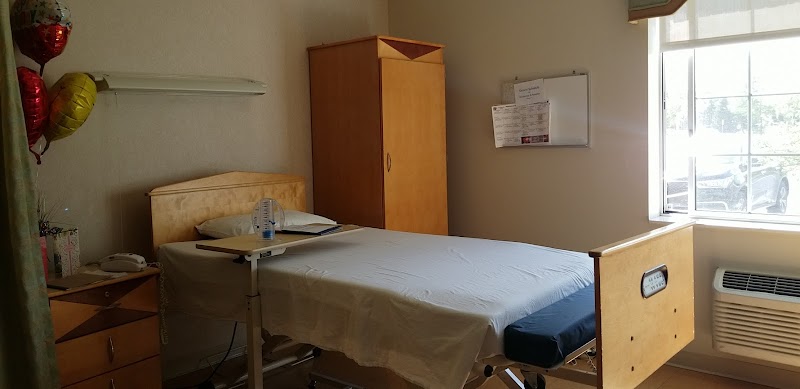
Who Owns and Operates Optalis Health And Rehabilitation Of Sterling Heig?

Optalis Health and Rehabilitation of Sterling Heig is owned by a for-profit company. For-profit facilities operate as businesses with obligations to shareholders or private owners. The facility is operated by OPTALIS HEALTH & REHABILITATION, a chain that manages multiple nursing homes. With 163 certified beds and approximately 153 residents (about 94% occupancy), it is a mid-sized facility located in Sterling Heights, Michigan.

How Does Optalis Health And Rehabilitation Of Sterling Heig Compare to Other Michigan Nursing Homes?

Compared to the 100 nursing homes in Michigan, Optalis Health and Rehabilitation of Sterling Heig's overall rating (3 stars) is below the state average of 3.1, staff turnover (54%) is near the state average of 46%, and health inspection rating (2 stars) is below the national benchmark.

What Should Families Ask When Visiting Optalis Health And Rehabilitation Of Sterling Heig?

Based on this facility's data, families visiting should ask: "Can you walk me through typical staffing levels on day, evening, and night shifts?" "Can I visit during a mealtime to observe dining assistance and food quality?" "How do you handle medical emergencies, and what is your hospital transfer rate?" "Can I speak with family members of current residents about their experience?" These questions are particularly relevant given the below-average staffing rating.

Is Optalis Health And Rehabilitation Of Sterling Heig Safe?

Based on CMS inspection data, Optalis Health and Rehabilitation of Sterling Heig has a clean safety record: no substantiated abuse findings (meaning no confirmed cases of resident harm), no Immediate Jeopardy citations (the most serious violation level indicating risk of serious injury or death), and is not on the Special Focus Facility watch list (a federal program monitoring the lowest-performing 1% of nursing homes). The facility has a 3-star overall rating and ranks #100 of 100 nursing homes in Michigan. While no facility is perfect, families should still ask about staff-to-resident ratios and recent inspection results during their visit.

Do Nurses at Optalis Health And Rehabilitation Of Sterling Heig Stick Around?

Optalis Health and Rehabilitation of Sterling Heig has a staff turnover rate of 54%, which is 8 percentage points above the Michigan average of 46%. Moderate turnover is common in nursing homes, but families should still ask about staff tenure and how the facility maintains care continuity when employees leave.

Was Optalis Health And Rehabilitation Of Sterling Heig Ever Fined?

Optalis Health and Rehabilitation of Sterling Heig has been fined $4,233 across 1 penalty action. This is below the Michigan average of $33,121. While any fine indicates a compliance issue, fines under $50,000 are relatively common and typically reflect isolated problems that were subsequently corrected. Families should ask what specific issues led to these fines and confirm they've been resolved.

Is Optalis Health And Rehabilitation Of Sterling Heig on Any Federal Watch List?

Optalis Health and Rehabilitation of Sterling Heig is not on any federal watch list. The most significant is the Special Focus Facility (SFF) program, which identifies the bottom 1% of nursing homes nationally based on persistent, serious quality problems. Not being on this list means the facility has avoided the pattern of deficiencies that triggers enhanced federal oversight. This is a positive indicator, though families should still review the facility's inspection history directly.