Pomeroy Living Sterling Skilled Rehabilitation
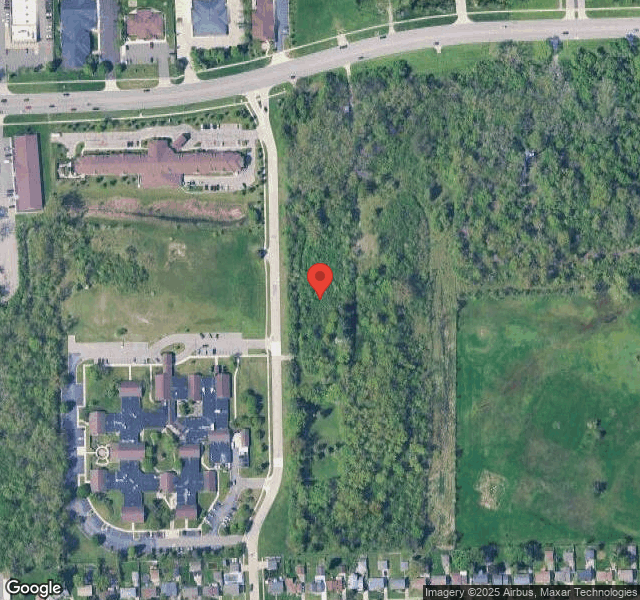
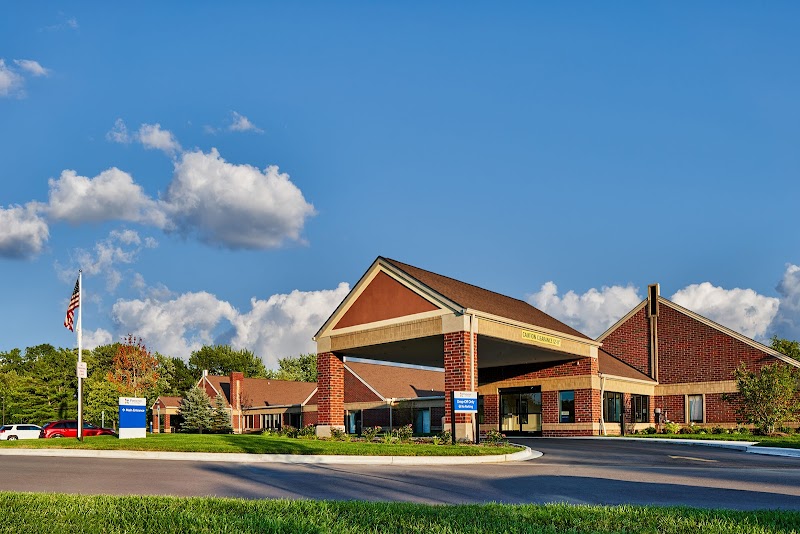
34643 Ketsin Drive, Sterling Heights, MI 48310 (586) 978-2280
For profit - Corporation 176 Beds Independent Data: November 2025
Trust Grade
85/100
#75 of 422 in MI
Last Inspection: May 2025

Inspected within the last 6 months. Data reflects current conditions.

Overview

Pomeroy Living Sterling Skilled Rehabilitation has a Trust Grade of B+, indicating it is above average and recommended for families considering care options. It ranks #75 out of 422 facilities in Michigan, placing it comfortably in the top half, and #4 out of 30 in Macomb County, meaning there are only three better local choices. The facility is showing an improving trend, reducing reported issues from 6 in 2024 to 4 in 2025. Staffing is a relative strength with a rating of 4 out of 5 stars and a 39% turnover rate, which is below the state average. Notably, there have been no fines, which is a good sign, and the registered nurse coverage is average. However, there are some concerns to be aware of. The facility has faced issues with food temperature, as several residents reported meals being served cold, which caused dissatisfaction. Additionally, during a kitchen inspection, it was noted that handwashing facilities were not adequately maintained, lacking soap and towels, which could pose health risks. Despite these weaknesses, the overall quality of care appears strong, making it a viable option for families.
Trust Score
B+
85/100
In Michigan
#75/422
Top 17%
Safety Record
Low Risk
No red flags
Inspections
Getting Better
6 → 4 violations
Staff Stability
○ Average
39% turnover. Near Michigan's 48% average. Typical for the industry.
Penalties
✓ Good
No fines on record. Clean compliance history, better than most Michigan facilities.
Skilled Nurses
✓ Good
Each resident gets 43 minutes of Registered Nurse (RN) attention daily — more than average for Michigan. RNs are trained to catch health problems early.
Violations
⚠ Watch
18 deficiencies on record. Higher than average. Multiple issues found across inspections.
★★★★★
5.0
Overall Rating
★★★★☆
4.0
Staff Levels
★★★☆☆
3.0
Care Quality
★★★★★
5.0
Inspection Score
Stable
2024: 6 issues
2025: 4 issues

The Good

  • 4-Star Staffing Rating · Above-average nurse staffing levels
  • Full Sprinkler Coverage · Fire safety systems throughout facility
  • No fines on record
  • Staff turnover below average (39%)

    9 points below Michigan average of 48%

Facility shows strength in staffing levels, fire safety.

The Bad

Staff Turnover: 39%

Near Michigan avg (46%)

Typical for the industry

The Ugly 18 deficiencies on record

May 2025 3 deficiencies
CONCERN (D)

Potential for Harm - no one hurt, but risky conditions existed

Deficiency F0561 (Tag F0561)

Could have caused harm · This affected 1 resident

Based on observation, interview, and record review, the facility failed to ensure one (R128) resident of eight residents reviewed for bathing, was provided with a choice of having a shower rather than...

Read full inspector narrative →
Based on observation, interview, and record review, the facility failed to ensure one (R128) resident of eight residents reviewed for bathing, was provided with a choice of having a shower rather than a bed bath. Findings include: Review of the facility record for R128 revealed an admission date of 04/18/25 with diagnoses including Rhabdomyolysis (skeletal muscle breakdown causing muscle pain and weakness) and Unstageable Left Hip and Right Heel Pressure Ulcers. R128's Brief Interview for Mental Status (BIMS) score of 15/15 indicated intact cognition. On 05/13/25 at 12:50 PM, R128 was interviewed in their room. R128's hair appeared disheveled and oily. The resident was asked if they were receiving showers and they stated I'm dying for a shower, I haven't had one since I've been here. When questioned further R128 indicated they had been taken to the shower room and given a shower while laying on a shower bed a couple times and had otherwise received bed baths in their room. R128 was asked if they were given a choice of having a bed bath or a shower and they stated No, they just told me we were doing a bed bath so I didn't think I had an option. They don't wash my hair during the bed bath so its filthy. R128 indicated that on one occasion they did ask staff if they could be taken to the shower room rather than having a bed bath and stated they were told We can't take you off the unit, they don't want us to do that. Review of R128's facility bathing documentation indicated between 04/18/25 and 05/09/25 the resident had received three showers and four bed baths. Review of R128's Progress Notes revealed no documentation of the resident refusing a shower. On 05/14/25 at 12:36 PM, R128 was interviewed in their room and asked if they had ever refused a shower or asked to have a bed bath rather than a shower and they responded No, I never refused a shower. When asked if they were given a choice of shower or bed bath they stated No, I prefer showers, I wouldn't ever pick a bed bath over a shower. On 05/14/25 at 01:01 PM, Certified Nurse Assistant (CNA) A was interviewed via phone call and stated they did recall providing the resident with a bed bath on one occasion. The CNA reported the resident did not refuse a shower and they believed they had not offered a shower due to concern about the residents wounds however it was documented R128 had received a shower on the previous shower day. On 05/14/25 at 01:29 PM, CNA B was interviewed via phone. CNA B who documented having provided R128 with a bed bath reported they did not specifically recall the resident or the situation but stated On [resident's unit], if the resident has a shower in their bathroom I give them a shower and if not I give them a bed bath. I've never taken anyone off the unit to go to a shower room. On 05/14/25 at 01:55 PM, the facility Director of Nursing (DON) reported all the rooms on R128's unit have a shower in the bathroom. The DON stated the expectation is that resident's will be offered a choice of either a shower or bed bath on their scheduled shower day. Review of the facility Resident Guide with a revision date of 02/25 revealed the Resident Rights statements which include: - The right to reasonable accommodations of individual needs and preferences. - The right to participate in choices about food, activities, health care and other services based on needs, interests and the care plan.
CONCERN (D)

Potential for Harm - no one hurt, but risky conditions existed

Safe Environment (Tag F0584)

Could have caused harm · This affected 1 resident

**NOTE- TERMS IN BRACKETS HAVE BEEN EDITED TO PROTECT CONFIDENTIALITY** Based on observation, interview, and record review, the facility failed to provide a clean, comfortable, homelike environment in...

Read full inspector narrative →
**NOTE- TERMS IN BRACKETS HAVE BEEN EDITED TO PROTECT CONFIDENTIALITY** Based on observation, interview, and record review, the facility failed to provide a clean, comfortable, homelike environment in one room on [NAME] (H203). Findings include: On 5/12/25 at 10:20 AM, room H203 was observed with multiple, bright colored orange [NAME] on the floor next to a chair. On 5/13/25 at 8:39 AM, room H203 was observed again with the same orange [NAME] on the floor next to the chair. On 5/13/25 at 2:58 PM, room H203 remained in the same condition with the orange [NAME] in the same place in the resident's room on the floor. At this time the [NAME] appeared to be darker in color. On 5/14/25 at 2:29 PM, the House Keeping Manager was asked the facility's expectations with the cleaning of the resident's room. The manager explained the floors are a part of the routine/daily clearing. The housekeeper's procedure is to move furniture or items out of the way to ensure the floors are cleaned properly. A review of the facility's policy titled, Maintaining Resident Rooms Purpose dated 1/6/22 noted, Resident rooms are inspected and maintained on a periodic basis to ensure proper function . The policy did not reveal the procedure for daily cleaning.
CONCERN (D)

Potential for Harm - no one hurt, but risky conditions existed

Quality of Care (Tag F0684)

Could have caused harm · This affected 1 resident

**NOTE- TERMS IN BRACKETS HAVE BEEN EDITED TO PROTECT CONFIDENTIALITY** Based on observation, interview, and record review, the facility failed to apply ace wraps per physician orders for one resident...

Read full inspector narrative →
**NOTE- TERMS IN BRACKETS HAVE BEEN EDITED TO PROTECT CONFIDENTIALITY** Based on observation, interview, and record review, the facility failed to apply ace wraps per physician orders for one resident (R24) out of one reviewed for physician orders. Findings include: A review of the medical record revealed R24 admitted into the facility on [DATE] with the following medical diagnoses, Urinary Tract Infection and Mood Disturbance. A review of the minimum Data Set assessment revealed a Brief Interview for Mental Status score of 3/15 indicating an impaired cognition. R24 also required assistance with bed mobility and transfers. A review of physician orders revealed the following, Order: Ace wraps to bilateral extremities: On in morning, off at night. On 5/12/2025 at 10:30 AM, R24 was observed in their bed. R24 stated they needed to be pulled up in bed and were looking for their call light. R24 was not observed to be wearing any ace wraps to their bilateral extremities. On 5/14/2025 at 9:54 AM, R24 was observed in bed with no ace wraps on bilateral extremities. R24 reported they have never worn ace wraps and doesn't believe anyone has ever put anything on their legs. On 5/14/2025 at 11:05 AM, an interview was conducted with Unit Manager (UM) A. UM A indicated R24 was refusing to wear the ace wraps, and the order was supposed to be discontinued. Documentation pertaining to refusal of ace wraps was requested but not received by end of survey. On 5/14/2025 at 11:12 AM, an interview was conducted with the Director of Nursing (DON). The DON stated their expectations are if there is a physician's order, then it is followed. A request for a following a physician's order was requested and not received by the end of survey.
Feb 2025 1 deficiency
CONCERN (D) 📢 Someone Reported This

A family member, employee, or ombudsman was alarmed enough to file a formal complaint

Potential for Harm - no one hurt, but risky conditions existed

Accident Prevention (Tag F0689)

Could have caused harm · This affected 1 resident

**NOTE- TERMS IN BRACKETS HAVE BEEN EDITED TO PROTECT CONFIDENTIALITY** This citation pertains to Intake MI00150202. Based on observation, interview, and record review, the facility failed to knock an...

Read full inspector narrative →
**NOTE- TERMS IN BRACKETS HAVE BEEN EDITED TO PROTECT CONFIDENTIALITY** This citation pertains to Intake MI00150202. Based on observation, interview, and record review, the facility failed to knock and announce themself prior to entering a room for one sampled resident (R803) of three reviewed for falls, resulting in a fall with a head injury. Findings include: A review of an Intake noted on 1/28/25 at 3:30 AM, the Certified Nursing Assistant (CNA) did not announce their presence by knocking and opened the door and hit R803's walker which caused R803 to fall and hit their head on the furniture. On 2/18/25 at 2:09 PM, CNA A was asked about the incident. CNA A explained they were in the day room when they heard a call light start to ring, they went to the panel to see which room it was. CNA A confirmed she did not knock before she entered R803's room because, when a call light is ringing (activated) it indicates the resident is waiting for us to come in and help. CNA A explained that R803 had to be directly behind the door when she entered, because she heard the door hit the walker and looked behind the door and saw R803 on the floor. On 2/18/25 at 2:55 PM, the camera recording was reviewed with the Nursing Home Administrator (NHA) which revealed, R803's door was at the far end from the camera, R803's call light was on, CNA A was observed to enter the resident's room, CNA A's right hand was observed to move the door to open it. A knock to announce they're entrance could not be observed. A review of R803's medical record revealed, R803 was admitted to the facility on [DATE] with diagnosis of aftercare following joint replacement surgery. R803 was readmitted to the facility after the fall on 1/31/25. A review of R803's Minimum Data Set (MDS) assessment dated [DATE] indicated R803 with an intact cognition and with a functional abilities of partial/moderate assistance- Helper does less than half the effort. Helper lifts, holds, or supports trunk or limbs, but provides less than half the effort. Further review of R803's medical record noted, progress note, Resident put on call light approx. (approximately) 3:30am. CNA (CNA A) answered right away. When CNA (CNA A) opened door to resident room, resident was directly behind the door with walker. Door hit walker and resident fell backwards hitting head on the drawer near the ground. Hematoma noted to back of head. No LOC (loss of consciousness). Resident made statement, I didn't think you'd be here that quick. I always take myself. I didn't want to make a mess all over myself. NP (Nurse Practitioner) notified, orders to send resident out. 911 called. 1/28/25 at 4:14 AM. A review of R803's incident documentation noted, Situation, Background, Assessment, and Recommendation (SBAR) communication form and progress note indicated, 1/28/25 3:47 AM, Situation: fall, hit back of head. A review of the hospital documentation revealed, History of Present Illness: ., recent left femoral neck fracture s/p (status post) left total hip arthroplasty on 1/10/25 is [R803] s/p fall. [R803] states [they were] up in the bathroom at [their] SAR (subacute rehab), when the nurse tried to come in to help [them], causing the door to hit [them] and knock [them] over. [R803] reports [they] hit [their head but denies LOC . [R803] denies any worsened hip pain. [R803] reports mild pain to the back of [their] head where [they] hit it. [R803] denies dizziness, syncope, neck pain, chest pain, shortness of breath, abdominal pain, N/V (Nausea and Vomiting), numbness and tingling. [R803] has no other complaints or concerns at this time. Hospital physical therapy note documentation dated 1/29/25 10:50 AM noted, Pertinent History of Current Functional Problem: [R803] is currently residing at a subacute rehab, on Lovenox and aspirin for DVT (deep vein thrombosis) prophylaxis. The patient states that [they] had to go to the bathroom early in the morning. As [R803] was ambulation with [their] walker, a nursing assistant accidentally opened the door into the patient's walker, causing the patient to fall backwards and strike [their] head. [They] denies any loss of consciousness. [R803] was only reporting pain to the back of the head with the associated hematoma. [R803] is denying any pain or concern elsewhere. [R803] has ambulated since the fall. A review of R803's care plan noted, Problem: Falls. With interventions put in place my risks for functional decline will be minimized Goal: With interventions put in place my risks for functional decline will be minimized Interventions: Toileting: I might need assistance with toileting and cleaning myself. Focus: Fall risk effective date 1/16/25. Etiology: My gait is unsteady. I am not always aware of my limitations. As Evidenced By: I fall when I bend over or stand up quickly. I had fallen at home. Additional Detail: I am afraid of falling. I don't want to break anything. I want to walk by myself. I don't want to ask someone to help me get up and down, but I forget I'm weak/unsteady. Goals: My risks for injuries will be reduced with interventions put in place. 3/1/25. On 2/18/25 at 2:40 PM, the Unit Manager (UM B) was asked about the incident. UM B explained R803's call light was answered within one minute, R803 has a history of getting up alone without assistance. UM B further explained, R803 is not independent with care, they need one person for assistance. UM B was asked if CNA A was supposed to knock before entering the room with the call light on. UM B confrimed they should be knocking on the door (to let the resident know they are entering). A review of the facility's policy titled, Fall Management Guidelines and the Resident Rights did not address the above concern.
Oct 2024 1 deficiency
CONCERN (D) 📢 Someone Reported This

A family member, employee, or ombudsman was alarmed enough to file a formal complaint

Potential for Harm - no one hurt, but risky conditions existed

Quality of Care (Tag F0684)

Could have caused harm · This affected 1 resident

**NOTE- TERMS IN BRACKETS HAVE BEEN EDITED TO PROTECT CONFIDENTIALITY** This citation pertains to Intake MI00147284. Based on interview and record review, the facility failed to implement intervention...

Read full inspector narrative →
**NOTE- TERMS IN BRACKETS HAVE BEEN EDITED TO PROTECT CONFIDENTIALITY** This citation pertains to Intake MI00147284. Based on interview and record review, the facility failed to implement interventions, assess and monitor one resident (R901) following a fall, out of three residents reviewed for falls. Findings include: A review of Intake: MI00147284 revealed the following, .Complainant states [they] received a call on 09/28/2024 at approximately 5:44PM from an unknown female 1st shift nurse informing [them] that she found the resident on the floor in [their] room .Complainant states 3 hours later, [they] got a call from a 2nd shift nurse (unknown female), informing [them] she found the resident unresponsive on the floor of her room .Complainant states [they] went to the facility on [DATE] and was told the residents chart shows that neuro-checks (Neurological exam used to assess a patient) were completed but they didn't take any fall precautions because they can't predict when or if the resident would fall again A review of R901's medical records revealed the resident was initially admitted into the facility on 9/23/24 with diagnoses that include Hepatic Encephalopathy, Hypokalemia, Diabetes, and Depression. Further review of the medical record revealed the resident was alert and oriented to person and place, and according to their fall assessment dated [DATE], the resident was high risk for falls. Further review of the R901's medical record revealed the resident also had a physician order for an blood thinner dated for 9/23/24, Enteric Coated Aspirin 81 mg (milligrams) tablet delayed release. Give 1 tablet by oral route one time day .Start date 9/23/24 . Further review of R901's medical record revealed the following progress notes: Entered By: [Licensed Practical Nurse (LPN) A] on 9/28/2024 8:17 pm, Type: Standard. Patient found on the floor on the right side laying, right hand on the back of her head. upon asking she denied falling from the bed. patient mentioned the she just rolled down from the bed while trying to wiping the floor. patient is alert and oriented times 2. patient had no injuries, no bleeding. patient vitals are b/p (blood pressure) 154/91, HR (heart rate) 83,osat (oxygen level) 93, RR (respirations)18. patient is in (on) aspirin. patient neuro checked had been done. [Physician] and the family member had been informed. patient bed is lower to the floor. call bell is within reach. patient had been monitor at all the time. Entered By: [LPN B] on 9/29/2024 12:38 am, Type: Standard. Writer received resident in bed after 730pm, writer was informed in shift-to-shift report that resident had a fall at 6:30pm. Per previous nurse resident was observed on the floor next to bed laying on her right side, first neuro check initiated at 6:30pm. Writer did walking rounds before starting med pass & observed resident in bed, with bed in lowest position. At approximately 9:10pm writer was called into resident room by caregiver. Resident was observed on the floor next to her bed laying on her left side. Writer immediately rolled resident over & begin assessment, upon rolling resident over writer noted bruising over right eye, resident arms flaccid, resident grunting in response to questions, resident eyes opened spontaneous to pain/ sternum rub. Writer took several sets of vital signs due to elevated blood pressure when vital signs performed, writer had a second nurse come into the room & take a manual blood pressure to confirm the previous elevated blood pressures. Last noted blood pressure (manual) 200/160, blood glucose 177, spo2 97% on room air, pulse 81, respirations 18. Staff member stayed with resident while writer called resident physician, voicemail left for physician to contact facility as soon as possible & called 911 to transport resident to hospital due to unwitnessed fall, bruise on face & is on blood thinner. Resident was transferred to hospital via 911, family aware of incident & transfer to hospital, in house manager also aware. On 10/2/24 at 1:02 PM, an interview was completed with LPN A regarding R901's first fall, and she explained when she entered the room, the resident was on the floor, lying on their right side, with their hand on the back of their head. LPN A explained the resident told her she was attempting to wipe something off the floor and slid down. LPN A explained she contacted to physician, and did not receive an answer or return call therefore, she assessed the resident, completed a neuro check, and handed the concern over to the next shift nurse. On 10/2/24 at 1:19 PM, an attempt to reach LPN B was to no avail. A review of the Unusual Occurrence Report for R901's first fall revealed the following, What did you do to try to prevent the incident from happening again? The call light on (in) reach. Star program + (plus) Neuro checks. This report was signed by LPN A, the Director of Nursing (DON), the Physician, and the Nursing Home Administrator (NHA) on 9/30/24. A review of R901's Neuro Flow Sheet revealed the resident's name and room number, and noted R901 had one neuro check completed between her first fall at 6:30pm, and her second fall at 9:10pm. The Neuro Flow Sheet further revealed a timeline of when to Check Resident with the following times: Initial Assessment, Every 1 Hour Times 2, Every 2 Hours Times 3, Every 4 Hours Times 4, and Every Shift Times 24 Hours. On 10/2/24 at 12:48 PM, an interview was completed with the (DON) regarding R901's fall. The DON was asked about the neuro checks for R901 following her initial fall, and acknowledged additional neuro checks should have been completed however, the investigation of R901's falls are still in progress. The DON was asked about the physician not contacting the nurses back following the resident falls, and acknowledged this is an issue they are working on. On 10/2/24 at 2:10 PM, the NHA was asked about R901's fall, and explained LPN A's supervisor advised her to initiate the neuro check as a baseline and the resident reported she did not hit her head. Regarding the physician not returning the nurses' calls, she explained they did their due diligence to reach the physician per policy. A review of the facility's Fall Management Guidelines revealed the following, .3. When a fall occurs, the nurse should assess the resident for injury, and provide the appropriate first aide based on standard of practice. If there is a suspected head injury, neuro checks should be completed and contact the physician for further instruction .9. The nursing staff will assess the resident over the next 72 hours, and document in the nurses' notes to identify any possible injuries, including pain that may not be evident following a fall
Apr 2024 5 deficiencies
CONCERN (D) 📢 Someone Reported This

A family member, employee, or ombudsman was alarmed enough to file a formal complaint

Potential for Harm - no one hurt, but risky conditions existed

Deficiency F0583 (Tag F0583)

Could have caused harm · This affected 1 resident

**NOTE- TERMS IN BRACKETS HAVE BEEN EDITED TO PROTECT CONFIDENTIALITY** Based on observation, interview, and record review, the facility failed to provide visual privacy during patient care and or obt...

Read full inspector narrative →
**NOTE- TERMS IN BRACKETS HAVE BEEN EDITED TO PROTECT CONFIDENTIALITY** Based on observation, interview, and record review, the facility failed to provide visual privacy during patient care and or obtain consent for care in a public area for one resident (R114) of one reviewed for personal privacy. Findings include: On 04/10/24 at 4:25 PM, R114 was asked questions about the their location, date, and situation and provided answers unrelated to the questions. On 04/11/24 at 1:50 PM, R114 was observed to be in the day area, with seven other residents. R114 was seated at a table with two other residents. R114 was dressed in long sleeves, pants, non slip socks and a baseball style cap. R114 was approached by a female who identified themselves as a physician (Staff C). The physician attempted to identify the resident to verify their name and the resident replied with a different name. The physician exited the day room and asked staff to confirm this was R114. On the way back to the resident the physician called the resident by name and R114 answered. A certified nurse assistant also entered and confirmed R114's identity to the physician. The physician (standing over the resident) then asked if R114 if they were hurting anywhere asked if there was anything they could do for R114. The physician then listened with a stethoscope to the upper back area above the top of the wheelchair in two places and on the chest in two places. The physician then touched each foot/ankle area. The physician then thanked the resident and exited the day area. The physician did not ask R114 for consent to be seen in a public setting and was not seen to complete hand hygiene. On 04/12/24 at 2:25 PM, the Director of Nursing (DON) reported privacy should always be provided during patient care. The DON also reported if consent was given then a resident could be seen in a public area but preferably it would be conducted in the resident's room. The DON was asked if R114 was able to give informed consent and reported R114 was not. A review of the record for R114 revealed, R114 was admitted into the facility on [DATE]. Diagnoses included Dementia with psychotic disturbance and Anxiety. The Minimum Data Set (MDS) assessment indicated severely impaired cognition with a 2/15 Brief Interview for Mental Status score and the need for set up for eating and partial to maximal assistance for other Activities of Daily Living. A review of the facility policy titled, Medical Staff Rules and Regulations undated, revealed, 1. The physician shall adhere to the rules and regulations for the standard of medical care as set forth by Federal State and/or other regulatory agencies. 2. The physician shall adhere to the policies of the healthcare center .
CONCERN (D) 📢 Someone Reported This

A family member, employee, or ombudsman was alarmed enough to file a formal complaint

Potential for Harm - no one hurt, but risky conditions existed

Deficiency F0692 (Tag F0692)

Could have caused harm · This affected 1 resident

This citation refers to Intake MI00142742. Based on interview and record review, the facility failed to ensure a weight was obtained upon admission for one resident (R448) of two reviewed for nutriti...

Read full inspector narrative →
This citation refers to Intake MI00142742. Based on interview and record review, the facility failed to ensure a weight was obtained upon admission for one resident (R448) of two reviewed for nutrition, resulting in the potential for unidentified weight loss. Findings include: On 04/12/24 at 2:17 PM, a representative of R448 reported R448 had not been assisted to eat, not provided fluids consistently and had weight loss. The representative reported R448 was transferred to another facility related to care concerns. The representative reported R448 had weighed 150 pounds prior to hospitalization and was down to 130 pounds when received at the nursing home. R448 confirmed the concern for weight loss and meal assistance. A review of the record for R448 revealed: R448 was admitted in the facility on 01/28/24 and discharged to another facility on 01/31/24. Diagnoses included Dysphagia (difficulty swallowing), Need for assistance with personal care and Muscle weakness. A review if the care plan indicated: Feeding: I need the meal tray set up for me. I may need to be encouraged to eat my meal and drink all the fluids. A review of the results and vitals for R448 revealed no weight had been recorded. The facility reported a weight was attempted on 01/28/24 but the resident had refused. Documentation of this was not provided. A subsequent attempt at a weight was not documented or attempted. A review of the physician order dated 01/28/24 at 7:53 PM documented, Weight daily times two then weekly times four, then monthly. Documentation of a weight was requested on 04/12/24 at 2:58 PM but not received prior to survey exit. On 04/12/24 at 12:09 PM, the Registered Dietitian (RD) reported discussion with the spouse and resident about food preferences and R448's fluid restrictions related to low sodium levels and the impact the C collar (neck brace worn post neck surgery) had on the dietary intake of R448. The RD documented a weight in the hospital notes of 140 pounds. The RD did not have a weight for R448 while at the facility. On 04/12/24 at 2:25 PM, the Director of Nursing (DON) reported a weight is a part of what we do and should be obtained in the first 24 hours of admission and after that as determined by the plan of care. A review of the policy titled, Weight Management dated July 2021, revealed, Residents will be monitored for significant weight change on a regular basis .2. Weigh residents upon admission .
CONCERN (D) 📢 Someone Reported This

A family member, employee, or ombudsman was alarmed enough to file a formal complaint

Potential for Harm - no one hurt, but risky conditions existed

Deficiency F0761 (Tag F0761)

Could have caused harm · This affected 1 resident

**NOTE- TERMS IN BRACKETS HAVE BEEN EDITED TO PROTECT CONFIDENTIALITY** On 4/12/24 at 1:59 PM, medication cart B on the Charlevoix unit of the facility was inspected and revealed that resident identif...

Read full inspector narrative →
**NOTE- TERMS IN BRACKETS HAVE BEEN EDITED TO PROTECT CONFIDENTIALITY** On 4/12/24 at 1:59 PM, medication cart B on the Charlevoix unit of the facility was inspected and revealed that resident identifying information was not labled on one inhaler. Unidentified nurse D who was administering medications on the unit to residents, was interviewed regarding labeling of inhalers and stated, Some inhalers are labeled. A review of the manufacturer's prescribing information dated 10/2023 revealed, Store your pen in use for 56 days at room temperature . The Ozempic pen you are using should be disposed of (thrown away) after 56 days, even if it still has Ozempic left in it. Write the disposal date on your calendar . A review of the manufacturer's prescribing information for the Lantus pen dated 12/2020 revealed, Once you take your SoloStar out of cool storage, for use or as a spare, you can use it for up to 28 days. During this time it can be safely kept at room temperature up to 86°F (30°C). Do not use it after this time. A review of the manufacturer's prescribing information for the Novolog pen dated 02/2023 revealed, Store the PenFill cartridge you are currently using in the insulin delivery device at room temperature below 86°F (30°C) for up to 28 days. Do not refrigerate. The NovoLog PenFill cartridge you are using should be thrown away after 28 days, even if it still has insulin left in it A facility policy titled Medication Ordering And Receiving From Pharmacy IC9: Medication Labels June 2019 was reviewed and stated the following, Policy: Medications are labeled in accordance with federal and state regulations and standards of pharmacy practice .Procedures: A.For very small items such as inhalers .the product itself must be labeled with, at a minimum, the resident's name. Based on observation, interview and record review, the facility failed to ensure medication dispensing pens were dated when opened in two of four medication carts resulting in the potential for the decreased efficacy of the medications. Findings include: On 04/12/24 at 8:24 AM, an open Ozempic pen in the [NAME] B medication cart was not dated. On 04/12/24 at 8:43 AM, in the medication cart for the [NAME] 100 unit, a lantus insulin pen and a Novolog insulin pen (for R10) were not dated when opened and a novolog (for R5) was dated 02/28/24. On 04/12/24 at 2:25 PM, the Director of Nursing (DON) reported insulin should be dated when opened and a sticker should be in place on the pen.
CONCERN (E) 📢 Someone Reported This

A family member, employee, or ombudsman was alarmed enough to file a formal complaint

Potential for Harm - no one hurt, but risky conditions existed

Deficiency F0804 (Tag F0804)

Could have caused harm · This affected multiple residents

**NOTE- TERMS IN BRACKETS HAVE BEEN EDITED TO PROTECT CONFIDENTIALITY** On 04/12/24 at 10:03 AM, a confidential group interview was held with six residents representing various areas of the facility, ...

Read full inspector narrative →
**NOTE- TERMS IN BRACKETS HAVE BEEN EDITED TO PROTECT CONFIDENTIALITY** On 04/12/24 at 10:03 AM, a confidential group interview was held with six residents representing various areas of the facility, all of whom were alert and oriented and able to verbalize concerns without difficulty. When asked about the food, three residents reported concerns. Responses included: Food on trays are cold Food is like ice sometimes. Food often needs to be reheated and it is not good when it is cold. On 4/12/24 at 2:02 PM, the Administrator (NHA) was interviewed regarding their expectations for food temperatures when served to the residents on the units and stated, Food is [temperature checked] at the steam table so it is at the right temperature, then [covered] .temperature is an individual preference. This citation pertains to Intake MI00142742. Based on observation, interview, and record review, the facility failed to serve food in a palatable manner and preferred temperature for three residents (R65, R89, and R117) and three confidential group residents of twelve residents reviewed for food palatability, resulting in dissatisfaction during meals. Findings include: On 4/12/24 at 8:30 AM, a random breakfast tray was pulled from the [NAME] unit at the facility and temperature tested by Dietary manager (DM) B and the results were the following: Eggs: 101 Degrees Fahrenheit; Waffles: 100 Degrees Fahrenheit; Sausages: 103 Degrees Fahrenheit. DM B was interviewed regarding their expectations regarding hot food temperatures and stated, We try and get it to the units as quick as possible. Breakfast is tough. DM B acknowledged having food complaints from residents regarding cold food. DM B taste tested the test tray and indicated that it tasted, Fine. On 4/12/24 at 8:34 AM, the test tray was taste tested by the surveyor and the food tasted cold which negatively impacted the palatability of the food. R65 On 4/10/24 at 12:45 PM, R65's was asked about the food at the facility. R65 stated, explained they were not happy with dessert selection and how it was not real dessert. R65 continued and explained, they are being served five grapes, flavored gelatin, pineapple, when we use to get brownies or pie. R89 On 4/10/24 at 12:59 PM, R89 was asked about the food at the facility. R89 stated, I have been sick two times this week with diarrhea because of something I ate. A review of pictures from R89's phone noted, January 29th and 24th, 2024. One of the pictures noted a piece of meatloaf that was pink in the middle indication undercooked. R89 stated, I sent it back and the next one they brought was the same color. R117 On 4/10/24 at 1:10 PM, R117 was asked about the food and stated, The food is horrible.
CONCERN (E) 📢 Someone Reported This

A family member, employee, or ombudsman was alarmed enough to file a formal complaint

Potential for Harm - no one hurt, but risky conditions existed

Food Safety (Tag F0812)

Could have caused harm · This affected multiple residents

Based on observation, interview, and record review, the facility failed to maintain sanitary conditions in the kitchen. This deficient practice had the potential to affect all residents that consume f...

Read full inspector narrative →
Based on observation, interview, and record review, the facility failed to maintain sanitary conditions in the kitchen. This deficient practice had the potential to affect all residents that consume food from the kitchen. Findings include: On 4/10/24 between 8:45 AM-9:20 AM, during an initial tour of the kitchen, the following items were observed: There were 2 hand sinks in the kitchen with no paper towels available and the one hand sink that did have paper towels was blocked by a tall rack of dishware. According to the 2017 FDA Food Code section 6-301.12 Hand Drying Provision, Each handwashing sink or group of adjacent handwashing sinks shall be provided with: (A) Individual, disposable towels; According to the 2017 FDA Food Code section 5-205.11 Using a Handwashing Sink, 1. (A) A HANDWASHING SINK shall be maintained so that it is accessible at all times for EMPLOYEE use. Pf In the walk-in cooler, there was an opened 1 gallon container of honey mustard with a use-by date of 4/1, an opened, undated 1 gallon container of ranch dressing, an opened, undated 1 gallon container of raspberry vinaigrette dressing, and an opened, undated 1 gallon container of thousand island dressing. According to the 2017 FDA Food Code section 3-501.17: Ready-to-eat, potentially hazardous food prepared and held in a food establishment for more than 24 hours shall be clearly marked to indicate the date or day by which the food shall be consumed on the premises, sold, or discarded when held at a temperature of 41 degrees Fahrenheit or less for a maximum of 7 days. Refrigerated, ready-to- eat, potentially hazardous food prepared and packed by a food processing plant shall be clearly marked, at the time the original container is opened in a food establishment and if the food is held for more than 24 hours, to indicate the date or day by which the food shall be consumed on the premises, sold, or discarded, and: (1) The day the original container is opened in the food establishment shall be counted as Day 1; and (2) The day or date marked by the food establishment may not exceed a manufacturer's use-by date if the manufacturer determined the use-by date based on food safety. There was a dusty ceiling vent cover directly above a rack of clean dishware, and 2 dusty ceiling vent covers above the clean drainboard of the dish machine. According to the 2017 FDA Food Code section 6-501.14 Cleaning Ventilation Systems, Nuisance and Discharge Prohibition, (A) Intake and exhaust air ducts shall be cleaned and filters changed so they are not a source of contamination by dust, dirt, and other materials. The connection at the wall for the hose sprayer was observed with a steady stream of leaking water. The drain line underneath the sanitizer bin of the 3 compartment sink was leaking water onto the floor underneath. During an interview on 4/10/24 at 9:10 AM, Physical Plant Manager G confirmed the dusty ceiling vent in the dish machine room, and stated it would be cleaned right away. Physical Plant Manager G also confirmed the leaking plumbing fixtures and stated they would be addressed as well. According to the 2017 FDA Food Code section 5-205.15 System Maintained in Good Repair, A plumbing system shall be: (A) Repaired according to law; P and(B) Maintained in good repair. There was an unlabeled chemical spray bottle, filled with a blue liquid at the 3 compartment sink. According to the 2017 FDA Food Code section 7-102.11 Common Name, Working containers used for storing POISONOUS OR TOXIC MATERIALS such as cleaners and SANITIZERS taken from bulk supplies shall be clearly and individually identified with the common name of the material.
Jan 2023 8 deficiencies
CONCERN (D)

Potential for Harm - no one hurt, but risky conditions existed

Deficiency F0558 (Tag F0558)

Could have caused harm · This affected 1 resident

**NOTE- TERMS IN BRACKETS HAVE BEEN EDITED TO PROTECT CONFIDENTIALITY** Based on observation, interview, and record review the facility failed to ensure the bedside table was in reach for one of one r...

Read full inspector narrative →
**NOTE- TERMS IN BRACKETS HAVE BEEN EDITED TO PROTECT CONFIDENTIALITY** Based on observation, interview, and record review the facility failed to ensure the bedside table was in reach for one of one resident (R98) reviewed for hydration, resulting in water not being within reach of the resident. Findings include: On 1/24/23 at 9:55 AM, R98 was observed in their room in the bed. R98's daughter was also observed in the room. R98's face was observed with a bruise and when asked was the cause R98 and the daughter stated, R98 fell out of bed. During the interview R98 stated, They have this matt next to the bed and my table is over there (not within reach). R98's bed was observed with the left side against the wall and the right side open to the room. R98 has right side weakness and is unable to use their right side to reach for items. R98 stated, Sometimes I want water and I can't reach it and no one is to be found to help me. On 1/25/23 at 8:54 AM, R98 was observed in be asleep. R98's fall mattress was observed on the right/open side of the bed. The bedside table was observed behind R98, at the head of the bed near the right side. The beside table was observed with a container of water that was unopened and out of the resident's reach. A review of R98's medical record noted, R98 was admitted on [DATE] with diagnoses of Hemiplegia (weekness/paralysis of one side) and Cerebrovascular Accident (Stroke). R98's Minimum Data Set assessment noted, R98 with a moderately impaired cognition and required extensive assistance by staff for activities of daily living. On 1/25/23 at 2:28 PM, Unit Manager, Licensed Practical Nurse (LPN E) was asked about the accommodation for R98's bedside table and stated The intervention was suppose to have the table on the left side of [R98's] bed. LPN E was told about the observations of the table out of R98's reach and explained that it would be looked into. A review of the facility's policy titled, Hydration dated, October 2010, noted, Policy: It is the policy of this facility to assist residents to maintain adequate hydration whenever possible. Nutrition, Hydration interventions will be pursued until the resident and/or family have opted for comfort care measures only, and attempting more aggressive methods of hydration are contrary to the resident's Quality of Life, comfort, and requests. Procedure: 3. Standard Hydration Interventions will include the following practice measures to prevent the occurrence of dehydration: . D. Assure fresh bedside drinking water is available at all times, unless contraindicated. Assist residents to periodically take a drink throughout the day .
CONCERN (D)

Potential for Harm - no one hurt, but risky conditions existed

Comprehensive Care Plan (Tag F0656)

Could have caused harm · This affected 1 resident

**NOTE- TERMS IN BRACKETS HAVE BEEN EDITED TO PROTECT CONFIDENTIALITY** Based on observation, interview and record review the facility failed to implement fall interventions per the plan of care for o...

Read full inspector narrative →
**NOTE- TERMS IN BRACKETS HAVE BEEN EDITED TO PROTECT CONFIDENTIALITY** Based on observation, interview and record review the facility failed to implement fall interventions per the plan of care for one sampled resident (R1) out of two residents reviewed for care plan interventions resulting in, the potential for the resident to sustain another fall with injury. Findings include: On 01/23/23 at 10:10 AM, R1 was observed in their bed which was not in the lowest position. A fall mattress was observed lying against the wall away from the resident's bed. R1 was also observed to have a cast on their right arm. Attempts to interview R1 were to no avail as the resident appeared confused. A review of R1's medical record revealed that they were admitted into the facility on [DATE] with diagnoses that included Dementia, Diabetes and Muscle Weakness. A review of R1's Quarterly Minimum Data Set assessment dated [DATE] revealed a Brief Interview for Mental Status score of 15/15 indicating an intact cognition, and required bed mobility, transfers and bathing. Further review of R1's medical record revealed the following care plan: .admission #3 - Fall Risk. Etiology: My gait is unsteady. I am not always aware of my limitations. As Evidenced By: I fall when I bend over or stand up quickly. I had fallen at home. Additional Detail: I am afraid of falling. I don't want to break anything. I want to walk by myself. I don't want to ask someone to help me get up and down, but I forget I'm weak /unsteady. Effective: 1/04/2023 .Interventions. Low bed. Effective: 1/04/2023. I need a mattress next to my bed to prevent an injury. Effective: 1/04/2023 . On 1/24/23 at 8:14 AM, 11:23 AM, and 3:36 PM, R1 was observed in bed without it being in the lowest position. The fall mattress was also observed lying against the wall away from the resident's bed. On 1/25/23 at 2:05 PM, the Director of Nursing (DON) was asked about her expectations for following the Plan of Care for a resident at risk for falls. The DON explained that her expectations are that interventions should be in place. A review of the facility's Comprehensive Plan of Care policy revealed the following, .FUNDAMENTAL INFORMATION. The comprehensive care plan must describe services that are provided to the resident to attain or maintain the resident's highest practicable physical, mental, psychosocial wellbeing Include intervention to attempt to manage risk factors .
CONCERN (D)

Potential for Harm - no one hurt, but risky conditions existed

Deficiency F0657 (Tag F0657)

Could have caused harm · This affected 1 resident

**NOTE- TERMS IN BRACKETS HAVE BEEN EDITED TO PROTECT CONFIDENTIALITY** Based on interview and record review the facility failed to update a care plan following a fall for one resident (R65) of two re...

Read full inspector narrative →
**NOTE- TERMS IN BRACKETS HAVE BEEN EDITED TO PROTECT CONFIDENTIALITY** Based on interview and record review the facility failed to update a care plan following a fall for one resident (R65) of two residents reviewed for care plan interventions, resulting in the potential for continued falls and injury. Findings include: On 1/23/23 at 9:02 AM, during an initial tour of the facility R65 was interviewed regarding any falls they had at the facility and indicated that they had a fall approximately two weeks ago which resulted in a skin tear. On 1/23/23 at 9:30 AM, a review of R65's electronic medical record (EMR) revealed the following progress note dated, 1/15/23 3:31 PM, Resident observed in room lying on floor. Patient stated ' I was trying to get my banana and I fell'. Resident has 3 skin tears to the right forearm, wrist, and hand. No complaints of pain, resident's son was notified. Vitals T- 97.9, HR- 79, BP-106/74, O2- 93%. Doctor was notified . On 1/25/23 at 10:15 AM, a review of R65's fall care plan revealed that a new fall intervention had not been added to R65's care plan following their fall on 1/15/23. On 1/25/23 at 12:13 PM, a review of R65's electronic medical record was conducted and revealed the following, R65 was admitted to the facility on [DATE] with diagnoses that included Heart Failure and Chronic Obstructive Pulmonary Disease (COPD). A review of R65's most recent minimum data set assessment dated [DATE] revealed that R65 had an intact cognition and required assistance with all activities of daily living (ADLs) other than eating. On 1/25/23 at 1:19 PM, the Director of Nursing (DON) was interviewed regarding their expectations for interventions following a resident fall and stated, The expectation is that the resident's care plan would be updated following them having a fall. On 1/25/23 at 1:27 PM, a facility policy titled Comprehensive Plan of Care Revised Date: [DATE] was reviewed and stated the following, Policy: Each resident will have a comprehensive and individualized care plan developed .Fundamental Information: 12. Re-evaluate and modify care plans as necessary to reflect changes in care, services, and treatment .
CONCERN (D)

Potential for Harm - no one hurt, but risky conditions existed

Accident Prevention (Tag F0689)

Could have caused harm · This affected 1 resident

**NOTE- TERMS IN BRACKETS HAVE BEEN EDITED TO PROTECT CONFIDENTIALITY** Based on interview and record review the facility failed to provide adequate supervision for one sampled resident (R114) of eigh...

Read full inspector narrative →
**NOTE- TERMS IN BRACKETS HAVE BEEN EDITED TO PROTECT CONFIDENTIALITY** Based on interview and record review the facility failed to provide adequate supervision for one sampled resident (R114) of eight residents reviewed for falls, resulting in the resident sustaining a fall while in the shower. Findings include: On 1/24/23 at 1:28 PM, during a confidential resident council meeting, R114 explained that they had sustained a fall while being provided a shower by Certified Nursing Assistant (CNA B). R114 explained that CNA B told them to stand up and hold onto the grab bar, so that R114 could wash their own buttocks however, R114 explained that they told CNA B that they would fall, and that CNA B told them to stand up anyway. R114 explained that as a result, they fell to the shower room floor and landed on their buttocks. R114 also explained that while in the process of attempting to clean their buttocks, CNA B was not standing by to assist them. A review of R114's medical record revealed that they were admitted into the facility on 9/8/22 with diagnoses that included; wedge compression fracture of first thoracic vertebra, muscle weakness and depression. A review of R114's Quarterly Minimum Data Set assessment dated [DATE] revealed a Brief Interview for Mental Status score of 14/15 indicating an intact cognition, and required extensive assistance of 2 persons for bed mobility, transfers and toilet use, and substantial/maximal assistance with bathing. A review of the Incident and Accident (I/A) report provided by the facility revealed that the resident sustained their fall on 12/21/22 at 8:20 AM in the shower room. Noted in the Physician Statement on the I/A was the following, No injury. Agency staff (CNA B) did not help pt. (patient) shower. Could have been avoided. The I/A further revealed the following statement written by the resident's assigned nurse, Licensed Practical Nurse (LPN C), Educated CNA (CNA B) from agency on facility shower protocol. On 1/25/23 at 12:57 PM, an interview was completed with LPN C regarding R114's fall. She explained that she was not present when the resident fell, but that the CNA (CNA B) had alerted her that R114 had fallen. She explained that when she arrived in the shower room, the resident was on the floor, and had not sustained any injuries following an assessment. LPN C did indicate that the agency CNA (CNA B) was educated on the Happy Feet sign in the resident's room regarding ADL (activities of daily living). Further review of R114's medical record revealed the following progress note written by R114's Nurse Practitioner: HPI (history of present illness): [R114] who was seen today after sustaining a fall while getting a shower. [R114] was in the shower and [they were] trying to wash [their] backside when [they] slipped down. [R114] fell on [their] tailbone but sustained no injuries. At the time of assessment, [R114] is complaining of no pain at this time and feels great .PLAN: Maintain strict fall and safety precautions at all times. However, after talking with the patient, it seems that it was not [their] fault due to the fall. [R114] does need assistance washing [their] backside when [they are] taking showers . On 1/25/23 at 1:16 PM, CNA B was interviewed via phone regarding the fall. They explained that they took R114 into the shower room for a shower. CNA B explained that R114 was insistent on washing their own backside because they had told them (CNA B) that they weren't doing in right. CNA B explained that R114 stood up and slid down to the floor, and advised them to not tell anyone what had occurred. On 1/25/23 at 2:07 PM, the Director of Nursing (DON) was asked about R114's fall, and indicated that in an incident regarding a fall, the expectation is that staff assist with lowering the resident down to the floor. A review of the facility's Fall Management Guidelines revealed the following, Overview Each resident is assisted in attaining/maintaining his or her highest practicable level of function by providing the resident adequate supervision, assistive devices, and/or functional programs as appropriate to minimize the risk for falls .
CONCERN (D)

Potential for Harm - no one hurt, but risky conditions existed

Incontinence Care (Tag F0690)

Could have caused harm · This affected 1 resident

**NOTE- TERMS IN BRACKETS HAVE BEEN EDITED TO PROTECT CONFIDENTIALITY** Based on observation, interview and record review the facility failed to ensure a urinary catheter (a tube inserted into the bla...

Read full inspector narrative →
**NOTE- TERMS IN BRACKETS HAVE BEEN EDITED TO PROTECT CONFIDENTIALITY** Based on observation, interview and record review the facility failed to ensure a urinary catheter (a tube inserted into the bladder) was removed timely for one resident (R97) of one reviewed for urinary catheters resulting the potential for infection and accidents. Findings include: On 01/23/23 at 4:52 PM, R97 was observed to be dressed and seated in a wheelchair in their room with a visitor. The visitor reported that R97 was to be discharged the next day and reported concerns about the resident's falls and the urinary catheter. The visitor reported the urinary catheter had just been removed the day before (01/22/23) and they had understood the catheter was to be removed after R97 arrived at the facility from the hospital (01/8/23). On 01/24/23 at 7:56 AM, R97 was observed to dressed and in a wheelchair in the doorway of their room talking with staff. A review of the record for R97 revealed and admission into the facility on [DATE] and was discharged on 12/27/22 to the hospital. R97 was readmitted into the facility with a urinary catheter on 01/01/23. Diagnoses included Cancer, Diabetes and Kidney Disease. The Minimum Data Set (MDS) assessment dated [DATE] indicated moderately impaired cognition and the need for the extensive assistance of two persons for bed mobility, transfer and toilet use. The care plan for .Urinary Retention as evidenced by indwelling urinary catheter documented, My risks for urinary tract infection, trauma to the catheter, obstruction to urine flow and other complications will be minimized with the interventions put in place. A review of the hospital encounter note dated 01/01/23 documented, .Registered Nurse (RN) asked Attending (physician) if patient is leaving with (name of urinary catheter) catheter .per urology note OK to remove .Per (Dr. G) up to nephrology. We do not need it from a urology standpoint .nephrology-no need for (name of urinary catheter) but reported it was difficult to place (name of urinary catheter). Per (Dr. G), Send (discharge resident) with (name of urinary catheter). They to remove in one week in Rehab. A Nurse Practitioner (NP H) note dated 01/02/23, documented the urinary catheter, and to monitor the blood tinged urine which had been identified in the hospital. A Nurse Practitioner (NP H) note dated 01/12/23 documented a visit related to a fall. The urinary catheter nor any urinary related documentation were noted. A Nurse Practitioner (NP H) note dated 01/19/23 documented a visit related to another fall. The note indicated a sore bottom complaint and a stage one (redness intact skin) to the tailbone. The urinary catheter nor any urinary related documentation were noted. A nursing noted dated 01/18/23 at 5:09 PM documented, Writer spoke with daughter .stated that urologist sent orders to (discontinue) DC the Foley today. Writer can not locate any fax from the urologist. A consult visit note from Dr. G dated 01/18/23 indicated to remove the urinary catheter and replace if (R97)was unable to void. Two orders by the primary physician (Dr. J) for R97 dated 01/19/23 at 1:06 PM and 1:08 PM documented, Remove Foley Cath(eter). An order entered by Nurse I for Dr. J dated 01/19/23 at 1:10 PM documented, (Post Void Residual check) PVR bladder scan every shift, times three days then re-eval by (Medical Doctor) MD . Intermittent straight cath if residual is more than 250 (milliters) ml. An order by NP H dated 01/19/23 at 2:55 PM documented, d/c Foley per (Dr. G's) orders. A nursing note dated 01/23/23 at 4:23 AM documented, .Foley catheter intact draining yellow urine . An order by NP H dated 01/23/23 at 3:03 PM documented, OK to remove Foley. (Post Void Residual check) PVR every six hours. Straight cath >300 cc (milliters) if retention. On 01/25/23 at 11:10 AM, and 1:43 PM the Director of Nursing (DON) was asked for documentation related to removal of the urinary catheter for R97. The DON reported they were looking into it and were trying to locate the Urology consult notes. At 1:43 PM, the DON was asked about the delay in removing the urinary catheter and deferred to the infection control preventionist. On 01/15/23 at 2:15 PM, the concern about the delay in removal of the urinary catheter for R97 was reviewed with the Assistant Director of Nursing (ADON)/Infection Control Preventionist. The discharge note from the hospital about the removal of the urinary catheter one week after discharge was also reviewed. Physician notes from the facility physicians and nurse practitioner were also reviewed and revealed they did not address the removal of the urinary catheter. The ADON presented an order which they indicated the catheter order for removal was completed on 01/19/23 but there was no progress note to qualify the catheter had been removed. The ADON acknowledged the hospital note and the lack of documentation to address the timely removal of the catheter. A review of the Indwelling Catheter Removal policy updated 08/2011 revealed, Purpose: An indwelling catheter is removed when bladder decompression is no longer necessary; when the resident can resume voiding; or when the catheter is obstructed. This is performed by a licensed nurse .Documentation: In the nurses notes, record: Reason catheter was removed, Date and time of removal, Resident¡¦s tolerance for procedure, When and how much resident voided after catheter removal, and Problems associated with voiding.
CONCERN (D)

Potential for Harm - no one hurt, but risky conditions existed

Staffing Information (Tag F0732)

Could have caused harm · This affected 1 resident

Based on observation, interview and record review the facility failed to display current nurse staffing information on a daily basis, affecting all residents and visitors in the facility, resulting in...

Read full inspector narrative →
Based on observation, interview and record review the facility failed to display current nurse staffing information on a daily basis, affecting all residents and visitors in the facility, resulting in staffing information not being readily available to residents and visitors. Findings include: During the duration of the survey (1/23/23-1/25/23) nurse staffing information was not observed to be posted in the facility. On 1/24/23 at 1:55 PM, Staff Coordinator D was interviewed regarding nurse staffing information and indicated that they were never trained on how to do Nurse staffing postings. On 1/24/22 at 2:02 PM, nurse staffing information was requested from the facility Administrator (NHA). The NHA indicated that the facility did not have any nurse staffing information and stated, Staffing hours should be posted daily. On 1/24/22 at 3:30 PM, a facility policy regarding nurse staffing postings was requested and the NHA indicated that the facility did not have a policy regarding this.
CONCERN (F)

Potential for Harm - no one hurt, but risky conditions existed

Deficiency F0804 (Tag F0804)

Could have caused harm · This affected most or all residents

**NOTE- TERMS IN BRACKETS HAVE BEEN EDITED TO PROTECT CONFIDENTIALITY** Based upon observation, interview and record review, the facility failed to serve food at a palatable temperature for five (R16,...

Read full inspector narrative →
**NOTE- TERMS IN BRACKETS HAVE BEEN EDITED TO PROTECT CONFIDENTIALITY** Based upon observation, interview and record review, the facility failed to serve food at a palatable temperature for five (R16, R65, R89, R230, R231) of 24 sampled residents resulting in resident dissatisfaction with meals. Findings Include: On 1/23/23 at 10:36 AM, R16 reported the food is usually too cold and that this was the case with that days breakfast. On 1/25/23 at 11:25 PM, R16 reported that the breakfast was too cold today. Review of the facility record for R16 revealed an admission date of 10/23/22 with diagnoses including right lower extremity fracture and muscle weakness. R16's Brief Interview of Mental Status (BIMs) score is 13 indicating intact cognitive functioning. R16 was able to articulate their concerns and preferences clearly. On 1/23/23 at 10:52 AM, R89 reported the food is often too cold and it comes later than their preferred time. On 1/24/23 at 9:20 AM, R89 reported that the lunch and dinner from 1/23/23 were both too cold. Review of the facility record for R89 revealed an admission date of 7/9/20. Minimum Data Set (MDS) assessment dated [DATE] indicated that active diagnoses which included malnutrition. R89's BIMs score is 15 indicating intact cognition. R89 was able to articulate their concerns and preferences clearly. On 1/25/23 at 2:00 PM, the facility Dietary Manager reported that their expectation regarding hot food palatability is that the food be hot enough to be pleasurable and to the resident's preference. Resident 65 (R65) On 1/23/23 at 9:00 AM, during an initial tour of the facility R65 was interviewed regarding food palatability at the facility and stated, The food is terrible. I live on cereal. My family brings me food. On 1/25/23 at 12:13 PM, a review of R 65' s' electronic medical record was conducted and revealed the following, R65 was admitted to the facility on [DATE] with diagnoses that included Heart failure and Chronic obstructive pulmonary disease (COPD). A review of R65's most recent minimum data set assessment dated [DATE] revealed that R65 had an intact cognition. On 1/24/23 at 8:30 AM, a random breakfast food tray on the [NAME] unit was temperature tested by Dietary manager (DM) A and the results were the following: Scrambled eggs: 100 Degrees Fahrenheit; Oatmeal: 135 Degrees Fahrenheit. DM A was interviewed regarding the temperature of the food and indicated that he would like to see the scrambled eggs at 140 Degrees Fahrenheit or above. DM A was asked to taste the food and declined, stating, No, I already tasted it in the kitchen. On 1/24/2023 at 1:28 PM, a confidential Resident Council meeting was held. There were six residents participating in the meeting. The residents were asked about the food served at the facility and all stated, It's always cold. The residents continued and explained, the eggs for breakfast are cold and that they taste awful cold. Residents stated that when eating in the dining room the reason for the cold food is that, the meal cart arrives and there is no staff to assist with passing the meals, the food trays sit and get cold. On 01/23/23 at 8:36 AM, the breakfast tray cart was rolled into the Charlevoix dining room. The thermostat indicated it was 74 degrees Fahrenheit on the unit. A CNA (certified nursing assistant) commented to therapy that there were only two of us today. A call was heard to come into the nurse station and was not answered. A voice was heard to ask if any one was there. On 01/23/23 at 8:46 AM, a second breakfast tray cart was rolled onto the Charlevoix unit. The doors to the cart were left open during delivery a single CNA was observed to deliver the meal trays. On 01/23/23 at 9:44 AM, R231 commented of of the food was like rubber and had asked for an alternate and had not yet received it. On 01/23/23 at 9:50 AM, R230 commented The food was cold this morning and the food is usually cold. R230 had also ordered a new tray and was waiting on the tray to arrive. On 01/23/23 at 12:38 PM, foam clamshells were observed to be used for lunch food items on the Charlevoix unit. On 01/23/23 at 12:53 PM, the Charlevoix food tray cart door was left open during tray delivery. On 01/23/23 at 1:02 PM all trays from the cart had been delivered. On 01/24/23 at 12:35 PM, tray delivery was observed on the Charlevoix unit. The tray cart doors were left open during delivery. One aide closed the door initially but the next left it open and it remained open for the rest of the tray deliveries. At 12:44 PM, all lunch meal trays from the cart were delivered. On 1/25/23 at 2:12 PM, a facility policy titled Food Temperatures Revised: 12/2014 was reviewed and stated the following, Policy: Foods will be maintained at proper temperature to insure food safety and acceptable palpability and resident satisfaction. Procedures: 1 .hot food served to the resident will be no less than 135 degrees Fahrenheit.
CONCERN (F)

Potential for Harm - no one hurt, but risky conditions existed

Food Safety (Tag F0812)

Could have caused harm · This affected most or all residents

Based on observation, interview, and record review, the facility failed to maintain the kitchen in a sanitary manner. This deficient practice had the potential to affect all residents that consume foo...

Read full inspector narrative →
Based on observation, interview, and record review, the facility failed to maintain the kitchen in a sanitary manner. This deficient practice had the potential to affect all residents that consume food from the kitchen. Findings include: On 1/23/23 between 8:30 AM-9:15 AM, during an initial tour of the kitchen with Dietary Manager (DM) F, the following items were observed: The handwashing sink located next to the clean side of the dish machine was observed with no hand soap or paper towels, and there was no handwashing signage. According to the 2017 FDA Food Code section 6-301.14 Handwashing Signage, A sign or poster that notifies food employees to wash their hands shall be provided at all handwashing sinks used by food employees and shall be clearly visible to food employees. According to the 2017 FDA Food Code section 6-301.11 Handwashing Cleanser, Availability, Each handwashing sink or group of 2 adjacent handwashing sinks shall be provided with a supply of hand cleaning liquid, powder, or bar soap. According to the 2017 FDA Food Code section 6-301.12 Hand Drying Provision, Each handwashing sink or group of adjacent handwashing sinks shall be provided with: (A) Individual, disposable towels;. The ice scoop holder was observed with black debris on the interior surface. The exterior surface of the ice machine was observed to be soiled, and the front grill cover had a sticky substance on the surface. According to the Food & Drug administration (FDA) 2017 Model Food Code, Section 3-304.12 In-Use Utensils, Between-Use Storage, During pauses in food preparation or dispensing, food preparation and dispensing utensils shall be stored: .(E) In a clean, protected location if the utensils, such as ice scoops, are used only with a food that is not potentially hazardous (time/temperature control for safety food) . The inside bottom surface and the exterior surface of the True refrigerator/freezer were soiled with dried on food debris. According to the 2017 FDA Food Code section 4-602.13 Nonfood-Contact Surfaces, Nonfood-contact surfaces of equipment shall be cleaned at a frequency necessary to preclude accumulation of soil residues. In the True refrigerator, there was an opened, undated container of coconut non-dairy creamer, a half gallon of lactose free milk dated 01/08/23, and an opened, undated container of thickened cranberry cocktail. In the dry storage room, there were 2 tubs of beef base stored directly on the floor, and 3 boxes (stew, sliced peaches, and fudge icing) stored directly on the floor. When queried as to what day stock was received, DM F stated Tuesdays and Fridays (boxes were still on the floor 3 days after being received). According to the 2017 FDA Food Code section 3-305.11 Food Storage, 1. (A) Except as specified in (B) and (C) of this section, FOOD shall be protected from contamination by storing the FOOD: 1. (1) In a clean, dry location; 2. (2) Where it is not exposed to splash, dust, or other contamination; and 3. (3) At least 15 cm (6 inches) above the floor. Also in the dry storage room, there was a 6 quart plastic container of an unlabeled light brown granular substance, with a spoon stored inside. DM F stated it was brown sugar, and that it should be labeled and should not have the spoon stored inside. In the walk-in cooler, there was an 11 pound container of opened, undated coleslaw, with a manufacturer's use by date of 1/3/23, an undated box of blueberry muffins, an opened, undated gallon of ranch dressing, 2 opened, undated gallon containers of thousand island dressing, 2 opened, undated gallon containers of Italian dressing, a gallon container of mayonnaise with a use by date of 1/13, a 1 gallon container of slaw dressing opened 7/1/22, a gallon of lactose free milk with a manufacturer's best by date of 1/8/23, a tube of raw ground beef stored on the rack directly above a box of heavy whipping cream, and an opened, undated bag of cooked Italian sausage. According to the 2017 FDA Food Code section 3-501.17: Ready-to-eat, potentially hazardous food prepared and held in a food establishment for more than 24 hours shall be clearly marked to indicate the date or day by which the food shall be consumed on the premises, sold, or discarded when held at a temperature of 41 degrees Fahrenheit or less for a maximum of 7 days. Refrigerated, ready-to- eat, potentially hazardous food prepared and packed by a food processing plant shall be clearly marked, at the time the original container is opened in a food establishment and if the food is held for more than 24 hours, to indicate the date or day by which the food shall be consumed on the premises, sold, or discarded, and: (1) The day the original container is opened in the food establishment shall be counted as Day 1; and (2) The day or date marked by the food establishment may not exceed a manufacturer's use-by date if the manufacturer determined the use-by date based on food safety. The flooring in the walk-in cooler was soiled with dried up liquid spills, trash and food debris underneath the racks. DM F stated that the floors were to be swept and mopped between shifts. The flooring underneath the steam table was soiled with black grime and a buildup of food debris. According to the 2017 FDA Food Code section 6-501.12 Cleaning, Frequency and Restrictions, (A)Physical facilities shall be cleaned as often as necessary to keep them clean. The drainboard on the 2 compartment sink was heavily soiled with crumbs and debris, and there was an unlabeled bin of white powder, a box of taco shells that was open and uncovered, and 2 boxes of pastries, all stored on the soiled drainboard. The ceiling vent covers located above the clean side of the dish machine drainboard, were soiled with dust. DM F stated that the Maintenance is responsible for cleaning the vents. According to the 2017 FDA food Code section 6-501.14 Cleaning Ventilation Systems, Nuisance and Discharge Prohibition, (A) Intake and exhaust air ducts shall be cleaned and filters changed so they are not a source of contamination by dust, dirt, and other materials. On 1/23/23 at 10:45 AM, an irreversible registering temperature indicator (paper thermometer to check the dishware surface temperature to ensure adequate sanitiziation) was sent through the dish machine. The test window did not change black, indicating that the surface temperature of the dishware was not reaching 160 degrees Fahrenheit. A second and third strip sent through the dish machine did not change. Staff stated they tested the dish machine this morning with a strip and that it had changed. Staff could not find the strip. Review of the dish machine log book revealed that the last documented test strip on the log was dated 11/21. A lunch cart was observed being transported to the Great Lakes dining room. The cart was a shelving unit with all sides open, and the trays on the cart were observed with uncovered slices of pie on each tray. According to the 2017 FDA Food Code section 3-307.11 Miscellaneous Sources of Contamination, FOOD shall be protected from contamination that may result from a factor or source not specified under Subparts 3-301 - 3-306. There were small black flies observed throughout the kitchen, near the handwashing sink, in the dish machine room, and near the 2 compartment sink. Review of the pest control service report dated December 2022 noted, .Upon kitchen inspection, heavy drain fly activity was observed. Kitchen sanitation needs to be improved. There is a lot of standing water, debris and grease build-up found around kitchen causing fly activity and providing breeding sites for them . 6-501.111 Controlling Pests, The PREMISES shall be maintained free of insects, rodents, and other pests. The presence of insects, rodents, and other pests shall be controlled to eliminate their presence on the PREMISES by: .4. (D) Eliminating harborage conditions.
Understanding Severity Codes (click to expand)
Life-Threatening (Immediate Jeopardy)
J - Isolated K - Pattern L - Widespread
Actual Harm
G - Isolated H - Pattern I - Widespread
Potential for Harm
D - Isolated E - Pattern F - Widespread
No Harm (Minor)
A - Isolated B - Pattern C - Widespread

Questions to Ask on Your Visit

  • "Can I speak with families of current residents?"
  • "What's your RN coverage like on weekends and overnight?"

Our Honest Assessment

Strengths
  • • Grade B+ (85/100). Above average facility, better than most options in Michigan.
  • • No major safety red flags. No abuse findings, life-threatening violations, or SFF status.
  • • No fines on record. Clean compliance history, better than most Michigan facilities.
  • • 39% turnover. Below Michigan's 48% average. Good staff retention means consistent care.
Concerns
  • • 18 deficiencies on record. Higher than average. Multiple issues found across inspections.
Bottom line: Generally positive indicators. Standard due diligence and a personal visit recommended.

About This Facility

What is Pomeroy Living Sterling Skilled Rehabilitation's CMS Rating?

CMS assigns Pomeroy Living Sterling Skilled Rehabilitation an overall rating of 5 out of 5 stars, which is considered much above average nationally. Within Michigan, this rating places the facility higher than 99% of the state's 100 nursing homes. This rating reflects solid performance across the metrics CMS uses to evaluate nursing home quality.
How is Pomeroy Living Sterling Skilled Rehabilitation Staffed?

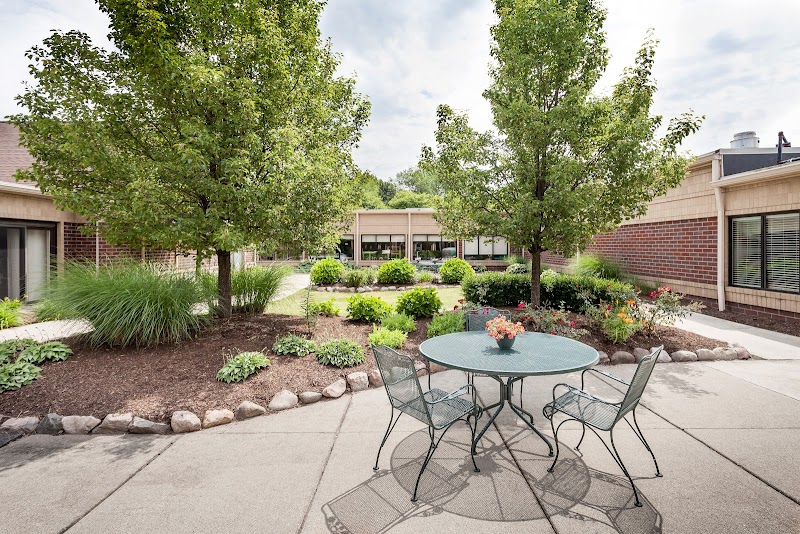
CMS rates Pomeroy Living Sterling Skilled Rehabilitation's staffing level at 4 out of 5 stars, which is above average compared to other nursing homes. Staff turnover is 39%, compared to the Michigan average of 46%. This relatively stable workforce can support continuity of care.

What Have Inspectors Found at Pomeroy Living Sterling Skilled Rehabilitation?

State health inspectors documented 18 deficiencies at Pomeroy Living Sterling Skilled Rehabilitation during 2023 to 2025. These included: 18 with potential for harm.

Who Owns and Operates Pomeroy Living Sterling Skilled Rehabilitation?

Pomeroy Living Sterling Skilled Rehabilitation is owned by a for-profit company. For-profit facilities operate as businesses with obligations to shareholders or private owners. The facility operates independently rather than as part of a larger chain. With 176 certified beds and approximately 140 residents (about 80% occupancy), it is a mid-sized facility located in Sterling Heights, Michigan.

How Does Pomeroy Living Sterling Skilled Rehabilitation Compare to Other Michigan Nursing Homes?

Compared to the 100 nursing homes in Michigan, Pomeroy Living Sterling Skilled Rehabilitation's overall rating (5 stars) is above the state average of 3.2, staff turnover (39%) is near the state average of 46%, and health inspection rating (5 stars) is much above the national benchmark.

What Should Families Ask When Visiting Pomeroy Living Sterling Skilled Rehabilitation?

Based on this facility's data, families visiting should ask: "Can I visit during a mealtime to observe dining assistance and food quality?" "How do you handle medical emergencies, and what is your hospital transfer rate?" "Can I speak with family members of current residents about their experience?"

Is Pomeroy Living Sterling Skilled Rehabilitation Safe?

Based on CMS inspection data, Pomeroy Living Sterling Skilled Rehabilitation has a clean safety record: no substantiated abuse findings (meaning no confirmed cases of resident harm), no Immediate Jeopardy citations (the most serious violation level indicating risk of serious injury or death), and is not on the Special Focus Facility watch list (a federal program monitoring the lowest-performing 1% of nursing homes). The facility has a 5-star overall rating and ranks #1 of 100 nursing homes in Michigan. While no facility is perfect, families should still ask about staff-to-resident ratios and recent inspection results during their visit.

Do Nurses at Pomeroy Living Sterling Skilled Rehabilitation Stick Around?

Pomeroy Living Sterling Skilled Rehabilitation has a staff turnover rate of 39%, which is about average for Michigan nursing homes (state average: 46%). Moderate turnover is common in nursing homes, but families should still ask about staff tenure and how the facility maintains care continuity when employees leave.

Was Pomeroy Living Sterling Skilled Rehabilitation Ever Fined?

Pomeroy Living Sterling Skilled Rehabilitation has no federal fines on record. CMS issues fines when nursing homes fail to meet care standards or don't correct problems found during inspections. The absence of fines suggests the facility has either maintained compliance or corrected any issues before penalties were assessed. This is a positive indicator, though families should still review recent inspection reports for the full picture.

Is Pomeroy Living Sterling Skilled Rehabilitation on Any Federal Watch List?

Pomeroy Living Sterling Skilled Rehabilitation is not on any federal watch list. The most significant is the Special Focus Facility (SFF) program, which identifies the bottom 1% of nursing homes nationally based on persistent, serious quality problems. Not being on this list means the facility has avoided the pattern of deficiencies that triggers enhanced federal oversight. This is a positive indicator, though families should still review the facility's inspection history directly.