Lakeview Manor Healthcare Center
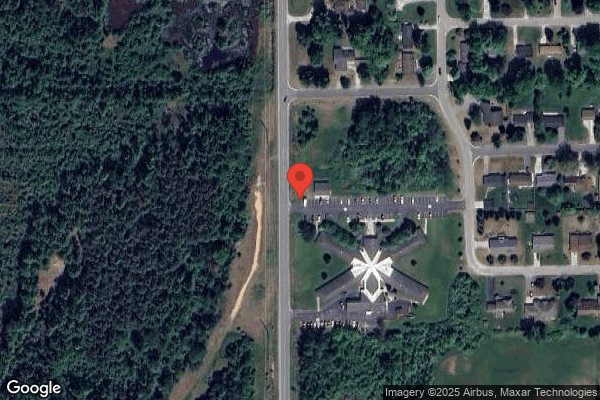
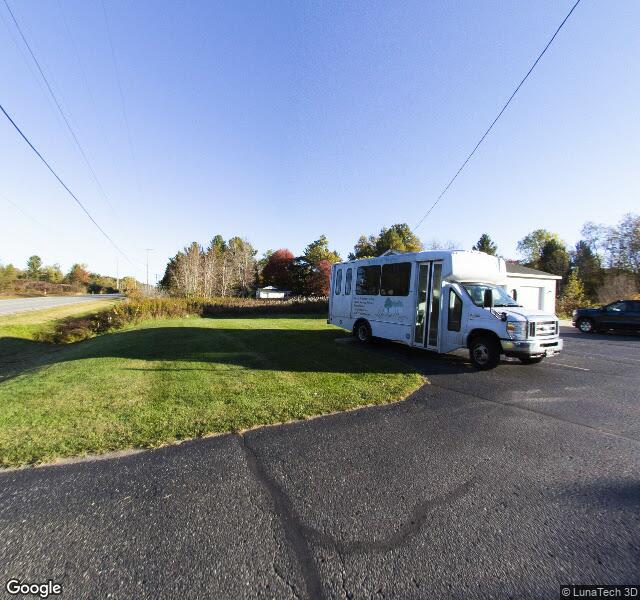
408 North Fifth Avenue, Tawas City, MI 48763 (989) 362-2211
For profit - Corporation 60 Beds CIENA HEALTHCARE/LAUREL HEALTH CARE Data: November 2025
Trust Grade
55/100
#206 of 422 in MI
Last Inspection: March 2025

Within standard 12-15 month inspection cycle. Federal law requires annual inspections.

Overview

Lakeview Manor Healthcare Center has received a Trust Grade of C, which means it is average and falls in the middle of the pack compared to other nursing homes. It ranks #206 out of 422 facilities in Michigan, placing it in the top half, but it is the last option in Iosco County. Unfortunately, the facility is experiencing a worsening trend, with the number of reported issues increasing from 7 in 2024 to 9 in 2025. Staffing is a relative strength, with a 4 out of 5-star rating and a turnover rate of 46%, which is similar to the state average. While there are no fines on record, some concerning incidents were reported, including failure to prevent serious pressure ulcers for two residents and unsanitary conditions in the beauty parlor, indicating a need for better attention to hygiene and care protocols. Overall, while there are strengths in staffing, the facility has notable weaknesses that families should consider.

Trust Score
C
55/100
In Michigan
#206/422
Top 48%
Safety Record
Moderate
Needs review
Inspections
Getting Worse
7 → 9 violations
Staff Stability
⚠ Watch
46% turnover. Above average. Higher turnover means staff may not know residents' routines.
Penalties
✓ Good
No fines on record. Clean compliance history, better than most Michigan facilities.
Skilled Nurses
✓ Good
Each resident gets 52 minutes of Registered Nurse (RN) attention daily — more than average for Michigan. RNs are trained to catch health problems early.
Violations
⚠ Watch
24 deficiencies on record. Higher than average. Multiple issues found across inspections.
★★★☆☆
3.0
Overall Rating
★★★★☆
4.0
Staff Levels
★★★☆☆
3.0
Care Quality
★★★☆☆
3.0
Inspection Score
Stable
2024: 7 issues
2025: 9 issues

The Good

  • 4-Star Staffing Rating · Above-average nurse staffing levels
  • Full Sprinkler Coverage · Fire safety systems throughout facility
  • No fines on record

Facility shows strength in staffing levels, fire safety.

The Bad

3-Star Overall Rating

Near Michigan average (3.1)

Meets federal standards, typical of most facilities

Staff Turnover: 46%

Near Michigan avg (46%)

Higher turnover may affect care consistency

Chain: CIENA HEALTHCARE/LAUREL HEALTH CARE

Part of a multi-facility chain

Ask about local staffing decisions and management

The Ugly 24 deficiencies on record

1 actual harm
Mar 2025 9 deficiencies
CONCERN (D) 📢 Someone Reported This

A family member, employee, or ombudsman was alarmed enough to file a formal complaint

Potential for Harm - no one hurt, but risky conditions existed

Comprehensive Care Plan (Tag F0656)

Could have caused harm · This affected 1 resident

**NOTE- TERMS IN BRACKETS HAVE BEEN EDITED TO PROTECT CONFIDENTIALITY** Based on observation, interview and record review, the facility failed to implement a care plan related to supplemental oxygen u...

Read full inspector narrative →
**NOTE- TERMS IN BRACKETS HAVE BEEN EDITED TO PROTECT CONFIDENTIALITY** Based on observation, interview and record review, the facility failed to implement a care plan related to supplemental oxygen use for one resident (Resident #44) of two residents reviewed for respiratory care. Findings include: Resident #44: On 3/25/25 at 11:06 AM, Resident #44 was observed in their room in bed. The Resident was receiving supplement oxygen via Nasal Cannula (NC) at a rate of 2 liters (L) per minute. At 3:42 PM on 3/26/25, Resident #44 was observed in their room. The Resident was in bed and receiving supplemental oxygen at 2L/minute via NC. Record review revealed Resident #44 was originally admitted to the facility on [DATE] and most recently readmitted on [DATE] with diagnoses which included bladder cancer, depression, bipolar disorder, and anxiety. Review of the Minimum Data Set (MDS) assessment dated [DATE] revealed the Resident was severely cognitively impaired and required supervision to total assistance for toileting, transferring, and hygiene. The MDS further detailed the Resident was receiving oxygen therapy. Review of Resident #44's care plans revealed the Resident did not have an active and/or discontinued care plan pertaining to oxygen therapy and/or respiratory care. Review of Resident #44's Health Care Provider (HCP) orders revealed the order, Oxygen 2L via nasal cannula. as needed for SOB (Shortness of Breath) dated 1/25/25. An interview was completed with the facility Administrator on 3/27/25 at 1:58 PM. When queried if Residents receiving oxygen therapy should have a care plan in place, the Administrator verbalized they should. When asked if Resident #44 had a care plan related to oxygen therapy, the Administrator reviewed Resident #44's EMR and confirmed the Resident did not have a care plan pertaining to oxygen therapy. The Administrator indicated they would discuss with the MDS nurse to ensure a care plan was implemented.
CONCERN (D) 📢 Someone Reported This

A family member, employee, or ombudsman was alarmed enough to file a formal complaint

Potential for Harm - no one hurt, but risky conditions existed

Deficiency F0657 (Tag F0657)

Could have caused harm · This affected 1 resident

**NOTE- TERMS IN BRACKETS HAVE BEEN EDITED TO PROTECT CONFIDENTIALITY** Resident #111: Review of the Face Sheet, physician, nurses progress notes, physician orders and care plans dated 6/23 to 3/25, r...

Read full inspector narrative →
**NOTE- TERMS IN BRACKETS HAVE BEEN EDITED TO PROTECT CONFIDENTIALITY** Resident #111: Review of the Face Sheet, physician, nurses progress notes, physician orders and care plans dated 6/23 to 3/25, revealed Resident #111 was [AGE] years old, alert, admitted to the facility on [DATE], and required assistance with all Activities of Daily Living. The resident's diagnosis included, Bipolar Disorder, anemia, cognitive impairment, Anxiety Disorder, heart failure, Atrial Fibrillation, muscle weakness, Dysphagia, chronic lung disease, diabetes and chronic kidney disease. The resident had a history of loose stools and incontinence. Review of the residents facility Skin assessment dated [DATE], stated small area of excoriation/red area left gluteal fold/crease. Observation done on 3/26/25 accompanied by MDS Nurse at 9:10 am of residents coccyx area, revealed skin intact, with no signs of pressure ulcers. The residents peri area was red, excoriated and tender with complaints of pain and discomfort. Review of all the residents facility care plans with MDS Nurse, LPN F on 3/26/25 at 9:00 a.m., revealed no documentation of an actual skin impairment care plan; only an at risk for skin impairment care dated 6/21/23. The resident did have actual skin impairment and redness; no up-date to the at risk for skin impairment or actual skin impairment care plan was found. During an interview done on 3/26/25 at 9:20 a.m., the Director of Nursing stated The nurses (floor nurses) would do the care plans. During an interview done on 3/26/25 at 9:51 a.m., Education Nurse, RN D stated During orientation I do educate them on care plans. They don't up-date them, we (managers) usually do it. They are supposed to be up-dating care plans. Review of the facility nursing orientation sheet (un-dated) revealed documentation of education on care plans. Review of the facility Care Planning policy dated 3/3/25, revealed person centered care plans are to be prepared (done) by the interdisciplinary team (all members of the team, including nurse responsible for the resident). Resident care plans are triggered based on the needs and/or potential needs. Review of the facility Skin Management policy dated 9/14/24, revealed the licensed nurse will document preventive measures on the care plan/Kardex; the DON (Director of Nursing)/designee will document any changes in the care plan/Kardex at the meeting (Resident at Risk Meeting). Based on observation, interview and record review, the facility failed to timely update/revise individualized, person-centered care plans to reflect changing care needs for 3 residents (Residents #11, Resident #16 and Resident #111). Findings include: Resident #11: Observation on 03/25/25 at 10:38 AM during the survey screening process the surveyor observed Resident #11 to be lying in bed and thin in appearance. Observation and interview on 03/25/25 at 01:06 PM with Resident #11 revealed that she did get lunch (while still lying in bed), she had Lost some weight, but that she was not hungry. Observation on 03/25/25 at 01:08 PM of Resident #11's meal tray in the meal tray brown box revealed 3/4 of tray was eaten. Record review on 03/25/25 at 02:47 PM of Resident #11's weight log documentation revealed: On 1/21/2025 resident #11's weight was 136.2 pounds and on 2/25/2025 weight of 123.5 equaled a 12.7-pound weight loss in 35 days of 9.32% loss. Record review of Resident #11's care plans pages 1-56 revealed alteration for nutrition initiated 11/27/2024. Revision of nutritional alteration care plan dated 2/12/2025 revealed 120 ml Med Pass 2.0 twice daily was added. On 3/6/2025 the Certified Dietary Manager (CDM) revision but made no changes to the interventions even with additional 12.7-pound weight loss noted on 2/25/2025. Resident #16: Observation on 03/25/25 at 08:57 AM Resident #16 was seated up in wheelchair in her room and was thin in appearance. Observation and interview on 03/25/25 at 01:12 PM with Resident #16 revealed that she went to the dining room in via self-propel in wheelchair. Resident #16 was observed getting herself back to her room. Record review on 03/25/25 at 02:40 PM of Resident #16's electronic medical Record review of resident documented weight log revealed: On 1/21/2025 resident #16 weight was 189.5 pounds and on 3/24/2025 residents' weight was 178.0 pounds that is a 11.5-pound loss or 6.07% loss in 60 days. Record review of Resident #16's care plans pages 1- 63 with revision date 3/9/2025. Record review of the dietary interventions revealed: Provide diet as ordered: Consistent Carbohydrate diet, puree texture, pudding thickened fluids. Enriched/fortified foods, revision by CMD O revision date of 2/20/2025. There were no other interventions since the 2/20/2025 revision date for the 10.4-pound weight loss. Review of the facility Care Planning policy dated 3/3/25, revealed person centered care plans are to be prepared (done) by the interdisciplinary team (all members of the team, including nurse responsible for the resident). Resident care plans are triggered based on the needs and/or potential needs.
CONCERN (D) 📢 Someone Reported This

A family member, employee, or ombudsman was alarmed enough to file a formal complaint

Potential for Harm - no one hurt, but risky conditions existed

Pressure Ulcer Prevention (Tag F0686)

Could have caused harm · This affected 1 resident

**NOTE- TERMS IN BRACKETS HAVE BEEN EDITED TO PROTECT CONFIDENTIALITY** Based on observation, interview and record review, the facility failed to implement planned interventions for pressure ulcer (wo...

Read full inspector narrative →
**NOTE- TERMS IN BRACKETS HAVE BEEN EDITED TO PROTECT CONFIDENTIALITY** Based on observation, interview and record review, the facility failed to implement planned interventions for pressure ulcer (wounds caused by pressure) prevention for one resident (Resident #23) of six residents reviewed. Findings include: Resident #23: On 3/25/25 at 9:52 AM, Resident #23 was observed in their room in bed. The Resident was in bed, positioned on their back and covered in a blue blanket. The blue blanket was visibly soiled with scattered areas of an unknown brown colored substance. Their left knee was bent, and their right leg was straight. A heel boot (soft boot to refuse pressure) was in place on the Resident's right lower extremity only. When spoke to, Resident #23 made eye contact but did not provide meaningful, verbal responses. A second heel boot was observed on the top and back corner of the Resident's armoire/closet behind their room door. Record review revealed Resident #23 Electronic Medical Record (EMR) revealed the Resident was admitted to the facility on [DATE] with diagnoses which included Alzheimer's disease, depression, anxiety, bipolar disorder, and chronic pain. Review of the Minimum Data Set (MDS) assessment dated [DATE] revealed the Resident was severely cognitively impaired and required maximum to total assistance to complete Activities of Daily Living (ADL's) with the exception of eating. The MDS further detailed the Resident was at risk for pressure ulcer development and was receiving Hospice services. Further review of Resident #23's EMR revealed the Resident had developed a pressure ulcer at the facility which had healed. Review of Resident #23's EMR revealed a care plan entitled, (Resident #23) is at risk for impaired skin integrity/pressure injury R/T (related to): mobility deficit, Alzheimer's disease, bowel and bladder incontinence, and weakness . unable to verbalize or sense need for toileting (Initiated: 5/24/24; Revised: 6/8/24). The care plan included the intervention, Encourage to wear soft Prafo (heel) boots on in bed and in chair. (Resident #23) will refuse at times (Initiated: 6/12/24; Revised: 3/20/25). On 3/27/25 at 8:31 AM, Resident #23 was observed in their room. The Resident was in bed, positioned on their back with their eyes closed and mouth open. The room lights were off, the window shades were down, and the TV on. The Resident's right leg was straight, and their left leg was bent at the knee at approximately a 140-degree angle. The Resident had a heel boot in place on their right foot but not on their left. A second heel boot remained in the same place on top of the Resident's armoire/closet in the back behind their room door. An interview was completed with Registered Nurse (RN) N on 3/27/25 at 8:55 AM. When asked if Resident #23 should have heel boots in place for pressure prevention, RN N stated, I'm not sure and indicated they thought Resident #23 only had one heel boot due to contractures. An observation of Resident #23 and their room was completed with RN N at this time. RN N confirmed the Resident only had one heel boot in place. RN N began looking in the Resident's room including in the armoire/closet and verbalized they did not see a second heel boot in the room. The second heel boot on the top of the armoire/closet in the back was pointed out to RN N. RN N attempted to get the heel boot from the top of the armoire/closet but was unable to reach the item. Upon exiting Resident #23's room with RN N at 8:59 AM on 3/27/25, Wound Care Licensed Practical Nurse (LPN) B was observed in the hallway and an interview was completed. When asked if Resident #23 is supposed to have heel boots in place on one or both lower extremities, LPN B stated, Supposed to have both boots on. An observation of Resident #23's room was completed with LPN B at this time. LPN B confirmed Resident #23 only had one heel boot in place on their right lower extremity. When asked if the heel boots were termed Prafo boots in the Resident's care plan, LPN B verbalized they were. The second heel boot, on the top in the back of the armoire/closet was pointed out to LPN B. When asked about the location of the heel boot on the armoire/closet, LPN B attempted to reach to heel boot and confirmed it was not within reach. LPN B indicated it appeared as if the staff threw the heel boot on top of the armoire/closet. LPN B was observed attempting to get the heel boot down and was unable to reach the device. LPN B stated, I have other ones. When queried regarding other observation of the Resident only wearing one heel boot and the second heel boot location on the top and back of armoire/closet in the room, LPN B stated, Does have a care plan that will refuse to wear the heel boots. When asked how staff are attempting to place both heel boots on the Resident when the heel boot has been in the same place on the top and back of the armoire/closet on more than one day/observation, LPN B was unable to provide an explanation. An interview was completed with the facility Administrator on 3/27/25 at 1:58 PM. When queried regarding observations of Resident #23 only having one heel boot in place, staff interviews, and the location of the heel boot in the room, the Administrator did not provide further explanation.
CONCERN (D) 📢 Someone Reported This

A family member, employee, or ombudsman was alarmed enough to file a formal complaint

Potential for Harm - no one hurt, but risky conditions existed

Incontinence Care (Tag F0690)

Could have caused harm · This affected 1 resident

**NOTE- TERMS IN BRACKETS HAVE BEEN EDITED TO PROTECT CONFIDENTIALITY** Based on observation, interview and record review, the facility failed to ensure to complete urinary catheter care per professio...

Read full inspector narrative →
**NOTE- TERMS IN BRACKETS HAVE BEEN EDITED TO PROTECT CONFIDENTIALITY** Based on observation, interview and record review, the facility failed to ensure to complete urinary catheter care per professional standards of practice for one resident (Resident #41). Findings include: Resident #41: Record review of Resident #41's Minimum Data Set (MDS) dated [DATE] revealed a male resident with Brief Interview of Mental Status (BIMS) score of 15 out of 15, cognitively intact. Medical diagnosis included anemia, coronary artery disease, hypertension, neurogenic bladder, diabetes and depression. Section H: Bladder & Bowel identified indwelling urinary catheter. Observation made on 03/25/25 at 09:24 AM of Resident #41, who was lying in bed with the room door open to the hallway. State surveyor observed urine catheter bag off the floor hanging out of a blue bag with the spout hanging down on the floor visible from the doorway. Observation of Resident #41's wound vac and tubing visible from doorway with dark fluid noted in tubing hanging down from the bed frame railing. Resident #41 stated that 'they (staff) hang it on the side by the door because it's easier to empty for them'. Observations and interview on 03/25/25 at 11:32 AM of Resident room with room door is open to the hallway. Housekeeper Q was cleaning rooms on 200 hallways. and stated that she already had cleaned Resident #41's room. Interview and Observation on 03/25/25 at 11:35 AM with Resident #41 stated that he got the (Urinary) catheter a while ago, and did not know when it was changed last. Observation of Resident #41's urinary catheter had the spout laying on the floor and estimated 300 clear yellow solution noted in the catheter bag and tubing. Observation and interview on 03/25/25 at 11:38 AM with Registered Nurse (RN) D the state surveyor requested nurse go to Resident #41's room with surveyor to observe the urinary catheter was hanging out from under the privacy bag and the surveyor pointed it out. RN D stated that should not be that way (hanging down out of the bag). In an interview with Resident #41 on 03/25/25 at 11:39 AM stated when asked about his catheter that he did not want everyone to know that he had it, but that he did feel better in the blabber area with it in place. Record review of the facility 'Catheter Associated Urinary Tract Infection Prevention' policy dated 2/28/2025 revealed the policy was to ensure appropriate technique in the care and maintenance of indwelling catheters. (9.) Keep the collection bag and tubing off the floor. (11.) Empty the collecting bag regularly using separate, clean container for each guest/resident. Avoid splashing, and ensure the drainage spigot does not contact the non-sterile collecting container .
CONCERN (D) 📢 Someone Reported This

A family member, employee, or ombudsman was alarmed enough to file a formal complaint

Potential for Harm - no one hurt, but risky conditions existed

Medication Errors (Tag F0758)

Could have caused harm · This affected 1 resident

**NOTE- TERMS IN BRACKETS HAVE BEEN EDITED TO PROTECT CONFIDENTIALITY** Based on interview and record review, the facility failed to ensure informed consent including risks and benefits of psychotropi...

Read full inspector narrative →
**NOTE- TERMS IN BRACKETS HAVE BEEN EDITED TO PROTECT CONFIDENTIALITY** Based on interview and record review, the facility failed to ensure informed consent including risks and benefits of psychotropic medications were provided for one resident (Resident #44) of five residents reviewed for unnecessary medications. Findings include: Resident #44: On 3/25/25 at 11:05 AM, Resident #44 was observed in their room. The Resident was in bed wearing a hospital style gown. An interview was completed at this time. When asked how they were feeling, Resident #44 stated, I'm real depressed. When asked if they were taking any medications for depression, Resident #44 replied, They keep switching my meds around without telling me and it makes me feel like I don't matter. Record review revealed Resident #44 was originally admitted to the facility on [DATE] and most recently readmitted on [DATE] with diagnoses which included bladder cancer, depression, bipolar disorder, adjustment disorder, and anxiety. Review of the Minimum Data Set (MDS) assessment dated [DATE] revealed the Resident was severely cognitively impaired and required supervision to total assistance for toileting, transferring, and hygiene. The MDS further detailed the Resident displayed no behaviors and was receiving antipsychotic and antianxiety medications. Resident #44's Census documentation revealed the Resident was admitted to Hospice services on 12/2/24. Review of Resident #44's Electronic Medical Record (EMR) revealed a care plan entitled, (Resident) is at risk for adverse reactions and side effects r/t (related to) receiving multiple psychotropic medications. Resident takes: Antianxiety and Antipsychotic . management of Bi-polar disorder, anxiety . (Initiated: 7/11/22; Revised: 3/7/25). Review of Resident #44's Medication Administration Record (MAR) and Health Care Provider (HCP) orders revealed the Resident was currently receiving the following psychotropic medications: - Rexulti (Brexpiprazole- antipsychotic medication used to treat major depression disorder, Schizophrenia, and agitation associated with dementia due to Alzheimer's disease) Oral Tablet 1.5 milligrams (mg) daily at bedtime for bipolar disorder (Start Date: 12/18/24) - Citalopram Hydrobromide (Celexa- antidepressant) 40 mg daily Note: Citalopram 40 mg daily was originally ordered on 7/8/22 and discontinued on 12/13/24. The medication was reordered on 3/26/25. - Xanax (Alprazolam- anti-anxiety medication) 0.5 mg two times a day for Anxiety Note: Xanax was originally ordered on 11/13/24 as needed (PRN) twice a day and renewed every 14 days. The medication order was changed on 2/27/25 from PRN to scheduled twice a day. Resident #44's EMR contained scanned documentation from a Behavioral Health Service provider. The Behavioral Health Provider visit notes were revealed and detailed: - 12/4/24: Complaint . Urgent consult: depression/tearfulness, bipolar disorder and medication review . seen previously . for ongoing psychiatric care. At last visit medication changes were not recommended . case discussed with facility staff. Staff report that patient's psychiatric condition has worsened- increased depression and anxiety. Consult today to review patient's mood, sleep, and manage psychotropic medication use . a change in medication was considered but will not be implemented/recommended as current plan is most effective at present time . Any type of dose reduction at this time would likely impair resident function and cause psychiatric instability by exacerbation of underlying symptoms . The note detailed Resident #44 was receiving the following psychotropic medications: - Citalopram 40 mg . 1 time per day - Klonopin (medication used to treat seizures and anxiety) 0.5 mg . 1 time per day (Start date: 2/23/23) - Duloxetine (Cymbalta- antidepressant medication) 30 mg, delayed release . 30 mg during the day and 60 mg before bed (Start Date: 12/1/22) - Rexulti 1.5 mg at bedtime - 3/20/25: Complaint: Urgent consult increased c/o (complaint of) anxiety and depression; previous dc (discontinue) of psych meds . seen previously for mood/insomnia. No medication changes were recommended at that time . Since previous visit chart notes patient developed difficulty with swallowing. Celexa, Klonopin, and Cymbalta were discontinued. No changes to Rexulti noted . Xanax was changed from PRN (as needed) to scheduled BID (twice a day). Bo other concerns noted. Consult today to review patients mood and manage psych med use . Assessment and Plan . Patient with increased anxiety and depression which is most likely due to recent dc of psych meds . Recommend resuming Celexa 40 mg (every day)- use liquid if necessary . Unsure of reason that Xanax was started instead of previous Klonopin order . Informed consent to provide the service via telehealth was obtained prior to the encounter beginning . Discussed case with nursing staff . Collaborated with social worker . The note detailed Resident #44 was receiving the following psychotropic medications: - Rexulti 1.5 mg at bedtime - Xanax 0.5 mg twice a day A review of Resident #44's EMR revealed no documentation of consent for psychotropic medications were noted in the Resident's EMR. On 3/26/25 at 3:45 PM, Resident #44 was observed lying in bed in their room. The room was dark with the window shades down and the lights off. The Resident was wearing a hospital style gown, and their eyes were open. When asked, Resident #44 they primarily stayed in their room in bed. When queried if they wanted to get out of bed, Resident #44 did not respond. On 3/26/25 at 3:48 PM, an interview was completed with Certified Nursing Assistant (CNA) R and CNA S. When queried regarding observations of Resident #44 in in bed, wearing a hospital gown, both CNA's verbalized the Resident chooses to not get up. With further inquiry regarding the Resident's normal routines and behavior, CNA S stated, (Resident #44) doesn't say to much and CNA R confirmed. When asked if the Resident had told them they were depressed, both CNA S and CNA R replied, No. An interview was completed with Licensed Practical Nurse (LPN) Social Services (SS) E on 3/27/25 at 9:37 AM. When queried regarding Resident #44, LPN SS E replied, (Resident #44) is seen by behavioral health and is on hospice. When queried regarding Resident #44 stating they were depressed and their medications were being switched around without their knowledge, LPN SS E stated, (Resident #44) wasn't able to swallow and meds were discontinued. (The Resident) has made a turn around and we have been adding (medications) back in. Resident #44's psychotropic medications were reviewed with LPN SS E at this time. When queried regarding consent for Resident #44's psychotropic medications, LPN SS E indicated they maintain the consents provided a signed informed consent form for Rexulti. When queried regarding consent for Celexa and Xanax, LPN SS E revealed they only get consent for antipsychotic medications and stated, Do not get consents for antidepressants and antianxiety meds. When queried if documentation of education related to the reason for medication use, effects of the medication, risk/benefit of the medications, and intended duration of use was documented elsewhere, LPN SS EE reviewed Resident #44's EMR and behavior healthcare provider documentation and confirmed there was no documentation of consent in Resident #44's EMR. LPN SS E stated they were not aware informed consent was needed for psychotropic medications. An interview was completed with the facility Administrator on 3/27/25 at 1:58 PM. The Administrator was informed of the lack of consents for all psychotropic medications for Resident #44 and interview with LPN SS E. An explanation was not provided.
CONCERN (D) 📢 Someone Reported This

A family member, employee, or ombudsman was alarmed enough to file a formal complaint

Potential for Harm - no one hurt, but risky conditions existed

Food Safety (Tag F0812)

Could have caused harm · This affected 1 resident

Based on observation, interview and record review, the facility failed to 1) Maintain food kitchen equipment in a sanitary and good working condition, and 2) Date prepared foods with made date and use...

Read full inspector narrative →
Based on observation, interview and record review, the facility failed to 1) Maintain food kitchen equipment in a sanitary and good working condition, and 2) Date prepared foods with made date and use-by date, resulting in an increased likelihood for food borne illness with hospitalization, and cross contamination affecting 57 residents who consumed oral nutrition from the facility kitchen of a total census of 57 residents. Findings Include: Review of the Public Health Service 2009 Food Code, adopted by the Michigan Food Law, effective October 1, 2012, Chapter 4-501.14 directs that equipment cleaning frequency is to be throughout the day at frequency necessary to prevent recontamination of equipment and utensils. On 3/25/25 at 9:50 a.m., during the tour of the kitchen accompanied by Dietary Manager G the following concerns were observed: -At 9:51 a.m., observation of the food processor that was cleaned and ready for use was found to have a thin layer of dark brown dried on food particles near the blade. -At 10:00 a.m., there was 1 clean silver metal pan (1/3rd size) found with dried on food particles inside. -At 10:01 a.m., a clean and ready for use sliver metal pan stacked inside another clean pan was found to have water inside. -At 10:05 a.m., on the far right side spigot of the coffee pot was found dark colored sticky substance (a build-up of coffee substance). Review of the facility Weekly Cleaning Assignment (un-dated), revealed all kitchen jobs including the proper cleaning of kitchen equipment was broken down into specific day's of the week and assigned to staff to clean. -At 10:08 a.m., the refrigerator fan covers (x 2) were observed to have an excessive amount of dust that was blowing directly on bread sticks that were sitting on the top shelf. The bread sticks had a sheet of parchment paper on top of them, however the fans were blowing the paper up on the sides. -At 10:11 a.m., in the freezer was found open and partly used bags of blue berries and rolls with no use-by dates on them. During an interview done on 3/27/25 at approximately 12:55 p.m., Dietary Aide M stated We put a use-by date on things open, usually it's about 3 days. Review of the facility Food Purchasing and Storage policy dated 12/10/2024, revealed all opened food items required dating of made by, opened, and use-by dates.
CONCERN (E) 📢 Someone Reported This

A family member, employee, or ombudsman was alarmed enough to file a formal complaint

Potential for Harm - no one hurt, but risky conditions existed

Deficiency F0692 (Tag F0692)

Could have caused harm · This affected multiple residents

Based on observation, interview and record review, the facility failed to ensure that weights were done accurately for two residents (Resident #11 & Resident #16). Findings include: Resident #11: Obs...

Read full inspector narrative →
Based on observation, interview and record review, the facility failed to ensure that weights were done accurately for two residents (Resident #11 & Resident #16). Findings include: Resident #11: Observation on 03/25/25 at 10:38 AM during the survey screening process the surveyor observed Resident #11 to be lying in bed and thin in appearance. Observation and interview on 03/25/25 at 01:06 PM with Resident #11 revealed that she did get lunch (while still lying in bed), she had Lost some weight, but that she was not hungry. Observation on 03/25/25 at 01:08 PM of Resident #11's meal tray in the meal tray brown box revealed 3/4 of tray was eaten. Record review of Resident #11's documented weights revealed that on 2/10/2025 at 12:49 PM weight was 129.0. Weight on 2/25/2025 at 3:09 PM was 123.5. The weight loss of 5.5 pounds was not reweighed again until 3/4/2025 at 2;01 PM of 123.5. Record review on 03/25/25 at 02:47 PM of Resident #11's weight log documentation revealed: On 1/21/2025 resident #11's weight was 136.2 pounds and on 2/25/2025 weight of 123.5 equaled a 12.7-pound weight loss in 35 days of 9.32% loss. In an interview and record review on 03/26/25 at 12:37 PM with Certified Dietary Manager (CDM) O reviewed the electronic medical record with the surveyor of Resident #11's documented weights. CDM O revealed that the facility weight policy was upon admission, and once a week for four (4) weeks, and then if stable the resident is changed to monthly, if not resident was kept on weekly weights. CDM O stated that Nutritional assessments must be done within 7 days of admission, nutritional risk screen was done at 5 days of admission. When there was a Change in residents' weight, the Minimum Data Set (MDS) nurse tells me there is a significant weight change. A Significant weight is 5 pounds or more in a week. Record review of Resident #11's nutritional progress notes revealed only one note dated 2/12/2025 at 1:20 PM by the Registered Dietitian was the only note that referred the resident to the Interdisciplinary for weight loss. Record review of Resident #11's care plans pages 1-56 revealed alteration for nutrition initiated 11/27/2024. Revision of nutritional alteration care plan dated 2/12/2025 revealed 120ml Med Pass 2.0 twice daily was added. On 3/6/2025 the Certified Dietary Manager (CDM) revision but made no changes to the interventions even with additional 12.7-pound weight loss noted on 2/25/2025. Record review of the facility 'Weight Management' policy dated 9/22/2023 revealed residents will be monitored for significant weight changes on a regular basis . Anticipated Outcome: any resident with unintended weight loss/gain will be evaluated by the interdisciplinary team and interventions will be implemented to prevent further wight loss/gain. Practice guidelines: (3.) Re-weights are initiated for five-pound variance if the resident is greater than 100 pounds and three-pound variance if less than 100 pounds. If a resident's weight is less than 200 pounds a re-weight will be done for a weight loss or gain of 3% or consult with the dietary manager or Registered Dietitian/designee. Re-weights will be done within 48-72 hours. Resident #16: Observation on 03/25/25 at 08:57 AM Resident #16 was seated up in wheelchair in her room and was thin in appearance. Observation and interview on 03/25/25 at 01:12 PM with Resident #16 revealed that she went to the dining room in via self-propel in wheelchair. Resident #16 was observed getting herself back to her room. Record review on 03/25/25 at 02:40 PM of Resident #16's electronic medical Record review of resident documented weight log revealed: On 1/21/2025 resident #16 weight was 189.5 pounds and on 3/24/2025 residents' weight was 178.0 pounds that is a 11.5-pound loss or 6.07% loss in 60 days. Interview and record review on 03/26/25 at 12:51 PM with Certified Dietary Manager (CDM) O reviewed the electronic medical record with the surveyor of Resident #16's documented weights revealed that the resident weight on 2/17/2025 of 186.6 pounds and then in 24 days and documented weight of 176.2 pounds on 3/13/2025 was noted. That was a weight loss of 10.4 pounds. The CDM O was asked about nutritional notes dated 3/24/2025 with no new interventions added to care plan. The CDM O stated that would be the Registered Dietitian consultants note. Record review of Resident #16's care plans pages 1- 63 with revision date 3/9/2025. Record review of the dietary interventions revealed: Provide diet as ordered: Consistent Carbohydrate diet, puree texture, pudding thickened fluids. Enriched/fortified foods, revision by CMD O revision date of 2/20/2025. There were no other interventions since the 2/20/2025 revision date for the 10.4-pound weight loss.
CONCERN (E) 📢 Someone Reported This

A family member, employee, or ombudsman was alarmed enough to file a formal complaint

Potential for Harm - no one hurt, but risky conditions existed

Deficiency F0761 (Tag F0761)

Could have caused harm · This affected multiple residents

Based on observation, interview and record review, the facility failed to: 1) Ensure proper labeling of open dates and expiration dates of multi-dose medications in 2 of 2 medication carts and 2) Ensu...

Read full inspector narrative →
Based on observation, interview and record review, the facility failed to: 1) Ensure proper labeling of open dates and expiration dates of multi-dose medications in 2 of 2 medication carts and 2) Ensure proper labeling of glucose monitor strips for expiration date after opening, resulting in the opened and undated medications and inaccurate blood glucose monitoring. Findings include: Observation and interview on 03/25/25 at 09:28 AM with Registered Nurse (RN) D of the 200/400 medication cart revealed that she was a unit manager and staff education director, but was working the 200/300 hallway medication cart because of a staff nurse call-in. RN D unlocked the medication cart to review with the state surveyor: Resident #41's had Lantus insulin pen open date with no expiration date, and Novolog insulin pen with open date, with no expiration date. Resident #28 had Humulin 70/30 insulin pen with open date and no expiration date. Novolin 70/30 insulin pen with an open date with no expiration date. Resident #17 had Lantus insulin 100unit/ml bottle with an open date that was unreadable smudged and there was no expiration date. The bottle was not in a box with pharmacy label. Resident #4 had Aspart 70/30 insulin pen was used with no open date and with No expiration date noted. RN D reviewed all medications for proper labeling and open and expiration dates and found none on the insulin pen. Resident #35 had: Latanoprost 0.005% eye drops multi-dose bottle with no open date, and no expiration date. Resident #27 had Polymyxin/trimethoprim 0.1% (antibiotic) opened with on open date and no expiration date. Observation of the medication cart stock glucose blood sugar sticks container was opened with sticks missing with no date opened or when expected to expire. Resident #32 had (Breo) Fluticasone/vilanterol 100/25 mcg dated 2/28/25 and 3/8/2025. Resident #32 had Incruse Ellipta dated 3/8/2025 opened and used with no expiration date. Resident #49 had Advair diskus Fluticasone/Salmeterol dated 2/14/2025 with no expiration date. Interview and record review with RN D reviewed all the medication containers for open dates and expiration dates. Record review of the clear medication cart overlay revealed a medication list of insulins with expiration recommendations for dating opened insulin pen and other medications. Record review of the 'Medications with Shortened Expiration Dates' form located under a clear protectant sheet on the top of the medication cart revealed: Once these products are opened, they must be used within a specific timeframe to avoid reduced stability and sterility and potentially, reduced efficacy. These medications should be labeled in such a way that the Beyond Use Date is securely attached to a part of the package and will not be discarded . Aspart, Humalog, and Humulin insulin pens were stable, in use at room temperature for 10 days. Lantus insulin bottle/pen were stable, in use at room temperature for 28 days. Glucose test strips were noted to be good for 3-6 months after opening. Record review of the facility 'Medication Administration' policy 5.3.9 injectable medications dated 6/21/20217 revealed multi-dose vials: a.) After initial use are to be labeled with the date opened and initials of healthcare professional. Open vials are to be discarded within twenty-eight (28) days . Record review of the facility 'Medication Administration' policy 5.3.9A Insulin Administration dated 6/21/20217 revealed insulin is a high-risk drug and warrants additional precautions for the safe and effective administration . (7.) Check the expiration date prior to administration to ensure it is within the usage date. Expired insulin should be immediately discarded. Vials and pens without an open date recorded should be discarded. Observation and interview on 03/25/25 at 09:48 AM with Registered Nurse (RN) P of the 100/400 hallways medication cart. RN P stated that she was working the 100/400 hallways as the floor nurse passing medications revealed: On 03/25/25 at 09:58 AM that Resident #45 had Albuterol sulfate Nebulizer inhalation ampules, with the foil packet opened with missing ampules with no date when opened. Resident #45 had Breyna (Symbicort inhaler) inhalation inhaler 160mcq/4.5 mcg had an open date, with no expiration date, and an Incruse Ellipta 62.5mcg with open date of 3/25/25 with no expiration date noted. RN P stated that she did not date the inhaler. Resident #164 who was Out to hospital had Albuterol sulfate nebulizer ampules with opened foil packet with 2 ampules loose in the box with no dates, and a Trelegy Ellipta inhaler 200mcg with an open date, but no expiration date noted. RN P had no idea about an expiration date for the medications. Resident #5 had Fluticasone Propionate inhaler 55mcg/14 mcg opened and used with no open date and No expiration date. Resident #13 had Fluticasone vilanterol Ellipta 200mcg/25mcg opened and used with no expiration date. Resident #12 had Trelegy Ellipta 100mcg opened and used with no expiration date. Resident #10 had Ipratropium/Albuterol nebulizer ampules with opened foil packet with no open date and loose ampules out of the foil packet lying in the box. Resident #14 had Fluticasone Vilanterol Ellipta opened and used with no open date and No expiration date. Registered Nurse (RN) P reviewed all containers for open and expiration dates as surveyor requested. In an interview on 03/25/25 at 11:30 AM with Registered Nurse D came to the state surveyor to report that the blood sugar test strips are good for 6 months after opening per the medication shortened expiration sheets. RN D stated that she did throw out the other strips after the surveyor brought it to her attention. Record review of the facility pharmacy 'Medications with Shortened Expiration Dates' list dated 2024, revealed 4 sheets. The medication shortened list identified: Insulins- Aspart pen, Humalog mix pen and Humulin 70/30 pen had stability in use at room temperature was good for only 10 days. Lantus pen/bottle insulin had stability in use at room temperature was good for only 28 days. Albuterol nebulizer solution should be stored in foil pouch and was good for only 7 days once removed from pack. Breo or Incruse Ellipta expiration 6 weeks after removal from foil tray packaging. Latanoprost eye drops once opened may be stored at room temperature for up to 6 weeks. Record review of the facility 'Medication Disposal and Returns' policy 6.2 Dating and Discarding of Multidose Parenteral Vials' dated 6/17/2017 revealed nursing staff will date multidose vials and discard opened vials as outlined to decrease the risk of contamination and bacterial or fungal growth from multidose vials. (2.) Nursing staff is responsible for inspecting medications and their expiration date on a regular basis. Expired drugs should be discarded per policy and procedure .
CONCERN (F) 📢 Someone Reported This

A family member, employee, or ombudsman was alarmed enough to file a formal complaint

Potential for Harm - no one hurt, but risky conditions existed

Infection Control (Tag F0880)

Could have caused harm · This affected most or all residents

Observation was made of the resident's beauty parlor on 3/26/25 at 3:35 p.m., during the environmental tour accompanied by Director of Maintenance and Housekeeping H, the Administrator and Infection C...

Read full inspector narrative →
Observation was made of the resident's beauty parlor on 3/26/25 at 3:35 p.m., during the environmental tour accompanied by Director of Maintenance and Housekeeping H, the Administrator and Infection Control Nurse C. The resident's beauty parlor was found to have the following: -At , in several (x 4 drawers) of the black plastic equipment drawers was observed an excessive amount of hair, dust, and pieces of paper. The drawers looked like they had not been cleaned for an extended amount of time. -In 2 of the black plastic drawers, a pile of used curlers was found with a lot of hair in them. -x 2 electric razors were found in the top left side drawer with skin and hair on both of the blades. -A black bin had small curlers sitting in it with hair, dust and pieces of paper in the bottom of the bin. During an interview done 3/27/25 at 1:12 p.m., Director of Maintenance and Housekeeper stated, They (housekeeping staff in the facility beauty parlor) are to clean the countertop sink and floor, they do not do the equipment. They are supposed to clean that (community equipment, including razors and curlers) that after every use. During an interview done on 3/26/25 at 3:30 PM, the Infection Control Nurse C was taken to the room upon her request and shown the condition of the beauty parlor. Infection Control Nurse C stated It's discussing, gross. I do come in here every once on a while. Review of the Infection Control environmental walk-through dated 2/25, revealed 3 thing to observe in the beauty parlor (hygiene, equipment disinfected and chemicals stored properly). Based on observation, interview and record review, the facility failed to implement and operationalize an infection control program including ensuring safe and sanitary conditions in the beauty parlor, comprehensive outcome surveillance, evaluation and analysis of data for potential trends, and identification and monitoring of potential infections for all 57 residents residing in the facility. Findings include: An interview and review of facility Infection Control (IC) data was completed with IC Registered Nurse (RN) C on 3/27/25 at 2:09 PM. Upon request to review IC data for February 2025, RN C provided a written line listing tool, a typed line listing Surveillance Monthly Report, a mapping tool, and a summary form. When queried why there were both written and typed line listing forms, RN C revealed the written form is not an official tracking tool but stated they use it to make notes regarding infections when not in their office. RN C stated they enter the appropriate information into the system and the computer program generates the official typed Infection Surveillance Monthly Report form. Review of both the typed and handwritten forms revealed each resident listed on the form had received an antimicrobial treatment for infection. When asked how they identify and track residents who have potential infections to prevent spread, RN C revealed they track residents who are receiving treatment for infection. RN C was asked how they are able to quickly identify and prevent the potential spread of infection if they do not have a system in place to track residents who have signs and symptoms of potential infection, RN C verbalized understanding and indicated they were unaware they needed to have a system for monitoring and identifying potential signs/symptoms of infection and/or infections which do not receive antimicrobial treatment. When queried if antifungal medication are included on their surveillance tracking documentation, RN C revealed the primary antifungal treatments in the facility are topical. When queried if topical antifungal medications are used to treat fungal skin infections, RN C confirmed they are. When queried if fungal skin infections can be contagious, RN C verbalized they can be. RN C was then asked why topical skin infections are not included on the official typed IC line listing surveillance and revealed they had Review of the Summary form for February 2025 revealed no documentation of analysis for infection trends. Review of outcome surveillance data including the Infection Surveillance Monthly Report revealed the facility had a total of 13 infections which received antibiotic treatment during the month. Of the 13 infections, five were listed as pneumonia on the Infection Surveillance Monthly Report. The The Infection Summary detailed there were three Residents with pneumonia on the 100 hall and one Resident on the 200 hall. When queried why the summary only included four residents with pneumonia when the line listing detailed five, RN C revealed they must have made an error. When asked, RN C revealed three of the five residents with pneumonia were classified as facility acquired. When queried if they identified any trends in the pneumonia diagnoses, RN C stated, (Resident #32-200 hall) had aspiration pneumonia. When queried regarding the four other residents with pneumonia (#28, 211, 47, and 212) including dates of symptom onset, common caregivers, and areas/time outside of their room, RN C revealed they had not considered nor identified any potential trends previously but were able to see potential trends now. The outcome surveillance data for February 2025 further revealed the facility had four Urinary Tract Infections (UTI's), two on the 100 hall that were present on admission and two on the 400 hall that were facility acquired. When queried regarding the organisms causing the UTI's and if any trends were identified, RN C verbalized no trends were identified. Review of Culture and Sensitivity documentation for the residents listed as having UTI's revealed one resident was admitted with a UTI caused by Klebsiella Oxytoca (gram negative bacterium frequently associated with pneumonia infections) on 1/29/25 and another resident with a UTI had an infection onset date of 2/5/25 that was also caused Klebsiella Oxytoca. When asked if they considered and/or identified a potential trend, RN C stated, I do now. When queried what process surveillance was completed for the month, RN C revealed they did not know what process surveillance meant. RN C was then asked if they completed any IC audits and provided facility wide audit forms. When asked if any education was completed specific to potential IC concerns identified during process or outcome surveillance, RN C revealed no specific IC education was provided. When queried if they had previously identified an increase in infection and/or concern and completed education related to that incident, RN C revealed they had an increase in UTI's the prior year and education was completed by the previous education/staffing nurse. RN C did not have the education provided for review. Review of facility policy/procedure entitled, Infection Prevention Program Overview (Revised: 2/28/25) revealed, Policy: The infection prevention and control program (IPCP) must include, at a minimum, the following elements . investigates, identified, presents, reports and controls infection and communicable disease for all residents Infection Preventionist (IP) . serves as the coordinator of an Infection Control program . Responsibilities may include: Collecting, analyzing, and providing infection data and trends to nursing staff and healthcare practitioners. Consulting on infection risk assessment, prevention, and control strategies. Providing education and training; Implementing evidence based infection control practices including those mandated by regulatory and licensing agencies .
Apr 2024 7 deficiencies 1 Harm
SERIOUS (G)

Actual Harm - a resident was hurt due to facility failures

Pressure Ulcer Prevention (Tag F0686)

A resident was harmed · This affected 1 resident

**NOTE- TERMS IN BRACKETS HAVE BEEN EDITED TO PROTECT CONFIDENTIALITY** Based on observation, interview and record review, the facility failed to implement timely interventions to prevent the developm...

Read full inspector narrative →
**NOTE- TERMS IN BRACKETS HAVE BEEN EDITED TO PROTECT CONFIDENTIALITY** Based on observation, interview and record review, the facility failed to implement timely interventions to prevent the development of a Stage 3 pressure ulcer for one resident (Resident #18) and an unstageble pressure ulcer for another resident (Resident #30), follow interventions, ensure that physician's treatment orders were followed and documented and prevent the worsening of the Stage 3 pressure ulcer for Resident #18 of three residents reviewed for pressure ulcers, resulting in Resident #18's development and worsening of a Stage 3 pressure ulcer and Resident #30's development of a left heel unstageble pressure ulcer with the likelihood of pain and infection. Findings include: Resident #18: On 4/02/2024, at 2:30 PM, a record review of Resident #18's electronic medical record revealed a readmission on [DATE] after a short hospital stay with diagnoses that included Diabetes, weakness and Dementia. Resident #18 required extensive assistance with Activities of Daily Living (ADL) and had severely impaired cognition. According to the admission Minimum Data set Assessment (MDS) dated 08/03/2023 . Section M . M0150. Risk of Pressure Ulcers. Is this resident at risk of developing pressure ulcers? The box 1. Yes. Was check marked. M0210. Unhealed Pressure Ulcer (s) Does this resident have one or more unhealed pressure ulcer (s) at Stage 1 or higher? The box 0. No was check marked. A review of the Skin & Wound Evaluation . Date: 3/26/2024 . Type: . Pressure . Stage: Stage 3: Full-thickness skin loss . Location Right Lateral Foot . In-House Acquired . Exact Date 11/3/2023 . Wound Measures 1.58 x 0.78 cm . A review of the care plan (the resident) had a stage 3 on right lateral foot . Pressure ulcer will show improvement through next review. Date Initiated: 11/09/2023 . Air mattress on bed and extender Date Initiated: 11/09/2023 . Low profile cushion to Broda chair Date Initiated: 11/09/2023 . Observe for sliding down in the chair and assist to reposition in chair as needed. Date Initiated: 11/22/2023 . Prafo boots on at all times off for showers Date Initiated: 11/09/2023 . Treatment to pressure ulcer, right lateral foot per physicians order. Date Initiated: 11/22/2023 . A review of the (the resident) has a functional ability deficit and requires assistance with self care/mobility R/T (related to): Impaired Balance and Impaired Cognition Date Initiated: 10/04/2023 . Goal Mobility Will maintain current level of function in Roll left and right . Chair/bed to chair transfer . Interventions . AMBULATION: (the resident) is unable to ambulate and requires a Broda chair with right side lateral support. Bolster attached to right chair handle for positioning. Blue padded foot buddy on Broda chair. BED MOBILITY: (the resident) requires 2 assist to reposition and turn in bed. Date Initiated: 04/03/2024 . TRANSFER: (the resident) requires 2 assist Hoyer lift with transfers Date Initiated: 04/03/2024 . A review of the Physician's orders revealed an order for Enhanced Barrier Precautions Start Date: 03/26/2024. A review of the care plan (the resident) is on Enhanced Barrier Precautions related to: chronic wound Date Initiated: 03/29/204 . Prophylactic prevention of spreading an infection to the wound: Enhanced Barrier Precautions . Interventions Gloves, gown, alcohol-based sanitizer (masks and face shields if needed), readily available for high-contact resident care Date Initiated: 03/29/2024 . On 4/03/24, at 10:00 AM, Upon entering Resident #18's room, there was still no isolation caddy, gowns or sign on the doorway. Resident #18 was assisted to their reclining Broda chair with the assistance of CNA C and CNA D. Resident #18 did not have a dressing to their right foot and their pressure ulcer was exposed. CNA C offered that they had just assisted with a shower and that the nurse was headed in to put the dressing back on. CNA C positioned Resident #18's right foot for observation. There was an open wound to outside lateral right foot measuring approximately 1 centimeter (cm) wide by 1.5 cm long. The edges surrounding the ulcer appeared dried, yellow with a callus like appearance. There was an approximate depth of 0.5 cm to the center of the wound. On 4/03/24, at 10:13 AM, Therapy Staff (TS) E entered Resident #18's room and was asked if the resident was receiving therapy services and TS E stated, for maintenance on positioning and that they observe weekly to ensure proper positioning. TS E stated, that they ordered a full cushion inlay about two months back and were waiting on it. On 4/03/24, at 10:27 AM, Nurse A entered Resident #18's room with wound care supplies. Nurse A was concerned that it was a new wound as the CNA had reported it was the toe. Nurse A cleansed and treated the existing pressure ulcer to the right lateral foot per the physician's order. Nurse A was wearing gloves and no gown. On 4/03/24, at 1:00 PM, the facility was asked to provide a list of all residents in enhanced barrier precautions. On 4/03/24, at 1:05 PM, Resident #18 remained positioned in their reclining Broda chair. On 4/03/24, at 1:37 PM, Resident #18 was lying in their bed on their back. On 4/03/24, at 3:44 PM, Resident #18 remains in the same position on their back in bed. On 4/04/24, at 9:08 AM, Resident #18 was on lying on their back in bed. There was an isolation caddy to the doorway filled with PPE including gowns. On 4/04/24, at 10:00 AM, Nurse K was interviewed regarding Resident #18's facility-acquired pressure ulcer. Nurse K was asked if the resident was at risk for pressure ulcers and Nurse K stated, yes. A record review along with Nurse K of Resident #18's pressure ulcer treatment orders, measurements and skin evaluations/ulcer pictures revealed on 1/9/2024 the pressure ulcer was nearly healed; there was no depth to the wound the skin was closed. The 2/7/2024 picture revealed moderate amount of yellow slough to center of ulcer with an open area of 3 cm by 3 cm. The depth of the wound was immeasurable due to the moderate amount of yellow slough. Nurse K stated, that they had the wound almost healed but then was off sick and when they came back it had worsened. A record review of the TREATMENT ADMINISTRATION RECORD 2/1/2024 - 2/29/2024 . along with Nurse K revealed the following missed treatments: Tue 14 Sat 24 Sun 25 Wed 28 Thu 29 A review of the TREATMENT ADMINISTRATION RECORD 3/1/2024 - 3/31/2024 along with Nurse K revealed the following missed treatments: Sat 10 Sun 11. Nurse K was asked who completes wound measurements and care while they were not working and Nurse K stated, the scheduled nurses working the halls. On 4/04/24, at 10:10 AM, the Director of Nursing (DON) was interviewed regarding Resident #18's facility-acquired pressure ulcer and the DON offered that because the resident had contractures the ulcer was unavoidable and that therapy is now working with her. A review of the facility provided Skin Management Last Revised 7/14/2021 Policy revealed Guests/residents with wounds and/or pressure injury and those at risk for skin compromise are identified, evaluated and provided appropriate treatment to promote prevention and healing. Ongoing monitoring and evaluation are provided to ensure optimal guest/resident outcomes . Upon admission/re-admission all guests/resident are evaluated for skin integrity by completing a baseline total body skin evaluation documented in the electronic medical record . Appropriate preventative measures will be implemented on guests/residents identified at risk and the interventions are documented on the care plan . Resident #30: On 4/2/2024 at 12:42 PM, Resident #30 was observed finishing his lunch and watching television. This writer observed Prafo boots in the room and asked the resident about them. he explained he wears them only when he is in the bed as a wound developed on his heel at the facility. Resident #30 stated during his shower an aide noticed it and retrieved the nurse for further assessment. The wound is on the bottom of his left heel, but it has not caused him any discomfort. On 4/3/2024 at 10:00 AM, this writer observed Unit Manager B perform wound care on Resident #30's pressure ulcer. The wound was located on the side of the left heel, 100% eschar covered, circular and not able to be staged. On 4/3/2024 at approximately 11:00 AM, a review was conducted of Resident #30 medical records, and it indicated he admitted to the facility on [DATE] with diagnoses that included Acute Posthemorrhagic Anemia, Atrial Fibrillation, Acute Kidney Failure, Hemiplegia and Hemiparesis following Cerebral Infarction Affecting left non-dominant side. Resident #30 is cognitively intact and able to make his needs known to facility staff. Resident #30 utilized a motorized wheelchair, required substantial assistance for lower body dressing/rolling left and right/putting on/taking off footwear. Further review of Resident #30's medical records yielded the following: admission Assessment 2/16/2024: Per the skin assessment section there was bruising noted on his bilateral upper extremities, blanchable area on buttocks/coccyx, open area on distal left buttock and open area on proximal left buttocks. There was no open area on Resident #30's left heel upon admission the facility. Practitioner Notes: There were no practitioner notes that indicated the physician or designee assessed or were aware of Resident #30's facility acquired pressure ulcer. Progress Notes: 3/8/2024 at 14:43: .Unstageable blister to left heal (CVA side) measuring 3.83 x 3.4 cm (centimeters). Resident with inability to move left side of body due to CVA. Left hand is contracted 3/2/2024 at 21:58: Skin Turgor: Good Elasticity . Number of new skin conditions: 0. 2/24/2024 at 23:51: Skin Turgor: Good Elasticity .Number of new skin conditions: 0. Care Plan: (Resident #30) has unstageable pressure ulcer on left heel. He is at risk for additional impaired skin integrity/pressure injury R/T (related to): mobility deficit, weakness . Skin and Wound Evaluation: 3/6/2024: -Facility acquired unstageable pressure ulcer on left heel. Found on 3/6/2024 with measurements of 9.4 cm x 3.8 cm x 3.4 cm. Wound is 100% eschar and it indicated facility practitioner was notified of the wound. Cleanse wound with normal saline/wound cleanser, pat dry with 4x4's, apply skin prep and leave open to air daily. 3/13/2024: -8.2 cm x 3.8 cm x 3.0 cm, 100% eschar, unstageable with same treatment in place 3/20/2024: -8.2 cm x 3.8 cm x 3.1 cm, 100% eschar, unstageable with same treatment in place 3/28/204: -8.1 cm x 3.3 cm x 3.3 cm, 100% eschar, unstageable with same treatment in place On 4/4/2024 at 12:10 PM, an interview was conducted with the DON (Director of Nursing) and Wound Nurse K regarding Resident #30's facility-acquired pressure ulcer. Wound Nurse K shared that Certified Nursing Assistant (CNA) alerted her on 3/6/2024 to the new development and she assessed and took pictures. The resident had no pain or discomfort and upon discovery they initiated the Prafo boot while in bed. They were asked how the wound developed and it was explained the wound is on his stroke-affected side, which has poor circulation. When he lays in bed, his feet turn outward and that is where the wound developed. Prior to discovery there were no interventions in place while in bed to prevent development of the wound.
CONCERN (D)

Potential for Harm - no one hurt, but risky conditions existed

Deficiency F0710 (Tag F0710)

Could have caused harm · This affected 1 resident

**NOTE- TERMS IN BRACKETS HAVE BEEN EDITED TO PROTECT CONFIDENTIALITY** Based on record review, the facility failed to provide timely physician's visits for one resident (Resident #15), resulting in a...

Read full inspector narrative →
**NOTE- TERMS IN BRACKETS HAVE BEEN EDITED TO PROTECT CONFIDENTIALITY** Based on record review, the facility failed to provide timely physician's visits for one resident (Resident #15), resulting in a lack of a physician's 60-day follow-up visit, with the likelihood of decreased quality of care and missed assessments of health changes. Findings include: Resident #15: On 4/02/24, at 11:35 AM, a record review of Resident #15's electronic medical record revealed an admission on [DATE] with diagnoses that included Chronic Pulmonary Obstructive Disease, Hypertension and Anxiety. A review of the physician visits revealed the last visit was documented on Date of Service: 1/19/24 Visit Type: Acute'. There were no documented physician visits from 1/19/2024 thru survey exit 4/4/24. A review of the facility provided Physician Services Last Revised 2/22/2022 Policy revealed . Each guest/resident must be seen by their physician at least every 30 days for the first 90 days after admission, and then every 60 days thereafter . A physician visit is considered timely if it occurs not later than 10 days after the date the visit was required .
CONCERN (D)

Potential for Harm - no one hurt, but risky conditions existed

Drug Regimen Review (Tag F0756)

Could have caused harm · This affected 1 resident

**NOTE- TERMS IN BRACKETS HAVE BEEN EDITED TO PROTECT CONFIDENTIALITY** Based on interview and record review, the facility failed to ensure a that Pharmacy Regimen Review was acted upon for one reside...

Read full inspector narrative →
**NOTE- TERMS IN BRACKETS HAVE BEEN EDITED TO PROTECT CONFIDENTIALITY** Based on interview and record review, the facility failed to ensure a that Pharmacy Regimen Review was acted upon for one resident (Resident #15), resulting in a delay of the pharmacy recommendation of a fasting (nothing to eat or drink for 8 to 12 hours beforehand) lab test with the likelihood of unwanted side effects and/or ineffectiveness of the medication going unmonitored. Findings include: Resident #15: On 4/02/24, at 11:35 AM, a record review of Resident #15's electronic medical record revealed an admission on [DATE] with diagnoses that included Chronic Pulmonary Obstructive Disease, Hypertension and Anxiety. A review of the Medication Regimen Review - Pharmacy Date: 2/5/2024 revealed the box was check marked for See report for noted irregularities and/or recommendations. A review of the Consultation Report . Recommendation date: 02/05/2024 . Comment: (Resident #15) receives Atorvastatin Calcium and does not have a fasting lipid panel documented in the medical record in the previous 12 months. Periodic lipid monitoring is recommended to evaluate effectiveness and to assist in adjusting medication therapy to the individual treatment plan. Recommendation: Please monitor a fasting lipid panel on the next convenient lab day and every 12 months thereafter . The line with the physician name had a signature and was dated 2/6/24. A review of the Consultation Report . Recommendation date: 03/11/2024 . Comment: (Resident #15's) prescriber accepted a pharmacy recommendation to draw lipid panel on 2/6/24, but the order has not yet been processed. (no order or lab result in (PCC) Recommendation: Please process the accepted pharmacy recommendation and update the medical record accordingly. A review of the third Consultation Report . Date: 04/02/2024 . Comment: (Resident #15) prescriber accepted a pharmacy recommendation to draw lipid panel on 2/6/24, but the order has not yet been processed . Recommendation: Please process the accepted pharmacy recommendation and update the medical record accordingly. There was a written message Lab ordered 4-3-24. A review of the facility provided lab result BLOOD Collected 03/18/2024 14:55 (2:55 PM) revealed the lab was drawn in the middle of the afternoon and was not a fasting lipid panel blood test.
CONCERN (D)

Potential for Harm - no one hurt, but risky conditions existed

Deficiency F0757 (Tag F0757)

Could have caused harm · This affected 1 resident

**NOTE- TERMS IN BRACKETS HAVE BEEN EDITED TO PROTECT CONFIDENTIALITY** Based on observation, interview, and record review the facility failed to document clinical rationale for the usage of duplicate...

Read full inspector narrative →
**NOTE- TERMS IN BRACKETS HAVE BEEN EDITED TO PROTECT CONFIDENTIALITY** Based on observation, interview, and record review the facility failed to document clinical rationale for the usage of duplicate drug therapy for one resident (Resident #40) of four residents reviewed for unnecessary medications, resulting in Resident #40 being prescribed dual antipsychotic and antidepressant medications in the absence of appropriate documentation that clarified the rationale for and benefits of duplicate therapy. Findings Include: Resident #40: During initial tour on 4/2/2024, Resident #40 was observed ambulating through the hallway and speaking with facility staff. He was not able to be interviewed due to his disease process but appeared to be in good spirits. On 4/2/2024 at approximately 3:30 PM, a review was conducted of Resident #40's medical records and it indicated he admitted to the facility on [DATE] with diagnoses that included Alcohol Dependence with Alcohol Induced persisting dementia, Bipolar Disorder, Major Depressive disorder, Anxiety Disorder, Alcoholic Cirrhosis of the liver, Atrial Fibrillation. Further review was completed of Resident #40's chart and it indicated the following: Physician Orders: Mirtazapine Tablet 30 MG (milligram) - give one table by mouth at bedtime for depression/sleep Olanzapine Oral Tablet 20 MG- give by mouth one time a day for bipolar disorder. Seroquel Oral Tablet 50 MG- give by mouth one time a day for psychosis. Seroquel XR Oral Tablet Extended Release 24 Hour 200 MG- give by mouth at bedtime for psychosis Zoloft Tablet 100 MG- give 2 tablets by mouth one time a day for behavior. Resident #40 is prescribed dual antidepressants (Mirtazapine and Zoloft) and dual antipsychotic's (Seroquel and Olanzapine). Care Plan: . (Resident #40) has the potential for fluctuations in mood R/T: DX: BiPolar DO, Anxiety. He is easily agitated, becomes verbally and physically aggressive with staff and others if they get in his way or redirect him. He swears, and threatens staff, may throw things. He is not easily redirected. He often does not like being touched. Behavior Monitoring 1: in and out of rooms, abusive language, threatening, physically and verbally abusive to staff, refusing care, wandering, exit seeking, masturbating in public areas . (Resident #40) has the potential to demonstrate both physical, verbal aggression aeb: throwing toilet tank lid on floor and smashing it, using foul language with staff and peers, pushing staff across the room, threatening staff with silverware, raising his fist etc. R/T: Anger, Depression, Ineffective coping skills, Mental Illness, Poor impulse control; alcoholic withdrawals, depressive disorder, hx of non-compliance with medication. He does not take direction/redirection well . Practitioner Notes: There were no practitioner notes (medical or behavioral) that indicated the rationale for the current duplicate antidepressant and antipsychotic drug usage. On 4/4/2024 at 9:45 AM, an interview was conducted with Social Work Director J regarding Resident #40's duplicate therapy and current behavior management plan. Director J explained the resident has experienced recent documented events of outward aggression toward staff, change in his sleep pattern when he wandered into residents' rooms at night causing them distress, easily frustrated and not always easily redirectable. Resident #40 had physically pushed staff, used threatening/abusive language staff and they have been working to stabilize him on his current medication regime. Director J was asked if the physician or contracted behavior health provider documented the rationale for duplicate therapy anywhere in his chart. Director J stated she would search Resident #40's record for the requested information. Prior to conclusion of the survey, Director J was not able to locate any documented clinical rationale related to Resident #40's duplicate antidepressant and antipsychotic medication usage in his record. Review was completed of the facility policy entitled, Psychoactive Medication Management, revised 10/20/2023. The policy stated, .Duplicate therapy refers to multiple medications of the same pharmacological class/category or any medication that substantially duplicates a particular effect of another medication that the individual is taking .when pharmacological interventions are indicated, the licensed staff will verify that the physician order includes the appropriate clinically supported diagnosis and/or behavior symptoms. Verify medication name, dose, duration, clinical symptoms for use and diagnosis .
CONCERN (D) 📢 Someone Reported This

A family member, employee, or ombudsman was alarmed enough to file a formal complaint

Potential for Harm - no one hurt, but risky conditions existed

Deficiency F0761 (Tag F0761)

Could have caused harm · This affected 1 resident

Based on observation, interview and record review, the facility failed to reconcile narcotics during medication/narcotic key exchanges and ensure that narcotic reconciliation was completed accurately ...

Read full inspector narrative →
Based on observation, interview and record review, the facility failed to reconcile narcotics during medication/narcotic key exchanges and ensure that narcotic reconciliation was completed accurately for two of two medication carts reviewed, resulting in scribbled over narcotic totals/numbers with the likelihood of narcotic diversion going unnoticed. Findings include: On 4/03/24, at 10:22 AM, the Director of Nursing (DON) was asked to explain the narcotic reconciliation process for the facility. The DON explained that two nurses sing for the narcotic delivery, place the narcotics in the locked drawer in the medication carts. The DON was asked when the narcotics are reconciled and the DON stated, when placing them in the medication cart and at shift change. A record review of the CONTROLLED SUBSTANCE SHIFT INVENTORY 200/300 narcotic reconciliation document revealed on 4-1-24 0700 . TOTAL # of Rx's at Start of Shift there was a total of 71. The column labeled Received from Pharmacy has a +1 with two sets of initials in the box. The column labeled Empty or to DON revealed -1 with two sets of initials and it appears to be a -4 written over top of nurse initials. The column labeled (=) Total at End of Shift revealed 71 crossed off with a 67 written next to it. A review of 4-2-24 the column labeled Time appeared to have 0700 and had scribbled numbers over top and the time written was not legible. The column labeled Total # of Rx's at Start of Shift had 68 with 67 written overtop. The column labeled Received from Pharmacy was left blank. The Empty or to Don had the number 1 written down with scribbles overtop and was not legible. The column labeled (+) Total at End of Shift had 67 written down overtop of what appears was a 68. A review of 4-2-24 1030 Total # of Rx's at Start of Shift revealed 67 or 68 the exact total was not legible. The column labeled Received from Pharmacy was left blank. The column labeled (=) Total at End of Shift had 67 with 66 written over top. A review of the CONTROLLED SUBSTANCE SHIFT INVENTORY 100/400 narcotic reconciliation document revealed TIME 1800 the date was not legible. The column labeled Total # of Rx's at Start of Shift revealed 68 with 67 written overtop. The column labeled Received from Pharmacy revealed +7 with two sets of initials. The column labeled revealed -1 and the column labeled (=) Total at End of Shift revealed a total that was not legible. It appeared as 73 with a number 1 written close to the number 3 that made it appear as if it was a number 4. There were scribbled over numbers on numerous lines/dates: 3-20-24 . 3-23-24 . 3-27-24 . 4-2-24. On 4/03/24, at 3:15 PM, The DON was asked for an interview with Nurse A and the DON offered that she was out on break. Nurse Manager (NM) B approached and offered assistance with a skin observation on a resident. NM B pulled out a set of keys from their pocket and handed them to the DON. UM B was asked if the keys were (Nurse A's) and UM B stated, yes. UM B was asked if (Nurse A) was on break and UM B stated, I assume so. On 4/03/24, at 3:26 PM, During medication storage task with the DON, it was observed with the full set of keys for the 100/400 medication cart. The DON was asked if (Nurse A) was back from break yet and the DON stated, not yet. The DON was asked if the keys they used to open the medication cart were (NurseA's) keys and the DON stated, that UM B handed them off to her as they were unsure how long Nurse A would be on break. The DON further offered that they were protecting them and usually when nurses go on breaks, they give their medication cart keys to a manager. On 4/3/24, at 3:45 PM, Nurse A was observed walking towards their medication cart and was asked if they usually had a manger hold onto the medication cart keys while on break and Nurse A stated, when they leave the building for breaks they have to. Nurse A was asked if they had reconciled the narcotics when they received the keys back from the manager and Nurse A stated, no. Nurse A was asked if they had reconciled the narcotics prior to handing over the narcotic keys and Nurse A stated, no but could do it at that time. Nurse A was asked how could they ensure the safety of the stored narcotics and how would they know if either the DON or UM B had taken narcotics from the medication cart and Nurse A did not answer but offered that they could count narcotics at that time. A review of the CONTROLLED SUBSTANCE SHIFT INVENTORY 100/400 narcotic reconciliation document revealed that Nurse A had reconciled at 7 am and had written down the next time to reconcile was PM. There were no reconciliation's noted for the narcotic key exchanges from Nurse A to UM B back to the DON and then back to Nurse A. A review of the facility provided policy Controlled Substances . Last Revised 10/26/2023 revealed . All controlled substances will be stored in the medication cart. The medication cart and controlled substance drawer will always be locked when not within view of the nurse who is responsible for the cart .
CONCERN (D) 📢 Someone Reported This

A family member, employee, or ombudsman was alarmed enough to file a formal complaint

Potential for Harm - no one hurt, but risky conditions existed

Infection Control (Tag F0880)

Could have caused harm · This affected 1 resident

**NOTE- TERMS IN BRACKETS HAVE BEEN EDITED TO PROTECT CONFIDENTIALITY** Based on observation, interview and record review, the facility failed to alert staff and visitors of Enhanced Barrier Precautio...

Read full inspector narrative →
**NOTE- TERMS IN BRACKETS HAVE BEEN EDITED TO PROTECT CONFIDENTIALITY** Based on observation, interview and record review, the facility failed to alert staff and visitors of Enhanced Barrier Precautions in a timely manner and follow Enhanced Barrier Precautions during a medical treatment for one resident (Resident #18), resulting in wound care being completed with no gown and the likelihood of cross contamination and spread of infections causing bacteria. Findings include: Resident #18: On 4/02/2024, at 9:30 AM, Resident #18 was resting in their bed. There was no isolation caddy nor sign on the door. On 4/02/2024, at 2:30 PM, a record review of Resident #18's electronic medical record revealed a readmission on [DATE] after a short hospital stay with diagnoses that included Diabetes, weakness and Dementia. Resident #18 required extensive assistance with Activities of Daily Living (ADL's) and had severely impaired cognition. A review of the Physician orders revealed an order for Enhanced Barrier Precautions Start Date: 03/26/2024. A review of the care plan (the resident) is on Enhanced Barrier Precautions related to: chronic wound Date Initiated: 03/29/204 . Prophylactic prevention of spreading an infection to the wound: Enhanced Barrier Precautions . Interventions Gloves, gown, alcohol-based sanitizer (masks and face shields if needed), readily available for high-contact resident care Date Initiated: 03/29/2024 . On 4/03/24, at 10:00 AM, Upon entering Resident #18's room, there was still no isolation caddy, gowns or sign on the doorway. Resident #18 was assisted to their reclining Broda chair with the assistance of CNA C and CNA D. Resident #18 did not have a dressing to their right foot and their pressure ulcer was exposed. CNA C offered that they had just assisted with a shower and that the nurse was headed in to put the dressing back on. CNA C positioned Resident #18's right foot for observation. There was an open wound to outside lateral right foot measuring approximately 1 centimeter (cm) wide by 1.5 cm long. The edges surrounding the ulcer appeared dried, yellow with a callus like appearance. There was an approximate depth of 0.5 cm to the center of the wound. On 4/03/24, at 10:27 AM, Nurse A entered Resident #18's room with wound care supplies. Nurse A was concerned that it was a new wound as the CNA had reported it was the toe. Nurse A cleansed and treated the existing pressure ulcer to the right lateral foot per the physician order. Nurse A was wearing gloves and no gown. On 4/04/24, at 9:08 AM, Resident #18 was on lying on their back in bed. There was an isolation caddy to the doorway filled with PPE including gowns.
CONCERN (E)

Potential for Harm - no one hurt, but risky conditions existed

Deficiency F0698 (Tag F0698)

Could have caused harm · This affected multiple residents

Based on observation, interview, and record review the facility failed to administer one resident's (Resident #57) morning medications on their scheduled dialysis days, resulting in Resident #57 not b...

Read full inspector narrative →
Based on observation, interview, and record review the facility failed to administer one resident's (Resident #57) morning medications on their scheduled dialysis days, resulting in Resident #57 not being administered approximately 62 doses of scheduled medication on the days that the resident received dialysis. Findings Include: Resident ##57: On 4/2/2024 at 12:47 PM, Resident #57 was observed in his room after finishing lunch. He reported he is currently on restrictions for food and liquids. He has dialysis three times a week on Monday, Wednesday and Friday and the facility transport him to/from about 6:30 AM for his 7:00 AM chair time. On 4/3/2023 at approximately 10:30 AM, a review was completed of Resident #57's medical records and it indicated he was admitted the facility on 3/11/2024 with diagnoses that included, End Stage Renal Disease, Atrial Fibrillation, Acute Cholecystitis, Heart Failure and Anxiety. Further review of Resident #57's records revealed the following: Care Plan: Administer medications as ordered. Observe for side effects and ineffectiveness, report abnormal findings to the physician .For Hemodialysis: Facility will utilize the Dialysis Communication form to communicate with the dialysis center. Send the dialysis communication book to the dialysis center with each appointment. Upon return from the dialysis center review the communication book including any progress notes. Provide an update to the physician and any staff member/disciplines as needed . MAR (Medication Administration Record): Medications ordered for administration at 8:00 AM and Noon were not provided to Resident #57 over 60 times as he was at dialysis. There was no documentation found that indicated it was provided upon his return from dialysis, communication with the physician regarding missed doses or a plan to ensure administration of medications either prior to or upon return from dialysis. March 2024 MAR (Medication Administration Record): Midodrine HCL 5 MG (milligram)- two missed doses Renal Oral capsule 1 MG - five missed doses Pantoprazole Sodium Oral Tablet 40 MG- five missed doses Apixaban Oral Tablet 2.5 MG- five missed doses Doxycycline Hydrate oral capsule 100 MG- one missed dose Metoprolol Tartrate oral tablet 25 MG- nine missed doses Sennosides tablet 8.6 MG-six missed doses Polyethylene Glycol Powder- seven missed doses Sevelamer HCI tablet 800 MG- six missed doses Ipratropium-Albuterol inhalation Solution- eight missed doses April 2024 MAR: Polyethylene Glycol Powder- one missed dose Sennosides Tablet 8.6 MG- one missed dose Renal Oral Capsule 40 MG- one missed dose Sevelamer Carb 800 MG- two missed doses Ipratropium-Albuterol inhalation- one missed dose Apixaban oral tablet 2.5 MG- one missed dose Metoprolol Tartrate oral tablet 25 MG- one missed dose Progress Notes: 3/20/2024 at 07:23: eMar (electronic medical record) - Medication Administration Note Note Text: Unable to administer due to Res is on LOA at dialysis: DOXYCYCLINE MONO 100 MG CAP {50 EA} Give 1 capsule by mouth two times a day for pneumonia for 7 Days take for 7 days. 3/20/2024 at 07:24: eMar - Medication Administration Note Note Text: Unable to administer due to Res is on LOA at dialysis: Renal Oral Capsule 1 MG. 3/20/2024 at 07:25: eMar - Medication Administration Note Note Text: Unable to administer due to Res is on LOA at dialysis: Metoprolol Tartrate Oral Tablet 25 MG Give 25 mg by mouth two times a day for HTN. 3/20/2024 at 07:25: eMar - Medication Administration Note Note Text: Unable to administer due to Res is on LOA at dialysis: Ipratropium-Albuterol Inhalation Solution 0.5-2.5 (3) MG/3ML. 3/20/2024 at 07:25: eMar - Medication Administration Note Note Text: Unable to administer due to Res is on LOA at dialysis: Apixaban Oral Tablet 2.5 MG Give 2.5 mg by mouth two times a day for A-fib. 3/20/2024 at 07:26:eMar - Medication Administration Note Note Text: Unable to administer due to Res is on LOA at dialysis: Midodrine HCl Oral Tablet 5 MG Give 5 mg by mouth one time a day every Mon, Wed, Fri for Hypotension. 3/20/2024 at 07:27: eMar - Medication Administration Note Note Text: Unable to administer due to Res is on LOA at dialysis: Polyethylene Glycol Powder. Give 17 gram by mouth two times a day for Constipation. 3/20/2024 at 07:27: eMar - Medication Administration Note Note Text: Unable to administer due to Res is on LOA at dialysis: Sennosides Tablet 8.6 MG. Give 2 tablet by mouth two times a day for constipation. 3/20/2024 at 11:00: eMar - Medication Administration Note Note Text: Unable to administer due to Res is on LOA at dialysis: HCl Oral Tablet 800 MG Give 2 tablet by mouth with meals for Kidney failure. 3/20/2024 at 11:00: eMar - Medication Administration Note Note Text: Unable to complete the following treatment due to Res is on LOA at dialysis: Empty and measure JP drain TID right side three times a day for JP drain. 3/20/2024 at 12:00: eMar - Medication Administration Note Note Text: Unable to administer due to Res is on LOA at dialysis: Ipratropium-Albuterol Inhalation Solution 0.5-2.5 (3) MG (milligram) /3ML (milliliter). 3/20/2024 at 12:26: eMar - Medication Administration Note Note Text: Unable to administer due to Res is on LOA at dialysis: Pantoprazole Sodium Oral Tablet Delayed Release 40 MG. 3/27/2024 at 09:14 AM, 09:15, 09:16, 09:17, 09:18, 09:18: eMar-Medication Administration Note: at dialysis. 3/29/2024 at 07:42: unable to administer due to Res is on LOA at dialysis: Apixban Oral tablet 2.5 mg. 3/29/2024 at 07:43: Unable to administer due to Res is on LOA at dialysis: Metoprolol Tartrate oral tablet 25 MG. 3/29/2024 at 07:43: Unable to administer due to Res is on LOA at dialysis: Ipratropium-Albuterol Inhalation . 3/29/2024 at 07:43: Unable to administer due to Res is on LOA at dialysis. Pantoprazole Sodium oral . 3/29/2024 at 07:44: Unable to administer due to Res is on LOA at dialysis. Polyethylene Glycol Powder. 3/29/2024 at 07:44: Unable to administer due to Res is on LOA at dialysis. Sennosides Tablet. 3/29/2024 at 07:44: Unable to administer due to Res is on LOA at dialysis. Sevelamer Carb. 3/29/2024 at 07:45: Unable to administer due to Res is on LOA at dialysis. Renal oral capsule. 04/04/24 at 01:23: Issues with medications being ordered and not given before. notes say not able to administer due to res on LOA at dialysis and holes on Wednesday. On 4/4/2024 at 3:45 PM, an interview was held with Nurse K regarding Resident #57's medications. Nurse K explained after review of the resident's chart, they were not able to locate any documentation that indicated the medications he missed while at dialysis were administered upon his return. Nurse K explained his March/April 2024 MARs were inconsistent on if he was administered the medications on dialysis days. Review was completed of facility policy entitled, Hemodialysis, effective 9/23/2023. The policy did not address medication administration on scheduled dialysis days. Review was completed of facility policy entitled, Medication Administration, revised 10/17/2023. The policy stated, .Medication administered in accordance with written orders of the attending physician .Administer medications within 60 minutes of the scheduled time. Unless otherwise specified by the physician, routine medications are administered according to established medication administration schedule for the facility .
Apr 2023 8 deficiencies
CONCERN (D)

Potential for Harm - no one hurt, but risky conditions existed

Deficiency F0578 (Tag F0578)

Could have caused harm · This affected 1 resident

**NOTE- TERMS IN BRACKETS HAVE BEEN EDITED TO PROTECT CONFIDENTIALITY** Based on interview and record review, the facility failed to ensure wishes for a Do Not Resuscitate (DNR) order was ordered time...

Read full inspector narrative →
**NOTE- TERMS IN BRACKETS HAVE BEEN EDITED TO PROTECT CONFIDENTIALITY** Based on interview and record review, the facility failed to ensure wishes for a Do Not Resuscitate (DNR) order was ordered timely for one resident (Resident #53), resulting in the resident's wishes not being followed. Findings include: Resident #53: On [DATE], at 9:44 AM, a record review of Resident #53's electronic medical record revealed an admission on [DATE] with diagnoses that included left radius fracture, difficulty in walking and traumatic subdural hemorrhage. Resident #53 required extensive assistance with Activities of Daily Living and had severely impaired cognition. A review of the miscellaneous tab revealed . Effective Date Document Name . [DATE] Lorazepam Sign Out Sheet.pdf [DATE] Do Not Resuscitate Order.pdf . which revealed that the document was uploaded to the electronic record on [DATE]. A review of the DO-NOT-RESUSCITATE ORDER revealed that (Son Q) signed on Date [DATE] and the Physician's signature was dated 4.3.23 . A review of the Census tab revealed that the resident was signed onto Hospice services on [DATE]. On [DATE], at 11:00 AM, the Director of Nursing (DON) was interviewed regarding Resident #53's DNR wishes and documentation. The DON was asked why the physician had just signed the order on [DATE] and the DON stated, that the son (son Q) had just dropped off the document the previous Sunday. The DON was asked to provide active physician orders for Resident #53. On [DATE], at 12:18 PM, A review of the physician orders summary with the DON revealed Active Orders As Of: [DATE] . Full code (Default) Verbal Active . Order Date [DATE] . The DON was asked if the physician had signed the order on 4/3 why was the resident still a full code and the DON planned to fix the order for Resident #53 to reflect their DNR wishes. On [DATE], at 12:30 PM, the DON provided a document that revealed . Resident: (Resident #53) . Order Date: [DATE] 12:25 (12:25 PM) communication method: Verbal . Order Summary: No CPR/DNR Confirmed By: (the DON) On [DATE], at 9:15 AM, a phone interview was conducted with Resident #53's son (son Q) who admitted that he dropped off the signed Do Not Resuscitate documentation on Sunday [DATE]nd, 2023.
CONCERN (D)

Potential for Harm - no one hurt, but risky conditions existed

Safe Environment (Tag F0584)

Could have caused harm · This affected 1 resident

**NOTE- TERMS IN BRACKETS HAVE BEEN EDITED TO PROTECT CONFIDENTIALITY** Based on observation, interview and record review, the facility failed to maintain a sanitary and clean environment in seven res...

Read full inspector narrative →
**NOTE- TERMS IN BRACKETS HAVE BEEN EDITED TO PROTECT CONFIDENTIALITY** Based on observation, interview and record review, the facility failed to maintain a sanitary and clean environment in seven residents' rooms (Rooms: 103, 109, 113, 201, 213, 413, and 415) of 16 sampled resident rooms observed, resulting in the likelihood for spread of communicable disease, rodent infestation, cross contamination and resident illness. Findings Include: Review of the facility Housekeeping Services policy dated 2/22/23, revealed floors and surfaces are to be cleaned daily and more frequently if spillage or visible soiling occurs. During the initial tour done on 4/2/23 starting at 7:30 a.m., 6 resident room's were observed: room [ROOM NUMBER]: -At 7:40 a.m., the resident was in bed sleeping and a dried respiratory mask (not in a protective bag) was sitting on the bedside stand and a pillow was on the floor near the window. room [ROOM NUMBER]: -At 7:58 a.m., the resident was in bed sleeping and approximately 10 soiled tissues were all over the room floor; from the window area to the door. room [ROOM NUMBER]: -At 8:02 a.m., a dry used respiratory treatment mask was observed sitting on the sink area, not in a protective bag and the bed was not made. During an interview done on 4/2/23 at 8:05 a.m., Nurse, RN B revealed the resident in room [ROOM NUMBER] had been discharged on 4/1/23 and stated, She was discharged at 11:00 a.m., they (housekeeping) clean the room's the same day. They (Housekeeper F) were told to clean it, they didn't. During an interview done on 4/2/23 at 8:20 a.m., Housekeeper F stated Yes we are supposed to clean the room the day of the discharge. We do it when we can get to it. Housekeeper F said room [ROOM NUMBER] was his responsibility and he knew about the resident's discharge on [DATE], but did not get to the room to clean it. room [ROOM NUMBER]: -At 8:25 a.m., 2 pair of socks were observed on the floor, 1/2 a half opened Sandwich dated 3/29/23 was sitting on the stand by the resident's TV, 2 dirty cups were observed, 1 on the sink and the other on the floor by the chair, and paper's were on the floor. room [ROOM NUMBER]: -At 8:44 a.m., a 1/2 of a cup of room temperature milk dated 4/1/23 was observed sitting on a meal tray. room [ROOM NUMBER]: -At 8:58 a.m., a dry CPAP mask was observed sitting on the bedside stand, not in a protective bag. Room: 415: -At 9:00 a.m., 10:00 a.m., 11:00 a.m. and 11:40 a.m., dark urine was observed in the residents urinal that was hanging from the bedside table. Staff did not empty it for 3 hours and 40 minutes according to observations. During an interview done on 4/2/23 at 11:55 a.m., Housekeeper I stated It's the CNA's responsibility (to empty urinals). During an interview done on 4/2/23 at 11:57 a.m., the Director of Nursing stated Anyone who walks by can empty them (urinal's). During an interview done on 4/2/23 at 7:50 a.m., Nursing Assistant/CNA C stated There is a check-off sheet we do with the next shift. We are supposed to fill it out and it goes in the ADON's (Assistant Director of Nursing H) box on her door. CNA C and this surveyor went and looked in the ADON's box, no daily room check-off sheet was in it and the ADON had not gotten to the facility at the time. CNA C then stated, That means they did not do it, if it's not there, it's not done; nights is short staffed. During an interview done on 4/2/23 at 8:10 a.m., CNA E stated I am new, I have never filled out the check-off sheet; I didn't do it today. Review of a [NAME] facility CNA Round Sheet (un-dated), revealed environmental tasks that were to be done and checked-off daily at shift change. During an interview done on 4/3/23 at approximately 11:15 a.m., ADON, RN H looked through her pile of resident room check-off sheet's and was unable to locate one dated first shift for 4/2/23, and stated They did not do one.
CONCERN (D)

Potential for Harm - no one hurt, but risky conditions existed

Free from Abuse/Neglect (Tag F0600)

Could have caused harm · This affected 1 resident

**NOTE- TERMS IN BRACKETS HAVE BEEN EDITED TO PROTECT CONFIDENTIALITY** Based on observation, interview and record review, the facility failed to ensure documented medical follow up for a resident-to-...

Read full inspector narrative →
**NOTE- TERMS IN BRACKETS HAVE BEEN EDITED TO PROTECT CONFIDENTIALITY** Based on observation, interview and record review, the facility failed to ensure documented medical follow up for a resident-to-resident incident in a timely manner for one resident (Resident #9), resulting in feelings of frustration with the likelihood of unmet care needs. Findings include: Resident #9: On 4/2/23, at 10:21 AM, Resident #9 was sitting in their room. They complained of the resident-to-resident incident that occurred. Resident #9 complained that their right side of their face hurts on and off since they were punched there. Resident #9 was asked what the facility did for treatment and Resident #9 stated, they put some cleaner on it because it was bleeding and the next they they put antibiotic cream on it. Resident #9 complained they were concerned because they have eye implants and had not seen a doctor. On 4/3/23, at 1:00 PM, a record review of Resident #9's electronic medical record revealed an admission on [DATE] with diagnoses that included Dementia, difficulty in walking and Diabetes Mellitus. Resident #9 required assistance with Activities of Daily Living and had intact cognition. A review of the facility reported incident documentation revealed . Resident: (Resident #9) . BIMS: 15 . Resident were separated immediately . (Resident #9) was assessed for injury by the charge nurse. She sustained an abrasion to her right cheek . A review of the medical progress notes noted revealed no Physician or Nurse Practitioner documented follow up visit/assessment for the resident-to-resident incident causing the abrasion to the right cheek. On 4/4/23, at 3:37 PM, a record review along with the Director of Nursing (DON) was conducted of Resident #9's documentation of follow up for the resident-to-resident incident and the DON was unable to find the follow up document in the electronic medical record for the surveyor assigned access. The DON was asked to provide the physician follow up visit for the incident. On 4/4/23, at 4:10 PM, the DON provided a Progress Note signed by (Nurse Practitioner O) dated for 3/20/23. The DON was unable to explain why the surveyor was unable to view that document in the surveyor access for Resident #9's electronic medical record. On 4/4/23, at 4/4/23, at 4:15 PM, a further record review of Resident #9's progress notes in the electronic medical record revealed Type: Progress Notes Effective Date: 3/21/2023 00:00:00 Created by: (Nurse Practitioner ) Created Date: 4/4/2023 15:03:28 (3:03 PM) . Nurse Practitioner O appeared to document a visit from 3/21/23 although created the note on 4/4/23 during the survey.
CONCERN (D)

Potential for Harm - no one hurt, but risky conditions existed

Deficiency F0645 (Tag F0645)

Could have caused harm · This affected 1 resident

**NOTE- TERMS IN BRACKETS HAVE BEEN EDITED TO PROTECT CONFIDENTIALITY** Based on interview and record review, the facility failed to ensure that a Level II screening was completed timely for one resid...

Read full inspector narrative →
**NOTE- TERMS IN BRACKETS HAVE BEEN EDITED TO PROTECT CONFIDENTIALITY** Based on interview and record review, the facility failed to ensure that a Level II screening was completed timely for one resident (Resident #16) out of three residents reviewed for PASSAR, resulting in the likelihood of unmet care needs. Findings include: On 4/4/23, at 1:16 PM, Social Worker (SW) M was interviewed regarding the PASSAR follow up for Resident #16. SW M stated that they printed off the 77 dated 10/27/22 but when they reviewed the record there was no level II follow up letter found. SW M was asked if Resident #16 should have a Level II follow up and SW M answered, yes but with their online OBRA sign on access they couldn't review anything prior to their hire date. Resident #16: On 4/4/23, at 1:20 PM, a record review along with SW M of Resident #16's electronic medical record revealed an admission [DATE] with diagnoses that included Schizophrenia. A review of the hospital documents prior to admission revealed no 77 or 78. A review of the miscellaneous tab for PASSAR revealed Level I screening PAS was dated 10/27/2022 by the local hospital nurse. There were no other PASSAR documentation found in the record. On 4/4/23, at 1:51 PM, a phone call to the OBRA Coordinator P for community follow up was conducted in SW M's office was offered. OBRA Coordinator P reviewed their online spreadsheet and had not received anything more for (Resident #16) in the year of 2022 and the 77 revealed the level II was no longer needed because they did not receive the 78. OBRA Coordinator P asked SW M to create a new online 77 and check mark the box change in condition which would prompt a new level II follow up. OBRA Coordinator P was asked if Resident #16 did require a level II/follow up and OBRA Coordinator P stated, Yes, and that they would work on it right away and would have it completed in 2 weeks. On 4/4/23, at 4:00 PM, SW M provided Resident #16's new Level I screening Date: 04/04/2023 with the box check marked change of condition and planned to follow up with OBRA coordinator P to ensure completion of the Level II screening.
CONCERN (D)

Potential for Harm - no one hurt, but risky conditions existed

Accident Prevention (Tag F0689)

Could have caused harm · This affected 1 resident

**NOTE- TERMS IN BRACKETS HAVE BEEN EDITED TO PROTECT CONFIDENTIALITY** Based on observation, interview and record review, the facility 1) Failed to ensure that all facility post-fall Incident report ...

Read full inspector narrative →
**NOTE- TERMS IN BRACKETS HAVE BEEN EDITED TO PROTECT CONFIDENTIALITY** Based on observation, interview and record review, the facility 1) Failed to ensure that all facility post-fall Incident report documentation was complete, 2) Failed to ensure that labs were drawn per physician's orders, 3) Failed to ensure that a blood glucose level was drawn post-fall for one diabetic resident (Resident #35), and 4) Failed to ensure that a skin assessment was done post-fall for skin tears for one resident (Resident #35) of 5 residents reviewed for safety, resulting in a fall with injury (x 2 skin tears on left upper arm and elbow), discomfort and pain. Findings Include: Resident #35: Review of the Face Sheet, Minimum Data Set (MDS) dated [DATE], care plans dated 1/23, revealed Resident #35 was 86 years-old, alert, dependent on staff for Activities of Daily Living and was admitted to the facility on [DATE]. The resident's diagnosis included, chronic heart failure, muscle weakness, chronic respiratory failure, seizures, diabetes, dizziness, adjustment disorder, difficulty walking and repeated falls. Review of the resident's MDS dared 1/1/23, revealed he required staff assistance with walking, dressing, and personal hygiene. Review of the resident's MDS dated [DATE], revealed he was alert and orientated and interviewable. Review of the resident's ADL, Immobility/Weakness, Visual and Fall care plan's dated 1/23, revealed decreased visual acuity, inability to reposition self due to weakness, poor endurance, and a history of repeated falls with injuries. Staff were to anticipate needs, encourage proper footwear, keep the environment safe, observe for fatigue and ensure labs were done per physician orders and facility Standing Orders. During an interview done on 4/2/23 at 8:44 a.m., Resident #35 revealed he had fallen at the facility (on 2/11/23 at 11:05 a.m.) and obtained 2 skin tears on the left arm and stated, they hurt. Observation of the resident revealed the left upper arms had dressings on it. The resident stated, I got out of bed to close the cabinet door (room closet door) and I fell. I fell, I could not reach my call light and had to crawl to get it; it took 40 minutes for them (staff) to answer. Review of the resident's Fall care plan dated 1/25/22, reported Put the (Resident) call light within reach. Review of the facility Incident Report dated 2/11/23 at 11:50 a.m., reported This happened at 11:05 a.m., Resident was observed on the floor of his room, laying on his right side. He had nothing but a brief on which was around his thighs (the resident had crawled to his call light). Resident cleaned and gotten into his w/c (wheelchair). Some n/v (nausea and vomiting) at this time. Resident did receive the Covid vaccine yesterday. VS (vital signs) taken, resident is afebrile (no temp). VS (vital signs) 124/81, 98.3, 97, 20, 95% via n/c (nasal cannula). No injuries observed post incident. Level of consciousness, alert. No documentation of any skin tears was noted on the Incident Report dated 2/11/23 post fall. Skin Tears: Review of the facility physician order dated 2/11/23 at 3:00 p.m., reported Observe steri strips to left upper arm/ elbow area for s/s (signs & symptoms) infection. The next sift nurse had gotten an order for the skin tears the resident obtained due to his fall on 2/11/23 at 11:05 a.m. Review of the facility Skin & Wound assessment dated [DATE] (a skin assessment was not done on 2/11/23 or on 2/12/23 after the resident fell and obtained 2 skin tears), reported no documentation of any skin tears at all, Number of new skin conditions: 0. Review of the resident's skin impaired care plan dated 9/22/20, revealed no documentation of any skin tears. Review of all the resident's care plans revealed no documentation of skin tears at all. Review of the facility Standing Orders dated 11/4/21, reported Skin Tears: Complete incident report. Blood Glucose Post Fall: Review of the facility Standing Orders dated 11/4/21, reported Blood Glucose will be obtained if the resident presents signs or symptoms related to a diabetic condition. The resident was diabetic and had a fall, a blood glucose level was appropriate due to diagnosis. Review of the resident's complete electronic medical record was done on 4/3/23 at 12:38 p.m., accompanied by ADON (Assistant Director of Nursing) RN, H revealed no documentation of a glucose blood level being done post fall on 2/11/23. During an interview done on 4/4/23 at 9:13 a.m., the ADON H stated the resident should have had a glucose done after his fall on 2/11/23. Facility Labs: Review of the facility Standing Orders dated 11/4/21, reported CMP (complete metabolic panel, includes a potassium level/K+) yearly. Review of the resident's complete electronic medical record done on 4/3/23 at 12:38 p.m., accompanied by ADON H revealed the resident's yearly CMP was due to be done on 1/19/23, and had not been done until after his fall, on 2/12/23; which revealed a low potassium level of 2.8 Review of the facility lab dated 2/12/23, revealed a potassium level of 2.8 (normal range for K+ is 3/5 to 5/1). Low K+ signs and symptoms are vomiting, diarrhea and sweating. The resident had symptoms of nausea and vomiting the night he fell on 2/11/23 per the facility Incident Report dated 2/11/23. Review of the resident's Potential fluid deficit related to diuretic use dated 4/11/22, reported Obtain labs and diagnostics as ordered, report abnormal findings to the physician. During an interview done on 4/3/23 at 11:53 a.m., the Director of Nursing verbalized that a complete assessment (including skin assessment and glucose level for a diabetic) was required post fall. During an interview done on 4/3/23 at 12:38 p.m., Nurse A said she was working at the facility on 2/11/23, when the resident was found on the floor. Nurse A stated I did not do one (complete assessment including CMP lab, and glucose blood lab), the only thing I can think happened is we were busy. During an interview done on 4/4/23 at 10:16 a.m., Wound Nurse, LPN N stated yes I feel the skin tears should have been on the Skin and Wound assessment, because they are wounds, and they are open. Who ever writes the order does the care plan. During an interview done on 4/4/23 at 9:13 a.m., ADON H stated The skin tear and fall should have been put on the care plan. The lab (yearly CMP) should have been drawn when it should of been done. Review of the facility Fall Management policy dated 7/14/21, reported The Director of Nursing/designee is responsible for coordination of an interdisciplinary approach to managing the process for prediction, risk evaluation, treatment, evaluation, and monitoring of guest/resident falls.
CONCERN (E)

Potential for Harm - no one hurt, but risky conditions existed

Resident Rights (Tag F0550)

Could have caused harm · This affected multiple residents

**NOTE- TERMS IN BRACKETS HAVE BEEN EDITED TO PROTECT CONFIDENTIALITY** Based on observation, interview and record review, the facility failed to ensure residents' dignity by 1) Ensuring that call lig...

Read full inspector narrative →
**NOTE- TERMS IN BRACKETS HAVE BEEN EDITED TO PROTECT CONFIDENTIALITY** Based on observation, interview and record review, the facility failed to ensure residents' dignity by 1) Ensuring that call lights were answered timely (within 10/15 minutes) for three residents (Resident #7, Resident #36 and Resident #42) and for nine confidential residents from the private Resident Council meeting held on 4/3/23, and 2) Ensuring that meals were delivered to residents' rooms warm and failing to warm food when requested, of a total of 16 residents reviewed for dignity, resulting in the likelihood for weight loss, incontinence, shame, and embarrassment, and isolation with decreased socialization. Findings Include: Review of the facility Dignity & Personal Privacy policy dated 4/19/22, reported Dignity means that when interacting with guests/residents, staff carries out activities that assist the guest/resident in maintaining and enhancing his or her self-esteem and self-worth. Review of the facility Resident Rights policy dated 4/28/22, reported The facility protects and promotes the rights of each guest/resident. The guest/resident has a right to a dignified existence, self-determination, and communication with and access to persons and services inside and outside the facility. Review of the facility Call Light policy dated 2/15/22, reported that call light's will be placed within guests/residents reach and answered in a timely manner. Be sure the call light is within easy reach of the guest or resident. Review of the facility CNA Round Sheet (un-dated), revealed a section to check off at the beginning and end of each shift stating, call lights are in reach of resident. Resident Confidential Resident Council Meeting: During a confidential Resident Council Meeting held on 4/3/23 at 1:27 p.m., a total of 9 resident's verbalized staff did not answer call lights promptly (less than 30 minutes). Confidential residents said staff were moving their call lights out of reach so they could not use them, waiting an hour was not uncommon for staff to answer their call lights, and said there was no microwave on the unit for resident use and the meal trays were being delivered cold. Several of the confidential resident's said they had brought these concerns to management prior however, nothing had been done. During an interview done on 4/3/23 at 2:52 p.m., Dietary Manager J stated We only have 3 carts (food carts to keep meals warm, there is 4 hall's). We send a cart out and we put extra trays on a utility cart (the utility cart is open, and the food is not being kept warm). We have one microwave in the kitchen that we use. The kitchen locks at 9:30 p.m., no one can warm things up. There is no hot foods available after 9:30 p.m. There use to be a microwave in the nourishment room but now it's locked. Dietary Manager J said there is a small microwave in the staff break room, but staff did not like to walk all the way to the break room to use it to warm resident's food up. Review of the facility Resident Council meeting notes dated 2/14/23, reported some CNA's (Nursing Assistants) check call lights much faster than others who resident's think they wait long times so another CNA answers the light for them. Review of the facility Resident, Family, Employee, and Visitor Assistance Form dated 5/13/23, reported When I turn on my call light for a need, sometimes over an hour to respond to light on. Resident's Call lights not within Reach on 4/2/23 at 7:30 a.m.: Resident #7: Review of the Face Sheet, Care Plans and Minimum Data Set, dated [DATE], revealed Resident #7 was 75 years-old, confused with decreased cognition, required total assistance with all Activities of Daily Living (ADL) and was admitted to the facility on [DATE]. The resident's diagnosis included, Alzheimer's Disease, Vascular Dementia, cancer of the pancreas, adjustment disorder, muscle wasting, difficulty walking, atrial fibrillation, dizziness, and emotional liability. Observation made on 4/2/23 (Sunday Morning, off-hours survey) at 8:23 a.m., revealed the resident sitting in her wheelchair by the window, and the call light was seen on the floor at the head of her bed. The resident was asked where her call light was; she was unable to answer due to confusion. Resident #36: Review of the Face Sheet, Care Plans and Minimum Data Set, dated [DATE], revealed Resident #36 was 66 years-old, confused, and non-interviewable, dependent on staff for ADL care and admitted to the facility on [DATE]. The resident's diagnosis included, Alzheimer's Disease, Vascular Dementia, Anxiety Disorder, Major Depression, Heart Failure, Alcohol Dependence, Bipolar Disorder, muscle wasting, and chronic heart and lung disease. Observation made on 4/2/23 at 8:30 a.m., revealed the resident in his bed, with the call light found on the floor at the foot of his bed. When asked where his call light was, he was unable to locate it or reach it. Resident #42: Review of the Face Sheet, Care Plans and Minimum Data Set, dated [DATE], revealed Resident #42 was 66 years-old, alert, required staff assistance with walking and mobility and was admitted to the facility on [DATE]. The resident's diagnosis included, cancer of the prostate, history of falling, difficulty walking, major depression, convulsions, and chronic heart and lung disease. Observation made on 4/2/23 at 8:31 a.m., revealed the resident was in bed with his call light found across the room on the floor. The resident was not able to locate his call light and not able to able reach. During an interview done on 4/4/23 at 11:16 a.m., Social Worker M stated that answering a residents call light time timely meant, within 3 minutes max, and CNA's (Nursing Assistants) are not allowed to turn off call lights and walk away without addressing the need. During an interview done on 4/4/23 at approximately 12:00 p.m., the Administrator said 30 minutes was an acceptable time to answer a resident's call light. During an interview done on 4/4/23 at approximately 12:00 p.m., the Director of Nursing said 10 minutes was an acceptable time to answer a resident's call light. During an interview done on 4/3/23 at 3:07 p.m., Social Worker M stated I was aware of the call light delayed answering, I did not know about the food. The call lights, management has talked to the CNA's; I think it's continued education on the floor. I do follow-up with the call light complaint's and do tell about it in morning meeting to the DON (Director of Nursing) and Administrator. Review of the facility CNA Round Sheet (un-dated), revealed a section to check off at the beginning and end of each shift stating, call lights are in reach of resident.
CONCERN (E)

Potential for Harm - no one hurt, but risky conditions existed

Unnecessary Medications (Tag F0759)

Could have caused harm · This affected multiple residents

Based on observation, interview and record review the facility failed to administer six medications timely out of 28 medication administrations observed during the medication administration task; for ...

Read full inspector narrative →
Based on observation, interview and record review the facility failed to administer six medications timely out of 28 medication administrations observed during the medication administration task; for five residents (Resident #21, Resident #22, Resident #26, Resident #34, and Resident #49), resulting in late insulin's, pain medications, diuretics and an inhaler with the likelihood of unpleasant side effects and complications. Findings include: Resident #34: On 4/3/23, at 2:12 PM, During medication administration task, Nurse L was preparing medications for Resident #34 at their medication cart. The electronic medical record for Resident #34 was noted in red. The order for Humalog 5 units subcutaneously with meals was noted to be ordered for 1300 (1:00 PM.) Nurse L prepared the Humalog insulin 5 units and was noted to be given subcutaneously in the abdomen. Once back to the medication cart, Nurse L was asked when Resident #34's insulin was due and Nurse L stated, three times a day with meals. Nurse L was asked why the insulin was given at 2 o'clock and not with their meal and Nurse L stated, that they had concerns with other residents of not feeling well and having to call hospice. Resident #26: On 4/3/23, at 2:16 PM, Nurse L began to prepare Resident #26's Novolog insulin. Nurse L had the electronic medical record opened up for Resident #26 and the medication administration record (MAR) screen was noted to be in red. Nurse L prepared Novolog FlexPen . Inject 7 unit subcutaneously . 1300 . and administered the insulin to the resident in their room. On 4/3/23, at 2:19 PM, another resident was ambulating in the hallway and was noted to have removed their shirt. Nurse L was the only staff near by and had to stop passing medications to assist the resident with their clothing. Resident #49: On 4/3/23, at 2:26 PM, Nurse L had Resident #49's MAR opened up which was in red. Nurse L prepared Motrin 800 mg (milligrams) by mouth three times a day 0600 1200 2100 . The Motrin was due at noon and was given at 2:20 PM leaving less than 6 hours in between the next dose due. Resident #21: On 4/3/23, at 2:30 PM, Nurse L was back at the medication cart, had the MAR opened up for Resident #21 which was in red. Nurse L prepared their potassium 20 meq (milliequivalent) Lasix 40 mg Combivent Inhaler. The MAR revealed Lasix 40 mg give 1 tablet by mouth two times a day . 0600 1200 . Ipratropium-Albuterol . inhale orally three times a day . Specific time 0600 1200 2100 . Resident #22: On 4/3/23, at 2:33 PM, Nurse L prepared Resident #22's Lasix tablet . 20 mg give 1 tablet by mouth two times a day Edema 0600 1200. Nurse #22 gave the medication to the resident. On 4/4/22, the Director of Nursing (DON) was asked to provide the physician orders, Medication administration records and the electronic medical record report for actual time the medications were administered for Residents #21, #22, #26, #34 and #49. The DON was unaware how to prepare the report for medication administration times and did not provide the report nor the physician orders. The MAR's were provided for the above residents although it was noted that the left margin of the documents were cut off and the documents were not legible. The DON was asked to provide legible MAR's for the above residents which were not received prior to exiting the survey. A review of the facility provided Medication Administration Last Revised 9/9/2022 revealed . Verify the medication label against the medication administration record guest/resident name, time, drug, dose and route . Administer medications within 60 minutes of the scheduled time .
CONCERN (F)

Potential for Harm - no one hurt, but risky conditions existed

Food Safety (Tag F0812)

Could have caused harm · This affected most or all residents

Based on observation, interview, and record review the facility failed to ensure accurate and proper thermometer calibration of five of seven thermometers tested in the kitchen, resulting in an increa...

Read full inspector narrative →
Based on observation, interview, and record review the facility failed to ensure accurate and proper thermometer calibration of five of seven thermometers tested in the kitchen, resulting in an increased potential for foodborne illness potentially affecting all 59 residents. Findings include: 1. On 4/2/23 at 11:24 AM, upon interview with the Dietary manager, staff J regarding the frequency in which the facilities thermometers are checked for their accuracy they stated, the cooks check for proper calibration of our thermometers on a weekly basis. We have it as part of our weeks tasks to complete. At this time the surveyor inquired with Cook, staff K, on what method they use to verify the thermometers are proper calibrated to which they responded, with a cup of ice water. It should read 15 degrees F. At this time staff J stated, No. They need to read 32 degrees F to which staff K responded, mine always reads 15 degrees F. On 4/2/23 at 11:25 AM, the surveyor asked staff J if they could get a cup of ice water to test the thermometers for calibration to which they replied, I was thinking the same thing. Yep, I'll do it right now. We just got a whole bunch in that we started using. On 4/2/23 between 11:27 AM and 11:30 AM, the testing of seven ready for use thermometers in the ice water solution revealed the following temperatures: 8 degrees F, 15 degrees F, 41 degrees F, 41 degrees F, 51 degrees F, 54 degrees F, and 62 degrees F. On 4/2/23 at 11:31 AM, upon interview with staff J on the current state of the thermometers they stated, I never thought this would be an issue. We just got most of these in last week. At this time the surveyor asked staff J for a copy the tasks list they had mentioned containing information on the thermometer's calibration to which they replied, yes, I'll get it right now. On 4/2/23 at 11:35 AM, record review of a document titled, Weekly cleaning assignment week of 3/26/23 revealed a staff initialed section on Wednesday to calibrate thermometers, however no temperature for the thermometer's calibration was recorded. On 4/2/23 at 11:38 AM, upon interview with staff J on the cleaning assignment list provided they stated, I will add a spot on this list so we can record what temperatures were are getting when we calibrate moving forward. Review of the U.S. Public Health Service 2017 Food Code, Chapter 4-502.11 Good Repair and Calibration, directs that: (B) FOOD TEMPERATURE MEASURING DEVICES shall be calibrated in accordance with manufacturer's specifications as necessary to ensure their accuracy.
Understanding Severity Codes (click to expand)
Life-Threatening (Immediate Jeopardy)
J - Isolated K - Pattern L - Widespread
Actual Harm
G - Isolated H - Pattern I - Widespread
Potential for Harm
D - Isolated E - Pattern F - Widespread
No Harm (Minor)
A - Isolated B - Pattern C - Widespread

Questions to Ask on Your Visit

  • "Can I speak with families of current residents?"
  • "What's your RN coverage like on weekends and overnight?"

Our Honest Assessment

Strengths
  • • No fines on record. Clean compliance history, better than most Michigan facilities.
Concerns
  • • 24 deficiencies on record, including 1 serious (caused harm) violation. Ask about corrective actions taken.
  • • Grade C (55/100). Below average facility with significant concerns.
Bottom line: Mixed indicators with Trust Score of 55/100. Visit in person and ask pointed questions.

About This Facility

What is Lakeview Manor Healthcare Center's CMS Rating?

CMS assigns Lakeview Manor Healthcare Center an overall rating of 3 out of 5 stars, which is considered average nationally. Within Michigan, this rating places the facility higher than 0% of the state's 100 nursing homes. This mid-range rating indicates the facility meets federal standards but may have areas for improvement.

How is Lakeview Manor Healthcare Center Staffed?

CMS rates Lakeview Manor Healthcare Center's staffing level at 4 out of 5 stars, which is above average compared to other nursing homes. Staff turnover is 46%, compared to the Michigan average of 46%. This relatively stable workforce can support continuity of care. RN turnover specifically is 64%, which is notably high. RNs provide skilled clinical oversight, so turnover in this role can affect medical care quality.

What Have Inspectors Found at Lakeview Manor Healthcare Center?

State health inspectors documented 24 deficiencies at Lakeview Manor Healthcare Center during 2023 to 2025. These included: 1 that caused actual resident harm and 23 with potential for harm. Deficiencies causing actual harm indicate documented cases where residents experienced negative health consequences.

Who Owns and Operates Lakeview Manor Healthcare Center?

Lakeview Manor Healthcare Center is owned by a for-profit company. For-profit facilities operate as businesses with obligations to shareholders or private owners. The facility is operated by CIENA HEALTHCARE/LAUREL HEALTH CARE, a chain that manages multiple nursing homes. With 60 certified beds and approximately 57 residents (about 95% occupancy), it is a smaller facility located in Tawas City, Michigan.

How Does Lakeview Manor Healthcare Center Compare to Other Michigan Nursing Homes?

Compared to the 100 nursing homes in Michigan, Lakeview Manor Healthcare Center's overall rating (3 stars) is below the state average of 3.1, staff turnover (46%) is near the state average of 46%, and health inspection rating (3 stars) is at the national benchmark.

What Should Families Ask When Visiting Lakeview Manor Healthcare Center?

Based on this facility's data, families visiting should ask: "Can I visit during a mealtime to observe dining assistance and food quality?" "How do you handle medical emergencies, and what is your hospital transfer rate?" "Can I speak with family members of current residents about their experience?"

Is Lakeview Manor Healthcare Center Safe?

Based on CMS inspection data, Lakeview Manor Healthcare Center has a clean safety record: no substantiated abuse findings (meaning no confirmed cases of resident harm), no Immediate Jeopardy citations (the most serious violation level indicating risk of serious injury or death), and is not on the Special Focus Facility watch list (a federal program monitoring the lowest-performing 1% of nursing homes). The facility has a 3-star overall rating and ranks #100 of 100 nursing homes in Michigan. While no facility is perfect, families should still ask about staff-to-resident ratios and recent inspection results during their visit.

Do Nurses at Lakeview Manor Healthcare Center Stick Around?

Lakeview Manor Healthcare Center has a staff turnover rate of 46%, which is about average for Michigan nursing homes (state average: 46%). Moderate turnover is common in nursing homes, but families should still ask about staff tenure and how the facility maintains care continuity when employees leave.

Was Lakeview Manor Healthcare Center Ever Fined?

Lakeview Manor Healthcare Center has no federal fines on record. CMS issues fines when nursing homes fail to meet care standards or don't correct problems found during inspections. The absence of fines suggests the facility has either maintained compliance or corrected any issues before penalties were assessed. This is a positive indicator, though families should still review recent inspection reports for the full picture.

Is Lakeview Manor Healthcare Center on Any Federal Watch List?

Lakeview Manor Healthcare Center is not on any federal watch list. The most significant is the Special Focus Facility (SFF) program, which identifies the bottom 1% of nursing homes nationally based on persistent, serious quality problems. Not being on this list means the facility has avoided the pattern of deficiencies that triggers enhanced federal oversight. This is a positive indicator, though families should still review the facility's inspection history directly.