Grand Traverse Pavilions
1000 Pavilions Circle, Traverse City, MI 49684 (231) 932-3163
Government - County 240 Beds Independent Data: November 2025
Trust Grade
25/100
#279 of 422 in MI
Last Inspection: June 2025

Inspected within the last 6 months. Data reflects current conditions.

Overview

Grand Traverse Pavilions has received a Trust Grade of F, indicating significant concerns about the facility's care standards. Ranking #279 out of 422 in Michigan places it in the bottom half, and it is the lowest-ranked option in Grand Traverse County. The facility's performance is worsening, with issues increasing from 17 in 2024 to 27 in 2025. While staffing is a strength with a perfect score of 5/5 and a turnover rate of 25%, there are serious deficiencies, including failure to manage severe pressure ulcers for one resident and a lack of timely medical notification that led to another resident's death. Additionally, the facility faces $29,348 in fines, which is average, but the overall quality of care, as reflected in a 1/5 star health inspection rating, raises concerns.
Trust Score
F
25/100
In Michigan
#279/422
Bottom 34%
Safety Record
High Risk
Review needed
Inspections
Getting Worse
17 → 27 violations
Staff Stability
✓ Good
25% annual turnover. Excellent stability, 23 points below Michigan's 48% average. Staff who stay learn residents' needs.
Penalties
✓ Good
$29,348 in fines. Lower than most Michigan facilities. Relatively clean record.
Skilled Nurses
✓ Good
Each resident gets 84 minutes of Registered Nurse (RN) attention daily — more than 97% of Michigan nursing homes. RNs are the most trained staff who catch health problems before they become serious.
Violations
⚠ Watch
60 deficiencies on record. Higher than average. Multiple issues found across inspections.
★★☆☆☆
2.0
Overall Rating
★★★★★
5.0
Staff Levels
★★★★☆
4.0
Care Quality
★☆☆☆☆
1.0
Inspection Score
Stable
2024: 17 issues
2025: 27 issues

The Good

  • 5-Star Staffing Rating · Excellent nurse staffing levels
  • 4-Star Quality Measures · Strong clinical quality outcomes
  • Low Staff Turnover (25%) · Staff stability means consistent care
  • Full Sprinkler Coverage · Fire safety systems throughout facility
  • No fines on record
  • Staff turnover is low (25%)

    23 points below Michigan average of 48%

Facility shows strength in staffing levels, quality measures, staff retention, fire safety.

The Bad

2-Star Overall Rating

Below Michigan average (3.1)

Below average - review inspection findings carefully

Federal Fines: $29,348

Below median ($33,413)

Moderate penalties - review what triggered them

The Ugly 60 deficiencies on record

5 actual harm
Jun 2025 20 deficiencies 2 Harm
SERIOUS (G)

Actual Harm - a resident was hurt due to facility failures

Pressure Ulcer Prevention (Tag F0686)

A resident was harmed · This affected 1 resident

**NOTE- TERMS IN BRACKETS HAVE BEEN EDITED TO PROTECT CONFIDENTIALITY** Based on observation, interview, and record review the facility failed to prevent the development and progression of two stage 4...

Read full inspector narrative →
**NOTE- TERMS IN BRACKETS HAVE BEEN EDITED TO PROTECT CONFIDENTIALITY** Based on observation, interview, and record review the facility failed to prevent the development and progression of two stage 4 pressure ulcers for one resident (Resident #68) out of five residents reviewed for pressure ulcer development. This deficient practice resulted in Resident #68 experiencing severe pain during dressing changes and subsequently required wound debridement and antibiotics. Findings include: Resident #68 (R68) On 6/10/25 at 2:00 PM, an observation was made of R68 sitting up in his wheelchair eating lunch. R68 was asked if they had a pressure sore on their bottom and replied, Yes. Review of R68's progress note, dated 3/12/25 at 5:49 PM, read in part, A DTI (deep tissue injury) was observed to residents scrotum measuring 1.1 x 0.7 cm (centimeters) .Resident was observed to be sitting on the tubing from his wound vac. Review of R68's wound assessment, dated 3/12/25, revealed the following: Pressure - Medical Device Related Pressure Injury - Deep Tissue Injury, Body Location: Scrotum. New - Minutes old. Acquired: In-House Acquired. Measured: Length 1.13 cm x Width 0.72 cm. Progress: Notes 1.5 x 0.7 cm. CNA (certified nurse aide) staff reports wound vac cord was pressing against area. Review of R68's wound assessment, dated 3/19/25, revealed after seven days the wound on the scrotum worsened and measured length 1.09 cm x width 1.01 cm x depth 0.1 cm. Review of R68's wound assessment, dated 4/2/25, revealed after 14 days the wound on the scrotum measured length 1.34 cm x width 0.49 cm x depth 0.1 cm. Review of R68's wound assessment, dated 4/9/25, revealed after one month the wound on the scrotum worsened into a stage 4 pressure injury and measured length 0.85 cm x width 0.62 cm x depth 1.1 cm with tunneling 2.0 cm at 7 o'clock (location of the tunneling if a clock face were superimposed over the wound). Review of R68's electronic medical record (EMR) revealed initial admission to the facility on 5/28/19 with diagnoses including hypertension, diabetes mellitus, pressure ulcer stage 4, depression, and spastic hemiplegia (paralysis) affecting the left nondominant side. Review of R68's minimum data set (MDS), dated [DATE], revealed under Section M: Skin conditions. Current number of unhealed pressure ulcers at each stage. Number of Stage 4 (full thickness tissue loss with exposed bone, tendon or muscle) pressure ulcers: 1. Number of these Stage 4 pressure ulcers that were present upon admission/reentry: 0. Number of Unstageable pressure ulcers due to coverage of wound bed by slough and/or eschar: 1. Number of these Unstageable pressure ulcers that were present upon admission/reentry: 0. Review of R68's wound assessment, dated 4/9/25, revealed the following: Pressure - Stage 4: Full-thickness skin and tissue loss. Location: Left Ischium. Exact date: 11/14/23. Acquired In-House. Measured: Length 0.3 cm x Width 0.3 cm, and Depth 0.9 cm with undermining 1.0 cm. Goal of Care: Slow to Heal: wound healing is slow or stalled but stable, little/no deterioration. Review of R68's Medical Professional Note, dated 6/6/25, read in part, .Per wound care notes it appears the scrotal wound has worsened and went from 0.1 cm in April to 0.7 cm in diameter this month . Review of R68's Medical Professional Note, dated 5/23/25, read in part, .Wound care following for two stage four PI's (pressure injuries) to L (left) ischium and scrotum .Debridement performed by wound care notes on 5/21/25 .Erythema improved around scrotal wound with antibiotic use . Review of R68's Medical Professional Note, dated 4/4/25, read in part, .Pressure injury of left hip, stage 4 .Wound vac over area. Debridement performed by wound care note 4/2/25 .Scrotal infection active acute wound to scrotum. Treated and packed by wound care .(brand name antibiotic) sulfamethoxazole and trimethoprim and (brand name antifungal) metronidazole initiated for scrotal infection . Review of R68's care plan, dated, 3/12/25, read in part, .Focus (Braden Score less than or equal to 18) The resident is at a heightened risk for skin breakdown .Goal: The resident will not develop any new skin breakdown. The resident's skin will remain intact .Interventions: Keep bed linens clean, dry, and wrinkle free. Ensure resident is not laying on medical devices or tubing (dated 5/6/25) .Focus: The resident has a Stage 4 pressure injury to scrotum. Goal: The resident's (sic) will have no complications r/t (related to) pressure injury of the scrotum through the review date. Interventions .Educate resident/family/caregivers of causative factors and measures to prevent skin injury. Encourage good nutrition and hydration in order to promote healthier skin. Follow facility protocols for treatment of injury. Keep skin clean and dry. Use lotion on dry skin. Do not apply on scrotum. Monitor/document location, size and treatment of skin injury. Report abnormalities, failure to heal, s/sx (signs and symptoms) of infection, maceration . Review of R68's wound clinic progress notes, read in part: 11/22/24: .Left ischial is a stage 4 pressure injury pressure ulcer and has received a status of not healing. Subsequent wound encounter measurements are 0.3 cm length x 0.6 cm width x 1.2 cm depth .Muscle and bone are exposed .Undermining has been noted at 9:00 and ends at 3:00 with a maximum distance of 1 cm .The wound is deteriorating .When reading patient dressing orders from the (facility name) it appears that they are adding .cream .onto the foam. I am afraid this is clogging the pores of the foam and is resulting in his increased in maceration around the wound and periwound (skin area surrounding wound) . Procedures .left ischial. A selective debridement . 12/6/24: .He does have pain to the left ischial wound bed .Left ischial is a stage 4 pressure injury pressure ulcer and has received a status of not healing. Subsequent wound encounter measurements are 0.3 cm length x 0.5 cm width x 1.5 cm depth .Muscle and bone are exposed .Assessment .Upon assessment patients ROHO cushion is deflated .is unsure of when it was last inflated .Procedures .left ischial. A selective debridement .I did inflate ROHO cushion and demonstrated this . 12/16/24: .Left ischial is a stage 4 pressure injury pressure ulcer and has received a status of not healing. Subsequent wound encounter measurements are 0.3 cm length x 0.5 cm width x 1.7 cm depth .Muscle and bone are exposed .Undermining has been noted at 10:00 and ends at 2:00 with a maximum distance of 2 cm .Procedures .left ischial. A selective debridement .Additional orders .the patients wound appears worse today .antibiotics for proper bacterial coverage . 1/2/25: .Left ischial is a stage 4 pressure injury pressure ulcer and has received a status of not healing. Subsequent wound encounter measurements are 0.3 cm length x 0.5 cm width x 1.5 cm depth .Muscle and bone are exposed .Undermining has been noted at 10:00 and ends at 2:00 with a maximum distance of 1.9 cm . Procedures .left ischial. A selective debridement . 1/29/25: .Left ischial is a stage 4 pressure injury pressure ulcer and has received a status of not healing. Subsequent wound encounter measurements are 0.4 cm length x 0.5 cm width x 1.7 cm depth .Muscle and bone are exposed .Undermining has been noted at 10:00 and ends at 2:00 with a maximum distance of 2 cm .Procedures .left ischial. A selective debridement .Wound orders .Wound like to initiate negative pressure wound vac . 2/19/25: .Patient states they did not initiate the wound vac .Left ischial is a stage 4 pressure injury pressure ulcer and has received a status of not healing. Subsequent wound encounter measurements are 0.4 cm length x 0.5 cm width x 1.6 cm depth .Muscle and bone are exposed .Undermining has been noted at 10:00 and ends at 2:00 with a maximum distance of 2 cm . Procedures .left ischial. A selective debridement .Wound orders .Wound like to initiate negative pressure wound vac . 3/12/25: .His wound vac externally is not correctly applied. Patient states he had a new staff member apply it on Monday .Wound Orders .Place black foam bridge over to patients' hip form the wound opening (to avoid any suction/tubing compromise .I will call (facility name) to ensure management knows there is a need for wound vac training. Vac taken down today included layer: white foam, Tegaderm, black foam, pieces of black foam, not connected, bridging over to patients' hip, final Tegaderm, and vac seal. These layers are incorrect, block the flow of exudate, and does not provide proper suctions to the wound base .there were 2 visiting nurses to their unit who do not have vac training that cared for (R68) recently and placed his vac Monday . 4/14/25: .Left ischial is a stage 4 pressure injury pressure ulcer and has received a status of not healing. Subsequent wound encounter measurements are 0.4 cm length x 0.4 cm width x 1.0 cm depth .posterior scrotum is a stage 4 pressure injury pressure ulcer acquired on 3/19/25 and has received a status of not healed. Subsequent wound encounter measurements are 1 cm length x 0.5 cm width x 2.2 cm depth . 4/30/25: .Left ischial is a stage 4 pressure injury pressure ulcer and has received a status of not healing. Subsequent wound encounter measurements are 0.4 cm length x 0.4 cm width x 1.2 cm depth .posterior scrotum is a stage 4 pressure injury pressure ulcer acquired on 3/19/25 and has received a status of not healed. Subsequent wound encounter measurements are 1 cm length x 0.5 cm width x 1.8 cm depth . Procedures .left ischial. A selective debridement .Procedures .posterior scrotum. A selective debridement .with a pain level of 2 throughout . 5/14/25: .Patient seen for a follow up examination of ischial pressure injury and scrotal ulceration .Left ischial is a stage 4 pressure injury pressure ulcer and has received a status of not healing. Subsequent wound encounter measurements are 0.5 cm length x 0.5 cm width x 1.2 cm depth .posterior scrotum is a stage 4 pressure injury pressure ulcer acquired on 3/19/25 and has received a status of not healed. Subsequent wound encounter measurements are 1 cm length x 0.5 cm width x 1.5 cm depth .Procedures .left ischial. A selective debridement .posterior scrotum. Review of R68's order summary, dated 2/20/25, revealed an order for a pressure injury: Stage 4 Left Ischium as needed Left Ischial wound vac, dressing to be changed M/W/F (Monday/Wednesday/Friday). On 6/11/25 at 5:03 PM, an interview was conducted with Licensed Practical Nurse (LPN) C who was asked about R68's pressure injury to their scrotal area and replied, R68 got that from their wound vac tubing. Another nurse did not apply the wound vac correctly and bridge the tubing properly. On 6/12/25 at 10:00 AM, an interview was conducted with Assistant Director of Nursing (ADON) L who was asked if R68 should have developed the pressure injury to their scrotal area and replied, No. The wound vac tubing was not placed properly. ADON L was asked if therapy had assessed R68's wheelchair after they developed a pressure injury to their left ischial area and replied, I think so. Therapy usually evaluates equipment in cases like that. ADON was asked to provide therapy evaluation notes. ADON L was asked if the nurse who improperly applied the wound vac dressing was educated or disciplined and ADON replied, I believe so. ADON was asked to provide the education and disciplinary action. Review of employee file dated 4/28/25, for LPN U, revealed an ongoing unsatisfactory work performance for a wound vac dressing change completed on 4/25/25 indicating that the bridging on the wound vac was incorrectly done which led to the wound not receiving the appropriate suction that was ordered. Note that R68 developed their scrotal pressure injury on 3/19/25. Review of R68's occupational therapy (OT) progress note, dated 4/18/25 through 5/17/25, revealed diagnoses of spastic hemiplegia affecting left nondominant side and muscle weakness. Current referral (reason for referral) was, referred to OT services to address L (left) hand contracture and current interventions as client reports minimal carryover with L hand brace, overall difficulties with positioning of LUE (left upper extremity) impacting hygiene care and progressing of contractures. Recommendations: Splint / Orthotic recommendations: It is recommended the patient wear a resting hand splint on left hand. R68's wheelchair or cushion system was not re-assessed during this OT evaluation. Review of policy titled, Pressure Injury Prevention, dated 9/8/22, read in part, Purpose: To prevent pressure injuries . Review of policy titled, Pressure Injury Care, dated 9/8/22, read in part, Purpose: To properly care for pressure injuries .The licensed nurse is responsible for seeing that the treatments prescribed by the physician are carried out as ordered and recorded.
SERIOUS (G)

Actual Harm - a resident was hurt due to facility failures

Deficiency F0697 (Tag F0697)

A resident was harmed · This affected 1 resident

Based on observation, interview, and record review, the facility failed to provide pain management as prescribed by the physician for one Resident (#431) of two residents reviewed for pain. This defic...

Read full inspector narrative →
Based on observation, interview, and record review, the facility failed to provide pain management as prescribed by the physician for one Resident (#431) of two residents reviewed for pain. This deficient practice resulted in unrelieved pain and required Resident #431 to be subsequently transfer to the emergency department (ED). Findings include: Resident #431 (R431) Review of R431's EMR revealed initial admission to the facility on 6/4/25 with diagnoses including fracture of the left acetabulum (a break in the socket portion of the hip joint), fracture of the left ulna (a break in one of the two bones of the forearm), fracture of the left tibia (a break in the large bone in the lower leg), displaced fracture of the left acromial process (a break in the bony projection of the shoulder blade), and fractures of facial bones. ). Review of R431's Minimum Data Set (MDS) assessment, dated 6/10/25, revealed a Brief Interview for Mental Status (BIMS) score of 15, indicative of intact cognition. On 6/10/25 at 12:20 PM, R431 was observed in his room standing at a platform walker with his left leg immobilized. An interview was conducted with R431 regarding his level of satisfaction with care at the facility. R431 stated he was admitted to the facility for rehabilitation following a motor vehicle accident (MVA) in which he sustained several injuries including fractures of his left arm, left leg, and face. R431 stated over the weekend, the facility ran out of his prescribed pain medication and he had to be transferred to the ED at a local acute care hospital for pain management. R431 recalled, My pain level was a 12 out of 10 . I suffered all weekend to get my pain back under control. R431 stated he waited in the ED for several hours in a wheelchair without appropriate positioning of his immobilized left leg due to the facility's inability to locate a proper footrest prior to the transfer. Review of R431's EMR revealed the following physician's orders initiated on 6/4/25: 1. Morphine Sulfate ER [Extended Release] Oral Tablet 30 MG [milligrams]. Give 1 tablet by mouth two times a day for PAIN. 2. Morphine Sulfate Oral Tablet 15 MG. Give 2 tablet by mouth every 4 hours as needed for Moderate-Severe Pain. Review of a Telehealth visit (a virtual appointment which allows patients to consult with healthcare providers remotely using digital communication) on 6/7/25 at 16:39 [4:39 PM] revealed the following: Patient admitted 6/4 with script for PRN [as needed] Morphine IR [immediate release] 1-2 tablets q4 [every 4 hours]. No more pills/fills left. New script needed to be able to fill. Patient is requesting PRN's [as needed medication] about every four hours . Pharmacy can't deliver until Monday morning . Willing to try Oxycodone 20 mg .facility doesn't have enough oxycodone also . Morphine can't be delivered until Monday .facility doesn't have enough oxycodone. Will send him [R431] to hospital as he can't go without pain medication . On 6/12/25 at 11:26 AM, an interview was conducted with Licensed Practical Nurse (LPN) V who verified she was the nurse responsible for R431's care on 6/7/25. LPN V stated R431 was consistently requesting ordered morphine every four hours since admission for pain control. LPN V recalled on 6/7/25, when R431 requested his next dose of morphine around 4-5:00 PM, she discovered no more pills were left in the medication cart. LPN V indicated there was no additional morphine in the back-up medication room and another script had not been ordered from the pharmacy. LPN V stated his medication blister pack indicated there were 0 refills remaining and there were no providers in the facility on the weekend, so she contacted a telehealth doctor. LPN V stated the telehealth physician recommended a substitute pain medication, oxycodone 20 MG, but the facility only carried 5 MG tablets in back-up which were not sufficient to last the weekend. LPN V stated the telehealth physician recommended R431 be sent to the ED to obtain the proper pain medication. LPN V stated upon R431's return to the facility, he had a telehealth appointment with a different physician who wrote a script for morphine. However, because it was the weekend, the script had to be sent to a down-state pharmacy, approximately 2 hours away, and couriered to the facility via vehicle. LPN V stated her shift ended but received in report that the medication arrived at the facility around midnight. When asked the typical process, LPN V stated nurses on the night shift are supposed to ensure medications are ordered in advance but somehow R431's medication got missed. LPN V stated, Ultimately, it was [the facility's] fault . we should have had the med [medication] re-ordered. Review of R431's EMR revealed the following Health Status note on 6/7/25 at 20:20 [8:20 PM]: Resident has returned from [local hospital] ER [emergency room] . waiting to get VS [vital signs] and contact telehealth provider regarding need for Rx [prescription] for controlled med. Review of a Telehealth visit on 6/7/25 at 20:55 [8:55 PM] revealed the following: .patient has chronic pain. has been taking morphine. has run out of medication and needs refill . morphine 15 mg immediate release tablet . 2 tablet(s) every 4 hours as needed for 3 Day(s), oral route . Review of R431's EMR revealed the following notes: 1. Health Status Note on 6/7/25 at 21:02 [9:02 PM]: Spoke with [physician's name] via TELEHEALTH regarding need for new Rx for morphine 15 mg IR tab 1-2 tab q4h [every four hours] . Rx to be faxed to [pharmacy] within next 10 mins. Per [pharmacy] waiting fax w/ [with] Rx to send courier from [downstate city] with medication. 2. Behavior Note on 6/7/25 at 23:28 [11:28 PM]: What behavior(s) are observed? Accusing of others, Express Frustration/Anger at Others, Agitated, Restless, Insomnia, Not Sleeping, Panic. 3. Administration Note on 6/8/25 at 1:16 AM: Morphine Sulfate Oral Tablet 15 MG Give 2 tablet by mouth every 4 hours as needed for Moderate-Severe Pain. Resident c/o [complains of] 10/10 pain. 4. Administration Note on 6/8/25 at 4:11 AM: Anxiousness, restlessness, and agitation assessed this shift. Resident reports behaviors are 2/2 [secondary to] uncertainty of PRN morphine tablet delivery from [pharmacy]. Resident was reassured throughout shift that courier was in route to facility w (with)/ medication. Resident continued to anxiously use call light and ask for ETA [estimated time of arrival]/any updates . Visibly upset - short periods of crying/tears in moments of increased agitation. The following pain levels (out of 10) were recorded following R431's return from the ED on 6/7/25: 1. 6/7/2025 at 21:05 [9:05 PM] - 10 2. 6/8/2025 at 1:16 AM - 10 3. 6/8/2025 at 5:34 AM - 10 4. 6/8/2025 at 8:17 AM - 9 5. 6/8/2025 at 11:30 AM - 8 6. 6/8/2025 at 13:38 [1:38 PM] - 8 7. 6/8/2025 at 17:35 [5:35 PM] - 8 8. 6/8/2025 at 21:38 [9:38 PM] - 10 9. 6/9/2025 at 00:44 [12:44 AM] - 7 10. 6/9/2025 at 1:40 AM - 10 11. 6/9/2025 at 5:59 AM - 10 12. 6/9/2025 at 10:04 AM - 10 13. 6/9/2025 at 14:20 [2:20 PM] - 10 14. 6/9/2025 at 15:41 [3:41 PM] - 7 15. 6/9/2025 at 18:21 [6:21 PM] - 9 16. 6/9/2025 at 20:22 [8:22 PM] - 8 17. 6/9/2025 at 22:57 [10:57 PM] - 9 Review of a facility physician note dated 6/10/25 at 3:59 PM read, in part: .Apparently there was some issues with his morphine prescriptions this past weekend. He ran out of both extended release and immediate release morphine. On- call provider had been contacted but prescribed oxycodone instead. Patient ended up in the emergency room where he was given a dose of morphine and sent back to this facility. Second on-call provider was contacted and per patient's report did send a new prescription for his morphine. He is quite upset about this, states he felt very worried for his safety at this facility . On 6/11/25 at 12:56 PM, an interview was conducted with Assistant Director of Nursing (ADON) O regarding the facility pharmacy protocol and pain control expectations. ADON O stated upon initial admission, a resident is typically sent with 3-5 days' worth of narcotic medications. After the resident is evaluated by the facility provider, longer scripts are written. ADON O stated R431 ran out of the prescription written by the acute care hospital and there was not an in-house provider over the weekend to write a new script. ADON O stated the prescription should have been re-ordered when it was getting low. In the event a medication did run out, ADON O stated the protocol would be to first call the pharmacy to check for any available refills and then contact a telehealth provider for a new script if no refills remained. ADON O said, [R431] should have never been sent to the ER. On 6/12/25 at 1:06 PM, an interview was conducted with the Director of Nursing (DON) regarding the facility pharmacy protocol and pain control expectations. The DON verified the prescription should have been ordered prior to running out. The DON confirmed the pharmacy should have been contacted first and in the event no refills remained, the telehealth provider should have been asked for a script. Review of the facility policy titled, Pain Management, dated 12/1/23, read, in part: It is the policy of [facility name] to promote the best quality of life for each resident by managing each resident's pain through person-centered care . Review of the facility policy titled, Medication and Treatment Administration, dated 3/17/22, read, in part: .Each shift is responsible to maintain the medication cart in a sanitary, well organized condition at all times, and to replace depleted supplies . Medication/treatment ordered on an as needed basis (prn) will be administered in accordance with the physician's order .
CONCERN (D)

Potential for Harm - no one hurt, but risky conditions existed

Free from Abuse/Neglect (Tag F0600)

Could have caused harm · This affected 1 resident

Based on observation, interview, and record review, the facility failed to provide supervision to prevent resident to resident physical abuse resulting in harm from the reasonable person perspective, ...

Read full inspector narrative →
Based on observation, interview, and record review, the facility failed to provide supervision to prevent resident to resident physical abuse resulting in harm from the reasonable person perspective, for three Residents (R149, R155, and R158) of three residents reviewed for abuse prevention. Findings include: A review of R158's Electronic Medical Record (EMR) revealed admission to the facility on 3/11/25 and diagnoses including dementia with psychotic disturbance. R158's Minimum Data Set (MDS) assessment, dated 3/17/25, showed severe cognitive impairment, was rarely understood, showed signs of physical and verbal behaviors 1-3 days, ambulated independently and resided in the secure (locked) memory care unit. An observation on 6/10/25 at 12:32 p.m. revealed R158 in the main dining hall of the memory care unit. R158 was observed becoming confrontational with other residents while waiting for the lunch meal service to arrive. R158 was observed getting very close to residents sitting at the table, attempting to take various drinks from them and then becoming upset. One staff member was observed attempting to redirect R158 away from other residents. R158 would then pace up and down the hallway and come back to the main dining room to repeat the process. A request for R158's Incident and Accident Reports from May 15th, 2025, through June 10th, 2025, were reviewed with the following incidents noted: 5/19/25: Staff heard resident yell in the common area. This nurse looked up at the camera and another resident (R149) had ahold of this resident's arms and was pushing her backwards into a chair. Resident was visibly upset and telling the other resident to 'let me go or I'm gonna knock you out.' Staff intervened and led both residents in different directions .Resident does not remember what happened but continued to be agitated . 6/4/25: This nurse received witness statement on 6/6/25 in ADON (Assistant Director of Nursing) mailbox from CNA (Certified Nurse Aide) reading '(R158) wandered into (R155's) room and (R155) grabbed her arm and squeezed it and was yelling at her.' This nurse notified nursing administration and contacted nurse assigned to resident that day. Nurse's witness statement obtained and stated, 'CNA informed me that a resident, (R158) was wandering the halls and entered another resident's room (R155). CNA stated (R155) confronted (R158) when entering and squeezed (R158's) arms. (R155) was visibly agitated and yelled at (R158). (R158) was escorted out of the room to separate resident's . A review of R158's care plan on 6/12/25, revealed the following: The resident has the potential to be physically aggressive r/t (related to) dementia; date initiated: 3/12/25; Interventions: Date initiated: 3/12/25 The resident's triggers for physical aggression are multiple people around her/walking with her. The resident's behaviors are de-escalated by 1:1. Snack if able, likes to carry something that resembles a cigarette . The resident was involved in (2) resident-to-resident altercations and the resident was the (aggresse); date initiated: 6/4/25 revision on 6/6/25; Interventions: Date Initiated: 6/6/25 Immediately separate residents and secure their safety . A review of the [States] Facility Reported Incident portal revealed the facility had reported four incidents of Resident-to-Resident Abuse for R158. Three reported incidents involving R158 as the aggressor and R149 the victim. As stated in the above observation, R158 did not receive any of these interventions as directed per the care plan. On 6/12/25 at 12:36 p.m., an interview with the Director of Nursing (DON) revealed the facility had already identified behavioral issues with R158. We have too many issues going on with (R158) and (R149) and now with (R148). We continue to have issues with scheduling with [third party behavioral agency]. One to One's don't work because it just makes (R158) more upset. We've thought about doing a sleep study on (R158). We are also trying to get the facility an in-house psychologist to help residents who have mental health services, but that has not happened yet. Just short of sending (R158) out to the hospital, we are unsure what to do. Review of the facility's Abuse Prohibition and Prevention Program Policy) dated 7/12/23, revealed the following, in part: Our organization will not condone any form of resident abuse and will continually monitor our policies, procedures, training programs, systems, etc., to assist in preventing resident abuse .Resident-to-Resident Altercations 1) Facility staff will monitor residents for aggressive/inappropriate behavior towards other residents .occurrences of such incidents shall be promptly reported to the Director of Nursing/designee 2) If two (2) residents are involved in an altercation, staff will: . f) Make any necessary changes in the care plan approaches to any or all of the involved individuals; g) Document in the resident's clinical record all interventions and their effectiveness; h) Consult psychiatric services as needed for assistance in assessing the resident, identifying causes, and developing a care plan for intervention and management as necessary or as may be recommended by the Attending Physician or Interdisciplinary Care Planning Team; j) If, after carefully evaluating the situation, it is determined that care cannot be readily given within the facility, transfer the resident .
CONCERN (D)

Potential for Harm - no one hurt, but risky conditions existed

Deficiency F0628 (Tag F0628)

Could have caused harm · This affected 1 resident

**NOTE- TERMS IN BRACKETS HAVE BEEN EDITED TO PROTECT CONFIDENTIALITY** . Based on interview and record review, the facility failed to provide applicable bed hold policy information and/or written tra...

Read full inspector narrative →
**NOTE- TERMS IN BRACKETS HAVE BEEN EDITED TO PROTECT CONFIDENTIALITY** . Based on interview and record review, the facility failed to provide applicable bed hold policy information and/or written transfer notifications to two Residents (#154 and #68) of four residents reviewed for transfer and discharge process. Findings include: Resident #154 (R154) The medical record for R154 revealed a census record on 2/24/25 stating R154 was sent out to the hospital. The medical record did not have a record that a written notification of discharge or explanation of the bed hold policy was sent to the resident or the responsible party. On 6/11/25 at approximately 12:00 PM, a request was made to the Director of Nursing (DON) for documentation of any written notification of hospital transfers and bed hold policy notifications for R154 for all hospitalizations over the past six months. At 2:36 PM that same day, an email follow up was sent to the DON for the transfer documents for R154. While a written notification of transfer was presented for a December transfer, the 2/24/25 documents were not presented. It was noted that R154 was on the Ombudsman hospital transfer list for February confirming this transfer, but no evidence of notices sent, or bed hold policy was provided. The facility undated document titled Discharge and Transfer Procedure Policy was presented on 6/12/25 at 10:37 AM. It read in part, Notify Campus Manager to facilitate bed hold policy and document in nurses notes . The signed or not signed Bed Hold Authorization or Decline Form will be maintained . This policy did not reference the Ombudsman log or the Written Notification of Transfer. Resident #68 (R68) During an interview on 6/10/25 at 2:00 PM, R68 indicated they had been sent out to the local hospital during their stay at the facility but were unsure of the exact date. The medical record for R68 revealed a transfer to the hospital on 2/4/25 with a readmission on [DATE]. Review of the facility ombudsman transfer notification log, dated February 2025, revealed that R68 was not listed on the log to notify the ombudsman of their transfer out of the facility.
CONCERN (D)

Potential for Harm - no one hurt, but risky conditions existed

Deficiency F0657 (Tag F0657)

Could have caused harm · This affected 1 resident

Based on observation, interview, and record review, the facility failed to revise care plan interventions for one Resident (R155) of five residents reviewed for behavior care planning. Findings inclu...

Read full inspector narrative →
Based on observation, interview, and record review, the facility failed to revise care plan interventions for one Resident (R155) of five residents reviewed for behavior care planning. Findings include: Review of R155's Electronic Medical Record (EMR) revealed admission to the facility on 9/16/24 with diagnosis including Alzheimer's Disease. R155 was not responsible for her medical and financial decisions. R155 had a recent resident to resident altercation on 6/6/25. Review of R155's Care Plans read, in part, .Modify environment: (redirect others away from my room. If I allow it, place [Name Brand] stop/gate on my room door when I am not in it. I often remove this, but at times it can reassure me) date initiated: 4/2/25 . On 6/10/25 at approximately 11:50 a.m., R155's room was observed by this Surveyor. R155 was not located in her room, and a stop sign appeared to be placed on a fire exit door adjacent to R155's room. The Director of Nursing provided an incident report for R155 on 6/12/25. There was one incident which was provided which occurred on 6/4/24 at approximately 3:40 p.m. between R155 and R158 where R158 wandered into 155's room. R155 then subsequently grabbed and squeezed R158's arm. There was no documentation to show the facility had addressed this incident with any updated intervention as a result of this altercation. The current intervention of the stop sign on the door when R155 is not in their room was observed ineffective during the survey. An interview was conducted with Assistant Director of Nursing (ADON) W on 6/11/25 regarding R155's care plan interventions. ADON W stated, The intervention of a stop sign was added to (R155's) care plan to deter other residents from coming in her room. (R155) frequently removes the stop sign and places it around the unit. On 6/12/25 at 10:07 a.m., R155 was observed to be walking down the hallway returning her breakfast tray to the dining hall. R155 was noted to be anxious and stating she wanted to, Get out of here. After returning her tray, R155 sat in a recliner chair near the nurses' room and continued to show signs of restlessness in wanting to leave the facility. R155's room was observed at this time with no stop sign placed on her door. On 6/12/25 at approximately 2:40 p.m., R155's room was observed to not have a stop sign placed on the front of her door. R155 was not in her room at the time of this observation. Review of the facility's Care Plan policy dated 10/9/23 read, in part, .The care plan is periodically reviewed and revised by the interdisciplinary team after each assessment but at least once quarterly. Interventions no longer applicable should be removed .
CONCERN (D)

Potential for Harm - no one hurt, but risky conditions existed

Quality of Care (Tag F0684)

Could have caused harm · This affected 1 resident

**NOTE- TERMS IN BRACKETS HAVE BEEN EDITED TO PROTECT CONFIDENTIALITY** Based on interview and record review, the facility failed to administer medication per physician order for one resident (Residen...

Read full inspector narrative →
**NOTE- TERMS IN BRACKETS HAVE BEEN EDITED TO PROTECT CONFIDENTIALITY** Based on interview and record review, the facility failed to administer medication per physician order for one resident (Resident #2) of 35 residents reviewed for quality of care. Findings include: Resident #2 (R2) Review of R2's electronic medical record (EMR) revealed initial admission to the facility on 6/13/16 with diagnoses including anemia, depression, diabetes mellitus, nausea, and hypertension. Review of R2's progress note, dated 3/10/25 at 11:19 PM, read in part, Resident received wrong dose of medication .Resident aware of medication error. Review of facility incident and accident report, dated 3/10/25, read in part, .Incident description .Floor nurse gave resident wrong dose of medication. Resident is ordered 0.5mg (milligrams) of (name brand for lorazepam, a controlled substance commonly used to treat anxiety) and was given 3.0mg .Level of consciousness: Lethargic (drowsy) .Mental status: Resident drowsy due to (name brand for lorazepam) being administered 30 minutes prior . Review of R2's physician order, dated 3/5/25, revealed the following: Lorazepam 0.5 mg, give one tablet by mouth every 4 hours as needed for anxiety/EOL (end-of-life) care. On 6/12/25 at 10:00 AM, an interview was conducted with Assistant Director of Nursing (ADON) L who was asked about R2 receiving the wrong dose of lorazepam on 3/10/25 and replied, I would guess that the nurse gave R55's lorazepam dose and not R2's. The ADON was asked if they could investigate the incident and provide more information. Review of R2's Medication Administration Record (MAR), dated March 2025, revealed one administration of lorazepam date 3/8/25 at 9:01 PM. Review of R2's controlled substance administration record, dated March 2025, revealed two administrations for lorazepam on 3/8/25 at 8:58 PM and 3/9/25 at 11:56 PM. Resident #55 (R55) Review of R55's EMR revealed initial admission to the facility on [DATE] with diagnoses including anxiety, depression, bipolar disorder, and restless leg syndrome. Review of R55's physician order, dated 11/4/24, revealed the following: Lorazepam 1 mg, give three tablets by mouth one time a day (bedtime) for bipolar disorder. Review of R55's controlled substance administration record, dated March 2025, revealed two administrations for lorazepam on 3/10/25 at 10:00 PM with one being marked as a wasted dose. On 6/12/25 at 10:30 AM, an interview was conducted with the Director of Nursing (DON) who was asked if Registered Nurse (RN) M was disciplined for the medication error and educated and replied, I would have to check with human resources. Review of R2's physician order, dated 3/10/25 at 10:56 PM, read in part, Medication incident - Monitor vitals. Medication error monitor vitals one time a day for anxiety for three days BID (two times a day) VS (vital signs) r/t (related to) medication incident. PM (evening) nurse: review vitals and add to vitals board AND one time a day for anxiety for 3 days BID VS r/t medication incident. AM (morning) nurse: review vital signs . Review of R2's vital signs, dated 3/10/25 through 3/14/25, revealed the following: A,) No vital signs recorded for PM shift on 3/11/25. B.) No vital signs recorded for PM shift on 3/12/25. C.) No vital signs recorded for PM shift on 3/13/25. Review of R2's progress notes, dated 3/10/25 through 3/14/25, revealed: No nursing progress notes following up the medication administration error of R2 receiving 3 mg or lorazepam instead of 0.5 mg. On 6/12/25 at 1:00 PM, an interview was conducted with the DON who was asked if medication rights should be followed with each medication pass and replied, Yes, that is the expectation for all nursing staff. The DON was then asked if the MAR and the controlled substance log should reflect the same administration of medications and replied, Yes, absolutely. On 6/12/25 at 1:05 PM, an interview was conducted with RN L who explained that RN N wrote the incident and accident report for the medication error involving R2 and RN M. RN L confirmed that RN M was not disciplined but should have been and that RN L was on vacation that week. RN L stated that RN M should not have written wasted on the controlled substance sheet and should have instead recorded an error, and a second dose was pulled for R55.
CONCERN (D)

Potential for Harm - no one hurt, but risky conditions existed

Accident Prevention (Tag F0689)

Could have caused harm · This affected 1 resident

Based on observation, interview, and record review the facility failed to properly supervise one Resident (#121) of two residents reviewed for Activities of Daily Living during (ADL) care. This defici...

Read full inspector narrative →
Based on observation, interview, and record review the facility failed to properly supervise one Resident (#121) of two residents reviewed for Activities of Daily Living during (ADL) care. This deficient practice resulted in a fall with injury. Resident #121 (R121) On 6/10/25 at 12:24 p.m., R121 was observed sitting in the main dining hall waiting for her meal tray. R121 was noted to have a large purple bruise under her left eye and a dark red/purple bruise under her left nostril. An attempted interview was conducted with R121 who was not able to respond appropriately. Review of R121's Progress Notes read, in part, 6/6/25: (R121) is being seen today to follow up on a witnessed fall that occurred this morning at 6:06 a.m. in the member's room while CNA (Certified Nursing Aide) was dressing her for the day. She (CNA) had turned her back for a moment and the resident fell forward from a seated position on her bed and struck the left side of her head on the floor She is lying in her bed at this time and a large hematoma to the left forehead with ecchymosis to the left eye is noted. She also sustained a skin tear to her right elbow and an abrasion to the left knee .DPOA/husband (Designated Power of Attorney) was notified and informed about recommendations to send to [Hospital Name] for a CT [computed tomography scan] of the head. He refused and reports that he wishes to maintain comfort care at this time. He was also informed that she threw up all her breakfast and that it is a sign of brain injury .pupils are equal and sluggish to react to light. She awakens and looks at you before falling back asleep .staff reports some groaning earlier in shift . An interview was conducted with CNA X on 6/12/25 at 8:25 a.m. CNA X confirmed she was the staff member assisting R121 the morning of 6/6/25 and stated, I just remember trying to get her up and dressed. I had changed her shirt and brief and knelt while she (R121) was sitting at the edge of the bed. I was down by her feet trying to put her pants on when she bent over, and I couldn't stop her. Once she was on the floor, I moved her around and then went to get the nurse. A written statement from Registered Nurse (RN) Y read, in part, .CNA staff alerted this nurse that the resident had fallen in her room. Upon arrival to her room, she was observed in between her bed and her recliner chair laying on her right side with her right arm slightly underneath her with her legs extended outward. CNA staff stated that they rolled her onto her side from a prone position prior to this writer's arrival. Resident unable to give description. Resident assisted off of her side and onto her back. She was assisted up to a standing position via three staff assist and then she sat down in her wheelchair . On 6/12/25 at 9:16 a.m. an interview was conducted with the DPOA for R121 who stated that the facility did call him on the morning of 6/6/25 and informed him that R121 had fallen while trying to get dressed for the morning. He stated that he wanted to the facility to continue to monitor R121, and if she continued to get worse then he would consider sending her to the local hospital. The DPOA for R121 then stated, She easily forgets that she is doing something, and staff know that. An interview was conducted with the Director of Nursing (DON) on 6/12/25 at 10:03 a.m. The DON stated that R121 will become impulsive, and that staff should know and recognize that about her. The DON stated that CNA X should not have moved R121 before notifying RN Y.
CONCERN (D)

Potential for Harm - no one hurt, but risky conditions existed

Respiratory Care (Tag F0695)

Could have caused harm · This affected 1 resident

Based on observation, interview, and record review, the facility failed to ensure the sanitary storage and cleaning of respiratory equipment for two Residents (#430 and #433) of two residents reviewed...

Read full inspector narrative →
Based on observation, interview, and record review, the facility failed to ensure the sanitary storage and cleaning of respiratory equipment for two Residents (#430 and #433) of two residents reviewed for respiratory services. Findings include: Resident #430 (R430) Review of R430's electronic medical record (EMR) revealed initial admission to the facility on 5/27/25 with diagnoses including chronic obstructive pulmonary disease (COPD), moderate persistent asthma, and chronic respiratory failure. Review of R430's Minimum Data Set (MDS) assessment, dated 6/2/25, revealed a Brief Interview for Mental Status (BIMS) score of 13, indicative of intact cognition. On 6/10/25 at 11:42 AM, oxygen tubing was observed connected to a concentrator next to R430's bed and coiled up on the floor. No storage bag was noted. R430 verified she required supplemental oxygen at night and did not recall ever having a storage bag for the tubing. Review of R430's EMR revealed a physician's order, initiated 5/30/25, which read: Continuous Oxygen 2 L (liters)/min (minute) via NC [nasal cannula] at night and PRN [as needed], Maintain sats [saturations] >90%, two times a day for HX [history of] Asthma. On 6/11/25 at 11:53 AM, oxygen tubing was observed connected to a concentrator next to R430's bed and coiled up on the floor with no protective covering. The nasal prongs were observed in direct contact with the floor which was covered with various debris. On 6/11/25 at 4:04 PM, oxygen tubing was again observed connected to a concentrator next to R430's and coiled up on the floor with no protective covering. Resident #433 (R433) Review of R433's EMR revealed initial admission to the facility on 5/23/25 with diagnoses including acute respiratory failure with hypoxia, pneumonitis, asthma, and obstructive sleep apnea. On 6/10/25 at 12:29 PM, R433's undated nebulizer was observed lying on top of their bedside table in one piece with visible condensation in the medication cup. A CPAP [Continuous positive airway pressure] mask was observed in direct contact with bedside chair. Two sets of oxygen tubing were observed connected to a concentrator and portable oxygen tank at the end of R433's bed without protective covering. Review of R433's EMR revealed the following physician's orders: 1. Oxygen 2 lpm [liters per minute] via NC as needed for O2 (oxygen) sat <90% or SOB [shortness of breath], initiated 5/27/25. 2. CPAP/BiPAP (Bilevel Positive Airway Pressure) on at HS [nighttime], initiated 5/23/25. 3. Budesonide (inhaled steroidal medication) Suspension 0.5 MG (milligrams)/2 ML (milliliters) 2 ml inhale orally [via nebulizer] every 12 hours for COPD [chronic obstructive pulmonary disease], initiated 6/2/24. 4. Ipratropium-Albuterol Solution 0.5-2.5 (3) MG/3 ML 1 vial inhale orally four times a day [via nebulizer] for COPD, initiated 6/5/25. On 6/11/25 at 9:03 AM, R433's undated nebulizer was again observed lying on top of their bedside table in one piece with visible condensation in the medication cup. Two sets of oxygen tubing were observed connected to a concentrator and portable oxygen tank at the end of R433's bed without protective covering. On 6/11/25 at 4:39 PM, two sets of oxygen tubing were again observed connected to a concentrator and portable oxygen tank at the end of R433's bed without protective covering. On 6/12/25 at 11:55 AM, an interview with conducted with Assistant Director of Nursing (ADON) O regarding oxygen storage expectations. ADON O stated oxygen tubing and CPAP masks should be stored in bag when not in use. ADON O stated nebulizers should be cleaned and allowed to dry after every use. On 6/12/25 at 1:06 PM, an interview was conducted with the Director of Nursing (DON) regarding oxygen storage expectations. The DON verified oxygen tubing should be stored in a labeled and dated bag when not in use. The DON stated nebulizers were to be disassembled and cleaned after each use. Review of the facility policy titled, Oxygen Therapy, dated 2/2/23, read, in part: .PRN oxygen -temporarily discontinued: clean prongs with exterior tubing with alcohol swab and store in Ziploc bag . Review of the facility policy titled, Medication Administration: Nebulizer Treatment, dated 11/9/09, read, in part: .When treatment is complete, turn off nebulizer and disconnect T-piece, mouthpiece, and medication cup . rinse and disinfect the nebulizer equipment according to facility protocol: a. Wash pieces with warm, soapy water, b. Rinse with hot water, c. Allow to air dry on a paper towel .
CONCERN (D)

Potential for Harm - no one hurt, but risky conditions existed

Deficiency F0699 (Tag F0699)

Could have caused harm · This affected 1 resident

**NOTE- TERMS IN BRACKETS HAVE BEEN EDITED TO PROTECT CONFIDENTIALITY** Based on interview and record review, the facility failed to identify Post Traumatic Stress Disorder (PTSD) triggers and develop...

Read full inspector narrative →
**NOTE- TERMS IN BRACKETS HAVE BEEN EDITED TO PROTECT CONFIDENTIALITY** Based on interview and record review, the facility failed to identify Post Traumatic Stress Disorder (PTSD) triggers and develop individualized care plan interventions to mitigate trauma triggers for one Resident (#79) of one resident reviewed for trauma-informed care. Findings include: Resident #79 (R79) R79 was admitted to the facility 1/9/24 with diagnoses including PTSD. The Electronic Medical Record (EMR) contained a psychiatric follow up report dated 5/15/25 that read, in part: .significant history of psychiatric trauma from an abusive relationship . The report did not include trauma triggers. A nursing admission assessment dated [DATE] contained an initial trauma screening. The portion of the admission assessment; Section AS_15. Screening Trauma Informed Care documented the following questions and responses: 1. Have you faced a traumatic event or experience in the past? The answer was yes. 2. Recently, have you thought about the event(s) or experience when you did not want to? The answer was documented as yes. 3. Have you had poor sleep, poor concentration, jumpiness, irritability, or feeling watchful because of the event or experience? The documented response was yes. 4. Have you felt guilty or unable to stop blaming yourself or others? The answer was yes.' The admission assessment did not address potential triggers that could prompt R79's recall of a previous traumatic event. Further review of the EMR revealed R79 was re-admitted on [DATE] after a hospitalization. The portion of the re-admission assessment; Section AS_15. Screening Trauma Informed Care was completely blank with no answers to the screening questions regarding past traumas. The care plans for R79 did not include a trauma care plan that included potential triggers of trauma to provide staff with instructions for identifying potential triggers and interventions to avoid traumatic situations or how to handle traumatic situations should they occur. The nurse manager Registered Nurse (RN) AA and the social worker (SW) BB were interviewed on 6/12/25 at 12:48 PM. SW BB said social workers complete a separate trauma assessment form to identify trauma triggers when the nursing assessment screening confirms a history of trauma. SW BB said she was not in the social worker position when the admission trauma screen was completed for R79 on 1/9/24 and did not know why a subsequent screening for trauma triggers was not completed by the previous social worker. SW BB said she did not know why a care plan was not developed for PTSD. RN AA confirmed the re-admission nursing assessment of 4/18/25 for R79 was blank for trauma screening in Section AS_15. Screening Trauma Informed Care. RN AA admitted the re-admission nursing assessment screening for trauma should have been completed by nursing, and SW BB should have been made aware of the positive screening to complete an assessment and care plan for trauma triggers. When asked how staff would know the trauma triggers for R79 and interventions for R79, RN AA said, Ideally it would be in the care plan but it's not. When asked about the trauma triggers for R79, RN AA and SW BB said they did not know potential triggers. Both agreed an assessment for triggers should have been completed, and a care plan with appropriate interventions should have been developed. An undated policy Trauma Informed Care read, in part: . It is the policy of this facility to ensure residents who are trauma survivors receive culturally competent, trauma-informed care in accordance with professional standards of practice . resident will be screened for a history of trauma within 30 days of admission .The facility will account for residents' experiences, preferences, and cultural differences in order to eliminate or mitigate triggers that may cause re-traumatization of the resident. This will be reflected in the residents care plan/plan of care. This care plan will be reviewed at least quarterly and updated as needed. Potential causes of re-traumatization by staff may include, but are not limited to: a. Being unaware of the resident's traumatic history b. Failing to screen resident for trauma history prior to treatment planning .
CONCERN (D)

Potential for Harm - no one hurt, but risky conditions existed

Pharmacy Services (Tag F0755)

Could have caused harm · This affected 1 resident

Based on interview and record review, the facility failed to ensure availability of prescribed medications for one Resident (#431) of six residents reviewed for pharmacy services. Findings include: R...

Read full inspector narrative →
Based on interview and record review, the facility failed to ensure availability of prescribed medications for one Resident (#431) of six residents reviewed for pharmacy services. Findings include: Resident #431 (R431) Review of R431's EMR revealed initial admission to the facility on 6/4/25 with diagnoses including fracture of the left acetabulum (a break in the socket portion of the hip joint), fracture of the left ulna (a break in one of the two bones of the forearm), fracture of the left tibia (a break in the large bone in the lower leg), displaced fracture of the left acromial process (a break in the bony projection of the shoulder blade), and fractures of facial bones. ). Review of R431's Minimum Data Set (MDS) assessment, dated 6/10/25, revealed a Brief Interview for Mental Status (BIMS) score of 15, indicative of intact cognition. On 6/10/25 at 12:20 PM, R431 was observed in his room standing at a platform walker with his left leg immobilized. An interview was conducted with R431 regarding his level of satisfaction with care at the facility. R431 stated he was admitted to the facility for rehabilitation following a motor vehicle accident (MVA) in which he sustained several injuries including fractures of his left arm, left leg, and face. R431 stated over the weekend, the facility ran out of his prescribed pain medication and had to be transferred to the ED at a local acute care hospital for pain management. R431 recalled, My pain level was a 12 out of 10 . I suffered all weekend to get my pain back under control. R431 stated he waited in the ED for several hours in a wheelchair without appropriate positioning of his immobilized left leg due to the facility's inability to locate a proper footrest prior to the transfer. Review of R431's EMR revealed the following physician's orders initiated on 6/4/25: 1. Morphine Sulfate ER [Extended Release] Oral Tablet 30 MG [milligrams]. Give 1 tablet by mouth two times a day for PAIN. 2. Morphine Sulfate Oral Tablet 15 MG. Give 2 tablet by mouth every 4 hours as needed for Moderate-Severe Pain. Review of a Telehealth visit (a virtual appointment which allows patients to consult with healthcare providers remotely using digital communication) on 6/7/25 at 16:39 [4:39 PM] revealed the following: Patient admitted 6/4 with script for PRN [as needed] Morphine IR [immediate release] 1-2 tablets q4 [every 4 hours]. No more pills/fills left. New script needed to be able to fill. Patient is requesting PRN's [as needed medication] about every four hours . Pharmacy can't deliver until Monday morning . Willing to try Oxycodone 20 mg .facility doesn't have enough oxycodone also . Morphine can't be delivered until Monday .facility doesn't have enough oxycodone. Will send him [R431] to hospital as he can't go without pain medication . On 6/12/25 at 11:26 AM, an interview was conducted with Licensed Practical Nurse (LPN) V who verified she was the nurse responsible for R431's care on 6/7/25. LPN V stated R431 was consistently requesting ordered morphine every four hours since admission for pain control. LPN V recalled on 6/7/25, when R431 requested his next dose of morphine around 4-5:00 PM, she discovered no more pills were left in the medication cart. LPN V indicated there was no additional morphine in the back-up medication room and another script had not been ordered from the pharmacy. LPN V stated his medication blister pack indicated there were 0 refills remaining and there are no providers in the facility on the weekend, so she contacted a telehealth doctor. LPN V stated the telehealth physician recommended a substitute pain medication, oxycodone 20 MG, but the facility only carried 5 MG tablets in back-up which were not sufficient to last the weekend. LPN V stated the telehealth physician recommended R431 be sent to the ED to obtain the proper pain medication. LPN V stated upon R431's return to the facility, he had a telehealth appointment with a different physician who wrote a script for morphine. However, because it was the weekend, the script had to be sent to a down-state pharmacy, approximately 2 hours away, and couriered to the facility via vehicle. LPN V stated her shift ended but received in report that the medication arrived at the facility around midnight. When asked the typical process, LPN V stated nurses on the night shift are supposed to ensure medications are ordered in advance but somehow R431's medication got missed. LPN V stated, Ultimately, it was [the facility's] fault . we should have had the med [medication] re-ordered. Review of R431's EMR revealed the following Health Status note on 6/7/25 at 20:20 [8:20 PM]: Resident has returned from [local hospital] ER [emergency room] . waiting to get VS [vital signs] and contact telehealth provider regarding need for Rx [prescription] for controlled med. Review of a Telehealth visit on 6/7/25 at 20:55 [8:55 PM] revealed the following: .patient has chronic pain. has been taking morphine. has run out of medication and needs refill . morphine 15 mg immediate release tablet . 2 tablet(s) every 4 hours as needed for 3 Day(s), oral route . Review of R431's EMR revealed the following notes: 1. Health Status Note on 6/7/25 at 21:02 [9:02 PM]: Spoke with [physician's name] via TELEHEALTH regarding need for new Rx for morphine 15 mg IR tab 1-2 tab q4h [every four hours] . Rx to be faxed to [pharmacy] within next 10 mins. Per [pharmacy] waiting fax w/ [with] Rx to send courier from [downstate city] with medication. 2. Behavior Note on 6/7/25 at 23:28 [11:28 PM]: What behavior(s) are observed? Accusing of others, Express Frustration/Anger at Others, Agitated, Restless, Insomnia, Not Sleeping, Panic. On 6/11/25 at 12:56 PM, an interview was conducted with Assistant Director of Nursing (ADON) O regarding the facility pharmacy protocol and pain control expectations. ADON O stated upon initial admission, a resident is typically sent with 3-5 days' worth of narcotic medications. After the resident is evaluated by the facility provider, longer scripts are written. ADON O stated R431 ran out of the prescription written by the acute care hospital and there was not an in-house provider over the weekend to write a new script. ADON O stated the prescription should have been re-ordered when it was getting low. In the event a medication did run out, ADON O stated the protocol would be to first call the pharmacy to check for any available refills and then contact a telehealth provider for a new script if no refills remained. ADON O said, [R431] should have never been sent to the ER. On 6/12/25 at 1:06 PM, an interview was conducted with the Director of Nursing (DON) regarding the facility pharmacy protocol and pain control expectations. The DON verified the prescription should have been ordered prior to running out. The DON confirmed the pharmacy should have been contacted first and in the event no refills remained, the telehealth provider should have been asked for a script. Review of the facility policy titled, Pharmacy Manual, undated, read, in part: .Orders/Delivery of Medications: .The reorder procedure of routinely administered unit dose or punch card drugs is determined by the dispensing system used by the facility . the nurse must request a refill of the drug ideally 2-3 days before the drug is completely used . If a new medication is needed prior to the next scheduled delivery, the nurse must contact the pharmacy by telephone to arrange the delivery. Such medications are ideally delivered and administered within four (4) hours, is possible. If a medication is needed after regular business hours, please contact the pharmacist call . Emergency pharmaceutical service is available on a 24-hour basis. Emergency needs for medication will be met by using the facility's approved emergency drug kit (EDK) or by special order from the pharmacy supplier . Only emergency orders should be called to the pharmacy after regular business hours . The pharmacy may deliver the medication or request a local back-up pharmacy to supply the medication; whichever best provides the quickest delivery as determined by the pharmacist on call .
CONCERN (D)

Potential for Harm - no one hurt, but risky conditions existed

Drug Regimen Review (Tag F0756)

Could have caused harm · This affected 1 resident

Based on interview and record review, the facility failed to ensure Medication Regimen Reviews (MRR's) were addressed by the attending physician and maintained in the clinical record for two Residents...

Read full inspector narrative →
Based on interview and record review, the facility failed to ensure Medication Regimen Reviews (MRR's) were addressed by the attending physician and maintained in the clinical record for two Residents (#45 & #79) of five residents reviewed for MRR. Findings include: Resident #45 (R45) R45 was admitted to the facility 9/8/23. A review of physician's orders in the Electronic Medical Record (EMR) revealed R45 had an order for diclofenac (a pain medication) and quetiapine (an antipsychotic medication for mental health conditions). The EMR of R45 was reviewed for MRR on 6/11/25. No MRR's were found in the EMR, and a request was made to the Director of Nursing (DON) on 6/11/2025 at 5:37 PM to provide the MRR's for R45. MRR's were provided by the DON on 6/12/25 at 8:47 AM. Review of the MRR's revealed the pharmacist made requests and recommendations to R45's physician for dosage clarification of diclofenac on 1/24/25 and 3/19/25. The pharmacist documented in the MRR's for diclofenac on 1/24/25 and 3/19/25 both of which, read in part: . Resident has an order for diclofenac gel twice daily. Could a specific quantity to be administered be added to this order? The portion of the MRR's for the physician/prescriber response was blank. Review of R45's physician's orders on 6/12/25 revealed the order for diclofenac had not been amended as prescribed on 12/16/24 and the ordered did not contain a dose to be administered as requested by the pharmacist. The EMR did not reveal documentation by the physician regarding the reason the dose clarification request was declined. Further review of the MRR's revealed the pharmacist made a request and recommendation to R45's physician on 5/15/25 for a Gradual Dose Reduction (GDR) of quetiapine. The MRR read, in part: .Resident is currently due for a GDR evaluation on her quetiapine .If you feel that no GDR should be attempted, please document your reasoning for clinical contraindication at the bottom of this form or in your next progress note . The portion of the MRR for the physician/prescriber response was blank. The EMR, including the physician's subsequent progress notes, did not contain documentation by the physician for clinical reasoning or rationale for declining the GDR as requested by the pharmacist. Resident #79 (R79) R79 was admitted to the facility 1/9/24. A review of physician's orders in the EMR revealed R79 had orders for rosuvastatin (a medication used to treat high cholesterol and prevent strokes) and quetiapine. The EMR of R79 was reviewed for MRR on 6/11/25. The MRR's were not in the EMR, and a request was made to the DON on 6/11/2025 at 5:37 PM to provide the MRR's for R79. MRR's were provided by the DON on 6/12/25 at 8:47 AM. Review of the MRR's revealed the pharmacist made a request/recommendation to R79's physician on 1/25/25 to obtain a lipid panel (blood test) due to daily use of rosuvastatin and quetiapine. The MRR's read, in part: . Resident is taking rosuvastatin and quetiapine daily. Could a lipid panel and A1c (blood sugar average over 3 months) be done to respectively assess? The laboratory results of R79 did not reveal a lipid panel had been obtained as requested and recommended by the pharmacist. The EMR, including the physician's progress notes, did not contain documentation by the physician for clinical reasoning or rationale for declining the laboratory draw as requested by the pharmacist. The DON was interviewed on 6/12/25 at 2:03 PM. The DON said the facility did not have documented physician responses to MRR's recommendations for R45 and R79. The DON said a system for monitoring was not in place to ensure physicians were addressing the pharmacist's MRR recommendations. The policy titled Pharmacy Consultant Reports dated 7/3/19 read, in part: .Every month, the pharmacist will share the consulting recommendation .The provider is responsible for reviewing the recommendations and either agreeing, disagreeing, or writing an alternate response .will review to ensure all the recommendations have been addressed .
CONCERN (D)

Potential for Harm - no one hurt, but risky conditions existed

Deficiency F0810 (Tag F0810)

Could have caused harm · This affected 1 resident

. Based on observation, interview, and record review, the facility failed to provide adaptive dining equipment for two Residents (#80 and #111) of three residents reviewed for adaptive dining equipmen...

Read full inspector narrative →
. Based on observation, interview, and record review, the facility failed to provide adaptive dining equipment for two Residents (#80 and #111) of three residents reviewed for adaptive dining equipment needs. This deficient practice resulted in increased difficulty with food consumption and independent eating. Findings include: Resident #80 (R80)/Resident #111 (R111) On 6/11/25 at approximately 9:00 AM, the breakfast meal was observed. R80 did not receive dycem (a non-slip material placed under the plate) to help secure his plate while eating. R80 did have special built up utensils for ease of gripping and feeding self. The breakfast tray card indicated R80 needed 1 each Nonslip Dycem. On 6/12/25 at 9:34 AM, the breakfast meal was observed. R80 did not receive dycem to help secure his plate while eating but did have special built up utensils to assist in feeding himself. During this same meal, R111 also did not receive non-slip dycem as indicated on his tray card. During an interview on 6/12/25 at approximately 9:35 AM, Certified Nurse Aide (CNA) CC stated R80 has not been using dycem since they now required total assistance for feeding. CNA CC agreed it was difficult to feed R80 with the adaptive utensils on the tray. During an interview on 6/12/25 at approximately 9:40 AM, Registered Dietitian (RD) DD stated she was aware there were changes in the need for adaptive equipment but had not been updated by the Occupational Therapy (OT) department so had not updated the tray card to reflect the residents' current feeding needs. A review of the medical record for R80 revealed a care plan that included a focus of: Increased Nutrition and Hydration risk r/t (related to) dx (diagnoses) of Cerebral Palsy, visual impairment, osteoarthritis, Gastritis, dysphagia (difficulty swallowing) . AEB (as evidenced by): -need for adaptive dining ware and meal assistance/supervision . The interventions for this care plan included: -Adaptive: Sip tip cup (spouted) with handles, divided plate, lids on hot liquids, and thinner built up utensils, and dycem under place setting; OT Recommending adjustable ht (height) table for meals . -Assistance: Setup, cueing, and supervision for meals . This care plan included an additional focus for R80: The resident has an ADL (Activities of Daily Living) self-care performance deficit r/t Disease Process (cerebral palsy), Impaired balance with further interventions which included: EATING: The resident requires (set up assistance) by (1) staff to eat. EATING: The resident requires (spout cup, divided plate, dicem (sic) under place setting, thinner handled built up silverware, and an adjustable height table for place setting . A review of the medical record for R111 revealed a care plan that included a focus of: Increased Nutrition and Hydration risk r/t dementia, falls . recent pneumonia AEB: -weight stabilization s/p (after) recent significant loss, -cognitive decline, -self feeding difficulty with need for adaptive dining ware, and -risk for further weight/fluid/skin changes r/t chronic disease, impaired cognition, and advanced age with transition to Hospice for end of life care. The interventions for this care plan included: Adaptive: Blue thermocup (protective cup from burns) with/ lid, Built up black and soup spoon, R(right) curved fork, divided plate, dycem, and scoop bowl with suction base . Assistance: Tray setup assistance. The undated facility policy titled Adaptive Equipment Policy was presented and read in part: Policy Residents requiring assistance in feeding are potential candidates for a restorative dining program or adaptive utensil use, as determined by the occupational therapist. Purpose . 5. The dietary department should be notified of residents needing adaptive feeding equipment; the equipment is stored and maintained in the dietary department. Appropriate utensils should be placed on the resident's food tray, at each meal, and returned to the dietary department, on the food tray, for sanitization. .
CONCERN (D)

Potential for Harm - no one hurt, but risky conditions existed

Deficiency F0883 (Tag F0883)

Could have caused harm · This affected 1 resident

**NOTE- TERMS IN BRACKETS HAVE BEEN EDITED TO PROTECT CONFIDENTIALITY** Based on interview and record review, the facility failed to ensure an eligible resident was provided a pneumococcal vaccine as ...

Read full inspector narrative →
**NOTE- TERMS IN BRACKETS HAVE BEEN EDITED TO PROTECT CONFIDENTIALITY** Based on interview and record review, the facility failed to ensure an eligible resident was provided a pneumococcal vaccine as recommended by the Centers for Disease Control and Prevention (CDC) for 1 Resident (#54) of 5 residents reviewed for immunizations. Findings include: Resident #54 (R54) Review of R54's electronic medical record (EMR) revealed initial admission to the facility on 5/23/25 with diagnoses including fractured left ribs, anemia, coronary artery disease, diabetes mellitus, and hypertension. R54 was admitted to the facility for rehabilitation. Review of R54's vaccination on the Michigan Care Improvement Registry (MICR), revealed the last dose of the pneumococcal was administered on 8/2/21. The status for eligible PCV20/PCV21/PPSV23 vaccination read, Overdue. Review of facility document for R54 titled, admission Consent Checklist, dated 5/16/25, read in part, .#9. Can we provide influenza vaccine, pneumococcal vaccine, tetanus and COVID-19 if due? Yes (marked) . Review of R54's EMR revealed a pneumococcal vaccine had not been administered since their initial admission on [DATE]. On 6/12/25 at 1:00 PM, an interview was conducted with the Director of Nursing (DON) who stated the facility keeps vaccinations on hand in a designated refrigerator for residents who want to be vaccinated. The DON further stated that their expectation is that all new admissions who want to be vaccinated are vaccinated within the first week and no later than 14 days after their admission. A review of policy titled, Pneumococcal Vaccine, dated 12/20/18, read in part, Purpose: All residents will be offered the Pneumovax (pneumococcal vaccine) to aid in preventing pneumococcal infections (e.g., pneumonia). Procedure .3. Pneumococcal vaccinations will be administered to residents .per our vaccination protocol .7. A series of vaccinations will be offered to immunocompetent* adults > 65, depending on current vaccination status and practitioner recommendation: a. No previous vaccination (or vaccination status is unknown): PCV13 first, then PPSV23 one year later. b. Previously received PPSV23 at age > 65: PCV13 at least 1 year after receipt of PPSV23. c. Previously received PPSV23 before age [AGE] years who are now aged > 65: PCV13 at least 1 year after receipt of PPSV23, then PPSV23 after 5 years of previous vaccination (no earlier than one year of PCV13). (* Residents who are immunocompromised may receive the series of vaccinations within a shortened interval in accordance with current CDC guidelines and practitioner recommendation, but no sooner than 8 weeks. These residents may receive up to 3 doses of PPSV23.).
CONCERN (D)

Potential for Harm - no one hurt, but risky conditions existed

Deficiency F0887 (Tag F0887)

Could have caused harm · This affected 1 resident

**NOTE- TERMS IN BRACKETS HAVE BEEN EDITED TO PROTECT CONFIDENTIALITY** Based on interview and record review, the facility failed to ensure eligible residents were provided a COVID-19 vaccine as recom...

Read full inspector narrative →
**NOTE- TERMS IN BRACKETS HAVE BEEN EDITED TO PROTECT CONFIDENTIALITY** Based on interview and record review, the facility failed to ensure eligible residents were provided a COVID-19 vaccine as recommended by the Centers for Disease Control and Prevention (CDC) for 2 Residents (#54 & #433) of 5 residents reviewed for immunizations. Findings include: Resident #54 (R54) Review of R54's electronic medical record (EMR) revealed initial admission to the facility on 5/16/25 with diagnoses including fractured left ribs, anemia, coronary artery disease, diabetes mellitus, and hypertension. R54 admitted to the facility for rehabilitation. Review of R54's vaccination on the Michigan Care Improvement Registry (MICR), revealed the last dose of the COVID-19 was administered on 12/13/21. The status for eligible COVID-19 vaccination read, Overdue. Review of facility document for R54 titled, admission Consent Checklist, dated 5/16/25, read in part, .#9. Can we provide influenza vaccine, pneumococcal vaccine, tetanus and COVID-19 if due? Yes (marked) . Review of R54's EMR revealed a COVID-19 vaccine had not been administered since their initial admission on [DATE]. Resident #433 (R433) Review of R433's EMR revealed initial admission to the facility on 5/23/25 with diagnoses including acute respiratory failure, atrial fibrillation, heart failure, pneumonia, and hypertension. R433 admitted to the facility for rehabilitation. Review of R433's vaccination on the MICR, revealed the last dose of the COVID-19 was administered on 1/14/22. The status for eligible COVID-19 vaccination read, Overdue. Review of facility document for R433 titled, admission Consent Checklist, dated 5/23/25, read in part, .#9. Can we provide influenza vaccine, pneumococcal vaccine, tetanus and COVID-19 if due? Yes (marked) . Review of R433's EMR revealed a COVID-19 vaccine had not been administered since their initial admission on [DATE]. On 6/12/25 at 1:00 PM, an interview was conducted with the Director of Nursing (DON) who stated the facility keeps vaccinations on hand in a designated refrigerator for residents who want to be vaccinated. The DON further stated that their expectation is that all new admissions who want to be vaccinated are vaccinated within the first week and no later than 14 days after their admission. A review of policy titled, COVID-19 Vaccine, dated 11/12/21, read in part, Purpose: All residents offered the COVID-19 vaccine to aid in preventing COVID-19 .Procedure .3. COVID-19 vaccination(s) administered to residents .per our vaccination protocol .
CONCERN (E)

Potential for Harm - no one hurt, but risky conditions existed

Resident Rights (Tag F0550)

Could have caused harm · This affected multiple residents

On 6/11/25, the following observations were made of the dining rooms: Elm Dining Hall: At 12:25 p.m., 25 Residents were observed sitting in the dining room without drinks. Three staff members were ob...

Read full inspector narrative →
On 6/11/25, the following observations were made of the dining rooms: Elm Dining Hall: At 12:25 p.m., 25 Residents were observed sitting in the dining room without drinks. Three staff members were observed at 12:30 p.m. when the meal cart was delivered attempting to pass out meals to residents. Dogwood Dining Hall: At 12:20 p.m., six residents were observed in the dining room without drinks. At 12:30 p.m., 10 residents were observed in the dining hall without drinks. The meal cart was delivered at 12:44 p.m. with one staff member assisting residents with their meals. Cherry Dining Hall: At 12:40 p.m., six residents were observed in the dining room without drinks. At 12:45 p.m. nine residents were observed in the dining room without drinks. At 12:50 p.m., 14 residents were observed in the dining room without drinks. At 12:58 p.m., the meal cart was delivered with one staff member assisting residents with their meals. Birch Dining Hall: At 12:32 p.m., one resident was observed in the dining room without a drink. At 12:45 p.m., six residents were observed in the dining room without drinks. At 1:00 p.m., eight residents were observed in the dining room without drinks. At 1:15 p.m. the meal cart was delivered with one staff member assisting residents with their meals. On 6/12/25 at 12:58 p.m., an interview was conducted with General Manager/Staff T regarding the expectation of meal service. Staff T stated, The expectation is that staff would provide drinks as they are bringing residents into the dining hall. I am unsure why nursing brings residents down so early and then leaves them. We have had issues in the past, and believe we need more universal workers. Based on observation, interview, and record review, the facility failed to provide a dignified dining experience for those residents choosing to eat their meals in the congregate facility dining rooms and 6 of 8 residents attending the confidential group meeting. This deficient practice resulted in frustration and helplessness regarding wait times for meal arrival. Findings include: On 6/11/25 at 11:05 AM, a confidential group meeting was held with eight interested residents. Resident C1 stated, We wait in the dining room for a long time when the cart with the meals is sitting right there. Residents C2, C3 and C4 agreed on the long wait times in the dining room. C1 and C5 said there usually was only one woman passing out the trays. It takes more than that. The food cart comes, and it can sit for a half an hour while we wait. We just sit. C6 said usually there are no beverages served and we just sit and wait. A review of the previous Resident Council minutes revealed late service of trays had been brought up without resolution: 1/16/25 RESIDENT COUNCIL MEETING 1. Discussion regarding food . The floor was opened for residents to make comments, suggestions, concerns, and or ask questions: One resident asked why are meal (SIC) getting later and later? . 3/20/25 RESIDENT COUNCIL MEETING 1. Discussion regarding food . The floor was opened for residents to make comments, suggestions, concerns, and or ask questions: .Timeliness of residents receiving trays was discussed - (Staff) to follow up with nursing to make sure trays are being passed efficiently on all floors . 4/17/25 RESIDENT COUNCIL MEETING 1. Discussion regarding food . The floor was opened for residents to make comments, suggestions, concerns, and or ask questions: Dinners are cold . (Staff) to follow up with (staff) to discuss timeliness of trays being passed. 5/22/25 RESIDENT COUNCIL MEETING 1. Discussion regarding food . The floor was opened for residents to make comments, suggestions, concerns, and or ask questions: . Food is slow getting to the Dogwood dining area. (Staff name) to follow up with kitchen.
CONCERN (E)

Potential for Harm - no one hurt, but risky conditions existed

Grievances (Tag F0585)

Could have caused harm · This affected multiple residents

. Based on interview and record review the facility failed to make prompt efforts to resolve grievances for three Residents (C3, C7, & #66) of nine residents reviewed for the facility's grievance and ...

Read full inspector narrative →
. Based on interview and record review the facility failed to make prompt efforts to resolve grievances for three Residents (C3, C7, & #66) of nine residents reviewed for the facility's grievance and resolution process. Findings include: On 6/11/25 at 11:05 AM, a confidential group meeting was held with eight interested residents. The residents in attendance stated they were not happy with the grievance process. One confidential resident (C3) said, You voice concerns, but it seems to take a while until they let you know an answer. Another confidential resident (C7) stated, Most of the time we don't hear any solutions or any report back on our concerns. Two residents in this meeting stated they had concerns with missing items. Both residents stated they had told staff and never had resolution. A review of the previous Resident Council minutes revealed many concerns had been brought up without resolution. Examples include: 1/16/25 RESIDENT COUNCIL MEETING The minutes included: The floor was opened for residents to make comments, suggestions, concerns, and or ask questions. The minutes reflected many concerns and comments voiced by the residents, however the meeting minutes of 2/20/25 included the following: Old business: There was not any old business from the previous meeting that needed to be brought up for discussion or to follow-up on. 2/20/25 RESIDENT COUNCIL MEETING The minutes included: The floor was opened for residents to make comments, suggestions, concerns, and or ask questions. The minutes reflected many concerns and comments voiced by the residents, however the meeting minutes of 3/20/25 included the following: Old business: There was not any old business from the previous meeting that needed to be brought up for discussion or to follow-up on. 3/20/25 RESIDENT COUNCIL MEETING The minutes included: The floor was opened for residents to make comments, suggestions, concerns, and or ask questions. The minutes reflected many concerns and comments voiced by the residents, however the meeting minutes of 4/17/25 included the following: Old business: There was not any old business from the previous meeting that needed to be brought up for discussion or to follow-up on. 4/17/25 RESIDENT COUNCIL MEETING The minutes included: The floor was opened for residents to make comments, suggestions, concerns, and or ask questions. The minutes reflected many concerns and comments voiced by the residents, however the meeting minutes of 5/22/25 included the following: Old business: There was not any old business from the previous meeting that needed to be brought up for discussion or to follow-up on. During an interview on 6/10/25 at 11:33 AM, Resident #66 (R66) stated she was missing a few personal items including a purple shirt with an iris that was bedazzled and a queen-sized blanket. During an interview on 6/11/25 at 2:51 PM, Registered Nurse (RN) EE reviewed a log of grievances but the three residents with missing items were not recorded. RN EE stated there were forms that were filled out to track grievances including missing items and a procedure to alert other staff to resolve these concerns. RN EE said, I did not find any reports for the residents you mentioned (who were missing items). During a second interview on 6/11/25 at 5:00 PM, R66 again stated, Yes, I told someone about my missing purple shirt and my blanket. During an interview on 6/11/25 at 5:03 PM, Certified Nurse Aide (CNA) FF was asked about the procedure for missing items. CNA FF said if a resident reported a piece of clothing missing, she would call laundry. CNA FF said, I do not know about a form to fill out. During an interview on 6/11/25 at 5:05 PM, CNA GG also stated she would look in the room and the neighbors room and even take the resident to the laundry to find it, but CNA GG did not know about a form to fill out or to report it to other staff. During an interview on 6/11/25 at approximately 5:15 PM, RN HH stated, I could not find documentation on reporting of either missing item. RN HH agreed there needed to be more education on reporting concerns. During an interview on 6/12/25 at 8:09 AM, CNA II said she was familiar with R66 but did not work with her regularly. When asked if CNA II was aware of R66 missing things, she replied, Do you mean clothes? and then continued by stating, I believe she was missing a purple shirt. During an interview on 6/12/25 at 8:13 AM, Social Worker D said she had visited R66 and there was nothing missing. Social Worker D and this Surveyor visited R66 together and R66 confirmed she was missing a purple shirt and a blanket which she had told staff about. Social Worker D stated the facility had known about the blanket from a while back and she indicated she would pursue the other missing items. The facility presented a policy dated 7/5/2019 titled Missing Items on 6/11/25. The procedure for this policy read in full, PROCEDURE 1. When an item is reported missing, immediately search the surrounding area and initiate process. 2. If the item is missing and theft is suspected, notify the Administrator/designee. The administrator/designee will begin the investigation. 3. If it is determined to be a potential misappropriation of property and/or if the resident/family member states they suspect theft, the guidelines for reporting abuse will be implemented. There was no mention of a tracking tool or a reporting mechanism to keep the resident informed and promptly resolve grievances. .
CONCERN (E)

Potential for Harm - no one hurt, but risky conditions existed

Deficiency F0761 (Tag F0761)

Could have caused harm · This affected multiple residents

**NOTE- TERMS IN BRACKETS HAVE BEEN EDITED TO PROTECT CONFIDENTIALITY** Based on observation, interview, and record review, the facility failed to ensure medications were safely secured and stored in ...

Read full inspector narrative →
**NOTE- TERMS IN BRACKETS HAVE BEEN EDITED TO PROTECT CONFIDENTIALITY** Based on observation, interview, and record review, the facility failed to ensure medications were safely secured and stored in three of six medication carts reviewed for medication storage and properly dispose of medications in one of six medication carts reviewed for medication storage. Findings include: During an environmental tour on the Maple Unit with the Nursing Home Administrator (NHA) on [DATE] at 3:36 PM, five loose medications were found between the seat cushions on the left side of a chair in the hallway. The medications consisted of a semicircular, orange-colored tablet, a pink and turquoise capsule, an elongated oval tablet, and two circular orange tablets. The NHA did not provide an explanation for the medications found in an unsecured and public location accessible to residents in the facility. The NHA said he would follow up with the nurse manager on the unit. Five medication carts were reviewed on [DATE] at 1:02 PM which included three medication carts (Green, Violet, and Orange) on the Maple Unit, and two medication carts on the Cherry unit (300-319 and 320-339). Observations revealed the following: The Maple unit [NAME] Cart had one loose white, round tablet with imprint EP/117 in the medication cart. The Orange Cart contained five loose medications at the bottom of the drawers: a round white tablet with imprint EP/117, a yellow oblong tablet with imprint 152, a white round tablet with imprint 428SG, an oblong blue tablet with imprint 461G, and a tan round tablet with imprint 1154. The Cherry unit cart 300-319 contained an expired insulin pen. The pen was dated as opened [DATE] with a written date to be discarded on [DATE]. Licensed Practical Nurse (LPN) C said she did not know why the pen was in the medication cart because the medication had been discontinued and should have been removed from the medication cart. The physician's order for the insulin pen was confirmed to be discontinued on [DATE]. LPN C said the medication should have been discarded when it was discontinued. Registered Nurse (RN) G was observed administering medications on the Cherry Hall on [DATE] at 7:17 AM. When RN G opened the medication cart, an undated plastic medication cup containing several medications was identified in the cart. RN G immediately picked up the cup and dumped the medications into the standard refuse receptacle on the side of the medication cart. When asked what the medications were or who they were for, RN G said, I don't know what those pills are, and I didn't put them in that cup. When asked about disposing of medications in the standard waste container, RN G said, Is that not right? That's how I always waste medications. The Nurse Manager on the Cherry Hall (RN L) was interviewed on [DATE] at 8:13 AM. RN L said it was not permissible for nurses to pre-set medications. The expectation was for nurses to prepare medications at the time of medication administration. The Assistant Director of Nursing (ADON) said nurses were expected to dispose of unwanted medication using Drug Buster® (a medication disposal system that breaks down medications and renders them inactive). The Director of Nursing (DON) was interviewed on [DATE] at 12:09 PM. The DON reiterated the facility utilized Drug Buster® and said medications should not be thrown into the garbage can. The DON said nurses were to prepare medications when medications were passed, and nurses were to refrain from preparing medications prior to medication pass. The policy titled Medication and Treatment Administration, dated [DATE] read, in part: . Medication and/or treatments will be prepared, administered, and documented by the same licensed individual only . The undated policy titled Storing Medications, read, in part: . Medications and biologicals will be stored in a safe, secure and orderly manner .and accessible only to licensed nursing and pharmacy personnel or others authorized by law to administer medications .
CONCERN (F)

Potential for Harm - no one hurt, but risky conditions existed

Deficiency F0725 (Tag F0725)

Could have caused harm · This affected most or all residents

**NOTE- TERMS IN BRACKETS HAVE BEEN EDITED TO PROTECT CONFIDENTIALITY** . Based on observation, interview, and record review, the facility failed to provide sufficient staff to meet the needs of three...

Read full inspector narrative →
**NOTE- TERMS IN BRACKETS HAVE BEEN EDITED TO PROTECT CONFIDENTIALITY** . Based on observation, interview, and record review, the facility failed to provide sufficient staff to meet the needs of three sampled Residents (R9, R169 and R430), and eight Residents in a confidential group interview within the facility population of 181 Residents. This deficient practice resulted in actual and potential avoidable episodes of incontinence, frustration and helplessness with call lights going unanswered and needs not being addressed. Findings include: A review of the Resident Council minutes included: - 2/20/25 Discussion regarding call lights being answered in a timely manner . The time seems to be worse at night and early morning . - 3/20/25 Discussion regarding call lights being answered in a timely manner . There were a few concerns about call light times . - 4/17/25 Discussion regarding call lights being answered in a timely manner . When I push mine I have to wait and wait, a good 5 or more minutes during the day . - 5/22/25 Discussion regarding call lights being answered in a timely manner . o I had to wait for 15 minutes the other night for the bathroom and it made me upset. o To (SIC) slow getting to rooms to help you o At lunch a resident had to go to the bathroom but was told by the CNA (Certified Nurse Aide) that she was feeding and cant (SIC) help right now and they'll have to wait for another staff member The facility was asked to offer alert and cognitively intact residents the opportunity to meet and share meaningful discussion regarding their home in the facility. A confidential group meeting took place on 6/11/25 at 11:00 AM, and it was noted the residents stressed their desire to remain anonymous. The group for the most part had Brief Interview for Mental Status (BIMS) scores of 13-15 indicating intact cognition. The group voiced a main concern that the facility was understaffed. Resident C5 stated, The staff try really hard but there are not enough. C3 said the facility was often short staffed and they don't always listen. R9 stated, Sometimes I have to wait so long after asking for help I wet my pants. C2 said, I have to wait over a half hour to get help. C1 had an experience in the dining room when a resident said they needed to use the bathroom. There was an aide there feeding a resident and the aide said, I can't help I am feeding. C1 added, I felt they should help the person go to the bathroom, but no one did. C1 and C5 said there usually was only one woman passing out the trays. It takes more than that. The food cart comes, and it can sit for a half an hour while we wait. We just sit. C8 gave an example when they needed the oxygen tubing put on their face and the aide came in and said, I will be right back, and she never came back. C8 continued, I had to call out to the maintenance man who was walking by, and he helped me. C5 stated, I pooped my pants, and I tried to clean myself, but it went down my leg. An aide came in and said, 'I guess we got a mess here.' She washed up my butt and left. I put the call light on, but she did not come back. C2 stated, When I go to bed, I press my call light, and no one shows up. Resident #169 (R169) Review of R169's electronic medical record (EMR) revealed initial admission to the facility on 5/2/25 with diagnoses including left-sided hemiplegia (loss of movement) following a cerebral infarction (stroke). Review of R169's MDS assessment, dated 5/8/25, revealed a BIMS score of 15, indicative of intact cognition. MDS Section GG (Functional Abilities and Goals) revealed R169 required moderate assistance for functional transfers to the toilet and maximum assistance for toileting hygiene. On 6/10/25 at 1:41 PM, an interview was conducted with R169 who stated she admitted to the facility for rehabilitation following a stroke which affected her left side. R169 stated staffing at the facility was problematic, revealing one night she called 911 from her room because her call light went unanswered for approximately two hours after activating it for toileting assistance. R169 stated following the event she was given a facility number to call from her cell phone in the event of a delayed response time in the future. Review of R169's EMR revealed a Behavior Note dated 5/4/25 at 23:33 [11:33 PM] which read: Resident [#169] called 911 stating she had an emergency and was unable to reach someone. This nurse went to check on resident and she stated her call light was on for over an hour and half, and she needed to use the bathroom. Resident stated she called the building, but it was a recording, so she hung up and called 911. Rehab office number given to resident along with a bell to ding if unable to get ahold of staff. Resident #430 (R430) Review of R430's EMR revealed initial admission to the facility on 5/27/25 with diagnoses including a displaced fracture of the right olecranon process (the bony prominence of the elbow) and repeated falls. Review of R430's MDS assessment, dated 6/2/25, revealed a BIMS score of 13, indicative of intact cognition. On 6/10/25 at 11:40 AM, an interview was conducted with R430 regarding her satisfaction with the level of care at the facility. R430 voiced her concern over extended call light wait times indicating it typically takes, well over 20 minutes for a response to an activated light. R430 stated, That's a long time when you have to use the bathroom. R430 admitted she often negotiated to the bathroom independently instead of waiting for help due to urgency despite requiring help due to fall risk. Review of R430's Plan of Care revealed a Focus reading, The resident is at high risk for falls r/t [related to] poor safety awareness, weakness with the following intervention: Ensure the resident's call light is within reach and encourage resident to use it for assistance as needed. Further review of R430's Plan of Care read, AMBULATION: The resident requires (partial/moderate) assistance of 1 to transfer and ambulate in room . Review of the facility document titled Past Calls from 5/27/25 to 6/12/25 revealed the following call light date, time, and to room elapsed time that were greater than 25 minutes: -5/30/25 at 10:01 AM - 00:27:17 -6/7/25 at 7:35 AM - 00:27:57 -6/7/25 at 9:07 AM - 00:30:30 -6/8/25 at 12:27 PM - 00:27:52 -6/8/25 at 2:26 PM - 00:29:29 -6/10/25 at 6:23 AM - 00:31:38 -6/10/25 at 7:32 AM - 00:54:27 On 6/12/25 at 1:06 PM, an interview was conducted with the DON regarding call light response time expectations. The DON indicated the facility goal was to respond to call lights in 15 minutes or less. The DON stated extended wait times were something the facility was working on and were, unacceptable. Resident #9 (R9) Review of the (Minimal Date Set) MDS assessment dated [DATE], revealed R9 was admitted to the facility on [DATE], with active diagnoses that included gastroenteritis and colitis, type 2 diabetes mellitus with diabetic neuropathy, Gastrointestinal Esophageal Reflux Disease (GERD), and non-pressure chronic ulcer of skin. Section H revealed R9 was always incontinent, and Section GG revealed R9 was dependent (needs assistance) with toileting. R9 scored a 15 of 15 on the BIMS reflective of intact cognition. During an interview on 6/10/25 at 11:51 a.m., R9 reported, I have to wait for at least 45 minutes for the Certified Nurse Aide (CNA) to help me. I lay in my diarrhea for a long time because they are short staffed, and I don't want to get sore down there. Sometimes food feels like it gets stuck in my throat because of my GERD, what would happen to me if they don't come and help me in time. Review of the facility document titled Past Calls from 5/21/25 to 6/11/25 revealed the following call light date, time, and to room elapsed time that were greater than 25 minutes: - 5/21/25 at 6:16 p.m. - 00:33:55 - 5/22/25 at 5:04 p.m. - 00:47:11 - 5/22/25 at 7:58 p.m. - 00:32:07 - 5/23/25 at 2:19 p.m. - 00:27:45 - 5/25/25 at 6:28 a.m. - 00:26:41 - 5/25/25 at 9:28 a.m. - 00:56:28 - 5/25/25 at 12:47 p.m. - 00:50:25 - 5/26/25 at 11:23 a.m. - 00:57:00 - 5/26/25 at 4:44 p.m. - 00:26:24 - 5/26/25 at 6:31 p.m. - 00:34:17 - 5/26/25 at 9:37 p.m. - 00:59:27 - 5/28/25 at 7:06 a.m. - 00:37:34 - 5/28/25 at 10:28 a.m. - 00:26:50 - 5/31/25 at 7:14 a.m. - 00:34:25 - 6/1/25 at 8:29 a.m. - 00:30:39 - 6/1/25 at 2:27 p.m. - 00:58:22 - 6/2/25 at 10:55 a.m. - 00:50:27 - 6/2/25 at 9:28 a.m. - 00:33:05 - 6/3/25 at 2:22 p.m. - 00:32:06 - 6/3/25 at 7:40 p.m. - 00:34:05 - 6/4/25 at 11:59 a.m. - 00:37:31 - 6/4/25 at 3:18 p.m. - 01:00:00 - 6/4/25 at 6:26 p.m. - 00:32:55 - 6/4/25 at 8:17 p.m. - 00:33:15 - 6/6/25 at 2:13 p.m. - 00:28:33 - 6/6/25 at 4:06 p.m. - 00:42:17 - 6/7/25 at 9:19 a.m. - 01:02:49 - 6/7/25 at 1:48 p.m. - 00:53:28 - 6/7/25 at 6:13 p.m. - 00:29:50 - 6/7/25 at 10:07 p.m. - 00:29:29 - 6/8/25 at 11:22 a.m. - 00:43:57 - 6/8/25 at 9:08 p.m. - 00:32:18 - 6/10/25 at 9:28 p.m. - 00:25:43 During an interview on 6/12/25 at 9:23 a.m., CNA I reported, We are short today and people get pulled to help in other areas . we are doing the best we can . During an interview on 6/12/25 at 9:40 a.m., CNA J reported, There is not enough help on the weekends. During an interview on 6/12/25 at 11:10 a.m., CNA K reported, Staffing here is not good, there is a problem . last week there was an aide on light duty and she was not supposed to work but had to help us get people out of bed anyway.
CONCERN (F)

Potential for Harm - no one hurt, but risky conditions existed

Food Safety (Tag F0812)

Could have caused harm · This affected most or all residents

Based on observation, interview, and record review, the facility failed to maintain best practices in accordance with professional standards for food service safety. This deficient practice has the po...

Read full inspector narrative →
Based on observation, interview, and record review, the facility failed to maintain best practices in accordance with professional standards for food service safety. This deficient practice has the potential to result in food borne illness among all residents that consume food from the kitchen. Findings include: During the initial tour of the kitchen, at 11:47 AM on 6/10/25, and interview with Dietary Manager (DM) R found that the plastic bag covering the mixer means it is clean. When asked how often the mixer gets used, DM R stated it gets used four to five times a week. Observation of the large mixer found an accumulation of white debris stuck on the under arm of the unit. During the initial tour of the kitchen, at 11:49 AM on 6/10/25, observation of the inside of the blue ice scoop holder found black debris in the bottom corner of the holder. During the initial tour of the kitchen, at 11:50 AM on 6/10/25, observation of two clean utensil bins, in the back prep area, found mechanical scoops and spoons stored in an accumulation of crumb debris. Further observation of two pull out utensil drawers found increased accumulation of debris in the back of the drawers. During the initial tour of the kitchen, at 11:54 AM on 6/10/25, an interview with DM R found that the bag on the slicer means its clean. When asked how often it gets used Chef S stated that its rarely used. Observation of the slicer found dried meat debris on the backside bottom of the blade and an accumulation of meat debris on the top back portion of the blade. Chef S acknowledge the accumulation upon inspection. During a revisit to the kitchen, at 7:37 AM 6/11/25, observation of the sheet pan under the large mixer found attachments and utensils for the large mixer. At this time, it was observed that the sheet pan was found with an accumulation of crumb debris According to the 2022 FDA Food Code section 4-601.11 Equipment, Food-Contact Surfaces, Nonfood-Contact Surfaces, and Utensils. (A) EQUIPMENT FOOD-CONTACT SURFACES and UTENSILS shall be clean to sight and touch. (B) The FOOD-CONTACT SURFACES of cooking EQUIPMENT and pans shall be kept free of encrusted grease deposits and other soil accumulations. (C) NonFOOD-CONTACT SURFACES of EQUIPMENT shall be kept free of an accumulation of dust, dirt, FOOD residue, and other debris. During the initial tour of the kitchen, at 11:50 AM on 6/10/25, observation of the clean utensil bin used for storing metal spoons found some spoons stored upright with water accumulation in the basin of the spoons. During the initial tour of the kitchen, at 12:09 PM on 6/10/25, it was observed that three half pans were found stacked and stored wet with noticeable water accumulation between the clean pans. According to the 2022 FDA Food Code section 4-901.11 Equipment and Utensils, Air-Drying Required. After cleaning and SANITIZING, EQUIPMENT and UTENSILS: (A) Shall be air-dried or used after adequate draining as specified in the first paragraph of 40 CFR 180.940 Tolerance exemptions for active and inert ingredients for use in antimicrobial formulations (food-contact surface SANITIZING solutions), before contact with FOOD . During the initial tour of the kitchen, at 11:57 AM on 6/10/25, observation of a shelf under and off to the side of the three-compartment sink, found two spray bottles roughly a quarter full, with no common name designation for what solution was in the spray bottles. According to the 2022 FDA Food Code section 7-102.11 Common Name. Working containers used for storing POISONOUS OR TOXIC MATERIALS such as cleaners and SANITIZERS taken from bulk supplies shall be clearly and individually identified with the common name of the material. During the initial tour of the kitchen, at 12:01 PM on 6/10/25, observation of the back corner main kitchen hand sink, between the three-compartment sink and the short cook line, found a wheeled cart stored in front of the hand sink full of dirty pots and pans waiting to be washed in the three-compartment sink. At this time, the hand sink was not accessible for use. According to the 2022 FDA Food Code section 5-205.11 Using a Handwashing Sink. (A) A HANDWASHING SINK shall be maintained so that it is accessible at all times for EMPLOYEE use . During a revisit to the kitchen, at 7:25 AM on 6/11/25, observation of the walk-in cooler found excess food and crumb debris under the storage racks and in the crevices and perimeter of the room. Further observation found that there was no base coving around the perimeter of the room that would act as a barrier to protect accumulation on the juncture of the wall and the floor. According to the 2022 FDA Food Code section 6-501.11 Repairing. PHYSICAL FACILITIES shall be maintained in good repair. According to the 2022 FDA Food Code section 6-501.12 Cleaning, Frequency and Restrictions. (A)PHYSICAL FACILITIES shall be cleaned as often as necessary to keep them clean .
CONCERN (F)

Potential for Harm - no one hurt, but risky conditions existed

Infection Control (Tag F0880)

Could have caused harm · This affected most or all residents

**NOTE- TERMS IN BRACKETS HAVE BEEN EDITED TO PROTECT CONFIDENTIALITY** This citation has two deficient practice statements. DPS A Based on observation, interview, and record review, the facility fail...

Read full inspector narrative →
**NOTE- TERMS IN BRACKETS HAVE BEEN EDITED TO PROTECT CONFIDENTIALITY** This citation has two deficient practice statements. DPS A Based on observation, interview, and record review, the facility failed to have an active and ongoing plan for reducing the risk of Legionella and other opportunistic pathogens of premise plumbing (OPPP). This deficient practice has the increased potential to result in waterborne pathogens to exist and spread in the facility's plumbing system and an increased risk of respiratory infection among any or all the residents in the facility. Findings include: During the initial tour of the kitchen pantry's, starting at 12:31 PM on 6/10/25, found the following areas with unused water lines protruding from the wall: Birch Pantry, Cherry Pantry, Dogwood Pantry, and Maple Pantry. During a tour of the Birch Hall soiled utility room, at 9:33 AM on 6/11/25, an interview with Environmental Services Assistant Director (ESAD) Q, found that staff should be using the hopper to clean linen before sending it to laundry. Observation of the hopper found discolored water dispensed from the over hopper faucet hot and cold water fixtures. ESAD Q stated that we would like staff to use them more. During a tour of the Cherry Hall soiled utility room, at 9:48 AM on 6/11/25, it was found that the foot pedals for the hopper spray were not in use and turned off at the source, indicating a stagnant line. During an interview with Environmental Services Director (ESD) P, at 9:53 AM on 6/11/25, it was found that the facility does annual Legionella samples but does not test for free chlorine or other disinfection levels in their water supply which could reduce the risk of Legionella or other OPPP. During a tour of the Dogwood soiled utility room, at 10:05 AM on 6/11/25, observation of the hopper spray found discolored water when sprayed into the basin of the hopper. During a tour of the Elm activity pantry, at 10:10 AM on 6/11/25, with the Nursing Home Administrator (NHA), two unused water lines were found protruding from the wall on the counter. The NHA stated the room used to be a pantry years ago and those water lines were probably hook ups for juice or coffee. During an interview with ESD P and ESAD Q, at 11:40 AM on 6/11/25, it was found that they are the only two on the water management team. When asked if any testing is done at the facility, ESD P stated that they send out annual Legionella samples and are due to take them soon. When asked about the flushing of minimal use or unused fixtures, ESD Q stated that they currently flush fixtures in the hall that's down, but the census is pretty high, so other fixtures are getting used regularly. When asked if the hot water boilers were set at 140 F or higher to achieve a kill step in the domestic hot water supply, ESD Q stated no, we keep the boilers set around 115 F. During a review of the facilities Water Management Program policy, not dated, found A water management team has been established to develop and implement the facility's water management program, the Infection Preventionist, maintenance employees, and administrative representatives. Further review of the facility provided document entitled Water Management Program Facility Assessment, not dated, found that Regular flushing of hot and cold water at outlets (e.g., sink taps, showers), particularly not in routine use or which experience low water flow, is necessary to ensure that engineering controls are maintained at sufficient levels for Legionella growth inhibition throughout the water distribution systems and at fixtures. Irregular use or low flow fixtures must be flushed at least twice per week to prevent water stagnation for extended period of time. DPS B Based on observation, interview, and record review, the facility failed to implement infection prevention practices and the appropriate use of personal protective equipment (PPE) for two Residents (#56 and #101) of six residents reviewed for infection prevention and control. Findings include: Resident #56 (R56) R56 was admitted to the facility 4/14/21 with a primary diagnosis of hereditary spastic paraplegia. A Minimum Data Set (MDS) assessment dated [DATE] documented R56 was non-ambulatory and dependent on staff for activities of daily living (ADL) including but not limited to toileting, hygiene, bed mobility, and transfers. R56 received hospice care for end-of-life services related to a terminal prognosis. On 6/10/25 at 1:48 PM, a meal tray with open food was observed on the overbed table in R56's room next to the bed. A stained, yellowed urinal was on the overbed table next to the food tray. On 6/10/25 at 4:09 PM, R56 was observed sleeping in bed. The stained urinal remained atop the overbed table with no barrier beneath it next to a white, Styrofoam cup of water and a plastic mug with lid and straw. The overbed table containing the urinal was at the foot of R56's bed. The Director of Nursing (DON) was interviewed on 6/11/25 at 2:19 PM. The DON said urinals, bedpans, and wash basins were to be kept in a cabinet in resident rooms or bathrooms. The DON said urinals should not be placed next to meal trays of food because it was an infection control concern. The DON said if a resident wanted a urinal on an overbed table the resident would be educated, and it would be care planned to indicate the resident elected to keep the urinal on the overbed table. The DON said the facility had been reviewing products intended to keep urinals within reach of residents without having the urinal on the overbed tables from which the residents were eating. The care plans for R56 were reviewed on 6/11/25. The care plans did not indicate the urinal was maintained on the overbed table at the request of R56. The care plans did not include maintaining the urinal on the overbed table or next to open food. On 6/12/25 at 8:36 AM, R56 was sleeping in bed. The overbed table was at the foot of the bed out of R56's reach. The urinal remained directly on the overbed table without a barrier. On 6/12/25 at 9:26 AM, a certified nurse aide (CNA) entered R56's room and obtained the urinal from the overbed table near the foot of the bed to assist R56 with toileting. When the CNA exited the room, the urinal was observed to have been placed back on the overbed table without a barrier beneath it. The overbed table remained near the foot of the bed out of R56's reach. The nurse manager, Registered Nurse (RN) AA was interviewed on 6/12/25 at 12:57 PM. RN AA said R56 wanted the urinal on his overbed table next to his meal trays. RN AA reviewed the EMR of R56 and acknowledged there was no care plan or documentation indicating the urinal was on the overbed table by R56's choice. RN AA said a privacy holder that attached to the side of the bed was ordered to keep the urinal off the bedside table but within the reach of R56. On 6/12/25, an untitled, undated document was supplied by the DON that read, in part: . our policy states 'return bedpan or urinal to resident's drawer' . Resident #101 (R101) On 6/11/25 at 12:13 PM, Licensed Practical Nurse (LPN) E was observed administering medications on the Dogwood unit. LPN E put on gloves and administered insulin to R101. LPN E exited the room of R101 wearing the gloves worn during the administration of the insulin. LPN E went to the medication cart wearing the gloves and began moving items atop the cart including the plastic medication cups and the water pitcher before removing the gloves and performing hand hygiene. During medication administration observation on the Cherry unit on 6/12/25 at 7:17 AM, RN G picked up a stack of plastic medication cups and began separating the cups by placing her bare, uncleansed fingers on the rim of each cup to pull them apart. The Assistant Director of Nursing (ADON), RN L, was interviewed on 6/12/25 at 8:13 AM. RN L said nurses were expected to refrain from touching the rims of med cups where residents place their mouths. The DON was interviewed on 6/12/25 at 12:09 PM. The DON said it was not permissible for staff to wear gloves from a resident's room into the hallway. The DON said LPN E should have removed her gloves and performed hand hygiene before leaving the room of R101. The policy MEDICATION AND TREATMENT ADMINISTRATION dated 3/17/22 read, in part: . Infection control standards will be maintained at all times during medication/treatment preparation and administration which includes first and foremost, good handwashing techniques . Appropriate gloving procedures will be maintained .
Mar 2025 1 deficiency
CONCERN (D) 📢 Someone Reported This

A family member, employee, or ombudsman was alarmed enough to file a formal complaint

Potential for Harm - no one hurt, but risky conditions existed

Incontinence Care (Tag F0690)

Could have caused harm · This affected 1 resident

**NOTE- TERMS IN BRACKETS HAVE BEEN EDITED TO PROTECT CONFIDENTIALITY** MI00150655 Based on interview and record review the facility failed to assess bowel function for one Resident (R1) of three resi...

Read full inspector narrative →
**NOTE- TERMS IN BRACKETS HAVE BEEN EDITED TO PROTECT CONFIDENTIALITY** MI00150655 Based on interview and record review the facility failed to assess bowel function for one Resident (R1) of three residents reviewed for bowel care/complaints of constipation. This deficient practice resulted in the potential for missed signs and symptoms of constipation and resulted in hospitalization. Findings include: Review of the complaint intake revealed the following, .Complainant states the resident came from the hospital after having knee replacement for rehab on [DATE]. Complainant states the resident started complaining about his stomach hurting, it was extended and that he was having trouble going to the bathroom .On [DATE] the complainant states .the resident told them his stomach hurt .staff put a blanket over him and did come back later to check on him. Staff found that he was cold and clammy. The resident was transported to [Hospital Name] .he would pass away, which he did on [DATE]. The death certificate states the resident died from ischemic colitis, septic shock and organ failure . Review of R1's face sheet revealed admission to the facility on [DATE] with diagnoses including aftercare following joint replacement surgery, hemiplegia and hemiparesis, and nutritional deficiency. Review of R1's Physician Note dated [DATE] and written by Medical Director (MD) A read, in part, Patient is being admitted following planned hospital stay at [Hospital Name] from 10/21-10/24 due to the above. Patient has a history of CVA (cerebrovascular accident) with right sided hemiplegia, failed conservative treatment and elected to undergo TKA (total knee arthroplasty). Procedure went as planned without immediate perioperative complications .States pain is about a 6, overall controlled. He has not had a bowel movement in a few days, having some abdominal fullness .Diagnosis, Assessment and Plan .Constipation; encouraged fluid intake, senna, miralax and other bowel meds per standing orders. Encouraged dietary changes including prunes, prune juice or raisins with meals . Review of R1's Physician Note dated [DATE] and written by Physician Assistant (PA) B read, in part, .He is reporting mild constipation, would like daily miralax .Diagnosis, Assessment and Plan .Constipation, encouraged fluid intake, continue senna-docusate BID (twice daily) will add miralax 17g once daily. Additional stool softeners available as needed per standing orders . Review of R1's Bowel Documentation from [DATE] through [DATE] revealed the following: [DATE]: No bowel movement [DATE]: Continent large loose stool at 10:43 a.m. [DATE]: No bowel movement [DATE]: Incontinent large formed stool at 5:26 a.m.; continent large liquid stool at 6:26 a.m. [DATE]: No bowel movement [DATE]: Incontinent large liquid stool at 10:14 a.m. [DATE]: Incontinent large loose stool at 6:29 p.m.; hospitalized at 10:30 p.m. Review of R1's medical record revealed only two documented bowel assessments with one completed by MD A on [DATE] and Registered Nurse (RN) E on [DATE]. An interview was conducted with Registered Nurse/Unit Manager (RN/UM) C on [DATE] at 9:43 a.m. RN/UM C stated that she did not specifically recall R1's hospitalization and complaints of constipation. RN/UM C stated R1 would not have specifically triggered for the facility's bowel protocol but confirmed after R1's first initial concerns to MD A on [DATE], a bowel assessment should have been completed. An interview was conducted with RN D on [DATE] at 10:16 a.m. RN D stated that she could not recall R1's complaints of constipation. When asked when staff would complete a bowel or abdominal assessment, RN D stated if the resident was complaining of constipation or if either assessment triggered for completion in the computer system. An interview was conducted with RN E on [DATE] at 10:33 a.m. RN E stated he could recall R1's complaints of constipation but stated he felt it was more onset that night than a chronic complaint. RN E stated he wrote a late progress note for the day of [DATE] but could not recall why it was over six days later when he wrote it. RN E stated that he would begin a bowel or abdomen assessment if it was triggered in the computer. An interview was conducted with the Director of Nursing (DON) on [DATE] at 1:19 p.m. The DON stated that there is no specific policy for skilled nurse charting which includes a bowel or abdomen assessment, but staff should chart based on the residents' statements. The DON confirmed that a thorough nursing assessment should have been completed for R1 when he started to complain of constipation on [DATE], especially since R1 was on opioid medication for his recent surgery. A review of the facility policy Bowel Program dated [DATE] revealed the following: PURPOSE To promote normal bowel function for residents and prevent constipation and/or fecal impaction. PROCEDURE 1. Daily bowel function is documented on the touchscreen by the CNAs (Certified Nurse Aide's). 2. Nurse reviews ADL (Activity of Daily Living) caregiver documentation daily to determine need for intervention. Nurse is responsible for running report at approximately 0600 and 1800 (6 p.m.) 3 If no bowel movement in 48 hours (4-12's) implement Bowel Management order set, which includes the following: a) If no bowel movement in 48 hours (4-12's), administer 30 cc MOM at Rise/0800 medication pass b) If no bowel movement in 60 hours (5-12's), administer Dulcolax suppository at Bed/2000 medication pass. c) If no bowel movement in 72 hours (6-12's), administer enema at next day Rise/0800 medication pass. d) If no bowel movement in 84 hours (7-12's), Update provider. Ensure provider has addressed update of no BM in 84 hours in log book or call provider to address. 4. Document any resident refusal in MAR< if consecutively or frequently refusing bowel protocol medications complete clinical note. Review bowel medication. Obtain order for regularly scheduled medication if indicated. 5. As you complete each step, put your initials in the appropriate box indicating completion. 6. If resident has documented loose stools hold scheduled laxative. A review of an article related to standards of practice for assessment of constipation accessed on [DATE] and located at: https://wtcs.pressbooks.pub/nursingfundamentals/chapter/16-6-constipation/#:~:text=Bowel%20sounds%20must%20be%20assessed,Open%20RN%20Nursing%20Skills%2C%202e. revealed the following: 16.6 Constipation . Constipation can be caused by slowed peristalsis due to decreased activity, dehydration, lack of fiber, medications such as opioids, depression, or surgical procedures in the abdominal area. As the stool moves slowly through the large intestine, additional water is reabsorbed, resulting in the stool becoming hard, dry, and difficult to move through the lower intestines . The client may experience associated symptoms such as rectal pressure, abdominal cramps, bloating, distension, and straining. Fecal impaction can occur when stool accumulates in the rectum, usually due to the client not feeling the presence of stool or not using the toilet when the urge is felt. Fecal impact has hallmark signs of seepage of liquid stool from the anus. It is important to not confuse this seepage with diarrhea . Intestinal Obstruction or Paralytic Ileus Intestinal obstruction is a partial or complete blockage of the intestines so that contents of the intestine cannot pass through it. It can be caused by paralytic ileus, a condition where peristalsis is not propelling the contents through the intestines, or by a mechanical cause, such as fecal impaction. Clients who have undergone abdominal surgery or received general anesthesia are at increased risk for paralytic ileus. Other risk factors include the chronic use of opioids, electrolyte imbalances, bacterial or viral infections of the intestines, decreased blood flow to the intestines, or kidney or liver disease. If an obstruction blocks the blood supply to the intestine, it can cause infection and tissue death (gangrene).[3] Symptoms of an intestinal obstruction or paralytic ileus include abdominal distention or a feeling of fullness, abdominal pain or cramping, inability to pass gas, vomiting, constipation, or diarrhea. Bowel sounds must be assessed for abnormal findings. It can be difficult to accurately interpret changes in bowel sounds, so any change in bowel sounds accompanied with other symptoms should be reported to the health care provider. Early intestinal obstruction can present with high-pitched tinkling sounds. Hypoactive bowel sounds can indicate constipation and may occur after abdominal surgery, anesthesia, or with use of opioid medications. Absent bowel sounds can indicate an ileus or mechanical bowel obstruction.[4] Because of the common occurrence of paralytic ileus in postoperative clients, nurses routinely monitor for these symptoms .
Feb 2025 1 deficiency
CONCERN (D) 📢 Someone Reported This

A family member, employee, or ombudsman was alarmed enough to file a formal complaint

Potential for Harm - no one hurt, but risky conditions existed

Free from Abuse/Neglect (Tag F0600)

Could have caused harm · This affected 1 resident

**NOTE- TERMS IN BRACKETS HAVE BEEN EDITED TO PROTECT CONFIDENTIALITY** This citation pertains to Intake MI00150291. Based on interview and record review, the facility failed to protect the residents...

Read full inspector narrative →
**NOTE- TERMS IN BRACKETS HAVE BEEN EDITED TO PROTECT CONFIDENTIALITY** This citation pertains to Intake MI00150291. Based on interview and record review, the facility failed to protect the residents' right to be free from verbal abuse and neglect by facility staff for three Residents (#1, #2, #3) of five residents reviewed for abuse, neglect, and exploitation. Findings include: Resident #1 (R1): Review of R1's electronic medical record (EMR) revealed initial admission to the facility on 1/10/25 with diagnoses including prosthetic joint infection and sepsis with septic shock. Review of R1's most recent Minimum Data Set (MDS) assessment, dated 1/23/25, revealed a Brief Interview for Mental Status (BIMS) score of 7/15, indicative of severe cognitive impairment. Review of MDS Section GG (Functional Abilities and Goals) revealed R1 was dependent for both toileting hygiene and lower body dressing. Resident #2 (R2): Review of R2's EMR revealed initial admission to the facility on 1/31/25 with diagnoses including post-hemorrhagic anemia. Review of R2's MDS assessment, dated 2/6/25, revealed a BIMS score of 12/15, indicative of moderate cognitive impairment. Review of MDS Section GG revealed R2 required moderate assistance for toileting hygiene. Resident #3 (R3): Review of R3's EMR revealed initial admission to the facility on [DATE] with diagnoses including an open wound of the buttock and bacteremia. Review of R3's most recent MDS assessment, dated 12/19/24, revealed a BIMS score of 14/15, indicative of intact cognition. Review of MDS Section GG revealed R3 was dependent for both upper and lower body dressing. A Facility Reported Incident (FRI) submitted to the State Agency (SA) on 2/13/25, read, in part: .[R1, R2, and R3] informed staff that they were not happy with the care provided by [Certified Nursing Assistant (CNA) A] in the early morning of 2/4/25 . [R1] stated, 'I asked [CNA A] to get me a brief and show me how to get it on and he threw it on the bed and left the room.' When asked if [CNA A] ended up coming back to assist, resident denied that [CNA A] assisted him. [R1] mentioned several times, 'I do not like his attitude, and he is rude.' . [R3] reported that she was having some issues with leaking from her [intravenous] pump through the eve. During the night, her bedding was saturated from the pump leaking and she was in need of getting up to the restroom to have a bowel movement. [R3] rang for assistance . [R3] reported that [CNA A], 'swatted my hand and ripped the cord out my hands slightly roughly' . [R3] continued, '[CNA A] is very rude and condescending .' [R3] reports that [CNA A] kept telling her over and over to 'be quiet, you are waking others up.' [R3] stated that '[CNA A] was, 'hollering at me to be quiet .' [R2] stated that her call light fell off of her during the night, she was unable to call for help and resorted to banging on her bedside table for assistance. '[CNA A] came to assist her to the restroom . [R2] stated, 'I asked '[CNA A] to clean me up further because I felt like I still had things on my bottom and poop stuck and he rudely told me to talk to my nurse about it in the morning and he left the room .' On 2/20/25 at 11:41 AM, an interview was conducted with R2 regarding the care received on the night of 2/4/25 and into the morning hours of 2/5/25. R2 stated she required the restroom overnight to have a bowel movement. R2 stated CNA A assisted her to the toilet and provided peri-care that was not thorough. R2 stated when she asked CNA A for additional wipes, he declined and told her to notify the floor nurse in the morning. On 2/20/25 at 11:55 AM, an interview was conducted with CNA G who confirmed she worked the morning shift on 2/5/25 and received some resident complaints regarding care the previous night. CNA G stated, When I came on morning shift [R1] was already upset and in a bad mood which is not normal for him . [R1] stated he didn't ever want [CNA A] again [as a care assistant]. CNA G reported R1 indicated CNA A refused to help him during the night hours. R1 stated after he asked CNA A to assist with a brief change, 'He tossed a brief on my bed, walked out, and dismissed me without helping.' CNA G stated, [R1] couldn't put briefs on himself, he always received assistance. CNA G explained she assisted R2 to the bathroom on the morning of 2/5/25 to urinate and noticed an excessive amount of dried stools on her buttock. CNA G stated she asked R2 if she had been incontinent overnight and R2 responded, No, but I told [CNA A] I didn't feel clean enough and he didn't clean me. He just told me, 'You'll have to tell your nurse about it.' CNA G stated she helped R2 get fully clean and applied some soothing cream to the area because it seemed red and irritated. CNA G stated when she assisted R3 with her morning cares, R3 reported feeling cold because had been laying in a wet gown and wet linens. CNA G explained R3 had several medical lines that would sometimes become dislodged and continue pumping. CNA G recalled R3 reported asking [CNA A] for assistance with dry bedding throughout the night. CNA G reported R3 stated, [CNA A] swatted my hands away and told me to quite tugging on the lines. On 2/20/25 at 12:17 PM, an interview was conducted with CNA H who confirmed she also worked the morning shift on 2/5/25. CNA H stated when she entered R1's room that morning, he seemed upset. CNA H stated when she inquired what was bothering R1, he stated, [CNA A] threw the brief right at me and told me to get dressed myself. Review of an email correspondence sent by Registered Nurse (RN)/Rehab Case Manager K to the Director of Nursing (DON) on 2/5/25 at 7:44 AM read, in part: .[R1] reported [CNA A] threw a brief at him and told him to change himself . [R3] reported [CNA A] slapped her hand when she was trying to show him her wet bed . [R2] stated she asked for [CNA A] to wipe as she still had stool on her following a bowel movement and he said you will have to talk to your nurse about it and walked out . Review of the FRI investigation summary submitted to SA on 2/13/25, read, in part: .In this case based on the interviews and follow-up interviews with residents and staff, abuse has been substantiated and [CNA A] has been terminated from this Organization . On 2/20/25 at 2:48 PM, an interview was conducted with the Nursing Home Administrator (NHA) and the Director of Nursing (DON) who confirmed CNA A had been terminated following the abuse investigation. Review of the facility policy titled, Abuse Prohibition and Prevention Program, dated 7/3/24, read, in part: .Our Organization will not condone any form of resident abuse and will continually monitor our policies, procedures, training programs, systems, etc., to assist in preventing resident abuse . Review of the facility policy titled, Resident Care Policies, dated 3/15/22, read, in part: .The resident has the right to a dignified existence, self-determination and communication . the resident has the right to be free from verbal, sexual, physical, and mental abuse . the Organization will care for our residents in a manner and in an environment that promote maintenance or enhancement of each resident's quality of life . the Organization will promote care for the residents in a manner in an environment that maintains or enhances each resident's dignity and respect . Each resident will receive the necessary care and services to attain or maintain the highest practicable physical, mental, and psych-social well-being . Personal care: A resident shall be provided the opportunity for, and, as necessary assisted with personal care, including toileting . a resident's clothing or bedding shall be changed promptly when wet or soiled .
Jan 2025 5 deficiencies
CONCERN (D) 📢 Someone Reported This

A family member, employee, or ombudsman was alarmed enough to file a formal complaint

Potential for Harm - no one hurt, but risky conditions existed

Deficiency F0559 (Tag F0559)

Could have caused harm · This affected 1 resident

**NOTE- TERMS IN BRACKETS HAVE BEEN EDITED TO PROTECT CONFIDENTIALITY** This deficiency pertains to Intake MI00148163. Based on interview and record review, the facility failed to provide advanced wr...

Read full inspector narrative →
**NOTE- TERMS IN BRACKETS HAVE BEEN EDITED TO PROTECT CONFIDENTIALITY** This deficiency pertains to Intake MI00148163. Based on interview and record review, the facility failed to provide advanced written notice prior to a room change for one Resident (#2) of six residents reviewed for room changes. Findings include: Resident #2 (R2) Review of R2's electronic medical record (EMR) revealed initial admission to the facility on [DATE] with diagnoses including Parkinson's Disease and neurocognitive disorder with Lewy bodies (a condition which impacts a person's ability to think, learn, and remember). Review of R2's most recent Minimum Data Set (MDS) assessment dated [DATE], revealed a Brief Interview for Mental Status (BIMS) score of 3, indicative of severe cognitive impairment. An anonymous complaint submitted to the State Agency (SA) on 11/20/24 read, in part: [R2] was admitted [DATE] as a skilled, short term admit. In the evening, he wandered out of his room twice, he was confused. At the direction of [the Director of Nursing (DON)] he [R2] was moved to the locked Elm unit [secured memory care unit] . This was against his will . On 1/8/25 at 1:40 PM, a telephone interview was conducted with Registered Nurse (RN) F who verified he was working on the Dogwood unit on 11/15/24 when R2 was initially admitted to the facility around 3:30 PM. RN F confirmed he received direction from the DON to transfer R2 to a room on the secured memory care unit from the Dogwood unit shortly after 5:00 PM. On 1/8/25 at 12:40 PM, an interview was conducted with R2's spouse, Family Member H who stated she was displeased with R2's placement on the secured Elm unit. Family Member H stated she received a call from a nurse at the facility telling her R2 was moved to the secured unit. Family Member H stated, I had no idea what that meant. Family Member H then recalled visiting R2 on the secured Elm unit and stated, I was shocked . I didn't think [R2] was appropriate for that unit . On 1/9/25 at 11:12 AM, an interview was conducted with the DON regarding R2's move to the secured Elm unit on the day of initial admission. The DON explained the typical process to move a resident to the secured unit is to obtain a consent prior to the move. The DON confirmed no written notification was provided to R2 or R2's resident representative prior to the room change.
CONCERN (D) 📢 Someone Reported This

A family member, employee, or ombudsman was alarmed enough to file a formal complaint

Potential for Harm - no one hurt, but risky conditions existed

Free from Abuse/Neglect (Tag F0600)

Could have caused harm · This affected 1 resident

**NOTE- TERMS IN BRACKETS HAVE BEEN EDITED TO PROTECT CONFIDENTIALITY** This citation pertains to intakes MI00149104 and MI00149112. Based on interview and record review, the facility failed to prote...

Read full inspector narrative →
**NOTE- TERMS IN BRACKETS HAVE BEEN EDITED TO PROTECT CONFIDENTIALITY** This citation pertains to intakes MI00149104 and MI00149112. Based on interview and record review, the facility failed to protect the resident's right to be free from mental and verbal abuse by facility staff for one Resident (#1) of four residents reviewed for abuse, resulting in feelings of fear, humiliation, and the potential for psychosocial harm. Findings include: Resident #1 (R1) Review of the Minimum Data Set (MDS) assessment, dated [DATE], revealed R1 was admitted to the facility on [DATE] and had a primary diagnosis of liver cell carcinoma. Review of the discharge MDS assessment, dated [DATE] revealed R1 was independent with bed mobility, sit to stand transfers, ambulation to 10 feet, and wheelchair use. Further review of R1's MDS assessments revealed the Resident was discharged to an acute care hospital on [DATE] and did not return. Review of R1's Clinical Admission progress note, dated [DATE], revealed R1 was his own decision-maker and was assessed as Alert & Oriented x 3 . able to understand and be understood . Alert (some forgetfulness). Review of a Facility Reported Incident (FRI), submitted [DATE] at 8:55 a.m., revealed the following: Incident Summary: Email received from unknown individual alleging that a staff member yelled at a patient [R1], pointed his finger in his face and told him 'You will not go outside until I say so.' Allegation states the patient [R1] said he was afraid and humiliated . The investigation substantiated the complaint. The current DON [Director of Nursing, name redacted] attempted to contact the former resident [R1] to discuss the incident, but she learned that he is now deceased . As a result of the complaint and the facility's investigation, the perpetrator [former Nursing Home Administrator (NHA) A] is no longer employed at the facility . It was noted in review of the investigation documents, no date or time of the alleged incident was provided. During an interview on [DATE] at 9:16 a.m., Assistant Director of Nursing (ADON) D reported to be present during the reported incident. ADON D stated on [DATE] NHA A approached her and showed anger that, R1 was allowed to go outside in the courtyard, unattended. ADON D stated on [DATE], NHA A asked her and Registered Nurse (RN) E to accompany his as witnesses while he spoke with R1. When asked the details of the conversation, ADON D reported NHA A appeared angry as he pulled up a chair and sat down very closely in front of R1, who was also seated. ADON D stated NHA A proceeded to chastise R1 by pointing his finger in the Resident's face and saying, You will not go outside again until I say you can. ADON D stated NHA A told R1 he had to follow his (NHA A's) rules. When asked how the Resident responded, ADON D reported R1 appeared upset and did not speak, but in her follow-up with the Resident, R1 reported feeling embarrassed and fearful he would be evicted from the facility. ADON D reported R1 said he was afraid to leave his room. ADON D stated up until the incident, R1 was allowed to sign out of the building on a Leave of Absence form and go out into the courtyard where he was reported to enjoy the fresh air. ADON D reported she had no safety concerns related to R1 going out into the courtyard unattended. During a telephone interview on [DATE] at 10:06 a.m., RN E reported he was present during the reported incident in which NHA A told R1 he could no longer go outside. RN E stated he remembered NHA A appearing visibly upset as he told R1 he was no longer allowed to go out into the courtyard. RN E stated NHA A's demeanor could be interpreted as intimidating. RN E reported as NHA A spoke to R1, he (NHA A) made it clear he (NHA A) was in charge. RN E stated R1 appeared bummed out and deflated following the incident. RN E stated he had no concerns of R1 being unsafe to go into the courtyard unattended. Review of a witness statement, provided by NHA A and dated [DATE], revealed the following, in part: [NHA A's] Recollection of the Patient [R1] Incident in [DATE]: When I was on my rounds [RN O] asked me if I would speak to [R1] because he wouldn't listen to the nurses about staying inside for his own protection . In the moment, I went down and was forceful in my conversation with him [R1] . I didn't take a couple steps back. An attempt to reach NHA A by telephone was made on [DATE] at 3:40 p.m. NHA A phoned back on [DATE] at 3:48 p.m. and stated that he had no intention of causing fear during his conversation with R1, then added I'm sure I should've handled myself a little differently. Review of R1's Leave of Absence, form revealed R1 signed out of the building with a destination noted to be Courtyard on [DATE] at 3:11 p.m., [DATE] at 8:55 a.m. and [DATE] at 10:30 a.m. It was noted in review of the form, R1 did not sign out of the building again after the incident on [DATE] or thereafter, up until the Resident's discharge from the facility on [DATE]. Review of the facility policy titled Abuse Prohibition and Prevention Program Policy, dated [DATE], revealed the following, in part: Willful Abuse is defined as the individual must have acted deliberately, not that the individual mush have intended to inflict injury or harm . Verbal abuse is defined as any use of oral, written, or gestured language that willfully include disparaging and derogatory terms to residents . Mental abuse is defined as, but is not limited to, humiliation, harassment, threats of punishment, or withholding treatment or services .
CONCERN (D) 📢 Someone Reported This

A family member, employee, or ombudsman was alarmed enough to file a formal complaint

Potential for Harm - no one hurt, but risky conditions existed

Deficiency F0603 (Tag F0603)

Could have caused harm · This affected 1 resident

**NOTE- TERMS IN BRACKETS HAVE BEEN EDITED TO PROTECT CONFIDENTIALITY** This deficiency pertains to Intake MI00148163. Based on interview and record review, the facility failed to develop, implement,...

Read full inspector narrative →
**NOTE- TERMS IN BRACKETS HAVE BEEN EDITED TO PROTECT CONFIDENTIALITY** This deficiency pertains to Intake MI00148163. Based on interview and record review, the facility failed to develop, implement, and operationalize policies and procedures to ensure the appropriate placement on a secured unit for one Resident (#2) of six residents reviewed for involuntary seclusion. Findings include: Resident #2 (R2) Review of R2's electronic medical record (EMR) revealed initial admission to the facility on [DATE] with diagnoses including Parkinson's Disease and neurocognitive disorder with Lewy bodies (a condition which impacts a person's ability to think, learn, and remember). Review of R2's most recent Minimum Data Set (MDS) assessment dated [DATE], revealed a Brief Interview for Mental Status (BIMS) score of 3, indicative of severe cognitive impairment. Further review of MDS Section E (Behaviors) revealed R2 did not display any physical or verbal behavioral symptoms directed toward others, did not reject care, and did not exhibit wandering behavior. An anonymous complaint submitted to the State Agency (SA) on 11/20/24 read, in part: [R2] was admitted [DATE] as a skilled, short term admit. In the evening, he wandered out of his room twice, he was confused. At the direction of [the Director of Nursing (DON)] he [R2] was moved to the locked Elm unit [secured memory care unit] . This was against his will . Review of R2's EMR revealed the following progress notes written by Registered Nurse (RN) F: 1. 11/15/24 at 16:43 [4:43 PM]: Resident noted to not be in his room. Wheelchair in resident's room and resident's walker gone. Staff observed resident in main hallway by Cherry Unit confused and disoriented . Resident redirected and brought back to his room and placed in chair in room . 2. 11/15/24 at 17:25 [5:25 PM]: Resident noted to not be in his room again. [NAME] and wheelchair remained in resident's room. Resident was then observed in another resident's [room] sitting in his bed. DON updated and DON stated to transfer resident to room [ROOM NUMBER] [secured memory care unit] . On 1/8/25 at 1:40 PM, a telephone interview was conducted with RN F who verified he was working on the Dogwood unit on 11/15/24 when R2 was initially admitted to the facility around 3:30 PM. RN F confirmed he received direction from the DON to transfer R2 to the secured memory care unit from the Dogwood unit shortly after 5:00 PM. On 1/8/25 at 2:40 PM, an interview was conducted with the Assistant Director of Nursing (ADON) I who verified she oversaw the Elm secured unit on 11/15/24. ADON I confirmed R2 was initially admitted to the Dogwood unit and was transferred to the Elm secured unit approximately 2 hours later under the direction of the DON. When asked if moving a resident to the secured Elm unit within hours of their initial admission was common, ADON I stated, it's atypical. ADON I was asked if there were specific criteria a resident must meet to be considered an appropriate candidate for the Elm secured unit to which she responded, Besides meeting the clinical criteria, it's usually for a safety concern, like if a resident is trying to exit the building. When asked if R2 was exhibiting unsafe behavior, ADON I stated it was more likely that R2 had not yet acclimated to the large building. ADON I stated R2 likely mistakenly entered another resident's room because it was across the hall from R2's room. Review of an assessment titled Elopement Evaluation, dated 11/15/24, revealed a score of 0, indicating R2 was not at risk for elopement. On 1/8/25 at 12:40 PM, an interview was conducted with R2's spouse, Family Member H who stated she was displeased with R2's placement on the secured Elm unit. Family Member H recollected she received a call from a nurse at the facility telling her R2 was moved to the secured unit. Family Member H stated, I had no idea what that meant. Family Member H recalled visiting R2 on the secured Elm unit and stated, I was shocked . I didn't think [R2] was appropriate for that unit . Review of R2's EMR revealed the following progress note on 11/17/24 at 15:50 [3:50 PM]: This nurse had a long conversation with the resident's wife . [Family Member H] came to the front desk and had several concerns about the care here and the resident's [R2's] precipitate move to Elm . [Family Member H] was upset and didn't feel the resident [R2] was appropriate for that setting. She said she was told the resident was coming here for rehab which she thought would take place on the rehab unit . On 1/9/25 at 11:12 AM, an interview was conducted with the DON regarding R2's move to the secured Elm unit on the day of initial admission. The DON explained the typical process to move a resident to the secured unit is to obtain a consent prior to the move unless there was, an emergent need. When asked if the two instances of redirection R2 required was considered an emergent need and subsequently justified a move to the secured unit, the DON stated R2 was admitted on a Friday afternoon going into the weekend. The DON explained the relocation provided additional security, as there was less managerial support on the weekends. The DON confirmed there was no defined criteria for admission to the secured unit. Review of the facility policy, Resident Care Policies, dated 3/15/22, read, in part: .the resident has the right to be free from verbal, sexual, physical and mental abuse, corporal punishment and involuntary seclusion . Review of R2's EMR did not include clinical criteria for placement in the secured area, whether placement in the secured/locked area was the least restrictive approach, nor were there ongoing assessments to determine R2's need to reside on the secured unit.
CONCERN (D) 📢 Someone Reported This

A family member, employee, or ombudsman was alarmed enough to file a formal complaint

Potential for Harm - no one hurt, but risky conditions existed

Report Alleged Abuse (Tag F0609)

Could have caused harm · This affected 1 resident

This citation pertains to intakes MI00149113, MI00149014 and MI00148163. Based on interview and record review, the facility failed to report allegations of abuse to the State Agency (SA) within the ap...

Read full inspector narrative →
This citation pertains to intakes MI00149113, MI00149014 and MI00148163. Based on interview and record review, the facility failed to report allegations of abuse to the State Agency (SA) within the appropriate time frame for one Resident (#1) of four residents reviewed for abuse, resulting in the potential for continued abuse. Findings include: Review of a Facility Reported Incident (FRI), submitted 12/13/2024 at 8:55 a.m., revealed the following: Incident Summary: Email received from unknown individual alleging that a staff member yelled at a patient [R1], pointed his finger in his face and told him 'You will not go outside until I say so.' Allegation states the patient [R1] said he was afraid and humiliated . The investigation substantiated the complaint . As a result of the complaint and the facility's investigation, the perpetrator [former Nursing Home Administrator (NHA) A] is no longer employed at the facility . It was noted in review of the investigation documents, no date or time of the alleged incident was provided. During an interview on 1/9/2025 at 9:16 a.m., Assistant Director of Nursing (ADON) D stated she was a witness to the reported incident. ADON D stated on 5/7/2024, NHA A asked her and Registered Nurse (RN) E to accompany him as witnesses while he spoke with R1. When asked the details of the conversation, ADON D reported NHA A appeared angry as he pulled up a chair and sat down very closely in front of R1, who was also seated. ADON D stated NHA A proceeded to chastise R1 by pointing his finger in the Resident's face and saying, You will not go outside again until I say you can. ADON D stated NHA A told R1 he had to follow his (NHA A's) rules. When asked how the Resident responded, ADON D reported R1 appeared upset and did not speak, but in her follow-up with the Resident, R1 reported feeling embarrassed and fearful he would be evicted from the facility. ADON D reported R1 said he was afraid to leave his room. ADON D stated she viewed NHA A's interaction to be verbally and mentally abusive toward R1 and she reported the incident to the Director of Nursing (DON). ADON D reported she informed the DON of her concerns during rounds on 5/7/2024 and provided a written statement at that time. During an interview on 1/9/2025 at 10:36 a.m., the DON reported she remembered ADON D informing her of the incident. The DON stated she did not remember ADON D voicing concerns about the way NHA A spoke with R1, only that ADON D was concerned NHA A was infringing on R1's rights by not allowing the Resident to go outside unattended. The DON reported she did not report the incident to the SA because she did not identify the situation as potentially abusive but a violation of the Resident's rights. The DON stated she did not remember receiving a written statement from ADON D alleging NHA A was verbally and mentally abused R1. The DON reported being unaware of the situation until a complaint was filed with the facility Human Resources Department on 12/12/2024. Review of the SA database revealed no FRI or complaint was received prior to 12/15/2024 at 8:55 a.m. related to the incident that occurred on 5/7/2024 alleging NHA A verbally and mentally abused a resident and naming R1 as the victim. Review of the facility policy titled, Abuse Prohibition and Prevention Program Policy, dated 7/03/2024, revealed the following, in part: Any person(s) witnessing or having knowledge of potential or actual abuse must immediately report the incident to the Administrator and the Director of Nursing . The person reporting the abuse must complete a statement . The report is to be given immediately to the Administrator or designated representative for further investigation . The results of the investigation of alleged violations will be reported to the Administrator or designated representative and to other officials, include the state survey and certification agency, in accordance with state law within five working days of the incident .
CONCERN (D) 📢 Someone Reported This

A family member, employee, or ombudsman was alarmed enough to file a formal complaint

Potential for Harm - no one hurt, but risky conditions existed

Investigate Abuse (Tag F0610)

Could have caused harm · This affected 1 resident

**NOTE- TERMS IN BRACKETS HAVE BEEN EDITED TO PROTECT CONFIDENTIALITY** This citation pertains to intake MI00149014. Based on interview and record review, the facility failed to ensure a thorough inve...

Read full inspector narrative →
**NOTE- TERMS IN BRACKETS HAVE BEEN EDITED TO PROTECT CONFIDENTIALITY** This citation pertains to intake MI00149014. Based on interview and record review, the facility failed to ensure a thorough investigation of an allegation of verbal abuse for one Resident (#6) of four residents reviewed for abuse, resulting in the potential for unidentified and continued abuse. Findings include: Resident #6 (R6) Review of the Minimum Data Set (MDS) assessment, dated 12/27/2024, revealed R6 was admitted on [DATE] with diagnoses including depression and bipolar disease. Further review of the MDS assessment revealed R6 scored 15 out of 15 on the Brief Interview for Mental Status, indicating the Resident was cognitively intact. During a confidential interview on 1/9/2025 at 8:52 a.m., Staff U reported a concern that an allegation of staff verbal abuse of a resident was never investigated. Staff U described an incident when R6 was called a derogatory name by a member of the housekeeping staff. Staff U stated on May 17, 2024, Staff T called R6 a butt head in a manner that was reported as demeaning. Staff U stated the incident was reported to the Director of Nursing (DON), but they were concerned the matter was not appropriately followed up on or investigated. During an interview on 1/9/2025 at 10:20 a.m., R6 recalled being called a butt head by Staff T. R6 reported she could not remember the exact day of the event, then stated she was unsure why Staff T would speak to her in a derogatory manner. R6 said, I wasn't even doing anything. R6 reported Staff T's comment made her feel less-than and not good enough. R6 stated at the time of the incident she was angry and added, I pay to be here like everyone else. During an interview on 1/9/2025 at 10:36 a.m., the DON reported she was aware of the incident that occurred on 5/17/2024 of which Staff T called R6 a derogatory name. The DON provided witness statements from CNAs V and W, both dated 5/17/2024, verifying the event. When asked if there was a witness statement from R6, the DON reported she is unsure if R6 was formally interviewed regarding the incident, but that ADON I informed her on 5/17/2024 that R6 was going about her day as usual following the incident, therefore it was assumed R6 did not remember the event or was not bothered by it. The DON reported Staff T was given a written warning and retraining on professionalism and speaking to residents in a respectful manner. The DON stated no other residents were interviewed to determine if other residents had concerns with verbal abuse by staff. The DON was unable to provide any other documentation of an investigation into the incident. A query was made at that time as to how verbal abuse could be ruled out if a complete investigation was not conducted to which the DON replied she did not feel it was warranted at the time, but the incident was reported to the State Agency (SA) on 1/09/2025 as an allegation of verbal abuse. Review of CNA W's Incident Witness Statement, signed and dated 5/17/2024, revealed the following: Time of Incident: Approx. (approximately) 1:45 p.m. Resident was upset about having lunch plans with family canceled. Wife of another resident overheard [R6] visibly upset and approached [R6] to compliment her on her dress. [R6] responded what am I supposed to dance different? [Staff T] interjected I complimented her on her dress earlier then said [R6] are you being a butt head? to which [R6] replied oh so now I'm a butt head? then stormed down the hallway. Nurse notified. Review of CNA V's Incident Witness Statement, signed and dated 5/17/2024, revealed the following: Time of Incident: 1:45 p.m. [Staff T] walked by and said on the quieter side to either me or resident Oooh, you're being a butt head followed with giggles. A review of R6's electronic medical record for the period of 5/01/2024 through 1/08/2025 at 2:26 p.m., revealed no documentation of the incident that occurred on 5/17/2024, including no description of the event and no post-incident evaluation of R6 to determine her response to being called a derogatory name by Staff T. Review of the facility policy titled, Abuse Prohibition and Prevention Program, dated 7/03/2024, revealed the following, in part: The individual conducting the investigation will, as applicable: review the resident's medical record to determine events leading up to the incident; interview the person(s) reporting the incident; interview any witnesses to the incident; Interview the resident (as medically appropriate); interview staff members (on all shifts) who have had contact with the resident during the period of the alleged incident; interview the resident's roommate, family members, and visitors; interview other resident's to whom the accused employee provides care or services; and review all events leading up to the alleged incident; and review employee records as appropriate . The results of the investigation will be recorded in a written report .
Oct 2024 3 deficiencies 2 Harm
SERIOUS (G) 📢 Someone Reported This

A family member, employee, or ombudsman was alarmed enough to file a formal complaint

Actual Harm - a resident was hurt due to facility failures

Notification of Changes (Tag F0580)

A resident was harmed · This affected 1 resident

**NOTE- TERMS IN BRACKETS HAVE BEEN EDITED TO PROTECT CONFIDENTIALITY** This deficiency pertains to Intake MI00147134. Based on interview and record review, the facility failed to provide timely notif...

Read full inspector narrative →
**NOTE- TERMS IN BRACKETS HAVE BEEN EDITED TO PROTECT CONFIDENTIALITY** This deficiency pertains to Intake MI00147134. Based on interview and record review, the facility failed to provide timely notification to the physician for one Resident (#4) of three residents reviewed for a change in condition. This deficient practice resulted in a delay in medical treatment and subsequent death for Resident #4. Findings include: Resident #4 (R4): Review of R4's electronic medical record (EMR) revealed admission to the facility on [DATE] with diagnoses including stroke, anemia (a condition in which the blood doesn't have enough healthy red blood cells), and gastro-esophageal reflux disease (a condition in which the stomach contents move up into the esophagus). Review of R4's most recent Minimum Data Set (MDS) assessment dated [DATE], revealed a Brief Interview for Mental Status (BIMS) score of 14, indicative of intact cognition. Review of a progress note written by Licensed Practical Nurse (LPN) G on [DATE] at 4:01 AM read, in part: CNA [certified nursing assistant] staff alerted this writer that resident [was] SOB [short of breath] this evening . Another alert by CNA staff stated that resident has had 4 med-large [medium-to-large] black tarry stools that have resulted in two bed changes this evening. This writer went into bathroom while resident was on toilet, and resident nodded off two times .Vitals at 115/67, 93% RA [oxygen saturation on room air], resp [respirations] from 24-32, HR [heart rate] 98 [beats per minute] .Resident stated she was dizzy while in [mechanical lift transfer aid] heading back to bed .Resident states that she has not had bowel movements like that before . Review of R4's five blood pressure recordings prior to the event revealed the following: 1. [DATE] 13:45 [1:45 PM] - 144 / 69 mmHg [millimeters of mercury] 2. [DATE] 7:36 AM - 155 / 76 mmHg 3. [DATE] 8:37 AM - 145 / 72 mmHg 4. [DATE] 6:47 AM - 153 / 89 mmHg 5. [DATE] 18:16 [6:16 PM] - 168 / 70 mmHg Review of R4's five pulse recordings prior to the event revealed the following: 1. [DATE] 13:45 [1:45 PM] - 59 bpm [beats per minute] 2. [DATE] 7:36 AM- 68 bpm 3. [DATE] 8:37 AM - 67 bpm 4. [DATE] 6:47 AM - 78 bpm 5. [DATE] 18:16 [6:16 PM] - 70 bpm On [DATE] at 12:03 PM, a phone interview was conducted with LPN G who verified she was the nurse who provided direct care to R4 on the midnight shift from [DATE] - [DATE]. LPN G recalled visiting R4's room several times during her shift due to CNA reports of shortness of breath and abnormal stools. When LPN G was asked about her assessments/conclusions, she replied, I asked for help because I was unsure what to do . I am a newer nurse. I had my manager in the room with me that night, [Registered Nurse (RN) H], who told me to write in the provider book that she [R4] should be seen . LPN G verified she wrote her concerns in the provider book to be reviewed at the next provider round and did not contact the on-call physician. LPN G recollected R4's vitals were, normal but could not remember if her vital assessments were compared relative to R4's baseline vital sets. LPN G acknowledged R4's respiration rate was, above normal. On [DATE] at 3:51 PM, a phone interview was conducted with RN H who verified he was Campus Coordinator on the midnight shift from [DATE] - [DATE]. RN H recalled receiving a phone call from LPN G during his shift who relayed R4 was unable to catch her breath. RN H stated, During the course of the phone call, I was never told she [R4] had black tarry stools . Had I had more information, I would have sought immediate medical evaluation by the provider . The provider book is helpful for non-immediate needs, but it sounds like for this patient there was immediate need to call the provider. Review of a progress note written by RN F on [DATE] at 4:27 PM read, in part: This nurse was doing rounds and observed this resident [R4] with head slumped forward and unresponsive. I was unable to arouse her and she had no pulse and no breathing observed at 3:26 PM a code nurse [was] called and CPR [cardiopulmonary resuscitation] started immediately and 911 called for EMS [Emergency Medical Services] and they arrived at 3:42 [PM] .The EMS team took over at 3:42 [PM] providing CPR with a machine, iv [intravenous] fluids and 2 rounds of epi [epinephrine] was given. EMS stopped CPR at 3:58 [PM] pronouncing her death . On [DATE] at 11:39 AM, an interview was conducted with RN F who confirmed she found R4 unresponsive on [DATE]. RN F stated she was notified during shift change that R4 experienced, a lot of bowel movements in the middle of the night but was unaware of any other symptoms. After review of the progress note written by LPN G on [DATE] at 4:01 AM, RN F stated, I would have called the provider right away. On [DATE] at 10:21 AM, an interview was conducted with Medical Director (MD) K regarding her clinical expectations for a resident who experienced multiple instances of black tarry stools. MD K stated black tarry stools combined with hemodynamic symptoms (symptoms that indicate an issue with blood flow in the body) would be indicative of an emergent situation. When asked for examples of hemodynamic symptoms, MD K stated, Things like hypotension [low blood pressure], tachycardia [accelerated heart rate], shortness of breath, abdominal discomfort, and/or dizziness. After record review of R4's symptoms which accompanied abnormal stools, MD K stated, A phone call to the on-call provider was warranted. Review of R4's death certificate read, in part: Cause of death: Acute End Organ Failure . GI [gastrointestinal] bleed . Approximate interval between onset and death: hours . Review of the facility policy titled, Change in Condition dated [DATE], read, in part: PURPOSE: To assist facility staff with identifying individuals at risk for acute changes in condition .describing and documenting symptoms and /or condition changes, and establishing a process of reporting findings .PROCEDURE: Assess the resident's symptoms, mental status and physical function .Use SBAR [A communication technique meaning Situation, Background, Assessment, Recommendation] to notify the physician and proceed as instructed . Vital Signs: Blood pressure 20 mm Hg lower or higher than normal . Respirations fewer than 12 or greater than 20 breaths per minute .Acute changes in any of the following: .Shortness of breath and/or change in breath sounds .Dizziness .
SERIOUS (G) 📢 Someone Reported This

A family member, employee, or ombudsman was alarmed enough to file a formal complaint

Actual Harm - a resident was hurt due to facility failures

Laboratory Services (Tag F0770)

A resident was harmed · This affected 1 resident

**NOTE- TERMS IN BRACKETS HAVE BEEN EDITED TO PROTECT CONFIDENTIALITY** This deficiency pertains to Intake MI00147235. Based on interview and record review, the facility failed to ensure timely labora...

Read full inspector narrative →
**NOTE- TERMS IN BRACKETS HAVE BEEN EDITED TO PROTECT CONFIDENTIALITY** This deficiency pertains to Intake MI00147235. Based on interview and record review, the facility failed to ensure timely laboratory services were provided per physician's orders for one Resident #1 (R1) of 3 residents reviewed for laboratory services. This deficient practice resulted in extreme elevation of blood glucose levels requiring R1 to be hospitalized . Findings include: Resident #1 (R1) Review of R1's electronic medical record (EMR) revealed initial admission to the facility on 1/18/22 with diagnoses including dementia, type two diabetes with hyperglycemia (high blood glucose levels), and cognitive communication deficit. Review of R1's most recent Minimum Data Set (MDS) assessment dated [DATE], revealed a Brief Interview for Mental Status (BIMS) score of 9, indicative of moderate cognitive impairment. Review of Intake MI00147235 read, in part: .On or about July 1, 2024, the facility's doctor [Medical Director (MD) K] discontinued [R1]'s diabetes medication. [R1] had been taking diabetes medication(s) for at least the prior 15-20 years. [Durable Power of Attorney (DPOA) M] of [R1] had durable power of attorney, was not informed of this change at the time it was made . [DPOA M] was given a few reasons why they might have done . [DPOA M] was told that [R1]'s A1c [a blood test which measures blood sugar levels as a means to diagnose of manage diabetes], which was supposedly checked every 3 months, had gone down .However, [acute care hospital] records showed her [R1] last A1c had been about 7.5 [%] in March 2024, and it hadn't been taken since . On 10/16/24 at 11:00 AM, a telephone interview was conducted with Family Member A of R1 who confirmed R1 was supposed to have an A1c test every 3 months to assist in diabetic management. Review of R1's laboratory records in the facility EMR revealed the most recent A1c lab test occurred on 3/13/24. Review of a physician order dated 1/3/24 read, HgbA1c [hemoglobin A1c] one time a day every 90 day(s) for diabetes. On 10/16/24 at 12:14 PM, an interview was conducted with Director of Nursing (DON) who verified R1 had physician orders for an A1c laboratory test every 3 months. The DON confirmed R1's last A1c result was on 3/13/24. The DON did not know why an A1c test was not conducted in June per physician orders. Review of R1's EMR revealed the following progress notes by Registered Nurse (RN) B: 1. 8/10/24 at 5:14 PM: Resident lethargic this shift, unable to communicate at her baseline, unable to complete a sentence. Resident refusing food & drink . 2. 8/11/24 at 10:50 AM: Resident lethargic this AM [morning] attended breakfast but would only drink sips of fluid, refused to eat making gestures as if she was going to throw-up, unable to communicate. Blood sugar tested reading of HI obtained at 09:00 [AM]. Blood sugar re-checked at 09:45 [AM] reading of HI obtained again. On-call provider notified . ordered resident to be sent to ER for treatment due to extreme hyperglycemia [an excess of glucose in the bloodstream] . On 10/15/24 at 1:07 PM, a telephone interview was conducted with RN B who verified she checked R1's blood glucose level on 8/11/24 due to confusion, nausea, and changes in ability to communicate. RN B confirmed the glucometer read HI both times she tested R1's blood sugar, meaning the level was over 600 [milligrams per deciliter (mg/dL)] per glucose meter manufacturer's guide. RN B stated she notified the physician who gave orders to send R1 due to severe hyperglycemia. Review of R1's Emergency Department summary, dated 8/11/24, read, in part: Chief complaint: .Recently taken off diabetic meds per [DPOA M] unbenknowst [sic] to her. x2 weeks of mental status changes, lethargy, and nausea without vomiting . Based on patient's [R1]'s history and physical examination there is concern for hyperglycemia, DKA [diabetic ketoacidosis], electrolyte abnormality, dehydration . Review of R1's Hospital summary, dated 8/21/24, read, in part: [R1] is a .female with untreated DM2 [type II diabetes mellitus] . who presented to the ED [emergency department] . for altered mental status . Her [DPOA] states that she has been concerned about elevated blood glucose for a while, as her diabetic regimen was discontinued . Per review of records, her last A1c was checked 3/2024 and came back at 7.6%, compared to 10.9% today . Laboratory studies demonstrated a hyperglycemia at 834 [mg/dL] . (Reference fasting range: 70-100 mg/dL). On 10/16/24 at 11:00 AM, a telephone interview was conducted with Family Member A of R1 who confirmed R1 was hospitalized from [DATE] - 8/21/24 as a result of the hyperglycemic episode. Family Member A stated R1 discharged to the facility on 8/21/24 and expired on 8/24/24 on hospice services. Review of a Health Status Note on 8/24/24 read, in part: .Upon revisit to administer comfort medications at 8:15 [AM] resident was noted to be no longer breathing. Upon auscultation residents' death was confirmed by 2 RN's. Time of death 8:18 [AM] . Review of the facility policy titled, Resident Care Policies, dated 3/20/24, read, in part: In order to meet the physical and psychological needs of the resident, diagnostic services are provided to enhance identification of these needs, and facilitate diagnoses . A diagnostic test or service shall only be provided per written order of the physician .
CONCERN (D) 📢 Someone Reported This

A family member, employee, or ombudsman was alarmed enough to file a formal complaint

Potential for Harm - no one hurt, but risky conditions existed

Deficiency F0552 (Tag F0552)

Could have caused harm · This affected 1 resident

**NOTE- TERMS IN BRACKETS HAVE BEEN EDITED TO PROTECT CONFIDENTIALITY** This deficiency pertains to Intake MI00147235. Based on interview and record review, the facility failed to ensure a resident re...

Read full inspector narrative →
**NOTE- TERMS IN BRACKETS HAVE BEEN EDITED TO PROTECT CONFIDENTIALITY** This deficiency pertains to Intake MI00147235. Based on interview and record review, the facility failed to ensure a resident representative was informed about medication changes for one Resident (#1) of 3 residents reviewed for medication review. Findings include: Resident #1 (R1) Review of R1's electronic medical record (EMR) revealed initial admission to the facility on 1/18/22 with diagnoses including dementia, type two diabetes with hyperglycemia (high blood glucose levels), and cognitive communication deficit. Review of R1's most recent Minimum Data Set (MDS) assessment dated [DATE], revealed a Brief Interview for Mental Status (BIMS) score of 9, indicative of moderate cognitive impairment. Review of Intake MI00147235 read, in part: .On or about July 1, 2024, the facility's doctor [Medical Director (MD) K] discontinued [R1]'s diabetes medication. [R1] had been taking diabetes medication(s) for at least the prior 15-20 years. [Durable Power of Attorney (DPOA) M] of [R1] had durable power of attorney, was not informed of this change at the time it was made . On 10/16/24 at 11:00 AM, a telephone interview was conducted with Family Member A of R1 who confirmed the allegation details. Review of the Designation of Patient Advocate Form revealed DPOA M had authority to make medical treatment decisions for R1 beginning on 1/10/24. Review of a provider note dated 7/10/24 read, in part: .Diabetes mellitus without complication very well controlled. Will discontinue metformin [a medication used to treat diabetes] at this time due to weight loss. Continue to monitor A1c [a blood test used to monitor blood sugar management] as POA [power of attorney] desires . Unable to reach POA to discuss goals of care . A hand-written note on the progress note read, Family needs updated . Review of a physician order dated 7/10/24 read, Metformin HCl [hydrochloride] Tablet Extended Release 24 Hour 500 MG . end date: 7/10/24. Review of R1's EMR did not revealed communication with DPOA M regarding the stoppage of Metformin. On 10/16/24 at 12:40 PM, an interview was conducted with the Director of Nursing (DON) who verified DPOA M was not notified prior to the stoppage of Metformin on 7/10/24. When asked her expectation regarding medication regimen communications with residents and/or their responsible parties, the DON stated, Typically, we would clarify with the DPOA prior to any medication change. Review of the facility policy titled, Resident Care Policies, dated 3/20/24, read, in part: .The Organization will immediately inform the resident, consult with the resident's physician and, if known, notify the resident's legal representative or family member at minimum when there is: . A need to alter treatment significantly (i.e., a need to discontinue an existing form of treatment or to commence a new form of treatment) . The resident has the right to: . Be fully informed in advance about care and treatment and of any changes in that care or treatment that may affect the resident's well-being . Participate in planning care and treatment or changes in care and treatment .
Sept 2024 14 deficiencies 1 Harm
SERIOUS (G) 📢 Someone Reported This

A family member, employee, or ombudsman was alarmed enough to file a formal complaint

Actual Harm - a resident was hurt due to facility failures

Quality of Care (Tag F0684)

A resident was harmed · This affected 1 resident

**NOTE- TERMS IN BRACKETS HAVE BEEN EDITED TO PROTECT CONFIDENTIALITY** B. Based on observation, interview, and record review, the facility failed to adhere to physician treatment orders for rehabilit...

Read full inspector narrative →
**NOTE- TERMS IN BRACKETS HAVE BEEN EDITED TO PROTECT CONFIDENTIALITY** B. Based on observation, interview, and record review, the facility failed to adhere to physician treatment orders for rehabilitation services and fluid administration for one Resident ( #621) out of 32 residents reviewed for quality of care. This deficient practice resulted in delayed treatment for respiratory illness, hospitalization, sepsis, and death. Findings include: Resident #621 (R621) Review of R621's electronic medical record (EMR) revealed admission to the facility on [DATE] with diagnoses including dementia and fracture of the left femur (leg). Review of R621's MDS, dated [DATE], revealed a score of 3 on the Brief Interview for Mental Status (BIMS) assessment, indicative of severe cognitive impairment. Review of R621's EMR revealed the following progress notes: 1. [DATE] at 17:22 (5:22 PM): Res [resident] continues to be lethargic and refuse[s] to get out of bed or eat meals. Oral intake is poor. output is minimal. Low grade temp [temperature] continues at 99.7 [degrees Fahrenheit]. 2. [DATE] at 12:31 PM: Pt [patient] heard with barky, productive cough. Thick clear mucus noted on tissue. Pt also has thick, clear mucus noted from nose. Lungs clear in upper lobes, clear in right lower, slight crackles heard in left lower lobe . 3. [DATE] at 15:55 (3:55 PM): Writer contacted on-call provider . New orders: Peripheral IV [intravenous] placement; 500 cc [cubic centimeters] NS [normal saline] IV fluid [NAME] [sic] followed by 100 cc/hr [cubic centimeters per hour] x 10 hours . 4. [DATE] at 22:50 (10:50 PM): At approximately 2130 [9:30 PM] resident noted to be in bed shivering. Temperature 100.5 [degrees Fahrenheit] . Resident lethargic, responding minimally .This nurse sat with resident and provided emotional support and comfort for approximately one hour. Temp is now 101.5 [degrees Fahrenheit] . 5. [DATE] at 16:22 (4:22 PM): Positive sepsis screen . send to [acute care hospital] for evaluation . 6. [DATE] at 9:55 AM: Per [acute care documentation], resident passed away [DATE]. On [DATE] at 2:49 PM, an interview was conducted with Licensed Practical Nurse (LPN) O who verified she was the nurse on duty who received orders on [DATE] for IV fluid. LPN O stated she gathered the necessary supplies to hang the prescribed IV fluids and asked Registered Nurse (RN)/Staff Educator P for assistance hanging fluids as it was outside her scope of practice. LPN O stated, She didn't help me . she told me to start the fluids at 8:00 PM so the next shift could deal with it .I think we received orders [from the physician] between 12:00 PM and 4:00 PM. On [DATE] at 3:29 PM, an interview was conducted with LPN Q who verified she worked the night of [DATE] alongside LPN O. LPN Q verified RN/Staff Educator P said to delay hanging the IV fluids until the night shift arrived after LPN O asked for assistance. On [DATE] at 2:19 PM, an interview was conducted with Assistant Director of Nursing (ADON) I who verified she was aware R621 was being monitored for a possible infection. ADON I stated, When I came into work that night, I poked my head in to check on her [R621]. I noticed the fluids weren't hung, so I personally hung them around 11:00 PM. ADON I verified the orders for IV fluids were given around 4:00 PM on [DATE]. When asked the acceptable timeframe between physician orders and administration, ADON I stated, My expectation is it should be done right away. ADON I replied, Yes when asked if this would be considered a delay in treatment. On [DATE] at 3:36 PM, an interview was conducted with the DON regarding the lapse in time between physician orders and administration of IV fluids to R621. The DON stated, That is not an acceptable timeframe and does not meet my expectation. Review of 2023 Update on Sepsis and Septic Shock in Adult Patients, published by the Journal of Clinical Medicine in [DATE] (https://doi.org/10.3390/ jcm12093188), read, in part: .Sepsis is a life-threatening and time-dependent condition that is still accompanied by an overall poor prognosis . Nonetheless, a well-orchestrated treatment based on selected antimicrobics, fluids, oxygen, and, if necessary, vasoactive agents can improve patients' outcomes . This citation pertains to intake MI00145621. This citation has two parts: A and B. A. Based on interview and record review, the facility failed to ensure appropriate, timely assessments and physician/provider notification for a change in condition for one Resident (#173) of three residents reviewed for death, resulting in actual harm when R173 became unresponsive and ultimately expiring in the facility. Findings include: Resident #173 (R173) R173 was admitted on [DATE] with diagnoses including congestive heart failure (CHF), atrial fibrillation (abnormal heart rhythm), coronary artery disease (CAD) S/P (status-post) heart catheterization, transient ischemic attack (ministroke) and acute kidney injury. Review of R173's Minimum Data Set (MDS) assessment, dated [DATE], revealed R173 expired in the facility on [DATE]. Review of R173's Medical Certificate of Death, revealed the Resident expired on [DATE] at 1:59 p.m., cause of death was heart failure. Review of R173's electronic medical record (EMR) revealed on [DATE] the resident was hypotensive (blood pressure below 90/60 mmHg (millimeters of Mercury, a unit of pressure) became unresponsive and expired in the facility. Further review revealed the following: [DATE] at 12:35 [p.m.], [signed by Registered Nurse (RN) V] Behavior Note: low BP [ blood pressure] with a manual this morning, asymptomatic. Noted to run low following hospital discharge and among admission yesterday, [R173] had a shower and was ambulating with no complaints following lunch. Upon laying down this nurse was planning to obtain another set of vitals and other care. Wife requested for blood sugar to be checked before lunch . and requested he get short acting insulin; provider notified and ordered a sliding scale . [DATE], 15:45 [3:45 p.m.], Alert Note: Wife informed CNA [Certified Nurse Assistant] that [R173] became unresponsive. CNA alerted nursing staff . immediately responded and noted [R173] to have irregular, apneic breathing with a weak thready pulse . still assessing patient, pulse stopped and CPR [Cardiopulmonary Resuscitation] was immediately initiated. Fire arrived at 1336 [1:36 p.m.], EMS [Emergency Medical Services] arrived at 1341 [1:41 p.m.]. CPR lasted 1325-1359 [1:25 p.m. - 1:59 p.m.]. At that time EMS called time of death [1:59 p.m.] . Further review of R173's EMR revealed the following blood pressure readings: [DATE] at 5:57 p.m. - 92/66 mmHg (manual, right) [DATE] at 10:19 p.m. - 110/72 mmHg (machine) [DATE] at 7:24 a.m. - 80/51 mmHg (machine) [normal blood pressure range is below 120/80 mmHg and above 90/60 mmHg] [DATE] at 8:48 a.m. - 80/50 mmHg (manual, right) [DATE] at 8:49 a.m. - 90/50 mmHg (manual, left) The following was noted in review of R173's blood pressure readings, the documented reading on [DATE] at 7:24 p.m. was 30 points lower systolic and 21 points lower diastolic than the previous reading on [DATE] at 10:19 p.m. It was also noted there were no blood pressure readings recorded from [DATE] at 7:24 a.m. until [DATE] at 8:48 a.m., a timeframe of one hour and 24 minutes after R173's blood pressure was noted to be low. It was noted in review of R173's EMR, there were no physical assessments documented prior to or in response to the Resident's low blood pressure readings on [DATE]. It was also noted there was no documentation of assessments of R173's heart rate, oxygen saturation, or respiratory rate to accompany the low blood pressure readings at 8:48 a.m. or 8:49 a.m. Review of R173's Medication Administration Record (MAR) revealed RN V withheld administration of the following scheduled morning (8:00 a.m.) medications: Bumex [medication used to remove excess fluid in the body] Oral Tablet 1 MG (milligram). Give 1 tablet by mouth two times a day for CHF. Metoprolol Tartrate [medication used to lower blood pressure and heart rate] Oral Tablet 25 MG. Give 1 tablet by mouth two times a day for HTN [hypertension]. Further review of R173's MAR revealed RN V documented the reason for withholding the medications as Vital outside of parameters for administration. It was noted, the orders for the medications included no vital sign parameters for administering or withholding the medications. Further review of R173's EMR revealed no documentation of physician/provider notification of R173's low blood pressure readings on [DATE] or of RN V withholding administration of the scheduled doses of Bumex 1mg and metoprolol tartrate 25mg. Review of physician/provider notification documentation binder for [DATE], provided by Assistant Director of Nursing (ADON) F, revealed no entry or documentation to alert the physician or advanced practice providers of R173's low blood pressures on [DATE] or of the need to withhold administration of the Resident's scheduled Bumex 1 mg or metoprolol tartrate 25mg. During an interview on [DATE] at 1:50 p.m., RN V confirmed she was assigned to R173's care on [DATE]. RN V reported she was aware of the Resident's low blood pressure readings and verified the blood pressure readings on [DATE] were out of normal range. RN V stated she was not concerned about R173's low blood pressure readings because the Resident was not having any symptoms of hypotension, but the Resident's blood pressure was difficult to measure due to being hard to hear when taken manually. When asked what symptoms she would expect to see a change in condition, RN V stated R173 was not having symptoms because the Resident took a shower and ate lunch without reporting any increased fatigue. RN V did not remember conducting a physical assessment of R173, including listening to R173's lung sounds in response to the low blood pressure. RN V was asked if R173 was having any difficulty with breathing or cough to which she replied he must have at some point, he was wearing oxygen. A query was made regarding withholding administration of R173's scheduled Bumex 1mg and metoprolol tartrate 25mg on the morning of [DATE]. RN V reported she held administration of the medications because she was worried the medications would lower R173's blood pressure further. RN V reported she did not notify the physician of the need to withhold administration of the medications or of R173's low blood pressure readings. When asked why her concern over R173's blood pressure dropping further did not warrant physician notification, RN V stated she did not feel a call was necessary because the resident was asymptomatic and had been running low prior to admission. Review of R173's Hospital Summary, dated [DATE] at 3:04 p.m., revealed a blood pressure reading of 108/56 mmHg at discharge. During an interview on [DATE] at 4:50 p.m., the Director of Nursing (DON) confirmed R173's low blood pressure readings and RN V withholding scheduled medications on [DATE] warranted physician/provider notification and should have been considered a change in condition. The DON agreed withholding medications for complicated cardiac conditions and heart failure is not always the best option. The DON confirmed transfer to a higher level of care is at times needed for continuous monitoring while providing the necessary medications. During a telephone interview on [DATE] at 10:47 a.m., Physician Assistant (PA) W reported being the provider on-call on [DATE]. PA W reported she was not notified of R173's low blood pressure readings or the withholding of the Resident's scheduled Bumex 1mg or metoprolol tartrate 25mg on [DATE] until after the Resident expired. PA W stated she did remember being called by RN V for R173's insulin order on [DATE] but no mention of the Resident being hypotensive or requiring supplemental oxygen was made. PA W confirmed physician notification should be made for a change in condition to allow for changes in the plan of care or transfer to a higher care setting. Review of the facility policy titled, Change in Condition, dated [DATE], revealed the following, in part: To assist facility staff with identifying individuals at risk for acute changes in condition . Procedure: Assess the resident's symptoms, mental status and physical function . Use SBAR to notify the physician and proceed as instructed, complete clinical note . Vital Signs . Blood pressure 20 mmHg lower or higher than normal.
CONCERN (D) 📢 Someone Reported This

A family member, employee, or ombudsman was alarmed enough to file a formal complaint

Potential for Harm - no one hurt, but risky conditions existed

Deficiency F0625 (Tag F0625)

Could have caused harm · This affected 1 resident

**NOTE- TERMS IN BRACKETS HAVE BEEN EDITED TO PROTECT CONFIDENTIALITY** Based on interview and record review, the facility failed to provide written notification of the facility bed hold policy for tw...

Read full inspector narrative →
**NOTE- TERMS IN BRACKETS HAVE BEEN EDITED TO PROTECT CONFIDENTIALITY** Based on interview and record review, the facility failed to provide written notification of the facility bed hold policy for two Residents and/or Resident Representatives (#621 and #149) of five residents reviewed for notice of bed hold policy. Findings include: Resident #621 (R621) Review of the R621's Electronic Medical Record (EMR) revealed the following physician communication on 7/11/24 at 4:22 PM: .Send to [acute care hospital] for evaluation . Review of the facility census report confirmed R621 was hospitalized on [DATE]. On 9/19/24 at 11:17 AM, an interview was conducted with the Director of Nursing (DON) who stated she was unaware if a bed hold policy was issued to R621 upon transfer. On 9/19/24 at 11:31 AM, an interview was conducted with Social Worker (Staff D) who verified a R621 was not issued a bed hold policy. Resident #149 (R149) Review of the EMR revealed R149 was hospitalized from [DATE] - 6/30/24. The EMR did not indicate a bed hold policy was issued to R149. On 9/19/24 at 11:31 AM, an interview was conducted with Assistant Director of Nursing (ADON) F who verified a bed hold policy was not given to R149 upon transfer to the hospital. Review of facility policy titled, Discharge and Transfer Procedure, dated 6/20/22, read, in part: .upon actual transfer with admission to another Health Care institution, contact will be made with the responsible party to inform them of the right to hold a bed . if the resident/responsible party holds the bed or declines to hold the bed, Bed Hold Form will be activated by the person making the contact and forwarded to the Financial office .for completion .
CONCERN (D) 📢 Someone Reported This

A family member, employee, or ombudsman was alarmed enough to file a formal complaint

Potential for Harm - no one hurt, but risky conditions existed

Comprehensive Care Plan (Tag F0656)

Could have caused harm · This affected 1 resident

Based on interview and record review, the facility failed to develop and implement a comprehensive, person-centered care plan for the use of psychotropic medications for one Resident (#136) of five re...

Read full inspector narrative →
Based on interview and record review, the facility failed to develop and implement a comprehensive, person-centered care plan for the use of psychotropic medications for one Resident (#136) of five residents reviewed for unnecessary medications, resulting in the potential for unnecessary use of mood-altering drugs and decreased quality of life. Findings include: Resident #136 (R136) Review of R136's Minimum Data Set (MDS) assessment, dated 7/23/2024, revealed admission to the facility on 4/23/2024 with diagnoses including dementia with psychotic disturbance, depression and anxiety disorder. R136 was rated as having severely impaired cognition. Review of R136's electronic medical record (EMR) revealed the following orders: Lorazepam (a controlled substance anti-anxiety medication) Oral Tablet 0.5 MG (milligram). Give 0.5 mg by mouth every 6 hours as needed for anxiety . Review of R136's care plan revealed the following: Focus: The resident uses psychotropic medications [related to] end of life, comfort measures . Date initiated: 4/25/2024. Goal: The resident will be/remain free of psychotropic drug related complications . Date Initiated: 4/25/2024. Interventions: Administer psychotropic medications as ordered by physician. Monitor for side effects and effectiveness . Review behaviors/interventions and alternate therapies attempted and their effectiveness as per facility policy. Date Initiated: 4/25/2024. It was noted the care plan did not include specific targeted behaviors, indication of use (diagnosis), or person-centered, non-pharmacological interventions to be used prior to administration of the medication. During an interview on 9/19/2024 at 8:31 a.m., Assistant Director of Nursing (ADON) G reported targeted behaviors and/or indications of use should be documented for each administration of as needed psychotropic medications, including lorazepam, to ensure appropriate use of the medications. During review of R136's care plan at the time of the interview, ADON G confirmed no focus area to include triggers for behavior or non-pharmacological interventions were listed related to the use of as needed anti-anxiety medication. Review of the facility policy titled, Care Planning, dated 10/09/2023, revealed the following, in part: The organization will develop a comprehensive care plan for each resident to meet a resident' clinical and psychosocial needs and to maintain the resident's highest practicable physical, mental, and psychosocial well-being The written plan of care shall be available to all individuals involved in the care of the resident and shall document all of the following: The resident's problems and needs. Goals and objectives of care. Interventions.
CONCERN (D) 📢 Someone Reported This

A family member, employee, or ombudsman was alarmed enough to file a formal complaint

Potential for Harm - no one hurt, but risky conditions existed

Deficiency F0688 (Tag F0688)

Could have caused harm · This affected 1 resident

**NOTE- TERMS IN BRACKETS HAVE BEEN EDITED TO PROTECT CONFIDENTIALITY** Based on observation, interview, and record review, the facility failed to apply orthopedic braces per physician orders for two ...

Read full inspector narrative →
**NOTE- TERMS IN BRACKETS HAVE BEEN EDITED TO PROTECT CONFIDENTIALITY** Based on observation, interview, and record review, the facility failed to apply orthopedic braces per physician orders for two Residents (#104 and #155) out of five Residents reviewed for range of motion, positioning, and mobility. This deficient practice resulted in the potential for a reduction in range of motion and/or complications following cervical [neck] surgery. Findings include: Resident #155 (R155) Review of R155's electronic medical record (EMR) revealed initial admission to the facility on 8/13/24 with diagnoses including surgical aftercare following surgery on the nervous system, inflammatory reaction due to internal fixation device of the spine, and quadriplegia (paralysis of all four limbs due to spinal cord damage). Review of R155's Minimum Data Set (MDS), dated [DATE], revealed a score of 15 on the Brief Interview for Mental Status (BIMS) assessment, indicative of intact cognition. Review of a Neurosurgery Progress Note, dated 9/4/24, read, in part: .Cervical collar to be worn at all times . Review of R155's EMR revealed an order, initiated 9/5/24, which read, Wear cervical collar at all times. Review of R155's Plan of Care read, C-Collar to be worn at ALL times. On 9/16/24 at 3:44 PM, R155 was observed lying in bed without a cervical collar. The neck brace was observed resting on top of a chair across the room, out of reach of R155. On 9/17/24 at 8:23 AM, R155 was again observed lying in bed without the prescribed cervical collar. On 9/17/24 at 1:35 PM, an interview was conducted with Certified Nursing Assistant (CNA) K regarding expectations surrounding R155's cervical brace. CNA K stated, I believe he's [R155] able to have it off in bed. But if he's up and moving around, he should have it on. When asked if R155 could apply and remove the cervical collar independently, CNA K replied, I don't think so. On 9/17/24 at 1:39 PM, CNA L was observed exiting R155's private room after providing care. R155 was observed sitting upright in his wheelchair without a cervical collar. When CNA L was asked if R155 had a physician order for an orthotic, she responded, I don't know, I'm usually not down here [on the unit]. I'm just covering for the day. On 9/17/24 at 1:41 PM, an interview was conducted with Occupational Therapist (OT) M who verified R155 had orders to always wear a cervical collar. OT M stated R155 had never refused to wear the prescribed orthotic during her treatment sessions. On 9/18/24 at 3:12 PM, R155 was observed lying in bed without a cervical collar. When asked if he could apply and remove the collar himself, R155 replied, No, I need help. On 9/18/24 at 3:13 PM, an interview was conducted with Assistant Director of Nursing (ADON) F who stated R155 had surgery on his neck prior to admitting to the facility. ADON F stated, As far as I'm aware, he's [R155] supposed to be wearing it [cervical collar] at all times .He can't put it on himself . ADON F stated direct-care staff had access to R155's care plan which stated to ensure the cervical collar was always applied. ADON F stated R155 was prescribed a cervical collar to protect recent surgery on his spine and verbalized the importance of following orders to avoid compromise of the surgical site. Resident #104 (R104) On 9/18/24 at 2:05 PM, R104 was observed in the Birch Dining Room and was not wearing ordered lamb's wool palm shield/protectors. R104's hands were noted to be contracted with overlapping fingers. CNA R was assisting R104 and stated, I don't have him, but some splints are 2 hours on 2 off. CNA R was unsure of when R104 should have these orthotic devices on. During an interview on 9/18/24 at 2:20 PM, LPN T stated the plan was for R104 to wear his palm shield/protectors alternating one protector on during the day and one on the other hand during the night. LPN T observed with this Surveyor, R104 was in his room and confirmed he was not wearing any palm shield/protectors. On 9/18/24 at 2:24 PM, CNA S was with R104 in their room. When asked why R104 was not wearing palm shield/protectors, CNA S replied, He wears them at night. I take it off in the morning. I was unaware he was to have them on during the day. On 9/18/24 at 2:44 PM, R104 was transferred into bed by CNA S and was observed not wearing palm protectors. On 9/18/24 at 5:02 PM, R104 was observed in bed and was not wearing palm protectors. During an interview on 9/19/24 at 9:56 AM, RN U discussed the absence of the care planned palm protectors. RN U stated the staff needed re-education on this issue. The EMR for R104 revealed no physician order for palm shield/protectors. During an interview on 9/18/24 at 4:50 PM, Physical Therapist (PT) N stated they did not always get an order for orthotics such as palm protectors. The EMR for R104 contained a progress note dated 6/18/2024 at 14:18 (2:18 PM) titled: Therapy Communication to Nursing which read in part: Note Text: Please discontinue palm shield/protector with finger separators for L hand. Update: (R104) has been issued BUE (Bilateral Upper Extremity) (name brand) palm protectors for contracture management. Recommend RUE (Right Upper Extremity) palm protector be worn during sleeping hours; LUE (Left Upper Extremity) palm protector to be worn during waking hours, as tolerates . caution with opening hand due to h/o (history of) joint pain; may need to provide gentle ROM (Range of Motion) to hand prior to donning. A second set of palm protectors will be ordered and delivered upon arrival. (Pair to wear while the other is being washed). Notify OT of any questions or concerns. The EMR for R104 contained a care plan which read in part: (R104) has an ADL (Activity of Daily Living) self-care performance deficit r/t (related to) Disease Process (progressive decline in mobility); increased weakness. The interventions for this care plan included: I am issued BUE (name brand) palm protectors for contracture management. Recommend RUE palm protector be worn during sleeping hours; LUE palm protector to be worn during waking hours, as tolerates. Recommend warm towel or blanket wrap to hand prior to application; caution with opening hand due to h/o joint pain; may need to provide gentle ROM to hand prior to donning. On 9/18/24 at 11:15 AM, an undated facility document titled Resident brace, orthotic, and assistive device policy was received and read in part: Each resident will have an individualized care plan documented to reflect any and all applicable devices being used for positioning, bracing, or ambulation. 1. Braces and/or splints will have written orders for type and wearing frequency. 2. Braces and/or splints will have care plan documented for wearing frequency as applicable. 3. Refusals to wear said device will be documented in daily notes. 4. Poor fitting braces, splits, prosthetics, orthotics will be documented and referred to appropriate skilled therapy services and/or prosthetics/orthotics company for re-assessment of fit and modification. 5. Each resident will have their own assistive device as deemed necessary and appropriate for their condition for safe ambulation and transfers. 6. Each resident will have their mobility and ambulation status and programs as appropriate, documented in care plan. Refusals of ambulation programs will be documented weekly. On 9/18/24 at 8:37 AM the Resident Care Policies dated 3/20/24 were presented. The Quality of Care policy embedded in this set of policies read in part: Based on the comprehensive assessment of the resident, the Organization will strive to ensure that: 1. A resident who is admitted without a limited range of motion does not experience reduction in range of motion unless the resident's clinical condition demonstrates that reduction of range of motion was unavoidable. 2. A resident with a limited range of motion receives appropriate treatment to increase range of motion and/or to prevent further decrease in range of motion. .
CONCERN (D) 📢 Someone Reported This

A family member, employee, or ombudsman was alarmed enough to file a formal complaint

Potential for Harm - no one hurt, but risky conditions existed

Accident Prevention (Tag F0689)

Could have caused harm · This affected 1 resident

**NOTE- TERMS IN BRACKETS HAVE BEEN EDITED TO PROTECT CONFIDENTIALITY** Based on observation, interview and record review, the facility failed to implement appropriate interventions to prevent unsafe ...

Read full inspector narrative →
**NOTE- TERMS IN BRACKETS HAVE BEEN EDITED TO PROTECT CONFIDENTIALITY** Based on observation, interview and record review, the facility failed to implement appropriate interventions to prevent unsafe wandering and elopement for three Residents (R132, R156, & R221) of three residents reviewed for elopement. This deficient practice resulted in continued unsafe supervision and an elopement from the locked memory care unit. Findings include: R132 Review of R132's Electronic Medical Record (EMR) revealed admission to the facility on [DATE] with diagnosis including dementia. R132's Quarterly Minimum Data Set (MDS) assessment dated [DATE] revealed a Brief Interview for Mental Status (BIMS) score of 3/15 which indicated severe cognitive impairment. R132 was also noted on the 11/3/23 Elopement Evaluation to be at risk for elopement due to wandering. On 9/15/24 at 11:55 a.m., R132 was observed participating in an activity prior to lunch. R132 was observed in a seated position with no walker or wheelchair present near him. R132 ambulated to the lunchroom after the activity had concluded. Review of 132's Progress Note dated 8/13/24 read, in part, CNA (Certified Nurse Aide) staff reported to this nurse that Resident had eloped off the unit without triggering the alarm system. Resident was off the floor for only minutes before CNA staff escorted resident back to the unit. Resident does not express any irritability or negative behaviors. This nurse asked resident where he was trying to go, resident stated well I saw that guy going over there, so I thought that was the way to go. And then I got all turned around and now here I am . A phone interview was conducted with Registered Nurse (RN) X on 9/18/24 at 2:27 p.m. RN X stated that R132 had eloped off the locked memory care unit on 8/13/24 after being mistaken for a visitor by a dietary aide who let him off the unit. There was no further information or incident/accident report for R132's elopement on 8/13/24. Review of R132's Care Plans read, in part, The resident is an elopement risk/wanderer r/t (relate to) disoriented to place, resident wanders aimlessly .Interventions: Monitor location frequently. Document wandering behavior and attempted diversional interventions in behavior log. Date initiated: 11/24/23 R156 Review of R156's EMR revealed admission to the facility on 7/25/24 with diagnosis including dementia. R156's admission MDS assessment dated [DATE] revealed severe cognitive impairment. The 7/31/24 MDS indicated R156 had 1 to 3 days of wandering behavior. On 9/16/24 at 11:25 a.m. R156 was observed wandering on the locked memory care unit. During this time R156 was observed entering into another resident's room, pulled the curtain, and sat on the bed. R156 stayed in this room for approximately 25 minutes before an unidentified staff member began asking if anyone knew where R156 was last seen. Shortly after this, staff member began to check rooms in the other hallways before finding R156 on 9/16/24 at 11:49 a.m. On 9/16/24 at 11:53 a.m., R156 was observed wandering into other resident rooms that were occupied. R156 then walked down to the dining room and attempted to elope out the fire exit door sounding the alarm. Staff were observed responding to the alarms, but no staff were present with R156 at the time. On 9/17/24 at 9:15 a.m., R156 was observed in the dining room for her breakfast meal. R156 would continue to leave the dining room and wander into other residents' rooms down the hall before coming back to take a small bite of food. Staff were unable to redirect R156 to stay for her breakfast. On 9/18/24 at approximately 11:30 a.m., R156 was observed sitting on the bed of a male resident while the male resident was sitting in his wheelchair. Review of R156's Care Plan read, in part, The resident is an elopement risk r/t Disoriented to place, History of attempts to leave facility unattended, impaired safety awareness. Resident wanders aimlessly .Interventions: Distract resident from wandering by offering pleasant diversion structured activities, food, conversation, television, book; Provide structured activities: toileting, walking inside and outside, reorientation strategies including signs, pictures and memory boxes. Date initiated: 7/24/24 . R221 Review of R221's EMR revealed admission to the facility on 9/6/24 with diagnoses including Alzheimer's disease, restlessness, agitation, and anxiety. R221 was noted upon admission to the facility to have severe impaired cognition. On 9/16/24 at 1:37 p.m., R221 was observed wandering through the hallways of the locked memory care unit. During this observation, R221 would enter other residents' rooms, grab various items in the bathroom or bedroom and move or take items that did not belong to her. During this approximately 15-minute observation, staff did not know where R221 was located or intervene with her touching other resident's property. On 9/17/24 at 9:15 a.m., R221 was observed wandering out of the dining room, down the hallway to open a fire exit door. Staff were unable to redirect resident back to the dining room to finish her meal. Review of R221's care plan read, in part, The resident is an elopement risk/wanderer d/t Disoriented to place, impaired safety awareness. Resident wanders aimlessly .Interventions: Distract resident from wandering by offering pleasant diversions, structured activities, food, conversation, television, book. Date initiated: 9/6/24 . An interview was conducted with Assistant Director of Nursing (ADON) G on 9/18/24 at approximately 11:15 a.m. The ADON stated, staff attempt to redirect and supervise all residents on the locked memory care unit, but that it was difficult to keep track of all the residents and tasks. An interview was conducted with the Director of Nursing (DON) on 9/18/24 at 2:21 p.m. The DON confirmed that residents should not be allowed to wander into other residents' rooms. The DON stated staffing continues to be a top priority for the memory care unit. Review of the facility's policy Elopements undated read, in part, .When a departing individual returns to the Organization, nurse/designee shall: examine the resident for injuries; Notify the Attending Physician; Notify the resident's legal representative (sponsor) of the incident; Complete and file an incident report; and Document the event in the resident's medical record .
CONCERN (D) 📢 Someone Reported This

A family member, employee, or ombudsman was alarmed enough to file a formal complaint

Potential for Harm - no one hurt, but risky conditions existed

Respiratory Care (Tag F0695)

Could have caused harm · This affected 1 resident

**NOTE- TERMS IN BRACKETS HAVE BEEN EDITED TO PROTECT CONFIDENTIALITY** Based on observation, interview, and record review, the facility failed to provide oxygen services per standards of practice for...

Read full inspector narrative →
**NOTE- TERMS IN BRACKETS HAVE BEEN EDITED TO PROTECT CONFIDENTIALITY** Based on observation, interview, and record review, the facility failed to provide oxygen services per standards of practice for one Resident (#83) out of two residents reviewed for respiratory care. This deficient practice resulted in the potential for hypoxia (oxygen deficiency), respiratory complications, and the potential for re-hospitalization. Findings include: Resident #83 (R83) Review of R83's electronic medical record (EMR) revealed admission to the facility on 8/21/24 with diagnoses including pneumonia, shortness of breath, and sleep apnea (a sleep disorder in which breathing repeatedly stops and starts). Review of R83's Minimum Data Set (MDS), dated [DATE], revealed a score of 15 on the Brief Interview for Mental Status (BIMS) assessment, indicative of intact cognition. On 9/16/24 at 2:08 PM, R83 was observed sitting in a recliner in her room with an oxygen concentrator to her left. R83 did not have supplemental oxygen applied. When R83 was asked about her care satisfaction level, R83 stated, I would like to know what's going on. Am I getting oxygen or not? On 9/17/24 at 8:01 AM, R83 was observed rolling into the dining room with an oxygen canister secured to the back of her wheelchair. R83 had oxygen applied via nasal cannula (NC). On 9/17/24 at 12:42 PM, R83 was observed in dining room, eating the lunch time meal. R83 did not have supplemental oxygen applied, nor oxygen tubing connected to the oxygen canister. Review of the EMR revealed the following active physician's orders for R83: 1. Continuous Oxygen 2 L [Liters] via NC, initiated 8/21/24. 2. Wean O2 [oxygen] as able, initiated 9/4/24. On 9/17/24 at 1:20 PM, R83 was observed sitting in her recliner without oxygen applied. R83 acknowledged feeling, a little short of breath. On 9/17/24 at 1:28 PM, an interview was conducted with Registered Nurse (RN) H who stated he had just reapplied R83's supplemental oxygen because her oxygen saturation was 88%. When asked what the acceptable range of oxygen saturation was for R83, RN H stated there were not specific parameters in the physician order, but he personally liked to maintain the oxygen saturation at 92% or above. On 9/18/24 at 3:20 PM, an interview was conducted with Assistant Director of Nursing (ADON) F who agreed physician orders for both continuous oxygen and to wean oxygen as able were contradictory and confusing for clinical staff. ADON F verified supplemental oxygen orders should have defined oxygen saturation parameters to better direct floor staff. On 9/18/24 at 3:36 PM, an interview was conducted with the Director of Nursing (DON) who verified orders to wean oxygen should include oxygen saturation parameters. Review of facility policy titled, Oxygen Therapy, dated 2/2/23, read, in part: .Administer oxygen via the nasal cannula/prongs or face mask as ordered by the physician . observe . if PRN [as needed] monitor lung sounds and O2 sat [saturation] BID [twice per day] .
CONCERN (D) 📢 Someone Reported This

A family member, employee, or ombudsman was alarmed enough to file a formal complaint

Potential for Harm - no one hurt, but risky conditions existed

Drug Regimen Review (Tag F0756)

Could have caused harm · This affected 1 resident

Based on interview and record review, the facility failed to ensure Medication Regimen Reviews (MRRs) were addressed by the physician and maintained in the clinical records for two Residents (R61 and ...

Read full inspector narrative →
Based on interview and record review, the facility failed to ensure Medication Regimen Reviews (MRRs) were addressed by the physician and maintained in the clinical records for two Residents (R61 and R91) of five residents reviewed for MRR. Findings include: Resident #61 (R61) Medication orders for R61 included three different antianxiety medications and an order for melatonin, a medication used for insomnia. The pharmacist MRR on 4/21/24 recommended the physician evaluate R61 to determine if the dosages of the antianxiety medications could be reduced. The report to the physician read, in part: .If you feel that no GDR (Gradual Dose Reduction) should be attempted, please document your reasoning for clinical contraindication at the bottom of this form or in your next progress note . The portion of the report for the physician's written response to the recommendation was blank, unsigned, and undated. Physician visit notes documented a visit on 5/10/24. The physician documentation did not include reasoning for declining the pharmacist's recommendation for GDR. The pharmacist MRR report to the physician on 7/25/24 recommended a reduction of R61's melatonin dosage. The portion of the report for the physician's written response to the recommendation was blank, unsigned, and undated. The Director of Nursing (DON) was interviewed on 9/18/24 at 4:03 p.m. The DON said there was no documented physician follow-up on the pharmacist's MRR recommendations. The DON said she could not confirm the physician had been provided the pharmacist's recommendations and was not able to provide the documented clinical rationale by the physician for declining the recommendations of the pharmacist. Resident #91 (R91) The Electronic Medical Record (EMR) for R91 revealed an original admission date of 10/2/2019 and recent admission of 1/9/2024 with a primary diagnoses of Lewy body dementia (a type of dementia which affects thinking, memory and movement). The MDS (Minimum Data Set) assessment included a BIMS (Brief Interview for Mental Status) score of 3 of 15 indicating R91 had severe cognitive impairment. The DON provided the pharmacist recommendations (MRRs) for R91 which read in part: For Recommendations Created Between 4/1/2024 and 4/30/2024 . Could a current AIMS (Abnormal Involuntary Movement Scale) assessment be done to monitor? For Recommendations Created Between 5/1/2024 and 6/30/2024 . Could a current AIMS assessment be done to monitor? (Two months of recommendations were included in this document.) The EMR did not contain an AIMS following the recommendations above. During an interview on 9/18/24 at 11:25 AM, the DON reviewed the EMR and noted AIMS assessments had been completed for R91 on 11/28/23, 01/2024, 7/11/24 and 8/8/24. No AIMS assessment had been completed after the April pharmacist recommendations and one had not been done until 7/11/24. The DON said, I was under the impression when pharmacy put the recs (recommendations) in, he did not just say 'see report' (in the EMR), but he also sent them to us . There was not a follow up (to his recommendations for R91). It is an opportunity for process improvement. The Pharmacy Consultant Reports Policy was received on 9/18/24. The document was dated 7/3/2019. It read in part: Every month, the pharmacist will share the consulting recommendations with the DON. The DON will print the reports and share them . Additionally, they will provide the ADON with a copy. The provider (physician) is responsible for reviewing the recommendations and either agreeing, disagreeing, or writing an alternate response. Nursing staff is responsible for noting these orders and filing the recommendations in the chart under the orders tab. If there is an order, the nurses will need to co-note the order. The ADON will follow-up after one week and ensure all the recommendations have been addressed and filed. .
CONCERN (D) 📢 Someone Reported This

A family member, employee, or ombudsman was alarmed enough to file a formal complaint

Potential for Harm - no one hurt, but risky conditions existed

Medication Errors (Tag F0758)

Could have caused harm · This affected 1 resident

**NOTE- TERMS IN BRACKETS HAVE BEEN EDITED TO PROTECT CONFIDENTIALITY** Based on interview and record review, the facility failed to ensure documentation of targeted behaviors and use of non-pharmacol...

Read full inspector narrative →
**NOTE- TERMS IN BRACKETS HAVE BEEN EDITED TO PROTECT CONFIDENTIALITY** Based on interview and record review, the facility failed to ensure documentation of targeted behaviors and use of non-pharmacological interventions prior to administration of as needed anti-anxiety medication for one Resident (#136) of five residents reviewed for unnecessary medications, resulting in the potential for over-medication and decreased quality of life. Findings include: Resident #136 (R136) Review of R136's Minimum Data Set (MDS) assessment, dated 7/23/2024, revealed admission on [DATE] with diagnoses including dementia with psychotic disturbance, depression and anxiety disorder. Further review of the MDS revealed R136 has severely impaired cognition. Review of R136's June 2024 through September 2024 Medication Administration Records (MARs) revealed the following order: Lorazepam (a controlled anti-anxiety medication) Oral Tablet 0.5 MG (milligram). Give 0.5 mg by mouth every 6 hours as needed for anxiety . Further review of the MARs revealed R136 was administered as needed doses of lorazepam 0.5 mg on the following dates and times: 6/15/2024 at 8:24 a.m. 6/17/2024 at 9:29 a.m. 6/22/2024 at 6:10 a.m. 7/14/2024 at 10:15 p.m. 7/15/2024 at 2:23 p.m. 7/19/2024 at 4:31 p.m. 7/23/2024 at 12:19 p.m. Review of R136's EMR revealed no documentation of the reason for administration for the referenced doses of as needed lorazepam 0.5 mg. No behaviors or symptoms targeted by administration of the medication were observed documented. No use of non-pharmacological interventions prior to administration of the medication were observed documented. During an interview on 9/19/2024 at 8:31 a.m., Assistant Director of Nursing (ADON) G reported targeted behaviors and/or indications for use should be documented for each administration of as needed psychotropic medications, including lorazepam. ADON G stated use of non-pharmacological interventions should be used prior to the use of any as needed psychotropic medication. During review of R136's EMR, including progress notes, evaluations and point of care documentation at the time of the interview, ADON G confirmed no documentation of the behaviors targeted by the administration of as needed lorazepam 0.5 mg or use of non-pharmacological interventions on the referenced dates. Review of the facility policy titled, Psychoactive Medication Use, dated 7/20/2022, revealed the following, in part: Quality of Life Team will regularly review each resident for possible symptoms of mood and/or behavior changes, with the goal of determining underlying causes. Symptoms will be recorded by staff . When prn [as needed] psychoactive medication is prescribed, the following steps must be taken . Prior to administration of prn medication, non-pharmacological interventions must be attempted and proven ineffective .
CONCERN (D) 📢 Someone Reported This

A family member, employee, or ombudsman was alarmed enough to file a formal complaint

Potential for Harm - no one hurt, but risky conditions existed

Dental Services (Tag F0791)

Could have caused harm · This affected 1 resident

Based on interview and record review, the facility failed to ensure timely dental services were provided for three Residents (R49, R61, and R56) of three residents reviewed for dental services. Findin...

Read full inspector narrative →
Based on interview and record review, the facility failed to ensure timely dental services were provided for three Residents (R49, R61, and R56) of three residents reviewed for dental services. Findings include: Resident #49 (R49) During an interview on 9/16/24 at 3:14 p.m., R49 said, I broke my tooth last month. R49 opened her mouth and pointed to the left upper part of the front of her mouth revealing what appeared to be a tooth fragment in the gum line. R49 said she did not know when she would be able to see the dentist. R49 admitted to a history of issues with dentition and said she has went to dental appointments with a dentist in the community but was waiting to see the dentist in the facility. A progress note in the medical record dated 8/16/24 documented, in part: .Resident had a tooth fall out today .Son has denied consent for inhouse services. Resident is still her own person and would like to consent for those services . A form Consent for Services that included dental services was signed by R49's son on 7/31/24 with a checkmark next to the box that read I wish to use the services. The social worker (Staff D) was interviewed on 9/18/24 at 11:02 a.m. Staff D said R49 had not been deemed incompetent to make her own decisions and did not have an activated Power of Attorney (POA). Staff D said R49 was on the list to be seen by the contracted provider of dental services. When asked the date of the next scheduled visit by the contracted dental provider, Staff D said she did not know when the dentist was scheduled. Staff D said, she's on the list, but I don't know a date for the next dental visit. Staff D was asked if a community dentist was considered. Staff D said she did not schedule an appointment for R49 with a dentist in the community and suggested the nursing department may have made an outside appointment. Staff D reviewed documentation and said, I don't think there was any follow up for an outside appointment. There's none documented. Staff D confirmed she was the staff member who usually scheduled dental appointments. Resident #61 (R61) During an interview on 9/17/24 at 1:15 p.m., R61said he had a tooth that was causing him a lot of pain. R61 said staff was aware of the toothache and he has been waiting to see the dentist. On 9/18/24 at 2:51 p.m., R61's family member said R61 had been asking to see the dentist for over two weeks because of a tooth that has been causing pain. The family member said, I've asked but nobody in the building knows when the dental clinic is coming to see him. On 9/19/24 at approximately 7:30 a.m., the Assistant Director of Nursing (ADON) I confirmed R61 had not been seen by the dentist. ADON I was asked for the list of residents waiting to see the dentist. ADON I said someone else had the information and she would obtain the requested information. ADON I admitted she did not know the frequency of dental visits or the date of the last dental visit or when the dentist was next due to visit the facility. The staff Scheduler (Staff J) provided a dental clinic list documented as updated on 9/19/24 at 12:05 p.m. R49, R61, and Resident #56 (R56) were on the list. The list was stamped Tentative and had a date of 10/17/24 as the next scheduled visit by the dentist. Resident #56 (R56) On 9/16/24 at 12:17 PM, R56 was observed and was not wearing his dentures. R56 stated he had lost about 60 pounds and his dentures did not fit. He said the food was hard to chew and he was eating breakfast food like eggs and hashbrowns every meal. R56 said he could chew those. R56 said he recently found out a dentist did come into the building, but he had not seen one. He also said he just found out he could see his own dentist. He said he was going to call his dentist. During an interview on 9/18/24 at 12:33 PM, ADON U stated there had been an issue with consents with the contracted provider of dental services. ADON U stated R56 needed to have his dentures realigned and he had not been wearing his dentures for quite some time. ADON U stated, Back in July we reached out to (the contracted provider of dental services). ADON U said she had received an email dated 7/17/24 from social services. The email revealed social services was working with R56 on filling out the needed dental paperwork. However, the social services personnel had changed, and an appointment was not set up. ADON U said the dental clinic comes into the building, but R56 was not seen. The medical record included a care plan for R56 which read in part: Increased Nutrition and Hydration risk r/t (related to) dx (diagnoses) . AEB (as evidenced by) significant weight loss, edentulous (dentures do not fit), hx (history) of refusing weights/skin assessments, variable meal intake, and risk for further weight/fluid/skin changes. There was a further related care plan which read in part: ORAL CARE: (R56) has upper/lower dentures. (R56) requires oral inspection daily Report changes to the Nurse. The medical record included Registered Dietitian (RD) progress notes which read in part: - 4/10/24 RD High Risk review . triggering for significant weight loss x 1 month and x 3 months Weights:12/24/23 220# (pounds) .3/15/24 183.8# .4/9/24 174# . - 5/31/24 RD Quarterly/High Risk . Continues to show sig (significant) weight loss from admission weights, but stable 165=169# over the past month Weights: 3/15/24 admission 183.8# .4/26/24 173# . 5/31/24 166.6# . - 8/15/2024 Note Text: .met with resident this afternoon to follow-up on any further food concerns. Resident requesting to have cheese omelets with ham and mushrooms (well done) with hashbrowns for all meals in addition to his scheduled boosts (supplement). Plan: RD updated preferences and meal to ticket with requested items. RD continues to follow resident monthly r/t high risk . Resident Care Policies dated 3/20/24 were presented. The Dental Services policy embedded in this set of policies read in part: A. The Organization will assist residents in obtaining routine and twenty-four (24) hour emergency dental care. B. Residents are encouraged to use good dental hygiene. Nursing employees provide routine oral hygiene to those residents who are unable to do so. C. An Organization designee will assist residents with transportation arrangements to and from the dentist's office. D. The Organization has arrangements for emergency dental services. .
CONCERN (D)

Potential for Harm - no one hurt, but risky conditions existed

Deficiency F0825 (Tag F0825)

Could have caused harm · This affected 1 resident

. Based on observation, interview and record review the facility failed to follow to evaluate and treat one resident (R119) of two residents reviewed for therapy services. This deficient practice caus...

Read full inspector narrative →
. Based on observation, interview and record review the facility failed to follow to evaluate and treat one resident (R119) of two residents reviewed for therapy services. This deficient practice caused R119 to be uncomfortable each day when she sat in her wheelchair. Findings include: On 9/16/24 at 12:52 PM, R119 was observed seated in a high back wheelchair with her legs elevated and fully extended. R119's feet were observed pushed up against the foot cradle. R119 stated, This chair is too long. It is uncomfortable. The Electronic Medical Record (EMR) was reviewed. On 8/7/2024 at 13:32 (1:32 PM) a progress note was written titled: Therapy Communication to Nursing and read, Note Text: Recommend OT (occupational therapy) eval and tx (treatment orders) to address positioning. The EMR also contained a physician order written on 8/8/24 which read, OT to evaluate and treat if indicated. During an interview on 09/18/24 at 4:50 PM, Physical Therapist (PT) N stated there should be an OT screen and evaluation, but PT N looked in the EMR for R119 and did not find these OT documents. PT N stated, We did not do it. During an interview on 9/19/24 at approximately 10:00 AM, the Director of Nursing (DON) stated she would expect the nursing staff to follow up on physician orders.
CONCERN (D) 📢 Someone Reported This

A family member, employee, or ombudsman was alarmed enough to file a formal complaint

Potential for Harm - no one hurt, but risky conditions existed

Deficiency F0849 (Tag F0849)

Could have caused harm · This affected 1 resident

**NOTE- TERMS IN BRACKETS HAVE BEEN EDITED TO PROTECT CONFIDENTIALITY** Based on interview and record review, the facility failed to ensure collaboration and communication between the facility and hos...

Read full inspector narrative →
**NOTE- TERMS IN BRACKETS HAVE BEEN EDITED TO PROTECT CONFIDENTIALITY** Based on interview and record review, the facility failed to ensure collaboration and communication between the facility and hospice provider for one Resident (R137) of one resident reviewed for hospice services. This deficient practice resulted in gaps in communication for coordination of care. Findings include: Review of R137's Electronic Medical Record (EMR) revealed admission to the facility on 1/11/24 with diagnoses including Alzheimer's disease, dementia with behavioral disturbance, and dysphagia. Review of R137's 6/26/24 Minimum Data Set (MDS) assessment revealed he was unable to complete the Brief Interview for Mental Status (BIMS) and had severely impaired cognition. R137 was admitted to the facility on hospice services and had a Designated Power of Attorney (DPOA) for medical and financial decisions. On 9/16/24 at 1:40 p.m. an interview was conducted with R137's DPOA, who stated there is a lack of communication between R137's hospice services and the facility. The DPOA stated, I know that they are here, but I don't know what's happening. Review of R137's IDG (Interdisciplinary Group) Meeting Review written on 8/14/24 read, in part, .RN (Registered Nurse) 1x (time)/week, HHA (hospice health aide) 1x/week. Patient is a [AGE] year-old with diagnosis of Alzheimer's disease .patient is non-verbal, unable to make his needs know .dependent of 6/6 ADL's (activities of daily living) .certification period 8/5/24-10/3/24 . On 9/18/24 at 3:30 p.m. an interview was conducted with Assistant Director of Nursing (ADON) G who stated that R137's Hospice Notes would be in the [Hospice Name] binder located at the nurse's station. During observation and review of this folder, there were only two documented hospice visits in August 2024. ADON G stated hospice staff are visiting R137 and that the wife knew there was a care conference. A request was made for R137's hospice visit notes since 8/5/24. Review of R137's Hospice Notes from 8/5/24 through 9/19/24 revealed two hospice visits on 8/16/24 and 8/23/24. An interview was conducted with the Director of Nursing (DON) on 9/19/24 at 11:30 a.m. The DON confirmed there was no additional documentation from R137's hospice provider since 8/23/24. Review of the facility's [Hospice Name] Standing Nursing Home Hospice Care Agreement dated 3/16/22 read, in part, Hospice will provide and document the following information to the Facility in accordance with the Coordination of Care protocols established with the Facility to facilitate coordination of care: .a clinical summary of each nursing, social work and spiritual care visit made by Hospice staff members to each Hospice Patient, visits to each Hospice patient by Hospice aides .Facility Coordination of Care: Facility shall designate a member of the Facility's interdisciplinary team who is responsible for working with Hospice representatives to coordinate care provided to the Hospice Patient by the Facility staff and Hospice staff .the designated interdisciplinary team member is responsible for the following: Collaborating with Hospice representatives and coordinating Facility staff participation in the Hospice care planning process for Hospice Patients .
CONCERN (E) 📢 Someone Reported This

A family member, employee, or ombudsman was alarmed enough to file a formal complaint

Potential for Harm - no one hurt, but risky conditions existed

Transfer Notice (Tag F0623)

Could have caused harm · This affected multiple residents

**NOTE- TERMS IN BRACKETS HAVE BEEN EDITED TO PROTECT CONFIDENTIALITY** Resident #1 (R1) The medical record documented R1 was transferred to the hospital on 6/26/24. R1 was readmitted to the facility ...

Read full inspector narrative →
**NOTE- TERMS IN BRACKETS HAVE BEEN EDITED TO PROTECT CONFIDENTIALITY** Resident #1 (R1) The medical record documented R1 was transferred to the hospital on 6/26/24. R1 was readmitted to the facility on [DATE]. There was no documentation in the EMR indicating R1 or the resident representative was provided with written notification of the transfer. During an interview on 9/18/24 at 12:27 p.m., Staff D said there was no written notification of transfer provided when R1 was transferred to the hospital. Resident #621 (R621) Review of R621's EMR revealed the following physician communication on 7/11/24 at 4:22 PM: .Send to [acute care hospital] for evaluation . Review of the facility census report confirmed R621 was hospitalized on [DATE]. On 9/19/24 at 11:17 AM, an interview was conducted with the DON who stated written transfer notifications were not completed by the facility. On 9/19/24 at 11:31 AM, an interview was conducted with Staff D who verified a written transfer notification was not issued to R621 upon transfer to the hospital on 7/11/24. Resident #149 (R149) Review of the EMR revealed R149 was hospitalized from [DATE] - 6/30/24. The EMR did not indicate a written notification of transfer was issued to R149. On 9/19/24 at 11:31 AM, an interview was conducted with Assistant Director of Nursing (ADON) F who verified a written transfer of notification was not given to R149 upon transfer to the hospital. Review of facility policy titled, Discharge and Transfer Procedure, dated 6/20/22, read, in part: . [Facility Name] strives to provide a discharge plan that will assure a continuum of care and proper completion of medical records . Review of facility policy titled, Resident Care Policies, dated 3/20/24, read, in part: .Before the transfer or discharge, the Organization will . Involve the resident and/or legal representative in discharge planning to the extent feasible including reasons for the move in writing and in a language and manner they understand . Based on interview and record review, the facility failed to notify the Resident and/or Resident Representative in writing, the reason for transfer of four Residents (R1, R56, R149, R621) of five residents reviewed for facility initiated transfers. Findings include: Resident #56 (R56) During an interview on 9/16/24 at 12:20 PM, R56 stated he had been sent to the hospital during his stay at the facility. The Electronic Medical Record (EMR) for R56 revealed a transfer to the hospital on 6/24/24 with a readmission on [DATE]. No evidence of written notification for the transfer provided to R56 or their representative could be located in the medical record. During an interview on 9/19/24 at 11:17 AM, the Director of Nursing (DON) stated she did not believe a system was in place to send written transfer notifications to the resident and resident representative. She said, It looks like an opportunity for improvement. She further recommended checking with the social worker. During an interview on 9/19/24 at 11:25 AM, Social Worker (Staff D) stated she was unaware of this process.
CONCERN (F) 📢 Someone Reported This

A family member, employee, or ombudsman was alarmed enough to file a formal complaint

Potential for Harm - no one hurt, but risky conditions existed

Food Safety (Tag F0812)

Could have caused harm · This affected most or all residents

Based on observation, interview and record review, the facility failed to store, prepare, distribute, and serve food in accordance with professional standards for food service safety. This deficient p...

Read full inspector narrative →
Based on observation, interview and record review, the facility failed to store, prepare, distribute, and serve food in accordance with professional standards for food service safety. This deficient practice has the potential to result in food borne illness among any and all 164 residents of the facility. Findings include: On 9/16/24 at approximately 11:10 AM, kitchen staff were observed in the kitchen, near the dish washing area removing trays containing soiled dishes, utensils and uneaten food from wheeled Cambro insulated transport carts. These carts were returned to the kitchen with trays removed from residents' eating areas. Once the soiled trays, utensils and uneaten food were removed from the wheeled transport carts, the carts were relocated to an unused dining area west and adjacent to the kitchen. No cleaning of the carts had been conducted following the removal of the soiled trays and uneaten food. At approximately 11:35 AM Food Service Worker (FSW) B was observed filling a small bucket from a disinfectant dispenser in the kitchen and going to the unwashed carts in the adjacent area. FSW B then was observed dabbing a few areas inside two carts coming in contact with less than 2% of the surface area of the internal portions of the cart. At approximately 11:38 AM, Kitchen Manager (KM) A was requested to watch FSW B conducting the activity at the carts through the window of the door between the kitchen and the carts. FSW B again dabbed a few spots on the interior of a third cart, closed the door and opened the door to a fourth cart. An interview with KM A at this time was conducted who stated that the process of cleaning the carts by FSW B was inappropriate. KM A stated he would speak to FSW B and ensure the carts were properly sanitized before being used for the transportation of the noon meal trays to residents. The FDA Food Code 2017 states: 4-603.15 Washing, Procedures for Alternative Manual Warewashing Equipment. If washing in sink compartments or a WAREWASHING machine is impractical such as when the EQUIPMENT is fixed or the UTENSILS are too large, washing shall be done by using alternative manual WAREWASHING EQUIPMENT as specified in ¶ 4-301.12(C) in accordance with the following procedures: (A) EQUIPMENT shall be disassembled as necessary to allow access of the detergent solution to all parts; (B) EQUIPMENT components and UTENSILS shall be scraped or rough cleaned to remove FOOD particle accumulation; and (C) EQUIPMENT and UTENSILS shall be washed as specified under ¶ 4-603.14(A). On 9/16/24 at approximately 12:55 PM, [NAME] C was observed washing his hands and drying with a paper towel. [NAME] C then pushed down on the swivel top trash container with his bare hands, disposed of the towel and returned to serving line. The FDA Food Code 2017 States: 2-301.14 When to Wash. FOOD EMPLOYEES shall clean their hands and exposed portions of their arms as specified under § 2-301.12 immediately before engaging in FOOD preparation including working with exposed FOOD, clean EQUIPMENT and UTENSILS and unwrapped SINGLE-SERVICE and SINGLE-USE ARTICLES and: (I) After engaging in other activities that contaminate the hands.
CONCERN (F) 📢 Someone Reported This

A family member, employee, or ombudsman was alarmed enough to file a formal complaint

Potential for Harm - no one hurt, but risky conditions existed

QAPI Program (Tag F0867)

Could have caused harm · This affected most or all residents

Based on interview and record review, the facility failed to implement an effective Quality Assurance & Performance Improvement (QAPI) program that included development, monitoring, and evaluation of ...

Read full inspector narrative →
Based on interview and record review, the facility failed to implement an effective Quality Assurance & Performance Improvement (QAPI) program that included development, monitoring, and evaluation of adverse events to correct quality deficiencies and maintain sustained compliance. This deficient had the potential to affect all 164 residents in the facility. Findings include: On 9/19/24 at 10:10 AM, an interview was conducted with Registered Nurse (RN)/Staff Educator P who verified she oversaw the QAPI process. When asked if adverse events such as a death in the facility, were reviewed in QAPI. RN/Staff Educator P stated these events were discussed in Interdisciplinary Team (IDT) meetings but not in QAPI. RN/Staff Educator P verified she considered an unexpected death an adverse event but, It's just something we never really discussed [in QAPI]. RN/Staff Educator P was unable to explain how medical errors or adverse resident events were identified, analyzed, corrected, or monitored to ensure desired outcomes throughout the QAPI process. Review of facility policy titled, Quality Assurance Performance Improvement Plan, reviewed 7/12/24 read, in part: . [Facility Name] has a Performance Improvement Program which systematically monitors, analyzes and improves its performance to improve resident/patient outcomes .The following data is monitored through QAPI (not limited to): .Adverse events . Daily interdisciplinary team (IDT) notes are reviewed including adverse events/complaints on a daily basis. We have a mechanism for communicating patterns, trends identified during IDT meetings to the broader QAPI Committee .
Sept 2023 16 deficiencies
CONCERN (D)

Potential for Harm - no one hurt, but risky conditions existed

Deficiency F0554 (Tag F0554)

Could have caused harm · This affected 1 resident

**NOTE- TERMS IN BRACKETS HAVE BEEN EDITED TO PROTECT CONFIDENTIALITY** Based on interview, observation, and record review the facility failed to perform a resident assessment and obtain a physician o...

Read full inspector narrative →
**NOTE- TERMS IN BRACKETS HAVE BEEN EDITED TO PROTECT CONFIDENTIALITY** Based on interview, observation, and record review the facility failed to perform a resident assessment and obtain a physician order for the self administration of medication for 1 of 1 resident (Resident #81), reviewed for self administration of medication, resulting in the potential for the mismanagement of medication and adverse side effects. Findings include: Review of an admission Record revealed Resident #81, was originally admitted to the facility on [DATE] with pertinent diagnoses which included disorientation and repeated falls. Review of a Minimum Data Set (MDS) assessment for Resident #81, with a reference date of 8/14/23 revealed a Brief Interview for Mental Status (BIMS) score of 15/15 which indicated Resident #81 was cognitively intact. During an interview and observation on 9/11/23 at 3:29 PM, Resident #81 reported that she suffered from chronic dry eyes, and would frequently use eye drops. Resident #81 had a bottle of Systane eye drops on her tray table. Resident #81 reported that she was not keeping track of how often she was using the eye drops, or how long she would wait between each use. During an observation on 9/12/23 at 3:57 PM, Resident #81 was observed sitting in her room in her recliner watching television. Resident #81 had Systane eye drops sitting at her tray table. During an interview on 9/12/23 at 2:30 PM, Licensed Practical Nurse (LPN) TT reported that she was not aware of any orders for Resident #81 to self-administer medications. During an interview on 9/13/23 at 11:21 AM, Assistant Director of Nursing (ADON) UU reported that Resident #81 did not have a physician order for self-administration of medications, and had not been assessed to determine if she could safely self-administer medications. ADON UU reported that Resident #81 did not have any orders for eye drops, and that she was not aware that Resident #81 was using eye drops. ADON UU reported that the facility should have completed an assessment to ensure that Resident #81 could safely self-administer the eye drops. Review of facility's Self- Administration of Medication revealed, It is the responsibility of the interdisciplinary team to determine that it is safe for a resident to self-administer medication before the resident may exercise that right . Procedure: 1. Initial assessment upon admission by the interdisciplinary team, and then quarterly and/or as needed thereafter 2. If the interdisciplinary team determines that the resident meets cognitive and/or physical requirement(s) to safely administer the medication, the resident will be provided the Self-Administration of Medication form for signature 3. A physician order will be written stating that the resident may self-administer their own medications 4. Initiate Self-Administration of Medication Care Plan and insert a Self-Administration alert sheet in the resident's Treatment Administration Record (TAR)
CONCERN (D)

Potential for Harm - no one hurt, but risky conditions existed

Report Alleged Abuse (Tag F0609)

Could have caused harm · This affected 1 resident

**NOTE- TERMS IN BRACKETS HAVE BEEN EDITED TO PROTECT CONFIDENTIALITY** Based on interview and record review, the facility failed to follow their policy and immediately report to the State Agency an a...

Read full inspector narrative →
**NOTE- TERMS IN BRACKETS HAVE BEEN EDITED TO PROTECT CONFIDENTIALITY** Based on interview and record review, the facility failed to follow their policy and immediately report to the State Agency an allegation of staff to resident abuse for 1 residents (Resident #95) of 6 residents residents reviewed for abuse, resulting in the potential for allegations of abuse to go unreported, undetected and the potential for further abuse to continue and go unrecognized. Findings include: Review of an admission Record revealed Resident #95, was originally admitted to the facility on [DATE] with pertinent diagnoses which included: chronic kidney disease. Review of a Minimum Data Set (MDS) assessment for Resident #95, with a reference date of 8/24/23 revealed a Brief Interview for Mental Status (BIMS) score of 11/15 which indicated Resident #95 was mildly cognitively impaired. Review of Resident #95 Electronic Medical Record (EMR) revealed: On 6/25/2023 at 18:29 (EDT) CNA came up to med cart and informed this nurse that resident (Resident #95) had accused CNA of punching him (Resident #95). CNA stated that resident (Resident #95) said you punched me. This nurse gave resident (Resident #95) his medications and asked him what happened. The resident (Resident #95) stated I got punched in the eye by the CNA today. When I asked which CNA the resident (Resident #95) responded with go look whose on the floor today geez. This nurse called and reported the incident to the CM (CM-weekend on-call manager). The CM questioned the resident (Resident #95) as well. Resident (Resident #95) had no observable injuries. Resident (Resident #95) later calmed down during lunch and told the CM that he (Resident #95) does not think the punch was malicious. The CM reported the incident to their higher up and was informed this was not a reportable even, in which, CM informed this nurse that the event was not reportable. This nurse filled out a witness statement . During an interview on 9/13/23 at 2:10 PM., Social Worker (SW) GG reported (Director of Nursing (DON) B) was the abuse coordinator. SW GG reported if an allegation of abuse for any resident was made about a staff member, the staff member should immediately be removed from the unit and or facility pending investigation. SW GG reported all allegations of abuse must be reported to (DON B) and then reported to the State. SW. GG reported she was unsure if the nursing progress note dated 6/25/23 for (Resident #95) was reported or investigated, and she (SW GG) does not recall being asked any questions or write a statement and/or speak with (Resident #95) after the note was documented in the medical record for (Resident #25). SW GG reported this was the first time she (SW GG) was made aware that of that nursing progress note in (Resident #95's) medical record. During an interview on 9/13/23 at 2:22 PM., Assistant Director of Nursing (ADON) LL reported (DON 'B) was the abuse coordinator. ADON LL reported she was the ADON for the unit in which Resident #95 resided on. ADON LL and this surveyor reviewed Resident #95's progress note dated 6/25/23 in which Resident #95 reported to a staff member that a CNA had punched him in the eye. ADON LL reported that the note was written on a weekend according to her schedule. ADON LL reported the staff would have called the on call manager, and then (DON B) so that the allegation of abuse could be reported to the State and an investigation could be started. ADON LL reported any time an allegation of abuse is reported, if it is an accusation towards a staff member, that staff member must immediately be removed from any direct care/contact with residents. ADON LL reported she was unsure if the allegation was reported to the State Agency or if there was an investigation. During an interview on 9/14/23 at 10:53 AM., Director of Nursing (DON) B reported no abuse reporting or investigation of an allegation of staff to resident abuse was completed for Resident #95. DON B reported the progress note in (Resident #95's) EMR dated 6/25/23 was for a different resident who no longer resides in the facility. DON B reported she did not report the allegation for the other resident either. DON B reported when it was brought to her attention, she was told that the other resident was joking. DON B reported she did not report or investigate the allegations of abuse to the State Agency because she did not think it met the level of abuse. During an interview on 9/14/23 at 11:04 AM., Nursing Home Administrator (NHA) A reported she was unaware of the allegation of abuse in Resident #95's medical chart, nor did she (NHA A) know the documentation was in the wrong chart. NHA A indicated no allegations of abuse were reported or investigated for Resident #95 or any other resident on 6/25/23. Review of a facility Policy titled Abuse Prohibition and Prevention Program. Dated 7/12/23 revealed . PURPOSE-Our Organization will not condone any form of resident abuse and will continually monitor our policies, procedures, training programs, systems, etc., to assist in preventing resident abuse PROCEDURE .1. Our organization is committed to protecting our residents from abuse by anyone including, but not necessarily limited to: facility staff, other residents, consultants, volunteers, staff from other agencies providing services to our residents, family members, legal guardians, surrogates, sponsors, friends, visitors, or any other individual. REPORTING ABUSE .1. Our Organization will not condone resident abuse by anyone, including staff members, physicians, consultants, volunteers, staff or other agencies serving the resident, family members, legal guardians, sponsors, other residents, friends, or other individuals 2. All personnel, residents, family members, visitors, etc., are encouraged to report incidents of resident abuse or suspected incidents of abuse. Such reports may be made without fear of retaliation from the organization or its staff 3. Employees, consultants and/or Attending Physicians must immediately report any suspected abuse or incidents of abuse to the Director of Nursing (DON B) or designee 4. If there is a resident incident that may involve abuse or neglect at the (Facility name omitted) .you are to notify (DON B) immediately a. If unable to reach (DON B), follow the list below until you contact someone: Administrative Nurse On-Call . (phone number omitted) .b. If you are unsure if the incident is a case of abuse or neglect, still proceed with contacting the (DON B) or designee above. 5. The Administrator must be immediately notified of suspected/allege abuse or incidents of abuse. If such incidents occur or are discovered after hours, the Administrator (NHA A) must be contacted and informed of such incident. 6. When an alleged or suspected case of mistreatment, neglect, injuries of unknown source, or abuse is reported, the Administrator will immediately (but not later than two (2) hours after the allegation is made, if the events that cause the allegation involve abuse or result in serious bodily injury, or not later than twenty four (24) hours if the events that cause the allegation do not involve abuse and do not result in serious bodily injury) notify the appropriate agencies. Such agencies may include the following: a. The State licensing/certification agency responsible for surveying/licensing the facility b. The Local/State Ombudsman; c. The Resident's Responsible Party; d. Adult Protective Services; e. Law Enforcement Officials; f. The Resident's Attending Physician, and g. The Facility Medical Director .
CONCERN (D)

Potential for Harm - no one hurt, but risky conditions existed

Investigate Abuse (Tag F0610)

Could have caused harm · This affected 1 resident

**NOTE- TERMS IN BRACKETS HAVE BEEN EDITED TO PROTECT CONFIDENTIALITY** Based on interview and record review, the facility failed to follow their policy and procedure and thoroughly investigate and pr...

Read full inspector narrative →
**NOTE- TERMS IN BRACKETS HAVE BEEN EDITED TO PROTECT CONFIDENTIALITY** Based on interview and record review, the facility failed to follow their policy and procedure and thoroughly investigate and protect residents after an allegation of staff to resident physical abuse was made by Resident #95, resulting in the alleged perpetrator not being immediately removed from direct resident care, and an allegation of physical abuse not being investigated, and the potential for future mistreatment and/or abuse to go undetected and investigated to protect a vulnerable population. Findings include: Resident #95 Review of an admission Record revealed Resident #95, was originally admitted to the facility on [DATE] with pertinent diagnoses which included: chronic kidney disease. Review of a Minimum Data Set (MDS) assessment for Resident #95, with a reference date of 8/24/23 revealed a Brief Interview for Mental Status (BIMS) score of 11/15 which indicated Resident #95 was mildly cognitively impaired. Review of Resident #95 Electronic Medical Record (EMR) revealed: On 6/25/2023 at 18:29 (EDT) CNA came up to med cart and informed this nurse that resident (Resident #95) had accused CNA of punching him (Resident #95). CNA stated that resident (Resident #95) said you punched me. This nurse gave resident (Resident #95) his medications and asked him what happened. The resident (Resident #95) stated I got punched in the eye by the CNA today. When I asked which CNA the resident (Resident #95) responded with go look whose on the floor today geez. This nurse called and reported the incident to the CM (CM-weekend on-call manager). The CM questioned the resident (Resident #95) as well. Resident (Resident #95) had no observable injuries. Resident (Resident #95) later calmed down during lunch and told the CM that he (Resident #95) does not think the punch was malicious. The CM reported the incident to their higher up and was informed this was not a reportable even, in which, CM informed this nurse that the event was not reportable. This nurse filled out a witness statement . During an interview on 9/13/23 at 2:10 PM., Social Worker (SW) GG reported she was the SW for the unit Resident #95 resided on. SW GG reported (Director of Nursing (DON) B) was the abuse coordinator. SW GG reported if an allegation of abuse for any resident was made about a staff member, the staff member should immediately be removed from the unit and or facility pending investigation. SW GG reported all allegations of abuse must be reported to (DON B) and then reported to the State. SW. GG reported she was unsure if the nursing progress note dated 6/25/23 for (Resident #95) was reported or investigated, and she (SW GG) does not recall being asked any questions or write a statement and/or speak with (Resident #95) after the note was documented in the medical record for (Resident #25). SW GG reported this was the first time she (SW GG) was made aware that of that nursing progress note in (Resident #95's) medical record. During an interview on 9/13/23 at 2:22 PM., Assistant Director of Nursing (ADON) LL reported (DON 'B) was the abuse coordinator. ADON LL reported she was the ADON for the unit in which Resident #95 resided on. ADON LL and this surveyor reviewed Resident #95's progress note dated 6/25/23 in which Resident #95 reported to a staff member that a CNA had punched him in the eye. ADON LL reported that the note was written on a weekend according to her schedule. ADON LL reported the staff would have called the on call manager, and then (DON B) so that the allegation of abuse could be reported to the State and an investigation could be started. ADON LL reported any time an allegation of abuse is reported, if it is an accusation towards a staff member, that staff member must immediately be removed from any direct care/contact with residents. ADON LL reported she was unsure if the allegation was reported to the State Agency or if there was an investigation. During an interview on 9/14/23 at 10:53 AM., Director of Nursing (DON) B reported no abuse reporting or investigation of an allegation of staff to resident abuse was completed for Resident #95. DON B reported the progress note in (Resident #95's) EMR dated 6/25/23 was for a different resident who no longer resides in the facility. DON B reported she did not report the allegation for the other resident either. DON B reported when it was brought to her attention, she was told that the other resident was joking. DON B reported she did not report or investigate the allegations of abuse to the State Agency because she did not think it met the level of abuse. During an interview on 9/14/23 at 11:04 AM., Nursing Home Administrator (NHA) A reported she was unaware of the allegation of abuse in Resident #95's medical chart, nor did she (NHA A) know the documentation was in the wrong chart. NHA A indicated no allegations of abuse were reported or investigated for Resident #95 or any other resident on 6/25/23. Review of a facility Policy titled Abuse Prohibition and Prevention Program. Dated 7/12/23 revealed . PURPOSE-Our Organization will not condone any form of resident abuse and will continually monitor our policies, procedures, training programs, systems, etc., to assist in preventing resident abuse PROCEDURE .1. Our organization is committed to protecting our residents from abuse by anyone including, but not necessarily limited to: facility staff, other residents, consultants, volunteers, staff from other agencies providing services to our residents, family members, legal guardians, surrogates, sponsors, friends, visitors, or any other individual. REPORTING ABUSE .1. Our Organization will not condone resident abuse by anyone, including staff members, physicians, consultants, volunteers, staff or other agencies serving the resident, family members, legal guardians, sponsors, other residents, friends, or other individuals 2. All personnel, residents, family members, visitors, etc., are encouraged to report incidents of resident abuse or suspected incidents of abuse. Such reports may be made without fear of retaliation from the organization or its staff 3. Employees, consultants and/or Attending Physicians must immediately report any suspected abuse or incidents of abuse to the Director of Nursing (DON B) or designee 4. If there is a resident incident that may involve abuse or neglect at the (Facility name omitted) .you are to notify (DON B) immediately a. If unable to reach (DON B), follow the list below until you contact someone: Administrative Nurse On-Call . (phone number omitted) .b. If you are unsure if the incident is a case of abuse or neglect, still proceed with contacting the (DON B) or designee above. 5. The Administrator must be immediately notified of suspected/allege abuse or incidents of abuse. If such incidents occur or are discovered after hours, the Administrator (NHA A) must be contacted and informed of such incident. 6. When an alleged or suspected case of mistreatment, neglect, injuries of unknown source, or abuse is reported, the Administrator will immediately (but not later than two (2) hours after the allegation is made, if the events that cause the allegation involve abuse or result in serious bodily injury, or not later than twenty four (24) hours if the events that cause the allegation do not involve abuse and do not result in serious bodily injury) notify the appropriate agencies. Such agencies may include the following: a. The State licensing/certification agency responsible for surveying/licensing the facility b. The Local/State Ombudsman; c. The Resident's Responsible Party; d. Adult Protective Services; e. Law Enforcement Officials; f. The Resident's Attending Physician, and g. The Facility Medical Director .
CONCERN (D)

Potential for Harm - no one hurt, but risky conditions existed

Comprehensive Care Plan (Tag F0656)

Could have caused harm · This affected 1 resident

Based on observation, interview, and record review, the facility failed to implement resident comprehensive care plans for 3 of 3 residents (Resident #12, #86, and #33) reviewed for care planning, res...

Read full inspector narrative →
Based on observation, interview, and record review, the facility failed to implement resident comprehensive care plans for 3 of 3 residents (Resident #12, #86, and #33) reviewed for care planning, resulting in a lack of service for residents to maintain their highest practicable physical, mental, and psychosocial well-being. Findings include: Resident #33: Review of an admission Record revealed Resident #33 was a female with pertinent diagnoses which included dementia, depression, low back pain, anxiety, candidiasis (yeast infection), dysphagia (,(damage to the brain responsible for production and comprehension of speech), psychosis, pain, anemia, underweight, lumbrosacral neuritis (inflammation of the nerves along the spinal canal), and dermatitis (skin inflammation). Review of a Minimum Data Set (MDS) assessment for Resident #33, with a reference date of 7/11/23 revealed a Staff Assessment for Mental Status was completed indicating Resident #33 was severely cognitively impaired. Review of current Care Plan for Resident #33, currently active focus, .I have an alteration in my ability to perform my ADLs independently due to dementia . with the interventions .Explain all care to me .If I am resistive or combative to care please leave me in a safe place and reapproach me .Approach me in a calm and gentle manner .Explain all care to me prior to beginning a task and while we are participating in a task .Talk during care with me as I respond well to encouragement and praise . Review of Care Card active as of 9/13/23, revealed, .Hygiene and Grooming: AM Care PM Care Dependent .To encourage me to have optimal independence with my ADLs .Please position a soft object such as a pillow or stuffed animal to relieve pressure to my chest that I apply when I keep my hands and arms tightly folded on my chest . During an observation on 09/13/23 at 09:05 AM, Resident #33 was in the dining room being assisted with her breakfast by Certified Nursing Assistant (CNA) CCC. Resident #33 was observed to have bristly chin hairs approximately an inch in length forming a goatee on her chin. Resident #33 was observed to have longer hairs in the moustache area of her upper lip. During an observation on 09/13/23 at 02:52 PM, Resident # 33 was observed lying in her bed, low to the ground, had her arms crossed across her chest with no soft object on her chest, eyes closed, and Resident #33 was observed with the to have bristly chin hairs approximately an inch in length forming a goatee on her chin and longer hairs in the moustache area of her upper lip. Resident #86: Review of an admission Record revealed Resident #86 was a male with pertinent diagnoses which included cerebral palsy (abnormal brain development, congenital disorder of movement, muscle tone, or posture), weakness, anemia, contracture (muscles, tendons, joints, or other tissues tighten or shorten causing a deformity) left and right wrists, vitamin D deficiency, chronic pain, depression, convulsions, GERD, and type 2 diabetes. Review of Care Card Revealed, .Feeding ability/ adaptive devices: Ranges from independent to supervision needed after setup help. Adaptive equipment includes: Thermo-mug with lid, scoop bowl with suction and scoop plate, dycem, built up silverware . During an observation on 09/12/23 at 09:17 AM, this writer observed Resident #86 was seated in his wheelchair in the center hub of the unit waiting for his breakfast. Resident #86 received his breakfast which was placed in a Styrofoam container. He did not have the required adaptive equipment to ensure he would be able to feed himself. Resident #86 did not have a scoop bowl with suction and scoop plate, or dycem. Resident #12: Review of an admission Record revealed Resident #12 was a male with pertinent diagnoses which included hemiplegia (paralysis) left side, weakness, reduced mobility, diabetes, dementia, epilepsy, low potassium, and Wegener's grandulomatosis (condition that causes inflammation of the blood vessels, blood flow to organs and tissues may be reduced, causing damage). Review of Care Card dated 9/14/23, revealed, .To encourage me to have optimal independence with my ADLs: Self feeding recommendations: Bring (Resident #12) as close to table as possible, cut up food, use of scoop plate at all meals, keep items at reach of RUE (right upper extremity) . Note: All residents were served meals in Styrofoam containers. During an observation on 09/11/23 at 01:17 PM, Resident #12 was observed seated in the center hub of the unit with a Styrofoam container on a rolling tray table placed in front of him while he was seated in his wheelchair. During an observation on 09/12/23 at 09:37 AM, Resident #12 received his breakfast in a Styrofoam container while he was seated in the hallway in front of the television. Note: It had been at least 20 minutes since this writer observed residents with meals and when Resident #12 received his meal. In an interview on 09/12/23 at 10:09 AM, LPN BBB reported there was a white board in the nurse's station which has important information on residents, who the COVID patients were, and other details about the residents, and the last 24 hours for their care. LPN BBB reported the nurses gave 24-hour report at shift change and the CNAs do that as well indicating the prior shift shared with the oncoming shift any pertinent information about the residents. LPN BBB reported the nurses and CNAs do not do walking rounds with the staff who were taking over patient care. LPN BBB reported how to care for the residents was on the touch screen and the CNAs can access how to care for their residents on there as it tells how they transfer, continence, ADL care, and the resident's diet. Review of the Long-Term Care Facility Resident Assessment Instrument 3.0 User's Manual, v1.16, Chapter 4: Care Area Assessment (CAA) Process and Care Planning, revealed .the comprehensive care plan is an interdisciplinary communication tool. It must include measurable objectives and time frames and must describe the services that are to be furnished to attain or maintain the resident 's highest practicable physical, mental, and psychosocial well-being. The care plan must be reviewed and revised periodically, and the services provided or arranged must be consistent with each resident 's written plan of care .
CONCERN (D)

Potential for Harm - no one hurt, but risky conditions existed

Deficiency F0657 (Tag F0657)

Could have caused harm · This affected 1 resident

Based on interview and record review the facility failed to revise an individualized care plan to reflect current therapy recommendations for 1 (Resident #297) of 25 residents reviewed for care plan r...

Read full inspector narrative →
Based on interview and record review the facility failed to revise an individualized care plan to reflect current therapy recommendations for 1 (Resident #297) of 25 residents reviewed for care plan revision, resulting in the potential for staff to provide care that was not consistent with the needs of the resident. Findings include: Review of a current activities of daily living Care Plan intervention for Resident #297 on 9/12/2023 at 8:57 AM revealed staff were directed to use one person assistance with a Sara Steady for all transfers. Review of Resident #297's latest Therapy Communication to the interdisciplinary team, dated 9/1/2023, revealed therapy recommended staff use one person assistance with a front wheeled walker to transfer Resident #297. In an interview on 9/12/2023 at 2:45 PM, Assistant Director of Nursing (ADON) SS reported Resident #297's care card was updated on 9/3/2023 to reflect the Therapy Communication from 9/1/2023 but not the care plan. ADON SS reported Resident #297's care plan still directed staff to use the Sara Steady for transfers instead of directing staff to use the latest recommendation from the Therapy Communication note from 9/1/2023. ADON SS reported nursing staff should have updated Resident #297's care card and care plan at the same time and the two documents should agree. ADON SS reported nursing staff is responsible for updating care plans after Therapy Communication from the therapist suggest changes to the interdisciplinary team. Review of facility policy/procedure Care Planning, dated 7/25/2022, revealed .The care plan will be reviewed and updated by the interdisciplinary team as needed and quarterly .
CONCERN (D)

Potential for Harm - no one hurt, but risky conditions existed

Quality of Care (Tag F0684)

Could have caused harm · This affected 1 resident

**NOTE- TERMS IN BRACKETS HAVE BEEN EDITED TO PROTECT CONFIDENTIALITY** Based on interview and record review, the facility failed to thoroughly assess and monitory a resident after a fall in 1 (Reside...

Read full inspector narrative →
**NOTE- TERMS IN BRACKETS HAVE BEEN EDITED TO PROTECT CONFIDENTIALITY** Based on interview and record review, the facility failed to thoroughly assess and monitory a resident after a fall in 1 (Resident #297) of 5 residents reviewed for accidents and injuries, resulting in the potential for unnoticed and untreated head injury. Findings include: Review of a Face Sheet revealed Resident #297 admitted to the facility on [DATE] with pertinent diagnoses which included dementia, cognitive communication deficit (difficulty communicating), and fall with hip fracture. Review of a Minimum Data Set (MDS) assessment for Resident #297, with a reference date of 9/5/2023 revealed a Brief Interview for Mental Status (BIMS) score of 5, out of a total possible score of 15, which indicated Resident #297 was severely cognitively impaired. Further review of same MDS assessment revealed Resident #297 had been taking anticoagulant medication. Review of Resident #297's Physician Orders revealed an order for the anticoagulant medication Lovenox, ordered 8/16/2023 to continue until 9/8/2023. Review of Resident #297's August Medication Administration Record (MAR) revealed she received subcutaneous enoxaparin (Lovenox) from 8/15/2023 until her fall on 8/19/2023. Review of Resident #297's Fall/Incident Report revealed she was observed on the floor after an unwitnessed fall on 8/19/2023 at approximately 7:27 PM. Further review revealed she fell while trying to get out of bed and was tearful and upset with herself, hitting her fist on the floor. Staff noted Resident #297's left wrist was offset and splinted her arm before emergency medical services arrived to transport her to the local hospital. Resident #297 returned from the local hospital approximately 5 hours later at 00:15 AM with a diagnosis of left distal radial fracture. No documentation could be found in the Fall/Incident Report of head or neurological assessments being performed on Resident #297 prior to or after her hospitalization. In a telephone interview on 9/13/2023 at 5:00 PM, Licensed Practical Nurse (LPN) W reported Resident #297 was found on the floor of her room on 8/19/2023 at approximately 7:19 PM with her head toward the door after sustaining an unwitnessed fall. LPN W reported Resident #297 denied hitting her head. LPN W reported Resident #297 was distraught, hitting her other hand on the floor, and frustrated with herself for falling. LPN W stated Resident #297 was confused a little bit but speaking coherently. LPN W reported Resident #297 returned to the facility just after midnight, about 5 hours later. LPN W reported she did not perform neurological checks on Resident #297. LPN W reported the facility initiates neurological checks with known head injuries or the possibility of head injuries. In an interview on 9/13/2023 at 9:02 AM, Assistant Director of Nursing (ADON) SS reported the facility does not always perform neurological checks for residents with unwitnessed falls. ADON SS reported they initiate neurological checks if the assessment shows a head injury or if the resident states that they hit their head. ADON SS reported the facility did not have a policy requiring neurological checks for all residents with unwitnessed falls and did not have a written procedure to follow for residents who fall and were confused. ADON SS reported Resident #297 was confused at her baseline. ADON SS reported the facility leadership team had been discussing what other facilities were doing about when to begin neurological checks. ADON SS stated, We've been talking about it, we've seen other facilities are being cited about it. In an interview on 9/13/2023 at 2:21 PM, Director of Nursing (DON) B reported the facility did not have a neurological check policy or a head injury policy. DON B reported the facility had a head involvement protocol that is triggered if a resident has a head injury or is believed to have hit their head. DON B reported the facility did not begin the protocol for unwitnessed falls if the resident denied hitting their head, regardless of the cognition level of the resident. DON B reported the team discussed requiring neurological checks for unwitnessed falls in the past and decided not to. DON B reported the medical director questioned whether staff's time could be spent better monitoring other residents to prevent further falls. According to the American Journal of Nursing. When a Fall Occurs: Four Steps to take in response to a fall, ([NAME], [NAME] MSN, RN, FAAN, AJN, American Journal of Nursing 107(11): November 2007. I DOT. 10.1097/01.NAJ.0000298064.12102.08). Step one: assessment. 'Alien a panent falls, don't assume that no injury has occurred-this can be a devastating mistake. Before moving the patient, ask him what he thinks caused the fall and assess any associated symptoms. Then conduct a comprehensive assessment, including the following: · Check the vital signs and the apical and radial pulses. · Check the cranial nerve. · Check the skin for pallor. trauma, circulation, abrasion, bruising, and sensation. · Check the central nervous system for sensation and movement in the lower extremities. o Assess the current level of consciousness and determine whether the patient has had a loss of consciousness. · look for subtle cognitive changes. · Check the pupils and orientation. · Observe the leg rotation, and look for hip pain, shortening of the extremity, and pelvic or spinal pain. · Note any pain and points of tenderness. Step three: monitoring and reassessment. After the patient returns to bed. perform frequent neurologic and vital sign checks, including orthostatic vital signs. Fall victims who appear fine have been found dead in their beds a few hours after a fall. Acute subdural hematomas develop within 48 hours of injury and have an organized clot. Subacute subdural hematomas develop within 3 days to 2 weeks after a head injury. The chronic subdural hematoma can produce symptoms from about 3 weeks to several months after the injury. The damaged area is filled with fluid rather than an organized clot. ([NAME], W. J., [NAME], F. D., [NAME], J. K., [NAME], J. F., & Neighbors, M. (2003) Medical-Surgical Nursing Health and Illness Perspectives (7th ed.). St. Louis: Mosby.) Changes in vital signs alone rarely indicate neurologic compromise and any changes should be related to a complete neurologic assessment. Because vital signs are controlled at the medullary level, changes related to neurologic compromise are ominous.(Diseases: Causes and Diagnosis Current Therapy Nursing Management (2nd ed.). Pennsylvania: Springhouse).
CONCERN (D)

Potential for Harm - no one hurt, but risky conditions existed

Accident Prevention (Tag F0689)

Could have caused harm · This affected 1 resident

**NOTE- TERMS IN BRACKETS HAVE BEEN EDITED TO PROTECT CONFIDENTIALITY** Based on observation, interview, and record review, the facility failed to monitor and ensure the resident safety 1 of 5 residen...

Read full inspector narrative →
**NOTE- TERMS IN BRACKETS HAVE BEEN EDITED TO PROTECT CONFIDENTIALITY** Based on observation, interview, and record review, the facility failed to monitor and ensure the resident safety 1 of 5 residents (Resident #96) reviewed for accidents and hazards, resulting in the potential for falls and injury. Findings include: According to the MDS dated [DATE], R96 scored 7/15 (cognitively impaired) on her BIMS, required limited assistance for transfers, walking in her room, and toileting. Her diagnoses included a recently fractured back from a fall. Review of R96's Care Plan reported she had an alteration in her ability to perform her ADLs independently and be independent with mobility related to age-related physical debility, history of falls, osteoporosis, impaired balance, times of incontinence and vertigo. She was at risk for injury from falls. Effective 2/15/2022 - Present. Her goal was to be clean, odor free, well groomed, and comfortably dressed with encouragement to participate as able. Interventions to meet this goal included assist me to the bathroom per protocol. Keep my call light within my reach when I am in my room. Please offer to assist me to the toilet or provide incontinent care and change in position when I am awake Transfer and ambulate me per my Resident Care Card instructions. The way I transfer & Ambulate: Assist x 1 for all toileting, dressing tasks and mobility tasks using WW. WC for longer distance mobility Assist me to the bathroom per protocol. STATUS: Active (Current) EFFECTIVE: 2/15/2022 - Present During an observation and interview on 9/12/2023 at 9:30 AM R96 was sitting in a wheelchair with a bedside table in front of her. A 2-wheeled walker (2ww) was to her left. No call light or call bell was visible in her bed area. R96's room was the farthest room from the central hall and at the end of the hall. During an observation and interview on 9/12/23 at 9:35 AM, R96's room with Registered Nurse (RN) RR who stated, (R96) does not remember to push her light. Staff tries, we check on her frequently. I do not know the specific time of frequency is, at least every hour. The resident transfers herself, she has a sign to tell her to use the call light. The RN left R96's room. After about 10 minutes, RN RR came back stating, I just double checked her care plan and it said to keep her walker within reach, shoes or socks with traction are to be worn, and keep her frequently used stuff within reach. In the bathroom she is to keep her walker with her. She sometimes uses the bathroom by herself. I do not think she is ambulating as much after her last fall. She broke her back that time. At this time Certified Nursing Assistant (CNA) V, walked by stating, (R96) quite often uses the bathroom by herself and she is not supposed to. RN RR walked back into R96's room and found the resident had gone into her bathroom and had transferred herself from her wheelchair onto the toilet. No walker was with her. R96 stated, I had to go pee-pee and poop. RN RR stated, Oh dear. and assisted resident with toileting. RN RR did not educate resident to use the call light or to have a walker with her. During an observation and interview on 9/12/23 at 10:27 AM R96 was in her wheelchair next to her bed stating I want to go sleepy. I want to go to bed so I sleep and get better. R96 stated, I do not know where call light is. You go get someone to help me. Call light was found under blankets not visible to resident. Resident was shown call light and she said, I push the button. Resident used call light at 10:27 AM. At 10:30 AM CNA S answered the call light, straightened up resident's bed, assisted resident with a transfer using walker and pivot into bed, and placed the call light around her torso. During an observation and interview on 09/12/23 at 3:56 PM, R96 was ambulating in her wheelchair into her bathroom. No staff was in view of her room from the hall. Resident stated, I have to use the bathroom. No one here to help me. Resident transferred herself to the toilet and back to her wheelchair. No staff was in the hall or came to check on her during this time. There was no walker with resident while in the bathroom. During an observation and interview on 9/12/23 at 4:05 PM, RN RR was in the nursing station behind closed door unable to visually monitor residents in the circle area (area where the 4 halls of Birch Unit meet), stated, I did not realize (R96) was not out here any longer. She was here a while ago. No staff were interacting with 6 residents in the circle area. The radio was playing with no activities engaging the residents. During an observation on 9/13/2023 at 1:50 PM, R96 was sitting in her wheelchair next to her bed with a 2-wheeled walker in front of her. The resident was attempting to stand up from the wheelchair grabbing for the walker. No staff were visible in the hall or the circle area. Resident's call light was hanging from the left side of the bed. During an interview on 9/13/2023 at 1:50 PM, Licensed Practical Nurse (LPN) P stated, (R96) has had many falls. I check on her with each medication pass. She gets medications from me 3 times a day. I do not know what her care plan says on how often to check on her. If it says to check on her frequently there is no definition here for frequently. I know the aides are to toilet her every 2 hours. The best-case scenario would be (R96) is checked on every 2 hours. During an interview on 9/13/2023 at 2:10 PM, CNA CC stated, (R96) had fallen before by trying to get up on her own. There is no set amount of time aides are to check on her. I like to check on my pod (assignment of residents). I cannot be everywhere at once. There are a lot of residents that need a lot of help on this unit. I try to check on (R96) as often as I can. During an interview on 9/13/2023 at 2:15 PM, Occupational Therapist (OT) I stated, (R96) has had falls. Right now, she is getting therapy to work on her balance. She should be monitored because she tries to transfer herself to the toilet and does not always remember to use the call light. During an interview on 9/14/2023 at 9:22 AM, Associate Director of Nursing (ADON) UU stated, (R96's) Care Plan states she should expect a 1-person assist with transfers. Staff should be checking on/monitoring her and anticipating her needs. I cannot quantify a time for frequency of checks. All residents are a fall hazard. The staff cannot stop her from self-transferring. The facility has a Restorative Program that comes to each unit. I do not have a running list on my unit of which residents receive their services. (Infection Control Preventionist (ICP M) oversees the Restorative Program. The Restorative Aides have not been seen on my unit since we've had a Covid-19 outbreak the last week or so. I would imagine they were not scheduled to come on my unit (Birch) because of the outbreak.
CONCERN (D)

Potential for Harm - no one hurt, but risky conditions existed

Incontinence Care (Tag F0690)

Could have caused harm · This affected 1 resident

**NOTE- TERMS IN BRACKETS HAVE BEEN EDITED TO PROTECT CONFIDENTIALITY** Based on observation, interview, and record review, the facility failed to ensure a leg strap (a device that goes around a leg t...

Read full inspector narrative →
**NOTE- TERMS IN BRACKETS HAVE BEEN EDITED TO PROTECT CONFIDENTIALITY** Based on observation, interview, and record review, the facility failed to ensure a leg strap (a device that goes around a leg to comfortably secure a urinary drainage bag in place) was in place for 1 resident (R98) in 1 resident reviewed for urinary catheter care, resulting in pain and injury. Findings include: According to the Minimum Data Set (MDS) dated [DATE], R98 scored 3/15 (severely cognitively impaired) on her BIMS (Brief Interview Mental Status), and required extensive assistance of one person for transfers. She was incontinent of bowel/bladder and had an indwelling catheter. Her diagnoses included neurogenic bladder (unable to control bladder), urinary tract infection (UTI), multiple sclerosis (MS), and anxiety. During an observation and interview on 9/13/2023 at 9:09 AM, Certified Nursing Assistant (CNA) DD was performing bowel movement incontinence care for R98. R98 had a urinary foley catheter. Observed with the CNA, R98 did not have a device to secure her foley catheter tubing to her leg. CNA DD stated, (R98) is dependent on her cares. She does not have a leg strap to hold her foley catheter tubing secure. She should have one, so the tubing is not pulled on during cares or while she is being moved. As the CNA was cleaning R98's private area around the insertion site of the urinary catheter, there was a tinge of blood on the tubing. R98 stated with a cringe on her face, Ouch. After the CNA was done cleaning R98, she dressed the resident. While dressing the resident, R98 handled the catheter bag and tubing with bare hands and did not perform hand hygiene after touching them. After R98 was dressed, CNA DD used a mechanical lift to transfer the resident from her bed to a wheelchair, hanging the urinary catheter bag above the bladder during transfer. As R98 was being transferred, she stated, It hurts where the tubing comes out of me. I've had urinary tract infections before and was on antibiotics for them. During the time CNA DD was performing care for R98 on 9/13/2023 at 9:09 AM, Licensed Practical Nurse (LPN) P entered R98's room to assess her urinary foley catheter. The LPN stated, (R98) has issues with her catheter and is usually sent out to have it changed. She does not have a leg strap on for her catheter tubing and she should have one to keep it from pulling and causing her pain. There is blood on the tubing at the insertion site. During an interview on 9/14/2023 at 9:22 AM, Unit Manager/Registered Nurse (UM-RN) UU stated, (R98) has a urinary foley catheter. All foley catheters should have a securement device to prevent dislodgment which can cause great pain. (R98) should have had a securement device for her catheter. There is no reason she did not have one.
CONCERN (D) 📢 Someone Reported This

A family member, employee, or ombudsman was alarmed enough to file a formal complaint

Potential for Harm - no one hurt, but risky conditions existed

Deficiency F0697 (Tag F0697)

Could have caused harm · This affected 1 resident

**NOTE- TERMS IN BRACKETS HAVE BEEN EDITED TO PROTECT CONFIDENTIALITY** Based on interview and record review the facility failed to ensure pain management interventions were implemented for 1 of 24 re...

Read full inspector narrative →
**NOTE- TERMS IN BRACKETS HAVE BEEN EDITED TO PROTECT CONFIDENTIALITY** Based on interview and record review the facility failed to ensure pain management interventions were implemented for 1 of 24 resident, (Resident #72) reviewed for pain, resulting in Resident #72's complaint of pain and inadequate pain management. Findings include: Review of a Face Sheet for Resident #72 dated 1/22/19, revealed the resident was admitted to the facility with the following pertinent diagnoses: Hemiplegia following a Cerebral Infarct (paralysis on one side following a stroke), Generalized Anxiety Disorder, and Major Depressive Disorder, Chronic Pain Syndrome, and Idiopathic Neuropathy (nerve damage of unknown origin). Review of a Minimum Data Set (MDS) assessment dated [DATE] revealed Resident #72 scored 14/15 on a Brief Interview for Mental Status (BIMS) assessment, which indicated the resident was cognitively intact. Section J of the MDS revealed Resident #72 received scheduled pain medication as well as non-medication interventions to assist with pain management. During the MDS Pain Assessment Interview Resident #72 reported frequent pain that made it hard to sleep at night and described the pain as very severe. Review of a Care Plan Report for Resident #97 dated 9/13/23, revealed problem/goal/interventions that stated: Hx (history) of multiple CVA's (strokes) with left hemiparesis (loss of movement on one side of the body) and type 2 Diabetes .Goal: My goal for my care is to .not be on dialysis while being comfortable. Interventions: I have TENS unit (transcutaneous electrical nerve stimulation device used to activate nerves and decrease pain) with socks. Nursing to administer. Review of a Physical Therapy summary note dated 6/15/23 revealed the following in a section titled Education, Summary and Recommendations: Nrg (sic) has been trained in maintenance and donning/doffing/adjusting TENS socks. Nsg (sic) will monitor client's response to this pain mgmt. technique . In an interview on 9/11/23 at 4:02pm Resident #72 reported she had a TENS device that had been helpful in managing her pain, but the unit had not been applied for approximately 1 month. Resident #72 reported having increased pain that woke her up at night during the time that the TENS unit was not in use. Resident #72 reported she wanted to use non-pharmacological interventions for pain management when possible because she was concerned about her risk for nephrotoxicity (process that occurs when kidneys are damaged by a drug, chemical or toxin). In an interview on 9/11/23 at 4;15pm, Family Member (FM) DDD reported he provided the TENS device for Resident #72 in June 2023, and the facility agreed to apply the device 1 time per day to assist with pain management for the resident. FM DDD reported he was told use of the device was on hold approximately one month ago because the device needed maintenance care. FM DDD reported he completed the maintenance care on the TENS device and returned it to a staff member on the same day, but use of the device had not resumed. In an interview on 9/13/23 at 10:48am, Assistant Director of Nursing (ADON) HH reported the order for Resident #72's TENS device read nurse to apply daily x 25minutes however the order was listed as on hold in the electronic medical record, and she would need to research the situation further. Review of a Treatment Administration Record for Resident #72 revealed the TENS device was last applied on 8/16/23. Review of a nursing progress note dates 8/7/23 revealed Resident #72 called the unit, stated her feet were painful and requested a pain pill. Resident #72 requested to be placed on the provider communication board due to continued pain. RN provided menthol topical pain gel, ice packs and massage. In an interview on 9/13/23 at 11:05am, ADON HH reported Resident #72's TENS unit was in her room, cleaned and in working order and that use should have resumed when the device was returned, but it must have been overlooked. Review of a MDS Pain Interview assessment dated [DATE] revealed Resident #72 described her pain as severe, almost constant and mostly in her feet. In an interview on 9/13/23 at 2:38pm, Registered Nurse RN NN reported she had applied Resident #72's TENS unit several times prior to the unit being placed on hold. RN NN reported the resident voiced significant pain relief from use of the device. RN NN stated (Resident #72) says it reduces her pain even before it's turned on ., even if it's a placebo effect, it helps. Review of [NAME] and [NAME] Fundamentals of Nursing book revealed: . Pain is a universal but individual experience and a condition that nurses encounter among patients in all settings. It is the most common reason that people seek health care; yet it is often underrecognized, misunderstood, and inadequately treated. A person in pain often feels distress or suffering and seeks relief. One of the major challenges of pain is that as a nurse you cannot see or feel a patient's pain. It is purely subjective. No two people experience pain in the same way, and no two painful events create identical responses or feelings in a person. The International Association for the Study of Pain (IASP) defines it as an unpleasant, subjective sensory and emotional experience associated with actual or potential tissue damage, or described in terms of such damage (IASP, 2014b) .Pain management should be patient centered, with nurses practicing patient advocacy, empowerment, compassion, and respect. Caring for patients in pain requires recognition that pain can and should be relieved. Effective communication among the patient, family, and professional caregivers is essential to achieve adequate pain management. Recognition of the subjective nature of pain and respect for the patient in pain is demonstrated when a nurse accepts [NAME]'s classic definition: Pain is whatever the experiencing person says it is, existing whenever he says it does (Pasero and [NAME], 2011). Effective pain management improves quality of life; reduces physical discomfort; promotes earlier mobilization and return to previous baseline functional activity levels; results in fewer hospital and clinic visits; and decreases hospital lengths of stay, resulting in lower health care costs. [NAME], [NAME] A.; [NAME], [NAME] Griffin; Stockert, [NAME]; Hall, [NAME]. Fundamentals of Nursing - E-Book (Kindle Locations 61535-61556). Elsevier Health Sciences. Kindle Edition
CONCERN (D)

Potential for Harm - no one hurt, but risky conditions existed

Medical Records (Tag F0842)

Could have caused harm · This affected 1 resident

**NOTE- TERMS IN BRACKETS HAVE BEEN EDITED TO PROTECT CONFIDENTIALITY** Resident #381 Review of an admission Record revealed Resident #381, was originally admitted to the facility on [DATE] with perti...

Read full inspector narrative →
**NOTE- TERMS IN BRACKETS HAVE BEEN EDITED TO PROTECT CONFIDENTIALITY** Resident #381 Review of an admission Record revealed Resident #381, was originally admitted to the facility on [DATE] with pertinent diagnoses which included weakness and diabetes. Review of a Minimum Data Set (MDS) assessment for Resident #381, with a reference date of 8/29/23 revealed Staff Assessment for Mental Status noted that Resident #381 had a memory problem, and had moderately impaired cognitive skills for daily decision making. Review of Resident #381's Code/No Code Status order dated 9/6/2023 revealed, Resident #381 code order status: No code- Discontinuance of life prolonging treatment would not include food, liquid or other routine procedures. No CPR (Cardiopulmonary Resuscitation) or heroic measures will be initiated. The consequence of this decision could result in death. The order was signed by Resident #381's family member under Legal Health Care/ Decision Maker . Review of Resident #381's Code/No Code Status order dated 8/29 /2023 revealed, Resident #381 code order status: No code- Discontinuance of life prolonging treatment would not include food, liquid or other routine procedures. No CPR (Cardiopulmonary Resuscitation) or heroic measures will be initiated. The consequence of this decision could result in death. The order was signed by Resident #381's family member under Legal Health Care/ Decision Maker . Review of Resident #381's Facesheet revealed that Resident #381 was listed as his own responsibly party, and did not have a legal guardian or durable power of attorney in place. During an interview on 9/12/23 at 11:18 AM, ADON UU reported that Resident #381's family member had reported that they were the durable power of attorney (DPOA) for Resident #381, but the facility was not able to verify if Resident #381's DPOA had been activated because they did not have the form. ADON UU reported that the family member that signed Resident #381's Code/No Code Status order on 9/6/23 was not Resident #381's guardian or DPOA, and she was unsure why that family member had signed Resident's Code/No Code Status order. On 9/13/23 at 11:37 AM , Social Worker (SW) FF reported that when Resident #381 was first admitted to the facility in August 2023, Resident #381's parents and brother had reported that each of them were Resident #381's DPOA, but they were not able to confirm if the DPOA was currently activated. SW FF reported that Resident #381 was in and out of it during the admission process, so SW FF allowed Resident #381's family members to sign and complete the admission forms for Resident #381.SW FF reported that Resident #381 gave permission for his family member to complete the admission paperwork for him. SW FF reported that Resident #381 did request to be listed as do not resuscitate by stating No code during the conference. SW FF reported that she never received the DPOA paperwork from Resident #381's family, and she was unaware if the DPOA was activated or not. SW FF did not know what the facility policy was for residents family members completing advance directive forms if there was not proof of guardianship or DPOA. SW FF reported that the facility staff were currently utilizing Resident #381's parents as point of contact for care decisions, even though the facility had not confirmed if Resident #381 had lost his decision making capability. During an interview on 9/13/23 at 12:40 PM, Admissions Coordinator (AC) K reported that she had completed the admission paperwork on 9/6/23 when Resident was readmitted to the facility. AC K reported that she had been unable to reach Resident #381's parents, so she completed the paperwork with Resident #381's brother. AC K reported that she was unaware that the facility had not confirmed if Resident #381 had lost his decision making capacity, and that the DPOA forms had not been reviewed by the facility. AC K reported that the facility would have required an activation letter for the DPOA to allow anyone but Resident #381 to sign the Code/No Code Status order forms. AC K reported that usually the social worker completed the admission paperwork with residents, which is why this was missed. Review of facility's Advance Directive policy revealed, 1. The Facility, under Patients Rights Act 312 December 18, 1990, will inquire concerning advance directives already executed and will inform the patient/resident and responsible party of the right to execute an advance directive prior to or upon admission. 2. The Facility will offer assistance if a patient/resident and responsible party wishes to execute an advance directive. 3. The (Facility), recognizing that patients/residents have the right to make advance directives including withholding or withdrawing life sustaining treatment and including designation of a patient/resident advocate who may be authorized to exercise any powers which would have been exercisable by the patient/resident, will comply with the Patient Rights Act 312, December 18, 1990, providing that the Facility is provided with a copy of the legally executed directive Review of [NAME] and [NAME] and Fundamentals of Nursing revealed: The Professional Standard of Quality for documentation of the resident's health care in a medical record is the information must be true and complete. Under no circumstances should erroneous records be removed from the overall record and new pages submitted. (Fundamentals of Nursing, Concepts, and Practice. Mosby. [NAME], P.A., [NAME], A.G., 1985) Based on interview and record review, the facility failed to maintain complete and accurate medical records for 2 residents (Resident #95, #381) of 2 residents reviewed for medical records, resulting in the potential for facility staff and providers not having all of the pertinent information to care for residents and track the history of abuse allegations. Findings include: Resident #95 Review of an admission Record revealed Resident #95, was originally admitted to the facility on [DATE] with pertinent diagnoses which included: chronic kidney disease. Review of a Minimum Data Set (MDS) assessment for Resident #95, with a reference date of 8/24/23 revealed a Brief Interview for Mental Status (BIMS) score of 11/15 which indicated Resident #95 was mildly cognitively impaired. Review of Resident #95 Electronic Medical Record (EMR) revealed: On 6/25/2023 at 18:29 (EDT) CNA came up to med cart and informed this nurse that resident (Resident #95) had accused CNA of punching him (Resident #95). CNA stated that resident (Resident #95) said you punched me. This nurse gave resident (Resident #95) his medications and asked him what happened. The resident (Resident #95) stated I got punched in the eye by the CNA today. When I asked which CNA the resident (Resident #95) responded with go look whose on the floor today geez. This nurse called and reported the incident to the CM (CM-weekend on-call manager). The CM questioned the resident (Resident #95) as well. Resident (Resident #95) had no observable injuries. Resident (Resident #95) later calmed down during lunch and told the CM that he (Resident #95) does not think the punch was malicious. The CM reported the incident to their higher up and was informed this was not a reportable even, in which, CM informed this nurse that the event was not reportable. This nurse filled out a witness statement . During an interview on 9/14/23 at 10:53 AM., Director of Nursing (DON) B reported the progress note in (Resident #95's) EMR dated 6/25/23 was for a different resident who no longer resides in the facility. DON B reported she did not report the allegation for the other resident either. DON B reported the actual resident who no longer resides in the facility does not have a progress note from 6/25/23 with the same information. DON B reported no corrections were made to either Resident #95's EMR to indicate there was a mistake with the information documented on 6/25/23, nor was a progress note put into the other residents (no longer residing in the facility) EMR to ensue accuracy of documentation.
CONCERN (E) 📢 Someone Reported This

A family member, employee, or ombudsman was alarmed enough to file a formal complaint

Potential for Harm - no one hurt, but risky conditions existed

Resident Rights (Tag F0550)

Could have caused harm · This affected multiple residents

**NOTE- TERMS IN BRACKETS HAVE BEEN EDITED TO PROTECT CONFIDENTIALITY** Resident #16 Review of an admission Record revealed Resident #16, was originally admitted to the facility on [DATE] with pertin...

Read full inspector narrative →
**NOTE- TERMS IN BRACKETS HAVE BEEN EDITED TO PROTECT CONFIDENTIALITY** Resident #16 Review of an admission Record revealed Resident #16, was originally admitted to the facility on [DATE] with pertinent diagnoses which included unspecified dementia with behavioral disturbance. Review of a Minimum Data Set (MDS) assessment for Resident #16, with a reference date of 6/8/23 revealed a Brief Interview for Mental Status (BIMS) score of 00/15 which indicated Resident #16 was severely cognitively impaired. Review of Resident #16's Care Plan revealed, Problems: . (Resident #16) have the potential for change in my psycho-social status and mood. I am aphasic (language disorder that affects the ability to communicate) and unable at times to communicate my needs. Due to this, I have the potential to use physical means of communication. At times I (Resident #16) will yell or call out, become physically and verbally aggressive. I have the potential to get overwhelmed by my surroundings and stimuli. This may cause me to lash out at others .Interventions: . If I (Resident #16) am calling out or appear uncomfortable/angry offer to assist me with using the restroom, offering me a snack,or I (Resident #16) may be tired and wish to lay down . Review of Resident #16's Care Card revealed, . Behavioral/Mood interventions that work for me (Resident #16): If I (Resident #16) am yelling out please offer me snack, change of position, toileting. I (Resident #16) like to listen to classic rock music please turn it on while I am in my room . During an interview and observation on 9/13/23 at 9:53 AM, Certified Nursing Assistant (CNA) KK was speaking with surveyor in the hallway outside of Resident #16's room when Resident #16 began to scream out for help repeatedly. CNA KK reported to the surveyor that Resident #16 called out frequently as a behavior, and that she did not need to go check on him. On 9/13/23 at 9:58 AM, Resident #16 was observed sitting in his wheelchair in his room continuing to yell out for help. Resident #16 did not have any items in reach such as a tray table, television remote, call light, or water. CNA KK did not check on Resident #16, and left to assist another resident. During an interview on 9/13/23 at 10:00 AM, Licensed Practical Nurse (LPN) R reported that Resident #16 did not know how to use a call light, so he would yell out for help when he needed assistance. LPN R reported that when Resident #16 called out for help, staff should check on him and address his needs. During an interview on 9/13/23 at 10:09 AM, Assistant Director of Nursing (ADON) HH reported that Resident #16 did not know how to use a call light, so he would call out for help when he needed staff assistance. ADON HH reported that the facility expectation was for staff to check on any resident that called out for help. Resident #20 Review of an Face Sheet dated 6/13/23 revealed Resident #20 was admitted to the facility with the following pertinent diagnoses: Hemiplegia following Cerebral Infarction (paralysis on one side of the body after a stroke), Unspecified Dementia, Weakness, and Anxiety Disorder. Review of a Minimum Data Set (MDS) assessment dated [DATE] revealed Resident #20 was usually able to make herself understood and was able to understand others clearly. Review of a Brief Interview for Mental Status (BIMS) assessment revealed Resident #20 scored 9/15 which indicated the resident had a moderate cognitive impairment. Section G of the MDS assessment revealed Resident #20 was unsteady and required one person assistance to move from one surface to another. Section GG revealed Resident #20 required a helper to complete all the effort for toileting hygiene (perineal hygiene and clothing management). Section H of the MDS revealed Resident #20 had frequent episodes of urinary incontinence and was occasionally incontinent of bowel. Review of a Care Plan Report for Resident #20 dated 9/13/23 revealed problem/goal/interventions that stated: Problem: I have an alteration in my ADL (activities of daily living including toileting) function .Goal: I would like to attain the highest level of independence .Interventions: Transfer me .1 (staff) assist, Assist me to the bathroom per protocol. In an interview on 9/11/23 at 3:36pm, Resident #20 reported feeling frustrated and angry about ongoing lengthy delays in responding to her call light. Resident #20 reported she regularly transferred herself to a bedside commode although she knew it was a safety risk and did so to avoid having an episode of incontinence. Resident #20 was tearful during the interview and reported the long delay in response to her call light made her feel helpless. Review of a call light audit labeled Past Calls revealed 15 episodes between 8/14/23-9/10/23 in which the activation and deactivation of Resident #20's call light was greater than 20 minutes. The same document revealed 4 episodes in which the elapsed time between Resident #20's call light activation and deactivation was more than 1 hour. All call light response times greater than 20 minutes occurred from 4pm-11pm. The call light response times greater than an hour occurred between 5pm-9:30pm. Resident #97 Review of a Face Sheet for Resident #97 dated 5/10/23, revealed the resident was admitted to the facility with the following pertinent diagnoses: hemiplegia following a Cerebral Infarction (paralysis on one side after a stroke), Polymyalgia Rheumatica (inflammation causing muscle stiffness, decreased range of motion, and pain), and Weakness. Review of a Minimum Data Set (MDS) assessment dated [DATE] revealed Resident #97 scored 15/15 on a Brief Interview for Mental Status (BIMS) assessment which indicated the resident was cognitively intact. Section G of the MDS revealed Resident #97 was dependent (full staff performance needed) to move from one surface to another and required extensive assistance for toilet use. Section GG revealed Resident #97 was dependent (helper does all the effort) for toileting hygiene (perineal hygiene, adjusting clothing). Review of a Care Plan Report for Resident #97 dated 5/10/23 revealed problem/goal/interventions that stated: Problem: I have an alteration in my ability to perform my ADLs independently and be independent with my mobility r/t (related to) being non-ambulatory and unable to bear weight .Goal: I would like to be clean, odor free, well groomed, and comfortably dressed .Interventions .Assist me to the bathroom per protocol .Transfer me per my Resident Care Card .(name of device) mechanical lift. In an interview on 9/11/23 at 3:44pm, Resident #97 voiced frustration about lengthy call light response times. Resident #97 reported at times he wondered if the call light was working, and he felt anxious waiting for someone to respond. Review of a call light audit titled Past Calls dated 8/14/23-9/11/23, revealed 20 incidences in which the elapsed time between Resident #97's activation and deactivation was than 20 minutes for a response to his call light. All incidences occurred between 3pm-9pm. The longest elapsed time between activation of Resident #97's call light and deactivation was 1hour, 29minutes. Resident #72 Review of a Face Sheet for Resident #72 dated 1/22/19, revealed the resident was admitted to the facility with the following pertinent diagnoses: Hemiplegia following a Cerebral Infarct (paralysis on one side following a stroke), Muscle Weakness, Difficulty Walking, Generalized Anxiety Disorder, and Major Depressive Disorder. Review of a Minimum Data Set (MDS) assessment dated [DATE] revealed Resident #72 scored 14/15 on a Brief Interview for Mental Status (BIMS) assessment, which indicated the resident was cognitively intact. Section G of the MDS revealed Resident #72 was dependent (full staff performance needed) to move from one surface to another and required extensive assistance for toilet use. Section GG revealed Resident #72 was dependent (helper does all the effort) for toileting hygiene (perineal hygiene, adjusting clothing). Review of a Care Plan Report for Resident #97 dated 6/14/19 revealed problem/goal/interventions that stated: Problem: I have an alteration in my ability to perform my ADLs independently .Goal: I would like to be clean, odor free, well groomed, and comfortably dressed .Interventions .Assist me to the bathroom per protocol, Keep my call light within my reach . Anticipate and meet my needs and provide me with frequent safety checks.Transfer me per my Resident Care Card .(name of device) mechanical lift. In an interview on 9/11/23 at 4:15pm, Resident #72 reported long wait times following activation of her call light and feeling embarrassed about sitting in a soiled brief while waiting for help. Resident #72 stated it's disgusting to have to sit in your own waste and that she worries about the condition of her skin due to the long wait times. Review of a call light audit titled Past Calls dated 8/14/23-9/12/23, revealed 70 incidences in which the elapsed time between Resident #72's call light activation and deactivation was greater than 20 minutes. All incidences occurred between 3pm-11pm. 9 incidences resulted in Resident #72 waiting more than an hour for a response to her call light. The longest elapsed time between Resident #72's call light activation and deactivation was 2 hours and 3 minutes In an interview on 9/13/23 at 8:49am, Director of Nursing (DON) B reported the facility's expectation was that a Resident's call light would be responded to within 10-15minutes. DON B reported call light audits had not been performed recently, and that the call light audits the facility provided did show some consistent long wait times for the residents in question. Based on observation, interview, and record review, the facility failed to provide an environment that promoted and enhanced resident dignity in 12 (Resident #80, #431, #44, #12, #36, #125, #84, #98, #16, #20, #97, and #72) of 13 residents reviewed for dignity related to dining experience, call light wait times, and staff assistance of resident needs, resulting in the likelihood of feelings of humiliation, embarrassment, and loss of self-worth, and a negative psychosocial outcome for the residents impacting their quality of life. Findings include: Resident #80: Review of an admission Record revealed Resident #80 was a female with pertinent diagnoses which included dementia, muscle weakness, anxiety, unsteadiness on feet, kidney disease, cognitive communication deficit, and abnormal weight loss. Review of a Minimum Data Set (MDS) assessment for Resident #80, with a reference date of 10/27/22 revealed a Staff Assessment for Mental Status indicated Resident #80 was severely cognitively impaired. Review of current Care Card dated as of for Resident #80, revealed .I eat with assist in the dining room .I am approved to be assisted by a Paid Dining Assistant .Given my difficulties with communicating and making my needs known, If I am unable to verbalize my meal wishes, staff may make my menu selections for me . Review of Diet Change Form dated 6/29/23 at 4:20 PM, revealed, .Discontinue all assistive equipment. Needs total assist with eating . During an observation on 09/11/23 at 01:27 PM, Resident #80 was observed seated in the Dogwood Sunroom. Resident #80 had not received her lunch meal at this time. In an interview on 09/11/23 at 01:27 PM, Certified Nursing Assistant (CNA) AAA reported Resident #80 was assisted to eat her meals by staff, and she does not answer you when you talk to her. During an observation on 09/12/23 at 09:18 AM, Resident #80 was observed seated in the Sunroom on the unit and she did not have a meal in front of her. No staff were present in the room. During an observation on 09/12/23 at 9:42, Resident #80 was observed seated in the Sunroom on the unit with no breakfast meal, no staff present or other residents. During an observation on 09/12/23 at 09:51 AM, CNA HHH placed Resident #431's and #80's meal in front of them. At 10:01 AM, CNA HHH opened the Styrofoam container and walked over to Resident #84 to check on her as she started to cough. CNA HHH went over to Resident #431 to assist her with set up for her meal. During an observation on 09/12/23 at 10:04 AM, CNA ZZ started to assist Resident #80 with eating her breakfast. Note: It was 54 minutes until Resident #80 began to eat her breakfast after being seated in the Sunroom since at least 09:10 AM when this writer entered the unit. Note: It was 13 minutes after Resident #80 received her breakfast when she was provided assistance to eat. During an observation on 09/13/23 10:39 AM, Resident #80 was observed seated in her wheelchair in the Sunroom on Dogwood with the Styrofoam container containing her breakfast in front of her. Observed on 09/13/23 at 10:44 AM, Recreation Therapist (RT) GGG entered the room and Resident #80 was observed looking at the RT when she entered the room and watched her as she exited the room. During an observation on 09/13/23 at 10:47 AM, Resident #80 was observed seated in the Sunroom after breakfast with her tray still in front of her and no other resident or staff member in the room with her. No TV or radio was on in the room. In an interview on 09/13/23 at 10:47 AM, CNA QQ reported Resident #80 received her breakfast at 09:45 AM this morning. CNA QQ reported the nursing staff were preparing to take her to her room and to the restroom. CNA QQ reported the unit ran behind more than we normally do and the kitchen missed 9 breakfast trays for their residents they had to ask for. During an observation on 09/13/23 at 10:50 AM, Recreation Therapist (RT) GGG assisted Resident #80 to her room for her to be toileted and placed in her recliner per CNA QQ. Note: Resident #80 was finished with breakfast at least one hour prior per CNA QQ to her being brought to her room by nursing staff. Resident #431: Review of an admission Record revealed Resident #431 was a female with pertinent diagnoses which included stroke, hemiplegia (paralysis) left dominant side, falls, intellectual disabilities, gastric ulcer, depression, anemia, and lesion of the radial nerve (nerve damage due to fracture of the humerus). During an observation on 09/12/23 at 09:20 AM, Resident #431 was observed seated in a recliner at the center hub area of the unit. Resident #431 was observed with no breakfast in front of her. Resident #62, R#94, and R#86 had their breakfasts prior to this observation. During an observation on 09/12/23 at 09:50 AM, Resident #36 and R#431 did not have their breakfast. During an observation on 09/12/23 at 09:52 AM, CNA HHH asked Resident #431 would she like to sit in the small dining room so she would be able to assist her with breakfast meal. During an observation on 09/12/23 at 09:53 AM, Resident #84 and R#36' breakfast trays were in the Sunroom dining room area. During an observation on 09/12/23 at 09:54 AM, Resident #36 was [NAME] to the dining room as well as Resident #431. Resident #36's breakfast Styrofoam tray was placed in front of her. During an observation on 09/12/23 at 09:51 AM, CNA HHH placed Resident #431's and #80's meal in front of them. At 10:01 AM, CNA HHH went over to Resident #431 to assist her with set up for her meal. Note: For 10 minutes the breakfast meal sat in front of Resident #431. Resident #44: Review of an admission Record revealed Resident #44 was a female with pertinent diagnoses which included dementia, anxiety, osteoarthritis, and hypertension. During an observation on 09/12/23 at 09:17 AM, this writer observed the breakfast meal cart in the hallway. Residents #36, #62, #94, #44, #86, #431, #125, and #12 were seated in the center of the unit. Residents #94, #86 and #62 were observed to have their breakfasts in front of them. Resident #12 received his breakfast at 09:37 AM. Residents #36, #44, #431, and #125 had not received their breakfasts yet. Resident #44 was seated next to R#94. During an observation on 09/12/23 at 09:38 AM, Resident #44 received her breakfast meal while located in the hub center on the unit. Note: Resident #44 did not receive her breakfast for 21 minutes following other residents observed with their breakfast trays. Resident #12: Review of an admission Record revealed Resident #12 was a male with pertinent diagnoses which included hemiplegia (paralysis) left side, weakness, reduced mobility, diabetes, dementia, epilepsy, low potassium, and Wegener's grandulomatosis (condition that causes inflammation of the blood vessels, blood flow to organs and tissues may be reduced, causing damage). Review of Care Card dated 9/14/23, revealed, .To encourage me to have optimal independence with my ADLs: Self feeding recommendations: Bring (Resident #12) as close to table as possible, cut up food, use of scoop plate at all meals, keep items at reach of RUE (right upper extremity) . Note: All residents were served meals in Styrofoam containers. During an observation on 09/12/23 at 09:17 AM, this writer observed the breakfast meal cart in the hallway. Residents #36, #62, #94, #44, #86, #431, #125, and #12 were seated in the center of the unit. Residents #94 and #62 were observed to have their breakfasts in front of them. During an observation on 09/12/23 at 09:37 AM, Resident #12 received his breakfast in a Styrofoam container while he was seated in the hallway in front of the television. Note: It had been at least 20 minutes since this writer observed residents with meals and when Resident #12 received his meal. Resident #36: Review of an admission Record revealed Resident #36 was a female with pertinent diagnoses which included dementia, falls, hip fracture, GERD, irregular heartbeat, and renal insufficiency. During an observation on 09/12/23 at 09:53 AM, Resident #84 and R#36' breakfast trays were in the Sunroom dining room area. During an observation on 09/12/23 at 09:54 AM, Resident #36 was brought to the dining room as well as Resident #431. Resident #36's breakfast Styrofoam tray was placed in front of her. In an interview on 09/12/23 at 10:05 AM, Resident #36 was sitting with her breakfast container lid open and had not been assisted with her breakfast meal. In an interview on 09/12/23 at 10:06 AM, CNA FFF reported she was going to talk to Resident #36 to determine if she was able to feed herself. CNA FFF reported if she couldn't answer she would check her care card in the computer. CNA FFF reported she doesn't work over here very often. CNA FFF was observed to put on gloves and had begun to assist Resident #36 with her breakfast meal. Note: 13 minutes had passed since Resident #36's breakfast tray was observed in the Sunroom dining room area. Resident #125: Review of an admission Record revealed Resident #125 was a male with pertinent diagnoses which included dementia, schizophrenia, diabetes, epilepsy, age related debility, and cognitive communication deficit (progressive degenerative brain disorder resulting in difficulty with thinking and how someone uses language). Review of Nutritional Quarterly Assessment dated 8/14/23, revealed, .Level of assistance: Setup assist and supervision; easts in Dogwood DR .Intake Adequacy: Appears adequate at this time; historically it was likely inadequate .Medications: levetiracetam, Iron, Metformin, Januvia, Insulin Glargine, Tamsulosin, Lisinopril, Cetirizine, Omeprazole, Simvastatin, Carvedilol, Insulin Lispro, Amlodipine, Vraylar .Assessment: 72 yo male admitted for LTC from hospital with dx including hypertensive Encephalopathy, schizophrenia, DM2, Dementia, and hyperlipidemia. Per hospital notes dx of PEM as well. AKI on hospital admission but it resolved with IV fluids. Dx normocytic anemia - likely d/t (due to) chronic disease .Attempted interview with resident, but resident very confused. Unable to report UBW or if he experienced recent weight loss. Weights improved at facility from hospital .NFPE: min/mod fat loss of orbitals AEB hollowing, scapula AEB indentation; Min/mod muscle loss: interosseous of dorsal hand, biceps, and temporalis AEB indentation. Skin appears fragile, nails brittle, hair wnl for age .MNA: 8/14 - indicates at risk for malnutrition .Review of nutrition notes from hospital re: malnutrition prior to admit. Resident was receiving glucerna or magic cups TID to supplement intake .Eating in Main Dogwood dining room for setup assistance and supervision at meals .Resident with PPI - risk for malabsorption (Mg level to be draw this week). Risk for weight/appetite changes d/t (due to) Vraylar (antipsychotic) .Nutrition dx: Suboptimal intake (PTA) r/t (related to) impaired cognition and comorbid conditions AEB NFPE findings of non-severe PEM with altered labs values at hospital .Nutritional goals: To consume >75% intake at meals and >50% acceptance of supplements per day to maintain body weight in range of 130-140# without significant changes through the next quarter. (New) .To maintain blood glucose in range of 70-180 mg/dL through the next quarter (New) . During an observation on 09/12/23 at 09:17 AM, this writer observed the breakfast meal cart in the hallway. Residents #36, #62, #94, #44, #86, #431, #125, and #12 were seated in the center of the unit. In an interview on 09/12/23 at 09:40 AM, RN Z reported Resident #125 did not have his breakfast. During an observation on 09/12/23 at 09:42 AM, Resident #125 received his breakfast while he was seated in a recliner in the center hub area of the unit. Note: Resident #125 had not received his breakfast Styrofoam container for at least 25 minutes after other residents had received their meals. Resident #84: Review of an admission Record revealed Resident #84 was a female with pertinent diagnoses which included dementia, stroke, muscle weakness, dysphonia (functional voice difficulty), glaucoma (nerve connecting the eye to the brain is damaged), and dysphagia (damage to the brain responsible for production and comprehension of speech). During an observation on 09/12/23 at 09:55 AM, Resident #84 was brought to the Sunroom and set up was performed by CNA HHH. Note: The breakfast Styrofoam container had been sitting on the table since at least 09:42 AM when it was observed by this writer. In an interview on 09/12/23 at 09:50 AM, RN Z reported the breakfast does usually get brought to the unit at about 9:00 AM. During an observation on 09/12/23 at 09:46 AM, Licensed Practical Nurse (LPN) BBB was observed exiting from the locked nurse's office as the Fire Marshalls were sounding a door alarm. LPN BBB reported she was in the nurse's office as she had charting to complete. When queried about breakfast mealtimes she reported breakfast was delivered approximately 09:00 - 09:15 each morning. Review of the Residents who can be assisted by a Paid Dining Assistant document received during survey, revealed, five residents in the facility were assessed to be assisted by a paid feeing assistant with one (Resident #80) on the Dogwood unit. Review of the Staff Who Have Completed the Paid Dining Assistant Course document received during survey, revealed there were 36 staff members who completed the paid dining assistant course. In an interview on 09/14/23 at 09:41 AM, Director of Nursing (DON) B reported the COVID outbreak was something new to the facility and they had never served food on the floor front. DON B reported the facility tried to keep up and were dedicated but was not a well-oiled machine. When queried if the paid feeding assistants were utilized, DON B reported there were 4 residents on the Dogwood unit where had been evaluated to be assisted with meal by a paid feeding assistant with no response as to why the paid feeding assistants were not utilized. DON B reported the facility was rolling out a new electronic medical record system this week and her list of things to do were endless, addressing other issues which come up, donning/doffing, office work and other infections. DON B stated what to prioritize looks different for everybody. Two weeks ago, COVID came and it threw everything off as we had focused so much on the dining room dining experience so much this last year .for many of the staff this was their first experience with a COVID outbreak . When quivered about whether the nurses and Assistant Director of Nursing (ADON) administrative nurses were assisting with meal delivery, set up and assistance with eating meals, DON B replied the ADON LL reported she had been on the unit busy answering call lights and addressing other concerns. Note: This writer did not observe ADON LL on the unit at the times this writer completed observations on the unit, especially during breakfast mealtime on 09/13/23 and lunch time on 09/14/23. DON B reported the other ADONs for long term care were not as engaged as the ADON for the rehabilitation unit. R98 According to the Minimum Data Set (MDS) dated [DATE], R98 scored 3/15 (severely cognitively impaired) on her BIMS (Brief Interview Mental Status), required one-person limited assistance of guided maneuvering while eating. multiple sclerosis (MS), and anxiety. R98 had lost weight and was not on a physician prescribed weight loss program, was 56 inches (5'6) tall and weighed 133#. Further review of the resident's MDS revealed her weight loss 8/4/23 144#, 7/18/23 146#, and on 6/22/23 148#. During an interview on 9/13/23 at 9:09 AM, CNA DD stated, I think there is a staffing issue in the kitchen. Breakfast usually comes at 8:15 AM. It was brought to the unit today at 9:27 AM. During an observation and interview on 9/13/2023 at 9:43 AM, CNA DD stated, Because of the outbreak of Covid here, residents eat in the hall, in their rooms, or in the circle area. R98 requires encouragement to eat her meals. Observed CNA DD take R98 to the Birch unit circle area where the 4 halls met. The CNA gave the resident a bedside table without cleaning it, placed on it a cup of coffee, set up her breakfast 9:47 AM, and left the resident to eat on her own. One other resident was attempting to eat their breakfast in the same area. No staff were present. During an observation on 9/13/2023 at 9:46 AM two residents eating breakfast from Styrofoam containers in front of rooms 232/233 and 204/205, both were transmission-based isolation precautions rooms (Covid-19 positive resident rooms). Both room doors were open. During an observation and interview on 9/13/23 at 9:49 AM, CNA DD put on her jacket and had her purse stating, I'm going on break. It was noted R98 was alone in the circle area with her breakfast tray with her food in a Styrofoam container in front of her. During an observation and interview on 9/13/23 at 9:49 AM, R98 stated, My breakfast is cold. I would like to eat warm food. During an observation and interview on 9/13/23 at 9:49 AM, Licensed Practical Nurse (LPN) P stated, The meal cart came to the floor about 9:00 this morning. I will warm up (R98's) food. At 9:49 AM the LPN left to warm up resident's food. At 9:53 AM, LPN P brought R98 her food in a Styrofoam container. The LPN stated, I tested her food in different spots and it was 90-100 degrees. During an observation on 9/13/23 at 9:55 AM, Birch Hall's unit kitchen had 3 resident breakfast trays all in Styrofoam containers that had not been delivered yet that morning. During observation and interview on 9/13/23 at 9:52 AM RN JJ stated There are 36 residents, 2 nurses, and 5 CNAs on Birch Hall right now. I'm not sure what the aides are doing right now or why the rest of the resident trays have not been delivered. During an interview on 9/13/23 at 10:03 AM, CNA CC and CNA N stated, We are getting one of the resident's toileted and ready for the day right now that has their breakfast still in the pantry. We will bring him his breakfast. During an observation on 9/13/23 at 10:04 AM of the circle area, no staff was assisting R98 and neither LPN P or RN JJ were seen in the area. During an interview on 9/13/23 at 10:07 AM, LPN P stated, I asked (Associate Director of Nursing (ADON) UU) how long food could be left out before feeding it. I was told she really did not know, so I reheated the food for 20 seconds, used a gloved hand and held it over the food to feel if it was warm enough. If the food was dairy, I would have not fed it since it has been sitting for a few hours. During an interview on 9/14/23 at 9:22 AM, ADON UU stated, For food time frames there are target times but because of the quarantine of Covid-19, food being put in Styrofoam containers plays a factor in getting food out late and it being cold. I do not know how long the food should sit out or if it should be put in the refrigerator until it can be served. I'd have to refer to the policy. To reheat foods, they should be put on a plate to reheat and put back in the Styrofoam container. I do not know what temperature it should be reheated to. All unit pantries should have thermometers. This is all different because of Covid.
CONCERN (E)

Potential for Harm - no one hurt, but risky conditions existed

Deficiency F0558 (Tag F0558)

Could have caused harm · This affected multiple residents

**NOTE- TERMS IN BRACKETS HAVE BEEN EDITED TO PROTECT CONFIDENTIALITY** Based on observation, interview, and record review, the facility failed to ensure resident's accommodation of needs were met for...

Read full inspector narrative →
**NOTE- TERMS IN BRACKETS HAVE BEEN EDITED TO PROTECT CONFIDENTIALITY** Based on observation, interview, and record review, the facility failed to ensure resident's accommodation of needs were met for 5 (Resident #81, # 68, #381,#34 and #96) out of 6 residents reviewed for accommodation of needs resulting in resident's inability to call for staff assistance with the potential for unmet care needs and a resident not receiving incontinence care products. Findings include: Resident #81 Review of an admission Record revealed Resident #81, was originally admitted to the facility on [DATE] with pertinent diagnoses which included disorientation and repeated falls. Review of a Minimum Data Set (MDS) assessment for Resident #81, with a reference date of 8/14/23 revealed a Brief Interview for Mental Status (BIMS) score of 15/15 which indicated Resident #81 was cognitively intact. Review of Resident #81's Care Card revealed, .Toileting: Please check to ensure I am maintaining my hygiene. Provide Assist prn (as needed) . During an interview and observation on 9/11/23 at 3:29 PM, Resident #81 reported that she used incontinence (lack of voluntary control of urination) briefs and pads daily and would often run out for days at a time before staff would bring her more. Resident #81 opened the bottom drawer of her dresser and showed surveyor an empty bag of incontinence pads and an empty bag of incontinence briefs. Resident #81 reported that she felt frustrated that the facility was not providing her with incontinence items. Resident #81 also reported that there had been a few occasions where she had soiled her clothing and recliner chair when she did not have incontinence items. During an interview on 9/12/23 at 2:30 PM, Licensed Practical Nurse (LPN) TT reported that Resident #81 was independent with toileting, but that Certified Nursing Assistants (CNA's) were expected to check in on Resident #81 to ensure that she did not need any assistance. LPN TT was not aware if Resident #81 used incontinence care products. During an interview and observation on 9/12/23 at 3:57 PM, Resident #81 reported that she had not received any incontinence care products. Resident #81 showed surveyor her drawer which had one empty bag of incontinence briefs and one empty bag of incontinence pads. Resident #81 reported that she felt embarrassed when she would have accidents. Resident #81 reported that she had asked several staff staff members to bring her more incontinence products, but had given up on asking since she never received them. During an interview and observation on 9/13/23 at 9:12 AM, Resident #81 was sitting in her room in her recliner eating breakfast. Resident #81 reported that staff had not brought her any incontinence products, and that her drawer was empty. Resident #81's drawer had one empty bag of incontinence briefs, and one empty bag of incontinence pads in her drawer. During an interview on 9/13/23 at 11:07 AM, CNA N reported that Resident #81 was independent with toileting. CNA N reported that Resident #81 would usually let the CNA's know when she was low on products, but that she would still check in case Resident #81 forgot to ask. CNA N reported that she was unsure if other CNA's were checking to see if Resident #81 needed more incontinence care products. CNA N reported that she had not checked during the current shift if Resident #81 needed incontinence products, and she did know the last time Resident #81's drawer was stocked with incontinence care products. During an interview on 9/13/23 at 11:21 AM, Assistant Director of Nursing (ADON) UU reported that she was unaware that Resident #81 was using incontinence care products, and that Resident #81's care plan did not address incontinence care product needs. Resident #68 Review of an admission Record revealed Resident #68,was originally admitted to the facility on [DATE] with pertinent diagnoses which included dementia and difficulty in walking. Review of a Minimum Data Set (MDS) assessment for Resident #68, with a reference date of 7/21/23 revealed a Brief Interview for Mental Status (BIMS) score of 15/15 which indicated Resident #68 was cognitively intact. Review of the Functional Status revealed that Resident #68 required assistance of one person for bed mobility, transfers, and toileting. Review of Resident #68's Care Plan revealed, .Problem: I (Resident #68) have an alteration in my ability to perform my ADLS's (activities of daily living) independently and be independent with my mobility r/t (related to): deconditioning, recent MI (Myocardial infarction) and forgetfulness. I (Resident #68) am at risk for injury from falls d/t (due to): DM (Diabetes Mellitus) and fall risk medications. I (Resident #68) was having episodes of dizziness during my hospitalization. Resident had fall on 9/6 no injuries sustained. Interventions: . Keep my call light within reach when I (Resident #68) am in my room. Anticipate and meet my needs Review of Resident #68's Care Card revealed, .Additional SAFETY instructions: . Keep my call light within my reach when I (Resident #68) am in my room. Anticipate and meet my needs . During an observation on 9/12/23 at 8:11 AM, Resident #68 was in her room lying in her bed. Resident #68's call light was hanging from the wall across Resident #68's tray table, which was on the other side of the room and out of Resident #68's reach. During an interview on 9/13/23 at 11:07 AM, CNA N reported that Resident #68 used her call light for staff assistance and was unable to get up and out of bed on her own. During an interview on 9/13/23 at 11:21 AM, ADON UU reported that Resident #68 used her call light for staff assistance. ADON UU reported that Resident #68 had become weaker recently, and required one staff member for assistance with care. Resident #381 Review of an admission Record revealed Resident #381, was originally admitted to the facility on [DATE] with pertinent diagnoses which included weakness and diabetes. Review of a Minimum Data Set (MDS) assessment for Resident #381, with a reference date of 8/29/23 revealed Staff Assessment for Mental Status noted that Resident #381 had a memory problem, and had moderately impaired cognitive skills for daily decision making. Review of the Functional Status revealed that Resident #381 required extensive assistance of for bed mobility, dressing, personal hygiene and toileting, and that Resident # 381 was dependent and required full staff performance for transfers. Review of Resident #381's Care Plan revealed, I (Resident #381) have an alteration in my ability to perform ADL's independently and be independent with my mobility r/t: CVA (cerebral vascular accident), left sided hemiplegia (paralysis to one side of the body), left sided blindness, weakness, HTN (hypertension), hyperlipidemia (high cholesterol), left sided AKA (Above the knee amputation), depression. Interventions: . Keep my call light within my reach when I (Resident #381) am in my room. Anticipate and meet my needs and provide me with frequent safety checks . Review of Resident #381's Care Card revealed, .Call light: Ensure my call light if left within reach of my strong right side . During an observation on 9/12/23 at 11:41 AM, Resident #381 was lying in bed on his back watching television. Resident's call light was on the floor under Resident #381's bed and out of reach. During an interview on 9/13/23 at 11:07 AM, CNA N reported that Resident #381 used his call light for staff assistance and was unable to get up and out of bed on his own. During an interview on 9/13/23 at 11:17 AM, ADON UU reported that staff were expected to ensure that residents call lights were within reach every time they checked on a resident and left their room. R34 According to the Minimum Data Set (MDS) dated [DATE], R34 scored 14/15 (cognitively intact) on his BIMS (Brief Interview Mental Status), required extensive assistance from two-persons for dressing and personal hygiene, extensive assistance of one-person for eating, with impairment of his left arm and both legs. His diagnoses included stroke leaving him partially paralyzed. During an observation and interview on 9/12/23 at 10:43 AM, R34 was awake sitting sideways in a broda chair (positioning wheelchair) in his room. His left hand was contracted into a fist. His soft touch call light was hanging from the right side of his bed almost touching the floor. R34 stated, I am uncomfortable sitting like this. I cannot reach the call light. I messed (bowel movement) in my pants too. I cannot call for help like this. During an observation on 9/12/23 at 10:50 AM Certified Nursing Assistant (CNA) PP entered R34's room, telling him she needed another staff to assist her to transfer him to bed to clean him up and left his room. Observed on 9/14/2023 at 9:22 AM R34's soft touch call light hanging off the right side of the bed touching the floor out of sight and reach of the resident. R96 According to the MDS dated [DATE], R96 scored 7/15 (cognitively impaired) on her BIMS, required limited assistance for transfers, walking in her room, and toileting. Her diagnoses included a recently fractured back from a fall. Review of R96's Care Plan (treatment plan to direct staff's care of resident) reported she had an alteration in her ability to perform her ADLs (activities-of-daily living) independently and be independent with mobility r/t (related to): age-related physical debility and vertigo. She was at risk for injury from falls due to age-related physical debility, history of falls, osteoporosis, vertigo, impaired balance, and times of incontinence. (STATUS: Active (Current) EFFECTIVE: 2/15/2022 - Present. Her goal was to be clean, odor free, well groomed, and comfortably dressed with encouragement to participate as able. Interventions to meet this goal included assist me to the bathroom per protocol. Keep my call light within my reach when I am in my room. During an observation and interview on 9/12/2023 at 9:30 AM, R96 was sitting in a wheelchair with a bedside table in front of her. No call light or call bell was visible in her bed area. R96's room was the farthest room from the central hall and at the end of the hall. During an observation and interview on 9/12/23 at 9:35 AM of R96's room with Registered Nurse (RN) RR. RN stated, (R96) does not remember to push her call light. Staff tries to check on her frequently. I do not know the specific time, at least every hour, she transfers herself, she has a sign to tell to use the call light. After about 10 minutes, RN RR came back to Surveyor stating, I just double-checked (R96's) care plan and it said to keep her walker within reach, shoes or socks with traction are to be worn, and keep her frequently used stuff within reach. In the bathroom she is to keep her walker with her. She sometimes uses the bathroom by herself. I do not think she is ambulating as much after her last fall. At this time CNA V, walked by stating, (R96) quite often uses the bathroom by herself. RN RR walked back into R96's room and found R96 had gone into her bathroom and had transferred herself from her wheelchair onto the toilet. R96 stated, I had to go pee pee and poop. RN stated, Oh dear. and assisted resident with toileting. RN did not educate resident to use the call light. During an observation and interview on 9/12/23 at 10:27 AM R96 was in her wheelchair next to her bed stating I want to go sleepy. I want to go to bed so I sleep and get better. R96 stated, I do not know where call light is. You go get someone to help me. Call light was found under blankets on the bed not visible to resident. Resident was shown call light and she said, I push the button. Resident used call light at 10:27 AM. At 10:30 AM, CNA S answered call light, straightened up resident's bed, placed a call light across her torso, and assisted her with a transfer using walker and pivot into bed. During an observation on 9/14/2023 at 9:20 AM R96 was sitting in a wheelchair eating breakfast with a bedside table in front of her. A call light was under her blankets on her bed out of sight of resident. During an interview on 9/14/2023 at 9:22 AM, Unit Manager/Registered Nurse (UM-RN) UU stated, Every resident's call light should be within reach. When staff do room checks they should make sure the call light is within the resident's reach and it should be on the resident's stronger side. The call light should be clipped to the resident within reach. Review of signage in Birch Hall reported, CALL LIGHTS - All call lights are to be clipped within easy reach of the Resident. When the Resident is in a chair, be sure the call bell is attached to the chair and within reach. Before you leave the room, always check for placement. Remember that Resident safety is your responsibility.
CONCERN (E)

Potential for Harm - no one hurt, but risky conditions existed

ADL Care (Tag F0677)

Could have caused harm · This affected multiple residents

**NOTE- TERMS IN BRACKETS HAVE BEEN EDITED TO PROTECT CONFIDENTIALITY** Resident #7 Review of an admission Record revealed Resident #7, was originally admitted to the facility on [DATE] with pertinen...

Read full inspector narrative →
**NOTE- TERMS IN BRACKETS HAVE BEEN EDITED TO PROTECT CONFIDENTIALITY** Resident #7 Review of an admission Record revealed Resident #7, was originally admitted to the facility on [DATE] with pertinent diagnoses which included difficulty in walking and dementia. Review of a Minimum Data Set (MDS) assessment for Resident #7, with a reference date of 7/3/23 revealed a Brief Interview for Mental Status (BIMS) score of 2/15 which indicated Resident #7 was severely cognitively impaired. Review of the Functional Status revealed that Resident #7 required extensive assistance of one person for bed mobility, transfers, dressing, personal hygiene and toileting. Review of Resident #7's Care Plan revealed, I (Resident #7) have an alteration in my ability to perform my ADL's (activities of daily living) independently and be independent with my mobility r/t dementia, schizoaffective disorder, as well as the need for increased assistance for ADL'S. Goals: I (Resident #7) would like to be clean, odor free, well groomed, and comfortably dressed with encouragement to participate as able . Interventions: Assist me with oral care per protocol. Monitor me for and report changes in my oral status . I (resident #16) wear glasses for vision. Ensure they are clean and place on me when I am up. Report changes in my vision to the nurse . Review of Resident #7's Treatment Administration Record (TAR) indicated that Resident #7 was scheduled to receive one shower weekly. Start date 8/4/2023. Charting on the TAR record revealed that Resident #7 had received a shower on 9/1/23 and 9/8/23. During an observation on 9/11/23 at 3:56 PM, Resident # 7 was sitting in her wheelchair in the hallway outside of her room. Resident's hair was greasy and tangled. Resident's had several pieces of food particles between her teeth. Resident's jeans were covered with several spots of food debris. Resident #7 had several long hairs noted on her chin. During an observation on 9/12/23 at 11:23 AM, Resident #7 was sitting in her wheelchair in the hallway outside of her room. Resident's hair was tangled and greasy. Resident had several long hairs noted on her chin. During an observation on 9/12/23 at 2:43 PM, Resident #7 was observed sitting in the common area in her wheelchair. Resident #7's hair remained tangled and greasy. Resident had several long chin hairs noted on her chin. During an observation on 9/13/23 at 9:30 AM, Resident #7 was sitting in her wheelchair in the common area. Resident #7's hair was tangled and greasy. There were several particles of food noted between Resident #7's teeth. It was noted that Resident #7's eyeglass lenses were dirty with some sort of debris on them. Resident #7 had several long chin hairs noted on her chin. During an interview on 9/13/23 at 9:48 AM, CNA KK reported that Resident #7 did not refuse cares, and would allow staff to assist her with daily care. During an interview on 9/13/23 at 9:38 AM, Registered Nurse (RN) NN reported that residents were assigned showers on specific days. RN NN reported that Resident #7 last had a shower on 9/8/23. RN NN reported that daily ADL care was completed by Certified Nursing Assistants as they help residents get up in the morning. RN NN reported that Resident #7 had received morning ADL care that day. During an interview on 9/13/23 at 10:09 AM, Assistant Director of Nursing, ADON HH reported that the expectation was that staff were to assist residents that required assistance with ADL care with daily cleansing, perineal care, toileting, dressing, face washing, brushing and cleaning hair, oral care, and any other cleaning preferences each resident had. ADON HH reported that if a resident appeared disheveled, she would expect staff to offer to assist the resident with ADL care. ADON HH reported that Resident #7 did not go to a salon to get her hair washed, and that staff should have washed her hair on her shower days. ADON HH reported that Resident #7 used to have her own razor that staff would use to remove her chin hairs, as that was her preference, but it was recently broken and Resident #7's husband was replacing it. ADON HH reported that staff could use a straight razor in the interim, and that she expected staff to be helping Resident #7 to remove her chin hairs. ADON HH reported that Resident #7 did not refuse care often. During an observation 9/13/23 at 10:31 AM, ADON HH reported that she felt that Resident #7 looked disheveled. ADON HH reported that Resident #7's hair appeared more greasy than usual and that her glasses were dirty. ADON HH reported that she did not have any notes regarding Resident #7 missing her last shower, but was going to check to see if something had happened with her last shower, because she felt that Resident #7 did not look clean. Resident #381 Review of an admission Record revealed Resident #381, was originally admitted to the facility on [DATE] with pertinent diagnoses which included weakness and diabetes. Review of a Minimum Data Set (MDS) assessment for Resident #381, with a reference date of 8/29/23 revealed Staff Assessment for Mental Status noted that Resident #381 had a memory problem, and had moderately impaired cognitive skills for daily decision making. Review of the Functional Status revealed that Resident #381 required extensive assistance of for bed mobility, dressing, personal hygiene and toileting, and that Resident # 381 was dependent and required full staff performance for transfers. Review of Resident #381's Care Plan revealed, I (Resident #381) have an alteration in my ability to perform ADL's independently and be independent with my mobility r/t: CVA (cerebral vascular accident), left sided hemiplegia (paralysis to one side of the body), left sided blindness, weakness, HTN (hypertension), hyperlipidemia (high cholesterol), left sided AKA (Above the knee amputation), depression. Goals: I (Resident #381) would like to be clean, odor free, and comfortably dressed with encouragement to participate as able. Interventions: . I (Resident #16) need assistance maintaining my hygiene. Please assist me with keeping my face clean and ensuring I am clean after meals . During an observation on 9/11/23 at 2:54 PM, Resident #381 was observed lying in bed on his back. Resident had food particles throughout his beard and shirt, and on his pillow and bed sheets. During an observation 9/12/23 at 11:41 AM, Resident #381 was lying in bed wearing a red shirt. The front of Resident #381's shirt was observed to have an substance that looked like applesauce on it. Resident #381 was also observed to have food crumbs on his shirt, pillow and bed. During an observation on 9/12/23 at 4:00 PM, Resident #381 was lying in bed and wearing the same red shirt. The substance that looked like applesauce was removed from his shirt, and there was a wet spot left on Resident #381's shirt from where the food was. It was noted that Resident #381 still had food crumbs on his shirt, pillow, and bed. During an interview on 9/13/23 at 11:17 AM, ADON UU reported that Resident #381 required extensive assistance with ADL care. ADON UU reported that she expected staff to ensure that Resident #381 was being cleaned after meals as needed, and remove soiled clothing if there was food on the clothing. Resident #72 Review of a Face Sheet for Resident #72 dated 1/22/19, revealed the resident was admitted to the facility with the following pertinent diagnoses: Hemiplegia following a Cerebral Infarct (paralysis on one side of the body following a stroke), Muscle Weakness, Difficulty Walking, Generalized Anxiety Disorder, and Major Depressive Disorder. Review of a Minimum Data Set (MDS) assessment dated [DATE] revealed Resident #72 scored 14/15 on a Brief Interview for Mental Status (BIMS) assessment, which indicated the resident was cognitively intact. Section G of the MDS revealed Resident #72 required extensive assistance for personal hygiene including combing hair, brushing teeth, shaving, applying makeup, washing, and drying face and hands. Review of a Care Plan Report for Resident #97 dated 6/14/19 revealed problem/goal/interventions that stated: Problem: I have an alteration in my ability to perform my ADLs independently .Goal: I would like to be clean, odor free, well groomed, and comfortably dressed .Interventions . Keep my call light within my reach . Anticipate and meet my needs .Please moisture my dry skin . During an observation on 9/11/23 at 4:00pm, Resident #72 was dressed in a hospital gown, hair appeared uncombed and facial hair was present near her chin. In an interview on 9/11/23 at 4:15pm, Resident #72 reported she felt embarrassed by her appearance, specifically her facial hair. Resident #72 reported sometimes the staff were too busy to assist her with brushing her teeth and managing her facial hair. In an interview on 9/12/23 at 4:09pm, Certified Nursing Assistant (CENA) YY reported at times the smaller care tasks such as nail care, teeth brushing, and removal of facial hair for female residents were not done due to time constraints on staff. CENA YY reported this was currently more of a problem because several residents were acutely ill, required more care, and as a result, staff did not have time to complete other tasks. Based on interview and record review, the facility failed to ensure a resident was consistently provided with personal hygiene related to facial hair and overall cleanliness with daily ADL care for 5 of 5 residents (Resident #7, #381, #72, #33 and #67) reviewed for activities of daily living, resulting in unmet personal hygiene needs with the potential for isolation, psychosocial harm, skin breakdown, harboring infection, and decreased self-esteem. Findings include: Resident #33: Review of an admission Record revealed Resident #33 was a female with pertinent diagnoses which included dementia, depression, low back pain, anxiety, candidiasis (yeast infection), dysphagia (,(damage to the brain responsible for production and comprehension of speech), psychosis, pain, anemia, underweight, lumbrosacral neuritis (inflammation of the nerves along the spinal canal), and dermatitis (skin inflammation). Review of a Minimum Data Set (MDS) assessment for Resident #33, with a reference date of 7/11/23 revealed a Staff Assessment for Mental Status was completed indicating Resident #33 was severely cognitively impaired. Review of current Care Plan for Resident #33, currently active focus, .I have an alteration in my ability to perform my ADLs independently due to dementia . with the interventions .Explain all care to me .If I am resistive or combative to care please leave me in a safe place and reapproach me .Approach me in a calm and gentle manner .Explain all care to me prior to beginning a task and while we are participating in a task .Talk during care with me as I respond well to encouragement and praise . Review of Care Card active as of 9/13/23, revealed, .Hygiene and Grooming: AM Care PM Care Dependent .To encourage me to have optimal independence with my ADLs .Please position a soft object such as a pillow or stuffed animal to relieve pressure to my chest that I apply when I keep my hands and arms tightly folded on my chest . During an observation on 09/13/23 at 09:05 AM, Resident #33 was in the dining room being assisted with her breakfast by Certified Nursing Assistant (CNA) CCC. Resident #33 was observed to have bristly chin hairs approximately an inch in length forming a goatee on her chin. Resident #33 was observed to have longer hairs in the moustache area of her upper lip. During an observation on 09/13/23 at 02:52 PM, Resident # 33 was observed lying in her bed, low to the ground, had her arms crossed across her chest with no soft object on her chest, eyes closed, and Resident #33 was observed with the to have bristly chin hairs approximately an inch in length forming a goatee on her chin and longer hairs in the moustache area of her upper lip. Resident #67: Review of an admission Record revealed Resident #67 was a female with pertinent diagnoses which included Alzheimer's disease, difficulty in walking, pain in left leg, muscle weakness, repeated falls, anxiety, and dysphagia. Review of a Minimum Data Set (MDS) assessment for Resident #67, with a reference date of 6/16/23 revealed a Staff Assessment for Mental Status was completed indicating Resident #33 was severely cognitively impaired. Review of a Minimum Data Set (MDS) assessment for Resident #67, with a reference date of 6/16/23 revealed a Staff Assessment for Mental Status was completed indicating Resident #33 was severely cognitively impaired. Review of Care Card dated 09/13/23, revealed, .Hygiene and Grooming .AM Care PM Care Dependent . Review of Monthly Summary dated 9/7/23 at 09:18 PM, revealed, .Resident requires an assist x1 for all activities related to hygiene, dressing, toileting, and showers . During an observation on 09/12/23 at 10:53 AM, Resident #67 was observed sitting in the day room in front of the television. Resident #67 was observed with long white hairs on her chin approximately 1.5 inches in length as well as long white hairs approximately ¾ inch on her upper lip area. During an observation on 09/13/23 at 09:03 AM, Resident #67 was observed seated at a table in the dining room. She was observed to have long white hairs on her chin approximately 1.5 inches in length as well as long white hairs approximately ¾ inch on her upper lip area. During an observation on 09/13/23 at 02:47 PM, Resident #67 was observed lying in a recliner with her feet up. She was observed to have long white hairs on her chin approximately 1.5 inches in length as well as long white hairs approximately ¾ inch on her upper lip area. In an interview on 09/13/23 at 02:55 PM, CNA CCC reported there were a few of the female residents who required removal of facial hair. CNA CCC reported the facility had requested for Resident #33's family to bring in an electric razor for her as she was currently requiring the use of a razor with blades. CNA CCC reported Resident #67 had an electric razor somewhere but it disappeared one day .couldn't tell for sure (when it was or where it was) . CNA CCC reported midnight shift sometimes would take the razor to clean it and they could have put it somewhere. In an interview on 09/13/23 at 04:00 PM, Assistant Director of Nursing (ADON) LL reported the CNAs would document in the medical record when care was provided for personal hygiene and showers. ADON LL reported she would follow up with the CNAs to address the concern of facial hair. Review of the policy, Quality of Care dated 3/15/22, revealed, .Each resident will receive the necessary care and services to attain or maintain the highest practicable physical, mental, and psycho-social well-being in accordance with the comprehensive assessment and plan of care .A resident who is unable to carry out activities of daily living will receive the necessary services to maintain: 2. Grooming, personal and oral hygiene .
CONCERN (E) 📢 Someone Reported This

A family member, employee, or ombudsman was alarmed enough to file a formal complaint

Potential for Harm - no one hurt, but risky conditions existed

Deficiency F0804 (Tag F0804)

Could have caused harm · This affected multiple residents

Based on observation and interview, the facility failed to provide food in a palatable and appetizing temperature for 4 residents (Resident #80, #74, #36, and #84) of 4 reviewed for food palatability ...

Read full inspector narrative →
Based on observation and interview, the facility failed to provide food in a palatable and appetizing temperature for 4 residents (Resident #80, #74, #36, and #84) of 4 reviewed for food palatability resulting in dissatisfaction with meal service with the potential for decreased food acceptance and nutritional decline. Findings include: Review of Meal Times document provided on 9/12/23, revealed, .Breakfast: Dogwood - 9:00 - 9:15 AM .Lunch: Dogwood - 1:00 PM - 1:15 PM . During an observation on 09/12/23 at 09:17 AM, this writer observed the breakfast meal cart in the hallway. Residents #36, #62, #94, #44, #86, #431, #125, and #12 were seated in the center of the unit. Residents #94 and #62 were observed to have their breakfasts in front of them. Resident #12 received his breakfast at 09:37 AM. Residents #36, #44, #431, and #125 had not received their breakfasts yet. Resident #44 was seated next to R#94, Resident #36 was seated next to Resident #62, and Resident #431 was seated next to R#86. In an interview on 09/12/23 at 09:24 AM, CNA ZZ reported the residents had not all had breakfast yet and she was grabbing trays from the cart and going by room. CNA ZZ reported the unit had a lot of floats as caregivers on the unit. Resident #80: Review of an admission Record revealed Resident #80 was a female with pertinent diagnoses which included dementia, muscle weakness, anxiety, unsteadiness on feet, kidney disease, cognitive communication deficit, and abnormal weight loss. Review of a Minimum Data Set (MDS) assessment for Resident #80, with a reference date of 10/27/22 revealed a Staff Assessment for Mental Status indicated Resident #80 was severely cognitively impaired. Review of current Care Card dated as of for Resident #80, revealed .I eat with assist in the dining room .I am approved to be assisted by a Paid Dining Assistant .Given my difficulties with communicating and making my needs known, If I am unable to verbalize my meal wishes, staff may make my menu selections for me . Review of Diet Change Form dated 6/29/23 at 4:20 PM, revealed, .Discontinue all assistive equipment. Needs total assist with eating . During an observation on 09/11/23 at 01:27 PM, Resident #80 was observed seated in the Dogwood Sunroom. Resident #80 had not received her lunch meal at this time. In an interview on 09/11/23 at 01:27 PM, Certified Nursing Assistant (CNA) AAA reported Resident #80 was assisted to eat her meals by staff, and she does not answer you when you talk to her. During an observation on 09/12/23 at 09:10 AM, Resident #80 was observed seated in the Sunroom on the unit and she did not have a meal in front of her. No staff were present in the room. During an observation on 09/12/23 at 09:18 AM, Resident #80 was observed seated in the Sunroom on the unit and she did not have a meal in front of her. No staff were present in the room. During an observation on 09/12/23 at 9:42, Resident #80 was observed seated in the Sunroom on the unit with no breakfast meal, no staff present or other residents. During an observation on 09/12/23 at 09:51 AM, CNA HHH placed Resident #431's and #80's meal in front of them. At 10:01 AM, CNA HHH opened the Styrofoam container and walked over to Resident #84 to check on her as she started to cough. CNA HHH went over to Resident #431 to assist her with set up for her meal. During an observation on 09/12/23 at 10:04 AM, CNA ZZ started to assist Resident #80 with eating her breakfast. Note: It was 54 minutes until Resident #80 began to eat her breakfast after being seated in the Sunroom since at least 09:10 AM when this writer entered the unit. Note: It was 13 minutes after Resident #80 received her breakfast when she was provided assistance to eat. Resident #74: Review of an admission Record revealed Resident #74 was a female with pertinent diagnoses which included dementia, stroke, end stage renal disease, muscle weakness, physical debility, COPD, diabetes, GERD, anxiety, hypomagnesemia (low magnesium levels), and anemia. Review of Care Plan Documentation dated 8/23, revealed, Quarterly/High risk Review - Continues with nutritionally stability. No changes in weight/intake or appetite. Continues with dialysis three time per week with good weight stability. Cont with current POC . During an observation on 09/12/23 at 09:55 AM, Resident #74 walked down to the kitchenette area with her breakfast on the seat of her wheeled walker. Resident #74 reported her food was cold, she came down here to have someone warm it up for her and requested one of the staff members to heat it up for her. Resident #36: Review of an admission Record revealed Resident #36 was a female with pertinent diagnoses which included dementia, falls, hip fracture, GERD, irregular heartbeat, and renal insufficiency. During an observation on 09/12/23 at 09:53 AM, Resident #84 and R#36' breakfast trays were in the Sunroom dining room area. During an observation on 09/12/23 at 09:54 AM, Resident #36 was brought to the dining room as well as Resident #431. Resident #36's breakfast Styrofoam tray was placed in front of her. In an interview on 09/12/23 at 10:05 AM, Resident #36 was sitting with her breakfast container lid open and had not been assisted with her breakfast meal. In an interview on 09/12/23 at 10:06 AM, CNA FFF reported she was going to talk to Resident #36 to determine if she was able to feed herself. CNA FFF reported if she couldn't answer she would check her care card in the computer. CNA FFF reported she doesn't work over here very often. CNA FFF was observed to put on gloves and had begun to assist Resident #36 with her breakfast meal. Note: 13 minutes had passed since Resident #36's breakfast tray was observed in the Sunroom dining room area. Resident #84: Review of an admission Record revealed Resident #84 was a female with pertinent diagnoses which included dementia, stroke, muscle weakness, dysphonia (functional voice difficulty), glaucoma (nerve connecting the eye to the brain is damaged), and dysphagia (damage to the brain responsible for production and comprehension of speech). Review of Weights for Resident #84 revealed, .9/13/2023 8:35 AM .116.40 .9/1/2023 12:31 .116.80 . 8/1/2023 2:35 PM .121.40 .7/11/2023 7:31 AM .120.00 .7/1/2023 7:31 AM .121.40 . During an observation on 09/12/23 at 09:55 AM, Resident #84 was brought to the Sunroom and set up was performed by CNA HHH. Note: The breakfast Styrofoam container had been sitting on the table since at least 09:42 AM when it was observed by this writer. In an interview on 09/12/23 at 09:50 AM, RN Z reported the breakfast does usually get brought to the unit at about 9:00 AM. During an observation on 09/12/23 at 09:46 AM, Licensed Practical Nurse (LPN) BBB was observed exiting from the locked nurse's office as the Fire Marshalls were sounding a door alarm. LPN BBB reported she was in the nurse's office as she had charting to complete. When queried about breakfast mealtimes she reported breakfast was delivered approximately 09:00 - 09:15 each morning. Review of the Residents who can be assisted by a Paid Dining Assistant document received during survey, revealed, five residents in the facility were assessed to be assisted by a paid feeing assistant with one (Resident #80) on the Dogwood unit. Review of the Staff Who Have Completed the Paid Dining Assistant Course document received during survey, revealed there were 36 staff members who completed the paid dining assistant course. In an interview on 09/14/23 at 09:41 AM, Director of Nursing (DON) B reported the COVID outbreak was something new to the facility and they had never served food on the floor front. DON B reported the facility tried to keep up and were dedicated but was not a well-oiled machine. When queried if the paid feeding assistants were utilized, DON B reported there were 4 residents on the Dogwood unit where had been evaluated to be assisted with meal by a paid feeding assistant with no response as to why the paid feeding assistants were not utilized. DON B reported the facility was rolling out a new electronic medical record system this week and her list of things to do were endless, addressing other issues which come up, donning/doffing, office work and other infections. DON B stated what to prioritize looks different for everybody. Two weeks ago, COVID came and it threw everything off as we had focused so much on the dining room dining experience so much this last year .for many of the staff this was their first experience with a COVID outbreak . When quivered about whether the nurses and Assistant Director of Nursing (ADON) administrative nurses were assisting with meal delivery, set up and assistance with eating meals, DON B replied the ADON LL reported she had been on the unit busy answering call lights and addressing other concerns. Note: This writer did not observe ADON LL on the unit at the times this writer completed observations on the unit, especially during breakfast mealtime on 09/13/23 and lunch time on 09/14/23. DON B reported the other ADONs for long term care were not as engaged as the ADON for the rehabilitation unit.
CONCERN (E) 📢 Someone Reported This

A family member, employee, or ombudsman was alarmed enough to file a formal complaint

Potential for Harm - no one hurt, but risky conditions existed

Infection Control (Tag F0880)

Could have caused harm · This affected multiple residents

**NOTE- TERMS IN BRACKETS HAVE BEEN EDITED TO PROTECT CONFIDENTIALITY** During an observation on 9/13/23 at 9:31 AM, Certified Nursing Assistant (CNA) KK was assisting Resident #106, Resident #16, and...

Read full inspector narrative →
**NOTE- TERMS IN BRACKETS HAVE BEEN EDITED TO PROTECT CONFIDENTIALITY** During an observation on 9/13/23 at 9:31 AM, Certified Nursing Assistant (CNA) KK was assisting Resident #106, Resident #16, and Resident #1 in the Cherry Sunroom Dining Room. CNA KK had assisted Resident #16 to eat by grabbing his dining utensils and placing a few spoonfuls of food to Resident #16's mouth. CNA KK then wiped off Resident #16's mouth with a napkin, and rolled the chair she was sitting on over to Resident #1's table. It was noted that Resident #1 had attempted to grab at his silverware before CNA KK came over to assist Resident #1. CNA KK then picked up Resident #1's dining utensils and placed a few spoonfuls of food to Resident #1's mouth. CNA KK did not sanitize her hands in between contact with Resident #16 and Resident #1. CNA KK then rolled the chair she was sitting in over to Resident #106 and grabbed Resident #106's dining utensils and placed a few spoonfuls of food to Resident #106's mouth. CNA KK did not sanitize her hands in between contact with Resident #1 and Resident #106. CNA KK then returned to Resident #16 and grabbed his dining utensils to place a few spoonfuls or food to Resident #16's mouth. CNA KK did not sanitize her hands in between contact with Resident #106 and Resident #16. During an interview on 9/13/23 at 9:48 AM, CNA KK reported that if she was the only person touching residents silverware, it was not necessary to sanitize her hands in between contact with each resident. During an interview on 9/13/23 at 10:33 AM, ADON HH reported that staff should be sanitizing their hands in between resident contact, even if the staff member was the only person touching the resident's silverware. Review of facility policy DISINFECTION OF MULTIUSE DURABLE MEDICAL EQUIPMENT dated 11/12/21, revealed, PURPOSE Durable medical equipment (DME) shall be cleaned and disinfected routinely and following resident use .Disinfection is to prevent cross-contamination and transmission of disease .Cleaning and disinfection of DME should be after resident use .Equipment that shall be cleaned/disinfected should include (but not limited to): iv poles, electronic and mechanical infusion devices, non-disposable infusion related equipment, bladder scanners, vital machines, lifts, etc. According to 3M (Trademark) Neutral Quat Disinfectant Cleaner Concentrate 23A, 23H and 23L [NAME] C.fm, 3M (Trademark) Neutral Quat Disinfectant Cleaner Concentrate Disinfection/Cleaning/Deodorizing Directions .For sprayer applications, use a coarse spray device. Spray 6-8 inches from the surface; rub with a brush, cloth or sponge .Let solution remain on surface for a minimum of 10 minutes . For SARS-CoV-2, treated surfaces must remain visibly wet for 1 minute . Based on observation, interview, and record review the facility failed to implement effective infection control measures related to sanitization of shared equipment, the delivery and storage of personal laundry, hand hygiene in between resident contact, effective use of personal protective equipment (PPE), and implementation of isolation precautions, resulting in the potential for the transmission/transfer of pathogenic organisms and cross contamination between residents and staff. Findings include: During an observation on 9/12/23 at 11:08am, a resident shared lifting device was removed from room [ROOM NUMBER] (an isolation room). Tattered, rainbow colored tape was visible on the sections of the device where residents place their hands during a transfer. Portions of the tape were pealing off, exposing the adhesive side of the tape. In an interview on 9/14/23 at 10:32am, Infection Preventionist (IP) M confirmed that tape should not be placed on equipment because it cannot be properly disinfected and thus poses a risk of cross contamination/transfer of pathogenic organisms. During an observation and interview on 9/12/23 at 9:15 AM on Birch Unit a resident-shared transfer device that had a dried white substance on the foot-controlled brake controller and the deck where resident feet would be placed. Splattered on the deck, legs, and arms of the device was different shades of brown substances. On the seat of the device were smudges and smears of a white substance. CNA V stated, That device is called a Sara Steady. It is used to transfer residents. Once the resident stands on the deck and holds onto the bar in front of them, the staff can fold the seat behind them and transfer them to the bathroom or a chair. The transfer devices should be disinfected and cleaned after each resident use. There is a spray disinfectant, Quat something. During an observation on 9/12/23 at 10:52 AM there was a mechanical lift on Birch Hall outside room [ROOM NUMBER]. On the base of the lift and the arms that connect to the sling was a dried white substance that was flaking. On the base of the lift and control was dirt and debris. No disinfectant in a spray bottle or container of wipes was seen in the vicinity of the lift. Observed on 9/12/2023 at 10:55 AM mechanical lift (sit to stand), was outside room [ROOM NUMBER] with debris and dirt on the deck with dried substances on the arms of the lift. During an observation on 9/13/23 at 9:09 AM, CNA DD was transferring R98 from bed to a wheelchair with a mechanical lift. The lift had a dried white substance splattered on it. The wheelchair seat cushion was splattered with a dried white substance, the foot pedals had hair, dirt, and debris on them, and the head rest was torn and ripped. During an interview on 9/13/2023 at 2:15 PM, CNA DD stated, Shared equipment should be cleaned with the spray Neutral Quat disinfectant after used with each resident and it needs to be left to dry for 10 minutes. On each machine there is a timer staff are to set for 10 minutes to let it dry. After staff use a lift, they have to walk down to the clean utility room, get a bottle of the spray, walk back to the room with the lift, spray it, set the timer, and take the spray back to the clean utility room. I did not clean the lift this morning after I used it with (R98). There is Covid on her unit. Personal Laundry Carts/Laundry In an observation and interview on 9/12/2023 at 3:58 PM, Laundry Employee OO delivered personal laundry to resident rooms in the rehabilitation unit using a rolling laundry cart that was open to the air and not enclosed. Resident specific laundry was hanging from the cart, separated by resident. Laundry Employee OO reported it was not the facility process to use enclosed carts for delivery of personal laundry to the units. In an interview on 9/14/2023 at 10:01 AM, Environments Services (ES) Director J reported covers were used to deliver general laundry carts to the units to keep laundry clean. ES Director J reported the facility had never used covered carts when delivering clean resident specific laundry to the units. ES Director J reported it made sense to use covered carts when delivering resident specific laundry to the units. Observed on 9/12/2023 at 3:45 PM clean laundry consisting of shirts and slacks on hangers, hanging on doors labeled with Transmission-Based Isolation Precautions signage, straight backed chairs in the hall between rooms 206/207, and on top of isolation cart in front of rooms 206/207. During an observation on 9/12/23 at 3:49pm, clean personal resident laundry was left sitting on top of the Personal Protective Equipment (PPE)cart outside of room [ROOM NUMBER] (isolation room). During an observation on 9/12/23 at 3:52pm, clean personal resident laundry was left hanging from the PPE cart, clothing items rested against the cart, outside room [ROOM NUMBER]/#313 (isolation rooms). In an interview on 9/14/23 at 10:32am, Infection Preventionist (IP) M confirmed that resident laundry being left on PPE carts posed a risk of cross contamination because the laundry was touching the PPE cart and left open to air PPE/Mask use/Hand Hygiene During an observation on 9/11/2023 at 12:00 PM Birch unit of 36 residents had 4 positive residents with Covid-19. On their doors were Transmission-Based Airborne Precautions signage. No other signage was on the door. During an observation on 9/11/23 at 1:05 PM, Medical Director XX entered Birch unit wearing a blue surgical mask, stopped and spoke to a resident in the hall outside of rooms 206-207, and entered the nursing station. During an interview on 9/11/23 at 1:20 PM, CNA KK stated, There is Covid on the building. All staff are to wear N95 masks. Fit-tested N95 masks when entering a Covid positive resident's room. During an observation and interview on 9/11/23 at 1:24 PM, observed LPN JJ administering medications to a resident in the 200 hall of Birch Unit wearing a blue surgical mask. LPN stated, There is Covid on the unit. I am the nurse for the unit. We were told that we had to wear fitted N95 when in a room with Covid but can wear these ones, surgical masks, when out on the unit. During an interview on 9/11/23 at 1:27 PM, Housekeeping (HSKG) T, stated, When staff are on a Covid positive unit we are to wear a N95 mask. During an observation on 9/11/23 at 1:29 PM, LPN JJ was wearing a blue surgical mask entered resident room [ROOM NUMBER]. During an observation on 9/11/23 at 1:35 PM, LPN JJ was wearing a blue surgical mask at his medication cart next to the circle area (where the 4 halls of Birch Hall met). There were multiple vulnerable residents sitting in the area which made it congested. During an observation and interview on 9/11/23 01:42 PM, two staff were donning (putting on) PPE for rooms [ROOM NUMBERS] that were designated as Transmission-Based Airborne Precautions. CNAs KKK and CC stated, All staff on this unit are to wear N95 masks whether they are in a resident room or out in the hall. It was noted there was no other Transmission-Based Precautions signage on the Covid-19 positive resident door. It is further noted, staff were to wear fit-tested N95 masks when entering a Covid-19 positive resident room. During an observation and interview on 9/12/23 at 8:20 AM rooms [ROOM NUMBERS] had an isolation cart outside the rooms and Transmission-Based Airborne Precautions (TBP) signage on the doors. Observed to have gowns, hand sanitizer, and gloves in the isolation cart but no N95 masks. In a paper bag that appeared to be used as evidenced by being torn and wrinkled, 3 wadded N95 masks with traces of make-up like smudges on them. CNA LLL stated, When entering a TBP room you are to wear a gown, gloves, and a N95 mask. Staff just keep a N95 in their pocket and switch out when going into and come out of a TBP room. Some might keep them somewhere else. During an observation and interview on 9/12/2023 at 8:25 AM, CNA S was donning PPE to enter room [ROOM NUMBER] that had TBP signage on the door. The CNA had taken the paper bag out of the isolation cart and took out a used N95 mask. The CNA had on a face shield. The CNA stated, Staff was just told by the ADON we could wear the same N95 in a Covid room, out in the halls, and into other resident rooms. We did not have to change our masks. During an observation on 9/12/2023 at 8:30 AM, Birch unit had 4 residents positive with Covid-19. On their doors were Transmission-Based Airborne Contact, and Droplet Precautions signage. The Contact and Droplet Precautions signage were not viewed there the day before, 9/11/2023. Observed on 9/12/23 at 10:18 AM, CNA LLL donned PPE without using hand sanitizer before donning gloves and entering rooms 206/207 with Transmission-Based Isolation Precautions signage stating to perform hand hygiene. Review of an email dated 9/13/2023 at 9:12 AM from Infection Control Preventionist (ICP) M stated I am not aware of any current staff who have been exempted from their N-95 (mask). During an observation on 9/13/23 at 10:35am, Resident #97 exited the unit via stretcher, 2 staff assisted. Resident #97 was unmasked as his stretcher was wheeled down the hallway, through a common area where several residents sat, eating their breakfast. In an interview on 9/13/23 at 10:40am, Assistant Director of Nursing (ADON) HH Resident #97 was being transferred to the hospital due to increased sputum, coughing and shortness of breath. ADON HH reported the resident should have worn a mask in communal areas of the facility. During an observation on 9/13/23 at 2:38pm, Registered Nurse (RN) NN exited room [ROOM NUMBER], a room under isolation precautions, while wearing a potentially soiled personal protective gown, gloves, N95 mask and face shield and walked to the personal protective equipment (PPE) cart in the corridor. RN NN opened the vinyl covering of the cart with gloved hands, moved clean gowns aside and retrieved a new red biohazard waste bag for use in the isolation room, then returned to the room. In an interview on 9/13/23 at 2:40pm, Registered Nurse (RN) NN reported she should not have exited an isolation room while wearing potentially soiled personal protective equipment (PPE) due to the risk of cross contamination. RN NN reported she did not follow proper isolation precautions in that situation because there was not an efficient process for her to get a new biohazard bag. In an interview on 9/14/23 at 10:32am, Infection Preventionist (IP) M reported staff should doff PPE prior to exiting a resident room to avoid possible transfer of pathogenic organisms. During an interview on 9/14/2023 at 9:22 AM, Assistant Director of Nursing (ADON) UU stated, I am the Unit Manager for Birch Hall. There are 36 residents on the unit. Right now, on this unit there are 5 residents that have tested positive for Covid-19 with another resident in the hospital because of Covid-19. Hand hygiene should be done before entering and after exiting a resident's room, and donning/doffing (putting on and taking off) gloves and gowns. Hand hygiene should be the #1 concern of all staff. All staff should be wearing a N95 mask while the facility has an outbreak of Covid-19. All staff should be wearing a fit-tested N95 when entering a resident's room that has test positive for the virus and when entering their roommate's/suitemate's area. (LPN JJ) came to me and told me he did not know he had to wear a N95 mask on the unit and a fit-tested N95 in a Covid-19 positive resident room. I sent all staff on my unit an email on what masks were required, he should have known. I heard (Medical Director XX) wore a surgical mask when walking through the unit on the first day of survey (9/11/2023). (Infection Control Preventionist (ICP M) clarified with signage on Covid-19 positive resident doors on what PPE had to be worn when entering the room. The first day of survey, there was only airborne precautions signage on the doors, there should have been droplet precautions signage on the doors, so staff had on all the PPE required to keep them, the resident, and all residents safe. When clean laundry is delivered, it should not be left outside a resident's room, on a chair, hanging on the outside of a door, or on the isolation cart just because the resident has Covid-19. Laundry aides can put on PPE just like any other staff to go in an isolation room. Resident-shared equipment should be cleaned in-between resident use. When staff get done using the equipment, they must go to the soiled utility room, get a spray bottle of Neutral Quat disinfectant, go back to the equipment, spray on the disinfectant and wait for 10-15 minutes before that equipment can be used on the next resident. The spray has to be taken back to the soiled utility room. There are 36 residents on this unit (Birch) and quite a few of them require lifts and sit-to-stands devices for transfers. There are 2 mechanical lifts and I think 2 sit-to-stands on the unit.In an observation on 9/11/23 at 1:16 PM., noted 2 sit to stand lifts (lift that assist residents to stand and transfer) parked on the 400 unit near room [ROOM NUMBER]. The bases (where residents plant their feet) of the lifts were noted to be soiled with dust, debris and food crumbs. There were no sanitizing wipes near or attached to the lifts. In an observation on 9/11/23 at 3:09 PM., noted 2 sit to stands parked on the 400 unit near room [ROOM NUMBER]. The bases of the lifts were noted to be soiled with dust, debris and food crumbs. A dark brown dried smeared substance was noted on the knee area of one of the lifts. There were no sanitizing wipes near or attached to the lifts. In an observation 09/12/23 at 3:00 PM., noted 2 sit to stands parked on the 400 unit near room [ROOM NUMBER]. The bases (where residents plant their feet) of the lifts were noted to be soiled with dust, debris and food crumbs. A dark brown dried smeared substance was noted on the knee area. There were no sanitizing wipes near or attached to the lifts. In an observation on 9/12/23 at 3:03 PM., noted a sit to stand lift parked outside room [ROOM NUMBER]. The base of the lift was noted to be soiled with dust, debris and food crumbs. There were no sanitizing wipes near or attached to the lifts. During an interview on 9/12/23 at 4:10 PM., Registered Nurse (RN) F reported resident shared equipment should be cleaned and sanitized between uses. RN F reported staff members using the equipment to transfer residents get the sanitizing spray from the utility room. RN F reported the utility rooms are locked but each staff has access to the utility rooms. RN F reported she was unsure how long the sanitizing spray was suppose to have contact (stay wet/contact time needed to destroy contaminates-harmful organisms). In an observation on 9/13/23 01:08 PM., noted a sit to stand lift parked outside room [ROOM NUMBER]. The base of the lift was noted to be soiled with dust, debris and food crumbs. there were no sanitizing wipes near or attached to the lifts. In an observation on 9/13/23 01:16 PM., noted 2 sit to stand lifts parked outside room [ROOM NUMBER]. Both lift bases were soiled with dust, debris and food crumbs. Noted on one of the lifts was a brown smeared dried substance on the knee pad area. During an interview on 9/13/23 at 3:16 PM., Certified Nurse Aide (CNA) PP reported resident shared equipment should be cleaned and sanitized between each use. CNA PP reported there are disinfectant spray bottles in the utility rooms along with clean clothes. CNA PP reported the lifts do not get wiped down every time they are used, because the spray cleaner that was used to clean the lifts takes 15 minutes to disinfect. CNA PP reported the staff are suppose to sanitize/clean the lifts, but they might be cleaned once a week or so, but she (CNA PP) wasn't sure. CNA PP reported she does not always wipe the lifts between uses because 15 minutes was too long to wait for sanitizing time and staff are too busy with resident call lights and transfers to the bathroom when residents call for assistance. Review of a facility Policy and Procedure dated 11/12/21 revealed: Disinfection of Multiuse Durable Medical equipment POLICY .PURPOSE .Durable medical equipment (DME) shall be cleaned and disinfected routinely and following resident use PROCEDURE 1. Disinfection solutions shall be high level germicides and shall be used in accordance with manufacturers' labeled use and directions. 2. Protocols for disinfection of DME should be in accordance with Organizational procedure. 3. Disinfection is to prevent cross-contamination and transmission of disease. 4. Cleaning and disinfection of DME should be after resident use. 5. DME is for SINGLE RESIDENT USE and then it must be cleaned/disinfected. 6. Equipment that shall be cleaned/disinfected should include (but not limited to): iv poles, electronic and mechanical infusion devices, non-disposable infusion related equipment, bladder scanners, vital machines, lifts, etc. 7. The assignment of cleaning/disinfection responsibility shall be completed by assigned nursing staff .
CONCERN (F)

Potential for Harm - no one hurt, but risky conditions existed

Food Safety (Tag F0812)

Could have caused harm · This affected most or all residents

**NOTE- TERMS IN BRACKETS HAVE BEEN EDITED TO PROTECT CONFIDENTIALITY** Based on observation, interview, and record review, the facility failed to 1) maintain sanitary equipment, 2) date mark potentia...

Read full inspector narrative →
**NOTE- TERMS IN BRACKETS HAVE BEEN EDITED TO PROTECT CONFIDENTIALITY** Based on observation, interview, and record review, the facility failed to 1) maintain sanitary equipment, 2) date mark potentially hazardous food, 3) and monitor cooler temperatures, resulting in the potential for contamination of equipment and potential for conditions for foodborne illness, affecting all 138 residents who consume food from the kitchen. Findings include: On 9/11/23 at 12:10 PM, during an inspection of the kitchen, the dual check valve with an atmospheric port (a backflow prevention device commonly used in plumbing to prevent backflow of contaminated liquid into the domestic water supply), provided for the waste disposal submerged inlet, was observed to not have an air gap provided for the atmospheric port. According to the manufacturer's installation directions, it notes, It is important to install a discharge line downward from the vent to a floor drain, sump, or other safe place of disposal that will not result in property damage. A physical air gap must be maintained between the discharge line and the drain or sump. Create the air gap by cutting the pipe on a 45° bevel, at a distance of 12 maximum and a mini mum of 1½ above the floor. On 9/11/23 at 12:15 PM, heavy dust accumulation was observed on the walk-in cooler fan grids. At this time, General Kitchen Manager EEE stated that the fans should be getting cleaned monthly and that they need to be cleaned. On 9/11/23 at 12:17 PM, four milk cartons were observed to be open, with no open date or expiration date label. At this time, General Kitchen Manager EEE stated that the milks should be dated. On 9/11/23 at 12:21 PM, significant water accumulation was observed in the utensil drawer next to the three-compartment sink. At this time, General Kitchen Manager EEE immediately took the utensils out of the drawer to have them washed. Additionally, the hand sink next to the three-compartment sink was observed to be blocked by a waste container. At this time, Registered Dietician Y stated that the eye wash assembly fixed to the hand sink is not working and the hand sink is currently not in use. In an observation on 9/12/23 at 12:40 PM., Noted the refrigerator on the Birch unit main dining room. On the outside door of the refrigerator/freezer was a magnet holding a piece of paper titled Temperature Logs there were no logged temperatures for the dates of 9/6/23, 9/8/23-9/12/23. On 9/11/23 at 1:45 PM, two milk cartons, located in the Birch Hall Kitchenette reach-in refrigerator, were observed to be open with no date label to identify the discard date. A carton of thickened beverage and a carton of nutritional shake were observed to be open with no date label. Additionally, the ice machine ice chute was observed to have black biofilm accumulation. In an observation on 9/11/23 at 1:20 PM., noted the refrigerator on the Cherry unit main dining room. On the outside door of the refrigerator/freezer was a magnet holding a piece of paper titled Refrigerator Temperature Logs there were no logged temperatures for the dates of 9/6/23, 9/8/23-9/11/23. On 9/11/23 at 1:56 PM, five opened milk cartons, located in the Cherry Hall Kitchenette reach-in refrigerator, were observed to not be provided with a date label to identify the discard date. Two nutritional shake cartons and four thickened beverage cartons were observed to be open with no date label. Additionally, the ice machine ice chute was observed to have black biofilm accumulation. On 9/11/23 at 3:25 PM, four opened milk cartons, located in the Dogwood Hall Kitchenette reach-in refrigerator, were observed to not be provided with a date label to identify the discard date. On 9/11/23 at 3:32 PM, one opened milk carton and one thickened beverage carton, located in the Elm Hall Kitchenette reach-in refrigerator, were observed to no be provided with a date label to identify the discard date. According to the thickened beverage manufacturer's label, it states, After opening, may be kept up to 7 days under refrigeration. Additionally, the freezer in the kitchenette was observed to have a large spill covering more than half of the interior freezer floor. On 9/11/23 at 3:40 PM, three opened milk cartons, located in the Maple Hall Kitchenette reach-in refrigerator, were observed to not have a date label to identify the discard date. During an interview on 9/12/23 at 12:30 PM, General Kitchen Manager EEE stated that nursing staff are responsible for dating opened food and beverages in the kitchenette refrigerators and that the Dietary Department is responsible for stocking the kitchenette's. During an interview on 9/12/23 at 1:50 PM, General Kitchen Manager EEE was queried on cleaning ice machines and stated that Maintenance is responsible for cleaning the ice machines. In an observation on 9/12/23 at 12:20 PM., noted the refrigerator on the Aspen unit main dining room freezer when opened had a foul smell. Inside the freezer were 2 [NAME] jars filled with a red frozen jam or juice also noted a restaurant (name of restaurant omitted) bag with individual one pint size ice creams labeled by the restaurant. The pint size ice creams packaging revealed packed on date 9/14/22 and use by 10/29/22 .Noted the freezer was heavily soiled in various areas with dried stuck on food spillage and crumbs inside the freezer area. Inside the refrigerator noted a gallon of ice tea, unopened with no expiration date or delivery date noted. Noted on the top shelf was a plastic grocery bag with 2 baggies of food items. One of the baggies appeared to have a ground meat, and the other a hard boiled egg. Neither of the baggies were dated, or labeled and the food items were visibly moldy/rotten. Inside the door of the refrigerator was an unopened box of Caramel Cashew chocolates, no date or expiration date was noted on the box. On the outside door of the refrigerator/freezer was a magnet holding a piece of paper titled Refrigerator Temperature Logs there were no logged temperatures for the dates of 9/6/23, 9/8/23-9/12/23. According to the 2017 FDA Food Code section 4-601.11 Equipment, Food-Contact Surfaces, Nonfood-Contact Surfaces, and Utensils. (A) EQUIPMENT FOOD-CONTACT SURFACES and UTENSILS shall be clean to sight and touch. (B) The FOOD-CONTACT SURFACES of cooking EQUIPMENT and pans shall be kept free of encrusted grease deposits and other soil accumulations. (C) NonFOOD-CONTACT SURFACES of EQUIPMENT shall be kept free of an accumulation of dust, dirt, FOOD residue, and other debris. According to the 2017 FDA Food Code section 3-501.17 Ready-to-Eat, Time/Temperature Control for Safety Food, Date Marking. (A) Except when PACKAGING FOOD using a REDUCED OXYGEN PACKAGING method as specified under § 3-502.12, and except as specified in (E) and (F) of this section, refrigerated, READY-TO EAT, TIME/TEMPERATURE CONTROL FOR SAFETY FOOD prepared and held in a FOOD ESTABLISHMENT for more than 24 hours shall be clearly marked to indicate the date or day by which the FOOD shall be consumed on the PREMISES, sold, or discarded when held at a temperature of 5ºC (41ºF) or less for a maximum of 7 days. The day of preparation shall be counted as Day 1. (B) Except as specified in (E) -(G) of this section, refrigerated, READY-TO-EAT TIME/TEMPERATURE CONTROL FOR SAFETY FOOD prepared and PACKAGED by a FOOD PROCESSING PLANT shall be clearly marked, at the time the original container is opened in a FOOD ESTABLISHMENT and if the FOOD is held for more than 24 hours, to indicate the date or day by which the FOOD shall be consumed on the PREMISES, sold, or discarded, based on the temperature and time combinations specified in (A) of this section and: (1) The day the original container is opened in the FOOD ESTABLISHMENT shall be counted as Day 1; and (2) The day or date marked by the FOOD ESTABLISHMENT may not exceed a manufacturer's use-by date if the manufacturer determined the use-by date based on FOOD safety . According to the 2017 FDA Food Code section 3-501.18 Ready-to-Eat, Time/Temperature Control for Safety Food, Disposition. (A) A FOOD specified in 3-501.17(A) or (B) shall be discarded if it: (1) Exceeds the temperature and time combination specified in 3-501.17(A), except time that the product is frozen; (2) Is in a container or PACKAGE that does not bear a date or day; or (3) Is inappropriately marked with a date or day that exceeds a temperature and time combination as specified in 3501.17(A) .
Understanding Severity Codes (click to expand)
Life-Threatening (Immediate Jeopardy)
J - Isolated K - Pattern L - Widespread
Actual Harm
G - Isolated H - Pattern I - Widespread
Potential for Harm
D - Isolated E - Pattern F - Widespread
No Harm (Minor)
A - Isolated B - Pattern C - Widespread

Questions to Ask on Your Visit

  • "Can I speak with families of current residents?"
  • "What's your RN coverage like on weekends and overnight?"

Our Honest Assessment

Strengths
  • • 25% annual turnover. Excellent stability, 23 points below Michigan's 48% average. Staff who stay learn residents' needs.
Concerns
  • • Multiple safety concerns identified: 5 harm violation(s), $29,348 in fines, Payment denial on record. Review inspection reports carefully.
  • • 60 deficiencies on record, including 5 serious (caused harm) violations. Ask about corrective actions taken.
  • • $29,348 in fines. Higher than 94% of Michigan facilities, suggesting repeated compliance issues.
  • • Grade F (25/100). Below average facility with significant concerns.
Bottom line: Trust Score of 25/100 indicates significant concerns. Thoroughly evaluate alternatives.

About This Facility

What is Grand Traverse Pavilions's CMS Rating?

CMS assigns Grand Traverse Pavilions an overall rating of 2 out of 5 stars, which is considered below average nationally. Within Michigan, this rating places the facility higher than 0% of the state's 100 nursing homes. A rating at this level reflects concerns identified through health inspections, staffing assessments, or quality measures that families should carefully consider.
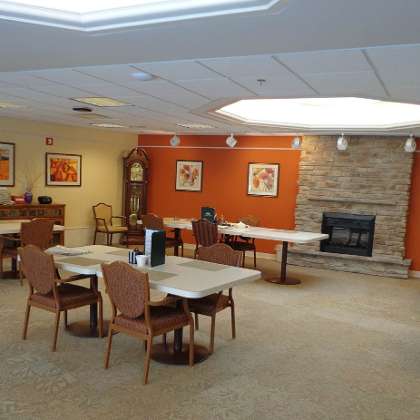
How is Grand Traverse Pavilions Staffed?
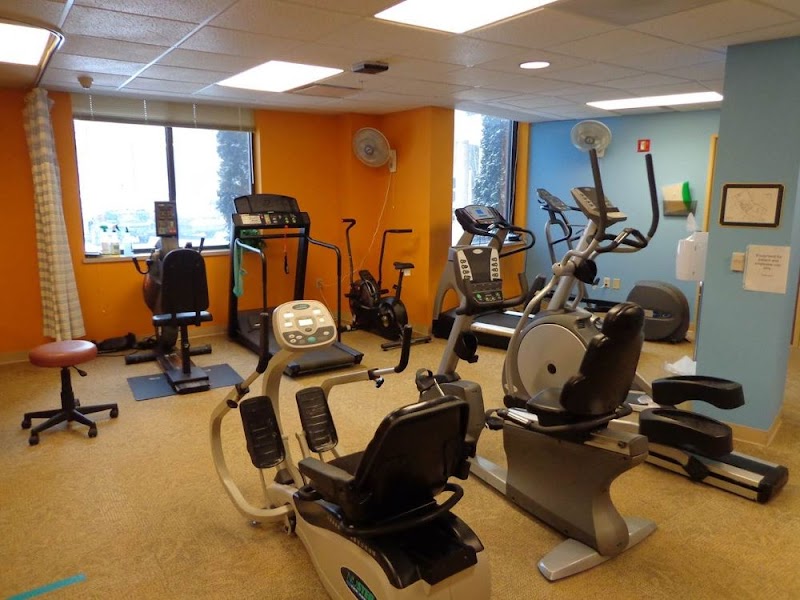
CMS rates Grand Traverse Pavilions's staffing level at 5 out of 5 stars, which is much above average compared to other nursing homes. Staff turnover is 25%, compared to the Michigan average of 46%. This relatively stable workforce can support continuity of care.

What Have Inspectors Found at Grand Traverse Pavilions?

State health inspectors documented 60 deficiencies at Grand Traverse Pavilions during 2023 to 2025. These included: 5 that caused actual resident harm and 55 with potential for harm. Deficiencies causing actual harm indicate documented cases where residents experienced negative health consequences.

Who Owns and Operates Grand Traverse Pavilions?

Grand Traverse Pavilions is owned by a government entity. Government-operated facilities are typically run by state, county, or municipal agencies. The facility operates independently rather than as part of a larger chain. With 240 certified beds and approximately 177 residents (about 74% occupancy), it is a large facility located in Traverse City, Michigan.

How Does Grand Traverse Pavilions Compare to Other Michigan Nursing Homes?

Compared to the 100 nursing homes in Michigan, Grand Traverse Pavilions's overall rating (2 stars) is below the state average of 3.1, staff turnover (25%) is significantly lower than the state average of 46%, and health inspection rating (1 stars) is much below the national benchmark.

What Should Families Ask When Visiting Grand Traverse Pavilions?

Based on this facility's data, families visiting should ask: "Can I visit during a mealtime to observe dining assistance and food quality?" "How do you handle medical emergencies, and what is your hospital transfer rate?" "Can I speak with family members of current residents about their experience?"

Is Grand Traverse Pavilions Safe?

Based on CMS inspection data, Grand Traverse Pavilions has a clean safety record: no substantiated abuse findings (meaning no confirmed cases of resident harm), no Immediate Jeopardy citations (the most serious violation level indicating risk of serious injury or death), and is not on the Special Focus Facility watch list (a federal program monitoring the lowest-performing 1% of nursing homes). The facility has a 2-star overall rating and ranks #100 of 100 nursing homes in Michigan. While no facility is perfect, families should still ask about staff-to-resident ratios and recent inspection results during their visit.

Do Nurses at Grand Traverse Pavilions Stick Around?

Staff at Grand Traverse Pavilions tend to stick around. With a turnover rate of 25%, the facility is 21 percentage points below the Michigan average of 46%. Low turnover is a positive sign. It means caregivers have time to learn each resident's needs, medications, and personal preferences. Consistent staff also notice subtle changes in a resident's condition more quickly. Registered Nurse turnover is also low at 17%, meaning experienced RNs are available to handle complex medical needs.

Was Grand Traverse Pavilions Ever Fined?

Grand Traverse Pavilions has been fined $29,348 across 1 penalty action. This is below the Michigan average of $33,372. While any fine indicates a compliance issue, fines under $50,000 are relatively common and typically reflect isolated problems that were subsequently corrected. Families should ask what specific issues led to these fines and confirm they've been resolved.

Is Grand Traverse Pavilions on Any Federal Watch List?

Grand Traverse Pavilions is not on any federal watch list. The most significant is the Special Focus Facility (SFF) program, which identifies the bottom 1% of nursing homes nationally based on persistent, serious quality problems. Not being on this list means the facility has avoided the pattern of deficiencies that triggers enhanced federal oversight. This is a positive indicator, though families should still review the facility's inspection history directly.