Optalis Health and Rehabilitation of Troy
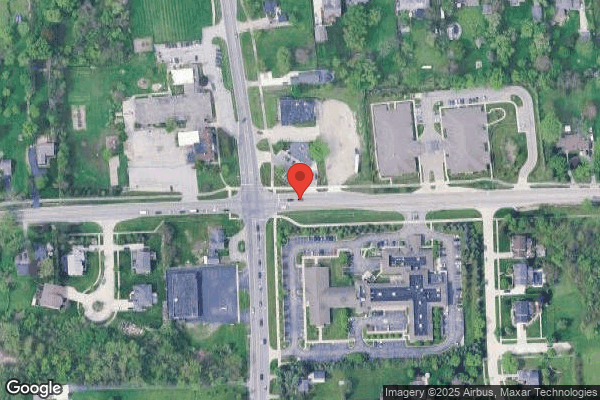
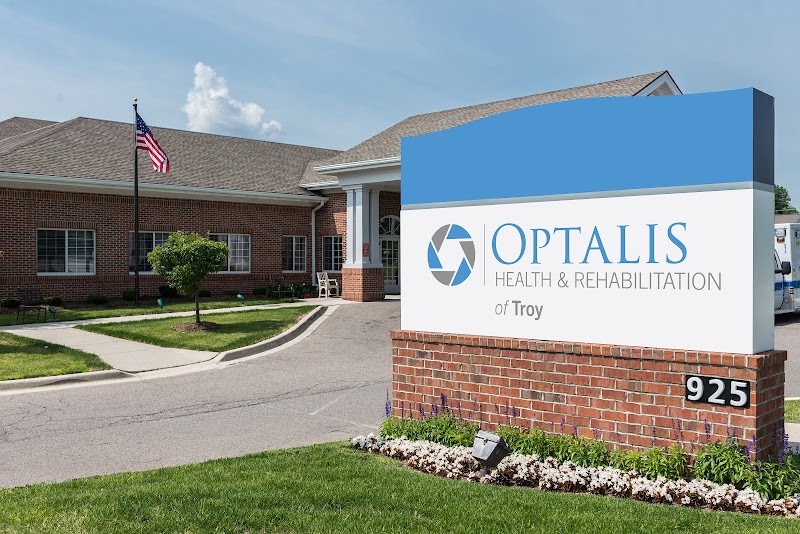
925 W South Blvd, Troy, MI 48085 (248) 729-4400
For profit - Corporation 160 Beds OPTALIS HEALTH & REHABILITATION Data: November 2025 1 Immediate Jeopardy citation
Trust Grade
0/100
#321 of 422 in MI
Last Inspection: December 2024

Within standard 12-15 month inspection cycle. Federal law requires annual inspections.

Overview

Optalis Health and Rehabilitation of Troy has received a Trust Grade of F, which indicates significant concerns about the quality of care provided. They rank #321 out of 422 nursing homes in Michigan, placing them in the bottom half of facilities statewide, and #23 out of 43 in Oakland County, meaning only 20 local options are better. Although the facility shows an improving trend with issues decreasing from 28 in 2024 to 13 in 2025, the high staffing turnover rate of 68% raises concerns, as it is well above the state average of 44%. Additionally, they have incurred $622,336 in fines, higher than 99% of Michigan facilities, suggesting ongoing compliance problems. Specific incidents include a critical failure to monitor and treat pressure ulcers that led to a resident's hospitalization for sepsis and another resident developing a severe pressure ulcer requiring surgery. While they excel in quality measures, the overall care and management in this facility present significant weaknesses that families should carefully consider.
Trust Score
F
0/100
In Michigan
#321/422
Bottom 24%
Safety Record
High Risk
Review needed
Inspections
Getting Better
28 → 13 violations
Staff Stability
⚠ Watch
68% turnover. Above average. Higher turnover means staff may not know residents' routines.
Penalties
⚠ Watch
$622,336 in fines. Higher than 83% of Michigan facilities, suggesting repeated compliance issues.
Skilled Nurses
⚠ Watch
Each resident gets only 29 minutes of Registered Nurse (RN) attention daily — below average for Michigan. Fewer RN minutes means fewer trained eyes watching for problems.
Violations
⚠ Watch
83 deficiencies on record. Higher than average. Multiple issues found across inspections.
★★☆☆☆
2.0
Overall Rating
★★☆☆☆
2.0
Staff Levels
★★★★★
5.0
Care Quality
★☆☆☆☆
1.0
Inspection Score
Stable
2024: 28 issues
2025: 13 issues

The Good

  • 5-Star Quality Measures · Strong clinical quality outcomes
  • Full Sprinkler Coverage · Fire safety systems throughout facility
  • No fines on record

Facility shows strength in quality measures, fire safety.

The Bad

2-Star Overall Rating

Below Michigan average (3.1)

Below average - review inspection findings carefully

Staff Turnover: 68%

21pts above Michigan avg (46%)

Frequent staff changes - ask about care continuity

Federal Fines: $622,336

Well above median ($33,413)

Significant penalties indicating serious issues

Chain: OPTALIS HEALTH & REHABILITATION

Part of a multi-facility chain

Ask about local staffing decisions and management

Staff turnover is elevated (68%)

20 points above Michigan average of 48%

The Ugly 83 deficiencies on record

1 life-threatening 9 actual harm
Sept 2025 2 deficiencies
CONCERN (D) 📢 Someone Reported This

A family member, employee, or ombudsman was alarmed enough to file a formal complaint

Potential for Harm - no one hurt, but risky conditions existed

Quality of Care (Tag F0684)

Could have caused harm · This affected 1 resident

**NOTE- TERMS IN BRACKETS HAVE BEEN EDITED TO PROTECT CONFIDENTIALITY** This citation pertains to Complaint #2596436Based on interview and record review the facility failed to ensure timely medical ap...

Read full inspector narrative →
**NOTE- TERMS IN BRACKETS HAVE BEEN EDITED TO PROTECT CONFIDENTIALITY** This citation pertains to Complaint #2596436Based on interview and record review the facility failed to ensure timely medical appointments and debridement treatments were implemented to prevent the worsening of a wound for one (R302) out of two residents reviewed for pressure ulcers/wounds resulting in R302 being hospitalized for additional care. Findings include:A complaint was filed with the State Agency (SA) that reported that R302 was scheduled to see their wound surgeon for treatment and the facility sent them to the wrong office. R302 then had to wait another week to see the wound surgeon. On 8/7/25 the wound surgeon examined them at their office, and they immediately sent them to the hospital.Hospital Records were reviewed and documented in part, .(name redacted) Emergency Department 8/7/25.History.R302.presents with evaluation of right foot wound. Patient underwent amputation with Dr. Z 7 weeks ago due to gangrene of his right fifth toe.Patient was seen by Dr. Z today (8/7/25) for wound care. There was concern for further necrosis and infection and patient was sent today for further evaluation. He has been taken to the operating room for debridement and possible 4th toe.amputation.8/8/25.Patient does not speak English.Patient has missed appointments but was seen at the Wound Center yesterday and due to extensive necrosis of the wound it was advised that the patient present to the hospital.the fifth metatarsal was debrided and the right forth toe was amputation <sic> and the head of the right fourth metatarsal was resected, the fifth toe had been amputated on a previous surgery.8/9/25.Patient having pain to right foot relieved with doses of dilaudid. Wound vac in place.Outcome evaluation: Pt AxOx4 (patient alert and oriented to person, place, time and situation), speaks Korean, CyraCom (interpreter) used for explaining discharge.Plan: start vancomycin 1250 mg (milligrams) q (every) 12 hours and Zerbaxa(antibiotic) .culture growing MDR (Multidrug resistant infection) Pseudomonas osteomyelitis (bone infection) and MRSA (Methicillin resistant staphylococcus aureus).A review of R302's clinical record revealed the resident was initially admitted to the facility on [DATE] with diagnoses that included: Gangrene, acquired absence of other right toe and orthopedic aftercare following surgical amputation. A review of the residents Minimum Dat Set (MDS) noted the resident had a Brief Interview for Mental Status (BIMS) score of 14/15.Continued review of R302's clinical record noted the following:6/23/25: Wound Consult: .Patient reports having had infection and drainage in right toes resulting in hospitalization. It <sic> was totally there for 2 weeks and ended up having amputation as well due to osteomyelitis. Patient is currently on IV (intravenous) ABX (antibiotics).wound benefit from continued rehab.6/23/25: Nursing Skin/Wound Note: .R (right) foot surgery 5-digit amputee, 6 sutures.see.assessment for measurements.7/1/25: Administration Note: Wound Care Order Site: Right 5th digit.Cleanse wound with NS (normal saline) .Pat Dry with Gauze.Apply betadine.Cover with ABD (large abdominal dressing).Wrap in kerlix.Tape7/6/25: Wound Consult: .Skin.Right dorsum fifth digit toe amputation site arterial/surgical wound, 3x5 x2.8 x1.1.100% granular.light serosanguineous drainage.no infection.Cleanse area, dry, apply iodine, cover with ABD, wrap with Kerlix, secure with tape daily. Offloading interventions implemented. Wife at bedside updated on wound status/treatment.7/14/25: Order: .Follow-up consult.Patient will need STAT follow-up.initially ordered on 6/24 for 1-2 weeks. *It should be noted that there were no documents that noted R302 was seen by wound consultant within the two-week order.7/17/25: After Visit Summary: R302.7/17/25: 2 PM.Address A.Instructions: Return in about 2 weeks (around 7/31/25).Dressings: Right foot wound.Betadine to gauze, apply to wound cover with 4x4 gauze wrap with kerlix, affix with tape.Sutures removed.Today.Return visit in 2 weeks 7/31/25).7/25/25: Nursing Skin/Wound: Writer contact daughter for wound care concerns regarding pt (R302) waiting for a call back. Authored by Nurse I.7/25/25: Order: Wound care order site - Right foot 5th digit.cleanse wound with NS.Pat Dry with Gauze.Apply Medihoney to wound bed.Created by: Nurse I (7/25/25).Signed by Physician L on 8/6/25.7/30/25: Nursing Skin/Wound: .wound care education was preformed and given with daughter at bedside, writer explain all instructions to family and told them pt. attempts to do is own wound care tx (treatment) and is delaying process of healing, family understood and talk to pt to re direct Him, pt see wound clinic tomorrow 7/31 and writer will follow up.7/31/25: Wound Consult: .Right dorsum fifth digit toe amputation site.3.5x2.8x1.1, 100% granular peri wound, lift serosanguineous drainage.7/14: Continue Vanco (*It should be noted that R302 never received Vanco while at the facility. No order was found in the clinical record).Also indicate that patient will need to see podiatry for wound care and debridement.[electronic medical record] indicates the patient has an appointment with wound clinical today (7/31/25) today at 2:15 (PM). Authored by Nurse Practitioner (NP) M .*It should be noted that R302 never made it to their appointment on 7/31/25 at 2:15 PM.8/3/25: Wound Consult: .Psychiatric: Not agitated, Appropriate affect, mood, judgement and insite (sic).having significant discoloration in remaining toes.Right dorsum fifth digit toe amputation.wound 6.4 x 3.4 x UTD (unable to determine), 90% slough, 10% eschar. 6/24: need for follow-up with (Dr. Name Redacted), podiatry.7/8: Patient has an appointment with infections disease on July 24.7/14: Stable, Continue Vanco dosing per pharmacy.Patient was able to follow-up with Dr. K podiatry/wound on 7/17. Wound care orders provided including dressing changes daily, Betadine to gauze, apply to wounds, cover with 4x4, wrap with Kerlix.Indicate that sutures were removed in clinic. Orders to elevate leg to control swelling.Revisit in 2 weeks, approximately 7/31.8/6/25: Progress Note: .7/14.Continue Vanco, dosing per pharmacy.Patient was able to follow-up with Dr. K podiatry/wound care on 7/17.7/31: patient will need to see podiatry for wound care and debridement.Pt has appointment today at 2:15 PM.8/6: Attached documents reviewed. do not see follow-up notes from podiatry (*It should be noted that R302 was not seen by podiatry on 7/31/25).8/7/25: Nursing Progress Note: Writer notified per Dr. K that resident was sent to ER (emergency room) r/t (due to) wound concerns.Care Plan: Focus: Amputation of right pinky toe r/t gangrene (date initiated 6/21/25).Interventions/Tasks: Administer treatment per physician orders (6/21/25).Report evidence of infection such as purulent drainage, swelling.etc. (6/21/25).Focus: Resident chooses not to agree with plan of care, may be resistive, refuse, or non-complaint with care or treatment as evidenced by pt removed and completed tx by himself causing wound delay (7/11/25).Interventions: Encourage verbalization of needs, fears, concerns, and allow resident to express self.Notify physician if behaviors/non-compliance interferes with resident's basic medical needs.On 9/4/25 at approximately 11:22 AM, an interview was conducted with Wound Nurse (WN) H. WN H reported they started employment as a wound nurse in May 2025. WN H was queried as to R302's treatment and failure to ensure they were followed up by the surgical podiatrist . WN H reported that they work with WN I and noted that they were not that familiar with the resident and was not able to provide additional information. They noted WN I might be more familiar with the resident.On 9/4/25 at approximately 1:00 PM, an interview was conducted with the Director of Nursing (DON). The DON was asked if they were aware that R302 was taken to the wrong office on 7/31/25. They reported they were aware R302 should have been seen but were not certain why they were sent to the wrong office. The DON was asked who arranged for the transportation to office and they noted that Unit Clerk (UC) G generally schedules transportation. The DON was then asked if they were aware that R302 attempted to do their own wound care and as such it was noted that it was delaying the healing process. The DON reported that R302 had a language barrier and believed attempts were made to educate the resident via their daughter. The DON reported that the facility staff are able utilize MARTTI ( My Accessible Real Time Trusted Translator) however, they did not believe staff utilized the system. The DON was asked if they were aware if R302 was supposed to start the antibiotic Vanco on 7/14/25 as written in NP Ms notes. The DON noted that there were no orders for Vanco and the written statement to remain on Vanco was most likely written in error.An attempt to contact NP M was made on 9/4/25 at approximately 1:26 PM. A message was left, and no return call was received.On 9/4/25 at approximately 1:38 PM, an interview was conducted with UC ‘G. UC G was asked about the error in scheduling for R302. UC G reported that they were instructed to send R302 to see the outside Doctor K and noted the order documented to send them to location A. They arranged the transportation and later found out that R302 should have gone to location B. They then reset the appointment for 8/7/25.On 9/4/25 at approximately 3:38 PM, a phone interview was conducted with Wound Nurse (WN) I. WN I was queried as to the wound care provided to R302 and one week delay in him seeing their outside wound surgeon, Dr. K. WN I reported that they worked with WN H, and both had been assigned to R302, and they did not believe they were the person who indicated the wrong address to send the resident. When asked about R302's wound to the right 5th digit, they noted that the residents' wound was declining from the time of entry to the facility until their discharge. WN I noted that treatments were implemented but the resident kept treating themselves as well. When asked if they were aware of what the treatment was, they indicated they were not certain but talked with R302's daughter regarding the self-treatment. WN I was asked if they utilized a translator via MARTTI and they noted they did not. WN I reported that they made a change in the treatment from betadine to Medihoney as noted in the clinical record and reported again that due to the residents decline in healing, they attempted a new treatment.The facility policy titled, Skin and Wound Guidelines (revised 3/30/34) was reviewed and documented, in part: .Policy Overview: To describe the process steps to.identify prevention techniques and interventions to assist with the management of pressure injuries and skin alterations.Skin Alterations.Weekly evaluation n of skin alterations.The individualized comprehensive care plan addresses the resident's problem .the goal for prevention and/or treatment and individualized interventions to address the resident's specific risk factors and plan for reduction of risk.The facility policy titled, Change in Condition Policy (10.2022).Policy: It is the policy of this facility that residents will be routinely monitored and evaluated by all staff members to determine the need for additional health services.Observations or Changes of Condition could indicate the need for additional health services or monitoring.seems different than usual.Change in skin color or condition.
CONCERN (D) 📢 Someone Reported This

A family member, employee, or ombudsman was alarmed enough to file a formal complaint

Potential for Harm - no one hurt, but risky conditions existed

Accident Prevention (Tag F0689)

Could have caused harm · This affected 1 resident

**NOTE- TERMS IN BRACKETS HAVE BEEN EDITED TO PROTECT CONFIDENTIALITY** This citation pertains to Intake 2597366Based on interview and record review, the facility failed to ensure appropriate supervis...

Read full inspector narrative →
**NOTE- TERMS IN BRACKETS HAVE BEEN EDITED TO PROTECT CONFIDENTIALITY** This citation pertains to Intake 2597366Based on interview and record review, the facility failed to ensure appropriate supervision was provided to a resident for one (R303) of two residents reviewed for transportation resulting in R303 being sent multiple times to medical appointments with no staff supervision. Findings include:A complaint was filed with the State Agency (SA) that alleged in part, .On 8/14/2025. (R303) was sent to the appointment and left in the lobby of the doctor's office without any caretaker from the facility.Review of the clinical record revealed R303 was admitted into the facility on 4/11/25 and readmitted [DATE] with diagnoses that included: dementia, convulsions and blindness right eye. According to the Minimum Data Set (MDS) assessment dated [DATE], R303 had moderately impaired cognition. The clinical record also indicated R303 had a Durable Power of Attorney (DPOA) that was the Responsible Party for financial and medical care.Review of a Physician Statement of Capacity for Medical Treatment and Decisions read in part, lacks the capacity to make reasoned medical decisions and/or provide informed consent for their medical affairs. The specific cause and/or contributing diagnosis to support this decision: impaired insight, impaired reasoning, impaired thinking and memory. It was signed by a Physician/Licensed Psychologist on 3/25/25 and Attending Physician on 3/26/25.Review of R303's physician orders revealed an order with a start date of 8/14/25 that read in part, PATIENT HAS AN APPOINTMENT ON THURSDAY AUGUST 14 @ 2:00 PM.Review of R303's Discharge Care Plan initiated 4/15/25 read in part, DPOA has decided that (R303) is appropriate for long term care placement, discharge plan is to remain long term for 24* care and/or supervision.Review of R303's physician consultation documents revealed a consult dated 7/30/25 that the consulting physician wrote, pt (patient) sent to office twice with no records, no information. She is not able to provide medical history. She does not know why she is here. Someone MUST (underlined) accompany here [sic] to appointments. On 9/4/25 at 12:05 PM, Unit Clerk (UC) F was interviewed and asked who arranged the transportation to appointments at the facility. UC F explained she made the appointments and arranged the transportation. UC F was asked if residents always were sent by themselves or did a staff member accompany them to appointments. UC F explained up until a couple weeks ago, they had been told staff did not accompany residents to appointments, now if the resident is incompetent a staff member goes with them. UC F was asked how it was determined if a resident was incompetent. UC F explained she would go talk to the resident or ask staff if the resident was competent. UC F was asked if R303 went to appointments alone. UC F explained R303 was sent alone.On 9/4/25 at 12:15 PM, Unit Manager (UM) C was interviewed and asked if residents went alone or were accompanied by staff on appointments. UM C explained it depended, if the resident was competent they could go alone. When asked about R303, UM C explained she could not say and would need to talk to the Director of Nursing (DON).On 9/4/25 at 12:17 PM, the DON was interviewed and asked about R303 being sent to appointments alone. The DON explained she had thought R303's family was going to meet her at the appointment. The DON was asked if the facility had its own transportation van with a staff member that drove it. The DON explained they did not, they used different companies that provided wheelchair transportation. The DON was asked if R303 could go on a Leave of Absence (LOA) by herself. The DON said no. When asked why was R303 allowed to be put in a transportation van by herself and leave the facility with no staff accompaniment, the DON acknowledged the concern. On 9/4/25 at 1:13 PM, the Administrator was interviewed and asked about R303 having a care plan for 24-hour care and/or supervision but was sent to multiple appointments via a transportation van by herself with no staff accompaniment. The Administrator acknowledged the concern.
Jun 2025 1 deficiency 1 Harm
SERIOUS (G) 📢 Someone Reported This

A family member, employee, or ombudsman was alarmed enough to file a formal complaint

Actual Harm - a resident was hurt due to facility failures

Quality of Care (Tag F0684)

A resident was harmed · This affected 1 resident

**NOTE- TERMS IN BRACKETS HAVE BEEN EDITED TO PROTECT CONFIDENTIALITY** R303 Review of the medical record revealed R303 was admitted to the facility on [DATE], with a primary diagnosis of displaced in...

Read full inspector narrative →
**NOTE- TERMS IN BRACKETS HAVE BEEN EDITED TO PROTECT CONFIDENTIALITY** R303 Review of the medical record revealed R303 was admitted to the facility on [DATE], with a primary diagnosis of displaced intertrochanteric fracture of left femur, subsequent encounter for closed fracture, pulmonary hypertension and heart failure. A Minimum Data Set (MDS) assessment dated [DATE], noted a Brief Interview for Mental Status (BIMS) score of 15 (which indicated intact cognition). A review of a Nursing note dated 1/8/25 at 9:00 PM, documented in part . Patient observed sleeping in chair when writer attempted wake patient, she had a delayed response which was different from our morning interactions. Writer checked her BP (blood pressure) it was 90/44, writer then checked her blood sugar it was 49 (normal is above 70). Writer assisted CNA (certified nursing assistant) to help patient into bed and elevated her feet. Writer gave the patient orange juice and chocolate candies she had in her room. Her blood sugar went up to 70. Writer attempted to get the patient to eat dinner she ate a small portion and but was still slightly lethargic . Unit manager notified. Monitoring ongoing . There was no documentation of the Physician to have been notified. Review of a Nursing note dated 1/11/25 at 6:53 PM, documented in part . Patients family requested to take pt (patient) out AMA (against medical advice) rt (related to) cardiac issues. After speaking to DON (Director of Nursing) family agreed to have labs ordered and EKG (electrocardiography) in house. Labs drawn, urine sample collected and EKG ordered. Review of the Physician orders revealed an EKG order was not implemented until the next day on 1/12/25 at 7:43 AM, that documented . EKG Symptom(s): CABG (coronary artery bypass grafting) Condition of patient that requires the exam to be performed portably . STAT (immediate) . The order was created by the DON. A review of the record revealed the STAT EKG was not completed and the resident was transferred to the hospital on 1/12/25 at 6:40 PM, for respiratory distress. A review of the record revealed no documentation from the clinical staff regarding the cardiac concerns documented in the 1/11/25 Nursing note. A review of the Pulse Summary noted the following: On 1/10/25 at 10:12 PM- 53 bpm (beats per minute) On 1/9/25 at 1:18 PM- 58 bpm (normal is above 60) A review of the Blood Pressure Summary noted the following: On 1/6/25 at 5:02 PM- 120/48 mmHg (millimeters of mercury) On 1/7/25 at 9:26 AM- 107/55 mmHg On 1/7/25 at 1:37 PM- 92/43 mmHg On 1/7/25 at 5:49 PM & 7:26 PM- 112/60 mmHg On 1/8/25 at 5:27 PM- 90/44 mmHg On 1/9/25 at 12:06 PM- 94/52 mmHg On 1/10/25 at 12:55 PM- 89/55 mmHg On 1/10/25 at 2:27 PM- 90/62 mmHg On 1/10/25 at 7:15 PM- 84/57 mmHg On 1/10/25 at 10:22 PM- 101/50 mmHg These are all noted deviations from R303's baseline. The record revealed no documentation of the Physician to have been notified. Review of a facility policy titled Change in Condition policy dated 10.2022 documented in part . It is the policy of this facility that residents will be routinely monitored and evaluated by all staff members to determine the need for additional heal services monitoring of chronic, unstable, or changes in condition. Results of additional monitoring will be routinely evaluated for appropriateness and effectiveness . Observations or Changes of Condition could indicate the need for additional health services or monitoring . Seems different than usual . Tired, weak, confused, or drowsy . When a change in condition has been identified, the physician team will be called for direction . A Nursing note dated 1/12/25 at 7:39 PM, documented in part . Patient transferred to hospital via ambulance at 18:40 for respiratory distress . A review of the hospital records revealed the following: A Emergency Medicine consult dated 1/12/25 at 8:07 PM, documented in part . presents to the Emergency Center today with a chief complaint of SOB (shortness of breath). Patient has had worsened SOB and fatigue over the last one week, with some confusion over the last week . She does not wear home oxygen and is on 4 L (liters) NC (nasal cannula) here . A General Medicine consult dated 1/13/25 at 4:33 PM, documented in part . She came to the ER due to shortness of breath and hypoxia. Does not wear home oxygen. The patient reports having shortness of breath and fatigue for the past week. There has been some confusion over the past week as well per family . She has significant swelling in her legs and abdomen. There is abdominal discomfort. Patient also stated that she had difficulty making urine for the past week and had little urine output . None of the above signs and symptoms were identified or documented by the facility staff. On 6/25/25 an interview was conducted with the DON. The DON was asked what cardiac issues R303 was experiencing as noted in the Nursing note on 1/11/25. The DON stated they were not sure but would look into it and follow back up. The DON was asked why the STAT EKG was ordered on 1/12/25 and asked if it was completed. The DON stated they would look into it. At 2:20 PM, the DON returned with a radiology requisition dated 1/11/25 for an EKG to be completed due to shortness of breath. The DON was asked again what signs and symptoms R303 was experiencing at that time. The DON was also asked about the indication of having shortness of breath identified by the staff on 1/11/25 considering the resident had to be transferred to the hospital on 1/12/25 due to respiratory distress. The DON stated they were unsure of the signs and symptoms R303 exhibited. The DON did not provide documentation of the EKG to have been completed or the results. No further explanation or documentation was provided by the end of the survey. This citation pertains to intake(s): MI00153566. Based on interview and record reviews, the facility failed to identify a change of condition, notify the Physician, ensure the appropriateness of antibiotics and ensure continuous monitoring, assessment and follow-up for two (R's 302 & 303) of three residents reviewed for a change of condition, resulting in an untreated urinary tract infection (UTI) that developed into septic shock secondary to UTI and Pneumonia and resulted in death (R302) and delayed treatment and transfer to a higher level of care (R303). Findings include: Clinical record review revealed R302 was admitted to the facility on [DATE] for further rehabilitation to improve strength and balance related to an unwitnessed fall at home resulting in lower spinal fractures, rib fractures and rhabdomyolysis (serious condition when lying in a position too long results in skeletal muscle break down and releases toxins into the blood and kidneys). R302 required a Foley catheter (indwelling catheter to drain urine from the bladder) while hospitalized related to their history of aggressive infusion of intravenous fluids related to their dehydration and history of urinary retention. R302 arrived to the facility with a condom catheter (external urine catheters applied like a condom) placed by the hospital. The Brief Interview of Mental Status (BIMS) assessed from 3/28/25 and 5/10/25 scored 15/15 indicating R302 was cognitively intact. On 6/27/25 at 9:39 AM, an interview was conducted with the sibling who filed the allegation (the complainant) and confirmed on Sunday morning 5/25/25 they called the facility concerned they had not heard from R302 in two days which was not normal. Per the sibling complainant, there is a five-hour drive distance between them, but were very close and would text and or converse daily. Unable to contact R302 the day prior, the sibling proceeded to contact the Facility's main number on the morning of 5/25/25 and spoke with a Nurse (unable to recall name) who commented R302 had not eaten in the last two days. While on the phone with the Nurse, it was found R302 had the phone turned off. The Nurse asked what the pass code was, accessed the phone, and instructed to call R302 back and left the room. The sibling said once on the phone with R302, I knew something was not right R302 .sounded weak, had slurred speech, could not understand what they were saying and could hardly speak . I knew R302 was in bad shape and immediately called the facility back and informed the Nurse that R302 sounds very bad, they cannot talk, sounds very weak. The Nurse replied they were in the middle of passing morning medications for 14 Residents and did not have time to send R302 out. The sibling complainant said they would call 911 themselves if the facility would not. The interview proceeded to reveal there was concern when R302 was to follow up with a Urologist back in April and was informed the appointment was not scheduled until May 29, 2025, and recent days prior to the 5/25/25 of having throat pain. A Medical Progress Note dated 4/1/25, authored by Medical Director (MD) F documented R302 was assessed for urinary retention greater than 600 milliliter (ml) and required straight catheter (insertion of tube into the bladder to drain urine, then removed after bladder emptying). Further record review revealed R302 had informed MD F urinary retention happens frequently, especially when after being hospitalized , and MD F ordered to consult with Urology. The Medical Progress note dated 4/2/25 authored by MD F documented R302 was calm, alert and orientated, in no distress but insisted on being evaluated for a Urinary Tract Infection (UTI) related to complaints of .was up peeing all night . and had bladder disease. R302 was adamant going to the hospital to be evaluated for Intravenous (IV) Antibiotics and seen by their Urologist. R302 was sent to the Emergency Department (ED) on 4/2/25 for further evaluation per their request. Record review from the ED discharge from 4/2/25 documented R302 was seen for urinary retention and was to follow up with Urology within three to five days. Record review of the 4/4/25 Progress Note from the Facility Provider documented R302 was to consult with Urology for urinary retention within three-seven days. Further record review revealed not until 4/24/25 was a Urology Consult scheduled and would not be seen until May 29, 2025. On 6/25/25 at 2:23 PM, an interview with Unit Manager LPN C was queried about the process for assuring Resident consultations are scheduled. LPN C replied once a Provider enters the order, Nursing must confirm, print the order, then forward to the unit clerk to schedule. On 6/25/25, the Director of Nursing (DON) was informed the original order from the Facility identified on 4/4/25, R302 was to follow up with Urology within three-five business days, and the first attempt of the follow up was not acknowledged until 4/14/25. Furthermore, the DON was informed that not until 4/24/25 was an appointment confirmed and scheduled for R302 to see a Urologist, which was not until 5/29/25. The DON proceeded to provide an email dated 4/14/2025 at 11:08 AM, the facility was waiting on the doctor's office to call back with a date and time for Urology appointment and had no further comment why this appointment had such a delay in scheduling. Record review of a Nursing Progress note dated 5/6/25 at 2:00 PM documented Nursing observed hematuria (blood in urine) in the resident's brief, and they expressed concerns of pain while urinating and Nurse Practitioner (NP) B was made aware of the situation. Progress notes from 5/8/25 authored by NP B documented .Urinalysis came back positive for infection. Patient started on Keflex . (brand name for Cephalexin an antibiotic). On 5/8/25 a 11:43 AM .Note Text: The system has identified a possible drug allergy for the following order: Cephalexin 500 milligram (mg) give one capsule my mouth three times a day for a UTI for 7 Days . Review of the Medication Administration Record (MAR) documented on 5/8/25 start Cephalexin 500 milligram (mg) give one capsule my mouth three times a day for a UTI. The MAR documented administration of the medication on 5/9/25 at 9:00 AM and 5/9/25 at 1:00 PM. Review of the MAR revealed Macrobid (generic for Nitrofurantoin an antibiotic) 100 mg give one capsule by mouth two times a day for UTI for 5 days. The MAR confirmed full administration of the antibiotic was started on 5/8/25 and completed on 5/13/25. Record review of the Urine Culture and Sensitivity reported on 5/9/25 at 11:05 AM, identified the organism present in R302's urine was Proteus Mirabilis which was resistant to the antibiotic Macrobid (Nitrofurantoin) which indicated this treatment was ineffective in treating R302's UTI. On 6/25/25 at 3:54 PM, an interview by telephone was conducted with NP B and when inquired about overseeing R302's medical care, NP B remarked they were not in front of their computer but recalled R302 had a complicated urinary history and mentioned retention and hematuria. NP B was queried about R302's antibiotic regimen and was unable to recall the specific details. When informed that R302 was started on the antibiotic Macrobid (Nitrofurantoin) on 5/8/25 and the urine culture and sensitivity reported on 5/9/25 confirmed Macrobid (Nitrofurantoin) was resistant to the infection, no comment was made by NP B. When questioned why an ineffective antibiotic for this specific infection remained ordered and administered, NP B had no comment. The DON was interviewed and confirmed laboratory results are posted daily from a dashboard and that themselves, the Infection Control Nurse and Nurse Unit Managers are responsible for reviewing. When inquired how review of R302 culture and sensitivity from 5/9/25 was missed, the DON requested to look into the concern. The DON returned moments later and acknowledged they personally signed off on this. When questioned what signed off meant, they replied this was discussed with NP B and because R302 and was no longer having signs and symptoms of infection, they felt it was appropriate to keep them on the antibiotic Macrobid (Nitrofurantoin). Record Review from Progress note from 5/22/25 at 3:47 PM by Social Worker (SW) G documented during a wellness visit for R302, .He stated he has a sore throat right now. Nurse notified . further record review did not reveal Nursing addressed the sore throat. Record review from an Alert Progress note from 5/23/25 at 9:12 AM by LPN C documented R302 .pt <sic> is so sad. HE <sic> said he wants to home. --NURSING WILL HAVE PSYCH F/U <sic> . On 6/25/25 at 2:23 PM, an interview with Unit Manager LPN C was queried about why there are Progress Notes and additional notes titled Alert Note. LPN C replied any staff member can make an Alert Note if they feel there is something very important and needs to be addressed. When asked why the Alert Note identifies them (LPN C) as the creator of the note, LPN C replied they were not, they just reviewed the Alert Note and the entered the follow up portion . --NURSING WILL HAVE PSYCH F/U <sic> . When asked who originated the Alert note, LPN C said there is no documentation available who was the original creator. When asked if there was an urgency that warranted the staff to create an Alert Note and they are unable to know who found it be an alert, how do you follow up to triage the urgency, LPN C abruptly replied they have 45 residents to oversee on a daily basis and cannot remember specifics on all Residents and Alert Progress Notes don't necessarily stand out. Record review of the CNA (Certified Nurse Assistant) Nutrition Task revealed on 5/23/25 and 5/24/25, R302 was not eating as reported by the sibling complainant on 5/25/25 when they spoke with a Nurse (unable to recall name) who commented R302 had not eaten in the last two days. On 6/25/25 at 3:30 PM, a telephone interview was completed with LPN A who acknowledged they were familiar with R302 since admission to the rehabilitation unit. LPN A recalled the events of that morning of 5/25/25 and confirmed they were the Nurse assigned to R302. When asked why they sent R302 to the hospital, they replied because the sibling was yelling so loud over the phone about sending them, I recruited all the staff to help me transfer. When asked what the sibling was saying they mentioned something about him not eating for two days. When asked if a there was assessment done on R302, they recalled they took the vitals, but no further assessment was completed. LPN A said another nurse called EMS (Emergency Medical Service), a third nurse printed off paperwork, EMS arrived, and they notified the DON and Medical Provider. When asked what the specific change in condition was, LPN A commented nothing was abnormal about R302, they just sent them because the sibling was concerned, they had not eaten in two days and if I didn't send them, they would call 911. LPN A remarked nothing was abnormal with R302. Nursing Progress Note from 5/25/25 at 10:41 AM by Licensed Practical Nurse (LPN) A documented the Resident's family requested R302 be sent out to hospital for change of a condition. The Resident was sent out to hospital at 10:20AM . Hospital Records were reviewed and documented on 5/25/25 at 11:04 AM, R302 arrived with Emergency Medical Service (EMS) and reported R302 had right sided weakness, facial droop, slurred speech, throat pain, and difficulty swallowing. Per EMS, the staff at the Extended Care Facility (ECF) reported last seeing R302 well two days ago .and the ECF staff reportedly seemed unconcerned about patient mental status, but patient is known to ED nurse at bedside who states patient is normally alert and orientated . Per EMS, upon arrival to the facility, R302's Blood Pressure (BP) was 90/40 (below normal), Oxygen level on room air was 82% (normal is 90-100%) and EMS had to apply to Six Liters (6L) of oxygen. Patient is confused. Arousable to voice. Follows basic commands. After evaluation in the Emergency Department, R302 was diagnosed with a UTI and Pneumonia (infection in the lungs) with sepsis (devastating response to an infection leading to organ damage) required admission to the Intensive Care Unit (ICU) for intubation (insertion of an artificial airway). On 5/29/25 at 2:29 AM, R302 was pronounced dead. Record review of the Death Certificate documented the primary cause of death was Septic Shock secondary to UTI and Pneumonia (PNA) with the approximate onset of death within days.
Apr 2025 9 deficiencies 3 Harm
SERIOUS (G) 📢 Someone Reported This

A family member, employee, or ombudsman was alarmed enough to file a formal complaint

Actual Harm - a resident was hurt due to facility failures

Accident Prevention (Tag F0689)

A resident was harmed · This affected 1 resident

**NOTE- TERMS IN BRACKETS HAVE BEEN EDITED TO PROTECT CONFIDENTIALITY** This citation pertains to intake # MI00150676. Based on interview, and record review, the facility failed the appropriate level ...

Read full inspector narrative →
**NOTE- TERMS IN BRACKETS HAVE BEEN EDITED TO PROTECT CONFIDENTIALITY** This citation pertains to intake # MI00150676. Based on interview, and record review, the facility failed the appropriate level of assistance per plan of care to prevent serious injury (acute appearing distal tibia fracture) for one (R406) of four residents reviewed for quality of care. Findings include: A review of a Facility Reported Incident (FRI) submitted to the State Agency on 2/19/24 documented R406 sustained an injury of unknown origin which was a fracture of the tibia and fibula while receiving care from an agency CNA (Certified Nursing Assistant) on 2/14/25. On 4/9/25 at 10:40 AM, R406 was observed lying in bed with a trapeze bar positioned above the head of the bed and there was a pillow placed along the resident's right lower extremity. R406 was alert and remembered this surveyor from a previous survey. The resident reported since their initial back injury that brought them to the facility in August 2024, their right leg tended to wander to the right and when it did, they didn't have any control over the leg and the leg can just slide down. They reported they usually have a pillow or wedge to the right side to keep the leg up. They were informed of the investigation into the reported incident from 2/14/25 and was asked to recall the events as best they could. R406 reported the aides have a habit of lifting the pad underneath them to turn or move them. The nighttime aide (not sure of their name) did it so fast my right leg came off the mattress. She picked it (leg) up and it happened again so quickly and my foot hit the floor. I know it hit the floor because I felt that cold tile floor. Right after that I tried to call her back to ask the nurse for a pain med but I was afraid so I didn't. I talked to that aide after that and she said she didn't do anything. I talked to the nurse the next day (not able to recall any specific nurse's name). I was afraid to have the aide come back after that. Review of the clinical record revealed R406 was initially admitted into the facility on 8/29/24 with diagnoses that included: acute appearing distal tibia fracture (2/19/25), wedge compression fracture of third lumbar vertebra (8/29/24), and encounter for other orthopedic aftercare (8/29/24). According to the Minimum Data Set (MDS) assessment dated [DATE], R406 scored 15/15 on the Brief Interview for Mental Status exam (BIMS) which indicated intact cognition, was frequently incontinent of urine and always incontinent of bowel, had occasional pain and received as needed pain medication, and had no falls since the previous MDS assessment on 12/3/24. According to the [NAME] (specific instructions on the resident's care needs) R406 required two-person assistance with bed mobility, including toileting and the use of a mechanical lift (Hoyer) for transfers (which was the same status prior to this incident and remained unchanged since this incident). Review of the progress notes included a Physical Medicine and Rehabilitation entry on 2/20/25 at 3:34 PM which read, .Based on the view of the films .recommend NWB (Non-Weight Bearing) right LE (Lower Extremity) and ER (Emergency Room) Ortho evaluation of new acute appearing distal tibia fracture .[Physician 'H'] is aware that patient may need casting or splinting but needs to be determined by Ortho .The patient was not examined at this time but stated that she noted new pain on Friday when being changed when her right leg hit the floor . Review of the documentation submitted to the State Agency on 2/19/25 revealed the same documentation provided by the facility for review on 4/9/25. This documentation revealed there was only one witness statement obtained which was from an Agency Certified Nursing Assistant (CNA 'G') on 2/18/25 by phone with the Director of Nursing (DON) that read, Name and title of person conducting interview: [name redacted] DON Date of incident: 2/14/25 Date/Time/Place of interview: 2/18/25 STATEMENT: Went in around 1am to answer call light. Resident needed her brief changed. Resident already complaining of pain to right leg. Pulled the bed pad towards me to roll resident over, resident leg did not hit the floor at all. Assisted the resident with 1 PA (Physical Assistance) .VIA PHONE 2/18/25. There were no other interviews from other staff, or residents included in the documentation provided during this survey, or submitted to the State Agency as part of this investigation. There was no documentation of any education that the facility implemented following this incident to ensure all staff were informed of the need to provide care per plan of care. Review of the facility's investigation documented, in part: .It was brought to the attention of the Administrator on 2/19/25 that the resident [R406] had a fracture of the Tibia and Fibula, the incident actually occurred on 2/14/25 which the CNA (Certified Nursing Assistant) that was caring for the resident was from the agency .Investigation initiated immediately to see what occurred on the day in question .Investigation: Injury of unknown origin 2/19/25 .Writer was notified on 2/19/25 that resident [R406] had complaint on 2/14/25, she did not notify the nurse due to incident that occurred with the CNA (although R406 reported she had notified the nurse the next morning), resident stated that she did not feel safe to tell the nurse due to CNA reactions. Nurse Manager (the Nurse Manager/NM 'A' was not informed until 2/18/25) ensured safety and the resident stated that she feels safe living in the facility. On 2/17/25 resident complained of mild pain to right leg, resident asked for pain medication. Medication was administered for pain to the right leg, and it was effective. The next day the resident called the Nurse Manager to her room and stated that she was having increased pain to her right leg, nurse manager informed the Nurse Practitioner and ordered a STAT Xray. Facility received the Xray results back which stated distal tibia fracture. A new order was placed for the [R406] to see PM&R (Physical Medicine & Rehab) and no weight bearing to affected leg. Physician went into access [R406] the resident refused to be transferred to the hospital she stated that she prefers to see the Ortho; Nurse manager made [R406] appointment to see Orthopedic. The CNA involved in this investigation is an agency staff that we interviewed, she stated that she went into the residents room around 1:00AM to answer her call light, resident needed a brief change. She stated the resident was already complaining of right leg pain. CNA stated she pulled the resident towards her to roll resident over to change her, residents leg never hit the floor at all. Nurses that worked with the resident was asked if the resident complained of any pain or were they aware of any incidents with the resident they stated no (there was no documentation included in the investigation documents of this). 2/19/25 The social worker (SW) did wellness visit completed with resident and her daughter via phone. Resident reports that she does not feel safe in the facility currently .Resident is requesting to transfer facilities and will notify SW when she found a facility to transfer to. Social Services dept will continue to follow up as needed . On 4/9/25 at 2:06 PM, an interview was conducted with the Administrator. When asked to review the facility's investigation and timeline of events for R406's injuries, the Administrator reported that person involved is an agency staff. The Administrator further reported the resident was complaining of pain on 2/14 and at first it was an injury of unknown origin but then confirmed the aide did not follow the plan of care and should've had two people during care. When asked if this was their complete investigation, they reported Yes. On 4/9/25 at 2:12 PM, the Director of Nursing (DON) joined the interview. The DON confirmed the events as documented on the facility's investigation. When asked if staff had been offered any education in regard to staff not providing care per their assessed needs, the DON reported they did not. The DON and Administrator were informed of the concerns that care had not been provided per plan of care. When asked if the resident's plan of care which required two-person assist with bed mobility, incontinence care, and transfers had changed following this incident, or if they required that level prior, both the DON and Administrator reported nothing had changed, R406 required that level at the time of the incident. The Administrator further reported for safety, she's always been a two person assist. On 4/9/25 at 5:21 PM, a phone interview was conducted with Agency Certified Nursing Assistant (CNA 'G'). When asked to recall the events from the time they provided care to R406 on 2/14/25, CNA 'G' reported: I had her and when I was trying to turn her, she's a very healthy lady and don't mean to be disrespectful, but I pulled her and I proceeded to change her brief three to four times because she had the runs. Recall the resident saying my leg was about to fall off the bed but it didn't fall and I was able to get it back on. When asked to clarify what they meant by they were able to get the leg back on if it didn't fall down, CNA 'G' reported she didn't fall or anything. When asked if they were aware the resident's plan of care required the resident required two people to assist with incontinence care, CNA 'G' reported that was their first time working at the facility and wasn't told that in report. According to the facility's policy titled, Repositioning dated 8/9/2023: .Residents who are immobile and/or dependent upon staff for repositioning should be repositioned at least every two hours .If ineffective, the turning and repositioning frequency will be modified to resident tolerance .Moving up in bed .Roll the resident toward you to place the slide sheet or draw sheet against the resident's back .Roll the resident onto the sheet and spread the sheet out flat under the resident. If needed, have the 2nd staff member roll the resident toward them to spread the sheet out flat under the resident .
SERIOUS (H) 📢 Someone Reported This

A family member, employee, or ombudsman was alarmed enough to file a formal complaint

Actual Harm - a resident was hurt due to facility failures

Quality of Care (Tag F0684)

A resident was harmed · This affected multiple residents

**NOTE- TERMS IN BRACKETS HAVE BEEN EDITED TO PROTECT CONFIDENTIALITY** This citation pertains to intake: MI00151683. Based on interviews and record reviews the facility failed to ensure consistency ...

Read full inspector narrative →
**NOTE- TERMS IN BRACKETS HAVE BEEN EDITED TO PROTECT CONFIDENTIALITY** This citation pertains to intake: MI00151683. Based on interviews and record reviews the facility failed to ensure consistency with the timely identification and reporting in changes in condition, ensuring accurate assessments and monitoring for a resident with an identified change of condition, ensure professional nursing standards of practice were consistently followed for medication administration, failed to ensure the implementation of a physician order for oxygen administration and intravenous therapy was administered, failed to ensure accurate and complete documentation of nursing skilled notes and failed to timely transfer to a higher level of care, for one R402 of four residents reviewed for a change of condition and resulting in multiple hospitalizations. Findings include: A review of the medical record revealed R402 was admitted to the facility on [DATE] with diagnoses that included: Fracture of right pubis, repeated falls, severe protein-calorie malnutrition, dysphagia-oropharyngeal phase, and abnormal weight loss. A review of a submitted complaint revealed on 1/7/25 the complainant was instructed by the facility that they had to sign an Against Medical Advice (AMA) for R402 to be transferred to the hospital due to concerns of the family identifying a change of condition with the resident. Further review of the complaint noted the continuous failure of the facility staff to accurately assess, monitor, report and treat identified changes in condition for R402. Review of the progress notes revealed the following: A Therapy note dated 12/31/24 at 10:32 AM, documented in part . SLP (Speech Language Pathologist) recently evaluated 12/18/24 . placed on mechanical soft diet per preference . Pt . requested further downgrade to puree to see if it would be easier for him to eat with fewer feelings of gagging. Pt continues to report lack of appetite and the thought of foods making him gag . Pt reports this happened before and he saw a GI (Gastroenterologist) who placed feeding tube . A Doctor of Osteopathic (DO) note dated 1/3/25 at 5:20 PM, documented in part . failure to thrive, dysphagia due to previous CVA (stroke) came in after a mechanical fall resulting in a right to pubis fracture . Patient was observed dry heaving . Patient reports poor appetite, unable to tolerate diet as he does not like the food being offered to him. He does report some dry heaving which has been present for the past 2 ½ weeks per his report. Check comprehensive blood work. Add Zofran as needed for 14 days . A Nursing note dated 1/4/25 at 12:37 PM, documented in part . S/w (spoke with) resident daughter (name) today . had concerns regarding her father because his girlfriend (name), had advised her that he ws aspirating and had an emesis episode. Writer checked on resident and spoke with him. Resident stated that he did not have an emesis episode and that he swallowed his pop too fast and coughed. (daughter name) wanted to know what the protocol was if she requested that her father is sent to urgent care. (daughter name) advised by the writer that is considered AMA. Writer did advise (daughter name) that resident is showing no signs of aspiration, and he currently calm laying in his bed. (Daughter name) was satisfied with the report that was given from writer and stated she was concerned because of the report that was given to her from resident girlfriend . A Nursing note dated 1/5/25 at 12:28 AM, documented in part . Resident unstable to standing . A Nursing note dated 1/5/25 at 8:52 PM, documented in part . resident unstable to stand . A Nursing note dated 1/7/25 at 2:05 PM, documented in part . Writer spoke with daughter (name). She expressed concerns that she and significant other feel resident has had decline neurologically and wishes resident to be sent to hospital . Writer assessed resident who was alert, able to make needs known and VS (vital signs) at baseline. Resident observed to be at baseline with no obvious symptoms of decline noted. Resident denies pain/discomfort at this time. Notified resident that daughter was requesting transfer, resident stated he was okay with whatever. Per MD (Medical Doctor), resident is table for continued care in facility and transfer will be AMA . Daughter uncomfortable with waiting . prefers resident to transfer to (hospital name) for further evaluation . resident sent to hospital via EMS (emergency medical services) . This note was documented by Unit Manager (UM) N. Review of the medical record revealed no nursing assessment/evaluation or vitals obtained for the resident for this period of time, despite UM N documentation of the resident to have been stable. A review of the hospital records revealed the following: A Emergency Medicine consult dated 1/7/25 at 3:57 PM, documented in part . present to the Emergency Center (EC) today with a chief complaint of AMS (Altered Mental Status) . They (EMS) state when he first arrived his blood pressure was in the 50s. They state he was also hypothermic and tried to warm him up in the ambulance with no improvement. The patient states he doesn't know how he got here or who called the ambulance . Patient is globally weak . Mucous membranes are dry . presents with hypotension and decreased p.o. intake. Patient with dry mucous membranes . with hypotension and unknown cause sepsis initially concern was started on broad-spectrum antibiotics . Patient had AKI (Acute Kidney Injury) continue IV fluids . admission for continue monitoring . A Infectious Disease consult dated 1/8/25 at 11:03 AM, documented in part . presented to EC yesterday from his rehab facility AMS. They reported hypothermia. On arrival rectal temp 35.9 (96.6 F), other labs showed create 2.39, BUN 55 . he has been started on vanco and zosyn . Impressions . Hypotension . Hypothermia . Continue IV Zosyn pending further culture data . The review of the above initial presentation and assessment obtained by the EMS personnel and ER revealed an identified change of condition that the facility failed to identify and acknowledge. The facility staff failed to complete an assessment and obtain vitals to inform the Physician of an accurate status for R402. Review of a facility policy titled Changed in Condition policy dated 10.2022, documented in part . It is the policy of this facility that residents will be routinely monitored and evaluated by all staff members to determine the need for additional health services monitoring of . changes in condition . Observations or Changes of Condition could indicate the need for additional health services or monitoring . When a change in condition is identified , the physician team will be called for direction . Review of the medical record revealed R402 was re-admitted to the facility on [DATE] with the instructions to stop taking losartan 100 mg (milligrams), stop potassium chloride 20 meq (milliequivalent), to change metoprolol succinate and to start dronabinol. A Physical Medicine and Rehabilitation note dated 1/17/25 at 8:01 AM, documented in part . in his wheelchair comfortably without complaints except for generalized fatigue and BLE (bilateral lower extremity) weakness. He continues to note the decreased appetite as feeling of gagging while swallowing . A Nursing note dated 1/22/25 at 11:22 AM, documented in part . spoke with daughter (name) regarding resident and concerns with oral food intake. Resident requesting peg tube placement . Daughter okay with peg tube . A Nursing note dated 1/25/25 at 5:54 PM, documented in part . Pt (patient) is failing to thrive. He isn't eating any of his food. Writer thought patient hasn't been eating due to increased confusion and attempted to feed pt and he vomited. DON (Director of Nursing) notified . There was no documentation of the DON's recommendation or documentation of the physician to have been notified. Review of the January 2025 Medication Administration Record (MAR)/Treatment Administration Record (TAR) and recorded vitals revealed the following: On 1/26/25 at 11:23 AM- R402's blood pressure was recorded at 100/63. The morning dose of Metoprolol Tartrate 100 mg was held. The blood pressure was not obtained again before the administration of the resident's 9:00 PM administration of Metoprolol Tartrate for high blood pressure. On 1/27/25 the morning Metoprolol Tartrate was administered without a blood pressure obtained for R402. On 1/27/25 at 7:31 PM, the recorded blood pressure was 80/60. Review of a RT (Respiratory Therapist) note dated 1/27/25 at 10:00 AM, documented in part . Resident seen this morning due to hypotensive episode, pulse ox on 2L (liters) NC (nasal cannula) 100%. Weaned to RA (room air) without incident. No respiratory distress noted by writer at this time. A review of the medical record reveal no documentation on why or when oxygen was applied to R402 (prior to the documentation of this note) and no physician order for the oxygen to be administered. Review of a facility policy titled Oxygen Administration dated 5/7/24, documented in part . Oxygen shall be administered using a physician's order unless there is an emergent need. In an emergency situation, the order is to e obtained by the physician after the resident is stable . A Nurse Practitioner (NP) note dated 1/27/25 at 10:11 AM, documented in part . Chief Complaint; Hypoxemia and tachycardia . Patient reports feeling yucky. Per nursing staff, his appetite has been very poor for the last few days . Oxygen in place . Temperature 96.8 blood pressure 100/63 heart rate 45 respiratory rate 16 02 saturation 90 on oxygen, 70 on room air . A Speech therapist Summary of Daily Skilled Services dated 1/27/2025 at 3:48 PM, documented in part . Pt with increased confusion and low 02 (oxygen) with inability to get BP (blood pressure) via machine. Nursing notified who then informed unit manager, DON, RT, and NP who came to assess . Pt with increased confusion and difficulty following commands. Nursing notified and addressed . A Nursing note dated 1/27/25 at 3:57 PM, documented in part . Patient observed with low blood pressure 70/55 heart rate 115. Writer placed patient on 4-5L of 02 (oxygen) via nasal cannula. Patient placed on 1 L 0.9% Normal saline . Patient 02 saturation now at 97% on room air. Patient oxygen began and <sic> desaturated to 89 writer placed patient back on 2L 02 oxygen saturation now at 97%. Orders for stat chest xray and labs <sic> work are in place. Physician present at time of occurrence. Writer will continue to provide care during shift . Review of the medical record revealed no order implemented for the administration of supplemental oxygen. A Nursing note dated 1/27/25 at 7:35 PM, documented in part . Patient oxygen saturation at 97% on 4L 02 . Heart rate elevated 112. Writer to inform oncoming nurse . Review of the medical record revealed no documentation on why or when R402's oxygen had to be increased from the previous documented 2L to the 4L. Further reviewed revealed no documentation of notification to the Physician regarding the consistent elevated heart rate. Review of the January 2025 MAR/TAR and vitals record revealed the following: On 1/28/25, the morning Metoprolol Tartrate medication was administered without a blood pressure to have been obtained for R402. A speech therapist Summary of Daily Skilled Services dated 1/28/25 at 10:30 AM, documented in part . Pt with continued lethargy and refusal for solid foods . Pt with continued increases confusion requiring increase cues and stimulation to participate in tx (treatment) . A Medical Doctor (MD) note dated 1/28/25 at 1:06 PM, seen today for hypernatremia. Patient having decreased p.o. (by mouth) intake . vitals (blank) . Oxygen in place . Hypernatremia-Likely secondary to intravascular volume depletion. Continue with IV fluids. Repeat BMP tomorrow . Wean 02 as tolerated . Possible PEG tube soon. Occasionally hypotensive. Continue current plan of care with parameters for administration . poor appetite and weight loss . Patient is refusing p.o. intake . A review of a physician order dated 1/28/25, noted to provide .normal saline x1 liter . A review of the medical record revealed the 1 liter of normal saline ordered on 1/28/25 was never administered as ordered by the MD. Review of the blood pressure tab noted a blood pressure obtained on 1/28/25 at 3:27 PM, at 36/33. Review of the medical record revealed no documentation of the Physician to have been notified of the abnormal blood pressure level at that time. A Nursing note dated 1/28/25 at 3:44 PM, documented in part . resident being sent out to hospital via (medical director name) orders. Resident vital signs read 37/31, 87, 97.6, 93% . resident is able to respond to voice stimulation, the resident is a/ox1 (alert and oriented times one) with confusion and competitiveness . Review of the physician orders noted in part . Complete: Skill Nursing Note Under Assessment Tab every night shift . the nurses failed to complete and/or inaccurate assessments for the following dates: 1/25/25 (assessment generated but nothing documented) and 1/27/25 - no respiratory problems noted- the resident required supplemental oxygen, which was not needed previously. A review of the hospital record revealed the following: A Emergency Medicine consult dated 1/28/25 at 4:44 PM, . presents to the Emergency center today with a chief complain of altered mental status . patient has been experiencing 1 week of decreased responsiveness and decreased PO intake. Today, they checked his blood pressure and found this to be low in the 70's/60's . lethargic . Patient will be admitted to the intensive care unit for close monitoring . A Discharge/Expiration Summary dated 2/3/25, documented in part . saw patient on 2/2/2025, in ICU .Daughter . aware of poor prognosis and decided for comfort care only . Patient expired on 2/3/2025 and was pronounced . at 4:14 am . On 4/10/25 at 11:34 AM, the DON (with the Administrator present) was asked about the change of condition identified by the family of R402 on 1/7/25 that required the resident to be transferred to the hospital, why the facility staff failed to identify and assess the change of condition and inform the family that they would have to sign an AMA for R402 to be transferred to the hospital. The DON was asked about the incomplete and inaccurate skilled nursing notes, why the 1L of Normal Saline was not administered as prescribed by the MD, Why R402 required supplemental oxygen, the date, time, and vitals on the day it was applied. The DON was asked why there was no oxygen order implemented for R402 and the lack of assessment and monitoring of R402 with an identified change of condition. The DON stated they would look into it and follow back up. At 12:04 PM, UM N was interviewed and asked about the day R402 was transferred out to the hospital on 1/7/25. UM N was asked about their note indicating that R402 was assessed and vitals to have been at baseline. UM N replied although they documented the note, they did not assess R402. UM N stated they talked to the nurse that was assigned to R402 on 1/7/25 and relied on their assessment. When asked why they informed R402's loved ones that they would have to sign an AMA for R402 to be sent to the hospital for a change of condition they identified and the facility failed to accurately assess, UM N stated they did not make that decision alone and that they contacted the Physician. UM N asked what Physician was contacted and what details were provided regarding R402's status and UM N stated they could not remember. UM N was asked the nurses name that completed the assessment and vitals on R402 prior to their transfer to the hospital on 1/7//25 and UM N stated they could not recall. On 4/10/25 at 1:57 PM, the DON returned and stated the facility had a standing policy that noted to apply 2L of 02 on any resident under 90%. The DON was reminded that there was no oxygen order ever implemented for R402 and reminded of the documentation of the resident to have required 4-5L of oxygen, the DON acknowledged the concern. The DON then stated they reviewed the blood pressures and medication administrations and two of the nurses no longer work at the facility, however one nurse is a current employee who will be re-educated. No further explanation or documentation was provided by the end of the survey.
SERIOUS (H) 📢 Someone Reported This

A family member, employee, or ombudsman was alarmed enough to file a formal complaint

Actual Harm - a resident was hurt due to facility failures

Deficiency F0692 (Tag F0692)

A resident was harmed · This affected multiple residents

**NOTE- TERMS IN BRACKETS HAVE BEEN EDITED TO PROTECT CONFIDENTIALITY** This citation pertains to intake: MI00151683. Based on interview and record reviews several failures were identified regarding ...

Read full inspector narrative →
**NOTE- TERMS IN BRACKETS HAVE BEEN EDITED TO PROTECT CONFIDENTIALITY** This citation pertains to intake: MI00151683. Based on interview and record reviews several failures were identified regarding the facility's nutritional management and oversight that included- a delayed gastroenterology referral/follow up, delayed nutritional assessment/lack of oversight/monitoring, untimely implementation of nutritional interventions and a communication break down with the facility's Interdisciplinary team to ensure a collaborative approach for one R402 of four residents reviewed for Nutrition and Hydration, resulting in a severe weight loss of 13.27% within two months, hospitalization and the contribution to R402's death. Findings include: A review of a complaint submitted to the State Agency (SA) documented concerns regarding the facility staff failed to timely follow up with a Gastroenterology appointment for a Percutaneous Endoscopic Gastrostomy tube placement and concerns of the facility staff to timely assess, monitor and evaluate the nutritional status of R402. A review of the medical record revealed R402 was admitted to the facility on [DATE] with diagnoses that included: Fracture of right pubis, repeated falls, severe protein-calorie malnutrition, dysphagia-oropharyngeal phase, and abnormal weight loss. Review of the hospital preadmission documents provided to the facility upon R402's admission documented the following in part, . After Visit Summary . 11/22/2024-11/26/2024 . Wt (Weight) 196 lb (pounds) 3.4 oz (ounces) . Most recent update 11/22/2024 at 4:59 PM . Review of a Nursing admission Evaluation at the facility dated 11/26/24 at 4:42 PM, documented in part . Most Recent Weight . Weight: 196.0 (Lbs) Date: 11/26/24 21:47 (9:47 PM) . Scale: Wheelchair . Review of a Nutrition admission Assessment note dated 11/27/24 at 5:00 PM, documented the following . Pt (patient) is unsure of UBW (usual body weight), he reports that he has lost -30# over the past 3 months, question admission weight given same as hospital weight . reporting normal/baseline appetite and intake recently, he denies recent changes to his intake. Pt does note that he has lost -30# over the past 3 months, states he is unsure why. Pt appears well-nourished at bedside . Pt is at risk for inadequate oral intake . Continue current interventions. Weekly weights . This assessment was completed by Registered Dietician (RD) P. Review of R402's weights noted the following: On 12/3/24 at 11:43 AM- 187.6 lbs This indicated a -4.29 weight loss within one week after admission. A review of the medical record revealed no identification of the weight loss by the facility staff. Further review of the medical record revealed no implementation of interventions to prevent further weight loss, until more than two weeks later. A review of a Nursing note dated 12/21/24 at 6:46 PM, documented in part . Resident c/o (complaints of) ganging <sic> when he eats. Writer called and notified physician. Oder <sic> to be evaluated by speech was put in at this time . Resident is already on mechanical soft diet no other orders at this time. Writer also logged it in physicians book. Review of a Nurse Practitioner (NP) note dated 12/23/24 at 9:15 AM, documented in part . Chief Complaint: Diarrhea, weight loss . Patient has poor appetite since admission to facility stating he does not like the food. He does report some recurrent nausea especially in the presence of food . Patient reports poor appetite, unable to tolerate diet as he does not like the food being offered to him. He does report some dry heaving which has been present for the past 2 ½ weeks per his report . Add Zofran as needed . Add low-dose Remeron . With poor appetite and weight loss Add Remeron 7.5 mg at bedtime . Patient is experiencing poor appetite, dry heaving Add Pepcid twice a day, continue for 14 days, monitor response . This is the first documentation of an intervention implemented for R402's weight loss and nutritional concerns. Review of a documented conversation submitted by the complainant with the facility's Nurse Manager (NM) N dated 12/24/24 at 12:17 PM, documented in part . I spoke with (NM N name) . she stated that (R402) mentioned wanting a PEG tube, and she explained to him that it's not something he can simply have. I asked what needs to happen for him to get one, and she told me he would need a GI referral. I requested that one be added for the doctor to approve, and she agreed to add it to his file . Review of the medical record revealed no documentation of the NM N to have noted in the residents file any follow up of the GI referral for the PEG tube placement and/or notification to the Physician regarding the concern, until the end of January 2025- almost a month later. A Doctor of Osteopathic Medicine (DO) O note dated 12/29/24 at 8:41 PM, documented in part . Chief Complaint: Nausea, anorexia . dysphagia (difficulty swallowing) due to previous CVA (cerebrovascular accident- stroke) . Reporting nausea with current food regimen . dry oral mucosa . patient reporting increased nausea with fluid intake. Potentially due to worsening reflux. May require additional management with Tums . A review of a (late entry) Therapy note dated 12/31/24 at 10:32 AM, documented in part . SLP (Speech Language Pathologist) recently evaluated 12/18/24 with no s/s (signs/symptoms) of aspiration at the time patient placed on mechanical soft diet per preference. Pt later seen by PRN (as needed) SLP and requested further downgrade to puree to see if it would be easier for him to eat with few feelings of gagging. Pt continues to report lack of appetite and the thought of foods making him gag . Referral for GI (Gastroenterology) may be warranted at this time for further assessment at other possible causes. Pt reports this happened before and he saw a GI who placed feeding tube. A note dated 1/3/25 at 5:20 PM, by DO O documented in part . Abnormal weight loss . Patient reports poor appetite, unable to tolerate diet as he does not like the food being offered to him. He does report some dry heaving which has been present for the past 2 ½ weeks per his report. Check comprehensive blood work. Add Zofran as needed for 14 days, maintain on low-dose Remeron nighttime . The medical record revealed R402 was transferred to the hospital on 1/7/25 due to the family's concern of a change in condition. Review of the hospital records revealed the following: An Emergency Medicine consult dated 1/7/25 at 3:57 PM, documented in part . Patient is globally weak . Mucous membranes are dry . presents with hypotension and decreased p.o. (by mouth) intake. Patient with dry mucous membranes decreased p.o. intake. Has a history of severe anxiety significant other requiring G tube . Patient had AKI (acute kidney injury) continue IV (intravenous) fluids . Question whether symptoms are just secondary to decreased intake and deconditioning since his pelvic fractures last year. admission for continued monitoring . A Gastroenterology and Hepatology Consultation dated 1/8/25 at 10:52 AM, documented in part . has had difficulty swallowing. Patient reports that he has been able to tolerate some liquid green, otherwise gags with all other consistencies. He reports some intermittent nausea without vomiting . AKI noted . Patient was given fluid boluses and started on antibiotics . Laboratory Data (1/7/25) BUN- 55 . Bicarbonate- 17 . Could consider Corpak (feeding tube) for nutrition . Will consider PEG placement further work up of dysphagia . A Discharge Summary filed 1/16/25, documented the following . Principle Problem: AKI . dysphagia . Protein-calorie malnutrition, severe . Dysphagia, history of PEG tube placement in the past due to poor p.o. intake. Seen in consultation by speech pathology, case discussed . Patient was gagging during evaluation by speech pathology without having anything in his mouth, however consume thin liquids and purees with ease . Outpatient follow-up recommended . will need to be readmitted to subacute rehab . Review of the facility's medical record revealed the following progress notes: On 1/16/25 at 2:31 PM, a Nursing note documented in part . Patient discharged from (hospital name) . diet order in place placed on pureed diet until evaluated by speech therapy . Review of the hospital documents provided to the facility upon admission documented the following: . dronabinol 2.5 mg (milligram) capsule, Take 1 capsule by mouth daily for 3 days . You are started on appetite stimulant. Please address with PCP (primary care provider) within a week whether it's successful, and if your nutrition is adequate. Might need to be evaluated for PEG again . Review of a Nursing readmission assessment dated [DATE] at 1:58 PM, documented in part . Most Recent Weight . 187.2 (lbs) Date: 1/7/25 . The facility staff failed to obtain a new weight for R402 upon re-admission. The next weight recorded in the medical record was dated 1/21/25 at 187.2 lbs. A Nurse Practitioner (NP) note dated 1/20/25 at 4:21 PM, documented in part . Dietitian following . results of CMP (comprehensive metabolic panel) from 1/17/2025 reviewed: Total protein 4.9 albumin 2.7 Continue supplementations, low-dose Remeron and dronabinol. Monitor diet intake and weight per facility protocol . Review of the medical record revealed no dietary re-evaluation since readmission on [DATE]. Further review of the record revealed no dietary supplementations ordered for R402. A Nursing note dated 1/22/25 at 11:22 AM, documented in part Writer spoke with daughter (name) regarding resident and concerns with oral food intake. Resident requesting peg tube placement . Daughter okay with peg tube if MD (medical doctor)/dietician feel it is warranted. Concern logged for MD. Dietician aware of decreased consumption . A Late Entry Dietary note dated 1/23/25 at 11:40 PM, documented in part . suffering from dysphagia and nausea also for the last couple of days, worsening ability to tolerate po intake . Current diet is regular, minced moist, nectar thick. PO intake per FAR (food intake documentation) is poor to variable 0-75%. Pt reports poor appetite & PO intake . RD recommends health shakes TID . CBW (current body weight) 1/28- 180 . reports unintentional wt. loss since x3-6 months r/t (related to) poor PO intake & appetite. Weekly wt. in place for monitoring changes . 13% wt. loss per pt/clinical records . Continue current interventions . This late entry had a created date of 1/29/25 by PRN (as needed) Registered Dietician (PRN-RD) Q. Note the above late entry note back dated to 1/23/25, noted a weight from 1/28/25 of 180 that had not been obtained at the time of the supposed 1/23/25 entry date. Further review of the record revealed two supplement orders with a created date of 1/29/25 and back dated to 1/18/25 as the start dates. The House Supplement was ordered for three times a day and the House Med Pass Supplement was ordered for twice a day. Review of the January 2025 Medication Administration Record (MAR) and Treatment Administration Record (TAR) revealed neither the house supplement nor house med pass supplement documented as administered to R402. This reflected the created date of 1/29/25 for both orders to be confirmed as the actual date both orders were implemented. A review of the DO O note dated 1/25/25 at 11:12 AM, documented in part . Chief Complaint: Generalized weakness, exertional fatigue . Tolerating full p.o. intake (not accurate). Still reporting some generalized weakness . Patient is not progressing significantly, still reporting significant fatigue . Dietitian following . Continue supplementations, low-dose Remeron and dronabinol. Monitor diet intake and weight per facility protocol. Patient is not having adequate improvement currently . Poor appetite and weight loss . A Nursing note dated 1/25/25 at 5:54 PM, documented in part . Pt is failing to thrive. He isn't eating any of his food. Writer thought patient hasn't been eating due to increased confusion and attempted to feed pt and he vomited. DON (Director of Nursing) notified . A NP note dated 1/27/25 at 10:11 AM, documented in part .Patient had been having trouble with dysphagia and nausea also for the last couple of days. Was having worsening ability to tolerate p.o. intake . appears very fatigued . reports feeling yucky. Per nursing staff, his appetite has been very poor for the last few days . Patient's daughter (name) was contacted . During last hospitalization, she was told that father had requested to have a PEG tube placed due to poor appetite but was declined and staff recommended follow-up with GI outpatient. Nurse manager at this facility has been trying to obtain a follow-up appointment with GI specialist outpatient for the past week . Start patient IV hydration . Obtain stat blood work, Continue to monitor closely . Continue supplementations, low-dose Remeron and dronabinol. Monitor diet intake and weight per facility protocol. Patient is still experiencing significant anorexia. Nurse management still working on securing a GI consult. Patient has requested placement of a PEG tube in the past . Check BMP (basic metabolic panel) today . Review of a care plan titled . inadequate PO intake r/t (related to) dysphagia . unintentional 13% weight loss . included the following interventions . Alert dietician if consumption is poor for more than 48 hours . Give resident supplements as ordered . A review of the meal intake documentation for January 2025 revealed multiple documentation of R402's poor meal consumption. The facility staff failed to continuously comply with the resident's plan of care. A Nursing note dated 1/28/25 at 3:44 PM, noted the resident was transferred to the hospital for a change in condition. Note the late entry dietary evaluation and the late implemented supplements (house supplement and house med pass supplement) dated 1/29/25, was implemented and documented after R402 was transferred to the hospital on 1/28/25 and was no longer in the facility. A review of the hospital record revealed the following: A Emergency Medicine consult dated 1/28/25 at 4:44 PM, . presents to the Emergency center today with a chief complain of altered mental status . patient has been experiencing 1 week of decreased responsiveness and decreased PO intake. Today, they checked his blood pressure and found this to be low in the 70's/60's . lethargic . Patient will be admitted to the intensive care unit for close monitoring . A Nutritional assessment dated [DATE], documented in part . Pt meets criteria for Unspecified severe protein calorie malnutrition and is at refeeding risk with electrolyte fluctuations . Once corpak placement verified and able to start TF (tube feeding) . Pt familiar to service from previous admission earlier this month . Swallowing difficulty. Pt now with continued wt loss 13% since 11/22/2024. Pt with dysphagia and gagging with po intake. Plan at this time is for corpak placement . Significant wt loss noted . 01/08/25 86 kg (kilograms, converted to lbs. is 189.6 lbs) 01/30/25 77.2 kg (170.2 lbs) . Patient meets criteria for unspecified severe protein-calorie malnutrition chronic disease . A Discharge/Expiration Summary dated 2/3/25, documented in part . saw patient on 2/2/2025, in ICU .Daughter . aware of poor prognosis and decided for comfort care only . Patient expired on 2/3/2025 and was pronounced . at 4:14 am . Review of a Certificate of Death included Severe Calorie Malnutrition with a noted approximate interval between onset and death of Weeks as a cause of death. The last recorded weight in R402's medical record at the facility was dated 1/28/25 (the day the resident was transferred to the hospital) and recorded at 180 lbs. This is a 7.2 lbs weight loss from the 1/7/25 recorded weight. The weight noted at the hospital on 1/30/25 was recorded at 170. 2 lbs, this confirmed a total weight loss of 10.05 % within three weeks and a total of 13.27 % loss from the admission weight obtained two months prior. On 4/10/25 at 9:45 AM, Registered Dietician (RD) P was interviewed and asked what interventions were implemented for R402 regarding the initial weight loss on 12/3/24 after only a few days of being at the facility. RD P stated normally the nurses would notify them of any weight loss or the facility's electronic system would flag it for their review. RD P reviewed the medical record of R402 via their laptop and stated they remembered the resident and believed the facility's initial weight was inaccurate and believed the facility staff duplicated the hospital's recorded weight. RD P was asked if they had addressed that with the Administration, DON and Nursing staff and RD P stated they believed they did. RD P was asked to provide documentation of them to have noted R402's initial weight to be inaccurate and was addressed with the facility staff and RD P stated they didn't believe they had maintained documentation of the concern. RD P was asked again what interventions were implemented to prevent further weight loss for R402 and RD P stated they would look into it and follow back up. RD P was asked why none of their documentation identified or addressed R402's nutritional concerns and possible PEG tube placement and RD P replied they were unaware of the resident to have requested a PEG tube and unaware of any discussion with the facility's Interdisciplinary team of a PEG tube placement. RD P was asked how the facility closely monitored high risk nutritional residents and if there was additional documentation to provide regarding the overview of R402's nutritional concerns and status. RD P stated they check on the resident's monthly but there was no additional meetings or discussions for residents that are high risk for nutritional concerns and/or decline. No further explanation or documentation was provided by RD P by the end of the survey. On 4/10/25 at 10:42 AM, the PRN (as needed) Registered Dietician (PRN-RD) Q was interviewed (with RD P present) and asked about the late entry evaluation that was dated for 1/23/25, however noted as the created date of 1/29/25 when the resident was no longer in the facility. PRN-RD Q stated they had consulted with R402 on 1/23/25, however did not lock their assessment until 1/29/25. PRN-RD Q was asked if that was the case, why was the supplements for House Supplement ordered for three times a day and the House Med Pass Supplement ordered for twice a day both have the created dates of 1/29/25 and was observed with no documented administrations on the January 2025 MAR and TAR by the nurses and PRN-RD Q did not have a response. PRN-RD Q stated they would usually put the orders in right away. PRN-RD Q was asked their involvement in monitoring the nutritional status and the possibility of a PEG tube placement for R402 and PRN-RD Q stated no one had talked to them regarding PEG tube placement for R402. PRN-RD Q and RD P both were asked who was monitoring the effectiveness of the Remeron and Dronabinol therapy with R402 and neither provided an answer. The hospitalization discharge (1/16/25) paperwork was read to PRN-RD Q and RD P regarding if the Dronabinol was ineffective to follow up with GI outpatient for PEG tube placement and both denied being aware of the hospital discharge note. PRN-RD Q and RD P were both requested to provide all documentation regarding the nutritional care for R402 that would help to possibly fill in the concern areas regarding the lack of dietary and/or nutritional oversight for R402. No further explanation or documentation was provided by the end of the survey. On 4/10/25 at 11:34 AM, the Administrator and DON was interviewed together and the nutritional concerns noted above was reviewed. The Administrator and DON stated they were unaware of the Registered Dietician concerns of the staff not obtaining accurate weights and documenting hospital weights. The DON stated the RD had never brought that concern to their attention. The DON stated the Administration team meets every morning to discuss any issues or concerns with the residents. When asked if R402 was discussed at any of the morning meetings and if they could provide documentation of the concerns for R402, both stated they were not aware of any discussion for R402. The Administrator and DON stated they were unaware of the reviewed nutritional concerns for R402. The Administrator and DON stated they had already started immediate education with the facility staff. On 4/10/25 at 12:04 PM, Unit Manager (UM) N was asked about the discussion with R402's family member on 12/24/24, regarding the PEG tube - GI consultation and why it was never followed up on timely. UM N stated they had a hard time trying to find a GI doctor that would take the resident. UM N was asked if they informed the attending physician/Medical Director of the facility to help facilitate an appointment for R402 and UM N stated they had not. UM N stated eventually they found a GI doctor that would see R402, however they were unable to provide documentation of a scheduled appointment and could not provide the GI's doctor name or phone number. Review of a facility policy titled Monitoring Adequate Nutrition and Hydration Status dated 4/7/25, documented in part . The RD or nutritional professional will screen each resident upon admission, readmission and begin the comprehensive assessment to evaluate nutritional needs of each resident . The RD or nutritional professional will determine residents at risk and communicate to the IDT any information that impacts care. A systematic approach can help staff's efforts to optimize a resident's nutritional status. This process includes identifying and assessing each resident's nutritional status and risk factors, evaluating/analyzing the assessment information, developing and consistently implementing pertinent approaches, and monitoring the effectiveness of interventions and revising them as necessary .
CONCERN (D) 📢 Someone Reported This

A family member, employee, or ombudsman was alarmed enough to file a formal complaint

Potential for Harm - no one hurt, but risky conditions existed

Deficiency F0578 (Tag F0578)

Could have caused harm · This affected 1 resident

**NOTE- TERMS IN BRACKETS HAVE BEEN EDITED TO PROTECT CONFIDENTIALITY** This citation pertains to intake #MI00151683 Based on observation, interview and record review, the facility failed to ensure co...

Read full inspector narrative →
**NOTE- TERMS IN BRACKETS HAVE BEEN EDITED TO PROTECT CONFIDENTIALITY** This citation pertains to intake #MI00151683 Based on observation, interview and record review, the facility failed to ensure consistent implementation and documentation of a DNR (Do Not Resuscitate) order for one resident (R408) of four residents reviewed for resident rights. Findings include: On [DATE] at approximately 9:50 a.m., R408 was observed in their room, laying in their bed. R408 was observed with a wander guard on their right ankle. R408 was observed to be thin and have some confusion when participating in the interview. On [DATE] the medical record for R408 was reviewed and revealed the following: R408 was initially admitted to the facility on [DATE] and had diagnoses including Dementia and Malignant Neoplasm of Prostate. A review of R408's MDS (minimum data set) with an ARD (assessment reference date) of [DATE] revealed R408 needed some assistance from facility staff with most of their activities of daily living. R408's BIMS score (brief interview for mental status) was 12 indicating moderately impaired cognition. A review of R408's electronic medical record (EMR) demographic page revealed R408 was designated as a Full code (Cardiopulmonary resuscitation is to be performed). A DNR order signed by R408 on [DATE] and by their Physician on [DATE] documented R408 was not be be resuscitated. A Social Work note dated [DATE] documented in part, the following: Advanced care planning discussed. His wife is his (inactive) DPOA-HC (durable power of attorney-healthcare). Copy on file. Code status reviewed and he wishes to continue as a DNR. The BIMs assessment was administered with score=12/15 indicating moderate cognitive impairment. He is able to make his needs known . On [DATE] at approximately 10:32 a.m., Nurse B was queried what they would do for R408 regarding R408's code status/advanced directive. Nurse B was observed reviewing R408's EMR and reported that R408 is a full code and if they went into cardiac arrest they would perform CPR. On [DATE] at approximately 11:00 a.m., Social Worker I (SW I) was queried regarding the process for honoring resident rights and advanced directives such as their chosen code status. SW I reported that Nursing does the initial code status documentation and Social Work follows up to confirm it. SW I was queried regarding R408's conflicting advanced directives/code status's in the EMR. SW I was queried what R408's code status was and they indicated that R408 was a full code. SW I was then observed reviewing R408's DNR order in their record that they had signed and indicated that their status would have to changed to DNR and they did not know how the mistake occurred, but would have it corrected and changed to DNR to reflect R408's advanced directive wishes. On [DATE] a facility document titled Advanced Directives-Code Status was reviewed and revealed the following: It is the policy of the facility that the resident has the right to formulate an advance directive, including the right to accept or refuse medical or surgical treatment. Advance directives related to code status are honored in accordance with state law and facility policy. Do Not Resuscitate (DNR) - indicates that, in case of respiratory or cardiac failure, the resident, legal guardian, durable power of attorney for health care, patient advocate with power regarding Life-Sustaining Treatment or other legal representative to make health care decisions regarding the resident's code status has directed that no cardiopulmonary resuscitation (CPR) or other life-sustaining treatments or methods are to be used .In accordance with the Michigan Do-Not-Resuscitate Procedure Act a DNR must be documented on the Do-Not-Resuscitate (DNR) form for the DNR to be valid. Until the form is fully filled out and signed by the resident or the resident's legal representative, two witnesses, and physician, the resident will be a Full Code by default. Full Code - indicates that if a person's heart has stopped beating and/or they have stopped breathing, resuscitation procedures will be provided to keep them alive. This process can include chest compressions and defibrillation and is referred to as CPR. Upon admission, the facility will inquire if the resident has executed a written advance directive related to their code status. If they have not, the facility will provide information in a manner easy to understand to the resident related to their right to formulate advanced directives related to their code status If the resident is incapacitated and unable to receive information about his or her right to formulate an advance directive, the information may be provided to the resident is legal representative. If the resident becomes able to receive and understand this information later, he or she will be provided with the same materials as described above, even if his or her legal representative has already been given the information. if the resident and/or their legal representative has chosen for the resident's code status to be Do-Not Resuscitate: The facility will accept a Michigan Do-Not-Resuscitate (DNR) form that has been completed prior to admission to the facility under the following circumstances: The form is fully filled out and includes the resident signature or the resident's legal representative signature, two witness signatures, and physician signature . The facility confirms and documents that the resident and/or resident's legal representative's wishes have not changed since the form was initially completed related to their DNR code status. The attending physician writes an order for the resident's DNR code status. The Michigan Do-Not-Resuscitate form will be uploaded into the resident's electronic health record . under the documents tab. If the resident does not already have a Michigan Do-Not-Resuscitate (DNR) form in place, the facility will assist the resident and/or their legal representative in completing the form. Until the form is fully filled out and signed by the resident or the resident's legal representative, two witnesses, and physician, the resident will be a Full Code by default. Once fully filled out, the Michigan Do-Not-Resuscitate form will be uploaded into the resident's electronic health record in . under the documents tab. The physician's order for DNR will be entered .using the template in the order's tab. From the physician order the resident's DNR code status will auto-populate and be prominently displayed on the resident's chart header .and will also populate to the resident's face sheet. If the resident and/or their legal representative has chosen for the resident's code status to be a Full Code: The physician's order for Full Code status will be entered .using the template in the order's tab. From the physician order the resident's Full Code status will auto-populate and be prominently displayed on the resident's chart header .and will also populate to the resident's face sheet. The resident's code status discussion is documented upon admission in the nursing admission readmission Evaluation and the Social Services Assessment, quarterly in the care conference UDA/note, with significant change of condition, and upon resident/resident legal representative request in the resident's medical record .
CONCERN (D) 📢 Someone Reported This

A family member, employee, or ombudsman was alarmed enough to file a formal complaint

Potential for Harm - no one hurt, but risky conditions existed

Free from Abuse/Neglect (Tag F0600)

Could have caused harm · This affected 1 resident

**NOTE- TERMS IN BRACKETS HAVE BEEN EDITED TO PROTECT CONFIDENTIALITY** This citation pertains to intake #MI00150318 Based on interview and record review, the facility failed to protect the resident's...

Read full inspector narrative →
**NOTE- TERMS IN BRACKETS HAVE BEEN EDITED TO PROTECT CONFIDENTIALITY** This citation pertains to intake #MI00150318 Based on interview and record review, the facility failed to protect the resident's right to be free from physical abuse by a staff member for one resident (R404) of four residents reviewed for abuse/neglect/mistreatment. Findings include: On 4/9/25 a concern submitted to the State Agency was reviewed which alleged R404 was physically abused by a staff member. On 4/9/25 the medical record for R404 was reviewed and revealed the following: R404 was initially admitted to the facility on [DATE] and had diagnoses including Parkinsonism, Dysphagia and Cognitive communication deficit. A review of R404's MDS (minimum data set) with an ARD (assessment reference date) of 2/3/25 revealed R404 needed assistance from facility staff with most of their activities of daily living. R404's BIMS score (brief interview for mental status) was 14 indicating intact cognition. On 4/9/25 a statement from the facility pertaining to the alleged incident on 2/3/25 that was received during an interview from R404 in their room on 2/5/25 was reviewed and revealed the following: Resident states in early morning of 2/3/25, assigned nurse answered call light and proceeded to start to provide incontinence for resident. While nurse was rolling resident, she states she accidentally kicked nurse as she was afraid, she was falling and moved her legs behind her. Resident states assigned nurse then proceeded to hit her on her left upper arm and told her that she would now have to wait for day shift to finish providing her care. Resident stated that she feels safe at facility and has had no other problems with staff but is requesting that the assigned nurse not be assigned to her in the future . On 4/9/25 a review of the facility reported incident/investigation was conducted and revealed the following: Date of Event: 2/3/25 .Investigation: Allegation of Mistreatment .Time of Incident: 12:00 AM .Resident stated that in the early morning of 2/3/25, not sure of the time; but she knew it was the midnight nurse. She stated that the assigned nurse answered her call light and proceeded to start to provide incontinence care. While the nurse was rolling her, she stated that she accidentally kicked nurse as she was afraid of falling from the bed her legs was behind her. Resident stated that the nurse hit her in the upper arm and then stated that she would have to wait for the day shift to arrive to finish providing her with care. Assigned nurse [Nurse M] has not worked in the building since the alleged incident. [R404] stated that she feels safe in the facility and has had no other problems with her care she likes the facility .The assigned nurse [Nurse M] interviewed she stated that the events resident [R404] states that happened never occurred. [Nurse M] stated that she did not provide any ADL care to the resident and only interacted with her when passing medications. Nurse states she did not physically touch the resident during her shift. Nurse stated that the resident is confused. Nurse states that she was not aware of any form of abuse occurring during her shift The facility feels that the allegation substantiated, and the nurse received disciplinary action and education on dignity and respect. The facility believes in promoting excellent quality of care and take pride in doing so for the residents. All applicable parties notified, Family, Medical Director, Administrator, State of Michigan. All findings will be reviewed in QAPI (quality assurance/performance improvement) for further recommendations . On 4/9/25 a disciplinary action document for Nurse M pertaining to the incident with R404 was reviewed and revealed the following: Employee Name: [Nurse M] .Date 2/5/25 .Department: Nursing .Corrective Action: 3rd Final Written Warning. Date 2/3/25. Deficiency 230 (#21, #1, #40) .Work Rule Violation Number: #1 Confirmed verbal, physical or emotional abuse or negligence towards residents .#21. Rudeness/Unprofessional behavior toward a resident .#40. Carelessness/Negligence in the performance of job assignment .Witness to Presentation [Director of Nursing] .Date 2/5/25 . On 4/9/25 at approximately 1:23 p.m., a conversation with the Administrator, Director of Nursing (DON) and Nurse Manager N (NM N) regarding the incident investigation for R404 and Nurse M was conducted. The Administrator was queried how they came to their conclusion that R404's allegation that Nurse M had hit them and neglected to finish providing care on 2/3/25 was substantiated and they reported they had believed R404's interview due to R404 never making other false allegations, being cognitively intact and not changing their story. The Administrator was queried regarding their decision to provide Nurse M a final warning vs termination after substantiating the allegation and they reported that was the decision at the time. The Administrator was queried regarding the language in Nurse M's disciplinary action that indicated Nurse M and committed confirmed verbal, physical or emotional abuse or negligence towards R404 and they indicated that they had not reviewed the disciplinary action thoroughly and looking at that language that Nurse M should be terminated and now allowed back to work but that the language was used based off the work rules policies the facility had. The Administrator was queried if Nurse M was still providing care to residents in the facility and they indicated they were and that they acknowledged the disconnect of the language in the disciplinary action document. On 4/9/25 a facility document titled Abuse was reviewed and revealed the following: POLICY OVERVIEW: Residents have the right to be free from abuse, neglect, exploitation, mistreatment, and misappropriation of resident property. This includes, but is not limited to, freedom from corporal punishment, involuntary seclusion, and any physical or chemical restraint that Is not required to treat the patient/resident's medical symptoms .
CONCERN (D) 📢 Someone Reported This

A family member, employee, or ombudsman was alarmed enough to file a formal complaint

Potential for Harm - no one hurt, but risky conditions existed

Report Alleged Abuse (Tag F0609)

Could have caused harm · This affected 1 resident

**NOTE- TERMS IN BRACKETS HAVE BEEN EDITED TO PROTECT CONFIDENTIALITY** This citation pertains to intake # MI00150676. Based on interview, and record review, the facility failed to report an allegatio...

Read full inspector narrative →
**NOTE- TERMS IN BRACKETS HAVE BEEN EDITED TO PROTECT CONFIDENTIALITY** This citation pertains to intake # MI00150676. Based on interview, and record review, the facility failed to report an allegation of abuse to the State Agency and Administrator (Abuse Coordinator) within the required time frame for one (R406) of four residents reviewed for abuse. Findings include: A review of a Facility Reported Incident (FRI) submitted to the State Agency on 2/19/24 documented R406 sustained an injury of unknown origin which was a fracture of the tibia and fibula while receiving care from an agency CNA (Certified Nursing Assistant) on 2/14/25. On 4/9/25 at 10:40 AM, R406 was observed lying in bed with a trapeze bar positioned above the head of the bed and there was a pillow placed along the resident's right lower extremity. R406 was alert and remembered this surveyor from a previous survey. The resident reported since their initial back injury that brought them to the facility in August 2024, their right leg tended to wander to the right and when it did, they didn't have any control over the leg and the leg can just slide down. They reported they usually have a pillow or wedge to the right side to keep the leg up. They were informed of the investigation into the reported incident from 2/14/25 and was asked to recall the events as best they could. R406 reported the aides have a habit of lifting the pad underneath them to turn or move them. The nighttime aide (not sure of their name) did it so fast my right leg came off the mattress. She picked it (leg) up and it happened again so quickly and my foot hit the floor. I know it hit the floor because I felt that cold tile floor. Right after that I tried to call her back to ask the nurse for a pain med but I was afraid so I didn't. I talked to that aide after that and she said she didn't do anything. I talked to the nurse the next day (not able to recall any specific nurse's name). I was afraid to have the aide come back after that. Review of the clinical record revealed R406 was initially admitted into the facility on 8/29/24 with diagnoses that included: acute appearing distal tibia fracture (2/19/25), wedge compression fracture of third lumbar vertebra (8/29/24), and encounter for other orthopedic aftercare (8/29/24). According to the Minimum Data Set (MDS) assessment dated [DATE], R406 scored 15/15 on the Brief Interview for Mental Status exam (BIMS) which indicated intact cognition, was frequently incontinent of urine and always incontinent of bowel, had occasional pain and received as needed pain medication, and had no falls since the previous MDS assessment on 12/3/24. According to the [NAME] (specific instructions on the resident's care needs) R406 required two-person assistance with bed mobility, including toileting and the use of a mechanical lift (Hoyer) for transfers (which was the same status prior to this incident and remained unchanged since this incident). Physician orders revealed radiology orders for STAT XRAY RIGHT FEMUR/KNEE/TIBIA/FIBULA/ANKLE R/T (related to) PAIN were ordered on 2/18/25 at 3:43 PM. The xray results were not received until 2/19/25 at 12:48 PM. According to facility documentation submitted to the State Agency on 2/19/25, .It was brought to the attention of the Administrator on 2/19/25 that the resident [R406] had a fracture of the Tibia and Fibula, the incident actually occurred on 2/14/25 which the CNA (Certified Nursing Assistant) that was caring for the resident was from the agency. Investigation initiated immediately to see what occurred on the day in question . Investigation: Injury of unknown origin 2/19/25 .Writer was notified on 2/19/25 that resident [R406] had complaint on 2/14/25, she did not notify the nurse due to incident that occurred with the CNA (although R406 reported she had notified the nurse the next morning), resident stated that she did not feel safe to tell the nurse due to CNA reactions. Nurse Manager (the Nurse Manager/NM 'A' was not informed until 2/18/25) ensured safety and the resident stated that she feels safe living in the facility. On 2/17/25 resident complained of mild pain to right leg, resident asked for pain medication. Medication was administered for pain to the right leg, and it was effective. The next day the resident called the Nurse Manager to her room and stated that she was having increased pain to her right leg, nurse manger informed the Nurse Practitioner and ordered a STAT Xray. Facility received the Xray results back which stated distal tibia fracture. A new order was placed for the [R406] to see PM&R (Physical Medicine & Rehab) and no weight bearing to affected leg. Physician went into access [R406] the resident refused to be transferred to the hospital she stated that she prefers to see the Ortho; Nurse manager made [R406] appointment to see Orthopedic. The CNA involved in this investigation is an agency staff that we interviewed, she stated that she went into the residents room around 1:00AM to answer her call light, resident needed a brief change. She stated the resident was already complaining of right leg pain. CNA stated she pulled the resident towards her to roll resident over to change her, residents leg never hit the floor at all. Nurses that worked with the resident was asked if the resident complained of any pain or were they aware of any incidents with the resident they stated no (there was no documentation included in the investigation documents of this). 2/19/25 The social worker (SW) did wellness visit completed with resident and her daughter via phone. Resident reports that she does not feel safe in the facility currently .Resident is requesting to transfer facilities and will notify SW when she found a facility to transfer to. Social Services dept (department) will continue to follow up as needed . The documentation provided for this investigation confirmed R406 reported complaints of leg pain to facility nursing staff as well as the Nurse Manager (NM 'A') prior to the Administrator (Abuse Coordinator) being notified on 2/19/25. On 4/9/25 at 2:06 PM, an interview was conducted with the Administrator. When asked to review the facility's investigation and timeline of events for R406's injuries, the Administrator reported that person involved is an agency staff. When asked to confirm when they were first notified, and by who, the Administrator reported they thought it was NM 'A' on 2/19/25. The Administrator further reported the resident was complaining of pain on 2/14 and at first it was an injury of unknown origin but then confirmed the aide did not follow the plan of care and should've had two people during care. On 4/9/25 at 2:12 PM, the Director of Nursing (DON) joined the interview. When asked to confirm whether they had been notified of any changes in the resident's pain, prior to 2/18/25, the DON reported not that they could recall. On 4/9/25 at 2:17 PM, NM 'A' joined the interview. When asked about when they were notified of the resident's change in status, NM 'A' reported the resident called me into the room and said she was having pain and confirmed that was on 2/18/25. They further reported they were not notified of any other concerns prior to 2/18/25. They confirmed they did not report to the Administrator until 2/19/25, once the x-ray results came back positive for a fracture. The Administrator, DON and NM 'A' were informed of the concerns that the facility did not identify and report timely to the Abuse Coordinator and State Agency. The Administrator reported NM 'A' should've reported it when they became aware of the concern on 2/18/25. The Administrator was asked also about why other nursing staff had not reported R406's concerns given the resident notified a nurse the next morning, and the Administrator reported they had a lot of training to do and was difficult when they utilized agency staff. When asked if they had any further questions, the Administrator and DON reported they had none. According to the facility's policy titled, Abuse dated 4/13/2022: .The facility will ensure that all allegations involving abuse, neglect, exploitation, mistreatment, injuries of unknown source .are reported immediately to the Administrator and .Reported to the State Survey Agency immediately but not later than two hours after the allegation is made if the allegation involves abuse or results in serious bodily injury .
CONCERN (D) 📢 Someone Reported This

A family member, employee, or ombudsman was alarmed enough to file a formal complaint

Potential for Harm - no one hurt, but risky conditions existed

Investigate Abuse (Tag F0610)

Could have caused harm · This affected 1 resident

**NOTE- TERMS IN BRACKETS HAVE BEEN EDITED TO PROTECT CONFIDENTIALITY** This citation pertains to intake # MI00150676 and MI00150318. Based on interview and record review, the facility failed to compl...

Read full inspector narrative →
**NOTE- TERMS IN BRACKETS HAVE BEEN EDITED TO PROTECT CONFIDENTIALITY** This citation pertains to intake # MI00150676 and MI00150318. Based on interview and record review, the facility failed to complete a thorough investigation into an initial injury of unknown origin and allegation of mistreatment for one resident (R406) and ensure protection/prevention of further access with an employee (alleged perpetrator) with confirmed abuse findings from having continued access to one resident (R404) out of four residents reviewed for abuse. Findings include: According to the facility's policy titled, Abuse dated 4/13/2022: .Prevention consists of facility systems designed to detect, identify, correct, and prevent the occurrence of abuse .The facility will make efforts to ensure all residents are protected from physical and psychosocial harm during and after the investigation .If a staff member is the alleged perpetrator, that staff member should be immediately removed from the facility and the schedule pending the outcome of the investigation .Once reported, the center conducts a timely, thorough, and objective investigation of any allegation of abuse .Identifying and interviewing all involved persons, including the alleged victim, alleged perpetrator, witnesses, and others who might have knowledge of the allegations (such as other residents .Providing complete and thorough documentation of the investigation .RESPONSE .Ensure involved patient/resident's plan of care is reviewed and revised, as appropriate, consistent with the results of the investigation . R406: A review of a Facility Reported Incident (FRI) submitted to the State Agency on 2/19/24 documented R406 sustained an injury of unknown origin which was a fracture of the tibia and fibula while receiving care from an agency CNA (Certified Nursing Assistant) on 2/14/25. On 4/9/25 at 10:40 AM, R406 was observed lying in bed with a trapeze bar positioned above the head of the bed and there was a pillow placed along the resident's right lower extremity. R406 was alert and remembered this surveyor from a previous survey. The resident reported since their initial back injury that brought them to the facility in August 2024, their right leg tended to wander to the right and when it did, they didn't have any control over the leg and the leg can just slide down. They reported they usually have a pillow or wedge to the right side to keep the leg up. They were informed of the investigation into the reported incident from 2/14/25 and was asked to recall the events as best they could. R406 reported the aides have a habit of lifting the pad underneath them to turn or move them. The nighttime aide (not sure of their name) did it so fast my right leg came off the mattress. She picked it (leg) up and it happened again so quickly and my foot hit the floor. I know it hit the floor because I felt that cold tile floor. Right after that I tried to call her back to ask the nurse for a pain med but I was afraid so I didn't. I talked to that aide after that and she said she didn't do anything. I talked to the nurse the next day (not able to recall any specific nurse's name). I was afraid to have the aide come back after that. Review of the clinical record revealed R406 was initially admitted into the facility on 8/29/24 with diagnoses that included: acute appearing distal tibia fracture (2/19/25), wedge compression fracture of third lumbar vertebra (8/29/24), and encounter for other orthopedic aftercare (8/29/24). According to the Minimum Data Set (MDS) assessment dated [DATE], R406 scored 15/15 on the Brief Interview for Mental Status exam (BIMS) which indicated intact cognition, was frequently incontinent of urine and always incontinent of bowel, had occasional pain and received as needed pain medication, and had no falls since the previous MDS assessment on 12/3/24. According to the Kardex (specific instructions on the resident's care needs) R406 required two-person assistance with bed mobility, including toileting and the use of a mechanical lift (Hoyer) for transfers (which was the same status prior to this incident and remained unchanged since this incident). Review of the documentation submitted to the State Agency on 2/19/25 revealed the same documentation provided by the facility for review on 4/9/25. This documentation revealed there was only one witness statement obtained which was from an Agency Certified Nursing Assistant (CNA 'G') on 2/18/25 by phone with the Director of Nursing (DON) that read, Name and title of person conducting interview: [name redacted] DON Date of incident: 2/14/25 Date/Time/Place of interview: 2/18/25 STATEMENT: Went in around 1am to answer call light. Resident needed her brief changed. Resident already complaining of pain to right leg. Pulled the bed pad towards me to roll resident over, resident leg did not hit the floor at all. Assisted the resident with 1 PA (Physical Assistance) .VIA PHONE 2/18/25. There were no other interviews from other staff, or residents included in the documentation provided during this survey, or submitted to the State Agency as part of this investigation. Review of the facility's investigation documented, in part: .It was brought to the attention of the Administrator on 2/19/25 that the resident [R406] had a fracture of the Tibia and Fibula, the incident actually occurred on 2/14/25 which the CNA (Certified Nursing Assistant) that was caring for the resident was from the agency. Investigation initiated immediately to see what occurred on the day in question .Investigation: Injury of unknown origin 2/19/25 .Writer was notified on 2/19/25 that resident [R406] had complaint on 2/14/25, she did not notify the nurse due to incident that occurred with the CNA (although R406 reported she had notified the nurse the next morning), resident stated that she did not feel safe to tell the nurse due to CNA reactions. Nurse Manager (the Nurse Manager/NM 'A' was not informed until 2/18/25) ensured safety and the resident stated that she feels safe living in the facility. On 2/17/25 resident complained of mild pain to right leg, resident asked for pain medication. Medication was administered for pain to the right leg, and it was effective. The next day the resident called the Nurse Manager to her room and stated that she was having increased pain to her right leg, nurse manager informed the Nurse Practitioner and ordered a STAT Xray. Facility received the Xray results back which stated distal tibia fracture. A new order was placed for the [R406] to see PM&R (Physical Medicine & Rehab) and no weight bearing to affected leg. Physician went into access [R406] the resident refused to be transferred to the hospital she stated that she prefers to see the Ortho; Nurse manager made [R406] appointment to see Orthopedic. The CNA involved in this investigation is an agency staff that we interviewed, she stated that she went into the residents room around 1:00AM to answer her call light, resident needed a brief change. She stated the resident was already complaining of right leg pain. CNA stated she pulled the resident towards her to roll resident over to change her, residents leg never hit the floor at all. Nurses that worked with the resident was asked if the resident complained of any pain or were they aware of any incidents with the resident they stated no (there was no documentation included in the investigation documents of this). 2/19/25 The social worker (SW) did wellness visit completed with resident and her daughter via phone. Resident reports that she does not feel safe in the facility currently .Resident is requesting to transfer facilities and will notify SW when she found a facility to transfer to. Social Services dept will continue to follow up as needed . On 4/9/25 at 2:06 PM, an interview was conducted with the Administrator. When asked to review the facility's investigation and timeline of events for R406's injuries, the Administrator reported that person involved is an agency staff. When asked to confirm when they were first notified, and by who, the Administrator reported they thought it was NM 'A' on 2/19/25. The Administrator further reported the resident was complaining of pain on 2/14 and at first it was an injury of unknown origin but then confirmed the aide did not follow the plan of care and should've had two people during care. When asked if this was their complete investigation, they reported Yes. On 4/9/25 at 2:12 PM, the Director of Nursing (DON) joined the interview. When asked to confirm whether they had been notified of any changes in the resident's pain, prior to 2/18/25, the DON reported not that they could recall. When asked if other nurses were interviewed or asked to provide a statement, the Administrator reported NM 'A' would've done the like residents and the DON would've done the nursing staff interviews. When asked if that had been done, should that be a part of their investigation, the Administrator reported it should. On 4/9/25 at 2:17 PM, NM 'A' joined the interview. When asked about when they were notified of the resident's change in status, NM 'A' reported the resident called me into the room and said she was having pain and confirmed that was on 2/18/25. They further reported they were not notified of any other concerns prior to 2/18/25. They confirmed they did not report to the Administrator until 2/19/25, once the x-ray results came back positive for a fracture. When asked about if they had any other documentation of interviews with like-residents or staff, NM 'A' left the office and returned a short while later and reported they did not have any additional documentation and they had given that to the Administrator. When asked about whether there had been any education or disciplinary actions to any staff, the Administrator reported they didn't see that in their documentation and did not provide any further information or clarification. The Administrator, DON and NM 'A' were informed of the concerns that they did not complete a thorough investigation and the Administrator reported they had a lot of training to do and was difficult when they utilized agency staff. When asked if they had any further questions, the Administrator and DON reported they had none. On 4/9/25 at 3:00 PM, NM 'A' provided a form that was not filled out and stated these were the questions they asked other residents but confirmed they didn't have the documentation they provided to the Administrator. NM 'A' was informed that without the documentation of which residents were interviewed, that was not able to be verified that had been completed and was asked to follow-up with the Administrator to provide any additional information regarding R406's investigation. (There was no further follow-up provided by the end of the survey.) R404 On 4/9/25 a concern submitted to the State Agency was reviewed which alleged R404 was physically abused by a staff member during the midnight shift on 2/3/25. On 4/9/25 the medical record for R404 was reviewed and revealed the following: R404 was initially admitted to the facility on [DATE] and had diagnoses including Parkinsonism, Dysphagia and Cognitive communication deficit. A review of R404's MDS (minimum data set) with an ARD (assessment reference date) of 2/3/25 revealed R404 needed assistance from facility staff with most of their activities of daily living. R404's BIMS score (brief interview for mental status) was 14 indicating intact cognition. On 4/9/25 a statement from the facility pertaining to the alleged incident on 2/3/25 that was received during an interview from R404 in their room on 2/5/25 was reviewed and revealed the following: Resident states in early morning of 2/3/25, assigned nurse answered call light and proceeded to start to provide incontinence for resident. While nurse was rolling resident, she states she accidentally kicked nurse as she was afraid, she was falling and moved her legs behind her. Resident states assigned nurse then proceeded to hit her on her left upper arm and told her that she would now have to wait for day shift to finish providing her care. Resident stated that she feels safe at facility and has had no other problems with staff but is requesting that the assigned nurse not be assigned to her in the future . On 4/9/25 a review of the facility reported incident/investigation was conducted and revealed the following: Date of Event: 2/3/25 .Investigation: Allegation of Mistreatment .Time of Incident: 12:00 AM .Resident stated that in the early morning of 2/3/25, not sure of the time; but she knew it was the midnight nurse. She stated that the assigned nurse answered her call light and proceeded to start to provide incontinence care. While the nurse was rolling her, she stated that she accidentally kicked nurse as she was afraid of falling from the bed her legs was behind her. Resident stated that the nurse hit her in the upper arm and then stated that she would have to wait for the day shift to arrive to finish providing her with care. Assigned nurse [Nurse M] has not worked in the building since the alleged incident. [R404] stated that she feels safe in the facility and has had no other problems with her care she likes the facility .The assigned nurse [Nurse M] interviewed she stated that the events resident [R404] states that happened never occurred. [Nurse M] stated that she did not provide any ADL care to the resident and only interacted with her when passing medications. Nurse states she did not physically touch the resident during her shift. Nurse stated that the resident is confused. Nurse states that she was not aware of any form of abuse occurring during her shift The facility feels that the allegation substantiated, and the nurse received disciplinary action and education on dignity and respect. The facility believes in promoting excellent quality of care and take pride in doing so for the residents. All applicable parties notified, Family, Medical Director, Administrator, State of Michigan. All findings will be reviewed in QAPI (quality assurance/performance improvement) for further recommendations . On 4/9/25 a disciplinary action document for Nurse M pertaining to the incident with R404 was reviewed and revealed the following: Employee Name: [Nurse M] .Date 2/5/25 .Department: Nursing .Corrective Action: 3rd Final Written Warning. Date 2/3/25. Deficiency 230 (#21, #1, #40) .Work Rule Violation Number: #1 Confirmed verbal, physical or emotional abuse or negligence towards residents .#21. Rudeness/Unprofessional behavior toward a resident .#40. Carelessness/Negligence in the performance of job assignment .Witness to Presentation [Director of Nursing] .Date 2/5/25 . On 4/9/25 at approximately 1:23 p.m., a conversation with the Administrator, Director of Nursing (DON) and Nurse Manager N (NM N) regarding the incident investigation for R404 and Nurse M was conducted. The Administrator was queried how they came to their conclusion that R404's allegation that Nurse M had hit them and neglected to finish providing care on 2/3/25 was substantiated and they reported the they had believed R404's interview due to R404 never making other false allegations, being cognitively intact and not changing their story. The Administrator was queried regarding their decision to provide Nurse M a final warning vs termination after substantiating the allegation and they reported that was the decision at the time. The Administrator was queried regarding the language in Nurse M's disciplinary action that indicated Nurse M and committed confirmed verbal, physical or emotional abuse or negligence towards R404 and they indicated that they had not reviewed the disciplinary action thoroughly and looking at that language that Nurse M should be terminated and now allowed back to work but that the language was used based off the work rules policies the facility had. The Administrator was queried if Nurse M was still providing care to resident in the facility and they indicated they were. The DON reported they had taken Nurse M of the assignments of working with R404 and that R404 had reported they did not want Nurse M caring for them. On 4/9/25 at approximately 1:30 p.m., R404's medical record was reviewed with the Administrator which revealed Nurse M had been assigned to be R404's Nurse after the incident date. Nurse M had documented notes in R404's medical record on 2/10/24 and 2/24/24. R404's February 2025 MAR (Medication Administration Record) was reviewed with the Administrator which documented Nurse M had administered R404 medication on 2/10, 2/11, 2/12, 2/13, 2/18, 2/21, 2/22 and 2/23. At that time, the Administrator reported Nurse M should not have been providing care to R404 and they were unaware Nurse M had been assigned as R404 Nurse after being aware of the incident. The Administrator was queried if it was their policy to protect residents and honor their wishes for not having specific caregivers that were involved in allegations provide care to the residents in the facility and they reported it was. On 4/9/25 a facility document titled Abuse was reviewed and revealed the following: POLICY OVERVIEW: Residents have the right to be free from abuse, neglect, exploitation, mistreatment, and misappropriation of resident property. This includes, but is not limited to, freedom from corporal punishment, involuntary seclusion, and any physical or chemical restraint that Is not required to treat the patient/resident's medical symptoms .Protection: Abuse against residents can be perpetrated by various people within the facility. The facility supports and protects patients, family members, and staff from harm during an investigation of alleged abuse including retribution and retaliation, Protective actions depend upon the people involved. Any allegation of abuse must be immediately reported to the supervisor and the Abuse Prevention Coordinator. The Administrator initiates investigating any allegation of abuse against a patient. The facility will make efforts to ensure all residents are protected from physical and psychosocial harm during and after the investigation. Examples include but are not limited to: Immediately removing the resident from contact with the alleged abuser. Evaluation of the physical and psychosocial condition of the resident and providing emotional support to the patient during and after the investigation as needed. Providing a safe and secure environment for all patients If a staff member is the alleged perpetrator, that staff member should be immediately removed from the facility and the schedule pending the outcome of the investigation. If a non-staff person (visitor, family member, etc.) is the alleged perpetrator, that non-staff person should be immediately removed from the facility, prevented access to the resident pending the outcome of the investigation, and/or referring the matter to the appropriate authorities as indicated. If a resident is the alleged perpetrator, the facility will ensure other residents are protected as determined by the circumstances, which may include but are not limited to resident room changes, increased supervision, or immediate transfer or discharge, if indicated. Notification to the resident's attending physician and resident representative of the incident or allegation of abuse Investigation: Key to investigating abuse allegations is an environment that facilitates the reporting of such allegations. Once reported, the center conducts a timely, thorough, and objective investigation of any allegation of abuse. It is the Center's policy to investigate all alleged violations involving Abuse, Neglect, Misappropriation of Resident Property, Exploitation or Mistreatment, including Injuries of Unknown Source to ensure that all individuals who report such incidents and allegations are free from retaliation or reprisal for reporting the incident. Prevent further potential abuse, neglect, exploitation, or mistreatment while the investigation is in progress. Report the results of all investigations to the administrator or designee and to the State Agency in accordance with State law. The investigation process includes: Identifying staff responsible for the investigation. Determining the purpose of the investigation and issue(s) to be investigated, whether or not the alleged violation has occurred, the extent, and cause. Identifying and interviewing all involved persons, including the alleged victim, alleged perpetrator, witnesses, and others who might have knowledge of the allegations (such as other residents, family members, staff who worked closely with the alleged perpetrator and/or alleged victim). Conducting observations of the alleged victim, including identification of any injuries as appropriate, the location where the alleged situation occurred, interactions and relationships between staff and the alleged victim and/or other residents, and interactions/relationships between resident to other residents as applicable
CONCERN (D) 📢 Someone Reported This

A family member, employee, or ombudsman was alarmed enough to file a formal complaint

Potential for Harm - no one hurt, but risky conditions existed

ADL Care (Tag F0677)

Could have caused harm · This affected 1 resident

**NOTE- TERMS IN BRACKETS HAVE BEEN EDITED TO PROTECT CONFIDENTIALITY** Based on observation, interview, and record review, the facility failed to promptly respond, provide timely assistance and prope...

Read full inspector narrative →
**NOTE- TERMS IN BRACKETS HAVE BEEN EDITED TO PROTECT CONFIDENTIALITY** Based on observation, interview, and record review, the facility failed to promptly respond, provide timely assistance and proper positioning in bed for one (R410) of four residents reviewed for quality of care. Findings include: On 4/9/25 at 9:37 AM, upon walking off the elevator onto the second floor, a resident was heard yelling out continuously, very loudly. There were three employees observed seated at the nursing desk which included an CNA (Certified Nurse Assistant), NM (Nurse Manager) 'A', and Unit Clerk 'F'. There was a female resident and male visitor seated just outside the nursing desk (across from the staff) making remarks about the resident yelling. At this time, no staff were observed to respond to the resident's yelling. Continued observations down the hallway around the corner from the yelling resident revealed several other residents in their rooms making remarks about how bad they felt about the resident yelling and hoped they were ok. On 4/9/25 at 9:40 AM, upon entry into R410's room, the resident was observed lying in bed, poorly positioned and leaning down to the left side with their head slightly off the edge of the mattress and their lower extremities almost off the bottom right side of the mattress (positioned diagonally across the mattress). The adaptive call light was observed clipped to the upper left side of the mattress, dangling down (out of reach). R410 immediately stopped yelling upon approach and stated Need change. When asked if they were wet, R410 stated Wet. Change. The resident had no pants or socks on, and their brief was observed to be swollen (as if wet with urine). The resident's call light was activated by this surveyor at 9:41 AM. At 9:49 AM, an unknown therapist entered the room to tack up a restorative therapy program to the board on the wall. They asked if this surveyor was waiting for nurse and they were informed we were and they then asked if they could do anything and were informed we were waiting on nursing staff. At 9:51 AM, Unit Clerk 'F' entered the room and reported they were responding to the call light. They reported they were also a CNA. Upon seeing the resident in the bed, Unit Clerk 'F' stated Oh you look a little uncomfortable. And proceeded to reposition them in the bed by raising the bed up and down with the remote control. When asked about whether they heard the resident yelling earlier, Unit Clerk 'F' stated It's kind of a behavior with her. When Unit Clerk 'F' was informed R410 stated they needed to be changed, Unit Clerk 'F' stated That's also a behavior with her. Sometimes you can hear it (yelling) from downstairs. When asked to confirm whether the resident was wet or not, Unit Clerk 'F' checked the outside front of the disposable brief and stated This time she's wet. When asked how the call light should be positioned, Unit Clerk 'F' confirmed the call light was out of reach and stated, Should be across her. On 4/9/25 at 10:05 AM, there was no staff observed at the nursing desk and a staff schedule was observed on top of the counter which identified CNA 'C' was assigned to R410. On 4/9/25 at 10:09 AM, an interview was conducted with Unit Manager (UM 'A'). When shown the copy of the nursing schedule that was on top of the counter, UM 'A' grabbed the copy out of this surveyor's hands and started to crumple the form and stated that was wrong and this is new one (pulled binder off desk). UM 'A' was asked to return the form and provide a copy of the current assignment. UM 'A' confirmed CNA 'C' was assigned to R410. When asked about the earlier observation upon entering the second floor of NM 'A' and several other staff seated behind the desk and not responding to R410's yelling, NM 'A' reported that was the resident's behavior and she yells out a lot. When asked if that was the resident's behavior, what intervention should be done in response, NM 'A' reported we should respond. When asked why they didn't respond, they reported they were in the process of doing something for the State and could not answer for the others. On 4/9/25 at 11:29 AM, an interview was conducted with CNA 'C'. When asked about their assignment today, CNA 'C' reported there were several changes made to the assignment but they had been assigned to R410 from the beginning. They further reported they had assisted R410 with their breakfast meal since they were a feeder and changed the resident's brief a little while ago when they got them up in the wheelchair. CNA 'C' confirmed prior to (name of Unit Clerk 'F') changing the resident, they had not provided any incontinence care since they started their shift today. When informed of the concerns with how the resident was left positioned in bed and placement of call light, CNA 'C' reported the resident couldn't use the call light anyways but usually when she yelled out that was when she needed something. She leans over and that's normal for her, I put a pillow in her chair once I got her up. When asked if they were aware of the resident's tendency to lean while in bed, why weren't any positioning devices used, they did not provide any further information. On 4/9/25 at 11:40 AM, an interview was conducted with the DON. They were informed of the observations and interviews for R410. The DON reported staff should be ensuring residents were properly positioned in bed and that routine incontinence care should be completed. Regarding the staff not responding to the resident's yelling, the DON reported that should not have occurred and all staff were responsible to go and assess the resident and confirmed the resident does have behaviors of yelling out loudly but usually calms down when approached by staff. Review of the clinical record revealed R410 was admitted into the facility on 9/19/24 with diagnoses that included unspecified dementia, unspecified severity, with other behavioral disturbance, dysarthria and anarthria, acute kidney failure, disorder of muscle, psychotic disorder with delusions due to known physiological condition, depression, anxiety disorder, and rhabdomyolysis. According to the Minimum Data Set (MDS) assessment dated [DATE], R410 had clear speech, usually able to make self understood, usually able to understand others, had short and long term memory impairment per staff assessment for mental status, was always incontinent of bowel and bladder, and required partial to moderate assistance with most activities of daily living. Review of task documentation for the bladder elimination for the past 30 days revealed the last documented entry was on 4/8/25 at 11:18 PM. There was none documented on 4/9/25. Review of the [NAME] and care plans revealed nothing specific about R410's behaviors of yelling out. The The resident has impaired cognitive function/dementia or impaired thought processes r/t (related to) Disease Process care plan initiated 9/23/24 included interventions for: Communication: Use the resident preferred name. Identify yourself at each interaction. Face the resident when speaking and make eye contact .The resident understands consistent, simple, directive sentences . initiated 10/22/24. The Safety risk due to history of falls care plan initiated 9/19/24 included interventions for: Call light within reach Initiated 9/19/24. The ALTERATION IN ELIMINATION r/t (related to) cognitive impairment, debility and generalized weakness care plan initiated 9/20/24 included interventions for: Assist with toileting and hygiene needs PRN (as needed). Initiated 9/20/24. Incontinence care per facility protocol. Initiated 9/20/24. According to the facility's policy titled, Repositioning dated 8/9/2023: .Residents who are immobile and/or dependent upon staff for repositioning should be repositioned at least every two hours .If ineffective, the turning and repositioning frequency will be modified to resident tolerance .Moving up in bed .Roll the resident toward you to place the slide sheet or draw sheet against the resident's back .Roll the resident onto the sheet and spread the sheet out flat under the resident. If needed, have the 2nd staff member roll the resident toward them to spread the sheet out flat under the resident .
CONCERN (D) 📢 Someone Reported This

A family member, employee, or ombudsman was alarmed enough to file a formal complaint

Potential for Harm - no one hurt, but risky conditions existed

Deficiency F0745 (Tag F0745)

Could have caused harm · This affected 1 resident

**NOTE- TERMS IN BRACKETS HAVE BEEN EDITED TO PROTECT CONFIDENTIALITY** This citation pertains to intake: MI00151683. Based on interview and record reviews the facility staff failed to follow the fac...

Read full inspector narrative →
**NOTE- TERMS IN BRACKETS HAVE BEEN EDITED TO PROTECT CONFIDENTIALITY** This citation pertains to intake: MI00151683. Based on interview and record reviews the facility staff failed to follow the facility policy on capacity decision making for one (R402) of four residents reviewed for the accuracy of medical records. Findings include: Review of a complaint submitted to the State Agency (SA) documented concerns of the facility's failure to timely assess R402's capacity for decision making, a concern regarding the accuracy of the capacity document once it was completed and the ethics of the Physician that signed off on the capacity report. A review of the medical record revealed R402 was admitted to the facility on [DATE] with diagnoses that included: Fracture of right pubis, repeated falls, severe protein-calorie malnutrition, dysphagia-oropharyngeal phase, and abnormal weight loss. Review of a call log submitted to the SA documented a conversation on 1/3/25 at 10:50 AM, between the Daughter of R402 and the facility's Social Work Director (SWD) J. The conversation noted discussions regarding concern with R402's cognition. Further documentation of the conversation documented that R402 will be added to the list to have a competency evaluation which would possibly activate R402's Durable Power Of Attorney (DPOA) making R402's daughter the decision maker for R402's health and financial matters. A review of SWD J progress note dated 1/3/25 at 1:48 PM, revealed no documentation of the capacity and DPOA discussion with R402's daughter noted. Review of a consultation request document dated 1/3/25, documented a referral for a Psychiatric and Psychological . Mental Status issues/change . capacity evaluation . request. A review of the medical record revealed the Psychiatric consult to determine capacity was not completed until 1/28/25 by Physician K from the facility's contracted behavioral group. Review of a facility form titled Physician Statement of Capacity for Medical Treatment and Decisions for R402 was noted to be signed by Physician K on 1/28/25. Physician K noted R402 lacks the capacity to make reasoned medical decisions and/or provide informed consent for their medical affairs. The specific cause and/or contributing diagnosis to support the decision was noted as Delirium, encephalopathy . This form was not located in the medical record for R402 and could not be found or provided by the facility staff and Administration when asked to provide the original copy for review. A copy of R402's Physician Statement of Capacity for Medical Treatment and Decisions facility form was provided to the SA by the complainant. The section that Physician K signed for was noted in part . As second examining physician, or licensed psychologist, I agree with the determination that this resident lacks capacity to make reasoned medication decisions . Physician/Licensed Psychologist . Although Physician K signed as the second examining physician, Physician K was actually the first examining Physician to evaluate R402 for capacity. Review of Physician K evaluation dated 1/28/25, documented in part . Evaluation of cognitive capacity to participate in medical decision-making . Delirium was observed when he was approached lying in bed. There was no communication and no observed ability to follow instructions. He was restless and agitated . Cognitive communication deficit confirmed . Unable to follow instructions . He remains in need of assistance globally . The Attending Physician section of the capacity form noted the signature of Physician L, dated 1/29/25. Review of the medical record revealed R402 was not in the facility on the date of 1/29/25. It was documented that R402 was transferred to the hospital on 1/28/25 at 3:44 PM for a change in condition. This indicated the resident was not in the facility on the date of 1/29/25, when Physician L signed the capacity document. Review of the medical record revealed no documentation from Physician L or any of the other attending Physicians to have documented that an evaluation of capacity was completed for R402. Further review of the medical record revealed no documentation from any of the attending Physicians and/or Nurse Practitioners to have evaluated R402 and deemed R402 as lacking the capacity to make their own decisions. Review of a facility policy titled Decision Making Capacity with a review date of 1/15/25, documented in part . A resident is legally considered their own responsible party until deemed incapacitated by two physicians . The attending physician must complete a thorough examination on the resident prior to making a determination of a resident's decision-making capacity . The social worker may ask the attending physician to order a psychiatric consult for the second required determination of decision-making capacity . The social worker will upload the completed Physician Certification Form, letter, and/or completed documentation into the resident's medical record . Review of a Social Services note by Social Worker (SW) I dated 1/29/25 at 12:29 PM, noted in part . SW spoke with daughter and notified her that resident was deemed incapable of making his own medical and financial decisions. Copy placed on file . A copy of the document was not placed in R402's file. On 4/11/25 at 12:49 PM, a telephone interview was conducted with SW I. When asked about the capacity document for R402, SW I replied they could not remember who R402 was. When asked where they kept the capacity documents they have completed, SW I stated they load them into the resident charts. When SW I was informed that R402's form could not be found, SW I apologized and stated they could not recall the resident. On 4/11/25 at 3:07 PM, a telephone interview was conducted with Physician L. The attending physician signature section of the capacity form was texted to Physician L to confirm their signature. Physician L confirmed it was their signature on the form. Physician L was asked if it was normal practice in the facility for them to sign a document regarding a resident not to have capacity for decision making when a current face to face examination had not been completed, due to R402 to not have been in the building on 1/29/25. Physician L stated it was not the normal procedure per say, however they reviewed the other clinicians notes and R402's record and made the decision that R402 was not improving. Physician L stated they had not consulted with R402 for a few days prior to them being transferred to the hospital on 1/28/25 and they did not find documentation of them evaluating R402 for capacity. No further explanation or documentation was provided by the end of the survey.
Feb 2025 1 deficiency
CONCERN (D) 📢 Someone Reported This

A family member, employee, or ombudsman was alarmed enough to file a formal complaint

Potential for Harm - no one hurt, but risky conditions existed

Accident Prevention (Tag F0689)

Could have caused harm · This affected 1 resident

**NOTE- TERMS IN BRACKETS HAVE BEEN EDITED TO PROTECT CONFIDENTIALITY** This intake pertains to MI00149760. Based on observation, interview, and record review, the facility failed to provide safe, op...

Read full inspector narrative →
**NOTE- TERMS IN BRACKETS HAVE BEEN EDITED TO PROTECT CONFIDENTIALITY** This intake pertains to MI00149760. Based on observation, interview, and record review, the facility failed to provide safe, operational mechanical lifts for three Residents (R502, R503, R504) of four residents reviewed for safe transfers and equipment. Findings include: Review of a complaint received by the State Agency, dated [DATE], revealed an allegation of the mechanical lifts in the building not working on [DATE], and on [DATE]. The complainant (a resident) alleged they were told they would not be fixed for nearly a week by facility staff. The complainant reported the full body mechanical lifts were in disrepair, with the batteries frequently not holding a charge. The complainant said this kept them stuck in their room and they were unable to exercise or leave their room for activities, which upset them. R502: On [DATE] at 9:22 a.m., Certified Nurse Aide (CNA) E was asked about the use and availability of the full body mechanical lifts in the facility. CNA E stated, Yes, there was a time when the lifts were not working, I believe it was for a week .they (the lifts) just kept stuttering and did not work .(R502) was frustrated, which makes sense, as (R502) has a routine of getting up three times a week .At that time it was all the (full body name brand) mechanical lifts which were not working . When asked, CNA E indicated this occurred in the past month, for few days. On [DATE] at approximately 10:30 a.m., R502 stated, Their lift machines are breaking down and they seem to always wait until it is dead (the batteries) before they do something about it. The nursing aides have a difficult time finding batteries. I have been up in the air (on the lift) six months ago when the battery died and they couldn't use the lift. That time, there was one (name of mechanical full body lift) lift and I had to stay put (in bed) until they figured it out .That incident was annoying and uncomfortable .This time (in January, 2025), it was the all the (full body mechanical) lifts (not operational), and I was told the only lift was on the COVID (isolation) unit and they couldn't use it (as R502 did not have COVID). I was very upset. The administrator finally heard and got one (a full body lift) a few days later. I try to get up two to three times a week (in their wheelchair). I was not able to get exercise wheeling my wheelchair and maintain those muscles and socially being able to leave (their room), and I felt stuck, as every hour I thought about getting out of bed. This should not have happened. It was about three to four days (there was no lift available to get them in or out of bed). I perceived there will be a victim (another resident); I feel I was the victim of a preventable incident . R502 asked Surveyor what would have happened if there was an emergency need to get them out of bed, such as a fire or other emergency. R502 said he liked to get out of bed to attend some activities and the resident council meetings in the building. R502 reported this should not have occurred, as the facility should be able to maintain charged and operational batteries for their lifts. On [DATE] at 2:02 p.m., CNA H reported the batteries from the current full body mechanical lifts were a current concern. CNA H stated, Just yesterday, I was here and we were sharing one battery; from what I know for two lifts. We have four lifts altogether. So, someone (a nursing aide) from 300 came up and got our battery. CNA H was asked if this impacts resident care, and stated, It impacts it a lot, as we are spending a lot of time finding a Hoyer or even a sling .Yesterday someone came up to get the battery (for the full body lift). It impacts us and the residents up here (on 200 hall) as sometimes we are pushed for time .(R502) is mainly bothered when (they) can't go to BINGO because of the lift situation. (R502) missed it (BINGO) once or twice . Review of R502's Minimum Data Set (MDS) assessment, dated [DATE], revealed R502 was admitted to the facility on [DATE], with diagnoses including cervical disk disease, anxiety, and depression. The assessment revealed R502 required maximal assistance for toileting, bed mobility, and transfers. The Brief Interview for Mental Status (BIMS) assessment revealed a score of 15/15, which showed they were cognitively intact. The behavioral assessment showed no behaviors. Review of R502's Care Plan, accessed [DATE], revealed in the ADL (activities of daily living) Care Plan R502 required a mechanical lift with two-person assistance. R503: On [DATE] at approximately 12:25 p.m., R503 was observed in their hospital bed, dressed. R503 was thin in stature, and reported they wanted to get up for lunch when staff asked them, with a yes response. On [DATE] at approximately 12:30 p.m., CNA H was observed transferring R503 out of bed into their wheelchair for lunch. It was observed during the transfer the full body mechanical lift staff used to transfer R503 had medical tape at the anchor where the sling attached. R504: On [DATE] at 1:45 p.m., R504 was observed sitting up and dressed, with a bariatric bed. R504 appeared obese. On [DATE] at 1:47 p.m., R504 stated, .The batteries (full body mechanical lift) go down, and there are days they can't find the batteries. There does not seem to be enough lifts in the building, and the CNA's can't find one when they want one .Sometimes they don't seem to have enough slings too and they don't have the right sling for the right (full body mechanical lift) . R504 described once the lift got stuck with them up in the air as the battery died and the staff used an emergency lever to lower them down. R504 denied any injury from the incident. R504 reported there was one lift which had a U-shape at the top, which was narrow, and their shoulders had to round forward to fit into the lift, which caused her discomfort. R504 reported they liked the other lifts but this one did not fit them properly but the other lifts were not always available so staff used it occasionally to transfer them. R504 stated sometimes they had to wait for their aide to go upstairs and find a lift on a different floor, which took a long time for them to be put back to bed and or get up .R504 stated they preferred when two staff transferred them with the full body mechanical lift, said sometimes the transfers were done with one staff person, which made them feel unsafe sometimes, depending on who the staff was. R504 stated, The rule is supposed to be two people; the (full body mechanical lift) is hard to do with one person (staff) . Review of R504's MDS assessment, dated [DATE], revealed R504 was admitted to the facility on [DATE], with diagnosis including an infection, muscle weakness, and morbid obesity. The assessment showed R504 required maximal assistance for bed mobility and was dependent for toileting and transfers. The BIMS assessment showed a score of 15/15, which revealed R504 was cognitively intact. The assessment revealed R504 was 65 tall and weighed 274 pounds upon admission. Review of R504's Care Plan, accessed [DATE], revealed R504 required two-person assistance for transfers with a full body mechanical lift. On [DATE] at 2:21 p.m., the Maintenance Director, Staff I was asked about the full body mechanical lifts in the facility. Staff I reported on [DATE], the lift company had taken five of the long lift batteries, and said, They are in the process of being refurbished Staff I stated every three months they typically had the batteries looked at by the vendor, however the bill was not paid. Staff I reported this had nothing to do with the administrator or facility staff, but rather per their understanding corporate had not paid the bill. Surveyor asked if there was a backup plan for when the lift batteries were unavailable, and stated, There is no back up plan . Staff I was asked for any logging showing routine maintenance done with the lifts and batteries. Staff I responded no routine maintenance had been done since [DATE] (until [DATE]), and they understood the concern. Staff I stated, I am going to try to get us back onto the three-month schedule (for routine lift inspections) and shared they were newer to their position and the only maintenance staff for the building . Staff I was asked how many full mechanical lifts there were in the building, and stated, 7. Staff I reported they also discovered the concern with the lifts and batteries not charging after the occurrences had been ongoing, as floor staff had not been entering the repair needs into the Tells system (facility maintenance request electronic system), which delayed repairs. Staff I stated, Most of the time the (nursing) staff do not use Tells and tell me in passing (walking by them) Staff I reported a repair may be missed or delayed when staff did not enter the concern into the Tells system, and this was the facility process for reporting maintenance concerns. On [DATE] at approximately 2:30 p.m., Staff I and Surveyor toured the building, to observe the full body mechanical lifts, types of lifts, and battery charging stations. Only three full body lifts were observed, and Staff I reported there were only three in the building. It was observed the charging stations on the lower and upper floor had no long batteries (for the full body lifts). Staff I explained the only three batteries in the facility were out on the floor with the three lifts, and there were no back up batteries in the building. When asked when the batteries could be charged, as they were on the floor frequently in use, Staff I explained the staff needed to remove them from the lift and it would take 30 minutes to charge a battery. Staff I described yesterday ([DATE]) staff were trying to transfer a resident and the battery kept running out so they had to assist staff to charge the battery and take one from another lift. When asked if one staff person could use the lift to transfer a resident, Staff I stated, It is always supposed to be operated by two people. Staff I reported they understood the concerns related to the batteries not charging, no back up batteries, and the limited availability of lifts. During the observation, three different kinds of full body mechanical lifts were observed. Staff I reported they were not numbered or identified in their records or during the observation to show the different type of lifts. One of the lifts appeared to be an older model and had a narrow U-shape at the top of the lift. It was only about 18 wide, with Staff I concurring. Staff I reported they understood the concern this lift may be too narrow for an obese resident, such as R504. Surveyor and Staff I observed a bariatric lift, which was in near new condition. The third lift observed had the white fabric medical tape wrapped around the anchor (jib) of the resident lift mechanism. The lifts each had a tag dated [DATE], which showed they had routine inspection done at that time, so it had cleared an inspection. On 2/19.25 at 2:46 p.m., Staff I stated they would be taking the third lift off the floor (resident care unit) and address why the tape was on the anchor, since the lift was earlier observed working. Staff I clarified they should have been notified, to ensure there were no safety concerns. On [DATE] at 3:15 p.m., Staff I returned with manufacturer's guidelines for only one of the three lifts, and said this was all they could find. The literature was from [DATE]. It was noted the lift part with the tape around it was called the jib. On [DATE] at approximately 3:55 p.m., the Nursing Home Administrator (NHA) was asked about concerns with the full body mechanical lifts not being available, resident's respective concerns, the batteries not being charged or holding a charge, and a lift on the floor with tape at the anchor (jib). The NHA reported the vendor inspected the lifts on [DATE]. The NHA reported R502 had made them aware of their concerns without a lift being available, and they believed they had addressed their concerns. The NHA acknowledged the concerns, and reported they would plan to rent a lift until they received new lifts and batteries which would be ordered, and ensure routine maintenance was scheduled regularly and completed. The NHA clarified the lift vendor who completed repairs was the only vendor in the State and reported they had not completed the paperwork correctly to receive payment approval, and they had addressed the battery concerns when they came out to the facility on [DATE]. The NHA reported an increased resident census had impacted the number of lifts, batteries, and availability. Review of the facility policy, Transferring - Using a Mechanical Lift Machine, dated [DATE], revealed, The purpose of the procedure is to provide guidelines for the safe lifting using a mechanical lifting machine .General guidelines: At least two nursing assistants (or licensed and trained staff) are needed to safety move a resident with a mechanical lift .Before choosing a mechanical lifting device, assess the resident's condition, including appropriate type of lift ., appropriate sling type and size .Lift design and operation varies across manufacturers. Staff must be trained and demonstrate competency using a specific machines or devices utilized in the facility. Before choosing a mechanical lifting device, assess the resident's condition, including appropriate type of list based on the resident's physical and cognitive abilities, appropriate sling type and size .Prepare the Equipment.: Make sure the battery is charged. Test the lift controls .Make sure that all necessary equipment (slings .) are available, appropriate, and correctly sized .Perform safety check . Review of the (full body mechanical lift) manufacturer's guidelines, reviewed with Staff I, on Page 3, revealed, Charging Batteries .To prolong the life of the battery, charge it at regular intervals, e.g. every night. If the lift is used frequently , it is recommended to use two batteries, one in operation and one-stand-by in the charger. The lift has a low battery indicator. When the red light is on, recharge battery as soon as possible . This reflects there should always be a back-up battery available on the charger. There were no back-up batteries observed in the building during the survey.
Dec 2024 14 deficiencies
CONCERN (D)

Potential for Harm - no one hurt, but risky conditions existed

Resident Rights (Tag F0550)

Could have caused harm · This affected 1 resident

**NOTE- TERMS IN BRACKETS HAVE BEEN EDITED TO PROTECT CONFIDENTIALITY** Based on observation, interview and record review, the facility failed to provide an environment that promoted and enhanced resi...

Read full inspector narrative →
**NOTE- TERMS IN BRACKETS HAVE BEEN EDITED TO PROTECT CONFIDENTIALITY** Based on observation, interview and record review, the facility failed to provide an environment that promoted and enhanced resident's dignity for multiple residents, including two (R50 and R259) of two residents reviewed for dignity and anonymous residents attending resident council. Findings include: Review of a facility policy titled Dignity dated 9/21/23 read in part, .It is the policy of this facility that each resident will be cared for in a manner that promotes and enhances his or her sense of well-being, level of satisfaction with life, feeling of self-worth, and self-esteem .Demeaning practices and standards of care that compromise dignity are prohibited . R259 On 12/9/24 at 9:20 AM, R259 was observed lying in bed with a sling on their right arm. R259 was asked about the care at the facility. R259 explained one night they pushed their call light because they had to go to the bathroom, but when a staff member came in they told them just to go in their brief, and they would change them later. R259 was asked if they had told anyone about what had happened. R259 explained they had told several people at the facility. Review of the clinical record revealed R259 was admitted into the facility on [DATE] with diagnoses that included: displaced fracture of right arm, depression and acute pain due to trauma. According to the Minimum Data Set (MDS) assessment dated [DATE], R259 was cognitively intact and required substantial/maximal assistance of staff to use the toilet. Review of R259's ADL (activities of daily living) care plan initiated 11/22/24 read in part, .Toileting & toilet transfers: x1 .Transfer with X1 person physical assist with gait belt WITH Pyramid cane . On 12/10/24 at 1:01 PM, Unit Manager (UM) BB was interviewed and asked if R259 had ever told her someone had told them to use their brief instead of taking them to the bathroom. UM BB explained she did remember R259 telling her that, but as R259 was not able to give her the exact time it happened, so she could not determine who had told them that. UM BB was asked why R259 had to give her the exact time it happened. UM BB explained she needed to know if it happened on the afternoon or midnight shift. When asked if she had asked other residents if they had been told the same thing, UM BB had no answer. On 12/10/24 at 1:32 PM, the Director of Nursing (DON) was interviewed and asked if she had been notified of a staff member telling R259 to urinate in their brief instead of taking them to the bathroom. The DON explained she had not heard about that, and explained that should never happen. R50 On 12/9/24 at 9:10 AM, R50 was observed lying in bed from the hallway. R50 would yell out whenever they saw someone in the hall. The door was open, the curtain was pushed back against the wall. R50 was not wearing clothes or a gown, only in a brief. Upon entering the room, R50 kept saying a specific word. When asked questions, R50 would answer with the same word. On 12/9/24 at 9:45 AM, R50 was observed sitting in a wheelchair in the hall near the nurse station. R50 was wearing a facility provided gown. Review of the clinical record revealed R50 was admitted into the facility on [DATE] with diagnoses that included: stroke, aphasia (language disorder) and anxiety disorder. According to the MDS assessment, R50 had severely impaired cognition and was dependent on staff for all ADL's. Review of R50's ADL care plan revealed an intervention initiated 1/22/24 that read, Resident prefers to not wear clothing/gowns. Staff to ensure curtain pulled for privacy and offer blanket. Review of a Resident Inventory List dated 11/20/24 read, No Inventory As of 11/21/24. On 12/10/24 at 10:28 AM, R50 was observed sitting in a wheelchair wearing a gown in the hall by the nurse station. On 12/10/24 at 10:32 AM, Social Worker (SW) H was interviewed and asked if R50 had any clothing at the facility. SW H explained R50 had been admitted without any clothes, and they had reached out to R50's family to bring in some clothes, but had not brought in any yet. When asked if there was any documentation R50's family had been asked to bring in clothing, SW H explained there was no documentation. When asked what would happen if R50's family did not bring any clothes, SW H explained the facility did have donated clothes that they give to residents, but was not sure any would fit R50. On 12/10/24 at 11:05 AM, Certified Nursing Assistant (CNA) EE was asked if R50 had any clothes at the facility. CNA EE explained no, R50 did not have any clothes at the facility. On 12/10/24 at 3:01 PM, an observation of R50's closet with Registered Nurse I revealed R50 had no clothes. On 12/10/24 at 3:05 PM, SW H was interviewed and told of the observation that R50 had no clothes and asked why R50 still did not have any clothes after being at the facility for three weeks. SW H explained R50 did not like to wear clothes, they kept taking them off. SW H was asked since R50 had never had clothes while at the facility, how did she know they would not wear them. SW H had no answer. On 12/10/24 at 3:45 PM, the DON was interviewed and asked about R50 not having clothes at the facility and only wearing a gown in the hall. The DON explained R50 did not like to wear clothes. When asked how did she know R50 did not like to wear clothes when they had never worn clothes at the facility, the DON had no answer. On 12/10/24 at 4:00 PM, Unit Manager (UM) BB brought a paper copy of R50's ADL care plan that documented R50 did not like to wear clothes. UM BB was asked how she knew R50 would not wear clothes when they had not had any clothes while at the facility. UM BB explained she did not think R50 would wear them, as they kept taking off their gown. On 12/11/24 at 11:40 AM, R50 was observed from the hall lying in their bed. R50 would yell out when they saw someone in the hall. The door was open, the curtain pushed back against the wall, a gown was laid over R50 like a blanket. R50 was not wearing any other clothing, gown, sheet or blanket. On 12/10/24 at approximately 10:49 a.m., during the group meeting, the residents were asked if the facility staff were treating them with dignity and respect and three residents (who preferred to be anonymous) reported the staff do not treat them with respect and indicated they felt like they were just numbers.
CONCERN (D)

Potential for Harm - no one hurt, but risky conditions existed

Deficiency F0583 (Tag F0583)

Could have caused harm · This affected 1 resident

**NOTE- TERMS IN BRACKETS HAVE BEEN EDITED TO PROTECT CONFIDENTIALITY** Based on observation, interview and record review the facility failed to ensure resident's right to personal privacy during trea...

Read full inspector narrative →
**NOTE- TERMS IN BRACKETS HAVE BEEN EDITED TO PROTECT CONFIDENTIALITY** Based on observation, interview and record review the facility failed to ensure resident's right to personal privacy during treatment (lab draw) for one (R6) of one resident reviewed for privacy. Findings include: On 12/11/24 at 9:18 AM, from the hallway outside R6's room, the resident was observed laying in bed and another person was observed at their bedside performing a blood draw. The privacy curtain and/or door was not closed and the entire procedure was observed from the hallway. On 12/11/24 at 9:20 AM, Unit Manager 'FF' was observed just outside R6's room and confirmed the lack of privacy. On 12/11/24 at 9:22 AM, upon exiting the resident's room, Phlebotomist (Lab Staff 'K') was asked about why they didn't close the door, or pull the curtain to provide privacy during a lab draw and they offered no response. Review of the clinical record revealed R6 was admitted into the facility on [DATE] with diagnoses that included: MSSA (Methicillin-susceptible Staphylococcus aureus - a type of bacterial infection). On 12/11/24 at 1:01 PM, the facility was requested to provide a policy regarding privacy during care, however there was no further documentation provided by the end of the survey.
CONCERN (D)

Potential for Harm - no one hurt, but risky conditions existed

Transfer Requirements (Tag F0622)

Could have caused harm · This affected 1 resident

**NOTE- TERMS IN BRACKETS HAVE BEEN EDITED TO PROTECT CONFIDENTIALITY** Based on interview and record review, the facility failed to ensure necessary documentation was completed, provide evidence of c...

Read full inspector narrative →
**NOTE- TERMS IN BRACKETS HAVE BEEN EDITED TO PROTECT CONFIDENTIALITY** Based on interview and record review, the facility failed to ensure necessary documentation was completed, provide evidence of communication to the receiving facility, and completing the discharge process for one (R2) of one resident reviewed for hospitalization. Findings include: On 12/9/24 upon entrance into the facility, a Daily Census report dated 12/9/24 at 8:35 AM was provided. R2 was listed as Active. On 12/9/24 at approximately 9:35 AM, the door to R2's room was closed, upon knocking and entering, the room was observed fully cleaned, and no belongings were observed. Registered Nurse (RN) Y was asked about R2. RN Y explained R2 had been discharged to the hospital. Review of the clinical record revealed R2 was admitted into the facility on [DATE] with diagnoses that included: diabetes, depression and dementia. According to the Minimum Data Set (MDS) assessment dated [DATE], R2 was cognitively intact. The record also indicated R2 was still a resident at the facility. Review of R2's assessments revealed no documentation of transfer form to provide to the receiving hospital. Review of a SBAR (situation-background-assessment-recommendation) Change of Condition form dated 12/6/24 at 4:16 PM revealed an order to send R2 to the hospital. Review of R2's progress notes revealed two nursing progress notes by Licensed Practical Nurse (LPN) Z one a late entry created 12/9/24 at 12:24 AM with an effective date of 12/7/24 at 11:23 PM, and one dated 12/8/24 at 11:24 PM that documented R2 was in the facility. On 12/9/24 at 11:58 AM, RN Y was again asked about R2. RN Y explained she had been told in report R2 was sent to the hospital on [DATE]. RN Y was informed R2 was still on the census, the lack of transfer form, and progress notes documenting R2 was at the facility. RN Y explained R2 should have been discharged , and a transfer form should have been completed. On 12/9/24 at 12:08 PM, the Director of Nursing (DON) was interviewed and informed that R2 had been sent to the hospital on [DATE], but was still active in the medical record, there was no transfer form and there were progress notes from after R2 was sent to the hospital that documented the resident was in the facility. The DON explained she had been there when R2 was transferred to the hospital, R2 should have been discharged from the census when they left, and a a transfer form should have been completed, as to the progress notes, she would look into the matter. Review of a facility policy titled, Transfers and Discharges revised 3/20/24 read in part, .Initiated by the facility for medical reasons to an acute care setting such as a hospital, for the immediate safety and welfare of a resident .Complete the hospital transfer form assessment in (medical record), print and send a copy with the resident, which includes but may not be limited to: Contact information of the practitioner who was responsible for the care of the resident; Resident representative information including contact information; Advance directive information; Resident status, including baseline and current mental, behavioral, and functional status, reason for transfer recent vital signs; Diagnoses and allergies; Most recent relevant labs, other diagnostic tests, and recent immunizations .
CONCERN (D)

Potential for Harm - no one hurt, but risky conditions existed

Deficiency F0635 (Tag F0635)

Could have caused harm · This affected 1 resident

**NOTE- TERMS IN BRACKETS HAVE BEEN EDITED TO PROTECT CONFIDENTIALITY** Based on record review and interview, the facility failed to ensure an admission medication order was followed for one (R38) of ...

Read full inspector narrative →
**NOTE- TERMS IN BRACKETS HAVE BEEN EDITED TO PROTECT CONFIDENTIALITY** Based on record review and interview, the facility failed to ensure an admission medication order was followed for one (R38) of one resident reviewed for admission orders. Findings include: Record review revealed R38 was admitted to the facility on [DATE] requiring nursing care and rehabilitation after a fall resulting in spinal and elbow fractures. Medical history included hypertension, anxiety, asthma, and muscle weakness. R38's BIMS (Brief Interview Mental Status) documented on admission was 14/15 indicating R38 was cognitively intact. On 12/10/24, A record review revealed on 10/25/24 pharmacy recommendations to nursing documented .Resident has orders .Per hospital records, the resident should not continue on Trelegy Ellipta (an inhaled medication to control and prevent wheezing and shortness of breath) .Please clarify with the provider and update the medical record accordingly . On 12/10/24 at 11:38 AM, the Director of Nursing (DON) was interviewed and confirmed the signature on the document was theirs and they would have been responsible for clarifying the admission order with the physician. The DON further acknowledged after review of Medication Records for October and November 2024; the resident was receiving Trelegy Ellipta. When asked if the physician was informed regarding the medication, the DON was observed looking into the residents' electronic medical record, and a To Do List notebook and was unable to confirm if they communicated the recommendation from pharmacy. Review of the facility's policy titled; Medication, Treatment, and Physician Order Transcription dated 11/3/2023 documented: .Orders for medications and treatments will be consistent with principles of safe and effective order writing .New admission orders will be reviewed with the resident's physician for any changes or clarifications .
CONCERN (D) 📢 Someone Reported This

A family member, employee, or ombudsman was alarmed enough to file a formal complaint

Potential for Harm - no one hurt, but risky conditions existed

Pressure Ulcer Prevention (Tag F0686)

Could have caused harm · This affected 1 resident

**NOTE- TERMS IN BRACKETS HAVE BEEN EDITED TO PROTECT CONFIDENTIALITY** Based on observation, interview and record review, the facility failed to assess and implement treatment orders, and identify sk...

Read full inspector narrative →
**NOTE- TERMS IN BRACKETS HAVE BEEN EDITED TO PROTECT CONFIDENTIALITY** Based on observation, interview and record review, the facility failed to assess and implement treatment orders, and identify skin changes and/or the worsening of pressure ulcers for two (R38 and R39) of three residents reviewed for pressure ulcers. Findings include: This citation pertains to intake: MI00148681. Resident #38 Review of a complaint submitted to the State Agency on 11/29/24 documented an allegation the facility failed to provide adequate and appropriate interventions to prevent and care for pressure ulcers. Record review revealed R38 was admitted to the facility on [DATE] requiring nursing care and rehabilitation after a fall resulting in spinal and elbow fractures. Medical history included hypertension, anxiety, asthma, and muscle weakness. R38's BIMS (Brief Interview Mental Status) documented on admission was 14/15 indicating R38 was cognitively intact. Record review revealed on 10/25/24 an order to consult wound care was placed for R38. On 11/25/24 a skin assessment was performed for R38 and identified bilateral heel skin breakdown. On 12/11/24 at 2:33 PM, an interview was conducted with the facility Wound Care Nurse B (WC B). During a record review WC B acknowledged meeting with the resident's husband on 12/3/24. Per WC B they were informed the husband requested a meeting to assess R38's heels for concerns of skin breakdown. WC B documented on 12/3/24 .writer assessed resident heels per husband stated 'I am applying my own cream and moist bandages to heels' which is causing callus to open and soften. Tx (treatment) order in place, educated husband on the importance of wound care and healing. Husband was understanding of education . During the interview, WC B confirmed the wound care consult ordered, and the skin assessment performed on 11/25/24 which identified heel breakdown was not communicated to them and R38 was not seen until 12/3/24. R39 On 12/09/24 at approximately 10:12 a.m., R39 was observed in their room, laying in their bed. R39 appeared fragile/vulnerable and was asked if they had any wounds and they reported that they did on their leg and backside. R39 was asked if their wound dressings were being changed regularly and they reported they thought they were but were unsure. At that time, no positioning wedges or pillows were observed to relive pressure and R39 was observed to be laying flat in supine position in their bed. On 12/9/24 the medical record for R39 was reviewed and revealed the following: R39 was last admitted to the facility on [DATE] and had diagnoses including Congestive heart failure and Pressure ulcer of sacral region stage three. A review of R39's MDS (minimum data set) with an ARD (assessment reference date) of 10/30/24 revealed R39 was dependant on facility staff for most of their activities of daily living. A Physician's order with a start date of 10/24/24 and an end date of 10/28/24 revealed the following: SITE: SACRUM Clean area with NS (normal saline), pat dry apply ,Medi-honey (a wound treatment) to wound bed and cover with Foam dressing. Notify MD (Medical Doctor)/NP (Nurse Practitioner) or WCC (Wound Care Coordinator) for any complications or concerns A NP Wound Consult dated 10/28/24 revealed the following-Exam .Wound #2: Sacrum stage III pressure ulcer (Full-thickness skin loss with damage to subcutaneous tissue), 6.2 x 1.7 x 0.1, 2 areas skin bridged, 10% purple, 20% granular, 70% slough (devitalized tissue that forms on the wound bed of chronic wounds and hinders healing), periwound dry/flaky/pink/epithelial/fragile, minimal serosanguineous drainage (wound drainage secreted by an open wound in response to tissue damage), no infection .Assessments/Plans Sacrum stage III pressure ulcer .Cleanse area with normal saline, pat dry, apply Medihoney to open areas, apply Calmoseptine to periwound, cover with ABD (abdominal pad), and secure with tape daily . A Physician order with a start date of 10/28/24 and an end date of 11/4/24 revealed the following: SITE: SACRUM Clean area with NS, pat dry apply calmoseptine to surrounding areas then apply, Medi-honey to wound bed and cover with dry dressing. Notify MD/NP or WCC for any complications or concerns Start date 10/28/24 end date 11/4/24. A NP Wound Consult dated 11/4/24 revealed the following: Exam .Wound #2: Sacrum stage III pressure ulcer, 6.2 x 1.7 x 0.1, 7 areas skin bridged, 30% granular, 70% slough, periwound dry/flaky/pink/epithelial/fragile, minimal serosanguineous drainage, no infection .Assessments/Plans: Sacrum stage III pressure ulcer .Cleanse area with normal saline, pat dry, apply Triad every shift . A Physician's order with a start date of 11/5/24 and an end date of 11/26/24 revealed the following: SITE: SACRUM Clean area with NS, pat dry apply Triad to affected areas. Notify MD/NP or WCC for any complications or concerns . A review of R39's November 2024 treatment administration record (TAR) revealed R39 was not provided their triad sacrum wound treatment on 11/7, 11/9, 11/10, and 11/16. A NP Wound Consult dated 11/11/24 revealed the following: Exam .Wound #2: Sacrum stage III pressure ulcer, 12.1 x 11.9 x 0.2, 8 areas skin bridged, 50% granular, 50% slough, periwound dry/flaky/pink/epithelial/fragile, minimal serosanguineous drainage, no infection. Sacrum stage III pressure ulcer .Assessment/Plans: Cleanse area with normal saline, pat dry, apply Triad daily and as needed . A NP Wound Consult dated 11/18/24 revealed the following: Exam .Wound #2: Sacrum stage III pressure ulcer, 18.6x 5.3x UTD (unable to determine), 12 areas skin bridged, 20% eschar, 60% granular, 20% slough, periwound dry/flaky/pink/epithelial/fragile, minimal serosanguineous drainage, no infection .Assessment/Plans: Sacrum stage III pressure ulcer .Cleanse area with normal saline, pat dry, apply Medihoney to open areas, apply Calmoseptine to periwound, cover with ABD, and secure with tape daily Downloading interventions implemented On protein/supplement DON (Director of Nursing) aware of wound status . A NP Wound Consult dated 11/25/24 revealed the following: Exam .Wound #2: Sacrum stage III pressure ulcer, 17.8 x 5.7 x 0.1, 6 areas skin bridged, 30% eschar, 20% granular, 50% slough, periwound dry/flaky/pink/epithelial/fragile, minimal serosanguineous drainage, no infection .Assessment/Plans-Sacrum stage III pressure ulcer .Cleanse area with normal saline, pat dry, apply Medihoney to open areas, apply Calmoseptine to periwound, cover with ABD, and secure with tape daily .UltraMist therapy once weekly . A Physicians order with a Order Start date of 11/27/24 and an end date of 11/29/24 revealed the following: SITE: SACRUM Clean area with NS, pat dry Santyl ointment to affected areas and cover with ABD. Notify MD/NP or WCC for any complications or concerns . A review of R39's November 2024 treatment administration record (TAR) revealed R39 was not provided their santyl sacrum wound treatment on 11/27 and 11/29. A Physician's order with a start date of 11/29/24 and an end date of 12/2/24 revealed the following: SITE: SACRUM Clean area with NS, pat dry Santyl ointment to affected areas and cover with ABD. Notify MD/NP or WCC for any complications or concerns . A review of A review of R39's November 2024 treatment administration record (TAR) revealed R39 was not provided their santyl sacrum wound treatment on 11/30/24 (second application). On 12/11/24 at approximately 12:50 p.m., during a discussion of R39's sacral pressure ulcer with the DON, WCC (B) and NP HH, NP HH was asked if their treatment plan was for R39 to be treated with medihoney then triad, then medihoney and ending with santyl and they indicated that was the correct treatment course that they ordered. WCC B was asked why the triad treatment had extended from 11/5 until 11/26 when NP HH's consultation indicated that the orders were to be switched to medihoney again and they indicated they did not know why the consultation indicated medihoney and that they thought the NP still wanted the triad in place. WCC B was asked why R39's treatment was changed to the Santyl tx that started on 11/29 when the NP wound consult indicated medihoney was to be continued and they indicated that they did not know why that was documented on the consult and that they believed santyl should have been started at that time. WCC B was asked if they do the wound treatments and they reported sometimes but the floor Nurses were responsible for them and documenting that it was done in the TAR. WCC B was asked to clarify why the NP's consultation indicated different treatments than what were ordered and they indicated they would have to reform the process to ensure all the treatments matched the documentation on the consults.
CONCERN (D)

Potential for Harm - no one hurt, but risky conditions existed

Deficiency F0726 (Tag F0726)

Could have caused harm · This affected 1 resident

Based on interview and record review, the facility failed to ensure two (Certified Nurse Aides - CNA 'L' and CNA 'P') of five CNAs reviewed for competency was evaluated for skills and techniques neces...

Read full inspector narrative →
Based on interview and record review, the facility failed to ensure two (Certified Nurse Aides - CNA 'L' and CNA 'P') of five CNAs reviewed for competency was evaluated for skills and techniques necessary to care for the needs of the residents. Findings include: On 12/10/24 at 2:11 PM, the Administrator was requested to provide documentation for review which included skills/competency evaluations for five CNAs. Review of the documentation provided revealed concerns with the lack of annual skills/competency evaluations not completed timely with two of the five CNAs reviewed. These concerns included: 1) For CNA 'L', their date of hire was 4/22/11, and the most recent skills/competency evaluation was completed on 7/6/23. 2) For CNA 'P', their date of hire was 5/14/12 and the most recent skills/competency evaluation was completed on 7/6/23. On 12/11/24 at 11:24 AM, an interview was conducted with the In-Service Director (Staff 'I'). They reported they took over the role for in-service education in October 2024 and had been working to try to complete many things that had not been completed when they took on that role. They reported they were starting from scratch. When asked how often the CNA skills/competency evaluations should be done, Staff 'I' reported that should be done annually. They confirmed the last skills/competency evaluations for CNA 'L' and CNA 'P' was 7/6/23. Review of the documentation provided for a facility policy request for skills/competencies revealed a blank copy of the CENA New Hire and Annual Skills Checklist.
CONCERN (D)

Potential for Harm - no one hurt, but risky conditions existed

Laboratory Services (Tag F0770)

Could have caused harm · This affected 1 resident

**NOTE- TERMS IN BRACKETS HAVE BEEN EDITED TO PROTECT CONFIDENTIALITY** Based on interview and record review the facility failed to ensure a Physician ordered laboratory (lab) diagnostic was completed...

Read full inspector narrative →
**NOTE- TERMS IN BRACKETS HAVE BEEN EDITED TO PROTECT CONFIDENTIALITY** Based on interview and record review the facility failed to ensure a Physician ordered laboratory (lab) diagnostic was completed for two residents (R47 and R52) of two residents reviewed for diagnostics. Findings include: R47 On 12/9/24 the medical record for R47 was reviewed and revealed the following: R47 was initially admitted to the facility on [DATE] and had diagnoses including Tracheostomy, End stage renal disease and Cerebral infarction. A review of R47's MDS (minimum data set) with an ARD (assessment reference date) of 11/20/24 revealed R47 needed assistance from facility staff with all their activities of daily living. A Physician's order dated 11/18/24 revealed the following: Weekly cbc (complete blood count), cmp (comprehensive metabolic panel) A review of R47's weekly lab results only revealed one set of the cbc/cmp results with a collection date of 12/2/24. R52 On 12/9/24 the medical record for R52 was reviewed and revealed the following: R52 was initially admitted to the facility on [DATE] and had diagnoses including Hemiplegia and Hemiparesis following cerebral infarction affecting left-non dominant side. A review of R52's MDS (minimum data set) with an ARD (assessment reference date) of 11/12/24 revealed R52 needed assistance from staff with most of their activities of daily living. R52's cognition was documented as severely impaired. A Physician ordered lab dated 11/25/24 revealed the following: CBC with diff (differential) dx (diagnosis) leukocytosis Further review of the medical record did not reveal any results of the CBC lab ordered on 11/25/24. On 12/10/24 at approximately 3:46 p.m., during a conversation with the Director of Nursing (DON), the DON was asked if they were aware of Physician ordered laboratory diagnostics not being completed in their building. They reported that they were and that they were doing a PNC (past non-compliance). At that time, the DON was asked if R52's lab results from the CBC lab that was ordered on 11/25/24 and R47's weekly labs had been completed and reported to the Physician and the DON reported they would look for them. On 12/10/24 at approximately 3:59 p.m., during a follow-up conversation with the DON, the DON reported they were unaware of R52's CBC lab order on 11/25/24 and it was not completed and not identified on their lab audit because the order was entered into the EMR (electronic medical record) incorrectly and was categorized as other verses the laboratory category. The DON also reported that they only had the results from 12/2/24 weekly lab for R47 and that the other weekly labs were not done and that was why they implemented action plan for the labs to be completed and the process reformed. No lab results were provided for R52's lab order on 11/25/24 or the other weekly lab draws for R47 were provided by the end of the survey.
CONCERN (D)

Potential for Harm - no one hurt, but risky conditions existed

Deficiency F0849 (Tag F0849)

Could have caused harm · This affected 1 resident

**NOTE- TERMS IN BRACKETS HAVE BEEN EDITED TO PROTECT CONFIDENTIALITY** Based on interview and record review, the facility failed to ensure collaboration with hospice representatives with one (R32) of...

Read full inspector narrative →
**NOTE- TERMS IN BRACKETS HAVE BEEN EDITED TO PROTECT CONFIDENTIALITY** Based on interview and record review, the facility failed to ensure collaboration with hospice representatives with one (R32) of one resident reviewed for hospice services, resulting in hospice not informed of clinical and intervention changes. Findings include: Clinical record review revealed R32 was admitted to the facility on [DATE] under the care of hospice services for medical diagnoses of cerebral infarct, hypertension, atrial fibrillation (abnormal heart rhythm) right sided hemiplegia, contractures, sepsis, and urinary retention. The BIMS (Brief Interview Mental Status) recorded on admission was 14/15 indicating R32 was cognitively intact. Review of a Nursing progress note dated 12/7/24 documented .Resident observed moaning in discomfort, stated (It burns/hurts when I pee), discharge noted from penile area . Nursing obtained orders to collect a urine sample and remove the catheter. Review of the Physician progress note dated 12/10/24 detailed R32 was seen for a urinary tract infection, had an abnormal urinalysis, was complaining of dysuria. Further review revealed antibiotics were started. A record review of the Hospice communication binder revealed no communication to Hospice of the plan of care, treatment, and interventions for the urinary tract infection. On 12/10/24 at 4:02 PM, a telephone interview was conducted with R32's assigned Registered Nurse from Hospice II (RN II) was not aware of concerns of R32's Foley catheter. RN II further revealed they are new to this facility and typically communication to Hospice was from the Physicians and Nursing, they ave a communication binder or can call them directly. When asked if the concerns with urine pain, foley removed, abnormal lab results, and developing a new infection should have been communicated, RN II acknowledged they should have been notified and they had no knowledge of R32's new clinical concerns and interventions. RN II concurred no collaboration or communication has been initiated between the facility and hospice services for the plan of care for R32. Review of the facility's policy titled; Hospice dated 3/20/2024 documented: .Notifying the hospice about the following: A significant change in the resident's physical status .Clinical complications that suggest a need to alter the plan of care .Communicating with the hospice provider and documenting such communication .
CONCERN (E)

Potential for Harm - no one hurt, but risky conditions existed

Deficiency F0565 (Tag F0565)

Could have caused harm · This affected multiple residents

Based on interview and record review, the facility failed to ensure that grievances were promptly documented, investigated, tracked and resolved for four residents (R24, R30, R37, R40) of five residen...

Read full inspector narrative →
Based on interview and record review, the facility failed to ensure that grievances were promptly documented, investigated, tracked and resolved for four residents (R24, R30, R37, R40) of five residents that participate in the resident council (RC) meetings. Findings include: On 12/10/24 at approximately 10:41 a.m., during the group meeting, the residents were asked if their concerns that were brought up in the monthly resident council meetings were addressed and resolved and four residents (R24, R30, R37 and R40) all indicated that their concerns were not addressed and resolved in a timely manner. R40 reported that concerns are brought up, but no resolution is provided. On 12/10/24 the resident council meeting minutes were reviewed for September, October and November 2024. Further review of September's meeting minutes revealed the RC had concerns with Nursing services. On 12/11/24 at 8:32 a.m., the Administrator was asked for grievance/concern forms that showed resident council concerns were addressed and resolved for the previous four months. On 12/11/24 at 9:43 a.m., the Administrator reported they did not have any documentation that the concerns noted in the resident council minutes had been address/resolved with the council. On 12/11/24 at approximately 11:35 a.m., Activities aide GG (AA GG) was asked if they kept documentation of the concerns that were noted in the resident council meetings and they indicated that they did. AA GG reported that the Activities Director had recently resigned but that they had kept the grievance forms in a binder. AA GG was asked for the grievance resolution form for Nursing Services noted in the September 2024 meeting minutes and they indicated they did not have any documentation for the concerns for Nursing services documented in the meeting minutes for September.
CONCERN (E)

Potential for Harm - no one hurt, but risky conditions existed

Deficiency F0658 (Tag F0658)

Could have caused harm · This affected multiple residents

**NOTE- TERMS IN BRACKETS HAVE BEEN EDITED TO PROTECT CONFIDENTIALITY** R13 Record review revealed R13 is a long-term resident admitted to the facility on [DATE] with a medical history of colon and li...

Read full inspector narrative →
**NOTE- TERMS IN BRACKETS HAVE BEEN EDITED TO PROTECT CONFIDENTIALITY** R13 Record review revealed R13 is a long-term resident admitted to the facility on [DATE] with a medical history of colon and liver cancer, COPD (chronic obstructive pulmonary disease), diabetes, atrial fibrillation (abnormal heart rhythm) and Clostridium difficile bacteria (C-Diff) (highly contagious infection of the colon). The BIMS (Brief Interview Mental Status) last recorded was 15/15 indicating R13 was cognitively intact. On 12/9/24 at 1:53 PM, R13 voiced concern when being to be tested for C-diff Licensed Practical Nurse R (LPN R) communicated the stool sample provided was mishandled, and/or not labeled correct. R13 voiced frustration because they were placed in isolation longer than need be and had to provide additional samples. Record review of R13's lab orders revealed on 11/26/24 an order was placed to test for C-Diff X1. On 11/27/24, R13's Stool sample was collected. On 12/11/24 at 11:10 AM, an interview was conducted with LPN R and the Director of Nursing (DON). LPN R was questioned why the results (on 12/3/24) were for a stool culture and not C-Diff. LPN R contacted the lab. The lab confirmed the label was sent documented by the nurse to test for a stool culture, not C-Diff. At the conclusion of the interview, LPN R and the DON acknowledged the stool sample for R13 was labeled incorrectly and not tested per the physician orders causing a delay in treatment and interventions. R308 R308 was randomly selected and reviewed for the facility's Infection Control Program, Antibiotic Stewardship survey. On 12/11/24, a record review revealed R308 was admitted to the facility on [DATE] for wound care to the left toe. R308 had a history leukemia, kidney cancer, bone cancer, and atrial fibrillation (abnormal heart rhythm). R308 was admitted with a urine catheter and was assessed for a possible urinary tract infection. Record review revealed a physician order to obtain a urine sample prior to the first dose of an antibiotic. On 8/7/24 the facility's lab results report revealed the urinalysis specimen was unable to be processed due to the following reason(s): Unverifiable Patient Info <sic> Comments: No Patient Identifiers on urine cup. On 12/11/24 at 10:30 AM, a record review and interview were conducted with the facilities Infection Preventionist E (IP E) and DON. Both acknowledged the urine specimen sent was labeled incorrectly and unable to be tested per the physicians' orders. Further record revealed there was no documentation of communication between nursing and the physician that the sample was invalid. Based on observation, interview, and record review the facility failed to ensure services provided met professional standards of practice for four (R2, R45, R13, and R308) of four residents reviewed for professional standards. Findings include: R2 On 12/9/24 upon entrance into the facility, a Daily Census report dated 12/9/24 at 8:35 AM was provided. R2 was listed as Active. On 12/9/24 at approximately 9:35 AM, the door to R2's room was closed, upon knocking and entering, the room was observed fully cleaned, and no belongings were observed. Registered Nurse (RN) Y was asked about R2. RN Y explained R2 had been discharged to the hospital. Review of the clinical record revealed R2 was admitted into the facility on [DATE] with diagnoses that included: diabetes, depression and dementia. According to the Minimum Data Set (MDS) assessment dated [DATE], R2 was cognitively intact. The record also indicated R2 was still a resident at the facility. Review of R2's progress notes revealed: A nursing note dated 12/6/24 at 4:26 PM by RN C that read in part, .New orders given to petition resident out and send to local hospital . Two nursing notes by Licensed Practical Nurse (LPN) Z one a late entry created 12/9/24 at 12:24 AM with an effective date of 12/7/24 at 11:23 PM, and one dated 12/8/24 at 11:24 PM that were exactly the same, Resident alert and oriented <sic> x3, able to make needs known. Resident takes medication whole, diet regular texture and thin liquids. Resident is continent of bowel and bladder Resident has left knee immobilize, no complications noted. resident is 1PA (one person assist) per therapy careplan <sic>. Resident denies any pain or discomfort at this time. Resident resting in bed, respiratory rate even and unlabored, call light and personal belongings in reach. On 12/9/24 at 11:58 AM, RN Y was again asked about R2. RN Y explained she had been told in report R2 was sent to the hospital on [DATE]. On 12/9/24 at 12:08 PM, the Director of Nursing (DON) was interviewed and informed that R2 had been sent to the hospital on [DATE], but there were progress notes from after R2 was sent to the hospital that documented the resident was in the facility. The DON explained she had been there when R2 was transferred to the hospital and she would look into the matter of the progress notes. On 12/9/23 at 12:23 PM, the DON explained she had talked to LPN Z, who had stated she charted on the wrong residents when she wrote those progress notes. The DON also explained LPN Z had been assigned to an entirely different unit at the facility and she did not even know how LPN Z was able to chart in R2's chart. On 12/11/24 7:52 AM, a call was place to LPN Z. No return call was made before the end of the survey. R45 On 12/9/24 at 10:22 AM, R45 was observed sleeping in bed. A medical measuring cup was observed on R13's over-bed table that contained 240 milliliters (ml) of an orange liquid that had a deep layer of sediment at the bottom of the cup. Several individual ointment packets were also observed on the over-bed table. On 12/9/24 at 11:01 AM, R45 was observed lying in bed. The cup of orange liquid and the ointment packets were still on the over-bed table. R45 was asked about the liquid. R45 explained they thought it was medicine for their bowels. On 12/9/24 at 1:10 PM, R45 was observed lying in bed. The cup of orange liquid and the ointment packets were still on the over-bed table. Review of the medical record revealed R45 was admitted into the facility on [DATE] with diagnoses that included: compression fracture of vertebra, diabetes and depression. According to the MDS assessment dated [DATE], R45 was cognitively intact. Review of R45's medications revealed an order for Questran for diarrhea. On 12/10/24 at 4:23 PM, Licensed Practical Nurse (LPN) T was asked what was the color of Questran powder when mixed with water. LPN T explained the mixture was an orange color. On 12/11/24 at 12:22 PM, the DON was interviewed and asked if a resident does not want to take a medication, can it be left at the bedside. The DON explained the medication should be removed and re-offered again at a later time, it should not be left at the beside.
CONCERN (E)

Potential for Harm - no one hurt, but risky conditions existed

Pharmacy Services (Tag F0755)

Could have caused harm · This affected multiple residents

**NOTE- TERMS IN BRACKETS HAVE BEEN EDITED TO PROTECT CONFIDENTIALITY** Based on observation, interview and record review, the facility failed to ensure accurate documentation of controlled substances...

Read full inspector narrative →
**NOTE- TERMS IN BRACKETS HAVE BEEN EDITED TO PROTECT CONFIDENTIALITY** Based on observation, interview and record review, the facility failed to ensure accurate documentation of controlled substances for one (R258) of one resident reviewed for controlled medications. Findings include: Review of the closed record revealed R258 was admitted into the facility on [DATE] with diagnoses that included: intraspinal abscess, meningitis and rheumatoid arthritis. According to a Brief Interview for Mental Status (BIMS) assessment dated [DATE], R258 scored 15/15 indicating cognitively intact. Review of medications revealed a physician order for Hydromorphone 2 milligrams (mg), give 2 tablets every 4 hours as needed for pain. Comparing the Controlled Drug Receipt/Record/Disposition Form for Hydromorphone 2 mg with R258's November 2024 Medication Administration Record (MAR) revealed the following discrepancies: On 11/16/24 at 6:00 PM two tablets were documented as being removed from R258's supply. There was no documentation on the MAR that R258 was given the two tables of Hydromorphone. On 11/16/24 the time appeared to be written over another time. It appeared 2041 (8:41 PM) had been originally written, then a 2 appeared to be written over the 0 making it look like 2241 (10:41 PM). The MAR documented R258 was given the Hydromorphone at 2241. *It should be noted 8:41 PM is only two hours after the 6:00 PM dose give, not the ordered four hours* On 11/17/24 the time appeared to be written over another time. It appeared 4 p had been originally written, then a 5 appeared to be written over the 4. There was no documentation on the MAR that R258 was given the two tablets of Hydromorphone. On 11/18/24 at 7:45 AM two tablets were documented as being removed from R258's supply. There was no documentation on the MAR that R258 was given the two tables of Hydromorphone. On 11/18/24 at 12:24 PM two tablets were documented as being removed from R258's supply. There was no documentation on the MAR that R258 was given the two tables of Hydromorphone. No medications were documented as having been wasted on the Controlled Drug Receipt/Record/Disposition Form. On 12/10/24 at 12:23 PM, the Director of Nursing (DON) was informed of the discrepancies between R258's Controlled Drug Receipt/Record/Disposition Form and MAR for Hydromorphone, and that there were eight 2 mg tables of Hydromorphone that were documented removed from R258's supply, but not documented as having been given to R258. The DON explained she would look into the matter and start education. No additional information was received prior to the end of the survey. Review of a facility policy titled, Controlled Medication Guidelines revised 3/20/24 read in part, .Administering Controlled Medications: .When the licensed nurse removes the controlled medication from the package, they will document the quantity removed and the quantity left on the Controlled Drug Receipt/Record/Disposition Form. After administration of the controlled medication the licensed nurse will document the administration on the medication administration record .
CONCERN (E)

Potential for Harm - no one hurt, but risky conditions existed

Deficiency F0761 (Tag F0761)

Could have caused harm · This affected multiple residents

**NOTE- TERMS IN BRACKETS HAVE BEEN EDITED TO PROTECT CONFIDENTIALITY** Based on observation, interview and record review, the facility failed to ensure medications were appropriately stored and in a ...

Read full inspector narrative →
**NOTE- TERMS IN BRACKETS HAVE BEEN EDITED TO PROTECT CONFIDENTIALITY** Based on observation, interview and record review, the facility failed to ensure medications were appropriately stored and in a safe/sanitary manner in three of four medication carts and one treatment cart reviewed. Findings include: Review of a facility policy titled, Storing Drugs and Biologicals-Storage and Maintenance of Medication dated 3/1/18 read in part, .Only drugs (and supplies necessary for their administration) are to be kept in medicine cabinets and carts . Medication must be checked regularly for expiration dates and deterioration On 12/10/24 at 9:41 AM, observation of the 1st floor Cart 2 medication cart was made with Licensed Practical Nurse (LPN) T. In the third drawer from the top on the left, a large, clear plastic coffle cup with a coffee colored liquid and straw was on the left side of the drawer. When asked what it was, LPN T explained it was her coffee, and she needed to move it. Also in the same drawer was a vial of Lispro Insulin that had no open date written on it. A bottle of Brimonidine Tartrate 0.2% eye drops had no open date. Both items were confirmed with LPN T to have been opened and used. On 12/11/24 at 10:01 AM, observation of the 1st floor Cart 3 medication cart was made with LPN V. In the top drawer on the left, the right back corner had a large amount of what appeared to be crushed pill debris. On 12/11/24 at 10:39 AM, observation of the 2nd floor Cart 2 medication cart was made with LPN W. A Lantus SoloStar Insulin Pen for was undated. A Fluticasone Salmeterol inhaler for was undated. A Spiriva for was undated. All three medications were confirmed with LPN W to have been opened and used. On 12/11/24 at 12:20 PM, the Director of Nursing (DON) was informed of finding coffee and open undated Insulin's and inhalers in the medication carts. The DON explained coffee was not to be in a medication cart, and all medications should be dated when opened. On 12/11/24 at approximately 10:26 a.m., an unlocked and unattended treatment cart containing various wound care creams and medication was observed by room [ROOM NUMBER]. On 12/11/24 at approximately 10:28 a.m., The DON (Director of Nursing) was observed coming down the hall and was asked if the cart should be unlocked without any Nurses attending it and they indicated it should not be and was observed locking it.
CONCERN (E)

Potential for Harm - no one hurt, but risky conditions existed

Infection Control (Tag F0880)

Could have caused harm · This affected multiple residents

**NOTE- TERMS IN BRACKETS HAVE BEEN EDITED TO PROTECT CONFIDENTIALITY** Based on observation, interview, and record review the facility failed to ensure appropriate infection control practices related...

Read full inspector narrative →
**NOTE- TERMS IN BRACKETS HAVE BEEN EDITED TO PROTECT CONFIDENTIALITY** Based on observation, interview, and record review the facility failed to ensure appropriate infection control practices related to transmission-based precautions (TBP) for two (R159 and R6) of three residents reviewed for infection control, resulting in the potential for the spread of infection. Findings include: According to the facility's policy titled, Infection Control - Standard and Transmission-Based Precautions dated 3/4/2024: .Transmission-based precautions are used for residents who are known or suspected to be infected with infectious agents that require additional control measures above standard precautions to effectively prevent transmission which included: Contact Precautions .Each route of transmission will dictate the necessary personal protective equipment (PPE) and precaution may be used. When used singly or in combination, they are always used in addition to standard precautions .Residents on transmission-based precautions should have a sign outside of the resident's room with Stop See Nurse for Instructions, the specific transmission-based precautions, or similar sign .INITIATION OF PRECAUTIONS: A nurse may initiate transmission-based precautions .An isolation cart should be placed outside of the resident's room to store personal protective equipment .Contact precautions include: Hand hygiene (hand washing with soap and water or use of an alcohol-based sanitizer) Personal protective equipment (PPE): Gloves - apply before entering and remove before leaving the resident's room and perform hand hygiene. Gown - Apply gown upon entering and before leaving the resident's room and perform hand hygiene .Resident care equipment - Dedicate non-disposable items when possible .and clean and disinfect any non-dedicated multi-use equipment between residents with EPA-registered disinfectant designed to kill the pathogen the resident has . On 12/11/24 at 10:45 AM, the facility was requested to provide their policy regarding Enhanced Barrier Precautions, however there was no further documentation provided by the end of the survey. R159 On 12/09/24 at 10:05 AM, R159's door was observed to have signage that indicated they were on CONTACT PRECAUTIONS and directed everyone to don/doff PPE including gown, gloves and hand hygiene before entering and upon leaving the room. At that time, Certified Nursing Assistant (CNA 'D') was observed exiting the resident's room while carrying two clear garbage bags which contained soiled briefs and linens. CNA 'D' was not observed to utilize any hand hygiene upon exiting the room and proceeded to go to the soiled linen rooms down the hallway to dispose of the items. On 12/9/24 at 10:08 AM, CNA 'D' was then observed taking a water cup and entering R159's room without hand hygiene, or donning any PPE. Upon exit from the resident's room, no hand hygiene was performed. On 12/9/24 at 10:10 AM, an interview was conducted with CNA 'D'. They reported they began working at the facility for about a month. When asked if they could explain what precautions the resident was on and the reason why, CNA 'D' reported they thought they only needed to wear PPE if they were providing care. When asked if they had inquired about the medical reason for their own knowledge, they reported they had asked a nurse last week but that nurse didn't follow up with them. CNA 'D' was asked if they had ever followed up and they reported they did not. When asked to explain what they had been educated on in regard to the differences regarding TBP and Enhanced Barrier Precautions, CNA 'D' reported they were not aware of any difference. Review of the clinical record revealed R159 was admitted into the facility on [DATE] with diagnoses that included Candadia Auris (According to the Centers for Disease Control (CDC) a type of yeast that can cause severe illness, spreads among patients in healthcare facilities and is often resistant to antifungal medication). Review of the physician orders included: Ordered 12/4/24, Contact Precautions for: candadia auris. Review of the care plans included: Initiated on : 12/4/24 The resident has candida auris. Interventions included: CONTACT ISOLATION: Wear gowns and masks when changing contaminated linens. Place soiled linens in bags marked biohazard. Bag linens and close bag tightly before taking to laundry. On 12/09/24 at 1:10 PM, an interview was conducted with the Director of Nursing (DON). The DON was asked about who handled the infection control and they reported that would be Infection Preventionist (IP 'E') who had only been doing that for a few weeks. When asked about how direct care staff such were educated on the different transmission-based precautions (TBP) including contact precautions and non-TBP such as enhanced barrier precautions, the DON reported they were educated during orientation and they had also done several in-services since they had identified concerns since they started working at facility in October 2024. The DON was informed of the concerns with earlier observations and interviews with staff and reported that should not have occurred and would have to follow-up. R6 On 12/09/24 at 10:20 AM, R6's room was observed to have signage on the door that indicated they were on Enhanced Barrier precautions and directed staff to don/doff PPE when providing care. The resident was observed laying in bed and an intravenous (IV) pole was next to the bed. R6 reported they were on IV antibiotics for a while now, almost two months for an infection. When asked if staff utilized PPE when providing care, R6 reported most of the staff did, but there were times they didn't. Review of the clinical record revealed R6 was admitted into the facility on [DATE] with diagnoses that included: arthritis due to other bacteria left knee, and MSSA (Methicillin-susceptible Staphylococcus aureus - a type of bacterial infection). According to the Minimum Data Set (MDS) assessment dated [DATE], R6 had intact cognition, had a Central IV (PICC line), and was receiving antibiotic medication. Review of the resident's physician orders revealed R6 had been placed on both enhanced barrier precautions and contact precautions since admission and as of this review, both remained as active orders. On 12/10/24 at 8:16 AM, an unidentified staff was observed talking to the resident in their room without wearing any PPE. Further observation of the signage on R6's door now included both contact and enhanced barrier precautions. On 12/10/24 at 8:40 AM, an interview was conducted with IP 'E'. They confirmed they had only started working at the facility in their role for a few weeks. When asked about the conflicting signage for both enhanced barrier precautions and contact precautions and why both signs were posted, IP 'E' reported they had questioned that themselves, but had been directed by corporate to post both signs. When asked how staff or visitors would know what type of precautions to don/doff if both were posted, they again deferred to the decision made be corporate. When asked how linens/garbage should be handled for residents on contact precautions, IP 'E' stated they should be taken out of the room, to the soiled utility room. IP 'E' further reported they thought they should be using a red hazard bag but would follow-up for sure as they were newer to this facility and didn't want to give the wrong answer. There was no further follow up from IP 'E' by the end of the survey. On 12/11/24 at 9:18 AM, from the hallway outside R6's room, the resident was observed laying in bed and another person was observed at their bedside performing a blood draw. The privacy curtain and/or door was not closed and the entire procedure was observed from the hallway. The Phlebotomist (Lab Staff 'K') was observed wearing only a surgical mask and gloves (no gown) and the entire lab cart with supplies and biologicals was brought into the room, directly next to the resident's bed, and Lab Staff 'K's' clipboard with lab forms was placed directly on top of the resident's overbed table. On 12/11/24 at 9:20 AM, Unit Manager 'FF' was observed just outside R6's room and was asked about the observation of the Lab Staff 'K' in R6's room without adequate PPE and with biologicals intended for use with multiple residents and they confirmed the same concerns and immediately approached the Director of Nursing (DON) who was also in the hallway nearby. On 12/11/24 at 9:22 AM, upon exit from the resident's room, Lab Staff 'K' was not observed to wash hands/use hand sanitizer following the removal of their disposable gloves. Lab Staff 'K' was asked about whether they were aware R6 was on contact precautions and they pointed to the signs on the door (which indicated both enhanced and contact precautions) and stated You mean the signs right here, yes, normally there is a cart outside the room. When asked about why they brought the entire lab cart into the room since they were on contact precautions, and if they intended on seeing any additional residents, Lab Staff 'K' only reported they did intend on seeing other residents and began to show the lab documentation from their clipboard that was now resting on top of the lab supply cart. According to the facility's lab contract dated 9-11-24: .Lab shall perform specimen collection for all collection services requested by Facility, and laboratory testing of all test specimens collected by Lab in accordance with this Agreement (Services). Lab shall assure that its Services are performed in accordance with applicable standards and applicable federal, state, and local laws, regulations, and rules (Laws) .
MINOR (C)

Minor Issue - procedural, no safety impact

Staffing Information (Tag F0732)

Minor procedural issue · This affected most or all residents

Based on observation, interview and record review, the facility failed to ensure nurse staffing information was readily accessible for all 79 residents and/or families/visitors in the facility, result...

Read full inspector narrative →
Based on observation, interview and record review, the facility failed to ensure nurse staffing information was readily accessible for all 79 residents and/or families/visitors in the facility, resulting in necessary staffing information not being available. Findings include: On 12/10/24 at 12:02 PM, the Administrator was requested to provide the daily staff postings for the past three months. Review of the binder provided by the facility of the actual daily staff postings for the past three months revealed the following dates had no daily staff postings available for review: December: 12/1 (Sun), 12/2 (Mon), 12/3 (Tues), 12/6 (Fri), 12/7 (Sat), 12/8 (Sun). November: 11/2 (Sat), 11/3 (Sun), 11/9 (Sat), 11/10 (Sun), 11/14 (Thu), 11/15 (Fri), 11/16 (Sat), 11/17 (Sun), 11/18 (Sat), 11/23 (Sat), 11/24 (Sun), 11/28 (Thu), 11/29 (Fri), 11/30 (Sat), and 11/31 (Sun). October: 10/5 (Sat), 10/6 (Sun), 10/7 (Mon), 10/11 (Fri), 10/12 (Sat), 10/13 (Sun), 10/19 (Sat), 10/20 (Sun), 10/21 (Sat), 10/26 (Sat), 10/27 (Sun), 10/28 (Mon), 10/30 (Wed), and 10/31 (Thu). On 12/10/24 at 12:40 PM, an interview was conducted with the Administrator. When asked who was responsible for posting the daily staff postings, the Administrator reported that was their scheduler. When asked who posted on the weekends when the scheduler was not working, they reported that was usually the receptionist. The Administrator was informed of the concern with posting observed on 12/9/24, as well as the multiple missing documentation of posting in the binder provided for review.
Nov 2024 4 deficiencies
CONCERN (D) 📢 Someone Reported This

A family member, employee, or ombudsman was alarmed enough to file a formal complaint

Potential for Harm - no one hurt, but risky conditions existed

Grievances (Tag F0585)

Could have caused harm · This affected 1 resident

**NOTE- TERMS IN BRACKETS HAVE BEEN EDITED TO PROTECT CONFIDENTIALITY** This citation pertains to Intake MI00147673 Based on observation, interview and record review facility failed to follow-up and r...

Read full inspector narrative →
**NOTE- TERMS IN BRACKETS HAVE BEEN EDITED TO PROTECT CONFIDENTIALITY** This citation pertains to Intake MI00147673 Based on observation, interview and record review facility failed to follow-up and resolve grievances for one (R503) of three residents reviewed for grievances. Findings include: On 11/4/24 at 10:25 AM, R503 was observed lying in their bed. R503 was asked about care at the facility. R503 explained they had a hard time getting help to go to the bathroom timely. R503 was asked if they had ever told their concern to anyone at the facility. R503 explained they had, but nothing really had changed, just that morning, they had pushed their call light and the CNA (Certified Nursing Assistant) had come in and turned off the light and said he would be back, then after awhile he was bringing in their breakfast tray, when they reminded the CNA he was supposed to take them to the bathroom, he said he had forgotten. Review of the clinical record revealed R503 was admitted into the facility on [DATE] with diagnoses that included: compression fracture of lumbar (spine), stroke and diabetes. According to the Minimum Data Set (MDS) assessment dated [DATE], R503 was cognitively intact. Review of a Concern Form dated 10/24/24 for R503 read in part, .Describe concern using factual terms: When she needs to poop a CNA comes really late, so (they) holds and than can't go for a couple of days. She is already constipated and all of the medicine doesn't work. Also, it took a long time to get her water, so I gave her . Staff member designated to follow-up on this concern: (Director of Nursing - DON) . Date assigned: 10/25/24 . Action taken regarding concern: NP (Nurse Practitioner) already addressed constipation w/ (with) PRN (as needed) orders 10/24/24 . Was the concern resolved? Yes, describe resolution: orders in placed [sic] . Identify method(s) used to notify the complainant of resolution: (was left blank) . Name of complainant resolution discussed with: N/A (not applicable) . Was the complainant satisfied with the resolution? Yes . The form was signed on 10/25/24 by the Administrator, indicating the concern was resolved. On 11/4/24 at 12:12 PM, the DON was interviewed and asked about the response to R503's concerns on the Concern Form. The DON explained the water had been immediately resolved and there were orders for R503's constipation in place, so it had been resolved. The DON was asked why was the the CNA so late getting to R503 when they needed assistance. The DON explained she had been already educating the staff on answering call lights, so did not address that on the concern form. On 11/4/24 at 1:10 PM, Registered Nurse (RN) A, who served as the In-Service Director, was interviewed and asked to provide recent education on call light response. RN A explained she and the DON had been talking to staff about answering call lights, but there was no formal education or sign-in sheets to show whom they had educated. Review of a facility policy titled, Concern (Grievance) Process revised 5/31/24 read in part, .Upon receiving, the Grievance Officer will review the concern form and take steps to resolve the concern and document information about the concern, actions taken, and resolution on the concern form . The designated staff member will investigate the concern, follow up with resident and/or person filing the concern/grievance for any additional information needed, progress with investigation of the concern/grievance, and resolution of the concern/grievance .
CONCERN (D) 📢 Someone Reported This

A family member, employee, or ombudsman was alarmed enough to file a formal complaint

Potential for Harm - no one hurt, but risky conditions existed

Report Alleged Abuse (Tag F0609)

Could have caused harm · This affected 1 resident

**NOTE- TERMS IN BRACKETS HAVE BEEN EDITED TO PROTECT CONFIDENTIALITY** This citation pertains to intake #MI00147673. Based on interview and record review, the facility failed to ensure an allegation...

Read full inspector narrative →
**NOTE- TERMS IN BRACKETS HAVE BEEN EDITED TO PROTECT CONFIDENTIALITY** This citation pertains to intake #MI00147673. Based on interview and record review, the facility failed to ensure an allegation of abuse/neglect/mistreatment was reported to the State Agency (SA) for one resident (R501) of three residents reviewed for abuse/neglect/mistreatment. Findings include: On 11/4/24 a complaint submitted to the State Agency was reviewed which alleged R501 was pushed by a facility staff member and that a police report was filed. On 11/4/24 the medical record for R501 was reviewed and revealed the following: R501 was initially admitted to the facility on [DATE] and had diagnoses including Morbid Obesity and Pressure ulcer of right heel. A review of R501's MDS (minimum data set) with an ARD (assessment reference date) of 10/8/24 revealed R501 was dependent on staff assistance with most of their activities of daily living including toileting. R501's BIMS score (brief interview for mental status) was 12 indicating moderately impaired cognition. On 11/4/24 at approximately 9:56 a.m., a request for all grievances/concerns/investigations pertaining to R501 during their stay at the facility was requested from the facility administrator and revealed the following: A concern form dated 10/21/24 reported by R501's family member documented in part, the following: Describe concern using factual terms: Son states 'My mother was hit on the back by midnight CNA. (Certified Nursing Assistant). A review of the facility investigation pertaining to the concern form on 10/21/24 revealed the following: Date of Incident 10/20/24 .Details of Incident: The resident son stated that the resident told him that an <sic> CNA, was changing her during brief change the CNA pushed her back with both hands hard 10/22/24 Police was notified of the incident by family officer [Name of Police Officer] arrived to speak with the family the Administrator and DON (Director of Nursing) is present at the time. The officer looked at the residents back to check for any bruising there were none. The officer left the facility and could not find sufficient evidence of the incident. [Case Number] . On 11/4/24 at approximately 11:00 a.m., during a conversation with the facility Administrator (abuse coordinator), the Administrator was queried regarding the concern form indicating that R501's family member alleged a CNA hit R501 in the back and if they had reported the allegation to the State Agency for review. The Administrator indicated they had not but reported that it should have been reported and that the police had already been notified of the allegation. A review of the State of Michigan (FRI) system (facility reported incidents) did not reveal the allegation of R501 being hit by a midnight CNA had been reported for review. On 11/4/24 a facility document titled Abuse was reviewed and revealed the following: Residents have the right to be free from abuse, neglect, exploitation, mistreatment, and misappropriation of resident property. This includes, but is not limited to, freedom from corporal punishment, involuntary seclusion, and any physical or chemical restraint that is not required to treat the patient/resident's medical symptoms. The facility will develop and implement written policies and procedures that include: Reporting any allegations of abuse, neglect, mistreatment, exploitation, and misappropriation or resident property including reporting a reasonable suspicion of a crime to the State Survey Agency and other officials in accordance with state law The facility will ensure that all allegations involving abuse, neglect, exploitation, mistreatment, injuries of unknown source, misappropriation of resident property, and crimes are reported immediately to the Administrator and: Reported to the State Survey Agency immediately but not later than two hours after the allegation is made if the allegation involves abuse or results in serious bodily injury and to other officials (including adult protective services and/or law enforcement, when applicable OR Reported to the State Survey Agency no later than 24 hours if the allegation does not involve abuse and does not result in serious bodily injury to the State Survey Agency and to other officials (including adult protective services and/or law enforcement, when applicable) .
CONCERN (D) 📢 Someone Reported This

A family member, employee, or ombudsman was alarmed enough to file a formal complaint

Potential for Harm - no one hurt, but risky conditions existed

Accident Prevention (Tag F0689)

Could have caused harm · This affected 1 resident

**NOTE- TERMS IN BRACKETS HAVE BEEN EDITED TO PROTECT CONFIDENTIALITY** This citation pertains to intake #MI00147673. Based on interview and record review, the facility failed to ensure bed mobility ...

Read full inspector narrative →
**NOTE- TERMS IN BRACKETS HAVE BEEN EDITED TO PROTECT CONFIDENTIALITY** This citation pertains to intake #MI00147673. Based on interview and record review, the facility failed to ensure bed mobility was completed according to the plan of care for one resident (R501) of three residents reviewed for abuse/neglect/mistreatment. Findings include: On 11/4/24 a complaint submitted to the State Agency was reviewed which alleged R501 was pushed by a facility staff member and that a police report was filed. On 11/4/24 the medical record for R501 was reviewed and revealed the following: R501 was initially admitted to the facility on [DATE] and had diagnoses including Morbid Obesity and Pressure ulcer of right heel. A review of R501's MDS (minimum data set) with an ARD (assessment reference date) of 10/8/24 revealed R501 was dependent on staff assistance with most of their activities of daily living including toileting. R501's BIMS score (brief interview for mental status) was 12 indicating moderately impaired cognition. A review of R501's [NAME] (directions of care for direct care staff) revealed the following: Safety .Toileting and toilet transfers: X2 (two-staff person assistance) .Bed mobility: X2 . A review of R501's comprehensive plan of care revealed the following: Focus-ADL (activity of daily living) Self care deficit related to physical limitations. Date Initiated: 10/01/2024 .Interventions-Toileting & toilet transfers : x2. Transfer: x2 with Mech (mechanical) lift. Bed mobility: x2. locomotion wheelchair x 1. Date Initiated: 10/02/2024 . On 11/4/24 at approximately 9:56 a.m., a request for all grievances/concerns/investigations pertaining to R501 during their stay at the facility was requested from the facility administrator and revealed the following: A concern form dated 10/21/24 reported by R501's family member documented in part, the following: Describe concern using factual terms: Son states 'My mother was hit on the back by midnight CNA. (Certified Nursing Assistant). A review of the facility investigation pertaining to the concern form on 10/21/24 revealed the following: Date of Incident 10/20/24 .Details of Incident: The resident son stated that the resident told him that an <sic> CNA, was changing her during brief change the CNA pushed her back with both hands hard 10/22/24 Police was notified of the incident by family officer [Name of Police Officer] arrived to speak with the family the Administrator and DON (Director of Nursing) is present at the time. The officer looked at the residents back to check for any bruising there were none. The officer left the facility and could not find sufficient evidence of the incident. [Case Number]. Describe action taken by the facility to protect the residents and prevent a reoccurrence during the investigation: During the investigation it was discovered that the resident was a two person assist and the CNA did not follow the [NAME]. Education initiated for reading the [NAME] and following the plan of care . A witness Statement from dated 10/22/24 was reviewed and revealed the following: Name and Position: [CNA B ] .Date of incident: 10/20/24 Date/Time/Place of interview: 10/22/24 2:02 pm. via phone .Statement: [CNA B] stated she went in to change resident at approximately 330am, she was not rough. She rolled the resident onto her right side then rolled her towards her to complete the brief change. After the brief change she adjusted her pillows behind her back to her liking and placed a pillow under her for repositioning . A facility document titled Employee counseling and Corrective Action Record for CNA B dated 10/22/24 revealed the following: Corrective Action: 1:1 Educational. Work Rule Violation Number: Follow the POC (plan of care) when/during assisting w/ care. Always follow the [NAME] On 11/4/24 at approximately 11:00 a.m., during a conversation with the facility Administrator (abuse coordinator), the Administrator was queried regarding the concern form indicating that R501's family member alleged a CNA hit R501 in the back. The Administrator indicated they did do an investigation into the allegation and it was revealed that CNA B did not use two staff members when completing bed mobility during the brief change resulting in them holding R501 with one hand while changing them with the other. The Administrator indicated that R501's plan of care called for two staff members to perform that task and that CNA B just did it themselves so the were given 1:1 education on referencing the plan of care to see what level of assistance was required before completing the task/procedure.
CONCERN (D) 📢 Someone Reported This

A family member, employee, or ombudsman was alarmed enough to file a formal complaint

Potential for Harm - no one hurt, but risky conditions existed

Deficiency F0943 (Tag F0943)

Could have caused harm · This affected 1 resident

**NOTE- TERMS IN BRACKETS HAVE BEEN EDITED TO PROTECT CONFIDENTIALITY** This citation pertains to intake #MI00147673. Based on interview and record review, the facility failed to ensure a Certified N...

Read full inspector narrative →
**NOTE- TERMS IN BRACKETS HAVE BEEN EDITED TO PROTECT CONFIDENTIALITY** This citation pertains to intake #MI00147673. Based on interview and record review, the facility failed to ensure a Certified Nursing Assistant (CNA) was provided required training on abuse policies/procedures prior to working with residents in the facility for one resident (R501) of three residents reviewed for abuse/neglect/mistreatment. Findings include: On 11/4/24 a complaint submitted to the State Agency was reviewed which alleged R501 was pushed by a facility staff member and that a police report was filed. On 11/4/24 the medical record for R501 was reviewed and revealed the following: R501 was initially admitted to the facility on [DATE] and had diagnoses including Morbid Obesity and Pressure ulcer of right heel. A review of R501's MDS (minimum data set) with an ARD (assessment reference date) of 10/8/24 revealed R501 was dependent on staff assistance with most of their activities of daily living including toileting. R501's BIMS score (brief interview for mental status) was 12 indicating moderately impaired cognition. On 11/4/24 at approximately 9:56 a.m., a request for all grievances/concerns/investigations pertaining to R501 during their stay at the facility was requested from the facility administrator and revealed the following: A concern form dated 10/21/24 reported by R501's family member documented in part, the following: Describe concern using factual terms: Son states 'My mother was hit on the back by midnight CNA. (Certified Nursing Assistant). A review of the facility investigation pertaining to the concern form on 10/21/24 revealed the following: Date of Incident 10/20/24 .Details of Incident: The resident son stated that the resident told him that an <sic> CNA, was changing her during brief change the CNA pushed her back with both hands hard 10/22/24 Police was notified of the incident by family officer [Name of Police Officer] arrived to speak with the family the Administrator and DON (Director of Nursing) is present at the time. The officer looked at the residents back to check for any bruising there were none. The officer left the facility and could not find sufficient evidence of the incident. [Case Number] . On 11/4/24 at approximately 1:44 p.m., during a conversation with the facility Administrator (abuse coordinator), pertaining to the allegation that CNA B hit R501 on the back while providing care, the Administrator was queried for documentation that CNA B had the required training on abuse policies and procedures prior to taking care of residents in the facility and they indicated they did not but that they had recently hired a staff development Nurse and they were going to work on the process for staffing agency CNA's to ensure they had documentation that each is trained on abuse policies and procedures before working with residents in the facility. A review of the State of Michigan (FRI) system (facility reported incidents) did not reveal any reports or investigations pertaining to the allegation of R501 being hit by a midnight CNA B had been provided for review or that a five day investigation had been provided that would have revealed CNA B had been trained on abuse policies/procedures. On 11/4/24 a facility document titled Abuse was reviewed and revealed the following: Residents have the right to be free from abuse, neglect, exploitation, mistreatment, and misappropriation of resident property. This includes, but is not limited to, freedom from corporal punishment, involuntary seclusion, and any physical or chemical restraint that is not required to treat the patient/resident's medical symptoms. The facility will develop and implement written policies and procedures that include: .Training new and existing staff on prohibiting, preventing, and identifying abuse, neglect, exploitation, mistreatment, and misappropriation of resident property, reporting procedures, dementia and behavior management .The facility will educate its staff upon hire, annually, and as needed which will include, but not necessarily be limited to, the following topics: Prohibiting and preventing all forms of abuse, neglect, mistreatment, exploitation, and misappropriation of resident property. Identifying what constitutes abuse, neglect, mistreatment, exploitation, and misappropriation of resident property. Residents right to privacy and confidentiality to include the unauthorized taking of pictures or recordings of residents and sharing them in any manner, including social media or the use of technology, Recognizing signs of abuse, neglect, mistreatment, exploitation, and misappropriation of resident property. Reporting process for suspicions or allegations of abuse, injuries of unknown origin, neglect, exploitation, mistreatment, and misappropriation of resident property without fear of reprisal or retaliation. Reporting reasonable suspicion of a crime by covered individuals without fear of reprisal or retaliation. Content will include but is not limited to: what is reportable as a reasonable suspicion of a crime, each covered individual's obligation to report a reasonable suspicion of a crime against a resident to the administrator immediately as well as the State Survey Agency and Law Enforcement, and the timeframe requirements of reporting. This may include, but not limited to: placing a notification in the employee handbook, in-service education, notification letters, notification provision in a service contract. Understanding and ways to deal with behavioral symptoms of residents that may increase the risk of abuse and neglect such as: Aggressive behaviors and/or catastrophic reactions of residents. Wandering or elopement-type behaviors. Resistance to care. Outbursts or yelling out. Difficulty in adjusting to new routines or staff. How to recognize signs of burnout, frustration, and stress that may lead to abuse No documentation that CNA B had signed off in receiving the required abuse policy and procedure training prior to working with R501 on 10/20/24 was provided by the end of the survey.
Sept 2024 1 deficiency
CONCERN (D) 📢 Someone Reported This

A family member, employee, or ombudsman was alarmed enough to file a formal complaint

Potential for Harm - no one hurt, but risky conditions existed

Grievances (Tag F0585)

Could have caused harm · This affected 1 resident

**NOTE- TERMS IN BRACKETS HAVE BEEN EDITED TO PROTECT CONFIDENTIALITY** This citation pertains to intake #'s MI00146745, MI00147112, MI00147118. Based on observation, interview and record review, the...

Read full inspector narrative →
**NOTE- TERMS IN BRACKETS HAVE BEEN EDITED TO PROTECT CONFIDENTIALITY** This citation pertains to intake #'s MI00146745, MI00147112, MI00147118. Based on observation, interview and record review, the facility failed to document follow-up and resolve grievances/concerns for one resident (R901) of two residents reviewed for dignity/respect. Findings include: On 9/25/24 a concern submitted to the State Agency was reviewed and alleged R901 was not treated with dignity and respect and their concerns were not being followed up on. On 9/25/24 at approximately 10:14 a.m., R901 was observed in their room, laying in their bed. R901 indicated that they had issues with a medication not being given in a timely manner during the morning on 9/3/24 and that when they had emailed the Director of Nursing (DON), nobody had followed up with them regarding the resolution of the concern. The medical record for R901 was reviewed and revealed the following: R901 was initially admitted to the facility on [DATE] and had a diagnosis of Pain. A review of R901's MDS (minimum data set) with an ARD (assessment reference date) of 7/18/24 revealed R901 needed assistance from facility staff with most of their activities of daily living. R901's BIMS score (brief interview for mental status) was 15, indicating intact cognition. On 9/25/24 at approximately 11:33 a.m., the facility Administrator was queried for the grievances logged for R901. The grievances that were provided were reviewed and did not indicate the issue pertaining to R901's medication concern on 9/3/24 was documented on any of the facility's grievance forms for follow-up and resolution. A review of the facility grievance form revealed four pertinent sections that needed to be completed including: Receipt of Concern Documentation of Concern .Documentation of facility follow-up .Grievance officer review . Further review of the grievance's reported by R901 that were provided by the Administrator on grievance forms revealed the following that were not completed: 6/27/24-Documentation of Concern: Resident asking about report of charges placed with [local] Police .Documentation of Facility follow-up: [Blank] . 6/27/24-Documentation of Concern-Resident requesting two dozen thumbtacks, some expo markers and a magnetic marker board eraser .Documentation of facility follow-up [Blank] Grievance Officer Review: [Blank] . 6/26/24-Documentation of Concern: Per [R901] Nursing staff is announcing at 10:00 PM. at night that visitation has ended. [R901] states that this is disruptive when he is already sleeping .Documentation of facility follow-up: [Blank] 7/25/24-Resident voiced concern about resident council not taking place as scheduled during resident council meeting and stated he felt excluded from meeting Grievance officer review: [Blank] .7/20/24-Documentation of Concern: Resident wanted wall clock and picture hung in his room .Grievance officer Review: [Blank] . On 9/25/24 At approximately 12:19 p.m., R901's medical record was reviewed with the Director of Nursing (DON) pertaining to R901's concern about not getting pain medication timely. The DON indicated that R901 had sent them an email that had the concern noted on the email. The DON indicated they had replied via email pertaining to R901's concern, but did not put the concerns on a grievance form. At that time, at copy of the concern email and facility response was requested. An email sent to the DON by R901 was time stamped with 9/3/24 at 9:09 a.m., revealed the following: Nurses without proper access to do their job-On Tuesday, September 3, I pressed my call button a half hour before shift change to request my 715 PRN (as needed) sublingual pain pill so that I could get it as close to shift change as possible. The day nurse, [Nurse A], came in to tell me at 745 that she still did not have access to the system because she's from another building. As of 830 they are still waiting for people downstairs to give her access. As you know, these are prescribed pain medication's via medical orders, not favors bestowed on me by [name of facility]. Yet I did not receive my medication until 835--1 hour and 20 minutes after it was due An email response sent to R901 by the DON with a time stamp of 9/4/24 at 8:28 a.m., revealed no documentation that addressed the medication access/delay concern. On 9/25/24 at approximately 3:16 p.m., during a conversation with the Administrator (grievance officer), the Administrator was queried regarding the lack of follow-up and resolution that was documented with R901 pertaining to their grievances and they indicated that they had met that day with R901 and the local ombudsman and reviewed the grievance process with them. They indicated that they would have better documentation of R901's grievances and ensure that the resolution was discussed with R901 so that they knew their grievances were reviewed and resolved. On 9/25/24 a facility document pertaining to the grievance process was reviewed and revealed the following: .It is the policy of the facility to support each resident's and family member's right to voice concerns (grievances) without discrimination, reprisal, or fear of discrimination or reprisal .Upon receiving, the Grievance Officer will review the concern form and take steps to resolve the concern and document information about the concern, actions taken, and resolution on the concern form .Any staff involved in the concern investigation or resolution will make prompt efforts to resolve the concern and return the concern form to the Grievance Officer. Prompt efforts include acknowledgement of the concern, actively working toward a resolution of the concern, and keeping the resident appropriately apprised of the progress towards resolution .The grievance officer will review the concern form to determine if additional actions need to be taken and if the concern has been resolved. The grievance officer will notify the complainant to determine if they are satisfied with the resolution and document the information on the concern form
Aug 2024 4 deficiencies
CONCERN (D) 📢 Someone Reported This

A family member, employee, or ombudsman was alarmed enough to file a formal complaint

Potential for Harm - no one hurt, but risky conditions existed

Comprehensive Care Plan (Tag F0656)

Could have caused harm · This affected 1 resident

**NOTE- TERMS IN BRACKETS HAVE BEEN EDITED TO PROTECT CONFIDENTIALITY** This citation pertains to intake: MI00146135. Based on interview and record reviews the facility failed to develop and implement...

Read full inspector narrative →
**NOTE- TERMS IN BRACKETS HAVE BEEN EDITED TO PROTECT CONFIDENTIALITY** This citation pertains to intake: MI00146135. Based on interview and record reviews the facility failed to develop and implement a comprehensive person-centered care plan to address the urinary diagnoses for one (R303) of four residents reviewed for quality of care. Findings include: Review of the preadmission documents provided to the facility by the transferring hospital at R303's admission documented the following: A History and Physical dated 7/14/24, documented in part . Chief Complaint- Dysuria (painful urination) . past medical history of recurrent UTI's (Urinary Tract Infections) with resistant bacteria . right ureteric stent (a thin tube inserted into the ureter to prevent or treat obstruction of the urine flow from the kidneys) for hydronephrosis (a condition characterized by excess fluid in a kidney due to a backup of urine) exchanged every 3 months . Patient has been admitted multiple times for recurrent complicated UTIs with multidrug-resistant (MDR) bacteria as Pseudomonas (bacteria), ESBL (extended spectrum beta-lactamase- bacteria), MRSA (methicillin-resistant staphylococcus- bacteria), and for ureteric stent exchange every 3 months for right hydronephrosis . Past Medical History- Ongoing . Hydronephrosis, right . Renal insufficiency- CKD (chronic kidney disease) stage 3 . Acute complicated UTI with MDR . Sepsis on admission . Further review of the hospital documentation revealed R303 was transferred to the facility on 7/18/24, with antibiotics to be administered for an additional four days to treat their UTI infection. A review of the medical record revealed R303 was readmitted to the facility on [DATE], with diagnoses that included urinary tract infection, hydronephrosis with ureteral stricture (narrowing), resistance to vancomycin, pseudomonas, methicillin resistant staphylococcus, extended spectrum beta lactamase resistance, sepsis, obstructive and reflux uropathy, and chronic kidney disease stage 3. A Minimum Data Set (MDS) assessment dated [DATE], documented a Brief Interview for Mental Status score of 14 (which indicated intact cognition). R303 required staff assistance for all Activities of Daily Living (ADLs). A review of the care plans revealed no care plan ever implemented for the resident's urinary tract infection or complicated history of, ureteric stent, hydronephrosis or chronic kidney disease. Review of a facility policy titled Care Plan - Comprehensive and Revision revised 8/25/23, documented in part . A comprehensive, person-centered care plan that includes measurable objectives and timetables to meet the resident's physical, psychosocial and functional needs is developed and implemented for each resident . Care plan interventions are chosen only after gathering, proper sequencing of events, careful consideration of the relationship between the resident's problem areas and their causes, and relevant clinical decision making . On 8/7/24 at 11:02 AM, the Director of Nursing (DON) was interviewed and the hospital documentation, medical diagnoses and care plans were reviewed. The DON was asked if care plans should have been implemented for the resident's UTI upon admission, complications/history of UTIs, chronic kidney disease, ureteric stent and hydronephrosis. The DON stated a care plan should have been in place and stated they would follow up on the concern. No further explanation or documentation was provided by the end of the survey.
CONCERN (D) 📢 Someone Reported This

A family member, employee, or ombudsman was alarmed enough to file a formal complaint

Potential for Harm - no one hurt, but risky conditions existed

ADL Care (Tag F0677)

Could have caused harm · This affected 1 resident

**NOTE- TERMS IN BRACKETS HAVE BEEN EDITED TO PROTECT CONFIDENTIALITY** This citation pertains to Intake #MI00145683 and MI00145247 Based on interview and record review, the facility failed to ensure ...

Read full inspector narrative →
**NOTE- TERMS IN BRACKETS HAVE BEEN EDITED TO PROTECT CONFIDENTIALITY** This citation pertains to Intake #MI00145683 and MI00145247 Based on interview and record review, the facility failed to ensure timely showers were provided for one (R302) of two residents reviewed for Activities of Daily Living (ADL). Findings include: Complaints were filed with the State Agency (SA) that alleged residents were not adequately groomed and told by staff that they did not have time to provide showers. R302 A review of R302's clinical record revealed the resident was initially admitted to the facility on [DATE] with diagnoses that included: sciatica right side, dementia, leukemia of B-cell and hearing loss. A review of the resident's Minimum Data Set (MDS) noted the resident had a Brief Interview for Mental Status (BIMS) score of 15/15 (cognitively intact cognition) and required assistance with all transfers. The resident's care plan documented, in part: Focus: ADL Self care deficit as related to back pain with sciatica Interventions: Assist to bathe/shower as needed .Bed mobility x1 .Toilet x2 at bed level for safety . The facility was asked to provide documentation pertaining to showers provided to R302 from admit 6/5/24 through 7/3/24 as the shower TASK could not be reviewed electronically. A paper printout of R302's Task was provided and reviewed. The documents complete by facility staff noted R302 did not receive a shower during their stay at the facility and received their first bed bath on 6/24/24 (over three weeks past admission). On 8/7/24 at approximately 2:55 PM, the Director of Nursing (DON) was interviewed as to the protocol for providing showers. The DON noted that showers and/or bed baths were usually provided twice per week and as needed. Nursing staff should document that the shower was provided or refused. Following the interview, the DON noted that there may be additional paperwork that showed that showers/and or bed baths were provided. On 8/7/24 at approximately 3:30 PM, paper shower sheets were provided and indicated that R302 received only bed baths on 6/13/24, 6/17/24, 6/20/24 and 6/24/24. There was no documentation in the residents notes that they either requested only bed baths and/or refused showers. Review of the provided facility policy titled, Select Facility (2/1/2003) documented, in part: Policy: To cleanse and refresh the resident .escort the resident to the shower .
CONCERN (D) 📢 Someone Reported This

A family member, employee, or ombudsman was alarmed enough to file a formal complaint

Potential for Harm - no one hurt, but risky conditions existed

Quality of Care (Tag F0684)

Could have caused harm · This affected 1 resident

**NOTE- TERMS IN BRACKETS HAVE BEEN EDITED TO PROTECT CONFIDENTIALITY** This citation pertains to intake: MI00146135. Based on interview and record reviews the facility failed to obtain an adequate as...

Read full inspector narrative →
**NOTE- TERMS IN BRACKETS HAVE BEEN EDITED TO PROTECT CONFIDENTIALITY** This citation pertains to intake: MI00146135. Based on interview and record reviews the facility failed to obtain an adequate assessment, notify the physician of the change in condition and ensure the timely transfer to a higher level of care, for one (R303) of four residents reviewed for quality of care. Findings include: Review of a complaint submitted to the State Agency (SA) documented concerns of R303's care and the delay in transferring the resident to a higher level of care. A review of the medical record revealed R303 was readmitted to the facility on [DATE], with diagnoses that included acute respiratory failure with hypoxia, urinary tract infection, hydronephrosis with ureteral stricture, sepsis, obstructive and reflux uropathy, and chronic kidney disease stage 3. A Minimum Data Set (MDS) assessment dated [DATE], documented a Brief Interview for Mental Status score of 14 (which indicated intact cognition). R303 required staff assistance for all Activities of Daily Living (ADLs). Review of a change of condition note dated 8/4/24 at 5:57 PM by Registered Nurse (RN) D, documented in part, . Change In Condition . Blood Pressure 116/58 - 8/4/2024 17:58 (5:58 PM) . Pulse: P 119 - 8/4/2024 17:59 (5:59 PM) Pulse Type: Regular . R (respirations) 18.0 - 8/4/2024 11:44 (AM) Temp (temperature): T 98.4 - 8/4/2024 11:44 (AM) Route: Forehead . Pulse Oximetry: 02 (oxygen) 100.0% - 8/4/2024 11:44 (AM) Method: Oxygen via Nasal Cannula . Review of a Nursing note by RN D at 6:11 PM on 8/4/24, documented in part . Pt (patient) alert and oriented x3, able to make needs known. Pt informed writer that she was having [NAME] (difficulty in breathing), pt's daughter is at the bedside, pt is showing no s/s (signs/symptoms) of distress. Writer left to go obtain VS (vital signs) from this resident, daughter informed writer that pt wants to go to the hospital. VSS (vital signs stable) charted in (electronic record), writer offer <sic> a prn (as needed) breathing treatment per physicians' orders, which pt and her daughter decline <sic>. Pt's daughter call <sic> 911, 911 transferred pt to (hospital name) for further evaluation. DON (director of nursing) notified of situation; paperwork send with EMS (emergency medical services). A review of the medical record revealed RN D had obtained the blood pressure and pulse of R303, however failed to obtain the current respirations, temperature and pulse oximetry levels for a resident verbalizing difficulty breathing. Further review of the medical record revealed no documentation of the physician to have been notified. On 8/7/24 at 9:35 AM, an interview was conducted with R303's Family Member (FM B). FM B was asked about the incident on 8/4/24 and why they called 911 to have R303 transferred to the hospital. FM B stated they had asked RN D several times to send R303 to the hospital. FM B stated R303 had informed them that they had difficulty breathing throughout the night and had asked the nurse to send them to the hospital and they would not. FM B stated they told R303's nurse (RN D) to send the resident to the hospital. FM B stated they ended up having to call 911 themselves to have the resident transferred out. FM B stated R303 was currently admitted to the intensive care unit for sepsis. On 8/7/24 at 10:02 AM, the room mate of R303, was interviewed. When asked if they remembered R303, they stated they did. The room mate stated how R303 kept saying they couldn't breathe in the middle of the night and they tried their best to keep R303 calm until the nurse got in the room. The room mate stated the nurse eventually came and administered R303 a breathing treatment and medications. The room mate stated R303 was sweating and kept saying that they couldn't breathe and the next day R303's daughter took R303 out of the facility to the hospital. Review of the hospital records documented the following: An Emergency Medicine physician consult dated 8/4/24 at 6:35 PM, documented in part . comes from ECF (extended care facility) with fever chills tachycardia borderline blood pressure. Patient's temperature is 38.8 (101.8 degrees Fahrenheit) tachycardic at 131 . blood pressure 109/47 . will start IV (intravenous) antibiotics as concern for sepsis with fever and tachycardia . Patient will be started on fluid hydration Tylenol antibiotics and will be admitted to intensive care unit . The failure to initiate these interventions on an urgent basis would likely (high probability) result in sudden, clinically significant or life-threatening deterioration in the patient's condition . A Urology consult dated 8/5/24, documented in part . Primary Problem: Sepsis 1. UTI, sepsis 2. Right ureteral stricture managed with chronic right ureteral stent 3. Mild right hydronephrosis 4. AKI (acute kidney injury) . Continue antibiotics per ID (infectious disease) . On Rocephin and vanco (vancomycin- antibiotics) . A Infectious Disease consultation dated 8/5/24, documented in part . Patient's family was seeing her at the extended care facility when her blood pressure went low, became tachycardic. Family was concerned so called 911. On presentation she was complaining of chest pain, shortness of breath, chills. On presentation she was febrile up to 38.8 . She was started on IV meropenem and vancomycin (antibiotics) and ID has been consulted for sepsis . At the time of the survey R303 was still hospitalized in the intensive care unit. Review of the care plans revealed no implementation of a care plan for any of R303's urinary diagnoses. On 8/7/24 at 10:29 AM, RN D was interviewed via telephone, when asked about R303 on the date they transferred to the hospital, RN D stated they were informed that R303 was having difficulty breathing. RN D stated they offered to complete a breathing treatment and check their vitals. RN D stated R303's daughter wanted R303 to be transferred to the hospital. RN D was asked about their note documented on 8/4/24 regarding the resident's vitals to have been stable. RN D confirmed the vitals were stable. RN D was asked how they considered the value of the respirations, temperature and pulse oximetry that was obtained earlier that day on 11:44 AM as a full accurate stable assessment. RN D stated at the time they were more concerned about the resident's blood pressure and pulse. When asked why, considering the resident was already dependent on 3 L (liters) of supplemental oxygen continuously, and had the chief complaint of difficulty breathing. RN D was asked why the respirations, pulse oximetry and temperature wouldn't be just as important. RN D stated they know they took the complete vitals, which were normal per RN D but they could not recall where they documented. RN D then stated they must have forgot to document the respirations, pulse oximetry and temperature. RN D was asked if they were concerned about the heart rate of 119 that they had obtained, considering there was no documentation of the physician to have been notified or any interventions/treatment provided. RN D stated 911 was already on their way to the facility and the 119 heart rate was R303's normal baseline. RN D was informed that R303's blood pressures were reviewed for their whole duration of inpatient care and R303 heart rate had never reached into the 100's until 8/4/24 the day that R303 was transferred to the hospital. RN D then stated the off going nurse that gave them report stated R303 was tachycardic and that was the residents normal baseline. RN D was asked if they reviewed R303's record themselves and RN D stated it was the first time they were assigned to R303. RN D was asked if they contacted the physician regarding the change of condition for R303 and RN D stated they were unable to get in touch with the physician so they notified the DON who they believed contacted the physician. RN D stated they informed the DON of the resident's daughter to have called 911 for EMS to transfer the resident to the hospital despite them offering the breathing treatment. Review of a facility policy titled Change in Condition Notification dated 8/9/23, documented in part . It is the policy of the facility to notify the resident, his or her attending physician/practitioner . A significant change in the resident's physical, mental, or psychosocial status, such as deterioration which includes life-threatening conditions or clinical complications . On 8/7/24 at 10:52 AM, the DON was interviewed and asked if the nurses were expected to do a full assessment with a complete set of current vitals for a resident with a change of condition. The DON replied a full assessment with current vitals should be conducted and reported to the physician. The DON was then asked if the resident and resident family reports a change of condition and informs the staff of their wishes to be sent to the hospital, what is the facility's protocol. The DON replied they are supposed to do interventions based off of the nurses assessment before sending them out. R303's record was reviewed with the DON. The DON stated the nurse should have completed a full assessment and contacted the physician. The DON stated care plans should have been implemented for R303's urinary diagnoses. The DON stated they would look and see if they can find any additional information. No further explanation or documentation was provided by the end of the survey.
CONCERN (D) 📢 Someone Reported This

A family member, employee, or ombudsman was alarmed enough to file a formal complaint

Potential for Harm - no one hurt, but risky conditions existed

Respiratory Care (Tag F0695)

Could have caused harm · This affected 1 resident

**NOTE- TERMS IN BRACKETS HAVE BEEN EDITED TO PROTECT CONFIDENTIALITY** This citation pertains to intake: MI00146135. Based on interview and record reviews, the facility failed to ensure an order for ...

Read full inspector narrative →
**NOTE- TERMS IN BRACKETS HAVE BEEN EDITED TO PROTECT CONFIDENTIALITY** This citation pertains to intake: MI00146135. Based on interview and record reviews, the facility failed to ensure an order for oxygen was continuously administered as prescribed by the physician, for one (R303) of two residents reviewed for oxygen administration. Findings include: Review of a complaint submitted to the State Agency (SA) documented the facility failed to ensure the resident was receiving their supplemental oxygen continuously as ordered. A review of the medical record revealed R303 was readmitted to the facility on [DATE], with diagnoses that included acute respiratory failure with hypoxia. A Minimum Data Set (MDS) assessment dated [DATE], documented a Brief Interview for Mental Status score of 14 (which indicated intact cognition). R303 required staff assistance for all Activities of Daily Living (ADLs). A review of the physician orders documented the following: Oxygen delivery via NC (nasal cannula) 3 L (liters) continuous every shift for breathing. Start date 7/19/24 & reordered on 7/30/24. On 8/7/24 at 9:35 AM, the Family Member (FM B) of R303 was interviewed and when asked about R303's care at the facility, recalled an incident when they visited R303 at the facility and went into their room and observed R303's oxygen concentrator shut off. FM B stated they went to inform R303's nurse (later identified as Registered Nurse- RN A) to see what was going on and RN A asked FM B if they had turned the oxygen concentrator back on for the resident. FM B stated No, but I will. I wanted to make you aware. FM B continued to verbalized their concerns regarding the care that R303 received while at the facility. On 8/7/24 at 11:53 AM, a telephone interview was conducted with RN A. RN A was asked if they recalled the incident with FM B approaching them and informing them that R303's oxygen concentrator was completely off with no oxygen being provided to R303. RN A stated they did remember the incident regarding (FM B) being upset that R303's oxygen was off. RN A stated they believed R303 went with the beautician that day. RN A stated they were unaware of R303 being up in their chair without oxygen being administered until notified by FM B. RN A stated that FM B was upset, understandably. RN A stated they were unsure of which staff member assisted R303 that day and denied being informed by any staff member that R303 was not being provided their ordered supplemental oxygen. RN A stated they informed the Therapy Director- TD C of the incident, because they believed it was a therapy staff member that transported the R303 back to their room and failed to inform the nurse that R303 was not receiving their oxygen. On 8/7/24 at 12:12 PM, TD C was interviewed and asked about the incident with R303 and stated they were made aware of the incident by RN A. TD C stated they investigated the incident with their staff and identified that none of the therapy staff members were involved in the incident. On 8/7/24 at 2:05 PM, the Director of Nursing (DON) was interviewed and asked if there was any exception to not provide continuous oxygen to a resident that is prescribed continuous supplemental oxygen and the DON stated, No, the oxygen should be on at all times. The DON was then asked about the incident with R303 and RN A and the DON stated they were made aware of the situation today by RN A and would start an investigation and education immediately. Review of a facility policy titled Administration of Oxygen Policy dated 8/2/10, documented in part . It is the Center's Policy to manage patient/residents utilizing Oxygen per physician orders and clinical best practices . It is the responsibility of the RN/LPN (Licensed Practical Nurse) to ensure compliance . No further explanation or documentation was provided by the end of the survey.
Jun 2024 2 deficiencies
CONCERN (D) 📢 Someone Reported This

A family member, employee, or ombudsman was alarmed enough to file a formal complaint

Potential for Harm - no one hurt, but risky conditions existed

Deficiency F0655 (Tag F0655)

Could have caused harm · This affected 1 resident

**NOTE- TERMS IN BRACKETS HAVE BEEN EDITED TO PROTECT CONFIDENTIALITY** This citation pertains to Intake: MI00145107. Based on interview and record reviews the facility failed to implement an effecti...

Read full inspector narrative →
**NOTE- TERMS IN BRACKETS HAVE BEEN EDITED TO PROTECT CONFIDENTIALITY** This citation pertains to Intake: MI00145107. Based on interview and record reviews the facility failed to implement an effective baseline care plan to ensure the necessary care was provided to one R402 of three residents (including R405) reviewed for a change of condition. Findings include: R402 was admitted to the facility on [DATE], with diagnoses that included: chronic respiratory failure with hypoxia, gastrostomy status, paralysis of vocal cords and larynx and tracheostomy status. R402 required staff assistance for all Activities of Daily Living (ADLs). Review of the physician orders revealed R402 was receiving enteral feeding 24 hours continuously. Review of the progress notes revealed the following: On [DATE] at 10:11 PM, a Nursing note documented . upon arriving on shift at 1900 writer walked into (R402's name) room to do rounds and pt (patient) appeared to be lying in bed in <sic> feed tube running. At 2120 Writer later went into pts room to get vitals and given medications to pts and pt appeared unresponsive. Writer tried to obtain pts vitals but was unsuccessful with any. Writer noticed a brown substance around pts tracheotomy area. Writer called a code cpr (cardiopulmonary resuscitation) chest compressions performed and ambu bag attached to tracheotomy. 911, DON (director of nursing) and emergency contact #1 called and made aware of (R402's name) passing. On [DATE] at 10:27 AM, the DON documented a following up note . found unresponsive at 2120. She was wearing a DNR (do not resuscitate) bracelet from the hospital but code status was confirmed to be full code in the facility at time of code. CPR was initiated. The kangaroo pump was stopped, and tube feeding was suctioned from her mouth and trach as it started to come out, resident had foam at mouth. Resident's extremities were cold to touch. EMS (emergency medical services) arrived and took over code at 2132, continuing compressions and pushing epi pens. TOD (time of death) called by (physician name) . Review of the care plans included the following: A care plan titled The resident has altered respiratory status/Difficulty Breathing r/t (related to) trach, chronic resp (respiratory) failure. A care plan titled The resident is at nutritional risk r/t PCM (protein calorie malnutrition), malnourished, dysphagia (difficulty swallowing), dependence on enteral feed, alcoholic cirrhosis. Review of a facility policy titled Tube Feeding - Overview dated [DATE], documented in part . The resident's plan of care will address the use of feeding tube, including strategies to prevent complications, proper positioning of the resident consistent with the resident's needs . Review of the 22 pages of R402's care plans failed to implement an intervention on the proper positioning of the resident. Review of a sampled resident R405, the only resident in the facility at the time of the survey with a tracheostomy and who also received enteral feedings was completed. Review of R405's medical record revealed they were admitted to the facility on [DATE]. A physician order implemented the day of admission documented in part, . Elevate HOB (head of bed) 30 to 45 degrees at all times during feeding and for at least 30 to 40 minutes after the feeding is stopped . every shift for Nutrition and hydration needs Elevate HOB 30 to 45 degrees at all times during feeding . The facility staff failed to implement an intervention or physicians order for R402 for proper positioning while receiving enteral feeding. On [DATE] at 4:57 PM, the Administrator and Assistant Director of Nursing (ADON) D who served as the representative of the DON (the DON was on vacation at the time of this survey), was interviewed. The Administrator and ADON D were both asked why R402 did not have an intervention implemented for proper body positioning considering they had continuous enteral feeding and a tracheostomy, the same as R405 who had the intervention/physician order implemented the same day as admission. The Administrator and ADON D stated they would look into it and follow back up. At 5:49 PM, the Administrator and ADON D returned and stated it was the facility's standard of practice to have the proper positioning implemented and physician order put in place on admission, both acknowledged the concern.
CONCERN (D) 📢 Someone Reported This

A family member, employee, or ombudsman was alarmed enough to file a formal complaint

Potential for Harm - no one hurt, but risky conditions existed

Quality of Care (Tag F0684)

Could have caused harm · This affected 1 resident

**NOTE- TERMS IN BRACKETS HAVE BEEN EDITED TO PROTECT CONFIDENTIALITY** This citation pertains to intake: MI00144714. Based on interview and record review the facility failed to ensure a change of co...

Read full inspector narrative →
**NOTE- TERMS IN BRACKETS HAVE BEEN EDITED TO PROTECT CONFIDENTIALITY** This citation pertains to intake: MI00144714. Based on interview and record review the facility failed to ensure a change of condition was timely addressed and accurately reported for one (R403) of three residents reviewed for a change of condition. Findings include: Review of a complaint submitted to the State Agency (SA) documented concerns of the facility staff failure to address a change of condition for R403 timely. Review of the medical record revealed R403 was admitted to the facility on [DATE] with diagnoses that included syncope and collapse. Review of the Nursing progress notes documented the following: On 5/25/24 at 8:26 PM, . Resident has excessive menorrhagia (abnormally heavy menstrual bleeding), family insisted on sending pt (patient) to ER (emergency room). Family contact <sic> (local police department name) and pt was sent by request of pt and family to (hospital name). On 5/25/24 at 9:59 PM, . Pt passing blood clots. Writer informed MD (Medical Doctor). BP (blood pressure) 107/57, P (pulse) 75, SPO2 (oxygen saturation)=93% T (temperature)=100.5 R (respiration)18. Denies pain at this time. Writer informed that surgeon was contacted. Order for HgB (hemoglobin) on Monday. Will continue to monitor. On 5/26/24 at 12:59 AM, . Pt request to be sent to hospital for excessive bouts of menorrhagia. Family member contacted (local police department) to have patient transported to hospital. ER contacted with report. Pt transferred to (hospital name) at 11:18pm at family and pt request. The above notes were documented by Licensed Practical Nurse (LPN) A. Review of the medical record revealed no documentation or explanation on why it took close to three hours to transfer R403 to the hospital after the identification of R403's change of condition and per R403/family request. Further review of the medical record revealed no notification to the physician of R403's 100.5-degree temperature and no treatment administered for R403's elevated temperature. On 6/25/24 at 4:33 PM, LPN A was interviewed via telephone and asked if they reported the temperature of 100.5 when the physician was notified of R403's blood clots and LPN A stated they did not. When asked why they had not reported to the physician or administered medications/interventions to help bring R403's temperature down, LPN A replied they did not treat the resident because they were sending them to the hospital. LPN A was then asked why it took almost three hours to transfer the resident to the hospital after the initial identification of the change of condition and per R403/family request, and LPN A stated they monitored R403 for a little bit and they believed R403 stated they did not want to go to the hospital, so LPN A monitored R403. LPN A stated R403's daughter came to the facility and maybe an hour later the police came to the facility at the family's request to transfer the resident to the hospital. No further explanation or documentation was provided by the end of the survey.
May 2024 3 deficiencies
CONCERN (D) 📢 Someone Reported This

A family member, employee, or ombudsman was alarmed enough to file a formal complaint

Potential for Harm - no one hurt, but risky conditions existed

Grievances (Tag F0585)

Could have caused harm · This affected 1 resident

**NOTE- TERMS IN BRACKETS HAVE BEEN EDITED TO PROTECT CONFIDENTIALITY** This citation pertains to intake: MI00144428. Based on interviews and record reviews the facility failed to accurately document ...

Read full inspector narrative →
**NOTE- TERMS IN BRACKETS HAVE BEEN EDITED TO PROTECT CONFIDENTIALITY** This citation pertains to intake: MI00144428. Based on interviews and record reviews the facility failed to accurately document and address the concerns verbalized for one (R402) of two residents reviewed for quality of care. Findings include: Review of a complaint submitted to the State Agency (SA) documented in part, . On more than one occasion (R402's) bed was wet, and she was left sitting in her own urine. (R402 name) told staff that it is burning her when she went to pee. A strong urine smell was in her room . Staff advised they would take a urine sample . Staff never took her sample to see if she had a UTI (urinary tract infection) . On 5/6/24 she was sitting on soaked bedsheets . (complainants name) pulled (R402 name) out of (facility name) on 5/7/24 due to them not providing her with proper care . Review of the medical record revealed R402 was admitted to the facility on [DATE], with diagnoses that included: Rhabdomyolysis (condition where your muscles break down and release toxins into your blood and kidneys) and a urinary tract infection. A Minimum Data Set (MDS) assessment dated [DATE], documented a Brief Interview for Mental Status (BIMS) score of 15 which indicated intact cognition and required staff assistance for all Activities of Daily Living (ADLs). Review of a Social Work note dated 5/6/24 at 4:56 PM, documented in part . Discharge note: Writer spoke with resident's son (son name), son stated that he would like resident to d/c (discharge) tomorrow, 5/7/24 on insistency . No further questions or concerns at this time. SW (Social Worker) will continue to follow . this note was documented by SW B. On 5/20/24 at 10:21 AM, SW B was interviewed and asked why R402's son requested that R402 be discharged from the facility earlier than planned and SW B stated the son had nursing concerns and they could not remember the exact concerns but knew it had something to do with nursing. On 5/20/24 at 12:30 PM, Licensed Practical Nurse (LPN) G (the nurse assigned to R402 on 5/6/24 when R402 was allegedly observed sitting on urine-soaked bed sheets) was interviewed and asked about 5/6/24 and the concerns that R402's son had that prompted their request to have R402 discharged the next day and LPN G stated in part, . when he came in she was wet . I calmed him down . she was wet because I changed the bed myself, so the bedding was wet. I cleaned her up and changed the complete bedding . LPN G explained that she informed the Nurse Practitioner (NP) that was on the unit at the time of R402's son's concerns and that he wanted R402 discharged , and the NP stated they would go and talk to R402's son. LPN G stated they did not hear anything more about the situation for the rest of their shift. LPN G stated the last time they saw R402's son they were talking to the Social Worker. When asked, LPN G stated they did not complete a concern form regarding R402's concern. Review of a facility policy titled Investigations of Grievances 10/1/22, documented in part . This Facility has a formal grievance format for the resident to voice a grievance to the facility . The resident and/or residents' representative may voice any grievance or concern by speaking with a staff member . The grievance whether given verbally or written to a staff member will be given to the Director of Nursing or Designee on duty . The Director of Nurses is responsible to ensure the proper investigation and follow-up is conducted . On 5/20/24 the Director of Nursing (DON) who was also serving as the Administrator in the absence of the facility's Administrator during this survey was asked to provide all of the grievances/concern forms filed for R402. Review of a concern form dated 5/6/24, completed by SW B, documented in part . son has concern about resident's blood pressure dropping . The Documentation of facility follow-up documented in part . resident's son refused to speak w (with)/me, he spoke with resident's nurse (LPN G) . Further review of the section Resolution of Concern documented Was complainant satisfied with the resolution? No . refusal to speak w/writer . This concern form did not document the actual concern of R402's son, regarding the resident to have been found soaked in urine and urine-soaked sheets. The follow up documentation noted on this form was completed by the Unit Manager. Review of the progress notes revealed R402 was discharged the next day on 5/7/24. On 5/20/24 at 1:11 PM, the DON was interviewed and asked if they knew why R402's son requested for R402 to be discharged from the facility earlier than their anticipated discharge date of (5/16/24 per SW B) and if they knew the concerns that R402's son had regarding R402's care and the DON stated they were not really sure of R402's son concerns, however when asked, acknowledged his concerns should have been documented on a grievance form. The DON stated they would look into it further and follow back up with any additional information. No further information or documentation was provided before the end of the survey.
CONCERN (D) 📢 Someone Reported This

A family member, employee, or ombudsman was alarmed enough to file a formal complaint

Potential for Harm - no one hurt, but risky conditions existed

Deficiency F0711 (Tag F0711)

Could have caused harm · This affected 1 resident

**NOTE- TERMS IN BRACKETS HAVE BEEN EDITED TO PROTECT CONFIDENTIALITY** This citation pertains to intake: MI00144428. Based on interviews and record reviews the facility failed to ensure consistent ph...

Read full inspector narrative →
**NOTE- TERMS IN BRACKETS HAVE BEEN EDITED TO PROTECT CONFIDENTIALITY** This citation pertains to intake: MI00144428. Based on interviews and record reviews the facility failed to ensure consistent physician monitoring and follow-up of vaginal/urinary concerns for one R402 of two residents reviewed for quality of care. Findings include: Review of a complaint submitted to the State Agency (SA) documented urinary concerns to have not been address and followed up on by the facility nurses and physician, which resulted in R402 to have been admitted to the hospital with a diagnosis of a Urinary Tract Infection (UTI). Review of the medical record revealed R402 was admitted to the facility on [DATE], with diagnoses that included: Rhabdomyolysis (condition where your muscles break down and release toxins into your blood and kidneys) and a urinary tract infection. A Minimum Data Set (MDS) assessment dated [DATE], documented a Brief Interview for Mental Status (BIMS) score of 15 which indicated intact cognition and required staff assistance for all Activities of Daily Living (ADLs). Review of the hospital documents provided to the facility staff upon R402's admission documented in part . Patient's rehab course was complicated by dysuria, U/A (urinalysis) positive for bacteria and leukocyte esterase, pt (patient) started on Macrobid (antibiotic) 100 mg (milligram) bid (twice a day) x5days. Suggest urine culture at receiving facility to assess sensitivity . Review of R402's medical record revealed no results of a urine culture to have been completed. Further review of the medical record revealed no documentation of the nurses or physician to have identified or acknowledged the hospital recommendation of the urine culture to be completed once at the facility. Review of a Nursing note dated 4/30/24 at 3:08 PM, documented in part . Charge nurse informed to notify attending if vaginal odor persist . Review of a Nursing note dated 5/1/24 at 11:06 AM, documented in part . (Physician F name) notified. New order to collect urine for UA (urinalysis). Assigned nurse notified. Resident notified. Plan of on-going care . Review of the physician orders documented in part . 5/1/24 . Collect urine for UA and C&S (culture and sensitivity), and call lab for pick up . one time only until 05/01/2024 . Status . Completed . Review of the medical record revealed no results of a UA or C&S to have been completed or followed up on. Review of the physician notes, including the physician note dated 5/7/24, documented on the day of R402's discharge, revealed no documentation of the physician to have followed up with the ordered UA and C&S, nor assess or address the documented concerns of R402's vaginal odor before R402's discharge. On 5/20/24 at 1:11 PM, the Director of Nursing (DON) was interviewed and asked about the urinalysis and C&S follow up for R402 and the DON stated the Assistant Director of Nursing (ADON) E was on the phone with the laboratory trying to figure out what happened and will follow up once they were done. The DON was then asked if the physician should have followed up with the concern of the vaginal odor and UA and C&S results before R402 was discharged and the DON stated the physician should have reviewed and addressed the concerns before R402 was discharged . On 5/20/24 at 2:59 PM, a telephone interview was conducted with Physician F, when asked, Physician F confirmed they were aware of R402 to have had a vaginal odor, however stated the urinalysis and C&S was pending at the time they consulted with R402. Physician F asked if it was the normal procedure to discharge residents without the monitoring and assessment of these concerns and Physician F stated they would have to review their notes, because they did not remember the resident telling them any concerns. Physician F was then read the recommendation of the hospital to culture R402's urine once at the facility to review the sensitivity and/or the resistance of the prescribed antibiotic and Physician F sated they were not aware of the hospital note. Physician F did not have access to their notes for this telephone interview. On 5/20/24 at 3:46 PM, the DON forwarded an email to the surveyor for the alleged laboratory supervisor, that documented in part . We received the sample for the above patient in the subject line on 05/02/2024. However, We were unable to proceed with testing due to no accompanying order for the test specimen. We tried to contact your facility the same day before rejecting the specimen, which is our standard protocol for all the specimens we receive in the sample. When our laboratory does reject specimens, if there is an order created for the patient, a notification is generated automatically informing the facility to recollect the specimen with a new order. In this case this did not happen due to absence of the original order . This indicated the ordered UA and C&S was not processed and/or followed up on and R402's vaginal concerns were not addressed prior to their discharge from the facility.
CONCERN (D) 📢 Someone Reported This

A family member, employee, or ombudsman was alarmed enough to file a formal complaint

Potential for Harm - no one hurt, but risky conditions existed

Laboratory Services (Tag F0770)

Could have caused harm · This affected 1 resident

**NOTE- TERMS IN BRACKETS HAVE BEEN EDITED TO PROTECT CONFIDENTIALITY** This citation pertains to intake: MI00144428. Based on interviews and record reviews the facility failed to ensure laboratory se...

Read full inspector narrative →
**NOTE- TERMS IN BRACKETS HAVE BEEN EDITED TO PROTECT CONFIDENTIALITY** This citation pertains to intake: MI00144428. Based on interviews and record reviews the facility failed to ensure laboratory services for a urinalysis and culture/sensitivity test were completed as ordered and ensured the timeliness of a urinalysis results were processed, obtained, and reported to the physician for follow-up for one (R402) of two residents reviewed for quality of care. Findings include: Review of a complaint submitted to the State Agency (SA) documented concerns of the facility staff failing to have obtained a urine sample, ensure it was processed and the results were reported to the physician, which resulted in R402 to have been admitted to the hospital with a diagnosis of a Urinary Tract Infection (UTI). Review of the medical record revealed R402 was admitted to the facility on [DATE], with diagnoses that included: Rhabdomyolysis (condition where your muscles break down and release toxins into your blood and kidneys) and a urinary tract infection. A Minimum Data Set (MDS) assessment dated [DATE], documented a Brief Interview for Mental Status (BIMS) score of 15 which indicated intact cognition and required staff assistance for all Activities of Daily Living (ADLs). Review of a Nursing note dated 4/30/24 at 3:08 PM, documented in part . Charge nurse informed to notify attending if vaginal odor persist . This note was written by an Assistant Director Of Nursing (ADON) P who was no longer employed with the facility, was documented to be a Registered Nurse (RN). There was no further documentation on why ADON P had not notified the physician of the vaginal odor. Review of a Nursing note dated 5/1/24 at 11:06 AM, documented in part . (physician name) notified. New order to collect urine for UA (urinalysis). Assigned nurse notified. Resident notified. Plan of on-going care . Review of the physician orders documented in part . 5/1/24 . Collect urine for UA and C&S (culture and sensitivity), and call lab for pick up . one time only until 05/01/2024 . Status . Completed . Review of the medical record revealed no results of a UA or C&S to have been completed or followed up on. On 5/20/24 at 11:25 AM, ADON E (the current ADON, who also serves as the facility Infection Control nurse) was interviewed and asked the facilities protocol on ADON P to have initially identified a change of condition with R402 on 4/30/24, with no documented follow up and ADON E stated it should be the nurse that identified it notifying the physician, especially if they documented on it. ADON E was informed that another facility nurse did notify the physician the next day on 5/1/24, in which a UA and C&S was ordered, however the results were unable to be located in the medical record. ADON E stated they would look into it and follow back up. On 5/20/24 at 1:11 PM, the Director of Nursing (DON) was interviewed and asked about the UA and C&S results that was ordered by the physician on 5/1/24, the DON stated that ADON E was on the phone with the laboratory trying to figure out what happened and would follow back up once they were done. On 5/20/24 at 3:46 PM, the DON forward an email to the surveyor for the alleged laboratory supervisor, that documented in part . We received the sample for the above patient in the subject line on 05/02/2024. However, We were unable to proceed with testing due to no accompanying order for the test specimen. We tried to contact your facility the same day before rejecting the specimen, which is our standard protocol for all the specimens we receive in the sample. When our laboratory does reject specimens, if there is an order created for the patient, a notification is generated automatically informing the facility to recollect the specimen with a new order. In this case this did not happen due to absence of the original order . No further explanation or documentation was provided before the end of the survey.
Oct 2023 10 deficiencies
CONCERN (D)

Potential for Harm - no one hurt, but risky conditions existed

Comprehensive Care Plan (Tag F0656)

Could have caused harm · This affected 1 resident

**NOTE- TERMS IN BRACKETS HAVE BEEN EDITED TO PROTECT CONFIDENTIALITY** Based on observation, interview and record review, the facility failed to develop and implement comprehensive person-centered ca...

Read full inspector narrative →
**NOTE- TERMS IN BRACKETS HAVE BEEN EDITED TO PROTECT CONFIDENTIALITY** Based on observation, interview and record review, the facility failed to develop and implement comprehensive person-centered care plans for two (R2 and R37) of five residents reviewed for mood/behavioral care plans, resulting in the potential for unmet care needs. Findings include: According to the facility's policy titled, Care Plan - Comprehensive and Revision dated 8/25/2023: .The interdisciplinary team (IDT) develops and implements a comprehensive, person-centered care plan for each resident .The comprehensive, person-centered care plan: Includes measurable objectives and timeframes .Reflects currently recognized standards of practice for problem areas and conditions . R2 Observations conducted for R2 on 10/24/23 at 11:00 AM and 10/25/23 at 11:10 AM revealed the resident was calm, with some confusion but responded to simple questions asked. On 10/24/23 at 11:30 AM, a phone interview was conducted with R2's daughter who was R2's designated patient advocate and emergency contact. During this interview, the daughter reported concerns with R2's use of Seroquel medication (an antipsychotic medication) and reported they and their brother initially approved the medication, but they were not sure why the Physician prescribed it for anxiety, because upon their own research they found it was not a medication used for anxiety and they had asked the facility to stop that a while ago, so R2 shouldn't be on that anymore. R2's daughter further reported they had spoken with the Medical PA (Physician Assistant/PA 'D' who said they had other options and were trying to decide of R2 needed something for more pain management like anxiety medication to get her mother calmer to be able to do physical therapy and they agreed on the anti-anxiety medication. R2's daughter reported the resident has not had any history of psychosis or hallucinations, and expressed concern that the resident's confusion was worse. R2's daughter also reported the facility was supposed to have a pysch consultation in which they wanted to be present during, and had given the approval for this a while ago. They didn't think R2 had been seen yet since no one had reached out to notify about when that might happen. Review of the clinical record revealed R2 was initially admitted into the facility on 8/31/23, and readmitted most recently on 10/11/23 with diagnoses that included: other toxic encephalopathy, sepsis, pneumonia unspecified organism, bronchitis, fistula of intestine, cutaneous abscess of abdominal wall, urinary tract infection, depression, and restlessness and agitation. According to the Minimum Data Set (MDS) assessment dated [DATE], R2 had a severely impaired cognition (scored 5/15 on BIMS/brief interview for mental status exam), had feelings of being down, depressed or hopeless for seven to 11 days, had trouble falling or staying asleep or sleeping too much for seven to 11 days, felt tired or had little energy for seven to 11 days, had no hallucinations/delusions, had no behavior concerns, and received no psychological therapy. According to the MDS assessment dated [DATE], R2 had moderately impaired cognition (scored 10/15 on BIMS), had no hallucinations/delusions, had no mood or behavior concerns, was taking an antipsychotic medication with no indication noted, was taking antidepressant medication with no indication noted, and received no psychological therapy. Review of the care plans revealed there were none initiated for R2's use of antipsychotic medication, or individualized identified mood or behaviors to monitor for, or approaches to implement. R37 On 10/24/23 at 11:05 AM, R37 was observed seated at bedside and staff was observed to exit the room and tell another staff in the hallway to keep an eye on her and proceeded to tell the resident to remain seated. R37 was not able to participate in an interview due to significant cognitive limitations. Review of the clinical record revealed R37 was admitted into the facility on [DATE] with diagnoses that included: anxiety disorder, dementia with anxiety, and cognitive social or emotional deficit following cerebral infarction. According to the MDS assessment dated [DATE], R37 had severe cognitive impairment (scored 1/15 on the BIMS exam), had no mood concerns, had no hallucinations or delusions, had verbal behavior towards others and wandering behaviors which occurred one to three days during this assessment period of seven days, and received antipsychotic medication on an as needed basis. Review of R37's behavioral documentation included incidents with the increased agitation and combativeness which required multiple one-time injection of antipsychotic medication. Review of the comprehensive care plans revealed the facility had initiated care plans for R37 however, they were minimal and did not identify resident specific/person-centered details and approaches in regard to their mood and behaviors. On 10/25/23 at 11:00 AM, an interview was conducted with Unit Manager (UM 'B') who reported they had worked at the facility since mid July 2023. When asked about R37's the use of psychotropic medication and lack of behavior monitoring, UM 'B' reported the resident was combative and doesn't respond well to redirection. When asked who was responsible for initiating and/or revising care plans and implementing interventions to identify targeted behaviors, changes in mood, etc, UM 'B' reported that would be social work. On 10/25/23 at 1:12 PM, an interview was conducted with Social Worker (SW 'C'). When asked about their involvement in developing comprehensive care plans for residents that had mood/behavioral concerns, or psychotropic medication, SW 'C' reported that was up to the nurse on the floor. When asked about whether social work would have a role in developing comprehensive care plans, specific to resident needs, SW 'C' reported they were currently the only SW in the facility and the SW Director had been gone for a few weeks. SW 'C' further reported they did what they could, but their focus was on discharge planning. On 10/25/23 at 1:25 PM, an interview was conducted with the Administrator and Director of Nursing (DON). They were informed of the concern with lack of resident centered comprehensive care plans for R2 and R37 and reported that was an interdisciplinary approach and would likely have to re-educate staff.
CONCERN (D)

Potential for Harm - no one hurt, but risky conditions existed

Deficiency F0688 (Tag F0688)

Could have caused harm · This affected 1 resident

**NOTE- TERMS IN BRACKETS HAVE BEEN EDITED TO PROTECT CONFIDENTIALITY** Based on observation, interview and record review the facility failed to address recommendations from Physical Therapy (PT) to e...

Read full inspector narrative →
**NOTE- TERMS IN BRACKETS HAVE BEEN EDITED TO PROTECT CONFIDENTIALITY** Based on observation, interview and record review the facility failed to address recommendations from Physical Therapy (PT) to ensure restorative care was provided to maintain functional mobility status for one resident (R53) of two residents reviewed for Range of Motion (ROM)/Physical Therapy. Findings include: The facility policy titled, Restorative Nursing Programs (1/11/23) was reviewed and documented, in part: .Policy: It is the policy of this facility to provide maintenance and restorative services designed to maintain or improve a resident's abilities to the highest practicable level .Nursing personnel are trained on basic or maintenance nursing care that does not require the use of a qualified therapist or licensed nurse oversite. The training may include .Assisting residents with range of motion exercises .All residents will receive maintenance nursing services .by certified nursing assistants. The Restorative Nurse and restorative aides receive additional training on restorative nursing program activities upon hire and as needed .Residents . will receive services from restorative aides when they are assessed .these services may include .passive or active range of motion .The discharging therapist .will communicate to the appropriate restorative aide the provisions of the restorative nursing plan, providing any necessary training to carry out the plan . On 10/24/23 at approximately 11:09 AM, R53 was observed lying in bed. The resident was alert and able to answer questions asked. The resident reported that they had been at the facility for about three months and were awaiting either acceptance to the facility for long term care or a transfer to another facility that they felt could address their needs. The resident reported that they entered the facility to obtain physical therapy and were cut from therapy in the beginning of September 2023. They noted since the beginning of September they are not getting any restorative care and are fearful that the progress they made during physical therapy would dissipate. A review R53's clinical record revealed that the resident was initially admitted to the facility on [DATE] with diagnoses that included: paraplegia, anxiety disorder and pain. A review of R53's MDS indicated the resident had a BIMS score of 15/15 (cognitively intact) and needed extensive assistance with most of their activities of daily living. Continued review of R53's clinical record was reviewed and documented, in part, the following: Care Plan: Focus: Requires assistance/potential to restore function for mobility .Interventions :Interventions: Refer to the Therapy Plan of Treatment in the medical record for more detail (7/28/23) . On 10/26/23 at approximately 10:45 AM, an interview was conducted with the Director of Physical Therapy (hereinafter PT N). When asked as to whether the facility provides restorative services following physical therapy, PT N reported that the facility did not have a restorative program. PT N was asked specifically what is done for resident's including R53, when they no longer receive PT. PT N reported that we will complete a Therapy Discharge form to the nursing staff that addresses the resident status and accommodations to be provided. PT N provided a form titled Therapy Discharge Communication (dated 9/5/23) that documented, in part: .Locomotion: One person assist .ADLs level of assistance .one-person physical assistance .Transfers: one-person physical assist .Range of Motion/Movement: Active range of motion (ROM) of upper extremities during ADLs .Active assisted ROM of lower extremities during ADLs . A review of R53's [NAME] (an electronic system that provides nursing care staff an overview of a resident's needs) did not provide any information that indicated the resident should receive active ROM for both upper and lower extremities during ADL care. On 10/26/23 at approximately 12:45 AM, CNA (certified nursing assistant) O was interviewed on whether they provided any type of restorative care including active ROM to both upper and lower extremities for R53. CNA O pulled up R53's [NAME] and noted that they did not see that those services were required and was not familiar with the term restorative services. On 10/26/23 at approximately 2:02 PM, an interview was conducted with Unit Manager Nurse B. Nurse B was asked if restorative services was provided to resident's including R53, they reported that they manage the first floor and to their knowledge residents residing on the first floor are getting physical therapy and do not receive restorative care. Nurse B was shown the Therapy Discharge Communication form for R53 that including active ROM recommendations. They reported that they did not recall the form but if they had received it, they would have incorporated it into the resident's [NAME]. On 10/26/23 at approximately 2:24 PM, an interview was conducted with the Administrator regarding restorative care and ROM recommendations. The Administrator reported that the facility currently does not have a restorative program. However, they noted that services noted by PT should have been addressed.
CONCERN (D) 📢 Someone Reported This

A family member, employee, or ombudsman was alarmed enough to file a formal complaint

Potential for Harm - no one hurt, but risky conditions existed

Accident Prevention (Tag F0689)

Could have caused harm · This affected 1 resident

**NOTE- TERMS IN BRACKETS HAVE BEEN EDITED TO PROTECT CONFIDENTIALITY** Based on observations, interviews, and record reviews the facility failed to implement adequate and resident specific interventi...

Read full inspector narrative →
**NOTE- TERMS IN BRACKETS HAVE BEEN EDITED TO PROTECT CONFIDENTIALITY** Based on observations, interviews, and record reviews the facility failed to implement adequate and resident specific interventions to prevent further falls for a resident with a history of falls, one (R62) of one resident reviewed for falls. Findings include: On 10/24/23 at 10:30 AM, an observation was conducted of R62 lying on their back in bed. Oxygen was observed being administered via nasal cannula at 2 Liters. A urinary catheter bag was observed on the right side of the bed. The left arm and hand was observed swollen. Review of the medical record revealed R62 was admitted to the facility on [DATE], with medical diagnoses that included: pneumonia, fracture of superior rim of left pubis, dislocation of left shoulder joint, congestive heart failure, acute and chronic respiratory failure, mild cognitive impairment, and the need for assistance with personal care. A Minimum Data Set (MDS) assessment dated [DATE] documented a Brief Interview for Mental Status (BIMS) score of 8, which indicated moderately impaired cognition. Review of the hospital documents provided to the facility on R62's admission revealed the following: A Physical Medicine & Rehabilitation consult dated 9/23/23, documented in part . Patient slid off an air mattress yesterday. Was found to have a chronic bilateral anterior shoulder dislocation, left sided rib fractures (3-5), chronic left-sided pubic rami fractures . She had a fall in June with fractures to her pelvis requiring rehab for 6 weeks . Has been getting weaker since and has been needing assistance . This indicated the resident had a history of falls with injuries. Review of the facility's nursing admission assessment dated [DATE] at 2:27 PM, revealed a Fall Risk Factors section where the admitting nurse failed to initiate a fall care plan for the resident. Review of the medical record revealed a fall care plan was initiated on 10/1/23. Review of the fall care plan titled At risk for falls due to CHF (congestive heart failure) w (with)/BLE (bilateral lower extremity) Edema, SOB (shortness of breath), Cognitive impairment documented the following interventions . Encourage to transfer and change positions slowly, Provide assist <sic> to transfer and ambulate as needed (both interventions implemented on 10/1/23) . Refer to the Therapy Plan of Treatment in the medical record for more detail, Therapy evaluation and treatment per orders (both implemented on 10/9/23) . These were the only interventions initially implemented. These interventions were not adequate to prevent further falls for a resident with a history of falls. Review of a Nursing note dated 10/22/23 at 3:45 AM, documented in part . writer was informed by CNA (Certified Nursing Assistant) that patient is on the floor, immediately went in and assessed patient . noticed swelling on patients left arm . immediately addressed pain, gave patient some Tylenol and an ice pack, left arm is elevated with a pillow underneath . put in an order for STAT (immediate) X-RAY of left arm . On 10/26/23 at 12:08 PM, the Director of Nursing (DON) was interviewed and asked why adequate and resident specific interventions were not implemented for R62 who had a history of falls with injuries to prevent further falls in the facility, the DON replied they would look into it and follow back up. Shortly after the DON returned and acknowledged the concern. No further explanation or documentation was provided before the end of the survey.
CONCERN (D)

Potential for Harm - no one hurt, but risky conditions existed

Tube Feeding (Tag F0693)

Could have caused harm · This affected 1 resident

Based on observation, interview and record review, the facility failed to ensure proper management of tube feeding including labeling on the formula to ensure appropriate administration in accordance ...

Read full inspector narrative →
Based on observation, interview and record review, the facility failed to ensure proper management of tube feeding including labeling on the formula to ensure appropriate administration in accordance with physician orders for one(R39) for tube feeding, resulting in the potential for inaccurate tube feeding administration. Findings include: On 10/24/23 at 10:23 AM R39 was observed in room lying in bed with eyes open. Head of bed was elevated, and Enteral Feeding was infusing. Record review revealed that R39 admitted to facility on 11/17/2021 with a readmission date of 9/7/2023 with the diagnosis of Cerebral Infraction due to thrombosis of left middle cerebral artery, Gastrostomy status and type two diabetes without complications. Record review revealed that R39 Brief Interview for Mental Status was not conducted due to section C0100 being filled out as No resident is rarely/never understood. On 10/24 at 10:23 AM an observation of R39 eternal feeding was infusing with a water bag dated for 10/22/23 and Enteral feed was not labeled or dated with R39 rate, time and date. Record review showed R39 orders for eternal feeding was for a 30 ml flush of water, Start at 5 PM and continue until 1275milliters(ml) have infused. Glucerna 1.5 formula infuse at 75 ml with a flush of water at 60ml per hour. On 10/25/23 the Director of Nursing(DON) was interviewed and asked how often is eternal feeding tubing to be changed and labeled with dates. The DON state it should be done every 24 hours and will put a new set up when the feeding is changed out. Informed DON that R39 water was dated for the 10/22/23 with no labeling to the bottle. The DON stated they will look at orders too see what time R39 would have went up to see if that date was appropriate for the 10/24/23. No addition information was provided by the exit of the survey.
CONCERN (E)

Potential for Harm - no one hurt, but risky conditions existed

Deficiency F0554 (Tag F0554)

Could have caused harm · This affected multiple residents

Based on observations, interviews and record reviews, the facility failed to complete a resident self-administration of medication assessment for four (R's 5, 17, 35 & 52) of four residents reviewed f...

Read full inspector narrative →
Based on observations, interviews and record reviews, the facility failed to complete a resident self-administration of medication assessment for four (R's 5, 17, 35 & 52) of four residents reviewed for medications observed at the bed side. Findings include: R35 On 10/24/23 at 9:35 AM, an observation of an albuterol 90 mcg (micrograms) inhaler was observed on R35's bedside table. Review of R35's medical record revealed no assessment completed for the self-administration of the inhaler. R52 On 10/24/23 at 9:39 AM, an observation was made of two nasal spray bottles (afrin) on the bedside table of R52. Review of R52's medical record revealed no assessment completed for the self-administration of the nasal decongestion spray. On 10/24/23 at 9:43 AM, Licensed Practical Nurse (LPN) L was asked to come into the rooms of R's 35 and 52 and asked if the resident's medications should be stored at the bedside. LPN L replied the resident's can have the medications stored at their bedside if they can administer it themselves. LPN L was then asked if R35 & 52 had a self-administration assessment completed of the medications observed at their bedside and LPN L replied No, they should not have them at the bedside until a self-administration assessment is completed. R5 On 10/24/23 at 10:12 AM, an observation of a Fluticasone propionate and salmeterol 250 mg/50mg (milligrams) inhaler, Albuterol Sulfate inhaler, Artificial lubricant tears, and throat lozenges were observed on the bedside table of R5. Review of R5's medical record revealed no assessment completed for the self-administration of the medications. R17 On 10/24/23 at 10:15 AM, a container of brain support gummies was observed on R17's overbed table. R17 was asked about the bottle of gummies and kept repeatedly asking if this surveyor was going to put them to bed. Review of R17's clinical record revealed there was no assessment completed for the self-administration of any medications. The facility staff did not complete the self-administration assessment for R's 35, 52, 5, and 17 as documented in their facility policy. On 10/25/23 at 9:44 AM, the Director of Nursing (DON) was interviewed and informed of the observations of the medications by the bedside for R's 35, 52, 5, and 17, with no assessments to have been completed to ensure the residents could safely administer the medications. The DON stated they were informed of the concern and the facility staff was educated on the facility policy and the residents were being assessed today (after the concern was brought to their attention during the survey process). Review of the facility policy titled Self Administration of Drugs dated 5/18, documented in part .Each resident has the right to self-administer medications, if clinically appropriate. The interdisciplinary team will evaluate each reside who expresses wishes to self-administer medications to determine if the resident is safe to do so and will ensure safe administration .the interdisciplinary team shall assess the competence of the resident to participate, by completing a Self-Administration of Medication Assessment form .
CONCERN (E)

Potential for Harm - no one hurt, but risky conditions existed

Quality of Care (Tag F0684)

Could have caused harm · This affected multiple residents

**NOTE- TERMS IN BRACKETS HAVE BEEN EDITED TO PROTECT CONFIDENTIALITY** This citation contains two Deficient Practice Statements (DPS). DPS# 1 Based on interview and record review the facility failed...

Read full inspector narrative →
**NOTE- TERMS IN BRACKETS HAVE BEEN EDITED TO PROTECT CONFIDENTIALITY** This citation contains two Deficient Practice Statements (DPS). DPS# 1 Based on interview and record review the facility failed to ensure a dementia medication was continued for one (R69) of one resident reviewed for a death closed record review. Findings include: Review of the medical record revealed R69 was admitted to the facility on [DATE], with diagnoses that included: dementia, depression, encephalopathy, acute kidney failure, hypertension, legal blindness, aphasia, weakness, and the need for assistance with personal care. Review of the hospital documents provided to the facility on R69's admission documented the following: A Physician General Medicine consult dated 9/6/23 at 1:31 PM, documented in part . presented with c/o (complaints of) AMS (altered mental status-more confused than baseline not taking medications appropriately) . she did require IV (Intravenous) Ativan for acute agitation . Spoke to dtr (daughter) and son. Son has been giving her medications since last week and pt (patient) suspicious of medications. Son noted pt having hallucinations and telling stories which have been getting progressively worse especially past 4 days . Alert and oriented x2. She is confused. She is able to be redirected. Cooperative . Spoke to son . pt lives with her, he tells me pt has increased confusion, walking outside alone with some hallucinations past 4-5 days . Principal Problem: AMS (altered mental status) . Further review of the consult documented the resident was admitted for Psych & Neurology consults. A Physician Assistant Neurology consult dated 9/7/23 at 9:31 AM, documented in part . Patient feels nervous . Patient was constantly getting out of bed, screaming, confused, verbally abusive . patient given Haldol and started on soft restraints . Impression . Most likely metabolic encephalopathy superimposed on baseline dementia . Sundowning last night . Review of the facility medical record revealed R69 was then transferred and admitted to the facility on [DATE]. Review of the After Visit Summary for the hospitalization of 9/6/23 - 9/10/23, which was provided to the facility upon R69's admission which documented donepezil 5 mg (milligrams) once every night at bedtime. Review of a Nursing admission note dated 9/10/23 at 3:40 PM, documented in part . resident arrived to facility via private transportation with the diagnosis of altered mental status . very confused and resistive with care. Daughter and son here with resident . Review of a Social Services note dated 9/11/23 at 1:23 PM, documented in part . She is prescribed . Donepezil 5mg for Alzheimer's and Seroquel 25 for anxiety psych medications . Review of the medical diagnosis revealed the resident did not have a diagnosis of Alzheimer's. Review of the September 2023 Medication Administration Record (MAR) documented the following: Donepezil 5 mg (for Alzheimer's) was supposed to be started on 9/10/23 but was not administered on 9/10/23 and the order was discontinued on 9/12/23. Review of the medical record revealed no documentation on why the Donepezil was discontinued for this resident. On 10/25/23 at 2:55 PM, the Director of Nursing (DON) was interviewed and asked why the Donepezil medication was discontinued for the resident and whose responsibility it was to ensure that medications are documented and transcribe accurately, the DON replied the physicians, nurse practitioners and nurses are responsible to ensure medications are transcribed accurately. The DON stated they would look into it and follow back up. No further explanation or documentation was provided by the end of the survey. DPS #2 Based on observation, interview and record review, the facility failed to ensure consistent monitoring of drainage output from an abdominal drain in accordance with physician orders for one (R2) of one resident reviewed for abdominal drain, resulting in the potential inability to monitor the effectiveness of the prescribed treatment due to lack of documented supporting evidence. Findings include: On 10/24/23 at 11:00 AM, R2 was observed in bed, asleep and the head of the bed was elevated approximately 30 degrees. There was a drainage bag observed secured to the left side of the bed in which the contents were visible (dark brown in color) and the drainage bag was almost filled to the top. On 10/24/23 at 11:30 AM, a phone interview was conducted with R2's daughter who was R2's designated patient advocate and emergency contact. During this interview, the daughter reported concerns that they felt the facility staff were not consistently monitoring the resident's drainage output as ordered, and further reported that was necessary for an upcoming follow-up visit with the surgeon to determine whether the drain can be removed. The daughter reported R2 had been in and out of the hospital multiple times and had a tear in their colon which created an abscess and that was the reason for the drain tube, instead of surgery. Review of the clinical record revealed R2 was initially admitted into the facility on 8/31/23 and readmitted on [DATE] with diagnoses that included: other toxic encephalopathy, sepsis, fistula of intestine, and cutaneous abscess of abdominal wall. Review of the care plan created 10/12/23, revised 10/19/23 read, Drain to LLQ (Left Lower Quadrant) abdomen related to: surgery/abscess. Interventions included: Follow up care with physician as ordered. Review of R2's physician orders included: Monitor drain output once daily. Empty, measure, and depress button. Document observations in progress note. every night shift (7PM-7). Review of the Medication Administration Records (MARs) and Treatment Administration Records (TARs) revealed there was no documentation this had been completed (blank entries) on 10/17, 10/20, 10/21, 10/22, and 10/23. Review of the corresponding progress notes revealed no documentation as to whether this had been completed as ordered, or reason why it might not have been completed. On 10/25/23 at 11:10 AM, an interview was conducted with the Unit Manager (UM 'B'). When asked to review R2's MAR and TAR, UM 'B' confirmed the blank entries on 10/17, 10/20, 10/21, 10/22 and 10/23 and reported that was very concerning and the nursing staff should have followed the physician orders and document as indicated on the administration record, as well as progress notes. When asked whether they had identified any concerns previously, UM 'B' reported they had not.
CONCERN (E)

Potential for Harm - no one hurt, but risky conditions existed

Deficiency F0740 (Tag F0740)

Could have caused harm · This affected multiple residents

**NOTE- TERMS IN BRACKETS HAVE BEEN EDITED TO PROTECT CONFIDENTIALITY** R43 Review of the medical record revealed R43 was admitted to the facility on [DATE] and was transferred to the hospital on a ps...

Read full inspector narrative →
**NOTE- TERMS IN BRACKETS HAVE BEEN EDITED TO PROTECT CONFIDENTIALITY** R43 Review of the medical record revealed R43 was admitted to the facility on [DATE] and was transferred to the hospital on a psychiatric petition on 10/12/23. R43 admitted to the facility with diagnoses that included: metabolic encephalopathy, altered mental status and the need for assistance with personal care. A MDS assessment stated 9/24/23 documented a BIMS score of 14 which indicated intact cognition. Review of the hospital documents provided to the facility on R43's admission to the facility documented in part: A History and Physical - Internal Medicine note dated 9/6/23 at 8:19 AM, documented in part . was brought to (hospital initials) for Altered Mental Status. Per chart review and discussion with ED (Emergency Department) staff patient was brought to ED by police due to her confusion. She has multiple admissions over the past few months due to falls and altered mental status. Most recent ED visit was 1 week ago when she fell and had resulting broken ribs. She does not know why she was brought to the hospital, only stating that the police brought her here after they came to get her son . She is alert and oriented times three but is poor historian and is confused . Does not know what medications she takes but denies insulin use. She had no active complaints at this time and is wondering when she will be able to go home . Acute Problems - Metabolic Encephalopathy, likely not acute but rather her probable dementia . per chart review patient has dementia at baseline but no clear diagnosis . at this point she is not safe to return home, has ongoing adult protective service case open . BP (blood pressure) initially elevated 210/95 . Elevated BP likely related to stress and medication nonadherence . Hypokalemia Hypomagnesemia - Likely related to chronic poor oral intake . Diabetes, Type 2, Uncontrolled . regimen adherence is questionable . Hypothyroidism . unclear medication compliance . Review of the hospital Assessment revealed multiple documentation of Poor judgment; Poor attention/concentration and Anxiety; Irritable Review of a hospital Physical Therapist note dated 9/7/23 at 3:28 PM, documented in part . RN (Registered Nurse) clear pt (patient) for PT (physical therapy). Pt agreeable but easily agitated but can be re-direct . Pt adamant about going home and checking her pets if they are still living and became very irritated and agitated and states, If my animals are dead I will kill myself RN notified and are aware of pt behavior . PT will continue to follow during hospital stay and recommend post-acute care needs with transition to memory LTC (long term care) due to declined in cognition . Review of a hospital Psychiatry progress note dated 9/10/23, documented in part . Currently sedated and calm but note agitation and ongoing need for extra sedation . Patient is drowsy, not arousable . Mood is confused and affect is reduced with psychomotor retardation. Speech is currently absent. Patient may be hallucinating and delusional, no active suicidal, homicidal behaviors noted . Will adjust psychiatric medications as and if necessary . Review of the hospital discharge medication list provided to the facility upon R43's admission documented Seroquel 150 mg (milligram) tablet to be administered every hour of sleep. Review of the physician orders revealed the Seroquel was ordered for R43 as directed by the hospital. Review of the Medication Administration Record (MAR) for September 2023 revealed the Seroquel was never administered to R43 upon admission as directed by the hospital and physician. Review of a Physician progress note dated 9/19/23 (Late Entry) for a date of service on 9/18/23, documented in part . Patient presented with encephalopathy . Likely encephalopathy secondary to dementia . Patient is alert and oriented x3. Patient does have periods of confusion . Review of Systems: Cannot be fully obtained secondary to periods of confusion . Continue all current prescription medication and monitor . Review of a Social Services note dated 9/19/23 at 2:33 PM, documented in part . admission assessments completed . She is on prescribed psych medications, anxiety Quetiapine 150 mg and per patient no longer wants to take this medication . Patient was offered ancillary services and declined all at this time . psych . Writer explained at any time if guest has changes in mood/increased anxiety we can have psych come in to talk with them . Patient was offered (behavioral services group initials) services and declined at this time . Review of a Social Services note dated 9/19/23 at 2:43 PM, documented in part . This writer spoke to patient regarding her medication Quetiapine (Seroquel) 150 mg, per patient no longer wants to be on it or take it. This writer informed unit manager of patient no longer wanting to take medication. Review of the medical record revealed the facility discontinued the prescribed Seroquel medication due to the resident to have verbalized that they did not want to take the medication. This medication was not medically tapered down, considering the hospital attempted to stabilize the resident on the medication due to the multiple hospitalizations and documentation of R43's decline in cognition and mood stability. Review of a Social Services note dated 9/22/23 at 3:36 PM, documented in part . Writer spoke to (name of adult protective personnel) from Adult Protective Services (APS), and she stated that resident will be having a court hearing on 10/4/23 to obtain a legal guardian d/t (due to) inability to make safe decisions . Review of a Nursing note dated 9/23/23 at 7:39 PM, documented in part . Patient wondering around this shift to front door, confused and asking where she is, wanderguard placed for precaution to right foot . Review of a Nursing note dated 9/24/23 at 7:17 PM, documented in part . Patient alert and oriented x2 . confused and easily redirected . Review of a Nursing note dated 9/25/23 at 10:16 AM, documented in part . PATIENT CURSED AND STATED SHE DOES NOT WANT TO BE BOTHERED . Review of a Nursing note dated 9/26/23 at 6:34 PM, documented in part . writer observed pt outside by dining room near the 300 hallway. Writer went outside and redirected her back to building pt didn't have any injuries was still in wheelchair, writer asked pt what was he <sic> doing she stated it's cold but I came to get some air pt was identified as a wander and has a wander guard on . physician was notified new orders was to give Seroquel 25mg 1x now and BID (twice a day) starting tomorrow . This indicated the facility abruptly stopped the Seroquel medication as prescribed by the hospital and physician, due to the confused resident stating they did not want the medication and then restarting the medication (a little over a week later) due to the resident elopement out of the facility. Review of the Director of Nursing (DON) note dated 9/27/23 at 11:23 AM, documented in part . IDT (Interdisciplinary) Team discussed (R43's name) getting out of the 300 hall dining room door . had already been identified as having increased wandering and had a wander guard in place . The physician had been notified and made aware of increasingly more anxiety throughout the day and increased wandering. New orders were obtained and transcribed . Review of a Physician note dated 9/27/23 at 3:28 PM, documented in part . Patient was seen and examined today in the room . Was called to evaluate patient today because of an incident yesterday evening when apparently patient was found outside of the facility. Patient remains confused per baseline, unable to answer simple questions meaningfully, unable to provide review of system, unable to recall event . Alert and oriented x1, periods of confusion . Encephalopathy . Likely secondary to dementia . Review of a Nursing note dated 9/28/23 at 5:57 AM, documented in part . Resident transferred herself from bed to wheelchair propelling herself through the hallways exit seeking. Resident had to be redirected multiple times . Review of a DON note dated 9/29/23 at 9:41 AM, documented in part . The UM (Unit Manager) requested a med (medication) review and psych eval (evaluation) related to increased anxiety and psych services to see her to ensure medications are appropriate . Review of a Physician note dated 10/11/23 at 5:07 PM, documented in part . Patient was seen and examined today, she is sitting comfortably in the wheelchair however agitated, nursing staff at bedside. Was called to evaluate patient today because of increased agitation with paranoid and persecutory thoughts. Patient is requesting to be discharged home stating I want to go home, let me go home, I do not care if it is cold outside. You stole my shoes. I am a prisoner here . Neurological: Alert and oriented x1, periods of confusion . Psychiatric: agitated with paranoid and persecutory thoughts . Assessment/Plans: Encephalopathy . Likely secondary to dementia . With recurrent agitation . Psych services following . Currently on Seroquel 25 mg twice a day, Administer another dose of 25 mg right now, Increase Seroquel to 50 mg twice a day . Review of the medical record revealed despite the physician to have documented the resident was being followed by psych services, the medical record revealed no consultation of the facility's psych or behavioral services groups to have ever consulted with the resident. Review of a Nursing note dated 10/11/23 at 6:12 PM, documented in part . Patient alert, verbal and confused, able to make needs known to staff. Patient panicking throughout the day, starting in the morning, resuming in the evening . Patient frantic, trying to get off the unit, out the front door, yelling, screaming and cursing at staff . NP (Nurse Practitioner) was in the building in the AM, prescribed extra dose of Seroquel x1, patient refused all medication until 1pm . Review of the DON note dated 10/12/23 at 1:48 PM, documented in part . was agitated and repeatedly stated she would throw herself down the stairs and to hell with this sh*t, I'm killing myself. Staff were able to de-escalate and distract her by giving a shower but she resumed making these statements after exiting the shower room. Staff continued 1:1 (one on one) care with her until (Police department name) arrived . to petition her to the hospital . Review of the care plans revealed no behavioral care plans implemented, no behavioral or mood interventions implemented, no targeted behaviors identified, and no non-pharmacological interventions to utilize, Despite the facility to have been made aware of R43's mental condition and verbalized threats of killing themselves prior to being admitted to the facility. Review of the medical record revealed physician orders for a psych consultation on 9/18/23, 9/28/23 and 10/12/23, that were never completed. Further review of the medical record revealed no behavioral or psych services provided to the resident to oversee their care and psychotropic medication regime. On 10/25/23 at 3:08 PM, the DON was interviewed and asked why the facility allowed a resident who was not making safe decisions for themselves to have stopped abruptly taking their Seroquel medication, why the facility's behavioral and psych services never consulted with the resident and why care plans were not implemented identifying the resident's targeted behaviors with documented non-pharmacological interventions for staff to utilize. The DON stated they would look into it and follow back up. On 10/25/23 the facility's Social worker personnel was requested for an interview, however the facility's Administrator informed the surveyor that the current Social Worker Personnel was not responsible for the behavioral services and psychotropic medications currently in the facility. The Administrator explained the prior Social Worker who was no longer employed at the facility was responsible for the behavioral and psychotropic management in the facility. The Administrator was asked who was covering the behavioral and psychotropic management currently in the facility and the Administrator responded the Interdisciplinary team. The Administrator was asked to have the Interdisciplinary team come down to the conference room for an interview. At 4:06 PM, the facility's Unit Managers (UM), DON, Assistant Director Of Nursing (ADON), Infection Control Nurse (ICN), MDS Nurse, Activities Director and Administrator was interviewed and asked the following questions- When a resident is admitted with a psychotropic medication what is the facility's protocol? Who oversees the psychotropic medications? Who completes the Abnormal Involuntary Movement (AIMS) assessments? Who completes the Gradual Dose Reductions (GDR), Who develops the behavioral and psychotropic medication care plans? How are targeted behaviors identified? Who develops the non-pharmacological interventions? And who implements the orders and/or interventions to monitor the signs and symptoms of the psychotropic medications? The Administrator replied that typically they along with the DON would look to ensure that stop dates and appropriate diagnoses are documented for each medication. If the resident agrees to be seen by the behavioral group, then they will be seen, if not their primary physician will follow their care. The DON then stated the AIMS and GDRs should be documented under assessments. The Administrator explained the current issue of the vacant position of the Social Services Director that would usually oversee the behavioral services and psychotropic medications in the facility. The Administrator also stated the concern of the average length of stay for most new admissions in the facility that require behavioral services and psychotropic medications. The IDT team was asked as a whole the following concerns regarding the care of R43- why the facility allowed a resident who was not making safe decisions for themselves to have stopped abruptly taking their Seroquel medication, why the facility's behavioral and psych services were never consulted for this resident and why care plans were not implemented identifying the resident's targeted behaviors with documented non-pharmacological interventions for staff to utilize. The team stated they would look into it and follow back up. On 10/26/23 at 8:12 AM, a follow up interview was conducted with the Administrator and DON. The DON stated the resident asked to stop the medication (Seroquel), so the facility stopped it. The Administrator stated the resident refused behavioral services, so they weren't provided. The Administrator and DON stated they had time to review R43's medical record and have identified they need a stronger system in place and have started a facility wide audit to identify any further concerns. The DON stated they reviewed R43's care plans and identified that no behavioral care plans were implemented. The DON stated they understood the concern regarding the behavioral care plans. No further explanation or documentation was provided before the end of the survey. R58 On 10/24/23 at approximately 10:37 AM, R58 was observed lying in bed. The resident was alert and asked about care provided at the facility. R58 reported that they were admitted to the facility in September 2023 for medical care including physical therapy following an auto accident that caused several fractures/injuries. The resident noted that they were feeling depressed as to the accident and wished to return home to care for a family member. The resident confirmed that they had consented to Psychiatric/Psychological services but had not yet received any services or had any therapeutic services with the facility social worker. A review of R58's clinical record revealed the resident was admitted to the facility on [DATE] with diagnoses that included: multiple fractures (right humerus, left ilium and left pubis) and Type II diabetes. A review of the resident MDS noted the resident had a BIMS score of 15/15 (cognitive intact cognition). Continued review of R58's clinical record documented, in part, the following: Consultation Request/Consult and Authorization to Treat: .Type of Referral: Psychiatric and Psychological .verbally signed by R58 on 9/15/23 and obtained consent signature by SW C on 9/15/23 . Care Plan: Focus: Indicators of depression/sadness as evidence by report of depression after being involved in car accident (date initiated 9/15/23) .Interventions: Discuss feelings of sadness/hopelessness .(9/15/23) .Psych consult & treatment as ordered (9/15/23) . (Authored by SW C). Social Services Note: .consulted to being seen by (name redacted) psych services . *It should be noted that there was no documentation in R58's clinical record that showed that the resident had received any psych services. On 10/26/23 at approximately 12:41 PM, an interview was conducted with SW C. SW C was asked as the facility protocol pertaining to residents who consent to psychological services. SW C reported that upon entry to the facility residents are asked if they would like psychiatric/psychological services. SW C stated if they consent then their information is emailed and/or faxed to the psych services and generally they schedule within a few days. Psych services then visits residents generally on Tuesdays and/or Wednesday. When asked about R58 not being seen by psych services, SW C noted that they believed a request was sent and the resident had been seen by psych services. SW C reviews the clinical record and noted that they could not find any documentations but would contact psych services to see if they had documentation. On 10/26/23 at approximately 1:13 PM, SW C reported that they could not locate the requested documentation. No further documentations were provided before the end of the Survey. Based on observation, interview and record review, the facility failed to ensure coordination of behavioral health services for three (R2, R43, and R58) of five residents reviewed for behavioral care, resulting in delayed and/or unmet mental and psychosocial care needs, staff to be unaware of individualized approaches or targeted behaviors, and the inability to monitor the effectiveness of the prescribed treatment due to lack of documented supporting evidence. Findings include: According to the facility's policy titled, Behavioral Health Services dated 8/7/2023: .The facility will ensure that necessary behavioral health care services are person-centered and reflect the resident's goals for care .Behavioral health care and services shall be provided .Ongoing monitoring of mood and behavior .Facility staff will implement person-centered care approaches designed to meet the individual goals and needs of each resident, which includes non-pharmacological interventions .The Social Services Director shall serve as the facility's contact person for questions regarding behavioral services provided by the facility and outside sources such as physician, psychiatrists, or neurologists . R2 Observations conducted for R2 on 10/24/23 at 11:00 AM and 10/25/23 at 11:10 AM revealed the resident was calm, with some confusion but responded to simple questions asked. On 10/24/23 at 11:30 AM, a phone interview was conducted with R2's daughter who was R2's designated patient advocate and emergency contact. During this interview, the daughter reported concerns with R2's use of Seroquel medication (an antipsychotic medication) and reported they and their brother initially approved the medication, but they were not sure why the Physician prescribed it for anxiety, because upon their own research they found it was not a medication used for anxiety and they had asked the facility to stop that a while ago, so R2 shouldn't be on that anymore. R2's daughter further reported they had spoken with the Medical PA (Physician Assistant/PA 'D' who said they had other options and were trying to decide of R2 needed something for more pain management like anxiety medication to get her mother calmer to be able to do physical therapy and they agreed on the anti-anxiety medication. R2's daughter reported the resident has not had any history of psychosis or hallucinations, and expressed concern that the resident's confusion was worse. R2's daughter also reported the facility was supposed to have a psych consultation in which they wanted to be present during, and had given the approval for this a while ago. They didn't think R2 had been seen yet since no one had reached out to notify about when that might happen. Review of the clinical record revealed R2 was initially admitted into the facility on 8/31/23, and readmitted most recently on 10/11/23 with diagnoses that included: other toxic encephalopathy, sepsis, pneumonia unspecified organism, bronchitis, fistula of intestine, cutaneous abscess of abdominal wall, urinary tract infection, depression, and restlessness and agitation. According to the Minimum Data Set (MDS) assessment dated [DATE], R2 had a severely impaired cognition (scored 5/15 on BIMS/brief interview for mental status exam), had feelings of being down, depressed or hopeless for seven to 11 days, had trouble falling or staying asleep or sleeping too much for seven to 11 days, felt tired or had little energy for seven to 11 days, had no hallucinations/delusions, had no behavior concerns, and received no psychological therapy. According to the MDS assessment dated [DATE], R2 had moderately impaired cognition (scored 10/15 on BIMS), had no hallucinations/delusions, had no mood or behavior concerns, was taking an antipsychotic medication with no indication noted, was taking antidepressant medication with no indication noted, and received no psychological therapy. Review of the care plans revealed there were none initiated for R2's use of antipsychotic medication, or individualized identified mood or behaviors to monitor for, or approaches. Review of R2's medications since admission revealed: The resident was initially prescribed Quetiapine Fumarate (Seroquel) 25 Milligrams (MG) one tablet by mouth twice a day for five days (total dose 50 MG) for Moderate Pain by Physician 'M' on 10/3/23. R2 was sent to the hospital on [DATE] and readmitted on [DATE] with orders for Quetiapine Fumarate 25 MG take one tablet by mouth every 12 hours as needed for Moderate pain. This order was changed on 10/12/23 to Quetiapine Fumarate 25 MG take one tablet by mouth every 12 hours as needed for Adjunct to Depression until 10/25/23. On 10/25/23, PA 'D' discontinued the above as needed order with a note that read, Patient guardian would prefer alternatives. Risk of over sedation and falls. Review of the interdisciplinary documentation identified R2 expressed anxiety with fear of falling from edge of bed with therapy. There was no documentation that identified any distressing, ongoing concerns with delusions, hallucinations, or psychosis. Utilizing the reasonable person concept, due to R2's history of falls and risk for falls, their concerns were valid. Review of multiple physician/practitioner documentation included references that R2 was to be evaluated by psych services. Further review of the clinical record revealed R2 had not been seen by the facility's contracted behavioral care services as of this review. Review of the social services documentation following the initial assessments revealed there were no specific identification of mood or behavioral concerns, follow-up to address potential changes, increased monitoring needs upon starting the antipsychotic medication, and identified targeted behavioral approaches, including coordination of behavioral health services. On 10/25/23 at 1:04 PM, an interview was conducted with PA 'D'. When asked about their clinical rationale for R2's use of antipsychotic medication, they reported they had a discussion last week with the resident's daughter about that and confirmed the family did not agree to that medication. PA 'D' further reported R2 was to be evaluated by psych services but was unaware this had not occurred yet. On 10/25/23 at 1:12 PM, an interview was conducted with Social Worker (SW 'C'). SW 'C' reported they were currently the only SW in the facility and the SW Director had been gone for a few weeks. When asked about how they were able to provide medically related social services given they had a high admission and discharge census (47 new admissions over the past 30 days), SW 'C' reported they did what they could, but their focus was on discharge planning. When asked about their involvement with resident mood/behaviors and coordination of behavioral care needs, SW 'C' reported they were responsible to give the list of residents to be seen, including the physician's order, consent form and face sheet. When asked about why R2 had not been seen yet, SW 'C' reported the resident had declined. When asked if they had been aware R2 had been on antipsychotic medication following their initial assessment and whether they had been involved in any behavioral management for R2, SW 'C' became tearful and reported they were not able to offer any further explanation. On 10/25/23 at 1:25 PM, an interview was conducted with the Administrator and Director of Nursing (DON). They were informed of the concern with R2 and discussion with SW 'C' and they both acknowledged these concerns. The Administrator reported they had a SW Director starting in about two weeks who was familiar with long-term care needs. On 10/26/23 at 11:25 AM, an interview was conducted with Physician 'M'. When asked about whether they were aware that R2 had not been evaluated by behavioral health services, Physician 'M' reported they were not aware of that.
CONCERN (E)

Potential for Harm - no one hurt, but risky conditions existed

Deficiency F0745 (Tag F0745)

Could have caused harm · This affected multiple residents

**NOTE- TERMS IN BRACKETS HAVE BEEN EDITED TO PROTECT CONFIDENTIALITY** R43 Review of the medical record revealed R43 was admitted to the facility on [DATE] and was transferred to the hospital on a ps...

Read full inspector narrative →
**NOTE- TERMS IN BRACKETS HAVE BEEN EDITED TO PROTECT CONFIDENTIALITY** R43 Review of the medical record revealed R43 was admitted to the facility on [DATE] and was transferred to the hospital on a psychiatric petition on 10/12/23. R43 admitted to the facility with diagnoses that included: metabolic encephalopathy, altered mental status and the need for assistance with personal care. A MDS assessment stated 9/24/23 documented a BIMS score of 14 which indicated intact cognition. Review of the hospital documents provided to the facility on R43's admission to the facility documented in part: A History and Physical - Internal Medicine note dated 9/6/23 at 8:19 AM, documented in part . was brought to (hospital initials) for Altered Mental Status. Per chart review and discussion with ED (Emergency Department) staff patient was brought to ED by police due to her confusion. She has multiple admissions over the past few months due to falls and altered mental status. Most recent ED visit was 1 week ago when she fell and had resulting broken ribs. She does not know why she was brought to the hospital, only stating that the police brought her here after they came to get her son . She is alert and oriented times three but is poor historian and is confused . Does not know what medications she takes but denies insulin use. She had no active complaints at this time and is wondering when she will be able to go home . Acute Problems - Metabolic Encephalopathy, likely not acute but rather her probable dementia . per chart review patient has dementia at baseline but no clear diagnosis . at this point she is not safe to return home, has ongoing adult protective service case open . BP (blood pressure) initially elevated 210/95 . Elevated BP likely related to stress and medication nonadherence . Hypokalemia Hypomagnesemia - Likely related to chronic poor oral intake . Diabetes, Type 2, Uncontrolled . regimen adherence is questionable . Hypothyroidism . unclear medication compliance . Review of the hospital Assessment revealed multiple documentation of Poor judgment; Poor attention/concentration and Anxiety; Irritable Review of a hospital Physical Therapist note dated 9/7/23 at 3:28 PM, documented in part . RN (Registered Nurse) clear pt (patient) for PT (physical therapy). Pt agreeable but easily agitated but can be re-direct . Pt adamant about going home and checking her pets if they are still living and became very irritated and agitated and states, If my animals are dead I will kill myself RN notified and are aware of pt behavior . PT will continue to follow during hospital stay and recommend post-acute care needs with transition to memory LTC (long term care) due to declined in cognition . Review of a hospital Psychiatry progress note dated 9/10/23, documented in part . Currently sedated and calm but note agitation and ongoing need for extra sedation . Patient is drowsy, not arousable . Mood is confused and affect is reduced with psychomotor retardation. Speech is currently absent. Patient may be hallucinating and delusional, no active suicidal, homicidal behaviors noted . Will adjust psychiatric medications as and if necessary . Review of the hospital discharge medication list provided to the facility upon R43's admission documented Seroquel 150 mg (milligram) tablet to be administered every hour of sleep. Review of the physician orders revealed the Seroquel was ordered for R43 as directed by the hospital. Review of the Medication Administration Record (MAR) for September 2023 revealed the Seroquel was never administered to R43 upon admission as directed by the hospital and physician. Review of a Physician progress note dated 9/19/23 (Late Entry) for a date of service on 9/18/23, documented in part . Patient presented with encephalopathy . Likely encephalopathy secondary to dementia . Patient is alert and oriented x3. Patient does have periods of confusion . Review of Systems: Cannot be fully obtained secondary to periods of confusion . Continue all current prescription medication and monitor . Review of a Social Services note dated 9/19/23 at 2:33 PM, documented in part . admission assessments completed . She is on prescribed psych medications, anxiety Quetiapine 150 mg and per patient no longer wants to take this medication . Patient was offered ancillary services and declined all at this time . psych . Writer explained at any time if guest has changes in mood/increased anxiety we can have psych come in to talk with them . Patient was offered (behavioral services group initials) services and declined at this time . Review of a Social Services note dated 9/19/23 at 2:43 PM, documented in part . This writer spoke to patient regarding her medication Quetiapine (Seroquel) 150 mg, per patient no longer wants to be on it or take it. This writer informed unit manager of patient no longer wanting to take medication. Review of a Social Services note dated 9/22/23 at 3:36 PM, documented in part . Writer spoke to (name of adult protective personnel) from Adult Protective Services (APS), and she stated that resident will be having a court hearing on 10/4/23 to obtain a legal guardian d/t (due to) inability to make safe decisions . Review of the Director of Nursing (DON) note dated 9/27/23 at 11:23 AM, documented in part . IDT (Interdisciplinary) Team discussed (R43's name) getting out of the 300 hall dining room door . had already been identified as having increased wandering and had a wander guard in place . The physician had been notified and made aware of increasingly more anxiety throughout the day and increased wandering. New orders were obtained and transcribed . Review of a Physician note dated 9/27/23 at 3:28 PM, documented in part . Patient was seen and examined today in the room . Was called to evaluate patient today because of an incident yesterday evening when apparently patient was found outside of the facility. Patient remains confused per baseline, unable to answer simple questions meaningfully, unable to provide review of system, unable to recall event . Alert and oriented x1, periods of confusion . Encephalopathy . Likely secondary to dementia . Review of a Nursing note dated 9/28/23 at 5:57 AM, documented in part . Resident transferred herself from bed to wheelchair propelling herself through the hallways exit seeking. Resident had to be redirected multiple times . Review of the medical record revealed despite the physician to have documented the resident was being followed by psych services, the medical record revealed no consultation of the facility's psych or behavioral services groups to have ever consulted with the resident. Further review of the medical record revealed the resident was petitioned to the hospital on [DATE]. Review of the care plans revealed no behavioral care plans implemented, no behavioral or mood interventions implemented, no targeted behaviors identified, and no non-pharmacological interventions to utilize, Despite the facility to have been made aware of R43's mental condition and verbalized threats of killing themselves prior to being admitted to the facility. Review of the medical record revealed physician orders for a psych consultation on 9/18/23, 9/28/23 and 10/12/23, that were never completed. Further review of the medical record revealed no behavioral or psych services provided to the resident to oversee their care and psychotropic medication regime. On 10/25/23 at 3:08 PM, the DON was interviewed and asked why the facility allowed a resident who was not making safe decisions for themselves to have stopped abruptly taking their Seroquel medication, why the facility's behavioral and psych services never consulted with the resident and why care plans were not implemented identifying the resident's targeted behaviors with documented non-pharmacological interventions for staff to utilize. The DON stated they would look into it and follow back up. On 10/25/23 at 3:43 PM, the facility's Social worker (SW) was requested to the Administrator for an interview, however the facility's Administrator replied (SW C) . is not the Director. The Director has the majority of the responsibility for overseeing the behavior management program. Our Director resigned a few weeks ago and the new one begins in mid November . The Administrator added that SW C may struggle to give a full account of the facility's program. The Administrator was then asked who was covering the duties of the Social Worker Director since they resigned and the Administrator replied, The interdisciplinary team. The Administrator was asked to come down to the conference room with the interdisciplinary team for an interview. At 4:06 PM, the facility's Unit Managers (UM), DON, Assistant Director Of Nursing (ADON), Infection Control Nurse (ICN), MDS Nurse, Activities Director and Administrator was interviewed and asked the following questions- When a resident is admitted with a psychotropic medication what is the facility's protocol? Who oversees the psychotropic medications? Who completes the Abnormal Involuntary Movement (AIMS) assessments? Who completes the Gradual Dose Reductions (GDR), Who develops the behavioral and psychotropic medication care plans? How are targeted behaviors identified? Who develops the non-pharmacological interventions? And who implements the orders and/or interventions to monitor the signs and symptoms of the psychotropic medications? The Administrator replied that typically they along with the DON would look to ensure that stop dates and appropriate diagnoses are documented for each medication. If the resident agrees to be seen by the behavioral group, then they will be seen, if not their primary physician will follow their care. The DON then stated the AIMS and GDRs should be documented under assessments. The Administrator explained the current issue of the vacant position of the Social Services Director that would usually oversee the behavioral services and psychotropic medications in the facility. The Administrator also stated the concern of the average length of stay for most new admissions in the facility that required behavioral services and monitoring of the psychotropic medications. The IDT team was asked as a whole the following concerns regarding the care of R43- why the facility allowed a resident who was not making safe decisions for themselves to have stopped abruptly taking their Seroquel medication, why the facility's behavioral and psych services were never consulted for this resident and why care plans were not implemented identifying the resident's targeted behaviors with documented non-pharmacological interventions for staff to utilize. The team stated they would look into it and follow back up. On 10/26/23 at 8:12 AM, a follow up interview was conducted with the Administrator and DON. The DON stated the resident asked to stop the medication (Seroquel), so the facility stopped it. The Administrator stated the resident refused behavioral services, so they weren't provided. The Administrator and DON stated they had time to review R43's medical record and have identified they need a stronger system in place and have started a facility wide audit to identify any further concerns. The DON stated they reviewed R43's care plans and identified that no behavioral care plans were implemented. The DON stated they understood the concern regarding the behavioral care plans. No further explanation or documentation was provided before the end of the survey. R58 On 10/24/23 at approximately 10:37 AM, R58 was observed lying in bed. The resident was alert and asked about care provided at the facility. R58 reported that they were admitted to the facility in September 2023 for medical care including physical therapy following an auto accident that caused several fractures/injuries. The resident noted that they were feeling depressed as to the accident and wished to return home to care for a family member. The resident confirmed that they had consented to Psychiatric/Psychological services but had not yet received any services or had any therapeutic services with the facility social worker. A review of R58's clinical record revealed the resident was admitted to the facility on [DATE] with diagnoses that included: multiple fractures (right humerus, left ilium and left pubis) and Type II diabetes. A review of the resident MDS noted the resident had a BIMS score of 15/15 (cognitive intact cognition). Continued review of R58's clinical record documented, in part, the following: Consultation Request/Consult and Authorization to Treat: .Type of Referral: Psychiatric and Psychological .verbally signed by R58 on 9/15/23 and obtained consent signature by SW C on 9/15/23 . Care Plan: Focus: Indicators of depression/sadness as evidence by report of depression after being involved in car accident (date initiated 9/15/23) .Interventions: Discuss feelings of sadness/hopelessness .(9/15/23) .Psych consult & treatment as ordered (9/15/23) . (Authored by SW C). Social Services Note: .consulted to being seen by (name redacted) psych services . *It should be noted that there was no documentation in R58's clinical record that showed that the resident had received any psych services. On 10/26/23 at approximately 12:41 PM, an interview was conducted with SW C. SW C was asked as the facility protocol pertaining to residents who consent to psychological services. SW C reported that upon entry to the facility residents are asked if they would like psychiatric/psychological services. SW C stated if they consent then their information is emailed and/or faxed to the psych services and generally they schedule within a few days. Psych services then visits residents generally on Tuesdays and/or Wednesday. When asked about R58 not being seen by psych services, SW C noted that they believed a request was sent and the resident had been seen by psych services. SW C reviews the clinical record and noted that they could not find any documentations but would contact psych services to see if they had documentation. On 10/26/23 at approximately 1:13 PM, SW C reported that they could not locate the requested documentation. No further documentations were provided before the end of the Survey. Based on observation, interview and record review, the facility failed to ensure that medically-related social services were adequately provided to four (R2, R37, R43, and R58) of five residents reviewed for social services, resulting in insufficient/ineffective mood and behavior monitoring, inaccurate social service assessments to effectively monitor and/or address changes in mental and psychosocial health needs, patient advocacy, and coordination with behavioral care. Findings include: R2 Observations conducted for R2 on 10/24/23 at 11:00 AM and 10/25/23 at 11:10 AM revealed the resident was calm, with some confusion but responded to simple questions asked. On 10/24/23 at 11:30 AM, a phone interview was conducted with R2's daughter who was R2's designated patient advocate and emergency contact. During this interview, the daughter reported concerns with R2's use of Seroquel medication (an antipsychotic medication) and reported they and their brother initially approved the medication, but they were not sure why the Physician prescribed it for anxiety, because upon their own research they found it was not a medication used for anxiety and they had asked the facility to stop that a while ago, so R2 shouldn't be on that anymore. R2's daughter further reported they had spoken with the Medical PA (Physician Assistant/PA 'D' who said they had other options and were trying to decide of R2 needed something for more pain management like anxiety medication to get her mother calmer to be able to do physical therapy and they agreed on the anti-anxiety medication. R2's daughter reported the resident has not had any history of psychosis or hallucinations, and expressed concern that the resident's confusion was worse. R2's daughter also reported the facility was supposed to have a pysch consultation in which they wanted to be present during, and had given the approval for this a while ago. They didn't think R2 had been seen yet since no one had reached out to notify about when that might happen. Review of the clinical record revealed R2 was initially admitted into the facility on 8/31/23, and readmitted most recently on 10/11/23 with diagnoses that included: other toxic encephalopathy, sepsis, pneumonia unspecified organism, bronchitis, fistula of intestine, cutaneous abscess of abdominal wall, urinary tract infection, depression, and restlessness and agitation. According to the Minimum Data Set (MDS) assessment dated [DATE], R2 had a severely impaired cognition (scored 5/15 on BIMS/brief interview for mental status exam), had feelings of being down, depressed or hopeless for seven to 11 days, had trouble falling or staying asleep or sleeping too much for seven to 11 days, felt tired or had little energy for seven to 11 days, had no hallucinations/delusions, had no behavior concerns, and received no psychological therapy. According to the MDS assessment dated [DATE], R2 had moderately impaired cognition (scored 10/15 on BIMS), had no hallucinations/delusions, had no mood or behavior concerns, was taking an antipsychotic medication with no indication noted, was taking antidepressant medication with no indication noted, and received no psychological therapy. Review of the social service documentation revealed there was no documentation of any follow up by social services to address the change in mood scores reflected on the MDS assessments, or identified resident-specific targeted behaviors and approaches for staff to monitor. An entry on 10/13/23 at 11:49 AM by Social Worker (SW 'C') read, readmission note: Resident is an [AGE] year-old female readmitted from the hospital. She is alert and orientated X2 with some confusion but able to make her needs known .BIMS score is 12/15, which shows moderate cognitive deficit .She could not recall her PCP (Primary Care Physician) .She is receiving Wellbutrin for depression .Writer explained at any time if resident has changes in mood/increased anxiety we can have psych come in to talk with them, resident voiced understanding of availability of psych services. Her code status is full code. Resident has no DPOA (Durable Power of Attorney) . (Review of the scanned documents revealed R2 had a DPOA since 1999 and was available and scanned in since 10/4/23.) Review of the care plans revealed there were none initiated for R2's use of antipsychotic medication, or individualized identified mood or behaviors to monitor for, or approaches. Review of the interdisciplinary documentation identified R2 expressed anxiety with fear of falling from edge of bed with therapy. There was no documentation that identified any distressing, ongoing concerns with delusions, hallucinations, or psychosis. Given R2's history of falls and risk for falls, their concerns were valid. Review of multiple physician/practitioner documentation included references that R2 was to be evaluated by psych services. Further review of the clinical record revealed R2 had not been seen by the facility's contracted behavioral care services as of this review. Review of the social services documentation following the initial assessments revealed there were no specific identification of mood or behavioral concerns, follow-up to address potential changes, increased monitoring needs upon starting the antipsychotic medication, and identified targeted behavioral approaches, including coordination of behavioral health services. R37 On 10/24/23 at 11:05 AM, R37 was observed seated at bedside and staff was observed to exit the room and tell another staff in the hallway to keep an eye on her and proceeded to tell the resident to remain seated. R37 was not able to participate in an interview due to significant cognitive limitations. Review of the clinical record revealed R37 was admitted into the facility on [DATE] with diagnoses that included: anxiety disorder, dementia with anxiety, and cognitive social or emotional deficit following cerebral infarction. According to the MDS assessment dated [DATE], R37 had severe cognitive impairment (scored 1/15 on the BIMS exam), had no mood concerns, had no hallucinations or delusions, had verbal behavior towards others and wandering behaviors which occurred one to three days during this assessment period of seven days, and received antipsychotic medication on an as needed basis. Review of R37's behavioral documentation included a psych evaluation on 10/18/23 which identified, .CURRENT MEDICATIONS Seroquel 25 mg tablet ( Take 1 tablet(s) by oral route , 2 times per day ). Patient was calm, cooperative, and pleasant during the visit. She is A&Ox2-3 with intermittent confusion noted during the visit. Per patient her sleep and appetite are good. Mood is stable, she denies anxiety, depression, hallucinations .Patient denies having a psychiatric history .Patient was admitted to the facility with PRN (as needed) Xanax 0.25mg q6hrs (every six hours) for anxiety and agitation. Behavioral notes triggered x3 for patient becoming agitated, attempting to leave, and becoming aggressive with staff. On 10/8 pt received a one time dose of IM (intramuscular) haldol 1mg. On 10/15 patient received another one-time dose IM haldol 1mg due to agitation and combativeness and was started on seroquel 25mg daily by PCP (Primary Care Physician). On 10/18 seroquel was increased to 25mg twice a day due to agitation and combativeness with staff. Wander guard has been placed on patient. Patient appeared to be in no obvious distress during the visit .Disposition: Continue to monitor and document as changes in the patients mood and behaviors . Review of a Physical Medicine and Rehabilitation consultation on 10/6/23 documented, .admitted to .hospital on 9/29/2023 for altered mental status and increased confusion for the two days prior to admission .Please see notes for further details but there was recommendations for family involvement as she was deemed not to have the mental capacity to make important medical decisions . Review of the social work documentation since admission, including care plans revealed lack of identification of R37's behavioral concerns of combative and wandering behaviors and as such, there were no resident specific targeted behaviors identified, or approaches to offer to staff to assist with behavior management. Social Worker (SW 'C's) documentation mostly reflected discharge planning. Despite R37's dementia diagnosis and ongoing concerns with confusion, the resident's authorized representative (patient advocate) was not consulted in regard to advance directives, or to obtain any details of historical mood/behaviors, use of psychotropic medication and any interventions or approaches that might assist the facility in managing R37's aggressive behaviors other than psychotropic medication. On 10/25/23 at 11:00 AM, an interview was conducted with Unit Manager (UM 'B') who reported they had worked at the facility since mid July 2023. When asked about R37's the use of psychotropic medication and lack of behavior monitoring, UM 'B' reported the resident was combative and doesn't respond well to redirection. When asked who was responsible for initiating and/or revising care plans and implementing interventions to identify targeted behaviors, changes in mood, etc, UM 'B' reported that would be social work. When asked where behaviors would be documented, they reported that would be on the MAR (Medication Administration Record). UM 'B' reported the only monitoring was for adverse side effects and they would attempt to look further and would follow-up. (There was no documentation on the MAR of any behaviors to monitor for, approaches, or detailed potential side-effects.) There was no further documentation provided by UM 'B' by the end of the survey. On 10/25/23 at 1:12 PM, an interview was conducted with Social Worker (SW 'C'). SW 'C' reported they were currently the only SW in the facility and the SW Director had been gone for a few weeks. When asked about how they were able to provide medically related social services given they had a high admission and discharge census (47 new admissions over the past 30 days), SW 'C' reported they did what they could, but their focus was on discharge planning. When asked about their involvement with resident mood/behaviors and coordination of behavioral care needs, SW 'C' reported they were responsible to give the list of residents to be seen, including the physician's order, consent form and face sheet. When asked about why R2 had not been seen yet, SW 'C' reported the resident had declined. When asked if they had been aware R2 had been on antipsychotic medication following their initial assessment and whether they had been involved in any behavioral management for R2, SW 'C' became tearful and reported they were not able to offer any further explanation. When asked why they had indicated on the social service assessment R2 did not have any DPOA (Durable Power of Attorney), they reported that was because the resident told them they didn't and there wasn't anything scanned into the clinical record. SW 'C' was asked to review the documentation that R2 did have a DPOA and was scanned into the computer. SW 'C' reported they were not aware of that and was unable to offer any further explanation. SW 'C' was also asked about R37's lack of identified behaviors and whether they had re-evaluated the resident following the wandering, aggressive behaviors in which they received in injected psychotropic medication and they reported they were not aware of that and unable to offer any further explanation. On 10/25/23 at 1:25 PM, an interview was conducted with the Administrator and Director of Nursing (DON). They were informed of the concern with R2 and discussion with SW 'C' and they both acknowledged these concerns. The Administrator reported they had a SW Director starting in about two weeks who was familiar with long-term care needs. When asked about who was responsible for behavioral monitoring and identifying resident-specific interventions and approaches for staff providing care, as well as coordination with behavioral health services, the Administrator reported the SW Director had left abruptly a few weeks ago and they were doing what they could. When asked who was responsible in the meantime, the Administrator reported it was an interdisciplinary approach. The Administrator was informed of the concerns with inaccurate social service assessments, lack of behavior management, and psychotropic medications and they reported acknowledged the concerns and would be looking into those concerns further.
CONCERN (E)

Potential for Harm - no one hurt, but risky conditions existed

Medication Errors (Tag F0758)

Could have caused harm · This affected multiple residents

**NOTE- TERMS IN BRACKETS HAVE BEEN EDITED TO PROTECT CONFIDENTIALITY** R41 On 10/24/23 at 10:32 AM, R41 was observed in their room walking from bathroom to the side of bedroom and sat in chair. R41 s...

Read full inspector narrative →
**NOTE- TERMS IN BRACKETS HAVE BEEN EDITED TO PROTECT CONFIDENTIALITY** R41 On 10/24/23 at 10:32 AM, R41 was observed in their room walking from bathroom to the side of bedroom and sat in chair. R41 sat down and crossed legs and asked what did I need. R41 was interviewed and asked about the care, R41 shrugged their shoulders and stated ok. Record review revealed that R41 was admitted to the facility on [DATE] with Brief Interview for Mental Status(BIMs) of 5 with the medical diagnosis of Parkinson's Diseases, Sarcopenia and Major depressive disorder, recurrent sever with psychotic symptoms. Upon a record review of R41's medication, R41 was prescribed Olanzapine 10milgram(mg) one time a day at bedtime for bipolar initiated for 8/1/23. On 10/25/23 a interview with the Director of Nursing (DON) was conducted to see where did the facility get the diagnosis for bipolar for R41, what was the appropriate diagnosis for the medication Olanzapine 10mg prescribed and was R41 supposed to be receiving the medication? The DON replied that she would have to see where that diagnosis came from. Record review revealed that the documentation from the local hospital revealed that R41 had admitting diagnoses of mood disorder and inability to function at home. No additional information was provided by the exit of the survey R53 On 10/24/23 at approximately 11:09 AM, R53 was observed lying in bed. The resident was alert and able to answer questions asked. The resident reported that they had been at the facility for about three months and were awaiting either acceptance to the facility for long term care or a transfer to another facility they felt could address their needs. A review R53's clinical record revealed that the resident was initially admitted to the facility on [DATE] with diagnoses that included: paraplegia, anxiety disorder and pain. A review of R53's MDS indicated the resident had a BIMS score of 15/15 (cognitively intact) and needed extensive assistance with most of their activities of daily living. A review of R53's medication orders documented, in part, the following: 1. Duloxetine/Cymbalta 60 MG give one capsule by mouth one time a day for anti-depressant. 2. Buspirone 5 MG give 2 tablets by mouth every 12 hours for anxiety. 3. Diazepam/Valium 5 MG (PRN) give one tablet by mouth every 12 hours as needed for anxiety for 14 days. A review of the R53's October 2023 MAR noted that the medication Diazepam/Valium 5 MG was administered on 10/1, 10/4, 10/5, 10/7, 10/11, 10/12, 10/13, 10/14, 10/15, .10/16, 10/19, 10/21 and 10/24. Care Plan: Focus: Epiodes of anxiety as evidenced by patient stating he gets overwhelmed when his is not communicated with changes in routine care, the loss of not being able to be as independent as they would like .(effective 8/17/23) .Interventions: Identify and decrease environmental stressors (8/17/23) .offer choices to enhance sense of control (8/17/23) . Review of (name redacted) psychological services documented, in part: .R is being evaluated as new patient .Resident acknowledges .experiencing periods of helplessness and frustration .describes the anxiety of worrying about getting the help he needs .Assessment and plan: .Add valium 5 mg q 12 hr. PRN anxiety x 14 days .Cymbalta was started recently and likely has not had time to take full effect, once Cymbalta has been given time to take effect, need for valium will be reduced. Staff to monitor and document changes in mood and behavior . (Authored by Physician Assistant (PA on 8/6/23) Continued review of the resident's clinical record could not locate any documentation that addressed any mood/behavior concerns nor was there any documentation that noted any non-pharmacological attempts regarding anxiety/mood were implemented prior to administrating the resident's Diazepam/Valium PRN as noted above. On 10/25/23 at approximately 4:18 PM, an interview was conducted with members of the IDT (interdisciplinary team) including, the Administrator, DON and Social Worker C. When asked about the facility protocol for residents taking as needed antianxiety medications, members of the IDT team noted that non-pharmacological attempts should be made and documented in the resident's, including R53s, prior to the administration of the medications. Based on observation, interview and record review, the facility failed to ensure residents prescribed psychotropic medication had adequate indication for use, clinical rationale to support continued use, as well as PRN (as needed) orders, identify and monitor resident specific behaviors and approaches, and non-pharmacological approaches at the time of medication administration for three (R2, R41, and R53) of five residents reviewed for unnecessary medication, resulting in prolonged unnecessary use of psychotropic medication, inability to monitor the effectiveness of the prescribed treatment due to lack of documented supporting evidence, and increased risk of unidentified serious adverse side effects. Findings include: According to the facility's policy titled, Psychotropic Medication Informed Consent dated 10/25/2023: It is the policy of the facility to identify when a resident is prescribed a psychotropic medication and to obtain consent from the resident or authorized representative for each psychotropic medication ordered .If the resident and/or authorized representative refuses the medicaiton, the physician should be notified so that the medication can be discontinued . R2 Observations conducted for R2 on 10/24/23 at 11:00 AM and 10/25/23 at 11:10 AM revealed the resident was calm, with some confusion but responded to simple questions asked. On 10/24/23 at 11:30 AM, a phone interview was conducted with R2's daughter who was R2's designated patient advocate and emergency contact. During this interview, the daughter reported concerns with R2's use of Seroquel medication (an antipsychotic medication) and reported they and their brother initially approved the medication, but they were not sure why the Physician prescribed it for anxiety, because upon their own research they found it was not a medication used for anxiety and they had asked the facility to stop that a while ago, so R2 shouldn't be on that anymore. R2's daughter further reported they had spoken with the Medical PA (Physician Assistant/PA 'D' who said they had other options and were trying to decide of R2 needed something for more pain management like anxiety medication to get her mother calmer to be able to do physical therapy and they agreed on the anti-anxiety medication. R2's daughter reported the resident has not had any history of psychosis or hallucinations, and expressed concern that the resident's confusion was worse. R2's daughter also reported the facility was supposed to have a pysch consultation in which they wanted to be present during, and had given the approval for this a while ago. They didn't think R2 had been seen yet since no one had reached out to notify about when that might happen. Review of the clinical record revealed R2 was initially admitted into the facility on 8/31/23, and readmitted most recently on 10/11/23 with diagnoses that included: other toxic encephalopathy, sepsis, pneumonia unspecified organism, bronchitis, fistula of intestine, cutaneous abscess of abdominal wall, urinary tract infection, depression, and restlessness and agitation. According to the Minimum Data Set (MDS) assessment dated [DATE], R2 had a severely impaired cognition (scored 5/15 on BIMS/brief interview for mental status exam), had feelings of being down, depressed or hopeless for seven to 11 days, had trouble falling or staying asleep or sleeping too much for seven to 11 days, felt tired or had little energy for seven to 11 days, had no hallucinations/delusions, had no behavior concerns, and received no psychological therapy. According to the MDS assessment dated [DATE], R2 had moderately impaired cognition (scored 10/15 on BIMS), had no hallucinations/delusions, had no mood or behavior concerns, was taking an antipsychotic medication with no indication noted, was taking antidepressant medication with no indication noted, and received no psychological therapy. Review of the care plans revealed there were none initiated for R2's use of antipsychotic medication, or individualized identified mood or behaviors to monitor for, or approaches. Review of R2's medications since admission revealed: The resident was initially prescribed Quetiapine Fumarate (Seroquel) 25 Milligrams (MG) one tablet by mouth twice a day for five days (total dose 50 MG) for Moderate Pain by Physician 'M' on 10/3/23. R2 was sent to the hospital on [DATE] and readmitted on [DATE] with orders for Quetiapine Fumarate 25 MG take one tablet by mouth every 12 hours as needed for Moderate pain. This order was changed on 10/12/23 to Quetiapine Fumarate 25 MG take one tablet by mouth every 12 hours as needed for Adjunct to Depression until 10/25/23. On 10/25/23, PA 'D' discontinued the above as needed order with a note that read, Patient guardian would prefer alternatives. Risk of over sedation and falls. Review of the interdisciplinary documentation identified R2 expressed anxiety with fear of falling from edge of bed with therapy. There was no documentation that identified any distressing, ongoing concerns with delusions, hallucinations, or psychosis. Given R2's history of falls and risk for falls, their concerns were valid. Although R2 was not administered any as needed doses, the potential remained for the resident to receive this medication despite the family indicating they did not want the resident to remain on this medication. According to the documentation on the Medication Administration Record (MAR), R2 received five scheduled doses of Seroquel on 10/3 at 5:00 PM, 10/4 at 9:00 AM and 5:00 PM, 10/5 at 9:00 AM, and 10/6 at 9:000 AM. Additionally, the section of the MAR that indicated nursing staff were to monitor for any side effects related to use of psychotropic medications did not identify any medication specific side effects to monitor for. Review of the clinical record revealed there was no documentation for consent, education, and clinical rationale for risk versus benefits for the Seroquel medication. The only consent available was for the use of antidepressant medication. There were no identified resident-specific targeted behaviors for staff to monitor identified in the clinical record. Review of multiple physician/practitioner documentation included references that R2 was to be evaluated by psych services. Further review of the clinical record revealed R2 had not been seen by the facility's contracted behavioral care services as of this review. Review of the social services documentation following the initial assessments revealed there were no specific identification of mood or behavioral concerns, follow-up to address potential changes, increased monitoring needs upon starting the antipsychotic medication, and identified targeted behavioral approaches, including coordination of behavioral health services. On 10/25/23 at 1:04 PM, an interview was conducted with PA 'D'. When asked about their clinical rationale for R2's use of antipsychotic medication, they reported they had a discussion last week with the resident's daughter about that and confirmed the family did not agree to that medication. PA 'D' further reported R2 was to be evaluated by psych services but was unaware this had not occurred yet. On 10/25/23 at 1:12 PM, an interview was conducted with Social Worker (SW 'C'). SW 'C' reported they were currently the only SW in the facility and the SW Director had been gone for a few weeks. When asked about how they were able to provide medically related social services given they had a high admission and discharge census (47 new admissions over the past 30 days), SW 'C' reported they did what they could, but their focus was on discharge planning. When asked about their involvement with resident mood/behaviors and coordination of behavioral care needs, SW 'C' reported they were responsible to give the list of residents to be seen, including the physician's order, consent form and face sheet. When asked about why R2 was not included, SW 'C' reported the resident declined. When asked if they had been aware R2 was started on antipsychotic medication following their initial assessment and whether they had been involved in any behavioral management for R2, SW 'C' became tearful and reported they were not able to offer any further explanation. On 10/25/23 at 1:25 PM, an interview was conducted with the Administrator and Director of Nursing (DON). They were informed of the concern with R2 and discussion with SW 'C' and they both acknowledged these concerns. The Administrator reported they had a SW Director starting in about two weeks who was familiar with long-term care needs. On 10/26/23 at 10:50 AM, an interview was conducted with Physician 'M'. When asked about the clinical rationale for initiating Seroquel for R2, Physician 'M' reported they had not uploaded their assessment from 10/3/23 and further reported there was a concern with restlessness and agitation. Physician 'M' was informed there was no documentation to support that and was requested to provide any additional documentation if available. There was no further documentation provided by the end of the survey. When asked why they had added a diagnosis of pain for the initial Seroquel order, Physician 'M' reported the system (electronic order section of the clinical record) Won't let you close it out, so you have to have put in something. The additional tab doesn't have restlessness and agitation. When asked if they had discussed risk/benefits and potential side-effects with R2's family, Physician 'M' reported they usually did but could not recall specific details. Physician 'M' was asked the reason for why they would consider adding an antipsychotic medication and reported, When confused or out of it, and if it's an acute need like if they threaten themselves or others, or if staff are worried they are going to fall, or they swing at staff, that's when I add medication. When asked about their rationale to start the Seroquel medication BID for only five days, and at the lowest dose, Physician 'M' reported they were not sure as well but Something must've been going on. They were informed that there was no documentation of their clinical rationale, and they reported, Not sure why I would've ordered that for five days. On 10/26/23 at 11:25 AM, Physician 'M' requested to further discuss R2. They reported they had a note from 10/3/23 which discussed their conversation with the daughter of doing a trial of the medication. When asked if they were aware the family did their own investigation into the medication and changed their mind about R2 receiving an antipsychotic medication, they reported they did not and they should've followed up about that. They indicated they would not scan their note into the clinical record. When asked if they were aware R2 had not been evaluated by behavioral care, they reported they were not aware.
CONCERN (F)

Potential for Harm - no one hurt, but risky conditions existed

Food Safety (Tag F0812)

Could have caused harm · This affected most or all residents

**NOTE- TERMS IN BRACKETS HAVE BEEN EDITED TO PROTECT CONFIDENTIALITY** Based on observation, interview, and record review, the facility failed to properly store/label food items, and maintain sanitar...

Read full inspector narrative →
**NOTE- TERMS IN BRACKETS HAVE BEEN EDITED TO PROTECT CONFIDENTIALITY** Based on observation, interview, and record review, the facility failed to properly store/label food items, and maintain sanitary conditions in the kitchen. This deficient practice had the potential to affect all residents that consume food from the kitchen. Findings include: On 10/24/23 between 9:20 AM to 9:50 AM, during an initial tour of the kitchen with Dietary Manager (DM 'A'), the following items were observed: In the dry storage room, there was a container of rainbow sprinkles had a lid that was not closed and the contents were exposed. There was a box which had a bag of graham cracker crumbs that was not sealed, nor was there an opened date identified. DM 'A' reported their process was the box should've been dated when opened and properly sealed. The floors of the dry storage room were observed to have debris underneath most of the metal racks, as well as a build-up of larger black unidentifiable debris in the corner of the room, behind the metal shelving unit. DM 'A' was asked about the frequency of cleaning of the floors, and they reported the floors usually got mopped once a night. When asked about the black debris in the corner, DM 'A' reported that must've been missed. When asked about the rest of the flooring with debris in the rest of the dry storage room, DM 'A' offered no further response. A 1.5 ounce packet of Newman's Own Creamy French salad dressing was stored in a box of other salad dressing packets with a BB (Best By) [DATE]. DM 'A' reported someone had put that in there and should've thrown it away instead. A bag of mashed potatoes was stored on the metal shelving unit, not properly sealed and the contents were open to air. There was no date of when these had been opened. DM 'A' proceeded to close the bag to re-seal and reported that may have been one of their newer staff. In the walk-in cooler, there was a blue lunch bag that was observed stored on the top metal shelving unit at the entrance of the walk-in cooler. DM 'A' reported that was one of their staff's lunches who was aware their lunch shouldn't be stored there and removed the lunch bag and placed on the counter outside of the walk-in cooler. In the walk-in freezer, there were three separate boxes of meat which contained hamburger patties, chicken nuggets and sausage patties. The plastic packaging for each of these boxes of meat were observed not properly sealed, and open to air. Upon further inspection of the meats, they were observed to have a visible build-up of ice. DM 'A' reported those items should not have been stored like that and proceeded to fold down the inner plastic bag to reseal, and placed the items back on the shelf. According to the 2017 FDA Food Code section 3-302.11 Packaged and Unpackaged Food - Separation, Packaging, and Segregation, (A) Food shall be protected from cross contamination by: .(2) Except when combined as ingredients, separating types of raw animal foods from each other such as beef, fish, lamb, pork, and poultry during storage, preparation, holding, and display by: .(b) Arranging each type of food in equipment so that cross contamination of one type with another is prevented,. According to the 2017 FDA Food Code section 3-501.17: Ready-to-eat, potentially hazardous food prepared and held in a food establishment for more than 24 hours shall be clearly marked to indicate the date or day by which the food shall be consumed on the premises, sold, or discarded when held at a temperature of 41 degrees Fahrenheit or less for a maximum of 7 days. Refrigerated, ready-to- eat, potentially hazardous food prepared and packed by a food processing plant shall be clearly marked, at the time the original container is opened in a food establishment and if the food is held for more than 24 hours, to indicate the date or day by which the food shall be consumed on the premises, sold, or discarded, and: (1) The day the original container is opened in the food establishment shall be counted as Day 1; and (2) The day or date marked by the food establishment may not exceed a manufacturer's use-by date if the manufacturer determined the use-by date based on food safety. According to the 2017 FDA Food Code section 6-501.12 Cleaning, Frequency and Restrictions, (A) Physical facilities shall be cleaned as often as necessary to keep them clean.
Sept 2023 3 deficiencies 2 Harm
SERIOUS (G) 📢 Someone Reported This

A family member, employee, or ombudsman was alarmed enough to file a formal complaint

Actual Harm - a resident was hurt due to facility failures

Quality of Care (Tag F0684)

A resident was harmed · This affected 1 resident

**NOTE- TERMS IN BRACKETS HAVE BEEN EDITED TO PROTECT CONFIDENTIALITY** This citation pertains to Intake #MI00137799 Based on interview and record review the facility failed to thoroughly assess and e...

Read full inspector narrative →
**NOTE- TERMS IN BRACKETS HAVE BEEN EDITED TO PROTECT CONFIDENTIALITY** This citation pertains to Intake #MI00137799 Based on interview and record review the facility failed to thoroughly assess and ensure professional standards of care were followed for a resident expressing concerns of pain and change in condition for one (R904) of three residents reviewed for pain, resulting in R904 calling 911 on their own to ensure hospitalization, arriving at the emergency department tachycardic (rapid heart rate) and hypotensive (blood pressure 77/62) and continued hospitalization following a surgical procedure for a left groin hematoma. Findings Include: A complaint was filed with the State Agency (SA) that alleged R904 made concerns to nursing staff that noted they were not doing well and had terrible leg pain. Nursing staff did not take them seriously and they had to call 911 on their own to ensure they were taken to the Hospital. A review of R904's clinical record revealed the resident was admitted to the facility on [DATE] with diagnoses that included: peripheral vascular disease, acute embolism and thrombosis and chronic obstructive pulmonary disease. A review of R904's Minimum Data Set (MDS) revealed the resident has a BIMS (Brief Interview for Mental Status) score of 15/15 (cognitive intact cognition. Continued review of the R904's clinical record documented, in part, the following: 6/12/23 (4:28 PM): .Patient was seen and examined today .Was called to evaluate patient today because nursing concern of continued erythema (reddening of the skin) by bilateral . incisions . He does report continued pain . 6/13/23 (2:59 AM) : Resident has c/o (complains of) pain at a level of 10/10 to his left leg. He stated that he feels he has another blood clot in his upper left thigh and requested to have a doppler. Writer contacted Physician G and was advised just administer pain medication and he will come to see the resident in the morning. Physician G also stated that since the resident is currently on treatment for DVT, there are no other treatments that can be ordered . *It should be noted that there was no indication in the resident's clinical record that Physician G returned to see the resident in the morning as noted above. 6/13/23 (9:15 AM) .Writer went and observed surgical incisions to bilateral groin. Staples are to remain in place . Staples are still in place .noticed some hardness near site . Floor nurse, UM (Unit Manager) and NP (Nurse Practitioner) aware . 6/13/23 (1:56 PM): Resident requested to see writer requesting another doppler be completed. Writer spoke to NP who stated that this was not indicated. NP will follow up with resident tomorrow . 6/13/23 (4:44 PM): Resident alert and verbal c/o severe pain to left leg pt.(patient) request to transfer to hospital, (name redacted) Nurse Practitioner (NP) F notified with orders that if pt leave it will be against medical advice, pt made aware and insist that his vascular MD (Medical Doctor) wants him to go to the hospital, pt called 911 from his cell phone, nursing manager made aware, writer called EMS (Emergency Medical Services) for transpiration per nursing manager, pt did sign AMA (against medical advice) and verbalizes understanding. (Authored by Nurse H). Hospital records were reviewed and revealed, in part, the following: .6/14/23 ED (emergency department) discharge to (name redacted) .Patient presented to ED (emergency department) for shortness of breath. Also notes abdominal and LLE (lower left extremity) pain. In ED found to be tachycardic (rapid heartbeat) and Hypotensive .Reason for SICU (surgical intensive care unit) .patient reports to (name redacted) Hospital ED for SAR (shortness of breath) and left lower extremity pain . hypotensive to the 70's and in A-fib with RVR (rapid ventricular response) to the 150s on presentation to (name redacted) .CTA (Computed tomography angiography) was done and demonstrated 10.5x5.7x18 cm (centimeter) hematoma in the left anterior lateral thigh .Admitting Diagnosis and Chief Complaint: Pt currently has the chief complaint of pain and further describes it as follows: Location: Left leg .Severity 8/10 . ED Patient ill-appearing and vital signs notable for sinus tachycardia .Plan for hematoma evacuation on 6/15 unless clinically indicated sooner .Discharge (6/27/23) . Following review of the Hospital records as noted above and attempt to determine what vital signs were obtained for R904 prior to Hospitalization. Continued review of R904's clinical record noted that last vital signs, including blood pressure, pulse (bpm), respirations and 02 sats were taken were on 6/13/23 at 12:44 AM. R904's Medication Administration Record (MAR) was reviewed and documented R904 received Calan (a drug used to treat high blood pressure) SR 120 MG on 6/13/23 at 9:00 AM. It should be noted that there was no evidence in R904's clinical record that they indicated the resident's blood pressure was taken prior to and/or following the administration of the medication. A review of R904's clinical assessments noted the last assessment completed for the resident was on 6/6/23 for a total body skin assessment. No further pain and/or change in condition was noted in the clinical record. On 9/28/23 at approximately 12:43 PM, a phone interview was conducted with Nurse H. Nurse H reported that they no longer provide nursing services to the facility. Nurse H was asked about R904, and the hospitalization request written on 6/13/23 at 4:44 PM. Nurse H recalled that the resident was complaining of pain and wanted to go to the hospital. They contacted their unit manager and called the NP who told them that there was no reason for the resident to go to the hospital. Nurse H remembered that the resident called 911 and believes they filled out an AMA form. With respect to the lack of vitals noted in the resident's record, Nurse H stated that they did not recall whether vitals were completed and again expressed that they had reported the resident's concern to their unit manager and NP. On 9/28/23 at approximately 12:54 PM, a phone interview was conducted with NP F. NP F was queried as to R904 as to their pain, request for a doppler and hospitalization. NP F reported that they recalled the resident and noted that a doppler had been completed on or about 6/6/23 that indicated another clot. The resident was then placed on anticoagulants. When asked as to why they indicated to Nurse H that if the resident decided to go to the Hospital, it would be AMA, NP F stated that the resident had just had a doppler done and they felt there was no need for the resident to go right away. The Surveyor reported to NP F that the resident called 911 on their own and when they arrived at the hospital, they were tachycardic, hypotensive, possible pneumonia and had a large hematoma on the anterior left thigh. When asked if nursing staff should have, at a minimum, taken vitals for a resident reporting distress and need to go to a hospital, NP F reported that at vitals should be taken at least once per shift and increased when a resident is not feeling well. On 9/28/23 at approximately 3:47 PM, an interview was conducted with the DON. The DON was asked to provide the AMA document as noted in the Progress Note authored by Nurse H and/or any additional discharge documentation. The DON noted that an AMA form was not completed, and the wording used by Nurse H was used incorrectly. No additional discharge information was provided as the DON noted that a list of medication is generally provided. With respect to obtaining vitals for R904, the DON reported that vitals are usually taken at the beginning and end of the shift. The DON was asked as to why the last vital (including blood pressure) for R904 was taken on 6/13/23 at 12:44 AM and not taken again either at the beginning of the day shift at 7 AM and/or again prior to administering R904's blood pressure medication (Calan). The DON reported that the resident left the facility at or around 4:30 PM and Nursing staff had till the end of the shift at 7 PM to take the resident's vitals. When asked whether R904's blood pressure should be taken prior to the administration of blood pressure medication, the DON noted that that is only done per physician orders for obtaining parameters prior to administration. On 9/28/23 at approximately 5:01 PM, a phone interview was conducted with Physician G. Physician G was asked as to whether Nursing staff should obtain vitals/blood pressure prior to administering blood pressure medication and/or during a resident concern with change in condition. Physician G noted that it is expected that Nurses check the residents blood pressure. When asked if Nurses are only to check a resident's parameters if there is an existing order, again Physician G noted that there does not need to be an order for checking parameters, Nurses can obtain vitals without an order.
SERIOUS (G) 📢 Someone Reported This

A family member, employee, or ombudsman was alarmed enough to file a formal complaint

Actual Harm - a resident was hurt due to facility failures

Pressure Ulcer Prevention (Tag F0686)

A resident was harmed · This affected 1 resident

**NOTE- TERMS IN BRACKETS HAVE BEEN EDITED TO PROTECT CONFIDENTIALITY** Based on observation, interview and record review, the facility failed to ensure consistent and comprehensive skin assessments a...

Read full inspector narrative →
**NOTE- TERMS IN BRACKETS HAVE BEEN EDITED TO PROTECT CONFIDENTIALITY** Based on observation, interview and record review, the facility failed to ensure consistent and comprehensive skin assessments and implement interventions for one (R912) resident reviewed for pressure ulcers (PU), resulting in R912 developing an unstageable PU(Full-thickness skin and tissue loss in which the extent of tissue damage within the ulcer cannot be confirmed because the wound bed is obscured by slough or eschar). Findings include: On 9/27/23 at 11:01, R912 was observed lying in bed propped up on his left side with head elevated. R912 was interviewed about his wounds. R912 stated he came to the facility with one stage four wound (left thigh) that was infected and received intravenous antibiotics. R912 stated that he had two small wounds on his gluteus area and uses a wound vac (a mechanical pump that removes nonviable tissue) for the stage four wound. Record review revealed that R912 was admitted to the facility on [DATE]. Minimum Data Set (MDS) dated [DATE] revealed that R912 had a brief interview for mental status(BIMs) of a 13 (intact cognition) and had present on admission on e stage 4 pressure wound on left thigh. Record review of R912's care plan revealed that stage three pressure injury to the right gluteal was identified on 9/18/23 however, interventions were not implemented until 9/27/23. Record review of clinical assessments for 9/18/23 identified a new skin area to the right gluteus with the measurements of area 28.5cm (centimeters) length 8.8cm and width 4.9 cm. The wound was noted as an unstageable wound with eschar and granulated tissue. The clinical records revealed that this was the only assessment completed for the right gluteus (completed on 9/18/23 and 9/25/23) no other assessments to assess the skin were completed prior to these dates. On 9/27/23 at 11:44 am, an observation was done of the wound care treatment. Wound Care Nurse A and Director of Nursing (DON) completed the treatment as ordered. The wound vac was applied to the left thigh, a hydrocolloid dressing to the left gluteus and a hydrocolloid dressing to the right gluteus. The wound bed was beefy red with a darkened quarter sized thick hard non- viable area (eschar) near the parameter of the wound. There was a scant amount of serous-sanguinous drainage with no odor noted. On 9/27/23 an interview was conducted with Nurse A and the DON. They were asked how often were skin assessments done for all residents, where in the resident record could they be found and who typically does the assessments. Nurse A replied the assessments are done weekly by the nurses, one for skin and wound that is done weekly by wound care nurse and one progress note weekly from the medical doctor or nurse practitioner. Record review of the clinical records revealed that assessments completed dated for 8/14/23 ,8/17/23,8/21/23,8/28/23, 9/5/23, 9/11/23, 9/18/23, 9/25/23 for residents' stage four to the left hip. On 9/27/23 at 1:36 PM, the DON, Administrator and Nurse A interviewed on how they are notified of changes in the skin, where are the weekly skin assessments documented. The DON, Administrator and Nurse A were asked to provide shower sheets for R912 to show initial date of skin impairment. There were no weekly skin assessments completed for this resident from 8/14/23 - 9/27/2023 and one shower sheet dated 8/17/23. New skin impairment to the right gluteus was identified 9/18/2023. On 9/28/23 at 11:40AM DON interviewed stated that weekly skin assessments should have been completed in the skin total body evaluation. Record review of clinical record revealed that the treatment ordered on 9/19/23 for the right gluteus to be Cleansed with normal saline, and pat dry. Apply hydrocolloid dressing to area. Record review revealed that additional skin assessments were completed and locked on 9/27/23 but back dated to 8/30/23. On 9/27/23 at 1:30PM, the DON was interviewed to see if there were any additional information for skin assessment she would like to provide. The DON replied the one shower sheet was all that they had for R912. On 9/28/23 at 1:20PM, the DON provided body sheets that were completed by Nurse A. The body sheets brought for review did not identify the skin impairment of the right gluteus. On 9/28/23 at 1:53PM, the DON was interviewed about the body sheets provided and was asked what the area was circled on the picture considered. The DON replied, The Coccyx. The area that was in question was the right gluteus. Review of the facility policy revealed that A full body, or head to toe, skin and oral cavity assessment will be conducted by a licensed or registered nurse upon admission/re-admission and weekly thereafter. The assessment may also be performed after a change of condition or after any newly identified pressure injury . There was no additional information provided by the exit of the survey.
CONCERN (D) 📢 Someone Reported This

A family member, employee, or ombudsman was alarmed enough to file a formal complaint

Potential for Harm - no one hurt, but risky conditions existed

Deficiency F0658 (Tag F0658)

Could have caused harm · This affected 1 resident

**NOTE- TERMS IN BRACKETS HAVE BEEN EDITED TO PROTECT CONFIDENTIALITY** This citation pertains to intake #MI00139048 Based on observation, interview and record review, the facility failed to ensure me...

Read full inspector narrative →
**NOTE- TERMS IN BRACKETS HAVE BEEN EDITED TO PROTECT CONFIDENTIALITY** This citation pertains to intake #MI00139048 Based on observation, interview and record review, the facility failed to ensure medications were available for administration and the Physician was notified of missed doses of medication for one resident (R908) of one resident reviewed for Nursing standards of practice. Findings include: On 9/27/23 a concern submitted to the State Agency was reviewed which alleged R908 was not being administered their medications as ordered by the Physician. On 9/27/23 at approximately 11:28 a.m., R908 was observed in their room, laying in their bed. R908 was queried regarding their medication administration and they reported the facility had ran out of their medications on multiple occasions. R908 reported that they remembered a time in August around the 13th/14th where they were unable to get their oxycodone administered because the facility ran out of it and Nurse J was on duty was unable to get it from the backup supply because he was a newer Nurse. On 9/27/23 the medical record for R908 was reviewed and revealed the following: R908 was initially admitted to the facility on [DATE] and had diagnoses including Paraplegia, Anxiety disorder and Pain. A review of R908's MDS (Minimum Data Set) with an ARD (Assessment Reference Date) of 8/2/23 revealed R908 needed extensive assistance with most of their activities of daily living. R908's BIMS score (Brief interview for mental status) was 15 indicating intact cognition. A review of R908's careplan revealed the following: Focus-Pain (generalized) evidenced by reports of pain related to disease process-Date Initiated: 07/28/2023 .Interventions-Administer pain medication per physician orders . A review of R908's Physician ordered medications revealed the following: Baclofen Oral Tablet 5 MG (milligram) (Baclofen)-Give 2 tablet by mouth three times a day for muscle spasms -Start date 8/3/23 (discontinued on 9/26/23) . Amphetamine-Dextroamphet ER (extended release) Oral Capsule Extended Release 24 Hour 10 MG (Amphetamine-Dextroamphetamine) Give 10 mg by mouth one time a day for ADD (Attention Deficit Disorder) -Start date 7/28/23 . oxyCODONE HCl Oral Tablet 5 MG (Oxycodone HCl) Give 5 mg by mouth every 3 hours as needed for pain -Start date 7/27/23 . Famotidine Oral Tablet 20 MG (Famotidine) Give 20 mg by mouth every 12 hours for acid indigestion -Start date 7/27/23 (discontinued on 09/25/2023) . Lyrica Oral Capsule 50 MG (Pregabalin) Give 50 mg by mouth two times a day for neuropathic pain. Start date 9/18/23 . A review of R908's progress notes pertaining to R908's Amphetamine-Dextroamphet administration revealed the following: 8/19/23-Med not available pharm called to reorder, 8/20/23-Spoke with pharmacy medication is not in stock at this time, 8/21/23-Medication is out reorder, 8/22/23-NA (Not available), 8/30/23-on reorder, 8/31/23-awaiting for pharmacy delivery . A review of R908's progress notes pertaining to R908's baclofen administration revealed the following: 8/19/23 at 10:54-Med not available pharm called to reorder 8/19/23 at 13:02-Reordered awaiting . A review of R908's progress notes pertaining to R908's famotidine administration revealed the following: 7/31/23-not available, not given A review of R908's progress notes pertaining to R908's lyrica administration revealed the following: 9/20/23-medication on order, 9/19/23-awaiting for delivery, 9/18/23-script needed new order, A review of R908's July, August and September 2023 Medication Administration Record (MAR) revealed the following dates in which R908 was documented as not having had the following medications administered: Amphetamine-Dextroamphet ER-8/19, 8/20, 8/21,8/22, 8/30, 8/31 .Famotidine-7/31 .Baclofen-7/28, 8/19 (0900 dose and 1400 dose), Lyrica-9/18, 9/19 (0900 and 1700 doses), 9/20 (0900 dose) . A review of R908's controlled substance record for their oxycodone revealed a last dose of oxycodone was given on 8/13/23 at 2028 with zero remaining after that. The next dose of oxycodone was not documented as being given on the MAR until 8/14 at 1309 (1:09 PM.) On 9/28/23 at approximately 1:22 p.m., Nurse J was queried pertaining to the allegation that they were unable to get R908's oxycodone out of the backup supply system and they reported that was correct and that when they first started working at the facility they were not provided access to the backup supply box and some residents missed getting their medications if they were not on the medication cart. On 9/28/23 at approximately 1:56 p.m., during a conversation with the Director of Nursing (DON), the DON was queried why the facility kept running out of medication for R908 and the process for ensuring uninterrupted administration. The DON reported that the Nursing staff needed to be aware of when residents were running low on their medication so that pharmacy can be notified in time so the medication can be delivered and the residents do not run out of medication and the Physician should have been notified. The DON reported that the pharmacy can do medication drops around twice a day. The DON was shown the multiple medications not being available for R908 on the MAR and they reported that they had identified the issue during their mock survey and were working to correct it. On 9/28/23 a facility document titled Medication Administration was reviewed and revealed the following: Policy Overview-To safely and accurately prepare and administer medication according to physician order, professional standards of practice, and resident needs .If an over-the-counter medication is not available, check the medication storage area to replenish the stock and administer the medication. If a pharmacy supplied medication is not available, refer to the pharmacy policy and procedures related to emergency pharmacy delivery and emergency supply kit usage .
Feb 2023 3 deficiencies 1 Harm
SERIOUS (G) 📢 Someone Reported This

A family member, employee, or ombudsman was alarmed enough to file a formal complaint

Actual Harm - a resident was hurt due to facility failures

Accident Prevention (Tag F0689)

A resident was harmed · This affected 1 resident

**NOTE- TERMS IN BRACKETS HAVE BEEN EDITED TO PROTECT CONFIDENTIALITY** This citation pertains to intake: MI00134813. Based on interview and record review the facility failed to consistently identify...

Read full inspector narrative →
**NOTE- TERMS IN BRACKETS HAVE BEEN EDITED TO PROTECT CONFIDENTIALITY** This citation pertains to intake: MI00134813. Based on interview and record review the facility failed to consistently identify the root cause analysis of multiple falls, consistently implement adequate and effective interventions to prevent further falls for one (R905) of three residents reviewed for falls, resulting in the resident to have been transferred to the hospital and required surgical intervention (hemiarthroplasty right femoral neck) for a right femoral neck fracture. Findings include: Review of a complaint submitted to the State Agency (SA) documented in part, . Residents third fall happened approximately 1/23/23 . they (facility) took an x-ray and (R905) was all fine . resident was in excruciating pain . facility conducted another x-ray as resident was in so much pain, the second x-ray discovered (R905) had a bone fracture (right hip) and was sent out to (hospital name) . Resident needed surgery, once surgery was completed . complainant was notified by surgeon that (R905) would not be able to stand or walk again. Resident was put in hospice care . Review of the medical record revealed R905 was admitted to the facility on [DATE] with diagnoses that included: dementia, history of falling and muscle wasting and atrophy. A Minimum Data Set (MDS) assessment dated [DATE], documented a Brief Interview for Mental Status (BIMS) score of 5 which indicated severely impaired cognition and required staff assistance for all Activities of Daily Living (ADLs). Review of a Nursing note dated 8/30/22 at 8:30 AM, documented in part . Cena (aide) observed pt on the floor while making rounds around 4:40 am. Pt (patient) stated he was trying to get to the bathroom. Pt did not have nonskid socks on. Pt be <sic> was in the lowest position. No c/o (complaints of) pain from the fall but back pain that has been paining <sic> ongoing. Assessed pt from head to toe. Small skin tear noted on right forearm . Care plan and fall assessment completed. Review of a care plan titled At high risk for falls, and at risk for additional falls related to resident will forget that he needs help to transfer and will attempt to transfer self-due to cognitive impairment r/t (related to) Vascular Dementia . date initiated 7/25/22, documented the following initial interventions . Bed in low position . Encourage to transfer and change positions slowly . Provide assist to transfer and ambulate as needed . Refer to the Therapy Plan of Treatment in the medical record for more detail . Therapy evaluation and treatment per orders . The initial fall interventions implemented on R905's care plan was inadequate for a resident diagnosed with dementia, classified as a high fall risk and with a history of falls. Review of a facility Incident Report dated 8/30/22 at 6:40 AM, documented in part, . Cena observed pt on the floor near bedside while rounding on all patients. Pt did not have nonskid socks on. Bed was in lowest position . continue with low bed, non-slip footwear, assistance with toileting on schedule, not to left <sic> unattended in bathroom, utilization of fall precaution signs, and provide education to the patient and family . Review of the medical record revealed no documentation of the Interdisciplinary team (IDT) to have met to identify and discuss the root cause analysis of R905's fall. Further review of R905's fall care plan revealed on 8/30/22 non-skid footwear and the utilization of fall precaution signs were added to the care plan. Review of a Nursing note dated 9/4/22 at 3:45 AM, documented in part, . While doing rounds @ (at) 0330 (3 AM) writer observed patient laying on the floor of his room on his right side at the foot of his bed in front of the bathroom. Patient was dry but had removed all his clothing, bed dry . has redness to right shoulder, right hip, and right knee. Patient c/o back pain . Review of a Nursing note dated 9/4/22 at 4:29 AM, documented in part . Because Patient has history of falls put in order for patient to have scoop mattress for added safety . Further review of R905's fall care plan revealed on 9/4/22 an intervention for a Scoop/perimeter mattress was added. Review of a facility Incident Report dated 9/4/22 at 4:00 AM, documented in part, . observed patient laying on the floor of his room on his right side at the foot of his bed in front of the bathroom . Patient has redness to right shoulder, right hip, and right knee. Patient c/o back pain . Patient educated on safety and using call light and waiting for help, bed placed in lowest position . Review of the medical record revealed no documentation of the Interdisciplinary team to have met to identify and discuss the root cause analysis of R905's fall. Review of a Nursing note dated 11/6/22 at 6:15 AM, documented in part . Observed resident sitting upright on floor. Assessed for injuries . Resident unable to recall how fall occurred. Safely transferred to bed . Bed in lowest position, and call light within reach. Further review of R905's fall care plan revealed on 11/7/22 documented an intervention to Provide activities/items of interest. This is an ineffective intervention that was implemented to prevent fall for a resident with dementia, a history of falls and noting that the falls have occurred in the early morning hours. Review of the facility Incident Report dated 11/6/22 and review of the medical record revealed no documentation of the Interdisciplinary team to have met to identify and discuss the root cause analysis of R905's fall. Review of a Nursing note dated 12/9/22 at 5:06 PM, documented in part . Resident found on floor by CNA (aide). States hit head . Abrasion rt (right) elbow, cleansed and band aid applied. Redness rt top of shoulder . Review of a facility Incident Report dated 12/9/22 at 4:19 PM, documented in part . found on bathroom floor by CNA. Resident states hit top of head . Abrasion to right elbow . The patient was attempting to go to the restroom alone with no assistance . Patient was educated ask for help before going to use the restroom. Patient was educated on how to use call light and informed when to use call light . This education was not effective as the resident is diagnosed with dementia. Review of the fall care plan revealed no modifications or new intervention implemented. Review of the medical record revealed no documentation of the Interdisciplinary team to have met to identify and discuss the root cause analysis of R905's fall. Review of a Nursing note dated 12/22/22 at 6:51 AM, documented in part . CNA notified Nurse that pt was on the floor. Pt states he was trying to take the cover off of him and placed himself on the floor . Nurse observed pt lying on right shoulder on the floor on the right side of the bed . Review of the facility Incident Report dated 12/22/22 at 1:50 AM, documented in part . CNA notified Nurse that pt was on the floor. Nurse observed pt lying on right shoulder on the floor on the right side of the bed . Review of the fall care plan documented a new intervention implemented on 12/22/22, ensure proper body alignment while in bed. Review of the medical record revealed no documentation of the Interdisciplinary team to have met to identify and discuss the root cause analysis of R905's fall. Review of a Nursing note dated 1/19/23 at 7:30 AM, documented in part . Writer heard a loud noise and went to investigate, and observed patient laying on the floor next to his bed in front of closet, on his right side. Upon walking into patient room, patient stats <sic> I fell out of bed getting my shirt. Writer observed patient had on his socks and shoes, which he did not have on while in bed. Writer exam <sic> pt, he has a bruise to lateral side of right knee and right elbow . Patient is back in bed awaiting <sic> x-ray, with call light in reach . Review of a Nursing note dated 1/21/23 at 7:25 PM, documented in part . c/o pain 7/10 (seven out of ten) to left leg and knee, writer assessed and note bruising to lateral leg and swelling to anterior knee . Review of a Nursing note dated 1/25/23 at 4:27 PM, documented in part . Son in building, noted irate and attempts to start yelling on writer about stat- x-rays not yet done, writer encouraged son to talk in an appropriate voice tone . Writer called (radiology service) for ETA (estimated time of arrival) . will follow up with driver to give ETA and get back to facility . Review of a Nursing note dated 1/25/23 at 6:08 PM, documented a STAT (immediate) bilateral X-ray of hip and femur and knee for pain. Review of a Nursing note dated 1/26/23 at 11:42 AM, documented in part . Patient sent out to hospital at this time to (hospital name) for eval (evaluation) and tx (treatment) . right hip shows fracture and sending patient out . Review of the hospital records dated 1/26/23, documented in part . Patient presents to the Emergency Center today s/p (status post) fall that occurred 5 days ago at ECF (Extended Care Facility). Xrays show a right subcapital hip fracture . + (positive) hip pain . Trauma team contacted. Plan to admit . Review of a Surgeon note dated 1/27/23, documented in part . Procedure(s): Hemiarthroplasty Right Femoral Neck . Incision Closure: Deep and Superficial Layers . Post-Op Condition of Patient: Stable . On 2/24/23 at 10:57 AM, the Interim Director of Nursing (IDON) A was interviewed and asked if they could provide any investigations for all of R905 falls, provide any documentation of IDT meetings to identify and discuss the root cause analysis of the resident falls. The interventions were reviewed with IDON A, and they were questioned about the initial adequacy of the interventions and the effectiveness of the interventions implemented thereafter. IDON A stated they were newly employed with the facility but would look into it and follow back up. Shortly after the DON returned and stated there was no IDT documentation to provide. The IDON A provided one investigation completed for R905's 1/19/23 fall. The IDON A stated they reviewed the fall interventions for the resident and questioned the effectiveness of the documented interventions themselves. The IDON A stated since they have been employed with the facility, they have completed a lot of education pertaining to falls with the facility staff. No further information or documentation was provided by the end of survey.
CONCERN (D) 📢 Someone Reported This

A family member, employee, or ombudsman was alarmed enough to file a formal complaint

Potential for Harm - no one hurt, but risky conditions existed

Deficiency F0660 (Tag F0660)

Could have caused harm · This affected 1 resident

**NOTE- TERMS IN BRACKETS HAVE BEEN EDITED TO PROTECT CONFIDENTIALITY** This citation pertains to Intake Number(s): MI00133809 Based on interview and record review, the facility failed to facilitate a...

Read full inspector narrative →
**NOTE- TERMS IN BRACKETS HAVE BEEN EDITED TO PROTECT CONFIDENTIALITY** This citation pertains to Intake Number(s): MI00133809 Based on interview and record review, the facility failed to facilitate a safe discharge home that included adequate support for their required needs and referral for home health care for one (R904) of two residents reviewed for discharge, resulting in R904 being transferred back to the hospital and admitted into the intensive care unit (ICU). Findings include: Review of a complaint submitted to the State Agency alleged the facility staff did not complete a thorough discharge plan and did not make appropriate arrangements for discharge. On 2/24/23 at 8:35 AM, the complainant was interviewed via the telephone. The complainant reported they were notified at 3:00 PM, the afternoon before R904 was discharged from the facility, that their appeal was denied, and the stay would no longer be covered. The facility was to arrange transportation via ambulance service due to R904's physical limitations and notified the complainant that R904 would be discharged home between 11:00 AM and 1:00 PM. The complainant reported they were out of state and the facility was aware. The complainant had their cognitively impaired family member meet R904 at their apartment upon discharge. The complainant explained that the ambulance service never transported R904, and they had to have a friend come to the facility to pick up R904. In addition to the complainant's friend, R904 required assistance from two additional staff members to transfer them into the vehicle. Upon arrival to R904's home, the family friend had difficulty getting R904 into the apartment and into the chair but managed to figure it out and attempted to show the family member who was present at R904's home what to do. The family caregiver was unable to physically assist R904 later and had to call 911 for a lift and assist to get him into a reclining chair. The following day, the family caregiver had to call 911 again and police had R904 sent to the emergency room at the hospital where they were admitted to the ICU with low blood pressure, C-Diff (Clostridium difficile - a bacterial infection that affects the large intestine and causes severe diarrhea), severe UTI (urinary tract infection), and was malnourished and full of bed sores. The complainant reported she felt R904 was neglected in the facility and was not safe to return home in the condition he was in. The complainant further explained that the facility did discuss applying for Medicaid, but R904 did not want to do that. Review of a facility policy titled, Social Services Guidelines Documentation revealed, in part, the following: .The My Transition Home .is the interdisciplinary communication for the patient provided upon discharge that addresses: .Patient education .Discharge plan of care .Discharge instructions .The recapitulation of stay .initiated upon admission and updated throughout the patient's stay until the day of discharge and includes: .Patient discharge goals .Patient education .Referrals and appointments made .Medical status .Social Services staff have specific responsibility for the 'Contact' and 'Appointments when I go home' sections related to discharge instructions and are responsible for the section under the summary of stay 'Social Services' .IDT members are responsible to assure that their sections of the UDA are completed prior to the day of discharge. The contents are reviewed with the patient/patient representative/family at the time of discharge by the nurse .Discharge planning progress notes are used to document the development of any updates or revisions to the discharge plan and the patient's readiness for discharge .As frequently as the situation dictates, review the patient's readiness for discharge and the plan's appropriateness. Document updates to the plan as they occur throughout the stay . Review of R904's clinical record revealed the following: R904 was admitted into the facility on [DATE] and discharged on 11/22/22 with diagnoses that included: congestive heart failure (CHF), dysphagia (difficulty swallowing), acute respiratory failure, chronic kidney disease, dementia, and Parkinson's Disease. Review of Minimum Data Set (MDS) assessment dated [DATE] revealed R904 had intact cognition, no behaviors, and required extensive physical assistance from at least two staff members for bed mobility, transfers, dressing, toilet use, hygiene, and bathing. It was indicated in the MDS that R904 did not walk. Review of a Social Services progress note dated 11/4/22, written by Social Worker (SW) 'B' revealed the following documentation: .Resident lives in a senior apt (apartment) .Please refer to the completed assessment for further information . Review of a Social Services Evaluation completed for R904 on 11/4/22 by SW 'B', revealed R904 made their own decisions and managed their own finances and was cognitively intact. The assessment indicated R904 planned to return to the community to their senior apartment and did not have any potential discharge barriers. It was documented R904 required home health services after discharge. Review of a Discharge Planning/Discharge progress note for R904, dated 11/22/22 at 9:54 AM (the day R904 was discharged from the facility) and written by SW 'B' revealed, SW met with writer (the note did not indicate who SW 'B' met with). Resident will discharge home. Granddaughter is moving in. Home Health will be arranged. Resident will be using (medical transportation company) home. Review of a General Progress Note for R904, dated 11/22/22 at 10:30 PM revealed, .Resident noted to be extremely agitated at start of shift stating that he was ready to go and that transportation hasn't arrived. Writer received several phone calls about miscommunication r/t (related to) D/C (discharge) and transportation home from daughter and grandkids. Daughter sent family friend to p/u (pick up) resident stating they had no financial means to pay for another day. Resident .with some redness to buttocks r/t loose stools x 2. Review of a form titled, My Transition Home for R904 revealed the following: Services During My Stay - Nursing .Wound Care .Medication Management .My Discharge Goals - Nursing .Not Applicable .Discharge Information - Nursing .discharge date [DATE] .(Vitals documented were from the day of admission on [DATE] and not for the date of discharge) .ADLs (activities of daily living - it was checked off that R904 required assistance with ADLs and was Nonambulatory) .Discharge Instructions - Nursing .Wound Care: Not applicable .Take medication as prescribed .Discharge Instructions Therapy .Home Therapy .Home modifications: Therapist recommended LTC (long term care) or ALF (assisted living facility) with 24 hours assistance - wheelchair level .Therapy Notes .Recommend 24 hour care for all self care and mobility .Social Services .My Discharge Goals - Social Services .Goal: resident will return home with hired help (It was documented on the assessment that the goal was met. However, there was no documentation of evidence of hired help arranged prior to discharge from the facility) .Patient/Resident Representative Education .home with Home Health (There was no documented evidence that Home Health services were arranged prior to discharge from the facility) .My Home Care Agency (this section was left blank) . On 2/23/23 at approximately 3:30 PM, an interview was conducted with SW 'C', the current social worker in the facility. When queried about the responsibilities of the social services department when a resident had a planned discharge, SW 'C' reported they set up transportation, made referrals to home health care, and ordered required medical equipment. SW 'C' explained that they were typically notified by the therapy department when a resident was being discharged from skilled services, the physician was contacted and evaluated the resident to ensure they were ready for discharge, and the resident or resident representative would be notified two to three days prior to the projected discharge day with an option to appeal the decision to their insurance. SW 'C' did not have information related to R904 as they did not work in the facility at the time of their discharge. On 2/23/23 at 4:49 PM, an interview was conducted with Interim Director of Nursing (DON) 'A'. When queried about who was responsible to ensure residents were discharged in a safe manner, DON 'A' reported discharge was facilitated by social work, but the interdisciplinary team was involved in communicating the residents needs for discharge. When queried about who was responsible to arrange transportation if a resident required medical transport at discharge, DON 'A' reported Unit Secretary 'D' was responsible. At that time, DON 'A' was queried about R904's discharge from the facility on 11/22/23 and what services were put into place, what education was provided, and how was it determined R904 had a safe discharge. DON 'A' reported she would have to look into it. On 2/24/23 at 10:17 AM, DON 'A' followed up regarding the interview from the previous day. DON 'A' reported R904 and whomever was going to be the caregiver at home should have been educated on the resident's needs. DON 'A' further reported that home health care was not set up for R904 and it should have been, especially since long term care was recommended for R904 and he decided to discharge home. DON 'A' explained she was not the DON at the time of R904's discharge, SW 'B' no longer worked in the facility, and therefore the only information she had was what was documented. Review of a Occupational Therapy (OT) Therapy Addendum dated 11/8/22 documented, PT (Physical Therapy) and OT spoke with patient's daughter to discuss recommendations for increased care upon discharge. Daughter reported that she would discuss with Social Worker and patients living facility . Review of a PT Progress Report dated 11/10/22 revealed the following documentation: .Discharge Plan .patient to return to ALF (it should be noted that R904 did not reside in an ALF but was in a senior apartment building). Assistance/Support to be Provided = Community Assistance, AM (morning) assistance/caregiver available, PM (evening) assistance/caregiver available, Housekeeper, Medical Alert (Therapist recommended 24 hours assistance for functional mobility). Barriers Likely to Impact Discharge to Next level = need for physical assistance to function safely in home .Likely need for caregiver assistance in next setting for = Bathing, Dressing, Toileting, Mobility, AM routine, PM routine, Medication management, Meal prep/planning, Supervision and safety (Therapy called his daughter and informed that patient needs 24 hours assistance wheelchair level) .Assessment and Summary of Skilled Services .Therapist recommended 24 hours assistance at wheelchair level. Patient demonstrates very poor endurance and weakness. High risk for fall . Review of a PT Discharge Summary dated 11/22/22 (date of R904's discharge home), documented, Discharge Recommendations: Patient went back to his apartment with family support and HHC (home health care) .Therapist recommended LTC or 24 hours assistance . Further review of R904's clinical record revealed no documented discussion by the social services department of nursing department regarding options for 24-hour assistance. There was no documentation that R904's granddaughter was every contacted to discuss care needs. Review of R904's Hospital Records revealed the following: R904 arrived at the Emergency Department at the hospital on [DATE] at 8:30 AM (less than 12 hours after R904 was discharged from the facility). An ED Provider Note documented, .Patient reportedly had a fall out of bed and was initially called for a lift assist. But upon lifting patient was complaining of right pelvic pain/right hip pain and was brought to the emergency center for further evaluation .Further history is limited due to patient's dementia .Small amount of sacral skin break down . Review of a RN (Registered Nurse) Admit Note dated 11/23/22 documented, .Description of skin alterations: Purple/black non-open skin to left heel, purple/nonblanching redness to right lateral foot, open area to right and left buttocks and coccyx, non-blanching redness to upper spinous process. Blanchable redness to right heel. Turning wedge and heel boots ordered bilaterally . (It should be noted that there was no documentation of any skin alterations in R904's clinical records at the facility besides redness to sacrum on the day of discharge which was 11/22/23, the day prior to admission into the hospital). Wound care instructions were not included in the discharge instructions on 11/22/22. According to the hospital discharge summary, R904 was discharged from the hospital to another nursing facility.
CONCERN (D) 📢 Someone Reported This

A family member, employee, or ombudsman was alarmed enough to file a formal complaint

Potential for Harm - no one hurt, but risky conditions existed

Deficiency F0697 (Tag F0697)

Could have caused harm · This affected 1 resident

**NOTE- TERMS IN BRACKETS HAVE BEEN EDITED TO PROTECT CONFIDENTIALITY** This citation pertains to intake: MI00133807. Based on interview and record review the facility failed to consistently provide ...

Read full inspector narrative →
**NOTE- TERMS IN BRACKETS HAVE BEEN EDITED TO PROTECT CONFIDENTIALITY** This citation pertains to intake: MI00133807. Based on interview and record review the facility failed to consistently provide pain management for one (R902) of three residents reviewed for medications. Findings include: Review of a complaint submitted to the State Agency (SA) documented in part . complainant states the hospital didn't send paperwork regarding . medical issues and/or prescription information with . or the EMS (Emergency Medical Services) staff and believes it was sent directly to the facility . Complainant states after she got settled in her room, she asked for her evening medications and pain medication. The complainant states it took several hours for the LPN (Licensed Practical Nurse) to bring her evening medication . Complainant states the following morning, 10/24/2022 she thinks she was given her AM medication but didn't receive pain medication all day. The complainant states she was in excruciating pain and crying on the phone with her daughters asking them to get her out of the facility because no one would bring her pain meds . On 2/23/23 at 11:01 AM, an interview was conducted with R902 and when asked R902 stated in part, . I was crying and screaming in pain . they didn't give me any of my pain medications the day that I got to the facility, and I kept asking the nurse for it . I called my daughters, and they came to get me out of that facility . Review of the medical record revealed R902 was admitted on [DATE], with diagnoses that included: chronic obstructive pulmonary disease with acute exacerbation, fibromyalgia, and the need for assistance with personal care. The resident discharged from the facility the next day on 10/24/22 due to the facility's failure to manage R902's pain. Review of a Nursing note dated 10/23/22 at 5:09 PM, documented in part . Received resident via stretcher. Resident came without any hospital paperwork . (physician) notified of admission. His team will see her in the am (morning) . Further review of the progress notes revealed no documentation of the nurse or any other facility staff to have attempted to receive the R902's orders from the transferring hospital. Review of the closed record (paper chart medical record) requested onsite at the facility contained a hospital After Visit Summary packet dated 10/23/22 at 12:09 PM, which contained all of the discharged medications that was indeed provided to the facility upon the resident's admission. Review of the hospital documentation provided to the facility upon R902's admission to the facility documented the following medications: Hydrocodone-acetaminophen 10-325 mg tab (tablet), take one tablet by mouth every 6 hours as needed for mild pain. Last time given 10/23/22 at 6:02 AM (administered by the hospital staff before R902 transferred to the facility). Pregabalin 150 mg caps (capsule), take 150 mg by mouth twice daily. Last time given 10/23/22 at 8:58 AM. Review of the physician orders implemented upon admission documented the following in part, . Hydrocodone-acetaminophen 10-325 mg (milligram) tab, take one tablet by mouth every 6 hours as needed for mild pain . This order was implemented on 10/23/22. Further review of the physician orders revealed an order for Pregabalin 150 MG capsule to be given by mouth every 12 hours for nerve pain. Review of the October 2022 Medication Administration Record (MAR) revealed no documentation of the Hydrocodone-acetaminophen pain medication to have been administered to R902 during their inpatient stay at the facility. Further review of the MAR revealed the staff did not administer the Pregabalin nerve pain medication on 10/23/22. Review of an audit of the facility's medication back up supply system provided by the Interim Director of Nursing (IDON) A documented the nurses obtained the hydrocodone-acetaminophen 10-325 mg tablet on 10/24/22 at 12:37 PM, 8:45 PM & 9:20 PM. Despite the facility's audit to have revealed the pain medication was obtained from the back up system for the times noted, the facility could not provide any documentation that the resident had been administered the pain medications. The medication was scheduled for every six hours as needed, which would indicate that the medication was pulled at 8:45 pm and again at 9:20 pm, which indicated a 35-minute duration between the two doses which revealed this medication was not obtained per the physician's order (every six hours) and there is no documentation that the nurses ever administered the pain medications to R902. Further review of the facility's audit from the medication back up supply system documented on 10/24/22 at 12:41 PM, a nurse obtained the Pregabalin nerve pain medication from the back up supply. Review of the October MAR revealed the nurse signed off the Pregabalin nerve pain medication as administered at 9 AM, however the audit revealed the medication was not obtained until 12:41 PM on 10/24/22. The time of the actual administration of the Pregabalin pain medication to R902 is unknown. Review of a physician progress note dated 10/24/22, documented in part . admitted . (hospital name) for generalized weakness and falls, difficulty standing due to knee pain . Patient states she is upset her medications are not all given this morning. States she needs her . Norco (hydrocodone-acetaminophen), and lyrica (pregabalin) she takes regularly at home. States she was given Tylenol and trazodone last night here at rehab facility. Unclear if direct contact with provider at hospital was communicated with staff for medication orders. The patient was brought to rehab facility without hospital paperwork of Rx for medications including hard copies of controlled medications . Review of the progress notes revealed no documentation regarding the identification or acknowledgment of the pain R902 verbalized or the management of R902's pain. Review of a Nursing note dated 10/24/22 at 10:28 PM, documented in part . Family decided to take (R902) home AMA (Against Medical Advice). Patient and family teaching about AMA policy . On 2/23/23 at approx. 4:50 PM, the IDON A was interviewed and asked why R902's pain medication was not administered to the resident on 10/23/22 on the day of admission when requested by R902, why the staff did not manage the resident's pain to have prevented the resident to have discharged from the facility and why the medication (Hydrocodone-acetaminophen- pain medication) was obtained from the backup system without documentation of the nurses to have ever administered it to R902. IDON A was also asked how the nurse was able to obtain two doses of the (hydrocodone-acetaminophen) pain medication within 25 mins of each other although the physicians order documented the medication to be administered every six hours as needed. The IDON A was also asked about the Pregabalin nerve pain dose that was not administered on 10/23/22 (despite the medication to have been in stocked in the facility's back up system) and the late administration of the medication on 10/24/22. The IDON A stated they are newly employed at the facility and was not employed at the facility at the time of R902's admission, however they would look into it and follow back up. On 2/24/21 at 11:01 AM, the IDON A returned for a follow-up interview and stated the nurse who admitted R902 was an agency nurse who they can't get in contact with. The DON stated they reviewed the record and seen that the medication reconciliation process was not followed as it should have been. The IDON A stated they are working to put better procedures and processes in place. The IDON A left and returned shortly after and stated they pulled the audit of the facility's back up medication supply and confirmed the pain medication was obtained three times the day after R902's admission to the facility, however they could not find documentation of the nurses to have signed that the medication was administered to the resident and could not provide any justification for the pain medication to have been obtained within 25 mins of each other for two doses. The IDON A also acknowledged the 10/23/22 missed dose of the Pregabalin nerve pain medication administration and noted the late administration on 10/24/22. The IDON A could not provide any further explanation for the concerns. No further explanation or documentation was provided by the end of survey.
Jan 2023 1 deficiency
CONCERN (D) 📢 Someone Reported This

A family member, employee, or ombudsman was alarmed enough to file a formal complaint

Potential for Harm - no one hurt, but risky conditions existed

Accident Prevention (Tag F0689)

Could have caused harm · This affected 1 resident

**NOTE- TERMS IN BRACKETS HAVE BEEN EDITED TO PROTECT CONFIDENTIALITY** This citation pertains to Intake: MI00133226. Based on interview and record review the facility failed to implement effective f...

Read full inspector narrative →
**NOTE- TERMS IN BRACKETS HAVE BEEN EDITED TO PROTECT CONFIDENTIALITY** This citation pertains to Intake: MI00133226. Based on interview and record review the facility failed to implement effective fall interventions, identify the root cause of falls and follow the facility policy for falls for one resident (R905) with a documented history of falls, of two residents reviewed for falls. Findings include: Review of a complaint submitted to the State Agency (SA) documented the allegation of the resident falling multiple times at the facility and the facility failure to implement preventive interventions to prevent further falls. Review of the medical record revealed R905 was admitted to the facility on [DATE], with diagnoses that included: wedge compression fracture of T11-12 vertebra, orthopedic aftercare and need for assistance with personal care. A Minimum Data Set (MDS) assessment dated [DATE], documented a Brief Interview for Mental Status (BIMS) score of 11 (which indicated moderately impaired cognition) and required staff assistance for all Activities of Daily Living (ADLs). Review of the preadmission hospital documents provided to the facility upon R905's admission documented in part, . Chief Complaint via EMS (Emergency Medical Services) for fall from standing today. Ongoing issues with balance. Fell backwards and hit back of head . c/o (complaints of) lower back, left leg/hip pain . T12 fracture found on imaging, patient admitted to trauma . Patient has a left hip fracture . Postoperative Diagnosis NON-DISPLACED FERMORAL NECK FRACTURE . Procedure ORIF (Open Reduction and Internal Fixation) Femur Plate and Screw, ORIF HIP VIA CANNULATED SCREWS LARGE SYNTHES . This procedure was completed on 10/21/22 and the resident was discharged to the facility five days later on 10/26/22. Review of the admission fall risk assessment was completed, however did not document R905's risk level. Review of R905's fall care plan (initiated on 10/27/22) documented the following interventions, . Encourage to transfer and changes positions slowly . Provide assist to transfer and ambulate as needed . Refer to the Therapy Plan of Treatment in the medical record for more detail . Reinforce need to call for assistance . Review of a facility policy titled FALLS PRACTICE GUIDE dated 12/2011, documented in part . Falls among elderly patients are a common source of both high injury severity and mortality . Upon admission, review hospital discharge records . or other data regarding the patient's history of, or risk factors for, experiencing a fall. Interview the patient and family or responsible party about the patient's history of falls, possible causes of those falls and interventions that did or did not work to prevent further falls . upon completion of the Patient Admission/ readmission Screen, the patient is found to be at risk for falls or has a history of falls . an initial plan of care is developed and individualized interventions are initiated . Fall reduction and injury prevention strategies that can be implemented upon admission may include, but are not limited to the following . placement of personal care items within reach . provision of environmental medication, if clinically indicated . low bed, cushioned floor mats next to bed . use of appropriate footwear . use of hip protector products . Further review of R905's fall care plan revealed the facility failed to implement additional and precautionary interventions upon admission as documented in the facility policy for R905 who had a history of falls and was transferred to the facility after surgical intervention was required from a fall at home. Review of Nursing note dated 11/25/22 at 4:40 PM, documented in part . The family member friend came and told this writer resident did not fall but I lower into <sic> floor. This writer observed the resident sitting on his buttocks in front of the wheelchair. This writer ask <sic> what happen <sic>? The family friend said The resident was reaching for something on the side table and was sliding out of the wheelchair while sitting on a cushion and I lower <sic> her to the floor. <sic> This writer ask <sic> the resident <sic> nay pain. Resident said yes . Review of a Incident Report dated 11/25/22 at 4:40 PM, documented in part . The resident was reaching for something on the side table and was sliding out of the wheelchair while sitting on a cushion and I lower <sic> her to the floor. This writer ask <sic> the resident <sic> any pain. Resident said yes. Resident all ready received the Norco (pain medication) around 15:17 (3:17) pm. Resident said I need another Norco . CORRECTIVE ACTION . Check ROM (Range of Motion), check Skin, started neuro checks . Further review of the facility fall policy documented in part, . The interdisciplinary care plan team reviews the patient's most current Falls . or fall evaluation . to determine if the patient's present condition or status has changed and therefore requires the completion of a new fall evaluation . The care plan is revised as clinically indicated to meet the patients current needs . Review of the medical record revealed no documentation of the interdisciplinary team to have met, discussed or identify the root cause of R905's fall on 11/25/22. Review of Incident Report dated 11/26/22 at 4:13 PM, documented in part . Location of Incident: Patient's Room . Description of Incident: Resident observed on the floor in laying position by her bed, resident stated, I was looking for my kids . Describe cause of incident . weakness, confusion . Describe corrective action taken following incident, if applicable: logged in the Doctor's book, neuro check list maintained . Review of the medical record revealed no documentation of the interdisciplinary team to have met, discussed or identify the root cause of R905's fall on 11/26/22 and review of R905's care plan revealed no modification or additional interventions implemented to prevent further falls. On 1/12/23 at 9:13 AM, the Administrator and Director of Nursing (DON) was interviewed and asked why R905's fall risk assessment did not identify the residents fall risk level, why the facility did not follow their fall policy to implement additional interventions for a resident with a history of falls, asked about the 11/25/22 and 11/26/22 falls not to have been reviewed by the interdisciplinary team and why additional interventions were not implemented after the 11/26/22 fall. The DON did state the fall risk is completed upon admission but did not give an explanation on why the resident's fall risk level was not identified. The DON went on to say how the facility policy needs to be updated because some of the interventions that is documented in the policy to be implemented upon admission for a fall risk resident is no longer practiced at the facility. The DON went on to say how the facility staff are being educated continuously and the falls for the facility has decreased. The Administrator and DON was asked to provide any additional information or documentation and no further information or documentation was received by the end of survey.
Nov 2022 25 deficiencies 1 IJ
CRITICAL (J) 📢 Someone Reported This

A family member, employee, or ombudsman was alarmed enough to file a formal complaint

Immediate Jeopardy (IJ) - the most serious Medicare violation

Pressure Ulcer Prevention (Tag F0686)

Someone could have died · This affected 1 resident

**NOTE- TERMS IN BRACKETS HAVE BEEN EDITED TO PROTECT CONFIDENTIALITY** This citation pertains to intake: MI00131520 and MI00132012. Based on observation, interview and record reviews the facility fai...

Read full inspector narrative →
**NOTE- TERMS IN BRACKETS HAVE BEEN EDITED TO PROTECT CONFIDENTIALITY** This citation pertains to intake: MI00131520 and MI00132012. Based on observation, interview and record reviews the facility failed to consistently complete accurate Braden assessments, timely implement preventive interventions to prevent pressure ulcers, implement and monitor the effectiveness of physician ordered treatments and timely identify skin changes and/or worsening of pressure ulcers for two (R's 175 and 20) of four residents reviewed for pressure ulcers, resulting in R175 to have been transferred to the hospital, admitted to the Intensive Care Unit (ICU) for sepsis, required Intravenous (IV) empiric antibiotics and ultimately documented on the death certificate as Sepsis due to infected sacral wound as the first cause of death and resulting in R20 to have developed a sacral Stage IV (full-thickness skin and tissue loss with exposed or directly palpable fascia, muscle, tendon, ligament, cartilage or bone) pressure ulcer that required surgical debridement and IV antibiotics. Findings Include: R175 A complaint submitted to the SA documented concerns of the facility to have failed to provide care to prevent and treat a pressure ulcer. Review of the hospital record with an admission date of 8/16/22 documented the following, . ADMITTING DIAGNOSIS Severe sepsis . 2:15 PM . Patient presents to the Emergency Center today with abnormal labs. Patient was sent in by his assisted living facility for an elevated WBC (white blood cell) count of 18.7. Patient also is complaining of a recent fever and ulcers on his buttocks . Positive for fever . Tachypnea present . decreased breath sound present . Slightly diminished breath sounds to the right lung . Patient has a lactic acid of 3.0. Empiric antibiotics have been started and he will be treated with IV fluids . Severe sepsis with organ dysfunction, suspect 2/2 (secondary to) decubitus ulcer vs. aspiration PNA . Temp (temperature) 103, HR (heart rate) low 100s, WBC 18.9 with left shift . BP 80s/40s . met sepsis fluid resuscitation criteria . IV Vancomycin and IV Zosyn started in the ER (emergency room) . unstageable sacral decub with pus and surrounding erythema . Plan for beside debridement . Penile wounds . noted also to have penile ulcers that he did not know of . Discharge Summary Note . was admitted to the hospital for confusion and abnormal labs. Patient was found to be hypotensive, with severe sepsis secondary to infected sacral decubitus ulcer. He was admitted to IICU and started on broad spectrum IV ABX (antibiotics) . Patient underwent debridement of his sacral wound by General sx (surgery) . Clinically, patient continued to be lethargic, with persistent hypotension- despite Midodrine (medication to help raise blood pressure) . and severely debilitated . Review of Certificate Of Death documented in part, . Pronounced dead on- August 26, 2022, . 03:45 AM . Place Of Death- Hospital . Inpatient . IMMEDIATE CAUSE- Sepsis due to infected sacral wound . Review of the medical record revealed R175 was admitted to the facility on [DATE] with diagnoses that included: cerebral infarction due to embolism, end stage renal disease, hypertension and systolic congestive heart failure. A Minimum Data Set (MDS) assessment dated [DATE] documented a Brief Interview for Mental Status score of 15 which indicated intact cognition and required a Two persons physical assist for bed mobility, transfer, dressing, toilet use and required staff assistance for all other Activities of Daily Living (ADLs). Review of an Admission/re-admission Evaluation dated 6/6/22 at 7:37 PM, documented in part, . Skin integrity issue(s) present- No . no skin concerns were documented on the body chart on the admission assessment, which indicated the resident was admitted to the facility without any skin concerns or pressure ulcers. Review of an admission Braden Scale for Predicting Pressure Sore Risk dated 6/6/22 at 7:37 PM, documented a score of 19.0 which indicated the facility categorized the resident to be At Risk and check off No for the need to proceed to preventative care planning for this resident. The Braden Scale assessment consist of six areas- 1) Sensory Perception, 2) Moisture, 3)Activity, 4)Mobility, 5) Nutrition and 6)Friction & Shear. The facility staff documented the following upon admission: Moisture- Rarely Moist: Skin is usually dry . Activity- Walks Occasionally Mobility- Makes frequent though slight changes in body or extremity position independently. Friction & Shear- Potential Problem: Moves feebly or requires minimum assistance. During a move skin probably slides to some extent against sheets, chair, restraints or other devices. Maintains relatively good position in chair or bed most of the time but occasionally slides down. Review of the initial Occupational Therapy evaluation completed on 6/7/22, documented the resident was dependent for toilet transfer, sit to lying, lying to sitting, sit to stand and chair/bed to chair transfer and required substantial/maximal assistance to roll left and right. Review of the initial Physical Therapy evaluation completed on 6/7/22, documented the resident was substantial/maximal assistance to roll left and right and dependent for chair/bed to chair transfer, sit to lying, sit to stand, toilet transfer, walk 10 feet gait and wheelchair mobility. The patient goal documented was Legs stronger and walk. Review of both the Occupational and Physical therapy evaluations in comparison to the admission Braden assessment, indicated the resident was unable to walk occasionally, make independent body changes and positioning and required maximum assistance with friction and shear. Review of a care plans documented the following: Functional Mobility initiated 6/7/22, documented the following interventions . Hoyer lift for transfers . Wheelchair training . ADL self-care deficit as evidence by increased assist related to deficits in strength, balance and activity tolerance initiated 6/7/22, documented the following interventions . mechanical lift for transfers . Requires assistance/ potential to restore function for TRANSFERRING from one position to another initiated 6/7/22, documented the following intervention . TRANSFERS: 2 person assist with mechanical lift . Urinary/bowel incontinence related to Impaired Mobility initiated 6/20/22, documented the following interventions . Provide incontinent care as needed, report changes in skin integrity found during daily care . Pain risk related to immobility, aging process initiated 6/20/22, documented the following interventions . Encourage/Assist to reposition frequently to position of comfort . In comparison with the admission Braden assessment this indicated the resident moisture, activity, mobility and friction and shear sections were not completed accurately. Further review of additional Braden assessments completed documented a score of 19 on 6/13/22, 6/20/22 and 6/27/22 all inaccurate scores. Review of the medical record revealed no interventions initially implemented to prevent pressure ulcers until 6/20/22 (two weeks after admission) which documented in part, . At risk for alteration in skin integrity related to: impaired mobility, incontinence, ESRD (end stage renal disease), aging process . Goal- Decrease/minimize skin breakdown risks . Interventions- Barrier cream to peri area/buttocks as needed . Observe skin condition with ADL care daily; report abnormalities . Wrap/pad oxygen cannula . these were the only interventions implemented on the care plan. Further review of the medical record revealed a barrier cream to peri area/buttocks as needed was never implemented for the resident, as evidenced by no physician order. Review of the physician orders documented the following order apply remedy zguard to excoriation buttocks every day and night shift this had a start date of 7/5/22, almost a month after admission. This order was implemented by the Wound Care Nurse (WCN) I. Review of the medical record revealed no documentation of the wound care nurse, physician, practitioner or nursing staff to have documented the assessment, monitoring of the buttocks while receiving the ordered zguard treatment to the excoriated buttocks to ensure the treatment was effective. Review of a Nursing note dated 8/7/22 at 12:02 PM, documented in part . Resident noted with redness and discoloration to Left sacral/coccyx area. Resident encouraged to T/R (turn and reposition) WIB (while in bed). MD (medical doctor) contacted and made aware of clinical situation. Logged for wound care to f/u (follow up). Tx (Treatment) initiated. There were no measurements documented of the skin concern. Review of the August 2022 Medication Administration Record (MAR) and Treatment Administration Record (TAR) documented a new treatment that was first applied on 8/9/22 (two days after notifying the physician of skin changes). The treatment ordered was ThereHoney every day shift for Area of concern Cleanse sacral/coccyx region with wound cleanser, pat dry and apply small amount to area, cover with 4x4 and ABD (abdominal) pad . Review of a Nursing note dated 8/9/22 at 11:54 AM, documented in part . pt (patient) seen today for Sacro coccyx wound-site is reddened with yellow slough (slough- is non-viable yellow, tan, gray, green or brown tissue; usually moist, can be soft, stringy and mucinous in texture. Slough may be adherent to the base of the wound or present in clumps throughout the wound bed). Peri wound is red, lit amt (amount) serous drainage . There were no measurements documented on the Sacro coccyx wound. Review of a wound physician noted dated 8/10/22 at 2:27 PM, documented in part . evaluated for an unstageable sacral coccyx pressure ulcer . Reports his pain level varies . at times it is severe, repositioning and offloading help to alleviate some of this as well as medications. Currently treated with topical prescriptive honey for autolytic debridement . sacral unstageable pressure ulcer (Unstageable pressure ulcer- Full thickness skin and tissue loss in which the extent of tissue damage within the ulcer cannot be confirmed because the wound bed is obscured by slough or eschar) with slough necrotic tissue yellow and brown adherent to wound bed . Plan- Clean and apply therahoney, cover with four on foam and change x week and prn . pressure reduction mattress . pressure reduction check cushion . limit time up in chair . assist with frequent turning and repositioning, encourage patient to also participate in frequent turn and reposition . offloading with pillows in bed . Review of a Skin & Wound Evaluation dated 8/10/22 at 12:25 PM, documented the following in part . Pressure . Unstageable . Slough and/or eschar . Location- Sacrum . Acquired: In-House Acquired . How long has the wound been present- New . Area 7.4 cm2 (centimeters squared) . Length 5.8 cm . Width 1.8 cm . 10 % of wound filled Slough . 90% wound filled Eschar . Exudate- Light, Serous . Review of an order implemented on 6/7/22, documented a daily body audit. Despite the resident to have had a daily body audit order (which was not consistently signed off as completed by staff), R175 was admitted without any wounds, developed excoriation to the buttocks on 7/5/22, redness and discoloration to the sacra/coccyx area, two days later documented observed yellow slough and then on the next day it was assessed by the physician and diagnosed as an unstageable pressure ulcer. The facility staff failed to timely identify, monitor and report the worsening of this wound. Review of the August 2022 MAR and TAR revealed the treatment to the sacral/coccyx area was not signed off as administered on the 8th, 12th or 16th. Review of a Nursing note dated 8/16/22 at 1:21 PM, documented in part . CENA (aide) called writer and wound nurse in room for wound change before breakfast. Writer observed unstageable sacral coccyx pressure ulcer color yellow tannish green necrotic tissue with a pungentstrong <sic> foul musty odor smell. Wound was cleaned <sic> Normal saline medi honey applied and new dressing applied to buttocks. Patient was observed having mental status <sic> and hallucinating. Patient seeing things that was not there on the wall and in the room. Doctor was notified new order to do lab work . new order given to send patient out to hospital for sepsis hallucinations mental status . 1300 (1:00 PM) EMS (Emergency Medical Services) was called patient is going to (hospital name) . On 11/15/22 at approximately 1:00 PM, WCN I was interviewed and asked when they were first made aware of any sacral/coccyx concerns for R175. WCN I was also asked why they implemented an order for excoriation on 7/5/22 and never followed back up with the resident to assess the area and assess if the treatment was effective. WCN I was asked how the resident admitted with no skin concerns, developed excoriation to the buttocks on 7/5/22 and then developed an unstageable on 8/10/22, without staff identifying the worsening of the wound, despite having a daily body audit ordered? WCN I was also asked why the treatment ordered for the buttocks on 8/7/22 didn't start until 8/9/22. WCN I stated they would review the chart and look into all of the questions asked and follow back up. On 11/15/22 at 1:44 PM, the Director of Nursing (DON) was interviewed and asked the same questions noted above (with WCN I) and stated they would look into the record and follow back up to discuss. The DON did not follow back up regarding R175 before the end of survey. On 11/16/22 at 3:51 PM, WCN I stated they must had gotten busy and that is the reason they did not follow back up with R175 once they ordered the treatment on 7/5/22. R20 On 11/14/22 at 12:40 PM, R20 was observed lying in bed. A peripherally inserted central catheter (PICC - used for intravenous infusions) line was observed in R20 right upper arm. R20 did not respond to any questions asked. Review of the clinical record revealed R20 was admitted into the facility on 8/10/22 and readmitted [DATE] with diagnoses that included: dementia, stroke and sepsis. According to the MDS assessment dated [DATE], R20 had severely impaired cognition and required the extensive to total assistance of staff for all ADL's. The MDS assessment also indicated R20 had a facility acquired Stage 4 pressure ulcer. Review of R20's admission MDS assessment dated [DATE] indicated R20 had no pressure ulcers when admitted into the facility. Review of R20's Skin & Wound Evaluations revealed the first documentation of a pressure ulcer on 8/31/22 which read in part, .Stage: Unstageable . Sacrum . In-House Acquired . New . Length 3.8 cm . Width: 1.3 cm . Slough: 20% of wound filled . Review of a MP (Medical Practitioner) Wound Progress Note for R20 dated 8/31/22 at 10:28 AM revealed in part, .initial wound care . seen today for an unstageable pressure ulcer with onset about a week ago Review of R20's August 2022 Treatment Administration Record (TAR) revealed a treatment that read, cleanse coccyx site with ns (normal saline) and pat dry. apply therahoney and cover with foam drsg (dressing) daily and prn (as needed) every day shift for wound care. TAR was marked as completed on 8/19/22, then was left blank, indicating treatment was not done, on 8/20/22, 8/21/22, 8/22/22, 8/23/22 and 8/26/22. Further review of R20's clinical record revealed no documentation of a skin assessment or progress note that described what type, size or characteristics of any wound on R20's sacrococcyx area until 8/31/22, 12 days after a treatment was put into place for an unspecified wound. Review of R20's MP Wound Progress Notes revealed: On 9/7/22 at 10:14 AM , .evaluated for a poor healing sacral unstageable pressure ulcer . Area was debrided and noted base with mostly slough and areas of tendon exposure, reclassified as stage 4 . On 9/23/22 at 12:43 PM, .While hospitalized , her wounds were debrided again . Her wounds have worsened to a Stage IV sacral pressure wound . On 10/19/22 at 2:11 PM, .patient is evaluated for a stage IV sacral pressure ulcer with current infection and is treated with IV antibiotics for osteomyelitis . On 11/9/22 at 9:29 AM .This patient is evaluated for stage IV sacral pressure ulcer . Patient has had complications of wound infection, surgical debridement, IV antibiotics continue for treatment for osteomyelitis . On 11/15/221 at 12:58 PM, WCN I was interviewed and asked if there was any documentation of R20's sacrum pressure ulcer before 8/31/22. WCN I explained she had seen the wound on 8/19/22, and entered a treatment order. When asked why there was no assessment or progress note, WCN I explained she had gone home early on 8/19/22 and was out sick for 10 days and had not documented on the wound prior to leaving that day. WCN I was asked if she was the only nurse that could assess, document on a wound, or complete the daily treatments. WCN I explained she did not do the daily treatments, the floor nurses did those, and any nurse could assess and document on wounds. WCN I was asked what the wound looked like on 8/19/22, and if the treatments had been completed per orders would it have progressed to an Unstageable/Stage IV pressure ulcer on 8/31/22. WCN I explained it was a small wound that she had expected to heal. On 11/15/22 at 1:50 PM, the DON was interviewed and asked about the lack of documentation of R20's pressure ulcer prior to 8/31/22 and the missing treatments on the August TAR. The DON explained she did not know about the missing treatments, and would look into them. On 11/16/22 at 2:41 PM, the DON was asked again about the missing treatments, and if audits were done to ensure treatments were completed per orders. The DON explained there were audits of the treatments done, but had no explanation of why R20's treatments were not completed. Review of a facility policy titled, Skin Management Guidelines dated 3/2022 read in part, .Skin alterations and pressure injuries are evaluated and documented by the licensed nurse . Body audits are completed: By the licensed nurse daily for patients with pressure injuries and documented on the eTAR; new findings are documented in a progress note . By the licensed nurse weekly for patients without pressure injuries and documented on the eTAR; new findings are documented in a progress note . The Braden Scale is the clinically validated tool used to identify potential levels of risk for pressure injury development . The Braden Scale is competed at the time of admission and is also available as an independent assessment . The Immediate Jeopardy (IJ) started on 8/16/22. The IJ was identified on 11/15/22 at 3:02 PM. The Administrator was notified of the IJ on 11/15/22 at 4:03 PM, and a plan to remove the immediacy was requested. The immediacy was removed on 11/16/22 at 3:01 PM, based on the facility's implementation of an acceptable plan of removal as verified onsite by the State Agency (SA). Although the immediacy was removed, the facility's deficient practice was not corrected and remained as an isolated incident that is not immediate jeopardy.
SERIOUS (G) 📢 Someone Reported This

A family member, employee, or ombudsman was alarmed enough to file a formal complaint

Actual Harm - a resident was hurt due to facility failures

Deficiency F0692 (Tag F0692)

A resident was harmed · This affected 1 resident

**NOTE- TERMS IN BRACKETS HAVE BEEN EDITED TO PROTECT CONFIDENTIALITY** R10 On 11/14/22 at 10:41 AM, R10 was observed in their room sitting in their wheelchair. Observed on the bed side table was an ...

Read full inspector narrative →
**NOTE- TERMS IN BRACKETS HAVE BEEN EDITED TO PROTECT CONFIDENTIALITY** R10 On 11/14/22 at 10:41 AM, R10 was observed in their room sitting in their wheelchair. Observed on the bed side table was an unopened ensure container. An interview was conducted with the resident at that time. On 11/15/21 at 8:54 AM, R10 was observed eating breakfast by themselves, an estimated 25-30% of breakfast was consumed by the resident. Review of the medical record revealed R10 was admitted to the facility on [DATE], with a readmission date of 9/30/22 and diagnoses that included: traumatic subarachnoid hemorrhage, Parkinson's disease and hypertension. A MDS assessment dated [DATE], documented a BIMS score of 6 which indicated severely impaired cognition and required staff assistance for all ADLs. Review of R10's Weight Summary revealed on 10/1/22 the resident weighed 127.0 lbs. (pounds) and on 11/14/22 the resident weighed 106.6 lbs., which is a severe weight loss of 20.6 lb. loss and a -16.06 % loss in only six weeks. Review of a Nutrition Assessment dated 10/10/22 at 3:17 PM, documented in part . Patient's weight status . Loss . Enter % of weight loss or gain . 11.2 . 10% in 6 months . If significant weight loss, is patient on planned weight loss regimen (not answered) . Review of a Dietary note (documented by Registered Dietician- RD O) dated 10/13/22 at 9:15 AM, documented in part . Full nutrition assessment completed, documented day to day weight change identified and pending re-weight, re-weight obtained . daily weight with difference: 10/10: 101.2 . from 10/9: 126.8 . re-weight 10/12: 101.4 . factors with potential to impact weight: Parkinson's . meal records on average 50/75% intake with an occasional meal refusal . increased nutrient needs r/t (related to) current medical condition . Parkinson's . Intervention- Ensure plus qd (every day) . recommend changing ensure plus to ensure clear. Patient displeasure for chocolate flavor facility stock only includes ensure plus-chocolate . recommend ensure clear tid (three times a day) with all meals . weekly weight for trends . Review of a Dietary note (documented by Dietician P) dated 10/21/22 at 3:36 PM, documented in part . pt (patient) has weight loss since admission 9/30: 127 . 18% weight loss noted. Factors with potential to impact weight: dx (diagnosis) Parkinson's, depression, current COVID 19 infection . eats independently with set up help. Ensure clear TID with all meals is in place. RD (Registered Dietician) attempted taking <sic> to patient & son. Recommend considering mirtazapine for appetite stimulant. RD will continue to monitor & f/u (follow up). Review of a Dietary note (documented by RD O) dated 11/2/22 at 2:07 PM, documented in part . follow up: patient moved to long-term status from rehab: 10/24/22 . significant weight loss . labs: n/a (not applicable) . increased nutrient needs r/t current medical condition aeb (as evidence by): Parkinson's. Interventions- Ensure Clear tid . oral diet as prescribed . encourage and assist as needed for adequate meal and fluid intake . nutrition supplement as prescribed. RD O did not acknowledge or followed up on the recommendation of the mirtazapine to possibly be added for an appetite stimulant as documented in the 10/21/22 dietary note. Further review of the medical record revealed no documentation of the notification to the physician regarding the resident weight loss. On 11/17/22 at 11:04 AM, RD O was interviewed and when asked what interventions was implemented besides the ensure supplements to prevent further weight loss, RD O started looking in the resident's medical record but was unable to find any other interventions implemented for R10. When asked if they communicate with the other Dietician (Dietician P) regarding the any recommendations or plan of care made to implement an effective nutritional plan and interventions for the residents in the facility, RD O stated they do communicate with Dietician P. When asked why they didn't acknowledge or follow up on the recommendation of mirtazapine for an appetite stimulant made on 10/21/22 when they completed the follow up nutrition assessment on 11/2/22, RD O stated R10's weight was stable. When asked how they considered a body weight loss of 16.06% in six weeks stable, RD O stated the resident was maintaining their weight. RD O was asked if the physician was notified of the resident weight loss and stated, I'm sure the doctor was notified, RD O was asked to provide documentation of the physician to have been notified. On 11/17/22 at approximately 11:30 AM, Dietary P was interviewed and when asked stated they did make the recommendation of the mirtazapine being added to stimulate the resident's appetite. When asked Dietary P stated, that both RD O and themselves usually will review the previous note to see what recommendations were made previously to ensure effectiveness. Review of the electronic and paper chart revealed no documentation of the physician to have been notified of R10's weight loss. On 11/17/22 at 2:47 PM, the DON was interviewed and asked if the physician should have been made aware of the resident's weight loss and stated the physician should have been contacted. The DON stated they would call the physician to inquire about R10's weight loss. At 3:28 PM, the DON stated they contacted R10's Physician who stated they were unaware of R10's weight loss but will follow up on it with their next consultation with R10. Review of a facility policy titled Medical Nutrition Therapy And Documentation dated 11/2020 documented in part, . Subsequent nutritional assessments as part of quarterly reviews, evaluation of weight loss or other nutrition related evaluations . Ongoing monitoring is important to determine the patient's progress in meeting goals . If nutritional goals are not achieved, and interventions are determined to be ineffective, different or additional pertinent approaches are considered and implemented as indicated . communication with physician . Frequent monitoring and documentation is suggested for patients who are . experiencing significant weight changes or trends . Based on observation, interview and record review, the facility failed to ensure consistent meal assistance was provided, interventions for weight loss were timely updated and implemented, consistently monitor food and supplement intake and ensure physicians were notified of the significant weight loss for two (R226 and R10) out of six reviewed for weight loss resulting in significant weight loss and the potential for continued decline in nutritional status. Findings include: On 10/16/22 at approximately 10:59 AM, R226 was observed lying flat in her bed. On the bedside table on the side of R226's bed was a Styrofoam container with a full serving on scrambled eggs and one piece of toast, a bowl of un-eaten oatmeal, six un-open containers of ensure and a full Styrofoam cup of water. All the food and beverages were out of reach of the resident. When asked about the breakfast meal, R226 reported that their stomach was bothering them, and they were not hungry. A review of R226's clinical record revealed the resident was admitted to the facility on [DATE] with diagnoses that included: quadriplegia, urinary tract infection (UTI), Bi-Polar Disease and Chronic Kidney Disease. An admission weight of 157 pounds (lbs.) was noted in the record. A review of the residents Minimum Data Set (MDS) noted the resident was cognitively intact. Further review of the MDS noted the resident required extensive one person assist for feeding. Continued review of R226's clinical record, documented, in part: R 226's weights: 9/28/22: 157 lbs,10/1/22: 160 lbs,10/15/22: 162 lbs,10/26/22:134.8 lbs11/1/22: 135 lbs. and11/12/22: 130 lbs. *It should be noted R226 had a Severe Weight Loss of 27-pounds in approximately seven weeks. Nutritional assessment dated (9/30/22): Most recent weight: 157 lbs.UBW (usual body weight) 150's .Diet: Regular .Functional Problems Affecting Ability to Eat: Inability to perform ADLs without significant physical assistance .Nutritional Problem .increased nutrient/protein needs .Nutritional Interventions: Supplements .Nutritional Statement/Summary . per son 150's .hospital weight 149# and 155# .family reported no concerns related to chew/swallow .requested total meal assistance patient not able to feed self-related to limited hand use . The Plan of Care on the [NAME] documented, Food/Fluids .Total meal assistance. Care Plan: Focus: Nutritional status as evidenced by actual/potential weight loss/gain related to 1. Major depression . (hospital RUE/LUE (right/left upper extremity), RLE/LLE (right/left lower extremity) edema .3. Total meal assist with decline of meal intake prior to admission .4. Sig wt. change might r/t fluid - Revised by Dietary Staff P .Interventions: Encourage and assist as needed to consume foods and/or supplements and fluids offered (date initiated 9/29/22) .honor food preferences (9/29/22) .Provide diet as ordered: regular (9/30/22) .Report signs or symptoms of diet and/or texture intolerance (9/29/22) .Review weights and notify physician and responsible party of significant weight change (9/29/22) .total meal assistance (9/30/22) . (It should be noted that no further interventions were implemented into the Care Plan after 9/30/22 - all interventions were implemented by Registered Dietician (RD) O. Nutrition/Weight Note 11/11/22: .131.6 # .11/1 135# weight has been declining since 10/15 .admit weight 157# on 9/28. Factors with potential to impact weight are: variable appetites and PO intake, current dx UTI .loss of fluids, reduced edema currently per nursing .dx quadriplegia, MRSA, bipolar .meal refusal .per FAR is 50-70%, eats independently with set up help. Ensure is in place TID, RD recommends cueing and tray set up with meals . A 30 day look back on the electronic Task record for self-performance documented, in part, the following: Independent: 10/26/22 (6:29 PM), 10/28/22 (1:31 PM), 11/1/22 (9:38 AM), 11/7/22 (10:42 AM, 11/12/22 (10:04 AM) .Supervision (oversight only) 10/28/22 Limited Assistance (Resident highly involved in activity, staff provide guided maneuvering .) 10/24/22: 11:21 AM/ 1:01 PM) .10/25/22 9:49AM, 2:07 PM 6:19 PM), 10/26/22 9:55 AM, 1:42 PM, .10/27/22 (10:02 AM, 1:42 AM), 10/28/22 10:32 AM, 10/29/22 9:35 AM 1:46 PM, 10/30/22 8:35 AM, 1:01 PM, 11/1/22 1:49 PM, 7:42 PM .11/2/22 2:03 PM, 7:20 PM, 11/3/22 10:00 AM, 1:32 PM, 11/4/22 9:48 AM, 1:53 PM, 11/7/22 1:33 PM, 6:28 PM ,11/8/22 10:44 AM, 7:47 PM, 11/9/22 1:45 PM, 7:55 PM, 11/12/22 1:48 PM, 11/13/22 1:23 PM, 11/15/22 10:02 AM, 2:01 PM, 11/16/22 1:31 PM . A 30 day look back on the electronic Task record regarding Ensure noted that facility staff noted that R226 accepted Ensure 10/16/22 - 11/14/22 three times per day with the exception of refusal dates on 10/21/22 at 9:19AM and 6:35 PM, 11/9/22 at 10:28 AM, 11/10/22 at 10:03 AM, 11/13/2022 at 9:57 AM. On 11/17/22 at approximately 11:16 AM an interview was conducted with RD O regarding R226 significant weight loss. When asked what the underlying cause for the weight loss, RD O replied that it was possible it was due to edema. RD O was asked to provide documentation that indicated the weight loss was due to edema. When asked if they were aware that the resident required one to one assistance with eating, RD O responded Yes. When asked why there were several days documented in R226's [NAME] that noted she was eating either independently, with supervision or with limited assistance, RD O reported that she was not aware. When asked who in the facility provided oversite to ensure the resident was receiving assistance with eating, RD O reported that she believed it would be the nurses. RD O noted that it might be best to speak with RD P. On 11/17/22 at approximately 11:55 AM, an interview was conducted with RD P. When asked as to the resident's weight loss, RD P noted that she spoke with the resident yesterday (11/16/22) after lunch and noted that she had not eaten much and stated that her eating is variable. When asked if any interventions were put in to place when they started to see a decline in the resident's weight, RD P reported that they spoke with the resident's son who told me to add some desserts like pudding and jello. When asked if the physician was notified about the weight loss and would have considered placing an appetite stimulant, RD P stated she was not certain. When asked if the resident ever received any medication that that caused a reduction in the resident's possible edema, RD P did not provide an answer. *It should be noted that there was not documentation in the resident's record that noted any diuretics were ordered. When asked why staff were indicating the resident was eating either independently or with limited assistance, RD P was not certain. On 11/17/22 at approximately 4:00 PM, the Director of Nursing (DON) provide a paper copy of a 14 day look back titled Eating Self Performance. The document was highlighted for the section Limited Assistance and indicated that they had interviewed a CNA who stated they recorded Limited Assistance because the resident could hold her cup with their elbow. The DON reported that they in-serviced the CNA on correct recording. The DON was asked as to why staff also reported that the resident was independent and consumed over 75% of their food on their own. The DON did not have an answer.
SERIOUS (G) 📢 Someone Reported This

A family member, employee, or ombudsman was alarmed enough to file a formal complaint

Actual Harm - a resident was hurt due to facility failures

Deficiency F0887 (Tag F0887)

A resident was harmed · This affected 1 resident

**NOTE- TERMS IN BRACKETS HAVE BEEN EDITED TO PROTECT CONFIDENTIALITY** This citation pertains to MI00132012 Based on interview and record review, the facility failed to educate and offer the COVID 19...

Read full inspector narrative →
**NOTE- TERMS IN BRACKETS HAVE BEEN EDITED TO PROTECT CONFIDENTIALITY** This citation pertains to MI00132012 Based on interview and record review, the facility failed to educate and offer the COVID 19 vaccination to three (R's 329, 26 and 46) of 5 residents reviewed for immunizations, resulting in R329 cotracting COVID-19 and requiring hospitalization. Findings include: R329 Review of the medical record revealed R329 was admitted to the facility on [DATE] with diagnoses that included: adult failure to thrive, sarcopenia, need for assistance with personal care and chronic obstructive pulmonary disease. A Minimum Data Set (MDS) assessment dated [DATE] documented a Brief Interview for Mental Status score of 8 which indicated moderately impaired cognition and required staff assistance for all Activities of Daily Living (ADLs). Review of the Immunization tab revealed no documentation of a COVID 19 vaccine. Review of the medical record contained no documentation that R329 had been educated and provided the opportunity to consent and/or decline the COVID 19 vaccine. Further review of the medical record revealed the following: On 10/19/22 R329 tested positive for COVID 19. On 10/24/22 at 11:41, a Nursing note documented in part . Pt (Patient) continues to have symptoms of cough and large loose stool today. Pt is receiving Guaifenesin tabs for productive cough q (every) 12 hr (hours). Asked nurse to give pt PRN (as needed) Immodium <sic> per physician order. On 10/25/22 at 2:00 PM, a Nursing note documented in part . resident condition continuously going down and seen by (practitioner name) today and resident lab works <sic> was reviewed and chest X-ray result was done and result is available seen by (practitioner name). repeat blood work up ordered for tomorrow. Physical therapy was done and resident could not participate due to his weakness unable to stand even jus <sic> a minute and his blood pressure goes down and becomes tachycardic and dessatting <sic> informed (practitioner name) and was send <sic> to hospital via 911 to (hospital name) wife informed and went to hospital with resident. Review of the resident vitals revealed the following: On 10/25/22 at 11:55 AM, Blood Pressure (BP) 98/70, Pulse 118 and O2 sat (oxygen saturation) - 90% on Room Air (RA). At 2:08 PM, BP- 96/67, Pulse 251 (was crossed out and noted Disputed value at 2:09 PM) and O2 sat- 85% on RA. On 11/17/22 at approximately 11:00 AM, the facility's Director of Nursing (DON) and Administrator was asked to provide R329's consent for COVID 19 vaccination, and the Administrator stated they would also provide the MCIR (State immunization database of documented immunizations). Shortly after the Administrator replied the facility had no records of the facility to have educated and/or offered R329 the COVID 19 vaccine. There was no MCIR report provided. On 11/17/22 at 11:57 AM, the Infection Control Nurse (ICN) A was interviewed and asked to provide the COVID 19 vaccine consent form for R329. ICN A stated they would look into it and follow back up. At 2:10 PM, ICN A returned and stated the facility did not offer R329 the COVID 19 vaccine and somehow the resident was missed by the facility staff. At 2:54 PM, ICN A returned and stated the Administration staff made them aware that R329's wife worked at the facility and stated their husband doesn't take vaccines, but the wife feels they gave their husband the vaccine before. ICN A was asked to clarify, R329's wife stated the resident doesn't take vaccines but the wife also stated they may have administered the COVID 19 vaccine to the resident in the past? ICN A confirmed what was repeated and the ICN A nurse was informed that the facility's failure to offer R329 the COVID 19 vaccine was still a concern. R26 Review of R26's medical record revealed they were admitted into the facility on [DATE] and readmitted [DATE]. Review of the medical record revealed no documentation of R26 ever receiving the COVID-19 vaccine. No documentation of education or a consent for the COVID-19 vaccination had been provided. R42 Review of R42's medical record revealed they were admitted into the facility on 4/29/22. Review of the medical record revealed no documentation of R42 ever receiving the COVID-19 vaccine. No documentation of education or a consent for the COVID-19 vaccination had been provided. On 11/16/22 at 12:07 PM, RN A, who was the Infection Preventionist, was interviewed and asked about R26 and R42 COVID-19 vaccinations. RN A explained both residents were unvaccinated for COVID-19 and she could not find a declination for the vaccine for either resident. When asked if the residents and/or their representatives had been provided education on the vaccine, RN A had no answer. Review of a facility policy titled, Screening and Vaccinations dated 5/2022 read in part, .COVID-19 - offer upon admission either the single dose COVID-19 vaccine or one of the two (2) dose vaccines with the second dose administered per manufacturer's recommendations to eligible patients/residents who have never received or who had previously refused the COVID-19 vaccine . Every vaccine offered required, distribution of the Vaccine Information Statement (VIS) which explain the risks and benefits of the vaccine, screening for eligibility and contraindications, completion of the Vaccination Information Acknowledgement or signed consent/declination (if required by the state) and a physician's order to administer the vaccine .
CONCERN (D)

Potential for Harm - no one hurt, but risky conditions existed

Resident Rights (Tag F0550)

Could have caused harm · This affected 1 resident

Based on observation, interview and record review the facility failed to ensure residents had the right to vote in the 2022 midterm election. Findings include: The facility policy titled Patient Votin...

Read full inspector narrative →
Based on observation, interview and record review the facility failed to ensure residents had the right to vote in the 2022 midterm election. Findings include: The facility policy titled Patient Voting Guidelines (undated) documented, in part, Each center strongly respects the voting rights of each of its patients and supports patients in the effort to vote in local and national elections Upon admission and annually, patients are evaluated using the activity and recreation evaluation in PCC (point click care)to see if the patient is a registered voter, and if they have an interest in voting while residing in the center .If assistance is requested .the following guidelines are considered: before a patient may vote, he or she must be registered to vote .patients who are temporarily residing at the center may be registered to vote in the county or precinct of permanent residence .patients who are permanently residing at the center .must register to vote in the county or precinct in which the center is located .any ill, infirm or physically disabled patient may vote by absentee ballot . On 11/15/22 at approximately 11:00 AM, a Resident Council meeting was held with four residents who wished to remain anonymous. Three of the four residents were recently admitted to the facility. The residents were asked if the facility coordinated a plan to ensure they exercised their right to vote in the 11/8/22 Midterm election. One resident reported that they were a long-term resident in the facility and would have liked to vote but did not receive any help. The other residents reported that they voted prior to be admitted into the building. On 11/15/22 at approximately 2:00 PM, an interview was conducted with Activity Director (AD) S. When asked if they had coordinated a plan to ensure residents who wanted to vote in the 2022 Midterm election, they replied that they did not. On 11/16/22 at approximately 2:30 PM, an interview was conducted with the Administrator regarding the protocol and policy to ensure residents had the right to vote and AD S's response that she had not done so. The Administrator stated that it was up to the Activity Director to ensure voting was coordinated for those residents who wished to vote.
CONCERN (D) 📢 Someone Reported This

A family member, employee, or ombudsman was alarmed enough to file a formal complaint

Potential for Harm - no one hurt, but risky conditions existed

Grievances (Tag F0585)

Could have caused harm · This affected 1 resident

**NOTE- TERMS IN BRACKETS HAVE BEEN EDITED TO PROTECT CONFIDENTIALITY** This citation pertains to Intake Number: MI00130724. Based on interview and record reviews the facility failed to ensure report...

Read full inspector narrative →
**NOTE- TERMS IN BRACKETS HAVE BEEN EDITED TO PROTECT CONFIDENTIALITY** This citation pertains to Intake Number: MI00130724. Based on interview and record reviews the facility failed to ensure reported concerns were documented, investigated and resolved for one (R17) of one resident reviewed for grievances. Findings include: On 11/14/22 at 11:59 AM, R17 was observed sitting partially up in bed. When asked R17 stated some weeks ago a nurse administered six units of insulin to them, R17 said a few minutes later another nurse attempted to administer six more units of insulin to them but they stopped the nurse and asked them what they were doing. R17 stated the nurse explained that they were administering their insulin to them. R17 stated they told the nurse that another nurse had just administered their ordered insulin to them. R17 stated the nurse apologized and left out of the room. R17 stated they don't know what is going on around this facility I have to get out of here, I'm afraid they are going to kill me. R17 then stated imagine all of the residents that can't talk up for themselves and are receiving double doses of insulin. R17 stated they told the Administrator about the concern but never received any follow up. Review of the medical record revealed R17 was admitted to the facility on [DATE] with a readmission date of 11/25/22 and diagnoses that included: type 2 diabetes mellitus, ulcerative colitis, chronic obstructive pulmonary disease, hypertension, paroxysmal atrial fibrillation and malignant neoplasm of colon. A MDS assessment dated [DATE] documented a BIMS of 15 which indicated intact cognition and required staff assistance for most ADLs. On 11/16/22 at 2:29 PM, the Administrator was interviewed and asked if they were aware of R17 stating that a second nurse had almost administered a second dose of their scheduled insulin, however R17 was able to stop them and question the nurse before the nurse administered it and the Administrator stated they did remember having that conversation with the resident and stated they would provide the concern form from that conversation. Review of a facility Concern Form dated 8/16/22, documented a concern form that was not submitted by the Administrator, however it documented in part . Pt (patient) stated that her meds are not reordered timely and blood glucose levels are not checked consistently before meals . The form did not document the concern verbalized to the Administrator. The resolution on the concern form documented Verbal education and reminders to staff about customer service, tone of voice, respect and dignity. This resolution did not resolve the resident verbalized concern. Review of a facility policy titled Concern/Grievance Process dated 08/2021 documented in part . committed to quality customer service and desires to know when there is a perception that service has fallen short of a customer's expectation. Further, there are federal regulations requiring a process to both hear and respond to grievances in a timely manner . Any patient/patient representative, family member, vendor, medical practitioner, etc., may report a concern at any time. Concerns may be received in a one-to-one conversation . The first step in addressing any concern is the initiation of the Concern Form. Any employee receiving a concern should complete section one of the Concern Form and forward it to the Administrator .
CONCERN (D) 📢 Someone Reported This

A family member, employee, or ombudsman was alarmed enough to file a formal complaint

Potential for Harm - no one hurt, but risky conditions existed

Deficiency F0635 (Tag F0635)

Could have caused harm · This affected 1 resident

**NOTE- TERMS IN BRACKETS HAVE BEEN EDITED TO PROTECT CONFIDENTIALITY** This citation pertains to Intake Number: MI00130725. Based on interview and record review, the facility failed to ensure admissi...

Read full inspector narrative →
**NOTE- TERMS IN BRACKETS HAVE BEEN EDITED TO PROTECT CONFIDENTIALITY** This citation pertains to Intake Number: MI00130725. Based on interview and record review, the facility failed to ensure admission orders were appropriately implemented for a surgical wound for one (R174) resident. Findings include: Review of a complaint submitted to the State Agency revealed the complainant alleged R174's dressing was not changed according to physician's orders. Review of a facility policy titled, Admission/Transfer/Discharge Process Guidelines, dated 4/2022, revealed, in part, the following: .Refer to the attached Interdisciplinary Care Transitions Checklists for specific instructions related to: admission from Acute Care .Additional key points - admission: Conduct Nursing Admission/re-admission Evaluation including head-to-toe assessment .skin check .enter into (Electronic Medical Record - EMR) .Contact attending physician for order confirmation including medication reconciliation .Transcribe/enter orders .Enter comprehensive admission progress note in (EMR) . Review of R174's clinical record revealed R174 was admitted into the facility on 8/4/22 and discharged home on 8/27/22 with diagnoses that included: Infection and inflammatory reaction due to internal right hip prosthesis. Review of a Minimum Data Set (MDS) assessment dated [DATE] revealed R174 had intact cognition, had a surgical wound, and received intravenous (IV) medications. Review of an After Visit Summary from R174's hospital admission (paperwork provided to the facility when R174 was admitted ) revealed the following instructions: Wound Care: The purple prevena (name brand wound dressing to manage the environment of closed surgical incisions and remove fluid away from the surgical incision via the application of 125mmHg - millimeters of mercury, continuous negative pressure) dressing on the left hip is meant to remain on incision for 7 days, through Saturday, 8/6 (2022). This dressing is not waterproof and cannot be worn in the shower. After 7 days, press and hold button on battery pack until it powers down. Then gently peel off dressing, all components may be discarded. Place mepilex (an absorbent foam dressing) dressing that is provided once Prevena dressing is removed. The mepilex dressing is waterproof and to be worn for 7 days. Please remove dressing in 7 days once placed and can leave open-to-air. The incision may be left open to air and can get went in the shower. Soap and water may run over your incision but avoid rubbing . Review of an Admission/re-admission Evaluation completed for R174 on 8/4/22 revealed R174 was admitted from an acute care hospital and orders were verified with the medical practitioner on 8/5/22 at 8:00 PM. The evaluation documented R174 had an open wound to rt (right) hip. Review of a General Progress Note dated 8/5/22 revealed, Pt (patient) admitted from (hospital name) .Pt is post Rt hip sx (surgery) with wound vac (negative pressure wound management system) in place, Wound consult ordered .MD (medical doctor) notified of admission and medication reviewed . Review of R174's physician's orders revealed the following: An order dated 8/5/22 for Wet to dry dressing on RT hip every day shift for wound care. Review of the treatment administration record revealed the treatment was not done. A wet to dry dressing is a type of wound treatment that consists of placing gauze dampened with normal saline into the wound bed and letting it dry before removing it to debride the wound of devitalized tissue. It should be noted that R174 had a surgical incision with staples and therefore the wound bed was not accessible. An order dated 8/6/22 (two days after R174 was admitted into the facility) to Cleanse right hip with NS (normal saline), pat dry, apply wet to dry dressing. There were no physician's orders to monitor R174's surgical incision and no orders regarding the negative pressure wound management system that was in place upon admission. There were no physician's orders that addressed the discharge instructions that came from the hospital. On 11/16/22 at 1:05 PM, an interview was conducted with Wound Care Nurse 'I'. When queried about what the facility's protocols were for residents who were admitted with a surgical wound, Nurse 'I' reported the treatment was typically determined by whatever treatment was recommended by the hospital and once assessed by Nurse 'I' it would be determined if the treatment needed to be changed or not. Nurse 'I' explained the treatment would be discussed with the physician. Nurse 'I' reported she would look into what should have been in place for R174 upon admission. On 11/16/22 at 3:47 PM, Nurse 'I' explained she reviewed R174's clinical record and reported she did not evaluate R174 and R174 was not seen by the wound provider. Nurse 'I' reported she reviewed the hospital instructions and R174's physicians orders from the facility and they were not transcribed and implemented according to the hospital instructions. Nurse 'I' further reported that a wet to dry dressing would not be suitable for a surgical wound with staples. On 11/17/22 at 10:26 AM, and interview was conducted with the Director of Nursing and R174's clinical record was reviewed. The DON explained that when a resident was admitted into the facility, the admitting nurse should implement the wound treatment orders according to the hospital instructions until the resident was assessed by Nurse 'I' and the wound provider.
CONCERN (D)

Potential for Harm - no one hurt, but risky conditions existed

Deficiency F0645 (Tag F0645)

Could have caused harm · This affected 1 resident

**NOTE- TERMS IN BRACKETS HAVE BEEN EDITED TO PROTECT CONFIDENTIALITY** R3 Review of the medical record revealed R3 was admitted to the facility on [DATE] with a readmission date of 2/8/22 and diagnos...

Read full inspector narrative →
**NOTE- TERMS IN BRACKETS HAVE BEEN EDITED TO PROTECT CONFIDENTIALITY** R3 Review of the medical record revealed R3 was admitted to the facility on [DATE] with a readmission date of 2/8/22 and diagnoses that included: a psychotic disorder with delusions and a cognitive communication deficit. A MDS assessment dated [DATE] documented Severely impaired for cognitive skills for daily decision making and required staff assistance for all ADLs. Review of the physician orders and MARs documented the prescription and administration of Ativan 0.5 mg (milligram) at bedtime for anxiety/agitation and risperidone 1 mg by mouth at bedtime related to psychotic disorder with delusions. Review of the medical record revealed no PASARR level I or II on file. On 11/17/22 at 9:40 AM, SW N was interviewed and asked about R3's PASARR and SW N stated there was no Level II completed. SW N was then asked to provide the level I PASARR. Review of a PASARR Level I Screening completed by the hospital dated 10/04/2021, failed to identify a psychotic disorder or document the psychotropic medications prescribed to the resident. Once the resident was diagnosed with a psychotic disorder and was prescribed psychotropic medications the facility was required to complete a new Level I screening to identify the mental illness and prescribed antipsychotic medications. The identification of the resident diagnoses and psychotic medication would have triggered the facility to submit a Level II screening for R3 unless the physician decided to complete a medical exemption. Review of a facility policy titled Preadmission Screening and Resident Review documented in part, . Social services staff are required to coordinate the PASARR assessments and recommendations including . Referring Level II patients and patients with newly evident or possible serious mental disorder, intellectual, or a related condition for Level II review upon a significant change in status assessment . Based on interview and record review the facility failed to ensure two residents (R26 and R26) of two residents reviewed for PASARR (Preadmission screening/Annual Resident Review) had their level one OBRA screenings (Omnibus Budget Reconciliation Act of 1993) sent to the Community Mental health Services Program (CMHSP) for a level two OBRA evaluation. Findings include: Resident# 26 The medical record for R26 was reviewed and revealed the following: R26 was initially admitted to the facility on [DATE] and last admitted on [DATE]. R26's had diagnoses including Type 2 diabetes and Dysphagia. A review of R26's MDS (Minimum Data Set) with an ARD (Assessment Reference Date) of 2/26/22 revealed R26 needed extensive assistance from facility staff with most of their activities of daily living. R26's BIMS score (brief interview of mental status) was 12 indicating moderately impaired cognition. Further review of the medical record did not reveal any level one OBRA assessments On 11/15/22 at approximately 4:25 p.m., Social Worker H (SW H) was queried regarding the lack of level one assessments in the medical record for R26. SW H reported that they would have to look to see if they had any level one assessments to provide. On 11/17/22 A review of R26's level one screening (form-3877) dated 2/23/22 revealed R26 had a hospital exemption discharge, had a mental illness, was receiving treatment for their mental illness and was taking Cymbalta (an antidepressant). No level two evaluation or documentation that the level one assessment had been submitted to the CMHSP was present in the medial record. On 11/17/22 at approximately 9:42 a.m., SW H was queried if R26 had a level two OBRA evaluation or if there was any documentation that the facility had submitted R26's level one assessment to the CMHSP and they indicated they did not. SW H was queried if the level one assessment should have been submitted to the CMHSP and a level two evaluation completed and they reported it should have. SW H was queried why the level one assessment was not sent to the CMHSP and they indicated they did not know. No documentation that R26's level one assessment had been sent to the CMHSP or that they had a level two evaluation was received by the end of the survey.
CONCERN (D)

Potential for Harm - no one hurt, but risky conditions existed

Comprehensive Care Plan (Tag F0656)

Could have caused harm · This affected 1 resident

**NOTE- TERMS IN BRACKETS HAVE BEEN EDITED TO PROTECT CONFIDENTIALITY** Based on interview and record review the facility failed to develop and implement a comprehensive person-centered care plan was ...

Read full inspector narrative →
**NOTE- TERMS IN BRACKETS HAVE BEEN EDITED TO PROTECT CONFIDENTIALITY** Based on interview and record review the facility failed to develop and implement a comprehensive person-centered care plan was developed to address depression for one resident (R26) of one residents reviewed for comprehensive care planning. Findings include: On 11/14/22 The medical record for R26 was reviewed and revealed the following: R26 was initially admitted to the facility on [DATE] and last admitted on [DATE]. R26's had diagnoses including Type 2 diabetes and Dysphagia. A review of R26's MDS (Minimum Data Set) with an ARD (Assessment Reference Date) of 2/26/22 revealed R26 needed extensive assistance from facility staff with most of their activities of daily living. R26's BIMS score (brief interview of mental status) was 12 indicating moderately impaired cognition. Further review of the medical record did not reveal any level one OBRA assessments. A Physician order with a start date of 10/28/22 revealed the following: Cymbalta Oral Capsule Delayed Release Particles 20 MG (Duloxetine HCl) Give 2 capsule by mouth one time a day for depression . A review of R26's comprehensive plan of care revealed the following: Focus-At risk for adverse effects related to: use of antidepression medication .Interventions-Evaluate effectiveness and side effects of medications for possible decrease/ elimination of psychotropic drugs .Psychiatrist consult and follow up as needed . Further review of the comprehensive careplan did not reveal any individualized resident centered interventions for their depression including targeted symptoms of their depression or any resident centered triggers which may exacerbate symptoms of depression. On 11/15/22 at approximately 4:25 p.m., Social Worker H (SW H) was queried regarding the lack of resident specific interventions addressing R26's depression in the comprehensive plan of care besides the risk of adverse side effects of their antidepressant. SW H indicated that careplanning is completed by a combination of facility staff. SW H was queried for any documentation that R26 had resident specific interventions to address their depression. On 11/17/22 at approximately 9:42 a.m., SW H was queried if R26 had any documentation of resident specific approaches or targeted behaviors/symptoms to address their depression besides the monitoring for adverse side effects of their antidepressant in the careplan and they indicated they did not. A facility document titled INTERDISCIPLINARY CARE PLANNING was reviewed and revealed the following: PURPOSE: To provide guidelines on the process of interdisciplinary care planning. CARE PLANNING: The patient's care plan is a communication tool that guides members of the interdisciplinary healthcare team in how to meet each individual patient's needs. It also identifies the types and methods of care that the patient should receive. The care plan should focus on: preventing avoidable declines in function, managing patient risk factors, preserving and building on patient's strengths, patient's goals and individualized preferences, evaluating care and progress toward goals, respecting the patient's right to decline treatment, using an interdisciplinary approach, involving the patient and family, planning for care to meet the patient's needs, and involving direct care staff. The care plan should: include patient-specific measurable objectives and time frames, include collaboration with other agencies that provides services to the patient (i.e., hospice or dialysis including who provides that service, describe the services that the facility is to provide, and describe any services that the patient should have, but refuses .
CONCERN (D) 📢 Someone Reported This

A family member, employee, or ombudsman was alarmed enough to file a formal complaint

Potential for Harm - no one hurt, but risky conditions existed

ADL Care (Tag F0677)

Could have caused harm · This affected 1 resident

**NOTE- TERMS IN BRACKETS HAVE BEEN EDITED TO PROTECT CONFIDENTIALITY** Based on observation, interview and record review, the facility failed to ensure dependent residents were consistently provided ...

Read full inspector narrative →
**NOTE- TERMS IN BRACKETS HAVE BEEN EDITED TO PROTECT CONFIDENTIALITY** Based on observation, interview and record review, the facility failed to ensure dependent residents were consistently provided with showers and/or bathing for two (R177 and R53) of seven residents reviewed for Activities of Daily Living (ADL's). Findings Include: R177 On 11/14/22 at 10:44 AM, R177 was observed lying in bed. R177's hair appeared matted and flattened on the back of her head. R177 was asked about care in the facility and R177 explained she had not had a shower or bed bath since she was admitted , and was still wearing the same shirt she had on when she got there. Review of the clinical record revealed R177 was admitted into the facility on [DATE] with diagnoses that included: chronic venous insufficiency, sarcopenia and stroke. According to a Brief Interview for Mental Status (BIMS) exam dated 11/15/22, R177 was cognitively intact. Review of R177's Certified Nursing Assistant (CNA) 30 day look back revealed no showers or bed baths documented. On 11/15/22 at 8:52 AM, R177 was observed sitting in a wheelchair at bedside eating breakfast. R177 was observed to still be wearing the same shirt as the day before. R177 was asked if she had gotten a shower. R177 explained she still had not, but the CNA that morning had noticed her hair was all matted and combed it out and that it felt so much better. R177 said, No one else has done that for me. On 11/15/22 at 8:54 AM, CNA E was interviewed and asked where showers or baths were documented. CNA E explained they documented them in the computer and there were paper shower sheets when skin assessments were done. On 11/15/22 at 9:00 AM, CNA F was asked how she knew which residents were supposed to get showers on what day. CNA F explained she looked at the [NAME] in the computer and it would tell them who was to get a shower on what day. Review of R177's [NAME] revealed no schedule days for showers. On 11/15/22 at 12:27 PM, CNA G was asked if she had to look at each residents [NAME] to see if a shower was due. CNA G explained when she logged into the computer, there was a bathtub icon and it would tell her which resident was scheduled on which shift. On 11/15/22 at 12:30 PM, the Director of Nursing (DON) was interviewed and asked how CNAs would know to give a resident a shower if it was not on their [NAME]. The DON explained there was a schedule, according to room number that the nurses used to put on the assignment sheet. Review of the shower schedule by room, R177 was scheduled for Tuesday and Friday evening shift. Review of the assignment sheets from 11/9/22 to 11/15/22 revealed R177 was not assigned to have a shower on any of the assignment sheets. On 11/15/22 at 12:32 PM, the DON was asked why R177's shower days were not in R177's [NAME], CNA tasks or care plan. The DON explained it had been missed by the admitting nurse, and no one had picked up that it was not in the [NAME]. The DON was informed R177 not only had not received a shower or bed bath since admission, but had been wearing the same shirt. The DON had no explanation. R53 On 11/14/22 at approximately 10:00AM, R53 was observed in their room. Their hair appeared unkempt and greasy. The resident was alert and able to answer some questions but was uncertain as to the last shower that was provided. A review of R53's clinical record revealed the resident was admitted to the facility on [DATE] with diagnoses that included: Transient Cerebral Ischemic Attach (TIA), hyperlipidemia, urinary tract infarction and altered mental status. A review of the resident MDS noted the resident had a BIMS score of 7/15 (severely cognitively impaired) and required extensive one to two person assist for all ADLs. R53's [NAME] noted that they were to receive showers on Tuesday and Friday Evenings and as needed. A 30 day look back noted the resident received a shower on 11/11/22 and a bed bath on 11/13/22. On 11/16/22 at approximately 2:38 PM, the Administrator was asked to provide any other documentation that would note that R53 had received a shower since they were admitted on [DATE]. On 11/17/22 at 10:05 AM, the Administrator was asked a second time to provide any documentation that showed the resident received showers. On 11/17/22 at approximately 12:30 PM, the facility provided two documents titled skin worksheet were provided. One dated 11/1/22 did not indicate any shower or bed bath was provided. The other form dated 11/15/22 indicated the resident received a shower. The Administrator reported that that was the only documents that they had. Review of the facility policy titled, Tub baths and showers (undated) was conducted and documented, in part: Tub baths and showers provide personal hygiene, stimulate circulation, and reduce tension for a patient. They also allow observation of the condition of a patient's skin and assessment of joint mobility and muscle strength .if required by your facility, verify the practitioner's order .
CONCERN (D) 📢 Someone Reported This

A family member, employee, or ombudsman was alarmed enough to file a formal complaint

Potential for Harm - no one hurt, but risky conditions existed

Quality of Care (Tag F0684)

Could have caused harm · This affected 1 resident

**NOTE- TERMS IN BRACKETS HAVE BEEN EDITED TO PROTECT CONFIDENTIALITY** This citation pertains to Intake Number: MI00130725. Based on interview and record review, the facility failed to assess, evalua...

Read full inspector narrative →
**NOTE- TERMS IN BRACKETS HAVE BEEN EDITED TO PROTECT CONFIDENTIALITY** This citation pertains to Intake Number: MI00130725. Based on interview and record review, the facility failed to assess, evaluate, monitor, and appropriately and consistently treat a surgical wound for one (R174) of one resident reviewed for skin conditions. Findings include: Review of a complaint submitted to the State Agency revealed the complainant alleged R174's dressing was not changed according to physician's orders. Review of a facility policy titled, Skin Management Guidelines, dated 3/2022, revealed, in part, the following: .Skin alteration .Any other skin alteration that cannot be classified as a pressure injury .includes: .surgical incision .Skin alterations .are evaluated and documented by the licensed nurse: Using the Admission/readmission Evaluation upon admission with a head-to-toe skin evaluation .Using the PUSH Tool and Skin/Wound application in (Electronic Medical Record - EMR - if enabled) weekly by the wound team for pressure injuries or complex wounds .Using the Skin Alteration Record or Skin/wound application in (EMR - if enabled) weekly by the licensed nurse for non-pressure injuries .Body audits are completed: By the licensed nurse weekly for patients without pressure injuries and documented on the eTAR (electronic Treatment Administration Record); new findings are documented in a progress note .The Skin Alteration Record is used to document healing status of non-pressure injuries .Treatment options are selected based upon the type of wound, tissue type, exudate, condition of the peri-wound, pain, the need for protection of the wound bed, the goal of treatment and manufacturer's recommendations for product utilization .Treatments are ordered by the medical practitioner .Wound rounds are completed weekly on pressure injuries and complex wounds .The individualized comprehensive care plan addresses the skin management program, the goal for prevention, treatment, individualized interventions to address the patient's specific risk factors . Review of R174's clinical record revealed R174 was admitted into the facility on 8/4/22 and discharged home on 8/27/22 with diagnoses that included: Infection and inflammatory reaction due to internal right hip prosthesis. Review of a Minimum Data Set (MDS) assessment dated [DATE] revealed R174 had intact cognition, had a surgical wound, and received intravenous (IV) medications. Review of an After Visit Summary from R174's hospital admission (paperwork provided to the facility when R174 was admitted ) revealed the following instructions: Wound Care: The purple prevena (name brand wound dressing to manage the environment of closed surgical incisions and remove fluid away from the surgical incision via the application of 125mmHg - millimeters of mercury, continuous negative pressure) dressing on the left hip is meant to remain on incision for 7 days, through Saturday, 8/6 (2022). This dressing is not waterproof and cannot be worn in the shower. After 7 days, press and hold button on battery pack until it powers down. Then gently peel off dressing, all components may be discarded. Place mepilex (an absorbent foam dressing) dressing that is provided once Prevena dressing is removed. The mepilex dressing is waterproof and to be worn for 7 days. Please remove dressing in 7 days once placed and can leave open-to-air. The incision may be left open to air and can get went in the shower. Soap and water may run over your incision but avoid rubbing . Review of an Admission/re-admission Evaluation completed for R174 on 8/4/22 revealed R174 was admitted from an acute care hospital and orders were verified with the medical practitioner on 8/5/22 at 8:00 PM. The evaluation documented R174 had an open wound to rt (right) hip. Review of a General Progress Note dated 8/5/22 revealed, Pt (patient) admitted from (hospital name) .Pt is post Rt hip sx (surgery) with wound vac (negative pressure wound management system) in place, Wound consult ordered .MD (medical doctor) notified of admission and medication reviewed . Review of R174's physician's orders revealed the following: An order dated 8/5/22 for Wet to dry dressing on RT hip every day shift for wound care. Review of the treatment administration record revealed the treatment was not done. A wet to dry dressing is a type of wound treatment that consists of placing gauze dampened with normal saline into the wound bed and letting it dry before removing it to debride the wound of devitalized tissue. It should be noted that R174 had a surgical incision with staples and therefore the wound bed was not accessible. An order dated 8/6/22 (two days after R174 was admitted into the facility) to Cleanse right hip with NS (normal saline), pat dry, apply wet to dry dressing. Review of R174's TAR revealed nurses' signatures that the treatment was administered on 8/6/22, 8/7/22, 8/9/22, 8/11/22, 8/15/22, 8/16/22, 8/22/22, 8/23/22, and 8/26/22. On the following dates, the TAR was blank which indicated a treatment was not administered: 8/8/22, 8/10/22, 8/12/22, 8/14/22, 8/17/22, 8/18/22, 8/19/22, 8/20/22, 8/21/22, 8/25/22, and 8/27/22. An order for Body audit every day shift every Sat (Saturday) for Skin observation. Review of R174's TAR revealed there was no body audit completed for two weeks. A body audit was signed off as completed on 8/13/22 and on 8/20/22 and 8/27/22 (the date R174 was discharged from the facility) the TAR was blank. An order dated 8/5/22 for wound consult An order dated 8/5/22 for wound consult for wound vac to R hip. There were no physician's orders to monitor R174's surgical incision and no orders regarding the negative pressure wound management system that was in place upon admission. There were no physician's orders that addressed the discharge instructions that came from the hospital that consisted of specific instructions about when to remove the negative pressure wound management system and the instructions after it was removed. There was no documentation in R174's clinical record that noted when the wound management system was removed and who removed it. There were no documented assessments or evaluations of R174's surgical incision completed by Wound Nurse 'I', the attending physician, or the Wound Care Provider in R174's full clinical record (electronic and paper based) for the entire duration of R174's admission besides the admission assessment mentioned above and the progress note that noted a wound vac. On 11/16/22 at 1:05 PM, an interview was conducted with Wound Care Nurse 'I'. When queried about how treatment of a surgical wound for a newly admitted resident was determined, Nurse 'I' explained the resident would typically come from the hospital with a recommended treatment which would be put into place on the day of admission. Nurse 'I' reported she would be notified to assess the resident and would do so that day or the next business day. When queried about when a resident would be referred to the wound provider, Nurse 'I' reported for all pressure ulcers or complex wounds, which would include wounds that had a wound vac (negative pressure wound management symptom) in place. Nurse 'I' further explained the admitting nurse would conduct the initial skin assessment and nurses conducted weekly body audits. Nurse 'I' was queried about R174 and what treatment should have been implemented upon admission. Nurse 'I' was asked to provide documented evidence of any wound assessment and evaluations, as well as weekly body audits conducted by the nurses. Nurse 'I' was queried as to whether a wet to dry dressing was appropriate for a surgical wound and was asked to explain the inconsistent documentation on R174's TAR for the wound treatment. Nurse 'I' reported she did not remember R174 and would look into the above concerns. On 11/16/22 at 3:47 PM, Nurse 'I' followed up regarding R174's surgical incision. Nurse 'I' reported R174 was not evaluated by a wound provider according to the physician's orders. Nurse 'I' did not have an explanation as to why that did not occur and reported staff would typically bring it to her attention and it did not happen. When queried about whether R174 reviewed physician's orders or if new admissions were discussed in interdisciplinary meetings, Nurse 'I' reported at the time of R174's admission she did not review new admissions and depended on the nurses to contact her. When queried about what treatment order should have been in place, Nurse 'I' reported it should have matched the hospital instruction. Nurse 'I' reported there should have been an order with specific instructions on how to manage and when to remove the negative pressure wound management system and subsequent orders after it was removed. Nurse 'I' reported she never assessed R174 or reviewed the care and treatment for the surgical incision. Nurse 'I' stated, It looks like the orders did not get transcribed. Nurse 'I' further explained that a wet to dry dressing would not be a suitable treatment for a surgical wound closed with staples. On 11/17/22 at 10:26 AM, the Director of Nursing (DON) was interviewed. When queried about what the facility's protocols were for new admissions admitted with a surgical wound, the DON reported the admitting nurse would do an initial assessment of the wound, review the orders from the hospital, contact the physician, and enter the orders into the EMR. When queried about the lack of assessment of R174's surgical wound beyond her admission on [DATE], the treatment orders that did not coincide with the hospital instructions, the inconsistent documentation of administration of the treatment, the lack of consistent body audits, and the lack of evaluation by the wound provider, the DON reported the admitting nurse should have done an assessment and wrote it in the book for the wound provider. When queried about how it was known if a new admission required a wound consultation, the DON reported it depended on whether anyone saw the order or not. The DON explained that if the order was seen, Nurse 'I' followed up to ensure the resident was seen by the wound provider, but if she did not see the order she would not have known to follow up. The DON reported the admitting nurse should have called Nurse 'I'. The DON reported that new admissions were discussed in daily interdisciplinary team meetings. Review of R174's care plans revealed there was no care plan developed for the care, treatment, and monitoring of R174's surgical incision.
CONCERN (D) 📢 Someone Reported This

A family member, employee, or ombudsman was alarmed enough to file a formal complaint

Potential for Harm - no one hurt, but risky conditions existed

Deficiency F0694 (Tag F0694)

Could have caused harm · This affected 1 resident

**NOTE- TERMS IN BRACKETS HAVE BEEN EDITED TO PROTECT CONFIDENTIALITY** This citation pertains to Intake Number: MI00130724. Based on interview and record review, the facility failed to ensure PICC (p...

Read full inspector narrative →
**NOTE- TERMS IN BRACKETS HAVE BEEN EDITED TO PROTECT CONFIDENTIALITY** This citation pertains to Intake Number: MI00130724. Based on interview and record review, the facility failed to ensure PICC (peripherally inserted central catheter) line flushes were performed according to physician's orders for one (R174) of one resident reviewed for intravenous (IV) care. Findings include: Review of a complaint submitted to the State Agency revealed the complainant alleged R174's PICC line was not maintained according to current standards of practice. Review of a facility provided document titled, Management of Midline/PICC Complications dated 1/2009, revealed, in part, the following: .Occlusion .Prevention of occlusion is accomplished by following established flushing guidelines and using positive pressure to flush the catheter . Review of R174's clinical record revealed R174 was admitted into the facility on 8/4/22 and discharged home on 8/27/22 with diagnoses that included: Infection and inflammatory reaction due to internal right hip prosthesis. Review of a Minimum Data Set (MDS) assessment dated [DATE] revealed R174 had intact cognition, had a surgical wound, and received intravenous (IV) medications. Review of an Admission/re-admission Evaluation dated 8/4/22 revealed R174 was admitted from the hospital with a PICC line in their right upper extremity (RUE). Review of R174's Physician's Orders revealed an order dated 8/5/22 to Flush RUE PICC line with 10cc (cubic centimeters) NS (normal saline) every day and night shift for patency. The order was scheduled to start on the 7PM-7AM shift on 8/5/22. R174 was admitted on [DATE]. Review of R174's Treatment Administration Record (TAR) for August 2022 revealed the PICC line was not flushed (as evidenced by no electronic signature by the nurse) on the following dates and times: 8/6/22 (7PM-7AM shift), 8/8/22 (7AM-7PM shift), 8/10/22 (7AM-7PM shift), 8/12/22 (7AM-7PM shift), 8/15/22 (7PM-7AM shift), 8/18/22 (7AM-7PM shift), 8/19/22 (7AM-7PM shift), 8/20/22 (7AM-7PM shift), 8/21/22 (7AM-7PM shift), 8/26/22 (7PM-7AM shift), and 8/27/22 (both shifts). Review of R174's progress notes revealed the following: A General Progress Note dated 8/5/22 that documented, Writer attempted to flush pt (patient) PICC and got resistance. MD (medical doctor) notified and order for PICC to be replaced . A General Progress Note dated 8/6/22 that documented, PICC line was placed in RUA <sic> . A General Progress Note dated 8/21/22 noted, .PICC line to RUE appeared dislodged despite protective arm sleeve. New order placed to have line replaced . A General Progress Note dated 8/27/22 noted, .IV noted with some resistance during flush . On 11/16/22 at 2:42 PM, an interview was conducted with the Director of Nursing (DON). When queried about when a resident's PICC line should be flushed, the DON reported the nurse should follow the physician's orders. Review of R174's care plans revealed a care plan initiated on 8/5/22 that read, Potential for complications at IV insertion site. RUE PICC line for IV ABT (antibiotic) administration. Interventions included, Flush IV line per physician orders.
CONCERN (D)

Potential for Harm - no one hurt, but risky conditions existed

Pharmacy Services (Tag F0755)

Could have caused harm · This affected 1 resident

**NOTE- TERMS IN BRACKETS HAVE BEEN EDITED TO PROTECT CONFIDENTIALITY** Based on interview, and record review, the facility failed to implement it's policy and procedures and assure the acquiring, rec...

Read full inspector narrative →
**NOTE- TERMS IN BRACKETS HAVE BEEN EDITED TO PROTECT CONFIDENTIALITY** Based on interview, and record review, the facility failed to implement it's policy and procedures and assure the acquiring, receiving, dispensing, and administering of pain medication for one (R176) of one resident reviewed for pain, resulting in R176 experiencing severe, unmanaged pain with emotional distress. Findings include: On 11/14/22 at 10:23 AM, while in a resident's room, R176 could be heard yelling loudly that she needed pain medication and had not had anything for pain yet that morning. On 11/14/22 at 11:00 AM, R176 was observed lying in bed with a cast on her right arm. R176 was asked about the care at the facility. R176 started to cry and explained she had a broken sternum, seven broken ribs on the right side and a broken right arm . had not been given pain medications the way she was supposed to since she had been there . knew she should get Robaxin (Methocarbamol), Oxycodone and Ibuprofen but was not getting them consistently and was in a lot of pain . knew the order for Oxycodone said she could have two pills, but the nurses would argue with her and tell her she could only get one pill. Review of the clinical record revealed R176 was admitted into the facility on [DATE] with diagnoses that included: Multiple fractures of ribs, fracture of sternum, fracture of the right radius and anxiety disorder. According to the nursing admission evaluation dated 11/11/22, R176 was alert and orientated to situation, person and time. The evaluation also indicated R176 had pain Almost constantly that was Aching and Throbbing. Review of R176's November 2022 Medication Administration Record (MAR) revealed: An order for, Ibuprofen Oral Tablet 800 MG (milligrams) (Ibuprofen) Give 1 tablet by mouth every 6 hours as needed for moderate [sic] for 7 Days. The MAR was first signed as given on 11/12/22 at 3:08 PM, then not given again until 11/13/22 at 2:18 AM, approximately 11 hours later. Signed as given on 11/13/22 two more times, the last one at 9:13 PM, then not signed again as given. An order for, Methocarbamol Oral Tablet 500 MG (Methocarbamol) Give 1 tablet by mouth every 4 hours as needed for pain. The MAR was first signed as given on 11/12/22 at 3:07 PM, then not given again until 11/13/22 at 12:21 AM, approximately eight hours later. Signed as given on 11/13/22 four more times, the last one at 6:25 PM, then not signed again as given until 11/14/22 at 11:48 AM, approximately 17 hours later. An order for, OxyCODONE HCl Oral Tablet 5 MG (Oxycodone HCl) Give 1 tablet by mouth every 4 hours as needed for pain Take 1 tab by mouth every 4 hours as needed for MODERATE pain. Take 2 tabs by mouth every 4 hours as needed for SEVERE PAIN. The MAR was signed as given three times on 11/12/22, five times on 1/13/22 with the last one signed as given at 10:22 PM, then not signed as given until 11/14/22 at 11:42 AM, approximately 13 hours later. It should be noted that R176 was admitted [DATE] at approximately 3:40 PM, and the first pain medication that was documented as given was Oxycodone on 11/12/22 at 11:51 AM, approximately 20 hours after admission. Further review of R176's MAR revealed all scheduled 9:00 AM medications had been signed as given on 11/14/22 by Licensed Practical Nurse (LPN) D. LPN D had also given Oxycodone at 11:42 AM and Methocarbamol at 11:48 AM. On 11/14/22 at 12:56 PM, LPN D was interviewed and asked what time she had given R176 her 9:00 AM scheduled medications (scheduled medications can be given one hour before to one hour after the scheduled time). LPN D explained she had given R176's medications first because she wanted pain medications . explained she needed to get authorization from pharmacy to pull the medications from the backup medications . had been in there three times to tell R176 that . both R176 and a family member had been yelling at her all morning. LPN D was asked if R176 had the ordered pain medications in the medication cart. LPND explained the pain medications were not in the medication cart, she had to call pharmacy to get an authorization to pull them from the backup supply, but she gave R176 the medications as soon as she got the authorization to get them from backup. When asked why the medications were still being pulled from backup when R176 had been admitted on [DATE], LPN D explained she did not know as she had not worked over the weekend. Review of R176's hospital discharge paperwork dated 11/11/22 revealed prescriptions for the Oxycodone for a total of 30 pills and Methocarbamol for a total of 21 pills. Both prescriptions had faxed 11/11/22 6:20 PM written on them. On 11/16/22 at 9:08 AM, the Director of Nursing (DON) was interviewed and asked why pain medications were still being pulled from backup Monday morning when R176 had been admitted Friday afternoon. The DON explained the nurses can pull a medication with pharmacy authorization until the residents' actual medication arrive at the facility. When asked how long it took for medications to arrive from pharmacy, the DON explained they would usually come the next drop, which would have been Saturday morning. The DON was informed the nurse was still pulling medications from backup on Monday morning 11/14/22. The DON explained should not have to still pull from backup at that point. When told of the observation of R176 being upset, crying and yelling about her pain medications on 11/14/22, the DON explained she knew and had heard R176 herself. Review of a facility policy titled, Medication and Treatment Administration Guidelines, Long-Term Care dated 3/2022 read in part, .New medication orders are to be initiated by the tie of the next scheduled routine dose unless otherwise indicated in the medical practitioner's order . Medications are administered in accordance with standards of practice .
CONCERN (D)

Potential for Harm - no one hurt, but risky conditions existed

Medication Errors (Tag F0758)

Could have caused harm · This affected 1 resident

**NOTE- TERMS IN BRACKETS HAVE BEEN EDITED TO PROTECT CONFIDENTIALITY** Based on dinterview and record review, the facility failed to ensure two residents (R26 and R53) who were prescribed psychotropi...

Read full inspector narrative →
**NOTE- TERMS IN BRACKETS HAVE BEEN EDITED TO PROTECT CONFIDENTIALITY** Based on dinterview and record review, the facility failed to ensure two residents (R26 and R53) who were prescribed psychotropic medication had adequate behavior monitoring, gradual dose reductions, Pharmacist recommendation follow-ups and identification of the resident specific targeted behaviors and non-pharmacological approaches applied to their plan of care of six residents reviewed for unnecessary medications. Findings include: Resident #26 On [DATE] The medical record for R26 was reviewed and revealed the following: R26 was initially admitted to the facility on [DATE] and last admitted on [DATE]. R26's had diagnoses including Type 2 diabetes and Dysphagia. A review of R26's MDS (Minimum Data Set) with an ARD (Assessment Reference Date) of [DATE] revealed R26 needed extensive assistance from facility staff with most of their activities of daily living. R26's BIMS score (brief interview of mental status) was 12 indicating moderately impaired cognition. Further review of the medical record did not reveal any level one OBRA assessments. A review of R26's comprehensive plan of care revealed the following: Focus-At risk for adverse effects related to: use of anti-depression medication .Interventions-Evaluate effectiveness and side effects of medications for possible decrease/elimination of psychotropic drugs-Date Initiated: [DATE] . Further review of R26's careplan did not reveal what resident specific targeted behaviors the duloxetine was being used to treat. A monthly medication regimen review dated [DATE] by the pharmacist revealed the following: Recommendations: Please consider trial decrease to duloxetine 20 mg daily. If contraindicated please provide supportive documentation for use in progress notes and update medical record (MDS) w/ diagnosis of depression. Further review of the medical record did not reveal any Physician documentation regarding the clinical rationale for the recommendation. A review of R26's October and [DATE] Medication Administration Records revealed R26 was still being administered 40 mg of the duloxetine (two 20mg capsules-one time a day). On [DATE] at approximately 4:25 p.m., Social Worker H (SW H) was queried regarding the monthly medication regimen review completed on [DATE] that indicated the Physician was to review the dose reduction recommendation and document the clinical rationale in the record. SW H indicated they would have to look to see if they had any documentation that they Physician followed up. SW H was also queried regarding the targeted behaviors for the duloxetine usage and they indicated they would again have to look into R26's medical record. On [DATE] at approximately 9:42 am., SW H was queried regarding the pharmacist recommendation for the duloxetine to be decreased to 20mg (once a day). SW H reported there was no documentation that anyone had ever reviewed the pharmacist recommendation from [DATE]th and that R26 was still being administered 40mg daily of duloxetine. SW H was queried regarding the targeted behaviors for R26's duloxetine and they indicated they could not see any in the plan of care. Resident #53 A review of R53's clinical record revealed the resident was admitted to the facility on [DATE] with diagnoses that included: Transient Cerebral Ischemic Attach (TIA), hyperlipidemia, urinary tract infarction and altered mental status. A review of the resident Minimum Data Set (MDS) noted the resident had a Brief Interview for Mental Status (BIMS) score of 7/15 (severely cognitively impaired) and required extensive one to two person assist for all ADLs. There was nothing noted in the MDS that indicated the resident had hallucinations, delusions or behavioral symptoms. A Social Service Evaluation ([DATE]) documented in part: .Name of person: R53 .Patient has the following potential barriers to communication .2. Comments: Some level of confusion noted .The patient is taking the following medications related to behavioral symptoms .a. Antianxiety .During the interview the patient was a. Pleasant .Behavioral symptoms present or reported include: a. Adjustment to environment .Assessment Summary and plan: .Resident is alert and oriented x1-2 .Resident was very tearful during assessment. Resident is currently taking xanax . A review of R53's Care Plan documented, in part: Focus: At risk for changes in mood r/t (due to) depression (created [DATE]) .Intervention: Administer medication per physician orders . *It should be noted that there was no documentation in the resident's Care Plan that addressed delirium. A Physician Progress Note ([DATE]) documented, in part: Spoke with daughter .via phone. Concerned about patient's new confusion. Reports patient is texted weird objects thinking it is her deceased husband, telling her daughter she is being held captive and texting she is going to call the .Police. Patient did call the police last week .Confusion ? etiology, delirium v other. Check labs . (Authored by Physician X). Physician Progress Note ([DATE]): .mentation is the same with some confusion. Bladder scan done today .patient is unsure when she last urinated. UA collected, results not yet available . (Authored by Physician X). Physician Progress Note ([DATE]): Patient says she thought she had to urinate last night but didn't .Psychological: Mild Confusion .UA results reviewed concerning for infection> 100,000 .will start Augmentin . (Authored by Physician X). An order dated [DATE] documented: Augmentin Oral Tablet 500-125 MG .Give 1 tablet by mouth two times a day for UTI until [DATE]. An order dated [DATE] documented: Risperdal (an antipsychotic medication) .25 MG . Give 1 tablet by mouth every 12 hours for delirium for 7 days. On [DATE] at approximately 1:29 PM an interview was conducted with SW N. SW N was asked if they were aware the resident had an order for Risperdal and the justification. SW N stated they were not certain as during their last assessment the resident did not express any noticeable behaviors. SW N did note that the resident was teary eyed and sad, but did not show any signs of delirium. SW N was asked if R53 had been seen by a mental health provider and if so, could they provide any notes/documentation. SW N did not provide any documentation by the end of the Survey. On [DATE] at approximately 2:39 PM a phone interview was conducted with Physician X. When asked why R53 with a noted UTI and order for antibiotic was also prescribed an antipsychotic for delirium, Physician X noted that he did not want the resident to continue with delirium and feel unpleasant. Physician X described the delirium as hospital psychosis and noted that she was anxious about being at the facility and her daughter noted she was seeing things. When asked if it was possible the UTI was causing her anxiety, confusion and possible hallucinations, Physician X stated yes.
CONCERN (D) 📢 Someone Reported This

A family member, employee, or ombudsman was alarmed enough to file a formal complaint

Potential for Harm - no one hurt, but risky conditions existed

Antibiotic Stewardship (Tag F0881)

Could have caused harm · This affected 1 resident

**NOTE- TERMS IN BRACKETS HAVE BEEN EDITED TO PROTECT CONFIDENTIALITY** Based on interview and record review the facility failed to maintain an antibiotic stewardship program that included consistent ...

Read full inspector narrative →
**NOTE- TERMS IN BRACKETS HAVE BEEN EDITED TO PROTECT CONFIDENTIALITY** Based on interview and record review the facility failed to maintain an antibiotic stewardship program that included consistent implementation of protocols for appropriate antibiotic use for three (R's 323, 324 and 326) of five residents reviewed for antibiotic stewardship, this had the ability to affect any resident that was prescribed an antibiotic at the facility. Findings include: Review of the Center for Disease Control and Prevention (CDC) The Core Elements of Antibiotic Stewardship for Nursing Homes dated 2015, documented in part . Improving the use of antibiotics in healthcare to protect patients and reduce the threat of antibiotic resistance is a national priority. Antibiotic stewardship refers to a set of commitments and actions designed to optimize the treatment of infections while reducing the adverse events associated with antibiotic use . CDC also recommends that all nursing homes take steps to improve antibiotic prescribing practices and reduce inappropriate use. Antibiotics are among the most frequently prescribed medication in nursing homes, with up to 70% of residents in a nursing home receiving one or more courses of systemic antibiotics . studies have shown that 40-75% of antibiotics prescribed in nursing homes may be unnecessary or inappropriate. Harms from antibiotic overuse are significant for the frail and older adults receiving care in nursing homes. These harms include risk of serious diarrheal infections from Clostridium difficile, increased adverse drug events and drug interactions, and colonization and/or infection with antibiotic -resistant organisms . Infection prevention coordinators have key expertise and data to inform strategies to improve antibiotic use. This includes tracking of antibiotic starts, monitoring adherence to evidence-based published criteria . during the evaluation and management of treated infections and reviewing antibiotic resistance patterns in the facility to understand which infections are caused by resistant organisms. When infection prevention coordinators have training, dedicated time, and resources to collect and analyze infection surveillance data, this information can be used to monitor and support antibiotic stewardship . R323 Review of the facility's February 2022 Infection Surveillance report revealed an antibiotic audit that the facility utilized to surveillance the infections in the facility. Further review of the February 2022 antibiotic audit documented R323 was prescribed Keflex 500 MG, give one capsule by mouth every 8 hours for cystitis prophylaxis. The audit did not document if the infection met criteria and any signs/symptoms noted. Review of the census report documented an admission date of 2/26/22. Review of the February 2022 MAR documented Keflex 500 mg by mouth every eight hours with a start date of 2/28/22, two days after admission into the facility. Review of the progress notes revealed no identification of the resident to have been prescribed the antibiotic and no review of the appropriateness of the antibiotic. R324 Review of the facility's February 2022 Infection Surveillance report revealed an antibiotic audit that the facility utilized to surveillance the infections in the facility. Further review of the February 2022 antibiotic audit documented R324 to have been prescribed Doxycycline Hyclate (antibiotic) 100 MG capsule, give 1 capsule by mouth one time a day for Chronic Acne- prophylaxis. The audit failed to document if the skin condition met criteria and the assessment of the skin condition. Review of the census report revealed R324 was admitted to the facility on [DATE]. Review of R324's February and March 2022 MARs revealed the resident was administered the Doxycycline antibiotic medication from admission until discharged in March 2022. Review of the record revealed no documentation of the antibiotic to have been reviewed for appropriateness. R326 Review of the facility's November 2021 Infection Surveillance log documented R326 was prescribed Keflex (Cephalexin- Antibiotic) for a UTI (Urinary Tract Infection) that did not meet criteria. No signs and symptoms were documented on the log. Review of R326's November 2021 Medication Administration Record (MAR) documented Cephalexin 250 MG (Milligram), give 1 capsule by mouth every 8 hours for UTI for 2 days. This order had a start date of November 5th and ended on the 7th. Review of R326's progress notes revealed no documentation of signs or symptoms identified of a UTI and contained no documentation from the physician on why the antibiotic was prescribed. Review of the medical record contained no urinalysis or culture reports for the alleged UTI. Review of the census report documented the resident was readmitted back to the facility on [DATE] (the start date of the antibiotic) however the record failed to document that the facility reviewed the appropriateness of the prescribed antibiotic. On 11/16/22 at 12:06 PM, and the facility's Infection Control Nurse (ICN) A who is also served as the facility's Infection Control Preventionist was interviewed and confirmed the facility to utilize the McGeer's criteria for infections and antibiotic usage. ICN A was asked the facility's protocol in reviewing the appropriateness of an antibiotic. ICN A stated they would review the signs and symptoms, cultures, labs and speak with the physicians. ICN A was then asked how they are determining if an infection meet's criteria for an antibiotic if they aren't documenting the signs and symptoms and ensuring labs, cultures, and identified organisms' reports are filed in the medical record and documented on the antibiotic audit report and ICN A could not provide an explanation. ICN A stated moving forward they plan to utilize the McGeer criteria form to determine if criteria are met and ensure that all supporting documentation is filed in the medical record. ICN A was asked to review and provide documentation of the appropriateness of antibiotics prescribed to R's 324 (February 2022), 326 (November 2021) & 323's (February 2022). ICN A stated they would look into it and follow back up. On 11/17/22 at 11:48 AM, ICN A stated they could not provide documentation of the antibiotic to have been reviewed for appropriateness for R324 & R323 and stated R326 came from the hospital with the antibiotic. A facility Infection Control Manual with a section titled Antibiotic Stewardship provided by the facility documented in part, . Antibiotic stewardship programs are initiatives aimed at improving antibiotic use in healthcare setting. Recommendation and interventions of an effective antibiotic stewardship program are designed to ensure that patients/resident who meet the criteria for infection receive the right antibiotic, at the right dose, at the right time and for the right duration. Some studies show that the appropriate use of antibiotics has the potential to limit antibiotic resistance in long term care settings . Strategies that may be included as part of an antibiotic stewardship program include . Surveillance tracking includes validation of meeting the definition of infection, as outlined in the McGeer's criteria . laboratory report trending . Education of patients/residents, families, nursing staff, medical practitioners on appropriate antibiotic indication and utilization practices .
CONCERN (D) 📢 Someone Reported This

A family member, employee, or ombudsman was alarmed enough to file a formal complaint

Potential for Harm - no one hurt, but risky conditions existed

Deficiency F0883 (Tag F0883)

Could have caused harm · This affected 1 resident

Based on interview and record review, the facility failed to implement their policy and ensure accurate tracking and administration of the pneumococcal vaccinations for residents residing in the facil...

Read full inspector narrative →
Based on interview and record review, the facility failed to implement their policy and ensure accurate tracking and administration of the pneumococcal vaccinations for residents residing in the facility for one (R42) of five residents reviewed for pneumococcal vaccinations. Findings include: Review of R42's medical record revealed they were admitted into the facility on 4/29/22. Review of the medical record revealed no documentation of R42 ever receiving a Pneumococcal vaccine. No documentation of education or a consent for a Pneumococcal vaccination had been provided. On 11/16/22 at 12:07 PM, RN A, who was the Infection Preventionist, was interviewed and asked about R42's Pneumococcal vaccinations. RN A explained she could not find a declination for the vaccine. When asked if the residents and/or their representatives had been provided education on the vaccine, RN A had no answer. Review of a facility policy titled, Screening and Vaccinations dated 5/2022 read in part, .pneumonia - offer upon admission to eligible patients/residents who have never been vaccinated for pneumonia or unknown vaccination history. Also offer during influenza season to eligible patients/residents who had refused the pneumococcal vaccine in the past and/or never received a pneumococcal vaccine . Every vaccine offered required, distribution of the Vaccine Information Statement (VIS) which explain the risks and benefits of the vaccine, screening for eligibility and contraindications, completion of the Vaccination Information Acknowledgement or signed consent/declination (if required by the state) and a physician's order to administer the vaccine .
CONCERN (E)

Potential for Harm - no one hurt, but risky conditions existed

Deficiency F0554 (Tag F0554)

Could have caused harm · This affected multiple residents

**NOTE- TERMS IN BRACKETS HAVE BEEN EDITED TO PROTECT CONFIDENTIALITY** R10 On 11/14/22 at 10:41 AM, R10 was observed in their room sitting in their wheelchair. Observed on the bed side table was a ba...

Read full inspector narrative →
**NOTE- TERMS IN BRACKETS HAVE BEEN EDITED TO PROTECT CONFIDENTIALITY** R10 On 11/14/22 at 10:41 AM, R10 was observed in their room sitting in their wheelchair. Observed on the bed side table was a bag that contained latanoprost eyedrops. When asked R10 stated the medication was for their glaucoma. R10 stated when they lived at home, they would administer the eye drops but now that they live in the facility the nurses administer their eye drops. Review of the medical record revealed R10 was admitted to the facility on [DATE], with a readmission dated of 9/30/22 and diagnoses that included: traumatic subarachnoid hemorrhage, Parkinson's disease and hypertension. A MDS assessment date 10/6/22, documented a BIMS score of 6 which indicated severely impaired cognition and required staff assistance for all ADLs. Review of the physician orders documented the following order . Latanoprost Ophthalmic Solution 0.005 % . Instill 1 drop in both eyes at bedtime for Glaucoma . Further review of the medical record revealed no documentation of an assessment completed for the self-administration of R10's latanoprost eye drops. On 11/15/22 at 2:09 PM, the Director of Nursing (DON) was interviewed and asked about the observation of R10's eye drops at the bed side considering that the facility had not completed a self-administration assessment for the resident and the DON stated the latanoprost eye drops should be stored in the medication cart for the nurse to safely administer. Review of a facility policy titled Medication self-administration, long-term care dated May 20, 2022, documented in part . Resident sometimes enter a long-term care facility with an established regimen of medications for ongoing management of preexisting conditions . Many of these residents are capable of managing and administering their medications . A standard procedure should be established for a resident to self-administer medication to ensure resident safety, promote medication effectiveness, and provide adequate documentation of adherence with the medical treatment plan . Resident #273 On 11/14/22 at approximately 10:07 a.m., R273 was observed in their room, up in their bed. R273 was observed to have an Albuterol inhaler and an Advair diskus (Bronchodilator) at their bedside. R273 was queried if they have used them and they indicated that they have. R273 was queried if the facility Nursing staff knew about their medications on their bed and they explained that they did and have had them since their admission. On 11/15/22 at approximately 8:43 a.m., R273 was observed in their room, eating breakfast. R273 was still observed to have their Advair diskus and Albuterol inhaler on their bed. On 11/15/22 the medical record for R273 was reviewed and revealed the following: R273 was initially admitted to the facility on [DATE] and had diagnoses including Acute respiratory failure and Repeated falls. Further review of R273's medical record did not reveal any Physician orders or care plans for the self-administration of medication. No assessment was in R273's medical record indicating they had been assessed to safely administer medication. On 11/15/22 at approximately 2:10 p.m., The Director of Nursing (DON) was queried regarding the observed medications on R273's bed. The DON indicated that nobody in the facility at that time should have been self-administering medication. The DON was queried regarding the process for self-administration and they indicated that the Process entails having a Physician's order for self-administration, an assessment completed for the safe use of self-administration and a care plan added to the resident's comprehensive plan of care addressing the self-administration of medication. Based on observation, interview, and record review the facility failed to ensure residents were assessed for self-administration of medication for three (R222, R273 and R10) of three residents reviewed for medications. Findings include: R225 On 11/14/22 at approximately 10:08 AM, R225 was observed lying in bed. The resident was alert and able to answer all questions asked. A prescription of Fluticasone (a steroid nasal spray) and a tube of Ammonium Lactate (used to enhance skin hydration)12% was observed on R225's bedside table. The resident reported that they were administering those medications as needed. On 11/14/22 at 11:54 AM and again at 1:58 PM, the medications still remained on the resident's bedside table. A review of the resident's clinical record noted that the resident was admitted to the facility on [DATE] with diagnoses that included, in part: Hemiplegia, sarcopenia and cerebral infarction. A review of the resident's Minimum Data Set (MDS) noted the resident was cognitively intact. There was no documentation in the resident's record that noted the resident could self-administer the medication observed on the bedside table. It should be noted that there were no orders for the medication observed. On 11/15/22 at approximately 2:07PM, an interview was conducted with the Director of Nursing (DON). When asked as to the facility protocol on self-administering medication, the DON reported that there were no residents residing in the facility who had orders to self-administer medications.
CONCERN (E)

Potential for Harm - no one hurt, but risky conditions existed

Deficiency F0578 (Tag F0578)

Could have caused harm · This affected multiple residents

**NOTE- TERMS IN BRACKETS HAVE BEEN EDITED TO PROTECT CONFIDENTIALITY** R4 Review of the medical record revealed R4 was admitted to the facility on [DATE] with a readmission dated of 10/26/22 with di...

Read full inspector narrative →
**NOTE- TERMS IN BRACKETS HAVE BEEN EDITED TO PROTECT CONFIDENTIALITY** R4 Review of the medical record revealed R4 was admitted to the facility on [DATE] with a readmission dated of 10/26/22 with diagnoses that included: Compression fracture of the vertebra, chronic obstructive pulmonary disease, hypertension, heart failure and focal traumatic brain injury. A MDS assessment completed 11/1/22 documented a BIMS score of 11 which indicated moderately impaired cognition and required staff assistance for all ADLs. Review of R4's medical record revealed no documentation of the resident and/or resident representative to have been offered to formulate an advance directive or provided resources pertaining to advance directives. R17 Review of the medical record revealed R17 was admitted to the facility on [DATE] with a readmission date of 11/25/22 and diagnoses that included: type 2 diabetes mellitus, ulcerative colitis, chronic obstructive pulmonary disease, hypertension, paroxysmal atrial fibrillation and malignant neoplasm of colon. A MDS assessment dated [DATE] documented a BIMS of 15 which indicated intact cognition and required staff assistance for most ADLs. Review of R17's medical record revealed no documentation of the resident to have been offered to formulate an advance directive or provided resources pertaining to advance directives. R32 R32 was admitted to the facility on [DATE] with a readmission date of 3/14/22 and diagnoses that included malignant neoplasm of central portion of left female breast. A MDS assessment dated [DATE], documented a BIMS score of 15 which indicated intact cognition and required staff assistance for most ADLs. Review of R32's medical record revealed no documentation of the resident to have been offered to formulate an advance directive or provided resources pertaining to advance directives. R13 R13 was admitted to the facility on [DATE] with a readmission dated of 11/5/21 and diagnoses that included: chronic kidney disease- stage 5, renal dialysis, chronic obstructive pulmonary disease, absence of left leg, type 2 diabetes mellitus and peripheral vascular disease. A MDS assessment dated [DATE], documented a BIMS score of 13 which indicated intact cognition and required staff assistance with all ADLs. Review of R13's medical record revealed no documentation of the resident to have been offered to formulate an advance directive or provided resources pertaining to advance directives. R3 Review of the medical record revealed R3 was admitted to the facility on [DATE] with a readmission dated of 2/8/22 and diagnoses that included: progressive supranuclear ophthalmoplegia, traumatic subdural hemorrhage, lack of coordination, dysphagia and a cognitive communication deficit. A MDS assessment dated [DATE] documented Severely impaired for cognitive skills for daily decision making and required staff assistance for all ADLs. Review of the medical record revealed no documentation of the resident representative to have been offered to formulate an advance directive or provided resources pertaining to advance directives. Review of a facility policy titled Advance Care Planning dated 8/2021, documented in part . Advance care planning is defined as: A process used to identify and update the resident's preferences regarding care and treatment at a future time, including a situation in which the resident subsequently lacks capacity to do so . During the social services assessment and history, the social services staff explore if the patient has completed an advance directive that clearly states their wishes should they become unable to speak for themselves at any period in the future . Social services staff provide advance directive resources to patients who have not completed an advance directive document, but interest in advance care planning options . On 11/15/22 at 4:12 PM, Social Worker (SW) N was interviewed and asked if they could provide all documentation of R's 4, 17, 32, 13 & 3 to have been provided the opportunity and resources to formulate an advance directive and SW N stated they would look into it and follow back up. On 11/16/22 at 8:45 AM, SW N was asked if they had a follow up on R's 4, 17, 32, 13, 222 & 3 advance directive documentation that was requested the day before on 11/15/22 and the SW N stated they were gathering the information to provide. On 11/17/22 at 9:20 AM, SW N was recalled for a follow up interview and asked for the third time regarding the documentation pertaining to R's 4, 17, 32, 13 & 3 being offered to formulate an advance directive and SW N stated they could not find any documentation that R4 or their representative was offered to formulate an advance directive. Based on interview and record review, the facility failed to ensure legal, updated and accurate advance directive information was in place for 7 (R3, R4, R17, R13, R32, R177 and R222) of 10 residents reviewed for advance directives (legal documents that allow a person to identify decisions about end-of-life care ahead of time), resulting in the potential for increased likelihood for the resident's end of life wishes and preferences not being considered and/or honored. Findings include: R177 Review of the clinical record revealed R177 was admitted into the facility on [DATE] with diagnoses that included: chronic venous insufficiency, sarcopenia and stroke. According to a Brief Interview for Mental Status (BIMS) exam dated 11/15/22, R177 was cognitively intact. The clinical record also revealed R177 had no advance directive and was documented as a full code. On 11/15/22 at 2:18 PM, R177 was asked if she had an advance directive. R177 explained she did, was a DNR (do not resuscitate), and had paid for her cremation because her doctor told her she could go at any minute and she wanted everything all set. When asked if anyone at the facility had asked her about her wishes to be a DNR, R177 explained no one at the facility had asked her. On 11/15/22 at 4:12 PM, Social Worker (SW) H and the Administrator were interviewed concurrently and asked about advance directives and code status. SW H explained if the resident did not have their advance directive with them when admitted , it was marked that they did not have one. The Administrator explained they did not accept DNR orders from outside the facility, one had to be signed at the facility. SW H and the Administrator were informed R177 had said no one at the facility had talked to her about her advance directive or code status to have her sign a DNR order or produce her directive. Neither had an answer. Resident #222 R222 was last admitted to the facility on [DATE] with diagnoses that included history of falling, Atrial Fibrillation and COVID-19. An initial assessment indicated the resident was cognitively intact. Review of the medical record revealed no documentation of the resident to have been offered to formulate an advance directive or provided resources pertaining to advance directives.
CONCERN (E)

Potential for Harm - no one hurt, but risky conditions existed

Free from Abuse/Neglect (Tag F0600)

Could have caused harm · This affected multiple residents

Based on interview and record review the facility failed to protect the residents' right to be free from neglect for 12 residents (R#'s 3, 13, 17, 26, 35, 36, 40, 44, 50, 288, 289 and 290) of 13 resid...

Read full inspector narrative →
Based on interview and record review the facility failed to protect the residents' right to be free from neglect for 12 residents (R#'s 3, 13, 17, 26, 35, 36, 40, 44, 50, 288, 289 and 290) of 13 residents reviewed for neglect. Findings include: On 11/14/22 at approximately 11:59 a.m., R17 was observed lying in bed on their back. R17 was queried if they had any concerns regarding their care in the facility and they reported that on 8/6/22 at 7:00 p.m. until 8/7/22 at 2:00 a.m., their hallway did not have a Nurse to give them any medication. R17 indicated their roommate (R32) had let facility staff know about their concerns. On 11/16/22 a grievance from dated 8/10/22 initiated by R32 was reviewed and revealed the following: Patient reported long wait time for call lights. Staff is rushed during care/assistance. Cal lights answered with response will be right back and no staff returning for care/assistance returns. Patient stated no nursing available Saturday 8/6-7:30pm until 2:30am Sunday 8/7. Asked pt. (patient) if there was a specific shift/staff, patient stated all shifts waiting longtime for care and all shifts are rushed. Concern form generated . On 11/16/22 the medication administration records for R#'s 3, 13, 17, 26, 35, 36, 40, 44, 50, 288, 289 and 290 for August 6th, 2022, were reviewed which revealed the following medications were not documented as being administered during the night shift. Resident #3-risperiDONE Tablet 1 MG (9:00 PM dose), Debrox Solution (Carbamide Peroxide) (10:00 PM dose), GenTeal Tears Solution 0.1-0.2-0.3 % (Artificial Tear Solution) (10:00 PM dose) Resident #13-Atorvastatin Calcium Tablet 40 MG (9:00 PM dose), Lantus Solution 100 UNIT/ML(Insulin Glargine)-Inject 12 unit subcutaneously (9:00 PM dose), Melatonin Tablet 3 MG- Give 2 tablet by mouth (9:00 PM dose), SM Senna Laxative Tablet 8.6 MG (Sennosides) Give 2 tablet by mouth (9:00 PM dose), traZODone HCl Tablet 100 MG (9:00 PM dose), Carvedilol Tablet 25 MG (9:00 PM dose), Colace Capsule 100 MG (9:00 PM dose), Gabapentin Capsule 100 MG (10:00 PM dose), hydrALAZINE HCl Tablet 50 MG (10:00 PM dose), NovoLOG Solution 100 UNIT/ML (Insulin Aspart)-Inject 2 unit subcutaneously (9:00 PM dose) Resident #17-Atorvastatin Calcium Tablet 40 MG (9:00 PM dose), Montelukast Sodium Tablet 10 MG (9:00 PM dose), Carboxymethylcellulose Sodium Solution 1 % (9:00 PM dose), Eliquis Tablet 5 MG (Apixaban) (9:00 PM dose), Flecainide Acetate Tablet 50 MG (9:00 PM dose), Bentyl Capsule 10 MG (10:00 PM dose), Insulin Lispro (1 Unit Dial) Solution Pen-injector 100 UNIT/ML 9:00 PM dose) Resident #26-Atorvastatin Calcium Tablet 40 MG (9:00 PM dose), Budesonide Suspension 0.5 MG/2ML-2 ml inhale orally (9:00 PM dose), Insulin Glargine-yfgn Solution Pen injector 100 UNIT/ML- Inject 6 unit subcutaneously (9:00 PM dose), Ipratropium-Albuterol Solution 0.5-2.5 (3) MG/3ML-3 ml inhale orally (9:00 PM dose), Sulfamethoxazole-Trimethoprim Tablet 800-160 MG (9:00 PM dose) Resident #35-Bengay Ultra Strength Pad (Menthol (Topical Analgesic)) (9:00 PM application), Namenda Tablet 5 MG (9:00 PM dose) Resident #36-Atorvastatin Calcium Tablet 20 MG (9:00 PM dose), Escitalopram Oxalate Tablet 10 MG (9:00 PM dose), Mirtazapine Tablet 7.5 MG (9:00 PM dose), Lisinopril Tablet 20 MG (9:00 PM dose), Memantine HCl Tablet 10 MG (9:00 PM dose) Resident #40-Cholestyramine Packet 4 GM (9:00 PM dose), Senna Tablet 8.6 MG (Sennosides)-Give 2 tablet via PEG-Tube (9:00 PM dose), Baclofen Tablet 10 MG-Give 1 tablet via PEG-Tube (9:00 PM dose), Enteral Feed Order every shift PEG: NEPRO Formula, infuse at 90mLs/hour.-(7:00 PM-7:00 AM administration), Omeprazole Tablet Delayed Release 20 MG (9:00 PM dose), hydrALAZINE HCl Tablet 25 MG-Give 3 tablet via PEG-Tube (10:00 PM dose) Resident #44-Cortef Tablet 10 MG (9:00 PM dose), Depakote Tablet Delayed Release 250 MG (Divalproex Sodium) (9:00 PM dose), Desmopressin Acetate Tablet 0.1 MG (9:00 PM dose) Resident #50-Atorvastatin Calcium Tablet 20 MG (9:00 PM dose), Insulin Glargine-yfgn Solution Pen-injector 100 UNIT/ML-Inject 10 unit subcutaneously (9:00 PM dose) Resident #288-QUEtiapine Fumarate Tablet 25 MG (9:00 PM dose), Heparin Sodium (Porcine) Solution 5000 UNIT/ML-Inject 1 vial subcutaneously (9:00 PM dose) Resident #289-Mirtazapine Tablet 15 MG (9:00 PM dose), Tamsulosin HCl Capsule 0.4 MG (9:00 PM dose), Albuterol Sulfate Nebulization Solution (2.5 MG/3ML) 0.083% 3 ml- inhale orally via nebulizer (10:00 PM administration), Baclofen Tablet 5 MG (10:00 PM dose), Resident #290-Atorvastatin Calcium Tablet 20 MG (9:00 PM dose), Apixaban Tablet 2.5 MG (9:00 PM dose), Metoprolol Tartrate Tablet 25 MG (9:00 PM dose) On 11/16/22 at approximately 3:00 p.m., during an interview the Director of Nursing (DON) was queried regarding R32's allegation that there was no Nurse present at night on 8/6/22 into 8/7/22 and why a review of the MARs for the residents who were residing on the same unit as R32 revealed 12 residents did not get their evening medication administered. The DON indicated that they were unaware that the facility had multiple residents that did not receive their medications. The DON indicated that they had reviewed the Nursing schedule for that day and that the facility had five Nurses in the building that night. The residents who did not receive their medications had Nurse V assigned to them. The DON was queried how they knew that Nurse V was assigned to those residents when the facility staffing assignment sheet was not able to be located and they indicated that Nurse V gave medications to one resident on that set. The DON was queried if it was considered neglectful when a Nurse is assigned to a set of residents and they are not administered their medications and they indicated it was. The DON indicated that Nurse V was a temporary agency Nurse. On 11/16/22 at approximately 4:45 p.m., Nurse W was queried regarding the multiple residents who were not administered medications on the night shift of 8/6/22 into 8/7/22. Nurse W indicated they were the charge Nurse that night and when they went to the second floor to help administer medications there was only one other Nurse on the floor and no Nurse for the residents in who missed their medications. Nurse W indicated they had to give medications after they had finished giving medications on the first floor. Nurse W indicated that the DON was aware that Nurse V had to leave and indicated the other Nurse on the floor had made the DON aware. Nurse W was queried if they remembered who was assigned to the residents that did not receive medications that shift and they indicated they did not remember but that they might not have had a Nurse assigned to care for them. On 11/16/22 at approximately 7:11 p.m., Nurse V was queried regarding their assignment on the night of 8/6/22. Nurse V indicated that was their first time working in the facility and that they had an emergency that evening that they had to leave the building. They explained that they had informed the DON that they had to leave and also as to having informed the facility scheduler. Nurse V indicated they also were working the second floor with another Nurse who was also there. Nurse V indicated that they gave their medications to the residents they thought they were assigned to and put the medication cart key in the cart when they left. Further review of Nurse V's documentation of administration of medication on the night of 8/6/22 revealed Nurse V administered medications to approximately 14 residents on another unit in the facility. On 11/17/22 at approximately 8:40 a.m., The facility Administrator was queried regarding the 12 residents that were not administered medications on the night shift of 8/6/22. They indicated they were not the Administrator at that time and were unaware of any allegations that residents did not receive medications. The Administrator indicated they did not have any investigations besides the grievance submitted by R32 that pertained to the allegation but that they had just reviewed the staffing sheet for that day and indicated that the facility had five Nurses in the facility that night which should have been enough Nursing staff to have all residents administered their medications. On 11/17/22 a facility document titled Patient Protection-Abuse, Neglect, Mistreatment and Misappropriation Prevention was reviewed and revealed the following: The resident has the right to be free from abuse, neglect, misappropriation of resident property, and exploitation as defined in this subpart Neglect is the failure of the facility, its employees or service providers to provide goods and services to a resident that are necessary to avoid physical harm, pain, mental anguish, or emotional distress .
CONCERN (E)

Potential for Harm - no one hurt, but risky conditions existed

Investigate Abuse (Tag F0610)

Could have caused harm · This affected multiple residents

Based on interview and record review the facility failed to thoroughly investigate an allegation of neglect for one resident (R32) of 13 residents reviewed for abuse/neglect resulting in the potential...

Read full inspector narrative →
Based on interview and record review the facility failed to thoroughly investigate an allegation of neglect for one resident (R32) of 13 residents reviewed for abuse/neglect resulting in the potential for continued neglect to occur and further allegations to go uninvestigated. This deficient practice had the potential to effect multiple residents who resided on the same unit as R32. Findings include: On 11/14/22 at approximately 11:59 a.m., R17 was observed lying in bed on their back. R17 was queried if they had any concerns regarding their care in the facility and they reported that on 8/6/22 at 7:00 p.m. until 8/7/22 at 2:00 a.m., their hallway did not have a Nurse to give them any medication. R17 indicated their roommate (R32) had let facility staff know about their concerns. On 11/16/22 a grievance from dated 8/10/22 initiated by R32 was reviewed and revealed the following: Patient reported long wait time for call lights. Staff is rushed during care/assistance. Call lights answered with response will be right back and no staff returning for care/assistance returns. Patient stated no nursing available Saturday 8/6-7:30pm until 2:30am Sunday 8/7. Asked pt. (patient) if there was a specific shift/staff, patient stated all shifts waiting longtime for care and all shifts are rushed. Concern form generated .Results of action taken: Collaborated with scheduler to ensure adequate staffing coverage to the best of our ability. Reviewed new hires and orientation dates as well as incoming agency nurses to help. Spoke with resident to address concerns and reassure . On 11/16/22 at approximately 3:00 p.m., during a conversation with the Director of Nursing (DON), the DON was queried regarding the investigation into R32's allegation that the facility did not have an assigned Nurse to provide medications to R32's hallway on the midnight shift between 8/6/22 and 8/7/22. The DON indicated that they did not have an investigation into the allegation. On 11/17/22 at approximately 8:40 a.m., The facility Administrator was queried regarding R32's grievance from that indicated they did not have a Nurse assigned to them on the night of 8/6/22 into 8/7/22. The Administrator was queried if they had any investigations into the allegation and they indicated they did not and were not the Administrator at that time. The Administrator was queried if an investigation should have been completed in regard to the allegation and they indicated that it should have and that the investigation would have entailed completing staff and resident interviews, reviewing staffing assignments and providing a summary and conclusion into the results of the investigation and if substantiated, steps taken on how to prevent it from reoccurring. On 11/17/22 a facility document titled Patient Protection Abuse, Neglect, Mistreatment and Misappropriation Prevention was reviewed and revealed the following: (c) In response to allegations of abuse, neglect, exploitation, or mistreatment, the facility must: .(2) Have evidence that all alleged violations are thoroughly investigated. (3) Prevent further potential abuse, neglect, exploitation, or mistreatment while the investigation is in progress. (4) Report the results of all investigations to the Administrator or his or her designated representative and to other officials in accordance with State law, including to the State Survey Agency, within 5 working days of the incident, and if the alleged violation is verified appropriate corrective action must be taken.
CONCERN (E) 📢 Someone Reported This

A family member, employee, or ombudsman was alarmed enough to file a formal complaint

Potential for Harm - no one hurt, but risky conditions existed

Deficiency F0658 (Tag F0658)

Could have caused harm · This affected multiple residents

**NOTE- TERMS IN BRACKETS HAVE BEEN EDITED TO PROTECT CONFIDENTIALITY** Resident #5 On 11/14/22 at approximately 11:44 a.m., R5 was observed in their room, up in their wheelchair. R5 was queried if th...

Read full inspector narrative →
**NOTE- TERMS IN BRACKETS HAVE BEEN EDITED TO PROTECT CONFIDENTIALITY** Resident #5 On 11/14/22 at approximately 11:44 a.m., R5 was observed in their room, up in their wheelchair. R5 was queried if they had any concerns regarding their care in the facility and they reported they had some concerns about having their medications ready for them. R5 stated they were not getting a cream for their rash or their eyedrops. Review of the medical record revealed R5 was last admitted to the facility on [DATE] and had diagnoses including Glaucoma and Chronic kidney disease. R5's MDS (Minimum Data Set) with an ARD (Assessment Reference Date) of 11/14/22 revealed R5 needed extensive assistance with most of their activities of daily living. R5's BIMS score was 15 indicating intact cognition. A review of R5's November 2022 medication administration record (MAR) revealed the following medication were not administered multiple days in a row: Centrum Silver Oral Tablet Chewable (Multiple Vitamins w (with)/ Minerals)-Give 1 tablet by mouth one time a day for supplement-Not administered on 11/9, 11/10, 11/11, 11/14 and 11/15 .Triamcinolone Acetonide External Ointment 0.025 % Triamcinolone Acetonide (Topical)-Apply to affected area topically two times a day for rash-Not administered on 11/9 (both doses), 11/10 (both doses, 11/11 (both doses) and 11/12 (morning dose) .Travoprost ([NAME] Free) Ophthalmic Solution 0.004 % (Travoprost)-Instill 1 drop in both eyes at bedtime for glaucoma-Not administered on 11/11, 11/12, 11/13 and 11/14. A review of R5's progress notes did not reveal any documentation that the Physician was notified of the medications not being able to be administered. On 11/16/22 at approximately 3:30 p.m., The Director of Nursing (DON) queried why multiple medications were not available to be administered to R5 and they indicated they did not know. The DON was queried regarding the process for ordering medication and they indicated that it if was not available to administer the Pharmacy would have to be notified to get it shipped in and the Physician would have to be notified to see if any alternatives would need to be ordered. Resident #173 On 11/14/22 a compliant submitted to the State Agency for review indicated that R173 was not receiving their medications as ordered. On 11/14/22 the medical record for R173 was reviewed and revealed the following: R173 was initially admitted to the facility on [DATE] and had diagnoses including Osteoarthritis and Paraplegia. A review of R173's MDS (Minimum Data Set) with an ARD (Assessment Reference Date) of 10/8/22 revealed R173 needed extensive assistance from facility staff with their activities of daily living R173's BIMS score (brief interview of mental status) was 15 indicating intact cognition. A Physician's order with a start date of 10/5/22 revealed the following: Vyvanse Oral Capsule 60 MG (Lisdexamfetamine Dimesylate) Give 60 mg by mouth one time a day for ADHD (attention deficit hyper disorder) A review of R173's October 2022 medication administration record (MAR) revealed R173 was administered their morning Vyvanse dose on 10/5, 10/6, 10/7 and 10/8. A review of R173's controlled substance log for their Vyvanse (A record of controlled medication pulled from the locked box and administered) revealed only one record of R173's Vyvanse being pulled and administered on 10/8/22 at 10:09 A.M. On 11/16/22 at approximately 9:58 a.m., The Director of Nursing (DON) was queried regarding discrepancy for the Vivanyse administration between what was documented on the MAR and on the controlled substance log. The DON reported they did not know why there was only one pulled on the log and four documented as administered on the MAR but that the standard of practice should be that both the controlled substance log and the MAR should match the number of medications administered. This citation pertains to MI00132012 Based on observation, interview, and record review the facility failed to administer medications and/or treatments per accepted standards of practice for three (R223, R5 and R173) of three residents reviewed for accepted standards of practice. Findings include: R223 On 11/14/22 at approximately 10:12 AM, R223 was observed siting in his wheelchair. The resident was alert and able to answer most questions asked. The resident was very worried that he had not yet received his eye-drops and feared that he might go blind if he did not get them soon. The resident reported that he could not see out of his left eye and had started asking for his eyedrops at around 8:00 AM. At approximately 10:15AM, R223 pressed his call light to try. The resident again was very worried and started to cry and again was fearful that he would go blind. At approximately 10:27 AM, Certified Nursing Assistant (CNA) T entered into the resident's room. R223 expressed their concern about not receiving their eye drops. CNA T stated that she had told two nurses on two occasions that the resident was requesting his eye drops. CNA T noted the first time she told a nurse was approximately 30 minutes ago and recalled that R223 was crying earlier and very upset. CNA T stated that she would try to get the nurse on duty. At approximately 10:36 AM, a recreational staff person entered into the resident's room to provide an activity schedule. R223 again got very upset, was tearful and told the activity staff person that they needed their medication. On 11/14/22 at approximately 10:40 AM, Nurse U enters into the resident's room with several medications, including what appeared to be eye drops. Nurse U started to administer the resident's eye drops. At the same time a review of R223's Medication Administration Record (MAR) was reviewed and it noted that Nurse U had documented that the medication had been administered at 9:00 AM. Nurse U was asked why she had documented that R223's medication was marked as administered at 9:00 AM. Nurse U responded that they often document prior to entering a residents room that the medications were administered and if a resident were to refuse the medication they would just go back and note in the resident's record that they had refused. A review of R223's clinical record revealed the resident was admitted to the facility on [DATE] with diagnoses that included: gastrointestinal Hemorrhage, Gout and Chronic Kidney Disease. Continued review of the resident's record noted that the resident was cognitively intact. Review of the MAR noted that the following medications were administered by Nurse U on 11/14/22 at 9:00 AM: Enoxaparin Sodium 30 MG/3 ML, Multivitamin Oral Tablet, Omeprazole 20 MG, Vitamin D Oral Tablet 50 MCG, Dorzolamide Ophthalmic Solution (install 1 drop in right eye two times a day for glaucoma), Fish Oil, Fluticasone Nasal Spray, Fluticasone Aerosol Powder, Metoprolol Tartrate 25 MG, MiraLAX, and prednisolone Ophthalmic solution 1% (install 1 dose in right eye every 12 hours. On 11/15/22 the Director of Nursing (DON) was interviewed as to the protocol as to documenting when medication was administered. The DON reported that nursing staff should document medication administration after a medication was administered.
CONCERN (E)

Potential for Harm - no one hurt, but risky conditions existed

Deficiency F0745 (Tag F0745)

Could have caused harm · This affected multiple residents

**NOTE- TERMS IN BRACKETS HAVE BEEN EDITED TO PROTECT CONFIDENTIALITY** Based on observation, interview and record reviews the facility failed to provide medically related social services to attain or...

Read full inspector narrative →
**NOTE- TERMS IN BRACKETS HAVE BEEN EDITED TO PROTECT CONFIDENTIALITY** Based on observation, interview and record reviews the facility failed to provide medically related social services to attain or maintain the highest practicable level of physical, mental and psychosocial well-being by not completing the social services history and assessments for two (R's 32 & 20) and by not ensuring the completion of advance directives for five (R's 4, 17, 32, 13 & 3), and by not ensuring the completion of a PASARR (Preadmission Screening and Resident Review) for R3, a total of seven of seven residents reviewed for social services. Findings include: R32 On 11/14/22 at 11:59 AM, R32 was observed sitting partially up in bed, when asked the resident verbalized concerns of the social services staff to be unreliable. R32 stated months ago they talked to their legal guardian and the facility's social worker on transitioning to assisted living but never heard any follow up from the facility social worker. R32 was admitted to the facility on [DATE] with a readmission date of 3/14/22 and diagnoses that included malignant neoplasm of central portion of left female breast. A MDS assessment dated [DATE], documented a BIMS score of 15 which indicated intact cognition and required staff assistance for most ADLs. Review of the medical record revealed no documentation of the Social Services Assessment and History to have been completed since 12/15/2020. Further review revealed a progress note of a quarterly assessment to have been completed on 3/8/22, but no further quarterly or annual social worker assessments was completed. Review of the facility Social Worker Job Description documented in part, . Responsible to provide medically related social work services so that each resident/patient may attain or maintain the highest practicable level of physical, mental, and psychosocial well-being . Identifies cognitive impairments, signs of mood problems, and psychosocial needs and follows up . Maintains accurate and timely documentation which complies with federal/stat regulations . including, but not limited to , Advanced Directives . Social Service History and Assessment . monitoring of cognitive and psychosocial changes, PASARR and Discharge Planning Documentation . On 11/15/22 at 4:24 PM, the Social Worker (SW) N was interviewed and asked about the missing quarterly and annual social services assessments and stated they would look into it and follow back up. On 11/17/22 at 9:22 AM, SW N stated they reviewed R32's record and was unable to find any social services assessments completed. R20 On 11/14/22 at 12:40 PM, R20 was observed in their room lying on their back in bed. Observed was oxygen to have been administered via nasal cannula and enteral feeding being infused via peg tube. The resident did not awake with verbal stimuli. Review of the medical record revealed R20 was admitted to the facility on [DATE] with a readmission date of 11/4/22 and diagnoses that included: dementia, kidney failure, acute respiratory failure, type 2 diabetes mellitus, dysphagia, hemiplegia and hemiparesis following cerebral infarction affecting right dominant side. Review of the medical record revealed no documentation of the Social Services Assessment and History to have ever been completed. Further review of the medical record revealed no assessments to have been completed in the Social Services progress notes. On 11/15/22 at 4:24 PM, the Social Worker (SW) N was interviewed and asked about the social services assessments not being completed at all for R20 and SW N stated they would look into it and follow back up. On 11/17/22 at 9:22 AM, SW N stated they could not find any social services assessments completed for R20. Records reviewed during the course of the survey revealed no advance directives formulated for R's 4, 17, 32, 13 and 3. Additional record review revealed no PASARR completed for R3. On 11/17/22 at approximately 9:24 AM, SW N explained that they were hired from an agency for a 30-day contract with the facility to oversee the Social worker duties. When asked about the multiple concerns identified that are the responsibility of the social worker, SW N stated they were aware of the concerns but could only address so much being that they were the only full-time Social Worker for the facility. The Social services assessments, advance directives and PASARR are all responsibilities of the facility social worker as documented in the job description noted above.
CONCERN (E)

Potential for Harm - no one hurt, but risky conditions existed

Deficiency F0761 (Tag F0761)

Could have caused harm · This affected multiple residents

**NOTE- TERMS IN BRACKETS HAVE BEEN EDITED TO PROTECT CONFIDENTIALITY** Based on observation, interview, and record review, the facility failed to ensure medications were properly labeled, stored, and...

Read full inspector narrative →
**NOTE- TERMS IN BRACKETS HAVE BEEN EDITED TO PROTECT CONFIDENTIALITY** Based on observation, interview, and record review, the facility failed to ensure medications were properly labeled, stored, and expired medications discarded for three of four medication carts reviewed. Findings include: On 11/17/22 at 11:15 AM, during an observation of medication cart 1 on the [NAME] Glen unit with Nurse 'Q', the following was observed: One opened bottle of eyedrops (Latanoprost Ophthalmic Solution 0.005%) was not labeled with a specific resident's name. One syringe that was pre-filled with a liquid medication was located inside of the medication cart. One opened, used, and undated insulin glargine pen. The following was observed in medication cart 3 on the [NAME] Glen unit: One unopened insulin lispro pen was stored in the medication cart. Nurse 'Q' reported unopened insulin should be stored in the refrigerator. A second insulin lispro pen prescribed to the same resident was observed opened, used, and was not dated when opened. Review of the label revealed, Discard after 28 days after opening. On 11/17/22 at approximately 11:40 AM, during an observation of medication cart 2 on the [NAME] Glen unit conducted with Nurse 'R', the following was observed: One bottle of Naproxen Sodium with an expiration date of 5/2022. One bottle of Major ear drops that were not labeled with a resident's name. The label appeared to have peeled off. One bottle of eyedrops Latanoprost Ophthalmic solution 0.005% that was not labeled with a resident's name. On 11/17/22 at 1:56 PM, the Director of Nursing (DON) was interviewed. When queried about proper storage of insulin, the DON reported unopened insulin was stored in the refrigerator and insulin pens should be labeled with the date when opened and discarded 28 days after being opened. The DON reported all expired medications were to be removed from the medication carts. When queried about whether medications should be prepared prior to the time of administration and stored in the cart. The DON reported medications were prepared at the time of administration. The DON further explained medications that were not stock medications should be labeled with the resident's name and prescribing information as provided by the pharmacy. Review of an undated facility policy titled, Medication and Treatment Administration Guidelines, Long-Term Care, revealed, in part, the following: .Medication Storage and Security: .Medications are stored in accordance with standards of practice .
CONCERN (E) 📢 Someone Reported This

A family member, employee, or ombudsman was alarmed enough to file a formal complaint

Potential for Harm - no one hurt, but risky conditions existed

Infection Control (Tag F0880)

Could have caused harm · This affected multiple residents

This citation pertains to MI00132012 Based on interview and record review the facility failed to maintain a consistent and ongoing Infection surveillance system. Findings include: Review of the facili...

Read full inspector narrative →
This citation pertains to MI00132012 Based on interview and record review the facility failed to maintain a consistent and ongoing Infection surveillance system. Findings include: Review of the facility's Infection Control Surveillance program revealed the following: January 2022- Mapping of the location of COVID positive residents, there was no Infection surveillance log completed to identify the residents that had COVID. February 2022- No Infection surveillance log completed. March 2022- Mapping of residents that was diagnosed with a Urinary Tract Infection (UTI), it was identified for residents in the same hallway who had the same organism in their urine, unable to identify the residents because an infection surveillance log was not completed. April 2022- Mapping and Infection Surveillance log not completed. October 2022- Monthly Infection Report was not analyzed, Mapping and Infection Surveillance log was not completed. November 2022- A surveillance log and mapping was not completed daily despite the facility to have been in outbreak status with four positive COVID 19 residents residing in the facility at the time of survey (November 2022). The facility utilized an antibiotic audit to surveillance the infections in the facility for February to October 2022. The facility report documented all residents prescribed an antibiotic but failed to document all residents with an identified infection (some COVID residents or residents who were not prescribed an antibiotic). On 11/15/22 at 1:58 PM, the Infection Control Preventionist (ICP) who also served as the facility's Infection Control Nurse (ICN) A was interviewed. When asked to confirm that the surveillance program provided was all of the data the facility had for the last year, ICN A stated it was. ICN A was asked about the missing mapping, surveillance logs and data analyzation noted above and ICN A stated what was provided is all the data that the facility has. ICN A was asked what positions at the facility they held and how much time was devoted to the Infection Control Program and ICN A stated they served as the facility's Infection Control Nurse, Infection Preventionist and Staff Development. When asked, ICN A stated 70% of their time was devoted to the Infection Control Program. When asked how they are able to readily identify clusters and intervene if October's analyzation, mapping and surveillance log was not completed and November's mapping and surveillance log had not been completed daily despite active COVID 19 in the facility, ICN A did not have a response. Review of a facility Infection Control Manual dated 7/10/21, documented in part . Infection Detail Report . This report provides a comprehensive look at the patients/residents who have infections, their room number, the onset date, admission date, whether it is a HAI (healthcare associated acquired) or CA (community acquired), if the infection meets McGeer's criteria, type of infection, symptoms, culture information, X-ray information and the type of isolation precautions that are in place for the patient/resident. It includes the treatment interventions . When reviewing this report, it is important to look at each column to identify trends and commonalities . Look at the room number to see if infections are within close proximity, on the same hall, in the same room or same unit . Identify trends, potential outbreaks . The Infection Preventionist identifies cluster activity through the process of infection mapping . review the trends, identify root cause and prepare recommendations . Ongoing analysis of surveillance data is important for detecting outbreaks and unexpected increases or decreases in disease occurrence, monitoring disease trends, and evaluating the effectiveness of disease control programs.and policies .
CONCERN (E) 📢 Someone Reported This

A family member, employee, or ombudsman was alarmed enough to file a formal complaint

Potential for Harm - no one hurt, but risky conditions existed

Deficiency F0888 (Tag F0888)

Could have caused harm · This affected multiple residents

This citation pertains to MI00132012 Based on interview and record review the facility failed to implement their policy and procedures to ensure all facility staff and contracted staff are vaccinated ...

Read full inspector narrative →
This citation pertains to MI00132012 Based on interview and record review the facility failed to implement their policy and procedures to ensure all facility staff and contracted staff are vaccinated for COVID-19. Findings include: On 11/14/22 at 10:03 AM, the Administrator was asked to provide the COVID-19 vaccination status of all facility staff and a list of companies they contracted with. Review of the COVID-19 Staff Vaccination Status for Providers revealed Certified Nursing Assistant (CNA) J was listed as Partially vaccinated. On 11/14/22 at 3:58 PM, the Administrator was asked for the names of the contracted staff from their pharmacy services and laboratory services. The Administrator explained they did not keep a list of the contracted employees' names, the provider/vendor sent whoever they were able to each week. The Administrator was asked if she could provide the names and vaccination status of the contracted employees from pharmacy and laboratory services that would be at the facility that week. On 11/16/22 at 1:03 PM, Human Resource Director (HR) B was interviewed and asked about CNA J's hire date and vaccination status. HR B explained CNA J had been hired on 10/24/22 and had received her first dose of a two-dose series on 7/5/22, but had not had the second dose . CNA J had told them she had a reaction to the first dose and would get a medical exemption for the vaccine . but no exemption had been provided yet to date. On 11/17/22 at 7:56 AM, the Administrator was again asked about the names and vaccination status of the contracted employees from pharmacy and laboratory services, including Phlebotomist K, who was on the visitor sign-in log. The Administrator explained for Phlebotomists K & L the laboratory had provided their testing but not their vaccination status and for Pharmacy Tech M, they told her verbally he was vaccinated, but provided no proof. Review of a facility policy titled, Mandatory COVID-19 Vaccination Policy revised 3/4/22 read in part, .This COVID-19 Vaccination Policy applies to all employees, resident providers, independent providers, volunteers, students, contractors, and vendors who work in a healthcare facility or provide healthcare services . Employees are considered fully vaccinated two weeks after completing primary vaccination with a COVID-19 vaccine, with, if applicable, at least the minimum recommended interval between doses . Employees and volunteers are required to provide proof of COVID-19 vaccination . All contractors and business partners who have a recurring interaction with staff, patients, or residents, by contract or other arrangement, are required to comply with the vaccination requirements outlined in this policy prior to performing work .
CONCERN (F)

Potential for Harm - no one hurt, but risky conditions existed

QAPI Program (Tag F0867)

Could have caused harm · This affected most or all residents

Based on interview and record review, the facility failed to implement an effective Quality Assurance & Performance Improvement (QAPI) program that identified quality issues and implemented appropriat...

Read full inspector narrative →
Based on interview and record review, the facility failed to implement an effective Quality Assurance & Performance Improvement (QAPI) program that identified quality issues and implemented appropriate plans of action to correct quality deficiencies, resulting in widespread deficiencies in infection control including a harm level for resident COVID-19 vaccinations. This had the potential to affect all 94 residents who resided in the facility. Findings include: Review of a facility policy titled, QAPI Plan dated 9/6/22 read in part, .The QAPI Committee is responsible and accountable for: 1. Identifying and prioritizing problems based on performance indicator data; 2. including patient and staff input into the process; 3. ensuring corrective actions are effective; 4. analyzing QAPI program performance to identify and follow up on areas of concern or opportunities for improvement . An annual recertification survey dated 11/17/22 was conducted and the following widespread deficiencies were identified: The facility did not maintain a consistent infection surveillance system, have an effective antibiotic stewardship program, and have a partially vaccinated staff member working as a Certified Nursing Assistant (CNA). On 11/17/22 at 2:03 PM, the Administrator was interviewed regarding the facility's QAPI program. The Administrator reported the QAPI committee met monthly to discuss any quality deficiencies and/or action plans. The Administrator was asked if concerns related to infection control were identified as a concern through the QAPI process. The Administrator explained infection control was reviewed at every meeting, but they were unaware of concerns related to surveillance, antibiotic stewardship and vaccinations. Based on an article from AANAC (American Association of Nurse Assessment Coordination) published on July 10, 2013, revealed under QAPI .A QAPI program must be ongoing and comprehensive, dealing with the full range of services offered by the facility, including the full range of departments. When fully implemented, the QAPI program should address all systems of care and management practices, and should always include clinical care, quality of life, and resident choice. It aims for safety and high quality with all clinical interventions while emphasizing autonomy and choice in daily life for residents (or resident's agents). It utilizes the best available evidence to define and measure goals. Nursing homes will have in place a written QAPI plan adhering to these principles .
Understanding Severity Codes (click to expand)
Life-Threatening (Immediate Jeopardy)
J - Isolated K - Pattern L - Widespread
Actual Harm
G - Isolated H - Pattern I - Widespread
Potential for Harm
D - Isolated E - Pattern F - Widespread
No Harm (Minor)
A - Isolated B - Pattern C - Widespread

Questions to Ask on Your Visit

  • "What changes have you made since the serious inspection findings?"
  • "Why is there high staff turnover? How do you retain staff?"
  • "Can I speak with families of current residents?"
  • "What's your RN coverage like on weekends and overnight?"

Our Honest Assessment

Strengths
  • • Licensed and certified facility. Meets minimum state requirements.
Concerns
  • • Multiple safety concerns identified: 1 life-threatening violation(s), 9 harm violation(s), $622,336 in fines, Payment denial on record. Review inspection reports carefully.
  • • 83 deficiencies on record, including 1 critical (life-threatening) violation. These warrant careful review before choosing this facility.
  • • $622,336 in fines. Extremely high, among the most fined facilities in Michigan. Major compliance failures.
  • • Grade F (0/100). Below average facility with significant concerns.
Bottom line: Trust Score of 0/100 indicates significant concerns. Thoroughly evaluate alternatives.

About This Facility

What is Optalis Health And Rehabilitation Of Troy's CMS Rating?

CMS assigns Optalis Health and Rehabilitation of Troy an overall rating of 2 out of 5 stars, which is considered below average nationally. Within Michigan, this rating places the facility higher than 0% of the state's 100 nursing homes. A rating at this level reflects concerns identified through health inspections, staffing assessments, or quality measures that families should carefully consider.
How is Optalis Health And Rehabilitation Of Troy Staffed?

CMS rates Optalis Health and Rehabilitation of Troy's staffing level at 2 out of 5 stars, which is below average compared to other nursing homes. Staff turnover is 68%, which is 21 percentage points above the Michigan average of 46%. High turnover can affect care consistency as new staff learn residents' individual needs. RN turnover specifically is 63%, which is notably high. RNs provide skilled clinical oversight, so turnover in this role can affect medical care quality.

What Have Inspectors Found at Optalis Health And Rehabilitation Of Troy?

State health inspectors documented 83 deficiencies at Optalis Health and Rehabilitation of Troy during 2022 to 2025. These included: 1 Immediate Jeopardy (the most serious level, indicating potential for serious harm or death), 9 that caused actual resident harm, 72 with potential for harm, and 1 minor or isolated issues. Immediate Jeopardy findings are rare and represent the most serious regulatory concerns. They require immediate corrective action.
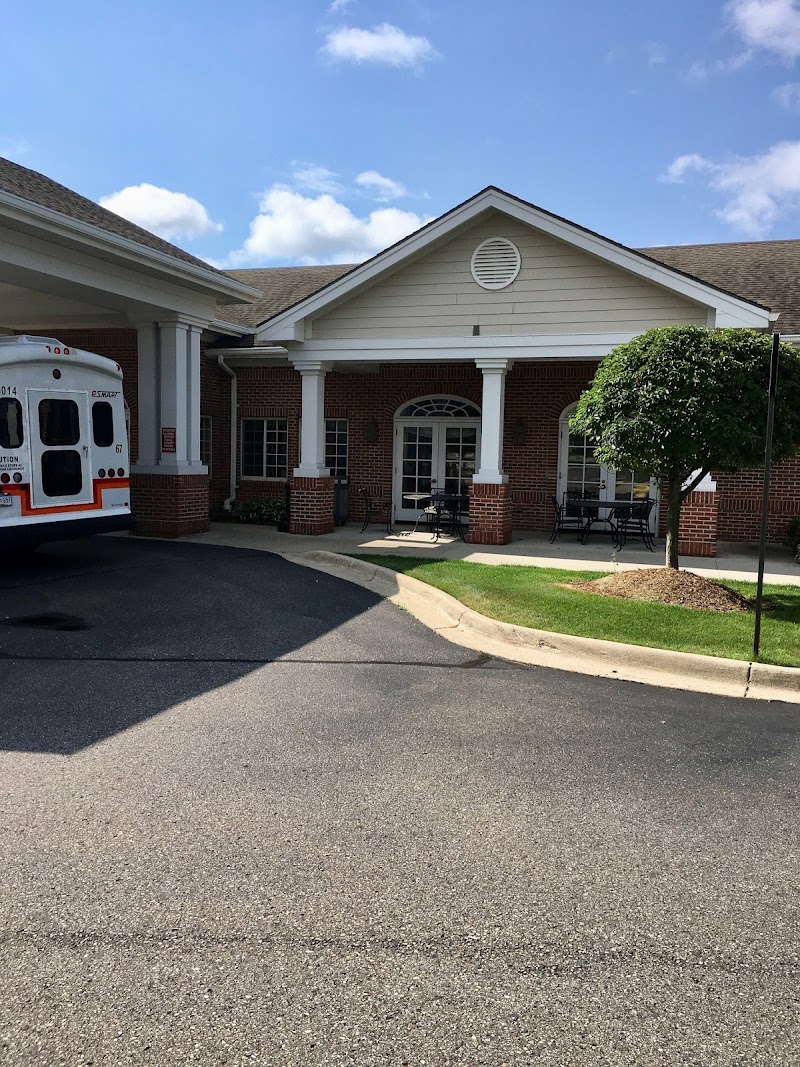
Who Owns and Operates Optalis Health And Rehabilitation Of Troy?

Optalis Health and Rehabilitation of Troy is owned by a for-profit company. For-profit facilities operate as businesses with obligations to shareholders or private owners. The facility is operated by OPTALIS HEALTH & REHABILITATION, a chain that manages multiple nursing homes. With 160 certified beds and approximately 97 residents (about 61% occupancy), it is a mid-sized facility located in Troy, Michigan.

How Does Optalis Health And Rehabilitation Of Troy Compare to Other Michigan Nursing Homes?

Compared to the 100 nursing homes in Michigan, Optalis Health and Rehabilitation of Troy's overall rating (2 stars) is below the state average of 3.1, staff turnover (68%) is significantly higher than the state average of 46%, and health inspection rating (1 stars) is much below the national benchmark.

What Should Families Ask When Visiting Optalis Health And Rehabilitation Of Troy?

Based on this facility's data, families visiting should ask: "What changes have been made since the serious inspection findings, and how are you preventing similar issues?" "How do you ensure continuity of care given staff turnover, and what is your staff retention strategy?" "Can you walk me through typical staffing levels on day, evening, and night shifts?" "Can I visit during a mealtime to observe dining assistance and food quality?" These questions are particularly relevant given the facility's Immediate Jeopardy citations, the facility's high staff turnover rate, and the below-average staffing rating.

Is Optalis Health And Rehabilitation Of Troy Safe?

Based on CMS inspection data, Optalis Health and Rehabilitation of Troy has documented safety concerns. Inspectors have issued 1 Immediate Jeopardy citation (the most serious violation level indicating risk of serious injury or death). The facility has a 2-star overall rating and ranks #100 of 100 nursing homes in Michigan. Families considering this facility should ask detailed questions about what corrective actions have been taken since these incidents.

Do Nurses at Optalis Health And Rehabilitation Of Troy Stick Around?

Staff turnover at Optalis Health and Rehabilitation of Troy is high. At 68%, the facility is 21 percentage points above the Michigan average of 46%. Registered Nurse turnover is particularly concerning at 63%. RNs handle complex medical decisions and coordinate care — frequent RN changes can directly impact care quality. High turnover means new staff may not know residents' individual needs, medications, or preferences. It can also be disorienting for residents, especially those with dementia who rely on familiar faces. Families should ask: What is causing the turnover? What retention programs are in place? How do you ensure care continuity during staff transitions?

Was Optalis Health And Rehabilitation Of Troy Ever Fined?

Optalis Health and Rehabilitation of Troy has been fined $622,336 across 6 penalty actions. This is 15.8x the Michigan average of $39,302. Fines at this level are uncommon and typically indicate a pattern of serious deficiencies, repeated violations, or failure to correct problems promptly. CMS reserves penalties of this magnitude for facilities that pose significant, documented risk to resident health or safety. Families should request specific documentation of what issues led to these fines and what systemic changes have been implemented.

Is Optalis Health And Rehabilitation Of Troy on Any Federal Watch List?

Optalis Health and Rehabilitation of Troy is not on any federal watch list. The most significant is the Special Focus Facility (SFF) program, which identifies the bottom 1% of nursing homes nationally based on persistent, serious quality problems. Not being on this list means the facility has avoided the pattern of deficiencies that triggers enhanced federal oversight. This is a positive indicator, though families should still review the facility's inspection history directly.