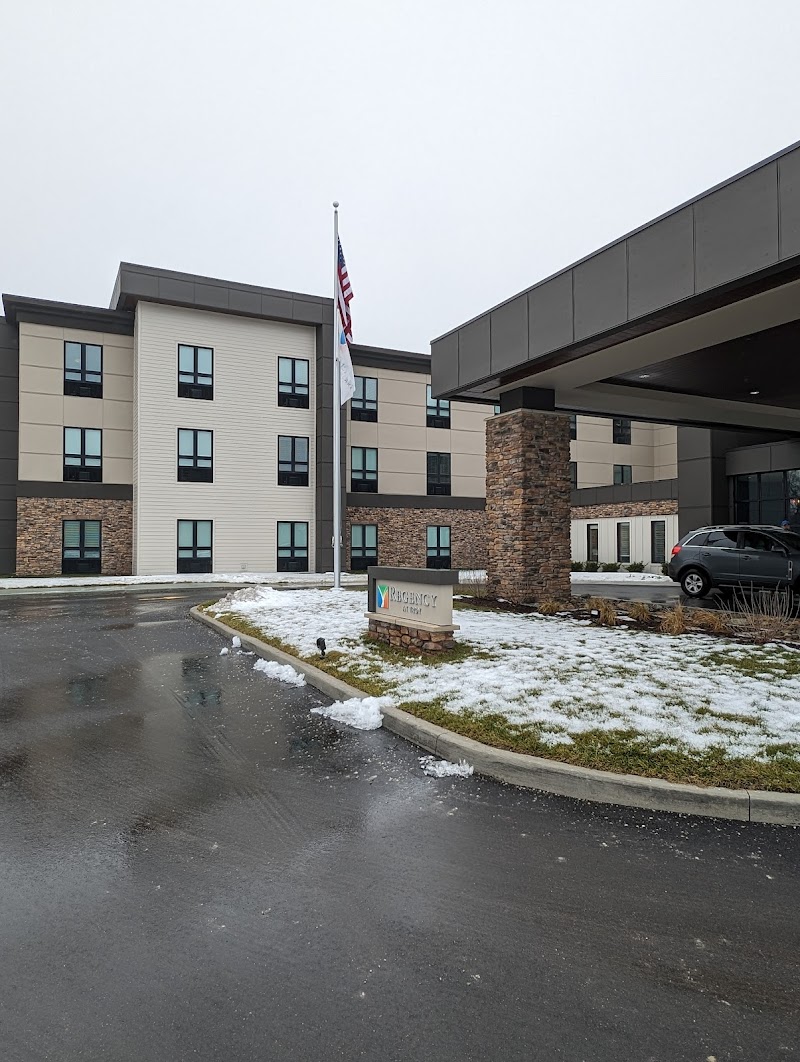
Regency at Troy

2685 West Maple Road, Troy, MI 48084 (248) 965-7900
For profit - Individual 154 Beds CIENA HEALTHCARE/LAUREL HEALTH CARE Data: November 2025
Trust Grade
35/100
#406 of 422 in MI
Last Inspection: March 2025

Within standard 12-15 month inspection cycle. Federal law requires annual inspections.

Overview

Regency at Troy has received a Trust Grade of F, which indicates poor performance with significant concerns about care quality. Ranking #406 out of 422 nursing homes in Michigan places it in the bottom half of facilities, and #36 out of 43 in Oakland County means there are only a few local options that are better. The facility is worsening, as issues increased from 4 in 2024 to 25 in 2025, reflecting a troubling trend. On a positive note, staffing is a strength, with a rating of 4 out of 5 stars and a turnover rate of 0%, meaning staff are stable and familiar with residents. However, there have been serious concerns, such as a resident's catheter care being inadequately monitored and food safety practices not being followed, which could lead to potential health risks for residents.

Trust Score
F
35/100
In Michigan
#406/422
Bottom 4%
Safety Record
Moderate
Needs review
Inspections
Getting Worse
4 → 25 violations
Staff Stability
○ Average
Turnover data not reported for this facility.
Penalties
✓ Good
No fines on record. Clean compliance history, better than most Michigan facilities.
Skilled Nurses
○ Average
Each resident gets 37 minutes of Registered Nurse (RN) attention daily — about average for Michigan. RNs are the most trained staff who monitor for health changes.
Violations
⚠ Watch
29 deficiencies on record. Higher than average. Multiple issues found across inspections.
★☆☆☆☆
1.0
Overall Rating
★★★★☆
4.0
Staff Levels
★★★☆☆
3.0
Care Quality
★☆☆☆☆
1.0
Inspection Score
Stable
2024: 4 issues
2025: 25 issues

The Good

  • 4-Star Staffing Rating · Above-average nurse staffing levels
  • Full Sprinkler Coverage · Fire safety systems throughout facility
  • No fines on record

Facility shows strength in staffing levels, fire safety.

The Bad

1-Star Overall Rating

Below Michigan average (3.1)

Significant quality concerns identified by CMS

Chain: CIENA HEALTHCARE/LAUREL HEALTH CARE

Part of a multi-facility chain

Ask about local staffing decisions and management

The Ugly 29 deficiencies on record

1 actual harm
Aug 2025 3 deficiencies
CONCERN (D) 📢 Someone Reported This

A family member, employee, or ombudsman was alarmed enough to file a formal complaint

Potential for Harm - no one hurt, but risky conditions existed

Deficiency F0635 (Tag F0635)

Could have caused harm · This affected 1 resident

**NOTE- TERMS IN BRACKETS HAVE BEEN EDITED TO PROTECT CONFIDENTIALITY** This complaint pertains to complaint 2587774Based on interview and record review facility failed to ensure timely admission orde...

Read full inspector narrative →
**NOTE- TERMS IN BRACKETS HAVE BEEN EDITED TO PROTECT CONFIDENTIALITY** This complaint pertains to complaint 2587774Based on interview and record review facility failed to ensure timely admission orders were implemented for one (R901) of two residents reviewed for admission orders resulting in the potential for residents to not receive timely care/services with potential for decline in their health condition and avoidable hospitalization. Findings include:R901A complaint received by the State Agency revealed that R901 was admitted to the facility for recovery after hospitalization and did not receive care/services as ordered by the hospital for hours after admission to the facility. R901's family had to transport the resident back to the hospital late at night (around midnight) as they were upset with the care/services that were not provided timely after admission to the facility. The report further revealed that the complainant had filed a police report after they were informed (over the phone) by a facility staff member that they were unable to find the nurse assigned to care for R901 for an extended period of time, when the complainant had called to check on their family member.Record review revealed R901 was admitted to the facility on [DATE] from hospital with primary diagnosis of acute hypoxic respiratory failure. R901 was living at home, and they were admitted to the hospital on [DATE] with a respiratory failure. R901's admitting diagnoses also included lung cancer, anxiety, Seizure disorder, and atrial fibrillation. R901 was also scheduled to receive out-patient radiation therapy at the hospital.Review of R901's discharge summary from the hospital dated 8/8/25 revealed that R901 was living at home with their spouse prior to admission to hospital and they were independent with their mobility and Activities of Daily Living (ADLs) at home, and the plan was to return home with their spouse. R901 was admitted for short-term skilled nursing and rehabilitation care.R901's discharge orders revealed that they received continuous oxygen therapy 3 liters/minute via nasal canula. A pulmonologist note dated 8/1/24 revealed that R901 had stage 3 lung cancer and concerned with the degree of breathlessness. A neurology consult note dated 8/7/25 revealed that R901 was alert, oriented to person, place, month, and year. Review of communication activity notes between the hospital discharge planner and facility admission representative revealed that R901's information were sent over to the facility on 8/7/25 and they had accepted R901's admission to facility on 8/8/25 at 1:30 PM. Review of R901's Electronic Medical record (EMR) revealed a nursing progress note dated 8/8/25 that read in part, patient arrives 6:10 pm via wheelchair.Review of R901's discharge orders from the hospital revealed the following orders for medications were scheduled to be administered at bedtime:1. Amoxycillin 500 MG (milligrams) - Take 1 capsule 3 times daily for 6 days (Morning, Evening and Bedtime)2. Apixaban 5 MG Tablet - Take 1 tablet by mouth 2 times daily (Morning and Bedtime) - last time given on 8/8/25 at 8:06 AM3. Diltiazem 60 MG - Take 1 tablet 3 times daily for 6 days (Morning, Evening and Bedtime) - Last time given on 8/8/25 at 8:07 AM4. Metoprolol Tartrate 100 MG - Take 1 tablet by mouth 2 times daily (Morning and Bedtime) - Last time given on 8/8/25 at 8:07 AM5. Omega-3 acid ethyl [NAME] - Take 1 tablet by mouth 2 times daily (Morning and Bedtime) - last time given on 8/8/25 at 8:06 AMR901 also had orders for PRN (as needed) medications that included cough medications, inhalers, pain medications, and medication for anxiety. Review of R901's EMR did not have any admission medication orders that were ordered from the hospital. R901 did not have any order for oxygen therapy. Further review of R901's EMR did not reveal any admission nursing assessment form. A nursing progress note dated 8/8/25 at 23:06 (11:06 PM) read in part, Resident's daughter stated that she called the facility to retrieve information about her mother at 17:30 (5:30 PM) and was on hold for 25 minutes. Then her call was rerouted to the receptionist. Resident daughter stated that the receptionist told her that the floor never answers their calls. daughter states that she asked the receptionist if she should call the police and alleged that the receptionist response was ‘I would if I were you'.A progress notes at 23:29 (11:29 PM) read, vitals were requested from resident daughter because resident stated that she did not vitals upon arrival. It must be noted that R901's EMR did not have any other vitals. It read 147/72 BP (blood pressure), 97% O2 (oxygen) saturation with 3L (liters) of O2 (there was no physician order). A nurses note at 23:43 revealed that family took R901 from facility Against Medical Advice (AMA).An interview with the complainant was completed (via phone) on 8/20/25 at approximately 4:30 PM. During the interview, R901's daughter confirmed all the concerns as above and reported that they took R901 back to hospital from the facility around midnight. They reported that transportation picked up their mother around 5:30 pm on 8/8/25 from the hospital. R901's daughter added that they lived far from the facility. They were unable to get hold of the nurse to get a report on how her mother was doing and decided to drive to the facility late at night. The daughter reported that their mother called the father one time after admission to the facility and she was crying; her father tried to reach R901 after and he could not reach her so he called them. The Daughter added that they were unable to get any status updates on their mother and arrived at the facility around 10:40 PM. When they arrived their mother reported that they had received some medications and they did not know what they were and reported that their mother seemed disoriented. They added that when they had asked the nurse about their mom's condition, assessment etc. the nurse got very upset and rude. The nurse removed the badge and would not provide any further information and the nurse supervisor had intervened after. They added that they also spoke with the facility administrator. They were not comfortable leaving the family member at the facility and had to take their mother back to hospital.An interview with the nurse supervisor (NS) D was completed on 8/20/25 at approximately 4 PM. They were queried about R901, they reviewed the EMR and reported that they remembered the resident; they were involved in handling the family's care concerns. They were queried about the facility's admission process and order reconciliation, assessment etc. NS D reported that the new admissions notifications were sent via EMR dashboard prior to the admission. All admission orders would be in the chart in the 1st hour, and nurses completed the skin assessment and initiated the admission nursing assessment within the first hour after admission. After reconciliation of admission orders with the provider, the nurse would draw medications from their Pyxis machine (back up medication dispensing machine) administer the medications if any medications were due except the narcotics. They added that narcotic scripts were sent to the pharmacy by the provider and they were pulled from the backup system administered after. NS D confirmed that R901 was at the facility for approximately 6 hours. They were queried about the admission orders and nursing assessment for R901, and they reported there were no admission orders for R901, and they confirmed that there was a skin assessment. When questioned further about not having admission order for care after several hours, NS D agreed that admitting nurse from morning shift did not put in any admission orders and they had been having communication issues between the shifts. They added that R901 was admitted prior to shift change time, and the admitting nurse had enough time to complete the admission orders. They added that the concern was brought up to the leadership's attention. NS D was notified of the concern for not having timely admission orders to care for R901 and they reported that they understood the rationale for the concern.An interview with Unit Manager (UM) B was completed on 8/21/25 at approximately 10 AM. They were queried about the staff expectation and time frame for the admission orders for care and medication reconciliation for new admissions. UM B reported that the expectation for the staff is to reconcile and the initial orders in place within the 1st hour of admission and start the nursing admission assessment. If a resident arrived during the shift change the oncoming nurse would reconcile and initiate the admission orders between 1-2 hours and start the nursing assessment even if the whole assessment gets completed later. An interview with Director of Nursing (DON) was completed on 8/20/25 at approximately 5:20 PM. They were queried about the facility process for admission orders, medication reconciliation and nursing assessment. They added that staff had till mid-night on the day of admission to complete the nursing assessment and it may take several hours to complete their medication reconciliation and residents may have to wait several hours and the time frame varied. When queried about the admission orders for R901, they reported the nurse supervisor and administrator attempted to resolve the concerns and they were unable to resolve; did not provide any further explanation/rationale on why R901 did not have any admission orders in the EMR for immediate care for several hours after admission to the facility. When queried about the resident/family member concerns about the medications that were administered, the DON reported that the resident was confused and no medications were administered. They were notified of the concern and the rationale for the concern during interview.A facility provided document titled Physician's Order with a revision date of 8/20/25 read in part, Purpose: Physician Orders are obtained to provide a clear direction in the care of the resident.Electronic orders will be maintained per EMR software specifications.admission physician orders not signed timely will be identified by the facility for physician signature.admission order will be signed within 24-72 hours.Treatment rendered to the resident must be in accordance with specific standing, written, verbal, or oral telephone order of a physician or licensed health professional ordering within their scope of practice and clinical privileges.Orders must be recorded in the resident's record. The Policy, however, did not specify the expectations or any timeline for the facility staff to initiate admission physician orders for immediate care for a resident.
CONCERN (D) 📢 Someone Reported This

A family member, employee, or ombudsman was alarmed enough to file a formal complaint

Potential for Harm - no one hurt, but risky conditions existed

Deficiency F0658 (Tag F0658)

Could have caused harm · This affected 1 resident

**NOTE- TERMS IN BRACKETS HAVE BEEN EDITED TO PROTECT CONFIDENTIALITY** This complaint pertains to complaint 2587774 and 1361575.Based on observation, interview, and record review facility failed to e...

Read full inspector narrative →
**NOTE- TERMS IN BRACKETS HAVE BEEN EDITED TO PROTECT CONFIDENTIALITY** This complaint pertains to complaint 2587774 and 1361575.Based on observation, interview, and record review facility failed to ensure nursing professional standards were consistently followed for two (R907 and R910) of two residents reviewed for nursing standards, when staff failed to reconcile the medication orders for R907 for an extended period; and failed to administer timely as ordered and document medication administration for R910. This deficient practice has the potential for adverse effect/interaction from improper dose/time and overall decline in health condition with/without avoidable hospitalization. Findings include:R910 Record review revealed R910 was originally admitted to the facility on [DATE]. R901’s admitting diagnoses included left radius (forearm) fracture and right humerus (upper arm bone) fracture from a fall and recent (outpatient) surgery on the left forearm on 8/15/25, anxiety disorder, high blood pressure, heart failure, and aortic stenosis (narrowed or stiff heart valve making it hard for the valve to open fully and limiting blood flow from the heart to the body) and recent heart surgery. Based on Brief Interview for Mental Status assessment (BIMS) dated 8/14/25, R910 had BIMS score of 15/15, indicative of intact cognition. R910 was able to bear any weight on both arms due to recent fracture. An initial observation was completed on 8/20/25 at approximately 10:45 AM. R901 was observed in a wheelchair outside their room. They had a large bulky bandage that covered almost the entire length of their left forearm, they were trying to use their feet to propel the wheelchair and asking for help. When they were asked what happened and if they needed any assistance, R901 reported that they needed their pain medicine, and they added that they had not received any of their morning medication. They added they fell and broke both arms. R910 stated “I cannot move arm…it is so painful” and “I cry like a baby”. When asked to rate the pain on a 0-10 scale (0-no pain and 10 – worst/very severe pain) R910 rated their pain as 7/10, and they needed their pain medications. There was no nurse in the hallway. At approximately 10:55 AM, a nurse LPN (Licensed Practical Nurse) LPN “F” was in the hallway near room [ROOM NUMBER] and they were queried if they were assigned to care for R910 as they were waiting for their pain medications. LPN “F” reported that the other nurse LPN “G” was covering the rooms, and they were in the other hallway. At approximately 11:05 AM, LPN “G” was observed coming towards the end of the hallway. They were notified that R910 was in pain, and they were waiting for their medications. LPN “G” reported they just finished their hallway, and they would go and assist R910. Review of R910’s Electronic Medical Records (EMR) revealed that the following medications were ordered for R910 to receive in the morning: Alendronate Sodium 70 mg (milligram) on time a day every Sunday at 6 AM for bone density Breo Ellipta inhalation aerosol one time a day for COPD (Chronic Obstructive Pulmonary Disease) at 9 AM Ergocalciferol 50000-unit one capsule one time/day every Sunday at 9 AM Fluticasone Propionate suspension 50 MCG (microgram) two spray in both nostrils one time /day at 9 AM Lidoderm patch 5% to the affected area for pain the morning at 9 AM Lisinopril 20mg 1 tablet one time a day for hypertension (high blood pressure) at 9 AM Metoprolol Succinate Extended Release 25 MG (milligram) one tablet one time a day at 9 AM Paroxetine 20 MG one tablet one time a day 6 AM Polyethylene glycol power 1 scoop one time a day for constipation at 9 AM Sennoides 8.6 mg tablet one time a day at 9 AM Acetaminophen 325 MG 2 tablets every 6 hours as needed for general discomfort Hydrocodone-Acetaminophen 7.5-325 MG 1 tablet very 6 hours as needed for pain Methocarbamol 500 MG one tablet every 12 hours as needed for pain Tramadol 50 MG one tablet every 8 hours as needed for pain Further review of Medication Administration Record at approximately 11:30 AM did not reveal that R901 had received any of their scheduled morning medications that were ordered to be administered at 6 AM and 9 AM and any of their as needed (PRN) pain medications. An interview with LPN “F” was completed on 8/20/25 at approximately 10:55 AM. They were observed to start passings the meds in hallway where R910 was residing. They were queried if they were able to pass medications to their residents as ordered. LPN “F” reported that they were still passing morning medications; they were an hour late and they still had many residents to go. They added we could use another nurse. When they were asked if that was an isolated incident today, they reported “no” and added that was their regular schedule. An interview with LPN “G” was completed at approximately 2:45 PM. They were queried if they were able to complete all their medication administration tasks timely as ordered and they stated “no”. They reported that they had high acuity residents with tube feeding, wounds etc. and they needed a 3rd nurse to assist them. They were queried about R910’s morning medications and when they had administered and if they had given her pain medications. They reported that 910’s medications were administered late, around 12:20 PM including the pain medications. An interview with Unit Manager (UM) “H” was completed on 8/21/25 at approximately 10:56 AM. They were queried about the medications that were administered late for R910 and other residents and if the nurses were able to administer the medications as timely. UM “F” reported that they had two nurses, and it was dependent on the nurse and what went on during that shift. Some nurses needed additional time, and they were doing their best to assist and support them. When queried about R910 receiving their morning medications after 12 PM they agreed it was concern. During a follow up interview with UM “H” at approximately 2:20 PM they were asked to check the EMR for the medication (morning) administration time for R910 on 8/20/25 as surveyors did not have access to the time. UM “H” reported that R910 received all their morning medications in 8/20/25 at 12:26 PM. When queried if R910 received the PRN pain medications as they did not mark as given on the Electronic Medication Administration Record (EMAR). UM “H” confirmed that they were not marked as given on EMAR and obtained the narcotic disposition book. The narcotic disposition sheet revealed that R910 received: Tramadol 50 MG on 8/20 at (?) 12 PM (time written was not clearly legible) and Hydrocodone 7.5/325 MG at 16:00 (4 PM). They were both administered by LPN “G”. When UM “H” was questioned about the facility process and the discrepancy between the EMAR and the narcotic disposition record they reported that both records should match, and LPN “G” must have forgotten to sign out on EMAR. They added that they understood the rationale for the concern and would follow-up with their Director of Nursing (DON). An interview with Director of Nursing (DON) was completed on 8/21/25 at approximately 3 PM. They were asked to explain the facility process to ensure timely medication administration for their residents and the documentation expectations for medication administration. The DON reported that scheduled medication could be administered one hour prior or one hour after the scheduled medication administration times and the nurses are expected to document the medication administration on the EMAR. When queried about discrepancy of narcotic disposition record and the EMAR they reported that they both should match. They were notified of the concern for R910, and they reported that they understood the concern. The DON later provided a sign-in sheet for a staff meeting and an agenda dated 8/18/25 and stated that they were in the process of streamlining the medication administration process/times. R907 Clinical record review revealed R907 was admitted to the facility on [DATE] for ongoing physical rehabilitation and medical management status post a fall at home that required hospitalization for treatment of a spinal cord injury and underwent a spinal arthrodesis (surgical procedure that permanently fuses bones together). R907 was alert, orientated and capable of making their needs known. The Brief Interview of Mental Status (BIMS) assessed on 5/23/25 scored 15/15 indicating R907 was cognitively intact. Findings include: A complaint was received to the State Agency alleging R907 did not appear themself, was lethargic and concerned they were over medicated with pain medication. On 8/22/25 at 10:00 AM, Unit Manager Registered Nurse (RN) “B” was asked to explain the admission process for residents’ medication orders. RN “B” explained the first medication reconciliation is performed by a charge nurse who reviews the hospital After Visit Summary (AVS), manually enters the medications into the computer then uploads. The Provider is notified there are orders for review, and an additional reconciliation is performed by the Unit Mangers the following day. RN “B” said the Medical Director will come to see the newly admitted resident then also verify orders. RN “B” was questioned if Oxycodone (narcotic medication to treat pain) is typically ordered around the clock for residents who are also receiving scheduled pain relief medications, RN “B” quickly responded “no” because the resident is here for rehab and you don’t want them “…to be snowed…” Oxycodone is typically only ordered as needed for break through pain. Record review of the AVS for pain medications was reviewed and documented to continue the following for narcotics for pain: “…Take this medication as needed…” Oxycodone 5 mg Immediate Release (IR) 1 Tablet by mouth every 4 hours “…as needed…” for Moderate/Severe Pain. On 5/16/25 at 11:39 PM, Licensed Practical Nurse (LPN) “D” created and confirmed Oxycodone Tablet 5 mg give 1 tablet by mouth “…every four hours…” for moderate to severe pain. On 5/17/25 at 12:04 AM, Nurse Practitioner (NP) “C” documented a Telehealth Visit Detailing a seven-day prescription for Oxycodone and Methadone were sent to the pharmacy. Review of the Controlled Drug Receipt/Record/Disposition Form from the pharmacy documented Oxycodone 5 mg 1 tablet by mouth every four hours “…as needed…” for pain. Nursing documented administering Oxycodone “…every four hours…” regardless of R907 reporting a zero out of ten-pain score (pain scale used to measure and manage pain. Zero is no pain, Ten is severe pain). The Medication Administration Record (MAR) documented Oxycodone Tablet 5 mg give 1 tablet by mouth “…every four hours…” for moderate to severe pain. Start Date: 5/17/25 01:00 and Discontinue 5/23/25 at 12:28 PM. Reorder of the Oxycodone medication was placed on 5/23/25 by the Medical Director documenting Oxycodone 5 mg tablet. Directions: 1 Tablet by mouth every four hours “…as needed…” for pain. The MAR documented the reorder to start (5/23/25) Oxycodone 5 mg give 1 tablet by mouth “…every 4 hours for Pain…” Record review of the Physician's History and Physical dated 5/18/25 documented “…Multimodal pain control with scheduled Tylenol, Robaxin, methadone and PRN (as needed) Oxycodone for severe pain Record review of a Physician Note from 5/19/25 at 16:20 documented to continue Oxycodone 5 mg every 4 hours “…as needed…” On 8/21/25 The Medical Director and Director of Nursing (DON) were present for an interview to review R907’s MAR ordered pain regimen which included the following: Methadone (long-acting narcotic pain reliever) 5 mg 1 tablet every 12 hours for pain management Acetaminophen (pain relieve) 325 mg 2 tablet every 6 hours for pain management Methocarbamol (muscle relaxer) 750 mg 1 tablet every 6 hours for muscle spasms Oxycodone (fast-acting narcotic pain reliever) 5 mg 1 tablet every 4 hours for moderate to severe pain. When the Medical Director was questioned if ordering Oxycodone around the clock every four hours in conjunction with the methadone, acetaminophen and methocarbamol is normal for a resident sent for rehabilitation, the Medical Director replied it is ordered if it is needed. When questioned if R907 had reported a pain score of zero, should the medication still be given? The Medical Director replied “No”. The Process for R907’s Oxycodone orders and administration were further discussed with the Medical Director and DON which identified on date of admission 5/16/25 at 11:39 PM. LPN “D” created and confirmed the Oxycodone 5 mg give every four hours was not correct and should have been scheduled as needed. The DON was asked if the Controlled Drug Receipt/Record/Disposition Form labels with documented Oxycodone 5 mg 1 tablet by mouth every four hours as needed for pain should be compared to what is on the MAR, the DON said yes and identified Nursing was not comparing the two orders in which one was prescribed as giving Oxycodone every four hours and the correct order from the Medical Director was written to administer as needed, and the error should have been caught. The DON acknowledged Nursing was not reviewing the Oxycodone medication prior to administering and Nursing did not transcribe the Physician orders correctly. Review of the facility policy titled; Physician’s Orders dated 8/2025 documented: “The licensed nurse receiving the order must verify to ensure the order is complete and that it includes: …Accurate frequency…”
CONCERN (D) 📢 Someone Reported This

A family member, employee, or ombudsman was alarmed enough to file a formal complaint

Potential for Harm - no one hurt, but risky conditions existed

Deficiency F0761 (Tag F0761)

Could have caused harm · This affected 1 resident

This intake pertains to intake # 2587857.Based on observation, interview, and record reviews, the facility failed to properly label, and date opened insulin pens for two of two residents (R911 and R91...

Read full inspector narrative →
This intake pertains to intake # 2587857.Based on observation, interview, and record reviews, the facility failed to properly label, and date opened insulin pens for two of two residents (R911 and R912) reviewed for medication storage, resulting in insulin pens being mixed up and the potential to administer the incorrect insulin to a resident and adverse reactions. Findings include:Complaint 2587857On 8/20/25 at approximately 9:19 AM, an observation of the Maple East cart was made and a review of insulin was made with the Unit Manager B and Nurse L. It was noted that R911 had a Lantus insulin pen with their name on it but the insulin pen was in a bag with R912's name on it. The medication cart also had a total of 6 insulin pens with no date of when they were opened. An interview was conducted at the same time the medication cart was observed with Unit Manger B and Nurse L, they were asked about the residents' insulin that was in the incorrect resident's bag and should insulin pens be dated upon opening. Nurse L reported that the medication should have been labeled for the appropriate resident and that insulins should be dated once they are opened. Nurse L reported that they had just started the use of insulin pens verses the vials and that they would start putting an open date on them.No additional information was provided by the exit of survey.
May 2025 2 deficiencies 1 Harm
SERIOUS (G) 📢 Someone Reported This

A family member, employee, or ombudsman was alarmed enough to file a formal complaint

Actual Harm - a resident was hurt due to facility failures

Incontinence Care (Tag F0690)

A resident was harmed · This affected 1 resident

**NOTE- TERMS IN BRACKETS HAVE BEEN EDITED TO PROTECT CONFIDENTIALITY** R904 On [DATE] at approximately 12:08 PM, R904 was observed sitting in a wheelchair. Their hair appeared greasy, and they had lo...

Read full inspector narrative →
**NOTE- TERMS IN BRACKETS HAVE BEEN EDITED TO PROTECT CONFIDENTIALITY** R904 On [DATE] at approximately 12:08 PM, R904 was observed sitting in a wheelchair. Their hair appeared greasy, and they had long nails. The resident was alert and able to answer most questions asked. R904 reported they had been at the facility since the end of [DATE] for rehabilitation. The resident was asked if they had a foley catheter and they noted that they did and stated it was hooked to their leg, underneath their pants. When asked if staff were caring for them, including their catheter, the resident noted that they think so. A review of R904's clinical record revealed the resident was initially admitted to the facility on [DATE] with diagnoses that included: Intussusception (a form of bowel obstruction where one segment of the intestine folds inside another), type II diabetes, and acute respiratory failure. A review of the resident's most recent MDS noted the resident had a BIMS score of 13/15 (cognitively intact). Continued review of R904's clinical record, documented: [DATE]: Nurses Notes: Foley Query form placed on MD (medical doctor) board for a proper diagnosis or to start trial void . [DATE]: ORDER: Provide Foley Care Daily Q (every)-Shift . [DATE]: ORDER: DC (discontinue) Foley Catheter. Void trials. If no urine output in 6 hours: Bladder scan, if bladder scan is >350 cc (cubic centimeters), ok to straight cath . *It should be noted that there were no documents in R904's clinical record that indicated a straight cath (catheter) was attempted. [DATE]: Progress Note: .Patient is in bed alert .Right arm is swollen .Physical Exam .Positive: Urinary Catheter .Foley .Notes: thick pale-yellow urine .Assessment and Plans .Foley catheter patent with thick pale-yellow urine .Monitor of s/s of obstruction or infection. Monitor output . A review of R904's Medication/Treatment Administration Record (MAR/TAR) from [DATE] - [DATE] showed no indication of the resident's urine output. A review of R904's Kardex/TASK electronic record showed no indication that R904's urine output was recorded. [DATE]: Progress Note: .Patient states he has a fear of not going home .Physical Exam .Positive: Urinary catheter .thick pale urine with heavy sediment .Foley cath patent. Hazy yellow with sediment .UACS (Urinalysis -Culture Sensitivity) ordered. *It should be noted that no order for UACS was noted in the resident's clinical record on [DATE]. [DATE]: Nurses Notes: .Resident alert and verbally responsive .Foley cath with foul smelling urine. New order for U/A . *It should be noted that no order was noted in the resident's clinical record on [DATE]. [DATE]: Order: UACS .One time only for UTI/Heavy urinary sediment for 2 days . (Pending confirmation). Reviewed on [DATE] at approximately 9:00 AM. A review of R904's lab results was conducted on [DATE] at approximately 10:00 AM. The last lab results noted in the residents' record was dated [DATE]. On [DATE] at approximately 10:15 AM, R904 was observed in his room sitting on their wheelchair. There was a foul odor noted in the resident's room. The resident was alert and able to answer some questions, however when confused they contacted their wife via phone. When asked if the facility had obtained lab work at any time this morning, R904 and their wife were not able to provide an answer. R905 On [DATE] at approximately 12:20 PM, R905 was observed lying in bed. The resident was alert but unable to answer questions asked. The resident had a foley catheter inserted. A review of R905's clinical record revealed the resident was initially admitted to the facility on [DATE] with diagnosis that included: Urinary Tract Infection (UTI) and Type II Diabetes. A review of the resident's MDS indicated R905 had a BIMS score of 3/15 (cognitively impaired). Continued review of R905's clinical record revealed, in part, the following: [DATE]: History and Physical: .Patient .was recently hospitalized for UTI .has been discharged to (name redacted) Facility .He is non-verbal, per staff does not speak any English . [DATE]: Progress Note: .R905 .patient complains of urinary retention. Patient's daughter requesting to see provider. Daughter is present at bedside translating for patient .During discussion patient states he does not pee much and that he dribbles a lot. This is incongruent with what nursing staff has been reporting. Daughter is concerned about dad having another major urinary tract infection because he has had retention issues in the past .Discussed with daughter that we would do bladder scans for postvoid residual (PVR) and that if he has 2 or more residuals that were greater than 300 <sic> we can discuss foley insertion . (Authored by NP D). [DATE]: Progress Note: .R905 being seen today for postvoid residual greater than 350. Nursing staff reports patient has not urinated sufficient amount that patient has just been having dribbles .Foley catheter 18 French with 10 cc balloon inserted under sterile technique .Discussed with nurse to make sure that patient output is monitored encourage fluids and cath care daily and as needed .PVR >350 Suprapubic pain and dribbles .Continue to monitor urine output. Monitor of s/s (signs and symptoms) of UTI . (Authored by NP D). [DATE]: Progress Note: .Patient has leg bag .Monitor I/O (input/output). Catheter care QD (daily) and PRN (as needed) . [DATE]: Physician Note: .R905 was seen and evaluated today to assess progress with therapy. He was sleeping in bed. The patient remains very fatigued . [DATE]: Nurses Notes (7:30 AM): Resident was sent to hospital for a change in mental status. Resident was observed vomiting . [DATE]: Nurses Notes (9:55 PM): . Resident was observed lying in bed .patient was unable to stand and weak .patient stated that he was not in any pain, however, was crying. Daughter contacted to translate .Foley drained darkened urine, Fever 100.7 .Patient began to vomit with daughter at bedside . [DATE] (Hospital Records): Recent Selective lab results . Urine Protein (slightly elevated) .Urine Nitrite - Positive! (possible signs of UTI) .Leukocytes 1+! (signs of infection) .Urine Blood 3+! (possible indication of UTI) .Urine Appearance - Cloudy .Urine Bacteria 1+ (possible signs of UTI) .Urine WBC (white blood count) 21-50! (possible signs of UTI) .Continue foley at this time .Vancomycin 750 mg (antibiotic) every 24 hours .Pharmacy will continue to monitor renal function .Follow up with (name redacted) .Specialty: Urology in 1 week .Foley catheter 3 weeks ago with a urinary retention felt to be related to constipation .After having bowel movement and increasing his activities, Foley catheter was removed this morning and awaiting for voiding trial . [DATE]: Nursing Summary (Late Entry): Resident readmission .Foley catheter was discontinued in hospital for trial period on discharge date . Observed with condom catheter . [DATE]: Encounter: .Visit Type: Telehealth .Received a call from facility .Resident HX (history) uropathy retention on running trail with condom catheter .C/o (complaints of) ABD (abdominal) pain with distension .Had prior Foley catheter inserted before hospital. Need order to reinsert foley 18f (French) d/t retention. As it appears this resident has failed his bladder training trial . *It should be noted that there was no catheter order dated [DATE] for R905. [DATE]: Progress Notes: .Patient has chronic Foley from repeated urinary retention with yellow hazy urine. Unable to do review of system with patient no family is present to interpret patient does not speak English Monitor I/O Catheter care QD and PRN . R905's Care Plan was reviewed on [DATE] at 1:04 PM and revealed the following: Focus: R905 is incontinent of bowel R/T (related to): impaired mobility, UTI .and is continent of bladder with UTI (date initiated [DATE] Revised [DATE]) Interventions: Resident uses disposable briefs (date initiated [DATE]) .Check frequently and prn for incontinence (date initiated [DATE]) .Provide incontinence care with moisture barrier .(date initiated [DATE]) .Focus: R905 is a risk of inadequate bladder emptying, bladder discomfort or infections .dx (diagnoses) of obstructive uropathy with use of condom catheter .Interventions: Encourage resident to report any worsening of symptoms .(date initiated [DATE]) .Notify MD ASAP if resident experiences s/s of UTI .(date initiated [DATE]) .Observe for signs and symptoms, decrease in urine output, bloody or concentrated urine .(date initiated [DATE]) .Urology consult as ordered (date initiated [DATE]) . *It should be noted that there was no indication in R905's Care Plan regarding Catheter care. A review of R905's Kardex revealed the following: .Resident Care: ADL (activities of daily living/foley care q shift .Bladder/Bowel/Toileting .Monitor and record urinary output . TASK recordings past 30 days ([DATE]-[DATE]) did not contain any documentation as to monitoring and recording of the resident's urinary output. The TASK area for Urinary continence noted staff documented several responses including the resident was either continent, incontinent or continence not rated due to indwelling catheter. There was no consecutive notations as to the residents continence status. The TASK area noted as ADL (activities of daily living) Care Statement/cath care q (every) shift contained only the following questions to report Yes or No to. The question were as follows: Have you provided routine standard care which includes evaluating skin daily and reporting changes, shaving and nail care as needed, turning and repositioning, oral care, washing face and hands, hair care, clean clothes and linens, ROM (range of motion), offering fluids, utilizing resident specific devices, dignity and respect, universal precautions, observing and reporting changes in behavior, keeping call light within reach, observing and notifying for pain, and encouraging and assisting to activities? *It should be noted that there was no specific question pertaining to catheter care. On [DATE] at approximately 10:36 AM, an interview and record review were conducted with the Director of Nursing (DON) and NP 'D. The DON was asked as to the facility's protocol for caring for residents with foley/urinary catheters. The DON reported that if a resident enters the facility with a catheter, they review their records to determine the purpose as to why they have a catheter. Depending on the resident's diagnosis, attempts are made to remove it to encourage continence and avoid the possibility of a UTI. The DON was not able to provide a time as to when and how often those attempts are made. The DON was asked how the facility ensures that catheter care is being completed daily. The DON reported that the CNAs and/or the Nurses follow an order and document in the resident's charts. Both the DON and NP D were asked as to why R904 and R905 did not have any I/Os recorded in their charts as it was noted to do so in their record. The DON reported that despite the notes in the residents' charts, I/O's are not done without a physician's order. The DON was further asked why R905 again had several notes indicating their I/O should be recorded and additionally their Kardex documented it should be done for output. The DON reported that generally the CNAs empty resident's catheter bags and if there is an issue they will tell the nurses but again noted nursing staff do not generally report I/O in their records. The DON could not give an explanation as to why the Kardex noted it should be done. When asked if attempts had been made to discontinue the R905's catheter, the DON reported that they would not do so until the resident was seen by a urologist and noted that the resident is scheduled to see them tomorrow ([DATE]). On [DATE] at approximately 12:20 PM, a request was made to interview the facility's Infection Control (IC) Nurse. The DON reported that the IC Nurse was out of the building and not available for interview. The DON was further interviewed regarding R904 and R905. With respect to R904, the DON was asked why the resident, who on [DATE] the NP noted hazy yellow sediment in their urine and documented a UA order was placed had not yet received had any lab work. The DON reported that while it was documented in the notes, they were waiting for the lab order and believed it would be done today. With respect to R905, the DON was asked as to whether attempts were made to remove the resident's catheter as they had seen their urologist on [DATE]. The DON reported that they were incorrect and R905 had not been seen by the urologist and believed they were scheduled to see the physician tomorrow ([DATE]). The facility policy titled, Indwelling urinary catheter (Foley) care and management -critical Notes ([DATE]) was reviewed and noted, in part: .The Centers for Disease Control and Prevention (CDC) estimates 15% to 25% of hospitalized patients have an indwelling urinary (Foley) catheter .Catheter insertion for inappropriate indications is common Appropriate indications for catheter use include: perioperative use for surgical procedures .Prolonged surgery .surgery requiring large-volume infusions or diuretic use .continuous bladder irrigation .Administration of drugs into the bladder .intraoperative urine output monitoring .prolonged immobilization .need for accurate hourly urine output .acute urinary retention or urinary obstruction .assistance healing of open pressure injuries .improved comfort during end-of-life care .inappropriate or unnecessary use of an indwelling urinary catheter can result in catheter-associated urinary tract infection .Clinical alert: Clean the periurethral area carefully .inspect .the area for signs of inflammation and infection .Assess the securement device daily .Clinical alert .Monitor intake and output, as ordered. Monitor of changes in urine output, including volume and color .Empty the drainage bag regularly when it becomes one-half to two thirds full .Documentation: Documentation associated with indwelling urinary catheter care and management includes: indication for continued catheter use, maintenance care, assessment findings . This citation pertains to Intake MI00152492 Based on observation, interview and record review the facility failed to accurately assess, monitor, and document, catheter care for three residents (902, 904, 905) of three reviewed for catheter use. Additionally, the facility failed to document Urology Consultations, and evaluate the long term administration for Pyridium (analgesic medication used to relieve urinary tract discomfort, including pain, burning, and urgency) resulting in the delay of diagnosing and treatment of a Urinary Tract Infection (UTI), Sepsis (an infection causing injury to its own organs) and hospitalization and subsequently death. Findings include: R902 A complaint was filed with the State Agency (SA) that alleged R902 complained of pain in the bladder area on [DATE] and the facility did not attend to the concern until [DATE]. The complainant further alleged they requested R902 be sent to the hospital and the facility failed to do so until several hours after R902 voiced their concerns of pain and no urine output. The complainant alleged when R902 arrived at the hospital it was determined that the resident was in septic shock due to a UTI and expired approximately 12 days later. Review of R902's Certificate of Death (date signed [DATE]) documented in part, . Cause Of Death .Sepsis .Immediate Cause . Urinary Tract Infection . On [DATE] at 10 :11 AM, a telephone Interview with the complainant confirmed R902's medical history, allegations, and provided a timeline of the alleged events between the facility and R902 as follows: [DATE] 9:48 AM, R902 contacted their spouse and stated they were not feeling well all night, felt shaky, and had pain in their abdominal area. [DATE] 9:52 AM, R902 expressed continuous complaints regarding severe shaking and trembling from R902 to spouse over the phone. Nursing was called by R902's spouse with their concern and there was no response. [DATE] 11:33 AM, spouse called Nurses desk, informed they (Spouse) placed a call two hours prior and still have not received a call regarding symptoms and requested that someone call back ASAP (as soon as possible). [DATE] 12:36 PM, family arrived at the facility and R902 was observed shaking while they tried to bring a cup with the straw to their mouth. Said they were hurting on the lower right side (abdomen) but sometimes felt like it was radiating to the left, and that it hurt in the middle and felt like it was their bladder area. R902 was shaky, very panicked, not themselves. Family observed no urine in their catheter bag, abdomen was firm, distended, and painful, and R902 said it hurts in my bladder. [DATE] 12:52 PM, Licensed Practical Nurse (LPN) A and Unit Manager LPN (UMLPN) E, were asked about the empty urine bag and asked when it was last emptied to which UMLPN E replied, things like that aren't kept track of. Family further informed Nursing that R902 experienced pain and distention in their right lower quadrant (abdomen) and suprapubic (bladder) areas and felt that it was bladder pain and was concerned there was no urine output. Nursing was unable to confirm when the last time there was urine. The family reminded Nursing that R902 had a history of UTI's, and requested a urine sample be tested, to which UMLPN E told the family the Nurse Practitioner (NP) ordered a stomach x-ray instead. [DATE] at 1:57 PM, Family observed no urine in the catheter bag which was not normal for R902 seeing they were diabetic. The family alleged R902 remained with a firm, distended, painful abdomen. [DATE] at 3:13 PM, Spouse called Nursing staff and requested an update on R902's pain, distention and urine output, at which time they informed there was no urine in the catheter bag. The spouse insisted because their bag had been dry for hours R902 needed immediate hospital treatment. [DATE] at 5:03 PM, R902 contacted their spouse indicating they were still in a lot of pain in the bladder area, and it is getting worse and had no update from Nursing about the stomach Xray. [DATE] at 5:28 PM, LPN A contacted the spouse informing they tried to replace the catheter with no success. [DATE] at 6:25 PM, record review of the Nursing Progress Note authored by LPN A documented: .Resident was observed not having much urine output . beige discharge was observed during catheter replacement . Record review of R902's hospital records date of service Emergency Medicine [DATE] at 7:26 PM, documented, in part, the following: .has a Foley catheter .daughter noticed an empty urine bag, and the staff could not confirm when it was last emptied . Consult from Urology .inspected Foley catheter and was determined not to be in the appropriate position . presented on [DATE] for severe sepsis secondary to UTI with obstructive uropathy . Further hospital record review of the Computed Tomography (CT) scan of abdomen and pelvis, .Findings suggestive of underlying cystitis (bladder infection) involving both kidneys .bilateral hydronephrosis (swelling of the kidneys due to the buildup of urine)/hydroureter (swelling of the ureter due to urine back up) .Later in the evening, the patient's sepsis worsened .did not want aggressive measures .transferred to Hospice [DATE] .remained under inpatient hospice care .until death [DATE] . A review of R902's clinical record revealed the resident was transferred from the hospital to the facility on [DATE] with a primary diagnosis that included: Urinary Tract Infection (UTI) and required continued medical care and physical rehabilitation. Medical clinical history included a history of diabetes, neurogenic bladder (lack of bladder control) as a result from surgery in 2024 for spinal stenosis (condition that narrows the spine and places pressure on spinal cord) and recurrent UTI's. R902 was admitted to the facility with a UTI and Foley catheter (placed in hospital prior to transfer) and was to maintain the catheter until evaluated by Urology. Brief Interview of Mentals Status (BIMS) was 14/15 indicating R902 was cognitively intact. Further review of R902's clinical record revealed there was no documentation of R902 having an order for a Foley catheter including the medical necessity and or medical diagnosis. Interventions listed within the careplan included changing the catheter and tubing per policy and as needed, yet there was no documentation in the electronic medical record (EMR) this was completed. Careplan documented .at risk for urinary tract infection and catheter related trauma has foley catheter .observe, record, report discomfort on urination and frequency . On [DATE] at 12:27 PM, a telephone interview was conducted with LPN A and confirmed they were aware R902 was complaining of abdominal pain and were being assessed for GI (gastrointestinal) and not urinary tract because R902 had complained of diarrhea. LPN A also mentioned R902 had a low blood pressure. LPN A said they were informed by family at bedside there should have been urine in the bag. LPN A acknowledged it was was unclear when it was emptied, and did not recall if there was documentation of catheter care. When questioned to clarify the Nursing Progress Note dated [DATE] at 6:25 PM documenting .beige discharge was observed during catheter replacement . LPN A confirmed they pulled the catheter and tried to insert another without success. When asked to clarify what meant without success, LPN A said they had resistance advancing the catheter, could not confirm placement, left it (catheter) in the urethra, and commented there was a liquid substance (discharge) observed leaking out the penis around the partially inserted catheter. On [DATE] at 10:33 AM, An interview was conducted with the Director of Nursing (DON), Nurse Practitioner (NP) D and UMLPN E regarding the events pertaining to R902's on [DATE]. UMLPN E confirmed they received a call from R902's spouse indicating they were complaining of chills and tremors. UM LPN E simplified they did not perform a physical assessment and only reported the complaints they received from the spouse over the phone which was the only information they conveyed to NP D. UMLPN E acknowledged they were present and assisted LPN A with replacing the catheter. UMLPN E remarked it was difficult to advance the catheter because there was a crusty discharge at the top of the penis. When inquired if there was documentation of the discharge prior to their observation, UMLPN said there was no documentation of any catheter care and therefore unable to know for certain. Record review from NP D Progress Note dated [DATE] 00:00 (per facility this is a default time, actual time of the NP being there is not recorded) documented: .Nursing staff reports that patient has hypotension and complaints of chills. Patients is still in bed and appears anxious. Patient complains of having chills and tremors .just does not feel good all over .Current blood pressure 99/60 .Positive for fatigue Notes: I have chills Blood Sugar 334 .Positive: Tachycardia .Abdomen firm and distended . Record review revealed NP D did not document a genitourinary (relating to the genital and urinary organs) assessment. On [DATE] at 10:33 AM, during an interview with NP D they acknowledged they were informed by UMLPN E the spouse had called and wanted R902 to be seen for complaints of chills and not feeling right. NP D was not familiar with R902 but because they were in the building, they came to assess. NP D confirmed based on the complaint of abdominal pain and diarrhea, NP D focused on a gastrointestinal rule out, and did not identify any assessment with R902's urinary catheter. When questioned why Midodrine (medication to treat low blood pressure) was given when R902 complained of chills, demonstrated anxiety and reported new onset hypotension, they replied that it was normal practice if the systolic blood pressure (top number) was under 100. When asked if sepsis was considered, they replied they were focused on ruling out an ileus (lack of movement in the intestines) and dehydration. NP D could not recall if they followed up on the ordered abdominal x-ray results. Record review revealed the Abdominal X-ray Radiology Result Report dated [DATE] at 13:39 (1:59 PM) concluded: Nonobstructive gas pattern. There was no documentation from the Providers that the results were reviewed as a rule out for the ileus and R902 was still having abdominal pain, distention, chills, and no/low urine output. On [DATE] at 3:40 PM, a telephone interview was conducted with NP C and inquired why they ordered two urinalyses with culture in such close date proximity. NP C could not recall why the first test ([DATE]) was ordered, but recognized on [DATE] when they went to see R902. NP C recalled the urine in the catheter bag looked cloudy and R902 was complaining of signs and symptoms of a UTI . NP C identified when they returned on [DATE], the test was not performed on [DATE] (record review documented the test was signed off by Assistant Director of Nursing) and had to be reordered. Record review revealed NP C documented on [DATE] .Urinalysis was reviewed with the patient; negative .Patient still complaining of burning at the tip of the penis .Pyridium ordered for relief; will follow up with patient for symptom relief .Medication ordered [DATE]-Phenazopyridine HCl Tablet 100 MG (milligrams) Give 1 tablet by mouth one time a day for Burning when peeing . Per the website Drugs.com-Phenazopyridine (Pyridium) is a medication used to relieve urinary tract discomfort, including pain, burning, and urgency, and works as local analgesic (pain relief) in the urinary tract (bladder and urethra). Warnings .this medication will treat the symptoms of a urinary tract infection, but this medication does not treat the actual infection .the color of the urine will turn orange or red in color .Pyridium is not recommended for more than two days and generally used for acute use to relieve urinary tract pain .using it longer than recommended may mask underlying issues that require treatment . The Medication Administration Record (MAR) revealed Phenazopyridine HCL Tablet 100 MG (milligram) Give 1 tablet by mouth one time a day for Burning when peeing Start date [DATE] and documented this medication was administered daily from [DATE] until day of day of hospital discharge [DATE]. During the interview, NP C was asked if they were aware R902 remained on Pyridium for multiple weeks, and they could not confirm why it was ordered for so long and acknowledged it was not a long-term medication. NP C was not aware Nursing was still administering based on parameters .Burning with peeing . On [DATE] at 1:48 PM, an interview with Medical Director (MD) B was conducted and when asked how long a patient should be on Pyridium, they responded only a few days. During the interview, MD B acknowledged when residents are admitted to the facility with urinary catheters, documentation is recorded in the initial History and Physical (H&P) and the Provider places an order to maintain the catheter along with the medical diagnosis and necessity for it. MD B said to confirm with the DON, but it was their knowledge that the order for the catheter should then trigger Nursing catheter care (in the EMR). Review of R902's EMR under Physician Orders revealed no documentation of an order to maintain the urinary catheter nor a diagnosis of why it was to be maintained. The DON was asked how documentation is triggered within the EMR and confirmed orders are placed by the Physician and also captured by the MDS (Minimal Data Set) Nurse. The DON reviewed R902's EMR and confirmed there were no Nursing or CNA documentation to support any catheter care was performed, including documentation to support how much urine was emptied, when catheter care was performed, and if the catheter was replaced. The DON remarked, There had to be some care done because R902 was there for two months, and the bag had obviously been emptied. When asked if the catheter was in fact being emptied over two months, how come Nursing never thought of documenting or questioning the care required for R902. The DON had no comment. On [DATE] at 3:00 PM, during record review, Urology consultations were not identified, and the DON was questioned where the Urology consults were located for R902. The DON reviewed the EMR and was unable to locate and remarked they recently terminated their Medical Records employee (week prior to this interview) and the documentation might be in a box amongst other paperwork. On [DATE] at 4:30 PM, the DON returned with newly faxed paperwork from the Urology office ([DATE] 4:17 PM) and revealed the following: R902 was seen by Urology (off site) while a resident at the facility on [DATE], [DATE], and [DATE]. The Facility had no documented collaboration with Urology from these visits and could not verify if further recommendations were made on behalf of R902 and their urinary catheter.
CONCERN (D) 📢 Someone Reported This

A family member, employee, or ombudsman was alarmed enough to file a formal complaint

Potential for Harm - no one hurt, but risky conditions existed

Medical Records (Tag F0842)

Could have caused harm · This affected 1 resident

**NOTE- TERMS IN BRACKETS HAVE BEEN EDITED TO PROTECT CONFIDENTIALITY** This citation pertains to Intake(s) #: MI00151883 and MI00153034. Based on observation, interview and record review the facility...

Read full inspector narrative →
**NOTE- TERMS IN BRACKETS HAVE BEEN EDITED TO PROTECT CONFIDENTIALITY** This citation pertains to Intake(s) #: MI00151883 and MI00153034. Based on observation, interview and record review the facility failed to maintain complete and accurate electronic medical records for two (R904 and R906) out of six residents reviewed for medical records. Complaints were filed with the State Agency (SA) that alleged residents were not receiving Activities of Daily Living (ADL)/Shower Care on a regular basis and not receiving medication timely. R904 On 5/13/25 at approximately 12:08 PM, R904 was observed sitting in a wheelchair. Their hair appeared greasy, and they had long nails. The resident was alert and able to answer most questions asked. When asked if they received ADL care including nail and shower/bath care, R904 reported that they have not received a shower since being admitted to the facility at the end of April 2025. R904 reported that they do not like showers but needed to have their hair washed and agreed that their nails were long. A review of R904's clinical record revealed the resident was initially admitted to the facility on [DATE] with diagnoses that included: Intussusception (a form of bowel obstruction where one segment of the intestine folds inside another), type II diabetes, and acute respiratory failure. A review of the resident's Minimal Data Set (MDS) assessment noted the resident had a Brief Interview for Mental Status (BIMS) score of 13/15 (cognitively intact). A review of R904's TASK record (past 30 days) documented the following: TASK - Shower/Bathing (Did the resident receive a shower/bath/bed bath? )No Data Found TASK - Manicures(nail care): No Data Found A review of R904's care plan on 5/13/25 showed no documentation pertaining to ADL shower/bathing and nail care. On 5/14/25 at approximately 1:26 PM, a request was made for all shower/bath sheets for R904. The Director of Nursing (DON) returned and noted that there was a glitch in recording the day/time the resident received ADL services for showers/baths/nails etc. The DON did report that they spoke with R904 and confirmed that the resident's preference was bed baths. The DON was asked how that was charted and again reported that it was not recorded in the TASK in the bathing/nail section. R906 R906 was admitted to the facility on [DATE] with diagnoses that included: legal blindness, effusion right knee and atrial fibrillation. Continued review of R906's clinical record revealed, in part, the following: Nurses Notes (5:29 AM): .Pt (patient) couldn't locate adapter for his phone charger and proceeded to call 911 and tell dispatcher that he was going to kill himself. Police arrived and pt was still upset d/t (due to) missing his missing adapter and making suicidal statements .Patient transferred at approx.(approximately) 5:15 (AM) . Nurses Notes (11:47 PM): Resident contacted 911 .Writer was called to room .Res(resident) stated he would kill himself .Writer asked Res why he would kill himself .Res stated because he wants his meds now Res stated that he does not want to kill himself or anyone else, he is just frustrated because he wants his meds .he apologized and stated he would relax and wait on his medications . (Authored by Nurse I). *It should be noted that there were no notes in the resident's clinical record that indicated what time they returned to the facility on 5/1/25. In addition, there were no hospital records or EMS records noted in the resident's clinical record that noted what hospital the resident was transferred to and any accompanying documents. A review of R906's MAR (Medication Administration Record) documented, in part, the following: Amiodarone Tablet: Give one tablet by mouth one time a day for abnormal heart rhythm for 7 days .Start Date: 4/29/25 .Hold date-from 5/1/25 (5:21 AM) to 5/1/25 (8:10 PM). The medication was not administered on 5/1/25. Betamethason Diproprionate External Cream .Apply to Bilateral thighs and Lumbar topically one time a day for dry itchy skin .Start Date: 4/29/25 . Hold date-from 5/1/25 (5:21 AM) to 5/1/25 (8:10 PM). The medication was not administered on 5/1/25. Lidoderm Patch 5% .Apply to R (right) knee topically in the morning for R knee pain and remove per schedule .Start Date: 5/1/25 6:00 AM . Hold date-from 5/1/25 (5:21 AM) to 5/1/25 (8:10 PM). The medication was not administered/removed on 5/1/25. Metoprolol Succinate give 50 mg by mouth one time a day CHF (congestive heart failure) Give by mouth one time a day for 7 days .Start 4/29/25 . Hold date-from 5/1/25 (5:21 AM) to 5/1/25 (8:10 PM). The medication was not administered on 5/1/25. On 5/15/25 at approximately 11:30 AM, a phone interview was conducted with Nurse I. Nurse I was asked about R906, specifically as to concerns noted on 5/1/25. Nurse I recalled that R906 was sent to the hospital after stating he would kill himself but noted they were not present at the time he was transferred to the hospital. Nurse I stated that the resident came back on the same day (5/1/25) but was not able to recall what time he arrived back at the facility and could not recall if his medication was given. On 5/15/25 at approximately 1:00 PM, an interview was conducted with the Director of Nursing (DON). The DON was asked as to the incident that occurred on 5/1/25 and if they were familiar with when the resident left the facility, where they went and when they returned as nothing was noted in the resident's record. In addition, the DON was asked why the resident's medication was not provided on 5/1/25. The DON reported that often documents do not come back with residents who go off to the emergency room and was not able to provide further information. The facility policy titled Electronic Medical Records (1/31/22) was reviewed and documented, in part: Policy: Electronic records are an acceptable format for medical record management .An Electronic Medical Record (EMR) is a completion of information about an individual guest/resident's health status and health care .A EMR is a guest/resident that is created or recorded by computer or other electronic devices .The electronic medical record is defined as containing the following items: .The profile/admission record .Active, discontinued and completed physician orders .Medication and treatment administration records .MDS records .Interdisciplinary progress notes .Care plans .Any document that has been scanned and attached to the guest/resident's electronic medical record (i.e. physician consults, laboratory and diagnostic reports, history and physicals) .Scanned documents .may include documents received from the hospital but should only include the following items: Physician History and Physical .Transfer/Discharge instructions .
Mar 2025 16 deficiencies
CONCERN (D) 📢 Someone Reported This

A family member, employee, or ombudsman was alarmed enough to file a formal complaint

Potential for Harm - no one hurt, but risky conditions existed

Deficiency F0558 (Tag F0558)

Could have caused harm · This affected 1 resident

**NOTE- TERMS IN BRACKETS HAVE BEEN EDITED TO PROTECT CONFIDENTIALITY** Based on observation, interview, and record review, the facility failed to accommodate a resident with the appropriate bed for o...

Read full inspector narrative →
**NOTE- TERMS IN BRACKETS HAVE BEEN EDITED TO PROTECT CONFIDENTIALITY** Based on observation, interview, and record review, the facility failed to accommodate a resident with the appropriate bed for one Resident (R92) of two residents reviewed for accommodation of needs. Findings include: Review of the Minimum Data Set (MDS) assessment, dated 3/10/25, revealed R92 was admitted to the facility on [DATE], with diagnoses including asthma, atrial fibrillation (heart rhythm disorder), anxiety, and depression. R92 required maximal assistance with bed mobility and was dependent for toileting. The Brief Interview for Mental Status (BIMS) assessment revealed a score of 15/15, which showed R92 was cognitively intact. R92 was 67 tall (5', 7) and weighed 281 pounds. On 3/25/25 at 12:57 p.m., R92 was observed in a bariatric hospital bed, wearing a gown. R92 was wearing oxygen via a nasal cannula, with their head of bed elevated. Their feet were observed resting on the wooden footboard of their bed. On 3/25/25 at 1:00 p.m., R92 stated, My bed is too short. R92 reported they slid down in their bed often and had to keep the head of their bed up due to asthma. R92 reported they had to frequently call nursing staff to reposition them, which was frustrating, as they felt a longer bed would resolve the problem. R92 reported they were calling the nursing staff again at that time to reposition them up in their bed. On 3/26/25 at approximately 5:00 p.m., R92 was observed with Licensed Practical Nurse (LPN) EE lying in their hospital bed, with the head of the bed elevated, per their preference. R92 was observed with their feet directly touching the wooden footboard of the bed. R92 reported this bothered them. LPN EE assisted R92 to reposition their feet, and Surveyor and LPN EE observed R92's feet. A large quarter-sized bright red area was observed on the dorsum of R92's left foot pad, directly where their foot made contact with the bed. LPN EE reported to R92 they would work on getting them another bed. This Surveyor asked R92 how they felt about their hospital bed and their feet striking the footboard. R92 stated, I feel like cutting the foot of my bed off. This Surveyor asked if they had told any staff about their concerns. R92 reported they had told the Administrator, who was off this week, and their nurses. R92 clarified nothing had been done to provide them a taller hospital bed, which was upsetting to them, as this had been occurring since they were admitted to the facility. Review of the EMR (electronic medical record) on 3/27/25 at approximately 3:00 p.m. showed no documentation of any skin assessment, wound assessment, skilled nursing charting, daily notes, change in status note, or other documentation to reflect nursing assessment and follow-up. There was no documentation found related to obtaining an alternate bed for R92. On 3/27/25 at 4:16 p.m., the concerns regarding R92's bed being too short, the lack of follow-up, and the lacking nursing documentation related to the red area on R92's foot were reviewed with the acting Director of Nursing (DON). The DON reported they did not see any nursing assessments or documentation related to the concerns in the EMR. The DON stated first they would follow-up with the nursing staff, and then they would follow-up with maintenance staff, and reported they understood the concerns, as they would have expected to see documentation in the EMR regarding both concerns. Review of the policy, Skin Management, revised 8/14/24, revealed, Policy: It is the policy that they facility should identify and implement interventions to prevent development of clinically unavoidable pressure injuries .Practice Guidelines: 9. The licensed nurse will monitor, evaluate, and document changes regarding skin condition to include: dressing, surrounding skin, possible complications and pain in the medical record . An accommodation of needs policy was requested on 3/27/25 via email, and not received by survey exit.
CONCERN (D)

Potential for Harm - no one hurt, but risky conditions existed

Deficiency F0658 (Tag F0658)

Could have caused harm · This affected 1 resident

**NOTE- TERMS IN BRACKETS HAVE BEEN EDITED TO PROTECT CONFIDENTIALITY** Based on interview and record review, the facility failed to ensure Nursing standards of practice were followed for medication a...

Read full inspector narrative →
**NOTE- TERMS IN BRACKETS HAVE BEEN EDITED TO PROTECT CONFIDENTIALITY** Based on interview and record review, the facility failed to ensure Nursing standards of practice were followed for medication administration for one resident (R7) of one residents reviewed for pain management. Findings include: On 3/26/25 at approximately 11:01 a.m., during the resident council meeting, R7 indicated that they had an issue with the facility failing to ensure they received their pain medications. R7 indicated the facility had run out of their medication on multiple occasions. On 3/26/25 the medical record for R7 was reviewed and revealed the following: R7 was initially admitted to the facility on [DATE] and had diagnoses including Congestive heart failure and Chronic kidney disease. A review of R7's MDS (minimum data set) with an ARD (assessment reference date) of 1/18/25 revealed R7 needed assistance from facility staff with most of their activities of daily living. A review of R7's comprehensive plan of care revealed the following: [R7] is at risk for pain r/t (related to): Anemia,Impaired mobility, DM (Diabetes Mellitus), CKD (Chronic kidney disease), Hemiplegia and hemiparesis affecting Right side, limited mobility .Date Initiated: 10/13/2024 A Physicians order dated 11/28/24 revealed the following: Norco Oral Tablet 7.5-325 MG (Hydrocodone-Acetaminophen) *Controlled Drug* Give 1 tablet by mouth three times a day for Pain A review of R7's March 2025 Medication Administration Record (MAR) revealed R7 was not administered their norco pain medication on the evening of 3/14 and 3/15 (2200 doses). An EMAR (electronic medication administration record) note for R7's 2200 dose documented in part, the following: 3/14/2025-22:37-Per pharmacy resident needs a new c2 script, NP (Nurse Practitioner) on-call notified . A second EMAR note for R7's 2200 Norco dose revealed the following: 3/15/20252-1:08-on order On 3/26/25 at approximately 1:23 p.m., Nurse manager D (NM D) was queried why R7 did not have their medications administered on the evenings of 3/14 and 3/15 and they reported that the medication had ran out at that time and they sent a prescription to get filled for a new delivery from the pharmacy. NM D was queried what the process was for ensuring R7 was administered their medications and they indicated that the Nurses should have reordered the medications earlier and called the pharmacy to get an authorization to pull the backup Norco from the backup supply system. NM D was queried for backup supply report for R7 and they indicated they would look into it. On 3/26/25 at approximately 2:31 p.m., during a follow up conversation with NM D, NM D indicated that the there was not documentation that R7 had their evening Norco doses administered from the backup supply. NM D reported that documentation for the morning and afternoon doses were present in the report but nothing for the evening doses on 3/14 and 3/15. NM D Stated that the Nurses for those administration times, should have followed the same process of securing authorization and pulling medication for administration that occurred for the morning and afternoon dose of the Norco. On 3/27/25 a facility-provided document titled Keys to Success to Receive STAT (ASAP) Medications Timely was reviewed and revealed the following: STAT medication ordering process .Order received and communicated to Remedi. Pull first dose from on-site back-up (Cubex) .Call the pharmacy: if the medication is needed STAT (not in on-site back-up) .If the medication is needed before the next routine delivery .Pharmacist will assist you with determining what is needed and how it will be delivered .Must contact pharmacy prior to removing controlled medication from back-up supply .If the medication is needed STAT or before the next routine delivery and it is past your cut-off time, call the pharmacy. Pull the first dose from cubex .A pharmacist will assist you with determining what is needed and how it will be delivered (routine delivery, STAT, back-up pharmacy) .STAT should arrive no more than 4 hours after talking with the pharmacist .'Live' staff answer the telephone .even after normal business hours .
CONCERN (D) 📢 Someone Reported This

A family member, employee, or ombudsman was alarmed enough to file a formal complaint

Potential for Harm - no one hurt, but risky conditions existed

Quality of Care (Tag F0684)

Could have caused harm · This affected 1 resident

**NOTE- TERMS IN BRACKETS HAVE BEEN EDITED TO PROTECT CONFIDENTIALITY** Based on observation, interview, and record review, the facility failed to transcribe and implement treatment orders as prescrib...

Read full inspector narrative →
**NOTE- TERMS IN BRACKETS HAVE BEEN EDITED TO PROTECT CONFIDENTIALITY** Based on observation, interview, and record review, the facility failed to transcribe and implement treatment orders as prescribed by the Physician for one resident (R18) reviewed of one resident reviewed for edema. Findings include: Clinical record review revealed R18 was admitted to the facility on [DATE] and required physical therapy for a decline in function from left shoulder surgery. R18 had a functional ability deficit related to stroke with left sided weakness which required assistance with self-care and mobility. R18 required diuretic therapy related to their history of hypertension and edema. The Brief Interview of Mental Status (BIMS) scored on 3/10/25 was 15/15 indicating R18 had no cognitive impairment. On 3/25/25 at 10:01 AM, R18 was observed in their room, sitting in a wheelchair watching television. Both lower extremities were observed swollen, shiny, and reddened with scattered dry scabs. Both legs were exposed (open to air) and observed with areas on the front and back of the calves with serosanguineous (fluid combination of bloody and watery drainage) drainage from open areas of the scabs. The drainage was dripping down the leg and into their shoes. R18 commented that their legs had been increasing in swelling and the drainage had become worse that their shoes are damp from the drainage. Review of the treatment record revealed that nursing was applying compression stockings every day for edema. When speaking with R18, no compression stockings were noted on the resident or visible within the room. Record review revealed on 3/25/25, an order was placed to wrap both lower extremities with dry gauze every day and as needed for skin weeping. Compression stockings be applied every morning and off at night. On 3/26/25 at 2:05 PM, R18 was observed in bed, legs were open to air, scabbed leaking and serosanguinous drainage on a light green throw blanket. When questioned if they had their legs wrapped since yesterday, R18 denied. When asked about their compression stockings, R18 said they had not been applied all week and said they had eight pairs which all were sent to laundry because they were stained with the drainage that was weeping from their legs. On 3/26/25, a record review of the Treatment Administration Record (TAR) revealed on 3/25/25 and 3/26/25 nursing documented the compression stocking were applied. The TAR did not record the new order placed on 3/25/25 to wrap the legs with dry dressing and gauze. Further record review of the order revealed nursing signed off the order on 3/25/25 at 12:52 PM but was not processed because the scheduling details of the treatment lacked the frequency and were not completed. On 3/26/25 at 4:29 PM, during an interview with the Assistant Director of Nursing (ADON) review of the treatment order written on 3/25/25 was reviewed and acknowledged nursing should have reviewed the order completely and treatments were missed because no frequency was indicated. The TAR and observations were discussed that nursing documented application of the compression stockings yet R18 denied having them applied in over a week and observations did not reveal compression stockings were applied as documented. The ADON concurred this was not acceptable. Informed the ADON an interview with the nurse who documented application on 3/26/25 was attempted, but the nurse was never available. The ADON said they would address. Review of the facility policy titled; Physician Orders dated 10/23 documented: .The licensed nurse receiving the order must verify to ensure the order is complete and that it includes: Accurate frequency .
CONCERN (D)

Potential for Harm - no one hurt, but risky conditions existed

Pressure Ulcer Prevention (Tag F0686)

Could have caused harm · This affected 1 resident

**NOTE- TERMS IN BRACKETS HAVE BEEN EDITED TO PROTECT CONFIDENTIALITY** Based on observation, interview and record review, the facility failed to provide adequate standards of care including lack of p...

Read full inspector narrative →
**NOTE- TERMS IN BRACKETS HAVE BEEN EDITED TO PROTECT CONFIDENTIALITY** Based on observation, interview and record review, the facility failed to provide adequate standards of care including lack of proper positioning and adequate documentation for two Residents (R81 and R312) of two residents reviewed for pressure ulcers. Findings include: R81: Review of R81's Minimum Data Set (MDS) assessment, dated 3/15/25, revealed R81 was admitted to the facility on [DATE], with diagnoses including stroke, dementia, quadriplegia, malnutrition, adult failure to thrive and seizure disorder. The assessment revealed R81 was dependent for all care, bed mobility, and transfers, and had seven pressure ulcers, with two not present on admission. It was noted R81 had a urinary catheter and an ostomy. The Brief Interview for Mental Status (BIMS) assessment revealed a score of 3/15, which showed R81 had severe cognitive impairment. On 3/25/25 at 1:49 p.m., the wound care nurse, Licensed Practical Nurse (LPN) C, was asked about R81's wounds. LPN C confirmed two of their pressure ulcers were facility-acquired. On 3/26/25 at 9:34 a.m., LPN C was asked how R81 acquired the facility-acquired pressure ulcers. LPN C reported they had heard the midnight staff were not positioning R81 properly, which they could not confirm. LPN C stated they had done education on positioning with the midnight nurses. LPN C reported R81's wounds were improving. On 3/26/25 at 9:58 a.m., R81 was observed in their hospital air bed with LPN C. They were wearing a hospital gown, with soft blue positioning boots. R81 was staring ahead, awake, and agreed to the observation by whispering yes. R81 had an offloading wedge on their right side, however it had not offloaded them properly, as their skin made contact with the mattress. LPN C observed same, and agreed R81 was not adequately offloaded on their wedge cushion. LPN C and another nurse repositioned them by offloading them onto their left side with the wedge cushion placed on their back, to limit skin contact given the sacral (base of spine) and ischial tuberosity (base of pelvis) pressure ulcers. On 3/27/25 at 9:29 a.m., R81's wounds were observed with LPN C in their wound care documentation under the Wound Care tab in the Electronic Medical Record (EMR). This Surveyor had reviewed the wounds under Skin and Wound in the assessments section of the EMR. It was observed the names of the wounds and the measurements for R81's wounds did not fully match the wounds reviewed with LPN C, showing inconsistencies. It was also noted some of the wounds showed twice under the same name in the Skin and Wound documentation, appearing to be duplicate records. Both concerns affected the ability to follow the wounds back readily. LPN C observed with the wounds with Surveyor under their Wound tab, and the Skin and Wound assessments and reported they understood the concern. On 3/27/25 at approximately 9:50 a.m., LPN C confirmed some of the wound pictures needed to be deleted and removed from the medical record. LPN C further clarified, I don't know how to delete them. Before we take (wound) pictures we need to make sure we are following the right picture . LPN C reported they understood this made it more challenging for the chronology of the wounds to be followed. LPN C understood the discrepancy with the wound care descriptions varying across records. LPN C reported they understood the concerns with the discrepancies, which could lead to inaccurate or incomplete wound care documentation. LPN C was asked if R81's facility-acquired pressure ulcers were avoidable or unavoidable. LPN C reported they were not sure, as there had been concerns about positioning brought to their attention. Review of the EMR (electronic medical record) received from the facility under the Wound tab showed R81's pressure ulcers were described on 3/25/25, with pictures, as follows: - Left Heel: Unstageable. Improving. Present on admission. 14.19 cm2. - Left Lateral Lower (front) leg: Stage 3. Improving. Present on admission. 6.51 cm2. - Left Rear Thigh: Stage 4. Improving. In-House Acquired. 14.19 cm2. - Right Medial Calf: Stage 4. Improving. Present on admission. 14.19 cm2. - Right Ischial Tuberosity: Stage 4. Improving. 9 months old. In-House acquired. 1.88 cm2. - Sacrum: Stage 4. Improving. Present on admission. 11.61 cm2. Review of the EMR showed no documentation of R81's wounds showing any current infection. Review of R81's profile showed Family Member (FM) LL was their responsible party and guardian. On 3/27/25 at 12:16 p.m., FM LL was asked about R81's wounds and wound care at the facility. FM LL reported per their observation's facility staff did not always position and offload R81 appropriately, which they believed led to the progression of R81's wounds. FM LL reported on 3/15/25 and 3/16/25, R81's daytime wound care was not completed on the day shift, as they checked on R81 more than once a day typically. FM LL stated, I just need them (nursing staff) to do what they are supposed to do; I am upset about this whole situation . FM LL explained R81 had wound infections in the past, and they did not want R81 to have another wound infection. FM LL also explained they had concerns regarding R81 not being positioned appropriately, stating, It does no good to put the wedge (directly) on the sacrum .Positioning has been the major issue . FM LL explained R81 needed to be placed on their side with the wedge on their back, not directly on their sacrum, due to the sacral pressure ulcer. FM LL reported sometimes they found R81's wound bandages wet, which concerned them. Review of R81's census revealed they were in the facility in March 2025, from 3/01/25 through 3/18/25, when they were hospitalized . R81 returned to the facility on 3/21/25 and was reviewed through 3/27/25. Review of the EMR revealed R81's wounds were described by different names. R81's Treatment Administration Record (TAR) was used as a point of reference, given the wounds named received daily wound care treatments, and their administration records. Review of R81's March (2025) TAR revealed R81 was being treated for six wounds, scheduled, each shift (two shifts), as follows: - Left heel, anterior and medial ankle - Left lateral leg - Left rear thigh - Right lateral calf - Right rear hip - Sacrum Further review of R81's March (2025) TAR noted there were also PRN (as needed) orders. The wounds and treatments described refer to scheduled wound treatments only. Review of the TAR revealed the Chart Code of 5 was described as '5' = Hold. See nurse's notes. Review of R81's March (2025) Treatment Administration Record (TAR) revealed missing wound care treatments documented for R81's six wounds as follows: 3/09/25: 5 Day shift 3/11/25: 5 Night shift 3/15/25: 5 Day shift 3/16/25: 5 Day shift Review of R81's EMR including nursing progress notes and documentation revealed no explanation for the missing wound care treatments during the month of March (2025). The missing wound care treatments on 3/15/25 and 3/16/25 corroborated FM LL's description of the missing wound care, on the weekend day shifts. Review of R81's EMR showed no documentation of why R81's facility-acquired pressure ulcers were unavoidable. On 3/27/25 at 3:52 p.m., the Director of Nursing (DON) was asked about R81's pressure ulcers, the development of facility-acquired pressure ulcers, and the missing wound treatments. The DON reported they understood the concerns. The DON shared LPN C did not complete all the wound care treatments, and the floor nurses were sometimes responsible to complete them, including on the weekends. The DON conveyed the staff needed continued training on treating and dressing more complex wounds, and going forward the unit managers would be doing wound care with the nurses and staff. Surveyor asked if the missing wound treatments would have affected the progression of R81's wounds. The DON stated they could not ascertain if there was an outcome from the missing wound treatments. Review of R R81's March (2025) TAR with the DON showed the missing wound treatments this month. The DON confirmed they observed the missing wound care treatments and understood the concern. This Surveyor asked if R81's facility acquired pressure ulcers were avoidable or unavoidable. The DON reported they did not find this documentation in the medical record, or an explanation. The DON responded R81 would do best being on an air bed which tilted, like they had at the hospitals, and the bed R81 was not quite what R81 needed. The DON reported they had explored this option, and it was not covered in a SNF (Skilled Nursing Facility), as despite turning them frequently, the offloading did not seem to be helping enough for R81. The DON clarified R81 was medically fragile, and they would have done best in a hospital setting where they could be followed closely by a wound care physician and and infectious disease physician. The DON reported they understood the concerns and would be implementing education for staff, including making sure R81's wound bandages were kept dry and changed to prevent moisture. The DON reported they had discussed sending R81 to the hospital on several occasions with the family who had declined a transfer. The DON stated, (R81) may need a higher level of care . This Surveyor reviewed concerns regarding the documentation discrepancies between the Wound tab and Skin and Wound assessments, and duplicate entries for the same wound. The DON reported they understood the concerns and would follow-up with NP KK and LPN C, who were both documenting R81's wounds in the EMR. On 3/27/25 at 4:23 p.m., NP KK was asked about R81's wounds and wound care. NP KK confirmed R81 had developed two facility-acquired pressure ulcers, and indicated R81's medical comorbidities placed them at risk for the development of wounds and slower healing. NP KK indicated R81's wounds were improving and explained R81 needed to be positioned appropriately and offloaded frequently due to their wounds. NP KK indicated the facility-acquired pressure ulcers may have developed from positioning concerns, and an alternative bed and/or mattress may benefit R81, although it was unclear if it was in the budget. NP KK' reported they had discussed this with the facility and R81's family. R312: Review of the R312's Minimum Data Set (MDS) assessment, dated 3/16/25, revealed R312 was admitted to the facility on [DATE], with diagnoses including heart failure, kidney failure, femur fracture, and malnutrition. The assessment showed R312 required maximal assistance for bed mobility, and was dependent for transfers. The Brief Interview for Mental Status (BIMS) assessment revealed a score of 14/15, which showed R312 was cognitively intact. The skin assessment showed R312 had one unstageable pressure ulcer present upon admission. On 3/25/25 at 12:03 p.m., R312 was observed lying in their hospital bed, with their Family Member, FM II , seated in their room. Their left heel was observed offloaded on a pillow. FM II stated almost every time they were at the facility, R312's heel was positioned on their mattress. FM II clarified this had happened again today (3/25/25), and they had placed R312's left leg on their pillow and offloaded their heel. FM II indicated this caused R312 pain and discomfort, and this concerned them. FM II clarified they did not want R312's heel pressure ulcer to worsen, and they wanted R312 to be able to successfully participate in therapy and make progress due to a recent fracture. On 3/25/25 at 12:08 p.m., R312 was asked about their left heel pressure ulcer. R312 reported their pain was 6 of 10 (with 10 the highest pain) when offloaded, and 10 and a half when their heel was not offloaded on the pillow. On 3/26/25 at 2:17 p.m., R312's left heel was observed resting directly on their bed. R312 was wearing gripper socks, with the bandage showing underneath. The bandage appeared to be over the left heel, in a pressure area. Soft pressure relief padded boots were observed in R312's room on R312's nightstand. R312 reported they did not like the heel boots and declined to wear them. Review of R312's Care Plan described R312's left heel wound as a diabetic ulcer. Review of R312's skin assessments showed the wound was reflected as a left heel diabetic ulcer on two of the assessments, however one assessment showed a left heel pressure ulcer, showing a discrepancy in the documentation. Further review of the documentation revealed a missing weekly wound care assessment note. On 43/27/25 at 4:13 p.m., the EMR was reviewed with the DON. The DON reported they understood the concerns with the documentation discrepancies and reported there should be weekly wound care documentation. The DON reported the wound was a diabetic wound per their review of the medical record, despite this Surveyor noting the documentation discrepancies, including the MDS assessment. Review of the policy, Skin Management, revised 8/14/24, revealed, It is the policy that the facility should identify and implement interventions to prevent development of clinically unavoidable pressure injuries. Overview: Residents with wounds and/or pressure injury and those at risk are identified, evaluated, and provided appropriate treatment to promote prevention and healing. Ongoing monitoring and evaluation are provided to ensure optimal guest/resident outcomes .3. Appropriate preventative measures will be implemented on residents identified at risk and the interventions are documented on the care plan . The policy did not include documentation requirements for pressure ulcers. A policy was requested for pressure ulcer care, including documentation, and was not received by survey exit.
CONCERN (D) 📢 Someone Reported This

A family member, employee, or ombudsman was alarmed enough to file a formal complaint

Potential for Harm - no one hurt, but risky conditions existed

Deficiency F0692 (Tag F0692)

Could have caused harm · This affected 1 resident

**NOTE- TERMS IN BRACKETS HAVE BEEN EDITED TO PROTECT CONFIDENTIALITY** This citation pertains to intake: MI00150969 Based on interview and record review facility failed to implement appropriate and c...

Read full inspector narrative →
**NOTE- TERMS IN BRACKETS HAVE BEEN EDITED TO PROTECT CONFIDENTIALITY** This citation pertains to intake: MI00150969 Based on interview and record review facility failed to implement appropriate and consistent weight monitoring for one (R360) of six residents reviewed for nutrition resulting in the potential for unidentified weight loss and malnutrition with overall decline. Findings include: A complaint received by the State Agency revealed that R360 was admitted to the facility and did not have any appetite and was not eating well. Family had requested to transfer to the hospital because of their concern related to intake and weight loss. Additional information received via e-mail revealed that R360 was readmitted to hospital after family request and their weight was 231 pounds (lbs.) when they were readmitted to hospital; there was a 28 lbs. weight loss based on previous hospital weight (259 lbs.) prior to initial admission to the facility. The complaint also revealed that the facility failed to obtain an accurate admission weight and failed to monitor R360's weight throughout their stay even after family had brought to the facility's attention that R360 was not eating and drinking. Record review revealed that R360 was admitted to the facility for short-term skilled nursing and rehabilitation after hospitalization on 2/11/25. R360's admitting diagnoses included COVID, high blood pressure, dizziness, depression, sleep apnea, and chronic lymphocytic leukemia. Based on the Minimum Data Set (MDS) assessment dated [DATE], R360 had a Brief Interview for Mental Status (BIMS) score of 14/15, indicative of intact cognition. Review of R360's Electronic Medical Record (EMR) revealed a nursing progress note dated 3/6/25 at 12:03 that read in part, Resident experienced unexpected weight loss and having decreased appetite. Nurse Practitioner (NP) at bedside. Resident reviewed and new orders with nutritional supplement. Family at bedside and per their request sent out to hospital. Family called the ambulance and left to hospital . Review of the R360's weight report revealed an initial admission weight of 276.9 lbs. dated 2/11/25 at 9:33. There were no other weight records on R360's EMR during their entire stay at the facility. It must be noted that R360's discharge weight from the hospital prior to admission to the facility was 259 lbs. An initial progress report by Registered Dietician (RD) was completed on 12/19/25 (approximately 8 days after admission). The note read, spoke with daughter during care conference about the plan of care (POC). Resident prefers to skip breakfast, typically sleeps until noon. Will usually eat 2 meals per day, but intake has been decreased. Daughter was giving ensure plus at times and will accept well. Added ensure plus with lunch and dinner . Review of R360's care plan revealed that R360 had altered nutrition and hydration status and the interventions included, obtain weekly weights x 4 weeks and then monthly if stable; observe and report to physician significant weight changes: 3% in 1 week, >5% in 1 month, >7.5% in 3 months, >10% in 6 months . They were initiated on 2/17/25. Review of the amount eaten record from 2/25/25 to 3/6/25 revealed that R360 ate less than 25% of their food on 9 instances (meals) and less than 50% of their food on 4 instances. Further review of R360's EMR did not reveal any weekly weights or reweight for the admission weight (which had a variance of 17.9 lbs. from the discharge hospital weight). An interview with Registered Dietician (RD) G was completed on 3/26/25 at approximately 4:15 PM. During the interview they were queried about the facility's weight process for any admissions. RD G reported the facility process was to complete weekly weights for 4 weeks for all new admissions and readmission residents and they would evaluate after 4 weeks and change them to monthly weights if resident was stable. They were queried about R360's admission weight discrepancy and their weekly weights. RD G reviewed the EMR and confirmed that there were no other weights in the EMR. RD also confirmed that there was weight discrepancy with the admission weight/usual body weight and the facility did not complete a re-weight to confirm the accurate admission weight. When queried further they reported that they had used paper sheets (used as an internal document not part of the medical record) and they were inputting weights from the paper sheet to the EMR. They added that they might not have entered the weights and they needed to check the sheets. When queried even if they had the sheet it would be missing entries for multiple weeks and what was their process? They did not provide any further explanation. Later that day at approximately 5 PM, RD G came back and reported that they checked the paper sheets and the re-weight and weekly weights were requested to nursing and they were not completed. They did not provide any further explanation what was the facility process when weights for a high risk resident was not completed for multiple weeks. On 3/27/25 an interview with Assistant Director of Nursing (ADON) A who was covering for the Director of Nursing was completed. During the interview Regional Clinical Consultant (RNC) Z was also present. They were queried about the facility's weight process for any new/readmissions and they reported that the facility completed the initial weight and monitored based on the policy. They were queried about the facility process to complete a reweight and turnaround time to complete the weight. RNC Z reported that the reweights were completed within a reasonable time frame, typically the same day or next days. They were notified of the concerns with R360's weight monitoring throughout the stay. They reported that they understood the concerns and they would follow up. A facility provided document titled Weight Management with a revision date 9/22/23 read in part, residents will be monitored for significant weight changes on a regular basis. Residents are expected to maintain acceptable parameters of nutritional status, such as usual body weight and protein levels; Unless the residents clinical condition demonstrates that this is not possible period since ideal body weight charts have not yet been validated for institutionalized elderly, weight loss (or gain) is a guide for determining nutritional status. Therefore, the evaluation of significant weight gain or loss over a specific time period is an important part of the evaluation process. Anticipated Outcome: Any resident with unintended weight loss slash gain will be evaluated by interdisciplinary team and interventions will be implemented to prevent further weight loss or gain Practice Guidelines: 1. All residents will have a baseline evaluation of their nutritional status within seven days of admission/readmission. The evaluation will identify risk factors for altered nutritional status. 2. Residents will be weighed upon admission slash readmission; Weekly x 4, then monthly or as indicated by physician and/or the medical status of the resident and document results in medical record. Dialysis residents' dry weight will be used. 3. Re-weights are initiated for a five-pound variance if the resident is >100 lbs. and for a three-pound variance if < than 100 lbs. If a resident's weight is >200 lbs. a re-weight will be done for a weight loss or gain of 3% or consult with the Dietary Manager or RD/designee. Re-weights will be done within 48-72 hours .
CONCERN (D)

Potential for Harm - no one hurt, but risky conditions existed

Deficiency F0740 (Tag F0740)

Could have caused harm · This affected 1 resident

**NOTE- TERMS IN BRACKETS HAVE BEEN EDITED TO PROTECT CONFIDENTIALITY** Based on observation, interview, and record review, the facility failed to provide comprehensive behavioral care management for ...

Read full inspector narrative →
**NOTE- TERMS IN BRACKETS HAVE BEEN EDITED TO PROTECT CONFIDENTIALITY** Based on observation, interview, and record review, the facility failed to provide comprehensive behavioral care management for one Resident (R12) of one resident reviewed for behavior health services. Findings include: Review of R12's Minimum Data Set (MDS) assessment, dated 2/10/25, revealed R12 was admitted to the facility on [DATE], with diagnoses including Alzheimer's disease, dementia, and adjustment disorder. The assessment showed R12 was independent with toileting, transfers, and walking. The sensory assessment revealed R12 was sometimes able to understand, and sometimes able to be understood, and had no vision or hearing impairment. The Brief Interview for Mental Status (BIMS) assessment revealed a score of 3/15, which showed R12 had severe cognitive impairment. Review of the Electronic Medical Record (EMR) revealed R12 had aggressive and wandering behaviors towards residents and staff in the past month, including two resident-to-resident incidents. On 3/25/25 at 11:35 a.m., R12 was observed in their room, sleeping in their bed, with the covers pulled up partially over their head. R12's Certified Nurse Aide, (CNA) Y, was asked about their care and mood. On 3/25/25 at 11:40 a.m., CNA Y reported R12 was agitated sometimes, wandered in and out of other residents' rooms, requiring a recent psychiatric stay. CNA Y reported R12 did not eat consistently, due to their behaviors. On 3/25/25 at 12:39 p.m., R12 was observed in their bed awake with their eyes open. R12's lunch tray of uneaten food was observed on their bedside table. Certified Nurse Aide (CNA) Y asked R12 if they were hungry, and R12 stated, Yes. R12 was observed next to stand up without assistance, wearing their nightgown. R12 began pacing in the room. CNA Y pointed to their lunch tray. R12 then conveyed they did not want their lunch by gestures and speaking Arabic in rapid sentences. It was unclear if R12 did not want their lunch, or if they wanted a different lunch entrée. On 3/25/25 at 12:44 p.m., CNA Y was asked how they communicated with R12, and how R12 communicated with them. CNA Y described they communicated with R12 by pointing at items in their room and seeing which items they wanted. CNA Y reported sometimes R12 wanted to say more than they could understand, and staff had tried an interpreter with limited success. CNA Y was asked if they used any other communication tool with R12 and reported they had not. On 3/26/25 at approximately 12:30 p.m., R12 was observed in their room and had eaten their lunch. CNA Y entered their room to pick up their lunch tray from their bedside table. R12 angrily pointed at their lunch tray, and then at CNA Y. It was noted the tray had no plate, and had a food lid cover, a lidded mug of water, and an empty bag of whole-wheat chips. It appeared to the Surveyor that R12 may have wanted more tea or chips from their gestures, by pointing at these items. After CNA Y retrieved R12's lunch plate from their bathroom, R12 angrily pointed at their bed. It was noted the covers and sheet were pulled down. CNA Y thought R12 wanted to get in their bed, who indicated no with gestures, but they kept pointing at the bed. CNA Y then recognized R12 wanted assistance to make their bed. CNA Y assisted R12 to make their bed and left the corner of the bed cover draped near floor level. R12 pointed and showed CNA Y the right corner of their bedspread. CNA Y struggled to understand what R12 wanted but eventually understood R12 wanted their covers tucked in. R12 appeared pleased when their bed was correctly made, then calmed down and pointed back at their tray. CNA Y' picked up items and began guessing at what R12 wanted. There was no effort to get a communication board, an interpreter, or other communication tools, including an online translator, and none were observed in R12's room. After some guesses at what R12 wanted, CNA Y held up R12's teacup and stated, hot and R12 nodded yes. CNA Y held up R12's empty whole grain chips bag, and asked R12 if they wanted more, and R12 nodded yes, while speaking quickly in Arabic. Review of the R12's progress notes revealed the following: Review of R12's provider progress note, dated 3/22/25 at 12:00 a.m., revealed, .Unable to redirect patient and (R12) is becoming a danger to herself, staff and patients. (R12) is receiving Seroquel (an antipsychotic medication) and Trazadone (an antidepressant medication). Review of R12's progress note, dated 3/18/25 at 12:33 a.m., showed R12 was transferred to the hospital for a psychiatric stay, as they demonstrated behaviors including wandering into other resident's rooms, fighting with staff, and .(R12) was a danger to (themselves), staff and other residents. The note revealed R12's son had just passed away, and family had asked if R12 could have an interpreter. It was unclear if one was provided. Review of R12's nursing progress note, dated 3/14/25 at 5:45 p.m., revealed a resident-to-resident incident, when R12 became aggressive with another facility resident and their family, and yelled at them in Arabic (language). When staff asked them to leave the room, R12 struck staff in the chest. Per the note, the police were called and R12 was escorted out of the facility and petitioned for a psychiatric stay. Review of R12's nursing progress note dated 3/14/25 at 12:18 a.m. revealed R12 had become more combative towards staff and other residents . and was difficult to redirect due to language barrier . The note further revealed (R12) will not stay out of other residents' rooms ., prior to the resident-to-resident incident on 3/14/25. Nurse noted, Concern not English speaking from EMR (Electronic Medical Record), will explore further . Review of R12's nursing progress note, dated 3/13/25 at 6:51 a.m., revealed R12 had been wondering (sic) into residents' rooms and throughout 3rd floor; (R12) is unable to be redirected by staff at times . Review of R12's progress notes in the past month (through 3/25/25 at 4:30 p.m.) showed no social work visits including supportive visits, staff education, or interventions implemented to intervene, follow-up for resident-to-residents visits, attempts at facilitating improved communication, or support for the recent death of R12's son, given R12's ongoing aggressive and wandering behaviors. On 3/26/26 at 4:39 p.m., Social Worker U was asked how they were addressing R12's ongoing and increasingly aggressive behaviors, and how they communicated with R12, given observations of R12 attempting to communicate their basic needs, their agitation, and the resident-to-resident incidences. SW U reported they did not know this resident personally and how to best communicate with them, and neither did the other social worker in the building, as R12's regular social worker was out on a medical leave. SW U reported they were trying to send referrals for R12 to other facilities with a larger population of Arabic people and had been unsuccessful at alternate placement, possibly given R12's behaviors. SW U was asked why there were no social services visits recorded after the resident-to-resident incidents, and on the dates when R12 had aggressive and dangerous behaviors. SW U reviewed the EMR with this Surveyor, and acknowledged they would have expected to see social work notes and visits, given R12's ongoing and escalating aggressive behaviors. SW U stated social services staff should have provided supportive visits and follow up, and this should have been documented in the EMR. Further review of the EMR with SW U revealed the last behavioral care provider visit was on 3/05/25. SW U acknowledged there should have been psychosocial support and follow-up, as R12 may have benefited from medication adjustment, or other interventions. SW U was asked how if R12's BIMS assessment would have been administered in Arabic, given a score of 3/15, which showed severe cognitive impairment, and this Surveyor observed R12 functionally communicating some basic needs with CNA Y. SW U reported they were unaware of how the BIMS was administered, or the facility process for administering the BIMS to Arabic-speaking residents, and could not determine if it was administered in English or Arabic. Regarding the lack of social services interventions, SW U reported the facility census had been increasing rapidly, with four to five new residents admitting every day, and the facility had an open position for a social worker. SW U was asked if this would impact the residents and respectfully declined to answer. SW U reported they were running ragged, and their staff were doing their best, given the increasing census, and said they sometimes worked 12-hour days. SW U reported typically a resident with these types of behaviors would have had their medications thoroughly reviewed and adjusted, seen a behavioral care provider, had social work supportive visits and follow-up, and functional communication would have been addressed by social services. SW U reported R12 would have likely benefited from music activities. Review of R12's social services reassessment, by SW U, dated 3/25/25, showed R12 in question 4: Has the resident/guest experienced any change in their mood/behavior status since the last assessment? The answer was marked No. The assessment noted R12 had recently lost their adult son who passed away. Interventions showed, Distract with music and provide reassurance. R12's ongoing behaviors were not addressed in this reassessment. Review of R12 activity logs for the past 30 days, accessed 3/26/25, showed R12 did not participate in music activities. Observations of R12 by this Surveyor on 3/25/25, 3/26/25 and 3/27/25 revealed no music or music player in their room, and no music playing, despite agitation on 3/26/25. On 3/27/25 at approximately 1:42 p.m., the facility Speech Language Pathologist, SLP BB, was asked about R12's functional communication, and if R12 had been seen by speech therapy services. SLP BB reported R12 had never been on their caseload since their admission or referred for speech therapy since their admission. SLP BB said they would screen R12, and their potential to benefit from functional communication tools to improve their communication with staff. On 3/27/25 at 2:07 p.m., SLP BB shared they had screened R12 for functional communication. SLP BB indicated R12 had used the Arabic communication book on the unit, and showed the Surveyor the first page, labeled Basics. SLP BB revealed R12 had demonstrated the ability to communicate three basic needs from a brief screening, which were hairbrush, toilet, and cold drink, and had demonstrated the ability to read the Arabic phrases, they believed. SLP BB showed the Surveyor the communications basics page had 20 pictures, with words in English and Arabic at the bottom. SLP BB reported R12 would benefit from a modified page which had 12 pictures at the most, with larger Arabic print. SLP BB explained the interpreter had been assessing R12 when they were present, and they learned R12 was speaking two different dialects of Arabic, and sometimes combined Arabic with English speech, which was a common presentation in bilingual persons with cognitive impairment. SLP BB conveyed staff should have been using the Arabic communication book to assist R12 in communicating at least basic needs, which was not found documented in the EMR. SLP BB clarified they understood the BIMS score would be reflective of how it was administered, in which language, and this may impact the scoring. SLP BB stated part of their job would have been to work with the facility on building culturally sensitive communication policies, and they planned to do this going forward. SLP BB described the presentation of the current Arabic book communication boards as inefficient, and noted improving the functionality of the communication book would be a matter of templating and reformatting for improved communication for Arabic-speaking residents. This Surveyor noted on the Basics page, there was a picture for hot beverages, which R12 had been observed trying to communicate to CNA Y on 3/26/25. Review of a Social Services progress note dated 3/26/25 at 5:30 p.m., after meeting with this Surveyor, revealed, SW was made aware that (R12's) son/guardian had been killed recently in a car accident. SW reached out to (R12's family) .to enquire about facility assisting with the process of amending guardianship .SW to also ensure (Behavioral Care Provider) to further evaluate for symptoms of grief and loss and treat as indicated. SW to continue to monitor. Review of a Social Services progress note, dated 3/27/25 at 2:40 p.m., revealed, (R12) was seen by (Behavioral care provider) today, notes to follow. Review of R12's speech therapy note, dated 3/27/25 at 2:51 p.m., after meeting with the Surveyor, revealed, (R12) approached by ST (Speech Therapist) as part of screening or communication status. (R12) noted to be able to read Arabic script on communication boards and indicate understanding.ST will provide staff with refined Arabic communication board to improve pt (patient) communication with caregivers. Review of the policy, Social Services Program, revised 3/26/25, revealed, The facility will provide medically related social services to attain or maintain the highest practicable physical, mental, and psychosocial well-being of each resident. Residents will be encouraged to attain or maintain mental and psychosocial health .1. Each facility will meet the psychosocial needs of each resident .3. The social services department will assist with such needs as listed below e. Making referrals and obtaining needed services from outside entities .h. Providing or arranging for identified psychosocial counseling services .m. Assisting or arranging for a resident's communication of needs through resident's primary method of communication or in a language that the resident understands .n. Meeting the needs of residents who are grieving from losses, coping with stressful events or trauma experiences .Situations in which the facility should provide social services or obtain needed social services from outside entities include but are not limited to the following: a. Lack of an effective family or community support of legal representative. b. Expressions or indications of distress .f. Adjustment difficulties .Documentation: .5 BIMS .are completed to determine mental status . A policy was requested on 3/27/25 related to Behavioral Care Management and was not received by survey exit.
CONCERN (D)

Potential for Harm - no one hurt, but risky conditions existed

Deficiency F0761 (Tag F0761)

Could have caused harm · This affected 1 resident

**NOTE- TERMS IN BRACKETS HAVE BEEN EDITED TO PROTECT CONFIDENTIALITY** Based on observation, interview and record review, the facility failed to ensure medications, including medications used for tre...

Read full inspector narrative →
**NOTE- TERMS IN BRACKETS HAVE BEEN EDITED TO PROTECT CONFIDENTIALITY** Based on observation, interview and record review, the facility failed to ensure medications, including medications used for treatments, were appropriately stored and in a safe manner for four residents (R45, R46, R81 and R7) of four residents reviewed for safe storage. Findings include: Review of a facility policy titled, Medication/Treatment Cart Use revised 8/15/23 read in part, .The nursing staff uses the medication/treatment cart to systematically distribute physician ordered medications to residents . The medication/treatment cart and its storage bins are kept locked until the specified time of medication/treatment administration . R46 On 3/27/25 at 11:23 PM, upon entering R46's room with Licensed Practical Nurse (LPN) C, who served as the Wound Care Nurse, a bottle of Half Strength Dakin Solution (a dilute sodium hypocholorite solution commonly known as bleach) was observed on the three drawer cabinet next to R46's bed. The bottle was labeled with an open date of 3/14/25. LPN C was asked about the bottle of Dakin Solution. LPN C explained Dakin Solution should not be left in a resident room, it should always be locked in the treatment cart. Review of the clinical record revealed R46 was admitted into the facility on [DATE] and readmitted [DATE] with diagnoses that included: heart disease, peripheral vascular disease and dementia. According to the Minimum Data Set (MDS) assessment dated [DATE], R46 had severely impaired cognition. R81 On 3/27/25 at 11:55 AM, upon entering R81's room with LPN C, a bottle of Wound Cleanser was observed on the dresser across from R81's bed. LPN C was asked about the Wound Cleanser in R81 ' s bed. LPN C explained the Wound Cleanser should also be locked in the treatment cart. Review of the clinical record revealed R81 was admitted into the facility on 6/17/24 and readmitted [DATE] with diagnoses that included: stroke, dementia and diabetes. According to the MDS assessment dated [DATE], R81 had severely impaired cognition. On 3/27/25 at 2:30 PM, the Assistant Director of Nursing (ADON), who was the acting Director of Nursing, was interviewed and asked about the Dakin Solution if R46 ' s room and the Wound Cleanser in R81 ' s room. The ADON explained no medication should be left in the residents ' rooms, they should be locked in the medication and/or treatment carts. Resident #7 On 3/25/25 at 11:22 AM, during an interview with R7, the following medications were observed on their bedside table: Voltaren Topical(Diclofenac, a nonsteroidal ant-inflammatory/NSAID to reduce pain), Triad Paste (zinc-oxide based paste used in wounds to facilitate debridement), saline nasal spray (sterile solution of salt and water used to moisturize, lubricate, and flush nasal passages). On 3/27/25 at 2:40 PM, R7 was observed in their room; while conversing, an observation of their bedside table revealed the same medications as observed on 3/25/25 (Volatren, Triad Paste and Nasal Spray). On 3/27/25 at 4:41 PM, an interview with R7's assigned nurse was conducted. Licensed Practical Nurse (LPN) J was questioned why medications were at the bedside, and LPN J replied they were not aware medications were at the bedside. On 3/27/25, Record review revealed there were no orders for R7 to self-administer medications. Resident #45 On 3/27/25 at 9:45 AM, LPN H was observed providing wound care to R45's abdomen with a spray bottle of wound cleanser and gauze. After cleansing, the bottle of wound cleanser was observed being left at the bedside. On 3/27/25 at 2:45 PM, an observation revealed the bottle of wound cleanser remained at the bedside of R45. On 3/27/25, a review of the Policy tiled; Medication Administration, dated 10/23 documented: .Do not leave medications with the resident to self-administer unless the resident is approved for self-administration of the medication .
CONCERN (D)

Potential for Harm - no one hurt, but risky conditions existed

Deficiency F0773 (Tag F0773)

Could have caused harm · This affected 1 resident

**NOTE- TERMS IN BRACKETS HAVE BEEN EDITED TO PROTECT CONFIDENTIALITY** Based on interview and record review the facility failed to ensure a laboratory diagnostic (lab) was completed in a timely manne...

Read full inspector narrative →
**NOTE- TERMS IN BRACKETS HAVE BEEN EDITED TO PROTECT CONFIDENTIALITY** Based on interview and record review the facility failed to ensure a laboratory diagnostic (lab) was completed in a timely manner per the Physician's order for one resident (R13) of one residents reviewed for laboratory diagnostics. Findings include: On 03/25/25 the medical record for R13 was reviewed and revealed the following: R13 was initially admitted to the facility on [DATE] and had diagnoses including Heart failure and Chronic kidney disease. A review of R13's MDS (minimum data set) with an ARD (assessment reference date) of 2/23/25 revealed R13 needed assistance from facility staff with most of their activities of daily living. A Physicians order dated 2/25/25 revealed the following: STAT (immediate) CBC (complete blood count) W DIFF (with differential) CMP (comprehensive metabolic panel) Further review of the medical record did not reveal any CBC results from the lab order dated 2/25/25. On 3/27/25 at approximately 9:20 a.m., Nurse manager AA (NM AA) was queried regarding the lab order for the CBC with Diff results that had been ordered on 2/25/25. NM AA was observed reviewing R13's record and the laboratory portal and indicated that they saw the results for the CMP but nothing for the CBC with differential and indicated that was probably an oversight with the lab requisition. NM AA was queried if they could provide any requisitions made by the Nurse for the CBC and they reported there were none done. NM AA was informed that if they found the results of the CBC they could provide it before the end of the survey. The CBC with differential lab results for 2/25/25 were not provided by the end of the survey.
CONCERN (D) 📢 Someone Reported This

A family member, employee, or ombudsman was alarmed enough to file a formal complaint

Potential for Harm - no one hurt, but risky conditions existed

Menu Adequacy (Tag F0803)

Could have caused harm · This affected 1 resident

**NOTE- TERMS IN BRACKETS HAVE BEEN EDITED TO PROTECT CONFIDENTIALITY** Based on observation, interview and record review, the facility failed to provide alternate menus and alternate meal choices for...

Read full inspector narrative →
**NOTE- TERMS IN BRACKETS HAVE BEEN EDITED TO PROTECT CONFIDENTIALITY** Based on observation, interview and record review, the facility failed to provide alternate menus and alternate meal choices for one Resident (R312) of one resident reviewed for menus. Findings include: Review of the R312's Minimum Data Set (MDS) assessment, dated 3/16/25, revealed R312 was admitted to the facility on [DATE], with diagnoses including heart failure, kidney failure, femur fracture, and malnutrition. R312 was independent with eating, was 68 inches tall, and weighed 176 pounds. The Brief Interview for Mental Status (BIMS) assessment revealed a score of 14/15, which showed R312 was cognitively intact. On 3/25/25 at 12:03 p.m., R312 was observed lying in their hospital bed, with their Family Member, FM II , seated in their room. FM II reported R312 did not like the lunch entree so they went to a local restaurant and brought them a meal. FM II stated they had asked facility staff for an alternative menu several times, and none was provided, which R312 confirmed. R312 stated, None of the food tastes good. They (staff) try to make the meat like a meatloaf or roast, and it does not taste like it. FM II explained when R312 received a hamburger, R312 kept getting a tomato on it, which was not allowed on their renal diet. Certified Nurse Aide (CNA) EE arrived, and FM II stated they would like an alternative menu, and asked CNA EE to bring them one. CNA EE reported they would return with an alternate menu and left the room. On 3/25/25 at 12:10 p.m., CNA EE was asked about the menus and if residents had an option for an alternative meal choice. CNA EE explained there had been some turnover of staff in the kitchen management, and reported the facility was recently offering alternatives. CNA EE reported the activities staff in the past had taken resident food orders, and were not currently, as a staff member had left their position. On 3/26/25 at 2:06 p.m., R312 was observed in their bed, with FM II in R312's room, with a second family member. R312 was observed eating a hamburger FM II brought them from a local restaurant. On 3/26/25at 2:10 p.m., R312 and FM II reported they still wanted an alternative menu and had never received one from CNA EE or any staff yesterday. FM II checked in the facility document folders for an alternate menu with none found, and none was observed in R312's room. R312 and FM II reported they both felt frustrated with the food quality and not having an alternative menu with other choices. Both stated they heard the facility offered an alternative menu, but said they had never seen the menu, despite asking multiple staff for one. FM II reported they were bringing R312 outside food every day, as they did not want R312 to lose weight. FM II reported R312 needed good nutrition for participating in therapy and recovering from their recent fracture. On 3/27/25 at 2:36 p.m., Dietary Aide, Staff GG, was observed in the main floor dining room, setting up tables. On 3/27/25 at 2:38 p.m., Staff GG was asked for a copy of an alternative food menu, with other meal options for residents who did not want the food entrée. Staff GG reported they had only worked at the facility about two months, and stated, I don't know. I don't think we have one (an alternative menu). I have never seen one. Staff GG stated the cook would know, and asked [NAME] HH to speak with the Surveyor. [NAME] HH came to the kitchen door, stated they had to leave for the day, and left. On 3/27/25 at 3:04 p.m., the wall outside the main dining room was observed. The menus for the day were observed, and blank plastic sleeve to the left of them was labeled Daily Options. There was no alternative menu, or any menu posted there. On 3/27/25 at 3:08 p.m., Registered Dietician (RD) G reported they heard there were questions about the alternative menu, RD G stated Staff GG may not have understood what an alternative menu was. RD G said they called the menu with alternates, The Bistro Menu, and stated it should have been posted with the menus outside the dining room. RD G explained the alternative menus were posted at the nurse's stations but were not in each residents' rooms. This Surveyor explained R312's concerns and not having an alternative menu since they ate in their room. RD E stated they understood the concern and would be sure going forward to include them in a resident 'welcome bag', or similar place so every resident had a copy. This Surveyor asked for a copy of the alternative food menu, or Bistro menu. On 3/27/25 at 3:20 p.m., this Surveyor viewed a color copy handout of an alternate menu titled, Bistro, which included at least four alternate food options for each meal. It appeared it would accommodate the food variety needs of most residents. Review of the policy, Meal Alternates, revised 1/09/25, revealed, Policy: It is the policy of this facility to provide an alternate of similar value when a resident does not eat the majority of a meal. Procedure: 1. Alternate food items will be planned into the menu cycles. These alternates will be prepared by the Nutritional Services staff. 2. The alternate will be posted along with the main scheduled meal .
CONCERN (D)

Potential for Harm - no one hurt, but risky conditions existed

Deficiency F0804 (Tag F0804)

Could have caused harm · This affected 1 resident

**NOTE- TERMS IN BRACKETS HAVE BEEN EDITED TO PROTECT CONFIDENTIALITY** Based on observation, interview, and record review, the facility failed to provide an attractive palatable pureed meal to one re...

Read full inspector narrative →
**NOTE- TERMS IN BRACKETS HAVE BEEN EDITED TO PROTECT CONFIDENTIALITY** Based on observation, interview, and record review, the facility failed to provide an attractive palatable pureed meal to one resident (R45) of one resident reviewed for meal service, resulting in verbalized complaints and dissatisfaction with meal service and potential for weight loss. Findings include: Clinical record review revealed R45 was admitted to the facility on [DATE] with a history of recurrent cerebral vascular accidents (stroke), resulting in left sided weakness, and dysphagia (difficulty swallowing) and required a Percutaneous Endoscopic Gastrostomy (PEG) tube (a surgically placed tube into the stomach to provide nutrition). R45 had vascular dementia, and the Brief Interview of Mental Status (BIMS) assessed on 1/25/25 scored 11/15 indicating moderate cognitive impairment. Review of the dietary progress note dated 11/5/24 revealed R45 had received pureed pleasure trays (pleasure feeding offers comfort through the enjoyment of food) in addition to their ordered nutrition via PEG. R45 was identified at risk for weight loss. On 3/26/25 at 8:58 AM, an observation of the breakfast tray contained two semi formed [NAME] of tan colored pureed, unrecognizable food. A review of the meal ticket was conducted but did not indicate what foods were on the plate, it only indicated that R45 was ordered a regular Level 1 pureed diet, Standing orders: 6 Fl (fluid) oz (ounce) Coffee, 6 oz Juice. On 3/27/25 at 12:15 PM, during an interview with Registered Dietician G (RD G) the breakfast meal ticket from breakfast for R45 was shown and per RD G food prepared is not listed on the meal tickets and residents and or family need to refer to the daily menu to see what foods are being offered. On 3/27/25 at 12:26 PM, RD G was observed in the room with R45's son who further validated frustration with the presentation and unrecognizable food for their parent. The family member further remarked one time there was a pile of green slimy stuff that they would not even try. The family questioned why the food are not identified on the tickets and RD G replied they are the same foods on the daily menu and pureed meal descriptions are located on the daily/calendar menu. Per family, and observation, they had no knowledge of this and indicated there was never a menu provided to them. When queried about why the lunch tickets did not list the foods on the plate, Regional Dietician 'F' explained that it was not the facility's policy to list the foods on the ticket.
CONCERN (E) 📢 Someone Reported This

A family member, employee, or ombudsman was alarmed enough to file a formal complaint

Potential for Harm - no one hurt, but risky conditions existed

Resident Rights (Tag F0550)

Could have caused harm · This affected multiple residents

**NOTE- TERMS IN BRACKETS HAVE BEEN EDITED TO PROTECT CONFIDENTIALITY** This citation pertains to intake # MI00150969 Based on observation, interview and record review, the facility failed to treat re...

Read full inspector narrative →
**NOTE- TERMS IN BRACKETS HAVE BEEN EDITED TO PROTECT CONFIDENTIALITY** This citation pertains to intake # MI00150969 Based on observation, interview and record review, the facility failed to treat residents with dignity and respect for three (R60, R52 and R318) of four resident reviewed for dignity. Findings include: Review of a facility policy titled, Resident Rights revised 5/14/24 read in part, .The resident has a right to a dignified existence, self-determination, and communication with and access to persons and services inside and outside the facility . Facility staff will assist residents in exercising their rights . R60 On 3/25/25 at 5:16 PM, R60 was observed sitting in a wheelchair, their Family Member (FM) V was sitting on R60's bed. R60 was asked about care at the facility. R60 explained the day before they needed to be changed, no one was answering the call light so they yelled out because the nurse station was near their room . a staff member came into their room and told them that they did not have enough patience and that she was just coming on to her shift. R60 explained they started to cry because of what the staff member had said and then the staff member told them to stop the fake tears. R60 was asked if they knew who the staff member was. R60 explained they did not know, but it was at shift change, and after it happened, the previous CNA (Certified Nursing Assistant) came in and apologized to them. Review of the clinical record revealed R60 was admitted into the facility on 3/6/24 and readmitted [DATE] with diagnoses that included: heart failure, diabetes and hypertension. According to the Minimum Data Set (MDS) assessment dated [DATE], R60 had intact cognition and required the assistance of staff for activities of daily living (ADL's). Review of R60's incontinence care plan revealed an intervention revised 6/29/24 that read, Check prn (as needed) for incontinence. Wash, rinse and dry perineum. Change clothing after incontinence care as needed. On 3/26/25 at 4:07 PM, R60 was observed sitting in a wheelchair in their room. R60 was asked again about the incident with the staff member. R60 explained their mind might be a little flaky, but they remembered they were not treated with respect and dignity. On 3/27.25 at 9:20 AM, CNA K, who was R60's assigned afternoon CNA on 3/24/25, was interviewed by phone and asked if there was an incident involving R60 on 3/24/25. CNA K explained he had an orientee he was training that afternoon, they went on break around 7:00 PM and came back around 7:30 PM . his orientee came to him and told him there had been a situation with taking R60 to the toilet while they were on break . asked the nurse who told him R60 had been screaming for 30 minutes and that no one was around so she had to take R60 to the toilet and change them herself even though she was the nurse and he was the CNA. CNA K was asked the name of his orientee and the nurse. CNA K explained the nurse was LPN L, but could not remember the name of the orientee. CNA K was asked if he spoke with R60 after he came back from break. CNA K explained he had and R60 told him the staff member who had changed them had yelled at them and made them cry. When asked if he had told anyone what R60 told him, CNA K explained he had told LPN K and the Afternoon Supervisor. On 3/27/25 at 9:26 AM, LPN L was interviewed by phone and asked what happened with R60 on 3/24/25. LPN L explained she was not R60's nurse, but while getting report at the start of her shift, she heard R60 screaming, she thought they had fallen or was hurt . when she went in, R60 was soaked through their clothing . told R60 they did not have to scream . took them to the toilet and R60 said they needed a shower . told R60 it was shift change and someone would come in to help them a little later . when CNA K and his orientee came back from his break I told him they should have changed R60 before their break. LPN L was asked the name of the orientee. LPN L explained it was CNA M. On 3/27/25 at 9:45 AM, CNA M was interviewed by phone and asked about the incident with R60. CNA M explained it was her first day at the facility, when she and CNA L returned from their break, she was told R60 was upset and needed to be changed so she went in and R60 and their Family Member were both upset . the Family Member told her they had already changed R60 . told the Family Member she had checked R60 before her break, but they did not need to be changed, they only wanted their television turned on . the Family Member told her they were not upset about R60 needing to be changed, but that someone had yelled at R60 . asked R60 if they knew who it was, or what they looked like . R60 told her it was the person just starting their shift . told CNA K who told LPN L . LPN L started yelling at CNA K and was trying to paint the picture that we did not take R60 to the toilet or change them before we went on break . LPN L was very aggressive toward CNA L. On 3/27/25 at approximately 2:15 PM, the Assistant Administrator, who was acting as the Administrator, was interviewed and asked about the incident involving R60 on 3/24/25. The Assistant Administrator explained LPN L was being investigated for customer service concerns. R52 On 3/25/25 at 10:43 AM, R52 was observed sitting in a common area. R52 was asked about care at the facility. R52 explained the staff at the facility did not wear name tags and they did not know any of the staffs names . if they asked the staff their name, how did they know that was truly their name, they could just say any name. On 3/25/25 at 10:45 AM, observation of the staff on R52's floor revealed the staff not wearing name tags, some had their name written on a piece of tape on their shirt and/or jacket. On 3/25/25 at 12:00 PM, observation of the first floor dining room revealed the staff not wearing name tags. Review of the clinical record revealed R52 was admitted into the facility on 7/2/24 and readmitted [DATE] with diagnoses that included: chronic obstructive pulmonary disease, anxiety disorder and major depressive disorder. According to the MDS assessment dated [DATE], R52 was cognitively intact and required the assistance of staff for ADL's. On 3/26/25 at 12:05 PM, CNA P was interviewed and asked about not wearing a name tag. CNA P explained they had worked at the facility for two weeks, and did not have one yet. CNA P was asked about the staff wearing tape with their name on it the day before. CNA P explained they had been told to write their name on tape yesterday because of the survey. When asked if the staff normally wear tape or name tags, CNA P explained usually only the nurses wore name tags, the other staff did not wear any identification. On 3/26/25 at 12:10 PM, CNA R was interviewed and asked about not wearing a name tag. CNA R explained it had fallen off. It should be noted, CNA R was not observed wearing a name tag prior to the interview, or the rest of the afternoon after the interview. On 3/26/25 at 12:19 PM, CNA Q was interviewed about not wearing a name tag. CNA Q explained they did not have one yet . had called Human Relations about it . at all previous jobs it was required . knew it was important for the residents' to know who they were. On 3/27/25 at 10:01 AM, the Assistant Administrator was interviewed and asked about the staff not wearing name tags. The Assistant Administrator explained there had been an issue with new staff getting name tags, but all staff were expected to wear their name tag as part of their uniforms. R318 On 3/25/25 at 2:35 p.m.,R318 was observed in their room lying in their hospital bed. R318's Family Member, FM DD, was seated in a chair in their room. R318 reported they wanted FM DD to assist to answer questions with them. Review of R318's MDS assessment, dated 3/19/25, revealed R318 was admitted to the facility on [DATE], with diagnoses including influenza, heart failure, and kidney failure. The assessment revealed R318 required assistance with ADLs and was cognitively intact. On 3/25/25 at 2:38 p.m., FM DD reported a staff member sometimes had an attitude toward R318 when they needed to be changed (their brief). Both reported the aide treated them roughly when they needed to be changed, which upset them. FM DD clarified they wished the staff would be gentler during cares with R318. FM DD reported the aide who concerned them seemed like they were not enjoying their job. Both denied any abuse or abusive treatment. Both reported they wanted their concerns reported. This Surveyor immediately followed up with their nurse, who reported they would notify the Administrator immediately. On 3/25/25 at 3:34 p.m., the Nursing Home Administrator (NHA) asked to follow-up with Surveyor in R318's room. The NHA reported, with FM DD present, they had reviewed their concerns further and determined FM DD had concerns with a nursing aide having an attitude with their spouse. FM DD confirmed their concerns were about an unnamed staff member's attitude towards their spouse, which bothered them. The NHA reported they would follow-up regarding their concerns.
CONCERN (E)

Potential for Harm - no one hurt, but risky conditions existed

Deficiency F0565 (Tag F0565)

Could have caused harm · This affected multiple residents

Based on interview and record review, the facility failed to ensure that grievances/concerns were promptly documented, investigated, tracked and resolved for two residents (R7 and R60) of six resident...

Read full inspector narrative →
Based on interview and record review, the facility failed to ensure that grievances/concerns were promptly documented, investigated, tracked and resolved for two residents (R7 and R60) of six residents that participate in the resident council (RC) meetings. Findings include: On 3/26/25 at approximately 11:03 a.m., during the group meeting, the group of residents was queried if the facility had provided resolution to the concerns they were bringing to the regular resident council meetings. R60 reported they were unaware of the plans were to fix any of the issues they bring up in resident council because nobody tells them what they are doing. R7 reported the facility staff just tell them they will fix it and do not follow-up with the council on how, which is why call lights response is an issue every month. On 3/26/25 a review of the previous six months of resident council minutes was conducted and revealed the following concerns noted by the residents: 1. Date of meeting-10-24-24 .New Business: .Hskpg (housekeeping)./Laundry - Occasional long wait for returns of personal .*Nursing -Long call light wait - Concern form (Ongoing) - Call lights turned off w/o (without) concern addressed - No badges on some staff - Concern form . 2. Date of meeting 12-26-24 .Dietary - Tickets not followed (Preferences, Allergies Condiments/Silverware missing - Concern form *Hskpg./Laundry - No issues *Nursing -Long call light wait - Concern form (Ongoing) - Call lights turned off w/o concern addressed Concern Form (Ongoing) - Peers wandering into rooms (New) - Concern form 3. Date of meeting-1-23-25 .New Business: .*Nursing -Long call light wait - Concern form (Ongoing) - Call lights turned off w/o concern addressed - Concern Form 4. Date of meeting-2-27-25 .New Business: .*Nursing -Long call light wait - Concern form (Ongoing) - Call lights turned off w/o concern addressed - Concern Form (Ongoing) On 3/27/25 at approximately 2:56 p.m., The Assistant Administrator and the RDO (Regional Director of Operations) were queried for documentation of the resolution of the concerns that the resident council had provided to them. The RDO and Assistant Administrator both indicated they had no documentation that the concerns noted in the resident council minutes had been documented, addressed and resolved. No concern forms/grievances documenting the resident council's concerns for the noted months were provided by the end of the survey.
CONCERN (E) 📢 Someone Reported This

A family member, employee, or ombudsman was alarmed enough to file a formal complaint

Potential for Harm - no one hurt, but risky conditions existed

ADL Care (Tag F0677)

Could have caused harm · This affected multiple residents

**NOTE- TERMS IN BRACKETS HAVE BEEN EDITED TO PROTECT CONFIDENTIALITY** On 3/26/25 at approximately 10:50 a.m., during the group meeting, the residents were queried if they had any concerns about bein...

Read full inspector narrative →
**NOTE- TERMS IN BRACKETS HAVE BEEN EDITED TO PROTECT CONFIDENTIALITY** On 3/26/25 at approximately 10:50 a.m., during the group meeting, the residents were queried if they had any concerns about being assisted with their activities of daily living. R7 reported that on multiple occasions, CNA's will come in to answer their call light request for assistance and will turn the light off, then leave and do not come back and they are left in the bed needing care. R7 reported this happens on a daily basis in the evening when management leaves. At that time, R60 and R37 agreed with R7 and both residents indicated they have had delays with care. R60 On 3/25/25 at 9:25 AM, R60 was observed sitting in a wheelchair in their room. R60 was asked about care at the facility. R60 explained it could take a long time for staff to answer the call light when they pushed it . since they were near the nurse station they would start yelling for help so they would not soil themselves . some of the staff did not like it that they yelled, but sometimes it was the only way to get help when they needed it. Review of the clinical record revealed R60 was admitted into the facility on 6/27/24 and readmitted [DATE] with diagnoses that included: heart failure, diabetes and difficulty in walking. According to the Minimum Data Set (MDS) assessment dated [DATE], R60 had intact cognition and required the assistance of staff for ADL's. R17 On 3/25/25 at 9:53 AM, R17 was observed sitting on the side of their bed. R17 was asked how long it took for staff to answer call lights. R17 explained when they finally came, the staff would immediately turn off the light then ask them what they needed, then a lot of the time they would say they would be back before they did what was asked, and some would not come back. R17 pointed to the floor and explained they could be lying on the floor, and the staff would step over them to turn the light off before asked what was needed. Review of the clinical record revealed R17 was admitted into the facility on [DATE] with diagnoses that included: chronic obstructive pulmonary disease, depression and anxiety disorder. According to the MDS assessment dated [DATE], R17 had intact cognition, and required the assistance of staff for ADL's. This citation pertains to Intake #MI00151101, MI00150969 Based on observation, interview, and record review, the facility failed to ensure staff provided prompt response to answering call light requests for four (R7, R60, R17, R37) of four reviewed for Activities of Daily Living resulting in R7 left in a soiled brief for an extended period on 3/25/25 leading to concern of developing an infection. Findings Include: Clinical record review revealed R7 was admitted to the facility on [DATE] with a history of stroke resulting in impaired mobility with right sided weakness, COPD (Chronic Obstructive Pulmonary Disease) and diabetes. R7 was identified as incontinent of bladder and bowel and had a history of Urinary Tract Infections (UTI's). Brief Interview of Mental Status (BIMS) dated 1/18/25 revealed R7 scored 14/15 indicating no cognitive impairment. On 3/25/25 at 10:09 AM, during initial introduction, R7 voiced concern that they had been lying in bed with a soiled brief for hours and that the staffing is so bad, this happens daily. R7 stated they had placed their call light on around 8:00AM, a nurse came in, and said they would send down a Certified Nurse Assistant (CNA) they turned off the call light and said they would be back. R7 voiced concern that they had recently recovered from a UTI and was afraid they might have another one. When asked why they thought that, they indicated there was pain with urination and it smells bad. After the interview, R7 said they were going to try and get help once again. On 3/25/25 at 10:13 AM, R7 Placed their call light on. On 3/25/25 at 10:35 AM, the call light was observed on, and no staff acknowledged the call light. On 3/25/25 at 10:40 AM, a staff member wearing yellow was observed entering the room, and said they would be right back. On 3/25/25 at 10:45 AM, a different staff member wearing a teal-colored uniform was observed entering R7's room, the light in the hallway was turned off, and the staff member immediately exited the room. On 3/25/25 at 10:57 AM, no staff had returned to R7 since exiting at 10:45 AM and R7 was questioned what happened. R7 replied that another Certified Nurse Assistant (CNA) came into the room, and, I told them I had to be changed. They turned the call light off and said they would be back. R7 remarked that they did not wanted to place the call light on again because then you get a reputation, and they won't take care of you at all. On 3/25/25 at 11:22 AM, R7 was observed still lying in their bed and said they had not been cleaned up. They alleged a different CNA came in 10 minutes ago, said they would be back, but still nothing. R7 expressed frustration commenting they have urinated three times in the same brief since 5:00 AM. On 3/25/25 at 12:06 PM, R7's room was observed with the door closed, upon entering, R7 was up in their wheelchair, their bedding was observed soiled, and a foul pungent urine smell permeated the room.
CONCERN (E) 📢 Someone Reported This

A family member, employee, or ombudsman was alarmed enough to file a formal complaint

Potential for Harm - no one hurt, but risky conditions existed

Accident Prevention (Tag F0689)

Could have caused harm · This affected multiple residents

**NOTE- TERMS IN BRACKETS HAVE BEEN EDITED TO PROTECT CONFIDENTIALITY** R38 On 3/25/25 at approximately 12:39 p.m., R38 was observed in their room, up in their bed. R38 was queried if they had any con...

Read full inspector narrative →
**NOTE- TERMS IN BRACKETS HAVE BEEN EDITED TO PROTECT CONFIDENTIALITY** R38 On 3/25/25 at approximately 12:39 p.m., R38 was observed in their room, up in their bed. R38 was queried if they had any concerns regarding their care and they held up their left arm and indicated that they received a skin tear during care because the CNA (certified Nursing Assistant) did not listen to their instructions. On 3/25/25 the medical record for R38 was reviewed and revealed the following: R38 was initially admitted to the facility on [DATE] and had diagnoses including Chronic kidney disease and Spinal stenosis. R38's MDS (minimum data set) with an ARD (assessment reference date) of 1/5/25 revealed R38 needed assistance from facility staff with most of their activities of daily living. A Medical Provider progress note dated 1/23/25 revealed the following: HISTORY OF PRESENT ILLNESSES---being seen today as a f/u (follow-up). Patient states he obtained a skin tear during care. States while being cleaned and changed when being turned arm was grabbed and accidentally caused a skintear Notes: Skin tear left forearm . An encounter note dated 1/23/25 revealed the following: -Situation : nurse reports skin tear on left forearm. wound care consult initiated.-Treatment :will update rounding provider . A Physicians order dated 1/24/25 revealed the following: cleanse skin care left forearm with wound cleanser. apply generous amount of TAO (triple antibiotic ointment) cover with abd (abdominal) pad then wrap with kerlix. monitor for s/s (signs/symptoms) of infection. report any concerns to wound care nurse and NP(Nurse Practitioner)/doctor every day shift . A incident and accident report dated 1/23/25 revealed the following: Incident Description- Nursing Description: Writer was informed during peri care resident pulled away arm from aid and skin tear on left forearm was exposed. Resident Description: Pt (patient) states aid was moving too fast while changing him and he told her not use the arm, to use the right shoulder and when she moved her hand the skin tore. Immediate Action Taken: Description: Wound was cleaned with NS (normal saline), applied TAO, 4x4 and abd and wrapped with kerlix. Pt. tolerated well .Other Info: When turning resident during pericare, use residents upper body, allow resident to inform you of best way to move him. On 3/27/25 at approximately 3:28 p.m., R38 was queried again regarding their skin tear on their left arm. R38 reported that the CNA was in a hurry and was on their personal phone with some ear buds and did not listen to them when they told them to use their shoulder. R38 reported that the CNA had moved them too fast and scratched their arm and it was bleeding from the tear. On 3/27/27 at approximately 3:50 p.m., during a conversation with the Regional Nurse consultant Z, (RNC Z), RNC Z was queried regarding the skin tear that R38 sustained during pericare on 1/23/25. RNC Z indicated that the CNA should not have grabbed R38's arm when doing bed mobility and when rolling over to the side, they should have listened to the resident instructions and used the sheet for proper repositioning while in the bed. RNC indicated if performed correctly, a skin tear should not occur during pericare. This citation pertains to intake #MI00151325 Based on observation, interview, and record review, the facility failed to implement appropriate interventions timely and consistently as recommended/indicated for two (R48 and R38) of four residents reviewed for accidents resulting in the potential for further falls, elopements, and avoidable accidents. Findings include: R48 Record review revealed R48 was a long-term resident admitted to the facility on [DATE]. R48 was recently transferred to hospital on 3/19/25 for further evaluation due to altered mental status after a fall and they were readmitted back to the facility on 3/21/25. R48's admitting diagnoses included dementia, anxiety disorder, heart and renal failure with history of falls. Based on the Brief Interview for Status (BIMS) assessment dated [DATE], R48 had a score of 0/15, indicative of severe cognitive impairment. Based on the Minimum Data Set (MDS) assessment dated [DATE], R48 needed moderate (staff assistance less than 50%) from bed to wheelchair; substantial (more than 50% staff assistance) for toilet transfers. An initial observation was completed on 3/25/25 at approximately 1:40 PM. R48 was sitting up in their wheelchair in their room. R48 was sitting in a regular wheelchair and it had two rear anti-tip bars. R48 was sitting inside the room at the end of the doorway in front of their bedside table. When queried how they were doing, R48 stated slow. The wheelchair did not have any other devices attached and R48 did not have any devices/bracelets on their wrists or ankles. On 3/26/25, follow up observations were completed at approximately 9:50 AM. R48 was observed sitting on their edge of their bed. R48 had a shirt on and they were attempting to pull at their pants. R48 did not have devices/bracelets on their wrists or ankles. A wheelchair was next to the bed on the right side and the wheelchair was not locked. Later that day at approximately 10:15 AM, R48 was observed sitting on the edge of their bed with the unlocked wheelchair next to the bed. At approximately 1:25 PM, R48 was observed sitting up in their wheelchair and eating lunch in their room. They did have any bracelet (as they were at risk for elopement). R48 was sitting in the same wheelchair. Later that day at approximately 4:05 PM, R48 was out in the hallway in their wheelchair near the nurses' station. R48 started moving in their wheelchair towards the elevator and multiple staff members had called R48's name trying to redirect the resident, and a staff member assisted R48 back to the nurse's station. Review of R48's Electronic Medical Record (EMR) revealed an order dated 8/16/24 that read, confirm placement of wanderguard on left wrist every shift. Review of R48's elopement care plan dated 8/5/24 revealed that R48 was at risk for elopement and or wandering due to multiple medical problems and interventions included apply wanderguard per order, check placement, function and expiration date per protocol. Review of R48's fall care plan revealed that R48 was at risk for falls due to their limited mobility, incontinence of bowel, cognitive deficits, history of falls poor safety awareness, and seizures. Fall prevention interventions included, anti-roll backs to wheelchair for safety initiated on 8/6/24. Anti-rollback mechanism consists of lever that directly contacts the underside of the seat and is mechanically linked to the brake arms and locked the wheelchair when a resident forgets to lock the brakes and begins to stand. Review of nursing progress notes revealed a late entry note dated 3/22/25 at 11:09 read in part, Resident was observed in room sitting up against the wall next to wheelchair and bathroom door. When asked what happened resident was unclear on what he was trying to do prior . Review of incident and accident (I&A) reports for 3/22/25 (x2) revealed that R48 had 2 falls on 3/22/25 at 0:00 and at 10:00. I&A report dated 3/22/25 at 0:00 revealed that R48 had a fall in the bathroom. The note on the I&A read, writer was told by the fellow nurse that resident was on the floor. Writer then went resident's room and observed resident laying on the bathroom floor .Resident wasn't able to verbalize how the fall occurred. Action taken read, Writer assessed and took resident's vital signs and then put resident back in his wheelchair with the help of another nurse and continue with plan of care. The I&A report dated 3/22/25 at 10:00 read, Resident was observed sitting up against the wall in room next to bathroom door. Resident was unclear of what he was trying to do prior . Action taken section of the report read, Resident vitals were taken. Skin and neuro assessment performed and assisted back to wheelchair. NP (nurse practitioner) notified. It must be noted that R48 returned from the hospital on 3/21/25 after they were sent out related to the fall in the bathroom on 3/19/25. Further review of nursing progress note dated 3/19/25 at 14:01 revealed that R48 had an incident in the bathroom. The note read in part, Resident was observed on the bathroom floor next to toilet. R48 transferred to hospital after a fall due to change in mentation and returned back to facility on 3/21/25. Further review of progress notes revealed R48 had a fall on 2/28/25. Progress note dated 2/28/25 at 2:49 read in part, Writer observed resident in his room sitting between the bed and nightstand with his back against the wall resident stated that he was trying to get from his bed to wheelchair without assistance . Review of R48's fall care plan (post fall) dated 2/27/25 revealed interventions that included determine and address the causative factors of the fall. An intervention revised on 3/22/25 read, put the call light within reach and encourage him to use it for assistance as needed. It must be noted R48 had significant cognitive impairment. An interview with LPN (Licensed Practical Nurse) X', who was assigned to care for R48 was completed on 3/26/25 at approximately 1:30 PM. LPN X reported that they had been working at the facility for approximately 1 year. They reported that that they regularly worked on the unit and they were familiar with R48. LPN X added that R48 was a fall risk and wanders. They were asked about the interventions that they had in place for R48 and they added that resident should have had a wanderguard. They just found out and they were going to put one on. LPN X stated he gets busy and needs one. LPN X reviewed R48's care plan and added that would encourage R48 to be in common areas and activities and they were doing frequent checks to keep them safe. They were queried about the anti-roll back device in the wheelchair. At approximately 1:35 PM, the nurse went in the R48's room and R48 was up in their wheelchair. LPN X showed the rear anti-tips in R48's wheelchair and thought that was the anti-roll back device. Later they stated that they were not familiar with that device and they would follow up. An interview with Unit Manager (UM) AA was completed on 3/26/25 at approximately 4:40 PM. They were queried about the supervision and implementation of fall prevention interventions as ordered and how they were monitored. UM AA reported that that they started a few months ago and 2nd floor used to be a long-term unit and they were covering for another unit. They added that they were monitoring the interventions during their rounds and it had gotten very busy and challenging recently with multiple short-term admissions every day. They were notified of the observations and concerns for R48 and they reported that they understood the concerns and they would follow up. An interview with Assistant Director of Nursing (ADON), A who was covering for the was Director of Nursing (DON) was completed on 3/27/25 at approximately 8:15 AM. ADON A was queried about the facility process to ensure that fall prevention interventions were in place as ordered. They reported that the nurse managers were monitoring during their rounds to ensure that interventions were in place. They were notified of the observations for R48 and missing wanderguard and anti-rollback device. ADON A agreed that R48 was high fall risk and needed the interventions and they were unsure why they unsure what happened and they would follow-up. They added that staff might have removed the wanderguard when R48 went out to hospital. An interview with Asst. Nursing Home Administrator (NHA) B was completed on 3/27/25 at approximately 10:05 AM. They were notified of the observations for R48 and were queried on the expectations for implementation of interventions for the fall prevention and accident prevention and they reported that they expected the team to ensure that recommended/ordered interventions were in place. They added that they understood the concerns. A facility provided document tilted Incidents and Accidents for Guests/Residents or Visitors with a revision date of 4/29/22 read in part, Incidents involving a guest/residents or visitor will be documented and reported so as to meet the regulatory requirements. The administrator and the director of nursing will be notified as outlined in this policy. Definitions: Incidents Requiring Further Investigation: • Injuries of unknown origin • Alleged/suspected abuse, neglect, and misappropriation of guest/resident property • Guest/resident to guest/resident contact • State reportable incidents and • All visitor events whether the visitor was injured or not Procedure: 1. When an incident or accident is discovered, the employee making the discovery will immediately notify his back slash her direct supervisor of the discovery period if the event requires immediate action from the administrator (guest/resident safety, family's reaction, or state regulatory requirements), administrator will be notified immediately. 2. A facility incident and accident report form are required .be completed by a licensed nurse prior to completing their shift. 3. All incidents requiring further investigation are serious incidents shall be thoroughly investigated and documented utilizing the incident and Accident Investigation form and the quality assurance interview summary 4. Return witness statements shall not be requested unless required by state law '.
CONCERN (E) 📢 Someone Reported This

A family member, employee, or ombudsman was alarmed enough to file a formal complaint

Potential for Harm - no one hurt, but risky conditions existed

Infection Control (Tag F0880)

Could have caused harm · This affected multiple residents

**NOTE- TERMS IN BRACKETS HAVE BEEN EDITED TO PROTECT CONFIDENTIALITY** Based on observation, interview, and record review facility failed perform appropriate hand hygiene during medication administra...

Read full inspector narrative →
**NOTE- TERMS IN BRACKETS HAVE BEEN EDITED TO PROTECT CONFIDENTIALITY** Based on observation, interview, and record review facility failed perform appropriate hand hygiene during medication administration (R80, R35, R59), and wear appropriate Personal Protective Equipment (PPE) while providing service/care to resident(s) (R45, and R365) who were on contact precautions and enhanced barrier precautions respectively, for five of five residents reviewed for infection prevention/control practices resulting in the potential for cross-contamination with likelihood for spread of infection. Findings include: R365 R365 was admitted to the facility for skilled nursing and rehabilitation on 3/18/25. R365's admitting diagnoses included hemiplegia (stroke), urinary tract infection, pneumonia and Clostridioides difficile (C. Diff) infection of the colon (Bacterial infection in the longest part of the large intestine. Symptoms can range from diarrhea to life-threatening damage to the colon) and dementia. During an initial observation completed on 3/26/25 at approximately 8:15 AM. R365's door had a signage that revealed that they were on contact precautions. There was a PPE cart with supplies outside of the room. At approximately 8:20 AM, a Certified Nurse Assistant (CNA) DD was observed walking into R365's room with their breakfast tray. CNA DD did not don any PPE (gown, gloves) prior to entering the room. CNA DD stayed in the room approximately 3 minutes. An interview with CNA DD was completed after they had exited R365's room. They were queried about their facility process for resident's who were on contact precautions. CNA DD reported that they did not perform any care for R365. They added that they had just dropped off the breakfast tray and had set it up on the table for the resident and they were still sleeping. They added that they would wear appropriate PPE during care and did not need to wear any PPE for this encounter. Review of R365's Electronic Medical Record (EMR) revealed a physician order dated 3/18/25 that read, contact (transmission based precautions) related to C. Diff., pneumonia. Review of R365's care plan did not reveal any care plan for contact precautions. A nursing progress notes dated 3/23/25 at 3:48 read in part, Resident continues on contact precautions and oral antibiotic therapy for C. Diff. and pneumonia diagnosis . An interview with License Practical Nurse (LPN) DD (who was assigned to care for R365 during that shift) was completed on 3/27/25 at approximately 8:45 AM. They were queried about the facility PPE process for residents who were on contact precautions. LPN DD reported staff should use appropriate PPE prior to entering the room even if they did not provide care. An interview with Assistant Director of Nursing (ADON) A who was covering for the Director of Nursing (DON) was completed on 3/27/25 at approximately 8:30 AM. They were asked to clarify the order that read contact precautions for pneumonia and C. Diff. They reported that R365 was on droplet prior and they had discontinued and were currently on contact precautions for C. Diff. ADON A was queried about their staff expectations on PPE for residents who were on contact precautions. They reported that residents who were on contact precautions were set up with their own PPE supply cart and staff were not to share that with any other residents and staff were expected to use a gown and gloves anytime they entered the room. The DON and Regional Clinical Consultant (RCC) Z' were also notified of the concern on 3/27/25 at approximately 11:40 AM. They were notified of the observations for R365 and they reported that they understood the concern and would follow-up. A facility provided document titled, Infection Prevention Program Overview read in part, The facility establishes a program under which it: • Investigates, identifies, prevents, reports and controls infections and communicable diseases for all residents, staff, contractors, consultants, volunteers, visitors and others who provided care and services to the residents on behalf of the facility, and students in the facilities nurse aid training program or from affiliated academic institutions; 1. Is based upon facility assessment 2. Follows accepted national standards • Decides what procedures such as isolation, should be applied to an individual resident. • Maintains a record of incidents and corrective actions related to infections. • Preventing Spread of Infection: • When the infection control program determines that a resident needs isolation to prevent the spread of infection, the facility must isolate the resident • the facility must prohibit employees with the communicable disease or infected skin lesions from direct contact with residents or their food, if direct contact will transmit the disease. • The facility must require staff to clean their hands after each direct resident contact using the most appropriate hand hygiene professional practices . Resident #45 Clinical record review revealed R45 was admitted to the facility on [DATE] with a history of recurrent cerebral vascular accidents (stroke), resulting in left sided weakness, dysphagia (difficulty swallowing) and required a Percutaneous Endoscopic Gastrostomy (PEG) Tube (a surgically placed tube into the stomach to provide nutrition). R45 had vascular dementia, and the Brief Interview of Mental Status (BIMS) assessed on 1/25/25 scored 11/15 indicating moderate cognitive impairment. On 3/27/25 at 9:43 AM, upon entering R45's room, Enhanced Barrier Protection (EBP) signage was observed posted on the door and Personal Protective Equipment (PPE) supplies were available. R45 had returned from the hospital for a concern with their PEG tube and Certified Nurse Assistant (CNA) I was observed not donning the required PPE (did not don the gown). CNA I was observed taking R45's vitals, removing multiple thin white blankets, lifting up the hospital gown exposing the PEG tube, and commented while touching the tube, oh you got a new pretty one. On 3/27/25 at 9:45 AM, Licensed Practical Nurse (LPN) H was observed entering the room not donning the required PPE (did not don the gown) and began performing a skin assessment with CNA I , lifting R45's legs, removing heel protector boots, touching the feet, and rubbing their legs, removal of the right leg shin telemetry sticker, and bulked up linens both on top and underneath R45. Both LPN H and CNA I were observed rolling R45 to their left side, removed a blue ripped brief, and performed a skin assessment on the sacral area. Further observation of the assessment included LPN H removed the split gauze covering the PEG insertion site which was noted with moderate amounts of dried blood on the abdomen. LPN H proceeded to cleanse the surrounding area with a spray bottle of wound cleanser and gauze around the PEG insertion site without proper PPE attire. Medication Administration On 3/26/25 at 9:46 AM, an observation of medication administration was conducted with Licensed Practical Nurse (LPN) E for R35. After administrating the medication, LPN E was observed not performing hand hygiene and commenced medication preparation for R80. On 3/26/25 at 9:59 AM, LPN E was observed not performing hand hygiene prior to medication administration to R80. On 3/26/25 at 10:11 AM, LPN E commented that the power for the computer on the cart was low and required moving the cart down the hall and closer to the electrical outlet. LPN E took the power cord located behind the cart and plugged into the wall. LPN E proceeded to prepare medications for administration for R59 without hand hygiene. On 3/26/25 at 10:29 AM, LPN E was questioned about their hand hygiene performance and acknowledged that they were not consistent with hand hygiene in between medication administration for the residents observed. On 3/26/25 at 10:44 AM, an observation of medication administration was conducted with LPN F and was observed with long squared French manicured V-shape painted tipped nails. LPN F had prepped medications for R35 with no hand hygiene. R35 was administered their medications and LPN E proceeded moving the medication cart down another hall without performing hand hygiene. On 3/26/25 at 11:02 AM, LPN E was questioned about their hand hygiene performance and acknowledged hand hygiene was not done. LPN E responded they meant to ask another staff member if they had hand sanitizer they could place on top of their medication cart. On 3/26/25 at 4:45 PM, the Assistant Director of Nursing (ADON) was informed of the observations and acknowledged hand hygiene must be performed before and after medication administration. When asked about the facilities policy for staff and having long nails, the ADON replied this is on their Personal Radar and will be addressing both observations. According to the facility policy title, Medication Administration dated 10/2023 documented: .Follow Infection Control practices .Perform hand hygiene prior to medication preparation for each medication pass. Perform hand hygiene after direct resident contact .
CONCERN (F)

Potential for Harm - no one hurt, but risky conditions existed

Food Safety (Tag F0812)

Could have caused harm · This affected most or all residents

Based on observation, interview, and record review, the facility failed to prepare food in accordance with professional standards for food service safety. This deficient practice has the potential to ...

Read full inspector narrative →
Based on observation, interview, and record review, the facility failed to prepare food in accordance with professional standards for food service safety. This deficient practice has the potential to result in food borne illness among all residents that consume food from the kitchen. Findings include: On 3/25/22 at 9:10 AM, during an initial observation of the kitchen, 4 whole, foil-wrapped frozen turkey breasts were observed in the sink basin. The faucet was running with a thin stream of running water flowing over 1 of the frozen turkey breasts. On 3/25/25 at 12:00 PM, all 4 turkey breasts were still in the sink basin, this time with no running water. When queried at that time, Dietary Staff CC stated he was getting ready to cook the turkey, which would be served on the following day. According to the 2017 FDA Food Code section 3-501.13 Thawing, Except as specified in (D) of this section, POTENTIALLY HAZARDOUS FOOD (TIME/TEMPERATURE CONTROL FOR SAFETY FOOD) shall be thawed: 1.(A) Under refrigeration that maintains the FOOD temperature at 5ºC (41ºF) or less; or 2. (B) Completely submerged under running water: 1. (1) At a water temperature of 21ºC (70ºF) or below, 2. (2) With sufficient water velocity to agitate and float off loose particles in an overflow, and 3. (3) For a period of time that does not allow thawed portions of READY-TO-EAT FOOD to rise above 5ºC (41ºF), or 4. (4) For a period of time that does not allow thawed portions of a raw animal FOOD requiring cooking as specified under 3-401.11(A) or (B) to be above 5ºC (41ºF), for more than 4 hours including: 1. (a) The time the FOOD is exposed to the running water and the time needed for preparation for cooking, or 2. (b) The time it takes under refrigeration to lower the FOOD temperature to 5ºC (41ºF);. On 3/25/25 at 2:30 PM, Dietary Staff CC was queried about the 4 turkey breasts that had been observed in the sink basin. Dietary Staff CC stated the turkey breasts were in the oven, and that he would take them out in about an hour, and cool them (whole, un-sliced) in the walk-in cooler. Dietary Staff CC stated they would be sliced tomorrow and re-heated, to be served at one of the meals. When asked if they utilized cooling logs, Dietary Staff CC stated not to his knowledge. According to the 2017 FDA Food Code section 3-501.14 Cooling, 1. (A) Cooked POTENTIALLY HAZARDOUS FOOD (TIME/TEMPERATURE CONTROL FOR SAFETY FOOD) shall be cooled: 1. (1) Within 2 hours from 57ºC (135ºF) to 21ºC (70°F); P and 2. (2) Within a total of 6 hours from 57ºC (135ºF) to 5ºC (41°F) or less. According to the 2017 FDA Food Code section 3-501.15 Cooling Methods, (A) Cooling shall be accomplished in accordance with the time and temperature criteria specified under § 3-501.14 by using one or more of the following methods based on the type of FOOD being cooled: (1) Placing the FOOD in shallow pans; (2) Separating the FOOD into smaller or thinner portions; (3) Using rapid cooling EQUIPMENT; (4) Stirring the FOOD in a container placed in an ice water bath; (5) Using containers that facilitate heat transfer; (6) Adding ice as an ingredient; or (7) Other effective methods. (B) When placed in cooling or cold holding EQUIPMENT, FOOD containers in which FOOD is being cooled shall be: (1) Arranged in the EQUIPMENT to provide maximum heat transfer through the container walls; and (2) Loosely covered, or uncovered if protected from overhead contamination as specified under Subparagraph 3-305.11(A)(2), during the cooling period to facilitate heat transfer from the surface of the FOOD. On 3/25/25 at 11:50 AM, the food prep counter next to the steam table was observed with dried on food spills. In addition, the counter where the microwave was stored, was observed to be soiled with crumbs and food spills, and there were clean coffee mugs and glasses stored directly on the dirty counter. Also, the counter top where the coffee maker was stored was observed to be soiled with food spills, and there were clean bowls stored on the soiled counter. According to the 2017 FDA Food Code section 4-602.13 Nonfood-Contact Surface, Nonfood-contact surfaces of equipment shall be cleaned at a frequency necessary to preclude accumulation of soil residues. According to the 2017 FDA Food Code section 4-903.11 Equipment, Utensils, Linens, and Single-Service and Single-Use Articles, (A) Except as specified in (D) of this section, cleaned equipment and utensils, laundered linens, and single-service and single-use articles shall be stored: (1) In a clean, dry location; (2) Where they are not exposed to splash, dust, or other contamination; On 3/25/25 at 12:10 PM, there were no red sanitizer buckets set up in the kitchen. In one of the food prep sinks, there were 3 wiping cloths lying directly inside the dry sink basin. When queried, Dietary Staff CC stated they only had 1 red bucket (which was empty and located near the 3 compartment sink). Dietary Staff CC stated he would order some more. Several minutes later, Dietary Staff CC stated he had found some more red buckets. According to the 2017 FDA Food Code, Section 3-304.14 Wiping Cloths, Use Limitation, .(B) Cloths in-use for wiping counters and other equipment surfaces shall be: (1) Held between uses in a chemical sanitizer solution at a concentration specified under § 4-501.114;

Feb 2025 3 deficiencies
CONCERN (D) 📢 Someone Reported This

A family member, employee, or ombudsman was alarmed enough to file a formal complaint

Potential for Harm - no one hurt, but risky conditions existed

ADL Care (Tag F0677)

Could have caused harm · This affected 1 resident

**NOTE- TERMS IN BRACKETS HAVE BEEN EDITED TO PROTECT CONFIDENTIALITY** This citation pertains to intake #MI00150135. Based on interview and record review the facility failed to provide scheduled show...

Read full inspector narrative →
**NOTE- TERMS IN BRACKETS HAVE BEEN EDITED TO PROTECT CONFIDENTIALITY** This citation pertains to intake #MI00150135. Based on interview and record review the facility failed to provide scheduled showers for one resident (R702) of three residents reviewed for activities of daily living, resulting in verbalized complaints and frustration with the provision of care. Findings include: On 2/12/25, a clinical record reviewed revealed R702 was admitted to the facility for rehabilitation and continued medical care on 1/17/25 after being hospitalized for a recurrent stroke which resulted in R702 having a new onset of ride sided weakness, aphasia (difficulty speaking), and bowel and bladder incontinence. Their medical history included: diabetes, uterine cancer, and left nephrectomy (removal of kidney). R702's Brief Interview for Mental Status (BIMS) scored totaled 15/15 indicating intact cognition. On 2/12/25 at 11:41 AM, an interview with Registered Nurse (RN) A confirmed residents are provided showers/bathing twice a week. RN A provided a white binder stored at the Nurses station that listed the shower schedules for their resident's and clarified schedules for bathing are based on their room number. Record review of the assignment grid revealed R702 was to be showered/bathed on Wednesdays and Saturdays on the afternoon shift. When asked if there was record of when residents are provided their showers/baths, RN A said showers were documented in the electronic medical record under the Certified Nursing Assistants (CNA) task. A review of the CNA task for showers/bathing was conducted and revealed R702 received only two showers since their admission on [DATE]. On 2/12/25 at 12:30 PM, R702 and their spouse were interviewed. When asked how many times they were provided a shower, R702 recalled only once or twice, to which their spouse agreed. On 2/12/25 at 2:15 PM, the Director of Nursing (DON) was asked how many times residents are to be showered/bathed and the DON reported two times a week. The DON acknowledged the concern when provided documentation of R702 only provided two showers since admission on [DATE]. Review of the Facility Policy titled; Routine Resident Care, dated 3/2023. Documented: .Residents receive the necessary assistance to maintain good grooming and personal hygiene .Showers, tub baths, and/or shampoos are scheduled according to person center care .
CONCERN (D) 📢 Someone Reported This

A family member, employee, or ombudsman was alarmed enough to file a formal complaint

Potential for Harm - no one hurt, but risky conditions existed

Pressure Ulcer Prevention (Tag F0686)

Could have caused harm · This affected 1 resident

**NOTE- TERMS IN BRACKETS HAVE BEEN EDITED TO PROTECT CONFIDENTIALITY** This citation pertains to intake #MI00149847 Based on observation, interview, and record review, the facility failed to ensure ...

Read full inspector narrative →
**NOTE- TERMS IN BRACKETS HAVE BEEN EDITED TO PROTECT CONFIDENTIALITY** This citation pertains to intake #MI00149847 Based on observation, interview, and record review, the facility failed to ensure physician ordered dressing changes for pressure ulcers were performed for one resident (R701) of three residents reviewed for pressure ulcers, resulting in the potential for worsening of wounds and development of infections. Findings include: On 2/12/25 at 8:51 AM, R701 was observed in their bed with their eyes closed. R701 had kerlix (dressing wrap) on their bilateral lower extremities. On 2/12/25 at 9:32 AM, a review of R701's clinical record revealed they re-admitted to the facility on [DATE]. Their diagnoses included: osteomyelitis (bone infection), sepsis, protein calorie malnutrition, failure to thrive, neuromuscular dysfunction of the bladder, quadriplegia, presence of a feeding tube, urinary catheter, and colostomy. Continued review of the record included a wound care note dated 2/11/24 that indicated they had multiple pressure ulcers including a sacrum, right hip, and right calf stage IV (full-thickness skin loss that exposes muscle, bone, or other tissue) as well as a left calf and left heel unstageable (a full-thickness skin loss where the base of the wound is covered by slough or eschar) ulcer. R701's wound care orders included treatments to the ulcers scheduled every day and night shift. On 2/12/25 at approximately 11:15 AM, an observation of R701's dressings was conducted with Nurse 'B' and Unit Manager 'C'. The dressings were observed to be dated 2/11/25, however; there was no shift time observed on the dressings and the dressing to their sacrum appeared shadowed with wound drainage. A review of R701's TAR (treatment administration record) was conducted and revealed the following: treatments scheduled for the day and night shift for the left heel, left calf, right calf, and sacrum were not documented as completed on 2/8/25 day shift, 2/9/25 night shift, and 2/11/25 night shift. The treatment on 2/6/25 night shift was coded as a '5' referring to a nursing note, however; no accompanying note was in the record to indicate why the treatments were not performed. On 2/12/25 at 11:32 AM, an interview was conducted with the facility's Director of Nursing. They indicated the treatments should be performed per physician's orders and the facility's Wound Care Nurse was responsible for ensuring they were done. A review of a policy titled, Skin Management revised 8/2024 was conducted and read, .Residents with wounds and/or pressure injury and those at risk for skin compromise are identified, evaluated and provided appropriate treatment to promote prevention and healing .
CONCERN (D) 📢 Someone Reported This

A family member, employee, or ombudsman was alarmed enough to file a formal complaint

Potential for Harm - no one hurt, but risky conditions existed

Infection Control (Tag F0880)

Could have caused harm · This affected 1 resident

**NOTE- TERMS IN BRACKETS HAVE BEEN EDITED TO PROTECT CONFIDENTIALITY** This citation pertains to intake #MI00149847. Based on observation, interview, and record review, the facility failed to ensure ...

Read full inspector narrative →
**NOTE- TERMS IN BRACKETS HAVE BEEN EDITED TO PROTECT CONFIDENTIALITY** This citation pertains to intake #MI00149847. Based on observation, interview, and record review, the facility failed to ensure appropriate transmission based precautions were implemented for one resident, (R701) of three residents revealed for infections, resulting in the potential for the development of infection. Findings include: On 2/12/25 at 8:50 AM, R701's room was observed. The door of the room did not contain any signage to indicate they were on any TBP (transmission based precautions), nor were there any PPE (personal protective equipment) supplies (gowns, gloves, masks, etc.) outside or in the vicinity of the room. On 2/12/25 at 8:51 AM, R701 was observed in their bed with their eyes closed. A tube feeding pump delivering tube feeding formula, a urinary catheter drainage bag hung on the left side of the bed, and an intravenous infusion of antibiotics being delivered via PICC (peripherally inserted central catheter) line were observed. On 2/12/25 at 9:32 AM, a review of R701's clinical record revealed they re-admitted to the facility on [DATE]. Their diagnoses included: osteomyelitis (bone infection), sepsis, protein calorie malnutrition, failure to thrive, neuromuscular dysfunction of the bladder, quadriplegia, presence of a feeding tube, urinary catheter, and colostomy. Continued review of the record included a wound care note dated 2/11/24 that indicated they had multiple pressure ulcers including a sacrum, right hip, and right calf stage IV (full-thickness skin loss that exposes muscle, bone, or other tissue) as well as a left calf and left heel unstageable (a full-thickness skin loss where the base of the wound is covered by slough or eschar) ulcer. R701's physician's orders revealed multiple intravenous antibiotic orders as well as an order for enhanced barrier precautions (an infection control strategy where healthcare workers wear gowns and gloves during high-contact resident care activities) related to a history of multiple drug resistant organisms, wounds, feeding tube, urinary catheter, and PICC line. On 2/12/25 at 11:02 AM, Nurse 'B' was observed administering medications via R701's feeding tube wearing a pair of examination gloves and no gown. At approximately 11:15 AM, Unit Manager 'C' entered the room, and with Nurse 'B' R701 they repositioned R701 for an observation of the dressings to their calves, heels, and sacrum. Nurse 'A' and Unit manager 'C' were observed to be wearing examination gloves but no gown during the repositioning and assessment. On 2/12/25 at 11:32 AM, an interview was conducted with the facility's Director of Nursing (DON) regarding R701 and they indicated R701 should have been on enhanced barrier precautions and staff should wear the appropriate PPE. A review of a facility provided policy titled, Enhanced Barrier Precautions (EBP) was conducted and read, It is the intent of this facility to use Enhanced Barrier Precautions (EBP) in addition to Standard Precautions for prevention the transmission of CDC targeted multidrug-resistant organisms (MDROs). Enhanced Barrier Precautions are indicated for residents with any of the following: .a wound or indwelling medical device .chronic wounds generally include, but are not limited to, chronic wounds such as pressure ulcer .Indwelling medical devices include central lines, urinary catheter, feeding tubes . Implementation .Post signage for precautions on the door or wall outside of the resident's room Health care personnel caring for residents on Enhanced Precautions should wear gloves and gowns during high-contact resident care .
Jan 2025 1 deficiency
CONCERN (D) 📢 Someone Reported This

A family member, employee, or ombudsman was alarmed enough to file a formal complaint

Potential for Harm - no one hurt, but risky conditions existed

Grievances (Tag F0585)

Could have caused harm · This affected 1 resident

**NOTE- TERMS IN BRACKETS HAVE BEEN EDITED TO PROTECT CONFIDENTIALITY** This citation pertains to Intake #MI00149338. Based on observation, interview and record review facility failed to document and ...

Read full inspector narrative →
**NOTE- TERMS IN BRACKETS HAVE BEEN EDITED TO PROTECT CONFIDENTIALITY** This citation pertains to Intake #MI00149338. Based on observation, interview and record review facility failed to document and promptly resolve grievances/concerns reported to facility staff for one resident (R901) of three residents reviewed for grievances. Findings include: On 1/29/25, a complaint received by the State Agency was reviewed that alleged the facility failed to follow-up on care and abuse concerns that R901 had allegedly experienced and that the facility administration was aware of of the concerns. On 1/29/25 at approximately 9:46 a.m., during a conversation with a person who preferred to remain anonymous, the person reported that R901 had experienced a few incidents of improper care that the administration staff should have been aware of on 1/3/25 and 1/4/25 that needed to be investigated including R901 being told by a Nurse that their breasts were exposed in the hallway and that a CNA (Certified Nursing Assistant) had refused to assist R901 in wiping up during their use of the restroom. On 1/29/25 the medical record for R901 was reviewed and revealed the following: R901 was initially admitted to the facility on [DATE] and had diagnoses including Dysthemic disorder, Insomnia and Muscle weakness. A review of R901's MDS (minimum data set) with an ARD (assessment reference date) of 1/1/25 revealed R901 needed supervision/touching assistance from facility staff with most of their activities of daily living. On 1/29/25 at approximately 10:02 a.m., the Administrator was queried pertaining to R901's allegations of a CNA refusing to assist R901 with wiping in the restroom and a Nurse telling R901 their breasts were hanging out of their shirt in the hallway. The Administrator indicated they were aware of both of the allegations and that the concerns had already been investigated to see what had actually occurred. The Administrator indicated that the CNA in question was CNA C who denied refusing to assist R901 in the bathroom and that they had encouraged R901 to wipe themselves but did not refuse to help them. The Administrator was queried if they were aware of the allegations of the Nurse telling R901 that their breasts were showing in the hallway and they reported they were and that the Nurse in question was Nurse B. At that time, the Administrator was queried for any documentation that the grievances pertaining to both of the concerns had been investigated and resolved. On 1/29/25 at approximately 10:29 a.m., during a follow up conversation with the Administrator, the Administrator reported they did not have any grievance documentation pertaining either of the incidents discussed that included CNA C or Nurse B but they would ask the DON (Director of Nursing) if they had anything else to provide. On 1/29/25 at approximately 10:43 a.m., during a conversation with the DON, the DON was queried regarding both incidents that involved CNA C and Nurse B alleged incidents with R901. The DON reported they were aware of the allegations but did not have any grievance documentation pertaining to the concerns. The DON was queried if they utilized the grievance process in the facility and they reported that they normally do but did not have any documentation for those specific incidents. On 1/29/25 at approximately 11:07 a.m., R901 was observed in their room, up in their wheelchair and dressed. R901 was queried regarding the allegations of a CNA refusing to help them in the restroom and the Nurse telling them that their chest was exposed in the hallway. R901 indicated that the CNA was CNA C and that they no longer can take care of them due to the incident. R901 reported that they had gone into the restroom and tried to wipe themselves but they could not do it and CNA C kept telling them they could and that it was frustrating that the CNA would not listen to them. R901 also reported that the other incident happened as they were coming out of their room and the Nurse told them that their shirt had risen up and that their stuff was showing and the Nurse told them loudly to go back in their room. R901 indicated they felt that was not an appropriate way to tell them. R901 was queried if anyone was made aware of either of the incidents and they reported that the managers in the building were all aware of it. On 1/29/25 at approximately 12:10 p.m.,, Nurse B was queried regarding the allegation that they had humiliated R901 and informed them that their breasts were showing in the hallway. Nurse B reported that the incident occurred when R901 was in their doorway and was halfway undressed and that they had informed R901 that they should not come out into hallway with their privates exposed and politely asked them to turn around and would come back and help them. Nurse B indicated that the Administrator had reviewed the incident with them and they reported they said the same thing to them. On 1/29/25 a facility document pertaining to the facility's grievance process titled Care Program was reviewed and revealed the following: Purpose: To ensure that the facility actively resolves and concerns/grievances submitted orally or in writing to the Administrator, Director of Nursing, or any other member of the facility's staff .If a resident, a resident's representative, or another interested person has a concern (including missing items), a staff member should encourage and assist the resident, or person acting on the resident's behalf to file a written concern/grievance with the facility. The concern/grievance can be documented using the resident, family, employee and visitor assistance form If the facility receives a concern/grievance orally, staff should document the concern using the resident, family, employee and visitor assistance form .Staff receiving the concern/grievance should acknowledge receipt of concern and immediately address the concern if possible and document the resolution .All concerns shall be discussed with the Department Managers during the morning interdisciplinary team (IDT) meeting following the day of receipt. During the meeting the team will determine who will investigate the concern if the investigation has not been initiated. That department manager/designee assigned will have 5-7 business days following receipt of the concern to complete the investigation and document his/her conclusions. The investigation and report should be competed using a resident, family employee and visitor assistance form and forward to the Administrator .The Administrator will review the findings of the investigation to determine if it has been resolved .The Administrator and/or department manager will contact the resident or person filing the concern as soon as possible but not longer than within 72 hours of receipt of the concern to inform them of the status of the concern. The Administrator will send all concerns to 'ERMA' so they may be logged on the facility concern QA&A log (quality assurance) .The original resident, family, employee and visitor assistance form must be filed in a notebook and maintained in the Administrator's office. The Administrator/designee will follow-up with the individual filing the concern again within 7 days after the initial follow-up to assure that the concern is addressed to their satisfaction .The Administrator is the grievance officer at the facility .
Dec 2024 4 deficiencies
CONCERN (D) 📢 Someone Reported This

A family member, employee, or ombudsman was alarmed enough to file a formal complaint

Potential for Harm - no one hurt, but risky conditions existed

Transfer Requirements (Tag F0622)

Could have caused harm · This affected 1 resident

**NOTE- TERMS IN BRACKETS HAVE BEEN EDITED TO PROTECT CONFIDENTIALITY** This citation pertains to intake: MI00148683. Based on interview and record review the facility staff failed to ensure all requ...

Read full inspector narrative →
**NOTE- TERMS IN BRACKETS HAVE BEEN EDITED TO PROTECT CONFIDENTIALITY** This citation pertains to intake: MI00148683. Based on interview and record review the facility staff failed to ensure all required documentation for a transfer to the hospital was documented in the medical record for one (R901) of three residents reviewed for a change of condition. Findings include: A review of a complaint submitted to the State Agency (SA) documented multiple concerns of negligent care provided by the facility that resulted in multiple hospitalizations. Review of the medical record revealed R901 was readmitted to the facility on [DATE], with diagnoses that included a fracture to the neck of the right femur. R901 was admitted for rehabilitation. A Minimum Data Set (MDS) assessment dated [DATE] documented a Brief Interview for Mental Status (BIMS) score of 12 which indicated moderately impaired cognition. Review of the progress notes revealed the following: A Nursing note dated 11/3/24 at 10:15 AM, documented hospitalized . A Nursing note dated 11/8/24 at 4:42 PM, documented in part . arrived via ambulance . admitted with IV (intravenous) ABT (antibiotic). Picc (Peripherally inserted central catheter) line to left upper arm . Physician aware of arrival . Further review of the progress notes revealed no documentation on what date R901 was transferred to the hospital and no documentation on the reason for the transfer. Review of a . Hospital Transfer Form dated 11/2/24, documented in part . Reason(s) for transfer - Abnormal X-ray . Tests: IV ABT . Review of a facility policy titled Transfer and Discharge revised 3/26/2024, documented in part . For circumstances under the criteria for transfer . the resident's physician or a non-physician practitioner (in accordance with State law) must document information on the basis of the transfer . The transfer or discharge is necessary for the resident's welfare and the resident's needs cannot be met in the facility . The inability to meet the resident's needs, the documentation made by the resident's physician must include . The specific resident needs the facility could not meet. The facility efforts to meet those needs: and The specific services the receiving facility will provide to meet the needs of the resident which cannot be met at the facility . Review of the medical record revealed no findings of the required documentation for R901 transfer to the hospital. On 12/09/24 at 3:19 PM, the Director of Nursing (DON) was interviewed and was asked about the lack of documentation for R901's transfer to the hospital on [DATE]. The DON was then asked why R901 was transferred to the hospital and to provide the radiology report that allegedly required the resident to be transferred. The DON stated they would look into it and follow back up. No further explanation or additional documentation was provided by the DON by the end of the survey. On 12/10/24 at 10:34 AM, during an interview conducted with the Wound Practitioner (WP) D, revealed they had received a call from R901's daughter who informed them that they were notified by the hospital of an abnormal microbiology report for R901. WP D stated they informed R901's daughter of a delay in getting an IV placed for IV treatment for R901 and the daughter felt more comfortable sending the resident out for treatment at the hospital. WP D was asked if they actually reviewed the culture report and if they could provide a copy to the surveyor due to the results not being maintained in the medical record. WP D stated the microbiology report was reported by R901's daughter after they reviewed R901's results via the hospital patient portal record. WP D was asked to provide the documentation noted in the medical record for R901 regarding the basis for the transfer to the hospital. WP D reviewed the chart and stated they were unable to find the documentation. WP D stated they thought they had documented the conversation in the medical record, however, was unable to provide the documentation. No further explanation or documentation was provided by the end of the survey.
CONCERN (E) 📢 Someone Reported This

A family member, employee, or ombudsman was alarmed enough to file a formal complaint

Potential for Harm - no one hurt, but risky conditions existed

Quality of Care (Tag F0684)

Could have caused harm · This affected multiple residents

**NOTE- TERMS IN BRACKETS HAVE BEEN EDITED TO PROTECT CONFIDENTIALITY** This citation pertains to intake: MI00148683. Based on interview and record reviews the facility failed to timely identify, int...

Read full inspector narrative →
**NOTE- TERMS IN BRACKETS HAVE BEEN EDITED TO PROTECT CONFIDENTIALITY** This citation pertains to intake: MI00148683. Based on interview and record reviews the facility failed to timely identify, intervene, and notify the physician of a change in respiratory condition for one (R901) of three residents reviewed for a change of condition, resulting in the delayed care, delayed notification to the physician/practitioner and ultimately requiring a transfer to the hospital for a higher level of care. Findings include: A review of a complaint submitted to the State Agency (SA) documented concerns regarding negligence of the facility staff to have not identified R901's respiratory distress timely and concern of the facility staff to have ignored the abnormal respiratory respirations tracked by the facility's wall devices that monitor the residents vitals. The complainant noted in part . found her (R901) having immense difficulty breathing, using muscles in her chest, neck and abdomen to breathe. I went to get staff. They responded slowly to this emergent situation and took her oxygen level - it was between 70 & 76 . I directed them to call an ambulance . A review of the medical record revealed R901 was readmitted to the facility on [DATE] with a diagnosis that included a fracture to the neck of the right femur. Review of the 02 Sats (oxygen saturation levels) documented the following: 11/14/24 at 12:15 AM- 81% Room Air 11/14/24 at 8:52 AM- 85% Room Air Review of the medical record revealed no identification, interventions or notification to the physician made for the abnormal saturation levels. Review of a facility policy titled Notification Of Change revised 2/14/2024, documented in part . The facility must . consult with the resident's practitioner . when there is a change in status . A change in status would include the following . A significant change in the resident's physical, mental, or psychosocial status (that is, a deterioration in health, mental, or psychosocial status in either life-threatening conditions or clinical complications . A need to alter treatment significantly . the licensed nurse will notify the resident attending practitioner. Any new orders or directives will be implemented by the licensed nurse . Changes in the resident status . The licensed nurse will document in the resident electronic medical record the notification and the information that was provided including any additional orders from the practitioner . On 12/9/24 at 3:13 PM, a telephone interview was attempted with Licensed Practical Nurse (LPN) B. This was the nurse assigned to R901 on 11/14/24 night shift when the 81% SPO2 level was noted. A message was left to return the call. The Director of Nursing (DON) was asked to get in touch with LPN B and have them return the surveyor's call for an interview for this investigation. The DON stated they would try to contact LPN B who was out of the country on vacation. Review of the progress notes revealed the following: A Nurse Practitioner (NP) note dated 11/14/24 at 12 midnight documented in part . Pt (patient) hypoxic with SPO2 (oxygen saturation level) 85% (normal readings 90-100%) on RA (room air); oxygen was applied and duoneb tx (treatment) given. Pt currently 99% on 5L (liters) NC (nasal cannula), tachypneic (rapid breathing). Lungs with wheezing and coarse rhonchi. Pt denies [NAME] (difficulty in breathing) but does agree she is breathing more often than normal. +mild accessory muscle use. +cough, nonproductive but sounds like it should be . CXR (chest x-ray) pending, (radiology third party name) notified to change to stat (immediate) order. Later called back to room by nursing . XR (X-ray) tech at bedside for CXR. Worsening accessory muscle use . When asked if she was having difficulty breathing pt now replied Yes. CXR just completed, does appear to have some opacities but awaiting read. Pt and daughters at bedside now requesting to return to hospital . The time of the above practitioner note is not accurate as it is documented before the documented change of condition and was confirmed in the below interview with LPN C of the NP to have consulted with R901 on the day shift of 11/14/24 when they notified the NP who was in the facility of their concerns with R901. A Nurses note dated 11/14/24 at 1:27 PM, documented . Resident was transported by 911 . for respiratory distress per NP . This note was documented by LPN C. On 12/09/24 at 1:30 PM, a walk through observation of the facility revealed little devices observed above the resident beds for the purpose of monitoring the residents vital signs and alerting staff if abnormal findings are identified. On 12/9/24 at 2:47 PM, LPN C was interviewed and asked about the monitoring devices above the resident beds that monitor the resident vitals and how the system worked. LPN C stated the system was not working and was not being used by the staff. LPN C explained it was a new system and the facility haven't gotten it together yet. LPN C stated they obtain the residents vitals themselves. LPN C was asked if they were informed of R901's low oxygen saturation level of 81% at 12:15 AM on 11/14/24 when they arrived for their shift on the morning of 11/14/24 and received report from the off going nurse. LPN C stated they were not informed of the low oxygen saturation level by the off going nurse (LPN B). LPN C stated they were not aware of the low oxygen saturation for R901 until they were administering the morning medications and obtained R901 vitals themselves. LPN C stated once they identified the low level they informed the NP who ordered to give a nebulizer treatment to the resident. LPN C stated they also applied oxygen to R901. LPN C stated R901 was sent to the hospital at the family's request. Review of the nebulizer order documented an order date of 11/14/24 at 11:16 AM. This is 11 hours after the abnormal oxygen saturation level for R901 was first noted. Review of the medical record revealed no order for supplemental oxygen to be administered to R901. The record revealed R901 did not return to the facility after being transferred to the hospital on [DATE]. On 12/9/24 at 3:19 PM, the Administrator was interviewed and asked about the wall devices in the resident rooms that monitor the resident vitals and if they were operable. The Administrator stated the devices are ran by a third party company that will send the facility alerts when anything is abnormal. The Administrator replied that the system was operable and currently being utilized. On 12/9/24 at 3:26 PM, during an interview with the Director of Nursing (DON) the DON stated the wall devices are still being worked on and was currently not being used in the facility. The DON explained that the alerts are only sent to themselves and the Administrator. The DON stated the floor staff are unable to see the alerts. The DON stated if anything is identified as abnormal they would have to inform the floor staff of the findings. The DON was asked if the devices monitored pulse oxygenation or respirations and the DON stated the devices do not monitor the oxygenation level but do monitor the respiration levels. The DON was asked if they received an alert on 11/14/24 regarding any abnormal vitals for R901 and to provide all documented vitals recorded by the device from the third party company. The DON stated they would look into it and follow back up. The documented SPO2 levels were reviewed with the DON. The DON was asked their expectation of the staff from the first recorded SPO2 level of 81% on room air on 11/14/24 at 12:15 AM. The DON replied they would expect for the nurse to apply oxygen to the resident and notify the on call clinician. The DON was then asked about the delayed identification of the abnormal oxygenation level from 12:15 AM, with no interventions, treatments or notification noted until the documentation of the nebulizer treatment at 11:16 AM, eleven hours later for a resident experiencing respiratory distress. The DON stated they would look into it and follow back up. On 12/10/24 at 8:37 AM, the DON stated they were able to briefly communicate with LPN B who is currently on vacation in another country in a remote area. The DON stated that LPN B would attempt to return the surveyors call before the end of the survey. A call was not received by LPN B before the end of the survey. No further explanation or documentation was provided by the end of the survey.
CONCERN (E) 📢 Someone Reported This

A family member, employee, or ombudsman was alarmed enough to file a formal complaint

Potential for Harm - no one hurt, but risky conditions existed

Pressure Ulcer Prevention (Tag F0686)

Could have caused harm · This affected multiple residents

**NOTE- TERMS IN BRACKETS HAVE BEEN EDITED TO PROTECT CONFIDENTIALITY** This citation pertains to intake: MI00148683. Based on interview and record reviews the facility failed to consistently impleme...

Read full inspector narrative →
**NOTE- TERMS IN BRACKETS HAVE BEEN EDITED TO PROTECT CONFIDENTIALITY** This citation pertains to intake: MI00148683. Based on interview and record reviews the facility failed to consistently implement and apply wound treatments as ordered by the practitioner timely, failed to consistently identify and report worsening of the wound to the Wound Practitioner (WP) and failed to document clinical reasons and/or justification for the change of an antibiotic treatment, and the delayed/missed IV (Intravenous) and oral antibiotics for a wound infection, for one (R901) of three residents reviewed for wounds, resulting in delayed and omitted treatments and transfers to the hospital for higher level of care. Findings include: A review of a complaint submitted to the State Agency (SA) documented concerns of the facility's failure to provide adequate and appropriate care to prevent and care for an infected pressure wound. Review of the medical record revealed R901 was readmitted to the facility on [DATE] with a diagnosis that included a fracture to the neck of the right femur and required staff assistance for all activities of daily living (ADLs). Review of a Nursing summary note dated 10/10/24 at 7:29 PM, documented in part . admitted from (hospital name) with DX (diagnosis) of Left Femur fracture . Wounds to spine . A Skin & Wound Evaluation dated 10/10/24 with a lock date of 10/15/24, documented in part . Pressure . Stage 3: Full-thickness skin loss . Spine . Area 7.5 cm2 (centimeters squared) . Length 5.7 cm (centimeters) . Width 3.7 cm . Depth < 0.1 cm . % Slough 50% . Healable . Review of the physician orders documented, . Cleanse spine with wound cleanser, apply honey calcium alginate and cover with foam, every night shift, every two days . A duplicate as needed (PRN) order was also implemented, both with the start date of 10/11/2024. A review of a Wound consultation dated 10/15/24, documented in part . has wound on her upper back with slough present. Continue medihoney and calcium alginate . Cleanse spine with wound cleanser. Apply medihoney and calcium alginate. Cover with a foam border. Change every other day and prn (as needed) . Location: spine . Stage: stage Three . Review of the October 2024 Medication Administration Record (MAR) and Treatment Administration Record (TAR) revealed the treatment to the spine was not applied on 10/21 or 10/23/24. The medical record was reviewed and revealed no documentation on why the treatment was not applied to the spine wound. On 10/25/24 a wound consult revealed the worsening of the spinal wound. Review of the consult documented mild odor from the wound. On 10/29/24 a wound consult documented in part, . Patient has a wound on her spine. Patient wound has become worse . Daughter was educated on the plan of care of patient. Daughter was agreeable but would still like to send her to the ER (Emergency Room). Patient was sent to the ER per family request . Review of the medical record contained no documentation of the front line staff (nurses and aides) to have identified the worsening of the wound and no notification to the physician of the wound worsening. The worsening of the wound was not identified or noted until examined by the Wound Practitioner on their weekly rounds. A review of the Emergency Department (ED) provider notes dated 10/29/24, documented in part . Patient presents with Wound Infection . recommended that they stay for wound care, IV antibiotics and some concern that could be component of infection and evaluation by neurosurgery. The patient states that she is not wanting surgical treatment, does not want to stay in the hospital . Clinical Impressions . Pressure injury of skin of right lower back . Cellulitis of upper back . cephalexin (Keflex- antibiotic) 500 mg (milligram) capsule . Take 1 capsule . by mouth 3 . times a day for 7 days . Review of a Blood culture report collected at the hospital on [DATE] at 3:01 PM, documented . Culture in progress . Gram positive cocci in chains . Growth only in the aerobic bottle of this set. 1 set positive/1 set drawn . R901 was discharged from the hospital and their readmission was accepted by the facility. Review of a Nurse Practitioner (NP) note dated 10/30/24, documented in part . Pt (patient) returned from the ED for wound eval (evaluation). Pt returned with rx (prescription) Keflex 500 mg TID (three times a day) x7 days . Pt was given 1g (gram) Rocephin IV. Pt was recommended admission by ED MD (Medical Doctor) for IV abx and neurosurgery eval, however pt states she does not want surgical tx (treatment) or to stay in the hospital . Continue with PO (by mouth) Keflex course. Continue current wound care tx . Review of the October 2024 MAR revealed the Keflex was administered on 10/30/24 and 10/31/24. Review of the November 2024 MAR documented that the Keflex was stopped on 11/1/24 after the 2 PM dose (two doses total for the day). A new order for Clindamycin HCL 300 mg capsule to be given every six hours for 10 days was ordered on 11/1/24. Review of a Wound Practitioner note dated 11/1/24, documented in part . Chief Complaint - Wound . seen for wound care. Daughter called [NAME] with concerns of wound care bacterial infection. Daughter states patient wound cultures have resulted from her recent hospitalization. Wound cultures came back positive for gram positive cocci. Clindamycin has been ordered 300 mg every 6 hours . Orders for STAT x-ray to rule out osteomyelitis . Review of the medical record revealed no results of a culture and sensitivity test obtained from the positive culture report from the hospitalization (the culture and sensitivity test would have revealed which antibiotics the bacteria was sensitive or resistant to). An additional review of the medical record revealed no identification of the wound cultures or worsening of the wound by the facility staff. The Wound Practitioner was notified by R901's daughter as noted of the wound culture results. There was no documentation noted in the medical record on why the antibiotic was changed from the hospital ordered antibiotic Keflex to the Clindamycin on 11/1/24. Review of the medical record revealed an ER (Emergency Room) hospital document with an Encounter Date: 10/29/2024 and a fax transmittal date of 10/30/2024 at 1:00 PM, of an abnormal blood culture result that noted Gram positive cocci in chains however also noted . Culture in progress . The facility was aware of the abnormal culture result on 10/30/24, with no documentation noted of the identified abnormal culture report or notification to the physician and/or practitioner. Review of the November 2024 MAR revealed the resident did not receive the newly ordered Clindamycin dose on 11/1/24 at 6 PM, 11/2/24 at 12 midnight or 6 AM as ordered by the Physician. This indicated that the resident missed three doses of the newly ordered antibiotic. Review of a Hospital Transfer Form dated 11/2/2024, revealed the resident was transferred to the hospital for an Abnormal X-ray. There was no documentation of an explanation of the X-ray results or why the resident had to be transferred to the hospital noted in the medical record. Review of the hospital documentation for the dates of 11/2/2024 through 11/8/2024 hospitalization, documented in part . presents to the emergency room from (facility name) with large pressure ulcer wound mid back and positive blood cultures . Several days ago there were blood cultures and wound cultures taken which came back positive so she was brought back to the hospital for admission for IV antibiotics . 11/7/2024 . Power PICC Solo Insertion Procedure Note . Indications: Long Term IV therapy . plan for 4 weeks of vanco, cefepime, Diflucan therapy . inserted into right PICC VEIN . Review of a hospital After Visit Summary with the dates of 11/2/2024 - 11/8/2024, documented in part . Wound infection . START cefepime 1 g (gram) in sodium chloride 0.9% 50 ml (milliliters) IVPB (Intravenous Piggy Back) Infuse 1 g into a venous catheter every 12 (twelve) hours for 23 days. End date: 12/1/24 . START vancomycin 500 mg in sodium chloride 0.9% 100 ml IVPB. Infuse 500 mg into a venous catheter 1 (one) time each day at the same time for 23 days. End date: 12/1/24 . Review of a hospital document provided to the facility Pharmacy to Dose - vancomycin - IV ONLY dated 11/7/24, documented the resident received their IV vancomycin on 11/7/24, however the 11/8/24 dose was canceled due to the resident being discharged back to the facility. Review of a hospital prescription provided to the facility dated 11/8/24 documented in part, . vancomycin 500 mg in sodium chloride 0.9% 100 ml IVPB . Infuse 500 mg into a venous catheter 1 (one) time each day at the same time for 23 days. End date 12/1/24 . Start: Nov, 8, 2024 . Review of the medical record documented R901 was readmitted back to the facility on [DATE]. Further review of the medical record revealed R901 did not receive their 11/8/24 vancomycin dose at the facility. An additional review of the medical record revealed no documentation from the Nurse, Practitioner or Physician to have identified, clarify or explain why R901 did not receive their 11/8/24 IV Vancomycin dose. A review of a wound consult dated 11/10/24 documented in part, . being seen for wound care . Daughter called [NAME] with concerns of wound care bacterial infection . Patient on IV ABX currently. New wound orders placed. Cleanse spine with wound cleanser. Apply dime thickness triad to base, Pack with MESALT packing strip , cover with gauze and cover with foam x2 daily and PRN . Review of the medical record revealed no documentation of staff to have identified changes or concerns with R901's wound and again noted R901's daughter to have contacted the WP with their concerns. Review of the November 2024 MAR and TAR documented the following order noted above from the practitioner was implemented two days later on 11/12/24 and completed once then started on 11/13/24 as ordered. This indicated a two day delay in implementing the treatment prescribed by the wound practitioner with no documentation in the medical record on why the treatment was delayed. A nursing note dated 11/14/24 at 1:27 PM, documented the resident was transferred to the hospital for respiratory distress via 911. The resident did not return back to the facility. On 12/9/24 at 3:26 PM, the Director of Nursing (DON) was interviewed and asked the facility protocol with rounding with the Wound Practitioner when they come to the building and the implementation of any modified or ordered treatments. The DON explained that the facility's wound nurse had retired and the facility had recently hired someone for that role. The DON stated the wound nurse would round with the physician but they were unsure of how the orders were implemented and would look into it and follow back up. The DON was then asked about R901's missed wound treatments for the dates of 10/21/24 and 10/23/24 the DON replied they would look into it and follow back up. The DON then stated they along with the previous wound nurse talked to R901 and their family extensively regarding the concerns of lack of intake and the wound decline. The DON was informed to provide all documentation for review. On 12/10/24 at 9:13 AM, a follow up interview was conducted with the DON. The DON stated when the previous wound nurse retired, the floor nurses were rounding with the Wound Practitioner. The DON explained that the new wound nurse hadn't received access to the facility's electronic medical system at the time, which was the reason the floor nurses were rounding. The DON stated they believed the practitioner put in their own orders but would have to clarify. The DON was asked the expectation of the facility staff if they identified the worsening of a wound and the DON replied the staff should be notifying the wound nurse, themselves (DON) and not waiting for the wound practitioner to round. The DON was asked why R901's antibiotic (Keflex) prescribed by the hospital on [DATE] for seven days was discontinued on 11/1/24 and changed to Clindamycin. The DON was informed of the medical record to have been reviewed with no findings of a culture and sensitivity report on file for the abnormal blood culture report. The DON was asked to provide the report to the surveyor for review. The DON stated they would look into it and follow back up. The DON was asked about the delayed/missed doses of the ordered Clindamycin and the DON replied they believed they have that particular antibiotic in the facility's back up system but would check and look into it. The DON was asked why the resident was transferred to the hospital on [DATE] and the DON stated they would look into it. The DON was then asked about the missed IV antibiotic dose on 11/8/24 as ordered by the hospital, asked about the delay in implementing the wound treatment ordered by WP D on 11/10/24 and asked about the lack of staff identification of the wound worsening of the wound and notification to the physician. The DON stated they would look into the concerns and follow back up. On 12/10/24 at 10:34 AM, Wound Practitioner (WP) D was interviewed and asked about the Keflex to Clindamycin change on 11/1/24 and if they knew the reason R901 was transferred to the hospital on [DATE]. WP D stated they had changed the Keflex to Clindamycin on 11/1/24 because they had talked to R901's daughter and they had asked the daughter about what medications R901 had taken in the past. WP D stated R901's daughter informed them that R901 had been on Keflex in the past. WP D explained they did not want R901 to become resistant to the Keflex so they changed the Keflex to Clindamycin based on R901's daughter to have informed them that R901 was on Keflex for a long time in the past and had never been put on Clindamycin. WP D was asked if they had reviewed the culture and sensitivity results of the blood culture before changing the antibiotic and WP D replied they had not reviewed the report. WP D stated the daughter informed them that they had reviewed the culture results via the hospital portal medical record and informed them of the findings. WP D then stated they informed R901's daughter that the chances of getting an IV team to come in for placement for IV antibiotics may take . a very long time . WP D stated they informed R901's daughter that if they felt more comfortable they could send R901 out to the hospital for .treatment right away . When asked about the identified worsening of the wound and who they were notified by, WP D stated as documented they were notified by R901's daughter. On 12/10/24 at 11:55 AM, a follow up interview was conducted with the DON. The DON stated the reason the IV antibiotic was not given on 11/8/24, is because it was due at 2 PM and the resident was not readmitted until after 5 PM on 11/8/24. The DON was asked despite the hospital informing the facility that the IV antibiotic was not given on 11/8/24 and instructed the facility to administer the 11/8/24, they did not administer it? The DON confirmed that to be true. The DON was asked why there was no documentation in the medical record from the admitting nurse or any other nurse noting that the physician was informed of the orders and directive of the hospital physician on readmission. The DON stated the nurses send a message to the physicians on every admission. The DON was asked to provide any documentation of the nurses to have identified and notified the physician of the facility to have had a discussion regarding R901's 11/8/24 IV antibiotic dose. The DON stated Clindamycin is supplied in the facility's back up box if needed and was unsure on why it was not administered timely. The DON stated they reviewed the notes and was unable to find supporting documentation. The DON stated they were unable to locate the culture and sensitivity report but would see if they could pull it. The DON stated they were unable to find additional documentation or information regarding the missed and delayed treatments. No further explanation or documentation was provided by the end of the survey.
CONCERN (F) 📢 Someone Reported This

A family member, employee, or ombudsman was alarmed enough to file a formal complaint

Potential for Harm - no one hurt, but risky conditions existed

Food Safety (Tag F0812)

Could have caused harm · This affected most or all residents

This citation pertains to intake: MI00148683. Based on observation, interview and record reviews the facility failed to ensure the kitchen staff followed proper procedures for sanitation and food sto...

Read full inspector narrative →
This citation pertains to intake: MI00148683. Based on observation, interview and record reviews the facility failed to ensure the kitchen staff followed proper procedures for sanitation and food storage, this had the ability to affect all 78 of 78 residents that resided in the facility at the time of the survey. Findings include: On 12/9/24 at 8:30 AM, a kitchen tour was conducted with Certified Dietary Manager (CDM) A. Upon observation in the refrigerated food storage was a large white tub of ricotta cheese with the top ajar with no open date noted. When asked about the tub, CDM A stated it was not dated because it was not opened yet. CDM A was asked to lift the top of the ricotta which revealed a plastic film fully ripped off the tub of ricotta. This indicated the ricotta tub had previously been opened. On the top shelf of the refrigerated storage area stored with food was an insulin pen with CDM A's name noted on the pen. CDM A was asked if the insulin pen belonged to them and they confirmed that it did. CDM A was asked why they stored their insulin pen on the shelves with the resident's food and CDM A replied they had nowhere else to store it. Observation of the dry food storage area revealed an open pasta bag that was not dated and an employee cellphone charging on the shelf with the residents food. Further review of the kitchen revealed an opened butter sitting on the counter top, not dated and not in use. A jar of grits opened and not dated was by the butter. Wet spots noted on the floors and counter tops with a glove noted on the floor of the kitchen. Observed hanging on the wall was the cleaning schedule for the kitchen. Review of the cleaning schedule noted the last date completed was November 30, 2024. CDM A was asked how they ensured that all areas were clean from December 1st to current (12/9/24) if the cleaning schedule was not implemented for December. CDM A stated it was their responsibility to ensure the cleaning schedule is implemented monthly and they had not done it yet. CDM A was asked to provide the policy for kitchen sanitation and proper food storage. On 12/9/24 at 9:20 AM, the Administrator was interviewed and asked about the above findings and stated they would usually do rounds in the kitchen every morning with CDM A, however this morning due to the start of the survey they had not conducted the round yet. When asked, the Administrator stated CDM A should not store their insulin in the residents refrigerator and staff should not charge their phones in the dry food storage area. A facility policy was provided regarding the kitchen sanitation and reviewed, however revealed no guidance for the above concerns identified. No further explanation or documentation was provided by the end of the survey.
Understanding Severity Codes (click to expand)
Life-Threatening (Immediate Jeopardy)
J - Isolated K - Pattern L - Widespread
Actual Harm
G - Isolated H - Pattern I - Widespread
Potential for Harm
D - Isolated E - Pattern F - Widespread
No Harm (Minor)
A - Isolated B - Pattern C - Widespread

Questions to Ask on Your Visit

  • "Can I speak with families of current residents?"
  • "What's your RN coverage like on weekends and overnight?"

Our Honest Assessment

Strengths
  • • No fines on record. Clean compliance history, better than most Michigan facilities.
Concerns
  • • 29 deficiencies on record, including 1 serious (caused harm) violation. Ask about corrective actions taken.
  • • Grade F (35/100). Below average facility with significant concerns.
Bottom line: Trust Score of 35/100 indicates significant concerns. Thoroughly evaluate alternatives.

About This Facility

What is Regency At Troy's CMS Rating?

CMS assigns Regency at Troy an overall rating of 1 out of 5 stars, which is considered much below average nationally. Within Michigan, this rating places the facility higher than 0% of the state's 100 nursing homes. A rating at this level reflects concerns identified through health inspections, staffing assessments, or quality measures that families should carefully consider.

How is Regency At Troy Staffed?

CMS rates Regency at Troy's staffing level at 4 out of 5 stars, which is above average compared to other nursing homes.

What Have Inspectors Found at Regency At Troy?

State health inspectors documented 29 deficiencies at Regency at Troy during 2024 to 2025. These included: 1 that caused actual resident harm and 28 with potential for harm. Deficiencies causing actual harm indicate documented cases where residents experienced negative health consequences.

Who Owns and Operates Regency At Troy?

Regency at Troy is owned by a for-profit company. For-profit facilities operate as businesses with obligations to shareholders or private owners. The facility is operated by CIENA HEALTHCARE/LAUREL HEALTH CARE, a chain that manages multiple nursing homes. With 154 certified beds and approximately 107 residents (about 69% occupancy), it is a mid-sized facility located in Troy, Michigan.

How Does Regency At Troy Compare to Other Michigan Nursing Homes?

Compared to the 100 nursing homes in Michigan, Regency at Troy's overall rating (1 stars) is below the state average of 3.1 and health inspection rating (1 stars) is much below the national benchmark.

What Should Families Ask When Visiting Regency At Troy?

Based on this facility's data, families visiting should ask: "Can I visit during a mealtime to observe dining assistance and food quality?" "How do you handle medical emergencies, and what is your hospital transfer rate?" "Can I speak with family members of current residents about their experience?"

Is Regency At Troy Safe?

Based on CMS inspection data, Regency at Troy has a clean safety record: no substantiated abuse findings (meaning no confirmed cases of resident harm), no Immediate Jeopardy citations (the most serious violation level indicating risk of serious injury or death), and is not on the Special Focus Facility watch list (a federal program monitoring the lowest-performing 1% of nursing homes). The facility has a 1-star overall rating and ranks #100 of 100 nursing homes in Michigan. While no facility is perfect, families should still ask about staff-to-resident ratios and recent inspection results during their visit.

Do Nurses at Regency At Troy Stick Around?

Regency at Troy has not reported staff turnover data to CMS. Staff turnover matters because consistent caregivers learn residents' individual needs, medications, and preferences. When staff frequently change, this institutional knowledge is lost. Families should ask the facility directly about their staff retention rates and average employee tenure.

Was Regency At Troy Ever Fined?

Regency at Troy has no federal fines on record. CMS issues fines when nursing homes fail to meet care standards or don't correct problems found during inspections. The absence of fines suggests the facility has either maintained compliance or corrected any issues before penalties were assessed. This is a positive indicator, though families should still review recent inspection reports for the full picture.

Is Regency At Troy on Any Federal Watch List?

Regency at Troy is not on any federal watch list. The most significant is the Special Focus Facility (SFF) program, which identifies the bottom 1% of nursing homes nationally based on persistent, serious quality problems. Not being on this list means the facility has avoided the pattern of deficiencies that triggers enhanced federal oversight. This is a positive indicator, though families should still review the facility's inspection history directly.