Regency Manor Nursing & Rehabilitation Center
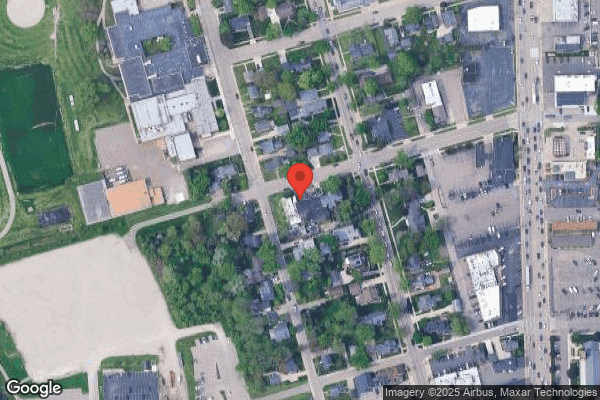
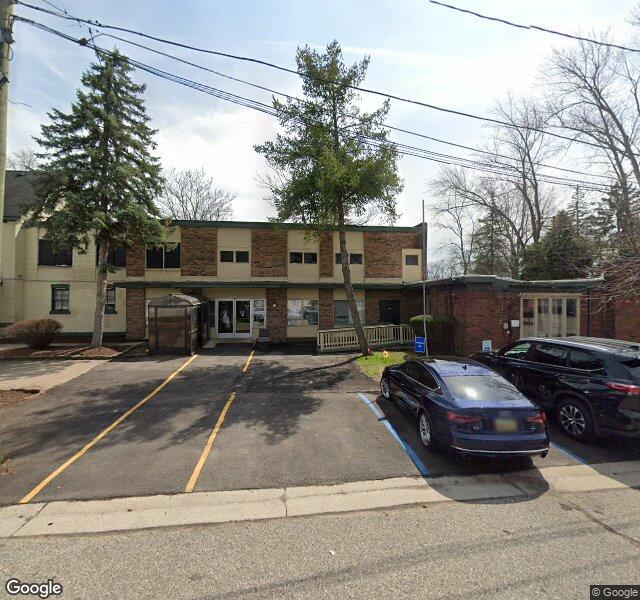
7700 McClellan Street, Utica, MI 48317 (586) 739-7700
For profit - Corporation 39 Beds PIONEER HEALTHCARE MANAGEMENT Data: November 2025
Trust Grade
30/100
#404 of 422 in MI
Last Inspection: July 2025

Inspected within the last 6 months. Data reflects current conditions.

Overview

Regency Manor Nursing & Rehabilitation Center has received a Trust Grade of F, which indicates significant concerns about its quality of care. It ranks #404 out of 422 facilities in Michigan and is last in its county, suggesting there are many better options available nearby. Although the facility is improving, with reported issues decreasing from 16 in 2024 to 12 in 2025, it still has serious staffing concerns, reflected in a poor staffing rating of 1 out of 5 and a high turnover rate of 62%. While it has no fines on record, indicating no recent compliance issues, the facility struggles with RN coverage, falling behind 86% of Michigan facilities, which can impact the quality of care. Specific incidents include a failure to provide timely transportation for a resident's dental care, leading to ongoing pain, and inadequate monitoring of medication reviews for multiple residents, which raises concerns about medication safety.

Trust Score
F
30/100
In Michigan
#404/422
Bottom 5%
Safety Record
Moderate
Needs review
Inspections
Getting Better
16 → 12 violations
Staff Stability
⚠ Watch
62% turnover. Above average. Higher turnover means staff may not know residents' routines.
Penalties
✓ Good
No fines on record. Clean compliance history, better than most Michigan facilities.
Skilled Nurses
⚠ Watch
Each resident gets only 18 minutes of Registered Nurse (RN) attention daily — below average for Michigan. Fewer RN minutes means fewer trained eyes watching for problems.
Violations
⚠ Watch
37 deficiencies on record. Higher than average. Multiple issues found across inspections.
★☆☆☆☆
1.0
Overall Rating
★☆☆☆☆
1.0
Staff Levels
★★★★☆
4.0
Care Quality
★★☆☆☆
2.0
Inspection Score
Stable
2024: 16 issues
2025: 12 issues

The Good

  • 4-Star Quality Measures · Strong clinical quality outcomes
  • Full Sprinkler Coverage · Fire safety systems throughout facility
  • No fines on record

Facility shows strength in quality measures, fire safety.

The Bad

1-Star Overall Rating

Below Michigan average (3.1)

Significant quality concerns identified by CMS

Staff Turnover: 62%

15pts above Michigan avg (46%)

Frequent staff changes - ask about care continuity

Chain: PIONEER HEALTHCARE MANAGEMENT

Part of a multi-facility chain

Ask about local staffing decisions and management

Staff turnover is elevated (62%)

14 points above Michigan average of 48%

The Ugly 37 deficiencies on record

1 actual harm
Jul 2025 6 deficiencies
CONCERN (D)

Potential for Harm - no one hurt, but risky conditions existed

Deficiency F0727 (Tag F0727)

Could have caused harm · This affected 1 resident

Based on interview and record review the facility failed to provide eight hours of Registered Nurse (RN) coverage potentially affecting all 37 residents residing in the facility. Findings include:Revi...

Read full inspector narrative →
Based on interview and record review the facility failed to provide eight hours of Registered Nurse (RN) coverage potentially affecting all 37 residents residing in the facility. Findings include:Review of the Daily Staff Postings for May 27 through May 30th, 2025, revealed May 27 did not have 8 hours of 24 hours of Registered Nurse (RN) coverage. Review of the Daily Staff Postings for June 1st through June 30th, 2025, RN coverage was missing 13 days of 30 days for that month. Review of Daily Staff Postings for July 1st through July 10th, 2025, RN coverage was missing two of 10 days for that month. On 7/16/25 at 1:20 PM, Timecard Reports were requested, but no other information was provided by the end of the survey.On 7/16/2025 at 1:30 PM, the Director of Nursing (DON) who was also the Nursing Home Administrator (DON/NHA) revealed they shared responsibility for ensuring there was 8 hours in 24 hours of RN coverage with Unit Manager (UM) Registered Nurse A. The NHA/DON further revealed there was difficulty filling and maintaining stable staffing and there were many call-ins. Documentation of staffing policies and RN coverage by the DON and UM A was requested but not received prior to survey exit.
CONCERN (D) 📢 Someone Reported This

A family member, employee, or ombudsman was alarmed enough to file a formal complaint

Potential for Harm - no one hurt, but risky conditions existed

Deficiency F0761 (Tag F0761)

Could have caused harm · This affected 1 resident

Based on observation, interview and record review the facility failed to ensure that two of eight multi-use, single resident medications were labeled with an open date in one of two medication carts. ...

Read full inspector narrative →
Based on observation, interview and record review the facility failed to ensure that two of eight multi-use, single resident medications were labeled with an open date in one of two medication carts. Findings Include:On 7/16/2025 at 11:30 AM, the South medication cart was reviewed with Licensed Practical Nurse (LPN) B and revealed two ophthalmic (eye) preparations (Restasis and Atropine Sulfate) that were opened without open dates. LPN B revealed any medications for single patient use should include the resident name and date opened.At 11:45 AM, Unit Manager (UM) A was queried regarding the expectations regarding when medications should be date and confirmed, labeled medications for a single resident, should be dated when opened.At 1:30 PM, The Director of Nursing (DON) confirmed multi-use medications for single patient use should be dated when opened.On 7/16/2025 at 1:30 PM, a policy regarding medication storage and labeling was requested and was not received by the end of survey.
CONCERN (F)

Potential for Harm - no one hurt, but risky conditions existed

Drug Regimen Review (Tag F0756)

Could have caused harm · This affected most or all residents

**NOTE- TERMS IN BRACKETS HAVE BEEN EDITED TO PROTECT CONFIDENTIALITY** Based on interview and record review, the facility failed to maintain monthly medication regimen review (MRR) documentation (Pha...

Read full inspector narrative →
**NOTE- TERMS IN BRACKETS HAVE BEEN EDITED TO PROTECT CONFIDENTIALITY** Based on interview and record review, the facility failed to maintain monthly medication regimen review (MRR) documentation (Pharmacy reviews) for nine residents (R6, R7, R11, R14, R25, R26, R32, R33 and R37) of nine reviewed for pharmacy medication review. Findings include: R37 A review of the record for R37 revealed R37 was admitted into the facility on [DATE]. Diagnoses included Anxiety, Depression, Diabetes, and Stroke. A review of the electronic medical record revealed no documentation of Medication Regimen Reviews by the pharmacist in the last 12 months. A review of the active Medication Administration Record (MAR) for July 2025 revealed 13 medications were administered daily. R37’s medications included daily antiseizure and antipsychotic medication. R33 A review of the record for R33 revealed R33 was admitted into the facility on [DATE]. Diagnoses included Schizoaffective disorder, Bipolar, Depression, and Hypertension. A review of the electronic medical records revealed no documentation of Medication Regimen Reviews by the pharmacist in the last 12 months. A review of the active Medication Administration Review (MAR) for July 2025 revealed that 12 medications were administered daily. R33's medications included daily high blood pressure and antipsychotic medication. R 6 A review of the record for R6 revealed R6 was admitted into the facility on [DATE]. Diagnoses included Schizophrenia, Anxiety, Depression, Bipolar, and Diabetes. A review of the electronic medical record revealed no documentation of Medication Regimen Reviews by the pharmacist in the last 12 months. A review of the active medication Administration Record (MAR) for July 2025 revealed nine medications were administered daily. R6's medications included daily antipsychotic and high blood pressure medication. R25 A review of the record for R25 revealed R25 was admitted into the facility on [DATE]. Diagnoses included Schizoaffective, Bipolar, Parkinsonism, and Diabetes. A review of the electronic medical record revealed no documentation of Medication Regimen Reviews by the pharmacist in the last 12 months. A review of the active Medication Administration Record (MAR) for July revealed thirteen medications were administered daily. R25's medications included daily antiseizure and antipsychotic medications. On 07/16/2025 at 12:02 PM, the MRR's for R6, R7, R11, R14, R33, R25, and R37 were requested from Staff E identified as the Infection Control preventionist and corporate consultant. Staff E reported they may have not been scanned into the medical record and would look into it. No MRR's had been uploaded into the electronic medical record or received prior to survey exit. R7 A review of the record for R7 revealed R7 was admitted into the facility on [DATE]. Diagnoses included Dementia, Irregular Heartbeat and Lung Disease. A review of the electronic medical record revealed no documentation of Medication Regimen Reviews by the pharmacist in the last 12 months. A review of the active Medication Administration Record (MAR) for July 2025 revealed six medications were administered daily. R7's medications included daily opioids and antiseizure medication. R11 A review of the record for R11 revealed R11 was admitted into the facility on [DATE]. Diagnoses included Anxiety, Heart Disease, Lung Disease and High Blood Pressure. A review of the electronic medical record revealed no documentation of Medication Regimen Reviews by the pharmacist in the last 12 months. A review of the active Medication Administration Record (MAR) for July 2025 revealed eighteen medications were administered daily. R11 also received an opioid 16 times and a muscle relaxant four times. R14 A review of the record for R14 revealed R14 was admitted into the facility on [DATE]. Diagnoses included Dementia, Anxiety, Diabetes and High Blood Pressure. A review of the electronic medical record revealed no documentation of Medication Regimen Reviews by the pharmacist since admission. A review of the active Medication Administration Record (MAR) for July 2025 revealed eleven medications were administered daily. R14's medication included antipsychotics and insulin. R32 A review of R32's electronic medical record (EMR) revealed that R32 was admitted to the facility on [DATE] with diagnoses that included Schizophrenia and Generalized Anxiety Disorder. R32's most recent minimum data set assessment (MDS) dated [DATE] revealed that R32 had an intact cognition and required assistance with all activities of daily living (ADLs) other than eating. Further review of R32's EMR revealed that the resident was prescribed the following psychotropic medications, Mirtazapine 7.5 mg. (milligrams), Olanzapine 7.5 mg, and Buspirone 15 mg twice daily. No medication MRR documentation was located in R32's EMR. A review of R32's care plan revealed the following, Problem: Start Date: 12/31/2024. Category: Psychotropic Drug Use. Problem: I receive antianxiety medication R/T (Related to) generalized anxiety disorder. Target Date: 06/20/2025. Goal: I will not exhibit drowsiness/oversedation, delayed reaction, imp (Impaired) cognition/behavior .Approach: Monitor for drug use effectiveness and adverse consequences. On 7/16/25 at 12:14 PM, R32’s MRR documentation for the past 12 months was requested and not received by the end of the survey. On 7/16/25 at 1:00 PM, the Administrator (NHA) was interviewed regarding their expectations for the implementation of the MRR process. The NHA indicated that MRRs should be received from the pharmacy, nurses are to scan it and enter it into the EMR, nurses are to contact the physician, following the physician signature, they should be faxed to the pharmacy. R26 A review of R26's medical record revealed they were admitted into the facility on 4/17/25 with diagnoses of dementia, mood disorder due to known physiological condition with mixed features, adjustment disorder with mixed anxiety and depressed mood. Further review revealed the resident had a severe cognitive impairment and required extensive assistance for Activities of Daily Living. Further review of R26's medical record revealed the resident was prescribed the following psychotropic medications, Escitalopram Oxalate (Lexapro) 20 mg (milligrams), Olanzapine (Zyprexa) 15mg, Xanax 0.5 mg, and Trazadone 5mg. A review of R26’s care plan revealed the following, “Problem: Problem Start Date: 04/28/2022. Category: Psychotropic Drug Use. [R26] is at risk for adverse consequence R/T (related to) receiving antipsychotic medication for treatment of schizoaffective disorder, bipolar type… Approach. Approach Start Date: 04/28/2022…Pharmacy consultant review….” On 7/16/25 at 9:31 AM, a request for R26’s medication regimen reviews were requested for the last 12 months and were not received by the end of the survey. A review of the facility policy titled, Pharmacy Services revised 03/04/25, revealed It is the policy of this facility to ensure that pharmaceutical services whether employed by the facility or under an agreement, are provided to meet the needs of each resident, are consistent with state and federal requirements, and reflect current standards of practice.
CONCERN (F)

Potential for Harm - no one hurt, but risky conditions existed

Food Safety (Tag F0812)

Could have caused harm · This affected most or all residents

Based on observation, interview, and record review, the facility failed to ensure resident food items brought in from outside were dated and failed to monitor the temperature of the resident refrigera...

Read full inspector narrative →
Based on observation, interview, and record review, the facility failed to ensure resident food items brought in from outside were dated and failed to monitor the temperature of the resident refrigerator. This deficient practice had the potential to affect all residents that consume food. Findings include:On 7/15/25 at 10:00 AM, the resident refrigerator located in the break room was observed. There was no thermometer observed inside the refrigerator, and the temperature log located on the side of the refrigerator was last updated on 6/26/25. In addition, there were 3 undated food containers in the refrigerator. On 7/16/25 at 11:00 AM, Dietary Manager G was queried about the resident refrigerator and stated that she used to be responsible for monitoring that refrigerator, but that housekeeping is now responsible. On 7/16/25 at 11:15 AM, Dietary Manager G stated that she found the refrigerator thermometer buried underneath some food containers and confirmed that the temperature log was not up to date. According to the policy Use and Storage of Food Brought in by Family or Visitors revised 1/5/25 noted: 2. All food items that are already prepared by the family or visitor brought in must be labeled with content and dated.
CONCERN (F) 📢 Someone Reported This

A family member, employee, or ombudsman was alarmed enough to file a formal complaint

Potential for Harm - no one hurt, but risky conditions existed

Infection Control (Tag F0880)

Could have caused harm · This affected most or all residents

Based on observation, interview, and record review, the facility failed to have an active and ongoing plan for reducing the risk of Legionella and other opportunistic pathogens of premise plumbing (OP...

Read full inspector narrative →
Based on observation, interview, and record review, the facility failed to have an active and ongoing plan for reducing the risk of Legionella and other opportunistic pathogens of premise plumbing (OPPP) and failed to ensure nursing staff used appropriate Personal Protective Equipment (PPE) for Enhanced Barrier Precautions (EBP). This deficient practice has the increased potential to result in waterborne pathogens to exist and spread in the facility's plumbing system and an increased risk of respiratory infection among any or all 37 the residents in the facility. Findings include: On 7/16/25 at 10:00 AM, the facility's Water Management Plan (WMP) was requested from the Administrator. The Administrator provided the following policies for the WMP: Legionella Surveillance revised 1/5/25 which noted: It is the policy of this facility to establish primary and secondary strategies for the prevention and control of Legionella infections .2. In the absence of Legionella infections for a period of at least one year, the facility shall implement primary prevention strategies. A second undated document provided labeled Water Management Program, was noted to be a template. There were numerous places in the policy which noted List name of facility. The template had not been revised to be specific to the facility. The facility was missing the following components of a water management plan: There was no diagram of the building water system, and no text description of the water system. There was no risk assessment. There were no identified areas where Legionella could grow and spread. There were no listed control points, measures and limits. There was no evidence of control point monitoring. There was no evidence that the water management team was meeting routinely. On 7/16/25 at 8:45 AM, the Administrator was queried about the provided Water Management Program which was a template and not specific to this facility and stated, We can fill that out and give you the correct copy. On 7/16/25 at 9:15 AM, the Maintenance Supervisor F was queried about his involvement in the water management program. Maintenance Supervisor F stated that he has been in this building for a month, and that no one has talked to him about the WMP. On 7/16/25 at 9:30 AM, the Infection Preventionist (IP) E was queried about her involvement in the WMP. IP E stated she has been the Infection Preventionist for about 2 months. IP E stated they did review the policy for WMP last month during QA but couldn't provide any further information. When queried about the primary prevention strategies listed in the Legionella Surveillance policy, IP E stated she was unsure of what that means. On 7/16/2025 at 11:30 AM, Licensed Practical Nurse (LPN) “A” entered R7’s room to check the placement of a feeding tube. An EBP warning sign was located on the wall to the right of the door which indicated a gown, gloves and mask were required for high contact activities including tube feeding. A caddy with gown, gloves and masks were hanging next to the sign. LPN “A” did not put on a gown, mask, or protective eye wear. An inquiry to LPN “A” regarding what PPE was required for EBP, LPN “A” acknowledged they did not know there was a sign which indicated R7 was on EBP. LPN “A” indicated PPE should be worn when changing briefs. An inquiry was made to LPN A was asked if tube feeding placement checks required a gown and gloves. LPN “A” answered, I guess I am not sure. On 7/16/2025 at 11:45 AM, an interview with Unit Manager (UM) “A” reported upon the expectation is staff will know where the precaution signs are and be able to identify which PPE should be worn. On 7/16/25 at 1:30 PM, Nursing Home Administrator/Director of Nursing (NHA/DON) revealed that PPE should be worn when providing high-contact activities to protect staff and residents from infection control issues.
CONCERN (F)

Potential for Harm - no one hurt, but risky conditions existed

Safe Environment (Tag F0921)

Could have caused harm · This affected most or all residents

Based on observation, interview, and record review, the facility failed to maintain a home-like environment free of offensive odors. This deficient practice had the potential to affect all residents, ...

Read full inspector narrative →
Based on observation, interview, and record review, the facility failed to maintain a home-like environment free of offensive odors. This deficient practice had the potential to affect all residents, staff, and visitors. Findings include:On 7/15/25 at 9:00 AM, there was a strong odor of urine upon entry into the facility. The urine odor persisted on the ramp leading to the upper level and was evident in the hallway leading to the resident rooms. All hallways throughout the facility were observed to be carpeted. On 7/15/25 at 11:00 AM, the urine odor was still present throughout the facility. On 7/16/25 at 10:00 AM, pervasive urine odors remained throughout facility. On 7/16/25 at11:20 AM, Maintenance Supervisor F was queried regarding the schedule for cleaning the carpets. Maintenance Supervisor F stated he was unsure, but that he would ask his boss. After speaking with corporate staff, Maintenance Supervisor F stated that carpets are cleaned every 6 months by an outside company, and that they are probably about due to be done again. When asked for documentation or an invoice for the last carpet cleaning, Maintenance Supervisor F stated there was no documentation of when it was last done. A policy for cleaning the carpets and maintaining a home-like environment was requested but was not provided by the end of the survey.
May 2025 1 deficiency
CONCERN (D) 📢 Someone Reported This

A family member, employee, or ombudsman was alarmed enough to file a formal complaint

Potential for Harm - no one hurt, but risky conditions existed

Accident Prevention (Tag F0689)

Could have caused harm · This affected 1 resident

**NOTE- TERMS IN BRACKETS HAVE BEEN EDITED TO PROTECT CONFIDENTIALITY** This citation pertains to Intake MI00152611. Based on observation, interview, and record review, the facility failed to provide ...

Read full inspector narrative →
**NOTE- TERMS IN BRACKETS HAVE BEEN EDITED TO PROTECT CONFIDENTIALITY** This citation pertains to Intake MI00152611. Based on observation, interview, and record review, the facility failed to provide adequate monitoring and supervision for one resident (R700) out of 14 reviewed for supervision. Findings include: A review of a Facility Reported Incident (FRI) noted the following, .On April 21,2025, one of the neighbors came to the door to let staff know that one of our residents was walking down the street. The staff immediately ran outside and saw that it was [R700]. The CNA (Certified Nursing Assistant) ran up the street to walk [R700] back and the nurse ran back to get her car to bring [R700] back to the facility. Staff noted the dining room alarm was not working properly so door alarm did not sound when [R700] went out the dining room. A review of the medical record revealed R700 admitted into the facility on 4/17/2024 with the following medical diagnoses, Dementia and Insomnia. A review of the most recent Minimum Data Set assessment revealed a Brief Interview for Mental Status score of 99, indicating an impaired cognition. R700 also required minimum staff assistance with bed mobility and transfers and was at risk for elopement. On 5/5/2025 at 9:39 AM, A tour of the facility was conducted with the Nursing Home Administrator (NHA). The door in the dining room was observed where R700 exited the facility. The area was partially fenced, with an open area that led to the sidewalk. The door was noted to not have a lock on it. The NHA reported R700 eloped and made it about a block away before staff were alerted and they went and brought them back to the facility. On 5/5/2025 at 10:03 AM, an interview was conducted with CNA A. CNA A reported they were working day shift when R700 eloped. CNA A reported they were aware R700 was an elopement risk and was sitting with them in the dining are where the door is located, along with other day shift staff. CNA A indicated they got up around 7:00PM when it was shift change to round and give report to the oncoming shift. CNA A reported during report a man came banging on the door and stated one of the resident's were walking down the street. CNA A reported they all ran outside and saw R700 down the street. CNA A reported when they got R700 back in the facility. On 5/5/2025 at 11:27 AM, an interview was conducted with Maintenance D. Maintenance D reported they were unaware that the door alarm was not functioning properly, or they would have had a vendor come in and fix it immediately. Maintenance D indicated the door has a loud alarm when functioning. A review of the monthly maintenance checklist revealed that the door was last checked on 4/18/2025. On 5/5/2025 at 12:14 PM, an interview was conducted with the Director of Nursing (DON). The DON reported they have been giving R700 a lot more activities and taking him outside more with supervision, as well as frequent observation and positive redirection. The DON reported that R700 was placed on a 1:1 until the door was fixed. On 5/5/2025 at 12:30 PM, R700 was observed sitting in the dining room with the activities staff. R700 was unable to complete an interview. A review of a facility policy titled, Elopements and Wandering Residents noted the following, This facility ensures that residents who exhibit wandering behavior and/or at risk for elopement receive adequate supervision to prevent accidents and receive care in accordance with their person-centered plan of care addressing the unique factors contributing [NAME] wandering or elopement risk.
Feb 2025 4 deficiencies
CONCERN (D) 📢 Someone Reported This

A family member, employee, or ombudsman was alarmed enough to file a formal complaint

Potential for Harm - no one hurt, but risky conditions existed

Resident Rights (Tag F0550)

Could have caused harm · This affected 1 resident

**NOTE- TERMS IN BRACKETS HAVE BEEN EDITED TO PROTECT CONFIDENTIALITY** Based on observation, interview, and record review, the facility failed to transport a resident from a doctors appointment in a ...

Read full inspector narrative →
**NOTE- TERMS IN BRACKETS HAVE BEEN EDITED TO PROTECT CONFIDENTIALITY** Based on observation, interview, and record review, the facility failed to transport a resident from a doctors appointment in a respectful manner for one sampled resident (R901) of one reviewed for resident rights. Findings include: On 2/12/25 at 9:32 AM, R901 was observed lying in bed. Certified Nursing Assistant (CNA A) reported that R901 went out yesterday for a medical appointment for their feet. On 2/12/25 at 10:54 AM, R901's Interested Party (IP) reported that R901 had a doctor's appointment for R901's foot, the van was an hour and a half late to pick R901 up for the appointment and late for the return to the facility. The IP also explained that when the van arrived at the doctor's office the driver had two children without car seats inside the van, and was observed cursing and hitting the children in the van. The doctor's office manager approached the driver, and she then began to curse at the office manager. After the exchange the office manager called the facility to report the driver and eventually, decided to allow the resident to ride back to the facility, with the children in the van. The IP explained that she followed behind the van and arrived back to the facility around 5:30 PM. The IP reported that R901 reported that they were hit by the children during the ride back to the facility. On 2/12/25 at 11:30 AM, R901 was asked about their ride back to the facility when the children were in the van. The resident was asked if their were kids on the van, and R901 stated, Yes. R901 was asked if anything happened during the ride with the kids, and R901 stated, They hit me. R901 was asked what they hit them with and stated, A book. R901 was asked did anything else happen, and explained that they were cursing. A review of R901's progress notes revealed: 2/11/2025 02:35 PM Resident left the facility for Infectious Disease appointment by wheelchair in company van . Resident is alert and oriented times 3 (alert and oriented to person, place and time) . 2/11/2025 05:18 PM Resident returned from doctor's appointment with sister. Further review of R901's medical record revealed, R901 was admitted to the facility on [DATE], with diagnoses that included osteomyelitis, right ankle and foot Pressure ulcer of right heel, unstageable, Type II diabetes mellitus with foot ulcer. A review of R901's Minimum Data Set (MDS) five-day admission review dated 2/5/2024 noted, R901 with an intact cognition and dependent of staff to complete ADLs (activities of daily living). On 2/12/25 at 3:47 PM, Nursing Home Administrator (NHA) was asked if they were aware of the incident that occurred at the doctor's office. The NHA reported they were called around 6:30 PM regarding the van's driver with the children and how she was behaving. The NHA explained she then called the sister facility's administrator to report the information to them, because that was it was their driver/van. The NHA was asked if they had followed up with the sister or R901 regarding the drive to the facility, after the driver was observed to hit the two children that were in the van. The NHA explained they did not follow up with R901 or the sister. A review of the facility's policy titled, Transportation Policy dated 1/8/2025 noted, Policy: To provide guidelines for the safe and comfortable transportation of residents to medical appointments and other locations. Policy Explanation and Compliance Guidelines: General Guidelines: . 3. Facility vehicles must not be used for personal use 8. Unsafe Conduct is any act which creates the potential for injury or other risk to any passenger, or driver. 9. Abusive Conduct is any disruptive act toward any passenger, or driver a. This includes, but is not limited to, any acts that are generally offensive, invading the private rights of others, or touching another person in a rude, insolent, or angry manner. The driver may request the rider discontinue the behavior. Riders who continue with the behavior may be asked to leave the vehicle . General Safety 2. Ensure resident dignity is preserved .
CONCERN (D) 📢 Someone Reported This

A family member, employee, or ombudsman was alarmed enough to file a formal complaint

Potential for Harm - no one hurt, but risky conditions existed

Quality of Care (Tag F0684)

Could have caused harm · This affected 1 resident

**NOTE- TERMS IN BRACKETS HAVE BEEN EDITED TO PROTECT CONFIDENTIALITY** This citation pertains to Intake: MI00149826. Based on observation, interview, and record review, the facility failed to ensure ...

Read full inspector narrative →
**NOTE- TERMS IN BRACKETS HAVE BEEN EDITED TO PROTECT CONFIDENTIALITY** This citation pertains to Intake: MI00149826. Based on observation, interview, and record review, the facility failed to ensure a wound vac (a medical device that uses negative pressure for wound healing) was consistanly applied for one sampled resident (R901) of two reviewed for skin management. Findings include: On 2/12/25 at 9:32 AM, R901 was observed lying in bed, their feet were lying flat on the bed, and without a wound vac on their foot. Certified Nursing Assistant (CNA) A was asked to lift the blanket off R901's feet for observation. R901's right foot was observed without a sock or bandage. R901's left foot was observed wrapped with a white bandage, the foot was observed to be leaking with fluids through the bandage and onto the bed. CNA A was asked where R901's wound vac was, CNA A reported, the resident came back from a doctor's appointment without it on. CNA A was observed to go into a bag and pull out the wound vac. The wound vac was observed with dried blood in the darinage tube and a large amount of blood in the reservoir of the wound vac. On 2/12/25 at 10:54 AM, R901's sister confirmed the resident had an (infectious disease) doctor's appointment (on 2/11/25) for they're foot and they (doctor's office staff) removed the wound vac, but were unable to put it back on because the facility did not send the resident's wound vac supplies. They further explained the Director of Nursing (DON) was at the facility when R901 returned from the doctor's appointment and reported she was leaving for the day and that she would put the wound vac on in the morning (2/12/25) about 7:00 am when they returned to the facility. On 2/12/25 at 11:30 AM, R901 was observed lying in bed with the wound vac not on their left foot. A review of R901's Medication Administration Record (MAR) noted, February 2025 Order: Ensure wound vac to left heel is in place and functioning properly, frequency twice a day. The MAR was noted as blank with no documentation between 7:00 PM - 7:00 AM on the 5th and 10th. On Febraury 11th, the documentation noted, Reason: Not Administered: Other Comment: resident does not have a wound vac. Order: Check wound vac suctioning q2h (every 2 hours). Frequency: Every 2 hours. The following days were without documentation of wound vac application (February) 1st, 5th, 6th, 7th, and 11th (2025). A review of the comments for the 11th through the 12th noted, Reason: Not Administered: Other Comment: resident does not have a wound vac. A review of R901's progress notes revealed: 2/11/2025 02:35 PM, Resident left the facility for Infectious Disease appointment by wheelchair in company van. Wound Vac intact. Face sheet and medications sheet sent with resident. Resident is alert and oriented times 3. [They are a] 2 persons assist with ADLs (Activities of Daily Living) . 2/11/2025 05:18 PM, Resident returned from doctor's appointment with sister. 2/11/2025 05:45 PM [Recorded as Late Entry on 02/12/2025 01:28 PM] (R901) returned from ID (Infectious Disease) appt via assisted w/c (wheelchair). A&O x3 (the patient being alert and oriented to person, place and time) denies pain . received no notes from ID ofc.(office) dressing Wet dry replaced moderate serous sangernous drainage O (zero) heighten Oder (odor) wound base remain red. wound Practioner notified, wound vac to continue in am (morning). Further review of R901's medical record revealed, R901 was admitted to the facility on [DATE], with diagnoses that included osteomyelitis, right ankle and foot Pressure ulcer of right heel, unstageable, Type II diabetes mellitus with foot ulcer. A review of R901's Minimum Data Set (MDS) dated [DATE] noted, R901 with an intact cognition and dependent of staff to complete activities of daily living. On 2/12/25 at 1:39 PM, a request to speak with the DON was made, Nurse B reported the DONwas not available. Nurse B was asked about R901's wound vac and reported she had recently put it on today because it wasn't on. Nurse B was asked if she was aware of the reason, it wasn't put on when R901 returned from their outside appointment, and reported she was not sure why it wasn't placed on R901's foot. On 2/12/25 at 3:47 PM, Nursing Home Administrator (NHA) was asked if they were aware of the reason R901's wound vac was not put back on at the doctor's office. The NHA explained she was told the facility did not send the needed supplies to the appointment and the DON was to put it on. A review of the facility's policy titled, Wound Treatment Management dated 11/1/22 noted, Policy: To promote wound healing of various types of wounds, it is the policy of this facility to provide evidence-based treatments in accordance with current standards of practice and physician orders. Policy Explanation and Compliance Guidelines: 1. Wound treatments will be provided in accordance with physician orders, including the cleansing method, type of dressing, and frequency of dressing change .
CONCERN (D) 📢 Someone Reported This

A family member, employee, or ombudsman was alarmed enough to file a formal complaint

Potential for Harm - no one hurt, but risky conditions existed

Medical Records (Tag F0842)

Could have caused harm · This affected 1 resident

This citation pertains to Intake: MI00150065 Based on observation, interview and record review, the facility failed to document showers for two dependent residents (R903 and R904) of four residents re...

Read full inspector narrative →
This citation pertains to Intake: MI00150065 Based on observation, interview and record review, the facility failed to document showers for two dependent residents (R903 and R904) of four residents reviewed for complete medical records. Findings include: A review of information provided to the State Agency revealed concerns that female residents were not being adequately showered and groomed. On 2/12/25 at 9:41 AM, R904 was observed in bed on their back. Attempts to interview the resident were to no avail as they appeared confused and refused to speak with the surveyor. A review of R904's medical record revealed that they were admitted into the facility on 9/20/19 with diagnoses that included Dementia, Schizoaffective Disorder, and Diabetes. Further review revealed that the resident is enrolled onto hospice and required extensive to total dependence for activities of daily living. On 2/12/25 at 9:45 AM, R903 was observed in bed lying on their back, and asked about receiving showers. The resident explained that they thought they received a shower yesterday but was unsure. A review of R903's medical record revealed that they were admitted into the facility on 5/31/11 with diagnoses that included a Traumatic Brain Injury, Dysphagia, and Chronic Kidney Disease. Further review revealed that the resident has limited to extensive assistance for activities of daily living. On 2/12/25 at 11:42 AM, shower/bathing documentation for the last 60 days was requested from the facility for R903 and R904. On 2/12/25 at 12:30 PM, three shower sheets were provided for R904 for 1/29/25, 2/5/25 and 2/8/25, in which two of those dates the resident refused. There was no shower documentation provided for R903. The Nursing Home Administrator at this time acknowledged that the documentation was lacking and should be completed. A review of the facility's Activities of Daily Living (ADLs) policy revealed the following, .3. A resident who is unable to carry out activities of daily living will receive the necessary services to maintain good nutrition, grooming, and personal and oral hygiene .
CONCERN (F) 📢 Someone Reported This

A family member, employee, or ombudsman was alarmed enough to file a formal complaint

Potential for Harm - no one hurt, but risky conditions existed

Safe Environment (Tag F0921)

Could have caused harm · This affected most or all residents

This citation pertains to Intake MI00150065. Based on observation, interview, and record review, the facility failed to maintain a homelike environment in the resident showers and ensure the ice machi...

Read full inspector narrative →
This citation pertains to Intake MI00150065. Based on observation, interview, and record review, the facility failed to maintain a homelike environment in the resident showers and ensure the ice machine on the first floor was backflow protected. This deficient practice had the potential to affect all 39 residents in the facility. Findings include: On 2/12/25 at 9:50 AM, the ice machine drain line on the first floor was observed to extend down approximately 2 inches into the floor drain which was observed to have a buildup of black mold. Further observations of the sink located inside the room where the ice machine was located, revealed lime build-up around the faucet aerator. On 2/12/25 at 9:55 AM and 12:30 PM, observations of the facility's two shower rooms were observed with black mold, and an unknown brown substance around the perimeter of the shower, in addition to the shower walls. On 2/12/25 at 4:00 PM, findings of the ice machine and showers were brought to the attention of the Nursing Home Administrator (NHA), and she acknowledged she would look into the concerns. According to the Food & Drug Administration (FDA) 2017 Model Food Code, Section 5-402.11 Backflow Prevention, (A) Except as specified in (B), (C), and (D) of this section, a direct connection may not exist between the sewage system and a drain originating from equipment in which food, portable equipment, or utensils are placed. A review of the facility's Safe and Homelike Environment policy revealed the following, .3. Housekeeping and maintenance services will be provided as necessary to maintain a sanitary, orderly and comfortable environment .
Jan 2025 1 deficiency
CONCERN (F) 📢 Someone Reported This

A family member, employee, or ombudsman was alarmed enough to file a formal complaint

Potential for Harm - no one hurt, but risky conditions existed

Infection Control (Tag F0880)

Could have caused harm · This affected most or all residents

This citation pertains to Intake MI00149636. Based on interview and record review, the facility failed to provide evidence of a comprehensive facility-wide infection control program encompassing outco...

Read full inspector narrative →
This citation pertains to Intake MI00149636. Based on interview and record review, the facility failed to provide evidence of a comprehensive facility-wide infection control program encompassing outcome and process surveillance, accurate data collection/documentation/analysis, identifying, preventing, reporting, investigating and treating infections potentially affecting all 32 residents residing in the facility. Findings include: On 1/24/25 at 12:03 PM, the Nursing Home Administrator (NHA) report the Director of Nursing (DON) was not at the facility. A request was made to review the infection control program, the NHA reported they would have to look in the Infection Control Program book in the DON's office. The NHA later provided the Infection Control Program book which revealed no documentation of a encompassing outcome and process surveillance, and accurate data collection/documentation/analysis. The NHA reported the DON was on vacation and when contacted, the DON was asked about the documentation and reported the documentation was with them. A review of the facility's policy, titled, Infection Prevention and Control Program dated, 3/13/24, noted, Policy: This facility has established and maintains an infection prevention and control program designed to provide a safe, sanitary, and comfortable environment and to help prevent the development and transmission of communicable diseases and infections as per accepted national standards and guidelines . Policy Explanation and Compliance Guidelines: 1. The designated Infection Preventionist is responsible for oversight of the program and serves as a consultant to our staff on infectious diseases, resident room placement, implementing isolation precautions, staff and resident exposures, surveillance, and epidemiological investigations of exposures of infectious diseases .
Jun 2024 13 deficiencies
CONCERN (D) 📢 Someone Reported This

A family member, employee, or ombudsman was alarmed enough to file a formal complaint

Potential for Harm - no one hurt, but risky conditions existed

Resident Rights (Tag F0550)

Could have caused harm · This affected 1 resident

**NOTE- TERMS IN BRACKETS HAVE BEEN EDITED TO PROTECT CONFIDENTIALITY** This citation is related to Intake MI00144653. Based on observation, interview, and record review facility failed to obtain resi...

Read full inspector narrative →
**NOTE- TERMS IN BRACKETS HAVE BEEN EDITED TO PROTECT CONFIDENTIALITY** This citation is related to Intake MI00144653. Based on observation, interview, and record review facility failed to obtain resident representative contact for one of one resident (R29) who has had multiple hospitalizations. Findings include: On 6/11/2024, record review revealed R29 was admitted on [DATE] at 10:22 PM. On 6/12 2024 Nurse Practitioner (NP) M identified diagnoses included Advanced Dementia, History of Covid, Dysphagia with Chronic PEG (Percutaneous Endoscopic Gastrostomy) tube for primary nutrition, Labile Hypertension, Chronic Obstructive Pulmonary Disease, History of Pulmonary Embolism with Atrial Fibrillation, Gastro Esophageal Reflux Disease, Debility. A record review on 6/12/2024 revealed R29 had an Emergency Contact L. Phone calls to that emergency contact as R29's representative were incomplete and contact with the responsible party was not made. On 7/18/2023 at 3:46 PM, the record revealed a note by social worker B that the listed emergency contact was attempted several times with no answer and no ringing tone and that R29 is not able to make medical decisions at this time. On 7/23/2023 at 10:42 PM, Nurse C revealed that they notified the Director of Nursing (DON), Medical Doctor (MD) and Responsible Party (RP) of R29's newly developed wound. On 9/16/2023 at 8:09 AM, Licensed Practical Nurse (LPN) D revealed R29's emergency contact was attempted to be reached via phone, but the line was busy. On 10/10/2023 at 8:36 AM, LPN E documented R29 was transferred to the hospital for suspected aspiration pneumonia. DON, (power of attorney) POA informed of transfer to (name) Hospital, [NAME]. On 10/12/2023 at 11:28 PM, LPN F documented, R29 returned to facility at 6:15 PM with (medical doctor) MD and DON being notified. On 10/16/2023 at 4:24 PM, Social Work (SW) B documented an attempt to contact emergency contact. Phone had a busy signal. Will attempt to call later. It appears R29 has no legal oversight; own RP (representative). R29 appears alert and oriented times one, not able to make needs/or medical decisions at this time. On 10/18/2023 at 10:22 AM, the progress notes documented Activities Director J attempted to contact guardian and phone went to voice mail. A message was left about change in doctors. On 10/24/2023 at 12:37 AM, LPN F documented R29 was transferred to (name of local hospital) via 911; MD and DON notified, unable to reach guardian. On 10/24/2023 at 4:06 PM, SW B attempted to call family responsible person few times to day to schedule quarterly care conference, however line was busy. On 11/12/2023 at 9:01 AM, LPN G documented R29 had tested positive for COVID with respiratory distress. An order was received from Nurse Practioner (NP) to transfer R29 to (name of local hospital). Unable to notify emergency contact, received busy signal. On 11/21/2023 at 3:46 PM, a readmission note by SW B, revealed R29 code status to remain a full code at this time. NO legal noted. May need to be followed up on review with family. To refer to psych once legal is in place to eval if as indicated. On 1/16/2024 at 2:12 PM, SW B revealed they will follow up again on legal guardianship matters and will purse a public (legal guardian) LG in the future. R29 code status is full code at this time. On 4/5/2024 at 3:57 PM, LPN K progress notes revealed R29 was sent to hospital for replacement of [feeding] tubing. Emergency contact called but did not answer and no voice mail set up. On 5/19/2024 at 11:29 PM, LPN D progress notes revealed R29 was sent to the emergency room at (name of local hospital) for possible aspiration/ileus. Documentation revealed guardian on file has an inoperative phone number. No other contacts listed. On 6/12/2024 at 11:00 AM, SW B reported they were filling in for the last 9 months, 1 day per week. They revealed R29 should have had guardianship filed in 2021, and it was not. They revealed the process as long and time consuming with a filing fee that they would need to be requested from corporate. They also indicated it is a long process that they did not have time for. On 6/13/2024 at 11:15 AM, the DON revealed that their expectation for individuals whose identified emergency contact or guardian cannot be reached by numerous staff members should contact social work so that the proper steps can be taken to obtain legal representation for the resident. On 6/13/2024, a search of the (Local County) Probate Court revealed (case #) that guardian L was suspended effective 11/18/2022. The case was administratively closed on 12/16/22.
CONCERN (D) 📢 Someone Reported This

A family member, employee, or ombudsman was alarmed enough to file a formal complaint

Potential for Harm - no one hurt, but risky conditions existed

Deficiency F0655 (Tag F0655)

Could have caused harm · This affected 1 resident

Based on interview and record review, the facility failed to develop an elopement baseline care plan for one (R133) of one resident reviewed for care plans. Findings include: On 6/11/24 at 12:26 PM, R...

Read full inspector narrative →
Based on interview and record review, the facility failed to develop an elopement baseline care plan for one (R133) of one resident reviewed for care plans. Findings include: On 6/11/24 at 12:26 PM, R133 was observed sitting on their bed. Attempts to interview the resident was to no avail as they were pleasantly confused. A review of R133's medical record were reviewed and revealed they were admitted into the facility on 5/30/24 with diagnoses including Unspecified Dementia, Brief Psychotic Disorder, and Paranoid Personality Disorder. Further review of the medical record revealed that the resident was severely cognitively impaired, and required supervision for ambulation. Further review of R133's medical record revealed a Resident Elopement Assessment-Assessment dated for 5/30/24 revealed that the resident was At Risk of Elopement. Further review of the medical record revealed the following progress note: 05/31/2024 11:26 PM Resident is confused and easily to redirect. [R133] left the facility and was found on the side of the building. resident is unharmed. Administrator and MD (medical doctor) was notified no new orders given . On 6/13/24 at 10:21 AM, an interview was completed with Licensed Practical Nurse (LPN A) regarding R133 leaving the building. She explained that a facility door alarm went off, and it was later determined that R133 had pushed an exit door until it opened and exited, in which he was located immediately. A review of R133's baseline care plan was reviewed, and did not reveal measurable goals and interventions that addressed the resident's priority risk factors and individual needs. On 06/13/24 at 12:34 PM, the Director of Nursing (DON) was interviewed regarding baseline care plans, and explained her expectations is that baseline care plans are completed. On 6/13/24 at 1:00 PM, the Nursing Home Administrator (NHA) was asked about her expectations for the completion of baseline care plans, and she explained that baseline care plans should be completed. A review of the facility's Baseline Care Plan Policy revealed the following, The facility will develop and implement a baseline care plan for each resident that includes the instructions needed to provide effective and person-centered care of the resident that meet professional standards of quality care. Policy Explanation and Compliance Guidelines: 1. The baseline care plan will: a. Be developed within 48 hours of a resident's admission. b. Include the minimum healthcare information necessary to properly care for a resident including, but not limited to: i. Initial goals based on admission orders .
CONCERN (D)

Potential for Harm - no one hurt, but risky conditions existed

Comprehensive Care Plan (Tag F0656)

Could have caused harm · This affected 1 resident

**NOTE- TERMS IN BRACKETS HAVE BEEN EDITED TO PROTECT CONFIDENTIALITY** Based on observation, interview and record review, the facility failed to implement care plan interventions for behavioral manag...

Read full inspector narrative →
**NOTE- TERMS IN BRACKETS HAVE BEEN EDITED TO PROTECT CONFIDENTIALITY** Based on observation, interview and record review, the facility failed to implement care plan interventions for behavioral management of individuals on psychotropic medication for one of one resident (R17) reviewed. Findings include: On 6/11/2024 at 8:42 AM, observed R17 in bed on their right side, bedding covers below waist, in a loose brief. Upon entering and introducing self, R17, turned onto their left side, answered yes to my query if the care they received was good and pulled a sheet over their head. On 6/11/2024 at 11:30 AM, observed R17, in activities/dining room watching television. A record review revealed R17 was admitted on [DATE] with relevant diagnoses of Schizophrenia, Malignant Neoplasm of Brain, Benign Neoplasm of Left Adrenal Gland, Anemia, Multinodular Goiter, Diabetes Type 2, and Hyperlipidemia. R17's Basic Interview for Mental Status (BIMS) score was an 8 suggesting moderate cognitive impairment. R17's Minimum Data Set Assessment (MDS) Mood and Behavior scores indicated there were no concerns. On 6/11/2024, record review revealed R17 was ordered an antipsychotic medication as needed with a start date of 6/7/2024. On 6/11/2024, a record review revealed R17 was ordered an as needed antianxiety medication with a start date of 6/10/2024. A review of the care plans revealed that there was not a care plan regarding psychiatric behaviors or behavior related to the administration of antipsychotic/antianxiety medications. On 6/12/2024 at 2:20 PM during Resident Council, R17 became restless. At that moment R17 was told their sister was there to visit and they calmed down and was escorted to their room to meet with her. On 6/13/2024 at 11:15 AM, the Director of Nursing (DON) was queried regarding documentation of alternative measures for behavior management, they revealed alternative measures to pharmacological intervention should be tried and documented prior to administration of antipsychotic medication and care planned. The policy Behavioral Health Services Implemented 11/1/2024 and reviewed/revised on 3/13/2024 revealed, Use pharmacological interventions only when non-pharmacological interventions are ineffective or when clinically indicated.
CONCERN (D)

Potential for Harm - no one hurt, but risky conditions existed

Deficiency F0661 (Tag F0661)

Could have caused harm · This affected 1 resident

**NOTE- TERMS IN BRACKETS HAVE BEEN EDITED TO PROTECT CONFIDENTIALITY** Based on interview and record review the facility failed to thoroughly complete a discharge summary for one resident (R32) of on...

Read full inspector narrative →
**NOTE- TERMS IN BRACKETS HAVE BEEN EDITED TO PROTECT CONFIDENTIALITY** Based on interview and record review the facility failed to thoroughly complete a discharge summary for one resident (R32) of one resident reviewed for discharge. Findings include: A review of R32's medical record revealed they were admitted into the facility on [DATE] with the following diagnoses, Alzheimer's Disease, Heart Disease and Hypertension and discharged to another long-term nursing facility on 4/11/24. Further review of the medical record revealed the following progress notes: 04/09/2024 03:20 PM (3:20pm). Resident will be transferring to [nursing facility] on Thursday morning. The son POA (power of attorney) will be picking [R32] up early. The reason for transfer is the son reported he has a family friend who works at that facility plus the son feels like resident needs more activity and more space to get around. Resident is not happy being here. 04/11/2024 09:13 AM (9:13am). Resident transferred to [nursing facility] in private vehicle with guardian (son) @ (at) 9:07 am . Further review of the medical record did not reveal a discharge summary or recapitulation of stay for the resident. On 6/12/24 at 9:47 AM, a discharge summary for R32 was requested from the facility. On 6/12/24 at 12:37 PM, the Nursing Home dministrator (NHA) emailed and confirmed the facility did not have a discharge summary for R32 and she explained the expectation the discharge summary be completed. A review of the Discharge Planning Process policy revealed the following, .11. The evaluation of the resident ' s discharge needs and discharge plan will be completely documented on a timely basis in the clinical record. 12. The results of the evaluation and the final discharge plan will be discussed with the resident or resident ' s representative. All relevant information will be provided in a discharge summary to avoid unnecessary delays in the resident ' s discharge or transfer, and to assist the resident in adjustment to his or her new living environment. 13. Education needs, as identified in the discharge plan, will be provided to the resident and/or family member prior to discharge.
CONCERN (D) 📢 Someone Reported This

A family member, employee, or ombudsman was alarmed enough to file a formal complaint

Potential for Harm - no one hurt, but risky conditions existed

Quality of Care (Tag F0684)

Could have caused harm · This affected 1 resident

**NOTE- TERMS IN BRACKETS HAVE BEEN EDITED TO PROTECT CONFIDENTIALITY** Based on observation, interview, and record review, the facility failed to follow a hospital recommendation, follow a physician'...

Read full inspector narrative →
**NOTE- TERMS IN BRACKETS HAVE BEEN EDITED TO PROTECT CONFIDENTIALITY** Based on observation, interview, and record review, the facility failed to follow a hospital recommendation, follow a physician's order, and follow up on a dental consultation for two residents (R8 and R23) of two residents reviewed for Quality of Care. Findings include: R23 On 6/11/24 at 12:30 PM, R23 was observed sitting in a wheelchair the dining room eating lunch, pleasantly confused. A review of R23's medical record revealed they were admitted into the facility on [DATE] with diagnoses that included Chronic Kidney Disease, Diabetes, Chronic Obsructive Pulmonary Disease, and Vascular Dementia. Further review revealed the resident was severely cognitively impaired and required extensive assistance of one person for Activities of Daily Living. Further review of R23's medical record revealed hospital documents noting they were admitted into the hospital from [DATE] to 3/14/24, and noted the following, .Neurology consulted for increased falls and confusion-consistent with Parkinsonism (A disorder of the central nervous system that affects movement, often including tremors) . MRI (Magnetic Resonance Imaging) brain ordered-okay to have as OP (outpatient) per neurology. Re-ordered . Further review of R23's medical record revealed a physician's order dated 3/15/24 outlining the following, F/U (follow-up) with Neurology in 1 week [physician's name, address and phone number]. On 6/12/24 at 1:03 PM, a request for R23's MRI was requested from the facility. On 6/12/24 at 1:26 PM, the Nursing Home Administrator (NHA) confirmed via email, We do not have a MRI for [name of R23]. On 6/13/24 at 12:34 PM, the Director of Nursing (DON) was asked about the missing MRI for R23, and explained her expectation is that the order should have been followed. On 6/13/24 at 1:00 PM, the NHA was asked about her expectation regarding physician orders being followed, and she explained her expectation is that physician orders being carried through. R8 A review of the clinical record for R8 revealed R8 was admitted into the facility 04/28/22. Diagnoses included Schizoaffective Disorder Bipolar type, Anxiety, Dementia and Depression. A review of the care plan documented, .self care deficit .has impaired vision .at risk for nutritional decline . A review of the MDS dated [DATE] indicated impaired cognition with a 7/15 BIMS score and the need for supervision to substantial assistance for ADLs. R8 had a Guardian for care need decision making. A dental visit noted dated 04/29/24 documented .Patient scheduled for denture step one but still has teeth. Extractions must be completed prior to impressions for dentures .Action required by nursing home staff: Refer to MD/OS (oral surgeon) for full mouth extractions. All remaining teeth. Recommended treatment: Refer to Oral Surgeon . A review of the progress notes, consults and orders did not reveal documentation of contact of the responsible party and or a consult to the oral surgeon. A call to the responsible party on 06/12/24 was not returned. On 06/13/24 at 10:11 AM a request for documentation of the referal for the tooth extraction was requested and at 11:35 the Administrator documented, there was No consultation/refer for (R8).
CONCERN (D) 📢 Someone Reported This

A family member, employee, or ombudsman was alarmed enough to file a formal complaint

Potential for Harm - no one hurt, but risky conditions existed

Accident Prevention (Tag F0689)

Could have caused harm · This affected 1 resident

**NOTE- TERMS IN BRACKETS HAVE BEEN EDITED TO PROTECT CONFIDENTIALITY** Based on observation, interview, and record review, the facility failed to supervise and assess the effectiveness of interventio...

Read full inspector narrative →
**NOTE- TERMS IN BRACKETS HAVE BEEN EDITED TO PROTECT CONFIDENTIALITY** Based on observation, interview, and record review, the facility failed to supervise and assess the effectiveness of interventions for one sampled resident (R23) of two residents reviewed for falls resulting in, multiple falls and transfers to the hospital. Findings include: On 6/11/24 at 12:30 PM, R23 was observed sitting in a wheelchair the dining room eating lunch, pleasantly confused. A review of R23's medical record revealed that they were admitted into the facility on [DATE] with diagnoses that included Chronic Kidney Disease, Diabetes, Chronic Pulmonary Disease and Vascular Dementia. Further review revealed that the resident was severely cognitively impaired and required extensive assistance of one person for Activities of Daily Living. A review of R23's progress notes revealed the following 12 falls: 01/04/2024 03:53 AM (3:53am) Observed resident on the floor at the foot of the bed. resident assessed, ROM (range of motion) to all extremities, WNL (within normal limits) for resident. Assisted the resident up and transferred to bed. skin assessment completed; no injury noted. neuro checks started .plan of care ongoing. 02/06/2024 02:30 AM (2:30am) At 0215 (2:15am) nurse was called to room [ROOM NUMBER] to observed resident sitting on the floor on [their] buttocks next to [their] bed. Resident assessed. No Physical injury noted. Resident was able to move all extremities and was able to perform ROM . 02/26/2024 01:38 PM (1:38pm) Writer observed resident sitting on buttocks on the floor in the hallway 02/29/2024 05:21 PM (5:21pm) Writer observed resident lying on the floor on [their] left side. Patients fall was witnessed by roommate but declined to give statement Assessment completed and resident c/o pain in left shoulder and limited ROM . 03/02/2024 03:10 AM (3:10am) Resident observed on floor in bedroom lying on [their] right side near the end of the bed. rom to all extremities. [R23] c/o (complaint of) pain in right upper extremity. and neck pain. neuro checks started . orders to transfer to the hospital . 03/17/2024 05:24 PM (5:24pm) Resident noted on floor in hallway bathroom, from attempting to self-transfer out of bed to use bathroom .small abrasion noted to back of skull, scant amount of blood noted . new order for LABS and UA/CNS (urinalysis and culture and sensitivity) on lab day, PT/OT (physical therapy/occupational therapy) evaluation, and psych to assess for compulsive behaviors . 03/30/2024 03:51 PM (3:51pm) Resident noted getting up unattended from w/c (wheelchair) and observed on floor witnessed with no injuries noted .POC continues. 04/22/2024 12:24 AM [Recorded as Late Entry on 04/22/2024 12:28 AM] [R23] had an unwitnessed fall in the dinning (dining) area. resident was in [NAME] (geriatric) chair and was seen sitting on the floor in front of it . DON (Director of Nursing) notified and Nuro checks started. Resident has no bumps scraps or burses and is now resting at nurses station . 05/06/2024 04:27 AM (4:27am) Resident had a unwitnessed fall in [their] room approximately around 3:45. when staff arrived resident was seen laying on the floor slightly positioned under roommates bed. With help resident was placed in a wheelchair and assessed. resident has red mark across right mid back. resident claimed [they] bumped [their] head .staff ordered to send resident out to hospital . 05/13/2024 11:25 PM Resident had a fall in the shower room. resident prior to fall was in wheelchair. took it upon [themselves] to ambulate to the bathroom without assistance where [they said their] legs gave out on [them], and [they] fell to the grown. resident has no scars or bruises, speaks clearly .Resident has been placed beside the nurses station for observation 05/23/2024 12:10 AM observed resident on the floor in the bathroom, sitting on buttocks. ROM to all extremities, WNL for resident, [R23] denies any pain or discomfort, assisted into wheelchair .Abrasion noted to the left buttock, site cleansed, no bleeding noted . plan of care ongoing. 05/23/2024 06:24 AM Resident sitting in wheelchair in front of nursing desk, writer was documenting and looked up and resident was on the floor lying on [their] left side. ROM WNL for resident. assisted back into wheelchair. noted abrasion to left elbow and left knee .new orders for 1 time dose of Xanax (anti-anxiety) 1 mg (milligrams) PO (by mouth) and increase Xanax to 1mg po BID (two times a day). also consult PT/OT and have social worker consult for hospice .plan of care ongoing. A review of R23's care plan revealed the following care plan interventions without revisions: Problem Start Date: 11/05/2020 Category: Falls [R23] is at risk for falling R/T (related to): impaired mobility , impaired balance, and a HX (history) of falls. [R23] is also on an antidepressant which poses a risk for falls. [R23] requires limited to extensive assistance with transfers, and ambulation. [R23's]safety awareness is poor, and [they] will attempt to stand or ambulate without assistance. [R23] also uses [their] w/c to ambulate while walking and pushing the w/c from behind . Approach: Approach Start Date: 07/05/2022 Provide toileting assistance at 9PM Approach Start Date: 06/26/2022 assist resident to the bathroom every morning Approach Start Date: 02/21/2022 Anti rollbacks to wheelchair Approach Start Date: 02/03/2022 Educate staff regarding locking bed brakes Approach Start Date: 02/03/2022Keep bed in lowest position with brakes locked. Approach Start Date: 01/03/2022 Encourage resident to use urinal with each interaction and ensure urinal is emptied promptly. Approach Start Date: 12/27/2021 Assist resident with locomotion when leaving the dining room via wheelchair. Approach Start Date: 12/27/2021Assure the floor is free of glare, liquids, foreign objects. Approach Start Date: 11/01/2021 Bariatric bed when available to allow more room for positioning self Approach Start Date: 03/29/2021 Encourage resident to use environmental Approach Start Date: 03/29/2021 Remind resident to ask for assistance Approach Start Date: 11/24/2020 Mattress on bed was switched out Approach Start Date: 11/24/2020 Resident was re-educated on call light use and to pull call light before trying to transfer and wait on staff to assist to avoid falls Approach Start Date: 11/20/2020 Change bed to larger bed Approach Start Date: 11/20/2020 Give resident verbal reminders not to ambulate/transfer without assistance. Approach Start Date: 11/05/2020 Keep bed in lowest position with brakes locked. Approach Start Date: 11/05/2020 Keep call light in reach at all times. Approach Start Date: 11/05/2020 Keep personal items and frequently used items within reach. Approach Start Date: 11/05/2020 Leave night light on in room. Approach Start Date: 11/05/2020 MONITOR FOR MEDICATION RELATED SIDE EFFECTS Approach Start Date: 11/05/2020 Provide proper, well-maintained footwear. Approach Start Date: 11/05/2020 Provide resident an environment free of clutter. Approach Start Date: 11/05/2020 Provide toileting assistance as needed In addition, another fall care plan was initiated and revealed the following: Problem Start Date: 03/01/2024 Category: Falls Resident attempting to self-toilet staff to toilet resident after meals q (each) daily Approach Start Date: 03/01/2024 Staff to toilet resident after meals q daily After Meals; 09:00 AM, 01:00 PM, 07:00 PM. Further review of R23's medical record revealed there were no revisions following R23's falls, nor was there documentation addressing effectiveness of interventions already in place. On 6/13/24 at 12:23 PM, the DON was interviewed regarding falls and the effectiveness of interventions in place. The DON explained that fall events are brought to the Interdisciplinary Team to address and explained the Minimum Data Set nurse updates the care plans, and not the nurses following falls. Regarding the effectiveness of the interventions, she acknowledged this is an area that needs improvement. On 6/13/24 at 1:00 PM, the Nursing Home Administrator was asked about fall care plans and revisions, and explained her expectation is care plans are revised following a fall, and interventions implemented. A review of the facility's Fall Prevention Program policy revealed the following, 8. Each resident ' s risk factors and environmental hazards will be evaluated when developing the resident ' s comprehensive plan of care. a. Interventions will be monitored for effectiveness. b. The plan of care will be revised as needed .
CONCERN (D)

Potential for Harm - no one hurt, but risky conditions existed

Incontinence Care (Tag F0690)

Could have caused harm · This affected 1 resident

**NOTE- TERMS IN BRACKETS HAVE BEEN EDITED TO PROTECT CONFIDENTIALITY** Based on interview and record review, the facility failed to obtain orders for indwelling catheter care for one (R17) of one res...

Read full inspector narrative →
**NOTE- TERMS IN BRACKETS HAVE BEEN EDITED TO PROTECT CONFIDENTIALITY** Based on interview and record review, the facility failed to obtain orders for indwelling catheter care for one (R17) of one residents reviewed for catheters. Findings include: Record review revealed R17 was admitted on [DATE] with relevant diagnoses Chronic Schizophrenia, Depression/Anxiety, Dementia, Obstructive Uropathy with Urinary Retention, Diabetes and Anemia. R17's Brief Interview for Mental Status (BIMS) score was an 8 suggesting moderate cognitive impairment. On 6/11/2024 at 8:52 observed R17 in bed with intact indwelling catheter, with bag on the bed. On 6/12/2024 a record review revealed an order Change (name of urinary cather) catheter PRN (as needed) 18 FR (French). With 10 cubic centimeter (cc) balloon, initiated on 4/30/24 and discontinued on 6/7/2024. On 6/12/2024 a record review revealed an order (name of catheter) cath care every shift, initiated on 4/20/2024 and discontinued 6/7/2024. On 6/12/2024, the Medication Administration Record (MAR) revealed an order, Change indwelling catheter as needed. 16Fr/10cc balloon indwelling catheter for obstructive uropathy Q (every) monthly. The order was initiated 5/14/2024 and discontinued 6/7/2024. On 6/12/2024 at 2:22 PM R17 was observed in dining/activities room with catheter intact and catheter bag concealed in the pocket of the reclining chair. On 6/13/2024 record review revealed that as of 6/7/2024 there was not an order for changing the indwelling catheter when needed, nor was there an order for catheter care. On 6/13/2024 at 4:20 PM the Director of Nursing (DON)was queried regarding the need for an order for an indwelling catheter. The DON reported the expectation was that whenever a resident has a indwelling catheter there should be an order for the care of the catheter, an order to be changed if/when needed and that catheter care should be documented in the medical record.
CONCERN (D)

Potential for Harm - no one hurt, but risky conditions existed

Medication Errors (Tag F0758)

Could have caused harm · This affected 1 resident

**NOTE- TERMS IN BRACKETS HAVE BEEN EDITED TO PROTECT CONFIDENTIALITY** Based on observation, interview and record review, the facility failed to ensure as needed (PRN) psychotropic medication had ade...

Read full inspector narrative →
**NOTE- TERMS IN BRACKETS HAVE BEEN EDITED TO PROTECT CONFIDENTIALITY** Based on observation, interview and record review, the facility failed to ensure as needed (PRN) psychotropic medication had adequate indication for use and a stop date for one resident (R17) of one reviewed for antipsychotic medications. Findings include: On 6/11/2024 at 8:42, R17 was observed to be in bed with the bedding covers below their waist. R17 answered yes to the query about whether the care they received was good and pulled a sheet over their head. On 6/11/2024 at 11:30 AM, R17 was observed in the activities/dining room watching television. A record review revealed R17 was admitted on [DATE] with relevant diagnoses of Schizophrenia, Malignant Neoplasm of Brain, Benign Neoplasm of Left Adrenal Gland, Anemia, Multinodular Goiter, Diabetes Type 2, and Hyperlipidemia. R17's Basic Inventory of Mental Status (BIMS) score was an 8 suggesting moderate cognitive impairment. R17's MDS (Minimum Date Set Assessment) Mood and Behavior scores indicated there were no concerns. On 6/12/2024 at 12:20 PM, record review revealed two (as needed) PRN antipsychotic medication orders one for Haldol and a second for Lorazepam. Both were without a reason for administration and a 14-day stop date. On 6/13/2024 at 11:15 AM, the DON (Director of Nursing) confrimed her expectation of nursing staff for incomplete orders received, (no rationale for order, and no stop dates on PRN antipsychotics and narcotics was that the nurse would obtain clarification of the order. On 6/13/2024 at 1:52 PM in an interview with Licensed Practical Nurse (LPN) N and LPN H stated that orders for antipsychotic medication should have a reason for them and should have a stop date. The nurse verifying the order should get clarification.
CONCERN (D) 📢 Someone Reported This

A family member, employee, or ombudsman was alarmed enough to file a formal complaint

Potential for Harm - no one hurt, but risky conditions existed

Deficiency F0923 (Tag F0923)

Could have caused harm · This affected 1 resident

**NOTE- TERMS IN BRACKETS HAVE BEEN EDITED TO PROTECT CONFIDENTIALITY** This citation pertains to Intake: MI00143867 Based on observation, interview, and record review, the facility failed to ensure (...

Read full inspector narrative →
**NOTE- TERMS IN BRACKETS HAVE BEEN EDITED TO PROTECT CONFIDENTIALITY** This citation pertains to Intake: MI00143867 Based on observation, interview, and record review, the facility failed to ensure (urine) odors were limited and interventions and ventilation were adequate to resolve urine odors. Findings include: On entry 6/11/2024 at 8:00 AM, upon entry into the facility from the main door, there was a strong odor of urine and damp air. On 06/11/24 at 9:00 AM and 4:30 PM, in room eleven and the entry between rooms [ROOM NUMBERS], there was a strong odor of urine. The resident bathroom also had a pungent odor of urine. On 06/11/24 at 10:32 AM, R2 reported their room often smelled like urine. The odor was reported as chronic by staff. On 06/12/24 at 1:40 PM, room eleven had a urine odor upon entry. The vent in the bathroom did not actively draw air when tested with a tissue. A non sampled resident of the room acknowledged the urine odor and reported the odor comes and goes. At 2:00 PM the bathroom for room [ROOM NUMBER] and the resident hall bathroom were observed with the maintenance person and it was reported the vents are simply ducts which vent to the roof. On 06/12/24 at 4:30 PM, a vague urine odor was noted in the room of R2. This was noted as chronic by staff. The odor was observed to be stronger when the floor was mopped. On 06/12/24 at 4:39 PM, the housekeeping supervisor was observed to clean up a urine spill in room eleven. It was reported this was unexpected. On 06/13/24 at 9:42 AM, the urine odor remained in the room of R2 and in the main entry area. At 9:53 AM, standing at the door way of room eleven a stale urine odor was noted. On 6/13/24 at 1:00 PM, the Nursing Home Administrator was asked about her expectation regarding lingering urine odors within the facility, and she explained that she expects a clean and odor free environment. A review of the policy titled, Safe and Homelike Environment dated 11/01/22, revealed, .General Considerations: a. Minimize odors by disposing of soiled linens promptly and reporting lingering odors and bathrooms needing cleaning to Housekeeping Department .f. Report any unresolved environmental concerns to the Administrator. g. Have adequate outside ventilation by means of windows, or mechanical ventilation, or a combination of the two .
CONCERN (E) 📢 Someone Reported This

A family member, employee, or ombudsman was alarmed enough to file a formal complaint

Potential for Harm - no one hurt, but risky conditions existed

Deficiency F0553 (Tag F0553)

Could have caused harm · This affected multiple residents

**NOTE- TERMS IN BRACKETS HAVE BEEN EDITED TO PROTECT CONFIDENTIALITY** R23 A review of R23's medical record revealed that they were admitted into the facility on [DATE] with diagnoses that included C...

Read full inspector narrative →
**NOTE- TERMS IN BRACKETS HAVE BEEN EDITED TO PROTECT CONFIDENTIALITY** R23 A review of R23's medical record revealed that they were admitted into the facility on [DATE] with diagnoses that included Chronic Kidney Disease, Diabetes, Chronic Pulmonary Disease and Vascular Dementia. Further review revealed that the resident was severely cognitively impaired and required extensive assistance of one person for Activities of Daily Living. Further review of the resident's medical record revealed that the resident had a public guardian in place for healthcare decisions. Further review of the medical record revealed missing care conferences, with the resident's last quarterly care conference being held on 10/30/23, and the next noted care conference to be held on 1/28/24. On 6/12/24 at 3:50 PM, a telephone interview was conducted with Social Worker B regarding missing care conferences. Social Worker B admitted ly explained the facility has not been completing care conferences, but have been working on getting them scheduled this month. On 6/13/24 at 1:00 PM, the Nursing Home Administrator (NHA) was asked about her expectations for the completion of care conferences, and she explained that it is her expectation that care conferences be scheduled and held timely. A review of the facility policy titled, Care Planning-Resident Participation revised 02/22/24 revealed, Policy: This facility supports the resident ' s right to be informed of, and participate in, his or her care planning and treatment (implementation of care). Policy Explanation and Compliance Guidelines: 1. The facility will inform the resident, in a language he or she can understand, of his or her rights regarding planning and implementing care, including the right to be informed of his or her total health status. 2. The physician, other practitioner, or professional will inform the resident and/or resident representative of the risks and benefits of proposed care, of treatment, and treatment alternatives/options. 3. The facility will notify the resident and/or resident representative, in advance, of the care to be furnished and the type of caregiver or professional that will furnish care, as well as changes to the plan of care. 4. The facility will encourage and assist the resident and/or resident representative to participate in choosing care and treatment options including: a. Initial decisions about treatment b. Decisions about changes c. The right to refuse treatment. 5. In the case of a resident who has impaired decision-making ability (or has been declared incompetent by a court), the facility will, to the extent practicable, consult with and keep him or her informed. 6. The care planning process will include an assessment of the resident ' s strengths and needs, and will incorporate the resident ' s personal and cultural preferences in developing goals of care. 7. The facility will honor the resident ' s choice in individuals to be included in the care planning process. 8. The facility will honor requests for care plan meetings and acknowledge requests for revisions to the person-centered plan of care. 9. The facility will honor the resident ' s right to participate in establishing the expected goals and outcome of care, the type, amount, frequency, and duration of care, and any other factors related to the effectiveness of the plan of care. 10. The facility will discuss the plan of care with the resident and/or representative at regularly scheduled care plan conferences, and allow them to see the care plan, initially, at routine intervals, and after significant changes. The facility will make an effort to schedule the conference at the best time of the day for the resident/resident ' s representative. The facility will obtain a signature from the resident and/or resident representative after discussion or viewing of the care plan. 11. If the participation of the resident and/or resident representative is determined not practicable for the development of the resident ' s care plan, an explanation will be documented in the resident ' s medical record. Based on interview and record review, the facility failed to ensure care conferences were conducted regularly for four residents (R2, R8, R20, and R23) of five reviewed for care conferences. Findings include: R2 A review of the clinical record for R2 revealed, R2 was admitted into the facility on [DATE]. Diagnoses included High Blood Pressure, Stroke, Paralysis of one side, Schizoaffective/Bipolar Disorder. A review of the care plan documented I have verbal behavioral symptoms .requires assist with (activities of daily living) ADL's .at risk for bowel and bladder decline .at risk for adverse consequences related to antipsychotic and antianxiety medication . A review of the Minimum Data Set (MDS) assessment dated [DATE] indicated intact cognition with 15/15 Brief interview for mental status score (BIMS). The MDS further documented dependence for ADL care. A review of the medical record documented the most recent care conferences were dated 04/05/23 and 09/26/23 and the next care conference was documented as due 01/14/24. A review of the progress notes documented no additional care conferences were completed. R8 A review of the clinical record for R8 revealed R8 was admitted into the facility 04/28/22. Diagnoses included Schizoaffective Disorder Bipolar type, Anxiety, Dementia and Depression. A review of the care plan documented, .had a recent fall .self care deficit .has impaired vision .at risk for nutritional decline . A review of the MDS dated [DATE] indicated impaired cognition with a 7/15 BIMS score and the need for supervision to substantial assistance for ADLs. R8 had a Guardian for care need decision making. A review of care conference documentation for R8 revealed the last documented care conference was dated 02/28/23 and the next care conference was indicated due on 05/29/23. Further review of the progress notes and care conference plan documentation revealed no further care conferences had been completed. R20 A review of the clinical record for R20 revealed R20 was admitted into the facility 09/20/19. Diagnoses included Schizoaffective Disorder Bipolar type, Diabetes, Dementia and Parkinson's Disease. A review of the care plan documented, .requires assistance with care needs .requires feeding tube .has history of being non compliant .receives anti psychotic medications . A review of the MDS dated [DATE] indicated severely impaired cognition and the need for substantial assistance to dependent on staff for ADLs. R20 had a guardian for care need decision making. A review of care conference documentation for R20 revealed the last documented care conferences were dated 11/17/22 and 02/28/23. Further review of the progress notes and care conference plan documentation revealed no further care conferences had been completed. On 06/13/24 at 10:11 AM, documentation of care conferences for R2, R8 and R20 was requested. No additional completed care conference documentation was provided. On 06/13/24 at 11:15 AM, the Director of Nursing (DON) was asked about the expectation for resident care conferences and the DON reported social work should set them up and they should be held quarterly.
CONCERN (E) 📢 Someone Reported This

A family member, employee, or ombudsman was alarmed enough to file a formal complaint

Potential for Harm - no one hurt, but risky conditions existed

Drug Regimen Review (Tag F0756)

Could have caused harm · This affected multiple residents

**NOTE- TERMS IN BRACKETS HAVE BEEN EDITED TO PROTECT CONFIDENTIALITY** R15 A review of R15's medical record revealed that they were admitted into the facility on 4/17/24 with the folloiwng diagnosies...

Read full inspector narrative →
**NOTE- TERMS IN BRACKETS HAVE BEEN EDITED TO PROTECT CONFIDENTIALITY** R15 A review of R15's medical record revealed that they were admitted into the facility on 4/17/24 with the folloiwng diagnosies, Dementia, Mood Disorder, and Adjustment Disorder with mixed anxiety and depressed mood. Further review revealed that the resident was severely cognitively impaired, and is independent for mobility and transfers. Further review of the medical record revealed the following pharmacy recommendation, 04/24/2024 10:43AM. Patient is on Depakote. Please check level now and monitor it every 6 months. On 6/12/24 at 9:52 AM and 6/13/24 at 8:56 AM, all labs results for R15 were requested from the facility however, they were not received by the end of this survey. On 6/13/24 at 12:34 PM, the Director of Nursing (DON) was asked about R15's mssing labs per the pharmacist's recommendations, and explained she was not working in the building at the time the recommendations was made, but did acknowldge the expectation is that pharmacy reviews are completed, and followed up by the physician. On 6/13/24 at 1:00 PM, the Nursing Home Administrator (NHA) was asked about her expectation for pharmacy reviews, and she explained her expectation is they are completed timely and followed up on by the physician. On 06/13/24 at 10:11 AM, a policy related to pharmacy reviews was requested but not recieved prior to survey exit. Based on interview and record review the facility failed to follow up and or document physician notification of pharmacy recommendations from the medication regimen reviews for four residents (R2, R8, R15, and R23) of four reviewed for unecessary medications. Findings include: R2 A review of the clinical record for R2 revealed, R2 was admitted into the facility on [DATE]. Diagnoses included High Blood Pressure, Stroke, Paralysis of one side, Schizoaffective/Bipolar Disorder. A review of the care plan documented .at risk for adverse consequences related to antipsychotic and antianxiety medication . A review of the Minimum Data Set (MDS) assessment dated [DATE] indicated intact cognition with 15/15 Brief interview for mental status score (BIMS). The MDS further documented dependence for ADL care. A review of the Medication Regimen reviews dated August 2023 and February 2024 revealed pharmacy identified concerns and to see the actual report for details. The actual reports were requested on 06/13/24 at 12:05 PM but not received prior to survey exit. R8 A review of the clinical record for R8 revealed R8 was admitted into the facility 04/28/22. Diagnoses included Schizoaffective Disorder Bipolar type, Anxiety, Dementia and Depression. A review of the care plan documented, .at risk for falls related to medications at risk for adverse consequence (related to) R/T receiving antipsychotic medication . A review of the MDS dated [DATE] indicated impaired cognition with a 7/15 BIMS score and the need for supervision to substantial assistance for ADLs. R8 had a Guardian for care need decision making. A review of the Medication Regimen reviews dated June 2023, August 2023 and February 2024 revealed pharmacy identified concerns and to see the actual report for details. The actual reports were requested on 06/13/24 at 12:05 PM, but not received prior to survey exit. Two Note to Attending Physician forms received had a printed date of 01/15/24. Neither was signed as acknowledged by the physician. It could not be determined if the identified pharmacy concerns were addressed.
CONCERN (F) 📢 Someone Reported This

A family member, employee, or ombudsman was alarmed enough to file a formal complaint

Potential for Harm - no one hurt, but risky conditions existed

Deficiency F0868 (Tag F0868)

Could have caused harm · This affected most or all residents

This citation pertains to Intake: MI00143867 Based on interview and record review, the facility failed to ensure that the Quality Assurance Performance Improvement (QAPI) committee met quarterly, and ...

Read full inspector narrative →
This citation pertains to Intake: MI00143867 Based on interview and record review, the facility failed to ensure that the Quality Assurance Performance Improvement (QAPI) committee met quarterly, and was composed of the required committee members, potentially affecting all 33 residents residing in the facility. Findings include: On 6/13/24 at 1:00 PM, during a QAPI review, the sign-in sheets for the QAPI committee meetings were reviewed with the Nursing Home Administrator (NHA), and the following was noted: -May 2023-There was no NHA or Director of Nursing present for the meeting. -June 2023-There was no NHA or Director of Nursing present for the meeting. -There were no sign-in sheets for a QAPI meeting for July 2023, August 2023, September 2023, and October 2023. -November 2023-The only QAPI members present were the Medical Director and a representative from Pharmacy. -December 2023: The only QAPI members present were the Medical Director and a representative from Pharmacy. -There were no sign-in sheets for a meeting that would have been held January 2024. -February 2024: The only QAPI members present were the Medical Director, Activities, Pharmacy, and the Minimum Data Set (MDS) nurse. The current NHA was asked about the missing meetings and required members and explained that she could not speak to why there are missing meetings and required members, as she acquired the NHA role 5/1/24. She further explained that the expectation is QAPI meetings are held quarterly with all required members. A review of the facility's Quality Assurance and Performance Improvement (QAPI) policy was reviewed and revealed the following, .2. The QAA Committee shall be interdisciplinary and shall: a Consist of a minimum of: i. the Director of Nursing Services; ii. The Medical Director or his/her designee; iii. At least three other members of the facility's staff, at least one which must be the Administrator, Owner, Board Member or other Individual in a leadership role; and the iv. The Infection Preventionist. b. Meet at least quarterly and as needed to coordinate and evaluate activities under the QAPI program .
CONCERN (F) 📢 Someone Reported This

A family member, employee, or ombudsman was alarmed enough to file a formal complaint

Potential for Harm - no one hurt, but risky conditions existed

Infection Control (Tag F0880)

Could have caused harm · This affected most or all residents

**NOTE- TERMS IN BRACKETS HAVE BEEN EDITED TO PROTECT CONFIDENTIALITY** Based on observation, interview, and record review, the facility failed to ensure enhance barrier precautions were implemented f...

Read full inspector narrative →
**NOTE- TERMS IN BRACKETS HAVE BEEN EDITED TO PROTECT CONFIDENTIALITY** Based on observation, interview, and record review, the facility failed to ensure enhance barrier precautions were implemented for two residents (R17 and R12 ) identified with an indwelling urinary catheter device and skin impairment and failed to ensure infection control surveillance was documented. Findings include: On 06/11/24 at 12:51 PM, R17 was observed to be in their room. R17 was queried about their urinary catheter and it was determined an indwelling urinary catheter was present. No signage for enhanced barrier precautions and no personal protective equipment other than gloves was observed in or outside the room. A review of the record for R17 revealed R17 was admitted into the facility on [DATE]. Diagnoses included Obstructive Uropathy (unable to urinate independently). The care plan dated 04/30/24 documented, .requires an indwelling urinary catheter related to retention . On 06/11/24 at 3:52 PM, R12 was asked about the dressing on their lower legs dated for 06/11/24. R12 reported these were chronic wounds that would come and go. R12 also reported a wound to the right heel. R12 was not sure if they were still on an antibiotic. No signage for enhanced barrier precautions and and no personal protective equipment other than gloves was observed in or outside the room. A review of the record for R12 indicated R12 was admitted into the facility on [DATE]. Diagnoses included Cellulitis (skin infection) of Left Lower Limb, Pressure Ulcer of Right Heel and Chronic Venous Ulcer of Left Lower Extremity. The care plan dated 05/25/24 documented, .on antibiotic related to cellulitis of left lower extremity . On 06/12/24 at 9:49 AM, during a review of the Infection Control Program with the Director of Nursing (DON)/Infection Control Preventionist (ICP) identified they had been certified in June of 2024 and had been working with the Infection Control program for the facility since January 2024. A review of the infections for June 2024 identified R12 with cellulitis to wounds on the lower legs and was on and antibiotic for infection. A subsequent review of the program documentation for May 2023 through December 2023 revealed no departmental surveillance documentation. On 06/13/24 at 11:10 AM prior documentation surveillance documentation was requested. No further surveillance data was received. On 06/12/24 at 1:40 PM, R12 was observed laying in their bed with the nurse at the bedside. Licensed Practical Nurse (LPN) H reported wound care had been completed. No signage for enhance barrier precautions and no personal protective equipment other than gloves were present on the nurse, in or outside the room. On 06/13/24 at 1:18 PM, R17 was observed to be laying in bed. The catheter drainage bag was face down on the floor. R17 reported the urinary catheter was not to be removed. No signage for enhanced barrier precautions and no personal protective equipment other than gloves was observed in or outside the room. On 06/13/24 at 1:22 PM, the Director of Nursing (DON) reported they were aware of enhanced barrier precautions (EBP) and would in-service the staff and implement them going forward. On 06/13/24 at 2:35 PM, LPN H was asked about their knowledge of EBP and reported they were unaware of what they were and acknowledged the potential need for use on residents with wounds and indwelling urinary catheters. Review of the facility policy titled, Enhanced Barrier Precautions dated 11/01/22 revealed, Policy: It is the policy of this facility to implement enhanced barrier precautions for the prevention of transmission of multidrug-resistant organisms. Definitions: Enhanced barrier precautions refer to the use of gown and gloves for use during high-contact resident care activities for residents known to be colonized or infected with a MDRO as well as those at increased risk of MDRO acquisition (e.g., residents with wounds or indwelling medical devices). Policy Explanation and Compliance Guidelines: 1. Prompt recognition of need: a. All staff receive training on enhanced barrier precautions upon hire and at least annually and are expected to comply with all designated precautions. b. All staff receive training on high-risk activities and common organisms that require enhanced barrier precautions. c. Clear signage will be posted on the door or wall outside of the resident room indicating the type of precautions, required personal protective equipment (PPE), and the high-contact resident care activities that require the use of gown and gloves. 2. Initiation of Enhanced Barrier Precautions - a. Nursing staff may place residents with certain conditions or devices on enhanced barrier precautions empirically while awaiting physician orders. b. An order for enhanced barrier precautions will be obtained for residents with any of the following: i. Wounds (e.g., chronic wounds such as pressure ulcers, diabetic foot ulcers, unhealed surgical wounds, and chronic venous stasis ulcers) and/or indwelling medical devices (e.g., central lines, hemodialysis catheters, urinary catheters, feeding tubes, tracheostomy/ventilator tubes) even if the resident is not known to be infected or colonized with a MDRO. ii. Infection or colonization with any resistant organisms targeted by the CDC and epidemiologically important MDRO when contact precautions do not apply. 3. Implementation of Enhanced Barrier Precautions - a. Make gowns and gloves available immediately outside of the resident ' s room. Note: face protection may also be needed if performing activity with risk of splash or spray. b. Ensure access to alcohol-based hand rub in every resident room (ideally both inside and outside of the room). c. Position a trash can inside the resident room and near the exit for discarding PPE after removal, prior to exit of the room or before providing care for another resident in the same room. d. The Infection Preventionist will incorporate periodic monitoring and assessment of adherence to determine the need for additional training and education. e. Provide education to residents and visitors. f. Do not restrict room placement or out-of-room activities due to enhanced barrier precautions. 4. High-contact resident care activities include: a. Dressing b. Bathing c. Transferring d. Providing hygiene e. Changing linens f. Changing briefs or assisting with toileting g. Device care or use: central lines, urinary catheters, feeding tubes, tracheostomy/ventilator tubes h. Wound care: any skin opening requiring a dressing 5. Enhanced barrier precautions should be followed outside the resident's room when performing transfers and assisting during bathing in a shared/common shower room and when working with residents in the therapy gym, specifically when anticipating close physical contact while assisting with transfers and mobility, or any high-contact activity. 6. Examples of targeted and epidemiologically important MDROs include but are not limited to: a. Pan-resistant organisms b. Carbapenemase-producing carbapenem-resistant Enterobacterales c. Carbapenemase-producing carbapenem-resistant Pseudomonas d. carbapenemase-producing carbapenem-resistant Acinetobacter baumannii e. Candida auris f. Methicillin-resistant Staphylococcus aureus (MRSA) g. ESBL-producing Enterobacterales h. Vancomycin-resistant Enterococci (VRE) i. Multidrug-resistant Pseudomonas aeruginosa j. Drug-resistant Streptococcus pneumoniae 7. Enhanced barrier precautions should be used for the duration of the affected resident's stay in the facility or until the wound heals or indwelling medical device is removed. Based on interview and record review, the facility failed to implement an active water management plan for reducing the risk of Legionella and other opportunistic pathogens of premise plumbing (OPPP). This deficient practice has the increased potential to result in water borne pathogens to exist and spread in the facility's plumbing system and an increased risk of respiratory infection among any or all of the 33 residents in the facility. Findings include: On 6/12/24 at approximately 10:00 AM, the facility building water management plan was requested from the Administrator. On 6/12/24 at approximately 11:45 AM, the Administrator provided the following policy entitled Legionella Surveillance dated 11/1/22, which noted: 1. Legionella Surveillance is one component of the facility's water management plan for reducing the risk of Legionella and other opportunistic pathogens in the facility's water systems. At that time, when queried about the facility's water management plan, the Administrator stated that the policy provided was a company policy for Legionella surveillance, but that they do not currently have a water management program tailored to this specific building. On 6/12/24 at approximately 2:00 PM, the Maintenance Supervisor O was queried regarding his role in the facility's water management program. Maintenance Supervisor O was unable to provide any information. When queried if there was a water management team, the Maintenance supervisor O stated no. When asked if there was a description of the building's water system using text and flow diagram, the Maintenance Supervisor O stated no. When queried if there was a risk assessment done to determine areas that are vulnerable to Legionella growth, the Maintenance Supervisor O stated no.
Mar 2024 3 deficiencies
CONCERN (E) 📢 Someone Reported This

A family member, employee, or ombudsman was alarmed enough to file a formal complaint

Potential for Harm - no one hurt, but risky conditions existed

Safe Environment (Tag F0921)

Could have caused harm · This affected multiple residents

**NOTE- TERMS IN BRACKETS HAVE BEEN EDITED TO PROTECT CONFIDENTIALITY** This citation has two deficient practices. This citation pertains to Intakes MI00142236 and MI00142614. Based on observation, in...

Read full inspector narrative →
**NOTE- TERMS IN BRACKETS HAVE BEEN EDITED TO PROTECT CONFIDENTIALITY** This citation has two deficient practices. This citation pertains to Intakes MI00142236 and MI00142614. Based on observation, interview, and record review, the facilty failed to ensure a clean and safe environment was maintained, this practice had the potential to affect all residents that reside in the facility. Findings include: On 03/06/24 at 8:10 AM, on entry into the facility the cover had fallen off the baseboard heater in the entry lobby to the facility and laid on the floor. This revealed vertical fins/tines that were bent and smashed. At 8:48 AM, during a facility tour, the following was observed; -room [ROOM NUMBER], there was a urine odor, clothes piled on floor in closet, plastic bin on side, plastic hangers, holes on left hand wall, 18 screw size holes near a tv mount, and the center of bed was faded. -room [ROOM NUMBER], cable raveled up behind dresser at window, paint chipped, epoxy at corner or right hand window, cabinet doors that do not close, observed staff into sweep,but room dirty middle area of floor, linen appears dirty/dingy, pillow for bed B without pillow case, tattered and visably soiled linen, names written on wall, floor tile dull and cob webs along walls and behind door. -room [ROOM NUMBER], no privacy curtain, no toilet paper in dispenser, paper towel does not dispense from dispenser. -room [ROOM NUMBER], gaps for double hung windows, edge of formica loose at left/right edges of counters edge of counter, bed pan straws, tooth paste, brief in drawers, soil build up around toilet brush holder, dust build up visible top of baseboard heater, paint chipped hole in wall at baseboard left side of door to this bathroom junction box covered with foil, cover to light in hall flourescent cracked in three places, brown build up behind toilet onto caulk, soiled brown build up in soap dish, foil covers one socket on outlet, holes below soap dish in tile, from prior dispenser placement, [NAME] around toilet yellowed, and baseboard around bathroom appears soiled. -room [ROOM NUMBER], foil along window,screw holes in wall, drawers off runners, bed mattress faded in center, crack in middle room ceiling, two tiles with corner broken out, and a drip down the wall. -room [ROOM NUMBER], misssing paint on right side of frame, dining room basboard heater covers held on with metal strap, cover peeling from right hand door has been painted prior, no toilet paper dispenser, toilet roll on top of toilet tank, horizontal grab bar rail in bathroom is loose and moves when weight applied, misatched knobs on hand sink, cabinet is soiled, door missing from right hand cabinet, and hinges have been removed. -room [ROOM NUMBER], base board loose at closet corner, front edge of dresser missing veneer, cracks in tile, foil along vertical edges of windows, and a brown splatter right side ouside door to bathroom. -room [ROOM NUMBER], brown spatter behind head of bed onto wall, cove base is loose, mold or mildew at base of wall on bathroom side, paint missing/chipped caulk irregular around toilet, missing in spots gaps in floor tiles, dust build up on toilet paper dispenser, caulk around base is rough and soiled, and chair rail at left side entry to bathroom is loose. -room [ROOM NUMBER], dresser with missing handle bottom drawer, noted foil on gaps vertical blinds soiled along tracks, and wheelchair rub marks along closet door. -room [ROOM NUMBER], rub marks right hand entry wall, mountings for curtains irregular to drop down below sprinkler. At 11:49 AM, all reviewed identified items for environmental concerns with the Maintenence Director. The Maintenence Director attempted to rub off the identified black mold and it did not rub off. At 1:53 PM, the Director of Nursing (DON) was asked about the identified environmental concerns and said, linen should be changed daily, if prefer every other day, if the linen is soil they have to changed, privacy curtains one of the project the facility is working on, and paint should not be chipping. The resident's rooms should be clean and comfortable. Based on observation, interview and record review, the facility failed to maintain tube feeding equipment in a clean and sanitary condition for one (R904) of two residents reviewed for tube feeding. Findings include: Review of the facility record for R904 revealed an original admission date of 12/31/21 with diagnoses that included Dementia, Pulmonary Embolism and Gastrostomy Status. The Minimum Data Set (MDS) assessment dated [DATE] indicated the resident required total assistance for all activities of daily living. On 03/06/24 at 1:49 PM, R904 was observed laying in bed. R904 was not able to interact verbally and responded to the surveyor with minimal eye movements. R904's tube feed/IV (intraveneous) pole was observed to be significantly soiled with tube feeding liquid caked at the bottom of the pole and on all four base legs. On 03/06/24 at 2:18 PM, the facility Director of Nursing (DON) observed the feeding tube pole/base for R904 with the surveyor and reported that it should never be as thoroughly soiled as it was. The DON reported the expectation regarding cleanliness of the equipment is that the pole/base should be cleaned any time it becomes soiled at all as soon as possible as the feeding material requires significantly more effort to clean after it has dried. Review of the facility policy Environmental Services dated 04/10/20 revealed the Deep Cleaning Procedures section which included the entry For deep cleaning (of resident room) the following must be done: 14. Any equipment cleaned and disinfected; including IV or enteral feeding poles.
CONCERN (E) 📢 Someone Reported This

A family member, employee, or ombudsman was alarmed enough to file a formal complaint

Potential for Harm - no one hurt, but risky conditions existed

Deficiency F0924 (Tag F0924)

Could have caused harm · This affected multiple residents

**NOTE- TERMS IN BRACKETS HAVE BEEN EDITED TO PROTECT CONFIDENTIALITY** This citation pertains to Intakes MI00142236 and MI00142614. Based on observation, interview, and record review, the facility fa...

Read full inspector narrative →
**NOTE- TERMS IN BRACKETS HAVE BEEN EDITED TO PROTECT CONFIDENTIALITY** This citation pertains to Intakes MI00142236 and MI00142614. Based on observation, interview, and record review, the facility failed to ensure handrails were firmly mounted to the wall in the upper hallway affecting five of five residents who lived in rooms along the hallway, resulting in the potential for falls. Findings include: On 03/06/24 at 9:34 AM, during a tour of the facility a hand rail was observed to separated at the inside corner at the right side of the food service elevator. The rail to the right of the kitchen/break room door was loose and easily jiggled. The railing left of the food service lift door was loose and the brackets moved with the railing. The left end of the handrail at right side of the office door was loose and easily jiggled when grasped. The hand rail between the bathroom and room [ROOM NUMBER] jiggled when pressure was applied. The handrail between room [ROOM NUMBER] and second bathroom jiggled when grasped. A section of handrail between room [ROOM NUMBER] and a third bathroom jiggled when pressure was applied. On 03/06/24 at 11:49 AM room the hand rail concerns were observed with and acknowledged by the maintenance supervisor. On 03/06/24 at 1:53 PM, environmental concerns were reviewed with the Director of Nursing (DON), who reported the environment should be maintanined to ensure the safety of the residents. A policy related to the maintenance of the handrails was requested on 03/06/24 but not recieved prior to survey exit.
CONCERN (F) 📢 Someone Reported This

A family member, employee, or ombudsman was alarmed enough to file a formal complaint

Potential for Harm - no one hurt, but risky conditions existed

Food Safety (Tag F0812)

Could have caused harm · This affected most or all residents

This citation pertains to MI00142236 and MI00142614. Based on observation, interview, and record review, the facility failed to ensure food items and the kitchen were maintained in a safe and sanitary...

Read full inspector narrative →
This citation pertains to MI00142236 and MI00142614. Based on observation, interview, and record review, the facility failed to ensure food items and the kitchen were maintained in a safe and sanitary manner with the potential to affect all residents of the facility. Findings include: On 03/06/24 at 11:10 AM, a tour of the kitchen areas was conducted with the dietary manager and revealed: A large can of beans was observed to have rust on the bottom rim of the can. This was observed along with three cans of fruit (diced pear, mandarin oranges), a case of canned corned beef hash, a bag of corn flakes, and a bag of puffed rice puff cereal. This was reported by the Dietary Manager as the facility emergency food supply. A chest freezer next to this area had a bag of pizza rolls open the air of the freezer. The chest style vegetable freezer had frost build up along the top inside edge and on the rear wall of the freezer. The top seal (between the rim and lid) was firm/hard and not pliable to the touch and did not appear fully fitted to the rim. There was rust on the outside of the freezer box and lid which extended side to side. The upright meat freezer had frost and ice buildup at the bottom of the freezer 1/4 to 1/2 inch and more. It was thick and opaque. The inside bottom of the freezer was rusted side to side and front to back. Blood was spilled on the inside of a shelf on the door. The plastic casing at the interior front edge was cracked along the bottom. The chest style dairy freezer had frost build up side to side along the back wall of the freezer greater than a half inch thick. The upright unit reported as the holding refrigerator by the dietary manager had pans of chicken thighs for lunch, two vegetable/gravy pans, a pan of chicken fried steak (for dinner) and two divided plates with pureed food in them. The food pans were warm to the touch. The inside of the refrigerator did not feel cold and the temperature gauge indicated 58 degrees Fahrenheit. The dietary manager did not readily remove the items from the refrigerator and reported they were just there temporarily for lack of space to put them. This unit had rust patches side to side and rusty scratches front to back on the inside floor of the unit and ice buildup (not frosted) on the lower third of the inside back wall greater than an inch thick. The dietary manager reported the rust on the refrigerator and freezer units had been like that during the last two years they had worked at the facility. The lid to the brown sugar was askew and did not seal the container. A few areas of white (possibly dried) appeared on the surface of the brown sugar. A log for the cooling food was not provided. Staff were observed to prepare sandwich and food items in the main kitchen area. The door was open to the outside and the screen door was propped open with milk crates. The dietary manager commented that it gets warm in the kitchen and removed the milk crates which blocked the egress of the stairway. Half pint milk containers in the beverage refrigerator were sticky and a few were stuck together and not easily pulled apart. The paint on the wall behind the steam table was observed to be peeling and revealed the light colored wall underneath. Soil, food particles, and a straw wrapper were observed at the base of the wall and along the wall to the right hand corner. The tan colored soil collected in a triangular area in the corner beneath the pest strip. Uncovered and uncooked rolls were in a sheet pan on top of the steam table. Food debris and other particles were observed on the top of the standing plastic bins for the corn meal, flour and sugar. On 03/06/24 at 3:00 PM, the two vegetable/gravy food pans, and one puree divided plate remained in the holding refrigerator, The temperature was 58 degrees. The thighs had been served for lunch, the pan of country fried steak was out, two pans of food still in, porter reports no mold seen in kitchen. The dietary manager later reported the holding refrigerator was not working and would no longer be used. On 03/06/24 at 1:53 PM, the findings observed in the kitchen were reviewed with the Director of Nursing (DON), who reported the expectation was that the residents are served meals and the kitchen was maintained in a safe and sanitary manner and things should be done in the right way. A review of the facility policy titled, Food Safety Requirements implemented 10/26/2022, revealed: Policy: It is the policy of this facility to procure food from sources approved or considered satisfactory by federal, state and local authorities. Food will also be stored, prepared, distributed and served in accordance with professional standards for food service safety .Dry food storage - keep foods/beverages in a clean, dry area off the floor and clear of ceiling sprinklers, sewer/waste disposal pipes, and vents. c. Refrigerated storage - foods that require refrigeration shall be refrigerated immediately upon receipt or placed in freezer, whichever is applicable. Practices to maintain safe refrigerated storage include: i. Monitoring food temperatures and functioning of the refrigeration equipment daily and at routine intervals during all hours of operation; ii. Placing hot food in containers (e.g., shallow pans) that permit the food to cool rapidly; .iv. Labeling, dating, and monitoring refrigerated food, including, but not limited to leftovers, so it is used by its use-by date, or frozen (where applicable)/discarded; and v. Keeping foods covered or in tight containers. 4. When preparing food, staff shall take precautions in critical control points in the food preparation process to prevent, reduce, or eliminate potential hazards .Foods and beverages shall be distributed and served to residents in a manner to prevent contamination and maintain food at the proper temperature and out of the Danger Zone . Additional strategies to prevent foodborne illness include, but are not limited to: .d. Proper refrigeration of meat, poultry, and pasteurized dairy products. A review of the policy titled, Monitoring of Cooler/Freezer Temperature implemented 11/1/2022, revealed, .It is the policy of this facility to maintain temperatures of coolers and freezers at the appropriate temperature to promote food safety .All refrigerated storage must be maintained at or below 41 F, unless otherwise specified by law. 4. All frozen storage must be maintained at or -4 F, unless otherwise specified by law. 5. If temperatures are above 41 F for coolers or 10 F for freezer, the supervisor will be notified immediately for corrective action. a. The unit will be repaired as soon as possible. If the problem cannot be corrected within 2 hours, all food items will be relocated to another unit that can hold foods in an acceptable temperature range. b. Internal temperature readings of all perishables of potentially hazardous food shall be taken and discarded if not in an acceptable range. 6. All potentially hazardous foods will be chilled using one of the acceptable methods .Food will never be stored directly above or in contact with ice.
Apr 2023 7 deficiencies
CONCERN (D) 📢 Someone Reported This

A family member, employee, or ombudsman was alarmed enough to file a formal complaint

Potential for Harm - no one hurt, but risky conditions existed

Report Alleged Abuse (Tag F0609)

Could have caused harm · This affected 1 resident

This citation pertains to Intake MI00135181. Based on observation, interview and record review the facility failed to implement policies and procedures for ensuring the timely reporting of potential a...

Read full inspector narrative →
This citation pertains to Intake MI00135181. Based on observation, interview and record review the facility failed to implement policies and procedures for ensuring the timely reporting of potential abuse to the State Agency and Facility Abuse Coordinator between two residents (R14, R33), resulting in a delay in investigation and reporting for a resident to resident incident. Findings include: A review of the progress note by Licensed Practical Nurse (LPN) A dated 03/04/2023 at 10:10 PM, documented, resident (R14) observed being scratched by another resident (R33) resulting in skin being lifted on left posterior forearm. treatment started to prevent infection. triple antibiotic ointment and covered with kerlix. emergency contact called, (voicemail) vm left. (medical doctor) md notified. will continue to monitor and update as necessary. The noted in the chart of R33 dated 03/04/2023 at 10:41 PM, documented, resident observed scratching another resident. md notified. (responsible party) notified. resident on 30 minute checks. A Nurse Practitioner note dated 03/07/2023 at 1:52 PM documented, assessed skin tear at left forearm. New order received for treatment: Clean area with NS (normal saline), pat dry. Apply triple antibiotic ointment to skin tear on left forearm, cover with Xeroform gauze, 4 X 4, wrap with kerlix, secure with tape daily . On 04/25/23 at 1:45 PM, LPN A was asked about their knowledge of the incident between R14 and R33 and reported a scratch on the left forearm of R33 and that no interaction had occurred between the two prior or since the incident. On 04/25/23 at 2:29 PM, R14 was resident seated in wheelchair at nurse station, noted as calm, dressed and appropriate. At 3:08 PM three darkened areas were observed to the left forearm. On 04/24/23 at 3:21 PM, R33 was observed to be calm, alert and seated in the day room with staff and other residents present. Interactions with staff and other residents appeared appropriate. On 04/26/23 at 9:12 AM, the incident was reviewed with the Administrator. The Administrator acknowledged themselves as the Abuse Coordinator and that they were not notified of the potential abuse which occurred on 03/04/23 until 03/06/23. The Administrator further noted the incident was reported to the State Agency on the same day. The Administrator indicated education was provided to staff about immediately reporting abuse because an incident with an injury has to be reported within two hours. It was noted that the nurses on shift were agency staff but the nurse aides were facility employees. A review of the facility policy titled, Compliance with Reporting Allegations of Abuse/Neglect/Exploitation dated 11/01/22 documented, It is the policy of this facility to report all allegations of abuse/neglect/exploitation and mistreatment including injuries of unknown sources and misappropriation of resident property are reported immediately to the Administrator of the facility and to other appropriate agencies .2. The Administrator or designee will notify the appropriate agencies immediately, as soon as possible but no later than 24 hours after discovery of the incident. In case of serious bodily injury, no later than two hours after discovery or forming the suspicion .
CONCERN (D) 📢 Someone Reported This

A family member, employee, or ombudsman was alarmed enough to file a formal complaint

Potential for Harm - no one hurt, but risky conditions existed

Quality of Care (Tag F0684)

Could have caused harm · This affected 1 resident

**NOTE- TERMS IN BRACKETS HAVE BEEN EDITED TO PROTECT CONFIDENTIALITY** Based on interview and record review, the facility failed to obtain physician ordered laboratory (blood) work on two resident (R...

Read full inspector narrative →
**NOTE- TERMS IN BRACKETS HAVE BEEN EDITED TO PROTECT CONFIDENTIALITY** Based on interview and record review, the facility failed to obtain physician ordered laboratory (blood) work on two resident (R23 and R33) out of two reviewed for medication monitoring, resulting in unknown lab values, delay in treatment and the potential for adverse health effects. Findings Include: A review of the medical record revealed R23 admitted into the facility on 1/13/2021 with the following diagnoses, Hemiplegia, Hyperlipidemia, Dysphagia, and Ischemic Cardiomyopathy. R23 also underwent a craniotomy to the left side following a stroke. A review of the most recent Minimum Data Set (MDS) assessment dated [DATE] revealed a Brief Interview for Mental Status (BIMS) score of 99, indicating that R23 was unable to verbally complete the assessment. R23 also required extensive to total dependent assistance with transferring and bed mobility. A review of the physician orders revealed that R23 was on Keppra (anticonvulsant) 500 mg (miligrams), two times per day. R23 was also prescribed Rosuvastatin (cholesterol medication) 5 mg, once a day. R23 had been prescribed both orders since 1/13/2021. Further review of the pharmacy medication regimen review (MRR) forms revealed the following, Date:2/1/2023 .Suggest obtaining Lipid Panel (blood test that measure fat molecules in system) routinely for progression monitor. Also, please consider ordering current Keppra Levels .Physician/Prescriber response: Agree. Date:3/1/2023 .Suggest obtaining Lipid Panel routinely for progression monitor. Also, please consider ordering current Keppra Levels .Physician/Prescriber response: Agree. Date:4/25/2023 .Suggest obtaining Lipid Panel routinely for progression monitor. Also, please consider ordering current Keppra Levels .Physician/Prescriber response: Agree. A request was made via email for R23's most recent lab results for the recommended Lipid Panel and Keppra Levels and was informed that the labs were ordered to be drawn on this upcoming Thursday. On 4/26/2023 at 12:35 PM an interview was completed with the Director of Nursing (DON) regarding MRR's and following up on physician recommendations. The DON stated with MRR's they look at the recommendations and if the physician agrees on the recommendation, then they will order or do whatever the recommendation is. The DON stated that for R23 lipid panel and Keppra level will be drawn on Thursday because that is their lab day. The DON was asked why the labs were not drawn sooner, and the DON stated that they were not in their current role at that time, so they are unable to answer. R33 A review of the record for R33 revealed R33 was admitted into the facility on [DATE]. Diagnoses included Alzheimer's, Heart Disease and Stroke. The Minimum Data Set (MDS) assessment dated [DATE] documented impaired cognition with a 5/15 Brief Interview for Mental Status score and the need for extensive assistance of one person for all activities of daily living except eating. A review of the pharmacist Note to Attending Physician/Prescriber for 03/01/23 and 04/03/23 documented, Please consider ordering the following labs: Lipid (cholesterol) Panel, Vitamin D Levels. The 03/01/23 and 04/03/23 notes received on 04/26/23 at 8:32 AM were not documented as reviewed by the physician. The 04/03/23 note sent on 04/26/23 at 9:53 AM was signed and dated for 04/03/23 with the Agreed box marked with an X. A review of the record for R33 revealed no orders for a lipid panel or a vitamin D level. On 4/26/2023 at 12:35 PM an interview was completed with the Director of Nursing (DON) regarding medication regimen reviews and following up on pharmacist and physician recommendations. The DON stated that the Lipid Panel for R33 will be drawn on 04/27/23. A review of a facility policy titled, High Risk Medications noted the following, .9. A licensed pharmacist will review each resident's medication regimen at designated intervals, and as needed. Irregularities are reported and addressed in accordance with facility policy for medication regimen reviews and addressing irregularities.
CONCERN (D) 📢 Someone Reported This

A family member, employee, or ombudsman was alarmed enough to file a formal complaint

Potential for Harm - no one hurt, but risky conditions existed

Unnecessary Medications (Tag F0759)

Could have caused harm · This affected 1 resident

Based on observation, interview and record review the facility failed to ensure two of thirty five medications observed were available and administered timely resulting in a medication error rate of 5...

Read full inspector narrative →
Based on observation, interview and record review the facility failed to ensure two of thirty five medications observed were available and administered timely resulting in a medication error rate of 5.71%. Findings include: On 04/26/23 at 8:23 AM, with LPN C a medication pass observation was conducted. 19 medication opportunities were noted. The medications Eliquis 2.5 milligrams (mg) twice a day and Biotin one mg twice a day were not availble to be given. LPN C indicated they would check in the back up supply but did not find either medication. LPN C then reported that they (the medications) were ordered from the pharmacy and would arrive later in the day. On 04/26/23 at 12:37 PM, the Interim Director of Nursing was asked about the medications not given and reported that the Eliquis and Biotin were not available in the back up supply. On 04/26/23 at 11:07 AM, a policy for medication on hand for administration and a medication error definition was requested but not received prior to survey exit.
CONCERN (D) 📢 Someone Reported This

A family member, employee, or ombudsman was alarmed enough to file a formal complaint

Potential for Harm - no one hurt, but risky conditions existed

Deficiency F0761 (Tag F0761)

Could have caused harm · This affected 1 resident

Based on observation, interview and record review, the facility failed to 1. Ensure medication (inhalers) in two of two medication carts were labeled with the resident name and/or date opened and 2. E...

Read full inspector narrative →
Based on observation, interview and record review, the facility failed to 1. Ensure medication (inhalers) in two of two medication carts were labeled with the resident name and/or date opened and 2. Ensure a Tuberculin (TB) vial in the medication refrigerator was dated when opened, resulting in the potential for use of outdated medication and cross use of inhalers. Findings include: On 04/25/23 at 8:15 AM, with Licensed Practical Nurse (LPN) B a review of the medication in medication cart two revealed: An Albuterol inhaler, a Incruse inhaler and a Trelegy inhaler were not dated when opened and or labeled with the resident name on the actual inhaler. A Symbicort inhaler was not dated when opened and did not have the residents name on it. A review of the medication room revealed a vial of tuberculin that was open and not dated on the box nor the vial. On 04/25/23 at 9:16 AM, with Registered Nurse (RN) H review of medication cart one revealed: an Incruse inhaler, an Albuterol inhaler and a Trelegy inhaler were not dated when opened on the actual inhaler. On 04/26/23 at 12:37 PM, the Interim Director of Nursing was asked about the labeling of medications with the date opened and reported the medications are generally labeled with the date opened on the box the medication was received in. A review of the facility pharmacy expiration guide revealed Symbicort expires three months after opening; Albuterol 12 months after openeing; Incruse expires six weeks after opening; and the Trelegy expires six weeks after opening. A review of the facility policy titled Labeling of Medciactions and Biologicals dated 11/01/22 documented .8. Labels for multi-use vials must include a. The date the vial was opened or initially accessed .9. Labels for medications designed for multiple administrations, (such as inhalers, eyedrops) the label will identify the specific resident for whom it was prescribed .
CONCERN (D)

Potential for Harm - no one hurt, but risky conditions existed

Safe Environment (Tag F0921)

Could have caused harm · This affected 1 resident

**NOTE- TERMS IN BRACKETS HAVE BEEN EDITED TO PROTECT CONFIDENTIALITY** R10, R11 On 04/24/23 at 8:27 AM, while interviewing R11 in their room a strong of odor of urine was noted. On 04/24/23 at 11:02...

Read full inspector narrative →
**NOTE- TERMS IN BRACKETS HAVE BEEN EDITED TO PROTECT CONFIDENTIALITY** R10, R11 On 04/24/23 at 8:27 AM, while interviewing R11 in their room a strong of odor of urine was noted. On 04/24/23 at 11:02 AM, while interviewing R10 in their room it was noted that the strong odor of urine remained present. On 04/25/23 at 9:10 AM, R10's bed was observed to have a large wet area that remained unchanged for approximately one hour. On 04/25/23 at 11:30 AM, the room of R10 and R11 continued to have a strong urine odor that was apparent in the hallway prior to entering the room. On 04/25/23 at 2:23 PM, housekeeping staff was observed cleaning in the room of R10 and R11 . On 04/25/23 at 4:11 PM, the odor of urine remained present in the hallway outside the room of R10 and R11 . On 04/26/23 at 9:05 AM, the notable odor of urine was present in the hallway outside of the room of R10 and R11 as well as inside the room. On 04/26/23 at 11:20 AM, the facility Administrator (NHA) reported that carpet cleaning was the only recent environment-related focus area of the facilities Quality Assurance Performance Improvement (QAPI) program. When asked about the odor of the room of R10 and R11 the NHA reported that R11's mattress had been replaced regularly and most recently on 03/25/23 including the addition of a mattress cover. On 04/26/23 at 2:01 PM, the NHA reported that the expectation is that odors be managed within reason and that the facility would attempt to identify effective strategies of limiting the presence of persistent offensive odors in the building. A review of the Housekeeping Daily Deep Cleaning Resident Room and Office Cleaning Schedule revealed deep cleanings for resident rooms and the dining room were scheduled to occur twice in 30 days. Instructions included: 1 .Deep Cleaning can only occur if resident is out of room . 2. Pull furniture away from wall. 3. Corners are to be scrubbed and free of debris. 4. Dust thoroughly. Clean heat registers and air conditioning units. 5. Windows, window sills and blinds. 7. Vents, smoke detectors and fans. 10. Baseboards. 13. Closets and nightstands emptied and cleaned. 22. Notify maintenance of any needs, repairs or broken equipment . Review of the facility policy titled Safe and Homelike Environment revealed the entry 9a. General Considerations: Minimize odors by disposing of soiled linens properly and reporting lingering odors and bathrooms needing cleaning to Housekeeping Department. Based on observation, interview and record review the facility failed to prevent persistent (urine) odors, maintain cleanliness and items in good repair in rooms (for R10 and R11, rooms numbered 13, 15, 16, 17, 18 and 19) and facility bathrooms, resulting in a build up of debris, loose items on the floor and lingering odors. Findings include: On 04/24/23 at 7:36 AM, paint was seen peeled away from the side of the facility building when, viewed from physical therapy room. A urine odor was noted when walking in the hall past rooms 13 and that of R10 and R11. On 04/24/23 at 7:38 AM, in room [ROOM NUMBER] phrases and names were observed to be written on the wall above the cabinet over the sink in the bathroom. The names were not those of the current residents and were at a height greater than six feet. The shower was taped off with caution tape and the curtain was screwed to the wall at the sides to limit access. The raised commode over toilet had stool on the seat. On 04/24/23 at 7:49 AM, in the shower on the main hall, a clump of hair was observed on the shower head side of the drain. A smashed wet appearing tissue paper was on the floor at the entry to the shower area. The grout lines on the tile appeared soiled and gray, a straw was in the hand sink, the trash was full, one pink and one blue loofah were on the safety hand rail in the shower and a piece of linen was on top of the cabinet over the toilet. The shower stall had a one to two inch wide layer of irregular caulk which ran the height from the floor to the top of the shower surround at the right corner. On 04/24/23 at 7:56 AM in a common area, two medical recliners were stored. One had an approximate one inch long and eighth inch wide cut in the vinyl on the top of the right armrest. In rooms 15, 16, 17 and 18 an observation of the windows behind the drawn blinds was made. The windows had a build up of dead insects and dirt/debris in the track along the sill. Visible dusty cobwebs were observed at the corners which connected the blinds to the corners of the windows. In room [ROOM NUMBER] three of six dressers had open drawers. Some with clothing items hanging out. The next dresser had two open drawers and the third dresser in line (along the window side of the room) had three open drawers. The top drawer on the third was hanging down on the left side. The shared bathroom had a soiled raised toilet seat, a plastic lid with a straw through it was on the floor. Two hair brushes on the sink were not labeled with names and had hair tangled in them, the toilet was loaded with toilet paper and the water yellowed. The toilet tissue dispenser was empty. The closet had a broken hanger on floor and one of two bypass doors was off the track on the left side. Dusty cobwebs were observed at the top corners of the door trim on the hall side. On 04/24/23 at 8:19 AM, a resident in room [ROOM NUMBER] commented that staff could not find toilet paper last night, the room smelled of stool so bad they have to leave and some more cleaning could be done. Review of room [ROOM NUMBER] reveal a stuffed animal behind the night stand for the window bed and pieces of paper and dusty debris behind the head of the bed along the wall. This extended to the middle bed. A gown was on the floor under the window. The middle dresser had three drawers partially open. The two bottom more than the top and would not close. The face of top the drawer was loose from the sides. A linen rack in the hall outside room [ROOM NUMBER] had only a few pillow cases on it, a box of tissues, and some plastic bags. The empty outer packaging for incontinence briefs was on the top of the cart. On 04/24/23 at 8:45 AM, in room [ROOM NUMBER] a plastic cup was on the floor behind the toilet in the bathroom and two unlabeled plastic urinals with yellow liquid in them were on the toilet tank top. The window bed had a standard size shirt gift box on the floor under the head of the bed. The box had the words Merry Christmas on it and was partially open to reveal a leopard like print clothing item. A plastic cup lid and a tab to a can were on the floor next to the box. The middle bed had a wash cloth on the floor just inside the frame area of the bed. The cove base was loose from the wall behind the middle dresser. On 04/24/23 at 9:03 AM, room [ROOM NUMBER] was observed. The tray table for the first bed was missing the edge banding. The area around bed D had multiple items on the floor. These included licorice, used cups, a medication cup, an empty yogurt container, a gallon size plastic bucket, papers and other food items. The resident reported they had knocked the licorice onto the floor and would need help from staff to pick it up. It was not determined how long the items had been on the floor. On 04/25/23 at 8:04 AM, residents were observed in the dining room, dirt and debris was noted in the tracks of the windows in the dining room; A view out the window revealed a fence that was falling away from a support post and a railing with some misalligned pickets. This area was later viewed with the Maintenance Person who reported the area was cleaned every year. Two aircondintioning units were observed one was reported as no longer working or in use. On 04/25/23 at 8:10 AM, a urine smell was noted in the main hall outside rooms 13 and that of R10 and R11. The stuffed animal remained behind the night stand and trash behind the bed in room [ROOM NUMBER]; The wash cloth remained on the floor under the middle bed in room [ROOM NUMBER]. The gift box with the clothing item, and the trash remained on the floor at the head of the window bed; The dead bugs, cobwebs and debris along the window tracks remained in rooms 15, 16, 17 and 18. On 04/25/23 at 9:10 AM, during a medication pass observation, for R10. The room was noted to have a pungent ammonia/urine odor. One bed in the room had a wet area on the sheet and the other bed was without sheets. The bathroom for the also smelled of urine. The water in the toilet was clear. The area at the edge of the floor tile where it meets the wall behind the toilet appeared a rusty color. On 04/24/23 at 10:35 AM, Housekeeper G was asked about the cleaning of resident rooms and reported they were the only housekeeper and worked on a daily basis to clean the sinks, bathrooms, dust, and mop the floors. On 04/25/23 at 10:40 AM, the shower room outside room [ROOM NUMBER] in the middle area of resident rooms was observed to have the caulk around toilet discolored from white to a rusty orange along the front curve of the toilet at the base. The shower had a urine odor. The floor outside the locked bathroom adjacent to the shower room was weakened or warped and gave in as it was walked on. This bathroom had dust build on the top of the baseboard heater, paint or texture spatter on the inside of the door and dust build up on the walls and on the overhead exhaust fan which blocked half of the vents. On 04/25/23 at 12:06 PM, Housekeeping Supervisor (Staff) F was asked about the housekeeper's daily cleaning duties for the resident rooms and reported the sinks, restroom, dusting, sweeping and mopping of the floor were to be done. If a resident was out of their room the area would receive more of a deep clean. Staff F commented that they have had to wring out the mattress in room [ROOM NUMBER] and noted the floor also may have absorbed some urine from spills. Staff F reported they had informed maintenance about the mattress condition but was unsure if it had been changed out. An observation of the mattress revealed orange and white discolorization on the blue mattress cover and a smell of urine. Staff F confirmed the facility had one housekeeper in addition to themselves and would attempt to help out when able, as they focused on the laundry for the facility. Staff F did acknowledge the windows and buildup of debris and cobwebs and reported they would come back to it. It was observed that the window in the room had a buildup of debris along the sill and track of the window. The discolored area behind the toilet was reported to have had a leak from the water valve in the past. On 04/25/23 at 2:58 PM, the edge trim veneer was observed to be missing from top of a four drawer dresser in room [ROOM NUMBER] and the bottom drawer face was screwed to the sides and bottom through the face of the drawer. The paint was marred black along lower portion of the main hall. On 04/26/23 at 7:52 AM, a pronounced urine odor was noted in the hall outside rooms 13 and those of R10 and R11. On 04/26/23 07:57 AM, the hair clump remains around the drain in middle shower room. The tank lid was tilted off the top of the toilet. This was observed as a community resident bathroom. On 04/26/23 at 10:27 AM, in room [ROOM NUMBER] the washcloth was under the middle bed as before, the gift box was under the head of bed along with the plastic lid. On 04/26/23 at 11:10 AM the painting and other concerns were reviewed with the Maintenance Staff. It was reported that the outside side wall had been painted last year in response to a concern from the neighbors and that touch up painting was done every couple of weeks and the main hall was touched up two weeks ago. Additional items for repair are to be noted on the clipboard kept at the nurse station. A review of these sheets as provided for the last six months indicated a mattress in room [ROOM NUMBER] was replaced in December, spiders in room [ROOM NUMBER], ants in room [ROOM NUMBER], sink and toilet clogs, water leaks and broken beds fixed.
CONCERN (F)

Potential for Harm - no one hurt, but risky conditions existed

Food Safety (Tag F0812)

Could have caused harm · This affected most or all residents

Based on observation, interview, and record review, the facility failed to ensure food items were dated, and failed to maintain kitchen equipment and the ice machine room in a sanitary manner. This de...

Read full inspector narrative →
Based on observation, interview, and record review, the facility failed to ensure food items were dated, and failed to maintain kitchen equipment and the ice machine room in a sanitary manner. This deficient practice had the potential to affect all residents that consume food from the kitchen. Findings include: On 4/24/23 during an initial tour of the kitchen with Dietary Manager (DM) I between 7:15 AM-7:35 AM, the following items were observed: In the Arctic Air reach-in cooler, there was an opened package of corned beef dated 4/23-5/23, and an opened package of bologna dated 4/23-5/23. DM I confirmed the dates were incorrect and that it should only be kept for 7 days. According to the 2017 FDA Food Code section 3-501.17: Ready-to-eat, potentially hazardous food prepared and held in a food establishment for more than 24 hours shall be clearly marked to indicate the date or day by which the food shall be consumed on the premises, sold, or discarded when held at a temperature of 41 degrees Fahrenheit or less for a maximum of 7 days. Refrigerated, ready-to- eat, potentially hazardous food prepared and packed by a food processing plant shall be clearly marked, at the time the original container is opened in a food establishment and if the food is held for more than 24 hours, to indicate the date or day by which the food shall be consumed on the premises, sold, or discarded, and: (1) The day the original container is opened in the food establishment shall be counted as Day 1; and (2) The day or date marked by the food establishment may not exceed a manufacturer's use-by date if the manufacturer determined the use-by date based on food safety. The gasket on the Avantco reach-in refrigerator was torn and shredded along the top and the right side of the door. According to the 2017 FDA Food Code section 4-501.11 Good Repair and Proper Adjustment, (A) Equipment shall be maintained in a state of repair and condition that meets the requirements specified under Parts 4-1 and 4-2. (B) Equipment components such as doors, seals, hinges, fasteners, and kick plates shall be kept intact, tight, and adjusted in accordance with manufacturer's specifications. At the dish machine, there was an unlabeled spray bottle with a yellow liquid inside. DM I stated it was sanitizer and confirmed it should have been labeled. According to the 2017 FDA Food Code section 7-102.11 Common Name, Working containers used for storing POISONOUS OR TOXIC MATERIALS such as cleaners and SANITIZERS taken from bulk supplies shall be clearly and individually identified with the common name of the material. In the dry storage room, there was a rolling cart that was soiled with crumbs, food debris and a sticky substance. In addition, there was a box of napkins, with a large orange colored stain on the top of the box. The orange stain had dripped down the side of the box and onto the rolling cart underneath the box. DM I stated the orange substance looked like juice. According to the 2017 FDA Food Code section 4-602.13 Nonfood-Contact Surfaces, Nonfood-contact surfaces of equipment shall be cleaned at a frequency necessary to preclude accumulation of soil residues. In the ice machine room, there was an air conditioning (A/C) unit directly in front of the ice machine, actively blowing air onto the ice machine. The front vents on the A/C unit were soiled with dust. In addition, the floor in the ice machine room was soiled with debris, straws, lids, paper and plastic bags. On 4/24/23 at 12:45 PM, Dietary Staff J was observed wearing disposable gloves, and rinsing soiled dishware and utensils to be placed in the dish machine. Dietary Staff J then went to the clean side of the dish machine, without changing gloves or hand washing, and then began handling the clean dishware to be put away. According to the 2017 FDA Food Code section 2-301.14 When to Wash, Food employees shall clean their hands and exposed portions of their arms as specified under § 2-301.12 immediately before engaging in food preparation including working with exposed food, clean equipment and utensils, and unwrapped single-service and single-use articles and: .(E) After handling soiled equipment or utensils; .(I) After engaging in other activities that contaminate the hands. On 4/24/23 at 1:00 PM, the nourishment refrigerator located in the medication room was observed. The interior of the refrigerator was soiled, with a sticky substance on the bottom surface. In addition, there was a carton of milk with a manufacturer's best by date of 4/14, and an unlabeled, undated foil wrapped piece of meat. Review of the facility's policy Use and Storage of Food Brought in by Family or Visitors dated 11/1/11 noted: 2. All food items that are already prepared by the family or visitor brought in must be labeled with content and dated. a. The facility may refrigerate labeled and dated prepared items in the nourishment refrigerator. b. The prepared food must be consumed by the resident within 3 days. c. If not consumed within 3 days, food will be thrown away by facility staff.
CONCERN (F)

Potential for Harm - no one hurt, but risky conditions existed

Infection Control (Tag F0880)

Could have caused harm · This affected most or all residents

Based on interview and record review, the facility failed to implement an active water management plan for reducing the risk of Legionella and other opportunistic pathogens of premise plumbing (OPPP)....

Read full inspector narrative →
Based on interview and record review, the facility failed to implement an active water management plan for reducing the risk of Legionella and other opportunistic pathogens of premise plumbing (OPPP). This deficient practice has the increased potential to result in water borne pathogens to exist and spread in the facility's plumbing system and an increased risk of respiratory infection among any or all of the 34 residents in the facility. Findings include: On 4/24/23 at approximately 10:00 AM, the facility building water management plan was requested from the Administrator. On 4/24/23 at approximately 11:30 AM, the following policy was provided entitled Legionella Surveillance dated 11/1/22, which noted: 1. Legionella Surveillance is one component of the facility's water management plan for reducing the risk of Legionella and other opportunistic pathogens in the facility's water systems. On 4/24/23 at approximately 2:00 PM, the Maintenance Supervisor N was queried regarding his role in the facility's water management program. Maintenance Supervisor N was unable to provide any information. When queried if there was a water management team, the Maintenance supervisor N stated no. When asked if there was a description of the building's water system using text and flow diagram, the Maintenance Supervisor N stated no. When queried if there was a risk assessment done to determine areas that are vulnerable to legionella growth, the Maintenance Supervisor N stated no. On 4/25/23 at approximately 2:00 PM the Infection Control Preventionist/Director of Nursing was queried about the water management program, and stated she does not have any involvement in the water management program, that the Maintenance Supervisor takes the lead.
Feb 2023 2 deficiencies 1 Harm
SERIOUS (G) 📢 Someone Reported This

A family member, employee, or ombudsman was alarmed enough to file a formal complaint

Actual Harm - a resident was hurt due to facility failures

Deficiency F0790 (Tag F0790)

A resident was harmed · This affected 1 resident

**NOTE- TERMS IN BRACKETS HAVE BEEN EDITED TO PROTECT CONFIDENTIALITY** This citation pertains in part to Intake MI00133877. Based on observation, interview, and record review, the facility failed to ...

Read full inspector narrative →
**NOTE- TERMS IN BRACKETS HAVE BEEN EDITED TO PROTECT CONFIDENTIALITY** This citation pertains in part to Intake MI00133877. Based on observation, interview, and record review, the facility failed to coordinate transportation for dental services, for one (R903) reviewed for dental care, resulting in delayed dental services and treatment, on-going tooth pain, and the potential for oral infections. Findings include: A review of a State Agency Intake summary noted, Resident has multiple carious (loss of tooth enamel) teeth which causes [R903] pain and several infections it has been recommended that [903] have all his teeth surgically removed. Administrator has failed to obtain transportation for this resident to go to [their] appointment. This has been an issues for over a year. For [R903's] December appointment it would cost $275 dollars for transportation to (name of local hospital) and the administrator choose not to pay the cost so the resident missed [R903's] appointment. On 2/1/23 at 10:00 AM, R903 was lying in bed sleeping. On 2/1/23 at 2:20 PM, R903 was observed in bed watching television. R903 was asked about their teeth. R903 was only able to answer with yes and no questions. R903 was asked if they still had pain with their teeth and stated, Yes. R903 was explained that their medical records had been reviewed and saw that the facility did not arrange transportation for the most recent appointment. R903 was asked is the pain bad and R903 stated, Yes. R903 was asked how long have they been waiting for the dental appointment, R903 gestured with their hand in the air, indicating I don't know. As R903 opened their mouth, R903's teeth were observed with enlarged red gums, missing teeth, and teeth that were different shades of brown. R903 was asked the pain level from one to ten with ten being the worse pain, R903 was observed with a look of frustration on their face and to shoot their hand/finger to the ceiling of the room. R903 was asked if that meant a high level of pain and R903 stated, Yes. A review of R903's progress notes revealed: Progress notes: 03/14/2022 03:45 PM, Resident alert, calm, cooperative with care and treatment. Meds given as ordered, continue on PO (oral) ABT (Antibiotics)for oral abscess . pain # 7 at left jaw. Oral cavity has chronic gingivitis, all teethes have cavity, gums beefy-red-black color . 03/15/2022 08:02 AM, Resident continues on oral abt, no adverse reactions noted, resident displayed relief in oral area, oral care given. 03/31/2022 04:38 PM [Recorded as Late Entry on 04/06/2022 05:02 PM] Nutrition follow up/weight note: 49 y/o (year old) . receiving a regular mech (mechanical) soft diet. PO (by mouth) intake is poor to fair r/t (related to) facility foods consuming 25-50% . PEG (Percutaneous Endoscopic Gastrostomy-tube inserted into stomach for foods and fluids) tube dependent with orders for Bolus Jevity 1.5 2 can tid (three times per day) . Bolus TID (three times a day) . [R903] has a documented hx (history) of refusing bolus feedings despite max encouragement from writer . indicating a 8.6% wt loss. He has dental concern r/t missing and infected teeth dental consult in place . 11/28/2022 03:53 PM, Resident returned from dentist appointment with a note that read that the MD (medical doctor) must provide a risk stratification for extractions under general anesthesia, full H&P (history and physical), medications and any recent CBC (Complete blood count)/BMP (basic metabolic panel)/other pertinent labs. Extractions may also be staged under local however more beneficial for the patient to undergo extractions under anesthesia in one apt (appointment). No new appointment made at this time until all is done to email . MD aware. 04/07/2022 03:57 PM, Monthly/Weight Loss: . Nutritional status WNL (BMI 22): Significant weight loss x (times) 180days with gradual trending downward since December 2022. Weight loss is unplanned, unavoidable and likely r/t (related to) refusal of TF (tube feed), Supplements, most meals, decaying teeth and gum pain, with periods of self-feeding difficulties . 06/23/2022 12:12 AM, Resident continues to be monitored for acceptance of bolus tube feeding and flushes, resident has refused this shift not accepting any bolus feedings nor flushes. Resident has a PO diet and has eaten 100% of the meals offered and accepts regular fluids at bedside. No s/s (signs or symptoms) of dehydration or malnourishment observed. Resident c/o (complained of) pain to [R903's] teeth causing [R903's] head to hurt nurse checked with regular asking about any upcoming dental appointments to fix the tooth pain. Prns (as needed) given for pain with minimal effectiveness. 06/23/2022 03:46 AM, message written and provided to social worker (SW) to reply to nursing about resident if [R903] has an upcoming dental appointment or not, if one can be scheduled to remove teeth that are causing pain to resident. 06/28/2022 11:50 AM, SW called and left voicemail for resident's guardian to get update on the resident's financial situation so he can proceed with his oral surgery. Resident was set to get surgery last month but due to his benefits being suspended due to the the guardian not having up to date documentation. Guardian reported will get it fixed and update the facility when the resident's money is back active to get surgery. Resident still complains of pain and discomfort. SW will follow up tomorrow as well. 12/06/2022 12:08 AM, Res (resident) received in bed alert and responsive. C/O pain to mouth, scheduled pain medication given and effective . 12/06/2022 10:14 AM, Recorded as Late Entry on 12/09/2022 10:15 AM] This writer emailed the oral surgeon at . the information that they requested on 11/28/22 to reschedule the appointment. 12/06/2022 02:52 PM, Monthly follow up: . [R903] has poor dentation, orders for oral surgery in place. PO intake varies based in mouth discomfort . 12/12/2022 01:58 PM, This writer call [local hospital] Oral and Maxillofacial Surgery Center . to schedule an appointment after the requested email paperwork was emailed and no response has been received. On hold at the clinic for over 25 minutes finally got voicemail and left a message to call . 12/12/2022 04:37 PM, Received email from [local hospital] oral surgery team. Thank you for your email. We will submit this to our clinical manager and plan for removal of teeth in the operating room. We will call once it has been approved. 12/13/2022 05:11 PM, Oral surgeon called appointment set for December 20, 2022 at noon. The receptionist stated, The resident will have to be there 2 hours before and the operating room will call with further instructions .Director of Nursing (DON) and Administrator aware of appointment. 12/19/2022 03:23 PM, NPO (nothing by mouth) at midnight oral surgery 10 AM 12/20/22 [local hospital]. Administrator notified. 12/20/2022 04:25 PM, Oral surgery for today canceled related to no transportation. Awaiting calendar from [name of sister facility] to reschedule appointment. Administrator aware. 01/03/2023 10:54 AM, Resident is alert and oriented and able to make needs known. Resident refused all medications this shift. Resident complained about teeth hurting. MD aware no new orders. DON aware. 01/03/2023 12:43 PM, this writer attempted to reschedule resident's oral maxillary surgery by calling the clinic. Writer was on hold for 25 minutes. Spoke with the receptionist, the receptionist stated, 'The clinic does not schedule the appointments but the hospital does. She is going to send an email to the OR (operating room) to schedule the appointment and will call the facility.' DON and administrator aware. 01/03/2023 03:53 PM, this writer was called by the OR receptionist. The OR is closed until Thursday for oral surgery. The receptionist will call back on Thursday morning to schedule the appointment. The OR is only open on Tuesday in the AM for oral surgery. The direct phone number to the receptionist is . DON aware. 01/05/2023 03:36 PM, Follow up call for appointment for OR r/t dental surgery. Spoke with . (office supervisor) who stated 12/20/2022 appointment was missed a no show states she got an appointment for resident full mouth extraction for OR on 02/14/2022 and resident has to be there by 10:00 am. Will ensure transportation for that date. 01/22/2023 05:33 PM [Recorded as Late Entry on 01/25/2023 05:33 PM] Annual Nutritional Summery: . [R903] is receiving a regular/mech soft diet. PO intake is variable consuming 25-100% of [R903's] foods, food preferences updated [R903] has a tablet for communication. Meal alternatives and snacks provided which [R903] consumes. [R903] has poor dentition and intermitted teeth and gum pain medication in place for pain management; [R903] is scheduled for oral surgery of [DATE]th. R903 was admitted to the facility on [DATE] and readmitted on [DATE] with diagnosis of Hemiplegia following cerebral infarction affecting right dominant side. A review of R903's Minimum Data Set (MDS) assessment dated [DATE] noted, R903 with an impaired cognition and required extensive assistance from staff with activities of daily living. Further review of R903's medical record revealed, a care plan that noted, Problem: Start Date: 12/17/2021. [R903] has difficulty making self understood R/T HX of CVA (cerebral vascular accident ). Goal: Long Term Goal Target Date: 01/26/2023. [R903] will establish a reliable means of communication as evidenced by: answering simple yes or no questions. Approach: Ask yes or no questions whenever possible. Problem: Pain. [R903] has complaints of acute pain R/T poor dentition Pain site(s): mouth. Goal: Resident will verbalize relief of pain. Approach: Encourage resident to request pain medication before pain becomes unbearable. Schedule dental consult r/t poor dentition. 3/1/22. On 2/1/23 at 12:55 PM, the DON was asked about the issue with transportation for R903. The DON explained, when the nurse has the appointment, they will let the Business office set up the transportation. The DON further explained that the Business office would review the calendar that they share with sister facility to set up transportation. On 2/1/23 at 1:15 PM, the Nursing Home Administrator (NHA) was asked why the reason transportation was not provided for R903's oral surgery appointment and stated, I will check. I'm not sure. On 2/1/23 at 1:52 PM, the NHA reported, that she remembered what happened with this transportation, the nurse did not set up transportation at the time the appointment was made. The NHA stated, We have to collaborate with another facility (sister facility). The NHA was asked for clarification if R903 had transportation set up for the appointment on 12/20/22 and stated, No. On 2/1/23 at 2:34 PM, the Social Services staff was asked about R903's dental appointment history and stated, This is my fourth day here, I am not sure. I can look. At this time a request was made for the history of R903's dental services. The information was not provided by the end of this survey. A review of the facility's policy/procedure titled, Ancillary Department dated, 3/17/2022, noted, Policy Statement: Routine and Emergency Dental care is available to all residents of this facility. Policy Interpretation and Implementation 1. Emergency dental services includes services needed to treat an episode of acute pain in teeth, gums, or palate; broken, or otherwise damaged teeth, or any other problem of the oral cavity that required immediate attention by a dentist. 2. Promptly means within 3 business days or less from the time the loss or damage to dentures is identified unless the facility can provide documentation of extenuating circumstances that resulted in the delay .
CONCERN (F) 📢 Someone Reported This

A family member, employee, or ombudsman was alarmed enough to file a formal complaint

Potential for Harm - no one hurt, but risky conditions existed

Infection Control (Tag F0880)

Could have caused harm · This affected most or all residents

This citation pertains to Intake: MI00131126. Based on interview and record review, the facility failed to operationalize policies and procedures, and ensure a system of surveillance that consistently...

Read full inspector narrative →
This citation pertains to Intake: MI00131126. Based on interview and record review, the facility failed to operationalize policies and procedures, and ensure a system of surveillance that consistently documented, trended and tracked COVID-19 infections was in place resulting in, lack of documentation and the potential for delayed identification, and potential transmission of COVID-19 infections. Findings include: A review of a complaint called into the State Agency revealed the following, Complainant states the facility is not preventing the spread of COVID amongst the residents and it's workers . On 2/1/23 at 11:56 AM, COVID-19 surveillance for September and October 2022 were requested from the facility. On 2/1/23 at 1:25 PM, COVID-19 surveillance for September and October 2022 were requested again from the NHA. It was explained to the surveyor that the information was available in the Director of Nursing's (DON) office, and she would provide it. On 2/1/23 at 2:00 PM, the NHA provided a binder of surveillance which was a binder filled with visitor screening sheets. The NHA was again asked if infection control documentation for COVID-19 was available, which included line listings and contact tracing. The NHA explained that the previous DON who resigned December 2022 was completing infection control surveillance, and they are now unable to locate the information. The NHA explained that they only have COVID-19 infection control documentation between the dates of January 2022 to June 2022. On 2/1/23 at 2:55 PM, an additional interview with the DON and NHA was completed. The DON indicated that she had only been working at the facility since the end of December, and began completing infection control upon hire. The NHA was asked if the facility had a COVID-19 outbreak Fall 2022, and she admitted that they did, but was unable to recall when it occurred. The NHA further explained that she would go look through her email to inform the surveyor of the dates. No additonal information had been received by the end of the survey. A review of the facility's COVID-19 Protocol revealed the following, Policy: Our facility will implement procedures and practices in accordance with recommendations from the CDC, directives from State and Federal Executives and Agencies, and evidence-based practices in order to maintain the safety of our residents during the COVID-19 pandemic .
Understanding Severity Codes (click to expand)
Life-Threatening (Immediate Jeopardy)
J - Isolated K - Pattern L - Widespread
Actual Harm
G - Isolated H - Pattern I - Widespread
Potential for Harm
D - Isolated E - Pattern F - Widespread
No Harm (Minor)
A - Isolated B - Pattern C - Widespread

Questions to Ask on Your Visit

  • "Why is there high staff turnover? How do you retain staff?"
  • "Can I speak with families of current residents?"
  • "What's your RN coverage like on weekends and overnight?"

Our Honest Assessment

Strengths
  • • No fines on record. Clean compliance history, better than most Michigan facilities.
Concerns
  • • 37 deficiencies on record, including 1 serious (caused harm) violation. Ask about corrective actions taken.
  • • Grade F (30/100). Below average facility with significant concerns.
  • • 62% turnover. Above average. Higher turnover means staff may not know residents' routines.
Bottom line: Trust Score of 30/100 indicates significant concerns. Thoroughly evaluate alternatives.

About This Facility

What is Regency Manor Nursing & Rehabilitation Center's CMS Rating?

CMS assigns Regency Manor Nursing & Rehabilitation Center an overall rating of 1 out of 5 stars, which is considered much below average nationally. Within Michigan, this rating places the facility higher than 0% of the state's 100 nursing homes. A rating at this level reflects concerns identified through health inspections, staffing assessments, or quality measures that families should carefully consider.

How is Regency Manor Nursing & Rehabilitation Center Staffed?

CMS rates Regency Manor Nursing & Rehabilitation Center's staffing level at 1 out of 5 stars, which is much below average compared to other nursing homes. Staff turnover is 62%, which is 15 percentage points above the Michigan average of 46%. High turnover can affect care consistency as new staff learn residents' individual needs.

What Have Inspectors Found at Regency Manor Nursing & Rehabilitation Center?

State health inspectors documented 37 deficiencies at Regency Manor Nursing & Rehabilitation Center during 2023 to 2025. These included: 1 that caused actual resident harm and 36 with potential for harm. Deficiencies causing actual harm indicate documented cases where residents experienced negative health consequences.

Who Owns and Operates Regency Manor Nursing & Rehabilitation Center?

Regency Manor Nursing & Rehabilitation Center is owned by a for-profit company. For-profit facilities operate as businesses with obligations to shareholders or private owners. The facility is operated by PIONEER HEALTHCARE MANAGEMENT, a chain that manages multiple nursing homes. With 39 certified beds and approximately 35 residents (about 90% occupancy), it is a smaller facility located in Utica, Michigan.

How Does Regency Manor Nursing & Rehabilitation Center Compare to Other Michigan Nursing Homes?

Compared to the 100 nursing homes in Michigan, Regency Manor Nursing & Rehabilitation Center's overall rating (1 stars) is below the state average of 3.1, staff turnover (62%) is significantly higher than the state average of 46%, and health inspection rating (2 stars) is below the national benchmark.

What Should Families Ask When Visiting Regency Manor Nursing & Rehabilitation Center?

Based on this facility's data, families visiting should ask: "How do you ensure continuity of care given staff turnover, and what is your staff retention strategy?" "Can you walk me through typical staffing levels on day, evening, and night shifts?" "Can I visit during a mealtime to observe dining assistance and food quality?" "How do you handle medical emergencies, and what is your hospital transfer rate?" These questions are particularly relevant given the facility's high staff turnover rate and the below-average staffing rating.

Is Regency Manor Nursing & Rehabilitation Center Safe?

Based on CMS inspection data, Regency Manor Nursing & Rehabilitation Center has a clean safety record: no substantiated abuse findings (meaning no confirmed cases of resident harm), no Immediate Jeopardy citations (the most serious violation level indicating risk of serious injury or death), and is not on the Special Focus Facility watch list (a federal program monitoring the lowest-performing 1% of nursing homes). The facility has a 1-star overall rating and ranks #100 of 100 nursing homes in Michigan. While no facility is perfect, families should still ask about staff-to-resident ratios and recent inspection results during their visit.

Do Nurses at Regency Manor Nursing & Rehabilitation Center Stick Around?

Staff turnover at Regency Manor Nursing & Rehabilitation Center is high. At 62%, the facility is 15 percentage points above the Michigan average of 46%. High turnover means new staff may not know residents' individual needs, medications, or preferences. It can also be disorienting for residents, especially those with dementia who rely on familiar faces. Families should ask: What is causing the turnover? What retention programs are in place? How do you ensure care continuity during staff transitions?

Was Regency Manor Nursing & Rehabilitation Center Ever Fined?

Regency Manor Nursing & Rehabilitation Center has no federal fines on record. CMS issues fines when nursing homes fail to meet care standards or don't correct problems found during inspections. The absence of fines suggests the facility has either maintained compliance or corrected any issues before penalties were assessed. This is a positive indicator, though families should still review recent inspection reports for the full picture.

Is Regency Manor Nursing & Rehabilitation Center on Any Federal Watch List?

Regency Manor Nursing & Rehabilitation Center is not on any federal watch list. The most significant is the Special Focus Facility (SFF) program, which identifies the bottom 1% of nursing homes nationally based on persistent, serious quality problems. Not being on this list means the facility has avoided the pattern of deficiencies that triggers enhanced federal oversight. This is a positive indicator, though families should still review the facility's inspection history directly.