Autumn Woods Residential Health
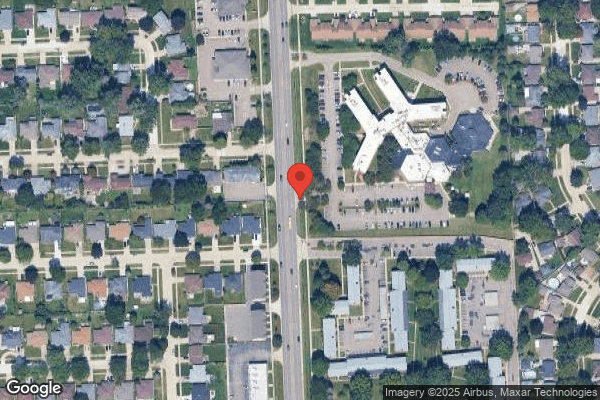
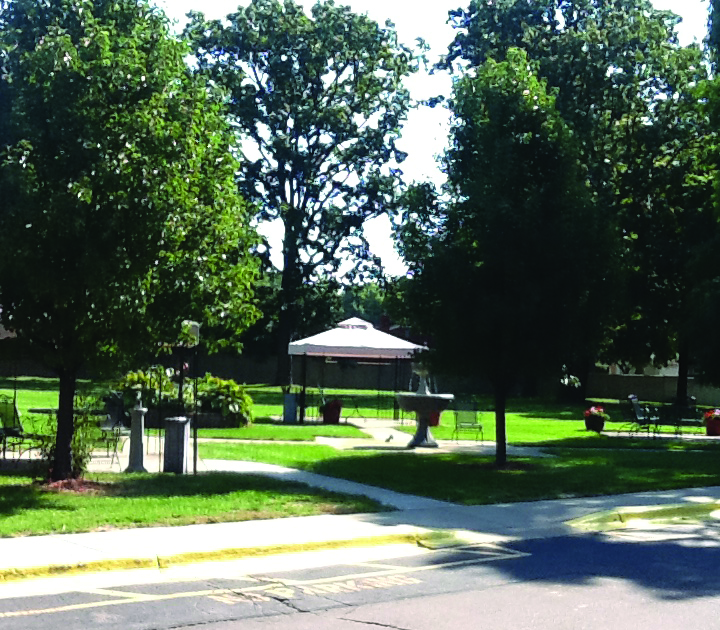
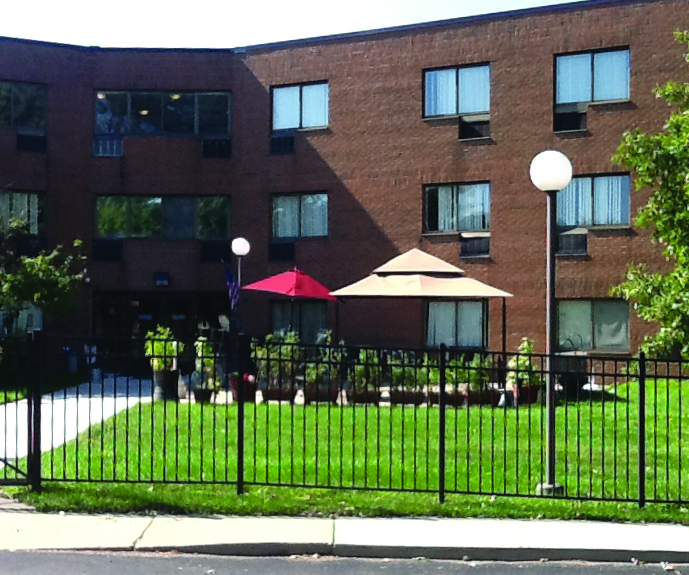
29800 Hoover Rd, Warren, MI 48093 (586) 574-3444
For profit - Limited Liability company 293 Beds Independent Data: November 2025
Trust Grade
35/100
#267 of 422 in MI
Last Inspection: August 2025

Inspected within the last 6 months. Data reflects current conditions.

Overview

Autumn Woods Residential Health has a Trust Grade of F, indicating significant concerns about care quality, which means the facility is rated poorly overall. It ranks #267 out of 422 in Michigan and #22 out of 30 in Macomb County, placing it in the bottom half of both categories. The facility's situation is worsening, with reported issues increasing from 11 in 2024 to 14 in 2025. Staffing is average, with a 41% turnover rate, which is slightly better than the state average, but the overall staffing rating is only 2 out of 5 stars. Notably, there have been no fines, which is a positive aspect, but several concerning incidents were found, including improperly maintained sanitizer buckets in the kitchen and a failure to date opened food items, which raises potential health risks for residents. Additionally, there were deficiencies in documenting tube feeding orders for multiple residents, indicating a risk that they may not receive proper nutrition as prescribed.
Trust Score
F
35/100
In Michigan
#267/422
Bottom 37%
Safety Record
High Risk
Review needed
Inspections
Getting Worse
11 → 14 violations
Staff Stability
○ Average
41% turnover. Near Michigan's 48% average. Typical for the industry.
Penalties
✓ Good
No fines on record. Clean compliance history, better than most Michigan facilities.
Skilled Nurses
○ Average
Each resident gets 31 minutes of Registered Nurse (RN) attention daily — about average for Michigan. RNs are the most trained staff who monitor for health changes.
Violations
⚠ Watch
37 deficiencies on record. Higher than average. Multiple issues found across inspections.
★★☆☆☆
2.0
Overall Rating
★★☆☆☆
2.0
Staff Levels
★★★★☆
4.0
Care Quality
★★☆☆☆
2.0
Inspection Score
Stable
2024: 11 issues
2025: 14 issues

The Good

  • 4-Star Quality Measures · Strong clinical quality outcomes
  • Full Sprinkler Coverage · Fire safety systems throughout facility
  • No fines on record
  • Staff turnover below average (41%)

    7 points below Michigan average of 48%

Facility shows strength in quality measures, fire safety.

The Bad

2-Star Overall Rating

Below Michigan average (3.1)

Below average - review inspection findings carefully

Staff Turnover: 41%

Near Michigan avg (46%)

Typical for the industry

The Ugly 37 deficiencies on record

Aug 2025 13 deficiencies
CONCERN (D) 📢 Someone Reported This

A family member, employee, or ombudsman was alarmed enough to file a formal complaint

Potential for Harm - no one hurt, but risky conditions existed

Deficiency F0558 (Tag F0558)

Could have caused harm · This affected 1 resident

**NOTE- TERMS IN BRACKETS HAVE BEEN EDITED TO PROTECT CONFIDENTIALITY** This citation pertains to Intakes 1226813 and 2590504.Based on observation, interview and record review the facility failed to e...

Read full inspector narrative →
**NOTE- TERMS IN BRACKETS HAVE BEEN EDITED TO PROTECT CONFIDENTIALITY** This citation pertains to Intakes 1226813 and 2590504.Based on observation, interview and record review the facility failed to ensure call lights were in reach for four residents (R119, R160, R4 and R239) of six residents whose care needs were reviewed. Findings include: On 08/11/2025 11:19 AM, 11:25 AM, 1:11 PM, 2:00 PM, 2:56, and 4:34 PM, R4 was observed to be in bed with the call light on the floor at head of bed. R160 was observed to be in bed with the call light cord and button looped over a hook on the wall below the call box, and R119 was observed to be in bed, with the call light looped over the call box and vent cart. On 08/12/2025 8:18 AM, 9:17 AM, 11:30 AM, R4 was observed to be in bed with the call light on the floor at head of bed. R160 was observed to be in bed with the call light cord and button looped over a hook on the wall below the call box, and R119 was observed to be in bed, with the call light looped over the call box and vent cart. On 08/12/2025 at 11:37 AM, R239 was observed to be in bed with the call button hanging down below the bottom of the bed frame. On 08/13/2025 at 8:54 AM, R239 was observed to be in bed. An aide had exited the room re-entered and exited. The call cord and call button were on the floor at the left side of the bed. A review of the record for R4 revealed, R4 was admitted into the facility on [DATE]. Diagnoses included Renal Failure and Diabetes. The Minimum Data Set (MDS) assessment dated [DATE] documented severely impaired cognition and total dependence on staff for Activities of Daily Living. A review of the record for R119 revealed, R119 was admitted into the facility on [DATE]. Diagnoses included Malnutrition and Respiratory Failure. The MDS dated [DATE] documented severely impaired cognition and total dependence on staff for Activities of Daily Living. A review of the record for R197 revealed, R197 was admitted into the facility on Diagnoses included Respiratory Failure and Stroke. The MDS dated [DATE] documented severely impaired cognition and total dependence on staff for Activities of Daily Living. A review of the record for R239 revealed, R239 was admitted into the facility on [DATE]. Diagnoses included Chronic Respiratory Failure and Diabetes. The MDS dated [DATE] documented severely impaired cognition and total dependence on staff for Activities of Daily Living. A review of the policy titled, Call Lights: Accessibility and Timely Response revised 12/28/23, revealed, The purpose of this policy is to assure the facility is adequately equipped with a call light at each residents' bedside, toilet, and bathing facility to allow residents to call for assistance . Special accommodations will be identified on the resident's person-centered care plan, and provided accordingly. (Examples include touch pads, larger buttons, bright colors, etc.) .
CONCERN (D) 📢 Someone Reported This

A family member, employee, or ombudsman was alarmed enough to file a formal complaint

Potential for Harm - no one hurt, but risky conditions existed

Deficiency F0561 (Tag F0561)

Could have caused harm · This affected 1 resident

**NOTE- TERMS IN BRACKETS HAVE BEEN EDITED TO PROTECT CONFIDENTIALITY** Based on observation, interview, and record review facility failed to honor a resident's preference for a room change for one re...

Read full inspector narrative →
**NOTE- TERMS IN BRACKETS HAVE BEEN EDITED TO PROTECT CONFIDENTIALITY** Based on observation, interview, and record review facility failed to honor a resident's preference for a room change for one resident (R184) of three residents reviewed for rights and preferences. Findings include: On 08/11/2025 at 10:17 AM, R184 was asked about their care at the facility, R184 explained they were not happy. R184 expressed multiple concerns for them, locked closet with no access to clothes, not being allowed to leave the locked unit, not permitted to go outside since September 2024, and other residents wander in and out of their room. R184 reported they have made a request for a room change to Unit Manager (UM) G and Guardian P. R184 expressed staff do not listen to their concerns and feels very aggravated. On 08/12/2025 at 1:25 PM, an unknown male resident was observed sitting on R184's bed and putting on R184's tennis shoes. R184 remarked, this happens all the time, it's frustrating. The UM G was made aware of the observation and was then observed to remove the unknown male resident. A review of the medical record for R184 revealed, R184 was admitted to the facility on [DATE] with diagnoses of Diabetes, High Blood Pressure, and Dementia without Behavioral Disturbances. The Minimum Data Set (MDS) assessment dated [DATE], indicated R184 had a moderate cognitive impairment. On 08/12/2025 at 1:27 PM, Licensed Practical Nurse (LPN) H was asked about R184 care on the locked unit and indicated the environment is overstimulating for R184 affecting their desire to come out of the room for meals and activities. LPN H reported R184 often request to go downstairs to the vending machine, but staff is not always available and R184 has to wait.On 08/13/2025 at 8:21 AM, Social Worker (SW) E revealed R184 was moved initially to a private room on the locked unit after R184 was no longer able to get along with the roommate. After a 12-day hospital stay in December, R184 returned to a different room that was no longer the private room but now into a semi-private room on the locked unit. On 08/13/2025 at 8:45 AM, the Director of Nursing (DON) was interviewed about R184 being in a locked unit. The DON stated there is not specific criteria for placement on the locked unit.On 08/13/2025 at 10:54 AM, an interview with Registered Nurse (RN) J was conducted and asked about R184 documented behaviors. RN J reported behaviors are documented in the nurse's progress notes. A review of R184's medical record progress notes revealed, for June 2025 through August 11, 2025, revealed no documented behaviors. Further review revealed plan of care responses dated 07/13/2025 through 08/13/2025 with no documented behaviors. Further review of R184's medical record revealed a progress note from the Psychiatry Physician Assistant (PA) F dated 04/18/2025, [R184] reports frustration, stating [R184] does not want to be in the memory care unit and wants to be outside, as [R184] does not believe [R184] belongs there. [R184] reports[their] sleep has been poor and requests medication to help. [R184] also reports having anxiety as well as a little bit of depression . On 08/13/2025 at 11:20AM, attempt to reach PA F by phone was unsuccessful. On 08/13/2025 at 11:38 AM, attempted contact with R184's Guardian P, voice message was left with no return call by the end of the survey.On 08/13/2025 at 1:10 PM, a request was made for the facility's room change criteria policy. No policy was provided by the end of survey.
CONCERN (D)

Potential for Harm - no one hurt, but risky conditions existed

Deficiency F0578 (Tag F0578)

Could have caused harm · This affected 1 resident

Based on interview and record review, the facility failed to ensure formulated advance directives were completed properly for one resident (R8) out of two reviewed for advanced directives. Findings in...

Read full inspector narrative →
Based on interview and record review, the facility failed to ensure formulated advance directives were completed properly for one resident (R8) out of two reviewed for advanced directives. Findings include:A review of the medical record revealed R8 was admitted into the facility on 5/5/2025 with the following medical diagnoses, Cerebral Infarction and Bipolar Disorder. A review of the most recent Minimum Data Set assessment revealed a Brief Interview for Mental status score of 14/15, indicating an intact cognition. R8 also required assistance with bed mobility and transfers.Further review of the medical records revealed a capacity determination letter signed by a physician on 5/14/2025 and a Licensed Psychologist on 5/12/2025, deeming R8 incapable of making decisions regarding medical treatment. As well as an advance directive signed by R8 dated 7/2025.On 8/13/2025 at 11:23 AM, an interview was conducted with Social Service Director (SSD) D. SSD D reported R8's sisters were supposed to be getting guardianship, but they did not know where they were in the process and would have to follow up. SSD D reported they did the capacity determination because they needed to know what her capabilities were to make decisions. SSD D was asked why R8 signed their own advance directives after being deemed incompetent. SSD D stated they allowed R8 to sign their own advance directives at the time because they seemed coherent enough, although no new capacity determination had been completed.A request for a facility policy related to advance directives was requested but not received by end of survey.
CONCERN (D)

Potential for Harm - no one hurt, but risky conditions existed

Safe Environment (Tag F0584)

Could have caused harm · This affected 1 resident

**NOTE- TERMS IN BRACKETS HAVE BEEN EDITED TO PROTECT CONFIDENTIALITY** Based on observation, interview, and record review the facility failed to maintain a homelike environment for two sampled reside...

Read full inspector narrative →
**NOTE- TERMS IN BRACKETS HAVE BEEN EDITED TO PROTECT CONFIDENTIALITY** Based on observation, interview, and record review the facility failed to maintain a homelike environment for two sampled residents (R151 and R184) of six reviewed for environment. Findings include: R151On 8/12/2025 at 9:38 AM, R151 was sitting in a wheelchair in their room. R151's bed footboard was observed to be in disrepair with exposed wood and with duct tape around it. On 8/13/2025 at 9:44 AM, R151's bed remained in the same condition. R151 was asked about the condition of the footboard and provided no explanation about its condition. A review of R151's medical record revealed that R151 was admitted to the facility on [DATE] with diagnosis of Alzheimer's. A review of R151's Minimum Data Set (MDS) assessment dated [DATE] noted R151 with impaired cognition. A review of R151's care plan noted, Focus: Resident has impaired cognitive functioning r/t (related to) Dementia, Intellectually Disabled, decreased memory, decision making, difficulty w/recall, impaired thought processes. Date Initiated: 12/17/2024. Goal: Resident will have reduced complications related to their cognitive function through next review. Date Initiated: 12/17/2024. Interventions: Encourage family/responsible party to bring in familiar personal items to promote a homelike environment. Date Initiated: 12/17/2024.On 8/13/2025 at 2:13 PM, the Maintenance Director was asked about the condition of R151's footboard and explained he was not aware of the bed being an issue.R184On 8/11, 8/12, and 8/13/2025, R184's floor tile was observed to be in chipped, stained, and in disrepair. A review of the facility's policy titled, Maintenance Inspection dated, 3/12/22 noted, Policy: It is the policy of this facility to utilize a maintenance inspection program in order to assure a safe, functional, sanitary, and comfortable environment for residents, staff, and public. Policy Explanation and Compliance Guidelines: 1. The Director of Maintenance Services will perform routine inspections of the physical plant using the TELS program.
CONCERN (D) 📢 Someone Reported This

A family member, employee, or ombudsman was alarmed enough to file a formal complaint

Potential for Harm - no one hurt, but risky conditions existed

Free from Abuse/Neglect (Tag F0600)

Could have caused harm · This affected 1 resident

This citation pertains to Intakes: 2578720, 2584022, 2586062 Based on interview and record review, the facility failed to thoroughly assess and document skin bruising for an injury of unknown origin f...

Read full inspector narrative →
This citation pertains to Intakes: 2578720, 2584022, 2586062 Based on interview and record review, the facility failed to thoroughly assess and document skin bruising for an injury of unknown origin for one resident (R50) of one reviewed for abuse. Findings include:A review of documentation submitted to the State Agency (SA), revealed R50 was admitted into the facility for 7-days of respite care, and was discharged with bruising on various areas of their body without explanation. The resident was taken to a community agency that coordinates healthcare services with the facility for a skin assessment, and was later transferred to the hospital for further evaluation. Further review of the documentation submitted noted photos of bruises in various healing stages most notably on the resident's body, specifically neck, left shoulder and hand.A review of R50's medical record revealed they were admitted into the facility on 7/22/25 and discharged on 7/29/25 with diagnoses which included Alzheimer's Disease, Severe Protein-Calorie Malnutrition and Diabetes. Further review revealed the resident was severely cognitively impaired, and required one-person assistance for toileting and transfers, and needed supervision for eating, ambulating and bed mobility. Further review of the medical record revealed a Nursing Evaluation Summary dated 7/22/25 noting no skin integrity issues for R50. On 8/13/25 at 10:47 AM, Licensed Practical Nurse (LPN K) was interviewed via phone, and confirmed she was the admitting nurse for R50. She explained that a skin assessment was completed for the resident, and did not identify any marks, bruises or wounds on the resident's body. Further review of the medical record revealed the following progress note:7/23/2025 19:53 (7:53pm) NP (nurse practitioner/PA physician assistant) Progress Note .Patient seen and examined at bedside. Chart reviewed; nursing assessment reviewed. Patient is being seen for chronic and any acute health conditions at this time .Skin: Intact with no visualized rashes .On 8/13/25 at 12:06 PM, an interview was completed with Certified Nursing Assistant (CNA N), assigned CNA to R50 the date of admission and discharge. CNA N explained that the morning of R50's discharge, she dressed the resident for the day and noted to have observed redness to the resident's right arm. CNA N explained that she reported the skin issue to a nurse, but didn't remember which nurse it was.A review of the Facility Reported Incident (FRI) revealed the following, .Although [R50] had multiple bruises of various stages of healing, we could not substantiate the causes of all the bruises, except the hand. We could however assess that they were most likely caused by [their] poor trunk control, unsteady gait, laying on [their] right side in awkward positions at various times prior to and during [their] stay. The bruises on [their] chest and shin appeared to be more advanced in healing than the hands, arm and shoulder. Indicating that they possibly occurred prior to the hand, arm and shoulder. The scratches on [their] thigh was due to a small area of irritation which [R50] scratched [themselves] .On 8/13/25 at 2:10 PM, an interview was completed with the Director of Nursing (DON), who acknowledged that she had seen the photos of R50 with the various stages of bruises. The DON explained that the facility could not determine how R50 sustained the bruising but admitted that something was missed by facility staff as it would have been impossible to have provided care to the resident and not have noticed the bruising. A review of the facility's Wound Care policy revealed the following, .2. All CNAs will check the resident's skin daily during routine care for evidence of skin injuries. Any new findings will be brought to the attention of charge nurse and/or Unit Management for immediate intervention .
CONCERN (D)

Potential for Harm - no one hurt, but risky conditions existed

Deficiency F0645 (Tag F0645)

Could have caused harm · This affected 1 resident

Based on interview and record review, the facility failed to complete an annual pre-admission screening and resident review (PASARR) for one resident (R8) out of two reviewed for PASARR's. Findings In...

Read full inspector narrative →
Based on interview and record review, the facility failed to complete an annual pre-admission screening and resident review (PASARR) for one resident (R8) out of two reviewed for PASARR's. Findings Include:A review of the medical record revealed R8 was admitted into the facility on 5/5/2025 with the following medical diagnoses, Cerebral Infarction and Bipolar Disorder. A review of the most recent Minimum Data Set assessment revealed a Brief Interview for Mental status score of 14/15, indicating an intact cognition. R8 also required assistance with bed mobility and transfers.A review of the most recent PASARR was dated 6/28/2024.On 8/13/2025 at 11:23 AM, an interview was conducted with the Social Service Director (SSD) D. SSD D reported they would have to look and see if an annual was completed for R8.A request for an updated PASARR for R8 was requested and not received by the end of the survey.A request for a facility policy related to PASARR completion was requested and not received by end of survey.
CONCERN (D) 📢 Someone Reported This

A family member, employee, or ombudsman was alarmed enough to file a formal complaint

Potential for Harm - no one hurt, but risky conditions existed

Comprehensive Care Plan (Tag F0656)

Could have caused harm · This affected 1 resident

Based on observation, interview, and record review, the facility failed to implement fall care plan interventions for one resident (R8) out of three reviewed for falls. Findings include:On 8/11/2025 a...

Read full inspector narrative →
Based on observation, interview, and record review, the facility failed to implement fall care plan interventions for one resident (R8) out of three reviewed for falls. Findings include:On 8/11/2025 at 11:32 AM, R8 was observed in the bed with a cane on the right side of the bed, R8 reported they use the cane for mobility. R8 reported they have had a couple falls in the facility.On 8/13/2025 at 10:56 AM, request for R8's Incident and Accident reports was requested but not received by the end of survey.A review of the care plan revealed the following intervention, Mat to floor next to bed left side of bed.On 8/11/2025 at 11:32 AM, no floor mat was observed on the left side of the bed.A review of the medical record revealed R8 was admitted into the facility on 5/5/2025 with the following medical diagnoses, Cerebral Infarction and Bipolar Disorder. A review of the most recent Minimum Data Set assessment revealed a Brief Interview for Mental status score of 14/15, indicating an intact cognition. R8 also required assistance with bed mobility and transfers.On 8/12 at 9:33 Am, no fall mat was observed on the left side of the bed.On 8/13/2025 at 10:37 AM, no fall mat was observed on the left side of the bed.On 8/13/2025 at 12:08 PM, an interview was conducted with Unit Manager (UM) W. UM W reported that were unsure why R8 did not have a fall mat and that maintenance may have moved it. On 8/13/2025 at 12:30 PM, a Quality Assurance and Improvement Plan (QAPI) meeting was held with the Nursing Home Administrator (NHA). The NHA reported they expect current fall interventions are expected to be implemented. The Interdisciplinary team (IDT) meets following a fall, the interventions should be reviewed and any intervention that is deemed appropriate will be added to the care plan and should be followed immediately.A request for a facility policy related to falls was requested but not received by the end of survey.
CONCERN (D)

Potential for Harm - no one hurt, but risky conditions existed

ADL Care (Tag F0677)

Could have caused harm · This affected 1 resident

Based on observation, interview, and record review the facility failed to provide routine finger nail care for two sampled residents (R16 and R20) of six reviewed for activities of daily living. R16On...

Read full inspector narrative →
Based on observation, interview, and record review the facility failed to provide routine finger nail care for two sampled residents (R16 and R20) of six reviewed for activities of daily living. R16On 8/12/2025 at 9:25 AM, R16 was observed in bed with long nails, with a yellowish tint, and a buildup of brown debris under them. R16 was asked if they preferred their nails at the observed length. R16 was observed to hold their hands up towards their face and expressed that the nails were long and that they should be cut. On 8/13/2025 at 9:40 AM, R16 was asked if the staff had cut their nails, R16 reported they had not been cut. R16's nails were observed in the same condition.On 8/13/2025 at 9:47 AM, Unit Manager, Licensed Practical Nurse (LPN A) was asked to observe R16's nails. LPN A expressed, R16's nails were long and needed to be cut. LPN A was asked the expectation for resident's nails to get cut. LPN A explained, it is as needed, and nails are to be checked on shower days.A review of R16's care plan noted, Focus: The resident has an ADL self-care performance deficit related to absence of right leg below knee, history of joint replacement surgery and muscle weakness. Date Initiated: 08/14/2023. Goal: Resident's Activities of Daily Living (ADL) needs will be met through next review. Date Initiated: 08/14/2023 Revision on: 03/13/2025. Interventions: PERSONAL HYGIENE: Dependent - 1 person assist Date Initiated: 08/14/2023.R20On 8/11/2025 at 9:52 AM, R20 was observed laying on their bed, R20's nails were observed to be long and with brown debris under their nails.On 8/13/2025 at 9:40 AM, R20's nails remained in the same condition. R20 was asked if they preferred their nails at that length, R20 explained, the nails needed to be cut. On 8/13/2025 at 9:50 AM, LPN A made an observation of R20's nails and was asked when R20's nails are to be cut. LPN A explained that she will cut them if R20 lets them. LPN A was asked if R20's refusal was documented or care planned. LPN A stated staff have been directed to document refusals and that she was not sure if it was care planned.A review of R20's care plan noted Focus: The resident has an ADL self-care performance deficit related to dementia, muscle weakness, osteochondritis dissecans, chronic kidney disease, old myocardial infarction and hypertrophic disorder of the skin. Date Initiated: 11/30/2023. Goal: Resident's Activities of Daily Living (ADL) needs will be met through next review. Date Initiated: 11/30/2023. Interventions: PERSONAL HYGIENE: Supervision - offer setup help as needed Date Initiated: 03/11/2024.On 8/13/2025 at 2:06 PM, the Director of Nursing (DON) was asked the expectation for nail care, the DON explained that nail care is to be completed during activities of daily living care.A review of the facility's policy titled, Nail Care dated, 8/20/24 noted, Policy: The purpose of this procedure is to provide guidelines for the care of a resident's nails for good grooming and health. Policy Explanation and Compliance Guidelines: . 3. Routine cleaning and inspection of nails will be provided during ADL care on an ongoing basis .
CONCERN (D)

Potential for Harm - no one hurt, but risky conditions existed

Quality of Care (Tag F0684)

Could have caused harm · This affected 1 resident

Based on interview and record review, the facility failed to schedule a hematology (specialty for diseases of the blood) appointment for one resident (R8) out of one reviewed for consultation appointm...

Read full inspector narrative →
Based on interview and record review, the facility failed to schedule a hematology (specialty for diseases of the blood) appointment for one resident (R8) out of one reviewed for consultation appointments. Findings Include:On 8/13/2025 at 10:40 AM, R8 was observed in their bed. R8 stated they were doing okay, but their hands have been hurting them.A review of the medical record revealed R8 admitted into the facility on 3/7/2025 with the following medical diagnoses, Chronic Obstructive Pulmonary Disease and Obstructive Sleep Apnea. A review of the most recent Minimum Data Set assessment revealed a Brief Interview for Mental status score of 12/15, indicating an impaired cognition. R8 also required assistance with bed mobility and transfers.Further review of the medical record revealed an active order with a start date of 3/18/2025 for a hematology appointment follow up.On 8/13/2025 at 2:05 PM, an interview was conducted with the Director of Nursing (DON). The DON reported they were unaware of a hematology appointment and would look into it.No further information was received by the end of the survey.A request for a policy related to outside appointments was requested and not received by the end of survey.
CONCERN (D)

Potential for Harm - no one hurt, but risky conditions existed

Respiratory Care (Tag F0695)

Could have caused harm · This affected 1 resident

**NOTE- TERMS IN BRACKETS HAVE BEEN EDITED TO PROTECT CONFIDENTIALITY** Based on observation, interview and record review, the facility failed to ensure timely monitoring for two ventilator residents ...

Read full inspector narrative →
**NOTE- TERMS IN BRACKETS HAVE BEEN EDITED TO PROTECT CONFIDENTIALITY** Based on observation, interview and record review, the facility failed to ensure timely monitoring for two ventilator residents (R3, R35) of four residents reviewed for respiratory care needs. Findings include: R3 On 08/11/2025 at 9:36 AM, R3 was observed to be in bed and restless with non-purposeful movements of the arms and legs. R3 had a tracheostomy (artificial airway inserted via a throat incision) which was connected to a mechanical ventilator (assists resident to breath effectively) via a corrugated plastic tubing (circuit). On 08/11/2025 at 10:42 AM, R3's restlessness continued and the circuit connecting the tracheostomy to the ventilator became disconnected at the tracheostomy site with a movement of R3's left arm which tangled the circuit tubing. An alarm sounded and a red light turned on above the outside of the resident's doorway. No staff were observed to be in the hallway. At 10:44 AM, staff came around the corner from the nurse station, turned back toward the nurse station and then walked up the hall to the room of R3 and reconnected the circuit to the tracheostomy. On 08/12/2025 at 8:08 AM, 9:15 AM, 11:23 AM, and 2:29 PM, R3 was observed to be in bed, calm and without restlessness. A review of the record for R3 revealed R3 was admitted into the facility on [DATE] and most recently re-admitted on [DATE]. Diagnoses included Tracheostomy Status and Dependence on a Ventilator. A review of the Minimum Data Set (MDS) assessment dated [DATE] documented moderately impaired cognition and dependence or the need for substantial/maximal assistance for activities of daily living. R35On 08/11/2025 at 9:46 AM, R35 reported staff had taken 45 minutes to respond to their call light and get them onto the beside commode. R35 had a tracheostomy connected to a mechanical ventilator. R35 then reported they had become disconnected from the ventilator on 08/10/25. At 11:33 AM, R35 was observed to be seated upright in a recliner at the left side of the bed. R35 reported it had taken twenty minutes for staff to respond to the call light to get them off the bed side commode earlier in the morning. R35 was asked about what happened on 08/10/25. The spouse was present. R35 related they did not recall how the circuit became disconnected nor how long they were disconnected. The spouse indicated R35 had quit breathing. R35 recounted the tube had become disconnected in two places. This was identified as at the tracheostomy site and at the inline valve along the circuit tubing. R35 noted they had been showered earlier in the morning and was up in the recliner as on any other day. R35 recalls putting on the call light to use the bathroom and a few minutes later the circuit had become disconnected. R35 reported they were able to get the circuit reconnected at the valve but not at the tracheostomy. R35 reports they struggled with the tubing and trying to breath and may have passed out. The spouse reported they had spoken with R35 around 11 AM and R35 was fine. The spouse reported they had arrived in the room at the time staff were in with R35 on 08/10/25 and reported R35 was out of it at the time. The spouse reported additional times R35 has had to wait longer than 20 minutes for assistance to get back into bed. R35 was observed to be able to suction themselves, pedal a foot bike independently, feed themselves and converse appropriately during the days of the survey. On 08/11/2025 at 10:10 AM, Respiratory Therapist (RT) O reported someone should have heard the alarms going off. They had returned from break and noted the incident with R35. RT O reported R35 may have been disconnected for about three minutes. RT O reviewed the alarm menu for R35's ventilator and reported the last disconnection on 08/10/25 was at 12:14 PM. RT O also noted alarms for low pressure and low volume. On 08/11/2025 at 4:26 PM, the Corporate RT Director RT Q reported there should be an immediate response from staff to red light alarms. On 08/12/2025 at 11:23 AM, R35 was seated in a recliner using a foot bike independently. On 08/12/25 at 11:26 AM, the alarm activations were reviewed with RT X and confirmed disconnection means the circuit was disconnected and started at 12:08 PM and continued to alarm at 12:09 PM, 12:10 PM, 12:11 PM, 12:13 PM and 12:14 PM. An explanation of the alarms was not provided. On 08/13/2025 at 7:58 AM, R35 was asked again to review the events of 08/10/25. R35 reported it was a regular day with the regular routine. R35 reported they were up in the recliner with the circuit tubing off toward the right. They had put on the call light to use the bathroom and the call light had been on for two or three minutes, when circuit became disconnected in two places one at valve and at tracheostomy site. R35 reported they were able to reconnect at valve, but was not able to reconnect at the tracheostomy site. R35 reported they were struggling to breath and does not recall any coughing. On 08/13/2025 at 8:02 AM, RT O, reported that the unit was fully staffed on 08/10/25 but they had gone on break around 11:30 AM. RT O also reported that when the monitor reads disconnection it is only a disconnection, otherwise will say low minute volume or low pressure. On 08/13/2025 at 10:06 AM, R35 was seated in a recliner, suction wand in hand, sitting straight upright, and watching TV. On 08/13/2025 at 10:10 AM, the unit manager for the vent unit was asked to review the alarm activations for 08/10/25. Minute by minute low pressure, low minute volume and disconnect alarms were recorded from 12:08 PM until 12:14 PM. The unit manager reported they would have to speak with the corporate RT manager to review the settings. At 11:11 AM RT Manager Q reviewed alarm activations from 12:08 PM to 12:14 PM and noted the alarm activated and reset in the same minute. RT Q speculated R35 may have been coughing or putting it on and off. It was noted that R35 had attempted to reconnect the circuit to the tracheostomy, but was not able to. It was further noted that there was alarm activation for a period of six minutes when additional review of the alarms indicated only a single event, not seven in succession as on 08/10/25. On 08/13/2025 at 11:27 AM, the Director of Nursing (DON) reported they had spoken with the staff involved in regard to the disconnection of R35 from the ventilator. The DON reported they were shown where R35 may have been off the ventilator for two to three minutes. The DON deferred to the corporate RT Manager for vent unit concerns. On 08/13/2025 at 11:47 AM, Certified Nursing Assistant (CNA) S (R35's assigned CNA) reported it was busy on the opposite hall with more high level or red alarms which needed attention. CNA reported they had completed the lunch tray pass between 11 AM and 11:30 AM and had gone to the restroom sometime after that. Upon returning to the unit, they noted the red alarm for R35 was activated and went into see R35 and observed R35 disconnected from the ventilator. CNA S reported RT R and Licensed Practical Nurse (LPN) T responded first. CNA S reported R35 kept leaning, not able to sit upright and R35's speech was not clear. On 08/13/2025 at 12:01 PM, LPN U reported they were on the vent unit on the opposite hall from R35 on 08/10/25. LPN U reported it was a busy day as two residents had been alarming off and on, all day and one of the resident's had to eventually be sent out. LPN U noted the nurse from the other hall was trying to help them also. On 08/13/2025 at 12:07 PM, LPN T reported R35 was lethargic and had a deer in the headlights look when they entered the room of R35 during the disconnection on 08/10/25. LPN T confirmed it was a busier than usual day and noted they had been down the other hall when CNA S called them. LPN T also noted around 12 PM the aides would have been in the rooms doing vitals. A review of the record for R35 revealed R35 was admitted into the facility on [DATE]. Diagnoses included, Acute and Chronic Respiratory Failure, Tracheostomy Status, Dependence on Ventilator and Dependence on Supplemental Oxygen. A review of the Minimum Data Set (MDS) assessment dated [DATE] documented intact cognition with a Brief Interview for Mental Status score of 15/15 and the need for supervision for eating, and dependence for toileting, and transfers. The active care plan did not provide interventions related to alarm response. A review of the user manual for the facilities ventilators revealed in section six: low minute volume alarm, priority high, will be given when the monitored minute volume does not reach the alarm limit for 15 seconds. Possible cause: mismatch between breath rate and inspired volume. changes in airway resistance and or compliance, decreased breath rate . A low pressure alarm will be given when unit fails to reach the low pressure limit for 15 seconds. Possible cause: disconnection of patient circuit, mismatch between pressure setting and alarm setting, leakage from mask or other components . Disconnection: when measured flow exceeds the expected leakage flow at the set pressure for 15 seconds. Possible causes: too high leakage, has removed mask, circuit disconnection, pilot pressure tube disconnection, patient circuit or cannula disconnection . A review of the undated facility information sheet titled, Ventilator Alarms revealed, Check Circuit Alarm = Pinched or detached tubing, problem with exhalation valve, too high of pressure; Circuit Disconnect = tubing detached; High inspiratory pressure = cough, pinched tubing, bearing down needs suctioned; Low Minute Ventilation = Leak in Circuit, not getting adequate breaths; Low expiratory pressure = leak in circuit, might need air in cuff.
CONCERN (D)

Potential for Harm - no one hurt, but risky conditions existed

Deficiency F0740 (Tag F0740)

Could have caused harm · This affected 1 resident

Based on interview and record review, the facility failed to provide mental health services in a timely manner for one resident (R186) out of three reviewed for mood and behavior. Findings include:A r...

Read full inspector narrative →
Based on interview and record review, the facility failed to provide mental health services in a timely manner for one resident (R186) out of three reviewed for mood and behavior. Findings include:A review of the medical record revealed R186 admitted into the facility on 5/13/2025 with the following medical diagnoses, Schizophrenia and Bipolar Disorder. A review of the most recent Minimum Data Set assessment revealed a Brief Interview for Mental Status score of 12/15, indicating an impaired cognition. R186 also required assistance with bed mobility and transfers.Further review of the physician's orders revealed that R186 received Haldol (Antipsychotic) injection, once a month.On 8/13/2025 at 11:04 AM, a request for psychiatric notes for R186 was requested and not received by the end of survey.On 8/13/2025 at 11:23 AM, an interview was conducted with Social Service Director (SSD) D. SSD D reported they are on the list to be seen, and they just switched to a new Nurse Practitioner. SSD D reported the new Nurse Practitioner comes in every Monday and will be seeing R186 soon.On 8/13/2025 at 12:30 PM, a Quality and Performance Improvement (QAPI) meeting was held with the Nursing Home Administrator (NHA). The NHA stated they expect Psychiatry (Psych) evaluations should be completed within the first week of admission pending consent by either the resident or guardian/power of attorney. They reported the Psychologist is here every other week and the Psych Physician's Assistant is here weekly. The NHA reported that consents for treatment can be verbal if documented and sometimes the psych evaluation is delayed or does not happen if consent is not provided.A request for a facility policy related to behavioral services was requested and not received by the end of survey.
CONCERN (D)

Potential for Harm - no one hurt, but risky conditions existed

Deficiency F0761 (Tag F0761)

Could have caused harm · This affected 1 resident

Based on observation, interview, and record review the facility failed to ensure safe storage of medication for one resident (R149) of four residents reviewed for medication storage. Findings include:...

Read full inspector narrative →
Based on observation, interview, and record review the facility failed to ensure safe storage of medication for one resident (R149) of four residents reviewed for medication storage. Findings include:On 8/11/25 at 9:49 AM, an observation on R140's bedside table, a medication cup of pills containing approximately eight pills, two blue oval, two large round white, one small round white, one small yellow round, one white capsule, and one yellowish clear gel capsule. Two bottles of Nystatin Powder were also on the bedside table on 8/11/25, 8/12/25, and 8/13/25. When R149 was queried, they revealed their nurse always leaves the pills for them to take when they are ready. Further inquiry revealed R149 identified the medication as some are blood pressure pills. They also indicated the powder is for under my folds.A review of the Electronic Medical Record (EMR) revealed on 4/7/23, R149 was admitted with the following relevant diagnoses: End Stage Renal Disease with dependence on Renal Dialysis, Chronic Heart Failure, Diabetes, Dependence on Oxygen, and Polyosteoarthritis. Further review of R149's EMR revealed intact cognition. The EMR further revealed R149 used a walker and/or wheelchair for mobility and required partial/moderate assistance for basic activities of daily living. On 8/13/2025 at 11:57 AM, Licensed Practical Nurse (LPN) B revealed R149 liked to have their meds given to them to take on their own time. On 8/13/2025 at 1:00 PM, the Director of Nursing (DON) revealed that medications should not be at the bedside, the nurse is expected to watch the resident consume medications.A review of the EMR revealed the resident did not have a Self-Medication Administration Assessment. A review of the facilities policy Medication Administration dated 1/17/2023 revealed . 15. Observe resident consumption of medication .A review of the facilities policy titled, Medication-Resident Self-Administration of, dated 1/30/24 revealed the following .3. When determining if self-administration is clinically appropriate for a resident, the interdisciplinary team should at a minimum consider the following: a. The medications appropriate and safe for self-administration; b. The resident's physical capacity to: swallow without difficulty, open medication bottles, and administer injections; c. The resident's cognitive status, including their ability to correctly name their medications and know what conditions they are taken for; d. The resident's capability to follow directions and tell time to know when medications need to be taken; e. The resident's comprehension of instructions for the medications they are taking, including the dose, timing, and signs of side effects, and when to report to facility staff: f. The resident's ability to understand what refusal of medication is, and appropriate steps taken by staff to educate when this occurs; and, g. The resident's ability to ensure that medication is stored safely and securely. Further the policy states .7. Bedside medication storage is permitted only when it does not present a risk to confused residents who wander into the other resident's rooms or to confused roommates of the resident who self-administers medication. The following conditions are met for bedside storage to occur: a. The manner of storage prevents access by other residents. Lockable drawers or cabinets are required only if locked storage is ineffective. b. The medications provided to the resident for bedside storage are kept in the containers dispensed by the provider pharmacy .13. The care plan must reflect resident self-administration and storage arrangements for such medications.
CONCERN (D)

Potential for Harm - no one hurt, but risky conditions existed

Infection Control (Tag F0880)

Could have caused harm · This affected 1 resident

**NOTE- TERMS IN BRACKETS HAVE BEEN EDITED TO PROTECT CONFIDENTIALITY** Based on observation, interview, and record review, the facility failed to properly store a nebulizer mouthpiece for two residen...

Read full inspector narrative →
**NOTE- TERMS IN BRACKETS HAVE BEEN EDITED TO PROTECT CONFIDENTIALITY** Based on observation, interview, and record review, the facility failed to properly store a nebulizer mouthpiece for two residents (R6 and R191) out of two reviewed for nebulizer storage. Findings include:R6 On 8/13/2025 at 10:40 AM, R6 was observed in bed and wearing oxygen. R6 reported they were about to get out of bed and in their chair. A nebulizer mouthpiece was noted to be laying on the nightstand, with no barrier beneath it and an undated line. R6 was asked if they use the nebulizer mouthpiece often and they stated they use it everyday. On 8/13/2025 at 1:02 PM, Licensed Practical Nurse (LPN) “V”. LPN “V” reported they do store the nebulizer mouth pieces in a bag. LPN “V” reported that R6 had just used the nebulizer before they went outside. LPN “V” reported they were going to find a bag. A review of the medical record revealed R6 admitted into the facility on 3/7/2025 with the following medical diagnoses, Chronic Obstructive Pulmonary Disease and Obstructive Sleep Apnea. A review of the most recent Minimum Data Set assessment revealed a Brief Interview for Mental status score of 12/15, indicating an impaired cognition. R6 also required assistance with bed mobility and transfers. On 8/13/2025 at 2:05 PM, an interview was conducted with the Director of Nursing (DON). The DON reported they expected the nebulizer mouthpiece to be stored in a bag. R191 On 8/11/2025 at 3:09 PM, R191 was observed sitting in the hallway. Observed on R191's nightstand was a nebulizer machine and the mouthpiece lying flat on top of the nightstand table. The mouthpiece was not observed inside of a plastic bag and did not appear to be drying. On 8/13/2025 at 10:08 AM, R191 was observed asleep in bed. The nebulizer remained in the same condition as on 8/11/25. On 8/13/2025 at 10:05 AM, LPN A was asked R191's order for the nebulizer and stated, Every 12 hours. LPN A was asked how the nebulizer should be stored when not in use. LPN A stated, in a plastic bag. A review of R191's medical record revealed, R191 was admitted to the facility on [DATE] with diagnosis of Acute Respiratory Failure with Hypoxia. A review of R191's quarterly Minimum Data (MDS) set assessment dated [DATE] noted R191's with a severely impaired cognition. A review of R191's care plan noted, Focus: Resident has an impaired pulmonary/respiratory status related to respiratory failure and tracheostomy. Date Initiated: 04/20/2025. Goal: Resident will have reduced complications related to their altered pulmonary/respiratory status through next review. Date Initiated: 04/20/2025. Interventions: Administer medications as ordered. Observe for effectiveness and report adverse side effects to Physician . On 8/13/2025 at 1:00 PM, the Infection Control Nurse was asked the facility's expectation for the storage of nebulizer when not in use. The Nurse explained they are to be stored in a bag when not in use. A review of the facility's policy tilted, Nebulizer dated 6/23/25 noted, Purpose: Small volume nebulizers convert liquid medication into a fine mist, allowing for the delivery of the medication deep into the lungs. Appropriate cleaning and storage techniques of small volume nebulizers decrease the risk of introducing bacteria into the airways, and reduces the potential of pulmonary infections . Cleaning:1. Twist open the nebulizer cup and dump out any residual remaining from treatment. 2. Rinse nebulizer cup and components with water. 3. Allow the nebulizer cup and components to airdry on a clean absorbent towel. 4. Once dry store the nebulizer cup and mouthpiece in a bag and label. 5. Replace nebulizer and tubing weekly per procedure .
Apr 2025 1 deficiency
CONCERN (D) 📢 Someone Reported This

A family member, employee, or ombudsman was alarmed enough to file a formal complaint

Potential for Harm - no one hurt, but risky conditions existed

Safe Environment (Tag F0584)

Could have caused harm · This affected 1 resident

**NOTE- TERMS IN BRACKETS HAVE BEEN EDITED TO PROTECT CONFIDENTIALITY** This citation pertains to Intake MI00152547. Based on observation, interview, and record review, the facility failed to ensure a...

Read full inspector narrative →
**NOTE- TERMS IN BRACKETS HAVE BEEN EDITED TO PROTECT CONFIDENTIALITY** This citation pertains to Intake MI00152547. Based on observation, interview, and record review, the facility failed to ensure a clean environment for one resident, (R702) of three residents reviewed for home-like environment. Findings include: A review of the complaint submitted to the State Agency revealed the resident's room was observed as dirty upon visitation. On 4/28/25 at 10:58 AM, attempts to arouse R702 were made to no avail however, an observation of the resident's room revealed unidentifiable brown stains on the fitted and flat linen sheets the resident was laying on. The floor of the room was sticky underneath the surveyor's shoes, the door had what appeared to be an unidentifiable dried liquid on it, the baseboards throughout the perimeter of the room were observed as stained with an unknown caked on substance. The resident's bathroom was also observed with feces on the toilet seat. A review of R702's medical record revealed the resident was admitted into the facility on [DATE] with diagnoses that included Schizoaffective Disorder, Muscle Weakness and Hypertension. Further review revealed the resident had a severe cognitive impairment, and independent for transfers and bed mobility. On 4/28/25 at 12:32 PM, the Director of Nursing (DON) and surveyor observed the resident's room together, which was observed in the same condition as previously observed. The DON confirmed the room needed cleaning. A review of the facility's Room Cleaning Procedures revealed the following, Cleaning of every resident room is done daily .4. Sinks and Toilets are cleaned with a disinfectant cleaner inside and out .10 . flooring is dust mopped and then wet mopped with the specified floor cleaner. 11.Walls and doors are spot washed with a disinfectant cleaner when soiled. 12.Bathing Room tiles are wiped down and floors damp mopped with a disinfectant cleaner .
Nov 2024 1 deficiency
CONCERN (D) 📢 Someone Reported This

A family member, employee, or ombudsman was alarmed enough to file a formal complaint

Potential for Harm - no one hurt, but risky conditions existed

Deficiency F0557 (Tag F0557)

Could have caused harm · This affected 1 resident

**NOTE- TERMS IN BRACKETS HAVE BEEN EDITED TO PROTECT CONFIDENTIALITY** This citation pertains to Intake MI00148207. Based on observation, interview, and record review, the facility failed to maintain...

Read full inspector narrative →
**NOTE- TERMS IN BRACKETS HAVE BEEN EDITED TO PROTECT CONFIDENTIALITY** This citation pertains to Intake MI00148207. Based on observation, interview, and record review, the facility failed to maintain privacy from electronic devices (camera) located in the room of one resident (R704) of three reviewed for privacy. Findings include: On 11/20/24 at 10:30 AM, a sign was observed on the outside of R704's the door. The sign revealed, Introduce oneself to the mother on camera when entering resident room. Once in R704's room an approximately 4 x 6 inch camera was observed on R704's overbed table located below the window. R704's bed was about two feet away from the camera. On the left side of the same window toward the head of the bed, a (name of) camera (used to monitor in real-time) was observed affixed to the wall next to the window about 10 inches from a larger camera. Both cameras were facing R704's room entry door. On 11/20/24 at 10:45 AM, Licensed Practical Nurse (LPN) B was queried about the function of the cameras. LPN B revealed, the camera is connected to R704's mother's phone. LPN B further explained, they know voices can be heard by R704's mother because she has responded to care staff who have triggered the camera from the hallway. A review of R704's Electronic Medical Record (EMR) revealed, R704 was initially admitted to the facility on [DATE] and readmitted on [DATE] with a diagnosis of Cardiorespiratory Condition, non-verbal, and with a tracheostomy. Further review of R704's medical record indicated, R704's cognition as severely impaired and dependent of staff for all mobility and activities of daily living. On 11/20/24 at 12:55 PM, an observation was made along with the Assistant Nursing Home Administrator (ANHA) of R704's room which revealed, two cameras that faced room R704's entry door towards the hallway. The ANHA confirmed the cameras should not be facing the room entry door, saying, they are in the wrong position. The family must have moved them. When queried who was responsible to ensure the cameras are not infringing on other residents privacy, the ANHA revealed nursing staff should be ensuring cameras were facing R704 only. On 11/20/24 at 1:34 PM, the Director of Nursing (DON) revealed, R704's mother was contacted regarding placement of the cameras. R704's mother was given an explanation the cameras could not face the entry door because it could affect the privacy of any resident passing the doorway or talking in the hall. The DON explained that R704's mother became very irate and indicated she had every right to place the cameras in R704's room anywhere she wished. The policy Promoting/Maintaining Resident Dignity, revised on 10/26/23 revealed the following: 1. All staff members are involved in providing care to residents to promote and maintain resident dignity and respect resident rights . 12. Maintain resident privacy.
Oct 2024 2 deficiencies
CONCERN (D) 📢 Someone Reported This

A family member, employee, or ombudsman was alarmed enough to file a formal complaint

Potential for Harm - no one hurt, but risky conditions existed

Free from Abuse/Neglect (Tag F0600)

Could have caused harm · This affected 1 resident

This citation pertains to Intake MI00147638 Based on interview, and record review, the facility failed to prevent verbal and physical abuse for one resident (R801) out of four reviewed for abuse. Find...

Read full inspector narrative →
This citation pertains to Intake MI00147638 Based on interview, and record review, the facility failed to prevent verbal and physical abuse for one resident (R801) out of four reviewed for abuse. Findings include: A review an investigation summary revealed the following, On 10/14/2024 at around 7:00 AM, Nurse D and Certified Nursing Assistant (CNA) E reported to A.D.O.N (Assistant Director of Nursing) . that they observed Licensed Practical Nurse (LPN) C yelling profanities at R801 for trying to sleep on the couch in the dayroom during their midnight shift on 10/13/2024 between 2:30am -3:30am. When R801 refused to get up off the couch LPN C continued to yell at them then got behind the couch and started lifting the couch to get R801 off. R801 then rolled onto the floor. Staff helped R801 up and took R801 to the room . A review of the medical record revealed R801 was admitted into the facility on 2/26/2022 with the following diagnoses, Presence of Right Artificial Joint and Depression. A review of the Minimum Data Set assessment revealed a Brief Interview for Mental Status score of 99, indicating R801 was unable to complete the assessment. R801 also required staff assistance with bed mobility and transfers. On 10/24/2024 at 9:53 AM, R802 was observed in bed. R802 did not recall the incident or falling. On 10/24/2024 at 10:35 AM, a phone interview was conducted with Family Member (FM) H. FM H stated they were also the guardian of R802 and heard they had a fall. FM H stated they know R802 can be a little mean sometimes, but they have had a lot of falls in the facility. FM H stated they were not informed a staff member was involved in R801 falling on the floor. O 10/24/2024 at 12:33 PM, a phone interview was conducted with CNA E. CNA E stated LPN C was always verbally antagonizing residents or saying little mean stuff, but nothing to this degree. CNA E stated that was the first time they saw them harm someone or be that mean to a resident and they knew they had to report it. CNA E felt LPN C tipped the couch purposely to make R801 roll off. On 10/24/2024 at 1:21 PM, an interview was conducted with the Assistant Nursing Home Administrator (ANHA). The ANHA stated they were told about the incident and suspended the nurse immediately. The ANHA stated they reviewed the video and confirmed LPN C did act in an unacceptable manner, and they terminated LPN C. A review of a facility policy titled; Abuse Policy noted the following. The resident has the right to be free from verbal, sexual, physical and mental abuse, corporal punishment, and involuntary seclusion. Residents will not be subjected to abuse, neglect, or misappropriation of personal property by anyone.
CONCERN (D) 📢 Someone Reported This

A family member, employee, or ombudsman was alarmed enough to file a formal complaint

Potential for Harm - no one hurt, but risky conditions existed

Report Alleged Abuse (Tag F0609)

Could have caused harm · This affected 1 resident

Based on interview and record review, the facility failed to report an abuse allegation in a timely manner for one resident (R801) out of one reviewed for reporting. Findings Include: A review an inve...

Read full inspector narrative →
Based on interview and record review, the facility failed to report an abuse allegation in a timely manner for one resident (R801) out of one reviewed for reporting. Findings Include: A review an investigation summary revealed the following, On 10/14/2024 at around 7:00 AM, Nurse D and Certified Nursing Assistant (CNA) E reported to ADON (Assistant Director of Nursing) . that they observed Licensed Practical Nurse (LPN) C yelling profanities at R801 for trying to sleep on the couch in the dayroom during their midnight shift on 10/13/2024 between 2:30am -3:30am. When R801 refused to get up off the couch LPN C continued to yell at them then got behind the couch and started lifting the couch to get R801 off. R801 then rolled onto the floor. Staff helped R801 up and took R801 to the room . A review of the initial report revealed that the incident was reported to the SA on 10/14/2024. On 10/24/2024 at 11:58 AM, an interview was conducted with ADON B. ADON B was asked why the incident was reported to the SA on 10/14/2024 when the incident occurred on 10/12/2024. ADON B stated the incident should have been reported immediately and that the nurses and certified nursing assistants involved were immediately educated, as well as the whole building for when to report allegations of abuse and who to report it to. ADON B stated when the incident was reported to them, they immediately informed the abuse coordinator and educated the staff that it should have been reported sooner. During the onsite survey, past noncompliance (PNC) was cited after the facility implemented actions to correct the noncompliance which included: Element 1: R801 was immediately assessed fro injury and pain. Staff involved were immediately educated on reporting abuse Element 2: Like residents are all residents that reside on the nursing unit. Element 3: The Abuse policy has been reviewed and deemed appropriate. The DON (Director of Nursing)/designee will re-educate staff on when to report abuse and who to report it to Element 4: The DON or designee will review Incident reports for the last 14 days to determine if any incidents were deemed reportable. DON/Designee will also review the 24hr reports for the last 14 days to determine if any abnormal findings were documented related to resident's care. Element 5: The Director of Nursing (DON) is responsible for overall compliance by 10/23/24. The facility was able to demonstrate monitoring of the corrective action and maintained compliance.
Jul 2024 6 deficiencies
CONCERN (D)

Potential for Harm - no one hurt, but risky conditions existed

ADL Care (Tag F0677)

Could have caused harm · This affected 1 resident

**NOTE- TERMS IN BRACKETS HAVE BEEN EDITED TO PROTECT CONFIDENTIALITY** R79 Review of the facility record for R79 revealed an admission date of 12/26/24 with diagnoses that included Osteomyelitis of t...

Read full inspector narrative →
**NOTE- TERMS IN BRACKETS HAVE BEEN EDITED TO PROTECT CONFIDENTIALITY** R79 Review of the facility record for R79 revealed an admission date of 12/26/24 with diagnoses that included Osteomyelitis of the Left Ankle and Foot and Chronic Obstructive Pulmonary Disease. On 07/23/24 at 10:58 AM, R79 reported they were bothered by their toenails being too long and needing to be trimmed and stated they could not recall seeing a Podiatrist since their admission to the facility. On 07/24/24 at 11:54 AM, R79's feet were observed with staff assisting to remove the bedding and socks. R79's toenails were excessively long on multiple toes including some sharp, unfiled corners and particularly on the bilateral great toes which were approximately one inch beyond the nail bed. On 07/24/24 at 1:31 PM, the facility Director of Nursing (DON) reported non-diabetic residents can have their toenails trimmed by nursing staff and diabetic residents are referred to Podiatry for toenail care. On 07/24/24 at 1:43 PM, the DON observed R79's feet with the surveyor and acknowledged that multiple toenails needed to be trimmed. The DON reported their expectation is resident's who are not diabetic have their toenails monitored and trimmed during ADL (Activities of Daily Living) care as needed. A review of the facility's policy titled, Activities of Daily Living, dated 12/28/2023, revealed, Policy: The facility tasks measures to minimize the loss of residents functional abilities, including activities of daily living (ADLs). Activities of Daily Living include the ability to: 1. Bath, dress, and groom; 2. Transfer and ambulate . Review of the facility policy Nail Care dated 06/20/24 revealed the following Policy Explanation and Compliance Guidelines entries: 3. Routine cleaning and inspection of nails will be provided during ADL care on an ongoing basis. 4. Routine nail care to include trimming and filing, will be provided on a regular basis and as the need arises. Based on observation, interview, and record review, the facility failed to provide showers, nail care, and facial hair removal for three sampled residents (R129, R61, and R79) of four reviewed for activities of daily living (ADLs). Findings include: R129 On 7/23/24 at 11:27 AM, R129 was observed lying in bed. R129 hair was observed with small white flakes at the surface of the scalp and throughout their hair. R129 was asked about the care at the facility. R129 stated, They rush when changing me. I don't get my showers hadn't had one in four weeks. R129 was asked if they had their hair washed. R129 stated, No. A review of R129 medical record revealed, R129 was admitted to the facility on [DATE] with the diagnosis of Parkinsonism. A review of R129's quarterly Minimum Data Set (MDS) assessment dated [DATE] noted R129 with a moderately impaired cognition and required assistance to completed activities of daily living. A review of R129's shower schedule revealed, Tuesdays and Fridays 2:00 PM-10:00 PM. A review of R129's shower documentation for 30 days noted, R129 with six bed bathes, no showers, and one refusal. On 7/24/24 at 11:51 AM, R129 was observed lying in bed, R129's fingernails were observed to be long with a buildup of dirt under them. R129 was asked if they received a shower. R129 reported, they did not get it, but the staff said they would get it today. On 7/25/24 at 10:11 AM, R129 was asked if they got their shower yesterday. R129 stated, No, because the thing (mechanical lift) is broke. On 7/25/24 at 10:12 AM, a mechanical lift was observed in the hallway and staff was observed to place a battery onto the lift, the lift was observed to work. On 7/25/24 at 10:14 AM, the Unit Manager K was asked about R129's shower and lift. Unit Manager K explained that R129 often refuses and the lifts works. On 7/25/24 at 10:15 AM, R129 was asked if they refused the shower when asked, R129 stated, No. R129 was asked if they preferred showers or bed baths, R129 stated, showers. R129 was asked if they refused for their hair to be washed, R129 stated, No, that's why I want a shower to wash my hair. R129's hair and nails were observed in the same conditions as previously observed. On 7/25/24 at 10:19 AM, R129's assigned Certified Nursing Assistant (CNA J) was asked about R129's shower that was scheduled yesterday. CNA J stated, [R129] didn't get one yesterday because we didn't have any slings (require equipment for the mechanical lift), this is a constant problem. [R129] did not refuse the shower yesterday. CNA J continued and explained some residents don't get up out of bed because we are out of slings and the slings are on a first come first serve basis. CNA J explained some residents hide them in their room at night so they can get out of bed in the morning. On 7/25/24 at 10:48 AM, an unidentified staff members were overheard asking for the mechanical lift. Staff #1 Do y'all have the (name of mechanical lift). Staff #2 Yeah. Do y'all have a sling I can use. Staff #1 The only sling I have is the one I am about to use to get this man up. Staff #2 Oh ok. On 7/25/24 at 10:59 AM, Unit Manager K was asked how many residents on the unit require mechanical transfers. Unit Manager K counted the residents and stated, 16 residents and multiple sizes (sling sizes). On 7/25/24 at 11:26 AM, the Nursing Home Administrator (NHA) was asked about the sling shortage. The NHA explained they ordered five on Monday, they were delivered, and each unit received one. A review of R129's care plan revealed, Focus: The resident has an ADL self-care performance deficit related to traumatic subdural hemorrhage, surgical aftercare, muscle weakness, unsteadiness of feet, morbid obesity, parkinson's disease, cognitive impairment and arthritis. Date Initiated: 08/25/2023. Goal: Resident's Activities of Daily Living (ADL) needs will be met through next review. Date Initiated: 08/25/2023. Interventions: BATHING: The resident requires total assistance of 1 person to bathe/shower. Date Initiated: 08/25/2023. R61 On 7/23/24 at 11:05 AM, R61 was observed in bed with long chin hairs. R61 was asked about their facial hair and stated, I get bed baths, but they don't shave me. R61 was asked if they preferred bed baths. R61 stated, Yes, but I don't prefer my chin hairs long. A review of R61's medical record revealed, R61 was admitted to the facility on [DATE] with the diagnosis of hemiplegia. A review of R61's annual Minimum Data Set (MDS) assessment dated [DATE] noted, R61 with an intact cognition and required assistance to completed activities of daily living. A review of R61's care plan revealed, Focus: Resident has an ADL self-care performance deficit related to chronic pain, hemiplegia, hemiparesis and limited mobility. Date Initiated: 08/10/2023. Goal: Resident's Activities of Daily Living (ADL) needs will be met through next review. Date Initiated: 08/10/2023. Interventions: PERSONAL HYGIENE: 1 person substantial assist. Date Initiated: 08/10/2023.
CONCERN (D) 📢 Someone Reported This

A family member, employee, or ombudsman was alarmed enough to file a formal complaint

Potential for Harm - no one hurt, but risky conditions existed

Quality of Care (Tag F0684)

Could have caused harm · This affected 1 resident

**NOTE- TERMS IN BRACKETS HAVE BEEN EDITED TO PROTECT CONFIDENTIALITY** Based on observation, interview, and record review, the facility failed to ensure a Peripherally Inserted Central Catheter (PICC...

Read full inspector narrative →
**NOTE- TERMS IN BRACKETS HAVE BEEN EDITED TO PROTECT CONFIDENTIALITY** Based on observation, interview, and record review, the facility failed to ensure a Peripherally Inserted Central Catheter (PICC- An IV-Intraveneous line inserted via the veins in the arm) dressing was dated and documented when changed for two residents (R82, R131) of two reviewed for PICC line care. Findings include: R82 On 07/23/24 at 9:24 AM, R82 was observed to be in bed, a rolled gauze dressing was observed to be wrapped around the left upper arm of R82. A single lumen PICC line cap was visible at the bottom edge of the the dressing. A date was not visible on the tape which held the dressing in place. The insertion site was not visible. An IV pump was observed at the left side of the bed. On 07/24/24 at 8:44 AM, 12:13 PM, 1:14 PM and 3:47 PM, R82 was observed to be in bed with the rolled gauze dressing wrapped around the left upper arm of R82. A single lumen PICC line cap was visible at the bottom edge of the the dressing. A date was not visible on the tape which held the dressing in place. The insertion site was not visible. An IV pump was observed at the left side of the bed. On 07/25/24 at 6:31 AM, R82 was observed to be in bed with the single lumen PICC line in place in the left upper arm. A undated rolled gauze dressing was wrapped around the left upper arm and the insertion site was not visible. The IV antibiotic was infusing. The dressing and site were observed with Licensed Practical Nurse (LPN) L. LPN L cut off the rolled gauze dressing to reveal no transparent dressing and no antibiotic bio-patch were in place over the insertion site of the PICC line. LPN L reported R82 received IV antibiotics daily at nine PM and six AM. LPN L reported the gauze dressing was in place because the prior PICC line had been pulled out by the resident. LPN L reported the dressing change was a sterile procedure and there should have been a transparent dressing in place under the dressing. On 07/25/24 at 6:51 AM, Unit Manager N acknowledged there should have been a date and transparent dressing in place. A review of the record for R82 revealed R82 was admitted into the facility 02/24/19. Diagnoses included Diabetes and Malnutrition. The June 2024 and July 2024 Medication Administration (MAR) and Treatment (TAR) Records were reviewed and documented administration of the IV antibiotics. Documentation of the PICC line dressing changes was not found. The MAR documented administration of the IV antibiotics in July (2024). R131 On 07/25/24 at 7:05 AM, R131 was observed to have a PICC line in place in the right upper arm. The PICC line was observed with Unit Manager M. The PICC line dressing was transparent but not dated. Unit Manager M confirmed it should be dated. The resident indicated the dressing may have been dated and rubbed off. No ink smear was visible. A review of the record for R131 with Unit Manager M revealed no documentation of the PICC line assessment or dressing change since R131's admission on [DATE]. An order for a dressing change to be done weekly and as needed had been entered and 6:45 AM 07/25/24 by the infection control nurse O per Unit Manager M. Unit Manager M reported the IV was administered two times a day. A review of the record for R131 revealed R131 was admitted into the facility on [DATE]. Diagnoses included Osteomyelitis (bone infection) and Sepsis (blood infection). The June 2024 and July 2024 Medication and Treatment Records were reviewed and documented administration of the IV antibiotics. Documentation of the PICC line dressing changes was not found. On 07/25/24 at 7:32 AM, a review if the identified concerns was conducted with the Director of Nursing (DON). The DON reported PICC line dressings are to be transparent and changed weekly. The dressing was to be dated when changed and the PICC line and insertion site assessed when hanging each IV. The DON further noted there were no orders to change the PICC line dressings for R82 and R131 and subsequently no documentation of the dressing changes. A review of the policy titiled, PICC Insertion Using Modified Seldinger Technique dated 2/2009 revealed, .34. Cleanse the insertion site with three alcohol swabs, if necessary, secure the catheter with the V-lock security pad. Apply folded sterile 2x2 gauze sponge to the site. Apply transparent occlusive dressing. 35. A dressing change must be done every 7 days or sooner if compromised .
CONCERN (D) 📢 Someone Reported This

A family member, employee, or ombudsman was alarmed enough to file a formal complaint

Potential for Harm - no one hurt, but risky conditions existed

Accident Prevention (Tag F0689)

Could have caused harm · This affected 1 resident

**NOTE- TERMS IN BRACKETS HAVE BEEN EDITED TO PROTECT CONFIDENTIALITY** This citation pertains to Intakes M100144913 and M100145603. This citation had two deficient practice statements. Deficient pra...

Read full inspector narrative →
**NOTE- TERMS IN BRACKETS HAVE BEEN EDITED TO PROTECT CONFIDENTIALITY** This citation pertains to Intakes M100144913 and M100145603. This citation had two deficient practice statements. Deficient practice statement #1. Based on interview, and record review, the facility failed to ensure a mechanical lift sling was in good repair and two trained staff were present during transfer to prevent a fall from a mechanical lift for one (R494) of one resident reviewed for falls, resulting in a hospitalization. Findings include: Review of the facility record for R494 revealed an admission date of 3/1/2022 with diagnoses that included Cerebral Infarction with Left Hemiplegia, Muscle Weakness, and Anxiety Disorder. Additional review of R494's record revealed a progress note dated 7/8/2024, documented R494 had a fall (from a mechanical lift due to a ripped sling), subsequently assessed by nursing staff then reported the fall to Nurse Practitioner F. The note indicated R494 hit their head, was on blood thinners, and they had a throbbing headache, and sent to the emergency room. The Post-Fall assessment dated [DATE] reported pain in the back of their neck with the presence of a bump, skin intact and zero open lesions. The Fall-Initial-2 document dated 7/8/2024 revealed an elevated blood pressure of 175/101 with pain at the back of the neck/head at a pain level of 7 (severe pain) on a scale of 0-10 pain scale (0 being the least and 10 being the greatest pain). On 7/24/2024, at 11:30 AM, Certified Nursing Assistant (CNA) D was interviewed and described the process for mechanical lift use and confirmed they (facility staff) are lifting the patient from the bed, pushing the lift with the resident in it out into the hall to put in their chair. Per the manufactures guidlines, this causes the sling to swing and this increases the sling stress. At 02:30 PM, housekeeper E was interviewed and reported they were present and witnessed R494 falling from the mechanical lift sling. Housekeeper E indicated they were standing in the doorway during the transfer of R494, sort of spotting for the CNA H. Housekeeper E reported they heard a ripping sound and then the resident fell to the floor. At 1:45 PM, the facility Director of Nursing (DON) was interviewed. They reported their investigation revealed R494 was being transferred from the bed to a lounger-chair when a noise was heard and the resident fell to the floor. The DON reported while investigating the fall it was noted the mechanical lift sling was frayed and torn near the strap. The DON's investigation further revealed during the transfer there was one CNA H in the room and housekeeper E. The DON confirmed CNA H denied examining the lift pad prior to using it and was unaware of the potential for ripping. At 1:50 PM, the facility Administrator (NHA) reported their expectation that two nursing staff members would be present for all mechanical lift transfers. Review of the facility policy Safe Lifting and Movement of Residents dated 1/1/2022 revealed the following entries: .Staff responsible for direct resident care will be trained in the use of mechanical lifting devices. The manufacturer of purchased equipment shall provide initial staff training on the use of mechanical lifts as well as on the routine checks and long-term maintenance of equipment. Subsequent training and retraining of staff on the use of mechanical lifting devices shall be conducted by designated team leaders .Two staff shall be present to assist during all patient lifts utilizing a mechanical lift. Deficient practice statement #2. Based on observation, interview, and record review, the facility failed to secure smoking/vape pens for one sampled resident (R97) of two reviewed for accidents. Findings include: On 7/23/24 at 9:12 AM, R97 was observed lying in bed with a vape pen attached to a necklace around R97's neck. R97 was observed to have the vape pen in their hand and was asked if they were allowed to use the vape pen in their room. R97 explained they were not supposed to but they did use it in their room and explained staff take too long to put them back in bed, so they don't go out to smoke. On 7/24/24 at 11:57 AM, R97 vape pin remain around their neck. On 7/25/24 at 10:55 AM, R97 was observed sleep in bed, the vape pen remained around R97's neck. On 7/24/24 and on 7/25/24 a unknown resident was observed with two packs of cigarettes on their lap as they moved about in an electric wheelchair. On 7/25/24 at 11:30 AM, the Social Service Director was asked the facility's policy with residents with vape pens and cigarettes. The Director stated the residents are to give their cigarettes to the nurses. The vape pens they can keep but should be following the smoking policy. The Social Service Director was asked if the residents are to use the vape pens in their rooms to which she responded, No. A review of R97's medical record revealed, care plan revealed, Resident is a smoker and will use vape pen at times can be noncompliant with policy here Date Initiated: 07/21/2023. Goal: Resident will follow and verbalize understanding regarding the facility rules for designated smoking areas and smoking material through next review. Date Initiated: 07/21/2023. Interventions: Inform resident or /family/responsible regarding the center's smoking policy, designated smoking areas, and storage of smoking materials. Date Initiated: 07/21/2023. Other: Resident has been educated RE: use of vape pen prohibited in room. Date Initiated: 07/21/2023. A review of the facility's policy titled, Smoking Policy, dated 5-2024 Standard: (facility) provides a smoke-free environment as well as safe designated smoking area Policy: 1. Upon admission, residents and family will be notified of the facilities no smoking policy 2. Smoking is not permitted anywhere inside the building by at any time by staff, visitors, or residents. Anyone found smoking will be reminded of the policy and escorted to the designated area. Disciplinary warnings will be issued to staff . 7. All smoking materials must be kept at the nursing station when the resident lives unless they are deemed safe by Resident Services. Smoking materials kept at the nursing station will be labeled with the resident's name. Materials may only be used for that resident .
CONCERN (D) 📢 Someone Reported This

A family member, employee, or ombudsman was alarmed enough to file a formal complaint

Potential for Harm - no one hurt, but risky conditions existed

Deficiency F0761 (Tag F0761)

Could have caused harm · This affected 1 resident

**NOTE- TERMS IN BRACKETS HAVE BEEN EDITED TO PROTECT CONFIDENTIALITY** Based on observation, interview, and record review, the facility failed to store medication in a safe and secure manner for four...

Read full inspector narrative →
**NOTE- TERMS IN BRACKETS HAVE BEEN EDITED TO PROTECT CONFIDENTIALITY** Based on observation, interview, and record review, the facility failed to store medication in a safe and secure manner for four (R97, R102, R11 and R33) of the 35 total sampled residents, reviewed for medication and storage. Findings include: R97 On 7/23/24 at 9:12 AM, R97 was observed lying in bed. R97's overbed table was observed with a single white pill in a medication cup. R97 was asked how long the pill had been in their room. R97 stated, I don't know, maybe this morning. R97 was asked what the pill was for, R97 was observed to move their hands and said neuropathy (nerve damage). R102 On 7/23/24 at 11:22 AM, R102 was observed in their room with a medication cup that had one orange gel capsule, the cup was observed in their window seal. R102 was asked about the pill. R102 stated, I didn't take it because I had a bowel movement this morning. I told the nurse I didn't want it. R111 On 7/23/24 at 2:19 PM, R111 was observed in their room with a red inhaler on the overbed table. R111 was asked if they normally keep the inhaler in their room and said, they didn't know. R33 On 7/23/24 at 11:48 AM, R33 was observed in bed and was interviewed about their stay at the facility. During the interview R33 was observed to pull a small plastic bag out that appeared to have over 20 pills. R33 was asked about the bag of pills and if the facility knew they had them in their room. R33 stated, I am not taking these. I don't need these. A review of R33's medical record revealed, R33 was admitted to the facility on [DATE] and readmitted on [DATE] with a diagnoses of Major Depressive disorder, Dementia with Mood disturbance, Adjustment disorder with mixed anxiety and Depressed Mood. On 7/24/24 at 1:14 PM, the Director of Nursing (DON) was shown the plastic bag of pills and was asked to identify the pills. The DON counted the pills which totaled 28 pills. The DON was asked the facility's expectation for medication administration and storage and said that inhalers and medications are to be taken with the nurse in the room and if the resident refused the medication, it is to be taken back out of the room. A review of the facility's policy titled, Medication Storage dated 1/30/24, noted, Policy: It is the policy of this facility to ensure all medications housed on our premises will be stored according to the manufacturer's recommendations and sufficient to ensure proper sanitation, temperature, light, ventilation, moisture control, segregation, and security .
CONCERN (D) 📢 Someone Reported This

A family member, employee, or ombudsman was alarmed enough to file a formal complaint

Potential for Harm - no one hurt, but risky conditions existed

Safe Environment (Tag F0921)

Could have caused harm · This affected 1 resident

**NOTE- TERMS IN BRACKETS HAVE BEEN EDITED TO PROTECT CONFIDENTIALITY** Based on observation, interview, and record review, the facility failed to repair or replace a bed in disrepair for one (R136) o...

Read full inspector narrative →
**NOTE- TERMS IN BRACKETS HAVE BEEN EDITED TO PROTECT CONFIDENTIALITY** Based on observation, interview, and record review, the facility failed to repair or replace a bed in disrepair for one (R136) of eight resident's reviewed. Findings include: Review of the facility record for R136 revealed an admission date of 07/12/23 with diagnoses that included Infection of the Right Ankle and Foot, Diabetes Mellitus with Diabetic Neuropathy, and Muscle Weakness. The record indicated that R136 was most recently readmitted to the facility on [DATE] following a Right Above Knee Amputation. On 07/23/24 at 11:17 AM, R136 reported the height adjustment of their bed had not worked since I've been here. The resident demonstrated using the remote control that the head and foot adjustments worked and when they attempted to adjust the bed height the bed did not move and it made a loud grinding noise. R136 stated they had reported this issue to staff and it was never addressed. On 07/24/24 at 12:03 PM, R136 was interviewed further regarding the reporting of their bed malfunction. When asked if they could identify specific staff members they reported the situation to the resident stated I don't know their names but I've told multiple people from maintenance to nurses, everybody, for months. On 07/25/24 at 9:11 AM, Certified Nursing Assistant (CNA) A reported they were assigned to R136 and they had worked with and were familiar with R136. When asked if they were aware the bed height does not adjust CNA A reported the bed height does adjust but the button had to be held down and after a delay the bed would move. CNA A reported the bed does make a loud noise but it will move after a delay. CNA A demonstrate the function of the bed and when the height adjustment was attempted the bed made a loud grinding noise and the bed did not move. CNA A stated No that doesn't work, I thought you meant the head adjustment. CNA A was asked if they had ever reported the bed dysfunction to maintenance and they stated No, I haven't. On 07/25/24 at 9:25 AM, Licensed Practical Nurse (LPN) B reported they were familiar with R136 and indicated they were familiar with the grinding noise the bed makes with attempted adjustment. LPN B reported they had not reported any issue with R136's bed to maintenance. On 07/25/24 at 9:31 AM, the facility Maintenance Director (MD) was asked how maintenance issues are reported/received from facility staff or residents. The MD indicated the facility was integrating a computer-based work order reporting but paper work orders continued to be the primary means of reporting. The MD said work orders are completed by staff and are collected by maintenance staff at the nurses' stations. The MD reported they were not aware that R136's bed was in disrepair and indicated there were no work orders indicating such. On 07/25/24 at 2:25 PM, the facility Director of Nursing (DON) reported the expectation when nursing staff are made aware of resident-use equipment being in disrepair is they report it directly to maintenance or complete and submit a work order. A facility policy pertaining to reporting of malfunctioning equipment and the work order process was requested. The facility Adminstrator (NHA) reported that they were not able to identify a policy that addressed this area.
CONCERN (F)

Potential for Harm - no one hurt, but risky conditions existed

Food Safety (Tag F0812)

Could have caused harm · This affected most or all residents

Based on observation, interview, and record review, the facility failed to maintain the sanitizer buckets, failed to ensure dishware was dry before stacking, and failed to ensure resident food items w...

Read full inspector narrative →
Based on observation, interview, and record review, the facility failed to maintain the sanitizer buckets, failed to ensure dishware was dry before stacking, and failed to ensure resident food items were dated. This deficient practice had the potential to affect all residents that consume food from the kitchen. Findings include: On 7/23/24 between 8:55 AM-9:30 AM, during an initial tour of the kitchen with Dietary Staff P, the following items were observed: There were 2 red sanitizer buckets with wiping cloths inside observed in the kitchen area. Dietary Staff P stated the buckets contained sanitizer solution. The sanitizer level in both buckets was tested with a test strip, and the strip did not change color to denote the presence of sanitizer solution in the buckets. Dietary Staff P stated the buckets would be changed. According to the 2017 FDA Food Code, Section 3-304.14 Wiping Cloths, Use Limitation, .(B) Cloths in-use for wiping counters and other equipment surfaces shall be: (1) Held between uses in a chemical sanitizer solution at a concentration specified under § 4-501.114; On the clean dishware rack, there were stacks of metal pans, with visible water droplets/moisture observed on the inside of the pans. Dietary Staff P confirmed the pans should have been dry before stacking. According to the 2017 FDA Food Code section 4-903.11 Equipment, Utensils, Linens, and Single-Service and Single-Use Articles, .(B) Clean equipment and utensils shall be stored as specified under (A) of this section and shall be stored: (1) In a self-draining position that allows air drying; . On 7/23/24 between 2:30 PM-2:45 PM, the resident refrigerators were observed with Housekeeping/Laundry Supervisor Q. In the 1 [NAME] refrigerator, there were 8 undated plastic containers with various food items (spaghetti, soup, [NAME] sauce, etc.). Housekeeping/Laundry Supervisor Q confirmed all items should have been dated. In the 1 East resident refrigerator, there was a bag of cut watermelon dated 7/15 and several black, mushy bananas. Housekeeping/Laundry Supervisor Q confirmed the items should have been discarded. Review of the facility's policy Food(s) brought in from outside the facility with an effective date of 9/2019 noted: 1. Foods brought in from an outside source must be stored in sealable containers, labeled with the resident's name and dated . 5. Acceptable foods that require refrigeration will be kept for 48 hours and then discarded.
Mar 2024 2 deficiencies
CONCERN (D) 📢 Someone Reported This

A family member, employee, or ombudsman was alarmed enough to file a formal complaint

Potential for Harm - no one hurt, but risky conditions existed

Quality of Care (Tag F0684)

Could have caused harm · This affected 1 resident

**NOTE- TERMS IN BRACKETS HAVE BEEN EDITED TO PROTECT CONFIDENTIALITY** This citation pertains to Intake MI00142307. Based on interview, and record review the facility failed to follow up on medical ...

Read full inspector narrative →
**NOTE- TERMS IN BRACKETS HAVE BEEN EDITED TO PROTECT CONFIDENTIALITY** This citation pertains to Intake MI00142307. Based on interview, and record review the facility failed to follow up on medical appointments and consultations for skin for one resident (R904) of four residents reviewed for skin management. Findings include: A review of the Intake summary revealed, . head is getting worse. [R904] has cancer in it. They have not giving me a referral so [R904] can see an oncologist and [R904] is in serious pain. I think this is abuse. They have known [R904] had this cancer since November and nothing is getting done. It is getting worse. Please help. Areview of R904's medical record revealed, R904 was admitted to the facility on [DATE] and readmitted [DATE] with diagnosis of Multiple Fractures of Ribs. R904 was discharge to the hospital on 2/14/24. A review of R904's referral form scanned into the medical record dated 10/19/23 noted, Recommended follow up information: [local Dermatology] 3-7 days. A review of R904's orders revealed, Order: Dermatology consult for forehead lesion one time only for 2 Days. 11/2/23. A request was made for the results of this consult. The information was not provided by the end of the survey. Order: Oncology consult for skin cancer as soon as possible one time only for cancer for 7 Days. 1/19/24. Order: Consult oncology for malignant skin lesion of L (left) frontal scalp one time only for malignancy for 5 Days. 11/19/24. Further review noted, progress note dated, 1/19/2024 Progress Notes. Date of Service: 1/19/2024. Visit Type: Acute. Details: [R904] being seen today for reports of unmanaged pain. [R904's concerned person] is also concerned that [R904] has not had a follow up with oncology since being released from the hospital. [R904's concerned person] states [R904] was diagnosed with skin cancer in the hospital and that they were recently notified of this diagnosis in December. DON (Director of Nursing) and scheduler notified of need for urgent consult with oncology, order placed . On 3/12/24 at 2:48 PM, the DON asked about R904's oncology appointment. The DON explained that the appointment was made and was missed, due to the Unit Clerks walking off the job. The DON stated, It got dropped. When the [R904's concerned person] brought it up that is how the appointment (on 1/19/24) was made. The DON was asked when the original appointment was made. The DON explained sometime in October. A request was for a policy that addressed outside appointments. A review of the facility's policy titled, Speical Needs dated, 10/26/23 noted, Policy: To address special needs, this facility will provide the necessary care and treatment, including medical and nursing care, consistent with professional standards of practice and in accordance with physician orders, the comprehensive person-centered care plan, and the resident ' s goals and preferences. This policy pertains to the following needs: parenteral fluids, respiratory care, prostheses, and dialysis.Policy Explanation and Compliance Guidelines: 1. Comprehensive care plans will be developed based on resident assessments, goals, and preferences in accordance with assessment and care plan procedures. 2. The facility will utilize a systematic approach for the management of special needs, including efforts to identify risk; stabilize, reduce, or remove underlying risk factors; monitor the impact of the interventions; and modify the interventions as appropriate. 3. If necessary, the facility will assist residents in making appointments with a qualified person or facility, and arranging for transportation to and from such appointments. 4. The facility will communicate relevant information with outside providers to ensure safe, continuous care of the resident .
CONCERN (D) 📢 Someone Reported This

A family member, employee, or ombudsman was alarmed enough to file a formal complaint

Potential for Harm - no one hurt, but risky conditions existed

Pressure Ulcer Prevention (Tag F0686)

Could have caused harm · This affected 1 resident

**NOTE- TERMS IN BRACKETS HAVE BEEN EDITED TO PROTECT CONFIDENTIALITY** This citation pertains to Intake MI00142307. Based on interview, and record review the facility failed to complete wound care t...

Read full inspector narrative →
**NOTE- TERMS IN BRACKETS HAVE BEEN EDITED TO PROTECT CONFIDENTIALITY** This citation pertains to Intake MI00142307. Based on interview, and record review the facility failed to complete wound care treatments as ordered for one resident (R904) of four residents reviewed for skin management. Findings include: A review of the intake summary revealed, . head is getting worse. [R904] has cancer in it. They have not giving me a referral so [R904] can see an oncologist and [R904] is in serious pain. I think this is abuse. They have known [R904] had this cancer since November and nothing is getting done. It is getting worse. Please help. Areview of R904's medical record revealed, R904 was admitted to the facility on [DATE] and readmitted [DATE] with diagnosis of Multiple Fractures of Ribs. R904 was discharge to the hospital on 2/14/24. A review of R904's orders revealed, Order: Cleanse with wound cleanser. Pat dry. Apply Honey Gel to Lt. upper face Skin barrier wipe to peri wound. Cover with calcium alginate Ag and dry dressing every night shift for wound care AND as needed for wound care soiled or removed. 10/20/23. The October Treatment Administration Record (TAR) for this order noted missing documentation on the Night shift days of 23rd, 27th, and 30th. Order: Cleanse with wound cleanser. Pat dry. Apply Honey Gel to Face (Lt. forehead ) Skin barrier wipe to peri wound. Cover with calcium alginate and border gauze every night shift for wound care AND as needed for wound care soiled or removed. 12/21/23. The October TAR for this order noted blank sections without documentation on the Night shift days of 23rd, 27th, and 30th. Order: Cleanse with wound cleanser. Pat dry. Apply Honey Gel Lt.upper face Skin barrier wipe to peri wound. Cover with dry dressing every night shift for wound care. Start Date 10/23/2023, discounted Date 11/22/2023. The November TAR for this order noted blank sections without documentation on the Night shift days on the 1st and 21st. On 3/12/24 at 4:13 PM, the Wound Nurse was asked about the missing documentation on the TAR. The Wound Nurse explained that the Nurse assigned to the resident is responsible for completing the treatment as ordered and to document on the TAR. On 3/12/24 at 4:18 PM, the DON was asked the facility's expectation for completing treatments and documentation. The DON stated, Should be completed. A review of the facility's policy titled, Wound Care dated 11/9/23, noted Standard The Facility Wound Care program consists of interdisciplinary, advanced examination and assessment techniques, and state of the art treatment strategies. The guidelines for treatment are adapted from various health care organizations . IDENTIFICATION . 7. Documentation of assessment findings will be located in the POC (plan of care). INTERVENTION 1. When a resident is admitted with or develops a Pressure Ulcer, the resident's care plan will be reviewed and updated. The wound will be assessed, and the physician notified. 2. Treatment orders will be obtained from the attending physician and will be individualized based on a resident condition, wound condition, and physician choice. 3. Assessment of nutritional status and needs will be conducted at the discretion of the physician via Dietary Consult. 4. Addition of vitamin and other nutritional supplements will be considered at the discretion of the physician. 5. Consultation with specialists such as Wound care teams, Podiatrist, Vascular specialist, Physical Therapist, Dietician, and surgical teams will be considered and ordered at the discretion of the physician based on condition of the wound and progress toward healing .
Oct 2023 2 deficiencies
CONCERN (D) 📢 Someone Reported This

A family member, employee, or ombudsman was alarmed enough to file a formal complaint

Potential for Harm - no one hurt, but risky conditions existed

Quality of Care (Tag F0684)

Could have caused harm · This affected 1 resident

This citaiton pertains to Intake MI00139994. Based on interview and record review, the facility failed to administer prescribed pain mediations on multiple days for one resident (R703) out of two revi...

Read full inspector narrative →
This citaiton pertains to Intake MI00139994. Based on interview and record review, the facility failed to administer prescribed pain mediations on multiple days for one resident (R703) out of two reviewed for medication administration. Findings Include: A review of the Intake noted the following, Complainant stated the resident was only given Tylenol when [R703] is supposed to be taking Morphine. A review of the medical record revealed that R703 admitted into the facility on 9/29/2023 with the following diagnoses, Pressure Ulcer of Sacral Region, Stage 4 (damage to deep skin tissue including tendons and nerves) and Alzheimer's Disease. A review of the Minimum Data Set (MDS) assessment revealed a Brief Interview for Mental Status score of 99, indicating severly impaired cognition. R703 also required extensive 1 person assist with bed mobility and transfers. A review of the physician orders revealed the following orders, Order: Acetaminophen-Codeine Oral Tablet 300-30 MG. Directions: **DAW** (Dispense as written) Give one tablet by mouth every 8 hours for pain. Start Date: 9/29/2023 . Order: MS (Morphine Sulfate) Contin Oral Tablet Extended Release 15 MG (milligram). Directions: Give one tablet by mouth every 12 hours for pain. Start Date: 9/29/2023. Further review of the Medication Administration Notes revealed the following, 9/30/2023 16:10 (4:10 PM) Note Text: MS Contin Oral Tablet Extended Release 15 MG . Medication not yet delivered from pharmacy. 9/30/2023 20:07 (8:07PM) Note Text: MS Contin Oral Tablet Extended Release 15 MG . Medication has not yet been delivered from pharmacy. 9/30/2023 23:33 (11:33PM) Note Text: Acetaminophen-Codeine Oral Tablet 300-30 MG .On Order. 10/1/2023 07:50 AM Note Text: Acetaminophen-Codeine Oral Tablet 300-30 MG .Not Available. 10/1/2023 7:51 AM Note Text: MS Contin Oral Tablet Extended Release 15 MG . Not Available. 10/1/2023 20:18 (8:18 PM) Note Text: Acetaminophen-Codeine Oral Tablet 300-30 MG .Medication not yet delivered from pharmacy. 10/1/2023 20:19 (8:19 PM) Note Text: MS Contin Oral Tablet Extended Release 15 MG . Medication has not yet been delivered from pharmacy. 10/2/2023 04:32 AM. Note Text: Acetaminophen-Codeine Oral Tablet 300-30 MG .On Order, Resident Sleeping. 10/2/2023 04:34 AM. Note Text: Acetaminophen-Codeine Oral Tablet 300-30 MG .On Order On 10/30/2023 at 9:41 AM, an interview was conducted with Licensed Practical Nurse (LPN) C regarding the process when a medication is not available. LPN C stated that if a medication is not available, they immediately check the medication cart and the other medication cart on the floor. LPN C stated they then check back up to see if the medication is available. LPN C stated that if the medication is not available in back up to be pulled then they will call the pharmacy to see when it will be available and call the physician as well to inform them. On 10/30/2023 at 2:41 PM, an interview was conducted wit the Assistant Director of Nursing (ADON). The ADON stated that if a medication is unavailable, they expect for the nurses to see if its available in the back up box and if not, to call pharmacy and the physician, as well as document. A review of a facility policy titled; Administration of Medication noted the following If the medication is ordered but not present: 1. Check the other drawers to see if it was placed in the wrong drawer. 2. Call the pharmacy to obtain the medication. 3. Check the back up box located on the west side medication rooms for availability. 4. Notify physician if unavailable for orders.
CONCERN (D) 📢 Someone Reported This

A family member, employee, or ombudsman was alarmed enough to file a formal complaint

Potential for Harm - no one hurt, but risky conditions existed

Pressure Ulcer Prevention (Tag F0686)

Could have caused harm · This affected 1 resident

This citation pertains to Intake MI00139994. Based on interview and record review, the facility failed to initiate wound treatment for one resident (R703) out of one reviewed for wounds, resulting in ...

Read full inspector narrative →
This citation pertains to Intake MI00139994. Based on interview and record review, the facility failed to initiate wound treatment for one resident (R703) out of one reviewed for wounds, resulting in the potential worsening of existing pressure ulcers and/ or development of new wounds. Findings Include: A review of the intake noted the following, Staff failed to change the dressing on the resident's wounds as ordered. When [R703] went home there was no dressing on [R703's] wound at all and it hadn't been cleaned. A review of the medical record revealed that R703 admitted into the facility on 9/29/2023 with the following diagnoses, Pressure Ulcer of Sacral Region, Stage 4 (damage to deep skin tissue including tendons and nerves) and Alzheimer's Disease. A review of the Minimum Data Set (MDS) assessment revealed a Brief Interview for Mental Status score of 99, indicating severe cognitive impairment. R703 also required extensive 1 person assist with bed mobility and transfers. Further review of the MDS revealed the following, Number of stage 4 pressure ulcers: 1. Further review of the progress notes revealed the following, Effective Date: 9/29/2023 15:55 [3:55PM] Nursing Evaluation Summary. Note Text: .Skin assessed and resident has several healing blisters that randomly appear all over [R703's] body. Stage 4 wound to sacrum, lateral DTI (Deep Tissue Injury) on B/L (Bilateral Heels), Heels also boggy. A review of the physician orders did not reveal any wound care treatment orders. On 10/30/2023 at 2:41 PM, an interview was conducted with the Assistant Director of Nursing (ADON). The ADON stated that they also looked at R702's orders and did not see any wound orders, just a wound consult. The ADON stated that the admitting nurse should have put wound care orders in on admission and they are unsure why they did not. A review of a facility policy titled, Wound Care noted the following, Intervention: 1. When a resident is admitted with or develops a Pressure Ulcer, the resident's care plan will be reviewed and updated. The wound will be assessed, and the physician notified. 2. Treatment orders will be obtained from the attending physician and will be individualized based on a resident condition, wound condition, and physician choice.
Aug 2023 2 deficiencies
CONCERN (D) 📢 Someone Reported This

A family member, employee, or ombudsman was alarmed enough to file a formal complaint

Potential for Harm - no one hurt, but risky conditions existed

Tube Feeding (Tag F0693)

Could have caused harm · This affected 1 resident

**NOTE- TERMS IN BRACKETS HAVE BEEN EDITED TO PROTECT CONFIDENTIALITY** This citation pertains to Intake MI00138295. Based on observation, interview, and record review, the facility failed to properly...

Read full inspector narrative →
**NOTE- TERMS IN BRACKETS HAVE BEEN EDITED TO PROTECT CONFIDENTIALITY** This citation pertains to Intake MI00138295. Based on observation, interview, and record review, the facility failed to properly label/date and flush/disconnect an enteral feeding (tube feeding) for one resident (R702) of one reviewed for PEG (percutaneous endoscopic gastrostomy) care, resulting in the potential for administration error, altered nutrition, and/or PEG tube occlusion. Findings include: A review of R702's record revealed that the resident was initially admitted into the facility on [DATE] and most recently re-admitted from the hospital on [DATE]. R702's medical diagnoses include Respiratory Failure, Hemiplegia and Hemiparesis (weakness/paralysis on one side) following Cerebral Infarction, Tracheostomy Status, Gastrostomy Status, Contracture, Pulmonary Embolism, Tachycardia, and Essential (Primary) Hypertension (high blood pressure). Further review of R702's record revealed that the resident was severely cognitively impaired and fully dependent on staff for care and activities of daily living. On 8/21/23 at 9:08 AM, R702 was observed lying in bed at an approximately 30-degree angle. R702's tube feeding pump was heard beeping and indicated the infusion was complete. Observation of R702's bag of tube feeding formula (just under 300 ml -milliliters remaining) and accompanying flush bag (noted to be empty) revealed neither bag was labeled with the resident's name, ordered infusion rate, or date and time the bag was hung. R702 was also observed to have a tracheostomy and was unable to be interviewed. R702's tube feeding pump continued to beep and no staff were observed to enter the resident's room to address the beeping until 10:37 AM. On 8/21/23 at 10:37 AM, Licensed Practical Nurse (LPN) D was interviewed and said that R702's tube feeding container should have been labeled/dated when it was initiated. LPN D also indicated that she had already given R702 their medications this morning. A review of R702's current physician orders revealed the following: -Enteral Feed Order every night shift Change feeding syringe and/or container daily on night shift (label with resident name and date). A review of R702's Medication Administration Records (MAR) from July 2023 was reviewed and revealed the following: -Enteral Feed Order every shift Flush tube with 50 ML's H20 every shift -Start Date- 03/27/2023. Documentation indicated that this order was not carried out as scheduled on night shift on 7/3/23, 7/4/23, and 8/14/23. On 8/21/23 at 4:00 PM, the Director of Nursing (DON) was interviewed and stated that tube feeding formula should be labeled/dated when it is hung. A review of the facility's policy/procedure titled, Feeding Tubes, dated 6/30/22, revealed, Feeding tubes will be maintained in accordance with current clinical standards of practice, with interventions to prevent complications to the extent possible .7. Feeding tubes will be utilized according to physician orders .
CONCERN (D) 📢 Someone Reported This

A family member, employee, or ombudsman was alarmed enough to file a formal complaint

Potential for Harm - no one hurt, but risky conditions existed

Pharmacy Services (Tag F0755)

Could have caused harm · This affected 1 resident

**NOTE- TERMS IN BRACKETS HAVE BEEN EDITED TO PROTECT CONFIDENTIALITY** This citation pertains to Intakes MI00138295 and M100138310. Based on observation, interview, and record review, the facility fa...

Read full inspector narrative →
**NOTE- TERMS IN BRACKETS HAVE BEEN EDITED TO PROTECT CONFIDENTIALITY** This citation pertains to Intakes MI00138295 and M100138310. Based on observation, interview, and record review, the facility failed to administer medications per order for one resident (R702) of six reviewed for quality of care, resulting in the potential for exacerbation of chronic health conditions. Findings include: A review of multiple complaints submitted to the State Agency alleged that the facility failed to properly administer R702's medications blood pressure and seizure medications per order. A review of R702's record revealed that the resident was initially admitted into the facility on [DATE] and most recently re-admitted from the hospital on [DATE]. R702's medical diagnoses include Respiratory Failure, Hemiplegia and Hemiparesis (weakness/paralysis on one side) following Cerebral Infarction, Tracheostomy Status, Gastrostomy Status, Contracture, Pulmonary Embolism, Tachycardia, and Essential (Primary) Hypertension (high blood pressure). Further review of R702's record revealed that the resident is severely cognitively impaired and fully dependent on staff for care and activities of daily living. On 8/21/23 at 9:08 AM, 9:31 AM, 9:48 AM, and 10:08 AM, R702 was observed lying in bed at an approximately 30 degree angle. R702's tube feeding pump was heard beeping and indicated the infusion was complete. R702 was also observed to have a tracheostomy and was unable to be interviewed. R702's tube feeding pump continued to beep and no staff were observed to enter the resident's room to address the beeping until 10:37 AM. A review of R702's Medication Administration Records (MAR) from June 2023 and July 2023 were reviewed and revealed the following: -Hydralazine HCl Oral Tablet 10 MG (milligrams) .Give 1 tablet via PEG-Tube every 8 hours for HTN (hypertension) -Start Date- 03/27/2023 .-D/C (discontinue) Date- 07/18/2023. Documentation indicated that the resident did not receive this medication as scheduled on 6/13/23 at 2100 (9 PM); 6/26/23 at 2100; 7/4/23 at 0500 (AM) and 2100; 7/5/23 at 0500; and 7/7/23 1300 (1 PM) and 2100. Review of progress notes revealed no explanation as to why the doses were not administered per order. -Lacosamide Oral Tablet 200 MG (Lacosamide is classified as an anti-convulsant) Give 1 tablet via PEG-Tube every 12 hours for pain -Start Date- 03/26/2023 .-D/C Date- 07/18/2023. Documentation indicated that the resident did not receive this medication as scheduled on 6/13/23 at 2100; 6/26/23 at 2100; 7/4/23 at 2100; and 7/7/23 at 2100. Review of progress notes revealed no explanation as to why the doses were not administered per order. -Levetiracetam Oral Solution 100 MG/ML .Give 15 ml via PEG Tube every 12 hours for seizures -Start Date- 03/26/2023 .-D/C Date- 07/18/2023. Documentation indicated that the resident did not receive this medication as scheduled on 6/13/23 at 2100; 6/26/23 at 2100; 7/4/23 at 2100; and 7/7/23 at 2100. Review of progress notes revealed no explanation as to why the doses were not administered per order. Additional review of R702's record revealed that the resident was sent to the hospital on 7/11/23 due to seizure activity and re-admitted to the facility on [DATE]. Documentation found in R702's July MAR and August MAR indicated that the resident did not receive their 2100 medications as scheduled on 7/23/23 or 8/14/23; the medications included Lacosamide, Levetiracetam, and Hydralazine. Review of progress notes revealed no explanation as to why the doses were not administered per order. R702's Lacosamide and Levetiracetam serum levels were checked and reported on 08/07/2023. R702's Lacosamide level was found to be sub-therapeutic at 2.2 ug/mL (microgram per milliliter) (therapeutic range is 5-10 ug/mL). The Levetiracetam level for R702 was found to be within therapeutic range. On 8/21/23 at 2:42 PM, the Director of Nursing (DON) and Assistant Director of Nursing (ADON) were interviewed and indicated that they expect residents to receive their medications as scheduled, and also indicated that they would expect nurses to document a rationale if a medication is not administered per order. The DON and ADON confirmed that R702's medications were not documented as given per order and indicated that is not their expectation. A review of the facility's policy/procedure titled, Medication Administration, dated 1/1/2022, revealed, Medications are administered .in accordance with professional standards of practice .14. Administer medication as ordered in accordance with manufacturer specifications .17. Sign MAR after administered .19. Report and document any adverse side effects or refusals, 20. Correct any discrepancies and report to nurse manager .
May 2023 7 deficiencies
CONCERN (D)

Potential for Harm - no one hurt, but risky conditions existed

Comprehensive Care Plan (Tag F0656)

Could have caused harm · This affected 1 resident

**NOTE- TERMS IN BRACKETS HAVE BEEN EDITED TO PROTECT CONFIDENTIALITY** Based upon observation, interview and record review, the facility failed to implement the care plan for turning/repositioning fr...

Read full inspector narrative →
**NOTE- TERMS IN BRACKETS HAVE BEEN EDITED TO PROTECT CONFIDENTIALITY** Based upon observation, interview and record review, the facility failed to implement the care plan for turning/repositioning frequency for five (R15, R114, R116, R131, R156) of seven residents reviewed for repositioning resulting in resident dissatisfaction with care, discomfort and potential for onset of or worsening of pressure ulcers. Findings include: Review of the facility record for R15 revealed an admission date of 05/02/23 with diagnoses that included Atherosclerotic Heart Disease, Acute Kidney Failure and Depression. R15's Minimum Data Set (MDS) assessment dated [DATE] indicated R15 required Moderate level assistance for bed mobility and transfers. The Brief Interview for Mental Status (BIMS) assessment score of 12/15 indicated Moderate cognitive impairment. On 05/22/23 at 9:13 AM, R15 reported long call light response times, sometimes up to 2 hours. R15 stated They tell me they're understaffed if I say something. R15 was laying on their back in the bed during this initial observation. On 05/22/23 at 2:07 PM, R15 was observed to be laying on their back in bed in the same position as previously observed. On 05/23/23 at 9:41 AM, during follow up interview R15 was observed to be laying on their back in the bed. R15 was asked about whether they are repositioned regularly and responded Once in a while, not very often. On 05/23/23 at 1:51 PM, R15 was observed laying on their back in bed. When asked if they would like to be repositioned they stated yes, I feel like I'm sinking into the bed, it gets uncomfortable. R15 reported that they had not been repositioned during the day other than temporarily while being changed. On 05/24/23 at 8:55 AM, R15 was observed to be laying on their back in bed in the same position as previously observed. Review of R15's care plan revealed the Focus area description The resident is at risk for pressure injury development related to limited mobility and incontinence. The interventions associated with this focus are include the entry Reposition q2h (every 2 hours) and prn (as needed). R15's facility record did not include a task checklist specific to turning/repositioning. A task checklist for bed mobility was noted and upon review of dates 05/14/23 - 05/23/23 the bed mobility task was documented as completed a maximum of three times per 24 hour period and two times on the majority of the dates. No bed mobility refusals were documented during this period and no turning/repositioning refusals were noted in R15's Progress Notes during the period of 04/24/23 - 05/23/23. Review of the facility record for R114 revealed an admission date of 03/01/22 with diagnoses that included Sacral pressure ulcer, Respiratory Failure with Hypoxia and Cervical Spinal Instability. The MDS assessment dated [DATE] indicated R114 required Maximum level assistance for bed mobility and transfers. The BIMS assessment score of 12/15 indicated Moderate cognitive impairment. On 05/22/23 at 11:04 AM, R114 wrote on their notepad that the facility is understaffed. When asked if call light response time was reasonable R114 shook their head no. R114 was observed laying on their back in bed. On 05/22/23 at 03:14 PM, R114 was observed to be laying on their back in bed in the same position as previously observed. On 05/23/23 at 9:15 AM, R114 was observed laying on their back in bed. R114 reported being uncomfortable and wrote like the bed is worn out. When asked if they are repositioned regularly R114 shook their head no. On 05/23/23 at 2:38 PM, R114 was observed laying on their back in bed in the same position as previously observed. On 05/24/23 at 10:52 AM, R114 was observed laying on their back in bed in the same position as previously observed. Review of R114's care plan dated 04/12/23 revealed the Focus area description The resident is at risk for pressure injury development related to incontinence and limited mobility. Interventions associated with this focus area included Repositioned with 2 people and The resident needs assistance to turn/reposition at least every 2 hours, more often as needed or requested. Review of R114's turn/reposition task checklist for dates 04/25/23 - 05/23/23 revealed documentation of repositioning three times during a 24 hour period on the majority of days. The maximum number of times the task is documented in a 24 hour period was four and the minimum was one time. No refusals were documented on the task checklist. Review of R114's progress notes from 04/24/23 - 05/23/23 revealed no documentation of repositioning refusals. Review of the facility record for R116 revealed an admission date of 03/23/19 with diagnoses that included Chronic Obstructive Pulmonary Disease, Diabetes Mellitus and Chronic Kidney Disease. The MDS assessment dated [DATE] indicated R116 required Moderate/Maximum level assistance for bed mobility and Total assistance for transfers. The BIMs assessment score of 9/15 indicated Moderate cognitive impairment. On 05/22/23 at 11:19 AM, R116 reported long call light wait times. R116 stated I'm supposed to be turned every 2 hours and they don't do that. They take a long time to get me out of the chair and back to bed, usually I have to start yelling in order to get help because they don't answer the light. R116 was observed to be laying on their back in the bed. On 05/23/23 at 9:23 AM, R116 reported it took about 45 min. for the call light to be answered last night. R116 was observed to be laying in bed on their back. When asked if they were repositioned since yesterday they stated just while I was being changed. On 05/23/23 at 3:37 PM, R116 was observed to be laying on their back in bed in the same position as previously observed. On 05/24/23 at 9:36 AM, R116 was observed laying on their back in bed in the same position as previously observed. On 05/24/23 at 11:37 AM, R116 was observed up in a reclined geri-chair. R116 reported that they do get repositioned once in a while depending on who's here. When asked how they feel about not getting turned regularly they stated I get to hurting when I'm stuck in one spot. Review of R116's care plan dated 04/13/23 revealed the Focus area description The resident is at risk for pressure injury development related to limited mobility and incontinence. This focus area included the intervention Reposition resident every 2 hours and PRN (as needed) with assistive devices (wedge or pillows). Review R116's turn/reposition task list for the dates 04/25/23 - 05/23/23 revealed documentation of repositioning completion three times during a 24 hour period for the majority dates with four times being the maximum and two times the minimum. No resident refusals are documented on this task checklist. Review of R116's progress notes for dates 04/25/23 - 05/23/23 revealed no refusal of turning/repositioning however a resident refusal to be assisted out of the bed into the chair was documented on 05/23/23. Review of the facility record for R131 revealed the most recent admission date of 05/08/23 with diagnoses that included Cerebral Infarction with Left Hemiplegia, Severe Protein/Calorie Malnutrition, Poliomyelitis and multiple Pressure Ulcers. The MDS assessment dated [DATE] indicated R131 required Maximum/Total level assistance for bed mobility and transfers. The BIMS assessment score of 3/15 indicated severe cognitive impairment. R131 was able to answer questions and respond appropriately during interactions with this surveyor. On 05/22/23 at 11:06 AM, R131 was observed during initial screening in bed laying on their back. On 05/22/23 at 2:57 PM, R131 was observed laying on their back in bed in the same position as previously observed. ON 05/23/23 at 9:09 AM, R131 was observed in bed. The nurse aide was assisting R131 with eating breakfast. R131 was laying on their back with the head of the bed elevated. On 05/23/23 at 2:42 PM, R131 was observed in bed laying on their back in the same position as previously observed. On 05/24/23 at 11:15 AM, R131 was observed laying in bed on their back. When asked if they would like to be turned/repositioned more frequently they stated yes. When asked if they get uncomfortable from remaining on their back they stated yes, its hard for me to move myself. Review of R131's care plan dated 03/18/23 revealed the Focus area description Anticipated decline in overall health status due to dementia, debility, altered cardiac and respiratory status, progressive disease processes, family request for hospice. This focus area includes the intervention Turn/reposition Q (every) 2 hours/prn (as needed). Review of R131's Turn/Reposition task checklist for dates 05/08/23 - 05/23/23 revealed documentation of completion of repositioning three times during a 24 hour period on the majority of occasions with four times being the maximum and two the times the minimum. No resident refusals were documented on this checklist and review of R131's progress notes for 04/24/23 - 05/24/23 revealed no documentation of resident refusals. Review of the facility record for R156 revealed an admission date of 05/26/22 with diagnoses that included Benign Neoplasm of the Cranial Nerves, Protein/Calorie Malnutrition and Neurofibromatosis. The MDS assessment dated [DATE] indicated R156 required Total assistance for bed mobility and transfers. The BIMS assessment score of 15/15 indicated intact cognition. On 05/22/23 at 9:51 AM, R156 was observed during initial screening laying on their back in bed. On 05/22/23 at 2:53 PM, R156 was observed laying on their back in bed in the same position as previously observed. On 05/23/23 at 8:55 AM, R156 was observed laying on their back in bed. On 05/23/23 at 2:10 PM, R156 was observed laying on their back in bed. R156 did report that they expected to be assisted into the wheelchair that afternoon for a hair appointment which was later observed. On 05/24/23 at 2:17 PM, R156 was observed laying on their back in bed. When asked about repositioning R156 expressed via communication board that they would like to be repositioned regularly as they get uncomfortable always being in the same position. Review of R156's care plan dated 03/05/23 revealed the Focus area description Resident is at risk for pressure injury related to incontinence, limited mobility. This focus area included the intervention Turn/reposition Q (every) 2 hours/prn (as needed). Review of R156's Turn/Reposition task checklist for the most recent 30 days revealed only one entry on 05/08/23. Review of R156's progress notes for 04/24/23 - 5/24/23 revealed statement that resident refused care on 05/10/23 and 05/24/23 however no refusals specific to turning/repositioning were noted. Review of the facility policy titled Comprehensive Care Plans dated 06/30/22 includes the entry 3. The comprehensive care plan will describe, at a minimum, the following: a. The services that are to be furnished to attain or maintain the resident's highest practicable physical, mental and psychosocial well-being. On 05/24/23 at 10:56 AM, Certified Nurse Assistant (CNA) S reported that their understanding regarding repositioning is that any bedbound resident should be repositioned every 2 hours as well as any resident who has this in their plan of care. On 05/24/23 at 10:57 AM, CNA R was asked how they document resident repositioning and they were not able to provide a clear response. On 05/24/23 at 11:09 AM, during interview, Licensed Practical Nurse (LPN) T was asked their experience and observation in the facility regarding residents who require repositioning every 2 hours and they replied that rarely, if ever, happens. On 05/24/23 at 2:19 PM, The facility Director of Nursing (DON) reported that their expectation for residents who are care planned for turn/reposition every two hours is that the resident is repositioned every 2 hours and that this is documented as completed, refused or not completed for any reason. On 05/24/23 at 2:50 PM, The facility Administrator (NHA) reported that their expectation for residents who are care planned for turn/reposition every two hours is that they be repositioned every two hours and this should be documented and also documented if not completed for any reason.
CONCERN (D) 📢 Someone Reported This

A family member, employee, or ombudsman was alarmed enough to file a formal complaint

Potential for Harm - no one hurt, but risky conditions existed

Quality of Care (Tag F0684)

Could have caused harm · This affected 1 resident

**NOTE- TERMS IN BRACKETS HAVE BEEN EDITED TO PROTECT CONFIDENTIALITY** This citation pertains to Intake number MI00136364. Based on observation, interview, and record review the facility failed to ad...

Read full inspector narrative →
**NOTE- TERMS IN BRACKETS HAVE BEEN EDITED TO PROTECT CONFIDENTIALITY** This citation pertains to Intake number MI00136364. Based on observation, interview, and record review the facility failed to administer medication to prevent seizures for one resident (R139) of one resident reviewed for medication administration, resulting in the potential for the resident to experience an increase in seizure activity and injury related to seizure activity. Findings include: On [DATE] at 1:30 PM, R139's electronic medical record (EMR) was reviewed and indicated the following medication order for R139: Briviact Tablet 100 milligram (mg) Give 1 tablet by mouth every 12 hours related to Epilepsy Start Date: [DATE]. On [DATE] at 1:34 PM, R139's May's Medication Administration Record (MRR) was reviewed and revealed that R139 was not administered Briviact on [DATE] and [DATE]. On [DATE] at 1:38 PM, R139's care plan was reviewed and revealed the following, Focus: The resident has a seizure disorder r/t (related to) epilepsy. Date Initiated: [DATE]. Revision on: [DATE]. Goal: The resident will remain free from injury related to seizure activity through the review date. Date Initiated: [DATE]. Revision on: [DATE]. Target Date: [DATE]. Interventions: Give seizure medication as ordered by doctor .Date Initiated: [DATE]. On [DATE] at 1:42 PM, a review of manufacture warnings involving Briviact on www.drugs.com stated, Do not stop using Brivaiact suddenly. Stopping suddenly may cause serious medical problems or increased seizures. On [DATE] at 1:45 PM, progress notes in R139's EMR were reviewed and revealed the following, [DATE] 11:13 AM, Social Services Progress Note, [R139] stopped this writer in the hallway today to tell this writer that they did not get their medication this morning and wanted to know why. Writer informed them that they did not have the answer but would look into it. Writer talked to the Unit Manager about the issue. They were not aware and would look into it as well. They contacted pharmacy and the script for that med was expired and could not be refilled. At around 11am [R139's] sister called this writer upset saying the medication was out. Writer explained that we already knew about it and were trying to get it resolved . [DATE] 13:12 (1:12 pm): Writer was informed this morning resident did not receive their medication last night or this morning. After investigating why I learned the pharmacy was awaiting a new prescription from the neurologist. Writer was able to contact someone at the Dr's (Doctor's) office. Was informed the prescription would be sent to the pharmacy as soon as possible, writer informed office the resident was completely out and requested it to be marked urgent. On [DATE] at 2:00 PM, R139's EMR was further reviewed and revealed that R139 was most recently admitted to the facility on [DATE] with diagnoses that included, Dementia and Epilepsy. R139's most recent quarterly minimum data set assessment (MDS) dated [DATE] revealed that R139 had a moderately impaired cognition and was independent with all activities of daily living other than bathing which required one person supervision. On [DATE] at 2:19 PM, R139 was interviewed regarding their care at the facility and indicated that they did not receive their seizure medication (Briviact) for two days during the month of [DATE]. R139 stated, That wasn't good they ran out of my medication. On [DATE] at 9:45 AM, a phone interview was attempted with unit nurse manager/LPN (UNM) C regarding medication administration issues involving R139. UNM C did not answer their phone and a voice mail message was unable to be left due to their voice mail box being full. On [DATE] at 12:12 PM, Licensed Practical Nurse (LPN) B was interviewed regarding the facility process for obtaining a resident's medication when they were running low and/or ran out of a medication. LPN B stated, I call the pharmacy and contact the doctor if a new prescription is needed. LPN B also indicated that they would check the facility's back up medication box to see if the medication was available in there. On [DATE] at 1:33 PM, the Director of Nursing (DON) was interviewed regarding their expectations for nursing staff when residents at the facility run low on their medication and/or run out of a medication. The DON stated, When the resident is down to the last week's supply of medication the nurse needs to reach out to the pharmacy. The DON also indicated that if a new prescription is needed the nurse or nurse manager should contact the physician to obtain the prescription. On [DATE] at 4:00 PM the Administrator (NHA) stated to the surveyor [R139's] neurologist refused to give us their meds, we had to have our doctor write a prescription. A facility policy titled, Electronic Interim Box [Provider] Revision: 04/2022 was reviewed and documented the following, Policy: [Pharmacy Provider] will utilize a [Provider] electronic interim box to provide an interim supply of medications for use in emergency and immediate dosing needs for nursing facility residents until the Provider Pharmacy is able to provide a regular supply of medication to the nursing facility resident.
CONCERN (D) 📢 Someone Reported This

A family member, employee, or ombudsman was alarmed enough to file a formal complaint

Potential for Harm - no one hurt, but risky conditions existed

Safe Environment (Tag F0921)

Could have caused harm · This affected 1 resident

Based on observation, interview and record review, the facility failed to provide a home-like environment for one resident, (R145) reviewed for homelike environment resulting in an unsanitary environm...

Read full inspector narrative →
Based on observation, interview and record review, the facility failed to provide a home-like environment for one resident, (R145) reviewed for homelike environment resulting in an unsanitary environment with wet and a buildup of dried tube feeding formula on the tube feeding pole and floor, and the potential for resident and resident representative dissatisfaction with their living conditions. Findings include: On 5/22/23 at 9:13 AM, during initial tour, the room of R145 was observed to have a large pool of wet tube feeding formula on the floor and tube feeding pole. The tube feeding formula was observed on the floor and pole at 10:51 AM, 12:56 PM and 3:22 PM. On 5/23/23 at 8:58 AM and 3:40 PM, the large pool of tube feeding formula remained on the floor and tube feeding pole. On 5/24/23 at 8:42 AM, the tube feeding fluid remained on the floor and tube feeding pole. On 5/24/23 at 1:33 PM, the Director of Nursing (DON) was informed of the observations of R145's room, and asked whose responsibility it is to clean up tube feeding fluid off the floor. She explained that it's an all hands on deck approach, and indicated that all staff are responsible for cleaning when they notice something that needs to be done, but would look further into it, and get back with surveyor. On 5/24/23 at 2:57 PM, Housekeeping Director F approached surveyor and explained that their department staff are currently soaking the tube feeding liquid located on the floor, and will have the staff member responsible for floor care address the issue upon their return to work. A review of the facility's Tube Feedings policy revealed the following, . 13) Accidental spills are cleaned immediately. 14) Pump equipment is cleaned by nursing immediately as spills occur and are checked by shift as designated by Unit Coordinator. 15) Pole and surrounding area are cleaned daily by housekeeping .
CONCERN (E)

Potential for Harm - no one hurt, but risky conditions existed

Tube Feeding (Tag F0693)

Could have caused harm · This affected multiple residents

**NOTE- TERMS IN BRACKETS HAVE BEEN EDITED TO PROTECT CONFIDENTIALITY** Based on observation, interview and record review the facility failed to ensure that the resident's name, date, time, and order ...

Read full inspector narrative →
**NOTE- TERMS IN BRACKETS HAVE BEEN EDITED TO PROTECT CONFIDENTIALITY** Based on observation, interview and record review the facility failed to ensure that the resident's name, date, time, and order information for enteral feeding (Liquid nutrient solution fed through a PEG-Percutaneous Endoscopic Gastostomy tube inserted in through the stomach) was completed, for four (#'s R25, R42, R128, and R195) residents reviewed for tube feedings, resulting in the potential for tube feeding not administered according to the physicians orders. Findings include: Resident 25 (R25). On 5/22/23 at 10:18 AM, R25 was observed in their room sleeping. Observed in the room was a tube feeding in progress, the formula bottle was observed without a blank label with R25's information. Next to the formula there was a water bag that was labeled with R25's order information. A review of R25's medical record noted, Order: in the evening Isosource 1.5 via PEG @ (at) 83cc (cubic centimeters)/hr (hour) x 18 hours (hr) or total volume 1494cc infused. 1/19/23. Order: in the evening Autoflush via PEG H2O @ 65cc/hr x 18 hours or total volume 1170 infused. 1/19/23. Further review revealed R25 was admitted to the facility on [DATE] with diagnosis of Acute Respiratory Failure. A review of R25's Minimum Data Set (MDS) assessment dated [DATE] noted R25 with an impaired cognition and as total dependent of two staff for activities of daily living (ADLs). Resident 42 (R42). On 5/22/23 at 10:19 AM, R42 was observed in their room sleeping. Observed in the room was a tube feeding pole with a formula bottle and water flush bag. The formula bottle and water bag were observed with a blank label without R42's information. A review of R42's medical record revealed, Order: in the evening for NPO Glucerna 1.2 @83cc/hrx18hrs or total volume 1494cc infused. 5/9/23. Order: in the evening Autoflush via PEG tube @63cc/hr x 18hrs or total volume 1134cc infused. 5/9/23. A review of R42's MDS assessment dated [DATE] noted, R42 with a severely impaired and as total dependent of two staff for ADLs. Resident 128 (R128). On 5/22/23 at 10:18 AM, R128's room was observed, R128 was not in the room. Observed in the room was a tube feeding pole with a formula bottle and water flush bag. The formula bottle and water bag were observed with a blank label without R128's information. A review of R128's medical record noted, Order: in the evening Glucerna 1.2 @ 83cc/hr x 18 hours or total volume 1494cc infused. 5/9/23. Order: in the evening AutoFlush H2O @ 70cc/hr x 18 hours or total volume 1260cc. 5/9/23. Further review revealed R128 was admitted to the facility on [DATE] with diagnosis of Fracture of Lower Femur. A review of R128's MDS assessment dated [DATE] noted R25 with an impaired cognition and as total dependent of two staff for ADLs. Resident 195 (R195) On 5/22/23 at 10:21 AM, R195 was observed in bed with their eyes open. R195 was unable to be interviewed due to a cognitive impairment. R195's room was observed to have a tube feeding in progress. The formula bottle and water bag were observed with a blank label without R195's information. A review of R195's medical record noted, Order: Glucerna 1.5 @ 83x18 hrs total volume of 1494 infused. 4/18/23. A review of R195's MDS assessment dated [DATE] noted, R195 with a severely impaired cognition and total dependent of two staff for ADLs. On 5/24/23 at 1:37 PM, the Director of Nursing (DON) was asked about the facility's expectation regarding the labels of the tube feeding. The DON explained that the bottles are to have the residents name, flush, type of food, and rate. A review of the facility's policy titled, Tube Feeding dated, 5/2023, noted, Nasogastric (NG), gastric (G), and jejunostomy (J) tubes are used to supply nutrition and hydration to residents unable to take liquid or food by normal means. POLICY: Feedings are initiated and monitored by licensed nursing staff who have been oriented to perform tube feeding procedures. Feeding solution is administered at rate per physician order. Feeding tube is flushed per physician order. A physician order specifying type of solution, amount1 calories, rate and frequency is required. Documentation is made on the ADM/READM Physician Order Form C. Documentation by physician supporting the need for tube feeding must be present. Change and label feeding set each time bottle is hung and once every 24 hours for tubing .
CONCERN (E) 📢 Someone Reported This

A family member, employee, or ombudsman was alarmed enough to file a formal complaint

Potential for Harm - no one hurt, but risky conditions existed

Deficiency F0761 (Tag F0761)

Could have caused harm · This affected multiple residents

**NOTE- TERMS IN BRACKETS HAVE BEEN EDITED TO PROTECT CONFIDENTIALITY** Based on observation, interview and record review, the facility failed to ensure medication refrigerators were maintained within...

Read full inspector narrative →
**NOTE- TERMS IN BRACKETS HAVE BEEN EDITED TO PROTECT CONFIDENTIALITY** Based on observation, interview and record review, the facility failed to ensure medication refrigerators were maintained within an appropriate temperature range for two of four medication refrigerators and failed to ensure the resident identifier and date opened were labeled on the medication container when opened for three of five medications carts observed, resulting in the potential for the use of expired medication, inadvertent use of another residents medication and degraded medication. Findings include: On [DATE] at 8:37 AM, the third floor high medication cart was reviewed with Licensed Practical Nurse (LPN) Z. Two vials of insulin were not dated with the open date on the vials. On [DATE] at 2:53 PM, the low 300 east medication was observed with LPN Z with one insulin not dated on vial. [DATE] 07:58 AM, the two west low hall cart was reviewed with LPN K. A Breo inhaler and an Incruse inhaler were dated but not labeled with the residents name on the inhaler. On [DATE] at 8:29 AM, the one east high medication cart was reviewed with LPN L. An Arnuity inhaler was not labeled with the resident name and a Symbicort inhaler was not dated with the date open nor the resident's name on the inhaler. The one east medication room medication refrigerator was reviewed with LPN N and the temperature was 34 degrees F (Fahrenheit). On [DATE] at 9:09 AM and 11:18 AM, the three east medication refrigerator temperature were reviewed with the Unit Manager (UM) Registered Nurse (RN) O. On initial review the temperature of the refrigerator was 18 degrees F and was on the lowest setting of one out of seven. RN O acknowledged the temperature of 18 degrees and reported they had contacted maintenance. The thermometer was changed out and the temperature adjust. The temperature had risen to 30 degrees F at a setting of three. RN O reported seven as the coldest and one as the lowest setting. A review of the medication refrigerator temperature log sheets reported to be for three east documented a temperature of 32 degrees F at 7 AM and 34 degrees F at 1:00 AM. Temperatures were documented below 36 degrees all days of May and on [DATE] the logs documented staff had written too warm and maintenance was notified. Temperature recorded after were below 36 degrees F. The medication refrigerator temperature log sheets reported to be for two east had at least thirty documented temperatures below 36 degrees from [DATE] - [DATE]. The statement at the bottom of the sheets read, take action if temp is out of range, too warm above 46 degrees, too cold below 36 degrees On [DATE] at 4:14 PM, the identified concerns were reviewed with the Director of Nursing (DON) and the Administrator. They were asked how the nurses were to label medications when opened and reported that the medication box or container it came in and the actual vial or inhaler are to have the name of the resident and dated opened on them. A review of the facility policy titled, Medication Storage revised 01/012022, revealed, .5. Refrigerated products: .b. Temperatures are maintained between 36 - 46 degrees F . A review of the manufacturer's insert for Breo indicated, Breo Ellipta should be stored inside the unopened moisture-protective foil tray and only removed from the tray immediately before initial use. Discard Breo Ellipta 6 weeks after opening the foil tray or when the counter reads 0 (after all blisters have been used), whichever comes first. A review of the manufacturer's insert for Symbicort indicated, Throw away SYMBICORT when the counter reaches zero (0) or 3 months after you take SYMBICORT out of its foil pouch, whichever comes first. A review of the manufacturer's insert for Trelegy indicated, Discard 6 weeks after opening the foil tray or when the counter reads 0 (after all blisters have been used), whichever comes first. A review of the manufacturer's insert for the Novolog insulin vials indicated, Recommended Storage: in use opened 28 days.
CONCERN (E)

Potential for Harm - no one hurt, but risky conditions existed

Deficiency F0804 (Tag F0804)

Could have caused harm · This affected multiple residents

**NOTE- TERMS IN BRACKETS HAVE BEEN EDITED TO PROTECT CONFIDENTIALITY** Based on observation, interview, and record review the facility failed to ensure that food was served in a palatable manner and ...

Read full inspector narrative →
**NOTE- TERMS IN BRACKETS HAVE BEEN EDITED TO PROTECT CONFIDENTIALITY** Based on observation, interview, and record review the facility failed to ensure that food was served in a palatable manner and at the preferred temperature for three residents (R39, R85, R139) and five confidential group residents of fifteen residents reviewed for palatable food, resulting in resident dissatisfaction during meals. Findings include: Resident #39 (R39) On 5/22/23 at 10:13 AM, during an initial tour of the facility, R39 was interviewed about food palatability at the facility and stated, The food needs to be fixed. On 5/24/23 at 1:25 PM, R39 was further interviewed about the food served at the facility and stated, The food is terrible. On 5/24/23 at 1:38 PM, a review of R39's electronic medical record (EMR) revealed that R39 was most recently admitted to the facility on [DATE] with diagnoses that included Kidney disease and Depression, with psychotic features. R39's most recent quarterly minimum data set assessment (MDS) dated [DATE] revealed that R39 had a moderately impaired cognition. Resident #85 (R85) On 5/22/23 at 1:14 PM, during an initial tour of the facility R85 was interviewed about food palatability at the facility and stated, The food is not good. I just eat salads. On 5/23/23 at 3:38 PM R85 was further interviewed about the food served at the facility and stated, My sister is bringing me corn beef stew tonight. On 5/23/23 at 4:00 PM, a review of R85's EMR revealed that R85 was most recently admitted to the facility on [DATE] with a diagnosis of Bi-Polar disorder with depressed mood. A review of R85's most recent annual MDS dated [DATE] revealed that R85 had a moderately impaired cognition. Resident #139 (R139) On 5/22/23 at 2:00 PM, R139's EMR reviewed and revealed that R139 was most recently admitted to the facility on [DATE] with diagnoses that included, Dementia and Epilepsy. R139's most recent quarterly MDS dated [DATE] revealed that R139 had a moderately impaired cognition. On 5/22/23 at 2:19 PM, R139 was interviewed about food palatability at the facility and stated, The food is cold and doesn't taste good. R139 indicated that her sister frequently brings her food from outside the facility. On 5/23/22 at 9:44 AM, resident council meeting minute notes were reviewed for the months of March 2023 through May 2023 and indicated the following, 5/22/23: Food cold most of the time. Coffee weak. 4/24/23: Cold soup. On 5/23/22 at 10:04 AM, a confidential group meeting was conducted with a confidential group of eight residents. The group was asked about the palatability of the food at the facility and five of the group residents indicatated that the food was Terrible and frequently cold. One group resident indicated that the scrambled eggs were Runny. Another group resident stated, The waffles are soggy. All five residents expressed that the coffee was frequently Cold. Four out of the five residents who expressed dissatisfaction with the food indicated that they frequently order food from outside the facility because they do not like the food being served at the facility. On 5/23/23 at 12:10 PM, an observation was made of a food cart's doors being open during meal pass on the 100 East Unit. On 5/23/23 at 12:20 PM, a random food tray was temperature tested by Dietary Manager (DM) D and the results were the following: Crab cake sandwich: 97.6 degrees Fahrenheit; Cream of broccoli soup: 120 degrees Fahrenheit. DM D was interviewed and asked what the preferred temperature was for the hot food when it was served to the residents. DM D stated, Like to see it be 135-140 degrees Fahrenheit. DM D was further interviewed about resident complaints regarding food palatability and stated, Sometimes we get complaints about the flavor of the food, that it's not seasoned enough. DM D taste tested the Crab cake sandwich per the surveyor's request and stated, It tastes good. On 5/23/22 at 12:22 PM, the surveyor taste tested the food tray and the results were the following, the Crab cake sandwich tasted excessively breaded and was between [NAME] warm to cold. The broccoli soup was bland and [NAME] warm. The temperature of the food negatively impacted the food's palatability. On 5/24/23 at 1:39 PM, a facility policy titled Food Preparation and Service Date Reviewed/Revised: 01/01/2022 was reviewed and stated the following, Policy: Food service employees shall prepare and serve food in a manner that complies with safe food handling practices. Cooking and Holding Temperatures and Times: 1. The 'danger zone' for food temperatures is between 41 degrees and 135 degrees Fahrenheit. This temperature promotes the rapid growth of pathogenic microorganisms that cause foodborne illness. 2. Potentially hazardous foods include .seafood .milk .
CONCERN (F)

Potential for Harm - no one hurt, but risky conditions existed

Food Safety (Tag F0812)

Could have caused harm · This affected most or all residents

Based on observation, interview, and record review, the facility failed to ensure open food items were dated, ensure sanitizer test strips were available for use, ensure staff donned beard restraints,...

Read full inspector narrative →
Based on observation, interview, and record review, the facility failed to ensure open food items were dated, ensure sanitizer test strips were available for use, ensure staff donned beard restraints, and ensure staff changed gloves to prevent cross contamination. This deficient practice had the potential to affect all residents that consume food from the kitchen. Findings include: On 5/22/23 between 8:30 AM-9:15 AM, during an initial tour of the kitchen with Dietary Staff G, the following items were observed: In the walk-in cooler, there was an opened, undated 1 gallon container of salad dressing, and an opened, undated 1 gallon container of pickle relish. Dietary Staff G confirmed the items should have been dated when opened. According to the 2017 FDA Food Code section 3-501.17: Ready-to-eat, potentially hazardous food prepared and held in a food establishment for more than 24 hours shall be clearly marked to indicate the date or day by which the food shall be consumed on the premises, sold, or discarded when held at a temperature of 41 degrees Fahrenheit or less for a maximum of 7 days. Refrigerated, ready-to- eat, potentially hazardous food prepared and packed by a food processing plant shall be clearly marked, at the time the original container is opened in a food establishment and if the food is held for more than 24 hours, to indicate the date or day by which the food shall be consumed on the premises, sold, or discarded, and: (1) The day the original container is opened in the food establishment shall be counted as Day 1; and (2) The day or date marked by the food establishment may not exceed a manufacturer's use-by date if the manufacturer determined the use-by date based on food safety. There was a red sanitizer bucket at the food preparation counter. The liquid inside was tested with a quaternary ammonia test strip. The strip did not change color to denote the presence of sanitizer. Dietary Staff G stated that the bucket probably needed to be changed out with fresh sanitizer. On 5/22/23 at 11:10 AM, Dietary Staff G stated that the sanitizer in the red bucket was not quaternary ammonia, but was Smartpower sink and surface sanitizer (a sanitizer with the active ingredients lactic acid and DDBSA). When asked if the facility had any Smartpower sanitizer test strips, Dietary Staff G stated they did not. According to the 2017 FDA Food Code section 4-302.14 Sanitizing Solutions, Testing Devices, A test kit or other device that accurately measures the concentration in mg/L of sanitizing solutions shall be provided. On 5/22/23 at 11:00 AM, Dietary Staff H was observed filling coffee mugs at the coffee dispenser. Dietary Staff H was observed with a full beard that was sticking out on the sides and bottom of his face mask. On 5/22/23 at 11:45 AM, Nutrition Director E was queried about the use of beard restraints by staff, and stated that the face mask is being used in place of a beard restraint. According to the 2017 FDA Food Code section 2-402.11 Effectiveness, (A) Except as provided in (B) of this section, food employees shall wear hair restraints such as hats, hair coverings or nets, beard restraints, and clothing that covers body hair, that are designed and worn to effectively keep their hair from contacting exposed food; clean equipment, utensils, and linens; and unwrapped single-service and single-use articles. On 5/22/23 at 11:15 AM, Dietary Staff I was observed serving the lunch meal at the steam table. Dietary Staff I was observed wearing disposable gloves, and was using gloved hands to scoop up french fries from the steam table to place them on the plate. Dietary Staff I was also using gloved hands to place cheese slices on the hamburger patty and to place a tomato slice on each plate. With the same gloved hands, Dietary Staff I was observed to pull down the face mask to speak, and then pull up the face mask and continue to touch ready to eat food items, with the same gloved hands, for the lunch meal. On 5/22/23 at 11:46 AM, Nutrition Director E was queried about the glove use and stated that staff should use tongs for serving the french fries, and should change gloves after touching the face mask. According to the 2017 FDA Food Code section 3-304.15 Gloves, Use Limitation, (A) If used, single-use gloves shall be used for only one task such as working with ready-to-eat food or with raw animal food, used for no other purpose, and discarded when damaged or soiled, or when interruptions occur in the operation.
Feb 2023 1 deficiency
CONCERN (D) 📢 Someone Reported This

A family member, employee, or ombudsman was alarmed enough to file a formal complaint

Potential for Harm - no one hurt, but risky conditions existed

Pharmacy Services (Tag F0755)

Could have caused harm · This affected 1 resident

This citation pertains to Intake M100133012. Based upon interview and record review, the facility failed to provide one of one (R803) sampled residents with medication as ordered by the physician in a...

Read full inspector narrative →
This citation pertains to Intake M100133012. Based upon interview and record review, the facility failed to provide one of one (R803) sampled residents with medication as ordered by the physician in a timely manner resulting in resident and family dissatisfaction with care and potential for adverse medical consequence. Findings include: Review of the facility record for R803 revealed an admission date of 11/19/22 with diagnoses that included Metabolic Encephalopathy, COPD (chronic obstructive pulmonary disease) and Pneumonia. Progress note titled Nursing Evaluation Summary dated 11/19/23 indicated R803 was alert and verbal x 3, able to make needs known and Requires one person assist (with) ADL's (activities of daily living) and transfers. On 2/1/23 at 2 PM, the facility Director of Nursing (DON) was interviewed and reported that the expectation for a newly admitted resident having availability to their medication would be 2-3 hours. The DON acknowledged that per R803's Medication Administration Report (MAR) multiple medications were documented as refused per the marking of the number 2 which indicates resident medication refusal according to the MAR-attached legend. When asked to identify any additional documentation related to the documented medication refusal the DON referred to the progress notes from 11/19/22 and 11/20/22 which do not specify or elaborate on any medication refusals. On 2/1/23 at 3:30 PM, Licensed Practical Nurse (LPN ) A was interviewed and reported that they do complete new admissions and that newly admitted residents usually don't have their medication during the admission shift and is generally available the next day. When asked about obtaining resident medication timely LPN A stated, It's slower here. On 2/1/23 at 3:40 PM, LPN B reported that they do complete new resident admissions and regarding availability of new resident's medications they stated that for afternoon/evening admissions the medications wouldn't normally arrive from the pharmacy by the end of the 2nd shift but would be available the next day. LPN B referred to the ordering information for the new pharmacy service the facility is using however this document does not specify a maximum time allowance for delivery of medications following placement of the order. On 2/1/23 at 3:45 PM, LPN C reported that they complete new resident admissions and that on the afternoon shift the new resident's medications are normally not available until sometime after the afternoon shift has ended, usually the next day. Review of the physician orders for R803 revealed the following medications were included in the initial admission orders: Oxycodone-Acetaminophen (pain pill) and Fentanyl patch (pain patch). Review of the clinical record Progress Notes for R803 revealed the following: - Nursing Evaluation Summary dated 11/19/22 and time-stamped 6:39 PM that R803 expressed pain all over body. - Nurses' Notes dated 11/20/22 and time-stamped 10:55 AM includes the entry meds N/A (not available) in facility a this time. -Nurses' Notes dated 11/20/22 and time-stamped 5:00 PM include the entry pt. (patient) c/o (complained of) pain, meds N/A in facility at this time. -Nurses' Notes dated 11/20/22 and time-stamped 6:04 PM include the entry Reported to writer that resident son coming to pick her up take her home because we couldn't manage her pain. A request for the facility's policy on medication administration was requested, but not received by survey end.
Understanding Severity Codes (click to expand)
Life-Threatening (Immediate Jeopardy)
J - Isolated K - Pattern L - Widespread
Actual Harm
G - Isolated H - Pattern I - Widespread
Potential for Harm
D - Isolated E - Pattern F - Widespread
No Harm (Minor)
A - Isolated B - Pattern C - Widespread

Questions to Ask on Your Visit

  • "What safeguards are in place to prevent abuse and neglect?"
  • "Can I speak with families of current residents?"
  • "What's your RN coverage like on weekends and overnight?"

Our Honest Assessment

Strengths
  • • No fines on record. Clean compliance history, better than most Michigan facilities.
  • • 41% turnover. Below Michigan's 48% average. Good staff retention means consistent care.
Concerns
  • • Multiple safety concerns identified: Federal abuse finding. Review inspection reports carefully.
  • • 37 deficiencies on record. Higher than average. Multiple issues found across inspections.
  • • Grade F (35/100). Below average facility with significant concerns.
Bottom line: This facility has a substantiated abuse finding. Extreme caution advised. Explore alternatives.

About This Facility

What is Autumn Woods Residential Health's CMS Rating?

CMS assigns Autumn Woods Residential Health an overall rating of 2 out of 5 stars, which is considered below average nationally. Within Michigan, this rating places the facility higher than 0% of the state's 100 nursing homes. A rating at this level reflects concerns identified through health inspections, staffing assessments, or quality measures that families should carefully consider.
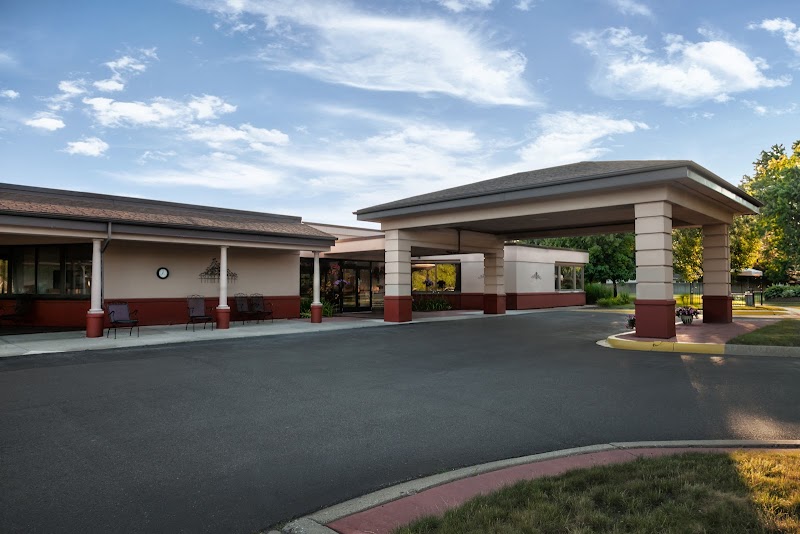
How is Autumn Woods Residential Health Staffed?
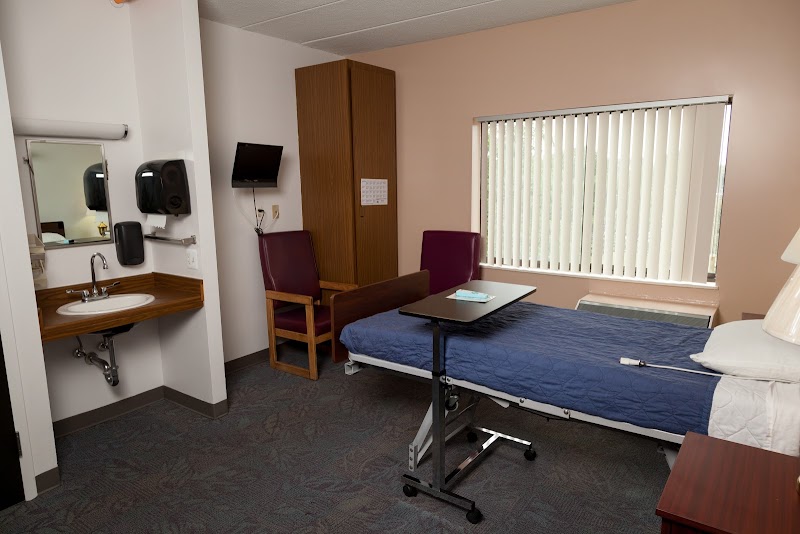
CMS rates Autumn Woods Residential Health's staffing level at 2 out of 5 stars, which is below average compared to other nursing homes. Staff turnover is 41%, compared to the Michigan average of 46%. This relatively stable workforce can support continuity of care. RN turnover specifically is 62%, which is notably high. RNs provide skilled clinical oversight, so turnover in this role can affect medical care quality.

What Have Inspectors Found at Autumn Woods Residential Health?

State health inspectors documented 37 deficiencies at Autumn Woods Residential Health during 2023 to 2025. These included: 37 with potential for harm.

Who Owns and Operates Autumn Woods Residential Health?

Autumn Woods Residential Health is owned by a for-profit company. For-profit facilities operate as businesses with obligations to shareholders or private owners. The facility operates independently rather than as part of a larger chain. With 293 certified beds and approximately 219 residents (about 75% occupancy), it is a large facility located in Warren, Michigan.

How Does Autumn Woods Residential Health Compare to Other Michigan Nursing Homes?

Compared to the 100 nursing homes in Michigan, Autumn Woods Residential Health's overall rating (2 stars) is below the state average of 3.1, staff turnover (41%) is near the state average of 46%, and health inspection rating (2 stars) is below the national benchmark.

What Should Families Ask When Visiting Autumn Woods Residential Health?

Based on this facility's data, families visiting should ask: "What safeguards and monitoring systems are in place to protect residents from abuse or neglect?" "Can you walk me through typical staffing levels on day, evening, and night shifts?" "Can I visit during a mealtime to observe dining assistance and food quality?" "How do you handle medical emergencies, and what is your hospital transfer rate?" These questions are particularly relevant given the substantiated abuse finding on record and the below-average staffing rating.

Is Autumn Woods Residential Health Safe?

Based on CMS inspection data, Autumn Woods Residential Health has documented safety concerns. The facility has 1 substantiated abuse finding (meaning confirmed case of resident harm by staff or other residents). The facility has a 2-star overall rating and ranks #100 of 100 nursing homes in Michigan. Families considering this facility should ask detailed questions about what corrective actions have been taken since these incidents.

Do Nurses at Autumn Woods Residential Health Stick Around?

Autumn Woods Residential Health has a staff turnover rate of 41%, which is about average for Michigan nursing homes (state average: 46%). Moderate turnover is common in nursing homes, but families should still ask about staff tenure and how the facility maintains care continuity when employees leave.

Was Autumn Woods Residential Health Ever Fined?

Autumn Woods Residential Health has no federal fines on record. CMS issues fines when nursing homes fail to meet care standards or don't correct problems found during inspections. The absence of fines suggests the facility has either maintained compliance or corrected any issues before penalties were assessed. This is a positive indicator, though families should still review recent inspection reports for the full picture.

Is Autumn Woods Residential Health on Any Federal Watch List?

Autumn Woods Residential Health is not on any federal watch list. The most significant is the Special Focus Facility (SFF) program, which identifies the bottom 1% of nursing homes nationally based on persistent, serious quality problems. Not being on this list means the facility has avoided the pattern of deficiencies that triggers enhanced federal oversight. This is a positive indicator, though families should still review the facility's inspection history directly.