St. Anthony Healthcare Center
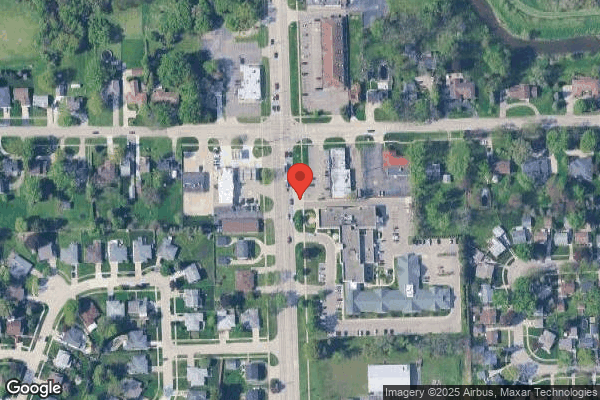

31830 Ryan Road, Warren, MI 48092 (586) 977-6700
For profit - Corporation 142 Beds CIENA HEALTHCARE/LAUREL HEALTH CARE Data: November 2025 1 Immediate Jeopardy citation
Trust Grade
56/100
#174 of 422 in MI
Last Inspection: June 2025

Inspected within the last 6 months. Data reflects current conditions.

Overview

St. Anthony Healthcare Center in Warren, Michigan has a Trust Grade of C, which means it is average compared to other facilities. It ranks #174 out of 422 in the state and #10 out of 30 in Macomb County, placing it in the top half of Michigan’s nursing homes. The facility's trend is improving, having reduced its issues from 8 in 2024 to 4 in 2025, though it still has some concerning aspects. Staffing is a strength here, with a 3/5 star rating and a turnover rate of 39%, which is better than the state average. However, there are areas of concern: the facility has been fined $8,193, which is average, and it has less RN coverage than 79% of Michigan facilities, meaning residents may not receive as much specialized care. Specific incidents include a critical failure to supervise a resident at risk of elopement, allowing them to exit the building unsupervised, and a serious oversight where a resident with a medical order for heel protectors was not provided the necessary equipment, risking their safety. Additionally, there were concerns about food safety practices in the kitchen, which could lead to foodborne illnesses. While there are strengths in staffing and quality measures, families should weigh these against the serious incidents reported.

Trust Score
C
56/100
In Michigan
#174/422
Top 41%
Safety Record
High Risk
Review needed
Inspections
Getting Better
8 → 4 violations
Staff Stability
○ Average
39% turnover. Near Michigan's 48% average. Typical for the industry.
Penalties
✓ Good
$8,193 in fines. Lower than most Michigan facilities. Relatively clean record.
Skilled Nurses
⚠ Watch
Each resident gets only 27 minutes of Registered Nurse (RN) attention daily — below average for Michigan. Fewer RN minutes means fewer trained eyes watching for problems.
Violations
⚠ Watch
18 deficiencies on record. Higher than average. Multiple issues found across inspections.
★★★★☆
4.0
Overall Rating
★★★☆☆
3.0
Staff Levels
★★★★★
5.0
Care Quality
★★★☆☆
3.0
Inspection Score
Stable
2024: 8 issues
2025: 4 issues

The Good

  • 5-Star Quality Measures · Strong clinical quality outcomes
  • Full Sprinkler Coverage · Fire safety systems throughout facility
  • No fines on record
  • Staff turnover below average (39%)

    9 points below Michigan average of 48%

Facility shows strength in quality measures, fire safety.

The Bad

Staff Turnover: 39%

Near Michigan avg (46%)

Typical for the industry

Federal Fines: $8,193

Below median ($33,413)

Minor penalties assessed

Chain: CIENA HEALTHCARE/LAUREL HEALTH CARE

Part of a multi-facility chain

Ask about local staffing decisions and management

The Ugly 18 deficiencies on record

1 life-threatening 1 actual harm
Sept 2025 1 deficiency
CONCERN (D) 📢 Someone Reported This

A family member, employee, or ombudsman was alarmed enough to file a formal complaint

Potential for Harm - no one hurt, but risky conditions existed

Pressure Ulcer Prevention (Tag F0686)

Could have caused harm · This affected 1 resident

**NOTE- TERMS IN BRACKETS HAVE BEEN EDITED TO PROTECT CONFIDENTIALITY** This citation pertains to intake 2609532Based on interview and record review, the facility failed to ensure timely identificatio...

Read full inspector narrative →
**NOTE- TERMS IN BRACKETS HAVE BEEN EDITED TO PROTECT CONFIDENTIALITY** This citation pertains to intake 2609532Based on interview and record review, the facility failed to ensure timely identification and treatment of pressure ulcers for one (R701) of four residents reviewed for pressure ulcer care. Findings include:Review of Intake 2609532 revealed a concern regarding the presence and/or condition of multiple pressure ulcers on R701 upon their most recent admission to the hospital on [DATE]. At the time of this investigation on 09/09/25, R701 remained hospitalized .Review of R701's facility record revealed an original admission date of 10/08/21 and a most recent admission date of 08/13/25 with diagnoses including Protein-Calorie Malnutrition, Sepsis, and Profound Intellectual Disability. This admission followed a hospitalization from 08/08/25 to 08/13/25. Review of the hospital Discharge summary dated [DATE] revealed the Wound Detail section which included the following:A right anterior ankle wound staged as a Deep Tissue Pressure Injury (DTPI-Persistent non-blanchable deep red, purple, or maroon areas of intact or non-intact skin), measuring 1.5 cm (centimeters) length x 1.5 cm width and wound base color of purple/red.A left anterior ankle DTPI measuring 4 cm length x 3 cm width.Additional review of R701's facility record revealed the resident was readmitted to the facility on [DATE] following hospital discharge and a Nursing Comprehensive Evaluation was completed on 08/13/25 by Licensed Practical Nurse (LPN) A. The skin assessment portion of the evaluation (K. Skin) included the question Does the resident have any skin conditions? which was answered No. This assessment included no additional notation identifying any ankle/foot skin conditions. The facility records also included the Total Body Skin assessment dated [DATE] completed by LPN B which included the item Enter the number of new wounds which was answered 0. No notation to this assessment identified any ankle/foot wounds. Notation was made of buttocks pink/red to red with no excoriation. Review of R701's last Total Body Skin Assessment prior to the 08/08/25 hospitalization dated 08/02/25 as well the active physician orders revealed no presence or treatment of any ankle/foot wounds.On 09/09/25 at 1:55 PM, LPN B was interviewed in person and reported they were able to recall R701. They were asked about the skin assessment they authored/completed on 8/14/25 and whether they could recall if they had inspected the resident's feet/ankles. LPN B reported they could not specifically recall if they had or not. LPN B was asked if this assessment would normally include inspection of the entire body and they indicated that it would.On 09/09/25 at 2:21 PM, LPN A was interviewed via phone call and asked whether they could recall if R701 had any skin or wound issues during their 08/13/25 nursing admission assessment. LPN A indicated the resident did not have any that they were aware of and reported if there were any skin issues they would have noted it in the assessment.Further review of the facility record revealed a Change in condition note dated 08/24/25 requesting wound physician consult due to a skin/pressure ulcer issue. The record indicated the wound care consult was completed 08/28/25 and included the following findings:Left lateral foot, deep tissue injury, present on admission, 2.7 cm length x 2.6 cm width.Right dorsum foot, deep tissue injury, present on admission, 2.2 cm length x 1.1 cm width. On 09/09/25 at 2:30 PM, LPN C reported they were the Unit Manager covering R701's room at the time of the 08/13/25 admission. LPN C was informed of the concern that R701 was documented as having bilateral foot/ankle DTPI's upon their 08/13/25 hospital discharge and that the DTPI's were not identified in the facility until 08/28/25, indicating a 15-day delay in initiation of treatment. LPN C reported their expectation is the nursing admission skin assessments should be thorough, include the entire body, and any skin concerns whether previously present or new should be documented.On 09/09/25 at 3:00 PM, the facility Director of Nursing (DON) reported their expectation is the initial admission skin assessments should include the entire body, and any skin concerns should be identified and initial treatment orders put in place.Review of the facility policy Skin Management dated 09/19/24 revealed the Practice Guidelines items:1. Upon admission/re-admission all residents are evaluated for skin integrity by completing a baseline total body skin evaluation documented in the electronic medical record.4. Residents admitted with any skin impairment will have: .Appropriate interventions implemented to promote healing A physician's order for treatment, and Skin impairment location, measurements and characteristics documented.
Jun 2025 3 deficiencies
CONCERN (D) 📢 Someone Reported This

A family member, employee, or ombudsman was alarmed enough to file a formal complaint

Potential for Harm - no one hurt, but risky conditions existed

Investigate Abuse (Tag F0610)

Could have caused harm · This affected 1 resident

Based on observation, interview, and record review, the facility failed to consistantly implement an effective measure (seperation) to prevent further abuse during an abuse investigation for one resid...

Read full inspector narrative →
Based on observation, interview, and record review, the facility failed to consistantly implement an effective measure (seperation) to prevent further abuse during an abuse investigation for one resident (R324) out of two residents reviewed for abuse. Findings include: A review of R324's progress notes revealed the following, Date: 6/8/2025 at 15:26 (4:26 PM) .Writer notified about another resident (R325) observed with hands touching in resident (324's) brief. Witness statement completed Admin (Administrator), DON (Director of Nursing) and family member notified, skin assessment completed no bruises nor redness noted. Resident currently sitting at nursing station. A review of the medical record revealed R324 admitted into the facility on 6/5/2025 with the following medical diagnoses, Anxiety Disorder, Delirium, and Insomnia. Information was not available to review on the Minimum Data Set (MDS) assessment. R324 also required staff assistance with bed mobility and transfers. On 6/10/2025 at 9:44 AM, R324 was observed sitting at the nurse's station in the view of R325. R325 was observed to be sitting on the other side of the nurse's station in close proximity of R324 with the desk observed in between the two of the residents. R325 was observed to be talking to R324. A staff member was observed to be at the nurse's station with their back to both R324 and R325. On 6/10/2025 at 9:53 AM, an interview was completed with Licensed Practical Nurse (LPN) A. LPN A reported on the day of the incident R324 and R325 were both sitting behind the nurse's station and eating lunch. LPN A reported that Certified Nursing Assistant (CNA) B was picking up the lunch trays and came and told them they observed R325 putting their hand in R324's brief. LPN A indicated CNA B separated R324 and R325 and came and told them. LPN A reported R325 was very aggressive, and they called the physician and obtained an order for Ativan (Antianxiety). LPN A reported they then called the NHA (Nursing Home Administrator), DON, Physician's, and both responsible parties. ON 6/10/2025 at 9:57 AM, an interview was conducted with CNA B. CNA B reported they were picking up the lunch trays on the day of the incident and saw R325 with their hand in R324's brief. CNA B reported both R324 and R325 were both sitting behind the nurses' station, next to each other. CNA B reported they immediately went over to R324 and R325 and separated them. CNA B reported R325 told them to f*** off and told them they could not tell them what to do. CNA B reported when R324 currently sees R325 they mention things, such as, they needed to watch out for (R325), and they were staying away from them. On 6/11/2025 at 9:17 AM, Unit Clerk C was asked if they were given any instructions regarding R324 and R325. Unit Clerk C indicated they were told to keep them an arms reach apart. On 6/11/2025 at 11:11 AM, an interview was conducted with the Director of Nursing (DON). The DON was asked about the alleged perpetrator (R325) continually having access to R324 and interventions put in place to keep the resident safe (day 3) of the 5-day abuse investigation. The DON reported they (R324) were to be always watched and be a arms length apart. The DON was informed of the observation of R325 sitting in front of R324 talking to them, and reported they are monitoring R324, and they do not seem to be having any adverse reactions from the incident. The DON reported R324 and R325 laugh and talk throughout the day. On 6/11/2025 at 1:00 PM, an interview was conducted with Social Worker (SW) E. SW E reported they conducted a trauma evaluation on R324, but the resident was unable to fully comprehend the results due to they're cognition. A review of a facility policy titled, Abuse Prohibition noted the following, .F. Protection of Guests/Residents during the Investigation .4. When a guest/resident displays behavior against another guest/resident that is suspected abuse, the guests/residents will be separated from each other.
CONCERN (F) 📢 Someone Reported This

A family member, employee, or ombudsman was alarmed enough to file a formal complaint

Potential for Harm - no one hurt, but risky conditions existed

Food Safety (Tag F0812)

Could have caused harm · This affected most or all residents

Based on observation, interview, and record review, the facility failed to prepare food in accordance with professional standards for food service safety. This deficient practice has the potential to ...

Read full inspector narrative →
Based on observation, interview, and record review, the facility failed to prepare food in accordance with professional standards for food service safety. This deficient practice has the potential to result in food borne illness among all residents that consume food from the kitchen. Findings include: On 6/9/25 between 8:45 AM-9:30 AM, during an initial observation of the kitchen with Dietary Manager F, the following items were observed: The vent hood was observed with a heavy buildup of grease. There was a sticker observed on the vent hood, noting it was last cleaned 3/26/25. Dietary Manager F stated that company comes out every 3 months to clean the vent hood. There was no cleaning schedule set up for the months in between to ensure the vent hood was cleaned more frequently. According to the 2017 FDA Food Code section 4-602.13 Nonfood-Contact Surface, Nonfood-contact surfaces of equipment shall be cleaned at a frequency necessary to preclude accumulation of soil residues. There were gnats observed in the dish machine room and near 3 compartment sink. The floor in the dish machine room was very wet, with standing water in wells between the tiles. There was water pooled on the floor in the corner behind the door. According to the 2017 FDA Food Code section 6-501.111 Controlling Pests, The PREMISES shall be maintained free of insects, rodents, and other pests. The presence of insects, rodents, and other pests shall be controlled to eliminate their presence on the PREMISES by: .4. (D) Eliminating harborage conditions. There was a continuous leak from the recessed drain well on the soiled side of the dish machine. In addition, the drain pipe from the soiled side sink basin was leaking water onto the floor. The floor was extremely wet, with pooling water in several areas. When queried on 6/9/25 at 10:00 AM, Maintenance Director G stated he would have the leaks repaired right away. According to the 2017 FDA Food Code section 5-205.15 System Maintained in Good Repair, A plumbing system shall be: (A) Repaired according to law; P and(B) Maintained in good repair. The high temperature dish machine was checked for sanitization with an irreversible temperature indicator strip. The strip sent through the dish machine did not change color, indicating the surface temperature had not reached 160 degrees Fahrenheit. A dishwasher plate thermometer sent through the dish machine 3 times, recorded the maximum surface temperature between 145 degrees Fahrenheit and 151 degrees Fahrenheit. It was observed that the inner long curtain inside the dish machine was missing, and the short curtain at the end of the dish machine was also off. Observation of the temperature log revealed the last temperature strip had been done on 6/6/25, and the temperature of the dish machine had last been logged on 6/8/25. When queried, Dietary Manager F stated temperature strips should be run through the machine once a day, and the temperatures should be logged daily at breakfast, lunch, and dinner. Staff was observed actively doing dishes at the dish machine. Dietary Manager F instructed staff to stop using the dish machine, and stated she would call a service company. According to the 2017 FDA Food Code section 4-501.110 Mechanical Warewashing Equipment, Wash Solution Temperature. (A) The temperature of the wash solution in spray type warewashers that use hot water to SANITIZE may not be less than: (1) For a stationary rack, single temperature machine, 74°C (165°F); Pf (2) For a stationary rack, dual temperature machine, 66°C (150°F); Pf (3) For a single tank, conveyor, dual temperature machine, 71°C (160°F); Pf or (4) For a multitank, conveyor, multitemperature machine, 66°C (150°F). Pf There was a wet wiping cloth lying on the food preparation counter across from the oven. There was no sanitizer bucket observed. According to the 2017 FDA Food Code, Section 3-304.14 Wiping Cloths, Use Limitation, .(B) Cloths in-use for wiping counters and other equipment surfaces shall be: (1) Held between uses in a chemical sanitizer solution at a concentration specified under § 4-501.114; In the 1st floor kitchenette, the interior of the microwave was observed to be soiled, and the side vents on the ice machine were dusty. In addition, there was a pinkish orange slime along the bottom edge of the ice chute. The ice machine drain line observed to extend down approximately 3 inches below top of the floor drain. According to the 2017 FDA Food Code section 4-601.11 Equipment, Food-Contact Surfaces, Nonfood-Contact Surfaces, and Utensils, .(C) Nonfood-contact surfaces of equipment shall be kept free of an accumulation of dust, dirt, food residue, and other debris. According to the 2017 FDA Food Code section 4-602.11 Equipment Food-Contact Surfaces and Utensils, (E) Except when dry cleaning methods are used as specified under § 4-603.11, surfaces of utensils and equipment contacting food that is not potentially hazardous (time/temperature control for safety food) shall be cleaned: (4) In equipment such as ice bins and beverage dispensing nozzles and enclosed components of equipment such as ice makers, cooking oil storage tanks and distribution lines, beverage and syrup dispensing lines or tubes, coffee bean grinders, and water vending equipment: (a) At a frequency specified by the manufacturer, or (b) Absent manufacturer specifications, at a frequency necessary to preclude accumulation of soil or mold. According to the Food & Drug Administration (FDA) 2017 Model Food Code, Section 5-402.11 Backflow Prevention, (A) Except as specified in (B), (C), and (D) of this section, a direct connection may not exist between the sewage system and a drain originating from equipment in which food, portable equipment, or utensils are placed. In the 2nd floor kitchenette, there was a BUNN LCA-2 coffee maker attached to the water supply line. There was no backflow protection for the water line hook-up to the coffee maker. On 6/9/25 at 11:30 AM, Maintenance Director G was queried about the lack of backflow protection for the coffee maker, and stated It's been like that for as long as I've been here. According to the Installation and Operating Guide for the BUNN LCA-2 coffee maker, As directed in the International Plumbing Code of the International Code Council and the Food Code Manual of the Food and Drug Administration (FDA), this equipment must be installed with adequate backflow prevention to comply with federal, state and local codes. For models installed outside the U.S.A., you must comply with the applicable Plumbing /Sanitation Code for your area.
CONCERN (F) 📢 Someone Reported This

A family member, employee, or ombudsman was alarmed enough to file a formal complaint

Potential for Harm - no one hurt, but risky conditions existed

Deficiency F0925 (Tag F0925)

Could have caused harm · This affected most or all residents

Based on observation, interview, and record review, the facility failed to eliminate harborage conditions to maintain an effective pest control program. This deficient practice had the potential to af...

Read full inspector narrative →
Based on observation, interview, and record review, the facility failed to eliminate harborage conditions to maintain an effective pest control program. This deficient practice had the potential to affect all residents in the facility. Findings include: On 6/9/25 at 9:15 AM, there were numerous gnats observed in the dish machine room and near the 3 compartment sink in the kitchen. There was a continuous leak of water onto the floor, from the recessed drain well on the soiled side of the dish machine. In addition, the drain pipe for the sink basin located on the soiled side of the dish machine was leaking water onto the floor. The floor in the dish machine room was very wet, with standing water in the wells between the floor tiles. In addition, there was water pooled on the floor in the corner behind the door. On 6/9/25 at 10:15 AM, Maintenance Director G was queried about the gnats and the water leaks/pooled water in the kitchen. Maintenance Director G stated they needed to regrout the floor and stated he would get a repair company out to fix the leaking pipes. Review of the pest control service reports noted: 11/8/24 Noticed a lot of vinegar flies in the basement dish area and in the hallways where the food carts are sitting out. I suggested .to perhaps put a couple of floor fans in the dish room to dry it out .there's heavy water everywhere . 1/29/25 Water pouring out of the pipes under the dishwasher. Repair or replace as needed. 2/10/25 Floor tiles need repair/grout. Vinegar flys will breed between the missing grout lines. Seal cracks and crevices throughout the kitchen and dish room .Did find some vinegar flies underneath the kitchen 3 compartment sink. This is due to standing water along the baseboards and where there is no grout lines between the tiles in the kitchen This is a structural issue that needs to be addressed . 3/18/25 Spoke with (Maintenance) and reiterated about the standing water especially where grout lines are low and/or missing. These areas allow vinegar flys to feed and breed. 5/27/25 I did find a few dozen vinegar flies coming out from behind the tiles in the kitchen area. It is highly important that all broken tiles are replaced, and all gaps are sealed to prevent fly breeding. 6/4/25 There was still significant fly activity in the kitchen today. It is my recommendation that the deep grout lines are filled in to prevent the flies from breeding. I did also observe a significant amount of standing water in the dishwasher area on the floor.
Dec 2024 1 deficiency
CONCERN (D) 📢 Someone Reported This

A family member, employee, or ombudsman was alarmed enough to file a formal complaint

Potential for Harm - no one hurt, but risky conditions existed

Deficiency F0806 (Tag F0806)

Could have caused harm · This affected 1 resident

**NOTE- TERMS IN BRACKETS HAVE BEEN EDITED TO PROTECT CONFIDENTIALITY** This citation relates to Intake #MI00148781. Based on observation, interview, and record review, the facility failed to provide...

Read full inspector narrative →
**NOTE- TERMS IN BRACKETS HAVE BEEN EDITED TO PROTECT CONFIDENTIALITY** This citation relates to Intake #MI00148781. Based on observation, interview, and record review, the facility failed to provide food which accommodated residents' allergies for two Residents (R703, R706) of seven residents reviewed for food allergies. Findings include: R703 On 12/26/24 at 9:10 a.m., Family Member (FM) A reported during a phone interview R703 had been served chicken or chicken soup several times during their stay at the facility, beginning in September 2024. FM A stated, It says right on the meal ticket (they are) allergic to chicken .I have had meetings with them, the facility manager, the people in charge of nutrition, and the nursing manager (about their concerns) . FM A explained there were times when they had to drive to the facility to bring R703 an alternate meal. FM A stated R703 had chicken broth again this month for dinner, which still had chicken in it, and caused them concern. On 12/26/24 at approximately 9:30 a.m., R703 stated, They (facility staff) still give me chicken from time to time .I get bad, persistent diarrhea (from chicken). I have tried to get them (kitchen staff) to acknowledge this since I got here. Then they give me chicken noddle soup .I call down to the kitchen and ask for an alternate meal. It is (served at) lunch and dinner .I just send it back. There are times I don't get an alternate meal and at that point I will ask for a sandwich .They should automatically know by now (about their food allergy). R703 reported this made them feel frustrated and discouraged, as they had been at the facility over two years. R703 clarified, My diet and allergies don't change. Review of R703's meal ticket, observed from their tray during the interview, showed in bold capital letters, with a black outline, Diet: Regular .Allergies: Chicken. Notes: No chicken - Allergic (in bold print) . The Dining Location showed Eats in Room. On 12/26/24 at approximately 10:30 a.m., R703's weekly menu, beginning 12/22/24, posted on their closet, was reviewed with them. R703 was able to read the menu, and showed how chicken was the entrée four times for dinner, and once for lunch, for a total of 5 times of 14 opportunities for lunch and dinner. R703 was asked if there was an alternate menu and reported they had never seen one. R703 reported they had to begin calling down to the kitchen when they noticed chicken was being served, and it was hard to reach the kitchen sometimes. On 12/26/24 at 11:28 a.m., Licensed Practical Nurse (LPN) E confirmed R703 had reported they received chicken when they were in isolation, and their family member reported it. LPN E reported R703 was not supposed to receive chicken, as this was designated on their meal ticket. Review of a text message received on 12/27/24 at 8:19 a.m. from FM A, revealed R703 was served chicken twice between November 28th and December 12th, and there were several times they were served chicken in September and October 2024. Review of R703's Minimum Data Set (MDS) assessment, dated 10/30/24, revealed R703 was admitted to the facility on [DATE], with diagnoses including stroke, muscle weakness, and neuropathy (nerve damage). The assessment revealed R703 could feed themself. The Brief Interview for Mental Status (BIMS) assessment showed a score of 14/15, which showed R703 was cognitively intact. Review of R703's Electronic Medical Record (EMR) revealed in the Allergy tag, dated 10/27/21: Allergen: Chicken. Allergy Type: Intolerance. Severity: Mild. Reaction manifestation: Nausea. Review of R703's Care Plans, accessed 12/26/24, including Nutritional Care Plans, showed no resident allergies designated. Review of the weekly menu, beginning 12/22/24, revealed a chicken salad plate was being served for dinner on 12/26/24. On 12/26/24 at 2:21 p.m., CDM G reviewed the menu for the week beginning December 22nd, which showed chicken being served several times, and acknowledged This is the main entrée. CDM G reported they were aware R703 was allergic to chicken. CDM G stated they served an alternate, which was generally a meal. CDM G reported the substitutes were fish, grilled cheese, soup, hamburger, salad, or peanut butter and jelly sandwiches which they said were available.CDM G clarified they had been made aware of R703's and their family's concerns, along with Registered Dietician H recently, although they could not recall a date. R706 On 12/26/24 at approximately 12:00 p.m., R706 stated in an escalated voice they were angry, as they had been served walnuts yesterday (12/25/24) for the holiday dessert, and they were allergic to them. R706 stated, My throat closes up, and they know (they were allergic to tree nuts). R706 confirmed they had not ingested the walnuts. R706 continued, .Every time they serve cake for dessert, I get walnuts. I went to a food committee meeting and they said, 'Pick them off.' .I don't think they know what it's like to have your throat close up. It says no tree nuts on my ticket. It makes me feel like they don't give a d@mn about me . R706 reported they also continued to receive food that was listed on their meal ticket as dislikes, including pork, strawberry banana yogurt, and bananas. R706 reported they had spoken to the kitchen manager, Certified Dietary Manager, (CDM) G, who had done nothing, as they continued to received cake with walnuts on the icing or in desserts. Review of R706's meal tickets, provided on 12/26/24 at 12:04 p.m. by R706, showed they were allergic to tree nuts in bold print. The meal tickets showed R706 was on a regular diet and ate their meals in their room. The breakfast ticket spelled out, No tree nuts (in bold) - hazelnuts, cashews, almonds, walnuts, pecans, pistachios . Dislikes included ham, pork, walnuts, strawberry banana yogurt, and bananas. On 12/26/24 at 2:40 p.m., CDM G was asked about the process in the kitchen for residents regarding food allergies and preferences. CDM G shared there were typically five staff on the tray line. This included the staff who put the food in the food cart, who was primarily responsible for catching the allergies and preferences/dislikes, and the cook, as they were also aware of resident food allergies and preferences and dislikes saying, All of them (kitchen staff) should be responsible for it (catching when a resident had an allergy or food preference). On 12/26/24 at approximately 2:45 p.m., CDM G was asked if they were aware R706 received tree nuts on their food tray on 12/25/24 confirming it was pecan pie . and were aware of R706's tree nut allergy. On 12/27/24 at approximately 9:30 a.m., Certified Nurse Aide (CNA) D confirmed they were R706's aide on 12/25/24, and they observed R706 served tree nuts at lunch on 12/25/24. CNA D stated, The pie (dessert) had nuts on it; it was walnuts or pecans, I saw it on her tray. I knew (R706) was allergic to it. I told the nurse. (R706) was upset . Review of R706's MDS assessment, dated 9/27/24, revealed R706 was admitted to the facility on [DATE], with diagnoses including ankle fracture, anxiety, and irritability. R706 could feed themself, and scored 15/15 on the BIMS assessment, which showed they were cognitively intact. Review of R706's Care Plans, accessed 12/26/24, including Nutritional Care Plans, showed no resident allergies designated. Review of R706's EMR revealed in the Allergy tag, dated 3/20/24: Allergen: Tree Nuts. Allergy Type: Allergy. Severity: Moderate. Reaction manifestation: (Blank) On 12/26/24 at approximately 4:00 p.m., Registered Dietician (RD) H was asked if they knew about R703 and R706 being served food they were allergic to which they responded, they get rushed (kitchen staff) .The cook should be reading the ticket, and the last person on the tray line should be reviewing the meal ticket and tray for accuracy. On 12/26/24 at approximately 4:30 p.m., the concerns related to R703 and R706 receiving food designated as food allergies for them were reviewed with the Nursing Home Administrator (NHA) and the Director of Nursing (DON). Both ensured they were addressing the concerns, and residents' Care Plans and Kardex's (Care guides) would be updated to reflect their allergies. Review of the policy, Diet Orders, revised 12/10/24, revealed, Policy: Diets will be ordered in accordance with the menu guide, with available diets planned and prepared as stated on the Menu Extensions .5. If a Nutritional Services professional is unsure about whether or not a food item is permitted on a particular diet, he or she should refer to the Nutritional Professional. Nursing shall notify the Nutritional Services Department of diet order changes, new admissions/readmission diet orders, food allergies . Review of the policy, Food Preferences, revised 11/12/21, revealed, It is the policy of the facility to obtain food preference for all guests/residents. 4. The guest's/resident's clinical record (care plan, or other appropriate location) will document the guest's/resident's likes and dislikes and special dietary instructions or limitations .6. The dietary department will offer alternate meals for individuals who do not want to eat the primary meal .7. The facility's Quality Assurance Performance Improvement (QAPI) committee will periodically review issues related to preferences and meals to try to identify more widespread concerns about offerings, food preparation, etc .8. Food preferences will be identified on tray tickets to ensure guests/residents are provided with appropriate food items.
Oct 2024 1 deficiency
CONCERN (D) 📢 Someone Reported This

A family member, employee, or ombudsman was alarmed enough to file a formal complaint

Potential for Harm - no one hurt, but risky conditions existed

Food Safety (Tag F0812)

Could have caused harm · This affected 1 resident

This citation pertains to Intake M100147381. Based on observation, interview, and record review, the facility failed to ensure one of one kitchen hand washing station was supplied with soap and paper ...

Read full inspector narrative →
This citation pertains to Intake M100147381. Based on observation, interview, and record review, the facility failed to ensure one of one kitchen hand washing station was supplied with soap and paper towel. Findings include: On 10/29/24 at 1:35 PM, a tour of the kitchen was completed with the facility Dietary Manager (DM), Registered Dietician (RD) B and RD C. There were two other dietary staff working in the kitchen. Along with the DM, RD B and RD C, the hand washing station was observed. The hand soap dispenser and the paper towel dispenser were both observed empty. There was no secondary or back-up soap or paper towel readily available. On 10/29/24 at 2:56 PM, the facility DM reported the expectation is when the kitchen hand washing station is out of either soap or paper towel supplies, kitchen staff will call housekeeping staff to refill. On 10/29/24 at 3:00 PM, the facility Administrator (NHA) reported their expectation is the hand washing station in the kitchen would not be left without soap or paper towels and expressed the importance of hand washing in the kitchen versus relying on hand sanitizer. The 2017 Food & Drug Administration (FDA) Food Code Section 6-301.11 Handwashing Cleanser, Availability states Each handwashing sink or group of 2 adjacent handwashing sinks shall be provided with a supply of hand cleaning liquid, powder, or bar soap. Section 6-301.12 Hand Drying Provision states Each handwashing sink or group of adjacent handwashing sinks shall be provided with: (A) Individual, disposable towels; Review of the facility Dietary Infection Control policy dated 11/11/21 revealed the general policy statement It is the policy of this facility to follow local, State and Federal standards and regulations in order to assure a safe and sanitary Dietary department. The policy guidelines included 3. Employees will wash their hands just before they start work in the kitchen and when they have used their hands in an unsanitary way such as sneezing, handling chemicals, dirty dishes, etc.
May 2024 6 deficiencies
CONCERN (D) 📢 Someone Reported This

A family member, employee, or ombudsman was alarmed enough to file a formal complaint

Potential for Harm - no one hurt, but risky conditions existed

Deficiency F0558 (Tag F0558)

Could have caused harm · This affected 1 resident

Based on observation, interview, and record review, the facility failed to ensure paper towel dispensers were accessible for one (R9) resident and two anonymous group residents of five residents revie...

Read full inspector narrative →
Based on observation, interview, and record review, the facility failed to ensure paper towel dispensers were accessible for one (R9) resident and two anonymous group residents of five residents reviewed for accommodations. Findings include: Review of the facility record for R9 revealed an admission date of 09/24/15 with diagnoses that included Osteoarthritis, Pain in the Right Shoulder, Pain in the Left elbow, and Left Tibia/Fibula Fractures. On 05/07/24 at 7:44 AM, during initial resident screening R9 reported the paper towel dispensers in their bathroom and in the first floor dining room were too high and they couldn't reach them. R9 reported that they are not able to stand independently and they have limited shoulder range of motion. On 05/08/24 at 2:02 PM during Resident Council, two anonymous group members reported they were not able to reach the paper towel dispenser in their bathrooms or in the first floor dining room. These group members reported they had communicated this concern to the facility Maintenance Director and the facility Administrator (NHA) multiple times with no response or resolution. On 05/09/24 at 10:17 AM, R9 reported they expressed their concern about not being able to reach the paper towel dispensers to management and they were told we'll look into it. R9 stated they had brought the issue up in previous Resident Council meetings and they were told by the Resident Council President that they had also mentioned it to management. R9 was observed demonstrating the ability to wheel their chair into the bathroom and reach for the paper towel dispenser without being able to reach or grab the paper towel. R9 reported they usually end up wiping their hands on their clothing unless staff happen to be nearby to assist. Review of the facility Resident Council meeting minutes for April 2024 indicated that the paper towel dispenser issue was discussed and documented as a maintenance department-related concern. On 05/09/24 at 4:11 PM, the facility Resident Council President reported they had brought up the issue of the paper towel dispenser being too high on the wall when there was a different Maintenance Director saying, it's been months since initially reported. On 05/09/24 at 1:39 PM, the NHA reported the expectation is the paper towel dispensers should be accessible to all resident's. Review of the facility policy Federal & State - Guest/Resident Rights & Facility Responsibilities dated 04/19/22 revealed the entry 3. Reasonable Accommodation. The right to reside and receive services in the facility with reasonable accommodation of guest/resident needs and preferences except when to do so would endanger the health or safety of the guest/resident or other guests/residents. The Safe, clean, comfortable & homelike environment portion of the policy included the entry i. This includes ensuring that the guest/resident can receive care and services safely and that the physical layout of the facility maximizes guest/resident independence and does not pose a safety risk.
CONCERN (D) 📢 Someone Reported This

A family member, employee, or ombudsman was alarmed enough to file a formal complaint

Potential for Harm - no one hurt, but risky conditions existed

Comprehensive Care Plan (Tag F0656)

Could have caused harm · This affected 1 resident

**NOTE- TERMS IN BRACKETS HAVE BEEN EDITED TO PROTECT CONFIDENTIALITY** Based on observation, interview, and record review the facility failed to ensure care planned interventions were implemented for...

Read full inspector narrative →
**NOTE- TERMS IN BRACKETS HAVE BEEN EDITED TO PROTECT CONFIDENTIALITY** Based on observation, interview, and record review the facility failed to ensure care planned interventions were implemented for two residents (R74, R102) of three reviewed for care and repositioning needs resulting in and the potential for unmet care needs. Findings include: R74 On 05/07/24 at 8:55 AM R74 was observed to be supine (flat on the back and buttocks) in bed with the head of the bed up around 30-45 degrees. R74 was asked about their care and reported they had a wound to their buttocks which felt sore and had consistent pain from the area along with their feet. The pain level was reported to be a ten out of ten sometimes and an eight at the time of the interview. R74 was asked about positioning off the wound area and reported they had a wedge in their old room but it did not come with them and needed a new one. An observation of the resident area revealed no wedge or pillow or other device to be used to off load pressure. R74 reported they needed assistance to turn side to side. On 05/07/24 at 4:24 PM, R74 was observed with their eyes closed and appeared to be asleep supine in bed. The head of bed was up around 30-45 degrees and the resident leaned slightly to the left. On 05/08/24 at 8:01 AM, R74 was observed to be supine in bed with the head of the bed elevated around 20-30 degrees. R74's torso leaned slightly to their left and R74 had their eyes closed and appeared to be asleep. A wedge nor other device to redistribute weight was observed. On 05/08/24 at 10:10 AM, R74 was observed to be supine in bed without the benefit of a wedge or other device. A nurse used the control to sit R74 higher up in bed and R74 made a noise (like oh). R74 indicated they were in pain and the nurse reported they would call the doctor. On 05/08/24 at 11:46 AM, R74 was supine in bed asleep with the head of bed up 30-45 degrees without an observed wedge or device. The torso and head leaned slightly toward their left. On 05/08/24 at 5:00 PM, R74 was observed to be supine in bed, the head of the bed around 30-45 degrees. A wedge, pillow or other device was not observed at the side of the resident nor in the resident area. On 05/09/24 at 7:57 AM, R74 appeared to be asleep supine in bed, no wedge or device visible, heel booties on and the head of the bed elevated 30-45 degrees with their torso and head leaned slightly over to the their left. On 05/09/24 08:44 AM, R74 buttocks wounds were observed with the wound care nurse and Certified Nursing Assistant (CNA) G. R74 was supine as before without any observed devices to offload. R74 did not appear to assist when turned onto their side. The wound areas covered the medial aspects of both buttocks along the gluteal cleft and appeared in width about the size of a softball. The surface appeared slightly raw and red with some darker maroon and purple areas as with a deep tissue injury. As the nurse touched the wound area to cleanse it from the barrier paste R74 reacted with (ooh like noise) and reported pain. R74 was returned to their backside (supine) without any devices in place. On 05/09/24 at 9:10 AM, CNA G was asked about the care of R74 and reported R74 did not like the wedge or the pillow and had found it on the floor at times. CNA G also reported R74 had told them they thought having a dressing in place would help the pain. On 05/09/24 at 9:14 AM, R74 reported they had a wedge in their old room, the wedge is comfortable, and liked it especially at night. R74 was observed to be supine in bed with the head of the bed elevated around 30-45 degrees. A review of the record for R74 revealed R74 was admitted into the facility on [DATE]. Diagnoses included Stroke, Diabetes and Urine Retention. The Minimum Data Set (MDS) assessment dated [DATE] indicated intact cognition and the need for substantial to maximal assistance to roll left to right, personal hygiene, upper and lower body dressing, sitting to lying, lying to sitting, sitting to standing and transfer. Review of the .has actual impairment to skin integrity . care plan (initiated 08/22/23) revealed, .Apply pressure reducing/relieving mattress, pillows . (initiated 08/22/23).Positional wedge for effective positioning to relieve pressure to bony prominences as tolerated . (initiated 04/18/24). The .at risk for impaired skin integrity . care plan revealed: .Cue to reposition self as needed (initiated 08/22/23). Turn/reposition resident every two hours and as needed . (initiated 08/22/23). The .at risk for pain . care plan (revised 01/02/24) revealed, .Anticipate resident's need for pain relief . (initiated 08/22/23).Encourage/provide non-pharmacological interventions to prevent/manage pain as needed such as positioning devices . (initiated 08/22/23). A review of the .at risk for catheter related trauma . care plan (revised 02/20/24) revealed, .Ensure catheter tubing is secured . (initiated 02/20/24). On 05/09/24 at 12:18 PM, the Director of Nursing (DON) reported they had challenges with the care of pressure sores in the past but felt the facility had been doing a good job with the care of wounds. The DON also noted R74 had a history of refusing the wedge or other assistance. The DON reported R74 was on an LTC 105 FLO mattress which was rated for stage three and four pressure sores and did not require and the wedge was contraindicated. The manufactures' specifications were requested and revealed, .wound clinicians have trusted (name) for the most severe wounds (Stage I - IV). Both Pressure & Shear Relief Therapy (name) consistently delivers interface pressures below 32 mmHg (millimeters of mercury), while the six degrees of cell movement combat shear forces associated with repositioning . The information provided did not prohibit the use of devices for repositioning and the included pictures documented increased pressure (two millimeters of mercury) and surface contact area (373 square centimeters) for a supine person when the bed was elevated from zero degrees to 30 degrees. R102 On 05/07/24 at 8:29 AM, R102 was observed to be seated supine in a recliner in the dining room. R102 was dressed, had their head back, face up toward ceiling, and eyes closed. The eyes opened to a call of their name. A pad was visible under the resident and extended to the head and foot and over the arms of the chair. This was reported as a pressure relieving device. On 05/07/24 at 11:42 AM, R102 was seated supine in a recliner elevated 60-90 degrees during an activity in the dining room. On 05/07/24 at 1:53 PM, R102 was seated supine in recliner in dining room head back eyes closed. The recliner elevated 45-60 degrees. On 05/07/24 04:22 PM, R102 was observed to be in bed supine, torso toward left slightly, head of bed, 20-30 degrees and appeared asleep. On 05/08/24 at 8:05 AM, R102 was supine in the recliner at nurse station elevated around 20-30 degrees, head back with face toward ceiling. Staff entered area, said hello, R102 returned a greeting and returned their head back to pillow again with their face toward the ceiling. On 05/08/24 at 8:47 AM, R102 was supine in the recliner in the dining room, elevated 60-90 degrees with head back and face toward the ceiling. On 05/08/24 at 9:45 AM, R102 was seated supine in the recliner elevated 60-90 degrees and leaned forward while eating breakfast. On 05/08/24 at 11:47 AM, R102 was observed seated supine in the recliner elevated 60-90 degrees during an activity in the dining room. On 05/08/24 at 1:40 PM, R102 was observed in the same spot at the table as before, seated supine in the recliner elevated 60-90 degrees. On 05/08/24 at 2:00 PM, R102 was observed in the day room area during a puzzle activity. R102 was seated supine in the recliner elevated 60-90 degrees. R102 was observed to press their elbows and forearms into the arms of the chair in attempts to push themselves up from the seat of the recliner. Their legs were off the elevated footrest. R102 reported they were uncomfortable upon query as to why they were moving. On 05/09/24 at 7:40 AM, R102 was observed at the nurse's station, supine in the recliner elevated around 20-30 degrees and had their eyes closed. On 5/09/24 at 1:38 PM, R102 was seated supine in the recliner elevated 60-90 degrees, eating lunch in the dining room. At 2:36 PM R102 was as before in the same spot. On 05/09/24 at 3:28 PM, CNA G was asked about the positioning of R102 and reported the pad under R102 in pressure relieving and R102 had been returned to bed three to four times for incontinence care. A review of the record for R102 revealed R102 was admitted into the facility on [DATE] and readmitted on [DATE]. Diagnoses included Pressure Ulcer of the Sacral Region, Stroke and Dementia. The MDS dated [DATE] documented impaired cognition and the need for substantial to maximal assistance to roll left to right, personal hygiene, upper body dressing, sitting to lying, lying to sitting, sitting to standing and transfer. Review of the .at risk for impaired skin integrity . care plan revealed: .Cue to reposition self as needed (initiated 10/25/23). Turn/reposition resident every two hours and as needed . (initiated 10/25/23). The .has actual impairment to skin integrity . care plan (revised 08/17/23) revealed, .Positional wedge for effective positioning to relieve pressure to bony prominences as tolerated . (initiated 06/08/23). A wedge or similar device was not observed to be used while R102 was in the recliner and R102 did not appear to be turned left or right while up in the recliner. A wound note dated 04/26/24 documented a sacral pressure ulcer five cm long by two .five cm wide by 0.5 cm deep. On 05/09/24 11:43 AM and 4:17 PM, care concerns were reviewed with the DON. The DON reported R102 had refused the wedge and pillow in the past and when staff had attempted to place it that day. The DON acknowledged the wedge was still in the care plan and was asked about care planned interventions and reported interventions should be followed until they are not in effect anymore and residents up in the recliners should be repositioned every two hours and as needed. Review of the facility policy titled, Care Planning revised 06/24/21 revealed, Every resident in the facility will have a person centered plan of care developed and implemented that is consistent with the resident's rights, based on the comprehensive assessment . A review of the facility policy titled, Skin Management revised 07/14/21 revealed, .It is the policy that the facility should identify and implement interventions to prevent development of clinically unavoidable pressure injuries .
CONCERN (D)

Potential for Harm - no one hurt, but risky conditions existed

ADL Care (Tag F0677)

Could have caused harm · This affected 1 resident

**NOTE- TERMS IN BRACKETS HAVE BEEN EDITED TO PROTECT CONFIDENTIALITY** Based on observation, interview, and record review, the facility failed to ensure an incontinence pad and gown were changed duri...

Read full inspector narrative →
**NOTE- TERMS IN BRACKETS HAVE BEEN EDITED TO PROTECT CONFIDENTIALITY** Based on observation, interview, and record review, the facility failed to ensure an incontinence pad and gown were changed during incontinence care and clothing was available for one resident (R119) of one reviewed for care. Findings include: On 05/07/24 at 8:05 AM, R119 was asked about their care. R119 was observed to be dressed in a hospital style gown and brief which hung loosely on them. The gown was off the shoulder. R119 was asked about wearing a gown and if they wanted to wear clothes and said they would prefer to wear clothes but did not have any. The drawers and closet were observed and a single pair of pants were seen to be folded over a pants hanger in the closet. On 05/07/24 at 11:24 AM, Certified Nursing Assistant (CNA) I was observed to exit the room of R119. On 05/07/24 at 11:25 AM, R119 was observed to be supine in bed wearing a brief and a gown. R119 was interviewed about their care and reported the pad and gown were wet. A gloved hand was used to test the bed and gown which were found to be wet. The call light was activated by R119 and at 11:35 CNA I returned and asked R119 if they were wet to which R119 confirmed they were wet and CNA I went out and returned with a brief and pad. On 05/07/24 at 4:02 PM, R119 was observed dressed in a gown and brief. The feet were bare. On 05/08/24 at 8:45 AM, R119 was observed to be in bed, supine in a gown, a brief was observed on the floor. On 05/08/24 at 9:47 AM, R119 was observed to be supine in bed and had on the pants that hung in the closet the day before. R119 did not have a shirt on. On 05/08/24 at 11:53 AM, a laundry staff member was asked about clothes for R119 and was not sure what R119 had but had delivered clothes to the room the day before. R119 was asked if they would like more clothes and said of course. A white printed t-shirt was noted on night stand with a gray pair of sweat pants. R119 was dressed in the other pair of pants and no shirt. The pants were observed to have a split seam on the left pant leg. On 05/08/24 at 2:09 PM, Licensed practical nurse (LPN) K was asked about the protocol for residents without clothes as R119 had been a resident at the facility since December 2023. LPN K reported they had donated items in the laundry but R119 particular on what they want to do and may or may not wish to have clothes when asked. LPN K went in and asked R119 about clothes and at first reported they did not care, then prompted another time R119 asked for clothes and discussed sizes and style. LPN K then reported they would check the laundry for some clothes for R119. On 05/08/24 at 2:55 PM, Social Worker L reported R119 had not asked for clothes until 04/26/24 and had emailed the guardian for approval to purchase some clothes but had not heard back. A review of the admission inventory sheet documented one pair of pants and one shirt and a pair of shoes. On 05/09/24 at 7:54 AM, R119 was observed to be in bed, laying on their left side, asleep, shoes at side of bed, with pants and a t-shirt on. On 05/09/24 at 4:17 PM, the Director of Nursing (DON) was asked about the identified care concern and reported R119 is able to use the urinal independently and the CNA may not have checked the pad and gown. A review of the record for R119 revealed R119 was admitted into the facility on [DATE]. Diagnoses included Dementia and Heart Failure. A review of the active care plans documented R119, .has psychosocial well-being problem related to lack of motivation/does not ask for assistance .is incontinent of bladder and or bowel .has a functional ability deficit and require assistance with self care .Encourage to choose own clothing daily .Encourage to assist in self care as much as possible, provide positive reinforcement for all activities attempted . A review of the Minimum Data Set assessment dated [DATE] documented impaired cognition with a 7/15 Brief Interview for Mental Status score and the need for partial/moderate assistance for upper body dressing and substantial/maximal assistance for lower body dressing and putting on/taking off footwear. A review of the facilities Standard of CNA/STNA Practice revised 08/15/23 revealed, .The CNA/STNA makes routine rounds to check each assigned resident's condition and ensures their needs are met . A review of the facility policy titled, Guest/Resident Rights & Facility Responsibilities revised 04/08/22 revealed, .Guest/Residents Rights. The guest/resident has a right to a dignified existence, selfdetermination, and communication with and access to persons and services inside and outside the facility, including those specified in this section. 1. Dignity, Respect & Quality of Life. A facility must treat each guest/resident with respect and dignity and care for each guest/resident in a manner and in an environment that promotes maintenance or enhancement of his or her quality of life, recognizing each guest's/resident's individuality. The facility must protect and promote the rights of the guest/resident .Planning and Implementing Care. The guest/resident has the right to be informed of, and participate in, his or her treatment, including: 1. Information Regarding Health Status. The right to be fully informed in language that he or she can understand of his or her total health status, including but not limited to, his or her medical condition. 2. Participation in Plan of Care. The right to participate in the development and implementation of his or her person-centered plan of care .
CONCERN (D) 📢 Someone Reported This

A family member, employee, or ombudsman was alarmed enough to file a formal complaint

Potential for Harm - no one hurt, but risky conditions existed

Deficiency F0761 (Tag F0761)

Could have caused harm · This affected 1 resident

**NOTE- TERMS IN BRACKETS HAVE BEEN EDITED TO PROTECT CONFIDENTIALITY** On [DATE] at 10:55 AM, accompanied by Licensed Practical Nurse (LPN) F six bottles of Primidone Suspension (seizure medication) ...

Read full inspector narrative →
**NOTE- TERMS IN BRACKETS HAVE BEEN EDITED TO PROTECT CONFIDENTIALITY** On [DATE] at 10:55 AM, accompanied by Licensed Practical Nurse (LPN) F six bottles of Primidone Suspension (seizure medication) were observed with expired use by dates of [DATE], [DATE], [DATE],[DATE], [DATE], and [DATE]. Nurse F verified the use by date and indicated they had not administered that medication today. A review of the facility policy titled, 5.3 Storage and Expiration Dating of Medications, Biologicals was reviewed, with last revision date of [DATE]. In part it revealed. Facility should ensure that medications and biologicals that: (1) have an expired date on the label; (2) have been retained longer than recommended by manufacturer or supplier guidelines; or (3) have been contaminated or deteriorated, are stored separate from other medications until destroyed or returned to the pharmacy. Facility should destroy or return all discontinued, outdated/expired, or deteriorated medications or biologicals in accordance with Pharmacy return/destruction guidelines. Based on observation, interview, and record review, the facility failed to store medication in a safe and secure manner for one resident (R439), failed to discard expired medication in one of two medication storage rooms, and failed to label medications in three of five medication treatment carts reviewed for medication storage and labeling. Findings include: R439 On [DATE] at 8:00 AM, during an initial tour of the facility an observation was made of four pills in a small plastic cup being on a table top located next to R439's bed. R439 was interviewed regarding the medication on the table top and asked if they self administered their medications. R439 stated, They give me my pills. On [DATE] at 1:34 PM, a record review was completed of R439's electronic medical record (EMR) and it revealed no assessment documentation which indicated that R439 was able to self administer their medication. Further review of R439's EMR revealed that R439 was admitted to the facility on [DATE] with diagnoses that included Multiple sclerosis (Autoimmune disease) and Hypertension. R439's most recent minimum data set assessment (MDS) dated [DATE] revealed that R439 had an intact cognition. On [DATE] at 12:15 PM, the Director of Nursing (DON) was interviewed about resident's self administering of their medications and medications being left at a resident's bedside unmonitored. The DON indicated that a resident's medication should only be unmonitored and left at the resident's bedside if the resident has been assessed and deemed to be appropriate to self administer their medications. On [DATE] at 5:34 PM, an observation of the second floor A medication cart with Licensed Practical Nurse (LPN) A revealed and open and undated, Basalgar insulin pen, and open and undated Glargine insulin pen and an open and undated Levemir insulin pen. A vial of glucose test strips also not dated when opened and or with an expiration date. On [DATE] at 6:05 PM, an observation of the Rehab medication cart A with Registered Nurse (RN) B revealed a Latanoprost .005% eye dropper vial were open and undated and without a resident identifier on the vial. On [DATE] at 9:08 AM, an observation of the one north A medication cart with LPN D revealed, a Humalog insulin vial was not labeled with a resident identifier, a Breo inhaler was not labeled with a resident identifier on the inhaler, and a Trellegy inhaler was not labeled with the date opened or the expiration date on the inhaler.
CONCERN (D)

Potential for Harm - no one hurt, but risky conditions existed

Deficiency F0809 (Tag F0809)

Could have caused harm · This affected 1 resident

**NOTE- TERMS IN BRACKETS HAVE BEEN EDITED TO PROTECT CONFIDENTIALITY** Based on interview and record review, the facility failed to ensure that one resident (R125) was offered a bedtime snack of eigh...

Read full inspector narrative →
**NOTE- TERMS IN BRACKETS HAVE BEEN EDITED TO PROTECT CONFIDENTIALITY** Based on interview and record review, the facility failed to ensure that one resident (R125) was offered a bedtime snack of eight residents reviewed for snacks, resulting in nighttime hunger. Findings include: On 5/7/24 at 7:56 AM, during an initial tour of the facility R125 was interviewed and asked about their level of satisfaction with the food and snacks provided to them at the facility. R125 stated, I just found out I could get a snack a couple weeks ago. I get hungry after dinner. On 5/8/24 at 10:30 AM, R125 was further interviewed about bedtime snacks and indicated they had never been offered a bedtime snack. R125 stated, I'm not sure what's available. On 5/9/24 at 10:29 AM, a review of R125's electronic medical record (EMR) and a thirty day review of bedtime snacks offered to R125 revealed documentation which indicated that R125 was not offered a bedtime snack on the following dates: 4/12/24, 4/13/24, 4/14/24, 4/18/24, 4/19/24, 4/27/24, 4/28/24, 5/4/24, 5/7/24, and 5/8/24. On 5/9/24 at 10:35 AM, a further review of R125's EMR revealed that R125 was admitted to the facility on [DATE] with diagnoses that included Metabolic encephalopathy (Brain disorder) and Generalized anxiety disorder. R125's most recent minimum data set assessment dated [DATE] revealed that R125 had a moderately impaired cognition. On 5/9/24 at 1:13 PM, Activity Director (AD) J was interviewed regarding the process for offering and documenting the offering of bedtime snacks to residents. AD J provided the surveyor with a paper with [corn chip product] listed by R125's name and the date 5/7/24. AD J indicated the evening activity aides offer and pass out bedtime snacks to residents and document the information on paper like the one that was provided to the surveyor. AD J indicated the Certified Nursing Assistants (CNAs) are supposed to put the snack documentation in the EMR. On 5/9/24 at 1:35 PM, the Administrator (NHA) was interviewed regarding their expectations for offering and providing bedtime snacks to residents. The NHA indicated the expectation was residents who do not have [dietary/medical restrictions] should have a snack offered nightly. On 5/9/24 at 2:00 PM, a facility policy titled, Snacks Last Revised: 11/8/2021 was reviewed and stated the following, Policy: It is the policy of this facility to provide snacks as ordered and Hour of Sleep (HS) snacks will be offered to all guests/residents. Procedure: 5. Bedtime snacks will be offered to guests/residents at HS; the Nursing department will document the acceptance or refusal on the Food Acceptance/Snacks form.
CONCERN (F) 📢 Someone Reported This

A family member, employee, or ombudsman was alarmed enough to file a formal complaint

Potential for Harm - no one hurt, but risky conditions existed

Food Safety (Tag F0812)

Could have caused harm · This affected most or all residents

Based on observation, interview, and record review, the facility failed to maintain sanitary conditions in the main floor kitchenette, and in the rehab and second floor pantry. This deficient practice...

Read full inspector narrative →
Based on observation, interview, and record review, the facility failed to maintain sanitary conditions in the main floor kitchenette, and in the rehab and second floor pantry. This deficient practice had the potential to affect all residents in the facility that consume food. Findings include: On 5/7/24 between 8:30 AM-9:15 AM, during an initial dietary tour with Dietary Manager (DM) M, the following items were observed: Rehab Pantry: In the resident refrigerator located in the Rehab Unit pantry, there was an undated container of spaghetti, a container of macaroni salad with a use-by date of 5/3, an undated bag of sliced ham, and 3 undated slices of pie. When queried, DM M stated nursing staff is responsible for ensuring resident food items are dated. In addition in the Rehab pantry, there were ants observed on the floor surrounding the floor drain next to the ice machine, with piles of ant dirt observed around the floor drain. DM M stated she would let maintenance know about the ant problem. Main 1st floor dining room: In the kitchenette located in the first floor dining room, the interior top surface of the microwave was observed to be heavily soiled with dried on food debris. DM M confirmed the soiled microwave. The flooring in the kitchenette was heavily soiled with sticky spills, food debris and trash. DM M stated housekeeping was responsible for cleaning the floors. In the resident refrigerator located in the kitchenette, there was an undated container of cut strawberries and an undated box of pizza. There was no refrigerator temperature log for the current month (May), and the April temperature log located on the front of the refrigerator was observed with incomplete entries for the last half of the month. DM M confirmed the refrigerator temperature should be logged daily. 2nd floor pantry: In the resident refrigerator, there were 4 undated containers of unidentified food items, some of which were emitting a pungent, rotten odor. In addition, the interior of the refrigerator was soiled with food debris and sticky spills. Review of the facility's policy Food From Outside Sources revised 11/12/21 noted: 5. All food brought in .must be placed in a sealed container and labeled for the content, the guest's/resident's name and date the food was received, and an expiration date of 3 days after food was brought in.
Feb 2023 6 deficiencies 1 IJ
CRITICAL (J) 📢 Someone Reported This

A family member, employee, or ombudsman was alarmed enough to file a formal complaint

Immediate Jeopardy (IJ) - the most serious Medicare violation

Accident Prevention (Tag F0689)

Someone could have died · This affected 1 resident

**NOTE- TERMS IN BRACKETS HAVE BEEN EDITED TO PROTECT CONFIDENTIALITY** This Citation pertains to Intake Number M100131450. PNC was accepted for this citation. Based on observation, interview and reco...

Read full inspector narrative →
**NOTE- TERMS IN BRACKETS HAVE BEEN EDITED TO PROTECT CONFIDENTIALITY** This Citation pertains to Intake Number M100131450. PNC was accepted for this citation. Based on observation, interview and record review, the facility failed to provide adequate supervision for one resident (R81) of six residents reviewed for elopement by allowing the resident, who was severely cognitively impaired, ambulatory and identified as an elopement risk, to exit the building unbeknownst to facility staff while wearing a Wanderguard bracelet, including use of an alarmed elevator and exiting an alarmed door between approximately 9:15 PM - 9:25 PM on 08/07/2022. This deficient practice resulted in the likelihood of serious injury or death from being unsupervised outside in the dark near a busy four-lane road in the parking lot of a business adjacent to the facility. R81 was returned to the facility, escorted by an agency staff member who located the resident while on their way into work on 08/07/2022 at approximately 9:35 PM - 9:45 PM. Immediate Jeopardy: The Immediate Jeopardy (IJ) started on 08/07/22 and the immediacy was removed 08/07/22 per review of the facility's responding interventions and associated staff education completed on 08/12/22 and verified on 02/28/2023. The IJ was identified on 02/28/23 during the recertification survey. The facility's Nursing Home Administrator (NHA) was notified of the IJ on 02/28/23 at 9:10 AM and was asked for an abatement plan. The IJ was removed on 08/07/2022, based on the facility's implementation of the abatement plan as verified onsite on 02/28/23. Findings include: Resident #81 (R81): Review of the facility record for R81 revealed an admission date of 5/29/22 with diagnoses that included dementia with behavioral disturbance, history of traumatic brain injury, metabolic encephalopathy, Anxiety disorder, history of repeated falls, difficulty in walking, generalized muscle weakness and vertigo. Minimum Data Set (MDS) assessment dated [DATE] revealed Brief Interview of Mental Status (BIMS) score of 0 which indicated severe cognitive impairment and functional assessment section GG indicated R81 required maximum assistance for Activities of Daily Living (ADL) and that the ability to walk ten feet was not assessed due to medical or safety concerns. Despite the lack of walking assessment in the MDS, R81's record revealed that, at the time of the reported elopement, R81 routinely ambulated without physical assistance or use of an assistive device. Supervision was required due to instability and a history of repeated falls in addition to the supervision recommended due to the elopement risk. Review of the facility form Risk for Elopement - V2 for R81, dated 6/13/22, included Question #2. Does the [R81's] wandering place the resident at significant risk of getting to a potentially dangerous place (e.g., stairs, outside of the facility)? The response to this question is documented as Yes. R81 is identified on the Resident Elopement Risk grid as being recommended for and provided with a WanderGuard on the left wrist. Review of R81's care plan with a revision date of 5/30/22 revealed a Focus area that stated [R81] is at risk for elopement related to cognitive impairment/Dementia with behavior and wandering. The Goal associated with this Focus area stated [R81] will not leave the facility unattended through the review date (8/29/22). Interventions associated with this goal included: Observe wandering behavior and attempt diversional interventions when wandering into inappropriate locations such as attempts at exiting facility and Distract resident when wandering into inappropriate areas by offering pleasant diversions, structured activities, food, conversation, etc. On 2/27/23 at 11:50 AM, R81's family member and Responsible Party Q was interviewed via a telephone call. They were able to recall the incident during which R81 eloped on 8/7/22. Q reported that they were contacted by the facility shortly after R81 was returned to the facility and assessed. Q stated They told me they looked at the camera but did not provide an explanation of how R81 was able to exit the building undetected. Q expressed concern that they had not been contacted prior to R81 being located however they later realized that nobody was aware R81 was missing until they were located off the facility property. Q expressed that they still don't understand how R81 was able to exit due to having a WanderGuard and being on the second floor but that they are not overly concerned regarding further elopement as R81 is no longer ambulatory. On 2/27/23 at 10:59 AM, RN A was interviewed via a telephone call. RN A reported that they did recall the elopement incident on 8/7/22 involving R 81 and that they were working on the unit and assigned to R81 during the time of the incident. They recalled being at the nurses' station completing documentation and R81 walking past. RN A recalled hearing R81 interacting with other staff down the hallway out of sight and stated that what they recall as being approximately 15 minutes later being called by licensed practical nurse (LPN) T from the first floor who reported that R81 was being brought into the facility by a certified nurse aide (CNA) who found her in front of the hookah shop next door. Registered Nurse (RN) A reported being involved in completing R81's wellness assessment and contacting management and R81's family member Q regarding the incident. Regarding the possible means of R81 being able to exit the facility, RN A reported that they do not recall ever hearing an alarm and was not sure how R81 was able to exit. RN A reported that management had reported that the exit of R81 was viewed on the facility's CCTV (video) footage. RN A reported having four CNA's working on the 2nd floor that evening which was considered adequate as the normal CNA staffing for the floor was four to five CNA's. On 2/27/23 at 11:35 AM, CNA G was interviewed in the facility and reported that they recalled the incident on 8/7/22 when R81 eloped. CNA G stated they were assigned to the second floor during that shift and reported not being able to recall seeing R81 near the time of the elopement and that they were not aware of the situation until staff were notified that R81 had been returned to the building from near the business next door. CNA G did not recall hearing any alarms around the time of the incident. On 2/27/23 at 12:15 PM, CNA R who was listed as having worked second shift on the second floor the evening of 8/7/22 was interviewed via telephone and reported vaguely recalling the incident of R81's elopement but stated that they could not recall any details of the incident. On 2/27/23 at 1:30 PM, CNA S, who was identified as the agency CNA who found R81 at the business next to the facility, was interviewed by telephone. CNA S reported that they recalled the evening of R81's elopement. CNA S reported that their family member was driving them to work and had accidentally passed the facility. As they turned around in the plaza next to the facility the family member noticed R81 in front of the hookah shop and expressed concern as they noticed R81 did not have shoes on. CNA S reported that they did not know or recognize R81 as they normally did not work on the second floor. CNA S reported that they pulled up to check on the person thinking that it could be a resident and there was a man nearby. When they exited the vehicle CNA S reported that the man was stating that he was going to call the police if someone did not deal with the person [R81] as they were attempting to enter the hookah shop when it was closed. CNA S reported that they walked to the facility while their family member watched R 81 and found LPN T who returned to the parking lot with them and verified that the person was R81 and was a resident of the facility. CNA S reported that when they attempted to walk toward the facility R81 was walking gingerly as if their feet were hurting and therefore they decided to assist R81 into the vehicle and drive them next door to the facility. CNA S reported that when this occurred it was dark outside and as they usually arrived early for their shift, they felt that this incident occurred at approximately 10 PM however they were not sure exactly what time it was. Review of the facility time card for 8/7/22 for CNA S revealed a punch in time of 10 PM for a scheduled 11 PM start. On 2/27/23 at 2:15 PM, CNA P who was identified as working on the second floor during the shift of R81's elopement was interviewed in the facility. CNA P recalled the incident and reported being unable to recall any specifics other than being made aware of the incident after R81 had been returned to the facility. CNA P could not recall hearing any alarms around the time of the incident and stated I would've responded to an alarm if I heard it. On 2/27/23 at 2:32 PM, the Facility Administrator (NHA) was interviewed regarding R81's elopement on 8/7/22 and the corresponding Facility Reported Incident (FRI) report. In summarizing the incident the NHA reported that when R81 exited the building they were noticed and brought in by a CNA who was on shift and was outside taking a break. The NHA reported that there was video footage of the incident that contributed to the timeline of events described in the FRI however the footage had been subsequently lost due to a power failure. The NHA provided a walk-through demonstrating the reported route of R81's elopement and indicated that at the point of exit a staff member/s had responded to the exit door alarm however they were not able to recall who the staff member/s were and no such person was identified in the FRI. On 2/28/23 at 3:05 PM, LPN T was interviewed by phone. LPN T reported that they recalled the incident of R81 eloping on 8/7/22. LPN T stated that an agency CNA entered the building and reported that they thought a resident may be at the hookah shop next door and asked if LPN T could come next door to verify if the person was a resident. T agreed to walk next door and did verify that R81 was the person in front of the hookah shop. LPN T reported that they assisted R81 into the CNA's vehicle so that R81 did not have to walk in her socks and they pulled up to the front entrance and assisted R81 into the building and back to the second floor where R81's nurse, Nurse A, began to assess the resident. LPN T reported that prior to and during the time of this incident they were working on the first floor and did not hear any type of an alarm and had not been aware of a missing resident. On 2/28/23 at 11:51 AM, The facility Director of Nursing (DON) was interviewed and reported that the expectation regarding residents who are at risk for elopement is that staff provide supervision and respond immediately to the elevator and door alarms and follow the protocol for locating any missing residents. On 2/28/23 at 1:40 PM, The NHA reported that the expectation for supervision of residents identified as an elopement risk is that staff provide consistent and regular checks/supervision to verify the residents whereabouts. Review of the facility Elopement Policy with the most recent effective date of 5/1/22 revealed the general policy statement It is the policy of this facility to prevent to the extent reasonably possible, the elopement of guests/residents from the facility. This policy further defines elopement as occurs when a guest/resident who needs supervision leaves a safe area without authorization and/or any necessary supervision to do so. This policy also states in item C under Procedure and regarding WanderGuards that Verification of unit functionality will be tested by the midnight shift licensed nurse using wandering testing device and documented on the guest/residents MAR. Review of the MAR for R81 in the section Confirm that WanderGuard on resident is functioning appropriately. Left wrist. is marked N for No on the dates of 8/7/22 and 8/8/22. F-689 Abatement Plan February 28, 2023 Identification of Residents Affected or Likely to be Affected: (R81) There have been no further admissions and no current residents with Elopement since 08/07/2022. Actions to Prevent Occurrence/Recurrence: 1. The facility immediately placed Resident #81 on a 1:1 monitoring/supervision. 2. Immediate door checks were made on 08/07/2022 at 11:30 pm by maintenance staff. 3. Staff who were present in the building were educated on timely response to alarms and the elopement protocol. 4. Nurses reviewed the elopement books and ensured that residents who were on elopement protocols had functioning bracelets and the book was up to date. 5. Internal head count for correct census completed. 6. Administrator, DON and Responsible Party were immediately notified. Admin on site and physician and family alerted
SERIOUS (G) 📢 Someone Reported This

A family member, employee, or ombudsman was alarmed enough to file a formal complaint

Actual Harm - a resident was hurt due to facility failures

Pressure Ulcer Prevention (Tag F0686)

A resident was harmed · This affected 1 resident

**NOTE- TERMS IN BRACKETS HAVE BEEN EDITED TO PROTECT CONFIDENTIALITY** R80 On 2/26/2023 at 10:54 AM, R80 was observed in their room, laying in bed. R80 was unable to be interviewed. No heel protector...

Read full inspector narrative →
**NOTE- TERMS IN BRACKETS HAVE BEEN EDITED TO PROTECT CONFIDENTIALITY** R80 On 2/26/2023 at 10:54 AM, R80 was observed in their room, laying in bed. R80 was unable to be interviewed. No heel protector boots were observed on R80. A review of the medical record revealed that R80 was admitted into the facility on 2/27/2019 with the following diagnoses, Parkinson's Disease and Dysphagia. A review of the Minimum Data Set assessment (MDS) dated [DATE] revealed a Brief Interview for Mental Status (BIM) score of 12/15 indicating moderately impaired cognition. R80 also required extensive two-person assistance from staff. A review of physician orders revealed the following order, Bilateral Heel Protectors while in bed/off when up in w/c (wheelchair). Order Status: Active. Order Date: 8/15/2021. On 2/27/2023 at 12:00 PM and 2/28/2023 at 12:16 PM, R80 was observed in bed with no heel protectors applied. On 02/28/23 at 12:48 PM an interview was conducted with Unit Manager (UM) W regarding R80 not having on their heel boots. UM W stated that R80 has a history of developing blisters, so the boots are for protection, but R80 does not have anything on their heels. UM W stated that if it's ordered it should be applied. A review of the facility's Skin Management policy was reviewed and revealed the following, Practice Guidelines 1. Upon admission/re-admission all guests/residents are evaluated for skin integrity by completing a baseline total body skin evaluation documented in the electronic medical record. 3. Appropriate preventative measures will be implemented on guests/residents identified at risk and the interventions are documented on the care plan. 4. Guests/residents admitted with any skin impairment will have: Appropriate interventions implemented to promote healing, A physician's order for treatment, and Wound location, measurements and characteristics documented .11. A weekly total body skin evaluation is completed for each guest/resident by the licensed nurse. The licensed nurse will document findings of the skin evaluation. The CNA's will report any new skin impairment to the licensed nurse that is identified during daily care . This citation pertains to Intake Number MI00132074. Based on observation, interview and record review, the facility failed to complete/document accurate skin/wound assessments, and implement wound care interventions for three sampled residents (R64, R80, and R285) of six residents reviewed for skin care, resulting in unmet care needs and the potential for the worsening of wounds. Findings include: R285 A review of a complaint called into the State Agency revealed the following, My [family member] was not properly cared for in this facility. [R285] was left for several hours in soaked urine and feces, and was not attended by the staff. [This] resulted in [them] being hospitalized with a Stage 4 (Full Thickness Skin and Tissue Loss) bed sore . A review of R285's medical record revealed that they were admitted into the facility on 9/7/22, and discharged on 10/6/22 with diagnoses that included Diabetes, Muscle Weakness, and Bifascicular Block (heart block). A review of R285's Minimum Data Set (MDS) assessment dated [DATE] revealed that the resident was severely cognitively impaired and required extensive assistance for bed mobility, transfers and personal hygiene. A review of R285's medical record revealed a Nursing Home Comprehensive Evaluation dated for 9/7/22 indicating the following skin conditions/concerns. Vertebrae (upper mid) Description: right mid-back shingles. Other: left upper chest incision with steri strips. In addition, the nurse's note from the admission summary indicated the following, admitted [identifying information] from [local hospital] .[R285] has shingles on [their] right mid-back and [R285] had a pacemaker implanted 9/2/22 with incision on left upper chest is dry and intact with steri strips. Patient has no other skin issue or breakdown . Further review of R285's weekly total body skin assessments (9/14/22, 9/21/22, 9/28/22 and 10/5/22) documented that the resident had no new wounds or skin concerns until their 10/6/22 total body skin assessment, which revealed that the resident had a Stage 4 Full Thickness Skin and Tissue Loss on their Coccyx (buttocks). Further review of the skin assessment revealed the following, Sacral is a Stage 4 pressure injury and has received an outcome of not healed wound measurements are 4 cm (centimeters) length x 10 cm width x 3 cm depth, with an area of 40 sq (square) cm and a volume of 120 cubic cm. There is a moderate amount of sero-sanguineous drainage noted which has a strong odor, wound bed has necrotic base epithelialization with irregular edges, fragile periwound, wound measurement is positional. The periwound skin presents with s/s of infection . The following treatment order was put into place on 10/6/22: Crushed flagyl (antifungal medication)500 mg (miligram) + Santyl (debriding agent) and PRN (as needed) x 7 days. Triad Paste-to the periwound. On 2/27/23 at 3:21 PM, the Director of Nursing (DON) explained that she became aware of R285's wound after their MDS nurse explained that the resident's wound was not captured when they were admitted from the hospital and as a result, a performance improvement plan was developed which included education, in addition to ongoing audits. The DON admitted that the wound was not documented correctly by the admitting nurse, and provided a copy of R285's admitting documentation from the hospital. R64 On 2/26/23 at 8:43 AM, R64 was observed lying in bed awake. Attempts to interview R64 were made to no avail due to their cognition. On 2/26/23 at 12:24 PM, R64 was observed sitting at a 45-degree angle being fed by a family member. On 2/26/23 at 4:01 PM, R64 was observed positioned in the same manner which was observed at 12:24 pm. A review of R64's medical record revealed that they were admitted into the facility on [DATE] with diagnoses that included Unspecified Atrial Fibrillation, Low Back Pain, Muscle Weakness, Muscle Wasting and Atrophy. A review of their most recent Minimum Data Set assessment dated [DATE] revealed that the resident had a Brief Interview for Mental Status score of 3/15 indicating a severe cognitive impairment and required extensive assistance for Activities of Daily Living. Further review of R64's medical record revealed the following progress note: 1/5/23 16:17 (4:17 pm) Skin/Wound Progress Note: Seen by wound care team on 1/5/2023. Re-Consult. left Buttock is Stage 3 pressure injury (full thickness loss potientially extending into the subcutaneous layer) and has received a status of not healed. Measurements are 1 cm (centimeter) length x 1 cm width x 0.01 cm depth, with an area of 1 sq (square) cm and a volume of 0.01 cubic cm. There is a small amount of serous drainage noted which has no odor, wound bed has pink base epithelization with irregular edges. The periwound skin does not exhibit signs or symptoms of infection. Treatment updated refer to wound care progress note. A review of R64's census revealed that the resident had been hospitalized and was readmitted on [DATE]. Further review of R64's medical record revealed the following Nursing Comprehensive Evaluation-Re-entry dated 1/21/23 noting the following skin concerns, Vertebrae (upper mid) excoriation, Sacrum-Excoriation, left antecubital-multiple discoloration; right antecubital-multiple discoloration, chest-pace maker to left chest; right lower leg front-multiple discoloration. Further review of R64's medical record revealed that weekly skin assessments were completed on the following dates noting no new skin concerns or issues: 1/27/23, 2/4/23, 2/11/23, 2/13/23, 2/20/23 and 2/27/23 however, the following progress notes revealed the following: .Seen by wound care team on 2.2.2023. Follow up consult. Left Buttock is a Stage 3 pressure injury and has received a status of not healed measurements are 0.5 cm length x 0.5 cm width x 0.1 cm depth, with an area of 0.25 sq cm and a volume of 0.025 cubic cm. There is a small amount of sero drainage noted which has no odor, wound bed has pink base epithelization with irregular edges. The periwound skin does not exhibit signs or symptoms of infection . On 2/28/23 at 3:14 PM, Wound Care Nurse AA was asked about R64's Stage 3 wound on their left buttocks, and she explained that R64 has a reoccurring Stage 3 wound, and when staging the wound, they never stage backwards. Wound Care Nurse AA further explained that R64 had some decline which may have contributed to the reopening of their pressure ulcer. Wound Care Nurse AA explained that the wound care team picked R64 up a couple of weeks ago based on the procedure for floor nurses to complete a wound consult which prompts them to assess and begin implementing interventions for the wound. A review of R64's medical record revealed that the last time they had a Stage 3 wound on their left buttock was over 2 years ago, and had been given a status of resolved.
CONCERN (D) 📢 Someone Reported This

A family member, employee, or ombudsman was alarmed enough to file a formal complaint

Potential for Harm - no one hurt, but risky conditions existed

Comprehensive Care Plan (Tag F0656)

Could have caused harm · This affected 1 resident

**NOTE- TERMS IN BRACKETS HAVE BEEN EDITED TO PROTECT CONFIDENTIALITY** Based on observation, interview, and record review, the facility failed to care plan interventions for two residents (R114 and R...

Read full inspector narrative →
**NOTE- TERMS IN BRACKETS HAVE BEEN EDITED TO PROTECT CONFIDENTIALITY** Based on observation, interview, and record review, the facility failed to care plan interventions for two residents (R114 and R286) of four residents reviewed for care planning, resulting in interventions not being implemented and monitored regularly. Findings Include: R114 On 2/27/2023 at 10:53 AM, R114 was observed in the bed. R114 was observed to have two large green body pillows on each side of them. R114 was unable to be interviewed. A review of the medical record revealed that R114 initially admitted into the facility on [DATE] with the following diagnoses, Muscle Wasting, Muscle Weakness, and Difficulty in Walking. A review of the Minimum Data Set (MDS) assessment dated [DATE] revealed a Brief Interview for Mental Status (BIMS) score of 0/15 indicating a severely impaired cognition. R114 also required extensive two person assist with bed mobility and transfers. A review of the fall care plan did not note the body pillows. On 2/28/2023 at 12:46 PM, an interview was conducted with the Director of Nursing (DON) and Unit Manager (UM) W. The DON stated that the body pillows are used for different things. The DON stated that they are used for positioning with R114. UM W stated that R114 used to be busy and have their feet hanging out of the bed. UM W stated that the body pillows were being used as a preventative intervention to prevent falls. The DON and UM W were queried as to if the body pillows should be a care planned intervention. Both the DON and UM W stated that it should be care planned so that everyone is on the same page. R286 On 2/26/23 at 9:09 AM, R286 was observed in bed sitting with their breakfast tray sitting in front of them. R286 was observed feeding themselves from a plate of pureed textured food while coughing. R286's meal ticket was observed indicating 1:1 feed (requiring one staff assistance with feeding). R286 was asked if they always feed themselves, and stated, Yes. A review of R286's medical record revealed that they were admitted into the facility on 1/7/23 with diagnoses that included, Wedge Compression Fracture of T5-T6 Vertebrae Sequela, Dysphagia (difficulty swallowing), Generalized Anxiety and Alzheimer's Disease, Late Onset. Further review of their entry Minimum Data Set (MDS) assessment dated [DATE] revealed that R286 had a Brief Interview (BIMS) for Mental Status score of 11/15 indicating a moderately impaired cognition, and required Extensive Assistance of 2 persons for Activities of daily Living. Further review of R286's medical record revealed the following active Physician's Order dated for 1/23/23, Regular Diet Level 1 puree texture, honey consistency, 1 to 1 feed, seated upright, slowly ensure patient swallowed, cue [R286] to swallow. Further of R286's medical record revealed the following care plan, Alteration in nutritional and/or hydration status r/t (related to) enteral nutrition via PEG (Percutaneous Endoscopic Gastrostomy-feeding tube) due to NPO (nothing by mouth), status, dysphagia, and increased estimated needs related to fracture healing. Current body weight is 220 lbs . PO (oral) diet initiated per SLP (speech and language pathologist), . modified timing of enteral feeds to allow for PO intake during day .TF (tube feed) regime change, supplement added. Date initiated: 01/09/23. Revision on 02/06/23.Interventions: Assist resident with meals, including 1:1 feeding (initiated 01/24/23) .Observe and reported to physician PRN (as needed) for s/s (signs and symptoms) of dysphagia: Pocketing, Choking, Coughing, Drooling, Holding food in mouth. Several attempts at swallowing, Pain when swallowing. Date initiated 01/09/2023 . On 2/26/23 at 12:10 PM, R286 was observed sitting up in bed, again feeding themselves. On 2/27/23 at 9:12 AM, R286 was observed in bed, breakfast tray observed in the room but not in reach. An unidentified nurse entered the room and moved the breakfast tray in front to R286, and explained that R286 was evaluated and is now able to feed themselves. R286's meal ticket was observed on their tray indicating that R286 required 1:1 feeding assistance. On 2/28/23 at 9:16 AM and 12:48 PM, R286 was observed eating their meals without 1:1 assistance. On 2/28/23 at 1:45 PM, an interview was completed with Registered Dietician F (RD F). She was asked about R286's orders for 1:1 feeding assistance, and indicated that speech therapy makes feeding assistance determination. A review of R286's medical record revealed a new Physician's Order dated 2/28/23 indicating the following, Regular diet, Level 3 Advanced (mechanical soft) texture, then consistency, 1 to 1 feed, seated upright. A review of the facility's Care Plan policy revealed the following, Purpose: Every resident in the facility will have a person-centered Plan of Care developed and implemented that is consistent with the resident rights, based on the comprehensive assessment that includes measurable objectives and time frames to meet a residents medical, nursing, and mental and psychosocial needs identified in the comprehensive assessments and prepared by an interdisciplinary team who includes but not limited to; attending physician, a registered nurse who is responsible for the resident , a nurse aide, a member of food services, the resident or resident representative, therapy staff as required and any other ancillary staff. Additional resources will also be utilized to ensure that ay additional needs or risk areas are identified. 9. The care plan and resident [NAME] will be updated on Admission, Quarterly, Annually and with significant changes. This include adding new focuses, goals, and interventions and resolving one that are no longer applicable as needed
CONCERN (D) 📢 Someone Reported This

A family member, employee, or ombudsman was alarmed enough to file a formal complaint

Potential for Harm - no one hurt, but risky conditions existed

ADL Care (Tag F0677)

Could have caused harm · This affected 1 resident

**NOTE- TERMS IN BRACKETS HAVE BEEN EDITED TO PROTECT CONFIDENTIALITY** This Citation pertains to Intake Numbers MI00129936 and MI00132074. Based on observation, interview, and record review the facil...

Read full inspector narrative →
**NOTE- TERMS IN BRACKETS HAVE BEEN EDITED TO PROTECT CONFIDENTIALITY** This Citation pertains to Intake Numbers MI00129936 and MI00132074. Based on observation, interview, and record review the facility failed to ensure that toileting and/or emptying of a colostomy bag was addressed in a timely manner for two residents (R99 and R117) of three residents reviewed for Activities of Daily Living (ADL) care, resulting in feelings of frustration, aggravation, and dissatisfaction with care. Findings include: R99 On 2/26/23 at 9:01 AM, during an initial tour of the facility, R99 was interviewed about care at the facility and stated, I wait up to an hour for my colostomy bag (bag attached to opening in colon to collect stool) to be emptied. Staff should respond faster to call lights. On 2/28/23 at 10:58 AM, R99 was observed to have their call light on. When interviewed R99 indicated that their colostomy bag was full and needed to be emptied. R99 stated, I put my call light on at 10:35 AM, and no one has come to help me. On 2/28/23 at 11:01 AM, Certified Nursing Assistant (CNA) L entered R99's room, turned off the call light and indicated that they would return after they finished passing out water on the unit. CNA L then exited R99's room. On 2/28/23 at 11:02 AM, R99 reactivated his call light and CNA M entered R99's room. CNA M was observed to turn off R99's call light. CNA M was interviewed about the facility policy regarding answering resident's call lights and assisting residents with care. CNA M indicated that the call light should be answered and then could be turned off if the care needed by the resident was not an emergency. CNA M was asked how they were able to know that a resident had a care need that had not been addressed, if the call light was turned off. CNA M stated, I'll remember. CNA M then exited R99's room. At 2/28/23 at 11:04 AM, R99 was interviewed about how they felt when care was not provided. R99 stated, I feel upset and aggravated. That's a problem, staff turn off the call light and never come back. R99 further indicated that they had experienced their colostomy bag over flowing on a few occasions due to it not being emptied in a timely manner. On 2/28/23 at 11:12 AM, CNA L was observed re-entering R99's room with linens and supplies and indicated that they were going to assist R99 with their colostomy bag. Review of R99's electronic medical record (EMR) revealed that R99 was most recently admitted to the facility on [DATE] with diagnoses that included Unspecified protein calorie malnutrition and Benign prostatic hyperplasia (prostate enlargement) without lower urinary tract symptoms. R99's most recent quarterly minimum data set assessment (MDS) dated [DATE] revealed that R99 had an intact cognition and required extensive assistance with all ADL's (activites of daily living) other than eating. On 2/28/23 at 11:26 AM, the Director of Nursing (DON) was interviewed about their expectations for CNA's providing ADL care to residents and responding to call lights. The DON indicated that a resident's call light should be answered within approximately fifteen minutes. The DON indicated that the CNA should answer the resident's call light and if the care need was not an emergency, and if the CNA was in the middle of doing something else, they should let the resident know when they would return to provide care. The DON was asked if the resident's call light should be turned off prior to care being provided. The DON indicated that the call light could be turned off as long as the CNA was in the middle of doing something else, responded to the resident's call light, determined that the care required was not an emergency, and communicated with the resident when they would return to provide care. The DON was further interviewed about their expectations for CNA's providing care if the resident reactivates their call light and a different CNA enters the room to respond to the call light. The DON stated, Technically they should take care of the care need for the resident. R117 On 02/26/23 at 9:35 AM, R117 was observed to be in their room in their bed with the head of the bed lowered but not flat. R117 was down in the bed with their shoulders at the bend in the bed. On 02/26/23 at 11:47 AM, R117 was in their room, dressed and out of bed, up in a recliner style chair. The head of the recliner was up 30-45 degrees. R117 fidgeted with the lift sling under them. On 02/26/23 at 2:00 PM, R117 continued out of bed in their room and in the recliner. On 02/26/23 at 3:59 PM, R117 continued out of bed in their room and in the recliner. On 02/27/23 at 8:39 AM, R117 was observed to be in the recliner and in the common area/dining room. R117 was at one side of the table. R117 was dressed in a short sleeve sweat shirt and shorts. The head of the recliner was back about 30-45 degrees. The lift sling was under the resident. R117 made verbalizations and the eyes were closed. R117 made motions as if feeding themselves with their hands. R117 continued to gesture and make verbalizations intermittently. On 02/27/23 at 10:10 AM to 1:31 PM a continuous observation of R117 was made. R117 continued in the dining room, in the recliner as before. At 10:54 R117 continued in recliner in the dining area and while fidgeting with a sheet dropped it on the floor. A staff person brought them another and covered them up. Five residents and one visitor were also in the dining room area. At 11:00 AM R117 was visited by a member of the medical staff who spoke with the resident. At 12:05 PM, R117 had quieted and was less restless. At 12:39 the lunch tray was set on the table in front of R117. At 12:45 PM staff sat next to R117 and assisted them to eat. Staff did not adjust the head of the recliner to allow R117 to sit up for the meal. At 1:07 PM, the meal assistance was completed. At 1:31 PM, R117 continued up in the recliner in the dining area. Staff were not observed to toilet R117 nor adjust the recliner during the observation period. On 02/28/23 at 12:41 PM, the Unit Manager was asked about the toilet needs of R117 and reported R117 to be incontinent. The Unit Manager further noted the expectation was to toilet/check for incontinence every two hours. The Unit Manager was asked about staffing on the floor and reported they had worked the medication cart on another unit due to a staff call in and there may have been only two aides and two nurses on the floor initially and they average three aides on the floor. A review of the facility record for R117 revealed R117 was admitted into the facility on [DATE] and diagnoses included Repeated Falls, Difficulty Walking, and Muscle Wasting. The has ADL (Activities of Daily Living) self care performance deficit care plan with date initiated of 12/23/22, indicated an intervention for Toilet use: requires extensive assist of one with transfers, initiated 12/27/22 . The admission Nursing Evaluation dated 12/22/22 documented R117 incontinent of bladder. The Minimum Data Set (MDS) assessment dated [DATE] indicated moderately to severely impaired cognition with a 7/15 Brief Interview for Mental Status Score and the need for extensive assistance of one or two persons for transfers, bed mobility, locomotion, dressing, eating, personal hygiene, toilet use and bathing. A review of the Resident Council Minutes dated 02/24/23 documented the concern New Business: .Not enough staff on each set . Review of the facility policy titled Call Lights Last Revised: 2/15/22 was reviewed and stated the following, Policy: Call Lights will be .answered in a timely manner. Responding to a Call Light: 1. Identify the location and answer the guest/resident promptly. 3. Go to the location of the call light, and turn off the light if you are able to meet the guest/resident request. 4. Do what the guest/resident requests of you, if permitted. 5. When finished, turn the call light off .
CONCERN (D) 📢 Someone Reported This

A family member, employee, or ombudsman was alarmed enough to file a formal complaint

Potential for Harm - no one hurt, but risky conditions existed

Incontinence Care (Tag F0690)

Could have caused harm · This affected 1 resident

**NOTE- TERMS IN BRACKETS HAVE BEEN EDITED TO PROTECT CONFIDENTIALITY** Based on observation, interview, and record review, the facility failed to complete and/or document catheter care according to p...

Read full inspector narrative →
**NOTE- TERMS IN BRACKETS HAVE BEEN EDITED TO PROTECT CONFIDENTIALITY** Based on observation, interview, and record review, the facility failed to complete and/or document catheter care according to physician's orders and the care plan for one resident (R80) of one resident reviewed for catheter care, resulting in the potential for recurrent urinary tract infections and discomfort. Findings Include: R80 On 2/26/2023 at 10:49 AM, R80 was observed laying in bed. R80 was observed to have an indwelling Foley catheter that was draining dark amber urine. A review of the medical record revealed that R80 was admitted into the facility on 2/27/2019 with the following diagnoses, Parkinson's Disease and Dysphagia. A review of the Minimum Data Set assessment dated [DATE] revealed a Brief Interview for Mental Status score of 12/15 indicating moderately impaired cognition. R80 also required extensive two-person request. R80 was also noted to have an active urinary tract infection at the time of survey. A review of physician orders revealed multiple active orders for the indwelling catheter, however no orders appeared on the Medication Administration Record (MAR), Treatment Administration Record (TAR), or on the Task list. On 2/28/2023 at 12:46 PM, an interview was held with the Director of Nursing (DON) and Unit Manager (UM) W regarding catheter care for R80. The DON stated that there should only be active orders on the MAR and TAR. The DON stated that there is no documentation that the catheter was being cared for, because the order was not put in properly. A review of a facility policy titled, Infection Prevention Program did not address indwelling catheter care.
CONCERN (D) 📢 Someone Reported This

A family member, employee, or ombudsman was alarmed enough to file a formal complaint

Potential for Harm - no one hurt, but risky conditions existed

Deficiency F0804 (Tag F0804)

Could have caused harm · This affected 1 resident

**NOTE- TERMS IN BRACKETS HAVE BEEN EDITED TO PROTECT CONFIDENTIALITY** Based on observation, interview, and record review the facility failed to serve food in a palatable manner and/or at the preferr...

Read full inspector narrative →
**NOTE- TERMS IN BRACKETS HAVE BEEN EDITED TO PROTECT CONFIDENTIALITY** Based on observation, interview, and record review the facility failed to serve food in a palatable manner and/or at the preferred temperature for five residents (R20, R126, R9, R38 and R78) of eight residents and two anonymous residents ([NAME] and RZ) reviewed for food palatability, resulting in resident dissatisfaction during meals. Findings include: On 2/26/23 at 9:54 AM during an initial tour of the facility R20 was interviewed about food palatability at the facility and stated, The food is frequently cold. On 2/26/23 at 11:00 AM, food committee meeting minute notes where reviewed for the months of October 2022 through January 2023 and revealed the following comments, Better temperature .french fries .lack of condiments .coffee needs improvement .coffee looks like a light tea. Would like it checked more often. Food Temperature is not up to par, mostly for breakfast. Eggs cooler than they should be. Coffee cold .watered down. On 2/27/23 at 12:15 PM, a random meal tray on the second floor of the facility was temperature tested by Registered Dietician (RD) F and the results were the following, roast beef with gravy: 121.9 degrees Fahrenheit; potatoes and carrot mix: 123.3 degrees Fahrenheit; biscuit: 124 degrees Fahrenheit. RD F was asked what the preferred temperature for the food was and stated, 120 degrees Fahrenheit or above. RD F was asked to taste the food on the lunch tray and agreed to taste the potatoes/carrot mix, which they indicated tasted Good. On 2/27/23 at 12:18 PM, the lunch tray was taste tested by the surveyor and the results were the following, the roast beef with gravy tasted [NAME] warm, was chewy, tasted processed, and the gravy was excessively salty tasting. On 2/27/23 at 1:54 PM Dietary Manager (DM) N was interviewed regarding food palatability and temperature involving the food served to the residents. DM N indicated that when the meal was passed to residents on their units it should be at a temperature of 120 degrees Fahrenheit or above. When asked about food palatability, DM N indicated that the dietary department attempted to accommodate resident requests, offer meal alternatives, and had a food committee. On 2/28/23 at 4:33 PM, R20 was further interviewed about food palatability regarding their most recent breakfast, lunch, and dinner. R20 stated, The roast beef served for lunch yesterday was tough, chewy, and grisly, it wasn't good. On 2/28/23 at 4:40 PM, R20's electronic medical record (EMR) was reviewed and revealed that R20 was most recently admitted to the facility on [DATE] with diagnoses that included Cellulitis (Bacterial infection of the skin) of right and left lower limbs and Hypertension. R20's most recent quarterly minimum data set assessment (MDS) dated [DATE], revealed that R20 had an intact cognition. On 02/26/23 at 9:13 AM, a rehab unit resident who requested to remain anonymous (R Z) reported they had been told the kitchen toaster and ice machine were broken. The resident reported the food often comes to them cold and the toast was served too hard. On 02/26/23 at 9:44 AM, a rehab unit resident who requested to remain anonymous (R Y) reported the food was not so good and they ordered out. On 02/26/23 at 12:40 PM, the food tray cart was observed on rehab floor at the nurse station and the doors were left open during the time it took to deliver the trays. At 12:47 PM, tray delivery was started on a second cart and the doors were left open. All meals from the carts were delivered by 12:53 PM. On 02/27/23 at 2:30 PM, during the resident group meeting care concerns were reviewed. Four (R9, R20, R38, R78) of the five in attendance reported The food was lousy today. The residents reported a lot of grizzle' and the roast beef was tough to eat. The residents were not sure if it was a different cut of meat, under cooked or over cooked but it was just hard and tough to eat. A resident further commented that many times the food has been served cold and served from open (not enclosed) carts. It was also reported a resident was served without a knife to cut the tough meat. A resident also noted that its been tough lately with three instead for four aides. It was reported some care needs take longer to get met. Snacks were reported as hit and miss and depended whose responsibility it was to pass them out. A review of the Resident Council Minutes dated 01/27/23 documented, Old Business: Dietary: Breakfast not at desired temperature New Business: Dietary: Cold Food for all meals . On 02/28/23 at 8:54 AM, R126 was asked about their food for breakfast. R126 commented they had eaten their cereal but had not eaten the rest. The food was observed to be two circles (about two inches in diameter) of ham and a waffle. The waffle was sponge like, appeared to be premade and did not appear to have been toasted. R126 also noted the food is often cold and the tomato soup that was served the other day was cold. R126 was also asked about the meat served the day before and reported it was really tough and they did not have a knife to cut it. On 2/28/23 at 4:50 PM, a facility policy titled Food Preferences Last Revised: 11/12/21 was reviewed and stated the following, Policy: It is the policy of the facility to obtain food preferences for all guests/residents. Procedure: 5. The Dietary Manager or Dietician will review food preferences at least quarterly. 7. The facility's Quality Assurance Performance Improvement (QAPI) Committee will periodically review issues related to preferences and meals to try to identify more widespread concerns.
Understanding Severity Codes (click to expand)
Life-Threatening (Immediate Jeopardy)
J - Isolated K - Pattern L - Widespread
Actual Harm
G - Isolated H - Pattern I - Widespread
Potential for Harm
D - Isolated E - Pattern F - Widespread
No Harm (Minor)
A - Isolated B - Pattern C - Widespread

Questions to Ask on Your Visit

  • "What changes have you made since the serious inspection findings?"
  • "Can I speak with families of current residents?"
  • "What's your RN coverage like on weekends and overnight?"

Our Honest Assessment

Strengths
  • • 39% turnover. Below Michigan's 48% average. Good staff retention means consistent care.
Concerns
  • • Multiple safety concerns identified: 1 life-threatening violation(s), 1 harm violation(s). Review inspection reports carefully.
  • • 18 deficiencies on record, including 1 critical (life-threatening) violation. These warrant careful review before choosing this facility.
  • • Grade C (56/100). Below average facility with significant concerns.
Bottom line: Mixed indicators with Trust Score of 56/100. Visit in person and ask pointed questions.

About This Facility

What is St. Anthony Healthcare Center's CMS Rating?

CMS assigns St. Anthony Healthcare Center an overall rating of 4 out of 5 stars, which is considered above average nationally. Within Michigan, this rating places the facility higher than 99% of the state's 100 nursing homes. This rating reflects solid performance across the metrics CMS uses to evaluate nursing home quality.

How is St. Anthony Healthcare Center Staffed?

CMS rates St. Anthony Healthcare Center's staffing level at 3 out of 5 stars, which is average compared to other nursing homes. Staff turnover is 39%, compared to the Michigan average of 46%. This relatively stable workforce can support continuity of care.

What Have Inspectors Found at St. Anthony Healthcare Center?

State health inspectors documented 18 deficiencies at St. Anthony Healthcare Center during 2023 to 2025. These included: 1 Immediate Jeopardy (the most serious level, indicating potential for serious harm or death), 1 that caused actual resident harm, and 16 with potential for harm. Immediate Jeopardy findings are rare and represent the most serious regulatory concerns. They require immediate corrective action.

Who Owns and Operates St. Anthony Healthcare Center?

St. Anthony Healthcare Center is owned by a for-profit company. For-profit facilities operate as businesses with obligations to shareholders or private owners. The facility is operated by CIENA HEALTHCARE/LAUREL HEALTH CARE, a chain that manages multiple nursing homes. With 142 certified beds and approximately 130 residents (about 92% occupancy), it is a mid-sized facility located in Warren, Michigan.

How Does St. Anthony Healthcare Center Compare to Other Michigan Nursing Homes?

Compared to the 100 nursing homes in Michigan, St. Anthony Healthcare Center's overall rating (4 stars) is above the state average of 3.1, staff turnover (39%) is near the state average of 46%, and health inspection rating (3 stars) is at the national benchmark.

What Should Families Ask When Visiting St. Anthony Healthcare Center?

Based on this facility's data, families visiting should ask: "What changes have been made since the serious inspection findings, and how are you preventing similar issues?" "Can I visit during a mealtime to observe dining assistance and food quality?" "How do you handle medical emergencies, and what is your hospital transfer rate?" "Can I speak with family members of current residents about their experience?" These questions are particularly relevant given the facility's Immediate Jeopardy citations.

Is St. Anthony Healthcare Center Safe?

Based on CMS inspection data, St. Anthony Healthcare Center has documented safety concerns. Inspectors have issued 1 Immediate Jeopardy citation (the most serious violation level indicating risk of serious injury or death). The facility has a 4-star overall rating and ranks #1 of 100 nursing homes in Michigan. Families considering this facility should ask detailed questions about what corrective actions have been taken since these incidents.

Do Nurses at St. Anthony Healthcare Center Stick Around?

St. Anthony Healthcare Center has a staff turnover rate of 39%, which is about average for Michigan nursing homes (state average: 46%). Moderate turnover is common in nursing homes, but families should still ask about staff tenure and how the facility maintains care continuity when employees leave.

Was St. Anthony Healthcare Center Ever Fined?

St. Anthony Healthcare Center has been fined $8,193 across 1 penalty action. This is below the Michigan average of $33,161. While any fine indicates a compliance issue, fines under $50,000 are relatively common and typically reflect isolated problems that were subsequently corrected. Families should ask what specific issues led to these fines and confirm they've been resolved.

Is St. Anthony Healthcare Center on Any Federal Watch List?

St. Anthony Healthcare Center is not on any federal watch list. The most significant is the Special Focus Facility (SFF) program, which identifies the bottom 1% of nursing homes nationally based on persistent, serious quality problems. Not being on this list means the facility has avoided the pattern of deficiencies that triggers enhanced federal oversight. This is a positive indicator, though families should still review the facility's inspection history directly.