Windemere Park Health and Rehabilitation Center
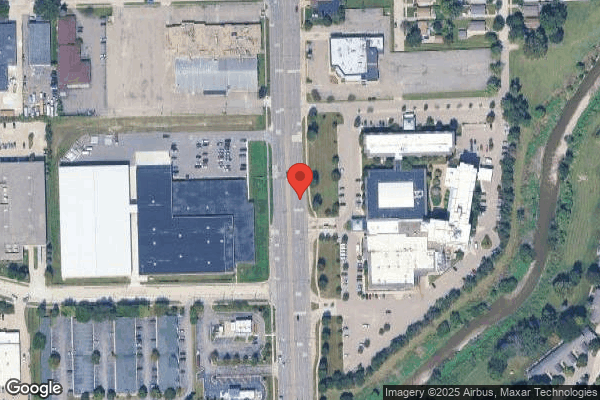
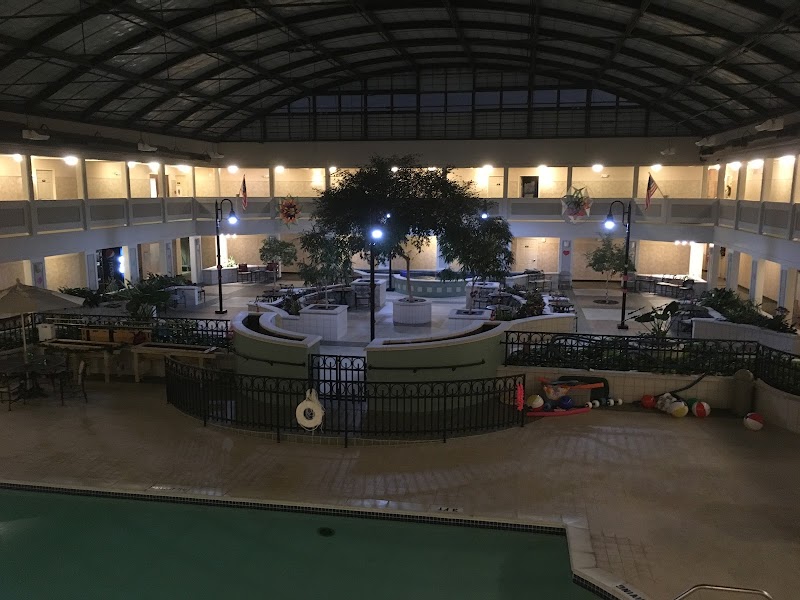
31800 Van Dyke Avenue, Warren, MI 48093 (586) 722-2600
For profit - Individual 92 Beds Independent Data: November 2025
Trust Grade
60/100
#183 of 422 in MI
Last Inspection: April 2025

Within standard 12-15 month inspection cycle. Federal law requires annual inspections.

Overview

Windemere Park Health and Rehabilitation Center has a Trust Grade of C+, indicating it is decent and slightly above average among nursing homes. It ranks #183 of 422 facilities in Michigan, placing it in the top half, and #12 of 30 in Macomb County, meaning only eleven local options are better. The facility is improving, having reduced its issues from 8 in 2024 to 3 in 2025. However, staffing is a concern, with a rating of 2 out of 5 stars and a high turnover rate of 73%, which is above the state average of 44%. While there have been no fines reported, the facility has less RN coverage than 88% of Michigan facilities, which may limit oversight of resident care. Some specific incidents of concern include expired food items being stored in resident refrigerators, which could lead to foodborne illnesses, and issues in the kitchen regarding food safety and cleanliness. Additionally, there are gaps in the infection control program that need to be addressed. Overall, while Windemere Park has strengths in its improvement trends and absence of fines, families should be aware of the staffing challenges and past food safety issues when considering this facility.
Trust Score
C+
60/100
In Michigan
#183/422
Top 43%
Safety Record
Low Risk
No red flags
Inspections
Getting Better
8 → 3 violations
Staff Stability
⚠ Watch
73% turnover. Very high, 25 points above average. Constant new faces learning your loved one's needs.
Penalties
✓ Good
No fines on record. Clean compliance history, better than most Michigan facilities.
Skilled Nurses
⚠ Watch
Each resident gets only 26 minutes of Registered Nurse (RN) attention daily — below average for Michigan. Fewer RN minutes means fewer trained eyes watching for problems.
Violations
⚠ Watch
22 deficiencies on record. Higher than average. Multiple issues found across inspections.
★★★★☆
4.0
Overall Rating
★★☆☆☆
2.0
Staff Levels
★★★★☆
4.0
Care Quality
★★★★☆
4.0
Inspection Score
Stable
2024: 8 issues
2025: 3 issues

The Good

  • 4-Star Quality Measures · Strong clinical quality outcomes
  • Full Sprinkler Coverage · Fire safety systems throughout facility
  • No fines on record

Facility shows strength in quality measures, fire safety.

The Bad

Staff Turnover: 73%

27pts above Michigan avg (46%)

Frequent staff changes - ask about care continuity

Staff turnover is very high (73%)

25 points above Michigan average of 48%

The Ugly 22 deficiencies on record

Apr 2025 3 deficiencies
CONCERN (D)

Potential for Harm - no one hurt, but risky conditions existed

Deficiency F0808 (Tag F0808)

Could have caused harm · This affected 1 resident

**NOTE- TERMS IN BRACKETS HAVE BEEN EDITED TO PROTECT CONFIDENTIALITY** Based on observation, interview, and record review, the facility failed to ensure one resident (R35) of two residents reviewed f...

Read full inspector narrative →
**NOTE- TERMS IN BRACKETS HAVE BEEN EDITED TO PROTECT CONFIDENTIALITY** Based on observation, interview, and record review, the facility failed to ensure one resident (R35) of two residents reviewed for altered diet consistency, received the prescribed therapeutic diet. Findings include: On 4/28/25 at 01:02 PM, R35's spouse was observed feeding R35 a pureed textured main course foods. Also on the tray was regular textured fruit cocktail in a covered container. On 4/29/25 at 12:33 PM, an observation was made of Certified Nursing Assistant (CNA) A taking R35's tray into room to assist R35 with feeding. The main dish was pureed and there was a cup of regular textured pineapple chunks in a covered dish. There was also a half peanut butter and jelly sandwich. A review of the Electronic Medical Record (EMR) revealed R35 was most recently admitted on [DATE] with pertinent diagnoses of Alzheimer's Disease and Dysphagia (difficulty swallowing). Further review of the EMR revealed R35 has a Brief Interview for Mental Status (BIMS) score of 99 indicating R35 is rarely/never understood. Further review indicated R35 is dependent on staff for all activities of daily living and mobility. Further review of the EMR revealed an active order dated 1/3/2025 for PB and J (peanutbutter and jelly) sandwiches daily to add additional calories. On 4/16/2025 an order was written for a regular diet, pureed texture, Thin Liquids consistency. On 4/29/2025, an interview with the Dietary Manager (DM) B revealed the line checker (Dietary Worker (DW) F) should have noted the wrong textured dessert (pineapple chunks) was on the tray. DW F was interviewed and confirmed an error was made regarding the pineapple chunks. On 4/29/2025, an interview with the Nursing Home Administrator (NHA) revealed R35 had recently received an order for hospice and that the hospice nurse had written the order for pureed diet and may have not seen the peanut butter and jelly order to increase caloric intake. On 4/30/2025 an interview with the Clinical Dietary Manager (CDM) D revealed they were unaware of the PB and J order, and indicated they would cancel the order.
CONCERN (D)

Potential for Harm - no one hurt, but risky conditions existed

Deficiency F0919 (Tag F0919)

Could have caused harm · This affected 1 resident

Based on observation, interview, and record review, the facility failed to ensure call light accessibility for one (R13) of seven residents reviewed for call light accessibility. Findings include: Re...

Read full inspector narrative →
Based on observation, interview, and record review, the facility failed to ensure call light accessibility for one (R13) of seven residents reviewed for call light accessibility. Findings include: Review of the facility record for R13 revealed an admission date of 04/12/24 with diagnoses including History of Falls and Chronic Heel Ulcers. R13's Brief Interview for Mental Status (BIMS) score of 10/15 indicated Moderate cognitive impairment. On 04/28/25 at 2:15 PM, R13 was observed laying in bed. The call light was observed on the floor under the bed out of the resident's reach. The resident was alert and able to communicate in a functional manner. Further review of R13's record revealed the Care Plan Focus area statement I have alteration in Activities of Daily Living self-care function related to dependence on staff for care needs and weakness associated with medical condition. This focus area included the Intervention item Call light to be kept in reach. Provide prompt response to requests for assistance. On 04/30/25 at 10:46 AM, R13 was interviewed in their room. The call light was observed wrapped around the headboard hardware near the floor out of the resident's reach. R13 was asked about the call light being out of reach and they indicated there are regularly times when they attempt to call for assistance and are not able to locate the call light. R13 was asked if this has caused delays in receiving care from staff and they stated, oh yeah. On 04/30/25 at 10:52 AM, a staff member was observed entering R13's room to check on the resident. The resident was observed after this interaction and the call light had not been placed in reach. On 04/30/25 at 12:25 PM, R13's call light was observed to remain under the bed wrapped around the headboard hardware out of the resident's reach. On 04/30/25 at 1:05 PM, the facility Administrator (NHA) reported the expectation is all resident's call lights should be within reach at all times. Review of the facility policy Call Lights: Accessibility and Timely Response dated 11/22/24 revealed the policy statement The purpose of this policy is to assure the facility is adequately equipped with a call light at each resident's bedside, toilet and bathing facility. The policy explanation includes the entries: .5. Staff will ensure the call is within reach of resident and secured, as needed .6. The call system will be accessible to residents while in their bed or other sleeping accommodations within the resident's room.
CONCERN (F)

Potential for Harm - no one hurt, but risky conditions existed

Deficiency F0813 (Tag F0813)

Could have caused harm · This affected most or all residents

Based on observation, interview, and record review, the facility failed to store resident food items in accordance with professional standards for food service safety. This deficient practice had the ...

Read full inspector narrative →
Based on observation, interview, and record review, the facility failed to store resident food items in accordance with professional standards for food service safety. This deficient practice had the potential to result in food borne illness among all 49 residents that potentially store food in the resident refrigerators. Findings include: On 4/28/25 at 10:20 AM, the 4th floor resident refrigerator was observed with Certified Dietary Manager (CDM) B. There were 4 expired cartons of milk, an undated deli sandwich, an undated brown bag lunch, 2 undated bowls of cooked oatmeal, an undated bowl of chili, and a moldy container of raspberries. On 4/28/25 at 10:30 AM, the 5th floor resident refrigerator was observed with CDM B. There was an undated foam container with chicken and rice. When queried, CDM B stated that nursing staff was responsible for ensuring the food items in the resident refrigerators were dated and discarded when expired. Review of the facility's policy Foods Brought by Family/Visitors revised October 2017 noted: 7. Food brought by family/visitors that is left with the resident to consume later will be labeled and stored in a manner that it is clearly distinguishable from facility-prepared food . b. Perishable foods must be stored in re-sealable containers with tight-fitting lids in a refrigerator. Containers will be labeled with the resident's name, the item and the use by date. 8. The nursing staff will discard perishable foods on or before the use by date.
Oct 2024 2 deficiencies
CONCERN (D) 📢 Someone Reported This

A family member, employee, or ombudsman was alarmed enough to file a formal complaint

Potential for Harm - no one hurt, but risky conditions existed

Deficiency F0602 (Tag F0602)

Could have caused harm · This affected 1 resident

**NOTE- TERMS IN BRACKETS HAVE BEEN EDITED TO PROTECT CONFIDENTIALITY** This citation pertains to Intake: MI00147215. Based on observation, interview, and record review the facility failed to prevent...

Read full inspector narrative →
**NOTE- TERMS IN BRACKETS HAVE BEEN EDITED TO PROTECT CONFIDENTIALITY** This citation pertains to Intake: MI00147215. Based on observation, interview, and record review the facility failed to prevent incidents of misappropriation of narcotic pain medication for three residents (R604, R605, R606) of five residents reviewed for misappropriation of property. Findings include: A review of the Facility Reported Incident revealed the following, Incident Summary: Missing Medication: Lorazepam (Anti-anxiety) 0.5 MG (milligrams) 30 Tabs (tablets). On September 16, 2024 at approximately 8:45am [Licensed Practical Nurse (LPN) F], removed 5 controlled substances from her medication cart and handed off to [Director of Nursing (DON)] for destruction. At approximately 9:15(am), the pack of Lorazepam 0.5 MG 30 Tabs was missing from the DON's possession. During the investigation, the information did not line up. The Director of Nursing has been suspended pending investigation . On 10/1/24 at 10:04 AM, an interview was completed with LPN F via phone, and was asked about the day they provided medications to the DON for destruction. LPN F explained the facility recently began working with a new pharmacy, and she had a number of as needed medications from the previous pharmacy in her fifth floor medication cart, that needed to be discarded for two residents, one of them being R604. LPN F explained they handed off a total of five cards (blister packets, unit dose packaging for pharmaceutical drugs), two cards which contained Ativan, and three cards of Tramadol, all which were full containing about 30 pills to the DON. LPN F indicated she signed the narcotic count sheet when doing so however, the DON did not sign the Controlled Substance Proof of Use sheet for removal from the medication cart. LPN F explained Registered Nurse (RN) G was present at the time she handed the medications to the DON and this was the last time she saw the DON with the medications. LPN F explained the DON later called back to the unit indicating she misplaced the medication, and didn't know what she had done with them. On 10/1/24 at 10:42 AM, an interview was completed with RN G regarding the missing medications. RN G explained LPN F called the DON to the 5th floor and informed them that they had medications that needed to be destroyed. RN G confirmed witnessing LPN G provide the medications to the DON, and together they rode the elevator to the 4th floor where the medications were to be destroyed in the DON's office. RN G explained as soon as they arrived to the 4th floor, the DON said there were residents on the floor that needed assistance to be fed, and proceeded to entered into room [ROOM NUMBER] where a Certified Nursing Assistant (CNA H) was feeding a resident. RN G explained they observed the DON lay the cards of narcotic medication down on the resident's nightstand, inform CNA H they could leave, and she (the DON) would assist the resident with eating. RN G said that they made attempts to get the DON to leave and destroy the medications, as their morning meeting was scheduled to begin in approximately 5 minutes, however, the DON stayed in the room and continued to feed the resident. RN G explained they left the room to obtain water for the 4th floor residents, returning back to room [ROOM NUMBER] approximately 5-10 minutes later. RN G explained upon entering the room, they observed the resident's food tray looked as though it had not been touched since the duration the DON was in the room. RN G said that upon returning to room [ROOM NUMBER], they and the DON went to destroy the medications however, upon counting the cards, the DON only had four cards, and not five. RN G explained the DON attributed it to LPN F not giving her five cards, and then started to indicate that maybe she had dropped the 5th card. RN G explained the missing card was for R604, and was later identified as Ativan. RN G said they told the DON they needed to retrace their steps and go back to room [ROOM NUMBER] however, the DON stated it wasn't necessary, and began to frantically look for the medication. RN G explained that they went to the Nursing Home Administrator (NHA), and provided them with the controlled substance record for the missing medication. RN G was asked if she had witnessed any other incidents of missing medications, and she explained on 9/6/24, the DON stood at the nurses' station with the white container used to destroy medications along with a bag of narcotics. RN G said the DON began punching medications out of blister packets onto the desk at the nurses' station making it difficult to identify what packet the medications were coming from. RN G went on to say, after they were able to organize and count the medications, and 17 Hydrocodone pills were missing for [R605 and R606]. RN G said the DON had a new LPN ( LPN I ) sign documents presented to her by the DON regarding the destruction of the medications, and said they would notify the medical director about the missing medications. On 10/1/24 at 11:18 AM, CNA H was interviewed regarding the day they assisted the resident in room [ROOM NUMBER] with breakfast. CNA H confirmed the DON entered into the room and explained that they would assist the resident, so they subsequently left the room to collect trays. CNA H explained to the DON that they only had one other resident that needed assistance with meals, but that resident was asleep. CNA H confirmed upon returning to room [ROOM NUMBER], the residents plate of food looked the same as it had when they had left the DON in the room to assist. On 10/1/24 at 11:37 AM, an attempt to contact the DON via phone was unsuccessful. On 10/1/24 at 1:09 PM, an interview was completed with LPN I regarding the day they and the DON disposed of medication. LPN I confirmed they did sign off on a few narcotic sheets, but refused to sign the sheets that were missing medications. LPN I explained they didn't think they were able to assist the DON in the destruction of medications, but the DON insisted that it was fine. R604 A review of R604's medical record revealed they were admitted into the facility on [DATE] with diagnoses that included Alzheimer's Disease, Chronic Kidney Disease, Diabetes and Anxiety. Further review revealed the resident was severely cognitively impaired, and had three separate PRN (as needed) orders dated for 7/22/24, 8/10/24 and 8/24/24, and are as follows,Lorazepam Oral Tablet 0.5 MG (Lorazepam). Give 1 tablet by mouth every 6 hours as needed for Anxiety . R605 A review of R605's medical record revealed they were admitted into the facility on 7/7/23, and expired on 8/16/24. The resident was admitted with diagnoses that included Alzheimer's Disease, Diabetes, and Hypertension. Further review of the medical record revealed the resident was prescribed the following order on 7/17/24, Hydrocodone-Acetaminophen Oral Tablet 5-325 MG (milligrams). Give 5.325 mg by mouth every 6 hours as needed for Moderate Pain. R606 A review of R606's medical record revealed they were admitted into the facility on 7/25/24 under hospice care, and expired on 9/1/24. A review of the resident's diagnoses include Chronic Pain and Malignant Neoplasm of the Esophagus. Further review of the medical record revealed the resident had the following physician order on 7/26/24, Hydrocodone-Acetaminophen Oral Tablet 10-325MG. Give 1 tablet via Percutaneous Gastrostomy Tube (PEG-tube for foods, liquids and medication)-every 6 hours for Pain. On 10/1/24 at 11:45 AM, the Nursing Home Administrator (NHA) was asked about they're investigation regarding the DON, and she explained when the DON was interviewed about the missing medications, the DON could not provide an explanation for the missing medications, and said they did not have any destruction logs for medications that had been destroyed during the course of her employment. On 10/1/24 at 2:37 PM, an interview was completed with LPN J regarding the process for medications needing to be destroyed. LPN J explained there isn't a schedule for when medications are to be destroyed, it's as needed however, the nurse further explained there have been so many different nurses in the role of Director of Nursing (DON), and they all had a different procedure for how they wanted things done, so they really was not sure what the procedure is. A review of a partial destruction log binder was reviewed revealing multiple unorganized and incomplete documents titled Controlled Drug Record and Control Substance Record that were missing signatures and witnesses however, RN E's name and signature was noted on a number of the incomplete documents. On 10/1/24 at 3:36 PM, an interview was completed with Minimum Data Set Assessment (MDS) nurse, RN E and was asked about the number of times they were involved in the destruction of medications with the DON. RN E explained they were not very involved and disposed of narcotic medications one time with the DON. RN E was shown the partial log binder with their name listed on multiple incomplete documents, however, the nurse could not explain why their name or initials were on the sheets. On 10/1/23 at 4:00pm, Pharmacist K was interviewed via phone regarding the process of narcotic delivery and storage to the facility, and explained the nurse signs for the medications when they are delivered and the nurse signs them into their inventory. Regarding facility advisement of controlled substance destruction, Pharmacist K explained the facility should have their own controlled systems and guidelines with a nurse and a witness. A review of the Discarding and Destroying Medications policy which was undated revealed the following, 1. All unused controlled substances shall be retained in a securely locked area with restricted access until disposed of .7. For unused, non-hazardous controlled substances that are disposed of by an authorized collector, the Environmental Protection Agency (EPA) recommends destruction an disposal of the substance with other solid waste following the steps below: .d. Document the disposal on the medication disposition record. e. Include the signatures(s) of at least two witnesses .12. Completed medication disposition records shall be kept on file in the facility for at least (2) two years, or as mandated by state law governing the retention and storage of such records .
CONCERN (D) 📢 Someone Reported This

A family member, employee, or ombudsman was alarmed enough to file a formal complaint

Potential for Harm - no one hurt, but risky conditions existed

Report Alleged Abuse (Tag F0609)

Could have caused harm · This affected 1 resident

This citation pertains to Intake: MI00147215 Based on interview and record review, the facility failed to report and investigate an allegation of misappropriation of narcotic medicaitons to the State ...

Read full inspector narrative →
This citation pertains to Intake: MI00147215 Based on interview and record review, the facility failed to report and investigate an allegation of misappropriation of narcotic medicaitons to the State Agency for two residents, (R605 and R606) of five residents reviewed for misappropriation of property. Findings include: On 10/1/24 at 10:42 AM, an interview was completed with Regeistered Nurse (RN) G regarding the Director of Nursing (DON) handling of medications that needed to be destroyed. RN G explained on 9/6/24, the DON stood at the nurses' station with a white container that is used to destroy medications along with a bag of narcotics. The nurse said the DON began punching medications out of blister packets onto the desk at the nurses' station making it difficult to identify what packet the medications were coming from. RN G explained they were able to organize and count the medications, they identified that 17 Hydrocodone pills were missing for R605 and R606. RN G said the DON had a new Licensed Practical Nurse (LPN) I sign documents presented to them by the DON regarding the destruction of the medications, and the DON said they would notify the Medical Director about the missing medications. RN G confirmed they reported the missing medications to the Nursing Home Administrator (NHA). R605 A review of R605's medical record revealed they were admitted into the facility on 7/7/23, and expired on 8/16/24. The resident was admitted with diagnoses that included Alzheimer's Disease, Diabetes, and Hypertension. Further review of the medical record revealed the resident was prescribed the following order on 7/17/24, Hydrocodone-Acetaminophen Oral Tablet 5-325 MG (milligrams). Give 5.325 mg by mouth every 6 hours as needed for Moderate Pain. R606 A review of R606's medical record revealed that they were admitted into the facility on 7/25/24 under hospice care, and expired on 9/1/24. A review of the resident's diagnoses includes Chronic Pain and Malignant Neoplasm of the Esophagus. Further review of the medical record revealed that the resident had the following physician order on 7/26/24, Hydrocodone-Acetaminophen Oral Tablet 10-325MG. Give 1 tablet via Percutaneous Gastrostomy Tube (PEG-tube for foods, liquids and medication)-every 6 hours for Pain. On 10/1/24 at 1:09 PM, an interview was completed with LPN I regarding the day they and the DON disposed of medication. LPN I confirmed they did sign off on a few narcotic sheets, but refused to sign the sheets that were missing medications. LPN I explained they didn't think they were able to assist the DON in the destruction of medications, but the DON insisted it was fine. On 10/1/24 at 11:45 AM, the Nursing Home Administrator (NHA) was asked if they reported the allegations of missing narcotics brought to they're attention by RN G on 9/6/24. The NHA confirmed awareness of the concern and spoke to the DON about it, however, were not able to provide an explanation as to why the incident was not investigated or report to the State Agency. A review of the facility's Unusual Occurrent Reporting policy which was undated revealed the following, Our facility will report the following events to appropriate agencies .g. Allegations of abuse, neglect and misappropriation of resident property; h. other occurrences that interfere with facility operations and affect the welfare, safety, and health of residents, employees or visitors. 2. Unusual occurrences shall be reported via telephone to appropriate agencies as required by current law and/or regulations within twenty-four (24) hours of such incident or as otherwise required by federal and state regulations .
Jul 2024 1 deficiency
CONCERN (D) 📢 Someone Reported This

A family member, employee, or ombudsman was alarmed enough to file a formal complaint

Potential for Harm - no one hurt, but risky conditions existed

Quality of Care (Tag F0684)

Could have caused harm · This affected 1 resident

**NOTE- TERMS IN BRACKETS HAVE BEEN EDITED TO PROTECT CONFIDENTIALITY** This citation pertains to Intake MI00145241. Based on interview and record review, the facility failed to schedule a follow up ...

Read full inspector narrative →
**NOTE- TERMS IN BRACKETS HAVE BEEN EDITED TO PROTECT CONFIDENTIALITY** This citation pertains to Intake MI00145241. Based on interview and record review, the facility failed to schedule a follow up appointment for one resident (R701) of three reveiwed for quality of care. Findings include: A review of the intake allegation noted, [They] has been in the facility for approx (approximately). 2.5 wks (weeks). Staff were supposed to schedule [their] a follow-up appt. (appointment) with [their] cancer doctor, which hasn't been done. [They] . supposed to have a CAT scan (CT-Computed tomography is a noninvasive medical examination or procedure that uses specialized X-ray equipment to produce cross-sectional images of the body)w (with)/contrast done of [their] left lobe . A review of R701's medical record noted, R701 was admitted to the facility on [DATE] and readmitted [DATE] and then discharged on 7/5/24. A review of R701's admission Minimum Data Set (MDS) dated [DATE], revealed R701 with an intact cognition, used a walker, and required some assistance with activities of daily living. Further review of R701's medical record revealed, progress notes, 6/12/2024 10:40 (AM) Physician Progress Note . History and Physical . this patient was recently treated for COPD (Chronic obstructive pulmonary disease). [R701] reports [R701] does have lung cancer diagnosed in the past and recommended for follow-up CT with contrast .I called oncology radiation and clinic staff reports they will fax a prescription for patient to do CAT scan of the lungs . ASSESSMENT/PLANS: Left lung primary malignant neoplasm. Placed a call to clinic of [local] oncology . spoke with clinic staff, will fax prescription for CT with contrast needed for patient before follow-up visit. Patient agreeable to do CAT scan in [local hospital] . 6/14/2024 08:20 (AM) Physician Progress Note: [local] Consultants . Placed a call to clinic of [local]/radiation oncology . spoke with clinic staff, will fax prescription for CT with contrast needed for patient before follow-up visit. Patient agreeable to do CATscan in [local hospital] . 6/25/2024 10:00 (AM) Physician Progress Note: Placed a call to clinic of [local]/radiation oncology . spoke with clinic staff, will fax prescription for CT with contrast needed for patient before follow-up visit. Patient agreeable to do CATscan in [local hospital] . 6/18: Placed a call to oncology clinic again, clinic staff and gave a prescription for CT scan of the lungs with contrast 6/20. Awaiting scripts for CT scan from radiation oncology clinic . 6/27/2024 08:00 (AM) Physician Progress Note: [local hospital] . Left lung primary malignant neoplasm. Placed a call to clinic of [local]/radiation oncology . spoke with clinic staff, will fax prescription for CT with contrast needed for patient before follow-up visit. Patient agreeable to do CAT scan in [local hospital] .6/18: Placed a call to oncology clinic again, clinic staff and gave A prescription for CT scan of the lungs with contrast .6/20: Awaiting scripts for CT scan from radiation oncology clinic . On 7/16/24 at 1:45 PM, the appointment clerk was asked about R701's appointments. The clerk stated [R701] didn't have any (outside) appointments .I never knew that [R701] had any appointments. I don't see any orders from the doctor. The clerk was asked about the process for outside appointments. The clerk explained, she reviews the hospital discharge summary, then talks to the resident/responsible party to find out how they want to handle any follow up appointments. If it is a new order, the clerk explained, that she would get the order from the nurse and make the appointment. On 7/16/24 at 2:15 PM, The Nursing Home Administrator (NHA) was asked about the appointments that were not made for R701. The NHA explained, she was not sure why the appointments were not made for R701, but she would look into the issue. A review of the facility's policy titled Outside Appointments/Consults undated, revealed, Residents may require outside specialty appointments, outside consults, ancillary services or any other services that require the resident to receive additional care outside of the facility. External appointments require a physician's order before the appointment can be scheduled. Once the order is obtained, the order will be forwarded to the Medical Records Department for scheduling. Medical Records will contact the Resident/Responsible Party to communicate the appointment. Once the appointments are scheduled, the appointment will be placed on the dashboard. The day prior to the appointment, the appointment will be placed on the communication board. A packet of information will accompany the resident to the appointment. All documents and recommendations will be provided to the nurse upon return from the appointment. The nurse will contact the attending physician and review recommendations. Any changes in the residents' plan of care will be reviewed by the physician. The physician will provide orders as indicated. Medical Records will review the documents for further information to determine if there is a need for a follow-up appointment.
Apr 2024 5 deficiencies
CONCERN (D) 📢 Someone Reported This

A family member, employee, or ombudsman was alarmed enough to file a formal complaint

Potential for Harm - no one hurt, but risky conditions existed

Safe Environment (Tag F0584)

Could have caused harm · This affected 1 resident

**NOTE- TERMS IN BRACKETS HAVE BEEN EDITED TO PROTECT CONFIDENTIALITY** Based on observation, interview, and record review, the facility failed to provide a safe environment for one resident (R1) of t...

Read full inspector narrative →
**NOTE- TERMS IN BRACKETS HAVE BEEN EDITED TO PROTECT CONFIDENTIALITY** Based on observation, interview, and record review, the facility failed to provide a safe environment for one resident (R1) of two residents reviewed for homelike environment. Findings include: On 04/02/24 at 10:54 AM, R1 was observed lying in bed in their room watching television. A large hole was noted in the wall behind the residents bed. The hole was approximately 12 inches long and was deep enough to see the wire in the wall from a plug nearby. Streaks of plaster was coming out of wall. R1 was asked about the hole and stated I didn't do it. It was there before I got here. It needs to be fixed. On 04/03/24 at 1:15 PM, R1 was observed sitting in wheelchair in the room watching television. The large hole with visible wiring remained the same. 04/04/24 01:40 PM, R1 was observed sitting in wheelchair in the room watching television. The large hole with visible wiring remained the same. Record review revealed that R1 was admitted on [DATE] with the following medical diagnoses of Schizophrenia, Hypertension, Open Wound in Abdominal Wall, and Congestive Heart Failure. A review of the Minimum Data Set, dated [DATE] noted Brief Interview in Mental Status of 10 which indicates mild cognitive impairment. On 04/04/24 at 02:13 PM, during an observation of R1's room with the Maintenance Director (MD) he stated, That's a bad hole. I was not aware of this but I will take care of it as soon as possible. It happens when the bed is pushed against the wall so much and pieces of the wall give in. It is my expectation that residents room are in good shape to provide a home like environment. A review of the policy titled Quality of Life - Homelike Environment revealed that residents are provided with a safe, clean, comfortable and home-like environment and encouraged to use their own personal belongings to the extent possible.
CONCERN (E) 📢 Someone Reported This

A family member, employee, or ombudsman was alarmed enough to file a formal complaint

Potential for Harm - no one hurt, but risky conditions existed

Drug Regimen Review (Tag F0756)

Could have caused harm · This affected multiple residents

**NOTE- TERMS IN BRACKETS HAVE BEEN EDITED TO PROTECT CONFIDENTIALITY** R13 On 4/02/24 at 8:40 AM, R13 was observed sitting in their wheelchair, sleeping with stuffed animals in their arms. R13's bed ...

Read full inspector narrative →
**NOTE- TERMS IN BRACKETS HAVE BEEN EDITED TO PROTECT CONFIDENTIALITY** R13 On 4/02/24 at 8:40 AM, R13 was observed sitting in their wheelchair, sleeping with stuffed animals in their arms. R13's bed was observed to be low with floor mats folded up along the wall. An interview was attempted but unable to be completed due to cognitive impairment. On 4/03/24 at 8:55 AM, R13 was observed sitting in their wheelchair with an empty plate on their lap and an empty cup in their hand. R13 was observed to lick the plate and the outside of the cup. A review of R13's medical record noted, R13 was admitted to the facility on [DATE] with diagnoses of Unspecified Dementia, Unspecified Severity, without behavioral disturbance, mood disturbance, and anxiety. A review of R13's annual Minimum Data Set (MDS) assessment noted, R13 with a severely impaired cognition and that R13 required assistance with activities of daily living. A review of R13's physician orders noted, Memantine HCl Tablet 10 MG (milligram) Give 10 mg by mouth one time a day for dementia. A review of R13's Pharmacy Consultant Medication Reviews revealed no medication reviews were completed by the Pharmacist since 6/27/23. R17 On 4/02/24 at 8:33 AM, R17 was observed in a low bed asleep. On 4/04/24 at 8:43 AM, R17 was observed in bed eating breakfast. R17 was asked if they were being treated for depression. R17 explained that they thought they were but offered no other details regarding the type of treatment. A review of R17's annual (MDS) dated [DATE], noted, diagnoses of Alzheimer's disease, Non-Alzheimer's Dementia and Depression and was prescribed an antidepressant and anticoagulant (blood thinner). A review of R17's physician orders noted, Apixaban Oral Tablet 5 MG (Apixaban) Give 1 tablet by mouth two times a day for anticoagulant. Sertraline HCl Oral Tablet 25 MG (Sertraline HCl) Give 1 tablet by mouth one time a day for antidepressant. A review of the medical record for R17 noted, Pharmacy Consultant Medication Reviews on 1/24/2023, 4/26/2023, and 5/28/2023 which indicated to see the report for noted irregularities. A review of R17's Pharmacy Consultant Medication Reviews revealed no medication reviews were completed by the Pharmacist since 6/27/23. A review of R17's care plan noted, Focus: I have alteration in cognitive function R/T (related to); Dx (diagnosis) Alzheimer's disease, alert and oriented X 2-3, impaired thought process, impaired/poor decision-making skills, long term memory loss, poor insight, judgement, and reasoning, require assist with daily routine, schedule, and ADL (activites of daily living) care, short term memory loss. Date Initiated: 01/27/2022. Goal: Dx Alzheimer's disease, alert and oriented X 2-3, impaired thought process, impaired/poor decision-making skills, long term memory loss, poor insight, judgement, and reasoning, require assist with daily routine, schedule, and ADL care, short term memory loss Date Initiated: 01/27/2022. I will maintain current/optimal level of cognitive function through next review date. Date Initiated: 01/27/2022. My physical and psycho-social needs will be met as much as possible through next review date. Date Initiated: 01/27/2022. Interventions: Monitor effectiveness of antidepressant medication. Date Initiated: 01/27/2022. ate Initiated: 01/27/2022. Monitor for, document, and report any mood/behavior issues/problems. Date Initiated: 01/27/2022. Monitor for, document, and report to physician any s/s of side effects of antidepressant medication. Date Initiated: 01/27/2022. R19 On 4/02/24 at 8:38 AM, R19 was observed in bed with their shoes on top of the sheets. R19 reported no concerns. On 4/03/24 at 9:12 AM, R19 was observed in bed and under covers. A review of R19's medical record revealed, R19 was admitted to the facility on [DATE] with diagnoses of Unspecified Dementia, unspecified severity, with other behavioral disturbance and Depression. A review of R19's admission MDS dated [DATE] noted, R19 with an impaired cognition and medications received an antipsychotic medication. A review of R19's physician order noted Quetiapine Fumarate Oral Tablet 25 MG (Quetiapine Fumarate) Give 0.5 tablet by mouth one time a day for agitation, aggression; 12.5 mg. Further review of R19's Pharmacy Consultant Medication Reviews revealed no medication reviews were completed by the Pharmacist since admission into the facility. A review of R19's care plan noted, Focus: I have alteration in cognitive function R/T; dx of dementia with behaviors, CVA with cognitive impairments and behavioral disturbance alert and oriented 2, impaired/poor decision-making skill, antipsychotic medication for agitation/aggression Date Initiated: 06/30/2023. Goal: I will maintain current/optimal level of cognitive function through next review date. Date Initiated: 06/30/2023. My physical and psycho-social needs will be met as much as possible through next review date. Date Initiated: 06/30/2023. Interventions: Monitor for, document, and report to physician and s/s of side effects of medications. Date Initiated: 07/13/2023. Offer cues and reminders as needed. Date Initiated: 07/13/2023. Provide antipsychotic mediation as ordered and monitor for unwanted side effects if noted notify md (medical doctor) and Behavioral Care. Date Initiated: 10/20/2023. On 4/04/24 at 9:18 AM, the Nursing Home Administrator (NHA) was asked about the Pharmacy Consultant Medication Reviews. The NHA explained that they have not had a consultant pharmacist since June of 2023 and that they were unable to locate any of the reports that indicated irregularities. A review of the policy titled, Medication Regimen Reviews dated May 2019, revealed, 1. The Consultant Pharmacist performs a medication regimen review (MRR) for every resident in the facility receiving medication. 2. Medication regimen reviews are done upon admission (or as close to admission as possible) and at least monthly thereafter, or more frequently in indicated . 8. Within 24hrs of the MRR, the Consultant Pharmacist provides a written report to the attending physicians for each residents identified as having a non-life threatening medication irregularity. The report contains: a The resident's name; b. The name of the medication; c. The identified irregularity; and d. The pharmacist's recommendation . 10. If the identified irregularity refers to the use of medication that is inconsistent with accepted pharmaceutical services standards of practice; is not supported by medical evidence; and/or impedes or interferes with achieving the intended outcomes of pharmaceutical services. It may also include the use of medication without indication, without adequate monitoring, in excessive doses, and or in the presence of adverse consequences . Based on observation, interview and record review, the facility failed to ensure the Pharmacy Consultant Medication Regimen reviews were completed monthly for five residents (R12, R10, R13, R17, and R19) of five residents reviewed for pharmaceutical services. Findings include: R12 On 04/02/24 at 4:03 PM, R12 was observed to be seated in their wheelchair on the right side of their bed. R12 reported itching to their arms back and legs. R12 had visible scabs to the arms with loose gauze dressings hanging from the arms. The record indicated R12 had complained of itching since 02/29/24 and had been seen by the nurse practitioner (NP). The medical team had prescribed Bactrim (antibiotic), Ivermectin (anti-parasite), Tramcinolone Cream (anti-inflammatory) and Prednisone (anti-inflammatory) since that time. R12 had 20 or more active medication orders. A review of the medical record documented the last Pharmacy Consultant Review was on 06/27/23. This report indicated to see the report for noted irregularities. A review of the record for R12 documented R12 was admitted into the facility on [DATE] and had a readmission on [DATE]. Diagnoses included Chronic Kidney Disease, Dementia, Diabetes and Mood Disorder. R10 A review of the record for R10 documented R10 was admitted into the facility 11/10/21 and readmitted [DATE]. Diagnoses included Dementia, Stroke and Heart Disease. R10 had 18 active medication orders one of which was the psychotropic/anti anxiety medication Ativan. A review of the medical record documented the last Pharmacy Consultant Review was on 06/27/23. This report indicated to see the report for noted irregularities.
CONCERN (E) 📢 Someone Reported This

A family member, employee, or ombudsman was alarmed enough to file a formal complaint

Potential for Harm - no one hurt, but risky conditions existed

Safe Environment (Tag F0921)

Could have caused harm · This affected multiple residents

**NOTE- TERMS IN BRACKETS HAVE BEEN EDITED TO PROTECT CONFIDENTIALITY** Based on observation, interview, and record review, the facility failed to clean and maintain the physical plant effecting 45 re...

Read full inspector narrative →
**NOTE- TERMS IN BRACKETS HAVE BEEN EDITED TO PROTECT CONFIDENTIALITY** Based on observation, interview, and record review, the facility failed to clean and maintain the physical plant effecting 45 residents, resulting in the increased likelihood for cross-contamination, bacterial harborage, and reduced air quality. Findings include: On 04/03/24 at 09:36 A.M., Record review of the Maintenance Work Orders generated for the last 90 days revealed no specific entries related to the documented maintenance concerns. On 04/03/24 at 09:50 A.M., An environmental tour of the facility Laundry Service was conducted with Director of Maintenance A. The following item was noted: Laundry Room: The flooring surface was observed missing numerous 12-inch-wide by 12-inch-long vinyl tiles. The damaged flooring surface measured approximately 10-feet-wide by 24-feet-long. The damaged flooring surface was also observed extremely moist, due to excessive water exposure from the washing machine discharge pipes. On 04/03/24 at 10:08 A.M., An environmental tour of the facility Central Supply was conducted with Director of Maintenance A. The following item was noted: 3 of 4 overhead light assemblies were observed non-functional. The entire room was also observed in complete disarray. On 04/03/24 at 10:20 A.M., A common area environmental tour was conducted with Director of Maintenance A. The following items were noted: Entrance Lobby: The flooring surface was observed (etched, scored, worn), directly behind and beneath the receptionist chair perimeter. The damaged flooring surface measured approximately 4-feet wide by 5-feet-long. Director of Maintenance A indicated he would have staff replace the worn vinyl planking as soon as possible. Rehabilitation Gym: 1 of 6 stools were observed (etched, scored, particulate), exposing the inner Styrofoam padding. 2 of 4 chairs were also observed (etched, scored, particulate), exposing the inner Styrofoam padding. 4th Floor [NAME] Nursing Station: 1 chair was observed (etched, scored, particulate), exposing the inner Styrofoam padding. 1 of 2 stools were also observed (etched, scored, particulate), exposing the inner Styrofoam padding. The desk surface edge was further observed missing the laminate veneer. The damaged laminate surface measured approximately 2-inches-wide by 13-feet-long. Staff Restroom: The return-air-exhaust ventilation grill was observed heavily soiled with accumulated and encrusted dust and dirt deposits. The hand sink faucet assembly was also observed loose-to-mount. [NAME] Nursing Station: The desk surface edge was observed missing the laminate veneer. The damaged laminate surface measured approximately 2-inches-wide by 13-feet-long. 5th Floor [NAME] Nursing Station: 1 of 2 chairs were observed (etched, scored, particulate), exposing the inner Styrofoam padding. Staff Restroom: The return-air-exhaust ventilation inner baffles and plenum were observed with accumulated and encrusted dust and dirt deposits. The hand sink faucet assembly was also observed loose-to-mount. The Polar Wind desk fan, located on the [NAME] Unit Medication Cart was observed heavily soiled with accumulated and encrusted dust and dirt deposits. Soiled Utility Room: The return-air-exhaust ventilation grill was observed heavily soiled with accumulated and encrusted dust and dirt deposits. Janitor Closet: The mop sink basin drain cover was observed loose-to-mount. The mop sink basin was also observed soiled with accumulated and encrusted dirt deposits. Tub/Beauty Room: 2 of 2 brooms were observed severely worn and damaged. The broom bristles were also observed sporadically bent and frayed pointing in numerous directions. The dust/dirt collection pan was also observed heavily soiled with accumulated and encrusted dirt/debris. Director of Maintenance A indicated he would have housekeeping replace the severely worn brooms as soon as possible. On 04/03/24 at 11:25 A.M., An environmental tour of sampled resident rooms was conducted with Director of Maintenance A. The following items were noted: 413: The restroom return-air-exhaust ventilation grill was observed soiled with dust and dirt deposits. 420: 1 of 2 windowpanes were observed severely fogged and clouded from a damaged seal. The damaged windowpane measured approximately 3-feet-wide by 5-feet-long. 518: The Bed A bi-lateral landing strip pads were observed heavily soiled with accumulated and encrusted dirt deposits. 1 of 2 landing strip pads were also observed (etched, scored, particulate), exposing the inner Styrofoam padding. The restroom toilet tissue dispenser was additionally observed loose-to-mount and missing 1 of 2 support arms. The laminate flooring transition strip between the resident room and hallway corridor was further observed missing. 519: 1 of 2 windowpanes were observed severely fogged and clouded from a damaged seal. The damaged windowpane measured approximately 3-feet-wide by 5-feet-long. The return-air-exhaust ventilation baffles and plenum were also observed heavily soiled with accumulated and encrusted dust and dirt deposits. 524: The drywall surface was observed severely (etched, scored, particulate), directly behind the Bed A headboard. The damaged drywall surface measured approximately 2-feet-wide by 5-feet-long. 526: The restroom hand sink faucet assembly was observed loose-to-mount. Director of Maintenance A indicated he would have staff perform necessary repairs as soon as possible. 528: The Bed A privacy curtain was observed missing 6 mounting hooks. The Packaged Terminal Air Conditioner (PTAC) Unit filters were also observed heavily soiled with accumulated and encrusted dust and dirt deposits. On 04/04/24 at 11:00 A.M., Record review of the Policy/Procedure entitled: Cleaning and Disinfection of Environmental Surfaces dated 08-2019 revealed under Policy Statement: Environmental surfaces will be cleaned and disinfected according to current CDC recommendations for disinfection of healthcare facilities and the OSHA Bloodborne Pathogens Standard. Record review of the Policy/Procedure entitled: Cleaning and Disinfection of Environmental Surfaces dated 08-2019 further revealed under Policy Interpretation and Implementation: (9) Housekeeping surfaces (e.g., floors, tabletops) will be cleaned on a regular basis, when spills occur, and when these surfaces are visibly soiled. (10) Environmental surfaces will be disinfected (or cleaned) on a regular basis (e.g., daily, three times per week) and when surfaces are visibly soiled. (11) Walls, blinds, and window curtains in resident areas will be cleaned when these surfaces are visibly contaminated or soiled. On 04/04/24 at 11:15 A.M., Record review of the Policy/Procedure entitled: Exhaust Fans: Inspect Exhaust Fans dated 02/2022 revealed under Instructions: Exhaust Fans: Inspect exhaust fans for proper operation and clean if necessary.
CONCERN (F) 📢 Someone Reported This

A family member, employee, or ombudsman was alarmed enough to file a formal complaint

Potential for Harm - no one hurt, but risky conditions existed

Food Safety (Tag F0812)

Could have caused harm · This affected most or all residents

**NOTE- TERMS IN BRACKETS HAVE BEEN EDITED TO PROTECT CONFIDENTIALITY** On 04/02/24 at 7:39 AM, an initial observation of the kitchen with the dietary staff D and the Dietary Manager revealed: -The e...

Read full inspector narrative →
**NOTE- TERMS IN BRACKETS HAVE BEEN EDITED TO PROTECT CONFIDENTIALITY** On 04/02/24 at 7:39 AM, an initial observation of the kitchen with the dietary staff D and the Dietary Manager revealed: -The external temperature of the [NAME] freezer was 26 degrees Fahrenheit (F). The internal thermometer reading was between 26 and 28 degrees F; The secondary (internal) [NAME] freezer read 32 degrees F on the external thermometer. The freezer did not have an internal thermometer. The freezer did not feel cold. -A bag of chicken tenders and a bag of shredded meat were open and did not have an open date or label. They did not feel frozen solid. -Food holding pans trays on the rack outside the freezer had a greasy substance on it and three others were wet in between the pans. Dietary staff D and Dietary Manager indicated they should be clean and dry before they are placed on the shelf. -The [NAME] refrigerator was 32 degrees on the external thermometer. Cucumbers had visible green and white mold; -The holding bins for the rice, oats and flour were not dated bins; multiple packages of bread were open and loosely knoted; -The meat slicer had dry dust like debris under and in the tray of the slicer. The stand mixer had chipped and peeling paint on the housing above the bowl; The splatter guard was covered side to side with a dried batter mixture though the unit was not in use; -10 ladels, spoons or straining spoons hanging on the storage rack had dried food debris on them; -The dish machine log posted was for December 2023 and was not filled out. The dietary staff reported mulitple staff run the dish machine and were not sure if daily temperature checks were completed; -The four slot toaster had crumbs which covered the bottom of the toaster. It was reported that the toaster may be cleaned once a week. On 04/02/24 at 11:34 AM, an observation of the tray line for lunch revealed: -A female staff had strands of hair that were not fully covered by their hair net; -A gnat/fuit fly was hovering around the microwave; -Cook E was observed to placed food onto a few plates with the service utensils and adjusted the food on the plate with gloved hands and wiped the gloved hands on a dishcloth resting on the counter which had sanitizer on it and then returned to dispensing food with the utensils and adjusting the food on the plates with the same gloved hands; The cook then removed the gloves and put on a new pair without washing in between; The cook the returned to preparing plates and upon stepping away to pull an item from the oven touched their hat and sides of their pants and returned to the steam table with the item from the oven; The cook resumed plating the food; The gloves were not observed to be changed; the cooked then placed a food item into the micrwave and turned back to the food; The cook then went to check the temperature of the item from the microwave, removed a glove from the left hand, checked the temperature and placed a new glove on and during the process pulled their pants up from the back and returned to plating the food and making placement adjustments with the same gloved hands. No hand hygiene was observed. On 04/04/24 at 10:55 AM, the outside temp for the [NAME] freezer read 31 degrees F; the internal thermometer read between 28 and 30 degrees F; -Tubes of ground meat were not frozen; a box of ham and a box of ground beef did not feel frozen; -Liquid items/juices dated 3/15 and 4/2 were not frozen-the container could be squeezed; -muffins and biscuits dated 4/1 were soft to the touch; -The internal freezer read 34 degrees on the external temperature gauge-there was no internal thermometer; -The unlabeled shredded meat and chicken strips were soft and not labeled with a date opened; Pastry sheets, pulled pork, pie crusts, seasoned beef, seasoned beef patties, cooked meatballs, breaded fish dated 4/1, magic (ice cream) cups, chocolate chip cookie dough, and bacon felt soft to the touch and not frozen; The bacon was open to the air in the freezer; Two boxes of whipped topping had four tubs of whipped dairy topping on top which were soft to the touch and the writing on the box advised to maintain at zero or below. The Dietary Manager reported the cook called off for the day and was the only staff preparing food. Based on observation, interview, and record review, the facility failed to clean and maintain food service equipment and maintain sanitary kitchen practices effecting 45 residents, resulting in the increased likelihood for cross-contamination and bacterial harborage. Findings include: On 04/02/24 at 12:40 P.M., An environmental tour of the 5th Floor Dining Room was conducted by this surveyor. The following items were noted: The stainless steel non-insulated transport cart steering handles were observed bent and curved. 1 of 2 handles were also observed covered with black electrical tape. The worn and fragmented black electrical tape was also observed heavily soiled with accumulated and encrusted food residue. The ice and water dispensing machine (chutes) were observed heavily soiled with accumulated and encrusted mineral (lime and calcium) deposits. The 2017 FDA Model Food Code section 4-601.11 states: (A) EQUIPMENT FOOD-CONTACT SURFACES and UTENSILS shall be clean to sight and touch. (B) The FOOD-CONTACT SURFACES of cooking EQUIPMENT and pans shall be kept free of encrusted grease deposits and other soil accumulations. (C) NonFOOD-CONTACT SURFACES of EQUIPMENT shall be kept free of an accumulation of dust, dirt, FOOD residue, and other debris. On 04/02/24 at 12:58 P.M., An environmental tour of the 4th Floor Dining Room was conducted by this surveyor. The following items were noted: The stainless steel non-insulated transport cart steering handles were observed bent and curved. 1 of 2 handles were also observed covered with gray duct tape. The worn and fragmented gray duct tape was also observed heavily soiled with accumulated and encrusted food residue. The ice and water dispensing machine (chutes) were observed heavily soiled with accumulated and encrusted mineral (lime and calcium) deposits. The water dispensing sensor was also observed loose-to-mount, located within the machine cabinetry. The 2017 FDA Model Food Code section 4-601.11 states: (A) EQUIPMENT FOOD-CONTACT SURFACES and UTENSILS shall be clean to sight and touch. (B) The FOOD-CONTACT SURFACES of cooking EQUIPMENT and pans shall be kept free of encrusted grease deposits and other soil accumulations. (C) NonFOOD-CONTACT SURFACES of EQUIPMENT shall be kept free of an accumulation of dust, dirt, FOOD residue, and other debris. The drywall surface was observed (etched, scored, particulate), adjacent to the General Electric refrigerator/freezer unit. The 2017 FDA Model Food Code section 6-501.11 states: PHYSICAL FACILITIES shall be maintained in good repair. On 04/02/24 at 02:19 P.M., A comprehensive tour of the food service was conducted with Dietary Manager B. The following items were noted: The Panasonic Microwave Oven interior door surface was observed (etched, scored, particulate). The damaged door surface measured approximately 1-inch-wide by 2-inches-long. The ANETS Golden Grill support legs (2 of 4) were observed bent inward approximately 45 degrees, creating an increased likelihood for staff accidental injury. The 2017 FDA Model Food Code section 4-501.11 states: (A) EQUIPMENT shall be maintained in a state of repair and condition that meets the requirements specified under Parts 4-1 and 4-2. (B) EQUIPMENT components such as doors, seals, hinges, fasteners, and kick plates shall be kept intact, tight, and adjusted in accordance with manufacturer's specifications. (C) Cutting or piercing parts of can openers shall be kept sharp to minimize the creation of metal fragments that can contaminate FOOD when the container is opened. The Waring Commercial Toaster was observed with accumulated and encrusted food residue (breadcrumbs). The Ice Machine interior basin white resin retention was observed soiled with accumulated and encrusted black residue. The black watery residue measured approximately 2-inches-wide by 14-inches-long. The Juice Machine interior and exterior surfaces were observed with accumulated and encrusted food residue. The backsplash, undersplash, and drip tray were also observed soiled with accumulated and encrusted food residue. The Coffee Machine undersplash and dispensing spouts were observed soiled with accumulated and encrusted food residue. Dietary Manager B indicated she would have staff thoroughly clean and sanitize the soiled food service equipment as soon as possible. The Berkel commercial mixer was observed soiled with accumulated and encrusted food residue. The undersplash, spindle gear, and safety guard shield were observed soiled with food residue. The Berkel commercial mixer was additionally observed with exterior chipped and flaking paint. The 2017 FDA Model Food Code section 4-601.11 states: (A) EQUIPMENT FOOD-CONTACT SURFACES and UTENSILS shall be clean to sight and touch. (B) The FOOD-CONTACT SURFACES of cooking EQUIPMENT and pans shall be kept free of encrusted grease deposits and other soil accumulations. (C) NonFOOD-CONTACT SURFACES of EQUIPMENT shall be kept free of an accumulation of dust, dirt, FOOD residue, and other debris. The Berkel commercial mixer electrical pig tail cord was observed worn, frayed, and split. The Berkel commercial mixer on/off switch was further observed non-functional. The 2017 FDA Model Food Code section 4-501.11 states: (A) EQUIPMENT shall be maintained in a state of repair and condition that meets the requirements specified under Parts 4-1 and 4-2. (B) EQUIPMENT components such as doors, seals, hinges, fasteners, and kick plates shall be kept intact, tight, and adjusted in accordance with manufacturer's specifications. (C) Cutting or piercing parts of can openers shall be kept sharp to minimize the creation of metal fragments that can contaminate FOOD when the container is opened. The Mechanical Storage Room was observed in disarray. The entrance door lockset was also observed loose-to-mount and non-functional. The overhead light assembly plastic light lens cover was further observed with numerous dead insect carcasses. On 04/03/24 at 02:42 P.M., A comprehensive tour of the Walk-In Freezer was conducted with Dietary Manager B. The following items were noted: The primary freezer temperature was observed to read 22 degrees Fahrenheit on the external manufacturer thermometer. The internal secondary freezer was also observed to read 32 degrees Fahrenheit on the manufacturer thermometer. Food products in both freezer units were further observed to be thawing and supple. Dietary Manager B indicated she would contact the refrigeration contractual vendor for immediate assessment and repairs of the unit. The 2017 FDA Model Food Code section 3-501.11 states: Stored frozen FOODS shall be maintained frozen. On 04/04/24 at 11:30 A.M., Record review of the Policy/Procedure entitled: Sanitization dated 10/2008 revealed under Policy Statement: The food service area shall be maintained in a clean and sanitary manner. Record review of the Policy/Procedure entitled: Sanitization dated 10/2008 further revealed under Policy Interpretation and Implementation: (1) All kitchens, kitchen areas, and dining areas shall be kept clean, free from litter and rubbish, and protected from rodents, roaches, flies, and other insects. (2) All utensils, counters, shelves, and equipment, shall be kept clean, maintained in good repair, and shall be free from breaks, corrosion, open seams, cracks, and chipped areas, that may affect their use or proper cleaning. Seals, hinges, and fasteners will be kept in good repair. (3) All equipment, food contact surfaces, and utensils, shall be washed to remove or completely loosen soils by using manual or mechanical means necessary and sanitized using hot water and/or chemical sanitizing solutions. On 04/04/24 at 11:45 A.M., Record review of the Policy/Procedure entitled: Ice Machines dated (no date) revealed under Instructions: Ice Machines: Check filters (if present), clean coils, sanitize interior, and delime (if necessary). On 04/04/24 at 12:00 P.M., Record review of the Policy/Procedure entitled: Cleaning Procedure - Food Processor/Blender dated (no date) revealed under Policy: The Food Processor/Blender is maintained in a clean, sanitary condition. On 04/04/24 at 12:15 P.M., Record review of the Policy/Procedure entitled: Cleaning Procedure - Coffee Maker dated (no date) revealed under Policy: The Coffee Maker is maintained in a clean, sanitary condition. On 04/04/24 at 12:30 P.M., Record review of the Policy/Procedure entitled: Cleaning Procedure - Toaster dated (no date) revealed under Policy: The Toaster is maintained in a clean, sanitary condition.
CONCERN (F)

Potential for Harm - no one hurt, but risky conditions existed

Infection Control (Tag F0880)

Could have caused harm · This affected most or all residents

Based on interview and record review the facility failed to ensure all elements of the facility infection control program (ICP) were implemented and documented potentially affecting all 45 residents o...

Read full inspector narrative →
Based on interview and record review the facility failed to ensure all elements of the facility infection control program (ICP) were implemented and documented potentially affecting all 45 residents of the facility. Findings include: On 04/03/24 at 3:07 PM, a review of the infection control program was initiated with the Infection Control Preventionist Nurse. The ICP reported they had started in their role for the facility in Novembers of 2023. A review of the elements included a monthly summary of facility infections, the facility acquired rate of infection, the line list of resident infection, mapping the location of resident infections, documentation of the use of McGreer's Criteria, radiology reports, labs for culture and sensitivity for antibiotic use, a pharmacy report on the antibiotic use by the facility, staff education on infection control processes, and correlation of staff and resident illness. On 04/04/24 at 7:54 AM, a review of the documented elements was conducted. -January 2023 had a line list and mapping no other elements were included. -February 2023 had a line list and mapping, no other elements were included. Eight resident had antibiotic use. -March had mapping and a summary of infections and facility acquired rates for January 2023 and February 2023. The January facility acquired rate of infection was 7.68% vs the 5% threshold rate for infection. -April 2023 had no documented elements for the program. -May 2023 through October 2023 had no rate for facility acquired infections and no documentation for correlation of staff and resident illness. -October did not have a summary. On 04/04/24 at 9:42 AM, the findings were reviewed the Administrator. The Administrator noted a consultant provided a report on processes dated April 2023. The report did not include any elements missing from the program for January 2023 through April 2023. The Administrator indicated there was lapse in having a defined ICP during some months in 2023. At 1:31 PM, the Administrator confirmed the missing elements could not be located. A review of the facility policy titled, Antibiotic Stewardship revised December 2016, revealed, Antibiotics will be prescribed and administered to residents under the guidance of the facility's Antibiotic Stewardship Program .The purpose of the Antibiotic Stewardship Program is to monitor the use of antibiotics in our residents . A review of the facility policy titled, Monitoring Compliance with Infection Control revised August 2019, revealed, Routine monitoring and surveillance of the workplace are conducted to determine compliance with infection prevention and control policies and practices . A review of the facility policy titled, Surveillance for Infections revised September 2017, revealed, .The purpose of the surveillance of infections is to identify both individual cases and trends of epidemiologically significant organisms and Healthcare Associated Infections, to guide appropriate interventions and to prevent future infections .
Jan 2023 11 deficiencies
CONCERN (D)

Potential for Harm - no one hurt, but risky conditions existed

Deficiency F0558 (Tag F0558)

Could have caused harm · This affected 1 resident

**NOTE- TERMS IN BRACKETS HAVE BEEN EDITED TO PROTECT CONFIDENTIALITY** Based upon observation, interview and record review the facility failed to maintain call lights within resident reach for three ...

Read full inspector narrative →
**NOTE- TERMS IN BRACKETS HAVE BEEN EDITED TO PROTECT CONFIDENTIALITY** Based upon observation, interview and record review the facility failed to maintain call lights within resident reach for three (R250, R21, and R27) of 16 sampled residents resulting in the potential for residents not being able to request or receive assistance in a timely manner and the potential for unmet care needs. Findings include: On 1/09/23 at 9:16 AM, R250 was observed sitting at the edge of the bed with the head reclined in a position that left R250 leaning to the right against the head of the bed. R250's call light was under the pillow in a position that it could not be reached. R250 was quietly calling help me, help me, I'm hungry as the breakfast container was out of reach from R250's position. On 1/10/23 at 1:46 PM, R250 was observed sitting up in bed eating lunch. The call light was on the nightstand out of reach of the resident. On 1/11/23 at 9:31 AM, R250 was observed sitting up in the wheelchair eating breakfast. The call light was on the nightstand out of reach of the resident. On 1/11/23 at 2:08 PM, R250 was observed laying in bed. The call light cord was hanging over the bed assist rail with the call device down to the floor out of reach of the resident. Review of the facility record for R250 revealed an admission date of 1/4/23 with diagnoses which included left radius fracture, left pubic fracture and metabolic encephalopathy. R250 was alert and oriented to person. Due to multiple fractures R250 required maximum assistance with ADL's per intermittent observation of care provided. On 1/09/23 at 1:43 PM, R21's call light was observed on the floor next to the bed out of the resident's reach. On 1/10/23 at 8:46 AM, R21 was observed to be sitting up in the wheelchair. The call light was observed on the floor next to the bed out of the resident's reach. Review of the facility record for R21 revealed an admission date of 7/13/20 with diagnoses including Alzheimer's disease. Quarterly MDS assessment dated [DATE] indicated R21required set up to dependent level ADL care. R21's BIMs score was 4 indicating significant cognitive impairment. On 1/09/23 at 2:01 PM, R27 was observed laying in bed. R27's call light was under the pillow. R27 was asked if they were able to demonstrate use of the call light and they were not able to reach or retrieve it. Review of the facility record for R27 revealed an admission date of 3/16/22 with diagnoses including Alzheimer's disease and depression. Quarterly MDS assessment dated [DATE] indicated R27 required supervision to partial/moderate assistance with ADL's. R27's BIMs score was 12 indicating moderate cognitive impairment. On 1/11/23 at 10:24 AM, the facility Director of Nursing (DON) and the facility Administrator indicated that the expectation for call light placement/availability in the resident room is that the resident's call light will be within resident reach. Review of the facility procedure guide provided by the facility adminstrator titled Role of the nursing assistant revealed the following entry: 7. Demonstrate use of the nurse's call signal. Place the call light within easy reach of the resident.
CONCERN (D)

Potential for Harm - no one hurt, but risky conditions existed

Deficiency F0625 (Tag F0625)

Could have caused harm · This affected 1 resident

**NOTE- TERMS IN BRACKETS HAVE BEEN EDITED TO PROTECT CONFIDENTIALITY** Based on interview and record review, the facility failed to provide documentation of a resident or resident representative bed ...

Read full inspector narrative →
**NOTE- TERMS IN BRACKETS HAVE BEEN EDITED TO PROTECT CONFIDENTIALITY** Based on interview and record review, the facility failed to provide documentation of a resident or resident representative bed hold for one resident (R45) of one resident reviewed for hospitalizations, resulting in the potential for denial of readmission or the unexpected incurrence of financial liability. Findings include: On 1/10/23 at 11:31 AM, a record review of R45's electronic medical record (EMR) revealed the following progress note dated 11/12/22 at 1:52 AM: Resident transferred to [Hospital] via stretcher @ (at)1:48 am with 4 EMS [Emergency Medical Staff] personnel for change of condition. DON [Director of Nursing] notified & guardian notified by voicemail. Resident sent with med list & face-sheet. On 1/10/23 at 11:40 AM, a further review of R45's EMR revealed that a bed hold policy/notification was not documented as provided/offered to the resident or resident representative when R45 was sent to the hospital. On 1/10/23 at 11:45 AM, continued review of R45's EMR revealed that R45 was admitted to the facility on [DATE] with diagnoses that included Chronic obstructive pulmonary disease (COPD) and Hypertension. R45's most recent minimum data set assessment (MDS) dated [DATE] revealed that R45 had a severely impaired cognition and required assistance with all activities of daily living (ADLs) other than eating. R45 was discharged from the facility on 11/12/22. On 1/10/23 at 2:23 PM, bed hold documentation was requested and the Administrator (NHA) indicated that based on a record review of R45'S file, they were unable to locate bed hold documentation related to R45's hospitalization on 11/12/22. On 1/11/23 at 1:41 PM, the NHA was interviewed regarding their expectations for providing a bed hold policy to a resident and/or their representative when the resident is being transferred to the hospital. The NHA stated, It should be provided ideally when the resident goes to the hospital. On 1/11/22 at 2:03 PM, a facility policy titled Bed Hold Policy with no date, was reviewed and stated the following, Policy: [Nursing Home] shall inform resident's, responsible parties, and families in writing of the resident's rights and obligations in the event of a temporary absence. Procedure: 1) .when a resident is transferred for hospitalization .a representative of the business office or their designee will provide information concerning the facility's bed-hold policy .
CONCERN (D) 📢 Someone Reported This

A family member, employee, or ombudsman was alarmed enough to file a formal complaint

Potential for Harm - no one hurt, but risky conditions existed

Deficiency F0658 (Tag F0658)

Could have caused harm · This affected 1 resident

**NOTE- TERMS IN BRACKETS HAVE BEEN EDITED TO PROTECT CONFIDENTIALITY** Based on observation, interview and record review the facility failed to provide care and services according to facility policy ...

Read full inspector narrative →
**NOTE- TERMS IN BRACKETS HAVE BEEN EDITED TO PROTECT CONFIDENTIALITY** Based on observation, interview and record review the facility failed to provide care and services according to facility policy and standards of clinical practice, by not 1) supervising medications left at the bedside, 2) ensuring physicians were notified of medications held, and 3) offering mouth rinse after use of a steroid inhaler for one resident (R14) of six residents observed during medication pass, resulting in the potential for resident not to received recommended doses of medications and physician unaware of changes in resident care needs. Findings include: On 01/11/23 at 7:59 AM, a medication pass observation was conducted with Licensed Practical Nurse (LPN) E for R14. The medication pass revealed the following: -R14's blood pressure (BP) documented as 112/59 (systolic/diastolic) and a heart rate (HR) of 75. -Blood pressure medications ordered to be administered were: Amlodipine 10 mg (milligrams), Toprol XL(extended release) 25 mg (hold systolic [BP] less than 100, hr less than 55) one time a day; Hydralazine 50 mg, two times a day; and Lisinopril 10 mg one time a day. All were held and not administered; -Miralax (stool softner) 17 grams one time a day was left at the bedside in a blue plastic cup; - A Breo Ellipta 100/25 (Fluticasone-steriod) inhaler one puff one time a day was inhaled 3 times by R14, subsequently R14 was not instructed to rinse their mouth after use. LPN E was asked about the inhaler and reported they did not feel there was need to rinse post use. LPN E was also asked about the BP medications held and reported they do not not regularly call the physician for hold of blood pressure medications. A review of the record for R14 revealed R14 was admitted into the facility on [DATE] and readmitted on [DATE]. Diagnoses included Stroke, High Blood Pressure, Bradycardia (abnormal low heart rate) and Atrioventricular and Left Bundle Branch Blocks (irregular heart rate and rhythm/signal disruption). On 01/11/23 at 12:38 PM, the Interim Director of Nursing (DON) was asked about the identified concerns and reported if a steroid inhaler was administered it would be wise to rinse to lessen the chance of irritation and thrush. The DON further noted that when blood pressure medications are held the practice would be to notify the physician and recheck the blood pressure later. A review of the facility policy titled, Administering Oral Medications dated October 2010 revealed .21. Remain with resident until all medications have been taken . A review of the facility policy titled, Medication Orders dated November 2014 did not address what to do if a medication was held. A review of the facility policy titled, Adverse Consequences and Medication Errors dated April 2014 revealed, 5. A medication error is defined as the preparation or administration of medications or biological which is not in accordance with the physician orders, manufacturer's specifications or accepted professional standards and principles of the professional/s providing services . 11. The facility staff monitors residents taking certain medications for possible adverse consequences and or the need to modify the dose of one or more medications. The prescriber documents why or how these medication' benefits outweigh their risks in the clinical record . A review of the patient information (page four) on the Breo official web page at https://gskpro.com revealed, Step 6. Rinse your mouth. Rinse your mouth with water after you have used the inhaler and spit the water out. Do not swallow the water. A review of the Important Safety Information on the main page documented, Breo can cause serious side effects, including: fungal infection in your mouth or throat (thrush). Rinse your mouth with water without swallowing after using BREO to help reduce your chance of getting thrush.
CONCERN (D)

Potential for Harm - no one hurt, but risky conditions existed

Medication Errors (Tag F0758)

Could have caused harm · This affected 1 resident

**NOTE- TERMS IN BRACKETS HAVE BEEN EDITED TO PROTECT CONFIDENTIALITY** Based on interview and record review the facility failed to ensure Resident's who were prescribed psychotropic medication had ad...

Read full inspector narrative →
**NOTE- TERMS IN BRACKETS HAVE BEEN EDITED TO PROTECT CONFIDENTIALITY** Based on interview and record review the facility failed to ensure Resident's who were prescribed psychotropic medication had adequate indication for use, and had adequate documentation to justify use beyond 14 days for PRN (as needed) medication for two residents (R21, R248) of five reviewed for unnecessary medications, resulting in the potential for decreased oversight for psychotropic use, decreased use of non-pharmacological interventions, inappropriate use and unnecessary medication. Findings include: A review of the record for R21 revealed, R21 was admitted into the facility on [DATE] and readmitted on [DATE]. Diagnoses included Dementia Without Behavioral Disturbance (dated 03/29/22), Alzheimer's (dated 04/04/20) and Delusional Disorder (dated 03/15/21). The Minimum Data Set assessment dated [DATE] indicated severely impaired cognition and the need for extensive assistance of one person for bed mobility, transfer, dressing and personal hygiene. R21 triggered for delusions. A review of the physician orders revealed the following: -An order dated 07/26/22 for Risperidone .5 mg (milligrams), Give one tablet by mouth at bedtime for Dementia; A review of the black box warning in the facility electronic record order indicated Risperidone should be used with caution in residents with Dementia. -An order dated 12/27/22 for Lorazepam .5 mg. Give one tablet by mouth two times a day for agitation/anxiety and give one tablet by mouth PRN (as needed) for anxiety/agitation. The Lorazepam order did not specifically address how often the as needed Lorazepam could be administered nor a 14 day stop date for the PRN (as needed) part of the order. -A review of the Medication Administration Record for December 2022 and January 2022 revealed on 01/11/22 documented a PRN administration of the Lorazepam, indication for use had not been provided. On 01/10/23 at 2:19 PM, the Social Worker (SW) was asked about the diagnosis of Dementia on R21's order for Risperidone and commented that R21 had a history of yelling out but did respond to redirection and repositioning. SW did not confirm Dementia as an inappropriate diagnosis but as an entry error and pointed out that the behavioral consultant note dated 11/01/22 which indicated psychosis as the diagnosis attached to the use of the Risperidone. The SW further noted residents on psychotropic medication are reviewed weekly, although not all residents may be reviewed in the same week. A review of the record for R248 revealed R248 was admitted into the facility on [DATE] with a readmission on [DATE]. Diagnoses included Dementia Without Behavioral Disturbance, Anxiety and Failure to Thrive. The physician order dated 01/03/23 documented, Lorazepam .5 mg, Give one tablet by mouth every eight hours as needed (PRN) for anxiety. The end date was documented as indefinite. On 01/11/23 at 3:17 PM, the details of the order for the Lorazepam was reviewed with the SW for a stop date and details of the as needed order. The as need (PRN) order had an end date of indefinite. When presented, the SW did not identify the concern for the missing 14 day stop date and PRN details. A review of the facility policy titled, Antipsychotic Medication Use dated December 2016 revealed, Antipsychotic medications will be at the lowest possible dose, for the shortest period of time, and are subject to gradual dose reduction and re-review. 1. Residents will only receive antipsychotic medications when necessary to treat specific conditions for which they are indicated and effective. 8, Diagnoses alone do not warrant the use of antipsychotic medication . 14. The need to continue PRN (as needed) orders for psychotropic medications beyond 14 days requires that the practitioner document the rationale for the extended order. The duration of the PRN order will be indicated in the order. 15. PRN orders for antipsychotic medications will not be renewed beyond 14 days unless the healthcare practitioner has evaluated the resident for the appropriateness of that medication .
CONCERN (D)

Potential for Harm - no one hurt, but risky conditions existed

Unnecessary Medications (Tag F0759)

Could have caused harm · This affected 1 resident

Based on observation, interview and record review, the facility failed to ensure a medication error rate of less than 5% when an incorrect medication dose (Risperdal 1.5 tablets and Sertraline 1.5 tab...

Read full inspector narrative →
Based on observation, interview and record review, the facility failed to ensure a medication error rate of less than 5% when an incorrect medication dose (Risperdal 1.5 tablets and Sertraline 1.5 tablets) and drug (Asprin EC-enteric coated-to decrease stomach irritation) was administered for two residents (R37, R248) of six reviewed during medication pass observation, resulting in three medication errors and a medication error rate of 9.38%. Findings include: On 01/11/23 at 8:25 AM, a medication pass observation for R37 was conducted with Licensed Practical Nurse (LPN) F. LPN F dispensed one Risperdal .5 mg tablet, and one Sertraline 50 mg tablet along with a 0.5 mg tablet of Ativan and a one multivitamin tablet. LPN F confirmed they were ready to administer the medications removed. LPN was then asked to review the orders for the Risperdal and Sertraline. The order for the Risperdal indicated, Risperdal tablet 0.5 mg [Risperidone] Give 1.5 tablet by mouth one time a day for psychosis/aggression in the morning with breakfast. The order for the Sertraline indicated, Sertraline HCL Tablet 50 mg Give 1.5 Tablet by mouth one time a day related to Major Depressive Disorder. LPN F indicated the order was not clearly written and confusing. LPN F was then able to locate a half tablet (.25 mg) of Risperdal and a half tablet of Sertraline (25 mg) in separate medication cards in the medication cart. On 01/11/23 at 9:13 AM, a medication pass observation for R248 was completed with LPN G. LPN G dispensed an 81 mg Chewable Aspirin tablet into a medication cup along with eight other medications. LPN G confirmed they were ready to give the pills to R248. LPN was asked to review the order for the Aspirin. LPN G read the order then removed the bottle of chewable aspirin looked at it and reported it was the right strength but not the right form. The order for the Aspirin indicated, Aspirin EC delayed release 81 mg. Give one tablet by mouth one time a day for thrombus (blood clot). LPN G removed the aspirin from the medication cup and disposed of it. LPN G was not able to locate the Aspirin EC 81 mg tablets in the medication cart nor upon making a trip downstairs to check supply. LPN G then dispensed a chewable 81 mg aspirin into the medication cup and administered the medications to R248. A review of the facility policy titled, Adverse Consequences and Medication Errors dated April 2014 revealed, 5. A medication error is defined as the preparation or administration of medications or biological which is not in accordance with the physician orders, manufacturer's specifications or accepted professional standards and principles of a professional providing services.
CONCERN (E)

Potential for Harm - no one hurt, but risky conditions existed

Deficiency F0804 (Tag F0804)

Could have caused harm · This affected multiple residents

**NOTE- TERMS IN BRACKETS HAVE BEEN EDITED TO PROTECT CONFIDENTIALITY** Based on observation, interview and record review the facility failed to provide food at a palatable temperature for four (R20, ...

Read full inspector narrative →
**NOTE- TERMS IN BRACKETS HAVE BEEN EDITED TO PROTECT CONFIDENTIALITY** Based on observation, interview and record review the facility failed to provide food at a palatable temperature for four (R20, R12, R30, and R8) of 16 sampled residents resulting in dissatisfaction with meals and the potential for decreased quality of life and inadequate nutritional intake. Findings include: Review of the facility record for R20 revealed an admission date of 12/16/22 with diagnoses which included Pneumonia and Acute Respiratory Failure. Minimum Data Set (MDS) dated [DATE] indicated R20 required setup assistance for eating. R20 was observed to be consistently alert and oriented to person, place and time and Brief Interview of Mental Status score (BIMS) was15 which indicated intact cognition. On 1/09/23 at 8:50 AM, R20 was observed to have eaten very little of their breakfast. R20 reported that the food is always cold. The breakfast was observed to be served in a disposable foam container. On 1/09/23 at 1:23 PM, R20 was observed to have lunch in a diposable foam container. R20 reported that the lunch was cold and approximately 20% appeared eaten. R20 reported being finished with the meal and expressed the intention to supplement the meal with snacks. On 1/10/23 at 9:20 AM, R20 reported that the breakfast was too cold and stated, I did drink my juice. The breakfast was observed on the bedside table in a disposable foam container primarily uneaten. On 1/10/23 at 2:26 PM, R20's family member was visiting and reported no concerns with R20's care but did verify that R20 had reported that the food is consistently cold. R20 reported that the lunch provided today had not been warm enough. On 1/11/23 at 9:28 AM, R20 reported that the breakfast was cold this morning. The breakfast was observed on the bedside table in a disposable foam container. On 1/11/23 at 2:00 PM, R20 reported the lunch was barely warm. The lunch was observed on the bedside table in a disposable foam container. Record review of the facilities Resident Council meeting minutes revealed that cold food was recorded as a resident concern during the November 2022 and September 2022 meetings. On 1/11/23 at 2:30 PM, when queried regarding the length of time the facility has been using disposable food service containers the facility administrator indicated approximately two years. R12 On 1/9/23 at 9:43 AM, during an initial tour of the facility an observation was made of R12 eating their breakfast out of a disposable foam container with plastic utensils. R12 was interviewed about food palatability at the facility and stated, The food could be warmer. On 1/10/23 at 10:30 AM, a record review of R12's most recent minimum data set assessment (MDS) dated [DATE] revealed that R12 had a severely impaired cognition. R30 On 1/09/23 at 9:52 AM, during an initial tour of the facility R30 was interviewed about food palatability at the facility and stated, The food is cold. On 1/10/23 at 10:44 AM, a record review of R30's most recent MDS dated [DATE] revealed that R30 had a moderately impaired cognition. R8 On 1/9/23 at 10:09 AM, during an initial tour of the facility R8 was interviewed about food palatability at the facility and indicated that the food was cold. R8 stated, How are you supposed to eat waffles and sausages that are cold. A record review of R8's most recent MDS dated [DATE] revealed that R8 had an intact cognition. On 1/10/23 at 8:20 AM, Dietary Manager (DM) A was interviewed about food palatability and cold food at the facility. DM A stated, Sometimes the food sits on the unit and doesn't get passed and sometimes staff leave the food cart doors open. On 01/11/23 at 8:16 AM, the breakfast meal tray cart was delivered to the fourth floor. Packets of disposable plastic utensils were brought to the cart as it had been identified that some trays were missing utensils for the residents to eat with. At 8:44 AM, the door for the uninsulated meal tray cart on the fourth floor was observed to be cracked open slightly not latched. At 8:58 AM, the last meal tray had been passed and the food item temperatures were: sausage links 81.4 F (Fahrenheit), French toast 67.3 F, cream of wheat 103.4 F and juice 48.4 F. At 9:59 AM, the DM A reported the food temperatures at the tray line in the kitchen were: french toast 180 F, cream of wheat 201 F and sausage 183 F. On 1/11/22 at 3:30 PM, the Administrator was interviewed regarding their expectations for food palatability at the facility and stated, The hot food should be hot and cold food should be cold. On 1/11/23 at 3:38 PM, a facility policy titled Food Palatability-Hot Food Temperatures dated 2018 was reviewed and stated the following, Policy: The healthcare community prepares and serves food .that [is] palatable .[at] appetizing [temperatures]. Procedure: Hot food will be held at or above 135 [Degrees] F [Fahrenheit] .The healthcare community makes every effort .to ensure that hot food[s] .are hot [and] served at .appetizing temperatures. The facility food policy and procedure also states, Steps healthcare communities may take into consideration to assure hot food and beverages are both safe and appetizing include the following: .Avoid the use of disposables which don't hold heat well.
CONCERN (F)

Potential for Harm - no one hurt, but risky conditions existed

Deficiency F0761 (Tag F0761)

Could have caused harm · This affected most or all residents

**NOTE- TERMS IN BRACKETS HAVE BEEN EDITED TO PROTECT CONFIDENTIALITY** Based on observation, interview and record review the facility failed to ensure insulin pens were dated or discarded when expire...

Read full inspector narrative →
**NOTE- TERMS IN BRACKETS HAVE BEEN EDITED TO PROTECT CONFIDENTIALITY** Based on observation, interview and record review the facility failed to ensure insulin pens were dated or discarded when expired in one of three medications care reviewed, resulting in the potential for decreased efficacy of the medication. Findings include: On [DATE] at 10:15 AM, a review of the medications in cart one on the fourth floor was conducted with Nurse H. A Novolog pen was open and not dated. A second Novolog pen for the same resident was dated [DATE]. Nurse H reported the resident had moved to the fifth floor and the pen would be discarded as it was past 30 days. A Humalog insulin pen was also open and not dated. According to Medscape (professional medical website, www.medscape.com) insulin should be stored opened no longer than 28 days at room temperature for insulin aspart (Novolog, Humalog) .
CONCERN (F)

Potential for Harm - no one hurt, but risky conditions existed

Deficiency F0802 (Tag F0802)

Could have caused harm · This affected most or all residents

Based on observation, interview, and record review the facility failed to ensure a sufficient number of dietary staff, resulting in resident meals being served with plastic utensils, disposable dishwa...

Read full inspector narrative →
Based on observation, interview, and record review the facility failed to ensure a sufficient number of dietary staff, resulting in resident meals being served with plastic utensils, disposable dishware, and disposable foam drinking cups, affecting all residents that eat meals from the kitchen, resulting in the potential for dissatisfaction with the dining experience. Findings include: On 1/9/23 at 8:35 AM, during an initial tour of the of the facility it was observed that all of the residents were being served their breakfast in disposable containers, with plastic utensils and Styrofoam cups. On 1/10/23 at 8:20 AM, Dietary Manager (DM) A was interviewed about the use of disposable dishes, plastic utensils, and foam cups when serving meals to residents and stated, We don't have enough kitchen staff. On 1/10/22 at 10:15 AM, a review of resident council meeting minute documentation revealed that during the months of August 2022 and September 2022, group residents indicated that the plastic knifes did not cut the ham being served to them. On 1/11/23 at 3:07 PM, Kitchen staff/Cook B was interviewed about the use of disposable dishes, nd plastic utensils, and Styrofoam cups when serving meals to the residents. Kitchen staff/Cook B stated, We don't have time to wash dishes, we are understaffed. On 1/11/23 at 3:10 PM, Dietary Aide C was interviewed about the use of disposable dishes, plastic utensils, and Styrofoam cups when serving meals to the residents. Dietary Aide C stated, We don't have enough staff, I have to do two jobs in the kitchen. On 1/11/23 at 3:15 PM, [NAME] Supervisor D was interviewed about the use of disposable dishes, plastic utensils, and foam cups when serving meals to the residents. [NAME] Supervisor D stated, We don't have time to do dishes. On 1/11/23 at 3:27 PM, the Administrator (NHA) was interviewed regarding their expectations for providing a homelike environment to residents when serving meals and why resident meals were being served on disposable dishes, with plastic utensils and foam cups. The NHA stated, The residents should have regular dishes and silverware to eat with. The NHA indicated that disposable dishes, plastic utensils, and Styrofoam cups were being used to serve resident meals on due to a shortage of kitchen staff and a high staff turnover rate. The NHA was asked how long disposable dishes and plastic utensils had been used at the facility. The NHA stated, Since I started two years ago. On 1/10/23 at 4:45 PM, a facility policy regarding kitchen staffing was requested from the facility and was not received by survey exit. On 1/11/23 at 3:38 PM, a facility policy titled Food Palatability-Hot Food Temperatures dated 2018 was reviewed and stated the following, .Avoid the use of disposables .
CONCERN (F)

Potential for Harm - no one hurt, but risky conditions existed

Deficiency F0865 (Tag F0865)

Could have caused harm · This affected most or all residents

Based on interview and record review, the facility failed to ensure the Quality Assurance and Performance Improvement (QAPI) meetings were effective and identified ongoing deficiencies, resulting in t...

Read full inspector narrative →
Based on interview and record review, the facility failed to ensure the Quality Assurance and Performance Improvement (QAPI) meetings were effective and identified ongoing deficiencies, resulting in the decreased over sight of facility staffing practices and ongoing use of disposable services items for resident's meals. Findings include: On 01/11/23 at 11:08 AM, The QAPI program was reviewed with the Administrator. It was reported that that Administrator had been in their role about two years. Some items identified as concerns during the survey were reported and included cold food, kitchen staffing and the use of disposable dishes and utensils. The Administrator reported QAPI was to promote positive change, growth and development of the facility, staff and residents. The Administrator further noted the difficulty to maintain staff in the management roles such as the Director of Nursing and Minimum Data Set (MDS) Assessment and a genrally high staff turnover rate. An ongoing issue during the Administrators tenure has been the use of disposable plastic utensils and foam service items to serve the resident's food on. A main reason for this, the Adminstrator reported, was a lack of adequate numbers of kitchen and dietary staff needed to run the dishwasher. The Administrator was asked if this issue had come to to QAPI for review and corrective action and reported it had not and a set action plan had not been developed. A review of the QAPI meetings and agendas since the last survey revealed: A March 2022 meeting; A June 2022 meeting; A July 2022 meeting; A September 2022 meeting; An October 2022 meeting; A November 2022 meeting and a December 2022 meeting. The Adminstrator confirmed none of the agendas included the food service concerns. The Administrator acknowledged the need for the issue of disposable food service items to be formally identified in QAPI and stated, I get it. The Administrator further reported surveys concerns such as evening snacks, call light with in reach. A review of the facility policy titled, Quality Assurance and Performance Improvement (QAPI) Program dated February 2020 revealed, The objectives of the QAPI program are to: 1. Provide a means to measure current and potential indicators for outcomes of care and quality of life. 2. Provide a means to establish and implement performance improvement projects to correct identified negative or problematic indicators. 3. Reinforce and build upon effective systems and processes related to the delivery of quality care and services. 4. Establish systems through which to monitor and evaluate corrective actions . Implementation: 2. The QAPI plan describes the process for identifying and correcting quality deficiencies. 3. The committee meets monthly to review reports, evaluate data and monitor QAPI related activities and make adjustments to the plan . A review of the facility policy titled, Quality Assurance and Performance Improvement (QAPI) Program - Analysis and Action dated March 2020 revealed, 2. The methodology for analysis and action is guided by a written QAPI plan that includes: a. Definition of the problem, based on information obtained through data, self assessment and feedback systems. b. An analysis of the root cause of the problem from a systems perspective. c. Establishing measurable goals or benchmarks for improvement. d. Specific interventions aimed at correcting the problem and achieving the stated goals or benchmarks. e. Methods and frequency of monitoring performance improvement objectives . A review of the facility policy titled, Quality Assurance and Performance Improvement (QAPI) Program - Design and Scope dated February 2020 revealed, 1. The QAPI program is designed to address all systems and practices in this facility that affect residents, including clinical care, quality of life and resident choice and safety . 4. The QAPI functions prioritize identified problem areas that are high risk, high volume and or problem prone . Problem prone refers to care or services that have historically had repeated problems e.g. call bell response times; staff turnover; lost laundry.
CONCERN (F)

Potential for Harm - no one hurt, but risky conditions existed

Deficiency F0868 (Tag F0868)

Could have caused harm · This affected most or all residents

Based on interview and record review, the facility failed to ensure the Medical Director or their designee attended the Quality Assurance and Performance Improvement (QAPI) meetings at least quarterly...

Read full inspector narrative →
Based on interview and record review, the facility failed to ensure the Medical Director or their designee attended the Quality Assurance and Performance Improvement (QAPI) meetings at least quarterly, resulting in the and or the potential for decreased over sight of facility infection control practices, medical coordination and resident care. Findings include: On 01/11/23 at 11:08 AM, The QAPI program was reviewed with the facility Administrator. Aong with the Administrator, a review of the QAPI meetings since the last recertfication survey revealed: A March 2022 meeting; A June 2022 meeting; A July 2022 meeting; A September 2022 meeting; An October 2022 meeting; A November 2022 meeting and a December 2022 meeting. The Medical Director nor a designee was documented as having attended a QAPI meeting in the last four months of 2022. The Administrator acknowledged that the Medical Director does have assigned residents at the facility and would reach out to the physician to attend the meetings. The Administrator also confirmed recent positive COVID cases for staff and residents. The expected minimal participants in QAPI meetings at least quarterly were reviewed with the Administrator and the Administrator acknowledged the need for the Medical Director to attend and stated, I get it. A review of the facility policy titled, Quality Assurance and Performance Improvement (QAPI) Program dated February 2020 revealed, The objectives of the QAPI program are to: 1. Provide a means to measure current and potential indicators for outcomes of care and quality of life. 2. Provide a means to establish and implement performance improvement projects to correct identified negative or problematic indicators. 3. Reinforce and build upon effective systems and processes related to the delivery of quality care and services. 4. Establish systems through which to monitor and evaluate corrective actions . Implementation: 2. The QAPI plan describes the process for identifying and correcting quality deficiencies. 3. The committee meets monthly to review reports, evaluate data and monitor QAPI related activities and make adjustments to the plan . A review of the facility policy titled, Quality Assurance and Performance Improvement (QAPI) Program - Analysis and Action dated March 2020 revealed, 2. The methodology for analysis and action is guided by a written QAPI plan that includes: a. Definition of the problem, based on information obtained through data, self assessment and feedback systems. b. An analysis of the root cause of the problem from a systems perspective. c. Establishing measurable goals or benchmarks for improvement. d. Specific interventions aimed at correcting the problem and achieving the stated goals or benchmarks. e. Methods and frequency of monitoring performance improvement objectives .
CONCERN (F)

Potential for Harm - no one hurt, but risky conditions existed

Infection Control (Tag F0880)

Could have caused harm · This affected most or all residents

**NOTE- TERMS IN BRACKETS HAVE BEEN EDITED TO PROTECT CONFIDENTIALITY** Deficient Practice Statement #2. Based on observation, interview, and record review the facility failed to ensure the appropriat...

Read full inspector narrative →
**NOTE- TERMS IN BRACKETS HAVE BEEN EDITED TO PROTECT CONFIDENTIALITY** Deficient Practice Statement #2. Based on observation, interview, and record review the facility failed to ensure the appropriate disinfectant was readily accessible to disinfect a room occupied by a resident with Clostridium Difficile ([C-DIFF] a spore bound toxin which may cause diarrhea) for one resident (R148) of one resident reviewed for transmission based precautions, resulting in the potential for the spread of infectious disease. Findings include: On 1/9/23 at 1:10 PM, a record review of R148's electronic medical record (EMR) revealed that R148 was admitted to the facility on [DATE] with a diagnosis which included C. diff. On 1/9/23 at 4:44 PM, an observation was made of the infection control cart next to R148's room containing a canister of alcohol-based sanitizing wipes. An examination of the canister revealed that the wipes did not contain bleach and were not indicated for use against C. diff. On 1/9/23 at 5:00 PM, Nurse F was interviewed about the canister of sanitizing wipes on R148's infection control cart and if they were appropriate for use against C. diff. Nurse F stated, Those are the wipes we use. Nurse F confirmed that disinfectant products containing bleach should be used against C. diff. On 1/10/23 at 9:13 AM, the Environmental Protection Agency (EPA) website was reviewed and revealed that products containing bleach should be used against C. diff. The website stated, .make sure to check that the product's label includes directions for use against C. diff. On 1/10/23 at 10:00 AM, the Centers for Disease Control and Prevention (CDC) website was reviewed regarding disinfection of C. diff and indicated that only products that contain chlorine bleach should be used for disinfection of C. diff .Ordinary alcohol-based cleaners or sanitizers do not kill C. difficile. On 1/10/23 at 1:15 PM, the Director of Nursing (DON) was interviewed regarding their expectations for the type of wipes that should be used in a room occupied by a resident who has C. diff. The DON stated, They are supposed to use bleach wipes for a C. diff patient. A facility policy titled Transmission Based Precautions Effective Date: 8/6/2020 documented, Policy Statement: Purpose: The purpose of this document is to provide guidance for Standard Infection Control Practices for Transmission Based Precautions. Standard precautions include .environmental cleaning and disinfection. A facility policy titled Cleaning and Disinfection of Resident-Care Items and Equipment Revised: October 2018 documented, Policy Statement: Resident-Care equipment .will be cleaned and disinfected according to current CDC recommendations. Deficient Practice Statement #3. Based on observation, interview and record review the facility failed to ensure proper donning and doffing of Personal Protective Equipment (PPE) or proper hand hygiene was performed for three sampled residents (R148, R248, R249) of seven residents reviewed for infection control practices, resulting the potential for the spread of infection. Findings include: On 01/10/23 at 10:15 AM, Licensed Practical Nurse (LPN) Hwas observed to administer medications for R148. The room of R148 had a sign on the door and a plastic three drawer cabinet outside the door to the right. A review of the record noted R148 was on contact precautions for Clostridium Difficile ([C-DIFF] a spore bound toxin which may cause diarrhea.) LPN H entered the room and set the plastic medication cup on the lid of the receptacle for the used PPE and trash. LPN H entered the bathroom and washed their hands for less than 20 seconds, then walked over to a yellow disposable type gown hanging on the wall next to the disposal can. Touching the front of the gown and sleeves LPN H donned the gown and tied the gown behind their back. LPN H then dropped the gloves they had removed from the box onto the floor at the threshold of the bathroom, picked them, disposed of them in the can for used PPE and put on a pair of gloves without first doing hand hygiene. LPN H then moved to the beside of R148 and assisted them to take their medications. LPN H touched the bed and items on the over bed table, removed their gloves, reached around the back and untied their gown, pulled the gown off using the sleeves and subsequently the gown was returned to the hook on the wall all without performing hand hygiene. LPN H then washed their hands to a count of 15 seconds and exited the room. LPN H reported that R148 preferred their medications to be administered over different sessions and reported additional medications were to be given. LPN H was then observed a second time for administration of medications for R148. During the second observation, LPN H placed a plastic cup of medications on a disposable foam tray which was then set on top of the disposal can for the used PPE. LPN H washed their hands for a count of 15 seconds, put on a pair of gloves and obtained the gown used during the prior medication pass. LPN H put on the gown over their head as it had been tied previously at the neck, then reached behind and tied the gown behind their back. LPN H then administered the medications to R148. When completed, LPN H removed the gown by pulling on the front of the gown, untied the back and lifted it over their head and hung it back on the wall. LPN H was their hand for a count of twenty seconds and exited the room. On 01/11/23 at 9:10 AM, LPN G was observed to enter the room of R249 and R248. Nurse G was observed to obtain a blood pressure from R248 using a wrist style blood pressure cuff and then from R249 and not complete hand hygiene between the care of the residents. LPN G was also observed to administer medications to R249, move items around the tray table of R249, assist R249 to drink and not complete hand hygiene upon exit from the room and returned to use the computer on the medication cart. On 01/11/23 at 12:38 PM, the identified concerns were reviewed with the Director of Nursing (DON). The DON reported hands should be washed for twenty seconds, a new gown should be donned and gloves may be left on and the gown rolled down from the outside and over the gloves to remove the gloves and gown. The DON also noted the ties should be broken by pulling on the gown and not untied when this method was used. The DON reported staff had been trained on proper removal of PPE and hand hygiene. A review of the facility policy titled, Administering Oral Medications dated October 2010, revealed, .21. Remain with resident until all medications have been taken. 22. Discard all disposable items into designated containers. 23. Perform hand antisepsis . A review of the facility policy titled, Department: Infection Control. Subject: Hand Hygiene dated 08/06/2020 revealed, Hand washing: Use an Alcohol based hand sanitizer. Immediately before touching a patient .After touching a patient or the patient's immediate environment. After contact with blood, body fluids or contaminated surfaces. Immediately after glove removal. When using alcohol based hand sanitizer. Put product on hands. Cover all surfaces until hands feel dry. This should take around twenty seconds. Wash with soap and water: When hands are visibly soiled. After caring for a person with know or suspected infectious diarrhea. After known or suspected exposure to spores e.g B. Anthracis and C. Difficile outbreaks. The (Center for Disease Control) CDC recommends: When cleaning your hands with soap and water, wet your hands first with water, apply the amount of product recommended by the manufacturer to your hands and rub you hands together vigorously for at least twenty seconds, covering all surfaces of the hands and fingers . A review of the facility policy titled, Department: Infection Control. Subject: Appropriate use of PPE dated 08/06/2020 revealed, Donning PPE: The gown should be donned first. The mask or respirator should be put on next and properly adjusted to fit. Remember to fit check the respirator. The goggles or face shield should be donned next and the gloves are donned last. Keep in mind the combination of PPE used and therefore the sequence for donning, will be determined by the precautions that need to be taken . Doffing PPE: In general the outside, front and sleeves of the isolation gown .are considered contaminated regardless of whether there is visible soil. Also the outside of the gloves are considered contaminated . The gloves are considered to be the most contaminated pieces of PPE and are therefore removed first. The face shield or goggles are next .The gown is third in the sequence . Unfasten the gown ties with ungloved hands. Slip hands hands underneath the the gown at the neck and shoulder. Peel away from the shoulders. Slip the fingers of one hand under the cuff of the opposite arm. Pull the hand into the sleeve grasping the gown from the inside. Reach across and push the sleeve off the opposite arm. Fold or roll the gown towards the inside and fold or roll into a bundle. Only the clean part of the gown should be visible . This citation has three deficient practices. Deficient Practice Statement #1. Based on interview and record review, the facility failed to implement an active plan for reducing the risk of legionella and other opportunistic pathogens of premise plumbing (OPPP). This deficient practice has the increased potential to result in water borne pathogens to exist and spread in the facility's plumbing system and an increased risk of respiratory infection among any or all of the 48 residents in the facility. Findings include: On 1/9/23 at 10:00 AM, the building water management plan was requested from the Administrator. On 1/9/23 at 1:00 PM, the plan had not yet been provided, and the Administrator was again queried regarding the building water management plan. The Administrator stated she thought the information had been provided, and stated she would get that information right away. On 1/9/23 at 1:30 PM, the Administrator provide a binder with documentation of water testing for legionella, which had last been completed 10/4/22. A policy was provided entitled Water Management Program Plan. Review of the plan noted 25 pages of blank water management program documentation logs. On 1/9/23 at 2:15 PM, this surveyor requested an interview with the Maintenance Supervisor to discuss the building water management plan. The Administrator stated that the Maintenance Supervisor had resigned, and that they were looking for any documentation that he had regarding the water management program. On 1/9/23 at 4:33 PM, the Administrator provided the following documentation via email: Control Measure Log: Unoccupied Fixture Flushing Log, which noted Flush fixtures in unused areas three times per week dated as last completed 8/29/22 Control Measure Log: Hot Water System Temperature Log, which noted Measure hot water tank, mixing valve and loop return water temperature weekly dated as last completed 9/15/22. On 1/10/23 at 11:02 AM, when queried if the facility had done any more recent water management program documentation logs, the Administrator stated, It appears that the program was not continued as it was supposed to.
Understanding Severity Codes (click to expand)
Life-Threatening (Immediate Jeopardy)
J - Isolated K - Pattern L - Widespread
Actual Harm
G - Isolated H - Pattern I - Widespread
Potential for Harm
D - Isolated E - Pattern F - Widespread
No Harm (Minor)
A - Isolated B - Pattern C - Widespread

Questions to Ask on Your Visit

  • "Why is there high staff turnover? How do you retain staff?"
  • "Can I speak with families of current residents?"
  • "What's your RN coverage like on weekends and overnight?"

Our Honest Assessment

Strengths
  • • No major safety red flags. No abuse findings, life-threatening violations, or SFF status.
  • • No fines on record. Clean compliance history, better than most Michigan facilities.
Concerns
  • • 22 deficiencies on record. Higher than average. Multiple issues found across inspections.
  • • 73% turnover. Very high, 25 points above average. Constant new faces learning your loved one's needs.
Bottom line: Mixed indicators with Trust Score of 60/100. Visit in person and ask pointed questions.

About This Facility

What is Windemere Park Health And Rehabilitation Center's CMS Rating?

CMS assigns Windemere Park Health and Rehabilitation Center an overall rating of 4 out of 5 stars, which is considered above average nationally. Within Michigan, this rating places the facility higher than 99% of the state's 100 nursing homes. This rating reflects solid performance across the metrics CMS uses to evaluate nursing home quality.
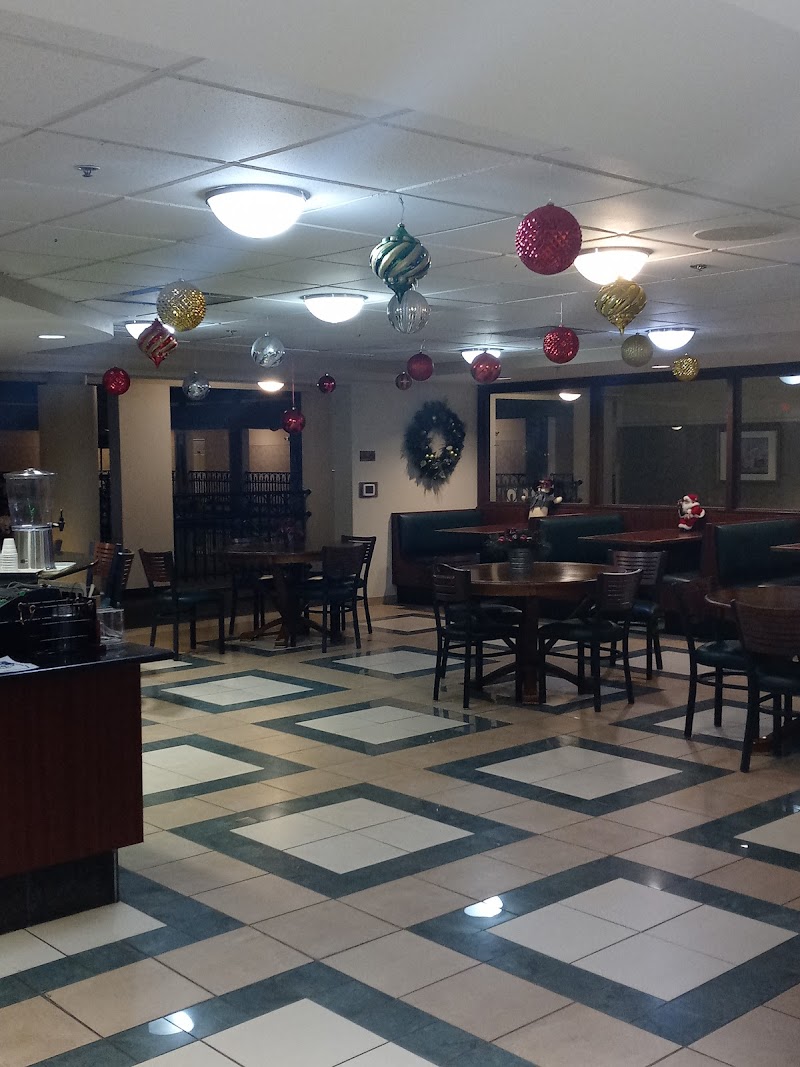
How is Windemere Park Health And Rehabilitation Center Staffed?

CMS rates Windemere Park Health and Rehabilitation Center's staffing level at 2 out of 5 stars, which is below average compared to other nursing homes. Staff turnover is 73%, which is 27 percentage points above the Michigan average of 46%. High turnover can affect care consistency as new staff learn residents' individual needs. RN turnover specifically is 89%, which is notably high. RNs provide skilled clinical oversight, so turnover in this role can affect medical care quality.

What Have Inspectors Found at Windemere Park Health And Rehabilitation Center?

State health inspectors documented 22 deficiencies at Windemere Park Health and Rehabilitation Center during 2023 to 2025. These included: 22 with potential for harm.
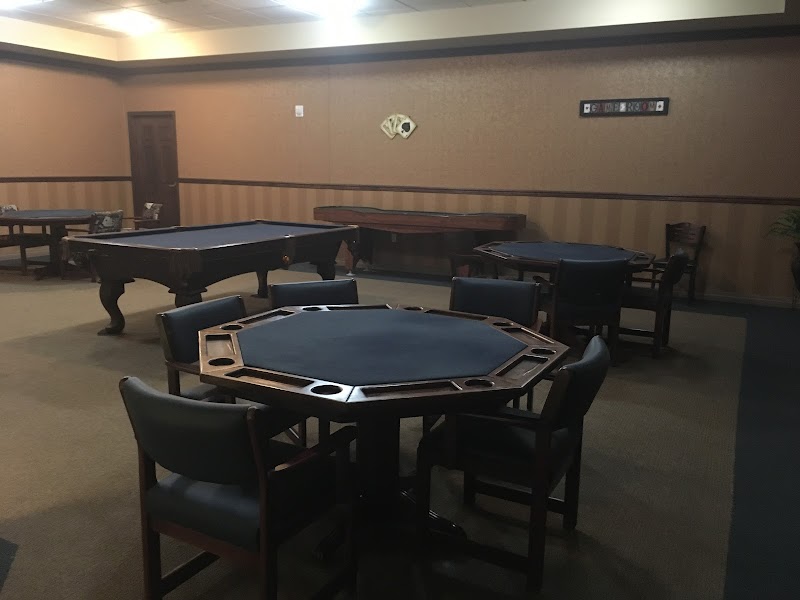
Who Owns and Operates Windemere Park Health And Rehabilitation Center?

Windemere Park Health and Rehabilitation Center is owned by a for-profit company. For-profit facilities operate as businesses with obligations to shareholders or private owners. The facility operates independently rather than as part of a larger chain. With 92 certified beds and approximately 50 residents (about 54% occupancy), it is a smaller facility located in Warren, Michigan.

How Does Windemere Park Health And Rehabilitation Center Compare to Other Michigan Nursing Homes?

Compared to the 100 nursing homes in Michigan, Windemere Park Health and Rehabilitation Center's overall rating (4 stars) is above the state average of 3.1, staff turnover (73%) is significantly higher than the state average of 46%, and health inspection rating (4 stars) is above the national benchmark.

What Should Families Ask When Visiting Windemere Park Health And Rehabilitation Center?

Based on this facility's data, families visiting should ask: "How do you ensure continuity of care given staff turnover, and what is your staff retention strategy?" "Can you walk me through typical staffing levels on day, evening, and night shifts?" "Can I visit during a mealtime to observe dining assistance and food quality?" "How do you handle medical emergencies, and what is your hospital transfer rate?" These questions are particularly relevant given the facility's high staff turnover rate and the below-average staffing rating.

Is Windemere Park Health And Rehabilitation Center Safe?

Based on CMS inspection data, Windemere Park Health and Rehabilitation Center has a clean safety record: no substantiated abuse findings (meaning no confirmed cases of resident harm), no Immediate Jeopardy citations (the most serious violation level indicating risk of serious injury or death), and is not on the Special Focus Facility watch list (a federal program monitoring the lowest-performing 1% of nursing homes). The facility has a 4-star overall rating and ranks #1 of 100 nursing homes in Michigan. While no facility is perfect, families should still ask about staff-to-resident ratios and recent inspection results during their visit.

Do Nurses at Windemere Park Health And Rehabilitation Center Stick Around?

Staff turnover at Windemere Park Health and Rehabilitation Center is high. At 73%, the facility is 27 percentage points above the Michigan average of 46%. Registered Nurse turnover is particularly concerning at 89%. RNs handle complex medical decisions and coordinate care — frequent RN changes can directly impact care quality. High turnover means new staff may not know residents' individual needs, medications, or preferences. It can also be disorienting for residents, especially those with dementia who rely on familiar faces. Families should ask: What is causing the turnover? What retention programs are in place? How do you ensure care continuity during staff transitions?

Was Windemere Park Health And Rehabilitation Center Ever Fined?

Windemere Park Health and Rehabilitation Center has no federal fines on record. CMS issues fines when nursing homes fail to meet care standards or don't correct problems found during inspections. The absence of fines suggests the facility has either maintained compliance or corrected any issues before penalties were assessed. This is a positive indicator, though families should still review recent inspection reports for the full picture.

Is Windemere Park Health And Rehabilitation Center on Any Federal Watch List?

Windemere Park Health and Rehabilitation Center is not on any federal watch list. The most significant is the Special Focus Facility (SFF) program, which identifies the bottom 1% of nursing homes nationally based on persistent, serious quality problems. Not being on this list means the facility has avoided the pattern of deficiencies that triggers enhanced federal oversight. This is a positive indicator, though families should still review the facility's inspection history directly.