Lourdes Rehabilitation and Healthcare Center
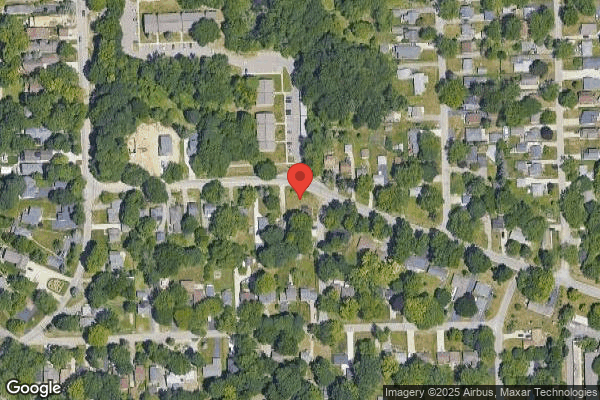
2300 Watkins Lake Rd, Waterford, MI 48328 (248) 674-2241
Non profit - Church related 80 Beds Independent Data: November 2025
Trust Grade
76/100
#38 of 422 in MI
Last Inspection: July 2024

Within standard 12-15 month inspection cycle. Federal law requires annual inspections.

Overview

Lourdes Rehabilitation and Healthcare Center in Waterford, Michigan, has a Trust Grade of B, indicating it is a good choice for families looking for care, though there are areas for improvement. The facility ranks #38 out of 422 statewide, placing it in the top half of Michigan nursing homes, and #2 out of 43 in Oakland County, meaning it is one of the best local options available. The trend is improving, with the number of issues decreasing from 6 in 2023 to 4 in 2024, but there are still notable concerns, including two serious incidents where residents were hospitalized due to falls that occurred from a lack of adequate transfer protocols and interventions. Staffing is a strength, with a turnover rate of 28%, significantly lower than the state average, which helps maintain continuity of care. However, the facility has faced $15,593 in fines, which is average and indicates some compliance issues, as well as some deficiencies in maintaining sanitary kitchen conditions that could impact resident health.

Trust Score
B
76/100
In Michigan
#38/422
Top 9%
Safety Record
Moderate
Needs review
Inspections
Getting Better
6 → 4 violations
Staff Stability
✓ Good
28% annual turnover. Excellent stability, 20 points below Michigan's 48% average. Staff who stay learn residents' needs.
Penalties
✓ Good
$15,593 in fines. Lower than most Michigan facilities. Relatively clean record.
Skilled Nurses
✓ Good
Each resident gets 50 minutes of Registered Nurse (RN) attention daily — more than average for Michigan. RNs are trained to catch health problems early.
Violations
⚠ Watch
19 deficiencies on record. Higher than average. Multiple issues found across inspections.
★★★★★
5.0
Overall Rating
★★★★☆
4.0
Staff Levels
★★★★★
5.0
Care Quality
★★★★☆
4.0
Inspection Score
Stable
2023: 6 issues
2024: 4 issues

The Good

  • 4-Star Staffing Rating · Above-average nurse staffing levels
  • 5-Star Quality Measures · Strong clinical quality outcomes
  • Low Staff Turnover (28%) · Staff stability means consistent care
  • Full Sprinkler Coverage · Fire safety systems throughout facility
  • No fines on record
  • Staff turnover is low (28%)

    20 points below Michigan average of 48%

Facility shows strength in staffing levels, quality measures, staff retention, fire safety.

The Bad

Federal Fines: $15,593

Below median ($33,413)

Minor penalties assessed

The Ugly 19 deficiencies on record

2 actual harm
Jul 2024 4 deficiencies
CONCERN (D)

Potential for Harm - no one hurt, but risky conditions existed

Medication Errors (Tag F0758)

Could have caused harm · This affected 1 resident

**NOTE- TERMS IN BRACKETS HAVE BEEN EDITED TO PROTECT CONFIDENTIALITY** Based on interview and record review the facility failed to ensure non-pharmacological interventions were utilized prior to the ...

Read full inspector narrative →
**NOTE- TERMS IN BRACKETS HAVE BEEN EDITED TO PROTECT CONFIDENTIALITY** Based on interview and record review the facility failed to ensure non-pharmacological interventions were utilized prior to the use of an as needed anti-anxiety medication for one resident (R23) of five residents reviewed for unnecessary medications, resulting in the potential for inappropriate use of an anti-anxiety medication. Findings include: On 7/22/24 at 10:22 AM, a review of R23's clinical record revealed they admitted to the facility on [DATE] with diagnoses that included: dementia, major depressive disorder and adjustment disorder. R23's most recent completed Minimum Data Set assessment dated [DATE] revealed R23 had mild cognitive impairment and was independent with most activities of daily living. A review of R23's orders revealed an order dated 7/2/24 for Xanax (anti-anxiety medication) 0.25 milligrams every 12 hours as needed for 14 days. R23's medication administration record (MAR) revealed a dose of the medication was given on 7/10/24 at 1:05 PM. A Behavior Note dated 7/10/24 at 8:03 PM entered into the record by Nurse 'D' was reviewed and read, . Resident was given a prn (as needed) xanax for increased agitation r/t (related to) room mates <sic> TV volume being too loud .Resident walking out into the hallways pacing. Resident Son arrived a <sic> hour later to transport resident to an appointment, Resident smiling and calm, no further behaviors noted after she returned from appointment . The note did not indicate any non-pharmacological interventions attempted prior to the administration of as needed Xanax. Further review of the MAR, assessments, [NAME], and care plans was conducted and there was no evidence of any resident specific-targeted behaviors or non-pharmacological interventions to attempt prior to administration of the as needed anti-anxiety medication. On 7/23/24 at 10:00 AM, an interview was conducted with Nurse 'D'. They were asked if they recalled administering R23 the medication on 7/10/24. Nurse 'D' reviewed their progress note and said they did. They were asked if they attempted any non-pharmacological interventions prior to the administration of the medication and they said they did. They were asked why it wasn't documented and said they should have put it in their progress note. They were then asked where they could find resident specific targeted behaviors for R23 and said it should be in the care plan. On 7/23/24 at 12:41 PM, an interview with the facility's Director of Nursing was conducted and they reported resident specific targeted behaviors should be documented in the care plan and prior to administering as needed anti-anxiety medications and non-pharmacological interventions should be attempted and documented in a progress note prior to the administration. A review of a facility provided policy titled, Behavior Management was conducted and read, 9. Facility staff will implement person-centered care approaches designed to meet the individual goals and needs of each resident, which includes non-pharmacological interventions .
CONCERN (D)

Potential for Harm - no one hurt, but risky conditions existed

Laboratory Services (Tag F0770)

Could have caused harm · This affected 1 resident

Based on interview and record review, the facility failed to obtain labs in a timely matter for one resident, (R81) of one resident reviewed for labs, resulting in the potential for delayed treatment....

Read full inspector narrative →
Based on interview and record review, the facility failed to obtain labs in a timely matter for one resident, (R81) of one resident reviewed for labs, resulting in the potential for delayed treatment. Findings include: On 7/23/24 at 11:24 AM, a review of R81's physician's orders was conducted and revealed the following: An order dated 5/2/24 for a urinalysis and urine culture and sensitivity lab with a discontinuation date of 5/15/24. An order dated 5/8/24 for a urinalysis and urine culture and sensitivity lab with a discontinuation date of 5/15/24. An order dated 5/13/24 for a urinalysis and urine culture and sensitivity lab with a completed date of 5/14/24. A review of R81's lab results in the record did not reveal any results for the lab ordered 5/2/24. A review of R81's progress notes was conducted and did not reveal any information regarding the lab ordered on 5/2/24. Continued review of the notes revealed the following: A note dated 5/8/24 at 3:54 PM that read, .Resident complained of burning on urination and urinary frequency . NP (Nurse Practitioner) .notified. Order received to dip urine. Urine specimen collected and noted to be cloudy. Dip was positive .NP ordered it to be sent for microscopic UAand <sic> urine C and S (urinalysis and culture and sensitivity) Specimen awaiting for pick up. A note dated 5/13/24 at 4:38 PM that read, .Order completed for UA &CNS (urinalysis and culture and sensitivity). Pending lab pick up, placed in fridge. A late entry note for 5/17/24 entered into the record on 5/20/24 that read, .Lab stated that prior UA obtained was not able to be tested. New urine obtained via clean catch and sent with lab technician for C&S. NP aware urine still pending . On 7/23/24 at 12:41 PM, an interview was conducted with the facility's Director of Nursing was conducted regarding R81's labs. They were asked about the order dated 5/2/24 and said it appeared it was not done. They were then asked about the lab order dated 5/8/24 but not documented as being done until 5/13/24 and they said they would look into the delay. A review of a facility provided policy titled, Laboratory Process was reviewed but did not address the staff's responsibility for obtaining and sending out urine specimens.
CONCERN (E)

Potential for Harm - no one hurt, but risky conditions existed

Infection Control (Tag F0880)

Could have caused harm · This affected multiple residents

**NOTE- TERMS IN BRACKETS HAVE BEEN EDITED TO PROTECT CONFIDENTIALITY** R20 On 7/22/24 at approximately 11: 45 AM an initial observation was completed. R20's room door was closed. R20's room was a pri...

Read full inspector narrative →
**NOTE- TERMS IN BRACKETS HAVE BEEN EDITED TO PROTECT CONFIDENTIALITY** R20 On 7/22/24 at approximately 11: 45 AM an initial observation was completed. R20's room door was closed. R20's room was a private room. The room door had a yellow PPE bag with supplies that included reusable gown, gloves, N95 masks (a mask designed to achieve a very close facial fit and very efficient filtration of airborne particles), goggles. The door had signage that read droplet precautions. A follow-up observation was completed at approximately 12:30 PM the same day. During this observation RN A, who assigned to care for R20 was standing outside R20's doorway speaking with the family member who was in R20's room. RN A reported to the surveyor that R20 tested positive for Covid-19 and they were started on Paxlovid (prescription treatment for COVID-19) on 7/19/24. During this observation an interview was completed with R20's family member. The Family member reported that R20 tested positive for Covid and they were getting treatment. The entry way to the room had hooks on the right side of the wall labeled as Nurses, CNAs. There were two used reusable gowns hanging on the wall. A 2nd follow-up observation was completed later that day at approximately 3:55 PM. R20's room had 2 used re-usable gowns hanging on the wall hooks. Review of R20's clinical record revealed that R20 was long-term resident of the facility admitted on [DATE]. R20's progress note and care plan revealed that they tested positive for COVID-19 on 7/19/24 and they were placed under droplet precautions. An interview with the RN A was completed on 7/21/24 at approximately at 4:15 PM. RN A was queried about their PPE process for droplet precautions, in reference to R20. They reported that staff were supposed to use clean re-useable gown in addition to other PPE and bag the reusable gown and discard other PPE supplies appropriately after use. RN A was queried on why R20's room had 2 used reusable gowns hanging on the wall hook and they reported that that was probably from three days ago when R20 was enhanced barrier precautions prior to testing positive for Covid. RN A added that staff should have bagged it and they were going to take care of it. R53 On 7/22/24 at approximately 11: 35 AM an initial observation was completed. R53's room door was closed. R53's room was a private room. The room door has a yellow PPE bag with supplies that included reusable gown, gloves, N95 masks (a mask designed to achieve a very close facial fit and very efficient filtration of airborne particles), goggles. The door had signage that read droplet precautions. Upon opening door, the surveyor observed from the doorway two used re-usable gowns hanging on the wall hooks on the right side of the wall that were labeled nurses, CNAs. Later that day at approximately 3:45 PM a follow up observation was completed from the doorway. Upon opening the door R53 was observed sitting up in their wheelchair. There were 2 used re-usable gowns hanging on the wall hook. Review of R53's clinical record revealed that R53 tested positive for COVID-19 on 7/19/24 and they were placed on droplet precautions. Resident were receiving hospice services. An interview was completed with the LPN C on 7/22/24 at approximately 4PM. LPN C was assigned to care for R53 during that shift. LPN C was queried about the facility PPE process for droplet precautions and queried about the used gowns that were hanging on the wall hooks in R53's room. LPN C reported that they were used gowns. They had assigned hooks for the nurses and CNAs. After they used the gown they removed and placed on the wall hook for reuse. If the reusable gown were soiled they had changed to a new gown, if not the used gowns were placed in plastic bags at the end of the shift. Based on observation, interview, and record review, the facility failed to properly utilize personal protective equipment (PPE) for three (R20, R53, and R169) of three residents reviewed for transmission based precautions (TBP). Findings include: On 7/22/24 at 9:08 AM, staff were observed in R169's room wearing a gown and gloves. Signage was observed on the door that indicated R169 was on contact precautions (TBP intended to prevent transmission of infectious agents via contact with the person or their environment). The signage indicated a gown and gloves were to be donned when entering R169's room. Coat hooks were observed inside of R169's room labeled CNA (Certified Nursing Assistant) and Nurse. On 7/22/24 at 3:02 PM, R169 was observed sleeping in bed. Reusable gowns were observed hanging on hooks inside of the room. A family member was observed seated in a chair in the room without any PPE on. On 7/22/24 at 3:15 PM, an interview was conducted with Registered Nurse (RN) 'A'. When queried about why R169 was on contact precautions, RN 'A' stated, She is on contact, but isn't really and reported R169 was infected with Clostridium Difficile (C-Diff, a highly contagious infection of the large intestine that causes diarrhea) but did not currently have any symptoms. RN 'A' explained PPE was still required when entering R169's room. When queried about the gowns hung in R169's room, RN 'A' reported gowns were required when in R169's room and the staff reused the same gown unless soiled. RN 'A' reported the only time staff had to change a gown with each contact was for the residents who were on TBP for COVID-19 (Coronavirus Disease 2019). When queried about whether R169's visitor was required to wear PPE when in R169's room and making contact with her environment, RN 'A' stated, Her husband doesn't have any contact with her. RN 'A' further explained she had educated R169's visitor to wear PPE in the room because he wouldn't be able to handle it. A review of R169's clinical record revealed R169 was admitted into the facility on 7/10/24 with diagnoses that included: C-Diff. A review of R169's Physician's Orders revealed orders for antibiotic treatment that was not yet completed (stop date of 7/31/24) and an active order for TBP (contact precautions) that were started upon admission. On 7/23/24 at 8:38 AM, an interview was conducted with the Director of Nursing (DON) and Infection Control Preventionist (ICP) 'B'. When queried about the protocol for PPE when a residents was on contact precautions, the DON asked ICP 'B' to get the facility's policy. When queried about whether family members were required to follow TBP, the DON reported they needed to follow the plan of care and they were supposed to be educated. However, they could not force the visitors to wear PPE. When queried about whether gowns were to be reused for residents in contact precautions for C-Diff or droplet precautions for COVID-19, the DON reported a new gown should be worn for each contact with the resident and disposed after use, before exiting the room. A review of a facility policy titled, Isolation Precautions, dated January 2024, revealed, in part, the following: .Contact precautions are measures that are intended to prevent transmission of infectious agents, including epidemiologically important microoganisms, which was spread by direct or indirect contact with the resident or the resident's environment .Facility staff will use Transmission-Based Precautions, in addition to standard precautions, for resident who was known or suspected to be infected or colonized with infectious agents which require, as determined by the CDC (Centers for Disease Control), additional controls to effectively prevent transmission .The facility will use standard approaches, as defined by the CDC, for transmission-based precautions: .contact .droplet precautions. The category of transmission-based precautions will determine the type of PPE to be used .Clostridium Difficile .Contact .COVID-19 .Droplet .Full PPE . A review of a facility policy titled, Infection Control Program, revised May 2024, revealed, in part, the following: .Visitors coming to visit a resident who is on transmission-based precautions .will be informed by the facility of the potential risk of visiting and precautions necessary when visiting the resident .
CONCERN (F)

Potential for Harm - no one hurt, but risky conditions existed

Food Safety (Tag F0812)

Could have caused harm · This affected most or all residents

Based on observation, interview, and record review, the facility failed to maintain sanitary conditions in the kitchen and failed to ensure dishware was properly sanitized. This deficient practice had...

Read full inspector narrative →
Based on observation, interview, and record review, the facility failed to maintain sanitary conditions in the kitchen and failed to ensure dishware was properly sanitized. This deficient practice had the potential to affect all residents that consume food from the kitchen. Findings include: On 7/22/24 between 11:00 AM-11:30 AM, during a kitchen tour with Director of Dining E, the following was observed: In the dry storage room, there was a buildup of dust, trash and food debris on the floor under the racks. In addition, there was a box of bananas, with numerous bananas that were completely black, and several that were split open. There were fruit flies observed swarming inside the box. When queried, Director of Dining E stated, We usually freeze them for banana bread when they get ripe, but those need to get tossed. According to the 2017 FDA Food Code section 6-501.111 Controlling Pests, The PREMISES shall be maintained free of insects, rodents, and other pests. The presence of insects, rodents, and other pests shall be controlled to eliminate their presence on the PREMISES by: .4. (D) Eliminating harborage conditions. The ventilation cover located above the ice machine was observed to be coated with dust. According to the 2017 FDA Food Code section 6-501.14 Cleaning Ventilation Systems, Nuisance and Discharge Prohibition, (A) Intake and exhaust air ducts shall be cleaned and filters changed so they are not a source of contamination by dust, dirt, and other materials. The flooring in between the ice machine and the wall was observed to be soiled with a black mold-like substance. According to the 2017 FDA Food Code section 6-501.12 Cleaning, Frequency and Restrictions, (A) Physical facilities shall be cleaned as often as necessary to keep them clean. There was water leaking from the pipes underneath the dish machine. There was standing water on the floor, and there was a buildup of a black, slimy substance on the floor. In addition, the holes in the floor drain cover in front of the dish machine, were almost completely clogged with black sludge. According to the 2017 FDA Food Code section 5-205.15 System Maintained in Good Repair, A plumbing system shall be: (A) Repaired according to law; P and(B) Maintained in good repair. On 7/22/24 at 11:50 AM, in the split kitchenette, there was an unlabeled spray bottle of an unknown chemical. Director of Dining E stated she did not know what was in the bottle, but confirmed it should have been labeled. According to the 2017 FDA Food Code section 7-102.11 Common Name, Working containers used for storing POISONOUS OR TOXIC MATERIALS such as cleaners and SANITIZERS taken from bulk supplies shall be clearly and individually identified with the common name of the material. On 7/22/24 at 11:55 AM, the high temperature dish machine located in the 300 kitchen was tested with Director of Dining E. The dish machine was run approximately 4 times, and after reading the digital display for the wash and rinse temperatures, Director of Dining E stated that the water temperatures were not getting hot enough. When queried as to what temperature the wash and rinse cycles should be, Director of Dining E stated the wash cycle should be 140 (degrees Fahrenheit) and the rinse temperature should be 180. Director of Dining E stated, My staff have been telling me they couldn't get this machine to work right. Now I know what they mean. I've never had a problem with it. This surveyor then tested the temperature of the dish machine with a Thermoworks plate simulating dishwasher tester, the the surface temperature was noted to be 137 degrees Fahrenheit. Review of the 300 kitchen Dish Machine Temperature Log for July, noted documented wash temperatures that ranged from 112 degrees Fahrenheit to 128 degrees Fahrenheit (the log noted wash temperature should be 150 degrees Fahrenheit). In addition, there were several documented rinse temperatures that ranged from 125 degrees Fahrenheit to 135 degrees Fahrenheit (the log noted rinse temperature should be 180 degrees Fahrenheit). Director of Dining E was unable to provide an explanation for why staff continued to use the dish machine when it was not properly sanitizing. According to the 2017 FDA Food Code section 4-703.11 Hot Water and Chemical, After being cleaned, EQUIPMENT FOOD-CONTACT SURFACES and UTENSILS shall be SANITIZED in: .(B) Hot water mechanical operations by being cycled through EQUIPMENT that is set up as specified under §§ 4-501.15, 4-501.112, and 4-501.113 and achieving a UTENSIL surface temperature of 71°C (160°F) as measured by an irreversible registering temperature indicator; P.
Aug 2023 6 deficiencies 1 Harm
SERIOUS (G)

Actual Harm - a resident was hurt due to facility failures

Accident Prevention (Tag F0689)

A resident was harmed · This affected 1 resident

**NOTE- TERMS IN BRACKETS HAVE BEEN EDITED TO PROTECT CONFIDENTIALITY** Based on observation, interview and record review the facility failed to implement adequate, effective resident specific interve...

Read full inspector narrative →
**NOTE- TERMS IN BRACKETS HAVE BEEN EDITED TO PROTECT CONFIDENTIALITY** Based on observation, interview and record review the facility failed to implement adequate, effective resident specific interventions for a resident with a diagnosis of dementia and a history of a fall, failed to communicate effectively from the therapy staff to the nursing staff and document/implement the safest mode of transferring and ambulation for one (R15) of three residents reviewed for falls, resulting in the resident to have been transferred and admitted to the hospital for a higher level of care, identified to have a right parietal scalp hematoma and laceration that required five staples and an acute right-sided subdural hematoma measuring 0.9 cm (centimeters) in thickness and causing mild mass effect on the subjacent right frontal lobe. Findings include: On 8/22/23 at 9:39 AM, R15 was observed sitting in their wheelchair in the community room watching television. During an interview with R15, the resident mentioned they had a fall that required stitches to the back of their head. Review of the medical record revealed R15 was admitted to the facility on [DATE] and readmitted on [DATE] with diagnoses that included: dementia, repeated falls, difficulty walking and the need for assistance with personal care. A Minimum Data Set (MDS) assessment dated [DATE], documented a Brief Interview for Mental Status score of 11 (which indicated moderately impaired cognition) and required staff assistance for all Activities of Daily Living (ADLs). Review of the preadmission hospital medical record that was provided to the facility upon R15's admission documented in part, . History and Physical . July 09, 2023 . Admitting Diagnosis: Fall . Chief Complaint: Head contusion . presented to the emergency room via EMS secondary to a fall. The patient hit her head on a piece of furniture . The patient was recently discharged from the subacute rehab where her son who is with her right now states that she had fallen in the rehabilitation. The day prior she was discharged home. Son also notes of increased confusion. The patient does have a history of sundowners . Review of the progress notes revealed the following in part: A Nursing note dated 7/18/23 at 2:05 AM, document in part . Resident was witnessed by CNA (Certified Nursing Assistant) when she stumbled backwards, and loss balance before she took a fall to the floor. CNA was assisting resident with toileting before she loss balance while using her 4-wheel walker. Resident hit her head when she landed on the floor. Nurse immediately performed first aid when a one-inch gauge was visually seen with blood leaking out. Nurse applied pressure and wrap head with soft kerlix bandage x2. Blood is pooling through bandage quickly . EMS (Emergency Medical Services) called to the facility. Resident sent out to hospital . A Nursing note dated 7/18/23 at 6:04 AM, documented in part . currently in the ED (Emergency Department) at (hospital name). CT scan done on brain, 0.9 subdural hematoma showed on results . awaiting evaluation from ED Physician . Review of the hospital record documented the following: An Emergency Medicine History and Physical dated 7/18/23 at 2:33 AM, documented in part . presents to the ED following a witnessed fall . Patient is reportedly [NAME] (alert not oriented) x1 at baseline per EMS. She has a history of frequent falls, is not supposed to get up without assistance. The fall was reportedly witnessed by staff there, she had got up, and then shortly after getting up lost her balance and fell backwards . Patient has a laceration, approximately 3 cm on her occiput . Abrasion to the left arm . She is disoriented . CT Head wo (without) Contrast . Acute right-sided subdural hematoma measuring 0.9 cm in thickness and causing mild mass effect on the subjacent right frontal lobe . Right parietal scalp hematoma and laceration without an acute skull fracture . patient should be admitted to the ICU (Intensive Care Unit) . Procedures . Laceration Repair . Scalp . Length (cm): 4 . Number of staples: 5 . Diagnosis . Fall, initial encounter, Subdural hematoma . Laceration of scalp, initial encounter . Review of the progress notes documented that R15 returned back to the facility on 7/19/23. Review of a care plan titled The resident is at risk for falls r/t (related to) debility, history of falls . documented the following interventions . Call light within reach and encourage resident to use (initiated 7/12/23) . Ensure a safe environment with (specify: even floors free from spills and/or clutter; adequate, glare-free light, a working and reachable call light, personal items within reach, handrails/positioning rails as ordered (initiated 7/12/23) . Move to room closer to nurses station for increased visual supervision (initiated 7/13/23) . This indicated R15's fall care plan did not have effective or adequate resident specific interventions to prevent falls for a resident with dementia and a history of falls. Review of a facility policy titled Falls Risk Protocol dated September 2017, documented in part . Falls management focuses on minimizing fall risk factors and fall related injuries while continuing to promote the resident's quality of life . The Nursing Admit/Readmit Assessment and care plan will be initiated within 24 hours of admission . Some risk factors or conditions that may predispose a patient to a fall may include, but are not limited to . Musculoskeletal condition that impair strength, History of falls . Urinary or fecal urgency . Unsteady gait, muscle weakness . Age . Cognitive impairment, dementia . Use of assistive devices . Medications . Physical environment . If upon completion of the Admit/Readmit Assessment the resident is found to be at risk for falls or has a history of falls the physician is contacted for orders, as appropriate; an initial plan of care is developed and individualized interventions are initiated . The interdisciplinary team review the resident's most current fall to determine the resident's present condition or status then a narrative summary of the resident's condition and circumstances surround the even are documented in the resident's clinical record. The care plan is revised as clinically indicated to meet the resident's current needs . Further review of the medical record revealed no documentation of the interdisciplinary team to have reviewed and documented a narrative summary and follow up of R15's fall. Further review of the fall care plan revealed no revision, modifications or new interventions implemented upon R15's readmission to the facility on 7/19/23. Review of a facility Accident/Incident Report dated 7/18/23, documented in part . Resident states I was slipping away! CNA (certified nursing assistant) assisted resident to the bathroom when she lost balance and fell down to the floor . walker with gait belt was used to toilet resident . The CNA that assisted R15 at the time of the fall was later identified as CNA B. Review of CNA B statement documented in part, . was assisted with sitting upright on bed I put shoes on and gait belt around her, walker in front and we both agree <sic> on the count of 3 she will <sic> stand up. We proceed <sic> to walk to the bathroom and when we got in front of the sink, she started to lose balance and fell backward. Her weight was overpowering me, so I kick <sic> the nightstand against the wall and yell <sic> for help as she hit the floor . she was bleeding from the head, the back of the head . Review of the initial Physical Therapy (PT) evaluation dated 7/13/23, documented the following goals in part . Patient will improve ability to roll from lying on back to left and right side and return to lying on back with Partial/Moderate assistance to get in/out of bed . Patient will improve ability to safely transfer to a standing position from sitting in a chair, wheelchair or on the side of the bed with Supervision or Touching Assistance with recognition of safety hazards and with ability to right self to achieve/maintain balance . Patient will safely ambulate on level surfaces 30 feet using two-wheeled walker with Supervision or Touching Assistance with precision of movement, with normalized gait pattern, with continuous steps and with functional posture to prepare for walk to dine for meals . Patient will increase B/L (bilateral) LE (lower extremity) Muscles Strength to 3+/5 in order to facilitate safe transition to next level of care and safely return home . Patient will improve static and dynamic standing balance from poor to Fair to improve ability to do functional task without any difficulty . The assessment also documented the following assistance levels required in part . Lying to sitting on side of bed = Substantial/maximal assistance . Sit to stand = Partial/moderate assistance . Walk 10 feet = partial/moderate assistance . Patient exhibits antalgic gait, abnormalities in posture, shuffling gait, decreased velocity, decreased stride length, narrow base of support and reciprocal movement deficit associated with forward lean of trunk and inadequate hip extension and underlying causes that might be modifiable include: impaired proprioception, muscle instability and muscle paresis/weakness . This initial PT assessment was completed by Physical Therapist personnel (PTP) C. On 8/23/23 at 11:19 AM, PTP C was interviewed and asked to review their evaluation completed on R15 on 7/13/23. PTP C began to review their evaluation from their laptop. PTP C was then asked their directive given to the nursing staff on the safest way to assist R15 from their bed to the bathroom. PTP C stated after they completed their evaluation the safest way to assist R15 from their bed to the bathroom would have been for staff to utilize a gait belt at the resident's waist level, while staff stood to the posterior lateral side of R15. One hand holding the gait belt and one hand on R15's wheelchair while wheeling it behind the resident as they ambulated due to their unsteadiness with their lower extremities and to prevent a fall if they resident fell backwards. PTP C was then asked to read the statement documented by CNA B (from the fall on 7/18/23). After PTP C read the statement, they were asked what was wrong with the documented incident, PTP C replied the staff did not use the wheelchair behind the resident like they were supposed to. PTP C stated . We recommended to roll the chair behind her anytime she is ambulating . When asked how the nursing staff was informed of their directive to use the wheelchair while the resident is ambulating, PTP C explained they verbally told the nurse on the day of the evaluation, and they also wrote it on the communication form that is provided to the assigned nurse after the evaluation is completed. On 8/23/23 at 11:43 AM, the Director of Nursing (DON) was interviewed and asked if they could provide the therapy communication form that was provided to the nursing staff for R15's initial PT evaluation. Review R15's PT evaluation dated 7/13/23 revealed no documentation for the staff to use the wheelchair behind the resident when ambulating. At this time the DON was informed of the interview with PTP C and informed of the concern of the therapy department and nursing communication on the safest assistance level to have been initially implemented for R15. The DON acknowledged the concern. On 8/23/23 at 12:04 PM, CNA B was interviewed and asked about the fall incident with R15 on 7/18/23, CNA B repeated the scenario documented in their statement. When asked if they utilized R15's wheelchair behind the resident when ambulating, CNA B stated they did not. CNA B stated they did not know about using the wheelchair behind R15 while they were ambulating. CNA B stated R15's ambulation assistance level was communicated to them by the previous aide and their understanding was that it was safe to ambulate with R15 while using the gait belt and the resident's walker. On 8/24/23 at 8:39 AM, a follow up interview was conducted with the DON, when asked why R15, a resident with dementia and a history of falls did not have effective or adequate resident specific interventions implemented to prevent further falls, the DON stated the facility does the least restrictive interventions during the time that they were getting to know R15. The DON stated the facility did move R15's bedroom when they identified the resident was more confused. No further explanation or documentation was provided before the end of the survey.
CONCERN (D)

Potential for Harm - no one hurt, but risky conditions existed

Deficiency F0554 (Tag F0554)

Could have caused harm · This affected 1 resident

**NOTE- TERMS IN BRACKETS HAVE BEEN EDITED TO PROTECT CONFIDENTIALITY** Based on observation, interview and record review, the facility failed to ensure two residents (R26 and R178) of four residents ...

Read full inspector narrative →
**NOTE- TERMS IN BRACKETS HAVE BEEN EDITED TO PROTECT CONFIDENTIALITY** Based on observation, interview and record review, the facility failed to ensure two residents (R26 and R178) of four residents reviewed for medications were assessed for the safe self-administration of medication and to have medication kept at the bedside. Findings include: 08/22/23 at approximately 10:06 a.m., R26 was observed in their room, up in their bed. R26 was observed to have two bottles of eye drops and a cup full of cough drops on their bedside table. R26 was queried if they were using the eye drops and taking the cough drops and they reported that they were and that their eyes get dry in the facility along with their cough. R26 was queried if the facility Nursing staff knew they had the medications at the bedside and they reported that they did and they they have had them for a few weeks. On 8/22/23 at approximately 3:20 p.m., R26 was observed in their room, up in their bed. R26 was still observed to have a cup full of cough drops on their beside table along with the eye drops located in a tissue box. On 8/22/23 the medical record for R26 was reviewed. R26 was initially admitted to the facility on [DATE] and had diagnoses including Chronic Respiratory failure and Osteomyelitis. A review of R26's MDS (minimum data set) with an ARD (assessment reference date) of 727/23 revealed R26 needed extensive assistance with most of their activities of daily living. A review of R26's Physician orders revealed the following: Artificial Tears Ophthalmic Solution 0.5-0.6 % (Polyvinyl Alcohol-Povidone (Ophth) Instill 1 drop in both eyes every 4 hours as needed for dry eyes. Further review of the Physician orders did not reveal any orders for cough drop medication or the self administration of eye drops or cough drops were noted in the orders. A review of R26's comprehensive plan of care did not reveal any focused areas for the self administration of medication. A review of R26's assessments did not reveal any assessment that indicated R26 had been assessed for the safe self-administration of medication. On 8/23/23 at approximately 8:47 AM, Nurse 'A' was observed preparing R26's medication. Nurse 'A' prepared multiple medications including a packet of cholestyramine powder (treatment for high cholesterol) mixed with water. Nurse 'A' entered the room and put the cholestyramine drink on R26's bedside table. They then administered R26's other medications and left the room. Nurse 'A' was not observed to encourage R26 to drink the cholestyramine that was left on the table. Upon exiting the room, Nurse 'A' was asked about leaving the medication on the table and said R26 would drink it on their own and they would check back later to make sure they had taken it. On 8/23/23 at approximately 11:53 a.m., Nurse A was queried regarding the observations of R26's medications on the bedside table. Nurse A indicated that R26 had had them on the bedside table for a long time but was unsure if they had been assessed for safe self-administration. At that time, the medical record for R26 was reviewed with Nurse A and they indicated that R26 had not been assessed yet and they did not see anything in the record that R26 had any orders from the Physician to self-administer medication. Nurse A indicated they would have to let facility management know about the concern. On 8/24/23 at approximately 8:43 a.m., during a conversation with the Director of Nursing (DON), the DON was queried regarding R26's assessment of self administration of mediation. The DON reported that it has just been completed and they had to educate the Nurse A on how to perform safe self-administration assessments and what steps to do if a resident wishes to self-administer their medications. Resident #178 On 8/22/23 at approximately 9:57 AM, R178 was observed lying in bed. The resident was alert and able to answer questions asked. R178 reported they had been in the facility for about five days. A half used tube of hydrocortisone cream was observed in a cup on the resident's bed side table. When asked about the cream, R178 reported that they used the cream underneath their breasts. A review of R178's clinical record revealed the resident was admitted to the facility on [DATE] with diagnoses that included: liver cancer and Rheumatoid arthritis. A review of the residents MDS indicated the resident had a Brief Interview for Mental Status score of 14/15 (cognitively intact). *There were no orders in the resident's record for any medication to be applied underneath the resident's breasts. On 8/24/23 at approximately 8:41 AM, an interview was conducted with the DON. When asked if R178 was able to self-administer medications, the DON reported that they were not familiar with the resident as they were a new admit and noted that they were not familiar with the resident's orders. On 8/24/23 a facility document titled Self-Administration of Medications was reviewed and revealed the following: Policy-Residents who desire to self-administer medications are permitted to do so if the facility's interdisciplinary team has determined that the practice would be safe for the resident and other residents in the facility, and there is a prescriber's order to do so. Procedures: A. Each resident is offered the opportunity to self-administer his or her medications during the routine assessment by the facility's interdisciplinary team. B. If the resident indicates no desire to self-administer medications, this is documented in the appropriate place in the resident's medical record, and the resident is deemed to have deferred this right. C. If the resident desires to self-administer medications, an assessment by the interdisciplinary team is conducted of the resident's cognitive, physical, and visual ability to carry out this responsibility. D. The resident's ability to self-administer medications is reassessed periodically according to facility policy.
CONCERN (D)

Potential for Harm - no one hurt, but risky conditions existed

Deficiency F0578 (Tag F0578)

Could have caused harm · This affected 1 resident

**NOTE- TERMS IN BRACKETS HAVE BEEN EDITED TO PROTECT CONFIDENTIALITY** Based on observation, interview, and record review the facility failed to ensure a competency assessment was completed for one (...

Read full inspector narrative →
**NOTE- TERMS IN BRACKETS HAVE BEEN EDITED TO PROTECT CONFIDENTIALITY** Based on observation, interview, and record review the facility failed to ensure a competency assessment was completed for one (R27) of five residents reviewed for advance directives, resulting in the facility to have allowed a family member to have signed medical consents and make health care decisions for R27 without the resident to have been deemed incompetent to make decisions regarding their care. Findings include: Review of the medical record revealed a family member of R27 had signed multiple medical consents and was allowed to make health care decisions for R27. Further review of the medical record revealed patient advocate papers on file, however no competency assessment was identified in the medical record. This indicated the patient advocate was signing consents and making decisions for R27 without the resident being deemed as incompetent to make their own decisions. Review of the medical record revealed R27 was readmitted to the facility on [DATE], with diagnoses that included: chronic pain and anemia. A Minimum Data Assessment (MDS) dated [DATE], documented a Brief Interview for Mental Status (BIMS) score of 15 (which indicated intact cognition) and required assistance for all Activities of Daily Living (ADLs). On 8/23/23 at 9:16 AM, Social Worker (SW) F was interviewed and asked how R27's family member was able to sign medical consents and health decisions for R27, when R27 had not been deemed incompetent. SW F stated they had identified the error and scheduled the psychologist to come and consult with the resident today to remedy the concern.
CONCERN (D)

Potential for Harm - no one hurt, but risky conditions existed

Quality of Care (Tag F0684)

Could have caused harm · This affected 1 resident

Based on observation, interview, and record reviews the facility failed to notify the physician of change of a resident's skin condition (R63), ensure a physician order was implemented for a treatment...

Read full inspector narrative →
Based on observation, interview, and record reviews the facility failed to notify the physician of change of a resident's skin condition (R63), ensure a physician order was implemented for a treatment and proper storage of ointments for two (R's 43 & 63) of four residents reviewed for medications stored at the bedside. Findings include: R63 On 8/22/23 at 8:59 AM, R63 was observed sitting in their wheelchair next to their bed. An interview was conducted with the resident at that time. Observed on R63's nightstand was a medication cup filled with a thick ointment, placed behind a greeting card. When asked, R63 stated the staff applies it to their buttock area. At that time the assigned Infection Control Nurse (ICN) D (who was assigned to work the floor on the day of the observation) was asked to verify the medication in comparison with the resident's medication profile. The medication profile was reviewed with ICN D and revealed the resident did not have an order for an ointment to be applied to the resident. ICN D was asked to inform the surveyor of the next assistance to the bathroom for R63 or brief change so that an observation of R63's buttocks can be made to identify where and why the ointment was being applied. At 9:12 AM, an observation of R63's buttocks revealed a pink/light redden area noted to the middle of R63's buttocks where the left and right buttock formed. When asked, the nurse stated the discolored area should be reported to the physician, the ointment should not be applied without a physician's order and the ointment should be stored in the treatment cart. The nurse removed and disposed of the ointment. R43 On 8/22/23 at 9:15 AM, R43 was observed sleeping in their bed. Observed on their bedside table was a medication cup filled with thick ointment. Certified Nursing Assistant (CNA) E was asked to come in the room of R43, once inside, CNA E was asked about the ointment observed on R43's bedside table and asked if they knew what the ointment was. CNA E obtained the medication cup full of the ointment and stated they were unsure but believed it to be a cream that staff use to apply to the resident buttocks. On 8/22/23 at 3:18 PM, an interview was conducted with the Director of Nursing (DON), when informed of the observations of an ointment left at the bedside for R's 43 and 63, the DON stated that is not the facility's practice or standard of care. The DON stated the ointments should not be placed at the bedside. The DON stated they were educating their staff on the concern immediately. When asked the facility's protocol if staff identifies a skin change or impairment with a resident, the DON stated staff should be notifying the physician and putting treatment in place. No further explanation or documentation was provided by the end of the survey.
CONCERN (D)

Potential for Harm - no one hurt, but risky conditions existed

Deficiency F0694 (Tag F0694)

Could have caused harm · This affected 1 resident

Based on observation, interview, and record review, the facility failed to appropriately prepare a PICC (peripherally inserted central catheter, used for infusion of intravenous fluids or medications)...

Read full inspector narrative →
Based on observation, interview, and record review, the facility failed to appropriately prepare a PICC (peripherally inserted central catheter, used for infusion of intravenous fluids or medications) line prior to intravenous administration of antibiotics for one resident (R26) of one resident reviewed for PICC lines, resulting in the potential for infection. Findings include: On 8/23/23 at 9:34 AM, Nurse 'A' was observed preparing medications for administration to R26. Nurse 'A' prepared multiple medications including an intravenous (IV) antibiotic. Nurse 'A' entered the room, connected the IV tubing to the antibiotic bag and hung the bag on the IV pole. Nurse 'A' was then observed to flush R26's PICC line with 10 milliliters of normal saline. Nurse 'A' was not observed to scrub the PICC line connection port prior to flushing the line. After flushing the line, Nurse 'A' connected the IV tubing and began the infusion of the medication. On 8/23/23 at 9:49 AM, Nurse 'A' was asked about the process for preparing a PICC line for intravenous medication administration and admitted they forgot to clean the PICC line port prior to attaching the IV tubing. On 8/24/23 at 9:50 AM, an interview was conducted with the facility's Director of Nursing regarding the process of preparing a PICC line for use. They indicated the connection port of the PICC line should be wiped with an alcohol swab prior to attaching the line. A facility provided policy for the administration of intravenous medications was provided, however; the policy did not address cleaning the PICC line. A review of The Center for Disease Control website at https://www.cdc.gov/dialysis/pdfs/collaborative/protocol-hub-cleaning-final-3-12.pdf was conducted and read, . Central Venous Catheter Hub Cleaning Prior to Accessing .Connection Steps: .3. Disinfect the hub (connection port) with caps removed using an appropriate antiseptic .
CONCERN (D)

Potential for Harm - no one hurt, but risky conditions existed

Unnecessary Medications (Tag F0759)

Could have caused harm · This affected 1 resident

Based on observation, interview, and record review, the facility failed to ensure a medication error rate less than five percent for one resident, (R26) of four residents reviewed for medication admin...

Read full inspector narrative →
Based on observation, interview, and record review, the facility failed to ensure a medication error rate less than five percent for one resident, (R26) of four residents reviewed for medication administration, resulting in a medication error rate of 9.09%. findings include: On 8/23/23 8:21 AM, Nurse 'A' was observed preparing R26's morning medications. Nurse 'A' prepared multiple medications including a Flonase (allergy treatment) nasal spray. After preparing the medications, Nurse 'A' entered R26's room and was observed to assist R26 with the nasal spray. Nurse 'A' administered one spray of the Flonase into R26's right nostril and one spray into their left nostril. At the conclusion of the medication administration, Nurse 'A' exited the room. Nurse 'A' was asked to confirm all of R26's medications due during the morning medication pass were given, and they said they were. On 8/23/23 at 10:24 AM, R26's physician's orders were reconciled (compared) with the observation of the medication administration at 8:21 AM. During the reconciliation it was discovered R26's order for Flonase was to administer two sprays of the nasal spray in each nostril, scheduled for 9 AM. Continued review of R26's orders further revealed R26 had an order for Eliquis (blood thinner) 2.5 milligrams scheduled for 9 AM and 9 PM that was not observed as given. During reconciliation it was also discovered R26 had an order for dorzolamide-hydrochloride-timolol maleate ophthalmic solution (eye drop for glaucoma) scheduled for 9 AM and 9 PM that was also not observed as given. On 8/24/23 at 9:50 AM, an interview was conducted with the facility's Director of Nursing. They were asked about the medication administration process and indicated the nurses should practice the five rights of medication administration. A review of a facility provided policy titled, Medication Administration revised 10/2022 was conducted and read, .10. Review MAR (medication administration record) to identify medication to be administered. 11. Compare medication source (bubble pack, vial, etc.) with MAR to verify resident name, medication name, form, dose, route, and time .
Aug 2022 9 deficiencies 1 Harm
SERIOUS (G)

Actual Harm - a resident was hurt due to facility failures

Accident Prevention (Tag F0689)

A resident was harmed · This affected 1 resident

**NOTE- TERMS IN BRACKETS HAVE BEEN EDITED TO PROTECT CONFIDENTIALITY** This citation pertains to intakes: MI00129000, MI00130149 and MI00130248. Based on interview and record review the facility fail...

Read full inspector narrative →
**NOTE- TERMS IN BRACKETS HAVE BEEN EDITED TO PROTECT CONFIDENTIALITY** This citation pertains to intakes: MI00129000, MI00130149 and MI00130248. Based on interview and record review the facility failed to implement interventions as documented by the Interdisciplinary team, review the effectiveness of fall interventions (R24), and provide adequate bathing assistance for (R34) two of four residents reviewed for falls, resulting in R34 being transferred to the hospital and receiving multiple stitches from a large laceration over the forehead and scalp. Findings include: R34 Review of the medical record revealed R34 was admitted to the facility on [DATE] with a readmission date of 6/15/22 and diagnoses that included: Syncope and collapse, hemiplegia and hemiparesis following a cerebral infarction affecting left non-dominant side, muscle weakness, chronic kidney disease stage 3 and type 2 diabetes mellitus. A Minimum Data Set (MDS) assessment dated [DATE] documented a Brief Interview for Mental Status (BIMS) score of 15 indicating intact cognition and requiring staff assistance for all Activities of Daily Living (ADLs). Review of a facility Accident/Incident Report dated 2/9/22 at 12:00 AM, documented in part . Location . Resident Room . Type Of A/I (Accident and Incident) . Slid out of chair . Resident Statement . I slid out of chair, knelt down + I sit down. I don't hurt myself. Outline Sequence of events leading up to fall . Watching TV while in chair . Denies pain . Skin (abrasion, reddened or opened area) . none noted . Interventions Implemented at time of incident . Neuro check done, Bed monitored in low position . IDT (Interdisciplinary Team) Review/Comments . Resident was found sitting on the floor next to her bed . Non-skid surface added to w/c (wheelchair) seat. Therapy to eval (evaluate) . On 8/10/22 at 10:28 AM, Rehabilitation Director (RD) B was interviewed and asked to provide the Therapy evaluation completed regarding R34's February 9th fall. RD B stated they would look into it and follow back up. At 12:39 PM, RD B returned and stated the resident was not evaluated by the therapy department as documented on the Interdisciplinary report. Review of an Accident/Incident Report date 6/13/2022 at 8:50 PM, documented in part . Location . Resident Room . Shower . Type of A/I . Fall . Resident Statement . Resident states she passed out and fell out of her shower chair . Outline sequence of events leading up to fall (Blank) . Resident denied pain following her fall . Sent out 911 . Head injury, skin tear L (left) lower forearm . Review of a written statement by Certified Nursing Assistant (CNA) G dated 6/13/22, documented in part . Monday June 13, 22, Shower was being given on an alert and oriented patient as reported by a facility nurse at the start of shift. Pt (Patient) was showering and staff was in the room area. Pt said she was ready, as staff started to entering <sic> bathroom, staff heard a thud. Staff opened shower curtain found pt on the floor forward facing. Pt said she was fine, but blacked out after she said she was ready to get out. Staff pulled called <sic> light for help, and then got help from the rest of staff . On 8/9/22 at 2:15 PM, a telephone interview was conducted with CNA G who identified themselves as an agency CNA and stated the day of R34's fall (June 13, 2022) was the first time they had ever worked in the facility. CNA G stated in part, . I got the report that she (R34) was a standby assist and I was in her room and I just heard her fall . They (the facility) put two agency staff together (themselves and the nurse they were assigned with that day were both agency per CNA G) . It was like the blind leading the blind . We didn't know about the residents . It should have been more information given to us . CNA G confirmed they were not in the shower room assisting R34. CNA G stated they were in R34's room on standby. Review of a care plan titled (R34 name) has an ADL self-care performance deficit r/t (related to) weakness, and history of CVA (Cerebrovascular Accident) with left sided weakness impaired ROM (Range of Motion) LUE (Left Upper Extremity)/LLE (Left Lower Extremity). She prefers to be independent, but needs assist peri-care and transfers. Refuses care at times (Revised 6/16/22) documented the following intervention . BATHING/SHOWERING: The resident requires extensive assistance by one staff member for showering/bathing. Use shower chair with arm rests for additional support in shower . Date Initiated: 05/21/2021 . This intervention was the same intervention that was supposed to be implemented on the date of R34's June 13th, 2022, fall. The facility failed to follow the intervention they implemented for R34 to have extensive assistance by one staff member for showering/bathing. Review of hospital documents dated 6/13/2022 at 9:53 PM, documented in part . Patient presented to ED (Emergency Department) from (facility name) facility 2/2 (secondary to) loss of consciousness and fall . According to the patient she was taking a shower after <sic> facility. Since she cannot stand she sits on a bench underneath the shower. Patient had completed a ho <sic> water shower after which she felt dizzy while sitting on the bench and lost consciousness. She fell forward, headfirst hitting the ground. She woke up a few sec after . She did notice blood coming out of her head. Facility workers came to help her sit onto the bench. And Called EMS (Emergency Medical Services). Upon Arrival of the EMS patient's blood sugars were noted to be in the 50s. She was brought to the ER since she was bleeding from her forehead and for further work-up for the loss of consciousness . Review of a hospital Internal Medicine document dated 6/14/22 at 4:54 AM, documented in part . The patient was evaluated in the ER . She has a large laceration over the forehead and scalp with crusting of blood . Review of an admission Summary note dated 6/16/22, documented in part . Resident admitted from (hospital name) at 7:57 PM via stretcher accompanied by EMS. Admitting diagnosis of closed head injury . Resident has stitches to forehead . Review of a June 2022 Medication Administration Record (MAR) and Treatment Administration Record (TAR) documented in part, . Monitor sutures to forehead. Report changes to MD every shift for skin alteration . Start Date 06/17/2022 . On 8/9/22 at 2:45 PM, the Director of Nursing (DON) was interviewed and asked why R34 was left in the shower room alone to bathe themselves on June 13, 2022, prior to their fall if their care plan documented for the resident to receive extensive assistance by one staff for showering/bathing? The DON stated they know the resident usually request privacy while showering, however facility staff should never leave anyone unattended. The DON stated they would look into it more and follow up. On 8/10/22 at 10:03 AM, the DON presented Unit Manager (UM) D and stated UM D would be able to share more details surrounding the fall with R34 on 6/13/22. When asked if R34 should have had a staff member assisting during the whole duration of their shower, considering the resident's care plan documented extensive assistance by one staff. UM D stated someone should have been assisting for the whole shower. UM D stated she is very familiar with the resident and the resident does not like others present when they shower. When asked about the safety of the resident and the intervention documented in the resident's care plan for extensive assistance by one staff for showering, UM D replied that means someone should be there the whole time when she showers. On 8/10/22 at 1:40 PM, the DON was interviewed and asked why the resident was not evaluated by therapy as documented by the IDT team as an intervention after the residents 2/9/22 fall. The DON stated they would look into it. No further information or documentation was provided by the end of survey. R24 Review of the medical record revealed R24 was admitted to the facility on [DATE] with a readmission date of 4/15/22 and diagnoses that included: dementia, spinal stenosis, cognitive communication deficit, legal blindness, heart failure and chronic kidney disease stage 3. A MDS assessment dated [DATE] documented a BIMS score of eight indicating moderately impaired cognition and requiring staff assistance for all ADLs. Review of Incident and Accident reports for falls revealed ten documented falls from December 2021 until the date of survey (August 2022), which revealed the following: On 12/23/21 at 7:30 PM, the resident fell in their room. An intervention was documented of educating the resident to use the call light if help is needed and wait for care. A second intervention for therapy to screen for anti-roll back device to wheelchair was documented. The resident has a diagnosis of dementia and moderately impaired cognition, reeducating the resident to use the call light would not be an effective intervention for this resident. On 2/12/22 at 11:50 PM, the resident fell in their room. An intervention was documented to have educated the resident on using the call light for help, to have metabolic workup and to continue working with therapy for strengthening. The education of the call light is a repeated and ineffective intervention. On 2/18/22 at 8 AM, the resident fell in their room. An intervention to remind patient to not transfer by their self and to have shoes and/or gripper socks on was documented. Educating a resident with dementia to not transfer by themselves is not an effective intervention. The intervention to have shoes or gripper socks applied was not documented on the resident's care plan for staff to implement. On 4/13/22 at 4:30 PM, the resident fell in their room. An intervention to encourage to lay down after lunch was documented. This fall required the resident to be transferred to the hospital. Review of a hospital document dated 4/13/22 at 6:14 PM, documented a right orbital floor fracture. On 4/30/22 at 8:15 AM, the resident fell in their room. An intervention for therapy to evaluate the wheelchair for modifications, offer to lay down after dinner and a room change was documented. Review of the census report revealed the resident room was not changed after this fall. On 8/10/22 at 10:30 AM, the Rehabilitation Director (RD) B was interviewed and asked if therapy evaluated and made modifications to the resident's wheelchair, RD B stated they would review their records and follow up. RD B returned and stated therapy did not evaluate the resident's wheelchair and no modifications was made to the wheelchair by the therapy department. On 8/10/22 at 1:42 PM, an interview was conducted with the DON. The DON was asked about the multiple interventions that were documented by the IDT team and never implemented and the repeated ineffective interventions. The DON stated the IDT was supposed to meet this week (week of survey) to discuss more aggressive fall interventions for the resident, however the State Agency walked in to complete the survey and the meeting was postponed. No further explanation or documentation was provided by the end of survey.
CONCERN (D)

Potential for Harm - no one hurt, but risky conditions existed

Deficiency F0658 (Tag F0658)

Could have caused harm · This affected 1 resident

R327 On 8/9/22 at approximately 8:05 AM, Licensed Practical Nurse (LPN) A was observed to have prepped Humalog (via an insulin pen) for R327. At 8:10 AM, LPN A was observed to have administered the H...

Read full inspector narrative →
R327 On 8/9/22 at approximately 8:05 AM, Licensed Practical Nurse (LPN) A was observed to have prepped Humalog (via an insulin pen) for R327. At 8:10 AM, LPN A was observed to have administered the Humalog insulin in the right deltoid muscle of R327. Review of the Humalog manufactures instruction manual documented in part, . Choose your injection site. HUMALOG is injected under the skin (subcutaneously) of your stomach area, buttocks, upper legs, or upper arms (with a picture of the human body, highlighting the posterior (outer) aspect of the upper arms) . On 8/9/22 at 9:24 AM, the Director of Nursing (DON) was interviewed and asked about the administration of insulin in the deltoid muscle. The DON replied that insulin should not have been administered in the deltoid muscle and the nurse should have administered the insulin in the outer aspect of the resident's upper arm. The DON stated they would follow up. Shortly after the DON stated LPN A admitted to administering the insulin in the deltoid muscle and the DON stated they have reeducated LPN A on the administration sites for insulin. Based on observation, interview, and record review, the facility failed to administer medications per professional nursing standards for two residents (R#'s 25 and 327) of four residents reviewed for medications administered per professional standards, resulting in medications not administered per physician's orders . A review of a facility provided policy titled, MEDICATION ADMINISTRATION effective 11/2017 was conducted and read, Policy: Medications are administered by licensed nurses, or other staff who are legally authorized to do so in this state, as ordered by the physician and in accordance with professional standards of practice, in a manner to prevent contamination or infection . R25 On 8/8/22 at 10:33 AM, an observation of medication administration was conducted with Licensed Practical Nurse (LPN) 'F' for R25. R25 prepared multiple medications including a lidocaine topical pain patch to be applied to R25's right shoulder. LPN 'F' entered the room and prepared to apply the topical patch. At that time, it was observed R25 had three patches on and around their right shoulder. It appeared one full patch had been placed over the top of their shoulder and a second patch had been cut in half with one half placed on the back of their shoulder and the other half placed on the front of their shoulder. It was observed the patches were dated 8/7/22. At that time, R25 confirmed the appearance, saying one full patch had been placed and another had been cut in half and placed in two other spots on their shoulder. LPN 'F' removed the three patches and placed the new patch on R25's right shoulder. At that time, R25 asked if they could have a second patch applied. LPN 'F' said they would review the order and let them know. On 8/8/22 at 10:56 AM, a review of R25's order for the lidocaine patch was conducted with LPN 'F' and LPN 'F' confirmed the order was for one patch to R25's shoulder. On 8/8/22 at 12:36 PM, a review of R25's physician's orders was conducted and revealed an order to place a pain patch at 9 AM and a second order that read, Lidoderm (lidocaine) Patch .Apply to REMOVE patch topically at bedtime for REMOVE lidocaine patch r. (right) shoulder It was noted the order had been signed off on 8/7/22. On 8/9/22 at 9:26 AM, the facility's Director of Nursing (DON) was asked to clarify R25's lidocaine pain patch order and explained the patch was to be placed at 9 AM and removed at 9 PM. They were informed of the observation of two patches (one cut in half) removed from R25's right shoulder on 8/8/22 during the morning medication pass. They indicated they would clarify the order as they agreed it was confusing, would look into why more than one patch was placed, and why it had been documented as removed on 8/7/22 in the evening, but observed on 8/8/22 in the morning.
CONCERN (D)

Potential for Harm - no one hurt, but risky conditions existed

Deficiency F0688 (Tag F0688)

Could have caused harm · This affected 1 resident

**NOTE- TERMS IN BRACKETS HAVE BEEN EDITED TO PROTECT CONFIDENTIALITY** Resident #25 On 8/8/22 at approximately 9:59 a.m., R25 was observed in their room, up in their bed. R25 was observed to have a l...

Read full inspector narrative →
**NOTE- TERMS IN BRACKETS HAVE BEEN EDITED TO PROTECT CONFIDENTIALITY** Resident #25 On 8/8/22 at approximately 9:59 a.m., R25 was observed in their room, up in their bed. R25 was observed to have a limited range of motion with their bilateral hands. R25 was observed to have trouble opening a small container of butter on their breakfast tray. R25 was queried if they were receiving any help with exercising or stretching their hands or legs and they indicated they were not but that the staff would do it sometimes but that it was not done on a regular basis. On 8/9/22 at approximately 9:02 a.m., R25 was observed in their in room, laying in their bed. R25 was observed to be eating their breakfast. R25 was queried again if they have received any range of motion or any exercises and they indicated they had not. On 8/9/22 the medical record for R25 was reviewed and revealed the following: R25 was initially admitted to the facility on [DATE] and had diagnoses including Wilson's disease, Bilateral primary osteoarthritis of first carpometacarpal joints and Chronic pain. A review of R25's care plan revealed the following: Focus-[R25] has limited physical mobility r/t (related to) lumbar spinal stenosis, peripheral neuropathy, OA (Osteoarthritis), cervical fusion, Wilson's disease, chronic pain, depression, anxiety, right and left limited ROM (range of motion), spasms, Weakness, non-ambulatory, prolong sitting up in wheelchairs at times as requested .Interventions-ROM (range of motion): BLE(bilateral lower extremities) AROM (active range of motion) exercise to bilateral hips and knees to all planes - 3 sets x 10 reps (repetitions). BUE (bilateral upper extremities) ROM/stretching shoulders and elbows x15 reps to maintain ROM . A review of R25's CNA (Certified Nursing Assistant) task documentation of R25's range of motion exercises for the last 30 days in July/August 2022 revealed R25 did not receive range of motion exercises on 7/13, 7/14, 7/18, 7/19, 7/20, 7/21, 7/23, 7/25, 7/29, 8/3, 8/4, and 8/7. Further review revealed no documentation that R25 was offered range of motion exercises on 7/15, 7/16, 7/22, 7/24, 7/26, 7/27, 7/30, 8/1 and 8/8. On 8/10/22 at approximately 8:28 a.m., The Director of Nursing (DON) was queried regarding the facility staff providing and documenting range of motion exercises to R25. The DON indicated the CNA's (Certified Nursing Assistants) are supposed to assist R25 with the exercises as indicated on the care plan and should be documented in the medical record. On 8/10/22 at approximately:46 p.m., Therapy Director B (TD B) was queried regarding the need for R25's need for range of motion exercises. TD B Indicated that R25 was previously in therapy and they had put the exercises on their care plan for the Nursing staff to complete and that it was the staff's responsibility to assist R25 with their range of motion exercises on a daily basis. Based on observation, interview, and record review, the facility failed to ensure restorative nursing/range of motion services for two residents (R#'s 17, and 25) of five residents reviewed for restorative nursing services, resulting in the potential for physical decline. Findings include: A review of a facility provided document titled, REHABILITATION COMMUNICATION with an effective date of 9/2020 was conducted and read, Policy: It is the policy of this facility to ensure clear communication from Rehabilitation Services to other departments. Procedure: 1. Ongoing communication between rehabilitation regarding patient needs and goals will be completed utilizing the Therapy Communication Care Plan form to Nursing. 2. Therapist is to complete the Therapy Communication form on admission, performance improvement or decline and at discharge. 3. Completed forms are to be given to the clinical manager. The clinical manager will utilize the information to update the plan of care. 4. Functional Maintenance Programs will be outlined using the Therapy Communication form and provided to the clinical manager/designee . R17 On 8/8/22 at 11:04 AM, R17 was observed in their room in bed. At that time, an interview was conducted and they explained they had been in the facility several times in the past for rehabilitation, but now had transitioned to long term care. They were asked if they received any therapy services and said they did not. They were asked about their functional status and said they were able to self-transfer from their bed to the wheelchair. On 8/9/22 at 8:42 AM, a review of R17's clinical record was conducted and revealed they most recently re-admitted to the facility on [DATE] with diagnoses that included: trans ischemic attacks (mini stroke), urinary tract infection, high blood pressure, seizures, and chronic obstructive pulmonary disease. A review of R17's most recent Minimum Data Set (MDS) assessment dated [DATE] indicated they had intact cognition, needed one-person limited assistance for transferring and bed mobility, was coded that ambulation did not occur, and coded for wheelchair mobility having only occurred once or twice during the look-back period. A review of R17's Certified Nursing Aide (CNA) task list was conducted and revealed no tasks for any type of restorative nursing services such as range of motion or ambulation activities. On 8/9/22 at 10:30 AM, an interview was conducted with Rehab Director 'B' regarding R17. They were asked if R17 was supposed to be receiving any type of restorative services since their discharge from skilled rehabilitation services and explained that when R17 discharged from skilled rehabilitation services on 6/17/22 they were able to walk 40 feet with a front wheel walker and they recalled for restorative services R17 was supposed to be assisted with ambulation with the front wheel walker and have active have range of motion exercises performed. They were asked to provide documentation from skilled rehabilitation to restorative nursing that indicated this was the recommended plan with the frequency for each task. Rehab Director 'B' said their process was to fill out a Communication Form that indicated the plan and hand it off to nursing, but they did not keep a record of them once they were given to nursing. At that time, Rehab Director 'B' did provide a Physical Therapy Discharge Summary for services provided form 5/17/22 thru 6/17/22 that read, .FMP (Functional Maintenance Program): to facilitate patient maintaining current level of performance and in order to prevent decline, development, and instruction in the follow RNP's (Restorative Nursing Program) has been completed with the IDT (Interdisciplinary Team) : ambulation, bed Mobility, transfers, and ROM (range of motion) . It was noted the summary did not go into any further details of the restorative services to be provided to R17. On 8/9/22 at 11:30 AM, a follow-up interview was conducted with R17. They were asked about their discharge from skilled services in June 2022 and did indicate they were able to walk with the front wheel walker at that time. They were then asked if they thought they could still walk with the front wheel walker and said, Probably not. An observation of their room did not reveal the presence of a front wheel walker, rather a standard walker was observed at the bedside. They were asked about the standard walker and said they had started using the standard walker for, more stability. They were then asked if staff ever assisted them with walking with the walker and said sometimes they did. They were asked if they ever walked outside of their room and said they did not. On 8/9/22 at 2:05 PM, an interview was conducted with Unit Manger 'D' and they were asked if R17 was able to ambulate with a walker and said they would have to check the care plan. On 8/9/22 at 2:15 PM, a review of R17's care plans was conducted and revealed a care plan focus that read, .(R17) has limited physical mobility .Interventions .AMBULATION: The resident is non-ambulatory Date Initiated: 5/23/22 . It was noted R17's care plan did not include any care planning for any type of restorative nursing services. On 8/9/22 at 2:48 PM, an interview was conducted with the facility's Director of Nursing (DON) regarding restorative nursing and communication between Skilled Rehabilitation and Nursing. The DON explained a Communication Form was filled out by therapy once a resident was discharged and it was given to nursing, then nursing updated the CNA tasks and care plan. They were asked for a copy of R17's Communication Form from therapy with R17's recommendations and said they did not keep them in the record as the CNA task list and care plans should have been updated to reflect the recommendations. They were then asked about R17's CNA task list and whether the ADL (activity of daily living)-Walk in corridor task or ADL-Walk in Room task were considered documentation for R17's restorative recommendation for ambulation, and said they were not. They further explained any restorative nursing task for ambulation would be specifically written out and would include distances and frequency for the task to be performed, and any restorative nursing task for range of motion would be detailed with the type of exercise, number of repetitions, number of sets, and the frequency. On 8/9/22 at 4:00 PM, Rehab Director 'B' followed-up after investigating R17's restorative referral from 6/2022 and said they confirmed no restorative nursing tasks (ambulation with the walker or range of motion exercises) were included with R17's other tasks. They said they believed the Communication Form from Skilled Therapy to Nursing had never been completed, therefore; the tasks and the care plan had not been updated.
CONCERN (D)

Potential for Harm - no one hurt, but risky conditions existed

Incontinence Care (Tag F0690)

Could have caused harm · This affected 1 resident

**NOTE- TERMS IN BRACKETS HAVE BEEN EDITED TO PROTECT CONFIDENTIALITY** Based on observation, interview and record review the facility failed to timely report an abnormal urinalysis result to the Phys...

Read full inspector narrative →
**NOTE- TERMS IN BRACKETS HAVE BEEN EDITED TO PROTECT CONFIDENTIALITY** Based on observation, interview and record review the facility failed to timely report an abnormal urinalysis result to the Physician and accurately assess/monitor for changes in condition for one resident (R50) of three residents reviewed for catheters/urinary tract infections. Findings include: On 8/08/22 at approximately 10:05 a.m., R50 was observed in the day room up in wheelchair. R50 was observed to have their catheter tubing touching floor underneath their wheelchair. R50's catheter tubing and drainage bag were observed to be purple in color. (consistent with purple bag syndrome which may indicate a urinary tract infection) On 8/08/22 at approximately 12:43 p.m., R50 was observed in the day room, eating lunch. R50 was still observed to have purple colored urine through their tubing and drainage bag. On 8/09/22 at approximately 11:15 a.m., R50 was observed in their room, lying in bed. R50 was still observed to have purple colored urine through their catheter tubing and drainage bag. On 8/9/22 the medical record for R50 was reviewed and revealed the following: R50 was initially admitted to the facility on [DATE] and had diagnoses including Dementia, Neuromuscular Dysfunction of bladder and Retention of Urine. R50's MDS (Minimum Data Set) with an ARD (Assessment Reference date of 6/30/20 revealed R50 needed extensive assistance from facility staff with most of their activities of daily living. R 50's BIMS score (brief interview of mental status) of six indicating severely impaired cognition. A review of R50's care plan revealed the following: Focus-[R50] was admitted with an Indwelling Catheter; Failed PVR (post void residual) and re-inserted 3/2/19. urinary retention dx; Neuromuscular dysfunction of bladder .Interventions-Keep tubing and catheter bag off the floor, provide dignity bag .Monitor/record/report to MD (Medical Doctor) for s/sx (signs/symptoms) UTI (urinary tract infection): pain, burning, blood-tinged urine, cloudiness, no output, deepening of urine color, increased pulse, increased temp, Urinary frequency, foul smelling urine, fever, chills, altered mental status, change in behavior, change in eating patterns . A Health Status note dated 7/13/2022 revealed the following: Writer observed dark amber and cloudy urine with a moderate amount of sediment when evaluating Foley bag and tubing system. Physician notified, Urinalysis ordered if dipstick tests positive. Writer collected urine specimen and performed dipstick test. Urine was positive for (+++) Leukocytes, (+) nitrates, and High Specific Gravity. Urine collection sent off to lab . A laboratory (lab) Urinalysis report with a collection date of 7/13/22 and a reported date of 7/17/22 was reviewed which revealed the following: .Specific Gravity: 1.010. Nitrite: Positive. Ph: 9.0 .Escherichia coli DETECTED. 20.76/30 [HIGH] .Proteus mirabilis DETECTED 18.17/30 [HIGH] . A Health Status note dated 7/17/2022 revealed the following: Per shift report resident on ABY (antibiotic) for UTI (Urinary tract infection); author viewed orders for resident assessment and observed order for levofloxacin Tablet 500 MG, completed on 07/14/22. Resident calm and pleasant this HS (evening) with no change in mental status observed or reported. Urine output slightly cloudy and mildly odorous. fluids encouraged with resident receptive, Foley care completed per facility protocol and will continue to monitor. D/C (discontinue) sepsis charting d/t (due to) ABT completed . A Physician Visit note dated 7/22/22 revealed the following: Present illness with assessment and plan: . Patient overall is comfortable patient with status post mechanical fall. Patient with no apparent injuries. Plan to obtain labs and discussed care with her nurse. Patient has a Foley catheter in place. No signs to suggest active systemic infection .Patient is followed with periodic assessment full assessment completed on July 17. Patient with Foley catheter in place history of UTI (urinary tract infection). She completed recent antibiotic with levofloxacin to completed July 14 . Further review of the medical record revealed R50 had not actually completed an antibiotic treatment of levofloxacin since July 2019. On 8/9/22 at approximately 1:02 p.m., the Infection Prevention Nurse H (IP H) was queried if the Physician was notified regarding R50's abnormal lab results from the urinalysis reported to the facility on 7/17/22 and they indicated that R50's Physician was not notified of the lab results until they did an evaluation on 7/22. IP H was queried if R50's Physician had been notified of the change in R50's urine appearing purple in the catheter tubing and draining bag and they indicated that no one had informed Physician I of the changes. IP H indicated that the Nurse should have called the Physician regarding the abnormal lab results on 7/17 and the Physician should have been notified of the change in condition regarding R50's urine appearing purple so any new orders could be implemented. On 8/09/22 at approximately 1:42 p.m., the Director of Nursing (DON) was queried regarding R50's urinalysis results on 7/13/22 and they indicated they were unaware that the labs had been drawn which were positive for bacteria. The DON was queried if R50's Physician had been notified of the abnormal lab results and they indicated they were not notified until 7/22/22 when the Physician evaluated them for a fall. The DON indicated that it was their expectation that the facility Nursing staff should be notifying the Physician regarding abnormal lab results so that any new orders need to be implemented. The DON was also queried regarding the need to notify the Physician of R50's urine appearing purple in the catheter tubing and drainage bag and the DON indicated that the Physician should have been notified of the change. On 8/09/22 at approximately 3:20 p.m., the facility Medical Director J (MD J) was queried regarding Physician I's visit note dated 7/22/22. MD J was queried if the Physician should have reviewed the current medication regimen for R50 as part of their evaluation to see if R50 had actually been provided the levofloxacin and accurately document the status of R50 in the medical record and they indicated they should have. MD J was queried regarding the course of treatment for R50 and they indicated that even if Physician I did not order an antibiotic treatment as a result of the positive bacteria indicated on the urinalysis completed on 7/13/22, at the minimum R50's catheter should have been changed out, a new urine analysis and culture sensitivity should have been done to monitor the bacteria growth. MD J indicated that moving forward the facility was going to change out R50's catheter for a new one, implement more frequent changes of their catheter and order a new urinalysis and culture with sensitivity to see if an additional antibiotic would be needed since R50's had a history of chronic urinary infections, did not receive the levofloxacin and had been receiving Hiprex on a long-term basis. On 8/10/22 a facility document titled Catheter Care was reviewed and revealed the following: Policy: It is the policy of this facility to ensure that residents with indwelling catheters receive appropriate catheter care and maintain their dignity and privacy when indwelling catheters are in use .24. Document care and report any concerns noted to the nurse on duty .
CONCERN (D)

Potential for Harm - no one hurt, but risky conditions existed

Deficiency F0710 (Tag F0710)

Could have caused harm · This affected 1 resident

**NOTE- TERMS IN BRACKETS HAVE BEEN EDITED TO PROTECT CONFIDENTIALITY** Based on interview and record review the facility failed to ensure the physician services correctly reviewed medication treatmen...

Read full inspector narrative →
**NOTE- TERMS IN BRACKETS HAVE BEEN EDITED TO PROTECT CONFIDENTIALITY** Based on interview and record review the facility failed to ensure the physician services correctly reviewed medication treatments/regimen and maintained accuracy in the medical record for one sampled Resident (R50) of one resident reviewed for Physician services, resulting in inaccurate progress notes, and the increased potential for inappropriate plan of care. Findings include: On 8/9/22 the medical record for R50 was reviewed and revealed the following: R50 was initially admitted to the facility on [DATE] and had diagnoses including Dementia, Neuromuscular Dysfunction of bladder and Retention of Urine. R50's MDS (Minimum Data Set) with an ARD (Assessment Reference date) of 6/30/22 revealed R50 needed extensive assistance from facility staff with most of their activities of daily living. R 50's BIMS score (brief interview of mental status) was six indicating they had severely impaired cognition. A Health Status note dated 7/13/2022 revealed the following: Writer observed dark amber and cloudy urine with a moderate amount of sediment when evaluating Foley bag and tubing system. Physician notified, Urinalysis ordered if dipstick tests positive. Writer collected urine specimen and performed dipstick test. Urine was positive for (+++) Leukocytes, (+) nitrates, and High Specific Gravity. Urine collection sent off to lab . A laboratory (lab) Urinalysis report with a collection date of 7/13/22 and a reported date of 7/17/22 was reviewed which revealed the following: .Specific Gravity: 1.010. Nitrite: Positive. Ph: 9.0 .Escherichia coli DETECTED. 20.76/30 [HIGH] .Proteus mirabilis DETECTED 18.17/30 [HIGH] . A review of the Sensitivity report from 7/13/22 revealed the Proteus mirabilis bacteria was resistant to levofloxacin. A Health Status note dated 7/17/2022 revealed the following: Per shift report resident on ABY (antibiotic) for UTI (Urinary tract infection); author viewed orders for resident assessment and observed order for levofloxacin Tablet 500 MG, completed on 07/14/22. Resident calm and pleasant this HS (evening) with no change in mental status observed or reported. Urine output slightly cloudy and mildly odorous. fluids encouraged with resident receptive, Foley care completed per facility protocol and will continue to monitor. D/C (discontinue) sepsis charting d/t (due to) ABT completed . A Physician Visit note dated 7/22/22 revealed the following: Present illness with assessment and plan: . Patient overall is comfortable patient with status post mechanical fall. Patient with no apparent injuries. Plan to obtain labs and discussed care with her nurse. Patient has a Foley catheter in place. No signs to suggest active systemic infection .Patient is followed with periodic assessment full assessment completed on July 17. Patient with Foley catheter in place history of UTI (urinary tract infection). She completed recent antibiotic with levofloxacin to completed July 14 . Further review of the medical record revealed R50 had not actually completed an antibiotic treatment of levofloxacin since July 2019. On 8/09/22 at approximately 3:20 p.m., the facility Medical Director J (MD J) was queried regarding Physician I's visit note dated 7/22/22. MD J was queried if the Physician should have reviewed the current medication regimen for R50 as part of their evaluation to see if R50 had actually been provided the levofloxacin and accurately document the status of R50 in the medical record and they indicated they should have. MD J was queried regarding the course of treatment for R50 and they indicated that even if Physician I did not order an antibiotic treatment as a result of the positive bacteria indicated on the urinalysis completed on 7/13/22, at the minimum R50's catheter should have been changed out, a new urine analysis and culture sensitivity should have been done to monitor the bacteria growth. MD J indicated that moving forward the facility was going to change out R50's catheter for a new one, implement more frequent changes of their catheter and order a new urinalysis and culture with sensitivity to see if an additional antibiotic would be needed since R50's had a history of chronic urinary infections, did not receive the levofloxacin and had been receiving Hiprex on a long-term basis. On 8/10/22 at approximately 11:45 a.m., Physician I was queried regarding their evaluation on 7/22/22 that documented R50 had recently completed a course of levofloxacin on July 14. They indicated they thought R50 had just completed the course of levofloxacin and since R50 had recently completed the antibiotic course, no additional medication to treat the UTI was needed. Physician I was queried how they knew that R50 had finished the levofloxacin and they reported they did not remember how they were made aware of it, but that they believed they might have been told by a Nurse. Physician I was queried if they had reviewed R50's medical record on 7/22/22 to see if R50 had actually been given the levofloxacin treatment and they indicated they did not. Physician I was queried if they had reviewed the Sensitivity report from 7/13/22 which indicated that Proteus mirabilis was resistant to levofloxacin and they reported they thought they did, but could not remember. At that time, Physician I was informed that R50 had not been administered any levofloxacin since 2019 and they indicated they were unaware of that but since R50 had chronic urinary tract infections, they believed they would not need an additional antibiotic.
CONCERN (D)

Potential for Harm - no one hurt, but risky conditions existed

Deficiency F0760 (Tag F0760)

Could have caused harm · This affected 1 resident

Based on observation, interview and record review the facility failed to ensure that one (R327) of four residents reviewed for the observation of medication administration was accurately administered ...

Read full inspector narrative →
Based on observation, interview and record review the facility failed to ensure that one (R327) of four residents reviewed for the observation of medication administration was accurately administered their insulin medication, resulting in the potential for too much or too little insulin to have been administered. Findings include: On 8/9/22 at approximately 8:05 AM, LPN A was observed prepping R327's Humalog insulin pen. LPN A rubbed the tip of the pen with an alcohol swab, applied a needle and dialed the insulin pen to 8 units. At 8:10 AM, LPN A was observed administering R327's insulin. LPN A failed to prime the Humalog pen. Review of the Humalog manufacturer's instructions documented in part, . Prime before each injection . Priming your Pen means removing the air from the Needle and Cartridge that may collect during normal use and ensures that the Pen is working correctly . If you do not prime before each injection, you may get too much or too little insulin . to prime your Pen, turn the Dose Knob to select 2 units . Hold your Pen with the Needle pointing up. Tap the Cartridge Holder gently to collect air bubbles at the top . Continue holding your Pen with Needle pointing up. Push the Dose Knob in until it stops, and 0 is seen in the Dose Window. Hold the Dose Knob in and count to 5 slowly. You should see insulin at the tip of the Needle . If you do not see insulin, repeat priming . On 8/9/22 at 9:24 AM, the Director of Nursing (DON) was interviewed and asked about the priming of insulin pens and acknowledged that the nurse should have primed the insulin pen before the administration of the insulin.
CONCERN (D)

Potential for Harm - no one hurt, but risky conditions existed

Deficiency F0773 (Tag F0773)

Could have caused harm · This affected 1 resident

**NOTE- TERMS IN BRACKETS HAVE BEEN EDITED TO PROTECT CONFIDENTIALITY** Based on observation, interview and record review the facility failed to notify the Physician of abnormal lab results and a chan...

Read full inspector narrative →
**NOTE- TERMS IN BRACKETS HAVE BEEN EDITED TO PROTECT CONFIDENTIALITY** Based on observation, interview and record review the facility failed to notify the Physician of abnormal lab results and a change in condition for one resident (R50) of one residents reviewed for Physician notification. Findings include: On 8/08/22 at approximately 10:05 a.m., R50 was observed in the day room up in wheelchair. R50 was observed to have their catheter tubing touching floor underneath their wheelchair. R50's catheter tubing and drainage bag were observed to be purple in color. (consistent with purple bag syndrome which may indicate a urinary tract infection) On 8/08/22 at approximately 12:43 p.m., R50 was observed in the day room, eating lunch. R50 was still observed to have purple colored urine through their tubing and drainage bag. On 8/09/22 at approximately 11:15 a.m., R50 was observed in their room, lying in bed. R50 was still observed to have purple colored urine through their catheter tubing and drainage bag. On 8/9/22 the medical record for R50 was reviewed and revealed the following: R50 was initially admitted to the facility on [DATE] and had diagnoses including Dementia, Neuromuscular Dysfunction of bladder and Retention of Urine. R50's MDS (Minimum Data Set) with an ARD (Assessment Reference date) of 6/30/22 revealed R50 needed extensive assistance from facility staff with most of their activities of daily living. R 50's BIMS score (brief interview of mental status) was six indicating they had severely impaired cognition. A review of R50's care plan revealed the following: Focus-[R50] was admitted with an Indwelling Catheter; Failed PVR (post void residual) and re-inserted 3/2/19. urinary retention dx; Neuromuscular dysfunction of bladder .Interventions-Keep tubing and catheter bag off the floor, provide dignity bag .Monitor/record/report to MD (Medical Doctor) for s/sx (signs/symptoms) UTI (urinary tract infection): pain, burning, blood-tinged urine, cloudiness, no output, deepening of urine color, increased pulse, increased temp, Urinary frequency, foul smelling urine, fever, chills, altered mental status, change in behavior, change in eating patterns . A Health Status note dated 7/13/2022 revealed the following: Writer observed dark amber and cloudy urine with a moderate amount of sediment when evaluating Foley bag and tubing system. Physician notified, Urinalysis ordered if dipstick tests positive. Writer collected urine specimen and performed dipstick test. Urine was positive for (+++) Leukocytes, (+) nitrates, and High Specific Gravity. Urine collection sent off to lab . A laboratory (lab) Urinalysis report with a collection date of 7/13/22 and a reported date of 7/17/22 was reviewed which revealed the following: .Specific Gravity: 1.010. Nitrite: Positive. Ph: 9.0 .Escherichia coli DETECTED. 20.76/30 [HIGH] .Proteus mirabilis DETECTED 18.17/30 [HIGH] A Health Status note dated 7/17/2022 revealed the following: Per shift report resident on ABY (antibiotic) for UTI (Urinary tract infection); author viewed orders for resident assessment and observed order for levoFLOXacin Tablet 500 MG, completed on 07/14/22. Resident calm and pleasant this HS (evening) with no change in mental status observed or reported. Urine output slightly cloudy and mildly odorous. fluids encouraged with resident receptive, Foley care completed per facility protocol and will continue to monitor. D/C (discontinue) sepsis charting d/t (due to) ABT completed . Further review of the medical record did not indicate R50's Physician was notified of the abnormal Urinalysis laboratory results at the time they were reported to the facility on 7/17/22 and was not notified of R50's urine in their catheter tubing/drainage bag being purple in color. On 8/9/22 at approximately 1:02 p.m., the Infection Prevention Nurse H (IP H) was queried if the Physician was notified regarding R50's lab results from the urinalysis reported on 7/17/22 and the multiple observations of R50's catheter tubing and drainage bag being purple. IP H indicated that the results from the lab ordered on 7/13/22 were positive for E-coli (Escherichia coli) and Proteus (Proteus mirabilis) but that the Physician had not been notified of the urine appearing purple in the tubing/bag and was not notified on 7/17 when the abnormal results were reported to the facility. IP H indicated that the Nurse should have called the Physician regarding the lab results on 7/17 and the Physician should have been notified of the change in condition regarding R50's urine appearing purple in their catheter tubing and drainage bag so that any new orders could be implemented. On 8/09/22 at approximately 1:42 p.m., the Director of Nursing (DON) was queried regarding R50's urinalysis results on 7/13/22 and they indicated they were unaware that the labs had been drawn which were positive for bacteria. The DON was queried if R50's Physician had been notified of the abnormal lab results and they indicated they were not notified until 7/22/22 when the Physician evaluated them for a fall. The DON indicated that it was their expectation that the facility Nursing staff should be notifying the Physician regarding abnormal lab results in case any new orders need to be implemented. The DON was also queried regarding the need to notify the Physician of R50's urine appearing purple in the catheter tubing and drainage bag and indicated that the Physician should have been notified of the change. On 8/10/22 at approximately 11:45 a.m., Physician I was queried regarding the notification of R50's catheter tubing and drainage bag being purple and R50's abnormal urinalysis results that were ordered on 7/13/22. Physician I indicated that they were not notified of the lab results until they evaluated R50 on 7/22/22 and were not made aware of the purple catheter tubing/drainage bag before the afternoon of 8/9/22 after it was brought to the attention of the Nursing management. Physician I was queried if it was their expectation that Nursing staff call them upon becoming aware of abnormal lab results and changes in condition and they indicated that they should have been called to see if any treatments were needed. On 8/10/22 a facility document titled Change of Condition was reviewed and revealed the following: PURPOSE: Lourdes Rehabilitation and Healthcare center shall promptly notifr <sic> the resident, the attending Physician/ designee and the resident representative of changes in the resident's medical/mental condition and/or status .
CONCERN (E)

Potential for Harm - no one hurt, but risky conditions existed

Infection Control (Tag F0880)

Could have caused harm · This affected multiple residents

Based on observations, interviews, and record reviews the facility failed to ensure proper infection control protocols and practices were consistently followed by the facility staff during the observa...

Read full inspector narrative →
Based on observations, interviews, and record reviews the facility failed to ensure proper infection control protocols and practices were consistently followed by the facility staff during the observation of medication administration performed by one Licensed Practical Nurse (LPN) A of two nurses observed for the administration of medication, this had the ability to affect multiple residents (R's 53, 327, 51, 34, 47, 64 and 6). Findings include: On 8/9/22 at 8 AM, LPN A was observed obtaining a blood sugar level via a handheld glucometer from R327. LPN A removed the blood-stained lancet (blood strip which is inserted in the glucometer) and put it in the palm of their glove then removed their gloves and disposed of the dirty lancet and gloves in the resident's bedside garbage can. LPN A then exited the room and wiped the glucometer machine with an alcohol prep wipe. When asked LPN A confirmed they always clean the glucometer with an alcohol prep wipe and stated they have seven residents that require their blood sugar levels to be taken. LPN A stated they already obtained six residents blood sugar levels and had one more blood sugar level to obtain for the morning. Residents 53, 51, 34, 47, 64 and 6 were the residents identified to have their blood sugar level obtained by LPN A on 8/9/22. Review of the glucometer user instruction manual (Assure Prism- multi) documented in part, . The cleaning procedure is needed to clean dirt as well as blood and other body fluids on the exterior of the meter and lancing device before performing the disinfection procedure. The disinfection procedure is needed to prevent transmission blood-borne pathogens. The meter should be cleaned and disinfected after use on each patient. This Blood glucose Monitoring System may only be used for testing multiple patients when Standard Precautions and the manufacturer's disinfection procedure are followed . We have validated Clorox Germicidal Wipes, Dispatch Hospital Cleaner Disinfectant Towels with Bleach, CaviWipes1, and PDI Super Sani-Cloth Germicidal Disposable Wipe for disinfecting the Assure Prism multi meter . the nurse failed to clean and disinfect the glucometer per the manufacturer's instructions, this had the potential to transmit bloodborne pathogens to other residents that required their blood sugar levels to be obtained. Review of a Blood Glucose Monitoring protocol provided by the facility documented in part, . Dispose of test strip, lancet, and gloves in proper receptacles . On 8/9/22 at 9:24 AM, the Director of Nursing (DON) was interviewed and asked what receptacle the nurses are expected to dispose of blood-stained lancets and the DON stated the nurses are to dispose of them in the sharp's container. The DON was then asked the protocol on cleaning the facility glucometers and the DON stated the nurses are to clean them with the disinfectant wipes located on the carts. LPN A failed to dispose of the lancet in the proper receptacles and clean the glucometer per the manufacture's instruction.
CONCERN (F)

Potential for Harm - no one hurt, but risky conditions existed

Food Safety (Tag F0812)

Could have caused harm · This affected most or all residents

Based on observation, interview, record review, the facility failed to ensure the kitchen dry storage room was free from pests, failed to ensure food items were dated, failed to store wiping cloths in...

Read full inspector narrative →
Based on observation, interview, record review, the facility failed to ensure the kitchen dry storage room was free from pests, failed to ensure food items were dated, failed to store wiping cloths in chemical sanitizer, and failed to ensure staff performed hand washing. These deficient practices had the potential to affect all residents that consume food from the kitchen. Findings include: On 8/8/22 between 8:30 AM-9:00 AM, during an initial tour of the kitchen, the following items were observed: In the dry storage room, there were numerous large, black ants observed inside and surrounding the sugar bin. In addition, there were 4 bins of bread products that were stored directly on the floor. On 8/8/22 at 9:15 AM, when queried about the ants in the storage room, Dietary Staff K stated, Ever since they started construction, we've been having issues with ants. Dietary Staff K further stated that the bread bins should not be stored directly on the floor. According to the 2013 FDA Food Code section 6-501.111 Controlling Pests, The PREMISES shall be maintained free of insects, rodents, and other pests. The presence of insects, rodents, and other pests shall be controlled to eliminate their presence on the PREMISES by: .2. (B) Routinely inspecting the PREMISES for evidence of pests;. According to the 2013 FDA Food Code section 3-305.11 Food Storage, 1. (A) Except as specified in (B) and (C) of this section, FOOD shall be protected from contamination by storing the FOOD: .(3) At least 15 cm (6 inches) above the floor. In the Victory Dessert 2 reach-in cooler, there was an opened 5-pound container of cottage cheese with a manufacturer's best by date of 8/1/22. In addition, in the Avantco cooler, there were 6 individual bowls of undated soup. On the food preparation counter, there were 2 wet wiping cloths stored on counter, and not in a sanitizer bucket. According to the 2013 FDA Food Code, Section 3-304.14 Wiping Cloths, Use Limitation, .(B) Cloths in-use for wiping counters and other equipment surfaces shall be: (1) Held between uses in a chemical sanitizer solution at a concentration specified under § 4-501.114; On 8/8/22 at 12:15 PM, Dietary Staff M was observed serving lunch at the steam table, with visible facial hair, but was not wearing a beard restraint. In addition, Dietary Staff M was observed stepping away from the steam table, wearing disposable gloves, and going to the hand sink to get some paper towels to wipe the sweat from his brow. After disposing of the used paper towels, Dietary Staff M then went to the wall mounted hand sanitizer dispenser and used hand sanitizer on his gloved hands. Dietary Staff M then returned to the tray line to continue serving lunch, without performing any hand washing. On 8/8/22 at 1:00 PM, acting Dietary Manager L was queried about the lack of hand washing by Dietary Staff M, and confirmed that he should have changed gloves and washed his hands, rather than using hand sanitizer on his gloves. According to the 2013 FDA Food Code section 2-301.14 When to Wash, Food employees shall clean their hands and exposed portions of their arms as specified under § 2-301.12 immediately before engaging in food preparation including working with exposed food, clean equipment and utensils, and unwrapped single-service and single-use articles and: (I) After engaging in other activities that contaminate the hands. According to the 2013 FDA Food Code section 2-402.11 Effectiveness, (A) Except as provided in (B) of this section, food employees shall wear hair restraints such as hats, hair coverings or nets, beard restraints, and clothing that covers body hair, that are designed and worn to effectively keep their hair from contacting exposed food; clean equipment, utensils, and linens; and unwrapped single-service and single-use articles.
Understanding Severity Codes (click to expand)
Life-Threatening (Immediate Jeopardy)
J - Isolated K - Pattern L - Widespread
Actual Harm
G - Isolated H - Pattern I - Widespread
Potential for Harm
D - Isolated E - Pattern F - Widespread
No Harm (Minor)
A - Isolated B - Pattern C - Widespread

Questions to Ask on Your Visit

  • "Can I speak with families of current residents?"
  • "What's your RN coverage like on weekends and overnight?"

Our Honest Assessment

Strengths
  • • 28% annual turnover. Excellent stability, 20 points below Michigan's 48% average. Staff who stay learn residents' needs.
Concerns
  • • 19 deficiencies on record, including 2 serious (caused harm) violations. Ask about corrective actions taken.
  • • $15,593 in fines. Above average for Michigan. Some compliance problems on record.
Bottom line: Generally positive indicators. Standard due diligence and a personal visit recommended.

About This Facility

What is Lourdes Rehabilitation And Healthcare Center's CMS Rating?

CMS assigns Lourdes Rehabilitation and Healthcare Center an overall rating of 5 out of 5 stars, which is considered much above average nationally. Within Michigan, this rating places the facility higher than 99% of the state's 100 nursing homes. This rating reflects solid performance across the metrics CMS uses to evaluate nursing home quality.

How is Lourdes Rehabilitation And Healthcare Center Staffed?

CMS rates Lourdes Rehabilitation and Healthcare Center's staffing level at 4 out of 5 stars, which is above average compared to other nursing homes. Staff turnover is 28%, compared to the Michigan average of 46%. This relatively stable workforce can support continuity of care.

What Have Inspectors Found at Lourdes Rehabilitation And Healthcare Center?

State health inspectors documented 19 deficiencies at Lourdes Rehabilitation and Healthcare Center during 2022 to 2024. These included: 2 that caused actual resident harm and 17 with potential for harm. Deficiencies causing actual harm indicate documented cases where residents experienced negative health consequences.

Who Owns and Operates Lourdes Rehabilitation And Healthcare Center?

Lourdes Rehabilitation and Healthcare Center is owned by a non-profit organization. Non-profit facilities reinvest revenue into operations rather than distributing to shareholders. The facility operates independently rather than as part of a larger chain. With 80 certified beds and approximately 72 residents (about 90% occupancy), it is a smaller facility located in Waterford, Michigan.

How Does Lourdes Rehabilitation And Healthcare Center Compare to Other Michigan Nursing Homes?

Compared to the 100 nursing homes in Michigan, Lourdes Rehabilitation and Healthcare Center's overall rating (5 stars) is above the state average of 3.2, staff turnover (28%) is significantly lower than the state average of 46%, and health inspection rating (4 stars) is above the national benchmark.

What Should Families Ask When Visiting Lourdes Rehabilitation And Healthcare Center?

Based on this facility's data, families visiting should ask: "Can I visit during a mealtime to observe dining assistance and food quality?" "How do you handle medical emergencies, and what is your hospital transfer rate?" "Can I speak with family members of current residents about their experience?"

Is Lourdes Rehabilitation And Healthcare Center Safe?

Based on CMS inspection data, Lourdes Rehabilitation and Healthcare Center has a clean safety record: no substantiated abuse findings (meaning no confirmed cases of resident harm), no Immediate Jeopardy citations (the most serious violation level indicating risk of serious injury or death), and is not on the Special Focus Facility watch list (a federal program monitoring the lowest-performing 1% of nursing homes). The facility has a 5-star overall rating and ranks #1 of 100 nursing homes in Michigan. While no facility is perfect, families should still ask about staff-to-resident ratios and recent inspection results during their visit.

Do Nurses at Lourdes Rehabilitation And Healthcare Center Stick Around?

Staff at Lourdes Rehabilitation and Healthcare Center tend to stick around. With a turnover rate of 28%, the facility is 17 percentage points below the Michigan average of 46%. Low turnover is a positive sign. It means caregivers have time to learn each resident's needs, medications, and personal preferences. Consistent staff also notice subtle changes in a resident's condition more quickly.

Was Lourdes Rehabilitation And Healthcare Center Ever Fined?

Lourdes Rehabilitation and Healthcare Center has been fined $15,593 across 1 penalty action. This is below the Michigan average of $33,235. While any fine indicates a compliance issue, fines under $50,000 are relatively common and typically reflect isolated problems that were subsequently corrected. Families should ask what specific issues led to these fines and confirm they've been resolved.

Is Lourdes Rehabilitation And Healthcare Center on Any Federal Watch List?

Lourdes Rehabilitation and Healthcare Center is not on any federal watch list. The most significant is the Special Focus Facility (SFF) program, which identifies the bottom 1% of nursing homes nationally based on persistent, serious quality problems. Not being on this list means the facility has avoided the pattern of deficiencies that triggers enhanced federal oversight. This is a positive indicator, though families should still review the facility's inspection history directly.