Regency at Waterford
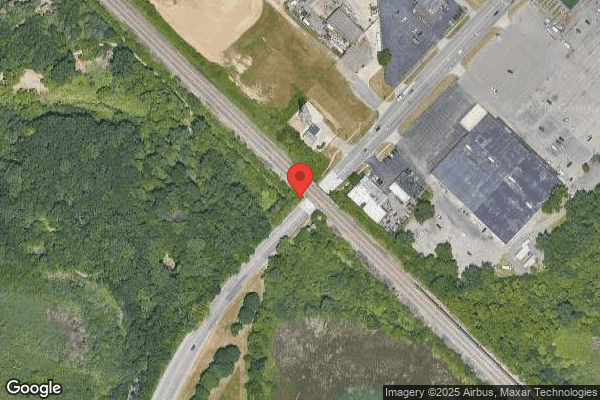

1901 N Telegraph Rd, Waterford, MI 48328 (248) 836-1000
For profit - Corporation 150 Beds CIENA HEALTHCARE/LAUREL HEALTH CARE Data: November 2025 1 Immediate Jeopardy citation
Trust Grade
16/100
#407 of 422 in MI
Last Inspection: May 2025

Inspected within the last 6 months. Data reflects current conditions.

Overview

Regency at Waterford has received a Trust Grade of F, indicating significant concerns about the facility's quality of care, which is considered poor. They rank #407 out of 422 nursing homes in Michigan, placing them in the bottom half of all facilities statewide, and #37 out of 43 in Oakland County, meaning there are only a few local options that are better. The facility's performance is worsening, with the number of issues increasing from 22 in 2024 to 27 in 2025. Staffing is a relative strength, with a 4 out of 5-star rating, though turnover is around 45%, which is about average for the state. However, the facility has faced notable issues, such as failing to administer critical vaccinations leading to pneumonia in 20 residents and not providing timely dietary interventions, resulting in severe weight loss for one resident.
Trust Score
F
16/100
In Michigan
#407/422
Bottom 4%
Safety Record
High Risk
Review needed
Inspections
Getting Worse
22 → 27 violations
Staff Stability
⚠ Watch
45% turnover. Above average. Higher turnover means staff may not know residents' routines.
Penalties
✓ Good
$21,742 in fines. Lower than most Michigan facilities. Relatively clean record.
Skilled Nurses
✓ Good
Each resident gets 44 minutes of Registered Nurse (RN) attention daily — more than average for Michigan. RNs are trained to catch health problems early.
Violations
⚠ Watch
69 deficiencies on record. Higher than average. Multiple issues found across inspections.
★☆☆☆☆
1.0
Overall Rating
★★★★☆
4.0
Staff Levels
★☆☆☆☆
1.0
Care Quality
★☆☆☆☆
1.0
Inspection Score
Stable
2024: 22 issues
2025: 27 issues

The Good

  • 4-Star Staffing Rating · Above-average nurse staffing levels
  • Full Sprinkler Coverage · Fire safety systems throughout facility
  • No fines on record

Facility shows strength in staffing levels, fire safety.

The Bad

1-Star Overall Rating

Below Michigan average (3.1)

Significant quality concerns identified by CMS

Staff Turnover: 45%

Near Michigan avg (46%)

Higher turnover may affect care consistency

Federal Fines: $21,742

Below median ($33,413)

Minor penalties assessed

Chain: CIENA HEALTHCARE/LAUREL HEALTH CARE

Part of a multi-facility chain

Ask about local staffing decisions and management

The Ugly 69 deficiencies on record

1 life-threatening 2 actual harm
Sept 2025 1 deficiency
CONCERN (D) 📢 Someone Reported This

A family member, employee, or ombudsman was alarmed enough to file a formal complaint

Potential for Harm - no one hurt, but risky conditions existed

Deficiency F0583 (Tag F0583)

Could have caused harm · This affected 1 resident

**NOTE- TERMS IN BRACKETS HAVE BEEN EDITED TO PROTECT CONFIDENTIALITY** This citation pertains to Intake 2577773.Based on interview and record review, the facility failed to ensure privacy of medical ...

Read full inspector narrative →
**NOTE- TERMS IN BRACKETS HAVE BEEN EDITED TO PROTECT CONFIDENTIALITY** This citation pertains to Intake 2577773.Based on interview and record review, the facility failed to ensure privacy of medical information was maintained for a one (R201) of two residents reviewed for Protected Health Information (PHI). Findings include:A complaint was filed with the State Agency (SA) that read in part, .an employee of the facility was telling the diagnosis and personal business of the resident to other family members.Review of the clinical record revealed R201 was admitted into the facility on 8/7/20 and readmitted on [DATE] with diagnoses that included: Alzheimer's disease, heart disease and history of lung cancer. According to the Minimum Data Set (MDS) assessment dated [DATE], R201 had a staff assessment that indicated severely impaired cognition. Review of a documented titled, Statement of Capacity revealed an X marking To be incapable and unable to make his/her informed medical decisions. The document had two physician/psychologist signatures dated 11/20/24.On 9/9/25 at 4:19 PM, R201's Durable Power of Attorney (DPOA) was interviewed by phone and asked if a staff member had disclosed PHI about R201. The DPOA explained (Certified Nursing Assistant - CNA B) had been dating her cousin and would video chat with her Cousin ( H) while she was at work and her Cousin H told her he could sometimes see R201 and other residents at the facility. then another time CNA B was at a store and saw another Cousin ( I) of hers and told him R201 was not doing well and was going to pass soon. The DPOA was asked if she had ever given permission for CNA B to talk about R201 to other family members. The DPOA explained she had not and specifically wanted to tell R201's sister about R201's decline herself; she did not want R201's sister to hear the information secondhand.Review of the facility's Employee List revealed CNA B's name was not listed.On 9/10/25 at 10:54 AM, the Administrator was interviewed and asked if CNA B worked at the facility. The Administrator explained CNA B did not work there anymore. The Administrator was asked to provide CNA B's employee file.Review of a document titled, Disciplinary Action Record Work Rules for CNA B read in part, .Termination (effective date: 6-24-25). The above employee disclosed confidential & privileged information to a family member of resident (R201's). This information was given to a family member not on resident (R201's) face sheet and not authorized by resident (R201) Power of Attorney to receive medical information.On 9/10/25 at 1:30 PM, the Administrator was asked about CNA B termination. The Administrator explained CNA B had been terminated due to video chatting with people while at work and for giving resident information to someone. The Administrator was asked if employees were informed of the Health Insurance Portability and Accountability Act (HIPAA). The Administrator explained all employees were aware of HIPAA, and were educated on it.Review of a facility policy titled, HIPAA Definitions revised 10/1/21 read in part, .Health Information: Any information, whether oral or recorded in any form, created or received by the facility that relates to the individual's past, present, or future physical or mental health, or the payment for such health care. Disclosure: Means the release, transfer, provision of access to, or divulging in any other manner of information outside of the entity holding the information.
May 2025 23 deficiencies
CONCERN (D)

Potential for Harm - no one hurt, but risky conditions existed

Deficiency F0554 (Tag F0554)

Could have caused harm · This affected 1 resident

Based on observation, interview, and record review, the facility failed to ensure assessment and a physician's order for self administration of medications for one resident, (R46), of one resident res...

Read full inspector narrative →
Based on observation, interview, and record review, the facility failed to ensure assessment and a physician's order for self administration of medications for one resident, (R46), of one resident resident reviewed for self-administration, resulting in the potential for inappropriate medication administration. Findings include: On 5/20/25 at 09:33 AM, R46 was observed lying in their bed. An interview was attempted, however R46 did not verbally respond to the attempt. At that time, a medication cup with a clear liquid was observed present on the bedside table. R46 was observed to take a small sip from the cup and place it back on the bedside table. On 5/20/25 at 9:35 AM, a review of R46's physician's orders and medication administration record (MAR) was conducted and revealed they received lactulose (a liquid synthetic sugar used to treat constipation and/or to reduce ammonia levels in the liver) 15 milliliters. The MAR revealed the medication had been signed off as given on 5/20/25. On 5/20/25 at 9:47 AM, an interview was conducted with Nurse 'Q', (R46's assigned nurse) regarding the liquid observed in the medication cup at R46's bedside. They reported the liquid in the cup was the morning dose of lactulose. On 5/21/25 at 3:43 PM, a review of R46's clinical record was conducted and did not reveal an assessment or physician's order for self-administration of medications. On 5/22/25 at 1:05 PM, the Director of Nursing (DON) was asked if any residents in the facility self-administered their medications. They said they did not think so. They were then asked what steps the facility took if a resident wished to self-administer their medications and they indicated there would be education given, an assessment performed, and a physician's order for allowing a resident to self-administer medications. A review of a facility provided policy titled, Medication Administration revised 10/17/23 was conducted and read, .Self-Administration-residents are allowed to self-administer medications when specifically authorized by the attending physician and in accordance with the guideline for self-administration of medication. A self-administration evaluation will be completed prior to the resident starting the self-administering process. Self-administration of medication will be reflected in the resident care plan along with any special considerations .
CONCERN (D)

Potential for Harm - no one hurt, but risky conditions existed

Deficiency F0561 (Tag F0561)

Could have caused harm · This affected 1 resident

**NOTE- TERMS IN BRACKETS HAVE BEEN EDITED TO PROTECT CONFIDENTIALITY** R13 On 5/20/25 at 10:46 AM R13 was observed in their room in bed. An interview was conducted and R13 expressed they were, lonely...

Read full inspector narrative →
**NOTE- TERMS IN BRACKETS HAVE BEEN EDITED TO PROTECT CONFIDENTIALITY** R13 On 5/20/25 at 10:46 AM R13 was observed in their room in bed. An interview was conducted and R13 expressed they were, lonely. They were asked if they get out of bed into their wheelchair so they can leave the room to eat in the dining room, attend activities, or socialize and they said they hadn't been out of bed in a long time. When asked why, they said staff do not assist them to get out of bed and into their wheelchair. They said they needed a mechanical lift for transferring and it had not been a problem in the past to get out of bed into their wheelchair when they needed to attend outside appointments. On 5/21/25 at 3:47 PM, a review of R13's Certified Nursing Aide (CNA) tasks for a 30-day look-back period was conducted and revealed documentation of their transfer status, however; the task did not indicate R13 was actually assisted out of bed and into their wheelchair. R13's care plan was reviewed and revealed they required two staff assistance with a mechanical lift as well as indicated they were willing to attend activities of interest. On 5/21/25 at 4:16 PM, R13 was observed in their room in bed, at that time a follow-up interview was conducted with R13. They were then asked if staff ever offered or encouraged them to get out of bed and said they did not. On 5/21/25 at 4:25 PM, an interview was conducted with the facility's Director of Nursing (DON), they were asked if staff were expected to offer residents assistance and encouragement to get out of bed and said they were. A review of a facility provided policy titled, Federal & State-Resident Rights & Facility Responsibilities revised 5/14/24 was conducted and read, .a. Resident Rights. The resident has a right to a dignified existence, self-determination and communication with and access to persons and services inside and outside the facility . Based on observation, interview and record review, the facility failed to promote self-determination for two (R112 and R13) of two residents reviewed for choices. Findings include: R112 On 5/20/25 at 11:14 AM, R112 was observed sitting in a wheelchair in the foyer area with other residents and activity staff. Upon request, staff moved R112 to an area of the foyer away from the other residents. R112 was asked if they enjoyed the activities at the facility. R112 explained they would rather be in their room. Activity Aide (AA) H was informed R112 wanted to go back to their room. AA H explained R112 needed to stay in activities because they were a fall risk. Review of the clinical record revealed R112 was admitted into the facility on 4/15/25 with diagnoses that included: obsessive-compulsive disorder, depression and anxiety. According to the Minimum Data Set (MDS) assessment dated [DATE], R112 scored 12/15 on the Brief Interview for Mental Status Exam (BIMS), indicating moderately impaired cognition. The MDS assessment also indicated in section J1700, Fall History on Admission, R112 had not had a fall in six months prior to admission. Review of R112's admission Nursing Comprehensive Evaluation dated 4/15/25, in SECTION I. Falls, read in part, .Category: No Risk . Score: 0.0 . Review of R112's fall care plan initiated 4/15/25 revealed an intervention that read, Provide resident with activities that minimize the potential for falls while providing diversion and distraction. On 5/21/25 at 9:11 AM, a request was made to the facility for all fall Incident and Accident (I&A) documentation for R112 since their admission. On 5/21/25 at 9:51 AM, R112 was observed sitting in their wheelchair in the foyer area with activity staff. When asked if they were where they wanted to be, R112 explained they would rather be in their room. On 5/21/25 at 10:13 AM, the Administrator confirmed there were no fall I&A's for R112. On 5/21/25 at 1:14 PM, R112 was observed sitting in their wheelchair in the facility's activity room with other residents. On 5/22/25 at 10:05 AM, R112 was observed sitting in their wheelchair in the foyer area with activity staff. AA H was interviewed and asked how she knew who was supposed to be kept in activities all day. AA H explained the nurses tell the Activity Manager and she would tell them who was a fall or elopement risk and they kept them in activities in the foyer area in the morning, then take them to the dining room for lunch, and then were with them in the afternoon until about 3:30 PM when they were taken back to their rooms to get ready for bed. On 5/22/25 at 10:15 AM, Licensed Practical Nurse (LPN) I, R112's assigned nurse, was interviewed and asked if R112 was a fall risk. LPN I agreed R112 was a fall risk. LPN I was asked why R112 was a fall risk since the fall assessment documented no risk and R112 had not had a fall at the facility. LPN I explained R112's spouse had told them R112 was used to having a personal care giver all day and would get antsy sometimes and was occasionally a little attention seeking, so they had R112 stay in activities. On 5/22/25 at 12:06 PM, the Director of Nursing (DON) was interviewed and asked why R112, who had no falls and had a no risk fall assessment was kept in activities all day when they wanted to be in their room. The DON acknowledged the concern. On 5/22/25 at 1:04 PM, R112 was observed sitting in their room watching television. R112 was asked if they would rather be in their room or in activities. R112 explained they wanted to be in their room, they were happier there.
CONCERN (D)

Potential for Harm - no one hurt, but risky conditions existed

Comprehensive Care Plan (Tag F0656)

Could have caused harm · This affected 1 resident

**NOTE- TERMS IN BRACKETS HAVE BEEN EDITED TO PROTECT CONFIDENTIALITY** Based on observation, interview, and record review facility failed to establish a resident centered comprehensive care plan for ...

Read full inspector narrative →
**NOTE- TERMS IN BRACKETS HAVE BEEN EDITED TO PROTECT CONFIDENTIALITY** Based on observation, interview, and record review facility failed to establish a resident centered comprehensive care plan for one (R49) of one Resident with contractures (hardening of the muscles, tendons, and other soft tissues) reviewed for care plans resulting in unmet care needs. Findings include: R49 Record review revealed R49 was a long-term resident of the facility. R49 was originally admitted to the facility on [DATE]. R49 was recently admitted to hospital on [DATE] with pneumonia and readmitted to the facility on [DATE]. R49's admitting diagnoses included chronic kidney disease, dysphagia (difficulty with swallowing), anemia, dementia, and heart failure. R49 also had a stage 3 pressure ulcer (Merck manual defines a stage 3 pressure ulcer as a full-thickness skin loss with damage to subcutaneous/fat tissue extending down to [but not including] the underlying fascia. The ulcers are crater-like without underlying muscle or bone exposure) on their coccyx (tail bone area) that they had acquired during the stay the facility. Based on the Minimum Data Set (MDS) assessment dated [DATE], R49 had a Brief Interview for Mental Status (BIMS) score of 99 and had severe cognitive impairment. R49 had contractures on both hands. R49 was dependent on staff assistance with all their activities of daily living (ADLs) such as eating, dressing, bathing etc. and they were dependent on staff assistance for their mobility in bed and transfers. R49 was receiving hospice services as of 3/25/25, after their recent readmission to the facility. An initial observation was completed on 5/20/25 at approximately 9:40 AM. R49 was observed in bed, laying on their back and had a small pillow/wedge under their upper back on the left side. R49 had a low air loss mattress (specialty mattress) due to the stage -3 pressure ulcer on their coccyx. R49 was lying in bed with both arms on their chest. Both hands were in a clenched position, with both ring and little fingers in contact with the palm of the hands. R49 did not have any type positioning device to maintain their range of motion in their hands. At approximately 10:10 AM, R49's was observed in the same position, laying on their back as before. R49's family member was in the room. The family member was queried about the braces for R49's hands. The family member reported that R49 used to have some device for their hands so their fingers would not get tight. They have not seen the staff using it recently and they were in the drawer and was not sure what happened. They added that when R49 was at the hospital in March they were using rolled wash cloths on both of their hands, not sure why they were not following it here at the facility. Later that day at approximately 5:10 PM, R49 was observed in their bed with arms on their chest. Both hands were in a clenched position, with the ring and little finger in contact with their palm of hand. R49 did not have any devices or rolled wash cloths on their hands. When the surveyor asked R49 if they were able to move their fingers R49 moved their thumb, index, and middle fingers on both hands minimally. Both ring and little finger were in contact with the palm of hands. Multiple follow up observations were completed on 5/21/25 and R49 did not have any devices for their hands and hands were in the clenched position. Review of R49's MDS assessment dated [DATE] and 3/31/25, revealed R49 had impairment on both upper and lower extremities and did not receive any interventions such as range of motion or splint/brace assistance. Review of R49's mobility care plan did not include any interventions to address the range of motion limitations/contractures with risk for further compromise of skin integrity in both hands. R49's comprehensive care plan did not address any resident specific interventions to address their range of motion limitations with contractures on both hands. Review of R49's Kardex (care card for Certified Nursing Assistants) did not reveal any interventions for hand contractures. An interview with Director of Nursing (DON) was completed on 5/21/25 at approximately 2:25 PM. The DON reported that they were in the process of hiring an assistant director of nursing and they were assisting with the restorative program. They were queried about the expectations for the care plan for a resident with contractures/range of motion limitation. The DON reported that they expected the care plans to address interventions for contractures. They were asked about R49's hand contractures and their plan. They reviewed R49's records and reported that they were not sure why there was not a care plan and added there should be one to address the contractures. The DON was notified of the concern about not having a care plan to address the hand contractures and they reported that they understood the concern. Review of the facility provided document titled Care Planning with a revision date of 6/24/21 read in part, Purpose: Every resident in the facility will have a person-centered Plan of Care developed and implemented that is consistent with the resident rights, based on the comprehensive assessment that includes measurable objectives and time frames to meet a residents medical, nursing, and mental and psychosocial needs identified in the comprehensive assessments and prepared by an interdisciplinary team who includes but not limited to; attending physician, a registered nurse who is responsible for the resident, a nurse aide, a member of food/nutrition services, the resident or resident representative, therapy staff as required and any other ancillary staff. Additional resources will also be utilized to ensure that any additional needs or risk areas are identified. Procedure 1. Resident's will be assessed as they are admitted and re-admitted to the nursing facility to determine their physical, psychological, emotional, medical and psychosocial needs. The results of interdisciplinary assessments will be used to develop, review and revise the resident's comprehensive care plans. 2. A Baseline Care Plan will be developed within 48 hours identifying any immediate needs, initial goals and interventions needed to provide effective and person-centered care. 3. The facility will provide the residents and their representatives with a summary of the baseline care plan that includes the following: • Initial goals of the resident • A summary of the residents' medication and dietary instructions • Any services and treatments to be administered by the facility and the personnel acting on behalf of the facility • Any updated information based on the details of the comprehensive care plan as necessary Care Planning. 4. In addition to care plans based on admission orders, goals for admission and desired outcomes, IDT assessments, physician orders, dietary needs, therapy services, social services .recommendations, and discharge plans the baseline care plans are triggered .from the Nursing Comprehensive assessment. 5. Accompanying each Comprehensive Assessment; (Admission, Annual and Significant Change) are Care Area Triggers (CAT) triggered based on the resident's needs &/or potential needs. Included is the Care Area Assessment process (CAA) Summary sheet which will indicate if the facility has decided to proceed to a care plan for that triggered area .
CONCERN (D)

Potential for Harm - no one hurt, but risky conditions existed

Deficiency F0658 (Tag F0658)

Could have caused harm · This affected 1 resident

Based on observation, interview and record review, the facility failed to ensure medications were administered per professional standards for two (R120 and R124) of four residents reviewed for medicat...

Read full inspector narrative →
Based on observation, interview and record review, the facility failed to ensure medications were administered per professional standards for two (R120 and R124) of four residents reviewed for medication administration. Findings include: R120 On 5/21/25 at 8:14 AM, as part of the medication pass task, LPN A was observed to mix 17 grams (g) of Polyethylene Glycol Powder (a laxative) in water in a small cup. LPN A also prepared two oral medications. LPN A entered R120's room, told R120 one of their medications was not available, however LPN A did not tell R120 what the medication was. LPN A then gave R120 the two prepared oral medications, without telling them what they were, then handed R120 the small cup of water with the Polyethylene Glycol Powder mixed into it. R120 put the two oral medications in their mouth, and took two sips of the Polyethylene Glycol Powder mixture, and handed the full cup back to LPN A. LPN A asked R120 if they wanted to finish the cup. R120 explained they only wanted enough to swallow the medication. LPN A then took the full cup with the Polyethylene Glycol Powder mixture in it and dumped it into the sink in the bathroom and threw away the cup. At no time was LPN A observed to tell R120 that the small cup that appeared to be water was their laxative medication. On 5/21/25 at 9:15 AM, R120's May 2025 Medication Administration Record (MAR) was compared to the medications observed to have been given. The reconciliation revealed LPN A marked the Polyethylene Glycol Power as given. R124 On 5/21/25 at 8:29 AM, LPN B was observed to prepare seven oral medications, including Oxycodone 20 milligrams (mg) (a narcotic) into a medicine cup. LPN B also prepared Polyethylene Glycol Powder and mixed it in a cup with water. LPN B entered R124's room, set the cup of Polyethylene Glycol Powder mixture on the over-bed table, handed R124 the medicine cup containing seven medications and immediately turned and walked out of the room. At no time was LPN B observed to tell R124 what the medications were, nor did she watch to ensure R124 took any of the medications. On 5/21/25 at 9:18 AM, R124's May 2025 MAR was compared to the medications observed to have been given. The reconciliation revealed all eight medications were documented by LPN B as given. On 5/21/25 at 1:52 PM, the DON was informed of the observations of R120 not being informed the cup with the Polyethylene Glycol Powder was medication and LPN B not ensuring R124 took their medication which contained a narcotic medication. The DON explained it was the expectation that nurses tell the resident what the medications are, and that the nurse ensures the medications are taken by the resident. Review of a facility policy titled, Medication Administration revised 10/17/23 read in part, .Observe the resident swallows the oral medications. Do not leave medications with the resident to self-administer . Record the result of medications administered as necessary . Record the dose, route, and time of medication on the Medication/Treatment Administration Record. Document if the resident refused .
CONCERN (D)

Potential for Harm - no one hurt, but risky conditions existed

ADL Care (Tag F0677)

Could have caused harm · This affected 1 resident

**NOTE- TERMS IN BRACKETS HAVE BEEN EDITED TO PROTECT CONFIDENTIALITY** Based on observation, interview, and record review, the facility failed to ensure activity of daily living (ADL) care for shower...

Read full inspector narrative →
**NOTE- TERMS IN BRACKETS HAVE BEEN EDITED TO PROTECT CONFIDENTIALITY** Based on observation, interview, and record review, the facility failed to ensure activity of daily living (ADL) care for showers, hair care, nail care, and facial hair care were provided for three residents, (R#'s 103, 53, and 284), of four residents reviewed for ADL care, resulting in verbalized complaints and frustration with personal hygiene and grooming. Findings include: R103 On 5/20/25 at 10:00 AM, R103 was observed in their bed. R103 presented with uncombed hair that had a shiny/greasy appearance. They were further observed to have a full moustache and beard and their nails were observed to have thick brown debris under the nail beds. They were asked if staff assisted them with personal hygiene/grooming and said they did not. They were then asked about their preference for facial hair and said they never liked a beard or a moustache but no one would help them with shaving. On 5/21/25 at 2:39 PM, a review of R103's Minimum Data Set (MDS) assessment dated [DATE] revealed they had intact cognition and required partial to moderate assistance for personal hygiene. A review of R103's Certified Nursing Aide (CNA) tasks for a 30-day look-back period was conducted and revealed R103 had exhibited no rejection of care and had received scheduled bed baths despite the observation of long facial hair, nails long in length, and uncombed unwashed hair. It was further noted shift documentation (done two to four times a day for the 30-day look-back period) by the CNA's documented Yes to the task statement that read, Have you provided routine standard care which includes .shaving and nail care as needed .hair care . On 5/21/25 at 10:34 AM, R103 was observed in their bed. They again presented with hair that had a shiny/greasy appearance, a full beard and moustache, and nails long in length with brown debris accumulated in their nail beds. They were asked the last time they had a shower and said they preferred bed baths. They were then asked if staff ever washed their hair and said they did not remember the last time it was done. R103 ran their fingers through their hair and said it felt greasy. R103 then again verbalized their dislike for the current state of their facial hair. R53 On 5/20/25 at 10:22 AM, R53 was observed in their bed. R53's chin was noted to have numerous long facial hairs. They were asked if they were okay with having facial hair and said they were not. They further went on to say, I can't get anyone to help me. On 5/21/25 at 2:37 PM, a review of R53's MDS assessment dated [DATE] revealed R53 had intact cognition and required substantial to maximal assist for personal hygiene. A review of R53's CNA tasks for a 30-day look-back period was conducted and revealed R53 exhibited no rejection of care and had received scheduled bed baths. It was further noted shift documentation (done two to four times a day for the 30-day look-back period) by the CNA's documented Yes to the task statement that read, Have you provided routine standard care which includes .shaving and nail care as needed .hair care ., despite R53's presence of facial hair. On 5/21/25 at 11:01 AM, an interview was conducted with the facility's Director of Nursing (DON). They were asked how residents who preferred bed baths had their hair washed and they said the facility had shower shampoo caps. They were then asked when grooming tasks such as facial hair removal or nail care were provided and they indicated it should be done on their shower days or more often if needed. R284 On 5/20/25 at 9:43 AM, R284 was observed sitting on their bed. R284 was asked about care at the facility. R284 explained they wanted a shower, they had not had one since they were admitted , the last shower they had was when they were in the hospital. R284 was asked if they had received a bed bath. R284 explained they had washed themselves up at the sink. When asked which they preferred, bed bath or shower, R284 explained they wanted a shower. Review of the clinical record revealed R284 was admitted into the facility on 5/15/25 with diagnoses that included: congestive heart failure, end stage renal disease and pulmonary hypertension. According to a Brief Interview for Mental Status (BIMS) exam dated 5/16/25, R284 had intact cognition. Review of R284's 30 day look back for Shower/Bathing Monday, Thursday day shift revealed CNA K documented Yes for Did the resident receive a shower/bath/bed bath? on 5/19/25. Review of R284's ADL care plan revealed an intervention initiated 5/16/25 that read, Report refusals of ADL care, personal hygiene, nail care, bathing, and showers to the nurse. Review of R284's progress notes revealed no documentation of any refusal of showers. On 5/21/25 at 9:35 AM, R284 was asked if they had received a shower at the facility two days prior, on 5/19/25. R284 explained they had not had a shower since admission, their last shower was at the hospital before they got to the facility. On 5/22/25 at 8:57 AM, CNA K was interviewed by phone and asked if she had given R284 a shower on 5/19/25. CNA K explained she did not give R284 a shower, but had helped them wash up good at the sink .was surprised R284 was still wearing the same clothes after three days .their clothes were dirty and had coffee spilled all over them. On 5/22/25 at 9:35 AM, the DON was interviewed and informed R284 had been admitted on [DATE] and had not had a shower at the facility. The DON acknowledged the concern. An additional review of R284's 30 day look back for showers revealed CNA L documented Not Applicable marked on 5/22/25. On 5/22/25 at 12:52 PM, CNA L was interviewed and asked what Not Applicable meant. CNA L explained the nurse had told her to mark that as it was not R284's day for a shower. CNA L was asked what days did R284 get showers since the task said Monday and Thursday day shift. (It should be noted, 5/22/25 was a Thursday) CNA L explained they needed to do a better job of coordinating the residents shower days to the daily schedule. A review of a facility provided policy titled, Activities of Daily Living (ADL) Program revised 4/5/24 was conducted and read, A resident requiring skill practice and/or training in activities of daily living (ADL) is evaluated for restorative nursing. ADL may include, but are not limited to, bathing, grooming, and dressing. Restorative ADL program may be provided by nursing assistants and other staff trained in provision of ADL care under the supervision of the licensed nurse .3. Determine specific tasks and areas of ADLs .a. bathing: washing and drying the body .b. grooming may include: i. Maintaining personal hygiene .vii. Shaving if applicable .x. Trimming nails .
CONCERN (D)

Potential for Harm - no one hurt, but risky conditions existed

Pressure Ulcer Prevention (Tag F0686)

Could have caused harm · This affected 1 resident

**NOTE- TERMS IN BRACKETS HAVE BEEN EDITED TO PROTECT CONFIDENTIALITY** Based on observation, interview, and record review facility failed to consistently implement pressure ulcer prevention intervent...

Read full inspector narrative →
**NOTE- TERMS IN BRACKETS HAVE BEEN EDITED TO PROTECT CONFIDENTIALITY** Based on observation, interview, and record review facility failed to consistently implement pressure ulcer prevention interventions as ordered for one (R49) of two residents (with pressure ulcers) reviewed for pressure ulcer prevention/management. This deficient practice has potential for worsening pressure ulcer and development of new pressure ulcer (s): Findings include: R49 Record review revealed R49 was a long-term resident of the facility. R49 was originally admitted to the facility on [DATE]. R49 was recently admitted to hospital on [DATE] with pneumonia and remitted to the facility on 3/25/25. R49's admitting diagnoses included chronic kidney disease, dysphagia (difficulty with swallowing), anemia, dementia, and heart failure. R49 also had a stage 3 pressure ulcer (Merck manual defines a stage 3 pressure ulcer as a full-thickness skin loss with damage to subcutaneous/fat tissue extending down to [but not including] the underlying fascia. The ulcers are crater-like without underlying muscle or bone exposure) on their coccyx (tail bone area) that they had acquired during the stay the facility. Based on the Minimum Data Set (MDS) assessment dated R49 had a Brief Interview for Mental Status (BIMS) score 99 and had severe cognitive impairment. R49 had contractures in both hands and they were dependent on staff assistance with all their activities of daily living (ADLs) such eating, dressing, bathing etc. and they were dependent on staff assistance for their mobility in bed and transfers. R49 was receiving hospice services as of 3/25/25. An initial observation was completed on 5/20/25 at approximately 9:40 AM. R49 was observed in bed, laying on their back and had a small pillow/wedge under their upper back on the left side. R49 had a low air loss mattress (specialty mattress) due to the stage -3 pressure ulcer on their coccyx. R49's family members were sitting next to them and they reported that they regularly visited R49 multiple times every week and they would spend a few hours. They were queried about staff assistance with repositioning R49 in bed and they reported that if you ask otherwise no. At approximately 9:50 AM, the Nurse assigned to care for R49 brought their medications and had left the room after giving their medications. At approximately 10:10 AM, R49 was observed in the same position, laying on their back as before. R49's family member was in the room. R49's had a cover/sheet over their body and their feet appeared resting flat on the bed. The Family member was queried about heels. They lifted the sheets and R49's feet were resting flat on their bed. There were no heel boots or any pillows to offload R49's heels. No heel boots were visible outside on the nightstand, recliner chair, or on top of the dresser. The Family member reported that they had not seen any boots. On 5/21/25, multiple follow-up observations were completed. At approximately 8:15 AM, R49 was observed in their bed, laying on their back. R49 had a small wedge under their left upper back. They were awake and grimacing moving their arms and trying to reposition themselves. They appeared uncomfortable, the surveyor was in the room for approximately 3 minutes. R49 was able to answer the simple questions and gave the names of their twin daughters. Licensed Practical Nurse (LPN) EE who was assigned to care for R49, was in the hallway passing medications. The surveyor was in the hallway outside R49's room between 8:20 AM and 10:30 AM and the following observations were completed: At approximately 8:21 AM, R49 was making some harsh moaning noises that were audible in the hallway. At approximately, 8:30 AM Unit Manager GG went to R49's room and returned from the room approximately 1 minute later. At approximately 9:10 AM, R49 yelled out help mama mama that was audible from the hallway. At approximately 9:17 AM, R49 was making more harsh noises that were audible in the hallway. At approximately 9:30 AM, LPN E went in the room and told R49 that they would bring their medications. At approximately 9:40 AM, LPN EE went into the room to give her medications. This Surveyor went in the room with the LPN EE. R49 was observed laying on their back in the same position. LPN EE uncovered the sheets when surveyor asked to check R49's heels. R49's heels were resting flat on the bed with no heel boots or pillows/cushion to offload heels. There were no heel boots visible around the room. LPN EE placed the covers back and had left the room. R49 said no' to take their medications and LPN EE stated that they would re attempt in a few minutes. At approximately 9:50 AM, LPN EE went into R49's and this surveyor was by the doorway and was able to observe. R49 was observed on their back in the same position, with the small wedge on the left upper back area. LPN EE adjusted R49's pillow after they gave their medications. At approximately 10:15 AM, R49 was making harsh moaning noises that were audible from the hallway. At approximately 10:20 AM, when this surveyor went into R49's room, they were observed in the same position, laying on their back. R49 was grimacing and when asked how they were doing, they nodded their head no and did not answer. They did not appear comfortable. The Certified Nursing Assistant (CNA) who was assigned to care for R49 during the shift was not seen in the area of R49's room (back end of the hallway) during the observation between 8:15 AM and 10:30 AM. On 5/22/25 at 10:34 AM, observation of R29's coccyx wound with LPN N revealed a dressing that appeared soiled with wound drainage and was crumpled at the edges. Upon LPN N removing the old dressing, the wound appeared to be approximately 2 cm (centimeters) x 1 cm, had a pink base and undermining was observed. LPN N was asked if it was usual to change R29's coccyx wound daily even though the order was for every other day. LPN N explained it was usually only changed on the scheduled days, unless it had a lot of wound drainage. Review of R49's Electronic Medical Records (EMR) revealed an order dated 5/20/25, that read cleanse sacrum with NS (normal saline). Pat dry. Pack with honey coated absorbent dressing. Cover with foam border. Change every other day and as needed for wound management. Review of R49's medical record revealed a wound care practitioner note dated 5/20/25. The wound care progress notes revealed that R49 had a stage 3 pressure ulcer on their coccyx that was deteriorating. The measurements were length: 1.3 cm; width: 1.7 cm; depth: 0.6 cm. Undermining (the wound damage has spread out underneath the skin that surrounds the visible part of the sore) Value: 0.9 with serosanguineous drainage (serosanguineous refers to a drainage composed of red blood cells/blood serum). R49 also had two other open areas on their coccyx and the measurements were the same: length: 0.7 cm x width: 0.8 cm x depth: 0.3 cm. The practitioner note read that R49's wounds were unavoidable due to their diagnosis and co-morbidities. The practitioner's treatment plan included frequent turning. Review of R49's care plan revealed interventions that included, assist with uncrossing the feet and place pillow or heel boots; heel boots to off load pressure while in bed; encourage to float heels while in bed and assist as needed and 'turn and reposition frequently and PRN (as needed). The care plan also revealed that R49 needed assistance of two staff members for their mobility in bed and with their repositioning. Review of R49's wound assessments revealed the initial wound assessment after they were readmitted from the hospital was completed on 3/25/25 and the next wound assessment was completed on 4/11/25 (17 days after the initial assessment). An interview with LPN EE was completed on 5/21/25 at approximately 1:20 PM. LPN EE was queried about their facility process to prevent pressure ulcers. They reported that they would reposition every few hours and offer assistance to get resident out of bed and added at least try to. They added that they were still in training and they were new to this unit. An interview with CNAZ was completed on 5/21/25 at approximately 1:25 PM. CNA Z was queried about their daily care for the R49. They added that R49 needed assistance with their Activities of Daily Living (ADL) such as eating, dressing, toileting, etc. They would assist them with repositioning every two hours or sooner as needed. When queried about the heel boots, they stated that R49 did not like to use anything on their feet when queried further on off loading, no further explanation was provided. When they were shared about the observations from the morning, CNA Z reported that they were busy (working) on the other side of the hallway. An interview with the Director of Nursing (DON) was completed on 5/21/25 at approximately 2:20 PM. DON reported that they were in the process of hiring a Unit Manager for the unit and they were covering the unit. The DON was asked about the facility protocol for pressure ulcer prevention/management. The DON reported that they would ensure residents were receiving appropriate nutrition and skin interventions. When queried further about skin interventions, the DON reported that skin interventions included pressure reducing mattresses, pressure reduction cushion to wheelchair /geri-chair (recliner chair), wedges for repositioning in bed, heel boots, turning and repositioning etc. They were queried on pressure ulcer prevention interventions for R49. The DON reviewed the medical record and shared the interventions. They were notified of the observations from 5/20/25 and 5/21/25. The DON reported that they understood the concerns and they would follow up with their staff. Review of facility provided document titled Skin Management with a revision date 8/14/24 read in part, Policy: It is the policy that the facility should identify and implement interventions to prevent development of clinically unavoidable pressure injuries. Overview: Residents with wounds and/or pressure injury and those at risk for skin compromise are identified, evaluated and provided appropriate treatment to promote prevention and healing. Ongoing monitoring and evaluation are provided to ensure optimal guest/resident outcomes. Practice Guidelines 1. Upon admission/re-admission all residents are evaluated for skin integrity by completing a baseline total body skin evaluation documented in the electronic medical record. 2. The Braden Scale will be completed upon admission/re-admission, weekly for 4 weeks, quarterly and with a significant change of status by a licensed nurse to determine the risk of pressure injury development. 3. Appropriate preventative measures will be implemented on residents identified at risk and the interventions are documented on the care plan. 4. Residents admitted with any skin impairment will have: o Appropriate interventions implemented to promote healing, o A physician's order for treatment, and o Skin impairment location, measurements and characteristics documented. 5. The licensed nurse will initiate documentation in the electronic health record, which includes a description of the skin impairment as follows: o In Electronic Health Record (EHR) facilities, the licensed nurse will document on Skin Management. o Document weekly until the area is resolved. o Photos may be taken of pressure injury and vascular ulcers .
CONCERN (D)

Potential for Harm - no one hurt, but risky conditions existed

Deficiency F0699 (Tag F0699)

Could have caused harm · This affected 1 resident

**NOTE- TERMS IN BRACKETS HAVE BEEN EDITED TO PROTECT CONFIDENTIALITY** Based on interview and record review, the facility failed to ensure one (R110) resident of one reviewed for Post Traumatic Stres...

Read full inspector narrative →
**NOTE- TERMS IN BRACKETS HAVE BEEN EDITED TO PROTECT CONFIDENTIALITY** Based on interview and record review, the facility failed to ensure one (R110) resident of one reviewed for Post Traumatic Stress Disorder (PTSD) received appropriate trauma assessment with resident specific interventions for one (R110) of one Resident reviewed for trauma informed care resulting in the potential for trauma triggers and re-traumatization. Findings include: Record review revealed R110 was a long-term resident of the facility, admitted on [DATE]. R110's admitting diagnoses included PTSD, major depressive disorder with severe psychotic symptoms, schizoaffective disorder, delusional disorders, and generalized anxiety disorder. Review of R110's Electronic Medical Record (EMR) revealed a most recent social work assessment tilted social work re-eval dated 4/1/25. The social work assessment included the above diagnoses including PTSD. Further review of R110's EMR did not reveal any PTSD assessment since their admission to the facility. R110 was receiving psychiatry services through the facility's contracted provider. The most recent date of service documented in the EMR was 4/25/25. Review of the Minimum Data Set assessment (MDS) dated [DATE], 1/2/25 and 4/4/25 did not reveal that R110 had an active diagnosis of PTSD. Review of R110's care plan revealed a trauma care plan that was initiated on 7/3/23 with most recent revision date of 3/24/25. An interview with SSD E was completed on 5/21/25 at approximately 4:20 PM. They were asked about the facility process on trauma informed care for residents with a diagnosis of PTSD. SSD E reported that social services completed a trauma assessment and established a care plan with resident specific interventions based on their assessment. They were queried about the trauma assessment for R110. They reviewed the EMR and reported that they did not find one. They confirmed that R110 had diagnosis of PTSD and the trauma history question under the initial social work assessment was marked no which did not trigger them to complete a trauma informed care assessment. They reported that they understood the concern. An interview with Director of Nursing (DON) was completed on 5/22/25 at approximately 11:15 AM. They were queried about the facility process for establishing trauma informed care for residents with the diagnosis of PTSD and the DON reported that social services completed the trauma assessment and initiated care plan/interventions based on the assessment and referrals were made to the facility's contracted behavioral health services team. They were queried about R110's trauma assessment that was not completed and the MDS assessments did not reflect R110's diagnosis of PTSD. The DON reported they agreed on the concern and reported that they would follow up. A facility provided document titled Social Service Documentation with revision date of 8/1/24 read in part, Procedure 1. Social Services/designee will conduct a resident evaluation using the Social Services History/ Evaluation within 7 days of admission (or per state specific guidelines). Documentation includes a review of information gathered from evaluation along with any other pertinent information in regard to the resident's health and mental status including history of trauma and substance use. 2. The facility will identify residents who trigger for trauma through the Social History/Evaluation and Social Service Reevaluation process. Should trauma occur or be identified outside of an evaluation period a Trauma Evaluation will be completed. The facility is committed to providing culturally competent, trauma informed care in accordance with professional standards of practice and accounting for residents' experiences and preferences in order to eliminate or mitigate triggers that may cause re- traumatization of the resident. If trauma is identified, care plans to address the trauma, including triggers and interventions to mitigate or lessen re-traumatization, will be authored. Referrals to outside agencies may be made including but not limited to psychological support and community mental health. 3. Social services/designee should complete psycho active medication quarterly evaluation when triggered by the Social Services History/Evaluation or the Social Re-evaluation and when started on a new psychoactive medication. 4. Documentation is to be done with each MDS assessment (at least 90 days) and completed through the Social Services Re-evaluation. It is to include updated information on the resident's overall condition with an emphasis on cognition, communication, mood state, psychosocial well-being, behaviors, discharge plan, code status, any identified trauma and hospice, if applicable. 5. Documentation on the Care Area Assessments should include specific information based upon areas that triggered for the resident, including what social services plans to address in the care plans for each identified problem or strength area .
CONCERN (E)

Potential for Harm - no one hurt, but risky conditions existed

Resident Rights (Tag F0550)

Could have caused harm · This affected multiple residents

R16 On 5/22/25 at 8:30 AM, upon entering the 600 hall, R16 was observed seated in a wheelchair in the hallway positioned next to two Nurses that were standing next to the medication cart. The Nurses w...

Read full inspector narrative →
R16 On 5/22/25 at 8:30 AM, upon entering the 600 hall, R16 was observed seated in a wheelchair in the hallway positioned next to two Nurses that were standing next to the medication cart. The Nurses were heard discussing R16's soiled pants and need to be changed. One of the Nurses proceeded to yell down the hallway very loudly, Do you know who his aide is?. A Certified Nursing Assistant (CNA) was observed seated behind the nursing station approximately 50 feet away and was observed to yell loudly back to this Nurse, Who (name of R16)?. On 5/22/25 at 11:27 AM, an interview was conducted with the Director of Nursing (DON). The DON was informed of concerns reported during the resident council meeting regarding whether they felt staff treated them with dignity and respect. The DON was informed of the earlier observation of the nursing staff yelling loudly throughout the hallway and they reported that should not have occurred and would initiate in-service education immediately. According to the facility's policy titled Federal & State - Resident Rights & Facility Responsibilities dated 5//14/2024, .A facility must treat each resident with respect and dignity and care for each resident in a manner and in an environment that promotes maintenance or enhancement of his or her quality or life, recognizing resident's individuality . Based on observation, interview, and record review the facility failed to ensure treatment in a dignified manner for four residents, (R#'s 37, 103, 17, and 16) of five residents reviewed for dignity as well as residents who attended the group meeting who wished to remain anonymous, resulting in verbalized complaints, frustration with staff, and decreased feelings of self worth. Findings include: R37 On 5/20/25 at 9:43 AM, an interview was conducted with R37 regarding their stay at the facility. They said this was their third stay in the facility and they expressed disappointment. They said the Certified Nurse Aides (CNA's), do a poor job. When asked for an explanation they said the CNA's don't do their jobs and they are on their phones in the hallway. R103 On 5/20/25 at 10:00 AM, an interview was conducted with R103 regarding their stay in the facility. R103 said, I would like to be treated better, and further said the CNA's did not show respect. When asked for examples, R103 said they knew CNA 'V' and CNA 'Y' did not like them. When asked how they knew, R103 said they overheard them out in the hallway talking about them. R17 On 5/20/25 at 10:36 AM, an interview was conducted with R17 regarding their stay in the facility. R17 said the CNA's were, rude, and rough. When asked how they were rude, R17 said they were short and rushed with care. R17 said staff need to, do better, because we deserve better. R17 then went on to say they reported CNA 'X' and CNA 'Y' and requested they not be assigned to their care. R17 further said they were hesitant to report staff attitudes because staff, make themselves the victim, and we (the residents) are blamed. On 5/22/25 at 3:22 PM, a review of CNA 'Y's personnel file was conducted and revealed an ON THE SPOT IN-SERVICE dated 9/21/24 that indicated CNA 'Y' was witnessed on their personal cell phone at the nursing station. The file additionally contained a DISCIPLINARY ACTION RECORD form that indicated on 11/11/24 CNA 'Y' was asked to provide a sitz bath to a resident. The form further indicated the task was not completed because CNA 'Y' did not know how to perform the task and they did not follow up with the nurse who was going to give them instruction on how to perform the task. During an interview with an anonymous family member on 5/20/25, at approximately 9:50 AM, they reported that they made regular visits to their grandmother who was a resident. The family member reported that during the week of Mother's Day when they were visiting their grandmother, a nurse came to assist the roommate and called her crazy on their way out. A confidential group meeting was conducted on 5/21/25 at 11 AM and 8 residents attended the meeting. During this meeting one anonymous resident reported they kept a water pitcher on their bedside table. They added that staff moved the pitcher too far so they were not able to reach them during the night. They added that the night before they tried to reach for their water and had spilled water all over themselves. They also reported that they had to wait for staff assistance to change their brief for a long time during the night shift. They added that they had to wait all night, until 5:30 AM on multiple occasions. They added that had challenges with the new staff members. Two other anonymous residents when queried about dignity reported that it depended on the staff member. They both reported that they had challenges with the new staff members.
CONCERN (E)

Potential for Harm - no one hurt, but risky conditions existed

Deficiency F0565 (Tag F0565)

Could have caused harm · This affected multiple residents

**NOTE- TERMS IN BRACKETS HAVE BEEN EDITED TO PROTECT CONFIDENTIALITY** Based on observation, interview and record review facility failed to demonstrate evidence of follow-up and resolution to residen...

Read full inspector narrative →
**NOTE- TERMS IN BRACKETS HAVE BEEN EDITED TO PROTECT CONFIDENTIALITY** Based on observation, interview and record review facility failed to demonstrate evidence of follow-up and resolution to resident group concerns related to water pass, follow-up on lost/damaged clothes and personal laundry process for four of eight residents that participated in the confidential resident group interview, resulting in ongoing concerns and dissatisfaction with levels of service and feelings of frustration. Findings include: A confidential Resident Council meeting on 5/21/24 at 11 AM was held with eight anonymous residents. During the meeting, four of eight residents expressed concerns with the facility's personal laundry process and how they did not get their clothes back timely and they got lost and or damaged during the laundry process. When queried if they had discussed the concerns in their prior meetings, all four residents reported that they had brought this during the meetings and they stated yes. Anonymous Resident (AR) A reported that they had been missing 4-night gowns that were sent to the laundry. When queried how long they had been waiting, they reported that it had been almost 2 months. They added that they went to check in the lost and found closet and there were piles of clothes and they were not able to locate their night gowns. They added they had worn the same gown for 3-4 days and they were using the facility provided (hospital) gowns. When asked if they had brought this concern to the facility's attention, they reported that they had discussed the concern with two different staff members from the laundry. They added that they did not have any updates and they were still waiting for their night gowns. Anonymous Resident (AR) B reported that their clothes got damaged in the laundry on multiple occasions. They added that they bought extra-large clothes and they got damaged during the process and when they got their clothes back they were so small and they were not able wear them. AR B reported that the facility had replaced their clothes and they added the issue is ongoing. They added that their family had been buying clothes for them. AR B added that when they notified staff of the ongoing concern and staff had asked AR B to notify the family and buy more clothes. AR B stated how is that fair. Another Anonymous Resident (AR) C reported that the replacement process takes a long time and they were still waiting for one of their pajama pants. All 4 anonymous residents who expressed concern with the personal laundry process reported that they had brought the concerns during the prior meetings. Four of eight anonymous residents also reported that staff had not been passing their water consistently on weekends. They also reported that the concern was brought up in previous meetings. When asked if there had been any change or improvement, all 4 of them reported that the issue was still ongoing. Review of Resident Council minutes from 11/1/2024 to 5/21/24 revealed concerns with water pass on weekends on meeting notes dated 2/19/25, 3/19/25 and 4/16/25. The follow -up note on 4/16/25 read water are more consistent being passed. The follow-up note dated 2/20/25 read managers to audit on weekends. Review of meeting minutes reflect resident who expressed concerns with personal laundry and water pass had attended more than one meeting in the last 4 months. The meeting minutes did not reflect concern about any concerns about the personal laundry process, when all four residents had confirmed that concerns were brought up in the prior meetings. The Facility administrators' signatures were missing on all 4-month meeting minutes. A laundry observation was completed on 5/21/25 at approximately 12 PM. Laundry assistant (LA) S was on duty. They were asked to explain the facility's personal laundry process. They stated that the personal laundry gets washed daily and moved to the cart with room numbers for delivery. Any personal laundry with no name gets moved to the bins (men's or women's) that were kept under the counter and it stayed in the laundry for a week if no staff member/family/resident came to claim it, then gets moved to a lost and found closet in the [NAME] unit. Approximately 10 minutes later an observation of the lost and found closet in the [NAME] unit was completed. The door to the closet had a keypad lock and Registered Nurse (RN) obtained assistance from another staff member to open the closet door. The closet had over 15 boxes/bins of clothes on metal racks. A box that was labeled for men's clothing had a women's top in it. When queried RN M how residents were assisted they reported that staff had to assist them and they were new and not very familiar with the process. The closet had a list on the clip board with some names on it. An interview with the Laundry-Housekeeping Supervisor (HS) R was completed on 5/22/25 at approximately 9:35 AM. They reported that they had been in that role for one year. During the interview they were queried about the personal laundry process. They reported that the laundry staff completed the cleaning and they were sorted and delivered in 24 hours, if they were labeled. When queried about the clothes with no names they added that they were kept in the laundry for a few days and they were moved to the lost and found closet after. They added the laundry had a label maker. When queried about the process they reported that they had to revamp the process. When queried about the lost and found closet with bins of clothes that were not organized and how it is feasible for residents to look through bins that were not organized. HS R reported that they understood the concern with labeling personals timely and keeping the bins organized consistently. They were queried about the list that was on the wall in the linen closet and they reported that was something old and they were going to take it down. An interview with Activities Director (AD) U was completed on 5/22/25 at approximately 9:25 AM. They were queried about the Resident Council Meeting follow up process. They reported that they addressed and followed up on any laundry concerns individually as best as they could and if they were unable to resolve they initiated a grievance form. An interview with the Director of Nursing (DON) was completed on 5/22/25 at approximately 11:10 AM. They were asked about the ongoing concerns by residents about staff not passing water on weekends. DON reported that they had educated and addressed the staff. They were queried about the weekend supervision and they added they had one manager on duty for weekends (non-nursing), to meet with families if any concerns had come up. They were notified of the ongoing concern and they reported they understood the concern and would follow up with their staff. An interview with facility administrator was completed on 5/22/25 at approximately 12 PM. They were queried about the follow-up on the resident council follow up process and the ongoing concerns with water pass and personal laundry. They added that they educate the staff via their messaging application. They added that they had been replacing residents' clothes that were lost or damaged and they maintained the book. They were notified of the ongoing concerns with the process and time frame it takes for the staff to report a lost/damaged item that were shared. Interview with HS R was also shared and they reported that they understood the concern with the process and would follow up. Review of facility provided document titled Guest/Resident Council with a revision date of 6/2/22, read in part, Policy: The Guest/Resident Council provides a formal, organized means of guest/resident input into facility operations . 10. Minutes of the meeting will be recorded and maintained for at least two years. Minutes will not include guest/resident names in regard to issues and complaints. 11. The Guest/Resident Council grievances and recommendations will be documented on the Guest/Resident Assistance Form (Michigan only) or the Guest Satisfaction Concern/ Suggestion form. The completed forms are brought to the attention of the Administrator who will forward the forms to the respective department head for attention and response. 12. Responses regarding resolution are to be documented on the Guest/Resident Assistance Form (Michigan only) or the Guest Satisfaction Concern/Suggestion form, reviewed by the Administrator and a copy of completed forms are sent to [NAME], and kept with the Guest/ Resident Council minutes. 13. Action taken and/or considerations given to issues will be reported back to the Guest/Resident Council at the following meeting and documented within minutes. 14. During each Guest/Resident Council meeting it is recommended to review 2 resident rights and a portion of the Resident Council Critical Element Pathway. An acknowledgement of the receipt will be noted in guest/resident council minutes .
CONCERN (E)

Potential for Harm - no one hurt, but risky conditions existed

Safe Environment (Tag F0584)

Could have caused harm · This affected multiple residents

**NOTE- TERMS IN BRACKETS HAVE BEEN EDITED TO PROTECT CONFIDENTIALITY** R284 On 5/20/25 at 9:43 AM, R284 was observed sitting on their bed. R284 was asked about care at the facility. R284 explained th...

Read full inspector narrative →
**NOTE- TERMS IN BRACKETS HAVE BEEN EDITED TO PROTECT CONFIDENTIALITY** R284 On 5/20/25 at 9:43 AM, R284 was observed sitting on their bed. R284 was asked about care at the facility. R284 explained they did not sleep well because the staff were talking and laughing loudly in the hallway at night. Review of the clinical record revealed R284 was admitted into the facility on 5/15/25 with diagnoses that included: congestive heart failure, end stage renal disease and pulmonary hypertension. According to a Brief Interview for Mental Status (BIMS) exam dated 5/16/25, R284 was cognitively intact. On 5/21/25 at 9:35 AM, R284 was observed lying in bed. R284's door was closed, and staff could be heard talking in the hallway. R284 explained the staff at night were much louder than what could be heard presently, and it kept them awake. Based on observation, interview, and record review facility failed to maintain a clean homelike environment with unkempt common/resident areas/hallways and failed to maintain comfortable sound levels in resident areas. This deficient practice had the potential to affect multiple residents including (R102 and R284) with the potential for unsatisfactory living conditions and feelings of frustration. Findings include: During the initial tour of the facility on 5/20/25 at approximately 8:45 AM, there were multiple large brown stains (approximately over 10 inches in diameter) on the carpet in the hallways outside of room #s 170, 171, 180 and multiple areas in common area in front the nurses' station and the hallway leading to rooms 184/187. Some of these stains were over a foot wide. Multiple residents were observed sitting in the lounge/common area front of the nurses' station throughout the day. R102 Record review revealed R102 was a long-term resident of the facility. R102 was originally admitted to the facility on [DATE]. R102's diagnoses included seizures, depression, and history of falls. Based on the Minimum Data Set (MDS) assessment dated [DATE], R102 had a Brief Interview of Mental Status (BIMS) score 15/15, indicative of intact cognition. An initial observation was completed on 5/20/25 at approximately 11:50 AM. R102 was sitting up in their wheelchair. They were asked about the quality of their stay at the facility. R102 reported that they had one ongoing concern that was brought up to the attention of facility's leadership. When queried further, R102 reported that the staff were loud at night times. R102 pointed to the adjoining wall to the clean linen closet and the window and reported that staff were loud, they could hear everything at night from the next room and from outside. They added that door to the linen room was slamming so hard and they had reported that on several occasions and it was recently fixed. When queried further R102, added that they had brought the concerns to the attention of Social Service Director (SSD) E. A follow-up interview was completed on 5/22/25 at approximately 9:25 AM. R102 was laying on their bed and they had their headphones on. They were queried about the noise levels on the night of 5/21/25. R102 reported that they did not hear anything from outside the window, and added it was loud from the room next door/linen closet. The added it was not door; this was staff talking in the next room. On 5/22/25 at approximately 1:40 PM, two staff members were observed sitting at the Oakland nurse's station. There were 2 residents sitting in front of the nurse's station. The staff members were talking loudly about the weekend birthday parties and personal affairs and one staff member had their earphone on. Review of R102's care plan revealed a history of past trauma, insomnia (trouble sleeping), severe anxiety etc. An interview with SSD E was completed on 5/22/25 at approximately 10:15 AM. They were queried if any resident had brought up concerns of staff being loud. They reported that they did not recall and when mentioned about R102, SSD E reported that they remembered. They added that R102 mentioned about the door in the next room was loud and they did not recall anything about staff being loud. They added that they would speak with R102 and follow-up. An interview with the Director of Nursing (DON) was completed on 5/22/25 at approximately 11:10 AM. They were queried if the concern about the noise level at the facility at night times were brought up. The DON reported that it was brought up in resident council before and they had educated the staff. When queried about who was monitoring the staff, they added that they did not have any off-shift managers and added they did not know it was ongoing and they would follow-up. An interview with facility Administrator was completed on 5/22/25 at approximately 12 PM. They were notified of the ongoing concerns of staff being loud at night times. The Administrator reported that the concern was brought up in Resident Council before and they had addressed their team by informal education via their communication application. A facility policy received via e-mail titled Environmental Rounds Policy and Procedure did not address the general cleanliness of resident areas, noise levels, etc. The policy quoted a document titled facility tour audit tool which was not attached with the policy. On 5/20/25 at 11:33 AM, a tour of the [NAME] Community/Television area was observed with the entire floor perimeter soiled with crumbs, dirt and unidentifiable debris. The flooring throughout and in front of the furniture was observed sticky. Underneath the sitting chairs and coffee tables were observed with straw wrappers, popcorn kernels, and other unidentifiable debris. The left front corner underneath the window was observed with dead insects and nests. Behind the garbage can, moderate amounts of garbage was observed, and the floor was sticky appearing with debris and wrappers. One resident was observed sitting in one of the chairs watching TV in front of the fireplace. An interview with Certified Nurse Assistant (CNA) CNA FF confirmed residents occupy this area frequently throughout all hours of the day and daily. The common sitting area entrance into the 600 Hallway with chaise lounges and chairs were pulled forward and revealed moderate amounts of unkempt carpeting with food (corn chips and popcorn kernels) straw wrappers, foil wrappers and a smashed medicine cup. The entire perimeter of the carpeted area had noticeable dust and debris. The Exit door labeled #8 was observed with visible dead insects/webs in and around the top and side perimeter of the door. The Exit door labeled #9 was observed with visible dead insects (moth) around the top and side perimeter of the door. The Personal Protective Equipment (PPE) cart stored in the hallway for room [ROOM NUMBER] was wheeled forward exposing moderate amounts of dust, dirt, and debris underneath. On 5/22/25 at 10:17 AM, an Interview and observation tour was conducted with Housekeeping Director (HKD) R at which time they confirmed what roles and timeframes are expected of housekeeping. The observations made on 5/20/25 at 11:33 AM, were still present during this interview/tour. HKD R confirmed the common sitting area entrance into the 600 Hallway should be maintained and vacuumed once a week and was not maintained. Housekeeping is also responsible for pulling PPE carts so the underneath area can be swept and cleaned daily and acknowledged this was not done. The exit doors are to be cleaned weekly. HKD R acknowledged this was not done. The common resident television area is to be maintained by housekeeping daily. Informed the observations made on 5/20/23 were still present, HKD R confirmed the facility had recently terminated three housekeepers. HKD R acknowledged the areas of concern were not cleaned and was not a sanitary environment. HKD R commented they were embarrassed of these observations and would be addressing immediately at the conclusion of our interview.
CONCERN (E)

Potential for Harm - no one hurt, but risky conditions existed

Abuse Prevention Policies (Tag F0607)

Could have caused harm · This affected multiple residents

Based on interview and record review, the facility failed to implement their abuse policy that requires complete background checks for newly hired staff for one (Certified Nursing Assistant/CNA 'X') o...

Read full inspector narrative →
Based on interview and record review, the facility failed to implement their abuse policy that requires complete background checks for newly hired staff for one (Certified Nursing Assistant/CNA 'X') of five staff members reviewed for criminal background checks. Findings include: A review of CNA 'X's employee files was completed to ensure the facility completed the appropriate criminal background screening upon hire which was 1/21/25. (The facility had been out of compliance with this regulation during an abbreviated survey on 4/10/25 with an alleged compliance date of 5/8/25.) Review of their personnel file revealed a fingerprint-based criminal history check dated 7/13/18. There was no documentation that this had been completed upon their employment on 1/21/25. Further review of the MICHIGAN WORKFORCE BACKGROUND CHECK CONSENT AND DISCLOSURE dated 1-17-2025 documented the Facility Name as [facility name redacted for another nursing facility not under same ownership]. The section of this document which prompts the employee to complete by initialing and dating was left blank for .Employment Applicant Disclosure Statements .I hereby certify that: a. I have not been convicted of 1 or more of the crimes described in subsection (1) (a) through (g) of MCL (Michigan Compiled Law) 333.20173a, MCL 330.1134a, or MCL 400.734b within the applicable time period described in each subdivision. Initial (left blank) Date (left blank) b. I have never been found Not Guilty by Reason of Insanity. Initial (left blank) Date (left blank) c. I have never been the subject of a substantiated finding of neglect, abuse, or misappropriation of property resulting from an investigation conducted in accordance with 42 USC (United States Code) 1395i or 1396r. Initial (left blank) Date (left blank) If you are not able to certify a, b, or c above, please explain below (left blank) . Further review of the OIG (Office of Inspector General) search results included in CNA 'X's personnel records revealed a search result date of 3/24/25, 4:06 PM. These were not completed prior to employment at the facility on 1/21/25. Further review of the ICHAT (Internet Criminal History Access Tool) search results included in CNA 'X's personnel records revealed a search result date of 4/15/2025 12:32:30 PM. These were not completed prior to employment at the facility on 1/21/25. On 5/22/25 at 12:22 PM, an interview was conducted with the Administrator. At that time, the Administrator was asked about CNA 'X's lack of current fingerprint-based criminal history check, delayed ICHAT and OIG search results and who was responsible for auditing to ensure those were completed. The Administrator confirmed they were recently cited for non-compliance with this exact concern and further reported the HR (Human Resources) Director was responsible for ensuring those were completed, but they were on vacation this week. The Administrator was asked to clarify the incomplete Michigan workforce background check consent and disclosure application, including why another nursing home was listed. They reported they would have to follow-up. The Administrator attempted to contact the HR Director by phone and left a message. The Administrator was also informed this surveyor would like to also interview the HR Director by phone (no further response by the end of the survey). The Administrator reported they had obtained the documentation for the employee criminal history checks from other binders they were kept in and would look again to see if there was any additional documentation. The Administrator confirmed CNA 'X's hire date was 1/21/25 and the Administrator had just pulled up the same result of the fingerprint-based criminal history online and confirmed the only results they had was from 7/13/18 and confirmed none had been completed upon their re-hire in 2025. On 5/22/25 at 1:30 PM, the Administrator reported they think the issue with another nursing home being documented as the requesting facility was due to the employees having the ability to enter this information in manually when completing their applications. The Administrator reported that had since changed to now the employee is not able to enter that information manually. When asked why the facility had not identified the application was completed, especially during their process for auditing compliance since the recent abbreviated survey and alleged compliance date of 5/8/25. The Administrator reported when the facility was completing the audits, they only looked at the name of the facility and staff name, and didn't look at the dates. The Administrator acknowledged CNA 'X' was a previous employee but should've had a new fingerprint-based criminal history completed upon rehire. The Administrator was requested to provide dates of employment. On 5/22/25 at 2:20 PM, the Administrator provided employment dates for CNA 'X' which documented they had previously worked at the facility from 7/17/18-6/21/19 and rehired on 1/21/25-present. Review of the time-punch details and assignment documentation identified CNA 'X' continued to work beyond the facility's alleged compliance date of 5/8/25 on: 5/17/25, 5/18/25, 5/20/25, 5/21/25, and 5/22/25. According to the facility's policy titled, Abuse Prohibition dated 10/14/22: .Screening Employees and Guests/Residents 1. The facility will screen potential new employees for a history of abuse, neglect, exploitation, misappropriation of property or mistreatment by a court of law (This includes attempting to obtain information from previous employers and/or current employers, and checking with the appropriate licensing boards and registries and background checks per state guidelines). The facility will not hire anyone with disciplinary action in effect against a professional license by a state or licensing board. 2. Without exception, all potential licensed and certified candidates must have their status confirmed with the appropriate boards to verify license/certification and to determine if any action has been taken against the license or certification .The facility will assess all new employees during their probationary period to determine the appropriateness of their employment and/or to determine their need for further training .
CONCERN (E)

Potential for Harm - no one hurt, but risky conditions existed

Quality of Care (Tag F0684)

Could have caused harm · This affected multiple residents

**NOTE- TERMS IN BRACKETS HAVE BEEN EDITED TO PROTECT CONFIDENTIALITY** Deficient Practice #2 Based on observation, interview, and record review, the facility failed to ensure scheduled Hospice visits...

Read full inspector narrative →
**NOTE- TERMS IN BRACKETS HAVE BEEN EDITED TO PROTECT CONFIDENTIALITY** Deficient Practice #2 Based on observation, interview, and record review, the facility failed to ensure scheduled Hospice visits were completed for one resident, (R19), of one resident reviewed for Hospice services, resulting in R19 not receiving their scheduled end of life care visits. Findings include: On 5/20/25 at approximately 10:30 AM, R19 was observed in their room in bed asleep. A review of R19's clinical record revealed they most recently re-admitted to the facility on [DATE] with diagnoses that included; dementia, pressure ulcers, osteomyelitis, diabetes, adjustment disorder, and depression. Further review of the record indicated R19 had been signed onto Hospice Services on 5/2/25 by their activated durable power of attorney for healthcare. A review of the Hospice documentation including the plan of care, visit schedule, sign-in logs, and progress notes was conducted and revealed R19 was to have Hospice Aide visits twice a week, scheduled for 5/5/25, 5/7/25, 5/12/25, 5/14/25 and 5/19/24. The sign-in logs and progress notes revealed that of the five scheduled dates the Hospice Aide was to visit R19, an aide visit only occurred on 5/14/25. On 5/21/25 at 2:19 PM, an interview was conducted with Nurse/Social Services Staff 'E' regarding coordination with Hospice care. They were asked specifically who monitors the Hospice contract staff to ensure they are performing the services per the contract and plan of care. They explained the Hospice Social Workers follow up with Social Services in the building and the nurses follow up with resident's assigned nurse on the day they provide services. They further indicated Hospice Staff were expected to document a progress note regarding their visit. They were then asked about who was monitoring the the Hospice Aides and said there wasn't a process in place to follow-up on the aide visits. A review of a facility provided policy titled, Hospice Care revised 8/2023 was conducted and read, When a facility resident elects to receive hospice care, the facility staff communicates with the hospice agency to establish and agree upon a coordinated plan of care that is based on an evaluation of the resident's needs and living situation in the facility .Guidelines .4. Ensure that the plan of care identifies the care and services which the facility and hospice agency will provide in order to be responsive to the unique needs of the resident and their expressed desire for hospice care .Documentation .2. Hospice .notes related to resident's visits and plan of care are to be maintained in the medical record . This citation has two deficient practice. Deficient Practice #1 Based on observation, interview and record review, the facility failed to implement Physician orders for blood pressure monitoring and administration of medication based on ordered parameters for one resident (R11) of two reviewed for medication administration. Findings include: Clinical record review revealed R11 was admitted to the facility requiring long term services on 5/3/24 and had a medical history including heart disease and hypotension (low blood pressure). R11's cognition was intact with a Brief Interview of Mental Status (BIMS) score of 13/15 assessed on 5/13/25. On 5/21/25 at 8:47 AM, a medication observation was conducted with Licensed Practical Nurse (LPN) Q for R11. LPN Q was observed taking the blood pressure and resulted at 122/77 and was observed providing Midodrine (medication to treat low blood pressure). On 5/21/25 at 1:44 PM, a record review was conducted to reconcile R11's medication administration. The Medication Administration Record (MAR) from May 2025 revealed the following Physician Order and parameter to administer Midodrine 10 milligram (mg) give one tablet by mouth with meals for hypotension hold if (Systolic Blood Pressure) SBP >105. The MAR documented from 5/1/25 until 5/21/25 at 8:00 AM, Nursing administered the Midodrine medication 23 times with a documented SBP >105. On 5/22/25 at 2:12 PM, The Director of Nursing (DON) was provided with the MAR documenting administration of the Midodrine outside of the ordered parameters to R11 and acknowledged Nursing did not follow the Physicians Orders. The DON acknowledged the concern, confirmed this was not acceptable and will address the Nursing staff. Review of the facility Policy titled; Medication Administration 10/2023, documented: .Medications are administered in accordance with written orders of the attending physician .The nurse is responsible to read and follow precautionary instructions .
CONCERN (E)

Potential for Harm - no one hurt, but risky conditions existed

Deficiency F0688 (Tag F0688)

Could have caused harm · This affected multiple residents

**NOTE- TERMS IN BRACKETS HAVE BEEN EDITED TO PROTECT CONFIDENTIALITY** Based on observation, interview, and record review, the facility failed to ensure a splint/ positioning device (palm protectors)...

Read full inspector narrative →
**NOTE- TERMS IN BRACKETS HAVE BEEN EDITED TO PROTECT CONFIDENTIALITY** Based on observation, interview, and record review, the facility failed to ensure a splint/ positioning device (palm protectors) and range of motion were implemented for one (R49) of two residents with hand contractures (hardening of the muscles, tendons, and other soft tissues) reviewed for positioning and range of motion(ROM) resulting in the potential for contracture progression, pain, and further decline in range of motion with compromised skin integrity. Findings include: R49 Record review revealed R49 was a long-term resident of the facility. R49 was originally admitted to the facility on [DATE]. R49 was recently admitted to hospital on [DATE] with pneumonia and readmitted to the facility on [DATE]. R49's admitting diagnoses included chronic kidney disease, dysphagia (difficulty with swallowing), anemia, dementia, and heart failure. R49 also had a stage 3 pressure ulcer (Merck manual defines a stage 3 pressure ulcer as a full-thickness skin loss with damage to subcutaneous/fat tissue extending down to [but not including] the underlying fascia. The ulcers are crater-like without underlying muscle or bone exposure) on their coccyx (tail bone area) that they had acquired during the stay the facility. Based on the Minimum Data Set (MDS) assessment dated [DATE], R49 had a Brief Interview for Mental Status (BIMS) score of 99 indicating severe cognitive impairment. R49 had contractures in both hands and they were dependent on staff assistance with all their activities of daily living (ADLs) such as eating, dressing, bathing etc. and they were dependent on staff assistance for their mobility in bed and transfers. R49 was receiving hospice services as of 3/25/25, after their recent readmission to the facility. An initial observation was completed on 5/20/25 at approximately 9:40 AM. R49 was observed in bed, laying on their back and had a small pillow of wedge under their upper back on the left side. R49 had a low air loss mattress (specialty mattress) due to the stage -3 pressure ulcer on their coccyx. R49 was lying in bed with both arms on their chest. Both hands were in a clenched position, with both ring and little fingers in contact with the palm of the hands. R49 did have any type positioning device to maintain their range of motion in their hands. R49's family members were sitting next to them and they reported that they regularly visited R49 multiple times every week and they would spend a few hours at each visit. At approximately 10:10 AM, R49 was observed in the same position, laying on their back as before. R49's family member was in the room. The Family member was queried about any braces for R49's hands. The family member reported that R49 used to have some device for their hands so their fingers would not get tight. They have not seen the staff using it recently and they were in the drawer and not sure what happened. They added that when R49 was at the hospital in March, they were using rolled wash cloths on both of R49's hands and was not sure why they were not following it at the facility. Later that day at approximately 5:10 PM, R49 was observed in their bed with their arms on their chest. Both hands were in a clenched position, with their ring and little finger in contact with the palm of the hands. R49 did not have any devices or rolled wash cloths on their hands. When the surveyor asked R49 if they were able to move their fingers, R49 moved their thumb, index, and middle fingers on both hands minimally. Both the ring and little finger were in contact with the palm of hands. On 5/21/25, multiple follow-up observations were completed. At approximately 8:15 AM, R49 was observed in their bed, laying on their back. R49 had a small wedge under their left upper back. They were awake and grimacing moving their arms and trying to reposition themselves. They appeared uncomfortable. R49's arms were resting on their chest with both elbows bent and both hands in a clenched position. R49 did not have any devices on their hands. There were two palm protectors (a device worn on the hand to maintain finger mobility and prevent fingers from digging into the palm, which can cause skin damage or sores) on top of the nightstand, on the left side of the bed. At approximately 10:20 AM, when this surveyor went into R49's room, they were observed in the same position, laying on their back. R49 was grimacing and when asked how they were doing and nodded their head no and did not answer. Their arms were resting on their chest with both hands in a clenched position. The two palm protectors were observed on top of the nightstand. R49 did not appear comfortable. At approximately 12:10 PM, R49 was observed sitting on a Geri-chair (recliner chair with wheels used for patients with impaired mobility that are unable to sit upright in a wheelchair) in the hallway near the nurse's station and a Certified Nurse Assistant (CNA) was pushing the chair. R49 did not have any splints/devices on their hands. Both hands were in a clenched position. At approximately 1:10 PM, R49 was observed in their room, sitting up on their recliner chair. R49 was watching TV. R49 did not have any device on their hands. Both hands were in a clenched position. The palm protectors were on top of the nightstand. Review of R49's Electronic Medical Record (EMR) revealed that they were receiving wound care treatment for the pressure ulcers. Review of R49's mobility care plan did not include any interventions to address the range of motion limitations with risk for further compromise of skin integrity in both hands. Review of R49's EMR revealed that quarterly therapy screening forms. Review of the most recent screening form dated 3/6/25 revealed that a screen was completed, recommendations states no action required. The comments section under range of motion were blank and there was no rationale why there were no recommendations. Review of R49's therapy screen history revealed that interdisciplinary rehabilitation screens were completed on 12/4/24, 9/4/24, and 6/4/24 with recommendations that read no action required with no rationale on why there were recommendations for maintenance programs by nursing staff. Further review of the EMR revealed a restorative referral dated 5/3/24. The plan read Daily for PROM (passive) range of motion (staff performs the range of motion) prior to donning of left palm protector and right palm protector and patient to wear each 4-6 hours per day or as tolerated with skin checks to prevent contractures. The EMR did not have any further documentation about why the plan was discontinued and why quarterly therapy screens did not address R49's contractures or nursing maintenance plan. Review of R49's Kardex (CNA - care plan) did not reveal documentation about splint care. An interview with Licensed Practical Nurse (LPN) EE was completed on 5/21/25 at approximately 1:20 PM. LPN EE was assigned to care for R49 during that shift. They were queried about the plan of care for R49's hand contractures. LPN EE stated that they had seen the braces that staff (CNAs) should be putting them on. They added that R49 holds their hands were tight and they should have it on. After they reviewed the EMR they reported that they did not see it on the care plan and they were not sure why it was not addressed on the care plan. They added that they saw the braces on R49's nightstand. An interview with a Certified Nursing Assistant (CNA) Z was completed on 5/21/25 at approximately 1:25 PM. They reported that they had been working at the facility for approximately 1.5 years and they were very familiar with R49. They were queried about the daily care they were providing for R49. CNA Z reported that they were assisting with basic ADL care, Foley (urinary catheter) care, showers, and they were assisting resident out of bed 4-5 days in their recliner chair. When queried if they were doing any thing for their hands, CNA Z restorative would put the brace on whenever they could and CNAs were not doing anything for R49's hand contractures. An interview with Therapy Director (TD) F was completed on 5/21/25 at approximately 2:40 PM. TD F was asked about the screening and referral process for maintenance program with nursing. They reported that R49 was recently screened after readmission and R49 was receiving hospice services and that did not make recommendations for hospice residents. The recent screen after readmission was not in EMR, most recent screen was dated 3/7/25. They also did not provide any rationale on why R49's maintenance program with nursing was not addressed in their previous quarterly screens from 2024. TD F agreed that R49 would benefit with maintenance program by nursing and use of palm protectors for their hand contractures. An interview with Director of Nursing (DON) was completed on 5/21/25 at approximately 2:25 PM. The DON reported that they were in the process of hiring the assistant director of nursing and they were assisting with the restorative program. They were queried about R49 and what were plans for their bilateral hand contractures. The DON reported that they knew R49 well and they had braces for both hands. They added that nursing staff were aware that they should be using the braces. They reviewed R49's records and reported that they were not sure why there were no orders and a care plan. The surveyor shared the observations with the DON. The DON reported that they understood the concerns and they would follow up. Facility policy for restorative/nursing maintenance program was requested via e-mail on 05/22/2025 at 7:04 AM. The Policy was not received prior to the survey exit.
CONCERN (E)

Potential for Harm - no one hurt, but risky conditions existed

Accident Prevention (Tag F0689)

Could have caused harm · This affected multiple residents

**NOTE- TERMS IN BRACKETS HAVE BEEN EDITED TO PROTECT CONFIDENTIALITY** This citation has two deficient practices. Deficient Practice #1 Based on observation, interview, and record review, the facilit...

Read full inspector narrative →
**NOTE- TERMS IN BRACKETS HAVE BEEN EDITED TO PROTECT CONFIDENTIALITY** This citation has two deficient practices. Deficient Practice #1 Based on observation, interview, and record review, the facility failed to document resident falls in the clinical record, thoroughly investigate the root cause analysis of falls, and immediately implement appropriate interventions after falls for one resident (R63) of two residents reviewed for falls, resulting in the potential for additional avoidable falls. Findings include: On 5/20/25 at 11:36 AM, R63 was observed asleep and snoring in their dialysis chair at the nursing station. At that time, Certified Nurse Aide (CNA) 'AA' was asked why R63 was not taken back to their room to sleep in their chair and they said they kept them up at the nursing station because they were a fall risk. A review of R63's clinical record revealed they admitted to the facility on [DATE] with diagnoses that included: stroke, dysphagia, end stage renal disease with dependence on dialysis, atrial fibrillation, depression, diabetes, heart failure, adjustment disorder and delusional disorders. R63's most recent Minimum Data Set (MDS) assessment dated [DATE] revealed R63 had intact cognition, was non-ambulatory, had upper and lower extremity range of motion impairments, required maximal assistance for activities of daily living and was dependent on staff for transferring and bed mobility. A review of R63's Incident/Accident (I/A) Reports with a footer that read, Not part of the Medical Record, progress notes, and care plans was conducted and revealed the following: A progress note dated 1/20/25 that indicated R63 slid out of bed. R63's care plan did not reveal an immediate intervention put in place after the fall. A progress note dated 1/23/25 entered into the record by Nurse 'BB' that read, .Per CNA (Certified Nurse Aide), resident has been trying to get out of the bed throughout the day, writer tried talking to resident and he kept saying he is going to get out of bed, many times, staff had to go into his room and tried to re-direct him .he continue <sic> to be non-compliant with what the staffs <sic> were trying to tell him. about <sic> 2220 (10:20 PM), staff saw him lying on the floor . It was noted the nursing note and accompanying I/A report did not address the root cause of why R63 was trying to get out of bed, or why he wasn't allowed to remain out of bed. An I/A report (not part of the clinical record per the footer on the document) dated 1/26/25 initiated by Nurse 'BB' for an unwitnessed fall in the resident's room. There was no progress note in the record that documented R63's fall on 1/26/25. A progress note and an I/A report for a fall R63 sustained on 2/4/25, but R63 said they did not fall they put themselves on the ground. It was noted there was no root cause analysis investigation into why R63 put themselves on the floor nor any new interventions implemented after R63 was found on the floor. A progress note and an I/A report for a fall R63 sustained on 2/26/25. The I/A report indicated R63 was alert and oriented to person, situation, and time. The progress note documented R63 saying they were trying to get out of bed, however; neither the note or the I/A demonstrated an investigation into the root cause analysis of the fall. An I/A report dated 3/11/25 that indicated R63 had an unwitnessed fall out of bed, the document indicated R63 reported they were trying to get out of bed. It was noted Nurse 'CC' who initiated the I/A report did not document a progress note and the first progress note in the record regarding the fall was entered by Nurse Practitioner 'DD' who sent the resident to the emergency room. Neither the I/A report or progress notes demonstrated an investigation into the root cause analysis of the fall, nor was there an intervention implemented immediately after the fall. An I/A report dated 4/9/25 that indicated R63 slid out of their dialysis chair in front of the nursing station. The accompanying nursing note for the fall entered into the record on 4/9/25 at 1:59 PM read, .resident slid out of hemodialysis chair and during assessment noticed left side of chair was not latched causing the resident to slide out of the chair . It was noted the care plan did include an intervention for a dycem pad the day after the fall, but did not include any interventions that ensured the chair was latched. An I/A report dated 4/17/25 at 4:46 PM entered into the record by Nurse HH that indicated R63 had an unobserved fall from bed and sustained a skin tear to their right arm. Neither the I/A nor the progress notes demonstrated an investigation into the root cause analysis of the fall, and no immediate intervention was placed on the care plan after the fall. An I/A report dated 5/4/25 that indicated R63 had an unwitnessed fall in their room. Neither the I/A report nor the progress notes demonstrated an investigation into the root cause analysis of the fall and it was further noted no interventions had been added to the care plan for the fall. On 5/22/25 at 1:11 PM, an interview was conducted withe the Director of Nursing (DON) regarding falls. They were asked what the nurses were to do after a fall and said they were to assess the resident, implement an immediate intervention after the fall, and make notifications to appropriate people regarding the fall. They were asked if they were to document a progress note aside from initiating the I/A report and they said they were. They were then asked who performed the root cause analysis in an attempt to reduce falls and they said the interdisciplinary team met after falls and they were to perform the root cause analysis investigation. A review of a facility provided policy titled, Fall Management revised 9/2023 was conducted and read, The facility will identify hazards and resident risk factors and implement interventions to minimize falls and risk of injury related to falls .If a fall occurs, the interdisciplinary team conducts an evaluation to ensure appropriate measures are in place to minimize the risk of future falls. The Director of Nursing/designee is responsible for coordination of an interdisciplinary approach to managing the process for prediction, risk evaluation, treatment, evaluation, and monitoring of resident falls .4. The licensed nurse will complete: .Review and/or revise care plan Document in the medical record an on the 24 Hour Report . On 5/20/25 at approximately 8:35 AM, observation of a conference room at the facility revealed two power strips plugged into another power strip. This conference room was not a patient care area. However, this conference room was used for care conferences with residents and their families. In addition, according to the floor plan, part of one of the conference room wall was shared with a residents' room. Upon unplugging one the the power strips from the one directly plugged into the wall, it was observed the ground pin (third prong - protects against sparks and surges) was missing. On 5/22/25 at 1:42 PM, the Maintenance Director was interviewed and asked about the two power strips plugged into another power strip. The Maintenance Director explained he had been unaware of that, and a power strip should only ever be plugged directly into a wall, never another power strip. When shown the missing ground pin on the one power strip, the Maintenance Director immediately removed the strip from the room and explained he would get rid of that power strip. On 5/22/25 at 1:50 PM, the Administrator was interviewed and informed of the two power strips plugged into another power strip, and one missing the ground pin. The Administrator explained that should not happen, but it might have been like that for a while. Deficient Practice #2 Based on observation, interview, and record review facility failed to maintain a comfortable/safe home like environment for R78 (with seizures and history of falls) from exposed sharp areas in bed due to missing foot board with potential for injuries and failed to appropriately use the power strip (two power strips connected to another powerstrip), with potential to affect multiple residents residing near/using the conference room. Findings include: R78 Record review revealed R78 was long-term resident for the facility, admitted on [DATE]. R78's admitting diagnoses included seizures, history of falls, stroke with left sided weakness, and dementia. Based on the Minimum Data Set (MDS) assessment dated [DATE], R78 had Brief Interview for Mental (BIMS) score of 9/15, indicative of moderate cognitive impairment. An initial observation was completed on 5/20/25 at approximately 10:45 AM. R78 was observed in a bariatric (wider) bed. The bed had a concave mattress/wing-tip (mattress with raised sides). The bed did not have a footboard and the sharp areas and hardware from the frame were exposed. R78 was unable to explain when asked about the footboard. Two additional observations were made later that day at approximately 11:45 AM and 5:00 PM. The bed did not have a footboard and the hardware/sharp areas were exposed. Follow-up observations were completed on 5/21/25. At approximately 9:10 AM, R78 was observed in their bed with their eyes closed. A wheelchair was parked in the at the foot end of the bed. The bed did not have a footboard and the sharp areas were exposed. During follow up observations completed at approximately 1:15 PM, R78 was not in their room. The bed did not have a footboard. At approximately 4:35 PM, R78 was in their bed sleeping. The bed did not have a footboard and the sharp areas and hardware were exposed. On 5/22/25, at approximately 8:35 AM, an observation was completed from the doorway. R78 was observed in their bed. The bed did not have a footboard and sharp areas and hardware were exposed. Review of R78's Electronic Medical Record (EMR) revealed that R78 was at risk for falls due to left sided weakness, seizures, muscle spasm, dementia, etc. and interventions included keep the (name omitted) environment as safe as possible: floor free from spills and or clutter, adequate lighting, call light within reach, commonly used items within reach, avoid repositioning furniture, and keep bed in appropriate position and (name omitted) requires a win-tip mattress for perimeter awareness . The care plan also revealed that R78 was at risk for injury and complications related to their diagnosis of seizure disorder. Further review of care plan revealed R78 had impaired visual function related to age related nuclear cataract and interventions included orient to surroundings as needed. An interview with Director of Nursing (DON) was completed on 5/21/25 at approximately 2:35 PM. The DON reported that they were covering for the unit as they were in the process of hiring a unit manager. They were queried if they were aware of the bed with missing a footboard and they reported that they were not aware. The observations and concern associated with the missing foot board for R78 were shared with the DON. The DON reviewed R78's EMR and reported that the resident was a fall risk and they agreed with the concern. They added that they would follow up with maintenance and address fix the bed. An interview with Maintenance Director was completed on 5/22/25 at approximately 9:20 AM. They were queried about the facility's environmental safety rounds process. They reported that they were completed either by them or their assistant daily and as needed. They were queried about the missing footboard in a bariatric bed for resident who was fall risk with exposed hardware and sharp areas. Maintenance Director reported that they were unaware of the situation and they asked the room number and they reported they would address it. Later that day, the maintenance director came back and reported that the maintenance assistant had installed the footboard. They added that the footboard that was in R78's room, staff might have removed it to use Hoyer. An interview with Certified Nursing Assistant (CNA) JJ was completed at approximately 1:35 PM. CNA JJ was working on the unit in the adjacent hallway and they reported they were familiar with the residents and process. They were asked to explain the Hoyer lift process and if they removed the bed foot board to perform the lifts. They explained they performed the transfers from the sides of the bed and they moved the bed to one side. On 5/22/25 at approximately 12 PM, the facility administrator was notified of the concern and observations for R78. A facility provided document titled Environmental Rounds Policy and Procedure with a revision date of 4/29/22 read in part, Purpose: The purpose of environmental rounds is to ensure facility standards reflect federal, state, and local regulations, and to ensure that all guest/resident needs are met. Procedure: 1. The Maintenance Director/designee and /or Housekeeping Supervisor will conduct facility rounds at least five (5) days per week using the Facility Tour Audit Tool. 2. The Administrator will be responsible to in-service the Maintenance and Housekeeping Managers regarding how to use the Facility Tour Audit Tool, standard observations that are considered acceptable, and how to report a concern. 3. When issues are found they will be corrected and addressed by the appropriate department head. Staff members will be educated on corrective action needed to prevent repeated concerns. The completed Facility Tour Audit Tool will be provided to the Administrator for review during the Quality Assurance Performance Improvement Committee and for trend tracking.
CONCERN (E)

Potential for Harm - no one hurt, but risky conditions existed

Deficiency F0757 (Tag F0757)

Could have caused harm · This affected multiple residents

Based on interview and record review the facility failed to ensure freedom from unnecessary antibiotic therapy for five residents, (R#'s 92, 16, 6, 20, and 91) of five residents reviewed for unnecessa...

Read full inspector narrative →
Based on interview and record review the facility failed to ensure freedom from unnecessary antibiotic therapy for five residents, (R#'s 92, 16, 6, 20, and 91) of five residents reviewed for unnecessary antibiotic use, resulting in the potential for the development of antimicrobial resistance. Findings include: On 5/22/25 at 10:45 AM, a review of the facility's infection control program for the month of March was conducted and revealed the following: R92's facility acquired infection type on the line listing was documented as, Unknown. The line listing did not indicate any signs and symptoms for an infection or any lab results obtained and further documented they had been put on an antibiotic. A progress note in the record dated 3/20/25 read, .resident started on ABT (antibiotics) .no fever. continue having hematuria . R16's facility acquired infection on the monthly line listing documented they had a urinary tract infection. The only documented sign and symptom was, Dark urine, and there was no evidence of urinalysis/culture and sensitivity lab. The report further indicated R16 received an antibiotic for treatment. R6's facility acquired infection on the monthly line listing documented they had a urinary tract infection. The only sign and symptom listed was Dysuria (pain/burning with urination). There was no evidence of a urinalysis/culture and sensitivity lab, and it was documented R6 received an antibiotic for treatment. R20's facility acquired infection on the monthly line listing documented R20 had an Escherichia Coli (E. coli) infection. The report did not indicate the type of infection (urinary tract, gastrointestinal, respiratory, etc), the signs and symptoms listed were Altered mental status, Functional decline. The line listing did not indicate any labs had been completed and it was documented R20 received an antibiotic for treatment. On 5/22/25 at 11:10 AM, a review of the facility's infection control program data for the month of April was conducted and revealed the following: R91's facility acquired infection documented on the monthly line listing documented they had a urinary tract infection. The only documented sign and symptom was the resident saying they had a fever. It was further documented on the line listing R91's infection did not meet McGeer's Criteria (guidelines to help identify signs and symptoms of infection and assist to determine the appropriateness of antibiotic therapies) but they were treated with antibiotics. R20's facility acquired infection documented on the monthly line listing documented they had a urinary tract infection. The only documented sign and symptom was, Fatigue. It was further documented R20's infection did not meet McGeer's Criteria and they were treated with antibiotics. On 5/22/25 at 11:27 AM, an interview was conducted with the facility's Infection Control Preventionist, Nurse 'M'. They were asked about the March data and had no explanation as they had only been overseeing the program for approximately three weeks. They were then asked about the April data and all of the infections that did not meet McGeer's criteria being treated with antibiotics. The said they would soon be working closer with the prescribers to ensure residents had the symptoms and labs to meet McGeer's Criteria either prior to placing them on antibiotics, discontinuing unnecessary antibiotics, or having the prescribers ensure they documented a clinical rationale to continue antibiotics in absence of meeting McGeer's Criteria. A request for a policy on unnecessary medications was requested, however; it was not received by the end of the survey. A review of a facility provided policy titled, Infection Control Antibiotic Stewardship & MDROs (multiple drug resistant organisms) revised 4/2025 was conducted and read, .Antibiotic stewardship refers to coordinated interventions designed to improve and measure the appropriate use of antimicrobials, by promoting the selection of the optimal antimicrobial drug regimen, dose, duration of therapy, and route of administration .9. Healthcare acquired (nosocomial) infections and use of antimicrobial agents will be tracked and trended The facility has adopted the McGeer's criteria for infection surveillance and definitions .10. The facility will communicate with the physician based on guest/resident history, evaluation, signs and symptoms, and diagnostic tests if applicable of suspected guest/resident infections to determine the best course of treatment .
CONCERN (E)

Potential for Harm - no one hurt, but risky conditions existed

Unnecessary Medications (Tag F0759)

Could have caused harm · This affected multiple residents

R120 On 5/21/25 at 8:14 AM, as part of the medication pass task, LPN A was observed to mix 17 grams (g) of Polyethylene Glycol Powder (a laxative) in water in a small cup. LPN A also prepared two oral...

Read full inspector narrative →
R120 On 5/21/25 at 8:14 AM, as part of the medication pass task, LPN A was observed to mix 17 grams (g) of Polyethylene Glycol Powder (a laxative) in water in a small cup. LPN A also prepared two oral medications. LPN A entered R120's room, gave them the two prepared oral medications, then hand R120 the small cup of water with the Polyethylene Glycol Powder mixed into it. R120 put the two oral medications in their mouth, and took two sips of the Polyethylene Glycol Powder mixture, and handed the full cup back to LPN A. LPN A asked R120 if they wanted to finish the cup. R120 explained they only wanted enough to swallow the medication. LPN A then took the full cup with the Polyethylene Glycol Powder mixture in it and dump it into the sink in the bathroom and throw away the cup. On 5/21/25 at 9:15 AM, R120's May 2025 Medication Administration Record (MAR) was compared to the medications observed to have been given. The reconciliation revealed LPN A marked the Polyethylene Glycol Powder as given. R124 On 5/21/25 at 8:29 AM, LPN B was observed to prepare eight medications, including Senna 8.6 milligrams (mg) (a laxative). LPN B entered R124's room and gave them the prepared medications. On 5/21/25 at 9:18 AM, R124's physician orders were compared to the medications observed to have been given. The reconciliation revealed R124 had an order for Senna-S (Sennosides-Docusate Sodium) 8.6-50 mg. It should be noted Senna-S is prepared with a stool softener as well as a laxative. On 5/21/25 at 1:52 PM, the DON was informed of R120's MAR documenting the Polyethylene Glycol Powder as given when R120 did not take all the medication, and R124 being given on Senna when Senna-S was ordered. The DON acknowledged the concern. Review of a facility policy titled, Medication Administration revised 10/17/23 read in part, .Verify the medication label against the medication administration record for resident name, time, drug, dose, and route .Record the result of medications administered as necessary .Record the dose, route, and time of medication on the Medication/Treatment Administration Record. Document if the resident refused . Based on observation, interview and record review, the facility failed to maintain a medication error rate of less than five percent. Four medication errors were observed from a total of 26 opportunities for three (R11, R120, R124) out of four residents reviewed during medication administration, resulting in an error rate of 15.38%. Findings include: R11 On 5/21/25 at 8:47 AM, a medication observation was conducted with Licensed Practical Nurse (LPN) Q for R11 and was observed providing Midodrine 10 milligram (mg) (medication to treat low blood pressure). LPN Qwas ordered to give one tablet by mouth with meals for hypotension hold if Systolic Blood Pressure (SBP) >105. LPN Q administered this medication with R11's SBP of 122. LPN Q was observed instilling four drops into the right eye and two drops into left eye. The order is to instill Artificial tears Ophthalmic Solution one drop in both eyes two times a day for dry eyes. On 5/22/25 at 10:31 AM, an interview was conducted with the Director of Nursing (DON) and acknowledged LPN L should have given the correct medication as ordered by the Physician orders.
CONCERN (E)

Potential for Harm - no one hurt, but risky conditions existed

Deficiency F0761 (Tag F0761)

Could have caused harm · This affected multiple residents

**NOTE- TERMS IN BRACKETS HAVE BEEN EDITED TO PROTECT CONFIDENTIALITY** Based on observation and interview, the facility failed to ensure proper storage of medications for four of eight medication car...

Read full inspector narrative →
**NOTE- TERMS IN BRACKETS HAVE BEEN EDITED TO PROTECT CONFIDENTIALITY** Based on observation and interview, the facility failed to ensure proper storage of medications for four of eight medication carts reviewed for medication storage. Findings include: On 5/21/24 at 9:02 AM, an observation of the [NAME] Unit #1 Medication Cart was conducted with Licensed Practical Nurse (LPN) Q. The following medications were observed throughout the cart unpackaged and without patient identifiers: A plastic cup was observed in drawer #4 containing a clear liquid, and a plastic spoon. LPN Q said it was MiraLAX, (laxative solution medication) for another resident and they kept it in there to give it time for it to dissolve. Three Styrofoam cups were observed dented, dirty, with debris at the bottom of each cup. One cup observed storing two loose double AA batteries amongst three packaged antibiotic ointment and packaged syringes. Second Styrofoam cup observed storing a small black flashlight with two packaged Biofreeze (topical analgesic) and three packaged antibiotic ointment packages. Third Styrofoam cup was observed storing packaged syringes, and antibiotic ointment packages. Compartment storing one bottle of orange flavored fiber powder and one bottle of acetaminophen (pain reliever, fever reducer) amongst three bottles of UTI-Stat Cranberry (ready to drink medical food for urinary tract health). All five bottles were observed sticking to the base of shelf from overspill of the UTI-Stat Cranberry liquid. The Narcotic box was observed with a one loose peach round colored pill identified with the letter R. LPN Q was observed picking up medication with their bare hand and placed on top of the cart. LPN Q did not provide any comment of the above findings. On 5/21/24 at 9:22 AM, an observation of the [NAME] Unit #2 Medication Cart was conducted with LPN N. The following medication was observed throughout the cart unpackaged and without patient identifiers: One bottle Saline nasal spray was observed with unidentifiable black marker writing worn off, stored in a clear plastic cup with the numbers 627 written around the cup. LPN N acknowledged there was no patient identifiers and was not stored properly. On 5/21/24 at 9:40 AM, an observation of the Oakland Unit #2 Medication Cart was conducted with LPN B. The following medication was observed throughout the cart unpackaged and without patient identifiers. Compartment labeled 142-2 was observed with two small white half tablets of an unidentifiable medication lying on base of drawer. Compartment labeled 145 was observed storing a loose packaged medication labeled Amlodipine (medication to treat high blood pressure) 5 MG. LPN B acknowledged the medications were not stored properly and did not have patient identifiers. On 5/21/24 at 11: 36 AM, an observation of the Lower Michigan Medication Cart was conducted with LPN I. The following medications were observed throughout the cart unpackaged and without patient identifiers: Compartment labeled 259 one capsule of Omeprazole (medication for excess stomach acid) was observed loose with no patient identifier. LPN I identified in Drawer # 4, two liquid breathing inhalation vials without resident identifiers stored in the back of the cart drawer. One tablet of Lasix (medication to treat fluid retention and/or high blood pressure) 40 mg on the bottom drawer with no patient identifier. The facility policy titled; Medication/Treatment Cart Use 8/15/23 documented: .Medications/Treatment carts are to be kept clean and sanitary. Each shift is responsible for the cleanliness of the cart, including drawers and top of cart . On 5/22/25 at 10:51 AM, The Director of Nursing (DON) acknowledged the concerns of the cleanliness and loose medications without patient identifiers from the four medication carts reviewed.
CONCERN (E)

Potential for Harm - no one hurt, but risky conditions existed

Deficiency F0804 (Tag F0804)

Could have caused harm · This affected multiple residents

Based on observation, interview and record reviews the facility failed to ensure meals were maintained and served at a palatable temperature affecting multiple residents, including R284, and three of ...

Read full inspector narrative →
Based on observation, interview and record reviews the facility failed to ensure meals were maintained and served at a palatable temperature affecting multiple residents, including R284, and three of eight residents from the confidential group interview, resulting in dissatisfaction with meals and the potential for nutritional decline. Findings include: It should be noted that the facility was recently found to be out of compliance with this regulation during an abbreviated survey conducted on 4/10/25 with an alleged compliance date of 5/8/25. On 5/20/25 at 9:43 AM, R284 was observed sitting on their bed. R284 was asked about food at the facility. R284 explained the food was always brought to them cold and they would have to get it reheated, or eat it cold. On 5/20/25 from 11:45 AM-12:43 PM, an observation was conducted of the lunch meal. During this time, Certified Dietary Manager (CDM 'O') was requested to prepare an additional meal tray with the main meal (Chicken Ala King) to include with the last food cart. At 12:43 PM, the last food cart was observed taken from the kitchen to the Michigan unit. Staff were observed removing meal trays to deliver and while doing so, the food cart remained opened at times (not closed properly to retain heat). On 5/20/25 at 12:54 PM, CDM 'O' removed the last meal tray and reported they did not request an additional meal tray but was able to use that lunch tray as staff indicated that was for a resident that was not in the facility. The meal consisted only of the chicken ala king and orange juice. CDM 'O' obtained the temperatures which revealed the chicken ala king was 128.5 degrees Fahrenheit (F) and the cup of orange juice was 52.3 degrees F. When asked about the food and drink temperatures, CDM 'O' acknowledged they were not maintained at the appropriate temperatures and was unable to offer any further explanation. On 5/21/25 at 10:30 AM, a confidential group interview was conducted with eight residents. Three residents reported complaints with food palatability. Responses included: Have gotten sick with seafood, crab cake and salmon, the salad is not cold .they should be checking the temperature. Food is cold here. Soup, it is cold. I am in the end of the hallway. Soup and all of the food is cold. According to the facility's policy titled, Food Temperatures dated 1/9/2025: .The temperature of holding hot foods at point of service will be (greater than or equal to) 135 degrees F .The temperature of holding cold foods at point of service will be (lesser than or equal to) 41 degrees F .
CONCERN (E)

Potential for Harm - no one hurt, but risky conditions existed

Antibiotic Stewardship (Tag F0881)

Could have caused harm · This affected multiple residents

Based on interview and record review the facility failed to operationalize an antibiotic stewardship program which consistently ensured appropriate clinical indication for us of antibiotic medications...

Read full inspector narrative →
Based on interview and record review the facility failed to operationalize an antibiotic stewardship program which consistently ensured appropriate clinical indication for us of antibiotic medications. This deficient practice affected multiple residents at the facility when residents who were deemed as not meeting criteria were prescribed on antibiotic therapy, resulting in the potential for increased antibiotic resistance. Findings include: Review of the Center for Disease Control's (CDC) The Core Elements of Antibiotic Stewardship for Nursing Homes dated 2015, documented in part, .Improving the use of antibiotics in healthcare to protect patients and reduce the threat of antibiotic resistance is a national priority. Antibiotic stewardship refers to a set of commitments and actions designed to optimize the treatment of infections while reducing the adverse events associated with antibiotic use .Antibiotics are among the most frequently prescribed medications in nursing homes, with up to 70% of residents in a nursing home receiving one or more courses of systemic antibiotics when followed over a year .studies have shown that 40-75% of antibiotics prescribed in nursing homes may be unnecessary or inappropriate. Harms from antibiotic overuse are significant for the frail and older adults receiving care in nursing homes. These harms include risk of serious diarrheal infections from Clostridium difficile, increased adverse drug events and drug interactions, and colonization and/or infection with antibiotic- resistant organisms . Infection prevention coordinators have key expertise and data to inform strategies to improve antibiotic use. This includes tracking of antibiotic starts, monitoring adherence to evidence-based published criteria during the evaluation and management of treated infections .Identify clinical situations which may be driving inappropriate courses of antibiotics such as asymptomatic bacterial or urinary tract infection prophylaxis and implement specific interventions to improve use . On 5/22/25 at 10:36 AM, a review of the facility's Infection Control Program was conducted and revealed the following: February 2025 did not contain include any line listings for antibiotics prescribed. March 2025 line listings included thirteen facility acquired infections treated with antibiotics that documented the infection onset date was prior to the resident's admission date. The March line listing further documented eleven infections treated with antibiotics where the type of infection documented was, unknown, with no recorded signs or symptoms. Continued review of the March line listings revealed seven urinary tract infections without adequate documentation to show they met McGeer's Criteria (a set of guidelines used in long-term care facilities to identify infections and justify the use of antibiotic treatment). On 5/22/25 at 11:27 AM, an interview was conducted with the facility's Infection Control Preventionist, Nurse 'M'. They said they assumed the position three weeks ago, and prior to them; the Assistant Director of Nursing and Director of Nursing had been overseeing the program. They were asked if they knew why the March line listings included admission dates that were after the infection date and said the software program they used to compile data automatically fills in the date to default to the most recent re-admission date. They further gave an example of a resident with a facility acquired infection in early March, but discharged to the hospital in late March and re-admitted in April, the computer gave the admission date as April. They were asked if this could be problematic when calculating facility versus non-facility acquired infections and they agreed. When further queried about the infection control monthly data for February 2025 and March 2025, Nurse 'M' had no further explanations and acknowledged the concerns. A review of a facility provided policy titled, Infection Control Antibiotic Stewardship & MDROs (Multi-drug resistant organisms) revised 4/2025 was conducted and read, .Antibiotic stewardship refers to coordinated interventions designed to improve and measure the appropriate use of antimicrobials, by promoting the selection of the optimal antimicrobial drug regimen, dose, duration of therapy, and route of administration .2. The medical director and director of nursing will use his/her influence as medical and nursing leaders to help ensure antibiotics are prescribed only when appropriate .3. The infection preventionist will be responsible for promoting and overseeing antibiotic stewardship activities in the facility .9. Healthcare acquired (nosocomial) infections and use of antimicrobial agents will be tracked and trended. Infection surveillance and trending of infections will be a key component of our QAPI process. The facility has adopted the McGeer's criteria for infection surveillance definitions .
CONCERN (F)

Potential for Harm - no one hurt, but risky conditions existed

Food Safety (Tag F0812)

Could have caused harm · This affected most or all residents

Based on observation, interview, and record review, the facility failed to prepare food in accordance with professional standards for food service safety. This deficient practice has the potential to ...

Read full inspector narrative →
Based on observation, interview, and record review, the facility failed to prepare food in accordance with professional standards for food service safety. This deficient practice has the potential to result in foodborne illness among all residents that consume food from the kitchen. Findings include: On 5/20/25 at 8:48 AM, an observation of the main kitchen was conducted with the Certified Dietary Manager (CDM 'O'). The following items were observed: The kitchen flooring was observed to have scattered debris throughout the kitchen including wrappers, used gloves, and food debris near the handwash sink, ice machine, juice machines, and behind the oven. The flooring behind the steamer was observed with various debris, including used gloves. A pull-out drawer on a table next to the meal prep area contained various cooking utensils. The drawer was not closed completely and remained slightly opened. Upon fully opening the drawer, the inside of the drawer and several utensils were observed with a thick layer of dust and various food debris. CDM 'O' reported they didn't use that very often and was more of a back-up drawer. The wall near the meal prep table had several linear metal strips secured to the wall which held several kitchen utensils including ladles and tongs. Several of the ladles were observed to contain dried spills and food debris in the bottom portion of the ladle. CDM 'O' confirmed the same concerns and removed the soiled utensils from the wall storage to clean. The can opener was observed to have a build-up of food debris. When asked how often that was cleaned, CDM 'O' reported the can opener got cleaned at the end of the day. The ice machine had tiled flooring under the machine and to the right of the machine that had a visible build-up of a white, chunky substance and several tiles were lifted. CDM 'O' reported maintenance had just looked at that yesterday and reported someone was going to try to fix it. The surrounding wall of the kitchen between the ice machine and the juice machine was observed to be heavily soiled with splattered brownish colored, dried debris. Several of the boxes of juices were also observed soiled with similar brownish colored, dried debris. When asked about the soiled walls, CDM 'O' reported the wall might've been just uncovered when they moved the ice machine over to the left away from the machine. When asked how often the walls were cleaned, CDM 'O' offered no response. There was a stainless-steel table to the left of the handwashing sink that contained seven stainless steel thermal carafes with black screw-on lids. Some were labeled with tape and stickers as hot water and coffee. Several of the carafes were observed with a thick build-up of white debris around the lid and crevices on the top of the carafe. One of the carafes labeled coffee had a large build-up of brown debris on, around and under the inside of the carafe. When asked about the build-up and whether these items were intended to be used, CDM 'O' confirmed the build-up debris and reported the facility had hard water and had a hard time with the white build-up debris. When asked about the brown debris, CDM 'O' offered no response. CDM 'O' further reported the same carafes were intended for use. They also reported they had several new carafes in their office and proceeded to retrieve three new carafes. When asked if they had purchased new carafes, why were those soiled ones left in circulation for use, CDM 'O' offered no further explanation. At 9:08 AM, CDM 'O' was asked about the facility's dish machine and reported it was a high-temp machine (raises the water temperature to 180 degrees Fahrenheit in the final rinse which kills bacteria therefore sanitizing the dishware and cookware being washed). When asked how often the facility monitored for proper temperatures, CDM 'O' reported the staff logged it three times a day and they (CDM 'O') usually did it when they first came into work. When asked about how they monitor the temperatures, CDM 'O' reported they used the external digital machine on the back wall near the dish machine. When asked if they used any other method to monitor the temperature other than the digital screen, CDM 'O' reported they primarily used the digital and had testing strips available if needed. The clean side of the dish machine had a stainless steel counter that was observed to have several dried food debris on the top of the surface. The surrounding flooring and area next to the dish machine room that contained the clean pots/pans and trays was observed to have food and garbage debris scattered throughout the area. At 9:42 AM, the flooring near the ice cream cooler and along the wall towards the dry storage room was observed to have multiple plastic papers, and food debris scattered throughout the flooring. The flooring throughout the dry storage room had scattered litter and debris. There was a box of diced onions stored underneath the fan unit at the back of the freezer that was observed to have several large chunks of ice build-up on the cardboard box. When asked about the ice build-up, CDM 'O' reported the cooling unit had recently been serviced and proceeded to move the contaminated box to another shelf. When asked if they were going to keep the diced onions in circulation, CDM 'O' removed the box. On 5/20/25 at 11:45 AM, an additional observation of the main kitchen conducted with CDM 'O' revealed the following items: The kitchen flooring remained soiled in the same manner and locations as first observed. During observation of the meal prep on the food line, Dietary Aide 'P' was observed touching their nose/lip area with their bare hands several times and then proceeded to plate up the lunch meals without using any hand sanitizer or washing their hands. At 12:02 PM, the stainless-steel table next to the hand washing sink was observed to have six empty carafes available to be used with several that remained with heavy build-up of white and brown substance. On 5/22/25 a 8:26 AM, observation of the beverage cart in the hallway outside of the dietitian's office contained two thermal carafes labeled coffee and one thermal carafe labeled hot water. The lids on all three contained a build-up of brown and white debris. Registered Dietitian (RD 'T') was asked about the beverage cart and it had been in use. RD 'T' reported that was the cart used to pass beverages with breakfast and staff likely placed the cart there to return. When asked about the soiled condition of the thermal carafes, RD 'T' confirmed the same and reported they had not seen them like that before but knew there were several new ones that had been ordered. According to the 2017 FDA Food Code section 3-305.11 Food Storage, (A) Except as specified in (B) and (C) of this section, food shall be protected from contamination by storing the food: (1) In a clean, dry location; (2) Where it is not exposed to splash, dust, or other contamination . According to the 2017 FDA Food Code section 4-302.13 Temperature Measuring Devices, Manual and Mechanical Warewashing, A. In hot water mechanical WAREWASHING operations, an irreversible registering temperature indicator shall be provided and readily accessible for measuring the UTENSIL surface temperature. According to the 2017 FDA Food Code section 6-501.11 Repairing, Physical facilities shall be maintained in good repair. According to the facility's policy titled, Dietary Cleaning and Sanitation dated 11/12/21: .It is the policy of this facility to maintain the sanitation of the kitchen through proper cleaning and sanitizing stationary food service equipment and food contact surfaces to minimize the growth of microorganisms that may result in food contamination .
CONCERN (F)

Potential for Harm - no one hurt, but risky conditions existed

QAPI Program (Tag F0867)

Could have caused harm · This affected most or all residents

Based on observation, interview, and record review, the facility failed to implement effective plans of action to correct identified quality deficiencies related to implementation of their abuse polic...

Read full inspector narrative →
Based on observation, interview, and record review, the facility failed to implement effective plans of action to correct identified quality deficiencies related to implementation of their abuse policy for obtaining a complete background check for newly hired staff (Certified Nursing Assistant/CNA 'X'), resulting in continued deficient practice. This had the potential to affect all residents who resided in the facility. Findings include: An abbreviated survey was conducted on 4/10/25 with deficiencies identified for abuse policy implementation. A request to accept evidence of deficiency correction in lieu of a revisit was accepted. According to a CMS (Centers for Medicare and Medicaid Services) 2567 form dated 4/10/25, the facility was found to be noncompliant with regulatory requirements related to abuse policy implementation. Review of the facility's Plan of Correction (POC) alleged a compliance date of 5/8/25. The facility's POC documented the facility would do the following to correct the deficient practice related to the failure to implement the abuse policy that requires a complete background check for newly hired staff: .All facility employees have had a fingerprint-based criminal history check and are reflected in their personnel files .The facility Abuse Prohibition Policy was reviewed and deemed appropriate. The Human Resources Director received re-education on the facility Abuse Prohibition Policy with emphasis on ensuring all facility employees receive fingerprinting per the Michigan Long Term Care Workforce Background Check and Disclosure .The Administrator / designee will audit new hires weekly to ensure fingerprint-based criminal history checks are in employee personnel files. Audits will be conducted for (4) weeks and then monthly for (2) months to ensure compliance. Any concerns will be addressed and brought to QAPI (Quality Assurance Performance Improvement) for analysis. The Administrator is responsible for sustained compliance. A review of the facility's auditing tools for Fingerprint-based criminal history checks for employee revealed no identified concerns for CNA 'X' and was documented as yes for having the fingerprint check completed. On 5/22/25 at 11:30 AM, upon review of employee personnel records, it was identified that CNA 'X' had no fingerprint-based criminal history check completed upon hire, or since the identified deficiency on 4/10/25. The only documentation included in the employee file was a fingerprint-based criminal history check from 7/13/18 and had yet to be completed upon being rehired at the facility. On 5/22/25 at 12:22 PM, an interview was conducted with the Administrator. At that time, the Administrator was asked about CNA 'X's lack of current fingerprint-based criminal history check and who was responsible for auditing to ensure that was in place, given they were recently determined to be out of compliance for the same concern. The Administrator reported the HR (Human Resources) Director was responsible for that, but they were on vacation this week. The Administrator attempted to contact the HR Director by phone and left a message. The Administrator reported they had obtained the documentation for employee criminal history checks from other binders and would look again to see if there was additional documentation. The Administrator confirmed CNA 'X's hire date was 1/21/25 and they had pulled up the same result of the fingerprint-based criminal history online and confirmed the only results they had was from 2018 and confirmed none had been completed upon their re-hire in 2025. On 5/22/25 at 1:30 PM, the Administrator was asked about their process for auditing compliance since the recent abbreviated survey and alleged compliance date of 5/8/25. The Administrator reported when the facility was completing the audits, they only looked at the name of the facility and staff name, and didn't look at the dates. The Administrator acknowledged CNA 'X' was a previous employee but should've had a new fingerprint-based criminal history completed upon rehire. The Administrator was requested to provide dates of employment. On 5/22/25 at 2:20 PM, the Administrator provided employment dates for CNA 'X' which documented they had previously worked at the facility from 7/17/18-6/21/19 and rehired on 1/21/25-present. According to the facility's policy titled, Quality Assurance Performance Improvement Committee dated 4/5/2024: .The QAPI Committee oversees and identifies all efforts that improve the quality of care in the facility by monitoring performance measures, develop and implement appropriate performance improvement plans to correct quality concerns, and evaluating the effectiveness of the performance improvement plans .
CONCERN (F)

Potential for Harm - no one hurt, but risky conditions existed

Infection Control (Tag F0880)

Could have caused harm · This affected most or all residents

**NOTE- TERMS IN BRACKETS HAVE BEEN EDITED TO PROTECT CONFIDENTIALITY** Based on observation, interview, and record review, the facility failed to implement a comprehensive infection control program a...

Read full inspector narrative →
**NOTE- TERMS IN BRACKETS HAVE BEEN EDITED TO PROTECT CONFIDENTIALITY** Based on observation, interview, and record review, the facility failed to implement a comprehensive infection control program and ensure adherence to Center For Disease guidance for infection control practices regarding transmission based precautions and hand hygiene for seven residents, (R#'s 90, 125, 51, 234, 29, 84, and 11) of fourteen residents reviewed for infection control, resulting in the potential for the spread of infection. This deficient practice had the potential to affect all residents who reside in the facility. Findings include: Infection Control Program On On 5/22/25 at 10:36 AM, a review of the facility's Infection Control Program was conducted and revealed the following: The February 2025 data did not contain a monthly summary of the program, a calculated infection rate, line listings with infection types, symptoms, antibiotics prescribed, mapping for trends and outbreaks, pharmacy reports, lab reports, environmental surveillance, or any education on infection control completed during the month. The March 2025 line listings included thirteen facility acquired infections treated with antibiotics that documented the infection onset date was prior to the resident's admission date. The March line listing further documented eleven infections treated with antibiotics where the type of infection documented was, unknown, with no recorded signs or symptoms. Continued review of the March line listings revealed seven urinary tract infections without adequate documentation to show they met McGeer's Criteria (a set of guidelines used in long-term care facilities to identify infections and justify the use of antibiotic treatment). The April 2025 summary documented five facility acquired infections and eight community acquired infections, however; the line listings listed an additional 24 infections that were not categorized as facility or community acquired. On 5/22/25 at 11:27 AM, an interview was conducted with the facility's Infection Control Preventionist, Nurse 'M'. They said they assumed the position three weeks ago, and prior to them; the Assistant Director of Nursing and Director of Nursing had been overseeing the program. They were asked if they knew why the March line listings included admission dates that were after the infection date and said the software program they used to compile data automatically fills in the date to default to the most recent re-admission date. They further gave an example of a resident with a facility acquired infection in early March, but discharged to the hospital in late March and re-admitted in April, the computer gave the admission date as April. They were asked if this could be problematic when calculating facility versus non-facility acquired infections and they agreed. When further queried about the infection control monthly data for February 2025 and March 2025, Nurse 'M' had no further explanations and acknowledged the concerns. A review of a facility provided policy titled, Infection Prevention Program Overview revised 2/2025 was conducted and read, .The facility establishes a program under which it: Investigates, identifies, prevents, reports and controls infections and communicable disease for all residents, staff, contractors, consultants, volunteers, visitors and others who provided care and services to the residents on behalf of the facility .Decides what procedures such as isolation, should be applied .Maintains a record of incidents and corrective actions related to infections .Antibiotic Stewardship is addressed and maintained . R#'s 125, 234, 51 and 90 On 5/20/25 at 9:12 AM, an observation of R125 and R234's room was conducted. A sign taped to the door indicated R234 was on contact transmission based precautions (requiring a private room if available and the use of a gown and gloves when interacting with the infected person or their environment) and both R125 and R234 were on enhanced barrier precautions (the use of a gown and gloves during high contact care activities). At that time, Certified Nurse Aide (CNA) 'X' was observed in the room assisting R125 with dressing. CNA 'X' was not wearing an isolation gown. On 5/20/25 at 11:59 AM, a review of R234's orders revealed an order dated 5/19/25 for them to be placed on contact precautions for a MRSA (methicillin resistant staphylococcus aureus) infection. On 05/21/25 at 10:10 AM, CNA 'V' was observed in R125's room providing assistance to them. CNA 'V' was not observed to be wearing an isolation gown. Whey CNA 'V' exited the room, they were asked what type of care they provided to R125 (on enhanced barrier precautions) and they said they washed them up and got them dressed. On 5/22/25 at approximately 10:40 AM, R125 and R234's room remained with signs that indicated they were both on enhanced barrier precautions and R234 was on contact precautions. On 5/22/25 at approximately 1:30 PM, an interview was conducted with the facility's Infection Control Preventionist, Nurse 'M'. They were first asked if staff were expected to don gloves and an isolation gown when providing care to resident's on enhanced barrier precautions and they said they were. They were then asked if the facility cohorted residents with infections and said they did not as the facility had enough rooms to give anyone on transmission based precautions (with the exception of enhanced barrier precautions) their own room. They were asked if they were aware R125 was roomed with R234 who was on contact precautions for MRSA. They said they should not have been placed together and R234 should be in a private room. They were further asked if they were aware of any other residents on enhanced barrier precautions sharing a room with a resident on contact precautions, and they did indicate R51 (who was on enhanced barrier precautions) was roomed with R90 who was on contact precautions. A review of a facility provided policy titled, Enhanced Barrier Precautions revised 3/5/25 was conducted and read, .It is the intent of this facility to use Enhanced Barrier Precautions (EBP) in addition to Standard Precautions for preventing the transmission of CDC (Center For Disease Control) targeted multi-drug resistant organisms .Enhanced Barrier Precautions are indicated for residents with any of the following: 1) infection or colonization with a CDC-targeted MDRO when contact precautions do not otherwise apply or 2) a wound or indwelling medical device .GLOVES, GOWNS AND HAND HYGIENE .A. Health care personnel caring for residents on Enhanced Precautions should wear gloves and gowns during high-contact resident care. Examples of high contact resident care activities requiring gown and glove use: Dressing, Bathing/showering, transferring, providing hygiene, changing briefs or assisting with toileting . A review of a facility provided policy titled, Multi Route Transmission Based Precautions revised 11/2022 was conducted and read, .Transmission-based precautions are the second tier of basic infection control are to be used in addition to standard precautions for residents who may be infected or colonized with certain infectious agents for which additional precautions are needed to prevent infection transmission .Use contact precautions for residents with known or suspected infections that represent an increased risk for contact transmission .Ensure appropriate resident placement in a single room if available .Use PPE (personal protective equipment) appropriately including gloves and gown for all interactions that may involve contact with the resident or the resident's environment . A review of guidance from the Centers for Disease Control at https://www.cdc.gov/mrsa/hcp/infection-control/index.html was reviewed and read, .CDC recommends the use of Contact Precautions in inpatient acute care settings for patients colonized or infected with MDROs, including MRSA . R29 On 5/22/25 at 10:45 AM, observation of R29's coccyx wound treatment revealed after LPN N cleaned R29's wound with Normal Saline, LPN N removed her gloves, then immediately put a new pair of gloves on with no hand hygiene. LPN N then grabbed a piece of Honey coated absorbent dressing and ripped a piece of it off. The Honey coated dressing was adhered to her glove. LPN N was observed to peel the piece of Honey coated dressing off her glove and pack R29's wound with the dressing. LPN N then covered the dressing with an adhesive foam bandage, which appeared to cover R29's rectal area. Activity Room On 5/20/25 at 12:40 PM, the facility's community residential activity room, was observed housing a large cage containing two baby chickens. The cage contained hardwood chips, chicken food, an incubator, water source, and a five-gallon bucket on the floor later identified as chicken food. Next to the live chickens was a tray of hot beverage cups, an open box of tea bags, hot beverage supplies and condiments. The opposite side of the chickens stored a single use (Keurig type) coffee maker. The cabinets underneath was labeled kitchen utensils and when opened, confirmed various cooking spoons and spatulas. A second cabinet was opened directly underneath the chicken cage and revealed two shelves containing half used containers of maple syrup, an expired (4/2025) jar of tomato sauce, half opened bag of pancake mix, multiple used containers of spices, opened cake frosting marked on top St. Pats and various edible cake decorating supplies. The back bottom shelf was observed with black unidentifiable matter. The drawer above the lower cabinet had unused coffee pods and additional hot beverage condiments. The Director of Activities (DOA) U acknowledged the chickens were theirs, and brought the eggs in for the Residents to watch them hatch into chicks and have been hatched, and living on the counter for about two weeks. When questioned why cooking supplies and used food items were stored in the activities room cabinets, DOA U confirmed the facility conducts cooking classes with the Residents once a month and the items stored were still available for current cooking classes. The DOA further confirmed there was no collaboration with food storage and the facility's kitchen. While removing items from the cabinets, DOA U acknowledged the storage of food, beverages, and supplies amongst the chickens was not sanitary. R84 Clinical record review revealed R84 was admitted to the facility on [DATE] with a medical history of End Stage Renal Disease (ESRD) on hemodialysis and required a Percutaneous Endoscopic Gastronomy (PEG) Tube for a history of gastroparesis (stomach muscles cannot move food) and to meet their nutritional needs and was on Enhanced Barrier Precautions (EBP). A Progress note dated 5/9/25 documented R84 had been assessed for leukopenia (low white blood cell count) and fatigue. Brief Interview of Mental Status (BIMS) scored 9/15 indicated moderate cognitive impairment. On 5/20/25 at 12:10 PM, R84 was observed from the hallway up in a reclining chair with assigned Nurse II. While passing by, Nurse II was observed manipulating the PEG tube with a bare hand, not wearing appropriate Personal Protective Equipment (PPE). On 5/21/25 at 2:59 PM, Licensed Practical Nurse (LPN) Q was observed flushing R84's PEG tube wearing only gloves. Review of the Facility Policy titled; Enhanced Barrier Precautions 3/2025 documented: Health care personnel caring for residents on Enhanced Precautions should wear gloves and gowns during high-contact resident care . R11 On 5/21/25 at 8:47 AM, a medication observation was conducted with Licensed Practical Nurse (LPN) Q for R11 and was observed preparing the medications without hand hygiene. During the medication preparation, LPN Q was observed opening prepackaged medication containers by puncturing their bare fingernail into the foil top and sliding their fingernail across to release the tablets/capsules. LPN Q was observed donning a pair of gloves touching the medication cart. LPN Q proceeded to retrieve a vital machine, wheeled from another resident's room, and did not cleanse the equipment between residents. Still wearing the donned gloves, LPN Q proceeded to administer oral medications and instill eye drops into R11's eyes. The vital machine was not cleansed after R11's vital were taken. LPN Q removed their gloves and was not observed performing post hand hygiene. Review of the facility policy titled Medication Administration 10/2023 documented: .Follow Infection Control practices .Perform hand hygiene prior to medication preparation for each medication pass .Perform hand hygiene after direct resident contact .place medications into a medicine cup without touching the inside of the cup . On 5/22/25 at 10:31 AM, The Director of Nursing (DON) was informed of the observations not donning proper PPE for EBP residents and improper hand hygiene for medication administration. The DON confirmed hand hygiene is required before and after medication administration, and medical equipment is to be cleaned before and after every resident use. The DON acknowledged the concerns would be addressed with the Nursing staff.
CONCERN (F)

Potential for Harm - no one hurt, but risky conditions existed

Deficiency F0925 (Tag F0925)

Could have caused harm · This affected most or all residents

**NOTE- TERMS IN BRACKETS HAVE BEEN EDITED TO PROTECT CONFIDENTIALITY** Based on observation, interview, and record review, the facility failed to maintain an effective pest control program, resulting...

Read full inspector narrative →
**NOTE- TERMS IN BRACKETS HAVE BEEN EDITED TO PROTECT CONFIDENTIALITY** Based on observation, interview, and record review, the facility failed to maintain an effective pest control program, resulting in the presence of flies and gnats throughout the facility, including the kitchen. This deficient practice had the potential to affect all residents in the facility. Findings include: According to the 2017 FDA (Food and Drug Administration) Food Code section 6-501.111 Controlling Pests, The PREMISES shall be maintained free of insects, rodents, and other pests. The presence of insects, rodents, and other pests shall be controlled to eliminate their presence on the PREMISES by: .4. (D) Eliminating harborage conditions. According to the facility's policy titled Pest Control dated 3/5/2025: .There will be emphasis on the pest control program in kitchens, cafeterias, laundries, central sterile supply, loading docks, construction activities, and other areas prone to infestation. Monitoring of the environment will be done by the facility's staff. Pest control problems will be reported promptly . On 5/20/25 observations of the kitchen were conducted with the Certified Dietary Manager (CDM 'O') from 8:48 AM-10:00 AM and 11:45 AM-12:30 PM. Throughout each of these observations, all areas of the kitchen, including the dish machine area were observed to have active, pervasive flies and gnats. CDM 'O' was asked about the flies and gnats observed and confirmed the same. CDM 'O' reported they tried to pour bleach in drains but the concern was that the doors get left open for deliveries and was hard to keep them (insects) out. When asked if there was any routine maintenance done by a pest control company, CDM 'O' reported maintenance arranged for that monthly but denied having anything treated in the kitchen. On 5/20/25 at 11:12 AM, the Administrator was requested to provide pest control logs since the last recertification survey as well as documentation of when/if staff reported any concerns with insects/bugs for the past six months. The Administrator reported they utilized an electronic reporting system and would follow-up. On 5/20/25 at 3:20 PM, review of the facility's documentation for pest control services documented monthly visits. None of these visits specified any details which included the kitchen environment. The most recent service provided on 5/5/25 at 12:28 PM noted a monthly fly bait program as not having any noted pest activity at the time of service. The service visit on 4/7/25 at 9:05 AM noted an insecticide was used to target fruit fly & related in Non Food Production Area. There were no other details available as to what areas were specifically treated. The service visit on 2/5/25 at 8:51 AM noted an insecticide was used to target fruit fly & related in Non Food Production Area. On 5/22/25 at 8:30 AM, an interview was conducted with the Administrator. When informed of the concerns regarding pest control, the Administrator reported they were not aware of any current concerns, and a pest control company came to the facility monthly. The Administrator further reported they were trying to obtain details of when staff reported concerns of insects/bugs on the facility's electronic work order log and confirmed the current documentation they provided for review from 5/23/24 - 5/22/25 identified only the concerns, not when it was first reported and when it was actually addressed. The Administrator was informed of the concern there was no documentation that any pest control had been provided for the kitchen, and that although the facility had monthly visits, concerns remained with the effectiveness of the current process as flies and gnats were observed throughout the kitchen, resident rooms, hallways, offices, and conference rooms. The documentation of the work orders included: gnats round bedside table .Room/Area 163-1 .spray room .Room/Area 163 .We have flies and gnats, throughout resident rooms and common areas .Rooms/Area Rooms/Common Areas .Bugs in All of the ceiling lights need to be cleaned out .Room/Area dialysis den .We found bugs crawling on the floor .Room/Area dialysis den .bugs in room .Room/Area 671 . There was no additional documentation or clarification regarding the pest control provided by the end of the survey. On 5/20/25 at 9:26 AM, room [ROOM NUMBER] was observed containing a tube feeding pole hanging Nepro Tube Feeding (enteral nutrition for people on dialysis). The pole, base of the pole, carpet and baseboards were observed with dried spilled tube feed and three small fly/gnat like insects were flying around the spilled matter. On 5/21/24 at 9:40 AM, An observation of the Oakland Unit #2 Medication Cart was conducted with Licensed Practical Nurse (LPN) B. While inspecting the inside and outside of the medication cart where resident medications are prepared, two small fly/gnat like insects were observed flying around the top of cart.
Apr 2025 3 deficiencies
CONCERN (D) 📢 Someone Reported This

A family member, employee, or ombudsman was alarmed enough to file a formal complaint

Potential for Harm - no one hurt, but risky conditions existed

Abuse Prevention Policies (Tag F0607)

Could have caused harm · This affected 1 resident

This citation pertains to intake(s): MI00151872 Based on interview and record review, the facility failed to implement the abuse policy that requires a complete background check for newly hired staff ...

Read full inspector narrative →
This citation pertains to intake(s): MI00151872 Based on interview and record review, the facility failed to implement the abuse policy that requires a complete background check for newly hired staff for one (Staff C) of three staff members reviewed for background checks/abuse. Findings include: A review of Licensed Practical Nurse (LPN) C was completed during the survey as part of an abuse investigation. LPN C was hired on 3/18/25. Review of their personnel file revealed background screening reports and fingerprint appointment date of 3/20/25. The screening report did not indicate that fingerprints for LPN C had been performed based on the documents that were in the personnel file. An interview with Human Resource (HR) coordinator E was completed on 4/10/25 at approximately 4PM. They were queried about the fingerprints for LPN C. They reported that they had kept the fingerprints on a separate binder, and they would check. Later they came and reported that that they did not have any fingerprints completed for LPN C and they added that the staff member was scheduled to go for their appointment on 3/20/25 but they did not go. They added they checked weekly and followed up weekly to track. They were queried about the LPN C workdays, and they reported LPN C was on orientation 3/18/25 and 3/19/25; they were in training at the facility on 3/25/25, 3/26/25, 3/31/25 and 4/4/25. At approximately 4:40 PM the Administrator/Abuse Coordinator was notified of the concern regarding the fingerprint for LPN C. They reported that LPN C was on orientation/training and they understood the concern. According to the State of Michigan Long Term Care Workforce Background Check Consent and Disclosure revealed MCL [Michigan Compiled Law] 333.20173a, MCL 330.1134a, and MCL 440.734b require that a health facility/agency that is a .nursing home .Shall not employ, independently contract with, or grant clinical privileges to an individual who regularly has direct access to or provides direct services to patients or residents in the health facility/agency or AFC [Adult [NAME] Care] until the health facility/agency or AFC conducts a fingerprint-based criminal history check. An individual who applies for employment either as an employee or as an Independent contractor or for clinical privileges with a health care facility/agency or AFC and has received a good faith offer of employment, an independent contract, or clinical privileges shall give written consent at the time of application for the health care facility/agency or AFC to conduct a criminal history check, including a state and Federal Bureau of Investigation (FBI) fingerprint-based check, and shall give a written statement disclosing that he or she has not been convicted of a crime that would prohibit employment .The health facility/agency or AFC .Must retain verification of compliance with background check requirements.
CONCERN (D) 📢 Someone Reported This

A family member, employee, or ombudsman was alarmed enough to file a formal complaint

Potential for Harm - no one hurt, but risky conditions existed

Report Alleged Abuse (Tag F0609)

Could have caused harm · This affected 1 resident

**NOTE- TERMS IN BRACKETS HAVE BEEN EDITED TO PROTECT CONFIDENTIALITY** This citation pertains to intake(s): MI00151872, MI00151053 Based on interview and record review, the facility failed to timely ...

Read full inspector narrative →
**NOTE- TERMS IN BRACKETS HAVE BEEN EDITED TO PROTECT CONFIDENTIALITY** This citation pertains to intake(s): MI00151872, MI00151053 Based on interview and record review, the facility failed to timely report allegations of abuse to the abuse coordinator and State Agency for two (R501 and R503) of two residents reviewed for abuse. Findings include: A facility reported incident was submitted to the State Agency on 2/26/2025 at 10:17 AM that revealed on 2/23/25 a family member visiting R503 was notified by R503 that a staff member had thrown a washcloth or towel at them earlier that day. The Family member notified R503's charge nurse of the allegation. The charge nurse failed to notify the abuse coordinator timely resulting in the failure of the Facility to notify the State Agency and initiate an investigation timely. An initial report of this allegation was submitted to the State Agency on 2/26/25, approximately 64 hours after the allegation was reported to the staff member by a family member. Review of the facility investigation report submitted to the State Agency revealed that abuse coordinator was notified of the allegation on 2/25/25 and local law enforcement was notified, and the investigation was initiated. An initial interview with the facility administrator was completed on 4/10/25 at approximately 8:45 AM. The administrator reported that the facility had identified that they were not in compliance due to late reporting by the staff member who was aware of the allegation regarding R503 on 2/23/25. They reported that they had completed a corrective measure and provided the documents in a binder. R501 A complaint received by the State Agency read in part, on the morning of 04/04/2025, there was an altercation between R501 (name omitted) and a staff member at the nursing home. R501 was agitated and did not want to take his medication. He and the staff member began to argue. A cup of water was thrown at R501 (name omitted) by the staff member . R501 was a long-term resident of the facility originally admitted on [DATE]. They were recently sent out to the hospital for aggressive behavior, and they were readmitted to the facility on [DATE]. R501's admitting diagnoses included, right below knee amputation, paranoid schizophrenia, diabetes and acute kidney failure. Based on Minimum Data Set (MDS) assessment dated [DATE], R501 had a Brief Interview for Mental Status (BIMS) score of 15/15, indicative of intact cognition. An initial observation and interview of R501 was completed on 4/10/25 at approximately 10:30 AM. R501 was observed in their room on their bed. R501 was queried about the incident that happened on April 4th and if they recall what happened. They reported that they got into an argument with a staff member. When queried further on what happened R501, reported that the nurse tried to through a cup of water on them. R501 added that the staff member was new, and they had never seen them before and provided the name of the nurse who was assigned to care for them that day (later verified with the facility provided schedule for accuracy). R501 also added that they did not believe that this staff member was a nurse, they were a Certified Nursing Assistant (CNA), but the staff member was trying to give them their medications. R501 added that the facility called the police, and they did not do anything wrong and they knew better. Review of R501's Electronic Medical Record (EMR) revealed that on 4/4/25, R501 was petitioned and sent out to the hospital for aggressive behavior towards the facility staff. Local law enforcement was on the scene when R501 was petitioned and sent out to hospital. Review of hospital admission records from 4/4/25 revealed a psychiatry consult dated 4/6/25 that read in part, Patient states that he was in the room approach by a female nurse who was rude to him and threw water at him. He states that he subsequently swung at them .he has not been hostile or aggressive in previous incidents with staff .agitation state is acute reaction to exceptional (gross) stress. A follow-up interview with facility administrator was completed on 4/10/25 at approximately 11:20 AM. They were queried about the incident that led to petition and transfer R501 to the hospital on 4/4/25 and if they had any investigation reports. Administrator reported that they did not have any investigation report(s), and the nurse did not want to press any charges on the resident. They added that they were off that day and had come in a for a few hours and they were called to the Michigan Nurses Station where R501 was residing when this was happening and R501 had water on them and the nurse reported that R501 knocked the water cup. They were queried if anyone had spoken with R501 to find out what happened on 4/4/25 after the resident had returned or while they were out at the hospital and the Administrator reported that they did not. They were notified of the allegation and complaint related to the allegation which was confirmed by R501. At approximately 11:45 AM, the Administrator reported that they were going to speak with R501 and came back and confirmed the allegation with R501. The Administrator stated that they were reporting the incident to the State Agency. Review of the staff schedule for 4/4/25 revealed that Licensed Practical Nurse (LPN) C was in training/orientation under Registered Nurse (RN) B for their scheduled shift and LPN D was assigned to work on the other end of the unit/hallway. An interview with Director of Nursing (DON) was completed on 4/10/25 at approximately 12:15 PM. They confirmed that LPN C was on their last day of orientation with RN B. They were queried about the incident. They added that when LPN B went to give medications to R501 and LPN C touched R501 on their shoulder and the resident got upset and started swinging at her. They had to petition and send out R501 to hospital. An interview was completed with RN B on 4/10/25 at approximately 1:25 PM. They were queried if they recalled the incident with R501 when they were sent out to the hospital. They reported that they did not witness the incident in the room as they were assisting another resident in the room. LPN C was on their last day of orientation. They added that they heard the noise in the hallway and when they came out of the room, they noticed R501 was extremely agitated and their coworker from the end of the hallway LPN D was trying to handle the situation. When queried if they were familiar with R501 they reported that they were. They were queried if they had ever witnessed R501 aggressive that way prior to this incident and they reported that they had not. When queried if they spoke with R501 and did they say anything, RN B reported that R501 mentioned about water splashed on them, when queried if R501 used the verbiage splashed or threw they reported that it could have been both and there was too much commotion, and they had to call the police. An interview with LPN D was completed on 4/10/25 at approximately 1:15 PM. LPN D was queried if they recalled the incident with R501. They reported that they heard the commotion in the hallway and saw LPN C running towards them stating that they cannot work like this and R501 was trying to hurt them. LPN D reported that they tried to calm R501 down. LPN D reported that R501 was very agitated and just reached and nicked their face when they attempting to calm the resident and stated (gender omitted) threw water on me. They reported that LPN D had mentioned that they were trying to give R501 medications and the resident got agitated when LPN D was trying to redirect R501 from drinking out of the faucet and water spilled. They added that they have worked on that unit and they had a good rapport with R501. When queried if they had seen R501 that aggressive/agitated prior to the incident, they reported they had not. They did not share why they did not report this allegation to the abuse coordinator. A follow-up interview with the Administrator was completed at approximately 3 PM and they were notified that R501 had alleged to their staff members that a nurse threw the water at them. The Administrator reported that they were unaware of the allegation until today and there was a lot going on with R501 that day, including their guardianship hearing. They were completing a report and initiating an investigation based on the time the surveyor had brought the incident to their attention on 4/10/25. A facility policy titled Abuse Prohibition Policy with a revision date of 9/9/22 read in part, To assure guests/residents are free from abuse, neglect, exploitation, or mistreatment, the facility shall monitor guest/resident care and treatments on an on-going basis. It is the responsibility of all staff to provide a safe environment for the guests/residents. Allegations of guest/resident abuse, exploitation, neglect, misappropriation of property, adverse event, or mistreatment shall be thoroughly investigated and documented by the Administrator, and reported to the appropriate state agencies, physician, families, and/or representative. The subject of abuse should be routinely and openly discussed. Guests/residents will be educated concerning the commitment of the facility to deal quickly and effectively with abuse or suspected abuse incidents on admission and at least annually thereafter. Staff members, volunteers, family members, and others shall immediately report incidents of abuse and suspected abuse and should be assured that they will be protected against repercussions. Abuse can be guest/resident-to-guest/resident, staff-to-guest/resident, family-to-guest/resident, visitor-to-guest/ resident, etc.
CONCERN (D) 📢 Someone Reported This

A family member, employee, or ombudsman was alarmed enough to file a formal complaint

Potential for Harm - no one hurt, but risky conditions existed

Deficiency F0804 (Tag F0804)

Could have caused harm · This affected 1 resident

**NOTE- TERMS IN BRACKETS HAVE BEEN EDITED TO PROTECT CONFIDENTIALITY** This citation pertains to intake(s): MI00151919 Based on observation, interview, and record review, the facility failed to ensur...

Read full inspector narrative →
**NOTE- TERMS IN BRACKETS HAVE BEEN EDITED TO PROTECT CONFIDENTIALITY** This citation pertains to intake(s): MI00151919 Based on observation, interview, and record review, the facility failed to ensure meals were enjoyable and served at palatable temperatures due to use of disposable Styrofoam containers for three sampled residents (R502, R504, and R505) from a total of three sampled residents reviewed for food palatability. Findings include: A complaint received by the State Agency that read that food served by the facility were not palatable. An initial observation was completed on 4/10/25 at approximately 9 AM in the 100 hallway. The observation was made from the main nursing station in the 100 hallway near rooms (150s). A meal cart was parked in the hallway and staff were observed picking up breakfast trays from resident rooms. The breakfast meal was in Styrofoam boxes placed on the tray. The surveyor opened the cart and observed six breakfast trays with a Styrofoam box on every tray. Later that day staff were observed picking up trays from room [ROOM NUMBER], the trays had Styrofoam boxes. R502 R502 was long-term resident of the facility originally admitted to facility on 5/2/22. R502's admitting diagnoses included type 2 diabetes, Chronic Obstructive Pulmonary Disease (COPD), major depressive disorder and heart disease. Based on Minimum Data Set Assessment (MDS) dated [DATE], R502 had a Brief Interview for Mental Status (BIMS) score of 15/15, indicative of intact cognition. An initial observation was completed on 4/10/25 at approximately 12:30 PM. R502 was observed laying on their bed. They had a pack of cheese, that appeared soft and had a bag of chips on their bed. They were eating chips and cheese. When queried if they had lunch, they reported they did not like the food that was being served and they were not interested in any alternatives. They added that their family brought them food and snacks. When queried about the food further, they reported that they were vegetarian but ate fish. They were eating facility food on and off until last week and now they preferred to eat the food that their family brought. They added that food served was not hot and was served in Styrofoam containers. The disposable containers did not hold the temperature and food did not taste good. When queried how often they were served in Styrofoam containers, R520 reported that the facility was serving on an average 3-4 times in Styrofoam containers. When queried if there were any specific days or times they reported that it was various days, it was either breakfast or dinner, has been going on for months. They added that facility leadership was aware of this ongoing issue. R504 R504 was also a long-term resident of the facility. They were admitted to the facility on [DATE]. R504's admitting diagnoses included COPD, moderate protein calorie malnutrition, polyneuropathy, and insomnia. Based on MDS assessment dated [DATE], R504 had a BIMS score of 15/15 indicative of intact cognition. An initial observation was completed on 4/10/25 at approximately 9:25 AM. R504 was in their bed and they were receiving supplemental oxygen therapy via nasal canula. They were queried about their breakfast. They reported that they just had breakfast. They added 'I am not going to lie to you and reported that food was not hot, and did not taste right when it was not hot. When queried further they added that their breakfast was served in a Styrofoam box and it did not hold the temperature. They did not know why they were served in disposable boxes. They were queried if today was an isolated incident and R504 reported that it happened 3-4 times per week and had been ongoing. R505 R505 was also a long-term resident of the facility and they were admitted to the facility on [DATE]. R505's admitting diagnoses included stroke, spinal stenosis (Spinal stenosis is condition in which the spinal canal, the space that surrounds the spinal cord, becomes narrowed. This narrowing can put pressure on the nerves and spinal cord, leading to pain, numbness, weakness, and other symptoms). Based on the MDS assessment dated [DATE], R505 had a BIMS score of 15/15. An initial observation was completed on 4/10/25 at approximately 1:05 PM. R505 was observed in their bed and a lunch tray was on their bedside table. An interview was conducted during the observation. R505 confirmed that they were the Resident Council president. When asked about the food, R505 reported that food served was often not hot and therefore it did not taste right. When queried about the breakfast. They reported that the temperature was worse when they get served in Styrofoam boxes. When queried further about the use of disposable containers, R505 reported that it happened at least 3-4 times per week and it had been ongoing. They added that were not sure why and they thought may be the kitchen did not have enough help. When queried further if they had brought up the concern during the Resident Council meeting, R505 reported that they had brought it up multiple times in their meetings including other residents who attended the meeting regularly. An interview with Dietary Manager (DM) A was completed on 4/10/25 at approximately 2:15 PM. They were queried about the resident's complaints about the food temperature/palatability and serving in Styrofoam containers. DM A reported that they had to serve in Styrofoam containers today for breakfast because two kitchen team members had called off. When queried about the (multiple) resident reported frequencies of 3-4/week, they reported that it was not that often, but they had to use disposables due to their staffing issues. They added that they were in the process of hiring new staff. DM A added that they had staffing challenges and it impacted the serving of breakfast and dinner when they had call offs and they were able to manage for lunch due to their overlapping schedule. They were notified of the resident concerns about food not being served in palatable temperatures when served in Styrofoam containers, they agreed that it was hard to maintain appropriate temperatures and understood the concerns. An interview with Administrator was completed on 4/10/25 at approximately 3:05 PM. They were notified of the observations of Styrofoam containers used for breakfast and concerns from multiple residents about ongoing use of Styrofoam containers (3-4 on an average) and appropriate temperature for food palatability, including the Resident Council president. They were also notified of the interview with DM A. They were notified that per the Resident Council president the resident council had brought the concerns on multiple resident council meetings. No additional explanation was provided. Review of the facility provided document titled Food Temperatures with a revision date of 1/9/25, read in part, Foods will be maintained at proper temperature to ensure food safety. Procedures: 1.The temperature of holding hot foods at point of service will be > 135 degrees Fahrenheit 2.The temperature of cold foods at point of service will be <41 degrees Fahrenheit 3.The cook is responsible for ensuring all food is cooked to proper internal temperatures and held at proper serving temperature. 4.Food temperatures will be taken and recorded for TCS (Temperature Controlled Foods) at all meals. Record temperatures on the food temperature record. 5.Test trays will be conducted periodically and food temperatures, as served to the resident will be monitored by the Nutrition Professional .
Oct 2024 4 deficiencies
CONCERN (D) 📢 Someone Reported This

A family member, employee, or ombudsman was alarmed enough to file a formal complaint

Potential for Harm - no one hurt, but risky conditions existed

Report Alleged Abuse (Tag F0609)

Could have caused harm · This affected 1 resident

**NOTE- TERMS IN BRACKETS HAVE BEEN EDITED TO PROTECT CONFIDENTIALITY** Based on interview and record review the facility failed to report to the Administrator and the State Agency an injury of unknow...

Read full inspector narrative →
**NOTE- TERMS IN BRACKETS HAVE BEEN EDITED TO PROTECT CONFIDENTIALITY** Based on interview and record review the facility failed to report to the Administrator and the State Agency an injury of unknown origin for one (R903) of one resident reviewed for abuse. Findings include: A review of R903's clinical record revealed the resident was initially admitted to the facility on [DATE] with diagnoses that included, in part: end stage renal failure and heart disease. R903 census notes indicated the resident was discharged to the hospital on 7/29/24 and returned on 8/20/24. A review of the residents Minimum Data Set (MDS) revealed the resident was severely cognitively impaired and required extensive assistance with most Activities of Daily Living (ADLs). Continued review of R903's clinical record revealed, in part, the following: 9/9/24- Nurse Notes: Resident has an <sic> red raised lump on the left side of the back head. Resident is unable to explain the cause, no c/o (complaints) of pain .Resident has been sent out to (name redacted) Hospital for observations . Authored by Nurse D. 9/9/24 - SBAR (Situation, Background, Assessment and Recommendation) Summary: .Send to Hospital for cat scan . A request was made for any Incident and Accident (IA) regarding R903's injury of unknown origin. *It should be noted that the facility was not able to provide any IAs by the end of the survey. 9/9/24- Hospital Records: .Chief Complaint .Patient presents with Fall .EMS (Emergency Medical Services) states patient had a Suspected unwitnessed fall at (name redacted) facility .Patient is immobile and has to be moved with a Hoyer lift patients family does not believe patient fell .Patients family said they noticed a lump on his head after dialysis. There is actually 2 red lumps. Facility said there was no fall he was never found on the ground .Final diagnosis: closed head injury. On 10/7/24 at approximately 2:35 PM, an interview was conducted with Nurse D regarding the red raised lump to the left side of R903's head. Nurse D reported that the resident returned from Dialysis at the facility and noted the bump/lump on the resident's head. The resident was not able to explain what happened. Nurse D noted that they informed the Unit Manager on duty (herein after Nurse E) and then the resident was sent to the Hospital. Nurse D was asked if they reported the injury of unknown origin to the Abuse Coordinator/Administrator and they noted they did not. On 10/7/24 at approximately 2:47 PM, an interview was conducted with the Director of Nursing (DON). The DON was queried as to the facility's policy/protocol regarding injuries of unknown origin. The DON noted that staff should assess the resident and inform the provider and family as to what is going on. With respect to R903, the DON noted that hospital records could not determine the origin but records noted the resident was not in distress from the bumps and was sent back to the facility on the same day. When asked if the injury of unknown origin should have been reported to the Abuse Coordinator/Administrator they noted it should have. On 10/7/24 at approximately 3:05 PM, an interview was conducted with the Abuse Coordinator/Abuse Coordinator. When asked if they reported the resident's injury of unknown origin to the State Agency, they reported that they did not. A review of the facility policy titled, Abuse Prohibition Policy (last revised 9/9/22) documented, in part: Policy: Each guest/resident shall be free from abuse .Staff members .shall immediately report incidents of abuse and suspected abuse .Definitions: .Injuries of unknown source: An injury should be classified as an 'Injury of unknown source' when ALL of the following criteria are met: The source of injury was not observed by any person; and the source of the injury could not be explained by the guest/resident; and the injury is suspicious because of the extent of the injury or the location of the injury .Allegations by anyone who become aware of .abuse .must immediately report it to his/her Administrator .An incident Report .will be completed .The staff will report .injuries of unknown source to the Administrator and DON immediately .The Administrator .will notify the guests representative. Also, any State or Federal agencies .per state guidelines (2 hours if abuse allegation or serious injury; all others not later than 24 hours .
CONCERN (D) 📢 Someone Reported This

A family member, employee, or ombudsman was alarmed enough to file a formal complaint

Potential for Harm - no one hurt, but risky conditions existed

Deficiency F0658 (Tag F0658)

Could have caused harm · This affected 1 resident

This citation pertains to intake #146351. Based on interview and record review, the facility failed to ensure clinical documentation met professional standards for one resident (R901) of two residents...

Read full inspector narrative →
This citation pertains to intake #146351. Based on interview and record review, the facility failed to ensure clinical documentation met professional standards for one resident (R901) of two residents reviewed for professional standards. Findings include: A complaint received by the State Agency alleged staff entered late progress notes and documented in the clinical record after a resident's death. A review of R901's clinical record was conducted and revealed a Late Entry progress note for 8/2/24 at 5:19 AM entered into the record on 8/9/24 at 9:38 PM, (seven days later) by Nurse 'B' that read, .Resident observed in bed unresponsive, no pluse <sic> or respirations noted .Hospice Nurse, physician and family notified . Continued review of R901's clinical record revealed Nurse 'B' documented the Effective outcome of as needed pain and anti-anxiety medications at approximately 6 AM, after the documented time of R901's death. On 10/7/24 at 3:17 PM, an interview was conducted with the facility's Director of Nursing regarding when the note regarding R901's death should have been entered into the record and they reported it should have been done right away, not several days later. A review of a facility provided policy titled, Medical Records Management revised 1/2022 was conducted and read, The facility must maintain medical records on each guest/resident, in accordance with accepted professional standards and practice and state and federal law. Medical records must be complete, accurately documented, readily accessible, systematically organized, and maintained in a safe and secure environment .
CONCERN (D) 📢 Someone Reported This

A family member, employee, or ombudsman was alarmed enough to file a formal complaint

Potential for Harm - no one hurt, but risky conditions existed

Pressure Ulcer Prevention (Tag F0686)

Could have caused harm · This affected 1 resident

**NOTE- TERMS IN BRACKETS HAVE BEEN EDITED TO PROTECT CONFIDENTIALITY** This citation pertains to intake #MI00147067 and MI00147277 Based on interview and record review the facility failed to complet...

Read full inspector narrative →
**NOTE- TERMS IN BRACKETS HAVE BEEN EDITED TO PROTECT CONFIDENTIALITY** This citation pertains to intake #MI00147067 and MI00147277 Based on interview and record review the facility failed to complete accurate skin assessments, ensure residents were seen in a timely matter by wound staff/practitioners, ensure appropriate treatment and services/interventions were timely implemented for pressure ulcers for two residents (R#'s 902 and 903) of two residents reviewed for pressure ulcers. Resulting in R903 developing a stage 3 pressure ulcer to their sacrum, left heel and worsening of their right heel. Findings include: R903 A complaint was filed with the State Agency (SA) that alleged that R903 obtained wounds on both their heels and coccyx/sacrum while residing at the facility. They further noted that R903 was not turned frequently, and the facility failed to put physician ordered boots on the resident until two days prior to their discharge. Review of R903's clinical record revealed the resident was initially admitted to the facility on [DATE] with diagnoses that included, in part: end stage renal failure, heart disease and unspecified. R903's census notes indicated the resident was discharged to the hospital on 7/29/24 and returned on 8/20/24. A review of the resident's most recent Minimum Data Set (MDS) revealed the resident was severely cognitively impaired and required extensive assistance with most Activities of Daily Living (ADLs). Continued review of R903's clinical record revealed the following: 6/3/24- Braden Scale Assessment (tool to predict the likelihood of pressure ulcer development) - Score 15 (Low Risk). 7/29/24- Skin & Wound- Assessment: .New Wounds 'No'. 7/29/24- Nurses Notes: .resident in hospital . 8/20/24: Resident is a re-admit .resident has a hx (history) of right sided stroke .Resident has a wound noted on rt (right) heel, redness to groin/buttock . 8/20/24- Nursing Comprehensive Evaluation: .Section K. Skin .Does the resident have any skin conditions .Yes .Description: Site: Groin (Redness to groin) Coccyx (Blanchable redness to buttock) .Right Heel (wound) . *It should be noted that there were no further notes as to the description (ie. size, stage of the wound sites noted until 9/10/24 see notes below). 8/20/24-Order: wound care practitioner to eval (evaluate) and treat as indicated . * It should be noted that there was no indication that R903 was seen by the wound care practitioner until 9/17/24. 8/21/24-Order: Cleanse buttock with NS (normal saline) and pat dry. Apply triad and cover with foam patch for protection . 8/21/24- Cleanse right heel with NS and pat dry. Apply skin prep and cover with Foam Patch for protection. 9/10/24-Total Body Skin Assessment - Late Entry: .Number of new skin conditions: 2 . 9/10/24- Nurses Notes: Late Entry:Writer called to resident's room by CENA (certified nursing assistant) with concerns of resident's wounds. Upon assessment it was noted that resident wound to buttock/sacrum has worsened, and a new injury was noted to left heel .new orders in place . Authored by Wound Nurse A. *It should be noted that this was the first note authored by Nurse A that was found in the resident's clinical record following re-admission to the facility on 8/20/24. 9/10/24- SBAR (situation, background, assessment and recommendation): .Change in Condition/s .Evaluation are/were: Change in skin color or condition .Nursing observations, evaluation and recommendations are: New pressure injury noted to sacrum and left heel .Recommendations: Add to wound care case load . 9/10/24- Order: Clean left heel with wound cleanser, pat dry, apply betadine soaked gauze, ABD (large 5x9 abdominal dressing) and wrap with Keflex every day shift and as needed . 9/10/24- Order: Clean right heel with wound cleanser, pat dry, apply betadine soaked gauze, ABD and wrap with Keflex every day shift and as needed . 9/10/24 -Order: Clean sacrum wound with wound cleanser, pat dry, apply Medi honey gel and cover with a border gauze . 9/12/24 (Late Entry)- Resident at Risk-Created by Wound Nurse A (created date 9/16/24): .Resident at risk for wounds d/t (due to) decreased activity. Wound care to follow . 9/17/24 (lock date 9/19/24)- Skin and Wound Evaluation: .Type: Pressure .Stage: Stage 3 .Location: sacrum .acquired: Present on admission .Area: 33.0 cm (centimeters) .Length: 8.8 cm .Width: 5.4 cm .Notes: Stage 3 pressure injury to sacrum, moderate amount of serous, no odor noted, wound be consists of 10% epithelial tissue and 90% slough .Education: Resident and family educated on repositioning as tolerated and elevating feet while in bed . *It should be noted R903 was discharged from the facility on/or about 9/18/24. 9/17/24-Wound Care- .Patient is being seen today for wound evaluation and assessment .Pressure ulcer of right heel, stage 3 .apply soft boots, elevate heels .pressure induced deep tissue damage of left heel .apply soft boots. Elevate heels . Pressure ulcer of sacral region, stage 3 .frequent repositioning. Apply pressure-relieving mattress . Care Plan: Focus: R903 has Actual impairment to skin integrity r/t (due too) Stage 3 coccyx wound, Stage 3 right heel wound DTI (deep tissue injury) .Interventions: .Apply Flow T 105 to protect skin while in bed . date initiated 9/10/24 .Apply (specify: Pressure relieving/reducing mattress, pillows, etc.) to protect the skin while in bed -date initiated 9/10/24 .Chair air cushion to w/c (wheelchair) or chair - date initiated 9/11/24 .Conduct weekly head to toe skin assessments and report new/abnormal findings to physicians as needed - date initiated 9/10/24 .Heel protectors while in bed .Date initiated 9/10/24 .Provide incontinent care and use moisture barrier treatment as needed after incontinent episodes - date initiated 9/10/24 .Turn and reposition as tolerated- date initiated 9/10/24 .Use caution during transfers and bed mobility to prevent striking arms, legs and hands against any sharp or hard surface - date initiated 9/10/24 . On 10/7/24 at approximately 1:37 PM an interview and record review were conducted with Wound Care Nurse A. Nurse A reported they had been employed at the facility for approximately four months. Nurse A was queried regarding what appeared to be a delay in R903's assessments, treatment and interventions pertaining to wounds. Nurse A was asked why R903, who initially entered the facility (6/3/24) and was at the hospital from [DATE], with a re-entry date of 8/20/24 and noted to enter with a wound to the right heel and redness to the coccyx/sacral area was not assessed by them until 9/10/24 (twenty days later).Nurse A reported that they had been out on vacation. When asked about the order dated 8/20/24 that indicated the resident should be seen by the Wound NP (nurse practitioner). Nurse A reported that they were not sure as to the delay on the order and noted that there had been a change in Wound NPs. When asked why interventions were not put in place until 9/10/24, again Nurse A reported again that they were not in the facility for a period of time upon the resident's readmission. Nurse A did discuss that there was documentation (dated 9/10/24) that noted the residents pressure ulcers were unavoidable. However, when asked if all attempts to treat the wounds, including but not limited to interventions, were not implemented until 9/10/24 how could that the physician determine that, Nurse A did provide a response. On 10/7/24 at approximately 3:00 PM, an interview and record review were conducted with the Director of Nursing (DON). The DON was queried as to the delay in assessing and implementing interventions to R903. The DON reported that they were aware of delay in implementing interventions and recalled that the resident's family being upset as heel protector boots were observed in the resident's room, but they were not placed on the resident. The DON was asked to provide documentation that noted the resident was being turned and repositioned, however was not able to print the documents prior to exit. R902 On 10/7/24 at 11:05 AM, a review of R902's closed clinical record revealed they admitted to the facility on [DATE], discharged [DATE], and re-admitted on [DATE]. On 7/23/24 R902 was seen for a wound care consult and revealed they developed a facility acquired stage II (partial thickness loss of dermis presenting as a shallow open ulcer with a red or pink wound bed, without slough or bruising) pressure ulcer on their sacrum. The record revealed wound care treatments were initiated for the wound to the sacrum after the consult on 7/23/24 A review of R902's closed clinical record after their re-admission on [DATE] was conducted and a nursing admission assessment dated [DATE] revealed they re-admitted to the facility with an open area to their sacrum. R902's physician orders, and August 2024 medication administration records (MAR) and treatment administration records (TAR) were reviewed and revealed no treatments were implemented to the sacral pressure wound (present prior to their transfer to the emergency room on 8/7/24) until 8/28/24, 12 days after their re-admission. On 10/7/24 at 1:36 PM, an interview with Nurse 'A', the facility's wound care nurse was conducted. They were asked about the process of identifying and treating pressure ulcers. They said the admission nurse performs a skin assessment, documents areas of concern in the clinical record, initiates treatments and care plans, and let's them (Nurse 'A') know of the wound(s) so the Wound Care Nurse Practitioner can see the resident. At that time, they were asked about R902 not having wound care initiated upon their re-admission and said they would look into it. Nurse 'A' followed up on 10/7/24 at 2:45 PM and said they did not find any evidence treatments were initiated for R902 upon re-admission. A review of a facility provided policy titled, Skin Management revised 8/2024 that read, It is the policy that the facility should identify and implement interventions to prevent the development of clinically unavoidable pressure injuries. Residents with wounds and /or pressure injury and those at risk for skin compromise are identified, and evaluated and provided appropriate treatment to promote prevention and healing. Ongoing monitoring and evaluation are provided to ensure optimal guest/resident outcomes .
CONCERN (E) 📢 Someone Reported This

A family member, employee, or ombudsman was alarmed enough to file a formal complaint

Potential for Harm - no one hurt, but risky conditions existed

Deficiency F0711 (Tag F0711)

Could have caused harm · This affected multiple residents

**NOTE- TERMS IN BRACKETS HAVE BEEN EDITED TO PROTECT CONFIDENTIALITY** This citation pertains to intake #MI00146351 Based on interview and record review, the facility failed to ensure timely submiss...

Read full inspector narrative →
**NOTE- TERMS IN BRACKETS HAVE BEEN EDITED TO PROTECT CONFIDENTIALITY** This citation pertains to intake #MI00146351 Based on interview and record review, the facility failed to ensure timely submission of physician/physician extender progress notes for each visit for two residents (R#'s 901 and 902) of two residents reviewed for progress notes. Findings include: R901 A review of R901's closed clinical record was reviewed and revealed the following: A progress note from Nurse Practitioner (NP) 'C' with an effective date of [DATE] at 12:00 AM, entered into the record on [DATE] at 9:34 PM. It was revealed this note was entered into the record after the resident's death on [DATE]. R902 A review of R902's closed clinical record was reviewed and revealed the following: A progress note with an effective date of [DATE] at 12:00 AM, created and entered into the record on [DATE] at 10:37 AM. A progress note with an effective date of [DATE] at 12:00 AM, created and entered into the record by NP 'C' on [DATE] at 10:39 AM. A progress note with an effective date of [DATE] at 12:00 AM, created and entered into the record by NP 'C' on [DATE] at 10:42 AM. A progress note with an effective date of [DATE] at 12:00 AM, created and entered into the record by NP 'C' on [DATE] at 10:44 AM. A progress note with an effective date of [DATE] at 12:00 AM, created and entered into the record by NP 'C' on [DATE] at 1:33 PM. On [DATE] at 3:17 PM, an interview with the facility's Director of Nursing was conducted regarding the expectation of physician/physician extender's responsibility for entering their progress notes in the record and said they should be entered in a timely manner. A review of a facility provided policy titled, Physician Services revised 2/2022 was conducted; but, did not address timely entry of progress notes into the record.
Jun 2024 15 deficiencies
CONCERN (D)

Potential for Harm - no one hurt, but risky conditions existed

Deficiency F0554 (Tag F0554)

Could have caused harm · This affected 1 resident

**NOTE- TERMS IN BRACKETS HAVE BEEN EDITED TO PROTECT CONFIDENTIALITY** Based on observation, interview, and record review the facility failed to ensure two residents were assessed for the safe self-a...

Read full inspector narrative →
**NOTE- TERMS IN BRACKETS HAVE BEEN EDITED TO PROTECT CONFIDENTIALITY** Based on observation, interview, and record review the facility failed to ensure two residents were assessed for the safe self-administration of medication (R12 and R43) of two residents reviewed for self-administration of medications. Findings include: R12 On 6/10/24 at approximately 10:24 a.m., R12 was observed in their room, laying in their bed. R12 was observed to be administering a nebulizer solution treatment by themselves in the room with no Nurse present. On 6/10/24 the medical record for R12 was reviewed and revealed the following: R12 was initially admitted to the facility on [DATE] and had diagnoses including Dementia with mood disturbance, Mild cognitive impairment, and Polyneuropathy. A review of R12's MDS (minimum data set) with an ARD (assessment reference date) of 4/3/24 revealed R12 had a BIMS score (brief interview of mental status) of 11 indicating moderately impaired cognition. A review of R12's Physician orders, comprehensive care plan and assessments did not reveal any indication that R12 had been assessed to safely self-administer the nebulizer treatment. R43 On 6/10/24 at approximately 10:08 a.m., R43 was observed in their room, up in their bed. R43 was observed to have a fluticasone nasal spray on the bedside table. R43 was queried if they have used it and they indicated that they have and has been on the bedside table for weeks because the Nursing staff just told them that they could keep it instead of keeping it in the medication cart. On 6/10/24 the medical record for R43 was reviewed and revealed the following: R43 was initially admitted to the facility on [DATE] and had diagnoses including End stage renal disease, Dependence on renal dialysis and Congestive heart failure. A review of R43's MDS (minimum data set) with an ARD (assessment reference date) of 5/20/24 revealed R43 needed assistance from staff with their activities of daily living. Section O indicated R43 was on dialysis. A review of R43's Physician orders, comprehensive care plan and assessments did not reveal any indication that R43 had been assessed to safely self-administer nasal spray. On 6/12/24 at approximately 9:22 a.m., During a conversation with the Director of Nursing (DON), the DON was queried regarding the nasal spray at the bedside for R43 and R12 administering the nebulizer treatment without any Nursing supervision and reported that they should not be administering it themselves until they had been assessed. On 6/12/24 a facility document titled Medication Administration was reviewed and revealed the following: Medication Administration-Resident medications are administered in an accurate, safe, timely, and sanitary manner .Self-Administration-residents are allowed to self-administer medications when specifically authorized by the attending physician and in accordance with the guideline for self-administration of medication. A self-administration evaluation will be completed prior to the resident starting the self-administering process. Self-administration of medication will be reflected in the resident care plan along with any special considerations .
CONCERN (D)

Potential for Harm - no one hurt, but risky conditions existed

Deficiency F0658 (Tag F0658)

Could have caused harm · This affected 1 resident

**NOTE- TERMS IN BRACKETS HAVE BEEN EDITED TO PROTECT CONFIDENTIALITY** Based on observation, interview, and record review, the facility failed to ensure nursing services met professional standards fo...

Read full inspector narrative →
**NOTE- TERMS IN BRACKETS HAVE BEEN EDITED TO PROTECT CONFIDENTIALITY** Based on observation, interview, and record review, the facility failed to ensure nursing services met professional standards for medication administration for one resident (R114) out of one reviewed for professional standards. Findings Include: On 6/11/24, a clinical record review revealed R114 was admitted to the facility on [DATE], with most recent admission with Hospice services on 5/30/24. R114's diagnoses included: COPD (Chronic Obstructive Pulmonary Disease), Atrial Fibrillation (abnormal heart rhythm), hypertension, heart disease, and new onset bladder pain and spasms. Psychiatric history included anxiety and dementia. A Brief Interview for Mentals Status (BIMS) score totaled 5/15 indicating R114 has severe cognitive impairment. On 06/10/24 at 10:17 AM, R114 was observed lying in bed and identified 2 pills lying next to resident (one white tablet and one green capsule). Observation of the environment identified one white tab on the floor in front of the radiator, one cream colored capsule was identified under the radiator, and three small white pills were observed on the floor under the bed. R114 was asked if the pills were given that morning, and R114 had no recollection and was not aware the pills were laying in the bed. On 6/10/24 at 10:20 AM, Licensed Practical Nurse (LPN) B confirmed all medications were given to R114 and observed all were taken and indicated the medications lying in bed and on the floor were from another nurse and shift. On 6/10/24 at 10:27 AM, LPN, Unit Manger N was notified of the observation and that LPN B removed the pills from room. On 6/11/24 at 12:44 PM, the Director of Nursing (DON) was notified of the observation and confirmed medications are to be observed by nursing as verification that residents take their medications. Review of the facility policy titled; Medication Administration dated 10/2023 documented: .Observe that the resident swallows the oral medications. Do not leave medications with the resident to self-administer .
CONCERN (D)

Potential for Harm - no one hurt, but risky conditions existed

Deficiency F0679 (Tag F0679)

Could have caused harm · This affected 1 resident

**NOTE- TERMS IN BRACKETS HAVE BEEN EDITED TO PROTECT CONFIDENTIALITY** Based on observation, interview, and record review the facility failed to provide meaningful, diverse and engaging activities fo...

Read full inspector narrative →
**NOTE- TERMS IN BRACKETS HAVE BEEN EDITED TO PROTECT CONFIDENTIALITY** Based on observation, interview, and record review the facility failed to provide meaningful, diverse and engaging activities for one (R74) out of two residents reviewed for activities. Findings include: On 6/10/24 at approximately 10:02 AM, R 74 was observed lying in bed. The resident was alert and able to answer questions asked. R74 reported that they had been at the facility for about two years. The resident was watching television. When asked about life at the facility the resident reported that they are bored all the time. The resident noted that they did not get out of bed as they could not stand, they also noted that their right arm was paralyzed, and their legs did not work. When asked if they engage in any activities, R74 reported that all they do is watch TV. When asked if they had been offered any other activities to perform in their room, they reported that they had not. The resident noted that the activity schedule was posted on their armoire, but due to vision problems they could not even see the activities being provided. A review of R74's clinical record revealed the resident was initially admitted to the facility on [DATE] with diagnoses that included: vascular dementia, depression, and type II diabetes. A review of the resident's Minimum Data Set (MDS) noted that the resident had a Brief Interview for Mental Status (BIMS) score of 5/15 (impaired cognition) and required extensive assist with most Activities of Daily Living. A review of R74's Care Plan revealed, in part: Focus: R74 prefers to engage in activities independently or in the room but is willing to attend programs as interested (initiated 3/16/22) .Interventions: offer outdoor activities when the weather is appropriate (3/18/22) . Provide an activities calendar. Invite and encourage resident to attend scheduled activities of interest (3/18/22) .Resident prefers independent activities but may show an interest in the following types of group activity programs per assessment such as entertainment(3/18/22) .Authored by Activity Director (AD) M. *It should be noted that there were no interventions added to the resident's care plan since 3/18/22. Further, there was no indication that the resident refused to engage in activities. A review of R74's, TASKs noted several activities, including, but not limited to, arts and crafts, exercise, cooking, games, field trips and gardening. The TASKS had not been checked as either being provided or refused. No notes authored by AD M were found in the resident's clinical record. On 6/12/24 at approximately 9:33 AM, an interview was conducted with AD M. When asked as to activities being offered to R74, AD M reported that the resident does not get out of bed. When asked due to the resident not getting out of bed, what activity services were provided and if they had any indication that the resident refused activities. AD M noted that they would review the residents record and report back. AD M returned with a document noted as Intervention/Task for the month of June 2024 (6/1-6/11) that noted the following: 1. 1:1 PRN (as needed) visit provided 6/1, 6/2, 6/4, 6/6, 6/8, 6/9, 6/10, 6/11 2. Music/Radio(PRN): 6/4, 6/6, 6/9, 6/10 3. TV/Movies(PRN): 6/4, 6/6, 6/8, 6/9 and 6/10 On 6/12/24 at approximately 10:21 AM, a phone interview was conducted with Activity Assistant (AA) N as they had noted most PRN activities as noted above. AA N was asked as to what the Tasks noted above included. AA N reported that 1:1 meant they would enter the R's room and spend more than a minute or so with the resident. Music/Radio meant that they would assist the resident in listening to music/radio and possibly joining in on their listening. TV/Movies meant ensuring that the TV was on and possibly watching the TV/Movie with them. When asked if any other activities were provided, AA N noted N as R74 could not get out of bed. The facility policy titled, Activities Program (8/3/21) was reviewed and documented, in part: .Policy: The facility provides an ongoing/activity recreation program based on the individual guest/resident comprehensive evaluation, care plan and stated preferences .independent activities which empowers, maintains and supports all guest/residents in the facility .Activities are: any endeavors other than ADLs in which the guest/resident participates .Intended to enhance the guest/resident's well being .promote the self-esteem pleasure, comfort, education, creativity, success and independence .
CONCERN (D)

Potential for Harm - no one hurt, but risky conditions existed

Quality of Care (Tag F0684)

Could have caused harm · This affected 1 resident

**NOTE- TERMS IN BRACKETS HAVE BEEN EDITED TO PROTECT CONFIDENTIALITY** This citation has two (2) deficient practices. Deficient Practice #1 Based on observation, interview, and record review, the fa...

Read full inspector narrative →
**NOTE- TERMS IN BRACKETS HAVE BEEN EDITED TO PROTECT CONFIDENTIALITY** This citation has two (2) deficient practices. Deficient Practice #1 Based on observation, interview, and record review, the facility failed to perform ongoing, accurate clinical assessments and ensure interdisciplinary team (IDT) collaboration for care for one resident (R116), of two residents reviewed for assessment and care, resulting in prolonged placement of an unused Percutaneous Endoscopic Gastrostomy (PEG) Tube, pain and recurrent infections at the PEG tube site. Findings Include: On 6/11/24 at 11:07, an observation of R116's PEG (a tube surgically placed in the abdomen for the use of artificial nutrition and hydration) site was conducted with Licensed Practical Nurse (LPN) A. The observation revealed a split gauze dressing dated 6/11 placed on the abdomen covering the insertion site. The exterior right side of the gauze was observed with an area of dark red blood. Removal of the dressing revealed moderate amounts of dark red blood, and bright red blood on the gauze surrounding area of PEG insertion. The Peg tube was not sutured or secured to the abdomen and easily manipulated. Visualization of the tube at insertion, inside the abdomen was observed with a sticky, purulent appearance. LPN A acknowledged a significant amount of bloody drainage and substance on the tube. At that time, they were asked when the dressing they removed had been applied and said it occurred on the midnight shift at 2:38 AM. LPN A further reported there was a standing order dated 3/19/24 for PEG tube maintenance to cleanse with wound cleanser and apply a dry dressing every night. A review of R116's clinical record revealed R116 admitted to the facility on [DATE] with diagnoses that included: stroke, left sided weakness, dysphagia (difficulty swallowing), aphasia (impaired language ability), and presence of a feeding tube. R116's most recent Brief Interview for Mental Status (BIMS) Score revealed they had severe cognitive impairment. Continued review of R116's clinical record revealed multiple concerns and infections at R116's PEG tube feeding site. The record revealed the following: On 7/3/23, a surgical procedure to replace the PEG was performed due to dislodgment (pulled out). On 7/6/23, R116 developed an abscess at the PEG site and required antibiotic therapy. On 1/9/24, R116 required a CT scan (several x-ray images) of the abdomen for concern of abscess at the PEG site and required antibiotics. On 2/29/24, R116 was placed on antibiotics for a diagnosis of cellulitis (skin infection) of the abdomen/PEG tube site. On 3/4/24, The Electronic Medical Record (EMR) documented R116 was .Identified Risk of Complications and/or Morbidity or Mortality of Patient Management: MODERATE-HX of infections in and around peg tube .Cutaneous abscess of abdominal wall . A review of a progress notes by Nurse Practitioner (NP) D entered into the record on 6/4/24 documented, .Patient has a history of abscess to his peg insertion site . The note further indicated R116 experienced worsening tenderness, a firm palpable mass, prudent <sic> drainage and was started on an oral antibiotic on 6/5/24. The note did not indicate any additional orders for treatment or dressings to the abscess. A progress note dated 6/6/24 at 12:00 AM from NP D read, .has an abscess to his abdomen around his peg tube insertion site. He states it is painful and he would like better control over his pain . On 6/7/24 at 12:00 AM, the progress notes from NP D documented the abscess was recurrent, with drainage and tenderness present. On 6/11/24 at 11:00 AM, an interview was conducted with Registered Dietician (RD) E and RD F. They both acknowledged a progress note dated 5/28/24 that indicated R116 was reviewed and confirmed enteral feedings via the PEG tube were discontinued 30 days prior. They further acknowledged R116 was tolerating a regular diet, consuming 75-100% of most meals, and was maintaining weight at their goal range. During the interview, they were asked why the PEG tube remained and said it was in the event R116 stopped maintaining their weights they could resume PEG tube feeding. They were then asked, that if R116 was eating, why would the peg tube be considered as a means of administering nutrition as opposed to oral supplements? RD E and RD F had no explanation. On 6/11/24 a 12:15 PM, an interview was conducted with NP D and the Director of Nursing (DON) regarding the unused PEG tube remaining in place and the recurrent infections at the site. When they were asked about the last time the PEG tube was used (4/25/24) NP D said it had only been six weeks and they needed to ensure R116 tolerated oral food and there needed to be consistent weights. NP D was then asked if wound care followed R116 for the abscess and said they did not. When asked about the purulent, bloody drainage, NP D said that was a new development as of earlier in the day and nursing notified them of the drainage after the observation with this surveyor. NP D then said an order was written to begin calcium alginate (a dressing that provides a moist cover to prevent wound from drying and allows the wound to heal more quickly) to the wound. On 6/11/24 at 12:30 PM, an interview was conducted with the Director of Nursing (DON). The DON was queried as how the facility addressed the PEG tube concern pertaining to R116. The DON said the Facility conducts a weekly At Risk Meeting and allows a collaboration of the IDT team including wound care, infection control, and dietary to address current concerns with the residents. The DON confirmed if R116, was started on Bactrim DS, (antibiotic) on Wednesday 6/5/24, his medical change in condition should have been reported from NP D on Friday 6/7/24, and the entire team could have collaborated and discussed interventions and a plan of care. The DON was asked if R116 had been discussed during the At Risk IDT (interdisciplinary team) meeting and said they had not. Review of the facility policy titled Resident at Risk Meeting dated 10/2023 documented: .Purpose: To ensure that our residents receive the necessary care and services to attain or maintain their highest practical well-being To identify and prevent resident decline in condition, and mange residents with a decline or who exhibit risk factors for a decline in condition through a weekly interdisciplinary collaborative meeting . Deficient Practice #2 Based on interview and record review the facility failed to administer prescribed ear drops for one resident (R30) out of one residents reviewed for medication administration verification resulting in delay in treatment and continued pain in right ear. Findings include: On 6/10/24 at 12:08 PM R30 was interviewed and asked how their stay at the facility was. R30 stated it had been fine however they had been having some ear pain and that the Medical Doctor had ordered them some ear drops. R30 stated they had not received any ear medications and their ears were still in pain. A record review revealed that R30 was admitted to the facility on [DATE] with a primary diagnosis of kidney stones and a Brief Interview for Medical Status (BIMS) score of 10 (moderately impaired cognition). Continued record review revealed that R30 was ordered Debrox Solution 6.5% to instill 5 drops every morning and at bed time for right ear ache starting on 6/7/24 for 5 days. According to the documentation the 6/7/24-6/9/24(9:00AM) the nursing staff documented that the medication was not available and on 6/9/24 9:00PM the medication was given. On 6/11/23 at 10:00AM, R30 was asked about their ear pain and if they had received their ear medication. R30 replied, No, I have not received any medication and my ear is still in pain. On 6/11/24 at 10:05AM, the medication cart was reviewed and there were no ear drops located on the cart for R30. On 6/12/24 at 11:00 AM the Director of nursing(DON) was interviewed and asked how are the nurses signing off on a medication that is not located in the cart and that a resident stated they have never received. The DON stated she did not know but she would contact the doctor to get a new order since it expired the previous day. No other information was provided by the exit of survey.
CONCERN (D)

Potential for Harm - no one hurt, but risky conditions existed

Respiratory Care (Tag F0695)

Could have caused harm · This affected 1 resident

**NOTE- TERMS IN BRACKETS HAVE BEEN EDITED TO PROTECT CONFIDENTIALITY** Based on observation, interview, and record review, the facility failed to ensure physician ordered Liters of oxygen per minute ...

Read full inspector narrative →
**NOTE- TERMS IN BRACKETS HAVE BEEN EDITED TO PROTECT CONFIDENTIALITY** Based on observation, interview, and record review, the facility failed to ensure physician ordered Liters of oxygen per minute were delivered via concentrator for one resident (R47), of one resident reviewed for oxygen therapy resulting in elevated blood oxygen levels. Findings include: On 6/10/24 at 9:52 AM, R47 was observed in bed asleep with oxygen being delivered via nasal cannula at six Liters per minute. On 6/10/24 at 1:45 PM, 6/11/24 at 9:30 AM, and 1:54 PM and 6/12/24 8:26 AM, observations of R47's oxygen concentrator revealed the settings at six Liters. On 6/10/24 at 1:59 PM, a review of R47's clinical record revealed they admitted to the facility on [DATE] with diagnoses that included: chronic obstructive pulmonary disease, (COPD) pneumonia, dependence on oxygen, and generalized anxiety disorder. A review of R47's orders revealed an order dated 5/20/24 that read, .Oxygen saturation of 93-94% (Oxygen 3-4L (Liters)/min (minute) ATC (around the clock) via nasal cannula). Directions: every shift avoid 95+% given COPD history On 6/11/24 at 9:57 AM and 6/12/24 at 11:00 AM, reviews of R47's documented oxygen levels was conducted and revealed the following oxygen saturation levels: 5/20/24 98% 5/22/24 98% 5/23/24 100% 5/24/24 98% 5/25/24 99% 5/26/24 98% 5/27/24 98% 5/29/24 98% 6/1/24 98% 6/3/24 98% 6/6/24 99% 6/7/24 99% 6/8/24 98% 6/10/24 both readings documented for the day greater than 94% 6/12/24 four of four readings documented for the day were greater than 94%. On 6/11/24 at 9:11 AM, an interview was conducted with the facility's Director of Nursing (DON) and they indicated staff should have followed the physician's orders for oxygen delivery. A review of a facility provided policy for oxygen therapy was received, however; the policy did not address following the physician's orders for appropriate delivery of oxygen.
CONCERN (D)

Potential for Harm - no one hurt, but risky conditions existed

Deficiency F0698 (Tag F0698)

Could have caused harm · This affected 1 resident

**NOTE- TERMS IN BRACKETS HAVE BEEN EDITED TO PROTECT CONFIDENTIALITY** Based on observation, interview and record review the facility failed to ensure Physician orders were in place for treatment, mo...

Read full inspector narrative →
**NOTE- TERMS IN BRACKETS HAVE BEEN EDITED TO PROTECT CONFIDENTIALITY** Based on observation, interview and record review the facility failed to ensure Physician orders were in place for treatment, monitoring and assessing one resident (R43) who was on hemodialysis of two residents reviewed for dialysis care. findings include: On 6/10/24 at approximately 10:08 a.m., R43 was observed in their room, up in their bed. R43 was queried if they were on dialysis services, and they indicated that they were. R43 was queried if the Nursing staff were assessing their dialysis access site and they indicated that they do not assess it on a regular basis. On 6/11/24 at approximately 10:09 a.m., R43 was observed in their room, laying in their bed. R43 was queried if the nursing staff have recently assessed their dialysis access site and they reported sometimes, not every day or anything. R43 was queried if the staff are wearing gowns when the provide care to them and the indicated that they do not. On 6/10/24 the medical record for R43 was reviewed and revealed the following: R43 was initially admitted to the facility on [DATE] and had diagnoses including End stage renal disease, Dependence on renal dialysis and Congestive heart failure. A review of R43's MDS (minimum data set) with an ARD (assessment reference date) of 5/20/24 revealed R43 needed assistance from staff with their activities of daily living. Section O indicated R43 was on dialysis. Further review of the medical record did not reveal any Physician orders for Dialysis treatment or monitoring the access site for thrill, brute, stenosis, or thrombosis. No documentation that Nursing staff were regularly assessing the site was present in the record. On 6/12/24 at approximately 9:22 a.m., during a conversation with the Director of Nursing (DON), the DON was queried regarding the procedures for residents on dialysis and they reported they should have Physician orders for dialysis and monitoring of the access site. The DON was queried why R43 did not have any Physician orders for their dialysis care and reported they did not know but they should have Physician orders in the record. On 6/12/24 a facility document titled Hemodialysis was reviewed and revealed the following: POLICY Residents receiving hemodialysis will be assessed pre and post treatment and receive necessary interventions 1.Obtain a physician's order for hemodialysis 5.Evaluate the resident daily for dialysis access site and possible complications, including, but not limited to: a. Evaluation of the access site for i. Thrombosis or bleeding ii. Stenosis - small blue/purple veins. Constriction or narrowing within an orifice. iii. Infection - redness, drainage, abscess, warmth of the extremity iv. Steel syndrome - shortage of blood to the hand presenting with discolored fingers and coolness in the extremity v. Aneurysms - localized ballooning b. Thrill- palpation of the fistula site, it can be described as a purring vibration. c. Bruit- a continuous, machine-like sound that can be heard during auscultation with a stethoscope. It can also be described as a whooshing or a high pitched whistling. d. If the resident has a catheter for hemodialysis access, evaluate the catheter and site for: i. Bleeding ii. Signs of infection .
CONCERN (D)

Potential for Harm - no one hurt, but risky conditions existed

Deficiency F0757 (Tag F0757)

Could have caused harm · This affected 1 resident

Based on interview, and record review the facility failed to ensure residents did not receive duplicate/unnecessary medication for one (R20) out of five residents reviewed for unnecessary medications....

Read full inspector narrative →
Based on interview, and record review the facility failed to ensure residents did not receive duplicate/unnecessary medication for one (R20) out of five residents reviewed for unnecessary medications. Findings include: A medical record review of R20's drug regimen was conducted. There was an order for Montelukast sodium (a medication generally used to treat asthma like symptoms)10mg (milligrams) oral tab once daily for allergies started on 5/4/24 and another order for Montelukast Sodium 10mg oral tab once daily for hypertension started on 3/15/24. Both orders were currently active and R20 according to the documentation was receiving a total of 20mg a day. On 6/12/24 at 11:00AM the Director of Nursing (DON) was interviewed and asked why did R20 have two orders in for the same medication and is the indication of hypertension appropriate for this drug. The DON replied that she would have to ask the nurse practitioner (NP) if it was supposed to be two orders for the medication and that hypertension was not an appropriate indication for that medication. On 6/12/24 at 12:00PM the DON stated that the NP stated it was a duplicate order and one should be discontinued. There was no additional information provided by the exit of the survey.
CONCERN (D)

Potential for Harm - no one hurt, but risky conditions existed

Deficiency F0761 (Tag F0761)

Could have caused harm · This affected 1 resident

**NOTE- TERMS IN BRACKETS HAVE BEEN EDITED TO PROTECT CONFIDENTIALITY** Based on observation, interview, and record review, the facility failed to properly label and confirm a resident's narcotic medi...

Read full inspector narrative →
**NOTE- TERMS IN BRACKETS HAVE BEEN EDITED TO PROTECT CONFIDENTIALITY** Based on observation, interview, and record review, the facility failed to properly label and confirm a resident's narcotic medication (Morphine) and ensure medication carts were locked for two of three medication carts reviewed and failed to properly secure one unattended medication cart. Findings Include: On 6/11/24 at 8:47 AM, an observation of the [NAME] medication cart was conducted with Licensed Practical Nurse (LPN) A. The narcotic drawer was observed having 30 syringes (three separate clear bags each containing ten syringes) labeled Morphine Sulfate 10 mg (milligrams)/5ml (milliliters). LPN A acknowledged no resident identifiers were placed on the medication and would have to contact pharmacy. On 6/11/24 at 1:29 PM, the Director of Nursing (DON) indicated pharmacy sent them with no names, was aware of the findings and indicated they were returned to pharmacy. Review of the facilities policy titled; Controlled Substances 10/2023 documented: .When a controlled substance is delivered from the pharmacy, the nurse will: Open the controlled substance bag and confirm: Resident Name . On 6/11/24 at approximately 11:48 a.m., a medication cart filled with various wound/treatment creams that was located in the common area by the 100 rooms was observed unlocked and unattended by any Nursing staff.
CONCERN (D)

Potential for Harm - no one hurt, but risky conditions existed

Deficiency F0810 (Tag F0810)

Could have caused harm · This affected 1 resident

**NOTE- TERMS IN BRACKETS HAVE BEEN EDITED TO PROTECT CONFIDENTIALITY** Based on observation, interview, and record review the facility failed to ensure adaptive equipment/assistive devices used to as...

Read full inspector narrative →
**NOTE- TERMS IN BRACKETS HAVE BEEN EDITED TO PROTECT CONFIDENTIALITY** Based on observation, interview, and record review the facility failed to ensure adaptive equipment/assistive devices used to assist with eating were provided for one resident (R17) of 19 residents reviewed for dining. Findings include: R17 On 6/10/24 at approximately 12:33 p.m., R17 was observed in the dining room, attempting to eat the lunch meal. R17's meal ticket was observed and indicated R17 was to be provided a divided plate and a two-handed spouted cup. R17 was not observed to have been provided either of the assistive devices. On 6/11/24 at approximately 12:17 p.m., R17 was observed in the dining room, attempting to eat the lunch meal. R17's meal ticket was observed and indicated R17 was to be provided a divided plate and a two-handed spouted cup. R17 was not observed to have their divided plate but still had not been provided the spouted cup. On 6/11/24 the medical record for R17 was reviewed and revealed the following: R17 was initially admitted to the facility on [DATE] and had diagnoses including Dementia and Legal blindness. A review of R17's comprehensive care plan revealed the following: Focus-[R17] has alterations in nutrition and hydration status r/t (related to): dx (diagnosis); Dementia, depression, anemia, HTN (Hypertension), DM (Diabetes Mellitus), is legally blind and can feed self with tray set up at meals, usually does not wear lower dentures while eating with modified texture diet ordered Interventions-OT (Occupational Therapy) to screen and provide adaptive equipment for feeding as needed: 2-handled Spouted Cup, Divided Plate. Date Initiated: 08/26/2021. A Nutritional Re-evaluation dated 5/28/24 revealed the following: .Goal remains for wt. (weight) maintenance with gradual wt. gain beneficial towards BMI (body mass index) of 23. Will continue to monitor 17. Adaptive Devices 2-handled Spouted Cup, Divided Plate . On 6/12/24 a facility document titled Adaptive Equipment was reviewed and revealed the following: Policy: Procedure: It is the policy of this facility to provide adaptive eating equipment for those residents who would benefit from their use, based on comprehensive assessment, to assist the resident to achieve his or her highest functioning potential. 1. The Dietary Manager or Dietitian will assess the resident upon admission and at least quarterly thereafter for services necessary to improve self-feeding or meal acceptance needs, including the potential need for adaptive equipment. 2. Residents will be referred to the Occupational Therapist for more in-depth assessment, if difficulties with self-feeding. 3. If the assessment indicates the resident will benefit from adaptive eating equipment, the Dietary department will be notified of what utensils will be needed for an individual resident. 4. If the particular utensil is not available in the department for use, one will be ordered by the Dietary Manager, Dietitian, or Therapist to be delivered as soon as possible. 5. Culinary staff will place the adaptive equipment on each meal tray and be responsible for washing and sanitizing the utensils after each meal. 6. The Dietary Manager or Dietitian will document the use of adaptive equipment in nutrition notes and on the plan of care .
CONCERN (E)

Potential for Harm - no one hurt, but risky conditions existed

Resident Rights (Tag F0550)

Could have caused harm · This affected multiple residents

Based on observation, interview and record review, the facility failed to ensure a dignified dining experience for multiple residents, including (R8, R90, R20 and R79) out of sixteen residents reviewe...

Read full inspector narrative →
Based on observation, interview and record review, the facility failed to ensure a dignified dining experience for multiple residents, including (R8, R90, R20 and R79) out of sixteen residents reviewed for dining. Findings include: On 6/10/24 at approximately 12:05 PM, during observations of the large dining room, several residents were observed sitting at various tables. Residents at three different tables were observed being assisted with their meals. Other residents, who had yet to be served their lunch were watching the other residents eat their lunch. At approximately 12:20 PM, several residents who did not receive 1:1 food assistance had still had not received their lunch meals and reported that they were hungry. R8 noted that the delay in receiving food in the dining room happens often. Final food trays were served to residents at approximately 12:30 PM. On 6/11/24 at approximately 12:02 PM, a second dinning observation was conducted. Again, several residents were observed sitting at various tables in the large dining room. There were approximately four residents observed receiving 1:1 feeding assistance by staff. Other residents not receiving assistance did not have meals at their tables. A table with three residents (R90, R20 and R79) were observed watching other residents get their meals. At approximately 12:15 PM, R90 was observed pointing at the other residents eating their food and shaking their heads. When interviewed, R90 noted they were hungry and wanted their food. The other residents (R20 and R79) agreed that they were also hungry and wanted to eat their lunch. At approximately 12:20 PM, the residents still had not received their meals. R90, R20 and R79 were provided their lunch meals at approximately 12:33 PM. On 6/11/24 at approximately 2:00 PM, an interview was conducted with Registered Dietician (RD) E. RD E, who was observed at both the 6/10/24 and 6/11/24 lunch observation, was asked as to why many residents had to wait a significantly long time to receive their meal trays while watching other residents receive assistance with their meals. RD E reported that the facility felt it was best to all the residents sitting at the same table received their meals at the same time but noted that often residents are waiting a long time to receive their meals and that they are witnessing others eating. On 6/11/24 at approximately 2:44 PM, an interview was conducted with Dietary Manager (DM) G. DM G was queried as to the protocol utilized for those resident's eating in the large dining room and the reason why it was observed that many residents had to wait to receive their meals while watching others eat. DM G noted that residents can choose to eat in the dining room and those who needed feeding assistance 1:1 where served their food first. They noted that they try to get food trays to each resident sitting at a table at the same time. They start providing food to those who need 1:1 care and those who may be sitting at the same table. DM G confirmed that this process does delay others in receiving their meals and agreed that some residents noted they were hungry. A facility policy titled, Resident Dignity and Personal Privacy (3/28/24) was reviewed and documented, in part, the following: Policy .the facility provide care for residents in a manner that respects and enhances each resident's dignity, individuality and right to personal privacy .Dignity means that when interacting with residents, staff carries out activities that assist the resident in maintaining and enhancing his or her self-esteem and self-worth .
CONCERN (E)

Potential for Harm - no one hurt, but risky conditions existed

Deficiency F0558 (Tag F0558)

Could have caused harm · This affected multiple residents

**NOTE- TERMS IN BRACKETS HAVE BEEN EDITED TO PROTECT CONFIDENTIALITY** Based on observation, interview, and record review, the facility failed to ensure water and other fluids were available and acce...

Read full inspector narrative →
**NOTE- TERMS IN BRACKETS HAVE BEEN EDITED TO PROTECT CONFIDENTIALITY** Based on observation, interview, and record review, the facility failed to ensure water and other fluids were available and accessible for one resident (R78) of one resident reviewed for accommodation of needs resulting in the potential for thirst and complications from dehydration. Findings include: On 6/10/24 at 12:40 PM, R78 was observed in their bed with their lunch tray placed over them on the over-bed table. It was observed R78 had a pureed meal and two magic cup supplements on their tray. It was further observed two full cups of thickened orange juice were in the room, but they were placed across the room on the dresser with lids placed over them. A staff member entered the room set up the tray (removed the dome from the entree, opened the magic cups) and exited the room. They were not observed to remove the lids from the juices and place them on the over-bed table, or anywhere within R78's reach. On 6/10/24 at approximately 2:55 PM, R78 was observed in their bed, the juices remained out of reach on the dresser across the room. R78 was not observed to have any water provided for consumption. On 6/11/24 at 9:25 AM, 1:52 PM and 3:02 PM, R78 was observed in their bed. It was observed two full orange juices with lids on them were placed on the resident's nightstand, approximately 5 feet out of R78's reach. R78's bedside table was within reach, however; no water for consumption was observed anywhere within R78's reach. A review of R78's clinical record revealed they were most recently re-admitted to the facility on [DATE] with diagnoses that included: stroke, dysphagia, hemiplegia, and vascular dementia. R78's orders revealed they were to be served a regular diet, pureed texture with honey thickened liquids. On 6/12/24 at 9:11 AM, an interview was conducted with the facility's Director of Nursing (DON). They were made aware of the observations and asked if fluids for consumption should have been within R78's reach and if they should have been provided with water and said they should have. A request for a policy on accommodation of needs/water within reach was requested, however; no policy was provided by the end of the survey.
CONCERN (E)

Potential for Harm - no one hurt, but risky conditions existed

ADL Care (Tag F0677)

Could have caused harm · This affected multiple residents

**NOTE- TERMS IN BRACKETS HAVE BEEN EDITED TO PROTECT CONFIDENTIALITY** R98 On 6/10/24 at approximately 12:25 p.m., R98 was observed in the dining room, attempting to eat the lunch meal. R98 was obser...

Read full inspector narrative →
**NOTE- TERMS IN BRACKETS HAVE BEEN EDITED TO PROTECT CONFIDENTIALITY** R98 On 6/10/24 at approximately 12:25 p.m., R98 was observed in the dining room, attempting to eat the lunch meal. R98 was observed to be eating slow, appearing to struggle to hold food on their utensil. R98's meal ticket was observed and indicated R98 was to be provided 1:1 assist with eating. No staff member was observed to be assisting R98 was eating. 06/11/24 at approximately 12:30 p.m., R98 was observed in their room, attempting to eat the lunch meal. R98 was observed to have difficulty focusing and using the utensils. At that time, R98's meal ticket was observed and indicated R98 was to have 1:1 assist with feeding and be provided verbal cues. At that time, no staff were observed to be providing R98 with eating assistance. On 6/11/24 the medical record for R98 was reviewed and revealed the following: R98 was initially admitted to the facility on [DATE] and had diagnoses including Alzheimer's disease, Protein-calorie malnutrition, and Hemiplegia/Hemiparesis following cerebral infarction affecting left non-dominant side. R98's MDS (minimum data set) with an ARD (assessment reference date) of 4/26/24 revealed R98 needed assistance from facility staff with eating. R98's BIMS score (brief interview for mental status) was 10 indicating moderately impaired cognition. A review of R98's comprehensive care plan revealed the following: Focus-[R98] has alteration in nutritional and/or hydration status r/t (related to) Swallowing problems, mechanically lt diet, hemiplegia, hemiparesis, .Res (resident) follows vegetarian-lacto (lactose) diet. She is at increased risk for dehydration related to fluid restriction .Date Initiated: 10/18/2021 .Interventions-Assist [R98] with meals as needed: 1:1 feeding, encouragement, verbal cues at meals. Date Initiated: 10/18/2021 . A Nutritional re-evaluation dated 4/24/24 revealed the following: 16. Ability to Feed Self-1:1 feeding, Encouragement, Verbal cues. On 6/11/24 at approximately 2:11 p.m., during a conversation with Registered Dietician E (RD E), RD E was queried regarding the 1:1 assistance with eating required for R98 and they reported that a staff member should be providing 1:1 assistance to R98 when they were eating. A request for a policy on activities of daily living was requested, however; the policy provided titled, Personal Hygiene did not address providing ADL care for residents. A review of a facility policy titled, Meal Service was reviewed and read, .5. Guests/Residents will be assisted to the Dining Room, as needed, by the facility staff .and assistance at mealtime will be appropriate for the guests'/resident's needs . Based on observation, interview, and record review, the facility failed to ensure activity of daily living (ADL) care for two residents (R#39 and 98) of four residents reviewed for ADL care, resulting in the potential for hunger and embarrassment from poor personal hygiene. Findings include: R39 On 6/10/24 at 9:46 AM, R39 was observed lying in their bed. R39 had tube feeding delivered via pump at 60 milliliters per hour and did not respond to any attempts at verbal communication. It was observed R39's nails were long in length and had visible dark debris underneath the nail bed. On 6/11/24 at 9:44 AM and 6/12/24 at 8:25 AM, R39's fingernails were observed to remain long with dark debris under the nail beds. R39 did not respond to any attempts at verbal communication during the observations. On 6/10/24 at 1:21 PM, an observation of the meal service on the Oakland Unit was conducted. At the conclusion of the lunch meal staff were observed placing dirty trays on the cart for return to the kitchen. An observation of the cart revealed R39's tray and meal ticket. The ticket was ripped in half, but indicated R39 was to receive a pleasure tray with a pudding and an ice cream. The tray with the ticket revealed an unopened pudding and unopened ice cream. A review of R39's Certified Nursing Aide (CNA) Task for Amount Eaten for the lunch meal revealed no documentation of the resident eating or refusing to eat. On 06/11/24 at 8:16 AM, R39's tray was observed on the meal cart, with dirty trays placed in the cart for return to the kitchen. The ticket on R39's tray had been ripped in half but listed yogurt, applesauce, and two prune juices as the pleasure tray offerings. It was observed all four of the items were unopened, still sealed. A review of the CNA task for Amount Eaten for the breakfast meal on 6/11/24 was documented as Refused. On 6/12/24 at 8:25 AM, a review of the meal cart on the Oakland unit was observed to have R39's tray with an unopened yogurt and an unopened applesauce on it. It was observed the ticket listed the yogurt and applesauce as the pleasure tray offerings. The ticket was ripped in half, and along with R39's tray; other dirty trays had been placed in the cart. A review of the Certified Nursing Assistant (CNA) task for Amount Eaten for the breakfast meal documented, Refused. It is unclear how R39 (non-verbal) could refuse the unopened food items. A review of R39's clinical record revealed they admitted to the facility on [DATE] with diagnoses that included: heart failure, high blood pressure, dysphagia, Alzheimer's disease, and dementia. R39's most recent Minimum Data Set assessment dated [DATE] revealed they were severely cognitively impaired and required substantial/maximal assistance for eating. R39's Dietary Enteral Assessment dated 6/4/24 indicated they received tube feeding with pleasure trays and required 1:1 assistance with eating. R39's care plan revealed an intervention dated 12/13/23 that read, EATING: Resident requires Dependent assistance one assist . A more detailed review of R39's CNA Task for Amount Eaten for a 30-day look-back period was conducted and revealed multiple entries that read Tube Feeding with no evidence of consumption or refusal of the meal, as well as 4 days that were missing documentation for meals. On 6/11/24 at 1:57 PM, an interview was conducted with Dietician 'E'. They were asked about the ripped tickets and the unopened pleasure tray offerings on R39's trays. They said they did not know what ripped meal tickets indicated but staff should have opened the options and offered them to R39. They were further asked if staff should be checking off Tube Feeding on the CNA task for Amount Eaten and said staff should check off the percentage eaten or Refused.
CONCERN (E)

Potential for Harm - no one hurt, but risky conditions existed

Deficiency F0745 (Tag F0745)

Could have caused harm · This affected multiple residents

**NOTE- TERMS IN BRACKETS HAVE BEEN EDITED TO PROTECT CONFIDENTIALITY** Based on interview and record review, the facility failed to advocate for legal representation for one resident (R107), of one r...

Read full inspector narrative →
**NOTE- TERMS IN BRACKETS HAVE BEEN EDITED TO PROTECT CONFIDENTIALITY** Based on interview and record review, the facility failed to advocate for legal representation for one resident (R107), of one resident reviewed for a provision of social services, resulting in R107 having no one to legally advocate for them. Findings include: A review of R107's clinical record revealed they admitted to the facility on [DATE] with diagnoses that included: epilepsy, traumatic brain injury, hallucinations, and dementia. A review of a Statement of Capacity dated 3/21/23 was reviewed and revealed R107 had been found, To be incapable and unable to make his/her informed medical decisions . A review of scanned documents in R107's medical record did not reveal any documents to indicate R107 had a legal decision maker. 6/11/24 at 10:25 AM, an interview with Social Services Staff 'K' was conducted and they were asked if R107 had a Durable Power of Attorney or Legal Guardian and said they did not. They were asked why, considering R107 had been deemed not competent to make their own medical decisions on 3/21/23. They said the family had retained an attorney and their attorney was not allowing the facility's contracted consulting company (company that assisted the facility with obtaining guardianships) to go forward with obtaining guardianship. They were asked how the family's attorney was preventing the consulting company from filing a petition with the court when anyone was able to freely petition the court, and and they had no explanation. They were then asked to provide any documentation to show the facility and/or the consulting company were working toward obtaining legal representation. On 6/11/24 at approximately 1:00 PM, Social Services Staff 'K' provided a typed document timeline that indicated R107 had been referred to the contracted consulting company on 11/6/23, eight months after their capacity determination. The document further read, .We (the facility) have come to the conclusion that regardless of the attorney, after talking with ours, we are going to move forward with filing for the guardianship which is occurring on 6/11/24 . A review of a facility provided document titled, Social Worker Job Description was conducted and read, .ESSENTIAL FUNCTIONS AND RESPONSIBILITIES .Facilitation of appointment of responsible party as needed .
CONCERN (E)

Potential for Harm - no one hurt, but risky conditions existed

Medical Records (Tag F0842)

Could have caused harm · This affected multiple residents

**NOTE- TERMS IN BRACKETS HAVE BEEN EDITED TO PROTECT CONFIDENTIALITY** Based on observation, interview and record review the facility failed to maintain accurate medical records regarding resident tr...

Read full inspector narrative →
**NOTE- TERMS IN BRACKETS HAVE BEEN EDITED TO PROTECT CONFIDENTIALITY** Based on observation, interview and record review the facility failed to maintain accurate medical records regarding resident treatment for one (R74) out of one resident reviewed for medical records. Findings include: On 6/10/24 at approximately 10:02 AM, R 74 was observed lying in bed. The resident was alert and able to answer questions asked. R74 reported that they had been at the facility for about two years. The resident noted that they did not get out of bed as they could not stand, they also noted that their right arm was paralyzed and did not work. R74 tried to show the Surveyor that their right hand/arm was not functional. During the observation the resident was not wearing a splint. A review of R74's clinical record revealed the resident was initially admitted to the facility on [DATE] with diagnoses that included: vascular dementia, depression and type II diabetes. Continued review of R74's record noted that the resident was on a Maintenance Splint Program that noted Apply right hand splint up to 4 hours daily as tolerated, monitor skin integrity and perform PROM (passive range of motion) when donning/doffing. A 30 day look back on the TASK section noted that the Certified Nursing Assistant (CNA) staff responded YES daily from 5/14/24 through 6/11/24, with the exception of 5/5/24 that the splint had been applied. On 6/12/24 at approximately 8:53 AM, R74 again was observed lying in bed. R74 was asked if they wore a splint on their right hand and whether they were receiving and restorative services/ROM to their right hand. R74 reported that they had not had a splint on in several months and did not receive any therapy. When asked if there was a splint located in their room, they noted that they did not think so. On 6/12/24 at approximately 9:05 AM, Unit Manager Nurse I was asked if R74 had an order for the splint for their right hand and whether PROM was being provided. Nurse I reviewed the resident's record and noted that they did not see a current order. When asked if CNAs should be recording that services were being completed when they were not being done, Nurse I reported they should not. On 6/12/24 at approximately 9:30 AM an interview was conducted with Physical Therapist Manager (PTM) L . PTM L reported that the order for the splint was discontinued on or about 8/10/23 and was uncertain as to why CNA staff were recording that the splint had been applied. A review of the facility policy titled, Documentation Expectations (6/21/23) documented in part, Policy: Healthcare personnel will complete documentation requirements as outlined by the company and recorded in the medical record using accepted principles of documentation .Knowingly documenting untrue statements, making false entries .are considered willful acts of falsification .Nursing Assistant Documentation: Nursing Assist documentation is completed per the Electronic Medical Record .Documentation should be audited regularly by the licensed nurse to assure completeness and accuracy .
CONCERN (E)

Potential for Harm - no one hurt, but risky conditions existed

Infection Control (Tag F0880)

Could have caused harm · This affected multiple residents

**NOTE- TERMS IN BRACKETS HAVE BEEN EDITED TO PROTECT CONFIDENTIALITY** R116 On 6/11/24 at 11:07, an observation of R116's PEG (Percutaneous Endoscopic Gastrostomy) site was conducted with Licensed Pr...

Read full inspector narrative →
**NOTE- TERMS IN BRACKETS HAVE BEEN EDITED TO PROTECT CONFIDENTIALITY** R116 On 6/11/24 at 11:07, an observation of R116's PEG (Percutaneous Endoscopic Gastrostomy) site was conducted with Licensed Practical Nurse (LPN) A. LPN A donned gloves and continued to attempt a dressing change with an infected PEG tube without properly following Enhanced Barrier Precautions (EBP) and applying a gown. LPN A was prompted of the EHB Precautions and acknowledged the precautions were not completely followed. LPN A remarked she was rushing then proceeded a second time to change the dressing without donning a gown. Clinical record review revealed R116 was admitted to the facility on [DATE] with a diagnosis of cerebral infarct (stroke) resulting in left sided weakness, dysphagia (difficulty swallowing food, liquid), aphasia (impaired ability to use comprehend language), (PEG).Psychiatric history includes schizoaffective disorder. Brief Interview for Mental Status (BIMS) score was 5/15 indicating R116 had severe cognitive impairment. On 6/11/24 at 12:42 PM, the DON was informed LPN A required prompting two times regarding EHB precautions. The DON acknowledged nursing are provided weekly reminders of this precaution and there is no reason why this was not followed. R43 On 6/10/24 at approximately 10:08 a.m., R43 was observed in their room, up in their bed. R43 was queried if they were on dialysis services, and they indicated that they were. R43 was queried if the Nursing staff were assessing their dialysis access site and they indicated that they do not assess it on a regular basis. R43 was queried if staff wear protective equipment such as gowns when they come into their room and they reported they did not. At that time, no signage was observed near or on R43's door indicating they should have enhanced barrier precautions while being provided care. On 6/11/24 at approximately 10:09 a.m., R43 was observed in their room, laying in their bed. R43 was queried if the nursing staff have recently assessed their dialysis access site and they reported sometimes, not every day or anything. R43 was queried if the staff are wearing gowns when they provide care to them and they indicated that they do not. At that time, no signage was observed near or on R43's door indicating they should have enhanced barrier precautions while being provided care. On 6/10/24 the medical record for R43 was reviewed and revealed the following: R43 was initially admitted to the facility on [DATE] and had diagnoses including End stage renal disease, Dependence on renal dialysis and Congestive heart failure. A review of R43's MDS (minimum data set) with an ARD (assessment reference date) of 5/20/24 revealed R43 needed assistance from staff with their activities of daily living. Section O indicated R43 was on dialysis. Further review of the medical record did not reveal any Physician orders for enhanced barrier precautions. R25 On 6/10/24 at approximately 10:42 AM , an EBP sign was observed on R25's door. The same signage was noted on the resident's door on 6/11/24 and 6/12/24. A review of R25's clinical record revealed the resident was initially admitted to the facility on [DATE] with diagnoses that include chronic respiratory failure, peripheral vascular disease and neoplasm of the breast. The resident was noted as being cognitively intact. Continued review of the resident's record noted an order dated 6/1/4 that noted that R25 was to receive an antibiotic (Doxycycline) for Impetigo (a skin infection caused by streptococcus or staphylococcus bacteria that is contagious and spread by person-to-person). Continued review of R25's records did not contain any orders that indicated the resident had a change in infection control precautions. On 6/12/24 at approximately 12:00 PM, Unit Manager Nurse I was asked as to why R25 was on EBP. They reported that to their understanding the resident was on EBP because they had a catheter in place. When asked if they were aware that the resident had Impetigo, Nurse I reported that they were not aware. When asked what precautions a resident, including R25, with impetigo should be receiving, Nurse I reported that they were uncertain and recommended that the Surveyor reach out to the Nurse J who is in charge of infection control (IC) practices. On 6/12/24 at approximately 1:02 PM, an interview was conducted with the DON as it was noted the IC Nurse J was out on leave. When asked if they were aware that R25 was being treated for Impetigo. The DON indicated that this may have happened to the resident in the past. When asked what type of precautions the resident should be on, the DON responded that R25 should have been placed on contact precautions. Based on observation, interview, and record review, the facility failed to follow accepted practices for infection control as it relates to transmission-based precautions (TBP) and contact precautions for six residents, (R#'s 118, 16, 85, 25, 43, and 116) of 10 residents reviewed for infection control, resulting in the potential for the development and spread of infection. Findings include: A review of a facility provided policy titled, Enhanced Barrier Precautions (EBP) was reviewed and read, .Enhanced Barrier Precautions are indicated for residents with any one of the following:2) a wound or indwelling medical devices .Indwelling medical devices include central lines, urinary catheters, feeding tubes, and tracheostomies .It is the intent of this facility to use Enhanced Barrier Precautions (EBP) in addition to Standard Precautions for preventing the transmission of CDC (Centers for Disease Control) targeted multidrug-resistant organisms (MDROS) .Healthcare personnel caring for residents on Enhanced Precautions should wear gloves and gowns during high contact resident care . R#'s 118 and 16 From 6/10/24 to 6/12/24, during multiple observations, R118 and R16's door to their room was observed to have a sign to indicate they were on enhanced barrier precautions (EBP) (the use of a gown and gloves for high contact resident care activities) and a second sign that indicated they were on contact/droplet precautions. The contact/droplet precaution sign on the door indicated a gown, gloves, N95 face mask and eye protection were required for entry to the room. During the observations, multiple staff members were seen entering and exiting the room performing their assigned duties. It was not observed on any observations staff donned an N95 mask or eye protection. On 6/10/24 at approximately 9:45 AM, an observation of the isolation supply cart outside R118 and R16's room was made, and it was observed to contain isolation gowns, gloves, surgical masks, and face shields. On 6/10/24 at 10:27 AM, an interview with Certified Nurse Aide 'H' was conducted and they were asked about what personal protective equipment (PPE) they wore when they were in the room and said they wore a gown and gloves. A review of R118 and R16's physician orders was conducted and revealed active orders for EBP, but no active orders for contact/droplet precautions. R85 On 6/10/24 at 10:07 AM, an observation of R85's room was conducted, and it was not noted to have any signage that indicated they were on any type of transmission based precautions. A staff member passing by the room was asked if they knew where R85 was and said they were in dialysis. A review of R85's clinical record was conducted and revealed they admitted to the facility on [DATE] with diagnoses that included: end stage renal disease with dependence on dialysis, severe protein calorie malnutrition, heart failure, and Alzheimer's disease. A review of R85's physician's orders was conducted and revealed an order dated 6/11/24 that indicated R85 was to be on enhanced barrier precautions. On 6/12/24 at 1:02 PM, an interview was conducted with the facility's Director of Nursing (DON)regarding the sign for contact/droplet precautions on R118 and R16's door. They said it should not be there and they were only on enhanced barrier precautions. Further, the DON was asked about R85's order for EBP and said it should have been initiated upon admission due to them being on dialysis.
Mar 2024 3 deficiencies
CONCERN (D) 📢 Someone Reported This

A family member, employee, or ombudsman was alarmed enough to file a formal complaint

Potential for Harm - no one hurt, but risky conditions existed

Deficiency F0557 (Tag F0557)

Could have caused harm · This affected 1 resident

This citation pertains to intake MI00142567. Based on interview and record review the facility failed to provide one resident(R502) with a shower resulting in a medically missed appointment due to bei...

Read full inspector narrative →
This citation pertains to intake MI00142567. Based on interview and record review the facility failed to provide one resident(R502) with a shower resulting in a medically missed appointment due to being unclean. Findings include: A complaint was received by the State Agency that alleged that R502 had missed a dentist appointment because of a missed shower and not wanting to got to an appointment dirty and smelly. A record review revealed that on 1/30/24 a progress noted stated that R502 . has scheduled doctor's appointment. Resident refused to go to his doctor appointment at this time due to the weather and a missed shower . A further review of the record revealed the R502 did miss a shower, no shower was documented on the certified nursing assistant task. On 3/20/24 at 10:00AM an interview was conducted with the Director of Nursing(DON), she was asked why didn't R502 receive a shower prior to the known scheduled appointment, the DON replied, that she was not for sure but she could get the unit manager who was over the unit at the time. On 3/20/24 at 10:10AM an interview with Nurse L, she was asked why didn't R502 receive a shower prior to a known appointment, Nurse L replied that she was not the unit manager at the time she did not take the unit over until the middle of February. No additional information was provided by the exit of survey.
CONCERN (D) 📢 Someone Reported This

A family member, employee, or ombudsman was alarmed enough to file a formal complaint

Potential for Harm - no one hurt, but risky conditions existed

Safe Environment (Tag F0584)

Could have caused harm · This affected 1 resident

**NOTE- TERMS IN BRACKETS HAVE BEEN EDITED TO PROTECT CONFIDENTIALITY** Citation for intake MI00142569. Based on observation and interview the facility failed to provide a clean homelike environment, ...

Read full inspector narrative →
**NOTE- TERMS IN BRACKETS HAVE BEEN EDITED TO PROTECT CONFIDENTIALITY** Citation for intake MI00142569. Based on observation and interview the facility failed to provide a clean homelike environment, free from avoidable urine odors for two resident (R501 and R506) of two residents reviewed for environment. Findings include: On 3/19/24 at 10:00 AM, an observation of R501's room made with the Director of Nursing (DON), there was a strong urine like odor in the room. An assessment or R501's skin was made to rule out any pressure injuries and upon turning R501, their brief was visibly soiled, the DON then asked could the Certified Nursing Assistant rendering care to R501 to assist with a brief change. On 3/19/24 at 1:00 PM, another observation of R501's room was made and the same strong odor was present. On 3/19/24 at 1:15 PM an observation was made in room [ROOM NUMBER] (R506's room), there was trash and food on the floor, R506 was asked does the room get routine cleaning and R506 stated, No, there was a housekeeper who entered into my room and stated they would be back but normally they never return. On 3/20/24 at 9:30 AM, an observation of R501's room was made and the urine odor was still present in the room. On 3/20/24 at 10:00 AM, an interview was conducted with the DON. The DON was asked did they know the odorous cause in R501's room and the DON replied, No, they regularly clean the rooms and when the residents our out of the room they have the room deep cleaned. DON went on to say its not the resident's who have the odor it's the room. There was no additional information provided by the exit of the survey.
CONCERN (D) 📢 Someone Reported This

A family member, employee, or ombudsman was alarmed enough to file a formal complaint

Potential for Harm - no one hurt, but risky conditions existed

Deficiency F0658 (Tag F0658)

Could have caused harm · This affected 1 resident

This pertains to intake MI00143370. Based on observation, interviews, and record review the facility failed to obtain and follow prescribed orders for the maintenance of a PICC (peripherally inserted ...

Read full inspector narrative →
This pertains to intake MI00143370. Based on observation, interviews, and record review the facility failed to obtain and follow prescribed orders for the maintenance of a PICC (peripherally inserted central catheter) line for one resident (R501) or one resident reviewed for PICC lines. Findings include: On 3/19/24 at 10:00 AM, R501 was observed in their room lying in bed. A skin assessment was completed. A brief assessment of the skin revealed that R501 had a PICC line in the upper right arm with a dressing dated for 3/15/2024. A record review revealed that there was no maintenance order in to care for the PICC, and or to assess the site. There was also an order in for the removal of the PICC for 3/19/24. On 3/20/24 at 9:30 AM an observation of R501 was made the PICC line was still intact in the resident's right upper arm with a dressing date of 3/15/24. On 3/20/24 at 10:00 AM, an interview with the Director of nursing (DON) was completed. The DON was asked what the policy for PICC line maintenance was, DON explained she would have to pull the policy. The DON was asked if there were orders in the medical record for the PICC line, and stated, Yes, there should be some type of orders in the (medical record) based on what the provider wants. The DON was asked was she aware that there was an order for the PICC line to be removed on 3/19/24? DON explained that she was not aware and would follow up. There was no additional information provided by the exit of survey.
Jul 2023 10 deficiencies 1 Harm
SERIOUS (G) 📢 Someone Reported This

A family member, employee, or ombudsman was alarmed enough to file a formal complaint

Actual Harm - a resident was hurt due to facility failures

Deficiency F0692 (Tag F0692)

A resident was harmed · This affected 1 resident

**NOTE- TERMS IN BRACKETS HAVE BEEN EDITED TO PROTECT CONFIDENTIALITY** Based on observation, interview and record review the facility failed to ensure dietary interventions were implemented in a time...

Read full inspector narrative →
**NOTE- TERMS IN BRACKETS HAVE BEEN EDITED TO PROTECT CONFIDENTIALITY** Based on observation, interview and record review the facility failed to ensure dietary interventions were implemented in a timely manner and appropriate dietary monitoring and follow-up were provided for one resident (R89) of four residents reviewed for nutrition, resulting in R89 experiencing severe weight loss (greater than 5% in a month) On 7/25/23 at approximately 10:25 a.m., R89 was observed in their room, laying in their bed. R89 appeared to be frail/thin. On 7/25/23 the medical record for R89 was reviewed and revealed the following: R89 was initially admitted to the facility on [DATE] and had diagnoses including Disease of salivary gland, Hemiplegia and Hemiparesis affecting left side, Cerebral infection. A review of R89's MDS (minimum data set) with an ARD (assessment reference date) of 4/17/23 revealed R89 needed extensive assistance from facility staff with most of their activities of daily living. R89's BIMS score (brief interview for mental status) was nine indicating moderately impaired cognition. A review of R89's plan of care revealed the following: [R89] has Alteration in nutritional and/or hydration status r/t hx NSTEMI (heart attack), CVA (stroke) w/Left-sided weakness and Aphasia, + HIV (Human Immunodeficiency Virus) , and Hyperthyroidism, COVID-19 infection, variable po (by mouth) intake @ times, Hx (history) significant Weight Loss unplanned, likely unavoidable, low BMI (body mass index) .Interventions-Observe and report to physician Significant weight changes: >5% in 1 month, >7. 5% in 3 months, >10% in 6 months .Date Initiated: 05/25/2021 .Provide and serve supplements as ordered. Date Initiated: 05/25/2021 . A review of R89's documented weights for 2023 revealed the following: 5/8/23-155.2 lbs,(pounds) 5/15/23-155.4 lbs, 6/15/23-133.0 Lbs (loss of 14.42% since 5/15), 7/12/23-121.6 lbs (further loss of 9.38% from 6/15). A resident at risk note dated 6/15/23 revealed the following: Reviewed Clinical Indicator: Dehydration, decline, diet down graded, weight loss Action Taken: Reviewed and discussed POC (plan of care) with IDT (interdisciplinary) team. Res (resident) is being followed for dehydration. Res has also shown increased confusion and agitation. Res has also been more combative then usual. Res received 1000ml (milliliters) of 0.9 sodium chloride, tolerated well. Writer down graded diet to mech (mechanical) soft due to difficulty swallowing reported by cna (Certified Nursing Assistant) staff. Awaiting speech eval (evaluation) at this time. Weight loss of 22lbs and 14% within 30days. No further concerns at this time. Response to Previous Actions Taken: Will continue to monitor. A resident at risk note dated 6/22/23 revealed the following: Reviewed Clinical Indicator: Readmit Action Taken: Res (resident) was previously sent to to ER (emergency room) on 6/18 for unresponsive behaviors, res returned to facility on 6/20 an continues long-term care. [contracted psychiatric provider] will continue to follow as needed as well as NP (Nurse Practitioner). Sw (Social Work) will continue to follow as needed. Res is a weight loss of 22lbs 14% within 30days. No further concerns at this time. Response to Previous Actions Taken: Will continue to follow . A resident at risk note dated 6/29/23 revealed the following: Reviewed Clinical Indicator: Follow up Action Taken: Reviewed and discussed POC with IDT team. Res was recently followed for a return from hospital and weight loss. Res continues long-term care an has declined in transfer status to a hoyer an now using a geri chair. Still being followed by Psych services. Dietary following for previous weigh loss. No further concerns at this time. Response to Previous Actions Taken: Will continue to monitor. A Nutritional evaluation dated 7/12/23 revealed the following: 9. Recent weight change-Significant wt. (weight) loss of 11lbs/8.3% x 30days. Wt. loss related to poor oral intake r/t (related to) medical decline and difficulty swallowing Resident continues on Regular diet, Level 3 Advanced (Mechanical Soft) texture, Thin consistency diet. Noted resident has had decreased meal acceptance since recent hospitalization consuming less than 50% of meals. Noted he takes a few bites and then will refuse staff assistance and not eat any more. Staff reported he at times will pocket food, SLP (speech and language pathologist) made aware. CBW (current body weight)-121.6lbs which reflects a significant wt. loss of 11lbs/8.3% x 30days. Wt. loss undesirable, as resident is below IBW (ideal body weight) with BMI-16. Goal is for resident to have gradual wt. gain. IDT, MD (Medical Doctor), RP (responsible party) made aware of wt. change. Resident has Ensure in place TID (three times a day), will add Hi-cal 120ml BID (twice a day) to provide additional 475kcal, 20g protein. Will monitor acceptance. Skin intact. Medications and labs reviewed. Resident is at increased risk related to inadequate oral intake aeb (as evidenced by) significant wt. loss x 30days. Recommend: Continue diet and Ensure as ordered, add Hi-Cal 120ml BID, monitor wt. trends, encourage intake and assist as resident allows. Goal is for resident to have gradual wt. gain towards UBW (usual body weight) of 140lbs as medically feasible . A Physician's note dated 7/13/23 revealed the following: weight loss .General: Patient has been seen today due to weight loss. Patient has been losing weight month to month. He has an approximate 12 pound weight loss over the last month. He does appear fatigued and weak. He denies any concerns. His vital signs are stable. He does have forgetfulness and confusion and is a poor historian. He does admit to having no appetite. He denies any nausea or abdominal pain .PLANS: Risk of Complications and/or Morbidity or Mortality of Patient Management: MODERATE-Abnormal weight loss: Notified of weight loss by registered dietitian, I reviewed her plan and agree. Will start megestrol 400 mg BID Add Hi Cal 120 mL BID Monitor weights Will check cbc (complete blood count), cmp (complete metabolic panel), prealbumin, TSH (thyroid stimulating hormone) R63.0 - Anorexia: Add megestrol per above. Monitor weights . A resident at risk note dated 7/14/23 revealed the following: Reviewed Clinical Indicator: Significant wt. loss of 11lbs/8.3% in 30days. Action Taken: Resident with decreased meal acceptance. He needs increased assistance with meals however will refuse at times. Resident pocketing food per nursing referred to SLP. Ensure in place TID, added Hi-Cal 120ml BID. Megace started per MD. RP made aware of changes Response to Previous Actions Taken: Resident continues with varied acceptance most meals less than 50%. A review of R89's food acceptance documentation done by the Certified Nursing Assistants for the last 30 days (6/28/23 until 7/27/23) revealed R89 ate less than 26% of their meals 6 times and ate between 26% and 50% of their meals 12 times. Further review of the medical record revealed no dietary progress notes that contained monitoring of interventions/new interventions/assessments from the dietician/dietary department from 6/15/23 until 7/14/23. No nutritional evaluations were observed to have been completed since 5/12/23 until the one noted on 7/12/23. No Physician evaluation for weight loss was noted in the record until 7/13/23 after additional weight loss was noted on 7/12/23 weight documentation. Continued review of the medical record revealed the Hi-cal 120ml BID indicated in the nutritional evaluation on 7/12/23 was never added to R89's orders. On 7/27/23 at approximately 12:15 p.m., Registered Dietician Q (RD Q) was interviewed pertaining to the lack of dietician follow-up/monitoring for R89's weight loss from 6/15/23 until their evaluation on 7/12/23. RD Q indicated that they have had problems getting notified of weight loss at that time and the facility identified the concerns regarding the lack of communicating weight loss to the dietary department which made it hard to assess and implement nutritional interventions. RD Q reported the facility did a past non-compliance pertaining to the weights/nutrition issues. RD Q was queired for documentation of dietician monitoring/evaluations and progress notes when the weight loss was identified on 6/15/23 and they indicated that they did not have any to provide. RD Q was queried why the Hi-cal that was indicated on their evaluation on 7/12/23 was not provided to R89 and they reported that they did not know why it was not added. RD Q was queried if they were made aware of R89's severe weight loss identified on 6/15/23 and they again indicated that they had a communication issue regarding weights and weight loss in the facility during that time period. RD Q was queired if they entered their own dietary orders into the record and they indicated that they did. On 7/27/23 the facility Administrator presented a past non-compliance (PNC) folder that indicated the facility had identified deficient practices on 6/29/23 pertaining to weight monitoring/variances, issues with Physician notification, and implementing care planned interventions to address significant weight loss. The facility implemented a plan of correction including education on obtaining weights and re-weights. Also, the Registered Dietitians were re-educated on the Weight Management Policy including reviewing resident weights weekly for variances, Physician and responsible party notification, implementing interventions to address weight variances and documenting in the medical record. For sustained compliance the RD/DON (Director of Nursing) are conducting random observations of weekly weights for four weeks and the results are to be be brought to the QAPI (Quality Assurance/Performance Improvement) committee for review. The Director of Nursing signed the PNC indicating all evidence of compliance was done on 7/21/23. On 7/27/23 a facility document titled Weight Management was reviewed and revealed the following: Policy-Guests/residents will be monitored for significant weight changes on a regular basis. Guests/residents are expected to maintain acceptable parameters of nutritional status, such as usual body weight and protein levels; unless the guest's/resident's clinical condition demonstrates that this is not possible. Since ideal body weight charts have not yet been validated for the institutionalized elderly, weight loss (or gain) is a guide for determining nutritional status. Therefore, the evaluation of significant weight gain or loss over a specific time period is an important part of the evaluation process .Any guest/resident with unintended weight loss/gain will be evaluated by the interdisciplinary team and interventions will be implemented to prevent further weight loss/gain .5. Guests/residents determined to be at risk or have significant weight changes will be weighed on a weekly basis. Guests/residents at risk are: a. Guests/residents receiving total parenteral nutrition (TPN) for one month or until weights have stabilized b. Newly tube fed guests/residents c. Guests/residents receiving a tube feeding with significant weight changes d. Any tube fed guest/resident that is started on oral trial feedings e. All new admits/re-admits for 4 weeks f. Guests/residents with insidious weight loss and; 5% in one month, 7.5% in three months, 10% in six months .
CONCERN (D) 📢 Someone Reported This

A family member, employee, or ombudsman was alarmed enough to file a formal complaint

Potential for Harm - no one hurt, but risky conditions existed

Safe Environment (Tag F0584)

Could have caused harm · This affected 1 resident

**NOTE- TERMS IN BRACKETS HAVE BEEN EDITED TO PROTECT CONFIDENTIALITY** This citation pertains in part to intake MI00137730 Based on observation, interview, and record review, the facility failed to m...

Read full inspector narrative →
**NOTE- TERMS IN BRACKETS HAVE BEEN EDITED TO PROTECT CONFIDENTIALITY** This citation pertains in part to intake MI00137730 Based on observation, interview, and record review, the facility failed to maintain a clean, comfortable, homelike environment for one room (145) and one (R71) of seven residents reviewed for environment. Findings include: On 7/25/23 at 10:28 AM, upon entering room [ROOM NUMBER] there was a foul odor of undetermined origin. The odor was pervasive throughout the entire semi-private room. On 7/25/23 at 12:08 PM and 12:54 PM, the same pervasive odor was present in room [ROOM NUMBER]. On 7/25/23 at 4:14 PM, Licensed Practical Nurse (LPN) S was interviewed and asked about the odor in room [ROOM NUMBER]. LPN S explained she did not know what the smell was, but thought is smelled like Penicillin or some kind of antibiotic or medications. On 7/25/23 at 4:18 PM, Certified Nursing Assistant (CNA) K was interviewed and asked about the odor in room [ROOM NUMBER]. CNA K explained she thought it smelled like an antibiotic or a gas. When asked how long the odor had been in the room, CNA K explained it had smelled like that for a long time. On 7/26/23 at 9:30 AM, the pervasive odor was still present in room [ROOM NUMBER]. On 7/26/23 at 9:33 AM, LPN E was interviewed and asked about the odor in room [ROOM NUMBER]. LPN E explained it was a mixture of odors, maybe somewhat medicinal . the odor was in the carpet, it needed to be pulled out of the room. When asked how long the odor had been in the room, LPN E explained it had been there for a while, they would clean the carpet, but the odor would not go away. On 7/27/23 at 8:15 AM, the Administrator was accompanied into room [ROOM NUMBER] and asked about the pervasive odor. The Administrator agreed there was an odor, but did not know what the odor was. When asked where the odor was coming from, the Administrator explained it was most likely the carpet. Resident #71 (R71) On 7/25/23 at 2:00 PM, during an initial tour of the facility R71's room was observed to have miscellaneous paper and plastic wrap on the floor. A condiment wrapper was observed on the floor. A bag of laundry was observed on the floor in R71's room and the room was observed to be cluttered with various personal items which were stored in boxes. A further observation was made of dust on the floor under R71's bed. On 7/25/23 at 2:02 PM, R71 was interviewed regarding the condition of their room and they indicated that housekeeping only cleans their room once per week and uses Dirty mop water to mop the floor. R71 was asked how long this issue involving their room has been occurring and stated, Its been going on for the past six months. I feel like they are cutting services and it upsets me. On 7/27/23 at 1:22 PM, Housekeeping and Laundry Supervisor (HLS) Z were interviewed regarding the frequency that rooms are cleaned at the facilty and stated, Rooms are cleaned daily. HLS Z was further interviewed about the observed condition of R71's room and stated Sometimes [R71] refuses to let housekeeping clean his room. HLS Z was asked if R71's refusals were documented and they stated, No. On 7/27/23 at 2:28 PM, an interview was conducted with the Director of Nursing (DON) regarding their expectations for room cleanliness at the facility. The DON indicated that all rooms should be cleaned regularly. The DON was further interviewed about the condition of R71's room and indicated that R71 occasionally refuses to allow housekeeping to come in to their room. The DON was asked if R71's refusals were documented and stated, No that would not be documented. On 7/27/23 at 2:40 PM, R71's electronic medical record (EMR) was reviewed and revealed that R71 was most recently admitted to the facility on [DATE] with diagnoses that included Congestive heart failure and Hypertension. R71's most recent minimum data set assessment (MDS) dated [DATE] revealed that R71 had an intact cognition. On 7/27/23 at 2:45 PM, a facility policy titled Housekeeping Services Last Revised 2/22/2023 was reviewed and stated the following, Policy: To promote a sanitary environment. V. Infection Prevention A. Housekeeping Services play a large role in maintaining a clean healthcare environment. VII. Trash A. Trash will be removed from all areas on a specific schedule to prevent spillage and odors.
CONCERN (D) 📢 Someone Reported This

A family member, employee, or ombudsman was alarmed enough to file a formal complaint

Potential for Harm - no one hurt, but risky conditions existed

ADL Care (Tag F0677)

Could have caused harm · This affected 1 resident

**NOTE- TERMS IN BRACKETS HAVE BEEN EDITED TO PROTECT CONFIDENTIALITY** Based on observation, interview, and record review the facility failed to ensure that showers were offered, provided, and docume...

Read full inspector narrative →
**NOTE- TERMS IN BRACKETS HAVE BEEN EDITED TO PROTECT CONFIDENTIALITY** Based on observation, interview, and record review the facility failed to ensure that showers were offered, provided, and documented for two residents (R25 and R48) of four residents reviewed for activities of daily living care (ADLs), resulting in feelings of depression, being dirty, and dissatisfaction with care. Findings include: Resident #25 (R25) On 7/25/23 at 2:08 PM, during an initial tour of the facility, R25 was interviewed about their care at the facility and indicated that they had not been receiving their scheduled showers on a consistent basis. R25 indicated that they had not been offered a shower in over a week. R25 stated, I feel depressed and dirty. On 7/27/23 at 9:21 AM, R25's shower schedule was reviewed and their shower documentation was reviewed for the months of June and July 2023. R25's scheduled shower days were scheduled on Mondays and Wednesdays day shift. Documentation of showers offered and provided on R25's scheduled shower days revealed the following, R25 was not offered or provided showers on 6/19/23 and 7/19/23. On 7/27/23 at 9:30 AM, a review of R25's electronic medical record (EMR) revealed that R25 was most recently admitted to facility on 3/22/22 with diagnoses that included Congestive heart failure and Unspecified visual disturbance. A review of R25's most recent minimum data set assessment (MDS) dated [DATE] revealed that R25 had an intact cognition and required two person total dependence with showers. Resident #48 (R48) On 7/25/23 at 2:26 PM, during an initial tour of the facility R48 was interviewed about their care at the facility and stated, I'm not getting my two showers per week. I feel nasty. Staff checks off that they have given me a shower or I refused. I have never refused a shower, I like to be clean. On 7/27/23 at 10:05 AM, R48's shower schedule was reviewed and their shower documentation was reviewed for the months of June and July 2023. R48's scheduled shower days were scheduled on Mondays and Thursdays afternoon shift. Documentation of showers offered and provide on R48's scheduled shower days revealed the following, R48 was not offered/provided and/or refusals were not documented for scheduled showers on 6/17/23, 6/27/23, and 7/19/23. On 7/27/23 at 10:17 AM, R48's EMR was reviewed and revealed that R48 was most recently admitted to the facility on [DATE] with diagnoses that included Type 2 diabetes and Hypertension. R48's most recent MDS dated [DATE] revealed that R48 had an intact cognition and required two person assistance for showering and bathing. On 7/27/23 at 2:58 PM, the Director of Nursing (DON) was interviewed regarding their expectations for staff documenting and offering residents baths and showers, including documentation of resident refusals of baths and showers. The DON stated, It should be documented. On 7/27/23 at 3:10 PM, a facility policy titled Routine Resident Care Last Revised 3/7/2023 was reviewed and stated the following, Residents receive the necessary assistance to maintain good grooming and personal hygiene .Guidelines 2. Showers, tub baths .are scheduled according to person centered care .
CONCERN (D) 📢 Someone Reported This

A family member, employee, or ombudsman was alarmed enough to file a formal complaint

Potential for Harm - no one hurt, but risky conditions existed

Incontinence Care (Tag F0690)

Could have caused harm · This affected 1 resident

**NOTE- TERMS IN BRACKETS HAVE BEEN EDITED TO PROTECT CONFIDENTIALITY** Based on interview and record review, the facility failed to ensure care and services to prevent recurrent urinary tract infecti...

Read full inspector narrative →
**NOTE- TERMS IN BRACKETS HAVE BEEN EDITED TO PROTECT CONFIDENTIALITY** Based on interview and record review, the facility failed to ensure care and services to prevent recurrent urinary tract infections (UTI's) for one (R41) of two residents reviewed for antibiotic use. Findings include: Review of a Centers for Medicare & Medicaid Services (CMS) document titled, State Operations Manual Appendix PP revised 2/3/23 read in part, .Follow-Up of UTIs: The goal of treating a UTI is to alleviate systemic or local symptoms, not to eradicate all bacteria . Continued bacteriruia without residual symptoms does not warrant repeat or continued antibiotic therapy. Recurrent UTIs (2 or more in 6 months) in a noncatherterized individual may warrant additional evaluation (such as a determination of an abnormal post void residual (PVR) urine volume or a referral to a urologist) to rule out structural abnormalities such as enlarged prostate, prolapsed bladder, periurethral abscess, strictures, bladder calculi, polyps and tumors . Review of the facility's antibiotic stewardship program revealed R41 was documented as being on Cephalexin (antibiotic) 500 mg (milligrams) for UTI prophylaxis recurrent UTI's, urinary retention long term therapy on the line listings for March 2023, April 2023, May 2023, June 2023 and July 2023. On 7/27/23 at 11:59 AM, Registered Nurse (RN) G, who served as the Infection Control Nurse (ICN) and the Director of Nursing (DON) were interviewed concurrently and asked about R41's long term antibiotic use. The DON explained R41 had a history of UTI's with sepsis, so she was put on prophylactic antibiotics. When asked if the antibiotics were prescribed by a Urologist or Infectious Disease (ID) Doctor, the DON explained the antibiotics were ordered by Nurse Practitioner (NP) U. On 7/27/23 at 1:55 PM, NP U was interviewed by phone and asked about R41's long term antibiotic use. NP U explained R41 had a history of recurrent UTI's so his plan was to keep R41 on antibiotics for a year . the antibiotics had started the beginning of 2023, so they would re-evaluate at the beginning of 2024. When asked what what can happen if someone is kept on antibiotics long term, NP U explained they could become resistant to the antibiotic, but he did not think R41 was resistant to Cephalexin yet. NP U was asked if he had ordered any testing to determine if R41 had any structural issues with their bladder or urethra. NP U explained he had not. NP U was asked if R41 had seen a Urologist or ID. NP U explained he would consider sending R41 to a Urologist if they were still having issues next year after being on antibiotics for a year. Review of the medical record revealed R41 was admitted into the facility on 2/22/23 and readmitted [DATE] with diagnoses that included: schizoaffective disorder, calculus of kidney with calculus of ureter and epilepsy. According to the Minimum Data Set (MDS) assessment, R41 was cognitively intact, required the extensive assistance of staff for activities of daily living (ADL's), and was incontinent of urine. Review of a facility policy titled, Infection Control Antibiotic Stewardship & MDROs (Multidrug Resistant Organisms) revised 9/9/22 read in part, Protocols will be developed and followed that promote health & wellness through responsible use of antimicrobials in an effort to prevent unnecessary treatment and resultant antibiotic resistance. Current literature stresses that it is important to treat active infections, not asymptomatic colonization in older adults as the emergences of drug resistant infections are rapidly outpacing the development of new antibiotic therapies . The use of prophylactic antibiotic treatment, long term antibiotic maintenance use for chronic infections and treatment with broad-spectrum antibiotics while a culture is pending, should be discouraged by the medical director and consultant pharmacist .
CONCERN (D) 📢 Someone Reported This

A family member, employee, or ombudsman was alarmed enough to file a formal complaint

Potential for Harm - no one hurt, but risky conditions existed

Deficiency F0697 (Tag F0697)

Could have caused harm · This affected 1 resident

**NOTE- TERMS IN BRACKETS HAVE BEEN EDITED TO PROTECT CONFIDENTIALITY** Based on observation, interview and record review the facility failed to ensure medications to treat pain were available for adm...

Read full inspector narrative →
**NOTE- TERMS IN BRACKETS HAVE BEEN EDITED TO PROTECT CONFIDENTIALITY** Based on observation, interview and record review the facility failed to ensure medications to treat pain were available for administration for two residents (R19 and R225) of two residents reviewed for pain management resulting in the potential for pain to go untreated. Findings include: Resident #19 On 7/25/23 The medical record for R19 was reviewed and revealed the following: R19 was initially admitted to the facility on [DATE] and had diagnoses including Quadriplegia and Generalized abdominal pain. A review of R19's MDS (Minimum Data Set) with an ARD (Assessment Reference Date) of 5/4/23 revealed R19 was on a scheduled pain medication regimen and required assistance from facility staff with all of their activities of daily living. A review of R19's careplan revealed the following: Focus-[R19] is at risk for pain r/t (related to) dx (diagnoses) chronic pain, quadriplegia, htn (Hypertension), anemia . A Physician's order dated 5/22/23 revealed the following: fentaNYL Transdermal Patch 72 Hour 50 MCG/HR (Fentanyl) *Controlled Drug* Apply 1 patch transdermally every 72 hours for pain and remove per schedule A medication administration note dated 7/13/23 revealed the following: Note Text: fentaNYL Transdermal Patch 72 Hour 50 MCG/HR (micrograms per hour)-Apply 1 patch transdermally every 72 hours for pain and remove per schedule patch was not available was ordered. A review of R19's July 2023 medication administration record (MAR) revealed R19 was not administered their fentanyl patch on 7/13/23 and the next administration of the patch on 7/16/23 had a documented pain score of 4. (out of 10). Resident#225 On 7/25/23 at approximately 10:50 a.m. R225 was observed in their room, laying in their bed. R225 was queried regarding their pain level and they indicated that they have cancer and need to be on morphine to control the pain. On 7/25/23 the medical record for R225 was reviewed and revealed the following: R225 was initially admitted to the facility on [DATE] and had diagnoses including Malignant Neoplasm of Larynx and Adult failure to thrive. A Physician's order with a start date of 7/10/23 and an end date of 7/13/23 revealed the following: Morphine Sulfate Oral Solution 10 MG/5ML (Morphine Sulfate) *Controlled Drug* Give 5 ml via PEG-Tube every 4 hours as needed for esophageal cancer until 07/13/2023. A review of previous pain evaluations done at the time of R225's administration of morphine was reviewed and revealed the following: 7/11 (7 of 10) and 7/13 (8 of 10). A secure conversations note ( a transcript of messages between the on-call medical provider and the facility) between Nurse W and Medical Provider X (MP X) revealed the following: 7/15/2023 08:17 Secure Conversations Messages: Subject: SOB (shortness of breath) [2023-07-14 23:58:40 EDT][Nurse W]: [R225] has Morphine on hand but, no order on his MAR (medication administration record) for it. He is SOB during activity and no energy to move or interact with pain he has CA (cancer). Can we reinstate his Morphine order? [2023-07-15 00:01:25 EDT] [MP X]: Yes. Please reinstate [2023-07-15 00:02:38 EDT] [Nurse W]: Thank you so much. Further review of R225's Physician orders revealed R225's Morphine was not restarted until 7/18/23 at which time his pain score was 7. On 7/27/23 at approximately 9:41 a.m. Nurse W was queried regarding the secure conversation with MP X instructing them to restart R225's morphine for their cancer and why it was not restarted until 7/18/23. They indicated they do not know why they did not restart it at that time, but that they have been very busy lately and may have forgotten put the order in. On 7/27/23 at approximately 1:00 p.m., R19's fentanyl patch not being available for administration on 7/13/23 was reviewed with the Nurse Manager Y (NM Y). NM Y reported that when R19's patches got down to the last patch, the Nurse should have have reordered the patches at that time so it could have been available for the next scheduled administration. NM Y also indicated that the Physician could have been called to see if two of the 25 mcg patches could have been taken out of the backup medications box. NM Y was also queired regarding the delay in reinstating R225's morphine and they indicated that when the provider responded informing Nurse W to reinstate the Morphine the order should have been entered at that time so R225 would not have to go without it.
CONCERN (E) 📢 Someone Reported This

A family member, employee, or ombudsman was alarmed enough to file a formal complaint

Potential for Harm - no one hurt, but risky conditions existed

Resident Rights (Tag F0550)

Could have caused harm · This affected multiple residents

**NOTE- TERMS IN BRACKETS HAVE BEEN EDITED TO PROTECT CONFIDENTIALITY** This citation pertains to intake #MI00138372 Based on observation, interview, and record review, the facility failed to ensure p...

Read full inspector narrative →
**NOTE- TERMS IN BRACKETS HAVE BEEN EDITED TO PROTECT CONFIDENTIALITY** This citation pertains to intake #MI00138372 Based on observation, interview, and record review, the facility failed to ensure personal dignity for four residents (R#'s 67, 32, 82, and 2) of 21 residents reviewed for dignity. Findings include: On 7/25/23 at 9:07 AM, a conversation was conducted with Nurse 'A' regarding the breakfast tray delivery. Nurse 'A' said the trays for the, feeders were delivered to the unit before the other trays. On 7/26/23 at 12:00 PM, Nurse 'B' was asked what time the lunch meal arrived to the [NAME]/Telegraph unit. Nurse 'A' was asked what time the lunch trays arrived to the unit and said the feeders trays were due around noon. On 7/26/23 from 12:10 PM to 12:40 PM, an observation of the lunch meal on the [NAME]/Telegraph unit was conducted. R67 was seated with R32, it was observed Certified Nurse Aide (CNA) 'C' was alternately feeding both R67 and R32 simultaneously. R2 was observed in the dining room seated with R82. R82 had been served their meal at approximately 12:10 PM, and by the end of the observation at 12:40 PM, R2 still had not been served their meal. On 7/27/23 at 9:50 AM, an interview was conducted with the facility's Director of Nursing (DON). They were asked if it was appropriate to refer to residents as, feeders and said it was not. They were also asked about feeding two resident's simultaneously and said it was not against their policy to feed two residents at the same time. A review of a facility provided policy titled, Guest/resident Dignity & Personal Privacy was reviewed and read, .The facility provides care for guests/residents in a manner that respects and enhances each guest's/resident's dignify, individuality, and right to personal privacy .
CONCERN (E) 📢 Someone Reported This

A family member, employee, or ombudsman was alarmed enough to file a formal complaint

Potential for Harm - no one hurt, but risky conditions existed

Deficiency F0558 (Tag F0558)

Could have caused harm · This affected multiple residents

Based on observation, interview, and record review the facility failed to ensure water was within reach for three residents (R#'s 5, 2, and 60) of three residents reviewed for accommodation of needs. ...

Read full inspector narrative →
Based on observation, interview, and record review the facility failed to ensure water was within reach for three residents (R#'s 5, 2, and 60) of three residents reviewed for accommodation of needs. Findings include: On 7/25/23 at 10:08 AM, R5 was observed in their bed. R5's bedside table with their drinking water was against the wall approximately four feet away from the bed. On 7/25/23 at 10:58 AM, R2 was observed in their bed asleep. R2's bedside table with their drinking water was observed to be approximately four feet to the left of the bed. On 7/25/23 at 3:32 PM, R60 was observed in their bed asleep. R60's bedside table with their drinking water was observed against the wall on the right side of the bed, approximately five feet away from the bedside. On 7/26/23 at at 11:02 AM, R5 was observed in their geri-chair on the right side of their bed. It was observed their bedside table with their drinking water was on the left side of the bed, several feet out of R5's reach. On 7/26/23 at 3:52 PM and 7/27/23 at 9:34 AM, R60 was observed in their bed. At those times, R60's bedside table with their drinking water was observed against the wall on the right side of the bed, approximately five feet away from the bedside. On 7/27/23 at 9:50 AM, an interview was conducted with the facility's Director of Nursing. They indicated resident's water should be within their reach.
CONCERN (E) 📢 Someone Reported This

A family member, employee, or ombudsman was alarmed enough to file a formal complaint

Potential for Harm - no one hurt, but risky conditions existed

Deficiency F0658 (Tag F0658)

Could have caused harm · This affected multiple residents

Based on interview and record review the facility failed to ensure resident treatments were documented when completed for nine residents (R11, R31, R41, R45, R53, R72, R92, and R221) of nine reviewed ...

Read full inspector narrative →
Based on interview and record review the facility failed to ensure resident treatments were documented when completed for nine residents (R11, R31, R41, R45, R53, R72, R92, and R221) of nine reviewed for Nursing standards of practice. Findings include: On 7/26/23 the medical records for R11, R31, R41, R45, R53, R72, R92, and R221 were reviewed and revealed the following treatments were not documented as being completed during the night shift in the July 2023 treatment administration record (TAR) on July 21st. Resident #11-Apply A&D ointment to bilateral lower extremities q (every) hs (night) and prn (as needed) at bedtime for Prevention . Resident #31-Ammonium Lactate External Cream 12 % (Lactic Acid (Ammonium Lactate) Apply to BLE (bilateral lower extremities) topically every night shift for wound Resident #41-Cleanse buttock with normal saline. Apply Chamosyn every shift . Resident #45-Cleanse bi-lat buttock and apply zguard every shift for redness Resident #53-Apply Eucerin Cream to bilateral lower extremities BID (twice daily) every day and night shift and skin prep to right lateral foot every shift for skin care Resident #72-Cleanse coccyx w (with)/soap and water, pat dry. Apply zguard Q (every) shift and PRN (as needed) every shift . Resident #92-Cleanse Peg (percutaneous endoscopic gastrostomy) Tube site with wound cleanser and apply dry dressing every night shift for PEG PLACEMENT . Resident #221-Cleanse peg tube with NS (normal saline), pat dry, apply T drain gauze QD (every day) and PRN. every night shift for peg tube On 7/27/23 at approximately 8:31 a.m., the Nurse assigned to the residents during the night shift on 7/21/23 (Nurse S) was queired as to why the treatments were not completed per the TAR for the residents on their set and they reported that on that day they were very busy and had forgotten to document in the record that they had completed the treatments for the residents. Nurse S also stated that on 7/26/23 they had started to correct their error and put in a late entry into the progress notes indicating they had competed the treatments. On 7/27/23 at approximately 2:31 p.m. Nurse Manager T (NM T) was queired regarding the Nursing expectation pertaining to the documentation of treatments that were completed and the lack of documentation provided by Nurse S on 7/21/23. NM T reported that the standard was to document completion of the treatment at the time the treatment is completed. On 7/27/23 a facility document titled Charge Nurse-Job Description was reviewed and revealed the following: . 2. Provides safe and accurate Medication Related interventions to residents. a. Administers and documents medications and treatments according to each resident's medication schedule using current standards of medication pass technique .
CONCERN (E) 📢 Someone Reported This

A family member, employee, or ombudsman was alarmed enough to file a formal complaint

Potential for Harm - no one hurt, but risky conditions existed

Deficiency F0679 (Tag F0679)

Could have caused harm · This affected multiple residents

**NOTE- TERMS IN BRACKETS HAVE BEEN EDITED TO PROTECT CONFIDENTIALITY** Based on observation, interview and record review, the facility failed to provide individualized and meaningful activities for t...

Read full inspector narrative →
**NOTE- TERMS IN BRACKETS HAVE BEEN EDITED TO PROTECT CONFIDENTIALITY** Based on observation, interview and record review, the facility failed to provide individualized and meaningful activities for thirteen residents (R#'s 15, 14, 221, 29, 67, 11, 74, 32, 91, 73, 2, 45, and 82) of 47 residents who resided on the [NAME] and Telegraph Units, resulting in the potential for feelings of boredom and decreased quality of life. Findings include: On 7/25/23 at 10:51 AM, R15, R14, R221, R29, and R67 were observed seated in their wheelchairs in the [NAME]/Telegraph Unit common area. Staff were noted to be going about the unit performing their duties. The resident's were not being engaged with by staff, there was no television, radio, reading material, sensory activities or other type of activity supplies in the area. On 7/25/23 at 1:27 PM, R14, R11, R221, R74, and R32 were observed seated in the [NAME]/Telegraph common area. Staff were not observed engaging with residents and no formal activities were observed to be taking place. It was further observed R32 was positioned at a table, facing the wall. On 7/25/23 at 3:30 PM approximately 12 residents including R91, R15, R221, R73, R11, and R32 were observed seated in the [NAME]/Telegraph common area. No formal activities were observed to take place, there were no reading materials or activity supplies in the area. It was further observed R32 remained in their wheelchair facing the wall. On 7/26/23 from 11:52 until 12:40 PM, R2, R74, R45, and R82 were observed seated in the [NAME]/Telegraph common area. There appeared to be no activity engagement with the residents except for one-to-one feeding assistance. On 7/27/23 at 9:40 AM, observations of the lack of activities for residents on the [NAME]/Telegraph unit was discussed with Activity Director 'V'. Activity director 'V' said there used to be a radio on the unit and activity staff should be on the unit providing activities. At that time, a request for activity documentation was requested for R#'s 221, 11, 32, and 2. A review of the provided activity documentation for July 2023 was conducted and revealed the following: R221 had one documented activity of TV/Movies on 7/11/23. R11 had five documented, 1:1 visits, two documented Conversing with Others and one documented TV/Movies. It was noted there was no activity documentation from 7/5/23 thru 7/8/23, and no documented activity from 7/19/23 thru 7/28/23. R32 had one documented 1:1 visit three documented Busy Hands, and five documented Conversing with Others. It was noted there was no activity documentation from 7/4/23 thru 7/9/23, and no documentation from 7/19/23 thru 7/28/23. R2 had on documented 1:1 visit, three documented Conversing with others, one Party/Special Event and four TV/Movies It was noted there was no activity documentation from 7/1/23 through 7/4/24, and no documented activity from 7/12/23 thru 7/21/23. On 7/27/23 at 9:40 AM, observations of the lack of activities on the [NAME]/Telegraph unit was discussed with the Director of Nursing. They indicated they would be looking into it. A review of a facility provided policy titled, Activities Program was conducted and read, 1. Policy The facility provides an ongoing activity/recreation program based on the individual guest/resident comprehensive evaluation, care plan, and stated preferences. The activity/recreation program supports guests/residents in their choice of activities and includes group, individual, an independent activities which empowers, maintains, and supports all guests/residents in the facility. Recreational activities are designed to encourage both independence and interaction in the community .
CONCERN (E) 📢 Someone Reported This

A family member, employee, or ombudsman was alarmed enough to file a formal complaint

Potential for Harm - no one hurt, but risky conditions existed

Deficiency F0761 (Tag F0761)

Could have caused harm · This affected multiple residents

**NOTE- TERMS IN BRACKETS HAVE BEEN EDITED TO PROTECT CONFIDENTIALITY** On 7/26/23 at 8:49 AM, an observation of the Oakland Unit medication storage area revealed an unlocked treatment cart and an unl...

Read full inspector narrative →
**NOTE- TERMS IN BRACKETS HAVE BEEN EDITED TO PROTECT CONFIDENTIALITY** On 7/26/23 at 8:49 AM, an observation of the Oakland Unit medication storage area revealed an unlocked treatment cart and an unlocked medication cart. It was further observed a medication cup with 9 pills was on top of the medication cart. No staff were observed in the immediate area of the carts. On 7/27/23 at 12:40 PM, an observation of the medication cart on the Michigan unit was conducted with Nurse 'D'. During the observation an insulin lispro pen was observed but the label on the pen had become smudged and was unreadable. On 7/27/23 at 12:45 AM, an observation of the medication room on the Michigan unit was conducted. During the review of the room a box of hemmorhoidal suppositories was discovered with an expiration date of March 2023. On 7/27/23 at 1:13 PM, an observation of the medication cart on the Oakland unit was conducted with Nurse 'E'. During the observation a bottle of fexofenadine (allergy medication) was noted to have an expiration date of 1/2023. It was further discovered a bottle of Flonase nasal spray with no residents name on it as well as a Lantus insulin pen and a Levemir insulin pen, each with no open date on them. Based on observation, interview and record review, the facility failed to ensure medications and biologicals were appropriate stored in three of four medication carts, two of two medication rooms, and one of one treatment cart, resulting in the potential for unauthorized entry, misuse, contamination, and diversion. Findings include: On 7/27/23 at 12:40 PM, an observation of the medication room on the [NAME]/Telegraph unit was conducted with Nurse 'F'. The cabinet underneath the hand sink contained a large box of various lab supplies (specimen containers, swabs, alcohol pads, and empty sharps containers). When asked if anything should be stored underneath the sink, Nurse 'F' reported there should not. On 7/27/23 at 12:50 PM, an observation of a medication cart on the [NAME]/Telegraph unit was conducted with Nurse 'F' (not their assigned cart, but had access to keys since that nurse was unavailable). There was a container of blood glucose testing strips that had been opened with no label/date of opening. Nurse 'F' reported they should be opened when dated and that they could date it now. When asked if they knew when the container had been opened, they reported they did not, and would discard the container of strips. On 7/27/23 at 1:00 PM, the Director of Nursing (DON) was informed of the concerns with the observations of the opened, undated glucose testing strips and storage of lab supplies underneath the hand sink in the medication room. The DON reported that the strips should always be dated when opened and there should be no items stored under the sink. The DON was requested to provide a policy for these concerns. On 7/27/23 at 1:36 PM, the DON provided the insert for the glucose testing strips and reported they didn't have a policy for that or for the storage of items under the sink in the med room, but the insert and professional standards of practice were to date when opened and not to store items under a sink. Review of the insert for the EvenCare G2 Blood Glucose Test Strips read, .When stored properly, unopened test strips are stable until the expiration date printed on the bottle .Use within 6 months after first opening .
Jun 2023 1 deficiency
CONCERN (D) 📢 Someone Reported This

A family member, employee, or ombudsman was alarmed enough to file a formal complaint

Potential for Harm - no one hurt, but risky conditions existed

Free from Abuse/Neglect (Tag F0600)

Could have caused harm · This affected 1 resident

**NOTE- TERMS IN BRACKETS HAVE BEEN EDITED TO PROTECT CONFIDENTIALITY** This citation pertains to Intake MI00136686 Based on observation, interview and record review, the facility failed to ensure res...

Read full inspector narrative →
**NOTE- TERMS IN BRACKETS HAVE BEEN EDITED TO PROTECT CONFIDENTIALITY** This citation pertains to Intake MI00136686 Based on observation, interview and record review, the facility failed to ensure residents were free from verbal abuse from a Certified Nursing Assistant (CNA) for two (R702 and R710) of seven residents reviewed for abuse. Findings include: Review of a Facility Reported Incident (FRI) read in part, .In the afternoon of 3/22/23, (R702) was in the Activity Room around lunch time. Per a staff member (Activity Assistant A) and a resident (R709) present in the Activity Room, (CNA F) yelled/raised her voice at (R702) and referred to him as a two-year old or five year old . On 6/6/23 at 10:30 AM, R709 was observed sitting on the bed. R709 was asked to describe what happened between CNA F and R702 on 3/22/23. R709 explained they were in Activities when CNA F came in and degraded R702, but that R702 had not done anything wrong. R709 also commented that CNA F was just mean. On 6/6/23 at 10:36 AM, R702 was observed lying in bed. When asked about the incident in the Activity room with CNA F, R702 did not remember. R702 was asked specifically about CNA F. R702 remembered CNA F's name, and remembered that she had hurt him in some way. Review of the clinical record revealed R702 was admitted into the facility on [DATE] with diagnoses that included: diffuse traumatic brain injury, dysthmic disorder (persistent depressive disorder), and generalized anxiety disorder. According to the Minimum Data Set (MDS) assessment dated [DATE], R702 had moderately impaired cognition and required the extensive assistance of staff for activities of daily living (ADL's). Review of R702's trauma care plan initiated 11/18/22 included interventions that read in part, .Establish and maintain a trusting relationship . Maintain a calm non-threatening relationship by listening . Provide reassurance to (R702) that he is safe and the facility is doing what is needed to maintain safety for all . On 6/6/23 at 2:17 PM, Activity Assistant A was interviewed and asked to recount the incident between R702 and CNA F on 3/22/23. Activity Assistant A explained they were doing an activity in the Activity Room when CNA F brought R702 his lunch tray and put it down in front of him . CNA F told him, 'Don't you touch that tray until I come back' then left the room . When CNA F came back in, R702 was lifting the lid of his tray so he could see what he had gotten for lunch. Activity Assistant A commented that R702 had the right to touch his food if he wanted to. Activity Assistant A continued to explain, CNA F started to yell at R702 and said, 'Didn't I tell you not to touch that tray! . R702 asked CNA F why she was yelling at him, that he was not five years old . Then CNA F said, 'You don't wipe my a**, I wipe yours! When asked if this interaction affected R702, Activity Assistant A explained R702 had been in a good mood, having a good time with the activity, but he felt completely deflated after CNA F yelled at him and said those things. Further review of the FRI revealed no interviews with other residents about their interactions with CNA F. On 6/6/23 at 2:29 PM, the Administrator was interviewed and asked if during the investigation, there had been interviews with other residents to ensure CNA F had not verbally abused anyone else. The Administrator explained they did not interview any other residents at that time as it was clear CNA F had verbally abused R702 and had been terminated on 3/23/23. On 6/7/23 at 10:21 AM, R710 was observed lying in bed. R710 was asked about CNA F. R710 commented that CNA F would cuss her out. When asked to describe an incident, R710 explained one time someone had asked her if she had received a shower, and she told them no . CNA F yelled at her that she should not tell anyone if she had not gotten a shower as she would get around to it if she had time. R710 explained that now, if anyone asked her if she had gotten a shower she would just lie and say she has had one whether she has had one or not. R710 further explained another time, CNA F told her she was going to write her up for using too many briefs so the facility would charge her more money to stay there. Review of the clinical record revealed R710 was admitted into the facility on [DATE] with diagnoses that included: chronic congestive heart failure, overactive bladder and atherosclerotic heart disease. According to the Minimum Data Set (MDS) assessment dated [DATE], R710 was cognitively intact and required limited assistance of staff for activities of daily living (ADL's). On 6/7/23 at 11:15 AM, Licensed Practical Nurse (LPN) H, who provided Social Services to R702, was interviewed and asked about R702's demeanor before and after CNA F yelled at him. LPN H explained R702 is usually happy and silly, he would always give fist bumps when in the hallways . that day, afterwards, he was down, and not his happy self. Review of a facility policy titled, Abuse Prohibition Policy revised 9/9/22 read in part, .Each guest/resident shall be free from abuse, neglect, mistreatment, exploitation, and misappropriation of property . Verbal Abuse is the use of verbal or nonverbal conduct which causes or has the potential to cause the guest/resident to experience humiliation, intimidation, fear, shame, agitation, or degradation regardless of their age, ability to comprehend or disability. Verbal abuse may be considered to be a type of mental abuse .
Mar 2023 9 deficiencies 1 IJ (1 facility-wide)
CRITICAL (L)

Immediate Jeopardy (IJ) - the most serious Medicare violation

Deficiency F0883 (Tag F0883)

Someone could have died · This affected most or all residents

⚠️ Facility-wide issue

**NOTE- TERMS IN BRACKETS HAVE BEEN EDITED TO PROTECT CONFIDENTIALITY** Based on interview and record review, the facility failed to follow their policy and Centers for Disease Prevention and Control ...

Read full inspector narrative →
**NOTE- TERMS IN BRACKETS HAVE BEEN EDITED TO PROTECT CONFIDENTIALITY** Based on interview and record review, the facility failed to follow their policy and Centers for Disease Prevention and Control (CDC) guidance to offer and administer pneumococcal vaccinations to residents (R807, R801, R803, R811, R803 R815, R814, administer influenza vaccinations to residents who consented to receive them, screen and assess residents for eligibility of receiving pneumococcal vaccinations, and educate residents on risks versus benefits of the vaccination for any resident who resided in the facility since May 2022, resulting in facility acquired pneumonia for 20 residents between June 2022 and March 2023 and residents who wished to receive the influenza vaccination not being immunized against influenza. The failure to implement these policies following current CDC recommendations for pneumococcal immunizations resulted in an Immediate Jeopardy (IJ) to the health and safety of R807 who developed pneumonia in the facility and subsequently required hospitalization and all other residents in the facility who were not fully immunized against pneumonia. Facility residents, many of whom were at high risk due to age and co-morbidities, had the likelihood of developing pneumonia resulting in serious health complications from the disease including the risk of death due to the systemic failure of not offering an opportunity to be immunized against pneumonia. Findings include: The IJ began 12/7/22. The IJ was identified on 3/14/23. The Administrator was notified of the IJ on 3/14/23 and a plan to remove the immediacy was requested. The immediacy was removed on 3/14/23 based on the facility's implementation of an acceptable plan of removal as verified on-site by the survey team. Although the immediacy was removed the facility's deficient practice was not corrected and remained widespread with potential for more than minimal harm that is not immediate jeopardy due to sustained compliance that has not been verified by the State Agency. A review of a facility provided policy titled, Immunizations: Pneumococcal Vaccination (PPV) of Guest/Residents revised 2/25/22 was conducted and read, .A. Each guest's/resident's pneumococcal immunization status will be determined upon admission or soon afterwards, and will be documented in the guest's/resident's medical record .B. All guests/residents with undocumented or unknown pneumococcal vaccination status will be offered the vaccine . A review of a second facility provided policy titled, Immunizations: Influenza (Flu) Vaccination of Guest/Residents revised 1/11/22 was conducted and read, .General Procedure .3. Primary care physicians will be asked that all new admissions be screened and given the influenza vaccine unless specifically ordered otherwise by the Primary physics on admission orders .5. Every admission is screened using the criteria contained within the standing protocol and given the vaccine if indicated .Nursing Procedure .1. Beginning in October, when notified to begin Influenza vaccination by Infection control, review the Standing protocol for Influenza Vaccine. 2. Upon admission, follow the standing protocol to determine the eligibility to receive the vaccine. 3. If the guest/resident is eligible, obtain an order for the vaccine and provide education . On 3/14/23 at 10:30 AM, a review of R801, R803, R807, and R811's influenza (flu) and pneumococcal (pneumonia) vaccination status in the EMR (electronic medical record) was conducted. The records revealed the following: R801 (most recent admission [DATE]) had no evidence of having been offered, or having received any pneumococcal vaccines. R803 (most recent admission 1/24/23) had no evidence of having been offered, or having received the 2022-2023 influenza vaccine. R807 (most recent admission 2/25/23) had no evidence of having been offered, or having received any pneumococcal vaccines or the 2022-2023 flu vaccine. R811 (most recent admission 5/2/22) had no evidence of having been offered, or having received any pneumococcal vaccines. On 3/14/23 at 12:10 PM, the facility's Assistant Director of Nursing (ADON)/Infection Control Preventionist, Nurse 'A' was asked about the facility's influenza and pneumococcal vaccine program. They said the vaccines would be offered to residents during their first care conference and the MDS (Minimum Data Set) nurses would obtain the consent. When asked how long a resident was in the facility before their first care conference, Nurse 'A' said it was about a week. Nurse 'A' was asked what their facility policy was about offering vaccines and said they did not know. At that time, Nurse 'A' was asked to provide any additional evidence that R#'s 801, 803, 807, and 811 were offered and received or declined their influenza and/or pneumonia vaccines, however; no additional information on those residents was provided by the end of the survey. On 3/14/23 at 12:20 PM, an interview was conducted with MDS Nurses 'B' and 'C'. They were asked about their role in obtaining consents for flu and pneumococcal vaccinations and denied any role. They said they had recently been informed they were going to be offering COVID19 vaccines at quarterly care conferences to residents who remained unvaccinated, but maintained they had no role in obtaining consents for flu and pneumococcal vaccines. On 3/14/23 at 1:41 PM, an interview was conducted with the facility's Administrator and Nurse 'A'. It was reported there was no evidence the facility had offered or administered any pneumococcal vaccines. It was further reported by Nurse 'A', the Director of Nursing (DON) had identified a problem with pneumococcal vaccines when they started their position of DON in the building in November 2022. Nurse 'A' was asked how long they had been in their role of infection Control Preventionist and said they had been in the role since May 2022. They were asked if they followed up or offered pneumococcal vaccines since they began working in the facility and indicated they had not. At that time, they were requested to provide a date of when the last pneumococcal vaccine had been administered in the facility and a list of residents who contracted pneumonia while residing in the building after June 2022. On 3/14/23 at 2:35 PM, an interview was conducted with R815. R815 said they admitted to the facility on [DATE] for skilled wound care and rehabilitation. R815 was asked if the facility assessed them for their flu and pneumococcal vaccination status. R815 reported the facility did not mention anything about flu or pneumococcal vaccines. On 3/14/23 at 2:45 PM, an interview was conducted with R814. R814 said they admitted to the facility on either 3/8/23 or 3/9/23 for rehabilitation for hip surgery. They were asked if any staff had assessed them for their flu and pneumococcal vaccination status and said no one had. R814 said they had their immunization card for COVID19 in their wallet. R814 further said they had been in the facility about a week, and said, Isn't it too late to ask now? On 3/14/23 at 3:05 PM, Nurse 'A' followed up and said the last pneumococcal vaccine administered at the facility was 2/10/22 and they provided the list of residents diagnosed with facility acquired pneumonia since June 2022. A review of the list revealed 22 cases of pneumonia affecting 20 residents from June 2022 until March 2023. The facility was asked to submit a removal plan on 03/14/2023 and submitted the following: [Facility submits the following Credible Allegation of Compliance. Immediate Jeopardy for F883 regarding the facility's alleged failure to not offer, obtain consent, educate about risks and benefits, or administer the pneumococcal immunization to any residents since May 2022. Identified resident R807 continues to reside within the facility. Resident has been evaluated by an Administrative Nurse. Resident R807 does not have any respiratory distress concerns identified. Resident R807 has been educated on the pneumococcal vaccinations and offered. Consent has been updated and vaccination has been ordered from pharmacy. R813 no longer resides at the facility and was discharged from the facility October 15, 2022. On March 14, 2023 the facility conducted a facility wide audit to ensure resident residing within the facility were medically stable and no signs of respiratory distress. On March 14, 2023 the facility educated and offered the pneumococcal vaccination to residing residents. Residents that consented for the vaccination where reviewed by the physician and orders were obtained. The Administrator is responsible for sustained compliance. Facility alleges on March 14th, 2023 the immediacy was removed. Review of the clinical record revealed R807 was initially admitted into the facility on 3/15/22, discharged to the hospital from [DATE]-[DATE], and 2/19/23-2/25/23 with diagnoses that included: pneumonia, acute upper respiratory infection, hemiplegia and hemiparesis following cerebral infarction affecting right dominant side, and quadriplegia. According to the Minimum Data Set (MDS) assessment dated [DATE], R807 had intact cognition, speech was unclear but was able to make self understood and able to understand others (with electronic device) and was totally dependent upon staff for all aspects of care. Additionally, the section for resident immunizations (Section O) documented, .Did the resident receive the Influenza vaccine in this facility for this year's Influenza season .No .If Influenza vaccine not received, state reason .Not offered .Is the resident's Pneumococcal vaccination up to date .No .If Pneumococcal vaccine not received, state reason .Not eligible - medical contraindication . Review of the available documentation in R807's clinical record revealed there was no documentation that the pneumococcal vaccine had been offered and/or not eligible with specific medical contraindication. On 3/14/23 at 2:26 PM, an interview was conducted with R807. When asked about whether anyone from the facility had offered the influenza or pneumococcal vaccine, R807 reported no. Further review of the clinical record included a Physician progress note on 12/7/22 by Nurse Practitioner (NP 'I') read, .CHIEF COMPLAINT .Chest x-ray, pneumonia .Patient is being seen today to follow up on results of a chest x-ray. He was suspected of having pneumonia and a chest x-ray was completed. Results to show signs of pneumonia. Patient had Augmentin ordered starting this morning. It has not yet been Administered. Patient is seen also and staff report his oxygen levels are low. They are in the mid 80s. Patient is on supplemental oxygen therapy. Patient is Normally oriented and responsive. He is nonverbal but response through typing on a computer. His is very lethargic, not making eye contact and appears disoriented. His blood pressure is also elevated about 160/100. Symptom onset appears fairly rapid beginning this morning .Lungs: bilateral rhonchi and crackles .ASSESSMENT AND PLAN J18.0 - Pneumonia, unspecified organism: Patient with altered mental status and respiratory distress with Sp02 (pulse oximetry) in the 80?s We will send out to E.R. (Emergency Room) For further evaluation and treatment . Additional review of R807's readmission documentation upon 2/25/23 included an admitting diagnoses of pneumonia.
SERIOUS (G) 📢 Someone Reported This

A family member, employee, or ombudsman was alarmed enough to file a formal complaint

Actual Harm - a resident was hurt due to facility failures

Accident Prevention (Tag F0689)

A resident was harmed · This affected 1 resident

**NOTE- TERMS IN BRACKETS HAVE BEEN EDITED TO PROTECT CONFIDENTIALITY** This citation pertains to Intake Number(s): MI00131828. Based on observation, interview and record review the facility failed to...

Read full inspector narrative →
**NOTE- TERMS IN BRACKETS HAVE BEEN EDITED TO PROTECT CONFIDENTIALITY** This citation pertains to Intake Number(s): MI00131828. Based on observation, interview and record review the facility failed to ensure a resident was provided safe care according to their comprehensive care plan for one resident (R809) of one residents reviewed for accidents, resulting in R809 sustaining severe left hip pain, forehead contusion, left hand skin tear and subsequent acute transfer to the hospital. Findings include: On 3/15/23, a facility reported incident (FRI) submitted to the State Agency was reviewed which indicated R809 had rolled out of bed while being provided care by Certified Nursing Assistant Y (CNA Y) and sustained multiple injuries. On 3/15/23 at approximately 4:19 p.m., R809 was observed in their room, laying in their bed. R809 appeared to be frail and was not able to answer any questions pertaining to their accident. On 3/15/23, the medical record for R809 was reviewed and revealed the following: R809 was initially admitted on [DATE] with diagnoses including Dementia and Disorder of Bone density. A review of R809's MDS (Minimum Data Set) with an ARD (Assessment Reference Date) of 8/26/22 revealed R809 needed extensive assistance from two facility staff with most of their activities of daily living including bed mobility. R809's BIMS score (brief interview of mental status) was 11 indicating moderately impaired cognition. A Nursing progress note dated 9/29/22 at 6:48 a.m., revealed the following: Informed from assigned CNA that the resident fell out of bed during care at 534am. resident was laying on floor Rt. (right) side next to bed, Lt. (left) lateral, faced to bed. Lt. forehead bump, severe Lt. hip pain, Lt. hand skin tear noted. called 911, fire department transferred her to stretcher cart from floor with 4 assistants, left at 543am. notified on call provider, daughter, .and DON (Director of Nursing). An Incident and Accident report dated 9/29/22 revealed the following: .Describe the nature of the Accident/Incident and if injuries sustained, location of injuries: Informed from assigned CNA resident fell out of bed during care, was laying on floor Rt. side next to bed, laying on lf side lateral faced to bed. Bump to Lf. forehead, severe Lt. hip pain, Lf hand skin tear noted .Physician Statement: Transfer to hospital .Interventions implemented-Explain: Educate CNA to follow care plan with two person bed mobility .Describe initial intervention to prevent future falls: Follow Care Plan . A Physician evaluation dated 9/30/22 revealed the following: HISTORY OF PRESENT ILLNESSES-General: Patient is being seen today after having a fall. The fall occurred early yesterday morning. Patient was transferred it to the emergency room after sustaining injuries in the fall. She had bumped her forehead and had swelling and bruising and also complaining of left hip pain. Patient was transferred back from the emergency room after less than 24 hours and resides in her room now. Today, patient is oriented X2 (person, place). She is noted with bruising and Peri orbital swelling .She does have a dressing to her left forearm that she states is uncomfortable but denies any pain or other concerns .HEENT(head, ears, eyes, nose, oral, throat examination): mild swelling to forehead. Small abrasion with scant bleeding to bridge of nose. Small scattered abrasions to nose and forehead. Bilateral periorbital edema and bruising noted . A review of R809's plan of care revealed the following: Focus-[R809] has an ADL Self Care Performance Deficit and requires assistance with ADL's and mobility r/t (related to) decreased mobility/weakness, .hx CVA (stroke), hx of LE fx (lower extremity), dementia .Interventions-BED MOBILITY: [R809] is dependent x2 to roll in bed. [R809] is dependent x2 to sit at edge of bed. [R809] is dependent x2 to move towards head of bed . A review of the facility investigation pertaining to R809's fall on 9/29/22 revealed the following: .Date of the Event: 9/29/22 .Was the resident injured? yes .If yes, describe injury: The resident sustained bruising to the face and a skin tear to her left hand .Description of Deficient Practice The CNA [CNA Y] who provided care to resident transferred the resident using 1 person and the resident care plan listed the resident as a 2 person assist with transfers, the CNA did not follow the plan of care .Plan of correction: Indepth analysis of how the deficient practice occurred .Resident's [NAME] states the resident is a 2 person assist for transfers. The CNA did not review the resident [NAME] prior to providing care and transferred the resident using a 1 person assist .How facility identified residents affected and residents with potential to be affected by the same deficient practice .The Administrative Nursing staff reviewed the residents in the facility to identify the residents that need 2 person assist with transfers .Corrective Action Taken for Resident Affected The resident was sent to the hospital for evaluation and treatment, returned to the facility and the plan of care was reviewed .Measures or systemic changes made to ensure that deficient practice will not occur and affect others .The CNA was educated 1:1 on the [NAME]: What information it contains, Where to find it and The importance of following it A state MI-FRI (Michigan-Facility Reported Incident) form with a submitted date of 9/29/22 revealed the following: .Date time incident occurred-9/29/22 at 5:34 AM .Incident Summary-Resident fell from her bed and sustained injuries to face and hand .Investigation Summary/Actions Taken: .Resident requires extensive assistance of two people for bed mobility and toileting .In conversation with [CNA Y] she reported that she was providing care for the resident by herself. When rolling the resident to her side to prepare to use a sling for transfer, the resident rolled off of the bed and onto the floor .A review of the residents care plan and [NAME] reveals that the resident is documented to require extensive assistance of two people for bed mobility and requires the total assistance of two people for transfers . On 3/15/23 at approximately 3:32 p.m., The Assistant Administrator V (AA V) (who was the facility Administrator around the time of the incident) was queried regarding R809's fall out of the bed and subsequent injuries on 9/29/22. They indicated that CNA Y attempted to assist R809 with the sling with just herself and R809 rolled out of the bed. AA V indicated that in review of the incident, CNA Y should have had another staff member assisting them during the care because R809 required two people for safe bed mobility and transfers. AA V indicated that the facility identified the cause of the fall, re-educated all of the CNA staff on checking the care plans and [NAME] before providing care. AA V also indicated that CNA Y was provided specific 1:1 inservicing to ensure that the plan of care is followed.
CONCERN (D) 📢 Someone Reported This

A family member, employee, or ombudsman was alarmed enough to file a formal complaint

Potential for Harm - no one hurt, but risky conditions existed

Deficiency F0602 (Tag F0602)

Could have caused harm · This affected 1 resident

**NOTE- TERMS IN BRACKETS HAVE BEEN EDITED TO PROTECT CONFIDENTIALITY** This citation pertains to intake #MI00130882 Based on observation, interview, and record review, the facility failed to ensure m...

Read full inspector narrative →
**NOTE- TERMS IN BRACKETS HAVE BEEN EDITED TO PROTECT CONFIDENTIALITY** This citation pertains to intake #MI00130882 Based on observation, interview, and record review, the facility failed to ensure misappropriation of resident property did not occur for one resident (R802) of three residents reviewed for misappropriation of resident property, resulting in the disappearance of an electronic tablet that belonged to R802. Findings include: On 3/14/23 a concern submitted to the State Agency was reviewed which alleged that R802 had experienced an acute transfer to the hospital and their personal electronic tablet was left in their room in the care of the facility for safe keeping and was never returned upon readmission to the facility. On 3/14/23 at approximately 3:16 p.m. R802 was observed in their room, laying in their bed. R802 was queried regarding the concern pertaining to their electronic tablet. R802 reported they had bought a Microsoft surface tablet for $999.99 and had been using it at the facility before they were transferred to the hospital. R802 further reported that upon transfer to the hospital, they did not have enough time to pack up their belongings and when the ambulance came to complete the transfer so they left their tablet in the care of the facility in their room until they returned. R802 indicated that upon return to the facility the facility was unable to give their tablet back to them and could not locate their belongings. R802 indicated that the facility should have had a process for returning residents things upon readmission from the hospital. R802 indicated they went over a month without a tablet and the facility had to buy them a new one a month later. On 3/14/23 the medical record for R802 was reviewed and revealed the following: R802 was initially admitted on [DATE] and had diagnoses including Heart failure and Muscle weakness. A review of R802's MDS (Minimum Data Set) with an ARD (Assessment Reference Date) of 1-20-23 revealed R802 needed extensive assistance from staff with their activities of daily living. R802's BIMS score (brief interview of mental status) was 15 indicating an intact cognition. A review of a R802's census data revealed R802 was transferred to the hospital on 7/1/22 and readmitted on [DATE]. On 3/15/23 at approximately 10:00 a.m., during a conversation with Social Worker X (SW X), SW X was queried regarding R802's electronic tablet. SW X indicated that R802 had an electronic tablet that they used in their room prior to being hospitalized on [DATE]. SW X indicated that when R802 was sent to the hospital, their belongings including the tablet were bagged up to be returned to them when they came back from the hospital. SW X indicated that when R802 came back their tablet was not able to be returned to them as they did not know where the bagged up belongings went. SW X indicated that the facility attempted to locate R802's belongings but could not find the tablet and subsequently had to buy R802 a new tablet and it was delivered to them approximately a month later. On 3/15/23 at approximately 9:34 a.m., the facility Administrator was queried regarding R802's tablet that was not returned to them upon readmission to the facility on 7/13/22. The Administrator indicated that they were not the Administrator at that time but that an investigation should have been done with regards to the tablet. The Administrator was queried regarding the process of ensuring resident belongings are returned to them upon readmission from the hospital and they indicated all resident belongings are packed up and stored for safe keeping until the resident is readmitted and at that time all their belongings that were kept safe are returned to them. A facility document titled Resident, Family Employee and Visitor Assistance Form for R802 that was signed by Social Worker X (SW X) on 7/19/22 was reviewed and revealed the following: Information about your concern: What is your concern about?-[R802] states since returning to Regency on Wednesday 7/13/22 his computer and walker are missing from his room .Facility Response-Unable to locate his tablet, will work with resident to replace .Tablet provided to resident on 8/17/22 . On 3/15/23 a facility document titled Abuse Prohibition Policy was reviewed and revealed the following: Each guest/resident shall be free from abuse, neglect, mistreatment, exploitation, and misappropriation of property. Abuse shall include freedom from verbal, mental, sexual, physical abuse, corporal discipline or convenience that are not required to treat the guest's/resident's medical symptoms. All facility staff and volunteers shall be in-serviced upon first employment and at least annually thereafter regarding guest/resident's rights, including freedom from abuse, neglect, mistreatment, exploitation and misappropriation of property. The facility shall not employ individuals who have been convicted of or have a finding entered into the State nurse aide registry concerning, or have a disciplinary action in effect against his/her license by a state licensure body as a result of a finding of abuse, neglect, exploitation, misappropriation of property or mistreatment of individuals. The facility will pre-screen employees, volunteers and guests/residents for a history of abusive behavior with a criminal background check in states that conduct them (Indiana, Michigan, North Carolina, Ohio and Virginia). To assure guests/residents are free from abuse, neglect, exploitation, or mistreatment, the facility shall monitor guest/resident care and treatments on an on-going basis. It is the responsibility of all staff to provide a safe environment for the guests/residents. Allegations of guest/resident abuse, exploitation, neglect, misappropriation of property, adverse event, or mistreatment shall be thoroughly investigated and documented by the Administrator, and reported to the appropriate state agencies, physician, families, and/or representative. The subject of abuse should be routinely and openly discussed. Guests/residents will be educated concerning the commitment of the facility to deal quickly and effectively with abuse or suspected abuse incidents on admission and at least annually thereafter .
CONCERN (D) 📢 Someone Reported This

A family member, employee, or ombudsman was alarmed enough to file a formal complaint

Potential for Harm - no one hurt, but risky conditions existed

Report Alleged Abuse (Tag F0609)

Could have caused harm · This affected 1 resident

**NOTE- TERMS IN BRACKETS HAVE BEEN EDITED TO PROTECT CONFIDENTIALITY** R802 On [DATE] a concern submitted to the State Agency was reviewed which alleged that R802 had experienced an acute transfer to...

Read full inspector narrative →
**NOTE- TERMS IN BRACKETS HAVE BEEN EDITED TO PROTECT CONFIDENTIALITY** R802 On [DATE] a concern submitted to the State Agency was reviewed which alleged that R802 had experienced an acute transfer to the hospital and their personal electronic tablet was left in their room in the care of the facility for safe keeping and was never returned upon readmission to the facility. On [DATE] at approximately 3:16 p.m. R802 was observed in their room, laying in their bed. R802 was queried regarding the concern pertaining to their electronic tablet. R802 reported they had bought a [brand name] tablet for $999.99 and had been using it at the facility before they were transferred to the hospital. R802 further reported that upon transfer to the hospital, they did not have enough time to pack up their belongings and when the ambulance came to complete the transfer to they left their tablet in the care of the facility in their room until they returned. R802 indicated that upon return to the facility the facility was unable to give their tablet back to them and could not locate their belongings. R802 indicated that the facility should have had a process for returning residents things upon readmission from the hospital. R802 indicated they went over a month without a tablet and the facility had to buy them a new one a month later. On [DATE] the medical record for R802 was reviewed and revealed the following: R802 was initially admitted on [DATE] and had diagnoses including Heart failure and Muscle weakness. A review of R802's MDS (Minimum Data Set) with an ARD (Assessment Reference Date) of 1-20-23 revealed R802 needed extensive assistance from staff with their activities of daily living. R802's BIMS score (brief interview of mental status) was 15 indicating intact cognition. A review of a R802's census data revealed R802 was transferred to the hospital on [DATE] and readmitted on [DATE]. On [DATE] at approximately 10:00 a.m., during a conversation with Social Worker X (SW X), SW X was queried regarding R802's electronic tablet. SW X indicated that R802 had an electronic tablet that they used in their room prior to being hospitalized on [DATE]. SW X indicated that when R802 was sent to the hospital, their belongings including the tablet were bagged up to be returned to them when they came back from the hospital. SW X indicated that when R802 came back their tablet was not able to be returned to them as they did not know where the bagged up belongings went. SW X indicated that the facility attempted to locate R802's belongings but could not find the tablet and subsequently had to buy R802 a new tablet and it was delivered to them approximately a month later. On [DATE] at approximately 9:34 a.m., the facility Administrator was queried regarding R802's tablet that was not returned to them upon readmission to the facility on [DATE]. The Administrator indicated that they were not the Administrator at that time but that an investigation should have been done with regards to the tablet. The Administrator was queried regarding the process of ensuring resident belongings are returned to them upon readmission from the hospital and they indicated all resident belongings are packed up and stored for safe keeping until the resident is readmitted and at that time all their belongings that were kept safe are returned to them. The Administrator was queried why an investigation was not completed when R802's personal tablet was entrusted to the facility and not returned upon readmission and they indicated they did know because they were not the Administrator at that time and that an investigation should have been done and the appropriate agencies notified since the tablet was not recovered. This citation pertains to Intake Number(s): MI00130882 and MI00131059. Based on observations,interviews, and record review, the facility failed to implement policies and procedures for ensuring the reporting of a reasonable suspicion of a crime in accordance with section 1150B of the Act for two (R802 and R805) of seven residents reviewed for abuse. Findings include: Review of a facility policy titled Abuse Prohibition Policy, revised [DATE], revealed, in part, the following: .The staff will report any allegations or suspicions of mistreatment, abuse, neglect, exploitation, misappropriation of property, and injuries of unknown source to the Administrator and DON (Director of Nursing) immediately .The Administrator or designee will notify the guest's/resident's representative. Also, any State or Federal agencies of allegations per state guidelines (2 hours if abuse allegation or serious injury; all others not later than 24 hours). At the conclusion of the investigation, and no later than 5 working days of the incident, the facility must report the results of the investigation and if the alleged violation is verified, take corrective action . R805 Review of a complaint submitted to the State Agency revealed allegations pertaining to R805 that included: substandard level of care, abusive treatment, withholding of hospice-prescribed medication and The facility expedited her death through abusive and neglectful tactics. Review of an email provided by the complainant that documented communication between R805's family member, Assistant Administrator 'V', and Regional Director of Operations 'W' on [DATE], revealed the following allegations: (R805) frequently mentioned to me, by phone, that she did not receive compassionate or even acceptable care, and expressly mentioned mistreatment by some of the care team. One scolded her 'again?!?' when she called for help after she had urinated in her bed and needed help changing the linens . .While her death was anticipated, it was expedited due to the substandard level of care she received at the (facility name). As a hospice patient, she also should have died a relatively painless death. The last thing she told her partner on the day of her death was 'I am scared. I am in pain.' .hospice nurse .informed me that the (facility name) ran out of her meds on the morning of her death, about 12 hours before she died. It is still unclear as to whether one of the (facility name) employees stole the medications or was simply neglectful in making sure that the medications were there and available to her as prescribed . .When I came to visit (R805) on [DATE]th or 7th . (R805) had been calling for her nursing for over two hours by her account. However, (R805) was very aware that she was being mistreated, or at least neglected, by the staff . .It is clear to me that her death was expedited by a substandard level of care, and quite frankly, neglect . On [DATE] at 10:37 AM, during an onsite investigation at the facility, the Administrator was asked to provide any grievances made on behalf of R805 and any investigations or action taken as a result. On [DATE] at approximately 3:00 PM, the Administrator confirmed there were no grievances made to the facility regarding R805. The current Administrator did not work at the facility at the time of the alleged events. At that time, the Administrator asked Assistant Administrator 'V' to confirm and Assistance Administrator 'V' reported there were no grievances for R805. On [DATE] at approximately 3:15 PM, an interview was conducted with Assistant Administrator 'V'. When queried about any recollection of communication with R805's family member regarding concerns while R805 was a resident of the facility, Assistant Administrator 'V' reported she recalled a family member expressing some concerns. At that time, the email communication provided by the complainant was reviewed with Assistant Administrator 'V' and Assistant Administrator 'V' acknowledged that it was in fact email communication between R805's family member, Assistant Administrator 'V' and Regional Director of Operations 'W' on [DATE]. When queried about what was done after allegations of neglect, mistreatment, and misappropriation of resident medication were expressed by R805's family member, Assistant Administrator 'V' reported they investigated the concerns, but did not document any results of the investigation. When queried about whether the allegations were reported to the State Agency, Assistant Administrator 'V' reported they were not. On [DATE] at 3:55 PM, an interview was conducted with the Administrator, who was the Abuse Coordinator of the facility. When queried about the facility's protocol when residents or family members expressed allegations of abuse, neglect, mistreatment, or misappropriation of property, the Administrator reported all allegations were reported to the State Agency, unless they could look into it quickly and rule it out. At that time, the allegations documented in the email communication between R805 and the facility staff were reviewed with the Administrator. The Administrator reported the allegations of neglect, mistreatment, and the allegation that medication was possibly stolen should have been reported to the State Agency and an investigation should have been conducted and documented.
CONCERN (D) 📢 Someone Reported This

A family member, employee, or ombudsman was alarmed enough to file a formal complaint

Potential for Harm - no one hurt, but risky conditions existed

ADL Care (Tag F0677)

Could have caused harm · This affected 1 resident

**NOTE- TERMS IN BRACKETS HAVE BEEN EDITED TO PROTECT CONFIDENTIALITY** This citation pertains to Intake Number(s): MI00134100, MI00131746, MI00133386, and MI00133437. Based on observation, interview ...

Read full inspector narrative →
**NOTE- TERMS IN BRACKETS HAVE BEEN EDITED TO PROTECT CONFIDENTIALITY** This citation pertains to Intake Number(s): MI00134100, MI00131746, MI00133386, and MI00133437. Based on observation, interview and record review the facility failed to ensure regular bathing was provided for one resident (R808) of three residents reviewed for activities of daily living. Findings include: Resident #808 On 3/14/23 a concern submitted to the State Agency was reviewed which alleged R808 was not receiving regularly scheduled showers. On 3/14/23 at approximately 11:20 a.m., R808 was observed in their room, laying in their bed. R808 was queried if they were receiving assistance with bathing/showers and they indicated that showers have been a problem in the facility due to lack of staffing. R808 indicated that they will miss showers when the CNA's (Certified Nursing Assistants) let them know there is not enough help. R808 further indicated that they sweat a lot in their bed so when they don't get showered they do not feel clean. On 3/14/23 the medical record for R808 was reviewed and revealed the following: R808 was initially admitted to the facility on [DATE] and had diagnoses including Limitation of activities due to disability and Muscle wasting and Atrophy. A review of R808's MDS (Minimum Data Set) with an ARD (Assessment Reference Date) of 2/24/23 revealed R808 required supervision from facility staff with bathing. R808's BIMS score (brief interview of mental status) was 15 indicating intact cognition. A review of R808's plan of care revealed the following: Focus-[R808] has an ADL (activity of daily living) Self Care Performance Deficit and requires assistance with ADL's and mobility r/t (related to): impaired functional mobility .Interventions-BATHING: [R808] requires supervision for bathing. Check nail length and trim and clean on bath day and as necessary. Report any changes to the nurse . A review of R808's CNA bathing documentation in the electronic medical record (EMR) for the last 30 days revealed R808 was only provided bathing on 2/24/23 and 3/9/23. No documentation of any bathing refusals were noted in the the bathing documentation. On 3/15/23 at approximately 1:40 p.m Nurse manager Q (NM Q) was queried regarding the frequency of offered bathing standards in the facility. NM Q reported that bathing is done twice a week. NM Q was queried where the bathing documentation was located in the medical record and they reported that it was only located in the CNA bathing documentation in the EMR. A facility document titled Routine Resident Care was reviewed and revealed the following: Residents receive the necessary assistance to maintain good grooming and personal/oral hygiene. Steps are taken to ensure that a resident's capacity for self-performance of these activities does not diminish unless circumstances of the resident's clinical condition demonstrate the decline is unavoidable. Care is taken to ensure resident safety at all times .2. Showers, tub baths, and/or shampoos are scheduled according to person centered care or state specific guidelines; Bed linens are changed at this time. Additional showers are given as requested .
CONCERN (D) 📢 Someone Reported This

A family member, employee, or ombudsman was alarmed enough to file a formal complaint

Potential for Harm - no one hurt, but risky conditions existed

Deficiency F0804 (Tag F0804)

Could have caused harm · This affected 1 resident

**NOTE- TERMS IN BRACKETS HAVE BEEN EDITED TO PROTECT CONFIDENTIALITY** This citation pertains to Intake Number(s): MI00130531, MI00131059, MI00130777 and MI00131746. Based on observation, interview, ...

Read full inspector narrative →
**NOTE- TERMS IN BRACKETS HAVE BEEN EDITED TO PROTECT CONFIDENTIALITY** This citation pertains to Intake Number(s): MI00130531, MI00131059, MI00130777 and MI00131746. Based on observation, interview, and record review the facility failed to serve food in a palatable and acceptable presentation for one resident (R811) of three residents reviewed for food palatability, resulting in resident dissatisfaction during meals. Findings include: On 3/14/23 a concerns submitted to the State Agency were reviewed which alleged the food in the facility was not palatable. On 3/14/23 at approximately 11:02 a.m., R811 was queried how the food was in the facility. R811 indicated that the food tasted terrible and that they were a vegetarian and the facility did not know how to provide meals for vegetarians and that they can never get it to look good. R811 indicated that the facility would put a few ice cream scoops of food on a plate and try to serve it. On 3/14/23 at approximately 12:25 p.m., R811 was observed in their room, laying in their bed. R811 was queried if they had ate their lunch and they reported they had just been served the lunch tray and that they had to send it back because they were disgusted by it. R811 indicated that the lunch tray only contained a scoop of potatoes, two brussel sprouts and had no fruit, mixed vegetables and no bread. R811 indicated that they did like the humus on the tray but that they had nothing to eat it with. On 3/14/23 at approximately 12:28 p.m., R811's lunch meal tray was observed containing two brussel sprouts and a small pile of scalloped potatoes. Nothing else was observed on the plate. Further review of R811's meal tray revealed a small plastic cup of humus without any bread or vegetables to consume with it and a small store bought cookie in plastic bag. At that time, CNA AA was shown R811's meal and queried if it appealed to them and if they would eat it. CNA AA looked at the meal plate and indicated that it did not look appealing and would not eat it. On 3/14/23 at approximately 12:45 p.m., the facility Administrator was shown R811's meal tray and was queried if it looked appealing. The Administrator reported that it could be more appealing and indicated that there could be some fresh fruit on the plate as well as something to eat with the humus like solid vegetables or something else. On 3/14/23 at approximately 12:50 p.m. R811's tray was reviewed with the Dietary Manager (DM). DM was queried regarding the humus and stated R811 is supposed to have pita bread served with it. DM was queried regarding the presentation of the meal tray and they indicated that they would have to do some in-servicing with the kitchen staff on making the food more appealing. On 3/14/23 the medical record for R811 was reviewed and revealed the following: R811 was Initially admitted on [DATE] and had diagnose including Chronic obstructive pulmonary disease and Morbid obesity. A review of R811's MDS (Minimum Data Set) with an ARD (Assessment Reference Date) of 2-5-23 revealed R811 needed extensive assistance with most of their activities of daily living. R811's BIMS score was 15 indicating intact cognition. On 3/15/23 the resident council minutes from March of 2023 were reviewed for recent food concerns and revealed the following: 3/1/23-A resident who wished to remain anonymous reported still getting vegetables on her tray and things that are supposed to have cheese, don't have it. The corned beef is tough. On 3/15/23 a facility document titled Meal Service was reviewed and revealed the following: Procedure: Policy: It is the policy of this facility to provide a dining experience that is conducive to meal acceptance, which includes a quiet, pleasant room, positive staff attitudes, and attractive meal presentation .
CONCERN (E) 📢 Someone Reported This

A family member, employee, or ombudsman was alarmed enough to file a formal complaint

Potential for Harm - no one hurt, but risky conditions existed

Deficiency F0923 (Tag F0923)

Could have caused harm · This affected multiple residents

**NOTE- TERMS IN BRACKETS HAVE BEEN EDITED TO PROTECT CONFIDENTIALITY** This citation pertains to intake #MI00131059. Based on observation and interview, the facility failed to maintain ventilation ex...

Read full inspector narrative →
**NOTE- TERMS IN BRACKETS HAVE BEEN EDITED TO PROTECT CONFIDENTIALITY** This citation pertains to intake #MI00131059. Based on observation and interview, the facility failed to maintain ventilation exhaust systems in the [NAME] unit bathrooms, resulting in strong, unpleasant fecal and urine odors affecting all residents that resident within that unit, extending to the facility's front lobby area. Findings include: It was reported to the State Agency that the facility smells strongly of feces and urine. According to the facility's policy titled, Maintenance Department dated 8/17/2021: .The Maintenance Department is responsible for maintaining the facility's ventilation systems . During observations of the facility from 3/14/23 to 3/15/23, the survey team identified lingering, strong, unpleasant fecal and urine odors that were immediately present upon entry past the facility's double doors into the front lobby. These odors continued to permeate the entire right side of the front hallway and throughout the facility's [NAME] unit. On 3/15/23 at 11:22 AM, an interview was conducted with the Maintenance Director (Staff 'P'). When asked about the facility's ventilation exhaust system, Staff 'P' reported those were tied into a group on the facility's roof. When asked if they were aware of any issues with the ventilation exhaust systems not functioning, Staff 'P' reported they were not. At that time Staff 'P' was asked to observe the ventilation exhaust systems. On 3/15/23 at 11:24 AM, during an observation of the bathroom exhaust vents of rooms 168, 170 and 171 were observed to not be able to show evidence of suction by Staff 'P' placing a piece of toilet paper on the exhaust vent grid. When asked how frequent the bathroom exhaust vents were checked, Staff 'P' reported they did not check them as their maintenance team did that. When asked if they could provide any documentation that had been monitored, Staff 'P' reported they were not, but were part of their routine rounds. Staff 'P' further reported there was an HVAC (heating, ventilation, air conditioning) person at the facility today and would have them look into the ventilation exhaust system. On 3/15/23 at 12:50 PM, Staff 'P' reported they were able to find documentation from their electronic monitoring program and the exhaust fans were a part of their monthly checks. Upon review of the documentation provided by Staff 'P', the weekly exhaust vent documentation was noted as being completed by Staff 'P' each week. When asked to clarify how their name was documented as the person who checked the exhaust vent weekly, as earlier discussion indicated they were not the one conducting the inspections, Staff 'P' was unable to offer any explanation. Additionally, Staff 'P' reported they had tested the rest of the facility and the only unit that did not have functioning exhaust vents was on the [NAME] unit.
CONCERN (F) 📢 Someone Reported This

A family member, employee, or ombudsman was alarmed enough to file a formal complaint

Potential for Harm - no one hurt, but risky conditions existed

Deficiency F0725 (Tag F0725)

Could have caused harm · This affected most or all residents

On 3/15/23 at approximately 9:15 a.m., during a conversation with the resident council president (R816), R816 was queried regarding the staffing levels in the building. R816 reported that the weekend ...

Read full inspector narrative →
On 3/15/23 at approximately 9:15 a.m., during a conversation with the resident council president (R816), R816 was queried regarding the staffing levels in the building. R816 reported that the weekend and afternoon shifts had been running short on staffing. R816 reported that they have had staffing levels in which the residents had one CNA for 30 residents on the unit. R816 was queried how that was affecting care in the facility and they indicated that residents are having to wait a long time for call lights to be answered. On 3/15/23 at approximately 9:25 a.m., Nurse Z was queried regarding the staffing levels in the facility. Nurse Z reported that the level of Nurses has been better but that still a problem with not having enough aides to provide care. Nurse Z was queried how the staffing challenges in the facility were affecting resident care and they stated that they have to prioritize changing residents briefs and that showers get missed because they do not have enough help. On 3/15/23 the resident council minutes from November and December of 2022 and January, February and March of 2023 were reviewed for staffing concerns and revealed the following: 3/1/23-[New Business]-A resident who wished to remain anonymous reported afternoons are always short. [Director of Nursing] said it is hard to fill. 2/7/23-[Old Business]-Administration still working on staff problems. An anonymous resident reported call lights are going for long periods of time. 1/4/23-[Old Business]-Staffing-[Administrator] said working on it. Hiring new people.R816 said staffing still hit or miss. 12/7/22-[New Business] R816 stated we need to get staff and keep them. 11/2/22-[Old Business] (answering) call lights still a problem. On 3/15/23 at approximately 2:24 p.m. the facility staffing scheduler O (FSS O) was queried regarding the staffing concerns identified during the survey. FSS O indicated they were trying to fill the holes in the schedule but it was difficult due to staffing calling off. FSS O indicated the facility does not mandate staff to stay over and they do not use staffing agencies to fill vacancies. FSS O indicated that if a shift is short a CNA then the Nurses have to help out the other aides. On 3/15/23 a facility document provided by the facility pertaining to staffing titled Contingent staffing Plan was reviewed and revealed the following: Contingent Staffing Plan: Volunteers .Policy: The facility will maximize our staff and utilize appropriate approved staffing registries in the event that we are unable to cover our staffing needs during an emergency. If this is still insufficient to meet our needs, we may also use emergent volunteers for non-resident care, if necessary . This citation pertains to intake number(s): MI00134100, MI00132699, and MI00131828. Based on observation, interview and record review, the facility failed to ensure there was sufficient nursing staff to meet resident needs. Findings include: Review of a complaint reported to the State Agency on 11/7/22 alleged, There are various patients that are residing at [Nursing Home]. The nursing home has four units, two for long term care and two for rehab. For the last year, almost every day, [Nursing Home] has been short-staffed. On 11/07/2022, there was only one nurse aide and one nurse on a unit with 32 patients. Another unit with 28 patients only had one nurse and no nurse aide. The current nursing aides on shift have no way to help all the patients. If a state worker comes out, the nursing home administration will fix the paperwork to make it appear they have been appropriately staffed. Due to a lack of staff, the staff cannot keep an eye on all the dementia patients .The food is being served cold because there is not enough staff to deliver the trays in a timely manner. There is not enough staff to warm up all the patients' food. Due to a lack of staff, many patients are not getting changed regularly. The patients are then sitting in their urine, which is causing skin break down. Review of the staffing documentation provided by the facility confirmed that on 11/7/22, there was one nurse and one CNA assigned to the Michigan unit for the day and afternoon shift and one nurse with no CNA working on the midnight shift. Several attempts were made to contact the staff working on that shift, but there was no further response prior to the end of the survey. On 3/14/23 at 10:18 AM, an interview was conducted with Certified Nursing Assistant (CNA 'K'). When asked about the unit census and assignment for today, CNA 'K' reported the unit had approximately 48-49 residents with two nurses and three CNAs. When asked if that was a typical assignment, CNA 'K' reported it was and when asked if they were able to perform all their duties/tasks assigned for the residents, CNA 'K' reported they did the best they could but was difficult. On 3/15/23 at 9:30 AM, time punch details for all staff that worked on 11/7/22 were requested from the Administrator, but no further documentation was provided by the end of the survey. On 3/15/23 at 2:40 PM, an interview was conducted with a Nurse (who requested to remain anonymous). When asked if they could recall any specific details about working short staffed on 11/7/22, the Nurse reported they did recall working on the Michigan unit, which is a heavier unit as this was rehab and required more skilled care needs. When asked about current staffing, the Nurse reported the facility had just recently started assigning two nurse aides for that unit. For their current unit, there were supposed to be five CNAs, but on 3/13/23 there were only three on the afternoon shift, which made it difficult to provide all the care needed to the residents.
MINOR (C) 📢 Someone Reported This

A family member, employee, or ombudsman was alarmed enough to file a formal complaint

Minor Issue - procedural, no safety impact

Staffing Information (Tag F0732)

Minor procedural issue · This affected most or all residents

Based on observation, interview and record review, the facility failed to display current posted nurse staffing information that was readily accessible for all 124 residents as well as visitors in the...

Read full inspector narrative →
Based on observation, interview and record review, the facility failed to display current posted nurse staffing information that was readily accessible for all 124 residents as well as visitors in the facility, and maintain at least 18 months of the posted nurse staffing information. Findings include: On 3/14/23 at 8:20 AM, upon entry into the facility, the posted nurse staffing information displayed just inside the front lobby was dated 2/22/23. On 3/15/23 at 9:30 AM, the Administrator was asked to provide the past 18 months of posted nurse staffing information, however no further documentation was provided by the end of the survey. On 3/15/23 at 9:43 AM, an interview was conducted with the facility's Administrator. When asked who was responsible for posting the facility's daily nurse staffing information, they reported the Staff Coordinator (Staff 'O') was and they had been in that role for about five to six weeks. When asked who was responsible for ensuring the nurse staffing information was posted on weekends, or when the Staff 'O' was not working, the Administrator reported normally it was a daily posting and if Staff 'O' was not there, the Administrator would post it, or they would leave the information to have a weekend nurse manager post that information. The Administrator was informed of the observation of the posted nurse staffing information from 3/14/23 which had not been updated since 2/22/23 and they acknowledged the concern but was unable to offer any further explanation. On 3/15/23 at 12:32 PM, the Administrator was reminded about the earlier request for review of the previous 18 months of posted nurse staffing information, however there was no documentation provided for review by the end of the survey.
Understanding Severity Codes (click to expand)
Life-Threatening (Immediate Jeopardy)
J - Isolated K - Pattern L - Widespread
Actual Harm
G - Isolated H - Pattern I - Widespread
Potential for Harm
D - Isolated E - Pattern F - Widespread
No Harm (Minor)
A - Isolated B - Pattern C - Widespread

Questions to Ask on Your Visit

  • "What changes have you made since the serious inspection findings?"
  • "Can I speak with families of current residents?"
  • "What's your RN coverage like on weekends and overnight?"

Our Honest Assessment

Strengths
  • • Licensed and certified facility. Meets minimum state requirements.
Concerns
  • • Multiple safety concerns identified: 1 life-threatening violation(s), 2 harm violation(s). Review inspection reports carefully.
  • • 69 deficiencies on record, including 1 critical (life-threatening) violation. These warrant careful review before choosing this facility.
  • • $21,742 in fines. Higher than 94% of Michigan facilities, suggesting repeated compliance issues.
  • • Grade F (16/100). Below average facility with significant concerns.
Bottom line: Trust Score of 16/100 indicates significant concerns. Thoroughly evaluate alternatives.

About This Facility

What is Regency At Waterford's CMS Rating?

CMS assigns Regency at Waterford an overall rating of 1 out of 5 stars, which is considered much below average nationally. Within Michigan, this rating places the facility higher than 0% of the state's 100 nursing homes. A rating at this level reflects concerns identified through health inspections, staffing assessments, or quality measures that families should carefully consider.
How is Regency At Waterford Staffed?

CMS rates Regency at Waterford's staffing level at 4 out of 5 stars, which is above average compared to other nursing homes. Staff turnover is 45%, compared to the Michigan average of 46%. This relatively stable workforce can support continuity of care.

What Have Inspectors Found at Regency At Waterford?

State health inspectors documented 69 deficiencies at Regency at Waterford during 2023 to 2025. These included: 1 Immediate Jeopardy (the most serious level, indicating potential for serious harm or death), 2 that caused actual resident harm, 65 with potential for harm, and 1 minor or isolated issues. Immediate Jeopardy findings are rare and represent the most serious regulatory concerns. They require immediate corrective action.

Who Owns and Operates Regency At Waterford?

Regency at Waterford is owned by a for-profit company. For-profit facilities operate as businesses with obligations to shareholders or private owners. The facility is operated by CIENA HEALTHCARE/LAUREL HEALTH CARE, a chain that manages multiple nursing homes. With 150 certified beds and approximately 121 residents (about 81% occupancy), it is a mid-sized facility located in Waterford, Michigan.

How Does Regency At Waterford Compare to Other Michigan Nursing Homes?

Compared to the 100 nursing homes in Michigan, Regency at Waterford's overall rating (1 stars) is below the state average of 3.1, staff turnover (45%) is near the state average of 46%, and health inspection rating (1 stars) is much below the national benchmark.

What Should Families Ask When Visiting Regency At Waterford?

Based on this facility's data, families visiting should ask: "What changes have been made since the serious inspection findings, and how are you preventing similar issues?" "Can I visit during a mealtime to observe dining assistance and food quality?" "How do you handle medical emergencies, and what is your hospital transfer rate?" "Can I speak with family members of current residents about their experience?" These questions are particularly relevant given the facility's Immediate Jeopardy citations.

Is Regency At Waterford Safe?

Based on CMS inspection data, Regency at Waterford has documented safety concerns. Inspectors have issued 1 Immediate Jeopardy citation (the most serious violation level indicating risk of serious injury or death). The facility has a 1-star overall rating and ranks #100 of 100 nursing homes in Michigan. Families considering this facility should ask detailed questions about what corrective actions have been taken since these incidents.

Do Nurses at Regency At Waterford Stick Around?

Regency at Waterford has a staff turnover rate of 45%, which is about average for Michigan nursing homes (state average: 46%). Moderate turnover is common in nursing homes, but families should still ask about staff tenure and how the facility maintains care continuity when employees leave.

Was Regency At Waterford Ever Fined?

Regency at Waterford has been fined $21,742 across 1 penalty action. This is below the Michigan average of $33,296. While any fine indicates a compliance issue, fines under $50,000 are relatively common and typically reflect isolated problems that were subsequently corrected. Families should ask what specific issues led to these fines and confirm they've been resolved.

Is Regency At Waterford on Any Federal Watch List?

Regency at Waterford is not on any federal watch list. The most significant is the Special Focus Facility (SFF) program, which identifies the bottom 1% of nursing homes nationally based on persistent, serious quality problems. Not being on this list means the facility has avoided the pattern of deficiencies that triggers enhanced federal oversight. This is a positive indicator, though families should still review the facility's inspection history directly.