The Orchards at Canterbury on the Lake
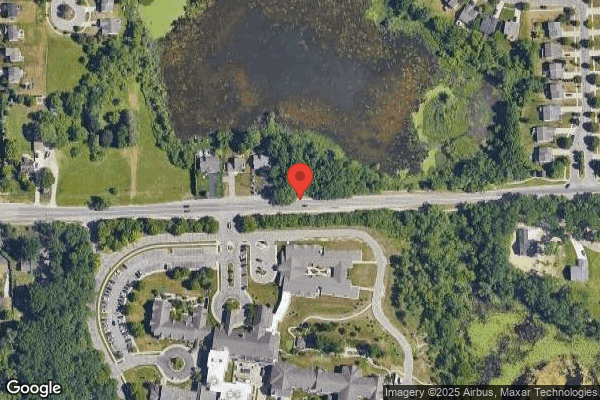
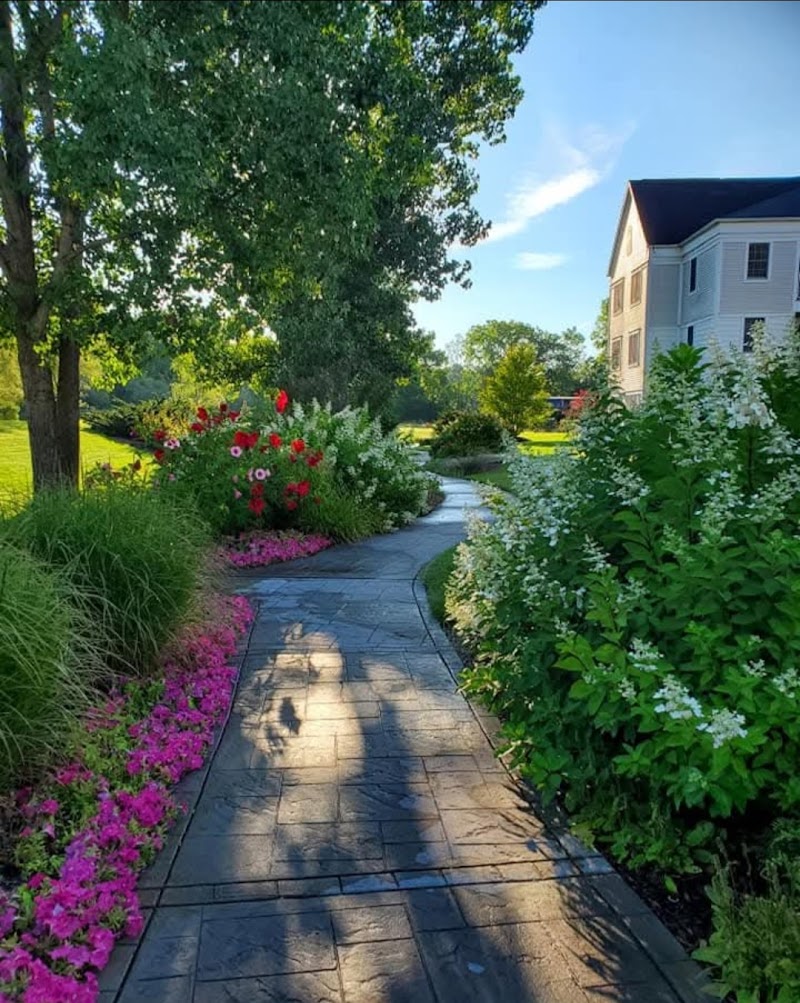
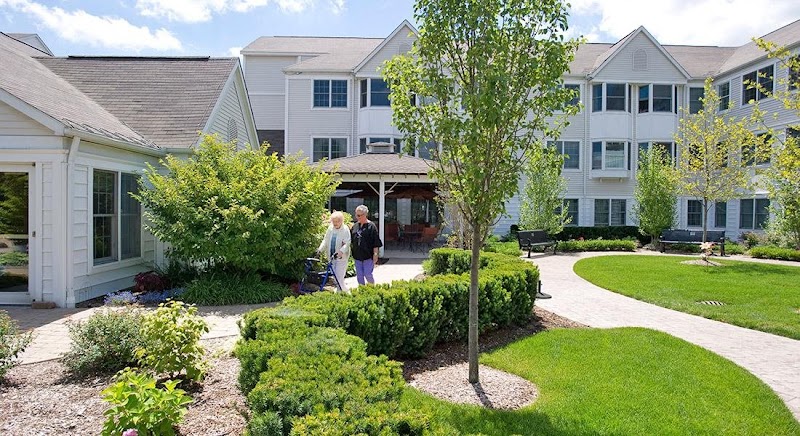
5601 Hatchery Road, Waterford, MI 48329 (248) 674-9292
For profit - Corporation 128 Beds THE ORCHARDS MICHIGAN Data: November 2025
Trust Grade
0/100
#415 of 422 in MI
Last Inspection: July 2025

Inspected within the last 6 months. Data reflects current conditions.

Overview

The Orchards at Canterbury on the Lake has received an F Trust Grade, indicating significant concerns about the quality of care, which is below average compared to other facilities. It ranks #415 out of 422 in Michigan, placing it in the bottom half of nursing homes in the state, and #39 out of 43 in Oakland County, meaning there are only a few local options that perform better. Although the trend shows improvement, with issues decreasing slightly from 29 in 2024 to 28 in 2025, the overall situation remains troubling. Staffing is rated 2 out of 5 stars with a turnover rate of 49%, which is average for Michigan, but this indicates that many staff members do not stay long enough to build strong relationships with residents. The facility has incurred concerning fines totaling $125,762, higher than 86% of Michigan facilities, which suggests repeated compliance problems. Furthermore, there are significant issues with care, including a serious incident where a resident developed an infected wound due to delays in treatment, and another case where a resident was physically and verbally abused by staff. Additionally, a resident with congestive heart failure experienced a critical lack of monitoring, leading to a significant health decline and eventual death. While the facility does have some strengths, such as a commitment to improving its care and a moderate staffing turnover, these serious deficiencies highlight the need for careful consideration by families researching options for their loved ones.
Trust Score
F
0/100
In Michigan
#415/422
Bottom 2%
Safety Record
High Risk
Review needed
Inspections
Getting Better
29 → 28 violations
Staff Stability
⚠ Watch
49% turnover. Above average. Higher turnover means staff may not know residents' routines.
Penalties
○ Average
$125,762 in fines. Higher than 72% of Michigan facilities. Some compliance issues.
Skilled Nurses
⚠ Watch
Each resident gets only 23 minutes of Registered Nurse (RN) attention daily — below average for Michigan. Fewer RN minutes means fewer trained eyes watching for problems.
Violations
⚠ Watch
74 deficiencies on record. Higher than average. Multiple issues found across inspections.
★☆☆☆☆
1.0
Overall Rating
★★☆☆☆
2.0
Staff Levels
★★★☆☆
3.0
Care Quality
★☆☆☆☆
1.0
Inspection Score
Stable
2024: 29 issues
2025: 28 issues

The Good

  • Full Sprinkler Coverage · Fire safety systems throughout facility
  • No fines on record

Facility shows strength in fire safety.

The Bad

1-Star Overall Rating

Below Michigan average (3.1)

Significant quality concerns identified by CMS

Staff Turnover: 49%

Near Michigan avg (46%)

Higher turnover may affect care consistency

Federal Fines: $125,762

Well above median ($33,413)

Significant penalties indicating serious issues

Chain: THE ORCHARDS MICHIGAN

Part of a multi-facility chain

Ask about local staffing decisions and management

The Ugly 74 deficiencies on record

6 actual harm
Jul 2025 23 deficiencies 1 Harm
SERIOUS (G) 📢 Someone Reported This

A family member, employee, or ombudsman was alarmed enough to file a formal complaint

Actual Harm - a resident was hurt due to facility failures

Quality of Care (Tag F0684)

A resident was harmed · This affected 1 resident

**NOTE- TERMS IN BRACKETS HAVE BEEN EDITED TO PROTECT CONFIDENTIALITY** This citation pertains to Intake Number MI001227212. This citation has two deficient practice statements (DPS). DPS #1 Based on ...

Read full inspector narrative →
**NOTE- TERMS IN BRACKETS HAVE BEEN EDITED TO PROTECT CONFIDENTIALITY** This citation pertains to Intake Number MI001227212. This citation has two deficient practice statements (DPS). DPS #1 Based on observation, interview, and record review, the facility failed to assess a new skin impairment and implement treatments in a timely manner and according to physician's orders for two (R55 and R49) of four reviewed for non-pressure skin impairments, resulting in a wound to R55's arm becoming infected with delayed healing. Findings include: R55 On 7/29/25 at 10:45 AM, R55 was observed in bed. A dressing dated 7/29/25 was observed on R55's right forearm. When queried about what happened to his arm, R55 stated, She burnt it. R55 appeared fully able to understand the questions being asked but had trouble finding words and explained that sometimes the words he wants to say, do not come out correctly or he could not say the word (aphasia). R55 explained the wound on his arm has been present for a long time and was not healing. On 7/30/25 at approximately 1:00 PM, R55 was observed eating lunch. A dressing dated 7/29/25 was observed on R55's right forearm. On 7/31/25 at 9:53 AM, R55 was observed lying in bed. R55's right forearm was observed with a discoloration approximately 3.8 centimeters in diameter with a raised center approximately 1.25 centimeters x 2.4 cm that had two small black scab-like areas with a skin bridge between the scabs. R55 was asked about the wound. R55 explained he was burned in therapy and said the therapist placed a device on his arm, walked away and was on her computer. R55 said it hurt really bad, and he felt pain shooting up his arm. A review of R55's clinical record revealed R55 was admitted into the facility on 2/11/25 with diagnoses that included: cerebral ischemia (stroke). A review of a Minimum Data Set (MDS) assessment dated [DATE] revealed R55 had intact cognition and was dependent on staff assistance for activities of daily living (ADLs) other than eating and required substantial/maximal assistance for bed mobility and transfers. R55 had one-sided impairment to his lower and upper extremities. The MDS noted R55 had a skin tear. A review of an admission MDS dated [DATE] revealed R55 did not have any skin impairments. A review of R55's Weekly Head-To-Toe Assessment (skin assessments) revealed the following: On 4/4/25, it was documented R55 had a scab discolored area to the right lower arm. The assessment was signed and locked on 5/23/25, 49 days later. On 4/8/25, a skin assessment was started, but was never completed, signed or locked and as of 7/30/25, it was in progress. There were no weekly skin assessments in the clinical record between 4/4/25 and 5/20/25. On 5/20/25, it was documented on a skin assessment that R55 had small size bruising on bilateral arms skin fragile and did not document any open areas. A review of a Physical Medicine and Rehabilitation (PM&R) progress note dated 4/7/25 revealed documentation that included, .4/7/25: .Per COTA (Certified Occupational Therapist Assistant), pt (patient) has been tolerating estim (electrical stimulation therapy), but on Friday she noted new skin issues following removal of the estim pads (electrodes) - nursing was notified and estim was removed from his tx (treatment) plan . A review of a (PM&R) progress note dated 4/16/25 revealed documentation that included, .4/7/25: Agree with d/c (discontinue) of estim due to skin intolerance following removal of the pads on 4/4. Discussed with DOR (Director of Rehab) to have the estim unit calibrated ASAP (as soon as possible) . Further review of R55's clinical record revealed no documentation of the new skin issues identified by the COTA after using the estim machine were assessed or evaluated by a nurse of medical provider other than the skin assessment dated [DATE] (locked on 5/23/25) that noted a scab and discoloration. A review of R55's Skin/Wound progress notes revealed the following: A note written on 5/19/25 documented, .Wound Rounds .Seen on wound rounds re (regarding) area on right arm .Seen (regarding) open ulcer to right posterior forearm. Patient states it started as a skin tear. Base with mix of granular tissue (new connective tissue that forms during wound healing) and yellow slough (necrotic tissue) with slightly raised darker discolored rim surrounding. Entire area 2 x 3 cm (centimeters). With erythema (redness), induration (thickening and hardening of the skin) and tenderness to touch. Mild serosanguinous (a mixture of clear, thin, watery drainage and blood). (Treat) with xeroform (a sterile occlusive petroleum-based wound dressing) and cover with bordered gauze. Change daily and PRN (as needed). Will start doxycycline (an antibiotic medication used to treat infection) .10 days for cellulitis (bacterial tissue/skin infection) . There was no documentation present in R55's clinical record that indicated any change to R55's right arm after it was noted in the PM&R notes that the resident had a skin impairment after use of the estim machine on 4/4/25 and the skin assessment dated [DATE] and locked on 5/23/25 that documented a scab and discoloration. A review of R55's Physician's Orders revealed an order dated 5/20/25 with a discontinue date of 6/9/25 to Cleanse forearm wound with NS (normal saline) and pat dry. Apply xeroform and cover with dry dressing. A review of R55's Medication Administration Record (MAR) and Treatment Administration Record (TAR) for May 2025 and June 2025 revealed the above order was not added to the MAR or TAR which would alert the nurse to administer the treatment and sign off when it was completed. Further review of R55's Physician's Orders revealed a new order dated 6/12/25 with a discontinue date of 6/30/25 to Cleanse right forearm wound with NS and pat dry. Apply xeroform and cover with foam dressing every day shift every Mon (Monday), Thu (Thursday) for wound care. A review of R55's MAR and TAR for June 2025 revealed the 6/12/25-6/30/25 physician's order was on the TAR. However, treatments were not administered (as evidenced by no nurse's signature) on 6/12/25, 6/16/25, and 6/19/25. The first treatment that was signed off as administered was on 6/23/25. It should be noted that according to the PM&R progress notes, the skin impairment was first identified during therapy on 4/4/25, approximately two and a half months earlier and after the wound was discovered to be infected, there was no wound treatment completed between 5/20/25 and 6/23/25, other than oral antibiotics. A review of R55's care plans revealed a care plan was initiated on 5/27/25 in regard to an actual impairment to skin integrity of the Right arm, r/t (related to) open ulcer, fragile skin, decreased mobility, right side weakness. It should be noted that the skin impairment to R55's right arm was first identified in therapy on 4/4/25.The interventions included encouraging R55 not to pick his skin, to avoid scratching, to turn and reposition, and observe for side effects of the antibiotics. There was no mention of the electrical stimulation machine. Further review of R55's clinical record revealed R55 was evaluated by the wound care provider on 7/14/25. A review of a Skin/Wound Note dated 7/14/25 revealed documentation that the area on R55's right forearm was resolved. The note documented the treatment was to be discontinued and the area left open to air. It should be noted that upon observation of R55 on 7/29/25, there was a dressing applied dated 7/29/25. A review of R55's Physician's Orders revealed the treatment to R55's arm was not discontinued as recommended by the wound provider and the TAR indicated nurses had completed treatment to the area on 7/14/25, 7/17/25, 7/21/25 and 7/28/25. On 7/30/25 at 1:30 PM, an interview was conducted with the Wound Nurse, Licensed Practical Nurse (LPN) 'Y'. When asked if an observation of R55's right arm could be conducted LPN 'Y' reported the treatment was discontinued and there was nothing there anymore. When queried about the dressing dated 7/29/25, LPN 'Y' said it was discontinued a couple weeks ago. At that time, LPN 'Y' instructed LPN 'Z' to remove the dressing on R55's arm and LPN 'Y' discontinued the treatment order without looking at R55's arm. An observation of R55's arm was conducted with LPN 'Z'. LPN 'Z' removed the dressing dated 7/29/25. A scant amount of brown drainage was observed on the dressing. R55's right arm was observed with a discolored area with two small open areas in the center. R55 attempted to explain what happened to his arm and repeated that she burned it. R55 explained there was a computer and he was burned and the wound has taken a long time to heal. On 7/31/25 at approximately 8:30 AM, further review of R55's clinical record revealed no progress note regarding the open areas present during the wound observation with LPN 'Z' on 7/30/25. On 7/31/25 at 9:17 AM, a follow-up interview was conducted with LPN 'Y'. When queried about what a resolved wound would look like, LPN 'Y' said there would be no drainage and no open area. The observations from 7/30/25 of drainage on the dressing and open areas on R55's arm was discussed. LPN 'Y' reported she was not notified by LPN 'Z' or anyone else about the skin impairment. When queried about what happened to R55's arm, LPN 'Y' said there were allegations that R55 was burned in therapy. LPN 'Y' further explained that R55 received electrical stimulation therapy and when the therapist removed the pads with the electrodes, R55 had a skin impairment that was not there prior to applying the pads. LPN 'Y further reported that R55 was adamant that he was burned during therapy. LPN 'Y' said she was contacted and she assessed the wound within the next day or two, but it was just a scab. When queried about how R55's arm would form a scab during the electrical stimulation treatment, LPN 'Y' reported that she questioned if he was burned. When queried about where LPN 'Y's assessment was documented, LPN 'Y' did not offer a response. (It should be noted that there was no documented assessment from LPN 'Y' in the clinical record on or around 4/4/25). LPN 'Y' reported they started treatments right away, the scab came off, the wound became an open area, and it was not resolved. LPN 'Y' said they were looking into whether it was skin cancer since the wound was not healing, but R55 did not wish to see a dermatologist. At that time, LPN 'Y' was asked to provide information about what interventions and treatment were put in place after the initial skin impairment was identified by the therapist. On 7/31/25 at 12:05 PM, an interview was conducted with COTA 'DD'. When queried about what happened with R55's right arm, COTA 'DD' reported back in April he received electrical stimulation therapy. COTA 'DD' did not see any skin integrity issues prior to applying the pads, but when she took them off he had skin integrity issues. When queried about what R55's skin looked like after the pads were removed, COTA 'DD' reported it looked like a scab, a dark area and R55 said he was fine. COTA 'DD explained she reported the skin integrity issue to the nurse, the Certified Nursing Assistant (CNA), and management and also documented it in her notes. A review of medical provider progress notes for R55 revealed R55 was seen by Nurse Practitioner (NP) 'EE' on 4/9/25 and 4/25/25. However, there was no documentation of any skin changes to R55's right arm. R55 was seen by NP 'EE' on 5/28/25. At that time, the wound to R55's right arm was documented, but he was already on antibiotics and the wound had already worsened. A review of a progress note written by Physician 'FF' on 7/2/25 revealed documentation that included, .Pt has skin lesion on his right upper extremity, open wound/open ulceration .stated that the wound had been there for a long period of time .he denies scratching it .The chronic nature of the wound make it suspicious for skin cancer .Other possibility wound be venous stasis ulcer . On 7/31/25 at 12:55pm, an interview was conducted with Physician 'FF' via the telephone. Physician 'FF' reported he was not informed that R55 reported being burned by the electrical stimulation machine and was not aware that treatment was not started for over two months, but that he would make the same recommendations that were documented in his progress note on 7/2/25. On 7/31/25 at 12:13 PM, LPN 'Y' followed up and reported no treatment was implemented on 4/4/25 because it was just a scab. LPN 'Y' said treatment was ordered on 5/20/25 when herself and the wound provider assessed the area and it had worsened. When queried about how a scab formed on intact skin on 4/4/25 within 15-20 minutes while receiving the electrical stimulation treatment, LPN 'Y' said it was more likely from the electrical stimulation machine and not a scab. When queried about whether anyone identified the area worsening prior to it being infected and requiring antibiotics, LPN 'Y' did not offer a response. LPN 'Y' reported she would look into it. A review of an incident report dated 4/4/25 completed by LPN 'C' revealed the following documentation, Writer was notified by CNA that resident had blisters on right arm. Upon assessment writer observed 2 scabbed discolored areas on resident right arm .Resident unable to explain to writer what happened . It was documented that the incident was not witnessed and the wound care nurse and NP were notified on 4/4/25. On 7/31/25 at 1:11 PM, an interview was conducted with LPN 'C'. When queried about the incident report regarding R55's arm on 4/4/25, LPN 'C' reported CNA 'CC' reported that R55 had blisters on his arm. LPN 'C' assessed R55 and explained they were not blisters; they were flat. LPN 'C' said they looked like old scabs and there was an indentation. According to LPN 'C', R55 did not know what happened. When queried about what was done after R55 was identified to have a new skin impairment, LPN 'C' said she notified LPN 'Y' and logged it for the doctor. LPN 'C' reported that she did not complete the incident report until much later (in May) when management asked her to complete one. LPN 'C' said she did not know she had to complete an incident report. When queried about whether she documented her assessment of R55's arm on 4/4/25 and she reported she did not. On 7/31/25 at 1:49pm, an interview was conducted with CNA 'CC'. When queried about the skin impairment she reported to LPN 'C' on 4/4/25, CNA 'CC' stated, It wasn't blistered or anything. It's hard to describe. It wasn't bruised. It just wasn't there before. There was one major area that really stuck out. CNA 'CC' said R55 said it happened at therapy and he was upset about it. CNA 'CC' said she told LPN 'C' but did not remember if she told her what R55 said. When queried about whether LPN 'C' assessed R55, CNA 'CC' said she thought she did, but did not remember. On 7/31/25 at 2:32 PM, LPN 'Y' followed up. At that time, R55's clinical record was reviewed and LPN 'Y' confirmed the treatment that was supposed to start on 5/20/25 was not on the MAR or TAR. LPN 'Y' also confirmed the order that was started on 6/12/25 had several missed treatments. LPN 'Y' reported she was unaware of that and it was not identified when the incident was investigated. On 7/31/25 at 3:40 PM, an interview was conducted with the DON. When queried about R55's going without treatment to the skin impairment to his right arm until 6/23/25, the DON reported she was unaware. When queried about whether the wound care coordinator was responsible to ensure treatments were implemented and administered according to physician's orders, the DON reported they were. R49 On 7/29/25 at 10:11 AM, R49 was observed in their room in their wheelchair. R49's right pant leg was pulled up to their knee and their right shin was observed to have tight, shiny, reddened skin with diffuse areas of blistering and serous drainage. On 7/29/2025 at 1:00 PM, R49 was observed in their wheelchair propelling towards the dining room. R49's right pant leg was again observed pulled up to their knee and their right shin continued to be observed with tight, shiny, reddened skin with diffuse blistering and serous drainage. On 7/29/25 at approximately 2:30 PM, a review of R49's physician orders was conducted and did not reveal any treatment orders for their right leg. On 7/30/2025 at 12:35 PM, R49 was observed in their wheelchair with their right pant leg pulled up to their knee. At that time, their right leg was observed to be wrapped in bulky gauze. On 7/30/2025 at 1:22 PM, a second review of R49's physician's orders was conducted and revealed an order dated 7/30/25 that indicated R49's right leg was to be cleansed with normal saline, covered in a large pad, and wrapped with bulky dressing. On 7/31/2025 at 2:53 PM, an interview was conducted with the facility's Director of Nursing, and they were asked when a treatment should be initiated after the identification of a wound or skin impairment. They indicated it should be implemented, Immediately. Deficient Practice #2 Based on observation, interview, and record review, the facility failed to ensure medications were pulled from the back-up medication supply and administered for one resident (R139), of three residents reviewed for medication administration, resulting in verbalized complaints, frustration, and the potential for complications from not receiving scheduled medications. Findings include: On 7/29/25 at 10:51 AM, R139 was observed in their room. They were asked about their stay in the facility and verbalized some concerns regarding their medications. They said they did not think they received all their cardiac medications prescribed after their discharge from the hospital when they first admitted to the facility and they were concerned about their cardiac condition. On 7/30/2025 at 12:02 PM, a review of R139's clinical record revealed they admitted to the facility on [DATE] with diagnoses that included: a heart attack, heart disease, high blood pressure, and presence of a heart bypass graft. R139's physician's orders and Medication Administration Record (MAR) were reviewed and revealed the following: An order for clopidigrel (a medication to prevent blood clots) 75 milligrams (mg) scheduled for 9 AM on 7/25/24 coded as a 9 (indicating the medication was held) with an accompanying progress note that read, New admission medication not available waiting for pharmacy to deliver. An order for Isosorbide Mononitrate (a medication for chest pain) 30 mg scheduled for 9 AM on 7/25/25 coded as a 9 with an accompanying progress note that read, New admission medication not available waiting for pharmacy to deliver. An order for Amiodarone (a medication for irregular heartbeat) 200 mg scheduled for 9 AM on 7/25/25 coded as a 9 with an accompanying progress note that read, New admission medication not available waiting for pharmacy to deliver. On 7/31/25 at 9:08 AM, a review of the facility's back-up medication supply was conducted and revealed the facility stocked Clopidigrel 75 mg, Isosorbide Mononitrate 30 mg, and Amiodarone 200 mg in their back-up medication supply. On 7/31/25 at a 2:53 PM, an interview was conducted with the facility's Director of Nursing, and they indicated the missed medications could have been pulled from the back-up medication supply for administration to R139. A review of a facility provided policy titled, Medication Administration and General Guidelines was reviewed; however, the policy did not address removing medications from the back-up medication supply for administration.
CONCERN (D) 📢 Someone Reported This

A family member, employee, or ombudsman was alarmed enough to file a formal complaint

Potential for Harm - no one hurt, but risky conditions existed

Resident Rights (Tag F0550)

Could have caused harm · This affected 1 resident

Based on observation, interview and record reviews the facility failed to ensure a dignified dining experience for one (R14) of one resident reviewed for dining, which had the ability to affect multip...

Read full inspector narrative →
Based on observation, interview and record reviews the facility failed to ensure a dignified dining experience for one (R14) of one resident reviewed for dining, which had the ability to affect multiple residents who dined in the second floor dining room. Findings include: On 7/29/25 at 11:50 AM, an observation of the second floor lunch meal was conducted in the dining room area. Initially, 16 residents were observed in the dining room waiting to be served. At 12:20 PM, the first tray was observed being served. Flies were observed flying around the dining room. The first, second, third, fourth and fifth table were observed to have been provided their lunch meals, with the exception of two residents at the second table and R14 from the third table. The two residents from the second table and R14 were observed with no lunch meals to have been provided. At 12:37 PM, the two residents from the second table was provided their meal. One resident was observed to require the assistance of staff to be fed. At 12:39 PM, R14 was observed looking down, while the rest of the residents at table three were almost completed and/or finished with their lunch. At 12:46 PM, R14 was served a bacon cheeseburger. On 7/30/25 at 2:43 PM, the Administrator and Director of Nursing (DON) were interviewed regarding the observations made of the lunch meal on the second floor on 7/29/25. The Administrator and DON stated they were informed of the observations. Education had been provided to the staff and they were hoping for a better experience moving forward.No further explanation or documentation was provided by the end of the survey.
CONCERN (D)

Potential for Harm - no one hurt, but risky conditions existed

Deficiency F0558 (Tag F0558)

Could have caused harm · This affected 1 resident

Based on observation, interview, and record review, the facility failed to ensure call lights were within reach for two residents (R#'s 49 and 20), of two residents reviewed for accommodation of needs...

Read full inspector narrative →
Based on observation, interview, and record review, the facility failed to ensure call lights were within reach for two residents (R#'s 49 and 20), of two residents reviewed for accommodation of needs, resulting in the potential for delayed attention to resident care needs. Findings include:On 7/29/25 at 10:11 AM, R49's room was observed with the right side of their bed against the wall. R49 was in their wheelchair on the left side of the bed and it appeared their foot was wedged between the wheelchair pedal and the bottom of the bed rails. R49 asked for assistance to have their foot unstuck from under the bed. They were asked to activate their call light for staff assistance, and said they did not have their call light. At that time, the call light was observed hanging down from the call light box on the right side of the bed against the wall, not within reach of R49. On 7/29/25 at 10:18 AM, R20's room was observed with the left side of the bed against the wall. R20 was in their wheelchair on the right side of the bed at the foot. An oxygen concentrator was placed on the right side of the bed at the head. At that time, R20 requested assistance to use the restroom. R20 was asked to activate the call light and said, I can't reach it. At that time, the call light was observed to be at the head of the bed clipped onto the bed linens behind the concentrator, approximately five foot away from R20's reach. On 7/29/25 at 10:19 AM, Nurse 'C' was made aware R20 requested assistance and their call light was out of their reach. Nurse 'C' said it should have been within reach and went to assist R20. A review of a facility provided policy titled, Call Light Policy was reviewed; however, the policy did not address ensuring call lights were kept within resident reach.
CONCERN (D)

Potential for Harm - no one hurt, but risky conditions existed

Deficiency F0578 (Tag F0578)

Could have caused harm · This affected 1 resident

**NOTE- TERMS IN BRACKETS HAVE BEEN EDITED TO PROTECT CONFIDENTIALITY** Based on observation, interview, and record review, the facility failed to ensure two (R55 and R30) of three residents reviewed ...

Read full inspector narrative →
**NOTE- TERMS IN BRACKETS HAVE BEEN EDITED TO PROTECT CONFIDENTIALITY** Based on observation, interview, and record review, the facility failed to ensure two (R55 and R30) of three residents reviewed for Advance Directives were educated and given the opportunity to formulate an advance directive for their health care wishes. Findings include:R55 On 7/29/25 at 10:45 AM, R55 was observed in bed. R55 had difficulty speaking at times, but appeared to clearly understand the questions being asked. At times, R55 had difficulty verbalizing a word, but explained he understood and knew what to say, but the words did not come out properly (aphasia). On 7/30/25 at 8:25 AM, R55 expressed concerns he had with the care in the facility. R55 said he got out of bed to go to therapy, but otherwise preferred to stay in his room. A review of R55's clinical record revealed R55 was admitted into the facility on 2/11/25 with diagnoses that included: cerebral ischemia (stroke). A review of a Minimum Data Set (MDS) assessment dated [DATE] revealed R55 had clear speech, with distinct intelligible words, mad himself understood, and had intact cognition. A review of R55's Physician's Orders revealed an order dated 2/11/25, discontinued on 2/23/25 for Full Code (all life-saving measures will be attempted if the heart stops beating or the person stops breathing) by default. An active order with a start date of 2/23/25 documented, Full Code. A review of a Code Status/'Do Not Resuscitate' Directive form revealed R55's signature and a family member's signature dated 211/25 that indicated R55 was a Full Code. A review of a SW (Social Work) Initial Assessment and Discharge Plan progress note dated 2/21/25 revealed documentation that included.able to make needs known .demonstrating moderate cognitive impairment .SW is working in conjunction with IDT (interdisciplinary team) to address cognition with a goal of improvement throughout stay and SW initiated formal Capacity (evaluation). Safety awareness and impulsivity seem to be intact and no concerns at this time .Referral for psych services is indicated at this time for a capacity (evaluation) .Social Work has reviewed Advance Directive and current code status which are appropriate at this time. Resident wishes for code status to remain FULL code . It should be noted that after review of R55's complete clinical record, there was no evidence of a documented Advance Directive. A review of a Physician/Psychologist Determination of Decision Making Capacity form indicated R55 Lacks the capacity to make informed medical decisions independently. The form was signed by a physician on 3/6/25 and a psychologist on 3/5/25. A review of a Social Services note dated 7/22/25, written by Social Services Coordinator (SSC) 'AA' revealed the following documentation, SW notified that resident is in need of establishing a guardian (a person appointed by a judge to make all decisions when the person is deemed incompetent to make their own decisions). SW contacted (guardianship company) to submit referral. (Guardianship company) accepted referral and needed information sent to facility attorney to begin guardianship petition. On 7/30/25 at approximately 1:15 PM, an interview was conducted with R55. When queried about whether anyone had a conversation with him about developing an advance directive that would designate someone to make decisions for him in the event he was unable to, R55 reported he was able to make his own decisions at that time, but (R55's son's name) was the person he designated to make decisions for him if he were unable to. R55 reported he had two other sons and referred to them by name, but clearly explained the first son he mentioned was the person who he wanted involved in his treatment decisions. When queried about any conversations the facility staff had with him regarding his code status or what his treatment wishes were in the event that his heart stopped beating, R55 reported nobody in the facility had a meaningful conversation with him about that. R55 said he did not think he would want to be resuscitated but wanted to have a conversation regarding it before making any definitive decision. On 7/30/25 at approximately 2:00 PM, an interview was conducted with SSC 'AA'. When queried about the social services department's responsibility in regard to discussing formulating advance directives with residents, SSC 'AA' reported advance directives were discussed at every care conference and/or quarterly and code status was also discussed with the resident or their legal representative. When queried about who was responsible to explain the residents' rights for decision making and for designating someone to make decisions on their behalf if they became unable to, SSC 'AA' stated, Anyone could talk to them about formulating an advance directive. When queried about who was permitted to make a decision regarding code status for a resident, SSC 'AA' reported a resident signed their own code status form if they were competent to do so, otherwise their Durable Power of Attorney for Heath Care (DPOA - a legal document that designates another person to make decisions on your behalf if you are unable to make your own decisions) or legal guardian would decide and sign the form. SSC 'AA' reported the DPOA became active only when a resident was deemed incapacitated. When queried about whether a resident would be included in any conversations about their treatment wishes even if they had a legal guardian or DPOA, SSC 'AA' reported it depended on whether the legal guardian wished for the resident to be included in the conversation. When queried about the facility's process for determining whether a resident was competent to make their own medical decisions, SSC 'AA' reported the resident was evaluated by a physician and psychologist who determined their competency. SSC 'AA' was asked to explain the process for obtaining a legal guardian for a resident who did not have a DPOA. SSC 'AA' reported it depended on whether the resident had family who were active in their care and if so, the facility would encourage family to file for guardianship. Otherwise, if family was not involved or did not wish to file for guardianship, the facility used their attorney to assist with filing for guardianship through the court. At that time, SSC 'AA' was asked if R55 made his own medical decisions. SSC 'AA' reported he did not and was deemed incapacitated to make medical decisions in March 2025. When queried about who made decisions for R55, SSC 'AA' reported R55 could still assist with decision making and one of R55's son's was active in his care, but Business Office Manager (BOM) 'BB' told SSC 'AA' R55 was in need of a legal guardian and they would utilize the facility's attorney to facilitate that process. When queried about the progress note that documented the facility contacted a guardianship company to facilitate pursuing guardianship for R55 and did not note anything about discussing guardianship with R55's family, SSC 'AA' reported R55's son was supposed to pursue guardianship and never did so they had to move on to the next step. When queried about whether R55 needed a legal guardian as he appeared able to clearly understand others and whether formulating an advance directive (DPOA) was discussed with R55 before going forward with legal guardianship, SSC 'A' reported once R55 was deemed unable to make medical decisions on 3/5/25, he was no longer able to designate a DPOA. SSC 'A' reported R55 did designate his son as his DPOA but the paperwork because null and void because R55 was already deemed incompetent. When queried about any discussion that was had with R55 and his family prior to moving forward with pursuing guardianship as documented on 7/22/25, SSC 'AA' reported the facility only had an umbrella discussion and said she was positive R55 would say he wanted his son (R55's son's name) to make decisions for him. SSC 'A' further reported the facility wanted to get legal guardianship for R55 because R55 needed assistance with completion of the Medicaid application and the son did not provide all the information. On 7/30/25 at 2:50 PM, an interview was conducted with the Administrator. When queried about the facility's protocol on assisting residents with formulating advance directives, the Administrator reported on admission, the social services staff interviewed the residents or if the resident was unable to be interviewed, they would talk to the responsible party or legal guardian. When queried about what was included in the discussion, the Administrator stated, They talk about whether they want to be a full code. The Administrator further explained that the resident was included in a discussion regarding appointing a decision maker if they became unable to make decisions on their own. If the resident was not about to make their own decisions, the facility would verify if they had a financial or medical decision maker in place and if not, legal guardianship would be explored. When queried about how it was determined that a resident was unable to make their own decisions, the Administrator reported it would be discussed by the IDT and then SW would facilitate a competency evaluation by a physician and psychologist. When queried about the facility's process when it was believed a resident needed a legal guardian, the Administrator reported they would first meet with the resident's family to discuss the need for guardianship and to see if the resident had a DPOA already in place. If the resident did not have a DPOA, then the family was strongly encouraged to file for legal guardianship. When queried about whether the resident could designate a DPOA at that time, if they were able to participate in the conversation, the Administrator reported if the facility physician and psychologist already deemed them incompetent to make decisions then they could not choose a DPOA. The Administrator reported all conversations regarding advance directives, guardianship, and steps taken were expected to be documented in the resident's clinical record At that time, the Administrator was asked about R55 and whether he was able to make his own decisions. The Administrator stated, He is about to make his own decisions. When queried about the progress note that documented the facility contacting a guardianship company and their attorney to file for legal guardianship, the Administrator stated, He owes us a lot of money. The Administrator reported the facility was trying to get R55 a conservator to handle the financial end of things. The Administrator reported R55's son was approached about getting documents in order to apply for Medicaid, but he did not get what they needed. The Administrator reported they were only trying to get help with the financial side of things and not medical. It should be noted that there was no documentation of the above in R55's clinical record. When queried about her comment that R55 was able to make his own decisions and why R55 was deemed incompetent, the Administrator reported R55 presented differently on admission, but although he had some challenges with verbal communication, he appeared to understand others. The Administrator explained R55's competency should have been reviewed. On 7/31/25 at 8:22 AM, an interview was conducted with R55's son. When queried about any conversations the facility had with him regarding advance directives or obtaining legal guardianship, R55's son said when R55 was admitted the facility talked to him about formulating DPOA paperwork. R55's son said R55 designated him as his DPOA in May 2025, and they had the paperwork developed which designated R55's son as his decision maker in the event he was unable to make decisions for himself. When queried about whether the paperwork was on file at the facility, R55's son said the facility said they no longer needed the DPOA paperwork. R55's son said about two months ago, BOM 'BB' talked to him about applying for Medicaid and requested financial documents which were provided via email. R55's son instructed BOM 'BB' to talk to R55 directly about any life insurance that he had. R55 did not hear anything since then. R55 reported the facility did not inform him of any plans to file for legal guardianship. On 7/31/25 at 9:06 AM, an interview was conducted with BOM 'BB' via the telephone. When queried about contacting SSC 'AA' in regards to R55 needing a legal guardian and what led to that decision, BOM 'BB' said it was determined R55 had to stay for long term care and therefore needed to apply for Medicaid. When queried about any conversation that was had with R55 and his son, BOM 'BB' reported R55's son was helping me to a point but at some point got frustrated with the financial documentation and said to ask (R55) .I asked (R55) and he looked at me bewildered (It should be noted that R55 has aphasia and needs time to process and formulate a response) . BOM 'BB' reported she told R55's son that she needed the paperwork. BOM 'BB' reported the facility needed a conservator in order to get the financial paperwork in order. Further review of R55's medical record revealed no documentation of only needing assistance with financial matters. A review of an undated policy provided by the facility titled, Advance Directives Policy, revealed, in part, the following, .A resident or a person claiming to responsible for a resident will be asked during the admission process if the resident has an Advance Directive .All Advance Directives .will be reviewed by the Admissions Department when received prior to or on admission. The Social Serivces Department upon admission and at least annually will review the advanced directives .If the advance directive document is found to be insufficient, the resident, responsible party and/or the party claiming to be a healthcare legal decision maker will be notified and the document will be placed on file and the medical record noted that the advance directive was not sufficient .Capacitated/Competent resident who wish to execute a DPOA-HC (Health Care) upon admission will be assisted by the Social Worker or Designee. Competent residents, who wish to execute a DPOA-HC after admission will be assisted by the Social Services Department .A competent resident must have the ability to understand and to communicate both the decision to execute a Durable Power of Attorney for Healthcare and/or a Resident Code Status and understand the effect of any of these documents. An individual's competence may vary from time to time, and even within the same day. Mental illness or a diagnosis of dementia alone, even having a legal guardian, does not necessarily mean that the resident is not 'of sound mind' or not 'competent' for the purposes of executing an Advance Directive . R30 On 7/29/25 at 11:17 AM, R30 was observed lying down on their back in bed. A brief interview was conducted with the resident at that time. A review of the medical record revealed R30 was admitted to the facility on [DATE] with diagnoses that included: hemiplegia and hemiparesis following cerebral infarction affecting left non-dominant side, dysphagia (difficulty speaking) and an anxiety disorder. A Minimum Data Set (MDS) assessment dated [DATE], documented a Brief Interview for Mental Status (BIMS) score of 13 (which indicated intact cognition). The resident was noted to be their own responsible party for all clinical and financial decisions. A review of the medical record revealed no documentation of the resident to have been educated and offered to formulate an advance directive. A review of a facility policy titled “Advance Directives Policy” dated “Nov.1991” documented in part, “… Regardless of previously executed Advance Directives, information on resident rights concerning Advance Directives will be provided to each competent adult resident by the Admissions Department at the time of resident admission, or by the Social Worker following admission and documented in the Social Services progress notes…” On 7/30/25 at 2:22 PM, the admission Coordinator (AC) “A” was interviewed and asked their role in educating and offering residents to formulate or decline to formulate an advance directive. AC “A” responded they completed the initial tours of the facility and admission documents with the residents and/or resident representatives and the social workers and nursing was responsible for the advance directives portion. On 7/31/25 at 8:34 AM, the Director of Social Work (DSW) “B” was interviewed and asked their role in the education and offering to residents and/or resident representatives to formulate an advance directive. DSW “B” responded they will talk to the residents/resident representatives and discuss code status. DSW “B” stated they ask if they have an advance directive and will note it in their progress notes and ensure the documents are scanned in the medical record. When asked if the residents/resident representatives don’t have an advance directive upon admission if the social workers are educating and offering the residents/resident representatives on advance directives, DSW “B” stated “… We don’t necessarily have this conversation with everyone…” When asked why not, DSW “B” stated most residents are admitted and discharged so fast in the facility. DSW “B” was asked to review the record of R30 and provide any documentation of the resident to have been educated and offered to formulate an advance directive. On 7/31/25 at 8:40 AM, the Director of Nursing (DON) was interviewed and asked the facility’s nursing role in the educating and offering to formulate and/or decline to formulate an advance directive for the residents. The DON stated the nurses would ask on admission if they have an advance directive but they don’t educate the residents/resident representatives. On 7/31/25 at 9:18 AM, DSW “B” followed up and stated they were unable to find documentation of R30 to have been educated or offered to formulate an advance directive. No additional information or documentation was provided by the end of the survey.
CONCERN (D) 📢 Someone Reported This

A family member, employee, or ombudsman was alarmed enough to file a formal complaint

Potential for Harm - no one hurt, but risky conditions existed

Safe Environment (Tag F0584)

Could have caused harm · This affected 1 resident

Based on observation, interview and record review, the facility failed to ensure resident equipment was maintained in good repair for one (R8) of three residents reviewed for a homelike environment. F...

Read full inspector narrative →
Based on observation, interview and record review, the facility failed to ensure resident equipment was maintained in good repair for one (R8) of three residents reviewed for a homelike environment. Findings include:On 7/29/25 at 10:50 AM, an interview was conducted with R8's Legal Guardian (LG) who was seated in a wheelchair next to the resident who was lying in bed. The wheelchair was observed to have a missing left armrest, and the wheels had no treads and were very worn. When asked about whether that had been provided by the facility or brought in from home, the LG reported that was provided by the facility. When asked how long the wheelchair had been in that condition and if anyone had identified a need to replace or repair the wheelchair, the LG reported the wheelchair had been a wreck for a while and no one from the facility had ever asked about it before.On 7/31/25 at 9:10 AM, an interview and observation of the third floor was conducted with the Maintenance Director (Staff ‘R') who has worked at the facility for about four years and in the Director role for about four months.When asked about the facility's process for reporting items that needed to be repaired or replaced, Maintenance Director reported staff usually placed outside their office with a note or verbally told them. When asked if the facility utilized an electronic reporting, they reported they did but most staff told them verbally.On 7/31/25 at 9:15 AM, Staff ‘R' confirmed the same observation of R8's wheelchair and reported they were not aware of that before now and would follow-up.Review of the documentation provided of the electronic reporting for items that needed maintenance and had already been addressed did not include R8's wheelchair.According to the facility's undated Standards of Practice titled, Equipment Repair or Replacement: .When a repair or replacement need is identified, the employee should enter the information into the TELs system (an electronic work order reporting system), which will communicate with the Maintenance staff .Log repairs into the TELs system.
CONCERN (D)

Potential for Harm - no one hurt, but risky conditions existed

Free from Abuse/Neglect (Tag F0600)

Could have caused harm · This affected 1 resident

Based on observations, interview and record review the facility failed to protect the resident's right to be free from neglect for one (R141) of five residents reviewed for abuse resulting in R141 bei...

Read full inspector narrative →
Based on observations, interview and record review the facility failed to protect the resident's right to be free from neglect for one (R141) of five residents reviewed for abuse resulting in R141 being left on a bedpan for four hours. Findings include: On 7/29/25 at 9:56 AM, R141 was observed lying in bed. R141 was asked about care at the facility. R141 explained a couple nights before he had to go to the bathroom during the night. the aide put him on a bedpan. she did not come back, he was on the bedpan for four hours, his bottom was hurting bad, his legs and heels still hurt from being on the bedpan that long. then when the aide finally came back, she took the bedpan to the bathroom, he thought she was going to clean him up, but she walked out of the room. he waited to see if she was going to get supplies, but she did not come back, so he pushed his call light again after about 15-20 minutes. the aide came back and asked what he needed, he asked if she was going to clean him up, she told him she had forgotten and would get the supplies. she never came back. the day shift aide was the one who finally cleaned him up. R141 was asked if he had told anyone at the facility about what happened. R141 explained he told the Social Worker about it the next day.Review of the clinical record revealed R141 was admitted into the facility on 7/26/25 with diagnoses that included: traumatic subdural hemorrhage, repeated falls and Parkinson's Disease. According to a Brief Interview for Mental Status (BIMS) exam dated 7/28/25, R141 scored 15/15 indicating intact cognition.Review of a Concern Form dated 7/28/25 for R141 read in part, .Resident stated call light was answered but task [sic] were not complete. Aide left him on bedside commode (commode was crossed out) bedpan for 2 hours, when taken off bedpan was not properly cleaned. 7/27/25. PM shift.On 7/30/25 at 4:35 PM, R141 was asked if he was placed on the bedpan on the afternoon shift or the midnight shift. R141 explained it was at 1:00 AM, and he was on it for four hours and then had to wait for the day shift to get cleaned up. On 7/31/25 at 8:56 AM, Certified Nursing Assistant (CNA) K was interviewed by phone and asked if she knew anything about R141 being on a bedpan on the night of 7/27/25. CNA K explained she had not worked on 7/27/25, but did have R141 on the midnight shift on 7/28/25 and R141 had told her about being left on the bedpan was very upset about it, and that his bottom and legs were still hurting.On 7/31/25 at 9:15 AM, CNA M, who was R141's assigned midnight shift CNA on 7/28/25, was called and a message left. No return call was received. It should be noted that on 7/31/25 at 10:40 AM, the Administrator emailed she had contacted CNA M to return the call, and on 7/31/25 at 12:57 PM, the Director of Nursing (DON) also contacted CNA M to return the call.On 7/31/25 at 12:01 PM, CNA L, who was R141's assigned day shift CNA on 7/28/25, was interviewed and asked if she knew anything about R141 being on a bedpan during the night. CNA L explained R141 was very upset, the midnight CNA had left him on the bedpan for four hours. she started to clean him up and could still see the ring around his bottom from the bedpan. there was dried feces on his skin she had to wash off. CNA L was asked who had been R141's midnight CNA. CNA L explained she had not received any report when she started her shift, so she did not know who it was.On 7/31/25 at 12:57 PM, the DON was interviewed and asked how long a resident should be left on a bedpan. The DON explained after putting a resident on a bedpan, privacy should be given, but they should be checked on in approximately five minutes. The DON was asked about R141 being left on a bedpan for four hours. The DON explained they had provided education to the CNA. The DON was asked to verify who the CNA was. The DON explained it was CNA L. The DON was asked if a resident should be cleaned up after using a bedpan. The DON explained it was expected that a resident was always cleaned after using a bedpan. On 7/31/25 at 2:00 PM, the Administrator was interviewed and asked if leaving a resident on a bedpan and not cleaning them up after taking them off could be considered neglect, the Administrator acknowledged the concern.Review of a facility policy titled, Abuse & Elder Justice Act Policy dated 1/18/24 read in part, .Neglect: means failure to provide goods and services necessary to avoid physical harm, mental anguish, or mental illness. (There is a presumption that neglect has occurred whenever a facility or individual fails to provide a treatment or services to a resident which is necessary for a resident's health or safety, and the failure to provide that treatment or service results in a deterioration of the resident's physical, mental, or emotional condition).
CONCERN (D)

Potential for Harm - no one hurt, but risky conditions existed

Deficiency F0602 (Tag F0602)

Could have caused harm · This affected 1 resident

**NOTE- TERMS IN BRACKETS HAVE BEEN EDITED TO PROTECT CONFIDENTIALITY** Based on observation, interview and record review the facility failed to protect a resident from exploitation for one (R124) of ...

Read full inspector narrative →
**NOTE- TERMS IN BRACKETS HAVE BEEN EDITED TO PROTECT CONFIDENTIALITY** Based on observation, interview and record review the facility failed to protect a resident from exploitation for one (R124) of five residents reviewed for abuse. Findings include: On 7/29/25 at 11:13 AM, R124 was observed sitting in a wheelchair in his room. R124 was asked if he was able to take himself to the bathroom. R124 explained he needed staff assistance.Review of the clinical record revealed R124 was admitted into the facility on 6/25/25 with diagnoses that included: metabolic encephalopathy, multiple fractures of ribs and diabetes. According to the Minimum Data Set (MDS) assessment dated [DATE], R124 had moderately impaired cognition.On 7/31/25 at 12:01 PM, Certified Nursing Assistant (CNA) L was interviewed about a concern with R124's roommate. During this interview, CNA L was asked if on the morning of 7/28/25 R124 and his bed were left wet. CNA L explained when she started her shift that morning, she had been given no report and both R124 and his roommate needed to be cleaned up. CNA L then explained she had taken a picture. CNA L proceeded to take out her personal phone and explained she had hundreds of pictures. CNA L produced a picture that showed a person sitting on a bed, the face was not visible, but the image was identifiable as R124. The picture showed the blue pad top of the fitted sheet, and the fitted sheet were wet. CNA L was asked why she had pictures of residents on her personal phone. CNA L explained she took the pictures so she could defend herself.On 7/31/25 at 2:30 PM, the Administrator was interviewed and asked if employees were allowed to take pictures of residents on their personal phones. The Administrator explained employees were not allowed to take pictures of residents, it was in their Employee Handbook, as well as in the Abuse Policy.Review of CNA L's employee file revealed documentation of CNA L receiving an Employee Handbook as well as a checklist of items in the Employee Handbook.
CONCERN (D)

Potential for Harm - no one hurt, but risky conditions existed

Deficiency F0605 (Tag F0605)

Could have caused harm · This affected 1 resident

**NOTE- TERMS IN BRACKETS HAVE BEEN EDITED TO PROTECT CONFIDENTIALITY** Based on interview and record review, the facility failed to ensure a stop-date for a PRN (as needed) order for anti-anxiety med...

Read full inspector narrative →
**NOTE- TERMS IN BRACKETS HAVE BEEN EDITED TO PROTECT CONFIDENTIALITY** Based on interview and record review, the facility failed to ensure a stop-date for a PRN (as needed) order for anti-anxiety medication for one resident (R120), of five residents reviewed for unnecessary medications. Findings include: On 7/31/2025 at 11:02 AM, a review of R120's clinical record revealed they most recently re-admitted to the facility on [DATE] with diagnoses that included: heart disease, protein calorie malnutrition, adjustment disorder, anxiety disorder, falls, delirium, depression, and dementia with behaviors. R120's physician orders were reviewed and revealed a current, active order originating 12/20/24 for Ativan 0.5 mg (milligrams) to be given every four hours as needed. It was noted the medication had been re-ordered on 3/13/25 and 6/9/25 with the same instructions, to be given every four hours as needed with no duration of time for use defined. A review of R120's monthly medication regimen review reports prepared by the facility's pharmacist and reviewed and signed by the attending physician was conducted and revealed the following: A report dated 1/28/25 that indicated R120's PRN Ativan (anti-anxiety medication) order should include a duration of time for use. The report was signed by the physician and a box was checked that read, Continue with the above (Ativan) PRN order for #30 days. Rationale: Hospice patient. A report dated 2/27/25 that indicated R120's PRN Ativan order should include a duration of time for use. The report was signed by the physician and box was checked that read, Continue with the above (Ativan) PRN order for #14 days. Rationale: Hospice and is in need d/t (due to) anxiety. A report dated 3/29/25 that indicated R120's PRN Ativan order should include a duration of time for use. The report was signed by the physician and box was checked that read, Continue with the above (Ativan) PRN order for #14 days. Rationale: Hospice patient, Benefit > Risk. On 7/31/25 at 11:27 AM and 1:00 PM, a request for monthly medication regimen reviews for 4/28/25 and 5/21/25 was made. On 7/31/25 at 3:35 PM, an interview was conducted with the facility's Director of Nursing. They said they could not find the monthly medication regimen reviews for April and May. During the interview it was brought to their attention that in January, February, and March the Pharmacist recommended a duration of use for the Ativan, the Physician put a duration of time for use on the form, but the order had never been changed and still as of the survey remained the original order (dated 12/20/24) for the medication to be given every four hours as needed. They said if the physician signed the form and put a duration of time for use, the physician would be the one responsible for changing the order in the computer system. A review of a facility provided policy titled, Drug Regimen Review was conducted; however, the policy did not address changing the orders based on the Pharmacist's recommendation and the Physician's response to the recommendation.
CONCERN (D) 📢 Someone Reported This

A family member, employee, or ombudsman was alarmed enough to file a formal complaint

Potential for Harm - no one hurt, but risky conditions existed

Report Alleged Abuse (Tag F0609)

Could have caused harm · This affected 1 resident

**NOTE- TERMS IN BRACKETS HAVE BEEN EDITED TO PROTECT CONFIDENTIALITY** This citation pertains to intake #1227216 Based on interview and record review the facility failed to report an allegation of ne...

Read full inspector narrative →
**NOTE- TERMS IN BRACKETS HAVE BEEN EDITED TO PROTECT CONFIDENTIALITY** This citation pertains to intake #1227216 Based on interview and record review the facility failed to report an allegation of neglect and an injury of unknown origin to the State Agency for two residents (R138 and R141) of five residents reviewed for abuse, neglect and mistreatment. Findings include: On 7/29/25 a complaint that was submitted to the State Agency was reviewed that alleged R138 had a head wound from an unknown origin. On 7/29/25 the medical record for R138 was reviewed and revealed the following: R138 was initially admitted to the facility on [DATE] and had diagnoses including Dementia and Brief Psychotic disorder and was discharged to the hospital on 6/16/25. A review of R138’s MDS (minimum data set) with an ARD (assessment reference date) of 6/5/25 revealed R138 needed supervision from facility staff with most of their activities of daily living. A review of R138's progress notes revealed the following: 6/14/2025- Noted new skin issue observed by CNA (Certified Nursing Assistant). Resident observed with discoloration to forehead. Tx (treatment) order noted in place and provided. Noted notification of MD (Medical Doctor), wound care and family. 6/13/2025- Physician Progress Notes- Date: 6/13/2025 .CHIEF COMPLAINT .PRESENT ILLNESS WITH ASSESSMENT AND PLAN: .evaluated at the bedside on June 13, 2025 overall comfortable with no acute distress. Patient later in the day according to the staff and per imaging noted to have infection burn on his forehead. Patient according to the staff did not sustain a fall. Otherwise with no fever or chills .Patient with history of advanced dementia and behavioral disturbances with frequent falls requires frequent redirection and safety measures. According to the staff he did not have a fall at this event we will monitor any changes Patient to continue on current supportive care .Monitor for any bleed with friction rub around his forehead and above his left eyebrow. 6/13/2025- Nurses Note- Writer alerted by CNA that resident had red discoloration to his forehead. Residents skin was assessed. Nurse caring for resident made aware, MD notified, Wife notified. Logged for Wound care. Treatment ordered for TAO (triple antibiotic ointment) daily for one week. A review of the MIFRI (Michigan reporting system) revealed no submitted investigation for R138's wound/burn on their forehead as indicated by the Physican on 6/13/25 was present in the system. On 7/30/2025 at approximately 2:08 p.m., during a conversation with the Director of Nursing (DON), the DON was queried regarding R138's forehead wound/burn documented by the Physican on 6/13/25 and they reported that they were never made aware of it but would have to check their documentation to see if any investigations had been completed. On 7/30/2025 at approximately 2:37 p.m., the facility Administrator and DON were queried regarding R138's wound/burn on their forehead. The Administrator indicated they were never made aware of the injury and no investigation or reporting to the State Agency was done due to them not being aware. The DON was queried if they knew how R138's sustained a wound/burn on their forehead and they reported the injury origin was unknown. The Administrator was queried if they should have been made aware of the injury if its origin was unknown, and they indicated that they should have, and they would have started their process for reporting and investigating an injury of unknown origin. On 7/30/25 a facility document pertaining titled Abuse and Elder Justice Act Policy was reviewed and revealed the following: Component 7: Reporting/Response The facility shall: a. Immediately report (within 24 hours) to the State of Michigan b. Report all alleged violations and all substantiated incidents to the state agency and to all other agencies as required and take all necessary corrective actions depending on the results of the investigation On 7/29/25 at 9:56 AM, R141 was observed lying in bed. R141 was asked about care at the facility. R141 explained a couple nights before he had to go to the bathroom during the night… the aide put him on a bedpan at 1:00 AM… she did not come back, he was on the bedpan for four hours, his bottom was hurting bad, his legs and heels still hurt from being on the bedpan that long… then when the aide finally came back, she took the bedpan to the bathroom, he thought she was going to clean him up, but she walked out of the room… he waited to see if she was going to get supplies, but she did not come back, so he pushed his call light again after about 15-20 minutes… the aide came back and asked what he needed, he asked if she was going to clean him up, she told him she had forgotten and would get the supplies… she never came back… the day shift aide was the one who finally clean him up. R141 was asked if he had told anyone at the facility about what happened. R141 explained he told the Social Worker about it the next day. Review of the clinical record revealed R141 was admitted into the facility on 7/26/25 with diagnoses that included: traumatic subdural hemorrhage, repeated falls and Parkinson’s Disease. According to a Brief Interview for Mental Status (BIMS) exam dated 7/28/25, R141 scored 15/15 indicating intact cognition. Review of a “Concern Form” dated 7/28/25 for R141 read in part, “…Resident stated call light was answered but task [sic] were not complete. Aide left him on bedside commode (commode was crossed out) bedpan for 2 hours, when taken off bedpan was not properly cleaned… 7/27/25… PM shift…” On 7/31/25 at 12:57 PM, the DON was interviewed and asked how long a resident should be left on a bedpan. The DON explained after putting a resident on a bedpan, privacy should be given, but they should be checked on in approximately five minutes. The DON was asked if a resident should be cleaned up after using a bedpan. The DON explained it was expected that a resident was always cleaned after using a bedpan. When asked if leaving a resident on a bedpan for four hours and not cleaning them up could be considered neglect, the DON acknowledged the concern. On 7/31/25 at 2:00 PM, the Administrator was interviewed and asked if she had reported to the SA that R141 had been left on a bedpan for four hours and not cleaned up after until the next shift. The Administrator explained she had not, but when put like that, she should have.
CONCERN (D) 📢 Someone Reported This

A family member, employee, or ombudsman was alarmed enough to file a formal complaint

Potential for Harm - no one hurt, but risky conditions existed

Investigate Abuse (Tag F0610)

Could have caused harm · This affected 1 resident

**NOTE- TERMS IN BRACKETS HAVE BEEN EDITED TO PROTECT CONFIDENTIALITY** This citation pertains to intake #1227216Based on interview and record review the facility failed to complete and document a tho...

Read full inspector narrative →
**NOTE- TERMS IN BRACKETS HAVE BEEN EDITED TO PROTECT CONFIDENTIALITY** This citation pertains to intake #1227216Based on interview and record review the facility failed to complete and document a thorough investigation into an injury of unknown origin for one resident (R138) of five residents reviewed for abuse/neglect/mistreatment. Findings include: On 7/29/25 a complaint that was submitted to the State Agency was reviewed that alleged R138 had a head wound from an unknown origin. On 7/29/25 the medical record for R138 was reviewed and revealed the following: R138 was initially admitted to the facility on [DATE] and had diagnoses including Dementia and Brief Psychotic disorder and was discharged to the hospital on 6/16/25. A review of R138's MDS (minimum data set) with an ARD (assessment reference date) of 6/5/25 revealed R138 needed supervision from facility staff with most of their activities of daily living. A review of R138's progress notes revealed the following: 6/14/2025- Noted new skin issue observed by CNA (Certified Nursing Assistant). Resident observed with discoloration to forehead. Tx (treatment) order noted in place and provided. Noted notification of MD (Medical Doctor), wound care and family.6/13/2025- Physician Progress Notes-Date: 6/13/2025 .CHIEF COMPLAINT .PRESENT ILLNESS WITH ASSESSMENT AND PLAN: .evaluated at the bedside on June 13, 2025 overall comfortable with no acute distress. Patient later in the day according to the staff and per imaging noted to have infection burn on his forehead. Patient according to the staff did not sustain a fall. Otherwise with no fever or chills .Patient with history of advanced dementia and behavioral disturbances with frequent falls requires frequent redirection and safety measures. According to the staff he did not have a fall at this event we will monitor any changes Patient to continue on current supportive care .Monitor for any bleed with friction rub around his forehead and above his left eyebrow.6/13/2025-Nurses Note-Writer alerted by CNA that resident had red discoloration to his forehead. Residents skin was assessed. Nurse caring for resident made aware, MD notified, Wife notified. Logged for Wound care. Treatment ordered for TAO (triple antibiotic ointment) daily for one week.A review of the MIFRI (Michigan reporting system) revealed no submitted investigation for R138's laceration/burn on their forehead as indicated by the Physican on 6/13/25 was present in the system. On 7/30/2025 at approximately 2:08 p.m., during a conversation with the Director of Nursing (DON), the DON was queried regarding R138's forehead laceration/burn documented by the Physican on 6/13/25 and they reported that they were never made aware of it but would have to check their documentation to see if any investigations had been completed.On 7/30/2025 at approximately 2:37 p.m., the facility Administrator and DON were queried regarding R138's laceration/burn on their forehead. The Administrator indicated they were never made aware of the injury and no investigation or reporting to the State Agency was done due to them not being aware. The DON was queried if they knew how R138's sustained a laceration/burn on their forehead and they reported the injury origin was unknown. The Administrator was queried if they should have been made aware of the injury if its origin was unknown, and they indicated that they should have, and they would have started their process for reporting and investigating an injury of unknown origin. On 7/30/25 a facility document titled Abuse and Elder Justice Act Policy was reviewed and revealed the following: Component 5: Investigation .1. The facility will identify and investigate all situations or incidents in which a resident may have suffered abuse including physical or other harm for reasons which are unknown, unclear or not adequately explained. The facility shall use the investigation guide and algorithm provided by Licensing and Regulatory Affairs (Rev. 02/13-251826). The Facility shall: b. Interview and/or obtain a statement from person reporting the allegation or suspicion of abuse; c. Interview and/or obtain a statement from the resident or victim; d. Interview and/or obtain a statement from the alleged perpetrator; e. Interview and/or obtain a statement(s) from potential witnesses as determined by the scope of the investigation; f. Review the resident's medical record for relevant information (diagnosis, history, similar injuries, etc.); g. Review materials and complete investigation; and h. Conduct a root cause analysis
CONCERN (D)

Potential for Harm - no one hurt, but risky conditions existed

Assessment Accuracy (Tag F0641)

Could have caused harm · This affected 1 resident

**NOTE- TERMS IN BRACKETS HAVE BEEN EDITED TO PROTECT CONFIDENTIALITY** Based on interview, and record review, the facility failed to ensure a Minimum Data Set (MDS) Assessments was completed accurate...

Read full inspector narrative →
**NOTE- TERMS IN BRACKETS HAVE BEEN EDITED TO PROTECT CONFIDENTIALITY** Based on interview, and record review, the facility failed to ensure a Minimum Data Set (MDS) Assessments was completed accurately for one (R120) of three reviewed for the resident assessment task. Findings include:On 7/29/25 at 10:05 AM, R120 was observed lying in bed and a visitor was conducting a clinical assessment. Upon exit from the room, the visitor reported they were a Hospice Nurse (Nurse ‘U') as R120 was on their services.Review of the clinical record revealed R120 was initially admitted into the facility on 6/24/24 and readmitted on [DATE] with diagnoses that included: atherosclerotic heart disease of native coronary artery without angina pectoris, moderate protein-calorie malnutrition, paroxysmal atrial fibrillation, and encounter for palliative care.Review of the physician orders revealed R12 had signed onto hospice services on 11/14/24 and as this review, remained on hospice.Review of the Minimum Data Set (MDS) assessments included a significant change MDS assessment dated [DATE] and quarterly MDS assessment dated [DATE] which identified section O0110 K1. Hospice Care as Yes. However, the quarterly MDS assessment dated [DATE] was documented as No. for this assessment question.On 7/30/25 at 8:35 AM, an interview was conducted with the Director of Nursing (DON). When asked about the MDS roles in the facility, they reported Nurse ‘V' was the MDS Coordinator and Nurse ‘W' was an MDS Nurse. When informed of the concern with inaccurate MDS assessment for a resident on hospice, the DON reported Nurse ‘W' was unavailable during this survey due to a vacation and they would have to address that with the MDS staff.On 7/31/25 at 1:09 PM, the facility was requested to provide a policy addressing MDS accuracy.On 7/31/25 at 1:42 PM, the Administrator reported they don't have an MDS Accuracy policy, the referred to the RAI (Resident Assessment Instrument) Manual.According to the Long-Term Care Facility Resident Assessment Instrument (RAI) 3.0 User's Manual. Link to the LTCF RAI User's Manual: https://www.cms.gov/files/document/finalmds-30-rai-manual-v1191october2024.pdf: .an accurate assessment requires collecting information from multiple sources .Those sources must include the resident and direct care staff on all shifts, and should also include the resident's medical record, physician .
CONCERN (D)

Potential for Harm - no one hurt, but risky conditions existed

Comprehensive Care Plan (Tag F0656)

Could have caused harm · This affected 1 resident

**NOTE- TERMS IN BRACKETS HAVE BEEN EDITED TO PROTECT CONFIDENTIALITY** Based on observation, interview and record review the facility failed to ensure a comprehensive resident centered care plan was ...

Read full inspector narrative →
**NOTE- TERMS IN BRACKETS HAVE BEEN EDITED TO PROTECT CONFIDENTIALITY** Based on observation, interview and record review the facility failed to ensure a comprehensive resident centered care plan was developed and implemented for an anxiety disorder for one (R30) of five residents reviewed for unnecessary medications. Findings include: On 7/29/25 at 11:17 AM, R30 was observed lying down on their back in bed. A brief interview was conducted with the resident at that time. A review of the medical record revealed R30 was admitted to the facility on [DATE] with diagnoses that included an anxiety disorderA review of R30's physician orders revealed . Alprazolam oral tablet 0.5 mg (milligram). Give 1 tablet by mouth every 8 hours as needed for anxiety or panic related to anxiety disorder. A review of the care plans revealed no documentation of a care plan implemented for the resident's anxiety disorder or interventions to help the resident manage their anxiety before the use of medication. On 7/30/25 at 2:19 PM, the Director of Nursing (DON) was interviewed and asked who responsibility it was to implement the comprehensive resident centered care plan regarding R30's anxiety disorder. The DON replied it was a team approach and they were unaware that R30 did not have an anxiety care plan implemented. No further explanation or documentation was provided by the end of the survey.
CONCERN (D) 📢 Someone Reported This

A family member, employee, or ombudsman was alarmed enough to file a formal complaint

Potential for Harm - no one hurt, but risky conditions existed

ADL Care (Tag F0677)

Could have caused harm · This affected 1 resident

**NOTE- TERMS IN BRACKETS HAVE BEEN EDITED TO PROTECT CONFIDENTIALITY** This citation pertains to intake #1227212Based on observation, interview, record review the facility failed to consistently prov...

Read full inspector narrative →
**NOTE- TERMS IN BRACKETS HAVE BEEN EDITED TO PROTECT CONFIDENTIALITY** This citation pertains to intake #1227212Based on observation, interview, record review the facility failed to consistently provide bathing assistance/services for one (R63) of seven residents reviewed for Activities of Daily Living (ADL). Findings include: On 7/29/25 at 11:59 AM, R63 was observed sitting in their wheelchair in the dining room. When asked, R63 explained they were supposed to get showers twice a week on Tuesdays and Fridays, however stated the staff had only been giving them a shower once a week. R63 stated last week they did not receive their Tuesday shower and today (Tuesday 7/29/25) they were supposed to receive a shower and had not. R63 stated they were unsure if they would receive their shower later in the day. On 7/30/25 at 1:36 PM, R63 was observed sitting in their wheelchair in their room. When asked if they received their Tuesday 7/29/25 shower, R63 replied . No, I had to gather what I could. and try to do a sponge bath in my bathroom. At this time, a record review was completed and identified an aide to have documented that they completed R63's shower on 7/29/25. R63 was asked about the documented shower on 7/29/25 and replied that it was untrue. The resident went on to state that no staff member had attempted to assist, transfer or helped them with a shower on 7/29/25. A review of the medical record revealed R63 was admitted to the facility on [DATE] with diagnoses that included: cerebral infarction and type 2 diabetes mellitus. R63 was documented to have intact cognition. A review of a care plan titled . has an ADL Self Care Performance Deficit. documented the following interventions . PERSONAL HYGIENE: Supervision. Promote dignity by ensuring privacy. Provide the resident with a sponge bath when a full bath or shower cannot be tolerated, if resident chooses. Will be showered 2x weekly.A review of R63's Shower / Bathe documentation noted a Tuesday and Friday morning shower to be performed. The dates of 7/22/25 and 7/29/25 was documented as the staff to have provided Physical help in part of bathing activity.On 7/30/25 at 3:03 PM, the Director of Nursing (DON) was interviewed and asked how often the residents at the facility are bathed and the DON confirmed twice weekly. The interviews with R63 and the bathing documentation was reviewed and discussed with the DON. The DON stated the Unit Manager had made them aware that R63 had not received their showers as assigned and aware that the aides had been documenting that the showers were completed, although they were not. The DON stated they were following up with the aides to see why the showers were not done. No additional explanation or documentation was provided by the end of the survey.
CONCERN (D) 📢 Someone Reported This

A family member, employee, or ombudsman was alarmed enough to file a formal complaint

Potential for Harm - no one hurt, but risky conditions existed

Accident Prevention (Tag F0689)

Could have caused harm · This affected 1 resident

**NOTE- TERMS IN BRACKETS HAVE BEEN EDITED TO PROTECT CONFIDENTIALITY** Based on observation, interview and record review the facility failed to ensure bed mobility was performed in a safe manner for ...

Read full inspector narrative →
**NOTE- TERMS IN BRACKETS HAVE BEEN EDITED TO PROTECT CONFIDENTIALITY** Based on observation, interview and record review the facility failed to ensure bed mobility was performed in a safe manner for one (R105) of three residents reviewed for accidents. Findings include: On 7/29/25 at 10:14 AM, R105 was observed lying in her bed. R105 was asked about care at the facility. R105 explained the day before, a Certified Nursing Assistant (CNA) had rolled her over in the bed not realizing the bed was away from the wall, she fell between the bed and the wall and hurt her foot. this was the second time they had taken x-rays of her foot because it was still hurting. R105's bed was observed to have the right side of the bed against the wall. R105 was asked if her bed was always in that position. R105 explained since the call light was located on the wall, staff were always moving her bed away from the wall so they could turn the light off and neither her nor the CNA had realized it was away from the wall when the CNA rolled her over, she just rolled off the bed.Review of the clinical record revealed R105 was admitted into the facility on 5/21/25 with diagnoses that included: heart disease, kidney disease and diabetes. According to the Minimum Data Set (MDS) assessment dated [DATE], R105 had intact cognition. The MDS assessment also indicated R105 required the partial/moderate assistance of staff for bed mobility.Review of R105's progress notes revealed an incident note dated 7/25/25 at 6:30 AM by Licensed Practical Nurse (LPN) P that read in part, Resident was observed between bed and wall. With leg bent under her. Resident stated the cna was doing check and changes when they wwent [sic] to turn her to her right side she rolled between the bed and wall and her leg ended up folded under her stated it never happened before and she nor the cna noticed the bed wasnt [sic] all the way to the wall.On 7/31/25 at 8:54 AM, CNA O was contacted by phone and a voice mail was left. No return call was made prior to the end of the survey.On 7/31/25 at 9:11 AM, R105 was observed sitting in a wheelchair in her room. R105 was asked if she had fallen all the way to the floor, or if she was trapped between the bed and the wall. R105 explained she fell to the floor, her leg was bent underneath her until they moved the bed away and got her up.On 7/31/25 at 11:22 AM, LPN P was interviewed by phone and asked what happened on 7/28/25 with R105. LPN P explained she was working in a different hall when CNA O came and told her R105 had fallen out of bed. was very surprised to hear she had fallen, she was a very safe person. went and talked to R105 who told her while getting changed she rolled towards the wall and fell out of the bed. LPN P was asked if she had seen R105 on the floor. LPN P explained LPN Q had already taken R105's vitals and helped her back into bed before she got there. LPN P was asked if CNA O had told her about what happened. LPN P explained CNA O never told her what really happened, R105 had told her.On 7/31/25 at 12:57 PM, the Director of Nursing (DON) was interviewed and asked about R105's fall. The DON explained CNA O had rolled R105 away from her and R105 fell out of the bed. The DON was asked if a resident should be rolled away or toward a person. The DON explained if there is only one staff member, a resident should never be rolled away from them, they should always roll a resident toward themself.On 7/31/25 at 1:43 PM, LPN Q was interviewed by phone and asked about R105's fall on 7/28/25. LPN Q explained he was in that hall when CNA O came and got him and said R105 fell and was on the floor. he was surprised she had fallen. she was sitting on the floor when he walked in. he took her vitals and did range of motion (ROM) then helped her back into the bed. LPN Q was asked if CNA O had told him what had happened. LPN Q explained she had only told him R105 had fallen, not how she fell.Review of a facility policy titled, Fall Management Guidelines undated read in part, .The presence or absence of a resultant injury is not a factor in the definition of a fall. A fall without injury is still a fall.
CONCERN (D)

Potential for Harm - no one hurt, but risky conditions existed

Drug Regimen Review (Tag F0756)

Could have caused harm · This affected 1 resident

**NOTE- TERMS IN BRACKETS HAVE BEEN EDITED TO PROTECT CONFIDENTIALITY** Based on observation, interview and record reviews the facility failed to ensure timely reviewal of the pharmacist recommendatio...

Read full inspector narrative →
**NOTE- TERMS IN BRACKETS HAVE BEEN EDITED TO PROTECT CONFIDENTIALITY** Based on observation, interview and record reviews the facility failed to ensure timely reviewal of the pharmacist recommendations, physician review/documented response of the pharmacist recommendations, maintain documentation of the pharmacist recommendations in the medical record and establish and implement a facility policy for drug regimen reviews for two (R's 30 & 121) of five residents reviewed for unnecessary medications. Findings include: R30On 7/29/25 at 11:17 AM, R30 was observed lying down on their back in bed. A brief interview was conducted with the resident at that time. A review of the medical record revealed R30 was admitted to the facility on [DATE] with diagnoses that included: hemiplegia and hemiparesis following cerebral infarction affecting left non-dominant side, dysphagia (difficulty speaking) and an anxiety disorder. A review of the medication regime review completed by the facility's pharmacist consultant revealed irregularities noted on the 5/3/25, 5/20/25 & 6/29/25 reviews. The recommendation was the same repeated recommendation for 5/3/25, 5/20/25 and 6/29/25. The recommendation documented in part . Medium Priority. Resident continues multiple orders that do not have a medical diagnosis associated with it. Please consider assessing all orders and aligning a proper diagnosis, especially psych meds - olanzapine + Bupropion. The Director of Nursing (DON) noted the medications to be discontinued as of 7/3/25. Review of the medical record revealed no documentation of the physician to have reviewed or to have been informed of the repetitive recommendation prior to 7/3/25. R121A review of the medical record revealed R121 was admitted to the facility on [DATE] with diagnoses that included: dementia, bipolar disorder, anxiety disorder and adjustment disorder. A review of the medication regime review completed by the facility's pharmacist consultant revealed on 11/27/24 and 5/21/25 the pharmacist noted See report for any noted irregularities and/or recommendations.A review of the medical record revealed no documentation and/or reports of the pharmacist recommendations for 11/27/24 and 5/21/25. On 7/30/25 at 3:27 PM, the Director of Nursing (DON) was asked to provide the pharmacist reports for 11/27/24 and 5/21/25. A second request was made to the DON and Administrator on 7/31/25 at 8:59 AM. On 7/31/25 at 9:10 AM, the DON stated they were unable to locate the reports for R121 for the dates of 11/27/24 and 5/21/25. The DON was asked to provide the facility's policy regarding medication regime reviews. The DON stated the facility did not have a policy and they were awaiting for the pharmacy consultant to send over their policy. A review of the policy sent by the pharmacy consultant documented in part . The Consultant Pharmacist reviews the medication regimen of each resident at least monthly, Findings and recommendations are reported to the Administrator, Director of Nursing, the Primary Physician and the Medical Director, where appropriate. Facility responsibility: to establish policies and procedures that address response timeframes for monthly DRR (drug regimen review) and procedures the pharmacist should take if immediate action is required. A written report is provided to the physician within seven working days or according to the facility's policy. The Consultant Pharmacist documents all potential or actual significant nursing documentation problems found relating to medications and communicates them in writing to the Director of Nursing.No further explanation or documentation was provided by the end of the survey.
CONCERN (D)

Potential for Harm - no one hurt, but risky conditions existed

Medical Records (Tag F0842)

Could have caused harm · This affected 1 resident

**NOTE- TERMS IN BRACKETS HAVE BEEN EDITED TO PROTECT CONFIDENTIALITY** Based on interview and record review, the facility failed to maintain complete and accurate medical records for one (R96) of one...

Read full inspector narrative →
**NOTE- TERMS IN BRACKETS HAVE BEEN EDITED TO PROTECT CONFIDENTIALITY** Based on interview and record review, the facility failed to maintain complete and accurate medical records for one (R96) of one residents reviewed for medical records. Findings include: On 7/29/25 at 10:11 AM, R96 was observed lying in her bed. R96's Family Member (FM) GG was also in the room and explained due to R96's aphasia (language disorder that affects communication) she was trying to get a Power of Attorney (POA) because her lawyer had told her not to get Guardianship because R96 was not incompetent.Review of the clinical record revealed R96 was admitted into the facility on 7/9/25 with diagnoses that included: stroke, aphasia and heart disease. According to the Minimum Data Set (MDS) assessment dated [DATE], R96 had severely impaired cognition.Review of R96's progress notes revealed a Social Services note dated 7/19/25 at 8:45 AM by Social Services (SS) N that read in part, An admission assessment was completed with a reference date of 7/14/25. The resident is A&Ox3 (alert and orientated times 3 - person, place and time) and completed a cognitive assessment with a BIMS (Brief Interview for Mental Status) score of 6/15, indicating severely impaired cognition. Resident has been deemed incompetent by a court of law and has a public legal guardian.Further review of R96's clinical record revealed R96 was responsible for herself both medically and financially. There were no guardianship documents found.On 7/30/25 at 3:44 PM, SS N was interviewed and asked if R96 had a guardian. SS N explained R96 did not have a guardian; however, FM GG was in the process of getting POA for R96. SS N was asked about the progress note she wrote on 7/19/25. Upon reading the progress note, SS N explained she did not write that note, R96 did not have a guardian. When asked who did write that specific note, as it was documented in her name, SS N explained she really did not know who had written the note. SS N was asked if she shared her computer with anyone else. SS N explained she did not.On 7/30/25 at 4:15 PM, the Administrator was asked about R96's progress note dated 7/19/25 by SS N that indicated R96 had a guardian. The Administrator explained R96 did not have a guardian. The Administrator was informed SS N insisted she did not write that progress note, even thought it was e-signed with her name. The Administrator explained she did not know who else could have written that note because it was e-signed by SS N.Review of a facility policy titled, Medical Records Management revised 10/2012 read in part, .Medical records must be complete, accurately documented, readily accessible, systematically organized, and maintained in a safe and secure environment.
CONCERN (D)

Potential for Harm - no one hurt, but risky conditions existed

Deficiency F0847 (Tag F0847)

Could have caused harm · This affected 1 resident

Based on interview and record review the facility failed to ensure facility staff had a clear understanding of the Binding Arbitration agreement and residents received a clear explanation of the agree...

Read full inspector narrative →
Based on interview and record review the facility failed to ensure facility staff had a clear understanding of the Binding Arbitration agreement and residents received a clear explanation of the agreement prior to signing a legal document for two (R84 and R80) of three residents reviewed for the Arbitration Task. Findings include: During the entrance conference the facility explained a Binding Arbitration agreement was offered to all residents admitted into the facility. The facility provided a list of residents that had agreed to the Binding Arbitration agreement that included R84 and R80.Review of the facility's document titled, Agreement To Resolve Legal Disputes Through Arbitration undated read in part, .Any legal controversy, dispute, disagreement or claim of any kind now existing or occurring in the future between the parties arising out of or in any way relating to this Arbitration Agreement or the Resident's stay. shall be settled by binding arbitration. THIS ARBITRATION AGREEMENT WAIVES THEIR RIGHT TO A TRIAL IN COURT AND A TRIAL BY A JURY FOR ANY LEGAL CLAIMS THEY MAY HAVE AGAINST THE FACILITY. Resident, Representative. has the right to cancel this Arbitration Agreement by notifying. in writing. the notice must be post marked within thirty (30) days.On 7/31/2025 at 12:55 PM, the admission Coordinator (AC) A was interviewed and asked if she was the person who offered the Binding Arbitration agreement to residents. AC A explained she was the one responsible for going over the admission contract and the Binding Arbitration agreement was part of the admission contract. AC A was asked how she explained Binding Arbitration to residents. AC A explained she read the agreement to them and let them know if they want to have a trial before a Judge or [NAME] they must submit in writing that they want to rescind from the agreement. When asked if she tells the resident they can only rescind to the agreement in the first 30 days, AC A explained she did not. AC A was asked if she told them by signing the agreement, they can not have a Judge and [NAME] trial, they must go to arbitration. AC A' explained she would not tell them that.R84A review of R84's clinical record revealed the Agreement To Resolve Legal Disputes Through Arbitration document contained no date or who the Resident or Representative was/were. On the line for the signature, Verbal Consent was written.On 7/30/25 at 2:35 PM, R84 was interviewed and asked about signing a Binding Arbitration agreement. R84 explained he did not know what that was. When informed of what a Binding Arbitration agreement entails, R84 explained he did not remember being told that.A further review of the clinical record revealed R84 was admitted into the facility on 7/5/25 with diagnoses that included: heart disease, kidney disease and sepsis. According to the Minimum Data Set (MDS) assessment, R84 was cognitively intactR80A review of R80's clinical record revealed the Agreement To Resolve Legal Disputes Through Arbitration document that was dated 7/8/25 and the Resident was R80. It was signed by R80.On 7/30/25 at 2:40 PM, R80 was interviewed and asked about signing a Binding Arbitration agreement. R80 explained she did not know what that was. When informed of what a Binding Arbitration agreement entails, R80 explained she would not have signed it if she knew she could not go to court if she wanted.A further review of the clinical record revealed R80 was admitted into the facility on 7/8/25 with diagnoses that included: wedge compression fracture of vertebra, heart disease and kidney disease. According to the MDS assessment, R80 was cognitively intact.On 7/31/25 at 12:47 PM, the Administrator was interviewed and informed of the concern with how the Binding Arbitration agreement was being explained to residents. The Administrator acknowledged the concern.
CONCERN (E)

Potential for Harm - no one hurt, but risky conditions existed

Deficiency F0761 (Tag F0761)

Could have caused harm · This affected multiple residents

**NOTE- TERMS IN BRACKETS HAVE BEEN EDITED TO PROTECT CONFIDENTIALITY** Based on observation, interview and record review, the facility failed to ensure safe and appropriate storage for three medicati...

Read full inspector narrative →
**NOTE- TERMS IN BRACKETS HAVE BEEN EDITED TO PROTECT CONFIDENTIALITY** Based on observation, interview and record review, the facility failed to ensure safe and appropriate storage for three medication (med) carts and one medication (med) storage room of four med carts and two med storage rooms that were reviewed for medication storage and labeling. Findings include:On [DATE] at approximately 12:43 p.m., a medication cart on the second floor (med cart one) was reviewed with Nurse Z and revealed an insulin kwickpen that had an opened date of [DATE] with an expiration date of [DATE]. Nurse Z was interviewed pertaining to the expired insulin pen and they reported they would have to discard it due to it being past the expiration date. On [DATE] at approximately 12:49 p.m., Medication cart 3 (med cart 3) was reviewed with Nurse HH on second floor. An opened vial of multidose insulin was observed to have an expiration date of [DATE]. Nurse HH was interviewed pertaining to the expired insulin vial and reported it would have to be thrown away and a new one had to be opened. On [DATE] at approximately 1:03 p.m., the medication cart located on the third floor was reviewed with Nurse II. The cart was observed to have dust located in the bottom of the drawer along with multiple opened bottles of supplements that contained dried, sticky residues on their tops/sides along with sticky handles. Nurse II was interviewed regarding the sticky residues on the bottles, and the dust particles in the drawer and the reported that the carts should be cleaned out each day. On [DATE] at approximately 2:48 p.m., the medication storage room on the third floor was reviewed which contained an opened bottle of liquid pain relief that had an expiration date of 06/25. On [DATE] at approximately 3:02 p.m., Nurse II was shown the bottle of liquid pain relief with the expiration date of 06/25 and they indicated they would have to throw it away. On [DATE] a facility document titled Medication Storage in the Facility was reviewed and revealed the following: Medications and biologicals are stored safely, securely, and properly following manufacturer's recommendations or those of the supplier. The medication supply is accessible only to license nursing personnel, pharmacy personnel, or staff members lawfully authorized to administer medications .13. Outdated, contaminated, or deteriorated medications and those in containers that are cracked, soiled, or without secure closures are immediately removed from stock, disposed of according to the procedures for medication destruction, and reordered from the pharmacy, if a current order exits. 14. Medication storage areas are kept clean, well lit, and free of clutter .
CONCERN (E) 📢 Someone Reported This

A family member, employee, or ombudsman was alarmed enough to file a formal complaint

Potential for Harm - no one hurt, but risky conditions existed

Infection Control (Tag F0880)

Could have caused harm · This affected multiple residents

Based on observation, interview and record reviews the facility failed to ensure infection control standards, practices and protocols were followed consistently, failed to ensure an effective infectio...

Read full inspector narrative →
Based on observation, interview and record reviews the facility failed to ensure infection control standards, practices and protocols were followed consistently, failed to ensure an effective infection control surveillance program and failed to follow the county's health department guidance regarding the monitoring of legionella that included seven (R's 57, 5, 34, 142, 143, 63 & 144) of seven residents reviewed. Findings include: On 7/30/25 at 8:35 AM, observation of a medication administration for a resident in Contact Precautions revealed Licensed Practical Nurse (LPN) “F” was observed to put on an isolation gown, a simple mask and put on gloves from an isolation cart outside a room. LPN “F” entered the room, took the residents’ vitals, then walked back out of the room to stand at the medication cart in the hallway. LPN “F” then prepared the residents’ medications continuing to wear the same isolation gown and simple mask. After exiting the room, for the second time with the same gown and mask, LPN “F” removed the gown, mask and gloves and washed her hands. LPN “F” was asked about keeping the gown and mask on after exiting the room after she took the vitals. LPN “F” explained she thought since it was right outside of the room, she could keep the gown on. On 7/31/25 at 8:38 AM, IP “T” was interviewed and asked if staff could keep an isolation gown on after being in a Contact Precaution room. IP “T” explained all personal protection equipment (PPE) should be removed before leaving a Contact Precaution room, it should never be taken outside a room. Review of a facility policy titled, “Transmission Precautions: Contact” undated read in part, “…In addition to Standard Precautions, Contact Precautions are used for residents known or suspected to be infected or colonized with epidemiologically important microorganisms that can be transmitted by direct contact with the resident, or indirect contact (touching) with environmental surfaces or resident care items in the resident’s environment…” A review of a letter attached to an email sent to the facility’s Administrator by the county’s Epidemiologist dated 3/14/25, documented in part “… Re: Legionellosis Investigation… One healthcare-associated case who resided at your facility during their incubation period in 2023. Several positive sampling locations in the case’s path, combined with a review of medical records, implicate your facility as the likely exposure location for this case… After initial results identified multiple legionella-positive sampling sites… These results are routinely positive for legionella bacteria at a majority of sampling locations, in both swab and bulk sample types…” On 7/31/25 at 11:52 AM, a telephone interview was conducted with the County’s Epidemiologist (CE) “X”. The above letter was discussed and CE “X” was asked if the facility was provided guidance clinically to follow to ensure the safety of the facility’s residents. CE “X” stated the facility’s Administration team was provided the following guidance, “… We have not been made aware of a case with an exposure at the facility in well over six months, but we recommended the enhanced testing because of environmental sampling results… Clinical symptoms of pneumonia may vary but must include acute onset of lower respiratory illness with fever and/or cough. Additional symptoms could include myalgia, shortness of breath, headache, malaise, chest discomfort, confusion, nausea, diarrhea, or abdominal pain…” CE “X” documented in part “… Note that this definition includes a fever or cough. Including only fever would not meet our recommendation. A review of the facility’s Infection Surveillance Program revealed multiple residents that met the requirements for the enhanced legionella testing, which was not identified or conducted by the facility staff. A small sample was identified to establish a pattern of the facility’s deficient practices. A review of the “Infection Control Line Listing” revealed the following: January 2025- documented- shortness of breath and cough for R63. February 2025- documented cough and congestion for R’s 143 and 142. May 2025- documented shortness of breath and cough for R144. June 2025- documented cough, shortness of breath and pain for R5. July 2025- documented cough and positive for pneumonia for R34. A review of R57’s progress note dated 6/30/25 at 3:02 PM, documented in part “levofloxacin Oral Tablet… Give 500mg by mouth one time a day for pneumonia for 7 days…” This was not identified and/or recorded on June 2025 infection surveillance log. Further review of the Infection Surveillance Program and resident medical records revealed enhanced testing for legionella was not performed for residents that met the criteria provided by the County’s health department. This indicated the facility failed to follow the guidance of the County’s health department and failed to ensure an effective Infection Control Surveillance Program. On 7/31/25 at approximately 11:11 AM, the Infection Preventionist (IP) “T” and Director of Nursing (DON) was interviewed and asked about their collaborative plan with the health department in monitoring the residents for legionella. The DON stated they did not have communication with the health department. The DON stated the Administration team at the facility implemented a criteria to test any resident with a fever of 102 degrees or above. On 7/31/25 at 1:49 PM, the IP “T”, DON and Administrator was interviewed together and the guidance provided by the County’s Epidemiologist was discussed. IP “T”, the DON and Administrator was asked why the facility was not following the County’s Epidemiologist guidance clinically for residents that exhibited signs and symptoms noted on the guidance from the health department. An explanation was not provided. No additional information or documentation was provided by the end of the survey.
CONCERN (E)

Potential for Harm - no one hurt, but risky conditions existed

Antibiotic Stewardship (Tag F0881)

Could have caused harm · This affected multiple residents

**NOTE- TERMS IN BRACKETS HAVE BEEN EDITED TO PROTECT CONFIDENTIALITY** Based on interview and record reviews the facility failed to ensure an effective system to monitor antibiotic use in the facilit...

Read full inspector narrative →
**NOTE- TERMS IN BRACKETS HAVE BEEN EDITED TO PROTECT CONFIDENTIALITY** Based on interview and record reviews the facility failed to ensure an effective system to monitor antibiotic use in the facility for four (R's 145, 14, 8 & 126) of four residents reviewed. Findings include:A review of the facility's Infection Control Logs and the monitoring of antibiotics revealed multiple residents identified to have potentially been prescribed an unnecessary antibiotic. A small sample was identified for review: April 2025- 4/20/25- R8 confusion, urgency, freq (frequency). Incont (incontinence). + dipstick UA (urinalysis). Macrobid.A review of a Nursing note dated 4/2025 at 5:59 PM, documented in part . writer observed resident with confusion. vitals are within normal limits. collected UA by straight cath. positive for leukocytes. Called on call and was given an order to start resident on Macrobid 100mg two times a day for 5 days. Sample was collected at 5:40 PM and placed in the 1st floor refrigerator.The medical record did not identify urgency, frequency or incontinence of urine. Further review of the medical record revealed no documentation of results from a urinalysis or sensitivity and urine culture. May 2025-5/23/25- R126 urgency, freq, incont. + UA.Review of R126's medical record revealed no identification or documentation of the resident to have urgency, frequent and incontinence of urine. Further review of the medical record revealed no results of a culture and sensitivity test to have been conducted. June 2025-Upon admission [DATE]) R145 was documented to have been prescribed metronidazole. There was no documentation of the antibiotic to have been reviewed for appropriateness. July 2025-7/29/25- R14 was prescribed Macrobid 100mg twice a day for 5 days for an asymptomatic urinary tract infection (uti). A review of the medical record revealed no identification or documentation of signs or symptoms of a uti.Review of the Infection control logs and resident medical records revealed no documentation of the review of appropriateness of the antibiotics prescribed to the above residents. On 7/31/25 at approximately 11:11 AM, the Director of Nursing (DON) and Infection Preventionist (IP) T was interviewed and asked about the oversight of antibiotic use in the facility and the reviewal of appropriateness of the antibiotics prescribed. The IP T explained they were newly hired into the role of the IP. IP T stated they would input the data for the resident into the computerized McGeer checklist to see if it met criteria. IP T stated they would review referrals, labs, and results. When asked if they consulted with the Physician regarding the appropriateness (risks/benefits) of the antibiotic usage, IP T stated they were not. The DON and IP T was asked about the review of the appropriateness of antibiotics prescribed to R's 8, 126, 145 and 14. The DON and IP T stated they would look into it and follow back up. At approximately 1:52 PM, the DON and IP T returned and stated they were discussing the appropriateness of the antibiotic for R14. No further explanation or documentation was provided by the end of the survey.
CONCERN (F)

Potential for Harm - no one hurt, but risky conditions existed

Food Safety (Tag F0812)

Could have caused harm · This affected most or all residents

Based on observation, interview, and record review, the facility failed to prepare food in accordance with professional standards for food service safety. This deficient practice has the potential to ...

Read full inspector narrative →
Based on observation, interview, and record review, the facility failed to prepare food in accordance with professional standards for food service safety. This deficient practice has the potential to result in food borne illness among all residents that consume food from the kitchen. Findings include: On 7/29/25 during an initial observation of the kitchen between 8:40 AM-9:30 AM, the following items were observed: There was a wet wiping rag lying on the counter and not stored inside the sanitizer bucket. Food Service Manager JJ confirmed the rag should be stored inside the sanitizer solution. According to the 2022 FDA Food Code section 3-304.14 Wiping Cloths, Use Limitation, .(B) Cloths in-use for wiping counters and other equipment surfaces shall be: (1) Held between uses in a chemical sanitizer solution at a concentration specified under S 4-501.114; The vent grates on the vent hood were observed with a buildup of grease and debris. Food Service Manager JJ stated the vent hood is cleaned quarterly.According to the 2022 FDA Food Code section 4-602.13 Nonfood-Contact Surface, Nonfood-contact surfaces of equipment shall be cleaned at a frequency necessary to preclude accumulation of soil residues.The interior of the microwave was soiled with dried on food debris.The ice machine filters were observed to be dusty, and the top exterior of the ice machine was observed with a thick lime scale. In addition, the flooring underneath the ice machine was observed to be wet with a black, slimy film.According to the 2022 FDA Food Code section 4-601.11 Equipment, Food-Contact Surfaces, Nonfood-Contact Surfaces, and Utensils, .(C) Nonfood-contact surfaces of equipment shall be kept free of an accumulation of dust, dirt, food residue, and other debris.The Atmospheric Vacuum Breaker near the hose sprayer in the dish machine room was observed to be missing the top cap.According to the 2022 FDA Food Code section 5-205.15 System Maintained in Good Repair, A plumbing system shall be: (A) Repaired according to law; P and(B) Maintained in good repair.On 7/29/25 at 9:45 AM, the 1st floor resident refrigerator was observed with the following undated items: An Arby's roast beef sandwich, a container of soup, a container of chicken, a bag of chopped salad, a plastic bag with a container of fish and a bowl of soup, 5 containers of various food items labeled with a resident's name but no date, 3 containers of various food items that were undated, 2 food containers dated 7/2/25. When queried, Food Service Manager JJ confirmed all items should be dated. In addition to the undated food items, the interior of the resident refrigerator was observed to be soiled with spills and dried on food debris. In the Hoshizaki cooler located in the 1st floor kitchenette, there was an opened, undated container of thick and easy liquid (the manufacturer's label stated to use by 4 days after opening). On 7/29/25 at 10:00 AM, in the 2nd floor kitchenette Hoshizaki cooler, there was an opened, undated container of ready care thickened dairy drink. According to the undated facility policy Safe Storage & Handling of Outside Food, Any food which is not going to be consumed immediately must be covered and labeled with the resident's name, and date the food was brought into the facility .All food that is stored in the refrigerator and not consumed within 3 days will be discarded by facility staff daily.
CONCERN (F)

Potential for Harm - no one hurt, but risky conditions existed

Deficiency F0865 (Tag F0865)

Could have caused harm · This affected most or all residents

Based on observation, interview and record review the facility Quality Assurance and Quality Improvement (QAPI) program failed to identify and implement plans to address systemic issues regarding Infe...

Read full inspector narrative →
Based on observation, interview and record review the facility Quality Assurance and Quality Improvement (QAPI) program failed to identify and implement plans to address systemic issues regarding Infection Control and Pest Control which had the ability to affect the health, safety and quality of life for all residents who resided in the facility. Findings include: A recertification survey was conducted 7/29/25 through 7/31/25 and systemic concerns were identified in Infection Control and Pest Control.On 7/31/25 at 3:16 PM, a meeting was held with the Administrator to discuss the priority and ongoing issues that the Quality Assurance (QA) committee had identified and were working on to improve the facility. The Administrator explained areas of concern the QA committee were currently working on; however, Infection Control and Pest Control were not identified as areas of concern. The Administrator was asked about the lack of infection surveillance for legionella and failure to follow the county's health department guidance. The Administrator was informed that throughout the survey, observations of flying insects were made on all three floors residents resided on, and that the most recent pest control documentation was from 3/17/25. The Administrator acknowledged the concerns, and explained neither issue had a current QAPI plan. Review of a facility policy titled, Quality Assurance Performance Improvement Procedure Manual undated read in part, .QAPI committee responsibilities include identifying and responding to quality deficiencies throughout the facility, and oversight of the facility'[s QAPI program. The committee must develop and implement corrective action and monitor those actions to ensure performance goals or benchmarks are achieved. It also determines what performance measures will be monitored, the schedule or frequency for monitoring this data, identified opportunities for improvement and prioritizes issues by their size of impact.
CONCERN (F) 📢 Someone Reported This

A family member, employee, or ombudsman was alarmed enough to file a formal complaint

Potential for Harm - no one hurt, but risky conditions existed

Deficiency F0925 (Tag F0925)

Could have caused harm · This affected most or all residents

Based on observation, interview, and record review, the facility failed to ensure an effective pest control program by eliminating harborage conditions and provision of routine and/or as needed pest c...

Read full inspector narrative →
Based on observation, interview, and record review, the facility failed to ensure an effective pest control program by eliminating harborage conditions and provision of routine and/or as needed pest control which had the potential to affect all residents (including R8) in the facility. Findings include:Observations during the recertification survey from 7/29/25 - 7/31/25 revealed flying insects were observed in multiple locations including the conference room (utilized by residents, visitors, and staff), throughout the hallways and resident rooms on first, second, and third floors, and in the resident dining areas on the second and third floor.The facility's main elevator was observed from 7/29/25 - 7/31/25 to have multiple dead insects inside the elevator's ceiling light cover.Additionally, just prior to the start of this survey, a resident was identified with maggots in a wound.On 7/29/25 at 10:10 AM, observation of the third floor dining room revealed five tables that had meal trays with uncovered food items. Additionally there was a small pushcart that contained several meal trays with uncovered food items. Flying insects were observed throughout the dining room and kitchenette area.On 7/29/25 at 10:50 AM, an interview was conducted with R8's Legal Guardian (LG) who was seated in a wheelchair next to the resident who was lying in bed. Throughout this interview there were several flying insects observed throughout the resident's room. When asked about the flying insects, the LG confirmed the same observation and reported when they complained about it a while ago, one of the nurses gave them this (pointed to a small red apple container on the resident's bedside dresser which was a vinegar gnat bait). When asked if anyone had been back to check the trap, the LG reported no one had followed up and they further reported they thought the problem was the staff let the food sit out too long in the rooms and dining room before they clear it.On 7/29/25 at 11:38 AM, the facility was requested to provide pest control logs since January 2025.Review of pest control documentation provided by the Administrator revealed the most recent visit was on 3/17/25 which did not include any specific details of findings. The documentation labelled April 2025 was actually from April 2024 and 2023. There was no documentation that routine pest control had been provided since March 2025.On 7/31/25 at 8:32 AM, the facility was requested to provide any additional documentation since March 2025 and informed the April documentation was from 2024 and to confirm if that was accurate.On 7/31/25 at 8:39 AM, the Administrator reported they would follow-up.On 7/31/25 at 9:10 AM, an interview and observation of the third floor was conducted with the Maintenance Director (Staff ‘R') who reported they worked at the facility for about four years and in the Director role for about four months.When asked about the facility's pest control, they reported they weren't responsible for that, but if staff saw anything, they might call them or put it in a work order. They were not aware of any staff concerns regarding flies and gnats.On 7/31/25 at 9:15 AM, while walking throughout the facility from the first floor to the third floor, multiple flying insects were observed throughout the hallways.When asked about R8's room, Staff ‘R' reported they were not aware the vinegar bait had been given to them. When asked if they were made aware of any concerns with flying insects, they reported they were not. When asked who was responsible for monitoring the facility's pest control, Staff ‘R' reported they weren't sure, but it was not them.On 7/31/25 at 1:30 PM, the Administrator reported the pest control contact had not returned their call as of now. When asked if they had any documentation of staff reporting concerns with flying insects, they reported they didn't have any formal documentation. There was no further documentation of pest control provided by the end of the survey.According to the facility's Standards of Practice (SOP) titled, Pest Control dated March 2019: .It is the policy of this facility to maintain an effective pest control program that eradicates and contains common household pests and rodents .Effective pest control program is defined as measures to eradicate and contain common household pests (e.g., bed bugs, lice, roaches, ants, mosquitos, flies, mice and rats) .Facility will maintain a report system of issues that may arise in between scheduled visits with the outside pest service and treat as indicated .According to the 2022 FDA Food Code section 6-501.111 Controlling Pests, The PREMISES shall be maintained free of insects, rodents, and other pests. The presence of insects, rodents, and other pests shall be controlled to eliminate their presence on the PREMISES by: 4. (D) Eliminating harborage conditions.
May 2025 1 deficiency
CONCERN (D) 📢 Someone Reported This

A family member, employee, or ombudsman was alarmed enough to file a formal complaint

Potential for Harm - no one hurt, but risky conditions existed

Grievances (Tag F0585)

Could have caused harm · This affected 1 resident

This citation pertains to intake #MI00152409. Based on interview and record review the facility failed to address grievances for one resident, (R702) of two residents reviewed for grievances, resulti...

Read full inspector narrative →
This citation pertains to intake #MI00152409. Based on interview and record review the facility failed to address grievances for one resident, (R702) of two residents reviewed for grievances, resulting in verbalized frustrations with quality of care. Findings include: A complaint received by the State Agency alleged the facility failed to address multiple instances of resident/family grievances. On 5/15/25 at 12:58 PM, a review of a facility provided investigation file was conducted. The file contained a typed document prepared by Social Worker 'A' that read, During my phone call with (R702's family member) some concerns were expressed .(R702's family member) stated that during her visit yesterday (R702's) nurse was rude and she got into a, 'back-and-forth' with the nurse .(R702's family member) also reported that every time she has come to visit her mother, (R702) is soiled, sometimes to the point that her bedding is soaked . Continued review of the file included a Concern Form initiated by Social Worker 'A' and completed by the facility's Administrator. The section headed Corrective Action to be Taken was noted to be blank. It was further noted the section headed Outcome satisfaction level that indicated the filer of the grievance was satisfied or not satisfied with the outcome was also left blank. On 5/15/25 at 2:12 PM, an interview with the facility's Administrator was conducted. They admitted they were aware of the grievances lodged by R702's family regarding their allegation of a rude nurse and several instances of them finding R702 wet/soiled. They explained they offered to place an indwelling catheter to aid with wound care and keeping the resident dry but the family declined. They further said the Director of Nursing (DON) educated the nurse who was alleged to be rude. They were asked why nothing was documented on the form in terms of attempted resolution and whether R702's family was satisfied or not satisfied with the outcome, to which they said they should have documented it on the form. A review of a facility provided policy titled, Concern/Grievance Policy was reviewed and read, .Residents and their family members may voice complaints, concerns and/or grievances to the facility or other entity that hears grievances without discrimination or reprisal and without fear of discrimination or reprisal. The facility will make prompt efforts to resolve grievances .
Apr 2025 3 deficiencies
CONCERN (D) 📢 Someone Reported This

A family member, employee, or ombudsman was alarmed enough to file a formal complaint

Potential for Harm - no one hurt, but risky conditions existed

Report Alleged Abuse (Tag F0609)

Could have caused harm · This affected 1 resident

**NOTE- TERMS IN BRACKETS HAVE BEEN EDITED TO PROTECT CONFIDENTIALITY** This citation pertains to Intake Number(s): MI00151890. Based on interview and record review, the facility failed to report an a...

Read full inspector narrative →
**NOTE- TERMS IN BRACKETS HAVE BEEN EDITED TO PROTECT CONFIDENTIALITY** This citation pertains to Intake Number(s): MI00151890. Based on interview and record review, the facility failed to report an allegation of misappropriation of property to the Administrator and/or State Survey Agency for one (R802) of three residents reviewed for abuse. Findings include: A review of a complaint submitted to the State Survey Agency revealed allegations that included, Someone at the nursing home has been taking money from (R802) .There was a cell phone bill for $2000 from calls being placed to [NAME]. There was $400 used at (name of grocery store) up the street from the nursing home. Someone was using (R802's) cell phone to make purchases through account .Over the past several months there had been charges for (name of ride share company) rides, (name of grocery store) and (name of drug store). Someone has been purchasing gift cards using the money out of (R802's) account. The gift cards were purchased in (name of city) and (name of city) with her debit card. There have been thousands of dollars taken from (R802's) account. All of (R802's) money is gone from her account. The most recent purchases were on April 3, 2025, at the (name of city) post office for $500 and a little over hundred dollars. (R802) is currently missing $800 out of her account . On 4/10/25, an unannounced, onsite investigation was conducted at the facility. A review of R802's clinical record revealed R802 was admitted into the facility on 2/14/23, readmitted on [DATE], and discharged on 4/5/25. A review of a Minimum Data Set (MDS) assessment dated [DATE] revealed R802 had intact cognition and no behaviors. A review of a Grievance and Concern Form dated 4/5/25 completed by the Administrator revealed R802's daughter expressed concerns. It was documented on the form that Nurse called Administrator and informed Administrator that the daughter was in (the facility) yelling and screaming at staff and went to resident's room and took items out of the room. The Administrator spoke to the daughter over the phone and the daughter was very angry and would not communicate with the Administrator. The police were notified and when they arrived the daughter had left. Administrator spoke with staff and there were no specific issues identified .Daughter contacted the Administrator and asked if she could come to get her mother's belongings. The Administrator arranged for the daughter to come in to collect her mother's belongings . On 4/10/25 at approximately 3:10 PM, the Administrator was asked for the name of the nurse who notified her of R802's family member. The Administrator identified the nurse as Licensed Practical Nurse (LPN) 'A'. On 4/10/25 at 3:20 PM, a telephone interview was conducted with LPN 'A'. When queried about the interaction she had with R802's family member on 4/5/25, LPN 'A' reported R802's family member came to the facility and started yelling and screaming and going through R802's belongings. When queried about what she was upset about, LPN 'A' reported she brought up an incident from last year regarding a man R802 had been dating online, but then said someone from the facility is taking her (R802) money. LPN 'A' explained that R802 was her own decision maker and previously there were concerns about her giving money to a man online, but R802 was able to make her own decisions. When queried about what was done when R802's family member alleged someone from the facility took R802's money, LPN 'A' reported she told the Administrator who instructed LPN 'A' to call the police due to the family member's behavior. LPN 'A' confirmed she told the Administrator about the allegation. LPN 'A' further explained R802 did not like anyone involved in her care and at times did not want family notified of things such as hospital transfers. On 4/10/25 at 5:07 PM, an interview was conducted with the Administrator who was the Abuse Coordinator for the facility. When queried about the facility's protocol if a resident or family member made an allegation regarding abuse, neglect, or misappropriation of property, the Administrator reported the staff was required to contact her immediately, explain the actual allegation, and then the Administrator would try to figure out what was going on with the resident, ensure their safety, and report the allegation to the State Agency within 24 hours. When queried about what was reported to her regarding allegations made by R802's family member on 4/5/25, the Administrator reported R802's family member came to the facility yelling and screaming and threatening to remove R802 from the building (R802 was at the hospital at that time). The Administrator reported R802's family member had tried to get access to R802's money in the past and when the Administrator spoke with R802, R802 said she did not want her daughters having access to her money. On 4/5/25, R802 did not want her family notified that she was going to the hospital, but somehow R802's daughter found out and came to the facility. While at the facility R802's daughter was angry and yelling and the nurse called me and told me she felt threatened. When queried about whether LPN 'A' told her that R802's family member alleged someone in the facility had taken R802's money, the Administrator reported she had not. When queried about whether that was something that should have been reportable, the Administrator reported it should have been reported but due to the history with R802's daughter and also with R802's online boyfriend, it was likely not perceived as an allegation due to R802 being her own decision maker. The Administrator explained it should have been reported and investigated. A review of a facility policy titled, Abuse and Neglect Prohibition Policy, revised on 11/9/24, revealed, in part, the following, .The staff will report all allegations of abuse, neglect and misappropriation of property to the Administrator immediately .The Administrator or designee is responsible for reporting to the State Agency ALL alleged violations involving abuse, neglect, exploitation .including .misappropriation of property .immediately but no later than 2 hours after the allegation is made if the allegation involves abuse or results in serious bodily injury .or not later than 24 hours is the events that cause the allegation do not involve abuse or serious injury .
CONCERN (D) 📢 Someone Reported This

A family member, employee, or ombudsman was alarmed enough to file a formal complaint

Potential for Harm - no one hurt, but risky conditions existed

Deficiency F0761 (Tag F0761)

Could have caused harm · This affected 1 resident

**NOTE- TERMS IN BRACKETS HAVE BEEN EDITED TO PROTECT CONFIDENTIALITY** This citation pertains to Intake Number(s): MI00151836. Based on observation, interview, and record review, the facility failed ...

Read full inspector narrative →
**NOTE- TERMS IN BRACKETS HAVE BEEN EDITED TO PROTECT CONFIDENTIALITY** This citation pertains to Intake Number(s): MI00151836. Based on observation, interview, and record review, the facility failed to ensure medications were stored properly and discarded by the expiration date for two of two medication carts reviewed. Findings include: On 4/10/25 at 8:36 AM, an observation of the [NAME] Unit was conducted. A medication cart was observed unlocked and unattended to. When the top drawer was opened, a plastic cup contained one small, round, clear, yellow pill. On 4/10/25 at approximately 8:40 AM, an interview was conducted with Licensed Practical Nurse (LPN) 'C'. LPN 'C' reported the medication cart should have remained locked when not attended to. When queried about the loose pill in the cart, LPN 'C' reported it was left there from midnight shift, but identified the pill as bezonatate (a medication to relieve coughing). LPN 'C' explained all medications should remain in their package and/or bottle until ready for administration. On 4/10/25 at 9:10 AM, an observation of the 3rd floor medication cart was conducted with Registered Nurse (RN) 'D'. Two insulin pens (Lantus/insulin glargine) were observed opened and dated 2/25/25 and 3/1/25. According to RN 'D', insulin pens were good for 28 days after they were opened and then they were to be removed from the cart and discarded. On 4/10/25 at 11:02 AM, an interview was conducted with the Director of Nursing (DON). When queried about proper storage of medication, the DON reported the medication carts were to be locked when not attended to and medication was not pre-prepared and stored loose in the cart. The DON reported medication should be pulled from the package and/or bottle when ready to administer. When queried about insulin pens, the DON reported they were to be dated when opened and discarded after 28 days. A review of an undated facility policy titled, Medication Storage in the Facility revealed, in part, the following: .Medications and biologicals are stored safely, securely .(Pharmacy name) dispenses medications in containers that meet legal requirements .Medications are kept and stored in these containers .Outdated .medications .are immediately removed from stock, disposed of according to the procedures for medication destruction, and reordered from the pharmacy, if a current order exists .
CONCERN (E) 📢 Someone Reported This

A family member, employee, or ombudsman was alarmed enough to file a formal complaint

Potential for Harm - no one hurt, but risky conditions existed

Accident Prevention (Tag F0689)

Could have caused harm · This affected multiple residents

**NOTE- TERMS IN BRACKETS HAVE BEEN EDITED TO PROTECT CONFIDENTIALITY** This citation pertains to Intake Number(s): MI00151836. Based on observation, interview, and record review, the facility failed ...

Read full inspector narrative →
**NOTE- TERMS IN BRACKETS HAVE BEEN EDITED TO PROTECT CONFIDENTIALITY** This citation pertains to Intake Number(s): MI00151836. Based on observation, interview, and record review, the facility failed to thoroughly investigate multiple falls to determine the root cause and implement effective interventions that included adequate supervision for one (R805) of two residents reviewed for falls, who had repeated falls, resulting in the resident falling 15 times in three months and sustaining a head injury and forehead laceration. Findings include: On 4/10/25 at 4:05 PM, R805 was observed in bed with eyes closed. R805 woke up upon entrance into his room. R805's water cup was observed on an over bed table that was not within reach of the resident. A wound of some sort was observed on R805's forehead. R805 did not participate in a conversation when addressed. A review of R805's clinical record revealed R805 was admitted into the facility on 1/8/25 and readmitted on [DATE] with diagnoses that included: dementia, psychotic disorder with delusions, and insomnia. A review of a Minimum Data Set (MDS) assessment dated [DATE] revealed R805 had severely impaired cognition; behaviors during one to three days during the assessment period that interfere with the resident's care and put others at significant risk of physical injury; required substantial/maximal assistance (Helper does more than half the effort. Helper lifts or holds trunk or limbs and provides more than half the effort) for bed mobility (rolling left to right, going from lying down to sitting and sitting to lying) and transfers (sit to stand, chair to bed transfer, toilet transfer); was occasionally incontinent of urine; had a history of falls prior to admission into the facility; and had one fall in the facility since admission. A review of R805's progress notes revealed multiple falls between R805's admission date of 1/8/25 and the current date of 4/10/25. A review of R805's incident reports revealed the following falls: 1. 1/10/25 at 6:01 PM, two days after R805 was admitted into the facility, resident stated he was sitting in chair when he wanted to stand up and stretch his legs nurse found resident on his back . It was documented the incident occurred in R805's room. It was documented on 1/13/2025, IDT (interdisciplinary team) reviewed incident on 1/10/25, root cause standing without assistance of staff stretching legs from w/c (wheelchair). Staff to offer (R805) to sit in recliner chair after dinner . 2. 2/8/25 at 6:00 AM, Nurse observed Resident sitting straight up on Buttocks back up against the bed legs straight out Bed was at lowest position bed side table was right before residents feet near room Sink .Resident is Alert and Oriented x2 was not able to give a clear Description of incident resident did state that he could not get comfortable because his butt was hurting so he slid over to the floor . It was documented that improper footwear was a predisposing situation factor. It was documented on 2/10/25, IDT reviewed incident on 2/8/25, root cause attempting to get comfortable in bed. Staff to assist with turning and repositioning in bed for comfort . It should be noted that R805 required assistance for turning and repositioning in bed prior to that incident. A review of a progress note dated 2/7/25 at 8:07 PM revealed, Resident has been upset yelling majority of the shift attempting to climb out of bed and put himself on the floor. Resident has been redirected and repositioned in bed numerous times throughout the shift. Resident received (pain medication) twice for pain. He continued to yell out and attempt to get out of bed stating he was walking home. Resident was offered to sit up in his wc for a while be <sic> declined. Continued to yell out for hours. There was no documentation of increased supervision. 3. 2/10/25 at 7:15 PM, .writer hear <sic> resident yell out for help, upon entry resident room writer observe resident laying on right side on bedroom floor near bathroom. Resident had non-skid socks and brief was solid <sic>. Call light not on or within reach. Resident was unable to explain to writer what he was trying to do .skin tear to right lateral knee noted .2/11/2025 IDT reviewed for incident 2/10/25. Root cause identified as attempted to self transfer without staff assistance. Staff to offer toileting after dinner . There was no information about what R805 was doing prior to the fall or that the call light not being in reach was addressed. No further investigation was provided. 4. 2/16/25 at 9:20 PM, .Writer was notified that resident was lying on the floor next to the bed. Writer asked resident what happened resident stated that he was trying to sit on the edge of the bed .Writer asked resident did he hit his head. Resident stated 'yes' .Physician ordered to transfer resident to hospital for further evaluation .IDT reviewed for incident 2/16/25. Root cause attempting to sit on edge of bed. Staff to offer (R805) to get up in chair if observed restless . A review of progress notes revealed no documentation that R805 was restless at the time of the fall. No further investigation was provided. 5. 3/7/25 at 11:35 AM, .Observed patient in the wheelchair to left side on the floor. Patient was clamped in between wheel chair. Resident was still in wheelchair and wheelchair closed down on resident while on the floor on his left side. Hard time removing resident from out of wheelchair due to legs rest open and legs where <sic> behind legs rest .Resident stated, 'Trying to pick something from the floor' .root cause reaching for item on floor. Per staff there was nothing on floor. Staff to re-orient (R805) of surroundings and remove footrest when sitting stationary . There was no documentation that addressed the resident being clamped in between the wheelchair and wheelchair closed down on resident while he was still in it. No further investigation was provided. 6. 3/7/25 at 5:00 PM (five and a half hours after the previous fall mentioned above), .Patent <sic> was observed on the fall mat laying on his back .Patient stated, 'I get out of the bed' .Abrasion noted to right knee .Root cause identified as self-transfer trying to get up from bed .encouraged to be up in dining room for dinner . 7. 3/13/25 at 10:20 AM, Resident found on the floor in the dining in front of his wheelchair .Unable to give description .root cause self-transfer without assistance in dining room after breakfast .encouraged to be in high traffic area when in w/c after breakfast . It was not mentioned whether there was any supervision provided in the dining room at the time of the fall. No additional investigation was provided. 8. 3/13/25 at 11:00 AM, (40 minutes after R805's fall in the dining room), Resident had a witnessed fall in the hallway at the 2nd floor nursing station .root cause self-transferring at nursing station without staff assistance. Will have psych to consult related to restlessness and increased agitation . There was no documentation of the level of supervision provided at the nurse's station at the time of the fall. A review of a progress note dated 3/13/25 at 3:06 PM revealed, UM (unit manager) was notified approx.(approximately) (3:10 PM) that resident had a few more falls today .upon entry of room observed pt (patient), sister and brother-in-law at bedside .observed fidgety and constantly changing position while in bed, going from lying to sitting position, several attempts of wanting to stand. Sister redirected with verbal stimuli .resident unable to follow conversation .resident declined assistance to restroom .confused and scatter thinking . 9. 3/16/25 at 6:00 PM, Writer was walking in (hallway) when she heard 'yelling Help me help me' in (room number). Resident was observed lying on the floor in front of bed on floor in supine position. Writer asked resident what he was trying to do he states going to bathroom .root cause identified as self-transfer. Resident trying to self-transfer to use restroom. Resident to transfer to 3rd floor (dementia unit) when bed becomes available per psych recommendations . It should be noted that R805 was not moved to the 3rd floor until 4/2/25. 10. 3/21/25 at 3:30 PM, .Resident observed sitting on the floor in front of his bed. Resident states he was attempting to transfer himself from the bed to the wheelchair .Root cause identified as transfer without assistance or use of call light .will have labs drawn for medical work up r/t (related to) fall . 11. 3/22/25 at 5:00 PM, .Resident was observed lying on the floor in front of bed on floor in supine position. Writer asked resident what he was trying to do he states going to work .Root cause identified as resident unaware of surroundings; resident states he was trying to go to work. Resident will have a medication review by pharmacy . 12. 3/26/25 at 12:30 AM, .Patient observed sitting on floor next to bed .Patient did not wish to explain reasoning for fall .Root cause identified as resident attempting to get up without assistance. When observed restless offer the resident a snack, to get up, or to use the toilet . It should be noted those interventions were already in place. A review of a progress note dated 4/3/25 at 1:47 AM, one day after R805 moved to a new room on the 3rd floor, revealed, Resident has attempted x 2, so far this shift, to get up from bed unassisted. This nurse observed resident sitting up on the side of the bed, attempting to grab onto the nightstand to assist him in standing . A review of a progress notes dated 4/3/25 at 5:21 PM revealed, .Resident still attempted self-transfers today . 13. 4/5/25 at 8:35 AM (in new room on the 3rd floor), .Upon entering residents room writer observed resident on floor partially lying on left side with w/c leaning on resident rt (right) led <sic> .'I was trying to get into the w/c when I fell' .Resident is not aware of physical limitations as it related so safety .and is somewhat forgetful .has hallucinations .a couple of small abrasions to rt/lt (right/left) knees .resident c/o (complained of) pain to rt leg .new order for Xray of rt knee/rt ankle .root cause attempting to self transfer without assistance out of bed. Staff to assist (R805) out of bed before breakfast . A review of a progress note dated 4/5/25 at 8:35 AM revealed, .resident sat across from nurses station for a while .but yelled out for someone to come help him frequently .resident said that he felt like he was falling, writer reassured resident hat he was sitting in his w/c .and to try and sit back and relax .resident would be quiet for a few minutes and then start to yell out again .assisted to bed .explained to resident that he should try to relax .and that if he needed assistance to use the call light and someone will come to assist him .resident continued to yell out periodically calling out to someone .said that he was calling the dog .insisted that he saw a dog .assistance provided q (every) 2 hrs (hours) prn . 14. 4/7/25 at 1:25 AM, .Writer heard resident call out for help stating he had fallen, writer and CNA (certified nursing assistant) observed resident lying on the floor on his right-side face down with his head towards the bathroom door and his feet by his bed. resident had been observed at (1:15 AM), noting him clean and dry at that time. resident requested something to eat so CNA went to the dining room to get resident a snack .'I'm trying to get out of here, but now I've hurt my head and hip' .Writer assessed for injury noting laceration to right forehead .writer contacted hospice .who stated it would take her 3 hours to visit and since resident is on anticoagulant (blood thinners) medication to send resident to ER (emergency room) for follow up .root cause attempted transfer our of bed unassisted. Staff to offer prn (as needed) anxiety medication if observed restless . A review of a progress note dated 4/7/25 at 4:25 AM revealed, .resident returned from ER visit with no new orders in place. laceration to rt (right) forehead taped . A review of the discharge instructions from the hospital emergency department on 4/7/25 revealed, Final Diagnosis: .Fall from standing .Head injury, acute .Forehead laceration . 15. 4/8/25 at 6:30 PM, .Writer was notified by (CNA) that resident had gotten out of bed .became unsteady on his feet. (CNA) tried to hold onto resident and resident decided to sit on the floor .observed sitting on the floor partially lying on rt side .said he was trying to get to his w/c .root cause self-transfer without assistance. (R805) to be offered activities to help stimulate him when observed restless . A review of R805's care plans revealed the following: A care plan initiated on 1/23/25 and revised on 4/7/25 that read, I experience cognitive impairment related to Dx (diagnosis) dementia . A care plan initiated on 1/9/25 and revised on 4/7/25 that read, I am at risk for falls r/t decreased mobility, decreased cognition. Multiple interventions were initiated between those dates, but other than 3/14/25 when it was initiated to encourage R805 to be in a high traffic area after breakfast, increased supervision was not included as an intervention. On 4/10/25 at 4:56 PM, an interview was conducted with the Director of Nursing (DON). When queried about R805 and whether there were effective interventions in place to prevent him from falling, the DON reported they implemented multiple interventions but none were effective. The DON reported they moved him to the 3rd floor dementia unit (this occurred after R805 fell 12 times) to decrease stimulation, monitored labs, did medication reviews, assessed for pain, and had psychiatric evaluations, but he continued to fall. The DON reported there is a need that is not being met, but they have not been able to identify it. When queried about why R805 had not received 1:1 supervision since he continued to fall without any obvious pattern (time of day, place, situation) and the DON did not offer a response.
Mar 2025 1 deficiency
CONCERN (D) 📢 Someone Reported This

A family member, employee, or ombudsman was alarmed enough to file a formal complaint

Potential for Harm - no one hurt, but risky conditions existed

ADL Care (Tag F0677)

Could have caused harm · This affected 1 resident

**NOTE- TERMS IN BRACKETS HAVE BEEN EDITED TO PROTECT CONFIDENTIALITY** This citation pertains to intake #MI00149313. Based on interview and record review the facility failed to ensure regularly sche...

Read full inspector narrative →
**NOTE- TERMS IN BRACKETS HAVE BEEN EDITED TO PROTECT CONFIDENTIALITY** This citation pertains to intake #MI00149313. Based on interview and record review the facility failed to ensure regularly scheduled bathing was provided for one resident (R902) of two residents reviewed for activities of daily living (ADL's). Findings include: On 3/5/25 a concern submitted to the State Agency was reviewed that alleged R902 was not receiving regular bathing. A grievance form dated 1/6/25 was reviewed and revealed the following: [R902] did not receive his shower on 1/2 . On 3/5/25 the medical record for R902 was reviewed and revealed the following: R902 was initially admitted on [DATE] and was discharged on 1/22/25. R902 had diagnoses including Heart failure and Weakness. A review of R902's MDS (minimum data set) with an ARD (assessment reference date) of 11/22/24 revealed R902 needed assistance from facility staff with bathing. A review of R902's comprehensive careplan revealed the following: Focus-I need assistance with my ADL's. Date Initiated: 11/17/2024 . A Physician's order dated 11/18/24 revealed the following: Shower 2 x Weekly every night shift every Mon, Thu if no shower given, explain why in small nursing note. A review of R902's January 2025 TAR (treatment administration record) for their shower Physician order revealed R902 was not provided a shower on 1/2/25 or from 1/14/25 through 1/22/25 (date of discharge). A review of R902's CNA (Certified Nursing Assistant) bathing documentation revealed no documentation that R902 had been provided regular bathing after 1/13/25 or that R902 had been provided bathing on 1/2/25. On 3/6/25 at approximately 9:30 a.m., The Director of Nursing (DON) was queried pertaining to the lack of showers being documented for R902. At that time, the bathing documentation was reviewed with the DON and they indicated that they had documentation of showers being provided through December 2024 and into January 2025. The DON indicated they had no documentation that R902 was provided showers after 1/13/25. The DON indicated that R902 discharged on 1/22/25 and that the Nursing staff were ensuring residents received bathing twice week as well as grievances and resident council minutes being monitored for any concerns related to bathing. The DON indicated that no issues with showers had been reported since R902's date of discharge. During the onsite survey, past noncompliance (PNC) was cited after the facility implemented actions to correct the noncompliance which included .Monitoring showers to ensure residents were bathed twice weekly at a minimum, Nurse managers conducting regular rounding and monitoring grievances and resident council notes to ensure other residents did not have concerns regarding bathing. The facility was able to demonstrate monitoring of the corrective action and maintained compliance.
Oct 2024 2 deficiencies 1 Harm
SERIOUS (G) 📢 Someone Reported This

A family member, employee, or ombudsman was alarmed enough to file a formal complaint

Actual Harm - a resident was hurt due to facility failures

Free from Abuse/Neglect (Tag F0600)

A resident was harmed · This affected 1 resident

**NOTE- TERMS IN BRACKETS HAVE BEEN EDITED TO PROTECT CONFIDENTIALITY** This citation pertains to intake #'s MI00147613 and MI00147486. Based on observation, interview and record review, the facility...

Read full inspector narrative →
**NOTE- TERMS IN BRACKETS HAVE BEEN EDITED TO PROTECT CONFIDENTIALITY** This citation pertains to intake #'s MI00147613 and MI00147486. Based on observation, interview and record review, the facility failed to protect the resident's right to be free from physical and verbal abuse by Certified Nursing Assistant C (CNA C) for one resident (R901) of two residents reviewed for abuse/neglect/mistreatment, resulting in R901 being in pain from being punched, kicked and the target of derogatory language. Findings include: On 10/28/24 a complaint submitted to the State Agency (SA) was reviewed that alleged R901 was physically and verbally abused by CNA C on 10/12/24. On 10/28/24 at approximately 8:57 a.m., during a conversation with the facility Administrator (who is also the abuse coordinator), the Administrator was queried pertaining to the allegation of physical and verbal abuse perpetrated by CNA C against R901 on 10/12/24 and the Administrator indicated that it did happen and was witnessed by Nurse D. The Administrator indicated the following: The event occurred on Saturday October 12th 2024 during the early morning and they were initially called on the phone by CNA C who informed them that Nurse D would be calling them about trying to get their glasses back from R901. A few minutes later, the Administrator reported receiving a phone call from Nurse D who indicated they were trying to have CNA C leave the facility but they would not leave. The Administrator then reported that they could hear CNA C yelling in the background and the Administrator informed Nurse D that if CNA C would not leave then to call the police. The Administrator then reported that Nurse D informed them that CNA C was being aggressive with staff but did not initially disclose the incident of abuse pertaining to R901. The Administrator indicated that they instructed Nurse D to write a statement pertaining to CNA C's behavior but that a few hours later, the Administrator received a phone call from the Director of Nursing (DON) that indicated abuse had occurred and at that time, the police department was notified. The Administrator reported that CNA C was arrested but that they were currently released from jail and that they had implemented a past-noncompliance procedure which included reeducating all staff on abuse/neglect/mistreatment and dealing with residents who display challenging behaviors. On 10/28/24 the medical record for R901 was reviewed and revealed the following: R901 was initially admitted to the facility on [DATE] and had diagnoses including Dementia without behavioral disturbance, psychotic disturbance, mood disturbance and anxiety. A review of R901's MDS (minimum data set) with an ARD (assessment reference date) of 9/18/24 revealed R901 needed supervision from facility staff with personal hygiene. R901's BIMS score (brief interview for mental status) was 10 indicating moderately impaired cognition. A Nursing progress note dated 10/12/24 at 8:26 a.m., revealed the following: [CNA C] Asked me my name. she then asked what should she do if a resident has her glasses. I asked her which resident was she referring to she stated [R901]. I then entered the room and asked [R901] could I see her glasses she told me no that the doctor had prescribed them for her reading. before I could say the resident's name again [CNA C] ran up on [R901] grabbed her by the neck grabbed the glasses off of [R901] face swung on [R901] and kicked her leg and called her a [b****}. [R901] started swinging in defense I pulled them apart and told [CNA C] to leave immediately. I than proceeded to call [Administrator] I was told to walk her out of the building and to call the police if she did not leave. I then called the DON and was told police and state is being notified. Assessments are being completed. I came and asked to watch the floor while I reported the incident she then told [CNA B] she from zone eight and she will knock her out. A Vitals and Pain only note dated 10/12/2024 at 8:53 a.m., revealed the following: .Pain: Over the past 5 days, how often have you limited your day-to-day activities(excluding rehabilitation therapy sessions) because of pain: Rarely or not at all. Pain intensity: 3 Please rate the intensity of your worst pain over the last 5 days: Mild. Indicators of pain: Vocal complaints of pain. resident complained of being sore . A Nursing note dated 10/12/2024 at 9:16 a.m., revealed the following: Received report from MN (midnight) nurse shift. Police officers arrived. Face sheet of resident provided. MN nurse provided witness statement. EMS (Emergency Medical Services) arrived, assessed resident and reported to writer that resident did not want to go to hospital at this time A Nursing note dated 10/12/2024 at 2:12 p.m., revealed the following:Resident's daughter/guardian, [Name of daughter] visiting this afternoon. Daughter requests that the resident get checked out further in the emergency room. Resident gave verbal consent as well A Nursing note dated 10/12/2024 at 8:59 p.m., revealed the following: Resident returned from hospital via ambulance, on stretcher with 2 attendants. Awake and alert and talking with staff. Assisted in to room and declined wanting to go to her bed. Up with RW (rolling walker) and in to the bathroom. She states she is hungry and CNA warmed her meal tray up, which had been saved for her. Resident stated she feels ok and is not having any extra pain right now. She says she hurt some at the hospital but they 'fixed her up' and she is only having a little bit of leg pain now . A copy of R901's hospital documentation on 10/12/24 revealed the following: radiology Orders: XR (x-ray) Chest 1 View Portable 10/12/24. Reason: Patient assaulted, punched/beat on chest .XR elbow Complete 3+ views Left 10/12/24-Reason: Patient assaulting, complaining of left hand pain, swelling. XR Hand Complete 3+ views Left 10/12/24-Reason: Patient assaulting, complaining of left arm pain, swelling. A Speech therapy (ST) evaluation dated with an onset date of 10/12/24 and start of care date of 10/15/24 revealed the following: Reason for referral: .was referred to a skilled ST evaluation following discharge from the hospital with complaints of pain during swallow. Pt (patient) presented to the hospital secondary to an incident resulting injury to her neck, complaints of pain and dysphagia upon hospitalization pt agreeable to remaining on ST caseload to treat and follow for pain during swallow and continued changes to diet orders. St educated pt guardian on results of evaluation and risks and benefits for MBSS (modified barium swallow study) to visualize swallow for potential dysphagia secondary to assault trauma . On 10/28/24 at approximately 11:01 a.m., the DON was queried regarding the abuse allegation pertaining to R901 and CNA C on 10/12/24 and they indicated that they had first talked to Nurse D on the phone at around 7:30 a.m., that day and that Nurse D had informed them of what had happened between R901 and CNA C that included CNA C punching, kicking, grabbing the neck and calling R901 at b****. The DON indicated that Nurse D had broken up the fight and told CNA C to leave the facility. The DON indicated by the time they had spoken with Nurse D, CNA C had left the building and after they got off the phone with Nurse D, they called the Administrator and informed them of the abuse committed by CNA C and the police were notified. On 10/28/24 at approximately 11:33 a.m., R901 was observed in their room, laying on their bed and dressed appropriately. R901 was queried if they remembered the incident with CNA C being physical with them and they indicated they did remember it. R901 indicated that CNA C thought they had their glasses and that they came into their room with the Nurse. R901 then reported that CNA C started to attack them including being punched and kicked and that CNA C also grabbed their neck. R901 indicated they were trying to fight back with their reacher device. R901 further reported that the other staff person (Nurse D) had to get CNA C off of them and get them out of the room. R901 was queried how they felt about the incident afterward and they reported they did not feel good. R901 was queried if they felt safe in the facility and they reported they did not but that they had not seen CNA C since the incident. R901 indicated they were glad CNA C was gone and if they ever saw her again, they would try to whoop her. R901 was queried if they were hurt and they indicated they were and that they were punched in the chest and kicked in the leg and they hurt their arm when CNA C was grabbing them. On 10/28/24 at approximately 12:30 p.m., Nurse D was queried regarding their observations of the incident between R901 and CNA C on 10/12/24. Nurse D indicated that the incident started by CNA C asking them what to do if a resident has their glasses and they asked C who the resident was and they Indicated it was R901. Nurse D then reported going to R901's room and CNA C followed them behind. Nurse D queried R901 if they had CNA C's glasses and at that time, CNA C jumped in front of them and then punched and kicked R901 along with grabbing their neck and calling them a b**** to their face. Nurse D reported they had to get CNA C off of R901 and then removed them from R901's room and told CNA C to leave the building, but CNA C would not go and was still across the hall agitated. Nurse D then indicated they went and got help from another CNA to watch the floor and protect R901 from CNA C while they went to another floor to call the Administrator and get help to remove CNA C from the facility. Nurse D reported they called the Administrator and informed them of what happened and that in return the Administrator instructed them to call the police if CNA C still refused to leave the facility. Nurse D was queried if they informed the Administrator of the witnessed abuse from CNA C towards R901 and they indicated that they did and that the Administrator told them not to call police at that time. Nurse D also reported they had called the DON but there was no answer so they left a voicemail. Nurse D Stated that they got help from another Nurse aide to go back to the unit where CNA C was to remove them from the building and CNA C was overheard threatening the other aide who was watching the floor and protecting R901. Nurse D then indicated that CNA C ended up getting their belongings shortly after and left the facility. Nurse D was queried if they ever notified the police department of the witnessed abuse and they indicated they did not because CNA C had left the facility. Nurse D was queried regarding R901's status after CNA C left and they indicated they were nervous/anxious about the incident but that it was expected. Nurse D was queried what time the abuse occurred at and they reported it was sometime between 4:00 AM. and 5:00 AM. On 10/28/24, the facility investigation pertaining to R901's abuse allegation perpetrated by CNA C on 10/12/24 was reviewed and revealed the following: [R901] five day report .On Saturday October [no date] [CNA C] called [Administrator], the Administrator/Abuse Coordinator at 5:11 a.m. [CNA C] reported to this writer that [R901] had taken her glasses and that she had gone into [R901]'s room to attempt to remove her glasses from [R901]'s face and that the Nurse would be calling this writer. At 5:15 a.m., [Nurse D] LPN (Licensed Practical Nurse), called this writer to inform me that [CNA C] was being loud and was aggressive to the staff and that [Nurse D] had asked [CNA C] to leave the building, but [CNA C] would not leave. This writer advised [Nurse D] to tell [CNA C] to leave and if she did not to call the police. [CNA C] has been suspended pending investigation. On October 15, 2024 [CNA C]'s employment was terminated. This writer told [Nurse D] to write her statement, to complete an incident report and a pain and skin assessment and give it to [DON} Director of Nursing. At approximately 7:42 am. [DON], Director of Nursing call this writer and informed this writer of the content of [Nurse D]'s statement. The statement read, '[CNA C] asked what should she do if a resident has her glasses. I asked her which resident and [CNA C] said [R901]. I entered [R901]'s room and asked [R901] could I see the glasses. [R901] stated, no those glasses was given to her by her doctor. I then tried to respond to [R901], but before I could call her name again, [CNA C] grabbed [R901] by her neck, swung on [R901], kicked her and called her a b***. [R901] was swinging back and had a grabber swinging it for defense. I separated [CNA C] and [R901] and told [CNA C] that she had to leave immediately and I then called [Administrator], the Abuse Coordinator.' Upon hearing this from [DON], this writer instructed [DON] to call the police and to notify the State of Michigan. The [Local Police Department] arrived at the the community with EMS-Case Number [Case Number] [Name of Local Police Officer]. They wanted to take [R901] to the hospital for evaluation but [R901] refused. The Police Officer was provided with information regarding [CNA C]-date of birth , address, phone number etc .On Saturday October 12, 2024 at 2pm, the Administrator checked on [R901] and spoke to her daughter. Her daughter identified that [R901] was able to recall the event and that she was tearful and shaky but in good spirits. [R901]'s daughter confirmed that the police had contacted her and she stated that she is pressing charges against [CNA C]. [R901]'s daughter was able to convince [R901] to go to the hospital for evaluation on Saturday afternoon. [R901] was evaluated at [Name of local hospital]. Results were resident was complaining of Dysphagia, left hand pain and left arm pain. Resident was returned to the community following the evaluation. Resident is receiving pain medication and is being evaluated by Speech Therapy for Dysphagia On Monday October 14, 2024, Social Worker [Social Worker E] interviewed [R901]. [R901] stated, 'The staff member came into my room and had an actual fight with me. The girl came in and told me that those are my glasses and snatched them off my face. The girl hit and punched me and took my walker away and threw stuff around in there room. I told her that I was going to call the police. I went out to the hospital because of it. My neck, face and right leg hurts. The Doctor prescribed me something for pain. I feel safe in the facility and I am glad that the staff member is out of the building. I was told me that the staff member had been arrested so that makes me feel better .On Monday October 14, 2024 Detective F interviewed this writer, [DON] and [R901]. He stated that he is pursing Elder Abuse Charges for this event Based on this investigation, [CNA C] did grab [R901]'s throat hit her and called her a b**** . A Citizen Statement form from the local police department that documented Nurse D's statement was reviewed and revealed the following: [CNA C] asked what should she do if a resident has her glasses. I asked her which resident she said [R901]. I entered [R901]'s room and asked her could I see the glasses. [R901] stated no those glasses was given to her by her Doctor. I then tried to say [R901] but before I could call her name again [CNA C] had grabbed [R901] by the neck swung on [R901] kicked her and called her a b****. [R901] was swinging back and had a grabber swinging it for defense. I separated them and told her she had to leave immediately. I then called the abuse coordinator [Administrator]. A typed witness statement from CNA B that was signed on 10/17/24 was reviewed and revealed the following: Nurse came in room [ROOM NUMBER] where I was rendered <sic> came hysterically and told me that CENA beat a resident up, choked kicked her and call her names. Nurse said can you watch up here until I come back. After finishing care to the resident, I went around to [R901]'s room. Went to [R901] room and consoled resident she was shaking. I hugged her and told her I love her. [CNA C] ran into [R901]'s room and said 'you took my f***** glasses and you know you did. You bitch' I turned around and told [CNA C] to leave while standing in front of [R901] blocking [CNA C] from her and demanded that she get out and leave now. [CNA C] left out and went to desk, I went to edge of door and [CNA C] screamed at me that she was going to bust you up [CNA B]. She said you say something again I'm going to bust you up. Another CENA [CNA A] came up there saying what happen. I don't believe you did that. [CNA C] was saying I want my glasses. [CNA A] said I was supposed to be walking you out. [CNA C] continued packing back and forth A termination letter dated 10/15/24 for CNA C revealed the following: This letter serves to inform you that your employment at [Name of facility] has been terminated effective October 15, 2024, related to the incident that occurred on October 12, 2024, which have been documented and deemed detrimental to the safety and well-being of our staff and residents . On 10/28/24 a facility document titled [Facility] Abuse&Elder Justice Act Policy: was reviewed and revealed the following: Policy-It is our policy to maintain an environment free of abuse, neglect, exploitation, mistreatment and misappropriation of resident property. The resident has the right to be free from verbal , sexual, physical and mental abuse, corporal punishment, and involuntary seclusion. Residents will not be subjected to abuse by anyone including, but not limited to, facility staff, other residents, consultants, clinicians, volunteers, staff or other agencies servicing the resident family members or legal guardians, friends or other individuals .
CONCERN (D) 📢 Someone Reported This

A family member, employee, or ombudsman was alarmed enough to file a formal complaint

Potential for Harm - no one hurt, but risky conditions existed

Report Alleged Abuse (Tag F0609)

Could have caused harm · This affected 1 resident

**NOTE- TERMS IN BRACKETS HAVE BEEN EDITED TO PROTECT CONFIDENTIALITY** This citation pertains to intake #MI00147486. Based on observation, interview and record review the facility failed to develop ...

Read full inspector narrative →
**NOTE- TERMS IN BRACKETS HAVE BEEN EDITED TO PROTECT CONFIDENTIALITY** This citation pertains to intake #MI00147486. Based on observation, interview and record review the facility failed to develop and/or implement policies and procedures for ensuring the reporting of a reasonable suspicion of a crime in accordance with section 1150B of the Act resulting in a delay in notification of the allegation to the abuse coordinator and delay in reporting the allegation to the State Agency for one resident (R901) of two residents reviewed for abuse/neglect/mistreatment. Findings include: On 10/28/24 a complaint submitted to the State Agency (SA) was reviewed that alleged R901 was physically and verbally abused by CNA C on 10/12/24. On 10/28/24 an initial FRI (facility reported incident) was reviewed in the State of Michigan reporting system that indicated the initial report of the allegation was submitted on 10/12/24 at 8:56 a.m., by the Director of Nursing (DON). On 10/28/24 at approximately 8:57 a.m., 8:57 a.m., during a conversation with the facility Administrator (who is also the abuse coordinator), the Administrator was queried pertaining to the allegation of physical and verbal abuse perpetrated by CNA C against R901 on 10/12/24 and the Administrator indicated that it did happen and was witnessed by Nurse D. The Administrator indicated the following: The event occurred on Saturday October 12th 2024 during the early morning and they were initially called on the phone by CNA C who informed them that Nurse D would be calling them about trying to get their glasses back from R901. A few minutes later, the Administrator reported receiving a phone call from Nurse D who indicated they were trying to have CNA C leave the facility but they would not leave. The Administrator then reported that they could hear CNA C yelling in the background and the Administrator informed Nurse D that if CNA C would not leave then to call the police. The Administrator then reported that Nurse D informed them that CNA C was being aggressive with staff but did not initially disclose the allegation of abuse pertaining to R901. The Administrator indicated that they instructed Nurse D to write a statement pertaining to CNA C's behavior but that a few hours later, The Administrator received a phone call from the Director of Nursing (DON) that indicated abuse had occurred and at that time, the police department was notified. The Administrator reported that CNA C was arrested but that they were currently released from jail and that they had implemented a past-noncompliance procedure which included reeducating all staff on abuse/neglect/mistreatment and dealing with residents who display challenging behaviors. On 10/28/24 the medical record for R901 was reviewed and revealed the following: R901 was initially admitted to the facility on [DATE] and had diagnoses including Dementia without behavioral disturbance, psychotic disturbance, mood disturbance and anxiety. A review of R901's MDS (minimum data set) with an ARD (assessment reference date) of 9/18/24 revealed R901 needed supervision from facility staff with personal hygiene. R901's BIMS score (brief interview for mental status) was 10 indicating moderately impaired cognition. A Nursing progress note dated 10/12/24 at 8:26 a.m., revealed the following: [CNA C] Asked me my name. she than asked what should she do if a resident has her glasses. I asked her which resident was she referring to she stated [R901]. I then entered the room and asked [R901] could I see her glasses she told me no that the doctor had prescribed them for her reading. before I could say the resident's name again [CNA C] ran up on [R901] grabbed her by the neck grabbed the glasses off of [R901] face swung on [R901] and kicked her leg and called her a [b****}. [R901] started swinging in defense I pulled them apart and told [CNA C] to leave immediately. I then proceeded to call [Administrator] I was told to walk her out of the building and to call the police if she did not leave. I than called the DON and was told police and state is being notified. Assessments are being completed. I came and asked to watch the floor while I reported the incident she then told [CNA B] she from zone eight and she will knock her out. On 10/28/24 at approximately 11:01 a.m., the DON was queried regarding the abuse allegation pertaining to R901 and CNA C on 10/12/24 and they indicated that they had first talked to Nurse D on the phone at around 7:30 a.m., that day and that Nurse D had informed them of what had happened between R901 and CNA C that included CNA C punching, kicking, grabbing the neck and calling R901 at b****. The DON indicated that Nurse D had broken up the fight and told CNA C to leave the facility. The DON indicated by the time they had spoken with Nurse D, CNA C had left the building and after they got off the phone with Nurse D, they called the Administrator and informed them of the allegation of abuse committed by CNA C that was observed by Nurse D and the police were notified at that time. On 10/28/24 at approximately 12:30 p.m., Nurse D was queried regarding their observations of the incident between R901 and CNA C on 10/12/24. Nurse D indicated that the incident started by CNA C asking them what to do if a resident has their glasses and they asked C who the resident was and they Indicated it was R901. Nurse D then reported going to R901's room and CNA C followed them behind. Nurse D queried R901 if they had CNA C's glasses and at that time, CNA C jumped in front of them and then punched and kicked R901 along with grabbing their neck and calling them a b**** to their face. Nurse D reported they had to get CNA C off of R901 and then removed them from R901's room and told CNA C to leave the building, but CNA C would not go and was still across the hall agitated. Nurse D then indicated they went and got help from another CNA to watch the floor and protect R901 from CNA C while they went to another floor to call the Administrator and get help to remove CNA C from the facility. Nurse D was queried if they ever notified the police department of the witnessed abuse and they indicated they did not because CNA C had left the facility. Nurse D was queried regarding R901's status after CNA C left and they indicated they were nervous/anxious about the incident but that it was expected. Nurse D was queried what time the abuse occurred at and they reported it was sometime between 4:00 AM and 5:00 AM during the morning of 10/12/24. On 10/28/24 a facility investigation pertaining to R901's abuse allegation perpetrated by CNA C on 10/12/24 was reviewed and revealed the following: [R901] five day report .On Saturday October [no date] [CNA C] called [Administrator], the Administrator/Abuse Coordinator at 5:11 a.m. [CNA C] reported to this writer that [R901] had taken her glasses and that she had gone into [R901]'s room to attempt to remove her glasses from [R901]'s face and that the Nurse would be calling this writer. At 5:15 a.m., [Nurse D] LPN (Licensed Practical Nurse), called this writer to inform me that [CNA C] was being loud and was aggressive to the staff and that [Nurse D] had asked [CNA C] to leave the building, but [CNA C] would not leave. This writer advised [Nurse D] to tell [CNA C] to leave and if she did not to call the police. [CNA C] has been suspended pending investigation. On October 15, 2024 [CNA C]'s employment was terminated. This writer told [Nurse D] to write her statement, to complete an incident report and a pain and skin assessment and give it to [DON} Director of Nursing. At approximately 7:42 am. [DON], Director of Nursing call this writer and informed this writer of the content of [Nurse D]'s statement. The statement read, '[CNA C] asked what should she do if a resident has her glasses. I asked her which resident and [CNA C] said [R901]. I entered [R901]'s room and asked [R901] could I see the glasses. [R901] stated, no those glasses was given to her by her doctor. I then tried to respond to [R901], but before I would call her name again, [CNA C] grabbed [R901] by her neck, swung on [R901], kicked her and called her a b***. [R901] was swinging back and had a grabber swinging it for defense. I separated [CNA C] and [R901] and told [CNA C] that she had to leave immediately and I then called [Administrator], the Abuse Coordinator.' Upon hearing this from [DON], this writer instructed [DON] to call the police and to notify the State of Michigan On 10/28/24 a facility document titled [Facility] Abuse&Elder Justice Act Policy: was reviewed and revealed the following: Policy-It is our policy to maintain an environment free of abuse, neglect, exploitation, mistreatment and misappropriation of resident property. The resident has the right to be free from verbal , sexual, physical and mental abuse, corporal punishment, and involuntary seclusion. Residents will not be subjected to abuse by anyone including, but not limited to, facility staff, other residents, consultants, clinicians, volunteers, staff or other agencies servicing the resident family members or legal guardians, friends or other individuals .In response to allegations of abuse, neglect, exploitation, or mistreatment, the facility must: 1. Ensure that all alleged violations involving abuse, neglect, exploitation or mistreatment, including injuries of unknown source and misappropriation of resident property, are reported immediately, but not later than two hours after the allegation is made, if the events that cause the allegation involve abuse to the administrator of the facility and to other officials (including to the State Survey Agency and adult protective services where state law provides for jurisdiction in long-term care facilities) in accordance with State law through established procedures .:
Sept 2024 5 deficiencies
CONCERN (D) 📢 Someone Reported This

A family member, employee, or ombudsman was alarmed enough to file a formal complaint

Potential for Harm - no one hurt, but risky conditions existed

Free from Abuse/Neglect (Tag F0600)

Could have caused harm · This affected 1 resident

**NOTE- TERMS IN BRACKETS HAVE BEEN EDITED TO PROTECT CONFIDENTIALITY** This citation pertains to intake #MI00146443. Based on observation, interview and record review, the facility failed to protect ...

Read full inspector narrative →
**NOTE- TERMS IN BRACKETS HAVE BEEN EDITED TO PROTECT CONFIDENTIALITY** This citation pertains to intake #MI00146443. Based on observation, interview and record review, the facility failed to protect the resident's right to be free from physical abuse by another resident between two (R803 and R804) of 11 residents reviewed for abuse. Findings include: Review of a Facility Reported Incident (FRI) revealed there was a resident to resident incident that resulted in injury. On 9/16/24 at 10:00 AM, R803 was observed reading while seated in wheelchair next to their bed. When asked about the incident that occurred with R804 on 8/4/24, R803 pointed to the top of their right wrist and stated the scratch there won't go away. There was a linear scab approximately three inches in length to the top right wrist area. The resident reported R803 just came into their room and when they asked R803 to get out, that resident started beating them in the head and arm. Further review of the facility's investigation into the incident on 8/4/24 documented: [R803] has been a resident at the facility since September 24, 2018. He is [AGE] years of age and has a BIMS (Brief Interview Mental Status exam) score of 15 (indicating intact cognition). Resident has a diagnosis of Cerebral Infarction, Major Depressive Disorder and Hemiplegia. [R804] has been a resident at Canterbury on the Lake since October 13, 2023. She is [AGE] years of age and has a BIMS score of 4 (indicating severe cognitive impairment). Resident has a diagnosis Cognitive Communication Deficit, Vascular Dementia, Adjustment Disorder and Unspecified Dementia. On August 4, 2024 at 1920 hours (7:20 PM), [R803] approached [Nurse 'D'] and informed him that Resident [R804], entered his room and became physically aggressive with him causing abrasions to the top of his head and right upper arm. Resident stated that 'she came into my room and I told her to get out and she just started beating me in the head'. Resident stated that he felt afraid and unsafe. Resident sustained an abrasion to this head and right upper arm. [Nurse 'D'] treated the residents skin abrasions. The Administrator was immediately notified and [R804] was sent to the hospital for evaluation and returned later that evening and was placed on a 1 on 1 supervision. [R804] was diagnosed with a Urinary Tract Infection which is being treated by Antibiotics. [NAME] witnessed this event. [Nurse 'D'] was interviewed by the Director of Nursing and stated, [R803] approached me stating that [R804] entered his room and became physically aggressive with him causing abrasions to the top of his head and his Right Upper Extremity. Both residents were immediately separated. [R803] states, 'I told her to get out and she just started beating me in the head. Resident stated that he felt afraid and unsafe. I notified the DON (Director of Nursing) and Administrator immediately.' [Social Service Tech/SST 'C'] interviewed [R803], [SST 'C'] stated, [R803] was calm when I met him. He stated [R804] came into his room. He told her to leave. She then started hitting him and scratched him. Which scared him. [R804] also wandered over to [R803's] roommate [name redacted] and tried to take his splint. This was the second time [R804] had been in his room that day. {R804] had followed the nurse in [R803's] room that day when the nurse came in to give [R803] his medication. The nurse redirected her out of the room. [R803] stated [R804] had been setting off alarms all day. [R803] said it really upset him and he doesn't want her to come into his room. He is worried that she will. [SST 'C'] interviewed [R804] on August 4, 2024. [R804] does not recall doing any of this. Other residents were interviewed by [SST 'C'], and there was no one that had any concerns related to [R804]. 1 resident stated that she has come into her room in the past but she is easily redirectable CONCLUSION: [R804] did go into [R803's] Room and hit him causing an abrasion to this head and his arm. [R804] was sent to the hospital and upon return has been placed on 1 on 1 supervision. Both resident care plans have been reviewed and revised as indicated and are being monitored by Social Work weekly. Further review of the clinical records for R803 and R804 included: An entry on 8/4/24 at 10:23 PM by [Nurse 'B'] read, Writer called to room [redacted] where resident states he told [R804] to get out and she attacked him. An entry on 8/4/24 at 9:43 PM by Nurse 'B' read, Resident Sent to [name of local hospital] for exacerbation of aggression towards other residents . On 9/17/24 at 1:40 PM, an interview was completed with the Administrator who was also the facility's Abuse Coordinator. When asked about the details of the resident-to-resident altercation on 8/4/24, the Administrator confirmed the same as documented. The Administrator was informed of the concern that on the same day the incident occurred, R804 had gone into R803's room while following the Nurse for medication administration and although had been redirected at that time, was able to gain unsupervised access to R804 which resulted in physical abuse to R803 and feelings of being afraid and unsafe. The Administrator acknowledged the concerns and offered no further explanation. According to the facility's policy titled, Abuse & Elder Justice Act Policy dated 1/18/2024: .Examples of Physical Abuse: 1. Striking the resident by using a part of the body, such as hitting, slapping, pinching, punching, kicking, pushing, shoving, or spitting .
CONCERN (D) 📢 Someone Reported This

A family member, employee, or ombudsman was alarmed enough to file a formal complaint

Potential for Harm - no one hurt, but risky conditions existed

ADL Care (Tag F0677)

Could have caused harm · This affected 1 resident

**NOTE- TERMS IN BRACKETS HAVE BEEN EDITED TO PROTECT CONFIDENTIALITY** This citation pertains to intake #s: MI00146438, MI00146642, and MI00146819. Based on observation, interview, and record review,...

Read full inspector narrative →
**NOTE- TERMS IN BRACKETS HAVE BEEN EDITED TO PROTECT CONFIDENTIALITY** This citation pertains to intake #s: MI00146438, MI00146642, and MI00146819. Based on observation, interview, and record review, the facility failed to provide one-to-one feeding assistance for one resident (R806) of three residents reviewed for activities of daily living. Findings include: Review of multiple complaints reported to the State Agency alleged residents were not being offered feeding assistance per their plan of care. The facility was previously determined to be out of compliance for concerns with provision of Activities of Daily Living (ADLs) during the recertification survey conducted on 7/17/24 with an alleged compliance date of 8/20/24. On 9/16/24 at 9:45 AM, R806 was observed in their room, laying in a reclined position in a gerichair. Their meal tray was observed placed on an overbed tray table directly in front of them that contained a Styrofoam container and a Styrofoam cup with a straw. R806 did not have a clothing protector on and was observed to have scrambled egg in the front of their neck and clothing. Upon approach, R806 reported they were upset since they usually were brought to the dining room for meals, but this morning they were not because they said it was due to a covid outbreak. When asked about if they were offered the use of a clothing protector, R806 reported no one did that, they just brought the meal in and left it. The meal ticket on the tray indicated R806 was not to have any straws, and also indicated they were to receive 1:1 feeding assistance. When asked about whether anyone had come in to offer assistance with feeding, R806 reported no one had and they were usually up and ate in the dining room where that was done. At approximately 9:50 AM, Certified Nursing Assistant (CNA 'E') entered the room to ask to remove the meal tray. They were not wearing a name badge and when queried about why not, they reported they were from the agency staff. When asked about the meal ticket that indicated R806 was not to have any straws, and they were required to have 1:1 feeding assistance, CNA 'E' reported they were not aware of either of those things, and they had not set up the resident's tray, someone else had dropped that off earlier. Review of the clinical record revealed R806 was admitted into the facility on 1/24/18, readmitted on [DATE] with diagnoses that included: dysphagia (difficulty swallowing foods or liquids), acute respiratory failure with hypoxia, acute respiratory failure with hypercapnia, pneumonia unspecified organism, and other toxic encephalopathy. Review of R806's [NAME] (plan of care) documented, in part: 1:1 assistance with meals as ordered per ST (Speech Therapy) recommendations EATING: 1:1 assist [R806] is to be sitting upright for all meals per ST recommendations Review of the Resident Tasks documented: .Special Instructions: NO STRAWS, 1:1 assist . On 9/17/24 at 9:15 AM, an interview was conducted with the Assistant Director of Nursing (ADON) who was covering for the clinical needs due to the Director of Nursing being out sick. When asked about the facility's process for ensuring agency staffing were aware of the resident's plan of care for example if the resident needed feeding assistance, they reported they should be doing a shift-to-shift report, but if not, then the nurse is responsible to go around and let them know. They were informed of the concerns with the observation and interviews from 9/16/24 and reported that should not have happened. According to the facility's policy titled, Activities of Daily Living (ADLs) dated 3/17/2019: .Residents who are unable to carry out ADLs independently will receive the services necessary to maintain good nutrition, grooming, and personal and oral hygiene. Prior to any procedure, the care plan will be checked for specific instructions on each individual resident .
CONCERN (D) 📢 Someone Reported This

A family member, employee, or ombudsman was alarmed enough to file a formal complaint

Potential for Harm - no one hurt, but risky conditions existed

Deficiency F0805 (Tag F0805)

Could have caused harm · This affected 1 resident

**NOTE- TERMS IN BRACKETS HAVE BEEN EDITED TO PROTECT CONFIDENTIALITY** This citation pertains to intake #s: MI00146642 and MI00146819. Based on observation, interview, and record review, the facility...

Read full inspector narrative →
**NOTE- TERMS IN BRACKETS HAVE BEEN EDITED TO PROTECT CONFIDENTIALITY** This citation pertains to intake #s: MI00146642 and MI00146819. Based on observation, interview, and record review, the facility failed to provide drink and adaptive utensils per assessment and individualized care plan for one (R806) of three residents reviewed for dining. Findings include: Review of multiple complaints reported to the State Agency alleged residents were not being provided with food and drink per their plan of care. On 9/16/24 at 9:45 AM, R806 was observed in their room, laying in a reclined position in a gerichair. Their meal tray was observed placed on an overbed tray table directly in front of them that contained a Styrofoam container and a Styrofoam cup with a straw. R806 did not have a clothing protector on and was observed to have scrambled egg in the front of their neck and clothing. Upon approach, R806 reported they were upset since they usually were brought to the dining room for meals, but this morning they were not because they said it was due to a covid outbreak. When asked about if they were offered the use of a clothing protector, R806 reported no one did that, they just brought the meal in and left it. The meal ticket on the tray indicated R806 was not to have any straws, and also indicated they were to receive 1:1 feeding assistance. When asked about whether anyone had come in to offer assistance with feeding, R806 reported no one had and they were usually up and ate in the dining room where that was done. There was no weighted cup or utensils observed for use on the meal tray. At approximately 9:50 AM, Certified Nursing Assistant (CNA 'E') entered the room to ask to remove the meal tray. They were not wearing a name badge and when queried about why not, they reported they were from the agency staff. When asked about the meal ticket that indicated R806 was not to have any straws, and they were required to have 1:1 feeding assistance, CNA 'E' reported they were not aware of either of those things, and they had not set up the resident's tray, someone else had dropped that off earlier. On 9/17/24 at 8:33 AM, there was a Styrofoam cup of water with a straw on the bedside dresser. At that time, Speech Therapist (ST 'G') was about to enter R806's room and was asked about the resident's use of straws. ST 'G' reported they were covering for the main ST (ST 'H' who was on vacation) but reported due to their history of pneumonia and recent peg-tube placement (percutaneous endoscopic gastrostomy - a feeding tube insertion through the skin and stomach wall), R806 should not be using any straws since the risk of ingesting too much liquid and aspirating was high for the resident. Review of the clinical record revealed R806 was admitted into the facility on 1/24/18, readmitted on [DATE] with diagnoses that included: dysphagia (difficulty swallowing foods or liquids), acute respiratory failure with hypoxia, acute respiratory failure with hypercapnia, pneumonia unspecified organism, and other toxic encephalopathy. According to R806's [NAME] (plan of care): Resident to use cup with lid. Double handled cup and weighted utensils w/ (with) meals per ST, [R806] is OK to have thin liquids when under supervision via free water protocol provide (Diet): Regular/thin liquids, NO LETTUCE, NO STRAWS, per ST recommendations Review of the Resident Tasks documented: .Special Instructions: NO STRAWS, 1:1 assist . On 9/17/24 at 9:15 AM, an interview was conducted with the Assistant Director of Nursing (ADON) who was covering for the clinical needs due to the Director of Nursing being out sick. When asked about the facility's process for ensuring resident's that have orders for no straws is followed, they reported there have been some issues with the kitchen staff sending cups with straws but should be identified by staff and corrected. They were asked about who was responsible to ensure the water cups in the rooms were provided and they reported that would be the CNAs. The ADON was informed of the concerns with the observations from 9/16 and 9/17 from both the liquids provided by the kitchen and the nursing staff that had straws for a resident with specific plan of care for no use of straws, or adaptive equipment (double handled cup and weighted utensils with meals). According to the facility's policy titled, Resident Rights dated 11/21/2016: .Each resident shall be provided with appetizing meals which meet the recommended dietary allowances for their age and which may be modified according to special dietary needs or ability to chew .
CONCERN (F) 📢 Someone Reported This

A family member, employee, or ombudsman was alarmed enough to file a formal complaint

Potential for Harm - no one hurt, but risky conditions existed

Deficiency F0725 (Tag F0725)

Could have caused harm · This affected most or all residents

**NOTE- TERMS IN BRACKETS HAVE BEEN EDITED TO PROTECT CONFIDENTIALITY** This citation pertains to intake #s MI001146438, MI00146642, and MI00146819. Based on observation, interview, and record review...

Read full inspector narrative →
**NOTE- TERMS IN BRACKETS HAVE BEEN EDITED TO PROTECT CONFIDENTIALITY** This citation pertains to intake #s MI001146438, MI00146642, and MI00146819. Based on observation, interview, and record review facility failed to provide sufficient nursing staff to meet the needs of residents, including four (R802, R804, R805, and R806) of four residents reviewed for sufficient nursing staff. This deficient practice has the potential to affect all residents that reside at the facility. Findings include: Review of multiple concerns reported to the State Agency included allegations that residents were left for long periods of time in wet/soiled briefs, not provided with feeding assistance per plan of care, and were not being supervised adequately. R802 On 9/17/24 at 9:10 AM, R802 was observed lying in bed. R802 was asked about the care at the facility. R802 explained staffing had been a great issue lately; on the 2nd floor, there were only four CNA's scheduled, and usually at least one called in, so there would only be three CNA's to care for all the residents. When asked how many nurses were on the 2nd floor, R802 explained the nurses do not count, all the nurses do is pass medications, they never help with care. R802 was asked about food at the facility. R802 explained they were a one-to-one (1:1) feeding assist, but they only received assistance if there was enough staff to assist them .someone would bring in the tray and set in down on the over-bed table, then the tray would sit there until someone was able to come and assist them .the food was cold when it arrived, but by the time they were able to eat it, the food would be stone cold. When asked about their breakfast tray that morning, R802 explained the breakfast tray had not come yet. Review of the clinical record revealed R802 was admitted into the facility on 3/15/18 and readmitted [DATE] with diagnoses that included: multiple sclerosis, unspecified lack of coordination and muscle spasm. According to the Minimum Data Set (MDS) assessment dated [DATE], R802 was cognitively intact and required the assistance of staff for all Activities of Daily Living (ADL's). Review of R802's nutritional care plan revealed an intervention initiated 4/11/24 that read, Requires 1:1 feeding assistance at meals. R804 Review of a facility reported incident in which R804 was involved in a physical altercation resulting in injury to another resident on 8/4/24, revealed R804 had been placed on a 1:1 sitter and per the Administrator would remain with a 1:1 sitter. Review of the clinical record revealed R804 was admitted into the facility on 6/6/22, readmitted on [DATE] with diagnoses that included: cognitive communication deficit, adjustment disorder with anxiety, and dementia. According to the MDS assessment dated [DATE], R804 had severe cognitive impairment. R805 A complaint was filed with the State Agency (SA) on 9/6/24 that alleged in part, .(R805) is supposed to receive 45 minutes of one-on-one care, but (R805) is only being provided with 20 minutes of one-on-one care. Staff members walk out of the room when the timer sounds . Review of the closed record revealed R805 was admitted into the facility on 7/17/24 with diagnoses that included: cerebral aneurysm, mood disorder and systemic lupus erythematosus. According to the Minimum Data Set (MDS) assessment dated [DATE], R805 was cognitively intact and required the assistance of staff for activities of daily living (ADL's). Review of R805's preferences care plan revised 9/13/24 read in part, .Care needs met in two hour intervals with a maximum of 45 min (minute) time allotted to complete tasks . Review of R805's progress notes included: A Resident Programs Note dated 7/18/24 at 5:12 PM read in part, .It took 3 cena and this writer (nurse) to changed/ bed bath resident for about 80 minutes . A Nursing Note dated 7/19/24 at 2:51 AM read in part, .Writer (nurse) and 3 staff members administered care to resident starting at (1:30 AM) .Staff finished peri care at (2:45 AM) . A Social Services Note dated 7/19/24 at 9:53 AM read in part, .after 4 staff members performed residents care, staff had been in with resident for over an hour providing care to resident . A Behavior Note dated 7/19/24 at 6:00 AM read in part, .writer (nurse) and x3 staff assisted resident .At this time it is care planned for 2 staff members at all times to enter the room . A Nursing Note dated 7/26/24 at 6:32 AM read in part, It took 53 mins and four staff members to perform routine care on the resident his morning . A Behavior Note dated 7/28/24 at 2:08 AM read in part, Writer (nurse) and 2 other staff members entered resident's room at approximately (12:50 AM) to provide routine peri care and reposition resident .Writer and staff completed routine peri care and repositioning at (1:50 AM) . A Behavior Note dated 8/4/24 at 2:12 AM read in part, .Writer (nurse) answered call light, resident requested to be changed and repositioned, 3 staff persons assisted resident with routine peri care . Staff were in the room for 2 hours completing care . A Nursing Note dated 8/11/24 at 4:12 AM read in part, .Writer (nurse) and 2 staff members .spent approximately an hour and a half to complete peri care. Writer and staff spent an additional half hour repositioning resident . A Behavior Note dated 8/14/24 at 4:30 PM read in part, .Resident care is running into dinner time, causing staff to run behind with other residents care . A Behavior Note dated 8/17/24 at 7:09 AM read in part, .Writer (nurse) explained to resident that aide on duty was in (R805's) room for almost 2 hours during shift and she will come to assist (R805) again once she has provided care to other residents on her assigned unit . A Behavior Note dated 8/18/24 at 6:43 AM read in part, .It took writer (nurse) and 2nd nurse approximately 1.5 hours to adjust resident in bed .CNA's were in the resident's room for over 2 hours providing care . A Behavior Note dated 8/18/24 at 8:21 PM read in part, Writer (nurse) and fellow nurse .Total care was rendered and took approximately 2 hours . R806 On 9/16/24 at 9:45 AM, R806 was observed in their room, laying in a reclined position in a gerichair. Their meal tray was observed placed on an overbed tray table directly in front of them that contained a Styrofoam container with a Styrofoam cup with a straw. R806 did not have a clothing protector on and was observed to have scrambled egg in the front of their neck and clothing. Upon approach, R806 reported they were upset since they usually were brought to the dining room for meals, but this morning they were not because they said it was due to covid outbreak. When asked about if they were offered the use of a clothing protector, R806 reported no one did that, they just brought the meal in and left it. The meal ticket on the tray indicated R806 was not to have any straws, and also indicated they were to receive 1:1 feeding assistance. When asked about whether anyone had come in to offer assistance with feeding, R806 reported no one had and they were usually up and ate in the dining room where that was done. R806 further reported they had been left to sit in their wet/soiled briefs for hours this past weekend due to not having enough nursing staff. They reported they were worried about their skin breaking down and that their skin burned a little. At approximately 9:50 AM, Certified Nursing Assistant (CNA 'E') entered the room to ask to remove the meal tray. They were not wearing a name badge and when queried about why not, they reported they were from the agency staff. When asked about the meal ticket that indicated R806 was not to have any straws, and they were required to have 1:1 feeding assistance, CNA 'E' reported they were not aware of either of those things, and they had not set up the resident's tray, someone else had dropped that off earlier. CNA 'E' was asked about their assignment and reported they had the entire hallway. When asked if they were able to complete their tasks, they reported they were doing the best they could. Review of the clinical record revealed R806 was admitted into the facility on 1/24/18, readmitted on [DATE] with diagnoses that included: dysphagia (difficulty swallowing foods or liquids), acute respiratory failure with hypoxia, acute respiratory failure with hypercapnia, pneumonia unspecified organism, and other toxic encephalopathy. Review of R806's [NAME] (plan of care) documented, in part: 1:1 assistance with meals as ordered per ST (Speech Therapy) recommendations EATING: 1:1 assist [R806] is to be sitting upright for all meals per ST recommendations TOILETING HYGIENE: Dependent TRANSFERS: MAXI MOVE x 2 PERSON ASSIST Assist [R806] to reposition every 1 hour while sitting in a chair and as needed. Review of the Resident Tasks documented: .Special Instructions: NO STRAWS, 1:1 assist . Further review of the Certified Nursing Assistant (CNA) documentation revealed multiple blank documentation of care provided to R806, including the evening shift on Saturday 8/31/24, and the evening and night shift on Sunday 9/1/24 and all shifts on Sunday 9/15/24. On 9/16/24 at 4:22 PM, an interview was conducted with the facility's staffing scheduler (Staff 'I'). They reported they had been in that role for about two years and also worked as the facility's central supply staff. When asked about the facility's nurse staffing, Staff 'I' reported typical staffing for the second floor is for five CNAs (Certified Nursing Assistants) and three nurses. They further reported the nurses worked 12 hour shifts, and the CNAs worked 8.5 hour shifts. When asked if they utilized any agency staffing, Staff 'I' reported typically no, but for today, they had three agency CNAs assigned to the second floor. Staff 'I' reported there were challenges with staff call-ins and at times, the Nurses and CNAs were required to split hallways and assignments. According to the facility's documentation for their Facility Assessment last reviewed 6/28/24: .Staff is adjusted accordingly as acuity and census fluctuates, up with increased census/acuity or down with decline in census/acuity. The tool under staff PPD (Per Patient Day) is used to assist in making staff adjustments .See Staffing PPD tab for Nursing Staff . Further review of the staffing PPD for nursing staff ratios by census documented: For CNAs: There should be 5 CNAs on Days (7:00 AM - 3:30 PM) for a census of 46-60. There should be 5 CNAs on Afternoons (3:00 PM - 11:30 PM) for a census of 46-60. There should be 4 CNAs on Midnights (11:00 PM - 7:30 AM) for a census of 36-60. For Nurses: There should be 3 Nurses on Day Shift (7:00 AM - 7:00 PM) for a census of 41-60. There should be 3 Nurses on Night Shift (7:00 PM - 7:00 AM) for a census of 41-60. Further review of the facility's census for the second floor and assignment/punch detail reports provided by the facility identified the following nurse staffing concerns: On Monday 9/16/24, the second floor census was 50. Although there were five CNAs scheduled on day shift, the fifth CNA was assigned as a 1:1 for R804, which left four CNAs to split the remaining 49 residents. There were only four evening/afternoon CNAs on the schedule which included the fourth CNA as a 1:1 for R804, which left three CNAs to split the remaining 49 residents. There were only two nurses on the schedule for the midnight shift. On Sunday 9/15/24, the second floor census was 51. There were four CNAs scheduled on day shift, the fourth CNA was assigned as a 1:1 for R804, which left three CNAs to split the remaining 50 residents. There were only three evening/afternoon CNAs on the schedule which included the third CNA as a 1:1 for R804, which left two CNAs to split the remaining 50 residents. The assignment sheet also documented the two nurses assigned were to split the CNA assignments between the two CNAs, but also were the scheduled Nurse. There were only two Nurses on the schedule for the midnight shift. On Sunday 9/1/24, the second floor census was 53. Although there were five CNAs scheduled on day shift, the fifth CNA was assigned as a 1:1 for R804, which left four CNAs to split the remaining 52 residents. Although there were five CNAs scheduled on evening/afternoon shift, the fifth CNA was assigned as a 1:1 for R804, which left four CNAs to split the remaining 52 residents. There was only one Nurse on the schedule for the midnight shift. The facility later reported a Nurse Manager came in to work so there were two Nurses (this was not reflected on the actual assignments provided for review). Review of the documentation provided for open nursing positions included: There were three full time Nurse positions open for the 1st shift; two part time positions for the day shift, and one part time position for the evening/afternoon shift. There was one full time CNA position for the day shift; one part time position for the day shift; two part time positions for the evening/afternoon shift; and two part time positions for the midnight shift. On 9/17/24 at 8:39 AM, Nurse 'J' who was one of three nurses assigned to the second floor was asked about the nursing staff for the second floor today and reported there were three nurses, four cnas and one 1:1. When asked about whether they were able to perform all the duties, they reported it was difficult at times but that's how it was now. When asked about care was provided for those residents that required two or more person assist, Nurse 'J' reported they tried to help when the CNA (Certified Nursing Assistant) lets them know. When asked if that was typical staffing for the second floor, Nurse 'J' reported that was. On 9/17/24 at 1:40 PM, an interview was conducted with the Administrator. When asked about how many residents required 1:1 feeding assistance on the second floor, the Administrator reported they would follow up. They later reported there were currently 12 residents that required 1:1 feeding assistance. When asked about why staffing ratios had not been revised in accordance with acuity needs of residents, such as for R805 that required a minimum of 45 minutes and up to four nursing staff at a time as per their plan of care, the Administrator offered to further explanation. When informed of the observations and concerns with lack of provision of care per plan of care such as feeding assistance and multiple complaints of being left in wet/soiled briefs for extended periods of time, especially on the weekends, the Administrator acknowledged the concerns but did not offer any further explanation. According to the facility's policy titled, Staffing dated 4/5/2021: .Staffing numbers and the skill requirements of direct care staff are determined by the needs of the residents based on each resident's plan of care .Inquiries or concerns relative to our facility's staffing should be directed to the Administrator or his/her designee.
CONCERN (F) 📢 Someone Reported This

A family member, employee, or ombudsman was alarmed enough to file a formal complaint

Potential for Harm - no one hurt, but risky conditions existed

Deficiency F0838 (Tag F0838)

Could have caused harm · This affected most or all residents

**NOTE- TERMS IN BRACKETS HAVE BEEN EDITED TO PROTECT CONFIDENTIALITY** Based on interview and record review the facility failed to ensure the facility assessment was reviewed and revised in accordanc...

Read full inspector narrative →
**NOTE- TERMS IN BRACKETS HAVE BEEN EDITED TO PROTECT CONFIDENTIALITY** Based on interview and record review the facility failed to ensure the facility assessment was reviewed and revised in accordance with current regulatory requirements including changes in resident care needs (R805) and administrative changes, resulting in insufficient resources to provide for resident care and emergency/disaster needs for all 97 residents. Findings include: According to the Centers for Medicare & Medicaid Services (CMS) memo: QSO (Quality Safety & Oversight)-24-13-NH, dated 6/18/2024, revised Facility Assessment requirements effective 8/8/2024 included: .The facility assessment must address or include the following .The care required by the resident population .consistent with and informed by individual resident assessments as required under 483.20 .In conducting the facility assessment, the facility must ensure .Direct care staff, including but not limited to, RNs (Registered Nurses), LPNs/LVNs (Licensed Practical Nurses/Licensed Vocational Nurses), NAs (Nurse Aides), and representatives of the direct care staff .The facility must also solicit and consider input received from residents, resident representatives, and family members .Consider specific staffing needs for each resident unit in the facility and adjust as necessary based on changes to its resident population .Consider specific staffing needs for each shift, such as day, evening, night, and adjust as necessary based on any changes to its resident population . R805 A complaint was filed with the State Agency (SA) on 9/6/24 that alleged in part, .(R805) is supposed to receive 45 minutes of one-on-one care, but (R805) is only being provided with 20 minutes of one-on-one care. Staff members walk out of the room when the timer sounds . Review of the closed record revealed R805 was admitted into the facility on 7/17/24 with diagnoses that included: cerebral aneurysm, mood disorder and systemic lupus erythematosus. According to the Minimum Data Set (MDS) assessment dated [DATE], R805 was cognitively intact and required the assistance of staff for activities of daily living (ADL's). Review of R805's preferences care plan revised 9/13/24 read in part, .Care needs met in two hour intervals with a maximum of 45 min (minute) time allotted to complete tasks . Review of R805's progress notes revealed: A Resident Programs Note dated 7/18/24 at 5:12 PM read in part, .It took 3 cena and this writer (nurse) to changed/ bed bath resident for about 80 minutes . A Nursing Note dated 7/19/24 at 2:51 AM read in part, .Writer (nurse) and 3 staff members administered care to resident starting at (1:30 AM) . Staff finished peri care at (2:45 AM) . A Social Services Note dated 7/19/24 at 9:53 AM read in part, .after 4 staff members performed residents care, staff had been in with resident for over an hour providing care to resident . A Behavior Note dated 7/19/24 at 6:00 AM read in part, .writer (nurse) and x3 staff assisted resident . At this time it is care planned for 2 staff members at all times to enter the room . A Nursing Note dated 7/26/24 at 6:32 AM read in part, It took 53 mins and four staff members to perform routine care on the resident his morning . A Behavior Note dated 7/28/24 at 2:08 AM read in part, Writer (nurse) and 2 other staff members entered resident's room at approximately (12:50 AM) to provide routine peri care and reposition resident . Writer and staff completed routine peri care and repositioning at (1:50 AM) . A Behavior Note dated 8/4/24 at 2:12 AM read in part, .Writer (nurse) answered call light, resident requested to be changed and repositioned, 3 staff persons assisted resident with routine peri care . Staff were in the room for 2 hours completing care . A Nursing Note dated 8/11/24 at 4:12 AM read in part, . Writer (nurse) and 2 staff members . spent approximately an hour and a half to complete peri care. Writer and staff spent an additional half hour repositioning resident . A Behavior Note dated 8/14/24 at 4:30 PM read in part, .Resident care is running into dinner time, causing staff to run behind with other residents care . A Behavior Note dated 8/17/24 at 7:09 AM read in part, .Writer (nurse) explained to resident that aide on duty was in (R805's) room for almost 2 hours during shift and she will come to assist (R805) again once she has provided care to other residents on her assigned unit . A Behavior Note dated 8/18/24 at 6:43 AM read in part, .It took writer (nurse) and 2nd nurse approximately 1.5 hours to adjust resident in bed . CNA's were in the resident's room for over 2 hours providing care . A Behavior Note dated 8/18/24 at 8:21 PM read in part, Writer (nurse) and fellow nurse . Total care was rendered and took approximately 2 hours . Review of the documentation provided by the Administrator for the Facility Assessment revealed this was last reviewed on 6/28/24. Further review of the contents of the facility assessment revealed multiple missing revisions to the facility's administrative staff changes, including the Administrator, Infection Preventionist, Social Services Manager, and multiple other staff that were no longer employed. Additionally, this documentation had not been updated in accordance with increased acuity needs for R805 once admitted from 7/15/24 or throughout their stay through 9/13/24; as well as there was no indication the facility assessment had been revised to include current regulatory requirements in regard to staffing requirements to include involvement with direct care staff, including RNs, LPNs, Nurse Aides, and representatives of direct care staff as applicable and that solicitation and consideration input was received from residents, resident representatives, and family members. On 9/17/24 at 1:40 PM, an interview was conducted with the Administrator. They confirmed their most recent facility assessment had been completed on 6/28/24. When asked about how many residents required 1:1 feeding assistance on the second floor, the Administrator reported they would follow up. They later reported there were currently 12 residents that required 1:1 feeding assistance. When asked why the facility assessment had not been updated to reflect the specific staffing needs based on changes to it's resident population, including R805, as well as the lack of involvement with direct care staff, residents, and/or families, and lack of revisions to the identified administrative staff changes, the Administrator reported they were not aware of any regulatory changes and would reach out to the company that was purchasing them effective 10/1/2024 for assistance.
Jul 2024 18 deficiencies
CONCERN (D)

Potential for Harm - no one hurt, but risky conditions existed

Deficiency F0578 (Tag F0578)

Could have caused harm · This affected 1 resident

**NOTE- TERMS IN BRACKETS HAVE BEEN EDITED TO PROTECT CONFIDENTIALITY** Based on interview and record review, the facility failed to ensure accurate advance directive information, including social ser...

Read full inspector narrative →
**NOTE- TERMS IN BRACKETS HAVE BEEN EDITED TO PROTECT CONFIDENTIALITY** Based on interview and record review, the facility failed to ensure accurate advance directive information, including social service assessment and a physician order for a Do-Not-Resuscitate (DNR) was in place for one (R83) of five residents reviewed for advance directives. Findings include: Review of the facility's advance directive form signed and dated by R28 and Physician 'G' on 2/13/24 documented R83's code status was to be a DNR. Review of the current advance directive (AD) order that was active since 8/19/23 read, AD: Full Code. On 7/15/24 at 11:00 AM, R83 was asked about their code status and reported they wanted to be a DNR and had completed that paperwork. Further review of the clinical record revealed R83 was admitted into the facility on 8/19/23 with diagnoses that included: congestive heart failure, permanent atrial fibrillation, adjustment disorder with depressed mood, and chronic respiratory failure with hypoxia. According to the Minimum Data Set (MDS) assessment dated [DATE], R83 had intact cognition and had no communication concerns. Review of social service assessments revealed conflicting documentation in regard to the resident's code status. Documentation included: An entry by Social Worker (SW 'F') dated 6/27/24 at 9:10 AM read, SW completed quarterly assessment and chart review .[R83] is his own legal guardian. His code status is Full Code . An entry by SW 'F' on 6/7/24 read, SW completed quarterly assessment and review .He is Full Code . An entry by the Social Services Coordinator (SSC 'D') on 2/27/24 at 3:08 PM read, QUARTERLY ASSESSMENT: SW completed quarterly assessment and chart review Resident is his own responsible party. There is no DPOA paperwork current on file for resident. Resident wishes to remain a full code . On 7/16/24 at 10:45 AM, an interview was conducted with SSC 'D'. They reported SW 'F' was not available (called-in) to speak. When asked about the facility's process for completing advance directives, SSC 'D' reported usually nursing signs the forms with the resident, but if it's not done, then Social Work will follow up to complete. They further reported, once signed, the form was placed in the Physician book, then when the Physician signed the form, it was returned to social work, then went to the person who does the filing, then the nurse is notified to change the code status. SSC 'D' reported they were able to see that the medical record clerk entered the form in the resident's record on 2/16/24, so they weren't sure what happened. Upon review of the advance directive form signed by R83 and Physician 'G' on 2/13/24, and the conflicting social service assessments that indicated R83 was to be a full code, SSC 'D' reported they had similar concerns and reported SW 'F' was new. When asked about their own documentation from 2/27/24 that also indicated R83 desired full code when they had just completed a DNR a few weeks earlier, and how that could be if that information was actually discussed, SSC 'D' acknowledged the concern and was not able to provide any further explanation. According to the facility's policy titled, Advance Directives dated 11/21/2016: .If the resident is a DNR, a red heart will be placed on their armband and their Electronic Health Record (EHR) will read DNR .The form will then be signed by the patient's attending physician and two witnesses Once the Do-Not-Resuscitate order is completed, signed and order entered into the EHR, the order form will be uploaded into the EHR under the advance directive section of document management by medical records .
CONCERN (D)

Potential for Harm - no one hurt, but risky conditions existed

PASARR Coordination (Tag F0644)

Could have caused harm · This affected 1 resident

**NOTE- TERMS IN BRACKETS HAVE BEEN EDITED TO PROTECT CONFIDENTIALITY** Based on interview and record review, the facility failed to complete an annual OBRA (Omnibus Budget Reconciliation Act) Level I...

Read full inspector narrative →
**NOTE- TERMS IN BRACKETS HAVE BEEN EDITED TO PROTECT CONFIDENTIALITY** Based on interview and record review, the facility failed to complete an annual OBRA (Omnibus Budget Reconciliation Act) Level I evaluation to determine if a Level II Evaluation was needed, or if exemption was identified for one (R31) of one resident reviewed for PASARR (Preadmission Screen and Resident Review). Findings include: A review of R31's clinical record revealed the resident was admitted to the facility on [DATE] with diagnoses that included: psychotic disorder, Lewy Body Dementia and Parkinsonism. A review of the Minimum Data Set (MDS) noted a Brief Interview for Mental Status (BIMS) score of 4/15 (severely cognitively impaired). Continued review of R31's clinical record revealed a document titled PASRR Level 1 (DCH-3877). Section 1 was completed documenting the resident's personal information and information about their legal representative. Section II documented Yes to four questions that noted the resident had diagnoses of both mental illness and dementia and listed the antipsychotic medications the resident was taking. Section III was signed by a past Social Worker and dated 7/14/23. The bottom portion of Section III noted: .If any answer to items 1-6 in Section II is Yes send one copy to the local Community Mental Health Service Program (CMHSP) with a copy of form DCH-3878 if an exemption is requested. The nursing facility must retain the original in the patient record and provide a copy to the patient or legal representative. *It should be noted that there was no documentation that a DCH-3878 had been sent to CMHSP. On 7/16/24 at approximately 1:27 PM, an interview was conducted with Social Service Tech (SST) D. SST D reported that they were not a licensed social worker and not familiar or able to complete PASARR documents. They noted that the facility had recently hired a licensed social worker but that person was not in the building and most likely would not be familiar with R31. SST D stated that they would try to contact CMHSP to obtain further information. On 7/16/24 at approximately 2:35 PM, SST D asked the Surveyor to be present as they were going to contact CMHSP to obtain information as to the failure to have information as to DCH-3878 form. While on the phone with the department, SST D was told that the facility did not submit the required document. A request for the facility policy was made. No policy was provided by the end of the Survey.
CONCERN (D)

Potential for Harm - no one hurt, but risky conditions existed

Comprehensive Care Plan (Tag F0656)

Could have caused harm · This affected 1 resident

**NOTE- TERMS IN BRACKETS HAVE BEEN EDITED TO PROTECT CONFIDENTIALITY** Based on observation, interview and record review, the facility failed to develop and implement a care plan for oxygen use and s...

Read full inspector narrative →
**NOTE- TERMS IN BRACKETS HAVE BEEN EDITED TO PROTECT CONFIDENTIALITY** Based on observation, interview and record review, the facility failed to develop and implement a care plan for oxygen use and specific transmission-based precautions for one (R18) of 25 residents reviewed for comprehensive care plans. Findings include: On 7/15/24 at 11:18 AM, R18's call light was observed activated (lit up in hallway outside of the room). There was signage posted outside the door that identified R18 was on transmission-based precautions, specifically contact precautions. Upon entry into the resident's room, oxygen was observed in use via nasal cannula. R18 was unable to respond to simple questions asked. Review of the clinical record revealed R18 was initially admitted into the facility on [DATE] and readmitted on [DATE] with diagnoses that included: metabolic encephalopathy, cognitive communication deficit, other pericardial effusion, and epilepsy. According to the Minimum Data Set (MDS) assessment dated [DATE], R18 had severely impaired cognition, and did not receive oxygen. Further review of the clinical record included physician orders for: Ordered 7/11/24 every shift until 7/17/24 01:00: Utilize Contact Precautions r/t (related to) MDRO (Multi-Drug Resistant Organism) in urine. Practice hand hygiene. Put on gown and gloves prior to entering resident's room. Where goggles/Shield for splash potential care. Remove/dispose of used PPE (Personal Protective Equipment) prior to exiting Resident's room. Practice hand hygiene. Ordered 7/6/24, Administer oxygen at 2L (Liters) NC (Nasal Cannula) PRN (As Needed). Review of R18's care plans revealed there were none implemented for the resident's use of oxygen. Although there was a care plan initiated on 7/10/24 for R18's MDRO which read, [R18's name redacted] has K. pneumo michgenensis. The interventions did not specify any details of the type of transmission-based precautions to implement. On 7/17/24 at 10:54 AM, the Director of Nursing (DON) was asked who was responsible for initiating care plans for things such as oxygen, and transmission-based precautions. The DON reported normally the MDS nurses do the comprehensive care plans and for transmission-based precautions or infection care plans, the unit nurse or unit manager should be doing those. The DON was informed of concerns with the lack of care plans for resident's oxygen use, and TBP. On 7/17/24 at 11:05 AM, the DON reported the care plan for the TBP was included in intervention but that was now discontinued. Upon further review of the electronic clinical record which included details of the care plan such as initiation and revision dates now revealed an intervention on the UTI care plan for utilize contact precautions as ordered. This intervention was documented as Date Initiated: 07/16/2024; Revision on: 07/16/2024; Resolved Date: 07/16/2024. This information was not available to the staff during the time R18 was on precautions through 7/16/24. According to the facility's policy titled, Care Plans, Comprehensive Person-Centered dated Revised December 2016: .Assessments of residents are ongoing and care plans are revised as information about the residents and the residents' conditions change .The interdisciplinary team must review and update the care plan .
CONCERN (D) 📢 Someone Reported This

A family member, employee, or ombudsman was alarmed enough to file a formal complaint

Potential for Harm - no one hurt, but risky conditions existed

ADL Care (Tag F0677)

Could have caused harm · This affected 1 resident

**NOTE- TERMS IN BRACKETS HAVE BEEN EDITED TO PROTECT CONFIDENTIALITY** Based on observation, interview and record review, the facility failed to provide a shower for one (R349) of three residents rev...

Read full inspector narrative →
**NOTE- TERMS IN BRACKETS HAVE BEEN EDITED TO PROTECT CONFIDENTIALITY** Based on observation, interview and record review, the facility failed to provide a shower for one (R349) of three residents reviewed for activities of daily living. Findings include: On 7/15/24 at 10:27AM, R349 was observed in their room visiting with family. When asked how was the care that they received, R349 and a family member both stated that the facility was fine but they did not know any schedules and would like to receive a shower. The family member was then asked how many showers have they received and they stated one on Saturday (7/13/24). They further stated the only reason they (facility staff) gave R349 one was because they came up to the facility ready to give them a bath themselves. R349 then stated, I ask for a shower all the time but I just don't know when I should get one and I was supposed to get one on this passed Wednesday, but something happened and I didn't get it. A review of the record revealed that R349 was readmitted to the facility on [DATE] with diagnoses that included: effusion right knee, unspecified osteoarthritis and fall. Their cognition was intact (scored 13/15 on the Brief Interview for Mental Status exam). Review of the shower/bathing documentation revealed R349 had only received a shower on 7/13/24 as was stated. On 7/16/24 an interview was held with the Director of Nursing (DON). When asked how often were showers/baths given, and if a person requested a shower outside of their scheduled days, should they be able to receive one, and why didn't R349 received any showers? the DON replied Yes. Residents can get showers whenever they want to, or upon request, but they are usually scheduled for three showers a week. The DON further reported they would have to check on why R349 did not receive showers. There was no additional information provided by the exit of survey.
CONCERN (D) 📢 Someone Reported This

A family member, employee, or ombudsman was alarmed enough to file a formal complaint

Potential for Harm - no one hurt, but risky conditions existed

Accident Prevention (Tag F0689)

Could have caused harm · This affected 1 resident

**NOTE- TERMS IN BRACKETS HAVE BEEN EDITED TO PROTECT CONFIDENTIALITY** Based on observation, interview and record review, the facility failed to ensure a resident was transferred appropriately to pre...

Read full inspector narrative →
**NOTE- TERMS IN BRACKETS HAVE BEEN EDITED TO PROTECT CONFIDENTIALITY** Based on observation, interview and record review, the facility failed to ensure a resident was transferred appropriately to prevent injury and ensure a thorough investigation was completed for one (R26) out of three residents reviewed for accidents/falls. Findings include: On 7/15/24 at approximately 9:30 AM, R26 was observed in their wheelchair outside the nurse's station. The resident was alert, but not able to accurately answer most questions asked. A review of R26's clinical record revealed the resident was originally admitted to the facility on [DATE] with diagnoses that included: heart failure, diabetes type II, dementia and bipolar disease. A review of the Minimum Data Set (MDS) dated [DATE] noted that the resident had a Brief Interview for Mental Status (BIMS) score of 5/15 (severe cognitive impairment). The resident's care plan (5/30/24) noted the resident was a two-person assist for transfers utilizing a [NAME] sit-to-stand machine. Continued review of R26's clinical record documented, in part, the following: 7/1/24- Nursing Progress Note: CNA (certified nursing assistant) reported to writer that resident while being transferred via [NAME] lift and machine rubbed her right knee causing a skin abrasion, writer cleansed and covered with DD (dry dressing). Order to monitor instantiated as well. It should be noted that it was determined that the CNA R was the staff person who transferred R26. 7/2/24-Administration Note: cleanse right skin abrasion with N/S (normal saline) and apply band aid until resolved everyday shift . 7/13/24- Administration Note: cleanser right skin abrasion with N/S apply band aide until resolved every day shift . A request was made for IA (incident/accident) reports pertaining to R26. On 7/17/24 at approximately 1:04 PM, an interview was conducted with the Director of Nursing (DON). The DON was aware that R26 was bumped by the [NAME] sit-to-stand lift and noted that an IA report should have been completed and would attempt to locate it. *It should be noted that no IA was provided by the end of the Survey. On 7/17/24 at approximately 1:33 PM, a phone interview was conducted with CNA R. When asked about the transfer that led to R26's right knee skin abrasion, CNA R reported that they were getting the resident up on their own using the sit to stand. There were no other staff members in the room to assist with the sit to stand. CNA R noted that they believed they reported the incident to Nurse S. On 7/17/24 at approximately 2:19 PM, an (2nd)interview was conducted with the DON whom reported that an incident report was not completed by Nurse 'S and confirmed that the resident required a two person assist when using the [NAME] sit-to-stand lift. A review of the facility policy titled, Lifting Machine, using a Mechanical documented, the following: Purpose: the purpose of this procedure is to establish the principles of safe lifting using a mechanical lifting device .At least two (2) nursing assistants are needed to safely move a resident with a mechanical lift. The exception is this to the Sara Steady that may have 1-2 people based on therapy and nursing evaluations . *Again, it should be noted that it was determined that R26 was a two person assist with the [NAME] lift.
CONCERN (D)

Potential for Harm - no one hurt, but risky conditions existed

Drug Regimen Review (Tag F0756)

Could have caused harm · This affected 1 resident

**NOTE- TERMS IN BRACKETS HAVE BEEN EDITED TO PROTECT CONFIDENTIALITY** Based on interview and record review, the facility failed to ensure medication regimen reviews were conducted by the consultant ...

Read full inspector narrative →
**NOTE- TERMS IN BRACKETS HAVE BEEN EDITED TO PROTECT CONFIDENTIALITY** Based on interview and record review, the facility failed to ensure medication regimen reviews were conducted by the consultant pharmacist monthly for one (R18) of five residents reviewed for medication regimen reviews. Findings include: Review of R18's monthly medication regimen reviews from August 2023 to July 2024 revealed there were no monthly regimen reviews documented in the clinical record for August 2023, December 2023, and March 2024. Further review of the clinical record revealed R18 was initially admitted into the facility on [DATE] and readmitted on [DATE] with diagnoses that included: metabolic encephalopathy, cognitive communication deficit, other pericardial effusion, candidal stomatitis, bacteremia, dysphagia, epilepsy, osteoarthritis, cerebral ischemia, urinary tract infection,benign paroxysmal vertigo bilateral, presence of neurostimulator, major depressive disorder recurrent, moderate, insomnia, bipolar disorder, unspecified severe protein-calorie malnutrition, essential hypertension, hallucinations, unspecified dementia unspecified severity without behavioral disturbance, psychotic disturbance, mood disturbance, and anxiety, celiac disease, and ulcerative pancolitis without complications. According to the resident's census information, R18 did not have any discharges from the facility during August 2023, or December 2023, and was discharged to the hospital from [DATE] to 3/20/24. There was no documentation in the clinical record that a review had been attempted but not able to be completed. On 7/16/24 at 3:58 PM, the facility was requested via email to provide R18's pharmacy medication regimen reviews for August 2023, December 2023, and March 2024. On 7/17/24 at 8:45 AM, review of the pharmacy documentation provided by the facility revealed a pharmacy search for R18 from 8/1/2023 to 3/30/24 which documented only 1 review on 9/29/23. There were none provided for the dates requested. On 7/17/24 at 9:09 AM, an interview was conducted with the Director of Nursing (DON). When asked to review the documentation provided from Pharmacy Consultant (Consultant 'P'), the DON reported they had emailed Consultant 'P' and had confirmed with them there was no pharmacy consult completed for R18 for August, December, or March. The DON confirmed they should be done monthly and was unable to explain why that had not been done for R18. On 7/17/24 at 2:00 PM, Consultant 'P' was attempted to be contacted via phone. There was no answer and a message was left to return the call however, there was no return call by the end of the survey. According to the facility's pharmacy contract dated 4/14/2020: .Community requires pharmaceutical products and related pharmacy services for the Facilities in accordance with applicable .federal laws and regulations .Consultant shall provide the required Consultant Services set forth in Schedule3.1(a) hereto, in accordance with Applicable Law .Compliance with Healthcare Laws .will comply in all .regulations .and other laws of any governmental entity .
CONCERN (D)

Potential for Harm - no one hurt, but risky conditions existed

Deficiency F0760 (Tag F0760)

Could have caused harm · This affected 1 resident

**NOTE- TERMS IN BRACKETS HAVE BEEN EDITED TO PROTECT CONFIDENTIALITY** R88 On 7/15/24 at 10:57 AM, R88 was interviewed and reported not getting their seizure medication for multiple days. Review of R...

Read full inspector narrative →
**NOTE- TERMS IN BRACKETS HAVE BEEN EDITED TO PROTECT CONFIDENTIALITY** R88 On 7/15/24 at 10:57 AM, R88 was interviewed and reported not getting their seizure medication for multiple days. Review of R88's medication administration record (MAR) revealed Epidolax 100mg oral solution (anti-seizure medication) should be administered twice daily. On 7/13/24 and 7/14/24 no doses were documented as being administered, on 7/15/24 the morning dose was documented as not given however the evening dose was documented as given, on 7/16/24 no doses were documented as being administered and on 7/17/24 the morning dose was documented as not given. At the time of last review R88 had missed seven doses of their anti-seizure medication, beginning on 7/13/24. Further review of the clinical record revealed that the physician was not notified of each missed dose and no documentation of increased monitoring for seizure activity was found. Further review of the clinical record revealed R88 was initially admitted into the facility on 5/17/24 with diagnoses that included: seizures and transient ischemic attack (brief blockage of blood flow to the brain). According to the MDS assessment dated [DATE], R88 had intact cognition, and was dependent upon staff for most aspects of care. On 7/16/24 at 2:50 PM an interview was conducted with the Director of Nursing (DON). The DON reviewed R88's MAR and was made aware of the missing doses of their seizure medication. When queried what their policy was for missing medication doses they reported they would need to look up the policy in order to quote it accurately but reported in their professional opinion residents should not miss a medication for more than three days and that the doctor should be notified. The DON indicated that they would need to clarify whether physician notification should occur with each dose or not. On 7/17/24 at 10:05 AM a follow-up interview was conducted with the DON regarding when to notify the physician of missing medication doses. The DON reported that to her knowledge the physician should be notified with each missing dose. The DON was notified that R88's electronic medical record does not reflect that is occurring. Review of the facilities Administering Oral Medications policy, revised October 2010, revealed no specific instructions regarding missing doses. Based on observation, interview, & record reviews the facility failed to ensure residents were free from significant medication errors in regard to seizure medications for two (R18 and R88) of two residents reviewed for medication errors, resulting in delayed administration, delayed physician notification, and increased seizure risk. Findings include: R18: On 7/15/24 at 11:28 AM, Nurse 'H' was observed across the hall from R18's room. When asked about whether the resident had received their morning medications, Nurse 'H' reported they had not and were currently trying to cover as there was a call-in. 07/15/24 12:26 PM, review of R18's Medication Administration Records (MARs) revealed they had not yet received their morning medication as prescribed by the physician. Further review of these medications included the following anti-seizure medication: Clobazam Oral Tablet 10 MG (Milligram)- give 2 tablet by mouth two times a day for anticonvulsant (ordered to be given at 9:00 AM and 9:00 PM). The last documented administration was on 7/14/24 at 9:00 PM. Divalproex Sodium Oral Tablet Delayed Release 500 MG Give 1 tablet by mouth in the morning for anticonvulsant Do not crush, chew or split (ordered to be given at 9:00 AM). The last documented administration was on 7/14/24 at 9:00 AM. Lacosamide Oral Tablet 200 MG Give 1 tablet by mouth two times a day for seizures (ordered to be given at 9:00 AM and 9:00 PM). The last documented administration was on 7/14/24 at 9:00 PM. On 7/15/24 at 1:00 PM, Nurse 'L' was observed with the medication cart just in front of R18's room preparing medications. When asked if those were the resident's morning medications, Nurse 'L' reported Yeah, I just got here. Further review of the clinical record revealed R18 was initially admitted into the facility on [DATE] and readmitted on [DATE] with diagnoses that included: epilepsy and presence of neurostimulator. According to the Minimum Data Set (MDS) assessment dated [DATE], R18 had severely impaired cognition, and was dependent upon staff for most aspects of care. Further review of the clinical record revealed an entry on 7/15/24 at 6:03 PM by Nurse 'L' that the physician had been notified of the late morning medication pass. This did not occur at the time of actual medication administration. On 7/6/24 at 11:00 AM, a phone interview was conducted with Physician 'G'. When asked about whether they were notified of R18's late medications from 7/15, especially the anti-seizure medications, Physician 'G' reported they (Nurse) didn't contact them personally but if it was done after hours, they would've spoken to a physician on-call. When asked about whether the next dose should've been held, Physician 'G' reported, No, unless the delay is significant. When asked what they would consider significant, Physician 'G' reported would hold probably if more than six hours delay, the solution is to administer when able, most of those medications are long acting and a few hours change won't do anything. On 7/17/24 at 10:50 AM, the Director of Nursing (DON) was asked about the facility's process for notifying the Physician when a medication was administered beyond the scheduled timeframe and the DON reported that should be done at the time of the administration. When asked why that was not done for R18 on 7/15/24, the DON reported they were the one to direct the Nurse to call the physician but was unable to recall any specific details. The DON was informed of the discussion with Physician 'G' and of the continued concern with late significant medication administration and timely notification to the Physician. On 7/17/24 at 10:47 AM, the facility was requested via email to provide additional policies for Medication Administration and Documentation of Medication Administration, as the policy provided for Administering Oral Medications referenced these specific policies and did not include time frame of medication, or notification to the Physician for potential further instructions. There was no further documentation provided for review by the end of the survey.
CONCERN (D)

Potential for Harm - no one hurt, but risky conditions existed

Deficiency F0773 (Tag F0773)

Could have caused harm · This affected 1 resident

**NOTE- TERMS IN BRACKETS HAVE BEEN EDITED TO PROTECT CONFIDENTIALITY** Based on observation, interview and record review, the facility failed to timely notify the physician of abnormal laboratory res...

Read full inspector narrative →
**NOTE- TERMS IN BRACKETS HAVE BEEN EDITED TO PROTECT CONFIDENTIALITY** Based on observation, interview and record review, the facility failed to timely notify the physician of abnormal laboratory results for one (R26) of two reviewed for laboratory services. Findings include: On 7/15/24 at approximately 9:30 AM, R26 was observed in their wheelchair outside the nurse's station. The resident was alert, but not able to accurately answer most questions asked. A review of R26's clinical record revealed the resident was originally admitted to the facility on [DATE] with diagnoses that included: heart failure, diabetes type II, dementia and bipolar disease. A review of the Minimum Data Set (MDS) noted that the resident had a Brief Interview for Mental Status (BIMS) score of 5/15 (severe cognitive impairment). Continued review of R26's clinical record noted the following: Behavior Note (7/8/24): R26 continues to yell help repeatedly, again tonight .She is not sleeping and has not had any quiet rest periods for more than few minutes at a time tonight .continues to lay in bed yelling out help but unable to tell staff of any needs . Order Administration Note (7/10/24): R refused COVID test .Guest stated she did not want writer to touch her . Nursing Progress Note (7/11/24): Resident continues to be awake and intermittently calling out for help .yelling No I don't want to get into the chair. Leave me alone .go away and don't touch me! . Nursing Progress Note (7/11/24): UA (urinalysis) PCR (polymerase chain reaction - a rapid method to diagnosis certain infectious diseases). Urine obtained via straight cath and placed in fridge on first floor for pick up. *An attempt was made to try to locate the results of the UA in the resident's electronic medical record (EMR). No documents were found. Order Note (7/16/24): .Macrobid (antibiotic) Oral Capsule 100 MG (milligram) give 1 capsule for UTI (urinary tract infection) for 7 days . On 7/16/24 at approximately 1:35 PM, an interview and record review were conducted with Unit Manager (UM) 'Q. UM Q reported that they are responsible for obtaining lab results and placing them in a location for physicians to review. When asked if they could locate the results of the UA taken on 7/11/24, UM Q reported that they had a paper copy that had not been scanned into the resident's record. They also reported that it needed to be reviewed by the physician. UM Q was able to print a copy for the Surveyor. A review of the (name redacted) laboratory results documented, in part, the following: .Patient: R26 .Coll (collection) date 7/11/24. Coll time: 11:45 PM .Recv. Date 7/13/24 (11:50 AM) .Final Report date: 7/14/24 (no time) .Report status:. Bacterial .Proteus mirabilis (bacteria that cause infection stones in the urinary traction leading to infection). On 7/17/24 at approximately 10:52 AM, an interview was conducted with the Director of Nursing (DON). The DON was asked if the laboratory results should have been provided to the physician on the day they were received. The DON responded that the nurse should have followed up in a timely manner. A review of the facility policy titled, Lab and Diagnostic Test Results-Clinical Protocol documented, in part: .The physician will identify and order diagnostic and lab testing .the staff will process test requisitions and arrange for tests .the laboratory .will report test results to the facility .A nurse will review all results .The person who is to communicate results to the physician will review and be prepared to discuss the .individuals current condition .A nurse will identify the urgency of communicating with the Attending Physician based on physician request, the seriousness of any abnormality, and the individuals current condition .Nursing staff will consider the following factors to help identify situations requiring prompt physician notification concerning lab .results .the result is something that should be conveyed to a physician regardless of other circumstances .
CONCERN (D) 📢 Someone Reported This

A family member, employee, or ombudsman was alarmed enough to file a formal complaint

Potential for Harm - no one hurt, but risky conditions existed

Deficiency F0806 (Tag F0806)

Could have caused harm · This affected 1 resident

**NOTE- TERMS IN BRACKETS HAVE BEEN EDITED TO PROTECT CONFIDENTIALITY** On 7/15/24 from approximately 9:39 AM to 10:26 AM, observations of the second-floor revealed resident's food was served on dispo...

Read full inspector narrative →
**NOTE- TERMS IN BRACKETS HAVE BEEN EDITED TO PROTECT CONFIDENTIALITY** On 7/15/24 from approximately 9:39 AM to 10:26 AM, observations of the second-floor revealed resident's food was served on disposable foam plates with plastic cups and silverware. R56 & R72 On 7/15/23 at approximately 1:10 PM, an interview was conducted concurrently with R56 and R72. Both residents reported ongoing issues with food, including meat (turkey and pork) being tough and difficult to cut and chew, not getting what they ordered, meals arrive cold and meals are difficult to eat with plastic utensils. Review of the clinical records for R56 and R72 revealed they were both cognitively intact and had no communication concerns. R78 On 7/15/24 at 10:39 AM, an interview was conducted with R78. R78 reported issues with not receiving what they order and items not being available (example provided was prune juice). Review of the clinical records for R78 revealed they were cognitively intact and had no communication concerns. Resident Council Interview: On 7/16/24 at approximately 10:42 a.m., during the group interview, multiple resident (who preferred to remain anonymous) reported that the kitchen does not have enough help and that the meals are late and that some residents do not get their trays. On 7/16/24 at approximately 2:25 p.m., Chef C was queried regarding the late meal times that had been observed during the survey as well as reports of cold food and food items being ordered but not provided and they reported that they are short dietary staff (servers) and stated that to operate at an efficient level they would have to have 11 servers but currently they only have two or three and that was why the concerns in the kitchen and with meals were being identified. R28 On 7/17/24 at approximately 9:16 a.m., R28 was observed in their room, up in their wheelchair. R28 indicated they did not like their breakfast and did not get what they ordered. R28 reported that they had ordered a sunny side up egg and diet cola. At that time, R28's meal ticket was observed to have sunny side up egg written on it along with diet Pepsi circled. R28's breakfast tray was observed to contain scrambled eggs and non-diet root beer. R28 indicated that the kitchen must be short of staff. On 7/17/24 at approximately 9:30 a.m., Chef C was queried why R28 was not provided a sunny side up egg as indicated by their preference on their meal ticket and they reported that someone had messed up and that they do have a burner that can make the egg but that they were still short staff. A review of the December 2023 Resident Council meeting minutes dated 1/31/23 (date error) revealed the following: Old Business:-Dietary-This was the first resident council meeting with [contracted dietary staff] representation. They clarified mealtimes which are as follows: Breakfast 8am Lunch 12pm, Dinner 6pm. Residents expressed that the meals consistently run a half an hour behind and they would prefer them to be earlier in general New Business:-Dietary-Dietary representation was present at resident council meeting and able to address concerns. These concerns were consistent with what we have heard from the previous month. These concerns include: Quality of food, Hard, Difficult to eat, Too salty/spicy, Coffee too strong, .Not receiving all food ordered, Not receiving all beverages ordered . R49 On 7/15/24 at approximately 10:19 AM, R49 was observed lying in bed. The resident was alert but had trouble answering all questions asked. The resident's brother was sitting by the bedside and was interviewed as to life in the facility. R49's brother reported that the resident had been in the building for approximately two years. They noted that staffing was a concern and often the facility was not able to provide the resident with preferred food choices. R49's brother noted that they had addressed their concerns with the facility. A review of R49's clinical record revealed the resident was admitted to the facility on [DATE] with diagnoses that included: Alzheimer's disease, migraines and falls. A review of the resident's Minimum Data Set (MDS) dated [DATE] noted the resident had a Brief Interview for Mental Status (BIMS) score of 3/15 (severely cognitively impaired cognition). The resident's brother was noted as the resident's legal representative. A request was made for any grievances pertaining to R49. A grievance dated 6/10/24 was provided and documented, in part, the following: Grievance and Concern Form .R49 .date: 6/10/24 .complaint receive from R49's brother .Complaint: Brother of resident has complaint about the texture of the food being served as well as being served things that the patient had documented as being disliked .guest was served shredded hashbrown, egg and sausage with canned (not able to decipher the type of fruit). Guest has eggs and canned fruit as a dislike. Brother also has concerns about texture .guest is on a mechanical soft diet and family concern .Shredded hashbrowns this AM where crispy and difficult to eat .Response/Resolution .Educated CNAs (certified nursing assistants) on reviewing patient preferences prior to serving tray .nurse to review trays to ensure compliance . This citation pertains to intake #MI00145467. Based on observation, interview and record review, the facility failed to ensure resident food preferences were honored for six residents (R28, R36, R49, R56, R72, R74, and R78) as well as multiple attendees at the confidential resident council meeting, resulting in verbalized complaints and dissatisfaction with meals. Findings include: Review of a complaint reported to the State Agency alleged ongoing issues with the facility's food and read, .The facility has been out of a lot of different foods since last week .Residents are getting cold food and don't have many options for meal choices .the residents are being served peanut butter & jelly sandwiches for meals. According to the facility's policy titled, Food Preferences dated 5/2023: .Resident food and beverage preferences will be obtained upon admission and periodically as needed to assist the Food & Nutrition Services department in providing preferred food and beverages to enhance/maintain quality of life and nutritional status . On 7/15/24 from 9:00 AM to 9:30 AM, observations of the second floor revealed resident's food was served on disposable foam plates (don't retain heat) with plastic cups and silverware. R36 & R74: On 7/15/24 at 10:22 AM, an interview was conducted concurrently with R36 and R74 to discuss concerns they had regarding the facility's food. Both residents report ongoing issues with food regarding running out of food. R36 reported they bring it up at resident council frequently and they don't follow-through with what they say they will do, for example they said they would add sloppy joe once a month but only get it one or two times a year. R74 reported they were supposed to get spaghetti for dinner last night, but they ran out and was given a salad near 7:00 PM and reported who wants to eat salad when you could've had spaghetti. Both residents reported ongoing frustration over the food and reported the facility Administration is well aware of these concerns. They also reported the food is cold at times and comes in Styrofoam containers. On 7/17/24 at 3:43 PM, a family member approached the survey team (in the presence of the Infection Preventionist) to report ongoing concerns with the facility not providing meals per resident preferences. They reported that although R36 prefers a fruit plate, they were told they were not able to receive this and had to have it with cottage cheese, but that was not the resident's preference. Review of the clinical records for R36 and R74 revealed they were both cognitively intact and had no communication concerns.
CONCERN (E) 📢 Someone Reported This

A family member, employee, or ombudsman was alarmed enough to file a formal complaint

Potential for Harm - no one hurt, but risky conditions existed

Free from Abuse/Neglect (Tag F0600)

Could have caused harm · This affected multiple residents

**NOTE- TERMS IN BRACKETS HAVE BEEN EDITED TO PROTECT CONFIDENTIALITY** This citation pertains to intake: MI00145365. Based on observation, interview, and record review the facility failed to protect ...

Read full inspector narrative →
**NOTE- TERMS IN BRACKETS HAVE BEEN EDITED TO PROTECT CONFIDENTIALITY** This citation pertains to intake: MI00145365. Based on observation, interview, and record review the facility failed to protect the rights of one resident (R26) to be free from resident-to-resident verbal and physical abuse by R67 resulting in continued abuse to have occurred. Findings include: Review of a Facility Reported Incident (FRI) submitted to the State Agency (SA) documented in part . On May 31, 2024, (nurse name) observed (R67 name) and (R26 name) in the hallway. While approaching them (nurse) observed (R26) call (R67) a derogatory term. (R67) then proceed to hit (R26) with his walker. He hit her in her left shin. (R26) grabbed her leg and yelled out in pain. (nurse) immediately intervened and separated and redirected both residents back to their room. Review of the medical records for R's 26 & 67 documented this event to have occurred on 5/27/24, not 5/31/24 as submitted to the SA. On 7/15/24 at 9:30 AM, R26 was observed sitting in their wheelchair outside the nurses station. When asked about the incident with R67 the resident did not respond. The medical record for R26 revealed R26 was initially admitted to the facility in 2015, with a readmission date of 8/26/22. R26 was admitted with a diagnosis that included dementia and required staff assistance for all ADLs. On 7/15/24 at 10:11 AM, R67 was observed sitting in a recliner in their room. When asked about the incident with R26, the resident did not respond. The medical record for R67 revealed R67 was admitted to the facility on [DATE] with diagnoses that included dementia. A Minimum Data Set (MDS) assessment dated [DATE], documented a Brief Interview for Mental Status (BIMS) score of 3 (which indicated severely impaired cognition). R67 required staff assistance for most Activities of Daily Living (ADLs). A review of R67's progress notes documented the following: On 5/17/24 at 7:04 PM, a Nursing note documented in part . (R67 name) walked out of this room and was informed by resident (R26) that he needed to return to his room. In response, (R67 name) threatened to wrap his walker around (R26) head and hit her in the face. However, the situation was de-escalated by nurse who re-directed (R67) back to his room . On 5/18/24 at 10:56 PM, a Nursing note documented in part . (R67) observed this evening coming out of room with brief on threatening to hit (R26) . in the mouth stating to staff she will learn. After being redirected back into room by AM (morning) nursing he again came out threatening to attack her lifting up his walker. Writer phone Np (nurse practitioner) asked for something to help calm him down, she ordered Haldol 1mg (milligram) . After resident was medicated with his scheduled medications and went to sleep about an hour later in <sic> came out into hall naked. He was walking toward room . (R26's room number) staff redirected him back to room IM (intramuscular) injection given . On 5/27/24 at 6:32 PM, a Nursing note documented in part . I observed (R26) call (R67) a derogatory term. R67 then proceed to attack R26 with his walker. Hitting (R26) in her left shin. R26 immediately grabbed her leg and screamed in pain. The writer quickly intervened and redirected (R26) and (R67) back to their room <sic>. On 5/30/24 R67 was seen by the facility's behavioral group. A review of the consult documented in part . Hospice requests medication evaluation due to aggressive behavior. Pt (patient) struck a frail female pt on the unit with his walker earlier in the week . is intolerant of what he deems disrespectful or challenging actions/behaviors. He also tends to have an exacerbation of aggressive behavior when he is in a stimulating environment and often interprets the stimulation as threatening. A behavioral approach in addition to medication alterations will best address his aggressive behavior to keep him and other residents of the unit safe and comfortable . Behavioral Modifications: 1. Limit time out of room, time out of room should be spent in quite low stimulus environment no more than 2 other residents that are quiet in demeanor 2. Pt to take meals in room staff approach should be soft with quiet voice and non-threatening movement . 3. Routine schedule that is predictable to the pt . Medication Adjustments: 1. D/C (discontinue) Ativan 2. Initiate klonopin at 0.25 mg (milligram) Q AM (every morning), may increase as he adjusts to dose. He may at onset be more sleepy but should adjust with time. This medication has a longer half life of 30/40 hours providing broader coverage of anxiety and eliminating distressing peaks and troughs of a short acting benzodiazepine. 3. d/c Seroquel, start 75 mg Trazodone and 10mg of Melatonin at HS (hour of sleep). Pt has a long hx of insomnia which may be unresponsive to pharmacological intervention. This is a conservative and appropriate approach. 4. Treatment of pain, that pt is unable to verbalize. Provide scheduled Tylenol 1000mg po (by mouth) TID (three times a day). This is well below recommended limits, but quite effective in pain management for dementia patients. By day 5 of scheduled administration pt's have noted a significant reduction in pain. Provider will follow up with assessment and consultation regarding pt response and management in 2 weeks . Reviewed PCP notes, nursing notes, behavior tracking notes. Discussed case with nursing staff . Collaborated with nursing staff . A review of R67's medical record revealed the behavioral management plan was not implemented and/or documented as discussed with the interdisciplinary team. On 7/17/24 at 2:11 PM, the Administrator (who also serves as the facility's Abuse Coordinator) and Director of Nursing (DON) was interviewed and asked to confirm the correct date of the incident, May 31, 2024, as submitted to the SA or May 27, 2024. The Administrator confirmed the incident to have occurred on 5/27/24. The Administrator stated they completed the investigation in consultation with their team. The Administrator and DON was then asked about the incidents that occurred between R26 & R67 on 5/17/24 and 5/18/24, days before the actual incident and was asked why additional interventions were not implemented to protect R26 from R67. The Administrator and DON stated they were both unaware of the prior incidents that occurred with R's 26 & 67. The Administrator and DON was asked if the interdisciplinary team conducted meetings to discuss the behavior of R67 and interventions to put in place to prevent further resident to resident abuse, the Administrator and DON stated meetings are held, but was unsure on why further interventions were not put in place. The DON and Administrator were then asked about the behavioral consultation for R67 that was conducted in response to the incident and why the behavioral management plan and medication changed were never implemented. The DON stated the behavioral NP usually makes those changes into their system themselves. The DON stated they were not sure on what happened but would look into it and follow back up. No further explanation or documentation was provided by the end of the survey. Review of a facility policy titled Abuse & Elder Justice Act Policy documented in part, . It is our policy to maintain an environment free of abuse, neglect, exploitation, mistreatment . The resident has the right to be free from verbal, sexual, physical and mental abuse . Residents will not be subjected to abuse by anyone including, but not limited to . other residents . If the accused is a resident, the facility shall take measures to prevent recurrence and the alleged perpetrator will be immediately separated and the rights of the other residents at large will be protected .
CONCERN (E)

Potential for Harm - no one hurt, but risky conditions existed

Pressure Ulcer Prevention (Tag F0686)

Could have caused harm · This affected multiple residents

**NOTE- TERMS IN BRACKETS HAVE BEEN EDITED TO PROTECT CONFIDENTIALITY** DPS #2 Based on observation, interview and record review, the facility failed to assess, implement, and prevent a pressure ulcer...

Read full inspector narrative →
**NOTE- TERMS IN BRACKETS HAVE BEEN EDITED TO PROTECT CONFIDENTIALITY** DPS #2 Based on observation, interview and record review, the facility failed to assess, implement, and prevent a pressure ulcer from developing for one resident (R355) of three reviewed for pressure ulcers resulting in the development of pressure ulcers. Findings include: On 7/15/24 at 10:00 AM, R355 was observed in their room with the head of bed elevated, oxygen in place, and the resident was coughing. R355 was asked how they were doing and if they were okay and R355 stated, No I am not doing alright, I have been telling the facility that I am more congested so it is hard for me to breath. I think I have pneumonia or something. They took my foley catheter out so now I don't know if I'm using the bathroom or not. I can't tell if I'm going or not or if I have gone. And lastly my bottom hurts it is very sore. But other than that the facility is okay, they just don't have enough staff that's why I decided to discharge and hire a private sitter. A record review revealed that R355 was admitted to the facility on [DATE] with the diagnosis of acute respiratory failure, fluid overload and heart failure and had a brief interview for mental status score of 15, indicating an intact cognition. On 7/15/24 at 1:53 PM an observation of R355's skin was made with the Nurse. There were two dime size openings on the left buttocks cheek and general redness of the peri area, and the surrounding skin was darkened. A review of the record revealed that R355 had an order for an air loss mattress and there was a progress note from the wound care nurse dated 07/15/2024 that read there were no open areas, no need for an air loss mattress at this time. On 7/15/24 at 2:13 PM an interview was conducted with the Wound Care Nurse. The Wound Care Nurse was asked when was the last time she assessed R355's skin and what did it present as. The Wound Care nurse explained that she had observed his skin on last Thursday when they do wound care rounds and there were no open areas. The Wound Care Nurse was asked if she observed the skin today (7/15/24) and stated, No. Wound Care Nurse was then asked how did she put in a progress not for today stating that the skin was observed and no air mattress was needed since their were two open areas observed on the buttocks today. The Wound Care Nurse stated she should have dated the note as a late entry and for the day she had observed the skin. On 7/16/24 at 2:00PM, the Director of Nursing(DON) was interviewed and asked how long does it take for an air loss mattress to be delivered to the facility. The DON explained that it takes about 24 hours for a mattress to arrive. The DON was then asked was she aware that the wound care documentation did not reflect the current condition of the Resident's skin and the DON replied, Yes, we spoke and will correct the issue. No additional information was provided by the exit of the survey. This citation has two deficient practices (DPS). DPS #1 Based on observation, interview and record review the facility failed to implement Physician treatment orders in a timely manner for one resident (R28) of three residents reviewed for pressure ulcers. Findings include: On 7/15/24 at approximately 10:11 a.m., R28 was observed in their room, laying in their bed. R28 indicated they were in pain and had wounds on their backside. R28 was queried if the staff were completing their wound dressings and they reported that sometimes dressings do not get changed. On 7/16/24 the medical record for R28 was reviewed and revealed the following: R28 was initially admitted to the facility on [DATE] and had diagnoses including Bipolar disorder and Cerebral Infarction. A review of R28's MDS (minimum data set) with an ARD (assessment reference date) of 4/20/24 revealed R28 needed assistance from facility staff with most of their activities of daily living. R28's BIMS (brief interview for mental status) score was 13 indicating intact cognition. A review of R28's comprehensive plan of care revealed the following: Focus-[R28] has Stage 4 coccyx ulcer (sores that extend below the subcutaneous fat into deep tissues, including muscle, tendons, and ligaments.) and adjoining buttocks, . Lt (left) Great Toe, 2, 3, 4th Digit. Hx (history) of ulcers, Immobility. Date Initiated: 07/09/2024 .Interventions-Administer treatments as ordered and monitor for effectiveness. Date Initiated: 04/09/2024 . A Physician skin/wound note dated 6/3/24 revealed the following: .Stage 4 ulcer to coccyx and adjoining buttocks. 9 x 14.9 x 0.3 cm (centimeters). Clean based. With surrounding cicatrix. Mild serosanguinous drainage. Continue Rx (prescription) with Aquacell Ag over open area and cover with hydrocolloid. Change q (every) Monday and Thursday and PRN (as needed). Continue to apply triad paste q shift and PRN around the Hydrocolloid A Physician skin/wound note dated 6/10/24 revealed the following: .Stage 4 ulcer to coccyx and adjoining buttocks larger. 11 x 14.8 x 0.9 cm. With surrounding cicatrix. Base with yellow slough(40%). Mild serosanguinous drainage. Change Rx to medihoney on 4 x 4 gauze and cover with bordered gauze. Change daily and PRN. Apply triad paste to area surrounding dressing q shift and PRN A Physician skin/wound note dated 6/17/24 revealed the following: .Stage 4 ulcer to coccyx and adjoining buttocks larger. 11 x 14.6 x 0.8 cm. With surrounding cicatrix. Base with yellow slough(40%). Mild serosanguinous drainage. Continue Rx with medihoney on 4 x 4 gauze and cover with bordered gauze. Change daily and PRN. Apply triad paste to area surrounding dressing q shift and PRN A Physician skin/wound note dated 7/1/24 revealed the following: .Stage 4 ulcer to coccyx and adjoining buttocks. 11 x 14.5 x 0.7 cm. With surrounding cicatrix. Base with yellow slough coming loose (35%). Mild serosanguinous drainage. Peri wound with surrounding maceration. Continue Rx with medihoney on 4 x 4 gauze to the open area and cover with bordered gauze. Change daily and PRN. Apply triad paste to area surrounding dressing q shift and PRN A review of R28's Physician order summary in the EMR (electronic medical record) revealed the following: Cleanse buttock with soap and water then pat dry. Apply Aqua AG to open areas cover with Hydrocolloid drsg. Apply triad paste to surrounding areas. every day shift every Mon (Monday), Thu (Thursday) for Promote Wound Healing .-Start date 5/2/24. Cleanse buttock with soap and water then pat dry. Apply Medi Honey to open areas cover with Hydrocolloid drsg. Apply triad paste to surrounding areas. every night shift every Mon, Thu for Promote Wound Healing .-Start date 6/20/24. Further review of the transcribed Physician's order for the Medi Honey revealed the incorrect frequency (every night shift every Mon, Thur) was transcribed into the order. Cleanse buttock with soap and water then pat dry. Apply Medi Honey to open areas cover with Hydrocolloid drsg (dressing). Apply triad paste to surrounding areas. every night shift for Promote Wound Healing .-Start date 7/11/24. A review of R28's June 2024 Treatment Administration Record (TAR) revealed the treatment change ordered by the Nurse Practitioner on 6/10/24 for the coccyx and adjoining buttocks to Medi Honey was not completed until 6/18/24 with a start date of 6/20/24 and only had three documented treatments completed in June (6/20, 6/24 and 6/27). Further review of the TAR revealed the Aqua AG treatment was administered twice past the change date of 6/10 on 6/13 and 6/17. On 7/17/24 at approximately 12:39 p.m., a review of R28's wound orders was conducted with the facility wound care Nurse B (WCN B). WCN B was queried why R28's order for the medi honey was not started until 6/20/24 when the Wound Nurse Practitioner ordered the treatment to be changed on 6/10/24 and they indicated that they were not the wound care Nurse at that time and that another Nurse did not transcribe the order. WCN B was queried regarding the medi honey order that had a start date of 6/20/24 and they indicated that an error was made in transcribing the frequency and that it should have been administered every day as indicated in the note on 6/10/24.
CONCERN (E)

Potential for Harm - no one hurt, but risky conditions existed

Deficiency F0809 (Tag F0809)

Could have caused harm · This affected multiple residents

Based on observation, interview, and record review, the facility failed to provide timely meals, resulting in late meal times outside of resident preferences and needs, affecting residents on the 2nd ...

Read full inspector narrative →
Based on observation, interview, and record review, the facility failed to provide timely meals, resulting in late meal times outside of resident preferences and needs, affecting residents on the 2nd floor and in resident council. Findings include: On 7/16/24 at 9:30 AM, the breakfast meal time was observed to still be in progress. During an interview on 7/16/24 at 12:06 PM, Dietary Staff W confirmed that meals are often served late due to staffing issues. On 7/16/24 at 1:30 PM, the last meal tray was observed to be delivered on the 2nd floor. During an interview on 7/16/24 at 1:33 PM, LPN K was queried on the lunch times and stated that lunch usually finishes around 1:00PM to 1:30 PM. According to the Meal Times, document posted at each dining room, it notes, Breakfast: 1st Floor Pavilion: 7:30 AM, 2nd Floor Pavilion: 8:00 AM, 3rd Floor Pavilion: 7:30 AM Lunch: 1st Floor Pavilion: 11:30 AM, 2nd Floor Pavilion: 12:00 PM, 3rd Floor Pavilion: 11:30 AM Dinner: 1st Floor Pavilion: 5:30 PM, 2nd Floor Pavilion: 6:00 PM, 3rd Floor Pavilion: 5:30 PM On 7/16/24 at approximately 10:42 a.m., during the group interview, multiple residents (who preferred to remain anonymous) reported that the kitchen does not have enough help and that the meals are late and that some residents do not get their trays. On 7/16/24 at approximately 2:25 p.m., Chef C was queried regarding the late meal times that had been observed during the survey as well as reports of cold food and food items being ordered but not provided and they reported that they are short dietary staff (servers). Chef C further stated that to operate at an efficient level they would have to have 11 servers but currently they only have two or three and that was why the concerns in the kitchen and with meals were being identified. A review of the December 2023 Resident Council meeting minutes dated 1/31/23 (date error) revealed the following: Old Business:-Dietary-This was the first resident council meeting with [contracted dietary staff] representation. They clarified mealtimes which are as follows: Breakfast 8am Lunch 12pm, Dinner 6pm. Residents expressed that the meals consistently run a half an hour behind and they would prefer them to be earlier in general .New Business:-Dietary-Dietary representation was present at resident council meeting and able to address concerns. These concerns were consistent with what we have heard from the previous month. These concerns include: Quality of food, Hard, Difficult to eat, Too salty/spicy, Coffee too strong Not receiving all food ordered, Not receiving all beverages ordered .
CONCERN (E)

Potential for Harm - no one hurt, but risky conditions existed

Deficiency F0868 (Tag F0868)

Could have caused harm · This affected multiple residents

Based on interview and record review, the facility failed to ensure the Infection Control Preventionist attended the QAPI (Quality Assurance and Performance Improvement) meetings at least quarterly, r...

Read full inspector narrative →
Based on interview and record review, the facility failed to ensure the Infection Control Preventionist attended the QAPI (Quality Assurance and Performance Improvement) meetings at least quarterly, resulting in the potential for lack of coordination of resident care policies and overall medical care that could affect all 101 residents residing in the facility. Findings include: On 7/17/24 at 2:44PM, a review of the facility's QAPI program was conducted with the Nursing Home Administrator (NHA). Upon review of the sign-in sheets for the QAPI meetings held in 2024, it was noted that the infection control preventionist did not sign in at the January through June 2024 QAPI meetings. This was confirmed by the NHA, who stated she was not present at all meetings and there was no sign in for her but she should have signed if she was present. The Director of Nursing(DON) stated that the infection Control Preventionist joined the meetings via zoom. She was asked does she have any proof that they hold zoom QAPI meetings. The DON stated there was no way to show a zoom meeting. At 3:20PM, the Infection control preventionist was asked if she attends the QAPI meetings, she replied Yes. She was asked was she physically present for the meetings and she stated, Yes. The infection control preventionist was then asked why did the DON state that she is present via zoom for meetings and the Infection control preventionist stated that she is on zoom at times, she will dial in (instead of in person). No additional information provided by the exit of the survey
CONCERN (E) 📢 Someone Reported This

A family member, employee, or ombudsman was alarmed enough to file a formal complaint

Potential for Harm - no one hurt, but risky conditions existed

Antibiotic Stewardship (Tag F0881)

Could have caused harm · This affected multiple residents

Based on interview and record review, the facility failed to implement an antibiotic stewardship program that consistently identified signs and symptoms of infection and failed to provide clinical jus...

Read full inspector narrative →
Based on interview and record review, the facility failed to implement an antibiotic stewardship program that consistently identified signs and symptoms of infection and failed to provide clinical justification for the use of antibiotic medications with the potential to affect all residents (including R88) requiring antibiotics in the facility. Findings include: On 7/16/24 at 2:13 PM an email was sent to the Nursing Home Administrator (NHA) requesting the infection control logs/books for the past six months. On 7/16/24 at 3:06 PM NHA replied via email, stating that Infection Preventionist (IP) Nurse A would be available on 7/17/24 at 2:30 PM. On 7/16/24 at 3:11 PM an email was sent to NHA stating If at all possible, we will need to have access to this information to review much sooner as there is A LOT of information to review. Is there anyone else that can assist with it? On 7/16/24 at 3:33 PM NHA replied via email stating IP nurse A (name redacted) will have the books ready for you tomorrow morning and will be back at 2:30pm tomorrow for questions. On 7/17/24 at 9:39 AM email received stating that the Infection Control report for the past 6 months had been uploaded to Egress (cloud-based document sharing platform). On 7/17/24 at 9:48 AM email sent to NHA and the director of nursing (DON) which asked where the completed McGeer Criteria could be found (as it was not included in the document that was uploaded to Egress). On 7/17/24 at 10:08 AM a return email was received from DON indicating which line and column McGeer criteria could be found within the line listing that was provided via Egress. On 7/17/24 at 10:10 AM an interview was conducted with the NHA and the DON. It was clarified with the NHA and the DON that the completed criteria would need to be provided for review and not just the line listing. A second request was made for the McGeer criteria which is indicated to be used in the line listing. NHA indicated that they had a 3-ring binder that was reported to have been provided by IP nurse A which might contain antibiotic criteria, however the DON specifically deferred all Infection Control related questions to be directed to IP nurse A. On 07/17/24 at 09:26 AM, the NHA entered the conference room and stated that IP nurse A was in an exam and the requested documents (McGeer criteria) would not be available until possibly 11:30. On 7/17/24 at 2:35 PM IP nurse A was still not available, it was explained to the NHA and the DON that we would be leaving with some concerns regarding their infection control program and Antibiotic Stewardship related to not having access to requested information and IP nurse not being available for interview. On 7/17/24 at 3:05 PM IP nurse A arrived to the facility as the survey team was preparing for exit. This surveyor and the survey team had multiple questions for IP A who was unavailable for the majority of the survey. At that time IP nurse A provided a 3-ring binder which contained antibiotic criteria. Review of the binder provided by IP nurse A revealed three months of SHEA definitions of infections for Surveillance in LTC criteria (not McGeer as indicated in the line listing and in the facilities policy). Criteria forms were for January through March 22nd, 2024 (no additional criteria forms were provided past March 22nd, 2024. Due to receiving the requested information late in survey process) a quick review of two random criteria were reviewed and revealed the following: On 1/5/24 a resident was reviewed for criteria for antibiotic use related to a fungal skin infection. The criteria form indicated BOTH criteria a and b must be present, with only box a' checked (indicating a characteristic rash or lesions). Box b was not checked indicating the resident did not meet criteria however the criteria form, and line listing indicated the resident met criteria. Additionally, the line listing did not indicate any testing was completed (criteria b requires diagnosis by a medical provider or a laboratory-confirmed fungal pathogen from a scraping or a medical biopsy). On 1/11 a resident was reviewed for criteria for antibiotic use related to Clostridium Difficile Infection (a bacterial infection that causes diarrhea). The criteria form indicated BOTH criteria 1 and 2 must be present, with only 2 boxes under criteria 1 being checked (indicating Diarrhea and Presence of toxic megacolon). No boxes in section 2 were checked indicating resident did not meet criteria, however the criteria form, and line listing indicated that resident met criteria. Review of Antibiotic Stewardship Spreadsheet revealed no mapping, spreadsheet indicated the facility used McGeer Criteria to determine appropriate antibiotic usage, however criteria that was provided was SHEA definitions of infections for Surveillance in LTC, a review of data dating back until January 2024 indicated YES for the category Meets McGeer for every entry except nine that were left blank, the last entry was on 7/11/24 with an active Covid outbreak. IP nurse A was not available for a full and thorough interview prior to survey exit. Review of R88's clinical record revealed Amoxicillin was ordered, beginning on 7/10/24. Review of the July line listing does not indicate if antibiotic criteria was met and no indication of symptoms or any testing. Review of the facilities [Facility name] Antibiotic Stewardship Policy for The Pavilion, updated 1/24, documented in part, Assessment of residents suspected of having an infection. Providers will utilize the McGeer Criteria when considering initiation of antibiotics .When UTI (urinary tract infection) is suspected, McGeer should be used to communicate with providers .
CONCERN (F) 📢 Someone Reported This

A family member, employee, or ombudsman was alarmed enough to file a formal complaint

Potential for Harm - no one hurt, but risky conditions existed

Deficiency F0802 (Tag F0802)

Could have caused harm · This affected most or all residents

**NOTE- TERMS IN BRACKETS HAVE BEEN EDITED TO PROTECT CONFIDENTIALITY** During an interview on 7/15/24 at 12:08 PM, Dietary Staff W was queried on dietary staffing and stated they are short every day....

Read full inspector narrative →
**NOTE- TERMS IN BRACKETS HAVE BEEN EDITED TO PROTECT CONFIDENTIALITY** During an interview on 7/15/24 at 12:08 PM, Dietary Staff W was queried on dietary staffing and stated they are short every day. During an interview on 7/16/24 at 12:06 PM, Dietary Staff W explained that things get bottlenecked with dietary and CNA staff being short resulting in meals being served late. R64 On 7/15/24 at approximately 9:56 a.m., R64 was observed in their room, laying in their bed. R64 was queried if they had any concerns and they reported that they never got served dinner the day before. 64 indicated that they had complained to the Nurse and the CNA (Certified Nursing Assistant) but they never got their tray so they ate a bag of chips that they had in their room. R64 reported that the food is always late, never gets served on time and that they thought that the kitchen did not have enough help. On 7/15/24 the medical record for R64 was reviewed and revealed the following: R64 was initially admitted to the facility on [DATE] and had diagnoses including Heart failure and Chronic pain. A review of R64's MDS (minimum data set) with an ARD (assessment reference date) of 2/14/23 revealed R64 needed some assistance with their activities of daily living. R64's BIMS score (brief interview for mental status) was 14 indicating R64 had intact cognition. On 7/16/24 at approximately 10:42 a.m., during the group interview, multiple residents (who preferred to remain anonymous) reported that the kitchen does not have enough help and that the meals are late and that some residents do not get their trays. On 7/16/24 at approximately 2:25 p.m., Chef C was queried regarding the late meal times that had been observed during the survey as well as reports of cold food and food items being ordered but not provided and they reported that they are short dietary staff (servers) and stated that to operate at an efficient level they would have to have 11 servers but currently the only have two or three and that was why the concerns in the kitchen and with meals were being identified. R28 On 7/17/24 at approximately 9:16 a.m., R28 was observed in their room, up in their wheelchair. R28 indicated they did not like their breakfast and did not get what they ordered. R28 reported that they had ordered a sunny side up egg and diet cola. At that time, R28's meal ticket was observed to have sunny side up egg written on it along with diet Pepsi circled. R28's breakfast tray was observed to contain scrambled eggs and non-diet root beer. R28 indicated that the kitchen must be short of staff. On 7/17/24 at approximately 9:30 a.m., Chef C was queried why R28 was not provided a sunny side up egg as indicated by their preference on their meal ticket and they reported that someone had messed up and that they do have a burner that can make the egg but that they were still short on staff. A review of the December 2023 Resident Council meeting minutes dated 1/31/23 (date error) revealed the following: Old Business:-Dietary-This was the first resident council meeting with [contracted dietary staff] representation. They clarified mealtimes which are as follows: Breakfast 8am Lunch 12pm, Dinner 6pm. Residents expressed that the meals consistently run a half an hour behind and they would prefer them to be earlier in general .New Business:-Dietary-Dietary representation was present at resident council meeting and able to address concerns. These concerns were consistent with what we have heard from the previous month. These concerns include: Quality of food, Hard, Difficult to eat, Too salty/spicy, Coffee too strong .Not receiving all food ordered, Not receiving all beverages ordered . Based on observation, interview and record review the facility failed to ensure enough kitchen staff were available to prepare and serve meals in a timely manner. This deficient practice had the ability to affect multiple residents who received meals at the facility, including but not limited to R5, R28 and R64. Findings include: R5 On 7/15/24 at approximately 11:57 AM, R5 was observed sitting in a chair in their room. The resident's family member was present as well. R5 was alert but not able to answer all questions asked. R5's family member was interviewed at that time. The family member reported that R5 had been in the facility for about seven months and noted that their biggest concern was with staffing, specifically related to food services. The family member reported that on Saturday (7/13/24), R5 did receive their lunch very late (approximately 1:30 PM) and stated that the meal was incorrect and by the time they corrected it was about 15-20 minutes later. The family member noted that it was not the first time, R5, received a late or incorrect meal.
CONCERN (F)

Potential for Harm - no one hurt, but risky conditions existed

Food Safety (Tag F0812)

Could have caused harm · This affected most or all residents

Based on observation, interview, and record review, the facility failed to maintain a sanitary kitchen, maintain equipment in good repair, and safely store and handle food, resulting in an increased r...

Read full inspector narrative →
Based on observation, interview, and record review, the facility failed to maintain a sanitary kitchen, maintain equipment in good repair, and safely store and handle food, resulting in an increased risk of foodborne illness, affecting all residents in the facility. Findings include: On 7/15/24 at 9:18 AM, during an inspection of the kitchen, the following observation were made: 9:18 AM, a container of cooked eggs, tomato sauce, cheese, sliced ham, shrimp, deli meat, and chicken salad were observed to be stored in the walk-in cooler with no date marking to identify the discard date. Additionally, the floor in the walk-in cooler was observed to be soiled with dried spills and food debris. According to the 2017 FDA Food Code Section 3-501.17 Ready-to-Eat, Time/Temperature Control for Safety Food, Date Marking. (A) Except when PACKAGING FOOD using a REDUCED OXYGEN PACKAGING method as specified under § 3-502.12, and except as specified in (E) and (F) of this section, refrigerated, READY-TO EAT, TIME/TEMPERATURE CONTROL FOR SAFETY FOOD prepared and held in a FOOD ESTABLISHMENT for more than 24 hours shall be clearly marked to indicate the date or day by which the FOOD shall be consumed on the PREMISES, sold, or discarded when held at a temperature of 5ºC (41ºF) or less for a maximum of 7 days. The day of preparation shall be counted as Day 1. Pf 9:29 AM, the condenser line coming out of the wall of the walk-in unit, was observed to not be attached to an exterior copper pipe that properly disposes the condensate into the floor drain. Instead, the condensate was observed to be coming out of the wall pipe straight onto the floor. The floor tile was wet and the grout was beginning to dissolve away. 9:32 AM, the reach-in cooler, located next to the milk/egg cooler, was observed to have significant water accumulating in the bottom interior surface. A cloth was observed to be in the interior bottom surface and was saturated. When the reach-in door was opened, water would drip out onto the floor. According to the 2017 FDA Food Code Section 4-501.11 Good Repair and Proper Adjustment. (A) EQUIPMENT shall be maintained in a state of repair and condition that meets the requirements specified under Parts 4-1 and 4-2. (B) EQUIPMENT components such as doors, seals, hinges, fasteners, and kick plates shall be kept intact, tight, and adjusted in accordance with manufacturer's specifications. (C) Cutting or piercing parts of can openers shall be kept sharp to minimize the creation of metal fragments that can contaminate FOOD when the container is opened. 9:34 AM, a container of milky water, with an ice scoop stored in it, was observed on top of the ice cream freezer. 9:37 AM, the cookline hood ventilation filters were observed to be layered with grease. Droplets of grease were observed to be forming on the lower edge of the hood vent. Additionally, the floor drain grates, located at the cookline, were observed to be caked with grease. 9:43 AM, food debris accumulation was observed in four utensil bins stored on the utensil shelf. Additionally, a mechanical scoop was observed to have encrusted food debris. 9:46 AM, bulk containers of flour and sugar were observed to have food debris accumulation on the container lids. According to the 2017 FDA Food Code Section 4-601.11 Equipment, Food-Contact Surfaces, Nonfood-Contact Surfaces, and Utensils. (A) EQUIPMENT FOOD-CONTACT SURFACES and UTENSILS shall be clean to sight and touch. Pf (B) The FOOD-CONTACT SURFACES of cooking EQUIPMENT and pans shall be kept free of encrusted grease deposits and other soil accumulations. (C) NonFOOD-CONTACT SURFACES of EQUIPMENT shall be kept free of an accumulation of dust, dirt, FOOD residue, and other debris. 9:52 AM, pots and pans were observed to be piled up at the three-compartment sink. Anonymous Employee X was queried on the pots and pans and stated that staff will leave out dirty dishes from the previous day or even two days. 9:58 AM, a package of ground beef, located in the walk-in cooler, was observed to be stored directly on a box of pork chops. At this time, Execute Chef (EC) C proceeded to relocate the ground beef to a safe storage location. Additionally, a tub of ice cream, located in the walk-in freezer, was observed to be stored on the floor. According to the 2017 FDA Food Code Section 3-302.11Packaged and Unpackaged Food -Separation, Packaging, and Segregation. (A) FOOD shall be protected from cross contamination by: (1) Except as specified in (1)(d) below, separating raw animal FOODS during storage, preparation, holding, and display from: (a) Raw READY-TO-EAT FOOD including other raw animal FOOD such as FISH for sushi or MOLLUSCAN SHELLFISH, or other raw READY-TO-EAT FOOD such as fruits and vegetables,P (b) Cooked READY-TO-EAT FOOD, P and (c) Fruits and vegetables before they are washed; P (d) Frozen, commercially processed and packaged raw animal FOOD may be stored or displayed with or above frozen, commercially processed and packaged, ready-to-eat food. (2) Except when combined as ingredients, separating types of raw animal FOODS from each other such as beef, FISH, lamb, pork, and POULTRY during storage, preparation, holding, and display by: (a) Using separate EQUIPMENT for each type, P or (b) Arranging each type of FOOD in EQUIPMENT so that cross contamination of one type with another is prevented, P and (c) Preparing each type of FOOD at different times or in separate areas; . 10:07 AM, the egg/milk cooler, located next to the ice cream freezer, was observed to feel cool but not cold. A reading of the internal ambient thermometer measured 45 degrees F. A temperature was taken from a carton of liquid eggs and was found to be 43.7 degrees F. EC C proceeded to instruct staff to discard the liquid egg cartons. A review of the Refrigerator Temperature Log, for the egg production cooler in the month of July, noted no entry for 7/15/24. 10:24 AM, EC C was prompted to test the sanitizer concentration of the low temp/chemical sanitizing dish machine. At this time, Dishwasher AA stated that the test strips stopped showing sanitizer available in the dish machine sometime last week. EC C proceeded to test the dish machine with color indicating test strips and no chlorine residual was detected. Dishwasher AA continued to say that the sanitizer would turn the test strip the right color in the past, but now the test strip stays white. At 10:26 AM, EC C stated that this is the first time he has been made aware of the issue and that they will utilize the sanitizer compartment of the three-compartment sink to sanitize dishware until a service tech can fix the dish machine. At 1:43 PM, Dietary Staff Z was observed to be using the dish machine to wash bowls and was stacking them on a cart. At this time, Dietary Staff Z was queried if they knew the dish machine wasn't working properly and stated no, they were not aware. According to the 2017 FDA Food Code Section 4-501.114 Manual and Mechanical Warewashing Equipment, Chemical Sanitization - Temperature, pH, Concentration, and Hardness. A chemical SANITIZER used in a SANITIZING solution for a manual or mechanical operation at contact times specified under ¶4-703.11(C) shall meet the criteria specified under §7-204.11 Sanitizers, Criteria, shall be used in accordance with the EPA-registered label use instructions, P and shall be used as follows: (A) A chlorine solution shall have a minimum temperature based on the concentration and PH of the solution as listed in the following chart; P Concentration Minimum Temp pH 10 or Less C/(F) Minimum Temp pH 8 or Less C/(F) Range 25-49 49(120 49(120) 50-99 38(100) 24(75) 100 13(55) 13(55) 11:56 AM, the water in the 3rd floor kitchenette steam table was observed to be discolored and had food debris accumulation. At this time, Dietary Staff V was queried on how often the water is to be changed and stated the water is supposed to be changed daily but it doesn't look like it was changed. 12:08 PM, two gallons of opened milk cartons, located in the 2nd floor kitchenette reach-in cooler, were observed to not be dated with an expiration date. At this time, Dietary Staff W stated that she got busy and hasn't dated them yet. 12:14 PM, the hand sink, located in the 1st floor kitchenette, was observed to be blocked by a warming cart and a trash can. The surveyor could not access the hand sink at this time to wash hands. Additionally, plastic utensils, cup lids, and paper place mats were observed to be stored underneath a sink in the kitchenette. According to the 2017 FDA Food Code Section 5-205.11 Using a Handwashing Sink. (A) A HANDWASHING SINK shall be maintained so that it is accessible at all times for EMPLOYEE use. Pf (B) A HANDWASHING SINK may not be used for purposes other than handwashing. (C) An automatic handwashing facility shall be used in accordance with manufacturer's instructions. Pf 12:32 PM a container of egg salad, noodles, raw salmon, hot dogs, chicken salad, cheese, shrimp, and slaw were observed to be stored in deep containers, in the cold well across from the cookline. At this time, Dietary Staff Y was queried and stated that the food stays in the cold wells all day. At 1:36 PM, EC C was prompted to take temperatures of the food products in the cold well to ensure proper cold holding and found the following temperatures: egg salad @ 46 degrees F, chicken salad @ 45 degrees F, and shrimp @ 42.9 degrees F. EC C proceeded to instruct staff to move the food product into shallow metal containers to maximize surface area in contact with the cold well. According to the 2017 FDA Food Code Section 3-501.16 Time/Temperature Control for Safety Food, Hot and Cold Holding. (A) Except during preparation, cooking, or cooling, or when time is used as the public health control as specified under §3-501.19, and except as specified under (B) and in (C ) of this section, TIME/TEMPERATURE CONTROL FOR SAFETY FOOD shall be maintained: (1) At 57oC (135oF) or above, except that roasts cooked to a temperature and for a time specified in 3-401.11(B) or reheated as specified in 3-403.11(E) may be held at a temperature of 54oC (130oF) or above; P or (2) At 5ºC (41ºF) or less. P (B) EGGS that have not been treated to destroy all viable Salmonellae shall be stored in refrigerated EQUIPMENT that maintains an ambient air temperature of 7°C (45°F) or less. P (C) TIME/TEMPERATURE CONTROL FOR SAFETY FOOD in a homogenous liquid form may be maintained outside of the temperature control requirements, as specified under (A) of this section, while contained within specially designed EQUIPMENT that complies with the design and construction requirements as specified under 4 204.13(E). 1:33 PM, the meat slicer blade was observed to have encrusted food debris on the underside of the blade. Additionally, the commercial mixer was observed to have encrusted food debris on the protective cage. On 7/16/24 at 12:13 PM, the interior surfaces of the warming cart, located on the 3rd floor kitchenette, was observed to be soiled with grease, food debris, and liquids. On 7/16/24 at 12:26 PM, the interior surfaces of the warming cart, located on the 1st floor kitchenette, was observed to be soiled with grease, food debris, and liquids.
CONCERN (F) 📢 Someone Reported This

A family member, employee, or ombudsman was alarmed enough to file a formal complaint

Potential for Harm - no one hurt, but risky conditions existed

Infection Control (Tag F0880)

Could have caused harm · This affected most or all residents

**NOTE- TERMS IN BRACKETS HAVE BEEN EDITED TO PROTECT CONFIDENTIALITY** Based on observations, interview and record review, the facility failed to ensure all staff followed proper infection control pr...

Read full inspector narrative →
**NOTE- TERMS IN BRACKETS HAVE BEEN EDITED TO PROTECT CONFIDENTIALITY** Based on observations, interview and record review, the facility failed to ensure all staff followed proper infection control practices and protocols including transmission-based precautions and Enhanced barrier precautions for five (R7, R18, R49, R63, R298) of five residents reviewed for Infection Control. Findings include: Prior to entering R7's room at approximately 9:47 AM on 7/15/24, an Enhanced Barrier Precaution (EBP) sign was observed near the resident's door. There was no personal protective equipment (PPE) in or near the resident's room, multiple staff members were observed entering and exiting the room without any PPE on or performing hand hygiene. Upon entering the room no PPE was noted to be disposed of in the trash can. R7 was observed to be lying on their back. On 7/15/24 at 12:17 PM, LPN L was observed outside of R7's room with the medication cart. LPN L was observed to have came out of the room with a used medication syringe. When asked which resident was on EBP they stated that they believed it was R7 (R7 had a roommate). LPN L reviewed the Electronic Medical Record (EMR) in an attempt to clarify which resident was on EBP. They then reported that they would go to the nurse's desk to clarify which resident was on EBP. Approximately three minutes later, LPN L returned to R7's room and stated that R7 was on EBP for a wound on their coccyx. On 7/15/24 at 12:41 PM CNA U was observed to enter R7's room without performing any hand hygiene, shortly after they were observed exiting R7's room without performing any hand hygiene. On 7/15/24 at approximately 12:45 PM a brief interview was conducted with CNA U, when asked if there was anything that should have occurred prior to entering R7's room (with EBP in place), CNA U asked if they were supposed to grab a gown and reported that they weren't sure if that resident still needed to be on precautions. When asked how they would clarify that information they responded they should go ask their manager. A review of R7's clinical record revealed the resident was admitted to the facility on [DATE] with diagnoses that included: Alzheimer's disease, lack of coordination and hallucinations. A review of the resident's Minimum Data Set (MDS) dated [DATE] noted the resident had a Brief Interview for Mental Status (BIMS) score of 14/15 (intact cognition). Continued review of R7's clinical record documented an active order for Enhanced Barrier Precautions due to Coccyx ulcer, Please practice hand hygiene and put on gown and gloves prior to entering resident's room for high contact activities. High Contact activities are listed on the EBP sign next to the resident's room. Wear eye protection and surgical mask for splash potential care. Remove/dispose of used PPE prior to exiting resident's room. Practice hand hygiene. On 7/17/24 at approximately 11:05 AM, an interview was conducted with the Director of Nursing (DON) as the Infection Preventionist (IP Nurse 'A') was not available for interview (not in facility). The DON was informed of the multiple observations throughout the survey with the concerns for infection control practices and acknowledged similar concerns. They reported they were made aware of some of these concerns by the staff directly and further reported they would have to implement a plan of correction to address that. R298 On 07/15/24 at approximately 9:34 a.m., R298 was observed in their room, laying in their bed. R298 was observed to a have a foley catheter in place with blood in tube. On 7/16/24 at approximately 8:37 a.m., R298 was observed in their room, laying in their bed. R298 was observed to have a foley catheter in place. No signage on the door or PPE bins indicating R298 was on EBP. On 7/16/24 at approximately 9:31 a.m., R298 was observed to have EBP signage up and PPE bin by door. Queried Nurse and they indicated they did not see any signage or bins containing PPE and had gone into R298's room and noted that they had a catheter. Stated at that time they made sure to notify staff that R298 needed to be on enhanced barrier precautions. On 7/16/24 the medical record for R298 was reviewed and revealed the following: R298 was initially admitted to the facility on [DATE] and had diagnoses including Malignant Carcinoid of the Rectum. A Physician's order for R298 dated 7/8/24 revealed the following: Change Foley Bag and Tubing as needed for Foley Bag Change. A second Physician's order dated 7/8/24 revealed the following: Enhanced Barrier Precautions r/t (related to) (MDRO colonization/Indwelling device/Wound). Practice hand hygiene and put on gown and gloves when providing high contact care. Wear eye protection (gown/goggles) and surgical mask for splash potential high contact care. Remove/dispose of used PPE prior to exiting resident?s room. Practice hand hygiene. PPE found at nurses station or Clean Utility room. Resident is not on Isolation. R49 Prior to entering R49's room on 7/15/24 at approximately 10:30 AM, an EBP sign was observed near the resident's door. There were no PPE in or near the resident's room. Again on 7/16/24 at approximately 8:33 AM, the EBP sign was again observed outside the resident's door. Again, no PPE was observed near or in the resident's room. No disposal of PPE was noted in the resident's room. R49 was observed lying in bed. While alert, the resident was not able to answer all questions asked. The resident's brother/legal representative was sitting next to the resident. R49's brother reported that they visit the resident daily. When asked if they were aware the resident was on EBP, they stated they never see staff wearing PPE when entering the residents room. On 7/16/24 at approximately 8:40 AM, Nurse T who was assigned to R49, was asked about the EBP sign posted outside the resident's door. R49 stated that they were not aware the resident was on EBP and thought the sign was posted in error. A review of R49's clinical record revealed the resident was admitted to the facility on [DATE] with diagnoses that included: Alzheimer's disease, migraines and falls. A review of the resident's Minimum Data Set (MDS) dated [DATE] noted the resident had a Brief Interview for Mental Status (BIMS) score of 3/15 (severely impaired cognition). The resident's brother was noted as the resident's legal representative. Continued review of R49's clinical record documented the following: Order Details (4/3/24): Enhanced Barrier Precautions r/t (due to) Coccyx Ulcer. Please practice hand hygiene and put on gown and gloves prior to entering resident's room for high contact activities. High Contact activities are listed on the EBP sign next to the resident's room. Wear eye protection and surgical mask for splash potential care. Remove/dispose of used PPE prior to exiting resident's room. Practice hand hygiene. R18: On 7/15/24 at 11:18 AM, R18's call light was observed activated (lit up in hallway outside of the room). There was signage posted outside the door that identified R18 was on transmission-based precautions, specifically contact precautions. There was no Personal Protective Equipment (PPE) available near the room, or hallway. There was no signage on where to obtain the required PPE. Upon entry into the resident's room, there was a garbage can inside the bathroom, but no Personal Protective Equipment (PPE) was observed discarded. R18 was seen laying in bed and was unable to respond to simple questions asked. On 7/15/24 at 11:19 AM, a staff member was observed walking down the hallway and when asked where the PPE was located for R18, they reported that it was down the hallway, behind the nursing desk. When asked how visitors would know to get the PPE from there, the staff reported they would find out, but never returned. On 7/15/24 at 11:22 AM, Certified Nursing Assistant (CNA 'I') was observed entering the room of R18 without donning a gown, gloves, or use of hand-sanitizer (they were already wearing an N95 mask due to covid outbreak in the facility). Upon their exit from the room, they also were not seen washing hands, or using hand-sanitizer. On 7/15/24 at 11:25 AM, when CNA 'I' was asked about the lack of PPE prior to entering R18's room, they reported some of the residents had that so when you are providing care and thought they were on enhanced barrier precautions. When asked if they saw the signage that indicated they were on contact precautions, and if they knew what the specific reason was for, CNA 'I' reported they were not sure as they just returned to work and this was their first day back. When asked where they would obtain the PPE to don/doff, they reported that would be down the hall at the nursing desk. On 7/15/24 at 11:28 AM, Nurse 'H' who was at a medication cart across from R18's room was asked if they knew what the reason for why R18 was on contact precautions and reported they were not sure since they never worked with the resident before, but would find out before they went in to give the resident their medications. When asked if they were assigned to R18, they only reported they were down one nurse and covering multiple hallways. On 7/15/24 at 1:00 PM, Nurse 'L' was observed with the medication cart just in front of R18's room preparing medications. When asked if those were the resident's morning medications, Nurse 'L' reported Yeah, I just got here. Nurse 'L' was then observed to enter the resident's room without donning/doffing any PPE except for an N95 mask. Upon Nurse 'L's exit from the room, when asked what they should've done since the resident was on contact precautions, Nurse 'L' reported they should've donned/doffed PPE (including gown and gloves). Review of R18's physician orders included: Macrobid (an antibiotic) Oral Capsule 100 MG (Milligrams) Give 1 capsule by mouth two times a day for UTI (Urinary Tract Infection) 2nd (Secondary) to MDRO (Multi-Drug Resistant Organism) for 5 days. This was first documented as administered on 7/11/24 at 9:00 AM. Utilize Contact Precautions r/t (related to) MDRO in urine. Practice hand hygiene. Put on gown and gloves prior to entering resident's room. Where <sic> goggles/Shield for splash potential care. Remove/dispose of used PPE prior to exiting Resident's room. Practice hand hygiene. Every shift until 07/17/2024 01:00 (1:00 AM). On 7/16/24 at 9:57 AM. Laundry Aide (Staff 'M) was observed entering R18's room to deliver clothing. Staff 'M' was not observed to wash hands, or utilize hand-sanitizer prior to entering the room, or upon exiting the room, and also did not don/doff the required PPE prior to entering the resident's room. Staff 'M' was then observed to enter the room next door (that was not on TBP without handwashing/hand-sanitizer upon exiting R18's room). On 7/16/24 at 9:59 AM, an interview was conducted with Staff 'M'. They reported they were helping to cover for laundry and usually worked on the independent living side of the facility. When asked about whether they were aware R18 was on contact precautions and what PPE was required upon entering the room, Staff 'M' reported they were not aware as there was no cart with PPE placed outside the room. When asked if they saw the signage posted at the door, Staff 'M' reported they did not. When asked if handwashing should be done upon exiting a resident's room on contact precautions, Staff 'M' confirmed they did not and also didn't use hand-sanitizer, but they should always do that, they just weren't aware of R18's contact precautions. R63: On 7/16/24 at 9:28 AM, Nurse 'N' was observed inside R63's room pushing them in the wheelchair towards the bathroom. Signage outside the resident's room indicated R63 was on contact precautions. There was a PPE cart outside the room that was observed to have hand sanitizer in the top drawer of the 3 drawer bin, including gloves, gowns, N95 masks, and face shields. There was no hand sanitizer observed inside the room, or readily available outside the room. A brief review of the clinical record revealed R63 was placed on contact precautions for c-difficule (clostridioides difficile, formerly known as clostridium difficule, is a germ that causes diarrhea and colitis (inflammation of the colon) which is highly contagious and can be life-threatening as of 7/15/24. On 7/16/24 at 9:30 AM, Nurse 'N' was observed closing the bathroom door, and exited the room without using any hand-sanitizer, or washing their hands. Upon exit of the room, when asked about the signage for contact precautions and what should be donned/doffed, Nurse 'N' reported they were just helping out and they didn't usually work on the floor, and that they usually are in an office but they should've put it all on (gown, gloves). When asked whether they should've used hand-sanitizer upon exiting the room if they weren't going to wash their hands, Nurse 'N' reported they looked for the hand-sanitizer in the room but there wasn't any, and they didn't have any on them. Nurse 'N' confirmed they would have to exit the room, go down the hallway to the nursing desk to use the hand-sanitizer on the wall. Nurse 'N' denied being aware of the reasons for contact precautions and further reported they thought R63 had been on enhanced barrier precautions, not contact. On 7/17/24 at 10:54 AM, an interview was conducted with the Director of Nursing (DON) as the Infection Preventionist (IP Nurse 'A') was not available for interview (not in facility). The DON was informed of the multiple observations throughout the survey with the concerns for infection control practices and acknowledged similar concerns. They reported they were made aware of some of these concerns by the staff directly and further reported they would have to implement a plan of correction to address that. On 7/17/24 at 3:05 PM, IP Nurse 'A' arrived to the conference room. When asked about the facility's process for infection control practices for residents on transmission-based precautions, PPE equipment, and handwashing and/or use of hand-sanitizer, IP Nurse 'A' reported all residents on TBP for contact, droplet, etc. should have the PPE cart posted just outside their room, with signage. They clarified that the residents on EBP were identified as being able to have the PPE cart at the nursing desk. When asked about how staff should dispose of PPE in TBP rooms, they reported there should be separate container in room to dispose of inside the room before going into the hallway. When asked about the use of hand-sanitizer or handwashing, IP Nurse 'A' reported the facility recently ordered additional hand-sanitizer units to be placed at the kiosk and end of halls. When informed of the multiple observations, and interviews with staff regarding the concerns with infection control practices, especially since the facility had previously been cited during an abbreviated survey on 4/30/24 with alleged compliance date of 5/21/24, IP Nurse 'A' reported they were not sure since they had done a lot of training.
MINOR (C)

Minor Issue - procedural, no safety impact

Deficiency F0925 (Tag F0925)

Minor procedural issue · This affected most or all residents

Based on observation, and record review, the facility failed to eliminate pest harborage conditions, resulting in a presence of flying pests, affecting all residents in the facility. Findings include:...

Read full inspector narrative →
Based on observation, and record review, the facility failed to eliminate pest harborage conditions, resulting in a presence of flying pests, affecting all residents in the facility. Findings include: On 7/15/24 at 9:39 AM, gnat activity was observed in the main kitchen at the floor drain grates provided at the cookline. Grease was observed caked on the floor drain grates providing harborage conditions for the pests. On 7/15/24 at 9:50 AM, gnat activity was observed in the dish washing area near the dish machine and three-compartment sink. Heavy water accumulation was observed on the floor at this time. On 7/15/24 at 11:45 AM, gnat activity was observed in the 1st floor kitchenette. On 7/15/24 at 11:50 AM, gnat activity was observed in the 2nd floor kitchenette. On 7/15/24 at 11:54 AM, gnat activity was observed in the 3rd floor kitchenette. On 7/15/24 at 12:14 PM, gnat activity was continued to be observed in the 1st floor kitchenette, concentrated around the juice machine. Dried spills were observed on the counter where the juice machine was located. On 7/16/24 at 12:51 PM, gnat activity was observed on the 2nd floor dining room behind the folding privacy wall, where soiled napkins were stored in a mesh bag. According to the [Pest Control Operator's] service report, dated 6/14/24, it notes under comments, Serviced exterior perimeter/ seasonal. Treated kitchen area in minors care. Reported roach sighting No sanitation issues in area. Treated kitchen area for flies/gnats . The report from 6/14/24, in conjunction with the facility, failed to identify pest harborage conditions and pest activity beyond the main kitchen.
Jun 2024 1 deficiency
CONCERN (D) 📢 Someone Reported This

A family member, employee, or ombudsman was alarmed enough to file a formal complaint

Potential for Harm - no one hurt, but risky conditions existed

Grievances (Tag F0585)

Could have caused harm · This affected 1 resident

**NOTE- TERMS IN BRACKETS HAVE BEEN EDITED TO PROTECT CONFIDENTIALITY** This citation pertains to intake(s): MI00144553 & MI00144307. Based on observation, interviews, and record reviews the facility ...

Read full inspector narrative →
**NOTE- TERMS IN BRACKETS HAVE BEEN EDITED TO PROTECT CONFIDENTIALITY** This citation pertains to intake(s): MI00144553 & MI00144307. Based on observation, interviews, and record reviews the facility failed to document follow-up and addressed concerns per the facility's Concern/Complaint Policy and Procedure for two (R's 901 & 902) of two residents reviewed for quality of care. Findings include: R902 Review of a complaint submitted to the State Agency (SA) documented concerns regarding the resident food preferences to not be honored, non-edible overcooked food and not being offered ice water. On 6/3/24 at 11:30 AM, R902 was observed in their room sitting in their electronic wheelchair. When asked, R902 stated the facility's food service and delivery was not consistent. R902 stated sometimes the meat is so hard they can't bite into it and staff are unable to cut it. R902 stated the facility didn't have milk for a few days recently and complained about the facility's staff not honoring their meal selections. R902 stated that they met with the Ombudsman to talk about these concerns with the facility's Administration staff, however not much had change since that meeting. Review of the medical record revealed R902 was admitted to the facility on [DATE], with a readmission dated of 1/24/24 and diagnoses that included: Type 2 diabetes mellitus, abnormal weight loss and hemiplegia/hemiparesis following cerebral infarction affecting left non-dominant side. A Minimum Data Set assessment dated [DATE], documented a Brief Interview for Mental Status (BIMS) score of 14, which indicated intact cognition. Review of a Social Services note dated 5/2/24 at 11:48 AM, documented in part . Ombudsman visited with Rt (resident) and his wife regarding concerns with food at facility. Administrator was present during visit and is aware. SW (Social Worker) to continue to monitor and support. This note was documented by Social Worker (SW) D. On 6/3/24 at 12:18 PM, the Registered Dietician (RD) E was interviewed and asked if they were aware of the food concerns that R902 had regarding the facility's food and RD E stated they were not. RD E was read the note documented by SW D on 5/2/24 regarding the meeting with the Ombudsman and the facility's Administrator for R902's food concerns and RD E was asked if they knew what concerns were verbalized or if they were included in the meeting and RD E stated they were not included in the meeting and was not aware of the concerns discussed at the meeting. On 6/3/24 at 12:23 PM, SW D was interviewed and asked what food concerns R902 verbalized at the meeting with the Ombudsman on 5/2/24. SW D stated they did not remember the concerns. SW D was asked to provide all concern forms filed for R902 from January 2024 to current. There was no further explanation or documentation provided by SW D before the end of the survey. R901 Review of the medical record revealed R901 was admitted to the facility on [DATE], with a readmission date of 5/24/24 and diagnoses that included: dementia and epilepsy. A MDS assessment dated [DATE] documented a BIMS of 13, which indicated intact cognition. On 6/3/24 at 8:57 AM, a telephone interview was conducted with R901's legal representative (LR) H. When asked if they had any issues or concerns with the care R901 receives at the facility, LR H stated they had several concerns with the care R901 receives at the facility. LR H then stated the facility staff don't answer phones after 4 PM on weekdays or at all on the weekends. LR H stated that in March of 2024 R901 was transferred to the hospital and the doctors were unable to reach any of the facility staff to find out what medications R901 was on. LR H stated because it was the weekend, no one answered the phones. LR H stated they had spoken to the Administration and head nurse about this and there has been no follow up. On 6/3/24 at 12:38 PM, the facility's Administrator was asked to provide all concerns forms filed for R's 901 & 902 from January 2024 to current. At 1:48 PM, the Administrator sent an email that documented the facility's struggle to find the concern book. At 2:09 PM, the Administrator was interviewed and stated they were unable to find the concern book. The Administrator explained they had recently taken over the position as the Administrator for the facility and was unsure of where the previous Administrator stored the concern book. The Administrator stated they unfortunately could not provide the concern forms for review. Review of the facility's policy titled Concern/Complaint Policy and Procedure (no date) documented in part, . The resident, and/or resident representative has the right to voice complaints about treatment, care, or violation of resident rights without fear of discrimination or reprisal . To ensure that residents, and/or resident representative's concerns and/or complaints are promptly evaluated, and appropriate action taken, the following procedure is established . It shall be the responsibility of any employee assisting in taking the concern from a resident/family member, to put the grievance in writing. A Concern Form will be initiated, and all action taken as well as resolution will be documented on the Concern Form complaints and/or concerns . the concern/complaint shall be forwarded to the Social Services Director/DON (Director of Nursing) for logging on the Concern Log as well as follow-up action . It is the policy that concerns/complaints will be followed up and addressed within 72 hours. No further explanation or documentation was provided by the end of the survey.
Apr 2024 3 deficiencies
CONCERN (D) 📢 Someone Reported This

A family member, employee, or ombudsman was alarmed enough to file a formal complaint

Potential for Harm - no one hurt, but risky conditions existed

Report Alleged Abuse (Tag F0609)

Could have caused harm · This affected 1 resident

**NOTE- TERMS IN BRACKETS HAVE BEEN EDITED TO PROTECT CONFIDENTIALITY** Based on interviews/record review, the facility failed to develop and/or implement policies and procedures for ensuring the repo...

Read full inspector narrative →
**NOTE- TERMS IN BRACKETS HAVE BEEN EDITED TO PROTECT CONFIDENTIALITY** Based on interviews/record review, the facility failed to develop and/or implement policies and procedures for ensuring the reporting of a reasonable suspicion of a crime in accordance with section 1150B of the Act for one (R900) of one resident reviewed for abuse. Findings include: On 4/29/24 at 11:30 AM, an interview was conducted with R900 (resident named in the complaint). R900 reported CNA (certified nursing assistant) T came into his room to change his brief and when CNA T turned him on his right side they were rough and injured his left knee (swelling and pain) and his left hand (skin tear), R900 reported that he had a prior injury to the same knee and that the incident further aggravated it. On 4/49/24 at 2:49 PM DON (director of nursing) was queried regarding their investigation process for the potential abuse of R900 by CNA T. The DON reported that they were notified about the incident on the weekend. It was reported that the CNA T was rough with the resident, CNA T was immediately suspended, incident report was completed, x-rays of the affected area were done, pain assessment was completed, vital signs were done, staff working that night (including nurses and CNA's) were interviewed, PMR physician (Physical medical and rehabilitation) saw the resident, disciplinary action was taken (the nurse was terminated for failure to report in a timely manner and the CNA for performing a bed change/pericare without a second staff member, resident was identified as a 2 person assist for activities of daily living), audits were completed, past non-compliance binder was started and ultimately completed. A review of the clinical record revealed R900 was admitted to the facility on [DATE] with the following diagnosis: Adjustment disorder with depressed mood and major depressive disorder. A review of the Past Non-compliance binder revealed the following: R900 made an allegation of abuse that CNA T was rude and rough with him on Friday, December 8, 2023, to LPN U. LPN U did not report the allegation to the administrator until Sunday December 10, 2023. An incident report, skin assessment and pain assessment were completed on Sunday December 10, 2023. R900 was identified to have a skin tear to his left hand and pain in his left knee. A review of CNA T's statement, dated December 11.2023 revealed, On Friday December 8. 2023, I was delivering the breakfast trays and he ordered something different than was on his meal ticket and he was upset. He called me in his room, and he was upset with this meal. I called the kitchen, and I asked the kitchen to prepare him an omelet and I took the omelet into him and he ate it. At around 11am, I went back into his room, and I asked him if he needed to be changed. I offered to give him a bed bath. He was still very upset, I told him that if he doesn't want a bed bath that was his choice, and he was upset and being rude, mean and disrespectful. I told [LPN U] that he was being rude and disrespectful to me, and he was upset about his tray. I asked [LPN U] to come in the talk to the resident and she did not get up to go into see the resident. [LPN U] was working with another nurse, and I hold him as well. I went back into the resident's room, and I asked if I could give him a bed bath. I went back to [LPN U] to ask for help, and she didn't come in the room to help me. I went back into his room to start the bed bath. I completed the bed bath and I started to change the fitted sheet. I was trying to change his sheet, and he was on his side holding on to the side of the bed facing the door. During changing the sheets, he yelled out and he rolled on his back. I asked him what was wrong. He accused me of pushing him. I was not touching him. I went back to [LPN U] and asked her for help, I went back into the room, and he had a skin tear on his hand and his hand was bleeding. When I returned to the room, the resident was on his phone. I was not able to finish dressing him or finish changing his bed. I went back out to tell the nurse, he told me to get out. [LPN U] told me to not go back in the room. Resident did not let me know that he had pain in his leg, and I did not lift his legs. LPN U's statement, On Friday December 8. 2023, [CNA T] came to me and said [R900] was being rude to her and wanted to talk to me. I told [CNA T] to not go back in the room and I went to his room to talk to him. [R900] stated 'The CNA was being rude, I don't want her back in here .', I apologized to [R900] for her behavior and that she would not be back in to care for him. [R900] did not inform me regarding anything else other than the CNA was rude to him. I did not report the allegation to anyone at that point. The facilities Abuse and Elder Justice Act Policy stated in part In response to allegations of abuse, neglect, exploitation, or mistreatment, the facility must: (1) Ensure that all alleged violations involving abuse, neglect, exploitation or mistreatment, including injuries of unknown source and misappropriation of resident property, are reported immediately, but not later than 2 hours after the allegation is made, if the events that cause the allegation involve abuse or result in serious bodily injury, or not later than 24 hours if the events that cause the allegation do not involve abuse and do not result in serious bodily injury, to the administrator of the facility and to other officials .
CONCERN (E) 📢 Someone Reported This

A family member, employee, or ombudsman was alarmed enough to file a formal complaint

Potential for Harm - no one hurt, but risky conditions existed

Safe Environment (Tag F0584)

Could have caused harm · This affected multiple residents

This citation pertains to intake #MI00143969. Based on observation, interview and record review, the facility failed to maintain a clean, comfortable, safe, and homelike environment, as evidenced by o...

Read full inspector narrative →
This citation pertains to intake #MI00143969. Based on observation, interview and record review, the facility failed to maintain a clean, comfortable, safe, and homelike environment, as evidenced by offensive odors, soiled floors, walls, and trash/debris left in the main dining rooms. This deficient practice has the potential to affect multiple residents throughout the facility. Findings include: Review of complaints filed with the State Agency included allegations that the facility was not clean. The following observations were conducted from 4/29/24 - 4/30/24: On 4/29/24 at 11:15 AM, upon exiting the elevator to the third floor there was a strong, lingering urine odor that was pervasive throughout the entire floor. At 4/29/24 at 2:40 PM, the strong urine odor remained. On 4/29/24 at 11:24 AM, upon entering the second-floor dining room, the floor was observed to have scattered debris and was very sticky (this Surveyor's shoes stuck to the floor when attempting to walk). The flooring throughout the satellite kitchen within this dining room was soiled and had small papers discarded on the floor. The dining room floor was littered with various small debris throughout. The table in the corner of the dining room had a breakfast meal tray and several other dishes stored on top of one of the dining tables. On 4/29/24 at 11:25 AM, the second-floor nursing desk had a portion of the outside wall of the desk(where residents/visitors/staff walk directly by) that had a missing end cap (which would be around the level of a person's shin/ankle) and had exposed, sharp metal edges. On 4/29/24 at 11:32 AM, observed food carts being brought to the floor onto the second-floor north hall and then taken to the satellite kitchen in the main dining area on 2nd floor. On 4/29/24 at 11:45 AM, observation of the first-floor dining room revealed the flooring had several areas of stickiness and debris. There was a set of double doors near the left side of the dining room that had a large area of dark brown colored splattering dried onto the entire bottom half of both doors and surrounding flooring. On 4/29/24 at 12:35 PM, the second-floor dining further revealed there were multiple gnats flying in/out of the satellite kitchen area. The serving counter portion of the satellite kitchen that faced the inside of the dining room had a large stainless steel container of ranch dressing and several smaller black condiment containers that were uncovered. On 4/29/24 at 12:55 PM, the Administrator, Director of Nursing (DON) and Assistant Director of Nursing (ADON) were requested to observe the facility's environment. Upon observing the second-floor dining room, the above observations were confirmed. At this time, there was no dietary staff in the satellite kitchen and the lights were off. There were residents still eating and staff were observed to remove trays and continue to stack on one of the tables. When asked who was responsible for cleaning the dining room, they reported dietary usually cleaned up after breakfast. When asked about the table in the corner of the dining room that had trays and dishes from breakfast and other lunch dishes actively being stacked on the table by other staff in the room, the DON reported that staff should not be putting meal trays on the table, and should utilize the door right next to the table to place the items on the large rack that was inside. The DON then directed the staff in the dining room to remove the meal trays from the table and place in the rack behind the door. The DON further reported the nursing staff will pick up the hall trays and place on cart inside there (pointed to door with cart). Staff are supposed to put them in there, not on the table like that. The DON was then asked about the large stainless-steel container of ranch dressing and several other small condiment cups without lids that remained on the counter and they reported they would have that removed immediately. The DON and Administrator were asked about the corner end cap that was missing and reported they were not aware that was like that and would have someone fix that immediately. On 4/29/24 at 3:17 PM, an interview was conducted with the Executive Director who reported the facility had been without a Maintenance Director for a few weeks and they were currently overseeing that department with the help of several other staff. When asked about the multiple environmental concerns observed, they reported they did rounds for things like painting, replacing blinds, and things they can address, they utilized a work hub system. They further explained it's a work order system that will come in and do those repairs as needed. In regard to the dining, they utilized a company. On 4/29/24 at 3:25 PM, an interview was conducted with the Housekeeping Supervisor (Staff 'D'). They reported they recently began to oversee the Maintenance Department, but the Executive Director was the primary person overseeing it. When asked who was responsible for cleaning the dining rooms, Staff 'D' reported housekeeping cleaned the wall, but the kitchen staff were responsible for cleaning the floors. When asked how often that should be done, Staff 'D' reported that should be done on a daily basis. They further reported that housekeeping was responsible for table bases, spotting of walls, high dusting, edges and chairs. They were unable to explain why the dining rooms had been left in the condition they were earlier. On 4/29/24 at 3:30 PM, an interview was conducted with the Certified Dietary Manager (CDM). When asked about the lack of cleanliness in the dining room and satellite kitchen flooring, the CDM reported their staff were responsible for cleaning the area behind the wall of the satellite kitchen and should be done following the meals. The CDM was informed that these were observed before and after the breakfast and lunch meals. When asked what their process was for meal trays once the residents were finished eating, the CDM reported dietary staff will try to go around and remove them, but if they can't get to them, staff should put the trays in a closet until the next shift can take care of them. According to the facility's policy titled, Standard Operating Procedure .Pavilion Dining Room Cleaning dated 12/19/2018: .Post Meal Service (Provided by Dining Services) - Cleaning up after a meal in preparation of the next meal. Tables are cleared and sanitized, trash is removed, floors are cleaned and surfaces wiped .Regular housekeeping work not necessarily specific to the dining room such as high dusting and wall to wall vacuuming .
CONCERN (E) 📢 Someone Reported This

A family member, employee, or ombudsman was alarmed enough to file a formal complaint

Potential for Harm - no one hurt, but risky conditions existed

Infection Control (Tag F0880)

Could have caused harm · This affected multiple residents

**NOTE- TERMS IN BRACKETS HAVE BEEN EDITED TO PROTECT CONFIDENTIALITY** This citation pertains to intake #MI00143969. Based on observation, interview, and record review, the facility failed to ensure ...

Read full inspector narrative →
**NOTE- TERMS IN BRACKETS HAVE BEEN EDITED TO PROTECT CONFIDENTIALITY** This citation pertains to intake #MI00143969. Based on observation, interview, and record review, the facility failed to ensure infection control protocols (handwashing and/or use of hand sanitizer) were followed for a resident on enhanced barrier precautions (EBP) for one (R904) resident reviewed for infection control. Findings include: Review of complaints filed with the State Agency included an allegation that the facility filed to follow proper infection control protocols. According to the facility's, Pavilion Enhanced Barrier Precautions Protocol dated Revised on 3/31/2024: .Enhanced Barrier Precautions (EBP) refer to the use of additional personal protective equipment (PPE) and infection control measures to prevent the transmission of infectious agents, particularly in individuals with MDRO (Multi-Drug Resistant Organism) infection or colonization, indwelling devices, and wounds/chronic wounds .Practice hand hygiene by thoroughly washing hand for at least 20 seconds . On 4/29/24 at 12:42 PM, there was a three-tiered cart with three resident meal trays stored in the hallway just outside R904's room. Signage on R904's room identified they were on EBP and further directed staff/visitors to .EVERYONE MUST: Clean their hands, including before entering and when leaving the room . Certified Nursing Assistant (CNA 'Q') was observed inside of R904's room, setting up the lunch meal. Upon exiting the room, CNA 'Q' proceeded to push the cart with the remaining lunch meals over to the room next door. CNA 'Q' did not use hand sanitizer, or wash hands upon exiting R904's room. When CNA 'Q' was asked about when hand washing and/or hand sanitizer should occur when they exited the room of a resident that was on EBP, CNA 'Q' reported, Every time when we go in there and when we leave. When asked why they did not do that just now for R904, CNA 'Q' replied, I'm sorry, I know I'm supposed to pay attention to that. Review of R904's clinical record revealed the resident was initially admitted into the facility on 4/8/24, and readmitted on [DATE] with diagnoses that included: urinary tract infection, extended spectrum beta lactamase (ESBL) resistance, and infection and inflammatory reaction due to indwelling urethral catheter, and sepsis. Review of R904's active physician orders included: EBP-Enhanced Barrier Precautions r/t (related to) SPC (Suprapubic Catheter) and Sacral R (Right) Ischial Decubitus Ulcer. Practice Hand Hygiene and put on gown and gloves when providing high contact care. Wear eye protection (goggles/shield) and surgical mask for splash potential high contact care. Remove/dispose of used PPE prior to exiting resident's room. PRACTICE HAND HYGIENE. PPE found at nurses station or Clean Utility room. Resident is not on Isolation. On 4/30/24 at 8:40 AM, Nurse 'F' was observed at the medication cart positioned in the center of the second-floor north unit. When asked about the multiple residents in the area that were identified as being on EBP and where the Personal Protective Equipment (PPE) was stored, Nurse 'F' reported those were newer requirements and they weren't sure where the PPE was kept. Nurse 'F' then proceeded to ask another staff who was providing care in one of the rooms on EBP about the use of the PPE and the unknown staff reported out loud the PPE was at the nursing station and clean utility room. Nurse 'F' then reported they weren't sure a gown had to be worn though and again asked the unknown staff that was in the resident's room who reported Yes with direct care of the resident. On 4/30/24 at 11:50 AM, the Director of Nursing (DON) was informed of the concerns with the observations from CNA 'Q' on 4/29/24 and earlier discussion with Nurse 'F'. The DON reported they had been informed of the concern with Nurse 'F' but was not aware of the concern with CNA 'Q'. The DON further reported Nurse 'F' had recently completed training for EBP and was unable to offer any further explanation.
Sept 2023 1 deficiency 1 Harm
SERIOUS (G) 📢 Someone Reported This

A family member, employee, or ombudsman was alarmed enough to file a formal complaint

Actual Harm - a resident was hurt due to facility failures

Quality of Care (Tag F0684)

A resident was harmed · This affected 1 resident

**NOTE- TERMS IN BRACKETS HAVE BEEN EDITED TO PROTECT CONFIDENTIALITY** This citation pertains to Intake#: MI00138928 Based on interviews and record review, the facility failed to (1) consistently mon...

Read full inspector narrative →
**NOTE- TERMS IN BRACKETS HAVE BEEN EDITED TO PROTECT CONFIDENTIALITY** This citation pertains to Intake#: MI00138928 Based on interviews and record review, the facility failed to (1) consistently monitor the change in condition for a Resident (R905) with Congestive Heart Failure (CHF - inability of the heart to pump blood efficiently, causing shortness of breath, fatigue, leg and foot swelling, and weakness) and transfer to hospital per advance directives and (2) failed to communicate/coordinate and follow up on the orders by the specialist (cardiologist) timely, resulting in a 9.4 lb.(pound) weight gain (in 4 days), difficulty breathing, discomfort, and death in the facility. Findings include: R905 R905 was admitted to the facility on [DATE] after hospitalization. R905 was living at home with their family prior to hospitalization. R905's was not returning to the community, and they were staying as a long-term resident in the facility. R905 was admitted to the hospital on [DATE] with a heart attack and was discharged to the facility on [DATE]. R905's other admitting diagnoses included congestive heart failure (CHF), hypertension (high blood pressure), and bipolar disorder. R905's Brief Interview for Mental Status (BIMS) score was 3/15, indicative of severe cognitive impairment. R905 had a family member appointed as their guardian. Based on the Minimum Data Set (MDS) assessment with an assessment reference date of 10/03/22, R905 needed extensive staff assistance with their mobility and Activities of Daily Living (ADL - mobility in bed, transfers, toileting, etc.). A review of the complaint received by the State Agency revealed that R905 had a change in their condition during their stay. According to the complaint, the facility failed to monitor, follow up timely, and transfer R905 to the hospital. The report also revealed that the facility failed to communicate the change in condition and test results with the guardian which resulted in not providing them an opportunity to decide about R905's medical care and timely transfer to hospital. A review of R905's Electronic Medical Record (EMR) revealed an admission order dated 10/27/22 that read, AD (Advance Directive): Full Code by default. R905's wishes were to receive all resuscitation measures to keep them alive if their heart stopped beating and/or they stopped breathing. Another admission order dated 10/27/22 read, Weekly weight every day shift every Monday. A review of the progress notes revealed a clinical admission evaluation dated 10/28/23. The admission evaluation read in part, O2 (oxygen) sats (saturation): O2 96% --Method: Room Air Cardio-Vascular: .No edema (swelling) present. Respiratory: Lungs clear throughout bilaterally. No difficulty breathing. No cough noted. Utilizing oxygen: No. A review of the admission History and Physical note by the provider dated 10/28/22 read in part, Respiratory: clear to auscultation, no respiratory distress, or use of accessory muscles (muscles other than the diaphragm and rib-cage muscles that may be used for labored breathing). Cardiovascular: Regular rhythm .Edema/varicosities (twisted, enlarged veins at the skin surface) of extremities: No edema or varicosities. Record review revealed that R905 did not have any edema in their legs, and they were not receiving oxygen when admitted to the facility. A review of R905's weight report revealed an admission weight of 281.0 lbs. dated 10/28/22. Further review of EMR revealed a social work progress note dated 11/03/22. The progress note read in part, .Resident presents as pleasant and motivated in therapy at this time .social work has reviewed advance directive and code status which are appropriate at this time. Patient/family would like the code status to remain FULL code, son is filing for guardianship. A wound care practitioner note dated 11/14/22, read in part, LE (Lower Extremities - legs): with bilateral (both) pitting edema. It must be noted that R905 did not have any edema on their lower extremities (legs) when they were admitted to the facility. A progress note dated 11/22/22 at 15:09 read, PA (Physician Assistant) notified, no new orders at this time, continue to encourage fluids. A review of orders for laboratory tests revealed a lab order dated 11/16/22 that read, CMP (comprehensive metabolic panel), CBC (complete blood count), 11/21 Dx (diagnoses). Anemia, elevated BUN (Blood Urea Nitrogen), elevated alkaline phosphatase one time only for 6 days. Copies of the laboratory test reports, and radiology reports were not accessible on EMR. All laboratory test and radiology reports for R905 were requested and they were provided via e-mail. A review of the lab results from the order revealed that R905 had abnormal (higher) results for BUN, 54.9 (previous BUN was 38.0 on 11/14/22) in addition with other abnormal lab values. The laboratory note dated 11/23/22, signed by the practitioner read I ordered BMP (Basic Metabolic Panel - a laboratory test) and encourage fluids. Review of the practitioner note dated 11/23/22, revealed that R905 was seen for abnormal lab values and a fall, and the above recommendations for to add 8 oz. of water with meals to promote hydration. The practitioner visit note also revealed that R905 had pitting edema (swelling) on both of their legs. R905 also had an order dated 11/22/22 that read BMP (basic metabolic panel) one time only until 11/29/22 - 23:59. There was no documented evidence in EMR that this test was completed and no results for this test were provided by the facility via e-mail. Further review of orders read another laboratory test order dated 11/29/22 that read, BMP one time only until 11/30/23 - 23:59. There was no documented evidence on the EMR that this test was completed, and no results were provided by the facility via e-mail. Further review of R905's EMR revealed a cardiology (heart specialist) consult dated 11/23/22. The cardiology note revealed that R905 had 3+ bilateral pitting edema on their legs. The assessment section of the note acute on chronic systolic and diastolic heart failure listed as the first diagnosis. The plan section of the note read continue diuretics (medicines that help reduce fluid buildup in the body) as the first plan for R905. It must be noted that R905 was not receiving any diuretics prior to the consult. A review of R905's orders and Medication Administration Record (MAR) did not reveal that R905 was started on diuretics timely after the cardiology consult on 11/23/22. A review of R905's weight report revealed that weekly weights were not completed as ordered by the physician, from 10/27/22. The order was changed to monthly weights on 12/1/22 and it was changed back to weekly weights every Friday on 12/12/22. The weight report had the following entries: 12/16/22 - 293.1 lbs. 12/9/22 - 293.1 lbs. 12/1/22 - 292.6 lbs. (9.4 lbs. weight gain in 4 days) 11/28/22 - 283.2 lbs. 11/21/22 - 283.0 lbs. 11/14/22 - 283.0 lbs. 11/1/22 - 282.3 lbs. 10/28/22 - 281.0 lbs. There was no documented evidence of communication with the physician or practitioner on R905's significant weight gain of 9.4 lbs. in 4 days. A nursing progress note dated 11/24/22 at 18:24 read, patient was complaining of shortness of breath (SOB), nurse gave PRN (as needed) inhaler. Patient was sating at 90%. Nurse put on 2 L (liters) NC (nasal cannula). Pt. sating at 98% . A practitioner note dated 11/25/22, read in part, Patient seen and examined for concern of SOB .Patient states she has cough, shortness of breath, that began on 11/24 and collecting in BLE (Bilateral Lower Extremities) and has history of CHF. Plan section revealed that they ordered a Stat (immediately/urgent) chest x-ray, O2 (oxygen) at 2 Liters via nasal cannula and nebulizer treatment. It must be noted that during this time R905 was still not receiving their diuretics as recommended by the cardiologist for CHF. The x-ray results revealed a suspicion for pulmonary edema (abnormal fluid buildup in lungs), pleural effusion (buildup of fluid between the layers of tissue that line the lungs and chest cavity); and severe cardiomegaly (enlarged heart). Further review of the orders revealed an order for diuretic that read furosemide 20 mg.(milligrams) once a day for CHF), ordered on 11/28/22, and R905 received their first dose on 11/29/22. On 12/1/22, R905 had 9.4 lbs. weight gain in 4 days. There was no documented evidence that the physician or practitioner was made aware of the significant weight gain. There was no timely follow up physician or practitioner visit that addressed the significant weight in 4 days. The order for diuretic dosage was changed on 12/12/23, increased Furosemide 20 mg one time a day to two times a day. A weight warning note dated 12/16/22 (15 days after 9.4 lbs. weight gain in 4 days) read in part, weight gain possible d/t physical inactivity, good appetite, and or food choices. Skin intact. No edema noted, furosemide in place. Wt. changes possible d/t fluid fluctuations . R905 was recovering from a recent heart attack and there was no documented evidence that R905 had any tests done to monitor their heart function with their change in condition. A review of the hospital discharge summary revealed that R905 was receiving diuretics during their stay at the hospital, and they were discontinued prior to discharge. There was no documented evidence a medication reconciliation or follow up with R905's guardian or their primary care physician. A review of progress notes dated 12/24/22 at 4:36 AM read in part, At approximately 24:22 assigned CNA (Certified Nursing Assistant) informed writer that patient was not responding during her routine rounds. Full code status confirmed, and code blue called .Emergency response arrived and continued with CPR at 24:38, staff continued to assist. Patient pronounced at 01:23 by physician. An interview was completed with the R905's guardian on 9/7/23 at approximately 10:15 AM. R905's guardian reported that they were visiting their family member regularly at the facility. The guardian reported that they had usually visited after work and R905's brother visited during the day. They had reported that R905's breathing was getting worse, and they had reported their concerns to the facility staff and unit manager. The guardian also reported that they were not aware that R905 was not getting their diuretics and that R905 had heart failure and they had been on diuretic medications for a long time due to heart failure. The guardian also reported that on 11/24/22 they had received three phone calls from R905's phone requesting the guardian to come. During the visit R905 reported that they were not feeling well and had trouble breathing. The guardian reported that they had alerted the staff members who were on duty. The guardian also reported that on 11/24/22 they had visited R905 multiple times at the facility. The guardian reported that after they reported to the facility staff, staff followed up and obtained an order for oxygen. A chest x-ray was ordered after that. They did not receive any call from the facility on the x-ray results. The guardian reported that they had called the facility and spoke with the unit manager. The guardian reported they were not notified of the findings the chest x-ray during their conversation with the unit manager. The guardian also reported that they were notified that there were no concerns with the chest x-ray results. The guardian added that they would have called the ambulance themselves and transferred R905 to hospital had they been notified of the findings from the chest x-ray. An interview with practitioner A was completed on 9/7/23, at approximately 12:20 PM. Practitioner A reported that they did not have to access to records. Practitioner A was queried on the medication reconciliation process on the new residents admitted to the facility. The practitioner reported that initial medication reconciliation was completed by the physician who during the initial history and physical visit, was to make sure that residents were receiving the right medications. If the Resident was not able to provide the information they would follow up with the family member. The practitioner was queried specifically on R905 and the cardiologist recommendations to continue the diuretics and why they were not started timely. Practitioner A reported that the facility staff were not notifying them of any consultations or recommendations from the specialist. If they were notified of the recommendations timely they would have followed up and ordered the medications. An interview was completed with the Registered Dietician (RD - staff member B) on 9/7/23 at approximately 1 PM. Staff member B was queried about the weekly weight process. Staff member reported that if a Resident had an order for weekly weights, nursing team would complete the weights and input in EMR. If they were missed on the due date RD would alert the nursing team to complete them. If a resident had a weight change of 5 lbs. or more a reweight was completed to ensure accuracy and documented on the EMR within five days. The EMR system triggered an alert when there were 5 lbs. or more change in weight. Queried on R905 and the weight gain with no re-weight. Staff member B agreed that there should have been a re-weight and RD who followed up on R905 no longer works at the facility. An interview was completed with former unit manager (staff member D) on 9/7/23 at approximately 2:15 PM. Staff member confirmed that they were the unit manager during October - December 2022. Staff member was queried about the R905. Staff member reported that they remembered the Resident. Staff member was queried about the weight monitoring process. Staff member reported that of there was a significant change in weight RD would alert the nursing team and nursing team followed up with physician or practitioner. When queried specifically on R905's significant weight gain and no follow up, they reported that they would have followed if it was brought to their attention, and they would have documented. An interview was completed with the Director of Nursing (DON) on 9/7/23 at approximately 1:20 PM. The DON was queried on the facility's medication reconciliation process. The DON reported that upon admission or readmission the nursing staff followed up with the physician on the resident diagnoses and their medications from the discharge summary and the physician gave the orders to continue, change doses or discontinue medications based on admitting diagnoses. The Physician followed up during their initial visit. If the admitted residents were long term residents, the team would review the EMR prior to admission from the hospital to ensure that residents were receiving all their medications. If they were short-term residents, the medication reconciliation was completed during the first interdisciplinary team meeting that was typically held within 24-72 hours with residents and families. The DON was queried on the weekly weight and reweight process and confirmed weekly weights were completed as ordered and the RD would alert nursing staff if there was a difference in 5 lbs. from the previous weight. The nursing team completed the re-weight and followed up with the physician or practitioner for further orders. The DON agreed that staff should have followed up with the physician on R905's significant weight gain. The DON was queried on the cardiology consult on 11/23/22 and why the orders were not followed up timely. DON reported that the cardiologist visited the Residents at the facility, and they had access to the EMR. The visit was completed on 11/23/22 and the facility received the completed notes several days later and agreed there was a process break down that led to the delay in following up on the orders. A facility provided document titled Change in a Resident's Condition or Status read in part, Our facility shall promptly notify the resident, his or her attending physician, and representative (sponsor) of changes in the resident's medical condition and/or status (e.g., changes in level of care, billing/payments, resident rights etc.) The nurse will notify the resident's attending physician or physician on call when there has been a(an): a. Accident or incident involving the resident. b. Discover of injuries of an unknown source c. Adverse reaction to medication d. Significant change of resident's physical/emotional/medical condition e. Need to alter the resident's treatment significantly. f. Refusal of treatment or medication two or more consecutive times g. Need to transfer the resident to a hospital/treatment center .
Jul 2023 10 deficiencies
CONCERN (D)

Potential for Harm - no one hurt, but risky conditions existed

Report Alleged Abuse (Tag F0609)

Could have caused harm · This affected 1 resident

**NOTE- TERMS IN BRACKETS HAVE BEEN EDITED TO PROTECT CONFIDENTIALITY** Based on observation, interview and record review, the facility failed to report an allegation of abuse to the Abuse Coordinator...

Read full inspector narrative →
**NOTE- TERMS IN BRACKETS HAVE BEEN EDITED TO PROTECT CONFIDENTIALITY** Based on observation, interview and record review, the facility failed to report an allegation of abuse to the Abuse Coordinator and/or State Agency for one (R86) of two residents reviewed for abuse. Findings include: On 7/18/23 at 11:32 AM, R86 was observed lying in bed. R86 was asked about care at the facility. R86 explained she had been humiliated by a couple of Certified Nursing Assistants (CNA's) a couple of days previous. When asked if she had told anyone at the facility about the incident, R86 explained she had told the Supervisor. Review of the clinical record revealed R86 was admitted into the facility on 5/29/23 and readmitted [DATE] with diagnoses that included: mysthenia gravis, stroke and fracture of left lower leg. According to the Minimum Data Set (MDS) assessment dated [DATE], R86 was cognitively intact and required the extensive assistance of staff for all activities of daily living (ADL's). On 7/19/23 at 10:12 AM, the Administrator was asked for grievance forms and/or investigations for R86. None were provided. On 7/19/23 at 1:20 PM, Nurse Supervisor K, who served as the Supervisor for R86's floor, was interviewed and asked if R86 had ever told her about an incident where she felt humiliated by CNA's. Supervisor K explained she did not know anything about it, R86 had never told her anything about it. On 7/19/23 at 1:30 PM, R86 was observed lying in bed. R86 was asked about the incident with the CNA's. R86 explained two CNA's were changing her and they were wiping her harder than they should . she said something about it, then one CNA told her she had not acted like that when she had been dropped (alluding to a recent incident where R86's ankle was broken by a staff member). R86 was asked how that made her feel. R86 explained she felt humiliated. R86 was asked who she had told about the incident. R86 explained she told the Supervisor. When asked if she knew who the Supervisor was, R86 explained she did not know. R86 was asked what time of day it happened. R86 explained it was after dinner. When asked how long ago did the incident happen, R86 explained that everyday was the same, so it was hard to remember how long ago it was, but maybe a couple weeks ago. On 7/19/23 at 2:20 PM, Licensed Practical Nurse (LPN) T was interviewed and asked about the evening Supervisors. LPN T explained Supervisor K was the day Supervisor and there was a schedule for the evening Supervisor, it changed daily, but there was always a nurse on duty as Supervisor. On 7/19/23 at 3:00 PM, the Director of Nursing (DON) was interviewed and asked about the evening Supervisor. The DON confirmed there was always an evening Supervisor. The DON was asked if she had been told about R86 telling a Supervisor that she had felt humiliated. The DON explained she had not been told anything about it. On 7/19/23 at 3:19 PM, the Administrator, who served as the Abuse Coordinator, was interviewed and asked about the incident with R86 and the CNA's. The Administrator explained he had just become aware of the incident. The Administrator was asked if it should have been reported to him as the Abuse Coordinator. The Administrator agreed it should have been reported to him. On 7/19/23 at approximately 4:15 PM, the Administrator explained he had reported the incident to the State Agency. Review of a facility policy titled, Abuse & Elder Justice Act Policy dated 3/4/20 read in part, .Ensure that all alleged violations involving abuse, neglect, exploitation or mistreatment, including injuries of unknown source and misappropriation of resident property, are reported immediately .
CONCERN (D)

Potential for Harm - no one hurt, but risky conditions existed

Deficiency F0657 (Tag F0657)

Could have caused harm · This affected 1 resident

**NOTE- TERMS IN BRACKETS HAVE BEEN EDITED TO PROTECT CONFIDENTIALITY** Based on observation, interview and record review, the facility failed to ensure an updated/revised plan of care was in place fo...

Read full inspector narrative →
**NOTE- TERMS IN BRACKETS HAVE BEEN EDITED TO PROTECT CONFIDENTIALITY** Based on observation, interview and record review, the facility failed to ensure an updated/revised plan of care was in place for a contracture for one resident (R38) of four residents reviewed for range of motion/positioning. Findings include: On 7/18/23 at approximately 12:45 p.m. R38 was observed in their room, sitting in their chair. R38 pointed at their left hand that appeared to be contracted. No splint or protective roll was observed in the hand and R38's fingernail appeared to be long and pointed in towards the center of the palm. On 7/20/23 at approximately 8:28 a.m. R38 was observed in their wheelchair in the dining room. R38's left hand still appeared to be contracted with no protective devices or interventions applied. R38's fingernail was still observed to be long and pointed into the palm of the hand. On 7/18/23 the medical record for R38 was reviewed and revealed the following: R38 was initially admitted to the facility on [DATE] and had diagnoses including Dementia and Age-related Osteoporosis without pathological fracture. A review of R38's MDS (Minimum Data Set) with an ARD (Assessment Reference Date) of 7/17/23 revealed R38 had impairments on upper extremity on one side. A progress note dated 6/20/23 revealed the following: : New orders per therapy recommendations for left hand contracture to F/U (follow up) with hand specialist r/t (related to) possibly Dupuytren's disease/contracture Left hand . A review of R38's comprehensive plan of care did not reveal any focused areas/interventions for R38's contracted left hand. On 7/20/23 at approximately 11:18 a.m. Nurse Manager T (NM T) was queried regarding the plan of care for R38's contacted left hand and they indicated that no careplan was present in the record to address the contracture. NM T was queried how the direct care staff are monitoring the contracture and what interventions are in place to prevent the worsening of it and protecting the palm of the hand from the curled in digits and they indicated they would have to get a plan of care for it in place and update the careplan.
CONCERN (D)

Potential for Harm - no one hurt, but risky conditions existed

ADL Care (Tag F0677)

Could have caused harm · This affected 1 resident

**NOTE- TERMS IN BRACKETS HAVE BEEN EDITED TO PROTECT CONFIDENTIALITY** Based on observation, interview, and record review, the facility failed to provide timely and appropriate assistance with Activi...

Read full inspector narrative →
**NOTE- TERMS IN BRACKETS HAVE BEEN EDITED TO PROTECT CONFIDENTIALITY** Based on observation, interview, and record review, the facility failed to provide timely and appropriate assistance with Activities of Daily Living (ADL) for two (R6 and R8) of six Residents reviewed for ADL care with potential for negative physical, psychosocial outcomes, and potential loss of dignity for residents who are dependent on staff for assistance. Findings include: R8 R8 was admitted to the facility on [DATE]. R8's admitting diagnoses included congestive heart failure, diabetes, polyneuropathy (simultaneous malfunction of many peripheral nerves throughout the body) and paraplegia (paralysis of the legs and lower body). R8 was receiving hospice services as of 7/11/23. R8 had a Brief Interview of Mental Status (BIMS) score of 11/15, indicative of moderate cognitive impairment. R8 was dependent on staff assistance to get in and out of their bed. An initial observation was completed on 7/18/23, at approximately 2:30 PM. Staff were assisting R8. R8 reported that they would like to get out of bed every day and they have a new chair. A tilt in space seating system was observed in the hallway, outside their room. Reported that they had gotten up today. Prior to that they were up over a week ago. Reported they ask the staff members to assist them, they did not get the help they needed consistently. R8 stated service is slow. A second observation was completed on 7/19/23, at approximately, 10:20 AM. R8 was observed in their bed in a facility provided gown. R8 reported that they were waiting for staff to assist to get them out of their bed. A subsequent observation was completed at approximately, 11:45 AM. During this observation, R8 was observed laying sideways on their bed, with their feet partially hanging over the edge of the bed. R8 reported they had been waiting to get out of bed and they were trying. Staff members were notified, and they were in R8's room to assist. A follow-up observation was completed on 7/19/23, at approximately, 12:05 PM. R8 was observed lying in their bed with a facility provided gown. R8 reported that they were still waiting to get out of bed. Staff members assisted and repositioned R8 in bed and did not assist them to get out of their bed. On 7/19/23, at approximately 2 PM, a fourth observation was completed. R8 was lying on their bed, in a gown provided by the facility. During this observation R8's roommate reported that R8 did not get the staff assistance to get out of their bed and reported that the roommate and their family members had reached out to the staff members on several occasions to get assistance for R8. On 7/20/23, at approximately 10:15 AM, another observation was completed. R8 was observed in their bed not dressed, in a facility provided gown. R8 reported that they would like to sit up. A follow up observation was completed at approximately 12:45 PM. R8 was lying on their bed in a facility provided gown. A review of R8's Electronic Medical Record revealed that R8 was dependent on staff assistance with their transfers (getting in and out bed). Record review also revealed that a tilt in space specialized seating system was ordered to accommodate R8's risks and restrictions due to their diagnoses. An interview was completed with staff member T (Unit Manager) on 7/19/23, at approximately 2:15 PM. Staff member T was queried on the facility's protocol on assisting residents to get out of their bed and sit in a chair. Staff member T reported that staff should assist residents if they wanted to get out of their bed and follow the plan of care. Staff member T was queried specifically on R8 and the observations. Staff member T reported R8 had been receiving hospice services and they had a new chair that was delivered a week ago. Staff member T reported that they would follow up with their team. Resident #6 On 7/18/23 at 9:36 AM, R6 was observed seated in their wheelchair in a third floor common area. R6's nails were observed to extend beyond the nail bed, were discolored a yellow/brown color and had faded, chipped, and grown out blue nail polish remaining on them. It was further observed under the nails was thick, brownish debris. On 7/19/23 at 8:36 AM, R6's fingernails remained long, discolored, with brown debris under them. On 7/19/23 at 8:44 AM, a review of R6's clinical record was conducted and revealed diagnoses of: cerebral palsy, seizures and dementia. R6's most recent Minimum Data Set assessment revealed R6 had severely impaired cognition, and required extensive assist from one staff member for personal hygiene. A review of the Certified Nurse Aide task for showers was conducted and indicated the resident received a shower on 7/18/23. R6's care plan was reviewed and included an intervention dated 10/5/22 that read , .Check nail length and trim and clean on bath day and as necessary . On 7/20/23 at 9:17 AM, an interview was conducted with the facility's Director of Nursing (DON) and they indicated nail care should be provided on shower days or as needed. A facility document titled Activities of Daily Living (ADLs), Supporting read in part, 2. Appropriate care and services will be provided for residents who are unable to carry out ADLs independently, with the consent of the resident and in accordance with the plan of care, including appropriate support and assistance with: a. hygiene (bathing, dressing, grooming, and oral care). b. mobility (transfer and ambulation, including walking). c. elimination (toileting). d. dining (meals and snacks); and e. communication (speech, language, and any functional communication systems). 3. Care and services to prevent and/or minimize functional decline will include appropriate pain management, as well as treatment for depression and symptoms of depression .
CONCERN (D)

Potential for Harm - no one hurt, but risky conditions existed

Quality of Care (Tag F0684)

Could have caused harm · This affected 1 resident

**NOTE- TERMS IN BRACKETS HAVE BEEN EDITED TO PROTECT CONFIDENTIALITY** Based on observation, interview, and record review the facility failed to follow up timely with the physician and/or to transfer...

Read full inspector narrative →
**NOTE- TERMS IN BRACKETS HAVE BEEN EDITED TO PROTECT CONFIDENTIALITY** Based on observation, interview, and record review the facility failed to follow up timely with the physician and/or to transfer a resident who had a change of condition to an acute care setting for one (R355) of one reviewed for change of condition resulting in the potential for a decline in health. Findings include: A record review revealed that R355 was originally admitted to the facility on [DATE] and most recently readmitted after hospitalization on 7/7/23. R355's admitting diagnoses include seizures, urinary tract infection, dementia, encephalopathy (any disease that affects the whole brain and alters its structure or how it works, and causes changes in mental function), and osteoarthritis. R355 had a Brief Interview of Mental Status (BIMS) score of 14/15, based on Minimum Data Set assessment completed on 5/17/23. R355 was recently admitted to hospital on [DATE] due to worsening edema, drowsiness and weakness and they were readmitted to the facility on [DATE]. Based on R355's nursing admission assessment dated [DATE], R355 was alert, but confused and able to verbally communicate their needs. An initial observation was completed on 7/18/23, at approximately, 10 AM. R355 was observed lying on their back, in bed with their eyes closed. R355 did not respond when called their name. R355's bed was positioned closer to the wall on the right side, and they had a floor mat next to their bed on the left side. R355 had a box fan sitting on a chair next to their bed. A second observation was completed later that day at approximately 1:10 PM. R355 was observed in their bed in the same position, laying on their back. R355 was observed with their eyes closed. R355's lunch tray was sitting in a bed side table next to their bed. There were no staff members in the room. Approximately ten minutes later, a staff member arrived and attempted to assist R355 with their lunch. A third observation was completed that same day, at approximately, 4 PM. R355 was observed in their bed, lying on their back with eyes closed and did not respond when called their name. R355 had a soiled napkin from lunch over their shirt. On 7/18/23, at approximately 8:15 AM, this surveyor went in to complete an observation, R355 was not in their room. Review of R355's Electronic Medical Record (EMR) revealed that R355's code status was Full Code. A review of nursing progress notes revealed that R355 was transferred to the hospital due to a change in condition. A nursing progress note dated 7/18/23 at 21:52 read, Writer arrived to shift and during report writer checked on pt (patient). and pt was not verbally responding to staff, eyes are closed, pupils are dilated, pt does squeeze writers' hand when asked to do such. Pt is on O2 (oxygen)via NC (Nasal Canula) and her Spo2 (pulse oximetry) is 81%, BP(blood pressure) is 100/51, R (respirations) 20, pulse 103. Pt is tachycardic, O2 was put on 5L (liters) and pts Spo2 remained at 84%, non-rebreather applied at 10 liters, pt SPO2 up at 95%. Dr (Name Omitted) called and new order to send to ER (emergency room), DON (Director of Nursing) aware, pt husband aware, EMS (Emergency Medical Services) picked up resident. Further review of R355's EMR revealed the following nursing progress notes. A progress note dated 7/18/23 at 16:30, read in part, (Resident name omitted) alert to self, unable to make needs known. (Resident name omitted) very lethargic, she arouses upon sternum rub . A progress dated 7/17/23, at 19:48 read in part, pt alert times x1, nonverbal this shift to writer, hard time getting medications administered as pt. needs much directions to open her mouth. Swallowing not an issue, lactulose given per new order for high ammonia levels, pt. does not respond back to writer when spoke to . Nursing progress notes dated 7/17/23 at 11:10 AM, read in part Resident is alert to self, unable to make her needs known she appears to be lethargic today . Further review of EMR revealed that R355 had abnormal labs with elevated ammonia levels. R355 had an order for lactulose 30 ml. three times/day and labs to repeated in five days. A note dated 7/14/23 at 14:02 read in part, RN met with (Resident and spouse name omitted) for emergency care conference. Physician, unit manager, social worker present, discussed advanced care planning, code status .will continue to support with (Resident and spouse name omitted) decisions .will continue with plan of care. Further review of R355's Physician progress note completed after 7/14/23 care conferences with R355 and their spouse/Durable Power of Attorney (DPOA) read in part, Code Status - Full scope of Treatment Further review of the treatment plan revealed that R355's spouse/DPOA wanted to consult with the rest of their family before changing their code status, hospitalization etc. As of 7/18/23, family had not made any changes. Based on the observations and record review, R355 had a rapid decline in their condition between 7/15/23 and 7/18/23 before they were transferred to the hospital on 7/18/23 later in the evening. A review of the hospital emergency room physician note dated 7/19/23 revealed that R355 was admitted to hospital with metal status change with CO2 (carbon dioxide) retention due multiple causes with abnormal lab values and ordered intensive care unit consult and neurology consult. An interview was completed with staff member T on 7/19/23, at approximately 2:10 PM. Staff member T was queried regarding timely identification of change of condition on R355 and timely follow up with the physician based on the observations from 7/18/23 nursing progress notes. Staff member T reported the facility interdisciplinary team including the attending physician had a meeting with R355 and their Spouse/DPOA on 3/14/23. Staff member T was queried on changes in condition for R355 between 3/15/23 and 3/18/23 before they were transferred on timely identification and timely follow up. Staff member T had agreed that the DPOA had not made any changes with R355's advance directives or code status after the meeting on 3/14/23 and reported that staff members use a facility cell phone to contact the physician when there is any change in condition, and they should have documented on R355's EMR. An interview was completed with the DON on 7/19/23, at approximately 4:25 PM. The DON was queried regarding R355's change of condition and timely follow up before they were transferred to the hospital on 7/18/23, later in the evening. The DON reported that the physician followed up on high ammonia levels and ordered lactulose and Diflucan on 3/14/23. DON was queried specifically on the change between 7/15/23 and 7/18/23 and no additional explanation was provided. An interview was completed with attending physician V on 7/20/23, at approximately 12:30 PM. Physician V reported that they followed up with the spouse/DPOA on 3/14/23. Physician V reported they were managing R355 the best they can at the facility that they had ordered to transfer when they received the call on 7/18/23 about R355 when their oxygen saturation was lower. Physician V was queried specifically on progress notes about increased lethargy and observations on 7/18/23. Physician V reported that sometimes R355 perked up later in the day and they monitored R355. No additional explanation was provided. A review of the facility document titled Change in Resident's Condition or Status read in part, 1. The nurse will notify the resident's Attending Physician or physician on call when there has been a(an): a. accident or incident involving the resident. b. discovery of injuries of an unknown source. c. adverse reaction to medication. d. significant change in the resident's physical/emotional/mental condition. e. need to alter the resident's medical treatment significantly. f. refusal of treatment or medications two (2) or more consecutive times). g. need to transfer the resident to a hospital/treatment center. h. discharge without proper medical authority; and/or i. specific instruction to notify the Physician of changes in the resident's condition. 1. A significant change of condition is a major decline or improvement in the resident's status that: a. Will not normally resolve itself without intervention by staff or by implementing standard disease-related clinical interventions (is not self-limiting). b. Impacts more than one area of the resident's health status; c. Requires interdisciplinary review and/or revision to the care plan; and d. Ultimately is based on the judgment of the clinical staff and the guidelines outlined in the Resident Assessment Instrument. 2. Prior to notifying the Physician or healthcare provider, the nurse will make detailed observations and gather relevant and pertinent information for the provider, including (for example) information prompted by the Interact SBAR (Situation Backround Assessment Recommendation) Communication Form .
CONCERN (D)

Potential for Harm - no one hurt, but risky conditions existed

Accident Prevention (Tag F0689)

Could have caused harm · This affected 1 resident

**NOTE- TERMS IN BRACKETS HAVE BEEN EDITED TO PROTECT CONFIDENTIALITY** Deficient Practice #2 Based on observation, interview and record review the facility failed to ensure a sharps container (contai...

Read full inspector narrative →
**NOTE- TERMS IN BRACKETS HAVE BEEN EDITED TO PROTECT CONFIDENTIALITY** Deficient Practice #2 Based on observation, interview and record review the facility failed to ensure a sharps container (container where discarded needles and syringes are placed) was locked and secured on a medication cart resulting in the potential for accidental puncture to occur. Findings include: On 7/18/23 at approximately 10:02 p.m. A medication cart on the 2nd floor (cart 3) was observed to contain a sharps box that was unlocked, slightly opened and located at approximately wheelchair height. The sharps box was unattended by any Nursing staff at that time. On 7/18/23 at approximately 10:04 p.m., Nurse I was observed walking back to medication cart 3. Nurse I was queired regarding the unlocked sharps box and they reported that it should be closed and locked and was then observed to use their key to close and lock it. On 7/20/23 at approximately 11:18 a.m., during a conversation with Nurse Manager T (NM T), NM T was queried regarding the sharps boxes on the medication carts. NM T reported it is the responsibility of the Nursing staff to ensure the sharps containers are locked and secured and that the Nurses should be checking them. On 7/20/23 the facility administrator was queried for policies/procedures pertaining to sharps containers being closed and secured in which they indicated they did not have any to provide. This citation has two deficient practices Deficient practice #1 Based on observation, interview, and record review, the facility failed to properly transfer one resident (R6) who required a mechanical lift of four residents reviewed for accidents. Findings include: A review of a facility provided policy titled, Lifting Machine, Using a Mechanical was conducted and read, .1. At least two (2) nursing assistants are needed to safely move a resident with a mechanical lift .Steps in the Procedure 1. Before using a lifting device, assess the resident's current condition, including: a. Physical: (1) Can the resident assist with transfer? (2) Is the resident's weight and medical condition appropriate for the use of a lift . On 7/19/23 at 8:31 AM, Certified Nurse Aide (CNA) 'A' was observed transferring R6 from a reclining chair to their Broda (specialized) wheelchair. CNA 'A' was observed to grab R6 around the waist, pull them up, pivot them, and place them in their Broda Chair. CNA 'A' was then observed to pull R6 back into the chair by their pants. CNA 'A' was not observed to use a gait belt during the transfer. On 7/19/23 at 9:46 AM, a review of R6's clinical record revealed diagnoses including: psychotic disorder with hallucinations, major depressive disorder, and generalized anxiety disorder. R6's Minimum Data Set, dated [DATE] was reviewed and revealed they were a total assist from one staff for transferring. On 7/20/23 at 9:17 AM, an interview was conducted with the facility's Director of Nursing (DON) regarding R6's transfer status and indicated the resident was a two person Sara lift (type of mechanical lift) per their CNA [NAME] (care guide). At that time the observation of the transfer of R6 by CNA 'A' was shared with them. The DON expressed disappointment and said they had been working with staff on appropriate transfers.
CONCERN (D)

Potential for Harm - no one hurt, but risky conditions existed

Deficiency F0692 (Tag F0692)

Could have caused harm · This affected 1 resident

**NOTE- TERMS IN BRACKETS HAVE BEEN EDITED TO PROTECT CONFIDENTIALITY** DPS #2 Based on observation, interview and record review, the facility failed to ensure assessment and monitoring of weight loss...

Read full inspector narrative →
**NOTE- TERMS IN BRACKETS HAVE BEEN EDITED TO PROTECT CONFIDENTIALITY** DPS #2 Based on observation, interview and record review, the facility failed to ensure assessment and monitoring of weight loss for one (R306) of five residents reviewed for nutrition. Findings include: On 7/18/23 at 10:18 AM, R306 was observed sitting in a wheelchair in her room. Food debris and crumbs were observed on R306's face and shirt. When asked questions, R306 was not able to answer appropriately. Review of the clinical record revealed R306 was admitted into the facility on 6/15/23 with diagnoses that included: multiple myeloma, heart disease and pulmonary disease. According to the Minimum Data Set (MDS) assessment dated [DATE], R306 had moderately impaired cognition and required the assistance of staff for activities of daily living (ADL's). Review of R306's weights revealed when admitted into the facility on 6/16/23, R306 weighed 134.6 pounds (Lbs). On 7/17/23 R306 weighted 119.0 Lbs, which is an 11.59% weight loss in one month. Review of R306's progress notes revealed no nutrition progress notes. Review of R306's admission Nutrition Risk Review dated 6/16/23 read in part, .Variance in Weight Loss/Gain . Gradual: possible 15% wt (weight) loss x 1yr (year) per resident reports . Fluid restriction: Yes . If yes, specify ml (milliliters): 1200ml . Nutritional MDS Triggers and Problems: .Significant Weight Loss/Gain . Recommendations: .Discuss in Collaborative Care Review meeting . On 7/19/23 at 12:30 PM, Registered Dietitian (RD) R was interviewed and asked about R306's significant weight loss. RD R explained she had seen R306 when she was admitted and did an evaluation. RD R was asked when R306 was weighed on 7/2/23 at 126.4 Lbs, a 6.09% weight loss, why there was no nutritional progress note or new interventions put in place. RD R explained she had been notified of the weight loss, and had put in for R306 to be reweighed. RD R also explained a progress note had been written on 7/18/23 and R306 had been changed to a one to one (1:1) feeding assist on 7/18/23. Review of R306's Nutrition progress note written 7/18/23 at 6:07 PM read in part, .Resident triggers for 10.5%, 14 LB (pounds) significant, planned and unplanned weight loss x30 days . Recommendations to MD (Medical Doctor) per communication book: consider liberalization of diet, removing fluid restriction r/t (related to) weight loss . MD and family notified of weight loss . On 7/19/23 at 12:50 PM, the Director of Nursing (DON) was interviewed and asked when should the Interdisciplinary Team (IDT) be notified of a resident's significant weight loss. The DON explained any significant weight loss should be reported immediately and interventions be put in place. The DON was informed of R306's 6.09% weight loss documented on 7/2/23, with no progress note or interventions added, then an additional 5.85% weight loss documented on 7/17/23 before interventions were implemented and the Physician was notified. The DON had no answer. Review of a facility policy titled, Weight Monitoring Program dated 1/19 .read in part, .The dietitian will be responsible for reviewing all the weights . The intent of this review is to avoid, limit, or reduce significant weight loss, which is defined as such: 1 month Greater than or equal to 5.0%; 3 months Greater than or equal to 7.5%; 6 months Greater than or equal to 10.0% . The dietitian will discuss the results with the RISK TEAM and identify individuals needing possible interventions . This citation has two deficient practices Deficient Practice #1 Based on observation, interview and record review, the facility failed to ensure assistance with eating was provided to one resident (R60) of five residents reviewed for Nutrition. Findings include: On 7/19/23 at approximately 1:13 p.m., R60 was observed in the dining room on the 2nd floor with their lunch meal in front of them. R60 was observed to have spilled milk on the floor and table with their head bowed down on the table. No staff member was observed assisting R60 with the lunch meal. R60 had approximately 50% of the meal remaining on their plate. On 7/20/23 at approximately 8:33 a.m., R60 was observed being served their breakfast meal in the dining room. R60 was observed to start eating the meal with their bare hands. R60 was not observed to have any assistance from facility staff with eating their breakfast meal. On 7/20/23 at approximately 9:03 a.m., during a second observation, R60 was still observed to be slowly eating their breakfast meal in the 2nd floor dining room. R60 was observed multiple times to stare at their food. R60 was not observed to have any assistance from staff while attempting to eat their meal. A review of the medical record for R60 revealed the following: R60 was initially admitted to the facility on [DATE] and had diagnoses including Parkinson's disease and Dementia. A review of R60's MDS (Minimum Data Set) with an ARD (Assessment Reference Date) of 6/7/23 revealed R60 needed extensive assistance with most of their activities of daily living including eating. R60's BIMS score (brief interview of mental status) was zero indicating severely impaired cognition. A Nutrition Risk Review dated 6/2/23 revealed the following: .PMH (past medical history) of dementia & neurocognitive disorder. A/O (x1) (alert to person only), confused, agitated, combative per RN (Registered Nurse) note. Not appropriate to interview- spoke w/ (with) spouse via phone who states [R60] eats well at her senior living facility provided w/ 3 meals/day and snacks. No changes in appetite. Suspect poor PO (by mouth) intake PTA (prior to admission) d/t (due to) hospice status- decline anticipated .Spouse suspects wt loss .Resident requires 1:1 feedings .Nutrition Dx: Inadequate oral intake r/t (related to) decreased ability to consume AEB (as evidenced by) hospice care, suspected intake PTA <75% . A Dietary progress note revealed the following: 7/7/2023 Nutrition Note: Mighty Shake discontinued per hospice team request. Resident tolerating regular diet as ordered consuming meals in the dining room with 1:1 assist at meals. FARs (food acceptance record) notes 51-100% variable intake, >75% for some meals. Resident noted to eat better when eating in the DR (dinning room) . A review of R60's plan of care was reviewed and revealed the following: Focus-[R60] is at increased nutritional risk r/t PMH including neurocognitive disorder with Lewy bodies, Parkinson's disease, Dementia, HTN (Hypertension). Suspect intake PTA likely meeting <75% EER .Date Initiated: 6/05/2023 Interventions: Resident requires 1:1 feeding assistance at meals .Date Initiated: 06/05/2023 . On 7/20/23 at approximately 10:57 a.m., Registered Dietician R (RD R) was interviewed regarding the need for nutritional assistance for R60. RD R reported that R60 needed 1:1 assistance for every meal due to their Dementia. RD R was informed of the multiple observations of R60 not receiving 1:1 assistance while eating and they indicated that they have done all they could do as far as putting the intervention in place and the Nursing staff have to provide the assistance. On 7/20/23 a facility document titled Assistance with Meals was reviewed and revealed the following: Policy Statement-Residents shall receive assistance with meals in a manner that meets the individual needs of each resident .
CONCERN (D)

Potential for Harm - no one hurt, but risky conditions existed

Medication Errors (Tag F0758)

Could have caused harm · This affected 1 resident

**NOTE- TERMS IN BRACKETS HAVE BEEN EDITED TO PROTECT CONFIDENTIALITY** Based on interview and record review, the facility failed to ensure a resident who was prescribed as needed (PRN) psychotropic m...

Read full inspector narrative →
**NOTE- TERMS IN BRACKETS HAVE BEEN EDITED TO PROTECT CONFIDENTIALITY** Based on interview and record review, the facility failed to ensure a resident who was prescribed as needed (PRN) psychotropic medication had adequate behavior monitoring and identification of the resident specific targeted behaviors and non-pharmacological approaches at the time of medication administration for one (R5) of five residents reviewed for unnecessary medication Findings include: A review of a facility provided policy titled, Psychotropic Medication Policy was conducted and read, .Physicians and mid-level providers will use psychotropic medications appropriately working with the Interdisciplinary Team to ensure appropriate use, evaluation, and monitoring .Standards 3. The facility supports the goal of determining the underlying cause of behavioral symptoms so the appropriate treatment of environmental, medical, and/or behavioral interventions, as well as psychopharmacological medications can be utilized to meet the needs of the individual resident .Responsible Party-Actions Required: Primary Care Physician .2. Documents rationale and diagnosis for use and identifies target symptoms .7. orders for PRN psychotropic medications will be time limited and only for specific clearly documented circumstances .Nursing .1. Will monitor for presence of target behaviors on a daily basis charting by exception . On 7/18/23 at 3:51 PM, a review of R5's clinical record revealed they admitted to the facility on [DATE] with diagnoses that included: dementia without behavioral disturbance, psychotic disturbance and anxiety. A review of R5's physician's orders revealed an order for alprazolam (anti-anxiety medication) 0.25 mg (milligrams) every 8 hours, as needed for breakthrough anxiety. A review of R5's care plans was conducted and did not include any care planning for behaviors or use of PRN alprazolam. Continued review of R5's clinical record included a review of their medication administration records (MAR's) for June 2023 and July 2023 and revealed R5 had been given the PRN alprazolam on the following dates with no documentation of the specific behaviors exhibited or any documented attempts at non-pharmacological interventions prior to the administration of the medication: 6/15/23, 6/16/23, 6/25/23, 6/29/23, 6/30/23, 7/1/23, 7/3/23, 7/9/23, and 7/12/23. On 7/19/23 at 2:15 PM, an interview was conducted with Nurse 'J' (R5's assigned nurse) regarding the administration of PRN alprazolam. They said nurses were supposed to document the behaviors and non-pharmacological interventions either in the progress note, or in a medication administration note prior to administering the medication. On 7/19/23 at 4:00 PM, an interview was conducted with Social Worker 'Q' regarding the administration of PRN alprazolam. They also reported nursing was supposed to document the specific behaviors and non-pharmacological interventions prior to administering the medications. They were then asked about R5's specific behaviors and where they were documented and the lack of a care plan for R5's PRN alprazolam use. They had explanation at that time, but said they would be addressing it.
CONCERN (E)

Potential for Harm - no one hurt, but risky conditions existed

Resident Rights (Tag F0550)

Could have caused harm · This affected multiple residents

R11 R11 was a long-term resident of facility. R11 was recently admitted to the hospital and readmitted back to the facility on 7/13/23. R11's admitting diagnoses included obstructing nephrolithiasis ...

Read full inspector narrative →
R11 R11 was a long-term resident of facility. R11 was recently admitted to the hospital and readmitted back to the facility on 7/13/23. R11's admitting diagnoses included obstructing nephrolithiasis (obstruction of urinary outflow) and had stent placement, chronic pain, heart failure, and major depressive disorder. R11 had an indwelling urinary catheter (Foley). R11 had a Brief Interview of Mental Status (BIMS) score of 7/15, indicative of severe cognitive impairment. An observation was completed on 7/19/23, at approximately 12:25 PM. R11 was observed lying on their bed. R11 reported that they were going to get out of bed after lunch. R11's urinary drainage bag had approximately 350cc (cubic centimeters) of urine and the bag was connected to the right side of their bed frame. Urinary drainage bag did not have any privacy cover. The privacy curtain was pulled open partly and R11's roommate was sitting up in their wheelchair. The urinary drainage bag was visible from where the roommate was sitting. During the 2nd observation on 7/19/23, at approximately 2:15 PM, R11 was observed in their bed and reported that they were waiting for the staff to get out of bed. R11's urinary drainage bag had approximately 350 cc of urine and had no privacy cover. The bag was hanging on the right side of the bed frame and the privacy curtain was pulled back partly, visible for the roommate. An interview was completed with staff member T (unit manager). Staff member was queried on the privacy with foley bag. Staff member reported that the urinary drainage should have privacy cover. When queried on R11, staff member T reported that they would follow up with their team. R307 On 7/19/23 at 10:29 AM, CNA N and CNA O were observed, from the hallway, transferring R307 inside their room as the door and the privacy curtain were both open. R307 was observed lying in a sling, elevated above the bed. Another resident's family member was also present in the hallway and was able to observed R307 being transferred by the mechanical lift. On 7/20/23 at 2:30 PM, the Director of Nursing (DON) was interviewed and asked about transferring a resident with a mechanical lift. The DON explained the privacy curtain should be pulled and the door should be closed when using a mechanical lift to provide privacy for the resident. Based on observation, interview, and record review, the facility failed to ensure resident dignity for 10 residents (R#'s 58, 6, 82, 73, 52, 56,68,64, 307, and 11) of 10 residents reviewed for dignity, resulting in the potential for embarrassment and decreased feelings of self worth. Findings include: A review of a facility provided policy titled, Quality of Life-Dignity was conducted and read, .Each resident shall be cared for in a manner that promotes and enhances quality of life, dignity, respect and individuality . A review of a second facility provided policy titled, Dining Policy was conducted and read, .8. For those residents that require assistance with feeding, staff will be seated so that they are at the level of the resident to ensure a dignified dining process . On 7/18/23 from 11:40 AM until 12:33 PM, an observation of the third floor dining room was conducted. During the observation R58, R6, R82, and R73 were observed seated together at a table. R6 and 73 were observed eating their lunch meal, however; R58 and and R82 had not been served their lunch. At 11:55 AM, R58 and R82 still had not been served their lunch meals and R82 was asleep in their wheelchair. At 11:57 AM, R58 and R82 were served their meals and R6 had finished theirs. On 7/19/23 from 11:57 AM until 12:20 PM, a dining observation of the third floor dining room was conducted. During the observation, Nurse 'B' was observed standing and feeding R56. On 7/19/23 at 12:06 PM, Certified Nurse Aide (CNA) 'A' was observed to be standing and feeding R52. At 12:15 PM, CNA 'A' was observed to be standing between R52 and R68, alternately feeding them at the same time. On 7/20/23 at 9:17 AM, the DON was asked about one-to-one feeding assistance and said staff should be seated next the the resident, not standing. R64 On 7/18/23 at 9:12 AM, Certified Nursing Aide (CNA) 'A' was observed pulling R64 backward in their Broda chair down the hallway toward a common area on the third floor. On 7/19/23 at 8:31 AM, CNA 'A' was observed pulling R64 backward in their Broda chair down the hallway into the dining room. On 7/20/23 at 9:17 AM, the DON was informed of the observation and indicated residents should be pushed in their chairs in a forward motion.
CONCERN (E)

Potential for Harm - no one hurt, but risky conditions existed

Safe Environment (Tag F0584)

Could have caused harm · This affected multiple residents

**NOTE- TERMS IN BRACKETS HAVE BEEN EDITED TO PROTECT CONFIDENTIALITY** R10 R10 was long-term care resident of the facility. R10 was originally admitted to the facility on [DATE]. R10's admitting diag...

Read full inspector narrative →
**NOTE- TERMS IN BRACKETS HAVE BEEN EDITED TO PROTECT CONFIDENTIALITY** R10 R10 was long-term care resident of the facility. R10 was originally admitted to the facility on [DATE]. R10's admitting diagnoses included, Poly-osteoarthritis (arthritis in multiple joints), dementia, depression, and chronic pain. R10 had Brief Interview of Mental Status (BIMS) score of 14/15, indicative of intact cognition. An observation was completed on 7/19/23 at approximately, 12:00 PM. An interview was completed during the observation. R10 reported that their bedside lamp had not working for several days. R10 also pointed out the ceiling lights in their area of the room with bulbs that were not working. R10 reported that they had reported this to several staff members and they had not addressed it. R10 reported that they needed these lights to read, and they had been waiting to get it fixed. During this interview R10's roommate reported that they had seen R10 reporting this staff prior. This Surveyor checked the bedside lamp, and it was not working and witnessed the burnt/non-working bulbs on the ceiling light. On 7/19/23, a second observation was completed. R10 was not in their room and the roommate had reported that someone came and checked the lamp, but they were not working. On 7/19/23 at approximately, 8:15 AM, there were four residents in the second-floor main dining room. Staff were getting ready to serve breakfast. The dining room was not clean. The floors were sticky throughout the dining room. The two dining room entrances from the hallway had visible dried food and other debris. Residents were served meals with clearing debris on the floor. A second observation was made during lunch time at approximately, 12:45 PM. The second-floor dining room floor very sticky throughout the dining room. An interview was completed with Staff member T at approximately 2PM. Staff member was queried on how they had handled resident's maintenance requests. Staff member reported that facility utilized an electronic ticketing/notification system for maintenance requests. Staff member was queried on why R10 was waiting for several days to get their light fixed in the room after they had reported to multiple staff members. Staff member reported that staff should put in a request and followed up. An interview with Staff member W (Maintenance manager) was completed on 7/20/23, at approximately 9:45 AM. Staff member W was queried on why R10 had been waiting for several days to get their ceiling lights and bed side lamp fixed. Staff member W reviewed the electronic maintenance requests and reported that R10's bulbs were replaced in January-2023, and they did not see any other requests after and they would follow up with their staff and replace the lamp if needed and fix the ceiling lights. An interview was completed with Staff member X (Housekeeping supervisor) on 7/20/23, at approximately 9:50 AM. Staff member X was queried on the cleanliness of dining room floors prior to meal service and sticky floors throughout the dining room. Staff member X reported that dining room floor cleaning was maintained by the dining services department (a contracted service provider). Staff member X reported that routine cleaning of the dining room was completed by the dining services department and deep cleaning of the floors were completed by the facility's housekeeping department. Staff member X reported that they did not have a set schedule to deep clean and they were completing it based on the request from the dining services department. An interview was completed with Staff member Y (Dining services Director) on 7/20/23, at approximately 10:20 AM. Staff member Y was queried on their dining room cleaning process. Staff member Y reported that dining services staff were cleaning the floors before and after meals to ensure a clean environment. Staff member Y was queried why breakfast was served in the dining room with all food debris on 7/19/23. Staff member Y reported the staff should have cleared it prior to serving meals to residents. Staff member Y was queried on the sticky floor in the dining room. Staff member Y reported that they were aware of the floor situation and had sent en electronic request to deep clean the second-floor dining room floor on 7/15/23 and they were waiting to get them cleaned. No further explanation was provided. A facility document titled, Quality of Life - Home like Environment read in part, 1. The facility staff and management shall maximize, to the extent possible, the characteristics of the facility that reflect a personalized, homelike setting. These characteristics include: a. Clean, sanitary, and orderly environment. b. Comfortable (minimum glare) yet adequate (suitable to the task) lighting. c. Inviting colors and décor. d. Personalized furniture and room arrangements. e. Clean bed and bath linens that are in good condition. f. Pleasant, neutral scents. g. Plants and flowers, where appropriate. h. Comfortable and safe temperatures (71°F - 81°F); and i. Comfortable noise levels. 2. The facility staff and management shall minimize, to the extent possible, the characteristics of the facility that reflect a depersonalized, institutional setting. These characteristics include: a. Overhead paging. b. Institutional odors. c. Institutional signage (for example, labeled storage closets and work rooms in common areas). d. Medication carts; and e. Chair and bed alarms. 3. Comfortable and adequate lighting is provided in all areas of the facility to promote a safe, comfortable, and homelike environment. The lighting design emphasizes: a. Sufficient general lighting in resident-use areas. b. Task lighting as needed. c. Reduction in glare (through use of light filters, no wax floors). d. Even light levels . Based on observation, interview, and record review, the facility failed to ensure a clean, comfortable, and homelike environment for four residents, (R#'s 52, 58, 82, and 10) of four residents reviewed for physical environment. Facility also failed to maintain a clean comfortable home like environment in the dining room on the second floor that had the potential to impact all residents who were using the dining room for their meals and other activities. Findings include: On 7/18/23 at 9:52 AM, the material on the left side padded armrest of R82's wheelchair was observed to be cracked and peeling away from the padding. On 7/18/23 at 10:06 AM, R52 was observed in the common area of the third floor engaged in a group activity. At that time the right side padded armrest was observed to have duct tap securing the material to the armrest. At that time, R58 was also observed engaged in the group activity and it was observed the material on both the right and the left armrests was cracked and peeling. On 7/19/20 at 2:00 PM, a second observation of R82, R52, and R58's wheelchairs was conducted. It was observed the armrests remained with the material cracked and peeling.
CONCERN (E)

Potential for Harm - no one hurt, but risky conditions existed

Deficiency F0730 (Tag F0730)

Could have caused harm · This affected multiple residents

Based on interview and record review, the facility failed to ensure annual competencies/performance reviews for five of five Certified Nurse Aides (CNA's) reviewed for annual competencies. This defici...

Read full inspector narrative →
Based on interview and record review, the facility failed to ensure annual competencies/performance reviews for five of five Certified Nurse Aides (CNA's) reviewed for annual competencies. This deficient practice had the potential to affect all residents. Findings include: 07/20/23 12:57 PM, a review of Certified Nurse Aide 'D' 'E', 'F', G' and 'U's 12-hour in-service education records, CNA certifications, and annual competency/performance review evaluations was conducted. It was discovered there were no annual competency evaluations for those staff members. On 7/20/23 at 1:07 PM, an interview was conducted with Staff Development Manager, Nurse 'L' regarding the competencies/performance reviews. They said they did not have them and didn't think any had been done since before the start of the COVID-19 pandemic. A review of a facility provided policy titled, In-Service Training Program, Nurse Aide was conducted and read, .2. The facility will complete a performance review of nurse aides at least every 12 months. In-service training will be based on the outcome of the annual performance reviews, addressing weaknesses identified in the reviews .
Jun 2023 3 deficiencies 2 Harm
SERIOUS (G) 📢 Someone Reported This

A family member, employee, or ombudsman was alarmed enough to file a formal complaint

Actual Harm - a resident was hurt due to facility failures

Accident Prevention (Tag F0689)

A resident was harmed · This affected 1 resident

**NOTE- TERMS IN BRACKETS HAVE BEEN EDITED TO PROTECT CONFIDENTIALITY** This citation pertains to intake: MI00137797. Based on interview and record review the facility failed to ensure a fall risk as...

Read full inspector narrative →
**NOTE- TERMS IN BRACKETS HAVE BEEN EDITED TO PROTECT CONFIDENTIALITY** This citation pertains to intake: MI00137797. Based on interview and record review the facility failed to ensure a fall risk assessment was completed accurately, ensure a comprehensive assessment and evaluation was completed to implement the safest and most appropriate transfer device for R808, the facility failed to follow their policy on mechanical lifts and failed to ensure the proper education, training and competency was conducted with every staff member before the use of the mechanical device for one (R808) of one resident reviewed for accidents, resulting in the resident to have excruciating pain and the need to transfer the resident to the hospital for a higher level of care. Findings include: Review of a complaint submitted to the State Agency (SA) documented in part . I was contacted by a nurse from (facility name) that told me (R808) was being transferred on a [NAME] steady (transfer machine) when her knees buckled, and she was lowered to the floor . When I spoke to (R808) she immediately began to say she was in pain, and did I know that they (facility staff) had dropped her? . was in severe pain and could barely move and was in excruciating pain . We requested to have (R808) sent to the emergency room due to the amount of pain she was experiencing . on 6/12/2023 . diagnosed with a T12 vertebral fracture . remains hospitalized as of June 14th, 2023 . Review of the medical record revealed R808 was admitted to the facility on [DATE] and transferred to the hospital on 6/12/23. R808 admitted with diagnoses that included: nondisplaced fracture of coronoid process of right ulna, muscle weakness, lack of coordination, abnormalities of gait and mobility, history of fall, cardiac implants, chronic kidney disease, syncope and collapse and orthostatic hypotension. A Minimum Data Set (MDS) assessment dated [DATE], documented a Brief Interview for Mental Status score of 12 (which indicated moderately impaired cognition) and required staff assistance for all Activities of Daily Living (ADLs). Review of the preadmission paperwork provided to the facility on R808's admission documented the following in part . right coronoid ulna fracture s/p (status post) fall . had several syncopal episodes r/t (related to) Orthostatic Hypotension . Patient requires . assist of 2 (two people) for transfers . Safety Concerns- Client had had several syncopal episodes which increase client's risk for falls . Further review of the admission paperwork provided to the facility documented the following in part . The patient will continue the splint to the right upper extremity and coordinate the care with orthopedic surgery. The patient is on non-weight bearing status on the right upper extremity . Per the complainant R808 had an orthopedic follow up appointment scheduled for 6/12/23, until that time, R808 was non-weight bearing to their right arm. Review of the admission fall assessment completed on 6/1/23 at 3:35 AM, documented in part . Has the Resident ever fallen before? No . Does the resident have more than one diagnosis on the chart? No . These two questions were inaccurate which resulted in a fall score of 36, categorizing the resident as Moderate Risk for Falling. This indicated the facility failed to complete the admission fall assessment accurately. Review of an admission Evaluation note dated 6/1/23 at 1:16 AM, documented in part . Safety concerns . Falls, unsteady gait . admitting diagnosis of right coronoid ulna fracture . some episodes of confusion . is an assist x2 (two people) for transfers . Review of a Nursing Progress Note dated 6/11/23 at 5:20 PM, documented in part . writer called to the room by CNA (Certified Nursing Assistant). Observed pt (patient) lying on her back next to bed. CNA was attempting to transfer pt via required [NAME] steady. While standing with [NAME] steady. CNA slightly pulled [NAME] steady away from bed when pt knees buckled. CNA guided pt to the floor . The CNA was later identified as an agency CNA B. Review of a facility incident report dated 6/11/23 at 4:48 PM, documented in part . Verbal CNA education provided on proper technique use of Sara Steady <sic>. CNA should lower seating behind pt prior to moving Sara Steady <sic>. CNA verbalized understanding . Review of a transfer form dated 6/12/23 at 10:00 AM, documented R808 was transferred to the hospital due to the Fall. Review of a Discharge Note dated 6/12/23 at 6:18 PM, documented in part . had indication of pain but could not explain where she was having pain. She stated that she had a fall the previous day and she was in a lot of pain . During transferring, she appeared to be extremely sore. The resident was transferred to the hospital and did not return back to the facility. On 6/27/23 an interview was conducted with the complainant who stated R808 was just discharged from the hospital yesterday on 6/26/23 to another facility. The complainant stated R808 was diagnosed with a T12 vertebral fracture. Review of an initial Occupational Therapy (OT) encounter summary note dated 6/1/23, documented in part . Evaluation and assessment included examinations of body systems using standardized tests and measure of 4 elements including body structures and functions, activity limitations, and/or participation restrictions. Patient assessment identified . performance deficits (i.e., relating to physical, cognitive, or psychosocial skills) that result in activity limitations and/or participation restrictions. Clinical Presentation: Evolving clinical presentation Complexity of clinical decision making related to assessment and creation of plan of care: Med complexity . This note was documented by OT C. Review of a Therapy orders implemented by OT C on 6/1/23, documented the following in part . TRANSFER STATUS . [NAME] Steady . ADL'S . Bathing - Extensive, Toileting - Total . Ambulation - Extensive, Bed Mobility - Extensive, Transfers - Extensive . Extensive = Mod/Max (Moderate/Maximum assistance) . Review of a care plan titled . ADL Self Care Performance Deficit related to decreased functional mobility . documented the following intervention . TRANSFERS: [NAME] STEADY <sic> X1 PERSON ASSIST . Initiated: 06/01/2023 . Review of a Physical Therapist (PT) encounter summary note dated 6/2/23, documented in part . past medical history of multiple falls . pt (patient) sustained a fall onto RUE (right upper extremity). Imaging indicated nondisplaced fx (fracture) of coronoid process ulna In the hospital pt was dx (diagnosed) encephalopathy and acute renal impairment. Pt demonstrates decline in function since fall episode and hospitalization . Pt approached in room and was alert, O (orientated) to self, and answering basic questions . Pt presents with impaired strength, balance, and functional activity tolerance in sitting and standing. Pt unable to sit up on the EOB (edge of bed) due to c/o (complaints of) weakness and stomach pain. Pt requires max A+ (maximum assistance) for rolling and supine . sit. Pt refused to get OOB (out of bed) at this time requiring max education on importance of sitting on the EOB and participating in PT. Pt is not expected to spontaneously recover as she requires skilled PT services to improve her physical impairments and attain her highest functioning level with reduced risk for falls . This note was documented by PT D. Review of a Physician Progress Note dated 6/1/23 at 1:08 PM, documented in part . recurrent falls, and orthostatic hypotension . hospitalization 2/2 (secondary to) fall with history of recent fall associated with ulnar fracture with altered mental status. X-rays revealed right coracoid ulnar fracture and patient was placed in a splint . Patient endorses feeling very weak and tired . reports she is having moderate pain to her RUE. RUE splint in place . right ankle fracture with pins . NWB (non-weight bearing) to RUE until seen by ortho . Chronic orthostatic hypotension . Encourage patient to change positions slowly . Review of an OT encounter note dated 6/2/23, documented in part . Pt demonstrating max bed mobility with poor activity tolerance and endurance to complete unsupported sitting EOB safety . Review of a PT encounter note dated 6/4/23, documented in part . Pt in bed in supine, willing to participate. Bed mob training to improve safety and independence, Max A, cues for sequencing, pt confused, difficulty following directions . Max+A, via stand pivot transfer . maintaining NWB RUE. Pt was provided extended time to complete the task due to confusion and difficulty following directions . Review of an OT encounter note dated 6/4/23, documented in part . Pt supine in bed at start of session. Bed mobility to sit EOB requiring max A . Stand pivot . to w/c (wheelchair) requiring max A (maximum assistance) c (with) max vc (voice commands) on hand placement and sequencing . Review of a PT encounter note dated 6/6/23, documented in part . pt in bed in supine, will to participate with max encouragement. Bed mob (mobility) training to improve safety and independence, Max A, cueing for sequencing . max cueing for w/c, hands, and feet placement. Pt confused during treatment session, nonverbal, difficulty following directions, requiring extended time to complete the tasks . This pm discussed with pt's daughter over the phone d/c (discharge) planning and lack of progress with PT . informed pt's daughter about the need to start d/c planning due to lack of progress with therapy . Review of a PT encounter note dated 6/7/23, documented in part . Pt in bed supine, willing to participate with max encouragement . sitting EOB, pt became dizzy, lightheaded, unable to maintain seated position, requesting to be back in supine . Pt refused to sit up again or perform any other activities . Due to muscle atrophy and muscle wasting pt is unable to make own positional changes . On 6/27/23 at 1:22 PM, the facility's Administrator was asked to provide the manufacturer's manual for the [NAME] steady transfer device. Review of the Instructions for use Sara Steady . Sara Steady Compact . dated 03/2020 documented in part . It is recommended that facilities establish regular assessment routines to make sure that caregivers are assessing each patient/residents prior to use. Before use, the caregiver should always consider the patient's/resident's medical condition as well as physical and mental capabilities. In addition, the patient/resident must . have the ability to stand unaided or stand with minimal assistance . be able to sit on the edge of the bed . WARNING: To avoid injury, a full clinical assessment of the patient's condition and suitability must be carried out by qualified personnel before attempting to use Sara Steady . This mobile patient lift must be used by a caregiver trained with these instructions . Failure to comply may result in a patient fall . Review of the facility's policy titled Lifting Machine, Using a Mechanical which is the same policy all staff was educated on (6/14/23) after R808's fall, documented in part . The purpose of this procedure is to establish the general principles of safe lifting using a mechanical lifting device . At least two (2) nursing assistants are needed to safely move a resident with a mechanical lift. Mechanical lifts may be used for tasks that require: Lifting a resident from the floor; Transferring a resident from bed to chair; Lateral transfers; Lifting limbs; Toileting or bathing; or Repositioning . Type of lifts that may be available in the facility are . Floor-based full body sling lifts . Overhead full body sling lifts . Sit-to-stand lifts . Lift design and operation vary across manufacturers. Staff must be trained and demonstrate competency using the specific machines or devices utilized in the facility . This indicated after review of the resident medical history, physical and mental capabilities the resident was not a good candidate for the Sara Steady transfer device per the manufacturer's instruction book. The facility staff also failed to follow their own policy in ensuring that two staff members utilized the mechanical lift device. On 6/27/23 at 1:46 PM, CNA (agency) B was interviewed via telephone when asked about the fall with R808 on 6/11/23, CNA B stated they were told by the facility staff that R808 needed to get up to have their weight taken and that R808 was a one person with the Sara Steady lift. CNA B stated they put the [NAME] steady in front of R808's wheelchair and the resident put both of their arms on the bar. CNA B stated they pulled the [NAME] steady from the wheelchair but did not put the seat down for R808 to sit on it as they pulled the [NAME] steady from R808's wheelchair. When asked, CNA B stated R808 stated they were about to sit down because they couldn't hold on anymore. CNA B stated, they pulled the device away from the wheelchair to put the seat of the mechanical device behind the resident, but it was too late. CNA B stated they assisted R808 to the floor. When asked if they received education and was trained to use the [NAME] steady by the facility staff, CNA B stated . they did provide the education to me after the fact . CNA B stated they were not trained or educated on how to use the [NAME] steady prior to using it with R808. When asked if they were aware that R808 was not supposed to use their right arm, CNA B stated in part . No, I didn't know about (R808)'s arm at all . it would have been helpful to know about (R808)'s arm because the hoyer would have been safer to use on her . When asked if R808 had a sling or any device in place to their right arm, CNA B stated no. This revealed the facility failed to train, educate, and ensure CNA B (agency) competency before using the [NAME] steady device. On 6/27/23 at 12:08 PM, the Therapy Director (TD) E and OT C were interviewed together. OT C was asked considering R808's medical history and current condition, physical and mental capabilities how did they come to the conclusion that R808 was an appropriate candidate for the Sara Steady device. OT C stated based off their initial evaluation with the resident they thought the Sara Steady was the most appropriate device. OT C initial evaluation was reviewed and revealed no documentation of the resident to have been an appropriate candidate for the Sara Steady device. OT C was informed of the manufacturers' instructions on what the resident must have the ability to do with the consideration of the resident's medical condition, physical and mental capabilities, OT C stated if the staff used the Sara Steady the correct way, there is no way R808 would have fell from the device. TD E and OT C was asked if either observed R808 with the Sara Steady device, to ensure the transfer device was safe and appropriate for R808, both stated no. TD E and OT C was then asked if either trained the staff on how to use the Sara Steady device with R808, both stated no. OT C stated the nursing staff is responsible to train their staff on the use of the Sara Steady device. TD E stated if the nursing request additional training the therapy department will conduct those trainings. TD E and OT C was asked if the recommendation to use the Sara Steady was discussed amongst the Interdisciplinary team to discuss the safest and most appropriate transfer method for the resident, OT C replied they understood there is a discrepancy between their initial evaluation compared to the PT's initial evaluation, however they based their recommendation on what they saw. On 6/27/23 at 1:00 PM, the DON (Director of Nursing) was asked to provide the training, education, and competency that CNA B received on the Sara Steady device. The DON was asked why they recommended R808 back to therapy services to re-evaluate the transfer status if the fall occurred because of the staff error and the DON replied in part . because the rational was that (R808) might not be appropriate for the Sara Steady . (R808) had an injury to the arm . and (R808) couldn't reach up and hold on to the Sara Steady and the resident stated that (they were unable to use it), so I was like, she can't use this . On 6/28/23 at 8:44 AM, TD E was interviewed and asked how it was possible that the therapy team was/is writing orders for staff to utilize the Sara Steady with one staff member if the facility's policy documents at least two (2) nursing assistants are needed to safely move a resident with a mechanical lift? TD E replied they were unaware of the facility policy and would follow up with the Administrator. On 6/28/23 at 8:53 AM, the DON returned and stated they were unable to provide the training, education, and competency for CNA B regarding the use of the Sara Steady because the facility's educator was on vacation and not answering their phone. The DON stated that all agency staff is given a packet upon working. The DON was asked how they are implementing interventions for only one staff member to utilize the Sara Steady device if the facility policy and the education that they provided to all of the nursing staff after R808 fall document the device should be utilized by two staff members for safety? The DON replied they were not aware that one person could not use it and the therapy department are the one's that wrote the order. On 6/28/23 at 9:36 AM, TD E returned and stated they talked to the Administrator and reviewed the policy. TD E stated they are in the process of modifying and updating the policy. No further explanation or documentation was provided before the end of survey.
SERIOUS (G) 📢 Someone Reported This

A family member, employee, or ombudsman was alarmed enough to file a formal complaint

Actual Harm - a resident was hurt due to facility failures

Infection Control (Tag F0880)

A resident was harmed · This affected 1 resident

**NOTE- TERMS IN BRACKETS HAVE BEEN EDITED TO PROTECT CONFIDENTIALITY** This citation pertains to intake(s): MI00137776, MI00137797 & MI00137902. Based on observation, interview, and record reviews t...

Read full inspector narrative →
**NOTE- TERMS IN BRACKETS HAVE BEEN EDITED TO PROTECT CONFIDENTIALITY** This citation pertains to intake(s): MI00137776, MI00137797 & MI00137902. Based on observation, interview, and record reviews the facility failed to maintain an active water management plan for reducing the risk of Legionella and other opportunistic pathogens of premise plumbing (OPPP) and failed to maintain a consistent and effective infection surveillance program resulting in water borne pathogens to exist and spread in the facility's plumbing system and resulting in R810 to be diagnosed with presumptive healthcare associated Legionellosis, R811 to not have been identified with signs/symptoms/diagnosis to fit the criteria for testing of Legionellosis and the increased risk of respiratory infection for all residents that resided in the facility. Findings include: Review of multiple complaints submitted to the State Agency (SA) reported concerns of Legionellosis in the facility's water system. WATER MANAGEMENT PLAN Review of a Centers For Medicare & Medicaid Services (CMS) memo (Ref: QSO-17-30) Dated 6/2/17 and revised on 7/6/18, documented in part . The bacterium Legionella can cause a serious type of pneumonia . in persons at risk. Those at risk include persons who are at least [AGE] years old, smokers, or those with underlying medical conditions such as chronic lung disease or immunosuppression. Outbreaks have been linked to poorly maintained water systems in buildings with large or complex water systems including hospitals and long-term care facilities. Transmission can occur via aerosols from devices such as showerheads, cooling towers, hot tubs, and decorative fountains . Facilities must develop and adhere to policies and procedures that inhibit microbial growth in building water systems that reduce the risk of growth and spread of Legionella . In a recent review of LD (legionellosis/Legionella) outbreaks occurring from 2000-2014 in the U.S., 19% were associated with long-term care facilities . On 6/27/23 at 8:30 AM, the Director of Nursing (DON) was asked to provide the facility's Infection Control Surveillance program for the last year. At 1:18 PM, the DON was asked the status of the requested surveillance program. At 2:22 PM, the facility's Infection Control Nurse (ICN A) who also serves as the facility's Infection Control Preventionist, provided a couple of months of the infection surveillance logs. Review of the facility's Infection Control Surveillance log program for May 2023 and June 2023, revealed no documentation of a resident diagnosed with Legionellosis. Further review of the Surveillance documentation revealed no investigation of an identified case of Legionellosis. On 6/28/23 at 10:47 AM, an interview was conducted with ICN A. ICN A was asked for the monthly analyzation, mapping, tracking and antibiotic stewardship data, which was not included in the documentation provided for the Infection Surveillance Program. ICN A stated they would provide it. ICN A was then asked about the resident (later identified as R810) who was diagnosed with Legionellosis. ICN A stated R810's name. When asked why that information was not documented and included in the facility's infection surveillance program, ICN A stated the resident was transferred to the hospital and diagnosed with it and the county health department reached out to the facility to inform them of the diagnosis. ICN A then went on to state because the resident was not in the facility, their status was not logged on the facility's infection control surveillance log. ICN A was asked if the county health department notified the facility of a resident who was transferred from the facility and diagnosed with a legionellosis, a presumptive healthcare-associated Legionnaires' case, why would that not be included in the facility's program? ICN A did not have a reply. ICN A was asked if an investigation was completed regarding the Legionellosis diagnosis of R810 and ICN A stated there was an investigation completed. ICN A was asked to provide the investigation at this time. Review of R810's medical record documented R810 was admitted to the facility on [DATE] and remained in the facility until 5/30/23 when the resident was transferred to the hospital. R810 was admitted with diagnoses that included: dementia, chronic obstructive pulmonary disease, right bundle branch block, thrombocytosis, atrial fibrillation, atherosclerotic heart disease, chronic kidney disease, Stage 3B, and hypertension. A Minimum Data Set (MDS) assessment dated [DATE], documented a Brief Interview for Mental Status (BIMS) score of 11 (which indicated moderately impaired cognition) and required staff assistance for all Activities of Daily Living (ADLs). Review of a Nursing Progress Note dated 5/30/23 at 8:19 PM, documented in part . Resident complained of sob (shortness of breath). Writer checked spo2 and it was 86%. 2 liters of 02 (oxygen) nc (nasal cannula) was place <sic> on resident. 02 went up to 96% then dropped down to 81%. On call physician notified. Ordered to send resident out . Review of the facility's water management plan revealed the facility failed to develop a water management plan that specified testing protocols, acceptable ranges for control measures, effective surveillance process and failed to contain any documentation or results of testing and corrective actions taken when control limits are not maintained. Further review of the facility's water management plan documented the following in part, . The water management team consists of the following representatives . Infection Control Practitioner, Facilities Director, Medical Director, Facility Administrator/Executive Director, Local Water Department Representative, water Maintenance Contractor Representative . Surveillance Process . Engaged (third party water management company name) to help identify environmental controls (with monitoring and a water flow diagram . The plan did not document the names and roles of the water management team and the third-party water management company named in the surveillance section was no longer utilized by the facility. The last documentation provided by the facility with the third-party water management company that was named in the surveillance section was a comprehensive proposal plan completed on 2/1/2019. On 6/28/23 at 3:43 PM, the Director of Nursing (DON) and Infection Control Nurse (ICN) A (who also served as the facility's Infection Control Preventionist) was interviewed and asked who each member of the water management team was and what their roles were, neither could answer. The DON and ICN A was asked the last time the water management team met to review the water management plan, and both stated they had not attended a water management meeting since they were employed at the facility. On 6/29/23 at 9:14 AM, an interview was conducted with the Epidemiologist of the County's Health Department, Epidemiologist F. Epidemiologist F was asked about their interactions with the facility regarding R810, Epidemiologist F replied the county received the case three weeks ago. (R810) had presumptive healthcare-associated Legionnaires'. Epidemiologist F explained multiple samples were collected from the facility and a few tested positive for three locations throughout the facility for Legionella. Epidemiologist F stated directive was given to the facility on what to implement moving forward and that the facility will be monitored for the next six months. Epidemiologist F stated the facility was instructed to test anyone within the last two months with pneumonia like symptoms with a urine antigen test and sputum test. Epidemiologist F explained the facility will roughly sample 20 locations every two weeks for the first three months then monthly (totaling the six months observation). Epidemiologist F stated when they entered the facility, the facility staff was very straightforward that they needed to update their water management plan and they would be working with a third-party water management company to get a better plan in place. Epidemiologist F stated the chlorine and water ph levels needed to go up on a few of the locations that were sampled at the facility and the facility would be following up with the third-party water management company. An email was obtained from Epidemiologist F regarding the directive given to the facility since 6/5/23 when the facility was first notified by phone and from 6/6/23 after a virtual meeting was conducted with the facility staff. Review of the facility' Legionella testing results collected on 6/9/23, documented Legionella was found on a first-floor pod 1 sink and in two-bathroom sinks located in two different rooms, a total of three areas identified in the facility. On 6/29/23 at 9:48 AM, the Maintenance Manager (MM) G was interviewed and when asked what they had been recently educated on by the facility regarding their water management plan and MM G stated they were not testing for Legionella specifically and they learned that the facility needed to have a better plan moving forward. When asked MM G stated the facility had not discussed or reviewed the water management plan for some time now. MM G was then asked about each documented member of the water team on the facility's water management plan and their role, MM G was unable to answer this question. When asked if the facility had experienced changes in the facility's water quality prior to the resident being diagnosed with legionellosis and MM G stated the facility had a water main break a couple of months ago. MM G was asked to provide documentation of the water main break and the documentation of what the facility implemented and monitored following the water main break. MM G was asked had the water management team met since the presumptive healthcare-associated Legionnaires' case and MM G stated they had not had an official meeting, but the facility administration team met to follow up on the health department directives. No documentation of the water main break or the follow up of the water main break was provided by the end of the survey. INFECTION SURVEILLANCE Review of the June 2023 Infection Control Surveillance log documented on 6/6/23, documented R811 was diagnosed with a Lower Resp (respiratory) infection. There were no sign or symptoms listed on the surveillance log. Review of a Nursing progress note dated 6/5/23 at 12:46 PM, documented in part . resident presented with SOB (shortness of breath), and productive cough with yellow tinged sputum. 02 @ (at) 85% oxygen via nasal cannula was administered. Residents current 02 @95% on 3 L (liters) of oxygen via nasal cannula . STAT (immediate) chest x-ray ordered . Review of a Physician progress note dated 6/5/23 at 12:38 PM, documented in part . c/o (complaints of) . cough and hypoxia. Per nurse, patient has pulse ox of 85% on room air and he has productive cough of yellow sputum. Patient is seen and evaluated and reports he has had cough for the last 2-3 days and feels mildly SOB today . Lungs with wheezing bilaterally. Oxygen 3 L applied per nurse via NC (nasal cannula) . Review of a Physician progress note dated 6/6/23 at 4:44 PM, documented in part . evaluation of his mild hypoxia and cough that started yesterday 6/5/23 CXR (chest X-ray) results appreciated which revealed pneumonia with possible pleural effusion. Patient was started on Levaquin 500 mg (milligram) . Review of the facility Legionella investigation and the facility LEGIONELLA TESTING POLICY documented the following in part . during the 6-month surveillance from June 6 - December 6, 2023 . Residents will be evaluated by the Nurses through regular rounds to determine if residents have symptoms of Legionella . The symptoms identified that will require testing will be as follows . 1. Resident has a diagnosis of pneumonia . A urine test will be obtained and a sputum if possible . Further review of the Legionella investigation contained a facility Nursing Protocol for Suspected Legionnaires' Disease that documented in part . Nursing staff should identify residents who are at risk of developing Legionnaires' disease . recent exposure to cooling towers, air conditioners, or residents that have exhibited Legionnaires' disease signs and symptoms in the last 2 months . Nursing staff should perform a thorough assessment of the resident's symptoms, including . cough, shortness of breath . if exhibited , or if resident has a complaint of signs and symptoms in the last 2 months, test resident for Legionella antigen . Review of the residents who were tested for Legionella was completed, however R811 was not identified by the nursing staff or by the ICN A and was not tested for Legionella. This revealed the facility did not consistently follow the directive of Epidemiologist F and the facility's Infection Surveillance system was not effective in identifying, intervening, and ensuring timely testing was completed for R811. An additional review of the facility's Legionella investigation revealed an audit was completed on 6/8/23 and R811 was documented as N (No) to not have symptoms that included cough . shortness of breath, despite R811's medical record to have contained documentation that R811 still required the supplemental oxygen at the time of survey, due to their oxygen levels at 88% on room air and the 02 (oxygen) to have been reapplied at 3 L, per the nursing note dated 6/27/23 at 6:29 PM. On 6/29/23 at 10:39 AM, the DON and ICN A was interviewed and asked about the Legionella investigation. The DON explained they completed the investigation. ICN A stated they corresponded with the Health department and Epidemiologist F who informed them what symptoms to look out for and instructed them to look back for the last two months and to test those who had symptoms, pneumonia or was prescribed an antibiotic for an actual respiratory infection. The DON and ICN A was asked why R811 was not tested, due to meeting the criteria set forth by the county health department to be tested and by the facility's policy. ICN A confirmed that R811 was not tested but would look into it. Shortly after, ICN A returned and stated Legionella testing has now been ordered for R811 and their roommate. Review of an email dated 6/29/23 at 9:42 AM, sent by Epidemiologist F to the surveyor documented in part, . Below is the exact language we sent the facility on 6/6 after a virtual meeting with them (they were notified by phone on 6/5) . While the investigation and environmental sampling are pending, the Health Division is making the following restrictions . immediately begin surveillance - order the urinary antigen test and a respiratory sputum panel with legionella culture if the clinical presentation is consistent with pneumonia . Do urine antigen testing on all pneumonia or pneumonia like presentations from the past 2 months for current residents and report results to the Health Division . No further explanation or documentation was provided by the end of the survey.
CONCERN (D) 📢 Someone Reported This

A family member, employee, or ombudsman was alarmed enough to file a formal complaint

Potential for Harm - no one hurt, but risky conditions existed

Pressure Ulcer Prevention (Tag F0686)

Could have caused harm · This affected 1 resident

**NOTE- TERMS IN BRACKETS HAVE BEEN EDITED TO PROTECT CONFIDENTIALITY** This citation pertains to intake: MI00137083. Based on interview and record review the facility failed to ensure accurate skin ...

Read full inspector narrative →
**NOTE- TERMS IN BRACKETS HAVE BEEN EDITED TO PROTECT CONFIDENTIALITY** This citation pertains to intake: MI00137083. Based on interview and record review the facility failed to ensure accurate skin assessments were completed and/or worsening of a pressure wound was identified and reported timely and preventive interventions were implemented timely for pressure wounds for one (R806) of two residents reviewed for pressure ulcers. Findings include: Review of a complaint submitted to the State Agency (SA) documented an allegation of the facility failure to provide adequate and appropriate wound care. Review of the medical record revealed R806 was admitted to the facility on [DATE] with diagnoses that included: chronic kidney disease, type 2 diabetes, peripheral vascular disease, atherosclerotic heart disease, hypertension, cognitive communication deficit, dysphagia, altered mental status and history of transient ischemic attack and cerebral infarction. A Minimum Data Set (MDS) assessment dated [DATE], documented a Brief Interview for Mental Status (BIMS) score of 7 (which indicated severely impaired cognition) and required staff assistance for all Activities of Daily Living (ADLs). Review of an admission skin assessment dated [DATE] at 12:00 PM, documented in part . large non blanching area . entire sacrum . The Length, width and depth sections were left blank. Review of the April 2023 Medication Administration Record (MAR) and Treatment Administration Record (TAR) documented on 4/23/23 a Santyl Ointment to be applied to the sacrum topically one time a day for wound order was implemented and applied. Review of a Skin/Wound Note dated 4/24/23 at 10:22 AM, documented the following in part . admitted with an unstageable ulcer to the sacro-coccyx and adjoining buttocks. Covered almost entirely with yellow necrotic slough. 13.9 x 11 cm (centimeters). Scant serosanguineous drainage. RX (prescription) with Medhoney on 4 x 4 and cover with dry dressing daily and prn (as needed) . The admission skin assessment of the sacrum/coccyx/buttock area did not reflect the findings identified by the wound physician two days later. This indicated the admission skin assessment was not accurate or the resident sacrum/coccyx/buttock area worsened within the two days of admission. Review of the baseline and comprehensive care plans revealed no care plan or preventive pressure ulcer interventions implemented until 4/25/23, three days after admission into the facility. On 6/28/23 at 2:45 PM, the Director of Nursing (DON) was interviewed and asked about the admission skin assessment compared to the wound physician skin assessment completed two days after the resident admitted . The DON was also asked why preventive wound interventions were not implemented timely for R806. The DON stated they would look into their record and follow back up. At 3:11 PM, the DON returned and acknowledged the discrepancy with R806's admission skin assessment compared to the physician skin assessment completed two days after the resident was admitted . The DON stated they verified that preventive interventions was not implemented until 4/25/23 (three days after the resident was admitted into the facility). The DON then stated the admission nurse documented in their admission note that a turn schedule and pressure device to bed was implemented, however the baseline care plan did not have those interventions documented and a care plan was not implemented until 4/25/23. The DON stated they will provide additional education to the nurses. No further explanation or documentation was provided before the end of survey.
Mar 2023 3 deficiencies 1 Harm
SERIOUS (G) 📢 Someone Reported This

A family member, employee, or ombudsman was alarmed enough to file a formal complaint

Actual Harm - a resident was hurt due to facility failures

Accident Prevention (Tag F0689)

A resident was harmed · This affected 1 resident

**NOTE- TERMS IN BRACKETS HAVE BEEN EDITED TO PROTECT CONFIDENTIALITY** This citation has two deficient practices. Citation #1 This citation pertains to Intake #MI00135116 Based on interview and recor...

Read full inspector narrative →
**NOTE- TERMS IN BRACKETS HAVE BEEN EDITED TO PROTECT CONFIDENTIALITY** This citation has two deficient practices. Citation #1 This citation pertains to Intake #MI00135116 Based on interview and record review the facility failed to ensure a safe transfer was performed for one (R703) out of three residents reviewed for falls, resulting in the resident sustaining a fall with fracture to their right clavicle, a trip to the hospital and pain. Findings include: A Facility Reported Incident (FRI) was reported to the State Agency (SA) that indicated R703 sustained a fall with injury on or about 3/3/23. Additional investigation information noted that a CNA failed to follow proper facility protocol during the resident's transfer and as such the resident fell and sustained a fracture to their right clavicle. Review of the facility policy titled, Resident Transfer Lift Policy (2/4/19) documented, in part: Policy: .Lifting devices are utilized whenever a resident is not independently mobile .All centers are designated as minimal lift centers, which require staff to use the resident handling devices as assessed for each resident .Team members who do not use the lifting device(s) identified for a resident are subject to one-on-one retraining and disciplinary action . A review of R703's clinical record revealed the resident was initially admitted to the facility on [DATE] with diagnoses that included: type II diabetes, chronic respirator failure and urinary retention. A review of the resident's Minimum Data Set (MDS) noted the resident had a Brief Interview for Mental Status (BIMS) score of 12/15 (moderately intact) and required extensive one person assistance for transfers. Continued review of R703's clinical record, documented, in part, the following: Nursing Progress Note (3/2/22) authored by Nurse B: Approximately 1000 (10 AM) writer is walking down hall and heard a loud noise. As writer entered room resident observed on floor lying on their back. Writer called out to resident, and they took a few minutes to respond. When resident responded they stated, I hit my head a (sic) heard a crunch when I hit the floor .Resident is complaining of right shoulder and neck pain .STAT X-ray 2 views of right shoulder and neck . Nursing Progress Note (3/3/23) authored by the Director of Nursing (DON): .Stated last night their pain was a 10 on scale 1-10 . A physician progress (3/3/23) .Patient seen and examined as follow up ER (emergency room) visit for right clavicular fracture. Patient experienced a fall from standing up from the toilet yesterday, and c/o (complaint of) knee pair and R shoulder pain, x-rays performed showed R clavicular fx .Pt stated that they hit their head .Patient went to ER for further evaluation .admits to pain with movement of the RUE (right upper extremity) . A review of R703's Care Plan noted, in part, the following: Problem .R703 has an ADL Self Care Performance Deficit .TRANSFERS: [NAME] STEADY x 1 PERSON ASSIST . On 3/16/23 at approximately 11:51 AM, an interview was conducted with Certified Nursing Assistant (CNA) A. CNA A reported working for the facility for two years. When asked as to the incident that occurred on 3/2/23, CNA A reported that they were assigned to R703 for the day shift. R703 needed to use the bathroom and instead of using the lift (hereinafter [NAME] STEADY) that they were care planned for, they used a mechanical lift ([NAME] 3000) that required a two person assist. CNA A noted that as they were trying to get the resident back in bed, R703 slipped out of the sling, they tried to catch them, but they fell to the ground and bumped their head. CNA A reported that they went to get Nurse B who did a full assessment, and the resident was sent to the hospital. The resident was later found to have a fracture to their right clavicle. When asked as to why they did not use the lift that was care planned for the resident, CNA A reported that they wanted to get R703 to the bathroom and could not locate the [NAME] STEADY lift and did not ask for assistance with the mechanical lift. CNA A reported that they were suspended and upon return received additional training on the proper way to transfer residents. An attempt to contact Nurse B via phone was done on 3/16/23 at approximately 12:00 PM. No return call was made prior to the end of the Survey. On 3/16/23 at approximately 3:16 PM, an interview was conducted with the DON. When queried as to the incident that occurred the DON reported that CNA A transferred R703 using a two person lift on their own, even though R703 was care planned as a one-person transfer. The DON indicated that CNA A reported that they knew that they should not have used the two person ([NAME] 3000) on their own and either should have asked for assistance or made an attempt to locate the proper one person assist lift. Citation #2 This citation pertaining to Intake #MI00135160 Based on observation, interview and record review the facility failed to ensure one (R705) did not elope from the facility out of five residents reviewed for elopement/accidents. Findings include: A FRI was reported to the SA that indicated that on 2/24/22, R705 eloped from the facility and was found outside the facility on the ground. A facility policy titled, Elopement (revised 1/10/13) was reviewed and revealed the following: Policy Statement .It is the policy of this facility to prevent to the extent possible, the elopement of the residents from the facility .Elopement occurs when a resident who needs supervision leaves a safe area without authorization .and/or necessary supervision to do so . Review of R705's clinical record documented the resident was admitted to the facility on [DATE] with diagnoses that included, in part: malignant brain tumor, repeated falls and anxiety. A review of the residents MDS (2/16/23) noted the resident had a BIMS score of 4/15 (severally impaired cognition) and required extensive one to two person assist for most ADLs. The MDS noted that the resident suffered from hallucinations. Continued review of the resident's record documented, in part, the following: 2/22/23 Nursing Progress Note (10:29 AM): .Primary mode of transportation w/c (wheelchair) . 2/22/23 Nursing Progress Note (12:29 PM): .R705 administered a Rapid Nasal COVID-19 test on 2/22/23 .Results: Positive . 2/22/23 Nursing Progress Note (2:55 PM): .Emergency contact notified of R705's positive result . Contact/Droplet precautions .Room transfer . 2/22/23 Post Fall Evaluation (8:43 PM): .5:00 PM Fall was witnessed . Ambulating without assistance .Abrasion of left arm .Contributing factors: Recent change in environment: YES . 2/23/23 IDT Note (12:24 PM): .reviewed incident on 2/22/23 Root cause self-ambulating without assistance .recently room change to (number redacted) due to newly diagnosed with COVID . 2/24/23 Nursing Progress Note (8:19 AM): .Writer (Nurse D) made aware resident wasn't in room at 6:45 AM on 2/24/23 .Writer immediately started searching all rooms and bathrooms .At about 655 am writer approached incoming staff asking if they seen male outdoors with staff stating yes. Writer ran to back exit door went out of door with no sounding alarm when exiting. Writer walked around parking lot did not see resident. Writer entered the loading dock doors and resident was sitting on bench accompanied by other employees . A review of the Incident/Accident (IA) report revealed, in part the following: Incident Summary: R705 was located outside the building about 20 feet from the set doors .Witness Statement Form .Name: Contracted Staff C .Time: 6:35 -6:45 AM .Location: Near employee parking lot .Upon arriving at work I saw what appeared as a pile of something as passing it was determined to be a person .he stuck his hand up. I instructed the Uber driver to stop and go back to help .assisted the guy (hereinafter R705) up on their feet and into the Uber car, drove up to the door and brought the guy in and called for help. 2 housekeepers help open door and lead us to bench .the guy was asking for water .called my boss to inform her of what had happened .Description of Accident .called security phone to let me (Security Staff F) to let me know one of our .Staff had helped an elderly man that she found outside .into our building and they were in front of the beauty salon .the man was alert but seemed shaken .could not tell us his full name .I asked how did he get outside .replied I walked past a gas tank . On 3/15/23 at approximately 9:25 AM, an interview and limited tour of the facility was conducted with Maintenance Supervisor (MS) E. MS E reported that the facility lost power 2/23/23 through 2/25/23 and while they had a generator, it was not able to ensure the heat system was fully working. MS E noted that the facility utilized a contract service to ensure the facility was a minimum partially heated. The service brought in supplemental heat sources that were placed outside the facility and utilized ducts through the door and windows to bring the heat into the building. MS E pointed out the door that R705 eloped from and reported that the as the ducts were coming through the door, one of the doors was open and covered with a thick like plastic and the exit door was not closed and therefore the alarm did not sound when R705 exited. On 3/15/23 at approximately 3:23 PM, a phone interview was conducted with Staff C. Staff C reported that they were employed by a contracted food service as a dietary aide and worked at the Assisted Living Facility (ALF) connected to the Skilled Living Campus where R705 resided. Staff C reported that on 2/24/23 they were being dropped off to work by an Uber Driver at approximately 6:30 AM. Staff C noted that it was dark outside and as they started to approach the ALF door, they noticed what they initially thought was a big pile. They then saw a hand waving. Staff C had the Uber Driver pull over and observed R705 lying on the ground in a fetal position. R705 was wearing pajama bottoms, a long sleeve shirt and slippers, but no socks. Staff C reported that the resident was shaking, very cold to the touch and was covered with icicles. Staff C stated the resident was not steady on their feet and they, along with the Uber Driver lifted the resident into the car and drove them over to the loading dock entrance and placed R705 on a bench. Staff C further noted that at the time, several staff members were there to assess the resident. When asked if any staff were noted to be outside looking for the resident, they replied that to their recollection they did not see anyone else. *It should be noted that weather temperature estimates on 2/24/23 ranged from 19.4 degrees to 21.4 degrees Fahrenheit. On 3/16/23 at approximately 9:52 AM, a phone interview was conducted with Nurse D. Nurse D reported that they were not directly employed by the facility. When queried as to the elopement incident on 2/24/23, Nurse D reported that it was the first time they had been assigned to R705 and noted that that they had last seen the resident when they passed medication at or around 5:30 AM. They recalled that the resident was in bed and on precautions due to COVID-19. They reported that a Certified Nursing Assistant (CNA) notified them around 6:45 am that the resident was not in the room. They further reported that they started to ask staff if they had seen the resident and did not get a response. In addition, they did not hear an alarm sound. They then walked around the facility near the resident's room and observed that the exit door was open due to the power outage. Nurse D was then notified that the resident was found outside and was placed on a bench near the docking unit. On 3/16/23 at approximately 10:20 AM, a phone interview was conducted with Security Staff F. Security Staff F reported they have been employed by the facility for approximately five years and usually work the midnight shift. When queried as to the elopement incident (2/24/23) involving R705, they recalled that Staff C had brought the resident in from outside and reported to them that they found the resident outside on the ground in a fetal position and brought them in through the loading dock entrance. Staff F noted that after the incident they did an inspection of the area and noted that they could see tracks in the snow near the door and observed that the plastic covering the door was torn. Staff F reported that facility staff were notified that they should be watching the open doors as they would not alarm if anyone exited the doors.
CONCERN (D) 📢 Someone Reported This

A family member, employee, or ombudsman was alarmed enough to file a formal complaint

Potential for Harm - no one hurt, but risky conditions existed

Deficiency F0777 (Tag F0777)

Could have caused harm · This affected 1 resident

**NOTE- TERMS IN BRACKETS HAVE BEEN EDITED TO PROTECT CONFIDENTIALITY** This citation pertains to Intake #MI00131152 Based on interview and record review the facility failed to ensure a physician orde...

Read full inspector narrative →
**NOTE- TERMS IN BRACKETS HAVE BEEN EDITED TO PROTECT CONFIDENTIALITY** This citation pertains to Intake #MI00131152 Based on interview and record review the facility failed to ensure a physician ordered x-ray was completed by radiology services for one (R702) of three residents reviewed for abuse. Findings include: A complaint was filed with the State Agency (SA) that alleged R702 had severe pain in their right arm and the arm was hot to the touch, swollen, red and could not move it easily. The complainant indicated that they were never told by staff any issue pertaining to the resident's right arm. A review of R702's clinical record revealed the resident was admitted to the facility on [DATE] and readmitted on [DATE] with diagnoses that included, the following: acute kidney failure, gastroesophageal reflux disease (GERD) and congestive heart failure A review of the resident's Minimum Data Set (MDS) noted the resident had a Brief Interview for Mental Status (MDS) score of 12/15 (moderately impaired cognition) and required extensive one person assist for most Activities of Daily Living (ADLs). Continued review of R702's clinical record documented, in part, the following: 8/24/23: Progress Note (authored by physician G): .patient was moved to long-term care side .has a history of gout, developed right hand swelling and pain according to the patient for one week and it was reported today to me by the nurse .X-ray was ordered .the patient definitely has swollen right wrist in the whole hand .Right hand swelling from the wrist up .Right hand possible gout .X-ray was ordered .We will start prednisone 20 mg daily for five days .we will follow up . 8/24/22: Nursing Progress Note: Resident observed having swelling to right hand with warmth to touch, denies pain .Dr. G notified came to see resident orders for Xray 2 views of right hand . An order dated 8/24/22 documented, in part: x-ray right hand 2 views (swollen) .STAT for right hand swollen . The electronic record laboratory section did not contain any order/results of the x-ray to the right hand. On 3/16/23 at approximately 1:13 PM an interview and record review were conducted with the Director of Nursing (DON). The DON was asked to provide any documentation that validated R702 received a STAT x-ray of their right hand. The DON reviewed the resident's records and noted that the x-ray had not been completed as ordered. On 3/16/23 at approximately 2:38 PM a phone interview was conducted with Physician G. When asked the protocol the facility follows after they initiate an order for an x-ray, they reported that the x-ray should be completed as ordered and the nursing staff should report an abnormal result. The facility policy titled, Diagnostic Tests (11/28/16) was reviewed and documented, in part: Policy .Diagnostic services will be obtained at the request of the resident's attending physician .arrangements shall be made for obtaining required .radiology and other diagnostic services .A copy of the report of each diagnostic service performed shall be attached to the appropriate form in the clinical record within one week .Diagnostic report results will be made available to the attending physician as quickly as they are obtained .abnormal x-rays must be phoned to the physician as soon as possible .it is the responsibility of the nursing supervisor to see that such orders are carried out .
CONCERN (E) 📢 Someone Reported This

A family member, employee, or ombudsman was alarmed enough to file a formal complaint

Potential for Harm - no one hurt, but risky conditions existed

Deficiency F0804 (Tag F0804)

Could have caused harm · This affected multiple residents

This citation pertains to Intake #MI00131149 Based on observation, interview and record review the facility failed to ensure that residents including R701 and R708 received food timely and at palatabl...

Read full inspector narrative →
This citation pertains to Intake #MI00131149 Based on observation, interview and record review the facility failed to ensure that residents including R701 and R708 received food timely and at palatable temperatures. Findings include: A complaint was filed with the State Agency (SA) that alleged food was served late and not always palatable. A facility policy titled, Safety and Sanitation was reviewed and documented, in part: .We take every possible action to ensure safe, high-quality food .taking temperatures and tasting food during the preparation process and prior to serve is practiced proactively. If the temperature or taste is not satisfactory, we have the time to take corrective action and avoid delays in service and negative satisfaction issues .Using thermometer food temperatures are taken throughout the production process, prior to service and as food is maintained in hot or cold holding equipment to assure proper temperature levels are achieved and maintained for each food product . A review of Resident Council notes documented, in part, the following: .10/25/22 .Dietary .expressed that meals are consistently running late and some residents .not receiving meals .11/6/22 .Dietary .issues with not receiving all correct items .12/28/22 .Dietary .mealtimes are getting later and later . On 3/15/23 at approximately 10:19 AM, R701 was observed lying in bed. The resident was alert and able to answer all questions asked. When asked if they had any concerns at the facility, the resident stated that their main concern was with the food. They expressed that often food was served late, was often cold and at times was not provided as ordered. The resident noted that they always eat in their room and those who don't go to the dining room always get their food late. On 3/15/23 at approximately 1:15 PM several residents were observed finishing lunch in the 2nd floor dining room. Dietary Staff J was in the ancillary kitchen adjacent to the dining room was observed plating the lunch trays for those residents that did not eat in the dining room. Dietary Aide was asked to obtain the temperatures of the remaining food. The following lunch items temperatures were: Chicken Caprese 101.9 F. (Fahrenheit) Baked Potatoes 109.9 F Green beans 137.6 F Cartons of Milk 51 .6F On 3/15/23 at approximately 1:45 PM, R701 was observed in their room. They reported that they just received their lunch tray and stated, See what I mean, I don't know why I got this coffee, it's not what I asked for and I have plastic wear, not sure why, maybe they ran out. On 3/15/23 at approximately 1:55 PM, R708 was observed up in their wheelchair. They were observed eating their lunch. When asked about the food, R708 stated most of the time it tastes terrible and is cold. They noted that they had just received their lunch. On 3/16/23 at approximately 3:20 PM, an interview was conducted with Activity Director (AD) H. When asked as to the food concerns noted by residents who attended Resident Council meetings, AD H reported that there have been several complaints about the food including food being served late and cold. AD H further reported that the facility is working on purchasing a special box warmer to ensure food trays stay warm. AD H noted that things have been improving as the facility has hired Dietary Manager (DM) I. On 3/16/23 at approximately 3:50 PM, an interview was conducted with DM I. DM I reported that they had been employed at the facility for almost two months and was working on ensuring food would stay warm, served timely and would get the food they ordered. With respect to the observation of the food being at a low temperature (chicken, potatoes, beans) or to high (milk), DM I reported there was an issue with one of the heating steamers not working correctly and they were addressing the problem. With respect to the milk being too warm, DM I reported that it should have been kept at the appropriate temperature.
Understanding Severity Codes (click to expand)
Life-Threatening (Immediate Jeopardy)
J - Isolated K - Pattern L - Widespread
Actual Harm
G - Isolated H - Pattern I - Widespread
Potential for Harm
D - Isolated E - Pattern F - Widespread
No Harm (Minor)
A - Isolated B - Pattern C - Widespread

Questions to Ask on Your Visit

  • "What safeguards are in place to prevent abuse and neglect?"
  • "Can I speak with families of current residents?"
  • "What's your RN coverage like on weekends and overnight?"

Our Honest Assessment

Strengths
  • • Licensed and certified facility. Meets minimum state requirements.
Concerns
  • • Multiple safety concerns identified: Federal abuse finding, 6 harm violation(s), $125,762 in fines, Payment denial on record. Review inspection reports carefully.
  • • 74 deficiencies on record, including 6 serious (caused harm) violations. Ask about corrective actions taken.
  • • $125,762 in fines. Extremely high, among the most fined facilities in Michigan. Major compliance failures.
  • • Grade F (0/100). Below average facility with significant concerns.
Bottom line: This facility has a substantiated abuse finding. Extreme caution advised. Explore alternatives.

About This Facility

What is The Orchards At Canterbury On The Lake's CMS Rating?

CMS assigns The Orchards at Canterbury on the Lake an overall rating of 1 out of 5 stars, which is considered much below average nationally. Within Michigan, this rating places the facility higher than 0% of the state's 100 nursing homes. A rating at this level reflects concerns identified through health inspections, staffing assessments, or quality measures that families should carefully consider.
How is The Orchards At Canterbury On The Lake Staffed?

CMS rates The Orchards at Canterbury on the Lake's staffing level at 2 out of 5 stars, which is below average compared to other nursing homes. Staff turnover is 49%, compared to the Michigan average of 46%. RN turnover specifically is 59%, which is notably high. RNs provide skilled clinical oversight, so turnover in this role can affect medical care quality.

What Have Inspectors Found at The Orchards At Canterbury On The Lake?

State health inspectors documented 74 deficiencies at The Orchards at Canterbury on the Lake during 2023 to 2025. These included: 6 that caused actual resident harm, 67 with potential for harm, and 1 minor or isolated issues. Deficiencies causing actual harm indicate documented cases where residents experienced negative health consequences.

Who Owns and Operates The Orchards At Canterbury On The Lake?

The Orchards at Canterbury on the Lake is owned by a for-profit company. For-profit facilities operate as businesses with obligations to shareholders or private owners. The facility is operated by THE ORCHARDS MICHIGAN, a chain that manages multiple nursing homes. With 128 certified beds and approximately 111 residents (about 87% occupancy), it is a mid-sized facility located in Waterford, Michigan.

How Does The Orchards At Canterbury On The Lake Compare to Other Michigan Nursing Homes?

Compared to the 100 nursing homes in Michigan, The Orchards at Canterbury on the Lake's overall rating (1 stars) is below the state average of 3.1, staff turnover (49%) is near the state average of 46%, and health inspection rating (1 stars) is much below the national benchmark.

What Should Families Ask When Visiting The Orchards At Canterbury On The Lake?

Based on this facility's data, families visiting should ask: "What safeguards and monitoring systems are in place to protect residents from abuse or neglect?" "Can you walk me through typical staffing levels on day, evening, and night shifts?" "Can I visit during a mealtime to observe dining assistance and food quality?" "How do you handle medical emergencies, and what is your hospital transfer rate?" These questions are particularly relevant given the substantiated abuse finding on record and the below-average staffing rating.

Is The Orchards At Canterbury On The Lake Safe?

Based on CMS inspection data, The Orchards at Canterbury on the Lake has documented safety concerns. The facility has 1 substantiated abuse finding (meaning confirmed case of resident harm by staff or other residents). The facility has a 1-star overall rating and ranks #100 of 100 nursing homes in Michigan. Families considering this facility should ask detailed questions about what corrective actions have been taken since these incidents.

Do Nurses at The Orchards At Canterbury On The Lake Stick Around?

The Orchards at Canterbury on the Lake has a staff turnover rate of 49%, which is about average for Michigan nursing homes (state average: 46%). Moderate turnover is common in nursing homes, but families should still ask about staff tenure and how the facility maintains care continuity when employees leave.

Was The Orchards At Canterbury On The Lake Ever Fined?

The Orchards at Canterbury on the Lake has been fined $125,762 across 3 penalty actions. This is 3.7x the Michigan average of $34,336. Fines at this level are uncommon and typically indicate a pattern of serious deficiencies, repeated violations, or failure to correct problems promptly. CMS reserves penalties of this magnitude for facilities that pose significant, documented risk to resident health or safety. Families should request specific documentation of what issues led to these fines and what systemic changes have been implemented.

Is The Orchards At Canterbury On The Lake on Any Federal Watch List?

The Orchards at Canterbury on the Lake is not on any federal watch list. The most significant is the Special Focus Facility (SFF) program, which identifies the bottom 1% of nursing homes nationally based on persistent, serious quality problems. Not being on this list means the facility has avoided the pattern of deficiencies that triggers enhanced federal oversight. This is a positive indicator, though families should still review the facility's inspection history directly.