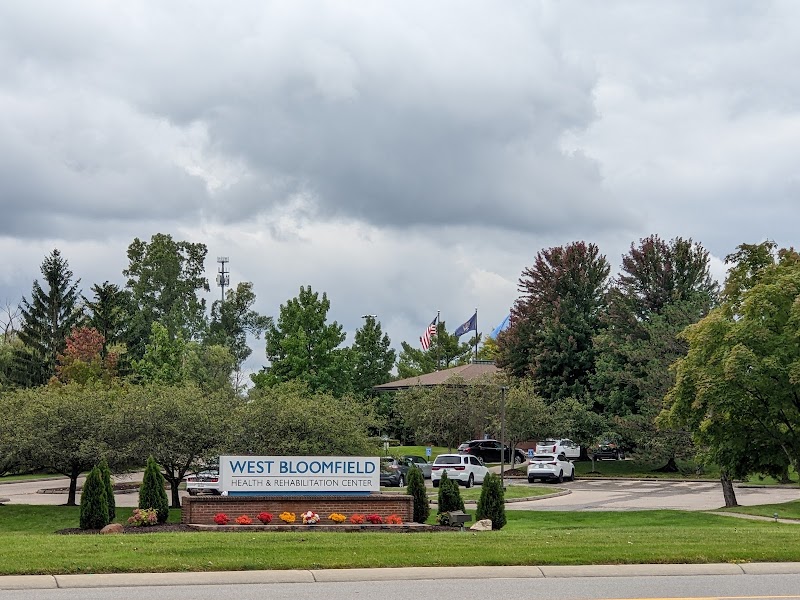
West Bloomfield Health and Rehabilitation Center
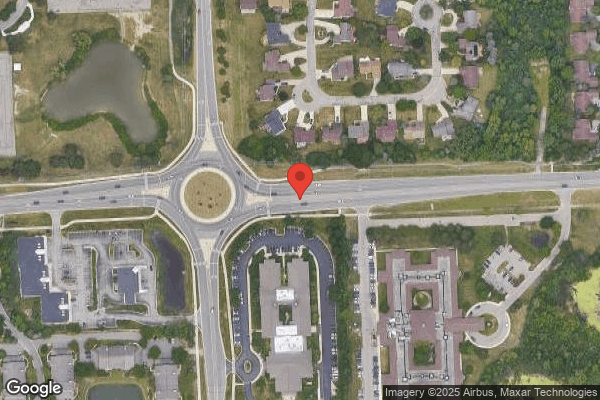

6445 W Maple, West Bloomfield, MI 48322 (248) 661-1600
For profit - Corporation 172 Beds Independent Data: November 2025
Trust Grade
55/100
#258 of 422 in MI
Last Inspection: April 2025

Within standard 12-15 month inspection cycle. Federal law requires annual inspections.

Overview

West Bloomfield Health and Rehabilitation Center has a Trust Grade of C, which means it is average and ranks in the middle of the pack, indicating it is not the best option but also not the worst. In Michigan, it ranks #258 out of 422 facilities, placing it in the bottom half, while it is #15 out of 43 in Oakland County, meaning only 14 local options are better. The facility shows an improving trend, with issues decreasing from 16 in 2024 to 5 in 2025. Staffing is a strong point, rated 4 out of 5 stars, with a turnover rate of 44%, which is on par with the state average. However, there are concerns about RN coverage, which is less than 76% of other Michigan facilities, meaning there may be insufficient registered nurse oversight. Specific incidents raise red flags, such as a resident who fell from their bed due to a lack of required assistance during care, leading to serious injuries. Additionally, the kitchen has faced issues, including unsanitary conditions and improper food handling practices, which could pose health risks to residents. While there are strengths in staffing and no fines recorded, the facility's average Trust Grade and serious incidents highlight the importance of careful consideration for potential residents and their families.
Trust Score
C
55/100
In Michigan
#258/422
Bottom 39%
Safety Record
Moderate
Needs review
Inspections
Getting Better
16 → 5 violations
Staff Stability
○ Average
44% turnover. Near Michigan's 48% average. Typical for the industry.
Penalties
✓ Good
No fines on record. Clean compliance history, better than most Michigan facilities.
Skilled Nurses
○ Average
Each resident gets 35 minutes of Registered Nurse (RN) attention daily — about average for Michigan. RNs are the most trained staff who monitor for health changes.
Violations
⚠ Watch
28 deficiencies on record. Higher than average. Multiple issues found across inspections.
★★★☆☆
3.0
Overall Rating
★★★★☆
4.0
Staff Levels
★★★☆☆
3.0
Care Quality
★★★☆☆
3.0
Inspection Score
Stable
2024: 16 issues
2025: 5 issues

The Good

  • 4-Star Staffing Rating · Above-average nurse staffing levels
  • Full Sprinkler Coverage · Fire safety systems throughout facility
  • No fines on record
  • Staff turnover below average (44%)

    4 points below Michigan average of 48%

Facility shows strength in staffing levels, fire safety.

The Bad

3-Star Overall Rating

Near Michigan average (3.1)

Meets federal standards, typical of most facilities

Staff Turnover: 44%

Near Michigan avg (46%)

Typical for the industry

The Ugly 28 deficiencies on record

1 actual harm
Apr 2025 4 deficiencies
CONCERN (D)

Potential for Harm - no one hurt, but risky conditions existed

Deficiency F0583 (Tag F0583)

Could have caused harm · This affected 1 resident

**NOTE- TERMS IN BRACKETS HAVE BEEN EDITED TO PROTECT CONFIDENTIALITY** Based on observation, interview and record review, the facility failed to maintain the confidentiality of medical information fo...

Read full inspector narrative →
**NOTE- TERMS IN BRACKETS HAVE BEEN EDITED TO PROTECT CONFIDENTIALITY** Based on observation, interview and record review, the facility failed to maintain the confidentiality of medical information for one (R110) of four residents reviewed for dignity. Findings include: On 4/8/25 at 12:02 PM, R110 was observed sitting in a wheelchair in a sitting/dining room located behind the nurse station. Another resident was observed sitting in the area of the nurse station. Licensed Practical Nurse (LPN) G was observed standing between the other resident and the nurse station and projecting loudly, asking R110 if they wanted a Tylenol. R110 explained they did. On 4/8/25 at 12:05 PM, LPN G was observed sitting in front of a computer at the nurse station and appeared to be having a conversation with R110, who was still seated in the room behind the nurse station. LPN G said loudly, It's your Colchicine, for your gout. R110 asked if they had gout. LPN G replied, Yes. During the entire exchange, the other resident was sitting in the hallway between LPN G at the nurse station and R110 in the room behind the station. Review of the clinical record revealed R110 was admitted into the facility on 1/3/25 and readmitted [DATE] with diagnoses that included: gout, heart failure and kidney disease. According to the Minimum Data Set (MDS) assessment dated [DATE], R110 had moderately impaired cognition. Review of R110's April 2025 Medication Administration Record (MAR) revealed R110 received Colchicine 0.6 mg (milligrams) and Tylenol 500 mg at 12:00 PM by LPN G. On 4/11/25 at 9:05 AM, the Director of Nursing was interviewed and informed of the observation between LPN G and R110. The DON explained she was embarrassed by the exchange, and LPN G should have been talking to R110 privately. Review of a facility policy titled, Promoting and Maintaining Resident Dignity dated 9/3/19 read in part, .Speak respectfully to residents; avoid discussion about residents that me be overheard .
CONCERN (D)

Potential for Harm - no one hurt, but risky conditions existed

Deficiency F0806 (Tag F0806)

Could have caused harm · This affected 1 resident

**NOTE- TERMS IN BRACKETS HAVE BEEN EDITED TO PROTECT CONFIDENTIALITY** Based on observation, interview, and record review, the facility failed to ensure two (R273 and R272) of four residents reviewed...

Read full inspector narrative →
**NOTE- TERMS IN BRACKETS HAVE BEEN EDITED TO PROTECT CONFIDENTIALITY** Based on observation, interview, and record review, the facility failed to ensure two (R273 and R272) of four residents reviewed for dietary services, received meals according to their preferences. Findings include: R273 On 4/8/25 at 9:27 AM, R273 was observed lying on their bed. A meal tray, consisting of a plate of untouched scrambled eggs, a broken up blueberry muffin and a bowl of oatmeal was observed on the over-bed table across R273. R273 was asked about their mostly untouched breakfast. R273 explained they did not like eggs. Observation of the meal ticket revealed near the top of the ticket NO EGGS was highlighted in yellow. On 4/8/25 at 12:32 PM, observation of R273's lunch tray revealed a bowl of mixed vegetables, milk, coffee and a cookie. R273 was asked if that was all they had received for lunch. R273 explained they had received an egg salad sandwich and the aide had removed it. Observation of R273's lunch meal ticket revealed NO EGGS highlighted in yellow and 1 Egg Salad S/W was listed. R273 was asked if the aide was going to bring something else for them to eat. R273 explained their family had brought them some food the day before, so they would probably eat that. Review of the clinical record revealed R273 was admitted into the facility on 3/2/25 with diagnoses that included: wedge compression fracture of vertebra, heart disease and glaucoma. According to the Minimum Data Set (MDS) assessment dated [DATE], R273 was cognitively intact. Review of R273's nutritional care plan revealed an intervention initiated 3/3/25 that read, Provide, serve diet as ordered . R272 On 4/8/25 at 10:47 AM, R272 was observed lying on the bed. R272 was asked about food at the facility. R272 explained they were a strict vegetarian and their meals at the facility always had meat. Their family was bringing them food daily for them to eat since they could not eat what was being served to them. On 4/8/25 at 12:34 PM, R272 was observed sitting in a wheelchair in their room. No lunch tray was observed in their room. R272 was asked about their lunch. R272 explained they had brought meat, so the aid had ordered something else. R272's Certified Nursing Assistant (CNA) was observed on the phone ordering a grilled cheese sandwich and a salad for R272. Observation of the tray cart in the hall outside of R272's room revealed R272's tray. The meal ticket read in part, Corned Beef & Swiss on Rye . Review of the clinical record revealed R272 was admitted into the facility on 4/2/25 with diagnoses that included: malnutrition, diabetes and major depressive disorder. According to a Brief Interview for Mental Status (BIMS) exam dated 4/8/25, R272 was cognitively intact. Review of physician orders revealed a diet order with a start date of 4/1/25 that read, Order: 1800 ADA (American Diabetes Association), Regular texture, Thin consistency; Directions: Vegetarian OVO (does eat eggs) LACTO (dairy products), 2GM (grams) K+ (potassium); Active. On 4/9/25 at 9:08 AM, R272 was observed sitting in a wheelchair in their room. R272 was asked about their dinner the night before. R272 explained they had received a grilled cheese sandwich, the same thing they had for lunch. On 4/9/25 at 11:45 AM, Registered Dietician (RD) A was interviewed and asked about R272 receiving meat when they had a vegetarian diet ordered. RD A explained the order had not been entered correctly, it had only said vegetarian in the directions, not the order itself, so the kitchen must no have seen the vegetarian order. When informed of R273 missing two meals, breakfast and lunch on 4/8/25, because of receiving eggs when no eggs was highlighted on the ticket, RD A had no explanation. On 4/9/25 at 1:55 PM, the Kitchen Manager (KM) was interviewed and asked about R273 receiving eggs twice on 4/8/25. The KM explained it was not on the ticket. When informed the ticket had NO EGGS highlighted in yellow at the top, the KM had no explanation. The KM was asked about R272 receiving meat. The KM explained they did not know R272 was a vegetarian. When informed the diet had been ordered as vegetarian, the KM had no explanation. On 4/10/25 at 12:00 PM, the Administrator was interviewed and informed of R273 missing two meals on 4/8/25 and R272 not receiving their vegetarian diet. The Administrator explained residents should be served food according to their preferences. Review of a facility policy titled, Menus, Nutrition, and Preferences dated 7/2024 read in part, .Resident preferences, including likes and dislikes, will be documented in the resident's chart or try card, and shall be reviewed when planning menus . Each resident's dietary orders and tray card will reflect interventions to accommodate nutritional needs when their preferences exclude a food group (i.e. vegetarian, does not eat daily, etc.) .
CONCERN (E)

Potential for Harm - no one hurt, but risky conditions existed

Deficiency F0578 (Tag F0578)

Could have caused harm · This affected multiple residents

**NOTE- TERMS IN BRACKETS HAVE BEEN EDITED TO PROTECT CONFIDENTIALITY** Based on observation, interview and record review the facility failed to ensure timely and accurate advanced directive documenta...

Read full inspector narrative →
**NOTE- TERMS IN BRACKETS HAVE BEEN EDITED TO PROTECT CONFIDENTIALITY** Based on observation, interview and record review the facility failed to ensure timely and accurate advanced directive documentation were in place for four (R29, R47, R48 and R71) out of eight reviewed for advanced directives. Findings include: R47 On 4/8/25 at approximately 10:31 AM, R 47 was observed in their room. The resident was alert and able to answer questions appropriately and noted that they had been at the facility for a few years and expressed no concerns. A review of R47's clinical record revealed the resident was initially admitted to the facility on [DATE] with diagnoses that included: chronic kidney disease and congestive heart failure. A review of R47's Minimum Data Set (MDS) (1/2/25) revealed the resident had a BIMS score of 12/15 (moderately impaired cognition). The resident was noted as FULL CODE. Continued review of R47's clinical record revealed the following: 8/4/22: Advanced Directive: Patient received a packet of information about Advanced Directives .An Advanced Directive Information & Acknowledgement Form was signed upon receipt of the above information. Additional information will be provided by the Social Work department and/or physician. *It should be noted that there were no documentations titled Advanced Directives following the packet provided to the resident. 3/25/24: Physician Certification of Resident Capacity: .R47 .As of this date, the above-named resident has been assessed to be .Incompetent to participate in medical treatment, care, and custody decision-making .The reason that the resident is unable to participate is: Moderate cognitive impairment limits capacity for decision-making . 7/5/24: Psychosocial Note: Social Work has completed a quarterly interview .Resident has been here for long term care since 10/13/22. Social Work completed a cognitive screening, and prior Brief Interview for Mental Status (BIMS) score was 14/15. Current BIMS score is 9/15 .Residents current code status is FULL CODE .Does Resident have Medical and/or Financial DPOA: None .Residents dtr states that pt has always refused (for years) to sign DPOA .Dtr states that she will file for guardianship. Resident has been deemed incompetent . *It should be noted that there were no further documents that indicated R47's daughter had applied for Guardianship as noted in the note above. 3/21/25: Physician Certification of Resident Capacity: .R47 .As of this date (3/21/25), the above-named resident has been assessed to be .Competent to designate a DPOA only .Resident understands the function of the DPOA only (resident understands the function of the DPOA and is comfortable with their choice.) *Incompetent to make medical treatment and care decisions .Two (2) Physician signatures are required .The reason resident is unable to participate is lack of knowledge, understanding and appreciation of her med<sic> .without medical status, medications and cognitive deficits . *It should be noted that the document was only signed by a psychologist on 3/21/25. There was no signature by a second party/Physician. 3/24/25: Psychosocial Note: Capacity eval was done on 3/21/25 stating that resident is competent to designate a DPOA, although still incompetent to make medical treatment and care decisions. Writer spoke to residents dtr (daughter-name redacted) .and states that she will complete Medical DPOA paperwork with resident and provide the complete paperwork to our facility by Mon 3/31/24 . On 4/10/25 at approximately 12:49 PM, R47 interviewed about end of life wishes. When asked who made decisions for them, they noted they make their own choices. When asked about end-of-life decisions regarding code status, R47 reported that they would not want to be resuscitated as it was up to God to make their choice. R71 On 4/8/25 at approximately 11:13 AM, R71 was observed lying in bed. The resident was alert, but unable to answer questions asked. R71's son was interviewed at the facility and reported that the resident had been at the facility for over four years and did not express concerns about the resident's care. A review of the resident's clinical record revealed the resident was initially admitted to the facility on [DATE] with diagnoses that included: Schizoaffective Disorder, Type II diabetes and Bipolar disease. A review of the resident MDS dated noted the resident had a BIMS score of 9/15 (moderately intact cognition). The resident was noted as FULL CODE. Continued review of the resident's clinical record revealed the following: 4/9/24: Physician Certification of Resident Capacity: .R71 .As of this date (4/9/24) the above-named resident has been assessed to be . Incompetent to participate in medical treatment, care and custody decision-making .The reason the resident is unable to participate is: unable to participate fully in interview .Patient is unaware of his diagnoses . 3/10/25: Physician Certification of Resident Capacity: .R71 .As of this date, the above-named resident has been assessed to be (check one) .Competent to designate a DPOA only .Resident understands the function of a DPOA and is comfortable with their choice. *Incompetent to make medical treatment and care decisions .The reason the resident is unable to participate is lack of knowledge, understanding and appreciation of medical hx (history) .medical status and medications, cognitive impairments and dementia . R29 On 4/8/25 at approximately 10:32 AM, R 29 was observed lying in bed yelling loudly. The resident was alert, but not able to answer questions asked. A review of their clinical record revealed the resident was initially admitted to the facility on [DATE] with diagnoses that include: Alzheimer's disease, type II diabetes and delusional disorders. A review of the Minimum Data Set (MDS) dated [DATE] noted a Brief Interview for Mental Status (BIMS) score of 3/15 (severely impaired cognition). The resident was noted to be FULL CODE and did not have any documents indicating they had a DPOA (Durable Power of Attorney) paperwork and/or Guardianship paperwork. Continued review of the R29's clinical record revealed the following: 10/12/23: Advanced Directive Information and Acknowledgement: Resident Name: R29 .you are being provided with a packet providing you with more information about DPOA, Legal Guardianship, Living Will, MI-POST, and Do Not Resuscitate (DNR) orders .I am declining the Advanced Directive packet at this time . The document was signed by R29' Responsible Party. *There were no further documents in the resident's clinical record that noted the facility worked with the resident while they were deemed competent to be given the opportunity to form an advanced directive. 3/19/24: Physician Certification of Resident Capacity: .Resident name: R29 .As of this date, the above-named resident has been assessed to be .Incompetent to participate in medical treatment, care, and custody decision-making .The reason that the resident is unable to participate is: Alzheimer's Disease with severe cognitive impairment . 4/2/25: Psychiatry: .The resident was last seen on 3/26/25 .The resident has been experiencing crying episodes and yelling out during the day .The nursing staff notes that the resident's mood varies .Plan: Change Seroquel dosage 75 mg (milligrams) .to 50 mg QHS (once per day at bedtime) and 25 mg daily in the morning; involve family in care . 4/2/25: Order: Seroquel 50 MG .give one tablet by mouth at bedtime for delusions associated with dementia . 4/2/25: Order: Seroquel 25 MG .give one tablet by mouth one time a day for delusions associated with dementia . R48 On 4/8/25 at approximately 10:18 AM, R48 was observed lying in bed. The resident was alert, but not able to answer any questions asked. A review of R48's clinical record revealed the resident was initially admitted to the facility on [DATE] with diagnoses that included: Alzheimer's Disease and Parkinsons. A review of the residents MDS noted the resident had a BIMS score of 00/15 (severely cognitively impaired). The resident was noted as FULL CODE. Continued review of R48's clinical record revealed the following: 1/25/21: Physician Certification of Capacity: R48 .As of this date (1/25/21), this resident is: Incompetent to participate in medical treatment, care and custody decision-making .The reason that the resident is unable to participate is: impaired memory .If the resident has executed a Durable Power of Attorney for Medical Decision-Making .the DPOA or Patient Advocate is not in effect (there was no check to indicate the resident had a DPOA at that time) . 11/10/22: Psychosocial Note: SW spoke to pt's son (name redacted) re: advanced directives. Pt does not have a DPOA or legal Guardian and has severe cognitive impairments. SW talked to son about filing for guardianship SW will continue to remain available as indicated . 1/12/24: Psychosocial note: .Current BIMS score is 0/15 .severely impaired .code status: FULL CODE .Does resident have a DPOA: No .SW has talked to resident's son .Son states that he still plans to file for guardianship of resident . 10/11/24: Psychosocial note: Social work has completed quarterly review .Psychotropic Medications: Remeron .DPOA: No .SW has talked to resident's son several times .Son states that he plans to file for guardianship of resident . 3/14/25: Psychosocial note: .Son has still not filed the guardianship paperwork .started the process of petitioning for guardianship . On 4/9/25 at approximately 11:25 AM, an interview was conducted with Social Service Director (SSD) C. SSD C reported they had been employed by the facility for over ten years and was not a licensed social worker, but did work with another social worker that was licensed. SSD C was asked as to the facility protocol pertaining to residents advanced directives. SSD C reported that when residents are admitted to the facility, they are provided with a package that provides information on Advanced Directives including, but not limited to, DPOA forms and information about Guardianship. SSDC was asked about those residents who do not complete or provide legal advanced directive documentation. SSD C noted that they have been working with families/residents that were provided the package, but did not have the paperwork and/or would not complete the forms. SSD C was asked about the forms noted in some of the residents' charts that noted they were competent to appoint a DPOA only but were not competent to make medical treatment and care decisions. SSD C reported that they realized that they had some long-term care residents that had been deemed incompetent and did not have either legal guardianship or DPOA representatives. SSD C noted that for residents they believe might be competent to appoint a DPOA only they followed a Webinar presented by the State's [NAME] (Licensing and Regulatory Affairs) division that noted competency is flexible and that at times and for some residents they can address who they would want to act on their behalf. A continued interview was conducted with SSD C who was asked specifically about certain residents as noted below: SSD C was asked about R47 who was admitted into the facility in 2022 with a BIMS score of 15/15 and never completed and/or provided advanced directive paperwork and then deemed incompetent in 2024. SSD C was asked about the documented dated 3/21/25 that indicated that R47 was deemed competent only to appoint a DPOA. SSD C reported they had been working with this resident and their family regarding guardianship and never received any paperwork. Following a Webinar provided by [NAME] they determined the resident was competent enough to appoint their daughter as their DPOA. *It should be noted that there were no notes in the resident's clinical record that documented the discussion as to who to appoint as the DPOA and why the document had still not been signed by the physician. SSD C was asked about R29 who had been residing in the facility since 2023 and had no legal representative and had been deemed incompetent in 2024. SSD C stated they are now in the process of applying for Guardianship. *It should be noted that the facility did not have any court documentations but did provide an e-mail that indicated that the process was to be started. No further documentation was provided before the end of the Survey. SSD C was then asked about R48 who had been admitted to the facility in 2020 and did not complete and/or provide advanced directive documentation. SSD C reported that for several years they have been asking the family to apply for Guardianship, but they did not. SSD C noted that they are in the process of applying for Guardianship. SSD C and was only able to provide an email note that indicated Guardianship should be started. No further documents were provided by the end of the Survey. SSD C was asked as to why R48's family member was able to consent to their antipsychotic medication Seroquel when they were not the resident's legal representative. SSD C reported that the Psychiatrist did address the situation with the family member. SSD C was asked about R71 who was admitted to the facility in 2020 and did not provide any advanced directive paperwork and then was deemed incompetent in 2024 and later deemed competent to appoint a DPOA in 2025. Again, SSD C reported they were aware of the delay and had made attempt to have the family provide the necessary paperwork and/or apply for Guardianship. Following the Webinar provided by [NAME], the facility determined the resident was competent to appoint a DPOA. On 4/9/25 at approximately 3:02PM, an interview was conducted with Infection Control Nurse/Assistant Director of Nursing (ADON) M. It was determined that R29, R47, R48 and R71 had not been offered vaccinations, including pneumonia, influenza and Covid 19 after being deemed incompetent. The DON reported that as these residents did not have a legal representative at the time the vaccinations were offered and going forward the residents who now have a legal guardian or have been deemed competent only to appoint a DPOA will receive offers for the vaccination. On 4/10/25 at approximately 12:41 PM, an interview was conducted with the Administrator regarding residents who did not have Advanced Directives and/or Guardianship. The Administrator reported that they were aware that they had several residents who did not have Advanced Directives in place timely and were continuing to work on the issue. When asked about the forms that noted residents were competent only to appoint a DPOA, the Administrator reported that they attended a Webinar provided by [NAME] and felt their new approach was appropriate. The facility policy titled, Advanced Directive (3/2024) was reviewed and documented, in part: .Each nursing home resident has the right to be fully informed in advance about his/her care and treatment .the right to participate in planning/his/her care and treatment, unless adjudged incompetent or otherwise found to be incapacitated under State law, the right to formulate an Advanced Directive .A Durable Power of Attorney for Health Care (DPOA-HC) is a document delegating authority to an agent (person) to make heath care decisions in case the individual delegating that authority subsequently becomes incapacitated .A Patient Advocates authority is not activated until the individual is deemed by two doctors to be unable to make medical decisions .Legal representative is a person designated and authorized by an advanced directive or State law to make a treatment decision for another person .Resident Representative .the resident may appoint a person to act as their Resident Representative. Once appointed, the Representative shall have the power to perform the following acts for the Resident: A. Review and execute the admission Contract .B. make payments to the Facility out of the resident's funds .C. Act as a liaison between the Facility, the Resident and the Resident's family .A Resident Representative does not have legal authority to act form if they cannot make their own medical decisions .A complete Advance Directive or guardianship would need to be completed appointing a Representative as the DPOA-HC .
CONCERN (F)

Potential for Harm - no one hurt, but risky conditions existed

Food Safety (Tag F0812)

Could have caused harm · This affected most or all residents

Based on observation, interview, and record review, the facility failed to prepare food in accordance with professional standards for food service safety. This deficient practice has the potential to ...

Read full inspector narrative →
Based on observation, interview, and record review, the facility failed to prepare food in accordance with professional standards for food service safety. This deficient practice has the potential to result in food borne illness among all residents that consume food from the kitchen. Findings include: 04/09/25 11:20 AM, during an observation of the kitchen with Food Service Director (FSD) B, the following items were observed: The ceiling vent cover near dish machine and above a clean dishware rack, was observed with a thick layer of dust. There were 2 trays of clean coffee cups, with the open side facing up, on the rack underneath the soiled vent. Wen queried as to why the cups were stored uncovered with the open side up, FSD B stated we're getting ready to use them According to the 2017 FDA Food Code section 6-501.14 Cleaning Ventilation Systems, Nuisance and Discharge Prohibition, (A) Intake and exhaust air ducts shall be cleaned and filters changed so they are not a source of contamination by dust, dirt, and other materials. According to the 2017 FDA Food Code section 4-903.11 Equipment, Utensils, Linens, and Single-Service and Single-Use Articles, (A) Except as specified in (D) of this section, cleaned equipment and utensils, laundered linens, and single-service and single-use articles shall be stored: (1) In a clean, dry location; (2) Where they are not exposed to splash, dust, or other contamination; and (3) At least 15 cm (6 inches) above the floor. (B) Clean equipment and utensils shall be stored as specified under (A) of this section and shall be stored: (1) In a self-draining position that allows air drying; and (2) Covered or inverted. There was a continuous drip of water coming from a pipe underneath the soiled drainboard of the dish machine. There was standing water observed on the floor. FSD B stated she would let Maintenance know. According to the 2017 FDA Food Code section 5-205.15 System Maintained in Good Repair, A plumbing system shall be: (A) Repaired according to law; P and(B) Maintained in good repair. There were 3 male staff members observed with beards, but were not wearing beard restraints. Dietary Staff I was observed serving lunch at the steam table, Dietary Staff J was observed washing dishes and delivering carts to units, and Dietary Staff K was observed preparing food for the dinner meal. When queried about the lack of beard restraints, FSM B stated staff don't wear beard restraints. Review of a policy posted on the bulletin board in the Dietary Department noted: Uniform Policy-Hygiene (Dietary) 4. Mustaches are allowed but must be neatly trimmed. Beards must be well trimmed and covered with effective hair restraint. According to the 2017 FDA Food Code section 2-402.11 Effectiveness, (A) Except as provided in (B) of this section, food employees shall wear hair restraints such as hats, hair coverings or nets, beard restraints, and clothing that covers body hair, that are designed and worn to effectively keep their hair from contacting exposed food; clean equipment, utensils, and linens; and unwrapped single-service and single-use articles. The exhaust vent cover in the walk-in cooler was coated with dust. According to the 2017 FDA Food Code section 4-601.11 Equipment, Food-Contact Surfaces, Nonfood-Contact Surfaces, and Utensils, .(C) Nonfood-contact surfaces of equipment shall be kept free of an accumulation of dust, dirt, food residue, and other debris. The ventilation hood was observed with a buildup of grease and dust. The tag on the hood noted it was last serviced 2/2025. When queried, FSD B stated they had just cleaned it 2 weeks ago. The Traulsen refrigerator was observed with black stains on the door gasket. According to the 2017 FDA Food Code section 4-602.13 Nonfood-Contact Surface, Nonfood-contact surfaces of equipment shall be cleaned at a frequency necessary to preclude accumulation of soil residues. There were no red sanitizer buckets set up anywhere in the kitchen. There were several wiping rags observed lying on the counters. Staff was observed using the rags to wipe down counters. FSD B provided no explanation for why the wiping cloths were not being stored in a chemical sanitization solution. According to the 2017 FDA Food Code, Section 3-304.14 Wiping Cloths, Use Limitation, .(B) Cloths in-use for wiping counters and other equipment surfaces shall be: (1) Held between uses in a chemical sanitizer solution at a concentration specified under § 4-501.114; On 4/9/25 at 11:50 AM, Dietary Staff L was observed cutting fruit on a cutting board. When finished, Dietary Staff L took the cutting board and knife and washed it with detergent in the food prep sink, and rinsed it under running water. Dietary Staff L then placed the knife back in the holder and placed the wet cutting board on top of a stack of cutting boards on the clean dishware shelf. When queried, FSD B stated the items should have been brought to the dish machine area. According to the 2017 FDA Food Code section 4-701.10 Food-Contact Surfaces and Utensils, Equipment food-contact surfaces and utensils shall be sanitized. On 4/9/25 at 12:05 PM, Dietary Staff J was observed washing a soiled sheet pan in the wash compartment of the 3 compartment sink. The rinse compartment of the 3 compartment sink was not filled with rinse water. Dietary Staff J took the soapy pan, dipped the pan in the sanitizer bin of the 3 compartment sink, and then carried the sheet pan into the kitchen area for use. On 4/9/25 at 12:35 PM, Dietary Staff K was observed draining the sanitizer from the 3 compartment sink, and re-filling with fresh quaternary ammonia sanitizer. When finished, Dietary Staff K began using the sanitizer without testing the concentration with a test strip. When queried about the use of test strips, Dietary Staff K located some quaternary ammonia test strips, which were missing the color wheel and were wet and damaged. According to the 2017 FDA Food Code section 4-501.116 Warewashing Equipment, Determining Chemical Sanitizer Concentration, Concentration of the SANITIZING solution shall be accurately determined by using a test kit or other device.
Feb 2025 1 deficiency
CONCERN (D) 📢 Someone Reported This

A family member, employee, or ombudsman was alarmed enough to file a formal complaint

Potential for Harm - no one hurt, but risky conditions existed

Report Alleged Abuse (Tag F0609)

Could have caused harm · This affected 1 resident

**NOTE- TERMS IN BRACKETS HAVE BEEN EDITED TO PROTECT CONFIDENTIALITY** R401 On 2/11/25 a concern submitted to the State Agency was reviewed and alleged R401 was slapped at the Nursing station multipl...

Read full inspector narrative →
**NOTE- TERMS IN BRACKETS HAVE BEEN EDITED TO PROTECT CONFIDENTIALITY** R401 On 2/11/25 a concern submitted to the State Agency was reviewed and alleged R401 was slapped at the Nursing station multiple times by a staff member. A review of the MIFRI (Michigan-facility reported incidents) reporting system for Nursing facilities did not reveal any allegation or investigations pertaining to R401 allegedly being slapped by facility staff. On 2/11/25 the medical record for R401 was reviewed and revealed the following: R401 was initially admitted to the facility on [DATE] and had diagnoses including Muscle weakness and Fracture of Lumbar Vertebra and was discharged from the facility on 9/25/24 to the hospital. On 2/11/25 at approximately 9:32 a.m., family member G (FM G) was contacted regarding the allegation and indicated that one of the facility staff had called them at around 3:00 AM (because their mother was agitated) to assist in helping to calm them down. FM G indicated that during that time, R401 informed them that someone had slapped them at the Nursing station and that they had multiple conversations with the Administrator regarding to the allegation. On 2/11/25 at approximately 10:50 a.m., during a conversation with the Administrator, the Administrator was queried pertaining to the allegation of R401 being slapped and they reported they could not remember the incident, but that they would check for documentation of the allegation investigation. On 2/11/25 at approximately 3:08 p.m., the Administrator provided a facility investigation pertaining to the allegation that R401 had been slapped. A review of the investigation revealed the following: Occurrence Investigation .Occurrence Date: 9/24/24-afternoon shift .Family called stating resident informed them that staff hit her arm during the time of her fall. Resident had fall on 09/24/24 and was sent to hospital . On 2/11/25 at approximately 3:14 p.m., during a conversation with the Director of Nursing (DON), the DON was queried regarding the investigation and their conclusion. The DON indicated the resident could not provide any information pertaining to the allegation including any potential perpetrators. The DON indicated that the staff were interviewed and nobody witnessed anything and a skin assessment was done without any new identification of bruising indicating they were slapped. On 2/11/25 at approximately 3:29 p.m., during a follow-up conversation with the Administrator, the Administrator was queried why the allegation and investigation had not been reported to the State Agency and they indicated that it it should have been and would look to report unsubstantiated allegations in the future. On 2/11/25 a facility document titled Abuse Program was reviewed and revealed the following: Policy: It is our policy to maintain an environment free of abuse and neglect. The resident has the right to be free from verbal, sexual, physical and mental abuse, corporal punishment, and involuntary seclusion. Residents will not be subjected to abuse by anyone including, but not limited to, facility staff, other residents, consultants, clinicians, volunteers, staff or other agencies servicing the resident, family members or legal guardians, friends or other individuals. The focus on the resident and supporting the resident in making their own choices and having control of their daily lives is the approach of person-centered care Component 7: Reporting/Response 7. The facility shall: a. In accordance with CFR 483.12 (c) the facility shall ensure that all alleged violations involving abuse, neglect, exploitation or mistreatment, including injuries of unknown source and misappropriation of resident's property, are reported immediately, but not later than 2 hours after the allegation is made, if the events that cause the allegation involve abuse or result in serious bodily injury This citation pertains to intake #'s MI00147219 and MI00149909 Based on observation, interview and record review, the facility failed to ensure multiple allegations of verbal and physical employee to resident abuse were reported to the State Agency (SA) for two (R404 and R401) of three residents reviewed for abuse. Findings include: R404 A complaint was filed with the SA that read in part, .on 1/27/25, (R404) got into a fight with a nurse's aide possibly named (Certified Nursing Assistant - CNA D) . (R404) was hit with a fist on the top of the head, shoulder, and in (their) chest area during the incident . the nurse's aide got scratched while (R404) was trying to defend (themselves) . other staff were made aware of this incident . On 2/11/25 at 9:30 AM, R404 was observed lying in their bed. R404 was asked if there had been an incident between themselves and an employee at the facility. R404 explained when they were first admitted into the facility and did not know how things were done there, they had asked their aid for a shower on Sunday . the aid told them they did not do showers on Sundays . then a supervisor told the aid to give them a shower . three aides came and called them Bitch because they had told the supervisor and now they had to give them a shower on Sunday . the next evening the aide wanted them to go to bed early and pushed their wheelchair into the bathroom where there was another aide in the bathroom . the aid in the bathroom then hit them on the head, shoulder and chest area . they were in a wheelchair and could only defend themselves by grabbing the aids arm and scratching her . the nurse came and said they all needed to listen to each other . they did not know how they could listen to someone when they were hitting them . later two supervisors came and talked to them about what happened . Review of the clinical record revealed R404 was admitted into the facility on 1/24/25 with diagnoses that included: arthritis, diabetes and kidney disease. According to the Minimum Data Set (MDS) assessment dated [DATE], R404 scored 15/15, indicating intact cognition, and required the assistance of staff for activities of daily living (ADL's). Review of R404's progress notes revealed: A Health Status Note dated 1/26/25 at 10:02 PM by Licensed Practical Nurse (LPN) B read in part, .Resident was very anxious and combative towards staff while providing ADL this evening . A Health Status Note dated 1/27/25 at 10:11 AM by the Director of Nursing (DON) read in part, .the patient requested a shower which was arranged by the nurse supervisor so (they were) given shower [sic] Sunday. Plus, Sunday evening the patient was being taken by 2 CNAs and a supervisor to the toilet. Patient accused one CNA hitting (them) to (their) forehead (their) chest, so (they) scratched CNA's face, hand and pulled her necklace. The writer and UM (Unit Manager) visited the patient to address issues . On 2/11/25 at 12:25 PM, LPN B was interviewed by phone and asked about the incident between R404 and CNA D. LPN B explained two CNA's were taking R404 to the bathroom . CNA C flagged her down, when she got closer could hear R404 could be heard loudly talking . R404 said CNA D had hit them three or four times . R404 had CNA D's necklace in their hand and CNA D had scratches up her arm . asked CNA D to leave and helped CNA C with the rest of R404's care . tried to calm R404 down, but R404 was upset and also told her about a CNA on the day shift who called them a Bitch . told her Supervisor, LPN F, about what happened . LPN B was asked if she had notified the Abuse Coordinator about R404's allegations of abuse. LPN B explained they were supposed to report all allegations to their Supervisors. When asked if she had ever made a written statement about the incident, LPN B explained she had actually written two statements, because she had forgotten to mention certain details in the first one. On 2/11/25 at 1:48 PM, LPN F , who was the Nursing Supervisor on 1/27/25, was interviewed by phone and asked about the incident involving R404. LPN F explained LPN B told her R404 had said CNA D had hit them . went and talked to R404 who also alleged a day shift CNA had called them a Bitch . called the DON and let her know what had happened. LPN F was asked who was the facility Abuse Coordinator. LPN F explained it was the Administrator. When asked if she had called the Administrator, LPN F explained she did not, she called the DON. Review of a facility provided OCCURRENCE INVESTIGATION for R404 read in part, .Occurrence Date: 01/26/2025 - Afternoon shift . OCCURRENCE: .resident stated to Nurse Supervisor (LPN F ) on the afternoon shift (01/26/2025) that CENA - (CNA D ) hit (them) during a toileting transfer . Occurrence Date: 01/26/2025 - Dayshift Reported by resident the evening of the afternoon shift . OCCURRENCE: Resident stated to nurse supervisor (LPN F ) on the evening of 01/26/2025 that CENA - (CNA E ) had called (them) a bitch regarding (them) taking a shower that morning . On 2/11/25 at 3:06 PM, the DON was interviewed and asked why the incidents between R404 and CNA E and CNA D were not reported to the Administrator and the SA. The DON explained it had been reported to her that CNA C was in the room at the time of the incident, and did not find out until later that CNA C had not been in the room at the time R404 alleged CNA D hit them. On 2/11/25 at 3:30 PM, the Administrator was interviewed and asked why R404 ' s verbal and physical abuse allegations had not been reported to the SA. The Administrator agreed the allegations should have been reported.
Sept 2024 3 deficiencies
CONCERN (D) 📢 Someone Reported This

A family member, employee, or ombudsman was alarmed enough to file a formal complaint

Potential for Harm - no one hurt, but risky conditions existed

Report Alleged Abuse (Tag F0609)

Could have caused harm · This affected 1 resident

**NOTE- TERMS IN BRACKETS HAVE BEEN EDITED TO PROTECT CONFIDENTIALITY** This citation pertains to Intake MI00146824 Based on interview and record review, the facility failed to report an allegation of...

Read full inspector narrative →
**NOTE- TERMS IN BRACKETS HAVE BEEN EDITED TO PROTECT CONFIDENTIALITY** This citation pertains to Intake MI00146824 Based on interview and record review, the facility failed to report an allegation of abuse (from R902) to the State Agency within the required timeframe for one (R905) of one residents reviewed for abuse, resulting in the potential for unidentified or continued abuse. Findings include: A complaint was filed with the State Agency alleging R902 was permitted to sign themself out of the facility after being evaluated as a threat to themself and others. Clinical record review revealed R902 was admitted to the facility on [DATE] with the medical diagnoses: Multiple Sclerosis (nerve damage to the spinal cord and brain), generalized muscle weakness, hypertension, atrial fibrillation (abnormal heart rate). R902 has a self-care deficit related to their musculoskeletal impairment and right hemiplegia (weakness) and uses a motorized wheelchair. R902 Psychological diagnoses include schizoaffective disorder, (a mix of schizophrenia symptoms includes hallucinations, delusions, and mania), personality disorder, anxiety, and depression. A careplan revised on 2/20/2024 documented R902 presents as cognitively intact and current BIMS (Brief Interview for Mental Status) score is 15/15 indicating cognitively intact, however, R902 had an active court appointed Guardian. On 9/17/24 at 9:05 AM, an interview was conducted with R902's assigned Certified Nurse Assistant (CNA) E who acknowledged R902 is easily triggered to become angry and leaves the facility. CNA E mentioned an incident when R902 came out of their room and threw a metal bar directly at CNA D and R905. On 9/17/24 at 9:10 AM, an interview was conducted with CNA D regarding the statement and confirmed not too long ago, R902 came out on their motorized wheelchair, started coming down the hall towards room [ROOM NUMBER] where themself and R905 were positioned. R902 had a metal bar in their hand, pulled it up into the air and threw it towards CNA D and R905. CNA Dsaid it did not hit either of them, but was very close to hitting R905. CNA D confirmed a statement was taken by a charge nurse regarding the incident, but no further interviews were conducted afterwards by the facility. CNA D was inquired if R905 was interviewable, and stated they were not cognively intact and would not have remembered the incident. CNA D had no recollection if the facility notified R905's family of the incident. On 9/17/24 at 2:30 PM, An interview was conducted with Nursing Home Administrator (NHA) and informed of the incident as told by CNA D and CNA E. The NHA acknowledged the incident was not reported by the staff and was not aware. The NHA was informed that CNA D claimed a statement was taken by their charge nurse, but the NHA had no knowledge of the incident. Review of the facilities policy title; Abuse dated 6/2021 documented: Staff shall immediately report abuse/suspected abuse to their supervisor. The supervisor will immediately assess the situation and report the abuse/suspected abuse to the Director of Nursing and/or Administrator .
CONCERN (D) 📢 Someone Reported This

A family member, employee, or ombudsman was alarmed enough to file a formal complaint

Potential for Harm - no one hurt, but risky conditions existed

Deficiency F0742 (Tag F0742)

Could have caused harm · This affected 1 resident

**NOTE- TERMS IN BRACKETS HAVE BEEN EDITED TO PROTECT CONFIDENTIALITY** This citation pertains to Intake MI00146824. Based on interview and record review, the facility failed to ensure additional and ...

Read full inspector narrative →
**NOTE- TERMS IN BRACKETS HAVE BEEN EDITED TO PROTECT CONFIDENTIALITY** This citation pertains to Intake MI00146824. Based on interview and record review, the facility failed to ensure additional and revised interventions were in place for one (R902) of one reviewed for behavior, resulting in the potential to exacerbate and further disrupt other residents (including R903, R904). Findings include: A complaint was filed with the State Agency alleging R902 was permitted to sign themselves out of the facility after being evaluated as a threat to themselves and others. Clinical record review revealed R902 was admitted to the facility on [DATE] with the medical diagnoses: Multiple Sclerosis (nerve damage to the spinal cord and brain), generalized muscle weakness, hypertension, atrial fibrillation (abnormal heart rate). R902 has a self-care deficit related to their musculoskeletal impairment and right hemiplegia (weakness) and uses a motorized wheelchair. R902 Psychological diagnoses include schizoaffective disorder, (a mix of schizophrenia symptoms includes hallucinations, delusions, and mania), personality disorder, anxiety, and depression. A careplan revised on 2/20/2024 documented R902 presents as cognitively intact and current BIMS (Brief Interview for Mental Status) score is 15/15 indicating cognitively intact, however R902 had an active court appointed Guardian. On 9/17/24 at 9:25 AM, an interview was conducted with R904 who resides in the room next to R902. R904 acknowledged R902 is aggressively loud, daily hits the wall they share and at times hits the wall so hard and loud, that their personal items fall (off the wall on) to the floor. R904 stated, I was so scared, I would shake .Who knows what is coming next R904 mentioned while visiting with their daughter F, R902 was so hostile hitting the wall and slamming the door it was scary for them both. On 9/17/24 at 10:05 AM, A telephone interview with R904's family member F confirmed approximately five weeks ago on a Sunday afternoon while visiting with R904, R902 was banging on the wall and slamming the door so forcefully, it was terrifying. Family member F went out into the hallway where they observed the staff were ignoring the behaviors from R902. F said they asked the staff if they were going to do anything about what R902 was doing, and the staff commented R902 does this all the time. A charge nurse came over and commented that the facility was trying to evict him, and further acknowledged the aggressive behaviors happens a lot. Family member F commented that the situation was so frightening they (F and R904) were visibly shook up and angry. Family member F remarked that the place where their parent resides should never be that frightening. On 9/17/24 at 10:55 AM, R903 (resident on the side of R902) confirmed R902 drives the motorized wheelchair into the walls, bangs on the walls, slams the door, it is frightening. R902 replied, Scares the hell out me and they (R902) should not be living in this place. On 9/17/24 at 2:30 PM, the Nursing Home Administrator (NHA) was informed of the interviews and commented that they were unaware of these reports from R904's Family member F and R903. Record review of R902's Careplan last revised on 2/20/2024 identifies having .verbally aggressive behaviors .physical aggression episodes such as hitting/banging doors/walls .ineffective coping skills, poor impulse control. All listed interventions for this Focus were created on 10/19/2020 and do not identify any revised interventions for these behaviors.
CONCERN (D) 📢 Someone Reported This

A family member, employee, or ombudsman was alarmed enough to file a formal complaint

Potential for Harm - no one hurt, but risky conditions existed

Medical Records (Tag F0842)

Could have caused harm · This affected 1 resident

**NOTE- TERMS IN BRACKETS HAVE BEEN EDITED TO PROTECT CONFIDENTIALITY** This citation pertains to Intake MI00146824 Based on interview and record review, the facility failed to maintain and provide co...

Read full inspector narrative →
**NOTE- TERMS IN BRACKETS HAVE BEEN EDITED TO PROTECT CONFIDENTIALITY** This citation pertains to Intake MI00146824 Based on interview and record review, the facility failed to maintain and provide complete clinical records for one (R902) reviewed of one, resulting in the facility staff and providers not having access to all pertinent information to care for the resident. Findings include: A complaint was filed with the State Agency alleging R902 was permitted to sign themselves out of the facility after being evaluated as a threat to themselves and others. Clinical record review revealed R902 was admitted to the facility on [DATE] with the medical diagnoses: Multiple Sclerosis (nerve damage to the spinal cord and brain), generalized muscle weakness, hypertension, atrial fibrillation (abnormal heart rate). R902 has a self-care deficit related to their musculoskeletal impairment and right hemiplegia (weakness) and uses a motorized wheelchair. R902's Psychological diagnoses include schizoaffective disorder, (a mix of schizophrenia symptoms includes hallucinations, delusions, and mania), personality disorder, anxiety, and depression. A careplan revised on 2/20/2024 documented R902 presents as cognitively intact and current BIMS (Brief Interview for Mental Status) score is 15/15 indicating cognitively intact, however had an active court appointed Guardian. On 9/17/24 at 2:30 PM, an interview was conducted with the Nursing Home Administrator (NHA)and Social Work Director A. When questioned if there was consent from R902's Guardian for Leave of Absences (LOA) both confirmed there was no consent. Social Worker A acknowledged there is documentation of conversations with R902's Guardian, but they are not available in the electronic medical record. Social Worker A stated there is soft file that has R902's clinical records and documentation, however, it is currently not accessible for other staff to read. A record review of the soft file for R902 was requested and was not provided by the end of the survey.
May 2024 2 deficiencies
CONCERN (D) 📢 Someone Reported This

A family member, employee, or ombudsman was alarmed enough to file a formal complaint

Potential for Harm - no one hurt, but risky conditions existed

Deficiency F0552 (Tag F0552)

Could have caused harm · This affected 1 resident

**NOTE- TERMS IN BRACKETS HAVE BEEN EDITED TO PROTECT CONFIDENTIALITY** This citaiton pertains to intake #MI00144557. Based on interview and record review, the facility failed to ensure appropriate c...

Read full inspector narrative →
**NOTE- TERMS IN BRACKETS HAVE BEEN EDITED TO PROTECT CONFIDENTIALITY** This citaiton pertains to intake #MI00144557. Based on interview and record review, the facility failed to ensure appropriate consents for treatment were made for one resident (R801) of three residents reviewed for consents, resulting in feelings of frustration. Findings include: On 5/29/24 at 11:47 AM, a review of R801's clinical record was conducted and revealed they originally admitted to the facility on [DATE] and most recently re-admitted on [DATE]. R801's diagnoses included: multiple sclerosis, anorexia, chronic ulcer of foot, and a left ischium/buttock pressure ulcer (diagnosis added 4/14/24). Continued review of R801's record revealed a progress note dated 3/19/24 that read, .Capacity eval (evaluation) done today and pt (patient) was deemed incompetent (not able to make complex medical decisions). Pt's DPOA (Durable Power of Attorney) is now in effect . A review of R801's Skin/Wound Notes by Wound Care Nurse Practitioner 'B' revealed the following: A note dated 4/23/24 which indicated a surgical wound debridement (removal of dead or unhealthy tissue from a wound) was done on their left ischium pressure ulcer. The note read, .Patient consent: Patient . A note dated 5/22/24 which indicated a surgical wound debridement was done on their left heel vascular wound. The note read, .Patient consent: Patient . On 5/29/24 at 12:33 PM, an interview with the complainant was conducted. They said they had been made R801's DPOA for healthcare effective 3/19/24. They further went on to explain R801 transferred to the hospital on 5/3/24 and while R801 was in the hospital they were made aware of the pressure wound on R801's hip. They further explained the hospital had to surgically debride the wound, a bone biopsy was performed, osteomyelitis had been discovered, and R801 had been placed on intravenous antibiotics. The complainant said the facility never made them aware of the wound. They further explained when R801 returned to the facility, the staff commented the wound looked better than when it was debrided in the facility. They said they were not aware R801 had any debridement done in the facility and further questioned, Why wasn't I notified as the DPOA? On 5/29/24 at 2:26 PM, an interview was conducted with Wound Care Nurse Practitioner 'B' regarding obtaining consents for R801's debridement procedures. They said they had obtained R801's consent prior to the procedure and it was documented in their notes. They were asked if they were aware R801 had a DPOA for health care as they had been deemed incompetent effective 3/19/24 and said they were not aware. On 5/29/24 at 2:56 PM, an interview was conducted with the facility's Assistant Director of Nursing 'A' and Administrator. They acknowledged the concern and indicated they would be putting a system in place for outside consultants to ensure they were obtaining proper consents. A review of a facility provided admission packet was reviewed and read, .B. EXERCISE OF RIGHTS .3 .The resident representative has the right to exercise the resident's rights to the extent those rights are delegated to the resident representative .4. The facility shall treat the decisions of a resident representative as the decisions of the resident to the extent required by the court or delegated by the resident, in accordance with applicable law . A review of a facility provided policy titled, Condition Changes to Report to Physician Nurses Responsibility for Condition Change dated 4/2020 was reviewed, however; the policy did not contain information pertaining to notifcation of changes.
CONCERN (D) 📢 Someone Reported This

A family member, employee, or ombudsman was alarmed enough to file a formal complaint

Potential for Harm - no one hurt, but risky conditions existed

Notification of Changes (Tag F0580)

Could have caused harm · This affected 1 resident

**NOTE- TERMS IN BRACKETS HAVE BEEN EDITED TO PROTECT CONFIDENTIALITY** This citation pertains to intake #MI00144557. Based on interview and record review, the facility failed to ensure notification ...

Read full inspector narrative →
**NOTE- TERMS IN BRACKETS HAVE BEEN EDITED TO PROTECT CONFIDENTIALITY** This citation pertains to intake #MI00144557. Based on interview and record review, the facility failed to ensure notification of changes for one resident (R801) of three residents reviewed for notification of changes, resulting in feelings of frustration. Findings include: On 5/29/24 at 11:47 AM, a review of R801's clinical record was conducted and revealed they originally admitted to the facility on [DATE] and most recently re-admitted on [DATE]. R801's diagnoses included: multiple sclerosis, anorexia, chronic ulcer of foot, and a left ischium/buttock pressure ulcer (diagnosis added 4/14/24). Continued review of R801's record revealed a progress note dated 3/19/24 that read, .Capacity eval (evaluation) done today and pt (patient) was deemed incompetent (not able to make complex medical decisions). Pt's DPOA (Durable Power of Attorney) is now in effect . A review of R801's Skin/Wound Notes by Wound Care Nurse Practitioner 'B' revealed a note dated 3/20/24 that read, .was found to have developed a wound on his left ischium (hip bone). I have been asked to evaluate the area . A review of R801's Skin Observation Tool V2 dated 3/21/24 revealed the development of a new pressure ulcer to R801's left ischium. A note on the assessment read, .Wound 4) left ischium stage III ulcer (Full thickness tissue loss, subcutaneous fat may be visible, but bone, tendon, or muscle is not exposed. Slough may be present but does not obscure the depth of tissue loss. May include undermining and tunneling) 2.8 x 2.0 x 0.1 cm (centimeter) . The note did not indicate whether the resident's DPOA had been notified of the new pressure ulcer. A review of additional nursing progress notes and assessment forms around the time of the development of the pressure ulcer were reviewed and also did not indicate the DPOA had been made aware of the new wound. R801's hospital documentation and discharge information for an admission from 5/3/24 thru 5/11/24 revealed they admitted to the hospital with a wound that developed osteomyelitis (bone infection), had a referral for infectious disease, and would need several weeks of intravenous antibiotics. On 5/29/24 at 12:33 PM, an interview with the complainant was conducted. They said they had been made R801's DPOA for healthcare effective 3/19/24. They further went on to explain R801 transferred to the hospital on 5/3/24 and while R801 was in the hospital they were made aware of the wound on R801's hip. They further explained the hospital had to surgically debride (remove dead or unhealthy tissue from the wound) the wound, a bone biopsy was performed, osteomyelitis had been discovered, and R801 had been placed on intravenous antibiotics. The complainant said the facility never made them aware of the wound and they felt, blind-sided when they arrived at the hospital. They further questioned, Why wasn't I notified as the DPOA? On 5/29/24 at approximately 2:25 PM, an interview was conducted with Assistant Director of Nursing (ADON) 'A' regarding notification for changes of condition. They said DPOA's/Responsible parties should be notified of changes of condition and a progress note should be entered. They said they would look at the record for evidence R801's DPOA had been notified of the new wound. At approximately 2:56 PM, ADON 'A' said they were not able to locate any evidence R801's DPOA was made aware of the wound. A review of a facility provided policy titled, Condition Changes to Report to Physician Nurses Responsibility for Condition Change dated 4/2020 was reviewed, however; the policy did not address the reporting changes of condition to a resident's DPOA/Responsible party.
Apr 2024 1 deficiency 1 Harm
SERIOUS (G) 📢 Someone Reported This

A family member, employee, or ombudsman was alarmed enough to file a formal complaint

Actual Harm - a resident was hurt due to facility failures

Accident Prevention (Tag F0689)

A resident was harmed · This affected 1 resident

**NOTE- TERMS IN BRACKETS HAVE BEEN EDITED TO PROTECT CONFIDENTIALITY** This citation pertains to intake: MI00143972. Based on interviews and record reviews the facility failed to ensure the required...

Read full inspector narrative →
**NOTE- TERMS IN BRACKETS HAVE BEEN EDITED TO PROTECT CONFIDENTIALITY** This citation pertains to intake: MI00143972. Based on interviews and record reviews the facility failed to ensure the required assistance level for care was provided for one (R404) of two residents reviewed for falls, resulting in the resident to have fell from their bed, required a transfer to the hospital due to pain, and admitted with a lateral angulated fracture of the right femoral neck and multiple left rib fractures. Findings include: Review of a complaint submitted to the State Agency (SA) documented in part . During the evening shift, the medical professional was changing her (R404's) undergarments. This activity required (R404's name) to be repositioned in the bed and required by protocol to have 2 people present to assist. The second person was unavailable at this time and the medical professional attending to (R404's name) took it upon herself to proceed without the additional member to assist her . The medical bed was positioned at the highest point and the medical professional commence the movement of (R404's name) where she fell from the highest point of the bed to the floor fracturing her hip and ribs . As a result of this incident, (R404's name) required a hip replacement (Right Hip) . Review of the medical record revealed R404 was admitted to the facility on [DATE], with diagnoses that included Parkinson's disease with dyskinesia, syncope, and collapse. A Minimum Data Set (MDS) assessment dated [DATE] documented a Brief Interview for Mental Status (BIMS) of 12, which indicated moderately impaired cognition and required staff assistance for all activities of daily livings (ADLs). Review of a Nurse's note dated 4/8/24 at 11:04 PM, documented in part . Resident transferred to the hospital after rolling out of the bed onto the floor during pericare <sic>. Writer called into the room after resident had been picked up off the floor and placed into wheelchair. Resident was crying stating that her right leg was in pain and told staff nurse that she was seeing stars. (Medical Doctor name) informed and stated it was fine to send resident out to hospital . Review of a facility incident report dated 4/8/24 at 10:47 PM, documented in part . Writer given report by staff nurse, stated he was called into the room by cna (certified nursing assistant), when he walked in resident was on the left side of her bed lying on her back leaning towards her right side in between the bed and the wall, can stated resident was being changed for the night and rolled off the bed while the cna was walking to the other side of the bed. Nurse and cna (Certified Nursing Assistant) assisted resident back into bed . resident screaming in pain stating that her right leg was hurting when moved/touched and that she was seeing stars . Per ER (Emergency Room) . Imaging results: - Lateral angulated fracture of the right femoral neck. - Minimally displaced left rib fractures . Review of the hospital documentation revealed the following: A Hospitalist Medicine H&P (History & Physical) note dated 4/9/24, documented in part . Right Femoral Fracture . Patient presented to the emergency department via EMS (Emergency Medical Services) . for evaluation of right hip pain status post fall . Family stated that staff at the facility where <sic> changing the patient when she rolled off the bed and landed on her right hip. They stated the patient needed 2 person assist however only 1 person was attending to the patient at the time of fall . right hip x-ray: Lateral angulated fracture of the right femoral neck . Question avulsion injury at the left lesser trochanter. CT (Computed tomography) lumber spine: Chest: Nondisplaced subtle fracture deformity of the left 3rd-1th <sic> rib, laterally/anterolaterally as well as the left 9th rib posterolaterally . management per orthopedic surgery team . Review of the care plans revealed no documentation of the required staff assistance level needed for bed mobility. Review of the facility's Task documentation by the facility's certified nursing assistants for April 2024, documented the following for R404 . ADL- Dressing- hoyer lift x2 extensive assist . Personal Hygiene-x2 extensive assist . Bathing . x2 extensive assist . Locomotion off unit - x2 extensive assist . Bed Mobility- x2 extensive assist . Transferring hoyer lift with extensive 2 person assist minimal . Review of a Physical Therapy PT Evaluation & Plan of Treatment for the certification period of 3/25/24 to 4/23/24, documented the following in part, . Bed Mobility . Total Dependence . Transfers . Total Dependence . Initial Assessment/Current Level of Function & Underlying Impairments . Sitting Balance- Static Sitting = Poor; Dynamic Sitting = Poor, Standing Balance- Static Standing = Poor; Dynamic Standing = Unable . Bed Mobility = Total Dependence . Transfers = Total Dependence . Level Surfaces = Total Dependence . Gross Motor Coordination = Impaired . A history of present problem w (with)/3 or more personal factors and/or comorbidities that impact the plan of care . An examination of 3 or more body structures and functions, activity limitations and/or participation restrictions using standardized tests . Moderate Complexity . This indicated R404 required an extensive, two person assist for transferring, bed mobility and personal hygiene. The aide who provided care to R404 when the fall occurred was identified as Certified Nursing Assistant (CNA) C. On 4/29/24 at 12:07 PM, an interview was conducted with CNA C. When asked about the fall that occurred with R404 on 4/8/24, CNA C replied R404 required a hoyer to transfer into the bed. Once that was done, the CNA that helped them stepped out of the room. CNA C stated they knew R404 was a two person assist for brief changes and bed mobility, however decided to proceed by themselves to provide care for R404. CNA C was asked if they decided to proceed with R404's care due to a lack of staff and CNA C stated in part . No, it was a personal decision . I didn't expect this to happen . We have more than enough (staff) . It should have been two (staff members) . I took full accountability . this is one of my biggest mistakes . CNA C went on to say they were interviewed by the facility Administration staff regarding the incident and informed them of their mistake and took full responsibility for their actions. CNA C stated they received a write up for not following the assistance level implemented for R404's care. Review of a EMPLOYEE COUNSELING & CORRECTIVE ACTION RECORD dated 4/9/24 for CNA C documented in part . 3rd Final Written Warning . Description of Work Rule Violation:_ Failure to complete assigned task and carelessness in the performance of the job assignment . On 4/08/24 around 10pm, employee was changing resident's (R404 facility number) brief while resident was lying in bed. Resident's bed mobility status is Ax2 (assist times two). Employee was changing a resident by herself, which led to resident's accidental roll-off the bed onto the floor and a subsequent right hip fracture. Employee failed to verify resident's bed mobility status via PT (physical therapy)/OT (occupational therapy)/ST (speech therapy) recommendations poster prior to proving <sic> ADLs to a resident, which led to fall . the form was signed by the facility's Assistant Director of Nursing (ADON) and CNA C. A one-on-one education form was attached to the disciplinary action and signed by both the ADON and CNA C. On 4/29/24 at 12:14 PM, the Director of Nursing (DON) and the ADON was interviewed and asked about the fall that occurred with R404 under CNA C's care and the DON stated the CNA (CNA C) failed to follow protocol with the resident's plan of care. The DON stated a final education (disciplinary action) was given to CNA C for the incident that occurred. On 4/29/24 at 12:22 PM, the Administrator was interviewed and asked about the incident that occurred with R404 on 4/8/24 when CNA C was providing care, and the Administrator stated the CNA had done everything right up until the point of the fall. The Administrator acknowledged CNA C failed to follow R404's plan of care and stated it was an unfortunate situation. No further explanation or documentation was provided by the end of the survey.
Feb 2024 10 deficiencies
CONCERN (D)

Potential for Harm - no one hurt, but risky conditions existed

Deficiency F0551 (Tag F0551)

Could have caused harm · This affected 1 resident

**NOTE- TERMS IN BRACKETS HAVE BEEN EDITED TO PROTECT CONFIDENTIALITY** Based on interview, and record review, the facility failed to ensure an authorized person consented to vaccinations for one resi...

Read full inspector narrative →
**NOTE- TERMS IN BRACKETS HAVE BEEN EDITED TO PROTECT CONFIDENTIALITY** Based on interview, and record review, the facility failed to ensure an authorized person consented to vaccinations for one resident (R97) of five residents reviewed for consents resulting in the potential the inappropriate initiation of treatments and services. Findings include: On 2/27/23 at 8:46 AM, a review of R97's clinical record was conducted and revealed R97 was admitted to the facility on [DATE] with diagnoses that included: diabetes, obesity, schizoaffective disorder, major depressive disorder and adjustment disorder. A review R97's most recently completed Minimum Data Set (MDS) assessment dated [DATE] revealed a Brief Interview for Mental Status (BIMS) score of 12/15 indicating mild cognitive impairment. A review of R97's admission packet was conducted and revealed R97 designated family member 'E' (in-law) as their Responsible Party. Continued review of R97's records revealed Social Work quarterly progress notes that indicated R97 had no durable power of attorney or legal guardian, nor had they been assessed for the need for a competency evaluation to make complex medical decisions. A review of R97's vaccination consents revealed the following: A consent for a COVID-19 vaccine dated 6/21/23 with a signature that appeared to be family member 'E'. A consent for a flu vaccine dated 9/20/23 with an illegible signature, and no printed name A consent for a COVID-19 vaccine and an RSV (respiratory syncytial virus) dated 10/27/23 that appeared to be signed by R97, but had no printed name for confirmation. On 2/27/24 at 11:19 AM, an interview was conducted with Infection Control Preventionist/Nurse 'H' regarding the vaccination consents and who signed them. Nurse 'H' confirmed the signatures were from two different individuals on 6/21/23 and 10/27/23. Nurse 'H' said they obtained R97's signature for the 10/27/23 consent but did not know who obtained the consent on 6/21/23. Nurse 'H' further indicated they did not know who signed the consent for R97 on 9/20/23. On 2/28/24 at 9:40 AM, an interview was conducted with Social Services Director 'A'. They were asked who had authority to consent to treatments/services for R97 and said R97 was their own responsible party but sometimes family signed for them. They were asked if family member 'E' had any legal authority to sign for R97 and said R97 had not been evaluated for competency and did not have a power of attorney or legal guardian. A review of a facility provided policy titled, Advance Directive was reviewed and read, .Each nursing home resident has the right to be fully informed in advance about his/her care and treatment, the right to participate in planning his/her care and treatment, unless adjudged incompetent or otherwise found to be incapacitated .
CONCERN (D)

Potential for Harm - no one hurt, but risky conditions existed

Deficiency F0658 (Tag F0658)

Could have caused harm · This affected 1 resident

Based on observation, interview, and record review, the facility failed to ensure medications were administered according to professional standards of practice for one (R6). Findings include: On 2/27/...

Read full inspector narrative →
Based on observation, interview, and record review, the facility failed to ensure medications were administered according to professional standards of practice for one (R6). Findings include: On 2/27/24 at 7:41 AM, Nurse P was observed preparing medications for R6. Nurse P started the medication pass with obtaining vital signs and R6's blood sugar. Nurse P then prepared R6's morning medications (all of R6 pills were placed in a cup). Nurse P then prepared R6 MiraLAX however, Nurse P stated that she needed to reorder the medication and Nurse P stated she would not administer it because R6 did not have their own (designated bottle). Nurse P was then asked was MiraLAX a house stock medication which Nurse P replied, Yes, but I like to order patient specific medications. The MiraLAX was not given. Nurse P administered the medications that were pulled and R6 consumed them. Nurse P returned to her cart and signed out all of the medications via Electronic Medical Record (EMR). A record review revealed that all medications that nurse P had pulled were confirmed and administered correctly. However, when R6's MAR was reviewed the MiraLAX was marked off as given although nurse P stated she needed to reorder it and was not going to give the medication. On 2/28/24 at 12:30 PM, the Director of Nursing(DON) was interviewed and asked what was the policy on reordering house stock medications to make them patient specific. The DON replied that we can order patient specific medications but we normally just use the medications we have in house. She stated the nurse should have used the house stock medication. The DON was asked why the medication was marked as given if the nurse did not give it, the DON replied, I gave it to resident later on that day. There was no addition information provide by exit of survey.
CONCERN (D)

Potential for Harm - no one hurt, but risky conditions existed

Quality of Care (Tag F0684)

Could have caused harm · This affected 1 resident

**NOTE- TERMS IN BRACKETS HAVE BEEN EDITED TO PROTECT CONFIDENTIALITY** This citation has two deficient practices. Deficient Practice #1 Based on observation, interview and record review the facility...

Read full inspector narrative →
**NOTE- TERMS IN BRACKETS HAVE BEEN EDITED TO PROTECT CONFIDENTIALITY** This citation has two deficient practices. Deficient Practice #1 Based on observation, interview and record review the facility failed to ensure a Doppler diagnostic and medication order to treat (Deep-Vein thrombosis) were initiated in a timely manner for one resident (R12) of one residents reviewed for Swelling/Edema. Findings include: On 2/26/24 at approximately 10:34 a.m., R12 was observed in their room, laying in their bed sleeping. R12 was observed to be difficult to arouse with verbal stimuli. On 2/28/24 at approximately 8:59 a.m., R12 was observed in their room, laying in their bed sleeping. R12 was still observed to be difficult to arouse with verbal stimuli. On 2/26/24 the medical record was reviewed and revealed the following: R12 was initially admitted to the facility on [DATE] and had diagnoses including Heart disease, Anemia and Urinary tract infection. A review of R12's MDS (minimum data set) with an ARD (assessment reference date) of 2/12/24 revealed R12 was dependent on staff for most of their activities of daily living. R12's BIMS (brief interview for mental status) score was 10 indicating moderately impaired cognition. A Medical provider evaluation dated 2/14/2024 at 16:00 revealed the following: Practitioner Progress Note Patient has been lethargic. Positive for COVId-19 .,trace edema B/l (bi-lateral). left arm swollen, mild erythema . A/P (Assessment/Plan) lethargy, continue IV (intravenous) fluids. Hold lasix. CHF (Congestive heart failure) compensated. Hold lasix. Right arm swelling, get doppler US (Ultra Sound). COVID-19, started on Paxlovid. Sepsis secondary to UTI (Urinary tract infection). on antibiotics .DVt (Deep vein thrombosis) prophylaxis with Lovenox . A Medical provider evaluation dated 2/19/2024 at 12:40 revealed the following: Plan of Care Note Note Text: Patient is slightly more lethargic .,trace edema B/l. left arm swollen, mild erythema .A/P- lethargy, R/O (rule out) UTI. Check labs. CHF compensated. Hold lasix. Right arm swelling, doppler US not done. Recheck US. COVID-19, on Paxlovid. Sepsis secondary to UTI .DVt prophylaxis with Lovenox . A Medical Provider evaluation dated 2/20/2024 at 11:35 revealed the following: Practitioner Progress Note .preliminary results of venous dopplers of right arm and left leg with findings of + (positive)DVTs. HPI (History of presenting illness): .Pt (patient) has developed swelling to right arm and venous dopplers performed yesterday with findings of +DVT (minimal) to right cephalic vein and left common and proximal femoral vein. Pt had been on Lovenox 40 mg (milligrams) SC (subcutaneous) daily and is COVID+ Venous Dopplers 2-19-24 DVT positive (minimal) right cephalic left common femoral left proximal femoral. UA UC (Urine analysis/Urine culture) remain pending .trace edema B/l. left and right arm mildly swollen, mild erythema staples intact to right lateral thigh proximal and distal without erythema edema or exudate surgical dressing intact to right upper hip .A/P-Weakness R/O UTI. UA UC previously ordered await results . monitor closely Positive for DVTs right cephalic left common and proximal femoral Right arm swelling, Dopplers positive as above Start therapeutic dose of Lovenox as bridge to Coumadin Check PT (prothrombin time)/INR (international normalized ratio) today for Coumadin to start ASAP (as soon as possible) discussed with nursing COVID-19, completed Paxlovid . A Physician evaluation dated 2/21/24 revealed the following: 2/21/2024 at 13:50 Practitioner Progress Note Late Entry: Note Text: US report reviewed. Patient is lethargic trace edema B/l. left arm swollen, mild erythema .A/P left LE (lower extremity) DVT, started on therapeutic lovenox. Bridging with coumadin. INR sub therapeutic. Acute right UE (upper extremity) SVT . A review of R12's Physician orders revealed no Doppler ultra sounds were ordered until 2/19/24 which revealed the following: B/L LE doppler venous ultrasound stat and Right UE venous doppler ultrasound stat A review of R12's Doppler ultra sound results with the examination date of 2/20/24 revealed the following: + minimal thrombosis R (right) distal cephalic vein and + DVT minimal L (left) common femora .+ L Proxima femora vein . A review of R12's Physician order summary revealed no Lovenox administration orders were noted in the medical record until 2/20/24. On 2/27/24 at approximately 3:27 p.m., the Director of Nursing (DON) was queried regarding R12's Doppler and lovenox not being performed and administered until 2/20/2024 when the Medical Providers evaluation indicated that a doppler ultra sound was to be done on 2/14/24 when it was noted R12 had right arm swelling and they indicated they would have to do some research and look at the documentation and would follow up. On 2/27/24 at approximately 3:46 p.m., The DON followed up regarding the concern pertaining to R12's doppler and lovenox and they reported they had both been unaware of the Physician's evaluation dated 2/14/24 and that they would have to follow up because there were no orders that were completed at that time for the Doppler or Lovenox. On 2/28/24 at approximately 9:55 a.m., The DON was queried regarding the follow-up pertaining to the concern for the delay in R12's doppler and lovenox and they indicated that the Physician had never let any Nursing staff know to restart the Lovenox or to get a the dopplers completed. The DON indicated that the Dopplers should be done within 24 hours to identify a possible DVT. The DON also indicated they were unable to communicate with the Physician who ordered the lovenox and the Dopplers, but that they should have let the Nursing staff know on 2/14/24 so that the orders indicated on the evaluation could have been completed. Deficient Practice #2 Based on observation, interview and record review the facility failed to ensure treatments and Physician orders were initiated for one resident (R371) with a wound vacuum (vac) of one residents reviewed for non-pressure wound care. Findings include: On 2/26/24 at approximately 10:02 a.m., R371 was observed in their room, laying in their bed. R371 was observed to have a wound vac on their RUE (right upper extremity). No date was noted on the wound vac cover dressing indicating when the sponge has last been changed. On 2/26/24 The medical record for R371 was reviewed and revealed the following: R371 was initially admitted to the facility on [DATE] and had diagnoses including Mechanical Complication of Surgically created and post procedural hematoma of skin and subcutaneous tissue. A review of hospital discharge orders for R371's wound vac revealed the following: Discharge Instructions Wound Vac Change: Wound vac to be changed every MWF (Monday/Wednesday/Friday). Medium black sponge to be used and cut to size. Continuous .suction. Please keep measurements of wound. Please bring one set of wound vac dressing and canister when follow up with [Name of Physician] so he can change that in the office. A facility admission document titled Communication Flow was reviewed and revealed the following: Nursing notes: Wound VAC .medium black sponge. change every M/W/F*** A review of R371's comprehensive plan of care revealed the following: The resident has actual impairment to skin integrity of the right arm r/t (related to) evacuation of hematoma to right arm w (with)/ wound vac d/t (due to) AV (atrial) Fistula malfunction An admission summary dated [DATE] revealed the following: Resident arrived to unit on stretcher via ambulance from [Name of local hospital] with NSTEMI (heart attack) and Wound Vac attach to (R) Forearm area. Wife arrived to unit shortly afterwards. Resident is currently receiving Dialysis treatment with scheduled treatment days set on Tues,Thurs and Sat. [R371] .admission skin assessment found A Wound Vac attached to his (R) Forearm area ( actively functioning ) . A review of R371's Physician orders pertaining to their wound vac revealed the following order dated 2/19/24: Wound Vac to right forearm WC (wound care) team to evaluate No admission orders to change the wound vac sponge M/W/F as ordered from the hospital discharge instructions were noted in the medical record. A second Physician's order with an order date of 2/21/24 with a start date of 2/23/24 revealed the following: Wound Vac to right forearm WC team to evaluate in the morning every Mon, Wed, Fri. Further review of R371's Physician orders revealed no orders for changing of the wound vac sponge as indicated on the communication flow instructions or the hospital discharge orders. A review of R371's Treatment Administration Record (TAR) and Medication Administration Record (MAR) for February 2024 revealed no documentation that R371's wound vac sponge had been changed. On 2/27/24 at approximately 3:27 p.m., The DON was queried regarding the lack of Physicians orders to change R371's wound vac sponge and the lack of documentation that the sponge had been changed and they reported that they would have to check or orders and follow up. On 2/27/24 at approximately 3:46 p.m., the DON followed up regarding R371's Physician orders for their wound vac and indicated that they were missed in the initial transcription. The DON indicated they had been doing the sponge changes but that they had no documentation that the sponges had been changed and that the facility had missed putting in the orders to change the sponge. The DON indicated they would have the orders placed in the electronic medical record.
CONCERN (D)

Potential for Harm - no one hurt, but risky conditions existed

Pressure Ulcer Prevention (Tag F0686)

Could have caused harm · This affected 1 resident

**NOTE- TERMS IN BRACKETS HAVE BEEN EDITED TO PROTECT CONFIDENTIALITY** Based on observation, interview, and record review, the facility failed to provide appropriate medical services to prevent the d...

Read full inspector narrative →
**NOTE- TERMS IN BRACKETS HAVE BEEN EDITED TO PROTECT CONFIDENTIALITY** Based on observation, interview, and record review, the facility failed to provide appropriate medical services to prevent the development of a pressure ulcer injury for one resident (R30) out of one reviewed for pressure ulcers resulting in the development of two stage two sacral (area on lower back where the spine and pelvis meet) pressure ulcers. Findings include: Clinical record review revealed R30 was admitted to this facility on 2/11/24 with diagnoses of left femoral fracture, hemiplegia (paralyzed on one side of the body), stroke, dementia, and malnutrition. A Minimum Data Set (MDS) dated [DATE] revealed a Brief Interview for Mental Status (BIMS) summary score totaled 5, indicating severe cognitive impairment. On 2/26/24 at 2:07 PM, A record review was conducted of R30's sacrum skin assessments and revealed the following: Skin Observation Tool V2: 2/11/24 skin discoloration to sacrum, no open areas. Skin Observation Tool V2: 2/12/24 sacrum with dark and soft discoloration. Possible DTI (Deep Tissue Injury-damage of underlying soft tissue) Skin Observation Tool V2: 2/19/24 dark skin discoloration to sacrum, 2 open areas 1.5 x 1, 0.5 x 0.5 Stage II (Stage II-partial thickness loss of dermis presenting as a shallow open ulcer) Further record review revealed on 2/11/24 a wound consult was ordered related to the dark discoloration to the sacrum. A second wound consult was ordered on 2/20/24. A progress note dated 2/21/24 stated a wound consult was in progress. On 2/27/24 at 9:00AM, an observation of R30's sacrum was assessed with Registered Nurse (RN) B. An incontinence brief was removed revealing the sacral area covered with a pink square foamlike bandage. RN B removed a corner of the dressing which exposed the sacrum covered with a thick, white, paste like substance. RN B stated that the dressing was changed by her earlier that morning and indicated she identified two open areas that were pink colored, flat, and noted no drainage. RN B stated that no formal wound consult was performed on R30. RN B indicated wound consults and assessments are done every Wednesday and the wound care practitioner would be here tomorrow to assess R30. On 2/27/24 at 10:46 AM, the DON was questioned what the facilities protocol is when a resident is identified as having a potential skin compromise. The DON replied a wound consult is ordered and the resident will be assessed by the wound care provider. After reviewing the computer, the DON confirmed R30 was not assessed by a wound care provider. 02/27/24 at 12:02 PM The DON stated that the ordered wound consults were not performed due to the two wound providers to assess R30 were out with illness. On 2/29/24 at 11:51 AM, A review of the facility policy titled Skin-Pressure Ulcer Guidelines Issue Dated:1/23/23 stated: .The wound care physicians will be consulted to evaluate and treat .
CONCERN (D)

Potential for Harm - no one hurt, but risky conditions existed

Deficiency F0745 (Tag F0745)

Could have caused harm · This affected 1 resident

**NOTE- TERMS IN BRACKETS HAVE BEEN EDITED TO PROTECT CONFIDENTIALITY** R97 On 2/26/23 at approximately 10:20 AM, R97 was observed in their room in tears, audibly crying. R97 was asked what was wrong,...

Read full inspector narrative →
**NOTE- TERMS IN BRACKETS HAVE BEEN EDITED TO PROTECT CONFIDENTIALITY** R97 On 2/26/23 at approximately 10:20 AM, R97 was observed in their room in tears, audibly crying. R97 was asked what was wrong, but they did not reply. At that time, R97's roommate said R97 did not speak English, but they spoke R97's language and said R97 was having problems with their family. On 2/27/23 at 8:46 AM, a review of R97's clinical record was conducted and revealed R97 was admitted to the facility on [DATE] with diagnoses that included: diabetes, obesity, schizoaffective disorder, major depressive disorder and adjustment disorder. A review R97's most recently completed MDS assessment dated [DATE] revealed a Brief Interview for Mental Status (BIMS) score of 12/15 indicating mild cognitive impairment. A review of R97's admission packet was conducted and revealed R97 designated family member 'E' (in-law) as their Responsible Party. A review of R97's Social Work initial assessment and discharge plan dated 5/23/22 indicated they admitted with a BIMS score of 5/15 (severe cognitive impairment). The assessment further documented R97 had no durable power of attorney or legal guardian, their prior living situation was with their sibling and their sibling's spouse. A review of a psychiatric consult conducted 5/2022 was conducted and revealed R97 had never been married, and had no children. Continued review of R97's records revealed Social Work quarterly progress notes that indicated R97's BIMS score had increased and decreased over time and ranged anywhere from mild cognitive impairment to intact cognition. The notes further indicated there was no durable power of attorney or legal guardian, nor had they been assessed for the need for a competency evaluation to make complex medical decisions. A review of R97's admission contract revealed R97's family member 'E' signed a consent for pharmacy services 5/2023. A review of R97's vaccination consents revealed the following: A consent for a COVID-19 vaccine dated 6/21/23 with a signature that appeared to be family member 'E'. A consent for a flu vaccine dated 9/20/23 with an illegible signature, and no printed name. A consent for a COVID-19 vaccine and an RSV (respiratory syncytial virus) dated 10/27/23 that appeared to be signed by R97, but had no printed name for confirmation. A review of R97's face-sheet was conducted and revealed family member 'F' (a child) was listed as R97's responsible party and first emergency contact and family member 'g' (a sibling) was listed as their second emergency contact. On 2/28/24 at 9:40 AM, an interview was conducted with SSD 'A' regarding R97's cognitive fluctuations and who was involved in their care. Director 'A' said R97 was currently making their own decisions but in the past when her BIMS score was lower family made her decisions. They were asked who in the family was authorized to make decisions on R97's behalf and said R97 did not have a legal guardian of durable power of attorney but they still relied on the family that was involved, mostly family member 'E'. They were asked if R97 had ever been considered for a competency evaluation and said they had not, but said if R97's BIMS was low, they should have been evaluated for a competency evaluation. They were then asked why family member 'E' was involved with decision making but not on the face-sheet, and why the family member 'F' (child) was listed on the face-sheet as their responsible party, and said they would follow-up. They were asked to clarify if R97 had any children since the initial psychiatric consult from May of 2022 indicated they did not. SSD 'A' did not follow-up with any explanations by the end of the survey. A review of a facility policy titled, Advance Directive dated 4/25/23, revealed, in part, the following: .Resident Representative .the resident may appoint a person to act as their Resident Representative .a Resident Representative does not have the legal authority to act for them if they cannot make their own medical decisions. They cannot act as the Durable Power of Attorney for Healthcare in the Resident Representative capacity. A completed Advance Directive would need to be completed appointing this Representative as the DPOA-HC (Health Care) .In the event the resident becomes unable to participate in medical treatment decisions: .Where the resident has not appointed a Patient Advocate (DPOA-HC) and has no guardian, and the resident become unable to participate in his/her medical treatment decisions, the resident's inability to participate should be documented in the clinical record by the resident's attending physician and other caregivers . Based on observation, interview, and record review, the facility failed to provide social services that included competency assessment and obtaining services for legal representation for residents without a decision maker for two (R15 and R97) of five residents reviewed for advance directives. Findings include: On 2/26/24 at approximately 10:30 AM, R15 was observed lying in bed. When spoken to, R15 did not use words, became tearful, and reached out her hand and gestured as if blowing a kiss. R15 was unable to answer any questions about why she was tearful. On 2/27/24 at 9:00 AM, R15 was observed in bed with a tray of partially eaten food placed on the over bed table. R15 reached out her hand, became tearful, was not able to verbally respond to questions, and gestured to take the tray of food away. On 2/17/24 at approximately 9:15 AM, an interview was conducted with Certified Nursing Assistant (CNA) 'J'. When queried about how she communicated with R15, CNA 'J' reported she asked her questions and R15 would shake her head to indicate yes or no or point at things. CNA 'J' reported she was not sure if R15 was able to understand. A review of R15's clinical record revealed R15 was admitted into the facility on 4/15/23 with diagnoses that included: dementia with agitation, adjustment disorder, anxiety disorder, and type 2 diabetes. A review of a Minimum Data Set (MDS) assessment dated [DATE] revealed R15 had severely impaired cognition, indicated by a BIMS (Brief Interview of Mental Status) score of three out of 15 (a score of 0 to 7 indicated severe cognitive impairment) and was dependent on staff for activities of daily living. It was documented on R15's face sheet that R15 was her own responsible party and had one family member as an emergency contact. A review of an admission Minimum Data Set (MDS) assessment dated [DATE] revealed R15 had intact cognition. Further review of R15's clinical record revealed the following: A form titled, Advance Directive Information Acknowledgement that was signed by R15's family member on 4/17/23. The form noted the following: You are being provided with a packet providing you with more information about Durable Power of Attorneys (DPOA - a document that delegates authority to a person chosen by the resident to make health care decisions on their behalf in the event they become incapacitated), Legal Guardianship, Living Will, and Do Not Resuscitate (DNR) orders .Blank Medical DPOA and Legal Guardianship/Conservator paperwork with petition forms are also being provided to you .Our Social Work department can assist you with any additional questions you may have . There was no documentation that R15 had been evaluated for decision making capacity even though they went from having intact cognition to severely impaired cognition between 4/21/23 and 1/20/24. A review of R15's progress notes revealed the following: On 4/21/23, it was documented R15 had intact cognition in a SW (social work) Initial Assessment and Discharge Plan note. On 5/21/23, it was documented R15 had moderately impaired cognition, indicated by a BIMS score of 8 (a score of 8-12 indicated moderate cognitive impairment). On 7/21/23 and 10/20/23, it was documented by the social services department in a Quarterly Progress Note that R15 had a current BIMS score of seven which indicated severely impaired cognition. It was further documented that R15 did not have a DPOA or legal guardian in place at that time. There were no additional social services progress notes documented after 10/20/23 and no noted that addressed R15's change in cognition since admission into the facility on 4/15/23. A progress note dated 4/17/23 noted R15's family had POA papers, but did not provide them to the facility. On 2/27/24 at 1:55 PM, an interview was conducted with Social Services Director (SSD) 'A'. When queried about how the facility ensured residents who were not able to make their own decisions had a legal decision maker, SSD 'A' reported the facility provided the family with information about advance directives, DPOA, and how to obtain guardianship. SSD 'A' reported it was up to the family whether they wanted to go forward with obtaining legal guardianship and the facility did not take any steps to obtain legal guardianship if the family did not. SSD 'A' further explained whomever the resident's emergency contact was could make decisions for the resident, but not change their code status. When queried about how it was determined if a resident was unable to make medical decisions, SSD 'A' reported a competency evaluation could be done, but they did not complete one for all residents and did it if there was a DPOA that needed to be activated or if a physician recommended one. At that time, SSD 'A' was asked to provide any information regarding R15 and who her legal decision maker was. On 2/27/24 at approximately 4:00 PM, SSD 'A' followed up and provided a progress note dated 1/19/24 that indicated R15 did not have a legal decision maker. On 2/28/24 at 9:09 AM, an interview was conducted with the facility's Administrator in the presence of SSD 'A'. When queried about when the facility took steps to obtain guardianship for residents who were unable to make decisions, the Administrator reported it was dependent on whether they were deemed incompetent to make decisions which was done by a competency evaluation by a physician and a psychologist. The Administrator further explained if a resident was unable to make decisions for themselves and they did not have a legal guardian, the family was contacted to see if they wanted to obtain guardianship. When queried about what happened if family did not want to go forward with obtaining guardianship, the Administrator reported if it's a major thing the family was notified that the facility had to move forward with obtaining guardianship. The Administrator reported the social services department was responsible for starting the guardianship process. At that time, SSD 'A' was asked if R15 was evaluated for competency. SSD 'A' reported she was not evaluated and R15's son made decisions for her. SSD 'A' reported R15's son did not have legal authority to make decisions for R15, but if something major happened, they would move forward with the guardianship process.
CONCERN (D)

Potential for Harm - no one hurt, but risky conditions existed

Deficiency F0761 (Tag F0761)

Could have caused harm · This affected 1 resident

**NOTE- TERMS IN BRACKETS HAVE BEEN EDITED TO PROTECT CONFIDENTIALITY** Based on observation, interview and record review the facility failed to properly store and dispose of outdated medications in o...

Read full inspector narrative →
**NOTE- TERMS IN BRACKETS HAVE BEEN EDITED TO PROTECT CONFIDENTIALITY** Based on observation, interview and record review the facility failed to properly store and dispose of outdated medications in one medication storage room and properly secure two treatment carts, of two storage rooms and five medication carts reviewed for labeling and storage. Findings include: On 2/27/24 at 1:05 PM, this surveyor entered the facility's station two medication room with nurse C. A small plastic storage container was found in the cupboard labeled with a physician's name. Inside the container were multiple outdated medications, including a multi-dose vial of lidocaine (a local anesthetic) which was opened and not dated, a multi-dose vial of Kenalog (an injectable steroid) with an open date of 5/22 and two unit dose vials of Kenalog labeled for a specific resident, dated 2022 (all medications were expired). When asked how these medications should have been handled nurse C deferred to her unit manager, unit manager D. Unit manager D stated that the medications were trash. Unit manager D reported that she would call the physician named on the storage container and confirm if they should be discarded. At approximately 3pm that same day unit manager D reported that she called the physician who was indicated on the container and they both agreed that the medications should be discarded. Unit manager D stated the expired medications were discarded. On 2/28/24 an interview was conducted with the director of nursing (DON) regarding the expired medications. The DON stated that they looked up the resident whose name was listed on the unit dose Kenalog vials and that the timeline was at the start of the pandemic and that they did not have intentions of using the expired meds. When asked who is responsible for checking for outdated medications and discarding them when appropriate, she stated that the unit clerk, unit manager and the DON share responsibility of reviewing/ discarding medications, as well as some assistance from the pharmacy department. On 2/26/24 at approximately 11:47 a.m., a medication/treatment cart located next to room [ROOM NUMBER] was containing various creams was observed to be unlocked and unattended by any Nursing staff. On 2/28/24 at approximately 10:10 a.m., The medication/treatment cart located next to room [ROOM NUMBER] was observed to be unlocked and unattended by any Nursing staff. Review of a facility policy titled Medication Storage, dated 9/3/2019 documented in part, The pharmacy and all medication rooms are routinely inspected by the consultant pharmacist for discontinued, outdated, defective or deteriorated medications with worn, illegible, or missing labels. These medications are destroyed.
CONCERN (E)

Potential for Harm - no one hurt, but risky conditions existed

Deficiency F0849 (Tag F0849)

Could have caused harm · This affected multiple residents

**NOTE- TERMS IN BRACKETS HAVE BEEN EDITED TO PROTECT CONFIDENTIALITY** R105 On 2/26/24 at approximately 10:15 AM, R105 was observed sitting in the small dinning room. The resident was alert, but unab...

Read full inspector narrative →
**NOTE- TERMS IN BRACKETS HAVE BEEN EDITED TO PROTECT CONFIDENTIALITY** R105 On 2/26/24 at approximately 10:15 AM, R105 was observed sitting in the small dinning room. The resident was alert, but unable to answer any questions. A review of R105's clinical record noted the resident was initially admitted to the facility on [DATE] and the last readmit date was 1/12/24 with diagnoses that included: encounter for palliative care, neuromuscular dysfunction of the bladder and dementia and mood disturbances. On 2/27/24 at approximately 3:10 PM, a review of R105's hospice binder was conducted and revealed the resident was admitted to hospice on 1/12/24. The binder contained limited documents as follows: a log of nursing visits, handwritten nursing notes and some physician orders. The last documented visit was noted as 2/19/24. *It should be noted that the only written documents in the binder were from Hospice Nursing staff. There was nothing in the binder that indicated what services the resident was to receive including but not limited to Certified Nursing Assistant (CNA), Social Worker Services and/or Spiritual Services. A review of R105's care plans were reviewed. There was no care planning for Hospice services noted in the record. On 2/28/24 at approximately 11:45 AM, the DON was asked to provide any documentation as to what care was to be provided by Hospice and who was to ensure the care was provided. No documentation was provided prior to the end of the Survey. Based on observation, interview, and record review, the facility failed to ensure coordination of care for hospice services for two residents (R#'s 22 and 105) of three residents reviewed for hospice services resulting in the potential for unmet care needs at the end of life. Findings include: A review of a facility provided policy titled, Hospice Referral-Services Agreement issued 2/2023 was conducted and read, Policy: The facility will coordinate and provide care in cooperation with Hospice staff for all residents that have elected the Hospice benefit. The facility will provide and/or arrange for hospice services in order to protect a resident's right to a dignified existence, self-determination, and communication with, and access to, persons and services inside and outside the facility . On 2/26/24 at 12:00 PM, a review of R22's hospice binder was conducted and revealed they admitted to hospice on 8/4/23. The documentation contained in the binder at that time was limited to a consent for services, a log of nursing visits, hand-written nursing notes, and physician's orders. It was noted the last documented nursing visit was documented on 2/19/24. It was noted The binder contained no care planning, provisions of care (nursing visits, aide visits, social work visits, pastoral care visits, etc.), scheduling for care, or types of care/services to be rendered. A review of R22's care plans revealed no care planning for hospice services. On 2/26/24 at approximately 2:00 PM, the facility was requested to provide any additional hospice documentation for R22. On 2/27/24 at 3:30 PM, R22 was observed in their bed awake. They were asked if they received hospice services and said they nodded in reply. They were also asked about who from the hospice company came and saw them and said, Oh, I don't know. On 2/27/24 at 3:41 PM, a review of the additional documentation added to the hospice binder was conducted and revealed the following: Hospice Benefit period from 8/4/2023-11/1/2023 with care interventions to be provided by a hospice aide starting on 9/22/23. It was noted there was no schedule or frequency for aide visits nor was there any documentation the services had been provided. It was further noted this benefit period did not include any other provisions of care (nursing, social work, pastoral care, etc.) or scheduling for care. It was also noted the only documented services provided for this benefit period were nursing notes and social work notes. Hospice Benefit period from 11/2/23-12/31/23 with no schedule or frequency for any provisions of services or any documented evidence the resident was provided any care from a hospice aide. Hospice Benefit period from 1/1/24-2/29/23 that indicated a schedule for a hospice aide for 2 visits every week for eight weeks, however; no documentation in the binder or the record provided evidence of the twice weekly visits. On 2/27/24 at 3:49 PM, an interview was conducted with the facility's Director of Nursing (DON) They were asked who was responsible for coordinating care between the facility and the hospice provider and said there was no one designated.
CONCERN (F) 📢 Someone Reported This

A family member, employee, or ombudsman was alarmed enough to file a formal complaint

Potential for Harm - no one hurt, but risky conditions existed

Food Safety (Tag F0812)

Could have caused harm · This affected most or all residents

Based on observation, interview and record review the facility failed to maintain sanitary conditions in the kitchen. This deficient practice had the potential to affect all residents that consume foo...

Read full inspector narrative →
Based on observation, interview and record review the facility failed to maintain sanitary conditions in the kitchen. This deficient practice had the potential to affect all residents that consume food from the kitchen: Findings include: On 2/26/24 at approximately 8:45 AM, an initial tour of the kitchen was conducted with Dietary Manager (DM) L. Observations were made in the large walk-in freezer and revealed the following items were open and undated: One open Pierogi bag, on open box of Morning Star Burgers, unboxed chicken patties in a plastic bag, one bag of opened shrimp and a wrapped piece of turkey breast. DM L was asked as to the facility policy for labeling and dating open food. DM L noted that the food items should have been dated when opened with a use by date. Following the observation in the walk-in freezer, observations were made in the dish washing area. DM L was asked to run the dish machine. At that time DM L placed a pot with a test strip on the dish machine. The color changing temperature test strip was not indicating the dish in the dish machine had reached a sanitizing temperature. DM L tried to run the dish pot three times and it was not working correctly. DM L asked another staff person (hereinafter Staff M) to try to run it again. Staff M did run, and the test strip did change to the appropriate color. The Dish Machine-Water Temperature Test Log for the month of February 2024 was reviewed and required staff to place test strip results in the AM, Noon and Evening. There were several missing test strip results on the following dates: 2/3/24 (AM and Noon), 2/7/24 (AM and Noon), 2/8/24 (AM, Noon and Evening), 2/11/24 (AM, Noon and Evening), 2/12/24 (AM, Noon and Evening), 2/13/24 (AM and Noon), 2/14/24 (AM and Noon), 2/15/24 (AM, Noon and Evening) and 2/16/24 through 2/23/24 had missing test strips for AM and Noon. Nothing was documented for 2/24/24, 2/25/24 and the 2/26/24 (AM). DM L was asked should the dish machine be tested and logged in on the AM, Noon and Evening wash. They reported that it should be. On 2/28/24 at approximately 7:45 AM, an interview was conducted with the Assistant Director of Nursing/Infection Control Specialist (ADON) H. ADON H was asked if asked as to the facility policy for open food as well as dish machine testing. ADON H reported that all opened food should be dated, and that staff should be logging in the dish machine temperatures on the log sheet. The facility policy titled, Food Storage (2/2023) was reviewed and documented: .Items that are opened will be labeled with a Date Opened date and also be dated with a Use by date .The date the item was opened will count as the first of the 7 days the item can be used .Freezer: Leftovers that have been frozen will be reused within 6 months from the delivery date or according to the manufacturer's guidelines . The facility policy titled, Dish Machine-Testing (11/11/14) was reviewed and documented: .Policy: it is the facility/dietary's responsibility to maintain appropriate sanitary dish machine temperatures daily, prior to washing dishes after each meal served .Procedure: The dish machine temperature is to bed checked before each use. This is to be done three times per day, before cleaning breakfast, lunch and dinner meal trays .use the test temperature strips to test the dish washing machine prior to washing any dishes .Follow the indicated results of the test strip .Once the dish machine has been tested, attach the test strip to the Dish Machine Test Log and complete the log .
CONCERN (F)

Potential for Harm - no one hurt, but risky conditions existed

Infection Control (Tag F0880)

Could have caused harm · This affected most or all residents

**NOTE- TERMS IN BRACKETS HAVE BEEN EDITED TO PROTECT CONFIDENTIALITY** R83 On 2/26/24 at approximately 10:37 AM, during the initial tour, R83 had a sign on their door indicating the resident was on p...

Read full inspector narrative →
**NOTE- TERMS IN BRACKETS HAVE BEEN EDITED TO PROTECT CONFIDENTIALITY** R83 On 2/26/24 at approximately 10:37 AM, during the initial tour, R83 had a sign on their door indicating the resident was on precautions. The sign provided instructions as to what PPE should be worn prior to entering the room. PPE and a garbage can were outside of the resident's room. Following the donning of the PPE the Surveyor entered the room to interview the resident. After the interview the surveyor doffed the PPE and attempted to locate a place to dispose the PPE. There was no receptacle in the room to place the contaminated PPE. Following the interview with R83, Nurse 'H' was asked where contaminated PPE should be placed prior to leaving R83's room. The ADON noted that there should have been a receptacle in the resident's room. A review of a facility policy titled, COVID-19 Personal Protective Equipment dated 8/4/23, revealed, in part, the following: .PPE must be removed in a sequence that prevents self-contamination .The outside of gloves are contaminated .Dispose of gloves in appropriate waste receptacle .Dispose of gown into appropriate waste receptacle .The outside of face shields is contaminated .discarded <sic> after each use .Remove PPE in this order: gloves, face shield, gown, then respirator .Perform hand hygiene immediately after removing PPE . Based on observation, interview, and record review, the facility failed to follow protocols for residents on contact/droplet precautions and utilize correct infection control practices and protocols for disposing of contaminated Personal Protective Equipment (PPE) (R15, R83, R50, R5, R54) residents reviewed for COVID-19 (Coronavirus Disease 2019). This had the potential to affect all 130 residents who resided in the facility. Findings include: On 2/26/24 at approximately 9:00 AM, the Director of Nursing (DON) provided a list of residents who were currently on transmission based precautions. A review of the list revealed R50, R54, R15, R5, and R83 were positive for COVID-19 and were on Contact and Droplet Isolation Precautions (isolation precautions implemented for patients with known or suspected infections that could spread by contact or droplets in the air). On 2/26/24 at 10:40 AM, R50 and R54's door and R15 and R5's door was observed with signage that indicated the residents were on contact/droplet precautions. The signage instructed to perform hand hygiene prior to entering the room and upon exit, as well as to don a gown, N-95 respirator mask, face shield, and gloves prior to entering the room. On 2/26/24 at 10:42 AM, upon exiting R50 and R54's room, there was no trash receptacle observed inside the room near the door to dispose of the gown, face shield, and gloves. Exiting the room was required to dispose of the contaminated personal protective equipment (PPE). On 2/26/24 at approximately 10:50 AM, an interview was conducted with Licensed Practical Nurse (LPN) 'O'. LPN 'O' explained for the residents who had COVID-19 who were on transmission based precautions (contact/droplet), all PPE was to be removed in the room and disposed of in the room prior to exiting the room. LPN 'O' did not know why there was no trash receptacle in R50 and R54's room. On 2/27/24 at 8:50 AM, Certified Nursing Assistant (CNA) 'J' was observed exiting R5 and R15's room wearing a gown, gloves, N-95 mask, and face shield. CNA 'J' exited the room with a tray of dishes and placed it into the metal food cart on the hallway while wearing gloves that were worn inside of the isolation room. When queried about the protocols for donning and doffing PPE in R5 and R15's room, CNA 'J' reported they were required to remove the PPE once they were outside of the residents' room. At that time, an interview was conducted with LPN 'I', the nurse on the unit. LPN 'I' confirmed R5 and R15 both were positive for COVID-19. When queried about the proper protocol for removing PPE after entering a room of a resident on contact/droplet precautions, LPN 'I' reported all PPE was to be removed and placed in the designated trash receptacle inside of the room prior to coming out to the hallway, that the N95 could be removed in the hallway, discarded, and hand hygiene performed immediately. A review of R50's clinical record revealed R50 was admitted into the facility on [DATE] and readmitted on [DATE] with diagnoses that included: COVID-19. A review of R50's Physician's Orders revealed an order dated 2/20/24 for Contact and Droplet Isolation Precautions (COVID-19). A review of R54's clinical record revealed R54 was admitted into the facility on 2/3/21 and readmitted on [DATE] with diagnoses that included: acute and chronic respiratory failure, congestive heart failure (CHF), morbid obesity, and lymphedema. A review of the facility's infection control program revealed R5 tested positive for COVID-19 on 2/13/24 and R15 tested positive on 2/17/23. A review of R5's clinical record revealed R5 was admitted into the facility on 3/27/23 with diagnoses that included: COVID-19. A review of R5's Physician's Orders revealed an order on 2/13/24 for Contact and Droplet Isolation Precautions (COVID-19). A review of R15's clinical record revealed R15 was admitted into the facility on 4/15/23 with diagnoses that included: COVID-19 and type 2 diabetes. On 2/27/24 at 10:45 AM, an interview was conducted with the Infection Control Preventionist, Nurse 'H'. When queried about the donning and doffing procedures for residents on TBP, Nurse 'H' reported staff were to follow the instructions posted on the door for donning of PPE and that doffing was the opposite sequence and required disposing of the PPE inside of the room in the designated trash receptacles prior to exiting the residents' rooms. Nurse 'H' further explained that staff could wear the N-95 mask into the hallway and immediately remove it and dispose of it in the designated trash can in the hallway. Hand hygiene was to be performed immediately after removing the N95 mask.
MINOR (C) 📢 Someone Reported This

A family member, employee, or ombudsman was alarmed enough to file a formal complaint

Minor Issue - procedural, no safety impact

Staffing Information (Tag F0732)

Minor procedural issue · This affected most or all residents

Based on observation, interview and record review the facility failed to ensure the daily nurse staff postings were updated daily and reflected the staffing at the facility potentially affecting all r...

Read full inspector narrative →
Based on observation, interview and record review the facility failed to ensure the daily nurse staff postings were updated daily and reflected the staffing at the facility potentially affecting all residents and visitors at the facility. Findings include: On 2/26/24 at approximately 8:30 AM, the daily nurse staffing posting was observed in the facility lobby. It was noted the posting was dated for 2/22/24. On 2/28/23 at 12:32 PM, the observation of the staffing posting for 2/26/24 was shared with the facility's Administrator and they said they would look into why it hadn't been updated. A review of a facility provided policy titled, Posted Staffing Data issued 11/28/05 was reviewed and read, It is the policy of the facility to abide by the .Benefits Improvement and Protection Act of 2000 .This act requires a Medicare/Medicaid participating skilled nursing facility to post staffing data that indicates the number licensed and unlicensed nursing staff on duty who are directly responsible for patient care on each daily shift .
Sept 2023 1 deficiency
CONCERN (D) 📢 Someone Reported This

A family member, employee, or ombudsman was alarmed enough to file a formal complaint

Potential for Harm - no one hurt, but risky conditions existed

Accident Prevention (Tag F0689)

Could have caused harm · This affected 1 resident

**NOTE- TERMS IN BRACKETS HAVE BEEN EDITED TO PROTECT CONFIDENTIALITY** This citation pertains to intake #MI00139289. Based on interview and record review, the facility failed to ensure a proper trans...

Read full inspector narrative →
**NOTE- TERMS IN BRACKETS HAVE BEEN EDITED TO PROTECT CONFIDENTIALITY** This citation pertains to intake #MI00139289. Based on interview and record review, the facility failed to ensure a proper transfer for one resident, (R802) of three residents reviewed for accidents resulting in a 7.5 centimeter skin tear. Findings include: A complaint was received by the State Agency that alleged R802 sustained an injury during a transfer. On 9/20/23 at 11:38 AM, a review of R802's closed clinical record was conducted and revealed they admitted to the facility on [DATE] and most recently re-admitted on [DATE] with diagnoses that included: protein calorie malnutrition, Alzheimer's Disease, heart failure, pressure ulcers, and peripheral vascular disease. R802's Minimum Data Set assessment dated [DATE] revealed R802 had severely impaired cognition, was non-ambulatory and required extensive two person assistance for transferring. A review of a progress note dated 5/16/23 entered into the record by Nurse 'A' was conducted and read, .Writer was informed by CNA (certified nurse aide) that resident sustained a scratch during transfer from patients wheelchair to bed. CNA stated that she noticed bleeding when patient was finally in bed with blood on her leg, running down to her sock. Writer observed patient in bed with a bleeding 7.5cm (centimeter) skin tear to her lower left leg. Writer cleansed skin tear using normal saline, pat dry with gauze, applied six steri strips, covered with ABD (large absorbent pad) pad and wrapped with kerlix. Writer educated CNA and gave a verbal reminder form <sic> about following happy feet orders (transfer status) to prevent injuries . On 9/20/23 at 1:25 PM, an interview was conducted with Nurse 'A' regarding R802's injury during the transfer on 5/16/23. Nurse 'A' indicated CNA 'C' transferred R802 by themselves, but should have had assistance because R802 required 2 person assistance with transferring. Nurse 'A' said they provided education to CNA 'C' about proper transfer status. On 9/20/23 at 2:31 PM, a phone call was placed to CNA 'C', however the call was not answered or returned by the end of the survey. On 9/20/23 at 2:50 PM, a review of CNA 'C's personnel file was conducted and revealed a form dated 5/16/23 signed by CNA 'C', and Nurse 'A' that indicated they were educated on following resident's transfer orders to prevent injury. On 9/20/23 at 3:24 PM, an interview was conducted with the facility's Director of Nursing (DON) regarding where CNA's can find a resident's transfer status. The DON said resident transfer status is on the CNA [NAME] (care guide), and posted in the resident's room under a privacy cover, or they can always ask the nurse. The DON was aware of the injury R802 sustained and indicated CNA 'C' had been re-educated. A review of a facility provided policy titled, Gait Belt/Transfer Policy issued 9/2020 was conducted and read, .2. Check the Happy Feet sign in resident's room or the resident's [NAME] for transfer recommendations .
Jan 2023 6 deficiencies
CONCERN (D)

Potential for Harm - no one hurt, but risky conditions existed

Deficiency F0554 (Tag F0554)

Could have caused harm · This affected 1 resident

**NOTE- TERMS IN BRACKETS HAVE BEEN EDITED TO PROTECT CONFIDENTIALITY** Based on observation, interview and record review, the facility failed to obtain an assessment and physician's order for self-ad...

Read full inspector narrative →
**NOTE- TERMS IN BRACKETS HAVE BEEN EDITED TO PROTECT CONFIDENTIALITY** Based on observation, interview and record review, the facility failed to obtain an assessment and physician's order for self-administration of medications for one resident (R84) of one resident reviewed for self-administration of medications. Findings include: On 1/24/23 at approximately 11:15 AM, R84 was observed lying in bed. The resident had a bruise under their right eye and a cast on the right lower arm. The resident was alert and able to answer questions asked. A tube of Bacitracin ointment (a topical antibiotic) was observed on the bedside table. The resident reported that they were aware it was there and used it on occasion. On 1/25/23 at approximately 8:36 AM, R84 was observed sitting in their wheelchair. The Bacitracin was still on the bedside table. On 1/25/23 at approximately 1:02 PM, the Bacitracin was still observed in the resident's room. An interview was conducted with Nurse C after the observation. Nurse C was asked if R84 had an order for the Bacitracin and was assessed to self-administer it. Nurse C responded that they believed that resident administers on their own but could not see an order. A review of R84's clinical record revealed the resident was initially admitted to the facility on [DATE] with diagnoses that included: heart disease, anxiety disorder and adult failure to thrive. A review of the resident's Minimum Data Set (MDS) indicated the resident had a Brief Interview for Mental Status (BIMS) score of 15/15 (cognitively intact). Continued review of the R84's record revealed no orders for Bacitracin or any orders for the self-administration of medication. On 1/25/23 at approximately 4:39PM an interview was conducted with the Director of Nursing (DON) who reported that residents needed to be assessed for the self-administration of medication, receive an order as well as document in the resident's care plan. The facility policy titled, Self-Administration of Drugs (7/21) was reviewed and documented, in part: .Each resident has the right to self-administer medications, if clinically appropriate. The interdisciplinary team will evaluate each resident who expresses wishes to self-administer medications to determine if the resident is safe to do so and will ensure safe administration .
CONCERN (D)

Potential for Harm - no one hurt, but risky conditions existed

Deficiency F0658 (Tag F0658)

Could have caused harm · This affected 1 resident

**NOTE- TERMS IN BRACKETS HAVE BEEN EDITED TO PROTECT CONFIDENTIALITY** Based on observation, interview, and record review, the facility failed to ensure medications were administered according to pro...

Read full inspector narrative →
**NOTE- TERMS IN BRACKETS HAVE BEEN EDITED TO PROTECT CONFIDENTIALITY** Based on observation, interview, and record review, the facility failed to ensure medications were administered according to professional standards of practice for one (R16). Findings include: R16 On 1/25/23 at 9:32 AM, R16 was observed sitting up in bed holding a medication cup that contained multiple tablets of medication. An over bed table positioned next to R16's bed was observed with a medication cup that contained red liquid. When addressed R16 reported, I'm just taking my medication. There was no nurse present in R16's room at that time. On 1/25/23 at 9:33 AM, Nurse 'C' was observed at the medication cart in the hallway. When queried about whether R16 was able to take medications on their own, Nurse 'C' reported they were able to. When asked to provide the assessment that showed R16 was safe to self administer medications, Nurse 'C' reported R16 was not assessed. When queried about the proper procedure for passing medications, Nurse 'C' reported they were supposed to stand there while the resident took the medications to ensure they were taken. Nurse 'C' reported they left the medications with R16 and did not stay in the room because they had to do something else and 'had a lot to do'. Review of R16's clinical record revealed R16 was admitted into the facility on 8/9/22 with diagnoses that included: congestive heart failure, lymphedema, and non-[NAME] lymphoma. Review of a Minimum Data Set (MDS) assessment dated [DATE] revealed R16 had intact cognition and required extensive physical assistance with transfers, bed mobility, and all activities of daily living other than eating. On 1/16/23 at approximately 3:00 PM, an interview was conducted with the Director of Nursing (DON) who indicated nurses were to observe residents take their medications and should not leave the medications with the residents unless they were assessed to be safe for self administration.
CONCERN (D)

Potential for Harm - no one hurt, but risky conditions existed

Quality of Care (Tag F0684)

Could have caused harm · This affected 1 resident

**NOTE- TERMS IN BRACKETS HAVE BEEN EDITED TO PROTECT CONFIDENTIALITY** Based on interview and record review, the facility failed to ensure adequate coordination of care and maintain timely documented...

Read full inspector narrative →
**NOTE- TERMS IN BRACKETS HAVE BEEN EDITED TO PROTECT CONFIDENTIALITY** Based on interview and record review, the facility failed to ensure adequate coordination of care and maintain timely documented communication with the resident's hospice provider for one (R20) of three residents reviewed for hospice services. Findings include: According to the facility's hospice contract dated, 5/1/2017: .Hospice and facility will communicate with each other and document communications ensuring the needs of the patient are met and addressed 24 hrs. (hours) a day. Hospice will document in facility medical record after each visit . According to the facility's policy titled, Hospice Referral - Services Agreement, dated 12/2016: .A communication process, including how the communication will be documented between the facility and hospice provider, to ensure the needs of the resident are addressed and met 24 hours per day . A review of the clinical record revealed that R20 was initially admitted into the facility on 9/18/22 with diagnoses that included: unspecified protein calorie malnutrition and dementia without behavioral disturbance. The resident had previously been signed onto hospice services in September 2022, had two hospital readmissions, and most recently signed onto hospice services on 12/14/22. According to the Minimum Data Set (MDS) assessment dated [DATE], R20 had severely impaired cognition, required extensive assistance of two or more people for bed mobility, transfers, required limited staff assistance with eating, and received hospice services. Review of the physician orders included an admission to hospice services on 12/14/22. Further review of the clinical record revealed at that time, there was no hospice documentation available for review following the resident's admission on to hospice on 12/14/22. On 1/25/23 at 11:35 AM, Nurse 'A' was requested to provide R20's hospice documentation (facility protocol was to keep in a binder at the nursing station). At that time, review of the documentation revealed the binder only contained documentation of hospice visits from September and October 2022. At that time, a staff member at the nursing station was asked about R20's hospice documentation and they reported that Nurse 'A' was checking for current documentation. On 1/25/23 at approximately 12:15 PM, Nurse 'A' was asked about the documentation. Nurse 'A' reported that R20 did not have any other available documentation but that the hospice nurse would be in today. On 1/25/23 at approximately 2:30 PM, the Director of Nursing (DON) was notified regarding the concern regarding lack of documentation to ensure adequate communication and coordination of hospice care for R20. The DON was unable to offer any further explanation as to why that was not available.
CONCERN (D)

Potential for Harm - no one hurt, but risky conditions existed

Accident Prevention (Tag F0689)

Could have caused harm · This affected 1 resident

**NOTE- TERMS IN BRACKETS HAVE BEEN EDITED TO PROTECT CONFIDENTIALITY** Based on observation, interview and record review the facility failed to ensure the safety of a resident from possible burns/fir...

Read full inspector narrative →
**NOTE- TERMS IN BRACKETS HAVE BEEN EDITED TO PROTECT CONFIDENTIALITY** Based on observation, interview and record review the facility failed to ensure the safety of a resident from possible burns/fire from a heating pad for one (R329) out of seven residents reviewed for accidents. Findings include: On 1/24/23 at approximately 10:54 AM, R329 was observed lying in their bed. A Sunbeam heating pad with a green cover was observed underneath the resident. The resident, who was alert but confused during the interview reported that they liked having it in their bed to keep them warm. On 1/24/23 at approximately 2:25 PM the resident was observed lying in bed. Several staff were present in the room, and it was reported that they were having a meeting with the resident and family. The heating pad was observed to be plugged in and next to the resident. On 1/24/23 at approximately 2:58 PM, R329 was observed lying in bed. The heating pad was next to the resident, plugged into the wall and the control light was on indicating the pad was functioning. R329 was asked what they used the pad for, and the resident pointed to her neck and hands and noted it keeps them warm. On 1/24/23 at approximately 3:07 PM a phone interview was conducted with the resident's daughter. When asked if she knew how R329 obtained the heating pad they stated that the resident brought it when they entered the facility. On 1/24/23 at approximately 3:20 PM Nurse F and Nurse G were observed exiting out of R329's room. Nurse F and G reported that they were doing a shift change observation of the resident and indicated the resident was doing fine. When asked if they had observed the heating pad that was on the bed, Nurse F reported that they were aware that it was on the resident's bed. On 1/24/23 at approximately 3:22 PM, Certified Nursing Assistant (CNA) H was interviewed. When asked if they were aware that R329 had a heating pad in their room they stated that they were aware of the pad and to their knowledge the resident has had it on for about a week. A review of R329's clinical record revealed the resident was admitted to the facility on [DATE] with diagnoses that included acute kidney failure, Anorexia Nervosa and depression. A review of the resident's Minimum Data Set (MDS) noted the resident had a Brief Interview for Mental Status (BIMS) score of 5/15 (severely cognitively impaired), required extensive assist for most Activities of Daily Living (ADLS) and was incontinent of both bowel and bladder at times. There was no documentation that a heating pad had been order and/or indicated for use in the resident's care plan. On 1/24/23 at approximately 3:54 PM an interview was conducted with the Director of Nursing (DON) and the Maintenance Manager (MM) B. Both were asked if residents were able to have their own heating pads in the building. Both the DON and the MM B indicated that residents are not allowed to have heating pads as they are a fire hazard. The DON confirmed that the heating pad would be removed from the resident's room. A request for a facility policy pertaining to heating pads/accidents was made. The Administrator reported that the facility did not have a policy that addressed heating pads but would be addressing the concern and creating a policy. A review of the Sunbeam heating pad instruction manual was reviewed and documented in part: .Danger: to reduce risks of burns, electric shock, fire and personal injury the product must be used in accordance with the following instructions: .2. Do not use while sleeping .4. This pad is not to be used on or by an invalid, a sleeping or unconscious person, a person with diabetes or with poor blood circulation .place pad on top of and not under the part of the body needing heat .
CONCERN (D)

Potential for Harm - no one hurt, but risky conditions existed

Deficiency F0813 (Tag F0813)

Could have caused harm · This affected 1 resident

Based on observation, interview, and record review, the facility failed to follow their policy regarding monitoring temperature and proper functioning of refrigerators for one (R111) of one resident r...

Read full inspector narrative →
Based on observation, interview, and record review, the facility failed to follow their policy regarding monitoring temperature and proper functioning of refrigerators for one (R111) of one resident reviewed for having a personal refrigerator. This deficient practice may result in potentially hazardous food being held outside of the proper temperature and the increased risk of contamination and food-borne illness. Findings include: According to the facility's policy titled, Refrigerator Temperature Checks on Nursing Units and in Therapy Gym dated 4/6/17: .Temperatures in patient room refrigerators will be checked weekly and recorded using a log sheet. Acceptable temperature range for refrigerators containing food is 32-40 degrees Fahrenheit. On 1/24/23 at approximately 9:15 AM, R111's room was observed to have a personal refrigerator. The personal refrigerator was observed to have an egg salad sandwich (with a use by date of 1/25/23), multiple yogurts, and juices. The internal thermometer revealed a temperature of 49 degrees Fahrenheit (F). There was no temperature log in R111's room to review whether the facility had been monitoring this personal refrigerator. On 1/24/23 at approximately 3:30 PM and 1/25/23 at approximately 9:40 AM, additional observations revealed the same food items, temperature, and lack of monitoring log. On 1/25/23 at approximately 9:45 AM, R111 was asked about the food items in the personal refrigerator, and they reported that family brings in food and that staff checks the fridge sometimes. On 1/25/23 at 3:35 PM, an interview was conducted with the Maintenance Director (Staff 'B'). When asked about the facility's process for monitoring personal refrigerators, Staff 'B' reported that maintenance staff checked the refrigerators in the resident rooms and a log was kept in the maintenance office. Staff 'B' further reported if staff noticed any out-of-range temperature or improper functioning of the fridge, they would discard the food and notify the manager. When asked about R111's fridge, Staff 'B' provided the temperature log which revealed temperatures out of range (from 43-45 degrees F) on 1/16, 1/21, 1/22, 1/23 and 1/24. When asked about the temperatures, Staff 'B' confirmed these temperatures were out of range and were informed of the observations during this survey, they reported they would follow up and discard the food.
CONCERN (F)

Potential for Harm - no one hurt, but risky conditions existed

Food Safety (Tag F0812)

Could have caused harm · This affected most or all residents

Based on observation, interview and record review, the facility failed to ensure potentially hazardous food items were cooled to 41 degrees Fahrenheit or less within 6 hours, failed to ensure food ite...

Read full inspector narrative →
Based on observation, interview and record review, the facility failed to ensure potentially hazardous food items were cooled to 41 degrees Fahrenheit or less within 6 hours, failed to ensure food items were stored covered, failed to date food items when opened, and failed to store wiping cloths in chemical sanitizer. This deficient practice had the potential to affect all residents that consume food from the kitchen. Findings include: On 1/24/23 from 8:50 AM-9:30 AM, during an initial tour of the kitchen with Dietary Manager (DM) I, the following items were observed: In the walk in cooler, there was a metal pan of chicken soup, covered tightly with plastic wrap, dated 1/23. The internal temperature of the soup was measured to be 45 degrees Fahrenheit. The DM I was queried as to whether staff utilized cooling logs, and confirmed that they did not. According to the 2017 FDA Food Code section 3-501.14 Cooling, 1. (A) Cooked POTENTIALLY HAZARDOUS FOOD (TIME/TEMPERATURE CONTROL FOR SAFETY FOOD) shall be cooled: (1) Within 2 hours from 57ºC (135ºF) to 21ºC (70°F); and (2) Within a total of 6 hours from 57ºC (135ºF) to 5ºC (41°F) or less. According to the 2017 FDA Food Code section 3-501.15 Cooling Methods, 1. (A) Cooling shall be accomplished in accordance with the time and temperature criteria specified under § 3-501.14 by using one or more of the following methods based on the type of FOOD being cooled: (1) Placing the FOOD in shallow pans; (2) Separating the FOOD into smaller or thinner portions; (3) Using rapid cooling EQUIPMENT; (4) Stirring the FOOD in a container placed in an ice water bath; (5) Using containers that facilitate heat transfer; (6) Adding ice as an ingredient; or (7) Other effective methods. (B) When placed in cooling or cold holding EQUIPMENT, FOOD containers in which FOOD is being cooled shall be: (1) Arranged in the EQUIPMENT to provide maximum heat transfer through the container walls; and (2) Loosely covered, or uncovered if protected from overhead contamination as specified under Subparagraph 3-305.11(A)(2), during the cooling period to facilitate heat transfer from the surface of the FOOD. In the Delfield reach-in cooler, there was a tray of 9 individual bowls of vanilla pudding that were uncovered. One of the bowls of pudding had a piece of an unknown black item on the surface of the pudding. When queried about the uncovered food items, DM I stated I'll throw those out. According to the 2017 FDA Food Code section 3-307.11 Miscellaneous Sources of Contamination, FOOD shall be protected from contamination that may result from a factor or source not specified under Subparts 3-301 - 3-306. There were 2 five pound containers of instant mashed potatoes that were opened and undated. Review of the facility policy Food Storage dated 3/19/18 noted: Dry Food Storage: Non TCS foods such as dry goods .once opened, all dry goods must be used within 60 days per the recommendation of the USDA. There were 2 red buckets filled with liquid with a rag inside. DM I stated that those buckets were for sanitizer (quaternary ammonia). The liquid was tested with a quaternary ammonia test strip, and the strip did not change color, to denote the presence of sanitizer. When queried about the sanitizer buckets, DM I stated she would dump them and have staff prepare new solution. According to the 2017 FDA Food Code, Section 3-304.14 Wiping Cloths, Use Limitation, .(B) Cloths in-use for wiping counters and other equipment surfaces shall be: (1) Held between uses in a chemical sanitizer solution at a concentration specified under § 4-501.114;
Understanding Severity Codes (click to expand)
Life-Threatening (Immediate Jeopardy)
J - Isolated K - Pattern L - Widespread
Actual Harm
G - Isolated H - Pattern I - Widespread
Potential for Harm
D - Isolated E - Pattern F - Widespread
No Harm (Minor)
A - Isolated B - Pattern C - Widespread

Questions to Ask on Your Visit

  • "Can I speak with families of current residents?"
  • "What's your RN coverage like on weekends and overnight?"

Our Honest Assessment

Strengths
  • • No fines on record. Clean compliance history, better than most Michigan facilities.
  • • 44% turnover. Below Michigan's 48% average. Good staff retention means consistent care.
Concerns
  • • 28 deficiencies on record, including 1 serious (caused harm) violation. Ask about corrective actions taken.
  • • Grade C (55/100). Below average facility with significant concerns.
Bottom line: Mixed indicators with Trust Score of 55/100. Visit in person and ask pointed questions.

About This Facility

What is West Bloomfield Health And Rehabilitation Center's CMS Rating?

CMS assigns West Bloomfield Health and Rehabilitation Center an overall rating of 3 out of 5 stars, which is considered average nationally. Within Michigan, this rating places the facility higher than 0% of the state's 100 nursing homes. This mid-range rating indicates the facility meets federal standards but may have areas for improvement.
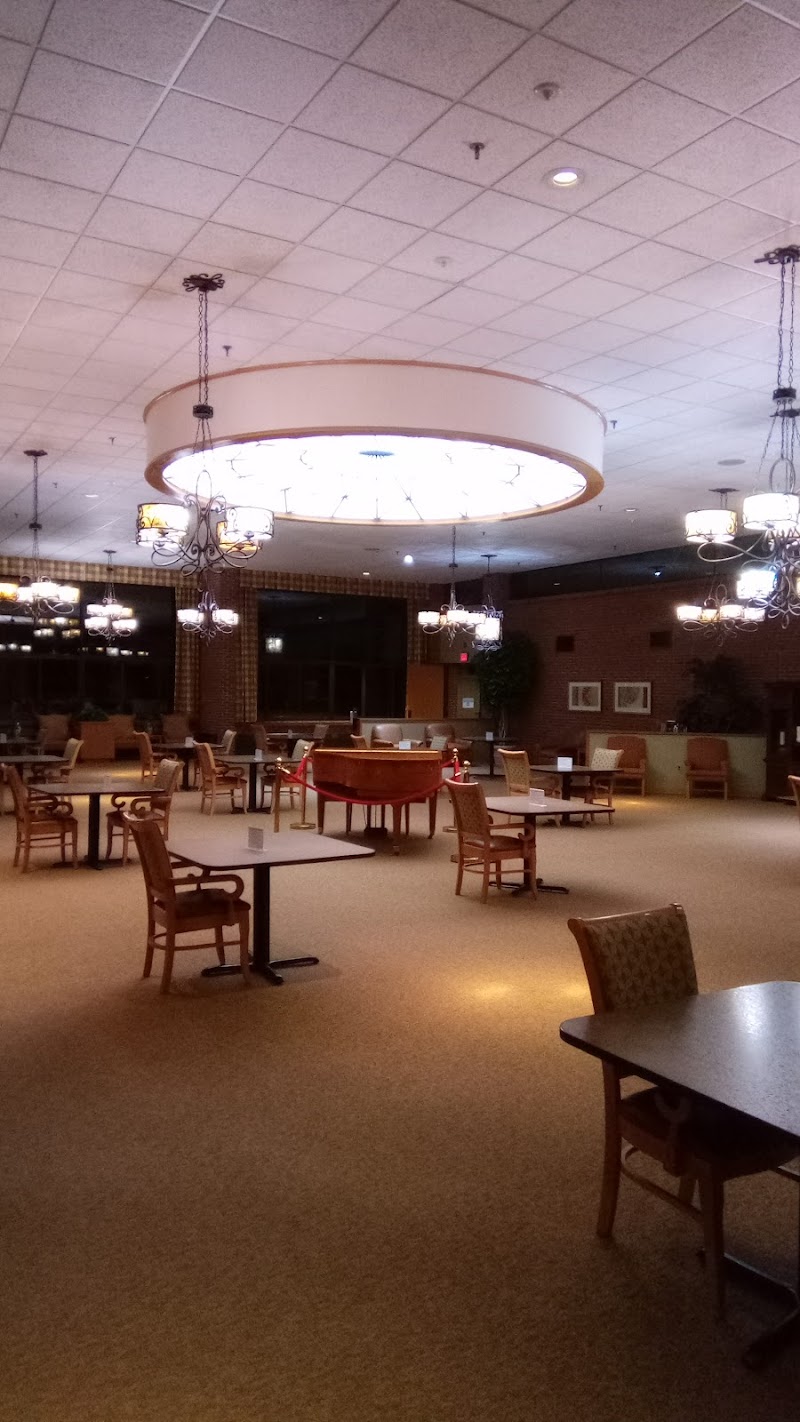
How is West Bloomfield Health And Rehabilitation Center Staffed?

CMS rates West Bloomfield Health and Rehabilitation Center's staffing level at 4 out of 5 stars, which is above average compared to other nursing homes. Staff turnover is 44%, compared to the Michigan average of 46%. This relatively stable workforce can support continuity of care.

What Have Inspectors Found at West Bloomfield Health And Rehabilitation Center?

State health inspectors documented 28 deficiencies at West Bloomfield Health and Rehabilitation Center during 2023 to 2025. These included: 1 that caused actual resident harm, 26 with potential for harm, and 1 minor or isolated issues. Deficiencies causing actual harm indicate documented cases where residents experienced negative health consequences.
Who Owns and Operates West Bloomfield Health And Rehabilitation Center?

West Bloomfield Health and Rehabilitation Center is owned by a for-profit company. For-profit facilities operate as businesses with obligations to shareholders or private owners. The facility operates independently rather than as part of a larger chain. With 172 certified beds and approximately 129 residents (about 75% occupancy), it is a mid-sized facility located in West Bloomfield, Michigan.

How Does West Bloomfield Health And Rehabilitation Center Compare to Other Michigan Nursing Homes?

Compared to the 100 nursing homes in Michigan, West Bloomfield Health and Rehabilitation Center's overall rating (3 stars) is below the state average of 3.1, staff turnover (44%) is near the state average of 46%, and health inspection rating (3 stars) is at the national benchmark.

What Should Families Ask When Visiting West Bloomfield Health And Rehabilitation Center?

Based on this facility's data, families visiting should ask: "Can I visit during a mealtime to observe dining assistance and food quality?" "How do you handle medical emergencies, and what is your hospital transfer rate?" "Can I speak with family members of current residents about their experience?"

Is West Bloomfield Health And Rehabilitation Center Safe?

Based on CMS inspection data, West Bloomfield Health and Rehabilitation Center has a clean safety record: no substantiated abuse findings (meaning no confirmed cases of resident harm), no Immediate Jeopardy citations (the most serious violation level indicating risk of serious injury or death), and is not on the Special Focus Facility watch list (a federal program monitoring the lowest-performing 1% of nursing homes). The facility has a 3-star overall rating and ranks #100 of 100 nursing homes in Michigan. While no facility is perfect, families should still ask about staff-to-resident ratios and recent inspection results during their visit.

Do Nurses at West Bloomfield Health And Rehabilitation Center Stick Around?

West Bloomfield Health and Rehabilitation Center has a staff turnover rate of 44%, which is about average for Michigan nursing homes (state average: 46%). Moderate turnover is common in nursing homes, but families should still ask about staff tenure and how the facility maintains care continuity when employees leave.

Was West Bloomfield Health And Rehabilitation Center Ever Fined?

West Bloomfield Health and Rehabilitation Center has no federal fines on record. CMS issues fines when nursing homes fail to meet care standards or don't correct problems found during inspections. The absence of fines suggests the facility has either maintained compliance or corrected any issues before penalties were assessed. This is a positive indicator, though families should still review recent inspection reports for the full picture.

Is West Bloomfield Health And Rehabilitation Center on Any Federal Watch List?

West Bloomfield Health and Rehabilitation Center is not on any federal watch list. The most significant is the Special Focus Facility (SFF) program, which identifies the bottom 1% of nursing homes nationally based on persistent, serious quality problems. Not being on this list means the facility has avoided the pattern of deficiencies that triggers enhanced federal oversight. This is a positive indicator, though families should still review the facility's inspection history directly.