Harbor Post Acute Center
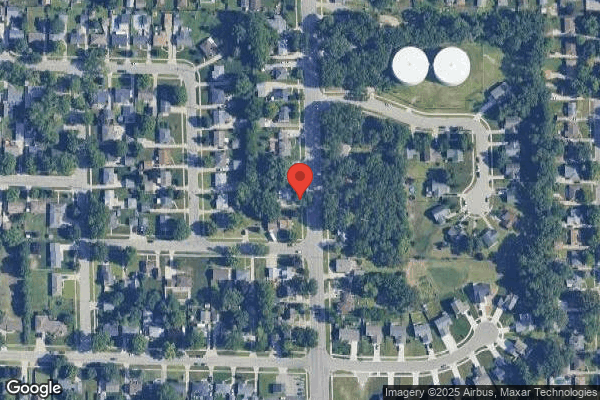
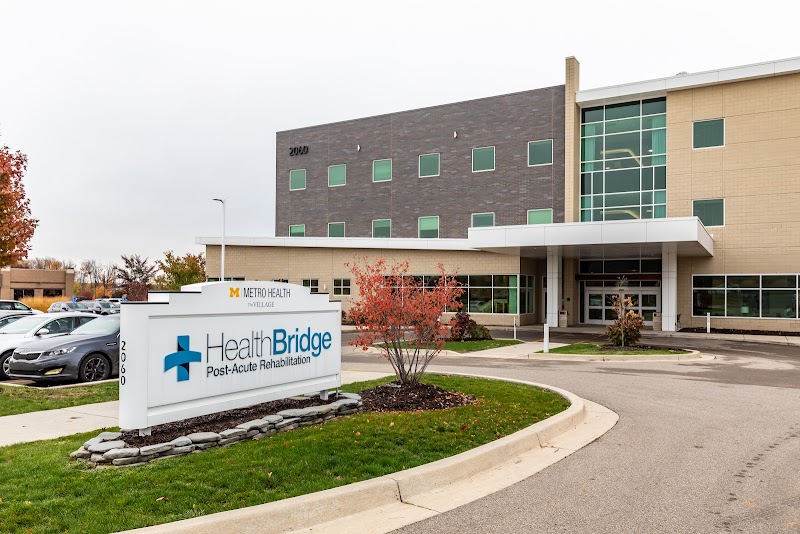
2060 Health Drive, Wyoming, MI 49519 (616) 333-1200
For profit - Individual 65 Beds Independent Data: November 2025
Trust Grade
20/100
#376 of 422 in MI
Last Inspection: October 2024

Within standard 12-15 month inspection cycle. Federal law requires annual inspections.

Overview

Harbor Post Acute Center in Wyoming, Michigan, has a Trust Grade of F, indicating significant concerns and a poor overall rating. It ranks #376 out of 422 facilities in the state, placing it in the bottom half, and #25 out of 28 in Kent County, meaning there are very few local options that rank better. The facility is worsening, with issues increasing from 16 in 2023 to 20 in 2024. Staffing is a relative strength, rated 4 out of 5 stars, but with a turnover rate of 46%, which is average for Michigan. However, the facility has incurred $244,400 in fines, which is concerning and higher than 99% of Michigan facilities, highlighting ongoing compliance issues. Specific incidents include a failure to provide proper pressure ulcer care for one resident, resulting in harm and deterioration of their condition, and delays in medication delivery for another resident upon admission. Additionally, there were issues with cleanliness and safety in the kitchen, increasing the risk of foodborne illness for residents. While the staffing levels are good, these serious and concerning deficiencies raise significant red flags for families considering this facility for their loved ones.
Trust Score
F
20/100
In Michigan
#376/422
Bottom 11%
Safety Record
High Risk
Review needed
Inspections
Getting Worse
16 → 20 violations
Staff Stability
⚠ Watch
46% turnover. Above average. Higher turnover means staff may not know residents' routines.
Penalties
⚠ Watch
$244,400 in fines. Higher than 97% of Michigan facilities. Major compliance failures.
Skilled Nurses
✓ Good
Each resident gets 53 minutes of Registered Nurse (RN) attention daily — more than average for Michigan. RNs are trained to catch health problems early.
Violations
⚠ Watch
59 deficiencies on record. Higher than average. Multiple issues found across inspections.
★☆☆☆☆
1.0
Overall Rating
★★★★☆
4.0
Staff Levels
★★★★☆
4.0
Care Quality
★☆☆☆☆
1.0
Inspection Score
Stable
2023: 16 issues
2024: 20 issues

The Good

  • 4-Star Staffing Rating · Above-average nurse staffing levels
  • 4-Star Quality Measures · Strong clinical quality outcomes
  • Full Sprinkler Coverage · Fire safety systems throughout facility
  • No fines on record

Facility shows strength in staffing levels, quality measures, fire safety.

The Bad

1-Star Overall Rating

Below Michigan average (3.1)

Significant quality concerns identified by CMS

Staff Turnover: 46%

Near Michigan avg (46%)

Higher turnover may affect care consistency

Federal Fines: $244,400

Well above median ($33,413)

Significant penalties indicating serious issues

The Ugly 59 deficiencies on record

1 actual harm
Oct 2024 10 deficiencies 1 Harm
SERIOUS (G)

Actual Harm - a resident was hurt due to facility failures

Pressure Ulcer Prevention (Tag F0686)

A resident was harmed · This affected 1 resident

**NOTE- TERMS IN BRACKETS HAVE BEEN EDITED TO PROTECT CONFIDENTIALITY** Based on observation, interview, and record review, the facility failed to provide pressure ulcer care and treatment consistent ...

Read full inspector narrative →
**NOTE- TERMS IN BRACKETS HAVE BEEN EDITED TO PROTECT CONFIDENTIALITY** Based on observation, interview, and record review, the facility failed to provide pressure ulcer care and treatment consistent with professional standards of practice for one resident (Resident #37) of 3 residents reviewed for care and treatment of pressure ulcers, resulting in harm and the deterioration of Resident #37's pressure ulcer. Findings include: Review of an admission Record revealed Resident #37 (R37) admitted to the facility on [DATE] with pertinent diagnoses which included chronic obstructive pulmonary disorder and peripheral vascular disease. Review of a Minimum Data Set (MDS) assessment for R37, with a reference date of 8/1/2024 revealed a Brief Interview for Mental Status (BIMS) score of 15, out of a total possible score of 15, which indicated R37 was cognitively intact. Further review of same MDS assessment revealed R37 required assistance with toileting and repositioning. Review of a current Care Plan focus for R37, initiated 7/23/2024, revealed R37 was at risk for impaired skin integrity related to limited mobility, incontinence, and impaired sensation. Further review revealed an intervention directing staff to assist R37 to reposition her body with pillows and devices to protect bony prominence's. Review of current impaired skin integrity Care Plan interventions for R37, initiated 8/13/2024, directed staff to keep R37's skin clean and dry. In an interview on 10/7/2024 at 9:36 AM, R37 reported she had a wound on her backside and the night shift Certified Nursing Assistant (CNA) from the previous night did not check on her between 10:00 PM and 6:00 AM to change or reposition her. R37 reported her brief was soaked this morning because she had not been changed the entire night. In an interview on 10/7/2024 at 2:59 PM, CNA N reported R37 had told her that morning that she had not been check and changed by the night shift CNA the previous evening. CNA N reported night shift CNA R told her rounds were completed at 5:30 AM just prior to shift change but R37's brief was soaked when CNA N checked on her after shift change. CNA N reported it did not appear R37 had been recently changed. In an observation and interview on 10/7/2024 at 2:22 PM in R37's room, Lead CNA I pulled R37's brief down to prepare for her dressing change and revealed the wound on her coccyx to be exposed to the air and without a dressing in place. R37's brief appeared to be wet with urine. Lead CNA I reported R37 must not have had a dressing in place since her shower earlier that morning. R37 reported she had the shower at approximately 10:00 AM. Licensed Practical Nurse (LPN) M reported the CNA had told her R37's dressing had come off in the shower earlier that morning. LPN M reported she normally tried to replace dressings just after showers but had been too busy to replace the dressing. LPN M took a washcloth, applied bar soap from the room sink, and inserted the washcloth into R37's large open coccyx pressure ulcer to clean the ulcer, turning the washcloth as she applied pressure to the wound bed. LPN M reported she normally liked to use wound cleanser but did not have any and the order was to use soap and water. Review of R37's active Physician's Orders, started 10/1/2024, revealed an order to cleanse R37's wound with soap and water daily prior to placing the new dressing. Review of R37's October 2024 Treatment Administration Record (TAR) revealed nursing staff documented they cleaned R37's coccyx wound with soap and water prior to placing the new dressing on 10/2/2024, 10/3/2024, 10/4/2024, 10/5/2024, 10/6/2024, and 10/7/2024. Review of R37's weekly Wound Assessments revealed the coccyx pressure wound was documented as 4.0 by 4.5 by 0.2 cm's on 9/16/2024, 3.5 by 6.0 by 1.7 cm's on 9/23/2024, and 3.0 by 4.5 by 2.0 cm's on 10/1/2024. Wound assessment treatment documentation prior to 10/1/2024 was to wash the wound with soap and water prior to placing the dressing. On 10/1/2024 the treatment changed from washing the wound with soap and water to cleansing the wound with wound cleanser prior to placing the dressing. In an interview on 10/7/2024 at 3:06 PM, LPN Unit Manager E reported a dressing should be replaced immediately after a shower or as soon as possible and within 30 minutes. LPN Unit Manager E reported it did not sound right to be packing R37's coccyx wound with soap and that wound cleanser would be appropriate. LPN Unit Manager E reported the facility Wound Registered Nurse (RN) O was responsible for accurately updating wound treatment orders in the electronic medical record. In a telephone interview on 10/8/2024 at 10:29 AM, Wound RN O reported the contract wound specialist evaluated R37's coccyx ulcer for the first time on 10/1/2024 because the wound was worsening. Wound RN O reported the treatment recommendation changed from washing the coccyx wound with soap and water to using wound cleanser on 10/1/2024 because of the deteriorating depth of the wound. Wound RN O reported if R37's coccyx dressing order was still directing staff to wash the wound with soap and water this was a mistake on her part as she intended to change the order from soap and water to wound cleanser on 10/1/2024 per the wound specialist's recommendation. Wound RN O reported R37's dressings should be replaced after showers right away or as soon as possible. Wound RN O reported 4 hours was too long to wait for a dressing to be replaced after taking a shower. Review of R37's Wound Specialists Initial Evaluation Note, dated 10/1/2024, revealed .Post-Debridement Measurement: 3by4.5by2.1 cm . active dx: Pressure ulcer of sacral region, stage 3 . Plan: Wound #1 sacral pressure treatment recommendations: 1. Cleanse with wound cleanser . In an observation on 10/8/2024 at 11:27 AM in R37's room, LPN Unit Manager E measured R37's coccyx wound to be 3.3 by 4.0 by 3.8 cm's, the wound depth increasing from 2.1 cm's after debridement on 10/1/2024 to 3.8 cm's deep on 10/8/2024. In an interview on 10/8/2024 at 1:51 PM, concerns regarding the recent deterioration of R37's pressure ulcer were discussed with the Nursing Home Administrator (NHA). The NHA requested that I view the wound again with the wound specialist that afternoon because wound measurements could be different based on who measured the wound. In an observation and interview on 10/8/2024 at 1:51 PM in R37's room with the Wound Specialist Physician's Assistant (PA) and the Director of Nursing (DON), Wound Specialist PA P measured R37's coccyx wound to be 2.7 by 4 by 2.6 cm's. Wound Specialist PA P stated the wound was much deeper than the initial evaluation that took place on 10/1/2024. Wound Specialist PA P reported there was undermining (erosion under the wound edges) of the wound that was not present on 10/1/2024. Wound Specialist PA P told the DON R37 needed to be sent to the hospital urgently for surgical debridement. Wound Specialist PA P stated, I think we need to send her to the hospital. This is getting really deep; it seems to be getting worse. If we don't get this taken care of it could cause infection throughout your whole body. Wound Specialist PA P reported she could feel bone with her finger. In an interview on 10/8/2024 at 2:00 PM, Wound Specialist PA P reported soap and water was not indicated for a deep pressure ulcer such as R37's coccyx wound because the washcloth is rough on granulated tissue, and you could leave soap inside that would irritate the wound. Wound Specialist PA P reported wound cleanser was the best practice for the treatment of pressure ulcers and she recommended wound cleanser on 10/1/2024 for the treatment of R37's pressure ulcer. Wound Specialist PA P reported the dressing should be replaced immediately after taking showers or as soon as possible. Wound Specialist PA P reported leaving a pressure ulcer open to the air allowed urine, stool, flies, and other things to contaminate the wound. Review of facility policy/procedure Skin Treatment- Guidelines for Pressure Injuries, updated 3/2020, revealed . It is the policy of this center to utilize treatment guidelines when providing care for residents with pressure injury and to prevent further deterioration of pressure injury . A physician order will be obtained for the pressure injury treatment . Positioning interventions redistribute pressure and shearing force to the skin. Elevating the head of the bed to 30 degrees or less decreases the chance of pressure ulcer development from shearing forces (WOCN, 2010). Change the immobilized patient's position according to tissue tolerance, level of activity and mobility, general medical condition, overall treatment objectives, skin condition, and comfort (NPUPA, EUPAP, PPPIA, 2014). A standard turning interval of to 2 hours does not always prevent pressure ulcer development. Consider repositioning the patient at least every 2 hours if allowed by his or her overall condition. When repositioning, use positioning devices to protect bony prominence's (WOCN, 2010). The WOCN guidelines (2010) recommend a 30-degree lateral position (Figure 48-15), which should prevent positioning directly over the bony prominence. To prevent shear and friction injuries, use a transfer device to lift rather than drag the patient when changing positions (see Chapter 39). [NAME], [NAME] A.; [NAME], [NAME] Griffin; Stockert, [NAME]; Hall, [NAME]. Fundamentals of Nursing - E-Book (Kindle Locations 72244-72253). Elsevier Health Sciences. Kindle Edition.
CONCERN (D)

Potential for Harm - no one hurt, but risky conditions existed

Deficiency F0554 (Tag F0554)

Could have caused harm · This affected 1 resident

**NOTE- TERMS IN BRACKETS HAVE BEEN EDITED TO PROTECT CONFIDENTIALITY** Based on observation, interview, and record review, the facility failed to ensure two Residents (R20 and R26) of five residents ...

Read full inspector narrative →
**NOTE- TERMS IN BRACKETS HAVE BEEN EDITED TO PROTECT CONFIDENTIALITY** Based on observation, interview, and record review, the facility failed to ensure two Residents (R20 and R26) of five residents reviewed for medication were properly assessed and monitored for self-administration of medication and failed to securely store and document medication self-administration after use. Findings: R20 R20 admitted to the facility [DATE] with pertinent diagnoses that included asthma and respiratory failure. Review of the Minimum Data Set (MDS) dated [DATE] reflected a Brief Interview for Mental Status (BIMS) score of 13 which indicted R20 is cognitively intact. On [DATE] at 11:40 AM an observation and interview were conducted in the room of R20. An albuterol 90 micrograms (mcg) multi-dose inhaler in an aero chamber and a bottle of Flonase were observed on the over-the-bed table of R20. R20 reported she has had immediate access to both medications since admission. The policy provided by the facility titled Self-Administration of Medications, last revised [DATE] was reviewed. The Policy Statement reflected Residents have the right to self-administer medications if the interdisciplinary team had determined that it is clinically appropriate and safe for the resident to do so. This indicated a resident would be assessed to determine a resident's ability to self =-administer medication. Under Policy Interpretation and Implementation number 12 reflected 'Nursing staff will review the self-administration medication and as necessary will transfer pertinent information to the medication administration record (MAR) appropriately noting that the doses were self-administered. Review of the Electronic Medical Record (EMR) for R20 did not reflect any documentation that the interdisciplinary team had discussed self-administration of medication or that a self-administration assessment was documented. Review of the EMR Physician Orders reflected a current order for Albuterol Sulfate Inhalation Aerosol Solution 90 mcg 2 puffs every 4 hours as needed for wheezing with a start date of [DATE]. The order did not reflect that R20 may keep medications at bedside or had been approved for self-administration. On [DATE] at 9:43 AM a follow-up interview was conducted with R20 in her room. R20 reported that a nurse had removed her albuterol inhaler and the Flonase from her room that morning. R20 reported that she had been using the albuterol inhaler several times a day since her admission. R20 reported that nursing had never asked her if she had used the inhaler or how often. Review of the MAR for September and [DATE] reflected one dose was documented on 9/24 and one dose on 9/25 from [DATE] to the date of review on [DATE]. On [DATE] at 9:57 AM an interview was conducted with Licensed Practical Nurse (LPN) D. LPN D reported she had retrieved the albuterol inhaler and the Flonase from R20 that morning. LPN D reported the medications were in a locked area in the room of the Resident. LPN D indicated R20 would be given the medication to use when she asked for it. On [DATE] at 11:35 AM the Director of Nursing (DON) was informed of the medication found at the bedside of R20 and that no self-administration assessment had been found in the EMR. The DON indicated if a resident had been assessed for self-administration documentation of this should be present in the EMR notes and on the MAR. The DON indicated she would review the EMR and provide any pertinent information. As of survey exit no additional information had been provided by the facility. Resident #26 (R26) Review of an admission Record Reflected R26 admitted to the facility with diagnoses that included chronic respiratory failure with hypoxia, Chronic Obstructive Pulmonary Disease (COPD) and dependence on supplemental oxygen. Review of the Electronic Medical Record (EMR) revealed a Self-Administration of Medication Evaluation had been completed on admission ([DATE]) and again on [DATE]. R26 was deemed safe to self-administer inhaled (nebulizer & inhalation) medications. During an observation on [DATE] at 11:28 AM, an Albuterol Sulfate 90 mcg (microgram) inhaler was observed on R26's over-the-bed table. R26 said she keeps the inhaler at the bedside and uses it up to four times a day. During an observation on [DATE] at 12:11 PM, the Albuterol Sulfate 90 mcg inhaler was again observed on R26's over-the-bed table. During an observation on [DATE] at 10:18 AM, the Albuterol Sulfate 90 mcg inhaler and a Incruse Elipta 62.5 mcg were noted on R26's over-the-bed table. No licensed nurses were in R26's room. R26 reported she does not document when she uses the albuterol inhaler, and the nurses do not ask her when or how often she uses it. R26 said she uses the albuterol about four times a day and uses the Incruse Elipta once a day. R26 said she does not rinse her mouth after administration of either medication. Review of the Medication Administration Record (MAR) for September and [DATE] revealed an order for Ventolin HFA Inhalation Aerosol Solution 108 (90 Base) MCT/ACT (Albuterol Sulfate) 2 puff inhale orally every 6 hours as needed for SOB (short of breath)/Wheezing no sooner than 4 hours between all sources of Albuterol. The records did not indicate R26 had ever taken a PRN (as needed) dose of the medication. Further review of all orders reflected on the MAR's did not indicate R26 had a physician order to self-administer inhaled medications. Review of a policy Self-Administration of Medications revised [DATE], reflected 1. For self-administering residents, the nursing staff will determine who will be responsible (the resident or the nursing staff) for ensuring that medications were taken. 2. Self-administered medications must be stored in a safe and secure place. If safe storage is not possible in the resident's room, the medications of residents permitted to self-administer will be stored on a central medication cart or in the medication room. Nursing will transfer the unopened medication to the resident when the resident requests them. 3. Staff shall identify and give to the Charge Nurse any medications found at the bedside that are not authorized for self-administration, for return to the family or responsible party. 4. The facility will reorder self-administered medications in the same manner as other medications, if requested by the resident. 5 .The nursing staff will routinely check self-administered medications and will remove expired, discontinued, or recalled medications. 6. Nursing staff will review the self-administered medication and as necessary will transfer pertinent information to the medication administration record (MAR), appropriately noting that the doses were self-administered. 7. The staff and practitioner will periodically (for example, during quarterly MDS reviews) reevaluate a resident's ability to continue to self-administer medications.
CONCERN (D)

Potential for Harm - no one hurt, but risky conditions existed

Quality of Care (Tag F0684)

Could have caused harm · This affected 1 resident

**NOTE- TERMS IN BRACKETS HAVE BEEN EDITED TO PROTECT CONFIDENTIALITY** Based on observation, interview, and record review, the facility failed to assess, monitor and notify the physician of clinical ...

Read full inspector narrative →
**NOTE- TERMS IN BRACKETS HAVE BEEN EDITED TO PROTECT CONFIDENTIALITY** Based on observation, interview, and record review, the facility failed to assess, monitor and notify the physician of clinical changes in condition for 1 resident (Resident #48) out of 13 residents reviewed for quality care from a total sample of 13 residents. Findings: Resident #48 (R48) Review of an admission Record reflected R48 originally admitted to the facility on [DATE] with diagnosis that included end stage renal disease, dependence on renal dialysis, and Congestive Heart Failure (CHF). Review of a Minimum Data Set (MDS) admission assessment dated [DATE] reflected R48 was cognitively intact as evidenced by a Brief Interview for Mental Status (BIMS) assessment score of 15/15. Review of a Care Plan initiated on 9/16/24 indicated R48 has altered cardiovascular status r/t (related to) hypertension, hypotension, pacemaker, HLD (hyperlipidemia), CAD (coronary artery disease). The goal of the care plan was that R48 would be free from signs and symptoms of complications of cardiac problems. Interventions included Vital signs as tasked. Notify nurse/physician of any abnormal readings; Monitor/document/report to MD changes in lung sounds on auscultation (i.e. crackles), edema and changes in weight. Review of a hospital Transfer of Care Document indicated R48 was hospitalized from [DATE]-[DATE] for Acute on chronic systolic heart failure. Discharge instructions indicated This is a heart failure patient. Plan for managing heart failure at sub-acute rehab: Order: Standing daily weights first thing in the morning after patient empties his/her bladder. Monitor the patient daily and notify facility provider for the following: Weight gain of 2-3 pounds in 1 day or 5 pounds in 1 week. Increased shortness of breath with activity, sleeping, or at rest. Unable to lay flat at night. Complaints of abdominal fullness, nausea, or change in appetite. Increased swelling. Increased 02 (oxygen) needs from baseline or new oxygen requirement. Unable to tolerate medications (beta-blocker, diuretics, ACE/ARB/ARNI-Entresto). Systolic blood pressure of less than 90 or over 140 for more than three consecutive readings. Review of a Late Entry progress note dated 10/01/24 indicated the Registered Dietitian (RD) S spoke w/ (with) provider about pt's (patient's) fluid retention. Pt's dry weight is 220-pounds w/ hospital getting him down to 215 pounds. Pts' weight is at 228.8 pounds. Provider will add abdominal girth daily, and pt is to see his cardiologist today as well. RD will continue to follow. Review of a Late Entry Nursing Progress Note dated 10/3/24 reflected R48 underwent Paracentesis (a procedure that removes fluid from the abdomen with a needle or tube) and 3 liters of fluid were removed. Review of a Practitioner Short Progress Note dated 10/3/2024 indicated R48 had 3 liters of fluid drained after paracentesis on 10/3/24. The note specified Ascites s/p (status post) paracentesis today with 3L off per patient. Monitor for need of repeat paracentesis, daily abdominal girth measurements ESRD (end stage renal disease) on HD (hemodialysis). Review of R48's October 2024 Treatment Administration Record (TAR) reflected AM-Standing daily weight, standing weight if applicable, if not explain in progress note, and obtain weight by wheelchair, in the morning for monitoring weight to ensure H20 (water) retention is not occurring. Try to get this before breakfast for a more accurate capture of dry weight. -Start Date- 9/28/24. Review of weights recorded on the October 2024 TAR reflected R48 gained over 3 pounds between 10/1/24 and 10/2/24. R48's weight on 10/5/24 was 227.4; on 10/6/24 R48 weighed 233.8 pounds, a 6.4-pound weight gain in one day. On 10/7/24 R48 weighed 240.2, a 6.4-pound weight gain in one day. R48 gained a total of 12.8 pounds in 2 days between 10/5/24 and 10/7/24. The October 2024 TAR also reflected the order Measure and record abdominal girth daily one time a day for Ascites (fluid buildup in the abdomen)-Start Date-10/2/24. The documentation reflects R48's abdominal girth was never measured between 10/2/24 and 10/7/24. During an observation and interview on 10/7/24 at 3:51 PM, R48 was seated in his wheelchair, oxygen tubing was draped over the oxygen supply in the wall over R48's bed. R48 was not wearing supplemental oxygen during the interview. R48 reported that nursing staff have not been measuring his abdominal girth. During an interview on 10/7/24 at 4:00 PM, Registered Nurse (RN) T reviewed R48's electronic medical record, including treatment orders and progress notes and reported there was no evidence nursing staff had notified the provider of R48's weight gains. RN T said there was not another system to document physician notification such as a binder on the nurse station. RN T also confirmed that R48's abdominal girth had not been measured. During an interview on 10/7/24 at 4:21 PM, RD S reported she monitors resident weights Monday - Friday and notifies the provider if there is a 2-pound weight gain in one day or a 5-pound change in a week. RD S showed the surveyor a spreadsheet of residents being monitored. R48's weight gain of over 12 pounds was not noted on the form, indicating that as of 4:21 PM, RD S had not noted R48's 12.8-pound weight change. During an interview on 10/7/24 at 4:30 PM, the Director of Nursing (DON) reported that she does not know why staff are not measuring R48's abdominal girth. The DON did not know why nursing staff were not notifying the provider of R48's weight gains. During a follow-up interview on 10/8/24 at 9:14 AM, R48 was seated on the edge of his bed, supplemental oxygen in place. R48 was pursed-lip breathing (a breathing technique that can help with shortness of breath) as he attempted to work his pants over his knees while seated on the edge of the bed, taking breaks while he spoke to the surveyor. R48 reported he was waiting on staff to weigh him before he ate his breakfast which was sitting on his over-bed table. Review of a policy Change of Condition dated 1/1/2023 reflected It is the policy of this center to inform the resident, the resident's physician and if indicated the resident's responsible party of change of condition including: . 2. A significant change in the resident's physical, mental or psychosocial status, such as a deterioration in health, mental, or psychosocial status, in life-threatening conditions or clinical complications. The policy also specified 1. After resident changes in condition including but not limited to falls, injuries, changes in health and psychosocial status conduct a thorough assessment and compare against baseline. 3. The attending physician and Responsible Party/family will be notified of the significant change in condition in a timely manner. Unless it is an emergency situation the center has up to 24 hours to make the notification. If you are unable to reach the attending physician, call the alternate physician or the physician on call. If you are unable to reach this physician, call the medical director (if not the attending or alternate physician), or the emergency room physician. Review of a policy Physician Orders dated 1/1/2023 reflected It is the policy to follow written and verbal orders given by the physician, dentist, APN (Advanced Practice Nurse) or PA (Physician Assistant). Review of a policy Heart Failure - Clinical Protocol revised February 2023 indicated As part of the initial assessment, the physician will help identify individuals with a history of heart failure (HF) and will clarify, as much as possible, its severity and underlying causes. Monitoring and follow-up listed in the protocol indicated Vital signs, including weight monitoring will be completed in accordance with the Physician orders. Changes in vital signs and weights will be reported to the Physician in accordance with Physician Orders., if specific orders are present in the resident's clinical record, or in accordance with facility policy and procedures.
CONCERN (D)

Potential for Harm - no one hurt, but risky conditions existed

Medication Errors (Tag F0758)

Could have caused harm · This affected 1 resident

**NOTE- TERMS IN BRACKETS HAVE BEEN EDITED TO PROTECT CONFIDENTIALITY** Based on interview and record review, the facility failed to ensure antipsychotic medications were prescribed to treat a conditi...

Read full inspector narrative →
**NOTE- TERMS IN BRACKETS HAVE BEEN EDITED TO PROTECT CONFIDENTIALITY** Based on interview and record review, the facility failed to ensure antipsychotic medications were prescribed to treat a condition as diagnosed and documented with rationale in the clinical record for 1 resident (Resident #24) out of 5 residents reviewed for unnecessary medications. Findings: Review of an admission Record reflected R24 admitted to the facility on [DATE] with diagnoses that included Covid-19, acute respiratory failure with hypoxia, Chronic Obstructive Pulmonary Disease (COPD) and cognitive communication deficit. Review of a Minimum Data Set (MDS) assessment dated [DATE] reflected R24 was moderately cognitively impaired as evidenced by a Brief Interview for Mental Status (BIMS) score of 8/15. Review of a Preadmission Screening(PAS)/Annual Resident Review(ARR) Level I Screening dated 9/5/2024 reflected R24 did not have a mental illness or dementia and was prescribed oral trazadone (an antidepressant) for delirium in the hospital. No chronic behavioral health diagnoses. Review of a hospital After Visit Summary reflected R24 was prescribed RisperiDONE 0.5 mg (milligram) disintegrating tablet commonly known as RisperDAL M-TABS Take I tablet (0.5 mg total) by mouth at bedtime for 2 days. Review of an Order Audit Report reflected R24 was prescribed 0.5 mg Risperidone upon admission to the facility on 9/11/24- 9/12/24. R24 did not take the mediation for 2 days from 9/12/24-9/14/24. Risperidone 0.5 mg tablet, give 0.5 mg by mouth in the evening for agitation for 14 days was started again on 9/14/24-9/28/2024. R24 did not take Risperidone for two days, then the medication was restarted on 9/30/2024-10/14/2024. Review of a Care Plan initiated on 9/16/2024 indicated I (R24) use anti-psychotic medications. No diagnoses associated with the use of anti-psychotic medications were documented. The Goal of the care plan was that R24 would maintain the lowest effective dosage of my antipsychotic medication without significant side effects . Review of Nursing Progress Notes dated 9/12/24 reflected R24 was on droplet precautions due to being Covid-19 positive and would wander in the halls and be re-directed without distress. Review of a Late Entry Nursing Progress Note dated 9/14/24 reflected R24 was a 1:1 due to increased confusion; staff encouraged R24 to stay in her room due to Covid-19 droplet precautions. Review of a Nursing Infection Note dated 9/16/24 indicated R24 was removed from droplet precautions. Review of a Nursing Progress Note dated 9/18/24 reflected R24 was noted to wander around unit. Patient (R24) very pleasant and easily redirected . Review of a Nursing Progress Note dated 10/02/24 indicated R24 had wandering behaviors and was pleasant and cooperative with cares, No behaviors noted. Review of all Practitioner Short Progress Notes for the dates 9/12/24, 9/17/24, 9/19/24, 9/20/24, and 10/7/24 did not reflect a discussion of R24's behaviors or prescribed antipsychotic medications. During an interview on 10/08/24 at 1:29 PM Licensed Practical Nurse (LPN) Unit Manager (UM) R reviewed R24's Electronic Medical Record (EMR) and explained the provider asked her to enter a verbal order for Risperidone after not having it for two days on 9/14/24. LPN/UM R reported there was no behavior monitoring in place. LPN/UM R reviewed the progress notes and reported that R24 would have wandering behaviors and was not very compliant with remaining in her room when she was in Covid-19 droplet precautions due to being unfamiliar with the facility, which was understandable. LPN/UM R reported staff increased supervision for R24, who was redirectable and without behavioral concerns. LPN/UM R confirmed there was not an order for a consultation with behavioral health providers. Review of a policy Behavior Management-Psychoactive Medication-Antipsychotic Drug Therapy dated 1/1/2023 reflected It is the policy of this center to use antipsychotic medications per CMS (Centers for Medicare and Medicaid Services) guidelines and to perform dose reductions and monitoring as required by regulation, to promote the highest level of resident care and safety. The policy specified 4. Specific conditions for which antipsychotic drugs may be used: Schizo-affective disorder; delusional disorder; psychotic mood disorders (including mania and depression with psychotic features); acute psychotic episodes brief reactive psychosis; Schizophreniform disorder; atypical psychosis; Tourette's disorder; Huntington's disease, Organic mental syndromes (including dementia and delirium) with associated psychotic and/or agitated behaviors: which have been quantitatively (number of episodes) and objectively (biting, kicking, scratching) documented, which are not caused by preventable reasons, which are causing the resident to 1) present a danger to her/himself or to others, 2) Continuously scream yell or pace if these specific behaviors cause an impairment in functional capacity, 3) Experience psychotic symptoms (hallucinations, paranoia, delusions) not exhibited as dangerous behaviors or as crying, screaming, yelling, or pacing but which cause the resident distress or impairment in functional capacity; Short term (seven day) symptomatic treatment of hiccups, nausea, vomiting, or pruritus. 5. Conditions for which antipsychotic drugs should NOT be used (as an only indication): wandering, poor self-care, restlessness, impaired memory, anxiety, depression (without psychotic features), insomnia, unsociability, indifference to surroundings, fidgeting, nervousness, uncooperativeness, agitated behaviors which do not represent danger to the resident or others.
CONCERN (D)

Potential for Harm - no one hurt, but risky conditions existed

Infection Control (Tag F0880)

Could have caused harm · This affected 1 resident

**NOTE- TERMS IN BRACKETS HAVE BEEN EDITED TO PROTECT CONFIDENTIALITY** Based on observation, interview, and record review, the failed to ensure proper use of Personal Protective Equipment (PPE) for r...

Read full inspector narrative →
**NOTE- TERMS IN BRACKETS HAVE BEEN EDITED TO PROTECT CONFIDENTIALITY** Based on observation, interview, and record review, the failed to ensure proper use of Personal Protective Equipment (PPE) for residents in Enhanced Barrier Precautions for 1 resident (Resident #37) of 13 residents reviewed for infection control. Findings include: Review of an admission Record revealed Resident #37 (R37) admitted to the facility on [DATE] with pertinent diagnoses which included chronic obstructive pulmonary disorder and peripheral vascular disease. Review of a Minimum Data Set (MDS) assessment for R37, with a reference date of 8/1/2024 revealed a Brief Interview for Mental Status (BIMS) score of 15, out of a total possible score of 15, which indicated R37 was cognitively intact. Further review of same MDS assessment revealed R37 required assistance with toileting, transferring, and repositioning. Review of a current impairment to skin integrity Care Plan intervention for R37, initiated 8/13/2024, directed staff to maintain enhanced barrier precautions (gown and glove use) during high contact cares such as dressing, bathing, transferring, changing linens, providing hygiene, toileting, device care, and wound care. Further review directed staff to practice proper infection control interventions. Review of R37's active Physician's Orders, started 8/13/2024, revealed an order to maintain enhanced barrier precautions (gown and glove use) during high contact care such as dressing, bathing, transferring, changing linens, providing hygiene, changing briefs or assisting with toileting, device care, and wound care. In an observation and interview on 10/7/2024 at 2:22 PM, Lead Certified Nursing Assistant (CNA) I entered R37's room, transferred R37 from the bedside chair to her bed using a sit to stand lift, positioned her on her side, and pulled her brief down without donning a gown or gloves and using bare hands. Signage on the door indicated R37 required enhanced barrier precautions for high contact care such as transfers and toileting. Lead CNA I reported enhanced barrier precautions were only required for R37 during wound care. In an interview on 10/7/2024 at 3:06 PM, Licensed Practical Nurse (LPN) Unit Manager E reported gown and glove use is required for residents on enhanced barrier precautions during transfers and all high contact cares and not only during dressing changes. Review of facility policy/procedure Enhanced Barrier Precautions, reviewed 12/2020, revealed .It is the policy of this facility to implement enhanced barrier precautions for preventing transmission of novel or targeted multidrug-resistant organisms . enhanced barrier precautions refer to the use of gown and gloves for certain residents during specific high-contact resident care activities that have been found to increase risk for transmission of multidrug-resistant organisms . An order for enhanced barrier precautions will be obtained for residents with any of the following: Wounds and/or indwelling medical devices . High-contact resident care activities- dressing, bathing, transferring, providing hygiene, changing linens, changing briefs or assisting with toileting, device care or use, wound care .
CONCERN (E)

Potential for Harm - no one hurt, but risky conditions existed

Accident Prevention (Tag F0689)

Could have caused harm · This affected multiple residents

**NOTE- TERMS IN BRACKETS HAVE BEEN EDITED TO PROTECT CONFIDENTIALITY** This citation contains 2 Deficient Practice Statements (DPS), DPS A and DPS B. DPS A Based on observation, interview, and record...

Read full inspector narrative →
**NOTE- TERMS IN BRACKETS HAVE BEEN EDITED TO PROTECT CONFIDENTIALITY** This citation contains 2 Deficient Practice Statements (DPS), DPS A and DPS B. DPS A Based on observation, interview, and record review, the facility failed to implement their smoking policy and procedure for 1 resident (Resident #25) of 1 resident reviewed for smoking. Findings include: Review of an admission Record revealed Resident #25 (R25) admitted to the facility on [DATE] with pertinent diagnoses which included chronic pain syndrome, legal blindness, and chronic obstructive pulmonary disorder. Review of a Minimum Data Set (MDS) assessment for R25, with a reference date of 6/18/2024 revealed a Brief Interview for Mental Status (BIMS) score of 15, out of a total possible score of 15, which indicated R25 was cognitively intact. Review of a current smoking Care Plan intervention for R25, initiated 9/6/2024, revealed resident smoked independently and was required to sign in and out as he left facility property to smoke. Review of R25's admission Smoking Policy Rules and Acknowledgement, signed by R25 6/28/2024, revealed .(facility) is not a smoke-free environment and does allow for monitored smoking within designated areas. If the resident wishes to smoke on premises, they must abide by the following smoking criteria: Smoking will occur only in designated location. Day to day cigarettes are kept locked in the medication cart of the respective floor. Extra packs/cartons are kept locked in the medication cart of the respective floor . Review of facility policy/procedure Smoking Policy- Residents, updated 1/2023, revealed .The facility will permit supervised smoking in designated areas only . The designated smoking area is _______ (line blank) . Residents must keep all smoking materials (lighters, matches, cigarettes, pipes, cigars, smoking tobacco, tobacco, electronic cigarettes, etc.) at the nursing station. At no time are the residents permitted to keep smoking materials in their room . Smoking material will not be distributed to the resident until they are in the designated smoking area . Residents who sign themselves out of the center are prohibited from smoking on the center's property . Residents may not sign themselves out to smoke between scheduled smoke times unless they are leaving the center's property . In an observation and interview on 10/6/2024 at 10:31 AM, R25 was sitting on the bed in his room with a package of cigarettes visible in his sweatshirt pocket. R25 reported he kept his lighter and cigarettes on his person. R25 reported he was not required to sign out when leaving the 2nd floor to smoke. R25 reported he smoked in a designated area outside of the front door on the 1st floor. R25 walked to the elevators and left the 2nd floor without signing out of the unit leave of absence book. In an observation on 10/6/2024 at 12:50 PM, R25 was sitting on a bench just outside the facility front door smoking a cigarette while having a conversation with the Nursing Home Administrator (NHA). A no smoking sign was visible above the bench near where R25 was smoking. In an interview on 10/6/2024 at 1:10 PM, the NHA reported R25 was able to smoke independently and was not allowed to smoke on facility property. In an interview on 10/6/2024 at 2:26 PM, Licensed Practical Nurse (LPN) L reported R25 was not required to sign out when leaving the unit to smoke unless he was leaving the property. Review of the leave of absence book revealed R25 signed out when leaving the facility to go to a local grocery store on 10/5/2024 but did not sign out when going outside to smoke. In an observation on 10/7/2024 at 9:03 AM, two packages of cigarettes and a lighter were on R25's bed and unattended while R25 was in his bathroom. In an interview on 10/7/2024 at 9:11 AM, Lead Certified Nursing Assistant (CNA) I reported R25's cigarette supplies were usually locked in the covey in his room and given to him when he asked to smoke. In an interview on 10/7/2024 at 9:13 AM, LPN Unit Manager E reported R25's smoking supplies were kept locked up with his supplies in his room. In an interview on 10/7/2024 at 12:25 PM, the NHA reported he considered the facility to be a nonsmoking facility regardless of the admission Smoking Policy Rules and Acknowledgement and the facility smoking policy. Discrepancies between current facility practice, the admission Smoking Policy Rules and Acknowledgement, and the facility smoking policy including smoking location for independent smokers, the procedure for storage of smoking supplies, and the procedure for signing off the unit when smoking were discussed. The NHA reported there were not currently any residents that required supervision while smoking and there were no designated areas to smoke on the facility grounds. The NHA reported he needed to review the facility policy and procedure with his company to clarify how the facility would handle smoking in the future. DPS B Based on observation, interview, and record review, the facility failed to ensure residents were transferred according to the current care plan for 1 resident (Resident #37) of 13 residents whose care plans were reviewed, resulting in the potential for residents to fall and for residents to not meet their highest practicable physical, mental, and psychosocial well-being. Findings include: Review of an admission Record revealed Resident #37 (R37) admitted to the facility on [DATE] with pertinent diagnoses which included chronic obstructive pulmonary disorder and peripheral vascular disease. Review of a Minimum Data Set (MDS) assessment for R37, with a reference date of 8/1/2024 revealed a Brief Interview for Mental Status (BIMS) score of 15, out of a total possible score of 15, which indicated R37 was cognitively intact. Further review of same MDS assessment revealed R37 required assistance with toileting, transferring, and repositioning. Review of a current Care Plan focus for R37, initiated 7/23/2024, revealed R37 was at an increased risk for falls related to hypertension, emphysema, and chronic pain. Review of a current activities of daily living Care Plan intervention for R37, revised 8/21/2024, revealed R37 required the assistance of two staff with the sit to stand lift when transferring. In an observation and interview on 10/7/2024 at 2:22 PM, Lead Certified Nursing Assistant (CNA) I transferred R37 from her bedside chair to her bed using a sit to stand lift by herself and without the assistance of another staff member. Lead CNA I reported R37 allowed her to transfer her without the assistance of another staff member but technically she should not. In an interview on 10/7/2024 at 3:06 PM, Licensed Practical Nurse (LPN) Unit Manager E reported R37 required the assistance of two staff with the sit to stand lift when transferring.
CONCERN (E)

Potential for Harm - no one hurt, but risky conditions existed

Respiratory Care (Tag F0695)

Could have caused harm · This affected multiple residents

**NOTE- TERMS IN BRACKETS HAVE BEEN EDITED TO PROTECT CONFIDENTIALITY** Based on observation, interview, and record review, the facility failed to ensure respiratory equipment was maintained according...

Read full inspector narrative →
**NOTE- TERMS IN BRACKETS HAVE BEEN EDITED TO PROTECT CONFIDENTIALITY** Based on observation, interview, and record review, the facility failed to ensure respiratory equipment was maintained according to professional standards of practice for 4 residents (Resident #26, Resident #27, Resident #43 and Resident #48) out of 4 residents reviewed for respiratory care. Findings: Resident #26 (R26) Review of an admission Record Reflected R26 admitted to the facility with diagnoses that included chronic respiratory failure with hypoxia, Chronic Obstructive Pulmonary Disease (COPD) and dependence on supplemental oxygen. During an observation on 10/06/24 at 11:28 AM, nebulizer equipment in R26's room was uncovered, assembled, resting on R26's bedside table without a barrier in place and appeared to have been used as evidenced by droplets in the equipment. During an observation and interview on 10/08/24 at 10:19 AM, R26's nebulizer equipment was assembled and in an undated clear plastic bag. R26 reported that staff sometimes clean her nebulizer equipment. Resident #27 (R27) Review of an admission Record reflected R27 admitted to the facility on [DATE] with pertinent diagnoses that included acute respiratory failure with hypoxia and chronic obstructive pulmonary disease (COPD) with acute exacerbation. Review of R27's Treatment Administration Orders for October 2024 reflected Oxygen at 2L (liters)/min per nasal cannula intermittently every shift for COPD. Further review of the treatment orders did not indicate orders for the maintenance of R27's oxygen equipment. During an observation and interview on 10/06/24 at 9:44 AM, R27 reported she uses oxygen at night. R27 was seated in a recliner chair with her feet elevated. The oxygen tubing was not secured in a plastic bag but was hanging loose off the oxygen supply apparatus on the wall. Resident #43 (R43) Review of an admission Record reflected R43 admitted to the facility on [DATE] with diagnoses that included Chronic Obstructive Pulmonary Disease (COPD), asthma, and emphysema. During an observation on 10/06/24 at 9:02 AM, R43 was in bed, the nebulizer equipment was assembled, uncovered, resting on the bedside table without a barrier with visible droplets in the equipment. The face mask was visibly dirty with smudges. During an observation on 10/07/24 at 12:07 PM, R43 was sitting on the side of his bed. R43's oxygen tubing was draped over the handle of a wheelchair in his room, not secured in a plastic bag. Resident #48 (R48) Review of an admission Record reflected R48 originally admitted to the facility on [DATE] with diagnosis that included end stage renal disease, dependence on renal dialysis, and Congestive Heart Failure (CHF). Review of a Care Plan initiated on 9/30/2024 reflected R48 had altered respiratory status/difficulty breathing related to atelectasis (complete or partial collapse of a lung or a section (lobe) of a lung). Interventions in the care plan described oxygen settings and monitoring but did not specify care and maintenance of the oxygen equipment. During an observation and interview on 10/7/24 at 3:51 PM, R48 was seated in his wheelchair, oxygen tubing was draped over the oxygen supply in the wall over R48's bed. R48 was not wearing supplemental oxygen during the interview. Review of a policy Respiratory Therapy Equipment: Oxygen and Nebulizer Administration dated 11/02/2023 reflected, It is the policy of this center that residents receiving oxygen or nebulizer therapy will have appropriate treatment. Only trained licensed staff will administer respiratory therapy. Respiratory equipment used to provide therapy will be maintained appropriately. The procedure outlined steps that included 7. Change oxygen cannula and tubing every seven (7) days and as necessary. 8. Keep oxygen cannula and tubing used PRN (as needed) in a plastic bag when not in use. Directions outlined for nebulized medication specified: 3. After completion of therapy: Remove nebulizer container; Rinse container with fresh tap water; Dry with clean paper towel or gauze sponge. 4. Reconnect to administration set-up. 5. Use caution not to contaminate internal nebulizer tubes. 6. Wipe mouthpiece with damp paper towel or gauze sponge. 7. Store circuit in plastic bag, marked with date and resident's name, between uses. 8. Wash hands. 9. Discard administration set-up every seven days. Review of a policy Oxygen Administration Revised October 2010 reflected equipment and supplies included 6. Clear plastic bag for storage.
CONCERN (E)

Potential for Harm - no one hurt, but risky conditions existed

Pharmacy Services (Tag F0755)

Could have caused harm · This affected multiple residents

Based on observation, interview, and record review, the facility failed to ensure licensed personnel followed medication administration policy and procedures when a nurse pre-poured medications for ei...

Read full inspector narrative →
Based on observation, interview, and record review, the facility failed to ensure licensed personnel followed medication administration policy and procedures when a nurse pre-poured medications for eight residents (R9, R27, R30, R31, R35, R39, R50) and documented the administration of medications that had not been given to residents. Findings: During an observation on 10/7/24 at 7:33 AM, Licensed Practical Nurse (LPN) Q was asked to complete a medication pass. LPN Q was asked to open the top drawer of the medication cart for inspection, and it was discovered medications had been preset for 8 residents on the unit (R9, R27, R30, R31, R35, R39, R50). Pills, tablets and capsules were noted in plastic medication cups, a smaller paper medication cup was placed over the medications in each plastic cup with a number written on each paper cup. LPN Q said the numbers were rooms on the unit. LPN Q reported there were no controlled substances in any of the preset medication cups. A narcotic count was conducted to verify that no controlled substances had been preset that morning. During an interview and observation on 10/7/24 at 7:55 AM, the Director of Nursing (DON) and Unit Manager (UM), LPN K observed the medication cups in the top drawer of the medication cart. The DON reported that the facility did not allow nurses to preset resident's mediations. The DON said the medications would be wasted in a drug buster (a container with a mixture used to destroy medications that need to be wasted) and each medication pass would be administered correctly. Review of Medication Administration Records (MARS) for the residents identified during the observation on 10/7/24 at 7:33 AM indicated LPN Q had already documented the medications that had been preset had been administered. During a follow-up interview on 10/7/24 at 10:30 AM, UM/LPN K reported that she and the DON had re-pulled and administered the morning medication pass for the residents on LPN Q's assignment. LPN K said that she interviewed each resident identified as having preset medications to confirm they did not receive their medication. LPN K reported that she and the DON would then delete LPN Q's initials from the electronic MAR and enter their own initials as proof the medications had been administered. Review of a policy Medication Administration dated 01/01/2023 reflected 3. Medications are administered at the time they are prepared. Review of Policies and Procedures Pharmacy Services for Nursing Facilities dated September 1, 2023, reflected When medications are administered by mobile cart taken to the resident's location (room, dining area, etc.) medications are administered at the time they are prepared. Medications are not pre-poured either in advance of the med pass or for more than one resident at a time. Review of a policy Documentation of Medication Administration dated July 2023 reflected The facility shall maintain a medication administration record to document all medications administered. 2. Administration of medication must be documented immediately after it is given.
CONCERN (F)

Potential for Harm - no one hurt, but risky conditions existed

Deficiency F0658 (Tag F0658)

Could have caused harm · This affected most or all residents

**NOTE- TERMS IN BRACKETS HAVE BEEN EDITED TO PROTECT CONFIDENTIALITY** Based on interview and record review, the facility failed to provide medications upon admission in a timely manner for 1 residen...

Read full inspector narrative →
**NOTE- TERMS IN BRACKETS HAVE BEEN EDITED TO PROTECT CONFIDENTIALITY** Based on interview and record review, the facility failed to provide medications upon admission in a timely manner for 1 resident (Resident #207) of 13 residents reviewed for professional standards of practice. Findings include: Resident #207 (R207) Review of an admission Record revealed Resident #207 admitted to the facility on [DATE] with pertinent diagnoses which included chronic obstructive pulmonary disorder and diabetes. In an interview on 10/6/2024 at 9:12 AM, R207 reported she admitted to the facility on [DATE] at approximately noon and had not been receiving all her medications since admission. Review of R207's Nursing Progress Note, dated 10/5/2024 at 1:42 PM, revealed R207 admitted to the facility on [DATE] at 1:00 PM. In an interview on 10/6/2024 at 9:45 AM, Licensed Practical Nurse (LPN) L reported she admitted R207 to the facility on [DATE]. LPN L stated, There were 5 pages of medications, it took a lot of time to get them into the computer. LPN L reported medications would be delivered at 4:00 PM by the pharmacy if they were entered into the computer quickly enough. She was not able to enter the medications quickly enough to arrive by 4:00 PM, so they were delivered in the night. LPN L reported all R207's medications were now available. LPN L reported R207 complained she did not receive all her medications the previous evening, but she was not sure which as she had gone home for the day and another nurse was taking care of R207 last night. Review of R207's October Medication Administration Record (MAR) revealed- 1-HS (evening) Aggrenox (antiplatelet medication to prevent formation of blood clots) on 10/5/2024 was documented as not given, 9. 2-HS carbamazepine (used to treat seizures, nerve pain, and bipolar disorder) was not given the evening of 10/5/2024, not ordered to start until the morning of 10/6/2024. 3-HS Fiber capsule (bulk stool softener) on 10/5/2024 was documented as not given, 9. 4-HS Mometasone inhaler (used to reduce swelling and irritation in the airways) on 10/5/2024 was documented as not given, 9. 5-HS lamotrigine (used to treat seizures, nerve pain, and bipolar disorder) on 10/5/2024 was documented as not given, 9. In an interview on 10/7/2024 at 1:44 PM, LPN L reported nursing staff would normally pull medications from stock when they were ordered but not yet available from the pharmacy. LPN L reported if any ordered medications were not available, the medical provider should be notified and further direction requested. In an interview on 10/7/2024 at 1:50 PM, LPN Unit Manager E reported the number 9 on the MAR indicates other, see nurses note. LPN Unit Manager E reported the carbamazepine should have been ordered to start the evening of 10/5/2024 instead of the morning of 10/6/2024 and was available in the backup medication cart. LPN Unit Manager E reported the fiber and lamotrigine were both available in the backup medication cart and she was not sure why they were not administered by the nurse working the evening of 10/5/2024. LPN Unit Manager E reported nursing staff were expected to contact the on call medical provider regarding any ordered medications that were not available to request further direction and then document this direction in the electronic medical record. LPN Unit Manager E reviewed the electronic medical record and could not find any documentation that nursing staff documented in a nurses note as indicated or that the on call medical provider had been notified of the missed doses of medication for R207 the evening of 10/5/2024. Review of facility policy/procedure Medication Administration, dated 1/1/2023, revealed .It is the policy of this home that medications will be administered and documented as ordered by the physician and in accordance with state regulations . Medications are administered within 60 minutes of scheduled time, unless otherwise specified by the physician . Review of facility policy/procedure Documentation of Medication Administration, dated 7/2023, revealed .documentation must include, as a minimum . reason(s) why a medication was withheld, not administered, or refused (as applicable) .
CONCERN (F)

Potential for Harm - no one hurt, but risky conditions existed

Food Safety (Tag F0812)

Could have caused harm · This affected most or all residents

Based on observation, interview, and record review, the facility failed to: 1. Ensure working spray bottles are labeled as to content, 2. Ensure water filters were being replaced as required on equipm...

Read full inspector narrative →
Based on observation, interview, and record review, the facility failed to: 1. Ensure working spray bottles are labeled as to content, 2. Ensure water filters were being replaced as required on equipment, 3. Ensure ice machines food contact surface/equipment are clean and maintained, and 4. Ensure the 2nd & 3rd floor kitchenette/pantries flooring is clean and free of debris and the cooler unit's door, door seals, openings and bottoms, resulting in an increased potential of contaminated foods and an increased risk of food borne illness possibly affecting 52 residents that consume food from the kitchen and kitchenettes/pantries. Findings include: A follow-up kitchen inspection took place on 10/07/24 at 8:23 AM, with Dining Services Manager (DSM) C, the following issues were observed: Observation of a working chemical spray bottle was found unlabeled as to the chemical content. Review of the FDA 2017 Food Code Section, 7-102.11 (Labeling and Identification) Common Name Reflected the following Working containers for storing POISONOUS OR TOXIC MATERIALS such as cleaners and Sanitizers taken from the bulk supplies shall be clearly and individually identified with the common name of the material. Observation of the kitchen water filters for the Combi Oven (A oven that can use steam, convection, can proof, sous vide, broil, toast food etc .) was labeled as 7/23. The date/label does not identify/reflect as install or replacement date. The 3 large water filters (located in the kitchen janitor's closet) that connect to ice machine and direct plumbed equipment were found to be undated/labeled. Observation of 2nd and 3rd floor kitchenette/pantries revealed: 2nd floor ice machine filter had a date/label of 4/20. 3rd floor ice machine filter was undated/labeled. Review of the FDA 2017 Food Code Section, 5-205.15 System Maintained in Good Repair. Reflected, A PLUMBING SYSTEM SHALL be: (A) Repaired according to LAW; and (B) Maintained in good repair. During an environmental tour of the facility on 10/07/24, Environmental Services Manager (EVSM) A revealed that a new company had taken over the maintenance of the chemical dispensers, the chemicals and the water filters. EVSM A revealed the water filters would be installed and dated once they came in. Observations of the 2nd and 3rd floor kitchenettes/pantries revealed dirt and debris under equipment and along the floor/wall junctures. The 2nd & 3rd floor cooler doors, door seals, door opening, and bottoms of the unit need a cleaning to remove build-up and debris. Further observation of the kitchenettes/pantries revealed that the 3rd floor ice machine had a slight pink/orange slime build- up. The 2nd floor ice machine had some scale build-up. Clean as often as necessary to prevent build-up and debris on inside food/non-food contact surfaces. Review of the FDA 2017 Food Code Section, 6-501.12 Cleaning, Frequency and Restrictions. Reflected, (A) PHYSICAL FACILITIES shall be cleaned as often as necessary to keep them clean. Review of the FDA 2017 Food Code Section, 4-602.13 Nonfood- Contact Surfaces. Reflected, NonFOOD-CONTACT SURFACES of EQUIPMENT shall be cleaned at a frequency necessary to preclude accumulation of soil residues. Review of the FDA 2017 Food Code Section, 4-602.11 Equipment Food-Contact Surfaces and Utensils. Reflect, . (4) In EQUIPMENT such as ice bins and BEVERAGE dispensing nozzles and enclosed components of EQUIPMENT such as ice makers, cooking oil storage tanks and distribution lines, BEVERAGE and syrup dispensing lines or tubes, coffee bean grinders, and water vending EQUIPMENT: (a) At a frequency specified by the manufacture, or (b) Absent manufacture specifications at a frequency necessary to preclude accumulation of soil or mold.
May 2024 9 deficiencies
CONCERN (D) 📢 Someone Reported This

A family member, employee, or ombudsman was alarmed enough to file a formal complaint

Potential for Harm - no one hurt, but risky conditions existed

Deficiency F0551 (Tag F0551)

Could have caused harm · This affected 1 resident

**NOTE- TERMS IN BRACKETS HAVE BEEN EDITED TO PROTECT CONFIDENTIALITY** This citation pertains to intake M100143672. Based on observation, interview and record review, the facility failed to have an e...

Read full inspector narrative →
**NOTE- TERMS IN BRACKETS HAVE BEEN EDITED TO PROTECT CONFIDENTIALITY** This citation pertains to intake M100143672. Based on observation, interview and record review, the facility failed to have an effective telephone communication system to the facility for 1 (Resident #5) of 3 residents reviewed for communication from outside the facility. This deficient practice has the potential to affect all residents who reside at the facility. Findings include: Resident #5 (R5) Review of a Face Sheet revealed R5 admitted to the facility on [DATE] with pertinent diagnoses of Parkinsons disease, congestive heart failure, and cognitive communication deficit. Review of the MDS dated [DATE] revealed R5 was moderately cognitively impaired. In an interview on 5/15/24 at 9:28 AM, Designated Power of Attorney (DPOA) J for R5 reported she tried to call R5 in his room when he resided at the facility and his phone did not receive incoming calls. The DPOA J reported she would then call the front desk and the phone would ring for a while and then would get an automated message that did not give the option to leave a message or redirect her call. She reported she talked to the maintenance man regarding the phone system, and he gave her a code to try. DPOA J reported when she tried to use the code, she reached the receptionist at the front desk and was confused. One day DPOA J called the facility and it had been ringing over an hour and used another phone to call the Social Worker to let him know she was trying to reach the charge nurse. The Social Worker told her it was hard to hear her on the phone and was disconnected. She could not talk to the nurse or R5 regarding care concerns. In an interview on 5/15/24 at 10:30 AM, Maintenance Director (MD) F reported there has been some problems with the phones in resident rooms when the DD [Do not Disturb] button is accidentally pushed. No phone calls will go through then. On the 3rd Floor there was a glitch in the programming of the phone for one room specifically and has since been resolved. The phones are very specific to each room and are not interchangeable. MD F had not had any concerns with room [ROOM NUMBER] where R5 resided during his admission and only recalled the DD button being pushed. In an interview on 5/15/24 at 10:40 AM, Licensed Practical Nurse (LPN) G reported that sometimes transferring the phone to a resident room can be challenging if the phones are on DD because they won't go through. LPN G reported they have a new phone system and the phone will ring at the nurses station and after a certain amount of time it will go to a message system but the caller cannot leave a message. If nobody is at the nurses' station, the phone will not get answered and she does get concerns reported to her about it. During an observation on 5/20/24 at 2:14 PM- This surveyor called the facility and asked the receptionist to transfer the call to the 3rd floor nurses station. The phone rang approximately 4 times, and then a recording came on and said, Voice Mail disabled for this extension and then disconnected the call. In an interview on 5/20/24 at 2:25 PM, the Nursing Home Administrator (NHA) reported he was not aware of DPOA J not having phone calls go through to the floors and does not have any records of her calling him with any concerns. He denies having any concern forms related to the phone system. NHA reported they are trying to switch tech companies but are locked into a contract right now and when it comes to an end, they can switch. He reported the phones are supposed to recycle to another nursing station if it is not answered on the floor. Informed the NHA that it did not happen when a phone call was just made prior to this interview.
CONCERN (D) 📢 Someone Reported This

A family member, employee, or ombudsman was alarmed enough to file a formal complaint

Potential for Harm - no one hurt, but risky conditions existed

Deficiency F0579 (Tag F0579)

Could have caused harm · This affected 1 resident

**NOTE- TERMS IN BRACKETS HAVE BEEN EDITED TO PROTECT CONFIDENTIALITY** This citation pertains to intake M100143672. Based on interview and record review, the facility failed to assist and provide wri...

Read full inspector narrative →
**NOTE- TERMS IN BRACKETS HAVE BEEN EDITED TO PROTECT CONFIDENTIALITY** This citation pertains to intake M100143672. Based on interview and record review, the facility failed to assist and provide written information on how to apply for and use Medicare and Medicaid benefits for 1 (Resident #5) of 1 resident reviewed, resulting in the resident/representative not having Medicaid coverage in a timely manner and had an out-of-pocket expense. Findings include: Resident #5 (R5) Review of a Face Sheet revealed R5 admitted to the facility on [DATE] with pertinent diagnoses of Parkinsons disease, congestive heart failure, and cognitive communication deficit. In an interview on [DATE] at 9:28 AM, Designated Power of Attorney (DPOA) J reported she did not get an admission packet for R5 when he admitted to the facility informing her of pertinent information related to insurance and Medicaid resources. DPOA J reported the process of R5's financial journey has been stressful. His Medicare insurance ended in January, and the facility tried to discharge him home. She told the facility there was no way he could go to his home when he required a 2-person assistance for care. The facility told her it would cost her $500 a day and they needed 30 days in advance, but she could only give them $1500 for 3 nights. The facility then offered for R5 to apply for Medicaid, and she asked them if she would be able to get the $1500 back then and they told her no. DPOA J reported she had to fill out the paperwork several times because she didn't have any help. She now has a $14,000 bill. She talked to a Medicaid specialist at another facility who told her all the medical bills should have been submitted for payment and they were not. When asked about the NOMNC (Notice of Medicare Non-Coverage), she reported she was told that the insurance will no longer cover his stay because he was released from Physical Therapy and was not getting any better. That is all she could remember about the conversation and was not provided with a copy of the NOMNC. She could not say for sure she was offered to appeal the decision. Review of a Social Services progress note dated [DATE] for R5 revealed: BOM (Business Office Manager) received a check for three days from [POA] for [R5] and was given a Medicaid application to fill out to begin the process for Medicaid. Review of a Nursing Progress note dated [DATE] for R5 revealed: Medicaid pending denies. Looking into spend down and Alternate placement. Review of a Social Worker Progress note dated [DATE] for R5 revealed DPOA J was informed that the facility will not be accepting R5 back from the hospital since he will be needing long term care replacement and a rehab not being the appropriate setting. [DPOA J] expressed frustration with the lack of communication per the progress note. In an interview on [DATE] at 2:31 PM, the Social Worker (SW) B reported the NHA (Nursing Home Administrator) had input on why R5 could not return to the facility while he was pending Medicaid. R5 no longer qualified for therapy and met his max potential. Therefore, he would no longer be a candidate for SAR (Sub-acute Rehab). If residents need long term care, they contact a company to assist them in finding an open bed for the residents to transfer. Review of a Business Office Manager (BOM) progress note dated [DATE] for R5 revealed: I let (DPOA J) know that once [R5] was admitted to the hospital his Medicaid pending turned to private pay, and in order to readmit into the facility that it would have to be paid. In an interview on [DATE] at 10:31 AM, the Nursing Home Administrator (NHA) reported he is filling in as the BOM since the previous one is no longer there. He reported he has very limited beds and all the beds at the facility are dually certified. He reported R5 did go to the hospital and when it was time for the resident to be discharged from the hospital, the NHA reported he told the hospital R5 was not a good Sub-Acute Rehab (SAR) referral because he needed long term care (LTC). The NHA emphasized this facility was built for SAR not for LTC. The NHA reported R5 was pending Medicaid and to admit the resident back to the facility, they would not have had a payor source and would have to do an authorization to admit him back. The NHA reported the facility does not have a policy on permitting residents to return to the facility after hospitalizations and does not give the residents admission packets upon admission to the facility. Review of NOMNC the for R5 revealed his Medicare services will end on [DATE]. The form is not signed by the DPOA and has a note at the bottom of the form signed by the previous Social Worker who is no longer in that position indicating that he contacted the DPOA and explained her rights to an appeal. In an interview on [DATE] at 2:13 PM, the Regional BOM Consultant (RBOM) K reported the facility was designed to be a SAR and all beds are dually certified to help accommodate those who have their insurance's run out. They can help assist in getting residents on Medicaid if needed and they can stay until they are approved. BOM K reported R5 was pending Medicaid upon discharge to the hospital on [DATE] when he fell off the radar. She confirmed R5's Medicare expired on [DATE] when he was served the NOMNC. The POA should have signed the NOMNC herself either by coming into the facility or have a copy mailed to her and return it. The facility should have assisted the DPOA in applying for Medicaid and is not sure why it was not started sooner than [DATE] when the family was given the application. There was not much follow up when his Medicare stopped.
CONCERN (D) 📢 Someone Reported This

A family member, employee, or ombudsman was alarmed enough to file a formal complaint

Potential for Harm - no one hurt, but risky conditions existed

Safe Transfer (Tag F0626)

Could have caused harm · This affected 1 resident

**NOTE- TERMS IN BRACKETS HAVE BEEN EDITED TO PROTECT CONFIDENTIALITY** This citation pertains to intakes M100142672 AND M100142556. Based on interview and record review, the facility failed to readmi...

Read full inspector narrative →
**NOTE- TERMS IN BRACKETS HAVE BEEN EDITED TO PROTECT CONFIDENTIALITY** This citation pertains to intakes M100142672 AND M100142556. Based on interview and record review, the facility failed to readmit 1 (Resident #5) of 3 residents reviewed for readmissions after hospitalization, resulting in a resident who was pending Medicaid needing to find placement at another facility. Findings include: Resident #5 (R5) Review of a Face Sheet revealed R5 admitted to the facility on [DATE] with pertinent diagnoses of Parkinsons disease, congestive heart failure, and cognitive communication deficit. Review of the MDS dated [DATE] revealed R5 was moderately cognitively impaired and required substantial to maximum assistance for most Activities of Daily Living (ADLs) and dependent for toileting, bathing, and mobility. In an interview on [DATE] at 9:28 AM, Designated Power of Attorney (DPOA) J reported she did not get an admission packet for R5 when he admitted to the facility informing her of pertinent information related to insurance and Medicaid resources, costs/ fees, or bed hold policies. This lack of information caused her to not have the resources to apply for Medicaid timely, be informed about bed hold policies in advance of a transfer to the hospital, or contact/resource information to State Agencies, to help prepare for the needs of the resident. DPOA J reported the process of R5's financial journey has been stressful. She did not know there was such a thing as a bed hold policy when the hospital asked her if she signed one. When R5 went to the hospital on [DATE] for a urinary tract infection, he was not allowed back to the facility. She was told that since he was released from Physical Therapy, insurance will no longer cover his care because he was not getting any better. The Social Worker at the hospital was able to find him placement at another long term care nursing facility and that is where he is now. Review of a Practitioner Short Progress Note dated [DATE] for R5 revealed: abrupt onset of peripheral vision, light-headedness, cervicalgia, send out to ED (emergency department). Review of a Social Worker Progress note dated [DATE] for R5 revealed DPOA J was informed that the facility will not be accepting R5 back from the hospital since he will be needing long term care replacement and a rehab not being the appropriate setting. [DPOA J] expressed frustration with the lack of communication per the progress note. In an interview on [DATE] at 2:31 PM, the Social Worker (SW) B reported the Nursing Home Administrator (NHA) had input on why R5 could not return to the facility while R5 was pending Medicaid. R5 no longer qualified for therapy and met his max potential. Therefore, he would no longer be a candidate for SAR (Sub-acute Rehab). If residents need long term care, they contact a company to assist them in finding an open bed for the residents to transfer to. However, the facility does have some long-term care residents. Review of a Business Office Manager (BOM) progress note dated [DATE] for R5 revealed: I let (DPOA J) know that once [R5] was admitted to the hospital his Medicaid pending turned to private pay, and in order to readmit into the facility that it would have to be paid. In an interview on [DATE] at 10:31 AM, the Nursing Home Administrator (NHA) reported he is filling in as the BOM since the previous one is no longer there. He reported he has very limited beds and all the beds at the facility are dually certified. He reported R5 did go to the hospital and when it was time for the resident to be discharged from the hospital back to the facility, the NHA reported he told the hospital he was not a good Sub-Acute Rehab (SAR) referral because he needed long term care (LTC). The NHA emphasized this facility was built for SAR not for LTC. The NHA reported R5 was pending Medicaid and to re-admit the resident back to the facility, they would not have had a payor source and would have to do an authorization to admit him back. The NHA reported the facility does not have a policy on permitting residents to return to the facility after hospitalizations and does not give the residents admission packets upon admission to the facility. Review of the NOMNC (Notice of Medicare Non-Coverage) for R5 revealed his Medicare services will end on [DATE]. The form is not signed by the DPOA and has a note at the bottom of the form signed by the previous Social Worker who is no longer in that position indicating that he contacted the DPOA and explained her rights to an appeal. In an interview on [DATE] at 2:13 PM, the Regional BOM Consultant (RBOM) K reported the facility was designed to be a SAR and all beds are dually certified to help accommodate those who have their insurance's run out. They can help assist in getting residents on Medicaid if needed and they can stay until they are approved. BOM K reported R5 was pending Medicaid upon discharge to the hospital on [DATE] when he fell off the radar. She confirmed R5's Medicare expired on [DATE] when he was served the NOMNC. The DPOA should have signed the NOMNC herself either by coming into the facility or have a copy mailed to her and return it. The family should have been assisted in applying for Medicaid and is not sure why it was not started sooner than [DATE] when the family was given the application. Review of the Electronic Medical Record (EMR) for R5 revealed there is no notice of transfer and discharge and no bed hold policy on file. Review of a Notice of Bed Hold Policy revealed ***This document must be signed by the patient upon discharge to the hospital or therapeutic leave*** If unable to sign, notification from the patient and/or family/DPOA (Designated Power of Attorney) must be documented. Complete top section upon admission with resident or responsible party. This NOTICE OF BEDHOLD POLICY is provided to _______ on the effective date of admissions as well as upon any subsequent transfer to a hospital for a therapeutic leave, the date of which is applicable, is __________
CONCERN (D) 📢 Someone Reported This

A family member, employee, or ombudsman was alarmed enough to file a formal complaint

Potential for Harm - no one hurt, but risky conditions existed

Pressure Ulcer Prevention (Tag F0686)

Could have caused harm · This affected 1 resident

**NOTE- TERMS IN BRACKETS HAVE BEEN EDITED TO PROTECT CONFIDENTIALITY** This citation pertains to intake M100144078. Based on observation, interview and record review, the facility failed to provide c...

Read full inspector narrative →
**NOTE- TERMS IN BRACKETS HAVE BEEN EDITED TO PROTECT CONFIDENTIALITY** This citation pertains to intake M100144078. Based on observation, interview and record review, the facility failed to provide care and services for pressure ulcers for 2 (Resident #8 and Resident #6), that required repositioning, assessment and monitoring, daily dressing care and/or wound vac (vacuum) care (a treatment that uses a special dressing and a pump to apply suction to a wound and promote healing). Findings include: Resident #8 (R8) Review of a Face Sheet revealed R8 re-admitted to the facility on [DATE] with pertinent diagnoses of a sacral pressure ulcer, unspecified disruption of wound, and paraplegia. During several observations on 5/15/24, R8 was observed in his room in bed lying in the same position, flat on his back with his upper body and head dominantly towards the right corner side of his bed, middle torso toward the center of the bed, and the lower limbs towards the right lower side of the bed in a semi C position. The times were as followed; 8:37 AM, 10:45 AM, 11:00 AM, 2:15 PM, and 4:14 PM. In an interview on 5/15/24 at 4:15 PM, Licensed Practical Nurse (LPN) C was asked about R8's pressure ulcers and how often he is repositioned. LPN C reported he refuses cares a lot and had not been told today by any staff that he refused to be repositioned. LPN C could not find any documentation to show he refuses to be repositioned. She reported she had not done his dressing changes yet for his wounds yet this day either. In an interview on 5/15/24 at 4:30 PM, Certified Nursing Assistant (CNA) H was observed standing in the hallway on his phone. He reported his shift started at 2:00 PM and was told by the previous shift they did R8's cares about 1:50 PM. CNA H reported R8 does not like to be repositioned and refuses. We both went to R8s room and asked the resident if he has been offered to be repositioned and he answered no. CNA H told R8 he did not like to be turned to his side. R8 said he did not like to turn completely on his side but did like to have pillows under him to relieve the pressure from his pressure ulcers. CNA H left the room to get supplies to reposition the resident. In an interview on 5/15/24 at 4:45 PM, Licensed Practical Nurse (LPN)/Unit Manager (UM) I reported R8 likes to refuse care a lot and will cuss at staff at times. She could not provide any documentation of the resident refusing to be repositioned, reapproached, or the physician being notified of refusals of treatments. She reported R8's refusals are not on the task list for the aides but will find a way to put it on there. Review of the May 2024 Treatment Administration Record (TAR) for R8 revealed dressing change orders to start on 5/8/24 for a left ischial (left lower back region of hip bone) pressure injury once a day, the left thigh and lower leg wounds were to have dressing changes once a day and the sacral area pressure wound dressing is to be done twice a day and as needed for contamination. Wedges with turns for pressure reduction for all wounds. Missed treatments for the pressure ulcers on 5/10, 5/14, 5/15 and 5/18 are either documented as refused, not documented, or to see nurses notes but no notes are documented. No documentation that the resident was reapproached, or the physician was notified or aware he did not receive dressing changes. Review of the last Wound assessment dated [DATE] for R8 revealed a coccyx stage III pressure injury that measured 50 (cm) x 35 (cm) x 30 (cm). No other pressure injuries assessed/documented as they exist on the TAR. In an interview on 5/16/24 at 3:52 PM, the Director of Nursing (DON) reported R8 refuses to be turned and will get grouchy. He has his favorite staff and has refused his wound clinic appointments in the past. When informed of observations during this survey, the DON reported staff should at least try to approach him for repositioning, and if he still refuses, the nurses should approach him. The DON reported providers are in the daily staff meetings and are aware of his refusals but could not provide documentation they acknowledged or were informed of refusals for wound care. Review of a risk for impaired skin integrity [related to] decreased immobility, [chronic kidney disease stage 4], anxiety, lumbar spinal bifida Care Plan last revised on 4/4/24 included, but not limited to the following interventions: o Assist me to position body with pillows/support devices, protect bony prominences, as I allow. Date Initiated: 02/19/2023. o Assist me to turn &/or reposition routinely during CNA rounds while in bed and frequently redistribute my weight if/when I am up in my chair. Date Initiated: 02/19/2023. o Assist/encourage me to elevate my heels off the bed. Date Initiated: 02/19/2023. o I have been known to refuse cares, assistance w/ ADL's (Activities of Daily Living), treatments, and certain staff members. Date Initiated: 05/03/2023. o Patient is known to refuse having wound care done and is known to refuse the weekly wound measurements stating that the wounds are measured when he goes to the wound care clinic. Date Initiated: 10/01/2023. Review of the I have had flap surgery over coccyx Care Plan revealed I have a pressure injury to my left posterior thigh pressure ulcer, posterior left knee pressure ulcer. I will refuse to be turned, refuses certain floor staff, and then refuses to let a different nurse care for his urostomy and chooses to do it myself unsuccessfully causing the R side and flap to become saturated. I often refuse to let staff turn bed to stop the airflow temporarily causing more difficulty to turn and get to his wounds. (sic) Date Initiated: 10/30/2023 Revision on: 01/12/2024. No interventions to reapproach or address refusals. Review of the ADL (Activities of Daily Living) Care Plan for R8 revealed I have an ADL Self Care Performance Deficit [related to] paraplegia, lumbar spinal bifida Date Initiated: 10/30/2023 Revision on: 11/16/2023. BED MOBILITY- dependent on a Hoyer lift with 2 staff for transfers. Date last revised on 2/14/24. Review of a policy titled Skin Treatment-Guidelines for Pressure Injuries (undated) revealed: It is the policy of this center to utilize treatment guidelines when providing care for residents with pressure injury and to prevent further deterioration of pressure injury. Note: These are treatment suggestions, and do not supersede a Physician's order for any treatment. A physician order will be obtained for the pressure injury treatment and will be specific for each site. Each pressure injury must have a separate order. Each pressure injury site must be identified by location. (Example: left elbow, coccyx, etc.) 4. Reposition/turn the resident at least every two (2) hours day and night based on residents specific positioning needs per care plans and physician orders. Resident #6 (R6) Review of a Statement reported to the State Agency from a Confidential Informant revealed R6 admitted to the facility on [DATE] with a pressure ulcer but the pressure ulcer was never noted and he is supposed to have a wound vac. He did not have a treatment to his wound the entire weekend until Monday 4/15/24. Review of a Face Sheet revealed R6 re-admitted to the facility on [DATE] with pertinent diagnoses of unstageable pressure ulcer. Review of Nursing Progress notes dated 4/12/24 at 2:00 PM for R6 revealed he arrived back at the facility from the hospital and did not want to the nurse to turn him to look at his wound. The nurse attempted three times and declined and said maybe later. He has a wound vac that is to be placed. Will try again later. Review of Nursing Progress notes dated 4/13/24 at 1:29 AM for R6 revealed old dressing removed, and sight cleaned with wound cleanser. Seal applied at 125 mmHg (millimeter of mercury, a measure of pressure) continuous suction. (sic) At 5:53 AM Resident's wound/wound vac is on the center of his bottom; however he refuses to lay on either his left or right side. Therefore, this keeps the wound vac from flowing. It was explained to the resident, and he was given his options. The resident refused to respond. The only option we were left with was to turn the Wound Vac off. At 11:49 PM Pt (patient) supine in bed; he says he will not allow side to side turning. Wound VAC in place but machine turned off. No documentation showing the physician was notified of wound vac not functioning or resident refusing care. Review of Physician orders revealed no wound care orders in place for R6 when he arrived back to the facility on 4/12/24. On 4/15/24 orders for a Sacral Wound Vac and alternative dressing changes started on 4/15/24 for every Monday, Wednesday, and Friday. There is no documentation of missed treatments or any refusals. Review of the Treatment Administration Record (TAR) for R6 revealed no documented dressing changes or wound vac treatments documented from Friday, 4/12/24 (readmission) until Monday 4/15/24. In an interview on 5/16/24 at 3:52 PM, the Director of Nursing (DON) reported R6 had a pressure ulcer on the upper cleft of his buttocks and was challenging to get the wound vac to stay in place especially when he had a bowel movement. At this time the DON had to collect more information regarding his wound care. In an interview on 5/20/24 at 10:25 AM, the DON reported R6 did have a wound vac on 4/12/24 and 4/13/24 but it was not sealing right. It was a large wound and the physicians attend the morning standup meetings daily and should have been aware. The DON could not provide any documentation that the physicians were aware of the wound vac not working this weekend or that the resident did not receive wound care. The facility has standard orders for when wound vacs are not functioning after 2 hours, to place a wet to dry dressing on the pressure ulcer to avoid compromising the integrity of the wound. That was not done for this resident. Review of a Wound Vac Broken Seal Guidance provided by the DON revealed: If bedside nursing cannot maintain seal, all parts of wound vac should be removed and normal saline (NS) wet to dry dressing placed, . Review of a Wound VAC Clinical Guideline, A Reference Source for Clinicians provided by the DON revealed on page 25 Warning: Never leave a V.A.C.® Dressing in place without active V.A.C.® Therapy for more than two hours. If therapy is off for more than two hours, remove the old dressing and irrigate the wound. Either apply a new V.A.C.® Dressing from an unopened sterile package and restart V.A.C.® Therapy; or apply an alternative dressing, such as wet to moist gauze, as approved during times of extreme need, by treating clinician. Procedures included how to troubleshoot the system.
CONCERN (F) 📢 Someone Reported This

A family member, employee, or ombudsman was alarmed enough to file a formal complaint

Potential for Harm - no one hurt, but risky conditions existed

Deficiency F0574 (Tag F0574)

Could have caused harm · This affected most or all residents

**NOTE- TERMS IN BRACKETS HAVE BEEN EDITED TO PROTECT CONFIDENTIALITY** This citation pertains to M100142556, M100143537, and M100143672. Based on interview and record review, the facility failed to p...

Read full inspector narrative →
**NOTE- TERMS IN BRACKETS HAVE BEEN EDITED TO PROTECT CONFIDENTIALITY** This citation pertains to M100142556, M100143537, and M100143672. Based on interview and record review, the facility failed to provide residents a list of pertinent contact information to the State Agencies (SA), advocacy groups and the like, a description of the requirements and procedures for establishing eligibility for Medicaid, and Medicare/Medicaid coverage, and how to file a complaint with the SA, how to file a grievance, and resources for information regarding returning to the community for 4 (Resident #1, Resident #5, Resident #11, Resident #12) of 4 residents reviewed. This deficient practice affects all 54 residents who reside at the facility. Resident #1 (R1) Review of a Face Sheet revealed R1 admitted to the facility on [DATE]. In an interview on 5/14/24 at 10:28 AM, the Power of Attorney (POA) O for R1 reported the facility was to assist them in finding long-term care placement and was in the process of getting Medicaid which they were approved for. R1 had an acute condition and had to go to the hospital and the facility refused to accept him back. POA O was confused why the facility would not accept him back. She felt it was insurance related concerns because the facility would not accept him. POA O reported she did not receive an admission packet when R1 admitted to the facility that had any information regarding procedures for Medicaid/Medicare coverage or to any State Agency/advocacy groups. She was not aware of any bed hold policies. Resident #5 (R5) Review of a Face Sheet revealed R5 admitted to the facility on [DATE]. In an interview on 5/15/24 at 9:28 AM, Designated Power of Attorney (DPOA) J reported she did not get an admission packet for R5 when he admitted to the facility informing her of pertinent information related to insurance and Medicaid resources, costs/ fees, or bed hold policies. This lack of information caused her to not have the resources to apply for Medicaid timely, be informed about bed hold policies in advance of a transfer to the hospital, or contact/resource information to State Agencies, to help prepare for the needs of the resident. DPOA J reported the process of R5's financial journey has been stressful. DPOA J reported she did not receive any information when R5 was admitted to the facility regarding Medicaid insurance procedures, how to file a grievance or any other pertinent information. When R5 went to the hospital, the facility refused to let him come back to the Facilty. She was not aware of any bed hold policies. R11 Review of an Admissions, Discharges and Transfer report revealed R11 admitted to the facility on [DATE]. In an interview on 5/16/24 at 10:10 AM, R11 reported she did not receive a bed hold policy when she admitted to the facility and did not know what it was. R12 Review of an Admissions, Discharges and Transfer report revealed R12 admitted to the facility on [DATE]. In an interview on 5/16/24 at 10:20 AM, R12 reported she did not receive a bed hold policy when she admitted to the facility and did not remember receiving any documents when she admitted . In an interview on 5/16/24 at 10:31 AM, the Nursing Home Administrator (NHA) reported he has very limited beds and all the beds at the facility are dually certified. The NHA reported R5 was pending Medicaid and to re-admit the resident back to the facility, they would not have had a payor source and would have to do an authorization to admit him back. The NHA reported the facility does not have a policy on permitting residents to return to the facility after hospitalizations and does not give the residents admission packets upon admission to the facility. There is no information given to the residents other than the admission Agreement.
CONCERN (F) 📢 Someone Reported This

A family member, employee, or ombudsman was alarmed enough to file a formal complaint

Potential for Harm - no one hurt, but risky conditions existed

Deficiency F0620 (Tag F0620)

Could have caused harm · This affected most or all residents

**NOTE- TERMS IN BRACKETS HAVE BEEN EDITED TO PROTECT CONFIDENTIALITY** This citation pertains to intakes M100143672 AND M100142556. Based on interview and record review, the facility failed to have a...

Read full inspector narrative →
**NOTE- TERMS IN BRACKETS HAVE BEEN EDITED TO PROTECT CONFIDENTIALITY** This citation pertains to intakes M100143672 AND M100142556. Based on interview and record review, the facility failed to have an admission policy and procedure and provide admission packets for 3 (Resident #5, Resident #11, Resident #12) of 3 residents reviewed, resulting in residents being uninformed of their rights and resources, and the absence of written information available to the resident/responsible party regarding costs, policies, procedures, and services. This deficient practice affects all residents admitted to the facility. Findings include: In an interview on 5/15/24 at 9:28 AM, Designated Power of Attorney (DPOA) J reported she did not get an admission packet for R5 when he admitted to the facility informing her of pertinent information related to insurance and Medicaid resources, costs/ fees, or bed hold policies. This lack of information caused her to not have the resources to apply for Medicaid timely, be informed about bed hold policies in advance of a transfer to the hospital, or contact/resource information to State Agencies, to help prepare for the needs of the resident. DPOA J reported the process of R5's financial journey has been stressful. There was a lack of assistance and timing of his Medicaid application that cost her money out of her pocket and did not know there was such a thing as a bed hold policy. When he went to the hospital on 3/25/24, he was not allowed back to the facility. Resident #5 (R5) Review of a Face Sheet revealed R5 admitted to the facility on [DATE] with pertinent diagnoses of Parkinsons disease, congestive heart failure, and cognitive communication deficit. Review of the MDS dated [DATE] revealed R5 was moderately cognitively impaired and required substantial to maximum assistance for most Activities of Daily Living (ADLs) and dependent for toileting, bathing, and mobility. Review of the Electronic Medical Record (EMR) for R5 revealed no Consent to Treat or admission Agreement on file. In an interview on 5/16/24 at 10:00 AM, the Nursing Home Administrator (NHA) reported the facility did not have an admission policy and did not provide the residents with an admission packet that informs them of their rights, bed hold policies, costs, contact information, facility information, services and fees, and other pertinent information. The NHA reported they have a Consent to Treat & admission Agreement only. The NHA reported they currently did not have a Business Office Manager and he was stepping in until they hire a new one. He reported that the facility was a Sub-Acute Rehab (SAR) and that was what this building was made for. The NHA reported all the beds at the facility were dually certified. Resident #11 (R11) Review of an Admissions/Discharge Summary revealed R11 admitted on [DATE]. In an interview on 5/16/24 at 10:10 AM, R11 reported when she admitted to the facility, she did not receive an admission packet. Review of the electronic medical records for R11 revealed no Consent to Treat or admission Agreement on file. Resident #12 (R12) Review of an Admissions/Discharge Summary revealed R12 admitted on [DATE]. In an interview on 5/16/24 at 10:20 AM, R12 reported she did not receive an admission packet when admitted to the facility and looked around in her room to make sure. Review of the electronic medical records for R12 revealed no Consent to Treat or admission Agreement on file. Review of a Notice of Bed Hold Policy revealed ***This document must be signed by the patient upon discharge to the hospital or therapeutic leave*** If unable to sign, notification from the patient and/or family/DPOA (Designated Power of Attorney) must be documented. Complete top section upon admission with resident or responsible party. This NOTICE OF BEDHOLD POLICY is provided to _______ on the effective date of admissions as well as upon any subsequent transfer to a hospital for a therapeutic leave, the date of which is applicable, is __________
CONCERN (F) 📢 Someone Reported This

A family member, employee, or ombudsman was alarmed enough to file a formal complaint

Potential for Harm - no one hurt, but risky conditions existed

Transfer Requirements (Tag F0622)

Could have caused harm · This affected most or all residents

**NOTE- TERMS IN BRACKETS HAVE BEEN EDITED TO PROTECT CONFIDENTIALITY** This citation pertains to intakes M100142556, 143537, and 143672. Based on interview and record review, the facility failed to p...

Read full inspector narrative →
**NOTE- TERMS IN BRACKETS HAVE BEEN EDITED TO PROTECT CONFIDENTIALITY** This citation pertains to intakes M100142556, 143537, and 143672. Based on interview and record review, the facility failed to prepare for discharges, provide a safe home discharge, and allow a readmission post hospitalization for 2 (Resident #4 and Resident #5) of 3 residents reviewed for discharges, resulting in both residents needing to find placement at another long-term care facility. Findings include: Resident #4 (R4) Review of a Face Sheet revealed R4 admitted to the facility on [DATE] with pertinent diagnoses of acute kidney failure, muscle weakness and cognitive communication deficit. Review of the Minimum Data Set (MDS) dated [DATE] for R4 revealed he was moderately cognitively impaired and required partial to moderate assistance with mobility. Review of the discharge MDS dated [DATE] revealed R4 required supervision or touching assistance with some mobility. He was dependent for bathing, ambulation greater than 150 feet or walking 10 feet on uneven surfaces and picking up objects. He had a manual wheelchair. Review of the discharge MDS dated [DATE] for R4 revealed he required the same assistance documented on the 1/3/24 assessment. Review of an email correspondence reported to the State Agency revealed R4 was discharged home and could not care for himself. When the outpatient home care services arrived at his home the next day on 3/15/24, they sent him back to the hospital and reported R4 was not discharged home safely. In an interview on 5/20/24 at 10:09 AM, the Home Healthcare Agency Director (HAD) N reported they had a Physical Therapist (PT) visit R4 on 3/15/24, the day after he was discharged from the facility. When the PT arrived, the resident was not able to care for himself and the Home Care did not admit him. His sister told them they had a hard time getting him from the car to the house a fell a couple times getting to the door after he was discharged from the facility. His sister could not toilet him, transfer him or meet his needs. Review of a Hospital Progress note for an admission of 3/15/24 for R4 revealed: [R4] presented to [Emergency Department] via EMS (emergency medical services) due to concern for weakness and inability for him to care for himself. Patient presented with his sister and brother-in-law who stated he was discharged from rehab the day prior to presentation. They dropped him off at home and when home nursing came the next morning, he was still in the same position stating he could not get up. admission diagnoses was Generalized weakness and urinary tract infection. R5 was discharged to another long-term care facility. Review of the Hospital Physical Therapy Progress notes dated 3/16/24 for the 3/15/24 hospital admission for R4 revealed: At baseline, patient is independent with mobility prior to last rehab stay and typically uses 4WW (wheeled walker) for mobility. Pt (patient) reports that prior to rehab was completing all basic cares independently but sister was helping with grocery laundry and meal prep as well as providing transport. At this time, patient is requiring increase level of assist and shows moderate balance and coordination deficits impacting pt safety with activity. Pt shows mild cognitive deficits and safety awareness deficits that are impacting independence with mobility at this time as well indicating that further skilled Physical Therapy is required. Clinical Impression: per pt presentation pt shows potential to progress with continued skilled therapy but level of family assist may be a barrier to return home due to safety concerns. Otherwise pt shows good potential to improved with balance and strength to improve functional independence. (sic) Review of the Notice of Medicare Non-Coverage (NOMNC) for R4 revealed his services were scheduled to end on 3/13/24 and he signed the form on 3/11/24. The Business Office Manager at the time witnessed his signature. In an interview on 5/15/24 at 2:30 PM, Social Worker (SW) B reported R4 was able to appropriately answer questions and had no concerns of his cognitive status even though his BIMS (Brief Interview for Mental Status) showed he was moderately cognitively impaired. SW B did remember the resident wanted to go home. R5 was independent and lived at home alone. Review of Discharge Instructions and Recap of Stay for R4 with an effective date of 3/11/24 and discharge date of 3/14/24 revealed he discharged to home with his sister because his condition improved. Nursing services recap of medical stay included R5 needing assistance with ADLs (Activities of Daily Living) and medication administration. Rehabilitation recap of stay included At discharge, resident functioning with Supervision utilizing wheeled walker for all self-care and ambulatory tasks utilizing wheeled walker. Review of the Physical Therapy (PT) Discharge Summary from the facility for R4 revealed he was discharged from services on 3/13/24. Upon discharge, he required supervision or touching assistance with bathing, grooming/hygiene, and the assistance of 1 CGA (contact guard assistance), posterior lean for stand pivot transfers with a walker. He was dependent walking 10 feet on uneven surfaces. Discharge instructions: continue PT with home health care and 24-hour care recommended. Review of the Care Plan for R4 revealed a Focus: I am in the facility for a short term stay for acute kidney failure. I have the potential for difficulty with ADL functioning and pain, initiated 3/4/24. Focus: I wish to return to my home in the community. My current needs are assistance with ADL's, initiated 3/4/24. No Focus for discharge planning. Review of a Care Plan for R4 revealed a Focus: I have an ADL Self Care Performance Deficit [related to] Chronic Vertigo, [hypertension], weakness, initiated 2/23/34 and canceled 3/19/24. Interventions included: Bathing- 1 person assist, Bed Mobility-1 person assist, personal hygiene- staff participation, dressing- staff participation, toileting- 1 staff participation, mobility- wheeled walker, transfers- 1 person assist. In an interview on 5/16/24 at 2:13 PM, the Regional Business Office Manager Consultant (RBOM) K reported R4's NOMNC showed his last covered day as 3/13/24 and went home on 3/14/24. The facility was designed to be and Sub-Acute Rehab (SAR) meaning a short-term rehab facility and then the residents are to go home. Resident #5 (R5) Review of a Face Sheet revealed R5 admitted to the facility on [DATE] with pertinent diagnoses of Parkinsons disease, congestive heart failure, and cognitive communication deficit. Review of the MDS dated [DATE] revealed R5 was moderately cognitively impaired and required substantial to maximum assistance for most Activities of Daily Living (ADLs) and dependent for toileting, bathing, and mobility. In an interview on 5/15/24 at 9:28 AM, Durable Power of Attorney (DPOA) J reported she did not get an admission packet for R5 when he admitted to the facility informing her of pertinent information related to insurance and Medicaid resources, costs/ fees, or bed hold policies. This lack of information caused her to not have the resources to apply for Medicaid timely, be informed about bed hold policies in advance of a transfer to the hospital, or contact/resource information to State Agencies, to help prepare for the needs of the resident. DPOA J reported the process of R5's financial journey has been stressful. DPOA J reported the facility tried to discharge R5 home on 1/8/24 when his Medicare insurance ran out. She got to the facility just in time when the ambulance showed up to take him home and told the facility there was no way he could go home by himself. The Social Worker told her R5 was a 2 person assist and in order to keep him there at the facility, it would cost $500 a night and the facility needed 30 days pay in advance. She had to make an on-the-spot decision and the facility let her pay $1500 to keep him there, then offered for him to apply for Medicaid. She did not sign a NOMNC form and did not recall being told she could appeal the decision. DPOA J reported she did not know there was such a thing as a bed hold policy when R5 went to the hospital for a urinary tract infection on 3/25/24. The hospital asked her if she signed one when the facility would not let him go back. She was told by the facility that since he was released from Physical Therapy, insurance will no longer cover his care because he was not getting any better. The Social Worker at the hospital was able to find him placement at another long-term care nursing facility and that is where he is now. Review of the NOMNC for R5 revealed his Medicare services ended 1/7/24 and was not signed by the DPOA. A note at the bottom of the form has a handwritten note that the previous acting Social Worker notified the DPOA on 1/5/24 and explained her rights to appeal the process. Review of a Practitioner Short Progress Note dated 3/25/24 for R5 revealed: abrupt onset of peripheral vision, light-headedness, cervicalgia, send out to ED (emergency department). Review of a Social Worker Progress note dated 3/25/24 for R5 revealed DPOA J was informed that the facility will not be accepting R5 back from the hospital since he will be needing long term care replacement and a rehab not being the appropriate setting. [DPOA J] expressed frustration with the lack of communication per the progress note. In an interview on 5/15/24 at 2:31 PM, the Social Worker (SW) B reported the Nursing Home Administrator (NHA) had input on why R5 could not return to the facility while R5 was pending Medicaid. R5 no longer qualified for therapy and met his max potential. Therefore, he would no longer be a candidate for SAR (Sub-acute Rehab). If residents need long term care, they contact a company to assist them in finding an open bed for the residents to transfer to. However, the facility does have some long-term care residents. Review of a Business Office Manager (BOM) progress note dated 3/26/24 for R5 revealed: I let (DPOA J) know that once [R5] was admitted to the hospital his Medicaid pending turned to private pay, and in order to readmit into the facility that it would have to be paid. In an interview on 5/16/24 at 10:31 AM, the Nursing Home Administrator (NHA) reported he is filling in as the BOM since the previous one is no longer there. He reported he has very limited beds and all the beds at the facility are dually certified. He reported R5 did go to the hospital and when it was time for the resident to be discharged from the hospital back to the facility, the NHA reported he told the hospital he was not a good Sub-Acute Rehab (SAR) referral because he needed long term care (LTC). The NHA emphasized this facility was built for SAR not for LTC. The NHA reported R5 was pending Medicaid and to re-admit the resident back to the facility, they would not have had a payor source and would have to do an authorization to admit him back. The NHA reported the facility does not have a policy on permitting residents to return to the facility after hospitalizations and does not give the residents admission packets upon admission to the facility. In an interview on 5/16/24 at 2:13 PM, the Regional Business Office Manager Consultant (RBOM) K reported R5's NOMNC showed his last covered day as 1/7/24. The facility was designed to be and Sub-Acute Rehab (SAR) meaning a short-term rehab facility. All the beds at the facility are dually certified to help accommodate those whose insurance runs out and assists residents applying for Medicaid. The company they use to assist in finding open beds at other long term care facilities cannot place residents until they get approved for Medicaid. R5 was pending Medicaid when he went to the hospital and fell off the radar. Review of an unsigned Discharge Instructions and Recap of Stay for a discharge date of 1/8/24 for R5 revealed R5 was able to make his needs known. No concerns or barriers to discharge. [R5] and his sister/patient advocate discussed desire to move to the ALF (Assisted Living Facility) side of (Independent Living Facility) and will be coordinating with (Assisted Living Facility) to have this evaluation and move POST discharge. They are agreeable to discharging home and utilizing HHC (Home Health Care) services. -Summary of Medical stay: Assist with ADL's, medication administration, catheter care and management. -Rehabilitation-Recap of Stay: Resident received physical, occupational and speech therapies. At discharge, resident functioning with Maximum assistance for all self-care and transfer tasks utilizing wheeled walker/wheelchair. Speech focusing on attention to task and safety awareness. -Physician summary: He lives in [Independent Living] . He has continued to progress well with therapy and is stable for discharge to [Independent Living] today. He is instructed to follow up with his PCP (primary care physician) within 1-2 weeks of discharge, signed 1/8/24. Review of the Care Plan for R5 revealed he had an indwelling urinary catheter; he required a 2-person assistance with ADL's. No Focus for discharge planning included in the Care Plan. Review of an undated policy titled Transfer or Discharge, Preparing a Resident for referencing the old survey tag revealed: Our facility shall prepare a resident for a transfer or discharge. 1. When a resident is scheduled for transfer or discharge, the business office will notify Nursing Service of the transfer or discharge so that appropriate procedures can be implemented. Responsibilities of Nursing Services 2. Nursing Services will be responsible for: 1. Packing and collecting personal possessions (if the resident is not expected to return); 2. Assisting with transportation as applicable (i.e., calling for an ambulance); 3. Escorting the resident to transportation; 4. Preparing the discharge summary and post-discharge plan; 5. Preparing medications (as permitted by law); 6. Forwarding charge slips to the business office; 7. Directing the resident or representative (sponsor) to the business office prior to the transfer or discharge; 8. Providing the resident or representative (sponsor) with required documents; and 9. Forwarding completed records to the business office. The business office will be responsible for: 1. Informing appropriate departments of the resident's transfer or discharge; 2. Informing the resident, or his or her representative (sponsor) of our facility's readmission appeal rights, bed-holding policies, etc.; and 3. Others as appropriate or as necessary. Review of a discharge: Notice of Intent Transfer of Discharge policy dated 1/1/23 revealed: is the policy of this center that residents and/or responsible parties will be notified prior to transfer or discharge and the reasons for the move in writing and in a language and manner they understand. Office of the State Long-Term Care Ombudsman will be notified via written communication of discharge or transfer. discharged residents will have documentation related to discharge or transfer in clinical record. Procedure: 2. Notify the resident and the responsible party of the transfer or discharge and reasons for the move in writing and in a language and manner they understand. 3. The written notice will include: a) Notice of transfer or discharge required under this section must be made by the facility at least 30 days before the resident is transferred or discharged b) Notice must be made as soon as practicable before transfer or discharge when the safety of individuals in the facility would be endangered. The health of individuals in the facility would be endangered. The resident's health improves sufficiently to allow a more immediate transfer or discharge. An immediate transfer or discharge is required by the resident's urgent medical needs. A resident has not resided in the facility for 30 days 5. The facility will send a monthly listing, may be written or electronic notification, of residents discharged to the Office of the State Long-Term Care Ombudsman which will include reason for transfer or discharge, date and receiving entity 7. Discharges that are initiated by the resident or resident representative, either in writing or verbally, do not require notification of transfer or discharge. However, the resident or resident representative desire or intent to leave the facility must be documented in the resident medical record. Review of a Notice of Bed Hold Policy revealed ***This document must be signed by the patient upon discharge to the hospital or therapeutic leave*** If unable to sign, notification from the patient and/or family/DPOA (Designated Power of Attorney) must be documented. Complete top section upon admission with resident or responsible party. This NOTICE OF BEDHOLD POLICY is provided to _______ on the effective date of admissions as well as upon any subsequent transfer to a hospital for a therapeutic leave, the date of which is applicable, is __________
CONCERN (F) 📢 Someone Reported This

A family member, employee, or ombudsman was alarmed enough to file a formal complaint

Potential for Harm - no one hurt, but risky conditions existed

Transfer Notice (Tag F0623)

Could have caused harm · This affected most or all residents

This citation pertains to intakes M100142556, M100143537, and M100143672 Based on interview and record review, the facility failed to operationalize policies and procedures and notify the Office of t...

Read full inspector narrative →
This citation pertains to intakes M100142556, M100143537, and M100143672 Based on interview and record review, the facility failed to operationalize policies and procedures and notify the Office of the State Long-Term Care Ombudsman of monthly discharges that includes the reason for transfer or discharge, date and the receiving entity. This deficient practice affects all residents discharged from the facility since July 2023. Findings include: Review of a policy titled discharge: Notice of Intent Transfer or Discharge dated 1/1/23 revealed: It is the policy of this center that residents and/or responsible parties will be notified prior to transfer or discharge and the reasons for the move in writing and in a language and manner they understand. Office of the State Long-Term Care Ombudsman will be notified via written communication of discharge or transfer. discharged residents will have documentation related to discharge or transfer in clinical record. 5. The facility will send a monthly listing, may be written or electronic notification, of residents discharged to the Office of the State Long-Term Care Ombudsman which will include reason for transfer or discharge, date and receiving entity During an interview and a record review, the facility failed to notify the Long-Term Care (LTC) Ombudsman of all facility-initiated discharges of all residents in the last 10 months. This deficient practice could affect all past residents and the current 54 residents who reside at the facility. In an interview on 5/14/24 at 9:30 AM, a request for a list of the LTC Ombudsman discharge notifications from the Nursing Home Administrator (NHA) was made and he reported they did not have a list and did not report discharges to the Ombudsman. Review of an email correspondence dated 5/15/24 from the LTC Ombudsman L revealed the last Emergency Transfer Tracking reported was in June and July of 2023. There has not been any communication of facility-initiated discharges since then. The Ombudsman reported the Director of Nursing (DON) reached out to her the day before when this survey started to ask about this and was informed of the regulation and information needed to go forward.
CONCERN (F) 📢 Someone Reported This

A family member, employee, or ombudsman was alarmed enough to file a formal complaint

Potential for Harm - no one hurt, but risky conditions existed

Deficiency F0625 (Tag F0625)

Could have caused harm · This affected most or all residents

This citation pertains to intakes M100142556 and M100143672. Based on interview and record review, the facility failed to provide Bed Hold policies to residents upon admission and transfers to acute c...

Read full inspector narrative →
This citation pertains to intakes M100142556 and M100143672. Based on interview and record review, the facility failed to provide Bed Hold policies to residents upon admission and transfers to acute care or therapeutic leave for 12 (Resident #1, Resident #2, Resident #3, Resident #4, Resident #5, Resident #6, Resident #7, Resident #8, Resident #9, Resident #10, Resident #11, and Resident #12). This deficient practice affects all residents admitted to the facility and residents who get sent out for acute care or therapeutic leave. Findings Include: Review of a Notice of Bed Hold Policy revealed ***This document must be signed by the patient upon discharge to the hospital or therapeutic leave*** If unable to sign, notification from the patient and/or family/DPOA (Designated Power of Attorney) must be documented. Complete top section upon admission with resident or responsible party. Complete top section upon admission with resident or responsible party. This NOTICE OF BEDHOLD POLICY is provided to _______ on the effective date of admissions as well as upon any subsequent transfer to a hospital for a therapeutic leave, the date of which is applicable, is __________ Review of the Electronic Medical Records (EMR) for R1, R2, R3, R4, R5, R6, R7, R8, R9, R10, R11, R12 revealed no documentation they received a bed hold policy before or upon admission to the facility. R1 In an interview on 5/14/24 at 10:28 AM, the Power of Attorney (POA) O for R1 reported the facility was to assist them in finding long-term care placement and was in the process of getting Medicaid which they were approved for. R1 had an acute condition and had to go to the hospital and the facility refused to accept him back. POA O was confused why the facility would not accept him back. She felt it was insurance related concerns because the facility would not accept him. POA O was unaware of any Bed Hold policies. Review of a Bed Hold Policy for R1 dated 2/2/24 revealed two staff signed off as they received a verbal consent from R1 who is moderately cognitively impaired and did not get consent from his guardian. The box was marked to Not hold his/her bed with the understanding that the resident's readmission to the Facility is subject to bed availability, the Resident's needs for skilled nursing services and the Facility ability to provide the services required by the Resident. Review of a Late Entry Nursing Progress note entered 2/5/24 (for 2/2/24) for R1 revealed: spoke with patient (in person) and daughter (POA) (by phone) regarding bed hold policy. both expressed they were not interested in holding a bed at [Facility] for the patient at this time. R5 In an interview on 5/15/24 at 9:28 AM, Designated Power of Attorney (DPOA) J reported R5 went to the hospital on 3/25/24 for a urinary tract infection and was not allowed to return to the facility. R5 was pending Medicaid and the hospital asked her if she signed a Bed Hold policy and told her the facility will not accept him back because he did not sign a Bed Hold policy. DPOA J said she didn't know there was such a thing. He went to the hospital before for a fall and didn't know anything about a Bed Hold policy, but they accepted him back then. The facility refused to let R5 readmit back to the facility and caused a lot of financial stress on the family. He eventually was placed at another long-term care facility. Review of the EMR revealed no Bed Hold policy. R11 In an interview on 5/16/24 at 10:10 AM, R11 reported she did not receive a bed hold policy when she admitted to the facility and did not know what it was. R12 In an interview on 5/16/24 at 10:20 AM, R12 reported she did not receive a bed hold policy when she admitted to the facility and did not remember receiving any documents when she admitted . In an interview on 5/16/24 at 10:00 AM, the Nursing Home Administrator reported he does not have admission packets that are provided to the residents upon admission. They only have an Admissions Agreement the residents are provided with indicating they do not receive a copy of the Bed Hold policy. The NHA reported R1 was not interested in a bed hold at the facility and could not find a bed hold policy for R5.
Jan 2024 1 deficiency
CONCERN (D) 📢 Someone Reported This

A family member, employee, or ombudsman was alarmed enough to file a formal complaint

Potential for Harm - no one hurt, but risky conditions existed

Resident Rights (Tag F0550)

Could have caused harm · This affected 1 resident

**NOTE- TERMS IN BRACKETS HAVE BEEN EDITED TO PROTECT CONFIDENTIALITY** Based on interview and record review, the facility failed to ensure respectful and dignified treatment of two facility residents...

Read full inspector narrative →
**NOTE- TERMS IN BRACKETS HAVE BEEN EDITED TO PROTECT CONFIDENTIALITY** Based on interview and record review, the facility failed to ensure respectful and dignified treatment of two facility residents (Resident #1 (R1) and R2) by a Certified Nurse Aide (CNA F) providing cares in an unprofessional manner. Findings: R1 was originally admitted to the facility 5/1/23 with diagnoses that included History of Stroke and Diabetes Mellitus. The Minimum Data Set (MDS) dated [DATE] reflected the Resident is cognitively intact. Section GG of this MDS reflected R1 requires substantial/maximal assistance with personal hygiene. The Facility Reported Incident (FRI) investigation dated 12/1/23 completed by the facility was reviewed. The Investigation reflected that at approximately 9:00 AM on 12/1/23, R1 refused to allow Certified Nurse Aide (CNA) F to provide personal care to her. The facility investigation reflected Licensed Practical Nurse (LPN) D was summoned and R1 reported to LPN D that CNA F had been rough with her. Additionally, R1 reported that CNA F had called her a baby. The facility investigation reflected that the rough treatment by CNA F could not be substantiated but The facility does substantiate the claim of (R1) being called a baby by the staff member. On 1/17/24 at 12:55 PM an interview was conducted with R1 in her room. R1 reported that CNA F was in to provide personal care and was not being gentle with personal care. R1 reported her backside is tender anyway but all other staff are gentle when providing care and CNA F was not. R1 reported she was complaining to the CNA, but the CNA placed a soiled cloth near her face and stated, this is why we have to clean you and, stop being a baby. R1 reported this made her angry. R1 reported the nurse came in and the CNA finished care. R1 reported she later told the LPN she had been called a baby by CNA F. On 1/17/24 at 1:46 PM a telephone interview was conducted with LPN D. LPN D reported that on the morning of 12/1/23 CNA F came to her and told her that R1 was not allowing personal care to be completed. LPN D reported she went to the room of R1 with the CNA. LPN D reported when she attempted to have a conversation with R1 CNA F would talk over them and not allow a discussion between her and the Resident. LPN reported the personal care was completed and she did not observe any rough treatment. LPN D reported following the care she returned by herself to the Resident's room. LPN D reported R1 told her that, prior to the LPN being in the room, the care had been rough, and that CNA F had called her a baby. LPN reported she immediately informed her manager of the alleged incident. R2 R2 was admitted to the facility 6/29/21 with diagnoses that included Anoxic Brain Damage. Review of the MDS dated [DATE] Section GG reflected R2 had functional limitation in range of motion of both upper and both lower extremities. The MDs reflected R2 used a wheelchair for mobility. On 1/17/24 at 1:46 PM during a telephone interview, LPN D had described an incident that occurred on 12/1/23 with R2 and CNA F. LPN D reported she was in the room when R2 was asking CNA F about his motorized wheelchair. LPN D reported that CNA F said to R2 don't start with me. I haven't even done anything yet. LPN D reported she started to say something to CNA F about the tone in which she addressed R2, but the CNA spoke loudly over her not allowing her to say anything before the CNA left the room. LPN D reported that following this interaction the above incident with R1 occurred.
Oct 2023 13 deficiencies
CONCERN (D)

Potential for Harm - no one hurt, but risky conditions existed

Deficiency F0578 (Tag F0578)

Could have caused harm · This affected 1 resident

Based on interview and record review, the facility failed to ensure a valid Advance Directive was in place for one Resident (R192), resulting in the Durable Power of Attorney (DPOA), that had not been...

Read full inspector narrative →
Based on interview and record review, the facility failed to ensure a valid Advance Directive was in place for one Resident (R192), resulting in the Durable Power of Attorney (DPOA), that had not been activated, signing paperwork without the authority to do so and the potential for the Advance Directives to not reflect the medical wishes of all facility residents. Findings: Review of the Electronic Medical Record (EMR) reflected R192 originally admitted to the facility 7/24/23 with pertinent diagnoses that included Urinary Tract Infection and Unspecified Dementia. Review of the Face Sheet for R192 reflected the Resident was her own person, that a DPOA was in place but was not activated. Review of the EMR did not reveal documentation that R192 had been deemed incompetent or unable to make medical decisions. Review of the EMR Advance Directive revealed R192 was given the code status of Do Not Resuscitate but the form was signed by someone other than the Resident. During an interview conducted 10/5/23 at 10:16 AM, the Nursing Home Administration (NHA) acknowledged that R192 had not been deemed incompetent by two physicians and the DPOA had not been activated for R192.
CONCERN (D)

Potential for Harm - no one hurt, but risky conditions existed

Report Alleged Abuse (Tag F0609)

Could have caused harm · This affected 1 resident

Based on interview and record review, the facility failed to follow facility policy on the prevention of abuse resulting in an allegation of abuse to be not reported and investigated and the potential...

Read full inspector narrative →
Based on interview and record review, the facility failed to follow facility policy on the prevention of abuse resulting in an allegation of abuse to be not reported and investigated and the potential for allegations of abuse to not be identified for all facility residents. Findings: Review of the Electronic Medical Record (EMR) reflected R192 originally admitted to the facility 7/24/23 with pertinent diagnoses that included Urinary Tract Infection and Unspecified Dementia. The EMR Progress Note entry for 9/2/23 at 2:18 PM was reviewed. The entry reflected, Daughter (name of daughter) stopped at the nurse's station and voiced concern that her mother reported that staff has been rough with her during cares. CNA (Certified Nurse Aide) stated patient was tearful with her morning cares after being incontinent and had her brief changed. Review of the policy provided by the facility reflected Procedure, 4. d. Employees are required to report all incidents of possible abuse, mistreatment, or neglect of any resident .immediately to their supervisor or Senior Staff Member. And e. The supervisor or Senior Staff Member shall immediately report to the Administrator or person on call. The facility policy revealed that step 5. Investigation, outlined the procedure for staff to investigate and ensure the safety of the resident(s). Step 7. Reporting reflected a. all alleged allegations of abuse will be reported to the appropriate state agency and to all other agencies as required by regulation. Review of the state agency reporting system did not reveal the allegation documented in the medical record of R192 on 9/2/23 at 2:18 PM had been reported by the facility to the state agency. On 10/5/23 at 10:21 AM the Nursing Home Administrator (NHA) was asked to review the EMR Progress Note entry for R192 on 9/2/23 at 2:18 PM. The NHA stated that the note reflected a reportable incident. In a follow up interview conducted that day at 12:20 PM the NHA reported the nurse that documented the allegation did inform the nurse on call of the allegation. The NHA indicated the incident was not investigated further beyond that point. No further documentation was provided prior to survey exit.
CONCERN (D)

Potential for Harm - no one hurt, but risky conditions existed

Comprehensive Care Plan (Tag F0656)

Could have caused harm · This affected 1 resident

**NOTE- TERMS IN BRACKETS HAVE BEEN EDITED TO PROTECT CONFIDENTIALITY** Based on interview and record review, the facility failed to develop and implement a baseline and comprehensive care plan for on...

Read full inspector narrative →
**NOTE- TERMS IN BRACKETS HAVE BEEN EDITED TO PROTECT CONFIDENTIALITY** Based on interview and record review, the facility failed to develop and implement a baseline and comprehensive care plan for one post-surgical resident (R32) at risk for falls, resulting in a Resident with a history of falls with injury to remain at unmitigated risk for falls. Findings: Review of the Electronic Medical Record (EMR) revealed R32 admitted to the facility on [DATE] for rehabilitation following a fall with fracture at home then hospitalized for spinal surgery. The hospital document titled After Visit Summary reflected R32 is at risk for Falls, must wear a neck brace at all times and a clamshell brace (a large brace covering the upper torso) when out of bed and ambulating. Review of the care plan for R32 revealed a care plan focus of I am at an increased risk for falls (related to) . (no further documentation on the focus) Date initiated 9/16/23. The care plan area for Intervention/Tasks (the space provided for actual measures to protect this resident and prevent falls) is blank. This indicates that no fall prevention measures have been formulated and personalized for R32. The admission Assessment, Section D, Safety/ Fall Risk dated 9/15/23 at 8:20 PM was reviewed. The documentation reflected that R32 has a history for falls, displayed behaviors that place him at risk for falls, and is at an increased risk for falls. However, the documentation reflects that interventions to prevent falls were not triggered or implemented. On 10/5/23 at 12:28 PM, an interview was conducted with Unit Manager (UM) G. UM G reported when a new admission is at risk for falls grippy socks are applied, the bed is placed in a low position and the resident is oriented to the call light. UM G reported that if a resident has dementia an Aide will sit with them until we figure out what is going on (with the resident), and lots of encouraging not to get up without assistance. UM G reported if a resident is determined to be at risk for falls on admission, boxes are checked on that section of the admission Assessment that trigger and add at least two interventions into the initial care plan. UM G indicated that the care plan is later personalized to the specific care needs of that resident. On review of the EMR, UM G reported that on the admission Assessment, staff did not check the boxes that would auto-populate interventions into the initial care plan. UM G did not indicate why, since the admission on [DATE], staff had not noticed that this Resident did not have a care plan for falls with fall precautions in place.
CONCERN (D)

Potential for Harm - no one hurt, but risky conditions existed

Deficiency F0657 (Tag F0657)

Could have caused harm · This affected 1 resident

**NOTE- TERMS IN BRACKETS HAVE BEEN EDITED TO PROTECT CONFIDENTIALITY** Based on interview and record review, the facility failed to revise the At risk Comprehensive Care Plan for changing skin integr...

Read full inspector narrative →
**NOTE- TERMS IN BRACKETS HAVE BEEN EDITED TO PROTECT CONFIDENTIALITY** Based on interview and record review, the facility failed to revise the At risk Comprehensive Care Plan for changing skin integrity for one Resident (R28), resulting in no care plan for actual wounds under treatment and the potential for all facility residents to not have their plan of care reflect their current physical or mental status. Findings: Review of the Electronic Medical Record (EMR) reflected R28 admitted to the facility 5/1/23 with pertinent diagnoses that included: History of Stroke and Hemiplegia (weakness to one side of the body). Review of the Minimum Data Set (MDS) dated [DATE] reflected R28 was at risk for pressure sores but did not have any wounds at that time. Review of the EMR Skin assessment dated [DATE] revealed an open area was identified, and measurements of the open area were recorded. Review of the EMR Skin assessment dated [DATE] revealed a new open area was identified with measurements recorded in the EMR. Review of the Doctor's Orders revealed that orders for wound dressing changes remain in place for the wound identified on 8/3/23. Review of the care plan for R28 revealed, I am at risk for impaired skin integrity (related to) immobility, diabetes. Further review of the care plan and the history of revisions did not reveal that a personalized care plan with measurable goals for R28 was created for the wound that developed on 7/11/23 or for the wound that was identified on 8/3/23. The 8/3/23 wound remains under treatment as indicated on the October 2023 Treatment Administration Record (TAR). On 10/6/23 at 11:04 AM an interview was conducted with Unit Manager (UM) G. UM G reported the impaired skin identified on R28 on 7/11/23 was a tear. UM G reported she viewed the area two days later and determined the tear had resolved. UM G acknowledged the wound identified on R28 on 8/3/23 remains under treatment and reported the Resident receives regular off-site wound care for this area. UM G did not offer any information on why a care plan had not been developed and implemented for an actual wound under treatment. UM G reported the nurses can revise care plans, and/or she will make revisions when an issue is brought to her attention. UM G did not give a time frame for when a care plan is revised once a new problem has been identified.
CONCERN (D)

Potential for Harm - no one hurt, but risky conditions existed

Accident Prevention (Tag F0689)

Could have caused harm · This affected 1 resident

**NOTE- TERMS IN BRACKETS HAVE BEEN EDITED TO PROTECT CONFIDENTIALITY** Based on observation, interview and record review, the facility failed to implement care planned interventions, evaluate and ana...

Read full inspector narrative →
**NOTE- TERMS IN BRACKETS HAVE BEEN EDITED TO PROTECT CONFIDENTIALITY** Based on observation, interview and record review, the facility failed to implement care planned interventions, evaluate and analyze hazards and risks after falls and implement effective interventions to mitigate accident hazards and prevent falls for one resident (Resident #3) out of 2 residents reviewed for falls, resulting in injury from repeated falls. Findings: Resident #3 (R3) Review of an admission Record reflected R3 admitted to the facility on [DATE] with diagnoses that included acute posthemorrhagic anemia, acute kidney disease, gastrointestinal hemorrhage, parkinsonism, major depressive disorder, congestive heart failure, insomnia, anxiety, atrial fibrillation, difficulty walking and a history of strokes and transient ischemic attacks (TIA, also known as mini-strokes). R3 was diagnosed with acute osteomyelitis of the left foot and ankle (bone infection) after admission. Review of an admission Minimum Data Set assessment dated [DATE] reflected R3 was able to make himself understood and could understand others, was cognitively intact as evidenced by a Brief Interview for Mental Status (BIMS) score of 15/15, did not exhibit behaviors that would impact himself or others and did not reject care. The assessment indicated R3 had a functional limitation in Range of Motion to one side of his lower extremity and used a wheelchair and a walker for mobility. R3 was occasionally incontinent of urine and never incontinent of bowel. The assessment indicated R3 had a history of falls before admitting to the facility and had one fall without injury (No injury - no evidence of any injury is noted on physical assessment by the nurse or primary care clinician; no complaints of pain or injury by the resident; no change in the resident's behavior is noted after the fall) since admitting to the facility. During an interview on 11/29/23 at 8:30 AM, a request for all R3's incident and accidents reports and related investigations/analysis since 11/10/2023 was requested from the Nursing Home Administrator (NHA). The NHA confirmed that the incident reports provided would be complete with any relevant information (witness statements, audits, etc.) included. During an observation on 11/29/23 at 8:50 AM, R3 was observed seated in a recliner chair next to the window in his room. A wheeled over-the-bed table was in front of the R3, his walker was between the over the bed table and the closet across the room and out of reach for R3. A partially full urinal was within reach of R3 on the windowsill next to two foam cups with straws in them. R3 was wearing a hospital gown that was not tied in the back, an incontinence brief, a grey grippy sock was on backwards, the grippy part of the sock was on the top of the right foot. An ACE wrap over a dressing covered R3's left foot. R3's call light was on the bed more than an arm's length away from R3. An athletic shoe for the right foot and a black orthotic shoe were observed across the room on the other side of R3's bed at the corner of the sink outside the bathroom door. A wheelchair was observed inside the bathroom. During the observation and interview on 11/29/23 at 8:50 AM, R3 reported that he was at the facility for rehabilitation after falling at home, injuring the toes on his left foot that led to an infection and amputation of two toes. R3 said that he had a problem with falling and that he had fallen at the facility a few times. When asked, R3 reported that he will use his call light but that it takes too long for staff to respond so he tries to get up by himself. R3 said he was ready to go back to bed and would show me how long it takes for staff to answer the call light. R3 had to lean over the right armrest of the recliner and hook the call light control cord with one finger to pull the call light off the bed, onto the floor and closer to him so he could press the nurse call button. R3's gown was falling off his arms in front of him when he leaned over. R3 tried to remain covered and hold the gown over himself while he maneuvered the call light control toward him, R3's feet sliding to the left toward the window. R3 said that if he had to help himself back to bed, he would use the wheeled over-the-bed table in front of him to steady himself and retrieve his walker that was out of reach. Certified Nurse Aide (CNA) I responded to R3's call light on 11/29/23 at 8:52 AM. R3 told CNA I that he was ready to go to bed. CNA I put a gait belt on R3 and placed his walker in front of him, locking the breaks. R3 used the handrests of the recliner to push himself up and had difficulty standing due to not having any grip on either foot, R3's feet kept sliding on the hard surface of the floor. CNA I provided extensive assistance while R3 attempted to stand, then walked R3 around the bed toward the bathroom. R3 told CNA I that he did not need to use the bathroom, and only wanted to go to bed. CNA I told R3 that he misunderstood and assisted him into the bed at that time. CNA I did not offer to put shoes or grippy socks on R3 prior to completing the transfer and ambulation. During a follow-up interview on 11/29/23 at 9:08 AM, CNA I said that R3 was a one person assist for transfers, will refuse to let staff put shoes on him and either won't use the call light or will not wait for staff assistance before attempting self-transfers. CNA I said that each resident's functional status was communicated during shift change report or the aides could review the resident care guide in the Electronic Medical Record (EMR). CNA I demonstrated how to review a resident care guide in the EMR by accessing R3's Visual/Bedside [NAME] Report from a computer at the nurse's desk. Review of R3's Visual/Bedside [NAME] Report printed on 11/29/23 at 9:11 AM reflected R3 was to be offered toileting every 4 hours and TOILET USE: I require X2 (two staff) staff participation to use toilet & TOILETING-x1 assist w/ (with) urinal and x2 assist to toilet. Instructions pertaining to transferring indicated TRANSFER-I need 2 person assist and TRANSFERRING-Transfer status at eval: Assist x1 with w/w (wheeled walker). There was no mention of the need for non-skid footwear on the care guide. CNA I could not explain why there was conflicting information on the care guide but said it was frustrating. During the interview on 11/29/23 at 9:11 AM, CNA J reported that she had transferred R3 to his recliner before breakfast. CNA J said that she asked R3 if he wanted his shoes on, but he refused at that time, and she had not documented the refusal. Review of a Care Plan initiated on 10/23/23 reflected R3 had an ADL (activities of daily living) Self Care Performance Deficit r/t (related) to Parkinson's, insomnia, hx (history) of CVA (cerebral vascular accident/stroke), depression, ETOH (alcohol). The first intervention listed indicated I (R3) have weight bearing restrictions: pain, weakness and wounds to toes on left foot. The section Mobility indicated R3 used a wheeled walker for ambulation. Interventions pertaining to staff assistance indicated R3 needed two staff for transfers and toilet use and one person for bathing and bed mobility and had been resolved on 11/29/23. New/revised interventions pertaining to R3's level of assistance had not been added to the care plan making it unclear what, if any, assistance R3 needed for ADLs. The care plan did not reflect R3 ever used or needed a wheelchair. Review of a Care Plan initiated on 10/23/23 indicated R3 was at increased risk for falls related to pain of left foot and toes. The goal of the care plan focus area was that R3's risk for falls would be reduced. Interventions added to the care plan upon admission on [DATE] included Be sure my call light is within reach and encourage me to use it for assistance as needed. I need prompt response to all requests for assistance; ensure that I am wearing non-skid footwear; Reduce my risk for falling by cleaning up spills or clutter from my floor, provide glare-free lighting, accessible working call light, bed set at height deemed appropriate by PT/OT/Nurse (Physical Therapy/Occupational Therapy) as applicable, my personal items within reach; Review information on past falls and attempt to determine cause of falls. Record possible root cause(s) and remove any potential causes as applicable. Review of a Fall incident report dated 11/11/23 at 4:00 PM reflected Resident Description: Patient (R3) states he reached over to grab the phone unit off the bedside table and slipped out of bed onto his buttocks. States he did not hit his head but crawled back into bed unassisted. Then he rang to notify staff he had fallen. The reported indicated R3 was assessed and found to have purple bruising noted to right flank and right ribcage an abrasion to right elbow and left knee and scant amount of blood noted on left foot dressing. Other Info listed on the report indicated R3 was Leaning over/reaching. Pt. did not use call light. Poor safety awareness. The incident report does not indicate if R3's call light was also not in reach at the time of the fall. The intervention added to the care plan to prevent R3 from falling again was Signs placed in room to remind PT (patient, R3) to use call light to ask for assistance. No discussion about ensuring staff keep personal/frequently used items within reach was noted or reinforced. Review of a Fall incident report dated 11/16/23 at 5:00 PM reflected observed patient (R3) sitting on buttocks scooting from bathroom to bedroom at 1700 (5:00 PM). Grip sock on right foot and shoe on left surgical foot. Call light was not on, bed at transfer height appropriate. [NAME] in bathroom near shower. Patient (R3) stated he walked into the bathroom to shut the light off and did not use call light. The intervention to prevent R3 from falling was for staff to keep bathroom light off while not in use. Predisposing Factors listed on the report reflected R3 was Ambulating without assist, using walker. After R3's unwitnessed fall in the bathroom on 11/16/23, the intervention Ensure bathroom light is off while not in use was added despite the originally care planned intervention of provide glare-free lighting already implemented upon admission. No consideration for R3's balance while only wearing one shoe was noted despite having grips on both feet. Review of a Fall incident report dated 11/26/23 at 12:45 PM reflected This nurse was in the break room across from patient's (R3's) room and heard a crash. Patient was observed sitting on the floor in front of the closet. He was naked and the closet door was open, a small amount of blood was observed on the floor and on his left foot. R3 reported he was trying to get clothes out of the closet and he fell backwards. The Immediate Action Taken indicated Resident assisted to standing position and back to bed. Helped dress to his comfort (he only wanted underwear at this time) and re-bandaged his left foot (existing bandage over surgical incisions had come off or was removed). The report indicated moderate blood noted from surgical incision of amputations to 2nd and 3rd left toes. No dehiscence noted, all sutures appear to be intact, blood was stanched within 5 minutes. The report did not specify who and when R3 had last been assisted, whether any assistive devices had been nearby, if a call light had been on at the time R3 fell or why R3 was naked. The Intervention added to the care plan on 11/29/23 after R3's fall in front of the closet on 11/26/23 was All clothes in closet to be placed at w/c (wheelchair) level despite no evidence R3 was able to dress himself without staff assistance, routinely used a wheelchair or that a wheelchair was a causative factor in a fall. Review of a Fall incident report dated 11/27/23 at 1:15 PM reflected Observed patient (R3) sitting on buttocks in bathroom facing the toilet and leaning his back on wheelchair. One grip sock on right foot and ace wrap on surgical left foot. Pt. refused walking boot earlier and was in bed most of shift. Call light on and walker was in front of toilet. Patient stated he was walking to the bathroom unassisted because he needed to have a BM (bowel movement). Patient denies hitting his head and states he fell on his w/c (wheelchair) and slid onto his buttocks. Patient stated he put his call light on but decided not to wait for staff as he had to go urgently. Denies dizziness, states he just lost his balance. The physical assessment indicated R3 reported his back was tender to touch and sustained a 6-inch abrasion to his lumbar spine with surrounding tissue bruised, an abrasion was also noted to the right shoulder. The incident reported noted that R3 was on Q4H (every 4 hour) toileting. The incident report did not indicate whether R3 had made it to the toilet or was incontinent, when R3 had last been assisted to the toilet or give an indication of how long R3's call light had been on before R3 decided to self-transfer. R3's care plan for falls was not updated to Offer toileting Q4H until 11/27/23. During an interview on 11/29/23 at 1:35 PM, the Director of Nursing (DON) along with Clinical Consultant/Registered Nurse (RN) A reported that R3 was very impulsive and did not wait for staff to provide assistance. The DON said that she did not have any additional documentation related to any of the incident reports reviewed that would demonstrate a more complete analysis of circumstances surrounding R3's falls or evaluation of care planned interventions for effectiveness. The DON reported call light function was tested by the maintenance director but that they were not able to determine how long call lights were activated without direct observation. No witness statements or interviews from staff present at the times R3 had fallen was collected or analyzed. The DON reported she was not able to determine from the clinical record when and how often staff had offered or provided toileting assistance in order to determine if offering to toilet R3 every 4 hours would be an effective intervention.
CONCERN (D)

Potential for Harm - no one hurt, but risky conditions existed

Respiratory Care (Tag F0695)

Could have caused harm · This affected 1 resident

**NOTE- TERMS IN BRACKETS HAVE BEEN EDITED TO PROTECT CONFIDENTIALITY** Based on observation, interview, and record review, the facility failed to provide necessary respiratory care and services for 1...

Read full inspector narrative →
**NOTE- TERMS IN BRACKETS HAVE BEEN EDITED TO PROTECT CONFIDENTIALITY** Based on observation, interview, and record review, the facility failed to provide necessary respiratory care and services for 1 resident (R97) utilizing a CPAP (continuous positive airway pressure) machine, resulting in R97's CPAP equipment not being cleaned per facility policy and the potential for the spread of illness and disease. Findings include: A review of R97's admission Record, dated 10/6/23, revealed R97 was a [AGE] year-old resident admitted to the facility on [DATE]. In addition, Resident 97's admission Record revealed multiple diagnoses that included Alzheimer's Disease, immunodeficiency, chronic obstructive pulmonary disease (COPD- a lung disease), and insomnia. A review of R97's Minimum Data Set (MDS) (a tool used for assessing a resident's care needs), dated 9/18/23, revealed a Brief Interview for Mental Status (BIMS) (a scale used to determine a resident's cognitive status) score of 3 which revealed R97 was severely cognitively impaired. During an interview on 10/03/23 at 10:15 AM, R97 stated she uses her CPAP (continuous positive airway pressure) machine from home. She stated no one at the facility has cleaned her CPAP machine or equipment since she has been at the facility. R97's CPAP machine was observed to have visible soiling (debris, caked on brown crusty substance) on the machine, especially around the buttons. There was water with condensation in the humidifier water tub. R97's nasal pillow CPAP mask also had debris caked to it and it had a yellow tinge to it (should be clear or an opaque white color). It was also tucked into the top drawer of R97's bedside dresser. R97's nasal pillow CPAP mask was also attached to the tubing that runs from the machine to the mask. During a second interview on 10/06/23 at 02:10 PM, Resident # 97 stated no one has cleaned her machine, tubing, water reservoir, or nasal piece since she's been at the facility. She stated her CPAP equipment (tubing, humidifier water tub, and nasal pillow CPAP mask) should be cleaned at least three times every four days. R97's CPAP machine was still observed to have visible soiling (debris, caked on brown crusty substance) on the machine, especially around the buttons. There was water with condensation in the humidifier water tub. R97's nasal pillow CPAP mask still had debris caked to it and it still had a yellow tinge to it. It was also still tucked into the top drawer of R97's bedside dresser. R97's nasal pillow CPAP mask was also attached to the tubing that runs from the machine to the mask. A review of R97's sleep disturbance care plan, dated 9/13/23, revealed, I have a sleep disturbance that requires me to use a CPAP unit . Clean/Replace BIPAP/CPAP equipment, tubing, filters, bags and masks per facility protocol. I have a physicians (physician's) order for my CPAP. During an interview on 10/06/23 at 02:15 PM, Licensed Practical Nurse (LPN) I stated the Day Shift nurse cleans the CPAP machine. She stated the CPAP cleaning is a physician's order and should pop up on the medication administration record (MAR). LPN I stated the part that touches the face (mask, nasal piece) should be cleaned daily. LPN I also stated if the resident has oxygen tubing that is attached to the CPAP tubing and the machine, the oxygen tubing gets changed weekly. She stated they do not touch the CPAP tubing (the tubing that goes from the machine to the mask). LPN I stated the nurse cleans the humidifier water tub when it runs out of water and before they put fresh water in it. She stated they wait until the humidifier water tub is empty of water before cleaning it because if they did not, they would waste the special water that they fill the water tub with. During an interview on 10/06/23 at 02:20 PM, LPN F stated they clean the CPAP mask, fill the humidifier water tub with water (if needed), and change the tubing. She stated the mask is cleaned every morning. She stated the tubing and mask are changed weekly. LPN F stated the order for cleaning/changing the mask and other CPAP equipment (tubing, humidifier water tub) should be located in the treatment administration record (TAR). A review of R97's medication administration records (MAR's) and treatment administration records (TAR's), dated 9/12/23 to 10/6/23, failed to reveal any orders to clean R97's CPAP machine and/or equipment. A review of R97's physician orders, dated 9/12/23 to 10/6/23, failed to reveal any orders for R97 to use a CPAP machine and/or cleaning of her CPAP machine and equipment. During an interview on 10/6/23 at 3:45 PM, the Nursing Home Administrator (NHA) stated he spoke with LPN I (R97's assigned nurse) about R97's CPAP machine and asked her when the machine and/or equipment was last cleaned. He stated LPN I told him that she was not even aware that R97 had a CPAP machine. A review of the facility's Respiratory- BiPAP/CPAP policy and procedure, dated 1/1/23, revealed the facility's policy was to set up a BiPAP and/or CPAP with a physician's order. The facility's procedure was to clean the unit (BiPAP/CPAP) weekly; clean the mask as needed for soiling; clean the headgear, chin strap, and/or soft cap as needed for soiling; clean the humidifier system (humidifier water tub?) weekly; and change the intake filter per manufacturer's instructions. A review of the manufacturer's web site for R97's CPAP machine, dated 2023, revealed the mask cushion and humidifier water tub should be cleaned daily. The manufacturer's web site also revealed the mask frame system, mask headgear, and air tubing should be cleaned weekly (https://www.resmed.com/en-us/sleep-apnea/cpap-parts-support/cleaning-cpap-equipment).
CONCERN (D)

Potential for Harm - no one hurt, but risky conditions existed

Drug Regimen Review (Tag F0756)

Could have caused harm · This affected 1 resident

**NOTE- TERMS IN BRACKETS HAVE BEEN EDITED TO PROTECT CONFIDENTIALITY** Based on interview and record review, the facility failed to implement and/or timely implement a pharmacy recommendation for 1 o...

Read full inspector narrative →
**NOTE- TERMS IN BRACKETS HAVE BEEN EDITED TO PROTECT CONFIDENTIALITY** Based on interview and record review, the facility failed to implement and/or timely implement a pharmacy recommendation for 1 of 5 residents (R8), resulting in R8 not receiving a medication as per pharmacy recommendations and physician approval and a delay in implementing a pharmacy recommendation. Findings include: A review of R8's admission Record, dated 10/6/23, revealed R8 was a [AGE] year-old resident admitted to the facility on [DATE] with multiple diagnoses that included iron deficiency anemia, bilateral (both sides) hip osteoarthritis, bilateral knee osteoarthritis, low back pain, and moderate protein-calorie malnutrition. A review of R8's electronic medical record, dated 10/13/22 to 10/6/23, revealed the following pharmacy recommendations: - 6/29/23= To help avoid a potential drug-drug (drug to drug) interaction, please separate administration of Ferrous sulfate (iron) and Calcium tablets by 2-4 hours. - 7/31/23= To help avoid a potential drug-drug (drug to drug) interaction, please separate administration of Ferrous sulfate (iron) and Calcium tablets by 2-4 hours. - 8/29/23= This resident has an order for Diclofenac gel 1% (a medication for joint pain). Please clarify this order to include a gram amount to be given with each application. The physician responded that they agreed with the recommendation and wrote Apply 2 gm (grams) QID (four times a day); Max 8 gm/joint/day (maximum amount of 8 grams per joint per day) up to 32 gm/day total. A review of R8's medication administration records (MAR's), dated 6/29/23 to 10/6/23, revealed the medication administration time for ferrous sulfate and iron were changed on 8/2/23 (33 days after the initial pharmacy recommendation) so that R8's calcium was given in the morning and R8's ferrous sulfate was given at bedtime. However, R8's MAR's also revealed that R8's ferrous sulfate and calcium medication times were changed back to both being given in the morning on 8/5/23. A review of R8's medication administration records (MAR's), dated 8/29/23 to 10/6/23, revealed R8's Diclofenac gel 1% was scheduled to be given on an as needed basis only. A review of R8's physician orders, dated 8/29/23 to 10/6/23, failed to reveal an order to apply 2 grams of Diclofenac gel 1% four times a day for a maximum amount of 8 grams per joint per day and a maximum total amount of 32 grams per day. A review of R8's electronic medical record, dated 6/29/23 to 10/6/23, failed to reveal that the physician had been made aware of the pharmacy recommendation to separate the ferrous sulfate and calcium tablet administration times to avoid a potential drug-to-drug interaction prior to the pharmacy recommendation made on 7/31/23 (the second recommendation regarding this concern). In addition, R8's electronic medical record failed to reveal the reason why R8's ferrous sulfate and calcium administration times were changed back to the same time on 8/5/23 after the times had been changed on 8/2/23 to prevent a drug-to-drug interaction. During an interview on 10/6/23 at 11:15 AM, the Nursing Home Administrator (NHA) was notified that R8's pharmacy recommendation on 6/29/23 to separate the medication administration time of ferrous sulfate and calcium was not implemented until 33 days after it was made and after the pharmacy made the recommendation a second time on 7/31/23. In addition, the NHA was notified that the order was changed on 8/2/23 and changed back against the pharmacy recommendation on 8/5/23. The NHA was also notified that R8's physician had agreed to the 8/29/23 pharmacy recommendation on 8/30/23 for 2 gm of Diclofenac gel 1% four times a day for a maximum amount of 8 grams per joint per day and a maximum total amount of 32 grams per day. However, an order was not written and R8's Diclofenac gel 1% was still listed as being given on an as needed basis without an actual amount to be applied. The NHA was asked to provide additional documentation as to why the delay in implementing R8's 6/29/23 pharmacy recommendation, the reason why the ferrous sulfate and calcium administration times were changed back on 8/5/23 (against pharmacy recommendations), and the reason why R8's Diclofenac Gel 1% order was not written after the physician agreed to the 8/29/23 pharmacy recommendation. During an interview on 10/06/23 at 12:12 PM, the Director of Nursing (DON) stated the physician had changed R8's calcium and ferrous sulfate medication administration times in August on 8/2/23 to one in the morning and one at night. However, R8 had requested the times get changed back because she did not like them that way. The DON stated the facility changed the times back on 8/5/23. The DON stated this was all documented in the progress notes. In addition, the DON was informed that R8's Diclofenac gel order did not seem to get changed per the pharmacy recommendation on 8/29/23 and physician approval on 8/30/23. She stated she would look into it and get back with me. A second review of R8's electronic medical record (including progress notes and physician notes), dated 6/29/23 to 10/6/23, failed to reveal that R8 asked for her ferrous sulfate and calcium be given together against pharmacy recommendations. During a second interview on 10/6/23 at 12:50 PM, the DON stated she does not know if R8's request to put the ferrous sulfate and calcium medication times back to administering at the same time was documented in the progress notes or physician notes or where it was documented. She stated it might not have been documented at all. You know. We're just deficient at that (documentation). The DON then stated that Unit Manager (UM) B was the one who would have changed the med (medication) times and would know if the reason for changing them back was documented. The DON was also asked if she had found any additional information about R8's Diclofenac gel order (or lack of it). She stated she was still looking into it and would get back to me when she found additional information. As of the time of the completion of the survey and exit form the facility, the DON (or any other facility staff) failed to provide additional documentation regarding R8's Diclofenac gel order. During an interview on 10/06/23 at 01:00 PM, UM B stated she did get an order to separate the ferrous sulfate and calcium times on 8/2/23. She stated she knows the medication times were changed back to the same time again. UM B stated she did not document that R8 wanted them changed back. She stated all she knows was R8 had asked her on 8/2/23 why the ferrous sulfate and calcium times were changed. She stated she told R8 that the pharmacy had recommended that the ferrous sulfate and calcium be administered separate times and the reason for the recommendation. She stated that after she explained this to R8, R8 verbalized that she understood. UM B stated the next time she took care of R8, she noticed the ferrous sulfate and calcium administration times were changed back to being given together. UM B stated she can only guess that R8 had requested them to be given together, but she did not know for sure if that was the reason why the times had been changed. She also stated that she did not know who would have requested that the order be changed for the ferrous sulfate and calcium to be administered at the same time after she had obtained an order to separate them. She also stated that she did not know if there was any documentation in R8's medical records as to the reason for the change on 8/5/23. In addition, UM B stated she did not know if the nurse who called the physician on 8/5/23 and requested the ferrous sulfate and calcium be administered at the same time had communicated to the physician the reason why they had been given separate times on 8/2/23. During an interview on 10/06/23 at 01:45 PM, Licensed Practical Nurse (LPN) F stated R8's ferrous sulfate and calcium medication times were changed for some reason on 8/2/23. She stated she did not know why. LPN F stated R8 had requested on 8/5/23 that they be changed back and given together. LPN F stated she called the physician and told her that R8 wanted her ferrous sulfate and calcium to be given together and the physician told her to change the order. LPN F stated when she called the physician, she did not tell her why the times had been changed three days prior because she did not know. She stated she only told the physician R8 wanted her ferrous sulfate and calcium given together and the physician approved the order change. LPN F stated she did not document that R8 had requested the time change and/or that she had called the physician. A review of the International Journal for Vitamin and Nutritional Research article Calcium and iron absorption-mechanisms and public health relevance, dated October 2010, revealed, Studies on human subjects have shown that calcium (Ca) can inhibit (interfere with) iron (Fe) absorption, regardless of whether it is given as Ca salts or in dairy products. This has caused concern as increased Ca intake commonly is recommended for children and women, the same populations that are at risk of Fe deficiency. (Lönnerdal B. (2010). Calcium and iron absorption--mechanisms and public health relevance. International journal for vitamin and nutrition research, https://pubmed.ncbi.nlm.nih.gov). A review of the Mayo Clinic's Nutrition and Health Living web page, dated 5/20/23, revealed, For people who take calcium supplements and multivitamins, it's best to take them at different times of day. Calcium can affect how the body takes in the nutrients iron, zinc and magnesium. (https://www.mayoclinic.org/healthy-lifestyle/nutrition-and-healthy-eating/expert-answers/calcium-supplements/faq).
CONCERN (D)

Potential for Harm - no one hurt, but risky conditions existed

Medical Records (Tag F0842)

Could have caused harm · This affected 1 resident

Based on observation, interview, and record review, the facility failed to safeguard the confidentiality of medical records for one resident (R32), resulting in the potential for unauthorized access t...

Read full inspector narrative →
Based on observation, interview, and record review, the facility failed to safeguard the confidentiality of medical records for one resident (R32), resulting in the potential for unauthorized access to the medical records, and the potential for the loss of resident privacy and confidentiality of their personal health information. Findings include: During an interview on 10/04/23 at 08:55 AM, Licensed Practical Nurse (LPN) H stated she hides her computer screen whenever she walks away from the computer. She stated she does this so no one can read her computer screen while she's away from the medication cart. During an observation on 10/05/23 at 10:10 AM, the medication cart computer screen was open to R32's medication administration record (MAR), specifically the pain assessment screen. The unattended medication cart was located outside of R32's room in the hallway where anyone walking by could view and access it. After the surveyor walked by and wrote down the information that was on the computer screen LPN E pulled the medication cart into R32's room. During an interview on 10/05/23 at 10:15 AM, LPN I stated that staff are supposed to always lock their computer screen or put the screen down when they walk away from the medication cart. She stated they do this for confidentiality and HIPAA (Health Insurance Portability and Accountability Act- an act passed by Congress that includes several provisions, including the requirement to protect and confidentially handle health information) reasons. During an interview on 10/05/23 at 10:20 AM, LPN E stated staff are supposed to lock their computer screen when they are not at their medication carts for privacy. A review of the facility's Confidentiality of Information policy, revised December 2016, revealed, 1. The facility will safeguard all resident records, whether medical, financial, or social in nature, to protect the confidentiality of the information.
CONCERN (D)

Potential for Harm - no one hurt, but risky conditions existed

Deficiency F0919 (Tag F0919)

Could have caused harm · This affected 1 resident

**NOTE- TERMS IN BRACKETS HAVE BEEN EDITED TO PROTECT CONFIDENTIALITY** Based on observation, interview, and record review, the facility failed to ensure 1 of 14 sampled residents (R94) had a means to...

Read full inspector narrative →
**NOTE- TERMS IN BRACKETS HAVE BEEN EDITED TO PROTECT CONFIDENTIALITY** Based on observation, interview, and record review, the facility failed to ensure 1 of 14 sampled residents (R94) had a means to contact staff in the case of needing assistance, resulting in R94 having no way to contact staff for help when in distress and the potential for a serious negative outcome. Findings include: A review of R94's admission Record, dated 10/5/23, revealed R94 was an [AGE] year-old resident admitted to the facility on [DATE] with pneumonia, chronic obstructive pulmonary disease (COPD- a lung disease), atrial fibrillation, an ascending aortic aneurysm, congestive heart failure (CHF), dysphagia (difficulty swallowing), gastro-esophageal reflux disease (GERD), and a history of falling. A review of R94's Minimum Data Set (MDS) (a tool used for assessing a resident's care needs), dated 10/5/23, revealed a Brief Interview for Mental Status (BIMS) (a scale used to determine a resident's cognitive status) score of 12 which indicated moderate cognitive impairment. During an observation on 10/03/23 at 10:00 AM, the following observations and interviews were made: - R94 was vomiting up what appeared to be cream of wheat from his breakfast tray. R94 had a moderate amount of vomitus on a napkin on his chest and abdomen area (an area measuring approximately 6 inches by 4 inches). R94 was actively coughing. - R94 stated he needed help between coughs. He stated he had pushed his call light button in order to call for assistance, but no one had come. - The surveyor immediately left the room and went to inform staff that R94 was vomiting and needed help. - Licensed Practical Nurse (LPN) J was found around the corner from R94's room. LPN J stated she would send an aide to help R94, but he needed to put his call light on so the nursing assistants could see it. - The surveyor went back to R94's room and observed that the call light located on the outside of R94's room was not lit. In addition, the surveyor observed R94's call light disconnected from wall and the call light panel box on the wall was unattached and dangling from wires. - The surveyor went back to LPN J and informed her that R94 could not call for assistance with his call light because it was not attached to the wall and the call light panel was dangling from wires. - LPN J went into R94's room, attached the call light to the wall panel after putting the panel back in place and pushed the call light button (activating the light outside the room). She then stated an aide would be in the room to help him get cleaned up. During an interview on 10/3/23 at 12:45 PM, R94 stated after LPN J reattached his call light to the wall and pushed the call light button, an aide came and cleaned him up. R94 was unsure how long he had been vomiting before anyone came to help him.
CONCERN (E)

Potential for Harm - no one hurt, but risky conditions existed

Infection Control (Tag F0880)

Could have caused harm · This affected multiple residents

This citation has 2 parts. Part A Based on observation, interview, and record review, the facility failed to protect clean and sanitary items from contamination and have an active and ongoing plan for...

Read full inspector narrative →
This citation has 2 parts. Part A Based on observation, interview, and record review, the facility failed to protect clean and sanitary items from contamination and have an active and ongoing plan for reducing the risk of legionella and other opportunistic pathogens of premise plumbing (OPPP). This deficient practice has the increased potential to result in contamination of clean and sanitary supplies and an increased risk of water borne pathogens to exist and spread in the facility's plumbing system possibly affecting any or all of the 55 residents in the facility. During a walkthrough of the facility, with Maintenance Director (MD) O, at 2:45 PM on 10/3/23, observation of the laundry room found an accumulation of trash and debris underneath the false bottom of the laundry bin. Further observation found a spray bottle containing a blue solution that was not labeled with a common name. When asked to show how laundry flows through the laundry room, Laundry Aide C stated that she brings the soiled personal linen through the laundry door (Clean side), past clean linen, the folding table, and the dryer in order to put the dirty laundry in the washer. When asked why she didn't bring the laundry through the soiled utility door, Laundry Aide C was unsure, and stated that the soiled room is typically used for just storing the soiled bulk linen that gets sent offsite for cleaning. During a tour of the first floor soiled utility room, at 2:58 PM on 10/3/23, it was observed that a package of briefs and who spray bottles of chemicals were found underneath the sinks waste water line. One of the spray bottles found contained a solution with no common name labeling on the bottle. During a tour of the second floor spa room, at 8:46 AM on 10/4/23, it was observed that a stack of towels and wash clothes were stored on a chair, open and exposed, next to the shower and whirlpool tub. During an interview regarding the facilities water management plan (WMP), at 3:10 PM on 10/3/23, an interview with MD O found that there is not a team that currently meets to go over the WMP. When asked if flushing stagnant lines is done in the facility, MD O stated that there is a monthly task in their maintenance system for flushing stagnant water. When asked if the facility is currently testing or has established control points to help minimize risk in the facility, MD O stated that the only testing currently done is on water temperature. When asked if the facility had a contingency response in order to address the presence of Legionella if it arose, MD O was unsure. A review of the [Name of Facility] Water Management Program, not dated, found that in order to help minimize risk in the facility, Unused rooms and fixtures not regularly used will be flushed on a weekly basis. It went on to state that that the .program will be monitored by the Water Management Team and reported to Facility Quality Assurance committee monthly. No annual or monthly review, nor team members, were found listed in the facilities WMP. Part B Based on observation, interview, and record review, the facility failed to maintain proper infection control procedures during the medication pass observation for 2 of 7 residents (R98 and R99), resulting in the potential for the spread of illness and disease. Findings include: During an observation on 10/3/23 at 4:45 PM, Licensed Practical Nurse (LPN) J performed a blood glucose check on R98. After she performed the procedure, she cleaned the glucometer with an alcohol wipe pad (contains only Ethyl Alcohol 70%) from her cart and immediately after wiping the machine, she put it back into the top drawer of the medication cart without giving the machine time to dry. During an observation on 10/3/23 at 4:50 PM, LPN J performed a blood glucose check on R99. After she performed the procedure, she cleaned the glucometer with an alcohol wipe pad from her cart and immediately after wiping the machine, she put it back into the top drawer of the medication cart without giving the machine time to dry. During an interview on 10/04/23 at 08:55 AM, LPN H stated after she performs a blood glucose check, she cleans her glucometer machines with the purple wipes (Sani-wipes). She stated the machine is supposed to be wet for 2 minutes after wiping it before drying it and putting it back into the medication cart. During an interview on 10/05/23 at 10:15 AM, LPN I stated they wipe the glucometer machines between resident uses. She stated they wipe them with the antibacterial wipes- purple (the lid on the container is purple) [brand name of germicidal disposable wipes]. She stated after they wipe the machine with the antibacterial wipes, they wait three to five minutes for the machine to dry before using them again or putting them away in the medication cart. During an interview on 10/05/23 at 10:20 AM, LPN E stated they clean their glucometers between resident uses. She stated she cleans them with alcohol from the medication cart. LPN E stated they are supposed to wait for the glucometers to dry before going on to the next resident or putting them back into the medication cart. LPN E stated if you put it (the machine) away wet, it won't work to get rid of the germs. A review of the facility's Finger Stick Blood Sampling policy and procedure, dated 1/1/23, revealed, 8. Clean the Glucometer with germicidal wipes/ or bleach/h2o solution (bleach and water) diluted with 1 to 9 ratio before initial use, after final use and between each resident following manufacturer recommendations. During an observation on 10/05/23 at 11:45 AM, the surveyor verified on one of the 200 Hall medication carts that the facility uses the [brand name of blood glucose monitoring system]. A review of the [brand name of blood glucose monitoring system] user manual, dated 2021, revealed. The [brand name of blood glucose monitoring system] is intended for self testing outside the body (in vitro) by people with diabetes at home and is an aid to monitor the effectiveness of diabetes control (p.4). On the front of the manual, it was clearly labeled For single user/home use only, In addition, the [brand name of blood glucose monitoring system] user manual revealed the cleaning instructions for the system to use a soft cloth or tissue to wipe the meter exterior. If necessary, dip the soft cloth or tissue in a small amount of alcohol. Do not use organic solvents such as benzene, acetone, or any household and industrial cleaners that may cause irreparable damage to the meter (p.39). However, these cleaning instructions were intended with the single user in mind and not multiple users who could potentially transmit blood-borne pathogens from one person to another. A review of the [brand name of blood glucose monitoring system] quick use pamphlet, undated, revealed, Warning: The meter and lancet device are for single patient use. Do not use on multiple patients. Do not share them with anyone including other family members. During an interview on 10/05/23 at 11:51 AM, the Nursing Home Administrator (NHA) stated the facility was sent the [brand name of blood glucose monitoring system] through their medical equipment supplier. He stated he was not aware that the machine they use was labeled as For single user/home use only. The NHA stated that this specific machine was the only one that their medical equipment provider sends them. The surveyor mentioned to the NHA that the user's manual lists this machine as for Single Use/home use only and the machine might not be approved for use in a healthcare setting with multiple residents. He stated he would look into it and see if there was another machine they could order. The surveyor requested additional information that may indicate this particular blood glucose monitoring system could be used on multiple residents, if the NHA could locate any. He stated he would if he had time, but he doubted he would have time to look. During a second interview on 10/6/23 at 3:45 PM, the NHA stated he was trying to find out if their medical equipment provider had a different blood glucose monitoring system that they could send to the facility. He stated if he continued to use the same system they were using, according to the user manual, he would need to order machines weekly every time they admitted a resident with diabetes and diabetes monitoring. He stated that would be too cost prohibitive. The surveyor requested additional information regarding if their medical equipment supplier could provide a different blood glucose monitoring system that can be used for multiple residents and/or if the facility decides to order individual blood glucose monitoring systems for all of their diabetic monitored residents using the current system. As of the completion of the survey and exit from the facility, the facility filed to provide any additional information regarding if they were going to use a different blood glucose monitoring system, order individual systems for their residents using the current system, or if the current system could be used on multiple residents even though it was labeled for individual use.
CONCERN (F)

Potential for Harm - no one hurt, but risky conditions existed

Deficiency F0761 (Tag F0761)

Could have caused harm · This affected most or all residents

**NOTE- TERMS IN BRACKETS HAVE BEEN EDITED TO PROTECT CONFIDENTIALITY** Based on observation, interview, and record review, the facility failed to secure 1 of 3 medication carts (100 Hall Medication C...

Read full inspector narrative →
**NOTE- TERMS IN BRACKETS HAVE BEEN EDITED TO PROTECT CONFIDENTIALITY** Based on observation, interview, and record review, the facility failed to secure 1 of 3 medication carts (100 Hall Medication Cart) and properly label a medication in 1 of 3 medication carts (100 Hall Medication Cart), resulting in the potential for misappropriation of medications and the potential for complications from administration of expired or contaminated medications. Findings include: During an observation on [DATE] at 02:10 PM, the 100 Hall Medication Cart was left unlocked at the nurse's station. The nurse was not within sight of the medication cart (she was in the lobby off of the unit). In addition, residents and visitors were walking up and down the hallway and using the elevator (the nurse's station was across the hall from the elevator). During an inspection of the 100 Hall Medication Cart on [DATE] at 02:20 PM with Registered Nurse (RN) D, three loose Thera-M tablets (multi-vitamins) were observed in a medication cup labeled Thera-M (being stored in an unauthorized container without proper labeling). The medication cup with the Thera-M tablets in it were located in the back of the top drawer of the medication cart. RN D stated, They shouldn't have done that (put the tablets in a medication cup and store it in the top drawer of the cart). They should have just gone and got a bottle. RN D also stated that it was not her fault that the medication cart was left unlocked (even though it was her medication cart, and she had the medication cart keys). The other nurse must have left it unlocked. During an interview on [DATE] at 9:40 AM, Licensed Practical Nurse (LPN) B stated the medication cart should be locked at all times when the nurse is not using it. She also stated that medications should not be stored in medication cups in the medication carts. During an interview on [DATE] at 10:20 AM, LPN E stated staff are supposed to lock the medication carts when they walk away from them. A review of the facility's Medication Storage policy and procedure, dated [DATE], revealed, It is the policy of this center that medications will be stored appropriately as to be secure from tampering, exposure or misuse . 1. The provider pharmacy dispenses medications in containers that meet legal requirement, including requirements of good manufacturing practices where applicable. Medications are kept and stored in these containers. Only a pharmacist does transfer of medications from one container to another. 2. Only licensed nurses, the consultant pharmacist, and those lawfully authorized to administer medications (i.e., medication aides, etc.) are allowed access to medications. Medication rooms, carts, and medication supplies are locked or attended by persons with authorized access.
CONCERN (F)

Potential for Harm - no one hurt, but risky conditions existed

Food Safety (Tag F0812)

Could have caused harm · This affected most or all residents

Based on observation, interview, and record review, the facility failed to: 1. Clean food and non-food contact surfaces to sight and touch; 2. Ensure proper concentration of quaternary ammonium saniti...

Read full inspector narrative →
Based on observation, interview, and record review, the facility failed to: 1. Clean food and non-food contact surfaces to sight and touch; 2. Ensure proper concentration of quaternary ammonium sanitizer; and 3. Properly store chemicals to minimize the risk of contamination. These conditions resulted in an increased risk of contaminated foods and an increased risk of food borne illness that affected 55 residents who consume food from the kitchen. Findings Include: 1. During the initial tour of the facility, at 9:15 AM on 10/3/23, it was observed that an accumulation of debris was found on the underside corners of the juice machine in the kitchen. When asked how often this piece of equipment gets cleaned, Kitchen Supervisor (KS) N stated every Friday. During the initial tour of the kitchen, at 9:42 AM on 10/3/23, observation of the clean utensil drawers found two mechanical scoops with stuck on food debris. Both scoops were taken to the dish machine to get cleaned. During a tour of the kitchen, at 9:48 AM on 10/3/23, it was observed that the top of the dish machine was found with an excessive accumulation of white and brown crusted debris. During a tour of the level two servery, at 10:30 AM on 10/3/23, it was observed that accumulation of debris was found on the underside corners of the juice machine and the inside walls and ceiling of the microwave oven. Further review found stagnant water and brown accumulation inside the ice scoop holder. During a tour of the level three servery, at 10:38 AM on 10/3/23, it was observed that accumulation of debris was found on the underside corners of the juice machine and the inside walls and ceiling of the microwave oven. Further review found stagnant water and brown accumulation inside the ice scoop holder. During a revisit to the kitchen, at 11:45 AM on 10/3/23, observation of the inside of the plate warmer found excessive accumulation of food and crumb debris at and near the bottom of the unit. According to the 2017 FDA Food Code section 4-601.11 Equipment, Food-Contact Surfaces, Nonfood-Contact Surfaces, and Utensils. (A) EQUIPMENT FOOD-CONTACT SURFACES and UTENSILS shall be clean to sight and touch. (B) The FOOD-CONTACT SURFACES of cooking EQUIPMENT and pans shall be kept free of encrusted grease deposits and other soil accumulations. (C) NonFOOD-CONTACT SURFACES of EQUIPMENT shall be kept free of an accumulation of dust, dirt, FOOD residue, and other debris. 2. During the initial tour of the kitchen, at 9:30 AM on 10/3/23, an interview with KS N found that staff typically see 300 parts per million (ppm) for sanitizer concentration from their pre-dispense system. After testing the sanitizer bucket to the right of the three-compartment sink, with the facilities Hydrion QT-10 test strips, it was found to be 0-50 ppm. After dumping the bucket and testing directly from the pre-dispense system, it was found that the sanitizer was still well below the manufactures minimum of 150 ppm. After testing a few times, proper concentration was not being achieved and Registered Dietitian (RD) M and KS N stated that they would call the vendor to service the machine. According to the 2017 FDA Food Code section 7-204.11Sanitizers, Criteria. Chemical SANITIZERS, including chemical sanitizing solutions generated on-site, and other chemical antimicrobials applied to FOOD-CONTACT SURFACEs shall: (A)Meet the requirements specified in 40 CFR 180.940Tolerance exemptions for active and inert ingredients for use in antimicrobial formulations (Food-contact surface sanitizing solutions), or (B)Meet the requirements as specified in 40 CFR180.2020 Pesticide Chemicals Not Requiring a Tolerance or Exemption from Tolerance-Non-food determinations. 3. During the initial tour of the kitchen, at 10:10 AM on 10/3/23, it was observed that a few spray bottles and chemical containers were being stored on a rack above the dish machine area, over and above equipment and utensils. According to the 2017 FDA Food Code section 7-201.11 Separation. POISONOUS OR TOXIC MATERIALS shall be stored so they can not contaminate FOOD, EQUIPMENT, UTENSILS, LINENS, and SINGLESERVICE and SINGLE-USE ARTICLES by: (A) Separating the POISONOUS OR TOXIC MATERIALS by spacing or partitioning; and (B) Locating the POISONOUS OR TOXIC MATERIALS in an area that is not above FOOD, EQUIPMENT, UTENSILS, LINENS, and SINGLE-SERVICE or SINGLE-USE ARTICLES. This paragraph does not apply to EQUIPMENT and UTENSIL cleaners and SANITIZERS that are stored in WAREWASHING areas for availability and convenience if the materials are stored to prevent contamination of FOOD, EQUIPMENT, UTENSILS, LINENS, and SINGLE-SERVICE and SINGLE-USE ARTICLES.
CONCERN (F)

Potential for Harm - no one hurt, but risky conditions existed

Staffing Data (Tag F0851)

Could have caused harm · This affected most or all residents

Based on interview and record review, the facility failed to timely submit Payroll-Based Journal (PBJ) information for the Fiscal Year Quarter 3, 2023 (April 1 - June 30) resulting in no staffing data...

Read full inspector narrative →
Based on interview and record review, the facility failed to timely submit Payroll-Based Journal (PBJ) information for the Fiscal Year Quarter 3, 2023 (April 1 - June 30) resulting in no staffing data that is auditable or verifiable and the potential for inaccurate staffing information to be known to the state and federal entities. Findings: Review of the PBJ Staffing Data Report, Certification and Survey Provider Enhanced Report (CASPER) dated 9/27/23 reflected the facility failed to submit the required PBJ data for the above Fiscal Year Quarter. On 10/4/23 at 1:02 PM an interview was conducted with the Nursing Home Administrator (NHA) in his office. The NHA indicated that the deadline for the PBJ data was during a transition period within the facility organization. The NHA acknowledged the PBJ data was not submitted and reported that late submissions are not accepted.
Sept 2023 3 deficiencies
CONCERN (D) 📢 Someone Reported This

A family member, employee, or ombudsman was alarmed enough to file a formal complaint

Potential for Harm - no one hurt, but risky conditions existed

Grievances (Tag F0585)

Could have caused harm · This affected 1 resident

**NOTE- TERMS IN BRACKETS HAVE BEEN EDITED TO PROTECT CONFIDENTIALITY** R4 Review of the MDS dated [DATE] revealed R4 was re-admitted to the facility 2/01/23 with diagnoses that included Acute Kidney ...

Read full inspector narrative →
**NOTE- TERMS IN BRACKETS HAVE BEEN EDITED TO PROTECT CONFIDENTIALITY** R4 Review of the MDS dated [DATE] revealed R4 was re-admitted to the facility 2/01/23 with diagnoses that included Acute Kidney Failure, Urinary Tract Infection, and Chronic Pain Syndrome. The MDS reflected the Resident was cognitively intact with a Brief Interview for Mental Status (BIMS) score of 15 out of 15. The MDS reflected that R4 required extensive assistance by 1 person. Review of R4's Facility Reported Incident (FRI) reflected an alleged event occurred between R4 and a staff member on 2/16/23 at 1:00 AM. R4 alleged that the staff member was going to throw diapers at her and that she did not perform peri care appropriately. Review of R4's medical record reflected the staff failed to document R4's allegation and failed to provide resident with any psychosocial follow-up. Review of the facility 5-Day Investigation reflected the facility reported R4's alleged incident to the state. Further review of the 5-Day Investigation reflected the facility failed to conduct staff interviews. Review of R4's Resident Assistance Form reflected the following concern I'm going to throw four diapers at you and you can change yourself. Resident states that the CNA said this the past couple nights as she has had diarrhea. A description of the CNA is documented, the grievance form further alleges the CNA makes her cry and yells at her when she puts on her call light on. I get sores because she doesn't wipe me, she just puts a new brief on. Further review of the Resident Assistance Form indicated it was an ongoing concern that lasted for two nights. The nights indicated by the resident was for 2/15 & 2/16 after 10 PM and dated 2/17/23. Further reflection of the form reflected, no follow-up was documented regarding resident resolution of the incident. Based on interview and record review, the facility failed to address 2 Residents (R3 and R4) concerns in a timely manner resulting in R3 not receiving her medications as ordered and R4's concern of neglect and abuse not getting addressed. Findings included: Review of the facility Grievances Policy dated 1/1/2023 reveal, It is the policy of this center that staff will promptly attempt to resolve grievances the resident may have, including those, which involve the behavior of others. They will be able to voice grievances without fear of reprisal or discrimination. 2. The Grievance Official will be the Administrator/Social Worker who is responsible for overseeing the grievance process, receiving and tracking grievances through their conclusions; leading any necessary investigation by the facility; maintaining the confidentiality of all information associated with grievances, for example, the identity of the resident for those grievances submitted anonymously, issuing written grievance decisions to the resident and coordination with state and federal agencies as necessary in light of specific allegations. 3. Grievance will be written in the center's [Grievance/Complaint Report Form]. Review of R3's face sheet dated 9/20/23, revealed she was a [AGE] year-old female admitted to the facility on [DATE] and had diagnoses that included: multiple sclerosis, neuromuscular dysfunction of bladder, cramp and spas, anxiety disorder, muscle weakness and repeated falls. She was her own responsible party. Review of R3's physician order dated 1/19/23 at 5:00 PM revealed, Diazepam oral tablet 5 mg, give 1 tablet by mouth in the evening for anxiety. Review of R3's, Practitioner Progress Note, dated 2/3/23 at 1:05 PM revealed, She is extremely frustrated because she did not receive her scheduled diazepam last night, which is scheduled nightly to assist her with pain and spasms and sleep. She would like to speak to the director of nursing. During an interview with the Nursing Home Administrator (NHA) on 9/20/23 at 1:28 PM, the NHA was informed of R3's Practitioner Progress Noted dated 2/3/323 at 1:05 PM. The NHA said the Practitioner should have completed a facility Grievance Form at that time. The NHA had no recall of that concern and said he would check to see if R3 had any grievances during her stay. The NHA could not locate any grievance forms for R3. During an interview with the Director of Nursing (DON) and Unit Manager (UM) F on 9/21/23 at 9:06 AM, the DON said she was not the DON when R3 was in the facility in January and February of this year. UM F said she was the Unit Manager for R3 when she was in the facility in January and February of this year. UM F could not recall being notified of R3's concerns of not receiving her Diazepam as ordered. UM F said she reviewed the provider note for 2/3/23 and spoke with the pharmacy about the MAR's not matching the number of doses that R3 received from the pharmacy. The pharmacy was able to see the nurses used the backup system on 1/19/23 to obtain 1 dose of Diazepam, however this still left one dose of Diazepam allegedly given unaccounted for. UM F said the nurses on 1/23/23 and 1/24/23 should have used the facility backup system to obtain R3's Diazepam. The DON was not able to locate any investigation or documentation that the former DON investigated R3's concerns of not receiving her Diazepam as ordered. UM F explained when a medication is out of stock the nurse is to call the pharmacy to get a code and they should use the backup system. UM F admitted the medication delivery system was broken and R3 should have received Diazepam as ordered every evening.
CONCERN (D) 📢 Someone Reported This

A family member, employee, or ombudsman was alarmed enough to file a formal complaint

Potential for Harm - no one hurt, but risky conditions existed

Investigate Abuse (Tag F0610)

Could have caused harm · This affected 1 resident

**NOTE- TERMS IN BRACKETS HAVE BEEN EDITED TO PROTECT CONFIDENTIALITY** Based on interview and record review, the facility failed to conduct a complete and thorough investigation regarding incidents i...

Read full inspector narrative →
**NOTE- TERMS IN BRACKETS HAVE BEEN EDITED TO PROTECT CONFIDENTIALITY** Based on interview and record review, the facility failed to conduct a complete and thorough investigation regarding incidents involving 3 Residents (Resident#2, Resident#4, Resident#7) resulting in mental anguish and discomfort for the residents with the potential for ongoing abuse and neglect for all residents living at the facility. Findings include: R2 Review of the MDS dated [DATE] revealed R2 was originally admitted to the facility 12/13/22 with diagnoses that included Acute and Chronic Respiratory Failure with Hypoxia, Pneumonia due to Coronavirus, and Diastolic (Congestive) Heart Failure. The MDS reflected the Resident was cognitively intact with a Brief Interview for Mental Status (BIMS) score of 15 out of 15. The MDS reflected that R2 required extensive assistance by 2 people for most areas of care. During an interview on 9/20/23 at 10:39 AM NHA- stated they did not have any staff interviews regarding R2's allegation on 12/17/22 at 2:00 AM. R2 alleged being denied care and was told by a staff member she was the only staff here and the resident would have to wait for the next shift. NHA stated, we did not do any interviews because the resident was unable to identify the staff. Review of Practitioner Progress Note dated 12/19/2022 at 10:07 reflected the patient is seen today in routine follow up after initial physician visit. She is sitting up in the chair bedside and complains of persistent back and sacral pain. Her sacral wounds are being exacerbated by incontinence of urine. Foley inserted in an attempt to keep worsening wounds dry. She also has wound care following here within the facility. She has tramadol for pain. Review of R2's medical record reflected the staff failed to document R2's allegation and failed to provide resident with any psychosocial follow-up. Review of the facility's 5-Day investigation reflected SW (Social Work) to follow-up throughout the week. Review of R2's medical record reflected the last Social Worker note was documented on 12/15/22. R4 Review of the MDS dated [DATE] revealed R4 was re-admitted to the facility 2/01/23 with diagnoses that included Acute Kidney Failure, Urinary Tract Infection, and Chronic Pain Syndrome. The MDS reflected the Resident was cognitively intact with a Brief Interview for Mental Status (BIMS) score of 15 out of 15. The MDS reflected that R4 required extensive assistance by 1 person. Review of R4's Facility Reported Incident (FRI) reflected an alleged event occurred between R4 and a staff member on 2/16/23 at 1:00 AM. R4 alleged that the staff member was going to throw diapers at her and that she did not perform peri care appropriately. Review of R4's medical record reflected the staff failed to document R4's allegation and failed to provide resident with any psychosocial follow-up. Review of the facility 5-Day investigation reflected the facility failed to conduct staff interviews. R7 Review of the MDS dated [DATE] revealed R7 was admitted to the facility 3/21/23 with diagnoses that included End Stage Renal Disease, Myocardial Infarction Type 2, and Centrilobular Emphysema. The MDS reflected the Resident was cognitively intact with a Brief Interview for Mental Status (BIMS) score of 15 out of 15. Review of R7's medical record reflected the staff failed to document R7's allegation of missing money and failed to follow-up with the resident. Review of R7's Facility Reported Incident reflected, R7 was educated on admission about a lock drawer in her room. Review of R7's medical record failed to reflect the resident was provided with education about a lock box that can be used to store valuables in. Further review of R7's medical record reflected the facility failed to complete an Inventory form. The inventory form is used to document belongings the resident or resident's family members brought with them to be used during their stay. Review of the Facilities 5-Day Investigation indicated the resident was going to receive her missing money back. During an interview on 9/21/23 at 8:22 AM, NHA reflected they do not have any proof that (Name of Facilities former Business Partners) actually paid the resident her money back. NHA reflected he was unable to provide a copy of the cut check or receipt to show that any money had been paid out. NHA further stated I have someone going to the bank to cut the check. (Name of R7) will be getting paid $140.00 today. During the interview on 9/21/23 at 8:22 AM NHA revealed staff interviews were not documented. NHA further stated, we asked questions, but we did not document any answers. NHA further revealed in the interview, they did not complete an inventory list for the resident. NHA stated we offer every resident a lock box when they come in. Facility was unable to provide proof the lock box was offered, or the resident was educated about it. Review of the facility Abuse Policy dated 1/01/2023, reflected POLICY It is the policy of this center to prohibit resident abuse or neglect in any form, and to report in accordance with the law any incident/event in which there is cause to believe a resident's physical or mental health or welfare has been or may be adversely affected by abuse or neglect caused by another person. Review of the Definitions defined, Abuse: Abuse is the willful infliction of injury, unreasonable confinement, intimidation, or punishment with resulting physical harm, pain, or mental anguish. Abuse also includes the deprivation by an individual, including a caretaker, of goods or services that are necessary to attain or maintain physical, mental, and psychosocial well-being. Instances of abuse of all residents, irrespective of any mental or physical condition, cause physical harm, pain, or mental anguish. It includes verbal abuse, sexual abuse, physical abuse, and mental abuse including abuse facilitated or enabled through the use of technology. Willful, as used in this definition of abuse, means the individual must have acted deliberately, not that the individual must have intended to inflict injury or harm. Mental/psychological abuse: Mistreatment within the definition of abuse means to inappropriately treat or exploit a resident, not resulting in physical harm, including, but not limited to, humiliation, harassment, threats of punishment, deprivation, or intimidation. Neglect: is the failure of the facility, its employees or service providers to provide goods and services to a resident that are necessary to avoid physical harm, pain, mental anguish, or emotional distress.
CONCERN (D) 📢 Someone Reported This

A family member, employee, or ombudsman was alarmed enough to file a formal complaint

Potential for Harm - no one hurt, but risky conditions existed

Pharmacy Services (Tag F0755)

Could have caused harm · This affected 1 resident

**NOTE- TERMS IN BRACKETS HAVE BEEN EDITED TO PROTECT CONFIDENTIALITY** Based on interviews and record review, the facility failed to provide 1 Resident (R3) medications as ordered, resulting in R3 no...

Read full inspector narrative →
**NOTE- TERMS IN BRACKETS HAVE BEEN EDITED TO PROTECT CONFIDENTIALITY** Based on interviews and record review, the facility failed to provide 1 Resident (R3) medications as ordered, resulting in R3 not sleeping well. Findings included: Review of R3's face sheet dated 9/20/23, revealed she was a [AGE] year-old female admitted to the facility on [DATE] and had diagnoses that included: multiple sclerosis, neuromuscular dysfunction of bladder, cramp and spas, anxiety disorder, muscle weakness and repeated falls. She was her own responsible party. Review of R3's physician order dated 1/19/23 at 5:00 PM revealed, Diazepam oral tablet 5 mg, give 1 tablet by mouth in the evening for anxiety. Review of R3's January 2023, Medication Administration Record (MAR) revealed R3 received 11 doses of Diazepam from 1/19/23 to 1/31/23 and R3 should have received 13 doses. For 1/23/23 and 1/24/23 the MAR was coded a 9 (see nursing notes). Diazepam was not given on 1/23/23 and 1/24/23. Review of R3's nursing progress note dated, 1/23/23 at 9:49 PM revealed, Diazepam Oral Tablet 5 mg, give 1 tablet by mouth in the evening anxiety n/a (no reason given for not providing the medication). Review of R3's nursing progress note dated 1/24/23 at 10:42 PM revealed, Diazepam Oral Tablet 5 mg, give 1 tablet by mouth in the evening for anxiety. Awaiting new script from MD. Review of R3's February 2023 MAR revealed that she received 7 doses of Diazepam from 2/1/23 to 2/7/12. Review of R3's Controlled Substance Proof of Use Records showed R3 had 2 sheets for Diazepam 5 mg. The first sheet showed the pharmacy provided R3 with 3 doses on 1/19/23 and 13 doses on 1/25/23. Review of R3's MAR's for January and February 2023 revealed 18 doses of Diazepam were provided to R3. Review of the Controlled Substance Proof of Use Records for R3 revealed that she received 16 doses of Diazepam from the pharmacy. Review of R3's, Practitioner Progress Note, dated 2/3/23 at 1:05 PM revealed, She is extremely frustrated because she did not receive her scheduled diazepam last night, which is scheduled nightly to assist her with pain and spasms and sleep. She would like to speak to the director of nursing. During an interview with the Director of Nursing (DON) and Unit Manager (UM) F on 9/2/123 at 9:06 AM, the DON said she was not the DON when R3 was in the facility in January and February of this year. UM F said she was the Unit Manager for R3 when she was in the facility in January and February of this year. UM F could not recall being notified of R3's concerns with not receiving her Diazepam as ordered. UM F said she reviewed the provider note for 2/3/23 and spoke with the pharmacy about the MAR's not matching the number of doses that R3 received from the pharmacy. The pharmacy was able to see the nurses used the backup system on 1/19/23 to obtain 1 dose of Diazepam, however this still left one dose of Diazepam allegedly given unaccounted. The DON was not able to locate any investigation or documentation that the former DON investigated R3's concerns of not receiving her Diazepam as ordered. UM F explained when a medication is out of stock the nurse is to call the pharmacy to get a code and they should use the backup system. UM F admitted the medication delivery system was broken and R3 should have received Diazepam as ordered every evening.
Dec 2022 1 deficiency
CONCERN (E) 📢 Someone Reported This

A family member, employee, or ombudsman was alarmed enough to file a formal complaint

Potential for Harm - no one hurt, but risky conditions existed

Quality of Care (Tag F0684)

Could have caused harm · This affected multiple residents

**NOTE- TERMS IN BRACKETS HAVE BEEN EDITED TO PROTECT CONFIDENTIALITY** This citation is related to intake # MI00131982 Based on interview and record review, the facility failed to provide quality car...

Read full inspector narrative →
**NOTE- TERMS IN BRACKETS HAVE BEEN EDITED TO PROTECT CONFIDENTIALITY** This citation is related to intake # MI00131982 Based on interview and record review, the facility failed to provide quality care to one resident (Resident #800) by not monitoring and assessing the skin condition of the left arm under a brace that was used to stabilize a left arm fracture repeatedly, resulting in no hygiene or assessment of the left upper arm and the development of mold on the cloth wrap under the brace. Findings: Resident #800 (R800) Review of an admission Record revealed R800 was a [AGE] year old male, admitted to the facility on [DATE], for short term rehabilitation services after a fall at home and subsequent fracture of the left humerus (upper arm bone). Other pertinent diagnoses at admission included dementia, diabetes mellitus type 2, chronic obstructive pulmonary disease, high blood pressure, and chronic kidney disease-stage 3. Review of a [NAME] (bed side quick reference care guide) for R800 revealed the following care instructions: shower daily .arm brace on at all times except for hygiene .and, inspect skin daily with care-report any concerns to nurse. Review of hospital discharge instructions for R800, sent to the facility at the time of admission, reflected .Discharge Orders .Brace/Splint .Equipment Activity: On at all times except for hygiene and skin circulation inspection. Review of a facility consultation communication form, sent with R800 to an orthopedic (bone specialist) follow up appointment on 10/12/22, reflected the following findings and recommendations from the orthopedic physician .hygiene: mold on brace wrap and needs PT (physical therapy) general conditioning/ mobility with goal independent with ADl's (activities of daily living). Review of a facility Weekly Skin Sweep for R800, revealed a due date of 10/11/22 and was not completed until after the orthopedic follow up appointment on 10/12/22 (as evidenced by the orthopedic instructions obtained on 10/12/22 being listed on the weekly skin sweep). During an interview on 12/20/22 at 9:25 AM, Director of Therapy Services S recalled getting word that the orthopedic office had called the facility after the 10/12/22 appointment and was upset that the left arm brace had not been removed since R800's admission to the facility. The Director of Therapy Services S remembered a discussion regarding therapy not having any orders for the removal of the left arm brace.
Oct 2022 22 deficiencies
CONCERN (D)

Potential for Harm - no one hurt, but risky conditions existed

Deficiency F0578 (Tag F0578)

Could have caused harm · This affected 1 resident

**NOTE- TERMS IN BRACKETS HAVE BEEN EDITED TO PROTECT CONFIDENTIALITY** Based on observations, interview and record review, the facility failed to ensure that a legal guardian was in place for 1 (Resi...

Read full inspector narrative →
**NOTE- TERMS IN BRACKETS HAVE BEEN EDITED TO PROTECT CONFIDENTIALITY** Based on observations, interview and record review, the facility failed to ensure that a legal guardian was in place for 1 (Resident #17) of a total sample of 12 residents, resulting in an incompetent resident not having an activated legal guardian in place for medical decisions. Findings include: Resident #17 (R17) Review of a Face Sheet revealed R17 is a [AGE] year-old male who admitted to the facility on [DATE] with pertinent diagnosis of failure to thrive, congestive heart failure, and urinary retention. Review of the Minimum Data Set (MDS) dated [DATE] revealed R17 is moderately cognitively impaired. He requires extensive assistance of one person for bed mobility and limited assistance of one person to physically assist with mobility. His preferred language is Chinese Cantonese. Care areas triggered included Cognitive Loss/Dementia (not in care plan). Communication was not triggered. Review of a document titled Brief Interview for Mental Status (BIMS) dated 9/6/22 and uploaded into the electronic medical record during this survey on 10/11/22 revealed he had a BIMS score of 5 indicating he is severely cognitively impaired. No staff signature noted on the form who assessed the resident. During an observation on 10/10/22 at 1:32 PM, R17 was in his room and just received his meal tray. The Resident was able to answer minimal questions due to potential language barrier. Review of the Electronic Medical Records (EMR) revealed R17 speaks Cantonese and has not been deemed incompetent. Review of a Medical Treatment Decision Form dated 9/5/22 for R17 revealed a code status of DNR (Do Not Resuscitate) had been signed by the resident with an illegible signature. Review of the Advance Directive form in the EMR for R17 revealed he signed the form on 9/1/22 indicating his daughter is to be his advocate. There is no indication this form has been activated. Review of the Care Plan for R17 revealed no advance directives addressed. In an interview on 10/11/22 at 2:38 PM, Social Worker (SW) L and SW D reported they are to complete the BIMS on the MDS for all residents and could not complete the BIMS for R17 because of the language barrier. The Social Workers reported his daughter is helpful in translating but concerned she was skewing the score because she would answer for him. When asked about using a professional interpreter, they emailed the Administrator who informed them there is an interpreter hotline they can utilize 24 hours a day, 7 days a week, but did not utilize at the time of the assessment. When questioned about R17 signing his own forms for his Advance Directives and his code status, the Social Workers reported he is his own person.
CONCERN (D)

Potential for Harm - no one hurt, but risky conditions existed

Transfer Notice (Tag F0623)

Could have caused harm · This affected 1 resident

**NOTE- TERMS IN BRACKETS HAVE BEEN EDITED TO PROTECT CONFIDENTIALITY** Based on interview and record review, the facility failed to inform the resident or the resident's responsible party in writing ...

Read full inspector narrative →
**NOTE- TERMS IN BRACKETS HAVE BEEN EDITED TO PROTECT CONFIDENTIALITY** Based on interview and record review, the facility failed to inform the resident or the resident's responsible party in writing of the reason for their transfer to the hospital for 1 of 2 residents (R19) reviewed for hospitalizations, resulting in R19 not knowing why he went to the hospital. Findings include: A review of R19's admission Record, dated 10/11/22, revealed R19 was a [AGE] year-old resident admitted to the facility on [DATE]. R19's admission Record also revealed he had multiple diagnoses that included senile brain degeneration, depression, adult failure to thrive, and a history of a stroke. In addition, R19's admission Record revealed he was his own responsible party. A review of R19's Minimum Data Set (MDS) (a tool used for assessing a resident's care needs), dated 9/6/22, revealed R19 had a Brief Interview for Mental Status (BIMS) (a scale used to determine a resident's cognitive status) score of 6 which indicated he was severely cognitively impaired. A review of R19's Physical Medicine and Rehabilitation (PM&R) note, dated 9/13/22 for 9/12/22, revealed, CHIEF COMPLAINT: Mobility and ADL dysfunction secondary to failure to thrive and hypoglycemia, now with continued debility, gait disturbance and weakness, and now with increased fatigue, weakness and mental status change . Patient is notably sedated and having difficulty following commands . Patient seen lying in bed, he is sedated and mumbling responses, having difficulty following commands . Alert, but drowsy . IMPRESSION/PLAN: Patient is a 57 y/o (year old) male with mobility and ADL (Activities of Daily Living) dysfunction secondary to failure to thrive and hypoglycemia, now with continued debility, gait disturbance and weakness, and now with increased fatigue, weakness and mental status change . Decreased mental status, poor command following-discussed with nurses/aides who agree with assessment of mental status change. Recommend check of blood sugar as patient had recurrent hypoglycemia in the hospital. Plan for patient to transfer to hospital for further evaluation . During an interview on 10/10/22 at 12:42 PM, R19 stated he does not recall going to the hospital within the last month or two or any reason why he would have gone. A review of R19's electronic medical record (EMR), dated 9/12/22 to 10/9/22, failed to reveal any evidence that R19 had been informed, in writing or verbally, of the reason why he went to the emergency room on 9/12/22. In addition, R19's EMR failed to reveal any evidence that R19's emergency contact/family had been notified of his transfer to the hospital and/or the reason why he was transferred to the hospital on 9/12/22. On 10/11/22 at 4:07 PM, The surveyor requested documentation from the Nursing Home Administrator (NHA) and Director of Nursing (DON) that R19 and/or their representative was given written notification of the reason for transfer to the hospital on 9/12/22. During an interview on 10/12/22 at 11:40 AM, the NHA stated the facility usually does a transfer assessment and sends that assessment with the resident when the resident goes to the hospital. The surveyor requested a copy of the transfer assessment and any other documentation that was sent with R19 when he went to the hospital on 9/12/22. As of the completion of the survey and exit from the facility, the facility failed to provide a copy of any documentation that was sent with R19 when he went to the hospital on 9/12/22 and/or any evidence that R19, or responsible party/emergency contact, was ever informed of the reason for his transfer to the hospital. During a second interview on 10/12/22 at 11:45 AM, the NHA stated the facility did not have any documentation (e.g., a transfer form signed by R19 or his responsible party/emergency contact, a progress note indicating R19 and/or his responsible party/ emergency contact had been informed, etc.) that R19 had been given written notification for the reason for his transfer to the hospital on 9/12/22. During a third interview on 10/12/22 at 4:00 PM, the NHA stated she did not have any further documentation to submit to the surveyor regarding R19's written notification of reason for transfer to the hospital on 9/12/22.
CONCERN (D)

Potential for Harm - no one hurt, but risky conditions existed

Deficiency F0625 (Tag F0625)

Could have caused harm · This affected 1 resident

**NOTE- TERMS IN BRACKETS HAVE BEEN EDITED TO PROTECT CONFIDENTIALITY** Based on interview and record review, the facility failed to provide the resident or the resident's responsible party notice of ...

Read full inspector narrative →
**NOTE- TERMS IN BRACKETS HAVE BEEN EDITED TO PROTECT CONFIDENTIALITY** Based on interview and record review, the facility failed to provide the resident or the resident's responsible party notice of the facility's bed hold policy upon transfer to the hospital for 1 of 2 residents (R19) reviewed for hospitalizations, resulting in the facility not having evidence that R19 or their responsible party were given an opportunity to hold a bed when R19 went to the hospital on 9/12/22. Findings include: A review of R19's admission Record, dated 10/11/22, revealed R19 was a [AGE] year-old resident admitted to the facility on [DATE]. R19's admission Record also revealed he had multiple diagnoses that included senile brain degeneration, depression, adult failure to thrive, and a history of a stroke. In addition, R19's admission Record revealed he was his own responsible party. A review of R19's Minimum Data Set (MDS) (a tool used for assessing a resident's care needs), dated 9/6/22, revealed R19 had a Brief Interview for Mental Status (BIMS) (a scale used to determine a resident's cognitive status) score of 6 which indicated he was severely cognitively impaired. A review of R19's Physical Medicine and Rehabilitation (PM&R) note, dated 9/13/22 for 9/12/22, revealed, CHIEF COMPLAINT: Mobility and ADL dysfunction secondary to failure to thrive and hypoglycemia, now with continued debility, gait disturbance and weakness, and now with increased fatigue, weakness and mental status change . Patient is notably sedated and having difficulty following commands . Patient seen lying in bed, he is sedated and mumbling responses, having difficulty following commands . Alert, but drowsy . IMPRESSION/PLAN: Patient is a 57 y/o (year old) male with mobility and ADL (Activities of Daily Living) dysfunction secondary to failure to thrive and hypoglycemia, now with continued debility, gait disturbance and weakness, and now with increased fatigue, weakness and mental status change . Decreased mental status, poor command following-discussed with nurses/aides who agree with assessment of mental status change. Recommend check of blood sugar as patient had recurrent hypoglycemia in the hospital. Plan for patient to transfer to hospital for further evaluation . During an interview on 10/10/22 at 12:42 PM, R19 stated he does not recall going to the hospital within the last month or two or any reason why he would have gone. A review of R19's electronic medical record (EMR), dated 9/12/22 to 10/9/22, failed to reveal any evidence that R19 had been informed of the facility's bed hold policy when he went to the hospital on 9/12/22 or within twenty-four hours after he was sent to the hospital. In addition, R19's EMR failed to reveal any evidence that R19's emergency contact/family had been notified of the facility's bed hold policy when he was transferred to the hospital on 9/12/22, or soon thereafter. On 10/11/22 at 4:07 PM, The surveyor requested documentation from the Nursing Home Administrator (NHA) and Director of Nursing (DON) that R19 and/or their representative was notified of the facility's bed hold policy when he was transferred to the hospital on 9/12/22 or within twenty-four hours after the transfer. During an interview on 10/12/22 at 11:45 AM, the NHA stated the facility did not have any documentation that R19 had been informed of the facility's bed hold policy when he was transferred to the hospital on 9/12/22, or within twenty-four hours after the transfer. The NHA stated that R19 was given verbal notification of the facility's bed hold policy and had refused to sign the form. However, R19's PM&R note referenced above indicated R19 was notably sedated and having difficulty following commands and Alert, but drowsy on 9/12/22. Therefore, R19 would not have been in the proper frame of mind to have consented to, or refused, the facility's bed hold policy and/or remembered it being presented to him. During a second interview on 10/12/22 at 4:00 PM, the NHA stated she did not have any further documentation to submit to the surveyor regarding R19's notification of the facility's bed hold policy when he was transferred to the hospital on 9/12/22.
CONCERN (D)

Potential for Harm - no one hurt, but risky conditions existed

MDS Data Transmission (Tag F0640)

Could have caused harm · This affected 1 resident

**NOTE- TERMS IN BRACKETS HAVE BEEN EDITED TO PROTECT CONFIDENTIALITY** Based on record review, the facility failed to submit an admission Minimum Data Set (MDS) for 1 (Resident #234) in a total sampl...

Read full inspector narrative →
**NOTE- TERMS IN BRACKETS HAVE BEEN EDITED TO PROTECT CONFIDENTIALITY** Based on record review, the facility failed to submit an admission Minimum Data Set (MDS) for 1 (Resident #234) in a total sample of 3 residents reviewed for MDS submission, resulting in inaccurate tracking of assessments. Findings include: Resident #234 (R234) Review of a Face Sheet revealed R234 is a [AGE] year-old female who admitted to the facility on [DATE] with pertinent diagnoses of morbid obesity, acute respiratory failure with hypoxia, pneumonia and bipolar. Review of the MDS Entry tracking record dated 8/17/22 for R234 was submitted and revealed she admitted to the facility this date. No admission MDS was submitted to the State Agency for the Admission at the time of this survey. Review of the MDS in progress dated 8/23/22 for R234 revealed an admission MDS was completed but not finalized/Accepted. An Inactivation of Discharge Return Not Anticipated dated 8/26/22 shows a status of Accepted.
CONCERN (D)

Potential for Harm - no one hurt, but risky conditions existed

Deficiency F0645 (Tag F0645)

Could have caused harm · This affected 1 resident

**NOTE- TERMS IN BRACKETS HAVE BEEN EDITED TO PROTECT CONFIDENTIALITY** Based on interview and record review, the facility failed to ensure the status of a Preadmission Screening/Annual Record Review ...

Read full inspector narrative →
**NOTE- TERMS IN BRACKETS HAVE BEEN EDITED TO PROTECT CONFIDENTIALITY** Based on interview and record review, the facility failed to ensure the status of a Preadmission Screening/Annual Record Review (PAS/ARR) was available and updated after the 30-day exemption and failed to notify the State Mental Health authority for 1 (Resident #234) of 2 people reviewed for Preadmission Screening from a total sample of 12, resulting in the potential for unmet mental health treatment and services. Findings include: Resident #234 (R234) Review of a Face Sheet revealed R234 is a [AGE] year-old female who admitted to the facility on [DATE] pertinent diagnoses of major depressive disorder, bipolar disorder, and respiratory failure. Review of the MDS Entry tracking record dated 8/17/22 for R234 was submitted and revealed she admitted to the facility this date. No admission MDS was submitted to the State Agency for the Admission at the time of this survey. Review of the MDS in progress dated 8/23/22 for R234 revealed an admission MDS was completed but not finalized. An Inactivation of Discharge Return Not Anticipated dated 8/26/22 show a status of Accepted. Review of the Electronic Medical Records (EMR) revealed there was no updated PASARR completed for R234 after the 30-day hospital exemption. In an interview on 10/11/22 at 3:04 PM, Social Worker (SW) L reported she could not find the PASSAR for R234 in the EMR either and was to reach out to the hospital liaison to see if they had one done prior to her admission at the facility. On 10/12/22 at 8:27 AM, a PASSAR dated 8/13/22 with a Hospital Exemption for R234 was emailed to this surveyor. No other PASSAR provided after that date. Review of the PASARR for R234 dated 8/13/22 for R234 revealed it had an exemption for a Hospital Exemption Discharge and is likely to require less than 30 days of nursing services. It revealed she has a mental illness and a documented history of a bipolar disorder and is prescribed several antipsychotic medications.
CONCERN (D)

Potential for Harm - no one hurt, but risky conditions existed

Deficiency F0655 (Tag F0655)

Could have caused harm · This affected 1 resident

**NOTE- TERMS IN BRACKETS HAVE BEEN EDITED TO PROTECT CONFIDENTIALITY** Based on interview and record review, the facility failed to complete a baseline care plan and care conference within 48 hours o...

Read full inspector narrative →
**NOTE- TERMS IN BRACKETS HAVE BEEN EDITED TO PROTECT CONFIDENTIALITY** Based on interview and record review, the facility failed to complete a baseline care plan and care conference within 48 hours of admission for R7, resulting in a potential for delay in a plan of care and unmet needs. Findings include: Review of face sheet and electronic medical record for R7 revealed they admitted to the facility on [DATE] with diagnoses that included: cirrhosis of the liver with ascites (fluid build up), diabetes mellitus type 2, generalized anxiety, major depressive disorder, polyneuropathy (weakness, numbness and pain in nerves), hepatic (liver) failure, chronic pain, hypertension, obstructive sleep apnea, hypothyroidism, and repeated falls. R7 was her own responsible party. Review of R7's progress notes revealed she admitted to the facility on Friday 4/29/22 at 1:14 PM. A care conference summary note was completed on Monday 5/2/22 at 3:11 PM: Summary of Discussion: IDT met with resident to discuss discharge and therapy goals .Baseline Care Plan Summary-printed/signed-document if copy was received/declined by resp (responsible) party: baseline care plan summary has been printed, signed & copy given to resident, Resident/Family attendance (indicate if invited): resident only, Staff Attending: SW -[name of social worker D], OT (Occupational Therapist) -[name of staff]. Review of a baseline care plan document in the electronic medical record revealed it was signed by R7 on 5/2/2022. An interview was completed with social worker (SW) D on 10/12/22 at 3:10 PM. SW D was asked about the process for baseline care plans to be completed. SW D stated conferences include members of the IDT (interdisciplinary team) such as nursing and therapy. SW D stated social work generally takes the lead to plan baseline care conferences. SW D was asked directly about R7's baseline care conference and why a conference was not held until Monday (3 days after admission) when she admitted at 1:00 PM on Friday (4/29/22). SW D stated social work does not work on the weekends and was not sure who else would schedule a baseline conference. SW D asked to look over her notes and continue the interview after she reviewed her notes. On 10/12/22 at 03:28 PM the interview with SW D continued. SW D stated R7 admitted on the afternoon of a Friday, and those baseline care conferences are usually scheduled for the following Monday. It was discussed that this timeframe would not meet the required 48-hour window to complete baseline conference. SW D said social workers cover each other for conferences and a unit manager would cover leading a baseline conference if social work was not available. SW D stated they would work on a plan to ensure conferences are completed on the weekend when necessary.
CONCERN (D)

Potential for Harm - no one hurt, but risky conditions existed

Comprehensive Care Plan (Tag F0656)

Could have caused harm · This affected 1 resident

**NOTE- TERMS IN BRACKETS HAVE BEEN EDITED TO PROTECT CONFIDENTIALITY** Based on observation, interview and record review, the facility failed to develop/implement person centered care plans for 2 (Re...

Read full inspector narrative →
**NOTE- TERMS IN BRACKETS HAVE BEEN EDITED TO PROTECT CONFIDENTIALITY** Based on observation, interview and record review, the facility failed to develop/implement person centered care plans for 2 (Resident #17 and Resident #31), resulting in the potential for unmet care needs. Findings include: Resident #17 (R17) Review of a Face Sheet revealed R17 is a [AGE] year-old male who admitted to the facility on [DATE] with pertinent diagnosis of benign prostatic hyperplasia with lower urinary tract symptoms, congestive heart failure, and urinary retention Review of the Minimum Data Set (MDS) dated [DATE] revealed he is moderately cognitively impaired. He requires extensive assistance of one person for bed mobility and limited assistance of one person to physically assist with mobility. His preferred language is Chinese Cantonese. Care areas triggered were Cognitive Loss/Dementia (not in care plan), ADL Functional/Rehabilitation Potential, Urinary Incontinence and Indwelling Catheter, Falls, Nutritional Status, Dental Care, Pressure Ulcer, and Psychotropic Drug Use. Communication was not triggered. Review of a document titled Brief Interview for Mental Status (BIMS) dated 9/6/22 and uploaded into the electronic medical record during this survey on 10/11/22 revealed he had a BIMS score of 5 indicating he is severely cognitively impaired. No staff signature noted on the form. Review of a Hospital After Visit Summary dated 8/31/22 to 9/5/22 for R17 revealed: Physical Therapy: General-Pace with activities. Recommend using 2 wheeled walker and 4 wheeled walker at all times for mobility/ambulation. 1 person assist recommended on stairs. 1 person assist for mobility with gait belt and walker. discharged with indwelling foley catheter. Able to follow up with Urologist if he chooses to do so. Change foley every 3-4 weeks. During an observation at approximately 12:30 PM during the initial tour, R17 was observed lying in bed and his Foley catheter was elevated above his body and hanging on his walker. During an observation on 10/10/22 at 1:32 PM, R17 was in his room and just received his meal tray. The Resident was able to answer minimal questions due to potential language barrier. The Foley catheter was hanging on his walker below his bladder. During an observation on 10/11/22 at 10:24 AM, R17 was observed sleeping in bed and his Foley catheter was stretched from him to his walker that was close to his bed and hanging on the bottom bar of his walker. No Cath secure device noted or possible due to the stretching of the tubing During an observation and an interview on 10/11/22 at 2:24 PM, Registered Nurse (RN) Q reported R17 speaks little English and understands a little. At this time, we went to R17s room and observed him lying in bed with his Foley catheter hanging on top of his walker above his waistline. RN Q reported she was not sure if R17 had something to secure his catheter to prevent it from pulling and cause trauma and said the aides usually provide the catheter care and just assumes they do it. When we left the room and queried about the residents Foley catheter hanging on his walker above his waistline, she said he transfers himself and will put it there himself. RN Q did not educate the resident. In an interview on 10/11/22 at 2:38 PM, Social Worker (SW) L and SW D reported they are to complete the BIMS (Brief Interview for Mental Status) on the MDS for all residents and could not complete the BIMS for R17 because of the language barrier. The Social Workers reported his daughter is helpful in translating but concerned she was skewing the score because she would answer for him. When asked about using a professional interpreter, they reached out to the Administrator during this interview who informed them there is an interpreter hotline they can utilize 24 hours a day, 7 days a week. The Social Workers reported they did not utilize the interpreter availability at the time of the assessment. When questioned about R17 signing his own forms for his Advance Directives and his code status, the Social Workers reported that R17 is his own person. Review of the Care Plan for R17 revealed no care plan and/or interventions reflecting the health and diagnoses including but not limited to cognition, indwelling catheters, pressure ulcers, oral care that does not include his lack of dentition, and advance directives. Resident is to use a walker with one person for assistance for mobility. The special instructions at the top of the care plan states, Interpreter needed: Chinese Cantonese. Resident #31 (R31) Review of a Face Sheet revealed R31 is a [AGE] year-old female who admitted to the facility on [DATE] with pertinent diagnoses of chronic respiratory failure, polyneuropathy, and major depressive disorder. No contractures noted as a diagnosis. Review of the admission Minimum Data Set (MDS) dated [DATE] for R31 revealed she had a limited range of motion on one side of her lower extremity and required extensive assistance of 2 staff for transfers. Review of the MDS dated [DATE], 4/3/22, and 7/4/22 for R31 revealed she had no Functional Limitation in Range of Motion on any extremities. Review of the MDS dated [DATE] revealed R31 has a BIMS indicating she is cognitively intact and requires extensive assistance of 2 persons for transfers. She has limited range of motion on bilateral lower extremities. Review of a Nursing admission Assessment for R31 dated 9/27/21 revealed she had limited weight bearing on her right lower extremity. During an observation and interview on 10/10/22 at 11:31 AM, R31 was in bed, her bilateral lower legs were contracted, and her leg braces were across the room on the shelf. When queried how often she wears them, R31 reported she does not wear them because she does not think the staff had time to put them on her. During several observations on 10/10/22, 10/11/22 and 10/12/22, R31 did not have her leg braces on during this survey. In an interview on 10/11/22 at 1:57 PM, the Physical Therapy Director (PT) P reported R31 had not had any therapy at least since February 2022. She could not tell if R31 had therapy before that because of the new computer system and a new contracted company. She did not know why the last therapy notes were not in the current EMR system. When queried about R31 not wearing her braces and what her expectations were, PT P reported R31 was on a very gradual schedule and self-stopped wearing her braces but did not know why and reported the nurses are taking care of her contractures and braces. Review of an Orthopedic Physician Progress Note that was not in the Electronic Medical Records (EMR) dated 6/29/22, revealed R31 had been seen as a follow up for bilateral ankle contractures. She reported the orthoses had worked well for her, but the assisted living facility is unable to properly put them on resulting in pain. She plans to return to physical therapy when she can stand comfortably in her AFO's (ankle-foot orthoses). Review of the Care Plan for R31 revealed no focus or interventions for contractures and braces or limited range of motion. She requires 1 staff assistance for transfers with w/w implemented 8/3/22 and another intervention for transfers requiring a Hoyer lift X2 assist. Weight bearing as tolerated to right lower extremity with immobilizer on last revised 8/28/22.
CONCERN (D)

Potential for Harm - no one hurt, but risky conditions existed

Deficiency F0657 (Tag F0657)

Could have caused harm · This affected 1 resident

**NOTE- TERMS IN BRACKETS HAVE BEEN EDITED TO PROTECT CONFIDENTIALITY** Based on observation, interview and record review, the facility failed to revise the care plan post fall for 1 (Resident #17) of...

Read full inspector narrative →
**NOTE- TERMS IN BRACKETS HAVE BEEN EDITED TO PROTECT CONFIDENTIALITY** Based on observation, interview and record review, the facility failed to revise the care plan post fall for 1 (Resident #17) of a total sample of 12, resulting in the potential for another fall that could be prevented. Findings include: Resident #17 (R17) Review of a Face Sheet revealed R17 is a [AGE] year-old male who admitted to the facility on [DATE] with pertinent diagnosis of benign prostatic hyperplasia with lower urinary tract symptoms, congestive heart failure, and urinary retention Review of the Minimum Data Set (MDS) dated [DATE] revealed he is moderately cognitively impaired. He requires extensive assistance of one person for bed mobility and limited assistance of one person to physically assist with mobility. His preferred language is Chinese Cantonese. Care areas triggered included Cognitive Loss/Dementia (not in care plan), ADL Functional/Rehabilitation Potential, Urinary Incontinence and Indwelling Catheter, Falls, Communication was not triggered. Review of a document titled Brief Interview for Mental Status (BIMS) dated 9/6/22 and uploaded into the electronic medical record during this survey on 10/11/22 revealed he had a BIMS score of 5 indicating he is severely cognitively impaired. No staff signature noted on the form. Review of a Policy titled Fall Reduction last revised 12/2020 revealed Our residents have the right to be free from falls, or to sustain no or minimal injury from falls. Policy Explanation and Compliance Guidelines:1. The facility utilizes a standardized risk assessment for determining a resident's fall risk. 2. Upon admission, quarterly, in conjunction with the RAI, upon significant change and post fall and/or intercepted fall. 3. The nurse will initiate interventions on the resident's baseline care plan, in accordance with the resident's identified risks. 4. Each resident's risk factors, and environmental hazards will be evaluated when developing the resident's comprehensive plan of care. a. Interventions will be monitored for effectiveness. b. The plan of care will be revised as needed. 5. When any resident experiences a fall, the facility will: a. Assess the resident. b. Complete a post-fall assessment. c. Complete an incident report. d. Notify physician and family. e. IDT review of the resident's care plan and update as indicated. f. Document assessments and actions. g. Obtain witness statements as needed. Review of a Hospital After Visit Summary dated 8/31/22 to 9/5/22 for R17 revealed: Physical Therapy: General-Pace with activities. Recommend using 2 wheeled walker and 4 wheeled walker at all times for mobility/ambulation. 1 person assist recommended on stairs. 1 person assist for mobility with gait belt and walker. discharged with indwelling foley catheter. Able to follow up with Urologist if he chooses to do so. Change foley every 3-4 weeks. Review of a Post Fall/Fall Risk Assessment document dated 9/13/22 at 5:00 AM for R17 revealed he had an unwitnessed fall and was found lying on his right side on the floor by the head of his bed and pulled out his Foley catheter and had slight penile bleeding. No neurological assessments/check implemented as instructed on the document. No investigation and no witness statements provided. Review of a Late Entry Nursing Progress note dated 9/13/22 at 1:04 AM for R17 revealed: Pt got out of bed and dislodged his foley catheter. The catheter itself was torn jaggedly and appeared to have a piece missing. Pt had slight penile bleeding. On call was notified and order received to transfer to ED (emergency department). During an observation and an interview on 10/11/22 at 2:24 PM, Registered Nurse (RN) Q reported R17 speaks little English and understands a little. At this time, we went to R17s room and observed him lying in bed with his Foley catheter hanging on top of his walker above his waistline. RN Q reported she was not sure if R17 had something to secure his catheter to prevent it from pulling and cause trauma and said the aides usually provide the catheter care and just assumes they do it. When we left the room and queried about the residents Foley catheter hanging on his walker above his waistline, she said he transfers himself and will put it there himself. RN Q did not educate the resident. In an interview on 10/11/22 at 3:30 PM, Unit Manager (UM) R reported the resident moves around independently and needs the interpreter to provide education to the resident. In an interview on 10/12/22 at 10:48 AM, the Nursing Home Administrator (NHA) was asked for the fall investigation regarding R17. The NHA was unaware of his fall on 9/13/22 and reported there was no fall report or investigation into his fall. Review of the Care Plan for R17 revealed no new interventions or revisions for a post fall on 9/13/22 that included the dislodging of a foley catheter.
CONCERN (D)

Potential for Harm - no one hurt, but risky conditions existed

ADL Care (Tag F0677)

Could have caused harm · This affected 1 resident

**NOTE- TERMS IN BRACKETS HAVE BEEN EDITED TO PROTECT CONFIDENTIALITY** Based on observation, interview, and record review, the facility failed to provide the necessary assistance for toileting, hair ...

Read full inspector narrative →
**NOTE- TERMS IN BRACKETS HAVE BEEN EDITED TO PROTECT CONFIDENTIALITY** Based on observation, interview, and record review, the facility failed to provide the necessary assistance for toileting, hair washing/bathing and equipment to accommodate needs per the Residents request for 2 of 3 residents (R15 and R134) reviewed for Activities of Daily Living assistance, resulting in R15 not having an accommodating shower chair, resulting in only having her hair washed 3 times over 7 months, being unable to use the recliner next to her bed, and R134 having to use a bed pan against her expressed wishes. Findings include: Resident #15 Review of R15's admission Record, dated 10/12/22, revealed R15 was admitted to the facility on [DATE] with multiple diagnoses that included chronic respiratory failure with hypoxia, Chronic Obstructive Pulmonary Disease, emphysema, morbid (severe) obesity due to excess calories, chronic pain, and chronic combined systolic (congestive) and diastolic heart failure. R15's 9/4/22 quarterly MDS reflected a BIM's of 15 reflecting that the resident is cognitively intact. Review of the ADL's (Activities of Daily Living) revealed R15's Bathing Self Performance as Needing Help in the Physical part of Bathing by a one-person physical assist. A review of R15's ADL care plan, dated 2/28/22, revealed R15 needed, two staff members to assist to bathe Date Initiated 8/3/2022. During an interview 10/12/22 at 11:00 AM, R15 was observed in her bed, residents hair was observed to be greasy, limp and dirty looking and knotted. During the interview the resident further revealed that she has bed baths often, however she believed she only had her hair washed 3 times in almost 4 months. Twice using a cap and dry shampoo, which actually made my hair feel worse because the shampoo seemed to stick to my hair. Once my friend came and took me down to the salon to get it washed that's been it. Resident stated that part of the reason was, they did not have a shower chair big enough to accommodate her. During an interview on 10/12/22 at 11:40 AM, R15 revealed that someone came in and stated they have shower chairs but don't know where they are. Resident further revealed that her head itches due to psoriasis. During the interview, R15 was concerned about wanting to sit up out of her bed. R15 stated sitting in her wheelchair was not comfortable for long periods of time, and would like to sit in a recliner but, I do not fit, it cuts off my circulation and I then blow up like a balloon. The chair was observed to be very narrow in width and would not comfortably support the resident. During an interview with 10/12/22 at 11:55 AM, Social Worker (SW) L Revealed the resident had a bed bath today. SW could not explain why the residents hair was dirty if she had a bed bath today. SW L revealed the resident was her own person and she would know about her showers. SW L stated she was not aware of the resident needing bigger chairs (shower and recliner) but would work on getting them to support the resident. During an interview on 10/12/22 at 12:08 PM, with NHA, DON and Interim DON U a request was made for R15's shower sheets, any complaints or concerns with regards to her recliner and request to know when the last time her hair was washed. An interview on 10/12/22 at 12:12 PM, Environmental Services Supervisor/Maintenance (EVS) K stated they had a large bariatric shower chair for (Name of R15), but it will take 2 people to carry it up. During an interview on 10/12/22 at 1:25 PM, Unit Manager (UM) R provided R15's shower sheet records. UM R further revealed that a bariatric recliner had been order and was going to be delivered, a bariatric shower chair had already been provided. UM R further revealed that, (Name of R15) was taken to the salon a little while ago and her hair was washed. No complaints or concerns were found regarding R15's recliner. An interview on 10/12/22 at 1:35 PM, EVS K stated We have ordered her a chair/recliner. We will get it delivered today. EVS K further stated, the old chair has been removed from the residents room so the new one can go in when it gets here. During an interview on 10/12/22 at 2:05 PM, R15 stated, I feel like a new woman! I feel so much better now that my hair is finally clean. It was getting to the point I couldn't really put my brush through it. I feel so much better now. I'm thrilled they took out my old recliner, I'm getting a new one. I'm so excited. Resident further pointed out her new shower chair that had been placed in her room. R15 revealed, I was told before they did not have one to fit me. An interview on 10/12/22 at 3:15 PM, UM R revealed the following information regarding R15, I have a different bed coming, her chair will be here today, and we brought up the shower chair to her room already. Review of Documentation Survey Report of R15's Showers for M & Th reflected that the resident received 0 showers or baths between 2/26/22 admission and 10/12/22. Sheets did not reflect hair washing. The resident did receive the following bed baths: Mar-22 19 bed baths, April 4 bed baths, May 6 bed baths, June 3 bed baths, July 2 bed baths, [DATE] bed baths, [DATE] bed baths Oct.- 5 bed baths Review of R15's Practitioner Progress Note, dated 7/5/22 at 15:18 reflected, .Her edema is markedly improved now that she is no longer sitting in the bedside chair which is too small for her, and she is sitting in the wider wheelchair. Review of R15's Practitioner Progress Note dated 7/12/22 at 15:44, reflected, . Exogenous obesity persistent, with bedbound status. Patient reports she cannot fit into her bedside recliner, nor into wheelchair. Discussed with staff, who can trouble shoot equipment. Discussed goals for care, as above. A review of R134's admission Record, dated 10/11/22, revealed R134 was an [AGE] year-old resident admitted to the facility on [DATE] with multiple diagnoses that included right femur (leg bone) fracture, a scalp laceration, a fall, left non-dominant side weakness and paralysis, right hip pain, lack of coordination, and generalized muscle weakness. A review of R134's ADL (Activities of Daily Living) care plan, dated 10/8/22, revealed R134 needed two staff members to assist with toileting and transfers. In addition, R134's care plan revealed R134 had weight-bearing restrictions of TTWB (toe touch weight-bearing- where a resident can only touch their toe on the affected side to the floor and not put any weight on it). A review of R134's Nursing Progress Note, dated 10/9/22, revealed, This nurse was present during cares with two additional aides. Pain medication administered prior to cares. Patient refusing to use bed pan for elimination. Patient adamantly requesting a bed side commode despite being TTWB on right leg and paralysis of left side of body. When providing care patient was threatening to scream if nursing rolls her. Patient became agreeable after 3 attempts to provide care. When she was rolled by the assist of 3 nursing staff, patient reached out, scratched, and began pushing back on CNA while being placed on bed pan. Re-educated patient on proper technique of hand placement during cares. Occupational therapy enter room to do admission evaluation. This nurse and OT (Occupational Therapist)assisted patient off bedpan, Patient shouted and attempted to scratch. This nurse reeducated once again the proper position of hands during cares. During an interview on 10/10/22 at 11:15 AM, R134 stated earlier she had to wait an hour to use the bathroom. She stated she was told she needs to call for help to use the bathroom. R134 stated even though she has asked to use the toilet, the staff only allow her to use a bedpan. During an interview on 10/10/22 at 11:37 AM, Licensed Practical Nurse (LPN) A stated R134 has hip restrictions for therapy. She stated the staff have R134 use the bedpan because of her limited mobility. LPN A stated she believes R134 is a Hoyer lift (a type of mechanical lift) to get out of bed. LPN A was not sure if R134 was care planned to only use a bedpan, had orders to only use a bedpan, or if staff just have her use the bedpan for their convenience. LPN A also stated, I know it's really painful for her to get on and off of the bedpan. But we use it because of her [limited] mobility. A review of R134's Physical Medicine and Rehabilitation (PM&R) Consult note, dated 10/11/22 for 10/10/22, revealed, Today the patient reports right hip constant pain, increased with movement. 10/10, pain medications effective. RLE (right lower extremity) muscle spasms intermittent, improved with muscle relaxer. Patient states she is mostly painful in areas where staff grab to roll for bedpan, feels like pinching and grabbing. A review of R134's [NAME] (a document used by the nursing aides and nurses that gives specific instructions on the level of care a resident needs and other resident specific information), dated 10/11/22, revealed R134 needed two staff members to assist with toileting and transfers. In addition, R134's [NAME] revealed R134 had weight-bearing restrictions of TTWB. However, R134's [NAME] did not mention that R134 was to only use the bedpan or could not use the toilet/commode for toileting/elimination. During an interview on 10/11/22 at 02:30 PM, R134 stated the staff make her use the bedpan even though she had requested to use the commode. R134 stated no one has told her why she cannot use the commode. R134 also stated the staff had her up in her wheelchair today for 2 hours. She stated she tolerated being up in the wheelchair well, even though it hurt her butt and she had to eventually ask to go back to bed. During an interview on 10/11/22 at 02:35 PM, certified nursing assistant (CNA) E stated she does take care of R134 on a regular basis. She stated as far as she knows, R134 only uses the bedpan. CNA E stated she's not sure if R134 could use the commode if she wanted to. During a second interview on 10/11/22 at 02:40 PM, LPN A stated to her understanding R134 can only use the bedpan. She stated that was because of her TTWB status and left side paralysis. LPN A stated she did not know if there was anything in writing that stated R134 could only use the bedpan. She stated that staff put R134 on the bed pan and take her off. When asked if R134 is care planned for bedpan usage only, if R134's [NAME] stated bedpan usage only, or if staff only use the bedpan for convenience instead of trying to get R134 onto the commode, LPN A stated, All I know is staff put her on and take her off the bedpan. -A review of R134's Occupational Therapy note, dated 10/11/22, revealed the therapist worked with R134 doing a slide board transfer from the bed to the wheelchair. The therapist noted that she left R134 up in the wheelchair when she was done with the therapy session, returned approximately 2 hours later, and assisted R134 back to bed using a slide board transfer from the wheelchair to the edge of the bed (EOB). During a third interview on 10/12/22 at 09:25 AM, LPN A stated she thinks therapy worked with R134 yesterday. LPN A stated she saw a slide board in R134's room and thinks therapy was working with her on transfers. She stated therapy may have gotten R134 up in the wheelchair and the aides may have put her back into bed later. However, LPN A stated she did not see R134 up in the wheelchair yesterday, so she did not know how long she may have been in the wheelchair before she was put back into bed. During an observation on 10/12/22 at 12:00 PM, R134 was observed sitting in a recliner in her room next to the window. A further review of R134's therapy (physical and occupational) evaluations and notes, dated 10/8/22 (admission date) to 10/12/22, failed to reveal that R134 could not use the commode. The only thing that was mentioned in these notes was R134 was dependent on staff for toileting assistance. A further review of R134's electronic medical record, dated 10/8/22 to 10/12/22, failed to reveal any documentation (e.g. physician notes, physician orders, therapy assessments, therapy notes, hospital discharge records, etc.) stating R134 cannot get up to commode to toilet. Therefore, based on the fact that R134 was documented as being up in her wheelchair for two hours on 10/11/22 and was observed in a recliner on 10/12/22, there was not any documented reason that R134 had to only use a bedpan for toileting (except possibly for staff convenience) and could not use a commode when she requested.
CONCERN (D)

Potential for Harm - no one hurt, but risky conditions existed

Accident Prevention (Tag F0689)

Could have caused harm · This affected 1 resident

**NOTE- TERMS IN BRACKETS HAVE BEEN EDITED TO PROTECT CONFIDENTIALITY** Based on observation, interview and record review, the facility failed to investigate and implement measures pre and post fall f...

Read full inspector narrative →
**NOTE- TERMS IN BRACKETS HAVE BEEN EDITED TO PROTECT CONFIDENTIALITY** Based on observation, interview and record review, the facility failed to investigate and implement measures pre and post fall for 1 (R17) of 4 residents reviewed for accidents and hazards, in a total sample of 12, resulting in a fall that pulled a Foley catheter out and the potential risk for future falls. Findings include: Resident #17 (R17) Review of a Face Sheet revealed R17 is a [AGE] year-old male who admitted to the facility on [DATE] with pertinent diagnosis of benign prostatic hyperplasia with lower urinary tract symptoms, congestive heart failure, and urinary retention Review of the Minimum Data Set (MDS) dated [DATE] revealed he is moderately cognitively impaired. He requires extensive assistance of one person for bed mobility and limited assistance of one person to physically assist with mobility. His preferred language is Chinese Cantonese. Care areas triggered included Cognitive Loss/Dementia (not in care plan), ADL Functional/Rehabilitation Potential, Urinary Incontinence and Indwelling Catheter, Falls, Communication was not triggered. Review of a document titled Brief Interview for Mental Status (BIMS) dated 9/6/22 and uploaded into the electronic medical record during this survey on 10/11/22 revealed he had a BIMS score of 5 indicating he is severely cognitively impaired. No staff signature noted on the form. Review of a Policy titled Fall Reduction last revised 12/2020 revealed Our residents have the right to be free from falls, or to sustain no or minimal injury from falls. Policy Explanation and Compliance Guidelines:1. The facility utilizes a standardized risk assessment for determining a resident's fall risk. 2. Upon admission, quarterly, in conjunction with the RAI, upon significant change and post fall and/or intercepted fall. 3. The nurse will initiate interventions on the resident's baseline care plan, in accordance with the resident's identified risks. 4. Each resident's risk factors, and environmental hazards will be evaluated when developing the resident's comprehensive plan of care. a. Interventions will be monitored for effectiveness. b. The plan of care will be revised as needed. 5. When any resident experiences a fall, the facility will: a. Assess the resident. b. Complete a post-fall assessment. c. Complete an incident report. d. Notify physician and family. e. IDT review of the resident's care plan and update as indicated. f. Document assessments and actions. g. Obtain witness statements as needed. Review of a Hospital After Visit Summary dated 8/31/22 to 9/5/22 for R17 revealed: Physical Therapy: General-Pace with activities. Recommend using 2 wheeled walker and 4 wheeled walker at all times for mobility/ambulation. 1 person assist recommended on stairs. 1 person assist for mobility with gait belt and walker. discharged with indwelling foley catheter. Able to follow up with Urologist if he chooses to do so. Change foley every 3-4 weeks. Review of a Post Fall/Fall Risk Assessment document dated 9/13/22 at 5:00 AM for R17 revealed he had an unwitnessed fall and was found lying on his right side on the floor by the head of his bed and pulled out his Foley catheter and had slight penile bleeding. No neurological assessments/check implemented as instructed on the document. No investigation and no witness statements provided. Review of a Late Entry Nursing Progress note dated 9/13/22 at 1:04 AM for R17 revealed: Pt got out of bed and dislodged his foley catheter. The catheter itself was torn jaggedly and appeared to have a piece missing. Pt had slight penile bleeding. On call was notified and order received to transfer to ED (emergency department). During an observation at approximately 12:30 PM during the initial tour, R17 was observed lying in bed and his Foley catheter was elevated above his body and hanging on his walker. During an observation on 10/10/22 at 1:32 PM, R17 was in his room and just received his meal tray. The Resident was able to answer minimal questions due to potential language barrier. The Foley catheter was hanging on his walker below his bladder. During an observation on 10/10/22 at 2:34 PM, R17 was ambulating alone in his room using a walker and his Foley catheter was hanging on the lower bar of the walker. During an observation on 10/11/22 at 9:15 AM, R17 was observed in his room with his Foley catheter wrapped in a towel and hanging on the bottom bar of his walker and touching the ground. During an observation on 10/11/22 at 10:24 AM, R17 was observed sleeping in bed and his Foley catheter was stretched from him to his walker that was close to his bed and hanging on the bottom bar of his walker. No Cath secure device noted or possible due to the stretching of the tubing. During an observation on 10/11/22 at 2:11 PM, R17 was laying down in his bed and the Foley catheter was hanging on his walker on the top bar above his waistline. Review of a Practitioner Progress Note with a late entry dated 9/26/22 for R17 revealed: he did remove his own catheter during this admission and did require it to be replaced in the emergency department. During an observation and an interview on 10/11/22 at 2:24 PM, Registered Nurse (RN) Q reported R17 speaks little English and understands a little. At this time, we went to R17s room and observed him lying in bed with his Foley catheter hanging on top of his walker above his waistline. RN Q reported she was not sure if R17 had something to secure his catheter to prevent it from pulling and cause trauma and said the aides usually provide the catheter care and just assumes they do it. When we left the room and queried about the residents Foley catheter hanging on his walker above his waistline, she said he transfers himself and will put it there himself. RN Q did not educate the resident. In an interview on 10/11/22 at 3:30 PM, Unit Manager (UM) R reported the resident moves around independently and needs the interpreter to provide education to the resident. In an interview on 10/12/22 at 10:48 AM, the Nursing Home Administrator (NHA) was asked for the fall investigation regarding R17. The NHA was unaware of his fall on 9/13/22 and reported there was no fall report or investigation into his fall. Review of the Care Plan for R17 revealed there is no focus for his indwelling catheter care and maintenance, language barrier/communication, and no revision to the care plan for falls. The special instructions at the top of the care plan states, Interpreter needed: Chinese Cantonese.
CONCERN (D)

Potential for Harm - no one hurt, but risky conditions existed

Medication Errors (Tag F0758)

Could have caused harm · This affected 1 resident

**NOTE- TERMS IN BRACKETS HAVE BEEN EDITED TO PROTECT CONFIDENTIALITY** Based on observations, interview and record review, the facility failed to assess and monitor the continued use of psychotropic ...

Read full inspector narrative →
**NOTE- TERMS IN BRACKETS HAVE BEEN EDITED TO PROTECT CONFIDENTIALITY** Based on observations, interview and record review, the facility failed to assess and monitor the continued use of psychotropic medications for 3 residents (R7, R17 and R31) out of 5 residents reviewed for medications, resulting in the potential for unnecessary medications and side effects. Findings include: R7 Review of face sheet and electronic medical record for R7 revealed they admitted to the facility on [DATE] with diagnoses that included: cirrhosis of the liver with ascites (fluid build up), diabetes mellitus type 2, generalized anxiety, major depressive disorder, polyneuropathy (weakness, numbness and pain in nerves), hepatic (liver) failure, chronic pain, hypertension, obstructive sleep apnea, hypothyroidism, and repeated falls. R7 was her own responsible party. A request was on 10/11/2022 at 1:28 PM to the facility by email for documentation regarding the monthly pharmacy medication reviews for R7. Review of R7's progress notes indicated instances where recommendations were made by the pharmacist but the detailed recommendations and the physician responses were not found in the electronic medical record. The facility provided copies of pharmacy recommendations on 10/12/2022 at 1:08 PM; none were signed by a physician. A document titled Nursing Recommendations signed by the pharmacist on 7/26/2022 revealed a recommendation: Re: Zoloft (depression/anxiety medication) 100 mg (milligrams) qhs (every night) & 50 mg q (every) evening, Desvenlafaxine (depression medication) ER 50 mg QD (every day) since admission on [DATE] .Please ensure documentation support the continued use of the Zoloft and Effexor XR (depression medication) order. GDR (gradual dose reduction) documentation for 1st quarter post admission: IDT (interdisciplinary team) & behavior management team if a change is clinically contraindicated. Evaluate if this resident will be seen/followed by [mental health provider]. There was no indication this recommendation was reviewed by the physician, nursing or social work. Review of R7's orders revealed no changes to the orders for these medications and no documentation was viewed in the electronic medical record (EMR) to show a GDR was considered or attempted. Review of the assessment section on the EMR revealed the last Risk/Benefit GDR Form was last completed on 4/29/2022 upon admission. An email was sent to the facility on [DATE] at 1:11 PM: Ok, do you have any proof any of these were followed up on. None of them have physician responses. An email was received from the Nursing Home Administrator on 10/12/2022 on 10/12/2022 at 1:31 PM: Looks like our PA (Physician's Assistant) is addressing these today while she's here. Resident #17 (R17) Review of a Face Sheet revealed R17 is a [AGE] year-old male who admitted to the facility on [DATE] with pertinent diagnosis of failure to thrive, congestive heart failure, and urinary retention. Review of the Minimum Data Set (MDS) dated [DATE] revealed he is moderately cognitively impaired. He requires extensive assistance of one person for bed mobility and limited assistance of one person to physically assist with mobility. His preferred language is Chinese Cantonese. Care areas triggered included Cognitive Loss/Dementia (not in care plan) and Psychotropic Drug Use. Communication was not triggered. Review of a document titled Brief Interview for Mental Status (BIMS) dated 9/6/22 and uploaded into the electronic medical record during this survey on 10/11/22 revealed he had a BIMS score of 5 indicating he is severely cognitively impaired. No staff signature noted on the form who assessed the resident. Review of the Electronic Medical Records (EMR) for R31 revealed on 9/6/22 the Pharmacy sent a report recommendation for Lovastatin to Nursing. No report was in the EMR or provided when requested during this survey. Review of the Physician Orders for R17 revealed an order for Mirtazapine (Remeron) 15 milligrams (mg) in the evening for depression, ordered 9/5/22. Review of the EMR for R17 revealed no informed consent for psychotropic medications and the potential risks. Review of the Care Plan for R17 revealed no psychotropic medications are addressed. Resident #31 (R31) Review of a Face Sheet revealed R31 is a [AGE] year-old female who admitted to the facility on [DATE] with pertinent diagnoses of chronic respiratory failure, polyneuropathy, and major depressive disorder. No contractures noted as a diagnosis. Review of the admission Minimum Data Set (MDS) dated [DATE] for R31 revealed she had a limited range of motion on one side of her lower extremity and required extensive assistance of 2 staff for transfers. Review of an Order Summary for R31 reveals orders for Escitalopram (Lexapro) 20 milligrams (mg) once a day for depression, ordered 12/23/21. Gabapentin 600 milligrams three times a day for neuropathy, ordered 5/30/22. Olanzapine (Zyprexa) 5 mg at bedtime for major depressive disorder, gradual dose reduction recommended. Trazodone (used to treat major depressive disorder) 200 mg at bedtime for insomnia ordered 12/23/21 and dose increased on 6/30/22. Vistaril (hydroxyzine) (antianxiety medication) 50 mg three times a day for tremors and/or anxiety. Topamax 50 mg twice a day for tremors, ordered 6/7/22. Review of a Pharmacy Progress Note dated 4/21/22 for R31 revealed a behavioral health consult had recommendations (GeneSight testing, GDR to discontinue AP, start amantadine, increase Trazadone. Noted Vistaril dose increase to 50 mg.) See faxed recommendations. No documentation provided to support the physician acknowledged recommendations and no follow up from the facility to the recommendations. Review of the Pharmacy Progress Note dated 7/25/22 for R31 revealed a recommendation for an AIMS assessment, a Risk versus Benefit update for Olanzapine/Vistaril. Polypharmacy supplement review for discontinuing and to see recommendations. No documentation provided to support the physician acknowledged the recommendations and no information provided that the facility followed up with the recommendations. Review of the Medication Administration Record (MAR) dated October 2022 revealed the pharmacy recommendations for the MiraLAX and Symbicort inhaler was not implemented. R31 keeps respiratory medications at her bedside and administers them herself. She is dependent on staff for care. Review of a Risk verses Benefit/GDR (gradual dose reduction) form with an effective date of 7/27/22 for R31 revealed the medications Olanzapine and Zyprexa were documented as consented by the resident but not signed by the resident. The other psychotropic medications are not listed on the document or in the EMR. Review of a Behavioral Healthcare progress notes dated 9/20/22 for R31 revealed the resident was seen for depression and Zyprexa GDR to 2.5 mg once a day on 9/7/22. Continues Celexa and Trazodone. She is doing well with GDR and charting shows no delusions, hallucinations, depressive symptoms, sleep troubles or behavioral concerns. Plan: Doing well with Zyprexa GDR to 2.5 mg at night. If she remains stable over the next 2-4 weeks, recommend considering further GDR of Zyprexa to 2.5 mg every other night with goal to discontinue. Essential tremor Plan: She reports being troubled by tremors and is requesting med adjustment. Topamax dose can be increased in 50 mg increments to a max dose of 400 mg/day. No documentation in the EMR to show any changes or recommendations were acknowledged. At the time of this survey, the Olanzapine (Zyprexa) is ordered for 5 mg at night and the Topamax is ordered 50 mg twice a day. Review of the EMR for R31 revealed no pertinent labs to assess the resident and monitor the psychotropic medications prescribed.
CONCERN (D)

Potential for Harm - no one hurt, but risky conditions existed

Medical Records (Tag F0842)

Could have caused harm · This affected 1 resident

Based on observation, interview, and record review, the facility failed to: 1) maintain the confidentiality of protected health information (PHI) for 2 residents (R8 and R135), 2) maintain the confide...

Read full inspector narrative →
Based on observation, interview, and record review, the facility failed to: 1) maintain the confidentiality of protected health information (PHI) for 2 residents (R8 and R135), 2) maintain the confidentiality of medical records for 13 of 21 residents on the 2nd floor, and 3) maintain timely medical records for 1 resident (R19), resulting in progress notes not being entered in a timely manner; the potential for providers not having a timely, accurate, and complete picture of the resident during course of their stay at the facility resulting in a possible delay in treatment and/or adverse event from lack of timely knowledge; and the potential for lack of medical record confidentiality and unauthorized personnel accessing resident medical records. Findings include: R8 and R135 During an observation on 10/11/22 at 8:00 AM, the computer screen on the 2nd Floor High Side Medication Cart was observed open to R135's medication administration record. R135's personal health information (PHI) (name, room number, gender, date of birth , age, physician's name) and medications were visible to anyone walking by the medication cart or walking up the hallway. Staff were not visible in the area. During a second observation on 10/11/22 at 8:00 AM, the computer screen on the 2nd Floor Low Side Medication Cart was observed open to the electronic medication administration record (e-MAR) list of residents assigned to the nurse. Resident personal health information (names, room numbers, and medical record numbers) were visible to anyone walking by. In addition, anyone walking by could have accessed any of the residents' medication administration records by simply touching the screen over the box with that resident's name on it. Staff were not visible in the area. 10/11/22 8:20 AM Observed computer screen on 2nd Floor High Side med cart open to R8's electronic medication administration record (e-MAR) and facing down the hallway while Registered Nurse (RN) F was in R8's room. R8's personal information (name, room number, gender, date of birth , age, physician) and medications were visible to anyone walking by the medication cart or walking up the hallway. Staff were not visible in the area and the medication cart was not visible to RN F while she was in R8's room. R19 A review of R19's progress notes, dated 9/2/22 to 10/7/22, revealed the following: - Practitioner Progress Notes, late entry dated 10/5/22 for 9/12/22 (23 days late), revealed, He presented with alteration of consciousness. In addition, he presented with weakness. 9/12/22: the patient is seen today acutely with acute change in mental status. He is minimally responsive, and oriented to self only. He is not answering questions appropriately. He is mumbling, and unable to follow commands. He lacks the strength to sit up in bed, much less ambulate, although ambulating with a walker is his baseline. Vitals are somewhat stable, with some tachycardia, and blood sugar is normal. He has been sent to the emergency department for further investigation . - Practitioner Progress Notes, late entry dated 10/5/22 for 9/9/22 (26 days late), revealed, the patient is seen today in follow up after anticipated paracentesis today. He is up ambulating with his walker, and assistance. He denies discomfort of any kind. He does have some abdominal distention, but ultrasound of the abdomen was limited and a pocket of fluid worth removing was not visualized. - Practitioner Progress Notes, late entry dated 9/17/22 for 9/8/22 (9 days late), revealed, Patient is tired but is cooperative for history and exam. He has a good appetite. He looks forward to [name of therapy company] to aid him in strengthening/safety. He denies any new problems since he left acute care. He denies any memory problems. He denies alcohol abuse (drinks [name brand of beer] occasionally). H/O (history of) cirrhosis with some ascites has not needed paracentesis. No pain in abd (abdomen)/liver region. - Practitioner Progress Notes, late entry dated 10/5/22 for 9/6/22 (29 days late), revealed, the patient is seen today prior to initial physician visit. He is found sitting up in his recliner, and denies discomfort of any kind. Upon palpating (feeling) his abdomen, it is quite firm and distended, but he denies discomfort. Clear, accurate, and accessible documentation is an essential element of safe, quality, evidence-based nursing practice . Documentation of nurses' (or other health care professional's) work is critical as well for effective communication with each other and with other disciplines. It is how nurses (or other health care providers) create a record of their services for use by payors, the legal system, government agencies, accrediting bodies, researchers, and other groups and individuals directly or indirectly involved with health care. It also provides a basis for demonstrating and understanding nursing's (or other health care providers') contributions both to patient care outcomes and to the viability and effectiveness of the organizations that provide and support quality patient care . Documentation is sometimes viewed as burdensome and even as a distraction from patient care. High quality documentation, however, is a necessary and integral aspect of the work of registered nurses (or other health care providers) in all roles and settings . The employer should provide clear and concise guidelines, policies, and procedures for documentation within the organization. (ANA's (American Nursing Association) Principles for Nursing Documentation- Guidance for Registered Nurses, 2010, www.nursingworld.org). A review of the facility's electronic health record (EHR) policy and procedure, The Health Record for Legal and Business Purposes reviewed/revised 12/20, revealed, The policy of the Organization is to create and maintain health records that, in addition to their primary intended purpose of clinical and patient care use, will also serve the business and legal needs of the Organization the Organization will document what information comprises the health record for business and legal purposes, the various sources and location of the information and the media in which the information is maintained. This document will be used to identify what information will be disclosed upon receipt of an authorized request for health records. It is the policy of the Organization to maintain health records such that their integrity will not be compromised, and they will support the business and legal needs of the Organization When using late entries, document as soon as possible . the more time that passes, the less reliable the entry becomes. A review of the facility's electronic health record (EHR) policy and procedure, The Health Record for Legal and Business Purposes reviewed/revised 12/20, revealed, It is the Organization ' s policy that every employee of the Organization is responsible for appropriate use and security of the workstations that connect to our network to ensure that they are protected to the extent feasible from unauthorized access, incidental disclosure, and improper use so as to ensure the confidentiality, integrity, and availability of our information resources Members of the [name of committee] will review the Sanction Policy at least annually and sign an acknowledgement of the same. DEFINITION OF OFFENSE: Class I offenses: . (3) Leaving your computer unattended while you are logged into a PHI program . Timely documentation of the following types of information should be made and maintained in a patient's EHR to support the ability of the health care team to ensure informed decisions and high quality care in the continuity of patient care- Assessments; Clinical problems . Patient clinical parameters; Patient responses and outcomes, including changes in the patient's status . Patient documentation frequently is used by professionals who are not directly involved with the patient's care. If patient documentation is not timely, accurate, accessible, complete, legible, readable, and standardized, it will interfere with the ability of those who were not involved in and are not familiar with the patient's care to use the documentation. (ANA's (American Nursing Association) Principles for Nursing Documentation- Guidance for Registered Nurses, 2010, www.nursingworld.org).
CONCERN (E)

Potential for Harm - no one hurt, but risky conditions existed

Assessment Accuracy (Tag F0641)

Could have caused harm · This affected multiple residents

**NOTE- TERMS IN BRACKETS HAVE BEEN EDITED TO PROTECT CONFIDENTIALITY** Based on observations, interview, and record review, the facility failed to complete Minimum Data Set (MDS) assessments that acc...

Read full inspector narrative →
**NOTE- TERMS IN BRACKETS HAVE BEEN EDITED TO PROTECT CONFIDENTIALITY** Based on observations, interview, and record review, the facility failed to complete Minimum Data Set (MDS) assessments that accurately reflect the status of 2 (Resident #17 and Resident #31), in a total sample of 3 residents reviewed for MDS assessments, resulting in incomplete and/or inaccurate assessments and care planning. Findings include: Review of the MDS 3.0 RAI Manual v1.15R, Chapter 3, Section I: Active Diagnoses, revealed .The items in this section are intended to code diseases that have a direct relationship to the resident's current functional status, cognitive status, mood or behavior status, medical treatments, nursing monitoring, or risk of death. One of the important functions of the MDS assessment is to generate an updated, accurate picture of the resident's current health status .Active diagnoses are diagnoses that have a direct relationship to the resident's current functional, cognitive, or mood or behavior status, medical treatments, nursing monitoring, or risk of death during the 7-day look-back period. Do not include conditions that have been resolved, do not affect the resident's current status, or do not drive the resident's plan of care during the 7-day look-back period, as these would be considered inactive diagnoses . Review of the MDS 3.0 RAI Manual v1.15R, Chapter 1: Resident Assessment Instrument (RAI), revealed .an accurate assessment requires collecting information from multiple sources, some of which are mandated by regulations .It is important to note here that information obtained should cover the same observation period as specified by the MDS items on the assessment, and should be validated for accuracy (what the resident's actual status was during that observation period) by the IDT completing the assessment. As such, nursing homes are responsible for ensuring that all participants in the assessment process have the requisite knowledge to complete an accurate assessment . Resident #17 (R17) Review of a Face Sheet revealed R17 is a [AGE] year-old male who admitted to the facility on [DATE] with pertinent diagnosis of failure to thrive, congestive heart failure, and urinary retention. Review of the Minimum Data Set (MDS) dated [DATE] revealed he is moderately cognitively impaired. He requires extensive assistance of one person for bed mobility and limited assistance of one person to physically assist with mobility. His preferred language is Chinese Cantonese. Care areas triggered were Cognitive Loss/Dementia (not in care plan), ADL Functional/Rehabilitation Potential, Urinary Incontinence and Indwelling Catheter, Falls, Nutritional Status, Dental Care, Pressure Ulcer, and Psychotropic Drug Use. Communication was not triggered. Review of a document titled Brief Interview for Mental Status (BIMS) dated 9/6/22 and uploaded into the electronic medical record during this survey on 10/11/22 revealed he had a BIMS score of 5 indicating he is severely cognitively impaired. No staff signature noted on the form who assessed the resident. During an observation on 10/10/22 at 1:32 PM, R17 was in his room and just received his meal tray. The Resident was able to answer minimal questions due to potential language barrier. The resident was in bed and had a Foley Catheter (indwelling urinary catheter) hanging on his walker above his abdomen. He moved from his bed to the bathroom alone using his walker and no staff assistance. Review of the Electronic Medical Records (EMR) revealed R17 speaks Cantonese and had not been deemed incompetent and the Advance Directives were not activated. Review of a Treatment Decision Form dated 9/5/22 for R17 revealed his selected code status DNR (Do Not Resuscitate) and the document has an illegible signature by the resident. Review of the Advance Directive form in the EMR for R17 revealed he signed the form indicating his daughter is to be his advocate and signed by 2 witnesses on 9/1/22. In an interview on 10/11/22 at 2:38 PM, Social Worker (SW) L and SW D reported they are to complete the BIMS (Brief Interview for Mental Status) on the MDS for all residents and could not complete the BIMS for R17 because of the language barrier. The Social Workers reported his daughter is helpful in translating but concerned she was skewing the score because she would answer for him. When asked about using a professional interpreter, they reached out to the Administrator during this interview who informed them there is an interpreter hotline they can utilize 24 hours a day, 7 days a week. The Social Workers reported they did not utilize the interpreter availability at the time of the assessment. When questioned about R17 signing his own forms for his Advance Directives and his code status, the Social Workers reported that R17 is his own person. Review of the Care Plan for R17 revealed communication, cognition, Foley catheter, and code status was not addressed. Resident #31 (R31) Review of a Face Sheet revealed R31 is a [AGE] year-old female who admitted to the facility on [DATE] with pertinent diagnoses of chronic respiratory failure, polyneuropathy, and major depressive disorder. No contractures noted as a diagnosis. Review of the admission Minimum Data Set (MDS) dated [DATE] for R31 revealed she had a limited range of motion on one side of her lower extremity. Review of the MDS dated [DATE], 4/3/22, and 7/4/22 for R31 revealed she had no Functional Limitation in Range of Motion on any extremities. Review of the MDS dated [DATE] revealed R31 has a BIMS indicating she is cognitively intact and requires extensive assistance of 2 persons for transfers. She has limited range of motion on bilateral lower extremities. Review of a Nursing admission Assessment for R31 dated 9/27/21 revealed she had limited weight bearing on her right lower extremity. During an observation and interview on 10/10/22 at 11:31 AM, R31 was in bed and noticed her bilateral lower legs were contracted and her leg braces were across the room on the shelf. When queried how often she wears them, R31 reported she does not wear them because she does not think they have time to put them on her. Review of an Orthopedic Physician Progress Note that was not in the Electronic Medical Records (EMR) dated 6/29/22, revealed R31 had been seen as a follow up for bilateral ankle contractures. She reported the orthoses had worked well for her, but the assisted living facility is unable to properly put them on resulting in pain. She plans to return to physical therapy when she can stand comfortably in her AFO's (ankle-foot orthoses). Review of the Care Plan for R31 revealed contractures are not addressed.
CONCERN (E)

Potential for Harm - no one hurt, but risky conditions existed

Deficiency F0688 (Tag F0688)

Could have caused harm · This affected multiple residents

**NOTE- TERMS IN BRACKETS HAVE BEEN EDITED TO PROTECT CONFIDENTIALITY** Based on observations, interview and record review, the facility failed to coordinate assessments and provide services for contr...

Read full inspector narrative →
**NOTE- TERMS IN BRACKETS HAVE BEEN EDITED TO PROTECT CONFIDENTIALITY** Based on observations, interview and record review, the facility failed to coordinate assessments and provide services for contractures for 1 (Resident #31), in a total sample of 12, resulting in the potential for worsening contractures and decreased quality of life. Resident #31 (R31) Review of a Face Sheet revealed R31 is a [AGE] year-old female who admitted to the facility on [DATE] with pertinent diagnoses of chronic respiratory failure, polyneuropathy, and major depressive disorder. No contractures noted as a diagnosis. Review of the admission Minimum Data Set (MDS) dated [DATE] for R31 revealed she had a limited range of motion on one side of her lower extremity and required extensive assistance of 2 staff for transfers. Review of the MDS dated [DATE], 4/3/22, and 7/4/22 for R31 revealed she had no Functional Limitation in Range of Motion on any extremities. Review of the MDS dated [DATE] revealed R31 has a BIMS indicating she is cognitively intact and requires extensive assistance of 2 persons for transfers. She has limited range of motion on bilateral lower extremities. Review of a Nursing admission Assessment for R31 dated 9/27/21 revealed she had limited weight bearing on her right lower extremity. During an observation and interview on 10/10/22 at 11:31 AM, R31 was in bed, her bilateral lower legs were contracted, and her leg braces were across the room on the shelf. When queried how often she wears them, R31 reported she does not wear them because she does not think the staff had time to put them on her. During an observation on 10/10/22 at 2:19 PM, R31 was not in her room and her leg braces were on the shelf. During an observation on 10/11/22 at 8:48 AM, R31 was in her room in bed and her leg braces were on the shelf across the room. During an observation on 10/11/22 at 10:25 AM, R31 was in bed and her leg braces were on the shelf across the room. Several observations during the survey revealed that R31 did not have her braces on when she was in or out of her room. In an interview on 10/11/22 at 1:57 PM, the Physical Therapy Director (PT) P reported R31 had not had any therapy at least since February 2022. She could not tell if R31 had therapy before that because of the new computer system and a new contracted company. She did not know why the last therapy notes were not in the current EMR system. When queried about R31 not wearing her braces and what her expectations were, PT P reported R31 was on a very gradual schedule and self-stopped wearing her braces but did not know why and reported the nurses are taking care of her contractures and braces. During an observation on 10/11/22 at 9:51 AM, R31's leg braces were still on the shelf in her room. Review of an Orthopedic Physician Progress Note that was not in the Electronic Medical Records (EMR) dated 6/29/22, revealed R31 had been seen as a follow up for bilateral ankle contractures. She reported the orthoses had worked well for her, but the assisted living facility is unable to properly put them on resulting in pain. She plans to return to physical therapy when she can stand comfortably in her AFO's (ankle-foot orthoses). Review of an Order Summary for R31 revealed on 12/23/21 an order for weight bearing as tolerated on the right lower extremity is noted. No orders for leg braces to address contractures. Review of the Care Plan for R31 revealed contractures are not addressed. Review of the [NAME] for the Certified Nursing Assistants to follow for residents' care did not address applying the leg braces on the resident.
CONCERN (E)

Potential for Harm - no one hurt, but risky conditions existed

Incontinence Care (Tag F0690)

Could have caused harm · This affected multiple residents

**NOTE- TERMS IN BRACKETS HAVE BEEN EDITED TO PROTECT CONFIDENTIALITY** Based on observation, interview and record review, the facility failed to ensure proper care of a Foley catheter for 1 (Resident...

Read full inspector narrative →
**NOTE- TERMS IN BRACKETS HAVE BEEN EDITED TO PROTECT CONFIDENTIALITY** Based on observation, interview and record review, the facility failed to ensure proper care of a Foley catheter for 1 (Resident #17) of 1 resident reviewed for catheter care, in a total sample of 12, resulting the potential for infection and trauma. Findings include: Resident #17 (R17) Review of a Face Sheet revealed R17 is a [AGE] year-old male who admitted to the facility on [DATE] with pertinent diagnosis of benign prostatic hyperplasia with lower urinary tract symptoms, congestive heart failure, and urinary retention Review of the Minimum Data Set (MDS) dated [DATE] revealed he is moderately cognitively impaired. He requires extensive assistance of one person for bed mobility and limited assistance of one person to physically assist with mobility. His preferred language is Chinese Cantonese. Care areas triggered included Cognitive Loss/Dementia (not in care plan). Communication was not triggered. Review of a document titled Brief Interview for Mental Status (BIMS) dated 9/6/22 and uploaded into the electronic medical record during this survey on 10/11/22 revealed he had a BIMS score of 5 indicating he is severely cognitively impaired. No staff signature noted on the form. During an observation at approximately 12:30 PM during the initial tour, R17 was observed laying in bed and his Foley catheter was elevated above his body and hanging on his walker with a greenish yellow tint and sediment in the tubing. During an observation on 10/10/22 at 1:32 PM, R17 was in his room and just received his meal tray. The Resident was able to answer minimal questions due to potential language barrier. The Foley catheter was hanging on his walker below his bladder. During an observation on 10/11/22 at 9:15 AM, R17 was observed in his room with his Foley catheter wrapped in a towel and hanging on the bottom bar of his walker. The catheter was below his waistline, and he had pants on. During an observation on 10/11/22 at 10:24 AM, R17 was observed sleeping in bed and his Foley catheter was stretched from him to his walker that was close to his bed and hanging on the bottom bar of his walker. No Cath secure device noted or possible due to the stretching of the tubing. The urine had a bluish green color with large amount of sediment in the tubing. During an observation on 10/11/22 at 2:11 PM, R17 was laying down in his bed and the Foley catheter was hanging on his walker on the top bar above his waistline. Review of a Hospital After Visit Summary dated 8/31/22 to 9/5/22 for R17 revealed: Physical Therapy: General-Pace with activities. Recommend using 2 wheeled walker and 4 wheeled walker at all times for mobility/ambulation. 1 person assist recommended on stairs. 1 person assist for mobility with gait belt and walker. discharged with indwelling foley catheter. Able to follow up with Urologist if he chooses to do so. Change foley every 3-4 weeks. Review of a Post Fall/Fall Risk Assessment document dated 9/13/22 for R17 revealed the resident was found lying on his right side on the floor by the head of his bed and pulled out his Foley catheter and had slight penile bleeding. Review of a Practitioner Progress Note with a late entry dated 9/26/22 for R17 revealed: he did remove his own catheter during this admission and did require it to be replaced in the emergency department. He appears comfortable with the foley today. Follow up with Urology. During an observation and an interview on 10/11/22 at 2:24 PM, Registered Nurse (RN) Q reported she had not noticed the bluish green color in R17s Foley catheter or any sediment when she drained his catheter the day before. When queried about the residents' purpose for a Foley catheter and a Urology follow up, RN Q reported she did not know about the resident having a urology appointment and reported he had urinary retention. RN Q reported she texted a Nurse Practitioner approximately 3 weeks ago regarding his Foley catheter but only works part time and did not hear about a follow up from the Nurse Practitioner. RN Q reported R17 speaks little English and understands a little. At this time, we went to R17s room and observed him laying in bed with his Foley catheter hanging on top of his walker above his waistline. A large amount of sediment was noted in his catheter tubing. RN Q reported she was not sure if R17 had something to secure his catheter to prevent it from pulling and cause trauma and said the aides usually provide the catheter care and just assumes they do it. When we left the room and queried about the residents Foley catheter hanging on his walker above his waistline, she said he transfers himself and will put it there. RN Q did not educate the resident or move the catheter below R17s waistline. RN Q did not know if the Foley catheter had a backflow preventer in it. When queried about when the catheter was last changed, RN Q did not know as it was not clear in the Electronic Medical Record (EMR) and was to find out. In an interview on 10/11/22 at 3:30 PM, Unit Manager (UM) R reported her expectations is for a Foley catheter to be below the waistline and confirmed the flow of urine would not flow upwards and that any sediment in the catheter should be investigated. UM R reported she is aware of the information provided by RN Q and wished the nurse would have moved the catheter to a lower position. The resident moves around independently and needs the interpreter to provide education to the resident. In an interview on 10/12/22 at 1:35 PM, UM R reported she found out that R17 had his catheter replaced when he was in the hospital after a fall he had at the facility and the catheter was pulled out. UM R reported the hospital uses Foley catheters with the backflow prevention which is what he had in. Review of the EMR including the October 2022 Medication/Treatment Administration (MAR/TAR) and Orders for R17 revealed (1). Maintain foley catheter to straight drain and change every month and as need every night shift every month starting on the 4th for 28 days, ordered 10/4/22. No documentation noted on 10/7/22. (2). Foley catheter care with soap and water every shift was ordered 9/5/22. There is no documentation indicating it was done on the day shift for the month of October, and not done twice on the night shift. Review of the Care Plan for R17 revealed there is no focus for his indwelling catheter care and maintenance and no focus for his bowel and bladder. Review of an an Infection Control Perineal Care Audit document was provided that included the procedure for Catheter Care, positioning the bag below the bladder, and properly securing the bag to the leg with some slack to allow movement so it does not create tension.
CONCERN (E)

Potential for Harm - no one hurt, but risky conditions existed

Drug Regimen Review (Tag F0756)

Could have caused harm · This affected multiple residents

**NOTE- TERMS IN BRACKETS HAVE BEEN EDITED TO PROTECT CONFIDENTIALITY** Based on interview and record review, the facility failed to respond timely to registered pharmacist's monthly medication regime...

Read full inspector narrative →
**NOTE- TERMS IN BRACKETS HAVE BEEN EDITED TO PROTECT CONFIDENTIALITY** Based on interview and record review, the facility failed to respond timely to registered pharmacist's monthly medication regimen review recommendations for noted irregularities for 3 residents (R7, R17 and R31) of 5 residents reviewed for drug regimen reviews, resulting in the potential for unnecessary medications or drug interactions. Findings include: R7 Review of face sheet and electronic medical record for R7 revealed they admitted to the facility on [DATE] with diagnoses that included: cirrhosis of the liver with ascites (fluid build up), diabetes mellitus type 2, generalized anxiety, major depressive disorder, polyneuropathy (weakness, numbness and pain in nerves), hepatic (liver) failure, chronic pain, hypertension, obstructive sleep apnea, hypothyroidism, and repeated falls. R7 was her own responsible party. A request was made on 10/11/2022 at 1:28 PM to the facility by email for documentation regarding the monthly pharmacy medication reviews for R7. Review of R7's progress notes indicated instances where recommendations were made by the pharmacist, but the detailed recommendations and the physician responses were not found in the electronic medical record. The facility provided copies of pharmacy recommendations on 10/12/2022 at 1:08 PM; none were signed by a physician. The pharmacy recommendation dated 5/25/2022 indicated: Re (reference): Bethanechol (urinary retention medication) and Tolterodine (bladder relaxant) Interaction opposing mechanisms of action .Evaluate the concomitant use of these 2 opposing mechanisms of action medications . There was nothing in the Physician/Prescriber Response section and no signature or date of review. Review of R7's orders revealed an active order for Detrol LA (Tolterodine Tartrate ER) and Bethanechol Chloride Tablet 10 MG. An additional pharmacy recommendation dated 5/25/2022 revealed: RE: Synthroid follow up to transfer orders from admission **I do not see follow up from admission review** .discharge orders recommend a repeat TSH/T4 (thyroid function lab) in 4-6 weeks .there is no current order in [name of electronic medical record program] to repeat this lab per discharge orders . There was nothing in the Physician/Prescriber Response section and no signature or date of review. An additional pharmacy recommendation dated 8/31/2022 revealed: RE Levothyroxine (thyroid medication) 25 mcg (micrograms) daily Please consider a TSH to monitor . There was nothing in the Physician/Prescriber Response section and no signature or date of review. Review of several lab results in the electronic medical record completed for R7 since 5/25/2022 revealed no TSH/T4 lab results. An order was added on 10/12/2022 for CBC (complete blood count), CMP (comprehensive metabolic panel), TSH (Thyroid-stimulating hormone), and ammonia level. A document titled Nursing Recommendations signed by the pharmacist on 7/26/2022 revealed a recommendation: Re: Zoloft (depression/anxiety medication) 100 mg (milligrams) qhs (every night) & 50 mg q (every) evening, Desvenlafaxine ER (depression medication) 50 mg QD (every day) since admission on [DATE] .Please ensure documentation support the continued use of the Zoloft and Effexor XR order (depression medication). GDR (gradual dose reduction) documentation for 1st quarter post admission: IDT (interdisciplinary team) & behavior management team if a change is clinically contraindicated. Evaluate if this resident will be seen/followed by [mental health provider]. There was no indication this recommendation was reviewed by the physician, nursing or social work. Review of R7's orders revealed no changes to the orders for these medications and no documentation in the electronic medical record to show a GDR was considered or attempted. Review of the assessment section on the EMR (electronic medical record) revealed the last Risk/Benefit GDR Form was last completed on 4/29/2022 upon admission. An email was sent to the facility on [DATE] at 1:11 PM regarding the provided pharmacy recommendations: Ok, do you have any proof any of these were followed up on. None of them have physician responses. An email was received from the Nursing Home Administrator on 10/12/2022 at 1:31 PM: Looks like our PA (Physician's Assistant) is addressing these today while she's here. Resident #17 (R17) Review of a Face Sheet revealed R17 is a [AGE] year-old male who admitted to the facility on [DATE] with pertinent diagnosis of failure to thrive, congestive heart failure, and urinary retention. Review of the Minimum Data Set (MDS) dated [DATE] revealed he is moderately cognitively impaired. He requires extensive assistance of one person for bed mobility and limited assistance of one person to physically assist with mobility. His preferred language is Chinese Cantonese. Review of a document titled Brief Interview for Mental Status (BIMS) dated 9/6/22 and uploaded into the electronic medical record during this survey on 10/11/22 revealed he had a BIMS score of 5 indicating he is severely cognitively impaired. No staff signature noted on the form who assessed the resident. Review of the Electronic Medical Records (EMR) for R31 revealed on 9/6/22 the Pharmacy sent a report recommendation for Lovastatin to Nursing. No report was in the EMR or provided when requested during this survey. Resident #31 (R31) Review of a Face Sheet revealed R31 is a [AGE] year-old female who admitted to the facility on [DATE] with pertinent diagnoses of chronic respiratory failure, polyneuropathy, and major depressive disorder. No contractures noted as a diagnosis. Review of the admission Minimum Data Set (MDS) dated [DATE] for R31 revealed she had a limited range of motion on one side of her lower extremity and required extensive assistance of 2 staff for transfers. During an observation and interview on 10/10/22 during initial tour, R31 had several respiratory inhaler medications on her bedside table and reported she takes those medications when she is ready for them. Review of a Pharmacy Progress Note dated 4/21/22 for R31 revealed a behavioral health consult had recommendations (Gene Sight testing, GDR to discontinue AP (antipsychotics), start amantadine, increase Trazadone. Noted Vistaril dose increase to 50 mg.) See faxed recommendations. No documentation provided to support the physician acknowledged recommendations and no follow up from the facility to the recommendations. Review of a Pharmacy Review document dated 5/25/22 for R31 revealed: Routing: Director of Nursing **follow up to prior months recommendations: please update orders ** RE: MiraLAX Powder: administration instruction clarifications ?? dose of 1 pack (??suspect bulk bottle is dispensed vs unit dose packs) . Please add to instructions: mix powder 17 g (measure dose with medicine cap, cap should have dose marked inside). Pour powder into 4 to 8 oz of cold or hot beverage. Stir this mixture and drink right away. Do not save for later use. Re: Symbicort inhaler: Reminder that the resident's mouth should be rinsed out after use to avoid oral thrush from developing. Consider adding to directions to prompt nursing during med pass. No documentation indicating the physician or facility administration followed up or acknowledged the recommendations. Review of a Pharmacy Review Document dated 5/25/22 for R31 revealed: Routing: MD *Poly Pharmacy Review: Needs follow up from March 2022 recommendations** This document included concerns about supplements without lab values, rationales, evaluating the needs of supplements that included fish oil, valerian root and lipoic acid, and vitamins. Review of a Pharmacy Review Document dated 7/25/22 for R31 revealed: *Poly Pharmacy Review: Needs follow up from March 2022 recommendations** This document included concerns of several supplements not previously addressed. The Physician signed it on 8/11/22 to address the concerns. Review of the Pharmacy Progress Note dated 7/25/22 for R31 revealed a recommendation for an AIMS assessment, a Risk versus Benefit update for Olanzapine/Vistaril. Polypharmacy supplement review for discontinuing and to see recommendations. No documentation provided to support the physician acknowledged the recommendations and no information provided that the facility followed up with the recommendations. Review of the Medication Administration Record (MAR) dated October 2022 revealed the pharmacy recommendations for the MiraLAX and Symbicort inhaler was not implemented. R31 keeps respiratory medications at her bedside and administers them herself. She is dependent on staff for care. During an interview with the Interim Director of Nursing (DON) on 10/10/22 during the initial tour reported the facility has had 5 DONs in 10 months and the Administrator has been out on maternity leave. There has also been a turnaround in staffing.
CONCERN (E)

Potential for Harm - no one hurt, but risky conditions existed

Deficiency F0761 (Tag F0761)

Could have caused harm · This affected multiple residents

**NOTE- TERMS IN BRACKETS HAVE BEEN EDITED TO PROTECT CONFIDENTIALITY** Based on observation, interview, and record review, the facility failed to properly label medications for one medication room (2...

Read full inspector narrative →
**NOTE- TERMS IN BRACKETS HAVE BEEN EDITED TO PROTECT CONFIDENTIALITY** Based on observation, interview, and record review, the facility failed to properly label medications for one medication room (2nd Floor Medication Room), potentially affecting 21 of 44 facility residents, resulting in the potential for expired Tuberculin Protein Derivative being administered and the potential for inaccurate tuberculin test results from possible oxidation and degradation of the solution. Findings include: During an observation on [DATE] at 8:10 AM, the 2nd Floor Medication Room was inspected with Licensed Practical Nurse (LPN) A. The following observation and interview were made: - A vial of [brand name] Tuberculin (TB) Purified Protein Derivative (PPD) with an open date of 8/29 (43 days prior to the observation) written on the box was observed in the medication room refrigerator. However, there was not an open date written on the vial. - LPN A stated she believes the vial is good for thirty days after it is opened. - LPN A stated she was not sure if the vial should be labeled along with the box. However, she did state that if she opens a new vial, she will date the vial and the box in case the vial gets separated from the box. LPN A further stated she dates the vial and the box because there could be more than one open box and if there are two or more open boxes and the vials fall out of them, she would know which vial goes with which box if they are both labeled. During an interview on [DATE] at 2:50 PM, LPN H stated, TB vials are good for 30 days [after opening]. LPN H further stated that at least the TB vials need to be labeled and possibly the boxes the vials came in. She stated if she opened a new box of TB PPD, I would do (label) both. A review of the manufacturer's instructions for the TB PPD vial, dated 3/16, revealed, Vials in use more than 30 days should be discarded due to possible oxidation and degradation which may affect potency.
CONCERN (E)

Potential for Harm - no one hurt, but risky conditions existed

Infection Control (Tag F0880)

Could have caused harm · This affected multiple residents

On 10/12/22 at 02:20 PM RN C was viewed at the medication cart, with no mask on. RN C looked up and saw the surveyor, and quickly moved behind the nurses station and turned their back to the surveyor ...

Read full inspector narrative →
On 10/12/22 at 02:20 PM RN C was viewed at the medication cart, with no mask on. RN C looked up and saw the surveyor, and quickly moved behind the nurses station and turned their back to the surveyor and crouched down to quickly don their mask. RN C was viewed to put an N95 mask on with only one strap, the other strap was dangling. RN C was observed a few minutes later on the phone at nurses station with only one strap still on their N95 mask and the other strap was dangling. Based on observation, interview and record review, the facility failed to follow policies and procedures to ensure staff cleaned and utilized appropriate Personal Protective Equipment (PPE) properly, in resident care areas, and hand hygiene during resident care for 1 (Resident #34) of a total sample of 12, resulting in the potential for the spread of infections and COVID-19. Findings include: Review of a policy titled Standard and Transmission-Based Precautions last revised 12/20 revealed: It is our policy to take appropriate precautions, including isolation, to prevent transmission of infectious agents. This policy specifies the different types of precautions, including when and how isolation should be used for a resident. Droplet Precautions: Intended to prevent transmission of pathogens spread through close respiratory or mucous membrane contact with respiratory secretions. Review of a policy titled Infection Prevention and Control Program last revised 12/20 revealed: This facility has established and maintains an infection prevention and control program designed to provide a safe, sanitary, and comfortable environment and to help prevent the development and transmission of communicable diseases, ectoparasites and infections. Staff education: All staff shall receive training, relevant to their specific roles and responsibilities, regarding the facility's infection prevention and control program, including policies and procedures related to their job function. Staff shall demonstrate competence Review of a Hand Hygiene policy last revised 12/20 revealed: All staff will perform proper hand hygiene procedures to prevent the spread of infection to other personnel, residents, and visitors. During an observation on 10/11/22 at 9:49 AM, R34 was observed in droplet COVID-19 isolation precautions as a new admission to the facility. Certified Nursing Assistant (CNA) C and CNA S were removing a bed pan from R34 and providing perineal care. CNA S proceeded to clean the resident and applying a clean brief, reposition the resident and touched other clean surfaces with the same gloved hands used to provide peri-care. Both CNA's performed hand hygiene before leaving the room and removed their gown but left the same masks and goggles, and did not clean the goggles. In an interview 10/11/22 at 10:00 AM, CNA C reported the bleach wipes on the isolation cart outside R34s room is for shared medical equipment. She said it was her first day on her own and infection control training that was paper based and not in person. She reported she did not know she is to change her mask and clean her goggles after leaving a COVID-19 isolation room. In an interview on 10/11/22 at 10:15 AM, CNA S hesitated to answer when questioned about leaving a COVID-19 isolation room without changing her mask or cleaning her goggles and said the facility does not provide enough education, so people know what to do. When queried about infection control during peri-care, CNA S reported she should have changed her gloves after cleaning the resident and before touching clean surfaces. During an observation on 10/12/22 at 11:40 AM, an agency certified nursing assistant (CNA) N was observed in the 2nd floor common area sitting across from R10. R10 was eating breakfast in the common area and CNA N was sitting reclined back in the chair coloring a picture with a colored pencil and not engaging R10 in conversation or watching her eat. CNA N's surgical mask was pulled down under her nose and chin. During an observation on 10/12/22 at 11:45 AM, Registered Nurse (RN) C was observed walking out of employee break room on the 2nd floor with an N95 respirator in his right hand. RN C then walked down the hallway and past the nurse's station without putting on the N95 respirator. After RN C walked past the nurses station, he still had not put on his N95 respirator and walked into the employee bathroom. On 10/12/22 at 2:26 PM, the Nursing Home Administrator confirmed staff need to properly wear surgical masks (or N95's if unvaccinated) and face shields/goggles/eye wear while in resident care areas (on the 2nd & 3rd floors). The NHA also confirmed staff need to wear N95 respirators, eye wear, gowns, and gloves in isolation rooms. A review of the Centers for Disease Control and Prevention (CDC) Use of Personal Protective Equipment (PPE) When Caring for Patients with Confirmed or Suspected COVID-19 policy and procedure, undated, revealed, PPE must remain in place and be worn correctly for the duration of work in potentially contaminated areas . Respirator/facemask should be extended under chin. Both your mouth and nose should be protected. Do not wear respirator/facemask under your chin or store in scrubs pocket between patients.
CONCERN (E)

Potential for Harm - no one hurt, but risky conditions existed

Deficiency F0883 (Tag F0883)

Could have caused harm · This affected multiple residents

**NOTE- TERMS IN BRACKETS HAVE BEEN EDITED TO PROTECT CONFIDENTIALITY** Based on record review, the facility failed to ensure they consistently offered and administered influenza and pneumonia vaccine...

Read full inspector narrative →
**NOTE- TERMS IN BRACKETS HAVE BEEN EDITED TO PROTECT CONFIDENTIALITY** Based on record review, the facility failed to ensure they consistently offered and administered influenza and pneumonia vaccines with accessible and valid documentation of acceptance or declination in the medical record for 5 (Resident #10, Resident #19, Resident #31, Resident #24 and Resident #236) of 5 residents reviewed for vaccinations, resulting in the lack of vaccine tracking, the residents right to choose and receive vaccine treatment options, and the right to an informed consent. Findings include: Review of a policy titled Influenza Vaccination last revised 12/20 revealed: It is the policy of this facility to minimize the risk of acquiring, transmitting or experiencing complications from influenza by offering our residents, staff members, and volunteer workers annual immunization against influenza. Review of a policy titled Pneumococcal Vaccine (Series) last revised 12/20 revealed: It is our policy to offer our residents immunization against pneumococcal disease I accordance with current CDC guidelines and recommendations. Resident #10 (R10) Review of a Face Sheet for R10 revealed she admitted to the facility on [DATE]. The Minimum Data Set (MDS) revealed she is severely cognitively impaired. Review of the Electronic Medical Records (EMR) for R10 revealed there were no vaccines documented until 10/12/22 (during the survey) when a vaccine report was uploaded in the computer. Review of a scanned paper document titled Vaccine Consent Form signed by R10 on 8/18/22 and provided to this surveyor on 10/12/22 (during the survey) revealed her vaccine statuses were unknown and she was unable to answer if she wanted to receive the vaccines. Review of the State Vaccine Report printed 10/12/22 and uploaded to the EMR revealed she had not had an influenza vaccine since 2019 and completed the pneumonia vaccines. Resident #19 (R19) Review of a Face Sheet revealed R19 originally admitted to the facility on [DATE] and readmitted on [DATE]. Review of the MDS revealed he is severely cognitively impaired. Review of the Electronic Medical Records (EMR) for R19 revealed there were no vaccines documented until 10/12/22 when a vaccine report was uploaded in the computer. Review of a Vaccine Consent form dated 10/11/21 for R19 revealed he declined the flu vaccine, but the pneumonia vaccine was not addressed. Review of a Vaccine Consent form signed 9/2/22 for R19 revealed he gave a verbal consent to decline the flu and pneumonia vaccine. Review of a Vaccine Consent form signed 9/19/22 for R19 revealed a blank form not accepting or declining vaccines, with a verbal consent on the Patient or Patients Representative signature line and the same unclear signature on the Print: Patient or Patient Representative line. Review of the State Vaccine report for R19 revealed his last influenza vaccine was given 10/3/19 and does not list any pneumonia vaccines given. Resident #31 (R31) Review of a Face sheet revealed R31 admitted to the facility on [DATE]. Review of the Electronic Medical Records (EMR) for R31 revealed there were no vaccines documented until 10/12/22 when a vaccine report was uploaded in the computer. Review of a Vaccine Questionnaire form signed on 10/2/21 for R31 revealed she wanted the influenza vaccine and declined the pneumonia vaccine. Review of the State Vaccine report dated 10/12/22 for R31 revealed her last influenza vaccine was on 9/25/20 and her pneumonia vaccines were complete. Resident #34 (R34) Review of a Face Sheet revealed R34 admitted to the facility on [DATE]. Review of the MDS revealed she is cognitively intact. Review of the EMR for R34 revealed no vaccines, declinations or consents indicating the resident had vaccines or was offered vaccines. Review of a Vaccine Consent form signed on 10/5/22 but not uploaded in the EMR until 10/10/22 revealed R34 refused her vaccines. Review of the State Vaccination form printed on 10/12/22 for R34 revealed she is overdue for her influenza and pneumonia vaccines. Resident #236 (R236) Review of a Face Sheet for R236 revealed she admitted to the facility on [DATE]. Review of the MDS revealed she is moderately cognitively impaired. R236 admitted to the facility on [DATE] and no vaccines were documented in the Electronic Medical Record (EMR). A State Vaccine: report was printed on 10/12/22 and uploaded into the computer during this survey. The report showed she was overdue for several vaccines including her pneumonia vaccine and received her last influenza vaccine on 10/6/22. Review of a Vaccine Consent form (not in the EMR) for R236 and signed on 10/7/22 was not completed do indicated if the resident wanted to receive vaccines or if she already received them.
CONCERN (E)

Potential for Harm - no one hurt, but risky conditions existed

Deficiency F0887 (Tag F0887)

Could have caused harm · This affected multiple residents

**NOTE- TERMS IN BRACKETS HAVE BEEN EDITED TO PROTECT CONFIDENTIALITY** Based on record review, the facility failed to ensure residents' medical records included documentation that residents/resident ...

Read full inspector narrative →
**NOTE- TERMS IN BRACKETS HAVE BEEN EDITED TO PROTECT CONFIDENTIALITY** Based on record review, the facility failed to ensure residents' medical records included documentation that residents/resident representatives were educated, offered and/or received timely, the COVID-19 immunization as recommended by the Centers for Disease Control and Prevention (CDC) for 4 (Resident #10, Resident #19, Resident #22, and Resident #236) of 5 residents reviewed for COVID-19 vaccines, resulting in medical staff not knowing the residents COVID-19 vaccination status of residents, the potential for the residents not being offered or receiving vaccines per CDC guidelines. Findings include: Review of a policy titled COVID-19 Vaccination last revised 9/22 revealed: It is the policy of this facility to minimize the risk of acquiring, transmitting or experiencing complications from COVID-19 (SARS-CoV-2) by educating and offering our residents and staff the COVID-19 vaccine. Resident #10 (R10) Review of a Face Sheet for R10 revealed she admitted to the facility on [DATE]. The Minimum Data Set (MDS) revealed she is severely cognitively impaired. Review of the Electronic Medical Records (EMR) for R10 revealed there were no vaccines documented until 10/12/22 (during the survey) when a vaccine report was uploaded in the computer. Review of a scanned paper document titled Vaccine Consent Form signed by R10 on 8/18/22 and provided to this surveyor on 10/12/22 (during the survey) revealed her vaccine statuses were unknown and she was unable to answer if she wanted to receive the vaccines. Review of the State Vaccine Report printed 10/12/22 and uploaded to the EMR revealed she had received 2 COVID-19 Vaccines and was overdue for her next dose if desired. Resident #22 (R22) Review of the Minimum Data Set (MDS) revealed R22 admitted to the facility on [DATE] and is severely cognitively impaired. Review of a Vaccine Consent form for R22 revealed the COVID-19 vaccination is declined and has ineligible signature and printed name. Unclear if the cognitively impaired resident signed it or their representative and if any education was provided. Review of the State Vaccination record printed on 10/12/22 during this survey revealed R22 has not received any COVID-19 vaccinations. Resident #19 (R19) Review of a Face Sheet revealed R19 originally admitted to the facility on [DATE] and readmitted on [DATE]. Review of the MDS revealed he is severely cognitively impaired. Review of the Electronic Medical Records (EMR) for R19 revealed there were no vaccines documented until 10/12/22 when a vaccine report was uploaded in the computer. Review of a Vaccine Consent form signed 9/2/22 for R19 revealed he gave a verbal consent to decline the COVID-19 vaccine. Review of a Vaccine Consent form signed 9/19/22 for R19 revealed a blank form not accepting or declining vaccines, with a verbal consent on the Patient or Patients Representative line and an unclear signature on the Print: patient or Patient Representative line. Review of the State Vaccine form not in EMR until 10/12/22 revealed R19 he had not received the COVID-19 vaccine. Resident #236 (R236) Review of a Face Sheet for R236 revealed she admitted to the facility on [DATE]. R236 admitted to the facility on [DATE] and no vaccines were documented in the Electronic Medical Record (EMR). A State Vaccine report was printed on 10/12/22 and uploaded into the computer during this survey. The report showed she was overdue for several vaccines including her pneumonia vaccine and received her influenza vaccine on 10/6/22. Review of a Vaccine Consent form (not in the EMR) for R236 and signed on 10/7/22 indicating she has elected whether to receive the flu and pneumonia vaccines revealed the document is not completely filled out and the resident was not offered the vaccines. Review of the Electronic Medical Records for R10, R19, R22, R236 revealed the COVID-19 vaccination statuses were not uploaded into the computer for medical staff to review or be informed. The COVID vaccinations were recorded on a spread sheet provided by the Director of Nursing (DON). Review of the Facility Resident COVID-19 vaccine tracking log not provided until 10/12/22 and was requested on 10/10/22 revealed R19, R22 is recorded as no status for COVID 19 vaccines, R10 had received 2 COVID-19 vaccines, and R236 had 3 COVID-19 vaccines and a booster.
CONCERN (F)

Potential for Harm - no one hurt, but risky conditions existed

Food Safety (Tag F0812)

Could have caused harm · This affected most or all residents

Based on observation, interview, and record review the facility failed to: 1. Maintain a cutting board, 2. Ensure nonfood contact surface was clean, 3. Ensure water filters were being replaced as requ...

Read full inspector narrative →
Based on observation, interview, and record review the facility failed to: 1. Maintain a cutting board, 2. Ensure nonfood contact surface was clean, 3. Ensure water filters were being replaced as required. These conditions resulted in an increased potential of contaminated foods and an increased risk of food borne illness that affected 44 residents that consume food from the kitchen. A full kitchen inspection took place on 10/11/22 at 8:39 AM, with Dining Services Manager (DSM) I and Registered Dietitian (RD) J the following issues were observed: Observation of the steam table revealed the cutting board (a food contact surface) to be deeply grooved and stained. Review of the FDA 2017 Food Code Section, 4-5012 Cutting Surfaces. Reflected the following, Surfaces such as cutting blocks and boards that are subject to scratching and scoring shall be resurfaced if they can no longer be effectively cleaned and SANITIZED, or discarded if they are not capable of being resurfaced. Observation of the Walk-In-Cooler revealed food residues, debris, and grime on the shelving units. Review of the FDA 2017 Food Code Section, 4-602.13 Nonfood-Contact Surfaces. Reflected the following, NONFOOD-CONTACT SURFACES of EQUIPMENT shall be cleaned add a frequency necessary to preclude accumulation of soil residues. Observation of the kitchen water filters for the Ice Machine & the Combi Oven (A oven that can use steam, convection, can proof, sous vide, broil, toast food etc .) were found to be undated/ unlabeled. Review of the FDA 2017 Food Code Section, 5-205.15 System Maintained in Good Repair. Reflected, A PLUMBING SYSTEM SHALL be: (A) Repaired according to LAW; and (B) Maintained in good repair. During an interview on 10/11/22 at approximately 9:25 AM, Dining Services Manager (DSM) I stated that she was unsure of when was the last time the water filters for the ice machine and Combi Oven were replaced. DSM I reflected changing the filters was a Maintenance task and she would have to call [Name of the Environmental Services Director (EVSD) K] to see when they were last replaced/done. During an interview on 10/12/22 at 8:32 AM, EVSD K revealed he had not done anything with the water filters since he started back in February/March (2022). EVSD K further revealed, he did not know anything about the filters, but would check with the previous director. During an interview on 10/12/22 at 08:57 AM with EVSD K revealed, the filters have not been changed since they were installed, (couple of years ago) and that he is ordering new ones today (Most water filters have a 3, 6, or 12 month replacement life.) EVSD K further stated When they come in they will be installed, a sticker with a change by date will be added to the outside of each one.
CONCERN (F)

Potential for Harm - no one hurt, but risky conditions existed

Deficiency F0888 (Tag F0888)

Could have caused harm · This affected most or all residents

Based on interview and record review, the facility failed to ensure proper and accurate tracking of all staff and resident COVID-19 vaccination statuses and ensure accurate data was reported to the Na...

Read full inspector narrative →
Based on interview and record review, the facility failed to ensure proper and accurate tracking of all staff and resident COVID-19 vaccination statuses and ensure accurate data was reported to the National Healthcare Safety Network (NHSN) as required. Findings include: Review of a COVID-19 Reporting and COVID-19 Vaccine Reporting policy last revised 6/22 revealed: it is the policy of this facility to share appropriate information regarding COVID-19 and COVID-19 vaccines with staff, residents and their representatives and to report COVID-19 information to the local/state health department and the Centers for Disease Control and Prevention (CDC). Review of a Policy titled COVID-19 Vaccination last revised 9/22 revealed: It is the policy of this facility to minimize the risk of acquiring, transmitting or experiencing complications from COVID-10 (SARS-CoV-2) by educating and offering our resident and staff the COVID-19 vaccine. In an interview on 10/12/22 at 12:37 with the Director of Nursing Support (DONS) U reported the NHA reports COVID-19 data to the NHSN. The last COVID-19 outbreak in the facility was in August 2022. The facility has short term residents in an out of the facility and was not able to determine where the COVID-19 outbreak originated. DONS U was unable to answer any other questions of who was all included in the NHSN reporting. Review of the National Healthcare Safety Network (NHSN) data Recent Facility Resident and Staff Vaccination Rates and Other Data, as Reported for week ending 7/25/22 and 10/2/22 revealed no data/updated data submitted for vaccination and COVID-19 statuses of staff and residents. Review of the facility COVID-19 tracking list of Staff vaccination statuses did not include all staff working in the building, including all the Agency staff, Contracted staff, Administration, and Medical Providers. In an interview on 10/12/22 at 1:52 PM, the Scheduling Coordinator (SC) V reported the facility utilizes a program that can hire staff immediately online and has access to their vaccination status and will only utilize those who are up to date with the COVID 19 vaccines. SC V provided a list of the Agency contracted staff utilizing the immediate staffing program. These Agency staff are not listed on the facility COVID-19 vaccine tracking list. In an interview on 10/13/22, the Interim Director of Nursing (DON) reported that she is aware of the NHSN data not being submitted as required. The Agency staff vaccination statuses are verified before they even start to work in the facility. The DON reported the NHSN data has not been updated for at least a couple of months because the last interim Administrator did not report the data.
Understanding Severity Codes (click to expand)
Life-Threatening (Immediate Jeopardy)
J - Isolated K - Pattern L - Widespread
Actual Harm
G - Isolated H - Pattern I - Widespread
Potential for Harm
D - Isolated E - Pattern F - Widespread
No Harm (Minor)
A - Isolated B - Pattern C - Widespread

Questions to Ask on Your Visit

  • "Can I speak with families of current residents?"
  • "What's your RN coverage like on weekends and overnight?"

Our Honest Assessment

Strengths
  • • Licensed and certified facility. Meets minimum state requirements.
Concerns
  • • Multiple safety concerns identified: 1 harm violation(s), $244,400 in fines, Payment denial on record. Review inspection reports carefully.
  • • 59 deficiencies on record, including 1 serious (caused harm) violation. Ask about corrective actions taken.
  • • $244,400 in fines. Extremely high, among the most fined facilities in Michigan. Major compliance failures.
  • • Grade F (20/100). Below average facility with significant concerns.
Bottom line: Trust Score of 20/100 indicates significant concerns. Thoroughly evaluate alternatives.

About This Facility

What is Harbor Post Acute Center's CMS Rating?

CMS assigns Harbor Post Acute Center an overall rating of 1 out of 5 stars, which is considered much below average nationally. Within Michigan, this rating places the facility higher than 0% of the state's 100 nursing homes. A rating at this level reflects concerns identified through health inspections, staffing assessments, or quality measures that families should carefully consider.
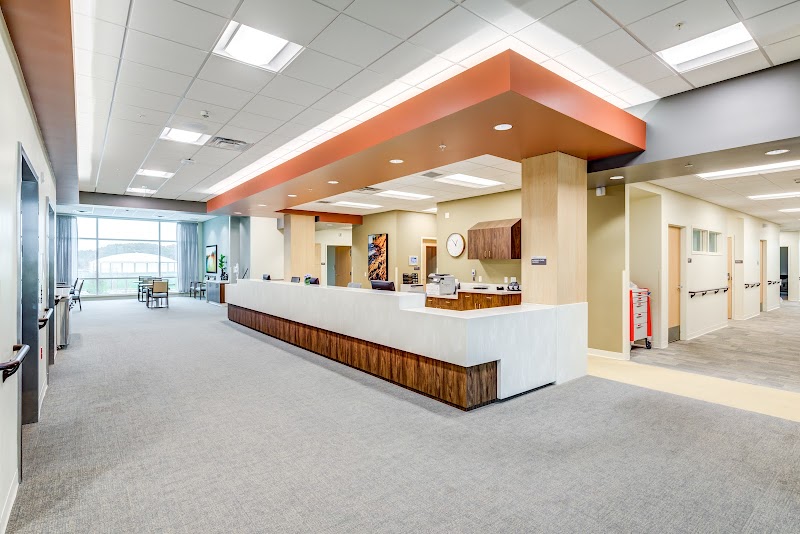
How is Harbor Post Acute Center Staffed?
CMS rates Harbor Post Acute Center's staffing level at 4 out of 5 stars, which is above average compared to other nursing homes. Staff turnover is 46%, compared to the Michigan average of 46%.

What Have Inspectors Found at Harbor Post Acute Center?

State health inspectors documented 59 deficiencies at Harbor Post Acute Center during 2022 to 2024. These included: 1 that caused actual resident harm and 58 with potential for harm. Deficiencies causing actual harm indicate documented cases where residents experienced negative health consequences.

Who Owns and Operates Harbor Post Acute Center?

Harbor Post Acute Center is owned by a for-profit company. For-profit facilities operate as businesses with obligations to shareholders or private owners. The facility operates independently rather than as part of a larger chain. With 65 certified beds and approximately 54 residents (about 83% occupancy), it is a smaller facility located in Wyoming, Michigan.

How Does Harbor Post Acute Center Compare to Other Michigan Nursing Homes?

Compared to the 100 nursing homes in Michigan, Harbor Post Acute Center's overall rating (1 stars) is below the state average of 3.1, staff turnover (46%) is near the state average of 46%, and health inspection rating (1 stars) is much below the national benchmark.

What Should Families Ask When Visiting Harbor Post Acute Center?

Based on this facility's data, families visiting should ask: "Can I visit during a mealtime to observe dining assistance and food quality?" "How do you handle medical emergencies, and what is your hospital transfer rate?" "Can I speak with family members of current residents about their experience?"

Is Harbor Post Acute Center Safe?

Based on CMS inspection data, Harbor Post Acute Center has a clean safety record: no substantiated abuse findings (meaning no confirmed cases of resident harm), no Immediate Jeopardy citations (the most serious violation level indicating risk of serious injury or death), and is not on the Special Focus Facility watch list (a federal program monitoring the lowest-performing 1% of nursing homes). The facility has a 1-star overall rating and ranks #100 of 100 nursing homes in Michigan. While no facility is perfect, families should still ask about staff-to-resident ratios and recent inspection results during their visit.

Do Nurses at Harbor Post Acute Center Stick Around?

Harbor Post Acute Center has a staff turnover rate of 46%, which is about average for Michigan nursing homes (state average: 46%). Moderate turnover is common in nursing homes, but families should still ask about staff tenure and how the facility maintains care continuity when employees leave.

Was Harbor Post Acute Center Ever Fined?

Harbor Post Acute Center has been fined $244,400 across 47 penalty actions. This is 6.9x the Michigan average of $35,523. Fines at this level are uncommon and typically indicate a pattern of serious deficiencies, repeated violations, or failure to correct problems promptly. CMS reserves penalties of this magnitude for facilities that pose significant, documented risk to resident health or safety. Families should request specific documentation of what issues led to these fines and what systemic changes have been implemented.

Is Harbor Post Acute Center on Any Federal Watch List?

Harbor Post Acute Center is not on any federal watch list. The most significant is the Special Focus Facility (SFF) program, which identifies the bottom 1% of nursing homes nationally based on persistent, serious quality problems. Not being on this list means the facility has avoided the pattern of deficiencies that triggers enhanced federal oversight. This is a positive indicator, though families should still review the facility's inspection history directly.