Medilodge of Wyoming
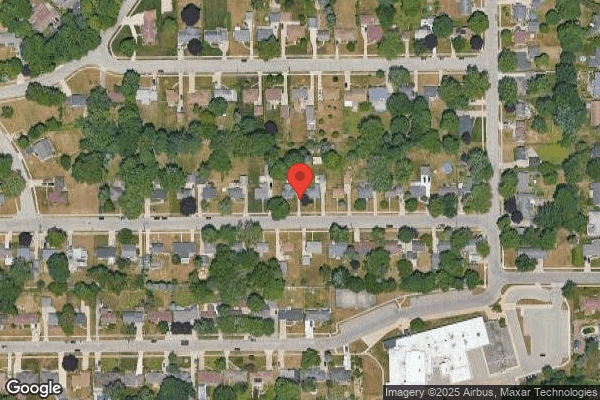
2786 56 Street, SW, Wyoming, MI 49418 (616) 261-3960
For profit - Corporation 80 Beds MEDILODGE Data: November 2025
Trust Grade
90/100
#56 of 422 in MI
Last Inspection: July 2025

Inspected within the last 6 months. Data reflects current conditions.

Overview

Medilodge of Wyoming has an excellent Trust Grade of A, indicating a high level of care and reliability. It ranks #56 out of 422 facilities in Michigan, placing it in the top half, and #9 out of 28 in Kent County, suggesting limited local competition. The facility's trend is stable, with 12 issues noted in both 2024 and 2025. Staffing is average with a rating of 3/5 stars and a turnover rate of 50%, which is on par with the state average. There have been no fines, which is a positive sign, and the facility has average RN coverage, ensuring some oversight in resident care. However, there are concerns based on inspector findings. For instance, one incident involved staff wearing earbuds while providing care, which a resident found disrespectful and potentially harmful to their dignity. Another concern was the failure to ensure that residents received comprehensive physician-ordered care, which may lead to delays in treatment and worsen medical conditions. Lastly, there was a failure to obtain informed consent regarding advanced directives for a resident, highlighting gaps in communication about critical medical decisions. Overall, while Medilodge of Wyoming shows strengths in several areas, there are notable weaknesses that families should consider.

Trust Score
A
90/100
In Michigan
#56/422
Top 13%
Safety Record
Low Risk
No red flags
Inspections
Holding Steady
3 → 3 violations
Staff Stability
⚠ Watch
50% turnover. Above average. Higher turnover means staff may not know residents' routines.
Penalties
✓ Good
No fines on record. Clean compliance history, better than most Michigan facilities.
Skilled Nurses
✓ Good
Each resident gets 50 minutes of Registered Nurse (RN) attention daily — more than average for Michigan. RNs are trained to catch health problems early.
Violations
⚠ Watch
12 deficiencies on record. Higher than average. Multiple issues found across inspections.
★★★★★
5.0
Overall Rating
★★★☆☆
3.0
Staff Levels
★★★★☆
4.0
Care Quality
★★★★★
5.0
Inspection Score
Stable
2024: 3 issues
2025: 3 issues

The Good

  • 4-Star Quality Measures · Strong clinical quality outcomes
  • Full Sprinkler Coverage · Fire safety systems throughout facility
  • No fines on record

Facility shows strength in quality measures, fire safety.

The Bad

Staff Turnover: 50%

Near Michigan avg (46%)

Higher turnover may affect care consistency

Chain: MEDILODGE

Part of a multi-facility chain

Ask about local staffing decisions and management

The Ugly 12 deficiencies on record

Jul 2025 3 deficiencies
CONCERN (D)

Potential for Harm - no one hurt, but risky conditions existed

Deficiency F0578 (Tag F0578)

Could have caused harm · This affected 1 resident

**NOTE- TERMS IN BRACKETS HAVE BEEN EDITED TO PROTECT CONFIDENTIALITY** Based on interview and record review, the facility failed to obtain informed consent and offer information about formulating an ...

Read full inspector narrative →
**NOTE- TERMS IN BRACKETS HAVE BEEN EDITED TO PROTECT CONFIDENTIALITY** Based on interview and record review, the facility failed to obtain informed consent and offer information about formulating an Advanced Directive for 1 resident (R82) out of 5 residents reviewed for Advanced Directives. Findings include: Review of an admission Record reflected R82 admitted to the facility on [DATE] with diagnoses that included encephalopathy (a brain disease that can appear as confusion, memory loss, personality changes and/or coma), cognitive communication deficit, mild cognitive impairment, major depression, and generalized anxiety disorder. Review of a form Advanced Directives Acknowledgements/CPR (Cardiopulmonary Resuscitation) Consent reflected what CPR is; Acknowledgments, including spaces after each statement for initials to indicate understanding,I have been informed of my rights and all rules and regulations regarding decisions regarding medical care; I have been fully informed of my options when choosing CPR or Do Not Resuscitate (DNR) services; I understand I have the right to alter my decisions concerning CPR or DNR services and that any change must be communicated., a CPR Decision for resuscitation, no resuscitation or I do not wish to make a choice at this time and a section that pertained to requesting additional information about how to formulate an Advanced Directive (Medical POA, (power of attorney)) with boxes giving the signer of the form the option to check a box indicating Yes or No. Review of the Advanced Directives Acknowledgements/CPR Consent form signed by R82 on [DATE] (the date R82 admitted to the facility) reflected R82 specified their CPR decision but was incomplete pertaining to areas of informed consent and interest in additional information about formulating an Advanced Directive or establishing a Medical Power of Attorney. A facility representative (the Director of Nursing, DON) also signed the form on [DATE]. During an interview on [DATE] 9:42 AM, Social Services Director (SSD) F reported the Advanced Directives/CPR Consent form is new to the admission process in the last 6 months. According to SSD F the priority is to get the form signed by the resident in order to establish that resident's code status. Upon reviewing R82's form that was signed on [DATE], she could not tell if any follow-up had occurred to determine if R82 had a medical POA and/or was fully informed of their rights related to CPR. During an interview on [DATE] at 10:52 AM the DON reported she assisted with the admission of R82 and only got the signature R82's CPR decision. The DON reported the resident would stay a full code until the physician gets the two witnesses and order on the chart. The DON said that any additional information pertaining to the Advanced Directives Acknowledgements/CPR Consent may be available with SSD E who is assigned to R82 at the facility. The DON acknowledged that there is pertinent information missing from the form. Review of a Discharge Planning Evaluation form dated [DATE] indicated an admission Care Conference took place and did NOT include R82 and did not reflect a discussion about Advanced Directives or CPR Decisions had taken place. During an interview on [DATE] at 11:30 AM, SSD F reported that R82's Advanced Directives/CPR Consent form was incomplete and had been signed by the R82 and the DON. SSD F said that R82 had family involved with care conferences but did not have any documentation indicating they would have any authority to act on R82's behalf if her circumstances changed and she was no longer able to make medical decisions for herself. Review of a facility policy Residents' Rights Regarding Treatment and Advanced Directives dated [DATE] reflected, It is the policy of this facility to support and facilitate a resident's right to request, refuse and/or discontinue medical or surgical treatment and to formulate an advanced directive. The policy specified 1. On admission, the facility will determine if the resident has executed an advanced directive, and if not, determine whether the resident would like to formulate an advanced directive. 2. The facility will provide the resident or resident representative information, in a manner that is easy to understand, about the right to refuse medical or surgical treatment and formulate an advanced directive.
CONCERN (D)

Potential for Harm - no one hurt, but risky conditions existed

Drug Regimen Review (Tag F0756)

Could have caused harm · This affected 1 resident

**NOTE- TERMS IN BRACKETS HAVE BEEN EDITED TO PROTECT CONFIDENTIALITY** Based on observation, interview, and record review, the facility failed to ensure the physician reviewed monthly drug regimen re...

Read full inspector narrative →
**NOTE- TERMS IN BRACKETS HAVE BEEN EDITED TO PROTECT CONFIDENTIALITY** Based on observation, interview, and record review, the facility failed to ensure the physician reviewed monthly drug regimen review recommendations for 1 resident (R70) of 5 residents reviewed for unnecessary medication. Findings include:Review of an admission Record revealed R70 admitted to the facility on [DATE] with pertinent diagnoses which included hypertension and gastro-esophageal reflux disease (GERD).Review of R70's drug regimen review Physician Recommendations dated 6/14/2025 revealed .This resident is receiving famotidine 20mg BID (twice daily) for GERD since 03/2023. Please evaluate for continued need/reduction. There was no indication that the physician had reviewed this recommendation.Review of R70's Physician's Orders on 7/14/2025 at 11:14 AM revealed an active order for famotidine 20mg to be taken by mouth twice a day. Further review of the electronic medical record revealed no documentation that the physician had reviewed the drug regimen review Physician Recommendations dated 6/14/2025.In an interview on 7/24/2025 at 12:42 PM, the Director of Nursing (DON) reported R70's drug regimen review Physician Recommendations dated 6/14/2025 had not been reviewed by the physician. The DON reported she was not sure how this was missed.Review of facility policy/procedure Addressing Medication Regimen Review Irregularities, reviewed 12/28/2023, revealed .Any irregularities noted by the pharmacist during this review must be documented on a separate, written report. The report will be sent to the attending physician. The attending physician must document in the resident medical record that the identified irregularity has been reviewed and what, if any, action has been taken to address it. If there is to be no change in the medication, the attending physician should document his or her rationale in the resident's medical record. The report should be submitted to the DON within 10 working days of the review.
CONCERN (D)

Potential for Harm - no one hurt, but risky conditions existed

Infection Control (Tag F0880)

Could have caused harm · This affected 1 resident

Based on observation and interview, the facility failed to maintain proper infection control practices for one of two Residents (R69) observed during clinical care activities. Findings include:Residen...

Read full inspector narrative →
Based on observation and interview, the facility failed to maintain proper infection control practices for one of two Residents (R69) observed during clinical care activities. Findings include:Resident #69 (R69)On 7/23/25 at approximately 9:41 AM, RN C administered a prescribed nasal spray to R69. RN C prepared to give R69 their insulin injection via pen in the abdomen by cleansing the area with alcohol swab. RN C then waved her hand back and forth over the area swabbed by alcohol to get it dried prior to administering the insulin injection. According to the World Health Organization (WHO) 2020, injections are unsafe when administered with unsterile or improper techniques. The WHO recommends swabbing the injection site for 30 seconds and allowing the area to dry for 30 seconds. RN C waving their hand over the alcohol causes it to evaporate too quickly, disrupting the alcohol's action, while potentially introducing new microorganisms. RN C's actions can increase the risk for infection at the injection site. Upon return to the medication cart, RN C did not cleanse the nasal applicator that had visible residue on the tip prior to placing it back into the medication cart. RN C did not cleanse insulin pen prior to placing it in a plastic bag without sealing the bag and put it back in the medication cart. Not cleansing the nasal tip or the insulin pen increased the risk for cross contamination to other residents' medications.On 7/24/25 at 8:32 AM, during interview with Infection Prevention (IP) nurse, the IP nurse stated that all staff were expected to perform their duties including medication administration, hand washing, and environmental services per standards of care. The IP nurse stated that any education given to staff, regarding these duties was provided by the education department. The IP nurse could not state the standards regarding medication administration for insulin or nasal sprays.
Aug 2024 3 deficiencies
CONCERN (D)

Potential for Harm - no one hurt, but risky conditions existed

Deficiency F0561 (Tag F0561)

Could have caused harm · This affected 1 resident

**NOTE- TERMS IN BRACKETS HAVE BEEN EDITED TO PROTECT CONFIDENTIALITY** Based on observation, interview and record review, the facility failed to honor resident choices and preferences based on the in...

Read full inspector narrative →
**NOTE- TERMS IN BRACKETS HAVE BEEN EDITED TO PROTECT CONFIDENTIALITY** Based on observation, interview and record review, the facility failed to honor resident choices and preferences based on the individualized plan of care for 1 resident (Resident #40) out of 16 residents reviewed for self-determination. Findings: Resident #40 (R40) Review of an admission Record reflected R40 admitted to the facility with diagnoses that included muscle weakness, need for assistance with personal care, repeated falls, chronic post-traumatic stress disorder PTSD), dependence on enabling machines and devices and anxiety. Review of a quarterly Minimum Data Set (MDS) assessment dated [DATE] reflects R40 is cognitively intact as evidenced by a Brief Interview for Mental Status (BIMS) assessment score of 13/15. Review of a Care Plan initiated on 7/20/2023 reflected R40 required assistance with Activities of Daily Living (ADL) related to his diagnoses. Interventions included: Transfers: 2 person assist with Hoyer (mechanical) lift (added to the care plan on 6/14/2024); I like to sit up in my recliner after breakfast (added to the care plan 7/12/2024). Further review of the Care Plan indicated R40 was At risk for impaired mood related to depression, anxiety, insomnia and PTSD. The goal of the care plan focus was (R40) will remain free of signs and symptoms of distress, depression, anxiety, or sad mood. Interventions included Encourage participation from resident to make own decisions; Offer resident choices whenever possible to in order to promote a feeling of self-worth and control over the environment. During an observation on 8/20/2024 beginning at 1:45 PM, R40 was seated in his wheelchair next to the nurse station on the unit where he lived. R40 reported he was waiting for staff to transfer him into his recliner chair because he was uncomfortable in his wheelchair. R40 explained that he often has to wait for a long time before 2 staff members can assist with a Hoyer transfer. R40 reported that sometimes he stays in bed longer than he would like to in the morning because he knows it will be a long time before staff will get him into his recliner again, and often staff will transfer him into bed rather than his recliner because staff don't want to transfer him any more than they have to. Certified Nursing Assistants were observed in the area and were aware R40 wanted to be transferred to his recliner and reported having other things to do and waters to pass. Registered Nurse (RN) A was seated at the nurse desk and was overheard instructing staff to transfer R40 into his recliner chair 3 times over the course of the observation. R40 said he was frustrated. RN B came to the nurse desk and agreed to assist Certified Nurse Aide (CNA) C with the two-person transfer. CNA C was overheard encouraging R40 to go to bed, rather than sit in his recliner and R40 said he preferred to sit in his recliner. R40 was transferred to his recliner at 2:25 PM, 40 minutes after the surveyor had become aware of R40's request. During an observation on 8/21/2024 at 11:30, R40 reported he was again wafting to be transferred into his recliner because his wheelchair was very uncomfortable. During a follow-up interview on 8/21/2024 at 3:51 PM, R40 said that he reports his concerns about how long it takes staff to transfer him to every staff who work with him.
CONCERN (D)

Potential for Harm - no one hurt, but risky conditions existed

Deficiency F0658 (Tag F0658)

Could have caused harm · This affected 1 resident

**NOTE- TERMS IN BRACKETS HAVE BEEN EDITED TO PROTECT CONFIDENTIALITY** Based on observation, interview, and record review, the facility failed to follow professional standards regarding medication ad...

Read full inspector narrative →
**NOTE- TERMS IN BRACKETS HAVE BEEN EDITED TO PROTECT CONFIDENTIALITY** Based on observation, interview, and record review, the facility failed to follow professional standards regarding medication administration for 1 of 6 residents (Resident #57), reviewed for professional standards. Findings: Resident #57 (R57) Review of an admission Record revealed R57 was a [AGE] year-old male, originally admitted to the facility on [DATE], with pertinent diagnoses of stroke, legal blindness, repeated falls, and anxiety disorder. During an observation on 08/21/24 at 10:15 AM, R57 laid in bed resting with his eyes open and a small plastic cup containing multiple pills sat on the overbed table. R57 stated that sometimes the nurse would leave his morning medications for him to take when he wakes up. R57 also reported that he does not take his medications independently, nor store any of his medications in his room. Review of the Electronic Health Record (EHR) for R57 revealed there was not an assessment nor a physician order for R57 to self-administer medications. During an interview on 08/23/24 at 8:08 AM, the Director of Nursing indicated that if a resident was able to self-administer medications, there would be an assessment and an order for such. Review of the facility policy Medication Administration last reviewed 01/17/23, reflected: (15) Observe resident consumption of medication.
CONCERN (D)

Potential for Harm - no one hurt, but risky conditions existed

Quality of Care (Tag F0684)

Could have caused harm · This affected 1 resident

**NOTE- TERMS IN BRACKETS HAVE BEEN EDITED TO PROTECT CONFIDENTIALITY** Based on interview, observation, and record review, the facility failed to ensure accurate skin assessments and timely responses...

Read full inspector narrative →
**NOTE- TERMS IN BRACKETS HAVE BEEN EDITED TO PROTECT CONFIDENTIALITY** Based on interview, observation, and record review, the facility failed to ensure accurate skin assessments and timely responses to skin changes for 2 of 16 residents, (Resident #22 and Resident #54) reviewed for impaired skin. The deficient practice resulted in no follow-up assessments and treatment orders for identified skin conditions. Findings include: Resident #54 (R54) Review of the Face Sheet and Minimum Data Set (MDS) dated [DATE] revealed R54 admitted to the facility on [DATE] with diagnosis of (but not limited to) stoke, chronic pain syndrome, and heart failure. Brief Interview for Mental Status (BIMS) reflected a score of 12 out of 15 which represented R54 was cognitively intact. During an interview and observation on 8/20/24 at approximately 3:53 PM, R54 was asked if she had any wounds the staff was monitoring and R54 stated she had no wound dressings. R54 stated that she was told she needed surgery for a skin issue on her right breast. R54 pulled her shirt up and showed this Surveyor a darked, raised area of skin that was larger than a half dollar to the right breast. R54 said she'd had the skin issue for a long time. The August 2024 Treatment Administration Record (TAR) was reviewed on 8/20/24 after interviewing R54. There were no monitoring or treatment orders noted for the skin issue to the right breast. The skin assessments from 7/18/24 - 8/20/24 were reviewed on 8/20/24. The assessment dated [DATE] reflected that R54 had an existing abnormal skin area and documented in the comments box reflected, Mole on the right breast. The weekly skin assessments dated 7/25/24, 8/5/24, 8/8/24 and 8/15/24 were reviewed. These 4 most recent assessments all reflected that No was checked for Are there any existing abnormal skin areas? The assessments did not accurately reflect the skin issue to the right breast that R54 showed this Surveyor on 8/21/24. During an interview on 8/21/24 at approximately 12:15 PM, the Director of Nursing (DON) was advised that R54 told this Surveyor that she needed surgery to remove an abnormal skin lesion on her right breast but was unable to find anything about this in the electronic health record. The DON was advised of the weekly skin assessments that did not reflect any ongoing abnormal skin conditions. The DON stated she would look into this. At approximately 2:15 PM, the DON stated R54 was not scheduled for any procedures for the right breast skin issue and provided the following documents for review: -The admission assessment dated [DATE], R54 had a Mole to the right breast that measured 4.1 cm x 4.3 cm. -An updated weekly skin assessment dated [DATE] at 2:12 PM that reflected, Right breast mole measuring 4.0 x 4.5. -A verbal physician order to refer resident to dermatology to evaluate mole on right breast dated 8/21/24 at 2:06 PM. These actions were all taken after it was brought to the attention of facility. A request for the most recent physician assessment of the right breast skin issue was made on 8/21/24 at 2:39 PM and the DON provided a copy of the Physician Assistant's note 1/19/22 that reflected, Patient states she has a bunch of moles of her back and chest that are itching her .Several seborrheic keratosis (a skin condition that appears as a waxy, brown, black, or tan growth) noted throughout back and chest .3. Seborrheic keratosis. Advised to keep lesions moist with daily moisturizing . There was no measurement or order to monitor characteristics noted. The orders were reviewed again for updates on 8/22/24 and noted a new order dated 8/22/24 to Assess mole to right breast. Monitor characteristics, measure length and width and document in progress notes, in the evening every 3 month(s) starting on the 1st for 30 day(s) Note characteristics and measurements in progress note. And as needed for resident concerns, noted changes document in nursing notes. There was no evidence the abnormal skin issue to the right breast was being assessed and monitored prior to the onsite survey. Resident #22 (R22) Review of the Face Sheet and Minimum Data Set (MDS) dated [DATE] revealed R22 admitted to the facility on [DATE] with diagnosis of (but not limited to) peripheral vascular disease, heart failure, chronic kidney disease, diabetes, and pressure ulcer to the sacral area. Brief Interview for Mental Status (BIMS) reflected a score of 12 out of 15 which represented R22 was cognitively intact. During an interview and observation on 8/20/24 at 11:06 AM, R22 was observed resting on his bed with his feet on top of the blanket. The left great toe had a dressing with a date of 8/19/24 on it and a dressing to the top of his right foot that was dated 8/19/24. When asked about the wounds to the left toe and right foot, R22 could not recall how they happened but stated that he has poor circulation. The most recent weekly skin assessment dated [DATE] (11 days prior) reflected no new skin issues but reflected existing skin issues of right toes, right buttock and left buttock. No indication of a right foot wound to the top of the foot at the time of this assessment. The electronic progress notes from 8/1/24 - 8/21/24 were reviewed on 8/21/24 at approximately 11:30 AM and did not reveal any documentation of an open area to the right foot that required a dressing. The care plan for skin integrity in the electronic record was reviewed on 8/21/24 at 11:30 AM and did not reflect an issue to the right foot nor any interventions regarding it. The August 2024 TAR was reviewed on 8/21/24 at 11:30 AM and did not reflect a treatment order for the right foot. During an interview and record review on 8/21/24 at approximately 2:00 PM, the DON was advised of the presence of a dressing on R22's right foot that had the date of 8/19/24 documented on it. There was no indication of the skin issue documented in the progress notes, skin assessment nor the August TAR. The DON stated that Registered Nurse (RN) A does wound rounds every Monday and may have more information related to the right foot. During an interview on 8/22/24 at 10:45 AM, RN A stated that she was the first person to note a new skin tear to the top of the right foot. RN A stated normally she notifies the physician, obtains a treatment order, documents it in the progress notes and updates the care plan. RN A stated, There was a lot going on that day and I missed it.
Jul 2023 4 deficiencies
CONCERN (D)

Potential for Harm - no one hurt, but risky conditions existed

Deficiency F0558 (Tag F0558)

Could have caused harm · This affected 1 resident

**NOTE- TERMS IN BRACKETS HAVE BEEN EDITED TO PROTECT CONFIDENTIALITY** Based on observation, interview, and record review, the facility to failed to ensure call lights were in reach and answered prom...

Read full inspector narrative →
**NOTE- TERMS IN BRACKETS HAVE BEEN EDITED TO PROTECT CONFIDENTIALITY** Based on observation, interview, and record review, the facility to failed to ensure call lights were in reach and answered promptly for 3 residents (Resident #224, #8, and #63), reviewed for accommodation of needs, resulting in the potential for residents to not meet their highest practicable level of well-being. Findings include: Resident #224 (R224) Review of an admission Record revealed R224 was a [AGE] year-old male, originally admitted to the facility on [DATE], with pertinent diagnoses which included: stroke and aphasia (difficulty speaking). R224 was able to make needs known but had difficulty speaking. During an observation and interview on 07/25/23 at 09:40 AM, R224's call light was on and he reported he had been waiting for assistance for over an hour. R224 pointed to his wheelchair and indicated he was waiting to be assisted out of bed. Review of the call light system located at the nurses station revealed R224's call light had been activated at 9:32 AM. At 9:48 AM, Certified Nursing Assistant (CNA) J went into R224's room, the call light was shut off, and CNA J exited the room. At 9:53 AM R224 was asked if he had been assisted at the time CNA J entered the room and shut off the call light. R224 reported she had not assisted him and CNA J shut off his light without explaining when she would return. R224 reported he did not know where his call light was. R224's call light was not in reach and was located hanging from the top of his bed where he was unable to see or reach the call light. Resident #8 (R8) Review of an admission Record reflected R8 admitted to the facility on [DATE] with pertinent diagnoses of blindness of one eye, osteoarthritis, muscle weakness, need for assistance with personal care, gastrostomy status (feeding tube), low back pain and depression. Review of the admission Minimum Data Set (MDS) assessment dated [DATE] reflected R8 was cognitively intact as evidenced by a Brief Interview for Mental Status (BIMS) score of 14/15 and needed extensive assistance from one person for dressing, toileting and bathing. During an interview on 07/25/23 at 1:51 PM, R8 reported he was frustrated with how long it takes staff to respond to his requests for help. R8 could not be specific about what he had to wait for or when he had to wait. R8 shook his head from side to side said it depends. R8 then waved the surveyor away. Resident #63 (R63) Review of an admission Record reflected R63 admitted to the facility on [DATE] with diagnoses that included non-pressure chronic ulcer of skin of other sites with fat layer exposed, morbid obesity, type 2 diabetes, muscle weakness, need for assistance with personal care, generalized anxiety disorder and insomnia. Review of a quarterly MDS assessment dated [DATE] reflected R63 was cognitively intact as evidenced by a BIMS score of 10/15 and required extensive assistance from two people for bed mobility, dressing, toileting, and personal hygiene. R63 was totally dependent on two people for transfers and needed extensive assistance from one person for locomotion on and off the unit and bathing. During an interview on 7/25/23 at 11:01 AM, Resident # 63 reported staff will take an hour to answer the call light on the 3rd shift. R63 said she has skin breakdown that is worsened from urine exposure. R63 said she does attend the Resident Council meetings and has told staff about her concerns. R63 said call light response time will get better for a while then goes back to long wait times.
CONCERN (D)

Potential for Harm - no one hurt, but risky conditions existed

Accident Prevention (Tag F0689)

Could have caused harm · This affected 1 resident

**NOTE- TERMS IN BRACKETS HAVE BEEN EDITED TO PROTECT CONFIDENTIALITY** Based on observation, interview and record review, the facility failed to ensure residents were kept safe from accidents and haz...

Read full inspector narrative →
**NOTE- TERMS IN BRACKETS HAVE BEEN EDITED TO PROTECT CONFIDENTIALITY** Based on observation, interview and record review, the facility failed to ensure residents were kept safe from accidents and hazards for 1 residents (Resident #8) when staff failed to maintain NPO (nothing by mouth) status, resulting in the potential for harm from complications related to the resident's inability to swallow safely. Findings: Resident #8 (R8) Review of an admission Record reflected R8 admitted to the facility on [DATE] with pertinent diagnoses of blindness of one eye, osteoarthritis, muscle weakness, need for assistance with personal care, gastrostomy status (feeding tube), low back pain and depression. Review of the admission Minimum Data Set (MDS) assessment dated [DATE] reflected R8 was cognitively intact as evidenced by a Brief Interview for Mental Status (BIMS) score of 14/15 and needed extensive assistance from one person for dressing, toileting and bathing. Review of a Speech Therapy SLP Evaluation and Plan of Treatment for certification period 6/30/2023 - 7/29/2023 reflected R8's treatment approaches included Treatment of swallowing dysfunction and/or oral function for feeding and Eval of oral and pharyngeal swallow function. The recommendations for R8 following the evaluation was that R8 remain NPO for liquids or solids. Review of a Care Plan initiated on 6/30/23 reflected The resident (R8) is at nutritional risk r/t past medical history of metabolic encephalopathy, emphysema, CHF (Congestive Heart Failure), ischemic cardiomyopathy .Resident is NPO . Interventions included: NPO, Provide and serve TF (tube feeding) as ordered, Water flushes as ordered. Review of a Diet Requisition Form dated 6/29/23 reflected R8 was NPO. Review of the most recent NP/PA (Nurse Practitioner/Physician Assistant) progress note dated 7/18/2023 at 1:00 PM indicated R8 was NPO. During an observation on 7/25/23 at 1:51 PM, R8 was noted to have water in a Styrofoam cup with a straw on the over the bed table within reach. During an observation on 7/26/23 at 9:33 AM, R8 was observed to have water in a Styrofoam cup with a straw on the over the bed table within reach. During an observation and interview on 7/26/23 at 2:31 PM, R8 was observed with water in a Styrofoam cup with a straw at the bedside. When asked, R8 reported he does drink the water. During an observation on 7/27/23 at 11:40 AM, R8 was observed with water in a Styrofoam cup with a straw at the bedside, the water was from the third shift on 7/26/23. During an interview on 7/27/23 at 11:45 am, Certified Nurse Aide (CNA) E reported that the water should not be in R8's room because he is NPO.
CONCERN (D)

Potential for Harm - no one hurt, but risky conditions existed

Pharmacy Services (Tag F0755)

Could have caused harm · This affected 1 resident

Based on observation, interview and record review, the facility failed to ensure systems were implemented to accurately account for controlled substances when licensed nurses were not conducting/signi...

Read full inspector narrative →
Based on observation, interview and record review, the facility failed to ensure systems were implemented to accurately account for controlled substances when licensed nurses were not conducting/signing off on shift to shift narcotic reconciliation and licensed nurses were not signing out controlled substances from narcotic sheets prior to administration of the controlled substances, resulting in the potential for the inability to reconcile narcotics and diversion. Findings: Review of a facility policy Controlled Substance Administration & Accountability reviewed/revised on 1/1/2022 reflected It is the policy of this facility to promote safe, high quality patient, care, compliant with state and federal regulations regarding monitoring the use of controlled substances. The facility will have safeguards in place in order to prevent loss, diversion or accidental exposure. The policy specified 8. The Charge Nurse on duty will maintain the keys to the controlled substance containers. The keys to this container should not be shared with other staff, including licensed staff without first conducting a complete controlled substance count. The Director of Nursing Services will maintain a set of back-up keys for all drug storage areas including keys to the controlled substance containers. 11. Nursing staff must count controlled drugs at the end of each shift. The nurse coming on duty and the nurse going off duty must make the count together. They must document and report any discrepancies to the Director of Nursing Services or His/Her designee immediately. Documentation should be made on the shift verification sheet. A complete controlled substance count of the 300 Unit medication cart was conducted with Licensed Practical Nurse (LPN) G on 7/27/23 at 8:35 AM. It was discovered during the process that the Controlled Substance Shift Inventory had not been verified by the outgoing and oncoming nurse as evidenced by the signature of the oncoming nurse was missing for 7/27/23 for the shift beginning at 6:00 AM. On 7/27/23 at 8:40 AM, the narcotic count for each prescription of a controlled substance in the 300 Unit Medication cart was conducted with LPN G. It was discovered during the count that there were discrepancies for controlled substance counts on the Controlled Substance Record for 4 controlled substance prescriptions. LPN G reported that she forgot to sign out the doses on the Controlled Substance Record when she prepared them for administration. During an interview on 7/27/23 at 8:50 AM, the Director of Nursing (DON) reported that it is the expectation that licensed nurses validate the controlled substance count on the Control Substance Record and record the withdrawal of a controlled substance each time a controlled substance medication is prepared for administration to the resident.
CONCERN (E)

Potential for Harm - no one hurt, but risky conditions existed

Resident Rights (Tag F0550)

Could have caused harm · This affected multiple residents

**NOTE- TERMS IN BRACKETS HAVE BEEN EDITED TO PROTECT CONFIDENTIALITY** Based on interview and record review, the facility failed to treat residents with dignity and respect and failed to provide an e...

Read full inspector narrative →
**NOTE- TERMS IN BRACKETS HAVE BEEN EDITED TO PROTECT CONFIDENTIALITY** Based on interview and record review, the facility failed to treat residents with dignity and respect and failed to provide an environment that promoted and enhanced resident quality of life for 1 resident (Resident #3) and residents attending monthly group meetings, reviewed for dignity, resulting in the potential for feelings of frustration, depression, and loss of self-worth and an overall deterioration of psychological well-being. Findings: Resident #3 (R3) Review of an admission Record revealed R was an [AGE] year-old female, originally admitted to the facility on [DATE], with pertinent diagnoses which included: multiple sclerosis. Review of a Minimum Data Set (MDS) assessment for R3, with a reference date of 5/8/23 revealed a Brief Interview for Mental Status (BIMS) score of 15, out of a total possible score of 15, which indicated R3 was cognitively intact. During an interview on 07/25/23 at 12:15 PM, R3 reported that she felt it was disrespectful when the facility nursing staff wore earbuds while they provided care to residents. R3 reported it was not necessary to wear them while they were working. R3 reported staff wearing earbuds has been an ongoing issue at the facility. During an interview on 07/25/23 at 9:58 AM, Family Member (FM) I reported she did not appreciate facility nursing staff wearing earbuds while they were preparing and passing out medications to residents. FM I reported that she visits often and has observed staff wearing earbuds during most visits to the facility. Review of Resident Council meeting minutes dated 3/29/23 revealed, .some CNA (Certified Nursing Assistants) on 3rd shift on phones-being addressed not resolved .2nd + 3rd shift some on phone with ear buds . Review of Resident Council meeting minutes dated 4/24/23 revealed, .Old Business Review/Status Update .2nd + 3rd shift some on phone with ear buds .Discussed with DON (Director of Nursing) currently working on it . Review of Resident Council meeting minutes dated 5/31/23 revealed, .Old Business Review/Status Update .2nd/3rd shift some on phone with ear buds .DON came to last meeting to discuss .(in progress). Review of Resident Council meeting minutes dated 6/28/23 revealed that staff wearing ear buds was not addressed as Old Business Review and was not identified as a current concern.
Jun 2023 2 deficiencies
CONCERN (D) 📢 Someone Reported This

A family member, employee, or ombudsman was alarmed enough to file a formal complaint

Potential for Harm - no one hurt, but risky conditions existed

Abuse Prevention Policies (Tag F0607)

Could have caused harm · This affected 1 resident

**NOTE- TERMS IN BRACKETS HAVE BEEN EDITED TO PROTECT CONFIDENTIALITY** This citation pertains to MI00133268 Based on interview and record review, the facility failed to operationalize the abuse polic...

Read full inspector narrative →
**NOTE- TERMS IN BRACKETS HAVE BEEN EDITED TO PROTECT CONFIDENTIALITY** This citation pertains to MI00133268 Based on interview and record review, the facility failed to operationalize the abuse policy and failed to formulate and implement measures to prevent recurrence of resident-to-resident abuse by one Resident (Resident #14 (R14)) with a known history of behaviors following an incident with another Resident (R13) resulting in the potential for avoidable resident to resident abuse. Findings: On 11/25/22 a Facility Reported Incident (FRI) was received by the state agency of a Resident-to-Resident abuse incident involving R13 and R14. R13 Review of the Minimum Data Set (MDS) dated [DATE], reflected R13 was admitted to the facility 7/12/22 with diagnoses than included: End Stage Renal Disease (on dialysis) and Leukemia. The MDS also reflected R13 was cognitively intact and had not exhibited any verbal or physical behaviors toward others. R14 Review of the Electronic Medical Record (EMR) reflected R14 admitted to the facility 2/5/21 with diagnoses that included Borderline Personality and Dementia with Behavior Disturbances. The EMR reflected R14 had a guardian. The MDS dated [DATE] revealed R14 had displayed verbal behaviors toward others such as cursing and screaming. Review of the FRI reported to the state agency by the facility reflected on 11/25/22 R14 made a derogatory comment to R13 then struck the Resident with an open hand. The FRI documentation substantiated that a resident to resident incident occurred but that R14 had reduced ability to fully comprehend or control her behavior due to her Borderline Personality Disorder combined with Dementia. The policy provided by the facility titled Compliance with Reporting Allegations of Abuse/Neglect/Exploitation last revised 10/24/22 was reviewed. The policy reflected 3. Prevention .The facility will identify, correct, and intervene in situations in which abuse, neglect, . is more likely to occur. The facility policy's definition of Abuse includes that Instances of abuse of all residents, irrespective of any mental, or physical condition causes physical harm, pain, or mental anguish, and includes verbal abuse and physical abuse. The facility policy's definition of verbal abuse includes disparaging and derogatory terms to residents . and the definition of physical abuse includes hitting and slapping. The facility policy reflected Reporting/Response: 8 all substantiated incidents . the facility will analyze the occurrences to determine what changes are needed . to prevent further occurrences. The facility policy reflected that The Licensed Nurse will . Notify the attending physician . and Medical Director. Monitor and document the resident's condition, including response to medical treatment or nursing interventions . Document actions taken in the medical record . Complete an incident report . And Revise the resident's care plan . The facility 5 Day investigation of the incident revealed a list of Actions Taken by the facility following the incident. These Actions Taken included 7. (R14)'s Care Plan was reviewed and updated as needed, 13. (R14)'s room was moved further away from (R14) to put some space between residents, 14. Facility requested (name of contracted psychiatric service) psychiatric team conduct a medication and treatment review, and 15. Guardian provided increased supervision after incident. The facility documented in the Conclusion of the 5-day investigation that R14 has difficulty with impulsivity. The facility documented that R14 receives ongoing treatment from a contracted social worker and psychiatrist to assist her with compensatory strategies to better handle interpersonal relationships with other residents. Review of the Care Plan for R14 revealed a Focus of The resident is physically aggressive with agitation and anger .Resident exhibits physical behaviors, ie) hitting, pulling hair of other residents initiated 12/10/21 and revised on 5/3/22. The Care Plan did not reveal any revisions were implemented following the resident-to-resident incident on 11/25/22 with R13. The Care Plan reflected interventions that included analyze and assess but included only one actual intervention that could be implemented to protect other residents from R14. This intervention reflected intervene before agitation escalates which suggests that R14 must be monitored and supervised for agitation. However, this Care Plan Focus does not provide staff direction on how this is to be implemented to protect other residents from escalating agitation or the impulsivity of R14. Additionally, since no new interventions were implemented following the incident of 11/25/22, the Care Plan does not indicate how the Guardian was to provide increased supervision after the incident or how R14 is to be supervised when the Guardian is not present. Further review of the Care Plan for R14 reflected an intervention of Resident moved to a room on a different unit than the resident targeted which was initiated 5/3/22 well before the incident on 11/25/22. However, review of the room history revealed R14 has resided in the same room since 4/1/22. This indicated the R14 was not relocated on 5/3/22 to separate from the resident targeted or that R14 was relocated following the incident of 11/25/22 as reported to the state agency. Further review of the EMR did not reveal the Licensed Nurse had documented the Resident-to-Resident incident of 11/25/22. No documentation was found in the EMR that an assessment was completed or that the physician was notified of the incident in accordance with the facility policy. On 6/14/23 at 12:37 PM an email request was sent to the Nursing Home Administrator (NHA) for Incident and Accident (I/A) Reports for R14 from 9/1/22 to 2/1/23. On 6/14/23 at 3:10 PM an interview was conducted with the NHA and Social Services Director (SSD) T in the office of the NHA. The NHA was informed that no documentation of the incident of 11/25/22 was found in the EMR. Also, that no documentation of vital signs, skin or other assessments following the incident were found in the EMR. SSD T was asked about timely mental health review of R14. SSD T reported that the Psychiatrist does talk to R14 every few months. The NHA was informed that the requested I/A reports have yet to be provided. The NHA acknowledged that I/A reports are not part of the medical record but that this document is available to facility staff in the EMR under a Risk tab. The NHA reported that any vital signs, assessments and notifications likely would have been documented on the I/A report. The NHA reported that coping methods for R14 would be documented in the Care Plan. The NHA was informed that the Care Plan did not reflect a review or revision of the Care Plan had been conducted following the incident or that any coping methods or new interventions had been initiated. The NHA was also informed that the EMR reflected that R14 had not been moved to a different room. The NHA reported that another room must not have been available. On 6/14/23 at 3:30 PM the Director of Nursing (DON) reported that an IA report had been completed for R13 and included the name of R14 but that no I/A report had been completed for R14. This indicated that no documentation of the incident, as directed by the facility Abuse policy was available in the medical record for healthcare providers. Review of the documentation of the contracted Social Worker encounter on 12/7/22 following the incident was reviewed. The documentation reflected, Recent behavioral challenges and acts of aggression are reviewed. (R14) does not take ownership of her role in these. Insight is poor. No further documentation was found regarding compensatory strategies to better handle interpersonal relationships with other residents as stated by the facility in the Action Taken section of the facility 5-day Investigation. The contracted Social Worker documentation also did not reflect any orders or recommendations to the facility staff on how to address future behavioral challenges and acts of aggression displayed by R14. The first encounter with the contracted Psychiatrist following the incident occurred on 1/11/23 approximately six weeks after the incident. The documentation by the contracted Psychiatrist reflected (R14) has had a couple of verbal altercations with residents over the past several months . The documentation did not reveal any instructions of compensatory strategies for the Resident or staff. By including, in the Actions Taken section of the facility investigation report that the mental health professionals develop compensatory strategies reflects that the facility was relying on these professionals for direction in preventing future Abuse incidents perpetrated by R14. The EMR does not reflect that the facility sought their advice when none was provided in the documentation of the resident encounters with Mental Health. The EMR, as a tool for communication between health care providers and record of the plan of care, does not include pertinent information about the incident on 11/25/22 or the Resident's behavior in accordance with the facility Abuse policy that the reported Actions Taken were devised, implemented, and placed to facilitate a systematic review to prevent recurrence of Abuse incidents and to ensure the safety and well-being of R14 and all residents that encounter R14.
CONCERN (E) 📢 Someone Reported This

A family member, employee, or ombudsman was alarmed enough to file a formal complaint

Potential for Harm - no one hurt, but risky conditions existed

Quality of Care (Tag F0684)

Could have caused harm · This affected multiple residents

**NOTE- TERMS IN BRACKETS HAVE BEEN EDITED TO PROTECT CONFIDENTIALITY** This citation pertains to intakes #: MI00129767, MI00130369, MI00130422, and MI00137768 Based on interview and record review, th...

Read full inspector narrative →
**NOTE- TERMS IN BRACKETS HAVE BEEN EDITED TO PROTECT CONFIDENTIALITY** This citation pertains to intakes #: MI00129767, MI00130369, MI00130422, and MI00137768 Based on interview and record review, the facility failed to 1.) ensure residents received consistent and comprehensive physician ordered care, 2.) notify the physician of abnormal findings, and 3.) ensure residents received care in accordance with professional standards for medication administration, in 5 residents (Resident #22, #24, #25, #27, and #26) reviewed for quality of care, resulting in a delay in treatment and the potential for the worsening of a medical condition and residents not attaining or maintaining his or her highest practicable level of wellbeing. Findings: Resident #22 (R22) Review of an admission Record revealed R22 was a [AGE] year-old male, originally admitted to the facility on [DATE], with pertinent diagnoses which included: hypotension (low blood pressure). Review of R22's Physician Order dated 3/26/23 revealed, Vital Signs every evening shift every Wed (Wednesday) for Vitals monitoring. Review of R22's Physician Order dated 9/29/22 revealed, Midodrine HCl Tablet 10 MG Give 1 tablet by mouth three times a day for orthostatic BP (low blood pressure that happens when standing up from sitting or lying down). Midodrine is prescribed for increasing blood pressure. Review of R22's Blood Pressure Summary revealed that on 5/24/23 a blood pressure result of 165/97. Normal blood pressure range less than 120 over less than 80 (120/80) per [NAME] and [NAME] 10th edition) confirming R22 was hypertensive (high blood pressure) at that time. Review of R22's May Medication Administration Record (MAR) revealed that on 5/24/23 R22's 9:00 PM dose of midodrine was withheld for 4-Vitals Outside of Parameters for Administration without ordered parameters or a physician order. The physician was not notified of R22's elevated blood pressure and an order was not received to hold the midodrine and/or an order to implement parameters. Review of R22's Nurses Notes dated 5/25/23 at 9:06 AM revealed, Patient had blood pressure of 165/97 on 5/24/23. Continued monitoring and med staff notified. No new orders at this time. Confirming R22's provider was not notified of the hypertensive result at the time the blood pressure was obtained, and a follow-up/re-assessment was not completed. Review of R22's May Treatment Administration Record (TAR) revealed no vital sign assessment on 5/31/23 and no documentation for the rationale it was not completed (TAR left blank). Review of R22's June Treatment Administration Record (TAR) revealed that on 6/7/23 R22 refused the vital sign assessment. No documentation found that an attempt was made to obtain vital signs at a later date and/or time. Review of R22's Blood Pressure Summary revealed the following: *On 5/24/23 at 6:36 PM a blood pressure result of 165/97 *On 6/14/23 at 8:06 PM a blood pressure result of 165/97 *On 6/14/23 at 9:26 PM a blood pressure result of 118/64 Review of R22's Electronic Health Record (blood pressure summary, progress notes, MAR, and TAR) revealed no documentation that R22's blood pressure was reassessed following the hypertensive reading on 5/24/23 until 6/14/23. Resident #24 (R24) Review of an admission Record revealed R24 was a [AGE] year-old female, originally admitted to the facility on [DATE], with pertinent diagnoses which included: type 2 diabetes. Review of R24's Physician Order dated 5/23/23 revealed, Accucheck (blood sugar assessment) two times a day related to TYPE 2 DIABETES MELLITUS WITH DIABETIC NEUROPATHY, UNSPECIFIED. Notify physician if (less than) 70 or (greater than) 400. Review of R24's Blood Sugar Summary revealed the following: *On 5/2/23 at 4:07 PM a result of 424 *On 5/7/23 at 4:20 PM a result of 468 *On 5/8/23 at 4:28 PM a result of 420 *On 5/11/23 at 6:26 PM a result of 412 *On 5/24/23 at 6:27 PM a result of 405 *On 6/1/23 at 8:36 PM a result of 412 Review of R24's Order Administration Note dated 5/2/23 at 4:07 PM revealed, Accucheck .resident stated she had eaten a bag of doritos. There was no documentation verifying that the nurse notified R24's provider of the blood sugar result of 424. Review of R24's Nurses Note dated 5/12/23 at 3:05 PM, written by Unit Manager (UM) D revealed, Blood glucose read 412 on 5/11/23 at 18:26 (6:26 PM). Med staff notified and no new orders at that time. Confirming R24's provider was not notified of the elevated blood sugar result at the time of the assessment by Licensed Practical Nurse (LPN) E, the nurse that obtained the blood sugar on 5/11/23. Review of R24's Nurses Note dated 5/25/23 at 9:13 AM, written by UM D revealed, Patient had blood pressure of 154/82 on 5/24/23 and blood glucose of 405. Asymptomatic. Continued monitoring and med staff notified. No new orders at this time. Confirming R24's provider was not notified of the elevated blood sugar result at the time of the assessment by Registered Nurse (RN) S, the nurse that obtained the blood sugar on 5/24/23. Review of R24's Nurses Note dated 6/5/23 at 3:06 PM, written by UM D revealed, Patient had blood sugar of 412 on 6/3/23. Asymptomatic. Med staff aware. No new orders at this time. Will continue to monitor. Confirming R24's provider was not notified of the elevated blood sugar result at the time of the assessment by RN F, the nurse that obtained the blood sugar on 6/1/23. Review of R24's Blood Sugar Summary revealed the blood sugar result of 412 was documented on 6/1/23 with no elevated blood sugar result of 412 on 6/3/23. Review of R24's Electronic Health Record revealed no documentation that the provider was notified of R24's blood sugar results greater than 400 at the time of the assessments on 5/2/23, 5/7/23, 5/8/23, 5/11/23, 5/24/23, or 6/1/23. Resident #25 (R25) Review of an admission Record revealed R25 was a [AGE] year-old male, originally admitted to the facility on [DATE], with pertinent diagnoses which included: orthostatic hypotension. Review of R25's Physician Order dated 3/27/23 revealed, Midodrine HCl Tablet 5 MG Give 10 mg by mouth every morning and at bedtime for ortho hypotension. (two 5mg tabs) HOLD if SBP >180mmHg (systolic blood pressure/top number greater than 180). Review of R25's May and June Medication Administration Record revealed midodrine was not administered on 5/6/23. R25 refused midodrine on 5/9/23 (PM dose), 5/15/23, 5/28/23 (AM dose), 5/29/23 (AM dose), 6/7/23 (AM dose), 6/9/23 (AM dose), 6/12/23 (AM dose), and 6/13/23 (PM dose) and therefore a blood pressure assessment would not be required. Midodrine was documented as administered on every other MAR entry. Review of R25's Blood Pressure Summary (May 1-June 14) revealed the following: *On 5/2/23 at 4:04 PM a result of 112/61 *On 5/10/23 at 10:14 AM a result of 120/78 *On 5/24/23 at 11:30 AM a result of 133/66 *On 5/27/23 at 1:03 PM a result of 135/65 *On 6/1/23 at 11:17 AM a result of 109/56 *On 6/6/23 at 9:22 AM a result of 79/55 *On 6/7/23 at 10:36 AM a result of 110/63 *On 6/11/23 at 1:13 PM a result of 114/73 Confirming licensed nurses were not obtaining a blood pressure assessment prior to the administration of the midodrine to ensure the medication was administered within the physician ordered parameters. Resident #27 (R27) Review of an admission Record revealed R27 was a [AGE] year-old female, originally admitted to the facility on [DATE], with pertinent diagnoses which included: acute diastolic congestive heart failure. Review of R27's Physician Order dated 5/29/23 revealed, Daily Weight in the morning related to ACUTE DIASTOLIC (CONGESTIVE) HEART FAILURE. Review of R27's Weight Summary from 5/29/23-6/15/23 revealed R27's weight was not assessed from the date of the order until 6/7/23. *On 6/7/2023-123.8 pounds *On 6/11/2023-120.8 pounds Review of R27's May and June Treatment Administration Record revealed on 5/29/23 R27 was not in the facility. R27 refused her daily weight on 6/4/23 and 6/8/23. On 5/30/23, 5/31/23, 6/1/23, 6/2/23, 6/3/23, 6/9/23, and 6/10/23 the TAR was left blank indicating the weight was not obtained and without a rationale for the weight assessment not being completed. Review of R27's Electronic Health Record revealed no additional documentation related to R27's weights or rationale for the lack of weight assessments. During an interview on 06/14/23 at 3:39 PM, RN C reported that if blood sugars, vital signs, or weights are ordered the assessment should be documented in the residents MAR/TAR and should not be left blank. RN C reported that if an assessment is refused, the refusal would be documented in the Electronic Health Record. RN C reported if a blood sugar is greater than 400 and it's ordered to notify the provider, the provider would be called at the time of the assessment. RN C reported that provider notification of an abnormal result/vital sign would be documented in the resident's progress note. RN C reported if a resident's blood sugar was outside of the ordered parameters, it would require a phone call to the provider at the time of the assessment. RN C reported that if parameters are ordered for blood pressure medication, the expectation is for the nurse to obtain the blood pressure prior to the medication administration. Resident #26 (R26) Review of an admission Record reflects R26 admitted to the facility on [DATE] with diagnosis that included end stage renal disease, dependence on renal Dialysis, type 2 diabetes, unspecified mood disorder and anxiety. Review of a Minimum Data Set (MDS) discharge assessment dated [DATE] reflected R26 was cognitively intact as evidenced by a Brief Interview for Mental Status (BIMS) assessment score of 15/15. Review of a NP/PA (Nurse Practitioner/Physician Assistant) Progress Note dated 6/8/2023 at 10:29 AM reflected HISTORY OF PRESENT ILLNESS: Pt (patient) seen for initial evaluation. Staff reports that patient had a bad night last night, states that she is scared to stay at (name of facility) because someone tried to kill her last night. This is a [AGE] year-old female hospitalized for weakness, dyspnea and abdominal pain. She has a history of end-stage renal disease with hemodialysis, congestive heart failure with preserved ejection fraction, glaucoma, CVA (cerebral vascular accident/stroke) and hypertension. Patient is sitting on her bed. Patient is upset that a male nurse entered her room at 3:30 a.m. last night with a filled syringe. She states that she is planning to leave the facility today after dialysis. She denies pain, chest pain, shortness of breath or cough, nausea/vomiting, abdominal pain or diarrhea/constipation. She voices no medical concerns. Charts, meds and labs reviewed. During a telephone interview on 6/15/2023 at 10:59 AM, Licensed Practical Nurse (LPN) E confirmed he did attempt to administer a TB (tuburculosis) test to R26 at 3:20 AM on 6/8/2023. According to LPN E he gathered the supplies and went to R26's room where the resident was sleeping. LPN E said he knocked on R26's door and when he did not get a response, he announced himself again then entered the room, turned on the overhead light and began to draw the privacy curtain around R26's bed at which time R26 did wake up. LPN E said that R26 was clearly upset and began asking who LPN E was and insisted on looking at his name badge while asking what he was doing. LPN E said that R26 refused the injection and said she did not like to be woken up so early on a day she has dialysis. LPN E said he accepted R26's refusal and left the room. LPN E said that R26 continued to be very upset and after he left the room, R26 turned on her call light and loudly yelled for help and was very upset for the rest of the morning. LPN E said that it was not unusual for nurses to carry out TB testing in the middle of the night and said he did not stop to think that maybe it (TB testing at 3:20 AM) was not a good idea. Review of the June 2023 Medication Administration Record (MAR) revealed an order for Tuberculin PPD (purified protein derivative) Solution Inject 0.1 ml intradermally one time only for tuberculosis screening until 6/7/2023 at 23:59 (11:59 PM) Administer 0.1 ml intradermally - read/record results 48-72 hours in millimeters -Start Date- 06/07/2023 1400 (2:00 PM) The MAR indicated that the order had not been carried out on 6/7/2023 and that on 6/8/2023 at 3:27 AM, R26 refused the ordered intradermal test. Review of Fundamentals of Nursing ([NAME] and [NAME]) 10th edition revealed, Daily weights are an important indicator of fluid status ([NAME], 2019c). Each kilogram (2.2 lb) of weight gained or lost overnight is equal to 1 L of fluid retained or lost. These fluid gains or losses indicate changes in the amount of total body fluid .Compare the weight of each day with that of the previous day to determine fluid gains or losses. Look at the weights over several days to recognize trends. Interpretation of daily weights guides medical therapy and nursing care. [NAME], [NAME] A.; [NAME], [NAME] Griffin; Stockert, [NAME] A.; Hall, [NAME]. Fundamentals of Nursing - E-Book (p. 994). Elsevier Health Sciences. Kindle Edition. Review of Fundamentals of Nursing ([NAME] and [NAME]) 10th edition revealed, Use vital sign measurements to determine indications for medication administration. For example, give certain cardiac drugs only within a range of pulse or BP (blood pressure) values .Know the acceptable vital sign ranges for your patients before administering medications .Verify and communicate significant changes in vital signs. Baseline measurements provide a starting point for identifying and accurately interpreting possible changes. When VS appear abnormal, have another nurse or health care provider repeat the measurement to verify readings. Inform the charge nurse or health care provider immediately, document findings in your patient's record, and report changes to nurses during hand-off communication (TJC, 2020). [NAME], [NAME] A.; [NAME], [NAME] Griffin; Stockert, [NAME] A.; Hall, [NAME]. Fundamentals of Nursing - E-Book (p. 468). Elsevier Health Sciences. Kindle Edition. Review of Fundamentals of Nursing ([NAME] and [NAME]) 10th edition revealed, Responsibility and accountability are other critical thinking attitudes essential to safe medication administration. Accept full accountability and responsibility for all actions surrounding the administration of medications. Do not assume that a medication that is ordered for a patient is the correct medication or the correct dose. Be responsible for knowing that the medications and doses ordered are correct and appropriate. You are accountable if you give an ordered medication that is not appropriate for a patient. Therefore, be familiar with each medication, including its therapeutic effect, usual dosage, anticipated changes in laboratory data, and side effects. [NAME], [NAME] A.; [NAME], [NAME] Griffin; Stockert, [NAME] A.; Hall, [NAME]. Fundamentals of Nursing - E-Book (p. 607). Elsevier Health Sciences. Kindle Edition. Review of Fundamentals of Nursing ([NAME] and [NAME]) 10th edition revealed, In a hospital or extended-care setting it is difficult to provide patients with the time needed to rest and sleep. The most effective treatment for sleep disturbances is to eliminate factors that disrupt the sleep pattern. You need to plan care to avoid waking patients for nonessential tasks. Do this by scheduling assessments, treatments, procedures, and routines for times when patients are awake. For example, if a patient's physical condition has been stable, avoid waking him or her to check vital signs, unless ordered. Allowing patients to determine the timing and methods of delivery of basic care measures promotes rest. Do not give baths and routine hygiene measures during the night for nursing convenience. Draw blood samples at a time when the patient is awake. Unless maintaining the therapeutic blood level of a drug is essential, give medications during waking hours. Work with the radiology department and other support services to schedule diagnostic studies and therapies at intervals that allow patients time for rest. Always try to provide the patient with 2 to 3 hours of uninterrupted sleep during the night. [NAME], [NAME] A.; [NAME], [NAME] Griffin; Stockert, [NAME] A.; Hall, [NAME]. Fundamentals of Nursing - E-Book (pp. 1054-1055). Elsevier Health Sciences. Kindle Edition.
Understanding Severity Codes (click to expand)
Life-Threatening (Immediate Jeopardy)
J - Isolated K - Pattern L - Widespread
Actual Harm
G - Isolated H - Pattern I - Widespread
Potential for Harm
D - Isolated E - Pattern F - Widespread
No Harm (Minor)
A - Isolated B - Pattern C - Widespread

Questions to Ask on Your Visit

  • "Can I speak with families of current residents?"
  • "What's your RN coverage like on weekends and overnight?"

Our Honest Assessment

Strengths
  • • Grade A (90/100). Above average facility, better than most options in Michigan.
  • • No major safety red flags. No abuse findings, life-threatening violations, or SFF status.
  • • No fines on record. Clean compliance history, better than most Michigan facilities.
Concerns
  • • 12 deficiencies on record. Higher than average. Multiple issues found across inspections.
Bottom line: Generally positive indicators. Standard due diligence and a personal visit recommended.

About This Facility

What is Medilodge Of Wyoming's CMS Rating?

CMS assigns Medilodge of Wyoming an overall rating of 5 out of 5 stars, which is considered much above average nationally. Within Michigan, this rating places the facility higher than 99% of the state's 100 nursing homes. This rating reflects solid performance across the metrics CMS uses to evaluate nursing home quality.

How is Medilodge Of Wyoming Staffed?

CMS rates Medilodge of Wyoming's staffing level at 3 out of 5 stars, which is average compared to other nursing homes. Staff turnover is 50%, compared to the Michigan average of 46%.

What Have Inspectors Found at Medilodge Of Wyoming?

State health inspectors documented 12 deficiencies at Medilodge of Wyoming during 2023 to 2025. These included: 12 with potential for harm.

Who Owns and Operates Medilodge Of Wyoming?

Medilodge of Wyoming is owned by a for-profit company. For-profit facilities operate as businesses with obligations to shareholders or private owners. The facility is operated by MEDILODGE, a chain that manages multiple nursing homes. With 80 certified beds and approximately 74 residents (about 92% occupancy), it is a smaller facility located in Wyoming, Michigan.

How Does Medilodge Of Wyoming Compare to Other Michigan Nursing Homes?

Compared to the 100 nursing homes in Michigan, Medilodge of Wyoming's overall rating (5 stars) is above the state average of 3.2, staff turnover (50%) is near the state average of 46%, and health inspection rating (5 stars) is much above the national benchmark.

What Should Families Ask When Visiting Medilodge Of Wyoming?

Based on this facility's data, families visiting should ask: "Can I visit during a mealtime to observe dining assistance and food quality?" "How do you handle medical emergencies, and what is your hospital transfer rate?" "Can I speak with family members of current residents about their experience?"

Is Medilodge Of Wyoming Safe?

Based on CMS inspection data, Medilodge of Wyoming has a clean safety record: no substantiated abuse findings (meaning no confirmed cases of resident harm), no Immediate Jeopardy citations (the most serious violation level indicating risk of serious injury or death), and is not on the Special Focus Facility watch list (a federal program monitoring the lowest-performing 1% of nursing homes). The facility has a 5-star overall rating and ranks #1 of 100 nursing homes in Michigan. While no facility is perfect, families should still ask about staff-to-resident ratios and recent inspection results during their visit.

Do Nurses at Medilodge Of Wyoming Stick Around?

Medilodge of Wyoming has a staff turnover rate of 50%, which is about average for Michigan nursing homes (state average: 46%). Moderate turnover is common in nursing homes, but families should still ask about staff tenure and how the facility maintains care continuity when employees leave.

Was Medilodge Of Wyoming Ever Fined?

Medilodge of Wyoming has no federal fines on record. CMS issues fines when nursing homes fail to meet care standards or don't correct problems found during inspections. The absence of fines suggests the facility has either maintained compliance or corrected any issues before penalties were assessed. This is a positive indicator, though families should still review recent inspection reports for the full picture.

Is Medilodge Of Wyoming on Any Federal Watch List?

Medilodge of Wyoming is not on any federal watch list. The most significant is the Special Focus Facility (SFF) program, which identifies the bottom 1% of nursing homes nationally based on persistent, serious quality problems. Not being on this list means the facility has avoided the pattern of deficiencies that triggers enhanced federal oversight. This is a positive indicator, though families should still review the facility's inspection history directly.