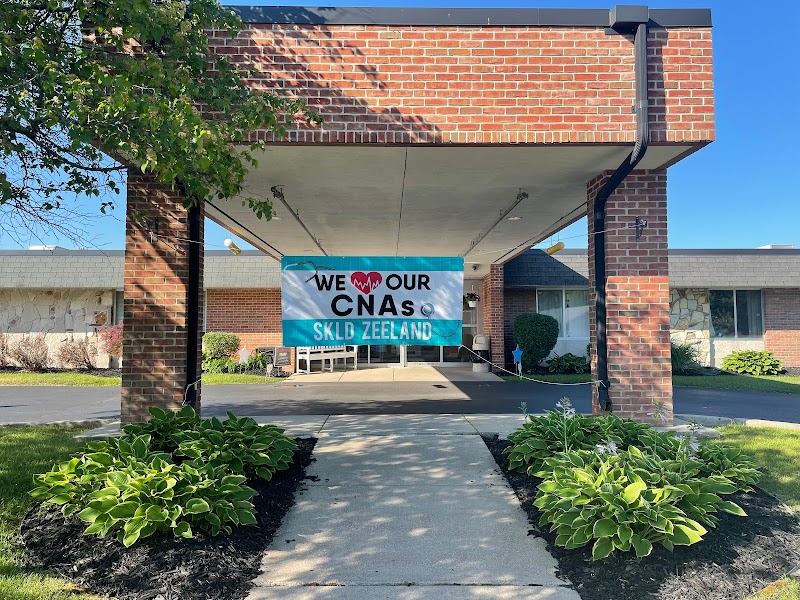
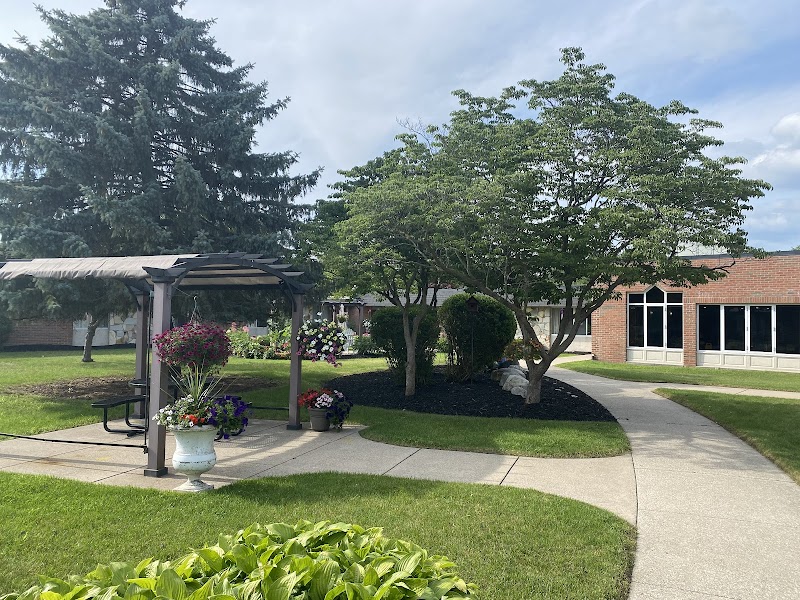
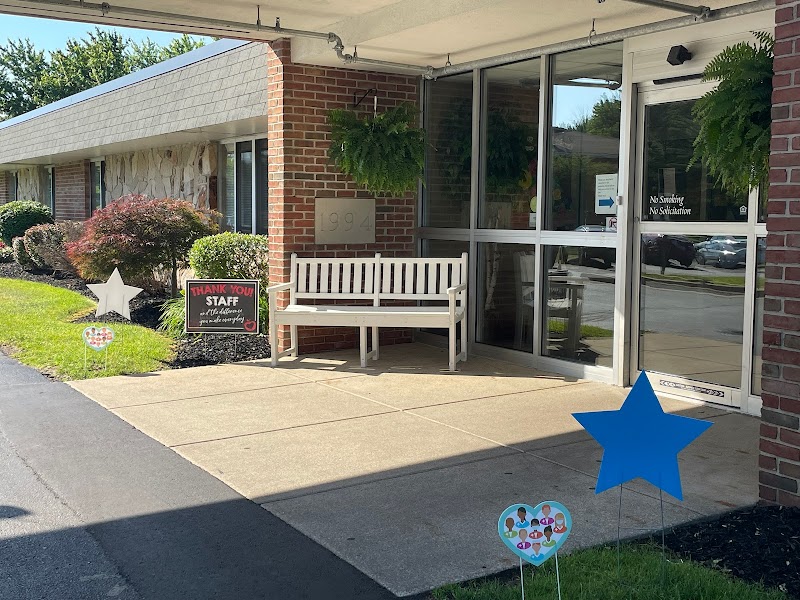
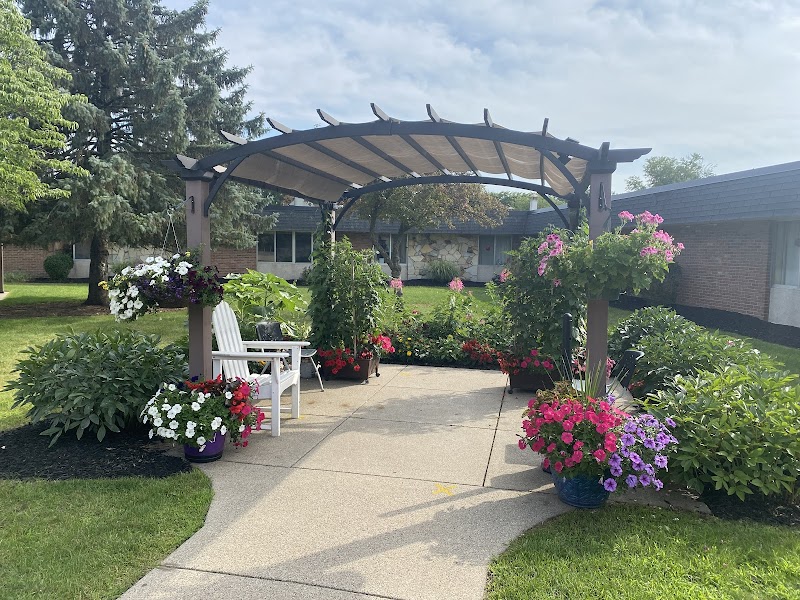
SKLD Zeeland

285 North State Street, Zeeland, MI 49464 (616) 772-4641
For profit - Corporation 138 Beds SKLD Data: November 2025
Trust Grade
40/100
#233 of 422 in MI
Last Inspection: February 2025

Within standard 12-15 month inspection cycle. Federal law requires annual inspections.

Overview

Families researching SKLD Zeeland should be aware that the nursing home has received a Trust Grade of D, indicating below-average performance with some concerning issues. It ranks #233 out of 422 facilities in Michigan, placing it in the bottom half, and #6 out of 11 in Ottawa County, meaning there are only five options locally that are better. The facility is showing improvement, as the number of reported issues decreased from 15 in 2024 to 7 in 2025. Staffing is a relative strength here, with a rating of 4 out of 5 stars and a turnover rate of 23%, which is well below the state average. However, there have been serious incidents, including failures to assess residents' needs leading to behavioral issues and delays in care for serious conditions like pressure ulcers, indicating a need for improved oversight and care protocols. Overall, while there are some positive aspects, potential residents and their families should weigh these concerns carefully.

Trust Score
D
40/100
In Michigan
#233/422
Bottom 45%
Safety Record
High Risk
Review needed
Inspections
Getting Better
15 → 7 violations
Staff Stability
✓ Good
23% annual turnover. Excellent stability, 25 points below Michigan's 48% average. Staff who stay learn residents' needs.
Penalties
✓ Good
No fines on record. Clean compliance history, better than most Michigan facilities.
Skilled Nurses
○ Average
Each resident gets 31 minutes of Registered Nurse (RN) attention daily — about average for Michigan. RNs are the most trained staff who monitor for health changes.
Violations
⚠ Watch
41 deficiencies on record. Higher than average. Multiple issues found across inspections.
★★★☆☆
3.0
Overall Rating
★★★★☆
4.0
Staff Levels
★★★★★
5.0
Care Quality
★★☆☆☆
2.0
Inspection Score
Stable
2024: 15 issues
2025: 7 issues

The Good

  • 4-Star Staffing Rating · Above-average nurse staffing levels
  • 5-Star Quality Measures · Strong clinical quality outcomes
  • Low Staff Turnover (23%) · Staff stability means consistent care
  • Full Sprinkler Coverage · Fire safety systems throughout facility
  • No fines on record
  • Staff turnover is low (23%)

    25 points below Michigan average of 48%

Facility shows strength in staffing levels, quality measures, staff retention, fire safety.

The Bad

3-Star Overall Rating

Near Michigan average (3.1)

Meets federal standards, typical of most facilities

Chain: SKLD

Part of a multi-facility chain

Ask about local staffing decisions and management

The Ugly 41 deficiencies on record

5 actual harm
Jun 2025 1 deficiency
CONCERN (D) 📢 Someone Reported This

A family member, employee, or ombudsman was alarmed enough to file a formal complaint

Potential for Harm - no one hurt, but risky conditions existed

Accident Prevention (Tag F0689)

Could have caused harm · This affected 1 resident

**NOTE- TERMS IN BRACKETS HAVE BEEN EDITED TO PROTECT CONFIDENTIALITY** This citation pertains to intake #: MI00153297 Based on interview and record review, the facility failed to ensure sufficient su...

Read full inspector narrative →
**NOTE- TERMS IN BRACKETS HAVE BEEN EDITED TO PROTECT CONFIDENTIALITY** This citation pertains to intake #: MI00153297 Based on interview and record review, the facility failed to ensure sufficient supervision and safety measures were in place to prevent an elopement for 1 of 4 residents (Resident #1) reviewed for accidents, safety, and supervision. Findings: Resident #1 (R1) Review of an admission Record revealed R1 was a [AGE] year-old female, admitted to the facility on [DATE], with pertinent diagnoses which included: Alzheimer's Disease and psychotic disorder with delusions. Review of R1's Facility Reported Incident dated 3/27/25 (from R1's previous facility) revealed R1 had eloped .Resident exited the facility unsupervised at 0510 am. She exited the building through the left exit doors in the main dining room . Review of R1's Nursing admission Screening/History dated 3/27/25 revealed the reason for admission was elopement. Review of R1's baseline care plan section C revealed, MAY WANDER OR ATTEMPT TO LEAVE FACILITY UNATTENDED . Review of R1's Patient admission Information dated 3/27/25 revealed, Transfer from (name omitted) due to increase in elopement risk and need for secured memory care unit. She has had increased attempts to leave the facility .She has been able to be redirected but has been focused on going home leaving the building. Review of a Physician Assessment dated 3/28/25 revealed, .Lately, she has been exit seeking and has eloped .She was transferred from (name omitted) to (facility) to be placed in secure dementia unit . Review of R1's Wandering Scale dated 3/27/25 revealed R1 was at risk to wander and was not high risk to wander. Review of a maintenance work order dated 5/14/25 revealed an order for R1's room for hole in screen. The work order did not indicate the window lock system had broken. Review of R1's General Progress Note dated 5/14/25 revealed, Reception stated a neighbor saw a woman who looked confused in our courtyard. Upon investigation, we found the window in the residents' room (number omitted) open and the screen torn. Resident was found by staff in the courtyard . Review of the Facility Reported Incident revealed, Incident Summary On 05/14/2025, resident (R1) exited unattended through her bedroom window into the courtyard. The facility staff were notified through nearby neighbors at 6:15 pm and called a Code Yellow immediately. (Licensed Practical Nurse [LPN] C) located (R1) still within the enclosed courtyard fence on the property . Investigative Summary / Timeline: (Certified Nursing Assistant [CNA] D) was interviewed stating, The last time I saw (R1) was around 5 pm 5:30 pm because we had sat and got the residents together for them to eat dinner. She was walking around talking with the staff. I did not notice any exiting seeking, just making comments talking about the military, making comments about the staff and walking up and down the hall. I am not one-hundred percent sure that she ate her meal because she likes to get up and down and doesn't really sit still .During a second interview with (CNA D) she stated that she recalled observing the window open in (R1's) room during her shift on 5/14/2025 around her lunchtime, and she thought in hindsight it may have been fully ajar beyond the 4 inches. She communicated to the Maintenance Assistant that there was a hole in the window screen needing repair, but did not inform the Maintenance Assistant that the window was fully open or also in need of repair . Conclusion: Verified Through witness statements and physical evidence, it can be verified that (R1) exited out of her window unattended into the facility enclosed courtyard. As she exited through the window, there was no alarm to sound to notify of her exit. (R1) was last observed inside the facility around 6:00 pm on 5/14/2025. At 6:15 pm, staff responded to a notification through a nearby neighbor, indicating a woman was in the enclosed courtyard. Staff initiated a Code Yellow and responded immediately. (R1) was located and attended to by staff still inside the enclosed courtyard and was redirected successfully inside the facility at 6:25 pm with no concerns of injury or distress . Review of CNA D's Disciplinary Action Record revealed, On 5/14/25 around 1:45 pm, you discovered a residents window was open & unsecured. A work order was placed regarding the rip in the screen, but it was not indicated to the maintenance team that the window was unsecured/opened in the verbal interaction & work order. This resulted in a residents elopement from the unit . During the onsite survey, past noncompliance (PNC) was cited after the facility implemented actions to correct the noncompliance which included: The Quality Assessment and Assurance Committee met on 05/14/2025 and 05/15/2025 to review the incident and determined the following: This serves as the Facility's Plan of Correction in response to the allegation. The following action plan has been implemented: Action taken for residents involved: A code yellow was immediate initiated with a head count of residents to ensure no other resident were affected. (R1) was assisted back inside by staff; vital signs were taken, and a head-to-toe assessment completed by the nurse. There were no signs of injury, distress, no skin alterations and vital signs were stable. A new wandering risk assessment was completed, and resident was coded as High Risk to wander. Upon returning to the facility, the window in her room was repaired, and resident was placed on a 1:1 safety attendant until her room was secured and .15-minute checks were initiated thereafter . Areas identified requiring quality improvement: Elopement policy was reviewed by the QAPI Committee, and determined Elopement policy was followed by facility staff. Through investigation and root cause analysis, it was identified that (R1's) window was observed by a CENA to be unsecured and a hole in the window screen prior to the incident. The hole in the window screen was communicated by the CENA to the Maintenance Assistant, however did not communicate the window being unsecured to maintenance. The Maintenance Assistant did not assess the hole in the window screen that was reported earlier in the shift prior to the incident. Area identified requiring quality improvement includes timely and thorough reporting, assessment, and repair of potential damage to windows, window screens, and exit doors. How facility identified resident(s) affected and residents with potential to be affected: An audit was completed by the Director of Nursing/designee on 5/16/2024 to ensure an elopement assessment for all current residents and new admissions. All residents have assessments in place. Like Residents were identified as residents residing in the facility at high risk for wandering. All residents identified as High Risk for wandering were reviewed by the DON/designee on 5/16/2025 to ensure Wandering Risk Assessments are up to date, and care plans and orders reviewed/revised as needed to ensure appropriate interventions and safety precautions were in place by 5/16/2025. Elopement Books were reviewed and updated by the Administrator/designee on 5/16/2025, and ensured books updated at each nurse station & reception. Quality Improvement measures or systemic changes made: The Maintenance Director/designee completed an audit of all secured dementia unit windows for appropriate locking and security on 5/14/2025. All secured unit windows were properly locked and secured during audit. The Maintenance Director/designee completed an audit of all Main Unit windows for appropriate locking and security on 5/15/2025. All main unit windows properly locked and secured during the audit. The Elopement Policy was reviewed by the Administrator on 5/14/2025 and deemed appropriate. The Maintenance Director/designee completed an audit of all alarmed doors and panels to ensure appropriate labeling and sounding on 5/15/2025. All alarmed doors were properly function with appropriate identification during alarmed door during audit. Education was initiated by the Administrator/designee on 5/15/2025 for all facility staff on the Elopement Policy and Procedure, and on timely and thorough reporting, assessment, and repair of potential damage to windows, window screens, and exit doors. As of 5/21/2025, 129 out of 148 employees have been educated, and post-quiz completed. Any remaining staff will be educated prior to the start of their next shift. An Elopement Drill code yellow was conducted by the Maintenance Director/designee on 05/16/2025 and 05/21/2025. The Administrator/designee issued a disciplinary action to (CNA D) on 5/21/2025 due to failure to report the window being open earlier in the shift when notifying the Maintenance Assistant of the need to repair a hole in the residents window screen. The Maintenance Assistants were issued 1:1 Teachable Moment regarding any potential damage reported to windows, window screens, or exit doors. Maintenance will consider high priority and assess reported damage to any of these areas immediately upon receipt of request and will triage work required after thorough visual inspection. How facility monitors the effectiveness of its quality improvement measures (sustained compliance): Audits will be completed by the DON/designee on at least 5 residents weekly x4 weeks then monthly x2 months as directed by the QAA committee to ensure that the elopement policy remains implemented to assess resident risk for wandering, ensure appropriate interventions in place to reduce risk for elopement. Any concerns will be forwarded to the QAA committee for further review and recommendations as needed. Elopement Drills will be conducted by the Administrator/designee weekly x4 weeks then monthly x2 months as directed by the QAA committee to ensure appropriate staff response to potential elopement/missing resident. Any concerns will be forwarded to the QAA committee for further review and recommendations as needed. Security audits of windows will be conducted by the Maintenance Director/designee weekly x4 weeks then monthly x2 months as directed by the QAA committee to ensure windows are appropriately secured. Any concerns will be forwarded to the QAA committee for further review and recommendations as needed. Date of Completion: 5/19/2025 The facility was able to demonstrate monitoring of the corrective action and maintained compliance.
Feb 2025 5 deficiencies
CONCERN (D)

Potential for Harm - no one hurt, but risky conditions existed

Resident Rights (Tag F0550)

Could have caused harm · This affected 1 resident

**NOTE- TERMS IN BRACKETS HAVE BEEN EDITED TO PROTECT CONFIDENTIALITY** Based on interview and record review, the facility failed to promote resident dignity for 1 (R21) of two residents reviewed for ...

Read full inspector narrative →
**NOTE- TERMS IN BRACKETS HAVE BEEN EDITED TO PROTECT CONFIDENTIALITY** Based on interview and record review, the facility failed to promote resident dignity for 1 (R21) of two residents reviewed for dignity. Findings include: Review of an admission Record revealed R21 admitted to the facility on [DATE] with pertinent diagnoses which included hemiparesis (muscle weakness or partial paralysis on one side of the body) and psoriasis (a skin condition in which skin cells build up and form scales and itchy, dry patches). Review of a Minimum Data Set (MDS) assessment for R21, with a reference date of 1/22/2025 revealed a Brief Interview for Mental Status (BIMS) score of 15, out of a total possible score of 15, which indicated R21 was cognitively intact. Further review revealed R21 required staff assistance with toileting. In an interview on 2/27/2025 at 8:22 AM, R21 reported she had a bowel movement the previous morning at 8:10 AM and pushed her call light. R21 reported Certified Nursing Assistant (CNA) J entered her room and she told him that she had soiled herself and needed to be changed. R21 reported CNA J instructed her she would have to wait until 8:30 or 8:45 to be changed because she had been changed at 6:30 and it had not been two hours yet. R21 reported she pressed her call light again and at 9:00 AM two CNAs entered her room to provide care. R21 reported she had been crying all day and the event made her feel like nobody cares. R21 reported being left in a soiled brief caused pain because of her chronic skin condition. In an interview on 2/26/2025 at 3:25 PM, CNA J reported he responded to R21's call light that morning at 8:00 AM and R21 told him that she was soiled and needed to be changed. CNA J reported he instructed R21 that she was on a two-hour schedule and not due to be changed yet and then left her room. CNA J reported that he discussed the incident with a unit manager at approximately 9:00 or 9:30 AM and the unit manager instructed him that residents needed to be changed immediately if they reported being soiled and could not be told to wait until later. In an interview on 2/27/2025 at 8:43 AM, Licensed Practical Nurse (LPN) E reported he had a discussion with CNA J the previous morning and instructed him that staff must check residents if they reported being soiled and could not wait two hours from the last time the resident was changed. In an interview on 2/26/2025 at 3:38 PM, the Director of Nursing (DON) reported staff should not tell residents who reported being soiled that they have to wait 2 hours from the last time they were changed. The DON reported residents should be checked and changed at the time they reported being soiled. Review of facility policy/procedure Resident Rights, dated 7/11/2018, revealed .It is the policy of this facility that all residents be treated with kindness, dignity and respect . The staff shall display respect for Residents when speaking with, caring for, or talking about them .
CONCERN (D)

Potential for Harm - no one hurt, but risky conditions existed

Quality of Care (Tag F0684)

Could have caused harm · This affected 1 resident

**NOTE- TERMS IN BRACKETS HAVE BEEN EDITED TO PROTECT CONFIDENTIALITY** Based on observation, interview, and record review, the facility failed to implement dermatology recommendations in a timely man...

Read full inspector narrative →
**NOTE- TERMS IN BRACKETS HAVE BEEN EDITED TO PROTECT CONFIDENTIALITY** Based on observation, interview, and record review, the facility failed to implement dermatology recommendations in a timely manner for one resident (R21) of two residents reviewed for skin conditions. Findings include: Review of an admission Record revealed R21 admitted to the facility on [DATE] with pertinent diagnoses which included hemiparesis (muscle weakness or partial paralysis on one side of the body) and psoriasis (a skin condition in which skin cells build up and form scales and itchy, dry patches). Review of a Minimum Data Set (MDS) assessment for R21, with a reference date of 1/22/2025 revealed a Brief Interview for Mental Status (BIMS) score of 15, out of a total possible score of 15, which indicated R21 was cognitively intact. In an observation and interview on 2/25/2025 at 11:56 AM in room [ROOM NUMBER], R21 reported she had a rash, itching, and burning under her right breast that staff were not treating. R21 reported this was an ongoing issue and she had recently been to a dermatologist. This surveyor observed a large area of skin under R21's right breast to be bright red. Review of R21's Physician Orders active 2/26/2023 at 11:21 AM revealed no medicated creams, powders, or lotions were ordered to treat the rash under her right breast. Review of R21's offsite dermatology documentation dated 2/6/2025 revealed R21 was evaluated for psoriasis and given the following recommendations .Zinc Oxide Diaper Cream . Apply to groin, buttocks, and thighs . nystatin . topical powder . apply to affected areas under breast crease . Review of R21's Practitioner Short Progress Note, dated 2/14/2025 revealed dermatology recommendations were reviewed by Nurse Practitioner (NP) Q for zinc and nystatin. Further review revealed R21 was noted to have an allergy to zinc and the facility would follow up with dermatology to request alternative recommendations. In an observation and interview on 2/26/2025 at 12:10 PM, NP Q observed R21's skin with this writer and reported her psoriasis was flaring up. NP Q and this writer observed redness and inflammation of R21's skin under her breasts, between her legs, and on her buttocks. In the hallway, NP Q reported the resident saw dermatology a couple weeks ago and reviewed the dermatology documentation. NP Q stated the nystatin order was not placed and that nursing staff usually places these orders. NP Q stated R21 needed the nystatin and that it would be ordered. NP Q reported facility staff should have contacted the dermatology office to request alternative recommendations for the zinc when the recommendations were initially reviewed on 2/14/2025. In an interview on 2/27/2025 at 12:36 PM, the Director of Nursing (DON) reported she could not find documentation that R21's dermatology recommendations from 2/6/2025 had been addressed by the facility prior to this surveyor's conversation with NP Q on 2/26/2025. Review of facility policy/procedure Skin Monitoring and Management-Non-PU, dated 7/11/2018, revealed .It is the policy of this facility that a resident having areas of skin breakdown . receive necessary treatment and services to promote healing, prevent infection, and prevent new non-pressure sores from developing .
CONCERN (D)

Potential for Harm - no one hurt, but risky conditions existed

Tube Feeding (Tag F0693)

Could have caused harm · This affected 1 resident

**NOTE- TERMS IN BRACKETS HAVE BEEN EDITED TO PROTECT CONFIDENTIALITY** Based on observation, interview, and record review, the facility failed to ensure proper tube feeding precautions were implement...

Read full inspector narrative →
**NOTE- TERMS IN BRACKETS HAVE BEEN EDITED TO PROTECT CONFIDENTIALITY** Based on observation, interview, and record review, the facility failed to ensure proper tube feeding precautions were implemented and maintained for one resident (R37) of two residents reviewed for enteral feeding. Findings: Review of the Electronic Medical Record (EMR) reflected R37 originally admitted to the facility on [DATE] with diagnoses that included a history of stroke, dementia, and was receiving nutrition through a feeding tube. Review of the Doctor's Orders dated 2/14/25 for R37 reflected an enteral feed order and the Medication Administration Record (MAR) reflected or Glucerna 1.5 to be delivered at 100 cubic centimeters (cc) per hour. On 2/25/25 at 9:28 AM, a dressing change for R37 was observed in the Resident's room with Licensed Practical Nurse (LPN) R and Unit Clerk (UC) T. It was observed that the head of the bed was elevated approximately ten degrees and R37 was turned onto his left side during the dressing change that lasted approximately fifteen minutes. It was observed that the enteral feeding pump was infusing at the prescribed rate of 100 cc per hour during the wound dressing change. Following the dressing change the head of the bed of R37 was not increased from the lowered position The policy provided by the facility titled Subject: Enteral Nutrition-Resident. Dated 7/11/2018 was reviewed. The review reflected Policy: It is the policy of this facility that the nurse, in cooperation with other health team members, must carefully monitor the resident's response to the feedings and feeding techniques to assure the attainment of therapeutic goals. And Procedure: General monitoring of nursing care should include: 1. Head of bed should be elevated at a 30-45 degree angle during feeding and for at least one (1) hour after feedings completed to prevent gastric reflux and possible aspiration. On 2/26/25 at 11:59 AM an interview was conducted with LPN R in her office. The dressing changed observed 2/25/25 at 9:28 AM was reviewed. LPN R was asked why the tube feeding was not suspended during the dressing change when the head of the bed was lowered, and the Resident was turned on his side. LPN R stated Is that policy? The proper angle of the bed for tube feeding was discussed. LPN R reported that R37 has remotes (bed controls) and the Resident can adjust the angle of his bed on his own. The undated document titled Job Title (job description) Charge nurse-RN/LPN provided by the facility was reviewed. The document reflected Principal Duties and Responsibilities: which included: Provide care to Residents by performing a variety of treatments, including changing dressing, cleansing and/or irrigating wounds and incisions, performing Foley Catheter irrigations, IV therapy, and administering tube feedings, chest tubes and peritoneal dialysis. And Know and support facility philosophy, standards, policies, and procedures
CONCERN (D)

Potential for Harm - no one hurt, but risky conditions existed

Infection Control (Tag F0880)

Could have caused harm · This affected 1 resident

**NOTE- TERMS IN BRACKETS HAVE BEEN EDITED TO PROTECT CONFIDENTIALITY** Based on observation, interview, and record review, the facility failed to ensure infection control measures were maintained dur...

Read full inspector narrative →
**NOTE- TERMS IN BRACKETS HAVE BEEN EDITED TO PROTECT CONFIDENTIALITY** Based on observation, interview, and record review, the facility failed to ensure infection control measures were maintained during a dressing change for one resident (R37) of three residents reviewed for infection control. Findings: Review of the Electronic Medical Record (EMR) reflected R37 originally admitted to the facility on [DATE] with diagnoses that included a history of stroke and dementia, Review of the EMR Progress Notes entry dated 1/28/25 at 2:32 AM reflected a three-centimeter (cm) lump was identified at the hairline of the neck of R37 and the medical provider was notified. On 2/5/25 the Progress Note entry at 3:39 PM reveal a change in the lump and R37 was transported to the hospital for evaluation. On 2/13/25, R37 returned from the hospital with a wound vac dressing (also known as vacuum assisted closure (VAC), a medical device sealed over a wound that uses negative pressure to pull fluid and debris out of the wound promoting granulation tissue growth). The entry reflected R37 was referred to a wound care provider for wound management. Review of the Doctor Orders dated 2/24/25 for R37 reflected the wound vac dressing system was ordered to be changed and to cleanse the wound with Dakins solution prior to wound vac placement every Tuesday, Thursday, and Saturday. On 2/25/25 at 9:28 AM a dressing change for R37 was observed in the Resident's room with Licensed Practical Nurse (LPN) R and Unit Clerk (UC) T. It was observed that the head of the bed was elevated approximately ten degrees and R37 was turned onto his left side to expose the wound vac dressing. UC T supported R37 as the Resident lay on his left side. Wound re-dressing supplies were assembled on a small tray on an over- the- bed table. No barrier was on the over-the-bed table and a pair of scissors, and a large piece of wound film lay directly on the table. LPN R was observed preparing the wound for redressing by cleaning the wound and the perimeter with the prescribed solution and wiping with 4 x4 inch gauze then discarding the blood-tinged gauze. LPN R retrieved the large piece of adhesive film from the unprotected table and used the un-sanitized scissors to cut a piece of adhesive film to size to cover the wound. The cut piece was placed on the small tray next to a piece of black foam that was be inserted in the wound bed. At this point UC T prompted a glove change as LPN R had not degloved after cleaning and wiping the wound area. LPN R donned new gloves without hand sanitizing and retrieved the black foam from the small tray and placed it inside the open the wound. LPN R then covered the wound with the cut film and used the un-sanitized scissors to poke a hole in the film for the wound vac device and placed the scissors back on over-the-bed table. The procedure required another piece of film to be cut from the remaining sheet of film that also rested on the undraped table. Without changing gloves, a newly cut piece of adhesive film was placed over the wound site to complete the dressing change. On 2/26/25 at 11:59 AM an interview was conducted with LPN R in her office. In review of the dressing change observed 2/25/25 at 9:28 AM, LPN R acknowledged that UC T had prompted her to change her gloves. LPN R reported this was because one of the gloves had ripped and did not acknowledge degloving was indicated after irrigating and cleansing the wound with wet gauze. LPN R acknowledge the scissors should have been sanitized and placed in a different location during the dressing change. The undated document titled Job Title (job description) Charge nurse-RN/LPN provided by the facility was reviewed. The document reflected Principal Duties and Responsibilities: which included Understands Infection Control and follows the Company's Infection Control guidelines, such as hand washing principles, understanding of isolation and standard precautions, recognizing signs and symptoms of infection, demonstrating and understanding of the process for identifying and handling infectious waste and cross contamination .
CONCERN (E)

Potential for Harm - no one hurt, but risky conditions existed

Safe Environment (Tag F0921)

Could have caused harm · This affected multiple residents

**NOTE- TERMS IN BRACKETS HAVE BEEN EDITED TO PROTECT CONFIDENTIALITY** Based on observation, interview, and record review, the facility failed to maintain a safe, functional, sanitary, and comfortabl...

Read full inspector narrative →
**NOTE- TERMS IN BRACKETS HAVE BEEN EDITED TO PROTECT CONFIDENTIALITY** Based on observation, interview, and record review, the facility failed to maintain a safe, functional, sanitary, and comfortable environment for residents, staff and the public. This resulted in an increased potential for contamination and a possible decrease in the satisfaction of living, affecting the following areas: Findings include: Rooms 409/411 During an observation on 2/25/25 at 9:52 AM and 12:17 PM, room [ROOM NUMBER] had a shared bathroom with room [ROOM NUMBER]. Inside the bathroom was a dirty exhaust fan and an oxygen concentrator with a nasal canula connected to it stored under the sink. During observations on 2/26/25 at 7:34 AM and 9:22 AM rooms 409/411 still had the oxygen concentrator in the bathroom with the nasal cannula attached to it. During an observation and an interview on 2/27/25 at 9:30 AM, Certified Nursing Assistant (CNA) B accompanied this surveyor to the connected bathroom for rooms 409/411 and saw the oxygen concentrator with the nasal cannula attached, stored under the sink next to the toilet. The toilet was grossly soiled with stool splatters all over the seat and rim. A bedside commode pan was stored on the floor between the toilet and under the sink next to the oxygen concentrator, with a used brief inside. CNA B reported that the oxygen concentrator belonged to the resident in room [ROOM NUMBER] and confirmed the bathroom should not look like that and the concentrator should not be stored there. The CNA also confirmed the bathroom exhaust fan was very dusty. Rooms 404/406 During an observation on 2/25/25 at 12:38 PM, room [ROOM NUMBER] had a shared bathroom with room [ROOM NUMBER] for four residents. Several mixed toiletries and personal items in the bathroom were gathered on the sink and the shelf above the sink. No labels on any of the items observed. During observations on 2/26/25 at 7:34 AM and 9:24 AM rooms 404/406 had several personal mixed toiletries in the shared bathroom on the sink and the shelf above the sink. During an observation and an interview on 2/27/25 at approximately 9:45 AM, CNA B went with this surveyor to the shared bathroom for rooms 404/406. Several toiletries were on the sink and shelf above it, including 3 opened and used packets of ointment, deodorants, lotions, soaps, and various other items. One large bottle of lotion had a resident's name on it. CNAs B and C stated that residents' toiletries should be stored in their designated areas after use. Both CNAs mentioned the bathroom should not appear as it did and that the ointment packets should have been discarded. They also confirmed that the bathroom exhaust fan was very dusty.During a tour of the Gilead Pantry, at 9:55 AM on 2/25/25, an odor of sewer gas was present upon entering the room. Further evaluation found a floor drain in the back right corner of the room tucked behind the fridge that was allowing sewer gas to flow back into the space due to an evaporated pee-trap. Evaluation of the sink found a residential spray wand on the back. The spray wand has the potential the be pulled out and lay below the overflow rim of the sink creating a cross connection between the potable and wastewater supply. During a tour of the facility, at 1:01 PM on 2/25/25, it was observed that supplies from the activity department were stored underneath the wastewater line of the sink in the cafe. Observation found debris and staining from an old leak as well as a vase fake flowers stored. During a tour of the facility, at 1:22 PM on 2/25/25, observation underneath the dining room sink found stored activity supplies. These items were stored under and around the wastewater line of the sink. vases, fake flowers, sponges. During a tour of the Gilead dining room, at 2:08 PM on 2/25/25, it was observed that numerous items were stored underneath the sink's wastewater line. These items were vases, a bag of cookie cutters, totes of supplies and containers of decorations. Resident #89 In an observation and interview on 2/25/2025 at 10:35 AM in room [ROOM NUMBER], Resident #89 (R89) reported staff never cleaned his room. R89 stated, I have to clean my own room. During this interview the floor was littered with food crumbs and scattered sticky areas where liquids had dried, including what appeared to be dried drops of blood scattered around the entire room. In an observation and interview on 2/26/2025 at 8:49 AM in room [ROOM NUMBER], the floor was littered with food crumbs and the same dried red areas that were present on 2/25/2025. R89 reported his room had not yet been mopped. In an observation and interview on 2/27/2025 at 9:18 AM in room [ROOM NUMBER], the floor was littered with crumbs and the same dried red substance was on the floor from the previous two days. Housekeeping Aide K observed the floor with this surveyor and confirmed the presence of the dried red substance on the floor. The spots disappeared immediately as Housekeeping Aide K used a wet mop to clean the floors.
Feb 2025 1 deficiency
CONCERN (D) 📢 Someone Reported This

A family member, employee, or ombudsman was alarmed enough to file a formal complaint

Potential for Harm - no one hurt, but risky conditions existed

Deficiency F0697 (Tag F0697)

Could have caused harm · This affected 1 resident

**NOTE- TERMS IN BRACKETS HAVE BEEN EDITED TO PROTECT CONFIDENTIALITY** This citation pertains to intake MI00148411 Based on observation, interview, and record review, the facility failed to assess ti...

Read full inspector narrative →
**NOTE- TERMS IN BRACKETS HAVE BEEN EDITED TO PROTECT CONFIDENTIALITY** This citation pertains to intake MI00148411 Based on observation, interview, and record review, the facility failed to assess timely, monitor, treat and adequately control pain for 1 Resident (R1) of 3 Residents reviewed for pain. Review of R1's face sheet dated 2/6/25 revealed she was a [AGE] year old female admitted to the facility on [DATE] and had diagnoses that included: 11/28/24 encounter for other orthopedic, polyneuropathy (peripheral nerve disorder that affects multiple nerves throughout the body simultaneously), pain in right shoulder, generalized anxiety disorder, hemiplegia and hemiparesis (muscle weakness or partial paralysis on one side of the body), Pseudobulbar affect (inappropriate involuntary laughing or crying due to nervous system disorder) and mild cognitive impairment. R1 was listed as her own responsible party. Review of R1's progress note dated 1/20/25 at 12:44 PM revealed R1 had a mental evaluation, and she score 15 out of 15 on her Brief Interview of Mental Status (BIMS). Normal cognitive function. Review of the facility reported incident for R1 dated incident occurred 12/3/24 at 4:30 AM, revealed R1's Family Member (FM) K called the Administrator on 12/3/24 at 7:57 PM accusing Licensed Practical Nurse (LPN) C of not giving her pain medications timely or transferring her to the hospital when she requested to go to the hospital. Review of the facility reported incident for R1 dated incident occurred 12/3/24 at 4:30 AM, revealed LPN C provided the following statement in the investigation, This issue started around 4 am this morning (12/3/24). I had every med (medication) written out in advance of what was due for R1 and when because of her behaviors surrounding her pain meds (medication). She asks way ahead of time every night and does not sleep at all at night, this is a battle every night with her. Around 4-4:15 am was the Flexeril (medication for muscle spasms), I said you have couple minutes left before I can give you this. She was laughing, we were talking have a good conversation, ands she said Im [sic] kind of achy in my chest. I took her vitals they were stable; she had no tingling or numbness. I asked her if she would be OK with giving her Flexeril a try and seeing if that makes a difference for her. She agreed to taking the Flexeril and giving that a try before we take other measures. She never rang her call light again between 4:15 and 4:30 am and did not request to see me or to go to the hospital. Around 4:30 am, I was getting ready to check blood sugars, I could hear R1 on the phone with 911 from the hall, so I came over to her room. I could hear the operator asking her if it was an emergency and she said multiple times that this is not an emergency. She said it is not any emergency, I want to go to the hospital because I want more pain meds. (Record review revealed Flexeril was given at 2:58 AM not 4:00 AM as indicated in this interview and R1's pain medication was due again at 4:11 AM, R1 had been taking her as needed pain medication every 4 hours and her was 10/10 (indicating severe pain) since 12/2/24 at 7:24 PM, record review did not reveal any physician notification of increased pain or any timely reassessment of her pain after she reported severe pain on 12/2/24 at 7:24 PM). Review of the facility reported incident for R1 indicated incident occurred 12/3/24 at 4:30 AM and revealed Certified Nurse Aide (CNA) I made the following statement, R1 is frequently turning her call light on to ask for medication, on 12/3/24 I know that she was given her cup of pills after she rang her call light. One of the times R1 turned on her light she said she was going to call 911 because she hasn't had her pills yet. I told this to the nurse. She did not have any physical signs of pain, she was just expressing that she needed her pain meds even though everything that was available had already been administered to her by the nurse, and her Flexeril (not pain medication, used for muscle spasms) was up next, but it was not time to be given. (Record review revealed R1 reported severe pain on 12/2/24 at 7:24 PM and continued to report pain. Flexeril was given on 12/3/24 at 2:58 AM R1's next dose of pain medication was due prior to her calling 911). Review of R1's progress noted dated 12/2/24 at 12:36 PM revealed, Writer spoke with resident regarding pain management and skin concerns. Writer educated resident on PRN (as needed) pain medications. Resident stated being aware of the schedule, but that she [is] still in pain. She was reminded of her follow up appointment with the surgeon today. She stated that she will tall [sic] to the surgeon for more pain meds. Review of R1's progress noted dated 12/3/24 at 4:30 AM revealed, At the time of resident's c/o (complaint of) chest pain resident denies any numbness or tingling to either arm or hand and continued to have a conversation without any s/s (signs or symptoms) of pain or discomfort. Also stated, I just want to go to the Hospital because I know they will give me more pain meds. Review of R1's progress note dated 12/3/24 at 5:29 AM revealed, At 4:30 am staff entered resident's room and resident was on the phone with the 911 operator telling him that she was having chest pain but that it was not an emergency. 911 operator then stated that they would be there shortly to pick her up. VS (vital signs) at that time were 136/72, (blood pressure), 97.3 (temperature), 75 (heart rate), 16 (respirations) 100% (oxygen level) on RA (room air). No s/s (signs or symptoms) of pain or discomfort noted. Percocet (narcotic pain medication) offered to resident at that time and resident stated, No I take too many pills right now. Name of emergency medical services arrived and assessed resident and also obtained VS (vital signs) WNL (within normal limits) except for slightly elevated pulse. Resident then stated that she was anxious. Name of emergency medical services left facility with resident and paperwork for [name of hospital]. Review of R1's progress note dated 12/3/24 at 10:02 AM revealed, Hospital called, and resident admitted to the hospital. Dx (diagnoses) of Bronchitis. Review of R1's progress note dated 12/4/24 at 22:30 (10:30 PM) revealed, Resident returned to facility per ambulance on stretcher. Review of R1's emergency room report dated 12/3/24 revealed, Patient started to experience chest pain across the center of her chest around 22:00 (10:00 PM). Symptoms lasted through the night until EMS (emergency medical services) was called. She was given aspirin and nitroglycerin, patient states her chest pain has resolved at this time. She noted a little shortness of breath. Of note, patient recently had orthopedic surgery at (name of hospital) for Achillies tendon lengthening. Surgery was on November 27. She has been bedridden, and leg has been wrapped ever since the procedure. Review of systems: Respiratory: positive for shortness of breath. Cardiovascular positive for chest pain. Gastrointestinal positive for nausea. Negative for vomiting. Review of R1's Percocet (narcotic pain medication) orders revealed on 12/3/24, Percocet 5-325 MG every 4 hours as needed for pain was discontinued after the last dose was given at 12:11 AM. Percocet 10-325 MG every 4 hours as needed for pain was ordered when she returned from the hospital. (increase in pain medication). R1 was observed on 2/6/25 at 12:45 PM receiving care. Certified Nurse Aides (CNA's) E and J, changed R1's brief and dressed her for an outside appointment. R1's buttock and peri area were bright pink. R1 and CNAs said her buttock had been excoriated for a long time. R1 had several creams and lotions in the room and sign on the wall indicating she was allergic to creams with zinc. R1 was hoping the dermatologist she was going to today would start a new treatment. R1 complained that she is incontinent and when she urinates it burns her buttock. R1 said her shoulder was a pain level of 4 out of 10, and her left arm and leg were both a 6 out of 10. R1 said she is always in pain and has never provided a pain score of zero. R1 talked about activities she used to like to do but said she can't sit up that long anymore. The CNA's confirmed R1 used to get out of bed more often and always reports being in pain. During a private interview with R1 in her room on 2/6/25 at 1:10 PM, R1 could not recall any specific details of the event on 12/3/24 at 4:30 AM when she called 911. R1 said she has called 911 more than one time because she doesn't feel she is getting her care timely and when she complains things only get worse. R1 was very focused on needing to get back into bed after physical therapy. R1 reported she had to stay out of bed for 4 hours or more on Friday January 31, 2025, and Monday February 3, 2025. R1 said she just spoke to the Therapy Director (TD) L, and he assured her next time he will help her get back into bed after therapy. R1 said she just can't sit in a wet diaper that long. R1 said she really wanted to be able to stand again so she would not have to use the mechanical lift to get into her wheelchair. She said she stood for 10 seconds in therapy twice and believed she would get stronger but was considering stopping physical therapy because it was too painful to stay up in her wheelchair that long. Review of R1's Medication Administration Record (MAR) for December 2024, revealed R1's pain was assessed by a nurse on 12/2/24 at 19:24 (7:24 PM) and her pain was recorded at 10 out of 10 (severe pain) that nurse provided R1 with a Fentanyl Transdermal Patch 72 hour/25mcg/hour.(narcotic pain medication). LPN I provided R1 with her Percocet Oral Tablet 5-325 MG on 12/3/24 at 12:11 AM and rated R1's pain at 8 out of 10 (severe pain). LPN I provided R1 with her Flexeril 5 mg table on 12/3/24 at 2:58 AM (not around 4 am as indicated in her facility statement) LPN I rated R1's pain as 8 out of 10 at 1:58 AM one hour prior to giving the Flexeril. LPN I did not confirm in her investigation statement that R1 had any complaints of pain on 12/3/24 prior to R1 calling 911, however LPN I documented twice prior to 4:30 AM that R1 had severe pain. LPN I documentation in R1's medical record did not match her statement she provided for the facility investigation. LPN I did document R1 has severe pain when she provided the Flexeril at 2:58 AM and she did not provide the as needed pain medication at 4:11 AM when she could have. LPN I did not offer additional pain medication until R1 called 911. Review of R1's pain assessments for R1 on 12/3/24 revealed that, LPN I rated R1's pain again on 12/3/24 at 2:33 AM and this time it was 6 out of 10 (moderate pain) This information was not located in the facility investigation. During a telephone interview with LPN I on 2/6/25 at 11:03 AM, LPN I recalled the event on 12/3/24 at 4:30 AM when R1 called 911 and complained of severe pain. LPN I recalled being interviewed by the facility and making a statement. The surveyor read her statement and LPN I confirmed that was her statement. LPN I did not recall assessing R1 earlier that evening as having pain scores of 8, and 6. LPN I could not recall which nurse was on when she arrived and denied being aware R1 had a pain score on 12/2/24 at 7:24 PM of 10 out of 10. LPN I was not sure about the timeline of events that evening. LPN I said she was aware R1 could have her Oxycodone every hour and she did not recall offering to provide R1 with another dose of Oxycodone until R1 had called 911 and R1 refused to take the Oxycodone at that time. (Oxycodone could have been given at 4:11 AM. R1 called 911 at 4:30 AM). During an interview with the Therapy Director (TD) L on 2/6/25 at 1:24 PM he confirmed that R1 attended therapy last Friday January 31 and Monday February 3, 2025. He confirmed that she was able to stand, and she seemed motivated to continue therapy. TD L said he just found out today that R1 was upset about not getting back to bed right after therapy and he did assure her next time he would assist staff getting back to bed after therapy. TD L was asked if R1 ever had a day where she was pain free and TD L said, no. he said he treated her shoulder earlier today and she reported it was a score of 7 out of 10 to start and after treatment she reported it was 4 out of 10. During a telephone interview with R1's Family Member (FM) K, on 2/6/25 at 2:17 PM she recalled reporting to the Nursing home on [DATE] that R1 was not getting her pain medication timely. FM K expressed frustration because she feels like when they complain things get worse. FM K said R1 has been in the hospital several times since that event. FM K said she has talked with R1 about hospice care because she does not have any quality of life there. FM K said R1 called her one of the days after therapy crying because staff would not put her to bed. She told her to put her call light on and when staff came in, they were very rude to R1, FM K said she knows her mom gets mad and is rude to the staff too. FM K said they talked and if staff will not get her back to bed after therapy she will have to stop because it is just too painful to sit up that long. FM K said she will decide to go into hospice if she can't get better care, she just can't live like this. Review of R1's pain care plan dated 11/11/19 with revision on 12/13/24 revealed, The resident has acute/chronic pain r/t arthritis and muscle spasms, will refuse all other intervention other than pain med (medication). Resident is reporting increased pain due to recent surgical procedure to lengthen Achilles tendon LLE (left lower extremity). Resident will describe horrible: pain to nursing staff and ask for pain medication, when staff returns, she has been asleep in bed, and on occasion has been difficult to arouse. Strained right shoulder ligament. Refused Sling. Goal: The resident will verbalize and/or exhibit that pain is at a tolerable level and not have pain interfere with daily routine through the review dated: target dated 4/15/25. (no indication of what level pain is tolerable). During an interview with the Director of Nursing (DON) and Nursing Home Administrator (NHA) on 2/7/25 at 10:30 AM, R1's pain assessments for 12/2/24 and 12/3/24 and her Medication Administration Records (MAR) were reviewed. They confirmed that LPN M had assessed R1 to have pain at 10 out 10 on 12/2/24 at 7:19 PM and no follow up pain assessment was completed until LPN I assessed her at 12:11 AM on 12/3/24 and she still was at a pain level of 8 out of 10. The NHA confirmed that she did not interview LPN M for the investigation related to R1's pain complaints and calling 911 on 12/3/24 at 4:30 AM. LPN M was the nurse that rated R1's pain as 10 out of 10 on 12/2/24 at 7:19 PM. They confirmed that LPN I also assessed R1's pain 12/3/24 at 1:59 AM to still be 8 out 10 and 12/3/24 at 2:33 AM to be 6 out of 10. They confirmed that LPN I did not indicate in her statement that R1 was experiencing severe pain the night of 12/3/24 when R1 called 911 at 4:30 AM. They confirmed that staff did not contact R1's provider when her pain was 10/10 and did not reassess her pain in a timely manner. The pain assessments also revealed several pain assessments that rated R1 as having zero pain. When asked to explain this documentation as the resident and multiple staff interviews indicated R1 is never pain free. The DON said if the resident is sleeping, they can use the nonverbal scale and document zero, if she reports she is comfortable they can document zero and the DON said as a nurse she has heard R1. The DON said she is heard R1 say she is comfortable and has reported to her she is not in pain. When asked what is R1's tolerable pain level the DON reviewed the pain care plan from 2019 and said R1 could tolerate pain levels of 8 and 10. The DON was not sure who completed that assessment or where it was located. The Surveyor requested all information related to pain assessments and her pain tolerance. Upon exit no evaluations indicating R1 could tolerate pain at 8 and 10 were provided. During the interview with the DON and NHA on 2/7/25 at 10:30 AM, the NHA said they were educated today on doing a thorough investigation and started educating nurses on pain.
Jul 2024 3 deficiencies
CONCERN (D) 📢 Someone Reported This

A family member, employee, or ombudsman was alarmed enough to file a formal complaint

Potential for Harm - no one hurt, but risky conditions existed

Deficiency F0726 (Tag F0726)

Could have caused harm · This affected 1 resident

**NOTE- TERMS IN BRACKETS HAVE BEEN EDITED TO PROTECT CONFIDENTIALITY** This citation pertains to intake #MI00145408. Based on interview and record review, the facility failed to ensure nursing staff ...

Read full inspector narrative →
**NOTE- TERMS IN BRACKETS HAVE BEEN EDITED TO PROTECT CONFIDENTIALITY** This citation pertains to intake #MI00145408. Based on interview and record review, the facility failed to ensure nursing staff were competent and adequately trained to reconcile physician's orders and medications during the admission process, resulting in the potential for compromised resident safety and the potential for residents to not meet their highest practicable physical, mental, and psychosocial well-being. Findings include: Review of an admission Record revealed Resident #101 admitted to the facility on [DATE] with pertinent diagnoses which included seizures, fibromyalgia, and hypertension. In a telephone interview on 7/16/2024 at 9:05 AM, Hospital Case Manager B reported it was learned while preparing Resident #101 for discharge from the hospital back to the facility on 6/28/2024 that Resident #101 had not been taking all the medications according to discharge orders the last time she was discharged from the hospital back to the facility on 6/18/2024. Review of Resident #101's local hospital Hospitalist Discharge Summary, dated 6/28/2024, revealed .Patient well known with multiple hospitalizations in 2024, last 6/14-6/16 . Review of medication performed by Pharm Technician revealed that majority of patients medications were discontinued per facility RN. Call was placed by this provider as well to verify medications and patient was not on antihypertensives or bowel routine, these medications were noted to be on her list on all of her admits this year . In an interview on 7/15/2024 at 3:19 PM, Licensed Practical Nurse (LPN) G reported he spoke to an employee at the hospital on 6/18/2024 when Resident #101 was discharged back to the facility and reviewed medication lists. LPN G reported he performed the admission assessment and reviewed medication orders upon Resident #101's return from the hospital that evening, and the third shift nurse was to perform the second check of the orders. LPN G reported a second nurse and the unit manager are required to double check admission orders. LPN G reported management later instructed him that he had missed orders and gave him written counseling regarding this. Review of LPN G Disciplinary Action Record, dated 7/10/2024, revealed .issued on 7/10/24 . Written Warning #1 . Date of Infraction 7/1/2024 & 6/16/24 . On 6/16/24 you failed to correctly enter readmission orders for resident . You had errors in the transcription & placement of orders . In an interview on 7/16/2024 at 12:28 PM, Prior Nurse E reported she took over for Licensed Practical Nurse (LPN) G on 6/16/2024 at 10:00 PM and was supposed to perform the 2nd check for Resident #101's admission orders, but she did not remember whether she did the second check. Prior Nurse E reported she did not know whether the admission checklist was completed for Resident #101's 6/16/2024 admission. In an interview on 7/16/2024 at 3:10 PM, the Nursing Home Administrator reported she was unable to find documentation that Prior Nurse E had been trained regarding the admission process and medication reconciliation. The NHA reported there was an admission process checklist that should have been completed by Prior Nurse E at hire. Review of facility policy/procedure New Employee Orientation, revised 10/1/2023, revealed .The New Employee Orientation is designed to provide a general orientation overview for new employees. Employees will also be provided with a departmental orientation by their immediate supervisor or designee .
CONCERN (D) 📢 Someone Reported This

A family member, employee, or ombudsman was alarmed enough to file a formal complaint

Potential for Harm - no one hurt, but risky conditions existed

Drug Regimen Review (Tag F0756)

Could have caused harm · This affected 1 resident

**NOTE- TERMS IN BRACKETS HAVE BEEN EDITED TO PROTECT CONFIDENTIALITY** This citation pertains to intake #MI00145408. Based on interview and record review, the facility failed to ensure Medication Reg...

Read full inspector narrative →
**NOTE- TERMS IN BRACKETS HAVE BEEN EDITED TO PROTECT CONFIDENTIALITY** This citation pertains to intake #MI00145408. Based on interview and record review, the facility failed to ensure Medication Regimen Reviews, which noted irregularities or recommendations, were addressed by the physician in a timely manner for 1 resident (Resident #101) of 3 residents reviewed for medication use, resulting in the potential for unnecessary medications, negative medication side effects, and for residents to not meet their highest practicable physical, mental, and psychosocial well-being. Findings include: Review of an admission Record revealed Resident #101 admitted to the facility on [DATE] with pertinent diagnoses which included seizures, fibromyalgia, and hypertension. Review of Resident 101's electronic medical record on 7/16/2024 at 1:05 PM revealed the pharmacist perform Medication Regimen Reviews for Resident #101 for each re-admission from the local hospital on 6/16/2024 and 6/28/2024. Review of Resident #101's Medication Regimen Review Note to Attending Physician/Prescriber, dated 6/18/2024, revealed .Please review recommendation(s) below: Please add 'do not crush' to the following medication order, to avoid administration problems, since crushing a med that should not be crushed is now considered a medication error: -Levetiracetam -Pantoprazole -Ciprofloxacin. Please consider changing to a different dosage form or changing to medications that can be crushed . Review of Resident #101's Medication Regimen Review Note to Attending Physician/Prescriber, dated 6/30/2024, revealed .This resident is receiving duplicate therapy of Famotidine and Protonix. Please consider discontinuing one of the above . In an interview on 7/16/2024 at 2:45 PM, the Nursing Home Administrator (NHA) reported they could not find documentation that Resident 101's Medication Regimen Review recommendations from 6/18/2024 or 6/30/2024 had been addressed by a medical provider. Regional Consultant A reported she addressed both reports with Nurse Practitioner (NP) D on 7/16/2024. In an interview on 7/16/2024 at 2:45 PM, NP D reported she had been gone in June and one of her coworkers was covering for her. NP D reported she expected to be notified urgently for orders needing to be crushed. NP D reported the Director of Nursing usually brought urgent recommendations to her immediately to address, rather than waiting a few weeks. Review of facility policy/procedure Medication Regimen Review, dated 7/11/2018, revealed .When the pharmacist identifies an irregularity, which requires urgent action to protect the resident, the pharmacist will notify the facility as soon as possible to address the urgent issue immediately .
CONCERN (E) 📢 Someone Reported This

A family member, employee, or ombudsman was alarmed enough to file a formal complaint

Potential for Harm - no one hurt, but risky conditions existed

Deficiency F0760 (Tag F0760)

Could have caused harm · This affected multiple residents

**NOTE- TERMS IN BRACKETS HAVE BEEN EDITED TO PROTECT CONFIDENTIALITY** This citation pertains to intake #MI00145408. Based on interview and record review, the facility failed to prevent significant m...

Read full inspector narrative →
**NOTE- TERMS IN BRACKETS HAVE BEEN EDITED TO PROTECT CONFIDENTIALITY** This citation pertains to intake #MI00145408. Based on interview and record review, the facility failed to prevent significant medication errors for 1 resident (Resident #101) of 3 residents reviewed for medication use, resulting in the potential for residents to not meet their highest practicable physical, mental, and psychosocial well-being. Findings include: Review of an admission Record revealed Resident #101 admitted to the facility on [DATE] with pertinent diagnoses which included seizures, fibromyalgia, and hypertension. In a telephone interview on 7/16/2024 at 9:05 AM, Hospital Case Manager B reported it was learned while preparing Resident #101 for discharge from the hospital back to the facility on 6/28/2024 that Resident #101 had not been taking all the medications according to discharge orders the last time she was discharged from the hospital back to the facility on 6/18/2024. Review of Resident #101's local hospital Hospitalist Discharge Summary, dated 6/28/2024, revealed .Patient well known with multiple hospitalizations in 2024, last 6/14-6/16 . Review of medication performed by Pharm Technician revealed that majority of patients medications were discontinued per facility RN. Call was placed by this provider as well to verify medications and patient was not on antihypertensives or bowel routine, these medications were noted to be on her list on all of her admits this year . In an interview on 7/15/2024 at 3:19 PM, Licensed Practical Nurse (LPN) G reported he spoke to an employee at the hospital on 6/18/2024 when Resident #101 was discharged back to the facility and reviewed medication lists. LPN G reported he performed the admission assessment and reviewed medication orders upon Resident #101's return from the hospital that evening, and the third shift nurse was to perform the second check of the orders. LPN G reported a second nurse and the unit manager are required to double check admission orders. LPN G reported management later instructed him that he missed two medications, Miralax (a laxative) and Senna (a stool softener) and was given written counseling. Review of LPN G Disciplinary Action Record, dated 7/10/2024, revealed .issued on 7/10/24 . Written Warning #1 . Date of Infraction 7/1/2024 & 6/16/24 . On 6/16/24 you failed to correctly enter readmission orders for resident . You had errors in the transcription & placement of orders . Review and comparison of Resident #101's hospital discharge orders dated 6/16/2024 and facility physician's orders and Medications Administration Record revealed LPN G failed to activate several medication orders upon Resident #101's re-admission to the facility on 6/16/2024 including the following . Amlodipine 10mg daily (hypertension medication), not started again until after Resident #101's 6/27/2024 to 6/28/2024 hospitalization on 7/2/2024- Baclofen 15MG three times a day (skeletal muscle relaxant that can cause withdrawals if stopped abruptly), not started gain until after Resident #101's 6/27/2024 to 6/28/2024 hospitalization on 7/1/2024- Senna S 8.6/50mg, two twice a day (laxative), not started gain until after Resident #101's 6/27/2024 to 6/28/2024 hospitalization on 7/1/2024- Miralax 17g daily (laxative), not started gain until after Resident #101's 6/27/2024 to 6/28/2024 hospitalization on 7/2/2024- Metoprolol Succinate 25mg twice a day (hypertension medication), not started gain until after Resident #101's 6/27/2024 to 6/28/2024 hospitalization on 6/29/2024- Lisinopril 40mg daily (hypertension medication), not started gain until after Resident #101's 6/27/2024 to 6/28/2024 hospitalization on 6/29/2024- In an interview on 7/16/2024 at 8:30 AM, the Nursing Home Administrator (NHA) reported she was not aware until yesterday afternoon that Resident #101 went without these medications. The NHA reported they originally thought Resident #101 only went without a couple bowel medications. Regional Consultant A reported LPN G failed to accurately reconcile Resident #101's medications during the admission process, the paper admission checklist was not completed as required for the 6/16/2024 or 6/28/2024 admission, Prior Nurse E failed to perform the second check of the admission orders, the unit manager failed to check the admission orders, and the medical provider failed to check the admission orders. Regional Consultant A reported the facility is working on a plan of correction to address this. Review of facility policy/procedure Admissions, dated 7/11/2018, revealed .Licensed Nurse Procedure . Inform physician of admission and verify transfer and admission orders . order medications from pharmacy . Review of a facility admission Checklist, dated 7/15/2024, revealed the admission nurse is to confirm admission orders with a physician, have a 2nd nurse verify the admission orders, and ensure the pharmacy has the medication orders. This process is then checked by a nurse manager.
Feb 2024 12 deficiencies
CONCERN (D)

Potential for Harm - no one hurt, but risky conditions existed

Deficiency F0657 (Tag F0657)

Could have caused harm · This affected 1 resident

**NOTE- TERMS IN BRACKETS HAVE BEEN EDITED TO PROTECT CONFIDENTIALITY** Based on observation, interview, and record review the facility failed to revise the Care Plan for one Resident (Resident #3 (R3...

Read full inspector narrative →
**NOTE- TERMS IN BRACKETS HAVE BEEN EDITED TO PROTECT CONFIDENTIALITY** Based on observation, interview, and record review the facility failed to revise the Care Plan for one Resident (Resident #3 (R3)) that had been provided a motorized wheelchair. Findings: R3 originally admitted to the facility 9/23/15. The Electronic Medical Record (EMR) reflects R3 has current diagnoses that include Quadriplegia and Neuromuscular Dysfunction. The Minimum Data Set (MDS) dated [DATE] and the MDS dated [DATE] were both reviewed. Section GG, Functional Abilities and Goal, of both MDS assessments reflected R3 has a motorized wheelchair. On 2/5/24 at 4:33 PM an interview was conducted with R3 in his room. R3 was observed to be in a motorized wheelchair. R3 demonstrated the chair can be tipped backward severely and reported that when he does this it scares people. R3 indicated he reclines the chair back to relieve the pressure on his buttocks. Review of the Care Plan for R3 reflected a Focus of .Activities of Daily Living (ADL)) self-care deficit (related to) immobility . (R3) Currently in Broda (wheelchair) for positioning . resulting in total dependence upon staff for mobility (and) repositioning. Has potential; for increases independence (sic) with ADLs with process of obtaining motorized wheelchair, initiated 10/18/21 and revised 5/26/23. An Intervention for this Care Plan Focus reflected Therapy evaluation and referral for motorized wheelchair . initiated 5/17/23 and revised 5/26/23. No documentation in the Care Plan reflected the current use of a motorized wheelchair or associated interventions for the care, restrictions, or resident education on the use of this device. Further review of the Care Plan reflected a Focus Resident has limited physical mobility . with interventions that included provide assistive devices for mobility if needed: Broda Chair, and Locomotion: dependent, Initiated 10/18/21. This indicates that R3 is reliant on another for propelling the Broda [NAME]. The Care Plan Focus of The resident is risk for falls (sic) . with an intervention of Broda (wheelchair) for mobility (,) dependent for mobility, initiated 10/18/21 and revised 5/26/23. Review of Therapy notes for R3 reflect documentation that R3 initiated motorized wheelchair use on 11/7/23 with a follow up assessment completed 12/1/23. Review of the EMR Progress Notes for R3 reflected an entry dated 11/7/23 at 4:48 PM. The entry reflected Resident at nurse's station in electric wheelchair. The entry indicated R3 had reclined the seat of the chair back and staff had requested he return the seat to a lowered position for safety. The entry reflected The resident sped off down the hall. And that R3 went to his room and came out fast. Another resident was in hallway, this nurse told him to please slow down . This indicated that R3 had independent use of the motorized wheelchair without Care Plan mobility revisions for resident use and safety. Further review of the EMR Progress Notes revealed an entry on 11/9/23 at 10:34 AM that R3 requested to be transported in a transport van since he has an electric wheelchair now. Then on 12/6/23 at 11:49 AM R3 okay to be up in motorized chair 5 hours daily at distant supervision . On 12/16/23 at 10:19 a Social Services entry reflected that R3: enjoys using his (motorized wheelchair) . The entry dated 1/4/24 at 2:39 PM reflected resident up in electric wheelchair since 6 am and resident was seen bumping into walls. On 2/6/24 at 1:29 PM an interview was conducted with Therapy Director (TD) O who reported that R3 was on caseload for a power wheelchair' which was provided to the Resident. TD O reported this specific type of chair was obtained because it could be tilted backward to provide pressure relief for wounds for which R3 is under treatment. The interview was joined by Occupational Therapist (OT) F who reported that R3 had been educated on judicious use of the tilting and indicated excessive tilting could exacerbate the wounds. On 2/7/24 during an interview the Director of Nursing (DON) reported that resident Care Plans should be updated as quickly as possible with changes in care.
CONCERN (D)

Potential for Harm - no one hurt, but risky conditions existed

ADL Care (Tag F0677)

Could have caused harm · This affected 1 resident

**NOTE- TERMS IN BRACKETS HAVE BEEN EDITED TO PROTECT CONFIDENTIALITY** Based on observation, interview and record review, the facility failed to provide showers for 2 dependent residents (Resident #5...

Read full inspector narrative →
**NOTE- TERMS IN BRACKETS HAVE BEEN EDITED TO PROTECT CONFIDENTIALITY** Based on observation, interview and record review, the facility failed to provide showers for 2 dependent residents (Resident #51 and Resident #101), of 2 residents reviewed for showers. Findings include: Resident #51 (R51) Review of a Face Sheet for R51 revealed she admitted to the facility on [DATE] and has pertinent diagnoses of fetal alcohol syndrome and the need for assistance with personal care. Review of the Minimum Data Set (MDS) dated [DATE] for R51 reveals that she is severely cognitively impaired and has functional limitations for range of motion (ROM) on bilateral upper and lower extremities. She is totally dependent for Activities of Daily Living (ADLs) including showers/bathing. During an observation on 2/5/24 (Monday) at 11:04 AM, R51 is laying in bed with greasy disheveled hair. The resident was nonverbal. During an observation on 2/6/24 (Tuesday) at 7:47 AM, R51 is laying in bed on her back partially covered, her hair is disheveled and has greasy appearance. In an interview on 2/6/24 at 4:50 PM, Certified Nursing Assistant (CNA) D reported he has not given R51 a shower yet because he is not familiar with her. Review of a Shower/Bath task record on 2/5/24 with a look back of 30 days revealed R51 is to get a shower/bath on Thursday evenings and received a bed bath on 1/18/24, 1/25/24, and 2/1/24 and did get her hair washed. No showers were documented. Review of the Cedar Weekly Showers schedule posted at the nurses' station revealed R51 is to get showers once a week on Thursdays. Review of the Care Plan reveals R51 has communication challenges and dependent with 2 assist for bed mobility and in general a 1 assist for Activities of Daily Living (ADLs). No baths, showers, or refusals of care addressed in the Care Plan. Resident #101 (R101) Review of a Face Sheet for R101 revealed she admitted to the facility on [DATE] and has pertinent diagnoses of adult failure to thrive and need for assistance with personal care. Review of the MDS for R101 dated 1/22/24 revealed she is dependent on staff for personal hygiene. During an observation on 2/5/24 (Monday) at 10:10 AM, R101 is in her room laying in bed with a dirty purple sweatshirt on with white flakes on top. Her hair is disheveled/uncombed and greasy in appearance. Her mouth and lips looked dry. Her toothbrush was sitting on the shared bathroom sink on top of a bar of soap. During an observation and an interview on 2/6/24 (Tuesday) at 1:30 PM, R101 was laying in bed and her hair was disheveled and not clean in appearance. R101 was asked if she has had a shower and she replied no. When asked if she would like to have a shower and/or have her hair washed, she said that would be nice. Review of the electronic medical record (EMR) progress notes for R101 revealed no refusals of showers or reapproaches documented prior to 2/7/24. Review of the Care Plan on 2/6/24 for R101 revealed no bathing or shower preferences addressed. Review of a Shower/Bath task record reviewed on 2/6/24 with a 30 day look back revealed R101 is to get showers on Tuesdays and received a bed bath on 1/30/24 and 2/6/24. She was documented as refused to have her hair washed on those two days. In an interview and record review on 2/6/24 at 3:18 PM, Assistant Director of Nursing (ADON) E reported the R101 has a scheduled shower day on Thursdays on the first shift. ADON E then provided a shower sheet for R101 that shows she was marked down as having a bed bath and not documented as having a shower or her hair washed. Two shower sheets provided shows R101 received a bed bath and refused her hair washed. She also reported that sometimes residents will get their hair washed in bed with a no rinse shampoo. ADON E reported if a resident refuses a shower, they are to be reapproached later, and if still refuses, the nurse is to be notified and documented in the progress notes. In an interview on 2/7/24 at 12:00 PM, the Director of Nursing (DON) reported that residents have schedules for showers and if they refuse a shower, the residents are to be reapproached. If they still refuse the second time, a nurse should be notified and document it. The responsible party for that resident should also be notified too.
CONCERN (D)

Potential for Harm - no one hurt, but risky conditions existed

Quality of Care (Tag F0684)

Could have caused harm · This affected 1 resident

**NOTE- TERMS IN BRACKETS HAVE BEEN EDITED TO PROTECT CONFIDENTIALITY** Based on interview and record review the facility failed to ensure quality care was provided to one resident (Resident #16 (R16)...

Read full inspector narrative →
**NOTE- TERMS IN BRACKETS HAVE BEEN EDITED TO PROTECT CONFIDENTIALITY** Based on interview and record review the facility failed to ensure quality care was provided to one resident (Resident #16 (R16)) of two residents reviewed resulting in a delayed assessment and subsequent hospital treatment. Findings: R16 initially admitted to the facility 10/23/15. Review of the Minimum Data Set (MDS) dated [DATE] reflected a Brief Interview for Mental Status (BIMS) score of 15 out of 15 which indicated the Resident is cognitively intact. Review of the Electronic Medical Record (EMR) Progress Notes for R16 revealed a nurse entry dated 10/4/23 at 3:57 AM. The entry revealed that Resident had come up to nurses' station several times in the last 2 hours with different GI complaints. The entry reflected at 03:45 (AM), during the fourth time of voicing a complaint to the nurse, R16 vomited at the nurse's station. The documentation continued with It was then discovered that the resident's temp (sic) was 101.8 (Fahrenheit) The entry reflected within 10 minutes R16 was transported to the hospital. Further review of the EMR did not reveal any documentation that vital signs or a nursing assessment had been completed with the first or subsequent complaints by R16 in the 2 hours prior to the vomiting episode. On 2/7/24 at 1:15 PM Registered Nurse (RN) K reported if a resident has voiced a complaint, she would obtain vital signs and complete a physical assessment. RN K indicated her next actions would be based on the findings of the assessment and included contacting the physician if necessary. During an interview conducted 2/7/24 at 1:24 PM Licensed Practical Nurse (LPN) L reported an assessment should be completed if a resident complains of not feeling well. During an interview conducted 2/7/24 at 1:00 PM the Director of Nursing (DON) reviewed the EMR Progress Note entry for R16 on 10/4/23 at 3:57 AM. The DON reported an expectation that an assessment would have been completed when the Resident had voiced a concern.
CONCERN (D)

Potential for Harm - no one hurt, but risky conditions existed

Deficiency F0688 (Tag F0688)

Could have caused harm · This affected 1 resident

**NOTE- TERMS IN BRACKETS HAVE BEEN EDITED TO PROTECT CONFIDENTIALITY** Based on observation, interview and record review, the facility failed to provide care and services for contractures for 1 (Resi...

Read full inspector narrative →
**NOTE- TERMS IN BRACKETS HAVE BEEN EDITED TO PROTECT CONFIDENTIALITY** Based on observation, interview and record review, the facility failed to provide care and services for contractures for 1 (Resident #51) of 1 resident reviewed for contractures. Findings include: Resident #51 (R51) Review of a Face Sheet for R51 revealed she admitted to the facility on [DATE] and has pertinent diagnoses of a need for assistance with personal care. Review of the Minimum Data Set (MDS) dated [DATE] for R51 reveals that she is severely cognitively impaired and has functional limitations in range of motion (ROM) on bilateral upper and lower extremities. She is totally dependent for Activities of Daily Living (ADLs) including showers/bathing. During an observation on 2/5/24 at 11:04 AM, R51 is nonverbal, lying in bed and her right arm was bent at the elbow and her fingers clenched in her hand. No splints, slings, or positioning devices in place. During an observation on 2/5/24 at 11:42 AM, Certified Nursing Assistant (CNA) D is providing care for R51 who was not able to use her right upper extremity to assist with positioning due to her limited ROM and contractures at her elbow and her hands. No splints or positioning devices in place. During an observation on 2/5/24 at 2:48 PM, R51 did not have any support devices in place for contractures in her right upper extremity (RUE) while lying in bed. During an observation and interview on 2/6/24 at 1:23 PM, R51 is in bed with no splints or positioning devices on her RUE. Occupational Therapist (OT) F reported R51 admitted with a sling on her right arm due to a non-operable fracture and has been educated on putting towels in her hands, but she would moan and cry about it and did not want them. Documentation requested about refusals and treatments/recommendations for her contractures and was provided with therapy notes and no documentation of refusals provided by the end of this survey. During an observation and an interview on 2/6/24 at 3:49 PM, OT F went to R51s room upon request and acknowledged her contractures and the potential for worsening. R51 did moan in some discomfort when OT F tried to open and assess her hand. OT F reported she could get a washcloth to place in R51s right hand for now. OT F placed the folded washcloth in R51s hand, and she tolerated it well. OT F then went to the nurses' station and educated the nurse and 3 aides about placing the washcloth in the resident's hand. Review of Occupational Therapy notes for start of care dated 10/7/23 for R51 revealed RUE (right upper extremity) Strength = DNT; Clinical Reasons(s) = Presence of cast or splint. LUE (left upper extremity) Strength = Impaired; shoulder = impaired; Elbow/forearm = Impaired; Wrist = Impaired. Functional Limitations Present due to contracture = No. Review of Therapy notes dated 10/12/23 for R51 revealed: RUE wrist and hand AAROM (active assistive range of motion) to promote range of motion for contracture prevention. Pt. (patient) requires hand over hand assistance and encouragement throughout for participation. Barriers impacting treatment: minimal verbal language; current unknown RUE ortho recommendations. Review of the OT discharge summary for R51 dated 10/19/23 revealed: Patient will increase PROM (passive ROM) Left Shoulder Flexion to 140 degrees in order to increase independence with ADLs/IADLs. Flexion = 0-180 degrees). Baseline (10/7/2023) 100 degrees and discharge (10/19/2023) 120 degrees. Discharge Recommendations: pressure relief program every 2 hours; hospice/comfort care recommended at this time. Contractures not addressed. Review of the OT discharge summary for R51 dated 11/27/23 for R51 revealed: Discharge Recommendations: Pain management to be continued by SN (skilled nursing); Cg (care giver) education in continued asking of choice to get up into broda chair with staff assist; repositioning every 2 hours for pressure relief. Restorative Program not indicated at this time. Contractures not addressed. Review of the Care Plan for R51 revealed: Resident has limited/impaired physical mobility [related to] cognitive impairment, weakness, chronic medical conditions (initiated 10/9/23). Interventions included: Splint/Orthosis: RUE sling until clarified further, small, divided Hoyer sling (initiated 10/10/23). No implementation for addressing, improving, or avoiding contractures. In an interview on 2/7/24 at 12:00 PM, the Director of Nursing (DON) reported she expects the therapy department to assess residents and provide interventions that may be needed or necessary for the residents. The DON reported there has been staffing challenges in the therapy department.
CONCERN (D)

Potential for Harm - no one hurt, but risky conditions existed

Accident Prevention (Tag F0689)

Could have caused harm · This affected 1 resident

**NOTE- TERMS IN BRACKETS HAVE BEEN EDITED TO PROTECT CONFIDENTIALITY** Based on observation, interview and record review the facility failed to ensure 1 resident (Resident #155) from a total sample o...

Read full inspector narrative →
**NOTE- TERMS IN BRACKETS HAVE BEEN EDITED TO PROTECT CONFIDENTIALITY** Based on observation, interview and record review the facility failed to ensure 1 resident (Resident #155) from a total sample of 18 residents reviewed, was free from accidents and hazards when a functioning nurse call system was not available in the resident room. Findings: Resident #155 (R155) Review of an admission Record reflected R155 admitted to the facility on [DATE] with pertinent diagnoses that included a need for surgical aftercare, heart disease, severe obesity, acute posthemorrhagic anemia (blood loss), atrial fibrillation (abnormal heart rhythm), high blood pressure, weakness and a need for personal assistance. Review of an admission Fall Risk Assessment dated 2/1/2024 reflected R155 was at High Risk for Falling. Review of a Kardex (a care guide) as of 2/7/2024 reflected R155 was Full Weight Bearing and needed one person to assist with transfers, personal hygiene, dressing and bathing/showering. During an observation and interview on 2/6/2024 at 3:30 PM, R155 could not reach the call light. The cord to the button used to activate the call light was frayed at the end, and when pressed, the light outside the room did not turn on. The first bed in the room was unoccupied and the call light attached to the wall near that bed was also broken. R155 reported it would be nice to be able to call for help if he needed it.
CONCERN (D)

Potential for Harm - no one hurt, but risky conditions existed

Tube Feeding (Tag F0693)

Could have caused harm · This affected 1 resident

**NOTE- TERMS IN BRACKETS HAVE BEEN EDITED TO PROTECT CONFIDENTIALITY** Based on observation, interview, and record review the facility failed to follow professional standards for tube feedings for 1 ...

Read full inspector narrative →
**NOTE- TERMS IN BRACKETS HAVE BEEN EDITED TO PROTECT CONFIDENTIALITY** Based on observation, interview, and record review the facility failed to follow professional standards for tube feedings for 1 (Resident #51) of 2 residents reviewed for tube feedings. Findings include: Resident #51 (R51) Review of a Face Sheet for R51 revealed she admitted to the facility on [DATE] and has pertinent diagnoses of need for assistance with personal care. Review of the Minimum Data Set (MDS) dated [DATE] for R51 reveals that she is severely cognitively impaired. During an observation on 2/5/24 at 11:42 AM, Certified Nursing Assistant (CNA) D turned off the tube feeding machine for R51 before providing care and lowering the head of the bed. CNA D turned the machine back on and pressed a few buttons which changed the settings, then turned it off again and went to get the nurse. When the nurse came to the room, she turned the machine off and told the CNA she will turn it back on when he is done providing care. The tube feeding that was infusing was dated for 2/4/24 at 13:13 (1:13 PM) indicating the time the supplement was started. There was approximately 1/3 of the supplement left in the bottle. During an observation on 2/5/24 at 5:07 PM, R51 was sitting up in bed being assisted with pleasure feedings while the tube feeding dated for 2/4/24 at 13:13 was still infusing with approximately ¼ of the supplement remaining in the bottle. During an observation on 2/6/24 at 8:41 AM, R51 had a new bottle of tube feeding supplement dated 2/5/24 at 6 PM. In an interview on 2/6/24 at 3:42 PM, the Regional Nursing Consultant (RC) J was asked about her expectations for CNAs turning off the tube feeding machines and reported it would fall under a licensed nurse duty, who follows physician orders, so an aide should not turn off the tube feedings. When asked how long a tube feeding is good for once it is hung, she said it is good for 24 hours. In an interview on 2/6/24 at 4:50 PM, CNA D was questioned about turning off the tube feeding machine for R51 the day before while providing care for R51. CNA D mumbled around the answer and said he ended up getting the nurse. In an interview on 2/7/24 at 12:00 PM, the Director of Nursing (DON) reported the aides should not be turning off the tube feedings and the tube feeding supplement is only good for 24 hours once it is hung.
CONCERN (D) 📢 Someone Reported This

A family member, employee, or ombudsman was alarmed enough to file a formal complaint

Potential for Harm - no one hurt, but risky conditions existed

Pharmacy Services (Tag F0755)

Could have caused harm · This affected 1 resident

**NOTE- TERMS IN BRACKETS HAVE BEEN EDITED TO PROTECT CONFIDENTIALITY** This citation has two Deficient Practice Statements (DPS) DPS #1 This citation pertains to intake M100140945. Based on interview...

Read full inspector narrative →
**NOTE- TERMS IN BRACKETS HAVE BEEN EDITED TO PROTECT CONFIDENTIALITY** This citation has two Deficient Practice Statements (DPS) DPS #1 This citation pertains to intake M100140945. Based on interview and record review, the facility failed to operationalize policies and procedures and have medications available for 1 (Resident #102) of 1 resident reviewed for new admissions. Findings include: Resident #102 (R102) Review of a Face Sheet revealed R102 admitted to the facility on [DATE]. In an interview on 2/6/24 at 2:15 PM, R102 reported she admitted to the facility post hospitalization on 11/8/24 and the facility did not have her medications when she arrived. She reported she received her Lyrica at 11 PM on 11/8/23 (not documented on the MAR). R102 reported the manager was supposed to talk to her before she left the faciity on [DATE] at 1:30 PM but nobody came to talk to her. She then left AMA (against medical advice). Review of a Hospital Discharge Summary document dated 11/8/23 and faxed to the facility on [DATE] at 2:36 PM for R102 revealed a list of medications the resident was to receive after admission. The following discharge medications included but not limited to 1. Amoxicillin-clavulanate (Augmentin 875 mg (milligrams) 1 tablet every 12 hours to start this evening. 2. Oxycodone (opioid) 10-325 mg every 4 hours as needed for pain. 3. Albuterol 90 mcg (micrograms) inhaler, 2 puffs every 6 hours as needed. 4. Furosemide 20 mg tablets twice a day, next dose this evening. Metoclopramide (Reglan-gastrointestinal medication) 5 mg tablets twice a day, next dose this evening. 5. Ondansetron (Zofran) 4 mg tablets every 8 hours for nausea/vomiting as needed. 6. Oxybutynin (Oxytrol-overactive bladder) 5 mg twice a day, next dose this evening. 7. Pregabalin (Lyrica-analgesic/anticonvulsant) 75 mg capsule three times a day, next dose at 4 PM. 8. Trazodone (antidepressant) 100 mg tablet at bedtime for sleep as needed. The orders were sent to a pharmacy in Illinois. She was scheduled for an initial wound clinic appointment on 11/9/23 at 11:15 AM for her left ischial tuberosity wound. Review of the Medication Administration Record (MAR) for R102 revealed the only medication she received on 11/8/23 was oxycodone 325 mg tablet at 10:34 PM for a pain level of 6. Lyrica given on 11/9/23 at breakfast. Some medications not given are coded to see the nurses' notes. Review of the Nursing Progress notes for R102 revealed no documentation for why medications were not given and no follow up documentation regarding pharmacy contact. In an interview on 2/7/24 at 12:00 PM, the Director of Nursing (DON) reported the facility utilizes a pharmacy out of Illinois who only does 2 drop shipments a day. One shipment is between 11 AM and 1 PM, and the next shipment is between 12 AM and 1 AM. When a new admission comes to the facility, the nurses put the medications in the computer and faxes them to the pharmacy. Nurses then can pull any medications available in the Cubex/Pixes (a locked medication storage device) once the resident has a profile created. The DON reported the nurses are always on the phone with the pharmacy to get medications on the profile and has been with this pharmacy since 11/2022. The DON reported she is requesting staff to ask the hospital to send some medications with the resident to the facility and make sure they know the medications may not be available right away. A medication list from Cubex/Pixes requested at this time. In an interview on 2/7/24 at 12:45 PM, Registered Nurse (RN) K reported that when she gets a new admission and the pharmacy has not dropped off medications when they are due or the resident did not come with the medications from the hospital, she can manually add the resident into the profile of the Cubex and pull out any medications that are available for the resident. Review of a document list of medications available in the Cubex/Pixes revealed Pregabalin, oxycodone, Amoxicillin-clavulanate, metoclopramide, furosemide, albuterol, and trazadone were just a few of the medications listed. Review of an untitled document provided with a list of medications available in the Cubex/Pixes at the time R102 was at the facility is in a different format than the previous list provided. It is unclear of what medications were available in November 2023 and cannot determine if the Cubex/Pixes was stocked with medications needed or listed on the comprehensive list provided for the continuity of care. Review of a policy titled Administration of Drugs last updated 12/19/19 revealed: It is the policy of this facility that medications shall be administered as prescribed by the attending physician. 12. Should a drug be withheld, refused, or given other than the scheduled time, the nurse must enter an explanatory note. NOTE: The Director of Nursing and attending Physician must be notified when two (2) doses of a medication are refused or withheld. Review of a policy title Pharmacist, Services adopted 7/11/18 revealed: Purpose: The pharmacist is responsible for helping the facility obtain and maintain timely and appropriate pharmaceutical services that support residents' healthcare needs, that are consistent with current standards of practice, and that meet state and federal requirements. 5. Develop mechanisms for communicating, addressing, and resolving issues related to pharmaceutical services. 6. Strive to assure that medications are requested, received, and administered in a timely manner as ordered by the physician. Review of a policy titled Pharmacy IIA11: ELECTRONIC EMERGENCY KIT (E KIT) FOR FIRST DOSE AND EMERGENCY MEDICATIONS dated November 2021 revealed: Policy The facility may use electronic Emergency Kit (E KIT) (e.g., Pyxis (Trademark), Omnicell (Trademark), Talyst Insyte, MedDispense, Automed, TCGRx, others) for first dose and emergency medications, where permitted by regulation or law. Procedures: A. Electronic Emergency Kit (E KIT) may be used by authorized facility staff to access first dose and emergency medications, per regulation and applicable law. F. Upon receipt of a new medication order, facility staff should obtain the total number of doses necessary to cover the period of time from the administration of the first dose until it is expected to become available from the pharmacy. K. Replenishment of medications in the E KIT is scheduled so that no medication supply is exhausted. DPS #2 Based on interview and record review the facility failed to ensure proper shift to shift reconciliation and documentation of controlled substances. Findings: On 2/5/24 at 10:08 AM a review was conducted of the facility document titled Controlled Substance Shift Change Log for Hall/ Med Cart [NAME] #1. The documentation of the shift-to-shift reconciliation reflected documentation on 2/5/24 at 0600 of the off-going nurse's signature but no signature for the on-coming nurse. On 2/6/24 at 7:20 AM a review of the 300 Hall Cart #2 Controlled Medication Shift Change Log reflected that Registered Nurse (RN) P had pre-signed the off-going line with a signature and a time of 1800 (6:00 PM). RN P indicated signing of the log should be done at the time of the shift-to-shift change. Also observed in the Log was that on 2/5/24 at 1800 no signature was documented for the On-coming Nurse. The policy provided by the facility with the Subject: Controlled Drugs last updated 5/14/2020 was reviewed. The policy reflected: Narcotic Count and Inventory: 1. Controlled drugs are counted every shift by the nurse reporting on duty WITH the nurse reporting off duty. 2. The inventory of the controlled drugs must be recorded on the narcotic records and signed for correctness of count. 3. The controlled drug checklist must be signed by the nurse coming on duty and the nurse going off duty to verify that the count of all controlled drugs is correct. During an interview conducted 2/7/24 at 1:00 PM the Director of Nursing (DON) reported that two nurses are expected to reconcile and sign the Shift to Shift Controlled Substance Log in accordance with facility policy.
CONCERN (D)

Potential for Harm - no one hurt, but risky conditions existed

Deficiency F0757 (Tag F0757)

Could have caused harm · This affected 1 resident

**NOTE- TERMS IN BRACKETS HAVE BEEN EDITED TO PROTECT CONFIDENTIALITY** Based on interview and record review, the facility failed to operationalize policies and procedures and provide informed consent...

Read full inspector narrative →
**NOTE- TERMS IN BRACKETS HAVE BEEN EDITED TO PROTECT CONFIDENTIALITY** Based on interview and record review, the facility failed to operationalize policies and procedures and provide informed consent and pertinent labs for 1(Resident #81) of 5 residents reviewed for unnecessary medications/psychotropic medications. Findings include: Resident #81 (R81) Review of a Face Sheet revealed R81 admitted to the facility on [DATE] with pertinent diagnoses of dementia, anxiety, remission of alcohol abuse, and cognitive communication deficits. Review of the February Medication Administration Record (MAR) for R81 revealed he is taking Depakote (Divalproex) and Klonopin (Clonazepam) which are psychotropic medications that require informed consent and monitoring. Review of the Divalproex/Depakote medication insert from the drug manufacturer revealed: Hepatotoxicity, including fatalities, usually during the first 6 months of treatment. Monitor patients closely and perform liver function tests prior to therapy and at frequent intervals thereafter (5.1) . 5.14 Monitoring: Drug Plasma Concentration Since valproate may interact with concurrently administered drugs which are capable of enzyme induction, periodic plasma concentration determinations of valproate and concomitant drugs are recommended during the early course of therapy [see Drug Interactions (7)]. In an interview on 2/7/24 at 3:27 PM, Social Worker (SW) P reported there is no informed consent for R81 before starting Klonipin or the Depakote. There are also no baseline serum labs for the Depakote. Review of the Electronic Medical Records (EMR) for R81 revealed the last lipid panel and complete blood count (CBC) was done prior to admission in August 2023. Review of a policy titled Psychoactive Drug Use adopted 7/11/18 revealed: PURPOSE: - To maintain every resident's right to be free from chemical restraints. - To maximize the resident's functional status and well-being. - To minimize the hazards associated with drug side effects. - To ensure that no drug is used in excessive dose, for an excessive duration, or without adequate monitoring, or without adequate indications for its use. - To ensure communication of risks and benefits concerning the need of chemical restraints to residents and responsible parties. 8.All residents and/or responsible parties will be asked to make an informed choice concerning the use of a psychoactive drug. In order for an informed choice to be made, potential negative outcomes (risks) and benefits of the drug use will be explained.
CONCERN (D)

Potential for Harm - no one hurt, but risky conditions existed

Deficiency F0883 (Tag F0883)

Could have caused harm · This affected 1 resident

**NOTE- TERMS IN BRACKETS HAVE BEEN EDITED TO PROTECT CONFIDENTIALITY** Based on interview and record review, the facility failed to operationalize their policy and procedures and provide vaccines for...

Read full inspector narrative →
**NOTE- TERMS IN BRACKETS HAVE BEEN EDITED TO PROTECT CONFIDENTIALITY** Based on interview and record review, the facility failed to operationalize their policy and procedures and provide vaccines for 2 (Resident #64 and Resident #65) of 5 residents reviewed for vaccines. Findings include: Resident #64 (R64) Review of a Face Sheet for R64 revealed he was originally admitted to the facility on [DATE] and readmitted on [DATE]. Review of the Electronic Medical Record (EMR) for R64 revealed his last influenza vaccine was 11/30/21 and his pneumovax was 12/2/20. Documentation does not reveal vaccines were offered and administered to the resident. Review of R65 Resident #65 (R65) Review of a Face Sheet for R65 revealed he was admitted to the facility on [DATE]. Review of the EMR for R65 revealed there is no documentation indicating he was offered and provided vaccines to make sure they are up to date for COVID-19, pneumonia, and influenza. In an interview on 2/7/24 at 1:41 PM, the Director of Nursing (DON) reported R64 and R65 missed the flu clinic in the fall and did not get offered the flu or pneumonia vaccines but will be on the schedule for the upcoming vaccine clinic. Review of a policy titled Immunizations-Influenza last updated 8/15/22 revealed: It is the policy of this facility that all residents, employees and volunteers will be offered the influenza vaccine annually to encourage and promote the benefits associated with vaccinations against influenza. Review of a policy titled Immunizations-Pneumococcal adopted 7/11/18 revealed: It is the policy of this facility that all residents will be offered the pneumococcal vaccines to aid in preventing pneumonia.
CONCERN (E)

Potential for Harm - no one hurt, but risky conditions existed

Deficiency F0761 (Tag F0761)

Could have caused harm · This affected multiple residents

**NOTE- TERMS IN BRACKETS HAVE BEEN EDITED TO PROTECT CONFIDENTIALITY** Based on observation interview and record review the facility failed to ensure one medication cart was secure and medications we...

Read full inspector narrative →
**NOTE- TERMS IN BRACKETS HAVE BEEN EDITED TO PROTECT CONFIDENTIALITY** Based on observation interview and record review the facility failed to ensure one medication cart was secure and medications were properly stored in two medication carts and failed to ensure proper labeling and dating of a biological medication in one medication storage room. Findings: On [DATE] at 7:14 AM a review of the 400-hall medication cart #2 revealed eight loose pills in the bottom of the second drawer amongst bubble packed medications. Registered Nurse (RN) P reported she could not identify what the variety of medications were or to which resident the medications belonged. On [DATE] at 7:38 AM a review was conducted on the 300 long hall medication cart with LPN O. Review of the second drawer revealed ten loose pills among medications in bubble packs. LPN O indicated he did not know to whom the loose medication belonged. The policy provided by the facility titled Medication Administration Subject Medication Access and Storage dated [DATE], was reviewed. The policy Procedure reflected 1. The provider pharmacy dispenses medications in containers that meet legal requirements, including requirements of good manufacturing practices where applicable. Medications are kept and stored in these containers. Transfer of medications from one container to another is done only by a pharmacist. On [DATE] at approximately 7:20 AM a review was conducted of the Medication Room at the 500 Hall Nurse's Station. Review of the refrigerator in this Medication Room revealed an in-use vial of Purified Protein Derivative (PPD) solution. The in-use vial was not dated when it was placed in service or when the vial would be expired. RN P reported that the vial should have been dated when the vial was placed in service. Review of the PPD manufacturers package insert reflected A vial of (PPD solution) which has been entered and in use for 30 days should be discarded. This indicated that the date a vial has been placed in service should be known and evident to staff so a discard date could be calculated.
CONCERN (E)

Potential for Harm - no one hurt, but risky conditions existed

Infection Control (Tag F0880)

Could have caused harm · This affected multiple residents

Based on observation, interview, and record review, the facility failed to reduce the risk of contamination in spa and laundry areas and have an ongoing and active plan for reducing the risk of Legion...

Read full inspector narrative →
Based on observation, interview, and record review, the facility failed to reduce the risk of contamination in spa and laundry areas and have an ongoing and active plan for reducing the risk of Legionella and other opportunistic pathogens of premise plumbing (OPPP). This deficient practice has the increased potential to result in contamination of surfaces, clean linen, and for water borne pathogens to exist and spread in the facility's plumbing system. Findings include: During a tour of the laundry room, with Maintenance Director (MD) B and Housekeeping Manager (HM) C, at 1:15 PM on 2/5/24, it was observed that two light shields were missing over the dryer and folding area as well as two light shields missing in the dirty laundry room. When pointed out the MD B he stated he would get them fixed. During a tour of the 100 hall spa room, at 1:25 PM on 2/5/24, it was observed that a streak of brown bowel movement was found on the middle section of a blue shower chair. When asked if she could see the accumulation, HM C stated yes. When asked how cleaning is performed in the spa rooms, HM C stated that housekeeping would come through once during the day and the CNA's should be cleaning the spas between residents. During a tour of the 200 hall spa room, at 1:33 PM on 2/5/24, it was observed that bowel movement was found on the inside and underside of the commode seat. When asked if she could see the accumulation, HM C stated yes. During a tour of the 300 hall spa room, at 1:58 PM on 2/5/24, it was observed that a brown stain was evident on the seat of a brown shower chair. During a review of the facilities Water Management Plan (WMP), at 3:15 PM on 2/5/23, an interview with Maintenance Director (MD) B found that the facility used to take Legionella samples, but last year they had stopped working with their vendor for the sampling. When asked if there is ongoing flushing at the facility, MD B stated yes, the HM C records all of those flushing's. When asked if the facility currently sampled for total free chlorine to ensure an adequate level of disinfection in the potable water supply, MD B stated it had been awhile since any total free chlorine samples were taken and they don't currently sample for it. When asked if the facility had completed the CDC toolkit for the WMP, MD B stated no. During an interview with the HM C, at 3:33 PM on 2/5/24, it was found that her staff flushes water on the 500 hall only. When asked if she regularly flushes minimum use fixtures in the facility, HM C stated that she was only asked to flush the rooms in the 500 hall. During a review of the facilities Water Management Program's Policy and Procedures, not dated, found the facility would monitor control points and correct if limits are not met. Control points listed are visual inspections, checking disinfection levels, and monitor temperatures. No correction action was stated if limits are not met. Further review of a seperate Water Management Program's Policy, dated 11/2017, found that Testing protocols and acceptable ranges (control limits) for control measures will be established for each measure.
MINOR (C) 📢 Someone Reported This

A family member, employee, or ombudsman was alarmed enough to file a formal complaint

Minor Issue - procedural, no safety impact

Staffing Information (Tag F0732)

Minor procedural issue · This affected most or all residents

Based on interview and record review, the facility failed to post the total number of hours scheduled and actual number of hours worked for licensed and unlicensed nursing staff directly responsible f...

Read full inspector narrative →
Based on interview and record review, the facility failed to post the total number of hours scheduled and actual number of hours worked for licensed and unlicensed nursing staff directly responsible for resident care per shift for 6 of 6 days reviewed. Findings include: A review of the Nursing Staff Directly Responsible For Resident Care Sheets, dated 2/5/24 to 2/7/24, revealed the number of licensed and unlicensed staff (registered nurses (RN), licensed practical nurses (LPN), certified nursing assistants, nursing staff providing individualized one-on-one observations, and nurse management) were listed by shift. However, the scheduled hours for all of the staff were listed as 0. In addition, the actual hours worked were blank for the sheets dated 2/5/24 to 2/6/24. During an interview on 2/7/24 at 09:59 AM with the Nursing Home Administrator (NHA) and Director of Nursing (DON), the DON stated nursing typically work 12-hour shifts. She stated their shifts are 6:00 AM to 6:00 PM and 6:00 PM to 6:00 AM. The DON also stated some staff still work 8 hour shifts. She stated for the purposes of the Nursing Staff Directly Responsible For Resident Care Sheets the Day Shift is from 6:00 AM to 2:00 PM, the Afternoon Shift is from 2:00 PM to 10:00 PM, and the Night Shift is from 10:00 PM to 6:00 AM. During the interview on 2/7/24 at 09:59 AM, the Nursing Staff Directly Responsible For Resident Care Sheets for 2/2/24 to 2/4/24 were requested from the NHA. During an interview on 02/07/24 at 11:16 AM, the NHA stated that the scheduled hours should be listed at the beginning of each day when they print out the Nursing Staff Directly Responsible For Resident Care Sheets. The NHA stated that the actual hours worked is not filled out at the end of each shift, but is filled out the next day (e.g., the actual hours worked is filled out on 2/6/24 for 2/5/24). She stated that the Nursing Staff Directly Responsible For Resident Care Sheet for 2/6/24 should have been completed this morning with the actual hours worked for nursing staff. The NHA stated she was concerned that the Nursing Staff Directly Responsible For Resident Care Sheets are not being properly filled out and completed. She stated she will need to do some education with the staff who are supposed to be completing these forms. On 2/7/24 at 01:00 PM, the Nursing Staff Directly Responsible For Resident Care Sheets for 2/2/24 to 2/4/24 were requested from the NHA. A review of the Nursing Staff Directly Responsible For Resident Care Sheets, dated 2/3/24 to 2/4/24, were reviewed after they were received from the facility on 2/7/24 at 01:15 PM. The sheets were completely filled out with number of nursing staff, scheduled hours, and actual hours worked. A review of the Nursing Staff Directly Responsible For Resident Care Sheets, dated 2/2/24, was reviewed after it was received from the facility on 2/7/24 at 1:20 PM. The sheet was completely filled out with number of nursing staff, scheduled hours, and actual hours worked. During an interview on 2/7/24 at 02:11 PM, the NHA stated that the Nursing Staff Directly Responsible For Resident Care Sheets for 2/2/24 to 2/4/24 were updated today (2/7/24) to include the total hours of staff (scheduled and actual hours worked). The NHA also stated the sheets were updated after it was reported to her by the surveyor that the staff numbers were on the Staff Directly Responsible For Resident Care Sheets but not the total hours scheduled and worked.
May 2023 4 deficiencies
CONCERN (D) 📢 Someone Reported This

A family member, employee, or ombudsman was alarmed enough to file a formal complaint

Potential for Harm - no one hurt, but risky conditions existed

Grievances (Tag F0585)

Could have caused harm · This affected 1 resident

**NOTE- TERMS IN BRACKETS HAVE BEEN EDITED TO PROTECT CONFIDENTIALITY** Based on observations, interviews and record review, the facility failed to address and resolve grievances for 1 Resident (R22),...

Read full inspector narrative →
**NOTE- TERMS IN BRACKETS HAVE BEEN EDITED TO PROTECT CONFIDENTIALITY** Based on observations, interviews and record review, the facility failed to address and resolve grievances for 1 Resident (R22), resulting in R22's need for his power wheelchair to be fixed, clothing to go missing, care concerns not being resolved timely and emotional distress. Findings include: Review of R22's face sheet, dated 5/16/23, revealed he was a [AGE] year-old male admitted to the facility on [DATE] and had diagnoses that included: neuromuscular dysfunction, quadriplegia (impaired mobility of all four extremities), and chronic pain. R22 was not his own responsible person. Review of R22 Brief Interview of Mental Status (BIMS) score dated 5/5/23 was 15/15 (normal cognition). On 5/16/23 at 11:55 AM, R22 complained of the facility taking away his power wheelchair and not giving it back. R22's roommate had a power wheelchair and he said he wished he could move himself around again as he looked at his roommate's power wheelchair. R22 was visibly distraught. R22 said [name of guardian] had been trying to get the facility to get it fixed and give it back, but they were not letting him have it. R22 expressed frustration and sadness over being completely dependent on staff to move anywhere. During a telephone interview with R22's legal Guardian HH on 5/16/23 at 1:17 PM, she expressed great concern over R22's care and reported the facility took R22's wheelchair away years ago when the maintenance person was not able to fix it. HH said R22's insurance paid for his power wheelchair. HH did not recall the facility attempting to get insurance coverage for repairs or any wheelchair evaluations completed from any outside source. HH has had multiple conversations with the Director of Nursing (DON) and unit manager (UM) U over the last few months. HH said most of the conversations have been over lack of care related to his wounds and overall care. HH said she is just fighting to help R22 maintain some independence and stay healthy. HH said she has brought up the need to get him back in a power wheelchair again, but no one offers to help. HH said she had to fight to get the assist bars put on his bed so he could help turn in bed. HH expressed being frustrated and tired due to the lack of assistance she gets and excuses when she brings concerns to the DON and UM U. HH said she has not been invited to a care conference in over 6 months and the facility does not document her concerns. HH said everything is verbal and they will do better for a brief time when she brings them concerns, however everything goes back to poor care, and she has to call again to complain. During an interview with the Director of Nursing (DON), Unit Manager (UM) U, and facility Social Worker (SW) GG on 5/16/23 at 2:15 PM, the DON, UM U and SW GG said they have had several conversations with R22's legal guardian over the last few months. The DON reviewed R22's medical record and could not find any documentation of the conversations or any care conferences in over 3 months of look back. They were not able to give any specific information on the conversation they had with R22's legal guardian. None of them had any recall of R22's concerns about getting his power wheelchair functional. The DON reviewed R22's medical record and was not able to locate any documentation that he had a power wheelchair. The DON did recall having knowledge that R22 had a power wheelchair prior to her working at the facility and said she would check into it. On 5/18/23 at 9:24 AM all of R22's concern forms, dated 1/1/23 to 5/18/23, were requested in an email to the Nursing Home Administrator (NHA). The NHA provided two Grievance and Satisfaction Forms. One was dated 5/16/23 about R22 wanting a power wheelchair. The boxes for Has this been reported before were blank. The grievance section revealed, Would like him re-evaluated for a new electric w/c (wheelchair). Had one about 3 years ago and that could not be repaired. The other grievance form was dated 5/17/23 and was related to R22 missing clothing. Upon exit no documentation was located that the facility was addressing R22's power wheelchair that had not been repaired for at least 3 years or any of the care concerns R22's legal guardian had discussed with facility management on multiple occasions. During an interview with SW GG on 5/17/23 at 10:33 AM, GG said the maintenance staff located R22's power wheelchair in the back and they were digging it out. GG confirmed the power wheelchair had not been functional for years and still was not able to locate any information as to why it was not repaired or replaced. GG said she was able to track down where the chair was purchased and where the assessment took place for that chair. She confirmed R22's insurance did pay for the chair and GG was now assisting R22 to get his chair fixed or have him assessed for a new power wheelchair. During a telephone interview with Wound Clinic Registered Nurse (RN) T on 5/17/23 at 1:00 PM, T said she has been treating R22 wounds as an outpatient. RN T she has reported evidence of lack of following wound treatment orders to UM U and other staff on several occasions. T has also communicated concerns in a professional way when she sees signs/symptoms of lack of care on the treatment documentation that are shared with the facility. Review of R22's wound clinic note, dated 2/21/23, revealed Peristomal (around the opening in the abdomen where the urine comes out of the urostomy) wound with no improvement today. It is very important to change the ostomy appliance daily to keep urine off the open wound. Urine is very caustic to skin especially and open wound and delays wound healing. Review of R22's wound clinic note, dated 2/28/23, revealed Peristomal wound with no improvement today. Slightly wider. It is very important to change the ostomy appliance daily to keep urine off the open wound. Urine is very caustic to skin especially an open wound and delays wound healing. Please CHANGE DAILY - appliance/dressing. Review of R22's wound clinic note, dated 4/13/23, revealed Peristomal wound has greatly improved!!!! -Continue to change the ostomy appliance daily! Thank you! During an interview with UM U on 5/17/23 at 2:40 PM, U denied any knowledge of R22 missing any wound treatments or wound treatment concerns initially. When UM U was asked if the wound clinic had discussed concerns about R22's wound care with him he said he did follow up when the notes indicated concerns. UM U was asked where he documented the wound clinic concerns and UM U did not respond. After review of R22's Treatment Administration Records (TARS) with UM U, UM U confirmed that all of R22's treatments were not documented as completed. During an observation of care for R22 on 5/17/23 at 7:40 AM, staff were only able to locate one pair of shorts in R22's closet. R22 reported that pair was shorter than he liked. R22 was visibly upset saying he had been complaining of his shorts missing and his guardian (HH) had receipts for the missing items. R22 said staff had checked the laundry and they were not there. Licensed Practical Nurse (LPN) EE offered to go to the laundry to check for more shorts. LPN EE returned and said she was not able to find them. LPN EE was asked what the policy was when resident clothing cannot be located. EE said check laundry and if clothing is not in the laundry report it to the DON or unit manager. LPN EE left the room and a few minutes later returned and said she reported the missing clothing, and she was instructed to fill out a Grievance and Satisfaction Form. LPN EE said she has worked at the facility for years and she had never been told to fill out this form for missing clothing before. During an interview with R22's legal guardian (HH) she confirmed R22 has been complaining about clothing missing and she tells him to report it as she gets tired of the fights, and she focuses on his care needs. She said they have replaced some clothing in the past, but she has never been provided with a form to complete and had no knowledge of the need to complete a form when they reported clothing missing.
CONCERN (D) 📢 Someone Reported This

A family member, employee, or ombudsman was alarmed enough to file a formal complaint

Potential for Harm - no one hurt, but risky conditions existed

Pressure Ulcer Prevention (Tag F0686)

Could have caused harm · This affected 1 resident

**NOTE- TERMS IN BRACKETS HAVE BEEN EDITED TO PROTECT CONFIDENTIALITY** This citation pertains to intakes: MI00134183 and MI00134174 Based on observations, interview and record review, the facility fa...

Read full inspector narrative →
**NOTE- TERMS IN BRACKETS HAVE BEEN EDITED TO PROTECT CONFIDENTIALITY** This citation pertains to intakes: MI00134183 and MI00134174 Based on observations, interview and record review, the facility failed to heal and prevent skin break down for 1 Resident (R22) of 3 Residents reviewed for skin care, resulting in 1 open area remaining open and 1 area of skin break down reoccurring. Findings included: Review of R22's face sheet, dated 5/16/23 revealed he was a [AGE] year-old male admitted to the facility on [DATE] and had diagnoses that included: neuromuscular dysfunction, quadriplegia (impaired mobility of all 4 extremities), and chronic pain. R22 was not his own responsible person. Review of R22's wound clinic note, dated 2/21/23, revealed Peristomal (around the opening in the abdomen where the urine comes out of the urostomy) wound with no improvement today. It is very important to change the ostomy appliance daily to keep urine off the open wound. Urine is very caustic to skin especially and open wound and delays wound healing. Review of R22's wound clinic note, dated 2/28/23, revealed Peristomal wound with no improvement today. Slightly wider. It is very important to change the ostomy appliance daily to keep urine off the open wound. Urine is very caustic to skin especially an open wound and delays wound healing. Please CHANGE DAILY - appliance/dressing. Review of R22's wound clinic note, dated 4/6/23 revealed, Incision/Wound/Rash 1: Incision, Wound location Abdomen, Laterally Right Left of stoma, Location description Lower Adjacent to lieal Conduit. Wound Photography taken No. Abnormality Type Moisture assoc. (associated) skin damage. Measurable: yes. Length (cm) 2. Width (cm) 2.1. Depth (cm) 0.1. Review of R22's wound clinic note, dated 4/6/23 revealed, Incision/Wound/Rash 3: Incision, Wound location Thigh, Laterally Right, Location description Posterior. Wound photography taken No. Abnormality type Pressure Injury, Trauma Friction shear tissue damage, Pressure point Medical device, Pressure stage Deep tissue injury to right gluteal sulcus possible from a fold in material vs from edge of attends vs?? Measurable: No Wound bed tissue type Epithelial, Smooth pink most of affected area is covered with a thick paste. I left what was adherent alone, I removed a silicone dressing. Debridement performed No. Dressing type: Foam, Foam Mepilex Cleansing type. Sage barrier wipes containing dimethicone, attends change due to small amount of soft brown stool. Exclude amount None. Surrounding tissue color: Erythema, blanching, Erythema, non-blanching small to medium sized deep purple area of discoloration that does not blanch closest to gluteal sulcus. Surrounding tissue condition: Dry. Status is Closed. Topical agent application. Sage barrier wipes. Review of R22's wound clinic note, dated 4/13/23, revealed Peristomal wound has greatly improved!!!! -Continue to change the ostomy appliance daily! Thank you! Review of R22's wound clinic note, dated 4/13/23, revealed The skin to the right posterior thigh is looking good! Thank You! Continue to use what is working for this area while under your care. Review of R22's wound clinic note, dated 5/4/23, revealed, Incision/Wound/Rash 1: Incision, Wound location Abdomen, Laterally Right Left of stoma, Location description Lower /adjacent to Ileal Conduit (Urostomy). Abnormality Type: Moisture assoc. (associated) skin damage. Measurable: Yes. Length (cm) 2. Width (cm) 1.2. Depth (cm) 0.05. Moist. Status is Improving. Incision/Wound/Rash 3: Incision, Wound location: Thigh, Laterally Right, Location description Posterior. Abnormality type Pressure Injury, Trauma Friction/shear tissue damage, Pressure point Medical device, Pressure stage Deep tissue injury to right gluteal sulcus (a groove) possible from a fold in material vs from edge of attends vs?? Measurable: No. Dressing type Open to air. Cleansing type sage barrier wipes. Exudate amount None. Surrounding tissue color: Erythema, blanching, Erythema, non-blanching. Surrounding tissue: Dry Status is Closed. Topical agent application. Sage barrier wipes, Skin barrier paste. Review of R22's wound clinic note, dated 5/4/23 revealed, Incision/Wound/Rash 3: Incision, Wound location Thigh, Laterally Right, Location description Posterior. Wound photography taken No. Abnormality type Pressure Injury, Trauma Friction shear tissue damage, Pressure point Medical device, Pressure stage Deep tissue injury to right gluteal sulcus possible from a fold in material vs from edge of attends vs?? Measurable: No Wound bed tissue type Epithelial, Smooth pink most of affected area is covered with a thick paste. I left what was adherent alone, I removed a silicone dressing. Debridement performed No. Dressing type: Foam, Foam Mepilex Cleansing type. Sage barrier wipes containing dimethicone, attends change due to small amount of soft brown stool. Exclude amount None. Surrounding tissue color: Erythema, blanching, Erythema, non-blanching small to medium sized deep purple area of discoloration that does not blanch closest to gluteal sulcus. Surrounding tissue condition: Dry. Status is Closed. Topical agent application. Sage barrier wipes. 5/4/23 was the last known status of wound #1 and wound #3. The clinic appointment was not able to be kept due to a lack of transportation that was unavoidable on 5/11/23, according to the to the Director of Nursing (DON) reported on 5/16/23 at 2:15 PM. During a telephone interview with Wound Clinic Registered Nurse (RN) T on 5/17/23 at 1:00 PM, T said she has been treating R22 wounds as an outpatient. RN T she has reported evidence of lack of following wound treatment orders to UM U and other staff on several occasions. T has also communicated concerns in a professional way when she sees signs/symptoms of lack of care on the treatment documentation that are shared with the facility. R22 was observed in bed on 5/16/23 at 11:55 AM, Certified Nurse Aide (CNA) Y was assisting R22 with his lunch. After lunch Licensed Practical Nurse (LPN) W assisted CNA Y with incontinence care. When R22's incontinence brief was removed, he was observed to have a large, discolored area (purple) on the back of his right thigh that was approximately 4 inches in diameter, in the center of that area was a bloody area about 1 cm x 2 cm. There was a small amount of white material on the outer area of the discolored skin. No sign of the white treatment paste over most of the discolored area. CNA Y was asked when was the last time R22 had incontinence care and she reported 7:00 AM. CNA Y was asked how often R22 was care planned to have incontinence care and she said when he requests. R22 he is not able to feel when he moves his bowel anymore. LPN W said she would need to get physician orders to treat the bloody area as it had been closed. Review of R22's progress note dated 5/17/23 at 1:17 PM, electronically signed by LPN W, revealed, Observed open area to right thigh. Bleeding noted. Area measures 0.2 cm x 0.1 cm with no depth. Initially covered with band aid. Call to provider and conversation with wound nurse. Order obtained. Back to bedside to cleanse wound, triad added. This was the first documentation of the wound observed on 5/16/23 by LPN W. During an observation on 5/17/23 at 7:40 AM, R22 was receiving wound care from LPN EE she had already completed the wound care near the urostomy prior to surveyor entering the room. R22 had a dressing on the back of his left thigh dated 5/16/23. LPN EE put a thick white cream over the back of the right thigh and did not put another dressing in place. LPN EE and CNA FF transferred R22 to into a geriatric style chair (high back wheelchair with small wheels, for residents that are dependent on staff for moving). They used a sling that wrapped around R22's legs and placed pressure on the open wound on the back of his right thigh when being lifted. They left the sling under R22 once he was seated. R22 sat on this sling while eating breakfast. R22 complained of pain with the transfer and said he was provided a longer sling that did not wrap around his legs. Staff were asked how they know what sling to use, and they said it should have his name on it. No name was located on this sling. Staff said his sling must be in the laundry. (See wound clinic notes indicating the wound on the back of R22's thigh was most likely due to a medical device). The sling used during this transfer placed pressure on the wound area, caused pain and was left in place after the transfer causing increased pressure to wound area. An email was sent to the Nursing Home Administrator (NHA) on 5/18/23 at 8:22 AM inquiring about what sling R22 was to be using. On 5/18/23 at 12:08 PM the NHA informed the surveyor that they did not have a care plan for R22's sling and they were not able to locate an assessment for a sling. The NHA said they were starting a facility wide assessment program for lift slings. Review of R22's Treatment Administration Record (TAR) for February 2023 to May 23, 2023, revealed wound treatments were not documented as completed on 2/19/23, 3/13/23, 3/20/23, 5/2/23, 5/5/23, and 5/8/23. During an interview with UM U on 5/ 17/23 at 2:40 PM, U denied any knowledge of R22 missing any wound treatments or wound treatment concerns initially. UM U said the blanks on R22's TAR's were because he was in the hospital or had wound treatments at the wound clinic. When UM U was asked if the wound clinic had discussed concerns about R22's wound care with him he said he did follow up when the notes indicated concerns. UM U was asked where he documented the wound clinic concerns and UM U did not respond. After review of R22's Treatment Administration Records (TARS) with UM U, UM U confirmed that all R22's treatments were not documented as completed for from February 2023 to May 2023. UM U said he was not aware of R22 missing treatments prior this interview. UM U said he would check into the treatments that were not documented as completed. During an interview with UM U on 5/17/23 at 2:40 PM, UM U discovered R22 had multiple blanks in his treatment record. UM U returned after the interview with R22's progress note dated 2/21/23 at 11:41 AM that revealed, Patient refused dressing change to Urostomy. Patient was informed that his guardian has to be notified. Patient called his guardian and she stated, Is ok to refuse. Your (sp) going to the wound clinic to get it changed today. UM U was able to find a progress note for 5/2/23 that indicated wound care was done by LPN W and reported LPN W was educated on documenting on the TAR. UM U did not have any explanation of the other blanks on the TARS. During an interview with R22's guardian HH on 5/18/23 at 9:25 AM, they expressed concerns and frustration with the facility completing wound treatments. HH said she has had multiple conversations with facility staff and the wound clinic. HH said the wound clinic has also been frustrated with the lack of following treatment orders and has reported calling the facility to ensure care is being provided as ordered. HH said the facility says R22 refuses care, and she has informed them she wants a call every time he refuses care. HH said the last time they looked into any refusal of wound care it was because R22 did not think the nurse was doing the treatment correctly. HH said she explained to R22 that everyone needs to learn, and the facility would make sure she did the treatment correctly, she was not made aware of any other wound care refusals. HH expressed concern that facility was not asking R22 why he was refusing care and giving him time to respond to his concerns when he refuses care. HH said it is never alright for R22 to refuse treatments.
CONCERN (D) 📢 Someone Reported This

A family member, employee, or ombudsman was alarmed enough to file a formal complaint

Potential for Harm - no one hurt, but risky conditions existed

Accident Prevention (Tag F0689)

Could have caused harm · This affected 1 resident

**NOTE- TERMS IN BRACKETS HAVE BEEN EDITED TO PROTECT CONFIDENTIALITY** Based on observations, interviews and record review, the facility failed to follow safe feeding instruction and safely transfer ...

Read full inspector narrative →
**NOTE- TERMS IN BRACKETS HAVE BEEN EDITED TO PROTECT CONFIDENTIALITY** Based on observations, interviews and record review, the facility failed to follow safe feeding instruction and safely transfer 1 Resident (R22) resulting in the potential for R22 to sustain and injury when not using proper transfer equipment and develop aspiration pneumonia when not fed as directed. Findings include: Review of R22's face sheet, dated 5/16/23 revealed he was a [AGE] year-old male admitted to the facility on [DATE] and had diagnoses that included: neuromuscular dysfunction, quadriplegia (impaired mobility of all 4 extremities, and chronic pain. R22 was not his own responsible person. Review of R22's wound clinic note, dated 5/4/23 revealed, Incision/Wound/Rash 3: Incision, Wound location Thigh, Laterally Right, Location description Posterior. Wound photography taken No. Abnormality type Pressure Injury, Trauma Friction shear tissue damage, Pressure point Medical device, Pressure stage Deep tissue injury to right gluteal sulcus possible from a fold in material vs from edge of attends vs?? Measurable: No Wound bed tissue type Epithelial, Smooth pink most of affected area is covered with a thick paste. I left what was adherent alone, I removed a silicone dressing. Debridement performed No. Dressing type: Foam, Foam Mepilex Cleansing type. Sage barrier wipes containing dimethicone, attends change due to small amount of soft brown stool. Exclude amount None. Surrounding tissue color: Erythema, blanching, Erythema, non-blanching small to medium sized deep purple area of discoloration that does not blanch closest to gluteal sulcus. Surrounding tissue condition: Dry. Status is Closed. Topical agent application. Sage barrier wipes. Review of R22's, Speech Therapy, SPL Evaluation and Plan of Treatment dated, 2/16/23 revealed, Reason for Referral/Current illness: 38 yo (year old) LTC (long term care) resident returning from hospital stay for PNA (pneumonia), Hospital notes report suspected Aspiration (food in lungs) PNA, SLP (speech language pathology) notes recommend general diet thin liquids, no VFSS (video swallow study) further slp recommend by hospital team. Sx (sign/symptoms) of dysphagia (difficulty swallowing) detected in screen and further SLP evaluation completed. New Goal: Patient will consume least restrictive diet level efficiently with no overt s/s (signs/symptoms) of airway compromise in 98% of trials. Potential for Achieving Rehab Goals: Patient demonstrates good rehab potential as evidenced by ability to follow 1-step directions. There was no indication of refusal or non-compliance. Review of R22's [NAME] (caregiver instructions information) dated 5/18/23 revealed, FOOD/FLUIDS. Aspiration (food entering lungs) precautions, Eating: 1A (one assistance) slow rate, small bites/sips-allow resident to do what he can. Upright for meals. Encourage fluids (water) as resident allows. Meal Assistance: -resident needs to be fed at a slow rate. - May use straw or edge of cup for fluids. - Sit as upright as possible and feed from right side to improve head posture for eating. On 5/16/23 at 11:55 AM, R22 was observed being fed by Certified Nurse Aide (CNA) Y in bed. CNA Y was standing on R22's left side. CNA Y fed R22 a bowl of fruit and his boost drink. R22's head was leaning toward his left shoulder the entire time. The head of the bed was elevated around 35 to 45 degrees. R22 refused his main meal and CNA Y went to the kitchen and brought R22 a hot dog in a bun. CNA Y put mustard, ketchup, and relish on the hot dog. CNA Y cut the hot dog and bun into 1 inch or larger sections and feed him the bun and the hot dog at the same time while standing on his left side. ([NAME] instructs to stand on right side and small bits) On 5/16/23 at 3:15 PM the Director of Nursing (DON) was notified that R22 was observed being fed lunch 5/16/23 and staff were not following R22's plan of care for safe feeding. Review of R22's progress note dated 5/16/23 at 4:25 PM revealed a note electronically signed by Unit Manager (UM) U, Write (sp) spoke with resident in regard to his positioning during meals. He refuses to have his head all the way up and midline. He stated that he does not want that and that he is not going to change his mind. name of guardian was notified of his refusals and the non-compliance with speech therapy recommendation. Guardian said she would have conversation with resident. R22 was observed in bed on 5/16/23 at 11:55 AM, CNA Y was assisting R22 with his lunch. After lunch Licensed Practical Nurse (LPN) W assisted CNA Y with incontinence care. When R22's incontinence brief was removed, he was observed to have a large, discolored area (purple) on the back of his right thigh that was approximately 4 inches in diameter, in the center of that area was a bloody area about 1 cm x 2 cm. There was a small amount of white material on the outer area of the discolored skin. No sign of the white treatment paste over most of the discolored area. CNA Y was asked when was the last time R22 had incontinence care and she reported 7:00 AM. CNA Y was asked how often R22 was care planned to have incontinence care and she said when he requests. R22 is not able to feel when he moves his bowel anymore. LPN W said she would need to get physician orders to treat the bloody area as it had been closed. R22 was observed being fed by CNA FF on 5/17/23 at 7:55 AM, R22 was in his geriatric style wheelchair. R22's head was placed over the left side of his head rest. R22 attempted to bring his head to midline but was unable to move his head. R22 was not provided any assistance to move his head to midline. R22 was sitting at approximately a 45-degree angle (back rest). CNA FF peeled the banana on the tray and handed the entire banana to R22. R22 took 2 large bites. CNA FF stayed on R22's left side and fed him biscuits and gravy. CNA FF only cued R22 twice to take a drink between multiple bites. CNA FF was asked how she knew what the safe feeding directions were for R22 and she said it would be in his care plan. CNA FF denied checking R22 care plan that morning. CNA FF did not acknowledge any new training she had received for safe feeding for R22. CNA FF did not offer any additional information as to how she would know safe feeding precautions for R22. UM U came in the room while CNA FF was feeding R22, and UM U asked if CNA FF should be doing anything different when feeding R22 and UM U said CNA FF should be standing on R22's strong side. R22 said his left side was his strong side. UM U left the room and returned a few minutes later with a chair and instructed CNA FF to feed R22 from his right side. R22 denied having any instructions from the Speech Therapist that indicated the safest way to eat was to be fed from the right side. R22 was cooperative when fed from the right side after being provided information about the need to keep food out of his lungs. During an observation on 5/17/23 at 7:40 AM R22 was receiving wound care from LPN EE, R22 had a dressing on the back of his left thigh dated 5/16/23. LPN EE put a thick white cream over the back of the right thigh and did not put another dressing in place. LPN EE and CNA FF transferred R22 to into a geriatric style chair (high back wheelchair with small wheels, for residents that are dependent on staff for moving). They used a sling that wrapped around R22's legs and placed pressure on the open wound on the back of his right thigh when being lifted. They left the sling under R22 once he was seated. R22 sat on this sling while eating breakfast. R22 complained of pain with the transfer and said he was provided a longer sling that did not wrap around his legs. Staff were asked how they know what sling to use, and they said it should have his name on it. No name was located on this sling. Staff said his sling must be in the laundry. (See wound clinic notes indicating the wound on the back of R22's thigh was most likely due to a medical device). The sling used during this transfer placed pressure on the wound area, caused pain and was left in place after the transfer causing increased pressure to wound area. On 5/17/23 at 8:55 AM the Nursing Home Administrator (NHA) and Director of Nursing (DON) were informed R22 was again observed not being fed according to his care plan for safe eating at breakfast. The DON responded that UM U had trained staff in safe feeding for R22. The DON and NHA were informed UM U did not initially correct CNA FF when she was observed not following the care plan but later returned to provide instructions. On 5/17/23 at 11:55 AM, R22's guardian was in R22's room while lunch was being set up. Speech Language Pathologist (SLP) JJ came in the room. R22 guardian said she was with R22 during his last swallow evaluation at the hospital and showed a copy of the swallowing study (x-ray) version that was completed in March. SLP JJ said he had not been back to see R22 since that last swallow study was completed but would watch him eat today. R22's guardian said she was not aware of any feeding precautions until today. An email was sent to the Nursing Home Administrator (NHA) on 5/18/23 at 8:22 AM inquiring about what sling R22 was to be using. On 5/18/23 at 12:08 PM the NHA informed the surveyor that they did not have a care plan for R22 sling and they were not able to locate an assessment for a sling. The NHA said they were starting a facility wide assessment program for lift slings. During an interview with R22's guardian HH on 5/18/23 at 9:25 AM, HH was not aware of any safe feeding recommendations or concerns about R22 not wanting to follow the safe feeding recommendations. R22's guardian said the facility has not offered a care conference meeting in over 6 months and expressed frustration about confusion over care recommendations and the facility blaming the lack of care on R22's non-compliance versus not giving her and R22 full explanations of the issues that result in allegations of R22 being labeled as non-compliant. R22's guardian said when she looks into the facilities allegations that R22 is not cooperative she frequently finds there is a reason for his refusal and with more information he is cooperative with care.
CONCERN (D) 📢 Someone Reported This

A family member, employee, or ombudsman was alarmed enough to file a formal complaint

Potential for Harm - no one hurt, but risky conditions existed

Medical Records (Tag F0842)

Could have caused harm · This affected 1 resident

**NOTE- TERMS IN BRACKETS HAVE BEEN EDITED TO PROTECT CONFIDENTIALITY** This citation refers to MI00136105 and MI00135724 Based on interview and record review, the facility failed to maintain complete...

Read full inspector narrative →
**NOTE- TERMS IN BRACKETS HAVE BEEN EDITED TO PROTECT CONFIDENTIALITY** This citation refers to MI00136105 and MI00135724 Based on interview and record review, the facility failed to maintain complete and accurate medical records for 3 of 28 residents (R13, R14, and R28), resulting in incomplete medical records and inaccurate medical records and the potential for providers not having an accurate and complete picture of the resident's stay at the facility. Findings include: R13 and R14 Review of face sheet dated 5/16/23 and MDS (minimum data sheet) revealed R13 initially admitted to the facility on [DATE] and most recently admitted on [DATE] with diagnoses that included: heart failure, arthritis, Alzheimer's disease and arthritis. Review of face sheet dated 5/17/23 and MDS revealed R14 admitted to the facility on [DATE] with diagnoses that included: dementia, depression, and psychotic disorder. Review of facility reported incident revealed on 1/15/23 there was an unwitnessed incident between R13 and R14 where they were both found on the floor in the common area. It is unknown at the time of this initial reporting if either resident fell to the ground or was pushed to the ground. Both residents are severely cognitively impaired and ambulate independently and have a history of wandering at baseline. Review of R13's electronic medical record progress notes revealed no note regarding the incident with R14 on 1/15/23. Review of R14's progress notes revealed no note regarding the incident with R13 on 1/15/23. R28 Review of face sheet dated 5/17/23 revealed R28 admitted to the facility on [DATE] with diagnoses that included: lobar pneumonia, chronic kidney disease and multiple sclerosis. R28 was their own responsible party. R28 was currently discharged from the facility. A request was made for any incident/accident reports for R28 from the facility. A report with a date of 4/7/23 and a time of 4:35 AM indicated R28 experienced an attended fall. The description revealed: heard yelling while having report with 2nd shift nurse. We both ran to resident room and found her on the floor in front of chair. CNA was in the room and explained she was attempting to stand her legs suddenly gave out and she slid down to the floor from the chair. The attached Risk management report revealed the resident had actually fallen around 11:45 PM on 4/6/23. The following day, the resident was complaining of pain and an xray was ordered. Xray results notes slightly impacted subcapital fracture of right femoral neck. The resident was sent to the ER on [DATE]. Review of R28's progress notes revealed no note regarding a fall on 4/6/23 or 4/7/23. There was a note on 4/8/23 regarding the xray result being received and that the resident discharged to the ER, but a fall still was not indicated. On 5/17/23 at 7:00 AM an interview was completed with R28 by phone. R28 stated that she fell while at the facility. R28 stated it was around 9:30 PM (unsure of date) and she asked for help to get to bed and while being assisted by staff she fell to the ground. On 5/17/23 at 12:12 PM an interview was completed with the NHA (Nursing Home Administrator). The NHA confirmed that facility reported incidents and falls should be documented in the progress notes. The NHA stated they are aware this has been an issue and they are in the process of addressing it.
Mar 2023 1 deficiency
CONCERN (E) 📢 Someone Reported This

A family member, employee, or ombudsman was alarmed enough to file a formal complaint

Potential for Harm - no one hurt, but risky conditions existed

Quality of Care (Tag F0684)

Could have caused harm · This affected multiple residents

**NOTE- TERMS IN BRACKETS HAVE BEEN EDITED TO PROTECT CONFIDENTIALITY** Based on interview and record review, the facility failed to monitor blood glucose levels for 2 of 3 diabetic residents (R1 and ...

Read full inspector narrative →
**NOTE- TERMS IN BRACKETS HAVE BEEN EDITED TO PROTECT CONFIDENTIALITY** Based on interview and record review, the facility failed to monitor blood glucose levels for 2 of 3 diabetic residents (R1 and R2) on insulin and on all dates as indicated below, resulting in R2 being admitted to the hospital for hyperglycemia and the potential for serious health consequences up to and including death. Findings include: R1 A review of R1's admission Record, dated 3/14/23, revealed R1 was a [AGE] year-old resident admitted to the facility on [DATE] and re-admitted on [DATE]. In addition, R1's admission Record revealed multiple diagnoses that included type 2 diabetes. A review of R1's Minimum Data Set (MDS) (a tool used for assessing a resident's care needs), dated 2/20/23, revealed a Brief Interview for Mental Status (BIMS) (a scale used to determine a resident's cognitive status) score of 13 which revealed R1 was cognitively intact. A review of R1's February 2023 Medication Administration Record (MAR) revealed R1 received Glargine insulin 10 units daily for type 2 diabetes at bedtime on 2/12/23 to 2/16/23 and 2/18/23 to 2/28/23. In addition, R1's MAR revealed he received Semaglutide insulin 0.5 mg (milligrams) for type 2 diabetes once a week at breakfast on 2/12/23, 2/19/23, and 2/26/23. However, R1's MAR failed to reveal if R1's blood glucose levels were being monitored. A review of R1's March 2023 MAR, dated 3/1/23 to 3/13/23, revealed R1 received Glargine insulin 10 units daily for type 2 diabetes at bedtime and Semaglutide insulin 0.5 mg for type 2 diabetes once a week at breakfast on 3/5/23 and 3/12/23. However, R1's MAR failed to revealed if R1's blood glucose levels were being monitored. A review of R1's Vital Signs log, dated 1/29/23 to 3/13/23, revealed the only blood glucose level that was checked and/or documented during this time period was on 3/7/23. R1's blood glucose level on 3/7/23 was 169 mg/dl (milligrams per deciliter) (high- normal is 70 to 100 mg/dl or 70 to 126 mg/dl for diabetics). A review of R1's electronic medical record (EMR) failed to reveal any other blood glucose monitoring (e.g. laboratory values, point of contact (e.g. bedside monitoring) values) besides the one blood glucose level on 3/7/23. During an interview on 3/14/23 at 4:40 PM, the Director of Nursing (DON) was asked about blood glucose level monitoring for residents on insulin. She stated it was the facility's protocol to monitor the blood glucose levels for al residents on insulin or other diabetic medications. She stated the frequency of monitoring could vary based on the type of medication the resident was on and/or physician preferences. The DON was made aware that the surveyor could not locate any documentation in R1's medical record (besides the one blood glucose value on 3/7/23) that R1's blood glucose levels were being monitored. The DON reviewed R1's EMR with the surveyor and stated it looked like no one checked the box on the orders to include the monitoring after R1 was re-admitted to the facility in February (2023) following surgery, even though it was a part of their protocol for residents receiving insulin. On 3/14/23 at 5:05 PM, the surveyor requested a copy of facility's insulin/insulin monitoring protocol and laboratory values (i.e. a HgbA1C (hemoglobin A1C) value- a lab value that indicates the average blood glucose level over the last two or three months) for February or March 2023 from the DON, if available. During a second interview on 3/15/23 at 9:10 AM, the DON stated she spoke with R1 and he stated that his blood sugars have been checked daily. Unfortunately they were not documenting them in the chart. She stated she put in an order for a HgbA1C yesterday because R1 had not had one drawn since 1/30/23. The DON also stated any blood glucose level checks that are done should be documented in the medical record under the Vitals tab. She stated R1's blood sugar had been checked last night and it was ok. A review of R1's Vital Signs log, dated 3/14/23 at 8:24 PM, revealed R1 had a blood glucose level of 198 mg/dl (high). On 3/15/23 at 11:55 AM, the surveyor requested a copy of R1's last laboratory blood test that included a HgbA1C level and a copy of facility's insulin/insulin monitoring protocol/policy detailing the protocol/policy for monitoring residents' blood glucose levels while on insulin and/or other diabetic medications from the DON. During a third interview on 3/15/23 at 1:05 PM, the DON stated she could not locate any documentation that a previous HgbA1C laboratory value had been obtained while R1 had been a resident at the facility. However, she did indicate that there was an order to have one drawn today. The DON also stated that the facility did not have a specific policy for monitoring residents' blood glucose levels while on insulin and/or other diabetic medications. The DON stated they follow a Best Practices Guideline for residents who are on insulin. A copy of the facility's Best Practices Guideline for residents who are on insulin was requested from the DON. A review of the facility's Best Practices Guideline for insulin, dated 2/1/20, only addressed guidelines and instructions for the monitoring of residents who are on sliding scale insulin. The facility's Best Practices Guideline failed to address guidelines for the monitoring of residents who are on fixed doses of insulin and/or other diabetic medications. R2 A review of R2's admission Record, dated 3/15/23, revealed R2 was a [AGE] year-old resident admitted to the facility on [DATE]. In addition, R2's admission Record revealed multiple diagnoses that included sepsis, dementia, urinary tract infections, and type 2 diabetes. A review of R2's MDS, dated [DATE], revealed R2 had a BIMS assessment which revealed short-term and long-term memory problems. In addition, R2's BIMS assessment revealed she had severely impaired cognitive decision-making skills. During an interview on 3/10/23 at 1:10 PM, R2's Health Care Durable Power of Attorney (DPOA A) stated R2's blood glucose levels normally run high. DPOA A stated R2's blood glucose levels are usually well controlled with medications. DPOA A stated during one of R2's many re-admits to the hospital from the facility she had a blood glucose level of 586. DPOA A stated she did not think the facility was monitoring R2's blood glucose levels consistently. A review of R2's December 2022 MAR revealed R2 received Glargine insulin 25 units daily for type 2 diabetes in the morning and Lispro insulin 8 units for type 2 diabetes three times a day. However, R2's MAR failed to reveal if R2's blood glucose levels were being monitored. A review of R2's Vital Signs Log, dated 12/1/22 to 12/31/22, revealed the following blood glucose level results: - 12/1/22= 125 mg/dl (milligrams per deciliter) - 12/10/22= 142 mg/dl - 12/18/22= 165 mg/dl and 269 mg/dl - 12/22/22= 234 mg/dl - 12/25/22= 162 mg/dl - 12/26/22= 178 and 381 mg/dl - 12/27/22= 515 mg/dl A review of R2's Hospital Discharge summary, dated [DATE], revealed, R2 had been admitted to the hospital on [DATE] with hyperglycemia (high blood glucose level) and tachycardia (fast heart rate). R2's Hospital Discharge Summary revealed R2's blood glucose level was over 500 (549) and her heart rate was 130 beats per minute (normal is 60 to 100) in the emergency room. A review of R2's electronic medical record (EMR) failed to reveal any other blood glucose monitoring (e.g. laboratory values, point of contact (e.g. bedside monitoring) values) besides the ones noted in R2's Vital Signs log from 12/1/22 to 12/31/22. On 3/15/23 at 11:55 AM, the surveyor requested a copy of R2's last laboratory blood test that included a HgbA1C level from the DON. A review of R2's laboratory blood test results, dated 9/12/22, revealed a HgbA1C level of 7.2. A review of the facility's Blood Glucose Monitoring Policy and Procedure, dated 7/11/18, revealed, It is the policy of this facility to provide blood monitoring for evaluating the glycemic control for blood sugar (glucose) levels, A review of the Mayo Clinic reference for HgbA1C test/procedure, dated 12/1/22, revealed, The A1C test is a common blood test used to diagnose type 1 and type 2 diabetes. If you're living with diabetes, the test is also used to monitor how well you're managing blood sugar levels. The A1C test is also called the glycated hemoglobin, glycosylated hemoglobin, hemoglobin A1C or HgbA1C test. An A1C test result reflects your average blood sugar level for the past two to three months. Specifically, the A1C test measures what percentage of hemoglobin proteins in your blood are coated with sugar (glycated). Hemoglobin proteins in red blood cells transport oxygen. The higher your A1C level is, the poorer your blood sugar control and the higher your risk of diabetes complications. (https://www.mayoclinic.org/tests-procedures/a1c-test). Hyperglycemia refers to abnormally high glucose levels. The American Diabetic Association recommends that a fasting glucose level above 126 mg/dL be considered hyperglycemic. Glucose levels in the 400 to 450 mg/dL range are considered critical values and require immediate attention. Symptoms of critically high glucose include confusion, lethargy, thirst, weak pulse and nausea. Diabetic coma and death may follow if not treated immediately to reduce the level. https://healthfully.com/critical-ranges-glucose-5984357.html Hyperglycemia can be a serious problem if you don't treat it, so it's important to treat as soon as you detect it. If you fail to treat hyperglycemia, a condition called ketoacidosis (diabetic coma) could occur. Ketoacidosis develops when your body doesn't have enough insulin. Without insulin, your body can't use glucose for fuel, so your body breaks down fats to use for energy. When your body breaks down fats, waste products called ketones are produced. Your body cannot tolerate large amounts of ketones and will try to get rid of them through the urine. Unfortunately, the body cannot release all the ketones and they build up in your blood, which can lead to ketoacidosis. Ketoacidosis is life-threatening and needs immediate treatment. https://www.diabetes.org/healthy-living/medication-treatments/blood-glucose-testing-and-control/hyperglycemia
Dec 2022 13 deficiencies 4 Harm
SERIOUS (G) 📢 Someone Reported This

A family member, employee, or ombudsman was alarmed enough to file a formal complaint

Actual Harm - a resident was hurt due to facility failures

Quality of Care (Tag F0684)

A resident was harmed · This affected 1 resident

**NOTE- TERMS IN BRACKETS HAVE BEEN EDITED TO PROTECT CONFIDENTIALITY** This citation pertains to intake MI000132486 Based on interview and record review, the facility failed to assess, monitor, and n...

Read full inspector narrative →
**NOTE- TERMS IN BRACKETS HAVE BEEN EDITED TO PROTECT CONFIDENTIALITY** This citation pertains to intake MI000132486 Based on interview and record review, the facility failed to assess, monitor, and notify the physician of new onset behavioral changes (refusing care, crying, screaming/yelling), immobility and difficulty transferring for one resident (Resident #108), resulting in a 4 day delay in care and treatment of a severe right hip fracture. Findings: Resident #108 (R108) Review of an admission Record reflected R108 originally admitted to the facility on [DATE] with diagnoses that included Down Syndrome, adjustment disorder, insomnia, edema, primary generalized osteoarthritis, dysphagia, constipation, major depressive disorder, delusional disorder, hallucinations, high blood pressure, pain and dementia. Review of a quarterly Minimum Data Set (MDS) assessment dated [DATE] reflected R108 was severely cognitively impaired as evidenced by a Brief Interview for Mental Status (BIMS) score of 3/15. Section E-Behavior indicated R108 did not exhibit behavioral symptoms and did not reject care. Section G - Functional Status reflected R108 needed supervision and one-person physical assistance for bed mobility, walking in room and in the corridor as well as for locomotion on and off the unit. R108 needed extensive assistance from one person for toilet use, personal hygiene and dressing, did not have functional limitations in Range of Motion (ROM) and did not use mobility devices (cane, walker, wheelchair). Review of a Nurse Practitioner 60 Day mandatory visit progress note dated 10/5/2022 reflected Pt (patient, R108) seen today sitting in the common room. Pt is without any acute concerns and does not appear to be in any distress. Pt is a poor historian and the bulk of this history of presenting illness was deferred to nursing staff and chart review. Nursing staff denies any concerns for the patient. They state that he has been content and easily directed by staff with a calm approach. They deny any clinical concerns for the patient at this time. In terms of ADLs (activities of daily living), pt. does require assistance with bathing and grooming. He is able to ambulate independently. He has maintained adequate intake with food and fluids and is both continent and incontinent of bowel and bladder. We will continue with this plan and follow up with him periodically. Review of a General Progress Note dated 10/24/2022 at 3:30 PM reflected 3:30 - Loud scream heard. Resident (R108) having Grand Mal seizure while sitting in recliner. Muscles became rigid, loss of consciousness, breathing was slow and labored, seizure lasted approximately 5 minutes. 4:40 - Breathing normal, VS (vital signs) 125/50 (blood pressure), 69 (heart rate), 98% (oxygen saturation). Talking with staff. DPOA (durable power of attorney) and NP (Nurse Practitioner) notified. A full physical assessment to of R108 after the seizure was not documented. On 11/29/2022 at 4:05 PM, Incident and Accident/Unusual Occurrence reports pertaining to R108 for the month of October were requested from the Director of Nursing (DON). An incident report was not completed for R108 after the seizure on 10/24/2022. Review of a Documentation Survey Report v2 (a Certified Nurse Aide (CNA) task and resident functional status documentation) for the month of October 2022 reflected that prior to 10/24/2022, R108 was typically independent with transfers and required only supervision and/or limited support to complete transfers occasionally. On 10/25/22 and 10/26/2022 R108 was coded as being totally dependent on two people for transfers. On 10/27/22 R108 needed extensive assistance from one person to transfer and was again totally dependent on two people for transfers on 10/28/2022. R108 was independent with walking in his room or in the corridor the majority of the time during the month of October until 10/24/2022 when it was documented R108 was either totally dependent of two staff members for locomotion or did not walk at all between 10/24-10/28/2022. Behavior documentation reflected that R108 exhibited yelling/screaming and rejected care on 10/25/22, had frequent crying and rejected care on 10/26/22 and had frequent crying, yelling/screaming and rejection of care on 10/27/2022. Review of a General Progress Note dated 10/28/2022 at 12:06 PM reflected Complaining of pain in Right hip. Screaming in pain when being turned. NP notified N.O. (new order) for Xray of right and left hip and abdomen. Miralax (laxative) given for constipation. Review of a General Progress Note dated 10/28/2022 at 7:12 PM reflected Xray results showing R (right) hip fx (fracture). Notified on call (name of on call provider), receiving order to send to the ED (Emergency Department) for eval and further tx (treatment). Guardians notified and will meet him there. On call manager notified. Report called to (name of local hospital), all necessary documentation sent with resident and (ambulance company). Further review of progress notes from 10/24/2022 -10/28/2022 did not reflect evidence of a nursing assessment or physician notification related to the documented change in R108's behavior, transfer or mobility status as noted in the CNA charting. Review of R108's hospital records from 10/28/2022-10/31/2022 reflected the Chief Complaint: HIP PAIN (Patient had seizure 4 days ago and has been unable to ambulate since. Xray of right hip was completed and fracture of right hip was found.) The History of Present Illness reflected [AGE] year-old male with history of Down syndrome and a seizure disorder presents (to) emergency department with hip pain after a fall. Patient had seizure 4 days ago. Since that time has been refusing to walk. X-rays obtained at the facility showed a right-sided acetabular fracture. Patient was sent to the emergency department for evaluation. Patient's cousins are here with him for his power of attorney. They are not aware of any other recent illness. They saw him last week and he was doing well. When the patient is in bed at rest, he has no complaints of pain. The final result from the CT Abdomen and Pelvis Without IV Contrast reflected 1. Complex comminuted and displaced fractures of the right acetabulum involving both the anterior and posterior columns. Extension of the anterior column fracture into the iliac wing with a displaced fracture fragment into the iliacus muscle resulting in a small volume intraperitoneal hemorrhage. Additional fracture extension into the superior pubic ramus. The hospital record indicated that R108 was not a good surgical candidate and family was planning on hospice care. Review of Progress Notes from 11/01/2022-11/14/2022 reflected that R108 readmitted to the facility and elected hospice care. R108 was treated for pain and comfort and passed away at 11:46 AM on 11/14/2022. During an interview on 12/01/2022 at 9:39 AM, NP P reported that he was likely in the facility on 10/24/2022 and would have been made aware of R108's seizure at that time. NP P said he was not made aware R108 had a change in condition after 10/24/2022 until he was told R108 had a severe hip fracture. NP P reported that the facility staff are very good at documenting when a resident is doing well or are doing very poorly but that identifying and reporting changes in condition as they occur needs improvement.
SERIOUS (G) 📢 Someone Reported This

A family member, employee, or ombudsman was alarmed enough to file a formal complaint

Actual Harm - a resident was hurt due to facility failures

Pressure Ulcer Prevention (Tag F0686)

A resident was harmed · This affected 1 resident

**NOTE- TERMS IN BRACKETS HAVE BEEN EDITED TO PROTECT CONFIDENTIALITY** Based on observation, interview and record review, the facility failed to 1.) provide care following professional standards of p...

Read full inspector narrative →
**NOTE- TERMS IN BRACKETS HAVE BEEN EDITED TO PROTECT CONFIDENTIALITY** Based on observation, interview and record review, the facility failed to 1.) provide care following professional standards of practice and facility policy to prevent the development/worsening of avoidable pressure ulcers, 2.) assess, monitor, and provide ordered treatment for residents with new/worsening pressure ulcers, and 3.) promptly notify the physician of a change in condition for 2 residents (Resident #21 and #9), reviewed for alterations in skin integrity/pressure ulcers, resulting in unrecognized changes and the worsening of skin impairments, a delay in treatment and the potential for prolonged wound healing, infection, and overall deterioration in health status. Findings: Review of the Quality Assessment & Assurance Committee-AD HOC MINUTES dated 10/19/22 revealed, Plan of Correction-Wound & Skin Management Program (from previous F-Tag 686 citation issued on 8/23/22) .Education *Licensed Nurses and CENAs (Certified Nursing Assistant) were educated by the DON (Director of Nursing)/designee on the policies and procedures for Skin Monitoring and Management program, specifically assessment of wounds, communication from providers, updating and implementing plans of care, turning and repositioning, and appropriate physician orders for treatments .Chief Nursing Officer will educate DON and Administrator on the IDT (Interdisciplinary Team) Skin Committee Weekly meeting. *DON and Administrator educated the IDT on the IDT Skin Committee Weekly meeting expectations. Monitoring *Audits will be completed on 5 random residents with wounds weekly x4 weeks then monthly x2 months, or until substantial compliance has been achieved, by ensuring appropriate assessment of wounds, communication from providers, updating and implementing plans of care, turning and repositioning, and appropriate physician orders for treatments. Any concerns will be corrected immediately. *The results will be present to the QAA committee for review and consideration of further corrective actions. Alleged Compliance- The Administrator will be responsible for assuring substantial compliance is attained through this plan of correction by 10/19/2022 and for sustained compliance. Resident #21 (R21) Review of an admission Record revealed R21 was an [AGE] year-old female, originally admitted to the facility on [DATE], with pertinent diagnoses which included: Alzheimer's Disease. Review of a Minimum Data Set (MDS) assessment for R21, with a reference date of 9/16/22 revealed R21 was severely cognitively impaired. Review of the Functional Status revealed that R21 required extensive 1 person assist for bed mobility, toileting, and personal hygiene, and extensive 2 person assist for transferring. Review of the Skin Conditions revealed R21 did not have a pressure ulcer but was at risk for the development of pressure ulcers. Review of R21's Physician Order dated 11/10/21 revealed, Apply border foam dressing to coccyx every 3 days and prn (as needed) for protection. Review of R21's Physician Order dated 2/8/22 revealed, Desitin Paste (Zinc Oxide) Apply to buttock topically every shift for incontinence dermatitis. Review of R21's ADL (Activities of Daily Living) Care Plan revealed, Turn and reposition frquently (sic) Date Initiated: 11/02/2021 . Review of R21's Skin Observation Tool dated 11/16/22 revealed no alterations in skin integrity. Review of R21's Skin Observation Tool dated 11/22/22 revealed, .MASD (Moisture Associated Skin Damage), continue zinc as ordered .Res is turned and repositioned Q (every) 2 HRS and PRN (as needed). R21's Care Plan was not updated to reflect repositioning every 2 hours). Review of R21's Skin Observation Tool dated 11/23/22 revealed, .Resident has MASD on bilateral buttocks and her coccyx area, continuing zinc as ordered. Resident has pressure area on coccyx, continuing with treatment order for mepilex dressing. Resident is turned and repositioned Q2hrs and PRN. No other skins (sic) concerns for resident at this time . Review of R21's Progress Notes revealed no documentation that the provider was notified of R21's skin breakdown on 11/22/22 or 11/23/22. Review of R21's Progress Notes revealed no documentation that the Unit Manager or Director of Nursing were notified of R21's skin breakdown on 11/22/22 or 11/23/22. Review of the Provider Communication Book located in the Gilead (name of locked dementia unit) Unit Nursing Station revealed no documentation/communication of R21's skin breakdown on 11/22/22 or 11/23/22. Review of R21's Physician Orders revealed no new orders or order changes regarding R21's MASD or Pressure Area identified on 11/22/22 or 11/23/22. Review of R21's Care Plans revealed no new interventions were implemented and/or no changes made regarding R21's MASD or Pressure Area identified on 11/22/22 or 11/23/22. During an observation and interview on 11/30/2022 at 12:40 PM, Certified Nursing Assistant (CNA) X reported that R21's buttocks had skin breakdown that had been worsening over the week. CNA X reported that she had notified the facility nurse of the worsening of R21's skin breakdown. R21 was turned to her left side and her coccyx area had a border gauze that was heavily soiled (unable to determine if it was drainage from the wound or stool/urine) with the edges of that dressing rolled up/not secure to skin (falling off). The border gauze did not have a date to indicate when it was applied and did not have initials to indicate the facility nurse that placed the border gauze on R21. CNA C removed the dressing. R21's skin was red approximately 2-2.5 inches in diameter. Inside the area of redness there were 3 open areas, with bright pink wound beds exposed, indicating a measurable length and width. CNA C and CNA X verified that there were 3 open areas and they both reported those open areas were new for R21. There was an unused border gauze dressing with a handwritten date of 11/30 and initials of Registered Nurse (RN) I on R21's nightstand. CNA C placed zinc barrier cream on R21's coccyx area/skin breakdown and then placed the border gauze over the zinc barrier cream/skin breakdown. CNA C was not a licensed nurse and performing wound care and/or treatment administration was outside CNA C's scope of practice. (Reference 4) CNA X reported that residents were not receiving the care they required from licensed nurses or support staff because of the lack of facility staff. CNA X reported that there were many residents on the Gilead Unit that required extensive assist or 2 assist with cares. CNA X stated it's not reasonable to expect that ADL care and supervision can be completed with the number of staff available. Review of R21's Treatment Administration Record (TAR) immediately following R21's skin injury observation on 11/30/2022 at 12:40 PM revealed an order Apply border foam dressing to coccyx every 3 days .for protection and was documented as being completed by RN I. Review of R21's Progress Notes revealed no documentation of R21's skin injury or that R21's treatment had been performed by CNA C. During an interview on 11/30/2022 at 1:42 PM, RN I verified that the girls did it (R21's dressing change) and reported that CNA C and CNA X reported that there were 3 areas but not open (on R21's coccyx). RN I reported that she had not done a skin assessment on R21 but would document the pressure injury concern. Review of R21's Electronic Health Record revealed no documentation that RN I documented R21's pressure injury or that she notified the R21's provider of the pressure injury. Review of R21's Skin Observation Tool dated 11/30/22 (lock time 8:23 PM) revealed Section 1 was completed with no new skin issues identified. Section II ALTERATIONS IN SKIN INTEGRITY and Section III ADDITIONAL INFORMATION were blank. Review of the Provider Communication Book on 12/1/22, located in the Gilead Unit Nursing Station, revealed no documentation/communication of R21's pressure injury identified on 11/30/22. During an interview on 12/01/2022 at 10:15 AM, Nurse Practitioner (NP) P reported that he was not aware of any skin integrity concerns (MASD/pressure ulcer) for R21. NP P reported that the expectation is to notify the provider immediately if there are concerns with a resident's skin integrity. NP P reported that he would want to be notified of the smallest area; even redness so he could order an intervention and/or treatment to prevent the worsening of the condition. NP P reported that if a resident has MASD he would not order border gauze as a treatment because removing the border gauze could cause the fragile skin to tear and worsen the condition of the wound. NP P reported that he would assess R21's skin and modify/implement a treatment today. An interview on 12/01/2022 at 12:45 PM with Licensed Practical Nurse (LPN) K and the DON highlighted aspects of the skin/wound monitoring program's ineffectiveness. LPN K reported that he was the Unit Manager as well as the nurse responsible for wound monitoring/care. LPN K reported that he was not Wound Care Certified. DON reported that the wound care program was new and started because of the citation that the facility had recently been issued (citation issued 8/23/22 with alleged compliance date of 10/19/22). DON reported that LPN K had been responsible for the wound care program for approximately 1 month. DON reported that the IDT (Interdisciplinary Team) met weekly regarding identified skin integrity concerns for all residents in the facility. LPN K reported that he was aware of MASD that was identified and documented approximately 1 week prior on a Skin Assessment. LPN K reported that (contracted wound care agency) was providing care to R21's roommate and consulted with LPN K concerning R21's documented MASD at that time (there was no order for consultation with the contracted wound care agency). LPN K reported that (contracted wound care agency) reported that if there was MASD on R21's buttocks, zinc topical cream and border gauze was okay to treat R21 (this recommendation conflicts with the recommendation for treatment made by NP P). Review of R21's Electronic Health Record (EHR) revealed no consultative notes/documentation regarding R21's skin breakdown and/or treatment recommendations. LPN K reported that he was under the impression that R21's provider was aware of R21's skin breakdown based on R21's active treatment orders. LPN K was not aware that R21's border foam dressing (ordered for protection) and zinc oxide topical was ordered on 11/10/21 and 2/8/22 respectively, and not because of the newly documented skin breakdown on R21's 11/22/22 and 11/23/22 Skin Assessments. LPN K and DON reported that R21 was not being followed by the IDT Weekly Skin Committee (despite the Plan of Correction outlined above). DON reported that she was made aware of R21's skin breakdown this morning (more than a week after the development of actual skin breakdown) and an order for (contracted wound care agency) consult was placed. Review of R21's Physician Provider Note dated 12/1/22 at 1:40 PM revealed: .(R21) is seen today as concerns expressed by the state surveyor regarding an open wound on her coccyx area. The patient is seen with the nursing staff and the state surveyor in her room. The patient was turned on to her left lateral position and the patient's coccyx area is noted and she has a superficial thin layer of skin is eroded and there are three small open areas that are hard to measure, has a second layer eroded, in fact it could be classified as not open as the patient has not had third layer of the skin is not open as subcutaneous tissue is not exposed. The patient does have a delicate skin and occlusive dressing would be difficult to manage so we will not use occlusive dressing and we will only use a barrier cream to protect the delicate skin and I have notified the staff to not wipe and only pat dry the area and keep it clean and dry as much as possible. We will continue to monitor. She was treated with antibiotic for pneumonia recently and she does not appear toxic. We will continue to monitor. She has recovered very well from pneumonia. She is dependent on staff for all ADL. Remains incontinent of bowel and bladder. Physical Exam- SKIN: Skin over sacral/coccyx area examined with ancillary nursing staff and state surveyor. Pt is thin with no subcutaneous tissue. She has a small area of erosion of superficial layer of skin measuring approximately about 2 inches in diameter. with in (sic) that area, there are 3 small spots that is too small to measure has lost next layer of skin and still does not appear to have lost full thickness loss. It started as Started as (sic) MASD .Instructed nursing to treat with barrier cream and to avoid occlusive dressing. Assessment / Plan- 1. Open wound of sacroiliac region - erosion of superficial layer of skin with out (sic) damage to all layer of skin .Unspecified open wound of lower back and pelvis without penetration into retroperitoneum, initial encounter . (References 1-I, 2, and 3). Review of R21's Progress Note written by DON revealed, LATE ENTRY (written on 12/2/22 at 2:49 PM) Resident wound assessed/evaluated by (NP P). No concerns noted. Superficial area breakdown (3 small pinpoint areas clustered together) noted to coccyx. Orders to apply barrier cream q (every) shift and prn. Also, staff educated on not wiping with wash cloth to avoid further disruption of fragile skin. Will continue to monitor. DON's late entry note does not correlate with NP P's documented assessment and diagnosis of Open wound of sacroiliac region - erosion of superficial layer of skin without damage to all layer of skin .Unspecified open wound of lower back and pelvis without penetration into retroperitoneum . Review of R21's Progress Note dated 12/2/22 at 4:05 PM, written by DON revealed, Full head to toe assessment completed by nursing staff. No new areas of concern. There is a noted reddened area to coccyx that is blanchable. There is also a noted chronic scar to left hip. Care plan updated as needed. Orders reviewed. Indicating R21's no longer had an Open wound of sacroiliac region - erosion of superficial layer of skin without damage to all layer of skin as documented by NP P approximately 26 hours prior. (Reference 3) Review of R21's Physician Order dated 12/2/22 at 4:04 PM revealed, Desitin Paste (Zinc Oxide) Apply to buttock topically every shift for incontinence dermatitis apply every shift and with all peri care. Do not wipe with washcloth. Indicating NP P's order was not completed/processed until approximately 26 hours later. Review of R21's Physician Order dated 12/1/22 revealed, Border foam discontinued. Indicating NP P's order was not completed/processed until approximately 26 hours later. Review of R21's skin integrity Care Plan revealed, Do not wipe fragile skin on sacrum/coccyx with wash cloth until area is healed Date Initiated: 12/02/2022 . Indicating provider-initiated intervention was not immediately updated on R21's Care Plan following his assessment and recommendation. Review of R21's Care Plan revealed turning/repositioning was not updated with a turn schedule and remained unchanged from 11/02/2021. Resident #9 (R9) Review of an admission Record revealed R9 was an [AGE] year-old female, originally admitted to the facility on [DATE], with pertinent diagnoses which included: dementia and kidney disease. Review of a Minimum Data Set (MDS) assessment for R9, with a reference date of 9/2/22 revealed R9 was severely cognitively impaired. Review of the Functional Status revealed that R9 required extensive 1 person assist for bed mobility and personal hygiene, and extensive 2 person assist for transferring and toileting. Review of the Skin Conditions revealed R9 did not have a pressure ulcer but was at risk for the development of pressure ulcers. During an observation on 11/30/2022 at 9:16 AM, R9 was sitting up in her broda chair leaning towards the left in the main activity/dining area on the Gilead Unit. During an observation on 11/30/2022 at 12:00 PM, R9 was sitting up in her broda chair leaning towards the left in the main activity/dining area on the Gilead Unit. During an observation on 11/30/2022 at 12:20 PM, R9 was sitting up in her broda chair leaning towards the left in the main activity/dining area on the Gilead Unit. CNA C reported that she was going to bring R9 back to her room to provide incontinence care and lay R9 down in her bed. CNA C asked another CNA to assist her with getting R9 to bed (R9 utilized a hoyer lift for transferring which required 2 staff assistance) but the CNA was assisting another resident on the unit and was unable to help at that time. CNA stated it'll (R9's incontinence care and chair to bed transfer) have to wait until I can get help. At 12:30 PM, CNA X and CNA C transferred R9 to her bed. CNA C reported that R9's routine is to be transferred to her broda chair prior to breakfast and transferred to her bed after lunch and incontinence care is provided prior to breakfast and after lunch CNA C reported that R9 required full feeding assistance and had to be sitting upright in her broda chair for all meals which was why she remained in her broda chair until after lunch. Review of the Dining Cart Order Schedule revealed breakfast on the Gilead Unit for residents that are assisted begins at 8:30 AM and lunch begins at approximately 12:30 PM with a 15-minute variable, resulting in R9 being in her broda chair for approximately 4-5 hours at a time. R9's bilateral lower extremities were contracted (inability to straighten legs due to shortening and tightening of the muscles) and her knees were rubbing together. R9 had mild redness between her knees and CNA C reported R9 should have a pressure relieving device in place to prevent a pressure injury. R9 was placed in her bed and incontinence was provided. R9's brief was saturated/heavy with urine and stool. R9 had a dressing on her right hip that did not have a date it was applied or the initials of the licensed nurse that completed the dressing change. CNA X reported that the area on R9's right hip was a new area of skin breakdown and CNA C agreed and stated that the skin breakdown was like a blister that popped. R9's sacral wound was uncovered/no dressing in place. CNA C completed pericare on R9 and covered R9's open sacral wound with skin protectant barrier cream. CNA C then placed a clean brief on R9 and repositioned her for comfort. CNA C and CNA X reported that R9 was to be repositioned at least every 2 hours to prevent skin breakdown. CNA C reported that because of the lack of facility staff, R9 would not receive timely incontinence care or repositioning because R9 required 2 staff assistance with hoyer transfers. CNA C reported that when the other CNAs were assisting other residents, there are no additional staff to assist her with transferring R9 to her bed. Review of R9's Progress Note Details from the contracted wound care agency dated 11/22/22 revealed, .Location: Sacrum .Date of Onset: Reported August 2022. Context: Pressure. Associated Signs and Symptoms: Increased pain noted .Nursing staff report patient developed a wound to her sacrum. Patient is dependent on staff for cares and repositioning .Wound Assessment .Sacral is a Stage 3 Pressure Injury Pressure Ulcer and has received a status of Not Healed .There is no change noted in the wound progression .Slightly larger SA (Surface Area) but wound clinically unchanged . Wound Orders .Cleanse wound with Normal Saline or Wound Cleanser. Wound Dressing: Apply hydrocolloid-change dressing 3 times per week; Change dressing as needed for soiling, saturation, or accidental removal. Additional orders: Pressure Relief/Offloading .turn in bed at least once every 2 hours if able-check and change every 2 hours (and PRN) with repositioning . Coordination of Care .Education provided to LPN K on offloading, repositioning, and the importance of dressing remaining in place . Review of R9's November Treatment Administration Record (TAR) revealed, Hydrocolloid dressing right hip and coccyx for protection. change every 3 days and PRN when soiled. every 72 hours for protect right hip. R9's November TAR did not include the contracted wound care agency's wound care order for Cleanse wound with Normal Saline or Wound Cleanser. Review of R9's skin impairment Care Plan revealed, The resident is at risk for impaired skin r/t Disease process dementia, Immobility, Impaired nutritional status, incontinence. Stage 2 pressure ulcer of right coccyx Date Initiated: 08/07/2022 Revision on: 10/21/2022. R9's Care Plan was not revised to reflect R9's sacral Stage III pressure injury nor the pressure injury on her right hip. R9's Care Plan did not include interventions to relieve pressure between R9's knees. (Reference 8) Review of R9's Activities of Daily Living Care Plan revealed, .Check and Change (incontinence care) with AM/HS (morning and bedtime) care and before/after meals .Revision on: 11/03/2021. R9's Care Plan did not reflect the contracted wound care agency pressure relief orders. Review of R9's Skin Care Plan revealed, .Resident on an up and down schedule. Turn frequently, Float heels. Date Initiated: 08/07/2022. R9's Care Plan did not reflect the contracted wound care agency pressure relief orders. REFERENCES: 1.Review of the facility policy Skin Monitoring and Management-Pressure Ulcer dated 7/11/18 revealed, POLICY: It is the policy of this facility that: *A resident who enters the facility without pressure ulcers does not develop pressure ulcers unless the individual's clinical condition or other factors demonstrate that a developed pressure ulcer was unavoidable; and *A resident having pressure ulcers receives necessary treatment and services to promote healing, prevent infection, and prevent new, unavoidable sores from developing. PURPOSE: The purpose of this policy is that the resident does not develop pressure ulcers unless clinically unavoidable, and that the facility provides care and services to: *Promote the prevention of pressure ulcer development; *Promote the healing of pressure ulcers that are present (including prevention of infection to the extent possible); and *Prevent the development of additional, avoidable pressure ulcers .This policy acknowledges that, in certain circumstances, the development of pressure ulcers is an unavoidable occurrence. In accordance with the guidance issued by the National Pressure Ulcer Advisory Panel (March 2010), the facility recognizes that an unavoidable pressure ulcer is one which developed even though the provider evaluated the individual's clinical condition and pressure ulcer risk factors; defined and implemented interventions that are consistent with individual needs goals and recognized standards of practice; monitored and evaluated the impact of the interventions; and revised the approaches as appropriate. Facility nursing staff is expected to identify and document the resident's clinical condition and pressure ulcer risk factors related to the development of unavoidable pressure ulcers at the time of admission and thereafter as appropriate. PROCEDURE: RESIDENT ASSESSMENT The nurse responsible for assessing and evaluating the resident's condition on admission and readmission and is expected to take the following actions: A. Complete an admission assessment/evaluation and skin risk assessment to identify risk and to identify any alterations in skin integrity noted at that time . F. Assessment of wounds identified after admission: * A licensed nurse (which may be the facility Wound Nurse) must assess/evaluate a resident's skin at least weekly. All areas of breakdown, excoriation, or discoloration, or other unusual findings must be documented in the resident's clinical record. G. A licensed nurse (which can be the facility Wound Nurse) must assess/evaluate at least weekly each wound, whether present on admission or developed after admission, which exists on the resident. This assessment/evaluation should include but not be limited to: *Measuring the wound *Staging the wound *Describing the nature of the wound (e.g., pressure, stasis, surgical wound) *Describing the location of the wound *Describing the characteristics of the wound *Describing the progress with healing, and any barriers to healing which may exist *Identifying any possible complications or signs/symptoms consistent with the possibility of infection. I. Once a wound has been identified, assessed, and documented, nursing shall administer treatment to each affected area as per the Physician's Order. *All wound or skin treatments should be documented in the resident's clinical record at the time they are administered. Stages/Description/Further Description . Stage I: Intact skin with non-blanchable redness of a localized area usually over a bony prominence. Darkly pigmented skin may not have visible blanching; its color may differ from the surrounding area. Stage II: Partial thickness loss of dermis presenting as a shallow open ulcer with a red pink wound bed, without slough. May also present as an intact or open/ruptured serum-filled blister. Stage III: Full thickness tissue loss. Subcutaneous fat may be visible but bone, tendon or muscle is not exposed. Slough may be present but does not obscure the depth of tissue loss. May include undermining and tunneling. o DOCUMENTATION- A. If the clinical assessment/evaluation indicates a change in condition or decline in the wound, the assessing/evaluating nurse will notify the physician and create a narrative nurse's note documenting that notification. B. Licensed Nurse should document skin evaluations in accordance with this policy in the resident's clinical record. o MONITORING- A. Daily via medication administration and treatment administration records *Ensure all orders have been implemented as ordered. B. Weekly via Weekly Skin Committee *Prepare and maintain Skin Committee review notes and recommendations in the resident's clinical record. *Document and implement recommended additions or changes to care plan in resident clinical record. C. Skin Inspection on Showering *On shower days, CNAs to observe resident skin. *Identify any areas of skin breakdown, discoloration, tears or redness. *Communicate findings to licensed nurse .*Licensed nurse to acknowledge findings, document pertinent information in resident's clinical record, and respond/obtain and implement treatment order as appropriate. D. Weekly skin check conducted by a facility licensed nurse *All residents will have a head to toe skin check performed at least weekly by a facility licensed nurse. *The licensed nurse should document the performance of the skin check in the resident's clinical record. *Any skin issues identified as a result of the weekly skin check should be documented and responded to as outlined above. F. Comprehensive skin review should occur on an as needed basis through the activity of the Interdisciplinary Team *The assessment/evaluation and recommendations of the IDT shall be documented in the resident's clinical record. o COMMUNICATION OF CHANGES A. Any changes in the condition of the resident's skin as identified daily, weekly, monthly, or otherwise, must be timely communicated to: *The resident's physician . o QUALITY ASSESSMENT AND ASSURANCE A. Incidences of skin breakdown which develop after a resident is admitted to the facility, whether the skin breakdown is avoidable or unavoidable, will be reviewed on a monthly basis, at a minimum, by the facility Quality Assurance Committee. B. Resident response to preventive measures and treatment designed to minimize skin breakdown or facilitate healing will be reviewed on a monthly basis, at a minimum, by the facility Quality Assurance Committee. C. The Quality Assurance Committee should, among other things, evaluate strategies to reduce the development and progression of pressure ulcers as well as monitoring the incidence and prevalence of skin breakdown in the facility. D. The activities and work product of the Quality Assurance Committee relative to the evaluation and assessment of skin breakdown, and the incidence and prevalence of skin breakdown in the facility, are protected from discovery or disclosure in accordance with the State Quality Assurance privilege. 2. Review of the National Pressure Injury Advisory Panel (NPIAP) Pressure Injury Stages revealed, .Stage 2 Pressure Injury: Partial-thickness skin loss with exposed dermis Partial-thickness loss of skin with exposed dermis. The wound bed is viable, pink or red, moist, and may also present as an intact or ruptured serum-filled blister. Adipose (fat) is not visible and deeper tissues are not visible. Granulation tissue, slough and eschar are not present. These injuries commonly result from adverse microclimate and shear in the skin over the pelvis and shear in the heel. This stage should not be used to describe moisture associated skin damage (MASD) including incontinence associated dermatitis (IAD), intertriginous dermatitis (ITD), medical adhesive related skin injury (MARSI), or traumatic wounds (skin tears, burns, abrasions) . Stage 3 Pressure Injury: Full-thickness skin loss Full-thickness loss of skin, in which adipose (fat) is visible in the ulcer and granulation tissue and epibole (rolled wound edges) are often present. Slough and/or eschar may be visible. The depth of tissue damage varies by anatomical location; areas of significant adiposity can develop deep wounds. Undermining and tunneling may occur. Fascia, muscle, tendon, ligament, cartilage and/or bone are not exposed. If slough or eschar obscures the extent of tissue loss this is an Unstageable Pressure Injury. The National Pressure Injury Advisory Panel (NPIAP)
SERIOUS (G) 📢 Someone Reported This

A family member, employee, or ombudsman was alarmed enough to file a formal complaint

Actual Harm - a resident was hurt due to facility failures

Deficiency F0725 (Tag F0725)

A resident was harmed · This affected 1 resident

**NOTE- TERMS IN BRACKETS HAVE BEEN EDITED TO PROTECT CONFIDENTIALITY** This citation pertains to intake #: MI00130971, MI00131278, MI00132243, MI00132497, MI00132931 and MI00132481 Based on observati...

Read full inspector narrative →
**NOTE- TERMS IN BRACKETS HAVE BEEN EDITED TO PROTECT CONFIDENTIALITY** This citation pertains to intake #: MI00130971, MI00131278, MI00132243, MI00132497, MI00132931 and MI00132481 Based on observation, interview, and record review, the facility failed to provide sufficient staffing to 1.) prevent resident to resident abuse for 7 residents (Resident #9, #107, #32, #79, #24, #36, and #1), 2.) prevent the development/worsening of facility acquired pressure injuries for 2 residents (Resident #21 and #9), 3.) provide timely incontinence care for 2 residents (Resident #74 and #32), and 4.) provide adequate supervision for residents with known behavioral needs (wandering). This deficient practice places all residents residing in the facility at risk for unmet care needs and impaired physical, mental, and psychosocial well-being. Findings: On 11/28/2022, the current annual recertification survey and a review of several Facility Reported Incidents (FRI) and complaints commenced. It was identified during the onsite survey that the facility did not ensure there was adequate direct care staffing which resulted in the following deficiencies: 1. The facility failed to prevent resident to resident physical and sexual abuse, and protect residents from continued abuse, due to widespread system failures beginning with the failure to complete an annual facility assessment to determine direct care staffing needs, resident acuity, and staff competency and education requirements to meet the needs of residents with known behaviors and protect vulnerable residents. (Refer to noncompliance cited at F600-Abuse and F838-Facility Assessment). F600 Based on interview and record review, the facility . 3.) failed to identify increased behaviors and revise a care plan and 4.) failed to ensure there was sufficient staffing to supervise residents and prevent resident to resident abuse for 7 residents (Resident #9, #107, #32, #79, #24, #36, #1), resulting in a pattern of systemic neglect leading to resident to resident abuse and the decline in mental and psychosocial well-being. F838 Based on interview and record review, the facility failed to complete a comprehensive facility-wide assessment that included an assessment of the staffing needs, resident acuity, and staff training and education requirements, resulting in insufficient staffing to meet the needs of the residents, inadequate knowledge of the facility population and inadequate resources to care for residents and the potential for unmet care needs and physical and psychosocial harm for residents residing in the facility. 2. The facility failed to provide an adequate number of staff to meet the basic needs of the residents related to pressure ulcer prevention/healing, (Refer to noncompliance cited at F686-Treatment and Services to Prevent/Heal Pressure Ulcers) F686 Based on observation, interview and record review, the facility failed to 1.) provide care following professional standards of practice and facility policy to prevent the development/worsening of avoidable pressure ulcers, 2.) assess, monitor, and provide ordered treatment for residents with new/worsening pressure ulcers, and 3.) promptly notify the physician of a change in condition for 2 residents (Resident #21 and #9), reviewed for alterations in skin integrity/pressure ulcers, resulting in unrecognized changes and the worsening of skin impairments, a delay in treatment and the potential for prolonged wound healing, infection, and overall deterioration in health status. Incontinence Care Resident #74 (R74) Review of an admission Record revealed R74 was a [AGE] year-old female, originally admitted to the facility on [DATE], with pertinent diagnoses which included: dementia. Review of a Minimum Data Set (MDS) assessment for R74, with a reference date of 10/14/22 revealed a Brief Interview for Mental Status (BIMS) score of 3, out of a total possible score of 15, which indicated R74 was severely cognitively impaired. During an observation on 11/28/22 at 09:59 AM, R74 was sitting in a chair in the common area of the Gilead Unit (locked dementia unit). R74 stood up from the chair and was visibly agitated and tearful. R74's pants and shirt were saturated with urine extending from her thighs to her midback with a strong odor of urine noted. At 10:02 AM, R74 sat back down sitting at the edge of the chair, appeared restless and shifting her weight back and forth (indicating discomfort). At 10:09 AM, R74 stood up from her chair and began pulling at her saturated pants with continued tearfulness and agitation. R74 began ambulating down the hallway towards the main dining/activity room and the chair she had been using was visibly wet with urine. During an observation on 11/28/22 at 10:14 AM, CNA Y brought R74 to her bathroom and assisted R74 with incontinence care. R74's brief was bulky and excessively saturated with urine. The entirety of R74's buttocks was erythemic (bright red) from prolonged exposure to urine in a heavily saturated brief. Resident #32 (R32) Review of an admission Record revealed R32 was a [AGE] year-old male, originally admitted to the facility on [DATE], with pertinent diagnoses which included: alcohol use with alcohol-induced dementia, major depressive disorder, and anxiety disorder. Review of a Minimum Data Set (MDS) assessment for R32, with a reference date of 11/3/22 revealed a Brief Interview for Mental Status (BIMS) score of 3, out of a total possible score of 15, which indicated R32 was severely cognitively impaired. Review of R32's bladder Care Plan revealed, Resident has occasional bladder incontinence r/t (related to) Confusion, Dementia, Poor toileting habits Date Initiated: 05/11/2021 . Review of R32's Skilled Nursing note dated 11/17/22 revealed, Resident has been identified as having declines in dressing, toileting, and hygiene . During an observation on 11/29/22 at 08:40 AM, R32 was walking down the hall saturated with urine. Urine was observed on the buttock area of his pants and up to the lower back area of his shirt with a strong odor of urine noted. At 08:44 AM surveyor notified Licensed Practical Nurse (LPN) A that R32 was saturated with urine. LPN A walked R32 down to his room and had him sit in his cloth recliner on top of a thin blanket. LPN A then left the room without assisting R32 with incontinence care and a clothing change. LPN A returned to the medication cart to continue morning medication administration. During an observation on 11/29/22 at 08:44 AM-09:06 AM, R32 was left sitting in his recliner saturated with urine until Certified Nursing Assistant (CNA) W was finished providing care for another resident on the unit. During an interview on 11/29/22 at 09:07 AM, CNA W reported that there was not sufficient staff to meet the physical and behavioral needs of the residents. CNA W reported that 2nd shift is scheduled to have 3 CNAs on the floor and 1 support CNA to monitor residents in the main area. CNA W reported that there are times when 2nd shift only has 2 CNAs on the floor and that is not enough to control (R32) and (R24) specifically. CNA W reported that there are many residents on the Gilead Unit that wander and there is no way to manage behaviors, prevent resident to resident altercations, and/or wandering in and out of the rooms. CNA W reported that R32 and R24 have wandering tendencies that require frequent redirection. Resident Supervision During an observation and interview on 11/29/22 at 08:45 AM, a female resident in the Gilead Unit dining room ambulated down the hall to R32's room, entered his room, and used his bathroom. Shortly after the female resident entered R32's room/bathroom, LPN A and R32 entered his room so R32 could receive incontinence care. LPN A observed the female resident exit R32's bathroom and reported it was not uncommon for that female resident to wander into resident rooms to use the bathroom. LPN A stated, she gets lost, we redirect her. LPN A reported that the Gilead Unit had a lot of residents that have wandering behaviors which require supervision and a locked unit. During an observation on 11/29/2022 at 2:55 PM, R24 entered R32's room, opened R32's nightstand, removed an item of food from the nightstand and began eating it. A female resident then entered R32's room while R24 was still in there. While R24 and the female resident were in R32's room, a second female resident attempted to enter R32's room. During an interview on 11/29/2022 at 3:00 PM, LPN M reported that the Gilead Unit was staffed with 3 CNAs at that time and 1 CNA was pulled to another unit. LPN M reported that it was difficult to monitor residents that wander in and out of rooms, especially (R32) and (R24) and reported R32 and R24 were often involved in resident-to-resident altercations. LPN M reported that dinner time to bedtime was the most difficult time of the shift because the CNA's had to assist with feeding, changing, nighttime care, and getting residents to bed. LPN M reported the Gilead Unit needed additional staff to supervise residents that wander in and out of rooms and upset other residents. During an observation on 11/30/2022 at 12:01 PM, R24 was observed ambulating up and down the hallway. R24 walked past a resident in the hallway and was less than 6 inches away from the resident. There were no staff observed on the Gilead Unit at that time. R24 has been the aggressor in multiple recent FRI's regarding resident-to-resident abuse. During an observation on 11/30/2022 at 1:05 PM, R32 was ambulating up and down the hall, smiling and talking nonsensically, and stopped in front room [ROOM NUMBER] (female room). A female resident residing in room [ROOM NUMBER] observed R32 standing in her doorway facing into her room. The female resident ambulated down the hall appearing anxious and concerned that R32 would enter. The female resident (able to make needs known with a BIMS of 9/15) used hand motions (pointing and wrist flicking) to prompt/encourage R32 to step away from her doorway and then stood in her doorway to block R32 from entering her room. The female resident and R32 were within arm's reach with no staff observed on the Gilead Unit during the encounter (no physical or verbal aggression was noted during their interaction). R32's Electronic Health Record revealed documentation that R32 would become angry with redirection, agitated and combative with attempted assist, and combative with staff at times during encouragement placing residents that attempt to redirect R32 out of and/or away from their room at risk for physical/verbal abuse. R32's known behavior of wandering into resident rooms has resulted in recent FRI's regarding resident-to-resident physical and sexual abuse. During an observation on 11/30/2022 1:10 PM, R2 was in her wheelchair in the common area on the Gilead Unit. R2 reported she wanted to go to her room but was unable to self-propel herself in the wheelchair. R2 appeared agitated and frustrated, repeatedly attempted to stand, and demanded an ambulatory resident push her to her room. There were no staff observed on the Gilead Unit at that time. During an observation on 11/30/2022 at 1:24 PM, R32 walked closely past R74 in the common area on the Gilead Unit. R74 angrily shouted, get away from me you creep. Indicating residents on the Gilead Unit require close supervision to prevent resident to resident abuse. Resident and Staff Interviews During an interview on 11/28/22 from 10:31 AM-11:24 AM with R79 and R36, R36 reported that there are 2 residents that wander the units and like to go through people's rooms. R36 reported that the 2 residents that wander the halls and enter resident rooms are R32 and R24. R36 reported that both residents had recently entered his room without invitation (intake 132481). R36 reported that he raised my voice to get them to leave and R24 took a swing at me. R36 reported fear with 2 men trying to accost me. R36 reported that he pushed him away with my leg and then R32 came at me. R36 reported that he had to use his walker to protect himself and it took everything I could to get away from them. R36 reported that R24 and R32 are left unsupervised and they are dangerous together. R36 reported that residents that require supervision are not supervised. R36 reported that the facility had a couple other (residents) that were bad news. R36 reported that a few months ago R107 sexually assaulted a female resident (R36 was able to name R107 and R9-intake 132243). R36 stated the Gilead Unit is a vulnerable area. These women can't protect themselves from the residents with known behaviors. R79 reported that approximately 2 weeks prior she was in bed sound asleep and (R32) grabbed my boobs. I screamed! (intake 132931) R79 reported fear when she woke to a man standing over her and ongoing fear and anxiety that there have been no changes made to prevent another occurrence. R79 stated the facility needs to hire one person as a pair of eyes to watch the guys (R32 and R24). R79 reported that there were not enough staff to meet the needs of the residents and the staff can't keep up. R79 reported that there was recently a night shift where there was only 1 CNA for all of the residents on the Gilead Unit. R79 reported that there are 2 CNAs scheduled for 3rd shift and there's no way they can have 2 staff at night to watch those 2 guys (R24 and R32). It's not enough. They try hard but they can't do it (their jobs) with 2 guys that are extra trouble. R36 reported that they try to get R24 and R32 to stay out of other rooms by putting up stop signs (Velcro mesh across resident doorways) but R24 will remove the stop sign from the doors and enter the room. R36 reported that R32 recently went around peeing in garbage and sinks but not the toilet because of the lack of staff/supervision. R79 reported that she is fearful of R24 and if you say something (R24) doesn't like he (punching motion) and the nurses are scared of him. R79 stated, there's not enough staff to give care and attention to residents. If they could bring more staff on it would be perfect. During an interview on 11/30/2022 at 12:40 PM, CNA X reported that residents were not receiving the care they required because of the lack of staff. CNA X reported that there were many residents on the Gilead Unit that required extensive assist or 2 assist with cares and the staff were expected to monitor and supervise (R32) and (R24). CNA X reported that when a resident that requires 2 persons assist for care is being helped, it takes 2 CNAs off the floor which results in even less supervision for R32 and R24. CNA X reported that because of the lack of staff available on the Gilead Unit she has seen an increase in resident falls and resident to resident altercations. CNA X reported that if there is a call off on another unit, they pull from the Gilead Unit. CNA X reported that second shift is the most difficult because they are expected to monitor R32 and R24 while also providing care to all the residents (incontinence care, toileting, repositioning), assisting with dinner (passing trays, feeding, picking up trays), monitoring residents that are sundowning (increased behaviors that occur in the evening), and putting the residents to bed. CNA X reported that there were many residents that required 2-person assistance to get to bed because of their use of a hoyer lift. CNA X reported that it was not reasonable to expect that ADL care and supervision can be completed with the number of staff available. During an interview on 12/01/2022 at 12:45 PM, DON reported that only she and LPN K were part of the nursing management team. DON reported that LPN K was working as the Unit Manager as well as the Wound Care Program nurse. DON reported that the Infection Preventionist/Assistant Director of Nursing had abruptly quit on 11/30/22 at 7:30 PM.
SERIOUS (H) 📢 Someone Reported This

A family member, employee, or ombudsman was alarmed enough to file a formal complaint

Actual Harm - a resident was hurt due to facility failures

Free from Abuse/Neglect (Tag F0600)

A resident was harmed · This affected multiple residents

**NOTE- TERMS IN BRACKETS HAVE BEEN EDITED TO PROTECT CONFIDENTIALITY** This citation pertains to intakes #: MI00132481, MI00132243, MI00132497, and MI00132931 Based on interview and record review, t...

Read full inspector narrative →
**NOTE- TERMS IN BRACKETS HAVE BEEN EDITED TO PROTECT CONFIDENTIALITY** This citation pertains to intakes #: MI00132481, MI00132243, MI00132497, and MI00132931 Based on interview and record review, the facility 1.) failed to ensure a comprehensive facility-wide assessment that included an assessment of the staffing needs, resident behaviors (wandering), resident acuity, and staff training and education requirements was complete and accurate, 2.) failed to evaluate the effectiveness of the interventions in place for residents with known behaviors, 3.) failed to identify increased behaviors and revise a care plan and 4.) failed to ensure there was sufficient staffing to supervise residents and prevent resident to resident abuse for 7 residents (Resident #9, #107, #32, #79, #24, #36, #1), resulting in a pattern of systemic neglect leading to resident to resident abuse and the decline in mental and psychosocial well-being. Findings: Resident #9 (R9) Review of an admission Record revealed R9 was an [AGE] year-old female, originally admitted to the facility on [DATE], with pertinent diagnoses which included: dementia and kidney disease. Review of a Minimum Data Set (MDS) assessment for R9, with a reference date of 9/2/22 revealed R9 was cognitively impaired. Resident #107 (R107) Review of an admission Record revealed R107 was a [AGE] year-old male, originally admitted to the facility on [DATE], with pertinent diagnoses which included: restlessness and agitation, schizophreniform disorder, major depressive disorder, and dementia. Review of a Minimum Data Set (MDS) assessment for R107, with a reference date of 7/28/22 revealed a Brief Interview for Mental Status (BIMS) score of 4, out of a total possible score of 15, which indicated R107 was severely cognitively impaired. Review of R107's Care Plan for behaviors revealed, Focus-Resident has a behavior concern r/t (related to) dementia & depression. Has the potential to wander and may be friendly toward females (asks staff if they are married or make inappropriate/vulgar comments) Resident may touch female. May ask them for sex or make inappropriate gestures toward them (fondled self). May refuse to keep clothing and brief on. Date Initiated: 08/10/2021 . Indicating inappropriate sexual behavior was known and ongoing since the time of admission (greater than 1 year). Review of R107's Care Plan for behaviors revealed, Interventions-Intervene as necessary to protect the rights and safety of others. Approach/Speak in a calm manner. Divert attention. Remove from situation and take to alternate location as needed. Put up stop barriers on the doors of female rooms on the same hallway. Date Initiated: 10/11/2021 .Redirect/distract res. from rooms and carts and offer assistance. Date Initiated: 11/17/2021 . Review of R107's Care Plan for wandering/elopement revealed, Resident is an elopement risk and/or exhibits wandering behavior r/t dementia. Per wife, has a history of wander halls and rooms. May go into other resident rooms with or without clothing on (a sexually inappropriate behavior). Date Initiated: 08/09/2021 . Indicating behavior was known and ongoing since the time of admission (greater than 1 year). Review of R107's Progress Note dated 9/3/22 revealed, Behaviors all shift. Coming out of room and taking food from people and eating it. Unable to redirect or to stop behavior. Becomes aggressive with attempts to stop. Asking for multiple drinks, etc. Seems unable to notice when he has had sufficient food. Review of R107's Progress Note dated 9/7/22 revealed, Resident had multiple behaviors all shift. Looking for cigarettes and coffee. Became angry and striking out at staff with redirection. Resident required close supervision t/o (throughout) shift. Cena (CNA-Certified Nursing Assistant) was able to redirect resident to his bed at this time. Review of R107's Progress Note dated 9/12/22 revealed, resident very combative last night. Needed to be redirected several times. Verbally aggressive with room mate (sic). Moved to new room for the night so there was no confrontation with room mate (sic). R107's Care Plan was not updated to reflect verbal aggression with roommate/room change. Review of R107's Progress Note dated 9/14/22 revealed, Resident was up multiple times through out (sic) the night, seeking drinks and food. Very difficult to redirect, yelling and combative with staff. Required close supervision through out (sic) shift. Review of R107's Progress Note dated 9/18/22 revealed, Intrusive behavior in early morning . Review of R107's Progress Note dated 9/19/22 at 9:17 PM revealed, Resident was intrusive going into other resident rooms, looking for food and drinks. Angry and striking out at staff with redirection. Resident given food and drinks from pantry. But behaviors continues (sic). Required close supervision through night. Review of R107's Progress Note dated 9/20/22 at 2:00 PM revealed, Resident was intrusive going into other resident rooms, looking for food and drinks. Resident given food and drinks. Behaviors continue. Required close supervision throughout shift . Review of R107's Progress Note dated 9/23/22 at 1:56 AM revealed, Resident up walking in hallway since beginning of shift .Resident aggressive toward staff and making inappropriate statements, putting his fists up as if to hit staff. Demanding more drinks and snacks. Angry facial expression . Review of R107's Progress Note dated 9/23/22 at 9:37 PM revealed, Resident was walking up and down hallways and going into other residents rooms looking for food and drinks. Resident was very difficult to redirect. Angry with redirection. Striking out at staff and verbally abusive. Resident given food and drinks but behaviors continues (sic). Resident required close supervision due to intrusive behaviors . Review of R107's Progress Note dated 9/24/22 at 2:43 PM revealed, Restlessness, seeking food and drinks throughout shift. Going into other resident rooms and taking med pass, applesauce, and pudding off med carts. Continuously hungry. Redirected with activities with little effect. Review of R107's Social Service note dated 9/15/22 revealed, IDT (Interdisciplinary Team) reviewed res. (resident) in behavior/psychotropic committee meeting today 9.15.22. This is a follow up from previous meeting 9.8.22 when res. Was started on Abilify. IDT reviewed medications and behaviors. No further concerns noted, therefore no further recommendations made by IDT at this time . Review of R107's Social Service note dated 9/22/22 revealed, IDT reviewed res. in behavior/psychotropic committee meeting today 9.22.22. This is a follow up from previous meeting 9.15.22 when resident had some increased appetite. IDT reviewed medications and behaviors. No further concerns noted, therefore no further recommendations made by IDT at this time . On 9/7/22, 9/14/22, 9/19/22, and 9/20/22 nursing staff documented in R107's Progress Notes that R107 required close supervision for his behaviors and on 9/12/22 R107 was verbally aggressive with his roommate which resulted in him moving to another room. The IDT met on 9/15/22 and 9/22/22 to review R107's medications and behaviors. There were no concerns noted and no recommendations made indicating the IDT team did not identify R107's escalating behaviors now required close supervision and a room change. R107's Care Plan was not updated with interventions to keep himself and/or other residents safe from his behaviors. Review of R107's Care Plan revealed, Encourage res. (resident) to be close to staff and/or eye sight (sic) when able (or when out of room). Date Initiated: 09/27/2022 . Indicating the Care Plan for his increase in behaviors was updated after the Resident to Resident incident occurred. Review of a Witness Statement written by Activity Assistant (AA) Q revealed, At the request of nursing, this is my account of (R107) behaviors 9/24/22. (R107) was very disruptive from morning up until the incident with (R9). Stealing res (resident) beverages. Entering res rooms + startling them . Review of the Facility Reported Incident revealed that on 9/24/22 at 4:00 PM, (R107) was witnessed with his pants pulled down on top of (R9) while she was laying in her bed fully clothed (gown and brief on and not tampered with) her bed sheets were pulled up covering her body . (R107) was sent out to the hospital for evaluation . Through the investigation it was determined that prior to this event, (R107) did not display sexually inappropriate behavior toward other residents, he had historically directed his comments toward staff members and had been making comments throughout the day to staff members . Administrator spoke with (Family Member FM O), wife/guardian on 9/24/22 to inform her of the incident that occurred and his transfer to the hospital for further evaluation. At this time (FM O) stated that (R107) had no history of sexual behaviors towards other residents in the past and was surprised to hear of the incident . CONTRIBUTING FACTORS/ROOT CAUSE ANALYSIS: The primary root cause of (R107) sexually inappropriate behavior is due to his dementia and impaired ability to control impulsive behavior. In addition to the root cause, there are multiple contributing factors relating to the allegations: (R107) is diagnosed with schizophreniform disorder, dementia with behavioral disturbance, major depressive disorder, and restlessness/ agitation. (R107) had a medication change on 8/25/2022 and started on Abilify for major depressive disorder, which was a new medication for him. (R107) recently had moved rooms . Indicating the facility identified possible agitators that caused an increase in R107's behaviors and no new interventions were implemented prior to the incident. During an interview on 12/01/22 at 04:07 PM, FM O reported that the incident never should have occurred. FM O reported that the facility wasn't paying attention to this particular (dementia) unit and she could not understand how there were no staff supervising the residents, with known wandering behaviors, to prevent this type of situation. FM O stated, if they had been paying attention this wouldn't have happened. Review of the staffing schedule dated 9/24/22, the Gilead Unit had 1 support aide, 2 nurses, and 3 CNA's (Certified Nursing Assistant) scheduled at the time of the incident between R107 and R9. A 4th CNA was scheduled to work from 5-9 PM. Resident #32 (R32) Review of an admission Record revealed R32 was a [AGE] year-old male, originally admitted to the facility on [DATE], with pertinent diagnoses which included: alcohol use with alcohol-induced dementia, major depressive disorder, and anxiety disorder. Review of a Minimum Data Set (MDS) assessment for R32, with a reference date of 11/3/22 revealed a Brief Interview for Mental Status (BIMS) score of 3, out of a total possible score of 15, which indicated R32 was cognitively impaired. Review of R32's behavior Care Plan revealed, Resident has a behavior concern r/t Depression, anxiety, and Dementia (memory issues). He may exhibit refusals of care (showers/clothes changes), may become combative/aggressive (grab staff arm/hand, swat at staff, chest bump, push staff out of room). Res. may have boundary issues and/or walk up to another res. and/or talk to them while tapping or placing hand on their shoulder/arm. Resident may wander into other resident's rooms touch their belongings, stand over them while they sleep, lay in empty beds. Patient wanders, and may paces and rummage in his room, and at times in his roommate's personal space, putting him at risk for intruding on the privacy of others. Date Initiated: 06/11/2021 . Resident #79 (R79) Review of an admission Record revealed R79 was an [AGE] year-old female, originally admitted to the facility on [DATE], with pertinent diagnoses which included: lung disease, heart failure, dementia. Review of a Minimum Data Set (MDS) assessment for R79, with a reference date of 10/25/22 revealed a Brief Interview for Mental Status (BIMS) score of 9, out of a total possible score of 15, which indicated R79 was moderately cognitively impaired. Review of the Staffing Schedule dated 11/20/22 for the shift 10 PM-6 AM revealed there were 2 CNA's and 1 nurse working on the Gilead Unit at the time of the incident. Review of R79's Witness Statement dated 11/21/22 revealed, Last night around 2am-3am, I was lying down in bed on my back, he came in and said them are mine referring to my breasts. He grabbed my breasts over the top of my pajama shirt and bra. I screamed for the nurse, she came in and got him out. Then he came back about 20 min later. I yelled at him you can't touch me, and I hit him on the head. I yelled for the nurse again and they took him out again .(R32) has been here too long, he goes in/out of rooms, he could rough anyone up at any time (interview with police officer) he came into my room [ROOM NUMBER] times last night. That man. (Could not provide a name or description after prompting from the officer). He said I want to feel you up and grabbed my breasts. I yelled Nurse, Nurse. Then he came back a second time and he grabbed them again and I yelled at him to get out and called for the Nurse. He didn't say anything the second time when he grabbed me. Then he came in another time and I yelled at him to get out. Review of CNA R's Witness Statement dated 11/21/22 revealed, (R32) walked into her room [ROOM NUMBER] times last night. The first time it was around 1:30am and I was in the middle of doing my rounds actively changing someone when I heard (R79) yell Nurse, nurse. The minute I could, I went in the room and directed (R32) out of the room. It took me maybe 1-2 minutes to get there from the time (R79) yelled for help, I was in the room next door .When I entered the room (R79) was lying in bed and (R32) was standing next to the recliner which is in the middle of the room. All (R79) said was if he comes in again I am going to kick his ass. From what I could see he was at least 10' away from her and not close enough to touch her .I went to change another person and again he went to her room and she got angry again. Less than 10 minutes had passed. He barely made it through the threshold of the door the 2nd time and I caught him immediately and redirected him .(R32) has a history of wandering and there were no allegations made last night . Review of CNA S's Witness Statement dated 11/21/22 revealed, I saw CNA R redirecting (R32) in the hallway last night and she (R79) came out and told me that the next time he came in her room I will beat his ass, or something to that effect. I said (R79) you aren't going to do that, he doesn't know any better . Review of LPN T's Witness Statement dated 11/21/22 revealed, .As far as I know I thought (R32) was in bed for the majority of my shift last night. The facility investigation indicated a lack of supervision for R32 when it was known he was entering R79's room. There were no immediate interventions put in place for R32's behaviors after he entered R79's room the first time causing R79 to be fearful and threaten physical violence against R32 when he attempted to enter her room the 2nd time. The FRI did not reflect that increased supervision or other interventions were implemented that would avoid psychosocial harm or physical abuse between R32 and R79. Additionally, the facility failed to affirm R79's fearfulness resulting in mental anguish despite the nature of the allegation (unwitnessed sexual assault). Review of R79's Police Report dated 11/22/22 revealed, .(R79) stated that she wanted (R32) out of the unit because she doesn't feel safe when he wanders . Review of a Facility Reported Incident between R79 and R32 revealed, On 11/21/2022 around 3:30pm Administrator was notified of potential abuse allegation between (R79) and (R32). It was reported that (R32) entered (R79's) room and attempted to touch her. Facility to initiate investigation.(R79) was likely startled by (R32) wandering into her room and it caused her to change her story in various ways in hopes that it would cause him to be removed from the facility. · (R79) has a history of making false accusations which are a part of her preexisting mood and behavior care plans. Her decision making and impulse control are both impaired due to her dementia diagnosis. (R32) also has an impairment in decision and impulse control, with a history of wandering, this likely caused him to wander into her room at various points throughout the evening. Both residents reside on the memory care unit, and both have diagnosis of dementia and poor decision-making abilities. DETERMINATION OF FINDINGS/CONCLUSION: Based on the findings of the investigation including interviews with the residents, review of the clinical record and interviews with staff members identified above, a decisive conclusion was made the occurrence was NOT the result of abuse, neglect, misappropriation, or harm. The event is determined to not have occurred. The abuse policy was followed . The facility determined the allegation did not occur although there were no witnesses present when R32 was alone in R79's room unsupervised. Review of the Quality Assessment and Assurance Committee minutes dated 11/22/22 revealed, Review & discuss outcomes of investigation of Abuse: 11/21/2022 (R32) vs. (R79) Abuse-Root Cause-(R32) entered (R79's) room and it startled her. she changed her story numerous times throughout the day in hopes that it would cause (R32) to get kicked out of the facility after talking with her friend (R36). She also changed her story again after speaking to administration and the police. *Immediate intervention-stop sign on (R79's) door, 15 minute checks for (R32) and (R79), encourage (R79) to sleep with her bedroom door shut in the evening. The Quality Assessment and Assurance Committee minutes did not address R32's wandering behaviors, staffing (required to redirect wandering behavior that impacts other residents), or supervision to prevent further abuse and/or allegations. Review of R79's mood Care Plan revealed, .Offer support visits to assist with any upset mood/behavior. Offer stop signs for doorway and suggest door is closed to reduce other resident's entering Date Initiated: 07/23/2021 Revision on: 09/27/2022 . prior to the facility reported incident of alleged resident to resident sexual assault. Review of R79's mood Care Plan revealed, .Offer support visits to assist with any upset mood/behavior. Offer stop signs for doorway and suggest door is closed to reduce other resident's entering Date Initiated: 07/23/2021 Revision on: 11/21/2022 . Indicating R79's Care Plan was not updated with new interventions following the incident. R79's Care Plan did not have an intervention related to 15 minute checks, invalidating the facility report to the state agency claiming meaningful changes to the plan of care had been implemented. Review of R32's behavior Care Plan revealed, .15-minute checks during the night x72 hours Date Initiated: 11/21/2022 . despite the fact that CNA R reported that R32 attempted to reenter R79's room when less than 10 minutes had passed. Resident #24 (R24) Review of an admission Record revealed R24 was a [AGE] year-old male, originally admitted to the facility on [DATE], with pertinent diagnoses which included: alcohol induced dementia, post-traumatic stress disorder, alcohol dependence, psychotic disorder with delusions due to known physiological condition, and major depressive disorder. Review of a Minimum Data Set (MDS) assessment for R24, with a reference date of 8/31/22 revealed a Brief Interview for Mental Status (BIMS) score of 2, out of a total possible score of 15, which indicated R24 was severely cognitively impaired. Review of R24's behavior Care Plan revealed, Resident has a behavior concern d/t (due to) PTSD (Post Traumatic Stress Disorder), Dementia, Psychotic disorder w/ delusions. He may push/grab staff, use abusive/vulgar language (swear/use the F word), use hand gestures, slap at staff, May be physical with staff and/or others. May also have aggressive/threatening behavior and/or reject care (incontinence). Often above behaviors occur when he is rejecting care. May use tray tables or walkers inappropriately and throw things. May swing wet floor signs at others or throw walker. May try to stab at staff with pens May go into other resident's rooms when wandering the unit. Res. may also retaliate when feeling threatened. May be affectionate with female residents Date Initiated: 08/31/2021 Revision on: 11/21/2022 . Resident #36 (R36) Review of an admission Record revealed R36 was an [AGE] year-old male, originally admitted to the facility on [DATE], with pertinent diagnoses which included: unspecified dementia, without behavioral disturbance Review of a Minimum Data Set (MDS) assessment for R36, with a reference date of 8/24/22 revealed a Brief Interview for Mental Status (BIMS) score of 10, out of a total possible score of 15, which indicated R36 was moderately cognitively impaired. Review of the Facility Reported Incident for R36, R24, and R32 revealed, .On 10/13/2022 at 4:25 PM, staff witnessed resident (R36) in his room, using a walker to push resident (R32) away from him. Another resident, (R24) was also in the room at the time. (R36) stated when staff came in to assist, that he was trying to get (R32) and (R24) out of his room. (R36) said that (R24) took a swing at him .(R32) and (R24) have a history of wandering behavior due to their dementia diagnosis .(R36) was interviewed and gave an account for what happened in his room. He stated that (R24) took a swing at me and (R32) came down too, they were both in my room. He said that when (R24) took a swing at him, he said had no choice but to defend himself. He said he told them two times that they have to get out of here, that is when (R24) took a swing at him. (R36) said that he got (R24) away from him and then grabbed the walker that was in his room to put between himself and (R32) so he would not come near him .The root cause of the incident was (R24) and (R32) entering (R36's) room. This caused (R36) to become upset with the gentlemen. When he asked (R36) to get out of his room that is what triggered (R24's) response of, reportedly swinging at him. (R24's) cognitive status caused him to respond to (R36's) request to leave his room, in the manner in which he did. When (R32) started walking toward (R36), (R36) felt as though he had to protect himself, so his immediate response was to grab the walker and place it between them. Conclusion: Based on the findings of the investigation including interviews with the residents, review of the clinical record and interviews with staff members identified above, a decisive conclusion was made the occurrence was NOT the result of abuse, neglect, misappropriation or harm. It can not be substantiated that (R24) took a swing at (R36) as (R36) does have impaired cognition and the event was not witnessed. However, it was witnessed that (R36) did use a walker to push between himself and (R32). (R36) did not take this action with intent to cause harm to others, but with an intent to encourage (R32) to leave his room and to defend himself. The event did not result in harm, pain, or mental anguish and all three residents remain at their baseline. It is not substantiated that an intent to cause harm or intent for any lasting negative impact exists . R32's Care Plan was not updated following this altercation that resulted from his wandering behavior. Resident #1 (R1) Review of an admission Record revealed R1 was a [AGE] year-old female, originally admitted to the facility on [DATE], with pertinent diagnoses which included: Unspecified dementia with behavioral disturbance and anxiety disorder. Review of a Minimum Data Set (MDS) assessment for R1, with a reference date of 8/19/22 revealed a Brief Interview for Mental Status (BIMS) score of 6, out of a total possible score of 15, which indicated R1 was cognitively impaired. Review of the Facility Reported Incident for R1 and R24 revealed, .On 10/16/2022 at 5:45 AM, facility administrator was notified of a potential resident to resident altercation. Staff witnessed (R1) yelling at (R24) to get out of her room. As he was wandering out (R1) hit (R24) .(R24) is independent with ambulation using a front wheeled walker, and frequently wanders throughout the unit . (R1) was heard yelling at (R24) to get out of her room. As he was leaving the room, she was seen hitting (R24) and losing her balance, in which point she fell . Root Cause Analysis/Contributive Factors: The investigation determined the event occurred and is likely related to (R24) wandering into (R1) room. (R24) wandered into (R1) room, this startled her and caused her to respond by yelling. As he was leaving her room, she hit him which was due to her lack of impulse control and poor decision-making abilities related her dementia diagnosis. Both residents have dementia and impairment related to decision making. DETERMINATION OF FINDINGS/CONCLUSION: Based on the findings of the investigation including interviews with the residents, review of the clinical record and interviews with staff members identified above, a decisive conclusion was made the occurrence was NOT the result of abuse, neglect, misappropriation or harm. The event is determined to have occurred but due to the residents impaired cognition, they were unable to form a willful intent to cause harm. (R1) was responding to (R24) wandering into her room, causing her to yelling and hit him. The IDT with input from frontline staff and developed new meaningful interventions for (R24). Both residents remain unchanged from baseline . R24's Care Plan was not updated following the altercation on 10/13/22 that resulted from his wandering behavior. There were no interventions implemented to prevent additional occurrences of resident to resident abuse due to R24's wandering behaviors. Review of R24's behavior Care Plan revealed, .Monitor/distract as able away from other rooms. Date Initiated: 10/16/2022 . Review of R24's behavior Care Plan revealed, .Monitor/distract as able from other rooms. Try to keep in common areas of the unit. Revision on: 10/17/2022 . During an interview on 11/28/22 from 10:31 AM-11:24 AM with R79 and R36, R36 reported that there are 2 residents that wander the units and like to go through people's rooms. R36 reported that the 2 residents that wander the halls and enter resident rooms are R32 and R24. R36 reported that both residents had recently entered his room without invitation (intake 132481). R36 reported that he raised my voice to get them to leave and R24 took a swing at me. R36 reported fear with 2 men trying to accost me. R36 reported that he pushed him away with my leg and then R32 came at me. R36 reported that he had to use his walker to protect himself and it took everything I could to get away from them. R36 reported that R24 and R32 are left unsupervised and they are dangerous together. R36 reported that residents that require supervision are not supervised. R36 reported that the facility had a couple other (residents) that were bad news. R36 reported that a few months ago R107 sexually assaulted a female resident (R36 was able to name R107 and R9-intake 132243). R36 stated the Gilead Unit is a vulnerable area. These women can't protect themselves from the residents with known behaviors. R79 reported that approximately 2 weeks prior she was in bed sound asleep and (R32) grabbed my boobs. I screamed! (intake 132931) R79 reported fear when she woke to a man standing over her and ongoing fear and anxiety that there have been no changes made to prevent another occurrence. R79 stated the facility needs to hire one person as a pair of eyes to watch the guys (R32 and R24). R79 reported that there were not enough staff to meet the needs of the residents and the staff can't keep up. R79 reported that there was recently a night shift where there was only 1 CNA for all of the residents on the Gilead Unit. R79 reported that there are 2 CNAs scheduled for 3rd shift and there's no way they can have 2 staff at night to watch those 2 guys (R24 and R32). It's not enough. They try hard but they can't do it (their jobs) with 2 guys that are extra trouble. R36 reported that they try to get R24 and R32 to stay out of other rooms by putting up stop signs (Velcro mesh across resident doorways) but R24 will remove the stop sign from the doors and enter the room. R36 reported that R32 recently went around peeing in garbage and sinks but not the toilet because of the lack of staff/supervision. R79 reported that she is fearful of R24 and if you say something (R24) doesn't like he (punching motion) and the nurses are scared of him. R79 stated, there's not enough staff to give care and attention to residents. If they could bring more staff on it would be perfect. During an interview on 11/29/22 at 08:45 AM, LPN A reported that the Gilead (name of locked dementia unit) Unit had a lot of residents that have wandering behaviors which require supervision and a locked unit. During an interview on 11/29/22 at 09:07 AM, CNA W reported that there was not sufficient staff to meet the physical and behavioral needs of the residents. CNA W reported that 2nd shift is scheduled to have 3 CNAs on the floor and 1 support CNA to monitor residents in the main area. CNA W reported that there are times when 2nd shift only has 2 CNAs on the floor and that is not enough to control (R32) and (R24) specifically. CNA W reported that there are many residents on the Gilead Unit that wander and there is no way to manage behaviors, prevent resident to resident altercations, and/or wandering in and out of the rooms. CNA W reported that R32 and R24 have wandering tendencies that need direction. During an interview on 11/29/2022 at 3:00 PM, LPN M reported that the Gilead Unit was staffed with 3 CNAs at that time and 1 CNA was pulled to another unit. LPN M reported that it was difficult to monitor residents that wander in and out of rooms, especially (R32) and (R24) and reported R32 and R24 were often involved in resident-to-resident altercations. LPN M reported that dinner time to bedtime was the most difficult time of the shift because the CNA's had to assist with feeding, changing, nighttime care, and getting residents to bed. LPN M reported the Gilead Unit needed additional staff to supervise residents that wander in and out of
CONCERN (D)

Potential for Harm - no one hurt, but risky conditions existed

Resident Rights (Tag F0550)

Could have caused harm · This affected 1 resident

**NOTE- TERMS IN BRACKETS HAVE BEEN EDITED TO PROTECT CONFIDENTIALITY** Based on observation, interview, and record review the facility failed to respond timely to requests for assistance for one Resi...

Read full inspector narrative →
**NOTE- TERMS IN BRACKETS HAVE BEEN EDITED TO PROTECT CONFIDENTIALITY** Based on observation, interview, and record review the facility failed to respond timely to requests for assistance for one Resident (Resident #34 (R34)) resulting in frustration, anger, and the potential for all facility residents to experience loss of self-worth. Findings: R34 was admitted to the facility 11/11/19 with diagnoses that included: History of Stroke, Hemiplegia (paralyzed on one side of the body), and Anxiety. Review of the Minimum Data Set (MDS) dated [DATE] reflected R34 was independent with decision making but required extensive assistance with transfers and bed mobility. The MDS Section E reflected that R34 had not displayed any physical or verbal behaviors toward others. On 11/28/22 at 2:03 PM an interview was conducted with R34 in her room. R34 reported that call light response is often delayed especially on second shift. R34 reported that staff will come into the room, say they would be right back, turn off the call light, and not return. R34 reported that she would demonstrate the response time and initiated her call light. The surveyor remained at the bedside until staff responded at 2:44 PM, 41 minutes after the interview began. On 11/29/22 at 9:04 AM an interview was conducted with Licensed Practical Nurse (LPN) L. LPN L reported that R34 will sometimes send staff out of the room. LPN L reported that the Certified Nurse Aide (CNA) that responded to the call light on 11/28/22 when the surveyor was at bedside had come from another unit On 12/1/22 at 2:48 PM, R34 acknowledged that she has sent some staff away because I'm paralyzed. They don't know how to take care of me. R34 reiterated that the greater problem is the delayed response to her call light stating this makes me furious. R34 reported if she must wait too long, she will bang her trapeze handle. R34 reported that staff will complain to her that she is making too much noise. R34 reiterated that staff will turn off her call light to return later but leave the need unmet. R34 reported after a wait she will initiate the call light again and when staff respond the staff act like she had never turned it on the first time. R34 indicated she gets very frustrated. The policy provided by the facility titled, Routine Procedure, Call Light, dated 7/11/2018, was reviewed. The policy reflected, It is the policy of this facility to provide a means a communication with nursing staff. Procedure: 1. All facility personnel must be aware of call lights at all times. 2. Facility shall answer call lights in a timely manner. 3. Answer all call lights in a prompt, calm, courteous manner; turn off the call light as soon as you enter the room and attend to the resident's needs On 12/1/22 at 11:36 AM an interview was conducted with the Director of Nursing (DON). The DON was informed of the 41-minute call light response observed by the surveyor and the frustration the Resident had conveyed that she experiences often. The DON indicated that R34 can be a challenging resident to provide care for but acknowledged that 41 minutes is a long time to not check on a resident.
CONCERN (D) 📢 Someone Reported This

A family member, employee, or ombudsman was alarmed enough to file a formal complaint

Potential for Harm - no one hurt, but risky conditions existed

Notification of Changes (Tag F0580)

Could have caused harm · This affected 1 resident

Based on interview and record review, the facility failed to timely notify the Responsible Party of a change of condition for one Resident (Resident #44 (R44)) resulting in the Responsible Party not b...

Read full inspector narrative →
Based on interview and record review, the facility failed to timely notify the Responsible Party of a change of condition for one Resident (Resident #44 (R44)) resulting in the Responsible Party not being informed of a change in R44's condition and care and the potential for all residents who have others responsible for making their medical decisions not fully informed of the status of the resident's whose care they are overseeing. Findings: R44 was originally admitted to the facility 3/22/21 with pertinent diagnoses that included Dementia and Hemiplegia (paralyzed or weakness to one side of the body). Review of the Minimum Data Set (MDS) reflected R44 was non-ambulatory and requires extensive assistance of two staff for transfers. The MDS reflected a Brief Interview for Mental Status (BIMS) score of 5 which indicated R44 was severely cognitively impaired. Review of the Electronic Medical Record (EMR) Face Sheet for R44 reflected the resident was not her own responsible party. Review of the EMR for R44 reflected documentation of a Skin Observation, Weekly dated 11/3/22 at 7:49 PM. The documentation reflected a pressure sore on left heel that measured 3.0 centimeters (cm) by 2.5 cm and was new. A treatment was put in place and the entry indicated the Dr. would be notified. The entry did not reflect that the Care Plan was updated or that the Responsible Party was notified of the new wound. Review of the Doctor's Communication Book reflected on the page dated 11/2/22 that R44 had a pressure sore found on Resident's left heel. Next to the entry were Physician's initials dated 11/5/22 which suggested the Physician had evaluated the Resident on that date. Review of the Physicians documentation dated 11/5/22 reflected an unstageable left heel wound had been evaluated. Review of the Doctor's Orders for R44 reflected a new medical treatment was initiated for the left heel wound on 11/6/22. Review of the EMR for R44 reflected an entry dated 11/11/22 at 4:06 PM by Unit Manager (UM) K that R44 had Left heel injury .stage 2 pressure ulcer .Family notified. An additional entry by UM K dated 11/11/22 at 4:07 PM reflected, .stage 2 Pressure Ulcer . We continue to monitor and treat as ordered. Care Plan updated. Review of the two entries on 11/11/22 by UM K indicated that the responsible party was not informed of the new stage 2 pressure sore until eight days after it was identified. These entries also reflect that it was eight days before the Care Plan was updated. The policy provided by the facility titled Resident Rights, Change in a Resident's Condition or Status dated 7/11/2018 was reviewed. The policy reflected that, The facility shall promptly notify the resident, his or her Attending Physician and representative of changes in the resident's medical/mental condition and/or status. The policy further reflects that Except in medical emergencies, notifications will be made within twenty-four (24) hours of a change occurring in the resident's medical/mental condition or status. And Regardless of the resident's current mental or physical condition, a nurse or healthcare provider will inform the resident of any changes in his/her medical care or nursing treatments. On 12/01/22 at 12:44 PM an interview was conducted with the DON and UM K in the conference room. The documentation of the identification, evaluation, and notification of the Responsible Party of R44 were reviewed. No new information was provided that changed the timeline of the documentation available.
CONCERN (D) 📢 Someone Reported This

A family member, employee, or ombudsman was alarmed enough to file a formal complaint

Potential for Harm - no one hurt, but risky conditions existed

Report Alleged Abuse (Tag F0609)

Could have caused harm · This affected 1 resident

**NOTE- TERMS IN BRACKETS HAVE BEEN EDITED TO PROTECT CONFIDENTIALITY** Review of the Facility Reported Incident between R58 and R24 revealed, .Date/Time Incident Occurred: 06/21/2022 10:00 PM . Date/...

Read full inspector narrative →
**NOTE- TERMS IN BRACKETS HAVE BEEN EDITED TO PROTECT CONFIDENTIALITY** Review of the Facility Reported Incident between R58 and R24 revealed, .Date/Time Incident Occurred: 06/21/2022 10:00 PM . Date/Time Incident Discovered: 06/22/2022 10:11 AM .Submitted Date/Time: 06/22/2022 11:03 AM .Incident Summary (R24) was seen pushing (R58) . During an interview on 11/30/2022 at 8:10 AM, NHA reported that she was not the administrator at the facility at the time of the incident. NHA reported that after reviewing the FRI (intake 132847), it appears as though the incident between R58 and R24 was reported late. NHA reported she could not determine if the nursing staff reported it to the previous NHA late, or if the previous NHA reported it to the State Agency late. This citation pertains to intake #: MI00132847 Based on observation, interview and record review, the facility failed to report allegations of abuse for 4 residents (Resident #2, #15, #24 and #58) resulting in the potential for ongoing abuse and neglect. Findings: Review of the facility policy Abuse and Neglect last updated 10/31/2022 reflected It is the policy of this facility to provide professional care and services in an environment that is free from any type of abuse, corporal punishment, involuntary seclusion, misappropriation of property, exploitation, neglect, or mistreatment. This includes but is not limited to freedom from any physical or chemical restraint not required to treat the resident's medical symptoms. The facility follows the federal guidelines dedicated to prevention of abuse and timely and thorough investigations of allegations. These guidelines include compliance with the seven (7) federal components of prevention and investigation. The policy also explained what an injury of unknown origin is as follows: An injury should be classified as an injury of unknown source when both of the following conditions are met: a. The source of injury was not observed by any person or the source of injury could not be explained by the resident; and b. The injury is suspicious because of the extent of the injury or the location of the injury (example: the injury is located in an area not generally vulnerable to trauma) or the number of injuries observed at a particular point in time or the incidence over time. The policy also defined abuse as follows: Abuse defined as the willful infliction of injury, unreasonable confinement, intimidation or punishment with resulting physical harm, pain or mental anguish. Abuse also includes the deprivation by an individual, including a caretaker, of goods or services that are necessary to attain or maintain physical, mental and psychosocial well-being. Instances of abuse of all residents, irrespective of any mental or physical condition, cause physical harm, pain or mental anguish. It includes verbal abuse, sexual abuse, physical abuse and mental abuse including abuse facilitated or enabled through the use of technology. Willful, as used in this definition of abuse means the individual must have acted deliberately, not that the individual must have intended to inflict injury or harm. The policy specified reporting requirements, The abuse coordinator must submit a preliminary investigation report to the appropriate State Agencies immediately once assurances for the resident's or other resident's safety have been established. However, if the event that caused the allegation involved abuse or resulted in serious bodily injury, the allegation of abuse must be reported to appropriate state agencies immediately and not later than 2 hours after receiving the allegation of abuse or not later than 24 hours if the event that caused the allegation did not involve abuse and did not result in serious bodily injury. Resident #2 (R2) Review of an admission Record reflected R2 admitted to the facility on [DATE] with diagnoses that included Alzheimer's Disease, high blood pressure, bipolar 2 disorder, hypothyroidism, major depressive disorder, type 2 diabetes, schizophrenia, gastro-esophageal reflux disease, dysphagia and abnormalities of gait. Review of a quarterly Minimum Data Set (MDS) assessment dated [DATE] reflected R2 was severely cognitively impaired as evidenced by a Brief Interview for Mental Status (BIMS) assessment score of 5/15 and needed supervision and set up help for bed mobility, transfers, walking, dressing, toileting and personal hygiene. Review of a Resident-to-Resident Incident Report dated 10/15/2022 reflected Resident was in the common area with a bag of clothes like she often does. Another resident accused (R2) of taking her clothes. (R2) told this resident that they were not taken from her, and she owned them. The other resident yelled at her and threw a glass of water, but the water did not hit (R2). (R2) was not upset and went about her business of watching activities going on around her. Review of an Incident Report dated 11/15/2022 reflected Resident was sitting in common area and c/o (complained of) to staff that she fell in her room earlier. During assessment resident (R2) was noted to have a 5x5 hematoma to right temple and c/o right arm pain. Resident stated, I fell and hit my head against the closet. No evidence in the State Agency facility reporting database reflected the facility reported the injury of unknown origin or conducted an investigation into the injuries of unknown origin to rule out neglect or abuse. Review of an Incident Report dated 11/23/2022 reflected Resident stood up, took few steps away from chair, stumbled, took step back and fell to chair. Landed on right back and right elbow. Head hit recliner seat and arm of recliner. Combative with assessment. Transferred to recliner with hoyer (mechanical) lift and 3 staff members. During an observation and interview on 11/29/2022 at 8:32 AM, R2 was seated in a recliner in a common area on the unit with an over the bed table in front of her. R2's right temple area was bruised and R2's arm was in a splint as she was eating breakfast. When asked, R2 could not explain what had happened to her arm or how her face had become bruised. R2 then noticed a male resident in the area, asked who he was and then said that the male resident was engaged to be married to her (demonstrating severe cognitive impairment). Resident #15 (R15) Review of an admission Record reflected R15 admitted to the facility on [DATE] with diagnoses that included dementia, lack of coordination, type 2 diabetes, cognitive communication deficit and a lack of relaxation and leisure. Review of a significant change Minimum Data Set (MDS) assessment dated [DATE] reflected R15 was severely cognitively impaired as evidenced by a BIMS score of 00/15. R15's assessment of mood revealed depression and delusions with behavior symptoms including physical, verbal and other behavioral symptoms not directed toward others. Section E - Behavior reflected that R15's behaviors did not place her at risk for physical illness or injury or interfere with R15's care. R15's behavior was coded as putting others at risk for physical injury, intruded on the privacy or activity of others and disrupted the care and living environment of others. R15 was found to have wandering behaviors that had worsened and significantly intruded on the privacy of activities of others. On 11/29/2022 at 4:05 PM, Incident and Accident/Unusual Occurrence reports pertaining to R15 for the month of October and November were requested from the Director of Nursing (DON). The incident reports provided reflected that R15 had an unwitnessed fall on 10/11/2022 and 10/31/2022. R15 had another fall on 11/4/2022 and 11/5/2022 without observation of a head injury or indication the falls were unwitnessed. An unwitnessed fall occurred on 11/9/2022 without evidence of a head injury, neurological assessments were completed. Review of an incident report dated 11/23/2022 reflected CNA (Certified Nurse Aide) notified nurses that resident had bruise to left eye. The incident was unwitnessed and R15 was not able to explain how the injury had been caused. During an observation on 12/01/2022 at 9:10 AM, R15 was observed seated in a recliner chair in the main dining room on the dementia unit. A faint yellow bruise approximately 2 inches wide and 2 inches long over R15's left eyebrow was noted. Staff in the area were asked about the bruise and did not know what had caused it. R15 did not respond when questioned about the bruise. During an interview on 12/01/2022 at 9:30 AM, Nurse Practitioner (NP) P reported he thought he knew about the bruise and assumed it was related to R15's history of falls. During an interview on 12/01/2022 at 10:45 AM, the Director of Nursing (DON) was asked about the injuries of unknown origin observed on R2 and R15. The DON said the injuries of unknown origin were not reported to the state agency but she thought she had investigations pertaining to R15's bruise. During an interview on 12/01/2022 at 2:00 PM, the Nursing Home Administrator (NHA) and Consultant Registered Nurse (CRN) V reported they did not have an investigation into the injuries of unknown origin for R2 and R15. CRN V reported that there was a brief note related to R15's injury of unknown origin that attributed the bruise to R15's history of falls.
CONCERN (D) 📢 Someone Reported This

A family member, employee, or ombudsman was alarmed enough to file a formal complaint

Potential for Harm - no one hurt, but risky conditions existed

Safe Transfer (Tag F0626)

Could have caused harm · This affected 1 resident

**NOTE- TERMS IN BRACKETS HAVE BEEN EDITED TO PROTECT CONFIDENTIALITY** This citation pertains to intake #: MI00132243 Based on interview and record review, the facility failed to 1.) allow a resident...

Read full inspector narrative →
**NOTE- TERMS IN BRACKETS HAVE BEEN EDITED TO PROTECT CONFIDENTIALITY** This citation pertains to intake #: MI00132243 Based on interview and record review, the facility failed to 1.) allow a resident to return to the facility after an emergency room (ER) evaluation and 2.) notify the residents DPOA (Designated Power of Attorney) in writing of their appeal rights for 1 resident (Resident #107) reviewed for facility initiated transfers, resulting in Resident #107 being denied return to the facility, the inability of Resident #107's DPOA to appeal the involuntary discharge, and the decline in R107's psychological wellbeing. Findings: Resident #107 (R107) Review of an admission Record revealed R107 was a [AGE] year-old male, originally admitted to the facility on [DATE], with pertinent diagnoses which included: restlessness and agitation, schizophreniform disorder, major depressive disorder, and dementia. Review of a Minimum Data Set (MDS) assessment for R107, with a reference date of 7/28/22 revealed a Brief Interview for Mental Status (BIMS) score of 4, out of a total possible score of 15, which indicated R107 was severely cognitively impaired. Review of the Facility Reported Incident revealed that on 9/24/22 at 4:00 PM, (R107) was witnessed with his pants pulled down on top of (R9) while she was laying in her bed fully clothed (gown and brief on and not tampered with) her bed sheets were pulled up covering her body . (R107) was sent out to the hospital for evaluation . Through the investigation it was determined that prior to this event, (R107) did not display sexually inappropriate behavior toward other residents, he had historically directed his comments toward staff members and had been making comments throughout the day to staff members . Administrator spoke with (Family Member FM O), wife/guardian on 9/24/22 to inform her of the incident that occurred and his transfer to the hospital for further evaluation. At this time (FM O) stated that (R107) had no history of sexual behaviors towards other residents in the past and was surprised to hear of the incident . CONTRIBUTING FACTORS/ROOT CAUSE ANALYSIS: The primary root cause of (R107) sexually inappropriate behavior is due to his dementia and impaired ability to control impulsive behavior. In addition to the root cause, there are multiple contributing factors relating to the allegations: (R107) is diagnosed with schizophreniform disorder, dementia with behavioral disturbance, major depressive disorder, and restlessness/ agitation. (R107) had a medication change on 8/25/2022 and started on Abilify for major depressive disorder, which was a new medication for him. (R107) recently had moved rooms (Indicating the facility identified possible agitators that caused an increase in R107's behaviors). On 9-26-2022 QAPI committee reviewed the incident and investigation .There was no deficient practice identified .DETERMINATION OF FINDINGS: Based on interviews with staff and like residents, families, schedule review, clinical record review, a decisive conclusion has been made the occurrence was NOT a result of abuse, neglect or misappropriation. (R107) and (R9) are both significantly cognitively impaired and are unable to consent to sexual activity. Neither resident has a prior history of sexual tendencies towards other residents, and neither resident has had negative interactions with one another in the past. Per staff interviews, neither resident has previously intentionally sought out the other. Neither resident was able to develop a willful intent to cause harm. The incident did not result in harm, pain or mental anguish towards either resident. Review of R107's Hospital Social Work Progress Notes dated 9/24/22 at 7:46 PM revealed, Case discussed with (physician name omitted). Per his information, patient is from (facility) Memory Care Unit. He was found on top of a female resident, allegedly attempting to sexually assault her. Per the doctor's information, (facility) is refusing to have this pt (patient) return. I have sent a text the (facility) liaison, (name omitted) with no success . Review of R107's Hospital Social Work Progress Notes dated 9/24/22 at 10:21 PM revealed, .Patient was sent to the ED (Emergency Room) from (facility) for allegedly attempting to sexually assault a female resident. I have attempted to talk with the patient via Telemed. He is able to tell me his name and birthdate but that he doesn't know how old he is or give any other details at all. He has a hx (history) of dementia with behavioral disturbances. No family in the ED. I was able to speak with (NHA). Initially she said that he needed to be seen by psychiatry before he could return to the facility. She said that they have a psych team that sees him in their facility and that he's had increased behaviors recently and that there were med changes but she didn't know what they were. She states this is the first time that he's attempted to sexually assault another resident. When I called (NHA), back to talk further about it, she told me that they would never be able to have him return to the facility and he needed to go to a different long term care facility. She states she has told the wife. I did request that his records indicating his behaviors and the meds/changes be faxed to the ED. She said that she would have the (sic) done .I did talk with (physician name omitted), psychiatrist who initially stated that he would be willing to evaluate the patient on Sunday but that he really had no interventions that would change the situation, and that he could not guarantee that the patient wouldn't have behaviors again. He has also been told that the patient is no longer able to return to the facility .At this time, there is no indication that he'd need to go to inpt (inpatient) psych placement. Pt is pleasant and calm in the ED tonight . Review of R107's Emergency Department Progress Notes dated 9/24/22 at 6:58 PM revealed, This is a [AGE] year-old male presenting today with behavioral disturbance with reports of sexual assault at his care facility. They do not feel comfortable taking him back at this time. On my exam, he seems to be at his baseline, he is alert and oriented . Review of R107's Hospitalist Progress Note dated 9/26/22 revealed, .Continue abilify (increased from 5 to 10mg). Review of R107's Hospitalist Progress Note dated 9/27/22 revealed, .Facility will not allow patient to return .Continue Abilify 10mg . Patient is currently calm and redirectable, food motivated .Medically stable for discharge when facility and bed secured . Review of R107's Hospitalist Progress Note dated 10/5/22 revealed, .Patient allegedly attempted to sexually assault another resident at his facility-Facility will not allow patient to return-Social work consulted, in the process of finding new placement (>500 referrals sent)-Telemdicine Psychiatry evaluation noted, medications optimized Patient is currently calm and redirectable, food motivated Medications as per psych recommendation . Review of R107's Hospital Records revealed no documented evidence that the resident's return would endanger the health or safety of the resident or other individuals in the facility during the appeal process. During an interview on 12/01/22 at 04:07 PM, FM O reported that she was never given appeal paperwork and was not aware there was an appeal process. FM O reported that had she known she had a right to appeal the involuntary discharge she would have done so. FM O reported that she was not notified that R107 was being sent to the hospital due to the incident that occurred on 9/24/22. FM O reported that she had contacted the facility to see if we (family) could visit and they told me he was in the hospital. FM O reported that she wanted R107 to return to the facility. FM O stated he doesn't know what he's doing because of his advanced dementia. FM O reported that she had never agreed with the NHA to have him sent to another facility. FM O reported that she contacted the facility to see if he would be allowed to return and was told by the NHA that they would not allow R107 to return to the facility. FM O reported that she was told he would not be permitted to return for the safety of the other residents. FM O stated what about his safety? What about his mental wellbeing. How do you think his mind is feeling right now? He doesn't know what's going on. FM O reported that even after R107 had a psychiatric evaluation completed in the hospital, and he was at his baseline, the facility would not allow him to return. FM O reported that she had visited him while he was in the hospital, and he was not combative or inappropriate and he was the same as when he was at (facility.) FM O reported that prior to the incident R107 seemed to be doing alright and was at his baseline. FM O reported that family was able to visit him while at the facility. FM O reported that he was sent to a facility in Detroit after he was not permitted to return to the facility and family can no longer visit because of the distance. FM O reported that she works night shift and cannot drive 3 hours each way to visit him in Detroit often. FM O reported that since his transfer to Detroit her visits with R107 have decreased significantly. FM O reported that it did not benefit him moving across the state and the new environment has caused him fear. FM O stated, all these transfers (to hospital and then to new facility) is messing with his head and because of the transfers she has noted a decline is his psychosocial wellbeing. FM O stated it's not doing his disease any good to not see family at all. FM O reported that between the transfers and the inability for him to see his family, he has had increased confusion, increased fear, and a decline in his mental health. FM O reported that the incident never should have occurred. FM O reported that the facility wasn't paying attention to this particular (dementia) unit and she could not understand how there were no staff supervising the residents, with known wandering behaviors, to prevent this type of situation. FM O stated, if they had been paying attention this wouldn't have happened. During an interview via email on 12/1/22 at 1:22 PM, NHA reported that R107's DPOA and the LTC Ombudsman were not given notification of appeal rights regarding R107's transfer that occurred on 9/24/22. Review of R107's Electronic Medical Record revealed no documentation of the specific resident needs that could not be met at the facility to allow R107 to return, facility attempts to meet those needs, or the services available at the receiving facility to meet those needs. Review of R107's Care Plan for behaviors revealed, Focus-Resident has a behavior concern r/t (related to) dementia & depression. Has the potential to wander and may be friendly toward females (asks staff if they are married or make inappropriate/vulgar comments) Resident may touch female. May ask them for sex or make inappropriate gestures toward them (fondled self). May refuse to keep clothing and brief on. Date Initiated: 08/10/2021 . Indicating inappropriate sexual behavior was known and ongoing since the time of admission (greater than 1 year). Review of R107's Care Plan for behaviors revealed, Interventions-Intervene as necessary to protect the rights and safety of others. Approach/Speak in a calm manner. Divert attention. Remove from situation and take to alternate location as needed. Put up stop barriers on the doors of female rooms on the same hallway. Date Initiated: 10/11/2021 .Redirect/distract res. from rooms and carts and offer assistance. Date Initiated: 11/17/2021 . Review of R107's Care Plan for wandering/elopement revealed, Resident is an elopement risk and/or exhibits wandering behavior r/t dementia. Per wife, has a history of wander halls and rooms. May go into other resident rooms with or without clothing on. Date Initiated: 08/09/2021 . Indicating behavior was known and ongoing since the time of admission (greater than 1 year). Review of the State Operations Manual revealed, The facility must not evaluate the resident based on his or condition when originally transferred to the hospital. If the facility determines it will not be permitting the resident to return, the medical record should show evidence that the facility made efforts to .Ascertain an accurate status of the resident's condition (or) . Find out from the hospital the treatments, medications, and services the facility would need to provide to meet the resident's needs upon returning to the facility . Review of the facility policy Discharge or Transfer dated 1/28/20 revealed, It is the policy of this facility to provide the Resident with a safe organized structured transfer and or discharge from the facility to include but not limited to hospital, another healthcare facility or home that will meet their highest practical level of medical, physical and psychosocial well-being. Expiration of Resident within facility is known as a Discharge. A transfer and or discharge shall be considered for the following reasons as regulated by Federal, State and other Regulatory Agencies. 1. Transfer/discharge: Emergency .e. Provide Transfer Notice and Bed Hold Policy to the resident and/or an immediate family member or legal representative f. Document entire process in Nursing Progress Note.
CONCERN (D)

Potential for Harm - no one hurt, but risky conditions existed

Assessment Accuracy (Tag F0641)

Could have caused harm · This affected 1 resident

**NOTE- TERMS IN BRACKETS HAVE BEEN EDITED TO PROTECT CONFIDENTIALITY** Based on interview and record review, the facility failed to accurately complete Minimum Data Set (MDS) assessments in 2 residen...

Read full inspector narrative →
**NOTE- TERMS IN BRACKETS HAVE BEEN EDITED TO PROTECT CONFIDENTIALITY** Based on interview and record review, the facility failed to accurately complete Minimum Data Set (MDS) assessments in 2 residents (Resident #9 and #25) reviewed for accuracy of assessments, resulting in an inaccurate reflection of the resident's status and the potential for inaccurate care plans and unmet care needs. Findings: Resident #9 (R9) Review of an admission Record revealed R9 was an [AGE] year-old female, originally admitted to the facility on [DATE], with pertinent diagnoses which included: dementia and palliative care. Review of R9's Progress Note dated 8/7/22 revealed, CNA notified this nurse to come to resident room. CNA was providing peri care and repositioning and noted skin issue to right coccyx. Site assessed and noted blister to right coccyx. Site measures 2x1.6x0.1cm . (Indicating a new pressure ulcer). Review of R9's (contracted wound care agency) Progress Note dated 11/22/22 revealed the date of onset of the pressure ulcer was August 2022 (Indicating ongoing pressure ulcer treatment and current pressure ulcer concerns). Review of R9's Skilled Nursing note dated 8/22/22 revealed, MDS note: Resident signed on with Hospice services 8/20/22. Significant change MDS initiated with ARD (Assessment Reference Date) 9/2/22. Review of a Minimum Data Set (MDS) assessment for R9, with a reference date of 9/2/22 revealed no documentation that R9 had a pressure ulcer or that she was receiving hospice services. During an interview via email on 11/30/22 at 7:54 AM, Nursing Home Administrator (NHA) stated, MDS coding was not accurate for both pressure ulcers and hospice. Resident #25 (R25) Review of an admission Record revealed R25 was a [AGE] year-old female, originally admitted to the facility on [DATE], with pertinent diagnoses which included: heart disease and lung disease. Review of R25's Progress Note dated 8/30/22 revealed, 2.0 x 3.0 open area to bottom of right heel. Left heel 2.0 x 2.0 black discoloration lateral side of left heel . (Indicating 2 new pressure ulcers). Review of R25's Wound Evaluation dated 11/23/22 revealed, Left Heel is a Stage 3 Pressure Injury Pressure Ulcer and has received a status of Not Healed . Left, Medial Foot is a Deep Tissue Pressure Injury Persistent non-blanchable deep red, maroon or purple discoloration Pressure Ulcer and has received a status of Not Healed . (Indicating ongoing pressure ulcer treatment and current pressure ulcer concerns). Review of a Minimum Data Set (MDS) assessment for R25, with a reference date of 10/25/22 revealed no documentation that R25 had a pressure ulcer. During an interview via email on 11/30/22 at 7:54 AM, NHA verified the MDS coding was not accurate for R25's pressure ulcer. NHA stated, We are providing education to the MDS prn (as needed) coverage team. During an interview on 12/05/22 at 01:01 PM, regarding the QAPI program (Quality Assurance and Performance Improvement), NHA reported that MDS accuracy was somewhat of a challenge due to the primary MDS nurse being off on leave intermittently. NHA reported that they had nurses covering the MDS nurse while she was off, and those nurses had been educated on accurate MDS assessments when the concern was identified during the survey. Review of Fundamentals of Nursing ([NAME] and [NAME]) 10th edition revealed, Long-term health care settings include skilled nursing facilities (SNFs), in which patients receive 24-hour-a-day care, including housing, meals, specialized (skilled) nursing care, treatment services, and long-term care facilities, in which patients with chronic conditions receive 24-hour-a-day care, including housing, meals, personal care, and basic nursing care. Requirements for documentation in these facilities are governed by individual state regulations, TJC, and CMS. CMS mandates use of the Resident Assessment Instrument (RAI), which includes the Minimum Data Set (MDS) and the Care Area Assessment (CAA) to document data in long-term care facilities. MDS assessment forms are completed on admission and then periodically within specific guidelines and time frames for all residents in certified nursing homes (Ahn et al., 2015). [NAME], [NAME] A.; [NAME], [NAME] Griffin; Stockert, [NAME] A.; Hall, [NAME]. Fundamentals of Nursing - E-Book (p. 377). Elsevier Health Sciences. Kindle Edition. Review of Fundamentals of Nursing ([NAME] and [NAME]) 10th edition revealed, Nursing centers must comply with the Omnibus Budget Reconciliation Act of 1987 and its minimum requirements for nursing facilities to receive payment from Medicare and Medicaid. Government regulations require that staff members in nursing centers comprehensively assess each resident and that care planning decisions be made within a prescribed period. A resident's functional ability (such as the ability to perform activities of daily living and instrumental activities of daily living) and long-term physical and psychosocial well-being are the focus. A nursing facility must complete the Resident Assessment Instrument (RAI) for each resident. The RAI helps nursing facility staff gather definitive information on a resident's strengths and needs, which must then be addressed in an individualized care plan (CMS, 2015b). The RAI has three components: the Minimum Data Set (MDS) Version 3.0, the Care Area Assessment (CAA) process, and the RAI Utilization Guidelines. The components of the RAI yield information about a resident's functional status, strengths, weaknesses, and preferences, as well as offering guidance on further assessment once problems have been identified (CMS, 2015b). The MDS Version 3.0 is an initial overview of a resident's health care needs. It is a preliminary assessment to identify the resident's potential problems, strengths, and preferences. The CAAs are triggered by individual MDS item responses that reveal the need for additional assessment. These item responses identify problems, known as triggered care areas, which form a critical link between the MDS and decisions about care planning. CAAs enable facilities to identify and use tools that are grounded in current clinical standards of practice, such as evidence-based or expert-endorsed research, clinical practice guidelines, and resources. [NAME], [NAME] A.; [NAME], [NAME] Griffin; Stockert, [NAME] A.; Hall, [NAME]. Fundamentals of Nursing - E-Book (p. 21). Elsevier Health Sciences. Kindle Edition.
CONCERN (E) 📢 Someone Reported This

A family member, employee, or ombudsman was alarmed enough to file a formal complaint

Potential for Harm - no one hurt, but risky conditions existed

Abuse Prevention Policies (Tag F0607)

Could have caused harm · This affected multiple residents

**NOTE- TERMS IN BRACKETS HAVE BEEN EDITED TO PROTECT CONFIDENTIALITY** Based on observation, interview and record review, the facility failed to implement established abuse and neglect prevention pol...

Read full inspector narrative →
**NOTE- TERMS IN BRACKETS HAVE BEEN EDITED TO PROTECT CONFIDENTIALITY** Based on observation, interview and record review, the facility failed to implement established abuse and neglect prevention policies and procedures for 2 residents (Resident #2 and Resident #15), resulting in the potential for ongoing abuse and neglect. Findings: Review of the facility policy Abuse and Neglect last updated 10/31/2022 reflected It is the policy of this facility to provide professional care and services in an environment that is free from any type of abuse, corporal punishment, involuntary seclusion, misappropriation of property, exploitation, neglect, or mistreatment. This includes but is not limited to freedom from any physical or chemical restraint not required to treat the resident's medical symptoms. The facility follows the federal guidelines dedicated to prevention of abuse and timely and thorough investigations of allegations. These guidelines include compliance with the seven (7) federal components of prevention and investigation. The policy also explained what an injury of unknown origin is as follows: An injury should be classified as an injury of unknown source when both of the following conditions are met: a. The source of injury was not observed by any person or the source of injury could not be explained by the resident; and b. The injury is suspicious because of the extent of the injury or the location of the injury (example: the injury is located in an area not generally vulnerable to trauma) or the number of injuries observed at a particular point in time or the incidence over time. The policy also defined abuse as follows: Abuse defined as the willful infliction of injury, unreasonable confinement, intimidation or punishment with resulting physical harm, pain or mental anguish. Abuse also includes the deprivation by an individual, including a caretaker, of goods or services that are necessary to attain or maintain physical, mental and psychosocial well-being. Instances of abuse of all residents, irrespective of any mental or physical condition, cause physical harm, pain or mental anguish. It includes verbal abuse, sexual abuse, physical abuse and mental abuse including abuse facilitated or enabled through the use of technology. Willful, as used in this definition of abuse means the individual must have acted deliberately, not that the individual must have intended to inflict injury or harm. Resident #2 (R2) Review of an admission Record reflected R2 admitted to the facility on [DATE] with diagnoses that included Alzheimer's Disease, high blood pressure, bipolar 2 disorder, hypothyroidism, major depressive disorder, type 2 diabetes, schizophrenia, gastro-esophageal reflux disease, dysphagia and abnormalities of gait. Review of a quarterly Minimum Data Set (MDS) assessment dated [DATE] reflected R2 was severely cognitively impaired as evidenced by a Brief Interview for Mental Status (BIMS) assessment score of 5/15 and needed supervision and set up help for bed mobility, transfers, walking, dressing, toileting and personal hygiene. Review of a Resident-to-Resident Incident Report dated 10/15/2022 reflected Resident was in the common area with a bag of clothes like she often does. Another resident accused (R2) of taking her clothes. (R2) told this resident that they were not taken from her, and she owned them. The other resident yelled at her and threw a glass of water, but the water did not hit (R2). (R2) was not upset and went about her business of watching activities going on around her. Review of an Incident Report dated 11/15/2022 reflected Resident was sitting in common area and c/o (complained of) to staff that she fell in her room earlier. During assessment resident (R2) was noted to have a 5x5 hematoma to right temple and c/o right arm pain. Resident stated, I fell and hit my head against the closet. No evidence in the State Agency facility reporting database reflected the facility reported the injury of unknown origin or conducted an investigation into the injuries of unknown origin to rule out neglect or abuse despite R2's severe cognitive impairment and history of resident to resident altercations. Review of an Incident Report dated 11/23/2022 reflected Resident stood up, took few steps away from chair, stumbled, took step back and fell to chair. Landed on right back and right elbow. Head hit recliner seat and arm of recliner. Combative with assessment. Transferred to recliner with hoyer (mechanical) lift and 3 staff members. During an observation and interview on 11/29/2022 at 8:32 AM, R2 was seated in a recliner in a common area on the unit with an over the bed table in front of her. R2's right temple area was bruised and R2's arm was in a splint as she was eating breakfast. When asked, R2 could not explain what had happened to her arm or how her face had become bruised. R2 then noticed a male resident in the area, asked who he was and then said that the male resident was engaged to be married to her (demonstrating severe cognitive impairment). Resident #15 (R15) Review of an admission Record reflected R15 admitted to the facility on [DATE] with diagnoses that included dementia, lack of coordination, type 2 diabetes, cognitive communication deficit and a lack of relaxation and leisure. Review of a significant change Minimum Data Set (MDS) assessment dated [DATE] reflected R15 was severely cognitively impaired as evidenced by a BIMS score of 00/15. R15's assessment of mood revealed depression and delusions with behavior symptoms including physical, verbal and other behavioral symptoms not directed toward others. Section E - Behavior reflected that R15's behaviors did not place her at risk for physical illness or injury or interfere with R15's care. R15's behavior was coded as putting others at risk for physical injury, intruded on the privacy or activity of others and disrupted the care and living environment of others. R15 was found to have wandering behaviors that had worsened and significantly intruded on the privacy of activities of others. On 11/29/2022 at 4:05 PM, Incident and Accident/Unusual Occurrence reports pertaining to R15 for the month of October and November were requested from the Director of Nursing (DON). The incident reports provided reflected that R15 had an unwitnessed fall on 10/11/2022 and 10/31/2022. R15 had another fall on 11/4/2022 and 11/5/2022 without observation of a head injury or indication the falls were unwitnessed. An unwitnessed fall occurred on 11/9/2022 without evidence of a head injury, neurological assessments were completed. Review of an incident report dated 11/23/2022 reflected CNA (Certified Nurse Aide) notified nurses that resident had bruise to left eye. The incident was unwitnessed and R15 was not able to explain how the injury had been caused. During an observation on 12/01/2022 at 9:10 AM, R15 was observed seated in a recliner chair in the main dining room on the dementia unit. A faint yellow bruise approximately 2 inches wide and 2 inches long over R15's left eyebrow was noted. Staff in the area were asked about the bruise and did not know what had caused it. R15 did not respond when questioned about the bruise. During an interview on 12/01/2022 at 9:30 AM, Nurse Practitioner (NP) P reported he thought he knew about the bruise and assumed it was related to R15's history of falls. During an interview on 12/01/2022 at 10:45 AM, the Director of Nursing (DON) was asked about the injuries of unknown origin observed on R2 and R15. The DON said the injuries of unknown origin were not reported to the state agency but she thought she had investigations pertaining to R15's bruise. During an interview on 12/01/2022 at 2:00 PM, the Nursing Home Administrator (NHA) and Consultant Registered Nurse (CRN) V reported they did not have an investigation into the injuries of unknown origin for R2 and R15. CRN V reported that there was a brief note related to R15's injury of unknown origin that attributed the bruise to R15's history of falls.
CONCERN (E) 📢 Someone Reported This

A family member, employee, or ombudsman was alarmed enough to file a formal complaint

Potential for Harm - no one hurt, but risky conditions existed

Investigate Abuse (Tag F0610)

Could have caused harm · This affected multiple residents

**NOTE- TERMS IN BRACKETS HAVE BEEN EDITED TO PROTECT CONFIDENTIALITY** Review of intake #'s MI00131599, MI00132243, MI00132497, and MI00132499 revealed the facility failed to identify that abuse occu...

Read full inspector narrative →
**NOTE- TERMS IN BRACKETS HAVE BEEN EDITED TO PROTECT CONFIDENTIALITY** Review of intake #'s MI00131599, MI00132243, MI00132497, and MI00132499 revealed the facility failed to identify that abuse occurred due to the facility failure to understand the term willful. Because of the facility failure to identify that abuse occurred, no root cause was identified, no corrective action was implemented, and no preventative measures were implemented to prevent ongoing abuse. Review of the Intake Information involving R107 and R52, submitted to the State Agency revealed, .Incident Summary DON (Director of Nursing) inform (sic) Administrator that nurse on duty reported that (R107) was attempting to take a drink from the supper tray. CNA while (sic) CNA was redirecting (R107), (R107) lifted his fist to his (sic) the CNA. From no where (R52) came behind (R107) and wrapped his hands around (R107) to prevent him from hitting the CNA .The following were done during the investigation *Social worker followed up with both residents to follow up with psychosocial wellbeing *Care plan updated *Medication reviewed for both residents *Therapy assessed (R68) and gave her a new wheelchair same as (R74) *Both residents doing okay *Both residents continue to be in baseline with activities *Social worker *BIM & PHQ assessed . Indicating the investigation was not related to R107 and R52 and an inaccurate investigation was submitted to the State Agency. Review of the Intake Information involving R46 and R87, submitted to the State Agency revealed, .Incident Summary Administrator received a call from nurse on duty stating that CNA did inform her that she heard a noise from (R87's) room when she went in to check she saw resident on the floor when asked how resident got to the floor CNA reported that resident stated his room mate (sic) (R46) pushed him. Investigating started immediately .The following were done during the investigation *Social worker followed up with both residents to follow up with psychosocial wellbeing *Care plan updated *Medication reviewed for both residents *Therapy assessed (R68) and gave her a new wheelchair same as (R74) *Both residents doing okay *Both residents continue to be in baseline with activities *Social worker *BIM & PHQ assessed . Indicating the investigation was not related to R46 and R87 inaccurate investigation was submitted to the State Agency. During an interview on 12/05/2022 at 3:25 PM, NHA (Nursing Home Administrator) reported the investigation notes were pulled from a previous FRI between R74 and R68 and documented in R46 and R87's investigation and R107 and R52's investigation. NHA reported this was done by the previous NHA. NHA verified that it appeared as though it was copied and pasted. This citation pertains to intake #: MI00131592, MI00131591, MI00131599, MI00132243, MI00132497, and MI00132499 Based on observation, interview and record review, the facility failed to thoroughly investigate alleged abuse, neglect and mistreatment and implement meaningful prevention measures in six cases reported to the State Agency (Intakes 131592, 131591, 131599, 132243, 132497 and 132499) and for 2 residents (Resident #2, #15 whose injuries of unknown origin were not recognized as allegations of abuse or neglect), resulting in the potential for ongoing abuse and neglect. Findings: Review of the facility policy Abuse and Neglect last updated 10/31/2022 reflected It is the policy of this facility to provide professional care and services in an environment that is free from any type of abuse, corporal punishment, involuntary seclusion, misappropriation of property, exploitation, neglect, or mistreatment. This includes but is not limited to freedom from any physical or chemical restraint not required to treat the resident's medical symptoms. The facility follows the federal guidelines dedicated to prevention of abuse and timely and thorough investigations of allegations. These guidelines include compliance with the seven (7) federal components of prevention and investigation. The policy also explained what an injury of unknown origin is as follows: An injury should be classified as an injury of unknown source when both of the following conditions are met: a. The source of injury was not observed by any person or the source of injury could not be explained by the resident; and b. The injury is suspicious because of the extent of the injury or the location of the injury (example: the injury is located in an area not generally vulnerable to trauma) or the number of injuries observed at a particular point in time or the incidence over time. The policy also defined abuse as follows: Abuse defined as the willful infliction of injury, unreasonable confinement, intimidation or punishment with resulting physical harm, pain or mental anguish. Abuse also includes the deprivation by an individual, including a caretaker, of goods or services that are necessary to attain or maintain physical, mental and psychosocial well-being. Instances of abuse of all residents, irrespective of any mental or physical condition, cause physical harm, pain or mental anguish. It includes verbal abuse, sexual abuse, physical abuse and mental abuse including abuse facilitated or enabled through the use of technology. Willful, as used in this definition of abuse means the individual must have acted deliberately, not that the individual must have intended to inflict injury or harm. The policy specified reporting requirements, The abuse coordinator must submit a preliminary investigation report to the appropriate State Agencies immediately once assurances for the resident's or other resident's safety have been established. However, if the event that caused the allegation involved abuse or resulted in serious bodily injury, the allegation of abuse must be reported to appropriate state agencies immediately and not later than 2 hours after receiving the allegation of abuse or not later than 24 hours if the event that caused the allegation did not involve abuse and did not result in serious bodily injury. Resident #2 (R2) Review of an admission Record reflected R2 admitted to the facility on [DATE] with diagnoses that included Alzheimer's Disease, high blood pressure, bipolar 2 disorder, hypothyroidism, major depressive disorder, type 2 diabetes, schizophrenia, gastro-esophageal reflux disease, dysphagia and abnormalities of gait. Review of a quarterly Minimum Data Set (MDS) assessment dated [DATE] reflected R2 was severely cognitively impaired as evidenced by a Brief Interview for Mental Status (BIMS) assessment score of 5/15 and needed supervision and set up help for bed mobility, transfers, walking, dressing, toileting and personal hygiene. Review of a Resident-to-Resident Incident Report dated 10/15/2022 reflected Resident was in the common area with a bag of clothes like she often does. Another resident accused (R2) of taking her clothes. (R2) told this resident that they were not taken from her, and she owned them. The other resident yelled at her and threw a glass of water, but the water did not hit (R2). (R2) was not upset and went about her business of watching activities going on around her. Review of an Incident Report dated 11/15/2022 reflected Resident was sitting in common area and c/o (complained of) to staff that she fell in her room earlier. During assessment resident (R2) was noted to have a 5x5 hematoma to right temple and c/o right arm pain. Resident stated, I fell and hit my head against the closet. No evidence in the State Agency facility reporting database reflected the facility reported the injury of unknown origin or conducted an investigation into the injuries of unknown origin to rule out neglect or abuse. Review of an Incident Report dated 11/23/2022 reflected Resident stood up, took few steps away from chair, stumbled, took step back and fell to chair. Landed on right back and right elbow. Head hit recliner seat and arm of recliner. Combative with assessment. Transferred to recliner with hoyer (mechanical) lift and 3 staff members. During an observation and interview on 11/29/2022 at 8:32 AM, R2 was seated in a recliner in a common area on the unit with an over the bed table in front of her. R2's right temple area was bruised and R2's arm was in a splint as she was eating breakfast. When asked, R2 could not explain what had happened to her arm or how her face had become bruised. R2 then noticed a male resident in the area, asked who he was and then said that the male resident was engaged to be married to her (demonstrating severe cognitive impairment). Resident #15 (R15) Review of an admission Record reflected R15 admitted to the facility on [DATE] with diagnoses that included dementia, lack of coordination, type 2 diabetes, cognitive communication deficit and a lack of relaxation and leisure. Review of a significant change Minimum Data Set (MDS) assessment dated [DATE] reflected R15 was severely cognitively impaired as evidenced by a BIMS score of 00/15. R15's assessment of mood revealed depression and delusions with behavior symptoms including physical, verbal and other behavioral symptoms not directed toward others. Section E - Behavior reflected that R15's behaviors did not place her at risk for physical illness or injury or interfere with R15's care. R15's behavior was coded as putting others at risk for physical injury, intruded on the privacy or activity of others and disrupted the care and living environment of others. R15 was found to have wandering behaviors that had worsened and significantly intruded on the privacy of activities of others. On 11/29/2022 at 4:05 PM, Incident and Accident/Unusual Occurrence reports pertaining to R15 for the month of October and November were requested from the Director of Nursing (DON). The incident reports provided reflected that R15 had an unwitnessed fall on 10/11/2022 and 10/31/2022. R15 had another fall on 11/4/2022 and 11/5/2022 without observation of a head injury or indication the falls were unwitnessed. An unwitnessed fall occurred on 11/9/2022 without evidence of a head injury, neurological assessments were completed. Review of an incident report dated 11/23/2022 reflected CNA (Certified Nurse Aide) notified nurses that resident had bruise to left eye. The incident was unwitnessed and R15 was not able to explain how the injury had been caused. During an observation on 12/01/2022 at 9:10 AM, R15 was observed seated in a recliner chair in the main dining room on the dementia unit. A faint yellow bruise approximately 2 inches wide and 2 inches long over R15's left eyebrow was noted. Staff in the area were asked about the bruise and did not know what had caused it. R15 did not respond when questioned about the bruise. During an interview on 12/01/2022 at 9:30 AM, Nurse Practitioner (NP) P reported he thought he knew about the bruise and assumed it was related to R15's history of falls. During an interview on 12/01/2022 at 10:45 AM, the Director of Nursing (DON) was asked about the injuries of unknown origin observed on R2 and R15. The DON said the injuries of unknown origin were not reported to the state agency but she thought she had investigations pertaining to R15's bruise. During an interview on 12/01/2022 at 2:00 PM, the Nursing Home Administrator (NHA) and Consultant Registered Nurse (CRN) V reported they did not have an investigation into the injuries of unknown origin for R2 and R15. CRN V reported that there was a brief note related to R15's injury of unknown origin that attributed the bruise to R15's history of falls.
CONCERN (E) 📢 Someone Reported This

A family member, employee, or ombudsman was alarmed enough to file a formal complaint

Potential for Harm - no one hurt, but risky conditions existed

Medical Records (Tag F0842)

Could have caused harm · This affected multiple residents

Based on observation, interview and record review the facility failed to ensure an accurate and complete medical record for one resident (Resident #82 (R82) who had, and was using, a rescue inhaler wi...

Read full inspector narrative →
Based on observation, interview and record review the facility failed to ensure an accurate and complete medical record for one resident (Resident #82 (R82) who had, and was using, a rescue inhaler without documentation that a self-administration assessment had been completed and that the facility provided repeated refills of the inhaler without documentation of its use resulting in the Resident not assessed for self-administration of the medication, inaccurate medication documentation, and the potential for self-administered medication abuse and the potential for all facility residents to have inaccurate medical records. Findings: R82 was originally admitted to the facility 4/14/21 with diagnoses that included Chronic Obstructive Pulmonary Disease (COPD), Emphysema (a condition in which the air sacs of the lungs are damaged and enlarged), and Anxiety. During an interview conducted 11/28/22 at 9:47 AM in his room R82 was observed holding a Proventil multi dose inhaler in his hand. R82 reported he lets staff know when he needs a refill. Review of the Electronic Medical Record (EMR) of R82 reflected a Doctors Order written 6/25/21 for a Proventil HFA Aerosol Solution multidose inhaler with instructions for use and that the Resident May keep at bedside. Must notify nursing when administered. The policy provided by the facility titled Self-Administration of Medications dated 7/11/2018 was reviewed. The facility policy reflected the purpose of the policy was to determine if a resident was able to participate in self administration and to maintain safety and accuracy of medication administration. The policy reflected that the resident will be evaluated. The policy reflected, 4. If the resident is a candidate for self-administration of medications, this will be indicated in the chart (EMR). And 5. Resident will be instructed regarding proper administration of medication by the nurse. And 6. Nursing will be responsible for recording self-administration doses in the resident's medication administration record (MAR). Review of the EMR for R82 did not reveal that an assessment for self-administration of a Proventil inhaler had been completed for R82. In an interview conducted 11/30/22 at 11:36 AM the Director of Nursing (DON) reported that an assessment of self-administration for the Proventil inhaler had not been completed for R82. Review of pharmacy invoices provided by the facility from March 2022 to November 2022 reflected R82 had been provided eight refills of the Proventil inhaler. In a telephone interview conducted 12/1/22 at 1:26 PM Pharmacist Nreported that eight Proventil inhalers have been dispensed to the facility for R82 since March 2022. Review of the Proventil HFA Aerosol Solution package insert reflected one inhaler contains two hundred actuations (doses) of the medication. The facility policy on self-administration of medications and the Doctor's Order of 6/25/21 both reflect nursing is to document when R82 administers the medication. Review of the MARs for R82 from April to November 2022 reflected nursing had documented one administration of the Proventil inhaler on July 30, 2022. No other doses of medication administration were documented by nursing on the MARs from April to November 2022 despite R82 receiving eight refills (1600 actuation) of the Proventil inhaler. No further information was provided by the facility prior to survey exit.
CONCERN (F) 📢 Someone Reported This

A family member, employee, or ombudsman was alarmed enough to file a formal complaint

Potential for Harm - no one hurt, but risky conditions existed

Deficiency F0838 (Tag F0838)

Could have caused harm · This affected most or all residents

Based on interview and record review, the facility failed to complete a comprehensive facility-wide assessment that included an assessment of the staffing needs, resident acuity, and staff training an...

Read full inspector narrative →
Based on interview and record review, the facility failed to complete a comprehensive facility-wide assessment that included an assessment of the staffing needs, resident acuity, and staff training and education requirements, resulting in insufficient staffing to meet the needs of the residents, inadequate knowledge of the facility population and inadequate resources to care for residents and the potential for unmet care needs and physical and psychosocial harm for residents residing in the facility. Findings: Review of the facility policy Facility Assessment dated 7/11/18 revealed, It is the policy of this facility to conduct and document a facility-wide assessment to determine what resources are necessary to care for its residents competently during both day-to-day operations and emergencies .The facility will use the facility assessment to assist with the following: Understand the nature of its resident population and the resources (human, physical, contractual and electronic, among others) that it will need to care for those residents competently during day to day emergency operations. This will include how those resources will be managed (e.g. staffing assignments, oversight of third party contracts, etc.) .2. Determine the number, competencies and skill sets of nursing staff needed to provide high quality care to its residents. 3. Determine the number, competencies and skill sets of its behavioral health staff needed to provide high quality care to its residents .7. Determining what clinical services, the facility is capable of providing (e.g. specialized Alzheimer's care, dialysis care, ventilator care, etc.). 8. Determine what policies and procedures are needed in order to best implement the resources and services identified in the facility assessment .12. Determine the content, type and frequency of training for staff, independent contractors and volunteers, including, but not limited to, training for CNAs and training in behavioral health services . Review of the Facility Assessment received on 11/28/22 revealed an assessment date of 10/4/22. The Facility Assessment revealed no evaluation of diseases, conditions, physical, functional or cognitive status, acuity of the resident population, or behavioral needs. The Facility Assessment revealed no evaluation of the facility's training program to ensure training needs were met for all new and existing staff, individuals providing services under a contractual arrangement, and volunteers, consistent with their expected roles. The Facility Assessment revealed no comprehensive evaluation of policies and procedures that may be required to provide care to the residents consistent with professional standards. No additional information was included in the facility assessment to describe how these policies and procedures are maintained and evaluated to ensure compliance with current professional standards of practice. During an interview on 11/30/2022 at 4:44 PM NHA was asked to provide clarification on the general staffing plan and the resident acuity levels in the Facility Assessment. On 12/1/22 at 8:54 AM an updated Facility Assessment was received from the NHA. Review of the Facility Assessment updated on 12/1/2022 revealed a section for Resident Acuity (this section was not on the previous Facility Assessment.) This section contained a comprehensive assessment of all residents by unit and acuity levels and an ideal staffing pattern based on resident acuity for each unit and each shift. The updated Facility Assessment revealed no evaluation of the facility's training program to ensure training needs were met for all new and existing staff, individuals providing services under a contractual arrangement, and volunteers, consistent with their expected roles. The updated Facility Assessment revealed no comprehensive evaluation of policies and procedures that may be required to provide care to the residents consistent with professional standards. No additional information was included in the facility assessment to describe how these policies and procedures are maintained and evaluated to ensure compliance with current professional standards of practice. The updated Facility Assessment revealed no evaluation of the facility's training program to ensure training needs were met for all new and existing staff, individuals providing services under a contractual arrangement, and volunteers, consistent with their expected roles. Review of personnel files revealed that several nurse aides had not completed required 12 hours of annual training. During an interview on 11/30/22 at 9:42 AM, the Administrator acknowledged that (a) there was a lapse in required staff training due to a temporary agency person being utilized in the Human Resource position, and (b) that several nurse aides had not received required annual training, including dementia and abuse training. During an interview on 12/05/22 at 01:01 PM, regarding the QAPI program (Quality Assurance and Performance Improvement), NHA reported that the Facility Assessment had been reviewed during an ad hoc QAPI meeting pertaining to concerns identified during the current/ongoing survey. NHA reported that they have identified a better method for evaluating acuity. NHA reported they are also incorporating a look back of incident trends on the units including days of week, staff, time of day etc. that incidents occur. NHA reported that they have received feedback from the CNAs on staffing needs for each unit. NHA reported that staffing competencies are also being reviewed to ensure requirements are being met. NHA reported that even if there is sufficient staffing on the unit the education and competencies are necessary to ensure they are able to manage behaviors and meet the needs of the residents. NHA reported that they are reviewing the Facility Assessment to ensure all requirements are met.
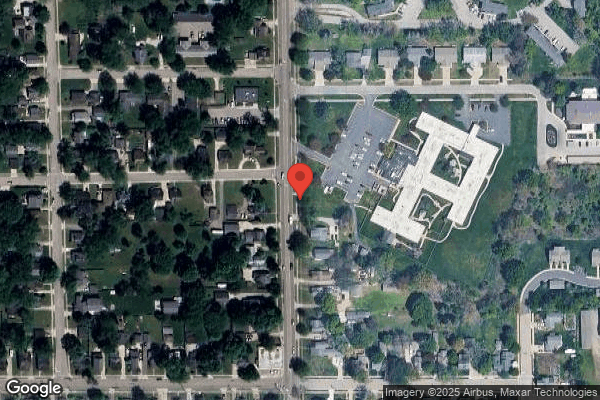
Nov 2022 1 deficiency 1 Harm
SERIOUS (G) 📢 Someone Reported This

A family member, employee, or ombudsman was alarmed enough to file a formal complaint

Actual Harm - a resident was hurt due to facility failures

Quality of Care (Tag F0684)

A resident was harmed · This affected 1 resident

**NOTE- TERMS IN BRACKETS HAVE BEEN EDITED TO PROTECT CONFIDENTIALITY** This citation pertains to intakes MI00127897 and MI00128815 Based on observation, interview, and record review, the facility fai...

Read full inspector narrative →
**NOTE- TERMS IN BRACKETS HAVE BEEN EDITED TO PROTECT CONFIDENTIALITY** This citation pertains to intakes MI00127897 and MI00128815 Based on observation, interview, and record review, the facility failed to provide quality care to 6 residents, (Resident #7, Resident #20, Resident #8, Resident #13, Resident #15, Resident #21) out of 21 resident's sampled, resulting in lack of available fluids, delays in staff response to care needs, increased risk for infection, undetected neurological changes after a fall, decreased feelings of self-worth when not provided regular bathing, and unrelieved pain. Findings: Resident #7 (R7) Review of an admission Record revealed R7 was a [AGE] year old male, most recently admitted to the facility from the hospital on [DATE], with pertinent diagnoses of a stroke, contractures of the right hand and wrist and both knees and ankles, Diabetes Mellitus type 2, Chronic Kidney Disease-stage 2, blindness in one eye and low vision in the other eye (see's only shadows), moderate protein calorie malnutrition, and retention of urine and use of a foley catheter. R7 is his own responsible person and primary language is Spanish. Review of a Kardex (a quick reference bedside care guide) for R7 reflected the following instructions for care: (1) showers on Saturday, (2) keep frequently used items within reach, (3) encourage resident to be up in wheelchair for all meals, (4) liquids in a cup with handle and lid, (5) elevate heels off bed surface while at rest in bed, and (6) long pillow against wall by knees when in bed. Review of a Care Plan for R7 (in addition to the above referenced Kardex care instructions) revealed the following directions for the residents plan of care: (1) place positioning wedge under right side of residents trunk and left arm for support at all times when resident is resting in bed, (2) encourage resident to sit on toilet to evacuate bowels if possible, (3) protective boots on while in bed to protect heels, (4) priority frequent assisted repositioning, (5) apply splint to right hand for 3 hours every day, and (6) follow established plan of care within the facility to assist resident in maintaining optimal levels of strength, function, and medical status. During an observation on 11/01/22 at 8:15 AM, R7 sat in bed, flat on his back, the head of the bed at 30 degrees, and watching tv. R7 was malodorous, with a strong smell of urine. R7 did not have protective boots on, did not have a positioning wedge under the right side of R7's trunk and arm, did not have a cup with a handle for fluids, did not have a splint on his right hand, and did not have a long pillow against the wall by his knees. The styrofoam cup of water was dated 10/31/22- 2nd shift. R7 indicated that he had moved his bowels earlier this morning and asked to be changed but was told that he would have to wait until after he had breakfast. As of this interview, staff had not been back to change him. R7 stated that staff do not attempt to get him up to the toilet to move his bowels. They tell me to use the brief. R7 also stated that staff do not get him up in the wheelchair for meals and that he just stays in bed all day. When asked when the last time R7 has a shower, R7 responded a very long time and stated that staff clean him up in bed a little when they do come and check him. During an observation on 11/01/22 at 10:49 AM, R7 sat in bed, flat on his back, the head of the bed at 30 degrees, and watching tv. R7 was malodorous, with a strong smell of urine. R7 did not have protective boots on, did not have a splint on the right hand, did not have a positioning wedge under the right side of R7's trunk and arm, did not have a cup with a handle for fluids, and did not have a long pillow against the wall by his knees. The styrofoam cup of water was dated 10/31/22- 2nd shift. R7 indicated that staff had come in and changed his brief. During an observation on 11/01/22 at 2:20 PM, R7 sat in bed, remained flat on his back, the head of the bed at 30 degrees, and watching tv. R7 was malodorous, with a strong smell of urine. R7 did not have protective boots on, did not have a splint on the right hand, did not have a positioning wedge under the right side of R7's trunk and arm, did not have a cup with a handle for fluids, and did not have a long pillow against the wall by his knees. The styrofoam cup of water was dated 10/31/22- 2nd shift. R7 indicated that staff have not repositioned him since the morning. During an observation on 11/01/22 at 4:26 PM, R7 sat in bed, remained flat on his back, the head of the bed at 30 degrees, and watching tv. R7 was malodorous, with a strong smell of urine. R7 did not have protective boots on, did not have a splint on the right hand, did not have a positioning wedge under the right side of R7's trunk and arm, did not have a cup with a handle for fluids, and did not have a long pillow against the wall by his knees. R7 indicated that staff have not repositioned him since the morning. During an observation on 11/02/22 at 1:21 PM, R7 sat in bed, remained flat on his back, the head of the bed at 30 degrees, and watching tv. R7 was malodorous, with a strong smell of urine. R7 did not have protective boots on, did not have a splint on the right hand, did not have a positioning wedge under the right side of R7's trunk and arm, did not have a cup with a handle for fluids, and did not have a long pillow against the wall by his knees. R7 indicated that his brief had not been checked or changed since last night. During an observation on 11/03/22 at 8:32 AM, R7 sat in bed, remained flat on his back, the head of the bed at 30 degrees, and watching tv. R7 was malodorous, with a strong smell of urine. R7 did not have protective boots on, did not have a splint on the right hand, did not have a positioning wedge under the right side of R7's trunk and arm, did not have a cup with a handle for fluids, and did not have a long pillow against the wall by his knees. The styrofoam cup of fluids sat on the over bed table out of reach of R7, still had the paper covering the end of the straw, and was dated 11/02/22- 3rd shift. Resident #20 (R20) Review of an admission Record revealed R20 was a [AGE] year old female, last admitted to the facility from the hospital on [DATE], after receiving care for an acute GI (gastrointestinal) bleed. R20 had pertinent diagnoses of left sided paralysis and weakness following a stroke, seizure disorder, low back pain, other chronic pain issues, and a history of migraine headaches. R20 was dependent on staff for activities of daily living. During an observation on 11/03/22 at 8:20 AM, R20 sat up in bed with glasses on and the tube feed pump was empty and beeping. R20's left arm was contracted and in a splint. The call light touch pad sat on top of the blanket between R20's legs. When asked if R20 could reach the call light where it was sat, R20 responded no. R20 stated that she had no use of the left arm. R20's bed was positioned in the room in such a manner that R20's dominant and useable arm and hand ( the right side) were closest to the wall and not toward the room where fluids and personal items were kept on the over bed table. R20 had a styrofoam cup of fluids on the bedside table, out of reach, and dated 11/02/22-3rd shift. The cup of fluids had a paper covering on the end of the straw. R20 reported terrible pain this morning, facial grimacing observed, and reported the pain to be at 10/10 and located in the stomach and left arm. During an observation on 11/03/22 at 10:15 AM, R20 again reported I have terrible pain and was not sure if she received any pain medications recently. A styrofoam cup of fluids sat on the over the bed table out of reach of the resident. During an interview on 11/03/22 at 10:25 AM, Licensed Practical Nurse (LPN) G indicated that at the time R20 received pain medication around 8 AM, R20 had reported pain at 10/10. At the time of this interview, LPN G indicated that she had not gone back to check on R20 or re-assess R20's pain. Review of a Physician Order Summary for R20 reflected an order for Lisinopril ( a medication used to treat high blood pressure) one tab daily via PEG tube ( the tube feed) and to hold the medication if R20's systolic (top number) blood pressure was less than 120. During the above interview with LPN G on 11/03/22 at 10:25 AM, LPN G reported giving R20 a dose of Lisinopril this morning without having a blood pressure. Review of blood pressures for R20 in the EHR (electronic health record) reflected: that only 1 blood pressure on 9/4/22 had been checked for the month of [DATE], that only one blood pressure on 10/10/22 had been checked for the month of [DATE], and that no blood pressures had been obtained for R20 thus far during the month of [DATE]. The Emar (electronic medication administration record) for R20 in the months of Sept, Oct, and [DATE] revealed R20 was given the ordered dose of Lisinopril daily without blood pressure monitoring. Review of a Physician Progress Note dated 09/13/22, indicated that lab work for R20 would be ordered. Review of a Physician Order reflected that labs for R20 had been ordered on 09/13/22. Review of the EHR for R20 did not reflect any lab results since 09/13/22. During an interview on 11/03/22 at 11:58 AM, the Administrator stated that the labs ordered on 09/13/22 for R20 had not yet been completed. Resident #8 (R8) Review of an admission Record revealed R8 was a [AGE] year old female in a persistent vegetative state from an anoxic (no oxygen) brain injury requiring a tracheostomy and use of a tube feed for all nutrition and hydration intake. R8 had contractures of both hands and wrists and both knees and feet. R8 is completely dependent on staff for all activities of daily living. During an observation on 11/01/22 at 8:53 AM, R8's outer cannula of the trach was coated in a thick brownish-yellow substance and the trach was not properly secured as it was protruding out of the stoma (the opening in the skin on the neck where the plastic trach is inserted into the trachea) one inch. There were multiple 4x4 dressings tucked under the collar. The bedside 3 tier plastic tower, which held supplies for staff to access easily and quickly, had only 3 oral sponges (used to swab the mouth) in the bottom drawer. No oral swabs were located in the bedside table (which held other supplies) nor on R8's side of the room. During an observation on 11/01/22 at 4:40 PM, R8's outer cannula of the trach was coated in a thick brownish-yellow substance. During an observation on 11/02/22 at 1:25 PM, the bedside plastic 3 tier tower near R8's bed contained only 3 oral sponges in the bottom drawer. No oral sponges were located in the bedside table nor on R8's side of the room. During an interview on 11/03/22 at 10:04 AM, Unit Manager (UM) M indicated that the oral swabs used for R8 were kept in the plastic 3 tier supply tower located next to R8's bed. Upon checking, the only oral swabs located in the tower or anywhere in R8's room, were the 3 oral swabs in the bottom drawer of the plastic tower. Review of a Care Plan intervention for R8 reflected .oral care twice daily and swab mouth frequently. Resident #13 (R13) Review of an admission Record reflected R13 was an [AGE] year old female, last admitted to the facility on [DATE], with pertinent diagnoses of diabetes mellitus, chronic kidney disease, high blood pressure, and dementia. Review of a Brief Interview for Mental Status (BIMS) dated 10/21/22, revealed a score of 11 out of 15, indicating R13 had slight cognitive impairment. During an observation on 11/01/22 at 8:41 AM, R13 sat in a recliner, recently finished breakfast, and was watching tv. R13 indicated not getting enough to eat for breakfast and was still hungry. When it was suggested that R13 could ask for more food, R13 recoiled, upper body stiffened, eyes opened wide and R13 stated no you can't they will get mad. R13's hair is greasy and R13 cannot recall when her last shower was. A styrofoam water cup dated 10/31/22- 3rd shift, sat empty on the over the bed table. During an observation on 11/01/22 at 10:59 AM, R13 sat in the recliner resting with eyes closed. The styrofoam cup dated 10/31/22- 3rd shift, sat empty on the over the bed table. During an observation on 11/01/22 at 1:01 PM, R13 sat in the recliner resting with eyes closed. The styrofoam cup dated 10/31/22- 3rd shift, sat empty on the over the bed table. During an observation on 11/01/22 at 2:26 PM, R13 sat in the recliner resting with eyes closed. The styrofoam cup dated 10/31/22- 3rd shift, sat empty on the over the bed table. During an observation on 11/02/22 at 1:16 PM, R13 sat in the recliner, awake, and watching TV. Her hair was very greasy and actually looked wet. When asked if she had been given a shower today, R13 responded no shower today, no shower yesterday. Review of a Kardex for R13 revealed showers were scheduled to be given on Thursdays. Review of a task monitor for documenting showers reflected that as of 11/1/22, R13 had one bed bath in the past 30 days. Review of an Emar for R13, dated October 1 2022 through October 31st 2022, revealed an order for Humolog insulin, inject 1 unit in the evening and hold is blood sugar is less than 100. Review of the same Emar for R13 reflected that R13 received the injection of insulin on 10/04/22 despite having a blood sugar of 92 and on 10/17/22 despite a blood sugar reading of 90. Resident #15 (R15) Review of an admission Record reflected R15 was a [AGE] year old male, admitted to the facility on [DATE], with pertinent diagnoses of dementia, high blood pressure, unsteadiness on feet, weakness, and disorientation. Review of facility Incident/Accident reports revealed R15 sustained 2 unwitnessed falls during his admission. Review of a facility Policy/Procedure-Falls reflected the following .initiate neurological checks for any fall where a resident hit their head or for any unwitnessed falls. During an interview on 11/03/22 at 1:35 PM, the Administrator indicated that neurological checks for R15's two unwitnessed falls, could not be located. Resident #21 (R21) Review of an admission Record revealed R21 was an [AGE] year old female, last admitted to the facility on [DATE], with pertinent diagnoses of dementia, high blood pressure, and over active bladder. During an observation on 11/03/22 at 8:39 AM, R21 asked the surveyor, can you help me, I'm moving my bowels and I need help. R21's call light was out of reach. The surveyor handed R21 the call light and it was activated. Staff entered R21's room within 2 minutes after the call light was activated and asked R21 what she needed. R21 told staff she needed to be changed, staff turned off the call light and told R21 that (the staff person) would find someone to get her changed. During an observation on 11/03/22 at 10:12 AM, staff were in R21's room getting her changed. During an interview on 11/03/22 at 10:46 AM, the Administrator, after hearing about the above incident involving R21, stated that an hour and a half was too long for someone to have to wait to get cleaned up after having a bowel movement. The Administrator went on to say that the call light should have been left on until R21's needs were met.
Understanding Severity Codes (click to expand)
Life-Threatening (Immediate Jeopardy)
J - Isolated K - Pattern L - Widespread
Actual Harm
G - Isolated H - Pattern I - Widespread
Potential for Harm
D - Isolated E - Pattern F - Widespread
No Harm (Minor)
A - Isolated B - Pattern C - Widespread

Questions to Ask on Your Visit

  • "Can I speak with families of current residents?"
  • "What's your RN coverage like on weekends and overnight?"

Our Honest Assessment

Strengths
  • • No fines on record. Clean compliance history, better than most Michigan facilities.
  • • 23% annual turnover. Excellent stability, 25 points below Michigan's 48% average. Staff who stay learn residents' needs.
Concerns
  • • Multiple safety concerns identified: 5 harm violation(s). Review inspection reports carefully.
  • • 41 deficiencies on record, including 5 serious (caused harm) violations. Ask about corrective actions taken.
  • • Grade D (40/100). Below average facility with significant concerns.
Bottom line: Trust Score of 40/100 indicates significant concerns. Thoroughly evaluate alternatives.

About This Facility

What is Skld Zeeland's CMS Rating?

CMS assigns SKLD Zeeland an overall rating of 3 out of 5 stars, which is considered average nationally. Within Michigan, this rating places the facility higher than 0% of the state's 100 nursing homes. This mid-range rating indicates the facility meets federal standards but may have areas for improvement.

How is Skld Zeeland Staffed?

CMS rates SKLD Zeeland's staffing level at 4 out of 5 stars, which is above average compared to other nursing homes. Staff turnover is 23%, compared to the Michigan average of 46%. This relatively stable workforce can support continuity of care.

What Have Inspectors Found at Skld Zeeland?

State health inspectors documented 41 deficiencies at SKLD Zeeland during 2022 to 2025. These included: 5 that caused actual resident harm, 35 with potential for harm, and 1 minor or isolated issues. Deficiencies causing actual harm indicate documented cases where residents experienced negative health consequences.

Who Owns and Operates Skld Zeeland?

SKLD Zeeland is owned by a for-profit company. For-profit facilities operate as businesses with obligations to shareholders or private owners. The facility is operated by SKLD, a chain that manages multiple nursing homes. With 138 certified beds and approximately 106 residents (about 77% occupancy), it is a mid-sized facility located in Zeeland, Michigan.

How Does Skld Zeeland Compare to Other Michigan Nursing Homes?

Compared to the 100 nursing homes in Michigan, SKLD Zeeland's overall rating (3 stars) is below the state average of 3.1, staff turnover (23%) is significantly lower than the state average of 46%, and health inspection rating (2 stars) is below the national benchmark.

What Should Families Ask When Visiting Skld Zeeland?

Based on this facility's data, families visiting should ask: "Can I visit during a mealtime to observe dining assistance and food quality?" "How do you handle medical emergencies, and what is your hospital transfer rate?" "Can I speak with family members of current residents about their experience?"

Is Skld Zeeland Safe?

Based on CMS inspection data, SKLD Zeeland has a clean safety record: no substantiated abuse findings (meaning no confirmed cases of resident harm), no Immediate Jeopardy citations (the most serious violation level indicating risk of serious injury or death), and is not on the Special Focus Facility watch list (a federal program monitoring the lowest-performing 1% of nursing homes). The facility has a 3-star overall rating and ranks #100 of 100 nursing homes in Michigan. While no facility is perfect, families should still ask about staff-to-resident ratios and recent inspection results during their visit.

Do Nurses at Skld Zeeland Stick Around?

Staff at SKLD Zeeland tend to stick around. With a turnover rate of 23%, the facility is 23 percentage points below the Michigan average of 46%. Low turnover is a positive sign. It means caregivers have time to learn each resident's needs, medications, and personal preferences. Consistent staff also notice subtle changes in a resident's condition more quickly. Registered Nurse turnover is also low at 29%, meaning experienced RNs are available to handle complex medical needs.

Was Skld Zeeland Ever Fined?

SKLD Zeeland has no federal fines on record. CMS issues fines when nursing homes fail to meet care standards or don't correct problems found during inspections. The absence of fines suggests the facility has either maintained compliance or corrected any issues before penalties were assessed. This is a positive indicator, though families should still review recent inspection reports for the full picture.

Is Skld Zeeland on Any Federal Watch List?

SKLD Zeeland is not on any federal watch list. The most significant is the Special Focus Facility (SFF) program, which identifies the bottom 1% of nursing homes nationally based on persistent, serious quality problems. Not being on this list means the facility has avoided the pattern of deficiencies that triggers enhanced federal oversight. This is a positive indicator, though families should still review the facility's inspection history directly.