APPLE VALLEY VILLAGE HEALTH CARE CENTER
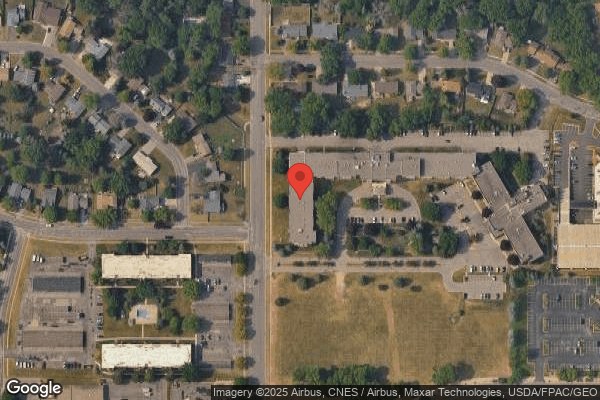
14650 GARRETT AVENUE, APPLE VALLEY, MN 55124 (952) 236-2000
Non profit - Corporation 162 Beds CASSIA Data: November 2025
Trust Grade
70/100
#89 of 337 in MN
Last Inspection: July 2024

Within standard 12-15 month inspection cycle. Federal law requires annual inspections.

Overview

Apple Valley Village Health Care Center has a Trust Grade of B, which indicates it is a good choice for families considering nursing home options. It ranks #89 out of 337 facilities in Minnesota, placing it in the top half of the state, and #3 out of 9 in Dakota County, suggesting only two local facilities offer a better ranking. The facility's trend is improving, as it reduced issues from 10 in 2023 to 7 in 2024. Staffing is a notable strength, boasting a 5/5 star rating with a turnover rate of 32%, which is below the state average. Notably, there have been no fines recorded, which is a positive sign. However, there are some concerns reflected in the inspector findings. For example, one resident did not receive important pain medication for wound care despite it being ordered, and another resident's care plan lacked necessary interventions for edema, which could lead to further complications. Additionally, there were issues with monitoring a resident's surgical incision, indicating potential gaps in care. Overall, while the facility has strong staffing and is improving, these specific incidents highlight areas that need attention.

Trust Score
B
70/100
In Minnesota
#89/337
Top 26%
Safety Record
Low Risk
No red flags
Inspections
Getting Better
10 → 7 violations
Staff Stability
○ Average
32% turnover. Near Minnesota's 48% average. Typical for the industry.
Penalties
✓ Good
No fines on record. Clean compliance history, better than most Minnesota facilities.
Skilled Nurses
✓ Good
Each resident gets 78 minutes of Registered Nurse (RN) attention daily — more than 97% of Minnesota nursing homes. RNs are the most trained staff who catch health problems before they become serious.
Violations
⚠ Watch
21 deficiencies on record. Higher than average. Multiple issues found across inspections.
★★★★☆
4.0
Overall Rating
★★★★★
5.0
Staff Levels
★★★★☆
4.0
Care Quality
★★★☆☆
3.0
Inspection Score
Stable
2023: 10 issues
2024: 7 issues

The Good

  • 5-Star Staffing Rating · Excellent nurse staffing levels
  • 4-Star Quality Measures · Strong clinical quality outcomes
  • Full Sprinkler Coverage · Fire safety systems throughout facility
  • No fines on record
  • Staff turnover below average (32%)

    16 points below Minnesota average of 48%

Facility shows strength in staffing levels, quality measures, fire safety.

The Bad

Staff Turnover: 32%

14pts below Minnesota avg (46%)

Typical for the industry

Chain: CASSIA

Part of a multi-facility chain

Ask about local staffing decisions and management

The Ugly 21 deficiencies on record

Jul 2024 7 deficiencies
CONCERN (D)

Potential for Harm - no one hurt, but risky conditions existed

Grievances (Tag F0585)

Could have caused harm · This affected 1 resident

**NOTE- TERMS IN BRACKETS HAVE BEEN EDITED TO PROTECT CONFIDENTIALITY** Based on interview and document review, the facility failed to ensure a resident/ resident representative's voiced grievances, w...

Read full inspector narrative →
**NOTE- TERMS IN BRACKETS HAVE BEEN EDITED TO PROTECT CONFIDENTIALITY** Based on interview and document review, the facility failed to ensure a resident/ resident representative's voiced grievances, were tracked through the facility-established grievance process, and the resident representative was updated on the resolution of the grievance for 1 of 1 residents (R55) who had reported missing clothing items and care concerns. Findings include: MECHANICAL LIFT R55's quarterly Minimum Data Set (MDS) dated [DATE], indicated R55 had moderate cognitive impairment and was dependent on staff for hygiene, bathing, and transferring. R55's care plan dated 3/3/23, indicated that R55 required the total assistance of two staff members using a full body lift for transfers. An email correspondence from resident representative (RR)-B and registered nurse (RN)-D, the unit nurse manager, dated 6/21/24 at 7:43 p.m., indicated RR-B had witnessed an unknown staff member use a mechanical lift to transfer R55 to bed independently. Another email correspondence from resident representative (RR)-B and RN-D dated 6/24/24 at 10:09 p.m., indicated RR-B had witnessed an unknown staff member use a mechanical lift to transfer R55 to bed by independently. A Performance Improvement Form dated 7/2/24 at 3:10 p.m., indicated a meeting had occurred between RN-D and nursing assistant (NA)-F and confirmed NA-F had used a full-body mechanical lift to transfer R55 by themselves. The form indicated what action management had taken and mechanical lift education that had been provided. A Performance Improvement Form dated 7/5/24 at 2:31 p.m., indicated a meeting had occurred between RN-D and NA-G and confirmed NA-G had used a full-body mechanical lift to transfer R55 by themselves. The form indicated what action management had taken and mechanical lift education had been provided. A review of grievances from 1/16/24 to 7/16/24 was completed and identified nine grievances for the six-month period. The facility lacked a grievance form for R55. R55's record was reviewed and lacked evidence that R55's concerns were addressed through the facility grievance process to determine what, if any, other actions were needed to ensure all staff were aware of the care plan and, if needed, re-educated to ensure appropriate, safe transfers for R55. During an interview on 7/16/24 at 1:15 p.m., resident representatives (RR)-A and RR-B stated they visited R55 daily and had a camera in R55's room for observing when R55 needed assistance. RR-A and RR-B stated they had communicated multiple concerns with the facility they felt had not been resolved. RR-A stated she had emailed and discussed in person a concern regarding two different staff members, on two separate occasions, using the mechanical lift by themselves to transfer R55 when they thought two staff members were needed. RR-A stated she did not feel R55 was safe knowing this had occurred and not knowing what, if anything, the facility had done to correct this issue that could have caused harm to R55. RR-A stated they now felt like they had to continuously watch the camera to ensure RR-A was receiving safe care and they should not have to do this. During an interview on 7/17/24 at 8:50 a.m., RN-D, the unit nurse manager, stated she had a conversation with R55's representatives and had realized that she was not receiving emails from them due to an IT issue. RN-D stated she became aware of the representative concern regarding the one-person mechanical lift use a couple of weeks ago. RN-D stated education and final warnings were given to the two staff members involved on their next shift. RN-D stated she had informed the family that would look into this concern and complete education with the two staff members involved but did not file a formal grievance and had not followed up with R55's representatives after education and the investigation was completed. RN-D stated she talked with R55's family often and if they had continued concerns regarding this issue, they could have asked for an update. During an interview on 7/18/24 at 10:04 a.m., the director of social services (DSS), the grievance official, stated floor staff had access to grievances forms they could fill out and then bring to her so she could track the issue and make sure the concern was addressed by all of the appropriate parties. The DSS stated she babysat the concern as it goes through the grievance process to ensure it reaches resolution and then ensures that resolution is brought to the resident/ resident representative. The DSS stated she expected staff to complete a grievance form when the issue had occurred on more than one occasion or could not be fixed instantly. The DSS stated there was value in having documentation so the issues could be tracked. During an interview on 7/18/24 at 11:44 a.m., the director of nursing (DON) stated the DSS was in charge of grievances and grievance forms could be found throughout the facility form for residents and families to complete when they had a concern. The DON stated if a concern was brought to a staff member, it was up to that staff member's discretion to decide if an official grievance needed to be completed. The DON stated the facility did not have official criteria to determine when filing a grievance was necessary. The DON stated they had not filed an official grievance regarding staff using a mechanical lift to assist R55 because the issue was followed up on so quickly and taken care of right away. The DON stated that RN-D had informed R55's representative that education would be provided when the concern was brought forward. The DON stated because education had been given to staff immediately she did not think it was necessary to follow up with the representatives after the investigation and education were completed. MISSING ITEMS On 7/17/24 at 3:02 p.m., a request was made for any reports of missing items for R55 in the last six months. A reply was received on 7/17/24 at 3:21 p.m., from the Director of Social Services (DSS) indicating no missing items were reported for R55 in 2024. During an interview on 7/16/24 at 1:15 p.m., RR-A stated they had noticed multiple of R55's clothing items go missing in the last few months and they had notified facility staff however had not heard anything about it since then. During an interview on 7/17/24 at 2:13 p.m., nursing assistant (NA)-A stated she had noticed a few of R55's outfits go missing over the last few months and she had looked for the outfits however had never found them. NA-A stated she did not fill out a missing laundry form and was unsure if anyone else had. During an interview on 7/18/24 at 10:29 a.m., RN-D, the nurse manager of the unit, stated she was not aware of any of R55's personal items missing however if it had happened, she would have expected a report to have been sent to the DSS. During an interview on 7/18/24 at 12:19 p.m., the DSS stated the facility used a separate system for tracking lost items than for following grievances. The DSS stated she was in charge of tracking lost items and had a form she expected any staff member to fill out if they noticed or were notified of a resident missing a personal item. The DSS stated when she was notified of a missing item, a further investigation was completed including a facility-wide email and monthly summary that she followed. The DSS stated that if an item was not recovered, they were pretty flexible about reimbursing residents for items that had gone missing. The DSS confirmed that she had reviewed her records and had not found evidence that a form had been completed for R55. The facility Grievance policy dated 10/20/23, indicated grievances could be filed orally or in writing, and all grievances would be responded to within seven days. The policy indicated the staff person receiving the concern would initiate the grievance form and it would then be routed to the grievance official. The grievance official would ensure any necessary investigations were completed as well as corresponding documentation. The policy indicated that once the grievance investigation was completed, the form as well as the written grievance decision would be sent to the facility administrator for review. The documentation would also be sent to the facility's quality assurance person for review and tracking using a grievance tracking log.
CONCERN (D)

Potential for Harm - no one hurt, but risky conditions existed

ADL Care (Tag F0677)

Could have caused harm · This affected 1 resident

**NOTE- TERMS IN BRACKETS HAVE BEEN EDITED TO PROTECT CONFIDENTIALITY** Based on observation, interview, and document review, the facility failed to ensure routine grooming and personal hygiene care (...

Read full inspector narrative →
**NOTE- TERMS IN BRACKETS HAVE BEEN EDITED TO PROTECT CONFIDENTIALITY** Based on observation, interview, and document review, the facility failed to ensure routine grooming and personal hygiene care (i.e., nail care) was provided for 1 of 3 residents (R60) reviewed for activities of daily living (ADLs) and who was dependent on staff for such care. Findings include: R60's admission Minimum Data Set (MDS), dated [DATE], identified R60 had moderate cognitive impairment, demonstrated no delusional thinking, and did not have diabetes mellitus. Further, the MDS identified R60 required supervision and/or touching assistance to complete personal hygiene cares. On 7/15/24 at 2:21 p.m., R60 was observed in his wheelchair while in his room. R60 had a visible, slight finger contracture present on his left hand but had multiple long fingernails present on both hands with the edge of the nail being several millimeters (mm) long on some of them and some nails having a dark-colored debris present under the edge. R60 was interviewed and stated he was getting help with bathing once a week but needed help with his fingernail clipping adding, These [nails] are too long. R60 stated he thought he had been asked about clipping them prior but was not sure when or why they hadn't been clipped. R60 reiterated he wanted his nails clipped adding, Yea. R60's care plan, dated 6/21/24, identified R60 had multiple medical conditions including Parkinson's Disease and chronic kidney disease (CKD). The care plan outlined R60 required assistance to complete his ADLs along with various interventions including, GROOMING: Staff to provide assist with grooming. The care plan lacked any intervention or direction on nail care and/or preferred nail length, if applicable. R60's most recent Visual Body Inspection(s), dated 7/3/24 and 7/10/24, were reviewed. These identified R60 had no new skin impairments (i.e., bruises, pressure sores); however, lacked detail or evidence R60's nails had been reviewed with the completed skin check. R60's Medication Administration Record (MAR) and Treatment Administration Record (TAR), dated 7/2024, identified R60's provided and recorded medications along with his completed treatments. These both lacked evidence of any nail care had been completed or offered during the month period thus far. On 7/16/24 at 1:32 p.m., nursing assistant (NA)-A was interviewed. NA-A explained they had worked with R60 a few times since he admitted to the care center and stated the NA(s) were responsible for nail care if the resident was not diabetic. NA-A stated nail care should be completed weekly adding, We do with the baths. NA-A stated R60 was typically accepting of care and, at request of the surveyor, observed R60's fingernails. NA-A verified their length and condition and expressed they were unsure when they had been last clipped or trimmed. NA-A stated nail care, either when offered or completed, was not routinely documented in their charting and expressed, Maybe the nurse [does]. NA-A verified R60 would need staff help to clip his fingernails. R60's entire medical record including progress notes was reviewed and lacked evidence what, if any, nail care had been offered or completed for R60 within the past several weeks. When interviewed on 7/16/24 at 1:40 p.m., registered nurse (RN)-C explained nail care should be completed with the weekly bathing schedules and expected the care completed adding, They should be done. RN-C stated the nurses only recorded nail care on the MAR/TAR, if applicable, to their knowledge and verified the NA(s) were able to clip or trim fingernails for non-diabetic residents. On 7/16/24 at 1:51 p.m., registered nurse unit managers (RN)-A and RN-B were interviewed. RN-A explained nail care should be done with the scheduled bathing but could also be done whenever needed. RN-A stated they expected fingernails and toenails to be checked and, if needed, attended to or clipped. RN-A stated nail care was not necessarily documented unless it was offered and refused adding nail care was more a standard of care with a bath. RN-A verified R60 likely needed help to clip his fingernails and stated it should be completed for proper hygiene. RN-A stated they would review the medical record and provide documentation of nail care if located. No further medical record information was received. A provided Nursing Assist Standard Cares policy, dated 3/2024, identified nursing staff would provide quality care to those served and listed standard cares which would be provided unless indicated on the care plan. The list of cares or services included, 8. Nail care weekly and PRN [as needed]. Nails should be short and clean.
CONCERN (D)

Potential for Harm - no one hurt, but risky conditions existed

Quality of Care (Tag F0684)

Could have caused harm · This affected 1 resident

**NOTE- TERMS IN BRACKETS HAVE BEEN EDITED TO PROTECT CONFIDENTIALITY** Based on observation, interview, and document review, the facility failed to ensure a developed skin condition was comprehensive...

Read full inspector narrative →
**NOTE- TERMS IN BRACKETS HAVE BEEN EDITED TO PROTECT CONFIDENTIALITY** Based on observation, interview, and document review, the facility failed to ensure a developed skin condition was comprehensively assessed and, if needed, acted upon or monitored to ensure healing for 1 of 1 resident (R141) reviewed who had large areas of dry, flaking skin present on their leg. Findings include: R141's admission Minimum Data Set (MDS), dated [DATE], identified R141 had intact cognition and demonstrated no delusional thinking. Further, the MDS outlined R141 had several medical conditions including anemia; however, R141 had no current wounds, skin ulcers, or other skin-related problems. R141's Nursing Admission, dated 6/23/24, identified R141 admitted from the hospital on the same date and outlined multiple body systems to review along with areas to record what, if any, conditions or issues were identified. The completed evaluation identified no edema was present on R141's lower extremities, however, there was no recorded spaces or areas to record what, if any, skin conditions were present. R141's care plan, dated 6/24/24, identified R141 was at risk for skin integrity alteration due to multiple medical conditions and decreased mobility. The care plan listed a goal which read, Skin will remain intact through 90 days, along with interventions including encouraging him to elevate his heels in bed, pressure-relieving cushions, a licensed staff visual body inspection weekly and, [Nursing assistant] to observe skin daily during cares and notify nurse promptly of any areas of concern. On 7/15/24 at 7:02 p.m., R141 was observed lying in bed while in his room. R141 was interviewed and explained he admitted to the care center after having a fall at his home where he sustained a hematoma (a collection of blood trapped outside the vessel under the skin) on his right leg. R141 pulled up his right pant leg which showed a large, black-colored area on the swollen lateral right thigh; however, nearly the entire surface of the leg extending down to the foot had visibly dry, flaking skin present as well with some skin flaking falling off as the pant leg was re-adjusted. R141 stated the scaling just falls off lately and he was unsure what, if any, treatment or monitoring was being done adding there was no consistent cream or ointment being applied to his recall. R141 stated the skin was somewhat itchy and sore but added it's not near as bad as it was [prior]. R141 stated he believed the staff was aware of the condition. When interviewed on 7/17/24 at 9:31 a.m., nursing assistant (NA)-A stated they had worked with R141 prior and described him as very much independent with most cares. NA-A stated they had observed R141's right leg and expressed it had a black area on it along with dry skin. NA-A stated they don't know exactly how long the dry skin had been present but added, I think when he came, think so. NA-A verified the dry skin had been present for at least a week to their recall and, as a result, the NA(s) were trying to lotion it when able or if R141 asked for it. NA-A stated the nurses had not directed anything specific for it to their knowledge (i.e., lotion twice a shift) and stated the area appeared kind of the same since they had first noticed it prior. NA-A stated the nurses were aware of it to their knowledge adding, I think so. R141's most recent Comprehensive Skin Risk with Braden, dated 7/14/24, identified R141 needed assistance with activities of daily living (ADLs), had cardiovascular disease and chronic kidney disease (CKD). An attached Braden Scale (used to screen for pressure ulcer risk) identified a score of 16.0 which was labeled, At Risk. This evaluation identified R141 had bruising present which was not required to be tracked in Wound Management, however, lacked any evidence R141 had dry skin present or what, if any, treatment or monitoring of it was being done despite floor staff knowledge of it. R141's completed Visual Body Inspection(s), dated 6/23/24 to 7/13/24, identified a total of four evaluations were completed. The last completed, on 7/13/24, identified R141 had no skin issues on his heels along with no new skin issues elsewhere with dictation present, No new skin concerns. Neither of the four completed inspections had any dictation or indication of the developed dry skin condition. In addition, R141's Wound Management tracking, located in the electronic medical record (EMR), lacked any specific tracking or monitoring of the developed skin condition. R141's medical record was reviewed and lacked evidence the developed skin condition had been comprehensively assessed to determine what, if any, interventions were needed to ensure healing. The record lacked evidence of any current treatments. Further, the record lacked evidence the condition had any ongoing, routine monitoring to ensure healing and prevent complication or worsening. When interviewed on 7/17/24 at 9:38 a.m., registered nurse (RN)-C stated they had just noticed that morning R141 had dry skin on his right leg so, as a result, they made a note to contact the medical provider about it and get treatment started. RN-C stated they had noticed R141's right leg yesterday, too, however, didn't feel it was as much [as bad] as now adding it looked so dry. RN-C verified today (7/17/24) was the first time it had been reported to them from the overnight shift. RN-C explained new skin issues or conditions, such as dry skin, should be reported and assessed to determine any treatments needed adding such would be recorded in the progress notes. RN-C verified R141 had no current treatments in place for the dry skin and added, We should get some orders. On 7/17/24 at 1:59 a.m., registered nurse unit managers (RN)-A and RN-B were interviewed. RN-A verified they had reviewed R141's medical record and explained when a skin condition was identified, then the nurse should evaluate it and update the provider, if needed. RN-A and RN-B expressed if a NA finds a skin issue, they expected the nurses to be notified. RN-A stated the wound nurse had just today looked at R141's leg who applied lotion to what was described as a lot of that dry, flaky skin. RN-A stated the wound nurse had not been involved with the developed dry skin prior but had just noticed it today when in there observing his skin for other reasons. RN-A explained any evaluation or assessment of a skin condition would likely be under the assessments within the EMR, however, it lacked anything completed. RN-A stated any developed skin condition not improving after a period of treatment should also be re-evaluated and the medical provider updated. RN-A and RN-B both expressed neither of them had been updated on R141's dry skin prior to that day and explained floor staff had various means to update them, if needed, such as e-mail or verbal report. RN-A stated had someone updated them, then it would have been reviewed and evaluated by themselves or the wound nurse sooner. RN-A stated it was important to ensure skin conditions, including dry skin, were evaluated and acted upon timely as we don't want any further issues [i.e., infection, complication]. A provided Skin Integrity policy, dated 3/2024, identified skin care, the assessment of risk and treatment plans would be based on resident' goals. The policy outlined, Cassia facilities will use the Wound Management area of the MatrixCare [EMR] to document skin integrity issues. A procedure was listed which included, NAR will inspect skin daily with cares. Any skin alterations will be reported immediately to licensed nurse, and, Nurse will communicate new skin alterations to the interdisciplinary team, MD/NP/PA, and the resident representative. Further, the policy added, Nurse will follow documentation guidelines below for any new skin alterations, which included implement appropriate treatment, completion of a new skin risk assessment if pressure or mixed etiology, and update the care plan.
CONCERN (D)

Potential for Harm - no one hurt, but risky conditions existed

Deficiency F0688 (Tag F0688)

Could have caused harm · This affected 1 resident

**NOTE- TERMS IN BRACKETS HAVE BEEN EDITED TO PROTECT CONFIDENTIALITY** Based on observation, interview, and document review, the facility failed to consistently implement a restorative nursing progra...

Read full inspector narrative →
**NOTE- TERMS IN BRACKETS HAVE BEEN EDITED TO PROTECT CONFIDENTIALITY** Based on observation, interview, and document review, the facility failed to consistently implement a restorative nursing program (RNP) to prevent a possible decrease in mobility for 1 of 1 residents (R52) reviewed for range of motion. Findings include: R52's quarterly Minimum Data Set (MDS) dated [DATE], indicated R52 had intact cognition with no rejection of care behaviors during the look-back period (LBP). The MDS indicated R52 required maximal assistance for transferring, moderate assistance with bed mobility, and walking was not attempted. The MDS indicated R52 received occupational therapy and physical therapy during the LBP but was not on an RNP. R52's care plan dated 7/3/24, indicated R52 was on a RNP and was to receive stand-by assistance (SBA) and verbal cues while ambulating 500 feet daily. R52's orders were reviewed and did not reference an RNP. R52's Point of Care History report dated 7/4/24 through 7/16/24, indicated R52 had completed his RNP twice during the period, 11 times the field was left unanswered, and on one occurrence it was documented as deferred due to condition. The report did not identify when or if R52 had refused his walking program. R52's medical record was reviewed and lacked indication that R52 had been offered or refused his RNP from 7/4/24 through 7/16/24. R52's physical therapy Discharge summary dated [DATE], indicated on discharge from physical therapy, R52 was ambulating up to 500 feet with SBA and verbal cues. The summary indicated that R52 continued to require assistance with ambulation and was on an RNP. During an interview on 7/15/24 at 3:28 p.m., R52 stated when he was discharged from physical therapy in late June 2024, he was supposed to be on a walking program. R52 stated since he had been discharged from physical therapy, he did not recall anyone offering the walking program to him. During an interview on 7/17/24 at 10:05 a.m., physical therapist (PT)-A stated after reviewing R52's medical record, R52 had an RNP that included ambulating 500 feet with SBA daily. PT-A stated it was important this program was completed consistently, so R52 maintained his ability to walk as was established in physical therapy. During an interview on 7/17/24 at 10:14 a.m., nursing assistant (NA)-D stated R52 had never refused assistance from him. NA-D stated he was unsure if R52 was on an RNP however thought he might have been receiving assistance with range of motion. During an observation and interview on 7/17/24 at 12:00 p.m., NA-D stated after talking with R52 he thought aides had not been remembering to offer R52 his RNP and was observed instructing R52 to ask staff when he wanted to complete the walking program. During an interview on 7/18/24 at 10:15 a.m., registered nurse (RN)-D, the nurse manager for the unit, stated the RNP would populate as a task the aides had to complete for their documentation so the aides should have been aware of the RNP. The Point of Care History was reviewed with RN-D who confirmed the documentation indicated R52 had not received his RNP consistently and did not include an indication of refusals in the documentation. During an interview on 7/18/24 at 11:38 a.m., the director of nursing (DON) stated the instructions for the RNP could be found in the resident's care plan, and documentation of completion was found in the Point of Care History. The DON stated if the restorative nursing program was refused, this would also be documented in the Point of Care History. The facility Restorative Nursing/Functional Maintenance Program Review policy dated 3/28/24, indicated the RNP would have been entered into the care plan and scheduled in the point of care documentation for aides to complete.
CONCERN (D)

Potential for Harm - no one hurt, but risky conditions existed

Incontinence Care (Tag F0690)

Could have caused harm · This affected 1 resident

Based on observation, interview and document review, the facility failed to ensure an appropriate medical justification was documented for an indwelling catheter and failed to attempt a trial disconti...

Read full inspector narrative →
Based on observation, interview and document review, the facility failed to ensure an appropriate medical justification was documented for an indwelling catheter and failed to attempt a trial discontinuation without medical justification for continued use for 1 of 1 resident (R35) reviewed for catheter use. Findings include: R35's quarterly Minimum Data Set (MDS) dated , 6/18/24, indicated R35 was cognitively intact and had an indwelling catheter. R35's Resident Face Sheet, printed 7/17/24, indicated R35 had multiple medical diagnoses including personal history of urinary (tract) infections and other specified disorder of bladder-bladder spasms. R35's physician ordered, dated 7/16/24, instructed staff to change foley catheter every two weeks and PRN [as needed] for leaking or decreased urine output with signs of bladder distension. 18 FR [French] 10CC [milliliters]. The order instructed the staff to change the foley catheter once a day on the 2nd and 17th of the month. R35's care plan, revised 7/2/24, indicated R35 required assistance with toileting due to impaired balance/gait and incontinence with a foley catheter in place for urinary output. Interventions included leaving approximately 200 milliliters (ML) of urine in the foley catheter bag when emptying per resident preference. R35's Electronic Medical Record (EMR) lacked medical necessity or justification for the use of a urinary catheter. R35's EMR indicated R35 had two urinary tract infection (UTIs) in the past 6 months. A hospitalization note, dated 1/8/24, indicated R35 was hospitalized due to nausea, vomiting, diarrhea and pain with urination in her urethra with a diagnosis of UTI due to Foley catheter and a history of Extended-spectrum beta-lactamases (ESBL) UTI. The hospitalization further indicated R35 had a previous hospitalization in October 2023 with similar presentation with a UTI due to Foley catheter. A M Health Fairview Geriatrics provider note, dated 2/16/24, indicated R35 was visited due to concerns regarding increased lethargy and paranoia. The note indicated a urine analysis and culture was collected and came back grossly abnormal in the setting of indwelling Foley catheter. The note further indicated R35's indwelling foley catheter was placed years ago due to chronic dysuria [painful urination] and that R35 historically has not struggled with urine retention. The note further indicated the provider spoke with R35 regarding trialing discontinuation of the Foley catheter and would discuss it further at her regulatory provider visit in March 2024. R35's March 2024 provider visit note lacked any evidence of discussion regarding a trial discontinuation of R35's Foley catheter and indicated, previously discussed trial without Foley catheter as it was initially placed for dysuria and not obstructive uropathy. admitted ly, did not revisit today. During an interview and observation on 7/15/24 at approximately 5:00 p.m., R35 was laying in bed with a Foley catheter bag hanging at bedside. R35 stated she had the catheter for years due to it being painful when she urinated and developing chronic UTIs. R35 did confirm she has had multiple UTIs with the catheter in place. During an interview on 7/18/24 at 11:06 a.m., the nurse manager and registered nurse (RN)-D stated she spoke with the provider who admitted ly did not discuss removal of the Foley catheter as she believed R35 would refuse, stating R35 had adamantly refused to remove the catheter in the past. RN-D further confirmed that since the catheter was placed in 2021, they had not attempted a trial removal, stating it relieved her symptoms of painful bladder spasms when it was placed. RN-D stated R35 was having some symptoms of dysuria with the catheter in place so it was discussed to potentially remove it however R35 would not allow it. During an interview on 7/18/24 at approximately 12:30 p.m., the director of nursing (DON) stated she understood the importance of having medical justification for long standing Foley catheter use and would work with the provider or R35's urologist on proper justification for keeping the Foley catheter in place. A facility policy titled Urinary Indwelling Catheter Insertion and Management, revised 6/25/24, indicated all residents with an indwelling catheter require a medical justification for the initiation and continuing need for catheter use.
CONCERN (D)

Potential for Harm - no one hurt, but risky conditions existed

Deficiency F0697 (Tag F0697)

Could have caused harm · This affected 1 resident

**NOTE- TERMS IN BRACKETS HAVE BEEN EDITED TO PROTECT CONFIDENTIALITY** Based on interview and document review, the facility failed to assess and reassess what, if any, non-pharmacological pain interv...

Read full inspector narrative →
**NOTE- TERMS IN BRACKETS HAVE BEEN EDITED TO PROTECT CONFIDENTIALITY** Based on interview and document review, the facility failed to assess and reassess what, if any, non-pharmacological pain interventions would be helpful and accepted by 1 of 1 resident (R95) to supplement medication management of chronic pain continually rated severe and described as frequently interfering with sleep and daily activities. Findings include: R95's quarterly Minimum Data Set (MDS), dated [DATE], indicated R95 was cognitively intact with frequent pain rated as 8/10 that frequently affected his sleep and interfered with therapy and day to day activities. R95's Diagnoses list, dated 5/29/20, indicated R95 had several medical diagnoses including chronic pain syndrome and opioid dependency. R95's physician orders, indicated R95 had the following medication orders; cyclobenzaprine (a muscle relaxer) 10 milligram (mg) one tablet by mouth three times a day (TID), hydrocodone-acetaminophen (a narcotic pain medication used to treat pain) 5-325 mg one tablet by mouth twice a day and two tablets by mouth once a day, Lyrica (used to treat nerve pain) 25 mg two capsules once a day, meloxicam (a nonsteroidal anti-inflammatory drug often used to treat arthritis pain) 15 mg one tablet by mouth TID, Suboxone (contains the opioid buprenorphine, it has some pain-relieving effects and may help chronic pain patients with an opioid use disorder manage their pain as well as their withdrawal symptoms) 8-2 mg one film sublingual (under the tongue) TID. R35's physician orders further indicated an order to monitor pain: please document signs/symptoms of pain if any and the non-[NAME] [non-pharmacological] intervention that was used every shift. R95's pain assessment, dated 5/12/24, indicated R95 received scheduled and as needed pain medications and frequently had pain rated as severe that frequently interfered with sleep and daily activities. The pain assessment indicated via check box that R95 had received non-pharmacological pain interventions however lacked any documentation of what was used or accepted by R95 and what worked or did not in helping decrease R95's pain. R95's pain assessment, dated 2/18/24, indicated the same responses as the pain assessment dated [DATE], indicating no improvement or change in R95's pain. R95's medication and treatment administration record indicated R95 had pain rated as 8/10 or higher on 70 shifts (three per day) in the past 30 days. R95's progress notes, dated 4/1/24 - 7/17/24, were reviewed and lack any evidence of attempted, or offered, non-pharmacological pain interventions to supplement pain medication in an attempt to help relieve R95's chronic pain. R95's progress notes further indicated R95 had five falls on 4/26/24, 5/4/24, 7/7/24, 7/13/24, and 7/17/24. R95's care plan, dated 6/18/2020, indicated R95 had actual alteration in COMFORT r/t [related to] OA [osteo arthritis] of (L) [left] knee, morbid obesity, chronic pain. Resident takes scheduled and PRN pain interventions. History of high pain rating, provider aware. Followed by pain clinic. Interventions on R95's care plan had not been revised since 6/18/202 and included monitor level of comfort and notify provider if pain is not adequately managed with current interventions, pain medications as ordered and non-pharmacological interventions: offer positioning, warm blanket, ice pack, emotional support, toileting, drink, snack, activity, TV show, movie. R95's electronic medical record (EMR) further lacked a comprehensive assessment and reassessment of what, if any, non-pharmacological pain interventions R95 would accept or were successful in helping to relieve R95's pain despite chronic pain continually rated as severe. R95's pain clinic notes indicated R95 was seen in the pain clinic monthly since 12/6/23. The pain clinic notes indicated no changes to R95's current pain regiment on 12/6/23, 2/7/24, 4/3/24, 5/1/24, and 7/1/24, and lacked any non-pharmacological pain interventions. Medication was adjusted on 1/10/24, and 6/3/24, when Meloxicam was increased. During an interview on 7/17/24 at 8:08 a.m., nursing assistant (NA)-B stated R95 had been having more falls lately because his knees were getting weak and buckling causing him to fall. NA-D stated R95 did not complain of pain to her however she often observed him asking the nurses for pain medication. During an interview on 7/17/24 at 8:26 a.m., R95 was sitting up in his electric wheelchair and stated he continued to have severe pain despite working with the pain clinic. He stated they started him on Suboxone which was supposed to take his pain down but it doesn't despite being on it for more than six months. R95 stated his most severe pain was in his knees and tailbone and that he felt a little bit of relief when he could lay in bed to get the weight off of his tailbone. R95 stated his pain was currently a 7/10 and was usually around an eight after being up for the day. R95 further stated he understood he would not be completely pain free but would be comfortable if his pain could decrease to about 4-5/10 and indicated that nobody had assessed what is pain goal was. R95 had his computer open and was currently searching for a new cushion for his wheelchair to see if that would give him any relief. He further stated he was open to trying different non-pharmacological pain interventions such as aromatherapy or massage however staff had never asked him what made the pain better or worse or what he was willing to try, stating that staff only asked what his pain level was. R95 indicated he used to ride the stationary bike to try to keep his strength up however the pain in his knees had gotten worse and he could not do it anymore, leading to increased weakness and falls. R95 stated he was going to be starting therapy soon. During an interview on 7/17/24 at 11:04 a.m., registered nurse (RN)-G stated R95 would often report pain however he does not show pain and that staff gave him pain medication as ordered and R95 did not have any as needed pain medication to keep it black and white since he was an addict and would often seek pain medication. RN-G stated in the past, they had tried ice, a warm blanket or offered to lay R95 down however it, always had to be his pain pills. RN-G stated if a non-pharmacological pain intervention had been attempted, it would have been indicated in a progress note however there was no documentation of what had been attempted, what had worked and what had not worked. During an interview on 7/18/24 at 8:48 a.m., nurse manager and registered nurse (RN)-D stated the pain clinic manages R95's pain and pain medication, stating they got the pain clinic involved in R95's care because he never backs off of his pain scale and is always wanting more pain medication. RN-D stated she allowed the nurses to complete their own assessment of R95's pain however his facial expressions did not match his verbal description of pain. RN-D stated if a non-pharmacological intervention was used it would have been identified in a progress note or a physician order. RN-D stated R95 was his own worst enemy and was using the stationary bike however lately, had been refusing to use it, refusing to ambulate and refusing therapy. A facility policy titled Pain Management, revised 10/14/22, indicated the pain management program was based on a facility-wide commitment to resident comfort. Pain Management could include any of the following measures: assessment, root cause analysis, pharmaceutical and non-pharmaceutical interventions and follow up of effectiveness of PRN pharmaceutical interventions.
CONCERN (D)

Potential for Harm - no one hurt, but risky conditions existed

Dental Services (Tag F0791)

Could have caused harm · This affected 1 resident

**NOTE- TERMS IN BRACKETS HAVE BEEN EDITED TO PROTECT CONFIDENTIALITY** R65 R65's significant change MDS assessment, dated 5/22/24, indicated R65 had intact cognition and demonstrated no delusional th...

Read full inspector narrative →
**NOTE- TERMS IN BRACKETS HAVE BEEN EDITED TO PROTECT CONFIDENTIALITY** R65 R65's significant change MDS assessment, dated 5/22/24, indicated R65 had intact cognition and demonstrated no delusional thinking. Further, the MDS identified a section labeled, L0200, along with spaces to record no natural teeth or tooth fragments(s) (edentulous). This was answered, None of the above were present. Further, R65's Face Sheet, printed 7/18/24, identified R65's current payor source listed as, Medicaid MN. On 7/16/24 at 8:32 a.m., R65 was interviewed and stated, I don't have any dentures .I would like dentures. R65 explained they haven't talked to me about dentures. R65 further clarified that nursing staff or social workers at the facility have not talked to her about dentures and indicated she has not had dentures since being in the facility. R65's Chart Progress Note dental visit, dated 2/27/24, indicated R65 was seen for dental exam and expressed interest in dentures. Note indicated, We discussed the options of traditional dentures vs implant supported dentures vs no treatment She states she is interested in plant supported dentures. Note further indicated, We have referred [R65] to our Mounds View office for a consult re: [regarding] implant supported dentures. R65's Care Conference Summary, dated 3/14/24, indicated a quarterly care conference was completed and a radio-button answered yes to R65, and family invited and attended care conference. Under ancillary services section, indicate approximate date of last visit- Last dental visit date, indicated see resident documents. The document lacked any information about dentures or follow up on dental visit from 2/24. R65's Care Conference Summary, dated 6/2/24, indicated a quarterly care conference was completed and a radio-button answered yes to R65, and family invited and attended care conference. Under ancillary services section, indicate approximate date of last visit. Last dental visit date, indicated see resident documents. The document lacked any information about dentures or follow up on dental visit from 2/24. A review of R65's progress notes, dated 1/2/24 to 7/17/24, lacked evidence of reference to dental appointment in February 2024. On 7/17/24, a progress note indicated, in discussion with resident and resident's spouse, resident and spouse endorsed together that they do not wish to pursue dentures/implants at this time. This was after surveyor inquired about status of dentures and appointment follow up for R65. R65's care plan, printed 7/16/23, identified R65 required assistance with activities of daily living. The care plan identified an intervention which read, ORAL CARE: Staff to provide assist with oral care. However, the care plan lacked any further dictation or interventions for R65's dental status or condition. R65's medical record was reviewed and lacked evidence of coordination after dental appointment and R65's desire to obtain dentures. On 7/17/24 at 2:20 p.m., registered nurse unit manager (RN)-F indicated the process for getting a resident seen for dental is social services obtains the consent signed, which is then sent to the dental provider. They [dental provider] determined who they were going to see at the visits and came every couple of months. RN-F stated if there is an urgent need or concern, they can be seen sooner. After reviewing documentation, RN-F indicated that it looks like [R65] was referred to another dental clinic which they were going to follow up with. On 7/18/24 at 8:10 a.m., RN-F indicated they had a conversation with [R65] and her husband about dentures, they only want implants, and did not want to go back and forth with appointments and have decided to not proceed. RN-F stated that this was an elective procedure for R65. RN-F stated the current process for paperwork received from onsite dental visits was the paperwork was sent to the facility, given to the nurse manager on the floor who reviewed, completed follow up as indicated and then placed in the chart. RN-F indicated this has been the process since they had been there and added, I was not employed here when she was seen by the dentist. R65 verified there was no progress notes in R65 regarding follow up appointments for dental appointments. On 7/18/24 at 10:08 a.m., RN-F indicated they followed up with onsite dental provider and was informed that an appointment was made for R65 at the other clinic after the referral was made, the care coordinator (at the dental provider) was unable to provide information as to who was notified about the appointment. On 7/18/24 at 10:25 a.m., family member (FM)-C indicated that they are involved with R65's care and visit often. FM-C confirmed the facility had not talked to them until yesterday (7/17) about R65's desire for dentures. FM-C indicated R65 had talked about wanting dentures around the beginning of the year. On 7/18/24 at 11:11 a.m., director of nursing (DON) stated they had a dental provider that provided onsite services routinely. She stated social services obtained consents and the dental visit notes were uploaded into the chart. DON further indicated the facility was not notified of R65's referral appointment being made as an order would have been entered with a time and date and there was no order for it. The facility was unable to provide any documentation to support that facility was involved or aware of follow up needed from February dental appointment prior to survey. A facility policy titled Ancillary Services, reviewed 2/12/24, was provided. The document indicated social services staff or designee would meet with resident or their representative upon admission and identify needs and goals for obtaining care from Ancillary service providers and then obtain information from the last dental visit. Further indicated health information staff or designee with schedule appropriate appointment per facility procedures and social service staff or designee would document the resident's plan for ancillary health care services in resident's care conference summary form. Ancillary services were reviewed with each care conference and updated when requested by resident/resident representative. Based on interview and document review, the facility failed to ensure identified dental concerns (i.e., loose dentures, need for appointment) were acted upon and, if needed, referred to the appropriate resource in a timely manner for 2 of 2 residents (R106, R65) reviewed who voiced dental complaints during the survey. Findings include: R106 R106's admission Minimum Data Set (MDS), dated [DATE], identified R106 had intact cognition and demonstrated no delusional thinking. Further, the MDS identified a section labeled, L0200, along with spaces to record broken/loose-fitting dentures, cavities, or mouth pain. This was answered, None of the above were present. Further, R106's Census listing, printed 7/18/24, identified R106's current payor source listed, Medicaid MN, with an effective date, 05/10/2024. On 7/16/24 at 8:33 a.m., R106 was interviewed. R106 stated she admitted to the care center a few months prior and had some unresolved concerns with her dentures. R106 explained she used an upper denture which doesn't fit along with a bottom plate which had seemingly shrunk into my gum. R106 stated the misfitting dentures had been an issue for a long, long time and, at times, caused trouble chewing for her. R106 stated nobody from the care center had asked her about her dentition or what, if any, dental services or appointments were available or wanted. R106 added the loose dentures had been really tricky to deal with lately. R106's Nursing Admission, dated 4/24/24, identified R106 admitted from the hospital on the same date along with a section labeled, Oral/Dental, which contained spaces to record what, if any, dental concerns were present. This identified R106 had her own teeth on the lower palate along with an upper denture. The assessment, again, marked None of the above were present, for the various dental conditions as outlined on the MDS. The form lacked any spacing to record what, if any, dental services were explained or offered at the time; nor was there spacing or dictation to record when R106's last dental examination had been. However, R106's progress note, dated 4/26/24, identified the following, NUTRITION: Initial Visit . Oral/Dental status: Res has upper denture and natural lower teeth. Per [R106], upper denture is poor fitting but easily adjusted w/ [with] denture glue. Res notes some difficulty w/ chewing [due to] poor dentition, however res denies pain/difficulty . offered foods cut into bite size pieces w/ extra gravy/sauce . res is agreeable to. Diet order updated accordingly. SLP notified of chewing concerns. The note lacked evidence R106 had been offered any dental appointment to have the dentures evaluated. R106's Care Conference Summary, dated 5/2/24, identified R106's initial care conference was held with R106 in attendance. A section of the summary was labeled, Ancillary Services offered (Check all that apply, which provided spaces to record what, if any, services were offered including dental. However, this was answered with, Not applicable (indicate reason) - na. A subsequent section outlined a checkmark placed adjacent to, Declined all ancillary services. The completed summary lacked evidence which of these conflicting answers (i.e., NA versus declined) was accurate; nor if R106's identified loose-fitting denture had been discussed. A subsequent progress note, dated 5/6/24, identified R106 was seen again for a nutritional review and the note outlined, Res notes some difficulty w/ chewing during initial [staff] visit, which res relates to poor dentition. No chewing/swallowing concerns noted. However, again the note lacked evidence R106 had been offered any dental appointment to have the dentures evaluated. R106's care plan, last revised 6/27/24, identified R106 required assistance with activities of daily living (ADLs) due to her past medical history and condition. The care plan identified an intervention which read, ORAL CARE: Staff to provide assist with oral care. However, the care plan lacked any further dictation or interventions for R106's dental status or condition despite R106 being identified to have poor-fitting dental appliances by the nutrition review. When interviewed on 7/16/24 at 1:27 p.m., nursing assistant (NA)-A stated they had worked with R106 a few times since she admitted to the transitional care unit (TCU). NA-A explained R106 needed some help with cares but completed oral cares on her own adding R106 had her own teeth. NA-A stated they were unaware R106 had complaints of a loose-fitting denture but expressed last week they had noticed R106 had a swollen lip which they reported to the nurse. NA-A stated they were unsure what caused the swollen lip. Further, NA-A stated any dental appointments would be scheduled through the nurse managers or the health unit coordinators (HUC). R106's medical record was reviewed and lacked evidence the loose-fitting denture had been acted upon and discussed with R106 to determine what, if any, services were wanted or needed; nor if it had been referred to a dental provider despite R106 reporting the denture caused trouble with chewing. On 7/17/24 at 10:00 a.m., registered nurse unit manager (RN)-A was interviewed and verified they had reviewed R106's medical record and spoken to the social worker (SW) about R106's dental status. RN-A explained when a resident admitted to the TCU, they were typically there for only a short time so it was difficult to get them referred to the in-house service for dental needs as they were onsite only quarterly. However, RN-A stated if concerns were expressed by the resident or identified, they could get a referral sent and arrange an outside appointment, if needed. RN-A stated the nurses who evaluated a resident's dentition could also notify them or social services if concerns were identified. RN-A stated neither them or the social worker were aware R106 had a loose-fitting denture (as identified in the progress notes) and verified the dietary staff who authored the notes had not passed the information onto them. RN-A stated if they had been told of it, then a referral would have been placed and help provided to R106 to set-up a dental appointment with an outside service. RN-A stated the author of the note had verbally reported (just prior when asked about it due to surveyor inquiry) R106 stated she did not want any action taken with it, however, RN-A acknowledged the lack of documentation in the medical record to support such adding, I would have documented that personally. RN-A verified R106's medical record lacked evidence the loose-fitting denture was acted upon to determine what, if any, services were wanted or needed adding, No, not that I see. RN-A reviewed R106's Care Conference Summary and acknowledged the recorded response of 'NA' under ancillary services. RN-A stated the social worker, to her recall, did not routinely offer dental appointments or referrals at the time of these conferences to TCU-based residents. Further, RN-A stated it was important to ensure dental issues, such as loose-fitting dentures, were acted upon timely to ensure no oral discomfort and proper nutrition was maintained.
Aug 2023 9 deficiencies
CONCERN (D)

Potential for Harm - no one hurt, but risky conditions existed

Resident Rights (Tag F0550)

Could have caused harm · This affected 1 resident

Based on interview and record review the facility failed to provide 1 of 1 resident (R343) with timely toileting care to promote a dignified toileting experience. Findings include: A nursing progress...

Read full inspector narrative →
Based on interview and record review the facility failed to provide 1 of 1 resident (R343) with timely toileting care to promote a dignified toileting experience. Findings include: A nursing progress note, dated 8/3/23, indicated R343 was alert and oriented to person, place and time and was continent of bowel and bladder. A social worker progress note, dated 8/4/23, indicated R343 was cognitively intact. R343's care plan, dated 8/3/23 indicated R343 needed staff to provide assist of two staff members with toileting. Toilet upon rising, before and after meals, at bedtime and as needed. During an interview on 8/7/23 at 6:02 p.m., R343 stated he could not maintain his bowel continence because staff could not get to him in time. R343 stated over the weekend he pushed his call light to use the bed pan but after waiting 30 or so minutes. R343 was unable to hold his bowels and had a bowel incontinence episode. R343 stated he felt embarrassed and that staff just slapped on a brief. R343 stated staff expect him to have a bowel movement in his brief. During an interview on 8/9/23 at 11:00 a.m., nursing assistant (NA)-B stated R343 was able to transfer to his wheelchair via a hoyer lift but was unsure how his toileting needs were managed. NA-B stated R343 sat independently in his wheelchair and was independent with morning cares. During an interview on 8/10/23 at 7:11 a.m., R343 stated he used his brief to have a bowel movements, would rather sit on the toilet or commode. However, since he wore briefs, staff expected him to go in the brief. It feels pretty icky telling yourself to soil your pants. During an interview on 8/10/23 at 12:20 p.m., the nurse manager (RN)-J stated the expectation for a resident who transfers via hoyer lift would be to transfer them to a commode to have a bowel movement. Staff should not put a brief on a resident who was continent and expect them to have a bowel movement in bed. RN-J stated when residents transfer using a hoyer lift, the intent was for staff to utilize a toileting sling and transfer the resident to the commode when they can tolerate sitting. During an interview on 8/10/23 at 11:58 a.m., the director of nursing (DON) confirmed it would not be facility protocol to expect a continent resident who needed assistance with transferring to have to have a bowel movement in their brief, in bed. DON stated a toileting sling and commode should have been used. A policy on toileting and dignity was requested but not received.
CONCERN (D)

Potential for Harm - no one hurt, but risky conditions existed

Deficiency F0558 (Tag F0558)

Could have caused harm · This affected 1 resident

**NOTE- TERMS IN BRACKETS HAVE BEEN EDITED TO PROTECT CONFIDENTIALITY** Based on observation, interview, and document review the facility failed to ensure call lights were accessible for 2 of 3 reside...

Read full inspector narrative →
**NOTE- TERMS IN BRACKETS HAVE BEEN EDITED TO PROTECT CONFIDENTIALITY** Based on observation, interview, and document review the facility failed to ensure call lights were accessible for 2 of 3 residents (R26, R31). In addition, the facility failed to ensure an electric wheelchair was charged each night to ensure the highest level of independence for 1 of 1 residents (R31). Findings include: R26's quarterly Minimum Data Set (MDS) dated [DATE], indicated R26 had mild cognitive deficits. R26 was independent with eating, required total assistance for toileting, and extensive assistance for all other activities of daily living (ADLs). R26's diagnoses included diabetes with neuropathy (lack of sensation in extremities), heart failure, stroke affecting dominant right side (hemiparalysis), morbid obesity, and aphasia (difficulty with communication and comprehension). R26's Care Area Assessment (CAA) dated 8/9/22, indicated R26 triggered for ADL function, urinary incontinence, falls, and pressure ulcers. R26's care plan dated 9/19/17, indicated R26 was at risk for falls related to neuropathy, hemiparalysis, impaired mobility, and urinary incontinence. The care plan also indicated R26 required assistance with wheelchair mobility and was unable to self-propel. The care plan lacked indication of R26's need to have a call light within reach. During an observation and interview on 8/7/23 at 2:15 p.m., R26 was in her wheelchair to the left of her bed. R26's call light was wrapped around the left bed rail and hanging below the bed frame, out of R26's reach. R26 stated she had a stroke that paralyzed her right side and was unable to reach her call light or maneuver her wheelchair to call for assistance if necessary. Nursing Assistant (NA)-F entered R26's room, turned on R26's light, asked how R26 was, and left the room. NA-F did not move R26's call light within her reach. During an interview and observation on 8/7/23 at 2:24 p.m., NA-G verified R26's call light was out of R26's reach and pinned it to R26's shirt. During an observation and interview on 8/9/23 at 9:55 a.m., an unknown NA was seen leaving R26's room with a bag of trash after providing continence care to R26. R26 was sitting up in bed; her call light was wrapped around the left grab bar behind R26, and hanging below the bed frame, out of R26's reach. R26 stated although her brief had just been changed, she had a bowel movement and needed to be changed again. R26 stated she was unable to reach her call light and requested staff assistance. During an interview on 8/9/23 at 10:05 a.m., NA-E verified R26's call light was not within her reach and placed it on her lap. R31's annual MDS dated [DATE], indicated R31 had mild cognitive deficits, was independent with eating, limited assistance for bed mobility, total assistance for transfers, and extensive assistance for dressing and toileting. R31's diagnoses included a congenital deformity of the hip, osteoarthritis of the right shoulder (degeneration of the bone), heart failure, diabetes, morbid obesity, paraplegia (lower extremity paralysis), urinary incontinence, and Lupus (an autoimmune disease resulting in pain and organ damage). R31's CAA dated 7/18/22, indicated R31 triggered for communication, ADL function, falls, and pressure ulcers. R31's care plan dated 3/8/19, indicated R31 enjoyed activities including bingo, social activities, and church services. R31 was also non-ambulatory due to a congenital hip malformation and a fall resulting in a left hip fracture and used an electric wheelchair for mobility. The care plan also indicated R31 had a history of mild cognitive impairment. R31 was at risk for skin impairment. Interventions included ensuring and encouraging R31 to turn and reposition every two hours. The care plan lacked interventions regarding the use and placement of a call light. During an observation and interview on 8/7/23 at 1:33 p.m., R31 was sitting in her wheelchair in her room. R31's call light was wrapped around the grab bar on her bed rail and tucked under the sheets. R31 stated she would not be able to access her call light even if she was able to wheel to the bed because her feet stick out and she couldn't get close enough to reach it. During an observation on 8/9/23 at 9:54 a.m., R31 was asleep in her bed. The call light was wrapped around the grab bar on her left side and hanging approximately 18 inches toward the floor; out of R31's reach. During an interview on 8/9/23 at 10:04 a.m., NA-E verified R31's call light was not within her reach and placed it across R31's abdomen. During an interview on 8/10/23 at 9:46 a.m., registered nurse (RN)-F stated call lights should always be accessible to residents so they can call for assistance. During an interview on 8/10/23 at 12:52 p.m., the director of nursing (DON) stated call lights should always be accessible to the residents. The DON verified if R26, and R31's call lights were hanging below their bed frames, they would not be able to reach it to call for assistance. The facility Nursing assistant standard cares policy dated 4/13/23, indicated staff were to place the call light within reach of the resident. Wheelchair During an observation and interview on 8/8/23 at 2:42 p.m., R31 was sitting in her wheelchair watching TV. R31's wheelchair was plugged into the wall, charging. R31 stated the staff forgot to plug in her wheelchair the night before and therefore she was unable to attend bingo that afternoon, her wheelchair didn't have enough battery power and she was afraid she would get stuck somewhere. During an observation and interview on 8/10/23 at 7:12 a.m., R31 was in bed and ready to get up for the day. R31's wheelchair was parked by her closet and not plugged in to charge. R31 expressed frustration and stated she had told the night staff to plug it in. She didn't want to end up sitting in the middle of the floor all day because it was boring. During an interview on 8/10/23 at 7:24 a.m., NA-D verified R31's wheelchair was not plugged in but NA-D had not worked with R31 before and therefore did not know if that would mean R31 was unable to use it or not. During an interview on 8/10/23 at 9:46 a.m., RN-F stated R31's wheelchair should have been plugged in and charged every night to ensure R31 was able to be mobile throughout the following day. During an interview on 8/10/23 at 1:08 p.m., the DON stated staff should ensure R31's wheelchair was plugged in to charge every night to ensure she had enough battery life to maintain her mobility and independence. A facility policy regarding accessibility of resident equipment and/or accommodation of resident needs was requested but not provided.
CONCERN (D)

Potential for Harm - no one hurt, but risky conditions existed

Safe Environment (Tag F0584)

Could have caused harm · This affected 1 resident

**NOTE- TERMS IN BRACKETS HAVE BEEN EDITED TO PROTECT CONFIDENTIALITY** Based on observation, interview, and document review, the facility failed to provide a clean homelike environment for 1 of 1 res...

Read full inspector narrative →
**NOTE- TERMS IN BRACKETS HAVE BEEN EDITED TO PROTECT CONFIDENTIALITY** Based on observation, interview, and document review, the facility failed to provide a clean homelike environment for 1 of 1 residents (R63) whose bed linens were soiled. Findings include: R63's admission Minimum Data Set (MDS) dated [DATE], indicated R63 was cognitively intact, did not refuse cares, required extensive assistance with activities of daily living, and occasionally incontinent of bladder and bowel. MDS also indicated R63 was at risk for skin breakdown. R63's diagnoses included pathological fracture, cancer, diabetes mellitus, benign prostatic hyperplasia (enlarged prostate), and depression. R63's ADLs (activity of daily living) care plan dated 6/16/23, indicated assistance was required with ADLs including bathing, bed mobility, transfers, dressing, grooming, and toileting. R63's care plan indicated he was at risk for alteration of skin breakdown due to incontinence of bladder and/or bowel, decreased activity, immobility, nutritionally at risk, shear, and friction. R63's Physician Order Report dated 8/11/23, identified an order dated 7/6/23 for triamcinolone acetonide lotion 0.1% to be applied to R63's chest and back, for rash and other nonspecific skin eruption. During observation on 8/7/23 at 12:57 p.m., R63 was not in his room. R63's bed was not made, and the bed linen was pushed back towards the foot of the bed. The top sheet had several dark red colored stains measuring between one to two inches in diameter. The fitted sheet had a stain area at the edge of the bed. The stain was brownish in the center, the edges were dark yellow, and it measured about 12 by 10 inches. During observation on 8/8/23 at 2:29 p.m., R63's bed was made; the top sheet was folded about 7-8 inches over the bed quilt and there were two visible dark red stains. Upon inspection, the top sheet had the same red stains identified the previous day, and the fitted sheet had the same brownish/yellowish stain at the edge of the bed. During interview on 8/8/23 at 2:36 p.m., registered nurse RN-D verified R63's bed linens were soiled. RN-D stated bed linens were changed when residents get a shower and as often as needed. During interview on 8/9/23 at 10:13 a.m., R63 stated it bothered him to sleep on dirty linens. At home, R63 changed bed linen every other day. During interview on 8/10/23 at 9:37 a.m., RN-E stated the bed linen needed to be changed on shower days and as needed. During interview on 8/10/23 at 1:36 p.m., the director of nursing (DON) stated her expectation was bed linens were changed once a week and as needed. DON stated soiled linen was a dignity and infection control issue; especially if the resident had issues with skin integrity. The facility Nursing assistant standard cares policy, reviewed on 4/13/23, indicated Nursing staff will provide quality care to those we serve. Unless otherwise indicated on the resident's care plan, the following standard cares will be provided by nursing assistants to all residents at Cassia facilities as the resident allows. The policy directed staff to change the bed linen weekly on bath day and as needed.
CONCERN (D) 📢 Someone Reported This

A family member, employee, or ombudsman was alarmed enough to file a formal complaint

Potential for Harm - no one hurt, but risky conditions existed

Investigate Abuse (Tag F0610)

Could have caused harm · This affected 1 resident

**NOTE- TERMS IN BRACKETS HAVE BEEN EDITED TO PROTECT CONFIDENTIALITY** Based on interview and document review, the facility failed to ensure an allegation of resident-to-resident abuse was thoroughly...

Read full inspector narrative →
**NOTE- TERMS IN BRACKETS HAVE BEEN EDITED TO PROTECT CONFIDENTIALITY** Based on interview and document review, the facility failed to ensure an allegation of resident-to-resident abuse was thoroughly investigated to provide continued protection for 2 of 2 residents (R61, R338) involved in a resident-to-resident altercation. Findings include: A Nursing Home Incident Report (NHIR) dated 6/22/22, indicated on 6/22/22, R338 was heard shouting and cursing at her daughter in the hallway. R61 went to the hallway and told R338 not to speak to her daughter that way. R338 shouted at R61 saying Shut up and mind your damn business. Staff intervened and assisted R61 to the dining room to get a soda. On the way back to her room, R338 saw R61 in the hallway and stated, Get out of here you witch and kicked R61's wheelchair. R61 then spilled her soda onto R338's back and wheelchair. Staff reported no injuries to either resident. A NHIR 5-day report dated 6/27/22, indicated R338 had a history of verbal abuse as reported by R338's family member and refused all psychology referrals. The report investigation summary reported after the altercation between the two residents, R61 and R338 were eating at opposite sides of the dining room when R338 began yelling at R61 from across the dining room. The report indicated a staff statement was received and the staff was a credible witness. No further interviews or statements by staff or residents were indicated. R61's quarterly Minimum Data Set (MDS) dated [DATE], indicated R61 had severe cognitive deficits, required limited assistance with dressing, supervision with toileting and personal hygiene, and was independent with all other activities of daily living (ADLs). R61's Care Area Assessment (CAA) dated 2/7/23, indicated R61 triggered for psychotropic drug use. R61's care plan dated 6/27/22, indicated a resident-to-resident altercation had occurred between R338 and R61; however, the care plan lacked interventions related to the incident to prevent further altercations from occurring. R338's discharge MDS dated [DATE], indicated R338 had intact cognition and required extensive assistance for most ADLs. R338's care plan dated 4/26/22, indicated R338 had aggressive behaviors; however, the care plan lacked indication of the incident between her and R61 or interventions to keep the residents separated from each other. R338's CAA dated 5/15/22, indicated R338 triggered for pain. The CAA lacked evidence R338 triggered for mood or behaviors. During an interview on 8/10/23 at 1:10 p.m., the director of nursing (DON) stated investigations of alleged abuse were a collaborative effort between the DON, nurse manager, social worker, and other staff. The DON further verified there was no documentation any staff other than nursing assistant (NA)-H, who witnessed the incident in the hallway between R61 and R338, were interviewed. The DON also stated no other residents were interviewed to determine if they had witnessed the event in the dining room, how they may have been affected by the event, if they had a similar experience with R61 and/or R338, or if they felt safe in the facility. The facility Vulnerable Adult policy dated 10/14/22, indicated a resident's care plan would be revised if the physical, mental, or psychosocial needs or preferences of the resident had changed as a result of an incident of abuse. The policy indicated all suspected or alleged reports of resident abuse were to be thoroughly investigated. The investigation may include but was not limited to interviewing any potential witnesses to the incident. The staff were to analyze possible reasons for the occurrence and determine what changes were to be made to prevent further occurrences. No further interventions or procedures were indicated, including procedures related to an incident of abuse occurring between two residents.
CONCERN (D)

Potential for Harm - no one hurt, but risky conditions existed

ADL Care (Tag F0677)

Could have caused harm · This affected 1 resident

**NOTE- TERMS IN BRACKETS HAVE BEEN EDITED TO PROTECT CONFIDENTIALITY** Based on observation, interview and document review, the facility failed to provide routine bathing and hair washing to 1 of 1 r...

Read full inspector narrative →
**NOTE- TERMS IN BRACKETS HAVE BEEN EDITED TO PROTECT CONFIDENTIALITY** Based on observation, interview and document review, the facility failed to provide routine bathing and hair washing to 1 of 1 residents (R101) reviewed for activities of daily living (ADLs). Findings include: R101's quarterly Minimum Data Set (MDS) dated [DATE], indicated R101 was cognitively intact and required extensive assistance with bed mobility, transfers, dressing, toileting, personal hygiene, non ambulatory, and no locomotion on or off the unit during the look back period. The MDS further indicated diagnoses included arthritis due to bacteria of the left hip, osteoarthritis of bilateral knees, depression, and stage III pressure injury to left buttock. An order dated 7/27/23, indicated staff to encourage R101 to take a tub bath, okayed per wound nurse. R101's care plan indicated R101 required physical assistance with bathing, and a scheduled bath day of Wednesday morning. During interview and observation on 8/7/23 at 2:44 p.m., R101 was laying in bed with just a sheet over her and no clothing on with greasy, disheveled hair. R101 stated while she would like a tub bath, she cannot get a bath because of her wounds. R101 stated she was washed up now and then but not receiving full bed baths. During an interview and observation on 8/9/23 at 10:01 a.m., R101 stated she did not receive her scheduled bed bath yet this morning but that nursing assistant (NA)-C wanted to wash her hair today, but everyone always forgets. During an interview on 8/9/23 at 11:06 a.m., NA-C stated R101 was total care, meaning she needed physical assistance with all her ADLs. NA-C stated R101 was scheduled for a bath that morning. NA-C stated R101 had been in bed for a really long time. R101 does not ask to get out of bed. However, staff were not asking or encouraging her to get out of bed. During an interview on 8/9/23 at 2:25 p.m., NA-C stated she did not have time to wash her (R101) hair today. I washed her back when we changed her brief this morning. During an interview on 8/10/23 at 7:24 a.m., R101 confirmed she did not receive a bed bath, and no one washed her hair yesterday. R101 stated she wanted her head shaved so she could keep her head clean with a washcloth, stating it was just more sanitary and her hair would get tangled in everything. During an interview on 8/10/23 at 8:05 a.m., registered nurse (RN)-A stated the expectation was for residents to receive their weekly bath and for hair to be washed during baths, even bed baths. A policy on ADLs was requested but not received.
CONCERN (D)

Potential for Harm - no one hurt, but risky conditions existed

Incontinence Care (Tag F0690)

Could have caused harm · This affected 1 resident

**NOTE- TERMS IN BRACKETS HAVE BEEN EDITED TO PROTECT CONFIDENTIALITY** Based on observation, interview and record review the facility failed to comprehensively reassess a resident for a bowel program...

Read full inspector narrative →
**NOTE- TERMS IN BRACKETS HAVE BEEN EDITED TO PROTECT CONFIDENTIALITY** Based on observation, interview and record review the facility failed to comprehensively reassess a resident for a bowel program while bed bound to ensure continence status was maintained for 1 of 1 residents (R101) reviewed for bowel and bladder status. Findings include: R101's quarterly Minimum Data Set (MDS) dated [DATE], indicated R101 was cognitively intact and required extensive assistance with bed mobility, transfers, dressing, toileting and personal hygiene. R101 was non ambulatory and had no locomotion on or off the unit during the look back period. Further, R101 had a foley catheter in place and was frequently incontinent of bowel. The MDS further indicated R101's diagnoses included arthritis due to bacteria of the left hip, osteoarthritis of bilateral knees, depression, and stage III pressure injury to left buttock. R101'a admission MDS, dated [DATE], indicated R101 was always continent of bowel and bladder. R101's orders dated 8/2/23, indicated Lidocaine 2% gel to wounds twice daily prior to wound care. An order dated 8/4/23 indicated R101 could not use a commode due to wounds. R101's wound assessment dated [DATE], indicated in chair for no longer than 1 hour but lacked direction for use of/non-use of commode. R101's careplan dated 6/14/23, indicated R101 required staff assist of 1-2 with toileting and was incontinent of bowel with a foley catheter. The care plan directed staff to check and change R101 upon rising, before and after meals, at bedtime and as needed. During an interview on 8/7/23 at 2:46 p.m., R101 stated she did not get out of bed due to a pressure injury on her bottom (left buttocks). R101 stated she had not been out of bed in nine months and prior to her being bed bound due to the pressure injury she was continent of bowel and bladder and did not have a catheter. During an interview on 8/9/23 at 10:01 a.m., R101 stated she was able to sense when she had to have a bowel movement and would have to have a bowel movement (BM) in bed on a pad. She was not able to hold it in as long as she used to. R101 stated she wanted things back the way they were prior to being bed bound. How much less dignity can they give me. During an interview on 8/9/23 at 11:06 a.m., nursing assistant (NA)-C stated about 9 months ago R101 was able to use an easy stand and have a BM on the toilet but she had to just do it in bed on her back stating R101 did not use a bed pan or commode. During an interview on 8/10/23 at 7:24 a.m., R101 stated staff had not educated her on the risk of loosing her bowel continence further if she did not attempt a toileting plan or using a bed pan or bedside commode. During an interview on 8/10/23 at 8:05 a.m., registered nurse (RN)-A stated the order for no commode was actually a recommendation and they could look into getting a bedside commode for R101. RN-A stated R101 refused a bed pan, it was a frustrating case. During an interview on 8/10/23 at approximately 11:30 a.m., the director of nursing (DON) and assistant director of nursing (ADON) stated the facility was working on incorporating more bowel programs with the residents and confirmed R101 was not on a current bowel program to help maintain her bowel continence while bed bound. The DON stated R101 was able to make her own decisions and was making poor decisions regarding her health. The ADON and DON confirmed the facility had toileting slings to use with their hoyer lifts to allow a transfer from bed to a toilet or commode and were in the process of ordering more. The DON confirmed R101's electronic medical record lacked a comprehensive reassessment or R101's bowel habits since becoming bed bound to ensure continence status was maintained. A policy on toileting/toileting programs was requested but not received.
CONCERN (D)

Potential for Harm - no one hurt, but risky conditions existed

Tube Feeding (Tag F0693)

Could have caused harm · This affected 1 resident

**NOTE- TERMS IN BRACKETS HAVE BEEN EDITED TO PROTECT CONFIDENTIALITY** Based on observation, interview, and document review the facility failed to ensure staff provided cares according to standards o...

Read full inspector narrative →
**NOTE- TERMS IN BRACKETS HAVE BEEN EDITED TO PROTECT CONFIDENTIALITY** Based on observation, interview, and document review the facility failed to ensure staff provided cares according to standards of practice and per physician orders for gastrostomy tube for 1 of 1 residents (R96) reviewed for tube feedings. Findings include: R96's quarterly Minimum Data Set (MDS) assessment dated [DATE], indicated severe cognition impairment and diagnoses included dementia, dysphagia (difficulty swallowing), and gastrostomy (surgical opening made to stomach for introduction of food). In addition, the MDS identified R96 received tube feeding. R96's physician orders with start date of 5/24/22, indicated Water Flushes: 150 ml 5x/day. R96's care plan with start date of 12/9/21, indicated Enteral Feeding: Change irrigation graduate and syringe used for feeding tube daily. Date and label each item. During observation and interview on 8/7/23 at 1:47 p.m., registered nurse (RN)-B entered R96 room, greeted R96 that was laying supine (laying face upward) with head of bed elevated to 45 degrees. RN-B walked to R96's left side where tube feeding machine was administering tube feeding nutrition through R96 gastrostomy (GT). RN-A failed to wash her hands and apply gloves prior to disconnection of the feeding. In addition, RN-A flushed the GT with water from a graduated cylinder and piston syringe that were not labeled or dated. RN-B stated she should have washed her hands and put on gloves prior to providing direct patient care. This was considered a breach in infection control. In addition, RN-B stated the graduated cylinder and piston syringe she used was not labeled or dated and, should be labeled because things get nasty in there, pointing to the inside of the piston syringe. During an interview on 8/10/23 at 10:24 a.m., director of nursing (DON) stated expectation for staff to perform hand hygiene when providing GT care which included washing hands and applying gloves prior to resident cares. DON stated all GT water flush graduated cylinders were to be dated and labeled, failure to do so is a concern for infection control. Facility policy titled Tube feeding: Pump Feedings (gastrostomy/nasogastric/jejunostomy reviewed on 10/17/2022 direct staff to perform hand hygiene, provide privacy and explain procedure to resident, and apply gloves prior to starting or discontinuing the feeding tube. In addition, Syringes and graduates must be labeled with date and changed every 24 hours. Facility policy titled Tube feeding/enteral feeding-gravity or bolus feeding reviewed on 10/17/2022 direct staff to perform hand hygiene, apply gloves, attach primed tubing to GT, administer flush, then remove gloves and perform hand hygiene.
CONCERN (E)

Potential for Harm - no one hurt, but risky conditions existed

Quality of Care (Tag F0684)

Could have caused harm · This affected multiple residents

**NOTE- TERMS IN BRACKETS HAVE BEEN EDITED TO PROTECT CONFIDENTIALITY** R31's annual MDS dated [DATE], indicated R31 had mild cognitive deficits, independent with eating, limited assistance for bed mo...

Read full inspector narrative →
**NOTE- TERMS IN BRACKETS HAVE BEEN EDITED TO PROTECT CONFIDENTIALITY** R31's annual MDS dated [DATE], indicated R31 had mild cognitive deficits, independent with eating, limited assistance for bed mobility, total assistance for transfers, and extensive assistance for dressing and toileting. R31's diagnoses included a congenital deformity of the hip, diabetes, morbid obesity, paraplegia (lower extremity paralysis), congestive heart failure (which can cause fluid retention in the lower extremities and lungs), lymphedema (fluid retention in the lymph system causing swelling in the arms and legs), urinary incontinence, and Lupus (an autoimmune disease resulting in pain and organ damage). R31's CAA dated 7/18/22, indicated R31 triggered for communication, ADL function, falls, and pressure ulcers. R31's care plan dated 3/8/19, indicated R31 was non-ambulatory due to a congenital hip malformation and a fall resulting in a left hip fracture and used an electric wheelchair for mobility. The care plan lacked indication R31 had a history of edema or intervention for the care and management of R31's edema. R31's physician orders dated 5/18/23, indicated R31 had approval for occupational therapy (OT) for skilled maintenance for lymph (fluid retention) treatment. R31's OT Discharge summary dated [DATE], indicated OT began treating R31 on 5/19/23, related to lower extremity edema due to R31 was not wearing TG shapes (leg wraps) that were previously issued. R31 was to wear leg wraps during the day, doubled at the foot and ankle. The leg wraps were to be removed at night, washed, and hung to dry. During an observation and interview on 8/9/23 at 1:37 p.m., R31's family member (FM)-A was visiting R31 in her room. R31 was in her wheelchair wearing ankle socks but no leg wraps. R31 stated she did not know what happened to her leg wraps but that she should have them on. FM-A touched R31's lower left leg, stating R31's leg felt cold and that R31 should have leg wraps on to help with her circulation. During an observation and interview on 8/10/23 at 7:24 a.m., nursing assistant (NA)-D assisted R31 to get dressed and perform personal hygiene. NA-D removed R31's ankle socks revealing a significant indentation around both of her ankles where the socks had been. With assistance from another NA, NA-D transferred R31 into her electric wheelchair using a Hoyer lift. R31 then wheeled herself to the dining room for breakfast. R31 did not have leg wraps on. During an interview on 8/10/23 at 9:15 a.m., NA-D stated she did not see any leg wraps in R31's room and her care sheet did not indicate she wore them. During an interview on 8/10/23 at 9:46 a.m., registered nurse (RN)-F verified there was no order to apply wraps to R31's lower extremities although RN-F recalled R31 used to wear them for lower extremity edema and because she was unable to move her legs. RN-F also stated she had not been notified by NA-F of R31's pitting edema around her ankles and would have expected to be so she could do a further assessment. During an interview on 8/10/23 at 11:54 a.m., OT-A stated when a resident was discharged from therapy services, any recommendations for continuing care were given to the nurses a few days prior to the discharge to ensure they were added to the resident's care plan and care sheet to minimize the disruption in care. OT-A stated R31 was seen by therapy for edema in her lower extremities due to limited mobility. Due to R31's intolerance of Velcro leg wraps, therapy recommended R31 wear tube grip leg wraps for long-term maintenance of her edema. OT-A further stated R31 was to have the leg wraps on during the day and removed at night. During an interview on 8/10/23 at 1:00 p.m., the director of nursing (DON) stated therapy recommendations were to be documented on a communication form and given to the nurse manager, who would include the interventions on the resident's care plan and the NA's care sheet. The DON further stated she would expect NAs to notify the nurse when they see pitting edema on a resident's extremities to ensure the resident received any necessary interventions. The facility Restorative nursing/Functional maintenance program review dated 4/13/23, indicated physical and occupational therapy would complete paperwork to instruct the nursing staff of any recommended restorative or functional maintenance programs after a resident was discharged from therapy services. The clinical manager or therapy staff would enter the recommendations into the resident's care plan for the restorative and/or nursing assistants to complete. The clinical manager and therapy staff were also to meet monthly to review the resident's progress and goals to determine the appropriateness of the program and document the findings in the resident's electronic medical record. The facility Ace bandage-Support/Compression stocking use policy dated 4/13/23, indicated residents were to have two pairs of support/compression stockings. Orders for the use of the stockings were to be indicated on the resident's NA assignment sheet and/or the resident's electronic profile. Licensed nursing staff were to verify and document the application and removal of the stockings or ace wraps. Ace wraps or stockings were also to be applied early in the morning before swelling occurred. The policy also indicated staff were to observe the resident's skin for signs of pressure prior to application. No further information regarding the care of residents with edema was provided. Based on observation, interview, and document review, the facility failed to ensure symptoms of respiratory impairment and potential infection were assessed and acted upon for 1 of 1 residents (R44); failed to ensure combative behaviors with personal, intimate care (i.e., pericare) were assessed and, if able, interventions developed to provide comfort during such care for 1 of 1 resident (R77); and failed to ensure interventions to reduce or control developed edema were implemented or re-evaluated for 2 of 2 residents (R44, R31) observed with lower extremity edema. Findings include: RESPIRATORY SYMPTOMS: R44's quarterly Minimum Data Set (MDS), dated [DATE], identified R44 had intact cognition and demonstrated no delusional behaviors (i.e., misconceptions or beliefs held contrary to reality). Further, the MDS outlined R44 had no significant respiratory diagnoses present and lacked any ICD-10 coding for cough, unspecified (i.e., R05.9). R44's care plan, dated 6/16/23, identified R44 was at risk for a decline in medical condition due to schizophrenia and anxiety. A goal was listed which read, Resident will maintain current level of health through 90 days, along with various interventions to help R44 meet this goal including, Monitor for changes in condition and notify provider and resident representative as indicated. On 8/7/23 at 5:30 p.m., R44 was interviewed and expressed she felt like she had a cold. R44 expressed she had an ongoing cough which, at times, was productive with mucous and phlegm being coughed up. R44 stated she had the symptoms for awhile now but felt like they were getting worse now. R44 stated she had been tested prior for COVID-19 and it was negative. R44 added she believed staff were aware of her symptoms as they hear me cough, but was unsure what, if any, actions were taken or what, if any, monitoring of her respiratory status was being completed adding, None of that [lung sounds, SpO2 levels]. R44's progress notes, dated 6/1/23 through 8/7/23, were reviewed. On 6/21/23, a note was completed which outlined R44 had . stated that she is not feeling well . with cough episodes . minimal wheezing on the left lower lobe ., and several as-needed medications, including Tylenol and cough syrup, were given. There were no further note(s) identified to demonstrate if R44's condition had continued, improved or resolved. Further, there were no further notes outlining any further episodes of coughing being reported after 6/21/23. On 8/9/23 at 8:43 a.m., R44 was again observed laying in bed while in her room. R44 had a white-colored sheet pulled up and over her entire body including her face and had several audible, loud coughing spells which could be heard from the hallway outside her room. R44's roommate was also present in the room at the time with their eyes closed. The roommate demonstrated no coughing during the same period. When interviewed on 8/9/23 at 9:37 a.m., nursing assistant (NA)-A stated they were familiar with R44 and described her as very much with it [cognitively]. NA-A explained R44 had been coughing and making comments about having a persistent cough for a couple weeks, including R44 having asked for cough syrup and cough drops. NA-A stated they were unsure where the cough came from but believed the nurses were aware of it and going to keep an eye on it. Further, NA-A stated R44's cough was about the same since they had first noticed it. R44's medical record was reviewed and lacked evidence R44's cough had been comprehensively assessed, including for causative factors or for potential infection, or had ongoing monitoring (i.e., daily lung sounds, respiratory rates) despite direct care staff having awareness of the cough and R44 asking for medication to help reduce or improve the symptoms (i.e., cough drops). When interviewed on 8/9/23 at 1:19 p.m., licensed practical nurse (LPN)-A stated they had worked with R44 several times over the past few months and described her as pretty independent with cares. LPN-A stated they were unaware R44 had been having issues with an ongoing cough as neither R44 or the direct care staff (i.e., NAs) had reported any concerns to their knowledge. LPN-A explained R44 had a history of nausea episodes and allergies, however, reiterated a cough was never reported, historically, with those. LPN-A stated if R44 or the NA(s) had reported a cough, then they would have went and assessed R44, including for lung sounds and cough characteristics, and documented it within the medical record. On 8/10/23 at 7:47 a.m., registered nurse unit manager (RN)-A was interviewed and verified they had reviewed R44's medical record. RN-A explained R44 did have a standing as-needed (i.e., PRN) order for cough syrup due to having episodes of a cough in the past; however, verified the medical record lacked evidence R44's recently reported symptoms of cough (i.e., potential infection) were assessed or acted upon. RN-A stated they needed to follow up with the NA(s) and reiterate they need to let the nurses know of symptoms when seeing or hearing of them. RN-A recalled R44's episode of cough and general malaise back in June 2023, and expressed it had resolved to my knowledge, so reported symptoms now would be new for R44. Further, RN-A stated they had just placed a nursing order yesterday (8/9/23) to complete a respiratory assessment on R44 every shift for one week to help assess and monitor the symptoms. A facility policy on respiratory monitoring and evaluation was not provided. BEHAVIOR: R77's quarterly Minimum Data Set (MDS), dated [DATE], identified R77 had moderate cognitive impairment, demonstrated no delusional behaviors (i.e., misconceptions or beliefs held contrary to reality), and required extensive assistance of one staff member to complete toileting and toileting-related cares (i.e., cleans self after elimination). On 8/7/23 at 12:46 p.m., R77 was interviewed about her quality of life and care while at the nursing home. R77 stated the staff treat me mean, but did not explain further even when asked. R77 was asked if she had reported the concerns to the nurses or management, but she did not respond verbally rather just nodded her head up and down in an affirmative manner. R77 denied concerns with other residents on the unit and reiterated it was just staff who were 'mean' to her. Adding, she did not feel safe at the nursing home. During an interview on 8/9/23 at 9:53 a.m., nursing assistant (NA)-A stated she routinely worked with R77 and described her as a hitter with personal, intimate cares (i.e., pericare). NA-A stated R77 struck out when staff attempted to change her incontinent brief or cleaned her perineal area. NA-A stated she questioned if R77 had been sexually abused. NA-A stated the behavior of physically striking out only happened with changes and perineal cares. Staff explained cares prior to completing, but R77 would still strike out at them and respond aloud, Stop touching me. This behavior had been happening for several weeks. NA-A stated staff had tried female only caregivers with R77 but the behavior continued. Further, NA-A stated the nurses were aware of this behavior. On 8/9/23 at 10:49 a.m., R77's family member (FM)-D stated R77 had resided at the nursing home for some time and they were unaware of any past trauma or abuse prior to admission. FM-D stated they were unaware R77 had been striking out during personal cares and expressed R77 always seemed to like it there [nursing home]. R77's completed Social History and Psycho-social Review, dated 5/29/23, identified R77 was evaluated and had sustained no significant losses over the past quarter, and had a mental health diagnosis but felt their treatment plan was effective. These treatment options were listed as, Medication and ACP psychotherapy. A question was listed which read, Does resident have a trauma care plan in place currently?[,] which was answered, No. The completed evaluation lacked recorded evidence R77's had behavior of striking out with personal care and been assessed or evaluated for potential past trauma (i.e., sexual abuse) or potential causative factors. R77's care plan, dated 6/14/23, identified R77 required assistance with toileting due to decreased mobility, incontinence and a history of seizure disorder. The care plan outlined R77 wore a white-colored TENA brief for her incontinence and included, Requires more assist on NOCs [nights]. The care plan included a section labeled, Behavioral Symptoms, which identified R77 had a history of having difficulty with shared items, aggressive behaviors towards others, swearing and name calling, refusing medications, and a history of making false or exaggerated allegations. The care plan directed to ensure safety of R77 and others, to re-approach when physically aggressive. However, the care plan lacked any recorded problems or interventions for how to address or respond to R77 with personal, intimate cares (i.e., pericare) to help reduce her behavioral symptoms of hitting out; nor any recorded interventions for female only caregivers with such tasks. In addition, R77's medical record was reviewed and lacked evidence the identified behavior of striking out with personal cares had been comprehensively assessed, including for causative factors or if any interventions developed for staff to implement with personal cares to reduce R77's behaviors and/or anxiety with the cares performed. There was no evidence this had been evaluated despite direct care staff reporting the behavior as present and ongoing causing them (floor staff) to implement their own interventions (i.e., female only caregivers). On 8/9/23 at 11:23 a.m., the unit social worker (SW)-A was interviewed via telephone, and verified they had medical record access. SW-A explained trauma was evaluated upon admission to the nursing home using the Social History and Psycho-social Review. R77 did not have any past trauma to their knowledge. SW-A stated they were unaware R77 had been striking out with personal, intimate cares. They had never been told of that. SW-A stated R77 did have a past history of striking out, but such had not happened for some time since R77 no longer had a roommate, was physically declining, and rarely out of bed. SW-A reviewed R77's care plan and verified it lacked evidence female only caregivers had been assessed or added, and they explained it was possibly added by the unit manager but they weren't sure. SW-A reviewed R77's NA care sheet and verified it also lacked direction to use female only caregivers. SW-A stated R77 possibly did need female only caregivers, however, they don't know as the problem had never been mentioned. SW-A stated R77 was currently on caseload for psychotherapy (via ACP), however, she had not been seen since January 2023. On 8/10/23 at 7:26 a.m., registered nurse unit manager (RN)-A stated trauma and stressors were evaluated by the social service evaluations (i.e., Social History and Psycho-social Reviews). RN-A stated R77 had always denied past trauma. When trauma was voiced or identified, a corresponding trauma informed care evaluation would be completed. Pending such evaluation, certain protocols and interventions would be placed. RN-A explained behavioral conditions, were evaluated in tandem with nursing and social services to help get down to the bottom as to why they were happening. RN-A stated R77 possibly just doesn't like peri care, which was causing the behaviors. However, it had not been fully evaluated. RN-A stated any completed evaluation of behavioral symptoms or conditions would be recorded on the social services assessments. RN-A stated they were just made aware of the concern with R77's behavior during pericare the day prior, on 8/9/23, and they hadn't yet dug too much into her with an evaluation as a result. However, RN-A stated an assessment of behavioral symptoms, including striking out with personal cares, was important as staff want to provide personalized care and do their best to honor resident wishes and past experiences, if present (i.e., trauma). Further, RN-A stated they were unaware the floor staff had implemented a female only caregiver approach, and expressed if staff are seeing behaviors warranting such action then they should have reported them to the nurse to be addressed. A provided Behavioral Health Services policy, dated 10/2022, identified facility staff would identify, document, and inform the provider of specific details regarding changes in a resident's mental health status, behavior, and cognition. The policy outlined, New or changing behavioral symptoms will be evaluated by the interdisciplinary team (IDT) in order to help determine the underlying cause and to address any modifiable factors that may have contributed . could include . [Infection, Dehydration, Depression, Loneliness, Fear, etc.] EDEMA MANAGEMENT: R44's quarterly Minimum Data Set (MDS), dated [DATE], identified R44 had intact cognition, demonstrated no delusional behaviors (i.e., misconceptions or beliefs held contrary to reality), and did not have heart failure or other heart/circulation disorders present. R44's Physician Order Report, dated 5/9/23, identified R44 had several medical diagnoses including acute respiratory failure, adrenocortical insufficiency, and long term use of anticoagulants (medication to thin the blood). R44's medical and treatment regimen was listed which included an order, . continue TEDs on in AM off at HS [bedtime] . Twice a Day; 0800, 20:00 [8:00 p.m.]. R44's care plan, dated 6/2023, identified R44 was at risk for impaired nutritional status due to several medical conditions including, LE [lower extremity] edema. However, the care plan lacked any specific problem statements, goals, or subsequent interventions to address the edema what, if any, specific interventions for it were being completed. Further, the care plan outlined R44 was at risk for a medical decline due to schizophrenia and an adrenal insufficiency and directed, Monitor for changes in condition and notify provider and resident representative as indicated. On 8/7/23 at 5:33 p.m., R44 was observed laying in bed while in her room. R44's bare feet and lower portion of her legs were exposed and had visible swelling (i.e., edema) present with the left leg being slightly more swollen in appearance. R44 stated they had a history of edema and the legs had been swollen for a couple weeks now. R44 stated they used to wear TED stockings (a soft, elastic type material used to reduce swelling) on their legs but didn't anymore because they started to hurt so she refused to wear them. R44 stated nobody from the nursing home and talked with her since she stopped wearing them or offered to apply ACE wraps or re-measure her legs for better fitting TEDs. Further, R44 stated she felt the edema was getting worse since she first noticed it weeks prior. On 8/8/23 at 3:10 p.m., R44 was again laying in her bed and had no TEDs or ACE wrappings in place on her legs. R44's ankles and lower portion of her legs remained with visible swelling. R44 reiterated she stopped wearing her TEDs about a week prior as they didn't fit, and expressed she was open to wearing better fitting ones, if provided or offered. During subsequent observation, on 8/9/23 at 8:37 a.m., R44 was walking down the hallway towards her room using a walker and, again, did not have any visible TEDs or ACE wraps in place. During an interview on 8/9/23 at 9:23 a.m., nursing assistant (NA)-A stated R44 was very independent with most cares and required not too much help. NA-A stated R44 used to wear TEDs but stopped a couple weeks ago as she didn't like 'em on her feet. NA-A explained they had noticed that they [legs, ankles] swollen and felt the nurses were aware but added, It is what it is. NA-A stated they felt the swelling was about the same as when first noticed several weeks prior, and expressed the TEDs intervention had even been removed from the NA care plans which NA-A believed was likely due to R44 refusing to wear them. On 8/9/23 at 1:19 p.m. licensed practical nurse (LPN)-Astated R 44 was pretty independent with most cares. LPN-A stated R44 had physician-ordered TEDs but she didn't check to see ifR44 had them on or not. LPN-A reviewed R44's medical record and expressed the physician order for TEDs was still active and, as a result, they should be on as ordered. LPN-A stated they were aware R44 had mild edema present, and any application of the TEDs would be recorded in the Medication Administration Record (MAR). LPN-A stated she was unaware R44 had been refusing to wear the TEDs for the past weeks. She stated it was important to explain the risk of not wearing TEDs and documented it in the medical record. Further, LPN-A stated it was important to ensure TEDs or edema treatments, in general, were implemented to help remove the fluid build up in the legs. R44's MAR, dated 7/2023, identified R44 had an order in place for TEDs to be applied in the morning and removed at bedtime. The order had a listed start date of 10/31/22, and remained active and open ended. The MAR had spaces to record if they were applied, removed, and staff initials to demonstrate each application and/or removal. There were no documented refusals for the entire month, however, one day (7/7/23) had the spacing to record the application blank with no dictation or refusal recorded. R44's current MAR, dated 8/2023, identified the same order for the TEDs with the same start date listed. The MAR again provided spaced to record if they were applied, removed, and staff initials to demonstrate such for each date. The MAR identified each day of the month, including the days R44 was observed by the surveyor not wearing them, as being applied in the morning and removed at bedtime. R44's medical record was reviewed and lacked evidence R44's edema had been comprehensively reassessed for potential intervention management, including re-measurement of TEDS or the application or ACE wraps, despite R44 having a physician order to wear such devices and direct care staff having awareness R44 had refused them for several weeks time. On 8/10/23 at 7:36 a.m., registered nurse unit manager (RN)-A was interviewed. RN-A explained R44 had long-standing issues with edema and, as a result, had active orders for TEDs to be worn. RN-A stated they were not aware R44 had been refusing to wear the devices as it had not been reported to them so, as a result, they had just spoken with R44 who expressed they did want them and would be re-measured for better fitting ones. RN-A stated if a treatment, including TEDs, was refused, then the nurse should have been notified. RN-A reviewed R44's medical record, including the MAR, and verified the nurses' were still recording the treatment as administered adding, I have some work to do [education]. Further, RN-A stated it was important to ensure TEDs were applied, or other edema management interventions sought, as edema was an easily corrected thing with those interventions provided.
CONCERN (E)

Potential for Harm - no one hurt, but risky conditions existed

Pharmacy Services (Tag F0755)

Could have caused harm · This affected multiple residents

**NOTE- TERMS IN BRACKETS HAVE BEEN EDITED TO PROTECT CONFIDENTIALITY** R101's quarterly MDS dated [DATE], indicated R101 was cognitively intact and required extensive assistance with bed mobility, tr...

Read full inspector narrative →
**NOTE- TERMS IN BRACKETS HAVE BEEN EDITED TO PROTECT CONFIDENTIALITY** R101's quarterly MDS dated [DATE], indicated R101 was cognitively intact and required extensive assistance with bed mobility, transfers, dressing, toileting and personal hygiene. R101 was non ambulatory and had no locomotion on or off the unit during the look back period. The MDS further indicated R101 had several medical diagnoses including arthritis due to bacteria of the left hip, osteoarthritis of bilateral knees, depression, and stage III pressure injury to left buttock. R101's orders dated 8/2/23, indicated R101 had an order for Lidocaine 2% gel to wounds twice daily prior to wound care. R101's MAR for the month of August indicated an order for lidocaine 2% gel to wound prior to wound care. However, the lidocaine gel had not been administered since the order was received on 8/2/23. During an interview on 8/9/23 at 11:16 a.m., RN-H stated R101 received wound care daily and verified an order for lidocaine to the wound bed prior to wound care for pain. However, they have not had the lidocaine since the order so it had never been provided. RN-H stated she was unsure why the lidocaine gel was not available for use. During an interview on 8/10/23 at 8:20 a.m., RN-I stated the expectation was was to reorder medications when the bubble packs get to the red, meaning when there were approximately 7 doses of a medication left. During an interview on 8/10/23 at 8:05 a.m., RN-A stated she expected to be notified when a medication was out and she had not heard of R101's lidocaine not being available. Facility policies regarding medication administration, and ordering and/or refilling resident medications, were requested but not received. Based on observation, interview, and document review, the facility failed to ensure resident medications were ordered in a timely manner to avoid underdosing for 3 of 3 residents (R1, R89, R101) reviewed for medication administration. Findings include: R1's quarterly Minimum Data Set (MDS) dated [DATE], indicated R1 had intact cognition, independent with eating and required extensive assistance for all other activities of daily living (ADLs). R1's diagnoses included diabetes, schizoaffective disorder/bipolar, chronic obstructive pulmonary disease (COPD-causing inflammation and narrowing of the airway and difficulty breathing), obstructive sleep apnea (OSA-causing intermittent periods of non-breathing during sleep), and unspecified allergies. R1's Care Area Assessment (CAA) dated 3/7/23, indicated R1 triggered for communication, ADL function, falls, psychotropic drug use, and pain. R1's care plan dated 7/12/23, indicated R1 had an altered respiratory status related to COPD and OSA and was at risk for medical decline. Interventions included administering medications as ordered. R1's physician orders dated 12/8/22, indicated R1 took Advair twice a day for COPD, capsaicin three times a day for shoulder, arm, and back pain, Flonase Allergy Relief nasal spray twice a day for allergies, and ipratropium bromide four times a day for rhinitis (runny nose). R1's Medication Administration Record (MAR) dated 6/7/23 to 7/7/23, indicated the following medications were unavailable for administration: -Advair: -6/7/23, AM dose. -6/8/23, AM dose. -capsaicin: -6/9/23, HS dose. -6/10/23, HS dose. -6/27/23, noon dose. -6/28/23, AM and noon dose. -Flonase nasal spray: -6/30/23, HS dose. -ipratropium bromide nasal spray: -7/3/23, PM dose. R1's MAR dated 7/8/23 to 8/7/23, indicated the following medication were unavailable for administration: -ipratropium bromide nasal spray: -8/6/23, noon, PM, HS dose. -8/7/23, AM, noon dose. During an interview on 8/7/23 at 1:21 p.m., R1 was sitting in her room; her nose appeared red. R1 stated the facility ran out of her medications sometimes and they had currently been out of a nasal spray she used to control allergy symptoms for the past few days. R1 stated her nose kept running and running and she didn't feel good. R1 further stated the facility had run out of all her medications at sometime or another. During an interview and observation on 8/10/23 at 1:33 p.m., R1 was sitting in her wheelchair in her room. R1's nose was visibly red, and she had clear mucus running out of her left nostril. R1 stated two days before her nasal spray ran out, there was hardly any medication in the bottle, and it should have been refilled then. R89's quarterly MDS dated [DATE], indicated R89 had intact cognition, required extensive assistance with dressing and was independent with all other ADLs. R89's diagnoses included seizures, diabetes, atrial fibrillation (irregular heartbeat causing an increase in clot formation), COPD, major depression, chronic pain, persistent migraine aura with status migrainosus (sensory disturbances lasting more than a week prior to a migraine headache and migraine headaches lasting longer than 72 hours). R89's CAA dated 3/21/23, indicated R89 triggered for ADL function, falls, psychotropic drug use, and pain. R89's care plan dated 6/18/23, indicated R89 had an alteration in comfort related to chronic pain and medical conditions including history of a stroke, anxiety, atrial fibrillation, COPD, OSA, tremors, seizures, and morbid obesity. Interventions included administering medications as ordered. R89's physician orders dated 7/6/22, indicated R89 took atorvastatin once a day for high cholesterol, cyclobenzaprine three times a day for back pain, Pradaxa twice a day for atrial fibrillation, and levothyroxine once a day for hypothyroidism (low thyroid). R89's MAR dated 6/9/23 to 7/9/23, indicated the following medications were unavailable for administration: -atorvastatin: 7/9/23, bedtime (HS) dose. -Pradaxa: -6/9/23, PM dose. -6/29/23, PM dose. -7/5/23, AM dose. R89's MAR dated 7/11/23 to 8/7/23, indicated the following medications were unavailable for administration: -cyclobenzaprine: -7/15/23, noon dose. -7/27/23, AM dose. -7/28/23, AM, noon, PM dose. -7/29/23, AM dose. -7/30/23, noon, PM dose. -7/31/23, AM dose. -8/1/23, AM, noon, PM dose. -levothyroxine: -7/22/23, AM dose. During an interview on 8/7/23 at 3:06 p.m., R89 stated the facility had run out of several of his medications several times and it was terrible. R89 stated the most recent occurrence was less than a week prior and they would probably run out of something else pretty soon. R89 stated he had chronic pain in his shoulders that became worse when he did not receive his medications including his cyclobenzaprine. The facility had also run out of his heart medication, Predaxa, which concerned him. R89 further stated it made it more difficult for him to sleep. During an interview on 8/9/23 at 11:35 a.m., R89 stated the facility had run out of Primadone? R89 stated the medication helped calm his tremors and he had difficulty bringing utensils to his mouth during breakfast that morning. During an interview on 8/9/23 at 2:236 p.m., RN-G stated it was difficult to tell when a nasal spray needed to be reordered because the bottle was opaque and therefore, the medication may not be refilled early enough. RN-G further stated they had run out of R89's cyclobenzaprine and she had been trying to call the provider to get a preauthorization. RN-G further stated she thought sometimes residents missed doses of their medications because staff did not know where to find the medications. RN-G also stated R89 liked to be in involved and in control of his medications. During an interview on 8/10/23 at 9:56 a.m., RN-F stated she was aware medications had not been delivered timely from the pharmacy. RN-F stated occasionally she had ordered medications prior to being off, and upon returning to work a few days later, the medications still had not been delivered. RN-F stated it was frustrating. RN-F further stated R1's Desitin was never there and although her nasal spray bottle indicated it was delivered on 8/5/23, staff may not have known where to look for it and therefore R1 did not receive it for a couple of days, causing R1 to have a runny nose. RN-F further stated she was unaware R89 had run out of medications but most of R89's concerns were regarding pain and R89 freaks out if he did not receive all his medications. During an interview on 8/10/23 at 10:50 a.m., the consulting pharmacist (CP) stated it was concerning R1 had missed her Advair inhaler because it was used to manage her COPD. The CP also stated because R89 took cyclobenzaprine for pain, missing doses would increase his pain. The CP stated although the cyclobenzaprine may require a preauthorization from the provider, because it was a scheduled medication, staff should start the process of contacting the provider to obtain refills in advance to avoid R89 missing any doses. The CP also stated it was important for R89 to receive his cardiac medications to avoid complications. During an interview on 8/10/23 at 12:35 p.m. the director of nursing (DON) stated staff should re-order medications five to seven days prior to running out to avoid a resident missing any doses. The DON stated staff should also look in the Omnicell (a medication dispensing machine) for a back-up or emergency supply, then call the pharmacy and/or provider for a STAT delivery if necessary. The facility Pain Management policy dated 7/13/21, indicated chronic pain required continual assessment of pain and pain medication regimen. No further information regarding ordering or refilling pain medications was indicated.
May 2023 1 deficiency
CONCERN (D) 📢 Someone Reported This

A family member, employee, or ombudsman was alarmed enough to file a formal complaint

Potential for Harm - no one hurt, but risky conditions existed

Notification of Changes (Tag F0580)

Could have caused harm · This affected 1 resident

**NOTE- TERMS IN BRACKETS HAVE BEEN EDITED TO PROTECT CONFIDENTIALITY** Based on interview and document review, the facility failed to notify the physician and family of a change of condition in a tim...

Read full inspector narrative →
**NOTE- TERMS IN BRACKETS HAVE BEEN EDITED TO PROTECT CONFIDENTIALITY** Based on interview and document review, the facility failed to notify the physician and family of a change of condition in a timely manner for 1 of 1 (R1) residents reviewed. Findings include: R1's Diagnoses List indicated R1 had diagnoses of acute kidney failure, protein-calorie malnutrition, pancreatic mass, diabetes. R1's admission Minimum Data Set (MDS) assessment dated [DATE] indicated R1 was cognitively intact, was diabetic and was on insulin. R1's care plan dated 5/1/23 indicated R1 was at risk for decline in her medical condition and she had long term use of hypoglycemic drugs: Metformin. R1's Physician's Orders dated 5/3/23, indicated Novolog FlexPen insulin U (units)-100; 100unit/ml (milliliter): If blood sugar is 140 - 189, give 1 unit; if blood sugar is 190 - 239, give 2 units; if blood sugar is 240 - 289, give 3 units; if blood sugar is 290 - 339, give 4 units; if blood sugar is greater than 339, give 5 units subcutaneous (injection under the skin) three times a day before meals at 8:00 a.m., 11:30 a.m., and 5:30 p.m. Novolog insulin order was put on hold 5/5/23. R1's Physician's Orders dated 5/4/23 indicated Lantus U-100 insulin; 100 unit/ml: 70 units subcutaneous once a day at hs (bedtime). Lantus insulin order was discontinued 5/5/23. R1's Physician's Orders dated 5/2/23 indicated to check blood sugar twice a day, at 7:00 a.m. and 5:00 p.m. R1's medication administration record indicated she received a first time dose of 70 units of Lantus insulin, on 5/4/23, between 7:00 p.m. to 10:00 p.m. (bedtime). R1's documented blood sugars on 5/5/23, were 37 at 7:00 a.m., 35 at 7:30 a.m., 86 at 8:00 a.m., 130 at 9:55 a.m., 214 at 12:00 p.m., 120 at 2:00 p.m., and 62 at 4:00 p.m. On 5/5/23, at 4:07 a.m. a progress note indicated R1 was sweaty and shaky with a blood glucose level (blood sugar) of 31 (critical low, normal blood glucose is 70-120). R1 was given a glass of apple juice, a glass of orange juice, and glass of cranberry juice. Writer then re-took blood glucose, it was 48. R1 was given a chocolate bar she had in her room. R1's progress note indicated staff would continue to monitor. R1's medical record lacked information the physician or a family member was made aware of the critically low blood glucose levels. On 5/5/23, at 10:04 a.m. a progress note indicated R1's family member was onsite, and her low blood sugars were discussed. The floor nurse was currently in with patient and managing blood sugar. PA (physician assistant) was aware and discontinued the new order for Lantus insulin which resident received last evening, Novolog SSI (sliding scale insulin) has been also placed on hold. On 5/11/23 at 3:49 p.m., licensed practical nurse (LPN)-A stated she started her shift at 6:30 a.m. on 5/5/23. She said LPN-B told her R1 was hypoglycemic overnight. LPN-A stated she gave R1 two cups of juice with five packets of sugar, chocolate pudding, and glucose gel. LPN-A stated R1's blood sugar was 86 at 8:00 a.m. LPN-A stated she informed the provider at 8:30 a.m. of R1's change of condition. On 5/11/23 at 4:10 p.m., the physician assistant (PA)-A stated the triage team had received a message on 5/5/23, at 8:30 a.m. from LPN-A that R1 had been hypoglycemic overnight. On 5/12/23 at 9:56 a.m., family member (FM)-A stated she was not notified when R1's blood glucose levels dropped. FM-A confirmed that she was R1's emergency contact. FM-A stated she expected she would have been called for the change in her mother's condition. FM-A stated she had never made a request not to be notified during nighttime hours. On 5/12/23 at 10:10 a.m., FM-B she stated she came to the facility to visit R1 around 9:45 a.m. on 5/5/23. FM-B was immediately concerned about her mother upon her arrival. FM-B had not been advised of R1's change of condition prior to her arrival at the facility to visit. On 5/12/23, at 10:47 a.m. FM-C stated she arrived at the facility at 11:15 a.m., on 5/5/23. FM-C stated she was not advised of R1's change of condition prior to her arrival at the facility. FM-C stated she would have wanted her mother to be sent to the emergency room, if she had known. On 5/12/23, at 11:16 a.m. LPN-B stated at 3:00 a.m. on 5/5/23, she was made aware R1 felt warm. She took R1's vital signs and blood sugar. R1's blood sugar was 31, and she gave R1 orange juice. LPN-A checked the blood sugar again, it was 48. An hour later the blood sugar was 74. LPN-A stated she did not notify the charge nurse on duty, the physician, or the family of R1's change of condition. LPN-A stated she advised the day shift nurse to keep an eye on R1, and notify the provider when LPN-A arrived for her shift on 5/5/23 at 6:30 a.m. On 5/12/23, at 11:45 a.m. the director of nursing (DON) stated it was her expectation for nurses to notify the provider at the time of the resident ' s change of condition, as well as to notify the facility charge nurse, and the family member. The DON confirmed the episode of low blood sugar would be considered a change of condition. Document review of Change of Condition Policy, dated 5/4/22 indicated: 1. The nurse will notify the resident ' s attending physician or physician on-call when there has been a(n): a) Accident or incident involving the resident c) Adverse reaction to medication d) Significant change in the resident ' s physical/emotional/mental condition e) Critical lab values f) Need to alter the resident ' s medical treatment significantly 2. A significant change of condition is a major decline or improvement in the resident ' s status that: a) Will not normally resolve itself without intervention by staff or by implementing standard disease related clinical interventions b) Impacts more than one area of the res health status 4. Unless otherwise instructed by the resident, a nurse will notify the resident ' s representative when: a) The resident is involved in any accident/incident that results in injury b) There is a significant change in the resident ' s physical, mental, or psychosocial status 7. Facility staff will also notify the RN in charge or the RN on call as indicated when changes in resident condition occur.
Mar 2022 4 deficiencies
CONCERN (D)

Potential for Harm - no one hurt, but risky conditions existed

Deficiency F0883 (Tag F0883)

Could have caused harm · This affected 1 resident

**NOTE- TERMS IN BRACKETS HAVE BEEN EDITED TO PROTECT CONFIDENTIALITY** Based on interview and document review, the facility failed to ensure an influenza vaccine was offered and provided to 1 of 5 re...

Read full inspector narrative →
**NOTE- TERMS IN BRACKETS HAVE BEEN EDITED TO PROTECT CONFIDENTIALITY** Based on interview and document review, the facility failed to ensure an influenza vaccine was offered and provided to 1 of 5 residents (R27) reviewed for immunizations. Findings include: R27's admission Record printed 3/31/22, indicated R27 was over [AGE] years old, and had been admitted to the facility on [DATE]. R27's admission Minimum Data Set (MDS) dated [DATE], indicated R27 had not received the influenza vaccination upon admission and lacked any further information about influenza vaccination. R27's medical record lacked evidence that R27 was offered or received the influenza vaccine, nor education about the influenza vaccine. R27's Minnesota Immunization Information Connection (MIIC) report dated 3/30/22, indicated R27's last influenza vaccine was 11/1/18. On 3/30/22, at 12:00 p.m. the infection preventionist (IP) was interviewed and stated she has not assessed R27's eligibility for the influenza vaccine. The IP assessed R27's MIIC report during the interview, and stated R27 had not had an influenza vaccination this year. The IP stated R27 should have had an influenza vaccination upon admission. On 3/31/22, at 11:04 a.m. the acting assistant directing of nursing (DON) was interviewed and stated she would expect the nurses to offer influenza vaccine upon admission, document education provided, or document refusal. The DON confirmed there was no evidence R27's influenza immunization status had been addressed or documented during admission. The Center for Disease Control and Prevention identified everyone 6 months and older are recommended to get an influenza vaccination annually, with rare exceptions. The facility's Influenza Vaccine policy revised 9/24/21, directed residents would be assessed for eligibility for the vaccine upon admission, educated about influenza vaccination, and offered the vaccine annually or upon admission as indicated.
CONCERN (D)

Potential for Harm - no one hurt, but risky conditions existed

Safe Environment (Tag F0921)

Could have caused harm · This affected 1 resident

**NOTE- TERMS IN BRACKETS HAVE BEEN EDITED TO PROTECT CONFIDENTIALITY** Based on observation, interview and document review, the facility failed to ensure a tube feeding pump, pole and base was cleane...

Read full inspector narrative →
**NOTE- TERMS IN BRACKETS HAVE BEEN EDITED TO PROTECT CONFIDENTIALITY** Based on observation, interview and document review, the facility failed to ensure a tube feeding pump, pole and base was cleaned and in sanitary condition for 2 of 2 residents (R12 and R33) reviewed for tube feeding. Findings include: R12's significant change Minimum Data Set (MDS) dated [DATE], indicated R12 cognition was severely impaired. R12's diagnoses included protein-calorie malnutrition and dysphagia. R12 had a feeding tube and had 51% or more of total calories received through parenteral or tube feeding during the entire seven day look back period. R33's quarterly MDS dated [DATE], indicated R33's cognition was severely impaired. R33's diagnoses included malnutrition and dysphagia. R33 had a feeding tube and had 51% or more of total calories received through parenteral or tube feeding during the entire seven day look back period. During observation on 3/29/22, at 12:04 p.m. R12 was lying in bed. R12's tube feeding equipment had a moderate amount of dried tan colored substance present on the pump, the pole and the base of the pole. During observation on 3/30/22, at 8:51 a.m. R12's tube feeding equipment was observed to continue to have the dried tan substance present on the pump, pole and base. R12's tube feeding pump wasn't running and was at the bedside. R12 had a container of tan colored liquid formula attached to the pump with the tubing hanging and the tip open to air with small amount of tan colored dried liquid in the tip During observation on 3/29/22, at 12:06 p.m. R33 was lying in bed. R33's tube feeding equipment had a moderate amount of dried tan colored substance present on the pump, the pole and the base of the pole. .During observation on 3/20/22, at 8:52 a.m. R33's tube feeding equipment was observed to continue to have the dried tan substance present on the pump, pole and base. R33's tube feeding pump wasn't running and was at the bedside. R33 had a container of tan colored liquid formula attached to the pump with the tubing hanging and the tip open to air with small amount of tan colored dried liquid in the tip. During interview on 3/30/22, at 10:33 a.m. registered nurse (RN)-A stated she was unaware of which staff members cleaned resident equipment. RN-A verified the current condition of R12's and R33's tube feeding equipment was unsanitary and looked like the dried formula had been on the equipment for a while. During interview on 3/30/22, at 10:33 a.m. nursing assistant (NA)-A stated there wasn't a schedule for cleaning resident equipment. Further, NA-A stated resident equipment is cleaned when it is noticed to be dirty. NA-A verified the current condition of R12's and R33's tube feeding equipment looked like the dried formula had been on the equipment for a while. During interview on 3/30/22, at 10:37 a.m. registered nurse manager (RN)-C stated there wasn't a schedule for cleaning resident equipment and was unaware what staff members cleaned resident equipment. RN-C verified R12's and R33's tube feeding equipment was unsanitary and should have been cleaned. Facility policy, Clean-disinfect equipment, last reviewed 10/26/21, indicated noncritical resident care items require low level of disinfection by cleaning periodically and after visible soiling.
CONCERN (E)

Potential for Harm - no one hurt, but risky conditions existed

Quality of Care (Tag F0684)

Could have caused harm · This affected multiple residents

**NOTE- TERMS IN BRACKETS HAVE BEEN EDITED TO PROTECT CONFIDENTIALITY** R375's admission MDS dated [DATE], identified cognitively intact, did not reject cares, required extensive assistance for most a...

Read full inspector narrative →
**NOTE- TERMS IN BRACKETS HAVE BEEN EDITED TO PROTECT CONFIDENTIALITY** R375's admission MDS dated [DATE], identified cognitively intact, did not reject cares, required extensive assistance for most activities of daily living (ADL's) had a knee replacement and required surgical wound care. R375's care plan dated 3/18/22, identified a surgical incision on right knee and directed staff to complete a body audit and weekly skin observation. Staff were also to monitor for signs of infection or not healing and were to update the provider as needed. R375's Physician Order Report dated 3/18/22, indicated R375 was to take doxycycline hyclate 100 mg every 12 hours; at 12:00 a.m. and 12:00 p.m. until 3/21/22, for the presence of an artificial knee joint. The orders also indicated to follow up with orthopedics as instructed, however, no instructions were included and no follow up was scheduled. R375's Visual Body Inspection dated 3/18/22, lacked any mention of R375's surgical incision. R375's Visual Body Inspection dated 3/24/22, lacked any mention of R375's surgical incision. R375's Comprehensive Skin Risk with Braden (a scale used to measure a resident's risk for pressure injuries) assessment dated [DATE], was incomplete and lacked a Braden score or any assessment or observation regarding R375's risk for pressure injury other than R375's need for assistance with ADLs. The surgical wound box listed in section Other Skin Concerns was also left unmarked. R375's Physician Order Report indicated: -3/18/22, R375 was to follow up with orthopedics as instructed, however, no instructions were included. -3/21/22, Consult with onsite orthopedic nurse practitioner (NP)-A for a follow up regarding R375's right knee surgery, however, there was no evidence NP-A was not notified for a consult. R375's Physician Note dated 3/25/22, indicated R375 complained of pain and limited mobility to her right knee. The note also acknowledged R375 had not attended her previously scheduled follow up appointment with the orthopedic surgical team and that R375 did not believe it had been rescheduled. The note further indicated medical doctor (MD)-A would follow up with the surgeon regarding the removal of R375's surgical dressing since it had not been removed since the surgery on 3/9/22. During an interview and observation on 3/28/22, at 2:13 p.m. R375 stated she had a revision of her right total knee replacement on 3/9/22. R375 was discharged home after her surgery on 3/10/22. R375 had a follow up appointment with the surgical team scheduled for 3/22/22, however, on 3/16/22, she went to the emergency department due to extreme pain in her feet and ankles. R375 remained in the hospital for 2 days and was released to the facility for rehabilitation, on 3/18/22, with a diagnosis of [NAME] arthritis unrelated to her surgery. R375 stated after arriving at the facility, she looked at her online medical portal (MY Chart) to verify her follow up appointment but saw it had been canceled. R375 stated she had not canceled the appointment and was not sure who had. R375 also stated, to her knowledge, the follow up appointment had not been rescheduled. R375 stated her surgical bandage was to remain on her right knee until the follow up appointment, however, since she never went to the appointment, the bandage was still on her knee and had not been removed or assessed by the facility staff. R375 was observed to have a white bandage approximately 6 inches long and 2 inches wide with clear adhesive over top that extended approximately one inch wider than the bandage on all sides, on her right knee. The bandage was intact and appeared clean and dry. The skin surrounding R375's bandage was extremely dry, white and flaky, but otherwise intact with no redness or swelling noted. No part of the surgical incision was visible under the bandage. R375's progress noted dated 3/28/22, at 9:51 p.m. indicated the dressing to R375's right knee was removed, and no redness, drainage, or signs of infection were noted. The incision was left open to air. During an interview on 3/29/22, at 11:32 a.m. R375 stated the surgical bandage had been removed by a nurse the previous evening. During an interview on 3/30/22, at 11:22 a.m. Twin City Orthopedics (TCO) care coordinator (CC-A) stated because R375's follow up appointment with the surgical team had been canceled, NP-A should have been notified and R375's surgical incision should have been assessed for signs of infection and dehiscence. CC-A further stated she wanted the staff to take a picture of R375's surgical incision and send it to the surgical team so they could assess it before R375 discharged home that afternoon. During an interview on 3/30/22, at 12:18 p.m. Fairview surgical CC-B stated R375's follow up appointment on 3/22/22, would have been canceled by the facility because the post operative follow up is important and the surgical team would not have canceled it. During an interview on 3/30/22, at 8:57 a.m. facility physician's assistant (PA)-A stated when she saw R375 on 3/21/22, she did not assess R375's knee because the surgical bandage was still covering it. PA-A stated because R375 was discharged to her private home after surgery, many of R375's post-op and discharge orders were missed by the facility. PA-A stated if R375 had been admitted to the facility immediately after her knee surgery, R375 would have been assessed by the facility onsite orthopedic NP-A. However, because R375 came in with a diagnosis of [NAME] arthritis, those orders were missed. PA-A also stated she did not know who canceled R375's follow up appointment with the surgical team on 3/22/22. PA-A further stated she was unaware that R375's surgical dressing had not been removed and the incision site assessed until the evening of 3/28/22. PA-A stated there would have been concern that the incision could have dehisced (a complication causing the incision to separate and open) or become infected if it had not been assessed for almost three weeks after the surgery was performed. During an interview on 3/30/22, at 12:32 p.m. MD-A verified the order on 3/21/22, to consult with NP-A. MD-A did not know why that was not done and the facility should have followed up on it. MD- A also stated she had seen R375 on 3/25/22, and noted the surgical dressing from 3/9/22, was still on R375's right knee. The facility Skin Integrity policy dated 2/4/21, indicated licensed staff would perform a head-to-toe inspection of their skin upon admission to the facility and document their findings in the resident's electronic medical record (EMR). The care plan and interventions to treat existing skin concerns would be implemented based on the resident's skin risk assessment and communicated to the nursing assistants (NAs) via assignment sheets. Licensed staff were to complete a head-to-toe assessment of the resident's skin and document findings in the EMR. NAs were to perform daily skin checks during routine cares and report concerns a licensed nurse. Resident skin alterations were to be documented in the EMR and include the alteration's location, a description of the skin, up to 4 centimeters (cm), surrounding the wound. R472's physician progress note printed 3/31/22, indicated R472 was admitted [DATE], with diagnoses of edema and chronic heart failure. R472's provider orders dated 3/23/22, indicated daily weights and a call to the provider for weight gain of more than 2 pounds per day, or 5 pounds per week. R472's weight log, medication administration record (MAR), and progress notes printed 3/31/22, indicated R472 was not weighed 2 of 8 days from 3/23/22, to 3/31/22. R472's care plan dated 3/23/22, indicated daily weight and report increases in weight to provider greater than 2# in one day, or 5# in one week. When interviewed on 03/29/22, at 11:29 a.m. R472 stated her legs were swollen and she was supposed to have daily morning weights, but staff was not weighing her daily. R472 stated she was concerned about not getting daily weights because her torsemide (medication to reduce fluid retention) dosing depended upon her weight. Further, R472 indicated she was more short of breath while sitting which she stated was due to excess fluid. R472 stated she was not normally short of breath unless she was walking. When interviewed on 3/29/22, at 10:57 a.m. licensed practical nurse (LPN)-A stated the resident had an order for daily weights, and they had not been done as ordered. When interviewed on 3/30/22, at 8:25 a.m. registered nurse (RN)-F confirmed the weights were not recorded daily, and did not know why. When interviewed on 3/31/22, at 11:04 a.m. the acting director of nursing (DON) stated the expectation was that nursing assistants would get the daily weights as ordered, report them to the nurse, and the nurse would record them in the medical record. The DON stated the policy was to follow the orders as written, and if they were not, the resident could have fluid overload, heart complications, and increased edema. The facility's Weight Measurement policy revised 6/17/20, indicated weigh each resident monthly unless specifically ordered by physician to occur more often, and to record the weight in the electronic medical record. Based on observation, interview, and document review, the facility failed to comprehensively assess and develop interventions to promote comfort with poor wheelchair posture and worsening hemorrhoids for 1 of 2 residents (R39) reviewed for positioning and quality of care. In addition, the facility failed to ensure 1 of 1 resident (R472) had weights monitored in accordance with physician parameters to prevent complication of associated medical conditions. In addition, the facility failed to coordinate with an outside orthopedic clinic to adequately monitor a surgical wound to ensure healing and reduce the risk of complications for 1 of 1 residents (R375) who admitted after surgery. Findings include: R39's quarterly Minimum Data Set (MDS), dated [DATE], identified R39 had intact cognition, used a wheelchair for mobility, and required supervision to completed most activities of daily living (ADLs). On 3/28/22, at 3:07 p.m. R39 was seated in a standard wheelchair in her room. R39 appeared to be slouched in the wheelchair with her buttocks positioned towards the front of the wheelchair cushion and her arms extended upward to rest on the provided wheelchair armrests. R39 was interviewed at this time and expressed she did not like her wheelchair as it was, about [AGE] years old and falling apart. R39 stated she tried using a black cushion to help improve her positioning in the chair awhile back, and pointed to it stored against the wall and her cabinet; however, stated it did not help much. R39 stated she had never been screened or evaluated for her wheelchair positioning to her knowledge but added, I wish they would. During subsequent observation on 3/29/22, at 11:55 a.m. R39 continued to use the same standard wheelchair and continued to appear slouched back with her arms having to be extended upward to rest on the provided arm rests. R39 denied any discomfort from sitting in such position at this time. R39's care plan, last revised 1/26/22, identified R39 used a manual wheelchair for mobility and was independent with it's use. The care plan lacked any dictation or documentation on R39's positioning while seated in the wheelchair or if she had ever been evaluated by therapy for such; nor any information on the use of the black cushion present in R39's room which, according to R39, had been trialed in the past for her wheelchair positioning without success. When interviewed on 3/30/22 at 9:19 a.m., nursing assistant (NA)-C stated she had worked at the nursing home for about a month and had noticed R39 seemed to appear slouched in her wheelchair with her arms having to extend upward at the shoulder to rest on the armrests even when repositioned. NA-C described R39's posture as, [she] shlumped back in the chair and expressed R39's posture and positioning in the wheelchair had been such since she started working there. NA-C stated she was unaware of the black cushion present in R39's room and expressed she had never used it with R39 prior. Further, NA-C stated she had not reported any concerns about R39's posture in the wheelchair as R39 expressed she is fine with it and NA-C felt, overall, R39 barely shlumps while seated in the wheelchair. During interview on 3/30/22, at 9:58 a.m. NA-B expressed she had worked with R39 for several months and had noticed her positioning in the wheelchair was poor and caused R39's back to hunch back when she was seated in the device. NA-B stated she had even told R39 you're not sitting right several times before and added she was unaware of the black cushion, nor any use of it, in R39's room. Further, NA-B stated she was unsure if therapy had ever worked with R39 on wheelchair positioning in the past but added, Not that I know of. R39's medical record was reviewed and lacked evidence R39 had been comprehensively assessed or screened for her wheelchair positioning despite having a poor posture which had been observed by direct care staff for at least a month prior. On 3/30/22, at 10:30 a.m. registered nurse unit manager (RN)-D stated she had noticed R39 appeared a little slouched while seated in her wheelchair; however, had not worked with occupational therapy (OT) for this concern to her knowledge adding, I don't think we've done any wheelchair mapping on her. RN-D expressed she was unaware of the black cushion in R39's room, nor when or how it was used, for R39's positioning in the past and voiced if staff were seeing concerns with R39's positioning they should bring those forward. Further, RN-D voiced it was important to ensure good wheelchair positioning was maintained as poor posture or positioning could be a safety concern and to reduce the risk of kyphosis (an abnormally curved spine) or other concern. When interviewed on 3/31/22, at 10:21 a.m., occupational therapist (OT)-A stated she had worked at the nursing home for over a year and R39 had not been evaluated for wheelchair positioning to her knowledge. OT-A stated any concerns with wheelchair positioning should be evaluated and the medical provider updated so orders for OT to evaluate them can be obtained. OT-A added it was important to ensure wheelchair positioning concerns were addressed timely as poor posture could lead to back pain and interventions could get more complicated the longer the issue is allowed. A facility' policy on wheelchair positioning was requested; however, none was received. R39's quarterly Minimum Data Set (MDS), dated [DATE], identified R39 had intact cognition and required supervision to completed most activities of daily living (ADLs). On 3/28/22, at 3:03 p.m. R39 was interviewed and expressed she had hemorrhoids which seemed to be worsening and quite painful at times with increased bleeding noticed as of late. R39 stated she thought there was some medication she was taking for them; however, it was not routinely being given. When interviewed on 3/30/22, at 9:19 a.m. nursing assistant (NA)-C stated R39 had reported concerns to her about a month prior about her worsening hemorrhoids. R39 had expressed her buttocks just hurt because of them which caused NA-C to observe R39's rectum which exposed a prolapsed hemorrhoid, so she reported the concern to the floor nurse who was working. Further, NA-C stated she was not aware of any medication being placed or given to help R39 with the issue and associated discomfort. R39's medical record was reviewed and lacked any evidence R39's worsening hemorrhoids had been assessed or interventions developed to reduce and/or eliminate them or the associated discomfort from them despite direct care staff having knowledge of the issue. On 3/30/22, at 10:30 a.m. registered nurse unit manager (RN)-D was interviewed and expressed she was unaware R39 had been having issues with her hemorrhoids. RN-D explained if a resident has such issues, then staff should report it so the nursing staff can go in to check the area and coordinate a treatment plan with the medical provider which could include the use of Tuck Pads or other cream-based products. RN-D reviewed R39's Medication Administration Record (MAR) and verified there had been no treatments for R39's hemorrhoids in the past few months, nor was there any evidence in the medical record the issue had been assessed or addressed. RN-D stated the reported worsening hemorrhoids should have been addressed right away as the condition could worsen. A facility' provided Change In Condition policy, dated 2/2020, identified the nurse would notify the attending physician or on-call physicians with several scenarios listed including, . need to alter the resident's medical treatment significantly. However, prior to such notification, the policy directed, . the nurse will make detailed observations and gather relevant and pertinent information (complete SBAR; Situation Background Assessment and Response) for the provider.
CONCERN (E)

Potential for Harm - no one hurt, but risky conditions existed

Infection Control (Tag F0880)

Could have caused harm · This affected multiple residents

**NOTE- TERMS IN BRACKETS HAVE BEEN EDITED TO PROTECT CONFIDENTIALITY** Based on observation, interview, and record review the facility failed to ensure staff wore appropriate personal protective equ...

Read full inspector narrative →
**NOTE- TERMS IN BRACKETS HAVE BEEN EDITED TO PROTECT CONFIDENTIALITY** Based on observation, interview, and record review the facility failed to ensure staff wore appropriate personal protective equipment (PPE) and performed hand hygiene for 2 of 2 residents (R68, R120) on enteric, contact precautions for Clostridium difficile (C-Diff-an infection of the large intestine caused by long-term antibiotic use that can be serious and life threatening, that is highly contagious). This had the potential to effect all 19 residents on the unit being cared for by the same staff. Findings include: R68's admission Minimum Data Set (MDS) dated [DATE], indicated R68 had moderate cognitive deficits with diagnoses of severe sepsis with septic shock (an infection that has spread throughout the body and is life threatening), chronic kidney disease, morbid obesity, anticoagulant use (blood thinners), and Clostridium difficile. R68 required extensive assistance of two staff for bed mobility, toileting, and extensive assistance of one staff for personal hygiene. Transfers occurred once or twice during the assessment and required two staff. R68's Care Area Assessments (CAAs) dated 2/22/22, indicated R68 triggered for cognitive loss, urinary incontinence, psychosocial well-being, dehydration, and pressure ulcers. R68's progress note dated 3/27/22, at 4:08 p.m. indicated R68's stool sample was reported positive for C-Diff at 1:30 p.m. on 3/27/22. R68 was placed on contact precautions and advised to wash his hands using soap and water and not hand sanitizer. R120's admission MDS dated [DATE], indicated R120 was cognitively intact with diagnoses of urinary tract infection, acute respiratory failure with hypoxia (low oxygen), chronic kidney disease with a kidney transplant, and seizures. During a continuous observation and interviews on 3/28/22, from 12:36 p.m. to 12:50 p.m. an enteric transmission-based precautions (TBP) sign was posted on the door to room [ROOM NUMBER] where R68 (window side) and R120 (door side) resided. The sign indicated everyone entering the room must: clean their hands with sanitizer and wear a gown and gloves and, upon exiting the room, everyone was to wash their hands with soap and water. Nursing assistant (NA)-E entered room [ROOM NUMBER] wearing a surgical mask, but no gown or gloves as indicated by the TBP sign. NA-E stated R68 was recently diagnosed with Clostridium difficile. NA-E stated, although the TBP sign indicated gowns and gloves were required upon entering the residents' room, NA-E was a student nurse and had learned they were only required when providing direct cares. Social worker (SW)-A then entered room [ROOM NUMBER] carrying a meal tray wearing a surgical mask and eye protection but no gown or gloves. SW-A placed R120's meal tray on his bedside table and positioned the table to the left side of his bed, towards R68's bed, to face the television. R68 was sitting in his wheelchair on the right side of his bed toward R120's bed, also facing the television. SW-A then wheeled R120 in his wheelchair, behind his bedtable to the left of his bed. R68 and R120 were now sitting next to each other facing the television, less than three feet apart. SW-A pushed the curtain divider between the two residents back far enough that R68 and R120 could view each other's meal trays, and legs but not their faces. SW-A stated R68 was on TBP but she did not know why. SW-A stated she used hand sanitizer when she left the room and gloves and gowns were only required when providing direct care such as toileting; not when pushing a resident in their wheelchair. SW-A stated she did not usually deliver resident meals and had not read the TBP sign prior to entering room [ROOM NUMBER]. SW-A was unaware of the requirement to wash her hands upon exiting the room and asked if she was supposed to wash them in the residents' sink. During a continuous observation and interview on 3/28/22, at 4:53 p.m. registered nurse (RN)-H stated R68 had been moved to a private room due to his recent diagnosis of C-Diff. A large, clear plastic bag of clothing was on R68's previous bed and the windowsill next to his bed was covered with personal items such as urinals, bedding, a dumbbell weight, and various lotions and bottles. The TBP sign had been removed from the door leaving no indication the room remained contaminated. RN-H stated anyone entering the room could become contaminated or infected and spread the bacteria if they handled R68's items and bedding without wearing proper personal protective equipment (PPE) such as gowns and gloves. At 5:18 p.m. RN-H entered R68's room without a gown or gloves and picked up R68's walker, gait belt, a grabber used to pick up items from the floor, and the large plastic bag of clothing from the bed and carried them down the hall to R68's new room. RN-H stated she should have worn a gown and gloves when touching R68's personal items as they could brush against her clothing and contaminate them. At 5:28 p.m. R68's personal items remained on the windowsill in R68's room with no indication the items were contaminated. During an observation and interview on 3/29/22, at 11:42 a.m. nursing assistant (NA)-D came out of R68's new room carrying a gait belt and removing gloves from her hands. NA-D then balled the gloves in her hands while carrying the gait belt as she walked down the hallway. NA-D stated she had gone into R68's room to pick a towel up off the floor but had not worn gloves or a gown because the towel was clean, and she was not providing cares to R68. NA-D stated it had not occurred to her that the towel could have been contaminated. During observation and interview on 3/29/22, at 1:10 p.m. R68's old room had been cleaned and the bed was made. The dumbbell previously seen, remained as the only item on the windowsill and a green sling used with a hydraulic lift when transferring resident from one surface to another such as a bed and toilet, hung on the bathroom door. Maintenance (MT)-A entered R68's room and explained he was going to be working on the window. MT-A then picked up the dumbbell and moved it out of his way on the windowsill. NA-E entered the room and confirmed the dumbbell and sling belonged to R68 and should have been brought to R68's new room the previous day. MT-A stated he was unaware the items belonged to R68 and were possibly contaminated. During an interview on 3/31/22, at 11:28 a.m. the infection preventionist (IP) stated staff were to wear eye protection, masks, and gloves when entering a resident's room who is on enteric TBP for C-Diff. Staff should have used hand sanitizer before entering the room and donning gloves, remove and dispose of the gloves in the resident's room, and wash their hands in the resident sink prior to leaving the room. Staff were to wear gowns when providing direct care or contacting the environment of a resident on TBP or their roommate, including wheelchairs and bed tables. IP stated SW-A should have worn a gown and gloves when she assisted R120 and SW-A should have washed her hands prior to leaving R68's room to avoid cross-contamination. IP also stated the dumbbell and sling should have been removed prior to R68's area being cleaned to avoid possible contamination. During an interview on 3/31/22, at 12:00 p.m. the interim director of nursing (DON) stated masks, eye protection, and gloves were to be worn prior to entering rooms of residents on TBP to avoid cross contamination of residents or staff who were not infected . The DON further stated the staff were to follow the facility policy. The facility Clostridium Difficile Infection (CDI) policy dated 10/26/21, indicated C-Diff spores could live on surfaces in the environment for months and staff could spread the bacteria through hand contact after touching a contaminated surface. Gloves were to be worn prior to entering a resident's room with known or suspected CDI and removed prior to exiting the room. Gowns were to be worn while providing direct care or when coming into contact with the resident's environment.
Understanding Severity Codes (click to expand)
Life-Threatening (Immediate Jeopardy)
J - Isolated K - Pattern L - Widespread
Actual Harm
G - Isolated H - Pattern I - Widespread
Potential for Harm
D - Isolated E - Pattern F - Widespread
No Harm (Minor)
A - Isolated B - Pattern C - Widespread

Questions to Ask on Your Visit

  • "Can I speak with families of current residents?"
  • "What's your RN coverage like on weekends and overnight?"

Our Honest Assessment

Strengths
  • • No major safety red flags. No abuse findings, life-threatening violations, or SFF status.
  • • No fines on record. Clean compliance history, better than most Minnesota facilities.
  • • 32% turnover. Below Minnesota's 48% average. Good staff retention means consistent care.
Concerns
  • • 21 deficiencies on record. Higher than average. Multiple issues found across inspections.
Bottom line: Mixed indicators with Trust Score of 70/100. Visit in person and ask pointed questions.

About This Facility

What is Apple Valley Village Health's CMS Rating?

CMS assigns APPLE VALLEY VILLAGE HEALTH CARE CENTER an overall rating of 4 out of 5 stars, which is considered above average nationally. Within Minnesota, this rating places the facility higher than 99% of the state's 100 nursing homes. This rating reflects solid performance across the metrics CMS uses to evaluate nursing home quality.

How is Apple Valley Village Health Staffed?

CMS rates APPLE VALLEY VILLAGE HEALTH CARE CENTER's staffing level at 5 out of 5 stars, which is much above average compared to other nursing homes. Staff turnover is 32%, compared to the Minnesota average of 46%. This relatively stable workforce can support continuity of care.

What Have Inspectors Found at Apple Valley Village Health?

State health inspectors documented 21 deficiencies at APPLE VALLEY VILLAGE HEALTH CARE CENTER during 2022 to 2024. These included: 21 with potential for harm.
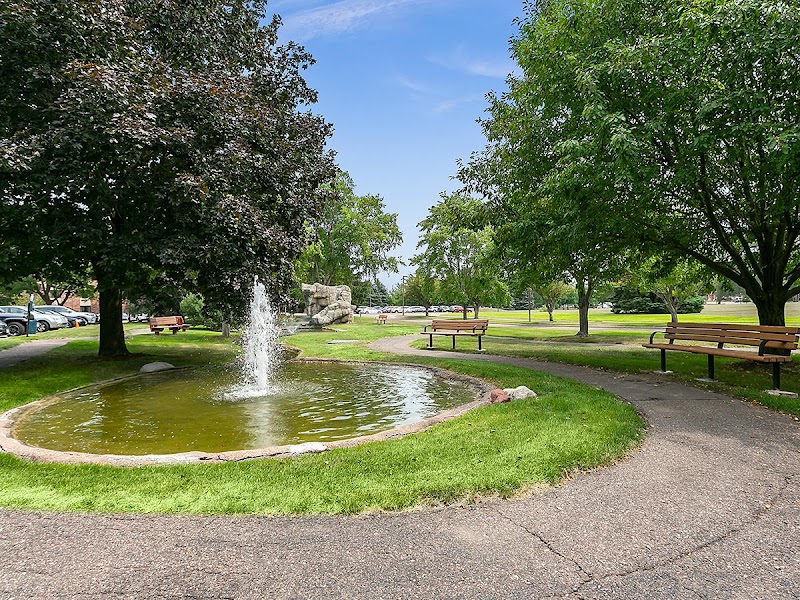
Who Owns and Operates Apple Valley Village Health?

APPLE VALLEY VILLAGE HEALTH CARE CENTER is owned by a non-profit organization. Non-profit facilities reinvest revenue into operations rather than distributing to shareholders. The facility is operated by CASSIA, a chain that manages multiple nursing homes. With 162 certified beds and approximately 148 residents (about 91% occupancy), it is a mid-sized facility located in APPLE VALLEY, Minnesota.

How Does Apple Valley Village Health Compare to Other Minnesota Nursing Homes?

Compared to the 100 nursing homes in Minnesota, APPLE VALLEY VILLAGE HEALTH CARE CENTER's overall rating (4 stars) is above the state average of 3.2, staff turnover (32%) is significantly lower than the state average of 46%, and health inspection rating (3 stars) is at the national benchmark.

What Should Families Ask When Visiting Apple Valley Village Health?

Based on this facility's data, families visiting should ask: "Can I visit during a mealtime to observe dining assistance and food quality?" "How do you handle medical emergencies, and what is your hospital transfer rate?" "Can I speak with family members of current residents about their experience?"

Is Apple Valley Village Health Safe?

Based on CMS inspection data, APPLE VALLEY VILLAGE HEALTH CARE CENTER has a clean safety record: no substantiated abuse findings (meaning no confirmed cases of resident harm), no Immediate Jeopardy citations (the most serious violation level indicating risk of serious injury or death), and is not on the Special Focus Facility watch list (a federal program monitoring the lowest-performing 1% of nursing homes). The facility has a 4-star overall rating and ranks #1 of 100 nursing homes in Minnesota. While no facility is perfect, families should still ask about staff-to-resident ratios and recent inspection results during their visit.

Do Nurses at Apple Valley Village Health Stick Around?

APPLE VALLEY VILLAGE HEALTH CARE CENTER has a staff turnover rate of 32%, which is about average for Minnesota nursing homes (state average: 46%). Moderate turnover is common in nursing homes, but families should still ask about staff tenure and how the facility maintains care continuity when employees leave.

Was Apple Valley Village Health Ever Fined?

APPLE VALLEY VILLAGE HEALTH CARE CENTER has no federal fines on record. CMS issues fines when nursing homes fail to meet care standards or don't correct problems found during inspections. The absence of fines suggests the facility has either maintained compliance or corrected any issues before penalties were assessed. This is a positive indicator, though families should still review recent inspection reports for the full picture.

Is Apple Valley Village Health on Any Federal Watch List?

APPLE VALLEY VILLAGE HEALTH CARE CENTER is not on any federal watch list. The most significant is the Special Focus Facility (SFF) program, which identifies the bottom 1% of nursing homes nationally based on persistent, serious quality problems. Not being on this list means the facility has avoided the pattern of deficiencies that triggers enhanced federal oversight. This is a positive indicator, though families should still review the facility's inspection history directly.