Ebenezer Ridges Geriatric Care Center
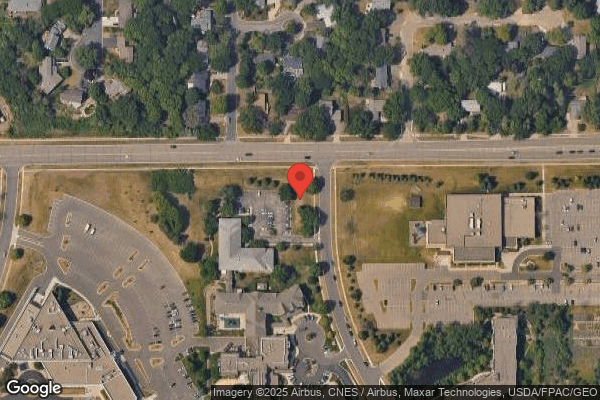
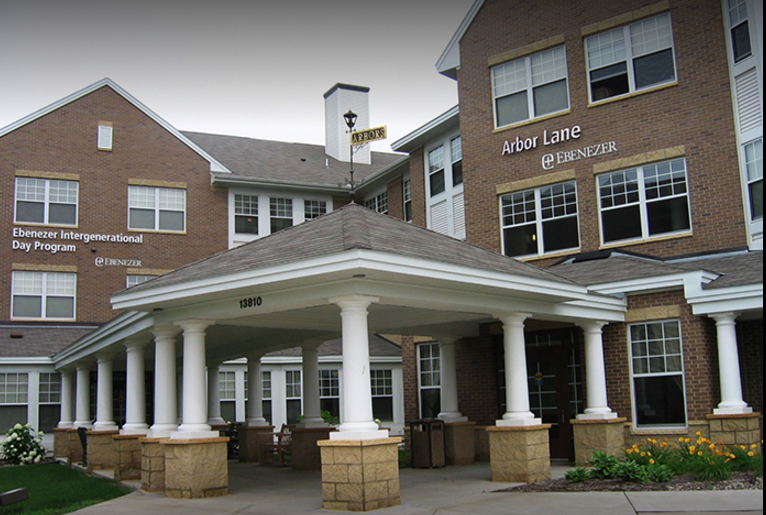
13820 COMMUNITY DRIVE, BURNSVILLE, MN 55337 (952) 898-8400
Non profit - Corporation 114 Beds EBENEZER SENIOR LIVING Data: November 2025
Trust Grade
58/100
#167 of 337 in MN
Last Inspection: November 2024

Within standard 12-15 month inspection cycle. Federal law requires annual inspections.

Overview

Ebenezer Ridges Geriatric Care Center has a Trust Grade of C, which means it is average and sits in the middle of the pack for nursing homes. It ranks #167 of 337 facilities in Minnesota, placing it in the top half, and #4 out of 9 in Dakota County, indicating that only three facilities nearby are rated higher. The facility is improving, having reduced its issues from 16 in 2024 to just 1 in 2025. Staffing is a strong point, with a 4 out of 5-star rating and a 0% turnover rate, meaning staff members stay long-term and are familiar with residents' needs. However, a recent serious incident involved a nurse mistakenly administering insulin to a non-diabetic resident due to distractions, which raises concerns about the level of focus during care. Additionally, there have been issues with not accommodating residents' shower preferences, reflecting a need for improvement in personalized care. Overall, while there are strengths in staffing and improvement trends, families should consider the recent incidents and compliance issues when researching this facility.
Trust Score
C
58/100
In Minnesota
#167/337
Top 49%
Safety Record
Moderate
Needs review
Inspections
Getting Better
16 → 1 violations
Staff Stability
○ Average
Turnover data not reported for this facility.
Penalties
✓ Good
$3,250 in fines. Lower than most Minnesota facilities. Relatively clean record.
Skilled Nurses
✓ Good
Each resident gets 108 minutes of Registered Nurse (RN) attention daily — more than 97% of Minnesota nursing homes. RNs are the most trained staff who catch health problems before they become serious.
Violations
⚠ Watch
19 deficiencies on record. Higher than average. Multiple issues found across inspections.
★★★☆☆
3.0
Overall Rating
★★★★☆
4.0
Staff Levels
★★★☆☆
3.0
Care Quality
★★★☆☆
3.0
Inspection Score
Stable
2024: 16 issues
2025: 1 issues

The Good

  • 4-Star Staffing Rating · Above-average nurse staffing levels
  • Full Sprinkler Coverage · Fire safety systems throughout facility
  • No fines on record

Facility shows strength in staffing levels, fire safety.

The Bad

3-Star Overall Rating

Near Minnesota average (3.2)

Meets federal standards, typical of most facilities

Federal Fines: $3,250

Below median ($33,413)

Minor penalties assessed

Chain: EBENEZER SENIOR LIVING

Part of a multi-facility chain

Ask about local staffing decisions and management

The Ugly 19 deficiencies on record

1 actual harm
Jul 2025 1 deficiency 1 Harm
SERIOUS (G) 📢 Someone Reported This

A family member, employee, or ombudsman was alarmed enough to file a formal complaint

Actual Harm - a resident was hurt due to facility failures

Deficiency F0760 (Tag F0760)

A resident was harmed · This affected 1 resident

**NOTE- TERMS IN BRACKETS HAVE BEEN EDITED TO PROTECT CONFIDENTIALITY** Based on interview and record review the facility failed to ensure that 1 of 3 residents (R1) reviewed was free from a significa...

Read full inspector narrative →
**NOTE- TERMS IN BRACKETS HAVE BEEN EDITED TO PROTECT CONFIDENTIALITY** Based on interview and record review the facility failed to ensure that 1 of 3 residents (R1) reviewed was free from a significant medication error. R1 was given another residents insulin causing her to be sent to the hospital for treatment. Findings include: R1's clinical physician orders dated 7/15/25 - 7/29/25 did not indicate R1 was ordered insulin. R1's admission Minimum Data Set (MDS) dated [DATE] indicated R1's Brief Inventory of Mental Status (BIMS) was a 15 indicating she was cognitively intact. R1 did not receive any injections including insulin. R1's diagnosis's were urinary tract infection, overactive bladder, hypothyroidism (the thyroid gland does not produce enough thyroid hormone), gastro-esophageal reflux disease, muscle weakness, encephalopathy (a condition where the brains function is impaired) and ischemic cardiomyopathy (damage of a heart muscle making it difficult for the heart to pump blood). R1's diagnoses did not include diabetes. R1‘s nursing progress note dated 7/23/25 at 7:57 p.m. indicated misadministration of Novolog insulin 31 units to R1 and R1 was a non-diabetic resident. LPN-A was distracted by nursing assistant (NA)-A while ready to enter the residents room to administer insulin. NA-A asked LPN-A to speak to the resident in the next room regarding a concern he had, and it was urgent. LPN-A was already with the insulin in her hand. LPN-A entered the resident's room who had a concern. On the way-out LPN-A noticed two more call lights going off including the one who was administered the insulin. LPN-A accidentally entered the wrong room that had all light on thinking it was the room of the resident who needed the insulin. LPN-A apologized to the resident for being late with the insulin. R1 did not say anything at first but after administering the dose LPN-A realized she administered the insulin to the wrong resident. R1 was also surprised stating she was not diabetic. LPN-A apologized and called the charge nurse right away. LPN-A also called 911 but was unable to talk. The charge nurse arrived, and LPN-A handed over the phone. LPN-A checked R1's blood sugar after 15 minutes following the insulin administration and her blood glucose level was 142. A glass of orange juice was administered. The ambulance arrived and R1 was taken to the emergency department. R1's emergency department document dated 7/23/25 at 8:13 p.m. indicated the clinical impression was a diagnosis of hypoglycemia (blood glucose levels are too low). R1's hospital history and physical dated 7/23/25 indicated R1 was evaluated after inadvertently administered insulin at her transitional care unit. R1 was noted to have a glucose level of 52 (normal range 70-99) upon arrival to the emergency room. R1 had no history of diabetes and not on insulin therapy. R1 was given D50 (a concentrated sterile glucose 50% in 50% water) in the emergency room and started on dextrose infusion. R1's blood sugar dropped to 48 and was started on D10 (a concentrated sterile solution of 10% glucose and 90% water) at 150 milliliters per hour. R1's hospital summary of visit dated 7/23/25 indicated R1 was admitted to the hospital for concerns of hypoglycemia after inadvertently receiving insulin at the transitional care unit. R1's blood sugar had maintained with dexterous fluid and then subsequently eating adequately oral intake. A facility Medication/Treatment Error Report dated 7/23/25 indicated the medication involved with Insulin Aspart (rapid acting insulin) used for managing blood glucose levels in diabetics. R1 was not ordered Aspart Insulin, R2 was ordered the insulin needed and was due for 31 units. R1 did not have any immediate symptoms insulin at the facility. Emergency Medical Services arrived and started IV Dextrose (glucose given intravenously). R2's MDS dated [DATE] was not completed as R2 admitted on [DATE] and discharged on 7/27/25. R2's care plan dated 7/28/25 indicated R2 had Diabetes Mellitus R2 was to have blood glucose checks per providers orders and as needed. In addition, R2 was be administered diabetes medications as ordered by her provider. R2's Clinical Physician Orders dated 7/22/25 indicated R2 was to have Insulin Aspart FlexPen subcutaneous 100 unit/milliliter inject 28 units twice daily. Upon interview on 7/29/25 at 9:22 a.m. R1 stated in the evening on 7/23/25 a nurse entered her room and stated she had her medication. The nurse lifted her shirt and gave her an injection. R1 asked licensed practical nurse (LPN)-A what she had given her. LPN-A replied that she had given her the insulin she had requested. R1 told LPN-A she is not on insulin, and she was not diabetic. The next thing R1 recalled was getting orange juice and then the ambulance showed up. R1 was taken to the hospital where an IV was started and she spent the night in the hospital where staff was monitoring her all night. R1 stated she was told in the hospital that she received a lot of insulin. Upon interview on 7/29/25 at 12:17 p.m. the director of nursing (DON) stated she was notified immediately of the medication error and the facility acted immediately with administering orange juice to R1 and calling for emergency medical services. The DON stated LPN-A had been suspended during the facility investigation, a pharmacy review had been completed, and nursing staff were re-educated before working with residents. In addition, R2 had a specialized order on her chart to have two nurses verify the five rights before the administration of her insulin since it was a high dose of short acting insulin, however R2 had been discharged from the facility on 7/27/25. Upon interview on 7/29/25 at 2:07 p.m. R1's family member (FM)-A stated she received a call from the facility that R1 was taken by ambulance to the emergency department because she had been given another residents insulin. Later that evening FM-A spoke with R1 and R1 told her she would be spending the night in the hospital. R1 told FM-A she did not give LPN-A consent to give the insulin it just happened so fast. FM-A stated the amount of short acting insulin could have killed R1 if R1 would not have cognitive enough to tell LPN-A she was not diabetic. FM-A also stated concerns after speaking with hospital staff that R1 had been tested for blood borne pathogens (infectious microorganisms such as bacterial or viruses that live in the blood) from the needle stick. FM-A was worried what those findings may result in. Upon interview on 7/29/25 at 3:53 p.m. LPN-A stated she was distracted when she administered insulin to the wrong resident. She was told by NA-A that another resident needed her, and it was urgent. LPN-A had already drawn-up R2's insulin when she checked on the unidentified resident. LPN-A then left the unidentified resident's room and answered a call light for R1 mistaking her for R2. LPN-A stated she apologized to R1 about being late with her medication and injected the insulin. LPN-A denied verifying R1's name. After she administered the insulin R1 asked what she have given her. LPN-A told her it was her insulin. R1 told LPN-A she was not on insulin and not diabetic. LPN-A immediately called the charge nurse and emergency medical services were notified. LPN-A stated she was suspended immediately following the medication error. A facility policy titled Medication Administration-General Guidelines with a revision date of 6/13/25 indicated Residents are identified before medication is administered using two methods of identification, methods of identification include:-Checking residents name band-Asking a reliable resident for their first and last name-By referring to the photo attached to the electronic medical record (EMAR)-If necessary, verifying resident identification with other facility personnel.
Nov 2024 6 deficiencies
CONCERN (D)

Potential for Harm - no one hurt, but risky conditions existed

Deficiency F0561 (Tag F0561)

Could have caused harm · This affected 1 resident

**NOTE- TERMS IN BRACKETS HAVE BEEN EDITED TO PROTECT CONFIDENTIALITY** Based on observation, interview, and document review, the facility failed to accommodate bathing/shower preferences for 1 of 1 r...

Read full inspector narrative →
**NOTE- TERMS IN BRACKETS HAVE BEEN EDITED TO PROTECT CONFIDENTIALITY** Based on observation, interview, and document review, the facility failed to accommodate bathing/shower preferences for 1 of 1 residents (R159) reviewed for choices. Findings include: R159's admissions Minimum Data Set (MDS) dated [DATE] identified admission to facility on 11/4/24, had impaired cognition, required substantial to maximal assistance for showering, toileting, lower body dressing, and personal hygiene. Review of transitional care unit (TCU) care sheet identified all residents by room number, name, primary diagnoses, and day of the week with AM or PM next to it. R159 identified Fri PM associated with it. R159's care plan dated 11/4/24 identified, Care Plan: I will have my preferences followed. During interview with R159 and family member (FM)-B on 11/18/24 at 3:14 p.m., R159 stated facility never offered or asked preferences on day and time of showers. R159 and FM-B stated he was informed that the showers and bath schedules were assigned per room number. R159 stated, I prefer to shower in the morning because I get too tired to participate in showering [in] the evenings after I work with physical therapy. FM-B stated, [R159] likes mornings better than evenings for showers. During interview with nursing assistant (NA)-A on 11/19/24 at 12:49 a.m., NA-A stated she worked full-time on the TCU where R159 resided. NA-A stated the expectation of nursing assistants at start of their shifts was to look at the resident's care plan in computer system and review the paper care sheets on each unit to see what shower days and times are assigned. NA-A pointed to the paper care sheet and stated, Showers are assigned per room. He[R159] is Friday PMs. NA-A stated, [nursing assistants] always go by the sheet here. During interview with NA-B on 11/19/24 at 1:06 p.m., NA-B stated he worked full-time on the TCU and I look at the care sheets which say what room and shower days [are assigned]. Shower days and times [are] with the room and not preference of the resident. During interview with registered nurse (RN)-A on 11/19/24 at 1:25 p.m., RN-A stated expectation of nursing assistants to look at the care sheet first to identify shower days and times. RN-A indicated shower day assignments are scheduled per room. During interview with director of nursing (DON) on 11/21/24 at 9:47 a.m., DON stated, the baths and showers are divided out by room number on the TCU. DON stated, [assigned shower days] are not reflective of [R159] preferences. It makes sense he would like a shower in the morning before therapy instead of later in the day after he is tired out from working with therapy. We should not be assigning shower days per room. Requested policy on choices and preferences and did not receive.
CONCERN (D)

Potential for Harm - no one hurt, but risky conditions existed

Assessment Accuracy (Tag F0641)

Could have caused harm · This affected 1 resident

**NOTE- TERMS IN BRACKETS HAVE BEEN EDITED TO PROTECT CONFIDENTIALITY** Based on observation, interview, and document review, the facility failed to ensure the Minimum Data Set (MDS) was accurately co...

Read full inspector narrative →
**NOTE- TERMS IN BRACKETS HAVE BEEN EDITED TO PROTECT CONFIDENTIALITY** Based on observation, interview, and document review, the facility failed to ensure the Minimum Data Set (MDS) was accurately coded to reflect upper body impairment for 1 of 2 residents (R162) reviewed for MDS accuracy. Findings include: The Centers for Medicare and Medicaid Services (CMS) Long-Term Care Facility Resident Assessment Instrument 3.0 User's Manual, dated 10/2018, identified the purpose of the RAI process was to help ensure holistic care was provided. According to the RAI/MDS, the definition of functional limitation in range of motion is, limited ability to move a joint that interferes with daily functioning (particularly with activities of daily living or places the resident at risk of injury. Coding instructions for GG0115A Functional Limitation in Range of Motion question, the Upper Extremity (Shoulder, Elbow, Wrist, Hand) include: Code 0, no impairment: if resident has full functional range of motion on the right and left side of upper/lower extremities. Code 1, impairment on one side: if resident has an upper-and/or lower-extremity impairment on one side that interferes with daily functioning or places the resident at risk of injury. Code 2, impairment on both sides: if resident has an upper-and/or lower extremity impairment on both sides that interferes with daily functioning or places the resident at risk of injury. Examples of coding instructions include: 1. The resident can perform all arm, hand, and leg motions on the right side, with smooth coordinated movements. They are able to perform grooming activities (e.g., brush their teeth, comb their hair) with their right upper extremity and are also able to pivot to their wheelchair with the assistance of one person. They are, however, unable to voluntarily move their left side (limited arm, hand, and leg motions), as they have a flaccid left hemiparesis from a prior stroke. Coding: GG0115A would be coded 1, upper-extremity impairment on one side. R162's admissions Minimum Data Set (MDS) dated [DATE], identified R162 with admission to facility's transitional care unit (TCU) on 11/1/24, with moderately impaired cognition, and required partial to moderate assistance with upper body dressing and personal hygiene and required substantial to maximal assistance with showers or bathes and lower body dressing. The MDS section GG0115: Functional Limitation in Range of Motion identified R162 with, No impairment of upper and lower extremity. In addition, R162 with diagnoses of a stroke, cancer, and hypertension (high blood pressure). R162's initial visit notes from physician dated 11/4/24, [R162] originally presented with left upper extremity weakness. And not able to move her left arm. During observation and interview on 11/18/24 at 3:42 p.m., R162 was observed seated in a recliner watching television in her room. R162 was observed with her left arm in shoulder sling with left arm immobilized. R162 stated, I have this [pointing to sling] because I had a stroke. R162 stated it was important for the sling to be on so her left arm would not flop down as she had no control or feeling in it. R162 stated that she admitted to the facility with the sling and that staff at the facility were applying it and removing it daily. Review of R162 care plan, orders, and nursing assistant care sheet and [NAME] failed to mention an assessment for use about the sling, including purpose for it, who was responsible for applying and removing it, and when it should be done. During interview with rehabilitation supervisor (RS) on 11/20/24 at 9:38 a.m., stated, R162 came in after stroke and diagnoses with metastatic [wide spread] brain and lung cancer. RS stated R162 had Left arm weakness was fully flaccid [paralyzed as a result of interrupted communication within the nervous system]. RS stated the assessment for use of a sling was a therapy department responsibility and was unable to determine if R162 was assessed for use of the sling. RS stated the process was for therapy to assess use and appropriateness of a sling and a nursing communication form would be filled out by therapy and given to nursing department who would upload the information in resident's care plan and [NAME]. RS stated the expectation was staff would not apply or remove the sling without orders and recommendations from the therapy department. During interview with nursing assistant (NA)-B on 11/20/24 at 10:00 a.m., NA-B stated, Yes [R162] had a sling on her left arm. She could not use the arm at all. No nothing in care plan or our [NAME] for us to do anything with the sling. And [R162] had therapy every day so I think they took care of it. During interview with TCU nurse manager registered nurse (RN)-A on 11/20/24 at 10:40 a.m., RN-A stated, [R162] had splint on her for support and arm [sic] she cannot control it. RN-B stated there were no instructions to use, apply or remove the sling. It is important for the staff to know what they need to look out for and why. In this instance it was not done. During interview with the director of Resident Assessment Instrument (RAI)/MDS (DR) on 11/20/24 at 11:13 a.m., DR reviewed R162's admission MDS information and stated, looks like no impairment was noted for the upper and lower extremities. DR stated, 'if patient has no use of arm and it is not their previous norm then this was coded incorrectly. During interview with RN-A on 11/20/24 at 11:32 a.m., RN-A looked at R162's admission MDS and stated, not correct because of left arm in sling. It should have been coded accurately. During interview with director of nursing (DON) on 11/21/24 at 9:58 a.m., DON stated, [R162] had impairment of arm. The MDS response was inaccurate and should not have been coded as, 'No impairment'. Facility policy titled MDS/CARE PLAN PROCESS/RESIDENT ASSESSMENT updated 11/11/24 identified Use the Minimum Data set forms and CAA's (Care Area Assessment) collect data and supplemental forms as needed to complete a comprehensive, review of the resident's status. And MDS coordinator does MDS coding and prioritizing.
CONCERN (D)

Potential for Harm - no one hurt, but risky conditions existed

Deficiency F0657 (Tag F0657)

Could have caused harm · This affected 1 resident

**NOTE- TERMS IN BRACKETS HAVE BEEN EDITED TO PROTECT CONFIDENTIALITY** Based on interview and document review, the facility failed to ensure care conferences were conducted upon admission for 1 of 2 ...

Read full inspector narrative →
**NOTE- TERMS IN BRACKETS HAVE BEEN EDITED TO PROTECT CONFIDENTIALITY** Based on interview and document review, the facility failed to ensure care conferences were conducted upon admission for 1 of 2 residents (R103) reviewed for care conferences. Findings include: R103's admission Minimum Data Set (MDS) assessment, dated 11/4/24, indicated R103 had intact cognition with no hallucinations or delusions with an admission date of 10/29/24. Diagnoses included: displaced bicondylar fracture of left tibia (fracture in left lower leg), muscle weakness, other abnormalities of gait and mobility, left foot drop (dragging of front of foot when walking and/or inability to raise toes or the foot from the ankle), and infection and inflammatory reaction due to other internal orthopedic prosthetic devices, implants and grafts (an infection caused related to implanted devices from surgery). R103's care plan, printed 11/18/24, indicated R103 discharge planning: [R103] was living at home where she is planning to return home at discharge with an intervention of arrange for in home services as ordered, with an initiation date of 11/18/24. R103's progress notes, dated 10/29/24 to 11/21/24, were reviewed. Progress notes lacked evidence of R103 having a care conference since admission on [DATE]. Furthermore, lacked documentation of a planning of a care conference. On 11/18/24 at 3:12 p.m., R103 indicated she has not had a care conference since admission. R103 indicated there has been no meeting of any kind to talk about discharge or the plan around this. R103 stated she asked the nurse practitioner at the facility last week about having a care conference as they are thinking she might discharge in a couple of weeks but has not heard anything about any sort of meeting or care conference. R103's provider note, dated 11/18/24, was reviewed. The provider note did not mention a care conference and potential discharge plan or date. On 11/20/24 at 10:19 a.m., nurse manager on third floor registered nurse (RN)-D verified R103 has not had a care conference since admission to the facility on [DATE] [22 days ago]. R103 indicated that social worker sets up the care conferences for residents. RN-D indicated they talked about R103 in rounds yesterday and will going to do a care conference soon as R103 has a home assessment set up on 11/22/24. RN-D stated they think the social worker wanted to wait until closer to dischage for a care conference. On 11/21/24 at 9:33 a.m., social worker (SW)-A verified that she is the social worker for R103. SW-A verified that when a resident is admitted to the facility, specifically transitional care unit (TCU), they try to do a care conference within the first week or two of admission. SW-A stated it is expected that a care conference is done no later than 21 days after admission. SW-A verified R103's care conference is probably beyond 21 days and verified R103 has not had a care conference since arriving at the facility. SW-A verified R103's admission was 10/29/24 which was more than 21 days ago. SW-A stated R103's care conference was missed. On 11/21/24 at 10:18 a.m., director of nursing (DON) stated the expectation is that a care conference is held no later than 21 days after admission. A facility policy titled Care Conference Process, revised 10/18, indicated a care conference is held for every resident receiving care within our facilities upon admission, quarterly, with significant change and as needed. Furthermore indicating care conference for an individual resident is held within 21 days of an admission.
CONCERN (D)

Potential for Harm - no one hurt, but risky conditions existed

Medication Errors (Tag F0758)

Could have caused harm · This affected 1 resident

**NOTE- TERMS IN BRACKETS HAVE BEEN EDITED TO PROTECT CONFIDENTIALITY** Based on interview and document review, the facility failed to ensure as-needed (PRN) antipsychotic medications were limited to ...

Read full inspector narrative →
**NOTE- TERMS IN BRACKETS HAVE BEEN EDITED TO PROTECT CONFIDENTIALITY** Based on interview and document review, the facility failed to ensure as-needed (PRN) antipsychotic medications were limited to 14 days of use or re-evaluated by the medical provider to ensure necessity and reduce the risk of complication for 1 of 5 residents (R6) reviewed for unnecessary medication use. Findings include: R6's significant change Minimum Data Set (MDS) dated [DATE], indicated R6 had moderately impaired cognition and was receiving hospice services. R6 was dependent on staff for toileting, personal hygiene, and bed mobility. The MDS indicated R6 was diagnosed with dementia, anxiety, and depression. R6's Verbal Orders report dated 10/23/24, indicated a hospice provider (MD)-A had ordered two milligrams (mg) haloperidol (an antipsychotic medication) three times a day as needed (PRN) starting on 10/23/24. The report had a column titled Date Discontinued that was left blank and the order did not include an end date. R6's order summary report dated 10/23/24, indicated R6 had an order for two milligrams (mg) haloperidol three times a day as needed (PRN) starting on 10/23/24 for agitation or nausea ordered by nurse practitioner (NP)-A. The report included a section titled End Date that did not include a date for this order. R6's Medication Administration Record (MAR) dated 10/23/24 through 11/19/24, indicated R6 had received the PRN haloperidol with the order date 10/23/24 over ten times during the period. During an interview on 11/20/24 at 10:47 a.m., registered nurse (RN)-E, the unit nurse manager, stated she had reviewed R6's medical record and confirmed R6's PRN haloperidol order had been active for longer than fourteen days and a provider had not re-evaluated her during that time and renewed the order if needed. During an interview on 11/20/24 at 11:23 a.m., NP-A stated she was R6's primary care provider but R6 also received hospice care and the Haldol was managed by them. NP-A stated she would have expected the hospice provider to order PRN haloperidol for a maximum of 14 days and then reevaluate R6 for the appropriateness of continued haloperidol use prior to reordering it. NP-A stated she had not reassessed R6 for the appropriateness of this medication as it was ordered by hospice. During an interview on 11/20/24 at 11:35 a.m., RN-F, R6's hospice nurse, confirmed the hospice provider had not re-evaluated R6 after 14 days of PRN haloperidol use and had not ordered an end date for the medication. RN-F stated she had reviewed R6's hospice medical record and confirmed the order had not been renewed after 14 days of use. During an interview on 11/21/24 at 8:30 a.m., the director of nursing (DON) stated R6's medical record had been reviewed and facility staff did not find that R6's PRN haloperidol had an ordered stop date or had been renewed by a provider after 14 days. The facility Psychopharmacologic Drug Use policy dated 7/8/24, indicated PRN psychotropic medications should be limited to 14 days unless the prescribing practitioner believes it was appropriate to extend past 14 days and documented the rationale in the medical record and indicated the duration. The policy did not include additional instruction for PRN antipsychotic medication use
CONCERN (D)

Potential for Harm - no one hurt, but risky conditions existed

Infection Control (Tag F0880)

Could have caused harm · This affected 1 resident

**NOTE- TERMS IN BRACKETS HAVE BEEN EDITED TO PROTECT CONFIDENTIALITY** Based on observation, interview, and document review, the facility failed to ensure enhanced barrier precautions (EBP) were impl...

Read full inspector narrative →
**NOTE- TERMS IN BRACKETS HAVE BEEN EDITED TO PROTECT CONFIDENTIALITY** Based on observation, interview, and document review, the facility failed to ensure enhanced barrier precautions (EBP) were implemented or followed for 2 of 2 residents (R46 and R21) reviewed for EBP. Findings include: The CDC article titled Implementation of Personal Protective Equipment (PPE) Use in Nursing Homes to Prevent Spread of Multidrug-resistant Organisms (MDROs) dated 4/2/24, indicated MDRO transmission in skilled nursing facilities was common and contributed to substantial resident morbidity. EBP is an infection control intervention to reduce transmission of MDROs by using gowns and gloves during high contact resident care activities that provide opportunities for transfer of MDROs to staff hands and clothing that lead to indirect transfer of MDROs from resident to resident. The article indicated high-contact activities include changing linens, bathing, dressing, transferring, changing briefs, feeding tube care, etc. The article indicated EBP should be implemented (when contact precautions did not apply) for residents with wounds or indwelling medical devices (central lines, urinary catheter, feeding tube) regardless of MDRO colonization status. R46's quarterly Minimum Data Set (MDS) dated [DATE], indicated R46 had severely impaired cognition, was diagnosed with a stroke, and required total assistance with all care activities. The MDS indicated R46 received his nutrition through a feeding tube. R46's order summary report dated 11/4/24, indicated R46 had an enteral feeding tube. R46's progress note dated 11/19/24 at 12:21 p.m., indicated the staff development director/ registered nurse (SDD) had instructed podiatry per the nurse manager that R46 would like podiatry services in his room in bed but the SDD advised podiatry staff that they would not need to utilize EBP. The SDD explained to podiatry staff that working on his feet would not prevent a splash risk so they would not need to don or doff PPE for this encounter. During an observation on 11/19/24 at 11:42 a.m., licensed practical nurse (LPN)-B was observed in R46's room with gloves on but no gown. LPN-B was observed to lean into R46's bed, pull back his covers, and reposition R46's legs. LPN-B was then observed to continue leaning against R46's bed to adjust the pillows between R46's legs before removing his gloves and leaving the room. During an interview on 11/21/24 at 8:04 a.m., the SDD stated she completed EBP education for nursing staff. The SDD stated staff should utilize EBP when there was a splash risk but if an activity did have a splash risk such as transferring a resident or completing foot care EBP would not be needed. During an interview on 11/21/24 at 9:34 a.m. with the director of nursing (DON) and the infection preventionist (IP), the IP stated the SDD completed all staff infection prevention education. The IP stated it was important for staff to read the CDC infection control signs that outline when PPE was needed for residents on EBP. The IP stated she would expect nursing staff to utilize EBP when they were transferring a resident per the CDC sign. The DON stated when care was being given to a resident in bed and involved staff-to-resident contact, she would expect nursing staff to utilize PPE, given the possible burden of MDROs in the resident ' s room. The facility's EBP policy dated 11/8/24, indicated EBP was needed for residents with chronic wounds and indwelling medical devices such as feeding tubes. The policy indicated that glove and gown use should be utilized for dressing, bathing, transferring, providing hygiene, changing linens, assisting with toileting, etc. R21's quarterly Minimum Data Set (MDS) dated [DATE], indicated R21 had moderate cognitive impairment, was diagnosed with severe vascular dementia (problems with reasoning, planning, judgement, memory and other thought processes caused by brain damage from impaired blood flow to the brain), left side hemiplegia (paralysis of the left side of the body), and a pressure area (pressure areas are injuries to the skin and the tissue below the skin that are due to extended pressure on the skin). The MDS also indicated R21 required substantial assistance with mobility, and total assistance with toileting and hygiene. R21's Clinical Diagnosis report printed 11/21/24, documented R21 was on enhanced barrier precautions related to a wound. R21's Order Summary report dated 11/21/24, indicated orders for wound care to right posterior thigh. The order directed nurses to 1. Clean right posterior thigh with unscented soap [Cetaphil/dove]. 2. Apply small amount of VASHE [a wound cleanser solution] on gauze, lay into wound bed, let it sit for 10 minutes, remove gauze, do not rinse. 3. Gently pack with VASHE moistened plain packing strip to fill depth of wound, ensure to leave a tail for easy removal. Do not overpack. 4. Cover with Mepilex dressing [Mepilex Ag is a soft and conformable dressing that absorbs exudate and inactivates wound pathogens]. Change every- day shift and as needed if soiled/saturated/dislodged. During observation on 11/20/24 at 10:22 a.m., nursing assistant (NA)-C was observed providing personal cares to R21 without wearing a gown. R21 was in bed, turned on her right side facing the wall and NA-C was adjusting R21's brief. NAR's legs were touching the bed linen and NA-C was wearing gloves. NA-C finished adjusting R21's pants and left the room to find another NA to help him transfer R21 with a mechanical lift. NA-C came back to the room followed by NA-D who was pushing the mechanical lift. Before entering R21's room, NA-C and NA-D put on gloves, but did not wear gowns and transferred R21 from her bed to her wheelchair. During interview on 11/20/24 at 10:27 a.m., NA-D confirmed she didn't use a gown when she assisted R21 during transfer. When asked regarding the EBP sign posted to the right side of R21's room, NA-D started reading it aloud. After she finished reading the sign NA-D said, I was supposed to clean my hands before I entered the room, wear gloves and a gown. NA-D stated she didn't know what EBP meant, but she could find out by asking the nurse. During interview on 11/20/24 at 10:41 a.m., NA-C stated he didn't wear a gown while changing R21's brief and added I wore gloves. When directed to the EBP sign next to R21's door, NA-C asked, do I have to use a gown all the time? NA-C proceeded to read the sign and stated, we [staff] need to follow precautions to prevent further disease and infections to go around. During interview on 11/20/24 at 10:47 a.m., LPN-A, who was caring for R21 stated, it is concerning when staff don't follow EBP precautions due to the potential of spreading pathogens and diseases. LPN-A added the expectation was for all staff to follow the infection precautions as indicated by the signs posted adjacent to the resident's rooms.
CONCERN (E)

Potential for Harm - no one hurt, but risky conditions existed

ADL Care (Tag F0677)

Could have caused harm · This affected multiple residents

**NOTE- TERMS IN BRACKETS HAVE BEEN EDITED TO PROTECT CONFIDENTIALITY** R103 R103's admission Minimum Data Set (MDS) assessment, dated 11/4/24, indicated R103 had intact cognition with no hallucinatio...

Read full inspector narrative →
**NOTE- TERMS IN BRACKETS HAVE BEEN EDITED TO PROTECT CONFIDENTIALITY** R103 R103's admission Minimum Data Set (MDS) assessment, dated 11/4/24, indicated R103 had intact cognition with no hallucinations or delusions with an admission date of 10/29/24. Diagnoses included: displaced bicondylar fracture of left tibia (fracture in left lower leg), muscle weakness, other abnormalities of gait and mobility, left foot drop (dragging of front of foot when walking and/or inability to raise toes or the foot from the ankle), and infection and inflammatory reaction due to other internal orthopedic prosthetic devices, implants and grafts (an infection caused related to implanted devices from surgery). In addition, R103 was dependent on staff for showers/bathing and transfers, and required maximal assistance from staff for dressing, personal hygiene and mobility. R103's care plan, printed 11/18/24, indicated R103 has an ADL [activity of daily living] self-care performance deficit with the following intervention: -BATHING/SHOWERING: Assistance by (2) staff with bathing/showering. Staff to provide nail care as needed. If diabetic, nail care to be done by nurse. Report need of nail care to nurse. -PERSONAL HYGIENE: assist of 2 staffs. R103's [NAME], printed 11/20/24, indicated R103's bathing was Saturday PM (evening). Further, indicated assistance by (2) staff with bathing/showering prefers to have a bath. R103's task log, printed 11/20/24, indicated R103's bathing was completed with total dependence with one person physical assist. The document lacked evidence for an entry on 11/16/24, which would be the next scheduled bathing/showering day per schedule. R103's progress notes, dated 10/29/24 to 11/21/24, were reviewed. Progress notes lacked evidence of R103 refusing showers or staff assistance with ADLs. Furthermore, lacked documentation of staff offering an additional showers/bed bath/partial bath since last documented bath/shower on 11/9/24. R103's November Administration Record, printed 11/18/24, indicated an order for: -Complete weekly/bath and pain sheet assessment in PCC [electronic health record - EHR]. If any new alterations in skin integrity, follow the skin alterations and wounds checklist. Bath declined, skin audit must still be completed. Every evening shift every Saturday. It was documented the assessment was completed for 11/2/24, 11/9/24, and 11/16/24. During an interview on 11/18/24 at 3:12 p.m., R103 stated that her shower/bath day was scheduled to be on Saturdays. She stated that she not offered and did not get a bath or shower this past Saturday (11/16/24) and the last shower/bath she had was on 11/9/24. R103 was displeased that she was not offered a shower in 9 days. R103 indicated her preference was to have a shower/bath daily, understood that this was likely not possible but going 9 days without a shower was not acceptable. R103 stated she had told staff that she would like more than one shower/bath a week. R103 indicated she was told that they offer one shower/bath a week. On 11/20/24 at 9:20 a.m., registered nurse (RN)-C stated that upon admission, residents are assessed to determine if they want one or two showers a week, in the morning or evening, and that is added to the care plan. RN-C stated that if a shower or bath is missed, for any reason, the nursing assistant is expected to notify the nurse and the shower is to be attempted again another day. RN-C indicated the skin assessment, which is documented on the administration record, is completed by the nurse on the scheduled shower day, whether the shower is completed or not. RN-C indicated that a progress note is entered when a resident refuses a shower and when a shower is attempted or offered again. On 11/20/24 at 10:07 a.m., nurse manager on the 3rd floor RN-D verified that residents are expected to be showered at least once a week and can get an additional shower if requested. RN-D verified the nurse should document in the progress notes when a shower is refused or not given. RN-D reviewed R103's EHR, verified the weekly skin assessment was completed on 11/16/24 and verified R103 did not receive a shower on 11/16/24. RN-D verified R103's last shower was 11/9/24 which was 11 days ago, at time of interview. RN-D verified R103 needed assistance with showering/bathing and would not be able to complete this task independently. RN-D stated the expectation is that residents are showered or bathed at least weekly. RN-D indicated they would follow up with R103 regarding her showers. A facility policy titled Bath Shower, revised 2/24, indicated the purpose of the policy was that a resident feels cleansed and refreshed per resident's wishes after bathing, and indicated baths/showers to be documented in EHR. Based on observation, interview, and document review, the facility failed to ensure routine personal hygiene (i.e., showers) was completed for 4 of 5 residents (R89, R103, R159, R162) reviewed for activities of daily living (ADLs) and who were dependent on staff for their care. Findings include: R89 R89's admissions Minimum Data Set (MDS) dated [DATE], identified R89 with admission to facility's transitional care unit (TCU) on 10/26/24, had severe cognitive impairment, required substantial to maximal assistance with showers, upper and lower body dressing, and personal hygiene. In addition, R89 was documented with an indwelling catheter (drain urine from the bladder) and had diagnoses of left arm fracture, non-Alzheimer's dementia, depression, and urinary retention. Furthermore, the MDS stated R89 and family participated in the assessment and goal setting process. During initial screening on 11/18/24 at 12:15 a.m., surveyor provided with undated TCU nursing assistant care sheet. During interview with nursing assistant (NA)-A on 11/19/24 at 12:49 a.m., NA-A stated she had worked full-time on the TCU since, January [2024]. NA-A stated the expectation of nursing assistants at start of their shifts was to look at the resident's care plan in the computer system and review the paper care sheets on each unit to see what shower days and times are assigned. NA-A pointed to the paper care sheet and stated, Showers are assigned per room. NA-A stated, [nursing assistants] always go by the sheet here. NA-A stated nursing assistants document in the Task[s] section of the electronic medical record (EMR) for assigned tasks. Review R89's of undated nursing assistant care sheet indicated R89's assigned bathing day and time was Saturday evenings. Per bathing task in the electronic medical record (EMR) indicating a shower was missed or not documented on 11/9/24. R89's progress note dated 10/26/24 to 11/20/24, failed to identify R89 refused a shower on 11/9/24. During interview with R89 on 11/21/24 at 8:21 a.m., R89 stated, my daughter [FM-A] is helping with the arrangements [for discharge]. I get confused. I like to get washed up. It makes me feel normal and less gross. It is important to me to have my hair washed. I cannot remember the last time I had it washed. It does feel like its ben a least a week since it was washed. During interview with family member (FM)-A on 11/21/24 at 8:38 a.m., FM-A stated she recalled being present for R89's admissions assessment. FM-A stated, Mom [R89] likes showers in the morning but I am quite sure she was never asked if she preferred a specific day or time of the day for the shower. I think [R89] missed a shower while she was there. They [staff] said they were going to do it but I believe they forgot. [R89] is a lot of work to get in and out of the shower so I am sure it was forgotten, or they did not have enough staff to do it. She had one last week, I think. And, Yes, she likes her hair washed. Makes her feel good, like it does for all of us. A wet washcloth is not the same as a shower. I feel disgusting if I don't have a shower and I am quite sure she would not like missing a good shower or bath. She used to shower every day. During interview with registered nurse (RN)-A on 11/19/24 at 1:25 p.m., RN-A stated the expectation of nursing assistants was to look at the care sheet first to identify shower days and times. RN-A indicated shower day assignments are scheduled per room. R159 R159's admissions MDS dated [DATE], identified R159 with admission to facility's TCU on 11/4/24, R159 had impaired cognition, and required substantial to maximum assistance with showers or baths, toileting, lower body dressing, and personal hygiene. Also, R159 was documented with diagnoses of fracture to right hip, and arthritis. In addition, section F0400 of the MDS titled Interview for Daily Preferences. C. How important is it to you to choose between a tub bath, shower, bed bath, or sponge bath? Answer coded was, 1. Very important. During interview with NA-B on 11/19/24 at 1:06 p.m., NA-B stated he worked at facility on TCU for sixteen years and noted that R159 was to receive showers on Fridays in the evening per the nursing aide care sheet. NA-B stated the expectation of staff was to document showers including refusals in the EMR under Tasks. NA-B verified R159's EMR lacked documentation of showers or refusals from R159. During interview with NA-A on 11/19/24 at 12:49 a.m., NA-A stated she had worked full-time on the TCU since, January [2024]. NA-A stated the expectation of nursing assistants is to look in resident's care plan, [NAME] and (undated) care sheet to determine what assistance is required for each resident. NA-A stated the expectation of nursing assistants was to document in the Task[s] section of the electronic medical record EMR for assigned tasks, subsequently, NA-A reviewed R159's care sheet and noted shower day is Fridays in the evening and stated the EMR lacked documentation of showers or refusals from R159. During interview with TCU nursing manager, registered nurse (RN)-A on 11/19/24 at 1:06 p.m., RN-A stated the expectation of nursing assistants was to look at the resident's care plan, [NAME] and (undated) paper care sheet to determine the assistance needed and shower days and times. RN-A looked at R159's EMR and verified no documentation of showers or refusals since he was admitted [DATE]. RN-A stated, It was not being documented of being offered, refused, ecetera and it should be. RN-A stated, I expect documentation in a progress note if he refuses a shower. It horrifies me that he hasn't had shower since he was admitted . It is important that our residents get a shower and cleaned up. R162 R162's admission MDS dated [DATE], identified R162 with admission to facility's TCU on 11/1/24, with moderately impaired cognition, and required partial to moderate assistance with upper body dressing and personal hygiene and required substantial to maximal assistance with showers or bathes and lower body dressing. In addition, R162 was documented with diagnoses of a stroke, cancer, and hypertension (high blood pressure). During interview with R162 on 11/18/24 at 3:42 p.m., R162 stated, I prefer a shower if they [staff] could do it. I don't recall if I was asked. R162's undated care sheet identified R162's showers were assigned for Friday mornings. R162's Tasks tab in EMR identified documentation of having a shower on 11/15/24, missing 11/1/24 and 11/8/24. R159 progress notes dating from 11/4/24 to 11/19/24, failed to document a shower was offered or declined on 11/1/24 and 11/8/24. During interview with RN-A on 11/20/24 at 10:40 a.m., RN-A stated, She [R162] should have been given a shower. Additionally stating we [facility] have noticed that some [residents] have missed the showers and we are not documenting it. During interview with director of nursing (DON) on 11/21/24 at 9:52 a.m., DON verified showers are not being charted. Showers were missed. Showers are important to everyone, and they should not have been missed. Facility policy titled BATH, SHOWER updated 2/24 identify, 23. Document bath/shower in the EHR (electronic health record).
May 2024 3 deficiencies
CONCERN (D) 📢 Someone Reported This

A family member, employee, or ombudsman was alarmed enough to file a formal complaint

Potential for Harm - no one hurt, but risky conditions existed

Resident Rights (Tag F0550)

Could have caused harm · This affected 1 resident

**NOTE- TERMS IN BRACKETS HAVE BEEN EDITED TO PROTECT CONFIDENTIALITY** Based on interview and record review the facility failed to promote dignity and respect to 1 of 4 (R1) residents reviewed. R1 wa...

Read full inspector narrative →
**NOTE- TERMS IN BRACKETS HAVE BEEN EDITED TO PROTECT CONFIDENTIALITY** Based on interview and record review the facility failed to promote dignity and respect to 1 of 4 (R1) residents reviewed. R1 was not properly dressed when leaving her room for therapy services. R1 did not have an incontinent brief on and upon standing urinated on herself, her wheelchair, and the floor in the presence of other residents and staff. Findings include: R1's admission Minimum Data Set (MDS) dated [DATE] indicated R1 had a Brief Inventory of Mental status (BIMs) score of 15 indicating R1 was cognitively intact. R1 required maximum assistance with toileting hygiene, showering and dressing. She required moderate assistance with rolling in bed, positioning from sitting to lying and she was dependent from sitting to standing with transfers. R1 was dependent in her manual wheelchair. R1 was frequently incontinent of urine and bowel. R1's pertinent diagnoses were cirrhosis of the liver, acute respirator failure with hypoxia, portal hypertension (increased pressure in the venous system), morbid obesity and type 2 diabetes mellitus with neuropathy (nerve damage from diabetes). R1's care plan dated 5/4/24 indicated R1 required the assistance of one staff member to dress and undress. R1 had actual impairment to her skin bilaterally on her buttocks. The intervention was to wear no incontinent brief while in bed and be gentle with peri-cares. The care plan did not indicate what R1 was to wear for incontinence protection when she was out of bed. In addition, the care plan did not indicate to use towels for incontinence concerns while R1 was in bed. Upon interview on 5/13/24 at 9:46 a.m. occupation therapy assistant (OTA)-A stated she would go to R1's room to get her out of bed for therapy. R1 would be dressed in a hospital gown per her choice. She stated when staff would stand her up towels that were placed between R1's legs would fall to the floor. She stated that the therapy staff did not put a brief on her stating that the responsibility of the nursing staff. OTA-A did recall an incident in therapy where her and another therapy staff member were assisting R1 to stand and upon standing R1 became incontinent of urine on herself, her wheelchair, and the floor in the therapy room. R1 was immediately sat down in her chair, as a fall prevention, then was wheeled back to her room. OTA-A left R1 in her room and notified the nursing staff to assist her to be cleaned up. Upon interview on 5/13/24 at 11:41 R1 stated she was usually taken to therapy without anything covering her peri-area. She stated she was o.k. with wearing a hospital gown if staff dressed her in two gowns, one to cover the front and one to cover the back of her body. She stated one day in therapy the staff assisted her to stand by the parallel bars and upon impact her bladder released, and she urinated on herself, her wheelchair, and the floor. She stated she was sat down in the urine saturated chair and taken back to her room for clean-up. She stated she humiliated as other residents witnessed the event and staff as well. In addition, R1 stated some staff would place towels between her legs since she urinated so much in bed requiring frequent bed changes. Upon interview on 5/13/24 at 11:50 a.m. R1's family member (FM)-A stated he visited R1 almost daily and was present the day she was incontinent of urine with no urinary protection in therapy. He stated he stayed with R1 all afternoon as R1 could not stop crying because she was so humiliated. Upon interview on 5/13/24 at 12:17 p.m. registered nurse (RN)-A unit manager stated she was not aware of an incident where R1 became incontinent in therapy. She stated the therapy staff proceeded correctly after the incontinence episode by bringing R1 back to her room for nursing staff to clean her up. RN-A stated therapy staff can and should be dressing and making sure the residents leave their room in appropriate attire. She stated if they are uncertain of how to dress a person than they should ask the nursing staff. Upon interview on 5/13/24 at 12:29 p.m. RN-B stated she had worked with R1 and stated she was unaware that staff were placing towels between her legs and unaware or R1 was going to therapy without an incontinent brief on. She stated the facility uses blue pads that wick away moisture from incontinent patients to assist in avoiding bed changes. RN-B was unaware of the incontinence incident therapy, stating therapy staff should be putting an incontinence brief on a resident if they are not wearing one before taking them out of their room. Upon interview on 5/13/24 at 12:45 p.m. physical therapy assistant (PTA)-A stated RN would not wear an incontinent brief in bed and therapy would find her in bed with towels between her legs. She stated after the day R1 became incontinent during a therapy session she would make sure R1 had an incontinence brief on before taking her out of her room. Upon interview on 5/13/24 at 3:02 p.m. the director of nursing (DON) stated she was aware that R1 was to be left in bed without anything covering her peri-area for skin healing. She stated she would not expect staff to be placing towels on R1, but rather be checking and changing her wicking pad. The DON stated that therapy has been trained and should be part of morning cares including insuring residents leave their room in proper attire. A facility policy titled Dignity with a revision date of 10/21 indicated the facility promotes care for residents in a manner and in an environment that maintains or enhances each resident's dignity and respect in full recognition of his or her individuality. This means staff must carry out activities which assists the resident to maintain and enhance his/her self-esteem and self-worth. Assisting residents to dress in their own clothes appropriate with time of day and individual preferences.
CONCERN (D) 📢 Someone Reported This

A family member, employee, or ombudsman was alarmed enough to file a formal complaint

Potential for Harm - no one hurt, but risky conditions existed

Deficiency F0692 (Tag F0692)

Could have caused harm · This affected 1 resident

**NOTE- TERMS IN BRACKETS HAVE BEEN EDITED TO PROTECT CONFIDENTIALITY** Based on interview and record review the facility failed to provide a systematic approach to assess and evaluate residents' flui...

Read full inspector narrative →
**NOTE- TERMS IN BRACKETS HAVE BEEN EDITED TO PROTECT CONFIDENTIALITY** Based on interview and record review the facility failed to provide a systematic approach to assess and evaluate residents' fluid status to monitor the effectiveness of interventions for 2 of 2 residents (R1 and R3) assessed. R1 and R3 were on a daily fluid restriction, the facility was documenting the intake. The facility did not have a system in place to evaluate the total daily fluid intake to determine adequacy or if the provider required notification. Findings include: R1's nursing progress notes dated 4/24/24 - 5/7/24 did not include any documentation regarding R1's fluid restriction, except on 4/25/24 at 1:29 a.m. a note indicated drank 300 cc. R1's physician orders dated 4/25/24 indicated P1 was on a fluid restriction of 1200 milliliters (ml) per day. 500 cubic centimeters (cc) day shift, 500 cc evening shift and 200 cc night shift. R1's care plan dated 4/26/24 indicated to monitor intake and record every meal. Staff was to provide and serve diet as ordered: Heart Healthy/regular textures and regular liquid. The care plan did not indicate R1 had a fluid restriction. R1's admission Minimum Data Set (MDS) dated [DATE] indicated R1 had a Brief Inventory of Mental status (BIMs) score of 15 indicating R1 was cognitively intact. R1 required maximum assistance with toileting hygiene, showering and dressing. She required moderate assistance with rolling in bed, positioning from sitting to lying and she was dependent from sitting to standing with transfers. R1 was dependent in her manual wheelchair. R1 was frequently incontinent of urine and bowel. R1's pertinent diagnoses were cirrhosis of the liver, acute respiratory failure with hypoxia, portal hypertension (increased pressure in the venous system), morbid obesity and type 2 diabetes mellitus with neuropathy (nerve damage from diabetes). R1's Point of Care response history for the task of fluids consumed indicated: 4/24/24 240 cc at 8:03 p.m. 4/25/24 400 cc at 8:49 p.m. 4/26/24 150 cc at 10:13 a.m. and 250 cc at 2:26 p.m. 4/27/24 400 cc at 10:07 a.m. and 380 cc at 1:07 p.m. 4/28/24 400 cc at 11:31 a.m. and 370 cc at 2:44 p.m. and 360 cc at 8:31 p.m. 4/29/24 400 cc at 9:52 a.m. and 390 cc at 1:10 p.m. and 480 cc at 8:54 p.m. 4/30/24 380 cc at 10:04 a.m. 5/1/24 360 cc at 2:23 p.m. and 560 cc at 2:23 p.m. [sic] 5/2/24 360 cc at 10:01 a.m. and 240 cc at 1:53 p.m. and 200 cc at 8:55 p.m. 5/3/24 480 cc at 9:18 a.m. and 240 cc at 1:53 p.m. 5/4/24 360 cc at 10:01 a.m. and 240 cc at 1:53 p.m. and 200 cc at 8:55 p.m. 5/5/24 360 cc at 2:42 p.m. and 420 cc at 2:42 p.m. 5/6/24 240 cc at 9:21 a.m. and 220 cc at 1:42 p.m. and 240 cc at 10:37 p.m. 5/7/24 400 cc at 9:33 a.m. R1's electronic treatment record (eTAR) dated 4/25/24 - 5/7/24 indicated R1's fluid intake was: 4/25/24 200 cc on the p.m. shift and 200 cc on the night shift 4/26/24 500 cc on the a.m. shift and 500 cc on the p.m. shift and 150 on the night shift 4/27/24 500 cc on the a.m. shift and 240 cc on the p.m. shift and 150 cc on the night shift 4/28/24 240 cc on the a.m. shift and 240 cc on the p.m. shift and 200 cc on the night shift 4/29/24 280 cc on the a.m. shift and 480 cc on the p.m. shift and 200 cc on the night shift 4/30/24 400 cc on the a.m. shift and 480 cc on the p.m. shift and 120 cc on the night shift 5/1/24 500 cc on the a.m. shift and 80 cc on the p.m. shift and 120 on the night shift 5/2/24 500 cc on the a.m. shift and 80 cc on the p.m. shift and 120 cc on the night shift 5/3/24 240 cc on the a.m. shift and 110 cc on the p.m. shift and 200 cc on the night shift 5/4/24 500 cc on the a.m. shift and 200 cc on the p.m. shift and 200 cc on the night shift 5/5/24 480 cc on the a.m. shift and 400 cc the p.m. shift and 200 on the night shift 5/6/24 480 cc on the a.m. shift and 400 cc on the p.m. shift and 100 cc on the night shift R1's Hospital emergency department (ED) note dated 5/7/24 at 11:11 a.m. indicated R1's chief complaint was abdominal pain. R1 had a history of pleural effusion (build-up of fluid between the lungs), and liver cirrhosis with ascites (fluid build-up in the abdomen) who presented to the ED for abdominal pain and bloating. On 5/7/24 at 12:00 p.m. R1 was diagnosed with severe sepsis (a life-threatening infection). R1's other admission to the hospital diagnoses were portal vein thrombosis, acute urinary tract infection, liver cirrhosis and pleural effusion. Clinically significant risk factors were hyperkalemia (high potassium in the blood), hypercalcemia (high calcium in the blood), hypoalbuminemia (a condition when the body doesn't produce enough albumin protein that's responsible for keeping fluid in your blood vessels). Upon interview on 5/13/24 at 11:46 a.m. R1 stated she was still in the hospital stating she had been admitted with portal vein hypertension, a urinary tract infection and a bunch of my labs were off. R1 stated she did not understand how the facility was managing her fluid restrictions. She stated no one talked to her about it, other than one unidentified nursing assistant (NA) told her that the fluids on her meals were planned out. R3's eTAR dated 4/14/24 - 5/13/24 indicated R3 had an order for a 1200 cc fluid restriction. The nursing staff did not documentation how much fluid R3 consumed during the shift. The nursing staff only checked the boxes indicating the fluid restriction was administered. R3's nursing progress notes reviewed from 4/4/24 - 5/13/24 did not have any documentation of a fluid restriction or intake measures. R3's care plan dated 4/8/24 indicated R3 was at risk for nutritional altercation related to dialysis. R3 had a renal-dialysis diet. Staff was to monitor food and fluid intake at meals and monitor for signs of dehydration. R3's care plan did not indicate any fluid restrictions. R3's Point of Care Response History for the tasks of fluid consumed dated 4/14/24 - 5/13/24 indicated: 4/14/24 480 cc at 10:11 a.m. and 480 cc at 1:59 p.m. and 550 cc at 10:19 p.m. 4/15/24 R3 not available in the a.m. and 200 cc at 1:04 p.m. 4/16/24 300 cc at 9:38 a.m. and 300 cc at 1:10 p.m. 4/17/24 R3 not available in the a.m. and 500 cc at 10:28 p.m. 4/18/24 360 cc at 11:00 a.m. and 360 cc at 2:12 p.m. and 300 cc at 10:13 p.m. 4/17/24 R3 not available in the a.m. and 500 cc at 10:28 p.m. 4/18/24 360 cc at 11:00 a.m. and 360 cc at 2:12 p.m. and 300 cc at 10:13 p.m. 4/19/24 R3 not available in the a.m. and 120 cc at 2:24 p.m. 4/20/24 480 cc at 11:04 a.m. and 240 cc at 2:21 p.m. and 120 cc at 7:08 p.m. 4/21/24 480 cc at 9:14 a.m. and 480 cc at 2:24 p.m. and 120 cc at 7:18 p.m. 4/22/24 R3 not available in the a.m. and 300 cc at 12:53 p.m. and 120 cc at 7:08 p.m. 4/23/24 300 cc at 9:17 a.m. and 300 cc at 1:03 p.m. and 120 cc at 7:39 p.m. 4/24/24 R3 not available in the a.m. and 200 cc at 1:18 p.m. and 500 cc at 10:05 p.m. 4/25/24 380 cc at 10:07 a.m. and 280 cc at 1:48 p.m. and 120 cc at 7:09 p.m. 4/26/24 R3 not available in the a.m. and 360 cc at 1:55 p.m. and 120 cc at 7:26 p.m. 4/27/24 240 cc at 1:17 p.m. and 180 cc at 1:18 p.m. and 120 cc at 6:32 p.m. 4/28/24 300 cc at 9:11 a.m. and 300 cc at 2:10 p.m. and 500 cc at 10:57 p.m. 4/29/24 R3 not available in the a.m. and 240 cc at 2:05 p.m. 4/30/24 300 cc at 9:10 a.m. and 300 cc at 2:10 p.m. and 550 cc at 10:57 p.m. 5/1/24 R3 not available in the a.m. and 300 cc at 2:22 p.m. and 120 cc at 6:46 p.m. 5/2/24 R3 not available in the a.m. and 240 cc at 1:12 p.m. and 120 at 8:02 p.m. 5/3/24 R3 not available in the a.m. and 250 cc at 2:11 p.m. 5/4/24 480 cc at 11:21 p.m. and 240 cc at 2:13 p.m. and 120 cc at 7:17 p.m. 5/5/24 390 cc at 9:08 a.m. and 400 cc at 2:14 p.m. 5/6/25 R3 not available in the a.m. and 300 cc at 1:07 p.m. 5/7/24 300 cc at 9:04 a.m. and 300 cc at 1:32 p.m. and 120 cc at 8:09 p.m. 5/8/24 R3 not available in the a.m. and 300 cc at 2:23 p.m. and 500 cc at 6:00 p.m. 5/9/24 360 cc at 10:48 a.m. and 200 cc at 2:01 p.m. and 120 cc at 7:46 p.m. 5/10/24 R3 not available in the a.m. and 120 cc at 7:11 p.m. 5/11/24 240 cc at 12:55 p.m. and 120 cc at 12:55 p.m. and 550 cc at 10:00 p.m. 5/12/24 300 cc at 8:59 a.m. and 300 cc at 1:02 p.m. and 550 cc at 6:12 p.m. 5/13/24 R3 not available in the a.m. R3's quarterly MDS dated [DATE] indicated R3 had a BIMs score of 15 indicating she was cognitively intact. R3 required extensive assistance with bed mobility and total dependence for transferring. R3's pertinent diagnoses were Asthma, respiratory failure, end stage renal disease and congestive heart failure. R3's clinical physician order dated 4/30/24 indicated R3 had a fluid restriction of 120 ml at nighttime, 180 ml in the a.m. and p.m. and 240 ml with meals. Upon interview on 5/13/24 at 1:23 R3 stated she wasn't certain how the facility monitored her fluid intake. She stated she has never had a discussion from the nursing or dietary department. R3 was a former health care professional and stated she watches her intake on her own. Upon interview on 5/13/24 at 1:45 p.m. LPN-A stated the nursing staff enforce fluid restriction by educating the residents and the nursing assistants. She was uncertain who is responsible for auditing the total daily intake and reporting to the provider if there are concerns. Upon interview on 5/13/24 at 1:54 p.m. RN-A the unit manager stated she was uncertain who manages the fluid restrictions. She stated, I think dietary does. Upon interview on 5/13/24 at 2:02 p.m. the assistant dietary manager stated the facility does not have a dietician currently, so the corporate dietician provides direction to the facility. She stated the Point of Care forms are where the NA's document after resident eats. The kitchen supplies fluid restriction residents with the order provided on their trays. She stated the eTAR where the nursing staff document the resident fluid intake with their medication administration. The manager was uncertain who monitored the fluid restrictions daily. Upon interview on 5/13/24 at 3:02 p.m. the director of nursing (DON) stated the dieticians are responsible for watching for an increase in fluid concerns with the residents. She stated the dialysis department watches the fluid levels for R3. The DON stated if the nursing staff were to notice any symptoms of a fluid concerns for a resident, they would report the concern to the dietician and/or the provider. The DON was unable to provide daily fluid totals for R1 or R3. Upon interview on 5/13/24 at 3:46 p.m. the corporate registered dietician (RD)-A stated she was new to her role and was not completely familiar with the process of fluid restriction. She stated she is aware the kitchen follows the restriction orders when placing beverages on the meal trays. She was not certain who was to be watching fluid restrictions at the end of the day. She stated she looks closely at the resident assessment and completes her own assessment quarterly for the MDS. The RD attempted to run a report on the Point Click Care (the facilities software system) to find daily intake totals and stated, I can't find this, it would be helpful, this is a concern. A facility policy titled Intake and Output Monitoring revision date of 12/13 indicated. -Enter Resident name and/or identification on the daily intake and output record. -Measure and record all liquids ingested. -Estimate and record ice and foods that becomes liquid at room temperature (i.e., ice cream, Jello). -Instruct Resident to urinate in bedpan, urinal, or collection graduate in toilet. -Measure urine and record amount on individual record. -If any bleeding, emesis, diarrhea, or drainage occurs, measure and record as output. -When enteral nutritional therapy, or intravenous fluid is administered record amount on individual record. -The intake and output are to be totaled and recorded in medical record every shift. -Intake and output are totaled every twenty-four hours. -The total I & O is placed in the Resident's medical record. -The nurse is responsible to evaluate the total I & O per shift. If the intake and output is not adequate, notify the MD/NP. -Take action per physician orders. -Licensed nurses will evaluate the resident's I & O on a 24-hour bases and weekly basis to determine adequacy.
CONCERN (D) 📢 Someone Reported This

A family member, employee, or ombudsman was alarmed enough to file a formal complaint

Potential for Harm - no one hurt, but risky conditions existed

Infection Control (Tag F0880)

Could have caused harm · This affected 1 resident

**NOTE- TERMS IN BRACKETS HAVE BEEN EDITED TO PROTECT CONFIDENTIALITY** Based on observation, interview, and record review the facility failed to follow recommended precaution process for disinfecting...

Read full inspector narrative →
**NOTE- TERMS IN BRACKETS HAVE BEEN EDITED TO PROTECT CONFIDENTIALITY** Based on observation, interview, and record review the facility failed to follow recommended precaution process for disinfecting medical equipment between resident use for 1 of 1 resident (R4) when observed. Licensed staff failed to disinfect the vital signs machine following the use on R4 who was on contact precautions and then used on another resident. In addition, the facility had placed R4 on incorrect isolation precautions. R4 was found to be on precautions due to suspicion of Covid requiring droplet precautions and he was on contact precautions. Findings include: Upon observation on 5/13/24 at 8:19 a.m. licensed practical nurse (LPN)-A was taking vital signs in R4's room. R4 had a cart with gowns, gloves, hand sanitizer and masks out of side of his room. The sign on the wall indicated R4 was on contact precautions that required staff to cleanse hands before entering and exiting room, don gloves and a gown when in room and discard before exiting the room. In addition, the staff were to use dedicated or disposable equipment or clean and disinfect reusable equipment before use on another person. LPN-A wheeled the vital sign machine out P4's room and placed the machine by the medication cart without sanitizing it. Upon observation and interview on 5/13/24 at 8:28 a.m. LPN-A wheeled the same vital sign machine into an unidentified resident's room and proceeded to take her vitals signs. LPN-A stated she usually wipes down the machine between each resident but was having a busy morning and realized she should have disinfected it. LPN-A was not certain why R4 was on contact precautions. She stated, I think because he is a new admit. LPN-A stated the facility constantly had Covid-19 outbreaks. Upon observation on 5/13/24 at 8:37 a.m. LPN-B used a vital sign machine on an unidentified resident room. The resident was on contact precautions. LPN-B did not sanitize the machine prior to taking the vitals signs. LPN-B placed the vital signs machine by her medication cart without disinfecting it after use. There is not an observation of LPN-B, or another staff member using the unsanitized machine on another resident. R4's nursing progress notes dated 5/10/24 - 5/13/24 did not indicate reason R4 was on contact isolation precautions. R4's care plan dated 5/13/24 indicated R4 had a localized infection that does not require precautions. R4's admission minimum data set (MDS) dated [DATE] was in progress, no isolation data identified. Upon interview on 5/13/24 at 7:52 a.m. the Administrator stated the facility is in Covid-19 outbreak and the facility had 11 cases between two units. Upon interview on 5/13/24 at 3:02 p.m. the director or nursing (DON) stated she was uncertain why R4 was on contact precautions. She stated the expectation of the staff is to disinfect equipment after use on each patient. She stated ideally equipment would be disinfected before and after each use. Upon interview on 5/13/24 at 3:58 p.m. the infection preventionist (IP) stated R4 admitted with suspicions of Covid-19 since he was a new admission from a hospital setting. The IP was uncertain which precautions R4 was on. She stated R4's Covid test came back on 5/13/24 as negative so he could be taken off any precautions for Covid-19, however, would be assessed for enhanced barrier precautions due to a new pacemaker and surgical wound. A facility policy titled Transmission/Isolation precautions dated 11/1/23 indicated: DROPLET: Examples; Influenza, Mumps, Respiratory Disease, COVID-19, Mpox Droplet transmission involves contact of the conjunctivae or the mucous membranes of the nose or mouth of a susceptible person with large-particle droplets (larger than 5 mm in size) containing microorganisms generated from a person who has a clinical disease or is a carrier of the disease. Droplets are generated from the source person primarily during coughing, sneezing, talking, Transmission of large-particle droplets requires close contact between source and recipient persons. Private room and when a private room are not available, cohort with patient(s) who has active infection with the same microorganism but with no other infection. Perform hand hygiene. Mask, face shield/goggles, gown and gloves required prior to entering room. Isolation gowns must be impermeable to fluids. N95 mask to be worn when providing care for COVID-19 positive or suspected COVID-19 positive residents or unvaccinated residents during COVID-19 outbreak and with Mpox positive or suspected Mpox residents. -Remove PPE before leaving the patient's room. -Perform hand hygiene. -Eye protection should only be removed and reprocessed if it becomes visibly soiled or difficult to see through. -Use disposable equipment or patient dedicated equipment to stay in patient room if possible, disinfect between patient use, follow product wet times. -Limit the movement/transport of patients from room to essential purposes only. Place a universal mask on patient if possible, during transportation. -Maintain at least 6 feet from other patients and visitors when possible.
Feb 2024 7 deficiencies
CONCERN (D)

Potential for Harm - no one hurt, but risky conditions existed

Resident Rights (Tag F0550)

Could have caused harm · This affected 1 resident

**NOTE- TERMS IN BRACKETS HAVE BEEN EDITED TO PROTECT CONFIDENTIALITY** Based on observation, interview and document review, the facility failed to ensure dignity was maintained for 2 of 2 residents (...

Read full inspector narrative →
**NOTE- TERMS IN BRACKETS HAVE BEEN EDITED TO PROTECT CONFIDENTIALITY** Based on observation, interview and document review, the facility failed to ensure dignity was maintained for 2 of 2 residents (R2, R35) reviewed for urinary catheters. Findings include: R2 R2's quarterly Minimum Data Set (MDS) dated [DATE], indicated R2 had intact cognition, dependence on staff for all efforts of self-care including all forms of hygiene, bathing, upper and lower body dressing, positioning and mobility. Also, indicated R2 had an indwelling catheter. R2's Diagnoses Report dated on 1/31/24, indicated R2 had diagnoses of multiple sclerosis (disabling disease of the brain and spinal cord), diabetes, depression, neuromuscular dysfunction of the bladder, and quadriplegia (paralysis of both upper and lower body). R2's physician orders (PO) dated 8/22/23, indicated R2, admitted to AccentCare Fairview Hospice on 8/22/23, with terminal Dx [diagnosis] of MS [multiple sclerosis] with life expectancy of 6 months or less. R2's care plan with a review date of 5/4/23 indicated, Foley catheter bags must be placed in a drainage bag holder. R2's [NAME] (nursing assistant care sheet) printed 1/31/24 indicated, Foley catheter bags must be placed in a drainage bag holder. During observation on 1/30/24 at 8:29 a.m., R2 was laying in bed with a large catheter drainage bag attached to the bed frame facing the doorway to the facility hallway. The top half of R2's catheter drainage bag was covered in a privacy bag while the lower half of the catheter drainage bag was uncovered showing dark amber urine visible from the facility hallway. During interview with nursing assistant (NA)-A on 1/30/24 at 11:18 a.m., NA-A stated resident catheter drainage bags were to be covered at all times, even in the [bed]room. NA-A stated the facility provides privacy covers for all residents with catheter drainage bags. During interview with family member (FM)-A on 1/20/24 at 1:25 p.m., FM-A stated R2's catheter drainage bag, should always be covered and R2, would not like it if his pee was visible. During interview with R2 on 1/30/24 at 2:04 p.m., R2 stated, yes it [catheter drainage bag] is sometimes uncovered when I am in bed. I don't like. It should be covered. During interview with NA-C on 1/31/24 at 8:59 a.m., NA-C stated the expectation of nursing assistants was to review resident [NAME]'s upon arrival to work each shift, tells us what the resident needs. R35 R35's annual MDS dated [DATE], indicated R35 with total dependence on staff for all efforts of self-care including all forms of hygiene, bathing, upper and lower body dressing, positioning and mobility. Also, R35 had an indwelling catheter. R35's Diagnosis Report printed 12/31/24, indicated R35 had diagnoses of Alzheimer's disease, dementia, obstructive and reflux uropathy (a condition where urine flows backward, or refluxes, into the kidneys) and retention of urine. R35's care plan intervention revised on 10/12/22, indicated, Ask simple yes/no questions or simple short questions to determine needs. R35's [NAME] printed 1/31/24, indicated, Catheter care every shift and as needed. During observation on 1/29/24 at 1:24 p.m., R35 was observed to be sleeping in bed with an uncovered catheter drainage bag attached to bed frame facing the doorway to the facility hallway. During observation on 1/29/24 at 4:08 p.m., R35 was observed to be sleeping in bed with an uncovered catheter drainage bag attached to bed frame facing the doorway to the facility hallway. During observation on 1/30/24 at 10:43 a.m., R35 was observed to be sleeping on left side in bed with an uncovered catheter drainage bag attached to bed frame facing the doorway to the facility hallway. During observation and interview with R35 on 1/30/24 at 1:21 p.m., R35 was observed to be laying in bed with an uncovered catheter drainage bag attached to bed frame facing the doorway to the facility hallway. R35 nodded her head up and down when asked if it bothered her to have her catheter drainage bag uncovered and visible to the facility hallway. During observation on 1/30/24 at 3:02 p.m., R35 was observed to be in bed with an uncovered catheter drainage bag attached to bed frame facing the doorway to the facility hallway. Registered nurse (RN)-A was observed to exit R35's room with vital sign machine. During observation and interview on 1/31/24 at 8:14 a.m., R35 up in wheelchair positioned at dining room table for breakfast. R35's catheter drainage bag was attached to underside of wheelchair and uncovered with urine visible in the catheter drainage bag. Seven other residents were seated in the dining room at the time. NA-B stated R35's catheter drainage bag, is uncovered and stated, it should be covered because it is a dignity issue. During interview with RN-A on 1/31/24 at 8:25 a.m., RN-A stated R35's catheter drainage bag, is visible to other residents, staff, and visitors in the dining room. RN-A stated the expectation of facility staff is to place the catheter drainage bag, in a privacy bag so the other people don't look at it. During interview with director of nursing (DON) on 1/31/24 at 10:06 a.m., the DON stated expectation of catheter drainage bags to be covered, at all times. Even when resident is in the room. Facility policy titled Catheter Care, revised 9/23 state, It is the policy of this facility to provide care to the individual who must use an indwelling catheter with care that meets the necessary standards of infection control and dignity. Also, All foley catheter bags must be placed in a drainage bag holder.
CONCERN (D)

Potential for Harm - no one hurt, but risky conditions existed

Deficiency F0558 (Tag F0558)

Could have caused harm · This affected 1 resident

**NOTE- TERMS IN BRACKETS HAVE BEEN EDITED TO PROTECT CONFIDENTIALITY** Based on observation, interview and record review, the facility failed to ensure call lights were accessible for 1 of 1 (R35) re...

Read full inspector narrative →
**NOTE- TERMS IN BRACKETS HAVE BEEN EDITED TO PROTECT CONFIDENTIALITY** Based on observation, interview and record review, the facility failed to ensure call lights were accessible for 1 of 1 (R35) reviewed for call light accessibility. Findings include: R35's annual Minimum Data Set (MDS) dated [DATE], indicated R35 had total dependence on staff for all efforts of self-care including all forms of hygiene, bathing, upper and lower body dressing, positioning and mobility. Also, had R35 an with indwelling catheter. R35's Diagnosis Report dated 12/31/24, indicated R35 had diagnoses of Alzheimer's disease, dementia, obstructive and reflux uropathy (a condition where urine flows backward, or refluxes, into the kidneys) , and retention of urine. R35's care plan documented an intervention initiated on 12/31/19, which indicated, Be sure call light is within reach and encourage to use it for assistance as needed. During observation on 1/29/24 at 1:52 p.m., R35 was observed laying in bed with the call light on the floor out of reach. During observation 1/29/24 at 4:08 p.m., R35 was observed laying in bed with the call light on the floor out of reach. During observation on 1/30/24 at 1:32 p.m., R35 was observed laying in bed with the call light on the floor out of reach. During observation on 1/30/24 at 2:06 p.m., R35 was observed laying in bed with the call light on the floor out of reach. During observation and interview on 1/31/24 at 10:22 a.m., R35 was obserbed sitting in a wheelchair R25's bedroom facing away from the hallway. The call light was coiled up under her bed and out of R35's reach. Nursing assistant (NA)-D entered R35's room and stated the, call light is on the floor and out of reach. And, [R35] needs it to call for help if R35 needs it for her safety. During interview with director of nursing (DON) on 1/31/24 at 9:58 a.m., DON stated call lights, should be in reach of the patient for access. Facility policy titled Call Lights with revision 4/23 state, Position call light conveniently within reach for the resident to use.
CONCERN (D)

Potential for Harm - no one hurt, but risky conditions existed

Notification of Changes (Tag F0580)

Could have caused harm · This affected 1 resident

**NOTE- TERMS IN BRACKETS HAVE BEEN EDITED TO PROTECT CONFIDENTIALITY** Based on observation, interview and document review, the facility failed to ensure a provider was notified in a timely manner of...

Read full inspector narrative →
**NOTE- TERMS IN BRACKETS HAVE BEEN EDITED TO PROTECT CONFIDENTIALITY** Based on observation, interview and document review, the facility failed to ensure a provider was notified in a timely manner of a change in status for 1 of 1 resident (R15) reviewed for change in condition. Findings include: R15's quarterly Minimum Data Set (MDS) dated [DATE], indicated R15 had severe cognitive impairment, had no behaviors, didn't refused cares, and was dependent for dressing, showers, and personal hygiene. MDS also indicated R15 needed substantial assistance to stand up, with transfers and needed assistance to set up meals. R15's admission Record dated 2/1/24, indicated diagnoses of polyosteoarthritis (condition characterized by joint pain and stiffness), moderate vascular dementia with agitation, idiopathic gout (a condition caused by too much uric acid in the body which causes swelling and pain around the affected joint), essential hypertension (an abnormally high blood pressure that's not the result of a medical condition), atherosclerotic heart disease (damage or disease in the heart's major blood vessels), moderate protein-calorie malnutrition , type 2 diabetes with diabetic autonomic polyneuropathy (damage to nerves that control internal organs and can lead to heart, blood pressure and digestive system problems). R15's Order Summary dated 9/18/23 indicated, Complete weekly bath and pain assessment in PPC (Point Click Care/electronic record). If any new alterations in skin integrity, follow the skin alterations and wounds checklist. R15's Weekly Skin and Pain assessment dated [DATE] and 1/30/24, identified bruises in R15's right and left palm. R15's progress note dated 12/9/23 indicated R15's left wrist was swollen, bruised and painful. On 12/10/23 resident was started on 4 milligrams of Methylprednisolone every morning for 4 days. R15's progress notes between 12/12/23 and 1/30/24 lacked documentation regarding R15's left bruised swollen hand, and/or contacting family or provider. The first note documenting R15's left hand concern was on 1/31/24 after the charge nurse was made aware of R15's left swollen hand. Medical record review indicated R15 had not been seen by her provider since or after 1/23/24. During observation on 1/29/24 at 4:13 p.m., R15 was in the dining room, seated in her wheelchair. R15 was folding a napkin, her left hand was swollen, and the lateral aspect of her hand had a light purple color. During observation and interview on 1/30/24 at 12:57 p.m., R15 was in the dining room. R15's left finger and the left exterior part of her hand and left side of her palm were swollen and light purple. R15 used her left hand to grab a cup of coffee, winced and proceeded to use both hands to hold the cup. R15 stated her left hand hurt. R15's right hand was not swollen or bruised. During observation and interview on 1/31/24 at 7:32 a.m., nursing assistant (NA)-F helped R15 put on a sweater and R15 pulled her left hand away. NA-F stated R15's hand had been swollen since she started working at the facility two months ago. During interview on 1/31/24 at 7:33 a.m., R15 stated I fell two weeks ago and hurt myself when a heavy furniture fell over on me. R15 was able to move her left hand and wiggled her fingers and said, it hurts. During interview on 1/31/24 at 7:47 a.m., charge nurse-registered nurse (RN)-D stated R15 had a fall on 1/27/24 but the fall assessment had no documentation about R15's swollen hand. RN-D stated when a new bruise, skin tear or any other skin issue was identified, the nurses needed to measure the affected area, enter a progress note, complete a risk management assessment in PCC and report to the manager or director of nursing (DON). RN-D stated any new concern needed to be immediately reported, investigated, and the doctor and family needed to be updated. During observation and interview on 1/31/24 at 7:58 a.m., RN-D assessed R15's left hand and arm and stated, her left hand is swollen, discolored and has edema from her wrist up to her elbow. RN-D asked R15 if she was in pain. R15 stated yes and rated her pain at 6 on the scale of 1 to 10. RN-D stated he needed to complete the risk management assessment and call the nurse practitioner (NP) and family. During interview on 1/31/24 at 8:31 a.m., RN-A stated when a new skin impairment area was identified, the nurse manager and DON needed to be informed right away. During interview on 1/31/24 at 10 a.m., RN-D stated he called the NP on 1/31/24 and based on R15's symptoms and medical history of gout, the nurse practitioner (NP) ordered prednisone (treats conditions associated with inflammation) 4 milligrams (mg) every day for 5 days for swelling, furosemide (treats fluid retention/edema) 20 mg for 3 days for edema, and instructed staff to use pain medications as needed for left hand pain. RN-D stated that he had talked to R15's son and updated him about R15's swollen hand and NP orders. During interview on 1/31/24 at 12:00 p.m., nurse manager-licensed practical nurse (LPN)-B stated the Weekly Skin and Pain Assessment was completed on shower days, and a risk management assessment was needed to be completed if a new area of concern was identified. LPN-B stated the managers and director of nursing (DON) reviewed the risk management assessments and completed investigations when necessary. LPN-B was not aware of R15's swollen hand and verified the left-hand bruise was identified on the skin weekly assessments dated 1/23 and 1/30. LPN-B verified a risk management assessment was not completed on 1/23/24 or 1/30/24. On 1/31/24 at 1:30 p.m. attempted to contact R15's family member, left voice mail but didn't receive a call back. During interview on 2/1/24 at 8:38 a.m. NP stated on 1/31/24 she was informed for the first time by the facility about R15's swollen hand. NP stated she was not aware R15's had a swollen hand until 1/31/24 and when she was informed she ordered interventions for the left hand. NP stated it was important for her to know about the change in condition in a timely manner to start treatment as soon as possible and added R15 is due for a visit. During interview on 2/1/24 at 9:31 a.m., the DON stated the nurses needed to complete a risk management assessment, write a progress note, and notify family and provider. DON stated the nursing staff needed to be re-educated regarding completion of risk assessments and provider notification, also, any new concerns needed to be identified, investigated, and reported as necessary. Facility's undated Skin Alterations and Wounds checklist and the facility's policy titled Management of Skin alterations dated 10/6/22 indicated, With the identification of any change in skin integrity, a checklist for skin alteration and wound will be implemented. Policy directed staff to notify nursing management, NP/MD, resident and/or resident representative, dietician. Policy also directed staff to use standing house orders or orders from NP/MD, to complete weekly documentation and measurements as indicated and to inform nursing assistants of resident changes in skin integrity and changes in interventions via the electronic health record.
CONCERN (D)

Potential for Harm - no one hurt, but risky conditions existed

ADL Care (Tag F0677)

Could have caused harm · This affected 1 resident

**NOTE- TERMS IN BRACKETS HAVE BEEN EDITED TO PROTECT CONFIDENTIALITY** Based on observation, interview, and document review, the facility failed to provide weekly baths to 1 of 1 resident (R26) revie...

Read full inspector narrative →
**NOTE- TERMS IN BRACKETS HAVE BEEN EDITED TO PROTECT CONFIDENTIALITY** Based on observation, interview, and document review, the facility failed to provide weekly baths to 1 of 1 resident (R26) reviewed for activities of daily living. Findings include, R26's quarterly Minimum Data Set (MDS) dated [DATE], indicated R26 had moderate cognitive impairment, verbal behaviors directed toward others and no refusal of cares. MDS indicated R26 needed set up or clean-up for eating; moderate assistance with oral hygiene; maximal assistance with dressing, personal hygiene, toileting, bathing; total dependency to put on shoes, and unable to ambulate. R26's admission Record dated 2/1/24, indicated R26 had diagnoses of vascular dementia (problems with reasoning, planning, judgement, memory, and other thought processes caused by brain damage from impaired blood flow to the brain), major depressive disorder, gastro-esophageal reflux disease (chronic disease that occurs when stomach acids or bile flows back into the tube connecting your mouth and stomach), abnormalities of gait and mobility, chronic obstructive pulmonary disease (lung disease that blocks airflow and makes it difficult to breath) , chronic pain and history of transient ischemic attack (temporary period of symptoms similar to those of a stroke that usually lasts a few minutes and doesn't cause permanent damage) and cerebral infarction (area of damaged tissue on the brain) without residual deficits. R26's undated care plan indicated R26 had an activities of daily living (ADL) self-care performance deficit. The care plan indicated R26 needed assistance with bathing and all personal hygiene, including shaving. The care plan also indicated R26 often refuses showers. R26's [NAME] (an electronic document used to describe residents need for assistance with ADLS) dated 2/1/24, indicated R26 needed assist of one for bathing, and personal hygiene including shaving. R26's electronic medical record on Point Click Care (PCC) under the bathing task for the month of January 2024, lacked documentation whether R26 had a shower or refused a shower. This information was verified by registered nurse (RN)-A. R26's progress notes between 11/1/23 and 1/31/24, had two entries related to bathing. A note dated 1/4/24 indicated R26 refused to shower, and a second note dated 1/25/24 indicated R26 was physically aggressive during her shower. During observation on 1/29/24 at 4:46 p.m., R26's hair appeared dull and the hair on the top of her head was separated in greasy locks of hair. During observation on 1/30/24 at 11:34 a.m., R26's hair was combed however her hair still appeared unwashed and oily. During interview on 1/30/24 at 11:44 a.m., RN-A verified R26's hair appeared greasy. RN-A stated the nursing assistants documented baths on PCC's bathing task. RN-A reviewed the January documentation on PCC's bathing task and there was no documentation indicating R26 had a shower or refused a shower during the month of January. During interview on 1/30/24 at 11:53 a.m., nursing assistant (NA)-F stated she had worked at facility for two months and during that time R26 had never been aggressive during personal cares. NA-F said, some staff say R26 is aggressive, but I believe it depends on how they [staff] approach her [R26]. During interview on 1/31/24 at 12:26 p.m., nurse manager-licensed practical nurse (LPN)-B stated nursing assistants documented baths in PCC under the bathing task and expected NAs documented refusals of shower under that task. LPN-B also indicated the NA should notified the nurse if a resident refused to shower, and the nurse was expected to note the refusal in a progress note. During interview on 2/1/24 at 9:41 a.m., director of nursing (DON) stated baths and refusal of baths needed to be documented. DON stated it was a dignity concern when a resident was not properly groomed. DON also stated the nursing staff should assess residents' preferences and accommodate baths as necessary. Facility's policy titled Bath, Shower dated 11/9/22 indicated the purpose was resident feels cleansed and refreshed. The procedure included shampoo hair and document bath.
CONCERN (D)

Potential for Harm - no one hurt, but risky conditions existed

Deficiency F0692 (Tag F0692)

Could have caused harm · This affected 1 resident

**NOTE- TERMS IN BRACKETS HAVE BEEN EDITED TO PROTECT CONFIDENTIALITY** Based on interview and document review, the facility failed to comprehensively assess, develop, and implement interventions for ...

Read full inspector narrative →
**NOTE- TERMS IN BRACKETS HAVE BEEN EDITED TO PROTECT CONFIDENTIALITY** Based on interview and document review, the facility failed to comprehensively assess, develop, and implement interventions for ongoing weight loss for 1 of 1 resident (R15) reviewed for weight loss. Findings include, R15's quarterly Minimum Data Set (MDS) dated [DATE] indicated, R15 had severe cognitive impairment, had no behaviors, didn't refused cares, and was dependent for dressing, showers, and personal hygiene. MDS also indicated R15 needed substantial assistance to stand up, transfer and needed assistance to set up her meal. R15's admission Record dated 2/1/24, indicated diagnoses of polyosteoarthritis (condition characterized by joint pain and stiffness), moderate vascular dementia with agitation, idiopathic gout (a condition caused by too much uric acid in the body which causes swelling and pain around the affected joint), essential hypertension (an abnormally high blood pressure that's not the result of a medical condition), atherosclerotic heart disease (damage or disease in the heart's major blood vessels), moderate protein-calorie malnutrition , type 2 diabetes with diabetic autonomic polyneuropathy (damage to nerves that control internal organs and can lead to heart, blood pressure and digestive system problems). R15's Order Summary dated 9/18/23, indicated a regular textured diet. R15's MDS dated [DATE] indicated resident weighed 101 pounds compared to 116 lbs on 12/24/22 which was a significant weight loss of 11% in 6 months compared to 116lbs on 12/24/22. The MDS dated [DATE] indicated R15 weighed 88 pounds which was a loss of more than 5% over the last 3 months. R15's Treatment Assessment Record (TAR) dated January 2024 indicated a weight of 82.6 pounds on 1/23/24 which represented a weight loss of 6.14% in 5 months and a 18.22% weight loss since 5/7/23. R15's Nutritional Care Plan with a review start date of 2/2/24, indicated R15 has a nutritional problem related to significant weight loss the past 6 months. Dx [diagnosis]; dementia. Receives hospice care. Care plan interventions indicated to monitor, record and report to doctor as needed for symptoms of malnutrition, emaciation, muscle wasting and significant weight loss. Care plan also indicated registered dietician and/or dietician technician will do a Nutrition Risk Monitoring. During interview on 1/31/24 at 9:43 a.m., registered dietician (RD) stated when a resident was on hospice, the facility will not necessarily implement or use nutritional supplements to allow the natural process to progress. RD stated R15 was not receiving nutritional supplements. RD stated the dietary technician completed the nutritional section of the MDS but had failed to complete a nutritional assessment since 5/23/23. RD stated the nutritional assessment which is documented in PCC should have been done. Attempted to interview family member, left voice mail with contact information but R15's son did not call back. During interview on 2/1/24 at 8:38 a.m., nurse practitioner (NP) stated the nutritional assessment was done quarterly and was concerned since the last assessment was done on 5/23/23. NP stated if the assessments were not done, the resident was not properly assessed, and her plan of care was not reviewed or adjusted. During interview on 2/1/24 at 9:38 a.m., the director of nursing (DON) stated nutritional assessments needed to be done quarterly. DON stated the concern for residents with ongoing weight loss was the lost opportunity to implement residents' preferred food which could improve their quality of life, even when weight loss was unavoidable. Facility's policy titled Initial Clinical Nutrition Visit and Clinical Nutrition assessments dated 7/2019 indicated residents will have nutritional assessments completed upon admission/readmission, quarterly, annually and in case of Significant Change of status to determine nutritional risk and plan of care.
CONCERN (D)

Potential for Harm - no one hurt, but risky conditions existed

Deficiency F0849 (Tag F0849)

Could have caused harm · This affected 1 resident

**NOTE- TERMS IN BRACKETS HAVE BEEN EDITED TO PROTECT CONFIDENTIALITY** Based on observation, interview and document review, the facility failed to ensure coordinated services were documented as sched...

Read full inspector narrative →
**NOTE- TERMS IN BRACKETS HAVE BEEN EDITED TO PROTECT CONFIDENTIALITY** Based on observation, interview and document review, the facility failed to ensure coordinated services were documented as scheduled for 1 of 1 resident (R70) reviewed for hospice services. Findings include: R70's significant change Minimum Set Data (MDS) dated [DATE], indicated R70 had severe cognitive impairment, needed supervision to eat, required maximal assistance with oral hygiene and was dependent for toileting, bathing, dressing, personal hygiene, transfers, and repositioning in bed. MDS also indicated R70 had no behaviors and did not refuse personal cares. MDS indicated R70 was on hospice and had diagnosis of atrial fibrillation (irregular heart rhythm that can lead to blood clots in the heart), obstructive uropathy (a disorder of the urinary tract that occurs due to obstructed urinary flow), dementia, Parkinson's disease (a disorder of the central nervous system that affects movement, often including tremors), anxiety, and depressive disorder. R70's undated care plan indicated R70 had a terminal diagnosis related to Parkinson's disease and was enrolled in hospice care. Care plan indicated hospice will provide the following services: registered nurse (RN), social worker, chaplain, music therapy, massage, pet therapy, hospice physician, nurses, home health aides, other counselors, and trained volunteers. The care plan also indicated work with nursing staff to provide maximum comfort. A hospice document titled IDG (inter-disciplinary group) Meeting Review dated 1/10/24, indicated CNA (certified nursing assistant) once a week for 13 weeks starting 11/8/23 with an end date of 2/3/24. Hospice chart lacked any documentation of CNA's visits. During interview on 1/30/24 at 2:45 p.m., nurse manager-registered nurse (RN)-E stated R26 enrolled in hospice on 11/8/23. RN-E also stated hospice had a binder for each resident used to document their visits. RN-E verified there was no documentation of CNA visits since 11/8/23 in the hospice chart or facility documentation. During telephone interview on 1/30/24 at 3:11 p.m., hospice nurse case manager (HM) stated the IDG meeting reviews were attended by all disciplines and conducted every two weeks to discuss residents' status, care plan, goals, and interventions. HM stated she was revising R70's information in their hospice records and verified R70 had orders for CNA, RN/LPN, and social worker services. HM indicated the CNAs should document their visits on the hospice chart (hospice binder) and according to R26's care plan CNA visits were to be done once a week. During interview on 2/1/24 at 9:51 a.m., director of nursing (DON) stated the contractors should be entering a report on their chart and also provide a verbal report after their visits. DON expected the nurse managers to review the hospice documentation and address any concerns with providers. DON also stated, the lack of surveillance could negatively impact residents due to poor coordination of care. Facility's policy titled Hospice Care and Referrals in SNF dated 1/2020, indicated Under a written agreement the facility will work with the Hospice in following direction regarding end-of-life care and provide 24-hour room and board, meet the resident's personal care and nursing needs in coordination with the hospice ensuring that the level of care provided is appropriately based on the individual resident's needs.
MINOR (C)

Minor Issue - procedural, no safety impact

Staffing Information (Tag F0732)

Minor procedural issue · This affected most or all residents

Based on observation, interview, and document review, the facility failed to ensure the required nurse staffing information contained accurate staffing information. This had the potential to affect al...

Read full inspector narrative →
Based on observation, interview, and document review, the facility failed to ensure the required nurse staffing information contained accurate staffing information. This had the potential to affect all 109 residents residing in the facility and/or visitors who may wish to view the information. Findings include: The facility staff postings dated 1/1/24- 1/29/24, all indicated that on the day shift the facility had three nurse managers, 13 (104 hours) nursing assistants (NA), and one (eight hours) trained medication aide (TMA), three (24 hours) licensed practical nurses (LPN), six (48 hours) registered nurses (RN). The staff postings also indicated that on the evening shift the facility had 13 (104 hours) NAs, four (32 hours) LPNs, and eight (64 hours) RNs. The staff postings indicated that on night shifts they had eight (64 hours) NAs, one (eight hours) LPN, and four (32 hours) RNs. The staffing report dated 1/26/24, indicated 12 NAs, five LPNs, and six RNs worked direct care hours on the day shift. The report indicated that 14 NAs, five LPNs, and six RNs worked direct care hours on the evening shift. The report indicated that eight NAs, two LPNs, and three RNs had direct care hours on the night shift. The staffing report dated 1/27/24, indicated 13 NAs, one TMA, three LPNs, and eight RNs worked direct care hours on the day shift. The report indicated that 12 NAs, five LPNs, and six RNs worked direct care hours on the evening shift. The report indicated that eight NAs, one LPN, and four RNs worked direct care hours on the evening shift. The staffing report dated 1/28/24, indicated 12 NAs, two TMAs, two LPNs, and eight RNs worked direct care hours on the day shift. The report indicated that 13 NAs, five LPNs, and six RNs worked direct care hours on the evening shift. The report indicated that seven NAs, one LPN, and four RNs had direct care hours on the night shift. During observation and interview on 1/30/24 at 12:49 p.m., a stack of approximately 25 staff postings with a blank to add the current date and census was observed to have the staffing numbers listed above for 1/1/24-1/29/24. The lead receptionist (LR) stated that she used the same formatted staff posting document every day. The LR stated that she used these staff postings, pointed at the stack, and updated them with the current date and census number every morning, but the staffing numbers stayed the same. During an interview on 1/31/24 at 1:57 p.m., the staffing coordinator (SC) stated that her process for the staff posting prior to the start of the survey was printing out a sheet that contained their standard staffing levels and having that posted every day. The SC stated that RN and LPN levels occasionally fluctuate and would not have been demonstrated on the staff posting. The SC stated that she had been completing the staff posting incorrectly and should have been updating the posting as necessary with the accurate staffing numbers. During an interview on 2/1/24 at 10:33 a.m., the director of nursing (DON) stated that the staff posting template should have been updated to display the correct number of staff and hours every morning and if changes occur during the day, the staff posting should have been updated in the afternoon as well. The facility's Nursing Staffing Hours policy dated 10/23, indicated that they must post the total number and actual hours worked by RNs, LPNs, and NAs directly responsible for resident care during each shift. The policy indicated this posting should have been updated at the start of each shift to reflect actual numbers of staff and corresponding hours.
Dec 2022 2 deficiencies
CONCERN (D)

Potential for Harm - no one hurt, but risky conditions existed

Deficiency F0688 (Tag F0688)

Could have caused harm · This affected 1 resident

**NOTE- TERMS IN BRACKETS HAVE BEEN EDITED TO PROTECT CONFIDENTIALITY** Based on interview and document review, the facility failed to follow a functional maintenance program (FMP) for 1 of 2 resident...

Read full inspector narrative →
**NOTE- TERMS IN BRACKETS HAVE BEEN EDITED TO PROTECT CONFIDENTIALITY** Based on interview and document review, the facility failed to follow a functional maintenance program (FMP) for 1 of 2 residents (R94) reviewed for rehabilitation/restorative services. Findings include: R94's admission Minimum Data Set assessment dated [DATE], indicated R94 was cognitively intact and required one-person physical assistance to walk in corridor using a walker. R94 did not exhibit rejection of cares and his diagnoses included type 2 diabetes with neurological complications, history of stroke, osteoporosis, recent Covid-19, and muscle weakness. R94's care plan revised 11/2/22, identified R94 had limited physical mobility due to physical deconditioning and adult failure to thrive. R94's care plan identified his goal was to demonstrate the appropriate use of 2WW (2-wheel walker) to increase mobility. R94's Nursing/Rehab/Restorative intervention included a walking program to ambulate approximately 30-50 feet with FWW (front wheel walker) and contact guard assistance (CGA) and wheelchair (w/c) to follow. R94's Walking/Ambulation Program Guidelines Restorative Nursing/Functional Maintenance Recommendations dated 11/16/22, indicated R94's baseline ambulation ability was 30-50 feet with a FWW with w/c to follow. R94's program goal was to maintain ability to walk. During an interview on 12/19/22, at 1:33 p.m. R94 said he wanted to walk but no one ever offered to walk with him. R94 stated he was not aware of a walking program and thought he would have to pay additional money for such a program. R94's physical therapy (PT) discharge note dated 11/16/22, indicated R94's functional mobility assessment at time of discharge from PT was able to ambulate 50 feet with two turns under supervision or touching assistance. The PT note indicated discharge recommendations, For CGA with all aspects of mobility in order to maintain safe environment and to reduce falls risk. Recommended home PT once pt [patient] transitions to ALF [assisted living facility] and while within LTC [long term care] facility FMP [functional maintenance program] for walking using a FWW. During an interview on 12/20/22, at 1:46 p.m. R94 stated he had not been offered to ambulate today and it had been about a month since he walked. R94 further stated he would not refuse if offered to walk but was not sure he still had the ability to walk. During an interview on 12/20/22, at 2:15 p.m. registered nurse (RN)-B stated the nursing assistants (NAs) would log into point click care (PCC) and see the assigned tasks for each resident such as a walking program. The NA would update their nurse when the resident walked and if there were any concerns. RN-B stated she did not have residents on a walking program today (12/20/22) but confirmed R94 was part of her assignment. During an interview on 12/20/22, at 2:25 p.m. NA-A stated R94 was supposed to be on a walking program, but he was too weak to ambulate. NA-A further stated the walking program was supposed to be completed every day but admitted they did not always have time to do so. NA-A stated up until about two weeks ago she did not know R94 could even walk. Since then, she would just take him to the hallway and have him stand using a gait belt and handrails for support. NA-A further stated R94 never refused to stand and in fact had requested to walk down the hallway, but NA-A has never let him attempt to ambulate as she did not think he was strong enough. NA-A stated she discussed R94's condition with RN-A and an unidentified physical therapist (PT) about two weeks ago but was not sure what was happening with therapy. NA-A stated the walking task was supposed to be documented in PCC when either completed or refused. When interviewed on 12/20/22, at 2:37 p.m. PT-A stated R94 was discharged from PT and placed on a restorative nursing program but had heard about two weeks ago that it had not been happening. PT-A stated she had discussed this with RN-A at that time but R94 had not been re-evaluated. PT-A further stated if R94 was not able to ambulate at this time, it would be a decline in function. PT-A stated R94's goal was to discharge to an assisted living facility (ALF) and maintaining walking ability was important. When interviewed on 12/20/22, at 2:45 p.m. RN-A stated when a resident was discharged from PT, they would provide a form that outlined the specifics of the resident's walking program. The task would be entered in PCC for the NAs to do and documented when completed. RN-A stated resident refusals should be documented in PCC as well. RN-A stated R94's walking program was to ambulate 30-50 feet with a FWW and CGA but could not remember the last time she observed R94 walking. RN-A could not recall being made aware of any recent concerns regarding R94's walking program or ability to ambulate. RN-A stated the only recent discussion regarding R94 was about his desire to discharge to an ALF. When interviewed on 12/20/22, at 2:54 p.m. director of nursing (DON) stated the expectation was that the walking program would be completed per PT's FMP and documented appropriately in PCC. On 12/20/22, a review of the task worksheets in PCC for a 30-day look back period indicated the following task and related documentation: NURSING REHAB: Ambulate in room and on unit with assistance by one staff with 2WW and w/c to follow, OK to ambulate as requested/tolerated. -Amount of minutes spent training and skill practice in walking documented: 5 minutes on 12/2/22, at 21:35 and 10 minutes on 12/13/22, at 22:29. Seven days Not Applicable was documented otherwise task not documented. -Distance walked in feet documented: 0 feet on 12/2/22, at 21:35 and 50 feet on 12/13/22, at 22:29. Seven days Not Applicable was documented otherwise task not documented. The facility policy Restorative Nursing Program dated 10/21, indicated the purpose of the program was to prevent the residents' abilities in ADL's (activities of daily living) from deteriorating and to maintain the residents' highest practicable well-being. The policy directed nurses to input therapy recommendations, educate NAs to provide therapy, and to monitor and assess the residents for any changes. The policy further directed NAs to report any difficulties, concerns, accomplishments, and refusals to the nurse.
CONCERN (D)

Potential for Harm - no one hurt, but risky conditions existed

Infection Control (Tag F0880)

Could have caused harm · This affected 1 resident

**NOTE- TERMS IN BRACKETS HAVE BEEN EDITED TO PROTECT CONFIDENTIALITY** Based on observation, interview, and document review, the facility failed to ensure hand hygiene was performed to prevent cross ...

Read full inspector narrative →
**NOTE- TERMS IN BRACKETS HAVE BEEN EDITED TO PROTECT CONFIDENTIALITY** Based on observation, interview, and document review, the facility failed to ensure hand hygiene was performed to prevent cross contamination during wound cares for 1 of 1 residents (R26) reviewed for wounds. Findings include: R26's quarterly Minimum Data Set (MDS) dated [DATE], indicated R26 had mild cognitive impairment and had diagnoses of chronic obstructive pulmonary disease (COPD), anxiety, and chronic kidney disease. Furthermore, R26's MDS indicated R26 had skin tears that required dressings. During an observation on 12/21/22, at 10:38 a.m., licensed practical nurse (LPN)-A provided wound cares to R26, while registered nurse (RN)-A assisted. R26 was seated in her chair with both lower legs exposed. R26's bare feet were placed on a towel and rested on the floor. LPN-A washed hands and placed clean gloves on. LPN-A removed R26's left leg dressing. R26's wound was located toward the back on the left calf. LPN-A requested R26 to stand to better visualize the wound. LPN-A grabbed R26's slippers and helped put them on. LPN-A had touched the inside of the slippers, bottom of the slipper and R26's feet while assisting R26. Without removing gloves or performing hand hygiene, LPN-A obtained a sterile cotton applicator and measurement tool to measure R26's wound. Next, LPN-A soaked a clean gauze dressing with VASHE (wound ointment) folded the gauze and placed over R26's wound and secured with gauze roll dressing. LPN-A then removed gloves and assisted resident back into chair. When interviewed on 12/21/22, at 11:00 a.m. LPN-A acknowledged she had not removed gloves or performed hand hygiene after assisting R26 with the slippers. Furthermore, LPN-A stated changing gloves and performing hand hygiene was important as it was not known what bacteria may be on the slippers that could cause infection for R26's wound. When interviewed on 12/21/22, at 1:05 p.m. registered nurse (RN)-A verified hand hygiene and glove exchange was not completed after LPN-A had touched and assisted R26 with her slippers. RN-A further stated hand hygiene and glove change was needed after assisting R26 with her slippers. When interviewed on 21/21/22, at 2:30 p.m. the Director of Nursing (DON) stated staff were expected to perform hand hygiene and exchange gloves after touching anything in the environment when performing wound cares. Furthermore, the DON stated this was important to minimize the resident's risk of contaminating the wound and causing an infection. A facility policy titled Standard Precautions for Infection Control revised 8/2022, directed staff to change gloves and perform hand hygiene between care activities on the same patient involving different body sites.
Understanding Severity Codes (click to expand)
Life-Threatening (Immediate Jeopardy)
J - Isolated K - Pattern L - Widespread
Actual Harm
G - Isolated H - Pattern I - Widespread
Potential for Harm
D - Isolated E - Pattern F - Widespread
No Harm (Minor)
A - Isolated B - Pattern C - Widespread

Questions to Ask on Your Visit

  • "Can I speak with families of current residents?"
  • "What's your RN coverage like on weekends and overnight?"

Our Honest Assessment

Strengths
  • • $3,250 in fines. Lower than most Minnesota facilities. Relatively clean record.
Concerns
  • • 19 deficiencies on record, including 1 serious (caused harm) violation. Ask about corrective actions taken.
  • • Grade C (58/100). Below average facility with significant concerns.
Bottom line: Mixed indicators with Trust Score of 58/100. Visit in person and ask pointed questions.

About This Facility

What is Ebenezer Ridges Geriatric Care Center's CMS Rating?

CMS assigns Ebenezer Ridges Geriatric Care Center an overall rating of 3 out of 5 stars, which is considered average nationally. Within Minnesota, this rating places the facility higher than 0% of the state's 100 nursing homes. This mid-range rating indicates the facility meets federal standards but may have areas for improvement.
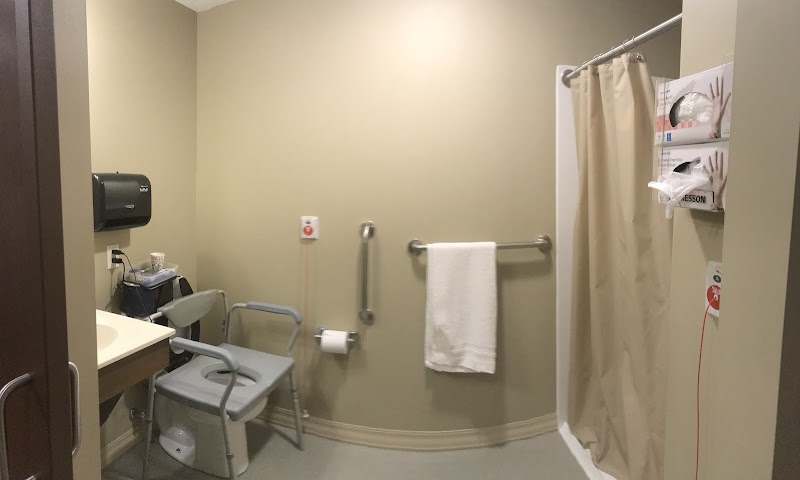
How is Ebenezer Ridges Geriatric Care Center Staffed?
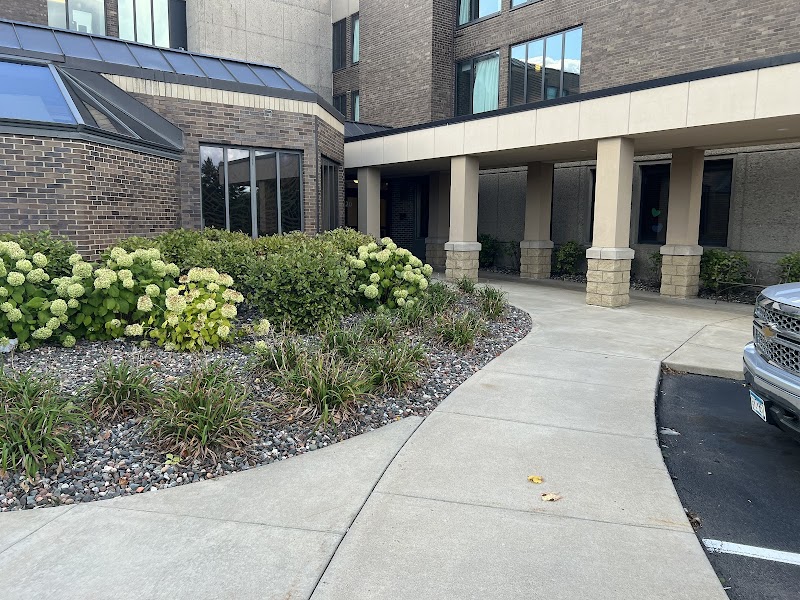
CMS rates Ebenezer Ridges Geriatric Care Center's staffing level at 4 out of 5 stars, which is above average compared to other nursing homes.

What Have Inspectors Found at Ebenezer Ridges Geriatric Care Center?

State health inspectors documented 19 deficiencies at Ebenezer Ridges Geriatric Care Center during 2022 to 2025. These included: 1 that caused actual resident harm, 17 with potential for harm, and 1 minor or isolated issues. Deficiencies causing actual harm indicate documented cases where residents experienced negative health consequences.

Who Owns and Operates Ebenezer Ridges Geriatric Care Center?

Ebenezer Ridges Geriatric Care Center is owned by a non-profit organization. Non-profit facilities reinvest revenue into operations rather than distributing to shareholders. The facility is operated by EBENEZER SENIOR LIVING, a chain that manages multiple nursing homes. With 114 certified beds and approximately 106 residents (about 93% occupancy), it is a mid-sized facility located in BURNSVILLE, Minnesota.

How Does Ebenezer Ridges Geriatric Care Center Compare to Other Minnesota Nursing Homes?

Compared to the 100 nursing homes in Minnesota, Ebenezer Ridges Geriatric Care Center's overall rating (3 stars) is below the state average of 3.2 and health inspection rating (3 stars) is at the national benchmark.

What Should Families Ask When Visiting Ebenezer Ridges Geriatric Care Center?

Based on this facility's data, families visiting should ask: "Can I visit during a mealtime to observe dining assistance and food quality?" "How do you handle medical emergencies, and what is your hospital transfer rate?" "Can I speak with family members of current residents about their experience?"

Is Ebenezer Ridges Geriatric Care Center Safe?

Based on CMS inspection data, Ebenezer Ridges Geriatric Care Center has a clean safety record: no substantiated abuse findings (meaning no confirmed cases of resident harm), no Immediate Jeopardy citations (the most serious violation level indicating risk of serious injury or death), and is not on the Special Focus Facility watch list (a federal program monitoring the lowest-performing 1% of nursing homes). The facility has a 3-star overall rating and ranks #100 of 100 nursing homes in Minnesota. While no facility is perfect, families should still ask about staff-to-resident ratios and recent inspection results during their visit.

Do Nurses at Ebenezer Ridges Geriatric Care Center Stick Around?

Ebenezer Ridges Geriatric Care Center has not reported staff turnover data to CMS. Staff turnover matters because consistent caregivers learn residents' individual needs, medications, and preferences. When staff frequently change, this institutional knowledge is lost. Families should ask the facility directly about their staff retention rates and average employee tenure.

Was Ebenezer Ridges Geriatric Care Center Ever Fined?

Ebenezer Ridges Geriatric Care Center has been fined $3,250 across 1 penalty action. This is below the Minnesota average of $33,111. While any fine indicates a compliance issue, fines under $50,000 are relatively common and typically reflect isolated problems that were subsequently corrected. Families should ask what specific issues led to these fines and confirm they've been resolved.

Is Ebenezer Ridges Geriatric Care Center on Any Federal Watch List?

Ebenezer Ridges Geriatric Care Center is not on any federal watch list. The most significant is the Special Focus Facility (SFF) program, which identifies the bottom 1% of nursing homes nationally based on persistent, serious quality problems. Not being on this list means the facility has avoided the pattern of deficiencies that triggers enhanced federal oversight. This is a positive indicator, though families should still review the facility's inspection history directly.