Presbyterian Homes Of Arden Hills
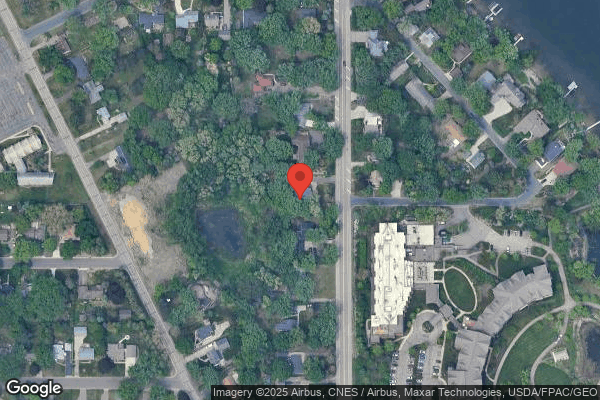

3220 LAKE JOHANNA BOULEVARD, ARDEN HILLS, MN 55112 (651) 631-6000
Non profit - Corporation 128 Beds PRESBYTERIAN HOMES & SERVICES Data: November 2025
Trust Grade
48/100
#255 of 337 in MN
Last Inspection: September 2024

Within standard 12-15 month inspection cycle. Federal law requires annual inspections.

Overview

Presbyterian Homes of Arden Hills received a Trust Grade of D, indicating below-average performance with some notable concerns. It ranks #255 out of 337 facilities in Minnesota, placing it in the bottom half of nursing homes in the state, and #21 out of 27 in Ramsey County, suggesting only a few local options are better. The facility is on an improving trend, having reduced its issues from 8 in 2024 to 3 in 2025. Staffing is a strength, with a perfect score of 5 out of 5 stars and only a 26% turnover rate, which is significantly lower than the state average. However, there are areas of concern, including less RN coverage than 76% of Minnesota facilities and serious incidents like a resident suffering a fall that required hospitalization due to inadequate supervision. Additionally, there have been issues with food safety, such as improperly labeled and stored food, which raises concerns about the quality of meals provided to residents.

Trust Score
D
48/100
In Minnesota
#255/337
Bottom 25%
Safety Record
Moderate
Needs review
Inspections
Getting Better
8 → 3 violations
Staff Stability
✓ Good
26% annual turnover. Excellent stability, 22 points below Minnesota's 48% average. Staff who stay learn residents' needs.
Penalties
✓ Good
No fines on record. Clean compliance history, better than most Minnesota facilities.
Skilled Nurses
✓ Good
Each resident gets 50 minutes of Registered Nurse (RN) attention daily — more than average for Minnesota. RNs are trained to catch health problems early.
Violations
⚠ Watch
22 deficiencies on record. Higher than average. Multiple issues found across inspections.
★★☆☆☆
2.0
Overall Rating
★★★★★
5.0
Staff Levels
★☆☆☆☆
1.0
Care Quality
★★☆☆☆
2.0
Inspection Score
Stable
2024: 8 issues
2025: 3 issues

The Good

  • 5-Star Staffing Rating · Excellent nurse staffing levels
  • Low Staff Turnover (26%) · Staff stability means consistent care
  • Full Sprinkler Coverage · Fire safety systems throughout facility
  • No fines on record
  • Staff turnover is low (26%)

    22 points below Minnesota average of 48%

Facility shows strength in staffing levels, staff retention, fire safety.

The Bad

2-Star Overall Rating

Below Minnesota average (3.2)

Below average - review inspection findings carefully

Chain: PRESBYTERIAN HOMES & SERVICES

Part of a multi-facility chain

Ask about local staffing decisions and management

The Ugly 22 deficiencies on record

1 actual harm
Jun 2025 1 deficiency 1 Harm
SERIOUS (G) 📢 Someone Reported This

A family member, employee, or ombudsman was alarmed enough to file a formal complaint

Actual Harm - a resident was hurt due to facility failures

Accident Prevention (Tag F0689)

A resident was harmed · This affected 1 resident

**NOTE- TERMS IN BRACKETS HAVE BEEN EDITED TO PROTECT CONFIDENTIALITY** Based on observation, interview and document review the facility failed to ensure adequate supervision and scheduled toileting t...

Read full inspector narrative →
**NOTE- TERMS IN BRACKETS HAVE BEEN EDITED TO PROTECT CONFIDENTIALITY** Based on observation, interview and document review the facility failed to ensure adequate supervision and scheduled toileting to reduce the risk for falls for 1 of 3 residents (R1) who had a history of falls. This resulted in actual harm for R1 who had an unwitnessed fall requiring emergency department (ED) services, sustained a laceration to the head, received five staples, and was admitted to the hospital for further observation. The facility implemented corrective action prior to the survey so the deficient practice was issued at past non-compliance. Findings include: R1's admission Minimum Data Set (MDS) dated [DATE], identified diagnoses of severely impaired cognition without behaviors and lower impairment of range of motion (ROM) on one side, repeated falls, hip fracture, weakness, and shortness of breath), Alzheimer's, and dementia. R1 required supervision/touching with oral and personal hygiene, frequently incontinent of bowel and bladder, and verbal cues or touching/steadying with ambulation up to 150 feet, partial/moderate assistance with toileting hygiene, shower/bathe, upper body dressing, bed mobility, and all transfers. R1 had increased risk of falls identified due to medication use, intracerebral hemorrhage, muscle weakness, and difficulty walking. R1's physical therapy Discharge summary dated [DATE], identified she required supervision or touching assistance to sit to stand, transfer from chair to bed, bed to chair and to toilet, and walked up to 150 feet. R1's care plan dated 6/5/25, identified the following fall interventions: -alert resident to changes to environment, 3/7/25 -place call light within reach, and answer promptly. 3/7/25 - keep in commons area, 3/12/25 -Night toileting between 10:00 and 11:00 p.m. 2:00 and 3:00 a.m., and 5:00 and 6:00 a.m. and as needed (PRN). 3/20/25 -place assistive device within reach, 3/20/25 -assure she had anti-rollbacks on wheel chair, 4/14/25 -place walker in closet with not in use, 4/14/25 -close blinds at night ( unless request to keep open), 4/17/25 -dementia clock within view, 5/2/25 room re-arranged bed next to wall, 5/2/25 -assist to toilet every morning, before meals and at bedtime (HS), 5/15/25 -reposition and toilet her with assistance of one every three hours during the day and as needed (PRN). 5/15/25 -make up bed upon rising, 5/21/25 -push fluids in between meals/aim for 49 ounces, 5/23/25 -use lavender patches for a calming effect if she became restless or tried to stand up, 5/30/25 -five pound weight blanket with sequins, 6/4/25 R1's toileting record for 5/18/25 identified only the following times: -at 4:51 a.m. toileted with extensive assistance. -at 9:29 p.m. toileted with limited assistance. R1's progress notes from 5/18/25 through 5/21/25, identified: -on 5/18/25 at 9:10 a.m., around 8:05 a.m. she was found on the floor in a sitting position beside her bed. She said, I'm making my bed. She was not capable of standing up on her own and was transferred safely with assistance of two staff with the use of a lift machine to her wheelchair without injury noted. Intervention based on root/cause analysis: She was aware that she was on the floor and said she just wanted to make her bed. Had tendencies of ending up on the floor because she wanted to do something. Had a history of falling multiple times without witness. Bring her to common area or nurse's station where she can be monitored most of the time to minimize her falls. -on 5/18/25 at 8:49 p.m., she was found in bathroom on the floor bleeding from her head, conscious and alert. She said she tried to use to the bathroom. She was transferred out of the bathroom into wheelchair. Received orders to send to local hospital. (progress note lacked information related to R1's continence status when found) -on 5/18/25 at 9:54 p.m., she was sent to local hospital via ambulance left at approximately 9:00 p.m. -on 5/19/25 at 4:14 p.m., she returned from hospital at 3:50 p.m. -on 5/21/25, at interdisciplinary team (IDT) met on 5/19/25 and reviewed fall she had on 5/18/25 at 8:40 p.m., where R1 was found in her bathroom with a laceration to her head. Intervention based on root cause analysis: she was assisted off the floor with a lift machine by staff. Neuros initiated, range of motion (ROM) and vitals done. She was sent to local hospital and came back with new order for antibiotic for diagnosis of cystitis (inflammation of the bladder usually caused by infection) without hematuria (blood in the urine). Care plan reviewed and remained appropriate. R1's camera footage for 5/18/25, and viewed by director of nursing (DON) identified: -at 4:24 p.m. at nurse's station and taken to her room. -at 4:32 p.m. she came out of her room and placed at nurse's station. -at 4:50 p.m. she was taken to the dining room. -at 6:20 p.m. staff brought her to the nurse's station from the dining room. -at 8:22 p.m. she went back to her room. -at 8:31 p.m. staff walked into her room and then left. -at 8:35 p.m. staff walked into her room again (most likely when she fell). -at 8:36 p.m. another staff walked into the room followed by another staff shortly after. -at 8:55 p.m. she was brought to nurse's station. -at 9:21 p.m. emergency medical services arrived (EMS). R1's ED provider note dated 5/18/25, identified [AGE] year-old female currently resides in the memory care unit with a history of notable major neurocognitive disorder due to multiple etiologies and multiple falls with head injuries including bilateral traumatic subdural hematoma (SDH). She presented today with an unwitnessed fall in the bathroom earlier tonight, found by a staff unaware how long she had been down but believed it to be less than two hours. She was unable to recall how or why she fell but did not believe she lost consciousness. She had a laceration to the back of the head and reported pain, some blood in her mouth but believed she had a bloody nose earlier on. Her family member noted that she usually walked with assistance but on occasion tried to walk on her own and frequently fell. Physical exam revealed a laceration that measured 4 centimeters (cm) by 3 cm located on the crown of her scalp. A local anesthetic, Lidocaine 1% with epinephrine (used to cause numbing or loss of feeling) was used prior to the application of five staples for skin repair and antibiotic ointment was applied. R1's hospital Discharge summary dated [DATE], identified she was admitted to hospital under observation for unwitnessed fall and work up related acute kidney injury. Her urinalysis was abnormal and treated with an antibiotic for a possible urinary tract infection (UTI). She was discharged back to the facility on 5/19/25 at 3:30 p.m. Facility investigation report summary submitted on 5/23/25 at 12:16 p.m., identified camera reviewed showed nursing assistant (NA) did not follow R1's plan of care. R1 was not taken to the bathroom after the initial toileting time of 4:30 p.m. NA reported was busy with two other residents, went back to nurse's station to check on R1, reading a book, assumed she was ok. She assisted another resident, came back and found R1 on the floor in the bathroom at 8:40 p.m., sent to ED, sustained a head laceration repaired with five staples, diagnosed with a possible UTI, and treated with antibiotics. (R1 left common area without redirection to return for supervision and was not toileted at 7:30 p.m.) R1's staff care sheet dated 6/3/25 identified toilet/reposition every three hours and PRN, every a.m., before meals, HS/night; 10:00 p.m. to 11:00 p.m. 2:00 p.m. to 3:00 p.m., and 5:00 p.m. to 6:00 p.m. and PRN. During an interview on 6/5/25 at 12:43 p.m., family member stated R1 was able to occasionally make her needs known, unable to use call light, and may have taken herself to bathroom rather than wait for help. She was unable to recall the day before events. R1 had received really good care at this facility and the only time she had concerns about her care was when she fell on 5/18/25, and had not been toileted after 4:30 p.m. She felt like there had been some problem solving difficulties and a plan of care where she required eyes on her and should have not been left alone in her room. She was not toileted in a timely manner, had to go to the bathroom, self-transferred, was most likely what caused the fall. During an interview on 6/5/25 at 4:00 p.m., registered nurse (RN)-A stated R1 was at risk for falls, was not the best historian, and unsure if it would have been sensical (logical). Staff were expected to follow her care plan: toilet every three hours and kept within site in common area. R1 refused occasionally; staff were expected to have reproached her at least twice within 15 minutes maximum. The care plan was not followed on 5/18/25 and R1 should have been toileted within a three-hour time period, had taken herself into the bathroom, self-transferred, fell and hit her head. RN-A indicated she attempted to assess R1's head injury but was unable to see wound, the entire back of her head continuously bled, and stuck to her head/hair. She held pressure to the wound, was sent to hospital for treatment, and received five staples to the laceration. R1 had factors of dementia and a UTI but basically the fall could have been prevented if the care plan would have been followed. During an interview on 6/5/25 at 4:20 p.m., NA-A stated R1 was a high risk for falls and unable to make her needs known. Staff were expected to anticipate her needs and follow her care plan to prevent falls. Her care plan indicated she was to be toileted every three hours. On 5/18/25, R1 was last taken to the toilet at 4:30 p.m., she assisted other residents and when finished was unable to find her at nurse's station so NA-A stated she went to her room and found R1 on the floor in the bathroom near the sink with a medium amount of blood on her head and clothing. R1 was responsive, had increased confusion, and told her she wanted to go to the toilet. NA-A indicated she had seen R1 last at 7:00 p.m. located by the nurse's station reading a book. She would have been expected to toilet her by 7:30 p.m., did not follow care plan, and could have avoided the fall if care plan would have been followed. NA-A added, R1 was injured, sent to ER, diagnosed with a UTI and received five staples to her head. She had received education the following day, communicate with nurse if unable to toilet a resident, always ask for help if needed, follow care plan, and carry the care sheets with her at all times. During an interview on 6/6/25 at 10:15 a.m. clinical coordinator RN-B stated R1 was at risk for falls, forgetful, and would attempt to self-transfer. Staff were expected to anticipate her needs so falls could be prevented. She most likely stood up, tried to self- toilet herself, and fell which resulted in a laceration with five staples. The care plan was not followed, R1 should have been toileted every three hours and was not within the appropriate time frame. She was impulsive and the fall may have been prevented if supervised in common area and toileted earlier. During interview on 6/6/25 at 11:20 a.m., DON stated R1 was at risk for falls and could make her needs known depending on the day. She reviewed R1's camera footage after her 5/18/25 fall in the evening and at 8:22 p.m., R1 was seen reading a book in her wheelchair located at the nurse's station. The nurse left the area and R1 had taken herself back to her room. DON added, part of her care plan is to keep her in common spaces but she independently wheeled back to her room. At 8:31 p.m. staff walked into her room and out again, unknown why, and at 8:35 p.m. staff entered her room here R1 was found on the floor in the bathroom. Staff would have been expected to have followed the care plan, toileted her, and placed her into bed. Because R1 was found in the bathroom, it is assumed she had tried to toilet herself but then fell. The fall could have prevented if she had been toileted per the care plan but with her history of falls, that is hard to say. R1 sustained a laceration to the head, was sent to the hospital via ambulance, received medical care, five staples to her head, diagnosed with acute cystitis/UTI and started on an antibiotic. She was notified that evening after the fall. The staff education was initiated on 5/22/25, presented via stand up (a daily meeting held on the floor by the managers) and the majority of the nursing staff on 4th floor had received fall prevention education by 5/23/25. The education document identified this was a recent incident in which a resident suffered an injury due to their care plan not being followed. All nursing staff were responsible for knowing and following the plan of care for the residents there were responsible for. Care sheet must be carried with nursing staff at all times. Facility policy Care Plan dated 11/2022, revealed the care plan identified needs for supervision, behavioral interventions, assistance with activities of daily living (ADLs) as necessary and individualized to meet the resident's needs. Facility policy Fall Prevention and Management Program dated 4/2021, identified the purpose of the policy was to assign responsibility and provide procedure for residents at risk for falls; to systematically assess fall risk factors; provide guidelines for fall and repeat fall preventive interventions; and outline procedures for documentation and communication. A fall was defined as an unintentional change in position coming to rest on the ground, floor, or onto the next lower surface and maybe witnessed, reported by the resident or an observer or identified when a resident was found on the floor or ground. The resident's care plan must be individualized and implement interventions according to resident specific risk factors by nursing staff to help prevent falls and provide a safe environment of care.
May 2025 1 deficiency
CONCERN (D) 📢 Someone Reported This

A family member, employee, or ombudsman was alarmed enough to file a formal complaint

Potential for Harm - no one hurt, but risky conditions existed

Notification of Changes (Tag F0580)

Could have caused harm · This affected 1 resident

**NOTE- TERMS IN BRACKETS HAVE BEEN EDITED TO PROTECT CONFIDENTIALITY** Based on interview and record review, the facility failed to immediately consult with the resident's physician for a need to alt...

Read full inspector narrative →
**NOTE- TERMS IN BRACKETS HAVE BEEN EDITED TO PROTECT CONFIDENTIALITY** Based on interview and record review, the facility failed to immediately consult with the resident's physician for a need to alter treatment significantly for one of one resident (R1) reviewed. This practice resulted in a delay of treatment to R1's pressure ulcers. Findings include: R1's face sheet indicated R1 was admitted to the facility on [DATE] with a primary diagnosis of unspecified atrial fibrillation. R1's additional diagnoses included chronic kidney disease stage 3 and spinal stenosis, sarcoidosis of other sites. R1's progress note dated 4/22/25 at 9:40 a.m. indicated medical director (MD)-A reviewed R1's sacral ulcer. Progress note indicated the pressure ulcer was red that extended out from the wound under four centimeters with moderate odor and drainage on the dressing. The progress note indicated the facility staff, or the MD would be calling nurse practitioner (NP)-A to arrange wound clinic visit or hospitalization for debridement soon. R1's progress note dated 4/22/25 at 9:49 a.m. indicated R1 was seen by MD that day for a pressure ulcer to his left glute/sacral area and the MD recommended R1 to be sent to the hospital for wound debridement. R1's progress note dated 4/22/25 at 9:54 a.m. indicated orders were requested from NP-A to send R1 to the hospital for wound debridement that was recommended by MD-A. The progress note indicated the facility staff was waiting for orders. R1's progress note dated 4/22/25 at 2:54 p.m. indicated NP-A had called the facility back and gave R1 a referral to the wound center. R1's provider visit note dated 4/23/25 indicated there had been a rapid deterioration of R1's pressure ulcer. NP-A noted R1 had an ulceration located on his left buttock that was no stageable. NP-A noted the pressure ulcer bed was covered with large eschar tissue, surrounding skin was inflamed, foul odor was noted, and small drainage was noted. NP-A recommended R1 to be sent to the hospital for debridement. R1's progress note dated 4/23/25 at 12:34 p.m. indicated R1 was sent to the hospital at 11:18 a.m. per NP-A's order due to the deterioration of R1's pressure ulcer on R1's buttocks. During an interview on 4/30/25 at 10:43 a.m., registered nurse (RN)-B stated MD-A recommended R1 to be transferred to the hospital but NP-A didn't want to send him to the hospital because NP-A was going to be at the facility on 4/23/25 and wanted to look at the pressure ulcer first. During an interview on 4/30/25 at 4:13 p.m., RN-C stated he worked with R1 and MD-A on 4/22/25. MD-A did not say R1's pressure ulcer was urgent. RN-C needed to inform NP-A about MD-A's recommendations so the facility could get orders from NP-A to send him to the hospital. RN-C stated it was protocol getting orders from NP-A to send R1 to the hospital even if MD-A gave orders to send R1 to the hospital. Attempts to interview NP-A on 5/1/25 at 8:39 a.m. but was not successful. During an interview on 5/1/25 at 8:54 a.m., MD-A stated clinical administrator (CA)-A asked if he could visit R1 due to R1's pressure ulcers. MD-A saw R1, and his pressure ulcer was large, soft slough, eschar, some odor, and surrounding erythema. MD-A stated he thought this wound was outside his expertise and had given the facility an order to send R1 to the hospital right away that same day. MD-A stated it was not appropriate to send R1 to the hospital over twenty-four hours after he gave the order. MD-A stated he was not informed by the facility that NP-A had disagreed with his recommendations of sending R1 to the hospital right away. MD-A stated he thought the facility had sent R1 to the hospital right after MD-A left the facility. During an interview on 5/1/25 at 9:30 a.m., CA-A stated MD-A wanted her to contact NP-A to get orders to send R1 to the hospital. The facility did not want to send R1 to the hospital because when residents usually go to the emergency room, they will always send them back with no treatment. CA-A stated she wanted R1 to be directly admitted to the hospital or directly to the wound clinic. Policy Communication and Notification- Staff, Practitioners, and Resident Representatives dated 7/2024 indicated staff would notify the practitioner any time there is a significant change in clinical condition including but not limited to a need to discontinue or change an existing form of treatment due to adverse consequences, or to initiate a new form of treatment and any other time there was a significant change in status from the plan of care.
Apr 2025 1 deficiency
CONCERN (D) 📢 Someone Reported This

A family member, employee, or ombudsman was alarmed enough to file a formal complaint

Potential for Harm - no one hurt, but risky conditions existed

Infection Control (Tag F0880)

Could have caused harm · This affected 1 resident

**NOTE- TERMS IN BRACKETS HAVE BEEN EDITED TO PROTECT CONFIDENTIALITY** Based on observation, interview and document review, the facility failed to use proper personal protective equipment (PPE) who a...

Read full inspector narrative →
**NOTE- TERMS IN BRACKETS HAVE BEEN EDITED TO PROTECT CONFIDENTIALITY** Based on observation, interview and document review, the facility failed to use proper personal protective equipment (PPE) who are on enhanced barrier precautions (EBPs) for 1 of 3 (R1) residents reviewed for falls. Findings include: R1's Face Sheet dated 1/1/19, indicated R1 had retention of urine. R1's significant change Minimum Data Set (MDS) dated [DATE], indicated R1 had moderate cognitive impairment, had an indwelling catheter, and needed extensive assistance with all cares. R1's care plan dated 3/31/35, indicated R1 was on enhanced barrier precautions (EBPs) because R1 had an indwelling medical device the plan directed staff to wear gown and gloves during high-contact resident care activities. Enhanced Barrier Precautions signage on R1's door undated, indicated providers and staff would wear gloves and gown for the following High-Contact Resident Care Activities: dressing, bathing, transferring, changing linens, providing hygiene, changing briefs or assisting with toilet use, and when caring for wounds or device cares. During an observation on 4/16/25 at 8:22 a.m., nursing assistant (NA)-A, NA-B, and registered nurse (RN)-A applied gloves and entered R1's room to assist her with a transfer from bed to R1's wheelchair. NA-B stood on R1's right side of bed. NA-B turned R1 toward NA-B, NA-A and RN-A assisted R1 with pulling her pants up and her shirt down. RN-A placed R1's lift sheet under R1, NA-A assisted with placement of lift sheet. NA-A, NA-B, and RN-A assisted R1 by attaching the lift sheet straps to the full body mechanical lift. NA-A, NA-B and RN-A placed R1 in her wheelchair via full body mechanical lift, took off gloves, sanitized hands, and left the room. During an interview on 4/16/25 at 8:33 a.m., RN-A stated if a resident was on EBPs staff would be expected to wear gown and gloves with transfers and R1 was on EBPs. RN-A stated did assist R1 with a transfer and should have worn a gown but did not. On 4/16/25 at 8:37 a.m., NA-B stated R1 was on EBPs and NA-B should have worn a gown along with her gloves when transferring R1 but she forgot. On 4/16/25 at 9:22 a.m., NA-A stated R1 was on EBPs and he should have worn a gown when transferring R1 but he forgot to put the gown on. On 4/16/25 at 2:21 p.m., infection preventionist (IP)-A stated if a staff were to go into a residents room who was on EBPs they would need to gown and glove if they were going to transfer that resident. On 4/16/25 at 3:02 p.m., the director of nursing (DON) stated the staff were expected to gown and glove if they were going to provide high contact care with a resident on EBPs, this included when transferring a resident. The facility Enhanced Barrier Precautions policy and procedure revised 3/2025, indicated EBP (targeted gowns and gloves) would be used in conjunction with standard precautions and would be implemented during high contact resident care activities for residents who had indwelling medical devices. Indwelling medical devices included urinary catheters.
Sept 2024 8 deficiencies
CONCERN (D)

Potential for Harm - no one hurt, but risky conditions existed

Report Alleged Abuse (Tag F0609)

Could have caused harm · This affected 1 resident

**NOTE- TERMS IN BRACKETS HAVE BEEN EDITED TO PROTECT CONFIDENTIALITY** Based on interview and document review, the facility failed to report to the state agency (SA) allegations of potential neglect ...

Read full inspector narrative →
**NOTE- TERMS IN BRACKETS HAVE BEEN EDITED TO PROTECT CONFIDENTIALITY** Based on interview and document review, the facility failed to report to the state agency (SA) allegations of potential neglect and verbal abuse for 2 of 3 residents (R30, R37). Findings include: R30's Optional State Assessment (OSA) dated 7/18/24, indicated R30 rarely made self understood, did not have behaviors or reject cares, required extensive assistance for all activities of daily living (ADLs), had aphasia (a language disorder that affects a person's ability to communicate), and hemiplegia or hemiparesis (paralysis or weakness on one side of the body). R30's annual Minimum Data Set (MDS) dated [DATE], indicated R30 had both a long-term and short-term memory problem, was always incontinent of bowel and bladder, was at risk for developing pressure ulcers. R30's care plan dated 8/2/24, indicated R30 had an ADL self-care performance deficit and interventions included, R30 required two staff participation to dress, one staff person assist with personal hygiene, and one assist with eating. R30's care plan dated 8/2/24, indicated R30 required one to two staff assist for bed mobility, and required two assist with a full mechanical lift for transfers. R30's care plan dated 8/2/24, indicated R30 was at risk for abuse and or neglect related to cognitive and functional deficits and interventions directed staff to follow the vulnerable adult policy, keep R30 safe at all times, and refer to resident services as needed. R37 R37's OSA dated 6/6/24, indicated R37 required extensive assistance with eating. R37's quarterly MDS dated [DATE], indicated a short-term and long-term memory problem, did not have behaviors, had a limitation in range of motion on one side of the upper and lower extremities, required setup or clean-up assistance with eating, had dementia, and hemiplegia or hemiparesis. R37's Medical Diagnosis form indicated R37 had unspecified dementia, hemiplegia and hemiparesis following unspecified cerebrovascular disease affecting unspecified side, anxiety disorder, major depressive disorder, muscle weakness, and dysphagia (difficulty swallowing). R37's care plan dated 9/10/24, indicated R37 had a self-care performance deficit related to dementia, history of stroke with right sided hemiparesis and right hand contracture and required assistance to perform most ADLs. R37's interventions identified R37 required supervision with eating in the dining room during meals with set-up. R37's care plan dated 9/10/24, indicated an alteration in mood or behaviors due to dementia and a history of delusions an unknown person from outside the facility was attempting to kill or harm R37 or R37's family and interventions indicated encouragement to participate in activities of interest, intervene as necessary to protect the rights and safety of others. Approach and speak in a calm manner, divert attention, remove from the situation and take to an alternate location as needed. R37's care plan dated 9/10/24, indicated R37 was at risk for abuse and neglect due to functional limitations and severe impaired cognition and dementia. Interventions directed staff to follow the vulnerable adult policy, keep R37 safe at all times, and refer to resident services specialist as needed. Nursing assistant's (NA)-F's Notice of Termination form indicated NA-F was overheard telling a resident to stop crying or NA-F would stop feeding them and a clinical coordinator informed NA-F they do not talk to residents like that and expected residents be treated with consideration, courtesy, and respect. Further, the form indicated on 8/14/24, NA-F forgot a resident in their room all morning and upon camera review, the resident was discovered at 11:04 a.m., still in bed and unattended to. NA-F took the resident to lunch at 12:10 p.m. The form indicated NA-F got busy and forgot and as a result the resident did not receive breakfast and did not receive morning cares. During interview on 9/12/24 at 9:44 a.m., the director of nursing stated the administrator had the video of the resident who was forgotten and further stated if there was confirmed abuse a staff person was terminated. During interview on 9/12/24 at 10:17 a.m., the administrator stated the resident who NA-F told to stop crying or she would stop feeding in the Notice of Termination form was R37 and further, the resident NA-F forgot was R30. The administrator further stated she spoke with registered nurse (RN)-A who told NA-F she could not do that and stayed with R37 until she was done and helped feed R37 the remainder of the meal. The administrator stated there was no written follow up completed for R30, but RN-A spoke to NA-F to make sure she reported to someone if she was unable to get a resident up in time. The administrator stated she viewed the footage and R30 was not up until about 11:00 a.m., and did not review cameras for R37. The administrator further stated she did not think they followed up with R30 and stated they dropped the ball on that one unless RN-A followed up. During interview on 9/12/24 between 10:35 a.m., and 10:59 a.m., RN-A stated she was standing by the health unit coordinator station completing paperwork and R37 sat at the table and NA-F was feeding R37. RN-A stated R37 was upset that day and was often upset and NA-F stated, if you don't stop, I'm going to stop feeding you. RN-A stated she was standing about 2 or 3 feet away from NA-F and immediately went to NA-F and told her she couldn't speak to R37 like that and went back to where she was standing and continued to do paperwork. RN-A stated she was appalled and stated R37 did not need help eating and stated she stayed with R37 the whole time and added R37 was ok and tended to have behaviors of crying and being agitated. RN-A stated she reported the encounter to NA-F's supervisor, CCHC-G. RN-A stated she felt it was abusive and added you don't talk to someone like that and stated she did not know whether CCHC-G reported the encounter to anyone other than human resources. RN-A stated R30 was non-verbal and stated they have an interdisciplinary team (IDT) meeting from 10:15 a.m., that ends about 11:00 a.m., and RN-A came upstairs and stated a staff person reported R30's food was in the kitchen and was thrown away because it was 11:00 a.m., and they forgot to feet R30. RN-A stated she asked NA-F what had happened and NA-F began to cry and told RN-A she got busy and missed R30. RN-A stated she contacted the director of nursing (DON) and the administrator right away along with CCHC-G and human resources and asked NA-F what she could do to make sure it didn't happen again. RN-A stated she contacted R30's daughter to explain staff forgot to give R30 breakfast and was not aware if any disciplinary action was completed. At 10:51 a.m., RN-A stated R30 did not have any pressure injuries and did not initiate a body audit because it did not make sense. RN-A stated R30 was incontinent and stated NA-F's shift started at 6:00 a.m. and R30 went about 5 hours by the time she got out of IDT R30 was up in the chair and thought it was around 10:30 a.m. RN-A further stated R30 was at risk of developing pressure ulcers and stated they were worried about R30's meal and did not look at the big picture about R30's skin. At 10:59 a.m., RN-A viewed R30's progress notes and verified there was no progress note indicating a skin assessment was completed for R30 on 8/14/24. During interview on 9/12/24 at 11:52 a.m., CCHC-G stated she was NA-F's supervisor and stated RN-A reported NA-F's statement to R37 on the same day it occurred and thought that incident occurred on 6/4/24. CCHC-G stated she had a log in for filing a vulnerable adult report, but stated their process was to call the administrator or DON who would direct staff how to proceed. CCHC-G further stated she started in her role as the CCHC on 6/3/24, but was an administrative intern at the facility prior. CCHC-G stated the administrator was out, but spoke to human resources about R37 if not the same day, the following day and the campus administrator was also involved. CCHC-G stated she received a report R30 did not receive breakfast and did not know if R30 did not get out of bed, but RN-A spoke to NA-F and handled the situation and stated the vulnerable adult report would be under the discretion of the administrator and the DON. During interview on 9/12/24 at 11:43 a.m., RN-A stated she did not notify R37's family and did not complete vulnerable adult reports and would contact the administrator or the DON and thought she notified both CCHC-G and the administrator regarding R37. During interview on 9/12/24 at 12:50 p.m., the administrator stated a vulnerable adult report was not completed for either resident and stated they should have been reported. A policy, Vulnerable Adult Abuse Prevention Plan, dated January 2023, indicated verbal abuse was the use of oral, written or gestured language that willfully includes disparaging and derogatory terms to residents or their families, or within their hearing distance, regardless of their age, ability to comprehend, or disability, neglect is the failure to provide goods and services necessary to avoid physical harm, pain, mental anguish or emotional distress. Once abuse is suspected or identified, the facility will take all appropriate steps to stop the abuse and protect residents from additional abuse immediately. These steps include but are not limited to reporting the alleged violation and investigation within required timeframes, conducting a thorough investigation of the alleged violation, taking appropriate corrective action, revising the resident's care plan if the resident's medical, nursing, physical, mental, or psychosocial needs or preferences change as a result of an incident of abuse.
CONCERN (D)

Potential for Harm - no one hurt, but risky conditions existed

Quality of Care (Tag F0684)

Could have caused harm · This affected 1 resident

**NOTE- TERMS IN BRACKETS HAVE BEEN EDITED TO PROTECT CONFIDENTIALITY** Based on interview, observation, and document review, the facility failed to ensure R30 received a pillow for positioning for pr...

Read full inspector narrative →
**NOTE- TERMS IN BRACKETS HAVE BEEN EDITED TO PROTECT CONFIDENTIALITY** Based on interview, observation, and document review, the facility failed to ensure R30 received a pillow for positioning for prevention of pressure ulcers and that aided in comfort associate with contractures. Findings include: R30's annual MDS dated [DATE], indicated R30 had severely impaired cognitive skills for daily decision making, had an impairment in range of motion to both upper and lower extremities, was dependent on staff for all activities of daily living, was at risk for pressure ulcers and had pressure relieving devices for the chair and bed. R30's Medical Diagnosis form indicated the following diagnoses: hemiplegia and hemiparesis following unspecified cerebrovascular disease affecting the right dominant side, vascular dementia, contracture of the right and left hand, abnormal posture, and osteoarthritis of unspecified site, R30's care plan dated 8/2/24, indicated R30 had limited physical mobility related to impaired balance, range of motion, dementia, right and left hand contractures, osteoarthritis and interventions included: R30 had positioning signs located in her room, observe for changes in mobility, contractures forming or worsening. R30's care plan dated 8/2/24, indicated R30 was at risk for impaired skin integrity and interventions included to float elbow on the pillow while in bed, and float elbow on U pillow when in the chair see picture. R30's care sheet dated 9/6/24, indicated float elbow on a pillow while in bed and in the chair. During interview and observation on 9/9/24 between 1:48 p.m., and 1:57 p.m.,R30 was in her black reclining wheelchair and R30's elbow was contracted along with the left wrist and fingers on the left hand were curled shut. Signage was located above the bed that indicated R30 was always supposed to have a pillow under her left elbow, however, R30 did not have a pillow located under her left elbow. At 1:57 p.m., nursing assistant (NA)-E stated R30 had a pink pillow and placed it under R30's right elbow. When asked which elbow the pillow was supposed to go, NA-E placed the pillow under R30's left elbow. R30 did not decline to have the pillow. NA-E stated they liked the pillow put on in bed more than the chair but NA-E placed the pillow when R30 was in either location. During observation on 9/10/24 at 12:14 p.m., R30 was at the dining room table in her wheel chair and staff were assisting R30 with her meal. No pillow was located under R30's elbow. During observation on 9/10/24 at 12:42 p.m., an unidentified staff person brought R30 to her room. During observation on 9/10/24, between 12:43 p.m., and 12:55 p.m., NA-C and NA-D assisted R30 into bed with the full body lift. At 12:54 p.m., boots were applied to R30's feet and at 12:55 p.m., a bed pillow was placed under R30's right side and a leg positioning device was placed between R30's legs. NA-C did not apply the pillow under R30's left elbow and did not offer to apply the pillow. NA-C took R30's oxygen tubing out of the room. During interview on 9/10/24 at 1:04 p.m., registered nurse (RN)-B stated R30 was supposed to have a pillow under her elbow and would have expected the pillow to be in place in the chair and stated staff should have offered or placed the pillow under the elbow. RN-B verified after review of R30's care plan staff should have placed the pillow according to the care plan. During interview on 9/10/24 at 1:16 p.m., RN-A stated she thought R30 was supposed to have her elbows floated on any pillow because R30 had a history of pressure injuries and when agitated, tends to dig elbows in. During interview on 9/10/24 at 10:11 a.m., the director of nursing stated staff were not following the plan of care and further, it was important to have the pillows in order to prevent skin issues and the pillow could help with contractures and offloading because R30 had very fragile skin. A policy, Cares-AM and HS, dated September 2020, indicated every resident was to have daily a.m., and bedtime cares completed, being mindful of any resident preferences that may be care planned. The procedure directed staff to review the care plan, nursing assistant assignment sheet for the amount of assistance required to provide care and resident's ability to participate, and complete any other personal cares as requested by the resident or as indicated on the care plan (nursing assistant assignment sheet).
CONCERN (D)

Potential for Harm - no one hurt, but risky conditions existed

Respiratory Care (Tag F0695)

Could have caused harm · This affected 1 resident

**NOTE- TERMS IN BRACKETS HAVE BEEN EDITED TO PROTECT CONFIDENTIALITY** Based on observation, interview, and document review, the facility failed to ensure supplemental oxygen was properly maintained ...

Read full inspector narrative →
**NOTE- TERMS IN BRACKETS HAVE BEEN EDITED TO PROTECT CONFIDENTIALITY** Based on observation, interview, and document review, the facility failed to ensure supplemental oxygen was properly maintained per professional standards for 1 of 1 resident (R30). Findings include: R30's Optional State Assessment (OSA) Minimum Data Set (MDS) dated [DATE], indicated R30 required extensive assist with bed mobility, transfers, eating, and toileting. R30's annual MDS dated [DATE], indicated R30 had severely impaired cognitive skills for daily decision making, did not identify whether R30 utilized oxygen therapy. R30's Medical Diagnoses form indicated the following diagnoses: chronic respiratory failure with hypoxia (low levels of oxygen in body tissues). R30's physician's orders indicated the following order: • 1/8/24, Ok to keep oxygen at 1 to 4 liters via nasal cannula (NC) to keep oxygen saturations greater than 88%, change tubing every week. R30's care plan revised 8/2/24, indicated R30 had chronic respiratory failure with hypoxia and R30's goal was to receive oxygen per physician's orders and interventions included to follow facility protocol for care and maintenance of equipment, provide oxygen per nasal cannula see physician orders for liters per minute. During observation on 9/9/24, at 1:52 p.m., R30's oxygen tubing had a sticker that indicated 8/29/24 and the bubbler for the oxygen was dated 8/29/24. During interview and observation on 9/10/24 between 12:43 p.m., and 12:55 p.m., nursing assistant (NA)-C was getting ready to lay R30 down in the bed. R30's oxygen tubing was on the floor along with the cannula portion that goes into the nose and the oxygen was turned on at 2 liters. R30 also had portable oxygen with tubing on the back of the wheelchair, but was not in R30's nose and R30 was not using oxygen. At 12:55 p.m., NA-C picked up the oxygen tubing that was on the floor and placed the nasal cannula in R30's nose. NA-D stated the date on the humidifier and tubing was August 29th. NA-C stated she did not know the cannula was on the floor and stated she would call the nurse and took the oxygen tubing out of the room after being questioned whether the tubing should be placed on R30 after being on the floor. During interview on 9/10/24 at 1:04 p.m., registered nurse (RN)-B took off the bubbler and stated the humidifier was dated August 29th and added distilled water in the humidifier. RN-B stated oxygen tubing was changed every two weeks but would check to verify this and stated she did not expect staff to put the cannula in R30's nose after being on the floor. RN-B viewed the orders and verified the oxygen tubing should have been changed. During interview on 9/10/24 at 1:16 p.m., RN-A stated oxygen tubing was changed on a weekly basis and if it falls on the floor and stated if the tubing was dated August 29th, it should have been changed and stated staff should know if oxygen tubing was on the floor, the tubing should be thrown away. During interview on 9/12/24 at 10:11 a.m., the director of nursing (DON) stated she had someone that came weekly to change oxygen tubing, but that person was ill and there wasn't a back up plan. DON further stated they should not apply the cannula if it was on the floor because of infection control. A policy, Oxygen Equipment Care and Maintenance, modified October 2011, indicated tubing was not to touch the floor and tubing was changed and dated weekly. Additionally, the humidifier bottles would be changed and dated weekly.
CONCERN (D)

Potential for Harm - no one hurt, but risky conditions existed

Deficiency F0699 (Tag F0699)

Could have caused harm · This affected 1 resident

**NOTE- TERMS IN BRACKETS HAVE BEEN EDITED TO PROTECT CONFIDENTIALITY** Based on inteview and document review the facility failed to identify potential triggers and offer specialized services for 1 of...

Read full inspector narrative →
**NOTE- TERMS IN BRACKETS HAVE BEEN EDITED TO PROTECT CONFIDENTIALITY** Based on inteview and document review the facility failed to identify potential triggers and offer specialized services for 1 of 1 resident (R275) who had a history of trauma. Findings include: R275's admission Minimum Data Set (MDS) dated [DATE], indicated intact cognition and diagnoses of major depressive and anxiety disorder. It further indicated R275 had a behavior of socially isolating herself, required substantial assistance with toileting and partial assistance with mobility. R275's Long Term Care (LTC) Psychosocial assessment dated [DATE], indicated R275 had a dignoses of major depressive disorder, anxiey, and had a history of trauma. It also indicated R75 had felt numb, detached from others, activities and/or surroundings as a result of that trauma. It lacked documentation that triggers were assessed to prevent re-traumatization. R275's Comprehensive Nursing Assessment Data Collection dated 8/22/24, indicated R275 preferred female caregiver only. It lacked documentation that triggers were assessed to prevent re-traumatization. R275's care plan dated 8/22/24, indicated I have a history of trauma. I was sexually abused for many years at a young age. I tend to isolate myself and can be quite shy due to this. It further indicated the following interventions: -I prefer females for personal cares -refer to resident services as needed -remind me that I am safe here R275's care plan lacked documentation of an assessment for triggers to prevent re-traumatization or other specialized services were offered or refused. R275's medical record lacked documentation ACP or other specialized services were offered or refused. R275's progress notes since admission lacked documentation of an assessment for triggers to prevent re-traumatization or specialized services were offered or refused. During interview on 9/9/24 at 5:35 p.m. R275 stated she had been a long time victim of child abuse and it was hard for her to have a male come in and change her brief, (especially at night) due to her past trauma. She understands they (the facility) may not have enough women (staff) but it seemed to be a problem during the overnight shift. R275 further stated she hadn't been assessed for triggers but her son told the facility about her past history of trauma when she was admitted . During a follow up interview on 9/10/24 at 10:23 a.m. R275 stated she hadn't been offered any specialized services (such as associated clinical physcology) to help her cope with past trauma. During interview on 9/11/24 at 12:24 p.m., household coordinator (HC)-A stated when a resident admits to the facility the household coordinators are responsible for completing an assessment titled Long-Term Care (LTC) Psychosocial assessment which included the questions regarding past trauma. The questions specifically assessed for triggers such as if the resident tends to isolate, detach from others and their surroundings, and if they had nightmares. The facility also offered ACP services and it should be documented if it was offered and if the resident accepted or declined it. HC-A further stated they spoke to R275 today, offered ACP services, and made a plan to check in on a quarterly basis to see how things were going. She also asked her about any triggers. HC-A stated ACP was offered at admission but hadn't been documented and added it today (9/11/24) to R275's care plan. During interview on 9/12/24 8:56 a.m., the director of nursing (DON) stated when a resident was admitted to the facility the household coordinators were responsible for completing all the paperwork and if something came up they would complete the assessment for trauma informed care. Once that was completed, it would be added to the residents care plan. The assessment used for trauma informed care was titled LTC Psychosocial assessment for any resident diagnosed with a behavioral health disorder or a history of trauma. The household coordinators should ask the residents about any triggers, unless asking about the trigger may be a trigger. They should be offering services such as ACP and documenting that services were offered and whether the resident accepted or refused the offer. The facility's policy on trauma informed care dated 12/2022, indicated Presbyterian Homes and Services will ensure we assess a resident who displays or is diagnosed with mental disorder or psychological adjustment difficulty, or who has a history of trauma and/or posttraumatic stress disorder and facilitate appropriate treatment and services to manage the assessed problem to attain the highest practicable mental and psychological well-being. The intent of this requirement is to ensure that the facility delivers care and services which, in addition to meeting professional standards, are delivered using approaches which are culturally competent and account for experiences and preferences and address the needs of trauma survivors by minimizing triggers and/or re-traumatization.
CONCERN (D)

Potential for Harm - no one hurt, but risky conditions existed

Pharmacy Services (Tag F0755)

Could have caused harm · This affected 1 resident

**NOTE- TERMS IN BRACKETS HAVE BEEN EDITED TO PROTECT CONFIDENTIALITY** Based on observation, interview, and record review the facility failed to provide medication as ordered by the provider for 1 of...

Read full inspector narrative →
**NOTE- TERMS IN BRACKETS HAVE BEEN EDITED TO PROTECT CONFIDENTIALITY** Based on observation, interview, and record review the facility failed to provide medication as ordered by the provider for 1 of 3 residents (R72) observed during medication administration. Findings include: R72's quarterly Minimum Data Set (MDS) dated [DATE], indicated R72 had cognitive impairment and diagnoses of dementia and delusional disorder. R72's provider order dated 1/9/24, indicated R72 required Seroquel (antipsychotic medication used to help treat delusional disorders) 25 milligrams (mg) daily at bedtime. R72's September medication administration record (MAR) indicated R72 did not receive the ordered Seroquel on 9/9/24 as the dose was not available. R72's nursing progress note dated 9/9/24 at 6:52 p.m., indicated R25's Seroquel was not available and follow up with pharmacy was needed. A facility form titled Refill Reorder Form dated 9/1/24, indicated R72's Seroquel was requested to be refilled. A facility form titled Refill Reorder Form dated 9/8/24, indicated R72's Seroquel was requested to be refilled. A facility form titled Refill Reorder Form dated 9/10/24, indicated R72's Seroquel was requested to be refilled. A pharmacy comment on re-order form indicated to send 3 doses to facility and ok to bill to the facility. An observation on 9/9/24 at 6:48 p.m., trained medication assistant (TMA)-A prepared to administer R72 medications. R72's Seroquel was not available for administration. TMA-A had administered R72's other medications however was not able to administer the Seroquel. When interviewed on 9/9/24 at 7:00 p.m., TMA-A stated the last dose of Seroquel was administered yesterday. TMA-A stated they re-ordered it yesterday and it still had not arrived. If a medication was needing to be refilled, a fax was sent to the pharmacy. The latest time of arrival was between 8:00 and 9:00 p.m. TMA-A further explained if the Seroquel was not on that delivery, it would come tomorrow morning. When interviewed on 9/11/24 at 7:58 p.m., registered nurse (RN)-A stated medications should be re-ordered when there was about a week's worth left. The last row of the blister pack was red and should be reordered when taking from that row. Seroquel was not a medication in the emergency kit and if the medication was not available it would be missed. When interviewed on 9/12/24 at 11:41 p.m., the Director of Nursing (DON) stated when a medication was re-ordered, the hope was for it to be delivered the following day. DON further stated the facility had been working with pharmacy on this process and trying to ensure medications were received timely. When interviewed on 9/12/24 at 1:01 p.m., pharmacist-A stated R72's initial request was sent on 9/1/24, which was too soon to refill. Pharmacist-A stated insurance will not cover if the medication is refilled too soon. The facility was typically notified that the requested medication was too soon to fill via fax. The pharmacy then puts a notation in their system that will prompt pharmacy to fill when able. Pharmacist-A stated R72 had a 30-day supply of Seroquel last sent on 8/15/24 which should be good until 9/15/24. Pharmacist-A stated a refill request for the Seroquel was again sent on 9/8/24 and 9/10/4. On 9/10/24, the facility ok'd to pay for 3 days' worth until the refill could be completed. On 9/10/24, the pharmacy sent 3 days' worth of R72's Seroquel. A follow up interview on 9/12/24 at 1:25 p.m., the DON was asked if there was a process to track or understand why a medication would run out before the ability to refill. The DON stated they would need to look into that and get back however no further information was provided. A facility policy titled Medication ordering and receiving from pharmacy no date, directed staff to reorder medications when a 5-day supply remains to assure delivery can be timely.
CONCERN (D)

Potential for Harm - no one hurt, but risky conditions existed

Unnecessary Medications (Tag F0759)

Could have caused harm · This affected 1 resident

**NOTE- TERMS IN BRACKETS HAVE BEEN EDITED TO PROTECT CONFIDENTIALITY** Based on observation, interview and document review the facility failed to ensure medication errors were prevented for 2 of 4 re...

Read full inspector narrative →
**NOTE- TERMS IN BRACKETS HAVE BEEN EDITED TO PROTECT CONFIDENTIALITY** Based on observation, interview and document review the facility failed to ensure medication errors were prevented for 2 of 4 residents (R72, R109) observed during medication administration. This resulted in a medication error rate of 7.69%. Findings include: R72 R72's quarterly Minimum Data Set (MDS) dated [DATE], indicated R72 had cognitive impairment and diagnoses of dementia and delusional disorder. R72's provider order dated 1/9/24, indicated R72 required Seroquel (antipsychotic medication used to help treat delusional disorders) 25 milligrams (mg) daily at bedtime. R72's September medication administration record (MAR) indicated R72 did not receive the ordered Seroquel on 9/9/24 as the dose was not available. R72's nursing progress note dated 9/9/24 at 6:52 p.m., indicated R25's Seroquel was not available and follow up with pharmacy was needed. An observation on 9/9/24 at 6:48 p.m., trained medication assistant (TMA)-A prepared to administer R72 medications. R72's Seroquel was not available for administration. TMA-A had administered R72's other medications however was not able to administer the Seroquel. When interviewed on 9/9/24 at 7:00 p.m., TMA-A stated the last dose of Seroquel was administered yesterday. TMA-A stated they re-ordered it yesterday and it still had not arrived. If a medication was needing to be refilled, a fax was sent to the pharmacy. The latest time of arrival was between 8:00 and 9:00 p.m. TMA-A further explained if the Seroquel was not on that delivery, it would come tomorrow morning. R109 R109's admission MDS dated [DATE], indicated R109 was cognitively intact with diagnoses of Parkinson's disease, and hypothyroid (low thyroid hormone). R109's provider order dated 6/7/24, indicated R109 required levothyroxine 50 micrograms (MCG) daily for hypothyroidism. An observation on 9/10/24 at 8:40 p.m., TMA-B prepared R109's morning medications. R109's Synthroid medication pack was observed. There was a label placed that instructed the medication to be taken on an empty stomach. After R109's medications were prepared, TMA-B entered R109's room. R109 was up out of bed seated in a wheelchair finishing breakfast with the assistance of staff. TMA-B waited a few moments until R109 was done with breakfast and then administered R109's morning medications including Synthroid. When interviewed on 9/10/24 at 9:10 a.m., TMA-B acknowledged the Synthroid was given as R109 was finishing up with breakfast and the medication instructions from pharmacy to administer on an empty stomach. TMA-A stated they try to follow the directions; however, it was not always given before breakfast. TMA-B stated the medication was not scheduled at a specific time and was ordered as an 8:00 a.m. medication. Medications ordered at this time had a larger window of administration. TMA-B further stated if it was a priority to be given earlier due to the empty stomach instructions, the Synthroid would be scheduled for 7:00 a.m. When interviewed on 9/11/24 at 7:58 p.m., registered nurse (RN)-A stated medications should be re-ordered when there was about a week's worth left. The last row of the blister pack was red and should be reordered when taking from that row. Seroquel was not a medication in the emergency kit and if the medication was not available it would be missed. RN-A stated the medication order and the medication label on the packet or bottle should match up. If there were further administration instructions from pharmacy listed, they should be followed, and the medication order or schedule should reflect the medication administration instructions. When interviewed on 9/12/24 at 11:41 p.m., the Director of Nursing (DON) stated when a medication was re-ordered, the hope was for it to be delivered the following day. DON further stated the facility had been working with pharmacy on this process and trying to ensure medications were received timely. Furthermore, the DON expected staff to follow medication instructions listed from pharmacy on the medication card. When interviewed on 9/12/24 at 12:44 p.m., the consultant pharmacist (CP) stated Synthroid has a better absorption if given on an empty stomach and if given with meals, it may not be absorbed as well. A facility policy titled Medication Administration revised 5/2021, directed medications ordered to be given on an empty stomach will be administered at least 30 minutes prior to a meal.
CONCERN (E)

Potential for Harm - no one hurt, but risky conditions existed

Food Safety (Tag F0812)

Could have caused harm · This affected multiple residents

**NOTE- TERMS IN BRACKETS HAVE BEEN EDITED TO PROTECT CONFIDENTIALITY** Based on observation, interview and document review the facility failed to ensure food was properly disposed of after their best...

Read full inspector narrative →
**NOTE- TERMS IN BRACKETS HAVE BEEN EDITED TO PROTECT CONFIDENTIALITY** Based on observation, interview and document review the facility failed to ensure food was properly disposed of after their best by dates in 2 of 4 serving kitchens and failed to ensure food was properly stored in 2 of 4 of the serving kitchens reviewed. This had the potential to impact residents who reside on the unit the serving kitchen is located. Findings include: An observation on 9/9/24 at 1:21 p.m., the 3rd floor serving kitchen was reviewed. Server (S)-A was in the serving kitchen cleaning up after lunch. In the cupboard was a box containing 2 individual packets of instant cream of wheat. The top of the box was torn off. There was no use by date on the box. A second un-opened box of cream of wheat was next to the open box. The top of the box included best if used by date of 4/18/24. An interview on 9/9/24 at 1:30, S-A verified there was no best by date on the opened box of cream of wheat and the April date on the unopened box. S-A further stated lead server (LS) who was responsible for checking the dates of food items daily. S-A further stated most of the items were served by the kitchen and the individual items were made for residents by the nursing staff. S-A stated she wasn't sure how it was determined if the opened box was any good and further stated both should have been removed. An observation on 9/9/24 at 1:43 p.m., the 2nd floor serving kitchen was reviewed. S-B was in the serving kitchen cleaning up after lunch. Upon review of the refrigerator, there were two half-gallon containers of [NAME] skim milk sitting next to each other. One milk container was approximately ¼ full and had a best by date of 9/16/24. The second milk container was less than ¼ of milk left and had a best used by date of 9/3/24, 6 days prior this observation. The milk had just a small amount left. When interviewed on 9/9/24 at 1:50 p.m., S-B verified the milk had a best used by date of 9/3/24 and stated usually LS made rounds on the units to ensure items were stocked, labeled and to check if any food items needed to be removed. S-B further stated she was not sure which jug of milk was used as it was usually the nursing assistants who assist with the beverages. S-B stated everyone should be checking dates and acknowledged they had not as it was so busy and disposed of the milk. An observation on 9/9/24 at 2:18 p.m., S-C was in the 4 north serving kitchen. Inside the refrigerator was two large trays with multiple glasses of milk and apple juice. The juice and milk were not covered and not dated. When interviewed on 9/9/24 at 2:25 p.m., S-C verified the uncovered glasses and stated the juice and milk were prepped for evening shift a little while ago. S-C was not aware of the glasses needing to be covered. S-C then started to cover the beverages. When interviewed on 9/9/24 at 2:05 p.m., LS stated she has a process for ensuring items are stocked and when items expire and had a list of items for the main storage and the pantry kitchens (kitchenettes separate from the serving kitchen). Furthermore, LS stated she was responsible for the pantry kitchens on the units however, the servers who worked in the serving kitchens were responsible to review the food items and ensure proper storage. When interviewed on 9/11/24, the Assistant Dietary Director (ADD) expected those working in the serving kitchen to be checking food items daily to ensure they were used by the best-by dates. If no date was found the items should be thrown. ADD further stated staff were expected to date and cover all items stored or prepped for future use. When interviewed on 9/12/24 at 11:49 a.m., the administrator expected staff to follow the processes in place to ensure food is stored properly and removed if past the best by date. A facility policy titled Safe Food Storage Policy revised 5/2019, directed staff to label, date and properly cover all food items upon opening of package. The policy directed staff to ensure food is rotated by placing new items behind older items in a first in, first out system, however did not indicate a method of checking dates to ensure food items had not expired.
CONCERN (E)

Potential for Harm - no one hurt, but risky conditions existed

Infection Control (Tag F0880)

Could have caused harm · This affected multiple residents

**NOTE- TERMS IN BRACKETS HAVE BEEN EDITED TO PROTECT CONFIDENTIALITY** Based on observation, interview and record review, the facility failed to ensure appropriate transmission-based precautions (TBP...

Read full inspector narrative →
**NOTE- TERMS IN BRACKETS HAVE BEEN EDITED TO PROTECT CONFIDENTIALITY** Based on observation, interview and record review, the facility failed to ensure appropriate transmission-based precautions (TBP) were used for 3 of 3 residents (R69, R108, R4) who had COVID-19. Furthermore, the facility failed to ensure proper hand hygiene was used for 1 of 1 residents (R72) observed during personal care. Findings include: R69 significant change Minimum Data Set (MDS) dated [DATE], indicated R69 had severe cognitive impairment and diagnoses of dementia. R69's MDS further indicated R69 was dependent on staff for eating. R69's nursing progress note dated 9/1/24 at 5:07 p.m., indicated R69 had tested positive for COVID-19. R69's nursing order dated 9/1/24, indicated R69 required TBP because of an active infection of a highly transmissible pathogen that had been acquired by physical contact, airborne or droplet transmission. Staff were to assist resident to maintain strict isolation. R108's quarterly MDS dated [DATE], indicated R108 was cognitively intact and had diagnoses of cancer of the spine and diabetes. R108's nursing progress note dated 9/10/24 at 9:22 a.m., indicated R108 tested positive for COVID-19. R108's nursing order dated 9/10/24, indicated R108 required TBP because of an active infection of a highly transmissible pathogen that had been acquired by physical contact, airborne or droplet transmission. Staff were to assist resident to maintain strict isolation. R4's annual MDS dated [DATE], indicated R4 was cognitively intact and had diagnoses of chronic lung disease and diabetes. R4's nursing progress note dated 9/10/24 at 1:23 p.m., indicated R4 tested positive for COVID-19. R4's nursing order dated 9/1024, indicated R4 required TBP because of an active infection of a highly transmissible pathogen that had been acquired by physical contact, airborne or droplet transmission. Staff were to assist resident to maintain strict isolation. An observation on 9/11/24 at 8:25 a.m., R69's room door was closed. On the door was a pink sign directing staff droplet precautions was required. The sign directed staff to have gown, gloves, eye protection and a N-95 respirator on when entering. A white paper sign was also on the door and stated R69 was in quarantine from 9/1/24-9/11/24 and instructed staff a gown was required during all high contact cares such as personal cares and transfers. At 8:29 a.m., nursing assistant (NA)-A delivered breakfast to R69. Before entering R69's room, NA-A performed hand hygiene, removed their surgical mask, and donned a N-95 respirator and gloves. Without donning a gown or eye protection, NA-A entered R69's room and closed the door. Forty minutes later at 9:10 a.m., NA-A exited R69's room wearing an N-95 mask and carrying a bag of trash. NA-A went directly to the soiled utility room to dispose of trash, washed hands and had replaced the N-95 mask with a new surgical mask. When interviewed on 9/11/24 at 9:13, NA-A verified R69 was on TBP for COVID-19 and was assisting R69 with breakfast. R69 acknowledged they had not had a gown on and only had personal eyeglasses onto assist with breakfast. NA-A stated a gown was not needed to help with meals and was only required for close contact such as transferring and personal cares. NA-A stated their personal eyeglasses could be used as eye protection. An observation on 9/11/24 at 11:50 a.m., R108's room door was closed. On the door was a pink sign directing staff droplet precautions was required. The sign directed staff to have gown, gloves, eye protection and a N-95 respirator on when entering. A white paper sign was also on the door and stated R108 was in quarantine from 9/10/24-9/21/24, and instructed staff a gown was required during all high contact cares such as personal cares and transfers. At 11:54 a.m., NA-B delivered lunch to R108's room. Upon entering NA-B performed hand hygiene and donned a gown and gloves. Without donning an N-95 respirator or eye protection, NA-B entered R108's room and left the door open. NA-B talked with R108 as they set up lunch on R108's bedside table. At 11:59 a.m., NA-B removed the gown and gloves and performed hand hygiene upon exit of R108's room. At 12:00 p.m., R4's room door was closed. On the door was a pink sign directing staff droplet precautions was required. The sign directed staff to have gown, gloves, eye protection and a N-95 respirator on when entering. A white paper sign was also on the door and stated R4 was in quarantine from 9/10/24-9/21/24, and instructed staff a gown was required during all high contact cares such as personal cares and transfers. 12:01 p.m., NA-B continued to R4's room to deliver lunch. NA-B performed hand hygiene and donned a gown and gloves. Without donning a N-95 respirator or eye protection, NA-B entered R4's room leaving the door open. At 12:03 p.m., NA-B removed the gown and gloves, performed hand hygiene and exited R108's room. When interviewed on 9/11/24 at 12:15 p.m., NA-B verified R108 and R4 were on TBP due to COVID-19. NA-B acknowledged a N-95 respirator and eye protection was not in place as NA-B was just delivering trays. NA-B further stated eye protection and an N-95 respirator was needed during close contact cares such as helping to the bathroom. Hand Hygiene R46's quarterly MDS dated [DATE], indicated R46 was cognitively intact and had diagnoses of vascular disease and bladder dysfunction. Furthermore, R46 was always incontinent. R46's care plan revised 5/18/24, indicated R46 was incontinent and required assistance of one person for hygiene and incontinent cares. An observation on 9/11/24 at 12:06 p.m., NA-B entered R46's room to assist with incontinent cares. NA-B performed hand hygiene and donned gloves. NA-B unfastened R46's soiled brief and cleaned the front of R46 with wipes and then tucked the front side of the brief down and underneath R46. R46 was able to turn to the right side. NA-B then wiped R46's backside and removed the soiled brief and placed in the garbage. Without glove exchange or hand hygiene, NA-B took a clean brief and assisted R46 to turn and place the clean brief. NA-B then fastened the brief and removed the soiled gloves. Without hand hygiene NA-B assisted to pull down R46's dress and adjusted R46's sock. NA-A then bagged up the garbage and performed hand hygiene before leaving the room. When interviewed on 9/11/24 at 12:15 p.m., NA-B acknowledged they had not removed gloves or performed hand hygiene after removing R46's soiled brief and placing the new one. NA-B stated they should have performed hand hygiene and exchanged gloves after removing the soiled brief and before assisting with the clean brief and clothing. When interviewed on 9/12/24 at 10:36 a.m., the infection preventionist (IP) stated when a resident is positive for COVID-19, TBP for droplet with N-95 use was initiated right away. IP further stated the dates of quarantine were posted on the resident rooms along with the droplet isolation signs. IP acknowledged the quarantine signs indicated gowns with close contact cares and stated that could cause confusion. IP expected staff to have gowns, gloves, N-95 respirator, and eye protection on every time they enter a room of a resident with COVID-19. IP stated staff were expected to perform hand hygiene when moving from dirty or soiled items to clean items and after each glove removal. This will help minimize risk of spreading bacteria. When interviewed on 9/12/24 at 11:41 a.m., the Director of Nursing (DON) expected staff to perform hand hygiene and exchange gloves when moving from dirty or soiled items to clean items and after any glove removal. Staff were also expected to follow the signage on the doors and wear all the required personal protective equipment every time entering a room for residents on TBP. A facility policy titled COVID-19 revised 8/2023, directed staff to implement TBP when caring for a resident with COVID-19. Staff who enter the room should wear a N-95 mask, gown, gloves and eye protection that covers the front and sides of face. A facility policy titled Infection Control Hand Hygiene dated 2020, directed staff to perform hand hygiene after contact with visibly soiled items, and after removing gloves.
Aug 2023 10 deficiencies
CONCERN (D)

Potential for Harm - no one hurt, but risky conditions existed

Resident Rights (Tag F0550)

Could have caused harm · This affected 1 resident

**NOTE- TERMS IN BRACKETS HAVE BEEN EDITED TO PROTECT CONFIDENTIALITY** Based on observation, interview, and document review, the facility failed to ensure dignity was maintained for 2 of 2 residents ...

Read full inspector narrative →
**NOTE- TERMS IN BRACKETS HAVE BEEN EDITED TO PROTECT CONFIDENTIALITY** Based on observation, interview, and document review, the facility failed to ensure dignity was maintained for 2 of 2 residents (R6, R8) reviewed for dignity. Findings include: R8's annual Minimum Data Set (MDS) dated [DATE], indicated R8 had severe cognitive impairment, did not reject care and it was somewhat important to choose what clothes to wear, was totally dependent on staff for personal hygiene to include shaving. R8's diagnoses included: non traumatic brain dysfunction, unspecified dementia, diabetes mellitus, depression, and hemiplegia or hemiparesis (muscle weakness or partial paralysis on one side of the body that can affect the arms, legs, and facial muscles). R8's care plan dated 6/27/23, indicated R8 wanted to be clean and well dressed daily. Further, R8 wore a wig that was to be on in the a.m., and off at bedtime, and required two staff participation with personal hygiene and oral care. Additionally, R8 had physical behaviors of striking out, hitting and scratching staff during cares due to dementia and depression with interventions included to allow R8 to make choices when possible about cares and activities, and document observed behavior and attempted interventions per policy. Further, indicated R8 had an alteration in blood glucose related to a diagnoses of diabetes and with an intervention of a nurse would provide nail care. The care plan lacked an intervention for shaving. R8's care sheet undated, indicated R8 wore a wig during the day and was removed at bedtime, received a bath on Monday a.m., was on bleeding and bruising precautions due to being on a blood thinning medication, and the nurse was to trim nails due to a diagnosis of diabetes. The care sheet lacked instruction for staff to remove R8's facial hair. R8's Target Behavior form from 8/1/23 to 8/30/23, indicated behaviors occurred on 8/7/23, 8/12/23, 8/13/23, and 8/26/23. The rest of the time frame indicated behaviors were documented as did not occur 55 times or not applicable 25 times. R8's Bath form from 8/1/23, to 8/30/23, indicated R8 received a bath on 8/14/23. No additional baths were documented during the time frame. Additionally, there were no documented refusals. R8's clinical physician orders dated 1/9/23, was reviewed and included an order to trim finger nails during shift every Monday and ask for nursing assistant (NA) assistance as needed. The Clinical Physician Orders form was reviewed and lacked any instruction for removing R8's facial hair. R8's medication administration record (MAR) and treatment administration record (TAR) for August 2023, was reviewed and lacked instruction for removing R8's facial hair. During observation on 8/27/23 at 3:45 p.m., R8 was observed to have a dark mustache on her upper lip and around her mouth. During observation on 8/29/23 at 7:16 a.m., R8 was up in her wheelchair and observed R8 to have a dark mustache. During observation on 8/30/23 at 8:31 a.m., R8 was at the dining room table and had a visible dark mustache noted and R8 was wearing her black colored wig. During interview 8/29/23 at 9:42 a.m., nursing assistant (NA)-B stated they looked at care sheets in order to know what kind of cares a resident required. During interview on 8/29/23 at 9:54 a.m., NA-B stated she did not shave R8 because a nurse needed to shave R8 because she could not risk cutting R8. During interview on 8/30/23 at 9:13 a.m., registered nurse (RN)-D stated she looked to the care plan to know what kind of cares a resident received and stated women were shaved on their bath day and added if a resident was diabetic, the nurse completed shaving. After asking about R8's bath day, RN-D stated it had been a while and if the resident had an electric razor, the NA could shave the resident and stated R8 had an electric razor and therefore the aide was responsible for shaving R8. LPN-A stated when someone refused cares, it was documented. During interview and observation on 8/30/23 at 9:26 a.m., RN-D verified there was no electric shaver in R8's room and at 9:30 a.m., verified R8 had facial hair and stated R8 should be shaved. During interview on 8/30/23 at 9:31 a.m., registered nurse (RN)-B stated R8 was diabetic and there was no specific assignment for shaving, but thought it was the nurse's responsibility and if R8 refused, expected documentation of refusals from all staff. RN-B verified there was no specific task for shaving on the care plan or care sheet, no bath documented since 8/14/23 for R8, no documentation the past three to four months regarding any refusals for shaving, and stated they should have a scheduled task for shaving because the task could get missed if it was not identified on the care plan and care sheet. RN-B added a female resident would not want facial hair. During interview on 8/30/23 at 9:47 a.m., the director of nursing (DON) stated the aide was responsible for shaving, but if a resident was diabetic, it was the nurse's responsibility. DON stated women should be shaved as needed and expected shaving be completed on bath days adding it was a dignity issue for a female to have facial hair. . R6's significant change Minimum Data Set (MDS), dated [DATE], indicated R6 was cognitively intact, and required extensive assist of one staff for toileting and personal hygiene. R6's face sheet printed 8/30/23, indicated resident diagnosis included congestive heart failure (CHF), urinary tract infection, and atrial fibrillation. R6's bladder care plan revised on 7/31/23, indicated R6 is occasionally incontinent of bowel and bladder, with goal that included would be free from skin breakdown due to incontinence and from brief use through review date. R6 catheter updated 8/27/23, indicated I have (SIC) catheter or urostomy with interventions that included position catheter bag and tubing below the level of the bladder. Catheter care per facility policy. R6's physician orders dated 8/4/23, included catheter care every shift and as needed. Document output in point of care (POC) record two times a day for catheter maintenance. Catheter bag and/or leg bag covered at all times. During observation and interview on 8/27/23 at 3:11 p.m., R6's catheter was attached to the side of her wheelchair (w/c) and not in a privacy bag. R6's catheter could be seen from the doorway. During interview, R6 stated, she would prefer the catheter bag be placed in a privacy bag. During observation on 8/29/23 at 1:09 p.m., R6's catheter was attached to the side of her W/C, hooked onto a bag attached to the top side rail attachment on W/C. R6's catheter tubing and catheter bag were at the level of her bladder; catheter bag was not in privacy bag. During interview on 8/30/23 at 10:50 a.m., nursing assistant (NA)-F verified catheter bag was not in privacy bag or below the bladder as should have been to allow urine to drain into the bag. During interview on 8/30/23 at 4:17 p.m., director of nursing (DON) stated, it was the expectation catheter bags were placed in privacy bags and placed below the bladder to prevent urine backing up into the bladder. A policy, Resident Care Policy dated February 2016, indicated every resident was to have morning and bedtime cares daily. The procedure included shaving female residents in the am and applying makeup as requested. A policy, Dignity dated September 2015, indicated residents were cared for in a manner and in an environment that promoted maintenance and or enhancement of each resident's quality of life Facility policy titled Catheter- Care of Indwelling Cath Policy modified on 6/2021, indicated catheter is placed in cloth bag when up in wheelchair and when in bed. Never raise a catheter bag above the level of the bladder. This could increase the chance of a bladder infection.
CONCERN (D)

Potential for Harm - no one hurt, but risky conditions existed

Deficiency F0554 (Tag F0554)

Could have caused harm · This affected 1 resident

**NOTE- TERMS IN BRACKETS HAVE BEEN EDITED TO PROTECT CONFIDENTIALITY** Based on observation, interview, and document review, the facility failed to ensure 2 of 2 residents (R25, R98) had been assesse...

Read full inspector narrative →
**NOTE- TERMS IN BRACKETS HAVE BEEN EDITED TO PROTECT CONFIDENTIALITY** Based on observation, interview, and document review, the facility failed to ensure 2 of 2 residents (R25, R98) had been assessed to safely self-administer medications. Findings include: R25's quarterly Minimum Data Set (MDS) dated [DATE], indicated R25 had mild cognitive impairment and diagnoses of stroke and chronic respiratory failure. Furthermore, R25's MDS indicated R25 required supplemental oxygen. R25's provider order dated 10/5/22, indicated R25 required Ipratropium-albuterol solution .5/2.5 milligrams (mg) per 3 milliters (ml) (medication to help open airways and improve breathing) via nebulizer (machine to administer inhaled medications) 4 times daily for shortness of breath. R25's provider orders lacked indication R25 was able to self-administer medications. R25's medical record lacked indication an assessment for R25 to self-administer nebulizer medications had been completed. An observation on 8/28/23 at 6:50 a.m., trained medication assistant (TMA)-A walked by R25's room stopped and opened the door slightly to peer inside before partially closing door and continuing down the hallway. An observation on 8/28/23 at 6:52 a.m., R25 was lying in bed with a nebulizer mask in place and running. The nebulizer appeared to be almost completed, however no staff were in room. At 6:57 a.m., TMA-A entered room. TMA-A waited in room until nebulizing medication was completed before removing mask from R25. An observation on 8/29/23 at 11:56 a.m., R25 was seated in the wheelchair in his room. The nebulizer mask was on and running. R25 stated can it come off it is done. Staff were not present in the room. At 12:02 p.m., TMA-B entered the room and removed the nebulizer mask and asked R25 if he was ready for lunch. When interviewed on 8/28/23 at 7:23 p.m., TMA-A stated residents who want to self-administer medications require an assessment and a provider order. TMA-A verified this was true for nebulizers as well. TMA-A thought R25 had one, but acknowledged there was no order or assessment completed. TMA-A further verified they had left R25's room when administering the nebulizer to document on the computer and was not present during administration of the nebulizer. When interviewed on 8/29/23 at 12:04 p.m., TMA-B stated an order would direct if the resident could self-administer medications. TMA-B further stated R25 was not able to self-administer any medications and was dependent on staff. TMA-B acknowledged they had not remained in the room with R25 for the duration of the nebulizer medication. When interviewed on 8/29/23 at 12:09 p.m., licensed practical nurse (LPN)-B stated there needs to be an order to self-administer medications and an assessment. LPN-B verified there was an assessment for inhaled medications that had been started on 8/28/23 but was not completed. When interviewed on 8/30/23 at 10:33 a.m., the director of nursing (DON) expected staff to remain in the room when administering all medications unless the resident had an order and an assessment. R98's annual Minimum Data Set (MDS) dated [DATE], lacked indication of R98's cognitive status with Care Area Assessment (CAA) triggered for cognitive loss, dementia and communication. R98's face sheet printed on 8/30/23, indicated R98 diagnoses included acute and chronic respiratory failure with hypoxia (a condition where you don't have enough oxygen in the tissues in your body or when you have too much carbon dioxide in your blood), acute onset chronic diastolic heart failure ( Heart failure that comes suddenly, often with sudden difficulty breathing and fatigue) and hereditary and idiopathic neuropathy unspecified (a group of inherited disorders that affect the nerves that branch out from the brain and spinal cord). R98's physician orders dated 6/2/22, indicated genteal tears solution 0.1-0.3 percent, instill one drop in both eyes as needed for dry eyes for times daily as needed (PRN); biofreeze external gel four percent topical analgesic. Apply to left shoulder topically as needed for chronic pain in shoulder. Apply thin layer daily prn until further notice. R98's care plan updated 7/15/23, indicated I am not able to self administer my own medications, set up and administer per orders. R98's care plan revised 7/18/23, indicated R98 has long-term and short-term memory impairment. Primary language is Cantonese and ability to participate in brief interview for mental status (BIMS) is dependent on availability of interpreter. Has communication problem with interventions that included use of communication board and provide interpreter as necessary. During observation and interview on 08/29/23 10:46 a.m., R98 had a tube of biofreeze cream which she pulled out of her wheelchair to show surveyor while talking in preferred language, with a few words of English stating pain hurt and pointing to shoulders and legs. There was a bottle of green liquid written in an unknown language sitting outside an opened box. There were two additional unopened boxes similar to the opened box, with unknown language written on the boxes. One bottle of genteal eye drops was also noted on top of wooden drawer near bed. During observation on 8/29/23 at 11:16 a.m., registered nurse (RN)-F entered R98's room to give medications. R98's room door was opened. The unknown contents were on top of the bed side table and the genteal eye drops were on top of the wooden drawer in room. RN-F completed giving resident R98 her medications and left room. There was no observation of RN-F removing the items one bottle with green content, two unopened bottles of unknown content), genteal eye drops; these were left in R98's room. These bottles of unknown content and the genteal eye drops could be seen on top of the table and wooded drawer in clear view from the door way. R98's record lacked documentation of a self-administration assessment. During interview on 8/29/2023 at 2:25 pm p.m., RN-F stated today was the first day observing unknown items (bottle of green liquid, two unopened boxes of unknown content, genteal eye drops) in R98's room on bed side table and on top of the wooden drawer but was not aware of a self-administration assessment for resident R98 and verified one should have been completed with eye drops and unknown items in R98's room. RN-F did not remove unknown items from R98's room. These items remained in R98's room until the end of the survey. When interviewed on 8/29/23 at 2:49 pm p.m., licensed practical nurse (LPN)-C stated R98 had pain cream used and kept by R98. LPN-C also stated had seen what appeared like homeopathic medication brought in by family for R98 to use for her pain for rubbing on her skin. LPN-C was aware of the boxes with unknown contents being in R98's room on an ongoing basis and was aware R98 used these items. LPN-C did not know if there was a self-administration assessment completed for R98. During interview on 8/29/23 at 3:05 p.m., registered nurse (RN)-A verified unknown items in R98's room and stated there should have been a self-administration assessment completed for R98 to have the unknown items including the genteal eye drops in her room. RN-A did not remove unknown items from R98's room. These unknown items remained in R98's room until the end of the survey. During interview on 08/30/23 12:41 p.m., family member (FM)-D stated the items on the table and drawer the family brings in. FM-D also stated these topical rubs were for R98's pain and FM-D also helped R98 to apply the ointments to R98's body with massage. During interview on 08/30/23 4:17 p.m., the director of nursing (DON) stated the facility did not have a self-administration assessment completed for R98 and it should have been completed for the items R98 had kept in her room including the genteal eye drops, two unopened boxes with unknown contents, the bottle of green liquid, and biofreeze cream observed in R98's room. A policy titled Self Administration of Medication Policy revised on 11/2016, directed staff to complete a self-administration of medication assessment on all residents upon admission, annually and with significant changes. Once the assessment was completed, the interdisciplinary team will review to determine the resident was able to safely self-administer medications.
CONCERN (D)

Potential for Harm - no one hurt, but risky conditions existed

Deficiency F0561 (Tag F0561)

Could have caused harm · This affected 1 resident

**NOTE- TERMS IN BRACKETS HAVE BEEN EDITED TO PROTECT CONFIDENTIALITY** Based on observation, interview, and document review, the facility failed to provide interpreter services for 1 of 1 resident (R...

Read full inspector narrative →
**NOTE- TERMS IN BRACKETS HAVE BEEN EDITED TO PROTECT CONFIDENTIALITY** Based on observation, interview, and document review, the facility failed to provide interpreter services for 1 of 1 resident (R98) with a preferred language of Cantonese reviewed for communication. Findings include: R98's annual Minimum Data Set (MDS) dated [DATE], lacked indication of R98's cognitive status, for brief interview of mental status (BIMS) with Care Area Assessment (CAA) triggered for cognitive loss, dementia and communication. R98's preferred language of Cantonese. R98's face sheet printed on 8/30/23, indicated R98 diagnosis included acute and chronic respiratory failure with hypoxia (a condition where you don't have enough oxygen in the tissues in your body or when you have too much carbon dioxide in your blood), acute onset chronic diastolic heart failure and hereditary (Heart failure that comes suddenly, often with sudden difficulty breathing and fatigue) and idiopathic neuropathy unspecified (a group of inherited disorders that affect the nerves that branch out from the brain and spinal cord). R98's care plan revised 7/18/23, indicated R98 had long-term and short-term memory impairment. Primary language is Cantonese and ability to participate in brief interview for mental status (BIMS) was dependent on availability of interpreter. Had communication problem with interventions that included use of communication board and provide interpreter as necessary. R98's progress notes on 7/28/2023 at 11:04 p.m., read, resident is so upset with something which is very hard to understand. She cried talking in her own language and writer is not able to understand. Writer called her daughter to translate her concern but she was at work. Resident refused to take her PM [sic] medication with the assigned trained medication assistant (TMA) and writer tried but she refused with the writer too. Writer called the assign [sic] supervisor and she was able to give her medication. R98's progress notes dated 7/3/23, indicated BIMS 0/15, indicating cognitive impairment. Resident needs an interpreter, however, was not available. Staff interview was conducted instead. During observation on 8/29/23 11:31 a.m., registered nurse (RN)-F entered R98's room and R98 began speaking in preferred language with periods of escalation in tone as she explained in preferred language. RN-F was unable to understand what R98 was saying and stated. yeah, yeah do you need help with something? as R98 spoke preferred language. When RN-F left R98's room, RN-F explained to surveyor, was unsure what R98 was explaining but thought she was saying something about a bath she had taken, where shampoo had entered her eyes, but that RN-F had difficulty understanding what she was attempting to explain. During interview on 8/29/23 at 2:25 pm p.m., RN-F stated was unaware of any interpreter service being used for R98 and was also unaware of an interpreter service contact available in R98's record. During interview on 8/29/23 at 2:49 p.m., licensed practical nurse (LPN)-C stated R98 mostly spoke her own language although could speak a few words of English. LPN-C also statd R98 would get upset if staff had difficulty understanding what she was trying to communicate. LPN-C was unaware of R98 having an interpreter line for staff to use to help with the communication barrier between staff and R98. During interview on 8/29/23 3:05 pm p.m., household coordinator (HC)-C stated had looked in R98's medical record and could not find interpreter services contact readily accessible to staff, for use in communication with R98. During interview on 8/29/23 3:05 pm p.m., RN-A went into R98's room and verified there was no communication board or interpreter line contact in R98's room. RN-A also verified interpreter service contact was not available in R98's medical record for staff to access for help interpreting R98's preferred language. During interview on 8/30/23 p.m., the director of nursing (DON) stated had heard R98 had frustrations when things have not gone well for her while communicating with staff. DON also verified the facility did not have the communication board available in R98's room or the interpreter contact line in R98's chart available for staff, and further explained, the interpreter contact should have been available for staff to call for interpretive services when R98 was having difficulty communicating with staff. Facility interpreter policy was requested but not received.
CONCERN (D)

Potential for Harm - no one hurt, but risky conditions existed

Deficiency F0583 (Tag F0583)

Could have caused harm · This affected 1 resident

**NOTE- TERMS IN BRACKETS HAVE BEEN EDITED TO PROTECT CONFIDENTIALITY** Based on observation, interview, and document review, the facility failed to provide privacy for 1 of 1 resident (R98), when a t...

Read full inspector narrative →
**NOTE- TERMS IN BRACKETS HAVE BEEN EDITED TO PROTECT CONFIDENTIALITY** Based on observation, interview, and document review, the facility failed to provide privacy for 1 of 1 resident (R98), when a topical medication was administered. R98's annual Minimum Data Set (MDS) dated [DATE], lacked indication of a R98's cognitive status with Care Area Assessment (CAA) triggered for cognitive loss, dementia and communication. R98 required extensive assist of one staff for bed mobiity, and personal hygiene. R98's face sheet printed on 8/30/23, indicated R98 diagnosis included acute and chronic respiratory failure with hypoxia (a condition where you don't have enough oxygen in the tissues in your body or when you have too much carbon dioxide in your blood), acute onset chronic diastolic heart failure and hereditary (Heart failure that comes suddenly, often with sudden difficulty breathing and fatigue) and idiopathic neuropathy unspecified (a group of inherited disorders that affect the nerves that branch out from the brain and spinal cord). R98's physician orders dated 6/2/22, indicated biofreeze external gel four percent topical analgesic. Apply to left shoulder topically as needed for chronic pain in shoulder. Apply thin layer daily prn until further notice. R98's care plan revised 7/18/23, indicated R98 has long-term and short-term memory impairment. Primary language is Cantonese and ability to participate in brief interview for mental status (BIMS) is dependenat on availability of interpreter. Has communication problem with interventions that included use of communication board, and provide interpreter as necessary. R98's care plan lacked interventions to maintain R98's privacy. During observation on 08/29/23 11:16 a.m., registered nurse (RN)-F entered R98's room. RN-F was observed applying unknown cream to R98's back while room door was opened. R98 was sitting in her wheelchair, positioned sideways from room door, near bed and the side of her right breast and back could be seen from the doorway. RN-F observed surveyor looking into R98's room and then shut the door. During interview on 8/29/2023 at 2:25 p.m., RN-F stated I forgot to shut the door but I should have provided privacy for R98 while applying lotion to her back with breast and back exposed. RN-F stated I did not know R98 would lift her blouse so high up. During interview on 08/30/23 4:17 PM p.m., the director of nursing (DON) stated, it was the expectation staff provided privacy when providing personal cares for residents. A privacy policy was requested but not received. A facility policy titled Dignity dated 12/2014, indicated it is the policy of Presbyterian Homes and Services that residents are cared for in a manner and in an environment that promotes maintenance and/or enhancement of each resident's quality of life. Presbyterian Homes and Services is committed to an atmosphere that humanizes and individualizes each resident and their experiences.
CONCERN (D)

Potential for Harm - no one hurt, but risky conditions existed

Grievances (Tag F0585)

Could have caused harm · This affected 1 resident

**NOTE- TERMS IN BRACKETS HAVE BEEN EDITED TO PROTECT CONFIDENTIALITY** Based on interview and document review, the facility failed to initiate a grievance process to address family member (FM) concer...

Read full inspector narrative →
**NOTE- TERMS IN BRACKETS HAVE BEEN EDITED TO PROTECT CONFIDENTIALITY** Based on interview and document review, the facility failed to initiate a grievance process to address family member (FM) concerns pertaining to level of care changes for 1 of 2 residents (R5) reviewed for grievances. Findings include: R5's quarterly Minimum Data Set (MDS) dated [DATE], indicated R5 required extensive assistance for bed mobility, transfers, dressing, eating, toileting, and personal hygiene. R5 did not ambulate in the hall or in room and had a diagnoses of non traumatic brain dysfunction, and Alzheimer's disease and received hospice care. R5's nursing progress note dated 8/22/23, indicated R5 was placed on COVID isolation from 8/1/23 to 8/10/23, due to testing positive for COVID and R5 was back to her baseline. R5's care conference summary progress note dated 8/24/23 at 6:54 a.m., indicated the household coordinator, clinical coordinator, hospice social worker (SW), R5's spouse, and R5's daughter attended the care conference and discussed R5's resource utilization group (RUG) (a system that classifies residents into distinct groups based on the resident's condition and care which determines the daily rate the facility charges for resident's care) change with having COVID. No additional information was provided whether concerns were resolved in the progress note. R5's hospice progress note dated 8/24/23 at 1:26 p.m., indicated the hospice SW attended the care conference and the main concern was finances. The SW note indicated to continue to follow concern. Grievances were reviewed from the past four months and lacked information a grievance report was completed regarding FM-A's concern. During interview on 8/27/23 at 5:21 p.m., FM-A stated R5's level of care was increased for no reason and FM-A was being billed for $641.00 per day adding the only thing they could think of was because R5 was in quarantine for 10 days following COVID. FM-A stated he received a letter R5's level of care was raised and added he would soon be bankrupt. FM-A stated he spoke with registered nurse (RN)-B who thought the reason was due to R5 having COVID, and did not know of any other reason that would prompt an increase. FM-A also stated a care conference was completed on 8/24/23 and the social worker (SW) was aware of the situation but did not provide any feedback. During interview on 8/30/23 at 12:10 p.m., registered nurse (RN)-B stated was aware R5's payment went up and added it happened because of COVID isolation. RN-B stated as of 8/24/23, R5 was back to the previous RUG score and added the family must not be aware of it because it was six days ago. R5's family had concerns despite having a care conference and added the review was ongoing. RN-B was not responsible for explaining the information to FM-A. RN-B stated when families bring up concerns, he tries to talk to the family right away and looks for the correct people to respond to them and added he completed grievance forms in the past, but did not complete a form regarding R5 and added the SW usually addressed concerns. During interview on 8/30/23 at 12:23 p.m., SW-A stated a care conference was completed the week prior. SW-A further stated R5's daily rate went up significantly from $396.00 to $641.00 and added when families express concerns regarding RUGS, they direct the families to complete an appeal. SW-A further stated when a resident's family or resident inform staff of a concern, she completes a grievance form, identifies what the grievance is and follows up timely with the appropriate party. Once there are additional details, SW-A stated she follows up with the family and the form is turned in to the administrator. SW-A further stated they maintain a log of grievances, the date, and how the grievance was addressed, and the families reaction and identified the purpose of the grievance process was to allow family the opportunity to express concerns and the facility can follow up to assure the concern does not go un-addressed. During interview on 8/30/23 at 12:33 p.m., the administrator stated concerns were addressed right away for example nurse would start a grievance form and the household coordinator follows up timely to assure the pieces are addressed. The administrator stated she has not been notified of any grievances related to finances and further stated the household coordinator would connect the family with the biller. A policy, Quality Concern/Grievance Process dated January 2023, indicated quality concern forms were available to any resident, resident representative, visitor, staff, or vendor. the policy further indicated if a concern/grievance was filed orally the staff member receiving the information should write a brief description of the concern. The concern/grievance would be addressed minimally within five working days and action items would be communicated to the individual filing the grievance unless indicated as anonymous.
CONCERN (D)

Potential for Harm - no one hurt, but risky conditions existed

Incontinence Care (Tag F0690)

Could have caused harm · This affected 1 resident

**NOTE- TERMS IN BRACKETS HAVE BEEN EDITED TO PROTECT CONFIDENTIALITY** Based on observation, interview, and record review, the facility failed to ensure appropriate management of an indwelling cathet...

Read full inspector narrative →
**NOTE- TERMS IN BRACKETS HAVE BEEN EDITED TO PROTECT CONFIDENTIALITY** Based on observation, interview, and record review, the facility failed to ensure appropriate management of an indwelling catheter was provided for 2 of 2 resident (R31, R6) reviewed for indwelling catheters. Findings include: R31's significant change Minimum Data Set (MDS) dated [DATE], indicated R31 was cognitively intact and had diagnoses of liver disease, heart failure and urine retention. Furthermore, R31's MDS indicated R31 required an indwelling catheter. R31's bladder care area assessment (CAA) dated 7/13/23, indicated. R31 had an indwelling catheter and required monitoring to reduce risks of infection. R31's provider orders revised 9/19/22, directed staff to complete catheter cares each shift and as needed. R31's care plan dated 9/20/22, indicated R31 had an indwelling catheter related to urine retention. Furthermore, R31 required catheter care per facility protocol. An observation on 8/29/23 at 9:27 a.m., nursing assistant (NA)-A entered R31's room to assist with R31's catheter. R31 was sitting on the edge of the bed and the catheter bag with yellow urine was hung on a bottom dresser drawer. R31's catheter tubing was tangled around her leg. NA-A unhooked the drainage bag and assisted with untangling the catheter. R31 stood up and NA-A helped pull the catheter bag through R31's pajama shorts and underwear as it was looped over the top. R31's catheter was not secured to her leg. NA-A hung the drainage bag back on the lower dresser drawer. NA-A left and returned with a strap to secure R31's catheter to her leg. NA-A assisted R31 getting dresses. No other catheter cares were completed. When interviewed on 8/29/23 at 9:40 a.m., R31 stated she had not had a strap to secure the catheter since right after admission. Furthermore, R31 stated I don't know why NA-A put one on now. When interviewed on 8/29/23 at 9:55 a.m., NA-A verified R31's catheter should be secured to ensure the tubing stays close and runs down. NA-A wasn't sure why it was not secured. When interviewed on 8/29/23 at 12:53 p.m., registered nurse (RN)-C stated all catheters should be secured and he wasn't sure why R31's was not. RN-C further stated it was important to prevent any harm by pulling or kinking. A facility policy titled Care of Indwelling Catheter revised 6/2021, directed staff to secure catheter tubing to the resident to prevent trauma to the urethra and to keep the drainage bag below the bladder level to prevent urine reflux into the resident's bladder. Urine reflux can cause bladder distention or infection. R6's significant change Minimum Data Set (MDS) dated [DATE], indicated R6 was cognitively intact, and required extensive assist of one staff for toileting and personal hygiene. R6's face sheet printed 8/30/23, indicated resident diagnosis included congestive heart failure (CHF), urinary tract infection, and atrial fibrillation. R6's bladder care plan revised on 7/31/23, indicated R6 was occasionally incontinent of bowel and bladder, with goal that included would be free from skin breakdown due to incontinence and from brief use through review date. R6's catheter care plan initiated 8/27/23, had interventions that included position catheter below the level of the bladder, assess/evaluate my bowel and bladder function upon admission and quarter per policy as needed. Catheter care per facility protocol. R6's physician orders dated 8/4/23, included catheter care every shift and as needed. Document output in point of care (POC) record two times a day for catheter maintenance. Catheter bag and/or leg bag covered at all times. Catheter type: foley catheter; Size of catheter: 16 french; size of balloon 10 cubic centimeters (cc); diagnosis for catheter: comfort/hospice During observations and interview on 8/27/23, at 3:11 p.m. R6's catheter was attached to the side of her wheelchair (w/C) and not in a privacy bag. R6's catheter could be seen from the doorway. R6's catheter was attached to the side of her wheelchair (w/c), at the level of the bladder, instead of lower than R6's bladder to allow drainage into the cathteter bag and prevent back flow. During observation on 8/27/23 at 3:11 p.m., R6's catheter was attached to the side of her w/c and not in a privacy bag. R6's catheter could be seen from the doorway. R6's catheter was attached to the side of her wheelchair (w/c), at the level of the bladder instead of lower than R6's bladder to allow drainage into the cathteter bag and prevent back flow. During observation on 8/29/23 at 1:09 p.m., R6's catheter was attached to the side of her W/C, hooked onto a bag attached to the top side rail attachment on W/C. R6's catheter tubing and catheter bag were at the level of her bladder. When interviewed on 8/30/23 at 10:50 a.m., nursing assistant (NA)-F verified catheter bag was not below the bladder as should have been to allow urine to drain into the bag and prevent back flow. During interview on 8/30/23 at 4:17 p.m., director of nursing (DON) stated it was the expectation catheter bags were placed below the bladder to prevent urine backing up into the bladder. Facility policy titled Catheter- Care of Indwelling Cath Policy modified on 6/2021, indicated to never raise a catheter bag above the level of the bladder. This could increase the chance of a bladder infection.
CONCERN (D)

Potential for Harm - no one hurt, but risky conditions existed

Deficiency F0757 (Tag F0757)

Could have caused harm · This affected 1 resident

**NOTE- TERMS IN BRACKETS HAVE BEEN EDITED TO PROTECT CONFIDENTIALITY** Based on interview and document review, the facility failed to monitor side effects for 1 of 3 (R43) residents reviewed for anti...

Read full inspector narrative →
**NOTE- TERMS IN BRACKETS HAVE BEEN EDITED TO PROTECT CONFIDENTIALITY** Based on interview and document review, the facility failed to monitor side effects for 1 of 3 (R43) residents reviewed for anticoagulation (blood thinner) therapy. Findings include: R20's quarterly MDS dated [DATE], indicated R20 had mild cognitive impairment and diagnoses of stroke with hemiplegia (paralysis on one side). Furthermore, R20's MDS indicated R20 was on an anticoagulation medication. R20's provider order dated 6/22/21, indicated R20 required rivaroxaban 20 milligrams (mg) daily for blood clots. A review of R20's body audits from 7/6/23-8/24/23 lacked indication R20 had any bruising. R20's care plan revised 7/23/23, indicated R20 was at risk for side effects of anticoagulation use for history of blood clots and stroke. Furthermore, R20's care plan directed staff to monitor for side effects including but not limited to bruising, bleeding, stroke, and heart attack. R20's nursing assistant (NA) task sheet titled Anticoagulant Use for 8/2023, indicated 8 times R20 had bruising, discoloration or bleeding that was reported to nurses. However, the follow up responses indicated R20 had no bruising. An observation on 8/27/23 at 6:42 p.m., R20 had a blueish bruise on the inside lateral aspect of her left wrist. The bruise did not appear recent and R20 was able to move her hand and wrist freely. When interviewed on 8/28/23 at 8:43 a.m., R20 was not sure of how she got the bruise on the left wrist. R20 thought it had been there a long time maybe a month. R20 further stated maybe someone looked at it once, but not sure when. R20 further stated the bruise didn't hurt but was ugly. When interviewed on 8/29/23 at 2:28 p.m., NA-E stated if bruises were noted on a resident they would get reported right away to the nurse. NA-E acknowledged the bruise on R20 and stated it was not new and had been there for a while, so there was not a need to report it to the nurse. When interviewed on 8/29/23 at 2:47 p.m., licensed practical nurse (LPN)-A stated residents who receive anticoagulation require monitoring for bleeding and bruising. LPN-A further stated all skin alterations would require a resident occurrence form to be completed, even bruises. This brings awareness to everyone so the bruise can be monitored. LPN-A was not aware of bruising on R25's wrist. LPN-A verified there was no order to monitor or note of the bruise in the weekly body audits. LPN-A verified the bruise on R20's wrist and stated an occurrence form was needed. When interviewed on 8/29/23 at 3:16 p.m., registered nurse (RN)-A stated all bruises should be documented even if it was known how the bruise was obtained. RN-A further stated it was important to monitor bleeding or bruising in anticoagulation medications. When interviewed on 8/3023 at 10:35 a.m. the Director of Nursing (DON) stated residents on anticoagulation require monitoring for bruising and bleeding. DON further expected all bruises to be reported with an occurrence form for monitoring. A facility policy titled Skin Integrity Management Policy revised 9/2006, directed staff to inspect skin with cares for signs of breakdown and to perform weekly body audits and document findings per facility policy.
CONCERN (D)

Potential for Harm - no one hurt, but risky conditions existed

Infection Control (Tag F0880)

Could have caused harm · This affected 1 resident

**NOTE- TERMS IN BRACKETS HAVE BEEN EDITED TO PROTECT CONFIDENTIALITY** Based on observation, interview, and document review, the facility failed to ensure hand hygiene was completed during catheter c...

Read full inspector narrative →
**NOTE- TERMS IN BRACKETS HAVE BEEN EDITED TO PROTECT CONFIDENTIALITY** Based on observation, interview, and document review, the facility failed to ensure hand hygiene was completed during catheter cares and catheter cares were provided to minimize risk of infection for2 of 2 residents (R31, R6) observed for indwelling catheters. Furthermore, the facility failed to ensure hand hygiene was completed for 1 of 1 residents (R20) observed for incontinent cares. Findings include: Catheter cares R31's significant change Minimum Data Set (MDS) dated [DATE], indicated R31 was cognitively intact and had diagnoses of liver disease, heart failure and urine retention. Furthermore, R31's MDS indicated R31 required an indwelling catheter. R31's bladder care area assessment (CAA) dated 7/13/23, indicated. R31 had an indwelling catheter and required monitoring to reduce risks of infection. R31's provider orders revised 9/19/22, directed staff to complete catheter cares each shift and as needed. R31's care plan dated 9/20/22, indicated R31 had an indwelling catheter related to urine retention. Furthermore, R31 required catheter care per facility protocol. An observation on 8/29/23 at 9:27 a.m., nursing assistant (NA)-A entered R31's room to assist with R31's catheter. R31 performed hand hygiene and donned gloves. R31 was sitting on the edge of the bed and the catheter bag with yellow urine was hung on a bottom dresser drawer. R31's catheter tubing was tangled around her leg. NA-A unhooked the drainage bag and assisted with untangling the catheter. R31 stood up and NA-A helped pull the catheter bag through R31's pajama shorts and underwear. NA-A hung the drainage bag back on the lower dresser drawer. NA-A assisted R31 to pull off a dirty panty liner from the underwear and placed in the garbage. NA-A removed the soiled underwear and placed in a dirty laundry bin inside R31's closet. Without removing gloves or performing hand hygiene, NA-A opened R31's dresser drawer and obtained clean underwear and shorts. NA-A unhooked R31's catheter from the dresser and helped loop the catheter bag through the underwear and shorts and hung the drainage bag on the lower dresser drawer. Without removing gloves or performing hand hygiene, NA-A obtained a urinal from the bathroom and placed on the floor, and the blue tip of the catheter was opened to empty but before emptying, NA-A then secured the blue tip and went back to R31's bathroom opened the plastic package of bath wipes and obtained one. NA-A then returned and unsecured the blue catheter tip and emptied the urine into the urinal. Once empty, NA-A used the bath wipe to clean the blue catheter tip and drainage bag. The drainage bag was hung on the dresser drawer and NA-A brought the urinal was emptied in the bathroom. NA-A removed gloves and performed hand hygiene. NA-A donned gloves and assisted R31 with a new leg strap to secure the catheter tubing and to assist R31 with dressing. No other catheter cares were completed. When interviewed on 8/29/23 at 9:55 a.m., NA-A stated gloves should be removed, and hand hygiene performed after handling soiled items. NA-A acknowledged R31 was usually independent with those cares and hand hygiene and glove exchange was missed when assisting with the soiled pad and underwear. NA-A further stated alcohol wipes were used to clean the catheter tip after emptying, but NA-A did not have any in the room, so the bath wipe was used instead. Incontinent Care R20's quarterly MDS dated [DATE], indicated R20 had mild cognitive impairment and diagnoses of stroke with hemiplegia (paralysis on one side). Furthermore, R20's MDS indicated R20 was always incontinent of bladder. R20's care plan revised on 7/13/23, indicated R20 was incontinent of bladder and required assist of 2 staff for incontinent cares. When observed on 8/27/23 at 6:42 p.m., NA-C and NA-D entered R20's room to assist R20 back to bed. NA-C brought a lift into the room and without hand hygiene, donned gloves. NA-C and NA-D used thre lift and assisted R20 into bed. NA-C moved lift out of the way and then removed R20's shoes. NA-D turned R20 to the left side and NA-C tucked lift sling under R20 and lowered pants some to unfasten brief. R20 was then turned to the right side and NA-D removed sling and placed on lift. NA-D removed R20's pants and unfastened other side of brief. NA-D then removed R20's compression stockings. NA-C tucked R20's wet brief down in between her legs and performed perianal cares. NA-D then assisted with turning R20 to the left side and NA-C removed R20's wet brief and provided perianal cares. The dirty wipes and brief were placed in the garbage. One soiled wipe remained in between R20's legs. Without glove exchange and hand hygiene, NA-C obtained a tube of barrier cream and applied to R20's bottom. NA-C removed gloves and without hand hygiene donned new gloves. R20's clean brief was placed before being turned onto her back. NA-D then removed the dirty wipe that was in between R20's leg and handed to NA-C to throw away. Without glove exchange or hand hygiene, NA-D helped fasten R20's brief and placed extra clean supplies in R20's bathroom. NA-D gathered supplies and bagged up dirty sling before removing gloves and performing hand hygiene. NA-C assisted R20 in bed then removed gloves and performed hand hygiene. When interviewed on 8/27/23 at 7:05 p.m., NA-C stated the normal process was to complete hand hygiene and use new gloves after removing the soiled brief and before moving to a clean task. NA-C acknowledged they had not used hand sanitizer when exchanging gloves and further verified this missed step was important to complete to prevent infections. When interviewed on 8/27/23 at 7:19 p.m., NA-D stated hand hygiene was needed in-between glove changes when the resident had an infection and if no infections, only a glove exchange was needed. NA-D further acknowledged handing NA-C the soiled wipe that was left in between legs but was careful not to touch the resident so hand hygiene or glove exchange was not needed. R6's significant change Minimum Data Set (MDS) dated [DATE], indicated R6 was cognitively intact, and required extensive assist of one staff for toileting and personal hygiene. R6's face sheet printed 8/30/23, indicated resident diagnosis included congestive heart failure (CHF), urinary tract infection, and atrial fibrillation. R6's bladder care plan revised on 7/31/23, indicated R6 was occasionally incontinent of bowel and bladder, with goal that included R6 would be free from skin breakdown due to incontinence and from brief use through review date. R6's physical mobility care plan dated 8/27/23, indicated I will require assist of two with a full lift and large sling. R6's Physician order dated 7/27/23 indicated Right knee skin tear-cleanse with wound cleanser, ensure skin approximated with steri-strips, apply telfa non-stick dressing or foam dressing. Change dressing every 3 days and as needed. R6's physician orders dated 8/4/23, included catheter care every shift and as needed. Document output in point of care (POC) record two times a day for catheter maintenance. Catheter bag and/or leg bag covered at all times. Hand Hygiene During observation on 8/29/23 at 2:03 p.m., resident assistant (RA)-A and RA-F entered R6's room. RA-A and RA-F assisted R6 with use of the Hoyer lift to transfer from wheelchair to bed. During transfer RA-A assisted with R6's Hoyer sling, adjusting catheter bag, adjusted R'6 feet and legs. R6's legs were wrapped in ace wraps which covered wound dressings. After transferring R6 to bed, RA-A, removed gloves, then left R6's room. RA-A did not wash hands after removing gloves. During observation on 08/30/23 at 09:56 a.m., registered nurse RN- E entered R6's room, sanitized hands, donned gloves and proceeded to remove old dressing to left leg. R6 had own dressing supplies in room and RN-E also brought into R6's room a wound care bin with wound care supplies and placed in R6's recliner with no barrier between the supplies and the w/c cushion. After removing old dressing, RN-E placed soiled dressing into garbage can. RN-E did not change gloves and grabbed a clean gauze from an opened gauze package, took a wound cleanser spray bottle and sprayed onto gauze, then used gauze to cleaned R6's left knee opened wound. RN-E then removed gloves and sanitized hands and donned gloves to continue wound care treatment. During observation on 08/30/23 at 10:13 a.m., RA-F completed R6's cares while R6 was in bed. RA-F brought R6's depends near bed, RA-F then repositioned R6 away from her and completed perianal care with wet wipes. RA-F did not change gloves, touched R6's bare skin, applied lotion to R6's back, and adjusted R6's depends, blouse and pants for transfer to wheelchair. RA-F then removed gloves, sanitized hands, and donned another pair of gloves to complete R6's transfer to wheelchair. Catheter Care During observation on 8/29/23 at 2:03 p.m., RA-F took wet wipes from R6's drawer by bedside, used the wet wipes to wipe R6's foley catheter drainage bag spigot opening, and then emptied the catheter drainage bag of 200 milliliters of urine. After RA-F emptied R6's urine into a graduate cylinder, RA-F then cleansed the catheter drainage spigot opening with wet wipes before placing the drainage tubing into drain spout to secure. During observation on 08/30/23 at 9:42 a.m., RA-F took wet wipes from R6's drawer by bedside, used the wet wipes to wipe R6's foley catheter drainage bag tube opening, and then emptied the catheter drainage bag. After RA-F emptied R6's urine, RA-F then cleansed the catheter drainage tubing opening with wet wipes before placing the drainage tubing spigot into drain spout to secure. During interview on 08/30/23 at 10:47 a.m., RN-E stated should have changed my gloves after removing the old, soiled dressing, and before cleaning the wound to left knee. During interview on 08/30/23 at 10:50 a.m., RA-F stated usually don't work with people with catheters often. RA-F further stated, there were no alcohol wipes in R6's room to disinfect the catheter drainage opening before emptying the catheter, so used the wet wipes instead. RN-F stated we also do use the wet wipes also for R6's perianal cares. Additionally, RA-F stated, we should change our gloves after perianal care but since R6 did not have a bowel movement and my gloves were not visibly soiled after the provided perianal care RN-F did not change gloves. When interviewed on 8/27/23 at 8:40 a.m. registered nurse (RN)-A stated hand hygiene was needed when entering rooms, in between glove changes. Furthermore, RN-A stated glove exchange and hand hygiene was required when moving from dirty areas to clean areas. When interviewed on 8/30/23 at 10:27 a.m., the Director of Nursing (DON) expected staff to complete hand hygiene with any glove removal. DON stated glove exchange with hand hygiene was needed when after handling soiled items and before handling clean items. Furthermore, DON expected staff to use alcohol wipes to clean the catheter tips as bath wipes were not appropriate as they do not remove any bacteria and this was needed to minimize risk of infection. A facility policy titled Care of Indwelling Catheter revised 6/2021, directed staff to ensure aseptic technique was used when emptying drainage bag. Fuurthermore, the policy directed staff to wipe spigot with an alcohol wipe before unclamping and emptying urine. A fresh alcohol wipe was required to be used to wipe the spigot after emptied and before replaced back in the holder. A facility policy titled Infection Control Hand Hygiene dated 2020, directed staff to perform hand hygiene before perorming aseptic task and after contact with blood or body fluids. Furthermore, the policy directed staff to perform hand hygiene before gloves were donned and after gloves removed.
CONCERN (E)

Potential for Harm - no one hurt, but risky conditions existed

Room Equipment (Tag F0908)

Could have caused harm · This affected multiple residents

**NOTE- TERMS IN BRACKETS HAVE BEEN EDITED TO PROTECT CONFIDENTIALITY** Based on observation, interview, and document review, the facility failed to provide air bed monitoring for safety and function ...

Read full inspector narrative →
**NOTE- TERMS IN BRACKETS HAVE BEEN EDITED TO PROTECT CONFIDENTIALITY** Based on observation, interview, and document review, the facility failed to provide air bed monitoring for safety and function for 1 or 1 resident (R6), reviewed for air bed safety. Findings include: R6's significant change Minimum Data Set (MDS) dated [DATE], indicated R6 was cognitively intact, and required extensive assist of one staff for bed mobility and transfers. R6's face sheet printed 8/30/23, indicated resident diagnosis included congestive heart failure (a weakened heart condition that causes fluid buildup in the feet, arms, lungs, and other organs), urinary tract infection, and atrial fibrillation (an abnormal heartbeat). R6's skin integrity care plan updated 7/28/23, indicated R6 had a pressure relieving mattress. R6's physician orders dated 8/8/23, indicated air mattress for skin integrity. During observation on 8/29/23 at 2:03 p.m., R6 air mattress control device had a continuos blinking red light. During interview on 8/29/23 at 2:28 p.m., engineer technician (ET)-B stated if an air bed was (was-use past tense) flashing red it was probably not good and indicated a malfunction which the maintenance department would have the air bed company come into the facility to replace the air mattress with a new one. ET-B also stated the housekeeping staff had been trained to check air mattresses when the weekly bedding change was completed, as well as, daily to monitor the air bed control units. and the house keeping staff knew when something was off to notify maintenance. During observation on 08/30/23 at 8:30 a.m., R6 air mattress control device had continued with a continuous blinking red light. During interview on 08/30/23 at 08:40 a.m., the environmental director (ED)-A stated a flashing red light on the air mattresses indicated the air bed control was not working or there had been a power outage prior. ED-A stated there were no scheduled maintenance monitoring logs of air mattresses in the facility, since housekeeping and nursing checked the air mattress device once a week and notified maintenance if issues were identified. ED-A verified R6's bed had a flashing red light and was not aware of any repair request for R6's air mattress from housekeeping or nursing staff and could not find or provide one. Housekeeping and nursing staff air mattress education with dates completed was requested and not received. A request for air bed repair from housekeeping or nursing for R6 was requested but not received. A maintenance monitoring and inspection documentation of air beds in the facility was requested and not received. The Facility Mattress, Bed Frame and Assistive Device Selection Policy updated 11/22/23, indicated beds, mattresses, and assistive devices must be inspected following the completion of a Physical Device Assessment recommending the initiation of a device. This will occur after informed consent and risk and benefit discussion has occurred. See Physical DeviceAssessment Policy. Engineering staff will be trained on the procedure for measuring the dimensions and zones in accordance with the FDA guidelines. All other staff will be educated on observations to report. Engineering will complete an annual inspection of all beds and devices. Annual inspections will be triggered through the Presbyterian Homes and Services Tels Work Order System.
CONCERN (F)

Potential for Harm - no one hurt, but risky conditions existed

Food Safety (Tag F0812)

Could have caused harm · This affected most or all residents

Based on observation, interview, and document review, the facility failed to ensure foods were labeled, free from freezer burn, and the freezers were cleaned and maintained. Additionally, the facility...

Read full inspector narrative →
Based on observation, interview, and document review, the facility failed to ensure foods were labeled, free from freezer burn, and the freezers were cleaned and maintained. Additionally, the facility failed to ensure use of hair restraints during food preparation and the refrigerators in the unit dining rooms were maintained. Findings include: During the initial kitchen tour with the nutrition and culinary supervisor (NCS) on 8/27/23 at 11:51 a.m., observed the following: Kitchen Freezer: • 1 package of undated veggie burger patties NCS stated the patties would be tossed because they should have been dated • 1 full box dated 6/19/23, contained ground hamburger patties that were open to air NCS stated the package should be closed and verified there were ice particles on the hamburger and the meet contained varied colors. • Hot dogs in an undated plastic container, NCS stated she had no idea how long they had been in the freezer • 1 bag of undated and opened to air corn with a best by date of 7/2025 • 1 package of pork cutlets NCS stated contained ice particles and was freezer burnt • 1 opened and undated five pound bag of chick • The back of the freezer contained a build up of icicles Dry Storage: • 1 bottle of Canola with the cap unsecured and NCS stated the cap should be secured • 1 plastic bottle of browning sauce with a build up on the opening NCS stated 3/27/22 was the date and the build up was dried sauce and the bottle would be tossed Basement Freezer: • 1 bag of opened bananas with ice particles and three bags of bananas with torn bags NCS stated should be thrown away • 3 packages of unlabeled and undated mashed bananas • 7 packages of unlabeled brown frozen items NCS stated she did not know what was in the packages, but it looked like roast beef that was discolored with snow in the bags. • The floor of the freezer contained dirty particles NCS stated she assumed was bananas. Main Kitchen: • An unnamed male in the kitchen wore a hair net, but had a beard and was working next to food items with no coverage for the facial hair. During interview and observation on 8/29/23 at 7:40 a.m., the refrigerator in the north dining room contained a container of undated macaroni and cheese and a plastic container that was unlabeled and undated. The culinary director (CD) stated she would pull the items. Additionally, an undated container covered in tin foil contained mini donuts. A sign located on the refrigerator indicated the food was for residents and employee lunches and beverages were not to be stored in the refrigerator. The freezer contained a Dilly bar the CD stated was partially eaten and was stuck on the freezer surface and CD removed the item. During interview on 8/29/23 at 7:59 a.m., to 8:08 a.m., CD stated the bananas were disposed and stated the service representative came out on 8/28/23, and they updated him on the ice dam in the freezer and added it is something in the ceiling. CD stated expected food times to be labeled and dated. CD also stated they didn't require coverage for beards under food code. During interview and observation on 8/29/23 from 11:23 a.m. to 11:30 a.m., on the second floor refrigerator in the dining area, observed spots in the door on the second shelf from the bottom and the inside of the door hinges contained some dried spots that were caked on and NCS stated may have to put a work order in for the drippings in the refrigerator because it was caked on. During interview and observation on 8/29/23 at 11:40 a.m., on the third floor dining room refrigerator, a bottle of chocolate syrup with a brown substance located around the whole top of the container was located in the refrigerator and cook-(C)-A stated it was chocolate syrup on the lid and around the lid and would toss the item. A policy, Safe Food Storage Policy dated May 2019, indicated employees who received and stored food would maintain the storage areas including dry, refrigerated and frozen storage areas utilizing the following guidelines: make sure all goods are dated with received dates, label, date and properly cover all food items upon opening of package. A policy, Labeling and Dating Policy (Ready to Eat and /or Potentially Hazardous Food) dated August 2019, indicated label and date ready to eat and or potentially hazardous foods that are opened and or prepared with the following information: clearly indicate name of product if not in original container, mark food containers to show when food was opened/prepared, or when the food must be used or discarded based on facility procedure. Foods that are not marked will be discarded.
Jul 2023 1 deficiency
CONCERN (D) 📢 Someone Reported This

A family member, employee, or ombudsman was alarmed enough to file a formal complaint

Potential for Harm - no one hurt, but risky conditions existed

Infection Control (Tag F0880)

Could have caused harm · This affected 1 resident

**NOTE- TERMS IN BRACKETS HAVE BEEN EDITED TO PROTECT CONFIDENTIALITY** Based on observation, interview, and document review, the facility failed to maintain infection control measures while providing...

Read full inspector narrative →
**NOTE- TERMS IN BRACKETS HAVE BEEN EDITED TO PROTECT CONFIDENTIALITY** Based on observation, interview, and document review, the facility failed to maintain infection control measures while providing care to one of one residents (R1) who required Contact Precautions in addition to Standard Precautions relating to an active Clostridium Difficile (C. difficile) infection. Findings include: The Centers for Disease and Control and Prevention (CDC) website titled 2007 Guideline for Isolation Precautions: Preventing Transmission of Infectious Agents in Healthcare Settings, http://www.cdc.gov/infectioncontrol/guidelines/isolation/index.html identified the level of precautions and PPE required when caring for residents with active C. difficile infections. Appendix A of this CDC publication, updated September 2018, identified C. difficile infection indicates the need to implement Standard Precautions in addition to Contact Precautions. Contact Precautions indicate the use of an isolation gown and gloves to prevent the unintended spread of infectious organisms through incidental contact with the healthcare personnel. Section III.B.1 indicated Contact Precautions should be observed whenever coming into contact with the resident, or the resident's environment, and should be discarded upon exit from the resident's room. In addition to Contact Precautions, Section IV.A.4. indicated hand hygiene must be completed by hand washing with soap and water, as traditional alcohol-based hand-sanitizer is not effective in neutralizing or removing C. difficile bacterial spores. During an observation on 7/26/23 at 12:53 p.m., the door to room [ROOM NUMBER] had two signs attached for viewing: one reading Enhanced Barrier Precautions, which advised staff to don a gown and gloves when providing care to the resident, and one reading Contact Precautions, which advised all people entering the room to don a gown and gloves whenever entering the room. Outside room [ROOM NUMBER] was a precautions cart stocked with hypochlorite wipes, gowns in various sizes, and gloves. Inside the room there is a large trash bin filled with discarded gowns and gloves. During an observation on 7/26/23 at 12:56 p.m., Trained Medical Assistant (TMA)-C entered R2's room with a spoon and a medication cup with applesauce inside. TMA-A did not don a contact precaution gown or gloves upon entering the room. At 12:59 p.m., TMA-A discarded the used spoon and medication cup in the trash bin inside the room, and uses R2's sink to wash her hands with soap and water for approximately 20 seconds. TMA-A exited the room at 1:00 p.m. Directly following this observation, during an interview with TMA-A at 1:00 p.m., she stated she was administering R2's noon medications and provided R2 with her call light prior to exiting. TMA-A stated the sign on R2's door instructed staff to wear a gown and gloves when they were providing care to R2. TMA-A stated she knew R2 was on these precautions because they had identified a bacteria in her stool, but could not remember the name of it. TMA-A stated if a resident had C. difficile, they should don a gown and gloves every time they entered the room. During an observation on 7/26/23 at 1:32, nursing assistant (NA)-A was seen entering R2's room with a lunch tray. NAR-A did not don contact precaution gown or gloves upon entering the room. At 1:41 p.m., NAR-A was seen sitting at the chair at R2's bedside and feeding her lunch off the bedside table. NAR-A then repositioned the chair and bedside table, placed the call light on R2's lap, removed the lunch tray, and washed her hands upon exiting the room. A physician order, dated 7/3/23, indicated R2 was admitted to hospice care on 7/5/23. The order indicated all new orders and testing should be verified with hospice prior to completing. R2's Significant Change in Status Assessment Minimum Data Set (MDS), dated [DATE], indicated R2 had diagnoses of malignant neoplasm of the lungs, malignant pleural effusion, generalized muscle weakness, anxiety, and dysphagia. R2's Brief Interview for Mental Status (BIMS) score was 15 out of 15, identifying she was cognitively intact. A progress note, dated 7/22/23 at 1:55 p.m., indicated R2 had two loose foul-smelling stools. An infection progress note, dated 7/22/23 at 10:33 p.m., indicated R2 was suspected to have C. difficile and was placed on Contact Precautions. A progress note, dated 7/23/23 at 12:40 p.m., indicated R2 had two loose foul-smelling stools. An infection progress note, dated 7/23/23 at 9:14 p.m., indicated R2 was suspected to have C. difficile and was continuing on Contact Precautions. A progress note, dated 7/24/23 at 10:35 a.m., indicated R2 was on Contact Precautions while the lab processed a stool sample to determine if R2 had C. difficile. A progress note, dated 7/24/23 at 1:51 p.m., indicated Hospice ordered antibiotic treatment for R2 if the C. difficile test returned positive. Lab results from 7/24/23 indicated a stool sample collected on 7/24/23 at 11:10 a.m. was positive for C. difficile, and the results were noted by an unidentified staff member on 7/25/23. A physician order, dated 7/26/23, indicated R2 was to receive oral antibiotic treatment for C. difficile from 7/26/23 until 8/9/23. A document updated 7/26/23, provided by the Infection Preventionist indicated R2 was on Contact Precautions for C. difficile infection. During an interview on 7/26/23 at 12:55 p.m., Family Member (FM)-A stated she knows to enter R2's room with a gown and gloves when she goes to visit because R2 has had C. difficile before. FM-A stated she usually sees staff wear a gown and gloves when they provide incontinence care to R2. During an interview on 7/26/23 at 1:35 p.m., NA-B stated R2 is on contact precautions because she has C. difficile. NA-B stated staff should always wear a gown and gloves when entering R2's room. NA-B stated you must wash your hands after caring for R2. During an interview on 7/26/23 at 1:36 p.m., Clinical Coordinator-A stated R2 was on Enhanced Barrier Precautions because of her C. difficile infection. Clinical Coordinator-A stated staff should wear a gown and gloves when anticipating contact with R2's bodily fluids, not with every entry. Clinical Coordinator-A stated staff do not need to wear a gown and gloves if they are administering medication, feeding a resident, or repositioning a resident with C. difficile. Clinical Coordinator-A stated staff should wash their hands after leaving a C. difficile room. During an interview on 7/26/23 at 2:49 p.m., Clinical Coordinator-B stated anyone entering the room of a resident with C. difficile should adhere to Contact Precautions by wearing a gown and gloves and washing their hands with soap and water upon exiting the room. Clinical Coordinator-B stated staff should wear a gown and gloves if they anticipate touching a C. difficile infected resident or their environment. During an interview on 7/26/23 at 3:22 p.m., the Director of Nursing (DON) stated if a resident is on Contact Precautions, the staff will know because there will be a sign indicating what they need to wear on the resident's door. The DON stated her expectation is for staff to follow the directions on these signs. During an interview on 7/26/23 at 3:55 p.m., the infection preventionist stated staff are trained on infection control annually and upon hire. The infection preventionist stated an infection with C. difficile indicates the need for contact precautions, and staff must wear a gown and gloves upon entering and wash their hands with soap and water upon exiting. The infection preventionist stated she had conducted a brief staff reeducation on caring for residents with C. difficile that morning at the 10:00 a.m. due to R2's recent diagnosis with C. difficile. A facility policy titled Infection Control and Prevention Manual, section 11-27, titled Guidelines for Clostridiodes (Clostridium) difficile Associated Disease, dated 2020, indicated gloves should be worn when entering the room of a resident infected with C. difficile and handwashing with soap and water is to be performed upon exit. The policy indicated the use of a gown and gloves when coming into to contact with the resident or their environment is expected.
Understanding Severity Codes (click to expand)
Life-Threatening (Immediate Jeopardy)
J - Isolated K - Pattern L - Widespread
Actual Harm
G - Isolated H - Pattern I - Widespread
Potential for Harm
D - Isolated E - Pattern F - Widespread
No Harm (Minor)
A - Isolated B - Pattern C - Widespread

Questions to Ask on Your Visit

  • "Can I speak with families of current residents?"
  • "What's your RN coverage like on weekends and overnight?"

Our Honest Assessment

Strengths
  • • No fines on record. Clean compliance history, better than most Minnesota facilities.
  • • 26% annual turnover. Excellent stability, 22 points below Minnesota's 48% average. Staff who stay learn residents' needs.
Concerns
  • • 22 deficiencies on record, including 1 serious (caused harm) violation. Ask about corrective actions taken.
  • • Grade D (48/100). Below average facility with significant concerns.
Bottom line: Trust Score of 48/100 indicates significant concerns. Thoroughly evaluate alternatives.

About This Facility

What is Presbyterian Homes Of Arden Hills's CMS Rating?

CMS assigns Presbyterian Homes Of Arden Hills an overall rating of 2 out of 5 stars, which is considered below average nationally. Within Minnesota, this rating places the facility higher than 0% of the state's 100 nursing homes. A rating at this level reflects concerns identified through health inspections, staffing assessments, or quality measures that families should carefully consider.
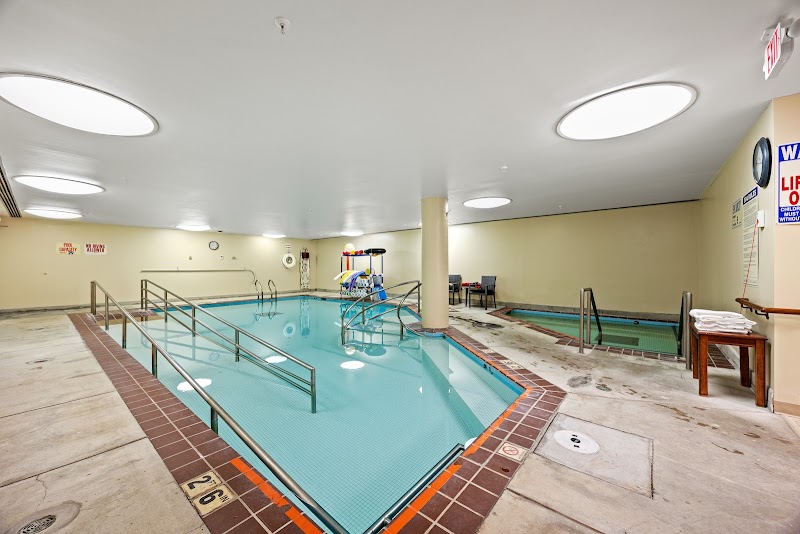
How is Presbyterian Homes Of Arden Hills Staffed?

CMS rates Presbyterian Homes Of Arden Hills's staffing level at 5 out of 5 stars, which is much above average compared to other nursing homes. Staff turnover is 26%, compared to the Minnesota average of 46%. This relatively stable workforce can support continuity of care.

What Have Inspectors Found at Presbyterian Homes Of Arden Hills?

State health inspectors documented 22 deficiencies at Presbyterian Homes Of Arden Hills during 2023 to 2025. These included: 1 that caused actual resident harm and 21 with potential for harm. Deficiencies causing actual harm indicate documented cases where residents experienced negative health consequences.
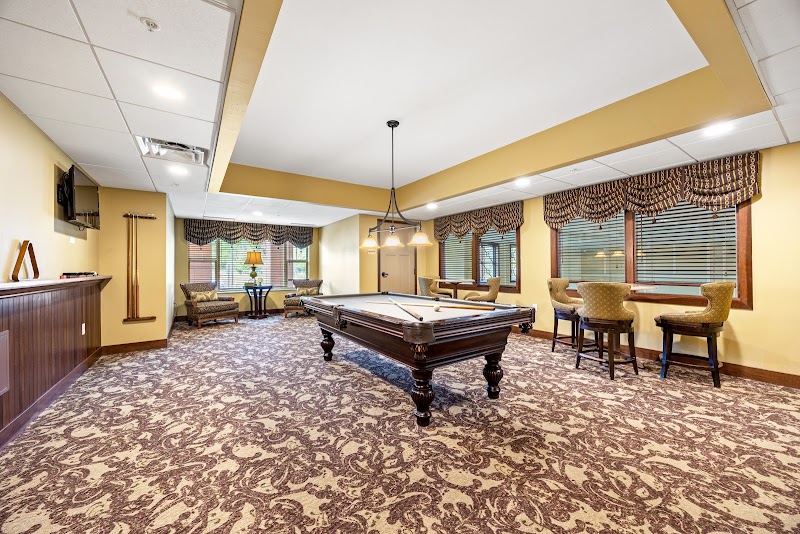
Who Owns and Operates Presbyterian Homes Of Arden Hills?

Presbyterian Homes Of Arden Hills is owned by a non-profit organization. Non-profit facilities reinvest revenue into operations rather than distributing to shareholders. The facility is operated by PRESBYTERIAN HOMES & SERVICES, a chain that manages multiple nursing homes. With 128 certified beds and approximately 122 residents (about 95% occupancy), it is a mid-sized facility located in ARDEN HILLS, Minnesota.

How Does Presbyterian Homes Of Arden Hills Compare to Other Minnesota Nursing Homes?

Compared to the 100 nursing homes in Minnesota, Presbyterian Homes Of Arden Hills's overall rating (2 stars) is below the state average of 3.2, staff turnover (26%) is significantly lower than the state average of 46%, and health inspection rating (2 stars) is below the national benchmark.

What Should Families Ask When Visiting Presbyterian Homes Of Arden Hills?

Based on this facility's data, families visiting should ask: "Can I visit during a mealtime to observe dining assistance and food quality?" "How do you handle medical emergencies, and what is your hospital transfer rate?" "Can I speak with family members of current residents about their experience?"

Is Presbyterian Homes Of Arden Hills Safe?

Based on CMS inspection data, Presbyterian Homes Of Arden Hills has a clean safety record: no substantiated abuse findings (meaning no confirmed cases of resident harm), no Immediate Jeopardy citations (the most serious violation level indicating risk of serious injury or death), and is not on the Special Focus Facility watch list (a federal program monitoring the lowest-performing 1% of nursing homes). The facility has a 2-star overall rating and ranks #100 of 100 nursing homes in Minnesota. While no facility is perfect, families should still ask about staff-to-resident ratios and recent inspection results during their visit.

Do Nurses at Presbyterian Homes Of Arden Hills Stick Around?

Staff at Presbyterian Homes Of Arden Hills tend to stick around. With a turnover rate of 26%, the facility is 20 percentage points below the Minnesota average of 46%. Low turnover is a positive sign. It means caregivers have time to learn each resident's needs, medications, and personal preferences. Consistent staff also notice subtle changes in a resident's condition more quickly. Registered Nurse turnover is also low at 25%, meaning experienced RNs are available to handle complex medical needs.

Was Presbyterian Homes Of Arden Hills Ever Fined?

Presbyterian Homes Of Arden Hills has no federal fines on record. CMS issues fines when nursing homes fail to meet care standards or don't correct problems found during inspections. The absence of fines suggests the facility has either maintained compliance or corrected any issues before penalties were assessed. This is a positive indicator, though families should still review recent inspection reports for the full picture.

Is Presbyterian Homes Of Arden Hills on Any Federal Watch List?

Presbyterian Homes Of Arden Hills is not on any federal watch list. The most significant is the Special Focus Facility (SFF) program, which identifies the bottom 1% of nursing homes nationally based on persistent, serious quality problems. Not being on this list means the facility has avoided the pattern of deficiencies that triggers enhanced federal oversight. This is a positive indicator, though families should still review the facility's inspection history directly.