Good Samaritan Society - Battle Lake
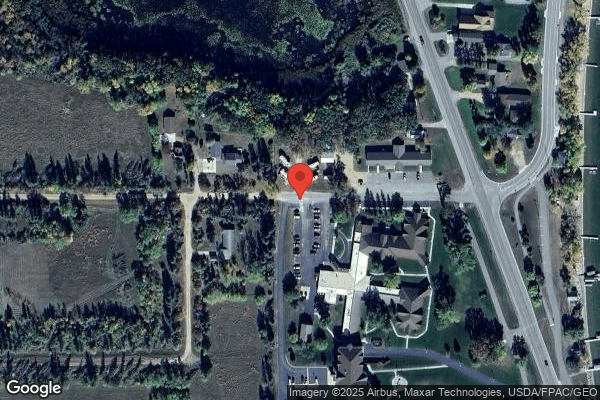

105 GLENHAVEN DRIVE, BATTLE LAKE, MN 56515 (218) 864-5231
Non profit - Corporation 51 Beds GOOD SAMARITAN SOCIETY Data: November 2025
Trust Grade
90/100
#34 of 337 in MN
Last Inspection: October 2024

Within standard 12-15 month inspection cycle. Federal law requires annual inspections.

Overview

Good Samaritan Society - Battle Lake has received a Trust Grade of A, indicating it is an excellent facility that is highly recommended for care. It ranks #34 out of 337 nursing homes in Minnesota, placing it in the top half, and #1 out of 7 in Otter Tail County, meaning it is the best option locally. The facility is improving, having gone from three concerns in 2023 to none in 2024, which is a positive trend. Staffing is a strong point, with a rating of 4 out of 5 stars and RN coverage better than 82% of Minnesota facilities, although the staff turnover rate of 51% is average. Notably, there have been no fines, but the facility has faced some issues, such as failing to maintain proper dishwasher temperatures for sanitizing dishes and not adequately transporting personal laundry, both of which could pose contamination risks. Additionally, some residents were not offered pneumococcal vaccinations per CDC guidelines, indicating room for improvement in their health management practices.
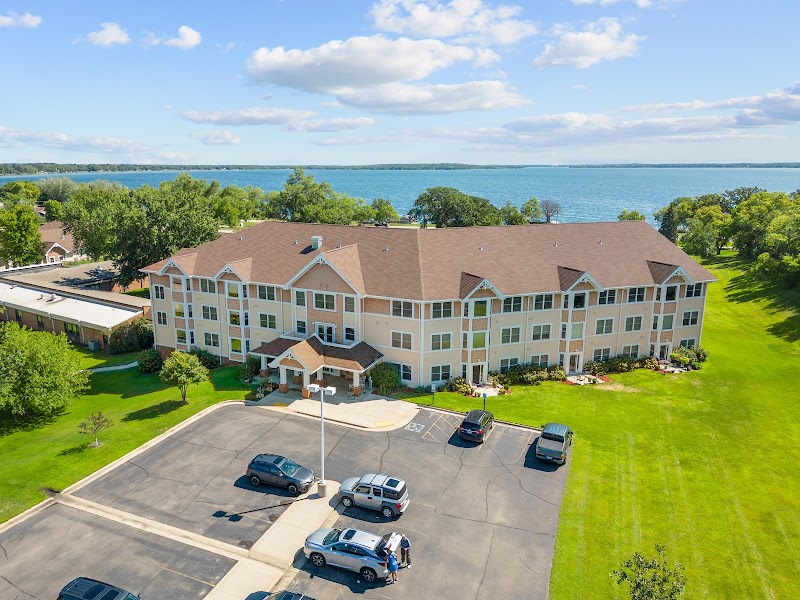
Trust Score
A
90/100
In Minnesota
#34/337
Top 10%
Safety Record
Low Risk
No red flags
Inspections
Getting Better
3 → 0 violations
Staff Stability
⚠ Watch
51% turnover. Above average. Higher turnover means staff may not know residents' routines.
Penalties
✓ Good
No fines on record. Clean compliance history, better than most Minnesota facilities.
Skilled Nurses
✓ Good
Each resident gets 66 minutes of Registered Nurse (RN) attention daily — more than 97% of Minnesota nursing homes. RNs are the most trained staff who catch health problems before they become serious.
Violations
✓ Good
Only 3 deficiencies on record. Cleaner than most facilities. Minor issues only.
★★★★★
5.0
Overall Rating
★★★★☆
4.0
Staff Levels
★★★★★
5.0
Care Quality
★★★★★
5.0
Inspection Score
Stable
2023: 3 issues
2024: 0 issues

The Good

  • 4-Star Staffing Rating · Above-average nurse staffing levels
  • 5-Star Quality Measures · Strong clinical quality outcomes
  • Full Sprinkler Coverage · Fire safety systems throughout facility
  • No fines on record

Facility shows strength in staffing levels, quality measures, fire safety.

The Bad

Staff Turnover: 51%

Near Minnesota avg (46%)

Higher turnover may affect care consistency

Chain: GOOD SAMARITAN SOCIETY

Part of a multi-facility chain

Ask about local staffing decisions and management

The Ugly 3 deficiencies on record

Nov 2023 3 deficiencies
CONCERN (E)

Potential for Harm - no one hurt, but risky conditions existed

Infection Control (Tag F0880)

Could have caused harm · This affected multiple residents

Based on observation, interview, and document review, the facility failed to ensure personal laundry was transported in a manner that prevented risk of contamination for 3 of 6 hallways observed for l...

Read full inspector narrative →
Based on observation, interview, and document review, the facility failed to ensure personal laundry was transported in a manner that prevented risk of contamination for 3 of 6 hallways observed for linen transportation. Findings include: Review of Centers for Disease Control (CDC ) guidance, Appendix D - Linen and Laundry Management updated 5/4/23, identified linens must be sorted, packaged, transported, and stored in a manner that prevented risk of contamination by dust, debris, soiled linens or soiled items. During an observation on 11/27/23 at 12:16 p.m., in the cottonwood hallway laundry aide (LA)-A exited R21's room and hung up hangers on an uncovered laundry cart in the hallway. LA-A proceeded to remove laundry from the uncovered cart and placed the laundry in R10's closet. LA-A pushed the uncovered laundry cart down the hallway past two residents and one staff member who were in the hallway. LA-A removed laundry from the uncovered cart and placed the laundry in R24's closet. Administrator walked by the uncovered laundry cart and closed the cover on the laundry cart. During an observation on 11/28/23 at 11:55 a.m., in the fisherman's hallway, LA-A stood at an uncovered laundry cart and removed laundry from the cart and placed the laundry in R27's closet. LA-A proceeded to place two empty hangers from R27's closet on the uncovered laundry cart. LA-A then covered the laundry cart and wheeled the cart down the hall. LA-A stopped in the Heritage hallway, uncovered the cart, removed laundry from the cart and left the cart uncovered while she placed the laundry in R5's closet. During an interview on 11/28/23 at 12:03 p.m., LA-A confirmed the personal laundry she had not been covered. LA-A stated her usual practice was to ensure the laundry cart was covered however indicated she would leave the cart uncovered at times while she delivered the personal laundry. During an interview on 11/28/23 at 3:40 p.m., environmental services supervisor (ESS) stated she was unaware laundry was being delivered in an uncovered cart. ESS stated her expectation was laundry would always be covered while being delivered. During an interview on 11/28/23 at 3:48 p.m., director of nursing (DON) stated stated staff were expected to deliver laundry in a covered cart. During an interview on 11/29/23 at 7:33 a.m., administrator verified the laundry cart had been uncovered on 11/27/23. Administrator stated she had covered the laundry cart when she noticed it was not covered. Administrator indicated her expectation was laundry would have been covered while being delivered. Review of a facility policy titled Laundering and Drying Clothes and Linens revised 2/16/23, indicated laundry should be packaged, transported and stored in a manner that ensured cleanliness and protected the laundry from dust and soil.
CONCERN (E)

Potential for Harm - no one hurt, but risky conditions existed

Deficiency F0883 (Tag F0883)

Could have caused harm · This affected multiple residents

**NOTE- TERMS IN BRACKETS HAVE BEEN EDITED TO PROTECT CONFIDENTIALITY** Based on interview and document review, the facility failed to ensure 4 of 5 residents (R14, R33, R 34 and R40) were offered or...

Read full inspector narrative →
**NOTE- TERMS IN BRACKETS HAVE BEEN EDITED TO PROTECT CONFIDENTIALITY** Based on interview and document review, the facility failed to ensure 4 of 5 residents (R14, R33, R 34 and R40) were offered or received pneumococcal vaccinations in accordance with the Center for Disease Control (CDC) recommendations. Findings include: Review of the Current CDC recommendations 3/15/2023, revealed the CDC identified adults 65 and older who had previously received both PCV13 and PPSV23 at age [AGE] and older, based on shared clinical decision-making, should receive one dose of PCV20 at least five years after the last pneumococcal vaccine dose. Review of R 14's facesheet identified R14, age [AGE] was admitted to the facility on [DATE]. Review of R14's Minnesota Immunization Information Connection (MIIC) undated, identified R14 had received PPSV23 on 11/21/2011, and the the PCV13 on 4/21/2015. R14's medical record lacked documentation R14 had been offered or received the PCV20 vaccine. Review of R33's facesheet identified R33, age [AGE] was admitted to the facility on [DATE]. Review of R33's MIIC undated identified R33 had received PPSV23 on 1/6/2000 and 8/27/2007 and received the PCV13 on 11/23/2016. R33's medical record lacked documentation R33 had been offered or received the PCV20 vaccine. Review of R34's facesheet identified R34, age [AGE] was admitted to the facility on [DATE]. Review of R34's MIIC undated identified R34 had received PPSV23 on 1/12/2001, and the PCV13 on 5/4/2015. R34's medical record lacked documentation R34 had been offered or received the PCV20 vaccine. Review of R40's face sheet identified R40, age [AGE] was admitted to the facility on [DATE]. Review of R40's MIIC undated identified R40 had received PCV13 on 4/17/2017, and PPSV23 on 5/16/2018. R40's medical record lacked documentation R40 had been offered or received the PCV20 vaccine. During an interview on 11/28/23 at 2:52 p.m., infection preventionist (IP) confirmed R14, R33, R34, and R40 had not been offered or received the pneumococcal vaccinations as recommended by the CDC. IP stated the expectation was the facility would offer and administer all vaccinations per CDC recommendations. During an interview on 11/29/23 at 11:45 a.m., director of nursing (DON) stated she was aware of the CDC recommendations for the pneumococcal vaccinations. DON confirmed R 14, R33, R34, and R40 had not received the pneumococcal vaccinations as recommended by the CDC. DON stated her expectation would have been that all residents would have been offered and received all pneumococcal vaccines per Centers For Disease Control (CDC) recommendations. Review of a facility policy titled Immunizations/Vaccinations for residents, Pneumococcal, Influenza, Covid-19, Other, AL,R/S,LTC, HBS-Enterprise revised 9/21/23, indicated it is recommended that all clients and residents receive pneumococcal vaccinations per CDC guidelines for eligibility and timing.
CONCERN (F)

Potential for Harm - no one hurt, but risky conditions existed

Food Safety (Tag F0812)

Could have caused harm · This affected most or all residents

**NOTE- TERMS IN BRACKETS HAVE BEEN EDITED TO PROTECT CONFIDENTIALITY** Based on observation, interview and document review, the facility failed to ensure dishwasher temperatures were maintained accor...

Read full inspector narrative →
**NOTE- TERMS IN BRACKETS HAVE BEEN EDITED TO PROTECT CONFIDENTIALITY** Based on observation, interview and document review, the facility failed to ensure dishwasher temperatures were maintained according to manufacturer's guidelines to assure sanitization of dishware. This deficient practice had the potential to affect all 45 residents who received food from the kitchen. Findings include: During an observation on 11/27/23 at 7:01 p.m., dietary aide (DA)-A washed the supper dishes. DA-A set some plates and glasses on a plastic rack near the entrance of the [NAME] dishwasher. After scraping and rinsing the dishes, DA-A placed them into the dishwasher and started the machine. The digital gauge on the front of the dishwasher indicated the wash cycle displayed an E7 error code throughout the wash and rinse cycle with a fix it wrench symbol identified as well. The wash cycle temperature ran between 139 to 140 degrees Fahrenheit (F) and the rinse cycle reached 187 degrees F. DA-A repeated the process with another rack of supper dishes and the wash cycle temperature ranged between 137 to 138 degrees F. DA-A reported the dishwasher had been displaying the error code E7 and the fix it wrench for a couple of weeks and DA-A had not reported it to anyone. The metal plate on the front of the dishwasher included instructions for the wash temperature to reach 150 degrees F and the rinse temperature to reach 180 degrees F. During an observation on 11/28/23 at 10:06 a.m., DA-C loaded the dishwasher with dirty dishes and the temperature during the wash cycle reached 138 degrees F during the wash cycle and 189 degrees F during the rinse cycle. DA-C stated the dishwasher temperature usually ranged between 130 to 160 degrees F. DA-C indicated she worked at the facility for several years and understood the wash temperature needed to be greater than 125 degrees F. During an interview on 11/27/23 at 10:25 a.m. , the dietary manager (DM) indicated the facility utilized hot water sanitation and the temperatures were expected to reach 150 degrees F for the wash cycle and 190 degrees F for the rinse cycle. During a follow up interview on 11/28/23 at 12:07 p.m., DM indicated staff were expected to report any concerns directly to DM and staff would run the same dishes again to ensure proper temperature. During a follow-up interview on 11/28/23 at 2:35 p.m., DM indicated was not aware the wash and rinse cycles had not been reaching the necessary temperature to sanitize the dishes. The facility forms titled Dish Machine Temperature Log Chemical Sanitizing Log found on the Cottonwood unit and the form titled Dish Machine Temperature Log Thermal Sanitizing for the Fisherman's unit included columns to record the wash cycle, final rinse cycle, and (staff) initials for Breakfast Meal, Noon Meal and Evening Meal. Review of the logs from 10/1/23 through 11/28/23, identified the following; Fisherman's Unit October 2023: -10/1/23, no morning, noon, evening cycles recorded. -10/7/23, evening wash cycle was recorded at 149 degrees. -10/8/23, no morning rinse cycle recorded , no noon cycle recorded. -10/12/23, evening wash cycle was recorded at 147 degrees. -10/13/23, no morning cycle recorded. -10/19/23, no evening cycle recorded. -10/26/23, evening wash cycle was recorded at 142 degrees F. -10/28/23, evening entry scribbled out. -10/29/23, evening wash cycle was recorded at 140 degrees F. -10/31/23, no evening cycle recorded. Review of the form revealed four of the documented entries identified the wash cycle temperature had not reached the required 150 degrees to achieve proper sanitization. Cottonwood Unit October 2023 -10/7/23, no evening wash cycle recorded. -10/18/23, no evening wash cycle recorded. -10/21/23, evening wash cycle was recorded at 147 degrees. -10/22/23, morning wash cycle was recorded at 134 degrees, evening wash cycle was recorded at 147 degrees. -10/25/23, evening wash cycle was recorded at 109 degrees. -10/26/23, no noon cycle recorded. -10/27/23, evening wash cycle was recorded at 115 degrees. -10/28/23, evening wash cycle was recorded at 148 degrees. -10/30/23, evening wash cycle was recorded at 130 degrees. -10/31/23, evening rinse cycle was recorded at 179 degrees. Review of the form revealed seven of the documented entries identified the wash cycle temperature had not reached the required 150 degrees to achieve proper sanitation. In addition, three of the documented entries identified the rinse cycle temperatures had not reached the required 180 degrees to achieve the proper sanitation. Fisherman's Unit November 2023: -11/2/23, no evening cycle recorded. -11/4/23, morning rinse cycle was recorded at 175 degrees, evening wash cycle was recorded at 140 degrees. -11/5/23, morning rinse cycle was recorded at 170 degrees, noon rinse cycle was recorded at 179 degrees. -11/9/23, evening wash cycle was recorded at 147 degrees. -11/10/23, evening wash cycle was recorded at 143 degrees. -11/12/23, evening wash cycle was recorded at 145 degrees. -11/13/23, evening wash cycle was recorded at 142 degrees. -11/14/23, evening rinse cycle was recorded at 160 degrees. -11/16/23, evening wash cycle was recorded at 147 degrees. -11/17/23, evening wash cycle was recorded at 146 degrees. -11/23/23, evening wash cycle was recorded at 148 degrees. -11/25/23, evening rinse cycle was recorded at 179 degrees. -11/26/23, no noon cycle recorded, evening wash cycle was recorded at 149 degrees. -11/27/23, wash cycle was recorded at 140 degrees. Review of the form revealed ten of the documented entries identified the wash cycle temperature had not reached the required 150 degrees to achieve proper sanitation. In addition, five of the documented entries identified the rinse cycle temperatures had not reached the required 180 degrees to achieve the proper sanitation. Cottonwood Unit November 2023: -11/3/23, no evening cycle recorded. -11/4/23, evening wash cycle was recorded at 144 degrees. -11/5/23, evening wash cycle was recorded at 126 degrees. -11/12/23, evening wash cycle was recorded at 145 degrees. -11/13/23, morning wash cycle was recorded at 122 degree, no noon cycle recorded. -11/15/23, no noon cycle recorded. -11/17/23, evening wash cycle was recorded at 138 degrees. -11/20/23, evening wash cycle was recorded at 133 degrees. -11/21/23, no evening cycle recorded. -11/25/23, evening wash cycle was recorded at 149 degrees. -11/27/23, evening wash cycle was recorded at 144 degrees. -11/28/23, morning wash cycle was recorded at 142 degrees. Review of the form revealed nine of the documented entries identified the wash cycle temperature had not reached the required 150 degrees to achieve proper sanitation. During a telephone interview on 11/28/23 at 2:47 p.m., the [NAME] representative from the dishwasher manufacturer, verified the facility used hot water sanitation dishwashers. The representative explained wash cycle temperatures were expected to reach 150 degrees minimum 150 and rinse cycle temperatures were expected to reach a minimum 180 degrees. The representative indicated temperatures had to reach the minimum for both cycles to sterilize by getting the plate temperature to 160 degrees. The infection control log was reviewed from 10/1/23. to 11/28/23, and no food borne illnesses had been identified. The LXi Series Dishwasher owner's manual provided by the facility specified for hot water sanitizing the wash temperature required was 150 degrees F, and the final rinse temperature was 180 degrees F. The facility policy titled Warewashing-Mechanical and Manual-Food and Nutrition dated 4/02/2023, identified for High-temperature machine the temperatures must be maintained at a minimum of 150 degrees F for the wash cycle and the rinse cycle temperature must be maintained at a minimum of 180 degrees F per gauge. The policy indicated the dish machine temperature log must be completed by dining service employees directly involved in the dishwashing process prior to running any item through the dish machine. This ensured the wash and rinse temperatures were properly monitored and controlled. Instructions included to cease dishwashing when temperatures were below required levels and to report temperatures that were below the required levels to the director of dining immediately. The policy instructed staff to sanitize items in the pot-and-sink with approved sanitizer at manufacturer-recommended strength if the heaters were not operating properly.
Understanding Severity Codes (click to expand)
Life-Threatening (Immediate Jeopardy)
J - Isolated K - Pattern L - Widespread
Actual Harm
G - Isolated H - Pattern I - Widespread
Potential for Harm
D - Isolated E - Pattern F - Widespread
No Harm (Minor)
A - Isolated B - Pattern C - Widespread

Questions to Ask on Your Visit

  • "Can I speak with families of current residents?"
  • "What's your RN coverage like on weekends and overnight?"

Our Honest Assessment

Strengths
  • • Grade A (90/100). Above average facility, better than most options in Minnesota.
  • • No major safety red flags. No abuse findings, life-threatening violations, or SFF status.
  • • No fines on record. Clean compliance history, better than most Minnesota facilities.
  • • Only 3 deficiencies on record. Cleaner than most facilities. Minor issues only.
Concerns
  • • No significant concerns identified. This facility shows no red flags across CMS ratings, staff turnover, or federal penalties.
Bottom line: Generally positive indicators. Standard due diligence and a personal visit recommended.

About This Facility

What is Good Samaritan Society - Battle Lake's CMS Rating?

CMS assigns Good Samaritan Society - Battle Lake an overall rating of 5 out of 5 stars, which is considered much above average nationally. Within Minnesota, this rating places the facility higher than 99% of the state's 100 nursing homes. This rating reflects solid performance across the metrics CMS uses to evaluate nursing home quality.

How is Good Samaritan Society - Battle Lake Staffed?

CMS rates Good Samaritan Society - Battle Lake's staffing level at 4 out of 5 stars, which is above average compared to other nursing homes. Staff turnover is 51%, compared to the Minnesota average of 46%.

What Have Inspectors Found at Good Samaritan Society - Battle Lake?

State health inspectors documented 3 deficiencies at Good Samaritan Society - Battle Lake during 2023. These included: 3 with potential for harm.

Who Owns and Operates Good Samaritan Society - Battle Lake?

Good Samaritan Society - Battle Lake is owned by a non-profit organization. Non-profit facilities reinvest revenue into operations rather than distributing to shareholders. The facility is operated by GOOD SAMARITAN SOCIETY, a chain that manages multiple nursing homes. With 51 certified beds and approximately 47 residents (about 92% occupancy), it is a smaller facility located in BATTLE LAKE, Minnesota.

How Does Good Samaritan Society - Battle Lake Compare to Other Minnesota Nursing Homes?

Compared to the 100 nursing homes in Minnesota, Good Samaritan Society - Battle Lake's overall rating (5 stars) is above the state average of 3.2, staff turnover (51%) is near the state average of 46%, and health inspection rating (5 stars) is much above the national benchmark.

What Should Families Ask When Visiting Good Samaritan Society - Battle Lake?

Based on this facility's data, families visiting should ask: "Can I visit during a mealtime to observe dining assistance and food quality?" "How do you handle medical emergencies, and what is your hospital transfer rate?" "Can I speak with family members of current residents about their experience?"

Is Good Samaritan Society - Battle Lake Safe?

Based on CMS inspection data, Good Samaritan Society - Battle Lake has a clean safety record: no substantiated abuse findings (meaning no confirmed cases of resident harm), no Immediate Jeopardy citations (the most serious violation level indicating risk of serious injury or death), and is not on the Special Focus Facility watch list (a federal program monitoring the lowest-performing 1% of nursing homes). The facility has a 5-star overall rating and ranks #1 of 100 nursing homes in Minnesota. While no facility is perfect, families should still ask about staff-to-resident ratios and recent inspection results during their visit.

Do Nurses at Good Samaritan Society - Battle Lake Stick Around?

Good Samaritan Society - Battle Lake has a staff turnover rate of 51%, which is about average for Minnesota nursing homes (state average: 46%). Moderate turnover is common in nursing homes, but families should still ask about staff tenure and how the facility maintains care continuity when employees leave.

Was Good Samaritan Society - Battle Lake Ever Fined?

Good Samaritan Society - Battle Lake has no federal fines on record. CMS issues fines when nursing homes fail to meet care standards or don't correct problems found during inspections. The absence of fines suggests the facility has either maintained compliance or corrected any issues before penalties were assessed. This is a positive indicator, though families should still review recent inspection reports for the full picture.

Is Good Samaritan Society - Battle Lake on Any Federal Watch List?

Good Samaritan Society - Battle Lake is not on any federal watch list. The most significant is the Special Focus Facility (SFF) program, which identifies the bottom 1% of nursing homes nationally based on persistent, serious quality problems. Not being on this list means the facility has avoided the pattern of deficiencies that triggers enhanced federal oversight. This is a positive indicator, though families should still review the facility's inspection history directly.