Good Samaritan Society - Blackduck
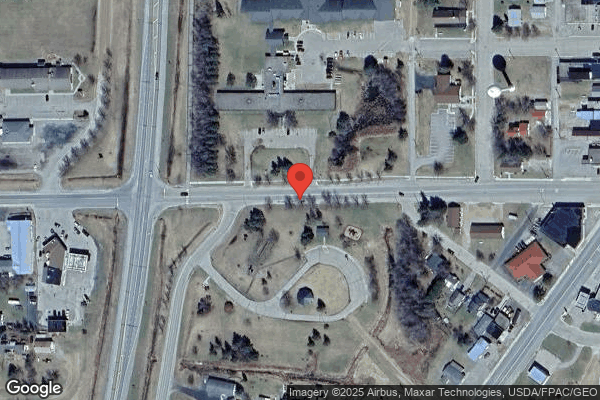
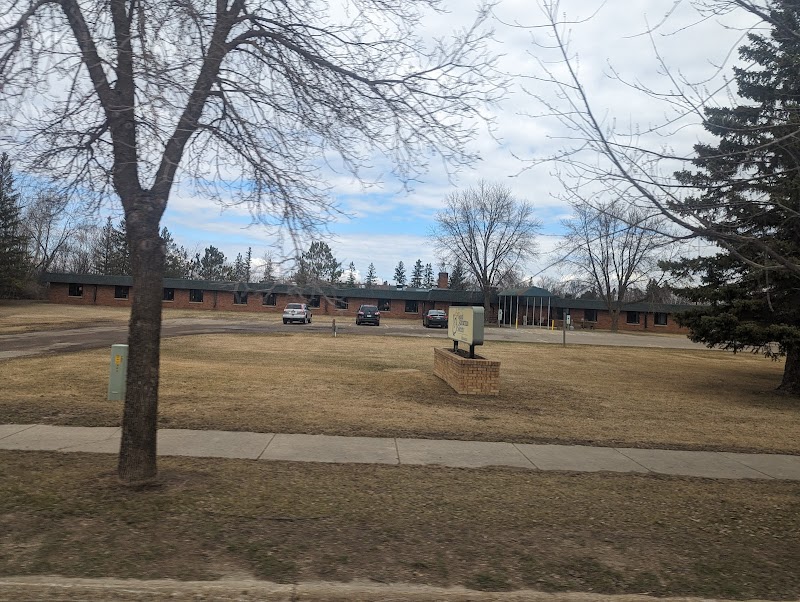
172 SUMMIT AVENUE WEST, BLACKDUCK, MN 56630 (218) 835-3410
Non profit - Corporation 30 Beds GOOD SAMARITAN SOCIETY Data: November 2025
Trust Grade
55/100
#237 of 337 in MN
Last Inspection: June 2024

Within standard 12-15 month inspection cycle. Federal law requires annual inspections.

Overview

Good Samaritan Society - Blackduck has a Trust Grade of C, which means it's average and falls in the middle of the pack. It ranks #237 out of 337 facilities in Minnesota, placing it in the bottom half, but it is #2 out of 4 in Beltrami County, indicating only one nearby facility is better. The facility's performance trend is stable, with 7 issues reported in both 2023 and 2024. Staffing is rated average with a turnover rate of 42%, consistent with the state average, and there have been no fines reported, which is a positive sign. However, there are concerns, including poor sanitary conditions in the kitchen storage that could affect residents and failures to implement timely infection precautions for residents displaying symptoms of COVID-19 and other illnesses, which raises potential health risks.
Trust Score
C
55/100
In Minnesota
#237/337
Bottom 30%
Safety Record
Low Risk
No red flags
Inspections
Holding Steady
7 → 7 violations
Staff Stability
○ Average
42% turnover. Near Minnesota's 48% average. Typical for the industry.
Penalties
✓ Good
No fines on record. Clean compliance history, better than most Minnesota facilities.
Skilled Nurses
✓ Good
Each resident gets 72 minutes of Registered Nurse (RN) attention daily — more than 97% of Minnesota nursing homes. RNs are the most trained staff who catch health problems before they become serious.
Violations
⚠ Watch
17 deficiencies on record. Higher than average. Multiple issues found across inspections.
★★☆☆☆
2.0
Overall Rating
★★★☆☆
3.0
Staff Levels
★★★★☆
4.0
Care Quality
★★☆☆☆
2.0
Inspection Score
Stable
2023: 7 issues
2024: 7 issues

The Good

  • 4-Star Quality Measures · Strong clinical quality outcomes
  • Full Sprinkler Coverage · Fire safety systems throughout facility
  • No fines on record
  • Staff turnover below average (42%)

    6 points below Minnesota average of 48%

Facility shows strength in quality measures, fire safety.

The Bad

2-Star Overall Rating

Below Minnesota average (3.2)

Below average - review inspection findings carefully

Staff Turnover: 42%

Near Minnesota avg (46%)

Typical for the industry

Chain: GOOD SAMARITAN SOCIETY

Part of a multi-facility chain

Ask about local staffing decisions and management

The Ugly 17 deficiencies on record

Jun 2024 6 deficiencies
CONCERN (D)

Potential for Harm - no one hurt, but risky conditions existed

Transfer Notice (Tag F0623)

Could have caused harm · This affected 1 resident

**NOTE- TERMS IN BRACKETS HAVE BEEN EDITED TO PROTECT CONFIDENTIALITY** Based on interview and document review, the facility failed to notify the Office of Ombudsman for Long-Term Care (OOLTC) of a fa...

Read full inspector narrative →
**NOTE- TERMS IN BRACKETS HAVE BEEN EDITED TO PROTECT CONFIDENTIALITY** Based on interview and document review, the facility failed to notify the Office of Ombudsman for Long-Term Care (OOLTC) of a facility-initiated transfer for 1 of 1 resident (R14) reviewed for hospitalization. Findings include: R14's quarterly Minimum Data Set (MDS) dated [DATE], identified no cognitive impairment. R14's progress notes identified the following: - R14 was admitted to the hospital on [DATE], and returned to the facility on 3/6/24. The facility lacked any evidence identifying the OOLTC was notified of the transfer. - R14 was admitted to the hospital on [DATE], and returned to the facility on 3/26/24. The facility lacked any evidence identifying the OOLTC was notified of the transfer. During an interview on 6/13/24 at 11:25 a.m., the business office coordinator (BOC) stated when residents were transferred, she was in charge of getting bed hold form in resident's chart. The BOC was unaware if they had to notify the OOLTC when a resident was transferred. If it was their job, they were not told and had not notified the OOLTC about any hospital transfers. During an interview on 6/13/24 at 11:52 a.m., the director of nursing (DON) stated the OOLTC should be notified of resident transfers and the BOC was in charge of ensuring the bed hold forms were completed and the OOLTC was notified. If BOC was not notifying the OOLTC, then it was not being done. The facility's Discharge and Transfer policy dated 1/3/24, identified when a resident was hospitalized the facility was submit a notification of transfer to the OOLTC.
CONCERN (D)

Potential for Harm - no one hurt, but risky conditions existed

Deficiency F0625 (Tag F0625)

Could have caused harm · This affected 1 resident

**NOTE- TERMS IN BRACKETS HAVE BEEN EDITED TO PROTECT CONFIDENTIALITY** Based on interview and document review, the facility failed to provide the resident/responsible party a written bed hold policy ...

Read full inspector narrative →
**NOTE- TERMS IN BRACKETS HAVE BEEN EDITED TO PROTECT CONFIDENTIALITY** Based on interview and document review, the facility failed to provide the resident/responsible party a written bed hold policy at the time of hospital transfer for 1 of 1 resident (R14) reviewed for hospitalization. Findings include: R14's quarterly Minimum Data Set (MDS) dated [DATE], identified no cognitive impairment. R14's progress notes identified the following: - 3/21/24 at 6:43 a.m., R14 was hospitalized - 3/21/24 at 8:02 a.m., R14's family was notified resident was admitted to the hospital. The progress note does not address a bed hold. - 3/26/24 at 1:53 p.m., R14 returned to facility following hospitalization. During an interview on 6/11/24 at 2:12 p.m., R14 stated she was hospitalized in March of this year but did not recall receiving a notice of bed hold. During an interview on 6/13/24 at 11:19 p.m., registered nurse (RN)-B stated it was the nurse's responsibility to inform resident/resident representative of the bed hold policy either in person or by phone when a transfer was being done. When it was done by phone it would be documented. RN-B was unable to verify bed hold was done. During an interviewer on 6/13/24 at 11:25 a.m., the business office coordinator (BOC) stated it was her responsibility once bed holds were completed and signed to have them scanned into the resident's chart. R14 did not have a bed hold from her hospitalization identified on 3/21/24. During an interview on 6/13/24 at 11:52 a.m., the director of nursing (DON) stated she expected a bed hold form to be done with every resident who was transferred to the hospital and to have it documented in the resident's chart. The facility Bed Hold policy dated 12/2/23, identified at the time a resident was transferred, the designated individual would provide the notice of bed hold policy to the resident/resident representative.
CONCERN (F)

Potential for Harm - no one hurt, but risky conditions existed

Food Safety (Tag F0812)

Could have caused harm · This affected most or all residents

Based on observation, interview and document review, the facility failed to maintain clean and sanitary conditions in the dry storage of the kitchen. This practice had the potential to affect all 29 r...

Read full inspector narrative →
Based on observation, interview and document review, the facility failed to maintain clean and sanitary conditions in the dry storage of the kitchen. This practice had the potential to affect all 29 residents residing in the facility. Findings include: During the initial tour on 6/11/24 at 10:53 a.m., the dry storage was toured. There was dented can of tomato juice on the shelf for use. There were two large covered plastic bins. The first contained an opened 50 pound (lb) bag of cake mix with a bunched up, gaping top. The bin cover remained open to air. The second bin's cover was lying on a rack shelf and there were two 50 lb opened bags in the bin. The tops of the bags were bunched up and gaping open. The opened bag of biscuit mix had no date to determine when the bag had been opened and the opened bag of sweet cornbread mix was dated as opened 2/15/24. [NAME] (C)-A stated that was how they always were. C-A had no idea how long they were good for, how often they were used and/or if the cover should be on. C-A did not know who was responsible for the dry storage area and the kitchen staff did not really have a manager. During an interview on 6/11/24 at 12:02 p.m., the food service manager (FSM) stated the biscuit mix had no date to identify when it was opened and the cornbread mix was opened 2/15/24. The FSM stated the bags should have been rolled up and closed with a clip. The FSM pulled the bin cover from the rack shelf and placed on the bin and stated it's just bad habits. The FSM had begun her role approximately 6 months prior and was working to standardize practices in the kitchen. A process to ensure cleanliness and checking of outdates was in process. Dented cans should be pulled right away and the FSM would reach out to food service for replacement/reimbursement. The FSM stated she had no formal direction for the kitchen staff regarding maintaining the dry storage. It was word of mouth and there was no way to know the last time it had occurred. These practices could lead to contamination or a pest problem. The facility's Cooks Daily Kitchen Cleaning dated May 2024 and Dietary Assistant Daily Cleaning dated May 2024 failed to identify a process for dry storage sanitation. The facility policy Food Supply Storage revised 5/7/24, identified food from approved food sources is stored in sanitary conditions and is not exposed to prolonged periods of excessive heat. The policy further directed staff to: 1. Use the principle of First-In, First-Out (FIFO) in all areas of food and drink storage for rotation of food items. Refer to Date Marking policy and procedure. 2. The storeroom is well-lit, well-ventilated and pest free. 3. Use of containers or cardboard boxes in food storage areas: a. Stock may be placed on shelves in original containers or cardboard boxes that contain valuable manufacturer and date compliance information (i.e., manufacture dates, delivery date, best-by date, etc.). b. Plastic bins may be used if preferred but must be in good repair and washed routinely. c. Stock items are individually dated with delivery date if removed from the original container. d. Cardboard containers are not re-used. They are discarded when empty or if in disrepair. 4. Foods that have been opened or prepared are placed in an enclosed container, dated, labeled and stored properly. The facility's policy General Sanitation Food and Nutrition revised 1/22/24, identified guidelines to limit the chance of foodborne illness at locations that prepare and/or serve food. The policy directed the location's food preparation, kitchen and serving areas were cleaned and sanitized on a regular basis to limit contamination and prevent foodborne illness. However, the policy failed to direct staff to maintain a clean and sanitized dry storage area.
CONCERN (F)

Potential for Harm - no one hurt, but risky conditions existed

Deficiency F0865 (Tag F0865)

Could have caused harm · This affected most or all residents

Based on interview, and document review, the facility failed to conduct ongoing quality assessment (QA) and assurance activities and develop and implement appropriate plans of action to correct qualit...

Read full inspector narrative →
Based on interview, and document review, the facility failed to conduct ongoing quality assessment (QA) and assurance activities and develop and implement appropriate plans of action to correct quality deficiencies identified during the survey that the facility was aware of or should have been aware of that had the potential to adversely affect all 29 residents residing in the facility. Findings include: See also 880: the facility failed to perform timely tracking and trending of potential infectious symptoms to prevent the spread of transmissable organisms. Additionally, the facility failed to implement timely transmission-based precautions (TBP) and testing for COVID-19 according to the Centers for Disease Control (CDC) for 4 of 4 residents (R4, R23, R22, R15) who were displaying COVID-19 symptoms; and failed to implement timely TBP for 2 of 2 residents (R12, R14) who were confirmed to have human metapneumovirus (HMPV) (a respiratory illness). This had the potential to affect all 29 residents, visitors and staff. See also 882: the facility infection preventionist (IP) failed to adequately assess, develop, implement, monitor, and maintain the infection prevention and control program. This had the potential to affect all 29 residents residing in the facility including staff and visitors. During an interview on 6/13/24 at 1:14 p.m., the administrator stated he was aware the director of nursing (DON) was previously responsible for the facility's infection prevention progam, and had required intermittent leave from the facility. They had delegated infection prevention responsiblities to registered nurse (RN)-A. The administrator stated an Infection Prevention Dashboard was presented at the QAPI meetings and, because of this, the administrator assumed all the required Infection Prevention tasks were completed as expected. However, there was no plan or process to ensure RN-A received training and/or support in her new role. The administrator stated there was disconnect between where RN-A was in her understanding of Infection Prevention and where RN-A really was. The facility's undated Quality Assurance Performance Improvement (QAPI) plan identified the current focus areas: 1. Continuous survey readiness process 2. Improved hand hygiene compliance 3. Percent of residents whos ability to move independently worsened. 4. Weight loss w/o program 5. UTI's The plan failed to identify the facility's plan for a continuous Infection Prevention program.
CONCERN (F)

Potential for Harm - no one hurt, but risky conditions existed

Infection Control (Tag F0880)

Could have caused harm · This affected most or all residents

**NOTE- TERMS IN BRACKETS HAVE BEEN EDITED TO PROTECT CONFIDENTIALITY** Based on interview and document review, the facility failed to perform timely tracking and trending of potential infectious symp...

Read full inspector narrative →
**NOTE- TERMS IN BRACKETS HAVE BEEN EDITED TO PROTECT CONFIDENTIALITY** Based on interview and document review, the facility failed to perform timely tracking and trending of potential infectious symptoms to prevent the spread of transmissible organisms in a timely and ongoing manner; including a failure to implement timely transmission-based precautions (TBP) and testing for respiratory illness according to the Centers for Disease Control (CDC) for 4 of 4 residents (R4, R23, R22, R15) who were displaying COVID-19 symptoms; and failed to implement timely TBP for 2 of 2 residents (R12, R14) who were confirmed to have human metapneumovirus (HMPV) (a respiratory illness). This had the potential to affect all 29 residents, visitors and staff. Findings include: The Monthly Infection Summary February 2024, identified resident name, start date, date symptoms resolved, type of infection, status, antimicrobial, infection source and surveillance criteria met. However, the log failed to identify any resident not treated with an anitmicrobial (an agent that kills microorganisms (microbicide) or stops their growth (bacteriostatic agent).The log failed to identify R4, R23, R14, R12, R22 signs and symptoms of potential respirator infection [identified below]. The Monthly Infection Summary March 2024, identified identified resident name, start date, date symptoms resolved, type of infection, status, antimicrobial, infection source and surveillance criteria met. The log did identify R1 had a other respiratory tract infection between 3/23/24 - 3/26/24, however, no other residents not requiring an antimicrobial were listed. The Monthly Infection Summary April 2024, identified resident name, start date, date symptoms resolved, type of infection, status, antimicrobial, infection source and surveillance criteria met. However, the log failed to identify any resident not treated with an anitmicrobial. The Monthly Infection Summary May 2024, identified resident name, start date, date symptoms resolved, type of infection, status, antimicrobial, infection source and surveillance criteria met. However, the log failed to identify any resident not treated with an anitmicrobial. R4's quarterly Minimum Data Set (MDS) dated [DATE], identified R4 was [AGE] years old and had diagnoses that included Parkinson's disease, hypertension, and chronic kidney disease.R4's COVID-19 (Novel Corornavirus) Screening V15 dated 2/15/24, identified R4 had no new symptoms including fever of 100.0 or greater, chills, shortness of breath, difficulty breathing, new or change in cough, sore throat, new loss of taste or smell, new sputum production, congestion, runny nose (rhinorrhea), fatigue, muscle or body aches, headache, nausea or vomiting, or diarrhea; R4 was not exposed to anyone with a confirmed COVID-19 test; and tested negative for COVID-19 with an antigen COVID-19 test. However, the screening failed to identify if any interventions were implemented for R4. R4's nursing progress note dated 2/15/24 at 11:02 a.m., R4 was noted to have a nonproductive cough and afebrile (without a fever). Covid rapid test completed and was negative. R4's medical record failed to identify if R4 had a confirmatory COVID-19 test and/or if/when R31 had been placed in isolation. R23's quarterly MDS dated [DATE], identified R23 was [AGE] years old and had diagnoses that included hypertension, pyogenic arthritis, chronic obstructive pulmonary disease (COPD) and Type 2 Diabetes. R23's nursing progress note dated 2/15/24 at 11:04 a.m., identified R23 noted to have a nonproductive cough, afebrile. Covid rapid antigen test completed and was negative. - On 2/18/24 at 9:52 p.m., R23 had a nonproductive cough, chest congestion, temperature 97.6 degrees Fahrenheit (F), oxygen saturations were 93% on room air. R23's medical record failed to identify if R23 had a confirmatory COVID-19 test and/or if/when R23 had been placed in isolation. R14's quarterly MDS dated [DATE], identified R14 was [AGE] years old and had diagnoses that included chronic kidney disease, Type 2 Diabetes, hypertension, and mild cognitive impairment. R14's nursing progress notes identified the following: - On 2/22/24 at 5:20 p.m., R14 was complaining of not feeling good that day. R14 was afebrile, catheter was patent with clear yellow urine. Staff would continue to monitor. - On 2/28/24 at 3:50 a.m., R14 was having cold symptoms with chest congestion and a cough. - On 2/28024 at 1:36 p.m., R14 had some congestion noted with nonproductive cough. Vital signs stable, afebrile with some fine crackles noted in upper lobes. Will continue to monitor and update provider. - At 11:08 p.m., R14 continued to have cold symptoms, crackles lower lobes bilaterally, oxygen saturations were 91% on room air, temperature 97.6 degrees F, pulse 68, respirations 18, and blood pressure 144/44. R14's head of bed was elevated. - On 2/29/24 at 2:40 a.m., R14's oxygen saturation was 85% on room air, pulse 65, respirations 20 and temperature 97.9 degrees F. Oxygen was applied at 2L per nc and her oxygen saturations went up to 90.-91%. Blood sugar was 135. R14 was congested with bilateral lower lobe crackles. R14 was lethargic and confused. R14 had not been feeling well for the past 5 days. R14 was transferred to the emergency department for evaluation. - On 3/6/24 at 2:00 p.m., R14 returned to the facility after hospitalization. R14 did not know self or where she was. R14 did not recognize staff and stated she could not breathe, was coughing really bad and that no one knew where she was. R14 was very confused, crying and disorientednot know where she was at and when told does not remember even being here. Did not know any staff that has seen her so far. Said she could not breath and coughing really bad. Said that no one knows where she is at. Very confused, crying, and not oriented at all. Nurse notified. - At 4:06 p.m., R14 returned from the hospital stay via medivan. R14 was disoriented and drowsy. Lung sounds had fine crackles but no shortness of breath noted. Reason R14 was hospitalized or received services at a hospital: metapneumovirus, acute hypoxic respiratory failure. R14's medical record failed to identify if/when R14 had been placed in isolation. R12's significant change MDS dated [DATE], identified R12 was 89 years and had diagnoses that included dementia, hypertension, obstructive sleep apnea, and Type 2 Diabetes. R12's nursing progress notes identified the following: - On 2/25/24 at 11:32 p.m., R12 had an altered level of consciousness, reported hallucinations by the day nurse. R12 had a cough for several days, refused to eat or drink, refused medications, and was diaphoretic (excessive sweating). R12 complained of pain but was unable to verbalize where. - At 11:41 p.m. R12 was transferred to the hospital. - On 2/28/24 at 12:27 p.m., R12 returned to the facility after hospitalization for hypoxia (low oxygen) related to acute bronchitis due to HMPV. R12's medical record failed to identify if/when R12 had been placed in isolation. R22's quarterly MDS dated [DATE], identfied R22 was [AGE] years old and had diagnoses that included hypertension and Type 2 Diabetes. R22's nursing progress note dated 2/28/24 at 11:13 p.m. identfiied R22 had cold symptoms and was weak. R22's medical record failed to identify if R22 was tested for COVID-19, had a confirmatory COVID-19 test and/or if/when R22 had been placed in isolation. R1's quarterly MDS dated [DATE], identified R1 was [AGE] years old and had diagnoses that included dementia, heart disease, and Type 2 Diabetes. R1's nursing progress note dated 3/31/24 at 9:37 p.m., R1 had a nonproductive cough that has been going on for the past 3 days. R1 stated that he felt okay. 128/62,97.4,57,16, 97% on RA. R1's family was requesting Vicks Vaporub ( a mentholated ointment that may help with cough, congestion, and sore muscles) and a fax was sent to R1's provider requesting an order for Vicks. R1's nursing progress note dated 4/3/24 at 8:38 p.m., R1 continued to have a nonproductive cough, vitals stable and afebrile. R15's quarterly MDS dated [DATE], identified R15 was [AGE] years old and had diagnoses that included heart failure, atrial fibrillation (irregular heart beat), and emphysema. R15's nursing progress note dated 5/16/2024 at 5:19 a.m., identified R15 had multiple emesis that shift starting at 7:30 p.m. the evening before (05/15/24). R15 was unable to keep down her bedtime pills and threw them up shortly after. R15'slast main meal was lunch 5/15/24 and a big breakfast. R15 had remained afebrile. R15 some relief from ginger ale soda. R15's last emesis 2:30 a.m - At 2:10 p.m., R15 was having occasional emesis since last evening. Confusion, oxygen saturations at 90%, supplemental oxygen was put on. R15's temperature was 101.3 degrees F orally 2 hours post Tylenol (anti-fever medication) administration. - On 5/17/24 at 3:30 a.m., R15 was feeling better since last evening. No confusion or emesis that shift. Resident was wearing oxygen at 2 liters (L) per nasal canula with oxygen saturations at 97%. R15's temperature was 98.1 degrees F, pulse 81, and blood pressure 132/59. R15 was drinking water at the bedside. R15's medical record failed to identify if R15 was tested for COVID-19, had a confirmatory COVID-19 test and/or if/when R15 had been placed in isolation. During an interview on 6/11/24 at 4:23 p.m., registered nurse (RN)-A stated she was responsible for the facility's Infection Prevention (IP) program with the director of nursing's (DON) help. RN-A stated she was unsure what was expected but created a binder. The 3 inch teal-colored binder included a handwritten list of COVID-19 positive staff from the last facility COVID-19 outbreak in January 2024, a Monthly Infection Summary for January 2024 to June 2024, and facilitiy policies. RN-A stated the monthly summaries listed residents who had required an antibiotic for treatment and there was a clinical monitoring form completed in the resident electronic medical records to track symptoms of illness, but RN-A was having difficulty getting the staff to use it. One nurse was new to her role and needed instructions but others refused to fill it out until an antibiotic was prescribed. RN-A stated she had filled out the form when she worked the floor for residents who showed symptoms of illness and nursing staff got mad at her because it created work for them. RN-A stated she had nothing to show for viral illness tracking and/or trending since January 2024 During an interview on 6/11/24 at 5:08 p.m. the director of nursing (DON) stated they talked about all resident symptoms during report and would mark them on the calendar. Additionally, they would do floor mapping to determine potential areas of spread. RN-A was taking notes at the morning stand up meeting every day, Monday through Friday. RN-A officially took over the Infection Prevention program 6/1/24, but was assisting the DON prior to that. The DON stated she preferred a paper log system, but had been directed by the corporate infection prevention nurse to use the electronic medical record to track. The DON stated staff should complete a clinical monitoring form in the electronic medical record when a resident was symptomatic for an infection. During an interview with registered nurse (RN)-C and RN-D on 6/11/24 at 6:03 p.m., RN-C stated, if a resident was feeling ill, she would check vitals and see if there was anything she could do for them. Nausea, or a cough, RN-C would test the resident for COVID-19. If negative, RN-C would place them into isolation and get a second test because some people tested positive a few days later. RN-C would document this in a progress note and place a physician's order for the second test to be completed. RN-D stated she would complete a clinical monitoring form in the assessment tab of the resident's electronic medical records when a resident was showing symptoms of COVID-19. However, staff always talked about resident symptoms in report and would put in a progress note. Let's say someone threw up and it might be a 24-hour thing. RN-D would put in a progress note but not a clinical monitoring form because the infection prevention nurse was able to run a report for all nursing progress notes entered in the previous 24 hours. However, RN-C then stated the facility did not have a infection prevention nurse and RN-D stated well, yea. RN-D then stated staff would write on the 24 hour report sheets if a resident tested negative for COVID-19 and their signs and symptoms and the resident would stay in their room until that's done. During an interview on 6/12/24 at 11:00 a.m., the DON stated whenever a COVID-19 test was completed for a resident the clinical monitoring form should have been completed. However, the DON stated no symptomatic resident would be placed into isolation with a confirmatory test collected 48 hours later. The DON stated she was unaware of CDC guidance to collect a confirmatory test and/or to place a symptomatic resident into isolation until the confirmatory test was collected. The DON stated staff were expected to follow CDC guidelines. During an interview on 6/12/24 at 8:51 a.m., trained medication assistant (TMA)-A stated if a resident was coughing, was throwing up or not feeling well, she would look to see if there was something she could give them; like cough syrup. If there wasn't, TMA-A would talk to the nurse. TMA-A was able to document a resident nursing progress note, but if the as needed medication helped, TMA-A would not document. During an interview on 6/12/24 at 8:56 a.m., RN-B stated if a resident was feeling ill, he would need to do an assessment to determine what was going on. Nausea, vomitting, coughing, RN-B would complete a clinical monitoring form in the resident's electronic medical record. RN-B would probably do a COVID-19 test and, if negative, talk to the resident about staying in their room, but no isolation would be put into place. RN-B stated he would need to look at the guidance but believed another test would need to be collected in 48 hours. If a clinical monitoring form was completed, the system automatically reminded staff to get another test when it was due. If staff did not complete a clinical monitoring form, staff would need to rely on report and pass it down the line, and we both know how well that goes. During a phone interview on 6/13/24 at 8:39 a.m., the infection prevention lead (IP) (the corporate infection prevention nurse) stated she did not recall the facility reaching out for assistance with guidance regarding resident illness, surveillance and/or isolation recommendations. The IP stated the facilty policies correlated CDC surveillance guidelines and with the CDC Appendix A Type and Duration. Staff were expected to follow facility policies and procedures. During an iterview with the DON and RN-A on 6/13/24 at 8:49 a.m., the DON stated the lack of documentation of resident illnesses and symptoms was probably a reflection of changing of staff. RN-A stated while the DON was out of the facilty RN-A did pull the 72 hour report that identified all nursing progress notes entered in the timeframe and asked nursing if the residents with documented concerns were still being monitored. RN-A did not verify if nursing collected a confirmatory test, if the resident was placed into isolation until the confirmatory test results were collected and/or if the nurses followed the facilities documentation process. The DON was unaware symptomatic residents required isolation and a confirmatory test after 48 hours, but staff were expected to follow guidance and to follow the facility's process to track signs/symptoms of infection. RN-A didn't know anything about R12 or R14's illnesses at first. The only reason RN-A knew they tested positive for HMPV was because she found it in their hospital records. RN-A completed an internet search which stated HMPV was much like RSV. RN-A identified RSV did have the potential to cause death in an elderly person and wondered how the hospital found it and found out the hospital's respiratory laboratory panel could detect 19 different illnesses. RN-A did identify the positive residents needed isolation to protect other residents. RN-A stated she did consider R1 was symptomatic for HMPV, but did not for the other symptomatic residents nor reached out to any medical provider for guidance. RN-A did not reach out to the DON nor the IP for recommendations. RN-A stated she would not have researched HMPV on the CDC Appendix A because she was unaware it was available. Normally, RN-A would have reached out to the DON but stated she didn't even think of that. The DON was aware R12 had returned to the facility from the hospital with prescribed antibiotics for pneumonia but was unaware he was diagnosed with HMPV and neither R12 or R14 were placed into isolation. The DON and RN-A both stated R12 and R14 should have been placed into isolation until their illnesses resolved to prevent potential transmission to other residents, staff and visitors. The facility's policy Infection Prevention and Control Program revised 10/30/23, identified facilities were directed to establish and maintain an infection prevention and control program designed to provide a safe, sanitary, and comfortable environment and to help prevent the development and transmission of communicable diseases and infections. The Infection Prevention and Control Program was a facility-wide effort involving all disciplines and individuals and was an integral part of the Quality Assurance and Performance Improvement Program. Surveillance 1. The facility had established a system for surveillance based upon national standards of practice and the facility assessment, including the resident population and the services and care provided. 2. The facility's surveillance system includes a data collection tool and the use of a nationally-recognized surveillance criteria (I.e., McGeer Criteria), to define infections. a. Society Locations: Resident infection surveillance was completed in the Infection and Antimicrobial Tracking Tool. b. Legacy [NAME] Locations: Resident infection surveillance was completed in Safety Zone. 3. Process surveillance (ex, hand hygiene compliance program) and outcome surveillance (ex, monthly infection rates) were used as measures of the Infection Prevention and Control Program effectiveness. The facility's Surveillance and Mitigation Plan for SNF's updated 4/26/23, identified the facilities should plan to manage residents with COVID-19 in a way that prevented transmissions of the infection to others. If symptomatic residents test negative with a POC antigen test, they should be placed into transmission-based precautions, and in a single room if possible, but not cohorted with a known positive resident until a confirmation test with a PCR is received or confirmation with another negative antigen test 48 hours later. The Centers for Disease Control and Prevention (CDC) Interim Infection Prevention and Control Recommendations for Healthcare Personnel During the Coronavirus Disease 2019 (COVID-19) Pandemic updated 3/18/24, identified the decision to discontinue empiric Transmission-Based Precautions by excluding the diagnosis of current SARS-CoV-2 infection for a patient with symptoms of COVID-19 can be made based upon having negative results from at least one viral test. - If using NAAT (molecular) (A Nucleic Acid Amplification Test is a type of viral diagnostic test for SARS-CoV-2, the virus that causes COVID-19. NAATs detect genetic material (nucleic acids). NAATs for SARS-CoV-2 specifically identify the RNA (ribonucleic acid) sequences that comprise the genetic material of the virus), a single negative test is sufficient in most circumstances. If a higher level of clinical suspicion for SARS-CoV-2 infection exists, consider maintaining Transmission-Based Precautions and confirming with a second negative NAAT. - If using an antigen test, a negative result should be confirmed by either a negative NAAT (molecular) or second negative antigen test taken 48 hours after the first negative test. - If a patient suspected of having SARS-CoV-2 infection is never tested, the decision to discontinue Transmission-Based Precautions can be made based on time from symptom onset as described in the Isolation section below. Ultimately, clinical judgment and suspicion of SARS-CoV-2 infection determine whether to continue or discontinue empiric Transmission-Based Precautions. According to the CDC, HMPV is a respiratory virus identified in 2001 that commonly affects the respiratory tract, particularly in children, older adults, and those with weakened immune systems. Similar to the common cold or flu, HMPV infections present with symptoms like cough, congestion, runny nose, sore throat, fever, and fatigue. In some cases, particularly in vulnerable populations, HMPV infections can lead to more severe respiratory conditions such as bronchiolitis or pneumonia, requiring medical intervention. The CDC Appendix A Type and Duration dated 11/27/23, identfiied HMPV was assumed to be contact transmission as for Respiratory Syncytial Virus (RSV) since the viruses are closely related and have similar clinical manifestations and epidemiology. Healthcare workers were directed to wear masks according to Standard Precautions. Residents diagnosed with HMPV required Contact Precautions for the duration of the illness.
CONCERN (F)

Potential for Harm - no one hurt, but risky conditions existed

Deficiency F0882 (Tag F0882)

Could have caused harm · This affected most or all residents

Based on interview and document review, the facility failed to ensure there was a qualified infection preventionist (IP) to adequately assess, develop, implement, monitor, and maintain the infection p...

Read full inspector narrative →
Based on interview and document review, the facility failed to ensure there was a qualified infection preventionist (IP) to adequately assess, develop, implement, monitor, and maintain the infection prevention and control program. This had the potential to affect all 29 residents residing in the facility including staff and visitors. Findings include: See also F880: Based on interview and document review, the facility failed to perform timely tracking and trending of potential infectious symptoms to prevent the spread of transmissible organisms in a timely and ongoing manner; including a failure to implement timely transmission-based precautions (TBP) and testing for respiratory illness according to the Centers for Disease Control (CDC) for 4 of 4 residents (R4, R23, R22, R15) who were displaying COVID-19 symptoms; and failed to implement timely TBP for 2 of 2 residents (R12, R14) who were confirmed to have human metapneumovirus (HMPV) (a respiratory illness). This had the potential to affect all 29 residents, visitors and staff. During a phone interview on 6/13/24 at 8:39 a.m., the facility's infection preventionist lead (IP) stated her corporate role involved creating facility policies, updating those policies, acting as a resource for facilities to interpret guidance and/or to train new infection prevention nurses to their role. The IP was aware the director of nursing (DON) was responsible for the facility's infection prevention program but was unaware the DON had been out of the facility for an extended period of time when the duties were delegated to registered nurse (RN)-A nor that RN-A had formally taken over the program in June of 2024. RN-A was not on the IP's list for training. Between 1/1/24 and 6/13/24, the IP and DON had emailed communication regarding employee illness and return to work criteria and the facility's vaccination program. The IP could not recall the facility reaching out for guidance regarding resident illness, isolation recommendations, and/or questions regarding expectations of duties. During an interview on 6/13/24 at 8:49 a.m., with the DON and RN-A , RN-A stated the only training she had received to take over the IP program was the corporate annual inservice trainings that were required by all staff and the CDC Nursing Home Infection Preventionist Training. The DON stated that RN-A had not been provided training but had the ability to call the DON with questions. During an interview on 6/13/24 at 1:14 p.m., the administrator stated he was aware the DON was previously responsible for the facility's infection prevention progam, and had required intermittent leave from the facility. They had delegated infection prevention responsiblities to registered nurse (RN)-A. The administrator stated an infection prevention dashboard was presented at the quality assurance meetings and, because of this, the administrator assumed all the required infection prevention tasks were completed as expected. However, there was no plan or process to ensure RN-A received training and/or support in her new role. The administrator stated there was disconnect between where RN-A was in her understanding of infection prevention and where RN-A really was. The facility policy Infection Prevention and Control Program revised 10/30/23, identified the facility was to establish and maintain an infection prevention and control program designed to provide a safe, sanitary, and comfortable environment and to help prevent the development and transmission of communicable diseases and infections. A. The Infection Prevention and Control Program Is developed to address facility-specific infection prevention needs and requirements identified by the facility assessment and infection control risk assessment. B. The Infection Prevention and Control Program is reviewed annually and as needed by the Infection Preventionist, or appointed designee, to reflect nationally accepted standards of practice. The Skilled Nursing Facility has designated at least one Individual as the Infection Preventionlst, who is responsible for the facility's Infection Prevention and Control Program. The SNF Infection Preventionist must: a. Have primary professional training In nursing, medical technology, microbiology, epidemiology, or other related field; b. Be qualified by education, training, experience, or certification; c. Work at least part-time onsite at the facility; and d. Have completed specialized training In Infection prevention and control. The Centers for Disease Control and Prevention (CDC) Nursing Home Infection Preventionist Training updated 3/2/24, identified the course was for individuals responsible for infection prevention and control (IPC) programs in nursing homes. The specialized nursing home training covered: - Core activities of effective IPC programs. - Recommended IPC practices to reduce pathogen transmission. - Healthcare-associated infections and antibiotic resistance. - Policy and procedure templates, audit tools, and outbreak investigation tools.
Feb 2024 1 deficiency
CONCERN (D) 📢 Someone Reported This

A family member, employee, or ombudsman was alarmed enough to file a formal complaint

Potential for Harm - no one hurt, but risky conditions existed

Accident Prevention (Tag F0689)

Could have caused harm · This affected 1 resident

**NOTE- TERMS IN BRACKETS HAVE BEEN EDITED TO PROTECT CONFIDENTIALITY** Based on observation, interview and document review the facility failed to follow care planned interventions to reduce the risk ...

Read full inspector narrative →
**NOTE- TERMS IN BRACKETS HAVE BEEN EDITED TO PROTECT CONFIDENTIALITY** Based on observation, interview and document review the facility failed to follow care planned interventions to reduce the risk for falls for 1 of 3 residents reviewed during the survey. Findings include: R3's quarterly Minimum Data Set, dated [DATE], identified severe cognitive impairment and indicated required partial to moderate assistance to stand and perform toilet transfers. R3's care plan 10/12/23, identified a self care exhibited by needing assistance with activities of daily living. The care plan directed staff to assist R3 from a sit to stand position using a gait belt placed just underneath her armpits. From standing to sitting the care plan directed staff to gently press between her shoulder blades to help avoid plops and directed the use of a gait belt under her armpits. A facility document titled Other, dated 1/26/24, indicated R3 had been lowered to the floor by staff. R3 was unable to describe what happened. Environmental factors indicated: not applicable, physiological factors indicated: not applicable, situational factors indicated: not applicable. During observation and interview on 2/7/24 at 3:40 p.m., R3 was seated on the toilet in her bathroom. A walker was in front of her with a gait belt tied to the front braces. Nursing assistant (NA)-A entered the room and without applying the transfer belt, assisted R3 to stand. NA-A assisted R3 to ambulate across the room and sit in her recliner chair holding on to the waistband of R3's pants. When asked about the transfer belt that was hanging on the walker NA-A stated R3 had some off days and her left side was wonky and those were the days staff used a transfer belt. NA-A stated she got the information from the nurses. During interview on 2/7/24 at 3:52 p.m., registered nurse (RN)-A stated R3 required assistance from one staff using her walker to perform transfers and stated staff should be using a gait belt. During interview on 2/7/24 at 4:02 p.m., the interim director of nursing (DON) stated R3 required assistance from one staff to transfer and said staff should be using a transfer belt. At 4:55 p.m., the interim DON stated R3 tended to lean and said on 1/26/24, R3 leaned too far and was lowered to the floor. The interim DON stated R3 was being assisted to transfer by a staff member who was not using the gait belt at the time of the incident. Facility policy related to following the plan of care was requested but not received.
Aug 2023 7 deficiencies
CONCERN (D) 📢 Someone Reported This

A family member, employee, or ombudsman was alarmed enough to file a formal complaint

Potential for Harm - no one hurt, but risky conditions existed

Deficiency F0554 (Tag F0554)

Could have caused harm · This affected 1 resident

**NOTE- TERMS IN BRACKETS HAVE BEEN EDITED TO PROTECT CONFIDENTIALITY** Based on observation, interview and document review, the facility failed to ensure medications were not stored at bedside for re...

Read full inspector narrative →
**NOTE- TERMS IN BRACKETS HAVE BEEN EDITED TO PROTECT CONFIDENTIALITY** Based on observation, interview and document review, the facility failed to ensure medications were not stored at bedside for residents deemed unable to safely self administer medications for 1 of 1 residents (R10) observed to have medication in their room. Findings include: R10's quarterly Minimum Data Set (MDS) dated [DATE], identified R10 had severe cognitive impairment. Diagnoses included dementia and Parkinson's disease. R10's Order Summary Report dated 8/10/23, included Deep Sea Nasal Spray Solution 0.65% two sprays in each nostril every two hours as needed for congestion. The physician orders lacked self administration of medication orders. R10's care plan revised 10/31/22, identified R10 was able to keep nasal spray at bedside. R10's Resident Self-Administration of Medications assessment dated [DATE], identified R10 was not able to safely administer medication independently. During observation on 8/7/23 at 9:04 a.m., R10 was seated in her room and a bottle of nasal spray on the bedside table next to R10. During observation on 8/8/23 at 10:39 a.m., at 6:39 p.m., and on 8/9/23 at 11:15 a.m., R10 was seated in the recliner in her room and the same bottle on nasal spray was on the bedside table next to her recliner. During interview on 8/7/23 at 9:04 a.m., R10 stated the bottle on nasal spray on her bedside table was always there and that staff left it for her. During interview on 8/9/23 at 1:23 p.m., trained medication aid (TMA)-A stated the process for having medications at the bedside included a cognitive consent indicating the resident was able to take the medication according to doctors order and a self administration assessment (SAM) would be added to the residents care plan. TMA-A stated R10 did not have a SAM for of nasal spray. During interview on 8/10/23 at 9:30 a.m., TMA-B stated R10 had nasal spray at her bedside but was uncertain if R10 was physically and mentally able to administer the nasal spray. During interview on 8/10/23 at 1:19 p.m., registered nurse (RN)-A stated a SAM assessment included the resident showing knowledge of what the medication was, what it was used for, and how often to use medication, as well as discussion and determination from the interdisciplinary team (IDT). RN-A stated R10 was unable to administer the nasal spray independently and the medication should not have been left in R10's room. RN-A stated the risks of leaving the medication in R10's room included R10 or another resident using the medication incorrectly, overdosing on the medication, and/or getting harmed by the medication. Further, RN-A stated there was not a current SAM assessment indicating R10 could administer the medication independently The facility Resident Self-Administration of Medication policy revised 10/21/22, identified the steps to determine if the resident could safely self-administer medications included an assessment of the resident, discussion, and determination by the IDT team.
CONCERN (D)

Potential for Harm - no one hurt, but risky conditions existed

MDS Data Transmission (Tag F0640)

Could have caused harm · This affected 1 resident

**NOTE- TERMS IN BRACKETS HAVE BEEN EDITED TO PROTECT CONFIDENTIALITY** Based on interview and document review, the facilty failed to ensure a Minimum Data Set (MDS) was submitted timely for 1 of 1 re...

Read full inspector narrative →
**NOTE- TERMS IN BRACKETS HAVE BEEN EDITED TO PROTECT CONFIDENTIALITY** Based on interview and document review, the facilty failed to ensure a Minimum Data Set (MDS) was submitted timely for 1 of 1 resident (R180) reviewed for failure to submit the MDS. Findings include: R180's annual MDS dated [DATE], was completed and signed on 1/25/23. However, the MDS was not submitted until 8/7/23, after surveyor entrance. R180's quarterly MDS dated , was completed and signed on. However, the MDS was not submitted until 8/7/23. after surveyor entrance. During an interview on 8/10/23 at 9:59 a.m., registered nurse (RN)-A stated R18 had an annual MDS completed in Jaunary 2023. RN-A made a mistake, clicked the wrong button and it wasn't submitted in a timely manner. Additionally, R180 had a quarterly in March 2023 and, for some reason, RN-A made the same mistake and the MDS wasn't submitted timely manner. The Center for Medicare and Medicaid Services Long-Term Care Facility Resident Assessment Instrument (RAI) 3.0 User's Manual, Version 1.16, dated October 2018, identified an RAI must be completed for any resident residing in the facility, and quarterly MDS assessments must be submitted within 14 days of the MDS completion date. The facility policy MDS 3.0 (Minimum Data Set) RAI (Resident Assessment Instrument)- Rehab/Skilled & Therapy and Rehab revised 6/13/23, identified after the MDS was completed by each disciplione, each discipline wiould electronically complete the appropriate CAA documentation and CAA summary. The RN MDS coordinator would electronically sign the MDS signifying completion of the RAI process and submit the MDS to CareWatch (an MDS scrubber program that reviewed MDSs for inaccuracies, inconsistencies and logic errors). Health Information Managment (HIM) would need to monitor the dashboard and communicate with the MDS coordinator to determine when MDS's were complete and ready for transmission. A location must electronically transmit no later than completion date plus 14 days.
CONCERN (D)

Potential for Harm - no one hurt, but risky conditions existed

Deficiency F0661 (Tag F0661)

Could have caused harm · This affected 1 resident

**NOTE- TERMS IN BRACKETS HAVE BEEN EDITED TO PROTECT CONFIDENTIALITY** Based on interview and document review, the facility failed to provide a recapitulation of stay for 1 of 1 residents (R28) revie...

Read full inspector narrative →
**NOTE- TERMS IN BRACKETS HAVE BEEN EDITED TO PROTECT CONFIDENTIALITY** Based on interview and document review, the facility failed to provide a recapitulation of stay for 1 of 1 residents (R28) reviewed for discharge. Findings included: R28's discharge Minimum Data Set (MDS) dated [DATE], identified R28 was admitted to the facility on [DATE], and was discharged on 5/24/23. R28's medical provider order dated 5/24/23, identified resident was to discharge to assisted living. R28's progress note dated 5/24/23, identified resident was discharged . During an interview on 8/10/23 at 12:38 p.m., the business office coordinator (BOC) stated there wasn't a discharge summary or recapitulation of stay for R28's discharge on [DATE]. She would expect there to be a recapitulation of stay for all residents who had discharged . An email received on 8/10/23 at 2:33 p.m., from registered nurse (RN)-A identified a discharge summary or recapitulation of stay was not found for the discharge on [DATE]. She wrote in her email If I didn't know any better, I would think she is still a resident . An email received on 8/11/23 at 1:42 p.m., from the director of nursing (DON) identified they could not find a documented discharge summary or recapitulation of stay related to R28's discharge to assisted living on 5/24/23. They stated the discharge was discussed extensively with assisted living, but nothing was documented. A policy for discharge of residents was requested but not received.
CONCERN (D)

Potential for Harm - no one hurt, but risky conditions existed

Drug Regimen Review (Tag F0756)

Could have caused harm · This affected 1 resident

Based on interview, and document review, the facility failed to ensure the facility followed up and act upon the consulting pharmacists identified and reported medication irregularities for 1 of 5 res...

Read full inspector narrative →
Based on interview, and document review, the facility failed to ensure the facility followed up and act upon the consulting pharmacists identified and reported medication irregularities for 1 of 5 residents (R10); and the pharmacist failed to identify an irregularity for 1 of 5 residents (R26) Ireviewed for unnessary medications. Findings include: R10's quarterly minimum data set (MDS) 6/29/23, identified R10 had severe cognitive impairment and required assistance for activities of daily living (ADL). R10's diagnoses included anxiety, dementia, and age-related cognitive decline. The assessment identified R10 received antipsychotic and antidepressant medications during the assessment period. R10's Consultant Pharmacist's Medication Review (MMR) dated 10/7/22, identified the Centers for Medicare & Medicaid Services (CMS) required a trial dose reduction of psychotropic medications twice within the first year of therapy or admission to facility and yearly thereafter. The pharmacist recommended a detailed clinical rationale if a dose reduction was not appropriate. The medical record lacked evidence the MMR was addressed. During interview on 8/9/23 at 3:20 p.m., the director of nursing (DON) stated the pharmacy reviewed the residents medications, but the DON had not followed up with the requests since about January 2023. The DON knew it was a problem that the facility had not followed up on the pharmacists recommendations. R26's significant change MDS dated 6/8//23, identified R26 had a severe cognitive impairment and included diagnoses of Alzheimer's disease and dementia. R26's physician orders dated 5/19/23, included an order for Risperdal 0.25 miligram (mg) tablets by mouth every 4 hours as needed for dementia. Give one tablet (0.25 mg) by mouth every 4 hours as needed for other paranoia/agitation for up to 5 doses. Maximum 3 doses in 24 hours. R26's Pharmacy Monthly Medication Review (MMR) dated 6/7/23, identified the pharmacist directed nursing consider reassessing the risk vs. benefit of this PRN medication. CMS required documentation of behavioral interventions that are trialed prior to PRN antipsychotic administration and specific behaviors for which to look for when administering the medication, if a PRN antipsychotic is used. The MMR did not specifically identify a face-to-face evaluation was required. During a telephone interview on 8/10/23 at 11:00 a.m., the consultant pharmacist (CP) stated when he conducted all residents' MMR, he would give his recommendations to the DON, however, the DON was not always at the facility in recent months and, because of that, things have been a little spotty at the facility. The CP had provided a review for R26 on 6/7/23; however, the CP failed to identify the recommendation lacked at recommendation for a face to face assessment by the provider. During an interview on 8/10/23 at 4:42 p.m., DON stated she always stressed the need for face to face evaluations every 14 days with all residents who have PRN antipsychotripic medications. Lack of monitoring could potentially lead to the medication being administered. Because of this, staff education was warranted. A pharmacy review policy was requested and not received.
CONCERN (D)

Potential for Harm - no one hurt, but risky conditions existed

Deficiency F0883 (Tag F0883)

Could have caused harm · This affected 1 resident

**NOTE- TERMS IN BRACKETS HAVE BEEN EDITED TO PROTECT CONFIDENTIALITY** Based on interview and document review, the facility failed to provide the most recent Centers for Disease Control (CDC) educati...

Read full inspector narrative →
**NOTE- TERMS IN BRACKETS HAVE BEEN EDITED TO PROTECT CONFIDENTIALITY** Based on interview and document review, the facility failed to provide the most recent Centers for Disease Control (CDC) education regarding the potential risks and benefits of the pneumococcal vaccine for 2 of 5 residents (R179, R4) reviewed for immunizations. Findings included: R179 face sheet identified she was admitted on [DATE], and had a diagnosis of diabetes mellitus, type 2. R179's immunization record identified R179 historically received pneumococcal polysaccharide vaccine (PPSV23) on 3/8/01, and historically received the pneumococcal conjugated vaccine (PCV13) on 5/14/15. R179's medical record lacked any evidence R179 or R179's representative received education regarding pneumococcal vaccine booster and there was no indication R179 was offered the pneumococcal vaccine per CDC guidance. R4's face sheet identified she was admitted on [DATE], and had diagnoses of Parkinson's disease, and history of a pulmonary (lung) embolism (blood clot). R4's immunization record identified R4 historically received PPSV23 on 8/13/02, and historically received the PCV13 on 6/30/15. R4's chart lacked any evidence R4 or R4's representative received education regarding pneumococcal vaccine booster and there was no indication R4 was offered the pneumococcal vaccine per CDC guidance. During an interview on 8/9/23 at 1:40 p.m., the director of nursing (DON) identified resident immunization records are reviewed upon admit and then annually to keep up with the current CDC recommendations regarding vaccinations. DON was not aware of recent updates to pneumococcal vaccinations and had not been offering any education regarding the PCV15 or the PCV20. They should be following the most recent CDC recommendations. The facility's Immunizations/Vaccinations for Residents policy dated 5/3/23, identified residents will be reviewed for immunizations upon admit and annually. Resident's will also be reviewed the immunization recommendations change and education will be provided. The policy included up to date pneumococcal vaccination recommentations for PCV13, PCV15, PCV20 and PPSV23.
CONCERN (E)

Potential for Harm - no one hurt, but risky conditions existed

Medication Errors (Tag F0758)

Could have caused harm · This affected multiple residents

**NOTE- TERMS IN BRACKETS HAVE BEEN EDITED TO PROTECT CONFIDENTIALITY** R10's quarterly MDS dated [DATE], identified R10 had severe cognitive impairment. R10's diagnoses included anxiety, dementia, an...

Read full inspector narrative →
**NOTE- TERMS IN BRACKETS HAVE BEEN EDITED TO PROTECT CONFIDENTIALITY** R10's quarterly MDS dated [DATE], identified R10 had severe cognitive impairment. R10's diagnoses included anxiety, dementia, and age-related cognitive decline. R10 received antipsychotic and antidepressant medications during the assessment period. R10's Order Summary Report dated 8/10/23, included orders for Seroquel (an antipsychotic medication)mg give 12.5 mg by mouth two times a day for anxiety. R10's care plan dated 8/10/23, identified R10 had a mood problem and showed signs of hallucinations. Staff were directed to attempt non-pharmacological interventions including reassuring the resident that she was safe. Further, the care plan identified R10 had a diagnosis of depression and anxiety. The plan directed staff to report symptoms including confusion, changes in mood or normal behavior, and hallucinations/delusions. R10's Consultant Pharmacist's Medication Review (MMR) dated 10/7/22, identified the Centers for Medicare & Medicaid Services (CMS) required a trial dose reduction of psychotropic medications twice within the first year of therapy or admission to facility and yearly thereafter. The pharmacist recommended a detailed clinical rationale if a dose reduction was not appropriate. The medical record lacked any evidence of a trial dose reduction or justification for continued use from R10's medical provider. During interview on 8/9/23 at 3:20 p.m., the DON stated the pharmacy had reviewed the residents medications, although the DON had not followed up with the requests since about January 2023. The DON stated she knew it was a problem that the facility had not followed up. The Psychotropic Medications-Rehab/Skilled policy dated 12/9/22, identified PRN orders for psychotropic drugs are limited to 14 days. If the attending physician or prescribing practitioner believes that it is appropriate for the PRN order to be extended beyond 14 days, he or she should document their rationale in the resident's medical record and indicate the duration for the PRN order. PRN orders for anti-psychotic drugs are limited to 14 days and cannot be renewed unless the attending physician or prescribing practitioner evaluates the resident for the appropriateness of the medication. The policy did not identfiy a face to face was required for PRN anti-psychotics. Further, the policy identified Gradual dose reductions must be done according to federal regulations. For the guidelines for dose reductions. Based on interview and document review, the facility failed to provide a face to face provider evaluation for continued use of a as needed (PRN) psychotropic medication for 1 of 1 residents (R26) with a PRN psychotopic medication; and failed to ensure a gradual dose reduction occured as warrented for 1 of 4 residents (R10) reviewed with psychotopic medications. Findings include: R26's significant change Minimum Data Set (MDS) dated 6/8//23, identified R26 had a severe cognitive impairment and included diagnoses of Alzheimer's disease and dementia. R26's psychotropic drug use Care Area Assessment (CAA) dated 6/8/23, identified R26 used psychopharmacological medications related to dementia without behavioral disturbances. R26 would be/remain free of drug related complications, including movement disorder, discomfort, hypotension, gait disturbance, constipation/impaction or cognitive/behavioral impairment through review date. R26's physician orders dated 5/19/23, included an order for Risperdal 0.25 miligram (mg) tablets by mouth every 4 hours as needed for dementia. Give one tablet (0.25 mg) by mouth every 4 hours as needed for other paranoia/agitation for up to 5 doses. Maximum 3 doses in 24 hours. R26's Pharmacy Monthly Medication Review (MMR) dated 6/7/23, identified the pharmacist directed nursing consider reassessing the risk vs. benefit of this PRN medication. CMS required documentation of behavioral interventions that are trialed prior to PRN antipsychotic administration and specific behaviors for which to look for when administering the medication, if a PRN antipsychotic is used. The MMR did not specifically identify a face-to-face evaluation was required. No action was documented. On 8/10/23 at 9:02 a.m., attempted to call R26's physician. A message was left to return my call, however, no return call was received. During an interview on 8/10/23 at 11:36 a.m,. RN-B he was not aware of any resident that utilized PRN antipsychotropic medications. Upon review of R26's physician orders, RN-B stated oh, I guess R26 did; however, R26 never used the medication. R26 could become difficult with cares, combative, harsh words, and scratch staff but was no longer like that and the medication should have been discontinued. Nursing had not reached out to R26's provider to have the medication discontinued. During an interview on 8/10/23 at 12:15 p.m., RN-A stated PRN medications needed a prescription renewal every 14 days and could not remember if a face to face physician evaluation needed to happen, but the facility should do a reduction. RN-A could not say how often a reduction should be conducted. RN-A, did not know why R26 had PRN Risperdal because she didn't exhibit any behaviors. The medication should have been discontinued due to lack of use. RN-A then stated it was technically not a current order because PRN medication orders were only good for 14 days even though the order was open-ended and a contracted staff member or a TMA would have the ability to administer the medication because it continued to be on R26's EMAR. Ultimately, this could lead to the medication being administered. During an interview on 8/10/23 at 4:42 p.m., the director of nursing (DON) stated she always stressed the need for face to face evaluations every 14 days with all residents who have PRN antipsychotripic medications. Lack of monitoring could potentially lead to the medication being administered. Because of this, staff education was warranted.
MINOR (B)

Minor Issue - procedural, no safety impact

Assessment Accuracy (Tag F0641)

Minor procedural issue · This affected multiple residents

**NOTE- TERMS IN BRACKETS HAVE BEEN EDITED TO PROTECT CONFIDENTIALITY** R5's quarterly MDS dated [DATE], identified R5 was cognitively intact and used a side rail daily for a restraint. R5's physical...

Read full inspector narrative →
**NOTE- TERMS IN BRACKETS HAVE BEEN EDITED TO PROTECT CONFIDENTIALITY** R5's quarterly MDS dated [DATE], identified R5 was cognitively intact and used a side rail daily for a restraint. R5's physical restraint care area assessment (CAA) dated 1/3/23, identified R5 used grab bars to promote independence and mobility and were not used as a restraint. R5's care plan revised 1/18/23, identified R5 had an alteration in self care performance related to fatigue. R5 required assistance with bed mobility and used grab bars for repositioning, increased independence with bed mobility, and were not to function as restraints. During interview on 8/10/23 at 8:30 a.m., nursing assistant (NA)-A stated R5 used the grab bars all the time to move around in bed and assist with sitting up and transferring. NA-A stated the grab bars do not restrict R5 from getting in/out of bed and were not a restraint. R12's annual MDS dated [DATE], identified R12 had moderate cognitive impairment and was dependent on staff for activities of daily living (ADL's). The assessment identified R12 used bed rails as restraints daily. R12's Physical Restraint CAA dated 2/24/23, identified R12's assist bars were used to aide with repositioning and were not used as a restraint. During interview on 8/9/23 at 3:07 p.m., NA-E stated R12 used the grab bars to assist with turning side to side in bed. NA-E stated turning R12 in bed would be difficult without the grab bars. During interview on 8/10/23 at 8:30 a.m., NA-A stated staff would place R12's hand on the bed rails and R12 would hold on. NA-A stated the grab bars did not restraint or restrict R12 and the grab bars were not used to prevent R12 from falling out of bed. During an interview on 8/10/23 at 10:11 a.m., registered nurse (RN)-A stated the facility was recently given a clarification on what defined a restraint. RN-A understood any equipment attached to the side of the bed constituted a restraint, but she was told grab bars were not always restraints. R4 used her grab bars for mobility and R4's grab bar was assessed to not be a restraint. Upon reviewing the definition of a restraint, RN-A stated the facility had no residents that utilitized a bedrail/grab bar as a restraint. RN-A stated she was so confused because the MDS simply asked if the resident used a bedrail/grab bar. The facility policy Restraints Rehab/Skilled revised 10/21/22, identified the definition of physical restraints as any manual method or physical or mechanical device, material or equipment attached or adjacent to the resident's body that the individual cannot remove easily that restricted freedom of movement or normal acccess to one's body. Physical restraints may include using bed rails to keep a resident from voluntarily getting out of bed. This included place one rail on the bed when the resident could not get out of the other side of the bed. R14's quarterly MDS dated [DATE], identified R14 was cognitively intact and had diagnoses including kidney disease, congestive heart failure and morbid obesity. The assessment identified R14 had an indwelling catheter R14's care plan dated 6/14/23, identified R14 required assistance for toileting. R14's Urinary Incontinence CAA dated 9/28/23, identified R14 had urinary urgency, occasional incontinence, and required assistance with toileting. During interview on 8/10/23 at 10:27 a.m., RN-A stated nurses complete an assessment for all residents that have a catheter. The assessment information is entered into the computer system and RN-A reviews and verifies the information. Then RN-A answers the question on the MDS. RN-A stated R14 does not have a catcher and has never had a catheter. RN-A stated the quarterly MDS dated [DATE], was incorrect because it identified that R14 had a catheter and the resident does not. During interview on 8/9/23 at 3:20 p.m., the director of nursing (DON) stated R14 never had a catheter and the quarterly MDS dated [DATE], must have been entered incorrectly and will have to be corrected. The facility policy MDS 3.0 (Minimum Data Set) RAI (Resident Assessment Instrument)- Rehab/Skilled & Therapy and Rehab revised 6/13/23, identified after the MDS was completed by each disciplione, each discipline wiould electronically complete the appropriate CAA documentation and CAA summary. The RN MDS coordinator would electronically sign the MDS signifying completion of the RAI process and submit the MDS to CareWatch (an MDS scrubber program that reviewed MDSs for inaccuracies, inconsistencies and logic errors). Health Information Managment (HIM) would need to monitor the dashboard and communicate with the MDS coordinator to determine when MDSs were complete and ready for transmission. A location must electronically transmit no later than completion date plus 14 days. Based on interview and document review the facility failed to ensure accurate coding of the Minimum Data Set (MDS) for 6 of 6 residents (R4, R11, R180, R5, R12, R14) reviewed for restraints; and 1 of 1 residents (R14) reviewed for catheter. Findings include: R4's quarterly MDS dated [DATE], identified R4 had severe cognitive impairment and used a bedrail as a restraint daily. R4's Physical Restraint Care Area Assessment (CAA) dated 12/28/22, identified R4's bedrail/grab bars were used for re-positioning and increased independence with bed mobility and did not function as restraints. R4's care plan dated 12/29/22, identified R4 had an activitivies of daily living (ADL) self care performance deficit related to a diagnosis of Parkinson's disease and R4 used a bedrail/grab bar for re-positioning and increased independence with bed mobility. R4's bedrail/grab bar did not function as a restraint. During an observation on 8/8/23 at 12:15 p.m., R4 had a grab bar attached to the side of her bed. During an interview on 8/10/23 at 9:28 a.m., nursing assistant (NA)-A stated R4 used her grab bar to help during turning and re-positioning. R4 required verbal cues to use the grab bar. R11's quarterly MDS dated [DATE], identified R11 had moderate cognitive impairment and used a bedrail as a restraint daily. R11's care plan dated 6/27/23, identified R11 had an alteration in ADL self care performance related to dementia with confusion and used bedrail/grab bar for re-positioning and increased independence with bed mobility. The bedrail/grab bar did not function as a restraint. R11's Physical Device and/or Restraint Evaluation and Review dated 7/18/23, identified R11 utilized assist/grab bars. The assisted grab bars allowed R11 to reposition in bed. During an observation on 8/9/23 at 1:20 p.m. NA-A and NA-C assisted R11 with repositioning and ADL cares in bed. R11 was observed to use his grab bar to assist with rolling from side to side after verbal cues from NA-A and NA-C. R180's quarterly MDS dated [DATE], identified R180 was cogntively intact and used a side rail as a restraint daily. R180's Physical Restraint CAA dated 1/25/23, identified R180's grab bars were used to promote independence and mobility and were not used as a restraint. R180's care plan dated 1/24/22, identified R180 had an alteration in ADL self care performance related to a gradual onset of generalized weakness over the past several years. R180 used bedrail/grab bar for re-positioning and increased independence with bed mobility. R180's Physical Device and/or Restraint Evaluation and Review dated 7/25/23, identified R180 used utilized assist/grab bars. R180 required the use of the grab bars for turning in bed or to sit upright. On 8/9/23 at 10:55 a.m. R180's bed had bedrail/grab bar attached to the side of R180's bed. R180 stated he used the grab bar to assist with turning in bed. During an interview on 8/10/23 at 9:30 a.m., NA-A stated R180 could turn side to side with his grab bars. R180 could can also help try to sit up or help when the aids are sitting him up.
Sept 2022 3 deficiencies
CONCERN (D)

Potential for Harm - no one hurt, but risky conditions existed

Deficiency F0554 (Tag F0554)

Could have caused harm · This affected 1 resident

**NOTE- TERMS IN BRACKETS HAVE BEEN EDITED TO PROTECT CONFIDENTIALITY** Based on observation, interview and document review, the facility failed to comprehensively assess the ability to self administe...

Read full inspector narrative →
**NOTE- TERMS IN BRACKETS HAVE BEEN EDITED TO PROTECT CONFIDENTIALITY** Based on observation, interview and document review, the facility failed to comprehensively assess the ability to self administer medication for 2 of 2 residents (R2, R5) identfied to self administer medication. Findings include: R2's quarterly Minimum Data Set (MDS) dated [DATE], identified R2 was cognitively impaired. On 9/7/22, at 3:03 p.m. R2 was in his room with no staff present and an albuterol inhaler was observed on the table next to R2's bed. R2 stated the inhaler was always in his room and he used it on his own a couple times every day. Further, the nurses knew it was there. R2's Resident Self-Administration of Medications assessment dated [DATE], identified R2 was unable to self-administer medications. During interview on 9/8/22, at 1:20 p.m. licensed practical nurse (LPN)-A stated a self-administration of medication assessment would be completed upon admission and as needed. The nurse would notify the MD, would receive an order, enter the order, and then staff would be notified of the changes. R2's assessment dated [DATE], identified R2 was unable to self-administer medications. On 9/8/22, at 1:40 p.m. LPN-A stated there was an albuterol inhaler on the bedside table in R2's room with approximately 70 doses left. Prior to leaving the inhaler in R5's room there should have been an assessment completed identifying the specific medication and the resident's ability to safely self-administer the medication. During interview on 9/8/22, at 3:53 p.m. the director of nursing (DON) stated a self-administration of medication assessment should include whether or not the resident had the cognitive ability to understand what the medication was, why they were taking it, and the frequency of the medication. The interdisciplinary team (IDT) would discuss and determined if the resident was safely able to administer the medication independently, and the nurse would request an order from the MD. The DON stated there should be documentation, either through an assessment or a progress note, identifying the recommendations from the IDT discussion. The DON stated the medical record lacked documentation that R2 had been assessed to safely administer the inhaler independently. R5's annual MDS dated [DATE], identified R5 had severe cognitive impairment. During observation on 9/6/22, at 2:40 p.m. R5 was observed in her room with no staff present and there was a bottle of Deep Sea nasal spray on R5's bedside table. During interview on 9/07/22, at 3:14 p.m. R5 stated the nasal spray remained at her bedside and she used the it whenever her nose felt stuffed up. R5's medical record lacked documentation that a self-administration of medication assessment was completed. During interview on 9/8/22, at 9:52 a.m. R5 stated she administered the nasal spray by herself that morning and without the assistance of staff. During interview on 9/8/22, at 9:53 a.m. trained medical assistant (TMA)-A stated R5 kept a bottle of Deep Sea nasal spray at her bedside. During interview on 9/8/22, at 1:30 p.m. LPN-A stated she was unable to find a self-administration of medication assessment in R5's electronic medical record. During observation on 9/08/22, at 1:48 p.m. LPN-A entered R5's room, picked up the bottle of nasal spray, and read aloud the label identifying the bottle of Deep Sea nasal spray belonged to R5. During interview on 9/08/22, at 3:53 p.m. the DON stated there should be documentation, either through an assessment or a progress note, identifying if the resident was safe to administer medications independently. The DON stated the medical record lacked documentation that R5 had been assessed to safely and independently administer the nasal spray. The facility's Resident Self-Administration of Medication policy reviewed/revised date 10/15/21, directed staff to complete a resident Self-Administration of Medications assessment, and other steps including to discuss with the interdisciplinary team for determination, obtain a physicians order, update the residents care plan and to review quarterly and as needed.
CONCERN (D)

Potential for Harm - no one hurt, but risky conditions existed

Deficiency F0561 (Tag F0561)

Could have caused harm · This affected 1 resident

**NOTE- TERMS IN BRACKETS HAVE BEEN EDITED TO PROTECT CONFIDENTIALITY** Based on observation, interview and document review, the facility failed honor known beverage choices for 1 of 1 (R6) reviewed f...

Read full inspector narrative →
**NOTE- TERMS IN BRACKETS HAVE BEEN EDITED TO PROTECT CONFIDENTIALITY** Based on observation, interview and document review, the facility failed honor known beverage choices for 1 of 1 (R6) reviewed for choices. Findings include: R6's quarterly Minimum Data Set (MDS) dated [DATE], identified R6 had mild cognitive impairment. R6's average daily fluid intake was 500 milliliters (ml) per day. R6's Dehydration/Fluid Maintenance Care Area Assessment (CAA) dated 4/21/22, identified R6 had previously been hospitalized to receive intravenous (IV) fluid due to poor fluid intake. The CAA further identified R6's care plan would be updated due to R6's risk for dehydration with poor intake at times. During a phone interview on 9/6/22, at 2:28 p.m. family member(FM)-A stated R6 was stubborn and just would not drink fluids unless it was something she liked. FM-A stated he discussed this with the facility many times and actually brought R6's preferred beverages or bottle of concentrated liquid intended to add flavor to water for R6's use. R6's care plan dated 9/7/22, identified R6 had a potential for nutritional problem such as weight/loss gain and malnutrition risk. Staff were directed to: - provide diet as ordered - provide a house supplement due to history of weight loss and poor intake with meals at times. - weights as ordered and as needed. - provide R6 with a calm, quiet setting at meal times with adequate eating time. - R6 will be placed at a table, near staff, for meals so that staff can assist R6 with meals as appropriate. - monitor closely/report signs and symptoms of chewing/swallowing difficulties, coughing, choking. The care plan did not address R6's beverage preferences. R6's Food and Nutrition Data Collection V3 dated 6/23/20, identified R6 preferred cranberry juice, orange juice, chocolate milk and liked flavored water. R6's average daily fluid intake was 240-360 mL. During an observation on 9/7/22, at 3:13 p.m. trained medication aide (TMA)-A and nursing assistant (NA)-A assisted R6 out of bed and TMA-A then administered R6's afternoon medications. R6 took each medication with a small bite of chocolate pudding. NA-A then assisted R6 to the facility living room. However, R6 was not offered a drink after taking her medications. On 9/7/22, at 3:26 p.m. NA-A stated R6 took in a normal amount of fluids every day. Staff offered fluids to every resident each time they entered a resident room. NA-A then stated she did not offer R6 fluids this time because she had just received a drink with her medication. Oh wait, she didn't did she? NA-A then went to R6 and obtained a 4 oz can of tomato juice with a straw from R6's room. NA-A gave the can to R6 and encouraged her to take a drink. R6 finished drinking the beverage and NA-A disposed of the can in the trash. During an observation on 9/8/22, at 8:12 a.m. R6 was eating her breakfast in her room. Housekeeper(HSK)-A sat next to R6 on a rolling stool. R6 had eaten her entire breakfast meal and HSK-A removed the soiled dishes and placed a Styrofoam cup with ice water and a 6 oz bottle of cranberry juice in front of R6. R6 pointed at the ice water and stated I don't like that. HSK-A stated oh yea, I forgot that. HSK-A then took the ice water into the bathroom, poured the water down the sink and threw away the cup. However, HSK-A did not offer any alternative beverages. During an observation on 9/8/22, 8:31 am. licensed practical nurse (LPN)-A administered R6's medications with a small amount of chocolate pudding. LPN-A did offer a drink between each bite of pudding, but R6 stated she was just too full. R6 then whispered to LPN-A who stated R6 wanted prune juice. - At 8:36 a.m. LPN-A left R6's room without getting R6 prune juice but did stop NA-B in the hallway. LPN-A explained R6 wanted to lie down and wanted prune juice. However, NA-A then started answering call lights. - At 9:39 a.m. R6 was assisted to lie down, but was not given prune juice as she requested. During an interview on 9/8/22, at 2:04 p.m. LPN-A stated R6 had beverages in her room because R6's family brought her favorite beverages in so R6 would always have them available. All staff knew R6 had special juices and beverage flavoring drops for water. LPN-A stated R6's care plan did not address R6's favorite beverages. Staff should have absolutely offered an alternative whenever R6 stated she did not like something. During an interview on 9/8/22, at 2:59 p.m. the director of nursing (DON) stated R6 did not have trouble swallowing fluids, but did not drink enough. Staff should always offer fluids to R6 especially during medication administration. Additionally, the care plan should reflect R6 beverage choices and direct staff to provide them. During an interview on 9/8/22, at 3:24 p.m. the administrator stated staff were expected to offer fluids to all residents and especially preferences, if able. A facility policy regarding resident hydration was requested, but not received. A facility policy regarding care planning was requested, but not received.
CONCERN (D)

Potential for Harm - no one hurt, but risky conditions existed

Quality of Care (Tag F0684)

Could have caused harm · This affected 1 resident

**NOTE- TERMS IN BRACKETS HAVE BEEN EDITED TO PROTECT CONFIDENTIALITY** Based on observation, interview and document review, the facility failed to comprehensively assess for an identified skin change...

Read full inspector narrative →
**NOTE- TERMS IN BRACKETS HAVE BEEN EDITED TO PROTECT CONFIDENTIALITY** Based on observation, interview and document review, the facility failed to comprehensively assess for an identified skin change for 1 of 1 resident (R7) that was reviewed for skin non-pressure. Findings include: R7's quarterly Minimum Data Set (MDS) dated [DATE], identified R7 had moderate cognition and required assistance of two staff for activities of daily living (ADL's) including transferring, dressing and toileting. Diagnoses included cerebrovascular accident (stroke - an interruption in the flow of blood to cells in the brain), hemiparesis (weakness or the inability to move one side of the body), diabetes and polyneuropathy (a malfunction of the nerves that typically results in numbness, tingling or pain of the affected area). R7 did not had any ulcers or wounds including diabetic foot ulcers, bruises, or pressure ulcers during the assessment period. R7's weekly Skin Observations- V3 identfied the following: - 7/3/22, Fifth toe next to nail darkened black- unstageable and non blanchable. The tool lacked any measurements or further follow up. - 7/10/22, left pinky ow blackened just at the end of the toe. The tool lacked any measurements or further follow up. - 7/13/22, small toenail is blackened due to striking it a week ago. The tool lacked any measurements or further follow up. - 7/17/22, the tool did not address the fifth digit on the left foot. - 7/24/22, left toe, smallest toe has blackened area at the end of the toe. The tool lacked any measurements or further follow up. - 7/31/22, left toe, left pinky toe blackened below nail. The tool lacked any measurements or further follow up. No further skin assessments identfying the left toe were provided. R7's care plan dated 9/8/22 directed staff to inspect feet and skin daily and report abnormalities to the nurse. During interview on 9/6/22, at 2:18 p.m. R7 stated there was a black dot on her right little toe, and had diagnosis of diabetes and was concerned about the spot. R7 stated the nurses looked at the area, and nothing had been done and a doctor had not looked at it. R7's progress notes identified a fax had been sent to the doctor on 7/5/22, regarding residents non-blanchable, blackened area on the toenail of the 5th digit. R7's medical record lacked evidence of a comprehensive assessment of the the black area on the right toe and or a physician assessment of the area. On 9/8/22, at 1:49 p.m. licensed practical nurse (LPN)-A stated she was aware of the black area on R7's toe, and had looked at it but had not completed documentation in the medical record including assessments or progress notes. Upon observation, LPN-A stated R7's toenail bed was black, was not warm to touch, the toenail was intact and had not been loose. LPN-A stated she was uncertain why the toenail bed was black. On 9/8/22, at 8:22 a.m. nursing assistant (NA)-C stated R7 had an area on her little toe that looked like it may have been a sore and it turned almost bruise-like or black and blue. Upon observation of the area, NA-C stated R7's right 5th toe was black under the toenail. R7 stated staff looked at the toe but they didn't do anything about it. During interview on 9/8/22, at 8:38 a.m. LPN-A stated R7 had a black spot on her 5th toe, uncertain of which foot. LPN-A stated staff were aware of the area, had offered for resident to see podiatry but resident had declined. R7's medical record lacked documentation a doctor's visit had been offered or declined. During interview on 9/8/22, at 2:50 p.m. the clinic nurse stated she was unable to find documentation in R7's clinic electronic medical record R7's doctor was aware of the black area on R7's toe. During interview on 9/8/22, at 4:10 p.m. the director of nursing (DON) stated when the nursing staff noticed the change in R7's toe, the area should have been assessed. The assessment should have included documenting the details and measuring the area. The staff should have communicated with other staff and followed up according to the doctor's recommendations. The area on R7's toe was first noted in the progress notes of the medical record on 7/5/22, identifying that the doector was notified. R7's medical record lacked documentation that the area was assessed, measured, or monitored on, before or after 7/5/22,by the nursing staff or the doctor, and was unable to determine if the area had changed or stayed the same. Further, the DON stated she had not been aware of the black area on R7's toe until earlier in the day on 9/8/22. The facility policy regarding skin assessment was requested but not received. The facility policy regarding wound assessment was requested but received.
Understanding Severity Codes (click to expand)
Life-Threatening (Immediate Jeopardy)
J - Isolated K - Pattern L - Widespread
Actual Harm
G - Isolated H - Pattern I - Widespread
Potential for Harm
D - Isolated E - Pattern F - Widespread
No Harm (Minor)
A - Isolated B - Pattern C - Widespread

Questions to Ask on Your Visit

  • "Can I speak with families of current residents?"
  • "What's your RN coverage like on weekends and overnight?"

Our Honest Assessment

Strengths
  • • No major safety red flags. No abuse findings, life-threatening violations, or SFF status.
  • • No fines on record. Clean compliance history, better than most Minnesota facilities.
  • • 42% turnover. Below Minnesota's 48% average. Good staff retention means consistent care.
Concerns
  • • 17 deficiencies on record. Higher than average. Multiple issues found across inspections.
  • • Grade C (55/100). Below average facility with significant concerns.
Bottom line: Mixed indicators with Trust Score of 55/100. Visit in person and ask pointed questions.

About This Facility

What is Good Samaritan Society - Blackduck's CMS Rating?

CMS assigns Good Samaritan Society - Blackduck an overall rating of 2 out of 5 stars, which is considered below average nationally. Within Minnesota, this rating places the facility higher than 0% of the state's 100 nursing homes. A rating at this level reflects concerns identified through health inspections, staffing assessments, or quality measures that families should carefully consider.
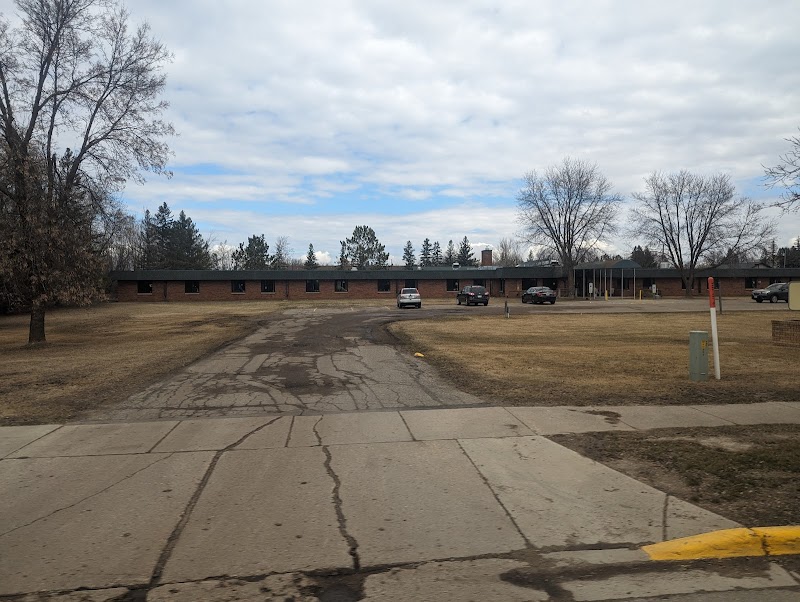
How is Good Samaritan Society - Blackduck Staffed?
CMS rates Good Samaritan Society - Blackduck's staffing level at 3 out of 5 stars, which is average compared to other nursing homes. Staff turnover is 42%, compared to the Minnesota average of 46%. This relatively stable workforce can support continuity of care.

What Have Inspectors Found at Good Samaritan Society - Blackduck?

State health inspectors documented 17 deficiencies at Good Samaritan Society - Blackduck during 2022 to 2024. These included: 16 with potential for harm and 1 minor or isolated issues.

Who Owns and Operates Good Samaritan Society - Blackduck?

Good Samaritan Society - Blackduck is owned by a non-profit organization. Non-profit facilities reinvest revenue into operations rather than distributing to shareholders. The facility is operated by GOOD SAMARITAN SOCIETY, a chain that manages multiple nursing homes. With 30 certified beds and approximately 26 residents (about 87% occupancy), it is a smaller facility located in BLACKDUCK, Minnesota.

How Does Good Samaritan Society - Blackduck Compare to Other Minnesota Nursing Homes?

Compared to the 100 nursing homes in Minnesota, Good Samaritan Society - Blackduck's overall rating (2 stars) is below the state average of 3.2, staff turnover (42%) is near the state average of 46%, and health inspection rating (2 stars) is below the national benchmark.

What Should Families Ask When Visiting Good Samaritan Society - Blackduck?

Based on this facility's data, families visiting should ask: "Can I visit during a mealtime to observe dining assistance and food quality?" "How do you handle medical emergencies, and what is your hospital transfer rate?" "Can I speak with family members of current residents about their experience?"

Is Good Samaritan Society - Blackduck Safe?

Based on CMS inspection data, Good Samaritan Society - Blackduck has a clean safety record: no substantiated abuse findings (meaning no confirmed cases of resident harm), no Immediate Jeopardy citations (the most serious violation level indicating risk of serious injury or death), and is not on the Special Focus Facility watch list (a federal program monitoring the lowest-performing 1% of nursing homes). The facility has a 2-star overall rating and ranks #100 of 100 nursing homes in Minnesota. While no facility is perfect, families should still ask about staff-to-resident ratios and recent inspection results during their visit.

Do Nurses at Good Samaritan Society - Blackduck Stick Around?

Good Samaritan Society - Blackduck has a staff turnover rate of 42%, which is about average for Minnesota nursing homes (state average: 46%). Moderate turnover is common in nursing homes, but families should still ask about staff tenure and how the facility maintains care continuity when employees leave.

Was Good Samaritan Society - Blackduck Ever Fined?

Good Samaritan Society - Blackduck has no federal fines on record. CMS issues fines when nursing homes fail to meet care standards or don't correct problems found during inspections. The absence of fines suggests the facility has either maintained compliance or corrected any issues before penalties were assessed. This is a positive indicator, though families should still review recent inspection reports for the full picture.

Is Good Samaritan Society - Blackduck on Any Federal Watch List?

Good Samaritan Society - Blackduck is not on any federal watch list. The most significant is the Special Focus Facility (SFF) program, which identifies the bottom 1% of nursing homes nationally based on persistent, serious quality problems. Not being on this list means the facility has avoided the pattern of deficiencies that triggers enhanced federal oversight. This is a positive indicator, though families should still review the facility's inspection history directly.