Prairie Manor Care Center
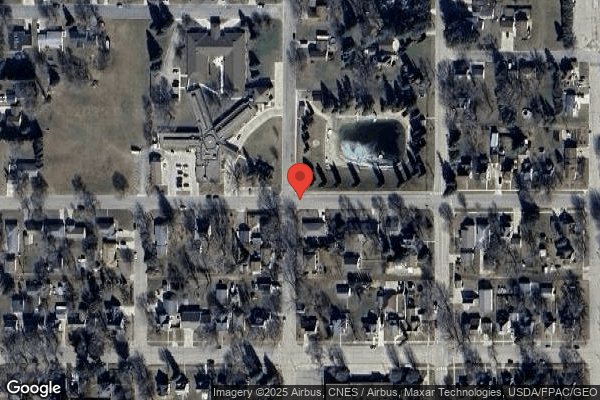
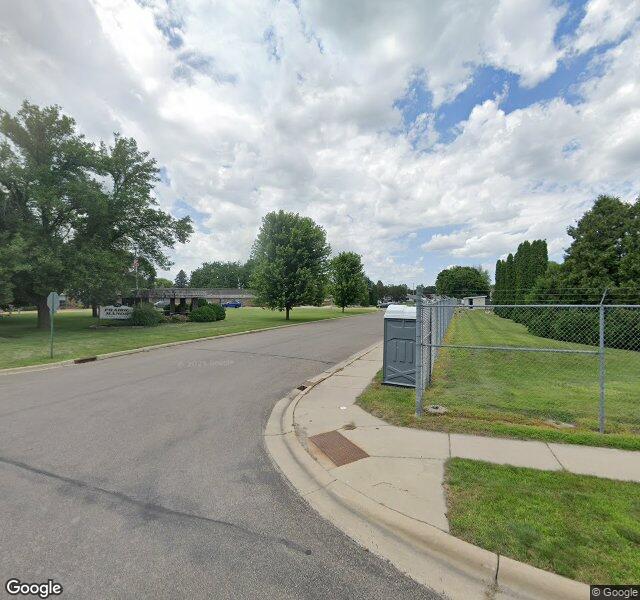
220 THIRD STREET NORTHWEST, BLOOMING PRAIRIE, MN 55917 (507) 583-4434
Non profit - Corporation 38 Beds Independent Data: November 2025 1 Immediate Jeopardy citation
Trust Grade
53/100
#194 of 337 in MN
Last Inspection: July 2025

Inspected within the last 6 months. Data reflects current conditions.

Overview

Prairie Manor Care Center has a Trust Grade of C, which means it is average and falls in the middle of the pack among nursing facilities. It ranks #194 out of 337 in Minnesota, placing it in the bottom half of the state's facilities, but it is the top option in Steele County. The facility is showing signs of improvement, with issues decreasing from 7 in 2024 to 2 in 2025. Staffing is a strong point, with a 4/5 rating and a low turnover rate of 0%, indicating that staff members are stable and familiar with residents' needs. However, the center has incurred $43,300 in fines, which is concerning as it is higher than 93% of facilities in Minnesota, suggesting potential compliance issues. There are also serious concerns highlighted by inspector findings, including a critical incident where a resident was unresponsive for several hours before receiving care, and instances where care plans were not properly updated for residents requiring enhanced infection control measures. Overall, while there are notable strengths in staffing stability, there are significant areas for improvement in the quality of care provided.

Trust Score
C
53/100
In Minnesota
#194/337
Bottom 43%
Safety Record
High Risk
Review needed
Inspections
Getting Better
7 → 2 violations
Staff Stability
○ Average
Turnover data not reported for this facility.
Penalties
○ Average
$43,300 in fines. Higher than 66% of Minnesota facilities. Some compliance issues.
Skilled Nurses
✓ Good
Each resident gets 57 minutes of Registered Nurse (RN) attention daily — more than average for Minnesota. RNs are trained to catch health problems early.
Violations
○ Average
10 deficiencies on record. Average for a facility this size. Mostly minor or procedural issues.
★★★☆☆
3.0
Overall Rating
★★★★☆
4.0
Staff Levels
★★☆☆☆
2.0
Care Quality
★★★☆☆
3.0
Inspection Score
Stable
2024: 7 issues
2025: 2 issues

The Good

  • 4-Star Staffing Rating · Above-average nurse staffing levels
  • Full Sprinkler Coverage · Fire safety systems throughout facility
  • No fines on record

Facility shows strength in staffing levels, fire safety.

The Bad

3-Star Overall Rating

Near Minnesota average (3.2)

Meets federal standards, typical of most facilities

Federal Fines: $43,300

Above median ($33,413)

Moderate penalties - review what triggered them

The Ugly 10 deficiencies on record

1 life-threatening
Jul 2025 2 deficiencies
CONCERN (D)

Potential for Harm - no one hurt, but risky conditions existed

Deficiency F0582 (Tag F0582)

Could have caused harm · This affected 1 resident

**NOTE- TERMS IN BRACKETS HAVE BEEN EDITED TO PROTECT CONFIDENTIALITY** Based on interview and document review, the facility failed to provide completed Skilled Nursing Facility Advanced Beneficiary N...

Read full inspector narrative →
**NOTE- TERMS IN BRACKETS HAVE BEEN EDITED TO PROTECT CONFIDENTIALITY** Based on interview and document review, the facility failed to provide completed Skilled Nursing Facility Advanced Beneficiary Notice (SNF ABN CMS 10055) to 2 of 2 residents (R3 and R24) reviewed whose Medicare Part A coverage ended and then remained in the facility.Findings include:A review of R3's SNF ABN document provided by the facility indicated R3 Medicare benefits ended on 4/10/25 and beginning on 4/11/25 , R3 may have to pay out of pocket for this care if you do not have other insurance that may cover these costs. we estimate that these services will cost you $ SEE BUSINESS OFFICE per day/item of service. The form did not include an estimate cost for services. A review of R24's SNF ABN document provided by the facility indicated R24 Medicare benefits ended on 4/11/25 and beginning on 4/12/25 , R24 may have to pay out of pocket for this care if you do not have other insurance that may cover these costs. we estimate that thses services will cost you $ SEE BUSINESS OFFICE per day/item of service. The form did not include an estimate cost for services. Interview on 7/1/25 at 1:00 p.m., Business office manager (BOM) indicated [NAME] had ever asked her for an amount to add to a resident's SNF ABN. She indicated she would inform any resident or their responsible party if they asked. She indicated either the Minimum Data set (MDS) nurse or social services were the party that completed the SNF ABN. Interview on 7/1/25 at 1:30 p.m. Registered Nurse (RN) -A indicated she was the MDS nurse and she completed the SNF ABN form. She indicated that she did not know that an monetary amount needed to be completed on the SNF ABN form. The form is completed with see business office. She verified all SNF ABNs were completed with that information.Review of the Form instructions Skilled Nursing Facility Advance Beneficiary Notice of Non-coverage (SNF ABN) form CMS 10055 (2024) indicated:D. Estimated Cost Section.In this section, the SNF enters the estimated cost of the corresponding care that may not be covered by Medicare. The SNF should enter an estimated total cost or a daily, per item, or per service cost estimate. SNF's must make a good faith effort to insert a resonable cost estimate for the care . If for some reason the SNF is unable to provide a good faith estimate of projected costs of care at the time of SNF ABN delivery, the SNF should indicate in the cost estimate that no cost estimate is available. This should not be a routine or frequent practice.Interview on 7/1/25 at 2:30 p.m. R24's family member, indicated she knew the amount because she is employed at the facility, but no information was given in writing on the form.Interview on 7/2/25 at 8:00 a.m., R3 indicated he did not remember being told an amount that he would have to pay to stay in the facility.
CONCERN (E)

Potential for Harm - no one hurt, but risky conditions existed

Accident Prevention (Tag F0689)

Could have caused harm · This affected multiple residents

Based on observation, interview, and document review, the facility failed to ensure assist bars attached to the bed were assessed and reassessed for specific hazards and risks and in accordance with m...

Read full inspector narrative →
Based on observation, interview, and document review, the facility failed to ensure assist bars attached to the bed were assessed and reassessed for specific hazards and risks and in accordance with manufacturer's guidelines for 4 of 4 residents (R19, R17, R24, R14) reviewed for assistive devices. Findings include:R19's quarterly Minimum Data Set (MDS) assessment, dated 4/28/25, identified severely impaired cognition, and physical behavior daily during the seven day lookback period. R19 was dependent for bed mobility and transfers and had a diagnosis of unspecified dementia with behavioral disturbances. R19's Cognitive Loss Care Area Assessment (CAA) dated 8/6/24, identified a diagnosis of dementia and extensive assist was required with ADLs (activities of daily living). R19 had verbal and physical behaviors directed at staff when assisting with ADLs. R19's care plan dated 5/8/25, identified assist bar on bed to aid in bed mobility and positioning, and lacked an assessment of specific hazards and risks. R19's progress notes identified: - 2/13/25 at 12:18 p.m., staff assessed bruising to R19's right side of jaw/chin measuring 1.5 centimeters (cm) diameter; dark brown/blue with surrounding yellow. On left side of face/neck there is very light streaking yellow bruising noted approximately three by two inches (in). A potential cause of bruising to right side could be from the assist bar on her bed. - 10/18/24 at 4:03 p.m., staff noted bruise to R19's left hand, top of left hand between thumb and forefingers. Area in line with where resident could have bumped hand on bed rail. Resident is known to be combative at times. Area measured 3 in. in diameter. Area is dark blue in color with yellowing to outside edges. R19's Point Click Care (PCC; the facility's electronic medical record) lacked assessments addressing specific hazards and risks of assist bars. During an observation on 6/30/25 at 12:50 p.m., R19 was in bed with one 1/4 length assist bar on the right side of head of bed with the brand name Accora. During an interview on 6/30/25 at 7:06 p.m., nursing assistant (NA)-C stated R19 might reach for the assist bar when staff assisted to turn side to side, however, R19 did not use them to turn and if she did, would sometimes not let go. NA-C did not think R19 knew what the assist bar was for. NA-C stated R19 was dependent on staff for bed mobility. During an interview on 7/1/25 at 10:28 a.m., NA-B stated R19 did not typically use the assist bars for bed mobility, and would sometimes grab onto the bar. During an observation on 7/1/25 at 1:00 p.m., NA-D and NA-E assisted R19 into bed using the full body lift. Once R19 was laid in bed, NA-D and NA-E assisted R19 to roll side to side. R19 did not participate in bed mobility or use the assist bar. NA-E stated R19 usually did not use the assist bar to participate in bed mobility or transfers. R17R17's annual MDS assessment, dated 4/1/25, identified severely impaired cognition and no behaviors. R17 was dependent for bed mobility and transfers and had a diagnosis of Alzheimer's disease. R17's Cognitive Loss CAA dated 4/1/25, identified a diagnosis of dementia and short term (STM) and long term memory (LTM) loss were present. R17 was unable to answer questions on the Brief Inventory of Mental Status assessment and was unable to make decisions when given two choices. R17 required extensive assistance with ADLs. R17's care plan dated 4/14/25, identified assist bars on bed to aid in bed mobility and positioning, and lacked an assessment of specific hazards and risks. R17's progress note dated 10/26/24 at 1:49 p.m., identified R17 was dependent on three staff during transfers. R17 was unable to hold onto hand bar (assist bar) when transferring, she would attempt to hold on but let go. She was unable to bear her weight and lost balance resulting in a fall. R17's PCC records lacked assessments addressing specific hazards and risks of assist bars. During an observation on 6/30/25 at 3:34 p.m., R17's bed had one 1/4 length assist bar on each side of the head of bed, model Joerns F025. During an interview on 7/1/25 at 10:28 a.m., nursing assistant (NA)-B stated R17 did not use her rails for bed mobility and R17 mostly laid still when staff assisted with rolling side to side in bed. During an observation on 7/2/25 at 8:20 a.m., NA-G and NA-D assisted R17 into bed from her wheelchair using the full body mechanical lift. The NA's gave instructions to R17 to turn in bed, however, R17 did not participate, the NA's stated R17 does not use the assist bars anymore for bed mobility. R24R24's quarterly MDS assessment, dated 5/28/25, identified severely impaired cognition and rejection of care one to three days during the seven day lookback period. R24 was independent with rolling left to right in bed and required partial/moderate assistance for chair/bed to chair transfers. R24's Self-Care and Mobility CAA dated 9/11/24, identified she transferred with one assist and self-transferred sometimes. R24 was able to move herself in bed sometimes and staff needed to assist other times. R24's care plan dated 6/5/25, identified assist bars on bed to aid in bed mobility and positioning, but lacked an assessment of specific hazards and risks. R24's PCC records lacked any assessments addressing specific hazards and risks of assist bars. During an observation on 6/30/25 at 1:43 p.m., R24's bed had one 1/4 length assist bar on each side of the head of bed, model Joerns F025. During an interview on 7/1/25 at 1:18 p.m., NA-F stated R24 needed directions to grab on the assist bar during transfers and bed mobility, and she could use them consistently with direction. R14R14's annual MDS assessment, dated 4/9/25, identified moderately impaired cognition and rejection of care one to three days in the seven day lookback period R17 required partial/moderate assistance to roll left to right in bed and for transfers. R17 had diagnoses of stroke and hemiplegia (paralysis) on right dominant side. R14's Self Care and Mobility CAA dated 4/9/25, identified one staff was required for transfers and bed mobility, and he was unable to ambulate. R14's care plan dated 4/22/25, assist bars on bed to aid in bed mobility and positioning, but lacked an assessment of specific hazards and risks. PCC records lacked any assessments addressing specific hazards and risks of assist bars. During an observation on 6/30/25 at 3:31 p.m., R14's bed had one 1/4 length assist bar on each side of the head of bed, model Joerns F025. During an interview on 6/30/25 at 7:10 p.m., NA-A stated R14 used the assist bars in his bed for bed mobility and if they were loose, she would update maintenance. During an interview on 7/1/25 at 12:20 p.m., the maintenance assistant (MA) stated upon receiving a referral from nursing to install assist bars, prior to installation; maintenance staff would ensure the assistive devices match up with the bed model. MA stated annually maintenance inspections were completed of the beds and assistive devices, however, this was not documented. During an interview on 7/1/25 at 1:11 p.m., the physical therapy assistant (PT)-A stated she reviewed the therapy records of R19, R17, R24, R14, and therapy had not provided recommendations for the assist bars. During an interview on 7/1/25 at 3:05 p.m., registered nurse (RN)-B stated residents with assistive devices such as side rails had quarterly assessments to check for proper fit and function, risks, and benefits. RN-B reviewed R19, R17, R24, and R14's paper charts and PCC records and could not find the quarterly assistive devices assessments. During an interview on 7/1/25 at 3:35 p.m., the nurse manager (NM) stated side rails would be assessed by nursing quarterly to include ability, risks, and benefits of use. The NM stated this process was not conducted on the smaller assist bars (such as Joern's and Accora models). The NM stated maintenance would ensure the assist bars were appropriate for the beds and mattresses during installation. During an interview on 7/2/25 at 8:24 a.m., the environmental services director (ESD) stated there was no documentation to support it, but their department checked the security of the assist bars when the bed belonged to a discharged resident, if a new bed was delivered, or if a bed was deep cleaned. The ESD stated they utilized the product manuals, however, only the Joern's bed and assist bar manual and the Accora bed manual were available. The ESD did not have a manual for the Accora assist bars. The ESD said to check for entrapment zones, he thought they referred to an OSHA (Occupational Safety and Health Administration) document, however, there was no documentation available. During an interview on 7/2/25 at 12:22 p.m., the director of nursing (DON) stated assist bars and grab bars carried a potential risk of injury, falls, and strangulation (entrapment). The DON stated there was not a formal process to assess for the risks of assist bars, however, they had a process in place if larger side rails were in use. The DON stated if there was an incident potentially related to an assistive devices, the device and resident should have been assessed and reassessed to determine if the device was needed. The Joerns bed user manual bed dated 2007, provided by the facility, identified the following risks and hazards warning: An optimal bed system assessment should be conducted on each resident/patient by a qualified clinician or medical provider to ensure maximum safety of the resident/patient. The assessment should be conducted within the context of, and in compliance with, the state and federal guidelines related to the use of restraints and bed system entrapment guidance, including the Clinical Guidance for the Assessment and Implementation of Side Rails published by the Hospital Bed Safety Workgroup of the U.S. Food and Drug Administration. The Joerns assist bar manual dated 2008, provided by the facility, identified the following risks and hazards: When assessing the risk for entrapment, consider the bed, mattress, head foot boards assist devices and other accessories as a system. It is also extremely important to review the resident/patients physical and mental condition and initiate an appropriate individual care plan to address entrapment risk. The Accora bed user manual dated 2003, provided by the facility, identified the following risks and hazards: Patients, or users, should be risk assessed to ensure they are able to understand this manual and to operate the bed safely without risk to themselves or others. The bed manual lacked instructions for the assist bar assessments. The Accora assist bar manual dated 2004, provided by the Accora company via email on 7/2/25 at 11:39 a.m., identified the following risks and hazards: Patients, or users, should be risk assessed to ensure they are able to understand this manual and to operate the assist bars safely without risk to themselves or others. The facility's Side Rail policy dated 2/9/21, identified the following procedure:Half side rails would be used to aid with resident mobility and/or positioning only.An assessment would be completed prior to using a bed with half side rails on it. The resident would be assessed for the risk of entrapment from bed rails prior to installation.Would attempt to use appropriate alternatives prior to installing a side or bed rail.Risks and benefits would be discussed with resident and/or family.A consent form would be signed before use and kept in resident's chart under Care Plan section.A doctor's order would be obtained before use of a half side rail.An assessment would be completed quarterly for the safe use of the half side rail and it would be determined if the risks continue to outweigh the benefits.Half side rail use will be added to the care plan.Prior to side rail use, maintenance must ensure correct installation, use, and maintenance of bed rails, and ensure that the bed's and mattress dimensions are appropriate.The policy lacked a process for assistive devices (such as assist bars) other than 1/2 side rails, and lacked a process to check manufacturer's guidelines for specific risks and hazards.
Jul 2024 5 deficiencies
CONCERN (D)

Potential for Harm - no one hurt, but risky conditions existed

ADL Care (Tag F0677)

Could have caused harm · This affected 1 resident

**NOTE- TERMS IN BRACKETS HAVE BEEN EDITED TO PROTECT CONFIDENTIALITY** Based on observation, interview, and document review, the facility failed to ensure routine hygiene cares (i.e., nail care) was ...

Read full inspector narrative →
**NOTE- TERMS IN BRACKETS HAVE BEEN EDITED TO PROTECT CONFIDENTIALITY** Based on observation, interview, and document review, the facility failed to ensure routine hygiene cares (i.e., nail care) was provided for 1 of 2 residents (R10) reviewed for activities of daily living (ADLs) and whom was dependent on staff to complete such cares. Findings include: R10's quarterly Minimum Data Set (MDS), dated [DATE], identified R10 had moderate cognitive impairment and demonstrated no delusional thinking. Further, the MDS outlined R10 required partial or moderate assistance with personal hygiene and did not have diabetes mellitus. R10's care plan, printed 6/30/24, identified R10 had Parkinson's Disease and required assistance with bathing due to impaired mobility. A series of goals were listed which included, To be neat[,] clean and odor free, along with multiple interventions such as bathing three times a week, physical assist of one for bathing, and foot care services for toenails as needed. The care plan lacked any guidance or direction on fingernail care including what, if any, preference for length R10 had or how often they should be checked or clipped. On 6/30/24 at 12:53 p.m., R10 was observed seated in his wheelchair while in his room. R10 had a visible tremor at times along with several long fingernails present on his left hand with the nail edge being multiple millimeters (mm) in length and some nails having a faint, dark coloration debris present under the nail bed. R10 stated he needed his nails clipped and added aloud, They [staff] come around to clip your toe nails but not your fingernails. R10 stated he was getting his scheduled bathing completed but only one staff member ever asks about clipping his fingernails adding, Most of the time, its one girl [staff]. R10 stated he hadn't seen the staff member lately but reiterated he would like the nails clipped. R10's POC (Point of Care) Response History, dated 6/3/24 to 6/28/24, identified the recorded support provided to R10 to complete bathing. This recorded a total of 12 episodes of bathing with R10 needing, at minimum, physical assistance in part of the task. However, R10's corresponding POC Response History, dated 6/3/24 to 6/28/24, listed a follow-up question to be completed which asked, Were fingernails cut[?], and staff could record a yes, no, refusal or unavailability. A total of 12 episodes were recorded with each response being marked, No. There were no recorded refusals of the care. R10's progress notes, dated 6/3/24 to 6/30/24, identified multiple notes labeled, Skin Wound Check, with sections to be completed by the nurse including, Fingernails & toenails trimmed: [answer recorded]. The most recent entries were recorded as: 6/12/24: Fingernails & toenails trimmed: no. 6/17/24: Fingernails & toenails trimmed: no refused. 6/19/24: Fingernails & toenails trimmed: no. 6/21/24: Fingernails & toenails trimmed: nails are clean and appropriate. 6/24/24: Fingernails & toenails trimmed: no. 6/26/24: Fingernails & toenails trimmed: no. However, the completed notes lacked information on how long the nails were (including what parameters were used to determine 'appropriate') or what, if any, re-approach effort was made on 6/17/24 to clip R10's nails with a refusal of care. Further, the medical record was reviewed and lacked evidence R10 had his fingernails clipped or trimmed since early June 2024, despite having long nails readily visible (i.e., 6/30/24 when observed). On 7/1/24 at 10:16 a.m., nursing assistant (NA)-C stated they had worked at the campus for a couple years and were aware of R10's care needs. NA-C explained R10 received help with bathing three times a week and nail care was usually done by the bath aide, however, R10 seemed to only like certain staff members or someone he trusts. NA-C stated they did not think R10 was diabetic but expressed aloud, I think they nurse does them [clips nails] for him. NA-C then observed R10's fingernails at the surveyor request. R10's fingernails remained long as they had been observed prior (6/30/24) and NA-C stated aloud, I think they're pretty long and need some clipping. R10 reiterated he wanted them clipped just not too short. NA-C stated any nail care completed by the NA staff, including offers and refusals of such, would be charted in the POC. NA-C stated the nail length appeared like it had been one or two months I think since they had last been clipped. When interviewed on 7/1/24 at 10:23 a.m., licensed practical nurse (LPN)-A explained nail care for a non-diabetic resident would typically be completed by the NA who helped with bathing on their scheduled bath days. LPN-A stated the NA will complete a bath sheet which is then provided to the nurse working who enters the information into the progress notes (i.e., Skin Wound Check). LPN-A verified any refusals of offered nail care should also be recorded. LPN-A then went and observed R10's fingernails and, upon return, stated aloud, They are long. LPN-A stated R10 did just again say he wanted them clipped and expressed it looked like it had maybe [been] a couple weeks since they were last clipped or trimmed. LPN-A stated nail care should be completed routinely to reduce the risk of bacterial growth under the nails. On 7/1/24 at 11:43 a.m., registered nurse manager (RN)-A stated they had just updated R10's care plan to reflect nail length preference adding the NA did just file them after reviewing them. RN-A explained nail care was usually completed with scheduled bathing but could also be done as needed. RN-A stated they had spoken with some other staff members and voiced they decided maybe adding clarity to the bath sheets would help ensure nail care wasn't missed moving forward as the language may be confusing to the aides. RN-A verified R10 likely needed help to complete fingernail clipping due to his Parkinson's Disease and expressed nail care should be done to promote good hygiene, reduce the infection risk, and also reduce the risk of him scratching himself with long nails. A provided Nail Trimming Policy and Procedure, dated 1/2022, identified staff may complete basic nail care for residents which included trimming. A procedure was listed with a step-by-step process to complete the actual task of nail care, however, the policy lacked information on how nail care would be documented or how often such care was to be offered or provided. An additional ADL Policy, dated 11/2016, identified the facility must provide care and services in accordance with F310 (sun-setted regulation for ADL care). The policy outlined ADL(s) included hygiene care (i.e., bathing, grooming) and directed, Staff will complete documentation in POC every shift describing the amount of care needed to complete each ADL.
CONCERN (D)

Potential for Harm - no one hurt, but risky conditions existed

Deficiency F0742 (Tag F0742)

Could have caused harm · This affected 1 resident

**NOTE- TERMS IN BRACKETS HAVE BEEN EDITED TO PROTECT CONFIDENTIALITY** Based on observation, interview and document review the facility failed to comprehensively assess and reassess a resident's hist...

Read full inspector narrative →
**NOTE- TERMS IN BRACKETS HAVE BEEN EDITED TO PROTECT CONFIDENTIALITY** Based on observation, interview and document review the facility failed to comprehensively assess and reassess a resident's history of abuse and trauma, behavioral symptoms, triggers, and interventions to minimize physical and verbal aggression during cares for 1 of 1 resident (R18) reviewed for behavioral management. Findings include: R18's quarterly Minimum Data Set (MDS), dated [DATE], indicated R18 was admitted to the facility on [DATE] and had severe cognitive impairment. The MDS further indicated R18 was dependent on staff for all activities of daily (ADLs) and had verbal behavioral symptoms daily and physical behavioral symptoms 4-6 days of the 7 day look back period. R18's diagnoses list, printed 7/2/24, indicated R18 had multiple medical diagnoses including unspecified dementia with behavioral disturbances and other specified mental disorders due to known physiological condition. R18's medication administration record (MAR), dated 5/24/24, indicated R18 received several medications including Seroquel (an antipsychotic medication that treats several kinds of mental health conditions including schizophrenia [a serious mental illness that affects how a person thinks, feels, and behaves] and bipolar disorder [severe mood swings]) 50 milligrams (MG) by mouth every morning and bedtime related to unspecified dementia with behavioral disturbance, dated 6/4/24 and escitalopram oxalate (used to treat depression and generalized anxiety disorder) 10 mg by mouth one time a day related to dementia with behavioral disturbance, dated 3/26/24. The orders also contained an order to monitor mood and behaviors d/t [due to] increase Seroquel 6/5 - every shift for 4 weeks. R18's care plan, printed 7/2/24, with revisions since admission, indicated problematic manner in which resident acts characterized by ineffective coping in unfamiliar environment. Agitation as e/b calling out and yelling at staff with cares related to: Dementia, cognitive decline, history of physical and emotional abuse. Can become very anxious at times and call out/verbalize with phrases such as: You're hurting me You're going to drop me I'm slipping I'm not safe. Has swatted and pinched staff and makes threats to hurt staff. History of yelling, swearing, and showing unwanted hand gestures when being provoked by other residents. History of yelling, swearing, hitting and attempts to bite staff during cares. The care plan contained the following interventions, that had not been updated since R18's admission despite them being ineffective in decreasing R18's care planned behaviors; Be sure you have the resident's attention before speaking or touching. Staff to maintain calm approach, provide support listening, reassurance and verbal cues with transfers and cares, Keep schedules and routine predictable and inform resident ahead of time before attempting cares, Monitor for verbal/nonverbal indicators of pain and report to nurse for further assessment if noted, Refer to transferring/toileting care plans. Staff to provide verbal cues and use 2a [assistance] with mechanical lift to ensure safety, Remove resident from public area when behavior is disruptive/unacceptable. Talk to resident in low pitch, calm voice to decrease/eliminate undesired behavior and provide diversional activity offer food/fluid, toilet, nurse to assess for pain, ask resident about her farm or horses. R18's medication administration record (MAR) and treatment administration record (TAR), dated 6/24, lacked any documentation of non-pharmacological interventions or as needed medication to address R18's frequent and continued verbal and physical behaviors. R18's progress notes from 5/1/24 to 7/1/24, also lacked any non-pharmacological interventions but indicated R18 had behaviors on the following days and two falls from a mechanical lift; On 5/1/24 it was documented R18 was still very combative towards staff during cares. On 5/2/24 it was documented R18 was still very combative and using abusive language during cares. On 5/3/24 it was documented R18 was still very combative and using abusive language during cares. On 5/6/24 it was documented R18 continues to scream out at staff during cares. Swings out and hits at them, kicks, refuses cares, yells 'you're hurting me, ow that hurt!' Swears at staff and calls them names. Yells 'shut up' frequently when staff are providing cares. Behaviors do subside once cares are completed, after a bit. Is content when sitting in dining room or when lying in bed. Refuses care or yells during cares each time. R18's skilled nursing notes from 5/9/24 - 5/16/24 indicated R18 has continued to yell and strike out at staff during cares daily. On 5/14/24 it was documented under RN Behavior Note nursing continues to note (R18) has behaviors of screaming, yelling, use of abusive language and Hx (history) of being combative with ADLs and transfers. Primarily has almost daily behaviors of yelling and using abusive language with cares due to anxiety and fear. Explanation of task, calm approach, different staff, speaking in a calm voice is usually effective in allowing task to be fulfilled and behaviors do not continue once task is complete. On 5/18/24 it was documented R18 continues to yell and hit out with cares. On 5/23/24 it was documented in a Care Conference note R18 continues to have behaviors daily of yelling out, swearing and accusatory behaviors. At times does attempt to hit out at staff. Staff continues to try interventions, effectiveness varies. Resident is followed by Rural Psych Associates. On 5/24/24 it was documented R18 was yelling out and grabbing with am (morning) cares. On 5/28/24 it was documented yelling/screaming, grabbing, pinching/scratching/spitting, abusive language, threatening behaviors was documented by the nursing assistants. On 6/1/24 it was documented R18 fell out of the hoyer lift during transfer. (An additional fall from the hoyer lift was documented on 4/14/24.) On 6/4/24 it was documented R18 was seen by Rural Psych and Seroquel was increased to 50 mg twice a day. On 6/12/24 it was documented R18 was yelling at staff while cares are being completed. On 6/14/24 it was documented R18 continued to yell and is combative with cares. On 6/16/24 it was documented R18 was yelling and combative with am (morning) cares. On 6/29/24 it was documented R18 was yelling, pinching, and hitting the nursing assistants during cares. On 6/30/24 it was documented R18 was yelling during cares. On 7/1/24 it was documented R18 was yelling during care. R18'2 EMR had evidence of medication changes to attempt to help with behaviors but lacked a comprehensive reassessment of specific triggers and interventions that have been attempted and worked or attempted and not worked to control R18's anxiety surrounding personal cares due to a history of abuse, despite current interventions being ineffective. R18's Psychosocial History and Assessment, dated 9/1/22, indicated R18 had a history of abuse by her son and a family history of alcohol. The form indicated R18 did not have a history of mental health problems and lacked any initial observations of mood, personality, behavior, etc. R18's EMR indicated R18 was seen by Rural Psychiatry Associates three times on 5/2/24, 5/9/24 and 6/4/24. The notes indicated R18 continued to have aggressive behaviors but lacked any recommendations for staff on interactions with R18 or non-pharmacological interventions despite continued behaviors. R18's Rural Psych note, dated 5/2/24, indicated the chief complaint was aggressive behaviors and agitation during care. The note indicated R18 presented with behavioral issues during care activities, exhibiting aggressive behaviors, yelling, and screaming when touched or moved. The note indicated R18 had a history of trauma and abuse from her father and husband. R18's Rural Psych note, dated 5/9/24, indicated R18 had no changes in behavior. R18's Rural Psych note, dated 6/4/24, indicated R18's calling out seems to have improved minimally but she was more physically resistive. During observation on 7/1/24 at 9:03 a.m., R18 was sitting out at the breakfast table in the main dining area, resting calmly with her eyes closed. During an interview on 7/1/24 at 9:45 a.m., nursing assistant (NA)-D stated R18 had behaviors when being transferred or while staff were doing personal cares with her. NA-D stated she had been working with R18 since November 2023 and R18's aggressive behaviors seemed to be getting worse, stating R18 kicked, hit and punched at staff during cares and used foul language. During an interview on 7/2/24 at 10:43 a.m., NA-D stated she tried to treat all residents the same but she would be more understanding if she knew a resident had a history of abuse. NA-D she had heard that R18 may have had something in her past but nothing that she was certain of. During observation and interview on 7/1/24 at 10:10 a.m., NA-A, NA-B and NA-D were transferring R18 from her wheelchair to her hospital bed via hoyer lift. R18 was very agitated, yelling and screaming, I want to go home! Don't touch me! I don't like that guy! They broke my butt and it hurt! R18 was observed trying to reach out and grab staff. NA-A attempted to talk to R18 in a calm, reassuring voice which was ineffective in calming R18 down. No other non-pharmacological interventions were observed during cares. R18 was provided incontinent care and transferred back to her wheelchair via hoyer lift. NA-A stated they documented R18's behaviors in Tasks but it was limited to check boxes therefore limiting what they could document. During an interview on 7/1/24 at 1:05 p.m., licensed practical nurse (LPN)-B stated R18's behaviors mostly centered around cares. LPN-B stated documentation for mood and behavior was on R18's MAR but non-pharmacological interventions were not, stating usually for residents with behavior who were taking antipsychotic medications, non-pharmacological interventions would be on the MAR to allow staff to note which interventions were used and effective. LPN-B stated nothing really works for R18's behaviors, stating when she was first admitted to the facility, R18 talked more and LPN-B was aware of a history of some sort of abuse but she was unaware of specifics because nothing was care planned regarding the specifics of R18's history of abuse. During an interview on 7/1/24 at 1:12 p.m., social services director (SSD) stated she assisted with assessing care planning a residents' potential history of abuse or trauma. The SSD stated when R18 was first admitted she was more cognitively intact and reported physical abuse by her father and husband and the SSD believed there was some financial abuse by her son. The SSD stated they did not have a formal reassessment process to track what interventions effective or did not, stating interventions will work for one resident and not another. The SSD confirmed interventions had not been updated since R18's admission on how to help control R18's aggressive behaviors, stating she used to like to talk about the farm she grew up on and horses but she had declined cognitively to the point so no longer remembered and was living in the past where her abuse was current to her. The SSD further stated the intervention to provide R18 with her [NAME] doll was no longer working. The SSD stated they have been trying to find triggers but her aggression seems to be just during cares. During an interview on 7/2/24 at 10:16 a.m., the director of nursing (DON) stated social services was responsible for the initial psychosocial assessment and that quarterly the nurses would complete a Behavior Note in progress notes that assessed dose reduction of medications, oral intake, and cognitive status. (The assessment lacked a look at specific interventions and triggers for behaviors.) The DON stated she was aware of R18's aggressive behaviors as her office was across the hall from R18's room and she could hear her yelling with cares daily. The DON confirmed R18 lacked a comprehensive assessment and reassessment of her history of abuse and trauma and a reassessment of interventions despite care planned interventions being ineffective. A facility policy titled Behavioral Health Services Policy, dated 8/31/17, indicated behavioral health encompasses a resident's whole emotional and mental well-being: and it was the policy of the facility to provide the necessary behavioral health care and services to attain or maintain the highest practicable physical, mental, and psychosocial well-being and to ensure that a resident whose assessment did not reveal a mental/psychological disorder did not display decreased social interaction or increased withdrawn, angry or depressive behaviors unless the resident's clinical conditions demonstrated that this was unavoidable.
CONCERN (E)

Potential for Harm - no one hurt, but risky conditions existed

Deficiency F0657 (Tag F0657)

Could have caused harm · This affected multiple residents

**NOTE- TERMS IN BRACKETS HAVE BEEN EDITED TO PROTECT CONFIDENTIALITY** Based on observation, interview, and document review the facility failed to ensure care plans, which the facility used to commun...

Read full inspector narrative →
**NOTE- TERMS IN BRACKETS HAVE BEEN EDITED TO PROTECT CONFIDENTIALITY** Based on observation, interview, and document review the facility failed to ensure care plans, which the facility used to communicate Enhanced Barrier Precautions (EBP), were revised for 4 of 4 residents (R10, R16, R24, R31) who were reviewed for care plans and who had been placed on EBPs designed to reduce the spread of multidrug-resistant organisms (MDRO's). Findings include: The Centers for Medicare and Medicaid Services (CMS) Center for Clinical Standards and Quality/Quality, Safety and Oversight Group Ref: QSO-24-08-NH dated March 20, 2024, documented Enhanced Barrier Precautions (EBP) refer to an infection control intervention designed to reduce transmission of multidrug-resistant organisms [MDRO] that employs targeted gown and glove use during high contact resident care activities. In addition, EBP are indicated for residents with any of the following: -Infection or colonization with a CDC-targeted MDRO when Contact Precautions do not otherwise apply; or -Wounds and/or indwelling medical devices even if the resident is not known to be infected or colonized with a MDRO. Also, Indwelling medical device examples include central lines, urinary catheters, feeding tubes, and tracheostomies. Guidance also documented, EBP is employed when performing the following high-contact resident care activities: Dressing, Bathing/showering, Transferring, Providing hygiene, Changing linens, Changing briefs or assisting with toileting, Device care or use: central line, urinary catheter, feeding tube, tracheostomy/ventilator, Wound care: any skin opening requiring a dressing. During facility entrance conference on 6/30/24 at 10:15 a.m., a list of residents on EBP was requested. The facility's infection control preventionist (ICP) provided surveyors with a list identifying R10, R16, R24, and R31 who were on EBP. R10's quarterly Minimum Data Set (MDS) dated [DATE], identified admission to facility on 10/26/20, dependence on staff for toileting hygiene, required substantial assistance with dressing and bathing, and had diagnoses of obstructive uropathy (impaired urine flow), urinary tract infection, and Parkinson's disease. Furthermore, R10 had an indwelling catheter (tube system used to drain urine from the bladder). R10's care plan (CP) and [NAME] (nursing assistant care instructions) downloaded 6/30/24 failed to document EBP status. R16's annual MDS dated [DATE], identified admission to facility on 4/5/23, was dependent on staff for eating, toileting, personal hygiene, dressing and bathing, and had diagnoses of neurogenic bladder (impaired bladder control), Alzheimer's, and arthritis. Furthermore, R16 was on hospice and had an indwelling catheter. R16's CP and [NAME] downloaded 6/30/24, failed to indicate EBP status. R24's significant change in status MDS dated [DATE], identified admission to facility on 11/12/20, was dependent on staff for toileting, bathing, and lower body dressing, and had diagnoses of neurogenic bladder, paraplegia (limb paralysis), and seizure disorder. Furthermore, R24 had an indwelling catheter. R24's CP and [NAME] downloaded 6/30/24 failed to indicate EBP status. R31's quarterly MDS dated [DATE] identified admission to facility on 8/14/23, was dependent on staff for toileting hygiene, and lower body dressing, and had diagnoses of obstructive uropathy, renal failure, and anxiety. Furthermore, R31 had an indwelling catheter. R31's CP and [NAME] downloaded 6/30/24 failed to indicate EBP status. During observation on 6/30/24 at 11:27 a.m., R10, R16, R24, and R31 had doors with posted signage indicating infection control precautions with instructions for staff to apply and remove personal protective equipment (PPE) for EBP. In addition, these rooms had PPE carts outside their doors. During observation and interview with LPN-A on 7/1/24 at 8:41 a.m., LPN-A stated she worked full time and was familiar with all the residents of the facility. LPN-A stated the expectation of staff was to find information on individual resident care needs, including assistance required for transfers, hygiene, diet, infections including EBP [status] or contact precautions, is in the report book (nursing communication book), [[NAME]] and in the care plan. LPN-A reviewed in R10's electronic medical record (EMR) and reviewed R10's care plan and [NAME] and verified they both lacked R10's EBP status. LPN-A walked to alcove near entrance of facility and pointed to a blue colored 3 ring binder labeled, Communication folder. LPN-A reviewed the nursing communication book and verified it lacked EBP status for R10, R16, R25, and R31. LPN-A stated updates to resident care plans, [NAME]'s, including information regarding EBP status are the responsibility of the director of nursing (DON), assistant director of nursing (ADON) who is also the ICP of facility or nurse manager. During interview with nursing assistant (NA)-A on 7/1/24 at 10:33 a.m., NA-A stated he had worked at facility full time for three years. NA-A stated the expectation of nursing staff was to receive verbal report at the beginning of every shift and, look in the communication folder. If there is changes it should be in the [NAME] [also]. NA-A reviewed R10, R16, R25, and R31 care plans, [NAME]'s, and the nursing communication board and stated, Nope, I don't see anything about precautions for any of those residents [to receive verbal report at the beginning of every shift] .I don't know why they are on those precautions though so I would have to ask the nurse about that. During interview with NA-B on 7/1/24 at 9:18 a.m., NA-B stated she was full time and worked at facility for seven months. NA-B stated the expectation of nursing staff was to receive verbal report at the beginning of every shift and to look in the [NAME] for each resident to determine the assistance needed. If there were changes in status I would look in the communication book every time I work. [If any resident is on] EBP or contact precautions, we are told in the morning meeting, and communication book. I expect [EBP status] to be in the [NAME]. NA-B reviewed the EBP status for R10, R16, R25, and R31 and verified it was not in their care plans, [NAME]'s, and communication book. [It] should be though. During interview with ICP on 7/1/24 at 9:50 a.m., ICP verified she was also the facility's assistant director of nursing. ICP stated facility's method of communication to staff regarding EBP included updating individualized care plans, [NAME]'s, and the nursing communication book. ICP reviewed R10, R16, R25, and R31's care plans, [NAME]'s and the nursing communication book and verified all lacked information on EBP status. All of them [R10, R16, R25, and R31's care plans, [NAME]'s, and the nursing communication book] were updated today. [Updates] should have been put in the [NAME]'s, [care plans] and communication binder when they were put on precautions, but it wasn't. ICP stated unfamiliar staff such including agency staff would not be informed of resident care needs unless the care plan, [NAME]'s and communication book were accurate. ICP stated, It's important for all staff to know [resident EBP status]. Facility policy titled state, The care plan will be updated from a Registered Nurse, Social Services, Dietary, or Activities with any changes in resident care as needed. In addition, A [NAME] will be completed with each care plan update to ensure staff are notified of a change in the care plan. Staff will also be notified of changes made to the care plan via the nursing communication book.
CONCERN (E)

Potential for Harm - no one hurt, but risky conditions existed

Accident Prevention (Tag F0689)

Could have caused harm · This affected multiple residents

**NOTE- TERMS IN BRACKETS HAVE BEEN EDITED TO PROTECT CONFIDENTIALITY** Based on observation, interview and document review the facility failed to comprehensively assess for and use the compatible mec...

Read full inspector narrative →
**NOTE- TERMS IN BRACKETS HAVE BEEN EDITED TO PROTECT CONFIDENTIALITY** Based on observation, interview and document review the facility failed to comprehensively assess for and use the compatible mechanical lift with mechanical lift sling to ensure safe transfers for 1 of 1 residents (R18) observed and reviewed for safe transfers. This had the potential to affect five residents (R4, R8, R9, R18, R24) residing in the facility who used the same practice for mechanical lift transfers. Findings include: R18's quarterly Minimum Data Set (MDS), dated [DATE], indicated R18 had severe cognitive impairment, was dependent on staff for all activities of daily living (ADLs) and required a mechanical lift for transfers. R18's Weights, dated 7/2/24, in the electronic medical record (EMR) indicated R18 had lost 32 pounds in the past 6 months, approximately 15% of her body weight with a current weight of 187 pounds. R18's care plan, printed 7/2/24, indicated R18 required physical staff assist of two with VOLARO hoyer [mechanical] lift and size large (black trim cross leg sling) or the ARJO lift with (green trim) size large sling. R18's progress notes, dated 4/1/24 - 7/1/24, indicated R18 had two falls from a mechanical lift on 4/14/24 and 6/1/24. R18's progress note, dated 4/14/24, indicated R18 was transferring from her bed to wheelchair via a mechanical lift and two staff members when R18 got ahold of the leg straps and started viciously shaking them. R18 was up in the air when one of the leg straps came out of the hook holding it in place causing R18 to fall from the mechanical lift and was lowered to the ground. R18's progress note, dated 6/1/24, indicated R18 slid out of the hoyer [mechanical lift] sling and was lowered to the floor. During an interview on 7/1/24 at 9:45 a.m., nursing assistant (NA)-D stated R18 required assistance with two staff for transfers via a mechanical lift. NA-D stated R18 often had aggressive behaviors during transfers. NA-D stated she was present with R18 on 4/14/24, when R18 grabbed the sling straps and started shaking them. NA-D stated R18 was up in the mechanical lift and fell into the chair when the sling strap came lose. NA-D further stated the facility used multiple types of mechanical lifts and slings. During an interview on 7/1/24 at 9:50 a.m., the director of nursing (DON) stated the restorative nurses and the assistant director of nursing (ADON) were responsible to assess what mechanical lift and sling were appropriate for a resident to use. The DON stated a resident would be reassessed for proper sling size if a concern was noted or a change in condition but not necessarily from weight loss alone. The DON stated R18 was using the proper care planned mechanical lift and sling when she fell on 4/14/24, however the mechanical lift was found to have a broken clip that may have contributed to the sling coming loose, and after the second fall on 6/1/24 the sling was changed to a less slippery sling. The DON further stated the maintenance department provided routine maintenance of the mechanical lifts and nursing staff was educated on checking the clips on the mechanical lifts prior to use. During an interview on 7/1/24 at approximately 1:00 p.m., the ADON stated after R18's fall on 6/1/24, a different sling and mechanical lift was put in place to see if it would prevent R18 from wiggling out of the sling. The ADON further stated they had not had the mechanical lift or sling companies out to the facility to do education with the staff on how to properly use the mechanical lifts and slings to prevent further falls from a mechanical lift. The DON stated approximately 3 weeks ago she realized the facility was using three different types of slings and mechanical lifts, so each resident using a mechanical lift was assessed by the ADON for proper sling sizing. During interview on 7/1/24 at 3:10 p.m., (via email) the DON confirmed R18 was using a Volaro brand mechanical lift with Tollos brand sling when she fell from the mechanical lift on 4/14/24 and 6/1/24. The DON further confirmed while they had changed the mechanical lift and sling for R18, other residents in the facility were still using a combination of the Volaro brand mechanical lifts and Tollos brand slings. During an interview on 7/1/24 at 4:17 p.m., (via email) a Tollos (sling) Representative (TR) and the Tollos Clinical Educator (TCE) stated Tollos had not tested their slings to be used with the Volaro mechanical lifts and stated the most important aspect of using a Tollos sling with any other equipment would be if the facility received proper training for safe use. The TCE further stated Tollos does not make a recommendation in this regard because the possible combinations and uses would be numerous and could be unsafe in some situations. We would need to evaluate each individual use. During an interview on 7/2/24 at 8:55 a.m., a Volaro mechanical lift representative (VR) stated Volaro does not recommend, as a manufacturer, the use of other branded slings with their lifts. The VR stated he had seen other slings on the Volaro lifts that may have appeared to have a strong hold but created unsafe gaps in the sling where it should wrap the resident for safety to prevent a resident from slipping out. The VR further stated their slings were specifically designed to fit their mechanical lifts. During an interview on 7/2/24 at 10:27 a.m., the DON stated they had processes in place to review quarterly what slings and mechanical lifts a resident was using to ensure appropriateness, but have not had any facility wide education on what staff should look for to determine if a mechanical lift or sling was not appropriate for a resident. The ADON stated she determined the Volaro brand mechanical lifts and the Tollos sling were appropriate to use together by visual inspection but did not reach out to the mechanical lift and sling companies for education or to assess if they were appropriate and safe to use together. An undated policy titled Lifts & Transfers indicated the facility used a variety of mechanical lifts and slings for both sit to stand and full lift purposes and each resident would be assessed for an appropriate lift and sling based on the resident's height, weight, and body circumference.
CONCERN (E)

Potential for Harm - no one hurt, but risky conditions existed

Food Safety (Tag F0812)

Could have caused harm · This affected multiple residents

Based on observation and interview the facility failed to ensure a container of oranges was stored off the floor to protect from contamination. This had the potential to affect all residents who consu...

Read full inspector narrative →
Based on observation and interview the facility failed to ensure a container of oranges was stored off the floor to protect from contamination. This had the potential to affect all residents who consumed food served from the main kitchen. Findings include: During the initial kitchen tour of facility with cook (C-A) on 6/30/24 at 10:16 .m., a cardboard box of oranges was observed on the floor of the walk-in refrigerator next to wire racking containing refrigerated food. C-A stated, no it should not be on the floor. During interview with dietary director (DD) on 6/30/24 at 1:55 p.m., DD stated, the oranges should not have been on the floor of the fridge. We got a shipment on Friday [6/28/24] and . they should have been put up on a shelf in the fridge. During interview with C-C on 7/2/24 at 8:48 a.m., C-C stated, oranges should not be on the floor [sic] cause that is contamination [sic] and should be 6 inches off the floor. We go through a lot of oranges here too. That is not ok. Undated facility policy titled Perishable Food Storage Areas state, 1. All items must be stored at least 6 inches off the floor.
Feb 2024 2 deficiencies 1 IJ
CRITICAL (J) 📢 Someone Reported This

A family member, employee, or ombudsman was alarmed enough to file a formal complaint

Immediate Jeopardy (IJ) - the most serious Medicare violation

Quality of Care (Tag F0684)

Someone could have died · This affected 1 resident

**NOTE- TERMS IN BRACKETS HAVE BEEN EDITED TO PROTECT CONFIDENTIALITY** Based on interview and document review, the facility failed to assess, implement care and interventions, and provide timely noti...

Read full inspector narrative →
**NOTE- TERMS IN BRACKETS HAVE BEEN EDITED TO PROTECT CONFIDENTIALITY** Based on interview and document review, the facility failed to assess, implement care and interventions, and provide timely notification for change in condition to a provider for an unresponsive resident (R1) that delayed care resulting in risk of seizure, coma, or death to 1 of 3 residents (R1). Additionally, the facility failed to assess, implement care and interventions, and provide timely notification for a change condition to a provider for a resident (R1) who, during a transfer between two surfaces, felt a pop sensation near her right knee, and afterwards reported severe pain, and could no longer bear weight. The immediate jeopardy began on [DATE] when R1 was unresponsive during morning cares at approximately 8:00 a.m., was not assessed by a nurse until 9:00 a.m., was not continuously monitored, and was transferred to the hospital at 12:14 p.m., and was identified on [DATE]. The director nursing, with the administrator on the phone, was notified of the immediate jeopardy on [DATE] at 11:38 a.m. The immediate jeopardy was removed on [DATE], at 6:00 p.m., but noncompliance remained at the lower scope and severity level of a D-isolated scope and severity level, which indicated no actual harm with potential for more than minimal harm, that is not immediate jeopardy. Findings include: R1 was admitted to the facility on [DATE], with diagnoses of pneumonia, chronic respiratory failure with hypercapnia (too much carbon dioxide in the blood),and chronic obstructive pulmonary disease. R1's Minimum Data Set (MDS) dated [DATE], indicated mild cognitive impairment, assist of two staff for bed mobility, transfers, toileting, and set-up assistance for eating. R1's care plan dated [DATE], indicated R1 had shortness of breath with exertion, chronic obstructive pulmonary disease (COPD), pneumonia, and pulmonary hypertension, but lacked indication of history of hypercapnia or interventions related to the diagnosis. R1's face sheet printed dated [DATE], identified, R1's code status was DNR/DNI (do not resuscitate/ do not intubate (a tube inserted in mouth to keep airway open), but did not have orders for limited treatments. During an interview on [DATE] at 11:30 a.m., family member (FM)-A stated there were two events recently for R1 in which care was delayed. FM-A stated the first incident was on [DATE], when a nursing assistant (NA) transferred R1, R1's right leg twisted during the transfer, and R1 could no longer bear weight on the right leg because the pain was intolerable. FM-A stated R1 was transferred to the hospital on [DATE] due to the pain and was diagnosed with a tibial fracture on the right leg. FM-A stated the second incident was [DATE], when R1 was found unresponsive at around 7:30 a.m., but not sent to the hospital until several hours later. FM-A further stated, They should have called me. I would have asked them to send her right away. She had several episodes where her CO2 [carbon dioxide] was too high. Additionally, FM-A stated, Now she is in the hospital taking pain meds, strong antibiotics, has a urinary infection, and maybe a blood infection. R1's progress note on [DATE] at 5:14 p.m., indicated R1 may transfer with assist of one per physical therapy recommendations. During an interview on [DATE] at 3:16 p.m., nursing assistant (NA)-D stated on [DATE] at about 3:00 p.m., during a pivot transfer to a chair, R1's knee made a pop sound, R1 yelped, and said her knee hurt. The pop was loud. She [R1] hollered out, it was horrible. She was definitely in pain. NA-D stated he and other NA tried to assist R1 to a standing position later, but R1 could not stand up and bear weight on her right leg anymore. NA-D stated when he transferred R1 on previous work shift, R1 could bear weight on the right leg, and could transfer without an EZ Stand. NA-A acknowledged he did not inform licensed practical nurse (LPN)-C about the incident when it occurred. Additionally, NA-D stated when R1 went to bed around 9:00 p.m., R1 stated her pain was rated at a 9/10, and NA-D reported that finding to LPN-C. During an interview on [DATE] at 2:59 p.m., NA-C stated on [DATE] at bedtime, she and NA-D tried to help R1 stand to pivot transfer, and NA-C stated, [R1] said she couldn't stand, she said, 'I can't, I can't.' [R1] sounded like she was in pain. [R1] was trying to get up with her lift chair and said, 'I'm trying, I'm trying. I can't. NA-C stated she reported the problem to LPN-C who instructed NA-C to use an EZ Stand (a transfer-assist unit which actively engages the patient in the standing process, thus reducing the need for caregiver assistance) and have R1 stand only on her non-injured leg for the transfer. NA-C stated she and NA-D put R1 to bed using the EZ Stand as instructed and noticed R1's right leg was slightly swollen at that time. During an interview on [DATE] at 2:39 p.m., LPN-C stated R1 reported to her before supper on [DATE], around 3:00 p.m., R1 felt a pop in her right leg near the knee during a pivot transfer at around 3:00 p.m., that same day. LPN-C stated she assessed the leg and there was no bruising or swelling, I just know it hurt her to move on it. LPN-C explained she did not ask R1 to rate her pain, but instead relied on facial expressions to determine it was not severe pain, and further stated, I just used my judgement. R1 did not ask for pain medication, but LPN-C offered Tylenol because R1 stated the leg bothered her when she stood on it. LPN-C further acknowledged R1 did not normally have pain in her right leg when standing, the aide reported R1 had pain when R1 stood. LPN-C further stated, I thought it was a possibility [R1] was injured, but thought at that time of night, I didn't think I needed to send her for an X-ray. I did not report it to the provider or family. I just put in a progress note, monitored it, and charted what I did. R1's progress note dated [DATE] at 8:30 p.m., written by LPN-C indicated R1 complained of right knee discomfort immediately following a transfer from recliner to wheelchair earlier in the day and further indicated R1 thought she injured the knee while pivoting. Ice was applied, R1 refused Tylenol, and the note indicated the nurse would continue to monitor R1. R1's progress noted dated [DATE] at 10:52 p.m., indicated 1000 mg Tylenol was administered, but lacked a pain rating. In review of R1's record on [DATE] between 3:00 p.m. and 10:00 a.m. on [DATE], it was not evident a comprehensive assessment or monitoring of R1's injury was completed that would include observation of the lower extremity, range of motion, or comprehensive pain assessments. During an interview on [DATE] at 2:33 p.m., LPN-A stated she assessed R1's right knee on [DATE] between 9:30 a.m. and 10:00 a.m., and found the right knee was swollen and warm. LPN-A further stated the night nurse, registered nurse (RN)-C informed her in morning report RN-C iced the area on night shift, R1 complained of pain on evening shift, and was unable to bear weight on it, even though R1 was noted to be assist of one staff for transfers. LPN-A stated, I don't know why she wasn't sent to the hospital on the 2nd. [February 2nd.]. It was warm to the touch and really big when I saw it, so I sent her in. R1's progress note written by LPN-D on [DATE] at 10:18 a.m., indicated staff reported R1 was unable to stand the prior evening ([DATE]) due to right knee pain, and was transferred to bed with a mechanical lift. The progress indicated R1's right knee was swollen and warm to touch, and R1 complained of pain rated as 10/10. Additionally, the note indicated R1 requested staff notify her family member (FM), and subsequently R1's FM requested R1 transfer to the hospital. R1's progress note dated [DATE] at 10:38 a.m., indicated R1 left the facility by ambulance. During an interview on [DATE] at 11:06 a.m., physical therapy assistant (PTA)-A stated R1, at baseline, had no pain in her knees. During an interview on [DATE] at 11:22 a.m. occupation therapist (OT)-A stated if R1 had no pain, and then complained of pain up to a rating of 9/10, was a concern. During an interview on [DATE] at 12:57 p.m., LPN-D stated if R1 heard a pop, had subsequent pain, and couldn't bear weight, the change in condition should have been reported to a provider. R1's progress noted dated [DATE] at 7:54 p.m., indicated R1 returned from the hospital at 5:20 p.m., with a right fractured tibial plateau (a break of the larger lower leg bone below the knee that breaks into the knee joint itself.) During an interview on [DATE] at 11:59 a.m., NA-F stated if she heard a pop during a transfer and then the resident complained of pain, then there could be a problem and it should be reported to the nurse. Additionally, NA-F stated if a resident was found unresponsive, she would report it to a nurse immediately. R1's progress note dated [DATE] at 8:51 p.m., indicated R1 required assistance of one staff for bed mobility, dressing, and hygiene and R1 was able to communicate needs. R1's progress note [DATE] at 12:04 a.m., indicated R1 was alert and able to make her needs known. R1's progress note dated [DATE] at 12:05 a.m., indicated RN-C administered oxycodone HCl (opioid pain medication) 5 mg (milligrams). R1's progress noted dated [DATE] at 5:28 a.m., indicated RN-C rated R1's pain as 1/10 and indicated the dose of oxycodone was effective. During an interview on [DATE] at 2:00 p.m., NA-B stated she assisted NA-A to boost R1 up in bed on [DATE], around 7:00 a.m., and noticed R1 was unresponsive. NA-B stated she didn't know R1 well, but didn't think that was normal for R1, inquired about it to licensed practical nurse (LPN)-A, who said she tried to awaken R1, but R1 did not wake up. NA-B stated, I was surprised with the boost she didn't make any noise. I carried on caring for my people after that. When I worked with her before, she was already awake and already had her pills and breakfast by 8:00 a.m. During an interview on [DATE] at 2:15 p.m., nursing assistant (NA)-A stated on [DATE] NA-A entered R1's room between 7:30 and 8:00 a.m., R1 was not responding and was really out of it. NA-A stated she provided morning cares for approximately 30 minutes and even though R1 did not respond or react in any way she did not notify the nurse. NA-A stated LPN-A looked in the room around 8:00 a.m. and then left again. NA-A further stated it was not until after morning cares were complete around 8:30 a.m. she reported to LPN-A that R1 was unresponsive. During an interview on [DATE] at 12:28 p.m., LPN-A stated on [DATE] at approximately 8:00 a.m., NA-A was in R1's room providing morning care, and R1 was still asleep. LPN-A acknowledged she did not assess R1 at that time but acknowledged R1 was typically out of bed by 8:00 a.m. LPN-A further stated at approximately 8:30 a.m., during another check, LPN-A saw NA-A change R1's incontinent pad, and at that time NA-A reported R1 was unresponsive. LPN-A returned to R1's room at approximately 9:00 a.m. to assess vital signs and since the registered nurses (RN) had gone to report, LPN-A did not alert RN-A to R1's condition until after report, around 9:30 a.m. R1's vital signs (VS) were stated to be within normal limits but were not recorded in the medical record until [DATE] as a late entry and were as follows: blood pressure 124/66, pulse 79 beats per minute, respirations 16/ min, temperature 97.6 F, and blood oxygen (O2) saturation 97%. LPN-A acknowledged she did not contact the provider or family. During an interview on [DATE] at 12:07 p.m., LPN-B stated R1 had a routine in the morning in which R1 turned on the call light between 7:00 a.m. and 7:30 a.m., wanted two of her medications, and then wanted to sit up in bed or in her wheelchair for breakfast. LPN-B further stated it would be odd for R1 to be asleep at 9:00 a.m. and had not ever refused medications. Additionally, LPN-B stated NA-A should not have continued cares for an unresponsive resident, and instead, should have notified a nurse immediately, and the nurse should have called 911 immediately upon knowing R1 was unresponsive. R1's progress noted dated [DATE] at 11:55 a.m., indicated RN-A noted she was notified by LPN-A R1 was lethargic and did not awaken for morning medications, vital signs (VS) were taken by LPN-A and were normal, and R1 was not arousable with a sternal rub. RN-A notified the director of nursing (DON), who advised RN-A to call the on-call provider. RN-A called the facility's medical service to inquire who was covering the facility as the regular provider was out ill. RN-A was advised at 11:00 a.m., about which provider to call, and left a voice mail for that provider at 11:08 a.m. The covering provider called back at 11:47 a.m., and advised RN-A to discontinue R1's oxycodone, administer Narcan (medication used to reverse the effects of opioid overdose), and transport R1 to the hospital via ambulance if the Narcan was ineffective. R1's record lacked evidence R1 was continuously monitored or assessed between 8:00 a.m. and 12:00 p.m. when EMS (emergency medical services) arrived. A progress note dated [DATE] at 12:22 p.m., indicated emergency medical services (EMS) arrived around 12:06 p.m., administered two doses of Narcan with no response from R1, family was notified, and R1 left via ambulance at 12:14 p.m. R1's progress noted dated [DATE] at 12:44 p.m., indicated emergency medical services (EMS) arrived around 12:06 p.m., two doses of Narcan were administered with no response from the resident except one moan after the first dose, R1's son was then notified, and R1's son questioned if R1's carbon dioxide (CO2) levels were elevated as R1 had a history of elevated CO2 levels. R1 was transferred to the hospital via ambulance. During an interview on [DATE] at 11:18 a.m., emergency medical technician (EMT)-A stated the emergency medical services (EMS) report from the incident indicated on [DATE], at 7:30 a.m., when staff checked on R1, R1 was somnolent, not arousable, completed daily cares, and then began escalating the concern. EMT-A stated, per the EMS report, around 11:30 a.m. staff was advised to call EMS, and EMS staff felt there was a delay in care to R1. Additionally, EMT-A stated upon arrival to the hospital, R1's lab work was abnormal and showed prolonged inadequate breathing during this event. R1's ambulance service run report dated [DATE] at 12:00 p.m., indicated emergency medical services (EMS) arrived to find R1 unresponsive with agonal breath sounds (when someone who is not getting enough oxygen is gasping for air), and staff reported R1 had been in that condition since 5:30 a.m. this was not able to be corroborated through interview nor record review. R1's Hospital record identified R1 was admitted to the ICU on [DATE] with very high C02 levels. R1 was transferred to a medical floor on [DATE], and then returned to facility on [DATE]. Labs completed identified R1's C02 levels were greater than 100 milliequivalents per liter (mEq/L), with normal levels between 23 to 29 mEq/L. During an interview on [DATE] at 5:22 p.m., R1 stated, My carbon dioxide in my body was building up. I imagine I could have died that way. That has happened three times. With my knee, it was a lot of pain when it happened. It was really bad. The pain that night was a 10/10. I was offered Tylenol and they put the cold pack on it. That helped a little bit. I had to distract myself after that. During an interview on [DATE] at 8:47 a.m., RN-A stated NA-A should have reported to the nurse when she found R1 unresponsive. RN-A further stated LPN-A notified her on [DATE] at about 9:30 a.m. that R1 was unresponsive, and then RN-A performed a sternal rub which R1 did not respond to and checked pedal pulses and found them to be present and normal. RN-A reported to the director of nursing, and then a provider was called. The regular provider was not able to be reached, however RN-A did not call senior services until 11:00 a.m., after talking to the director of nursing (DON) to inquire about a covering provider. She then called the provider that was indicated as on-call. During an interview on [DATE] at 4:48 p.m., nurse practitioner (NP)-A stated the expectation when a resident was found unresponsive was call 911, then call the provider, and reiterated staff should not wait for a provider to respond. Additionally, NP-A stated staff should have checked R1's vital signs right away. During an interview on [DATE] at 3:35 p.m., medical director stated when a resident is found unresponsive, checking vital signs would be the first step to help triage the urgency of the situation, and if there was a true emergency, waiting for a provider was a delay in care. During an interview on [DATE] at 5:42 p.m., the hospital physician who discharged R1, MD-B, stated the duration of time would matter if R1 was found unresponsive at 7:30 a.m., and was not assessed until 9:00 a.m., and further stated R1's Intensive Care Unit (ICU) time and course of treatment may have been different and less, and R1 might not have needed the Bi-pap (positive airway pressure) if staff had not delayed care. MD-B further stated VS should have been checked right away when R1 was found unresponsive. During an interview on [DATE] at 9:27 a.m., the DON stated the expectation was for staff to report change in condition right away, a nurse would perform an assessment as soon as the change in condition was noted, nursing staff would call 911 and family. The Change in Condition Policy dated [DATE], indicated nursing staff will notify the primary physician and/or the on-call MD and the resident/ responsible party or family member immediately with any significant change in the resident's physical, mental, or psychosocial status, for example, a deterioration in health, mental, or psychological status in either life-threatening conditions or clinical complications (development of a stage 2 pressure sore, onset or recurrent periods of delirium, recurrent UTI [urinary tract infection], or onset of depression etc.). The immediate jeopardy that began on [DATE], was removed on [DATE], after it was verified the facility updated R1's care plan to include hypercapnia and related interventions, reviewed like residents' care plans and updated them as needed, provided education to licensed nurses about the signs and symptoms of hypercapnia, provided education to all staff about recognizing and reporting a resident change in condition, and posted information at nursing desks about how to reach on-call providers. The noncompliance remained at the lower scope and severity level of a D-isolated scope and severity level, which indicated no actual harm with potential for more than minimal harm, that is not immediate jeopardy.
CONCERN (D) 📢 Someone Reported This

A family member, employee, or ombudsman was alarmed enough to file a formal complaint

Potential for Harm - no one hurt, but risky conditions existed

Notification of Changes (Tag F0580)

Could have caused harm · This affected 1 resident

**NOTE- TERMS IN BRACKETS HAVE BEEN EDITED TO PROTECT CONFIDENTIALITY** Based on interview and document review, the facility failed to provide timely notification for change in condition to a provider...

Read full inspector narrative →
**NOTE- TERMS IN BRACKETS HAVE BEEN EDITED TO PROTECT CONFIDENTIALITY** Based on interview and document review, the facility failed to provide timely notification for change in condition to a provider and family for an unresponsive resident (R1) and for the same resident (R1) who, during a transfer between two surfaces, felt a pop sensation near her right knee, and afterwards reported severe pain, and could no longer bear weight. Findings include: R1 was admitted to the facility on [DATE] with diagnoses of pneumonia, chronic respiratory failure with hypercapnia, chronic obstructive pulmonary disease, acidosis, and neuropathy. R1's Minimum Data Set (MDS) dated [DATE], indicated mild cognitive impairment, assist of two staff for bed mobility, transfers, toileting, and set-up assistance for eating. R1's care plan dated 2/9/24, indicated R1 had shortness of breath with exertion, chronic obstructive pulmonary disease (COPD), pneumonia, and pulmonary hypertension, and required the assistance of two for most activities of daily living (ADLs). During an interview on 2/9/24 at 11:30 a.m., family member (FM)-A stated there were two events recently for R1 in which the family was not notified timely. FM-A stated the first incident was on 2/2/24, when a nursing assistant (NA) transferred R1, R1's right leg twisted during the transfer, and R1 could no longer bear weight on the right leg because the pain was intolerable. FM-A stated he was not notified of the incident until R1 was transferred to the hospital on 2/3/23. FM-A stated the second incident was 2/6/24, when R1 was found unresponsive at around 7:30 a.m., but he was not notified of the change in condition until 11:58 a.m., and further stated, She could have been gone in that amount of time. I wasn't told about it until after they sent her to the hospital. They should have called me. I would have asked them to send her right away. R1's progress note on 2/2/24 at 10:26 p.m., indicated R1 complained of right knee discomfort immediately following transfer from recliner to wheelchair, R1 stated she thought she injured it while pivoting, ice was applied but refused Tylenol, and the nurse would continue to monitor. The progress note lacked notification to family or a provider of the change in condition. R1's progress note on 2/3/24 at 10:18 a.m., indicated staff reported R1 was unable to stand the prior evening due to right knee pain, and was transferred to bed with a mechanical lift. The progress indicated R1's right knee was swollen and warm to touch, and R1 complained of pain rated as 10/10. Additionally, the note indicated R1 requested staff notify her son, and subsequently R1's son requested R1 transfer to the hospital. During an interview on 2/9/24 at 2:39 p.m., LPN-C stated R1 reported to LPN-C before supper on 2/2/24, around 3:00 p.m., R1 felt a pop in her right leg near the knee during a pivot transfer at around 3:00 p.m., that same day. LPN-C stated she assessed the leg and there was no bruising or swelling, I just know it hurt her to move on it. LPN-C stated she did not ask R1 to rate her pain, but instead relied on facial expressions to determine it was not severe pain, and further stated, I just used my judgement. LPN-C stated R1 did not ask for pain medication, but LPN-C offered Tylenol because R1 stated the leg bother her when she stood on it. LPN-C further acknowledged R1 did not normally have pain in her right leg when standing, the aide reported R1 had pain when R1 stood, and LPN-C stated, I thought it was a possibility [R1] was injured, but thought at that time of night, I didn't think I needed to send her for an X-ray. I did not report it to the provider or family. I just put in a progress note, monitored it, and charted what I did. During an interview on 2/9/24 at 2:33 p.m., LPN-A stated she assessed R1's right knee on 2/3/24 between 9:30 a.m. and 10:00 a.m., and found the right knee was swollen and warm. LPN-A further stated the night nurse, registered nurse (RN)-C informed her in morning report RN-C iced the area on night shift, R1 complained of pain on evening shift, and was unable to bear weight on it, even though R1 was noted to be assist of one staff for transfers. LPN-A stated, I don't know why she wasn't sent to the hospital on the 2nd. [February 2nd.]. It was warm to the touch and really big when I saw it, so I sent her in. R1's progress noted dated 2/3/24 at 7:54 p.m., indicated R1 returned from the hospital at 5:20 p.m., with a right fractured tibial plateau (a break of the larger lower leg bone below the knee that breaks into the knee joint itself.) During an interview on 2/9/24 at 2:15 p.m., nursing assistant (NA)-A stated on 2/6/24 NA-A entered R1's room between 7:30 and 8:00 a.m., R1 was not responding and was really out of it. NA-A stated she provided morning cares for approximately 30 minutes and even though R1 did not respond or react in any way she did not notify the nurse. NA-A stated LPN-A looked in the room around 8:00 a.m. and then left again. NA-A further stated it was not until after morning cares were complete around 8:30 a.m. NA-A reported to LPN-A R1 was unresponsive. During an interview on 2/12/24 at 12:28 p.m., LPN-A stated on 2/6/24, LPN-A entered R1's room for the first time that shift around 8:00 a.m., and found R1 snoring and sleeping, so LPN-A returned around 8:30 a.m., saw the NA changing R1's pad, and at that time NA-A reported R1 didn't respond at all during cares. LPN-A acknowledged she returned to R1's room at approximately 9:00 a.m., reported to RN-A around 9:30 a.m., and acknowledged she had not called a provider of the family. R1's progress noted on 2/6/24 at 11:55 a.m., indicated RN-A noted she was notified by LPN-A R1 was lethargic and did not awaken for morning medications, vital signs (VS) were taken by LPN-A and were normal, and R1 was not arousable with a sternal rub. RN-A notified the director of nursing (DON), who advised RN-A to call the on-call provider. RN-A called the medical service to inquire who was covering the facility as the regular provider was out ill. RN-A was advised at 11:00 a.m., about which provider to call, and left a voice mail for the provider at 11:08 a.m. The covering provider called back at 11:47 a.m., and advised RN-A to discontinue oxycodone, administer Narcan (medication used to reverse the effects of opioid overdose), and transport R1 to the hospital via ambulance if the Narcan was ineffective. The progress note lacked mention of a call to a provider or family. R1's progress noted on 2/6/24 at 12:44 p.m., indicated emergency medical services (EMS) arrived around 12:06 p.m., two doses of Narcan were administered with no response from the resident except one moan after the first dose, R1's son was notified, and R1's son questioned if R1's carbon dioxide (CO2) levels were elevated as R1 had a history of elevated CO2 levels. During an interview on 2/13/24 at 8:47 a.m., RN-A stated NA-A should have reported to the nurse when she found R1 unresponsive. RN-A further stated LPN-A notified her on 2/6/24 at about 9:30 a.m. that R1 was unresponsive, and then RN-A performed a sternal rub which R1 did not respond to and checked pedal pulses and found them to be present and normal. RN-A reported to the director of nursing, and then a provider was called. The regular provider was not able to be reached, however RN-A did not call senior services until 11:00 a.m. to inquire about a covering provider. She then called the provider that was indicated as on-call. During an interview on 2/12/24 at 4:48 p.m., nurse practitioner (NP)-A stated the expectation when a resident was found unresponsive was call 911, then call the provider, and reiterated staff should not wait for a provider to respond. During an interview on 2/13/24 at 9:27 a.m., the director of nursing stated the expectation was for staff to report change in condition right away, a nurse would perform an assessment as soon as the change in condition was noted, and nursing staff would call 911 and family. The Change in Condition Policy dated 1/28/21, indicated nursing staff will notify the primary physician and/or the on-call MD and the resident/ responsible party or family member immediately with any significant change in the resident's physical, mental, or psychosocial status, for example, a deterioration in health, mental, or psychological status in either life-threatening conditions or clinical complications (development of a stage 2 pressure sore, onset or recurrent periods of delirium, recurrent UTI [urinary tract infection], or onset of depression etc.).
Sept 2023 1 deficiency
CONCERN (D) 📢 Someone Reported This

A family member, employee, or ombudsman was alarmed enough to file a formal complaint

Potential for Harm - no one hurt, but risky conditions existed

Deficiency F0657 (Tag F0657)

Could have caused harm · This affected 1 resident

**NOTE- TERMS IN BRACKETS HAVE BEEN EDITED TO PROTECT CONFIDENTIALITY** Based on interview and record review, the facility failed to ensure a care conference was held related to a significant change f...

Read full inspector narrative →
**NOTE- TERMS IN BRACKETS HAVE BEEN EDITED TO PROTECT CONFIDENTIALITY** Based on interview and record review, the facility failed to ensure a care conference was held related to a significant change for 1 of 1 residents (R7) reviewed for care planning. Findings include: R7's significant change Minimum Data Set (MDS) dated [DATE], indicated admitted on [DATE], was cognitively intact, and received therapy services related to a fall with fracture. R7's care conference signature sheet indicated his last care conference was held 5/31/23. R7's progress note dated 7/7/23, indicated significant change MDS was initiated related to the ending of therapy services. R7's record contained no evidence of care conference completed as a result of the significant change. When interviewed on 9/11/23 at 5:32 p.m., R7 stated he did not recall having a care conference in July. When interviewed on 9/13/23 at 12:11 p.m., the social worker (SW) stated the MDS coordinator scheduled the assessment and care conference completion due dates. She invited and set up the care conference meetings with residents and/or their representative. SW stated R7's record lacked evidence of a care conference or why it was not completed. When interviewed on 9/13/23 at 1:21 p.m., Registered Nurse (RN)-A stated she scheduled the MDS assessments and care conferences. The social services invited residents and families. RN-A stated all departments were invited to attend. It was important to involve all disciplines in the care planning process. RN-A stated R7's care conference must have been missed with the significant change. When interviewed on 9/13/23 at 1:21 p.m., the director of nursing confirmed R7's significant chance care conference was missed. It was important to maintain regular care conferences to maintain quality and resident focused care and to be proactive with resident changes in condition. The facility policy Person Centered Care Plan dated 3/29/20, identified the resident care plan will be reviewed and updated quarterly, annually and with a significant change. The policy also identified The care plan will be reviewed during care conferences with residents and family to ensure it is based upon the resident wishes for their care.
Understanding Severity Codes (click to expand)
Life-Threatening (Immediate Jeopardy)
J - Isolated K - Pattern L - Widespread
Actual Harm
G - Isolated H - Pattern I - Widespread
Potential for Harm
D - Isolated E - Pattern F - Widespread
No Harm (Minor)
A - Isolated B - Pattern C - Widespread

Questions to Ask on Your Visit

  • "What changes have you made since the serious inspection findings?"
  • "Can I speak with families of current residents?"
  • "What's your RN coverage like on weekends and overnight?"

Our Honest Assessment

Strengths
  • • Licensed and certified facility. Meets minimum state requirements.
Concerns
  • • Multiple safety concerns identified: 1 life-threatening violation(s), $43,300 in fines, Payment denial on record. Review inspection reports carefully.
  • • 10 deficiencies on record, including 1 critical (life-threatening) violation. These warrant careful review before choosing this facility.
  • • $43,300 in fines. Higher than 94% of Minnesota facilities, suggesting repeated compliance issues.
  • • Grade C (53/100). Below average facility with significant concerns.
Bottom line: Mixed indicators with Trust Score of 53/100. Visit in person and ask pointed questions.

About This Facility

What is Prairie Manor Care Center's CMS Rating?

CMS assigns Prairie Manor Care Center an overall rating of 3 out of 5 stars, which is considered average nationally. Within Minnesota, this rating places the facility higher than 0% of the state's 100 nursing homes. This mid-range rating indicates the facility meets federal standards but may have areas for improvement.

How is Prairie Manor Care Center Staffed?

CMS rates Prairie Manor Care Center's staffing level at 4 out of 5 stars, which is above average compared to other nursing homes.

What Have Inspectors Found at Prairie Manor Care Center?

State health inspectors documented 10 deficiencies at Prairie Manor Care Center during 2023 to 2025. These included: 1 Immediate Jeopardy (the most serious level, indicating potential for serious harm or death) and 9 with potential for harm. Immediate Jeopardy findings are rare and represent the most serious regulatory concerns. They require immediate corrective action.

Who Owns and Operates Prairie Manor Care Center?

Prairie Manor Care Center is owned by a non-profit organization. Non-profit facilities reinvest revenue into operations rather than distributing to shareholders. The facility operates independently rather than as part of a larger chain. With 38 certified beds and approximately 34 residents (about 89% occupancy), it is a smaller facility located in BLOOMING PRAIRIE, Minnesota.

How Does Prairie Manor Care Center Compare to Other Minnesota Nursing Homes?

Compared to the 100 nursing homes in Minnesota, Prairie Manor Care Center's overall rating (3 stars) is below the state average of 3.2 and health inspection rating (3 stars) is at the national benchmark.

What Should Families Ask When Visiting Prairie Manor Care Center?

Based on this facility's data, families visiting should ask: "What changes have been made since the serious inspection findings, and how are you preventing similar issues?" "Can I visit during a mealtime to observe dining assistance and food quality?" "How do you handle medical emergencies, and what is your hospital transfer rate?" "Can I speak with family members of current residents about their experience?" These questions are particularly relevant given the facility's Immediate Jeopardy citations.

Is Prairie Manor Care Center Safe?

Based on CMS inspection data, Prairie Manor Care Center has documented safety concerns. Inspectors have issued 1 Immediate Jeopardy citation (the most serious violation level indicating risk of serious injury or death). The facility has a 3-star overall rating and ranks #100 of 100 nursing homes in Minnesota. Families considering this facility should ask detailed questions about what corrective actions have been taken since these incidents.

Do Nurses at Prairie Manor Care Center Stick Around?

Prairie Manor Care Center has not reported staff turnover data to CMS. Staff turnover matters because consistent caregivers learn residents' individual needs, medications, and preferences. When staff frequently change, this institutional knowledge is lost. Families should ask the facility directly about their staff retention rates and average employee tenure.

Was Prairie Manor Care Center Ever Fined?

Prairie Manor Care Center has been fined $43,300 across 1 penalty action. The Minnesota average is $33,512. While any fine indicates a compliance issue, fines under $50,000 are relatively common and typically reflect isolated problems that were subsequently corrected. Families should ask what specific issues led to these fines and confirm they've been resolved.

Is Prairie Manor Care Center on Any Federal Watch List?

Prairie Manor Care Center is not on any federal watch list. The most significant is the Special Focus Facility (SFF) program, which identifies the bottom 1% of nursing homes nationally based on persistent, serious quality problems. Not being on this list means the facility has avoided the pattern of deficiencies that triggers enhanced federal oversight. This is a positive indicator, though families should still review the facility's inspection history directly.