KODA LIVING COMMUNITY
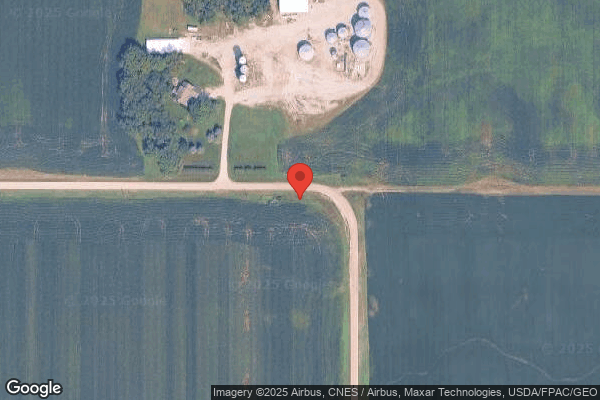
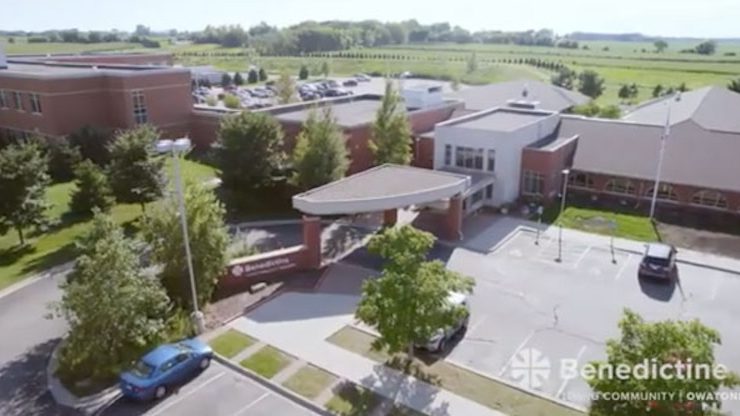
2255 30TH STREET NW, OWATONNA, MN 55060 (507) 444-4200
Non profit - Corporation 79 Beds BENEDICTINE HEALTH SYSTEM Data: November 2025 2 Immediate Jeopardy citations
Trust Grade
16/100
#244 of 337 in MN
Last Inspection: July 2025

Inspected within the last 6 months. Data reflects current conditions.

Overview

Koda Living Community has received a Trust Grade of F, indicating significant concerns about the facility's operations. It ranks #244 out of 337 nursing homes in Minnesota, placing it in the bottom half of facilities statewide, and #2 out of 2 in Steele County, suggesting that only one local option is better. While the trend is improving, with issues decreasing from 17 in 2024 to 11 in 2025, the facility still has a concerning number of deficiencies, including two critical incidents that resulted in serious harm to residents. Staffing is a relative strength with a 4/5 rating, but the 55% turnover rate is troubling and above the state average. Additionally, the facility has incurred $36,638 in fines, which is higher than 82% of Minnesota nursing homes, indicating potential compliance issues. Specific incidents include a resident being given the wrong medication, leading to hospitalization, and another resident falling from a mechanical lift due to improper securing, resulting in severe injuries. Overall, while there are strengths in staffing, the facility's serious deficiencies and poor trust grade raise significant concerns for families considering this home.

Trust Score
F
16/100
In Minnesota
#244/337
Bottom 28%
Safety Record
High Risk
Review needed
Inspections
Getting Better
17 → 11 violations
Staff Stability
⚠ Watch
55% turnover. Above average. Higher turnover means staff may not know residents' routines.
Penalties
○ Average
$36,638 in fines. Higher than 54% of Minnesota facilities. Some compliance issues.
Skilled Nurses
✓ Good
Each resident gets 54 minutes of Registered Nurse (RN) attention daily — more than average for Minnesota. RNs are trained to catch health problems early.
Violations
⚠ Watch
33 deficiencies on record. Higher than average. Multiple issues found across inspections.
★★☆☆☆
2.0
Overall Rating
★★★★☆
4.0
Staff Levels
★★★☆☆
3.0
Care Quality
★★☆☆☆
2.0
Inspection Score
Stable
2024: 17 issues
2025: 11 issues

The Good

  • 4-Star Staffing Rating · Above-average nurse staffing levels
  • Full Sprinkler Coverage · Fire safety systems throughout facility
  • No fines on record

Facility shows strength in staffing levels, fire safety.

The Bad

2-Star Overall Rating

Below Minnesota average (3.2)

Below average - review inspection findings carefully

Staff Turnover: 55%

Near Minnesota avg (46%)

Higher turnover may affect care consistency

Federal Fines: $36,638

Above median ($33,413)

Moderate penalties - review what triggered them

Chain: BENEDICTINE HEALTH SYSTEM

Part of a multi-facility chain

Ask about local staffing decisions and management

The Ugly 33 deficiencies on record

2 life-threatening 1 actual harm
Jul 2025 10 deficiencies
CONCERN (D)

Potential for Harm - no one hurt, but risky conditions existed

Resident Rights (Tag F0550)

Could have caused harm · This affected 1 resident

**NOTE- TERMS IN BRACKETS HAVE BEEN EDITED TO PROTECT CONFIDENTIALITY** Based on observation and interview, the facility failed to ensure care was provided in a dignified manner for 1 of 2 residents (...

Read full inspector narrative →
**NOTE- TERMS IN BRACKETS HAVE BEEN EDITED TO PROTECT CONFIDENTIALITY** Based on observation and interview, the facility failed to ensure care was provided in a dignified manner for 1 of 2 residents (R24) reviewed for dignity, when the resident was left in bed, unclothed. Findings include:R24's face sheet provided on 7/24/25, included diagnoses of hemiplegia (weakness or partial paralysis on one side of the body) following a stroke.R24's quarterly Minimum Data Set (MDS) assessment dated [DATE], indicated R24 had moderately impaired cognition, clear speech, could understand and be understood. R24 required partial or substantial assistance with activities of daily living and did not walk. R24's physician order dated 7/3/24, indicated to apply barrier cream to penis and scrotum daily, 6:30 a.m. - 11:00 a.m.R24's care plan with revised date of 7/10/25, indicated R24 needed assistance with dressing, personal hygiene, and bathing due to decline in mobility related to but not limited to hemiplegia.During an interview on 7/21/25 at 3:52 p.m., R24 stated that morning an agency nursing assistant (NA) got him up to dress. R24 stated he didn't know the name of the NA and she wasn't wearing a name tag. R24 stated that was the first time he had seen her, and she didn't seem to know what to do. R24 stated he had a very detailed morning routine where a NA dressed him halfway, then a nurse came in and put cream on his skin, then the NA returned to finish dressing him. That morning, R24 stated the NA came into his room and started cleaning him up. Then the NA informed R24 he had better find someone else to do the job and left the room. R24 stated there had been another NA across the room with his roommate so he called out and asked her if someone else could finish with him. R24 stated, I didn't like it - I don't know where they got her from - she didn't know anything.The director of nursing (DON) was asked on 7/22/25 at 4:27 p.m., who had been assigned to care for R24 and his roommate the morning of 7/21/25. The DON indicated NA-D had been assigned to R24, and NA-E had been assigned to his roommate. During an interview on 7/23/25 at 11:13 a.m., NA-E recalled the events of 7/21/25, when she was working with R24's roommate. NA-E stated NA-D was a brand-new NA with no prior experience who was afraid to do anything with residents. NA-E stated R24 had called out to her to come to his side of the room. Immediately NA-E observed R24 in bed with his shorts down and his brief open with his genitals exposed. NA-E stated she covered R24 right away and finished his cares and reported the incident to the licensed practical nurse (LPN)-C on duty. NA-E stated she did not know where NA-D went when she left R24's room. Neither LPN-C nor NA-D were available for interview.During an interview on 7/23/25 at 12:20 p.m., registered nurse (RN)-C who was also the clinical manager for the unit on which R24 resided, stated she was unaware of the situation that occurred on 7/21/25, with R24 and NA-D. During an interview on 7/24/25 at 12:00 p.m., the DON stated she learned of the 7/21/25, incident with R24 from her staff on 7/23/25. The DON stated she was informed NA-D had left R24 in his bed with his brief open, door open, curtain open and window blinds open. The DON stated she was informed that NA-E covered R24 and reported it to LPN-C who did not report it to nursing leadership, telling the DON he didn't think of it. The DON stated LPN-C was removed from the schedule pending investigation and in addition, the DON had not been able to reach NA-D for interview. The DON stated the incident was reported to the State Agency on 7/23/25. The DON stated she would have expected LPN-C to report the incident to a nurse leader right away. The DON stated licensed staff had training on reporting incidents involving concerns of resident dignity. The DON stated NA-D was a new employee who had completed orientation the week prior. The DON stated she was aware of training concerns and registered nurse (RN)-B, who was also the staff development nurse, had talked to NA-D on 7/16/25, about adding more orientation days. NA-D's new hire competency checklist was reviewed which indicated NA-D had received training on values including respect - acknowledges resident dignity in carrying out duties dated 7/16/25. NA-D had received training on personal care on7/16/25, and perineal care on 7/17/25.Facility Resident Rights and Notification of Resident Rights policy with revised date of 1/16/24, indicated the purpose was to provide for prompt notification of resident rights. The facility acted to protect and ensure the rights of residents.
CONCERN (D)

Potential for Harm - no one hurt, but risky conditions existed

Grievances (Tag F0585)

Could have caused harm · This affected 1 resident

**NOTE- TERMS IN BRACKETS HAVE BEEN EDITED TO PROTECT CONFIDENTIALITY** Based on observation and interviews the facility failed to provide a method for residents and resident representatives to submit...

Read full inspector narrative →
**NOTE- TERMS IN BRACKETS HAVE BEEN EDITED TO PROTECT CONFIDENTIALITY** Based on observation and interviews the facility failed to provide a method for residents and resident representatives to submit grievances anonymously. In addition the facility failed to follow their grievance process for missing/damaged personal property for 1 of 1 resident (R69) who reported a missing item. This had the potential to prevent all 72 residents in the facility.Findings include: On 7/23/25 at 11:20 a.m., during resident council R2, R25, R26, R29, R45, R52, R55, R61, R63, R64, R69, R74, R75, R78 each stated that they were unaware of any method to submit concerns anonymously and stated that no anonymous grievance process had been made known to them. On 7/23/25 at 3:00 p.m., during a facility tour, social services (SS)-A confirmed there was no grievance box or any other designated area for anonymous grievance submission accessible to residents available in resident accessible locations. Further, no signage or posted information indicated an option for submitting concerns confidentially or anonymously. On 7/24/25 at 11:58 a.m., the administrator confirmed the facility did not currently have a grievance box and stated residents could place the concern form under the door of SS-A. During a tour of the Dawn Wing, an acrylic wall mount containing a binder with concern forms was observed high on the wall. The administrator acknowledged that the location of the binder would be difficult for residents to reach independently. Facility Policy titled Concerns, Grievances dated 6/29/22, indicated: Purpose: To create an environment where resident and customer concerns are solicited and readily resolved. Policy: I. A resident/customer/resident representative has the right to voice grievances and concerns without discrimination or reprisal and without fear of discrimination or reprisal. II. The term “voice concerns” is not limited to a formal, written grievance process, but may include a resident’s verbalized concerns to staff. Concerns and grievances can be made anonymously. III. The community views customer concerns as a primary method to learn of and meet customer expectations. In keeping with this belief, staff is trained to obtain and respond to resident/resident representative customer concerns. When a resident, resident representative, visitor or family member voices a concern to a staff member, the staff member completes a concern form and forwards the form to the Social Services department/Grievance Officer /designee in a confidential container. II. Completed forms are processed in a timely manner a. The social worker/grievance officer /designee checks the confidential container daily; removes the completed forms, logs the concern, and routes the copy to the staff responsible to acknowledge, investigate, and resolve the concern. MISSING ITEM R69’s face sheet printed 7/24/25, indicated diagnoses of chronic pain, restless leg syndrome, muscle weakness, and type two diabetes mellitus. R69’s care plan revised 7/10/25, indicated R69 enjoyed being busy and needed invitations and escorts to activities of interest. R69’s goal was to express satisfaction with daily routine and leisure activities. R69’s quarterly Minimum Data Set (MDS) assessment dated [DATE], indicated intact cognition and no behaviors or rejection of care. During interview on 7/21/25 at 4:12 p.m., R69 stated she had been missing a windchime with cats on it. R69 further stated it had gone missing when she moved from one neighborhood to another neighborhood within the facility back in December 2024. R69 stated activity assistant (AA)-A helped her move and knew about the missing item. During interview on 7/23/25 at 11:02 a.m., AA-A stated she clearly remembered helping R69 move to her new room and reporting R69’s missing windchime to her supervisor. AA-A further stated she put the windchime in R69’s nightstand for the weekend and when she came back the next week, it was gone. R69 stated she did not know if the facility had a form to fill out for missing items or if there was a grievance form, and she thought when she told her supervisor it would be taken care of by management. During interview on 7/23/25 at 11:15 a.m., wellness director stated she did not recall being told about missing items by AA-A, but recalled being told about some of R69’s broken figurines, which also occurred during the move to the new neighborhood. Wellness director stated she told social services (SS)-A about the broken items but did not follow-up with him to see if an investigation was started and had not heard any more about it since then. During interview on 7/23/25 at 11:22 a.m., SS-A stated he did not know anything about R69’s missing or damaged items. During interview on 7/23/25 at 11:45 a.m., administrator stated wellness director must have forgotten to tell SS-A about the missing items, therefore the concern was not handled. Administrator further stated the missing and damaged items should have been reported to SS-A, a customer concern filled out, and an investigation into the missing and damaged items completed. Administrator stated the facility would speak to R69 about it today. Facility Missing Items policy dated 4/2012, directed; All personnel are responsible for reporting missing items to supervisor staff prior to the end of their shift. Staff works to locate the missing items. If missing item is not located within a 4-hour window, a customer concern is initiated.
CONCERN (D)

Potential for Harm - no one hurt, but risky conditions existed

Assessment Accuracy (Tag F0641)

Could have caused harm · This affected 1 resident

**NOTE- TERMS IN BRACKETS HAVE BEEN EDITED TO PROTECT CONFIDENTIALITY** Based on observation, interview and document review, the facility failed to ensure resident status was accurately identified on ...

Read full inspector narrative →
**NOTE- TERMS IN BRACKETS HAVE BEEN EDITED TO PROTECT CONFIDENTIALITY** Based on observation, interview and document review, the facility failed to ensure resident status was accurately identified on the Minimum Data Set (MDS) assessment for 1 of 1 resident (R26) reviewed for mood and behaviors, specifically post traumatic stress disorder (PTSD). Findings include: R26's face sheet printed 7/24/25, indicated diagnoses of major depressive disorder and post traumatic stress disorder.R26's care plan revised 7/10/25, indicated the potential for trauma responses related to military service in Vietnam, as evidenced by anxiety around fireworks and being around other people. Interventions included ensuring clear paths to doors if resident was in a room with multiple people and honoring wishes regarding position of entry door.R26's quarterly Minimum Data Set (MDS) assessment dated [DATE], indicated intact cognition, no behaviors, and lacked a diagnosis for post traumatic stress disorder.During observation on 7/23/25 at 10:00 a.m., R26 was observed entering chapel A for a dietary meeting. Activity Assistant (AA)-A directed R26 to sit near the door to ensure an escape route based on his care plan interventions.During interview on 7/24/25 at 11:08 a.m., registered nurse (RN)-D, also identified as clinical reimbursement manager, confirmed R26 had an active problem in the last 60 day visit note from the provider. RN-D indicated it had to be on the most current provider note or it doesn't get marked on the MDS. RN-D further stated there was a care plan with active interventions in place for R26. During interview on 7/24/25 at 12:45 p.m., administrator stated she thought they had worked with the clinical team last year to make sure only documented active cases of post traumatic stress disorder were marked on the MDS and she would have to look at that again.Facility Comprehensive Assessments and Care Planning policy dated 8/2019, directed: The assessment must accurately reflect the resident's status, and each person who completes a portion of the assessment must sign and certify the accuracy of that portion of the assessment.
CONCERN (D)

Potential for Harm - no one hurt, but risky conditions existed

Deficiency F0658 (Tag F0658)

Could have caused harm · This affected 1 resident

**NOTE- TERMS IN BRACKETS HAVE BEEN EDITED TO PROTECT CONFIDENTIALITY** Based on observation, interview and document review, the facility failed to ensure that medications were administered in accorda...

Read full inspector narrative →
**NOTE- TERMS IN BRACKETS HAVE BEEN EDITED TO PROTECT CONFIDENTIALITY** Based on observation, interview and document review, the facility failed to ensure that medications were administered in accordance with accepted professional standards and failed to disinfect the rubber septum of an insulin pen with an alcohol wipe prior to attaching the needle and administering insulin for 1 of 1 resident (R87) observed during insulin administration. Findings include: R87's face sheet printed 7/24/25, indicated R87 was admitted on [DATE], and diagnosis included type 2 diabetes.R87's care plan dated 7/22/25, indicated alteration in nutrition/hydration related to diabetes and obesity and medications reviewed quarterly and prn (as needed). R87's medication administration history dated 7/1/25-7/24/25, indicated Novolog Flex Pen U-100 Insulin; insulin pen; per sliding scale.On 7/22/25 at 12:30 p.m., licensed practical nurse (LPN)-A was observed preparing to administer a subcutaneous insulin injection to R87 using a prefilled insulin pen. LPN-A removed the pen cap and immediately attached the needle without disinfecting the rubber septum with an alcohol wipe. LPN-A then proceeded to prime the pen and inject the insulin into R87's abdomen.On 7/22/25 at 12:33 p.m., LPN-A confirmed the insulin pen was the same pen R87 used each day and confirmed the rubber top of the pen was expected wiped with alcohol prior to attaching the needle and administering insulin.On 7/23/25 at 3:33 p.m., the director of nursing (DON) confirmed the rubber septum of an insulin pen is to be disinfected with an alcohol wipe prior to attaching a new needle and administering each dose.Facility Safe Injection Practice dated 9/23, indicated:Purpose: Injection safety, or safe injection practices, is a set of measures taken to perform injections in an optimally safe manner for the residents and healthcare associates.Policy: It is the policy. to educate and ensure compliance of associates in regards to safe injection practices.Disinfect the rubber stopper of medication vials and the neck of glass ampules with sterile 70% alcohol before inserting a needle or breaking the ampule.
CONCERN (D)

Potential for Harm - no one hurt, but risky conditions existed

ADL Care (Tag F0677)

Could have caused harm · This affected 1 resident

**NOTE- TERMS IN BRACKETS HAVE BEEN EDITED TO PROTECT CONFIDENTIALITY** Based on interview and document review, the facility failed to ensure 1 of 1 resident (R54) brief was changed according to his c...

Read full inspector narrative →
**NOTE- TERMS IN BRACKETS HAVE BEEN EDITED TO PROTECT CONFIDENTIALITY** Based on interview and document review, the facility failed to ensure 1 of 1 resident (R54) brief was changed according to his care plan, and who was reviewed for activities of daily living (ADLs).Findings include:R54's face sheet provided on 7/24/25, included diagnoses of dementia and Alzheimer's disease. R54's quarterly Minimum Data Set (MDS) assessment dated [DATE], indicated R54 had moderately impaired cognition, clear speech, could understand and be understood. R54 was always incontinent of bowel and bladder and was dependent upon staff for toileting. R54 did not walk. R54's care plan with edited date of 7/10/25, indicated R54 had urinary incontinence. Care plan approach with edited date of 6/2/25, indicated R54 was on a toileting plan; to check and change brief with AM (morning) and HS (evening), before and after meals and activities and per resident or family request and PRN (as needed). Every Shift: Day 06:00 AM - 02:00 PM, Evening 02:00 PM - 10:30 PM, Night 10:30 PM - 06:00 AM. Care plan dated 4/7/25, indicated camera in use, R54's family had installed a camera in his room. Care plan dated 6/27/25, indicated R54 had impaired bed mobility and required assistance with turning and repositioning related to decreased strength, decreased endurance, impaired range of motion, and cognitive deficit.R54's care sheet (a paper document used by nursing assistants (NA's) to provide them with brief and specific information about residents) undated, indicated to check and change R54's brief with AM and HS cares, before and after meals and activities, per resident or family request and PRN.Documentation of a facility grievance dated 7/5/25, indicated family member (FM)-B expressed concern about R54 being left in wet briefs for extended periods of time. Registered nurse (RN)-E who was also the clinical manager, was assigned to the grievance. Resolution indicated R54 wore high absorbency briefs and was not on a routine toileting schedule. Grievance also indicated a discussion was held with FM-B regarding toileting preferences and R54's care plan was updated to reflect wishes. During an interview on 7/22/25 at 12:51 p.m., FM-B and FM-C both expressed concern about R54 being left in wet briefs for long periods of time. They were aware of this because they placed a Ring camera in R54's room, which the facility was aware of, and FM-B and FM-C monitored. FM-B and FM-C provided documentation of dates and times R54's briefs were changed from 6/29/25, to 7/4/25. The data was obtained from watching the Ring camera in R54's room. FM-B stated she also filed a grievance but did not hear back from anyone. Ring camera footage according to FM-B and FM-C indicated: 6/29/25: R54's brief was changed seven times. Longest period between changes was 5.5 hours. This occurred twice. 6/30/25: R54's brief was changed five times. The longest period between changes was seven hours and 45 minutes. 7/1/25: R54's brief was changed six times. The longest period between one change and 5.5 hours between another. 7/2/25: R54's brief was changed seven times. The longest period between changes was four hours and 15 minutes. 7/3/25: R54's brief was changed four times. The longest period between changes was eight + hours. 7/4/25: R54's brief was changed seven times. The longest period between changes was four hours. During an interview and observation on 7/24/25 at 11:34 a.m., in R54's room, nursing assistant (NA)-C stated R54's brief should be changed every two or three hours and documented on a clipboard located on the wall in R54's room. The form on the clipboard was titled Toileting Schedule. It had 14 columns for dates and 24 rows for times from 7:00 a.m., to 6:00 a.m. The form indicated R54 was to be toileted every 2-3 hours and PRN. The form had many missing entries and was only initialed by staff 25 times. There was no consistency to documenting when R54 had been checked and/or changed. The form also indicated R54 had not been checked and changed every 2-3 hours. The first date on the form was 6/21 with the following dates after that: 6/23, 7/1, 7/10, 7/15, 7/17, 7/24. NA-C stated she could only speak to when she changed R54 and that was every two to three hours. NA-C stated the clipboard was the only place she documented changing R54's brief. At the bottom of the form in small print was: Continue to add BMs (bowel movement) in POC (Point of Care was where NA's documented in the electronic medical record [EMR]).During an interview on 7/24/25 at 12:26 p.m., RN-E was aware of the grievance filed by FM-B about R54 being left in wet briefs for long periods. RN-E stated R54 should be checked and changed roughly every two to three hours - as listed on his care plan. RN-E was asked to provide documentation R54 was being checked and changed at those time intervals. RN-E was also asked to provide documentation that RN-E followed up with FM-B regarding her grievance dated 7/7/25. RN-E was not able to provide documentation for either.During an interview on 7/23/25, at 6:04 p.m., FM-B and FM-C stated emails had been sent to RN-E regarding their concerns about R54 being left wet for extended periods of time and they had shown some of the Ring camera footage to the director of nursing (DON), as well as provided them dates and times R54's brief was changed according to Ring camera footage. Despite this communication FM-B and FM-C stated nothing had improved. During an interview on 7/24/25 at 12:49 p.m., with the DON and RN-E, again asked for documentation that R54's brief was being changed according to his care plan. They were shown the form from the clipboard in R54's room indicating when R54's brief was changed with many blank spaces. The DON was not aware of the form and had not seen it before. The DON stated R54's brief should be changed according to his care plan and would expect NAs to document this in the EMR. The DON acknowledged there was no documentation and therefore could not verify R54's briefs were being changed according to his care plan and the wishes of FM-B. In addition, RN-E again stated she was not able to provide documentation confirming she had spoken to FM-B regarding her grievance of R54 being left wet for extended periods of time. The DON stated she would expect staff to follow-up on family concerns and to document those conversations.During an interview on 7/24/25, at 3:04 p.m., RN-E stated she had found the Toileting Schedule form used in R54's room in a file cabinet in her office and had implemented it as a way for NAs to document real-time when R54's brief was changed. RN-E admitted the form had not been used as she had intended, and she had not audited the form to see if staff had been documenting the date/time when R54 had been checked and changed.Facility Activity of Daily Living policy dated 6/2021, indicated residents would be provided with care, treatment and services appropriate to maintain or improve their ability to carry out activities of daily living (ADLs). Residents unable to carry out ADLs independently would receive the services necessary to maintain good nutrition, grooming, personal hygiene, elimination, communication and mobility. Care and services would be provided for residents who are unable to carry out ADLs independently, with the consent of the resident and in accordance with the plan of care, including appropriate support and assistance with elimination (toileting).
CONCERN (D)

Potential for Harm - no one hurt, but risky conditions existed

Quality of Care (Tag F0684)

Could have caused harm · This affected 1 resident

**NOTE- TERMS IN BRACKETS HAVE BEEN EDITED TO PROTECT CONFIDENTIALITY** Based on observation, interview and document review, the facility failed to implement a process to ensure that the resident rece...

Read full inspector narrative →
**NOTE- TERMS IN BRACKETS HAVE BEEN EDITED TO PROTECT CONFIDENTIALITY** Based on observation, interview and document review, the facility failed to implement a process to ensure that the resident received their scheduled insulin dose while out of the facility for 1 of 1 resident (R90) reviewed for medication administration.Findings include:R90's admission Minimum Data Set Assessment (MDS) assessment dated [DATE], indicated R90 was admitted [DATE], cognitively intact, required supervision with personal hygiene, sit to stand, toilet transfer, utilized a walker and wheelchair, diagnoses included: diabetes, seizure disorder and anxiety.R90's care plan dated 7/24/25, indicated R90 receives an insulin that places them at risk as a high risk medication, monitor for signs and symptoms of hyperglycemia and hypoglycemia; visual impairment related to cataracts as evidenced by difficulty reading fine print writing, legally blind in my left eye, provide large print reading materials or talking books as needed; alteration in nutrition/hydration related to DM (diabetes mellites), anxiety, pain, diet as ordered, encourage consistent meal intakes, avoid skipping meals and high concentrated sweetsR90's Medication Administration Record (MAR) dated 7/1/25-7/23/25, indicatedaccu check four times a day 8:00 a.m., 12:00 p.m., 5:00 p.m., 8:00 p.m.insulin aspart U-100 insulin pen; 100 unit/mL (milliliter) 8 units; subcutaneous three times a day; 8:00 a.m., 12:00 p.m., and 5:00 p.m.,insulin aspart U-100 insulin pen subcutaneous three times a day 8:00 a.m., 12:00 p.m., and 5:00 p.m., Amount to Administer: Per Sliding Scale:If Blood Sugar is 140 to 179, give 2 Units.If Blood Sugar is 180 to 219, give 4 Units.If Blood Sugar is 220 to 259, give 6 Units.If Blood Sugar is 260 to 299, give 8 Units.If Blood Sugar is 300 to 339, give 10 Units.If Blood Sugar is 340 to 379, give 12 Units.If Blood Sugar is 380 to 399, give 13 Units.If Blood Sugar is greater than 400, call MD.R90's MAR documentation indicated, 7/22/25 at 12:00 p.m., LPN-A indicated Blood sugar 2027/22/25 at 12:44 p.m., insulin pen; 100 units, administer 8 units; subcutaneous; LPN-A documented comment indicated: not administered: resident left for home, no insulin given.7/22/25 at 12:44 p.m., insulin pen; 100-unit amount to administer: Per Sliding; LPN-A documented comment indicated: not administered: resident left for home, no insulin given.Review of R90's progress notes and nursing documentation failed to indicate that an alternative plan was in place for administration while R90 was out of the facility.On 7/22/25 at 12:21 p.m., R90's family member presented to the facility and informed LPN-A R90 would be leaving the facility for awhile and would return later. LPN-A was observed to check R90's blood sugar and was 202. LPN-A informed R90, she was not going to administer the insulin due to her not eating and leaving the facility. LPN-A instructed R90 to take insulin when she was at home and ate, R90 stated she was not going to take insulin at home, and LPN-A stated, your blood sugar is kind of high. R90 was observed to leave her room in a wheelchair with FM-A.On 7/22/25 at 12:38 p.m., LPN-A stated R90 had been a diabetic for a long time and would expect her to know her insulin sliding scale, expect her to have insulin at home and would assume she would know the amount and how to administer the insulin. LPN-A further stated she did not know for sure if R90 knew her insulin dose or if she had insulin at home and confirmed R90 was not asked that information. LPN-A stated R90 had been diabetic for so long R90 knew what to do.On 7/23/25 at 7:43 a.m., registered nurse (RN)-A, known as the case manager, stated the facility process for when a resident was out of the facility and had insulin administration was to send the insulin pen, copy of orders, and ensure the resident and/or family were educated prior to the resident leaving the facility.On 7/23/25 at 10:37 a.m., R90 stated when she left the faciity on 7/22/25, with FM-A she did not take any insulin as she did not know the dose she was currently getting at the facility, R90 stated her dose has changed since admitted to the facility and did not eat until returning the facility.On 7/23/25 at 3:33 p.m., the director of nursing (DON) confirmed R90 would not be expected to administer insulin that she had at home, stated would expect the nurse to send the medication, copy of the orders, insulin pen, needle and alcohol and educate resident and family of the medication orders prior to leaving the facility. Facility Out-On-Pass Medications/Leave of Absence policy dated 12/17, indicated:The charge nurse on duty assures that residents have their necessary medications before leaving the facility on pass or therapeutic leave of absence.ProceduresA. When receiving a physician's order for a resident to go out on pass, the charge nurse on duty reviews the resident's medication orders and directions for use with the physician and determines if pass medications are needed. It may be possible to alter administration times to eliminate the need for leave of absence medications if the resident's physician concurs and gives an order to do so. The physician's order should list the medications to be dispensed for the leave of absence, including controlled substances.B. The nurse should determine the total number of doses of each medication that will be needed based on the length of the leave of absence before notifying the pharmacy.D. All medications provided to the resident and/or responsible party for administration while on pass are properly labeled by the pharmacy with full directions for use. At least twenty-four hours notice is given to the provider pharmacy so that the medications can be prepared, if the need is known in advance. If an entire medication container is to be taken on pass, the resident or responsible party must sign out for it on a record of medication release/receiptF. Current medication orders and directions for use are reviewed with the resident or responsible party before the resident leaves the facility. If there is a question about the medication that the charge nurse is unable to answer, the provider pharmacy is called for the information before releasing the medication.H. The leave of absence medication( s) taken by the resident are recorded on the resident's current medication administration record (MAR or eMAR. Doses are not documented on the MAR or eMAR unless the nurse administers the medication. However, the licensed nurse on duty at the time the resident returns to the facility may enter, in the nurse's notes, a summary of the resident's or responsible party's report of compliance with the dosage instructions. (Example: 5/17/2011, 7 :00 p.m., [NAME], daughter of Mrs. [NAME] states that resident took digoxin, as directed, each morning. (signed) M. [NAME], R.N.)I. A circled initial is placed on the MAR or eMAR for each dose of regularly scheduled medications that would normally have been administered by the facility while a resident is out on pass. The reason for the circled initial (for example, out on pass with meds) is explained in the nursing comments section of the MAR or eMAR.J. Medications may be self-administered by residents participating in facility-sponsored activities away from the building under the following conditions: A self-administration order was given by the resident's physician.
CONCERN (D)

Potential for Harm - no one hurt, but risky conditions existed

Deficiency F0761 (Tag F0761)

Could have caused harm · This affected 1 resident

**NOTE- TERMS IN BRACKETS HAVE BEEN EDITED TO PROTECT CONFIDENTIALITY** Based on observation, interview and document review the facility failed to ensure an insulin pen included resident name and date...

Read full inspector narrative →
**NOTE- TERMS IN BRACKETS HAVE BEEN EDITED TO PROTECT CONFIDENTIALITY** Based on observation, interview and document review the facility failed to ensure an insulin pen included resident name and dated when opened for 1 of 1 resident (R87) reviewed for medication administration. Findings include: R87's face sheet printed 7/24/25 indicated R87 was admitted on [DATE], and diagnosis included type 2 diabetes.R87's care plan dated 7/22/25, indicated alteration in nutrition/hydration related to diabetes and obesity and medications reviewed quarterly and prn (as needed). R87's medication administration history dated 7/1/25-7/24/25, indicated Novolog Flex Pen U-100 Insulin; insulin pen; per sliding scale three times a day before meals and Toujeo Solostar; 50 units; subcutaneous at bedtime.On 7/22/25 at 12:30 p.m., during observation of medication administration, licensed practical nurse (LPN)-A was observed entering R87's room and unlocking the medication cabinet. LPN-A removed a NovoLog FlexPen insulin pen from the cabinet, attached a needle, primed the pen with two units, dialed to nine units, and administered the insulin to R87's lower abdomen. The NovoLog insulin pen in use had a manufacturer label that included an E-Kit sticker and a blank space for the resident name, which had not been filled in. Additionally, there was no date written on the pen to indicate when it had been opened. LPN-A confirmed during the observation that the insulin pen had been removed from the facility's emergency kit (E-Kit) and acknowledged that the resident name and date opened should have been documented on the pen label, but were not. Further inspection of the medication cabinet revealed a second insulin pen (Toujeo Solostar) that also lacked documentation of the date it was opened. The pen was labeled with the resident's name but did not include date opened information. LPN-A stated insulin pens were expected labeled with both the resident's name and the date the medication was opened.On 7/23/25 at 7:43 a.m., registered nurse (RN)-C, case manager, stated insulin pens were expected labeled with resident identifiers including name and were also expected labeled with open date.On 7/23/25 at 3:33 p.m., director of nursing (DON) stated when a insulin pen was removed from the E-kit the nurse was expected to label the pen with resident name and open date.Facility Safe Injection Practice policy dated 9/23, indicatedInsulin Pens:1. Provide training and oversight on the use of insulin pens to assure competency and use ofproper infection prevention practices.2. Dedicate insulin pens for use with only one resident.3. Do not use unassigned or unlabeled insulin pens.4. Affix resident label directly to the insulin pen.5. Label the pen only, not the outer bag, which could contain an incorrect pen
CONCERN (D)

Potential for Harm - no one hurt, but risky conditions existed

Infection Control (Tag F0880)

Could have caused harm · This affected 1 resident

**NOTE- TERMS IN BRACKETS HAVE BEEN EDITED TO PROTECT CONFIDENTIALITY** Based on observation, interview, and document review, the facility failed to ensure appropriate treatment and services for a Fol...

Read full inspector narrative →
**NOTE- TERMS IN BRACKETS HAVE BEEN EDITED TO PROTECT CONFIDENTIALITY** Based on observation, interview, and document review, the facility failed to ensure appropriate treatment and services for a Foley catheter for 1 of 1 resident (R11) reviewed for catheter cares. In addition, the facility failed to follow proper infection control practices for 1 of 1 resident (R54) observed during peri care. Findings include: FOLEY CATHETER CARE R11's face sheet printed 7/24/25, included diagnosis of acute kidney failure, and obstructive and reflux uropathy (blockage in urinary system) and benign prostatic hyperplasia (enlarged prostrate) with lower urinary tract symptoms. R11's quarterly Minimum Data Set (MDS) assessment dated [DATE], indicated R11 had moderately impaired cognition, was dependent on staff for bathing, toileting, dressing and transfers and R11 had a Foley catheter. R9's care plan dated 7/11/25, identified R11 had a indwelling Foley catheter with interventions including keep catheter tubing free of kinks, keep drainage bag below bladder level, maintain a closed catheter drainage system, and secure catheter tubing to upper leg to prevent catheter being pulled out. On observation 7/21/2025 7:00 p.m., an unidentified staff was exiting the room and R11 was in his recliner chair with urinary drainage bag lying on the floor. On observation on 7/22/25, at 1:28 p.m. R11 was in his recliner chair with the catheter bag lying on the floor next to the chair. R11 stated the catheter is always laying on the floor. On interview 7/23/25 at 12:46 p.m., nursing assistant (NA)-A stated she has found the catheter bag laying on the floor many times, but she always ensures it is hooked to the material on the side of the chair. NA-A added the catheter bag should not be on the floor. On interview 7/24/25 at 11:40 a.m., registered nurse (RN)-A stated the catheter back should be hooked up to whatever is available and off the floor below the level of the bladder. On interview 7/24/25 at 11:49 a.m., the director of nursing (DON) stated the catheter bag should be hooked so the bag is not on the floor below the level of the bladder. The DON confirmed the catheter bag should not be on the floor. On interview 7/24/25 at 11:52 a.m., RN-B, also identified as infection prevention nurse stated the catheter bag should not be on the floor. A request for Catheter Care was requested but none was received. PERI-CARE R54's face sheet provided on 7/24/25, included diagnoses of dementia and Alzheimer's disease. R54's quarterly Minimum Data Set (MDS) assessment dated [DATE], indicated R54 had moderately impaired cognition, clear speech, could understand and be understood. R54 was always incontinent of bowel and bladder and was dependent upon staff for toileting. R54's care plan with edited date of 7/10/25, indicated R54 had urinary incontinence. Care plan approach with edited date of 6/2/25, indicated R54 was on a toileting plan; to check and change brief with AM (morning) and HS (evening), before and after meals and activities and per resident or family request and PRN (as needed). During observation and interview on 7/24/25 at 11:34 a.m., while changing R54's brief and providing peri-care, observed nursing assistant (NA)-C wipe around R54's genitals with a wet washcloth, then set the washcloth on R54's overbed table. R54's overbed table had personal items on it including his water mug, telephone and was where he ate his meals. NA-C did this twice with two separate washcloths. NA-C initially stated she placed the soiled washcloths on the edge of the wastebasket when done with them and when informed of the observation of her placing them on the overbed table, then stated she set the soiled washcloths on top of a strip of plastic garbage bag that was still folded. NA-C admitted the strip of plastic would not provide adequate coverage to protect the surface of the overbed table from being contaminated by two soiled washcloths. During an interview on 7/24/25 at 12:49 p.m., the director of nursing (DON) was informed of the observation of a NA placing soiled washcloths on a strip of a plastic bag on R54’s overbed table. The DON stated that was not acceptable at any time, and especially since that was where R54 ate his meals. Facility Activities of Daily Living policy dated 6/2021, indicated residents unable to carry out ADLs independently will receive the services necessary to maintain good nutrition, grooming, personal hygiene, elimination, communication and mobility.
CONCERN (E)

Potential for Harm - no one hurt, but risky conditions existed

Deficiency F0804 (Tag F0804)

Could have caused harm · This affected multiple residents

**NOTE- TERMS IN BRACKETS HAVE BEEN EDITED TO PROTECT CONFIDENTIALITY** Based on observation, interview and document review, the facility failed to ensure proper food temperatures and provide attracti...

Read full inspector narrative →
**NOTE- TERMS IN BRACKETS HAVE BEEN EDITED TO PROTECT CONFIDENTIALITY** Based on observation, interview and document review, the facility failed to ensure proper food temperatures and provide attractive food in order to ensure palatability for 15 of 15 residents (R2, R25, R26, R29, R45, R52, R55, R61, R63, R64, R69, R74, R75, R78, and R90) reviewed for concerns of cold food. In addition, the facility failed to provide palatable food for 4 of 4 residents (R22, R25, R47 and R78) reviewed for dining. This had the potential to affect all residents who ate food provided by the facility. Finding include: R2's significant change in status Minimum Data Set Assessment (MDS) dated [DATE], indicated severe cognitive impairment. R25's quarterly MDS dated [DATE], indicated severe cognitive impairment. R26's quarterly MDS dated [DATE], indicated cognitively intact. R29's quarterly MDS dated [DATE], indicated cognitively intact. R45's comprehensive MDS dated [DATE], indicated cognitively intact. R52's comprehensive MDS dated [DATE], indicated cognitively intact. R55's quarterly MDS dated [DATE], indicated severe cognitive impairment. R61's quarterly MDS dated [DATE], indicated cognitively intact. R63's quarterly MDS dated [DATE], indicated severe impairment. R64's quarterly MDS dated [DATE], indicated cognitively intact. R69's quarterly MDS dated [DATE], indicated cognitively intact. R74's admission MDS dated [DATE], indicated cognitively intact. R75's annual MDS dated [DATE], indicated cognitively intact. R78's quarterly MDS dated [DATE], indicated severe impairment. R90’s admission MDS dated [DATE], indicated cognitively intact. During interview on 7/21/25 at 3:17 p.m., R26 stated he was part of the facility food committee. R26 further stated residents made several suggestions for food improvement and staff did not do anything about it. R26 stated food had no flavor, was cold and sometimes even frozen. During interview and observation on 7/21/25 at 6:23 p.m., R26 had a plate with sweet potato fries on his table in his room. R26 picked up a sweet potato fry and demonstrated it was weak and limp by showing how it fell apart in his fingers. R26 stated the sweet potato fries were cold when served to him and he was not going to eat them. R26 stated food was cold all the time and he did not eat most of it. On 7/21/25 at 3:45 p.m., R90 stated she ate her meals in her room per her preference and consistently received cold food. R90 reported that the macaroni and cheese was repeatedly delivered cold and was not enjoyable. On 7/21/25 at 5:08 p.m., dietary aide (DA)-A removed food from a thermal cart in the Kindle Wing and placed items in the steamer. DA-A took the temperature of the sweet potato fries, at 138 degrees Fahrenheit (F), and the grilled ham and cheese sandwiches, at 140 degrees. DA-A stated the sweet potato fries and sandwiches would be returned to the kitchen for reheating since the food was under 145 degrees. On 7/21/25 at 5:17 p.m., culinary supervisor (CS)-D stated that staff took food temperatures before leaving the kitchen and stated that some foods were known not to hold temperature well. On 7/21/25 at 5:24 p.m., DA-A returned to the Kindle Unit with a thermal cart and removed the reheated sweet potato fries and grilled ham and cheese sandwiches. DA-A took the temperature of the fries, which registered 151°F, and the sandwiches, which registered 173°F. DA-A plated and served the residents in the Kindle dining room. On 7/21/25 at 5:40 p.m., R90’s meal tray was plated and was delivered to her room and meal included tomato soup, a grilled ham and cheese sandwich, sweet potato fries, and coleslaw. R90 stated that the fries were not warm and were cold and would not eat the fries because they were cold. On 7/21/25 At 5:44 p.m., a resident meal tray meal tray containing sweet potato fries and a grilled ham and cheese sandwich was prepared for delivery to a resident. CS-D removed a fry from the plate and stated it did not feel warm. CS-D took the temperature of the fries, which measured 107°F, and confirmed the fries were not warm. CS-D stated that sweet potato fries were a difficult food item to keep warm. On 7/23/25 at 11:12 a.m., during a resident council group interview, 14residents (R2, R25, R26, R29, R45, R52, R55, R61, R63, R64, R69, R74, R75, and R78) consistently reported receiving cold food, food that did not match the menu, and food that lacked taste and appeal. R26 stated the group had discussed food concerns for six months during council meetings and had not seen any results. R64 described the food as “awful.” R63 stated the menu listed “chicken and dumplings,” but the facility served chicken without dumplings. R26, R61, and R64 stated that the grilled ham and cheese sandwiches served on 7/21/25 were so hard they could not be eaten, and the cake served on 7/22/25 was frozen. The residents expressed frustration that they often had to request alternative meals because the food they originally received was either cold or incorrect and agreed it would be preferable to receive the correct, warm food on the first attempt. The residents stated that staff acknowledged their complaints with comments such as “you’re right, the food is cold,” and were stated education to the staff would be provided, residents stated no improvement had occurred. On 7/23/25 at 2:36 p.m., social services (SS)-A confirmed that residents routinely voiced food concerns during resident council meetings. SS-A stated the resident's complaints were documented on a spreadsheet and forwarded the food concerns to the culinary director. SS-A confirmed that management was aware of the issues but stated the facility lacked the bandwidth. SS-A reported that the facility had formed a Dining Experience Committee to address ongoing complaints, but no measurable improvements or data had been observed. Resident concern report form provided on 7/22/25, indicated the following: 7/16/25, R2 stated the country fried steak was burnt and tough to eat. 6/28/25, R9, R25, R26, R29, R48, R63, R64, and R74, food was undercooked, served cold, and not what was ordered. Food served late. FOOD TEMPERATURE LOG During observation and interview on 7/23/25 at 11:30 a.m., DA-B was observed taking temperatures of chicken, potatoes, vegetables, gravy, and rice as they were pulled from a standing warmer in the kitchen. [NAME] (C)-A was observed writing down temperatures on a document titled Food Temperature Log. Review of the log showed no documented cooking temperatures for the above foods. DA-B and C-A stated they did not know if there was a formal procedure for taking temperatures of foods, they sometimes temped food when it came out of the oven, sometimes when it came out of the warmer, and sometimes both. C-B stated it should be temped when it comes out of the oven to ensure proper safe cooking temperatures. During interview on 7/23/25 at 11:33 a.m., CS-D stated DA-B and C-A should have taken the temperature of the food when it came out of the oven, rather than when it came out of the warmer. CS-D stated she was new to the facility and not sure on a formal procedure for food temperatures. During interview on 7/23/25 at 11:35 a.m., culinary services director (CS)-F stated staff should take food temperatures when the food comes out of the oven, and that temperature should be logged on the Food Temperature Log. CS-F further stated he could not say for sure that the staff knew the process and the staff could use some education on proper procedure for food temping. CS-F further stated there had been a lot of food concerns related to timing of meals, appearance of food, and temperatures of food. CS-F stated they started a food committee and audits to work on problems but confirmed little improvement since April. CS-F stated the sandwiches served on 7/21/25, were not up to expectations, did not appear appetizing, and the menu should have been followed. CS-F further stated he was not aware of any formal culinary education but had been completing as-needed education with dietary staff. During interview on 7/24/25 at 9:45 a.m., administrator stated there had been a lot of food concerns. Administrator further stated they had been working on timing of meals and temperature of food. Administrator stated there had been concerns with presentation and appearance of food and they were aware through the dining experience meetings. Administrator agreed sandwiches on 7/21/25, were not appetizing or made as directed by the recipe. Administrator further stated education was provided to culinary staff on 7/21/25. During interview on 7/24/25 at 1:29 p.m., facility dietician stated she was not aware of the food concerns at the facility and her role was more clinical. Dietician further stated she would expect the recipes to be followed and was not aware culinary staff were not following provided recipes. Dietician stated she would expect staff to cook foods to proper temperatures and document the cooking temperatures, rather than the holding temperatures. Dietician reviewed the facility provided Food Temperature Log for 7/25, and stated the form needed to be updated for ease of understanding and accurate temperatures for food safety. Review of facility documents titled Meeting minutes for dining experience committee dated 2/6/25 through 6/25/25, indicated ongoing problems with food concerns. Notes from meetings included the following: 2/6/25: concerns with food temperature, consistency of times of food service, soggy food, and overcooked desserts. 4/17/25: concerns with food temperature, potatoes not cooked through 3 times, poor food quality, approval requested and received for a pizza oven, pot pies not cooked through, and lack of consistent serving times. 5/28/25: room trays with cold food, late delivery of meals, melted ice cream on trays, serving time consistency. 6/25/25: quality of ham and cheese sandwiches, some are rock hard and some are not cooked, fries not getting crispy, serving time consistency. During observation of facility dining experience committee meeting on 7/23/25 at 10:00 a.m., concerns included food temperature, consistency of serving times, soggy foods, appearance of food, and lack of pizza oven being ordered although it had been approved in April 2025. Review of facility training documents printed 7/24/25, indicated culinary staff were trained in two online courses: Culinary 4U Course and Dining, Nutrition, and Food Safety for New Hires. PALATABLE FOOD R22's quarterly MDS assessment dated [DATE], indicated cognitively intact. R25's quarterly MDS assessment dated [DATE], indicated moderately impaired cognition. R47's quarterly MDS assessment dated [DATE], indicated severe cognitive impairment. R78's quarterly MDS assessment dated [DATE], indicated a BIMS (brief interview for mental status) score of 00 (as a result of declining the assessment). The dinner menu for 7/21/25, indicated grilled ham and American cheese sandwiches. During meal service observation on 7/21/25 at 5:07 p.m., DA-C brought food from the main kitchen to the kitchenette on the Dawn Unit via a small thermal cart on wheels. During an observation and interview on 7/21/25 at 5:36 p.m., CSA-C removed whole sandwiches from the thermal cart and plated them. Nursing assistants (NA) delivered the plates to residents seated in the dining room. During an observation and interview on 7/21/25 at 5:42 p.m., R22 stated, Look at this – the ham is paper thin as he removed the top slice of bread from his sandwich to view the inside. On the bread were two very thinly sliced pieces of deli ham on top of either butter or a pale-yellow cheese spread. No slice of cheese was visible on the sandwich. R25 spoke up and stated the same thing. In addition, the sandwiches had not been grilled nor where they golden brown in color. CSD-F was asked to look at the sandwiches that both R22 and R25 received. CSD-F was asked if that was the way the sandwiches were supposed to have been made. Culinary Services Director (CSD)-F stated there should have been a slice of cheese on the sandwich. CSD-F stated there were recipes for each of the meals served to residents and he would look to see how the sandwiches were supposed to have been made. At 5:50 p.m., while seated at a dining table, R47 stated his sandwich was, Skimpy with the meat. During an observation and interview on 7/21/25 at 5:55 p.m., licensed practical nurse (LPN)-B walked into the dining area from a resident's room with a tray of untouched food. R78 told her the sandwich was not acceptable and to take it back to the kitchen. During an interview on 7/21/25 at 6:04 p.m., CSD-F presented the weekly menu which indicated residents were supposed to have received ham and American cheese grilled sandwiches. CSD-F stated the sandwiches should have had a slice of cheese on them and should have been grilled. CSD-F provided the paper recipe for the sandwiches which indicated: place one slice of cheese and two ounces of ham between two slices of bread. Brush sandwiches with butter. [NAME] sandwiches on a flat top on both sides until golden brown and the cheese melts. During an observation and interview on 7/21/25 at 6:42 p.m., together with the administrator and CSD-F, looked at R78's sandwich that he did not eat, along with the weekly menu and recipe for the sandwiches. The administrator stated, the sandwiches did not look like they were grilled and admitted the cheese and ham were very small portions. The administrator stated she would also have expected the sandwiches to be cut in half for the residents. During an interview on 7/23/25 at 7:37 a.m., R78 stated the ham and cheese sandwich served to him for dinner on 7/21/25, was not grilled, barely had any meat, and the cheese looked like the kind you would get at a gas station machine. During an interview on 7/23/25 at 8:01 a.m., CSD-F stated one cook made the sandwiches on 7/21/25, and another cook baked them rather than grilling them on the flat top. This cook told CSD-F that he did not have time to grill them on the flat top. CSD-F stated he reviewed with both cooks how the sandwiches should have been made. Facility Food Production Methods and Standards policy dated 2012, indicated the following: Foods will be prepared to meet the individual nutritional and therapeutic needs of the residents. Foods will be prepared in a manner to retain nutritive value, enhance flavor and appearance and promote food consumption. The Culinary Services Director is responsible for directing the Culinary Services personnel in proper food preparation and monitoring the food preparation process to promote the highest quality food production and service. The Culinary Services Director is responsible for proper food preparation which includes the following: following the written menu, food preparation according to the standardized recipes in sufficient quantities using correct methods, tasting all foods prior to service, assuring foods are of appropriate quality, food temperature appropriateness at cooking, holding, and service, monitoring for high standards of food preparation in flavor, appearance, and nutrition. Facility Food Production Methods and Standards policy dated 2012, indicated the following: Foods will be prepared to meet the individual nutritional and therapeutic needs of the residents. Foods will be prepared in a manner to retain nutritive value, enhance flavor and appearance and promote food consumption. The Culinary Services Director is responsible for directing the Culinary Services personnel in proper food preparation and monitoring the food preparation process to promote the highest quality food production and service. The Culinary Services Director is responsible for proper food preparation which includes the following: following the written menu, food preparation according to the standardized recipes in sufficient quantities using correct methods, tasting all foods prior to service, assuring foods are of appropriate quality, food temperature appropriateness at cooking, holding, and service, monitoring for high standards of food preparation in flavor, appearance, and nutrition.
MINOR (C)

Minor Issue - procedural, no safety impact

Staffing Information (Tag F0732)

Minor procedural issue · This affected most or all residents

Based on observation, interview and document review, the facility failed to ensure that the posted nurse staffing information accurately reflected the actual number of nursing assistants (NA) and the ...

Read full inspector narrative →
Based on observation, interview and document review, the facility failed to ensure that the posted nurse staffing information accurately reflected the actual number of nursing assistants (NA) and the total number of hours worked for posted schedules. This had potential to affect all 74 residents or visitors who wished to review the information.Findings include: On 7/22/25 at 1:28 p.m., the posted nurse staffing information was observed posted in the hallway across from the main reception area. The posted information included shift, category of shift, shift times scheduled and staffing hours. 10 CNAs scheduled from 6:00 a.m. to 2:00 p.m. with 65 staffing hours, and1 CNA from 6:00 a.m. to 12:30 p.m. with 6 hours, totaling 81 hoursThe actual staffing schedule for 7/22/25, reviewed concurrently, indicated:1 CNA from 7:55 a.m. to 2:00 p.m. (7 hours and 5 minutes), and8 CNAs from 6:00 a.m. to 2:00 p.m. (72 hours total),Resulting in 79 hours and 5 minutes, not the 81 hours posted.On 7/22/25 at 1:58 p.m., the staffing hours posted was observed with the director of nursing (DON) and the DON further confirmed the posted nurse staffing information lacked accurate data to reflect the total number and actual hours today (7/22/25) of nine NA's not ten.On 7/23/25 at 8:07 a.m., the staffing coordinator (SC-B) stated she had posted the staffing hours on 7/22/25, and confirmed that the data was not updated to reflect staff call-outs or last-minute changes, leading to discrepancies between the actual and posted staffing hours.Facility Posting of Nursing Hours policy dated 9/20/22, indicated :Purpose: To provide the number of direct care associates available during any given shift.Policy: On a daily basis for each shift, the number of nursing associates responsible for providing directcare to the residents is posted.Procedure1. At the beginning of each shift, the number of Licensed Nurses (RN's, LPN's, and LVN's) and the number of unlicensed nursing associates (CNA's) directly responsible for resident care will be posted in a prominent location that is accessible to residents and visitors and is in a clear and readable format. Schedule will be amended as schedule changes.2. Shift staffing information will be recorded for each shift. The information includes:a) The facility nameb) The date for which the information is postedc) The resident census at the beginning of the shift for which the information is postedd) Twenty-four (24) - hour shift schedule operated by the communitye) The shift for which the information is postedf) Type (RN, LPN, LVN, or CNA) and category (licensed or non-licensed) of nursing staff working during that shiftg) The actual time worked during that shift for each category and type of nursing staffh) Total number of licensed and non-licensed nursing staff working for the posted shift3. Records of the posted information are kept on file at the community for 18 months
Jul 2025 1 deficiency 1 Harm
SERIOUS (G) 📢 Someone Reported This

A family member, employee, or ombudsman was alarmed enough to file a formal complaint

Actual Harm - a resident was hurt due to facility failures

Accident Prevention (Tag F0689)

A resident was harmed · This affected 1 resident

**NOTE- TERMS IN BRACKETS HAVE BEEN EDITED TO PROTECT CONFIDENTIALITY** Based on observation, interview, and document review the facility failed to ensure safe transfers with a full body mechanical li...

Read full inspector narrative →
**NOTE- TERMS IN BRACKETS HAVE BEEN EDITED TO PROTECT CONFIDENTIALITY** Based on observation, interview, and document review the facility failed to ensure safe transfers with a full body mechanical lift for 1 of 3 residents (R1) reviewed for falls/safety. This resulted in actual harm when R1 fell from the lift, had severe back pain, and needed to be sent to the emergency department (ED) for evaluation. The facility implemented immediate corrective action, so the deficient practice was issued at past non-compliance.Findings include:R1's face sheet dated 7/9/25, identified diagnoses of paraplegia (paralysis that affects all or part of the trunk, legs, and pelvic organs), acquired absence of left leg above the knee, and burst fracture of the T11-T12 vertebrae (a serious spinal injury when the vertebra breaks). R1's quarterly Minimum Data Set (MDS) dated [DATE], identified R1 was dependent on staff for all transfers and cognitively intact. R1 had no falls since previous assessment.R1's Safe Lifting and Movement assessment dated [DATE], identified R1 had an amputation, paraplegia, and required two persons transfer using a full mechanical lift.R1's mobility focus care plan dated 10/13/20, identified R1 had limited ability to transfer self, related to lower body paraplegia. Interventions included: assist of two with total mechanical lift and large amputee sling. R1's fall focus care plan dated 9/14/20, identified R1 was at risk for recurrent falls related to lower body paraplegia, left leg above the knee amputation (AKA), and use of total mechanical lift for transfers. Interventions included: R1 needed an large amputee sling, two staff for all mechanical lift transfers, and remind resident not to lean forward during total mechanical lift transfers.R1' s fall event dated 6/25/25 at 3:00 p.m., identified R1 had a witnessed fall from the total mechanical lift) while being transferred from wheelchair to bed. R1 stated he fell out of the total mechanical lift. R1 complained of severe pain all over. Immediate intervention of assist of three for all total mechanical lift transfers was put into place. Review of R1 care plan identified revision on 6/25/25 to reflect the aforementioned intervention. R1's progress note dated 6/25/25 at 3:34 p.m., identified R1 found lying on the floor on his back with his head towards the wall. R1 was being transferred with the total mechanical lift into bed and the sling slipped out of the lift and resident landed on the floor. R1 was assisted back into bed and was then sent by emergency management services (EMS) for evaluation. R1's emergency department (ED) notes dated 6/25/25, identified R1 was seen in the ED for evaluation after a fall from elevation when lift strap broke causing patient to slide down onto floor, hit back of his head and left side. R1 noted pain in the back of head and had tenderness along midline thoracic spine. Computed tomography (CT) of brain, abdomen, pelvis, and cervical spine did not identify any hemorrhage or fractures. R1 was discharged back to the skilled nursing facility. R1‘s progress note dated 6/25/25 at 6:55 p.m., identified R1 returned from ED with no new orders and no fractures from the fall.R1's progress note dated 6/26/25 at 1:53 a.m., R1 reporting during repositioning he was in pain, particularly his chronic pain was bothering him. R1 rated pain six out of ten in a pain scale and was given an as needed pain medication. R1's medication administration record (MAR) identified on 6/26/25 R1 received a one dose of opioid narcotic pain medication and had not received any dose since 6/13/25. R1's progress note dated 6/26/25, identified a fall screen was completed by occupational therapy and recommended physical therapy (PT) for transfers, positioning, and bed mobility.R1's progress note dated 6/30/25, identified R1 had a PT evaluation completed and R1 would benefit from ongoing services for range of motion and low chronic back pain. R1 and spouse declined PT at this time. Additionally recommend wheelchair assessment for positioning, pressure offloading, and ease of mechanical lift transfers (i.e., reclining wheelchair), however, R1 and spouse declined, stating he is happy with current wheelchair. Recommended returning to assist of two staff for mechanical lift for all transfers. During an interview on 7/9/25 at 11:40 a.m., physical therapist (PT)-G stated she performed R1 evaluation on 6/30/25 and did not observe any concern during the transfer. R1 did not have any shift of weight and had proper body positioning during the transfer. The correct size sling was being used and did not feel the need to have three staff were needed for the transfer, therefore she recommended to return to assist of two for all transfers with the total mechanical lift.R1's interdisciplinary team (IDT) note dated 7/1/25, identified the IDT team met to discuss R1's fall on 6/25/25. R1 was being transferred from wheelchair to bed when he fell from the total mechanical lift sling. R1 had been slowly rotated at the same time he was being lifted from the chair when family member (FM)-A began removing his wheelchair from underneath R1. Staff and FM-A reported R1 was 10-12 inches above his wheelchair seat when he fell, landing on the edge of the wheelchair and slid down to the foot pedal. R1 complained of increased neck and back pain and had three abrasions on left elbow. R1 was transferred to the ED for evaluation and found to have no fractures. Root cause of fall was related to R1 being rotated at the same time his wheelchair being removed, potentially causing weight to shift and sling loop to obtain enough slack to slide off hook on the lift. Immediate intervention of assist of three for all transfers. Physical and occupational therapy to evaluate transfers and recommended to resume assist of two for transfers with the total mechanical lift. R1's care plan was revised on 7/7/25 to reflect resume assist of two for all transfer with the total mechanical lift.During an interview on 7/8/25, licensed practical nurse (LPN)-A stated, R1's care plan was not revised to assist of two for the total mechanical lift transfers until 7/7/25, due to the facility wanted to ensure all of the transfers were going well with the resident before they revised the care plan back to assist of two for all transfers with the total mechanical liftDuring an interview on 7/8/25 at 10:30 a.m., FM-A stated she was present at the time R1 fell out of the lift on 6/25/25. FM-A stated nursing assistant (NA)-F and NA-I hooked R1's sling to the total mechanical lift, and when R1 was being lifted out of his wheelchair about a foot above it, one of the straps by R1's left shoulder came off the hook and R1 slid to the floor. R1 was hanging from the lift head towards the floor when NA-F and NA-I lowered R1 to the floor. FM-A states she will assist staff by pulling R1's wheelchair out from under R1 during transfers and will look at the sling straps to ensure all the straps are hooked correctly, however she did not check that day. R1 was then lifted back into bed; he later had pain and had to be sent to the emergency department (ED) for evaluation because R1 was having terrible pain all over. During an interview on 7/8/25 at 2:10 p.m., NA-F stated that her and NA-I were performing a transfer of R1 using the total mechanical lift, and as they were lifting R1 out of the wheelchair they began to turn R1 towards the bed when they needed to adjust R1's right foot so it would not hit the bed. R1's FM-A was removing R1's wheelchair from under R1 when the sling became unhooked from under R1's left shoulder and R1 began to slide down to the floor. NA-F further stated they hooked the sling correctly to the lift and double checked the tension; however, she thinks it could have been user error and we might have forgotten to check something. During a follow up interview on 7/9/25 at 10:23 a.m., NA-F stated the only rationale she could think of what caused the fall was that we must have done something wrong, however did not recall doing anything incorrect when R1 was attached to the total mechanical lift.During an interview on 7/9/25, licensed practical nurse (LPN)-B stated he was called to R1's room on 6/25/25 after R1 had a fall. R1 was observed lying on the floor with his head towards the wall, with the lift sling already unhooked and underneath R1. NA-F and NA-I had been doing a transfer of R1 from wheelchair to the bed and as R1 was being lifted, R1's right leg was positioned so it would not hit the bed, when one of the sling straps came loose and R1 fell to the floor. R1 was assessed and then lifted from the floor and placed back in bed. R1 was later sent to the ED due to severe pain, however, was found to have no fractures. R1 was changed to assist of three for all transfers.During an interview on 7/8/25 at 12:54 p.m., director of nursing (DON) stated after R1's fall on 6/25/25, the facility wanted to see if a different type of amputee sling (hourglass) may had been appropriate for R1 however, the total mechanical lift representative (MLR) came to the facility on 6/30/25 and determined the current type and size of sling was appropriate for transfers. R1 had been evaluated by physical therapy (PT) and recommended R1 could return to assist of two for all transfers using the total mechanical lift. During a subsequent interview at 3:51 p.m. DON stated it was her expectation for all staff to follow manufacture directions to ensure all residents were safely transferred using all mechanical lifts. DON further stated all staff had started re-education on safe lift transfers and following manufacture directions after R1's fall and audits were being done to ensure this is being done correctly.During an interview on 7/8/25 at 12:58 p.m., mechanical lift representative (MLR) stated she evaluated R1's sling and the lift had been used during R1's fall on 6/30/25 and found no issues with either. MLR explained the correct sling was used; if a resident's leg had been repositioned while in the sling, it would be difficult for a sling strap to become unhooked from the lift if it had been hooked up properly. MLR further stated that some things that could have been done incorrectly for a resident to slide out of the sling could be like double looping if the second loop was not hooked up correctly, pushing the lift over something while resident in the sling, or not having the legs of the lift when the resident being turned. Review of the facility's Use of Mechanical Lift policy dated 9/30/24, identified the purpose of this procedure is to establish the general principles of safe lifting using a mechanical lifting device. Steps in the procedure include:-Before using a lifting device, assess the resident's current condition, including: Physical: Can the resident assist with transfer? Is the resident's weight and medical condition appropriate for the use of a lift? Cognitive/Emotional: Can the resident understand and follow instructions? Does the resident express fear or appear anxious about the use of a lift? Is the resident agitated, resistant, or combative?-Measure the resident for proper sling size and purpose, according to manufacturer's instructions.-Prepare the environment: Clear an unobstructed path for the lift machine. Ensure there is enough room to pivot. Position the lift near the receiving surface. Place the lift at the correct height. The following corrective actions were verified as implemented prior to the survey:-R1 was sent to the hospital on 6/25/25 and found to have no injuries identified during the evaluation.-Immediate intervention for R1 on 6/25/25 was to have staff assist of three for all transfers of R1 with the total mechanical lift. -On 6/25/25 an email communication was all nursing staff to remind about safe transfer procedures when using the total mechanical lift: to ensure weight is being distributed in the sling throughout the entire transfer and to be cautious when rotating the resident to not bump the wheelchair side to cause the resident's weight to shift; If notice resident's weight begin to shift while elevated in the sling to safely lower the resident back into the wheelchair or bed, ensure using the proper equipment, and ask for more assistance. -All like residents who utilized the total mechanical lifts were interviewed regarding transfers and no concerns noted. -All facility residents utilizing the mechanical lifts had sling sizing completed per manufactures guidelines.-All facility residents utilizing the mechanical lifts had care plans reviewed and revised as necessary to include lift and sling specifics.- R1 was evaluated by PT on 6/30/25 and no concerns with sling size and determined R1 could remain at assist of two for all transfers with the total mechanical lift.-Staff involved in the fall from the lift had re-training on safe lift and competency redone on 6/25/25-Beginning on 6/25/25 education began with all nursing staff on safe transfers with total mechanical lifts-Total Mechanical Lift competency testing of all nursing staff began being completed on 6/25/25.-Audits of mechanical lift positioning during transfers are being completed on a 6-week tapering schedule for resident utilizing the mechanical lifts by the DON or designee-Audits will be brought to Quality Council after 6 weeks to determine need for ongoing and/or additional audits.
Oct 2024 4 deficiencies 1 IJ
CRITICAL (J) 📢 Someone Reported This

A family member, employee, or ombudsman was alarmed enough to file a formal complaint

Immediate Jeopardy (IJ) - the most serious Medicare violation

Deficiency F0760 (Tag F0760)

Someone could have died · This affected 1 resident

**NOTE- TERMS IN BRACKETS HAVE BEEN EDITED TO PROTECT CONFIDENTIALITY** Based on observation, interview, and record review the facility failed to observe the rights of medication administration to ens...

Read full inspector narrative →
**NOTE- TERMS IN BRACKETS HAVE BEEN EDITED TO PROTECT CONFIDENTIALITY** Based on observation, interview, and record review the facility failed to observe the rights of medication administration to ensure the right medication was safely administered for 1 of 3 residents (R2) reviewed for significant medication errors. This resulted in an immediate jeopardy for R2 who required hospitalization, continous monitoring and intravenous fluid recovery to return to baseline. The immediate jeopardy (IJ) began on 10/16/24 when licensed practical nurse (LPN)-A injected R2 with 100 units (U) of short-acting insulin instead of the prescribed Heparin (blood thinner that prevents blood clots) 5,000 milliliter (ml). The Administrator, Director of Nursing (DON), and clinical nurse manager were notified of the IJ on 10/23/24 at 5:13 p.m. The IJ was issued as past non-compliance (PNC) when facility implemented immediate corrective action prior to survey entrance to prevent recurrence. Findings include: R2's Continuity of Care document dated 10/23/24, identified R2 had diagnoses that included hypertensive chronic kidney disease with stage 5 chronic kidney disease (gradual loss of kidney function) with dialysis (treatment for kidney failure that filters and purifies blood using a machine), infection and inflammatory reaction due to nephrostomy (tube that drains urine from the kidney into a bag) R2's quarterly Minimum Data Set (MDS) dated 9/24, identified R2 did not have cognitive impairment and was not diabetic or insulin dependent. R2's physician orders dated 10/8/24, included: Heparin 5,000 mL injection every 8 hours at 12:00 a.m., 8:00 a.m., and 4:00 p.m. from 10/8/24-10/16/24. R2's progress note dated 10/16/24 at 5:52 p.m. and 5:53 p.m., identified R2 was transferred to emergency department, family, and provider aware. Vital signs (VS) were normal. Normal ranges: oxygen saturation 95-100%, blood pressure 120/80, and pulse 60-100. R2's hospital Discharge summary dated [DATE], identified reason for admission of iatrogenic hypoglycemia (low blood sugar because of too much insulin) on 10/16/24. On 10/16/24 at 5:37 p.m., emergency medical technicians (EMT) obtained a blood glucose reading of 135. At 5:46 p.m., blood glucose was 98 (normal range 70-110), at arrival to the emergency room blood glucose was 65. R2 received an intramuscular (IM) injection of glucagon (raises blood sugar by causing the body to release sugar stored in the liver) and an amp of D50 glucose which increased the blood glucose reading to 244. On recheck the blood glucose dropped to the 160's and R2 was started on D10 infusion. Poison control was called and informed ED the insulin would peak around 6 hours and recommended R2 continue infusion for at least 6 hours and observe for another 4 hours after that. Glucometer readings from the hospital were: On 10/16/24: -8:16 p.m. 76 -9:18 p.m. 120 -10:46 p.m. 57 On 10/17/24: 6:03 a.m. 226 8:02 a.m. 135 Normal blood glucose ranges from 70-110. R2's progress note date 10/17/24 at 11:38 a.m., identified R2 returned to facility. During an observation and interview on 10/22/24 at 10:26 a.m., R2 was lying in bed. R2 reported she had gotten insulin instead of heparin on 10/16/24, but was not sure where the insulin came from that was given to her. R2 stated she had to spend the night in the Hospital. R2 stated she felt ok following the incident. During an interview on 10/22/23 at 11:07 a.m., LPN-A stated she worked the floor from 2:00 p.m. to 6:00 p.m. on 10/16/24. At approximately 4:45 p.m., LPN-A could not locate R2's heparin in the med cart. LPN-A searched the medication cart, and reviewed R2's medical chart for verification that the medication was available. LPN-A went to the medication room and looked in the refrigerator and among the insulin pens she saw a vial in a bag. LPN-A removed the bagged vial and misread the label on the bag thinking it read R2's information. LPN-A took a needle and drew from the vial into the needle 100 U of medication, injected the medication into R2's abdomen, and then left the room. LPN-A returned to the medication cart and was going to date the vial she opened. LPN-A noticed the vial was not heparin but insulin, realized the error, and notified case manager (CM)-A. CM-A then called an ambulance and R2 was transferred to the emergency department (ED). LPN-A stated she had never given a resident heparin before and was not aware of what the vial would look like. During an interview on 10/23/24 at 12:14 p.m., CM-A stated on 10/16/24, LPN-A notified her she had given R2 insulin instead of heparin. CM-A told LPN-A to get a set of VS and she would inform nurse practitioner (NP)-A, who was in the building, of the incident. CM-A went to R2's room to complete an assessment. R2 was alert and orientated, stated she did not want to go to the hospital and was aware of the medication error. CM-A stated that neither she nor LPN-A checked R2's blood glucose reading after the incident. During an interview on 10/23/24 at 2:48 p.m., NP-A stated on 10/16/24 she was at facility when CM-A notified her R2 was given 100 U of insulin and asked if R2 could be sent to the ED. NP-A directed R2 to be sent into the hospital. NP-A stated the medication error would be considered significant in nature and could result in serious harm or death. During a phone interview on 10/23/24 at 10:19 a.m., pharmacist (P)-A stated Fiasp is a quick acting insulin that takes effect 20 minutes after injection. Peak would be 1-3 hours and typically last 3-5 hours. P-A was informed of the amount administered to R2, P-A stated Yikes, that is a lot of insulin especially for a non-diabetic, even if diabetic that is a lot. During an interview on 10/23/24 at 3:32 p.m., director of nursing (DON) stated with each and every medication the nurse should go through the six rights of medication administration. If LPN-A would have done that the error would not have occurred. DON stated LPN-A was suspended following investigation along with completing re-education with her before returning to the floor, interviewed residents for medication error concerns, provided competency testing, and education for all nurses, replaced the bottle of Fiasp with an insulin pen, removed the vial of heparin from the medication cart and placed in residents locked cupboard, updated the MAR for licensed staff to write in the lot number and expiration date of all injectable medications, began an auditing system to review with Quality Assurance Performance Improvement. The IJ that started 10/16/24, was removed on 10/17/24, after it was verified the facility implemented the following corrective actions: -LPN-A suspended pending investigation and then completed re-education and competency education on 10/16/24 and 10/17/24. -interviewed residents for any medication error concerns on 10/16/24. -provided education and competency testing on the rights of medication administration to licensed nursing staff 10/17/24 and continuing until all staff complete. -replaced the vial of Fiasp insulin with insulin pen on 10/17/24. -removed the vial of heparin from the medication cart and placed in resident's locked medication cupboard on 10/17/24. -updated procedure for administration of all subcutaneous injections, when signing off in the electronic medication administration record, to include the lot number and expiration date of the medication on 10/17/24. -implemented an auditing system for administration of subcutaneous injections on 10/17/24. The facility Administering Medications policy revised 8/31/23, identified staff to ensure safe administration of resident's medication as indicated and ordered by the provider by following the 6 rights of medication administration: a. Right resident b. Right medication c. Right dose d. Right time e. Right route f. Right documentation The facilities Medication Error/Occurrence policy revised 8/31/23, identified the licensed nurse to provide immediate care and notification of provider and resident/representative when nursing or medical intervention, observation, or treatment is indicated. The resident condition is assessed including obtaining VS. Action is taken to prevent the error from reoccurring.
CONCERN (D) 📢 Someone Reported This

A family member, employee, or ombudsman was alarmed enough to file a formal complaint

Potential for Harm - no one hurt, but risky conditions existed

Deficiency F0657 (Tag F0657)

Could have caused harm · This affected 1 resident

**NOTE- TERMS IN BRACKETS HAVE BEEN EDITED TO PROTECT CONFIDENTIALITY** Based on observation, interview, and record review the facility failed to revise the care plan for 2 of 9 residents reviewed (R1...

Read full inspector narrative →
**NOTE- TERMS IN BRACKETS HAVE BEEN EDITED TO PROTECT CONFIDENTIALITY** Based on observation, interview, and record review the facility failed to revise the care plan for 2 of 9 residents reviewed (R1, R5) who had non-pressure related skin injuries. Findings include R1's face sheet dated 10/23/24, identified diagnoses of contusion to the head, fracture of facial bones, laceration without foreign body right lower leg, and nontraumatic subarachnoid hemorrhage. R1's care plan dated 9/16/23, identified R1 was at risk for falls related to history of falls and dependent on staff for transfers and ambulation. R1's progress note dated 10/10/24 at 7:04 p.m., identified R1 fell forward out of chair and landed on pavement with wheelchair landing on top of her. Lacerations to forehead, and cheek, bruising and swelling along with bleeding to nose, bleeding noted in mouth, large laceration to right shin/calf. 9-11 called to escort via ambulance to ED for evaluation. The care plan did not identify R1's impaired skin integrity nor a plan of care that included goals and individualized interventions from the fall on 10/10/24. During an interview on 10/23/24 at 8:45a.m., licensed practical nurse (LPN)-B stated R1 does not have a dressing on her leg, the stitches were removed the other day and it was just monitoring the leg. During an observation and interview on 10/24/24 at 10:26 a.m., LPN-B measured the wound to R1's right lower leg at 6.5x2 centimeters (cm). I am surprised at how open it is after the stitches were removed. The wound seems like it has some erythema or irritation to it. During an interview on 10/24/24 at 2:14 p.m., Infection Preventionist/Wound Nurse (IPWN)-A expected the floor nurses to notify her of wounds. Nothing was communicated except that R1 had scrapes and bruises. If someone would have told me she had a wound she would have gotten on my list. IPWN-A updates care plans for wounds that are followed by her. During an interview on 10/24/24 at 12:37 p.m., nurse practitioner (NP)-A stated she was unaware of a thigh wound to R1's right leg. NP-A was aware of the fall but had not followed the wound care. The facility should have that in the care plan with interventions for staff to follow. R5's face sheet dated 10/24/24, identified diagnoses of surgical after care following surgery on the nervous system, burn of unspecified degree of left thigh, difficulty in walking, and muscle weakness. R5's comprehensive Minimum Data Set (MDS) dated [DATE], identified R5 had impairment on both sides of his lower body, and independent with wheelchair mobility. R5 was cognitively intact. R5's care plan dated 10/1/24, identified R5 was at risk for burn from hot liquids related to decreased sensory perception. R5's progress note dated 9/7/24 at 8:55 p.m., identified during weekly skin check R5 had a small red area from pizza burn that measured 0.5 x 0.3 cm. R5's physician encounter dated 9/27/24, identified R5 was seen for evaluation of left thigh burn due to placing hot popcorn directly on his thigh. Nursing had applied kerlix to the burn area. No signs of infection so Silvadene was ordered with kerlix wrap to prevent rubbing. Nursing to continue to check skin daily and current dressing. Burn measured 3.5 x 3.0 cm R5's progress note dated 10/8/24 at 1:38 p.m., identified discussion to ask for help to use microwave to prevent burns and safety. R5's care plan did not include the burns R5 received and the care plan was not revised to include the aforementioned intervention. During an interview on 10/24/24 at 4:21 p.m., DON would expect the blisters to be in the care plan with interventions I know it is not in his care plan to bring the popcorn back for him. During an interview on 10/24/24 at 12:37 p.m., NP-A stated she would expect the facility to notify her of all burns that occur. NP-A stated the clinic would follow the wound care if they were aware of it. The facility should have that in the care plan with interventions for staff to follow. The facility Resident/Family Participation in Care Planning policy dated 10/2/23, included: -Residents are informed of their rights and actively participate in person centered care planning per their discretion. -The resident has the right to see the care plan, including the right to sign after changes to it and to receive the services and/or items included in the plan. -The resident has the right to be informed, in advance, of the care to be furnished, the type of care giver or professional that will furnish care, and of changes to the plan of care. -Care conference documentation includes that staff resident and others that participate.
CONCERN (D) 📢 Someone Reported This

A family member, employee, or ombudsman was alarmed enough to file a formal complaint

Potential for Harm - no one hurt, but risky conditions existed

Quality of Care (Tag F0684)

Could have caused harm · This affected 1 resident

Based on observation, interview, and record review the facility failed to comprehensively assess, monitor, and notify the physician of new wounds for 2 of 3 residents (R1, R5) who had non-pressure rel...

Read full inspector narrative →
Based on observation, interview, and record review the facility failed to comprehensively assess, monitor, and notify the physician of new wounds for 2 of 3 residents (R1, R5) who had non-pressure related skin injuries. Findings include R1's face sheet dated 10/23/24, identified diagnoses of contusion to the head (bruise to the brain), fracture (break) of facial bones, laceration (cut) without foreign body right lower leg, and nontraumatic subarachnoid hemorrhage (bleeding below the arachnoid layer of the brain). R1's brief interview and staff assessment for mental status (BIMS) dated 7/29/24, identified R1 had severe cognitive impairment. R1's care plan dated 9/6/23, identified a potential for impaired skin integrity. Interventions included dressings per wound nurse or as ordered, monitor skin integrity weekly with showers, report to Nurse Practitioner (NP) or Medical Doctor as needed. R1's progress note dated 10/10/24 at 7:04 p.m., identified R1's chair rolled off the curb at approximately 6:30 p.m. R1 fell forward out of chair and landed on pavement with wheelchair landing on top of her. She received lacerations to forehead, and cheek, bruising and swelling along with bleeding to nose, mouth and had a large laceration to right shin/calf. R1 was sent to the emergency department (ED) for evaluation. R1's ED visit note dated 10/10/24, identified laceration repair to right calf that was a complex clean 5-centimeter (cm) laceration. 10 milliliters (mL) of lidocaine (numbing agent) injected in skin. Irrigated (rinsed) with normal saline. No debridement (procedure to remove debris from wound) and wound explored, no foreign body found. R1's progress note dated 10/11/24 at 3:46 p.m., identified R1 returned from hospital with no new orders and had sutures in lower right leg. R1's physician order dated 10/11/24, identified a physician order to monitor laceration site on right lower leg for wound care once a day for signs/symptoms of infection. Keep covered. Another order dated 10/11/24, identified an order to remove sutures from right lateral calf on 10/21/24. R1's progress note dated 10/14/24 at 6:00 a.m., identified wound to right shin/calf stitches remain intact. Area is slightly red around the edges; some scabbing can be seen. No warmth or signs/symptoms of infection currently. R1's medication administration record (MAR) dated 10/23/24, included a physician order to monitor laceration site on right lower leg wound once a day for signs/symptoms of infection. Keep covered. Beginning 10/11/24 with no end date. Review of the MAR from 10/12/24-10/23/24, identified six administrations were marked with an asterisk (charting code that indicated comment in reasons/comments). One administration was marked parenthesis (charting code that indicated not administered or not charted, see reasons/comments.) Review of R1's progress notes did not include further information pertaining to the wound as indicated by the charting codes. Review of R1's record between 10/11/24 to 10/24/24, the record did not include a comprehensive assessment of the laceration, nor include documentation indicating the wound was continuously monitored for deterioration or improvement, signs/symptoms of infection, and administered treatments. During an interview on 10/23/24 at 8:45 a. m., licensed practical nurse (LPN)-B stated R1 did not have a dressing on her leg, the stitches were removed the other day and it was just monitoring the leg. During an observation and interview on 10/24/24 at 10:26 a.m., family member (FM)-A went to LPN-B and requested R1's dressing to her right lower leg be changed it has been on there for a couple of days. R1 was in bed. LPN-B noted the dressing to her leg was not dated. It was an ABD dressing (thick absorbent dressing) with tape holding it in place. LPN-B removed the tape and started to pull off the ABD pad however, the dressing was adhered to the wound. R1 yelled out ow! while tape was being removed. LPN-B left room to get water. R1 stated I'd like to quit the hurting in my legs. LPN-B returned at 10:45 a.m., LPN-B used normal saline to wet the dressing. R1 continued to yell out ow! LPN-B described the drainage as scant and serosanguineous. Granulated blood and scab intact on the other side of the wound. she had some stitches in it and they are removed now. LPN-B measured the wound 6.5 x 2.0 cm. LPN-B applied a mepilex dressing and the adhesive border of the bandage was placed on the scabbed area of the wound. I am surprised at how open it is after the stitches were removed. The wound seems like it has some erythema (redness) or irritation to it. LPN-B verified the only order was to monitor the laceration site. During an interview on 10/24/24 at 12:37 p.m., nurse practitioner (NP)-A stated she was unaware of a wound to R1's right leg. NP-A was aware of the fall but has not followed the wound care. NP-A indicated care plans should be revised with interventions for staff to follow. During an observation and interview on 10/24/24 at 1:34 p.m., NP-A, IPWN-A and clinical manager (CM)-A went to R1's room to observe the dressing. NP-A verified the mepilex that was on R1's right lower leg wound was too small for the wound and was not covering the whole wound. IPWM-A measured the wound at 6.0 x 3.0 cm. NP-A requested staff use Vashe wound wash (sterile and cleans wounds), silver calcium alginate, mepilex, and get a wound culture for the wound. R1 stated the leg hurt. NP-A stated that it is definitely red around the wound. NP-A explained to IPWN-A the erythema needed to be measured. IPWN-A measured the erythema at 6.0 x 10.0 cm. NP-A explained to IPWN-A and CM-A the wound must be cleaned before obtaining the culture. NP-A used Vashe wash to rinse the wound. NP-A noted a suture was still in the wound and was located between 4 and 5 o'clock. IPWN-A stated if she would have been aware of the wound she would have been following R1. It was her understanding that R1 only had a scrape. IPWN-A stated the floor nurses were able to initiate wound care. NP-A did not want to remove the suture as she was unable to find the knot. NP-A obtained the culture, requested a large mepilex be put on the wound, and sent R1 to the ED for removal of suture. R1's wound care order dated 10/24/24, identified right lower leg wound dressing once daily. Cleanse the wound with Vashe (wound cleanser that contains pure hypochlorous acid that helps fight bacteria and infection) and pat dry with sterile gauze. Apply a sterile silver calcium alginate (highly absorbent antimicrobial wound dressing that inhibits the growth of microorgansims inside the dressing) to fit the wound bed. Lightly moisten with Vashe- do not saturate. Cover with a mepilex (brand of dressing) foam dressing. R1's culture and sensitivity dated 10/27/24, identified results from the laceration to the right shin/calf as 4+ staphylococcus aureus. R1's prescription order dated 10/28/24, identified doxycycline hyclate (antibiotic) 100 milligrams (mg) take 1 capsule twice a day for a total of 20 doses. During an interview on 10/24/24 at 2:14 p.m., IPWN-A stated she was unaware how the floor nurses would notify her or document wounds. IPWN-A expected the floor nurses to notify her of wounds. Nothing was communicated except that R1 had scrapes and bruises. IPWN-A would expect the care plan to be updated with wounds, and wounds must be measured weekly. During an interview on 10/24/24 at 4:21 p.m., director of nursing (DON) stated the CM should follow any wound the wound nurse is not following. The CM should get weekly measurements and document on wounds. DON was unaware how many sutures were in R1's wound and was unsure if the hospital provided the number of sutures they placed. DON would have expected a progress note identifying how many sutures were removed and the appearance of the wound when the sutures were removed. DON expected the floor nurses to notify the medical provider or IPWN-A of worsening wounds. IPWN-A can activate standing orders for wound care. DON verified IPWN-A was not certified for wound care. DON was not able to articulate education that IPWN-A received at facility but stated IPWN-A was in a wound nurse role at her previous job. DON was unaware of any competencies IPWN-A completed. DON verified medical doctor was at facility and removed two sutures from R1. The facility Prevention and Treatment of Skin Breakdown policy dated 9/1/18, identified skin is observed daily with cares, and weekly by licensed staff. Attending provider, resident and resident representative notified, supervisor, and dietitian notified. Weekly staging, measuring, and examination of the wound bed and surrounding skin. Notification to provider if deterioration occurred or no change in two weeks.
CONCERN (E) 📢 Someone Reported This

A family member, employee, or ombudsman was alarmed enough to file a formal complaint

Potential for Harm - no one hurt, but risky conditions existed

Infection Control (Tag F0880)

Could have caused harm · This affected multiple residents

Based on observations, interview, and document review the facility failed to ensure proper handwashing/hand hygiene was implemented for 4 of 9 residents (R8, R7, R9 and R6) observed during a medicatio...

Read full inspector narrative →
Based on observations, interview, and document review the facility failed to ensure proper handwashing/hand hygiene was implemented for 4 of 9 residents (R8, R7, R9 and R6) observed during a medication pass. In addition, the facility failed to ensure proper cleaning of glucometer for 1 of 3 residents (R6) and failed to utilize enhanced barrier precautions (EBP) for 2 of 2 residents (R1 and R5) during wound dressing changes. Findings include: R8's face sheet dated 10/24/24, identified diagnoses of type 2 diabetes mellitus (condition that affects how the body uses sugar as fuel). During an observation on 10/23/2024 at 7:15 a.m., Licensed practical nurse (LPN)-C entered room for R8. Hand hygiene was not performed prior to entering room. The glucometer was removed from locked medication cabinet, along with strips, alcohol pad, and cotton ball. LPN-C applied gloves without performing hand hygiene, assisted R8 to reposition with same gloved hands, then obtained blood sugar. LPN-C then removed gloves and did not perform hand hygiene prior to leaving R8's room. R7's face sheet dated 10/24/24, identified diagnosis of Type 1 diabetes mellitus (chronic condition that affects the pancreas ability to produce insulin). During an observation on 10/23/2024 at 7:20 a.m., LPN-C entered R7's room. Hand hygiene was not performed prior to entering room, donned (applied) gloves and took R7's blood sugar. LPN-C removed gloves and did not perform hand hygiene prior to leaving room. R9's face sheet dated 10/24/24, identified diagnoses of systemic lupus erythematosus (autoimmune disease that affects many body systems and causes inflammation, rash, fatigue, and fever). During an observation on 10/23/2024 at 7:40 a.m., LPN-C entered R9's room. Hand hygiene was not performed prior to placing gloves on. A patch was applied to R9's lower back, and ace wraps applied to both legs. LPN-C removed gloves without performing hand hygiene and then pushed R9 to dining room. LPN-C then got coffee and juice for R9 and touched beverage buttons in dining room. R6's face sheet identified diagnosis of Type 2 diabetes mellitus. During an observation on 10/23/2024 8:00a.m., LPN-C removed a glucometer out of the bottom of the medication cart. LPN-C did not perform hand hygiene, donned gloves, and obtained blood sugar for R6. The glucometer was not disinfected and was placed back in the bottom of the cart for universal use. LPN-C removed gloves and did not perform hand hygiene. At 8:15 a.m., LPN-C administered insulin injection without performing hand hygiene before and after. During an interview on 10/23/24 at 8:30 a.m., LPN-C stated the glucometer in the bottom of the cart is a universal one and we use this one is just in case the resident does not want to go back to their room. LPN-C stated that every resident had a glucometer in their room, But this one is for everyone, if needed. LPN-C stated that the glucometer should have been cleaned after use, and that handwashing/hand hygiene should be performed before entering room and leaving room, when hands soiled, in between residents, and before/after glove removal. Per the Centers for Disease Control (CDC) dated 6/28/24: EBP are indicated during high contact care activities for residents with infection or colonization with a CDC targeted multi-drug resistant organisms (MDRO) (when contact precautions do not apply) or for any resident who has a chronic wound and/or indwelling medical device. High-contact resident care activities include dressing, bathing/showering, transferring, toileting, providing hygiene, changing linens or briefs, device care or use: central line, urinary catheter, feeding tube, tracheostomy/ventilator, or wound care: generally, for residents with a chronic wound(s), not skin breaks or tears covered with an adhesive bandage (e.g., Band-Aid) or similar dressing. R5's face sheet dated 10/24/24, identified diagnoses of burn of unspecified degree of left thigh. During an observation on 10/24/24 8:11 a.m., LPN-B performed dressing change to R5's left upper thigh. EBP was not used to perform this dressing change. No signage instructing staff to use EBP, or supplies noted outside of R5's room. R1's face sheet identified diagnoses of laceration to right lower leg. During an observation on 10/24/24 at 10:38 a.m., LPN-B performed dressing change on R1's right lower leg. EBP was not used to perform this dressing change. No signage instructing staff to use EBP, or supplies noted outside of R1's room. During an observation on 10/24/24 at 12:29 p.m., nurse practitioner (NP)-A, clinical manager (CM)-A, and infection preventionist/wound nurse (IPWN)-A obtained a culture and sensitivity test from R1's laceration on right lower leg and performed wound dressing care. EBP was not used during this dressing change. No signage instructing staff to use EBP was noted outside of R1's room. R1's culture and sensitivity dated 10/27/24, identified results from the laceration to the right shin/calf as 4+ staphylococcus aureus. During an interview on 10/23/24 at 11:40 a.m., the director of nursing (DON) stated the glucometers in the bottom of the medication carts are only to be used for emergency situations and should not be used for individual residents. The glucometer should have been cleaned after use. During an interview on 10/24/24 at 2:16 p.m., IPWN-A stated the glucometers in the bottom of medication cart is for emergency use only, nurses should clean them before and after use. IPWN-A stated hand washing/hand hygiene should be done before and after entering rooms, before and after touching residents and before applying gloves and after removal. IPWN-A stated the process to determine if residents need EBP, would be to check the CDC grid. IPWN-A stated R1 will be placed on EBP due to having an open wound. During an interview on 10/24/24 at 4:26 p.m., DON stated any resident with an indwelling catheter, chronic wound, wound with significant drainage or open wound should have enhanced barrier precautions. The facility policy on Hand Hygiene review/revision dated 09/23, identified hand hygiene to be performed before and after resident contact, before and after performing invasive procedure (e.g., fingerstick blood sample); Before and after assisting with personal cares and after removing gloves. The facility policy on Resident Care Equipment dated 06/2017, identified that reusable equipment is not used for the care of another resident until it has been cleaned and reprocessed appropriately. It also stated glucometers to be cleaned between residents. The facility policy on Enhanced Barrier Precautions revised on 04/01/24 identified enhanced barrier precautions will be used for any chronic wounds. According to the Centers for Disease Control and Prevention document Frequently Asked Questions (FAQs) about Enhanced Barrier Precautions in Nursing Homes | LTCFs | CDC: If a resident does not have a history of a Multi Drug Resident Organism (MDRO) and has a wound, they should be placed on Enhanced Barrier Precautions (EBP). who do not otherwise meet the criteria for Contact Precautions.
Sept 2024 1 deficiency
CONCERN (D) 📢 Someone Reported This

A family member, employee, or ombudsman was alarmed enough to file a formal complaint

Potential for Harm - no one hurt, but risky conditions existed

Accident Prevention (Tag F0689)

Could have caused harm · This affected 1 resident

**NOTE- TERMS IN BRACKETS HAVE BEEN EDITED TO PROTECT CONFIDENTIALITY** Based on interview and record review the facility failed to follow the care plan for transfers for 1 of 3 residents (R1) who sus...

Read full inspector narrative →
**NOTE- TERMS IN BRACKETS HAVE BEEN EDITED TO PROTECT CONFIDENTIALITY** Based on interview and record review the facility failed to follow the care plan for transfers for 1 of 3 residents (R1) who sustained a fall as a result. Findings include: R1's face sheet dated 9/6/24, identified R1's diagnoses included hemiplegia and hemiparesis affecting right dominant side (affect movement and sensation on one side of the body), metabolic encephalopathy (alteration in consciousness caused by diffuse or global brain dysfunction), muscle weakness, and epilepsy (brain disease that causes repeated seizures due to abnormal electrical signals). R1's comprehensive Minimum Data Set (MDS) dated [DATE], identified R1 did not have cognitive impairment. R1 required substantial assistance to transfer from one position to another. R1's care plan dated 5/20/24, identified R1 required assist of one staff with non-mechanical sit to stand aid for all transfers. R1's care plan dated 7/24/24 identified R1 required assist of two with non-mechanical sit to stand aid for transfers. Both interventions were discontinued on 9/4/24. R1's progress note dated 7/24/24, identified R1 was assist of two staff with non-mechanical sit to stand lift. Therapy also completed a short blessed test (SBT) test with a score of 16/28 indicating cognitive impairment consistent with dementia. R1's physical therapy note dated 8/1/24, identified therapy and unit coordinator transferring R1 with contact guard assist with the sit to stand. R1's progress note dated 8/23/24, identified R1 was to continue with assist of two with non-mechanical sit to stand lift for all self cares. R1's fall event report dated 9/2/24, identified R1 fell in the bathroom during a transfer from the toilet. The report identified R1 used a non-mechanical sit-to-stand lift for all transfers with two staff. R1 had been placed in the bathroom by two staff approximately 45 minutes prior to the fall and at the time of the fall R1 was only assisted with one nursing assistant. R1 reported her left foot got caught on the door frame during the transfer. R1's hospital after visit summary dated 9/4/24, identified R1 presented to the emergency department on 9/2/24, for a fall that resulted in left sided hip pain. R1 required lab work, x-ray of the left hip and pelvis, CT of cervical and lumbar spine, IV for pain management. The summary of these tests concluded R1 did not have any fractures as a result of the fall. R1 remained in the hospital until 9/4/24 for pain management. R1's care plan dated 9/4/24, identified R1 required assist of two with mechanical lift (hoyer) and large sling until further notified by therapy. During an interview on 9/6/24 at 10:42 a.m., nursing assistant (NA)-A stated residents have a white board in their room, a paper sheet they print daily, and a [NAME] on the computer that will tell them how a resident transfers. During an interview on 9/6/24 at 10:59 a.m., R1 was in her room sitting in her recliner with an evident right sided lean. R1 stated on 9/2/24, nursing assistant (NA)-B came to the bathroom to help her transfer from the toilet and moved the sit-to-stand machine too fast when transferring her off the toilet. R1 stated NA-B pulled on her body and got her in the corner of the bathroom and she went down hard on the floor. During an interview on 9/6/24 at 1:26 p.m., NA-B stated R1's call light was sounding on 9/2/24 around 5:58 a.m., NA-B went to the room to answer the light. R1 was in the bathroom with the sit-to-stand. NA-B had R1 stand on the sit to stand to clean her from after toilet use. I have done this before with her and she was really good and would stand while getting wiped. NA-B stated she was on R1's left side and pulled R1 back a little from the toilet to wipe her bottom and that is when R1 slipped from the stand. NA-B stated she placed her leg on R1's backside and gently lowered her to the ground. NA-B stated the call light was on the entire time to alert a staff member to assist with the transfer. During an interview on 9/6/24 at 11:42 a.m., PT-A stated R1's muscle tone has decreased since the fall. Prior to the fall R1 had been able to lean forward and assist with using the sit-to-stand without difficulties. During a follow-up interview at 3:12 p.m., PT-A stated R1 required the use of the sit-to-stand aide because R1 could not stand well. PT-A indicated there were paddles on each side of the lift that should be used when residents are in the standing position so that if they did become weak/off balance the paddles would provide support and reduce the risk of a fall. PT-A would not move R1 at all with the paddles of the sit-to-stand in place. R1 would need the paddles flipped down and in a seated position, that would be against everything we learned. PT-A verified standing up from a surface onto the sit-to-stand is considered a transfer and would require two people to assist R1. During an interview on 9/6/24 at 3:24 p.m., director of nursing (DON) stated it is considered part of the transfer to stand a resident up and she would expect the staff to follow the care plan. DON stated she expected NA-B to use two people when performing the transfer on R1 as per the care plan. DON provided education to NA-B with a return demonstration on using the sit-to-stand lift. The EZ way Stand Aid Operators Instructions undated, identified the sit to stand non-mechanical lift (transfer assist unit) keeps residents active and engaged in the transferring process. Transfers are quick and require minimal caregiver assistance. Users simply grasp the middle bar and pull themselves up. A padded split seat swings out for loading or unloading then swings back and locks to form a comfortable, secure seat for transport. It is an excellent alternative to a wheelchair for easier commode access. For safe operation of the EZ Way Stand Aid, operators should read through this manual, complete the competency checklist, and practice on fellow staff members before use with patients.
Jul 2024 2 deficiencies 1 IJ
CRITICAL (J) 📢 Someone Reported This

A family member, employee, or ombudsman was alarmed enough to file a formal complaint

Immediate Jeopardy (IJ) - the most serious Medicare violation

Accident Prevention (Tag F0689)

Someone could have died · This affected 1 resident

**NOTE- TERMS IN BRACKETS HAVE BEEN EDITED TO PROTECT CONFIDENTIALITY** Based on interview and document review the facility failed to safely use a mechanical lift per manufactures recommendations to t...

Read full inspector narrative →
**NOTE- TERMS IN BRACKETS HAVE BEEN EDITED TO PROTECT CONFIDENTIALITY** Based on interview and document review the facility failed to safely use a mechanical lift per manufactures recommendations to transfer 1 of 1 resident (R1), who required a mechanical lift for transfers. This resulted in an immediate jeopardy (IJ) when R1 fell from a full body mechanical lift causing R1 to sustain a fractured sternum and left pelvic hematoma that required a hospital admission and blood transfusion. The IJ began on 7/21/24 at 9:40 p.m., when staff failed to ensure lift sling was properly secured prior to the transfer causing R1 to fall from the mechanical lift. The administrator, regional nurse manager, and director of nursing (DON) were notified of the IJ on 7/24/24 at 4:13 p.m. The IJ was removed on 7/22/24, when the facility implemented immediate corrective action before survey to prevent recurrence, therefore, the IJ was issued at past non-compliance. Findings include: R1's quarterly Minimum Data Set (MDS) dated [DATE], indicated R1' had intact cognition R1 used a motorized wheelchair, was dependent with all transfers, and did not walk. R1 took anticoagulants (blood thinners). R1's mobility care plan dated 3/27/24, directed staff to transfer R1 with a full body mechanical lift (hoyer-brand name) using a medium sized sling and two staff. indicated transfers with hoyer lift. R1's progress note dated 7/21/24 at 9:40 p.m., indicated licensed practical nurse (LPN)-A was called to room by nursing assistants (NA)s. When nurse entered room R1 was laying on the floor beside the bed. R1 stated she did not hit her head. R1 was assisted with hoyer lift to bed. NA-B and NA-S stated R1 was hooked up and lifted per protocols During the transfer R1 fell to the floor in the sling. NA-B and NA-S unaware what caused sling to fall. The note indicated R1 sustained skin tears to right index and middle finger that were covered with band aids, a skin tear with bruising to left bicep that measured 8.0 centimeters (cm) x 8.0 cm which was covered with a dressing, and bruising to the top of left shoulder. R1 declined being examined in the emergency department (ED). R1's progress note dated 7/22/24 at 1:55 a.m., indicated R1 was reporting total body pain post fall and pain in upper left thigh that had light blue bruising, was slightly swollen and tender to touch. R1 requested and was given acetaminophen (Tylenol) 650 milligrams (mg) approximately 1:40 a.m. R1's progress note dated 7/22/24 at 3:34 a.m., R1 reported her neck and right side of her head hurt, no redness, swelling, bruising or any signs of injury. R1 declined to go to emergency department for further evaluation, ice pack was applied to right side of her head and neck. R1's progress note dated 7/22/24 at 8:33 a.m, indicated R1 was transferred to the hospital. R1's hospital records indicated on 7/22/24, R1 presented to a local emergency room however was then air lifted to a higher level hospital for further trauma evaluation. Records indicated R1 had concerning blood pressure of 68 with a repeat of 79/43 (normal is 110/70). Imaging identified R1 had acute to subacute nondisplaced transverse fracture of the manubruium (sternum) and a large left hip hematoma measuring 20.6 centimeters (cm) x 8.8 cm x 5.3 cm. Additionally, was given a diagnosis of anemia with a hemoglobin of 6.3 grams/deciliter (normal is for females is 12-16 g/dl) secondary to hemorrhage that required a blood transfusion. During an interview on 7/24/24 at 8:37 a.m., family member (FM)-B stated R1 remained in the intensive care unit (ICU). R1 remains in the hospital. During an interview on 7/23/24, (NA)-B indicated on 7/21/24 around 9:30 p.m. she was working with NA-S when R1 fell from the lift when they were transferring R1 off of the commode. NA-B indicated she was running the controls of the lift; she lifted R1 up into air off the commode. While R1 was suspended in the air NA-S performed peri-care. NA-B then started to push the lift towards R1's bed, that was when the upper right sling strap came off the hook of the lift and R1 fell approximately three feet to the floor. LPN-C was notified via radio of the fall. LPN-C arrived to the room and completed assessments. R1 sustained skin tears and complained of pain in both her shoulders. R1 was transferred off the floor to her bed using the same lift and sling she had just fallen from. LPN-C applied dressings to the wound and R1 was given ice packs for pain. NA-B indicated NA's had checked and confirmed they both used the same color sling straps were connected to the lift, however, could not articulate they had checked the tension of the straps once R1 was lifted up and prior to the transfer. NA-B stated she had received education on following the manufacturer's instructions after the incident. During an interview on 7/24/24 at 12:50 p.m., NA-S stated she was working with NA-B on 7/21/24. They were transferring R1 from the commode to the bed when the top right strap came off the lift causing R1 to fall to the floor. NA-B called LPN-C on the radio, while NA-S stayed with R1. NA-S stated she did not know how the loop came off the lift. NA-S explained they had checked to ensure the same color straps were used however, did not articulate the placement and/or tension were checked after R1 was raised in the air and prior to the transfer to ensure the straps did not loosen or move. NA-S stated she had received education on how to complete safe lift transfers after R1's fall. During an interview on 7/24/24 at 12:05 p.m., LPN-A stated on 7/21/24 at 9:40 p.m., she was called to R1's room as R1 fell from a mechanical lift and was on the floor. LPN-A did an assessment of R1 prior to moving her, skin tears to right index and middle finger and able to move all major joints. LPN-A, NA-B and NA-S used the same sling and lift to get R1 off the floor and into bed. Once in bed staff noticed bruising and a skin tear to the left bicep. LPN-A indicated R1 refused to go to the hospital on her shift, however, was sent in on 7/22/24. LPN-A further stated since the incident, the procedure was to report falls from lifts immediately to the on-call nurse, DON, administrator as well as the provider immediately. LPN-A stated she received education on safe lift transfers following R1's fall. Review of the facility's smart lift safety and maintenance checklist for the lifts dated 7/22/24 indicated that both lifts were inspected by maintenance per protocol, with no issues noted. Inspection of the slings were also completed, no frays or other damage was noted. During an interview on 7/24/24 at 1:01 p.m., director of nursing (DON) explained the lift and sling that was involved in the incident were inspected, there were no issues found with either. The fall was likely a result of operator error because there were no issues found with the equipment. DON stated it was her expectation for staff to follow manufactures recommendations when using mechanical lifts. Equipment that is involved in accidents needs to be removed from operation and checked by Maintance to ensure the lift/lift accessories are safe to use. DON indicated all nursing staff were re-educated with return demonstration on using the mechanical lifts on 7/22/24. During an interview on 7/24/24 at 11:50 a.m., lift representative (LR)-A stated staff were to remove the lift and the lift sling from operation until maintenance can perform preventative maintenance per manufacture recommendations. LR-A explained staff needed to check the tension of the sling loops/straps by touching each one to make sure they are secured onto the lift. This check is completed while the resident is being lifted and still on/over the surface that they are being raised off of. The immediate jeopardy that started on 7/21/24, was removed on 7/22/24 after it was verified the facility implemented the following corrective actions: -On 7/22/24 the facility implemented re-education that included return demonstration to all nursing staff per the manufacture's recommendations prior to working the floor. -On 7/22/24 maintenance inspected all the lifts for function and safety. Additionally checked the slings for any issues. -Residents who used mechanical lifts were all reassessed to ensure proper sling size and confirmed accuracy of care plans by 7/22/24 -Facility contacted the manufacturer for additional in person re-iteration of training on 7/25/24 -On 7/22/24, the facility revised policy/procedure to include that all falls are reported to the nurse on call, provider, and family of significant falls, even when resident ask staff to not notify. -On 7/22/24, the facility revised their post fall follow up to include documentation and monitoring guidelines, anticoagulation, vital sign and assessment with neuro checks if hit head. EZ-Way Smart Lift Operator Manual included the following: -the EZ Way Smart Lift was designed to lift patient/resdient's from bed, chair, toilet and floor. -all washable EZ Way slings are capable of bearing a 1,000 pounds weight load, but must only be used to hold the amount of weight dictated by the EZ Way Smart Lift capacity. -do not modify the sling design in any way, make the accessories used with each lift are appropriate for both the patient and the transferring situation. -all EZ Way equipment must be maintained regularly by competent staff according to the maintenance checklist provided. -while lifting the patient upward, continue until there is tension on the sling legs, making sure all the loops on the sling are securely hooked on the hanger bars before moving resident from over the surface transferring from.
CONCERN (D) 📢 Someone Reported This

A family member, employee, or ombudsman was alarmed enough to file a formal complaint

Potential for Harm - no one hurt, but risky conditions existed

Report Alleged Abuse (Tag F0609)

Could have caused harm · This affected 1 resident

**NOTE- TERMS IN BRACKETS HAVE BEEN EDITED TO PROTECT CONFIDENTIALITY** Based on observation, interview and document review, the facility failed to ensure the administrative staff and State Agency (SA...

Read full inspector narrative →
**NOTE- TERMS IN BRACKETS HAVE BEEN EDITED TO PROTECT CONFIDENTIALITY** Based on observation, interview and document review, the facility failed to ensure the administrative staff and State Agency (SA) were notified immediately but no later than 2 hours of an allegation of neglect for 1 of 1 resident R1 who fell from a mechanical lift. Findings include: A facility reported incident was submitted to the state agency (SA) on 7/22/24, at 1:34 p.m. The incident report identified R1 experienced fall during transfer from chair to bed. R1's quarterly Minimum Data Set (MDS) dated [DATE] indicated R1 had intact cognition, with diagnoses of muscle weakness. R1 was dependent on staff for transfers, took anticoagulants and had no history of falls. R1's progress note dated 7/21/24 at 9:40 p.m., indicated R1 had a fall from a mechanical lift the resulted in skin tears to her right index and middle fingers and left bicep area. During an interview on 7/24/24 at 1:01 p.m., director of nursing (DON) indicated that she was made aware of R1's fall that had occured on 7/21/24 on 7/22/24 at 8:03 a.m. DON stated it was her expectation that any fall with injury or fall from mechanical lift was reported to her or the on-call nurse, provider, and family members immediately but no later than 2 hours. Review of the facility's policy dated indicated: 9. Reporting of Suspected Resident Abuse and/or Neglect a. Staff will notify the facility Charge of Building immediately of any reports of possible abuse, neglect, misappropriation of resident property, and/or financial exploitation. The Charge of Building will immediately notify the Executive Director or designee in the ED's absence. b.The community is responsible for reporting suspected abuse, neglect, misappropriation of resident property, and/or financial exploitation in accordance with legal requirements. If the event that caused the suspicion involves abuse or results in serious bodily injury, the individual is required to report the suspicion immediately, but not later than 2 hours after forming the suspicion. If the event does not involve abuse and does not result in bodily injury, the individual is required to report no later than 24 hours after forming the suspicion.
Jun 2024 1 deficiency
CONCERN (D) 📢 Someone Reported This

A family member, employee, or ombudsman was alarmed enough to file a formal complaint

Potential for Harm - no one hurt, but risky conditions existed

Deficiency F0657 (Tag F0657)

Could have caused harm · This affected 1 resident

**NOTE- TERMS IN BRACKETS HAVE BEEN EDITED TO PROTECT CONFIDENTIALITY** Based on observation, interview, and document review the facility failed to revise the care plan for 1 of 4 residents (R1) obser...

Read full inspector narrative →
**NOTE- TERMS IN BRACKETS HAVE BEEN EDITED TO PROTECT CONFIDENTIALITY** Based on observation, interview, and document review the facility failed to revise the care plan for 1 of 4 residents (R1) observed who were identified to have behavioral issues not addressed in the care plan. Findings include R1's Continuity of Care Document (CCD) dated 6/27/24, identified an admission date of 10/22/21. Medical diagnoses included anxiety disorder, dementia (deterioration of memory, language, and other thinking abilities), restless leg syndrome (overwhelming urge to move legs, usually associated with unpleasant sensations often during sleep and relieved by movement), pain, arthritis (condition that affects the joints causing pain, stiffness, and reduced movement), abnormalities of gait and mobility, history of falling, and weakness. R1's Behavior Observation assessment (annual) dated 3/20/24, identified a section titled 'Other behavior symptoms not directed toward others' and to note presence of symptoms and frequency. The assessment indicated R1's behaviors included disrobing in public and the behavior occurred one to three days in the last seven days. The assessment identified that this behavior intruded on the privacy and activity of others and remained unchanged from prior assessments. Action taken to continue current plan of care. R1's Minimum Data Set (MDS) Quarterly review dated 3/20/2024, identified severe cognitive impairment. MDS failed to identify R1 wandered (moves with no rational purpose, seemingly oblivious to needs or safety). R1 was independent with transfers and wheelchair use. R1's care plan edited on 3/20/24, identified R1 exhibited wandering and wandered to other units and front door. R1 wandered into other resident rooms and had a history of using the bathroom in inappropriate places. Interventions included R1 to have supervision when ambulating off the unit, redirection when wandering in others rooms, attempt to redirect back to unit if R1 walked off unit. Although the Behavior Observation assessment dated [DATE], identified R1 demonstrated disrobing in public behaviors the care plan was not revised to include the behavior(s). A facility reported incident (FRI) submitted to the State Agency (SA on 6/22/24 included staff noticed R1 in a male residents room with door was closed. Staff found R1 standing next to her wheelchair with her pants and brief down and near her knees. R1's care plan was not revised after the incident to include the behavior of disrobing until 6/27/24. R1's care plan was revised on 6/27/24, to include that R1 would occasionally remove clothing at inappropriate times and in appropriate places. No goal or interventions to manage the behavior were included. During an interview on 6/26/24 at 12:27 p.m., nursing assistant (NA)-A stated R1 did not always understand what staff say to her. She wandered frequently and went into other resident rooms and laid in their beds. NA-A stated R1 had been in seven or eight rooms that morning. with R1 it is a thing for her to strip naked and walk the halls. During an interview on 6/26/24 at 1:18 p.m., NA-B stated R1 liked to strip and walk down the hall, it was mainly bottoms down, but not the top, she did it a lot. NA-B stated there was no direction given on how to divert or stop it from happening. Nothing has been put in the care plan for us and no one had directly told us anything about that. Miscommunication happens a lot. During an interview on 6/26/24 at 1:43 p.m., licensed practical nurse (LPN)-A stated R1 strips bottom half down anytime of the day. R1 typically would strip in her room and then go into the hallway. During an interview on 6/26/24 at 3:19 p.m., NA-D stated R1 strips her bottom half down most commonly in her room and then goes in the hallway. NA-D stated that one time she found her in the kitchen stripped. During an interview on 6/26/24 at 3:26 p.m., NA-E stated that he has always seen R1 have her clothes off in her room and he would go in and redress her. NA-E stated that there was no direction given on how to proceed if R1 was unclothed in the hall. During an interview on 6/27/24 at 2:04 p.m., clinical manager (CM)-A stated unfortunately R1 did have a history of taking her clothes off anywhere, and frequently removed them. Recently she took them off at the dining room table. R1's family was aware of it, and they have brought in different textures of clothes and CM-A indicated she did not think that the texture or the size of the clothing was a factor in R1 removing her clothes. CM-A recommended redirection, aiding, and to keep R1 in eyesight as able to prevent the behavior. CM-A was not aware if the care plan had interventions in place for R1 disrobing. During an interview on 6/28/24 at 10:15 a.m., with Regional Director of Clinical Services-South Region (RDCS), Director of Nursing (DON) and Administrator were present. DON stated there was not a specific assessment for wandering in rooms and undressing. DON explained it was common for R1 to wander due to her cognition level and her care was updated on 6/27/24 to include removal of clothing at inappropriate times and places. DON stated assessments were completed, and care plans created so staff have appropriate interventions to maintain safety and continuity of care. The facilities Comprehensive Assessments and Care Planning policy revision dated 9/27/23, identified that to provide a comprehensive person-centered interdisciplinary care assessment of the resident's condition, in order to develop consistent quality care that will attain or maintain the highest practicable physical, mental and psychological functioning possible, a facility must make a comprehensive assessment of a resident's needs, using the resident assessment instrument (RAI) specified by the State. 7. a facility should use the results of the assessment to develop, review and revise the resident's person-centered comprehensive care plan. 8. assessment process must include direct observation and communication with resident, as well as communication with licensed and non-licensed direct care staff members on all shifts. This includes nursing assistant assigned to the resident and culinary staff.
Jun 2024 9 deficiencies
CONCERN (D)

Potential for Harm - no one hurt, but risky conditions existed

Resident Rights (Tag F0550)

Could have caused harm · This affected 1 resident

**NOTE- TERMS IN BRACKETS HAVE BEEN EDITED TO PROTECT CONFIDENTIALITY** Based on observation, interview and document review the facility failed to provide a dignified dining experience for 1 of 1 resi...

Read full inspector narrative →
**NOTE- TERMS IN BRACKETS HAVE BEEN EDITED TO PROTECT CONFIDENTIALITY** Based on observation, interview and document review the facility failed to provide a dignified dining experience for 1 of 1 resident (R57) who required a general soft and bite size texture diet. Findings Include: R57's face sheet dated 4/22/24, included diagnoses of hemiplegia and hemiparesis (mile to complete loss of strength on one side of the body) following cerebral infarction (stroke) affecting right dominant side. R57's Minimum Data Set (MDS) dated [DATE], indicated R57 usually is understood and understands. R57 had no behaviors and requires set up and cueing with eating and has no swallowing difficulty. R57's provider orders dated 3/25/24, included thin liquids, and 5/21/24, soft and bite size texture meals. R57's care plan dated 4/1/24, included alternation in nutrition/hydration related to multiple medical problems that may affect nutritional intakes. Interventions included diet as ordered. Honor food preferences as able. Feeding assistance as needed. During observation of the noon meal on 6/4/24 at 12:10 p.m., R57 was sitting in the dining room with 3 other residents at a table. R57 was served her lunch which was ground steak bites and asparagus. R57 grabbed writers arm, crying and shaking stating look at this, they are treating me like a baby. R57 stated this is not how her food is suppose to be. Nursing assistant (NA)-A took her meal back to the culinary aide (CA)-D. CA-D indicated this was the meal that was sent from the kitchen as R57 had difficulty with her breakfast this morning. CA-D contacted the culinary director (CD)-A. LPN-B indicated R57 has a soft food, bite size diet order but confirmed the meal she was served was ground food. LPN-B stated R57 did have difficulty with her breakfast but was related to the cheese with her meal. On 6/4/24 at 12:18 p.m., the CD arrived on the unit and indicated the meat served today had gristle present, which can be difficult to chew. CM indicated they tend to error on the side of caution when serving this type of meat and confirmed the meat and asparagus were of ground consistency, not soft and bite size. CM indicated R57 is on a Level 6 diet, which is soft, and cut into bite size pieces. On 6/4/24 at 12:30 p.m., R57 was served cut up steak bites and asparagus and staff were instructed to sit with R57 while she ate for supervision. During interview on 6/4/24 at 2:45 p.m., CD-A stated R57 was given a level 5 diet (minced or ground, soft, moist and easy to chew food) today but refused to eat it so was given a level 6 (soft and easy to chew foods that are moist and tender) but then required a staff member to supervise while she ate her meal. CD-A indicated they use a Robot Coupe (industrial food processor), and chop into bite size small pieces of food. CD-A stated if you continue to process it will be a level 5 diet which is ground and if continue it will become pureed. CD-A indicated it is all in how long you run the processor. The registered dietician (RD)-B indicated it is better to go down a level of texture for safety reasons. During interview on 6/4/24 at 3:29 p.m., R57 denied having problems swallowing her breakfast and stated they just hurry her up to much. R57 stated she doesn't like her food chopped up because she can't get a hold of it and feed herself. R57 stated they chopped it up today like baby food and I don't want my food like that as it makes me feel like a little kid. R57 was teary eyed when discussing her meal. During interview on 6/5/24 at 9:47 a.m., speech therapy (ST)-C indicated R57 has no issues with swallowing, but the diet order is related to her physically being able to cut her food up herself into bite size pieces. ST-C indicated R57 does have esophageal mobility issues so requires smaller bites of foods and she should avoid foods that are hard to chew. ST-C indicated she had talked to CD-A regarding serving the steak bites and that the facility either needed to stop serving them or get a better quality of meat. ST-C indicated they could have added moisture such as gravy to the meat to make it more tender for R57. During interview on 6/5/24 at 2:00 p.m., CD-A indicated he should have checked with R57 before serving her a different level texture diet. During interview on 6/6/24 at 11:02 a.m., the director of nursing (DON) indicated she would expect dietary staff to check with the resident or offer an alternative before altering the texture of the food. The DON indicated they should have definitely checked with the resident before to make sure she is aware of the risks if she does choose to eat meat with gristle present. The facility Meal Service policy undated, included the scope of meal service is to provide a diverse and nutritionally balanced menu that caters to the dietary requirements and preference of residents. Offer choices for residents with specific dietary needs including .medically prescribed diets. Conduct regular audits of the meal service process to ensure adherence to established standards. Assess factors such as food quality, presentation, timeliness of service and compliance with dietary requirements.
CONCERN (D)

Potential for Harm - no one hurt, but risky conditions existed

Assessment Accuracy (Tag F0641)

Could have caused harm · This affected 1 resident

**NOTE- TERMS IN BRACKETS HAVE BEEN EDITED TO PROTECT CONFIDENTIALITY** Based on interview and document review, the facility failed to ensure resident status was accurately identified on the Minimum D...

Read full inspector narrative →
**NOTE- TERMS IN BRACKETS HAVE BEEN EDITED TO PROTECT CONFIDENTIALITY** Based on interview and document review, the facility failed to ensure resident status was accurately identified on the Minimum Data Set (MDS) assessment for 2 of 2 residents (R62, R23) reviewed for mood and behaviors, specifically post traumatic stress disorder (PTSD). Findings include: R62's Face Sheet printed 6/6/24, indicated admission date was 1/26/24, and diagnoses included spinal stenosis with neurogenic claudication (space around the lower spine narrows causing pressure on the spinal cord and nerves that go through it), depression and post traumatic stress disorder (mental health condition that develops following a traumatic event). R62's quarterly Minimum Data Set (MDS) dated [DATE], section I, active diagnosis list did not include post traumatic stress disorder. R23's Face Sheet printed 6/6/24, included an active diagnosis of post-traumatic stress disorder (PTSD), dated 7/28/16. R23's quarterly MDS assessment dated [DATE] section I, active diagnosis list did not include post traumatic stress disorder. During interview on 6/5/24 at 10:15 a.m., registered nurse (RN)-D, also identified as clinical reimbursement manager, confirmed both R62 and R23 had an active problem in the last 60 day visit note from the provider. RN-D indicated it has to be on the most current provider note or it doesn't get marked on the MDS. During interview on 6/6/24 at 10:53 a.m., the director of nursing (DON) and RN-C, also identified as regional director of clinical services, both indicated if the diagnosis of PTSD is listed on the diagnosis list as active it should be marked on the MDS. A policy on MDS was requested and none received.
CONCERN (D)

Potential for Harm - no one hurt, but risky conditions existed

Deficiency F0655 (Tag F0655)

Could have caused harm · This affected 1 resident

**NOTE- TERMS IN BRACKETS HAVE BEEN EDITED TO PROTECT CONFIDENTIALITY** Based on interview and document review, the facility failed to offer/provide a summary of the baseline care plan to the resident...

Read full inspector narrative →
**NOTE- TERMS IN BRACKETS HAVE BEEN EDITED TO PROTECT CONFIDENTIALITY** Based on interview and document review, the facility failed to offer/provide a summary of the baseline care plan to the resident and/or resident representative for 2 of 2 residents (R57, R35) reviewed who were newly admitted to the facility. Findings include: R57's Face Sheet dated 4/22/24, identified an admission date of 3/25/24 and readmission on [DATE], with diagnoses of cerebral infarction (stroke) affecting right dominant side, heart failure, corticobasal degeneration (areas of the brain shrinks with nerve cells breaking down and dying) abdominal pain, aphasia (inability to speak well), major depressive disorder and generalized anxiety disorder. R57's admission Minimum Data Set (MDS) dated [DATE], identified R57 had clear speech and usually is understood and understands. R57 is wheelchair dependent and walking was not assessed. R57 had impairment on both upper extremities. R57 was cognitively intact and had no behaviors. R57's care plan dated 5/20/24, indicated R57 was at high risk for falling and required assist of one staff and non-mechanical lift to sit to stand. R57 required assist of one with grooming. Ambulation was not included in the plan of care. When interviewed on 6/4/24 at 3:29 p.m., R57 stated she never received a copy of her baseline or current plan of care and would like to have one. R57 added they never keep her up to date on what is going on and she wants to know. A progress note dated 5/15/24 at 2:00 p.m. by registered nurse (RN)-B indicated the resident, social services, writer was present along with family members via phone. The documentation did not include that a copy of the care plan was shared with those attending. R35's Face Sheet, printed 6/6/24, indicated an admission date of 3/8/24 with diagnoses including rhabdomyolysis (breakdown of skeletal muscle to due to muscle injury), peripheral autonomic neuropathy disorders of nerves that control the organs of the body), repeated falls and limitation of activities due to disability. R35's significant change MDS dated [DATE], identified R35 understands and is understood and had adequate hearing and vision. R35 had no behaviors and requires supervision/touching for walking and transfers. R35's care plan last reviewed 6/4/24, indicated R35 had limited ability to maintain personal hygiene and staff are to provide cueing and assistance as needed. R35 is on a walking program two times per day with assist of 1 using a gait belt for transferring. During interview on 6/3/24 at 1:07 p.m., R35 indicated she never received a copy of her care plan on admission or since that time. A progress note dated 3/15/24 at 1:44 p.m. by social services indicated R35 attended her care conference along with nursing and therapy. The progress note did not include that a copy of the baseline care plan was shared with R35 or others who attended. During interview on 6/5/24 at 12:32 p.m., registered nurse (RN)-C also identified as the regional director of clinical services confirmed there was no progress note for the initial care conference meeting. RN-C stated several copies of the initial care plan are handed out at the initial care conference so whomever attends the care conference receives a copy. RN-C indicated there is no formal documentation that a copy is given to them or if they refuse the copy or not. RN-C indicated the care conference note of who attended is in the EMR so whoever was present should have gotten a copy of the care plan. During interview on 6/5/24 at 1:30 p.m., RN-B, also identified as clinical manger, indicated she attends care conferences, is responsible for the baseline care plan for those admitted directly to her unit but does not hand out copies of the care plan unless the resident requests a copy. RN-B indicated the initial plan of care is discussed with those in attendance but not signed or given to the resident or family. The facility Resident/Family Participation in Care Planning policy dated 10/2/23, included: -Residents are informed of their rights and actively participate in person centered care planning per their discretion. -The resident has the right to see the care plan, including the right to sign after changes to it and to receive the services and/or items included in the plan. -The resident has the right to be informed, in advance, of the care to be furnished, the type of care giver or professional that will furnish care, and of changes to the plan of care. -Care conference documentation includes that staff resident and others that participate.
CONCERN (D)

Potential for Harm - no one hurt, but risky conditions existed

Deficiency F0688 (Tag F0688)

Could have caused harm · This affected 1 resident

**NOTE- TERMS IN BRACKETS HAVE BEEN EDITED TO PROTECT CONFIDENTIALITY** Based on interview and document review, the facility failed to ensure staff provided restorative services to meet the assessed n...

Read full inspector narrative →
**NOTE- TERMS IN BRACKETS HAVE BEEN EDITED TO PROTECT CONFIDENTIALITY** Based on interview and document review, the facility failed to ensure staff provided restorative services to meet the assessed needs for 1 of 2 residents (R35) reviewed for restorative services. Findings include: R35's face sheet printed on 6/5/24, indicated diagnoses of idiopathic peripheral autonomic neuropathy (damage of nerves that causes numbness, pain and balance issues), osteoporosis (bones become weak and brittle), repeated falls and unsteadiness on feet. R35's significant change Minimum Data Set (MDS) assessment dated [DATE], included R35 is understood and understands, has intact cognition, no behaviors including refusal of care and requires supervision for transfers, walking in her room and hallways 10 to 50 feet. R35's care plan dated 6/4/24, indicated R35 is limited in wheelchair mobility related to debility and is on the walk list. Interventions included ambulation two times per day with assist of one, using front wheeled walker, distance as tolerated with a wheelchair to follow. A progress note dated 4/11/24 at 11:20 a.m., by certified occupational therapy assistant (COTA)-I included please add R35 to walk list two times per day with assist of one via front wheeled walker to a distance as tolerated with wheelchair to follow. She is assist of one for all cares. A progress note dated 4/15/24 at 3:03 p.m., by occupational therapist (OT)-H included R35 was discharged from skilled services today. Use one assist with transfers for safety with wheelchair. Recommend staff continue with walk list with front wheeled walker and assist of one to a distance as tolerated. During observation and interview on 6/3/24 at 1:11 p.m., R35 was seated in her wheelchair in her room and stated staff never walk me. R35 pointed to a board on the wall that stated walk two times per day with wheelchair to follow. R35 added she really wants to go home and the only way to do that is by walking. During observation 6/3/24 at 5:10 p.m., R35 was observed wheeling herself out to the dining room for supper. During observation and interview 6/4/24 at 10:40 a.m., R35 was in the hallway in her wheelchair and wheeled self into her room. R35 stated she hasn't been walked in weeks. R35 stated she wheels herself to the dining room for all her meals because staff don't have time to walk her there. During observation and interview on 6/5/24 at 7:45 a.m., R35 was in her room sitting in her wheelchair. R35 stated she was not walked at all yesterday. During interview on 6/5/24 at 8:23 a.m., nursing assistant (NA)-A indicated she walks R35 to the dining room and back every day. NA-A stated R35 is to be walked twice a day so the next shift does her other walk. During observation and interview on 6/5/24 at 8:30 a.m., R35 walked with assist of NA-A to the dining room using front wheeled walker. R35 stated this is the first time she has been walked to the dining room. During interview on 6/6/24 at 8:08 a.m., NA-E and NA-F stated they do walk R35 in the hallway and R35 is usually cooperative. During interview on 6/6/24 at 8:42 a.m., registered nurse (RN)-B, also identified as clinical manager, indicated she has never witnessed staff actually walking R35 in the hallway but would expect the staff to walk her twice a day per the plan of care and document if she refuses. RN-B indicated she has not reviewed point of care documentation to ensure the walking program is being completed. Review of documentation for walking in corridor included: April 11-30, 2024 - walked twice in corridor. May 1-31, 2024 - 0 walks were recorded with 5/21, 5/30 and 5/31 documented as deferred due to condition. June 1-6, 2024 - Walked on 6/5 and 6/6. On 6/4 documentation included deferred due to condition. During interview on 6/6/24 at 11:01 a.m., the director of nursing stated she would expect staff to walk R35 per the care plan and walking program. The facility Restorative Nursing Program policy dated 10/4/23, included: - The purpose of the restorative nursing program is to promote an optimal level of physical, mental and psychosocial functioning in alignment with the resident's individual goals. -Registered nurse will complete an assessment of restorative functioning for new admissions, readmission, and upon a significant change in status. -Monthly the registered nurse will evaluate the restorative nursing program to determine if the program should be continued as outlined, a goal has been changed, or a new goals has been implemented. -Quarterly the MDS will review the restorative care plans, point of care tracking and nursing evaluation. -A registered nurse will provide oversight to the program to ensure the restorative interventions are being implemented as planned.
CONCERN (D)

Potential for Harm - no one hurt, but risky conditions existed

Accident Prevention (Tag F0689)

Could have caused harm · This affected 1 resident

**NOTE- TERMS IN BRACKETS HAVE BEEN EDITED TO PROTECT CONFIDENTIALITY** Based on observation, interview and document review the facility failed to comprehensively assess a resident for safe vaping pra...

Read full inspector narrative →
**NOTE- TERMS IN BRACKETS HAVE BEEN EDITED TO PROTECT CONFIDENTIALITY** Based on observation, interview and document review the facility failed to comprehensively assess a resident for safe vaping practices for 2 of 2 residents (R7, R23) reviewed for accidents. Findings include: R7's annual Minimum Data Set, dated [DATE], indicated R7 exhibited rejection of care one to three days out of seven, dependent on staff for toileting, lower body dressing, chair to bed transfer, toilet transfer; required substantial/maximal assistance with shower, eating, oral hygiene, independent with motorized wheelchair/scooter, diagnoses included multiple sclerosis (disabling disease of the brain and spinal cord), depression, no tobacco use, and no history of falls. R7's care plan dated 3/12/23, indicated R7 had diagnosis of Multiple Sclerosis and currently prescribed medical cannabis in which family obtains and resident administers independently, facility to follow policy relating to MN law and Statute 152.21-.37. Progress note dated 1/19/24 at 2:20 p.m., social services (SS)-B indicated he attempted to speak with R7 this afternoon regarding vaping concerns, and to ask permission to reach out to his family members to explore non-smokable THC options. However, R7 did not want to speak with this writer. Progress note dated 1/19/24 at 9:55 a.m., registered nurse (RN)-B indicated provided education to R7 about facility being a smoke/vape free campus. R7 had been seen on various occasions vaping this week. Staff provided education to R7 upon each occurrence. R7 stated Yeah yeah I know what it is. and zoomed wheelchair away and will update social service designee about situation for follow up. Progress noted dated 3/15/24 at 8:10 p.m., RN-B indicated R7 was observed vaping in the hallway outside wellness, R7 was educated that it is unacceptable to vape in the building. R7 educated he needs to vape outside of facility property, laughed and stated doesn't matter and wheeled off in power wheelchair. R7's medical record review indicated lack of a vaping assessment, R7's refusal of vaping assessment, and ways to monitor and re-evaluate resident vaping to ensure safety. On 6/3/24 at 1:57 p.m., R7 stated he vaped medical marijuana outside daily. R7 stated during the winter he did not go outside to vape, but then leg cramps returned and started vaping again once the weather was nice. R7 was seated in motorized wheelchair in his room and on his bedside table a vape was observed and R7 confirmed that was the vape he used for his medical marijuana. R7 confirmed did not use gummies. On 6/4/24 at 11:29 a.m., nursing assistant (NA)-B stated R7 vaped in his room and inside the facility, and confirmed RN-B, the DON and administrator were aware of R7 vaping in the facility. On 6/4/24 at 11:52 a.m., R7 stated he used a vape to smoke his medical marijuana. R7 stated up until recently he had been vaping inside the facility and then was instructed by facility staff he could not vape inside and stated he signed a sheet that acknowledged he would not vape inside the facility. R7 stated he had not been assessed by the facility to use the vape and kept the vape in his possession and stated he had no incidents with the vape pen he used. R7 stated he followed the facility policy and went outside and off facility property when he vaped. R7 stated he obtained a prescription for medical marijuana through a provider and his family obtains the medical marijuana from a dispensary. R7 confirmed he was responsible for the medical marijuana and the facility did not have anything to do with his medical marijuana. R7 confirmed the facility was aware he used a vape. On 6/4/24 at 12:05 p.m. licensed practical nurse (LPN)-B stated he was aware R7 vaped inside the facility and about two weeks ago he observed R7 vape inside and notified registered nurse (RN)-B. LPN- B stated the facility did not handle or have any responsibility for R7's vaping medical marijuana. LPN-B confirmed facility leadership staff were aware R7 vaped inside the facility. On 6/4/24 at 12:36 p.m., RN-B stated was not aware R7 currently vaped, and stated she thought the form of R7's medical marijuana was a gummy. RN-B stated she was not sure the last time she observed R7 vape inside or outside the facility and stated she would expect R7's care plan to include vaping. RN-B stated R7 was last known to vape inside the facility about one month ago and stated she educated R7 he was not allowed to vape inside the facility. RN-B stated when she attempted to assess or discuss with R7 regarding his vaping he would tell her not to worry about it. RN-B stated the social worker, director of nursing (DON) administrator had educated R7 vaping was not allowed inside the facility, and stated R7 had refused a vaping assessment in the past. On 6/4/24 at 12:35 p.m., RN-B stated she was the care coordinator for Aspen and Dawn units and stated she was not aware of any residents that actively smoked or vaped. RN-B stated she rarely saw R7 at the facility and stated R7 knew had to go off facility property to vape medical cannabis. RN-B further discussed the last form of medical cannabis she was aware R7 used was in a form of a gummy or a capsule. RN-B stated within the last two weeks staff had not told her R7 had vaped inside of the facility. RN-B confirmed she had observed R7 vape inside the facility in the past but could not recall the last time, and stated when R7 was observed to vape in the facility R7 was educated that smoking and vaping was not allowed inside the facility. RN-B stated R7 was resistive to talk to her and would tell her not to worry him vaping, and then takes off away from her in his electric scooter. RN-B stated the last time she could recall him using medical marijuana was over a month ago. RN-B stated R7 had been education by social services, the DON and administrator vaping was not allowed inside the facility. RN-B confirmed vaping should be treated like smoking and expected residents assessed for safe use. On 6/4/24 12:56 p.m., during and interview with the DON and RN-C, known as the regional director of clinical services, stated they were unaware of any residents who smoked or vaped and stated they had allegations of R7 and R23 vaping. The DON stated R7 had medical cannabis in a different form that she did not think was vaped, however the facility was not responsible for R7's medical cannabis. The DON stated RN-C notified her of R7 vaping over a month ago and stated she was not aware R7 went outside daily to vape. The DON stated she understood that R7 did not use a vape for his medical cannabis and had it in a different form. RN-C stated she would expect RN-B to be aware of the residents on her unit and update the care plan to include vaping, and notify the DON and administrator to work on the issue. The DON stated social services, RN-B and herself had a past conversation with R7 that he was not allowed to vape on facility property and there was a potential for him to be evicted if he continued. On 6/4/24 1:19 p.m., SS-B confirmed he was aware of issues with R7 and R23 vaping inside the facility and stated he had made a couple attempts to talk R7 and R23 and both are resistant to share information with the facility staff. SS-B stated R7 refused quarterly evaluations and care conferences, and refused to speak to himself and RN-B. SS-B stated he was unsure of last time staff made him aware that R7 vaped inside the facility, and stated there was a progress note in the electronic medical record dated 3/23/24, and indicated R7 was seen vaping in hallway outside of wellness room of the facility. SS-A stated himself, DON, and RN-B educated R7 on the policy for vaping and R7 signed a document that came from corporate release of liability on 10/23. SS-B stated R7 had a prescription for medical marijuana that he vaped previously. SS-B stated R7 was educated he can not vape or smoke inside the building as this is safe environment regulation. SS-B stated leadership staff including the DON and administrator discussed the vaping concerns, and offered policy to R7 and R7 signed a waiver. SS-B stated difficult approaching R7 with anything, ignored staff or moved away from staff. On 6/4/24 at 1:38 p.m., the administrator stated aware of R7 vaping months ago and she thought it had ended. The administrator stated his vaping had been addressed so many times and was not notified of any recent vaping. The administrator verified R7 was educated he couldn't vape in his room, inside the facility or on campus. The administrator stated she would not know how to do an assessment for R7's vaping medical cannabis and confirmed the facility was not responsible to have any management with R7's medical marijuana. On 6/4/24 at 2:18 p.m., RN-C stated the last communication from RN-B to the to IDT Team was on 3/15/24, regarding R7 vaping and stated RN-B had a progress note reeducating R7 on facilities policies on 3/15/24, and stated she was not aware of any further communication brought forward regarding R7 and vaping. RN-C confirmed there were no smoking/vaping assessments on file. On 6/5/24 7:43 a.m., NA-C stated R7 vaped daily and had heard staff discuss R7 vaping inside the facility. NA-C stated leadership staff had educated R7 he was not allowed to vape inside the facility. On 6/5/24 at 8:05 a.m., NA-D stated he observed R7 vape in his room about two weeks ago and did not tell other staff at the time, because management knows its a problem and they are trying to solve the problem. NA-D stated the administrator, DON, RN-B have all educated him and tried to stop R7 from vaping in the facility and he does not comply. On 6/05/24 at 8:09 a.m., during an interview social services (SS)-B stated R7 refused attempts staff had made with him to do any type of an assessment. On 6/5/24 at 9:06 a.m., during a phone interview medical doctor (MD)-G stated R7 used an electronic cigarette or a vape for medical cannabis, and was ordered by another provider. MD-G stated she did not assess or discuss with R7 his use of vaping medical cannabis. MD-A stated staff had discussed with her the concern about R7 vaping indoors, and stated she does not have a concern with R7 safely using a vape and the concern was with air quality for the other residents. MD-A stated she had no safety concerns with R7 vaping. On 6/5/24 at 9:17 a.m., the administrator stated she was notified of R7's vaping inside the facility by RN-B about six weeks to two months ago. The administrator confirmed there was not a assessment of R7's vaping, and stated the facility was not responsible for R7's medical cannabis. The administrator stated she expected staff to document attempts of R7 vaping in the facility or attempts to complete an assessment of R7 vaping. The administrator stated she was not sure how to go about completing an assessment of a resident vaping medical cannabis. R23's Face Sheet printed 6/6/24, included diagnoses of quadriplegia (paralysis that affects all limbs and body from the next down), complex pain syndrome, psychosis (loss of contact with reality) not due to a substance or known physiological condition. R23's quarterly MDS dated [DATE], indicated R23 exhibited rejection of care one to three days out of seven and verbal behaviors directed towards others 4-6 days out of 7. R23 was dependent on staff for toileting, lower body dressing, chair to bed transfer, toilet transfer; required substantial/maximal assistance with shower, partial to moderate assist with personal hygiene. Diagnoses included seizure disorder, malnutrition and depression and no tobacco use. R23's care plan dated 3/26/24, indicated R23 had socially inappropriate/disruptive behavioral symptoms as evidenced by resident being non compliant with rules, as it is recommended that resident does not smoke due to not being safe with lighting and holding cigarette. R23 will seek out staff to assist her despite facility policy. Interventions include resident will not exhibit smoking on premises or seek out staff to assist her in smoking. Maintain a calm environment and approach the resident and ask if she would like to have smoke aides and if so obtain orders. Educate the resident that the facility is a non smoking facility. R23's medical record lacked documentation over the past year of any attempts to assess safety with vaping/smoking. The plan of care addressed R23 was unsafe to smoke, but did not address vaping. A physician progress note dated 5/23/24, included tobacco use and cannabis mild use disorder (abuse) uncomplicated with overview stating she vapes cannabis with another resident off the nursing home grounds. Physician orders did not include medical cannnibis or vaping of any products. A progress note dated 12/20/23 at 8:05 a.m., RN-B, also identified as clinical manager, indicated wellness staff, unidentified, approached her to inform her that she has reminded and educated R23 on three different occasions in the last 24 hours about the facility being a smoke free campus, and that resident needs to go off campus to smoke. Resident continues to be noncompliant. Staff educated to continue informing her if resident is witnessed smoking or vaping. A progress note dated 12/21/23 at 11:24 a.m., RN-B indicated a conversation occurred with family member (FM)-L, who was not aware R23 was smoking anything more than her cigarettes when she was going outside with them. FM-L was not aware of increase in verbal aggression. FM-L was read the no-smoking contract and verbalized understanding. FM-L was informed the same form was read to R23 who refused to sign the document. FM-L also verbalized he will be attempting to have a conversation with R23's friend who visits every weekend and R23 to make sure they are aware they can not be doing things that could or are detrimental to R23's health and her ability to continue living at the facility. A progress note dated 12/21/23 at 2:54 p.m.,SS-B indicated at approximately 10:30 a.m., R23 was approached and SS-B began reading the Resident Agreement of Non-Smoking Campus and Actions document. R23 interrupted stating she wasn't going to sign it. SS-B continued to read the agreement so R23 understood what the document was and R23 interrupted several times stating you can go now. SS-B continued to read the document and R23 appeared as though showing possible verbal and physical signs of acute anxiety. SS-B finished document and R23 stated You can do whatever the hell you want and refused to sign the document and left the area. A Resident Agreement of Non-Smoking Campus and Actions form included R23's name and the facility related to the agreement. Execution where the resident would sign included refused to sign, and form was signed by SS-B, dated 12/21/23. A progress note dated 1/1/24 at 5:20 a.m., RN-B indicated upon entering R23's room, R23 hid a teal colored vape pen under her blankets. R23 stated oh I better be careful with that or you'll tell on me. Resident educated that the facility is a smoke free campus and she needs to go outside off campus to smoke cigarettes or vape. Resident stated I did go outside yesterday to smoke cigarettes and it colder than hell out, I am not going out there. RN-B restated clean air act/smoke free campus policy and resident stated I don't give a . [foul language used] about it. I do what I want. RN-B asked resident where she is getting the vape pens. Resident stated None of your business, I don't want you to find out. A progress note dated 1/3/24 at 7:30 a.m., RN-B indicated nursing assistant (NA), unidentified, reported resident was vaping in room this morning upon their entry to answer her call light to get her up for the day. NA reminded resident about no smoking policy and resident laughed and stated yeah yeah yeah just get me up. RN-B discussed policies with resident again around 10:15 a.m. Resident stated I don't care, I know, it's so damn cold out, I will not go outside. I just be sneaky about it. Writer discussed policy again and resident stated Don't care, don't waste your talking. and drove power wheel chair off unit to wellness room. A progress note dated 3/15/24 at 2:30 p.m., RN-B indicated R23 was seen vaping in neighborhood living area. Resident was educated on facility being a smoke free facility and the clean air act states no vaping or smoking in buildings. Resident laughed and said whatever. R23's friend (O)-M was contacted who stated yes he is the one bringing this resident her vape pens. O-M declined to state what the pens are when asked if they are tobacco or CBD (cannabidiol - non-psychoactive compound in cannabis that helps with pain, anxiety ) or tetrahydrocannabinol (THC - psychoactive drug from the cannabis plant). O-M became very upset and got verbally aggressive on phone. SS-B present at time of phone call, attempted to reiterate before O-M became upset and stated well whatever, its whatever. I have things to do. and hung up the phone. RN-B went to R23's room and provided education about not smoking/vaping in the building and that resident needs to go outside off campus to smoke or vape. R23 became upset and stated I don't have to move, I will live here. Any problems send the administrator in here. A progress note dated 3/18/2024 at 8:15 a.m., RN-B indicated R23 was witnessed vaping in the hallway outside of wellness room this morning. Provided education to resident that she can not be vaping in the building and needs to go outside off campus to vape or smoke. Resident laughed and said yeah yeah yeah, whatever as she drove away in power wheelchair. On 6/5/24 at 8:20 a.m. R23 refused to speak with surveyor. On 6/6/24 at 9:20 a.m., R23 again refused to speak with surveyor. During interview on 6/4/24 at 11:45 a.m., NA-F stated she has witnessed R23 vaping something in her room about two or three months ago but was unsure what it was. NA-F indicated she never told anyone about it. During interview on 6/4/24 at 11:53 a.m., NA-A indicated she has never witnessed R23 vaping inside but has witnessed her outside vaping but not smoking. NA-A is unsure if it is medical marijuana or tobacco that R23 is vaping. During interview on 6/4/24 at 12:35 p.m., RN-B indicated no one currently smokes or vapes on Aspen and Dawn, which is the two units she manages. RN-B stated she does have two residents who have a history of vaping and smoking. RN-B indicated she spoke with R23 and asked her if she continued to smoke or vape and she said nope now just get out of here. RN-B indicated she did witness R23 four to six weeks ago in the living room area vaping but not since that time. RN-B indicated she wasn't aware of what product R23 was vaping. RN-B indicated smoking and vaping should both be assessed for safe use, which R23 has refused to cooperate with, and staff should be documenting it as a behavior if witnessed and reported to her. During interview on 6/4/24 at 12:56 p.m., the DON indicated there is no one in the facility who smokes currently but there have been allegations regarding two residents vaping on the long term care wings. The DON indicated there have been multiple conversations with R23, FM-L, and O-M who brings whatever she is vaping in for her. The DON indicated it has been over a month since any new reports have been made to her. The DON stated even if vaping/smoking is periodic, a plan of care should be in place and a smoking/vaping safety assessment attempted. The DON confirmed there was no evidence of a smoking/vaping safety assessment in the medical record or refusal. During interview on 6/4/24 at 1:19 p.m., SS-B indicated he is aware of R23 vaping in the building. SS-B indicated he was made aware by staff reports. SS-B indicated R23 will get verbally aggressive when asked about vaping in the building. SS-B stated they spoke to FM-L regarding R23 vaping and stated FM-L is at a loss of what to do. SS-B stated FM-L has talked to R23 about stopping and she denies any vaping. SS-B indicated he was concerned where R23 is getting whatever it is she is vaping but is frequently seen with R7 in and out of the building. SS-B indicated the past incidents were reported to administrator and DON and feel they need further guidance on what else to do at this point. SS-B indicated there should be a plan of care addressing R23's vaping if there isn't one. During interview on 6/4/24 at 1:38 p.m., the administrator indicated she was aware of R23 vaping a few months ago but thought it had ended. The administrator indicated it has been addressed many times and had not been made aware of anything recent. The administrator stated R23 will not disclose what she is vaping or what she has in her room, and frequently refuses to cooperate with staff. The administrator indicted she would expect R23's vaping to be addressed in a behavioral plan of care and that R23 refuses to cooperate with smoking/vaping safety assessments. During interview on 6/5/24 at 9:17 a.m., the administrator indicated it was six weeks to 2 months ago when she was last notified of anyone vaping in the building. The administrator indicated R23 has a right to her privacy and staff can not just go look through her possessions. The administrator stated she won't share with us what the product is she has been witnessed vaping and attempts at conversations with her have always ended with her refusing to share any information. The administrator indicated in the past when trying to have conversations about her vaping inside the building, R23 will state she is done with the conversation. The facility Non-Smoking - Smoke Free Campus policy dated 2024, indicated: Policy: No smoking, no use of tobacco or cannabis products, and no use of electronic cigarettes are allowed in the buildings or on the grounds of the community. Procedure: 1. Residents and their responsible parties are notified of the smoke-free campus and no smoking rules prior to admission. 2. Residents who wish to continue to smoke must leave the community property to smoke. 3. Residents leaving the community are asked to sign in and out. 4. Residents admitted , who have been previous smokers/ tobacco users, are supported with smoking cession including orders from the attending physician. 5. Residents will be evaluated/assessed for safe smoking practices and ability to smoke independently if they choose to do so when they are off campus. 6. Based on the assessment, the resident may be provided equipment to aid in safety (such as a smoking apron) when they choose to smoke while off campus. 7. Because Community is a non-smoking campus, the Community does not provide direct supervision for smokers who choose to smoke off campus, even if the assessment has determined they have identified unsafe smoking practices. Alternatively, the Community staff will consult with the resident and or resident representative to determine alternate supervised smoking off campus, and assisted by family members as needed. 8. The Community will attempt to work with the resident and/or family members to encourage safe smoking while off campus while honoring the resident rights and autonomy. 9. The Community will not provide staff assistance to and from off-campus areas used for smoking. The Community staff will consult with the resident and or the resident representative for alternate assistance to use off campus smoking options, if assessed. 10. Residents who do not follow safe smoking rules may have smoking materials removed or be asked to give them up. Residents whose continued smoking in violation of this policy presents a threat to the health or safety of the community ' s residents or staff may be given a discharge notice and assisted with alternate placement The facility Medical Cannabis policy 2019, indicated: As required by Minnesota ' s medical cannabis law, Minnesota communities will not unreasonably limit a resident ' s access to or use of medical cannabis to the extent such access and use are consistent with the law. However, as permitted by the law, Minnesota communities will implement reasonable restrictions on medical cannabis use within the community. Minnesota SNFS. Minnesota SNFs will not unreasonably limit a resident¡¦s access to or use of medical cannabis to the extent such access and use are consistent with Minnesota¡¦s medical cannabis law. However, as permitted by the law, Minnesota SNFs will implement the following reasonable restrictions: Residents will be required to inform the community if the resident is taking medical cannabis and to comply with the medical cannabis law. SNFs will not offer counsel to residents regarding how to comply with the medical cannabis law. SNFs will document the fact that the resident is taking medical cannabis in the residents medical record but will not be responsible for documenting individual administrations of medical cannabis. SNFs will not administer or assist in the administration of medical cannabis. Residents will self administer the medical cannabis or will arrange for a person other than a community associate to administer the medical cannabis in compliance with all legal requirements. If a SNF determines in its clinical judgment that the resident lacks the ability to safely self administer medical cannabis, the SNF may prohibit such self-administration. SNFs will not store or maintain medical cannabis for residents. Residents taking medical cannabis will either (1) store and maintain their own medical cannabis in a locked compartment supplied by the resident and kept in the residents room or (2) arrange for a person other than a community associate to store and maintain the medical cannabis in compliance with all legal requirements. (1) will restrict the administration of non-vapor medical cannabis to the resident's room, (2) will prohibit the indoor administration of vapor medical cannabis, and (3) may impose reasonable restrictions on the outdoor administration of vapor medical cannabis. Minnesota Housing Communities. Minnesota housing communities (HWS/AL/IL) will not unreasonably limit a tenants access to or use of medical cannabis to the extent such access and use are consistent with Minnesotas medical cannabis law. However, as permitted by the law, Minnesota housing communities will implement the following reasonable restrictions: Tenants will be required to inform the community if the resident is taking medical cannabis and to comply with the medical cannabis law. Communities will not offer counsel to tenants regarding how to comply with the medical cannabis law. Communities will not administer or assist in the administration of medical cannabis.
CONCERN (D)

Potential for Harm - no one hurt, but risky conditions existed

Respiratory Care (Tag F0695)

Could have caused harm · This affected 1 resident

**NOTE- TERMS IN BRACKETS HAVE BEEN EDITED TO PROTECT CONFIDENTIALITY** Based on observation, interview, and record review the facility failed to ensure staff were following manufacturer's guidelines ...

Read full inspector narrative →
**NOTE- TERMS IN BRACKETS HAVE BEEN EDITED TO PROTECT CONFIDENTIALITY** Based on observation, interview, and record review the facility failed to ensure staff were following manufacturer's guidelines with continuous positive airway pressure (CPAP) machine with the use of distilled water for 1 of 1 resident (R62). Findings include: R62's face sheet printed 6/6/24, included diagnoses of heart failure, spinal stenosis with neurogenic claudication (space around the lower spine becomes narrowed causing pressure on the spinal cord and nerves resulting in pain, numbness and difficulty walking or standing), and obstructive sleep apnea (OSA-sleep-related breathing disorder causing the airway to become obstructed and occasional to frequent cessation of breathing). R62's quarterly Minimum Data Set (MDS) dated [DATE], indicated R62 was cognitively intact and required extensive assist of two for bed mobility and transfers. Special treatments did not include CPAP. R62's plan of care dated 1/29/24, did not include a respiratory plan of care or the use of a CPAP machine. R62's physician orders dated 1/26/24, included be sure CPAP has distilled water during use twice a day. The physician orders did not include an order for CPAP use. During an observation and interview on 6/4/24 at 11:05 a.m., R62's ResMed AirSense 11 CPAP machine was on his bedside table, the attached humidified water container was dry, and no distilled water was found in R62's room. R62 stated the facility has been out of distilled water for four days so staff have been using tap water to fill the CPAP reservoir. R62 indicated it isn't good for his CPAP machine but staff keep telling him they are out of distilled water when he has asked them. R62 stated they normally have a gallon of distilled water sitting on his desk top or by the bedside, but there isn't any currently in his room. No distilled water was observed next to the bedside table, on desk, in the bathroom or anywhere in R62's room. During interview and observation on 6/5/24 at 7:15 a.m., R62 stated they couldn't find any distilled water last evening so staff used tap water again. R62 added apparently they have been out of distilled water for awhile now. R62 was unable to identify the staff member who used tap water. F62 indicated staff have been using tap water for four or five days. No distilled water was observed next to bedside table, desk, bathroom or anywhere in his room. During interview on 6/5/24 at 7:19 a.m., registered nurse (RN)-B indicated she was in R62's room yesterday afternoon and he had a full jug of distilled water next to his bed stand that she emptied and directed nursing assistant (NA)-G to get more from the storeroom. RN-B indicated the facility provides the distilled water and if it wasn't in the storeroom she would expect someone to let her know. During interview on 6/5/24 at 7:43 a.m., licensed practical nurse (LPN)-C indicated distilled water is supposed to be used in CPAP machines and was not sure if it is the facility or the family who provides the distilled water. During interview and observation on 6/5/24 at 10:40 a.m., NA-B was present in R62's room and indicated R62 had just told her staff have been using tap water in his CPAP machine. NA-B removed the reservoir from the CPAP and stated there is calcium build up on the bottom which is from using tap water and then you breath that in which isn't healthy. NA-B confirmed there was no distilled water in the room and went to the storeroom and got a new distilled water jug and brought back to R62's room and filled the CPAP reservoir. During interview on 6/5/24 at 2:05 p.m., NA-G indicated she could not find any distilled water yesterday so resorted to using tap water to fill the empty reservoir before bed time. NA-G indicated she used tap water on Thursday (5/30/24) and stated she had checked the storeroom for distilled water and the shelf was empty so she didn't know what else to do so used tap water. NA-G indicated she did not work over the weekend so was unsure what the staff did. During interview 6/6/24 at 12:01 p.m., purchasing coordinator (PC)-J indicated she had ordered distilled water through US foods on 5/28/24, but the distilled water never came in, which she was unaware of until yesterday morning. PC-J indicated they were totally out of distilled water for about five or six days and indicated she got some from a local store yesterday (6/5/24) and put it in the storeroom. During interview on 6/6/24 at 10:55 a.m., the director of nursing (DON) indicated she would expect staff to use distilled water in all CPAP machines. The DON indicated if the facility was out of distilled water she would expect staff to contact the on call nurse who would be expected to go buy some from a local store. Review of the Resmed AirSense 11 user guide undated, (document.resmed.com) included: Instructions for use of the CPAP indicated to open the water tub and fill it with distilled water up to the maximum water level mark. Do not fill the water tub with hot water. Close the water tub and insert it into the side of the device. If using the HumidAir 11 Standard water tub, use distilled water only. A facility policy for CPAP machine application and use was requested but not provided.
CONCERN (D)

Potential for Harm - no one hurt, but risky conditions existed

Deficiency F0699 (Tag F0699)

Could have caused harm · This affected 1 resident

**NOTE- TERMS IN BRACKETS HAVE BEEN EDITED TO PROTECT CONFIDENTIALITY** Based on observation, interview, and document review, the facility failed to comprehensively assess and reassess past trauma and...

Read full inspector narrative →
**NOTE- TERMS IN BRACKETS HAVE BEEN EDITED TO PROTECT CONFIDENTIALITY** Based on observation, interview, and document review, the facility failed to comprehensively assess and reassess past trauma and implement care plan interventions utilizing a trauma-informed approach for 2 of 2 residents (R64, R23), reviewed who had an active diagnosis of post-traumatic stress disorder (PTSD). Findings include: R23's Face Sheet printed 6/6/24, included an active diagnosis of post-traumatic stress disorder (PTSD) (mental health condition that develops following a traumatic event), dated 7/28/16. R23's quarterly Minimum Data Set (MDS) assessment dated [DATE], indicated R23 understands and is understood. A Brief Interview for Mental Status (BIMS) indicated a score of 0 indicating severe cognitive impairment. R23 had behaviors that included verbal behavioral symptoms directed towards others 4 to 6 days, but less than daily. R23 had rejection of care 1 to 3 days. R23 required substantial/maximal assistance with transfers, and toileting and was dependent for bed mobility and transfers. R23 was taking antipsychotic and antidepressant medication. Diagnoses included traumatic spinal cord dysfunction and depression but did not include PTSD. R23's care plan, last reviewed/revised on 3/26/24, failed to identify PTSD/trauma as a focus area. As a result, the care plan lacked individualized trauma-informed approaches or interventions and lacked identification of triggers to avoid potential re-traumatization related to PTSD. A PTSD/trauma assessment was not present in the medical record. On 6/5/24 at 8:20 a.m. R23 refused to speak with surveyor. On 6/6/24 at 9:20 a.m., R23 again refused to speak with surveyor. During interview on 6/5/24 at 1:23 p.m., social services (SS)-B indicated he has not completed a PTSD/Trauma assessment on R23 and added R23 will likely refuse if he attempts to complete one as she refuses to cooperate with other assessments. During interview on 6/4/24 at 11:53 a.m., nursing assistant (NA)-A indicated she was not aware of R23 PTSD/Trauma diagnosis and indicated they do not have a plan of care they follow related to the diagnosis or triggers. During interview on 6/5/24 at 12:14 P.M., registered nurse (RN)-C, also identified as regional director of clinical services, confirmed a PTSD/Trauma assessment had not been completed on R23 since she was admitted [DATE] and would have expected it to be completed or evidence it was attempted if she refused to cooperate. During interview on 6/6/24 at 10:53 a.m., with director of nursing (DON) indicated she would have expected a PTSD/Trauma assessment completed or attempted at least annually. The DON confirmed R23 had no plan of care related to PTSD/Trauma. R62's Face Sheet printed 6/6/24, indicated admission date was 1/26/24, with diagnoses of spinal stenosis with neurogenic claudication (space around the lower spine narrows causing pressure on the spinal cord and nerves that go through it), depression and post traumatic stress disorder. R62's quarterly Minimum Data Set (MDS) dated [DATE], indicated R62 was cognitively intact and required extensive assist of two for bed mobility and transfers. R62's section I, active diagnosis list did not include post traumatic stress disorder. R62's plan of care last reviewed 5/10/24, included R62 was at risk for impaired psychosocial well being due to adjustment related to short term placement .barriers to coping include depression, PTSD and Parkinson's. Interventions included encourage use of relaxation techniques and involvement in activities. Encourage family participation. Offer one to one visits. Offer prayer/spiritual support. Provide reassurance and comfort. Listen to and validate resident's feeling. Use a calm, reassuring approach. A PTSD/Trauma assessment dated [DATE] at 7:30 a.m., completed by social services (SS)-A of short term care, included difficult times included Vietnam. A question Have you been through anything life threatening or traumatic included Vietnam, 2 car accidents and 2 tornados. Triggers that make things worse was answered no. Some things that you do now to help manage consequences of going through difficult/tough times was answered no. What is calming or relaxing to you included golfing, horseback riding and motorcycles. A progress note dated 5/10/24 at 1:25 p.m., by social services (SS)-B included PHQ-9 (depression symptom scale) was 3 indicating minimal depression. Previous assessments completed 2/8/24 and 1/31/24, was 0 indicating no signs of depression. Care plan was reviewed and remains current. During observation and interview 6/4/24 at 10:49 a.m., R62 was lying in his bed in his room. R62 indicated he does have PTSD related to his time serving in Vietnam and upon his return home. R62 indicated he was wounded in Vietnam and returned home on a stretcher where the treatment of veterans was very different from today and he experienced harassment and poor treatment. R62 stated someone asked him on admission about PTSD but at the time he thought he would be here short term so didn't share much information. R62 spoke about his past experiences with suicidal ideation, psychiatric facility stays and how he has learned to cope with his PTSD. R62 indicated he sometimes probably should talk more about it but then tries to push it to the back of his thoughts, but thinks talking about things would be helpful for him. R62 indicated he does have triggers for his PTSD that include any time something from the military is celebrated such as Memorial Day, July 4th and Veterans day. R62 added loud noises that sound like gun fire, or old war movies can take him back to Vietnam, or certain smells. R62 stated he does not look forward to July 4th holiday next month. R62 stated he would be willing to talk to someone at the facility about his PTSD. During interview on 6/5/24 at 9:44 a.m., SS-A indicated she completed the PTSD/Trauma screen with R62 and at the time R62 did not want to disclose his triggers. SS-A indicated R62's stay became long term and he was moved to another unit and is unsure what was done after he was moved. SS-A indicated assessments for PTSD/Trauma should be completed quarterly. During interview on 6/5/24 at 1:23 p.m., SS-B confirmed R62 went from a short term stay to a long term stay after his last doctors appointment where the provider informed him he may not gain his ability to walk again. SS-B indicated he did update the PTSD/Trauma screen with R62 this morning and stated they had a conversation about R62's experiences in Vietnam. SS-B stated R62 did share his triggers and a care plan has been developed for PTSD. SS-B included moving forward he will continue to assess him quarterly. During interview on 6/6/24 at 8:37 a.m., RN-B, also identified as clinical manager, indicated until yesterday (6/5/24)she was not aware of R62's PTSD when he brought up agent orange exposure and had medical questions related to that. RN-B indicated he has not shared any triggers with her but would be good for staff to know what they are if he has any. RN-B indicated PTSD assessments is a social service function. During interview 6/6/24 at 10:55 a.m., RN-C, indicated it is the facility policy to reevaluate PTSD quarterly or sooner if any significant changes in behaviors. RN-C indicated the PTSD screen was repeated yesterday. The facility Trauma Informed Care policy dated 5/8/24, consisted of the facility will ensure that residents who are trauma survivors receive culturally competent, trauma-informed care in accordance with professional standards of practice and accounting for residents' experiences and preferences in order to eliminate or mitigate triggers that may cause re-traumatization of the resident. If the trauma survivor is reluctant to share history, the community is still responsible to try to identify triggers which may cause re-traumatization and develop care plan interventions which minimize or eliminate the effect of the trigger. Interventions recognize the survivors need to be respected, informed, connected, and hopeful regarding their own recovery and may need outside support to accomplish this. After the assessment has been completed, an individualized, comprehensive care plan will be completed. Each resident's comprehensive care plan should include approaches that address the residents' cultural preferences and reflect trauma-informed care when appropriate. This includes but is not limited to: communication; food preparation; clothing preference; physical contact or provision of care by the opposite sex; cultural etiquette (voice, volume and eye contact); interventions accounting for the residents' experiences and preferences in order to eliminate or mitigate triggers that any cause re-traumatization.
CONCERN (E)

Potential for Harm - no one hurt, but risky conditions existed

Food Safety (Tag F0812)

Could have caused harm · This affected multiple residents

Based on observation and interview, the facility failed to ensure proper infection control practices were followed, specifically hand hygiene, when culinary aides were observed failing to wear clean g...

Read full inspector narrative →
Based on observation and interview, the facility failed to ensure proper infection control practices were followed, specifically hand hygiene, when culinary aides were observed failing to wear clean gloves or failing to wear gloves when handling food. This had the potential to impact all 30 residents who resided on Kindle and Oak units. Findings include: During a dining observation on the Kindle unit on 6/3/24, from 5:27 p.m. to 5:58 p.m. observed culinary aide (CA)-A dish up food from the steam table onto plates for residents. CA-A was wearing gloves as he dished up food, handled multiple paper diet slips, (initially handled by nursing assistants [NAs] when residents selected their meal options), opened cupboard doors, and the freezer. Then without removing his gloves, washing his hands, and donning clean gloves, CA-A put several pieces of bread in the toaster. Once the bread was toasted, CA-A spread peanut butter on it and delivered it to the residents seated at the dining table. CA-A returned to the kitchenette to continue serving food. During an interview on 6/3/24 at 5:58 p.m., culinary services director (CSD)-A was in the Kindle unit kitchenette and was asked about glove use policy for dietary. CSD-A stated the corporation required use of gloves when serving meals. CSD-A was informed of observations of CA-A's hand hygiene. CSD-A stated he would expect when handling food directly, CA-A should have removed gloves, washed his hands, and donned new gloves. CSD-A stated wearing gloves can give staff a false sense of security. CA-A joined the conversation and admitted he had not changed gloves before handling the bread/toast. During a dining observation on the Oak unit on 6/4/24 at 12:09 p.m., observed CA-B dishing up food from the steam table onto resident plates, handling steam table pan covers, dessert plates, multiple paper diet slips (initially handled by NAs when residents selected their meal options), then with the same gloved hands, buttered slices of bread for residents. During an interview on 6/4/24 at 12:24 p.m., CA-B stated she had been in her role for two weeks. Informed her of observations of handing bread with gloved hands that she wore as she worked around the kitchenette. CA-B stated she didn't realize she should remove gloves, wash her hands, and don clean gloves when handling food. She did not recall receiving specific training on that. During an interview on 6/4/24 at 2:44 p.m., CSD-A was informed of a second observation on Oak unit of a culinary aide not performing proper hand hygiene prior to directly handling food. CSD-A stated it was okay for culinary aids to handle meal slips, serving spoon handles, lids on containers in the steam table and then handle bread. CSD-A was asked for the policy that indicated that was acceptable. A policy was not received. During an interview on 6/5/24 at 10:10 a.m., registered nurse RN-A, who was also the infection preventionist, was informed of hand hygiene observations by culinary aides on Kindle and Oak units without proper hand hygiene. RN-A stated culinary aides should remove contaminated gloves, wash their hands, and don new gloves before handling food directly. Orientation documents provided by CSD-A for CA-A who was hired on 1/30/24, and CA-B who was hired on 5/21/24, were received, including a document titled Culinary Services Competency Checklist which was blank. CSD-A stated he did not have documentation that CA-A and CA-B received hand hygiene training during orientation, specifically when to perform hand hygiene and when to change gloves. CSD-A stated the checklist was used by cook (C)-A as a guide when he did new employee orientation. CSD-A stated there were signs posted in the dietary department on how to wash hands, and staff also received infection control training via an online portal. Records from online training indicated CA-A and CA-B completed a one-hour module titled: infection prevention and control. CSD-A stated he wasn't sure if the training module addressed hand hygiene as it relates to removing contaminated gloves, washing hands, and donning new gloves before handing food directly. During an interview on 6/6/24 at 1:21 p.m., with CSD-A, the administrator, and the DON (director of nursing), the administrator and DON were informed of findings related to hand hygiene with dietary staff. CSD-A now stated it was not a corporate policy for dietary staff to wear gloves when prepping and serving food, but rather a recommendation. Regarding training for new employees, the administrator and DON stated training should be documented for each employee to ensure the training was received on each item on the checklist. The corporate policy or recommendations for hand hygiene for the dietary staff was requested and not received. The facility Infection Prevention and Control Program policy dated 8/30/23, indicated microorganisms may enter the resident through various points of entry (direct or indirect) such as food handling with unclean hands.
CONCERN (F)

Potential for Harm - no one hurt, but risky conditions existed

Infection Control (Tag F0880)

Could have caused harm · This affected most or all residents

Based on observation, interview and document review the facility failed to ensure the infection control program used enhanced barrier precautions (EBP) for 5 of 5 residents (R7, R19, R9, R62 and R57) ...

Read full inspector narrative →
Based on observation, interview and document review the facility failed to ensure the infection control program used enhanced barrier precautions (EBP) for 5 of 5 residents (R7, R19, R9, R62 and R57) who had wounds or indwelling device present. Finding include: R7's care plan dated 3/12/24, indicated R7 required total assist with two staff for all transfers with Hoyer lift, related to weakness caused by history of multiple sclerosis and total assist to toilet related to weakness caused by history of multiple sclerosis, has a Supra pubic catheter in place. R33's care plan dated 5/17/24, indicated R33 had a pressure injury to coccyx and wound treatments and orders. On 6/4/24 at 11:15 a.m. nursing assistant (NA)-B was in R33's room and provided a bed bath for R33. NA-A confirmed R33 had an open sore on her buttock that was covered with a dressing. NA-B stated no gowns or gloves were required when assisting R33 with cares or transfers. NA-B stated the facility had not provided education PPE including gown and gloves was required when cares or transfers were completed for residents with a wound or catheter. On 6/4/24 at 12:11 p.m., licensed practical nurse (LPN)-B stated the facility had not implemented EBP interventions of PPE worn when caring for residents with a catheter or a wound. LPN-B stated EBP was mentioned in a nursing meeting, however the facility and not implemented any new interventions or use of PPE during catheter or wound cares. On 6/4/24 at 3:08 p.m., RN-B stated it was not facility practice to wear PPE when caring for residents with catheter or wounds and the facility had not implemented EBP. R19's plan of care dated 5/22/24, included a pressure injury to right heel. The goal indicated pressure injury will remain free from infections. During observation and interview on 6/3/24 at 1:55 p.m., family member (FM)-K indicated R19 has had a pressure ulcer for a long time on her heel and is currently receiving hospice care. FM-K indicated staff do not wear gowns when providing cares for R19. During interview on 6/5/24 at 11:00 a.m., RN-A indicated R19 has had a stage 4 pressure ulcer present for the past 2 years. R9's plan of care dated 5/28/24, included resident has impaired skin integrity related to immobility and incontinence as evidenced by stage three pressure injury to coccyx. During observation and interview on 6/3/24 at 2:13 p.m., R9 had an air mattress on her bed and wound care supplies sitting on a table in her room. R9 indicated she does have a pressure ulcer on her bottom that she has had it a long time. R9 indicated the dressing gets changed every day. During observation on 6/3/24 at 3:30 p.m., on a tour of the 300 wing, also known as Aspen, there were no signs indicating transmission based precautions or EBP and no evidence of personal protective equipment (PPE) visualized. R62's Face Sheet printed 6/6/24, included retention of urine. R62's physician orders dated 1/26/24, included Foley catheter cares and output every shift. Flush catheter as needed if decreased urine output. Physician orders dated 5/6/24, included change Foley catheter once per month. During observation and interview on 6/4/24 at 10:49 a.m., R62 indicated staff do not wear gowns when providing cares but added they do wear gloves if emptying his urinary catheter. R62 indicated he came to the facility with his catheter and will likely have it indefinitely. There was no sign on the door indicating EBP or personal protective equipment (PPE) outside the door or visualized on the unit. R57's Face Sheet printed 6/6/24, included a diagnosis of retention of urine. R57's physician orders dated 3/25/24, included 16 French, Foley catheter, change as needed. During observation on 6/4/24 at 11:21 a.m., R57 was in the bathroom in her room. Nursing Assistant (NA)-A was assisting R57 with peri care, wearing only gloves. At 11:23 a.m., NA-A, without gloves and NA-H, wearing gloves used a standing lift and transferred R57 out of the bathroom and back to a chair. NA-A placed R57's catheter bag on the floor. NA-A and NA-H was observed not wearing gowns during cares. During observation and interview on 6/4/24 at 11:45 a.m., R57 indicated she has had a catheter since coming to facility. R57 stated no one puts on gowns when they provide her care and maybe will put on gloves if they empty her catheter bag. There was no sign on the door indicating EBP or personal protective equipment (PPE) outside the door or visualized on the unit. During interview on 6/4/24 at 12:58 p.m., NA-A and NA-H indicated they do not wear gowns or gloves unless someone has an active infection. NA-A and NA-H indicated they don't currently have anyone on the unit on any precautions. NA-A and NA-H indicated they aren't aware of what EBP is and haven't received any education. During interview on 6/4/24 at 2:33 p.m., registered nurse (RN)-A, also identified as infection preventionist (IP), indicated there was currently no residents on EBP. RN-A indicated the last resident on EBP was due to a chronic wound with a history of methicillin resistant staphylococcus aueris (MRSA) but has now healed. When questioned when EBP is used, RN-A indicated it is used for chronic wounds with a history of MRSA. If no history of MRSA in a wound, they would not use EBP. When questioned if EBP is used for residents with urinary catheters or indwelling devices, RN-A stated no. RN-A indicated she started the IP role in February and is currently still being trained. RN-A indicated she is aware of the current EBP guidelines, but the person training her does not agree residents with wounds or indwelling devices should be placed in EBP. During interview on 6/4/24 at 2:40 p.m., RN-C, also identified as regional clinical director, indicated she has been mentoring RN-A in the infection role since she started it in February 2024. RN-C indicated anyone with a wound or indwelling device needs to be in EBP and added she met with RN-A just last week and instructed her on this. RN-C indicated she instructed RN-A to begin working on a current list of residents who would require EBP in the facility and they had plans to meet again on Thursday (6/6/24). The facility Enhanced Barrier Precautions policy dated 3/28/24, included: - Enhanced Barrier Precautions (EBP) is a strategy in nursing homes to decrease transmission of CDC-targeted and other epidemiologically important multidrug-resistant organisms (MDROs). EBP will be used for residents actively infected or colonized with CDC-targeted and other epidemiologically important MDROs. Additionally, residents at risk for MDROs, specifically those with an indwelling medical device and/or chronic wounds requiring a dressing will be required to use EBP -Enhanced Barrier Precautions (EBP) expands the use of Personal Protective Equipment (PPE) beyond situations in which exposure to blood and body fluids is anticipated. It also refers to the use of gown and gloves during high-contact resident care activities that provide opportunities for transfer of MDROs to staff hands and clothing. - Enhanced Barrier Precautions are used with all residents with any of the following: Infection or colonization with a CDC - targets medication drug resistant organism (MDRO) when Contact Precautions do not otherwise apply. - Infection with an additional epidemiologically important MDRO when Contact Precautions do not otherwise apply. - Chronic Wounds (e.g. pressure ulcers, diabetic foot ulcers, unhealed surgical wounds, and venous stasis ulcers), regardless of MDRO colonization status. - Indwelling medical devices (e.g. central lines, urinary catheters, feeding tubes, tracheostomy/ventilator), regardless of MDRO colonization status. -During high-contact resident care gloves and gown should be worn prior to high contact care activity. Activities include: dressing; bathing/showering/ transferring; providing hygiene; changing linens; changing briefs or assisting with toileting; indwelling medical device care or use; chronic wound care.
Aug 2023 5 deficiencies
CONCERN (D)

Potential for Harm - no one hurt, but risky conditions existed

Deficiency F0565 (Tag F0565)

Could have caused harm · This affected 1 resident

**NOTE- TERMS IN BRACKETS HAVE BEEN EDITED TO PROTECT CONFIDENTIALITY** Based on interview and document review, the facility failed to act promptly and respond timely to concerns raised at resident co...

Read full inspector narrative →
**NOTE- TERMS IN BRACKETS HAVE BEEN EDITED TO PROTECT CONFIDENTIALITY** Based on interview and document review, the facility failed to act promptly and respond timely to concerns raised at resident council meetings for 5 of 10 residents, (R11, R50, R25, R6, R26) who attended council meetings. Findings include: The last twelve months of resident council minutes were requested. Minutes from 4/18/22 to 5/18/23, were received, indicating a total of seven meetings had occurred over the span of 15 months. Minutes reflected residents raised concerns, but those concerns were not followed up on at the next meeting. The minutes did not reflect who at the facility would be responsible for follow up on a particular concern. During a resident council meeting on 8/3/23 from 10:10 a.m. to 10:45 a.m., R50 whose quarterly Minimum Data Set (MDS) assessment dated [DATE], indicated intact cognition, stated the resident council met irregularly. R6 whose quarterly MDS assessment dated [DATE], indicated intact cognition, added meetings were not well attended, but when the ombudsman attended a meeting a few months ago, leadership attended,, adding leadership rarely attended resident council meetings. R25 whose annual MDS assessment dated [DATE], indicated moderately impaired cognition, stated staff did not follow up on concerns raised at resident council meetings by either providing resolution or a reason why it could not be resolved. R50 stated staff did not come back with anything concrete; they always say, We're working on it, or, That's the way it is. R50 stated continuity of care was a big problem; they did not get the same care every day as it was dependent upon which staff were working. R6 stated agency nursing assistants (NA's) were coming in from all over; sometimes staff even changed every few hours. R6 stated he did not feel anyone had oversight over agency staff to hold them accountable for providing care. R50 stated if the facility would take regular staff and keep them on the unit they were most familiar with, most of the problems would go away. R50 stated the facility scheduled staff on one unit one day and on another unit the next day, adding that impacted the quality of the care they received. R6 and R26 whose annual MDS assessment dated [DATE], indicated intact cognition, stated they were aware which staff were agency and did not always feel confident in their ability. R26 stated sometimes he got someone who knew what they were doing and other times not. R26 stated he feared no one would come to help him. R11 whose quarterly MDS assessment dated [DATE], indicated intact cognition, stated she feared waking up in the middle of the night with a diabetic reaction and no one coming to help her. R50, R6 and R26 acknowledged they often had to tell staff how to do their cares - this applied to both employed staff and agency staff. R50 stated an agency NA said to him, I'm sorry but no one has showed me how to do this [change his brief], and stated the NA turned him back and forth 10 times before she got it right. R6 stated he and other residents have had to tell agency and employed staff who a particular resident was when a nurse was looking for a resident to administer medications, adding if staff did not regularly work on a unit, they did not know the residents. R11 stated maybe residents needed to wear name tags. R6 stated residents often waited more than 20 minutes for their call light to be answered, then staff would come in and shut the call light off, saying they would be back, but didn't come back. R50 stated if staff had time to shut off his call light, they had time to help him. R6 stated he wanted his call light left on so staff wouldn't forget about him. Residents responded yes or shook their heads affirmatively that these concerns were not new and had been expressed at past resident council meetings. During an interview on 8/3/23 at 11:27 a.m., social services designee (SSD)-A stated he was responsible for resident council meetings and was new to the role. SSD-A stated he had been working with resident council to establish the frequency of meetings. SSD-A stated if residents brought up concerns, he informed a nurse manager or he might bring it up at a daily leadership meeting. SSD-A stated department managers did not attend resident council meetings, therefore he relayed resident concerns to them. SSD-A admitted the concerns, especially regarding nursing care could get lost in translation since he did not have a clinical background. SSD-A acknowledged resident concerns expressed at a resident council meeting had not been followed up at the next meeting. SSD-A acknowledged that would be important to residents. Minutes from 3/9/23, council meeting indicated: - Agency staff need to be familiar with individual care plans. Need to be familiar with equipment that is needing to be used. - Belt [transfer] not being used when transferring. - Resident shared that some personalities of staff were rough. - Asked about expectations of night shift staff; is the nurse supposed to help with cares? Not consistent for repositioning help. - What is the prospects on funding for NA's? Minutes indicated direction was given to leaders to follow up on individual resident concerns/questions/suggestions. No follow up was noted in minutes at the next meeting. Minutes from 4/6/23, council meeting indicated: - They take residents out too early for the noon meal; has to wait an hour at the table before getting her meal. - They don't give us silver knives and it would be nice to have them. Right now I have to wait for someone to cut my food. - They don't come when I press my call light. I have to scream and yell to get someone. This happens daily. - We are always fed last at our table. It would be nice if we could be fed first every other meal. - More card games. No follow up was noted in the minutes at the next meeting. Minutes from 5/18/23, council meeting indicated: -- A resident asked about morning appointments, and how to get to those on time with new meal times. -- When staff have last minute call-ins, it puts residents in a bad situation. -- I want to get up and do stuff myself, but I get bawled out when I don't ask for help or someone sees me doing it by myself. The May meeting concerns had not been addressed, two months later. During an interview on 8/3/23 at 3:23 p.m., the director of nursing (DON) was informed of concerns identified at the resident council meeting regarding lack of follow up. The DON who did not attend resident council meetings was informed residents stated they wanted someone to listen to them who understood and could resolve their issues. The DON stated she did not attend resident council meetings because she wanted residents to be able to speak freely. During an interview on 8/3/23 at 3:28 p.m., the administrator was informed of concerns identified at the resident council meeting regarding lack of follow up. The administrator stated any grievances brought to her attention were addressed and fixed. A complaint identified by R50 at the resident council meeting was noted on the grievance log and indicated: R50 expressed concern regarding two issues: 1) Continuity of care; felt like there was lack of continuous stable staff responsible for care. New care givers who had not learned his routine, leaving him feeling he had to teach new staff over and over again how to care for him. 2) Distribution of experienced staff within the building, e.g., inexperienced staff working on the heavier units. The findings and resolution identified on the grievance log included: The facility does not have control over the consistency of pool staff to cover open shifts. The resident care level needs of the four units are not dissimilar. Covering open shifts involves assigning available personnel to the areas where they are needed. The root cause of R50's concern was not addressed; the response did not address R50's concern about his care and having to teach new staff over and over again. The administrator acknowledged leadership staff did not regularly attend resident council meetings and would only attend if residents wanted that. The administrator did not know if residents had been asked if they wanted leadership staff to attend some or all meetings. The facility Resident Council policy dated 11/28/17, indicated the purpose was to provide for resident groups to meet and to provide a forum for facility's management to listen to and respond to resident ideas and concerns. When a resident group existed, the facility listened to resident group views, and acted upon the concerns and recommendations of residents. The facility seriously considered the group's recommendations and attempted to accommodate those recommendations, to the extent practicable, in developing and changing facility policies affecting resident care and life in the facility. The facility communicated its decisions to the resident group.
CONCERN (D)

Potential for Harm - no one hurt, but risky conditions existed

Deficiency F0688 (Tag F0688)

Could have caused harm · This affected 1 resident

**NOTE- TERMS IN BRACKETS HAVE BEEN EDITED TO PROTECT CONFIDENTIALITY** Based on observation, interview and document review the facility failed to implement interventions to prevent potential worsenin...

Read full inspector narrative →
**NOTE- TERMS IN BRACKETS HAVE BEEN EDITED TO PROTECT CONFIDENTIALITY** Based on observation, interview and document review the facility failed to implement interventions to prevent potential worsening of contractures for 1 of 2 residents (R17) reviewed for contractures. Findings include: R17's diagnoses located on the physician order sheet dated 7/14/23, included: cerebral infarction (obstructive blood flow to the brain), unspecified hemiplegia (paralysis of partial or total body function on one side of the body) and physical debility (state of general weakness). R17's quarterly Minimum Data Set (MDS) assessment dated [DATE], indicated severely impaired cognition. R17 required extensive assist with activities of daily living (ADL's) that included personal cares. The MDS identified R17 as having impairment of range of motion (ROM) on both sides of the upper and lower extremeties. R17's current care plan reviewed on 6/29/23, identified R17 as having skin alteration and poor tissue integrity related to impaired mobility, diabetes, stroke and hand contractures. The care plan identified contractures of the left hand. The right hand 3rd, 4th and 5th fingers unable to fully extend at variable joints. The care plan further indicated R17 was at risk for additional contractures. Interventions included: apply blue hand splint at night to the left hand, palm protectors to both hands during the day, PROM to upper extremeties daily, cue resident to extend at variable joints if noted to be clenching the hand, report any changes to the charge nurse and occupational therapy (OT) and report skin breakdown. Review of the most current OT notes dated 11/3/20, directed the staff to apply a splints to R17's left and right hand at night and palm protectors to both hands during the day when not participating in ADL's. On 7/31/23 at 4:12 p.m. R17 was observed to have both hands/fingers clenched tightly to the palm of the hand. When R17 was asked if able to open her hands, she was unable to open her right hand and only able to slightly open her 3rd and 4th fingers of the left hand. Observations on 8/1/23 from 9:00 a.m. to 3:30 p.m., R17's left hand/fingers were tightly clenched to the palm of her hand. R17 was unable to open her left hand when asked. R17 only had a palm protector in the right hand. Observations on 8/2/23 from 7:30 a.m. to 2:30 p.m., R17 noted to have both hands/fingers clenched tightly to the palm of her hand. R17 did not have palm protectors in either hand . R17 was unable to open either of her hands when asked. Observations on 8/3/23, from 11:00 a.m. to 3:00 p.m. R17 again noted to have both hands/fingers clenched tightly to the palm of her hand. R17 did not have palm protectors in either hand . R17 was unable to open her hands when asked. Nursing assistant (NA)-H manually assisted R17 with opening her hands and fingers, but could only open both hands slightly with resistance. R17's palms of both hands noted to be moist and slightly pink, where the fingers were tightly clenched to the palm of the hand. Interview on 8/2/23 at 9:00 a.m. NA-H and NA-I indicated they were both aware of the palm protectors for R17's hand contractures, but indicated the staff did not always have time to implement the treatment. NA-H and NA-I indicated staff try and do passive range of motion (PROM) to R17's hands when dressing her in the morning, but verified this had not been done this morning. Interview on 8/3/23 at 11:30 a.m. NA-H confirmed R17 should have hand rolls placed in both of her hands each day. NA-H indicated this should have been done when getting R27 up for the day, but had not been implemented. Interview on 8/3/23 at 4:00 p.m. the director of nursing (DON) indicated she had not been aware of the staff not implementing the prescribed treatment to R17's hands/contractures, and further confirmed it should have been done each day as ordered. A policy for contractures was requested, but not provided.
CONCERN (D)

Potential for Harm - no one hurt, but risky conditions existed

Deficiency F0744 (Tag F0744)

Could have caused harm · This affected 1 resident

**NOTE- TERMS IN BRACKETS HAVE BEEN EDITED TO PROTECT CONFIDENTIALITY** Based on observation, interview, and document review, the facility failed to comprehensively assess and develop individualized i...

Read full inspector narrative →
**NOTE- TERMS IN BRACKETS HAVE BEEN EDITED TO PROTECT CONFIDENTIALITY** Based on observation, interview, and document review, the facility failed to comprehensively assess and develop individualized interventions to address exhibited behaviors of dementia for 1 of 1 resident (R43) observed to wander on unit and reported to go into other residents' rooms. Findings include: R43's significant change in status Minimum Data Sheet (MDS) assessment dated [DATE], indicated R43 had severely impaired cognition, had severely impaired vision and moderate difficulty hearing, had clear speech, sometimes understood by others, sometimes understands others, required extensive assistance of one person for all activities of daily living (ADL) needs, had an unsteady gait, used a wheelchair for mobility needs, and had frequent falls with minor injuries. The MDS further indicated R43 displayed daily behaviors including hallucinations (altered perception of reality), delusions (false beliefs), wandering, rejection of care, exhibited daily physical and verbal behaviors towards others, was taking antianxiety and antidepressant (mood) medications for mood and behavioral management. R43's face sheet, received on 8/3/23, indicated diagnoses including anxiety, pain, Alzheimer's disease (memory loss), insomnia (trouble falling and staying asleep), restlessness and agitation, dementia (memory loss and inability to make decisions), cognitive communicative deficit (inability to process understanding of language), legally blind, hard of hearing, on hospice. R43's care plan, received on 8/3/23, identified R43 had dementia and was disoriented to place, had communicative deficits and was visually impaired, was independent of wheelchair mobility, had impaired safety awareness, would display disruptive behavioral symptoms evidenced by intrusion of privacy and elopement attempts. Interventions included staff to assess R43's behaviors for endangerment to self/others and intervene if necessary, maintain calm environment, maintain a calm, slow, understandable approach, allow alone time if needed, provide comfort measures for basic needs (e.g., pain, hunger, toileting, too hot/cold, etc.), distract from wandering by offering pleasant diversions, structured activities, food, conversation, television, book, document all incidents of wandering, apply an alarm for alarm doors as does wear a wander guard on wheelchair, administer medications: Lorazepam PRN (as needed)-(HOSPICE MED), monitor, record effectiveness, and report any adverse side effects. R43's behavioral assessment, completed on 7/12/23, indicated R43 had Alzheimer's disease, anxiety disorder, and organic brain syndrome (affecting mental and cognitive abilities). R43 exhibited hallucinations and delusions, displayed physical and verbal behaviors towards others, and behaviors not directed towards others daily which affected participation in cares, social activities, privacy of others, and disruption to living environment. Behavioral assessment also indicated R43 wandered daily putting her at significant risk of getting to a dangerous place and wandering significantly intruded on privacy/activities of others. Interventions did not list non-pharmacological measures taken, pharmacological measures consisted of analgesics (pain medication) and anxiolytics (anxiety medication) which were effective in symptom management, received hospice care, and to continue current care plan in place. Nursing progress note dated 7/26/2023 at 11:31 p.m., indicated resident has been more anxious this pm. [NAME] into other residents' rooms. Difficult to re-direct. Snacks have been offered several times. Resident goes into her bed, and then is back up wheeling around the neighborhood. Nursing progress note, dated 7/07/2023 at 9:43 p,m., resident attempting to leave unit multiple times. [NAME] into other residents' rooms and upsetting them. Re-directing not successful. PRN Ativan given, and resident was more calm. While observed, on 7/31/23 at 6:42 p.m., R4 visualized in wheelchair roaming around unit hallways, stopped at entrance of a resident room, was observed talking to self, continued roaming on unit. During record review and interview on 7/31/23 at 6:53 p.m., R20's quarterly MDS assessment, dated 5/15/23, identified R20 having intact cognition. R20 reported awareness of R43 going into resident rooms, stated R43 came into her room on 7/30/23, R43 was rummaging through her personal items and trying to use her phone, phone cord became caught on R43's wheelchair and broke phone, R43 was told by R20 to get out of room. While interviewed on 8/01/23 at 10:04 a.m., family member (FM)-J indicated awareness R43 wanders on unit and goes into other resident rooms, stated R43 was visually impaired and believed R43 would go into other resident rooms thinking it was her room, aware staff provided redirection when R43 in other resident rooms. During an interview on 8/02/23 at 9:22 a.m., nursing assistant (NA)-F indicated R43 would frequently go into other resident rooms, aware of other residents reporting they were bothered by R43 coming into their rooms, stated it was especially bothersome for R1. NA-F indicated staff would provide R43 with redirection when going into other residents' rooms, tried to increase supervision, would provide R43 snacks when more restless and wandering. While interviewed on 8/03/23 at 10:00 a.m., NA-G indicated awareness of R43 wandering into other residents' rooms, almost daily, often wandered into R1's room, stated R43 thought her room was R1's room. NA-G indicated R43 had wandered into R1's room, R1 became upset with R43, R1 told R43 to get out of room. NA-G stated on another occasion, R43 crawled into R1's bed to take a nap, R1 wanted to lie down in bed and became upset seeing R43 in her bed, R1 had to wait for staff to remove R43 from her room and change her bed sheets. NA-G indicated staff monitored R43's wandering on unit more frequently, provided redirection when R43 wandered into other residents' rooms. During an interview on 8/03/23 at 10:42 a.m., licensed practical nurse (LPN)-C indicated awareness of R43 wandering into other residents' rooms, stated R43 would go into R7's room and watch TV. LPN-C indicated R43 would go into R1's room, thought R1's room was her room, stated awareness R1 was bothered by R43 being in her room. LPN-C indicated staff provided redirection when R43 wandered into other residents' rooms, staff placed a sign on R43's door to remind her of her room, stated R43 could not see sign very well due to visual impairment. LPN-C indicated interventions in place at time had not prevented R43 from wandering into other residents' rooms and further prevention measures were needed. While interviewed on 8/3/23 at 3:30 p.m., LPN-D indicated awareness of R43 wandering into other resident's rooms, specifically R1's room, stated R43 liked R1's soft fuzzy blanket she had in room. LPN-D indicated staff provided R43 with same type of soft fuzzy blanket R1 had approx. 2 weeks ago, unaware of R43 going into R1's room since provided blanket. LPN-D stated staff tried to prevent R43 from wandering into other residents' rooms by offering music and activities she enjoyed and providing increased supervision. During an interview on 8/3/23 at 3:59 p.m., the director of nursing (DON) indicated awareness of R43 wandering into other residents' rooms, last wandering episode aware of was approx. 1 month ago. The DON stated staff provided redirection, increased supervision, interaction with activities to reduce wandering behaviors. The DON indicated it was her expectation for staff to notify her if R43 continued to wander into other residents' rooms to discuss further preventative measures. The facility Elopement policy revised 10/14/22, consisted of; to maintain the safety of residents who are at risk of wandering, associates will engage in interventions to prevent wandering, the nurse or social services will evaluate each resident's potential for wandering upon admission and as needed, the nurse or social services identifies necessary interventions for each resident in their care plan, assessment, and/or abuse prevention plan.
CONCERN (D)

Potential for Harm - no one hurt, but risky conditions existed

Deficiency F0761 (Tag F0761)

Could have caused harm · This affected 1 resident

Based on observation and interview, the facility failed to ensure medications were securely stored, permitting only authorized personnel to have access for 4 of 4 residents (R62, R28, R37, R172) revie...

Read full inspector narrative →
Based on observation and interview, the facility failed to ensure medications were securely stored, permitting only authorized personnel to have access for 4 of 4 residents (R62, R28, R37, R172) reviewed for medication storage. This had the potential to affect residents, visitors and staff who had access to the resident rooms. Findings include: Each resident at the facility had a wooden medication storage cupboard attached to a wall in their room. Each cupboard had a keyhole affixed to it. During observations on 7/31/23 between 2:25 p.m. and 4:10 p.m., on the Kindle unit, the medication storage cupboards in R62, R28, R37 and R172's rooms were noted to be unlocked with medications inside. R62's unsecured medication included: -- Timolol maleate 0.5% (for glaucoma), 1 drop both eyes once a day between 6:30 a.m. and 11:00 a.m. One bottle of drops. R28's unsecured medications included: -- Albuterol sulfate inhalation solution (for lung diseases), 2.5 milligrams (mg)/3 milliliters (ml) every six hours PRN (as needed). One box of vials. -- Pulmicort Flexhaler (for lung diseases), 90 mcg (micrograms) 2 puffs twice a day PRN. One inhaler. -- Lidoderm patch (for pain) 5%, 1 patch topical at bedtime at 8:00 p.m. Eleven patches. -- Refresh Plus eye drops (for dry eyes) 0.5% 1 gtt (drop) four times a day, both eyes, PRN. One bottle. -- Fluticasone nasal spray 1 spray both nostrils once a morning PRN. One bottle. -- Albuterol inhaler (for lung diseases) 90 mcg 1-2 puffs every 4 hours PRN. One inhaler. During an interview on 7/31/23 at 2:31 p.m., R28 stated she did not access the cupboard, and had only observed nurses access it. In addition, R28 stated she did not notice if the cupboard was usually kept locked or unlocked. R37's unsecured medications included: -- Diclofenac Sodium Topical gel (for arthritis pain) 1% 2 grams topical 4 times a day, 8:00 a.m., 12:00 a.m., 4:00 p.m., 8:00 p.m. One tube. -- Refresh Tears eye drops 0.5% 1 gtt, twice a day, 11:00 a.m., and 10:00 p.m. One bottle. -- Albuterol inhaler 90 mcg 2 puffs every 4 hours PRN. One inhaler. R172's unsecured medication included: -- AsperFlex patches (for arthritis pain), 1 patch topical. Apply to right hip for pain once a day, 8:00 a.m. Eight patches. During an interview on 7/31/23 at 4:38 p.m., licensed practical nurse (LPN)-A stated the medication cupboard in resident rooms were supposed to be locked if there were medications inside. When informed of findings, LPN-A stated she was not aware some cupboards had been unlocked. Together with LPN-A went to each room and cupboard on the Kindle unit to determine if cupboards were secure. All cupboards were locked except for cupboards in R62, R28, R37, R172 rooms, and LPN-A locked them. LPN-A who had started her shift at 2:00 p.m., stated she had not accessed the cupboards. During an interview on 8/1/23 at 3:03 p.m., registered nurse (RN)-A who was also the nurse manager for the Kindle unit stated medication cupboards in residents rooms were expected to be locked if they had medication inside. RN-A stated she was informed of findings from 7/31/23 and would determine who accessed the cupboards on the day shift on 7/31/23. During a telephone interview on 8/2/23 at 11:56 a.m., (LPN)-B stated she had worked the 6:00 a.m. to 2:30 p.m., shift on 7/31/23 on the Kindle unit and had been made aware by the facility that some resident medication cupboards had been found unlocked following her shift. LPN-B stated she did not recall leaving any cupboards unlocked. LPN-B could not recall which cupboards she accessed on 7/31/23 other than R62's to obtain eye drops. LPN-B stated she knew all medications should be secured to prevent unauthorized access. During an interview on 8/3/23 at 2:56 p.m., the director of nursing (DON) stated she was aware medication storage cupboards on Kindle unit were found unlocked on 7/31/23. The DON stated if medication were in a cupboard, the cupboard was expected to be locked when not in use. The DON stated it was part of training for nurses, including agency nurses. The facility Storage of Medications policy dated 2001, indicated compartments (including but not limited to drawers, cabinets, rooms, refrigerators, carts, and boxes) containing drugs and biologicals would be locked when not in use, and items would not be left unattended when open and potentially available to others.
CONCERN (F)

Potential for Harm - no one hurt, but risky conditions existed

Deficiency F0726 (Tag F0726)

Could have caused harm · This affected most or all residents

Based on interview and document review, the facility failed to ensure agency nursing assistants (NA's) received appropriate orientation and training prior to starting their first shift caring for resi...

Read full inspector narrative →
Based on interview and document review, the facility failed to ensure agency nursing assistants (NA's) received appropriate orientation and training prior to starting their first shift caring for residents. This had the potential to affect all 78 residents residing in the facility. Findings include: During an interview on 8/2/23 at 07:21 a.m., (NA)-A stated the facility used a lot of agency nursing staff including NA's. NA-A stated at times, there were more agency staff on duty than employed staff. NA-A stated the weekend of 7/29/23 to 7/30/23, on the 2:00 p.m. to 10:00 p.m., two new agency NA's started: (NA)-C and (NA)-D. NA-A stated they came one hour early to receive an hour of orientation before caring for residents on their own. NA-A was required to provide the one-hour orientation while also caring for 17 residents on the unit. NA-A stated one hour was not enough time to show and explain everything to an agency NA before their shift. Further, NA-A stated NA-C had told her she was a new NA and did not know how to use the sit-to-stand transfer aid (a piece of equipment used to raise a resident up from a bed, chair, toilet, or wheelchair to another surface). NA-A stated she had communicated her concerns to leadership in the past about the brief orientation and training that agency NA's received and was told it was the agency NA's choice to pick up the shift. During an interview on 8/2/23, at 7:31 a.m., (NA)-B who was agency staff and had worked at the facility since May 2023, stated she had never seen a residents care plan if there is a care plan, I've never seen it. NA-B stated if residents were able to talk, they walked her through their cares. If a resident could not talk, she did routine cares. Each resident room had a white board on the wall with information written on it such as ambulation status. NA-B stated she referred to the white board as well to determine cares for residents. During an interview on 8/2/23 at 10:53 a.m., staffing coordinator (SC)-E stated she was the nursing staff scheduler and scheduled orientation for agency NA's. SC-E stated if an agency NA contracted for a four-week assignment, he/she received eight hours of orientation. If an agency NA picked up just one shift, they were considered per diem and received one hour of orientation before the start of their shift. SC-E stated the facility had contracts with two agencies for staffing; staffing agency (SA)-H and (SA)-I. SC-E stated she thought the agency provided orientation/training for the NA before the NA arrived at the facility. To demonstrate this, SC-E was given the names of NA-C and NA-D to determine the training provided by the agency. SC-E pulled up documents on a computer from SA-H titled Credential Report. Both NA-C and NA-D received training on regulatory topics such as dementia, bill of rights, abuse, blood borne pathogens and HIPAA. There had been no training listed for equipment. SC-E stated no one from the facility looked at agency NA profiles before the NA arrived for duty, stating she assumed SA-H sent qualified individuals. SC-E stated she posted open shifts on SA-H's website, the agency filled the shift and the NA reported to work. SC-E stated agency NA's were given a welcome letter and a password for access to the electronic medical record (EMR), but no other paperwork such as an orientation checklist was provided. Documentation of equipment training for NA-C and NA-D provided by the SA had been requested. The director of nursing (DON) provided documentation of regulatory training, such as abuse, infection control, dementia and Alzheimer's training, but no equipment training. Further, the DON was asked for documentation of orientation and training provided by the facility for NA-C and NA-D. The DON provided blank copies of orientation and training documents the facility was in the process of developing for agency staff but had not yet implemented. The DON was asked for copies of facility agreements with SA-H and SA-I. The staffing agreement with SA-H signed 11/17/22, indicated the facility would orientate HCP (healthcare professional) to its facility, including its rules, regulations, policies, procedures, physical layout, emergency protocol, emergency evacuation and equipment on any unit to which the HCP is assigned. The agreement with SA-I signed 2/21/17 did not include language about clinical competency and/or equipment training. During an interview on 8/03/23 at 9:27 a.m., the DON stated it was her expectation that agency NA's were competent in NA duties, had a certain skill set and knew how to do transfers with equipment. The DON stated NA's had a certificate and she assumed had experience with a sit-to-stand transfer aid and mechanical lift. The DON stated per diem NA's arrived an hour early for orientation and followed an employed NA around for that hour. The DON stated the agency NA was shown the layout of facility, where things were located and were introduced to the residents they would care for. The DON admitted the facility NA who provided the orientation did not follow a guideline or checklist to ensure all expectations were covered, nor did the facility document the orientation provided to the agency NA. The DON stated she worked with SC-E on the nursing staff schedule and was aware the facility utilized a significant number of agency staff. The DON stated sometimes it was all agency staff who were assigned to a unit, adding that was not preferred, but sometimes they were the only nurses and NA's available. On 8/3/23 at 9:40 a.m., the administrator joined the conversation with the DON and stated she had not been aware agencies did not provide documentation of equipment training. The DON interjected she was going to contact SA-H for that information as she assumed SA-H provided equipment training. The administrator stated she had recently met with facility NA's to outline expectations when assigned to orientate agency NA's. A copy of this document, titled Orientation for our agency support staff, read in part: You may be asked to provide a one-hour orientation to our agency support staff. Please use this as a guide to help you with the process. 1. Welcome them to the facility. We are glad you are here to support our excellent care. We care for some of the most vulnerable residents in the county. Introduce yourself. 2. Ask them about their experience as a CNA (certified nursing assistant). This shows interest in them and also give you and idea of their overall knowledge base. 3. Provide a short tour of the building .bathrooms, breakroom, parking. 4. Make certain they have a nametag. 5. In the neighborhood where they will be working, introduce them to staff. Provide a tour. Show and explain items they will need to know linen, briefs, garbage, dirty linen, supplies, CNA care sheets, explain information about the residents in your neighborhood. Walk them through charting in POC (point of care in EMR). Set them up with a radio and show them how it works. Explain process for shift-to-shift changeover. Ask them if they have questions. This orientation guide did not ensure an agency NA knew how to, or was trained in, the use of the facility's lift equipment, such as a sit-to-stand transfer aid or a mechanical lift. During an interview on 8/3/23 at 1:56 p.m., (NA)-E stated she worked with agency NA's and stated some were well-trained and some were not. NA-E stated some had never used a sit-to-stand transfer aid or a mechanical lift so NA-E had to teach them. NA-E stated she felt NA's should already be trained when they arrived or at least be familiar with this equipment, adding she realized every lift brand was different but the concepts were similar. Telephone numbers for NA-C and NA-D were requested. The DON stated the facility did not have them and provided a telephone number for SA-H to request them. On 8/3/23 at 2:39 p.m., client account manager (CCM)-F for SA-H was contacted. CCM-F stated NA-C and NA-D both went through supplier partners; therefore, he would need to ask if their telephone numbers could be provided. CCM-F stated he did not know what kind of training and orientation NA's received prior to working for client nursing homes but would check. On 8/3/23 at 3:19 p.m., the DON was informed of concerns related to agency NA's orientation and training and the obligation of the facility to ensure competent staff were caring for residents. The DON stated she agreed and assumed agencies had provided equipment training. The DON stated she had been attempting to get documentation of training conducted by the agencies for NA's. These documents were not provided by the time of exit on 8/3/23 at 6:00 p.m. The facility could not provide documentation by either the agency or by the facility ensuring agency NA's had been educated and trained on equipment such as a sit-to-stand transfer aid and mechanical lift. On 8/4/23 at 3:29 p.m., an email was received from compliance manager (CM)-G for SA-H, confirming she had been informed the facility had requested validation of lift training at the agency level. CM-G wrote: In order to ensure a smooth and efficient process, our valued clients are responsible for the orientation of all policies, procedures, and equipment, including lifts, as each site may have unique equipment configurations. This expectation is in place in accordance with our Master Service Agreement. This allows our Healthcare Professionals guidance with the specific setup at the client's location which contributes to a successful and seamless working relationship. The facility policy on clinical competency of agency nursing staff was requested and not received. In an email dated 8/7/23 at 1:10 p.m., the administrator indicated the use of lifts was part of a NA's knowledge base included in the long-term care core.
Understanding Severity Codes (click to expand)
Life-Threatening (Immediate Jeopardy)
J - Isolated K - Pattern L - Widespread
Actual Harm
G - Isolated H - Pattern I - Widespread
Potential for Harm
D - Isolated E - Pattern F - Widespread
No Harm (Minor)
A - Isolated B - Pattern C - Widespread

Questions to Ask on Your Visit

  • "What changes have you made since the serious inspection findings?"
  • "Can I speak with families of current residents?"
  • "What's your RN coverage like on weekends and overnight?"

Our Honest Assessment

Strengths
  • • Licensed and certified facility. Meets minimum state requirements.
Concerns
  • • Multiple safety concerns identified: 2 life-threatening violation(s), 1 harm violation(s), $36,638 in fines. Review inspection reports carefully.
  • • 33 deficiencies on record, including 2 critical (life-threatening) violations. These warrant careful review before choosing this facility.
  • • $36,638 in fines. Higher than 94% of Minnesota facilities, suggesting repeated compliance issues.
  • • Grade F (16/100). Below average facility with significant concerns.
Bottom line: Trust Score of 16/100 indicates significant concerns. Thoroughly evaluate alternatives.

About This Facility

What is Koda Living Community's CMS Rating?

CMS assigns KODA LIVING COMMUNITY an overall rating of 2 out of 5 stars, which is considered below average nationally. Within Minnesota, this rating places the facility higher than 0% of the state's 100 nursing homes. A rating at this level reflects concerns identified through health inspections, staffing assessments, or quality measures that families should carefully consider.

How is Koda Living Community Staffed?

CMS rates KODA LIVING COMMUNITY's staffing level at 4 out of 5 stars, which is above average compared to other nursing homes. Staff turnover is 55%, compared to the Minnesota average of 46%. RN turnover specifically is 56%, which is notably high. RNs provide skilled clinical oversight, so turnover in this role can affect medical care quality.

What Have Inspectors Found at Koda Living Community?

State health inspectors documented 33 deficiencies at KODA LIVING COMMUNITY during 2023 to 2025. These included: 2 Immediate Jeopardy (the most serious level, indicating potential for serious harm or death), 1 that caused actual resident harm, 29 with potential for harm, and 1 minor or isolated issues. Immediate Jeopardy findings are rare and represent the most serious regulatory concerns. They require immediate corrective action.

Who Owns and Operates Koda Living Community?

KODA LIVING COMMUNITY is owned by a non-profit organization. Non-profit facilities reinvest revenue into operations rather than distributing to shareholders. The facility is operated by BENEDICTINE HEALTH SYSTEM, a chain that manages multiple nursing homes. With 79 certified beds and approximately 76 residents (about 96% occupancy), it is a smaller facility located in OWATONNA, Minnesota.

How Does Koda Living Community Compare to Other Minnesota Nursing Homes?

Compared to the 100 nursing homes in Minnesota, KODA LIVING COMMUNITY's overall rating (2 stars) is below the state average of 3.2, staff turnover (55%) is near the state average of 46%, and health inspection rating (2 stars) is below the national benchmark.

What Should Families Ask When Visiting Koda Living Community?

Based on this facility's data, families visiting should ask: "What changes have been made since the serious inspection findings, and how are you preventing similar issues?" "Can I visit during a mealtime to observe dining assistance and food quality?" "How do you handle medical emergencies, and what is your hospital transfer rate?" "Can I speak with family members of current residents about their experience?" These questions are particularly relevant given the facility's Immediate Jeopardy citations.

Is Koda Living Community Safe?

Based on CMS inspection data, KODA LIVING COMMUNITY has documented safety concerns. Inspectors have issued 2 Immediate Jeopardy citations (the most serious violation level indicating risk of serious injury or death). The facility has a 2-star overall rating and ranks #100 of 100 nursing homes in Minnesota. Families considering this facility should ask detailed questions about what corrective actions have been taken since these incidents.

Do Nurses at Koda Living Community Stick Around?

KODA LIVING COMMUNITY has a staff turnover rate of 55%, which is 9 percentage points above the Minnesota average of 46%. Moderate turnover is common in nursing homes, but families should still ask about staff tenure and how the facility maintains care continuity when employees leave.

Was Koda Living Community Ever Fined?

KODA LIVING COMMUNITY has been fined $36,638 across 2 penalty actions. The Minnesota average is $33,445. While any fine indicates a compliance issue, fines under $50,000 are relatively common and typically reflect isolated problems that were subsequently corrected. Families should ask what specific issues led to these fines and confirm they've been resolved.

Is Koda Living Community on Any Federal Watch List?

KODA LIVING COMMUNITY is not on any federal watch list. The most significant is the Special Focus Facility (SFF) program, which identifies the bottom 1% of nursing homes nationally based on persistent, serious quality problems. Not being on this list means the facility has avoided the pattern of deficiencies that triggers enhanced federal oversight. This is a positive indicator, though families should still review the facility's inspection history directly.