Martin Luther Care Center
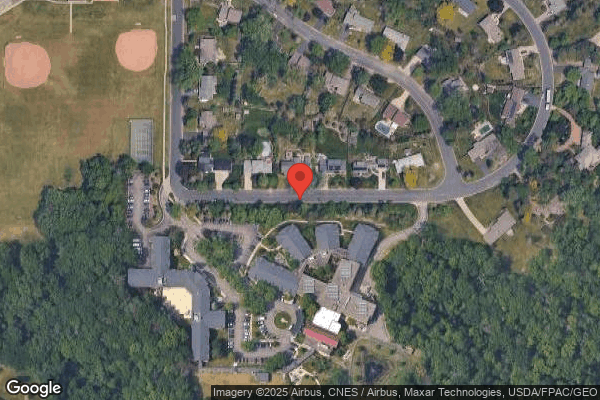
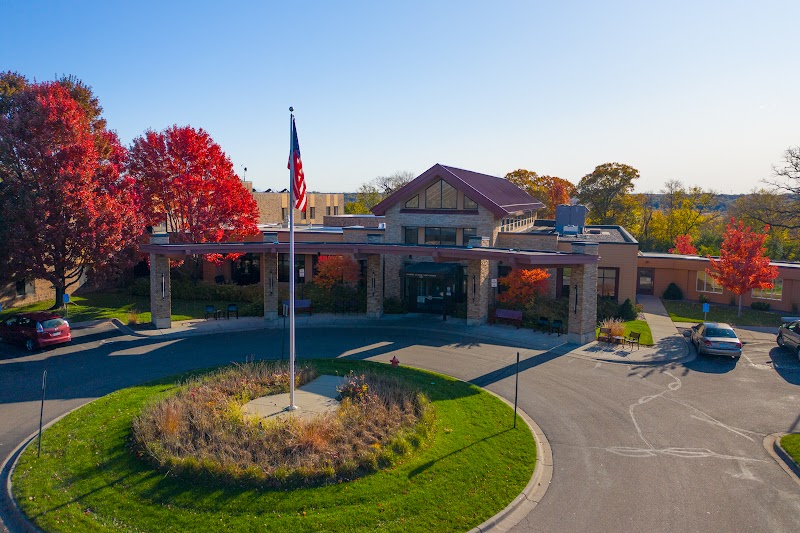
1401 EAST 100TH STREET, BLOOMINGTON, MN 55425 (952) 888-7751
For profit - Corporation 137 Beds EBENEZER SENIOR LIVING Data: November 2025 2 Immediate Jeopardy citations
Trust Grade
14/100
#304 of 337 in MN
Last Inspection: June 2025

Inspected within the last 6 months. Data reflects current conditions.

Overview

The Martin Luther Care Center in Bloomington, Minnesota, has received a Trust Grade of F, indicating significant concerns about its quality of care. Ranking #304 out of 337 in the state means it is in the bottom half of Minnesota nursing homes, and #47 out of 53 in Hennepin County suggests there are only a few local options that are better. Although the facility's trend is improving, with issues decreasing from 17 in 2024 to 16 in 2025, it still reported a total of 51 issues, including critical failures to follow residents' end-of-life wishes. On a positive note, the staffing rating is excellent, with a 5/5 star rating and only 25% turnover, indicating that staff remain long-term and likely know the residents well. However, the facility's $31,730 in fines is average, and inspector findings included serious problems, such as failing to ensure residents' resuscitation orders were accurately reflected in their medical records and serving expired food from the kitchen, which raises concerns about overall safety and care quality.
Trust Score
F
14/100
In Minnesota
#304/337
Bottom 10%
Safety Record
High Risk
Review needed
Inspections
Getting Better
17 → 16 violations
Staff Stability
✓ Good
25% annual turnover. Excellent stability, 23 points below Minnesota's 48% average. Staff who stay learn residents' needs.
Penalties
✓ Good
$31,730 in fines. Lower than most Minnesota facilities. Relatively clean record.
Skilled Nurses
✓ Good
Each resident gets 103 minutes of Registered Nurse (RN) attention daily — more than 97% of Minnesota nursing homes. RNs are the most trained staff who catch health problems before they become serious.
Violations
⚠ Watch
51 deficiencies on record. Higher than average. Multiple issues found across inspections.
★☆☆☆☆
1.0
Overall Rating
★★★★★
5.0
Staff Levels
★☆☆☆☆
1.0
Care Quality
★☆☆☆☆
1.0
Inspection Score
Stable
2024: 17 issues
2025: 16 issues

The Good

  • 5-Star Staffing Rating · Excellent nurse staffing levels
  • Low Staff Turnover (25%) · Staff stability means consistent care
  • Full Sprinkler Coverage · Fire safety systems throughout facility
  • No fines on record
  • Staff turnover is low (25%)

    23 points below Minnesota average of 48%

Facility shows strength in staffing levels, staff retention, fire safety.

The Bad

1-Star Overall Rating

Below Minnesota average (3.2)

Significant quality concerns identified by CMS

Federal Fines: $31,730

Below median ($33,413)

Moderate penalties - review what triggered them

Chain: EBENEZER SENIOR LIVING

Part of a multi-facility chain

Ask about local staffing decisions and management

The Ugly 51 deficiencies on record

2 life-threatening
Jun 2025 15 deficiencies 1 IJ
CRITICAL (J)

Immediate Jeopardy (IJ) - the most serious Medicare violation

Deficiency F0578 (Tag F0578)

Someone could have died · This affected 1 resident

**NOTE- TERMS IN BRACKETS HAVE BEEN EDITED TO PROTECT CONFIDENTIALITY** Based on observation, interview, and document review, the facility failed to ensure written Physician's Orders for Life Sustaini...

Read full inspector narrative →
**NOTE- TERMS IN BRACKETS HAVE BEEN EDITED TO PROTECT CONFIDENTIALITY** Based on observation, interview, and document review, the facility failed to ensure written Physician's Orders for Life Sustaining Treatment (i.e., POLST) were accurately entered, transcribed and reflected in the medical record in a timely manner to help guarantee correct resuscitation measures (i.e., DNR or CPR) would be performed in accordance with resident wishes for 2 of 2 residents (R50, R321) reviewed for advanced directives. These findings constituted an immediate jeopardy (IJ) situation for R50 who would have received cardiopulmonary resuscitation measures (CPR) against her declared wishes. The IJ began on [DATE], when R50's POLST, indicating R50's wishes for Do not Resusitate (DNR) was signed by the medical provider and it wasn't changed within the facility' electronic Medical Record (EMR) system (i.e., banner) to reflect R50's wishes. This error was not identified despite multiple opportunities; and a series of interviews with direct care nurses outlined they would implement the incorrect directions and begin CPR on R50 against her wishes due to this error. The assistant administrator (AA)-A, the director of nursing (DON), and several other management and/or corporate staff members (via Teams) were notified of the IJ for R50 on [DATE] at 8:24 p.m. The IJ was removed on [DATE] after a removal plan was implemented; however, non-compliance remained at an isolated scope with potential for more than minimal harm that is not immediate jeopardy (Level D). Findings include: R50 R50's admission Minimum Data Set (MDS), dated [DATE], identified R50 admitted to the care center on [DATE] from the acute care hospital, had intact cognition, and demonstrated no delusional thinking. Further, the MDS identified R50 as having a primary medical condition of, Medically Complex Conditions, along with diagnoses of heart failure, high blood pressure, renal failure or insufficiency, and diabetes mellitus. R50's original POLST, dated [DATE], identified directions which included, Follow these orders until orders change. These medical orders are based on the patient's current medical conditions and preferences. The POLST listed a series of sections to be completed using a marking (i.e., checkmark or X) next to the desired wishes for resuscitation. This identified a checkmark placed next to the options which directed, Do Not Attempt Resuscitation / DNR (Allow Natural Death), and Comfort-Focused Treatment (Allow Natural Death . The form was hand-signed by R50 on [DATE], and the medical provider on [DATE]. R50's progress note, dated [DATE], identified R50 was re-admitted to the care center from the hospital with an admission diagnosis listed, Acute Metabolic Encephalophagy [sic], and a subsequent note, also dated [DATE], identified R50 as having bilateral lower extremity cellulitis and various bruises on her arms, legs, and abdomen. R50's (Hospital) After Discharge Orders, dated [DATE], identified R50's physician orders upon discharge back to the care center. This included, Treatment Options: Full Resuscitation. R50's subsequent POLST, completed upon her return to the care center and dated [DATE], identified R50's name and had visible markings (i.e., selected) next to the options which read, Do Not Attempt Resuscitation / DNR (Allow Natural Death), and, Selective Treatment . Treatment Plan: provide basic medical treatments aimed at treating new or reversible illness. The POLST was signed by R50 and care center staff on [DATE], and the nurse practitioner (NP)-A on [DATE]. R50's Care Conference Summary - V8, dated [DATE], identified a care conference was held with R50, their representative, social services, and nursing on [DATE]. The summary contained a section labeled, 2. Nursing, which asked a question to be completed by staff which read, 1. POLST and Code Status match[?], which was answered, 1. Yes. The summary outlined R50's advanced directives were reviewed and accurately reflected their wishes with a corresponding answer, 1. Yes. However, R50's facility' electronic medical record (EMR) was reviewed on [DATE] as part of the routine survey process. This EMR contained R50's assessments, progress notes, and other pertinent clinical information used by the staff to provide care for R50 while at the campus. The EMR included a banner along the top of the system which contained medical information such as the patient name, date of birth (DOB), allergies, and included a section labeled, Code Status:, which had adjacent text reading, (Advance Directives [link; click-able]) Full Code. The link included in the banner response labeled, Advanced Directives, brought the user to R50's scanned POLST(s) within the medical record; both of which outlined R50's DNR/DNI wishes. The EMR banner information did not reflect or identify R50's wishes from the POLST, dated [DATE], to be a DNR. On [DATE] at 6:05 p.m., R50 was observed seated in a recliner chair while in her room on the transitional care unit (TCU). R50 had visible, white-colored bandages on both legs along with visible reddened skin on her right thigh and hip which had black-colored marker circling it's perimeter which R50 stated was a skin infection. R50 was interviewed about her current wishes for resuscitation should she be found without a pulse or not breathing. R50 replied, I'm a don't revive [DNR]. R50 stated she didn't want a situation to happen where her family member would have to make decisions about whether to stop life-extending measures after CPR (i.e., potential ventilation, tube feeding) adding, I don't want my [family] to have to unplug me. R50 stated the care center had asked her about these wishes several times and she was frustrated there was potential confusion about it adding aloud, I don't know why it's [DNR] not listed! R50 stated she would be very upset if she underwent CPR against her wishes adding, I wouldn't like it! R50 reiterated she didn't want her family member placed in a situation of whether to end her life if she was hospitalized and on a ventilator after CPR adding, I don't want to put [them] through all that. When interviewed on [DATE] at 6:10 p.m., registered nurse (RN)-B stated they were working on R50's unit and explained if a resident was found without a pulse or not breathing the first step would be check their code status. RN-B stated this was done using the Medication Administration Record (MAR; used to pass medications from mobile laptop on carts), and pointed to an open MAR which listed a resident' name and other various clinical information including a section labeled, Code Status, with corresponding directions (i.e., Full Code, DNR). RN-B verified the MAR is where they'd check for a code status and respond accordingly adding aloud, We go here [MAR]. RN-B stated the health unit coordinator (HUC) was responsible to enter resident' POLST information into the EMR and nurses were not routinely auditing it to their recall adding, The HUC [does]. RN-B stated it was important to ensure the code status matched the POLST adding if they were mis-matched then someone could get the wrong resuscitation efforts performed. RN-B added, Chances are [they would]. When interviewed on [DATE] at 6:14 p.m., RN-C verified they were working on R50's unit, and stated if a resident, including R50, were found without a pulse or not breathing then staff would immediately assess them adding if it was a 911 issue then they would ask the charge nurse(s) for help to get them transferred to the hospital. RN-C stated they would immediately start CPR on the resident if their code status directed. RN-C stated they checked for a code status using the MAR and pointed to an open example on their computer screen adding, This [pointing] is where you find it [status]. RN-C stated the code status was not kept anywhere else to their knowledge, and expressed they were unsure whom or how the code status information on the MAR gets updated with changes adding aloud, I don't know. RN-C explained a POLST was obtained for every resident upon admission or re-admission from the hospital if they were absent over 24 hours; and the physician typically would sign it the next time they're onsite. RN-C stated the HUC was responsible to check the accuracy for the information within the EMR and MAR, and RN-C verified the POLST and EMR should match. On [DATE] at 6:18 p.m., RN-D was interviewed, and verified they were currently assigned to care for R50. RN-D stated if R50 was found without a pulse or not breathing then they'd check her code status using the MAR and, if needed, begin CPR adding aloud, We do the CPR. RN-D reviewed R50's MAR screen with the surveyor and verified it directed to perform CPR on R50 with text reading, Full Code. The MAR lacked the click-able hyper-link to R50's POLST(s) as is present within the actual EMR system. RN-D stated since 'Full Code' was outlined, then staff do everything to try to resuscitate her including CPR with chest compressions. RN-D stated the HUC was responsible to enter the POLST information into the EMR and expressed, at least to their knowledge, the nurses were not auditing this adding, They [management] have never told us to. RN-D stated they were unsure who, if anyone, double checks entered resuscitation wishes once entered into the EMR system either adding aloud, For that one, umm, not sure. RN-D then left R50's MAR and entered into the EMR system which had the POLST(s) scanned into it. RN-D reviewed R50's most recent POLST (dated [DATE]) and verified it was signed with wishes for DNR/DNI. RN-D stated it was likely not updated in the EMR/MAR when it was signed and should have been; however, RN-D verified they would have performed CPR on R50 as directed by the MAR until seeing the signed POLST as pointed out by the surveyor. When interviewed on [DATE] at 6:29 p.m., the clinical services coordinator (CSC)-A verified they were responsible to manage the HUC staff. CSC-A explained the HUC would typically be the person to enter the POLST information into the EMR, however, if on a weekend then a nurse could do it, too. CSC-A stated when a POLST is obtained, then a corresponding order gets entered and it was important for every place with the information to match so there's no misunderstanding or what not. CSC-A stated the nurses should be checking the entered information about code status after the HUC to ensure it is accurate adding, Well, they're supposed to. CSC-A stated they had just recently started a check off sheet to audit code status within the EMR to ensure it matched the POLST for new admissions. CSC-A provided this orange-colored sheet and verified it started on [DATE], adding they had not been directed to go back and include residents who admitted prior to [DATE] (such as R50). CSC-A verified all POLST(s) were scanned into the EMR system, and none were kept within the hard chart or any other locations to their knowledge. CSC-A reviewed R50's medical record, including POLST(s) and EMR/MAR, and verified they didn't match. CSC-A expressed, That is not good. CSC-A stated when the POLST was signed on [DATE], the nurses should have obtained a corresponding telephone order from the provider which would be kept within the hard chart. CSC-A then retrieved and examined the hard chart but was unable to locate this telephone order expressing the nurses should have had it written in. CSC-A reiterated the nurses should be double-checking to ensure POLST(s) and the EMR match when POLST information is entered by the HUC. CSC-A acknowledged the potential for R50 to receive CPR against her wishes due to the mis-matched information adding aloud, She would be revived when she doesn't want to be, which is not good. CSC-A stated the mis-matched code status information could also cause confusion about treatment as the nurses wouldn't know which one [instructions] to follow. CSC-A stated they would immediately send an email to the medical provider to get this resolved adding, Thank you for catching that. On [DATE] at 7:14 p.m., the director of nursing (DON) and unit nurse manager (RN)-E were interviewed. DON explained R50 admitted in [DATE] for wound care and was hospitalized in [DATE] before returning to the campus on [DATE]. DON verified a new POLST was then obtained, and a corresponding telephone order was received from the NP on [DATE]. RN-E then provided it for review. R50's sheet which was labeled, Physician's Orders, and had three handwritten orders on it. This included, [DATE] [space] DNR/DNI, and was recorded as a telephone order from NP-A. The order had two separate sets of hand-written initials next to the order. DON and RN-E both verified the DNR wishes were not updated in the EMR when this POLST was obtained. DON stated if a resident was found without a pulse or not breathing, then staff should be clicking the 'Advanced Directives' link in the EMR to review the POLST for instructions. However, when questioned on the lack of that link on the MAR system, DON and RN-E pulled up the MAR to observe. They both verified it lacked the click-able link to take nurses to the POLST(s) in the EMR and just had immediate directions listed (i.e., Full Code) adding, It just says code status. DON verified the two staff initials present on the signed order (dated [DATE]) was supposed to mean it was checked for accuracy within the EMR system. DON acknowledged the likelihood of R50 getting CPR against her wishes based on the error adding, You're not wrong. DON explained a similar situation happened several months prior where a resident received CPR against their wishes at the campus and, as a result of that, they changed their process to check code status and POLST(s) for matching information around the end of [DATE]; however, the DON verified they had never directed staff to go to admissions prior to that and check for accuracy. DON stated they were unsure if anyone else had, either, adding aloud, I have no idea. DON stated it was important to ensure the POLST and EMR system matched adding, We don't want people to not get their choices honored. DON and RN-E both verified they would have started CPR on R50 if she had been found without pulse or not breathing based on the MAR instructions directing such, and the DON expressed they felt the error was due to the nurses not checking the code status orders in the EMR after they were obtained. DON expressed, That's the point of the two-check system, adding further, It's unfortunate [this happened]. On [DATE] at 11:52 a.m., NP-A was interviewed, and verified they were involved with R50's care at the campus. NP-A stated R50 had a history of cellulitis, history of cardiac disease, and stasis ulcers adding the wounds on her legs were unlikely to ever heal. NP-A described R50 as having several co-morbidities with her care and medical conditions. NP-A stated R50's wounds could deteriorate quite quickly and cause the need for hospitalization. NP-A stated they had been involved with R50's care since she admitted back in [DATE], and expressed she was a DNR/DNI the entire time to their knowledge adding aloud, I don't think she's changed her mind [about that]. NP-A stated the care center nurses obtain a POLST upon admission and then the providers would address it when here [onsite] next adding often times the staff would wait for it to be signed before it was accepted (i.e., implemented). NP-A stated they felt R50's chances of successful resuscitation if she was found without pulse were pretty limited, however, expressed R50 was older in age and, as a result, was at higher risk for any post-CPR issues such as fluid in the lungs or broken ribs. NP-A reiterated R50 as being unlikely to survive CPR but then added, I've been wrong before too. A facility provided Cardiopulmonary Resuscitation (CPR) (Code Blue) policy, dated 6/2024, identified licensed staff would be certified in CPR so they could respond appropriately to victims of cardiac arrest. A procedure was outlined which directed, All residents, upon admission, will have their code status (CPR or DNR) reviewed and placed as a Physicians Code order . CPR or DNR (Do Not Resuscitate) stipulations will be recorded on the POLST form and after completion of Section B and signature by MD/GNP [medical provider] will be filed under the advance directive tab in the chart. The policy continued, Code status physicians orders will be verified prior to initiating CPR. Verification of full code status should not significantly delay initiation of CPR. The policy directed CPR should be performed on a resident unless they have clinically irreversible signs of death (i.e., decapitation) or, The patient has a Do Not Resuscitate (DNR) order is in place. However, the policy lacked any further information on where staff should go to obtain the most recent code status order (i.e., MAR, EMR, POLST) in an emergency situation. The IJ which began on [DATE] was removed on [DATE] after an acceptable removal plan was implemented. This plan included updating R50's code status to accurately reflect her wishes (i.e., DNR) in the EMR system; completing a whole-house audit of resident' code status(s) to ensure the POLST and EMR system information matched; and starting to educate staff on their policy and/or process to ensure no further mismatched information on resident' code status occurred. The removal plan was verified as having been implemented on [DATE], with multiple staff interviews outlining education had been started and was ongoing, and R50's EMR information being updated to reflect her current wishes for DNR/DNI. R321 R321's entry MDS was [DATE]. An admission MDS had not been completed at this time. R321's face sheet indicated R321 admitted to the facility on [DATE]. R321's diagnosis sheet included the following diagnosis: parkinsonism (a clinical syndrome characterized by tremors, rigidity and postural instability), restless legs syndrome, bipolar disorder (a disorder associated with episodes of mood swings ranging from depressive lows to manic highs) and unspecified symptoms and signs involving cognitive functions and awareness. R321's Provider Orders for Life-Sustaining Treatment (POLST), signed by R321 on [DATE], identified R321 wishes where Do Not Attempt Resuscitation/DNR (Allow Natural Death) which was indicated by a check mark in a box in section A. Section B indicated R321's wishes were selective treatment which would not include intubation, advanced airway interventions or mechanical ventilation. The provider signed the document on [DATE] (three days after resident's wishes were known). During an interview on [DATE] at 6:30 p.m., registered nurse (RN)-B verified that they were responsible for R321's care as they were the nurse responsible for R321's this shift. RN-B reviewed R321's electronic medical record (EMR) and stated R321 was a full code. RN-B stated that if R321 was found unresponsive we would call 911 and do everything possible, including CPR. RN-B stated they were trained to look at the banner in the EMR for a resident code status in an emergency. RN-B stated R321 should have a POLST in the chart but was unsure where to find it and re-iterated, we go by the banner in the chart in an emergency. RN-B stated again, we would start CPR on her since she is full code. During an interview on [DATE] at 7:02 p.m., R321 stated that if her heart were to stop, she has made it clear to staff to just let me go and stated I don't want them to do anything. R321 stated she had signed a document that indicated this. R321 stated she would be very upset if CPR was performed on her in an emergency and she wouldn't feel very good about it. R321 stated, I have stated my wishes clearly. During an interview on [DATE] at 7:31 p.m., registered nurse manager (RN)-E stated R321 was listed as a full code as the provider signed the POLST today ([DATE]). RN-E stated even if a resident signed a POLST, it would not be active until the provider signed it, even if it was days later. RN-E verified R321 signed the POLST on [DATE], indicating her wishes were to be DNR, however she continued to be listed as FULL code until [DATE] when the provider signed the POLST. RN-E again stated, it is not an active order until the provider signs it. On [DATE] at 11:52 a.m., NP-A was interviewed, and verified they rounded on the transitional care unit (TCU) often. NP-A stated the care center nurses obtained a POLST upon admission and then the providers would address it when here [onsite] next adding often the staff would wait for it to be signed before it was accepted (i.e., implemented). NP-A stated they were aware the nurses also called and obtained a telephone order for code status despite the POLST, and expressed in my opinion a signed POLST would be an order. NP-A acknowledged with the current process a POLST could sit for a little bit before getting a provider signature, and expressed the nurses could send it to triage for a signature, too. NP-A stated they were unaware of the triage providers being unwilling to sign POLST(s). During an interview on [DATE] at 12:48 p.m., director of nursing (DON) verified that she had not talked to the medical director about the triage providers not wanting to sign POLSTs without seeing the residents which caused the lapse in POLSTs being signed prior to the immediate jeopardy. DON stated it had now been addressed. A facility provided Cardiopulmonary Resuscitation (CPR) (Code Blue) policy, dated 6/2024, identified licensed staff would be certified in CPR so they could respond appropriately to victims of cardiac arrest. A procedure was outlined which directed, All residents, upon admission, will have their code status (CPR or DNR) reviewed and placed as a Physicians Code order . CPR or DNR (Do Not Resuscitate) stipulations will be recorded on the POLST form and after completion of Section B and signature by MD/GNP [medical provider] will be filed under the advance directive tab in the chart. Furthermore, the document lacked identification to obtain a provider order (i.e., verbal order) in a timely fashion to ensure the resident's wishes are honored after their wishes have been identified.
CONCERN (D)

Potential for Harm - no one hurt, but risky conditions existed

Grievances (Tag F0585)

Could have caused harm · This affected 1 resident

**NOTE- TERMS IN BRACKETS HAVE BEEN EDITED TO PROTECT CONFIDENTIALITY** Based on interview and document review, the facility failed to ensure voiced complaints about nursing services were acted upon a...

Read full inspector narrative →
**NOTE- TERMS IN BRACKETS HAVE BEEN EDITED TO PROTECT CONFIDENTIALITY** Based on interview and document review, the facility failed to ensure voiced complaints about nursing services were acted upon and, if needed, investigated or resolved for 1 of 1 resident (R57) reviewed who complained staff were placing two incontinent products on them at night, and they did not want a particular staff person to help with certain cares. Findings include: R57's admission Minimum Data Set (MDS) dated [DATE], indicated R57 had intact cognition and did not have hallucinations or delusions. R57 rejected care daily. R57 was dependent on staff for toileting hygiene, dressing, rolling left and right and transfers. R57's diagnoses included heart failure, hypertension, coronary artery disease, atrial fibrillation, chronic kidney disease, diabetes mellitus, hip fracture, Parkinson's Disease, malnutrition, anxiety, and depression. During interview on 6/9/25 at 2:35 p.m., R57 stated staff often turned off her call light but did not help her with what she needed. R57 stated staff double briefed her multiple times with two incontinent products. R57 stated she told the staff they were not supposed to double brief her but they did so anyways. R57 stated she felt one staff member was angry working with her and moved her around without communicating to her a few months ago. R57 stated she was able to avoid the staff member assisting her with a shower, but the staff member still assisted her with other cares. R57 described the situations as disturbing. R57 stated floor staff, a nurse manager, and therapy staff were aware of the described situations. R57's progress notes lacked documentation to show R57's concerns were acted upon, investigated as needed, or resolved. The facility's Grievance Log entry dated 4/17/25, indicated R57 filed a verbal grievance related to care concerns and the nurse manager addressed the concerns. During interview on 6/12/25 at 9:36 a.m., the director of therapy (DT) reviewed notes from occupational therapy and stated there were notes which indicated R57 was observed double briefed and soiled. R57's Occupational Therapy Treatment Encounter Note(s) indicated: -5/29/25, R57 lacked awareness of soiled brief and bedding. Therapy staff assisted R57 with brief change and educated patient to use call light once awake for brief change to maintain skin integrity. -6/2/25, R57 was soiled through double briefs and nurse manager was notified. R57 was educated on using call light and requesting brief change as soon as wakes in the morning. Therapy assisted R57 with brief change and bed mobility. During interview on 6/12/25 at 10:20 a.m., nursing assistant (NA)-K stated R57 expressed concerns about being double briefed to them, and NA-K observed her double briefed. NA-K stated they did not report R57's concerns to anyone else, because R57 stated the nurse manager was already aware. NA-K stated R57 asked them to be switched to a morning shower, since R57 did not want a named nursing assistant to work with her. NA-K stated they mentioned the request to the evening shift. During interview on 6/12/25 at 10:47 a.m., registered nurse (RN)-O stated residents were not supposed to be double briefed and was not aware of any related concerns, nor was RN-O aware R57 did not want a certain staff member to work with her. During interview on 6/12/25 at 1:00 p.m., nurse manager, RN-I, stated they spoke with R57 about concerns related to staff not providing timely assistance and pulled call light reports but were not aware R57 had concerns related to being double briefed. RN-I stated residents who were double briefed had a risk for skin breakdown. RN-I stated they were not aware R57 had concerns with a certain staff member, and further stated the facility process was to fill out a grievance and self-report if needed when a resident reported a concern. During joint interview on 6/12/25 at 1:49 p.m., the administrator and director of nursing (DON) stated they had a formal grievance process for resident concerns, if the concerns were not able to be addressed right away. Staff were able to fill out a grievance form or escalate the concern to the supervisor. The administrator and DON were not aware of R57's concerns. During interview on 6/12/25 at 2:01 p.m., the administrator stated R57's listed grievance dated 4/17/25, was related to spiritual care. The administrator stated they did not have a grievance related to R57's concerns and expected R57's concerns to be addressed via grievance form. The facility's Grievance Policy revised October 2024, indicated all residents or representatives have the right to voice concerns, complaints, or grievances regarding their care or any other matter. The grievance process ensured grievances were investigated thoroughly, tracked, and resolved promptly, with outcomes communicated clearly. The facility designated the administrator as the grievance official. The policy indicated residents could file grievances orally or in writing. When staff received a formal grievance, they documented on the Formal Grievance/Concern Form and promptly forwarded to the grievance official. The grievance official then ensured appropriate departments were notified and involved in investigation, logged grievance into facility's grievance log for tracking and monitoring, and attempted to respond verbally or in writing to the resident or representative within seven business days.
CONCERN (D)

Potential for Harm - no one hurt, but risky conditions existed

Comprehensive Care Plan (Tag F0656)

Could have caused harm · This affected 1 resident

**NOTE- TERMS IN BRACKETS HAVE BEEN EDITED TO PROTECT CONFIDENTIALITY** Based on interview and document reivew, the facility failed to ensure care planned interventions were followed for 1 of 1 reside...

Read full inspector narrative →
**NOTE- TERMS IN BRACKETS HAVE BEEN EDITED TO PROTECT CONFIDENTIALITY** Based on interview and document reivew, the facility failed to ensure care planned interventions were followed for 1 of 1 resident (R57) reviewed for weight gain. Findings include: R57's admission Minimum Data Set (MDS) dated [DATE], indicated R57 had intact cognition and did not have hallucinations or delusions. R57 rejected care daily. R57 was dependent on staff for toileting hygiene, dressing, rolling left and right and transfers. R57's diagnoses included heart failure, hypertension, coronary artery disease, atrial fibrillation, chronic kidney disease, diabetes mellitus, hip fracture, Parkinson's Disease, malnutrition, anxiety, and depression. R57's care plan revised 6/9/25, indicated R57 had daily weights and directed staff to notify the provider for weight gain of more than three pounds per day or five pounds per week. R57's Weight Summary indicated: -5/31/25, 170 pounds with mechanical lift. -6/1/25, 170.4 pounds with Hoyer lift. -6/2/25, 171 pounds with Hoyer lift. -6/3/25, 172.2 pounds with mechanical lift. -6/4/25, 173.4 pounds with mechanical lift. -6/5/25, 175 pounds with mechanical lift. -6/6/25, 173.3 pounds with mechanical lift. -6/7/25, 175.6 pounds with mechanical lift. More than five pounds since 5/31/25. -6/8/25, 175.7 and 175.8 with mechanical lift. More than five pounds since 6/1/25. -6/10/25, 176.3 pounds with mechanical lift. -6/11/25, 177 pounds with sitting and mechanical lift. -6/12/25, 177.6 pounds with mechanical lift. R57's medical record lacked documentation related to notifying physician about weight gain. During interview on 6/12/25 at 10:20 a.m., nursing assistant (NA)-K stated R57 needed a daily weight, and nursing assistants documented the daily weights. NA-K stated R57's lower leg swelling increased and decreased and was not consistent. During interview on 6/12/25 at 10:47 a.m., registered nurse (RN)-O stated they followed given parameters to notify providers about increased weight or edema. RN-O stated R57 would let nursing know if she had concerns about her weight or edema. During interview on 6/12/25 at 12:29 p.m., the dietician (DD) stated the interdisciplinary team worked together to monitor weights and discussed weight concerns in their morning meetings. DD stated they worked with nursing to investigate if residents looked like they had fluid retention if they gained weight or other concerns. DD reviewed R57's weights and acknowledged the weight gain. DD stated they will put R57 on their radar. During interview on 6/12/25 at 1:00 p.m., nurse manager, RN-I, reviewed R57's weights and expected staff to write a progress note to indicate they notified the provider about weight concerns and another progress note to indicate the provider's response. The facility's Individualized Care Plan dated policy dated 1/22/25, indicated a comprehensive care plan was created with comprehensive assessments and individualized to reflect resident's functional capacity and medical, nursing, psychosocial, activity, and other identified needs.
CONCERN (D)

Potential for Harm - no one hurt, but risky conditions existed

ADL Care (Tag F0677)

Could have caused harm · This affected 1 resident

**NOTE- TERMS IN BRACKETS HAVE BEEN EDITED TO PROTECT CONFIDENTIALITY** Based on observation, interview, and document review, the facility failed to ensure routine personal hygiene and grooming (i.e.,...

Read full inspector narrative →
**NOTE- TERMS IN BRACKETS HAVE BEEN EDITED TO PROTECT CONFIDENTIALITY** Based on observation, interview, and document review, the facility failed to ensure routine personal hygiene and grooming (i.e., nail care, hair care, beard trimming) was provided for 2 of 3 residents (R20, R25) reviewed for activities of daily living (ADLs) and whom were dependent on staff for their care. Findings include: R20 R20's quarterly Minimum Data Set (MDS), dated [DATE], identified R20 had moderate cognitive impairment but demonstrated no delusional thinking or rejection of care behaviors. Further, the MDS outlined R20 required substantial assistance with personal hygiene cares. On 6/9/25 at 2:35 p.m., R20 was observed lying in bed while in his room. R20 had a meal tray placed on a bedside table over him while lying down, and he had rice and beans spilled onto his chest. R20's fingernails were observed and multiple nails had a visible, dark-colored substance or debris present under the edge of the nail to the nail bed. R20 was asked about his bathing and grooming at the care center and responded aloud, Bed Bath. R20 looked at his nails when asked about them and expressed he was unsure when they were last cleaned or clipped with an audible, I don't know. The following day, on 6/10/25 at 12:45 p.m., R20 was again observed lying in bed while in his room. R20's fingernails remained with visible dark-colored debris underneath of them as was observed the day prior. R20's care plan, dated 3/2025, identified R20 had an ADL self-care deficit due to limited mobility and weakness. The care plan listed multiple interventions for R20 including assistance of one with bathing and, PERSONAL HYGIENE: Requires assistance by 1 staff with personal hygiene and oral care. R20's most recent Weekly Bath and Skin Sheet - V4, dated 6/5/25, identified R20 received bathing and his skin was intact. The form outlined a section labeled, Nail Care, select all that apply, with options for staff to select from using a checkmark. This recorded a response, 3. Finger nails short and smooth; do not need trimming. However, the form lacked options to record the nail cleanliness or if they were offered to be cleaned. On 6/11/25 at 10:03 a.m., R20 was observed in bed. R20's fingernails remained soiled with visible, dark-colored debris and/or substance underneath multiple nails which had been observed since two days prior (on 6/9/25). Immediately following, on 6/11/25 at 10:06 a.m., nursing assistant (NA)-L was interviewed, and verified they had worked with R20 prior. NA-L explained R20 was bathed every week on Thursday morning and his fingernails should be clipped by the nurses if he was diabetic. NA-L verified there were clippers and a file to use for residents nail care, if needed. NA-L then observed R20 lying in bed at the request of the surveyor. NA-L verified their condition and expressed, It's dirty. NA-L stated R20's fingernails needed to be cleaned and the aide could do that task using an edge device they had. NA-L stated nails would be cleaned on R20's bath day, however, expressed if noticed to be soiled then they could be cleaned whenever adding, If you see it [can be cleaned]. NA-L stated clean nail beds and edges were important to reduce the risk of infection and general hygiene. When interviewed on 6/11/25 at 10:32 a.m., registered nurse (RN)-K stated they had worked with R20 only once or twice prior. RN-K explained the nurses would do nail clipping for R20 since he was diabetic, but the aides could clean his nails if they were found soiled. RN-K stated nails were cleaned on bath day but could be cleaned anytime they're noticed to be soiled adding aloud, As needed as well. RN-K stated any attempt to clean them, including if R20 refused it, should be documented in the medical record. RN-K stated having clean nail beds and edges was important to reduce bacteria on the hands and hygiene as well. R20's medical record was reviewed and lacked evidence R20 had been offered or had completed any nail care, including cleaning of them, since 6/5/25 despite being observed multiple days in a row with soiled nail beds and edges. On 6/11/25 at 11:08 a.m., unit manager (RN)-E and the director of nursing (DON) were interviewed. DON explained nail cleaning should be done on bath day and if refused, it should be recorded in the medical record. DON stated the aides could clean nails whenever noticed they needed it, too. This was important for personal hygiene care. A facility provided AM Cares policy, dated 4/25, identified all residents would be provided with assistance, as needed, for morning cares unless otherwise directed by the care plan. The procedure listed steps for the care including, 19. Nails are clean and trimmed to resident desired length. In addition, a provided Nails, Care Of policy, dated 9/2022, identified a purpose of providing cleanliness and preventing infection spread. The policy directed, 5. Complete nail care on bath day and as needed. R25 R25's admission Minimum Data Set (MDS) dated [DATE], indicated R25 was cognitively intact, had no hallucinations, delusions, and didn't refuse personal cares. MDS indicated R25 received maximal assistance with toileting hygiene, bathing, sit to stand and was dependent with transfers. MDS also indicated R25 received moderate assistance with personal hygiene, dressing and received set up to eat, and oral hygiene. R25's Medical Diagnosis record printed 6/12/25, indicated diagnoses of acute respiratory failure with hypoxia (low level of oxygen in the blood), atrial fibrillation (irregular heart rhythm that can lead to blood clots in the heart), type II diabetes, hemiplegia (paralysis of one side of the body) and hemiparesis (weakness or the inability to move one side of the body) following cerebral infarction affecting right dominant side, and muscle weakness. R25's Activities of daily living (ADLS) care plan printed 6/12/25, indicated R25 had self-care performance deficit related to weakness, respiratory failure, obesity, right side weakness from previous cerebral vascular accident (damage to the brain from interruption of its blood supply). R25's care plan indicated he needed assistance of one staff with bathing/showering, and personal hygiene. During observation and interview on 6/9/25 at 1:05 p.m., R25 was in bed. R25 had long dull hair separated in locks and had long disheveled mustache and beard. R25 stated staff used shampoo caps, no water to wash his hair and staff had not offered to help trim his beard. R25 stated he had a big hair knot on the back of his head and staff had not helped him to untangle his hair. R25 added Later today, I will have a bath. We will see how I will look tomorrow. During observation and interview on 6/10/25 at 1:35 p.m., R25 stated last night the staff used a shampoo cap (a hair cap that contains a dry substance) but staff didn't do a good job and still had the hair knot on the back of his head. The staff member only rubbed the top of his head two to three times, and it was done. Staff didn't offer to help him with his beard. R25's hair looked dull and R25 stated his hair didn't feel clean. During observation and interview on 6/10/25 at 1:42 p.m., registered nurse (RN)-J observed R25 and stated he [R25] looks sweaty, his hair is greasy, and his beard should be trimmed. RN-J added his mustache was growing over his lower lip. R25 stated Today, for the first time in three months I looked at myself in the mirror and eek. During interview on 6/10/25 at 1:48 p.m., nurse manager/registered nurse (RN)-I stated residents should be helped to shave and the clinical services coordinator (CSC) should schedule a haircut appointment. During interview on 6/10/25 at 1:52 p.m., CSC-A stated scheduling a hair cut will depend on the resident . CSC-A added, sometimes the social workers will start the process, including talking to the residents and making the hair appointment for them. During interview on 6/10/25 at 1:55 p.m., social worker (SW)-A stated R25 moved two weeks ago to her unit, and last week RN-I informed her R25 wanted a haircut, and his beard trimmed. SW-A stated social workers were responsible to schedule hair appointments. SW-A stated residents' personal appearance was important for dignity and quality of life. During interview on 6/12/25 at 9:11 a.m., director of nursing (DON) stated residents' hair should be brushed every day and washed on shower days. DON stated if residents' preference was to received sponge baths instead of showers, their hair could be washed with shampoo and water in bed. DON stated hair shower caps should not be used on regular bases. DON stated washing residents' hair and shaving were important for hygiene and dignity. Facility's policy titled AM cares (morning cares) dated 4/25, indicated all patients were provided with set up, assistance, or total assistance for AM (morning) cares unless the plan of care states otherwise.
CONCERN (D)

Potential for Harm - no one hurt, but risky conditions existed

Deficiency F0685 (Tag F0685)

Could have caused harm · This affected 1 resident

**NOTE- TERMS IN BRACKETS HAVE BEEN EDITED TO PROTECT CONFIDENTIALITY** Based on observation, interview, and document review, the facility failed to ensure a referral for potential cataract surgery wa...

Read full inspector narrative →
**NOTE- TERMS IN BRACKETS HAVE BEEN EDITED TO PROTECT CONFIDENTIALITY** Based on observation, interview, and document review, the facility failed to ensure a referral for potential cataract surgery was facilitated and/or completed in a timely manner to help improve vision and quality of life for 1 of 1 resident (R20) reviewed who was diagnosed with cataracts and expressed difficulty with his vision. Findings include: R20's quarterly Minimum Data Set (MDS), dated [DATE], identified R20 had moderate cognitive impairment. The section to record R20's vision status, located under Section B - Hearing, Speech, and Vision (B1000, B1200) - was left blank. On 6/9/25 at 2:32 p.m., R20 was observed lying in bed while in his room and his television was turned on and positioned on the opposite wall of the head of the bed. R20 had no eye glasses on at this time. R20 was interviewed and spoke with a soft, at times mumbling, voice but articulated clearly, My eyes aren't good. R20 was unsure if he'd seen an eye doctor recently when asked and then voiced aloud, Been awhile. On the bedside dresser, a single pair of black-framed eye glasses were present. R20 didn't respond when asked if they were his or not, however, held out his hand and took the glasses from the surveyor. R20 placed them on his face and looked at the television. R20 expressed the glasses helped a little bit to see the television. R20 nodded to affirm he'd like to see any eye doctor about his vision when asked. R20's In-House Senior Services Consent, dated 2/2023, identified R20 was offered and accepted to be seen by the care center's in-house optometry services. R20's care plan, printed 6/10/25, identified R20's actual or potential problems along with goals and interventions to address them. This outlined R20 had a guardian in place and planned to remain in long-term care (LTC). However, the care plan lacked any further actual or potential problem statements about R20's vision. R20's In-House Follow-Up Visit, dated 4/22/25, identified R20 was seen by the optometry service and listed dictation, Patient reports having trouble reading. R20 was listed as having high blood pressure, diabetes and and several other medical conditions. A section labeled, Recommendations, outlined R20 was found to have cataracts in both eyes that were limiting his vision. The text continued, On 10/23/24, [physician] called guardian [GA-B] . to discuss cataract surgery. It said the mailbox was full and couldn't leave a message . SMS message was sent to him to call back . never called back so no referral was sent . If facility and/or guardian wish to have surgery done for [R20], please contact INHSS [In-House] and a referral can be sent. The recommendations concluded, 4) I have discussed with him that the new glasses will improve the patients vision BUT WILL STILL BE BLURRY DUE TO CATARACTS. R20's Care Conference Summary - V8, dated 5/7/25, identified R20's resident representative (i.e., guardian) was included in the meeting along with the registered nurse manager (RN)-Q and licensed social worker (SW)-A. However, the completed form lacked evidence the recommendation for cataract surgery was discussed or reviewed. On 6/10/25 at 12:59 p.m., R20's listed guardian (GA)-A was interviewed via telephone. GA-A explained they had just recently resigned a few days prior from the service of being R20's guardian; however, prior, had been working with him for over a year. GA-A denied knowledge of R20 needing cataract surgery or the In-House note (dated 4/22) which outlined that. GA-A expressed, That's brand new to me. GA-A expressed another guardian whom worked with R20 before them may have more information and provided their contact information. Following, on 6/10/25 at 1:15 p.m., a telephone interview was completed with R20's now current guardian (GA)-B, who stated they had been with R20 for many years and were versed in his care needs. GA-B stated nobody from the care center had ever discussed or presented anything about R20 needing cataract surgery adding, They haven't communicated that. GA-B stated cataract surgery was fairly mild and he would be in agreement to pursue that if R20 needed it or wanted it. R20's medical record was reviewed and lacked evidence the recommendation for cataract surgery was discussed or offered to R20's guardian(s) despite the initial recommendation from the optometry service being dated several months prior (10/2024); nor did the record have evidence the facility had made any subsequent attempts to contact them about it since the optometry service had been unsuccessful. On 6/10/25 at 1:37 p.m., SW-A was interviewed, and stated the nursing department would address optometry appointments more than I would. SW-A stated they had not had any calls or discussion with R20's guardian(s) about the need for cataract surgery and expressed they were not exactly sure of the process for that. SW-A stated nobody had told them about the optometry note which outlined the need for cataract surgery and expressed, had someone, then they would have contacted the medical provider and guardian about it. When interviewed on 6/12/25 at 9:02 a.m., RN-Q verified they were the nurse manager who helped oversee R20 until just recently. RN-Q verified they had reviewed R20's medical record, and explained they recalled contacting R20's guardian at some point about the cataract surgery referral, however, failed to document it within the medical record. RN-Q stated they had talked with R20 himself about it and, at that time, R20 didn't want to pursue it. However, RN-Q expressed R20 was likely not able to make that decision himself. RN-Q verified the record lacked documented evidence of any discussion, either with R20 or his guardian(s), and expressed the follow-up afterward must had been missed adding, Life happened and we just moved on. RN-Q stated the manager or social worker would typically try to keep contacting guardians if there was a medical need to be addressed and reiterated those attempts should be documented within the medical record. This was important to do for patient's rights for care and just his [R20' well-being. On 6/12/25 at 9:34 a.m., the director of nursing (DON) was interviewed. DON verified attempts to contact family or guardians for medical care input should be documented within the medical record. DON stated they believed the cataract referral was never completed as the person who helps set-up appointments usually follows through on them adding the referral likely never reached them. DON stated following up on medical referrals was important for R20's quality of life and so he can see. A facility provided Consultant Visit Policy - Audiology, Optometry, Podiatry, and Dental Services policy, dated 10/2024, identified the facility would be responsible for scheduling and coordinating consultations for residents. The policy outlined, The staff will ensure that all necessary appointments, follow-ups, and documentation are completed in compliance with regulatory standards. The policy outlined a section labeled, Audiology and Optometry Services, which directed vision needs would be assessed upon admission and referrals would be made if the resident required glasses or other corrective devices.
CONCERN (D)

Potential for Harm - no one hurt, but risky conditions existed

Deficiency F0688 (Tag F0688)

Could have caused harm · This affected 1 resident

**NOTE- TERMS IN BRACKETS HAVE BEEN EDITED TO PROTECT CONFIDENTIALITY** Based on observation, interview and document review, the facility failed to ensure a range of motion (ROM) program was provided ...

Read full inspector narrative →
**NOTE- TERMS IN BRACKETS HAVE BEEN EDITED TO PROTECT CONFIDENTIALITY** Based on observation, interview and document review, the facility failed to ensure a range of motion (ROM) program was provided for 1 of 1 resident (R74) reviewed for mobility. Finding includes: R74's quarterly Minimum Data Set (MDS) dated [DATE], indicated R74 was cognitively intact, had no delusions, hallucinations, had no behaviors and refused cares one to three days during a 7-day period. MDS indicated R74 had limited lower extremity ROM and did not received ROM in the last 7 days prior the MDS assessment date. R74's MDS indicated she received set up assistance for oral hygiene and eating, maximal assistance with showers/bathing, toileting hygiene, dressing, personal hygiene, and was dependent with transfers, and wheelchair mobility. R74's clinical diagnosis report printed on 6/12/25, indicated chronic respiratory failure, chronic pain, anxiety, restless leg syndrome, weakness, unspecified abnormalities of gait and mobility, chronic congestive diastolic heart failure( a condition where the heart muscle stiffens, making it difficult for the heart to relax and fill with blood during the relaxation phase), subluxation (is a partial dislocation, where the bones in a joint are still partially touching) of the hips, and diabetes type II. R74's care plan printed 6/12/25, indicated R74 had limited ROM related to multiple sclerosis, chronic pain, and recurrent bilateral hip subluxations. The care plan's interventions directed nursing staff to assist resident in daily performance of supine ROM, strengthening exercises. It indicated a printout was on the bulletin board and resident also had a copy, and directed staff to please attempt this in the afternoon per R74's preference. This care plan was initiated in 9/6/22, had a revision date of 11/14/24, and indicated 7/29/25 as a target day. R74's ROM/Mobility assessments dated 3/24/25, and 4/24/25, indicated R74 had limited ROM of lower extremities, used a wheelchair, and her care plan was current. R74's treatment administration record (TAR) for the month of June 2025 printed on 6/12/25, indicated an order to Assist with lower extremity ROM program. Directions are on the resident's bulletin board. Two times a day per therapy. This order was dated 5/9/23. A review of R74's TAR records for the last 7 months revealed the following information: - December 2024, R74 received ROM 18 times out of 50 opportunities, and refused or did not receive ROM 32 times out of 50 opportunities. - January 2025, R74 did not received ROM 44 of 44 opportunities. - February 2025, R74 either refused or did not receive ROM 49 out of 49 opportunities. - March 2025, R74 either refused or did not receive ROM 44 out of 44 opportunities. - April 2025, R74 either she refused or did not receive ROM 60 out of 60 opportunities. - May 2025, R74 either refused or did not receive ROM 62 of 62 opportunities. - June 2025 - R74 either refused or did not receive ROM 20 out 20 opportunities. During interview on 6/9/25 at 3:34 p.m., R74 indicated the nursing staff was supposed to assist her twice a day with her ROM program. R74 stated her care plan indicated she had to receive assistance every day. During interview on 6/11/25 at 11:01 a.m., nurse manager/registered nurse (RN)-I stated R74 always refused ROM exercises in the mornings. RN-I stated, often R74 didn't like how staff did it. RN-I stated based on documentation, R74 was refusing to participate and they would need to investigate why, talk to the nurse practitioner, and request an order to reassess R74. During interview on 6/11/25 at 1:57 p.m., RN-J stated today, I went into her room to do wound care, but I didn't talk to her about her ROM program, and I didn't do it. During interview on 6/11/25 at 2:04 p.m., RN-P stated he didn't really do ROM with R74, but while performing wound care, he straightened R74's legs. RN-P added we only get to move her legs when we boost her up in bed. On 6/12/25 at 9:07 a.m., RN-I provided written information which indicated R74 had the right to refuse to participate. She has exercise bands in her room and self exercises using them. During interview on 6/12/25 at 9:07 a.m., director of nursing (DON) verified TARs documentation, ROM assessments and the failure to reassess R74 in a timely manner. DON stated the provider needed to be updated about resident's refusal to participate in the ROM program. DON stated we need to get another physical therapy and/or occupational therapy assessment for [R74]. Maybe we need to give her pain medication before receiving assistance with her ROM program. DON added her care plan also needed to be reviewed. Facility's policy titled Restorative Nursing program, dated 10/2021 indicated the purpose of the program was to ensure resident's abilities in ADLs did not deteriorate and residents maintain their highest practicable well-being. The policy indicated; the restorative nursing programs will be identified in the resident's care plan. The care plan must identify the resident's strengths, problems, risks, measurable goals, outcome-based goals and who is responsible for the implementation of the plan. The policy also indicated the RN will be responsible for assessing the resident's strengths and needs.
CONCERN (D)

Potential for Harm - no one hurt, but risky conditions existed

Deficiency F0757 (Tag F0757)

Could have caused harm · This affected 1 resident

**NOTE- TERMS IN BRACKETS HAVE BEEN EDITED TO PROTECT CONFIDENTIALITY** Based on observation, interview, and document review, the facility failed to ensure acute symptoms of distress or pain were reco...

Read full inspector narrative →
**NOTE- TERMS IN BRACKETS HAVE BEEN EDITED TO PROTECT CONFIDENTIALITY** Based on observation, interview, and document review, the facility failed to ensure acute symptoms of distress or pain were recorded; and non-pharmacological interventions attempted or documented prior to the use of as-needed (i.e., PRN) narcotic medications to help promote continuity of care and care-planning for 1 of 5 residents (R50) reviewed for unnecessary medication use. Findings include: R50's admission Minimum Data Set (MDS), dated [DATE], identified R50 had intact cognition and demonstrated no delusional thinking. Further, the MDS outlined R50 received scheduled pain medication but no PRN pain medications; and reported occasional pain which she rated at 4/10 on the numeric rating scale. On 6/9/25 at 12:40 p.m., R50 was observed seated in a recliner chair while in her room. R50 had visible white-colored bandages on both legs and reported she sustained a fall the week prior which she felt injured her hip adding, I think I cracked it. R50 denied significant, unresolved pain issues at this time when asked. R50's care plan, printed 6/9/25, identified R50's actual and potential problems along with interventions to address them. This outlined R50 had pain related to bilateral venous wounds and listed a goal, Will verbalize adequate relief of pain or ability to cope with incompletely relieved pain ., along with several interventions including administering pain medication and monitoring the response, encouraging her to report pain at the onset, and a series of non-pharmacological interventions which could be attempted including redirection, offering food, music, and ice/heat. The care plan also directed to monitor/record/report any pain characteristics every shift and PRN; and monitor/record/report an non-verbal signs of pain. R50's Orders, dated 5/1/25, identified the nurse practitioner (NP) wrote orders for R50 which included, Add tramadol [a narcotic] 50 mg [milligrams] every day PRN [for] chronic pain. In addition, the order directed R50 to remain on the current tramadol 50 mg twice a day which was scheduled. R50's Medication Administration Record (MAR), dated 6/2025, identified a total of nine (9) administrations of the PRN tramadol for the month thus far. These included: On 6/3/25 at 5:37 a.m., R50 received a dose which was recorded as, E [effective]. A corresponding progress note, dated 6/3/25, identified the medication was provided with dictation, per pt [patient] request. However, the note lacked any recorded symptoms or what, if any, non-pharmacological interventions were attempted prior to the narcotic being provided. On 6/7/25 at 6:04 a.m., R50 received a dose which was recorded as, E. A corresponding progress note, dated 6/7/25, identified the medication was provided but lacked any recorded symptoms of pain or what, if any, non-pharmacological interventions had been attempted prior to the narcotic being provided. On 6/9/25 at 3:00 a.m., R50 received a dose which had results recorded as, U [unknown]. A corresponding progress note, dated 6/9/25, identified the medication was provided but lacked any recorded symptoms of pain or what, if any, non-pharmacological interventions had been attempted prior to the narcotic being provided. A subsequent note, also dated 6/9/25, was authored nearly 12 hours later in the day which outlined, [R50] presents with complains [sic] of Right hip pain . describes as throbbing . rated 9/10 . Care team updated. However, again, this note lacked what, if any, non-pharmacological interventions were being attempted to reduce the PRN narcotic use, if able, or supplement it to promote comfort. On 6/10/25 at 2:59 a.m., R50 received a dose which was recorded as, E. A corresponding progress note, dated 6/10/25, identified the medication was provided but lacked any recorded symptoms of pain or what, if any, non-pharmacological interventions had been attempted prior to the narcotic being provided. In total, the nine administered doses had only one (1) dictated note which outlined any rationale for the medication being provided (6/3/25); and all of the notes located within the record for the provided doses lacked evidence of what, if any, non-pharmacological interventions had been attempted prior to giving the PRN narcotic to see if those would help reduce the need for medication. When interviewed on 6/12/25 at 9:43 a.m., nursing assistant (NA)-M stated they had worked with R50 prior and described her as heavy a little bit with cares. NA-M stated R50 would sometimes have complaints of pain and then they just tell the nurse. NA-M stated they didn't offer ice packs or anything to R50 but expressed they would if asked by the nurse or R50 herself. NA-M stated R50 would often just ask them about the pain pill. NA-M expressed R50 rarely had complaints of pain until she sustained a fall (on 6/3/25) adding, That is when the pain started. On 6/12/25 at 10:20 a.m., licensed practical nurse (LPN)-E stated they had worked with R50 prior and helped with her wound cares. LPN-E stated R50 did have complaints of pain, at times, and would often request her PRN tramadol to help. LPN-E stated they do ask her about using ice packs and expressed R50 would accept them, at times, adding aloud, She does. LPN-E explained if R50 requested her PRN tramadol, then they'd assess her using the pain scale (0-10 rated) and the orders as there was possibly something else she could be given like her scheduled Tylenol. LPN-E stated symptoms of pain or the rationale for giving PRN medication should be recorded in the notes along with what non-pharmacological interventions were attempted adding, [recorded] in the nurses notes. On 6/12/25 at 12:21 p.m., the director of nursing (DON) was interviewed. DON verified a PRN narcotic medication should have pain symptoms recorded to justify the medication along with what non-pharmacological interventions were attempted prior. DON stated this would typically be recorded in the progress notes and should be done to show what helps. DON stated providing non-pharmacological interventions prior helps to go minimal before you use the meds. DON stated they were reviewing R50's medical record for this information, however, hadn't finished yet so they would provide additional documentation showing this, if located. No further information was received during the recertification survey (exited 6/12/25). A facility provided Medication Administration policy, dated 3/2023, identified steps to giving medication which included, 20. Whenever a PRN medication is given, the licensed nurse/TMA [trained medication aide] administering the medication documents on the EMAR (MAR) in the appropriate space as indicated by the date and the PRN order entry, adding further the documentation should included, . The residents specific complaint or the symptoms for which the medication is being given. However, this policy lacked information on non-pharmacological interventions with PRN or how such should be recorded.
CONCERN (D)

Potential for Harm - no one hurt, but risky conditions existed

Deficiency F0790 (Tag F0790)

Could have caused harm · This affected 1 resident

**NOTE- TERMS IN BRACKETS HAVE BEEN EDITED TO PROTECT CONFIDENTIALITY** Based on observation, interview and document review, the facility failed to ensure dental needs were coordinated with a dental p...

Read full inspector narrative →
**NOTE- TERMS IN BRACKETS HAVE BEEN EDITED TO PROTECT CONFIDENTIALITY** Based on observation, interview and document review, the facility failed to ensure dental needs were coordinated with a dental provider for further care to reduce the risk of complication [i.e., cavities, oral pain] for 1 of 1 resident (R25) reviewed for dental care and services. Findings include: R25's admission Minimum Data Set (MDS) dated [DATE], indicated R25 was cognitively intact, had no hallucinations, delusions, and didn't refuse personal cares. MDS indicated R25 received maximal assistance with toileting hygiene, bathing, sit to stand and was dependent with transfers. MDS indicated R25 received moderate assistance with personal hygiene, dressing and received set up for eating and oral hygiene. MDS section L-oral/dental status indicated R25 had obvious or likely cavity or broken natural teeth. R25's Medical Diagnosis record printed 6/12/25, indicated diagnoses of acute respiratory failure with hypoxia (a medical emergency that occurs when the body's tissues don't have enough oxygen), atrial fibrillation (irregular heart rhythm that can lead to blood clots in the heart) , type II diabetes mellitus, hemiplegia (paralysis of one side of the body) and hemiparesis (weakness or the inability to move one side of the body) following cerebral infarction (stroke) affecting right dominant side and muscle weakness. R25's care plan of Activities of daily living (ADLs) printed 6/12/25, indicated R25 had an ADL self-care performance deficit related to weakness, respiratory failure, right side weakness from previous cerebral vascular infarction and directed staff to assist resident with brushing teeth twice daily. R25's admission assessment dated [DATE], included Section H which assessed oral and dental status, indicated obvious or likely cavity or broken natural teeth. This section also indicated R25 had not seen a dentist for two years and wanted to see the dentist. R25's electronic medical record (EMR) included an Apple Tree Dental consent form signed by R25 on 3/26/25. The consent authorized Apple Tree to provide comprehensive and periodic oral care, evaluation, x-rays, preventive care and a house call/facility visit. During observation and interview on 6/9/25 at 12:13 p.m., R25 stated he had some teeth needing repair. R25 said he lost a crown, the other tooth just broke, and he had some cavities on his front lower teeth. R25 said the staff knew he had broken teeth. During interview on 6/11/25 at 8:33 a.m., charge nurse/registered nurse (RN)-L indicated on resident's admission dental status was assessed and dental services were offered. RN-L stated if residents signed a dental consent, the consent was faxed to Apple Tree Dental by the clinical services coordinator (CSC)-A. During interview on 6/11/25 at 9:33 a.m., CSC-A stated R25 was seen by Apple Tree Dental on 4/7/25. Apple Tree Dental report indicated resident had two fractured teeth. During interview on 6/11/25 at 9:35 a.m., health unit coordinator (HUC)-1 stated Apple Tree Dental could not treat R25 at the facility. HUC-1 stated R25 needed to be seen at an off-site clinic. HUC-1 stated she contacted R25's son, who stated going to an appointment with R25 was not convenient. HUC-1 stated she had not investigated other transportation options. During interview on 6/12/25 at 9:18 a.m., director of nursing (DON) stated an appointment needed to be made and worst case scenario, the facility will have to send an employee with him. We have sent employees with residents before, because nobody could accompany them to their appointments. DON stated even if R25's teeth were not bothering him now, his teeth could eventually cause pain and problems while eating. DON stated facility needed to aid residents to meet their needs. Facility's policy titled Consultant Visit Policy - Audiology, Optometry, Podiatry, and Dental Services dated 10/2024 indicated the facility will be responsible for scheduling audiology, optometry, podiatry, and dental consultation for residents. The staff will ensure that all necessary appointments, follow-ups and documentation are completed in compliance with regulatory standards.
CONCERN (D)

Potential for Harm - no one hurt, but risky conditions existed

Deficiency F0810 (Tag F0810)

Could have caused harm · This affected 1 resident

**NOTE- TERMS IN BRACKETS HAVE BEEN EDITED TO PROTECT CONFIDENTIALITY** Based on observation, interview, and document review, the facility failed to ensure assessed and care-planned adaptive equipment...

Read full inspector narrative →
**NOTE- TERMS IN BRACKETS HAVE BEEN EDITED TO PROTECT CONFIDENTIALITY** Based on observation, interview, and document review, the facility failed to ensure assessed and care-planned adaptive equipment for eating was provided to promote independence and personal hygiene during meals for 1 of 1 residents (R20) reviewed who needed special utensil handles. Findings include: R20's quarterly Minimum Data Set (MDS), dated [DATE], identified R20 had moderate cognitive impairment and required set-up assistance with eating. On 6/9/25 at 2:35 p.m., R20 was observed lying in bed while in his room. R20 had a meal tray placed on a bedside table over him while lying down, and he had rice and beans spilled onto his chest. R20 took more bites of food from the provided tray which had a ceramic plate with regular, metallic utensils (i.e., fork, spoon) on it. The meal tray had a white-colored menu slip on it which recorded R20 as having a diabetic diet and no adaptive equipment was listed on it; however, on the wall immediately next to R20's bed was a white-colored sign which had black writing, Keep red [bold] foam utensils in resident's room. Hand wash after meals. R20's room and meal tray were observed and no red-colored foam utensils were visible despite R20 eating his meal unattended in his room. R20 had a soft, mumbled voiced but responded, I use these [pointing to utensils] when asked if he used other silverware usually. Following, on 6/9/25 at 2:42 p.m., nursing assistant (NA)-L stated they had worked with R20 prior, and explained the lunch meal was typically passed around 11:45 a.m. to residents in their rooms. NA-L observed R20 in bed with the surveyor and stated R20 was a slow eater so he was still eating his lunch meal. NA-L was questioned on the white-colored signage which directed the use of red-colored handles, and NA-L responded aloud, He's supposed to use those. NA-L then opened R20's bedside dresser drawer and located two red-colored, foam handles which slide over the regular utensil to provide a thicker surface to hold onto. NA-L added aloud, Here they are. NA-L stated they should be used for all meals as they were adaptable equipment I think. NA-L verified R20 would not be able to apply or remove them without help and expressed for some reason they weren't used for the lunch meal adding, I don't know why not, maybe [the aide] forgot. R20's medical record was reviewed and lacked documented rationale or evidence why R20 had not been provided the red-colored handles for meal as just observed. R20's care plan, printed 6/10/25, identified R20's current or actual problems along with interventions to address them. The plan identified R20 had an ADL (activities of daily living) self-care deficit due to limited mobility and weakness. The care plan directed, Please leave the built up red foam handled utensils in [R20] room. Wash between uses. Please provide [R20] a clothing protector with each meal per his preference. This intervention had a date listed, 01/02/2025. On 6/10/25 at 9:00 a.m., occupational therapist (OT)-A was interviewed, and verified they had worked with him and his eating abilities prior due to difficulty with feeding himself. OT-A explained R20 struggled using regular utensils and, as a result, they placed a communication to nursing for the red-colored foam handles. OT-A verified R20 should be using them at all meals adding, He does the best job feeding and drinking himself with these things. OT-A then provided the communication forms which had been sent to the nursing department. R20's Therapy-Nursing Communication Form, dated 1/7/25, identified R20's name along with directions, - Please leave the built-up handled (red foamed utensils) utensils in his room. Wash them please. On 6/10/25 at 1:44 p.m., the director of nursing (DON) stated they were covering R20's unit since the previous nurse manager took a new role. DON stated they were aware of R20 using the red-colored foam handles and verified they should be used at meals since they're listed on the care plan. DON stated using them would help with better nutrition and a better quality of life for R20. Further, DON verified the handles would be considered adaptive equipment. A facility provided Adaptive Eating Equipment policy, dated 3/2024, identified the care center would provide special eating equipment, utensils, and assistance as appropriate to assure the person can use the devices while consuming meals and snacks. The policy directed, Adaptive/assistive devices should be noted on each individual's meal identification (ID) card/ticket and in the person-centered care plan and or in the medical record.
CONCERN (E) 📢 Someone Reported This

A family member, employee, or ombudsman was alarmed enough to file a formal complaint

Potential for Harm - no one hurt, but risky conditions existed

Safe Environment (Tag F0584)

Could have caused harm · This affected multiple residents

**NOTE- TERMS IN BRACKETS HAVE BEEN EDITED TO PROTECT CONFIDENTIALITY** Based on observation, interview and document review, the facility failed to ensure a safe, comfortable and homelike environment ...

Read full inspector narrative →
**NOTE- TERMS IN BRACKETS HAVE BEEN EDITED TO PROTECT CONFIDENTIALITY** Based on observation, interview and document review, the facility failed to ensure a safe, comfortable and homelike environment for 2 of 4 shower rooms reviewed for cleanliness. Also, facility failed to ensure resident walls were in good condition for 3 of 3 resident rooms (R4, R28, and R77 ) reviewed for concerns of peeling and chipped paint. In addition, the facility failed to ensure a hallway handrail was secured firmly to wall outside resident room. Findings include: Shower Rooms: During observation and interview on 6/10/25 at 11:34 a.m., on the long-term care unit, the counter including the sink had two opened boxes of gloves and dry washcloths, a stack of opened 4x4 gauze, opened cotton tipped applicator, a used finger lancet, two unfolded towels with an opened one-gallon bottle of shampoo and body wash, and opened 8-ounce bottle of body lotion with screwcap not applied. The upper cabinet door next to sink had a door that was halfway opened hanging by one hinge rather than secured with two hinges. On the floor in front of the sink and next to a waste basket was crumpled up paper towels, one long cotton tipped applicator, foil wrapper, and one wheelchair footrest. The floor was dry in and by the shower stall with a crumpled up towel on the floor in front of the sink. On the door inside the shower room was a sign that stated, BEFORE YOU GO DID YOU: Empty the trash, pick up all dirty clothes and towels, Sanitized the tub or shower. Please ensure this room is ready for the next person that is going to use it. The director of nursing (DON) observed room with surveyor and stated, No this is not acceptable. There is a sharps right here and it is not cleaned up and put away the way it should be. The aides are responsible for cleaning up this room and after giving a bath or shower. During observation on 6/10/25 at 11:58 a.m., an unlocked shower room in memory care unit had an opened toothpaste container on the counter along with an opened bottle of body lotion. The cabinet doors adjacent to the sink had one missing handle and another one that was only attached by one of two screws hanging down. Next to the shower there was a blue knit hat and pair of eyeglasses resting on top of a bedside night table with drawers. A body wash container was opened with no cap on it. During interview with licensed practical nurse (LPN)-B on 6/10/25 at 12:04 p.m., LPN-B observed shower room and stated, the blue hat and eyeglasses should not be in there because of sanitary [concerns]. Things need to be picked up. The handles need to be fixed or replaced. During interview with nursing assistant (NA)-A on 6/10/25 at 12:09 p.m., NA-A stated expectation of nursing assistants to clean and wipe down the shower room and pick up and remove trash after every shower. During interview with RN-H on 6/10/25 at 1:26 p.m., RN-H stated expectation of housekeeping and nursing assistant staff to wipe down and ensure every shower room is ready for next resident shower. During interview with NA-E on 6/10/25 at 1:49 p.m., NA-E stated expectation of nursing assistants to clean up afterwards before the next person gets in there. Includes towels and garbage and we are to bring soiled linen to laundry room. Also, NA-E stated counters were to be picked up with no open bottles of shampoo and lotion. Nothing on the floor. NA-E stated, It is their house and it should be cleaned. During interview with NA-F on 6/11/25 at 7:11 a.m., NA-F stated the nursing assistant was responsible for cleaning up the shower room after each resident shower. Walls: R4 R4's quarterly Minimum Data Set (MDS) dated [DATE] identified R4 with intact cognition and admission date to facility on 2/24/22. During observation with R4 on 6/9/25 at 5:28 p.m., R4's room had multiple scratches and peeling paint on the wall at the head of the bed. During observation and interview with R4 on 6/11/25 at 7:38 a.m., the accent wall at the head of the bed had several white scrapes through the paint into the drywall. R4 stated, I have been here about three years. Those scrapes have been there at least a year. R4 stated she thought the scrapes were from the bed being too close at the time and scraping it. Staff are aware of it. R4 stated I think it looks terrible. This is my house and I don't want to see that. I want it fixed up. During observation and interview with NA-F on 6/11/25 at 7:42 a.m., NA-F stated, I have noticed it before. Don't know if it was ever mentioned to maintenance. During observation and interview with RN-I on 6/11/25 at 8:17 a.m., RN-I stated, Yes that should be taken care of. I don't know if a work order was placed. During observation and interview with maintenance director (M)-D on 6/11/25 at 8:26 a.m., M-D stated, we will repair the wall. Should be done. We need to match the paint. I did not know about it. R28 R28's quarterly MDS dated [DATE] identified R28 with intact cognition and admission to facility on 2/8/21. During observation on 6/9/25 at 5:22 p.m., R28's had a shared room with the bed parallel to window overlooking the courtyard. The wall under the window ledge was visible from the hallway of the unit. It was light pale yellow in color with an eight-foot-long black marking one foot up from and parallel to the floor. A two-foot section of the black marking was torn down to the paper backing of drywall. Also, the wall at the foot of the bed with the chest of drawers aligned with it had peeling paint and black staining along ten feet of the wall which led out to the hallway of unit. During observation and interview with RN-A on 6/9/25 at 5:31 p.m., RN-A stated, I did not notice it. It is all the way down [the wall] maybe from the wheelchair. During interview with R28 on 6/9/25 at 5:32 p.m., R28 stated, they [facility] paint over it every once in a while. I think it looks awful. During observation and interview with NA-A on 6/9/25 at 5:57 p.m., NA-A stated expectation of staff to notify maintenance through a work order. That looks bad too. Should be painted over. NA-A stated, I would not like to see that in my home. During interview with RN-A on 6/9/25 at 5:35 p.m., RN-A stated expectation of staff to notify maintenance through a work order if a resident's wall needed to be repaired or painted. During observation and interview with NA-E on 6/10/25 at 1:53 p.m., NA-E stated, I would not like that in my home. It looks very horrible. During interview with trained medication aide (TMA)-C on 6/11/25 at 7:12 a.m., TMA stated staff were expected to request a work order for maintenance to fix any paint or repairs needed. During observation and interview with RN-I on 6/11/25 at 8:16 a.m., RN-I stated, this should be addressed. During observation and interview with M-D on 6/11/25 at 8:27 a.m., M-D stated, That is all bad. Wallpaper was there originally and the adhesive was not removed before replacing. Bad idea. R77 R77's quarterly MDS dated [DATE], identified R77 with intact cognition and facility admission to facility on 11/22/24. During observation and interview on 6/10/25 at 7:55 a.m., R77's accent wall aligning with head of bed was a green color with all other walls in the room a pale yellow. The green wall with the head of the bed against it had a 24-inch by 32-inch section of wall that was much lighter in color that the primary color of wall. R77 stated, it has been like that since I have been here which is over a year. R77 stated she did not like the patch work on the wall and that it appeared to be a repair but not finished with matching color. During observation and interview with NA-F on 6/11/25 at 7:20 a.m., NA-F stated, it is unfinished and I would not like to have those scuffs at my house. NA-F stated expectation of all staff to put in a maintenance work order for instances of paint repair. NA-F did not know if any staff submitted a work order. During observation and interview with RN-J on 6/11/25 at 8:00 a.m., RN-J looked at R77's wall and stated she was unaware of how long the mismatched colored section was present. I think it was patched but the paint was not matched and left undone. I don't know how long it's been there. During observation and interview with M-D on 6/11/25 at 8:34 a.m., M-D looked at R77's wall and stated, oh ok. We can do better than that. Handrail: During observation and interview on 6/9/25 at 2:38 p.m., a hallway handrail was not securely attached to the wall. Point of connection to wall was one bolt which allowed handrail to spin and rotate freely. Licensed practical nurse (LPN)-A stated, that is not secured. Housekeeper (HK)-A stated, not safe for someone to grab onto. During observation and interview on 6/9/25 at 3:17 p.m., maintenance assistant (M)-B was removing the handrail and stated, we will have to order another bolt so the unit can be attached using two bolts instead of the one here [that] allows it to spin. This is not safe. It is a life safety issue. During interview with NA-F on 6/11/25 at 7:11 a.m., NA-F stated, I would not consider it safe to use [unsecured handrail] because there is no stability when someone grabs it. During interview with TMA-C on 6/11/25 at 7:14 a.m., TMA-C stated, we should not use unsecured handrails. TMA-C stated expectation of all staff to notify maintenance to fix it. Safety first. During interview with M-D on 6/11/25 at 8:36 a.m., M-D stated the handrail, pivots and [sic]no anchoring point. We will replace it. Should not be loose so that it spins. Not safe for anyone to use. Facility policy titled Environmental Cleaning with revision date of 3/18 identified staff to check the following areas: 1. Hinge areas, door facing and door handles. Policy on maintaining homelike environment including painting and wall repair and ensuring secured handrails was requested but not received.
CONCERN (E)

Potential for Harm - no one hurt, but risky conditions existed

Quality of Care (Tag F0684)

Could have caused harm · This affected multiple residents

**NOTE- TERMS IN BRACKETS HAVE BEEN EDITED TO PROTECT CONFIDENTIALITY** Based on observation, interview, and document review, the facility failed to comprehensively assess and develop a bowel manageme...

Read full inspector narrative →
**NOTE- TERMS IN BRACKETS HAVE BEEN EDITED TO PROTECT CONFIDENTIALITY** Based on observation, interview, and document review, the facility failed to comprehensively assess and develop a bowel management program to meet voiced needs and wishes for 1 of 1 residents (R8) who needed digital stimulation; failed to ensure physician orders for diabetic monitoring devices were acted upon and implemented timely to prevent unnecessary distress (i.e., finger sticks, pain) for 1 of 1 residents (R8); failed to ensure a developed skin condition was assessed and appropriately treated for 1 of 2 residents (R1); failed to ensure a request for diet modification was appropriately and timely referred for evaluation for 1 of 1 resident (R57); and failed to ensure medical devices were consistently applied to reduce edema for 1 of 1 resident (R10) reviewed for edema management; and failed to recognize and comprehensively assess a resident's hearing concerns resulting in a delay in identification and treatment of cerumen (earwax) impaction for 1 of 1 resident (R11) reviewed who had difficulty with hearing. Findings include: BOWEL MANAGEMENT: R8's admission Minimum Data Set (MDS), dated [DATE], identified R8 had intact cognition and demonstrated no delusional thinking. The MDS recorded R8 as having a history of traumatic spinal cord dysfunction with quadriplegia, and also being frequently incontinent of bowel. R8's Bowel and Bladder Assessment - V3, dated 5/12/25, identified R8 was incontinent of bowel and demonstrated no observed patterns. The evaluation contained a section labeled, Bowel, but this was left blank and not completed. A subsequent section labeled, Bowel Planning, had areas to mark what, if any, interventions would be done or added to the care plan. However, this just had a single checkmark next to an option which read, Focus: Has bowel incontinence ., and no interventions were selected. On 6/9/25 at 2:01 p.m., R8 was observed lying in bed while in her room. R8 stated she was a quadriplegic and was having ongoing frustrations with her bowel management at the care center. R8 explained at home she used to have someone help her with digital stimulation (technique used to help empty the bowel by manually stimulating the rectum) which worked the best to help her avoid feeling bloated. R8 stated she had tried multiple laxatives and they just do not work well. R8 explained she had ask care center staff to help her with digital stimulation, however, they told her doing that was against their policy and couldn't be done so, as a result, a bunch of laxatives were ordered and those just stay in my body without offering relief. R8 reiterated she needed someone to help her with digital stimulation to most effectively empty her bowels and voiced frustration with repeatedly being told by staff we don't do that. R8 stated the rationale she was provided by the staff was doing that technique was like an invasion or something [bodily privacy]. R8's medical record was reviewed, and a series of medical provider note(s) and/or orders were identified. These included: R8's Standing Orders for Skilled Nursing Facilities, undated, outlined the orders listed on the document applied to patients in skilled nursing facilities (SNF) and outlined actions nursing staff could take for various scenarios. This included a section labeled, Constipation (Perform steps sequentially), and listed a first step reading, 1. Consider rectal check to determine if impaction is present. On 5/8/25, a Comprehensive Visit was completed by the nurse practitioner (NP) for R8's initial assessment to the care center. The evaluation outlined R8 had been hospitalized for a wound and outlined R8's hospital discharge summary which included, Neurogenic bladder/bowel . *Urinates via urostomy. Uses rectal stimulation every other day for BM [bowel movement] . patient care order for digital stimulation every other day entered. The NP note included a section labeled, Assessment and Plan, which outlined, - bowels regimen - pt [patient] has established regimen with dig/stim and does not tolerate meds well - will check with staff regarding ability to meet with her and establish routine. On 5/12/25, a physician order was placed in the hard chart which directed no enemas and, [2] Start rectal stimulation along with manual removal of feces every other day when diarrhea symptoms resolve. On 5/19/25, a Follow-up Visit note was completed by the NP. The evaluation outlined, Since last visit, [R8] reports frustration with the bowel regimen at the [care center]. Nurse manager reports they are unable to provide dig stimulation and manual removal of stool. [R8] reports she has been waking up every day with various amt [amount] of [NAME] in her pad because of not getting her routine/she is concerned about skin breakdown . [R8] notes at home that she has a good routine established with her PCAs [aides]. The evaluation including a section labeled, Assessment and Plan, which outlined, . [R8] frustrated by facility being unable to accommodate her bowel regimen. Several other options offered - laxatives, dulcolax suppository . does not want enema unless pink lady which not available per facility . she prefers to get home as soon as possible. On 5/21/25, a series of physician orders were placed. These included, Recommend dulcolax supp now and can repeat tomorrow if no BM, and again, If facility will do dig stim - this would also work with dulcolax supp. In addition, a hand-written order outlined to give Sennosides (laxative) 8.6 milligrams (mg) two tablets orally everyday for three days as needed (PRN). On 5/25/25, a handwritten order was recorded which directed to give Miralax (another laxative) 17 g (gram) every day for constipation. On 5/27/25, a set of orders were obtained which outlined PRN orders for a docusate sodium enema and a bisacodyl suppository for constipation. The order concluded with, 4. If not success from enema - can administer bisacodyl 5 mg tablet - take 1 [by mouth] daily as needed for constipation. On 5/30/25, a Follow-up Visit noted was completed by the NP. The evaluation outlined, Since last visit, [R8] notes ongoing frustration with her bowel management. She had several bowel meds over the past week without any success. She reports over a week since last BM. She notes requiring dig/stimulation in order for bowel movement and facility reports they are not able to perform this activity. The evaluation including a section labeled, Assessment and Plan, which outlined, - bowel management continues to be an issue. Also checked with pharmacy and we are unable to get the pink lady enema that she request [sic] due to it being a compound medication. Continue bowel meds, ok to send [R8] into ER for further management if develops nausea or abdominal pain. R8's care plan, printed 6/11/25, identified R8's actual or potential issues along with interventions to address them. The plan outlined R8 had bowel incontinence with a initiation date listed, 05/10/2025, and listed two interventions which included to provide peri-care after each incontinence episode and to see her other care plans for mobility, ADLs, cognition and communication. A subsequent section, revised 5/28/25, identified R8 had constipation due to decreased mobility and quadriplegia with a goal listed, [R8] will have a normal bowel movement at least every 2 to 3 days through the review date. The plan listed several interventions including following the facility' bowel protocol, giving medications for constipation per physician orders, and recording R8's bowel movements every day. However, the care plan lacked any rationale for why a digital stimulation could not be performed in accordance with R8's voiced wishes. In addition, R8's medical record lacked any rationale or dictation explaining why the care center could not perform a digital stimulation for R8 in accordance with her wishes to help promote more consistent bowel movements. On 6/11/25 at 9:02 a.m., nursing assistant (NA)-C was interviewed, and verified they had worked with R8 multiple times prior. NA-C stated R8 had a catheter which they emptied the urine from and would, at times, call to use the bed pan for stools. NA-C stated R8 had no bowel incontinence they'd ever seen adding, No, not with me. NA-C stated they had never heard R8 complain about her bowels, either, and verified the NA staff recorded the bowel movements in the record. R8's POC (Point of Care) Response History, printed 6/11/25, identified the past 14 day(s) worth of NA charting for R8's bowel movements with spacing to record what size of stool occurred (i.e., small, medium, large). This report showed R8 had only one stool for the entire period with a small bowel movement recorded on 6/5/25. The remainder of the days and each shift were each answered with, None. R8's Treatment Administration Record (TAR), dated 6/2025, identified R8's current treatments along with spacing to record their administration. This included a nursing order which read, Monitor BM, and listed a start date, 05/07/2025. The TAR provided spacing to record a BM for every shift (i.e., three times a day) and recorded the following: From 6/1 to 6/5/25, R8 had only a, 1 recorded which, per the legend on the TAR, meant, 1 = Away from home with Meds. On 6/6/25, R8 had a medium BM recorded. On 6/7/25, R8 had a small BM recorded. There were not other recorded BM(s) since 6/7/25 and, in total, only two verified BM(s) were recorded on the TAR. R8's corresponding Medication Administration Record (MAR), dated 6/2025, identified R8's medications and their administrations. These included orders for Miralax daily which was recorded as administered for each day except two doses (6/7, 6/8); along with space to record what, if any, PRN bowel medications were given. However, the MAR lacked evidence any PRN bowel medications were given despite R8 only having three (inc. two small) recorded BM(s) for the previous 11 day period. On 6/11/25 at 9:17 a.m., registered nurse (RN)-R was interviewed, and verified they were assigned to care for R8 currently but added, I've never worked with her before. RN-R stated from [their] understanding R8 had bowel incontinence and had not been having complaints of constipation to their knowledge. RN-R reviewed R8's MAR and verified several PRN medications for bowels were available, and explained residents' were evaluated for constipation through nursing assessment which included asking the resident, in this case R8, if they had a bowel movement or felt constipated. RN-R stated they had just talked with R8 who reported they had not had a bowel movement recently. RN-R stated the NA staff would record BM(s) in the record and that information could be reviewed by the nurses, too, to help determine if intervention is warranted. RN-R stated R8 had hemiplegia and that could cause problems with her bowels. RN-R then reviewed the completed NA charting for R8's bowel movements (i.e., POC) and verified only one bowel movement was recorded for the past 14 day period adding aloud, I'm not liking what I'm seeing. RN-R stated the lack of a bowel movement gave some cause for concern adding, This would require intervention. RN-R stated they had not been told of R8 having only a single recorded BM (via POC) for the past several days in report and expressed the lack of information from night shift, at times, could be challenging. RN-R stated they were unsure if the campus allowed digital stimulation of the bowels and expressed they would check the facility' policy before doing it; however, if needed, RN-R stated performing a digital stimulation and manual removal of the bowels potentially could be something we could implement. RN-R stated they felt they could perform the technique if it was allowed via policy. RN-R stated there was not much difference between a rectal check (as outlined on the standing orders) and digital stimulation, either. RN-R stated they were unaware R8 had been told she couldn't have a digital stimulation done and expressed aloud, That doesn't make sense to me. RN-R stated the person responsible to assess and, if needed, implement more parameters for R8's bowel regimen would be the charge nurses or nurse manager adding, Typically it's assigned to them. When interviewed on 6/11/25 at 9:38 a.m., RN-L verified they were the current charge nurse, and explained they had been told by the director of nursing (DON) that digital stimulation and manual removal of stool wasn't allowed under facility' policy. This was due mostly to the risk of injury, and RN-L added, That was my understanding. RN-L reviewed R8's POC and MAR charting and verified the lack of consistent bowel movement adding, That is what I'm seeing [too]. RN-L stated the floor nurses should be monitoring this charting and responding, if needed. RN-L stated there were no set parameters for R8's bowel regimen, such as do this then that, and they would get clarification from the medical provider about it. RN-L stated they were aware the NP was involved and ordering different things and bowel meds to help R8 regulate her bowel better. RN-L stated any further assessment of R8's bowel management program or regimen would likely be done in the interdisciplinary team (IDT) process and directed the surveyor to speak with the DON. On 6/11/25 at 11:11 a.m., unit manager (RN)-E and the DON were interviewed. RN-E explained a bowel diary was implemented for three days upon admission to track BM patterns then, afterwards, the bowel and bladder assessment would be completed by either the managers, charge nurses, or cart nurses. RN-E explained the NP would typically discuss bowel regimens with patients, too, and also help to formulate a plan for them. RN-E stated R8 was a quadriplegic and more complex so the NP was involved. DON stated the cart nurses should be noticing if a resident is going extended periods without a BM and evaluating their patterns then adding, It should be the cart nurses who are noticing that. DON stated this could be tracked within the record system using a clinical alert as well so next shifts were aware of it, too. DON reviewed the provided Bowel Management Program policy (dated 4/2025) and verified it did not forbid use of digital stimulation or manual removal of stool. DON stated the nurses could complete a digital stimulation as long as they were trained to do so and an order was obtained for it. DON acknowledged the scattered notes of R8's charted bowel movements and expressed more information would be gathered upon the next assessment which happened quarterly. DON stated evaluating bowels and providing a bowel management program for R8 was important so as to help prevent bowel obstruction. A facility provided Bowel Management Program policy, dated 4/2025, identified all bowel records would be reviewed by the night nurse or designee, and standing orders could be followed for residents with constipation. This included completion of a rectal check, encouraging fluid intake, and offering PRN bowel medications. The policy lacked any dictation or direction not allowing a digital stimulation and manual removal of stool. DIABETIC DEVICE: R8's admission Minimum Data Set (MDS), dated [DATE], identified R8 had intact cognition and demonstrated no delusional thinking. Further, the MDS recorded R8 as having diabetes mellitus and receiving near-daily insulin injections during the review period. On 6/9/25 at 1:55 p.m., R8 was interviewed, and expressed her blood glucose levels had been going really high since she came to the care center which she attributed to eating more since admission. R8 denied concerns about the elevated glucose levels, however, expressed frustration with the lack of a [NAME] device to monitor her glucose levels with on her own. R8 stated she had asked about getting one from someone at the care center awhile prior, but no follow-up was done and she never heard about it again adding, It never showed up. R8 reiterated she'd like to have one as it wouldn't require so many finger sticks to check her glucose then adding, I really would like that. R8's Telephone Encounter note, dated 5/28/25, identified an order from the nurse practitioner (NP) which outlined, Okay to use FreeStyle Libre for blood sugar checks. The note had handwritten initials on the left margin. R8's Medication Administration Record (MAR) and Treatment Administration Record (TAR), dated 5/2025, identified R8's current physician orders and treatments with spacing to record their administration. These identified an order, FreeStyle Libre 2 Sensor . Apply 1 device transdermally one time a day every 14 day(s) for [diabetes], with an order date recorded, 05/28/2025. The MAR provided a single space to record this administration on 5/30/25, however, it was answered with, 9 [Other/See Nurse's Notes] and staff initials only. R8's corresponding progress note, dated 5/30/25, identified the FreeStyle device text per the order with documentation, Not available. The note lacked what, if any, actions were taken to obtain it despite being ordered. When interviewed on 6/11/25 at 9:17 a.m., registered nurse (RN)-R verified they were assigned to care for R8 currently but added, I've never worked with her before. RN-R verified R8 used insulin and the MAR directed she was supposed to have a FreeStyle Libre in place, however, they hadn't seen one on her when helping her earlier that day. RN-R stated, I'm not sure if that's true [MAR order]. RN-R explained the devices were obtained with a provider order and then nurses would apply them after they're sent from pharmacy. RN-R stated the care center had switched pharmacy services and the new one tends to be a little slower getting items and prescriptions to them. RN-R stated they were unsure why R8 didn't have the Libre, as ordered, and expressed aloud, I will need to do some digging [into it]. RN-R stated any floor nurse could send the prescription to pharmacy or follow-up about it, if needed. RN-R verified there wasn't one in the medication cart, either, to their knowledge adding aloud, I haven't seen one. On 6/11/25 at 10:40 a.m., RN-L was interviewed, and verified they were the current charge nurse working on R8's unit. RN-L stated they had reviewed R8's medical record and found the provider order (dated 5/28) for the FreeStyle Libre and, due to the surveyor asking about the lack of it, had just called pharmacy who voiced they had faxed a clarification to the campus on 5/29/25, however, this was unable to be located. RN-L added, I did not see any clarifications [from pharmacy]. RN-L stated they updated the pharmacy with the needed information and the device would be sent out that same day. RN-L stated nobody had reported the device not being present until that day to them and expressed the nurse who charted it as not available (on 5/30) should have followed-up to ensure it was ordered and available. RN-L stated this was important so we're providing the best care and following the doctor's orders, adding use of the device would save R8 having to receive so many finger sticks with a lancet. RN-L verified this was not identified or acted upon until that day (6/11). A facility policy on diabetic equipment management was requested, however, none was received. NON-PRESSURE SKIN: R1's quarterly Minimum Data Set (MDS) dated [DATE], indicated R1 had intact cognition and no hallucinations or delusions. R1 had other behavioral symptoms not directed toward others and did not reject cares. R1's diagnoses included hyperlipidemia, dementia, hemiplegia and hemiparesis, and stroke. The MDS indicated R1 had no ulcers, wounds, or other skin problems. R1 had application of ointments/medications other than to feet. R1's skin integrity care plan revised 7/24/24, indicated R1 had potential for impaired skin integrity related to fragile skin and limited mobility. Interventions included assess skin with weekly bath, barrier cream as needed, observe for signs/symptoms of infection, observe skin with daily cares, turn and reposition every two hours in bed and/or chair, and use a draw sheet or lifting device to move. R1's personal preferences care plan revised 7/24/24, indicated R1 signed a risk vs benefits form on 8/1/23 for occasional refusals of showers and/or baths. R1's medication and treatment administration record dated 6/1/25 to 6/12/25 indicated: -8/18/21, mometasone furoate external ointment 0.1% apply to left arm/right leg topically one time a day for skin allergies. -1/3/23, tacrolimus ointment 0.1% apply to eye lids, neck, topically as needed for itch twice a day as needed. -3/13/23, apply house barrier cream to buttocks twice a day and as needed per standing house orders for redness. -5/28/24, calmoseptine external ointment 0.44-20.6% apply to perineal area topically three times a day for IAD (incontinence-associated dermatitis). -7/18/24, weekly skin body audit and pain assessment performed. If any new alterations in skin integrity, follow the Skin Alterations and Wounds checklist. One time a day every Thursday evening. The entry for 6/5/25 was blank. -11/6/24, ammonium lactate external lotion 12% apply to bilateral lower feet and/or lower legs topically two times a day for xerosis (severely dry skin). -11/13/24, cetirizine HCl (hydrochloride) tablet 5 milligram (mg) by mouth one time a day for eczema (skin condition which causes a skin rash, dry skin, and itchiness). -11/23/24, bath/shower every Thursday evening shift. The entry for 6/5/25 was blank. R1's Assessments, indicated the last documented Weekly Bath and Skin Sheet assessment was 5/8/25. The assessment indicated a bath/shower was completed. The assessment further indicated R1's skin was not clear and intact, and the skin issue was a known concern and was monitored. R1's progress notes lacked information on weekly skin checks after 5/8/25 and did not mention skin alterations or monitoring from 5/8/25 or after. During observation and interview on 6/9/25 at 1:53 p.m., R1 was observed lying in bed. R1's forehead and left cheek were visibly dry with area of white-colored skin (i.e., flaky) present. R1 stated his wife put Aveno lotion on his face. R1 stated the staff were aware he should have lotion on his face but did not assist him as often as they should. During interview on 6/11/25 at 1:47 p.m., trained medication assistant (TMA)-A, who also worked as a nursing assistant, stated R1 had barrier cream staff applied to R1's bottom during incontinent cares and no creams for R1's face, arms, or legs. TMA-A stated they were not aware of any skin concerns for R1. During observation and interview on 6/11/25 at 1:54 p.m., registered nurse (RN)-H stated they did not frequently work with R1 and were not aware of any skin concerns. RN-H stated they applied barrier cream to R1's bottom and would have to defer to his chart to recall if they applied other creams to him. R1 stated staff had facility lotion if there were concerns regarding R1's face. RN-H entered R1's room and observed his face. R1's face looked the same as previously mentioned. R1 stated his face itched, and he had Aveno lotion in his drawer. RN-H stated she would check R1's orders to see if there were any creams for his face. R1's progress note on 6/11/25 at 2:04 p.m., indicated tacrolimus ointment 1% was applied as needed for itch. A follow-up progress note on 6/11/25 at 6:20 p.m., indicated the treatment was effective. During follow-up interview on 6/12/25 at 10:04 a.m., TMA-A acknowledged R1's dry face and stated R1 did not always allow staff to help him with dressing, personal hygiene, or showers/bed baths. TMA-A stated bed bath/shower refusals were charted in residents' charts, and nurses could complete skin assessments even when residents refused showers/bed baths. During interview on 6/12/25 at 10:47 a.m., registered nurse (RN)-O stated they completed weekly skin checks for residents on their shower days. If there was a change in skin condition, staff were to document in the skin check or skin alteration assessment. Resident refusals of showers/bed baths were recorded under the weekly skin assessments or in progress notes. During interview on 6/12/25 at 1:00 p.m., nurse manager, RN-I, expected staff to recognize changes in skin conditions and follow-up on observations of skin concerns. RN-I expected staff to complete weekly skin assessments or open a skin assessment and mark refused if the resident did not allow a skin check. RN-I stated R1 often refused cares. The facility's Management of Skin Alterations policy dated 5/1/25, indicated staff would identify and review residents whose clinical conditions increase the risk for skin breakdown to ensure necessary treatment and services, consistent with professional standards of practice, to promote healing, prevent infection, alterations from worsening and new injuries from developing. The policy indicated each resident would have a weekly body audit performed by a licensed nurse, and residents' skin would be observed daily and as needed. Staff were to complete a checklist for skin alterations when identified and initiate daily skin alteration monitoring checks to document if signs of worsening. DIET MODIFICATION: R57's admission Minimum Data Set (MDS) dated [DATE], indicated R57 had intact cognition and did not have hallucinations or delusions. R57 rejected care daily. R57 required supervision/touching assitance for eating and was dependent on staff for rolling left and right and transfers. R57's diagnoses included heart failure, hypertension, coronary artery disease, atrial fibrillation, chronic kidney disease, diabetes mellitus, hip fracture, Parkinson's Disease, malnutrition, anxiety, and depression. The MDS indicated R57 had a mechanically altered and therapeutic diet. R57's care plan dated revised 6/9/25, indicated R57 required assistance of one staff to eat in dining room. R57's diet order dated 3/18/25, indicated R57 had a regular diet with minced and moist texture and regular consistency liquids. R57's Nutrition Progress Note dated 4/2/25, indicated R57 was to move to long term care, remained on a regular diet with minced and moist level texture and regular consistency liquids. R57 required one to one assistance with meals related to cognition and/or dementia. During interview on 6/9/25 at 2:54 p.m., R57 stated she had an almost pureed diet and wanted her diet changed. R57 stated staff members were aware about her request for a diet change for at least a month and a half. During observation on 6/11/25 at 8:04 a.m., R57 sat at a table in the dining area. R57 had oatmeal, fruit, and other food items which complied with a minced and moist diet. R57 ate her breakfast without staff assistance. During interview on 6/12/25 at 9:36 a.m., the director of therapy (DT) stated speech saw R57 for swallowing dysfunction and R57 was discharged due to meeting all goals on a minced and moist diet with thin liquids. DT stated speech therapy was able to see R57 again if she desired to advance her diet texture. R57's Speech Language Pathologist Discharge summary dated [DATE], indicated a discharge recommendation to assess diet texture if R57 desired an advanced diet at next level of care. During interview on 6/12/25 at 10:20 a.m., nursing assistant (NA)-K stated R57 used to need more help to eat but now ate by herself. NA-K stated R57 wanted their diet changed to a regular diet for the past couple weeks. NA-K stated they would normally alert the nurse about diet change requests. NA-K stated they did not communicate R57's request to the nurse, because R57 stated they talked to the dietician. During interview on 6/12/25 at 10:47 a.m., registered nurse (RN)-O stated R57 was diabetic and did not know about any concerns with her diet. During interview on 6/12/25 at 1:00 p.m., nurse manager, RN-I, stated they were not aware about R57's request for a changed diet and would contact speech therapy. RN-I stated it was important for R57 to enjoy her food and eat enough from a nutritional standpoint. The facility's Therapeutic Diets policy dated 5/29/25, indicated the facility would provide an individualized therapeutic diet to meet the clinical needs and desires of a resident to achieve outcomes/goals of care. EDEMA MANAGEMENT: R10's annual Minimum Data Set (MDS) dated [DATE], identified impaired cognition and diagnoses of Alzheimer's disease, diabetes mellitus, and hypertension. R10 used a wheelchair, relied on staff for personal hygiene, and for dressing. R10's active provider orders directed Velcro wraps (a skin protective device) be applied in the a.m. (morning) and removed in the p.m. (evening). The order specifically indicated black socks first, then foot piece, and lastly the calf piece, and for R10 to be monitored daily for edema. R10's care plan dated 4/14/25, indicated skin impairment and listed assessments and treatments to protect R10's skin. The plan also directed staff to place Velcro wraps on in the morning and remove at night. The directions were to apply black socks first then place foot piece, then calf piece and check for tightness. During an observation and interview on 6/9/25 at 3:11 p.m., R10 wore yellow grip socks slouched down to the ankles and black croc sandals. R10's Kardex (a version of the care plan for reference) hung in the wardrobe and was visible to staff. Nursing assistant (NA)-I stated the morning shift should have applied the black socks and Velcro wraps while R10 was in bed. NA-I attempted to apply the Velcro wraps over the yellow grip socks several times without looking at the instructions/diagram that hung over R10's bed. A large handwritten sign indicated, do not send Velcro wraps to laundry. NA-I was unable to identify black socks should be applied before the Velcro wraps. NA-I stated the previous shift would give directions on how to care for residents or the nurse would give updated information. NA-I was unaware the Kardex was available in R10's room, and confirmed the Velcro wraps were not put on according to the directions. During an interview on 6/9/25 at 3:30 p.m., licensed practical nurse (LPN)-C stated residents did not like to wear protective devices on the memory care unit and would often remove them, then confirmed the treatment assessment record (TAR) was used to document when the protective devices were applied and removed. During an observation on 6/10/25 at 9:03 a.m., R10 was holding a purse and seated in a wheelchair wearing gray long pants, yellow grip socks slouched to the ankles, and black crocs. No black socks were seen. R10's pant legs appeared bunched up in multiple spots below the knee. Review of R10's June 2025 TAR indicated staff documented having applied black socks and Velcro wraps. During an interview on 6/10/25 at 9:09 a.m., nursing assistant (NA)-H stated the residents told them what they needed, and the nurse told the assistants what cares to complete. If there was a change in an order the night shift would report that information. During an interview on 6/10/25 at 9:13 a.m., licensed practical nurse (LPN)-B stated the assistants completed cares and referenced the computer and assignment sheets, and knew the residents well. LPN-B confirmed the aides applied the protective equipment, but the nurse was responsible to document their use. LPN-B confirmed the aids knew to use the Kardex to complete all ordered cares and the nurse was responsible to ensure those or[TRUNCATED]
CONCERN (E)

Potential for Harm - no one hurt, but risky conditions existed

Deficiency F0761 (Tag F0761)

Could have caused harm · This affected multiple residents

Based on observation and interview, the facility failed to ensure medications were securely stored safely and under direct observation of authorized staff in areas where residents, staff and guests co...

Read full inspector narrative →
Based on observation and interview, the facility failed to ensure medications were securely stored safely and under direct observation of authorized staff in areas where residents, staff and guests could access medications in two medication carts affecting 2 of 4 units of the facility. Findings include: During a continual observation on 6/10/25 at 3:00 p.m., an unattended and unlocked medication cart was observed in the hallway of the Bridgeway unit against the wall right outside a resident room with two other resident room doors facing the cart. During observation, a resident was observed sitting on her walker approximately 3 feet away from the unattended unlocked medication cart. Numerous unidentified staff members walked past the cart, along with another resident and family member. At 3:18 p.m., registered nurse (RN)-H returned to the medication cart and was observed interacting with the resident on the walker, reviewing the electronic medical record, and opening the cart without unlocking it. RN-H did not remove keys from their pocket to unlock the medication cart. RN-H verified they were the nurse responsible for the medication cart, had gone on break over an hour ago, and had been working on an admission since their break. RN-H stated, I don't remember if it was locked, when asked if the cart was locked or unlocked, adding I am not really sure, the keys are in my pocket. RN-H stated that it had been a long day and might have forgotten to lock it. RN-H stated it was important that medication carts were locked as there were medications and narcotics in the carts and didn't want people to come in and open it up. During an observation on 6/11/25 on 7:41 a.m., an unattended and unlocked medication cart was observed in the hallway of the Fox Crossing unit against the wall right outside a resident room. RN-K returned to the medication cart and verified they were responsible for the medication cart, and stated they left the medication cart when they were distracted as the aid needed assistance. RN-K verified the medication cart was unlocked and unattended, and stated they should have locked the cart before they left as other people could have gotten in the cart and taken medications that didn't belong to them and that could be dangerous for them. During an observation at 6/11/25 at 8:30 a.m., an unattended and unlocked medication cart was observed in the hallway of the Fox Crossing unit against the wall right outside a resident room. During the observation, two unidentified staff walked past the unlocked medication cart. Upon returning to the unlocked and unattended medication cart, RN-K verified the medication cart was unlocked and stated they should have locked it before going into the resident room. During an interview on 6/12/25 at 12:47 p.m., director of nursing (DON) stated the expectation would be unattended medication carts are locked as they contain medications. DON verified unlocked and unattended medication carts would be a safety concern. A facility policy titled Medication storage, revision date 10/21, indicated medication rooms, carts, and medication supplies are locked or attended by persons with authorized access.
CONCERN (E) 📢 Someone Reported This

A family member, employee, or ombudsman was alarmed enough to file a formal complaint

Potential for Harm - no one hurt, but risky conditions existed

Deficiency F0804 (Tag F0804)

Could have caused harm · This affected multiple residents

**NOTE- TERMS IN BRACKETS HAVE BEEN EDITED TO PROTECT CONFIDENTIALITY** Based on observation, interview and document review, the facility failed to ensure food was served in a timely manner to preserv...

Read full inspector narrative →
**NOTE- TERMS IN BRACKETS HAVE BEEN EDITED TO PROTECT CONFIDENTIALITY** Based on observation, interview and document review, the facility failed to ensure food was served in a timely manner to preserve desired temperatures of food for 4 of 4 residents (R1, R3, R40, R113) reviewed who expressed concerns for food temperatures and palatability. This had the potential to affect all residents who consumed food from the facility kitchenettes. Findings include: During survey entrance on 6/9/25 at 11:00 a.m., the facility provided a document titled Mealtimes for [NAME], TCU, Eagle Crest, Prairie Spirit: Breakfast-7:45 am Lunch-11:45 am Dinner-4:45 pm. During observation of the facility's three kitchenettes, a sign was posted on the walls adjacent to the serving line facing the dining rooms. It stated: Menu Cheat Sheet with instructions to obtain meal tickets in advance to meal service and staff should be taking the resident's meal orders WITH the resident, not for them. Review of resident council (RC) meeting minutes for: 6/10/24: indicated 19 residents were in attendance for the meeting and section identified as Nutrition state, Residents reported that some items are still arriving cold at times. 8/16/24, and 9/17/24: identified residents concern with portion sizes and staff not picking up meal ticket requests early enough which caused residents to wait longer and took too much time in the dining rooms. 10/14/24: new process for obtaining resident meal preferences. Nursing aides will collect meal tickets electronically before meals occur and the dietary staff will then prepare resident trays. 11/11/24: residents reported that meals are being served late 12/16/24: Resident reported that meals are not being served in a timely manner and are arriving cold at times; resident reported that there are still errors in what they are served vs. what they ordered. 3/10/25: Residents reported staff and residents are still struggling at times to use the new ordering system. 4/7/25: residents turned in a petition for returning to the old menu system (paper) 6/9/25: Residents reported that service is still slow at times and food is cold at times; During interview with nursing assistant (NA)-A on 6/9/25 at 5:57 p.m., NA-A stated residents complain about the food. Most say that it is cold or that we ran out of something. During interview with registered nurse (RN)-B on 6/9/25 at 6:26 p.m., RN-B stated he had heard residents complaining about the food but did not document or follow up with dietician or supervisor. During interview with NA-B and NA-C on 6/9/25 at 6:32 p.m., both stated, food complaints are mostly about the food they [residents] get is not what they [residents] ordered. NA-B stated expectation of nursing assistants to use an iPad (tablet computer) to ask each resident what they would like for their meal for the following day. The information was then printed in the dining room kitchenettes where the dietary aides would obtain the food and serve it onto a meal tray with requested food and drink orders. Then the nursing assistants and staff would serve the residents in the dining rooms first before serving room trays for residents who eat in their rooms. During interview with licensed practical nurse (LPN)-B on 6/10/25 at 8:28 a.m., LPN-B stated she was familiar with resident complaints concerning food including receiving food that was not ordered or requested. R1 R1's quarterly Minimum Data Set (MDS) dated [DATE], indicated R1 had intact cognition and no hallucinations or delusions. R1 had other behavioral symptoms not directed toward others and did not reject cares. R1's diagnoses included hyperlipidemia, dementia, hemiplegia and hemiparesis, and stroke. R1 required setup and clean-up assistance with eating. During interview on 6/9/25 at 1:57 p.m., R1 stated he ate breakfast and the evening meal in the dining area. R1 stated sometimes he waited for his food for a while, and the food was not always warm when he received the meal. R1 stated he would ask staff to electrify his food, but staff were usually busy and had other residents to take care of to. R3 R3's annual Minimum Data Set (MDS) assessment, dated 3/26/25, indicated R3 had intact cognition with no hallucinations or delusions and was independent with eating. During an interview on 6/09/25 at 3:22 p.m., R3 stated meals were served warm off and on and sometimes served cold. R3 stated he typically eats breakfast and lunch in the dining room and supper in his room. R3 further indicated, staff have not offered to reheat meals and this has been and issue for awhile. R40 R40's quarterly MDS, dated [DATE], indicated R40 had intact cognition with no hallucinations or delusions and was independent with eating. During an interview on 6/09/25 at 3:39 p.m., when R40 was asked about the food was, it really isn't very good and I don't know if there's anything anybody can do about it. Furthermore, R40 stated there are good cooks and bad cooks. R40 stated sometimes the food is warm and other times it is not. R40 stated she eats meals in the dining room. R113 R113's admission MDS, dated [DATE], indicated R113 had intact cognition with no hallucinations or delusions and was independent with eating. During an interview on 6/9/25 at 2:50 p.m., R113 stated the food was horrible. R113 stated she eats meals in her room and the food cold when it gets delivered to her. R113 stated she orders the meals and when she gets her meals, it is not what she ordered and is told they don't have it. R113 stated the kitchen is a hot mess. R113 stated she ordered chicken strips, and they were cold and overcooked to the point she couldn't cut them with a knife. R113 stated her meal the other day was brought with completely melted ice cream. During interview with R113 on 6/10/25 at 1:33 p.m., R113 stated nursing assistants, don't talk [to residents] and help them put in [food order/requests]. R113 stated, happens all the time. R113 stated, food feels like it was prepared the day before and given to me the next day. It is always cold. I have asked the aides to heat up my food but I feel like I am a troublemaker. If I lived here long term, I would not be happy with the service. During interview with NA-E on 6/10/25 at 1:42 p.m., NA-E stated expectation for nursing assistants to obtain resident meal preferences and options the day before service. NA-E stated staff helped enter orders for residents who could not talk, and some [residents] complain that they get food they did not order. During continuous observation and interview with culinary supervisor (CS) on 6/11/25 at 11:57 a.m., CS was approached by a dietary aide and was informed that R89 did not have a meal ticket printed up. CS reviewed the electronic meal ticket system and stated R89 was not asked what she wanted for meals yesterday which is why she did not get a meal ticket for today. CS walked with surveyor to R89's room and asked R89 if she was asked about her meal preferences and options for 6/11/25. R89 stated, no one took my order yesterday. During interview with CS on 6/11/25 at 12:11 p.m., CS stated I am aware of many residents complaining of missing meals or cold food or [not] getting the correct that was ordered. During interview with culinary director (C)-D on 6/11/25 at 12:16 p.m., C-D stated, I am aware of the complaints and we are trying to address the food temp and deliver of food once it [sic]is gets up [sic] the floors. During interview with CS on 6/11/25 at 12:18 p.m., CS stated the food issues were related to nursing aides with their role in obtaining resident food orders. There is a disconnect in the process with aides taking the orders and the staff delivering the trays. In addition, We keep educating and encouraging the aides. Everyone should get the correct food and appetizing temp of food. During dining room observation and interview with CS on 6/11/25 at 12:30 p.m., in dining room serving both long term care residents and transitional care unit residents, CS stated expectation of lunch meal to be served at 11:45 a.m. Staff were serving food trays to residents in the dining room and began to start serving resident room trays. CS stated, We are running late today. There was a dining room table with a male and female resident seated at it and no food had been delivered to it. At 12:33 p.m., CS stated, I am aware of complaints from resident council[sic] I am aware of cold food complaints. I will get feedback from dietician that food is [sic] late. At 1:06 p.m., kitchenette was still preparing a resident room tray for delivery. A test tray was requested at 1:11 p.m., for surveyor and CS to review. Temperature of the Chicken and Dumpling soup was 133.7 degrees Fahrenheit (F). CS stated expectation of serving temperature to be 135 degrees. F. The mashed potatoes and gravy was 111.3 degrees F. CS stated expectation of serving temperature to be 135 degrees F. CS tasted the meal and stated, mashed potatoes are not hot. Temp could be warmer. Facility policy on food temperatures and timing of serving food was requested but not received.
MINOR (B)

Minor Issue - procedural, no safety impact

Deficiency F0583 (Tag F0583)

Minor procedural issue · This affected multiple residents

During observation and interview, the facility failed to implement interventions to ensure resident's personal care information was kept secured and out of public view when stored on 2 of 4 facility u...

Read full inspector narrative →
During observation and interview, the facility failed to implement interventions to ensure resident's personal care information was kept secured and out of public view when stored on 2 of 4 facility units with mobile medication carts. This had the potential to affect 9 of 9 residents (R8, R106, R110, R173, R174, R177, R325, R326, and R330) on the transitional care unit, and 3 residents (R70, R88, and R99) on the long-term care unit whose private and personal information was left unattended on medication carts left out in the hallway corridor. Findings include: During continuous observation and interview on 6/9/25 at 12:29 p.m. to 12:37 p.m., on the transitional care unit of facility, an unattended medication cart with visible care sheet exposing TEAM 4 NURSES CENSUS SHEET including columns with resident name, room number, diagnoses, bath days, diet orders, nursing care notes, skin impairment and labs. This included 9 residents. Housekeeper (HK)-A walked past the unattended care sheet and stated, I know the patient information should not be showing. In addition, there were thirteen instances of staff walking past the unattended care sheet and one instance where a resident was being transported in a wheelchair past the unattended cart. At 12:37 p.m., licensed practical nurse (LPN)-A approached the unattended med cart and stated, [care sheet] should not have been left like that. People can see the names and information for these people [pointing to the care sheet] and it is a HIPAA issue. During continuous observation and interview on 6/9/25 at 5:36 p.m., on the long-term care unit, registered nurse (RN)-A walked away from medication cart with visible care sheet titled Fox Crossing Group 3 Nurse Report Sheet left unattended and exposing R70, R88, and R99 personal information. RN-A had medications in a medication cup and walked into another residents' room. During this time two staff walked past the medication cart. At 5:42 p.m., RN-A returned to the medication cart and stated, It is not my info sheet. I don't know whose sheet that is. It should be covered. In addition, RN-A stated, [patient information] not supposed to be visible because of HIPAA law and private information. During interview with RN-B on 6/9/25 at 6:26 p.m., RN-B stated expectation of staff to ensure resident care sheets are covered at all times, for privacy and HIPAA purposes. Resident information is there. During interview on 6/10/25 at 8:59 a.m., trained medication aide (TMA)-A stated expectation of nursing staff, to lock cart and lock [computer] screen for HIPAA. Care sheets should not be left unattended due to HIPAA privacy. Facility policy titled Confidentiality and HIPAA Compliance effective date of 10/24, identified all resident information remains confidential and protected from unauthorized access or disclosure.
MINOR (C)

Minor Issue - procedural, no safety impact

Deficiency F0577 (Tag F0577)

Minor procedural issue · This affected most or all residents

**NOTE- TERMS IN BRACKETS HAVE BEEN EDITED TO PROTECT CONFIDENTIALITY** Based on observation and interview, the facility failed to post survey results and/or a notice of the availability of such in ar...

Read full inspector narrative →
**NOTE- TERMS IN BRACKETS HAVE BEEN EDITED TO PROTECT CONFIDENTIALITY** Based on observation and interview, the facility failed to post survey results and/or a notice of the availability of such in areas of the facility that were prominent and accessible to the public. This had the potential to affect all 118 residents, families and visitors who may have wished to review the information without having to ask. Findings include: During survey entrance on 6/9/25 at 11:00 a.m., a three-ring binder labeled Survey Results was located on small table in an alcove around the corner inside the main entrance to facility. The receptionist desk had a stone front with a [NAME] and a sign posting Happy Pride Month. Adjacent to the receptionist desk was a partial wall with postings of facility events, calendars, and information. There was no signage or notice posted anywhere in the main entrance including the receptionist desk where individuals wishing to examine survey results did not have to ask to see them. During interview with lead receptionist (F-D) on 6/9/25 at 1:32 p.m., F-D stated, no, there is nothing around here at the desk or on the front of the desk to say anything about the survey results. People [sic] would have to ask me if they want to know where that binder is. During observation on 6/9/25 at 3:15 p.m., a white paper was observed to be taped to the front of the receptionist desk next to the [NAME] stating location of survey results. During resident council meeting discussion with R3, R26, and R32 on 6/10/25 at 10:03 a.m., all stated they were unaware of any kind of posting anywhere at the entrance of the facility to direct residents, staff and visitors of the location of survey results. During observation and interview with R32 on 6/10/25 at 10:25 a.m., R32 pointed to the receptionist desk and stated, See that sign on the left [white paper with directions to survey posting location], that was not there yesterday when I was up here. Someone must have taped it there yesterday but it was not there beforehand. During observation and interview with R319 on 6/10/25 at 1:06 p.m., R319 was sitting in wheelchair and stated, I wheel myself past the front doors several times a per day to smoke. I noticed the sign today and it was not there until yesterday afternoon . I know it was not there until yesterday afternoon. During interview with Administrator, assistant administrator (AA)-A, and administrative intern (AI) on 6/11/25 at 3:13 p.m., AA stated she was unaware of when the posting or notice for the location of survey results was posted at the receptionist desk. AA stated survey binder is in a visible area of the front [main entrance] and did not need to have a notice [informing residents, staff, and visitors of location of survey results]. Facility policy titled Required Postings-State Survey Results with revision date of 6/1/23 directs, Survey results must be: iii. Post notice of the availability of such reports in areas of the facility that are prominent and accessible to the public.
Jan 2025 1 deficiency
CONCERN (D) 📢 Someone Reported This

A family member, employee, or ombudsman was alarmed enough to file a formal complaint

Potential for Harm - no one hurt, but risky conditions existed

Infection Control (Tag F0880)

Could have caused harm · This affected 1 resident

**NOTE- TERMS IN BRACKETS HAVE BEEN EDITED TO PROTECT CONFIDENTIALITY** Based on observations and interviews, the facility failed to wear proper personal protective equipment for residents who were on...

Read full inspector narrative →
**NOTE- TERMS IN BRACKETS HAVE BEEN EDITED TO PROTECT CONFIDENTIALITY** Based on observations and interviews, the facility failed to wear proper personal protective equipment for residents who were on droplet precautions for one of ten residents (R8) reviewed for personal protective equipment and precautions. Findings include: Observation on 1/2/25 at 4:11 p.m. showed R8 had a contact, droplet, and eye protection sign on the door. The sign indicated when entering R8's room, you should have clean hands, follow the droplet precautions by wearing a mask, eye protection if splashed/sprayed, gown, gloves, mask, and eye protection. Nursing assistant (NA)-A was observed walking into R8's room with a surgical mask, and reusable gown, no eye protection, or gloves. At 4:13 p.m., NA-A came out of R8's room and removed his gown but did not change his mask or wash his hands. R8's Face sheet printed on 1/2/25 indicated R8 was admitted to the facility on [DATE] with a primary diagnosis of moderate protein-calorie malnutrition. R8's additional diagnoses included cold autoimmune hemolytic anemia and symptoms and signs involving cognitive functions and awareness. R8's brief interview for mental status (BIMS) assessment dated [DATE] indicated R8 had a score of 15, which indicated R8 was cognitively intact. R8's progress note dated 1/2/25 indicated R8 had an episode of vomiting in the morning and had claimed that her stomach had been upset from the night before. R8 had been feeling nauseous and weak. R8's vitals had been within her baseline. R8's COVID test was negative. R8's special instructions in her banner printed 1/2/25 indicated R8 had droplet and contact precautions for gastrointestinal symptoms. During an interview on 1/2/25 at 12:35 p.m., NA-C stated the contact, droplet, and eye protection sign on a resident's door means you should wear a N95 mask, face shields, googles, a gown, and gloves. During an interview on 1/2/25 at 12:56 p.m., NA-D stated for contact and droplet precautions you must wear a gown and gloves on when entering and you would take them off immediately before exiting the resident's room. NA-D stated he was not using an N95 mask when entering contact and droplet precaution rooms because the facility did not have any. During an interview on 1/2/25 at 1:22 p.m. registered nurse (RN)-B stated she would expect any person who entered a resident's room who had contact and/or droplet precautions would wear a N95 mask, gown, and gloves. During an interview on 1/2/25 at 1:37 p.m., RN-C stated if a resident has droplet precautions, staff should wear a N95 mask and eye protection. For contact precautions, staff should wear a gown, gloves, and mask. RN-C stated she will sometimes wear eye protection when caring for a resident who is on contact precautions. During an interview on 1/2/25 at 4:15 p.m., RN-D stated R8 was vomiting in the morning and had felt weak. RN-D stated he thought it could be norovirus. RN-D stated he would expect masks to be changed and eye wear to be worn when going into R8's room. During an interview on 1/2/25 at 4:21 p.m., NA-A stated he did not know R8 was on any precautions. NA-A stated he did not know R8 had any precautions or why she was on those precautions. During an interview on 1/2/25 at 4:25 p.m. the infection preventionist (IP) stated if someone was going into a room with any precautions on it, then they would need to follow the sign. IP stated the facility's first COVID 19 positive resident was on 12/30/24. IP stated the facility has the norovirus running rampant throughout the facility. During an interview on 1/2/25 at 4:35 p.m., the director of nursing (DON) stated all staff and visitors should follow the PPE sign on the resident's doors. In COVID 19 rooms, N95 masks should be worn. During an interview on 1/2/25 at 4:40 p.m., the administrator stated all staff and visitors need to follow the precaution signs on a resident's door. The facility's Transmission/Isolation Precautions policy indicated the equipment necessary to carry out precautions or isolations are gowns, goggles/face shields, mask, gloves, and performing hand hygiene.
Oct 2024 1 deficiency 1 IJ
CRITICAL (J) 📢 Someone Reported This

A family member, employee, or ombudsman was alarmed enough to file a formal complaint

Immediate Jeopardy (IJ) - the most serious Medicare violation

Deficiency F0678 (Tag F0678)

Someone could have died · This affected 1 resident

**NOTE- TERMS IN BRACKETS HAVE BEEN EDITED TO PROTECT CONFIDENTIALITY** Based on interview and record review the facility failed to follow 1 of 3 residents (R1's) Physician Orders for Life-Sustaining ...

Read full inspector narrative →
**NOTE- TERMS IN BRACKETS HAVE BEEN EDITED TO PROTECT CONFIDENTIALITY** Based on interview and record review the facility failed to follow 1 of 3 residents (R1's) Physician Orders for Life-Sustaining Treatment (POLST) do not resuscitate, do not intubate, allow for natural death when R1 was found unconscious in his bed and registered nurse (RN)-A initiated CPR. This deficient practice had the potential to prolong R1's right for a natural death encumbered by potential complications of unnecessary life saving measures. The IJ began on [DATE] at 2:45 a.m. when RN-1 was found unresponsive in his room and RN-A initiated chest compressions. The IJ was identified on [DATE]. The Administrator and the Director of Nursing were notified on [DATE] at 5:00 p.m. The IJ was removed on [DATE] and deficient practice was corrected on [DATE], prior to the start of the survey and therefore was issued at past noncompliance. Findings include: R1's admission Minimum Data Set (MDS) dated [DATE], indicated R1 was severely cognitively impaired. His pertinent diagnoses were metabolic encephalitis (chemical imbalance in the brain), coronary artery disease and Diabetes. R1's care plan dated [DATE], indicated R1's POLST will be honored by staff per family specifications. Code status was do not resuscitate and do not intubate (DNR/DNI). R1's POLST form dated [DATE], indicated do not attempt resuscitation/DNR (allow natural death). R1's progress note dated [DATE] at 8:26 p.m., indicated R1's family was at his bedside and staff was called in as R1 was not responding at 2:45 a.m. On assessment R1's respirations ceased, no blood pressure (BP), no carotid pulse. R1 was transferred to the floor, code blue was activated. CPR started; AED applied with no shocked advised. Ambu-bag initiated. While CPR is ongoing written POLST was received. POLST verified and reviewed. EMS arrived. POLST directed indicated comfort focus. CPR stopped. Two nurses' pronouncement of death at 3:00 a.m. Upon interview on [DATE] at 12:50 p.m. RN-A stated he responded to R1's room at approximately 2:45 a.m. on [DATE] where he found R1 not breathing and no pulse. He initiated a code blue emergency and initiated chest compressions. He started the chest compressions in bed, then moved R1 to the floor. He stated he conducted chest compressions for approximately five minutes until another staff member brought him the AED machine and an Ambu-bag. He placed the pads on his chest and the AED indicated not to shock R1. He realized R1 was DNR at the same time EMS arrived. He stopped CPR and pronounced R1 dead at 3:00 a.m. R1 stated he believed he should start CPR until he finds out of the code status of the residents. RN-A was retrained to check the POLST prior to initiating CPR. Upon interview on [DATE] at 1:54 p.m. the director of nursing (DON) stated she became aware that RN-A initiated CPR on R1 immediately following the event. She stated the facility started education immediately on checking the code status prior to initiating CPR. Her expectation was that the staff check the code status prior to initiating CPR. Upon interview on [DATE] at 3:33 R1's medical provider stated he was informed that CPR was initiated on R1, who had a do not resuscitate order. He stated complications can arise when CPR is performed. His expectation was that the facility staff always check the code status of a resident before taking any action. Upon interview on [DATE] at 3:47 p.m. RN-B stated on [DATE] at around 2:45 a.m. R1's family member came out of his room crying and yelling papa is unresponsive. She stated RN-A ran into the room and she stayed at the nurse's station to check R1's code status. RN-B heard a staff call a code blue, so more staff headed to R1's room. RN-B found R1's POLST form and brought to R1's room and found RN-A had moved R1 to the floor and was performing chest compressions on him. RN-B showed RN-A R1's POLST form. RN-A stated, are you sure? RN-A asked nursing assistant (NA)-A to check R1's electronic medical record as he continued with CPR. A crash cart was brought into the room and RN-A initiated the use of the Ambu-bag and placed the pads from the AED machine on his chest, but the AED signaled no shock advised. RN-A did not shock R1. NA-A and the police entered the room at the same time and NA-A verified that the electronic record also indicated to not resuscitate. CPR was stopped and R1 was pronounced dead at 3:00 a.m. NA-A was not available during the survey for an interview. This IJ was called at past noncompliance due to action the facility took prior to the survey entrance. Action taken included all staff were educated on to check the code status before initiating CPR. The Cardiopulmonary Resuscitation policy was reviewed by management and reviewed with all licensed staff. All the facility residents were audited to ensure their code status was correctly input in the software system and was current. A facility police titled Cardiopulmonary Resuscitation (CPR) (CODE) blue with a revision date of [DATE] indicated if a resident is found unresponsive and not breathing normally, a licensed staff member who is certified in CPR/BLS shall initiate CPR unless the patient has a DNR order in place.
Oct 2024 1 deficiency
CONCERN (D) 📢 Someone Reported This

A family member, employee, or ombudsman was alarmed enough to file a formal complaint

Potential for Harm - no one hurt, but risky conditions existed

Quality of Care (Tag F0684)

Could have caused harm · This affected 1 resident

**NOTE- TERMS IN BRACKETS HAVE BEEN EDITED TO PROTECT CONFIDENTIALITY** Based on interview and document review, the facility failed to monitor and obtain orders for surgical wound dressing changes for...

Read full inspector narrative →
**NOTE- TERMS IN BRACKETS HAVE BEEN EDITED TO PROTECT CONFIDENTIALITY** Based on interview and document review, the facility failed to monitor and obtain orders for surgical wound dressing changes for 1 of 3 residents (R1) reviewed for skin conditions. Findings include: R1's admission assessment dated [DATE], indicated R1 had a surgical incision on her back measuring 9.4 centimeters (cm) by 0.8 cm. R1's 5-day Minimum Data Set (MDS) dated [DATE] indicated R1 had intact cognition. The MDS also indicated R1 had a surgical wound, but lacked indication of surgical wound care. R1's diagnoses included surgical aftercare following back surgery. R1's August Wound Treatment Record (WTR) indicated an order for daily dry dressing change to her back starting on 8/22/24. This was not completed because R1 was admitted to the hospital for an unrelated problem. The order was discontinued on 8/25/24, when R1 returned to the facility from the hospital. R1's readmission assessment dated [DATE] indicated a surgical incision to the mid-back measuring 9.4 cm by 1 cm. R1's Weekly Skin assessment dated [DATE] was not completed. R1's Weekly Skin assessment dated [DATE] lacked indication of a surgical incision on her back. R1's weekly skin assessment dated [DATE] was documented as refused by R1. R1's August and September WTRs lacked indication of orders for a dressing change for the surgical incision. R1's Daily Skilled Clinical Documentation dated 8/28/24 through 9/11/24 indicated R1 had no new skin issues, and lack indication of monitoring of the surgical incision. On 9/14/24, a progress note indicated R1's surgical wound on mid-lower back had opened with purulent (think, white, yellow, or brown fluid) drainage. The skin around the wound was white with some redness, and was warm to the touch. R1 was sent to the hospital for evaluation. On 9/14/24, R1's hospital provider note indicated R1 was at high risk for meningitis with any infection. R1's risks for surgery included need for long term antibiotics and blood clots. R1 had surgery to cleanse and re-close the surgical incision on 9/14/24. On 9/18/24, R1's hospital provider note indicated R1 developed an extensive blood clot in her left thigh causing swelling. R1 was subsequently started on intravenous (IV) blood thinner. A surgery to remove the blood clot was recommended; however, R1 declined. On 9/21/24, R1's hospital Discharge Summary indicated R1 was admitted to the hospital on [DATE] for infection of a surgical site and opening of a surgical wound. R1 had surgery with general anesthesia to clean out the infection and re-close the surgical wound. On 9/21/24, R1's hospital Discharge Orders included new medications apixaban (a blood thinner) for blood clot prevention and doxycycline (an antibiotic) for wound infection. On 10/7/24 at 12:35 p.m., R1 stated there had been a dressing on her back starting the first day she was at the facility, but no one changed it. The dressing had started itching, so R1 removed it. A staff member saw the wound and sent her to the hospital to have it looked at. R1 was not happy about needing anesthesia again due to her age and the risks involved, but understood the necessity of getting treatment for the incision. R1 stated staff were looking at her skin, and should have noted she had a surgical incision. On 10/7/24 at 2:24 p.m., the director of nursing (DON) stated all nurses can complete dressing changes. A full body check should be completed on admission and weekly. If any wounds were found, the nurse should confirm dressing change orders. If no orders were found, the provider should be contacted to obtain orders. Staff should use standing orders for dressing changes until the provider order was obtained. The DON confirmed R1's surgical incision to her back was assessed and measured on 8/25/24, but there were no orders for dressing changes. The DON also confirmed the wound was not assessed with weekly skin assessments. The DON stated R1's surgical incision infection would have been caught sooner if dressing changes and skin assessments had been completed. The facility Standing Orders for Skilled Nursing Facilities signed 1/7/24 instructed assess wound and/or dressing daily, and complete wound measurements with dressing changes. The facility policy Management of Skin Alterations dated 9/11/24 directed residents with wounds will have at a minimum weekly monitoring for appropriateness of treatment/care plan, signs or symptoms of infection, pain or discomfort, appropriateness of support surfaces, and signs of healing and will report to the provider as needed.
Aug 2024 1 deficiency
CONCERN (D) 📢 Someone Reported This

A family member, employee, or ombudsman was alarmed enough to file a formal complaint

Potential for Harm - no one hurt, but risky conditions existed

Deficiency F0700 (Tag F0700)

Could have caused harm · This affected 1 resident

**NOTE- TERMS IN BRACKETS HAVE BEEN EDITED TO PROTECT CONFIDENTIALITY** Based on observation, interview, and record review the facility failed to complete a comprehensive assessment for grab bars and ...

Read full inspector narrative →
**NOTE- TERMS IN BRACKETS HAVE BEEN EDITED TO PROTECT CONFIDENTIALITY** Based on observation, interview, and record review the facility failed to complete a comprehensive assessment for grab bars and implement interventions to ensure safety and mitigate the risk of entrapment or other injuries when using any mattress/bed types for 3 of 3 residents (R1, R2, R3) who had grab bars installed on their beds. Findings include: The facility reported incident (FRI) dated [DATE], identified R1 had been found with his head caught between the mattress and the grab bar. R1's face sheet dated [DATE], identified R1 admitted in [DATE] with diagnoses of Parkinson's, arthritis left knee, congestive heart failure, respiratory failure, morbid obesity, weakness, fracture of upper and lower end of left fibula, bacteremia, and repeated falls. R1's comprehensive minimum data set (MDS) dated [DATE], identified R1 had moderate cognitive impairment, no delirium, no behaviors, no upper extremity impairment. Impairment of left lower extremity. R1 had frequent urinary incontinence and occasional bowel incontinence. R1 required substantial/maximum assist (A) of staff for rolling, sit to lying, sit to stand. Had falls in the last six months and a fracture related to a fall prior to admit. R1 was dependent on staff for transfers and locomotion in wheelchair. R1's activities of daily living care plan dated [DATE], identified R1 used grab bars to both sides of his bed. R2 required assist of two staff to turn and reposition in bed, toilet, and for transfers with a full body mechanical lift. R1's device/side rail care plan dated [DATE], identified R1's device/side rail goal was resident will remain safe while device is being used. Interventions included anticipate physical needs, call light within reach, device assessment completed upon admission, quarterly, and change in condition, notify environmental services of repairs needed to device upon discovery of needed repair, observe for signs and symptoms of unmanaged pain. R1 required full mechanical lift with A2 for transfers. R1's skin integrity care plan dated [DATE] included the intervention of bariatric alternating pressure mattress. R1's device/consent agreement dated [DATE], identified the evaluation was for admission and evaluation of bilateral grab bars. The intended purpose of the device was to assist in enhancement and maximization to participate in cares, assists resident with turning from side to side, assists to define special awareness of perimeters, assists in improving strength in upper extremities and allows maximum participation with bed mobility and transfers, provides a feeling of comfort and security. The assessment identified R1 was alert with no sensory impairment, R1 with constant assistance and/or supervision R1 was continent. R1 had limited range of motion (ROM) in upper extremity (UE)/lower extremity (LE). R1 required staff assist for bed mobility-turning side to side, moving up and down in bed, pulling and holding self over, pulling self from lying to sitting position. For transfer R1 required staff assist in supporting self, in safe entry into bed, assist in safe exit from bed. The Alternatives to grab bars that were marked included turning and repositioning schedule and pain management. The form did not identify if R1 agreed to the alternatives, what device was recommended, and if the device was considered a restraint. Grab bars/side rails measurement of zone 1, 2, 3, 4 all marked yes. R1 provided consent to use the device the date of the assessment. Care plan current with focus, goal, and interventions marked. R1's device assessment did not include mention of the alternating pressure mattress that would include any additional risks or safety interventions considerations. During a phone interview on [DATE] at 9:59 a.m., nursing assistant (NA)-A stated R1 used his call light and grab bars appropriately. R1 slept slanted on his bed with his head closer to the grab bar and would kick his legs a lot. The morning of [DATE], NA-A had checked on R1 between 4:30 a.m. and 5:00 a.m., he had been sleeping slanted like he normally did with his head facing the right. NA-A could not recall anything alerting him that R1 needed to be repositioned. During a phone interview on [DATE] at 10:10 a.m., registered nurse (RN)-A stated she entered R1's room at approximately 5:50 a.m., R1 was in a kneeling position on the floor with his body parallel to the bed and not angled. The bed was at knee height. The left side of R1's face was against the mattress and the right side was against the grab bar. RN-A and NA supported R1 while RN-B removed the grab bar and they lowered R1 to the floor and began CPR. During an interview on [DATE] at 10:42 a.m., RN-C stated all beds have grab bars. To fill out the device/consent agreement the nurse gathers information from other assessments and nursing assistants. RN-C indicated the device assessment was not completed by the nurse while the residents were in bed. RN-C stated she thought the device assessment was probably completed prior to R1 receiving his new bed because the order was dated [DATE], and the documentation did not identify when the mattress was applied. During a phone interview on [DATE] at 8:42 a.m., physical therapist (PT)-A stated R1 was very dependent and needed a lot of help. On [DATE] around 6:00 a.m., PT-A entered R1's room following a paged code and observed three staff working on removing R1's head from the grab bar. PT-A described R1's position as kind of in a side lying position with the left knee on the ground and right knee close to the ground, almost like he had been sitting on the edge of the bed prior but there is no way that he could have done that on his own. During a phone interview on [DATE] at 9:27 a.m., medical examiner investigator ([NAME]) stated R1 had no trauma to face, head, or neck, no contortion, and was not compressed by the grab bar, face was away from the mattress so R1 was able to breathe on his own. [NAME] stated the grab bar did not play a role in R1's demise and there was no evidence to support R1 dying in a traumatic way. R2's face sheet dated [DATE], identified R2 admitted 6/24 with diagnoses of spinal stenosis, muscle weakness, repeated falls, cognitive communication deficit, and postprocedural pain. R2's comprehensive MDS dated [DATE], identified moderately intact cognition, substantial assistance required for dressing and bathing. R2 had a fall prior to admission. R2's care plan dated [DATE], identified an intervention of bilateral grab bars. Alternating pressure mattress in bed dated [DATE] for skin integrity. R2's device/consent assessment dated [DATE], identified the evaluation was for change in condition for the bilateral grab bars and bed against the wall. The intended purpose of the device was marked to assist in enhancement and maximization to participate in cares, assist with stabilization of transfers in/out of bed, assist with turning from side to side. R2 was alert to person/place/time, had no sensory impairments, and did not have a history of falls. Physical strength and mobility marked non-weight bearing and difficulty bearing weight. Bladder and bowel marked always incontinent with total assist. Bed mobility marked assist turning side to side and moving up and down. Transfers with mechanical lift. Areas that were not completed included: potential alternatives, if resident agreeing to alternatives, if device recommended or not, and if the device considered a restraint. Measurements for zone 1, 2, 3, 4 left unmarked, consent for device marked yes and auto populated with R2's name and the date. R2's device/consent assessment dated [DATE], identified the evaluation was for change in condition for the bilateral grab bars. The intended purpose of the device was marked to assist in enhancement and maximization to participate in cares, assist with stabilization of transfers in/out of bed, assist with turning from side to side, improving strength in upper extremities an allows maximum participation with bed mobility and transfers, assist with enhancement of positioning/body alignment. Cognition marked intermittent confusion. No sensory impairments marked. R2 had a history of falls in the last 30 days. R2 had limited ROM in UE/LE, R2 had occasional incontinence with continual assist. Areas not completed included: Bed mobility, transfers, potential alternatives, resident agreeing to alternatives. The assessment identified he device was recommended and was not considered a restraint. Measurements for zone 1, 2, 3, 4 marked yes. R2 consented for device with FM-A's name and the date. R2's device/consent assessment dated [DATE], identified the evaluation was for change in condition for the bilateral grab bars. The intended purpose of the device was marked to assist in enhancement and maximization to participate in cares, assist with stabilization of transfers in/out of bed, assist with turning from side to side. R2 had intermittent confusion, no sensory impairments, and had history of falls in the past 31-180 days. Physical strength and mobility marked displays poor bed mobility. Bladder and bowel marked occasional incontinence with total assist. Bed mobility marked assist pulling self from lying to sitting position. Transfers assist in safe entry into and exiting from bed marked. potential alternatives therapy evaluation marked. Resident agreeing to alternatives marked not applicable. Device recommended marked yes. Device not recommended marked resident wishes to continue using despite risks. Device considered a restraint marked no. Measurements for zone 1, 2, 3, 4 marked yes, consent for device unmarked, risks and benefits reviewed left blank, date of consent left blank. During an interview on [DATE] at 1:55 p.m. family member (FM)-A stated staff had never talked to him about the rails, but they were already on the bed when R2 admitted to the facility. R2 stated staff went over how to use them with her once. During an interview on [DATE] at 10:42 a.m., RN-C stated all beds have grab bars. RN-C was unaware if there were any special ways to measure for entrapment with an alternating pressure mattress. RN-C stated R2 was not specifically assessed for the alternating pressure mattress with the grab bars. RN-C acknowledged completing the device/consent form on [DATE] and stated that she did not fully complete the form because she was unsure of how to complete it and did not ask for assistance or follow-up. R3's face sheet dated [DATE], identified R2 admitted 8/24 with diagnoses of dementia, surgical aftercare, Sjogren's syndrome (autoimmune disorder that targets moisture-producing glands and can cause systemic symptoms including fatigue and joint pain), anxiety, and depression. R3's care plan dated [DATE] identified bilateral grab bars. R3's progress note dated [DATE], identified R3 had required 1:1 supervision d/t extreme confusion, disconnecting her wound vac to her left knee and digging in the wound, attempting to get up from the bed unassisted and throwing the call light. R3 was also found on the floor with a laceration above her left eye. R3's device/consent assessment dated [DATE], identified admission evaluation for bilateral grab bars. The intended purpose was to assist in enhancement and maximization to participate in cares, assists with stabilization of transfers in and out of bed, assists with turning side to side. Cognition marked continuous confusion. Sensory perception had speech/language barriers. Falls in the past 31-180 days marked. Physical strength and mobility unmarked. Bowel and bladder marked always incontinent with total assistance for toileting. Bed mobility marked assist turning side to side and assist pulling self from lying to sitting. Transfers marked as mechanical lift. Potential alternatives not marked and resident agreeing to alternatives marked not applicable. Device considered a restraint was marked no. Grab bar zones 1, 2, 3, 4 marked yes for proper measurements. Consent for device marked yes and a family members name was marked. During an observation on [DATE] at 11:56 a.m., R3 had her eyes closed in bed with head of bed positioned at 30 degrees. Grab bars were attached bilaterally to the bed in the up position. During an observation on [DATE] at 12:49 p.m., licensed practical nurse (LPN)-A and NA-C boosted R3 up in bed, R3 did not assist by using the grab bars. During an observation on [DATE] at 1:00 p.m., NA-C performed cares for R3. R3 did not use the grab bar when turned to the left and right during brief change. R3 swatted at LPN-A and crossed her arms together over the top of her chest. During an interview on [DATE] at 10:42 a.m., RN-C stated that she filled out the device/consent form for R3 by taking information from other assessments and talking to NA's. RN-C stated she did not physically watch R3 use or attempt to use the grab bar for the assessment. During an interview on [DATE] at 7:18 a.m., NA-B stated all beds have grab bars even though not all residents know how to use them. During an interview on [DATE] at 12:54 p.m. licensed practical nurse (LPN)-L explained the grab bars are standard for all beds, nursing obtained permission to use them upon admission and thought maintenance completed the measurements between the mattress and the grab bars. During an interview on [DATE] at 2:34 p.m. occupational therapist (OT)-A stated as far as she could remember she has seen grab bars on all the beds in building regardless of if the resident could use them. OT-A stated if the grab bars became a problem, then maybe a different bed would be needed. OT-A stated she has never done the grab bar/side rail assessment and thought nursing staff or maintenance would complete the assessments. OT-A indicated the assessment should include checking the firmness/hardness of the mattress and if there was a concern with a gap between the bar and the mattress then would notify maintenance. During an interview on [DATE] at 9:12 a.m., director of nursing (DON) stated she would expect that nursing staff go into each resident room and assess the resident for grab bars. DON also stated she would expect the assessments to be filled out completely and that nursing staff would ask for help if they were unsure how to complete an assessment. A facility Logbook Report labeled beds-electric: inspect bed rails undated has categories marked due date, building/location, date, and numbers. Under the numbers it has pass or NA. No description or definition of parameters of what was inspected or what the numbers mean. Facility undated document entitled Inspect Bed Rails from a Manufacturer included: Inspect bed rails every one month, initially, between uses, and as needed. Resources included cleaning and care, sanitizing, maintenance check which included: -inspect connectors on rails and tighten as necessary -remove any burs or rough edges to prevent injury -verify the function of the spring latch-knob assembly, if applicable. Ensure the latch is free of dirt and/or foreign material that could impair its function. -ensure that the rails engage, and lock as specified -tighten, adjust, or replace any parts such as end caps, knobs, bolts, screws, etc. that are loose, show signs of wear or are missing. The facility policy for assessment and use of grab bars/side rails revised [DATE], identified upon admission and ongoing the nurse/interdisciplinary team (IDT) will assess the need and safety of grab bars. The nurse will educate the resident, resident representative and/or family members about the risks related to grab bars and alternative options. The nurse will document these conversations and recommendations. Grab bars are only used for the purpose of assisting the resident with be mobility and/or transfers. Devices that are deemed to be appropriate will be assessed by IDT on an ongoing basis to ensure appropriateness along with input from the maintenance team to ensure the device is in good repair.
Jun 2024 2 deficiencies
CONCERN (D) 📢 Someone Reported This

A family member, employee, or ombudsman was alarmed enough to file a formal complaint

Potential for Harm - no one hurt, but risky conditions existed

Report Alleged Abuse (Tag F0609)

Could have caused harm · This affected 1 resident

**NOTE- TERMS IN BRACKETS HAVE BEEN EDITED TO PROTECT CONFIDENTIALITY** Based on interview and record review the facility failed to report an allegation neglect to the State Agency (SA) within 24 hour...

Read full inspector narrative →
**NOTE- TERMS IN BRACKETS HAVE BEEN EDITED TO PROTECT CONFIDENTIALITY** Based on interview and record review the facility failed to report an allegation neglect to the State Agency (SA) within 24 hours for 1 of 1 resident (R1). R1 was given the incorrect medications at the facility, which required R1 to be sent to the hospital for bradycardia (low heart rate), pain and anxiety. Findings include: R1's care plan dated 6/12/24 indicated R1's diagnoses included pneumonia, shortness of breath, saddle emolus of the pulmonary artery with acute cor pulmonale (a large blood clot that lodges in the pulmonary artery obstructing blood flow to both lungs), chronic pain, stage 3 kidney disease, hypertension (high blood pressure), cerebral infarction (stroke), hemiplegia and hemiparesis affecting the left side (weakness), osteoarthritis, and depression. R1's medication/treatment error report dated 6/15/24 at 9:15 a.m. indicated R1 was given Keppra (an anticonvulsant), metoprolol (a beta blocker to treat high blood pressure), and clopidogrel (a blood thinner). The description of the error indicated the nurse on the cart pulled out a patient's medications and did not check the right room. She entered the room and gave the medications to R1 not knowing she was in the wrong room. The provider was notified and gave orders to monitor R1's blood pressure, pulse, and respirations every 30 minutes, monitor for sedation and bleeding. R1 was to be hydrated and hold his morning Gabapentin (indicated for nerve pain, apixaban (blood thinner), methocarbamol (a muscle relaxant) and assess before the next dose. R1's progress note dated 6/15/24 at 1:17 p.m. indicated R1 had taken the wrong medications. His vital signs were within normal range expect his heart rate. The on-call provider was notified and R1 was sent to the hospital for close evaluation. R1's Hospital Emergency Department after visit summary dated 6/15/24 indicated R1 was seem for 1. drug overdose: multidrug. 2. Metoprolol organ tablet. The reason for R1's visit was he was given the wrong medications. His diagnosis was medication reaction. Labs taken were a complete blood culture (CBC) with platelets and differential and a complete metabolic panel. Imaging Tests included a 12-lead electrocardiography (EKG). R1 was given Tylenol, Lidocaine (for irregular heart rate), and Oxycodone was given twice for pain. R1's admission Minimum Data Set (MDS) dated [DATE] indicated R1's Brief Inventory for Mental Status (BIMs) score was 15 indicating R1 was cognitively intact. R1's MDS did not indicate his diagnoses. Upon interview on 6/20/24 R1 stated he was given the wrong medications at the facility. He stated his stomach began to hurt and he left like he was going throw-up. He stated he had never been so terrified in his life, stating he felt like his chest was going to collapse. R1 stated he did not know if the feeling in his chest was due to the incorrect medications being administered or if the medications were hurting him. Upon interview on 6/20/24 at 3:05 p.m. registered nurse RN-A, the unit manager stated R1 was given another resident's medications on 6/15/24 which was a Saturday. She stated she was not aware of the incident until 6/17/24 the following Monday upon reporting to work. She stated she was not certain why the incident was not reported to the SA over the weekend when R1 required hospitalization. Upon interview on 6/20/24 at 4:12 p.m. family member (FM)-A stated she was visiting R1 shortly after the medication error occurred. She stated the medication error caused him great anxiety, which was still lingering as R1 does not trust the staff at the facility anymore. She stated she felt like she could not trust the facility as well since the medication error caused his heart rate to drop 46 beat per minute. She stated the medication error keeps her awake at night. Upon interview on 6/21/24 at 1:15 p.m. RN-B, the nursing educator stated the medication error should have been reported. She stated her rationale was R1 was exhibiting a low heart rate of 46 and a change in sedation. RN-B stated, if anything prompts them to be sent out it would be a VA (vulnerable adult report). Upon interview on 6/21/24 at 1:37 p.m. the Administrator stated she chose not to report the medication error incident at the time because R1 did not have serious bodily harm. A facility policy titled Vulnerable Adult - Adult Prohibition Plan dated 10/6/22 indicated Mandated reporters in skilled nursing facilities ensure that all alleged violations involving abuse, neglect, exploitation or mistreatment, including injuries of unknown source and misappropriation of resident property, are reported, and a report made immediately, but not later than 2 hours after the allegation is made, if the events that cause the allegation involve abuse or result in serious bodily injury, or not later than 24 hours if the events that cause the allegation do not involve abuse and do not result in serious bodily injury, to the administrator of the facility and to other officials in accordance with State law through established procedures. The report will be made to the Minnesota Department of Health (MDH)/OHFC. To identify and meet this VAA reporting obligation, follow these procedures: Neglect Is the failure of the facility, its employees or service providers to provide goods and services to a resident that are necessary to avoid physical harm pain, mental anguish, or emotional distress.
CONCERN (D) 📢 Someone Reported This

A family member, employee, or ombudsman was alarmed enough to file a formal complaint

Potential for Harm - no one hurt, but risky conditions existed

Pharmacy Services (Tag F0755)

Could have caused harm · This affected 1 resident

**NOTE- TERMS IN BRACKETS HAVE BEEN EDITED TO PROTECT CONFIDENTIALITY** Based on observation, interview, and record review the facility failed to provide pharmaceutical services to meet the needs for ...

Read full inspector narrative →
**NOTE- TERMS IN BRACKETS HAVE BEEN EDITED TO PROTECT CONFIDENTIALITY** Based on observation, interview, and record review the facility failed to provide pharmaceutical services to meet the needs for 1 of 4 residents (R4) reviewed for medication administration. R4 had an over-the-counter medication on his tray table that he had been taking for approximately two weeks, the facility failed to monitor his intake of the medication. This medication had an interaction with a prescription medication R4 was taking. Finding include: R4's self-administration of medication assessment dated [DATE] indicated: -Required assistance for storing medications in a secure location. -Required assistance for opening and closing medication containers. -Could count not accurately tell time to know when medications need to be taken. -R4 did understand that skipping a medication dose is a refusal and staff will be notified when refusal has occurred. -Required assistance administering eye drops/ointments, topical lotions, ear drops, suppositories, subcutaneous injections, nasal sprays, and oral medications. -Required assistance naming his medications and their prescribed use. -Fully capable of reading the labels for medications. -Required assistance to identify common side effects of medications. -Required assistance with time of medications, dosage, proper amount, and documentation of self-administration of medications. -Required assistance with being able to identify when needing a prn (as needed) medication. R4 was not approved for self-administration of medications or to keep medications at bedside. R4's care plan dated 6/12/24 did not indicate R4 was able to self-administer any medications. R4's admission Minimum Data Set (MDS) dated [DATE] indicated R1 had a Brief Inventory for Mental Status (BIMs) score of 15 indicating R1 was cognitively intact. R1's diagnoses were Rhabdomyolosis (breakdown of muscle tissue that releases damaging protein into the blood), unspecified fall, unspecified symptoms and signs of cognitive functions and awareness, abnormalities with gait and mobility, and Type 2 Diabetes Mellitus. Upon observation and medication review on 6/21/24 at 8:57 a.m. R4's medication Rosuvastatin 20 mg (a statin to treat high cholesterol) card indicated to not take aluminum, magnesium, or antacids within two hours of the medication. Registered nurse (RN)-C administered all R4's morning medications including the Rosuvastatin. On R4's table was a bottle of over-the-counter Rolaids. RN-C asked R4 if the facility knew he had the Rolaids. R4 stated that the facility was aware. RN-C did not question R4 when he had taken the Rolaids last or how often he takes them. RN-C did not remove the Rolaids from R4's room. Upon interview on 6/21/24 at 9:10 a.m. RN-C stated it was fine for R4 to have the Rolaids in his room since the facility knew about them. He stated they should not cause any adverse effects. Upon interview on 6/21/24 at 9:14 a.m. R4 stated his family member (FM)-B brought in the bottle of Rolaids after he had been admitted . R4 stated he FM-B her to bring him some antacids because when he had daily heartburn, he would not have wait for staff to give him a medication due to long wait times. R4 stated he did not think he was on any other medications for heartburn. R4 stated the Rolaid had been on his tray table for a few weeks. Upon interview on 6/21/24 at 10:34 a.m. FM-B stated she brought R4 a bottle of antacids due to his frequent heartburn and it takes the staff so long to answer his call light, she thought it was a good idea that he keeps his own bottle. She stated she brought the medications in about 6/12/24 or 6/13/24. Upon interview on 6/21/24 at 11:38 a.m. the pharmacist stated that R4 having the Rolaids at his bedside was a concern because it did interact with R4's Rosuvastatin and the facility was not monitoring the use so the pharmacy could not address how much and how often R4 was taking the medication. R4 stated their pharmacy consultant would be doing a full assessment as soon as possible to assure R4 is taking the correct medication for his heartburn. Upon observation and interview RN-A the nurse manager stated she was unaware that R4 had the Rolaids in the room. She stated the bottle should have been removed and the provider and pharmacy should have been notified. She stated she was not aware of any contraindications of the Rolaids with any other medications R4 was taking. Upon interview on 6/21/24 at 1:37 p.m. the Administrator stated if a resident is not allowed to self-administer their own medications, then the nurse staff would remove the medication from the room. If the nurse sees it, we don't rifle through their things. A facility policy titled Medication Administration - General Guidelines dated 3/10/23 indicated Residents are not allowed to self-administer any medication unless specifically authorized to do so by their attending physician/nurse practitioner and then only in accordance with the procedure for Self-Administration of Medications. Medications in a resident's room must be secured or maintained in the medication's cart/room. A physician's order is to be obtained when a resident is involved with self-administration of his/her medications in any way: If a resident keeps his/her medications at the bedside, an order similar to the following is to be obtained: resident self-administer mediations- medications kept at bedside (this would include prescription medications and over-the-counter medications). The Resident is instructed to report use of PRN.
Apr 2024 12 deficiencies
CONCERN (D)

Potential for Harm - no one hurt, but risky conditions existed

Resident Rights (Tag F0550)

Could have caused harm · This affected 1 resident

Based on observation, interview and document review, the facility failed to ensure timely assistance with elimination care was provided, when requested, to promote dignity and reduce the risk of compl...

Read full inspector narrative →
Based on observation, interview and document review, the facility failed to ensure timely assistance with elimination care was provided, when requested, to promote dignity and reduce the risk of complication (i.e., incontinence) for 1 of 2 residents (R182) reviewed for dignity with personal care. Findings include: R182's N Adv Brief Interview For Mental Status (BIMS) Evaluation (a screening tool used to determine cognition), dated 4/10/24, identified R182 had intact cognition. On 4/15/24 at 5:45 p.m., R182 was observed lying in bed while in her room. R182 was interviewed, and explained she had admitted to the care center about a week prior and was mostly bed-ridden due to a sustained injury adding she could only use a bed pan for various elimination needs due to the immobility. R182 stated the biggest complaint about the care center was staff who respond to her calls for assistance, and then express they will be right back but not then return timely, if at all. R182 stated this had happened many times since she admitted . On 4/17/24 at 8:46 a.m., medication administration was observed with registered nurse (RN)-D preparing medications for R182's roommate at a mobile cart in the hallway of the transitional care unit (TCU). RN-D then brought the prepared medications to R182's roommate who was in the shared room. As RN-D entered the room, with the surveyor present, the nursing assistant (NA)-D was inside and asked aloud, I need help turning her [R182]. NA-D then left the room while RN-D provided R182's roommate with medication. RN-D then left the room saying aloud, I am going to chart [the medications]. At 8:49 a.m., R182 was observed lying in bed with a pink-colored bed pan present sitting by her feet and her covered meal tray on her bedside table. R182 stated aloud, I won't be able to go [void/eliminate] by the time everybody gets here, that's the way that works. At 8:52 a.m., R182 remained lying in bed and no staff, including NA-D or RN-D had returned to provide assistance. R182 stated she wished the care center would adjust night shift staff's hours to better help with early morning cares. R182 looked at the wall-mounted clock in her room and explained she had first asked for help around five to ten after eight [a.m.], but added, I can't be sure. R182 stated staff then responded pretty quick but, again, then said they would be right back adding, Then I never saw her again. R182 stated she then used the call light to get help with the bed pan and this gal [NA-D] responded just before the surveyor entered the room with RN-D present. At 8:57 a.m., a physical therapist assistant (PTA)-A entered the room and stated they wanted to check on R182 for a morning therapy session. PTA-A stated aloud, How's it going? R182 responded with, My legs' really been hurting, adding, I am still waiting for the bed pan. PTA-A acknowledged R182 waiting and responded, I will check back later. PTA-A then left the room. At 8:59 a.m. (over 10 minutes later), R182 remained in bed with no assistance being provided yet. R182 stated having to wait for help caused her to feel, Frustrated. R182 stated situations like this, with having to wait for help to return, happened often and expressed aloud, This is awful, adding further, You're here for help and it just seems like they don't have it to give. R182 stated her meal tray had arrived just a few minutes before you came [surveyor entered the room], and expressed she ordered pancakes but, after waiting so long for help, added aloud, They won't be hot cakes any longer. At 9:09 a.m., R182 remained in bed with neither RN-D or NA-D having returned to assist her with the bed pan. R182 stated she no longer needed to use it though as the urge had passed due to waiting so long for help adding, That's not good, either. At 9:12 a.m. (over 20 minutes later), R182 remained without any return of staff to help assist her with elimination as she had requested. As a result, the surveyor alerted NA-B and registered nurse unit manager (RN)-E, whom were in the hallway outside R182's room, about R182's need for help. NA-B immediately donned a gown and entered to assist R182. At 9:15 a.m., NA-D, whom had originally said they needed help to turn R182 to provide the bed pan, was observed pushing another resident to their room from the dining room. Immediately following, RN-D was interviewed and explained they were still trying to find someone to help turn R182 when NA-D joined the conversation. NA-D stated they had got pulled to the other side to help and verified they had not yet returned to R182's room to either assist or provide an explanation for the delay in care. NA-D stated the delay, in part, was due to the morning meal tray pass adding, It's hard cause of the trays. NA-D stated staff typically always tried to respond to call lights and resident' requests timely. When interviewed on 4/17/24 at 9:18 a.m., RN-D verified they had not returned to assist R182 since themselves and the surveyor entered the room. RN-D stated they thought NA-D was going to help but then NA-D left the area and did not tell me adding there had been some confusion about the situation and who exactly was going to assist her. RN-D stated staff usually tried to respond right away, but again reiterated, We got confused. RN-D stated they felt call lights and requests were often addressed timely, however, the shift that day had someone show up late which also had caused some delays. Further, RN-D stated it was important to ensure resident' requests for assistance were met timely to promote quality of life adding, We don't want them to suffer. R182's provided Responder 500 Report, dated 4/17/24, identified R182's call light activation and response times for the period. This identified R182 activated her call light at 8:37 a.m. and staff responded seven minutes and 53 seconds later (approximately 8:45 a.m.). On 4/17/24 at 11:10 a.m., RN-E was interviewed. RN-E explained staff often times will be helping a resident with care when another needs assistance so, as a result, staff were told to check in with the resident and let them know when they could return to help them. However, that morning (on 4/17/24), a staff member had accidentally slept in which caused the NA(s) to be moved to other units and switched around which may have caused a miscommunication. RN-E stated a NA being pulled or moved happened on a weekly basis and expressed staff should ensure they're communicating with each other adding they needed to do some education with them. RN-E stated it was important to ensure resident' requests for help were addressed timely as, Customer service is number one. A provided Dignity policy, dated 10/21, identified the care center promoted care for residents' in a manner and environment which maintained or enhanced their dignity and respect adding, This means staff must carry out activities which assists the resident to maintain and enhance his/her self-esteem and self-worth. A series of examples were provided under a section labeled, Procedure, however, timely response to a resident' request was not listed.
CONCERN (D)

Potential for Harm - no one hurt, but risky conditions existed

Deficiency F0583 (Tag F0583)

Could have caused harm · This affected 1 resident

Based on observation, interview and document review, the facility failed to ensure resident medical records which contained private, medical, and personal information were kept private and not accessi...

Read full inspector narrative →
Based on observation, interview and document review, the facility failed to ensure resident medical records which contained private, medical, and personal information were kept private and not accessible to unauthorized personnel for 2 of 2 residents (R230 and R6) reviewed for privacy. Findings include: During observation on 4/16/24 at 8:19 a.m., an unattended medication cart in the hallway in the west side of the Transitional Care Unit (TCU) with laptop open to R230's medication list was observed. During interview with registered nurse (RN)-A on 4/16/21 at 8:21 a.m., RN-A stated he was responsible for the unattended TCU medication cart with R230's medication list visible on the laptop screen. RN-A stated, when I leave med cart I should hide the resident info on the laptop and lock med cart. During observation and interview on 4/18/24 at 1:27 p.m., an unattended medication cart with a laptop open to R6's electronic medical record was observed in the 2nd floor east hallway of the long term care unit of facility. RN-G approached medication cart with a rolling vital sign equipment and stated she was responsible for the unattended medication cart and, yes this screen is visible to anyone who is near and I should not have left it open. I am so busy and forgot. It should be closed when I leave the cart for patient privacy and HIPAA (health insurance portability and accountability act). During interview with charge nurse, RN-C on 4/17/24 at 8:08 a.m., RN-C stated, When you leave [it], med cart is to be locked and screen locked for patient privacy. During interview with RN-F on 4/18/24 at 8:26 a.m., RN-F stated, any time I leave the med cart, I turn screen off of computer with any kind of patient information shown and lock the cart. [It is] important for patient privacy. During interview with director of nursing (DON) on 4/18/24 at 12:11 p.m., DON stated, [left open laptops] with patient identifying information should never be visible [to anyone but authorized staff] and the rationale as, patient privacy of records. Facility policy titled Medication Administration-General Guidelines with review date of 3/10/23, state, privacy is maintained at all times for all resident information (e.g., MAR) by blanking the computer screen when not in use.
CONCERN (D)

Potential for Harm - no one hurt, but risky conditions existed

ADL Care (Tag F0677)

Could have caused harm · This affected 1 resident

**NOTE- TERMS IN BRACKETS HAVE BEEN EDITED TO PROTECT CONFIDENTIALITY** Based on observation, interview, and document review, the facility failed to ensure routine personal hygiene care (i.e., nail ca...

Read full inspector narrative →
**NOTE- TERMS IN BRACKETS HAVE BEEN EDITED TO PROTECT CONFIDENTIALITY** Based on observation, interview, and document review, the facility failed to ensure routine personal hygiene care (i.e., nail care) was provided for 1 of 1 resident (R64) reviewed for activities of daily living (ADLs) who was dependent on staff for their care. Findings include: R64's quarterly Minimum Data Set (MDS) dated [DATE], indicated R64 had moderate cognitive impairment, needed substantial/maximal assistance with personal hygiene, dressing, eating, oral hygiene and was dependent on toileting and showering. R64's MDS did not indicate behaviors or refusal of cares. R64's Clinical Diagnosis Report printed 4/18/24, indicated diagnoses of vascular dementia (problems with reasoning, planning, judgement, memory, and other thought processes caused by brain damage from impaired blood flow to the brain), type II diabetes mellitus with diabetic neuropathy (weakness, numbness, and pain from nerve damage, usually in the hands and feet), major depressive disorder, peripheral vascular disease (circulatory condition in which narrowed blood vessels reduce blood flow to the limbs), below left and right knee amputation, and hypertension. R64's Activities of daily living (ADL) care plan indicated R64 had a self-care performance deficit and required assistance with personal hygiene. R64's care plan, MDS and electronical medical record lacked documentation R36 refused personal cares. During observation on 4/15/24 at 6:13 p.m. R64's nails were about 0.4 centimeters (cm) long and had black debris underneath his fingernails. During observation on 4/16/24 at 1:14 p.m., R64 was in bed watching television, scratched his head and touched his face several times. R64 fingernails were about 0.4 cm long and had black debris underneath. R64 was able to answer some questions but did not talk about his fingernails. During interview on 4/16/24 at 1:45 p.m., nursing assistant (NA)-F stated during morning cares staff assisted residents with personal grooming, including shaving, brushing their teeth, combing their hair, washing their arms, and hands. NA-F stated nail care was done on shower day but if a resident was diabetic the nurse did both finger and toenail care. During interview on 4/16/24 at 1:49 p.m., NA-E stated this morning she provided morning cares for R64 including washing his hands and helping him eat breakfast, and later helped R64 eat lunch. NA-E didn't notice R64 had black debris underneath all his fingernails until it was brought to her attention. NA-E verified R64's fingernails were about 0.4 cm long and had black matter underneath his fingernails. During interview on 4/16/24 at 1:59 p.m. registered nurse (RN)-F stated the concern with long dirty nails could be a source of infection. RN-F added, if R64 touches his food with his hands he could get sick. During interview on 4/16/24 at 2:01 p.m. nurse manager/registered nurse (RN)-I stated there were many concerns related to long dirty fingernails. Concerns included lack of cleanliness, potential for infections, and lack of dignity. RN-I stated, the interdisciplinary team needed to follow up and determine if there was a behavior pattern and revise R64's care plan. During interview on 4/17/24 at 11:39 a.m. director of nursing (DON) stated you eat with your hands, it is an infection control issue, consequently R64 can get sick. DON stated R64 care plan and interventions needed to be reviewed and updated to reflect his needs. Facility's policy titled Care of Nails dated 9/2022 indicated the purpose was to provide cleanliness, prevent spread of infection, comfort, and prevent skin problems.
CONCERN (D)

Potential for Harm - no one hurt, but risky conditions existed

Pressure Ulcer Prevention (Tag F0686)

Could have caused harm · This affected 1 resident

**NOTE- TERMS IN BRACKETS HAVE BEEN EDITED TO PROTECT CONFIDENTIALITY** Based on observation, interview, and document review, the facility failed to ensure wound prevention treatment was implemented f...

Read full inspector narrative →
**NOTE- TERMS IN BRACKETS HAVE BEEN EDITED TO PROTECT CONFIDENTIALITY** Based on observation, interview, and document review, the facility failed to ensure wound prevention treatment was implemented for 1of 1 resident (R36) who had a history of bilateral heel pressure areas and risk for skin breakdown. Findings include: R36's annual Minimum Data Set (MDS) dated [DATE], indicated R36 had moderate cognitive impairment, no delirium, or behaviors, and did not refuse cares. MDS indicated, R36 needed moderate assistance with upper body dressing, toileting, oral hygiene, and bathing. R36 needed maximal assistance with lower body dressing, putting on/taking off footwear, personal hygiene, and transfers. MDS also indicated, R36 was at risk to develop pressure areas. R36's Clinical Diagnosis Report printed 4/17/24, indicated diagnoses of type II diabetes mellitus (a condition in which the pancreas doesn't make enough insulin causing the body to have trouble controlling blood sugar and using it for energy), diabetes chronic kidney disease (a gradual loss of kidney function), vascular dementia (problems with reasoning, planning, judgement, memory and other thought processes caused by brain damage from impaired blood flow to the brain), chronic obstructive pulmonary disease (lung disease that blocks airflow and makes it difficult to breath), morbid obesity (a disorder involving excessive body fat that increases the risk of health problems), history of transient ischemic attack (temporary period of symptoms similar to those of a stroke that usually lasts a few minutes and doesn't cause permanent damage), dysphagia (difficulty swallowing), bunion left and right foot (a bony bump that forms on the joint at the base of the big toe), hypertension, idiopathic peripheral autonomic neuropathy (damage of the peripheral nerves where a cause cannot be determined), and peripheral vascular disease (circulatory condition in which narrowed blood vessels reduce blood flow to the limbs). R36's Clinical Orders report printed 4/17/24, indicated an order dated 8/1/22 for a Prevalon boot (a therapuetic boot which helps reduce the risk of pressure wounds by keeping the heel floated and relieving pressure) for the left foot when on a recliner or in bed, every shift. R36's treatment administration record (TAR) between January and April 2024 included the order for the Prevalon boot. R36's care plan lacked documentation of the direction to use the Prevalon boot on the left foot. R36's medical record lacked documentation of refusal to use the boot. R36's nurse practitioner's visit report dated 3/18/24, indicated R36 had a history of peripheral artery disease with a left toe amputation and recurrent ulcers to bilateral heels. The provider also indicated R36 remained at a high risk for recurrent skin issues related to her diagnosis of peripheral vascular disease. During observation and interview on 4/16/24 at 9:50 a.m., R36 stated once I had pressure wounds on my heels, they were open and took a long while to heal. When R36 removed her socks, her heels showed dry, soft, scaly, pink skin. R36 used her thumb to pressure her heels and she exclaimed ouch. R36 stated her heels hurt if she puts pressure on them while in bed to reposition herself and when she stands up. R36 appeared confused when asked about the order to use a Prevalon boot on the left foot. R36 stated I haven't used boots for a long time. During observation on 4/17/24 at 8:51 a.m., R36 was sitting on recliner chair and was not wearing a pressure relief boot on her left foot. R36 treatment administration record (TAR) dated 4/17/24 documented R36 was wearing the Prevalon boot. During interview on 4/17/24 at 10:40 a.m., R36's spouse/family member (FM)-D stated R36 had not used a boot for at least four months, FM-D added I visited her almost daily, so I know. FM-D looked around the room in drawers, cabinets, bathroom, and found the Prevalon boot in the back of an armoire drawer. FM-D stated the armoire was rarely used. During interview on 4/17/24 at 2:05 p.m., licensed practical nurse (LPN)-B stated R36 used a Prevalon boot when she sat on the recliner and laid in bed to prevent pressure areas on her heels. LPN-B stated she put the boot on when she returned to her room from breakfast and lunch. During observation and interview on 4/17/24 at 2:07 p.m. R36 was sitting in her recliner chair with her feet elevated and was not wearing a boot on her left foot. LPN-B asked R36, why did you remove your boot?, R36, responded back, What boot? R36 firmly stated she had not removed a boot. LPN-B asked R36, where is the boot?, LPN-B looked around the room and was unable to find the boot. After a few minutes LPN-B stated, I probably confused R36 with another resident, you caught me, I did not put on the boot and signed for it (TAR). During interview on 4/18/24 at 9:37 a.m. director of nursing (DON) stated the nursing staff failed to implement the Prevalon boot order and incorrectly documented what they were not doing and the resident was at risk for injury due to her history of pressure areas. Facility's policy titled Prevention and Treatment of Pressure Injury dated 12/6/22, indicated it's their policy to properly identify and review residents whose clinical conditions increase the risk for development of skin issues and pressure injury, to implement preventative measures, and to provide appropriate treatment measures for pressure injury.
CONCERN (D)

Potential for Harm - no one hurt, but risky conditions existed

Deficiency F0688 (Tag F0688)

Could have caused harm · This affected 1 resident

**NOTE- TERMS IN BRACKETS HAVE BEEN EDITED TO PROTECT CONFIDENTIALITY** Based on observation, interview and document review, the facility failed to comprehensively reassess after repeated refusals of ...

Read full inspector narrative →
**NOTE- TERMS IN BRACKETS HAVE BEEN EDITED TO PROTECT CONFIDENTIALITY** Based on observation, interview and document review, the facility failed to comprehensively reassess after repeated refusals of an ambulation program and, if needed, develop interventions to reduce the risk of mobility loss for 1 of 1 resident (R36) reviewed for mobility. Finding include: R36's annual Minimum Data Set, dated (MDS) 4/8/24, indicated R36 had moderate cognitive impairment, no delirium, or behaviors, and did not refuse cares. MDS indicated, R36 needed moderate assistance with upper body dressing, toileting, oral hygiene, and bathing. R36 needed maximal assistance with lower body dressing, putting on/taking off footwear, personal hygiene, and transfers. MDS also indicated, R36 was at risk to develop pressure areas. R36's Clinical Diagnosis Report printed 4/17/24 indicated diagnoses of type II diabetes mellitus (a condition in which the pancreas doesn't make enough insulin causing the body to have trouble controlling blood sugar and using it for energy), diabetes chronic kidney disease (means a gradual loss of kidney function), vascular dementia (problems with reasoning, planning, judgement, memory and other thought processes caused by brain damage from impaired blood flow to the brain), chronic obstructive pulmonary disease (lung disease that blocks airflow and makes it difficult to breath), morbid obesity (a disorder involving excessive body fat that increases the risk of health problems), history of transient ischemic attack (temporary period of symptoms similar to those of a stroke that usually lasts a few minutes and doesn't cause permanent damage), dysphagia (difficulty swallowing), bunion left and right foot (a bony bump that forms on the joint at the base of the big toe) , hypertension, idiopathic peripheral autonomic neuropathy (damage of the peripheral nerves where cause cannot be determined), and peripheral vascular disease (circulatory condition in which narrowed blood vessels reduce blood flow to the limbs). R36's mobility care plan printed 4/17/24 indicated, Walking program #1: Walk with assist of 1 using a four wheeled walker daily. Can walk 100-200 feet. R36 can walk with her husband assisting and w/c [wheelchair] follow on the unit. Always use a transfer/chair belt when walking with R36. Intervention was initiated on 6/9/23, no revisions were docuemented to walking program since 6/2023. During observation and interview on 4/17/24 at 9:50 a.m., R36 stated that she can walk short distances in her room with her walker and assistance of one person. R36 stated staff have not offered to help her walk for a long time but she walked sometimes with the therapist, usually in the mornings. During interview on 4/18/24 at 8:23 a.m., nursing assistant (NA)-G stated he used to ask R36 if she wanted to walk after breakfast, R36 always responded she was tired or to try later. NA-G stated the nurses and manager knew R36 was not walking. During interview on 4/18/24 at 8:41 a.m., NA-H stated R36 was supposed to walk with the physical therapist before breakfast, but she wasn't sure why she was not walking to meals anymore. During interview on 4/18/24 at 8:56 a.m., registered nurse (RN)-K stated she worked on-call for several years and she had never seen R36 doing her walking program. During interview and document review on 4/18/24 at 9:00 a.m., RN-J, verified R36 had a Restorative Walking Program based on a therapist recommendation and it needed to be done. RN-J reviewed R36's care plan and noted the Restorative Program was not linked to the nursing assistants [NAME] (resident's care directions used by nursing assistants). Instead, it had been linked directly to R36's electronic record under tasks. RN-J reviewed the task documentation and noted the staff had documented R36 did not participate in the ambulation program in the months of January, February, March, or April 2024. The TAR for those months indicated R36 refused to ambulate or was not available. RN-J indicated this was very concerning because resident was supposed to be walking 100 to 200 feet and this could be an indication of decline and the walking program was no longer appropriate and needed to be re-evaluated. During interview on 4/18/24 at 9:26 a.m. director of nursing (DON) stated R36's husband had been through a lot and maybe R36 didn't want to walk. DON stated she would send a message to the nurse manager to follow up. DON stated the rehabilitation programs were reviewed quarterly by the MDS coordinator, unit managers, administrator, Medicare nurse and DON. Their last meeting was in February 2024. DON stated R36 will need to be re-evaluated if she had not participated in the walking program. During interview on 4/18/24 at 10:20 a.m. physical therapist (PT)-A stated R36 received physical therapy services in 2023. In June of 2023, R36 was discharged and was placed on a nursing restorative ambulation program. PT-A stated R36 was currently on a physical therapy skill maintenance program, three times a week. PT-A stated that a decline was expected due to her Parkinson's condition like symptoms. PT-A added R36's walking distance had decreased from 100-200 feet to 50-80 feet. Her strength had declined, and the shuffling incidences had increased. PT-A stated she was not informed R36 had not been participating in the restorative nursing program with the nursing staff. During interview on 4/18/24 at 12:25 p.m. PT-A stated she would expect to be informed if a resident had stopped participating in a restorative program and expected to see a referral to re-evaluate the resident and develop a new restorative nursing program. DON provided a copy of the February 15th, 2024, Walking Programs LTC [Long Term Care] minutes which indicated R36's program was reviewed and it was decided her program was appropriate. Facility's policy title Restorative Nursing Program dated 10/2021 indicated the purpose is that resident's ability in abilities in ADL's did not deteriorate and residents maintain their highest practicable well-being. This is a nursing program ordered by nurses with {physical; Occupational or Speech Therapy functioning as consultants.
CONCERN (D)

Potential for Harm - no one hurt, but risky conditions existed

Accident Prevention (Tag F0689)

Could have caused harm · This affected 1 resident

**NOTE- TERMS IN BRACKETS HAVE BEEN EDITED TO PROTECT CONFIDENTIALITY** Based on observation, interview and document review, the facility failed to ensure the use of bilateral, bed-mounted grab bars w...

Read full inspector narrative →
**NOTE- TERMS IN BRACKETS HAVE BEEN EDITED TO PROTECT CONFIDENTIALITY** Based on observation, interview and document review, the facility failed to ensure the use of bilateral, bed-mounted grab bars was comprehensively reassessed and, if needed, develop interventions to ensure safety while in bed for 1 of 1 resident (R62) reviewed who developed seizures after admission to the care center. Findings include: R62's admission Minimum Data Set (MDS), dated [DATE], identified R62 had intact cognition, demonstrated no delusional thinking during the review period, and required supervision or touch-level assistance with mobility-related activities of daily living (ADLs; i.e., rolling left to right, lying to sitting). Further, the MDS outlined a section labeled, Section I - Active Diagnoses, with R62 being recorded as not having a seizure disorder or epilepsy. R62's most recent Device Assessment and Consent - V2, dated 3/26/24, identified an admission evaluation was being completed for two devices which included, 9. Grab Bars - Bilateral. The evaluation outlined R62 was not prevented from rising with them (i.e., restraint) but lacked any recorded alternatives attempted prior with the field to record such left blank and uncompleted. An intent of the device was listed to enhance positioning and/or independence with consideration being outlined as, 12. Recent trauma or surgery, and, 22. Wound, listed. A series of potential risks were identified and the evaluation concluded with a section labeled, B. Consent for Device(s), which outlined R62 consented to using them on 3/26/24. The evaluation included a checkmark placed next to, 1. Care Plan Current. The completed evaluation lacked evidence R62 was identified with any current or history of seizures. R62's ADL care plan, dated 3/27/24, identified R62 had an ADL self-care deficit and listed several interventions for R62 including, Bilateral grab bars. The care plan contained a section on the top labeled, Special Instructions, which identified, SEIZURE PRECAUTIONS; OK to administer oral medications in public places. On 4/8/24, the care plan was updated to include, [R62] has a seizure disorder, with several interventions including asking R62 about potential aura prior to events and giving medications. However, the care plan lacked any specific information on what, if any, interventions were considered or needed to promote safety while in bed despite use of bilateral grab bars and associated risk of injury. R62's progress notes, dated 3/26/24 to 4/15/24, were reviewed and identified: On 3/26/24, R62 admitted to the care center from the hospital after having a right shoulder dislocation. R62 was listed as, . alert [and] oriented X4. On 4/3/24, R62 was found to have had an emesis and complained of 'not feeling well.' R62's vital signs were within normal limits and she was brought to her bed to rest after bowel medication was given. On 4/4/24, R62 continued with shoulder pain and was listed as alert and oriented. The note included a section labeled, Safety, which identified the call light was in reach and added, Resident is not on seizure precautions. On 4/5/24, R62 was with therapy when they reported, . patient having a seizure like activity during session . increase in tremors to UE [upper extremities] spacing/eye glaze, uncommunicative for approximately 15-20 seconds . she [R62] stated that she 'probably' had a seizure . explained that she has a PMH [past medical history] of epilepsy. The note outlined R62, Patient currently is in her room, sitting up in her bed . IDT [interdisciplinary team] and NP [medical provider] updated. On 4/8/24, R62 had a witnessed seizure while in the dining room. The note outlined, . [R62] reported to nurse in dining room that she wanted to get back to her room fast because she was going to have seizure . began to have tremorsand [sic] was sat back into chair . Seizure lasted approx. 2.5 mins; [R62] was able to track staff [with] eyes, but was unresponsive; upper bilateral extremities convulsing noted . began drooling during seizure . broughtto [sic] room following . also had x2 emesis in room following seizure . A subsequent note, also dated 4/8/24, identified R62 declined transfer to the hospital following the seizure. However, none of the completed progress notes identified any re-evaluation of R62's use of bilateral grab bars, including potential safety interventions to reduce the risk of injury within the bed environment, despite now having sustained multiple seizures at the care center. On 4/15/24 at 6:34 p.m., R62 was observed seated on her bed while in her room with a black-colored sling on her right arm. R62's bed was positioned against the far-wall of the room and had bilateral, white-colored metal u-shaped grab bars attached to the frame of the bed. There was no visible padding on the devices. R62 was interviewed, and stated she had admitted to the care center after being in the hospital due to a broken arm. When asked, R62 verified she had a history of seizures and expressed she had been born with them, but they stopped until recently while at the care center when she had more of them. R62 was questioned on the bilateral grab bars and stated she used them often to help her stand up. However, upon touching the bar attached to the left side (open side) of the bed, it moved side to side several inches and was unsecured with only light touch being needed to move it. R62 stated it had been loosened due to her seizures adding the resulted shaking was what loosened it. R62 stated it had been loose for two weeks or so and, to her recall, had not been inspected since the seizures started; nor had any staff discussed their ongoing use with her since, either. R62's entire medical record was reviewed and lacked evidence R62 was comprehensively reassessed for safety with use of bilateral, bed-mounted grab bars despite having multiple, witnessed seizures at the care center. There was no evidence what, if any, potential safety interventions were considered or evaluated (i.e., different type of bar, padding) to reduce the risk of injury should R62 sustain a seizure while in bed. On 4/16/24 at 1:06 p.m., nursing assistant (NA)-B was interviewed. NA-B explained they had worked with R62 multiple times and described her as needing just minimum help with cares adding R62 was able to get up from her bed without physical assistance. NA-B verified R62 had metallic bilateral grab bars without any padding present and stated she used them to stand up on her own with no complaints of them being voiced from R62. NA-B then touched the left side bar, at the request of the surveyor, and verified it was loose adding, uh oh. NA-B stated R62 must have been using [it] too much. Further, NA-B stated they recalled hearing R62 had sustained seizures after she admitted to the care center and expressed, to their recall, the nurses' were aware of it. When interviewed on 4/16/24 at 1:13 p.m., licensed practical nurse (LPN)-A explained side rails and grab bars were evaluated upon admission to ensure safety by nursing and, if needed, physical therapy. LPN-A stated the results were documented using the Device Assessment and Consent form to their knowledge adding, I think so. LPN-A verified R62 had sustained multiple seizures after she admitted to the care center and expressed the charge nurse or the manager would be responsible to re-evaluate the use of physical devices, such as grab bars, if needed. LPN-A stated they had not been told or directed to do any special monitoring or interventions while R62 is in bed (i.e., padding, safety checks) with the bare metal bars attached adding they were not sure if the devices had been re-evaluated or not. On 4/16/24 at 2:10 p.m., the environmental services director (ESD) was interviewed. They explained the care center used two types of grab bars which mounted to the bed frames and were checked for fit on a monthly basis. ESD observed R62's bed and grab bars and verified they were a Invacare brand adding padding for them was available, if needed. However, application of such would only be done if initiated by nursing adding, We can't make that call. On 4/16/24 at 3:03 p.m., registered nurse unit manager (RN)-E was interviewed and verified they had reviewed R62's medical record. RN-E explained grab bar use' was evaluated upon admission and then via the MDS cycle thereafter (i.e., re-admit, quarterly). RN-E stated re-evaluation of the devices' would not typically be done after a resident, including R62, developed seizures. RN-E verified the care center was unaware R62 had a history of seizures upon admission as there was no mention of it within the hospital' paperwork. RN-E verified the medical record lacked evidence R62's use of bilateral metal grab bars, including for any potential safety interventions with them, had been re-evaluated since she had seizures and reiterated it would not be done until the next MDS was due for completion. However, RN-E stated it was important to ensure their use was periodically reviewed to make them safer and reduce the risk of injury to the resident. A facility' provided Seizure Precautions policy, dated 11/23, identified a purpose to prevent injury and implement emergency care to a resident with seizures. A procedure was listed which included how to address an active seizure, however, lacked any information or dictation on post-seizure physical device (i.e., side rails, grab bars) use re-evaluation. However, a provided Assessment and Use of Grab Bars/Side Rails policy, dated 3/24, identified a policy outline which read, Upon admission and ongoing the nurse/IDT will assess the need and safety of grab bars or side rails . The nurse will document these conversations and recommendations.
CONCERN (D)

Potential for Harm - no one hurt, but risky conditions existed

Tube Feeding (Tag F0693)

Could have caused harm · This affected 1 resident

**NOTE- TERMS IN BRACKETS HAVE BEEN EDITED TO PROTECT CONFIDENTIALITY** Based on observation, interview, and document review the facility failed to ensure staff provided cares according to standard of...

Read full inspector narrative →
**NOTE- TERMS IN BRACKETS HAVE BEEN EDITED TO PROTECT CONFIDENTIALITY** Based on observation, interview, and document review the facility failed to ensure staff provided cares according to standard of practice for gastrostomy tube care for 1 of 1 residents (R230) reviewed for tube feedings. Findings include: R230's admission Minimum Data Set (MDS) dated [DATE], identified R230 dependent on helper (staff) for all effort of activity or requires assistance of 2 or more helpers for oral hygiene, toileting hygiene, shower/bathe, upper body dressing, lower body dressing, personal hygiene and mobility. In addition, R230 diagnoses included stroke (cell death to portions of the brain causing loss of functioning), aphasia (inability to speak well), hemiplegia/hemiparesis (partial paralysis) of right dominant side, respiratory failure, dysphagia (inability to swallow), and had a gastrostomy tube (feeding tube to stomach) for all nutrition and medication administration. R230's care plan (CP) dated 2/23/24, documented R230 Dependent with tube feeding and water flushes. And Enteral feed: Water flushes via PEG tube [feeding tube inserted in abdomen] of 120 milliliters [mL] every [q] 4 hours [hrs] + 90 mL before and after feeds. Water flushes + free water from formula = 1964 mL free water daily. During observation on 4/15/24 at 1:37 p.m., R230 was lying in bed with eyes closed. A graduated cylinder with 400 mL of clear fluid and a piston syringe was resting inside was noted to be on a rolling bedside table next to R230. The graduated cylinder and piston syringe did not have a date or label. During observation on 4/16/24 at 8:19 a.m., an empty undated and unlabeled graduated cylinder and piston syringe resting inside, was observed to be on the rolling bed side table next to R230. During interview with registered nurse (RN)-A on 4/16/24 at 8:21 a.m., RN-A pointed to graduated cylinder and piston syringe in R230's room and stated, it is not labeled [and dated]. During observation on 5/17/24 at 8:05 a.m., an empty undated and unlabeled graduated cylinder and with piston syringe resting inside, was observed to be on R230's dresser near the foot of bed. During observation on 5/18/24 at 8:13 a.m., in R230's bathroom on the counter next to sink, an empty undated and unlabeled graduated cylinder and piston syringe were observed sitting on a paper towel with piston syringe laying next to the graduated cylinder. During interview with RN-F on 4/18/24 at 8:26 a.m., RN-F stated, Syringe and container is changed every 24 hours. Night shift does it. It must be dated and labeled. No, I do not see a date or label on the syringe or container. I used [graduated cylinder and piston syringe] this morning [for R230's medication administration and tube flushing]. And I should not use it because that is not a good professional practice to use a non-dated and labeled syringe and container. I honestly would not know when it was actually replaced. It could be one day or several days. RN-F stated the practice is a, concern for infection control in a immunosuppressed gentleman. RN-F pointed to R230's electronic medical record (EMR) and stated it lacked a care plan or treatment record of documenting when and if the equipment replacement was done. During interview with infection control (IP) on 4/18/24 at 11:50 a.m., IP stated, for medical equipment including the graduated cylinder and piston syringe for R230's gastrostomy care, they should be dated on a weekly schedule. Even if it were documented in the EMR we would expect [both containers to be dated and labeled]. During interview with director of nursing (DON) on 4/18/24 at 12:11 p.m., DON stated, for medical equipment including the graduated cylinder and piston syringe for R230's gastrostomy care, The graduated cylinder and syringe must be dated. If it is not dated then there is a concern with infection control because we don't really know when it was changed or replaced. Even if staff document in the electronic medical record (EMR) that it is changed, standard practice is to not use the syringe or container because we cannot be sure when it really was changed. DON stated facility did not have process to ensure the dating and labeling of tube feeding equipment was documented in the EMR or audited for compliance. Facility policy titled ENTERNAL [SIC] FEEDING TUBE-CARE OF revised 10/21 direct staff to, 8. Replace and date syringe every 24 hours.
CONCERN (E)

Potential for Harm - no one hurt, but risky conditions existed

Deficiency F0761 (Tag F0761)

Could have caused harm · This affected multiple residents

Based on observation and interview the facility failed to ensure two medication carts were kept locked or under direct observation of authorized staff in areas where residents, staff and guests could ...

Read full inspector narrative →
Based on observation and interview the facility failed to ensure two medication carts were kept locked or under direct observation of authorized staff in areas where residents, staff and guests could access medications. The deficient practice had the potential to affect twenty residents that resided on those units. Findings include: Facility map provided to surveyors immediately after entrance on 4/15/24 identified the Bridgeway unit of facility as the Transitional Care Unit (TCU) of the facility. This includes rooms 110-129. During observation on 4/16/24 at 8:19 a.m., an unattended medication cart in the west section of the TCU was observed to be unlocked with no staff visible. During interview with registered nurse (RN)-A on 4/16/21 at 8:21 a.m., RN-A stated he was responsible for the unlocked unattended medication cart. RN-A stated, when I leave med cart I should hide the resident info on the laptop and lock med cart. During interview with charge nurse, RN-C on 4/17/24 at 8:08 a.m., RN-C stated, When you leave [it], med cart is to be locked and screen locked for patient privacy. RN-C provided surveyor a list of residents the medication cart for RN-A was responsible for. This list titled Team 4 Nurses Census Sheet includes ten residents of the TCU. During observation and interview with licensed practical nurse (LPN)-A on 4/16/24 at 9:15 a.m., an unattended unlocked medication cart in the east section of the TCU and directly next to a resident lounge and nursing station, was observed near two residents who were in the lounge and a housekeeper with her cart passing by it. No nursing staff was observed in vicinity at the time. At 9:18 a.m., LPN-A approached the unattended unlocked medication cart and stated she was responsible for the medication cart. LPN-A stated, yes my cart is unlocked. [It] should be locked so the meds are not accessible to everybody. RN-F provided surveyor a list of residents the medication cart for LPN-A was responsible for. This list titled Team 2 Nurses Census Sheet includes ten residents of the TCU. During interview with RN-F on 4/18/24 at 8:26 a.m., RN-F stated, any time I leave the med cart, I turn screen off of [sic] computer with any kind of patient information shown and lock the cart. [It is] important for patient privacy. During interview with director of nursing (DON) on 4/18/24 at 12:11 p.m., DON stated, med carts should always be locked when leaving cart to secure medications. And, [unlocked med carts] are a,safety issue with unrestricted access to resident medications. Facility policy titled Medication Administration-General Guidelines with review date of 3/10/23, direct legally authorized persons, During administration of medications, the medication cart is kept closed and locked when out of sight of the medication nurse or trained medication aide.
CONCERN (F)

Potential for Harm - no one hurt, but risky conditions existed

Food Safety (Tag F0812)

Could have caused harm · This affected most or all residents

Based on observation, interview and document review, the facility failed to ensure expired and visibly molding produce was disposed to prevent serving expired food. This had potential to affect all re...

Read full inspector narrative →
Based on observation, interview and document review, the facility failed to ensure expired and visibly molding produce was disposed to prevent serving expired food. This had potential to affect all residents, visitors and staff who consumed food from the main kitchen. Findings include: During the initial kitchen tour with the dietary director (DD) on 4/15/24 at 12:10 p.m., the walk-in cooler was observed, which stored food served to all units of the facility and contained the following expired foods; an unopened bag of broccoli with a use-by date of 3/18/24, which was noticeably watery with brown spots, four unopened five-pound bags of brussels sprouts with a use-by date of 2/28/24, a cardboard box with approximately 25 cucumbers with noticeable denting open areas and white colored mold, a cardboard box 1/4 full of wrinkled, drooping asparagus with a use-by date of 3/22/24, three unopened bags of pre-chopped zucchini with a use-by date of 4/2/24 which was noticeably watery and browning, and two undated bags of precut potatoes which appeared watery with white mold spots. During an interview on 4/17/24 at 1:09 p.m., the DD confirmed there was expired produce on the back shelf in the walk-in cooler and that it was disposed of after the initial kitchen tour. The DD stated all fresh produce is delivered on Tuesdays and Fridays and they would expect fresh produce to be disposed of seven days after delivery, when it was past the used by date or appeared old in anyway. The DD stated most of the produce was delivered with a use by date, but it would be expected for all produce to be dated when opened. During a follow up interview on 4/18/24 at 8:32 a.m., the DD stated they threw away enough produce to feed all the residents at the facility for at least one meal. The DD stated he would be concerned about the produce being served as it would put the residents at risk of getting sick. Review of the facilities Week 3 menu, dated 4/15/24, indicated chicken zucchini was on the lunch menu for Monday, 4/15/24 and broccoli was on the menu to be served for dinner on Monday, 4/15/24. A facility policy titled Food Safety, revised 3/2019, indicated the director of food and nutrition services would be responsible for providing safe foods to all residents and to ensure all refrigerated foods were stored and handled properly.
CONCERN (F) 📢 Someone Reported This

A family member, employee, or ombudsman was alarmed enough to file a formal complaint

Potential for Harm - no one hurt, but risky conditions existed

Infection Control (Tag F0880)

Could have caused harm · This affected most or all residents

**NOTE- TERMS IN BRACKETS HAVE BEEN EDITED TO PROTECT CONFIDENTIALITY** Personal Linen During observation on 4/16/24 08:27 a.m., an uncovered metal laundry cart delivering personal laundry items was o...

Read full inspector narrative →
**NOTE- TERMS IN BRACKETS HAVE BEEN EDITED TO PROTECT CONFIDENTIALITY** Personal Linen During observation on 4/16/24 08:27 a.m., an uncovered metal laundry cart delivering personal laundry items was observed on 1st floor in [NAME] Crossing. The cart had residents clean personal items on it (both hanging on the metal bar from hangers and on the shelves where folded items sit). It was observed as the cart was pushed down the hallway, the clean personal laundry items were touching/rubbing again the walls and handrails. During interview at this time, laundry aid (LA)-E stated, we don't have covers for these carts, only for the linen carts. On 4/16/24 at 8:47 a.m., a four-tiered metal open and uncovered laundry cart was observed on second floor that appeared to be used for personal laundry items. The cart was empty, had 2 metal bars with hangers on it with white circle separators with room numbers written on them. The other half of the cart had 4 shelves, some of the shelves had slots. There was no cover on or around the cart. On 4/17/24 at 7:36 a.m., LA-E verified they have worked in laundry for over 10 years. They verified they have 3 metal carts that deliver personal laundry to the facility. Each of the laundry carts have a place to hang personal items on hangers, separated by white circle rings with rooms numbers on them. The other half of the carts have shelves on them for personal items that are folded for resident drawers. LA-E verified the 3 carts used to deliver the personal laundry items for residents are not covered. LA-E stated, personal clothing has never been covered. LA-E stated, clean linen is covered so it doesn't get dusty and dirty. LA-E stated they do pretty much everyone's laundry in the facility. On 4/17/24 at 7:43 a.m., LA-D verified they have worked in laundry for over 10 years. LA-D stated that we have never covered the personal laundry and added maybe it is because we bring it up right away and deliver it. LA-D verified they cover the clean linen and not personal laundry. On 4/17/24 at 11:01 a.m., infection preventionist (IP) verified that she oversees the infection prevention program for the facility. IP verified clean linen carts are covered to to keep residents from throwing stuff in there and keep them clean as so many things can come in contact with it. When IP was asked about keeping personal linen covered, she stated, I don't know that if I can answer that one specifically and would direct you to their department head. On 4/18/24 at 9:30 a.m., director of environmental services (ESD)-A verified that he oversees the laundry. ESD-A verified clean linen carts are covered for multiple purposes including dignity, and infection control purposes. ESD-A verified clean personal laundry carts are not covered when delivered to the floors to residents. ESD-A verified historically they have never been covered. ESD-A stated that he will get some covers ordered now that he is aware that they need to be covered. On 4/18/24 at 12:22 p.m. director of nursing (DON) stated I don't know the policy on that when asked about how should clean personal laundry be transported to resident rooms. Facility policy titled STANDARD PRECAUTIONS FOR INFECTION CONTROL/ENHANCED BARRIER PRECAUTIONS revised 4/1/24 directed health care workers to perform hand hygiene according to the Hand Hygiene (Hand Washing) policy and Enhance Barrier Precautions (EBP) are used in conjunction with standard precautions and expand the use of PPE to donning of gown and gloves during high-contact resident care activities that provide opportunities for transfer of MDROs to staff hands and clothing. Also, policy stated, When to use Enhance Barrier Precautions include, Feeding tubes and Examples of high-contact resident care activities requiring gown and glove use for Enhanced Barrier Precautions include: -Dressing -Bathing/showering -Transferring -Providing hygiene -Changing linens -Changing briefs or assisting with toileting -Device care or use: central line, urinary catheter, feeding tube, tracheostomy/ventilator -Wound care: any skin opening requiring a dressing. Facility policy titled Hand Hygiene revised 4/24 directed staff to, Perform hand hygiene upon room entry and exit has been suggested as best practice to facilitate hand hygiene compliance. Additionally, Do not wear gloves in hallway. Perform hand hygiene after doffing gloves and donning a new pair. Facility policy titled Linen Handling, dated 11/21, was provided. The policy lacks identification on transporting clean laundry. The policy identifies clean linen is covered when in storage . Based on observation, interview and record review the facility failed to ensure appropriate infection control measures were implemented for direct resident care for 1 of 1 residents (R230) who was placed on enhanced barrier precautions. In addition, the facility failed to ensure clean personal and facility laundry was protected during transport and storage outside resident rooms. This had the potential to affect all 132 residents who utilized facility provided laundry services. Findings include: PPE Use The Centers for Medicare and Medicaid Services (CMS) Center for Clinical Standards and Quality/Quality, Safety and Oversight Group Ref: QSO-24-08-NH dated March 20, 2024, state Enhanced Barrier Precautions (EBP) refer to an infection control intervention designed to reduce transmission of multidrug-resistant organisms [MDRO] that employs targeted gown and glove use during high contact resident care activities. In addition, EBP are indicated for residents with any of the following: -Infection or colonization with a CDC-targeted MDRO when Contact Precautions do not otherwise apply; or -Wounds and/or indwelling medical devices even if the resident is not known to be infected or colonized with a MDRO. Also, Indwelling medical device examples include central lines, urinary catheters, feeding tubes, and tracheostomies. Guidance also state, EBP is employed when performing the following high-contact resident care activities: Dressing, Bathing/showering, Transferring, Providing hygiene, Changing linens, Changing briefs or assisting with toileting, Device care or use: central line, urinary catheter, feeding tube, tracheostomy/ventilator, Wound care: any skin opening requiring a dressing. R230's admissions Minimum Data Set (MDS) dated [DATE], documented R230 dependent on helper (staff) for all effort of activity or requires assistance of 2 or more helpers for oral hygiene, toileting hygiene, shower/bathe, upper body dressing, lower body dressing, personal hygiene and mobility. In addition, R230 was listed with diagnoses which included stroke (cell death to portions of the brain causing loss of functioning), aphasia (inability to speak well), hemiplegia/hemiparesis (partial paralysis) of right dominant side, respiratory failure, dysphagia (inability to swallow), and had a gastrostomy tube (feeding tube) for all nutrition and medication administration. R230's care plan (CP) dated 2/23/24, directed staff to the following, PERSONAL HYGIENE/ORAL CARE: (1) staff assist with personal hygiene/oral care. Oral cares with oral sponge every 2-3 hours while awake. Oral Cares: Wet toothbrush with mouthwash and brush teeth. CP dated 2/23/24 documented, Requires tube feeding related to Dysphagia and on 3/29/24 Enhanced Barrier Precautions due to indwelling device. CP dated 4/8/24 indicated, Enhanced Barrier Precautions Indefinitely due to Indwelling device. Interventions/Tasks included: REQUIRED PPE: Gloves and gown prior to the high-contact care activity: High-contact resident care activities such as but not limited to: Dressing, Bathing/showering, Transferring, Providing hygiene, Changing linens, Changing briefs or assisting with toileting, Device care or use: central line, urinary catheter, feeding tube, tracheostomy/ventilator, and Wound care: any skin opening requiring a dressing. During observation on 4/15/24 at 12:39 p.m., door frame of R230's room had signage posted for enhanced barrier precautions with instructions for staff and visitors regarding when to wear PPE when caring for R230. Also, a personal protective equipment (PPE) cart was located outside the room. During observation on 4/16/24 at 8:19 a.m., registered nurse (RN)-A exited R230's room wearing gloves and walked to supply cabinet in the hallway and opened the cabinet (still wearing gloves) to obtain a toothette oral swab. Then RN-A closed the cabinet door (with gloved right hand) and walked back into R230's room without changing gloves, sanitizing hands, or putting on a PPE gown. RN-A again walked back out to the hallway and repeated actions (walking to the cabinet with gloved hands, opening the cabinet, obtaining oral toothette, closing the cabinet with gloved right hand, and re-entered R230's room without changing gloves, sanitizing hands, or putting on a PPE gown.) RN-A walked to resident who was lying in bed and provided oral care using toothettes moistenend with water (dipping toothette in water and inserting toothette into mouth and rubbing along the oral cavity, including teeth and gums). RN-A then disposed of the toothettes into the trash and removed gloves and exited room without sanitizing hands. During interview with RN-A on 4/16/24 at 8:21 a.m., RN-A stated R230 was on EBP because, he [R230] has tube feeding and RN-A stated he was providing oral cares for R230 using the oral toothettes and needed to get supplies which is why he left the room twice to obtain them in the supply cabinet. RN-A stated, I need to wear gown [PPE] when I am using toothettes with [R230]. I did not do that. Also, [I] should wear gown and gloves when providing direct personal care. And, RN-A stated he did not sanitize hands upon entering and exiting R230 room. During interview with RN-B on 4/16/24 at 1:35 p.m., RN-B stated residents on EBP require staff to wear gown and gloves when direct patient care: touching them. Also, RN-B stated, we must sanitize our hands [before and after resident care]. During interview with RN-G on 4/18/24 at 8:26 a.m., RN-G stated residents with rooms posted with EBP signage directed staff ,to protect them [residents] and using a toothette is considered direct patient care and we [staff] must wear gown and gloves [when providing direct patient care]. During interview with director of nursing (DON) on 4/18/24 at 12:11 p.m., DON stated, staff should always sanitize hands before and after being an a EBP room. Staff must wear PPE gown and gloves when providing direct care like using a toothettes to clean [R230] mouth. Clean linen transport During observation on 4/16/24 at 9:07 a.m., staff observed to be pushing a four wheeled laundry cart down the hall on the first floor of facility through the transitional care unit (TCU) with the top completely off. [NAME] linen was visible as cart was pushed past rooms 100-111. During observation on 4/16/24 at 9:15 a.m., a covered a four wheeled laundry cart was observed outside R37's room. Signage on door frame of R37's room indicated Contact Precautions and instructions for staff and visitors when to don and doff PPE's. A fabric gown was lying on top of the closed cart. During interview with licensed practical nurse (LPN)-A on 4/16/24 at 9:19 a.m., LPN-A stated the four wheeled laundry cart was for clean laundry in there. The fabric gown should not be on top of clean linen cart because of [concern for] infection control. During observation on 4/17/24 at 8:06 a.m., a four wheeled laundry cart outside R84 and R37's rooms with top of cart open and visible laundry inside of it was observed. During observation and interview on 4/17/24 at 8:08 a.m., a four wheeled laundry cart outside R77's room with top of cart open and visible laundry inside of it. RN-C stated the linen carts contained clean PPE fabric gowns and, for best practice they should be covered [at all times]. [And] nothing should be on top of them. During observation on 4/17/24 at 8:31 a.m., a four wheeled laundry cart with a fabric gown on top of it was observed in the long term care unit (LTC) of [NAME] Crossing hallway. During observation on 4/17/24 at 12:35 p.m., a four wheeled laundry cart with top of cart half-way open with visible laundry inside of it and a fabric gown placed on top of it was observed in the TCU, Bridgeway hallway. During observation on 4/17/24 at 12:39 p.m., a separate four wheeled laundry cart with top of cart open with visible laundry inside was observed in the TCU, Bridgeway hallway. During observation on 4/17/24 at 12:45 p.m., a four wheeled laundry cart with top of cart open with visible laundry inside was observed in the TCU, Bridgeway hallway. During observation on 4/17/24 at 1:44 p.m., a four wheeled laundry cart was observed outside R77's room with top of cart open and visible laundry inside of it. During observation on 4/18/24 at 1:26 p.m., a four wheeled laundry cart was observed with top of cart open and visible laundry inside of it in the LTC of Eagle Crest hallway for rooms 200-211. During observation on 4/18/24 at 1:26 p.m., a four wheeled laundry cart was observed with top of cart open and visible laundry inside of it in the LTC of Eagle Crest hallway for rooms 212-223. During observation on 4/18/24 at 1:33 p.m., a four wheeled laundry cart was observed with top of cart open and visible laundry inside of it in the locked memory care unit of facility, Prairie Spirit hallway. During observation on 4/18/24 at 1:27 p.m., a four wheeled laundry cart was observed with top of cart open and visible laundry inside of it in the LTC [NAME] Crossing hallway. During interview with IP on 4/18/24 at 11:50 a.m., IP stated clean linen carts located outside resident rooms contain fabric washable PPE gowns that are used for staff who enter resident rooms that are on precautions (EBP, Standard, Contact, Isolation). IP stated, I don't want them open [clean linen carts] to protect them. They should be covered.
MINOR (C)

Minor Issue - procedural, no safety impact

Deficiency F0577 (Tag F0577)

Minor procedural issue · This affected most or all residents

**NOTE- TERMS IN BRACKETS HAVE BEEN EDITED TO PROTECT CONFIDENTIALITY** Based on observation, interview and document review, the facility failed to ensure complaint investigations regarding the facili...

Read full inspector narrative →
**NOTE- TERMS IN BRACKETS HAVE BEEN EDITED TO PROTECT CONFIDENTIALITY** Based on observation, interview and document review, the facility failed to ensure complaint investigations regarding the facility during the three preceding years, and any plan of correction in effect with respect to the facility and posting of notice of availability of such reports were posted in areas of the facility that were prominent and accessible to the public. This had the potential to affect all 132 residents, families and visitors who may have wished to review the information. Findings include: According to the Federal database Automated Survey Processing Environment (ASPEN) in 2023, facility had in-person complaint investigations on 4/3/23, 6/22/23,5/18/23, 6/8/23, 6/21/237/20/23, 8/2/23, 9/28/23. Per ASPEN deficiencies were issued for 5/18/23 and 8/2/23. During observation on 4/17/24 at 11:08 a.m., review of [NAME] Care Center Annual State Survey Results located in main lobby of facility on small table inside front door failed to include any complaint investigation results including the facility's plan of correction were present for the year 2023. Facility lobby also failed to have any posting of notice of availability of such reports. During interview with administrator on 4/17/24 at 12:47 p.m., administrator stated she was responsible for updating the [NAME] Care Center Annual State Survey Results binder in the lobby with survey and complaint results. Administrator stated, .I know I have put the complaint results in that binder. The binder should have complaint and survey results for the past 3 years. Also, the administrator stated there was no signage in the binder, lobby or elsewhere in the facility to indicated where the residents, family, and visitors could review complaint survey results. Facility policy titled Required Postings-State Survey Results with revision date of 6/1/23 directs, Survey results must be: ii. Have reports with respect to any surveys, certifications, and complaint investigations made respecting the facility during the 3 preceding years, and any plan of correction in effect with respect to the facility, available for any individual to review upon request; and iii. Post notice of the availability of such reports in areas of the facility that are prominent and accessible to the public. Also, DEFINITIONS: Results of the most recent survey means the Statement of Deficiencies and the Statement of Isolated Deficiencies generated by the most recent standard survey and any subsequent extended surveys, and any deficiencies resulting from any subsequent complaint investigation(s).
MINOR (C) 📢 Someone Reported This

A family member, employee, or ombudsman was alarmed enough to file a formal complaint

Minor Issue - procedural, no safety impact

Safe Environment (Tag F0921)

Minor procedural issue · This affected most or all residents

Based on observation, interview and document review, the facility failed to ensure the kitchen floors and mats were routinely and properly cleaned to ensure a sanitary kitchen environment. This had th...

Read full inspector narrative →
Based on observation, interview and document review, the facility failed to ensure the kitchen floors and mats were routinely and properly cleaned to ensure a sanitary kitchen environment. This had the ability to affect all 132 residents residing at the facility. Findings include: During the initial kitchen tour on 4/15/24 at 12:10 p.m., the kitchen floors including the food preparation area, the walk-in cooler, the dry storage room, and the clean dishware storage room were noticeably soiled. The floors were covered sporadically with a white/brown coating, various old dried food particles filling the crevices of floor mats and sporadically covering the floor in all rooms including underneath food and clean dish storage racks, various used food wrappers such as used Café Delight and brown sugar topping packets, broken and scattered dishware pieces in the clean dishware room, as well as noticeably darkened and soiled mop heads found underneath food storage racks and in the food preparation area. During an interview on 4/17/24 at 1:09 p.m., the dietary director (DD) confirmed the dirty kitchen floors and mats during the initial kitchen tour, stating, it was pretty bad. The DD stated they pulled up the mats the previous night and had the night custodian deep clean the floors. The DD stated they did not have a cleaning schedule established and would work with maintenance to get a schedule for cleaning the kitchen floors. The DD stated they were working on creating a formal cleaning schedule to include areas that were frequently missed including the floors and mats stating there was not a good cleaning process prior. During a follow up interview on 4/18/24 at 8:32 a.m., the DD stated they would be concerned about the dirty floors potentially causing food borne illness stating it was, best to have things clean. A facility policy titled Food Safety, revised 3/2019, indicated the director of food and nutrition services would ensure sanitary conditions were maintained in storage, preparation and food serving areas and that cleaning schedules would be posted and followed.
Aug 2023 1 deficiency
CONCERN (E) 📢 Someone Reported This

A family member, employee, or ombudsman was alarmed enough to file a formal complaint

Potential for Harm - no one hurt, but risky conditions existed

Food Safety (Tag F0812)

Could have caused harm · This affected multiple residents

Based on observation, interview, and document review, the facility failed to ensure 2 of 3 unit refrigerators for resident use were maintained in a clean and sanitary manner. In addition, the facility...

Read full inspector narrative →
Based on observation, interview, and document review, the facility failed to ensure 2 of 3 unit refrigerators for resident use were maintained in a clean and sanitary manner. In addition, the facility failed to ensure a safe temperature of between 36 degrees Fahrenheit (F) and 41 degrees F was maintained in 2 of 3 resident's refrigerators. In addition, the facility also failed to date food in 2 of 3 resident's refrigerators. Findings include: On 8/2/23 at 11:00 a.m. the BW resident refrigerator was observed with dietary supervisor (DS)-A. A tan, purple spillage was observed inside of the door on two shelves, two undated opened ice-cream containers were observed, yellow liquid in 12 ounce opened cup undated, and build up of an unidentified brown colored substance was noted throughout the entire BW resident refrigerator. The temperature of the refrigerator was 44 degrees Fahrenheit (F). DS-A verified the observations. On 8/2/23 at 11:30 a.m. the FC resident refrigerator was observed with dietary director (DD)-A. An unidentified brown colored substance was observed on the second shelf of the refrigerator, a plate with yellow brown left over food, a small bowl of green beans with green fuzz-like substance, a large bowl of a dark brown food, and unidentified yellow, purple spillage build up throughout the entire FC resident freezer was observed. The temperature of the refrigerator was 50 F. DD-A verified the observations. On 8/2/23 at 11:39 a.m., licensed practical nurse (LPN)-A stated nursing staff should label and date food items in the refrigerator. LPN-A further stated she did not know who to call if the refrigerator was not cleaned. On 8/2/23 11:45 a.m., R2 was observed getting two ice-creams cups out of the FC freezer. R1 stated she is able to go and get anything she wants from the FC refrigerator. R1 stated the ice cream was mushy but she ate it. On 8/2/23 at 11:50 a.m., dietary aide (DA)-A stated the director of nutrition (DN)-A never told her who was responsible for cleaning the refrigerators in the dining rooms. DA-A stated the BW and FC refrigerators were not cleaned this morning, and it had been more than a month since they were cleaned. On 8/2/23 at 11:58 a.m., nursing assistant (NA)-A stated if a resident's family brings in food, the nursing staff were responsible for labeling the food and putting it in the refrigerator. On 8/2/23 at 12:15 p.m., DS-A stated the dietary department was responsible for monitoring the dining room refrigerators to ensure they were cleaned and well maintained. DS-A further stated if the dietary staff observed unlabeled or expired food items in the refrigerators, they were to let the nursing staff know to label the items or to take expired items out of the refrigerators. DS-A also acknowledged not knowing when the last time the refrigerators were cleaned, or when temperatures were monitored. On 8/2/23 at 12:30 p.m., registered nurse (RN)-A stated the FC refrigerator was not cleaned that morning, and stated the inside of the refrigerator was not looking good. RN-A acknowledged it was not safe for the residents to eat food out of the refrigerator because they could end up with a food borne illness. On 8/2/23 at 1:48 p.m., DN-A stated it had been two months since he tracked temperatures in the FC and BW refrigerators. DN-A stated he had not assigned anyone to clean the refrigerators in the last 2 months. DN-A stated there was a lack of clear communication between dietary and nursing staff. DN-A stated this could put the residents at risk for food borne illness. On 8/2/23 at 3:24 p.m., RN-B stated all independent residents had access to the refrigerators, and they needed to be cleaned by the dietary staff every day, and nursing staff should label and date the food in the refrigerator. RN-B further stated interdisciplinary team (IDT) should be updated about the temperature monitoring. RN-B acknowledged the risk of food borne illness if the refrigerator was not monitored for temperature and expired food. The facility policy Temperature/Sanitizer records indicated on 3/21/23 dietary staff education was provided to check and record daily the temperatures in the resident refrigerators. The facility policy Food Brought in by Friends/Family revised 3/19 directed staff to store and label food with resident name and date. Food will be disposed of in accordance with package expiration date if unopened or 3 days once opened. The facility policy General Sanitation/Infection Control revised 3/19 directed dietary staff to maintain the sanitation of the kitchen/kitchenettes through compliance with the written, comprehensive cleaning schedule.
May 2023 2 deficiencies
CONCERN (D) 📢 Someone Reported This

A family member, employee, or ombudsman was alarmed enough to file a formal complaint

Potential for Harm - no one hurt, but risky conditions existed

Notification of Changes (Tag F0580)

Could have caused harm · This affected 1 resident

**NOTE- TERMS IN BRACKETS HAVE BEEN EDITED TO PROTECT CONFIDENTIALITY** Based on interview and document review, the facility failed to notify resident representative following an incident for 1 of 3 r...

Read full inspector narrative →
**NOTE- TERMS IN BRACKETS HAVE BEEN EDITED TO PROTECT CONFIDENTIALITY** Based on interview and document review, the facility failed to notify resident representative following an incident for 1 of 3 residents (R1), when R1 made an allegation of physical abuse by a staff member and R1 was noted to have two new bruises. Findings include: R1's quarterly Minimal Data Set (MDS) dated [DATE], indicated R1 had a diagnoses of anxiety disorder and had severely impaired cognition. Further, MDS indicated R1 would refuse cares. Review of facility's 5-day investigation submitted to the SA on 5/11/23, indicated on 5/9/23, staff received notification of R1 reporting a staff member hit R1. A skin assessment was completed on R1 which revealed a fading purple bruise on posterior right forearm measuring 6 centimeters (cm) by 1 cm, and a red/purple bruise on lateral side of right wrist measuring 1 cm by 1 cm. R1 reported the bruising occurred by a nurse slapping R1. During an interview on 5/17/23, at 1:32 p.m. registered nurse (RN)-A indicated she observed the bruising on R1's arm and wrist on 5/9/23, and confirmed she was not aware of the bruising and R1's medical record lacked evidence of those bruises prior to 5/9/23. RN-A indicated staff were expected to notify resident representatives, family, and guardians of any new skin impairments upon discovering them as well as an abuse allegation, however RN-A indicated she did not update R1's representative due to being worried about the allegation regarding staff and forgot. During an interview on 5/17/23, at 4:52 p.m. director of nursing indicated staff were expected to notify resident representative, family, and/or guardian of new skin impairments right away as well as if a resident was involved in an investigation for an abuse allegation. Review of facility policy titled Change in Condition Notification dated 10/6/22, Facility must immediately notify representative when there is an accident involving the resident which results in injury and has the potential for requiring physician intervention, a significant change in the resident's physical, mental, or psychosocial status, a need to alter treatment significantly due to adverse consequences or new form of treatment, a vulnerable adult incident, or a decision to transfer or discharge the resident from the facility.
CONCERN (D) 📢 Someone Reported This

A family member, employee, or ombudsman was alarmed enough to file a formal complaint

Potential for Harm - no one hurt, but risky conditions existed

Report Alleged Abuse (Tag F0609)

Could have caused harm · This affected 1 resident

**NOTE- TERMS IN BRACKETS HAVE BEEN EDITED TO PROTECT CONFIDENTIALITY** Based on interview and document review, the facility failed to report an allegation of physical abuse to the State Agency (SA), ...

Read full inspector narrative →
**NOTE- TERMS IN BRACKETS HAVE BEEN EDITED TO PROTECT CONFIDENTIALITY** Based on interview and document review, the facility failed to report an allegation of physical abuse to the State Agency (SA), within the two-hour requirement, for 1 of 3 residents (R1) reviewed, when R1 alleged physical abuse by a staff member. Findings include: R1's quarterly Minimal Data Set (MDS) dated [DATE], indicated R1 had a diagnoses of anxiety disorder and had severely impaired cognition. Further, MDS indicated R1 would refuse cares. Review of facility report number 352280 to the SA dated 5/10/23, at 10:47 a.m. indicated R1 reported staff were rough while assisting R1 on 5/9/23. Review of facility's 5-day investigation submitted to the SA on 5/11/23, indicated on 5/9/23, staff received notification of R1 reporting a staff member hit R1. A skin assessment was completed on R1 which revealed a fading purple bruise on posterior right forearm measuring 6 centimeters (cm) by 1 cm, and a red/purple bruise on lateral side of right wrist measuring 1 cm by 1 cm. R1 reported the bruising occurred by a nurse slapping R1. During an interview on 5/17/23, at 1:32 p.m. registered nurse (RN)-A indicated on 5/9/23, at approximately 11:00 a.m. was notified of R1 reporting a female caregiver slapped her and she had two bruises on right arm. Further, RN-A indicated she updated the administrator by email on 5/9/23, at 11:26 a.m. of R1's allegation. In addition, RN-A indicated the facility's policy on reporting abuse allegations to the SA should be immediately, but no later than 24 hours. During an interview on 5/17/23, at 4:18 p.m. administrator indicated she received an email on 5/9/23, at 3:46 p.m. from RN-A regarding R1. Administrator confirmed the email included details of R1 reporting a female caregiver had slapped her. Administrator indicated at that time she was not sure who the alleged perpetrator was, and RN-A was gathering more information from R1. Further, administrator stated since R1 did not sustain serious injury or harm, the facility had 24 hours to report the abuse allegation to the SA and a report was submitted on 5/10/23. Review of facility policy titled Vulnerable Adult- Abuse Prohibition Plan dated 10/6/22, indicated mandated reporters in skilled nursing facilities ensure that all alleged violations involving abuse, neglect, exploitation or mistreatment, including injuries of unknown source and misappropriation of resident property, are reported, and a report made immediately, but not later than 2 hours after the allegation is made, if the events that cause the allegation involve abuse or result in serious bodily injury, or not later than 24 hours if the events that cause the allegation do not involve abuse and do not result in serious bodily injury, to the administrator of the facility and to other officials in accordance with State law through established procedures.
Mar 2023 13 deficiencies
CONCERN (D)

Potential for Harm - no one hurt, but risky conditions existed

Deficiency F0554 (Tag F0554)

Could have caused harm · This affected 1 resident

**NOTE- TERMS IN BRACKETS HAVE BEEN EDITED TO PROTECT CONFIDENTIALITY** R20's quarterly MDS dated [DATE], indicated R20 had severe cognitive deficits, required supervision for eating, limited assistan...

Read full inspector narrative →
**NOTE- TERMS IN BRACKETS HAVE BEEN EDITED TO PROTECT CONFIDENTIALITY** R20's quarterly MDS dated [DATE], indicated R20 had severe cognitive deficits, required supervision for eating, limited assistance of one staff for transfers, and extensive assistance for all other ADLs. Review of R20's facesheet documented diagnoses included dementia with behavioral disturbance, diabetes, spinal stenosis (narrowing of the spine), insomnia, spondylosis (age-related spinal fractures and/or bone spurs), anxiety, depression, right hip pain, and dysphagia (difficulty swallowing). R20's CAA dated 7/15/22, indicated R20 triggered for cognitive loss/dementia, communication, urinary incontinence, mood and behaviors, falls, psychotropic drug use, and pain. R20's care plan undated, indicated R20 was dependent on staff to meet her social, physical, emotional, and intellectual needs. R20 had an ADL self-care deficit related to weakness, pain, and impaired mobility with a history of self-transferring to the toilet. R20 also had a communication deficit related to a hearing impairment and would yell help instead of using her call light. Interventions included reminding R20 to use her call light. R20 also had pain related to diabetes, spinal stenosis, and her right hip. Interventions included encouraging R20 to call for pain medication and assistance with repositioning when in pain. R20's physician orders dated 6/3/20, indicated R20 received nystatin powder to her groin/abdomen related to a rash. R20's Self Administration of Medications (SAM) assessment dated [DATE], indicated R20 was not able to safely administer medications/products due to medical diagnoses, decreased fine motor skills, and an inability to recognize medications. The assessment indicated the facility interdisciplinary team reviewed the assessment and agreed with the assessment. During an observation on 3/23/23 at 8:56 a.m., a bottle of nystatin powder was on R20's nightstand. During an observation and interview on 3/23/23 at 9:00 a.m., a bottle of nystatin powder was on R20's nightstand. RN-E verified the medication should not have been in R20's room if she did not have a SAM assessment that indicated R20 was safe to self-administer the medication. R53's quarterly MDS dated [DATE], indicated R53 had severe cognitive deficits, required supervision for eating, limited assistance for personal hygiene and extensive assistance for all other ADLs. R53's diagnoses included dementia, adjustment disorder, hallucinations, and depression. R53's care plan undated, indicated R53 had a potential for alterations in thought processes related to health decline. Interventions included monitoring for changes in R53's cognitive function, especially R53's decision-making ability, memory recall, and general awareness. R53 had a self-care deficit related to confusion. R53 had a mood problem related to depression. Interventions included offering support and encouragement as needed. R53's CAA dated 4/15/22, indicated R53 triggered for cognitive loss/dementia, visual function, communication, ADL function, and behaviors. R53's SAM dated 11/18/22, indicated R53 was not able to safely administer medications/products due to impaired cognition and inability to recognize products. The assessment also indicated R53 and R53's representative preferred to have her medications administered by the facility. The assessment also indicated the facility interdisciplinary team reviewed the assessment and agreed with the assessment. R53's physician orders dated 12/19/22, indicated R53 received triamcinolone acetonide cream 0.1% (an anti-inflammatory). R53's orders lacked indication that R53 had a physician order for nystatin powder (anti-fungal) or miconazole cream (used to treat a fungal infection in the mouth). During an observation on 3/20/23 at 1:32 p.m., A tube of triamcinolone acetonide cream; expiration 10/24, was on R53's bedside table, and a bottle of nystatin powder; expiration 7/31/22, was on R53's nightstand next to her bed. During an observation on 3/21/23 at 1:51 p.m., R53 was sitting in a recliner with a bedside table in front of her. A tube of triamcinolone acetonide cream; expiration 10/24, was on R53's bedside table, and a bottle of nystatin powder; expiration 7/31/22, was on R53's nightstand next to her bed. R53 stated she did not know what the medications were used for. During an observation and interview on 3/22/23 at 11:55 a.m., RN-E stated medications were not to be left in resident rooms unless the resident had a SAM assessment completed that indicated the resident was safe to self-administer medications. RN-E was unsure if R53 had a safe SAM assessment completed and removed the medications from R53's room. During an interview on 3/23/23 at 1:23 p.m., the director of nursing (DON) stated medications should not be left in resident rooms unless the resident had completed a SAM assessment and was determined to be safe to self-administer medications, especially in the memory care unit. The facility Self Administration of Medications (SAM) policy dated 6/17, indicated a SAM assessment was to be completed for any resident who requested to administer medications without the direct supervision of a nurse. Only medications permitted for self-administration were to be left at the resident's bedside and medications were not to be retained after their expiration date. Based on interview, observation, and document review the facility failed to safely secure medications that were left at the bedside in reach for 3 of 3 residents (R29, R20, R53) reviewed for self-administration of medication (SAM). Findings include: R29's quarterly Minimum Data Set (MDS) dated [DATE], indicated R29 was cognitively intact. R29's Self Administration of Medications assessment dated [DATE], indicated R29 was not safely able to self-administer medications. R29's orders dated 6/22/22, indicated diclofenac sodium gel 1% (medication used to relieve joint pain from arthritis), apply to bilateral knees topically four times a day for knee pain. During observation on 3/20/23 at 2:00 p.m., R29 was lying in bed, sitting up with her tray table over her bed. A tube of diclofenac sodium gel 1% was within reach on R29's tray table. When interviewed on 3/20/23 at 2:00 p.m., R29 stated the diclofenac sodium gel was often left in the room, and this time since approximately 11:30 a.m. R29 stated she would have found it on the tray table for the next scheduled administration. When interviewed on 3/20/23 at 2:10 p.m., trained medication aide (TMA)-A stated R29 had gel to apply to both knees for pain, to be administered at 8 a.m. and 12 p.m. on her shift. TMA-A acknowledged she left the diclofenac sodium gel on R29's tray table and stated all R29's medications were supposed to be secured in the medication cart and not left in the room, and further stated the facility policy was to never leave medication in the rooms.
CONCERN (D)

Potential for Harm - no one hurt, but risky conditions existed

Comprehensive Care Plan (Tag F0656)

Could have caused harm · This affected 1 resident

**NOTE- TERMS IN BRACKETS HAVE BEEN EDITED TO PROTECT CONFIDENTIALITY** Based on observation, interview, and document review the facility failed to ensure a comprehensive assessment and person-centere...

Read full inspector narrative →
**NOTE- TERMS IN BRACKETS HAVE BEEN EDITED TO PROTECT CONFIDENTIALITY** Based on observation, interview, and document review the facility failed to ensure a comprehensive assessment and person-centered care plan was completed for 1 of 1 residents (R11) who was legally blind. Findings include: R11's quarterly Minimum Data Set (MDS) dated [DATE], indicated R11 had moderate cognitive deficits, was independent with eating and required extensive assistance with all other activities of daily living (ADLs). R11's diagnoses included heart failure, legal blindness, insomnia, and depression. R11's Care Area Assessment (CAA) dated 11/16/22, indicated R11 triggered for visual function, urinary incontinence, falls, and psychotropic medication use. R11's care plan undated, indicated R11 preferred to be notified and invited to larger group activities. Interventions included providing R11 with a monthly activity calendar although R11 was legally blind and unable to read. R11 was at risk for pain related to a fall with a rib fracture. Non-pharmacological interventions included walking/ambulation and reading although R11 was non-ambulatory and was legally blind. R11's care plan also indicated R11 had impaired visual function related to being legally blind. Interventions included the following: -Administering eye medications as ordered -Scheduling consultations with the eye practitioner as needed -Monitoring and recording factors affecting visual function including physiological (glaucoma, cataracts, color discrimination, light sensitivity), environmental (poor lighting, monochromatic color scheme), choice (refuses to wear glasses, use mag glass [magnifying glass], turn on lights) etc. -Monitor/report acute eye problems including R11's ability to perform ADLs, sudden visual loss, double vision, tunnel vision, blurred or hazy vision. -Tell where you are placing their items. Be consistent. R11's care plan lacked indication of R11's individual preferences for the placement of his personal items, how R11 preferred his room to be arranged, R11's need for assistance with written communications, or R11's preferences for personal interactions as they related to his blindness. During an interview on 3/20/23 at 6:09 p.m., R11 was sitting in his room in a recliner with a padded arm brace on his right arm and wrist. R11 stated he attempted to put the brace on but because it had multiple straps and he was unable to figure it out. R11 stated there were instructions posted on his wall, however, because he was blind, they were not helpful. R11 also stated he occasionally got frustrated during meals because some staff don't tell him where his food is on his plate or assist him to cut it up. R11 stated because there was often new staff, the messages don't get passed down. A bedside table was to R11's left, horizontal between him and his bed. A tape player was next to him, and a speaker and his cell phone were beyond it, out of R11's reach. R11's call light was also draped across the opposite end of the table, out of R11's reach. During an observation and interview on 3/22/23 at 9:07 a.m., R11 stated he wished the large oxygen tank in the corner of his room was removed or moved next to his TV. R11 stated he had not used it for five months and it was always in his way. R11 had electronic devices plugged into an outlet on the window bench behind the tank, making them difficult to access. During an interview on 3/22/23 at 11:03 nursing assistant (NA)-G stated the NAs used a resident's [NAME] to know how to care for them. NA-G also stated most of the staff in the memory care unit had worked there for a long time and were familiar with the residents. During an interview on 3/22/23, at 11:22 a.m., registered nurse (RN)-E stated staff would reference the resident's [NAME] which was posted in their closet to know how to care for them and/or what their preferences were. During an interview on 3/22/23, at 12:22 p.m., RN-G stated the MDS coordinator was responsible for creating resident care plans and the resident [NAME] was pulled from the care plan to reflect the resident's needs. During an interview on 3/23/23 at 11:07 a.m., RN-B stated she would update resident care plans to reflect their current status during the resident's quarterly assessment or as needed. A facility policy for care planning was not provided.
CONCERN (D)

Potential for Harm - no one hurt, but risky conditions existed

Deficiency F0676 (Tag F0676)

Could have caused harm · This affected 1 resident

**NOTE- TERMS IN BRACKETS HAVE BEEN EDITED TO PROTECT CONFIDENTIALITY** Based on interview, observation, and document review, the facility failed to provide shaving assistance for 2 of 2 residents (R7...

Read full inspector narrative →
**NOTE- TERMS IN BRACKETS HAVE BEEN EDITED TO PROTECT CONFIDENTIALITY** Based on interview, observation, and document review, the facility failed to provide shaving assistance for 2 of 2 residents (R72, R78), and failed to provide scheduled baths for 1 of 1 resident (R87) reviewed for activities of daily living (ADL). Findings include: R72's admission Minimum Data Set (MDS) dated [DATE], indicated R72 had moderate cognitive impairment, required extensive assistance with most activities of daily living (ADLs), and had medical diagnosis of diabetes type II and urinary tract infection. R72's care plan indicated R72 had an ADL self-care deficit and required assistance from one staff member to complete personal hygiene. During observation on 3/20/23, at 3:37 p.m. R72 was noted to have long chin hairs approximately one inch long. During observation on 3/21/23, at 2:55 p.m. R72 was noted to have long chin hairs approximately one inch long. During observation and interview on 3/22/23, at 7:29 a.m. R72 still had long chin hairs after receiving a shower by facilty staff that morning. R72 stated the desire to have long chin hairs to be cut or shaved. however the facility failed to offer or assist with being shaved. During an interview on 3/22/23, at 10:27 a.m. nursing assistant (NA)-M stated we shave residents in the shower and will generally shave the men but not the women. NA-N stated they should offer to shave all residents who have facial hair. During an interview on 3/22/23, at 12:22 p.m. registered nurse (RN)-G stated the expectation was for the nursing assistants to offer to shave facial hair when assisting with personal hygiene. R87's admission MDS, dated [DATE], indicated R87 was cognitively intact, needed assistance with personal hygiene and bathing from one staff member, and had medical diagnoses of weakness, acute respiratory failure, congestive heart failure (a chronic condition in which the heart doesn't pump blood as well as it should producing symptoms such as shortness of breath, fatigue, swollen legs, and rapid heartbeat) and chronic obstructive pulmonary disease (a group of diseases that cause airflow blockage and breathing-related problems). R87's care plan, indicated R87 had an ADL self-care deficit and required assistance from one staff member with showers, personal hygiene and oral care. R87's shower tasks in the electronic medical record (EMR), indicated R87 received two showers since admission, one on 2/27/23 and another on 3/13/23. During an interview on 03/21/23, at 8:31 a.m. R 87 stated staff refused to shower him Monday evening (3/20/23), his usual shower day due to his new diagnosis of pneumonia. R87 stated staff did not offer to wash him up or give him a sponge bath. R87 further stated, I even needed to use the toilet and they refused to bring me. I had to use my urinal on my own. During observation and interview on 3/22/23, at 8:58 a.m. R87 was in the same dirty shirt covered in ffod debris as yesterday. R87 stated staff had not offered to, or washed him up, since he missed his shower on Monday. During an interview on 3/22/23, at 9:10 a.m. RN-G stated it would be expected the staff offer to give a bed bath, instead of a shower, to someone on isolation precautions for pneumonia. RN-G further stated staff did not reprot R87 missed his shower, and would expect staff to reprot anytime a shower or bath is missed. A facility policy titled, AM Cares, revised on 10/21, indicated the staff should shave women's and men's facial hair. A policy on bathing was not received.
CONCERN (D)

Potential for Harm - no one hurt, but risky conditions existed

ADL Care (Tag F0677)

Could have caused harm · This affected 1 resident

**NOTE- TERMS IN BRACKETS HAVE BEEN EDITED TO PROTECT CONFIDENTIALITY** Based on interview, observation, and document review the facility failed to ensure staff could communicate effectively to 1 of 1...

Read full inspector narrative →
**NOTE- TERMS IN BRACKETS HAVE BEEN EDITED TO PROTECT CONFIDENTIALITY** Based on interview, observation, and document review the facility failed to ensure staff could communicate effectively to 1 of 1 resident (R51), a non-English speaking resident, reviewed for communication. Findings include: R51's quarterly Minimum Data Set (MDS) dated [DATE], indicated moderate cognitive impairment, the preferred language was Vietnamese and needed/wanted an interpreter for communication. The MDS further indicated no behaviors, R51 required assistance of two staff for bed mobility and transfers, and assistance of one staff for eating, toileting and personal hygiene. R51's care plan updated 2/13/23, indicated to utilize Vietnamese interpreter as needed and at times, use interpreter to help with communication barriers but lacked indication when interpreter services were required. The care plan indicated R51 had a communication resource book to use with pictures and words in Vietnamese. When interviewed on 3/20/23, at 6:33 p.m. FM-E with FM-F on the phone, stated staff cannot communicate with R51 in her language, does not utilize a language line, and asks family to communicate with (R51), For critical things. When observed on 3/21/23, at 09:20 a.m. the wall across from administration offices next to the front entry displayed a poster with the free language line numbers listed. The poster indicated the numbers were available 24 hours a day, seven days a week. When observed on 3/21/23, at 9:39 a.m. trained medication aide (TMA)-A fed R51 and asked R51 in English if she had pain. R51 touched her forehead and stated, Yes. TMA-A did not utilize the communization resource book to identify pain. When interviewed on 3/22/23, at 7:54 a.m. nursing assistant (NA)-A stated when staff could not communicate with R51, staff asked the family for help or could request an interpreter but did not know how long it would take to get an interpreter on the phone. NA-A stated staff did not get R51 up in the mornings anymore because R51 did not want to get up, but did not know when R51 was last asked, did not ask himself, and did not know why there was a note on the wall which instructed staff to get R51 up in the mornings. When observed on 3/22/2, at 8:55 a.m. registered nurse (RN)-A and NA-A repositioned R1 and replaced dirty linens. A sign on the wall indicated get R51 up in her chair for breakfast daily and another sign indicated place walker near the bedside. There was a hand-written list of a few common phrases on the wall to use with R51 written in English and Vietnamese. The print was not visible from R51's bed, however, there were a few common phrases posted on the wall written in larger print. RN-A asked R51 in English if she had pain and asked R51 to rate it on a scale of zero to five. R51 indicated five the first time. RN-A asked again and R51 indicated three the second time. RN-A did not use the communication resource book with R51 to more accurately assess her pain. When interviewed on 3/22/23, at 8:55 a.m. RN-A stated R51 understood some communication with staff and staff could point to the phrases on the wall to aid in communication. RN-A stated staff utilized family to help schedule appointments, like dental, and when there were medication changes staff asked family to explain them to R51. RN-A further stated she did not know for certain if R51 understood the question about pain. and the pain assessment did not seem accurate as R51 indicated two different pain ratings, so staff used R51's facial expressions to assess pain sometimes. When interviewed on 3/22/23, at 8:55 a.m. NA-A, who also works as a TMA, stated staff had given R51's family members medication to administer when R51 would not take it and had not used the communication resource book to communiate with R51 to explain the medications to R51. When observed and interviewed on 3/22/23, at 9:02 a.m. licensed practical nurse (LPN)-A with RN-A observing, performed a pain assessment by wrapping both arms around the body in a hugging position and swaying the body side to side, then asked R51, Pain? R51 replied yes. LPN-A stated she was not sure the resident understood the question, so LPN-A used a counting method in which LPN-A held up five fingers and pointed to each finger while counting to five in English. R51 repeated each number as LPN-A stated them. After the number five, LPN-A asked R51, Five, is it five? R51 stated, Yes. LPN-A acknowledged uncertainty if R51 understood the pain assessment and stated, Sometimes we call the family to assess the pain and sometimes interpreters come for general assessments. LPN-A further stated staff could acquire a facial grimaces chart to assess pain, but did not know how to teach R51 to use it. LPN-A stated staff could ask the family for help or request an interpreter from the social services staff. LPN-A further stated the facility had a language line and blue phones staff could use to call an interpreter however, didn't know why R51 didn't have a blue phone in her room. When interviewed on 3/22/23, at 11:46 a.m. RN-B stated pain assessments for the MDS were performed by asking R51 if she had pain and if R51 had little or no response, would wait until an interpreter could come for a scheduled assessment. RN-B stated it was not often asking R51 about her pain for the MDS assessment would provide a good assessment or pain interview and had never utilized the language line or the communication resource book for the pain assessment. When interviewed on 3/22/23, at 11:54 a.m. social worker (SW)-A stated SW staff utilized a specific list of interpreters who knew R51 well, as listed in the medical record for assessments. SW-A stated staff had a blue phone (language line phone) for residents who required an interpreter for communication and the phone should have been in the room. SW-A stated her back-up plan for communication when the interpreter was not available was to utilize R51's daughter as an interpreter, but preferred a formal interpreter to ensure information was shared appropriately to R51. SW-A stated when R51 spoke, Sometimes her yes/ no answers can be wrong, sometimes she can talk about something totally off track, and mumbles. We have a communication book for her as well. SW-A stated the interpreters trained SW staff how to use the communication resource book with R51, SW staff had in turn given activity staff some sentences to utilize to communicate with R51, and further stated the communication resource book was located in the nightstand drawer in R51's room for all staff to utilize. SW-A stated would work with an interpreter to develop words and pictures for R51's medication list and medication administration but nursing staff had not indicated it was a problem. Additionally, SW-A stated sometimes R51 did not answer questions when asked. When observed on 3/22/23, at 11:56 a.m. the communication resource book contained pictures with names of different foods, pictures of different activities, and words and pictures to describe pain in both English and Vietnamese. When interviewed on 3/22/23, at 12:20 p.m. nurse practitioner (NP)-C stated NP communication during assessments was completed using an interpreter, but staff communication with R51 could be better. When interviewed on 3/23/23, at 10:00 a.m. R51's interpreter stated there were no staff who spoke to R51 in Vietnamese, but R51 preferred to communicate in Vietnamese and responded best to simple one-sentence or yes/no questions. The interpreter further stated R51 often chose not to respond to staff when they tried to communicate with her. When interviewed on 3/22/23, at 10:00 a.m. with the interpreter, R51 stated she is hungry most of the time and would like to get out of bed in the mornings like she used to, but then changed her answer to no she would not like to get out of bed. R51 stated she had no pain at the time, but sometimes the pain was up to a rating of ten on a scale of zero to ten, in her head, knees, or legs. R51 stated staff does not use the communication resource book with her. R51 did not answer some of the questions asked through the interpreter, instead looked away. When interviewed on 3/22/23, at 10:32 a.m. RN-A stated staff could try to use the communication resource book with R51, but it was still difficult to communicate with R51 as she was not always consistent with her answers and showed signs of increased cognitive change. RN-A further explained R51 did not always choose to communicate with or answer staff when they tried to talk to her. The Interpreter Services policy revised 12/2016, indicated interpreter services are utilized to promote optimal communication with non-English speaking residents to ensure compliance with Title VI of the Civil Rights Act of 1964, the American Disabilities Act, and other federal and state laws that address how services are provided to persons with limited English proficiency.
CONCERN (D)

Potential for Harm - no one hurt, but risky conditions existed

Deficiency F0688 (Tag F0688)

Could have caused harm · This affected 1 resident

**NOTE- TERMS IN BRACKETS HAVE BEEN EDITED TO PROTECT CONFIDENTIALITY** Based on observation, interview, and document review, the facility failed to ensure a resident with limited mobility and on a wa...

Read full inspector narrative →
**NOTE- TERMS IN BRACKETS HAVE BEEN EDITED TO PROTECT CONFIDENTIALITY** Based on observation, interview, and document review, the facility failed to ensure a resident with limited mobility and on a walking program received appropriate assistance to maintain or improve mobility for 1 of 1 residents (R78) reviewed for mobility. Findings include: R78's admission Minimum Data Set (MDS), dated [DATE], indicated R78 had mild cognitive impairment, needed limited physical assistance from one staff member for most activities of daily living (ADLs) including walking, and medical diagnoses which included aspiration pneumonia due to inhalation of food or fluids, adult failure to thrive (a syndrome of weight loss, decreased appetite and poor nutrition, and inactivity, often accompanied by dehydration, depressive symptoms, impaired immune function, and low cholesterol), schizophrenia (a disorder that affects a person's ability to think, feel, and behave clearly) and unspecified dementia. R78's care plan indicated R78 had limited physical mobility related to weakness and was on a nursing restorative walking program. The care plan indicated R78 was independent with ambulation in her room but needed assistance from one staff member to ambulate on the unit, two times a day. R78's ambulation program documentation indicated R78 had been walked 3 times in the past nine days, once a day on 3/14/23, 3/16/23, and 3/17/23. During observation on 3/20/23, at 6:49 p.m. R78 was laying in bed, in her room alone. During observation on 3/21/23, at 2:56 p.m. R 78 was laying in bed without staff interaction. During an interview on 3/20/23, at 6:15 p.m. R78's family member (FM)-N stated R78 had finished with physical therapy and nobody was walking her anymore. FM-N stated she had asked multiple nurses to walk R78 and had received a different answer each time as to why they were not walking R78. One nurse stated R78 could ask the staff to walk with her and another nurse stated therapy would need to be consulted. FM-N further voiced concerns R78 was going to, lose all of her gains from therapy and was isolated to her room as she was not allowed to ambulate in the hallways alone. During an interview on 3/22/23, at 10:27 a.m. nursing assistant (NA)-M and NA-N stated R78 was able to ambulate in her room on her own but not in the hallway on the unit. NA-N further stated, we only walk her if she asks us to. NA-M stated they use the [NAME] to know how to care for a resident. The information from the [NAME] is pulled from the resident's care plan. During an interview on 3/22/23, at 12:22 p.m. registered nurse (RN)-G stated R78 was on a walking program and the expectation was the nursing assistants walk up and down the unit hall with R78 twice a day During an interview on 3/22/23, at 1:24 p.m. RN-F stated if a resident was consistently not participating in a walking program, or it was not being done, the resident would be re-evaluated for therapy. RN-F stated the staff document when they walk with residents on an ambulation program under the ambulation program task in the electronic medical record (EMR). When reviewing how often R78 was being ambulated, RN-F stated, Oh, I should have caught that by now, and indicated R78 should be re-evaluated for therapy due to lack of documented ambulation with R78. During an interview on 3/23/23, at 12:44 p.m. the director of nursing (DON) stated the expectation for walking programs was to keep the nurse manager, (RN-F), informed if a resident was not participating in the program. The resident would then be reevaluated for therapy if needed. A facility policy titled Ambulation, revised on 12/17 indicated it was the policy of the facility to assist residents to achieve optimum ambulation function as long as possible and the nursing assistance should use the care plan for instructions on how and how often to ambulate a resident.
CONCERN (D)

Potential for Harm - no one hurt, but risky conditions existed

Accident Prevention (Tag F0689)

Could have caused harm · This affected 1 resident

**NOTE- TERMS IN BRACKETS HAVE BEEN EDITED TO PROTECT CONFIDENTIALITY** Based on observation, interview, and document review the facility failed to comprehensively assess, create and implement interve...

Read full inspector narrative →
**NOTE- TERMS IN BRACKETS HAVE BEEN EDITED TO PROTECT CONFIDENTIALITY** Based on observation, interview, and document review the facility failed to comprehensively assess, create and implement intervention to promote the safety for 1 of 1 residents (R26) who resided in the memory care unit, had an unwitnessed fall, and continued to ambulate without assistance. Findings include: R26's quarterly Minimum Data Set (MDS) dated [DATE], indicated R26 was unable to complete the Brief Interview for Mental Status (BIMS). The staff assessment indicated R26 had severe cognitive deficits. R26 was independent for eating and required extensive assistance of one staff for all other activities of daily living (ADLs). R26 also required limited assistance of one person physical assist for walking. R26's facesheet indicated R26's had diagnoses including aphasia (a brain disorder affecting language and comprehension), Alzheimer's disease, dementia with behavioral disturbance, diabetes, corns and callosities (a thick, hard and painful raised bump), pain in right and left feet and toes, right and left feet hammer toes (an abnormal bend in the toes that can be painful), osteoarthritis (decreased bone density), and abnormalities of gait and mobility. R26's Care Area Assessment (CAA) dated 8/9/22, indicated R26 triggered for cognitive loss/dementia, communication, urinary incontinence, behaviors, psychotropic drug use, and falls. R26's care plan undated, indicated R26 was dependent on staff for meeting her social, physical, emotional, and intellectual needs and enjoyed walking independently, and with staff, around the unit. Interventions indicated R26 liked holding hands with staff. R26 had an ADL self-care deficit related to advanced dementia and aphasia. Interventions included a hand-hold assist of one in the ambulation program for walking R26 to and from the bathroom and meals and ambulating with R26 in the hallway 2-3 times per day if she did not go to meals. R26 may attempt to transfer independently due to poor memory and required a stand-by assist for ambulation and set-up with cues when moving between surfaces. R26 had limited physical mobility related to dementia, weakness, and a history of falls. Interventions included assistance of one staff for locomotion using a wheelchair, although R26 did not use a wheelchair. The care plan also indicated R26 had a communication deficit. R26 did not speak and was unable to make her needs known, making it difficult to know her comprehension. R26 was also at risk for falls related to confusion, impulsivity, being unaware of her safety needs and incontinence. Interventions included anticipating her needs, frequent checks when R26 is in bed, providing a safe environment with even floors free from clutter, adequate lighting, accessible call light, low positioned bed, and transferring R26 to the couch or chair when sitting in the lounge. R26 had a potential for mood alteration related to hallucinations. R26's Nurse Report Sheet undated, indicated R26 was on a walking program. R26's Physical Therapy Evaluation and Plan of Treatment dated 7/14/22, indicated R26 was referred to physical therapy on 7/14/22, after a fall the previous week. R26's Physical Therapy Discharge summary dated [DATE], indicated R26 required supervision or touching assistance for all transfers, ambulation, and picking up objects. R26's quarterly Fall Risk assessment dated [DATE], indicated R26 had a score of 13 where a total score greater than 10 indicated R26 was a HIGH RISK for potential falls. R26's post-fall Fall Risk assessment dated [DATE], indicated R26 scored a 13 and was a HIGH RISK for potential falls. Although R26 had a fall on 2/19/23, the risk assessment indicated R26 had no fall in the previous three months and decreased muscular coordination. R26's task documentation dated 3/8/23 to 3/21/23, indicated R26 moved independently between locations in her room and adjacent corridor as follows: -3/8/23, at 3:34 p.m. -3/13/23, at 2:58 p.m. -3/17/23, at 1:10 p.m. -3/18/23, at 1:59 p.m. -3/19/23, at 9:46 p.m. -3/21/23, at 1:37 p.m. During a continuous observation in the memory care unit on 3/20/23 from 6:32 p.m. to 7:00 p.m., R26 was sitting on a couch in the day room while R19 slept in a recliner in the corner. R26 dropped a magazine on the floor and made multiple, unsuccessful attempts to pick it up by scooting forward on the couch and bending forward; no staff were present. At 6:34 p.m. after rocking back and forth multiple times, R26 stood up from the couch, adjusted her sweatshirt and stepped forward on her left foot, rocking back and forth and staring at the magazine on the floor. R26 then walked across the day room to another couch. R26 was wearing long jeans that wrapped under her heals; the right pant leg had a torn hem at the bottom that dragged on the floor. R26 continually attempted to pull her pants up as she walked. At 6:36 p.m. R26 continued to shift her weight back and forth while turning in a circle. At 6:37 p.m. R26 turned around and walked to the middle of the room, then to a chair on the other side of the first couch. R26 pulled on the chair arm, moving the chair slightly and rocked back and forth on her feet while pulling up her pants. At 6:38 p.m., R26 sat back down on the first couch. No staff were present. At 6:40 p.m., R26 began rocking back and forth on the couch and at 6:41 p.m. stood up. With no staff present, at 6:42 p.m., R26 walked out of the day room, then turned around and grabbed the handle of a floor sweeper propped in the corner of the day room which she was unable to lift. R26 turned back towards the couch and R19 began screaming Help! Help! Help! I need help over here! Somebody help me! God almighty what the [explictive] is this! R26 walked over to R19, turned around and walked back towards the first couch, with no staff present. At 6:45 p.m., R19 began yelling again. At 6:46 p.m., R26, still standing, bent over and picked up the magazine on the floor. At 6:46 p.m., a nursing assistant (NA) came into the day room pushing a lift past R26 to assist R19. R26 remained standing, holding the magazine. At 6:47 p.m., R26 grabbed the floor sweeper handle and caused it to fall to the floor at her feet. R26 kicked the handle with her foot and NA-F walked by, placed it back against the wall, and continued to walk down the hallway away from the day room. R26 then walked down the hallway and at 6:50 p.m., entered R53's room, whose door was open. R53 was asleep in bed with the lights off. R26 walked to the middle of R53's room, grabbed onto R53's wheelchair then attempted to open R53's dresser drawer, while no staff were present. R26 walked to R53 in her bed causing R53 to wake up telling R26, Don't come in here. You can't come in here. R26 turned around and walked back towards R53's closet. At 6:54 p.m., the administrator entered R53's room, said hello to R26 and assisted R53 while R26 continued to wander around R53's room. At 6:55 p.m., the administrator left R53's room telling R26 to come with her as she left, leaving R26 in R53's room. At 6:56 p.m., R26 proceeded to walk down the hallway away from the day room, towards the dining room to another resident's room. Multiple staff passed R26 in the hallway but did not offer to assist her or walk with her. At 7:00 p.m. R26 returned to the day room and sat on the first couch. During an interview on 3/22/23 at 11:03 a.m., NA-G stated R26 walked around by herself on the unit and occasionally needed to be redirected when she wandered into other resident rooms. NA-G stated R26 had not fallen for a long time and was not a fall risk. During an interview on 3/22/23 at 11:22 a.m., registered nurse (RN)-E stated R26 ambulated independently, and she was not aware of any recent falls. During an interview on 3/23/23 at 10:56 a.m., physical therapist (PT)-A and the director of therapy (TD) stated they last saw R26 in August of 2022. PT-A stated staff should have eyes on her and know when she was up and around because she was sporadic and verified R26's recent assessment indicated R26 required limited assistance of one staff for ambulating. The TD stated she was not aware of R26's fall on 2/19/23, and had not received a referral to re-evaluate her, but would have expected to. During an interview on 3/23/23 at 12:06 p.m. RN-G stated she tracked resident falls through the facility's fall program. RN-G stated on 2/19/23, R26 had an unwitnessed fall while ambulating in the dining room. RN-G stated R26 required an assistance of one staff for ambulation and transfers, but it was difficult because R26 was impulsive. RN-G further stated R26 used to wander into other resident rooms but had not heard of any incidents recently. During an interview on 3/23/23 at 1:17 p.m. the director of nursing (DON) stated RN-G would update a resident's care plan with appropriate interventions after assessing the cause of their fall. The DON also stated she was surprised R26 had not been referred to PT after her fall on 2/19/23, and thought she should have been. The facility Fall Prevention policy dated 3/20, indicated to implement appropriate fall interventions/precautions including the falling star program if a resident's fall risk assessment triggered a moderate to high risk or if they had any history of falling. Resident care plans were to be reviewed for all falls and updated with any newly required interventions. Post fall care included a fall risk assessment to identify and ensure appropriate interventions were in place, obtaining a therapy evaluation and treatment order as needed, and updated the resident's care plan. The facility Post Fall Investigation and Follow Up policy dated 3/20, indicated for staff to determine the root cause of the fall as best as they can and what immediate interventions can be implemented to avoid another fall of a similar nature and to ensure all staff on duty were aware of the changes being made. Any changes were to be included in the resident's care plan and [NAME].
CONCERN (D)

Potential for Harm - no one hurt, but risky conditions existed

Deficiency F0698 (Tag F0698)

Could have caused harm · This affected 1 resident

Based on interview, observation and document review the facility failed to assess and monitor for complications per standard of practice before and after dialysis for 1 of 1 resident (R35) reviewed fo...

Read full inspector narrative →
Based on interview, observation and document review the facility failed to assess and monitor for complications per standard of practice before and after dialysis for 1 of 1 resident (R35) reviewed for dialysis care. Findings include: R35's face sheet printed 3/23/23, included diagnoses of end stage renal disease, dependence on renal dialysis, pulmonary hypertension, atrial fibrillation (irregular heart rhythm that can lead to blood clots in the heart), heart failure, and oxygen therapy due to respiratory failure. R35's provider orders printed 3/23/23, failed to indicate any assessment of the dialysis port and care prior to and following the three times per week hemodialysis appointments. R35's care plan dated 3/23/23, stated R35 had intact cognition and required assistance of two staff for toileting and transferring into his electric wheelchair. In addition, R35 was scheduled for dialysis three times per week. During interview with R35 on 3/20/23 at 4:44p.m., R35 stated facility staff have not looked at his dialysis port prior to or after his three day per week hemodialysis appointments. During interview with registered nurse (RN)-D on 3/22/23 at 12:19 p.m., RN-D stated the expectation was nursing staff are to ensure the dialysis port dressing is assessed before and after each dialysis session and to monitor R35 for complications such as infection and bleeding. RN-D during review of R35 electronic medical record (EMR) stated it is not there. I am not seeing it in his EMR. During interview with health unit coordinator (HUC)-G on 3/22/23 at 12:24 p.m., HUC-G stated the facility would require a provider order to assess and monitor the dialysis port site and expected the order to be added to R35 care plan. HUC-G stated R35's care plan did not have an order to assess the dialysis port site and monitor for complications. During interview with RN-E on 3/22/23 at 12:28 p.m., RN-E stated R35's current orders and care plan failed to indicate an assessment of the dialysis site and for potential complications. During interview with director of nursing (DON) on 3/22/23 at 12:51 p.m., DON stated the expectation was for nursing staff to assess the dialysis site every shift and especially following dialysis. DON looked at R35's EMR and stated the order is not in there and should be. DON stated dialysis cares include assessing for complications like bleeding and infection. Facility policy titled DIALYSIS RESIDENT-CARE OF revised on 12/13 stated: 1. The care plan should address the following: *Identify potential risks and complications of dialysis (CHF, pulmonary edema, drug toxicity, electrolyte imbalance) *Measurable goal for potential risks and complications *Monitor for complications *Frequency of monitoring vital signs, respiratory distress, chest pain, headache, seizure etc. *Monitoring of shunt or access site for signs of infection *Care of the access site *Potential for infection
CONCERN (D)

Potential for Harm - no one hurt, but risky conditions existed

Deficiency F0806 (Tag F0806)

Could have caused harm · This affected 1 resident

**NOTE- TERMS IN BRACKETS HAVE BEEN EDITED TO PROTECT CONFIDENTIALITY** Based on observation, interview, and document review the facility failed to provide food choices to 1 of 1 residents (R11) durin...

Read full inspector narrative →
**NOTE- TERMS IN BRACKETS HAVE BEEN EDITED TO PROTECT CONFIDENTIALITY** Based on observation, interview, and document review the facility failed to provide food choices to 1 of 1 residents (R11) during meal service. This had the potential to affect all 15 residents residing in the memory care unit. Findings include: R11's quarterly Minimum Data Set (MDS) dated [DATE], indicated R11 had moderate cognitive deficits, was independent with eating and required extensive assistance with all other activities of daily living (ADLs). R11's Care Area Assessment (CAA) dated 11/16/22, indicated R11 triggered for visual function, urinary incontinence, falls, and psychotropic medication use. R11's care plan undated, indicated R11 had personal preferences with a goal of having his preferences followed. R11 had a potential for cognitive impairment and ranged from intact to moderate cognition. Interventions included providing R11 opportunity to make choices. R11 had potential for nutritional problems related to heart disease, edema, and legal blindness. Interventions included assisting R11 with meals. R11's care plan listed diagnoses which included heart failure, legal blindness, insomnia, and depression. During an interview on 3/20/23 at 6:10 p.m., R11 stated he was not offered choices for alternate food items during meals and you get what you are served. R11 stated growing up, he ate what was on his plate because he was told there were people starving in the world and therefore should not complain. Review of all 15 memory care resident meal tickets dated 3/23/23, revealed no preferences were checked for the breakfast or lunch meal service for any of the memory care residents. During an interview on 3/22/23 at 1:41 p.m., nursing assistant (NA)-G stated he did not ask residents with dementia about food preferences because it was difficult for them to choose. NA-G stated many residents were unable to communicate and most residents did not ask for alternate food items. NA-E agreed, stating the memory care unit offered only one entrée and no alternative food choices to what was on the weekly menu. NA-E further stated R11 liked the food and would eat what he was served. During an observation and interview on 3/23/23 from 8:34 a.m. to 8:45 a.m., R11 was sitting in the dining room eating a bowl of creamed wheat cereal. R11 stated the cereal was fine but he would prefer oatmeal every morning. R11 then told NA-G that he was given a choice of grape juice that morning and asked NA-G if he could have grape juice every morning because it was his favorite. R11 stated he had only been offered apple or orange juice previously and since he did not like orange juice, he chose apple juice. At 8:43 a.m., NA-E placed a plate with pancakes and bacon in front of R11. NA-E poured syrup on the pancakes, then cut them up. NA-E told R11 what was on the plate and that she had put syrup on the pancakes already. R11, sounding disappointed, stated, Did you really? NA-E stated, Yeah and left. NA-E did not explain where the food items were located on R11's plate. During an interview on 3/23/23 at 10:05 a.m., R11 stated the staff poured syrup on his pancakes that morning without asking him if he wanted it first. Although R11 liked syrup, he stated he would have preferred to be asked first. R11 further stated that was the first time he had been offered grape juice. R11 was totally surprised and pleased because he always used to drink grape juice and it was his favorite. R11 also stated he was a cheese lover and used to make his own, but they don't serve real cheese, only processed. During an interview on 3/23/22 at 11:47 a.m., NA-E stated resident meal tickets were brought to the unit with the food carts. NA-E stated the cook used the meal tickets to ensure they were served the correct kind of diet, but staff did not ask the residents what their preferences were for the items listed on the meal tickets. During an interview on 3/23/23 at 12:04 p.m., cook (CK)-A stated he looked at the resident meal tickets to see what kind of diet each resident received. CK-A stated the meal tickets were not used to ask residents what food preferences they wanted, and CK-A did not look at the top portion of the meal ticket. CK-A further stated the meal tickets were thrown away in the shredder after each meal service. During an interview on 3/23/23 at 11:26 a.m., the dietary manager (DM) and registered dietician (RD) stated all residents on the memory care unit had meal preference cards (meal tickets) for each meal. The RD stated residents in the memory care unit should always be offered a choice or alternative to a meal. The RD further stated if a resident was unable to communicate their preferences, the resident's representative should be asked for food preferences. The RD was unaware staff were not filling out resident meal preference cards for the residents during meals in the memory care unit. The facility Select Menu policy dated September 2019, indicated select menus would be provided to residents who chose to make menu selections. Assistance from family or staff is encouraged for residents who could not make their own choices. Designated staff were to take the resident meal orders and use pictures when available for residents who were unable to communicated verbally.
CONCERN (D)

Potential for Harm - no one hurt, but risky conditions existed

Deficiency F0810 (Tag F0810)

Could have caused harm · This affected 1 resident

**NOTE- TERMS IN BRACKETS HAVE BEEN EDITED TO PROTECT CONFIDENTIALITY** Based on observation, interview, and document review, the facility failed to ensure adaptive equipment was provided as care plan...

Read full inspector narrative →
**NOTE- TERMS IN BRACKETS HAVE BEEN EDITED TO PROTECT CONFIDENTIALITY** Based on observation, interview, and document review, the facility failed to ensure adaptive equipment was provided as care planned to promote independent, easier eating abilities for 1 of 1 resident (R112) observed to have difficulty drinking from regular (i.e., non-handled) glassware. Findings include: R112's quarterly Minimum Data Set (MDS), dated [DATE], identified R112 had moderate cognitive impairment and required supervision with set-up assistance for eating. R112's Nutritional Assessment 4.0 - V2, dated 12/29/22, identified R112 consumed a regular diet with thin liquids. A section labeled, Physical Functioning, identified R112 required set-up assistance for feeding and a checkmark was placed next to a subsection labeled, Adaptive equipment required, which outlined, OT [occupational therapy] recommending 2-handle cup. Further, the section of the assessment labeled, Analysis, outlined R112 demonstrated no difficulties with chewing or swallowing and was able to feed himself . with meal set up and uses a 2 handled cup. R112's nutritional care plan, dated 1/12/23, identified R112 was at risk for a nutritional alteration due to impaired cognition and dysphagia. The care plan listed several interventions including, Adaptive equipment/feeding: 2-handle cups. Set up meal; cut food open containers etc. On 3/22/23 at 12:11 p.m., R112 was observed in the dining room at a table while seated in his wheelchair. R112 had been served ravioli for his meal and had regular (i.e., non-handled) cups present on the table. R112 had visible contractures of his hands which caused his fingers to bend down and inward. R112 had to pick up the regular glass filled with a clear liquid using the knuckles of his hands to bring it to his mouth, with the glass having a visible shaking motion as he lifted it from the table. R112 was able to bring the glass to his mouth and take a drink, however, did spill some fluid from the glass on the left side of his face as this was attempted. The following day, on 3/23/23 at 8:05 a.m., R112 was observed in the main dining room for the breakfast meal. At 8:10 a.m., nursing assistant (NA)-L brought a tray to R112's table and set up bowls with hot cereal present in them along with regular (i.e., non-handled) glassware with various beverages inside. A white-colored menu slip was placed on R112's table at his seat which identified various menu item(s) to be selected (i.e., juices, cereals, entrees) along with R112's name, current diet, and, Adapt Equip: Divided Plate, 2-handle Cup. R112 was again observed to use the knuckles of both hands to pick up the glassware and adjust his napkin. In addition, registered nurse (RN)-G was present in the dining room for this observation. When interviewed on 3/23/23 at 8:22 a.m., NA-L explained R112 had bilateral hand contractures and, as a result, had to sometimes have staff assistance with eating. NA-L stated R112 also used special adaptive devices to eat and drink. When questioned on when, or if, R112 used the two-handled cups outlined on his menu slip, NA-L turned away from the surveyor and left the dining room. NA-L returned shortly afterwards with two-handled cup(s) and provided them to R112 after pouring his drinks from the regular glassware into them. At 8:30 a.m., R112 was interviewed and stated it was easier to drink from the two-handled cups. Further, R112's tablemate, who was present at this time, stated they had never seen R112 be served two-handled cups before. R112's care plan, dated 3/23/23, identified R112 had an ADL self-care performance deficit and listed a goal which read, . will maintain current level of function in ADL's through the review date. A series of interventions were listed which included, EATING: Set up assistance by 1 staff to eat. Cut up foods. [R112] reports that he does not have difficulty utilizing standard cups to drink, but [two] handled cups do make it easier at times. The care plan outlined this intervention was just modified on 3/23/23; and a corresponding Care Plan History report, dated 3/23/23, identified this intervention was modified and/or added on 3/23/23 by registered nurse (RN)-G. R112's medical record was reviewed and lacked evidence the recommended adaptive equipment listed on R112's most recent nutritional assessment (dated 12/29/22), and subsequently listed on the menu slip, had been discontinued or inactivated prior to the recertification survey observations. On 3/23/23 at 9:04 a.m., registered nurse manager (RN)-E verified R112's care plan and menu slip directed the use of a two-handled cup. RN-E stated they expected the floor staff to read the respective menu slip information and provide any adaptive equipment, as needed. RN-E stated they would follow up with the staff. When interviewed on 3/23/23 at 10:03 a.m., RN-G verified they updated R112's care plan with the current language after the surveyor had observed R112 to be served regular (i.e., non-handled) glassware at the breakfast meal. RN-G verified the menu slip directed the use of a two-handled cup, and they explained they were going to have an occupational therapy (OT) evaluation completed for R112's eating abilities as R112 was able to use a regular (i.e., non-handled) glass, however, verified R112 expressed it was easier to use the handled glasses when she had just spoken to him during the breakfast meal. A provided Dining Room Service policy, dated March 2023, identified staff were to check the individual name and diet on each meal ticket/card to verify the meal is served to the appropriate person. Further, staff should check items on the plate/tray to assure accuracy for therapeutic diets, texture, adaptive equipment, and consistency modifications, as needed.
CONCERN (D)

Potential for Harm - no one hurt, but risky conditions existed

Deficiency F0883 (Tag F0883)

Could have caused harm · This affected 1 resident

**NOTE- TERMS IN BRACKETS HAVE BEEN EDITED TO PROTECT CONFIDENTIALITY** Based on interview and document review, the facility failed to ensure a resident's immunization status was verified or documente...

Read full inspector narrative →
**NOTE- TERMS IN BRACKETS HAVE BEEN EDITED TO PROTECT CONFIDENTIALITY** Based on interview and document review, the facility failed to ensure a resident's immunization status was verified or documented for 1 of 5 residents (R118) reviewed for immunizations. Furthermore, the facility failed to ensure the influenza vaccine was offered or received for 1 of 5 residents (R118) in accordance with the Center for Disease Control (CDC) recommendations. Findings include: R118's admission Minimum Data Set (MDS), dated [DATE], indicated R118 was admitted to the facility on [DATE] and had moderate cognitive impairment. R118's immunization record showed no evidence of receiving, or being offered, the influenza vaccine. During an interview on 3/23/23 at 1:29 p.m., R118 stated she was not offered any vaccines when she admitted to the facility, including the influenza vaccine. During interview on 3/23/23 at 10:00 a.m., the infection preventionist (IP) stated she was responsible for verifying residents' immunization status through the Minnesota Immunization Information Connection (MIIC) when they were admitted to the facility. The IP stated all residents should be reviewed for immunizations and be offered the COVID, pneumococcal and influenza vaccines if needed. During review of R118's immunization record, the IP stated R118 was missing documentation on the influenza vaccine and had not been offered it at admission. During an interview on 3/23/23 at 12:44 p.m., the director of nursing (DON) stated that the IP had been responsible for reviewing immunizations and offering them to residents when needed. The DON further stated vaccines should be offered within three days of admission. A facility policy tilted Resident Vaccine-Influenza, revised on 10/1/22, indicated all patients, including those admitted to the facility during influenza season will be offered an influenza vaccine, September 1 through March 31.
CONCERN (D)

Potential for Harm - no one hurt, but risky conditions existed

Deficiency F0887 (Tag F0887)

Could have caused harm · This affected 1 resident

**NOTE- TERMS IN BRACKETS HAVE BEEN EDITED TO PROTECT CONFIDENTIALITY** Based on interview and document review, the facility failed to ensure a resident's COVID immunization status was verified or doc...

Read full inspector narrative →
**NOTE- TERMS IN BRACKETS HAVE BEEN EDITED TO PROTECT CONFIDENTIALITY** Based on interview and document review, the facility failed to ensure a resident's COVID immunization status was verified or documented for 1 of 5 residents (R118) reviewed for immunizations. Furthermore, the facility failed to ensure the COVID vaccine was offered or received for 1 of 5 residents (R118) in accordance with the Center for Disease Control (CDC) recommendations. Findings include: R118s admission Minimum Data Set, dated [DATE], indicated R118 was admitted to the facility on [DATE] and had moderate cognitive impairment. R118's immunization record showed no evidence of receiving, or being offered, the COVID vaccine. During an interview on 3/23/23 at 1:29 p.m., R118 stated she was not offered any vaccines when she was admitted to the facility, including the COVID vaccine. During interview on 3/23/23 at 10:00 a.m., the infection preventionist (IP) stated she was responsible for verifying residents' immunization status through the Minnesota Immunization Information Connection (MIIC) when they were admitted to the facility. The IP stated all residents should be reviewed for immunizations and be offered the COVID, pneumococcal and influenza vaccines if needed. During review of R118's immunization record, the IP stated R118 was missing documentation on the COVID vaccine and had not been offered it at admission. During an interview on 3/23/23 at 12:44 p.m., the director of nursing (DON) stated that the IP had been responsible for reviewing immunizations and offering them to residents when needed. The DON further stated vaccines should be offered within three days of admission. A policy on vaccinations was requested, however a specific policy on COVID vaccinations was not recieved.
CONCERN (E)

Potential for Harm - no one hurt, but risky conditions existed

Deficiency F0558 (Tag F0558)

Could have caused harm · This affected multiple residents

**NOTE- TERMS IN BRACKETS HAVE BEEN EDITED TO PROTECT CONFIDENTIALITY** Based on observation, interview, and document review, the facility failed to accommodate resident needs by ensuring call light w...

Read full inspector narrative →
**NOTE- TERMS IN BRACKETS HAVE BEEN EDITED TO PROTECT CONFIDENTIALITY** Based on observation, interview, and document review, the facility failed to accommodate resident needs by ensuring call light were accessible for 5 of 5 residents (R11, R20, R53, R61, R426). Findings include: R11's quarterly Minimum Data Set (MDS) dated [DATE], indicated R11 had moderate cognitive deficits, was independent with eating and required extensive assistance with all other activities of daily living (ADLs). R11's Care Area Assessment (CAA) dated 11/16/22, indicated R11 triggered for visual function, urinary incontinence, falls, and psychotropic medication use. R11's care plan undated, indicated R11 had a self-care deficit and limited mobility weakness, a history of falls with a rib fracture, and blindness. Interventions included encouraging R11 to use the call light for assistance. R11 also had a fall related to poor balance and an unsteady gait. Interventions included keeping frequently used items within his reach and encouraging R11 to call for assistance when in pain. R11 was also on oxygen therapy related to low oxygen levels. Interventions included an agreed upon method to call for assistance, such as a call light. R11's diagnoses included heart failure, legal blindness, insomnia, and depression. During an interview and observation on 3/20/23 at 6:10 p.m., R11 was sitting in a recliner in his room. A bedside table was to his left, horizontal between him and his bed. R11's call light was draped across the opposite end of the table, out of R11's reach. During an interview on 3/20/23 at 6:27 p.m., nursing assistant (NA)-F verified R11's call light was not within R11's reach. NA-F stated it was important for all residents to have access to their call lights so they could call for help and for R11 to know where the call light was because he could not see it. R20's quarterly MDS dated [DATE], indicated R20 had severe cognitive deficits, required supervision for eating, limited assistance of one staff for transfers, and extensive assistance for all other ADLs. R20's CAA dated 7/15/22, indicated R20 triggered for cognitive loss/dementia, communication, urinary incontinence, mood and behaviors, falls, psychotropic drug use, and pain. R20's care plan undated, indicated R20 was dependent on staff to meet her social, physical, emotional, and intellectual needs. R20 was experiencing flashbacks of a previous trauma that occurred in her life due to the progression of her dementia. Interventions included providing R20 with reassurance she was in a safe environment. R20 had an ADL self-care deficit related to weakness, pain, and impaired mobility with a history of self-transferring to the toilet. R20 also had a communication deficit related to a hearing impairment and would yell help instead of using her call light. Interventions included reminding R20 to use her call light. R20 was at risk for falls. Interventions included keeping R20's call light within reach and providing a prompt response to R20's requests for assistance. R20 also had pain related to diabetes, spinal stenosis, and her right hip. Interventions included encouraging R20 to call for pain medication and assistance with repositioning when in pain. R20 had urinary incontinence. Interventions included toileting R20 as requested. R20's diagnoses included dementia with behavioral disturbance, diabetes, spinal stenosis (narrowing of the spine), insomnia, spondylosis (age-related spinal fractures and/or bone spurs), anxiety, depression, right hip pain, and dysphagia (difficulty swallowing). During an observation on 3/21/23 at 6:50 a.m., R26 entered R20's room while R20 was lying in bed, facing away from the door. R26's door was open; her blinds were closed, and the lights were off. R26 walked to R20's bed causing R20 to turn and tell R26 Don't come in here! You can't come in here! R20 turned away from R26 but remained in R26's room. R26's call light was on the floor, under her nightstand, therefore, R20 was unable to call staff for assistance. At 6:54 a.m., the administrator entered R26's room, said hello to R20 and asked R26 if she needed assistance. The administrator then placed the call light on R26's bed and left the room. R53's quarterly MDS dated [DATE], indicated R53 had severe cognitive deficits, required supervision for eating, limited assistance for personal hygiene and extensive assistance for all other ADLs. R53's care plan undated, indicated R53 had a potential for alterations in thought processes related to health decline. Interventions included monitoring for changes in R53's cognitive function, especially R53's decision-making ability, memory recall, and general awareness. R53 had a self-care deficit related to confusion. R53 had a mood problem related to depression. Interventions included offering support and encouragement as needed. R53's diagnoses included dementia, adjustment disorder, hallucinations, and depression. R53's CAA dated 4/15/22, indicated R53 triggered for cognitive loss/dementia, visual function, communication, ADL function, and behaviors. During an observation and interview on 3/21/23, at 1:51 p.m. R53 sat in a recliner in her room with the call light wrapped around the grab bar of her bed, out of R53's reach. R53 stated the call light was always wrapped around the grab bar. R53 stated she wished she had some manner of contacting someone, and had yelled for a while the previous day before someone came to help her. However, R53 stated yelling doesn't always work. R61's facesheet dated 3/23/23 stated diagnosis of Alzheimer's, heart failure, repeated falls, and rheumatoid arthritis. R61's care plan intervention dated 6/23/21 stated Be sure call light is within reach and encourage to use it for assistance as needed. Observation on 3/20/23, at 1:17 p.m. R61 sat in the recliner chair in her room calling out for assistance. Call light located on top of bed and not in reach of R61. During Interview on 3/20/23 at 1:20 p.m., NA-C stated R61 call light should have been with her in reach and verified it was not in reach of R61. Observation on 3/22/23, at 9:40 a.m. R61 sat in the recliner chair in her room with call light attached to bed rail of resident bed. Call light was not in reach of R61. During interview on 3/22/23 at 9:40 a.m., registered nurse (RN)-D confirmed the call light was not in reach of R61 and stated call light accessibility is for her safety. During interview on 3/22/23 at 9:45 a.m., NA-D stated she was the staff member who assisted R61 to sit in her recliner this morning and forgot to attach the call light within reach of R61. NA-D stated it is important she has it close for her safety. R426's admission MDS dated [DATE], indicated R426 had intact cognition was independent for eating, required total assistance for dressing and extensive assistance for all other ADLs. R426's diagnoses included diabetes, urinary incontinence, seizures, dementia, schizoaffective disorder, and depression. R426's CAA dated 3/14/23, indicated R426 triggered for cognitive loss/dementia, urinary incontinence, psychosocial well-being, falls, behavioral symptoms, and psychotropic drug use. R426's care plan undated, indicated R426 was on hospice. R426 also had an ADL self-care deficit and was at risk for falls related to limited mobility and weakness. Interventions included ensuring R426's call light was within reach and R426 needed a prompt response to all requests for assistance. R426 also had a potential for pain related to wounds, limited mobility, and hospice status. Interventions included responding immediately to any complaint of pain, encouraging R426 to call for assistance when she needs to be repositioned and/or wants medication due to pain. During interview and observation on 3/21/23 at 1:33 p.m., R426 was in bed and her call light was on the floor, under her bed, not within R426's reach. R426 stated her call light was on the floor out of her reach and asked for it to be placed on her bed. During an interview on 3/21/23 at 1:38 p.m., licensed practical nurse (LPN)-B verified R426's call light was on the floor and out of R426's reach. LPN-B stated R426's call light should be clipped to her sheets and within her reach so R426 could call for help if she needed it. During interview on 3/22/23, at 12:51 p.m., director of nursing stated expectation was call lights must be in reach of residents at all times. Facility policy on accomodation for call lights was requested and not received.
CONCERN (F)

Potential for Harm - no one hurt, but risky conditions existed

Food Safety (Tag F0812)

Could have caused harm · This affected most or all residents

**NOTE- TERMS IN BRACKETS HAVE BEEN EDITED TO PROTECT CONFIDENTIALITY** Based on observation, interview, and document review, the facility failed to ensure 3 of 3 commercial food cooling devices (i.e....

Read full inspector narrative →
**NOTE- TERMS IN BRACKETS HAVE BEEN EDITED TO PROTECT CONFIDENTIALITY** Based on observation, interview, and document review, the facility failed to ensure 3 of 3 commercial food cooling devices (i.e., refrigerators, freezers) had ongoing monitoring of temperature and function to reduce the risk of potential foodborne illness; failed to ensure 1 of 2 commercial can openers was kept in a clean and sanitary manner; and failed to ensure dry goods removed from original packaging were stored in a manner to reduce the risk of cross-contamination. These findings had potential to affect all 123 residents, staff, and visitors, who consumed food prepared from the main production kitchen. Findings include: On 3/20/23 at 12:14 p.m., an initial kitchen tour was completed, and the following items were identified: 1) A commercial [NAME] can opener was attached to the counter by the oven range(s). The blade of the opener had copious amounts of a dried black debris present along the bottom of the blade, along with red and tan-colored debris present along the top of the blade. 2) A single Continental double-door style refrigerator was opened. The fridge contained prepared and covered salad dishes, a single container of a breaded meat product, and a metallic serving pan filled with diced fruit. A gauge was present which identified the temperature of the refrigerator at 36 F (Fahrenheit). A white-colored flowsheet was taped to the side of the unit which was labeled, Temps For Coolers/Freezer in Kitchen, which outlined three columns to record a daily temperature for the walk-in cooler, walk-in freezer, and, Kitchen #3 Cooler. This had spacing on the bottom to record the month and year of the flow sheet, and this was completed as, [DATE], with the last recorded date on the flow sheet being 2/9/23 (over a month prior) when the temperatures were recorded as 37F, 0F, and 36F, respectively. The walk-in cooler and walk-in freezer were toured at this time, which identified meats, eggs, and various other products being stored inside. These units each had a thermometer and/or gauge present which identified their cooling temperature(s) at 36F and 14F, respectively, at this time. There were no other posted forms, devices, or evidence the cooling device(s) temperatures were being checked and monitored visible. 3) A series of three white-colored plastic bins were on the floor (wheeled) adjacent to the dry storage room. These were labeled for powdered sugar, (regular) sugar, and, Flour. However, the bin labeled for flour was approximately 3/4 full of white flour and a metallic, gray-colored scoop was present inside the bin and touching the flour. The handle was pointed upward from the product. On 3/21/23 at 9:37 a.m., a subsequent kitchen tour was completed. The [NAME] can opener remained soiled with the same black, red and tan-colored debris which had been present the day prior; and the metallic scoop remained in the white-colored bin labeled, Flour. In addition, the white-colored flow sheet which had been present on the Continental refrigerator unit and contained the temperature recordings (dated February 2023) was now removed and there was just an empty, plastic sleeve attached to the fridge. At 9:51 a.m., cook (CK)-B was interviewed. CK-B explained there were different numbers shifts (i.e., one, two, three) who each perform different duties for cooking and cleaning. CK-B observed and verified the can opener debris, and proceeded to scrape some of the debris off using his fingernail while explaining it should be cleaned after every use. However, CK-B was unsure when it had been last used. CK-B explained the kitchen' coolers and freezers should be checked for temperature and recorded on the flow sheet every day. CK-B then walked over to the Continental unit where the white-colored flow sheet had been attached the day prior and stated a flow sheet was usually attached to the refrigerator which was used to track and record the temperatures for each of the refrigerators and freezer, however it was missing adding, I'm surprised not to see it. CK-B observed the metallic scoop stored inside the white-colored bin labeled, Flour, and stated the flour was not used all the time, so they were unsure how long the scoop had been left sitting inside or stored in the flour. CK-B expressed they can't answer that if scoops were able to be stored in opened, powder-based product like flour or not. On 3/21/23 at 9:59 a.m., the director of nutrition (DN) joined the interview. They verified the refrigerator and freezer temperatures were not being tracked as they should and expressed it was an area of opportunity for them to improve on as it had been an issue since I've been here. DN explained a plan of correction (POC) was just developed for this concern the day prior and would be implemented adding it was important to ensure cooling device temperatures were checked, monitored, and recorded to ensure food was stored correctly and served safely. DN observed the metallic scoop being stored inside the flour and expressed it should be stored in a drawer or outside of the container in some manner. The flour was used to make cakes, deserts and for thickening items and storing the scoop inside, with multiple people touching it potentially, was a contamination risk. DN observed the [NAME] can opener attached to the counter and verified the debris being present. DN explained the device and blade should be cleaned after each use to reduce to the risk of cross-contamination to other products. DN stated there were no cleaning schedules or checklists they could provide to demonstrate when items, including the can opener, had been last cleaned or serviced adding the lack of such schedule or checklist likely contributed to the issue and caused a lot of things to get missed. Further, DN verified all care center residents were served from this main production kitchen. On 3/21/23 at 2:00 p.m., registered dietitian (RD)-A and RD-B were interviewed. RD-B explained their role was more on the clinical side of nutrition (i.e., care planning, assessment) and not the day-to-day kitchen function. However, RD-A and RD-B acknowledged the lack of consistent cooling device temperature checking and monitoring and expressed it should have been completed. Further, RD-A and RD-B expressed the can opener should be cleaned after each use, and scoop(s) should not be stored inside opened product to help prevent potential cross-contamination. A provided General Sanitation of the Kitchen policy, dated March 2019, identified food and nutrition service staff would maintain the sanitation of the kitchen through compliance with a written, comprehensive cleaning schedule. The policy outlined, Frequency of cleaning for each task will be defined. An additional Employee Sanitary Practices policy, dated July 2019, identified all staff would practice safe food handling procedures. This included, Clean and sanitize equipment and work areas after use. Further, a provided Food Safety policy, dated March 2019, identified sanitary conditions would be maintained in all storage, preparation and serving areas of the kitchen. This included, Cleaning schedules will be posted and followed. A [NAME] Service Manual - M128, undated, identified the manufacturer procedures for the S-11 commercial manual can opener. A section labeled, Cleaning Procedure, directed the opener should be cleaned daily or after each use.
Dec 2022 2 deficiencies
CONCERN (D) 📢 Someone Reported This

A family member, employee, or ombudsman was alarmed enough to file a formal complaint

Potential for Harm - no one hurt, but risky conditions existed

Deficiency F0583 (Tag F0583)

Could have caused harm · This affected 1 resident

**NOTE- TERMS IN BRACKETS HAVE BEEN EDITED TO PROTECT CONFIDENTIALITY** Based on interview, and document review, the facility failed to maintain confidentiality for 2 of 2 residents (R1 and R4). R1 an...

Read full inspector narrative →
**NOTE- TERMS IN BRACKETS HAVE BEEN EDITED TO PROTECT CONFIDENTIALITY** Based on interview, and document review, the facility failed to maintain confidentiality for 2 of 2 residents (R1 and R4). R1 and R4 were discharged from the facility and given each other's confidential medical records. R1 and R4 left the facility with the incorrect medical records. The records had not been returned to the facility and there was no evidence indicated the records were destroyed. Findings include: R1's admission Minimal Data Set (MDS) dated [DATE], indicated R1 had mild cognitive concerns. R1's diagnoses were Atrial fibrillation (irregular heart rate), heart failure, renal failure, respiratory failure, hip fracture, dementia, and malnutrition. R1 required extensive assistance with transferring, ambulation, dressing and personal cares. R4's admission MDS dated [DATE], indicated R4 was cognitively intact. R4's diagnoses were a hip fracture, diabetes, and coronary artery disease. R4 required extensive assistance with transferring, ambulation, dressing and personal cares. A facility email document dated 12/4/22, at 10:50 p.m. from registered nurse (RN)-A to the director of nursing (DON). RN-A reported she accidentally switched the discharged papers for R1 and R4. She indicated both the residents had the correct Physician Orders for Sustaining Life Treatment (POLST) form, but the medication list was switched. RN-A stated she called both parties and they promised to come into the facility and switch out the forms, but did not come in. A facility incident report dated 12/4/22, written by the DON indicated discharge medication lists were switched between two residents. RN-A had called both families to alert them of the error and both families stated they would return to the facility to get the correct information. To follow-up, the DON called the spouse of R4 to come to the facility to get the correct orders. The spouse denied and asked for the forms could be emailed. The correct information was emailed to R4 on 12/5/22. The DON called the family (FM)-A for R1 to see if they would come to get the correct information. The call was not returned to the facility. The report did not indicate what to do with the incorrect confidential information the families had in their possession. A facility health insurance portability and accountability act (HIPAA) incident report dated 12/5/22, at 4:02 p.m. written by the Administrator indicated two residents' paperwork had been switched during discharge. Some paperwork went to the correct personnel; however, the medications lists were accidentally switched while printing off paperwork. RN-A noticed the situation after the discharge and notified both families immediately. RN-A asked the families to come in and give the records back and/or destroy them. Both families stated they would come and retrieve the correct documents. The Administrator recommended the nurse who is working on the cart where the resident is living should be doing the discharge with the assistance of the supervisor as needed. The DON will follow-up with the nurses regarding this expectation. The appropriate documentation was sent after both families did not arrive to retrieve the proper records. The policy was reviewed with RN-A. Upon interview on 12/27/22, at 11:00 a.m. R4 stated he had been given the incorrect discharge paperwork. His wife noticed the mistake and notified the facility of the error. R4 stated if the facility would have gone through the paperwork with me, they would have noticed the error, they just handed me the file and I left. R4 was questioning during the interview what information the other resident had on him. Upon interview on 12/27/22, at 12:49 p.m. R1 stated she heard from her family she had received the incorrect information from the facility. It all had somebody else's name on it, not mine. R1 stated that her family was dealing with that issue. Upon interview on 12/27/22, at 2:39 p.m. a police officer stated when she entered the home of R1, after the discharge from the provider, she was uncertain what R1's baseline level was or what her medications were supposed to be as R1 had another residents' medical records. R1 was transported to the hospital. The officer stated the R1's family (FM)-A took the other residents records with her to the hospital so the hospital could make sure that R1 was not harmed. Upon interview on 12/27/22, at 12:53 p.m. social worker (SW)-A stated it was R1's family who contacted the facility about the medical records error. SW-A stated the incorrect documents are still with the families, however the families were sent the correct records. She was unaware if the facility had re-educated with the correct documents or if the family had received the correct documents. SW-A could not find any documentation of communication with either family since the discharge regarding any follow-up. Upon interview on 12/27/22, at 1:07 p.m. R1's family member (FM)-B stated, another family member reported to her about the incorrect medical record had been sent R1. She stated, she saw the record at the home, but didn't do anything with it. When R1 was taken to the hospital (FM)-C took the record to the hospital to make sure R1 was receiving correct care. FM-B was not certain where the other residents record was currently if FM-C had it or the hospital kept them. She stated the family did receive the correct medical records, but R1 was already in the hospital. Upon interview on 12/27/22, at 3:11 p.m. the Administrator stated RN-A noticed the medical records had been switched and she came forward with everything. The administrator stated the facility will have the nurses double/triple check papers before printing off. The facility may make a change to where the nurse on the cart does the discharge instead of house supervisor. The administrator stated the facility asked both families involved to return the confidential information. The facility was uncertain if the documents were destroyed or where they were currently. She stated neither family came in to swap out the documents. No follow-up has been made with the family since the incident when the correct records were emailed by the health unit coordinator (HUC). Upon interview on 12/27/22, at 4:19 p.m. RN-A stated it was R4 who notified the facility that he had received the incorrect discharge record. RN-A stated she incorrect confidential documents given to the individuals were the discharge summary, the recapitulation, and the medication lists. She confirmed it was not just the medication lists. The correct POLST forms were given to R1 and R4. She stated she notified the DON of the incident via email, and she called both families and asked them to return the incorrect documents and the facility would give them the correct ones. She stated the families had not come back to the facility by the time she left for the day. RN-A was not aware if the facility received the incorrect documents back or how the facility got the correct information to the families. She stated she has not received any training regarding HIPPA from the facility following the incident. A facility policy titled HIPPA Incidents - Reporting dated 3/2022, indicated the facility must be able to effectively detect and respond to privacy and security incidents to protect the confidentiality, integrity and availability of the information maintained. The policy procedure indicated an incident report with dates, affected individuals, brief description of event, personal health information involved will be completed: what was the information that was compromised and the extent of the disclosures. Mitigation and error correction: What is the status of the information (where is it, what happened to it)? What information was retrieved, if yes when was it returned/or how long did the recipient have it in their possession? Sanction/steps to prevent recurrence.
CONCERN (D) 📢 Someone Reported This

A family member, employee, or ombudsman was alarmed enough to file a formal complaint

Potential for Harm - no one hurt, but risky conditions existed

Deficiency F0661 (Tag F0661)

Could have caused harm · This affected 1 resident

**NOTE- TERMS IN BRACKETS HAVE BEEN EDITED TO PROTECT CONFIDENTIALITY** Based on interview and document review the facility failed to ensure a safe discharge for 2 of 2 residents (R1 and R4) reviewed ...

Read full inspector narrative →
**NOTE- TERMS IN BRACKETS HAVE BEEN EDITED TO PROTECT CONFIDENTIALITY** Based on interview and document review the facility failed to ensure a safe discharge for 2 of 2 residents (R1 and R4) reviewed for discharge. The facility did not communicate with the home health agency for R1 to ensure services were secure before discharge. In addition, R1 and R4 and/or representatives post discharge plan of care written instructions were not discussed and conveyed in a manner understood. Findings Include: R1's admission Minimal Data Set (MDS) dated [DATE], indicated R1 had mild cognitive concerns. R1's diagnoses were Atrial fibrillation (irregular heart rate), heart failure, renal failure, respiratory failure, hip fracture, dementia, and malnutrition. R1 required extensive assistance with transferring, ambulation, dressing and personal cares. R4's admission MDS dated [DATE], indicated R4 was cognitively intact. R4's diagnoses were a hip fracture, diabetes, and coronary artery disease. R4 required extensive assistance with transferring, ambulation, dressing and personal cares. R1's discharge instructions and recapitulation dated 12/2/22 identified in Section A R1's date of birth , diagnosis, discharge date to home on [DATE], R1's primary care physician with phone number, R1's advance directives, allergies. Section B titled Discharge Instructions identified R1 was to receive Home Care services for physical therapy, occupational therapy, medication set-up, and home health aide/personal care attendant services. The section identified R1's pharmacy. Section C titled Medications identified medication were reconciled on 12/2/22, and a list of medications were given to the resident with understanding of the medications at discharge. Section D titled Functional Level identified R1 required the assistance of one person for most activities of daily living. R1 did not require medical or personal devices. R1 was forgetful, able to make needs known, and was able to communicate needs. R1's skin was intact at the time of discharge. R1 had no infections and vital signs were taken. The discharge summary was provided to R1 with areas checked that the discharge summary was reviewed with R1. The document typed signatures included social worker (SW)-A dated 12/1/22, registered nurse (RN)-B, R1's family (FM)-A with no dates. The document was e-signed by RN-B on 12/2/22. There were no signatures for SW-A, RN-B, R1, and FM-A. R4's discharge instructions and recapitulation dated 12/2/22 identified in Section A R4's date of birth , diagnosis, discharge date to home on [DATE], R4's primary care physician was left blank, R4's advance directives. Section B titled Discharge Instructions identified R4 was to received Home Care services for physical therapy, occupational therapy, medication set-up, and home health aide/personal care attendant services. The section identified R4's pharmacy. Section C titled Medications identified medications were reconciled on 12/2/22, and a list of medication were reviewed and given to the resident. Section D titled Functional Level identified R4 remained independent and required the assistance of one person for some activities of daily living. R4 did not require medical devices or personal devices. R4 able to make needs known and was able to communicate needs. R4's skin was intact at the time of discharge. R4 had no infections and vital signs were taken. The discharge summary was provided to R4 with areas checked the discharge summary was reviewed with R4. The document had typed signatures of SW-A dated 11/30/22, RN-B with no date, and a unidentified resident representative with no date. The document was e-signed by RN-B dated 12/2/22. There was no signature for SW-A. A signature was presnet in the heading Resident/Resident Representative dated 12/3/22. A facility email document dated 12/4/22, at 10:50 p.m. from RN-A to the director of nursing (DON). RN-A reported she accidentally switched the discharged papers for R1 and R4. She indicated both the residents had the correct Physician Orders for Sustaining Life Treatment (POLST) form, but the medication list was switched. RN-A stated she called both parties and they promised to come into the facility and switch out the forms, but did not come in. A facility incident report dated 12/4/22, written by the DON indicated discharge medication lists were switched between two residents. RN-A had called both families to alert them of the error and both families stated they would return to the facility to get the correct information. To follow-up, the DON called the spouse of R4 to come to the facility to get the correct orders. The spouse denied and asked for the forms could be emailed. The correct information was emailed to R4 on 12/5/22. The DON called the FM-A for R1 to see if they would come in to get the correct information. The call was not returned to the facility. The report did not indicate what to do with the incorrect confidential information the families had in their possession. A facility health insurance portability and accountability act (HIPAA) incident report dated 12/5/22, at 4:02 p.m. written by the Administrator indicated two residents' paperwork had been switched during discharge. Some paperwork went to the correct personnel; however, the medications lists were accidentally switched while printing off paperwork. RN-A noticed the situation after the discharge and notified both families immediately. RN-A asked the families to come in and give the records back and/or destroy them. Both families stated they would come and retrieve the correct documents. The Administrator recommended the nurse who is working on the cart where the resident is living should be doing the discharge with the assistance of the supervisor as needed. The DON will follow-up with the nurses regarding this expectation. The appropriate documentation was sent after both families did not arrive to retrieve the proper records. The policy was reviewed with RN-A. Upon interview on 12/27/22, at 11:00 a.m. R4 stated he had been given the incorrect discharge paperwork. His wife noticed the mistake and notified the facility of the error. R4 stated if the facility would have gone through the paperwork with me, they would have noticed the error, they just handed me the file and I left. R4 was questioning during the interview what information the other resident had on him. Upon interview on 12/27/22, at 12:49 p.m. R1 stated she heard from her family she had received the incorrect information from the facility. It all had somebody else's name on it, not mine. R1 stated that her family was dealing with that issue. R1 stated she spent a lot of time in the hospital before being admitted to the new facility. She stated her family member (FM)-B came to her house, it was afternoon, she had another lady with her. They found her still in bed unable to get up to the bathroom, and that she and her bed were urine soaked. R1 stated, she does sleep in late in the morning, she denied having anyone in the home to help her that day. She reported she had nine medications she was supposed to take for the morning and two pills at night but had not been taking them because she was unsure what they were. R1 thought her family along with her previous home care agency were going to take care of her. R1 could not recall whether she had oxygen at home or not. She stated she wanted to go home if a good plan is in place. R1 denied any education prior to leaving the facility. Upon interview on 12/27/22, at 1:12 p.m. staff from the home care agency reported they received an order from the facility for home care services on 12/7/22, but the order was denied. R1 was not admitted for home health care services. Upon interview on 12/27/22, at 12:23 p.m. RN-B stated the entire team is involved in the discharges. He stated the social workers set-up the homecare. He recalled R1 would have needed services in the home and that there was a lot of family dynamics going on. He stated with the right cares he did not have a concern about her being at home. He stated the facility does not do an overnight leave of absence to see if the resident can manage at home to ensure the discharge plan would be effective. Upon interview on 12/27/22, at 12:53 p.m. social worker (SW)-A reported she was not the social worker who did the discharge, but as the manager she is involved in all discharges. She stated she found an email from the social worker who did the discharge. The note indicated R1 was to go home with 24-hour family support. She required oxygen and there was a delay in getting the oxygen order, but that was cleared-up. SW-A stated most of the education was probably discussed at the last care conference. The plan from that care conference was for the grandson's girlfriend to take her from 6:30 a.m. until 1:00 p.m. and then return at around 7:00 p.m. in hopes homecare could be able to be in the home between 1:00 p.m. and 7:00 p.m. SW-A could not provide a confirmation from the home care agency that home care had been approved. She stated her expectation is for the facility to circle back if they had not heard from the homecare agency prior to discharge. Upon interview on 12/27/22, at 1:07 p.m. R1's family member (FM)-A stated she did leave R1 unattended on the day of incident as she had to be at work early that morning. She stated she was going to call the home care agency after she returned from work that day to set-up the services. She stated prior to R1's discharge there was no information given, except the discussion from the care conference a week ago. The facility reached out to her with the discharge date when they were sure they had the oxygen set-up to be delivered. FM-A stated she thought R1 could use the bathroom alone and was not certain if R1 had taken her medications. FM-A stated by the time she returned from work R1 had been transferred to the hospital. Upon interview on 12/27/22, at 2:39 p.m. a police officer stated when she entered the home after R1's discharge from the provider, she was uncertain what R1's baseline level was or what her medications were supposed to be as R1 had another residents' medical records. The officer stated the house smelled of strong urine, the house was a mess, and it was clear R1 had been sitting in urine for quite some time. R1 was transported to the hospital. Upon interview on 12/27/22, at 3:11 p.m. the Administrator stated discharge happens in many steps, with all the departments. It is her expectation that at the time of discharge education would be completed when all the orders are prepared and then the resident can ask clarification questions. Upon interview on 12/27/22, at 4:19 p.m. RN-A stated she did not give R1 or the family discharge education. She stated she has never done the education with discharging residents. She stated she makes copies and give the residents the forms. If I am supposed to be doing it, no one has told me. She stated she believed the entire team had a part in the education process and this was all completed before the actual discharge day. A facility policy titled Transfer and Discharge from the facility dated 4/2022, indicated the facility works in conjunction with the primary care provider, works with the resident and their representative to prepare proper education and support a safe discharge. When the health of the resident has improved and the resident no longer needs the services provided by the facility, the care team assists the residents and representative with the arrangements needed to discharge to the appropriate setting. The resident's health information necessary for the care is provided to necessary parties.
Understanding Severity Codes (click to expand)
Life-Threatening (Immediate Jeopardy)
J - Isolated K - Pattern L - Widespread
Actual Harm
G - Isolated H - Pattern I - Widespread
Potential for Harm
D - Isolated E - Pattern F - Widespread
No Harm (Minor)
A - Isolated B - Pattern C - Widespread

Questions to Ask on Your Visit

  • "What changes have you made since the serious inspection findings?"
  • "Can I speak with families of current residents?"
  • "What's your RN coverage like on weekends and overnight?"

Our Honest Assessment

Strengths
  • • 25% annual turnover. Excellent stability, 23 points below Minnesota's 48% average. Staff who stay learn residents' needs.
Concerns
  • • Multiple safety concerns identified: 2 life-threatening violation(s), $31,730 in fines. Review inspection reports carefully.
  • • 51 deficiencies on record, including 2 critical (life-threatening) violations. These warrant careful review before choosing this facility.
  • • $31,730 in fines. Higher than 94% of Minnesota facilities, suggesting repeated compliance issues.
  • • Grade F (14/100). Below average facility with significant concerns.
Bottom line: Trust Score of 14/100 indicates significant concerns. Thoroughly evaluate alternatives.

About This Facility

What is Martin Luther Care Center's CMS Rating?

CMS assigns Martin Luther Care Center an overall rating of 1 out of 5 stars, which is considered much below average nationally. Within Minnesota, this rating places the facility higher than 0% of the state's 100 nursing homes. A rating at this level reflects concerns identified through health inspections, staffing assessments, or quality measures that families should carefully consider.
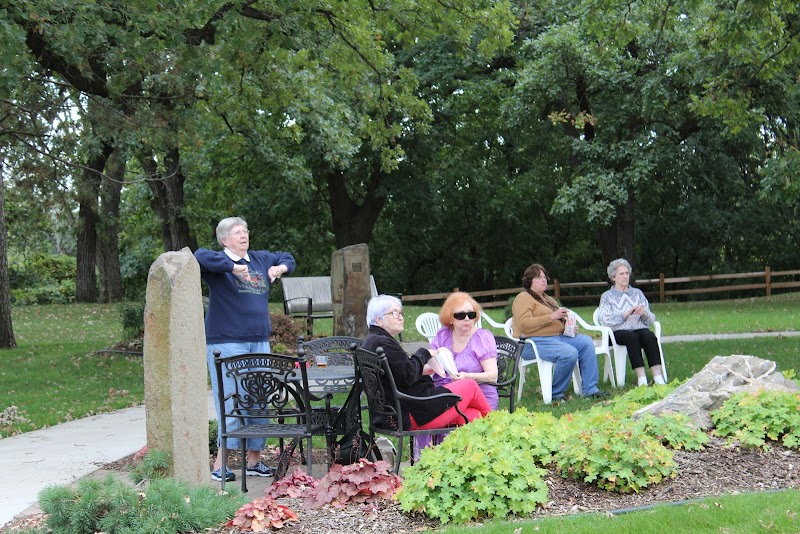
How is Martin Luther Care Center Staffed?
CMS rates Martin Luther Care Center's staffing level at 5 out of 5 stars, which is much above average compared to other nursing homes. Staff turnover is 25%, compared to the Minnesota average of 46%. This relatively stable workforce can support continuity of care.

What Have Inspectors Found at Martin Luther Care Center?

State health inspectors documented 51 deficiencies at Martin Luther Care Center during 2022 to 2025. These included: 2 Immediate Jeopardy (the most serious level, indicating potential for serious harm or death), 45 with potential for harm, and 4 minor or isolated issues. Immediate Jeopardy findings are rare and represent the most serious regulatory concerns. They require immediate corrective action.

Who Owns and Operates Martin Luther Care Center?

Martin Luther Care Center is owned by a for-profit company. For-profit facilities operate as businesses with obligations to shareholders or private owners. The facility is operated by EBENEZER SENIOR LIVING, a chain that manages multiple nursing homes. With 137 certified beds and approximately 122 residents (about 89% occupancy), it is a mid-sized facility located in BLOOMINGTON, Minnesota.

How Does Martin Luther Care Center Compare to Other Minnesota Nursing Homes?

Compared to the 100 nursing homes in Minnesota, Martin Luther Care Center's overall rating (1 stars) is below the state average of 3.2, staff turnover (25%) is significantly lower than the state average of 46%, and health inspection rating (1 stars) is much below the national benchmark.

What Should Families Ask When Visiting Martin Luther Care Center?

Based on this facility's data, families visiting should ask: "What changes have been made since the serious inspection findings, and how are you preventing similar issues?" "Can I visit during a mealtime to observe dining assistance and food quality?" "How do you handle medical emergencies, and what is your hospital transfer rate?" "Can I speak with family members of current residents about their experience?" These questions are particularly relevant given the facility's Immediate Jeopardy citations.

Is Martin Luther Care Center Safe?

Based on CMS inspection data, Martin Luther Care Center has documented safety concerns. Inspectors have issued 2 Immediate Jeopardy citations (the most serious violation level indicating risk of serious injury or death). The facility has a 1-star overall rating and ranks #100 of 100 nursing homes in Minnesota. Families considering this facility should ask detailed questions about what corrective actions have been taken since these incidents.

Do Nurses at Martin Luther Care Center Stick Around?

Staff at Martin Luther Care Center tend to stick around. With a turnover rate of 25%, the facility is 21 percentage points below the Minnesota average of 46%. Low turnover is a positive sign. It means caregivers have time to learn each resident's needs, medications, and personal preferences. Consistent staff also notice subtle changes in a resident's condition more quickly. Registered Nurse turnover is also low at 28%, meaning experienced RNs are available to handle complex medical needs.

Was Martin Luther Care Center Ever Fined?

Martin Luther Care Center has been fined $31,730 across 2 penalty actions. This is below the Minnesota average of $33,396. While any fine indicates a compliance issue, fines under $50,000 are relatively common and typically reflect isolated problems that were subsequently corrected. Families should ask what specific issues led to these fines and confirm they've been resolved.

Is Martin Luther Care Center on Any Federal Watch List?

Martin Luther Care Center is not on any federal watch list. The most significant is the Special Focus Facility (SFF) program, which identifies the bottom 1% of nursing homes nationally based on persistent, serious quality problems. Not being on this list means the facility has avoided the pattern of deficiencies that triggers enhanced federal oversight. This is a positive indicator, though families should still review the facility's inspection history directly.