Presbyterian Homes Of Bloomington
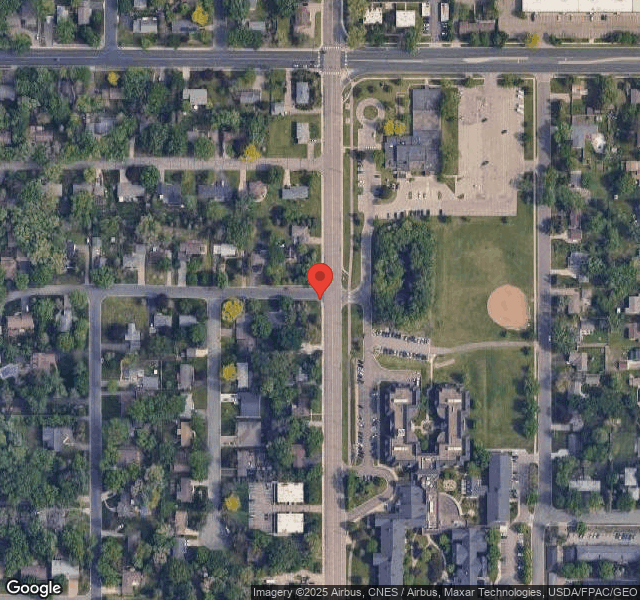

9889 PENN AVENUE SOUTH, BLOOMINGTON, MN 55431 (952) 948-3000
Non profit - Corporation 98 Beds PRESBYTERIAN HOMES & SERVICES Data: November 2025
Trust Grade
93/100
#69 of 337 in MN
Last Inspection: April 2025

Within standard 12-15 month inspection cycle. Federal law requires annual inspections.

Overview

Presbyterian Homes of Bloomington has earned a Trust Grade of A, indicating that it is an excellent facility that is highly recommended for care. It ranks #69 out of 337 nursing homes in Minnesota, placing it in the top half of facilities in the state, and #10 out of 53 in Hennepin County, meaning only nine local options are rated higher. The facility's performance has been stable, with the number of reported issues remaining consistent over the past two years. Staffing is a strong point, with a 5-star rating and a turnover rate of 30%, which is significantly lower than the state average, suggesting that staff members are experienced and familiar with residents. While there are no fines on record, which is a positive sign, there have been instances where the facility failed to monitor food safety properly, putting residents at risk of foodborne illness, and did not follow up on a resident's mental health needs as required. Overall, while the facility has many strengths, families should be aware of these concerns when considering care options.

Trust Score
A
93/100
In Minnesota
#69/337
Top 20%
Safety Record
Low Risk
No red flags
Inspections
Holding Steady
3 → 3 violations
Staff Stability
✓ Good
30% annual turnover. Excellent stability, 18 points below Minnesota's 48% average. Staff who stay learn residents' needs.
Penalties
✓ Good
No fines on record. Clean compliance history, better than most Minnesota facilities.
Skilled Nurses
✓ Good
Each resident gets 90 minutes of Registered Nurse (RN) attention daily — more than 97% of Minnesota nursing homes. RNs are the most trained staff who catch health problems before they become serious.
Violations
⚠ Watch
12 deficiencies on record. Higher than average. Multiple issues found across inspections.
★★★★★
5.0
Overall Rating
★★★★★
5.0
Staff Levels
★★☆☆☆
2.0
Care Quality
★★★★☆
4.0
Inspection Score
Stable
2024: 3 issues
2025: 3 issues

The Good

  • 5-Star Staffing Rating · Excellent nurse staffing levels
  • Low Staff Turnover (30%) · Staff stability means consistent care
  • Full Sprinkler Coverage · Fire safety systems throughout facility
  • No fines on record
  • Staff turnover is low (30%)

    18 points below Minnesota average of 48%

Facility shows strength in staffing levels, staff retention, fire safety.

The Bad

Chain: PRESBYTERIAN HOMES & SERVICES

Part of a multi-facility chain

Ask about local staffing decisions and management

The Ugly 12 deficiencies on record

Apr 2025 3 deficiencies
CONCERN (D)

Potential for Harm - no one hurt, but risky conditions existed

PASARR Coordination (Tag F0644)

Could have caused harm · This affected 1 resident

Based on interview and document review, the facility failed to notify the county (designated State Mental Health Authority - SMHA) for 1 of 1 resident (R11) with new onset of mental illness. Findings ...

Read full inspector narrative →
Based on interview and document review, the facility failed to notify the county (designated State Mental Health Authority - SMHA) for 1 of 1 resident (R11) with new onset of mental illness. Findings include: R11's 6/23/23, Initial Pre-admission Screening (PAS), did not identify a diagnosis of mental illness and did not indicate the need for a Level II (PASARR) to be completed. R11's 8/31/23, Provider Order identified R11 was to receive olanzapine (treats schizophrenia and bipolar disorder) 1.25 milligrams (mg) at night and 1.25 mg as needed for anxiety/paranoia and lack of redirection. R11's 2/3/25, Significant change Minimum Data Set (MDS) assessment identified R11 was dependent on staff for cares and activities of daily living (ADLs). R11 had a diagnoses of dementia, anxiety, depression, and a psychotic disorder other than schizophrenia, and took antipsychotics on a routine and as needed (PRN) basis. R11 was severely cognitively impaired and had disorganized thinking that would come and go with change in severity, and had little interest or pleasure in doing things and felt down, depressed and hopeless two to six days during the 14-day assessment period. R11's undated, current diagnosis list identified R11 received a new diagnosis of unspecified psychosis not due to a substance or known physiological condition on 2/16/24. R11's medical record lacked any indication that the county (SMHA) had been notified since the new onset of R11's mental illness. Interview on 4/2/25 at 11:35 a.m., with social service designee identified she was aware R11 had a newly evident diagnosis of psychosis to support R11's dementia. She identified she was not directed to contact the designated-state mental health authority and never thought to do that. Interview on 4/3/25 at 10:09 a.m., with the administrator indicated it was expected the facility would file a Level I to the county for all admissions and if a Level II was needed the facility would follow the recommendations. If a resident was identified to have a newly evident diagnosis of a mental illness the facility would resubmit a Level I PASARR for recommendations. Review of July 2024 Pre-admission Screening and Resident Review (PASRR) Policy identified the facility would evaluate mental disorders and/or intellectual disability upon admission to the facility. A Level II would be referred to the state-designated authority when a resident had a newly evident or serious mental disorder, exhibit behavioral, psychiatric, mood related, or had a significant change in status.
CONCERN (D)

Potential for Harm - no one hurt, but risky conditions existed

Medication Errors (Tag F0758)

Could have caused harm · This affected 1 resident

Based on interview and document review, the facility failed to ensure as-needed (PRN) antipsychotic medications (group of medications used to treat psychosis) were limited to 14 days of use or re-eval...

Read full inspector narrative →
Based on interview and document review, the facility failed to ensure as-needed (PRN) antipsychotic medications (group of medications used to treat psychosis) were limited to 14 days of use or re-evaluated by the medical provider to ensure necessity and reduce the risk of complication for 1 of 5 residents (R26) reviewed for unnecessary medication use. Findings include: R26's admission Minimum Data Set (MDS) assessment, dated 3/9/25, indicated R26 had moderately impaired cognition with no hallucinations or delusions, no behaviors and no rejection of care. R26 required supervision from staff for activities of daily living (ADLs). The MDS indicated R26 diagnoses included: anxiety, depression, generalized weakness, and mild cognitive impairment of uncertain or unknown etiology, R26's Order Summary Report, printed 4/2/25, indicated R26 had an order for 50 milligrams (mg) quetiapine fumarate (antipsychotic medication) by mouth as needed for agitation started on 3/3/25. The report included a section titled End Date that did not include a date for this order. R26's Medication Administration Record (MAR) for the months of March and April, printed 4/1/25, indicated R26 received the PRN quetiapine with the order date 3/3/25, three times during this period. During an interview on 4/2/25 at 10:07 a.m., consulting pharmacist (CP)-A stated he reviewed resident's orders monthly, which included reviewing for 14 day end dates on PRN antipsychotic medications. CP-A stated he sent over a pharmacy recommendation on 3/11/25, for an end date on the PRN quetiapine order. Director of nursing (DON) verified the order for PRN quetiapine was active and did not have the required 14 day stop date. Both CP-A and DON acknowledged PRN antipsychotic medications were to be limited to 14 days. On 4/2/25 at 11:32 a.m., DON provided a copy of the pharmacy review. DON stated the doctor addressed it today and discontinued the medication. DON verified it had not been addressed prior to surveyor bringing to their attention. During a follow up interview on 4/3/25 at 10:03 a.m., DON stated the expectation was when the orders were put in for a PRN antipsychotic, a 14-day end date would be entered also as this was part of processing the order. A facility policy titled Psychotropic Medication Use Policy, dated 3/2025, indicated Anti-psychotics: may only be used for 14 days. If the prescribing practitioner wishes to write a new order for the PRN anti-psychotic the resident must first be evaluated.
CONCERN (F)

Potential for Harm - no one hurt, but risky conditions existed

Food Safety (Tag F0812)

Could have caused harm · This affected most or all residents

Based on observation, interview, and document review, the facility failed to ensure monitoring and timely removal of facility food stored in refrigerators and freezers was completed to reduce the risk...

Read full inspector narrative →
Based on observation, interview, and document review, the facility failed to ensure monitoring and timely removal of facility food stored in refrigerators and freezers was completed to reduce the risk of foodborne illness. This had the potential to affect approximately 20 residents who consumed meals from the third-floor kitchen, and all residents in the facility who received meals from the main facility kitchen. Findings include: During the initial tour with the assistant dietary director (DA)-A on 3/31/25 at 12:30 p.m., the following foods were found in the walk-in refrigerator and freezer of the main facility kitchen. -One opened container sealed with plastic wrap; ranch dressing labeled use by 3/27/25. -One opened container of Chow Mein noodles with an expiration date of 3/4/25. -One opened container of Pace salsa with a use by date 3/8/25. -One single container of chocolate ice cream dated 8/12/24. During the walk through DA-A removed the expired food. DA-A stated the cooks were supposed to go through the refrigerator and freezers daily. After the initial walk-through, evening cook (C)-A confirmed the cooks are suppose to check both the refrigerator and the freezer for expired dates daily. During a tour of the Crossway kitchen on 4/1/25 at 12:16 p.m., the following foods were found in the refrigerator. -One multi-use grape juice container for the unit dispenser which expired 6/24. -Plastic container with dozens of single use cream cheese, undated. -Plastic container with dozens of single use creamers, undated. -Four packs of pancakes and two packs of waffles, unlabeled. -Cocktail sauce expired 9/24. During an interview on 4/1/25 at 12:16 p.m., Crossway server (DA)-B stated the process was to check for expired foods daily, however was unsure about the process of pancakes, waffles, cream cheese, or creamer. The pancakes and waffles were brought up from the main freezer every day and kept for about two days on the unit. DA-B confirmed the pancakes and waffles in the refrigerator were unlabeled, and indicated servers were responsible for checking the snack cart. DA-B confirmed there was no process for documenting how or when the snack cart was checked for expiration dates. During an interview on 4/1/25 at 12:41, DA-A stated kitchen supervisors conducted audits on each floor. DA-A confirmed that DA-B did come down to ask what she should do with the unlabeled items. DA-A stated that DA-B should throw the unlabeled items away. During an interview on 4/1/25 at 12:49, DA-B stated no one told them what they should do with unlabeled food. During an interview on 4/1/25 at 12:54 p.m., kitchen supervisor (DA)-D confirmed the unit refrigerator had pancakes and waffles that were not labeled. The food was removed and placed on a cart to take back to the main kitchen. The expired juice was taken out of the garbage and the expired date was confirmed with the supervisor as 6/24 and placed on the cart. DA-D confirmed there was no process for single use cream cheese and creamers that are undated and placed on the cart. During an interview on 4/2/25 at 8:21 a.m., per-diem Crossway server (DA)-C stated the process was to take food from the main kitchen freezer, place a label with a use by date, and then bring food to the unit. The food should be used within three days. DA-C confirmed pancakes and waffles came from the main kitchen freezer. DA-C opened the refrigerator and confirmed 1.5 packages of pancakes were in the refrigerator. One package was opened, and both were unlabeled. DA-C brought up one package of pancakes that was on the counter opened without a date, but confirmed the package was taken from the freezer that morning and had a label completed and ready to be placed on the package. DA-C stated the packages in the refrigerator must have been there from the server on 4/1/25. The facility's undated Labeling and Dating Policy indicated foods that are not marked will be discarded. The facility's Safe Food Storage Policy, dated 4/2019 directed staff to label, date, and properly cover all foods items upon opening of package.
Jan 2024 3 deficiencies
CONCERN (D)

Potential for Harm - no one hurt, but risky conditions existed

Safe Environment (Tag F0584)

Could have caused harm · This affected 1 resident

**NOTE- TERMS IN BRACKETS HAVE BEEN EDITED TO PROTECT CONFIDENTIALITY** Based on observation, interview, and document review the facility failed to ensure a sanitary and homelike environment for 1 of ...

Read full inspector narrative →
**NOTE- TERMS IN BRACKETS HAVE BEEN EDITED TO PROTECT CONFIDENTIALITY** Based on observation, interview, and document review the facility failed to ensure a sanitary and homelike environment for 1 of 1 residents (R34) who had dried feeding tube-like substance on their feeding tube pole, dresser, bed, and floor. Findings include: R34's quarterly Minimum Data Set (MDS) dated [DATE], indicated R34 had intact cognition and was diagnosed with cancer, heart failure, anxiety, and depression. The MDS indicated that R34 required moderate assistance with personal hygiene and maximal assistance with toileting, bathing, and lower body dressing. R34's order summary report dated 10/10/23, indicated that R34 received daily tube feedings over eight hours at night. During an observation on 1/8/24 at 1:24 p.m., R34 was observed lying in her bed on the right side of the room with a feeding pump on a pole between her and the drawered nightstand to the right of the bed. The nightstand was observed to have splatters of a light brown/yellow substance scattered over the left side, top, and front of the dresser. The light brown/yellow substance was also observed scattered over the bottom one-fourth of the feeding pump pole, the carpet on the right side of the bed, and on the right bed rail/frame of R34's bed. During an observation and interview on 1/9/24 at 1:03 p.m., the light brown/yellow substance was again observed as described above. R34's family member (FM)-A stated that he frequently observed the tube-feeding on R48's furniture as it was now and rarely observed it cleaned. R34 stated that the uncleanliness of her room frequently bothers her and she wished that staff would more frequently clean up the tube feed that covered her furniture. During an interview on 1/9/24 at 1:14 p.m., registered nurse (RN)-D stated that he thought the tube feeding had been on the furniture for at least a couple [sic] days but housekeeping would be in charge of cleaning it up. RN-D stated that nursing was in charge of cleaning the tube feeding off of the feeding pump and pole and acknowledged the presence of tube feeding on the pole. RN-D stated he had not seen it that morning because it was dark in R34's room when he disconnected her from the feeding. During an interview on 1/11/24 at 10:57 a.m., the director of nursing (DON) stated that she expected nursing staff to clean the resident furniture and tube feeding pole as the spills occurred and housekeeping should have been cleaning the furniture during daily housekeeping rounds. The DON stated that staff should have cleaned the dried tube feeding to ensure R34's dignity was maintained, she had a home-like environment, and infection control measures were practiced. The facility Cleaning Resident Rooms/ Apartment Units policy dated 3/12, indicated that resident rooms should be cleaned on a scheduled basis to ensure proper sanitization and cleanliness. The policy indicated that cleaning could have been completed either daily or weekly but gave no specific frequency for R34's unit. The policy indicated that wall and floor spot cleanings should be completed with this scheduled cleaning. The policy indicated that staff were to report any deep cleaning or floor care needs but did not indicate to whom these concerns were reported or when these would have been completed.
CONCERN (D)

Potential for Harm - no one hurt, but risky conditions existed

Deficiency F0757 (Tag F0757)

Could have caused harm · This affected 1 resident

**NOTE- TERMS IN BRACKETS HAVE BEEN EDITED TO PROTECT CONFIDENTIALITY** Based on observation, interview and document review, the facility failed to ensure post-hospitalization narcotic medication orde...

Read full inspector narrative →
**NOTE- TERMS IN BRACKETS HAVE BEEN EDITED TO PROTECT CONFIDENTIALITY** Based on observation, interview and document review, the facility failed to ensure post-hospitalization narcotic medication orders were clarified and/or obtained to reduce the risk of potential unnecessary administration and associated complication (i.e., sedation, constipation); and failed to ensure non-pharmacological interventions were attempted and documented prior to administration of as-needed (PRN) narcotic medication for 1 of 5 residents (R33) reviewed for unnecessary medication use. Findings include: R33's quarterly Minimum Data Set (MDS), dated [DATE], identified R33 had dementia with severe cognitive impairment and required no physical assistance to complete transfers or ambulation. Further, the MDS outlined R33 was not on a scheduled or PRN pain medication regimen, and R33 had no pain symptoms. R33's care plan, dated 1/4/24, identified R33 sustained a hip fracture on 12/30/23, and had surgical repair. The care plan listed several interventions including dispensing pain medication as prescribed, evaluating the pain, and physical or occupational therapy as ordered. On 1/8/24 at 5:16 p.m., R33 was observed seated in a high-back wheelchair in the locked unit dining room. R33 appeared comfortable and had no obvious physical symptoms of pain (i.e., moaning, grimacing) present. R33's Interagency Transfer Form, dated 1/3/24, identified R33 was being discharged back to the care center from the acute hospital where they had been admitted for a left hip fracture due to a fall. A section labeled, Medication Review, outlined R33's hospital discharge orders which included oxycodone (a narcotic medication) and directions which read, Take 1 tablet (5 mg [milligrams]) by mouth every 4 hours as needed for severe pain. The note included dictation which read, Pain after surgery is normal and expected . symptoms will improve with time . several things you can do to help reduce your pain including: rest, cold compresses, elevation, and using pain medications as needed. R33's subsequent care center Provider Orders, dated 1/4/24, identified orders for Tylenol (a mild pain reliever) with orders for 650 mg scheduled three times a day, and an additional 650 mg dose by mouth every 24 hours as needed due to pain from the hip fracture. R33's Medication Administration Record (MAR), dated 1/2024, identified R33's care center' provided medications along with corresponding staff initials (or dictation) to demonstrate the administration status (i.e., given, refused). This included the post-hospitalization order for oxycodone with directions, Give 1 tablet [5 mg] by mouth every 4 hours as needed for severe pain, along with the following administrations recorded: On 1/3/24 at 10:34 p.m. for a recorded pain rating of 3, with the results being listed as effective. A corresponding progress note, dated 1/3/24, identified the medication was given, however, lacked evidence what, if any, symptoms R33 displayed to warrant the use of the narcotic medication (versus Tylenol) or what, if any, non-pharmacological interventions were attempted prior to the administration of the narcotic. On 1/4/24 at 8:30 a.m. for a recorded pain rating of 4, with the results being listed as effective. A corresponding progress note, dated 1/4/24, identified the medication was given with dictation present, . given before morning care, however, lacked evidence what, if any, symptoms R33 displayed to warrant the use of the narcotic medication (versus Tylenol) or what, if any, non-pharmacological interventions were attempted prior to the administration of the narcotic. On 1/4/24 at 12:30 p.m. for a recorded pain rating of 6, with the results being listed as effective. A corresponding progress note, dated 1/4/24, identified the medication was given, however, lacked evidence what, if any, symptoms R33 displayed to warrant the use of the narcotic medication (versus Tylenol) or what, if any, non-pharmacological interventions were attempted prior to the administration of the narcotic. On 1/5/24 at 10:13 a.m. for a recorded pain rating of 3, with the results being listed as effective. A corresponding progress note, dated 1/5/24, identified the medication was given with dictation present, . given before morning care, however, lacked evidence what, if any, symptoms R33 displayed to warrant the use of the narcotic medication (versus Tylenol) or what, if any, non-pharmacological interventions were attempted prior to the administration of the narcotic. On 1/6/24 at 8:00 p.m. for a recorded pain rating of 4, with the results being listed as effective. A corresponding progress note, dated 1/6/24, identified the medication was given with dictation present, . Resident show the s/sx [symptoms] of pain, however, lacked evidence what these symptoms were to warrant the use of the narcotic medication (versus Tylenol) or what, if any, non-pharmacological interventions were attempted prior to the administration of the narcotic. On 1/10/24 at 9:17 a.m. for a recorded pain rating of 4, with the results being listed as effective. A corresponding progress note, dated 1/4/24, identified the medication was given, however, lacked evidence what, if any, symptoms R33 displayed to warrant the use of the narcotic medication (versus Tylenol) or what, if any, non-pharmacological interventions were attempted prior to the administration of the narcotic. In total, 11 doses of the as-needed narcotic medication had been provided to R33. However, the MAR included the provider order (dated 1/4/24) for Tylenol with directions, Give 650 mg by mouth every 24 hours as needed for Pain related to (L) hip fracture with repair. The order had a listed start date recorded of 1/4/24 with a discontinue date outlined of 1/10/24, but there were no recorded doses given or recorded in the MAR spaces. R33's medical record was reviewed and lacked evidence the post-hospitalization orders for oxycodone and Tylenol had been clarified to ensure staff had consistent administration direction for which medication (i.e., oxycodone or Tylenol) should be given for which corresponding pain rating or physical symptoms despite R33 having a diagnosis for the oxycodone of 'severe pain' and staff only recording mild or, at most, moderate pain levels with each administration (i.e., 3 or 4). Further, the medical record lacked evidence in any of the provided doses' of what, if any, non-pharmacological interventions had been attempted prior to the administration of the narcotic medication despite R33 having consistently low(er) pain ratings where such interventions could have potentially helped or resolved R33's pain. On 1/10/24 at 12:47 p.m., registered nurse (RN)-F was interviewed and verified they had worked with R33 before and after the fall on 12/30/23, with a resultant hip fracture, and stated R33 had been more ambulatory and independent with cares prior to the fall. RN-F explained the administration of PRN medication, including narcotics, required the nurse to assess the patient and record any non-pharmacological interventions attempted or refused in the progress notes. RN-F stated the use of Tylenol or oxycodone would come down more on the nursing assessment as there were no established protocols or directions on which to give for a variable pain rating. However, RN-F stated if R33 demonstrated a lower pain rating, then it would be appropriate to then just give Tylenol and not a narcotic. RN-F stated the decision making, or rationale, of the intervention was supposed to be documented in the medical record. On 1/11/24 at 8:41 a.m., the director of nursing (DON) was interviewed and verified they had reviewed R33's medical record. DON acknowledged the oxycodone had a diagnosis listed for 'severe pain' and stated they had just yesterday, after being questioned about the medication use by the surveyor, had the nurses call the provider and obtain clarification on which medication to give for mild versus severe pain with new orders being obtained. DON stated a clarification for the medication use should have likely been obtained when R33 re-admitted to the nursing home as there was not a facility' protocol, at least to their knowledge, to help nurses' determine which medications to provide without clarified orders. DON added, I probably should have caught that. DON stated it was important to ensure physician orders, if needed, were clarified to ensure consistent administration of medications so staff don't provide a medication that not necessary. The interview continued, and DON verified the lack of non-pharmacological intervention charting in the progress notes and expressed, They're [nurses] not charting it. DON stated they felt the staff had been doing non-pharmacological interventions with R33 but just not recording them. However, the DON verified non-pharmacological interventions should be attempted and recorded in the medical record with any as-needed narcotic administration. DON expressed this was important to do as, We need to know what's working and not working [for interventions]. A facility' policy on medication management, including order clarification, was requested. However, none was received.
CONCERN (D)

Potential for Harm - no one hurt, but risky conditions existed

Deficiency F0810 (Tag F0810)

Could have caused harm · This affected 1 resident

**NOTE- TERMS IN BRACKETS HAVE BEEN EDITED TO PROTECT CONFIDENTIALITY** Based on observation, interview and document review, the facility failed to provide adaptive equipment for 1 of 1 resident (R3) ...

Read full inspector narrative →
**NOTE- TERMS IN BRACKETS HAVE BEEN EDITED TO PROTECT CONFIDENTIALITY** Based on observation, interview and document review, the facility failed to provide adaptive equipment for 1 of 1 resident (R3) reviewed for adaptive equipment and observed with difficulty eating during dining observations. Findings include: R3's admission Minimum Data Set (MDS), dated [DATE], indicated R3 was cognitively intact, and required verbal cues or touching/steadying assistance to eat and received rehabilitation therapies including speech therapy. R3 diagnoses included cerebrovascular accident (damage to the brain from interruption of its blood supply) affecting right dominant side, hypertension(high blood pressure), hemiplegia (paralysis of one side of the body), hemiparesis (weakness or inability to move one side of the body), anxiety disorder, manic depression (or bipolar disorder is a mental illness that causes unusual shifts in a person's mood, energy, activity levels and concentration), and chronic obstructive pulmonary disease(lung disease that blocks airflow and make it difficult to breath). R3's Order Summary Report dated 1/11/24, included an order dated for Built up silverware with foam grips, plate guard, seated in recliner for all meals. R3's activities of daily living (ADL) care plan revised on 11/22/23, indicated R3 had a self care performance deficit related to physical weakness, cerebrovascular accident with right side weakness, anemia, hypertension, dementia, anxiety/depression, and bipolar disorder. R3's care plan interventions for eating indicated all foods should be cut up. I use built up/foam grip, plate guard and all liquids in insulated mug with lid. R3's room location was on the Gateway unit. The RA (resident assistants) Group sheet dated 1/10/24, indicated for R3 Regular (diet), plate guard, mugs with lids and handles, foam grips. R3's nutritional care plan dated 11/14/23, indicated I have a nutritional problem or potential nutritional problem r/t [related to] dysphagia (difficulty swallowing), GERD (gastroesophageal disease that causes stomach acids or bile to flow back into the tube connecting your mouth and stomach), HLD (hyperlipidemia defines high levels of lipids), COPD (Chronic obstructive pulmonary disease). The care plan failed to include R3's diagnosis of hemiplegia affecting the right dominant side, and the need for adaptive equipment to eat. During observation and interview on 1/8/24 at 6:59 p.m., a handwritten note was observed taped to R3's room door. The note read Please put pillows on each side when R3 is in chair to avoid tipping sideways, and Please put red utensils holders on fork and spoon when she is eating. R3 stated her son (FM)-C wrote the note hoping the staff would read it. R3 stated most of the time they [staff] forget to bring me the right silverware or forget to cut my food. My son has talked to different staff members but continues to be a problem. During interview on 1/9/24 at 7:15 p.m., (FM)-C, reported concerns about the staff not providing R3 with the adpative red handle silverware. FM-C stated he put the sign on the door hoping the staff would read it and make sure R3 would get the adaptive silverware and the plate guard. FM-C stated R3 received daily visits and sometimes more than two family members visited her every day and unfortunately, the staff have not been able to fix this problem. (FM)-C expressed concerns about potential weight loss and malnutrition. During observation on 1/10/24 at 12:29 p.m., nursing assistant (NA)-B brought R3's lunch tray. NA-B cut R3's food, asked if she needed any help and left the room. R3 was sitting in an upright position without the assistance of pillows. R3's flat plate had a plate guard, but the silverware was not adaptive silverware. R3 had a tablespoon on her right hand, her hand was not tightly closed and several times the spoon slipped out of her hand into the soup bowl or the tray. R3 was able to get soup into the spoon but approximately half of the soup fell on the cup or tray while she was bringing the spoon to her mouth. During interview on 1/10/24 at 12:28 p.m., dietary assistant (DA)-A stated, whoever sets up the trays is responsible to make sure the proper silverware, glasses and plates were provided. DA-A stated, we (dietary aids) were responsible to set up the trays. During interview on 1/10/24 at 12:29 p.m., nursing assistant (NA)-B who brought R3's lunch tray, stated the dietary department was responsible to set up the trays. When asked about the sign posted on the door, NA-B stated, I didn't pay attention to it. During interview on 1/10/24 at 12:36 p.m., nurse manager/registered nurse (RN)-C stated, adaptive silverware and adaptive equipment used by residents was on the nursing assistant's' RA Group Sheet and nursing assistants needed to read their RA Group Sheet to make sure resident's needs were met. RN-C checked the undated Gateway RA Group Sheet which indicated regular diet, plate guard, mugs with lids and handle foam grips. During interview on 1/10/24 at 12:43 p.m., the director of nursing (DON) stated the nursing assistants needed to look at the resident's care cards and assignments sheets and provide the proper adaptive silverware at each meal. DON stated a resident with decreased independence to feed themselves were at risk of decreased food intake resulting in weight loss. The facility policy titled Adaptive Feeding Equipment dated 1/31/11, indicated Residents will be provided with adaptive feeding equipment upon assessment by the nursing and therapy staff. The policy also indicated the use of adaptive feeding equipment is noted in the care plan and on the diet spreadsheet.
May 2023 6 deficiencies
CONCERN (D)

Potential for Harm - no one hurt, but risky conditions existed

ADL Care (Tag F0677)

Could have caused harm · This affected 1 resident

**NOTE- TERMS IN BRACKETS HAVE BEEN EDITED TO PROTECT CONFIDENTIALITY** Based on observation, interview, and document review the facility failed to ensure baths were provided to maintain personal hygi...

Read full inspector narrative →
**NOTE- TERMS IN BRACKETS HAVE BEEN EDITED TO PROTECT CONFIDENTIALITY** Based on observation, interview, and document review the facility failed to ensure baths were provided to maintain personal hygiene for 1 of 1 residents (R4) who were unable to perform their own activities of daily living (ADLs). Findings include: R4's Minimum Data Set d(MDS) dated [DATE], indicated R4 had intact cognition, required supervision for eating and extensive assistance for all other ADLs. The MDS also indicated bathing did not occur during the assessment period; however, R4 required assistance of one staff. R4's diagnoses included major depression, developmental disorder of scholastic skills (a learning disability), a history of falls, muscle wasting, dementia, epilepsy (seizures), anxiety, gout (inflammation in the joints, often the big toes), and cataracts (blurred vision). R4's Care Area Assessment (CAA) dated 4/6/23, indicated R4 triggered for vision, communication, ADL function, urinary incontinence, mood, falls, and psychotropic drug use. R4's care plan dated 5/5/20, indicated R4 had a self-care deficit due to physical weakness, morbid obesity, seizure disorder, depression, anxiety, and developmental delay with cognitive deficits. Interventions included requiring an assist of one staff for bathing. R4 had impaired cognition due to diagnosis of intellectual disability. Interventions included keeping R4's routine consistent and providing consistent care givers, if possible, to decrease confusion. The facility Bath Schedule undated, indicated R4 was to receive a bath on Sunday and Wednesday (including body audit) mornings. The nursing assistant care sheet undated, indicated R4 was to receive a bath on Sunday morning and Wednesday morning. R4's orders dated 9/1/21, indicated R4 was to have a body audit completed every Wednesday morning on bath day. R4's nursing assistant bath log from 4/3/23-5/2/23, indicated R4's bathing was not applicable for all shifts. No other documentation was provided to indicated baths/showers were completed on Sundays. R4's Body Audit log undated, indicated R4 received a shower as follows: -2/1/23 -2/8/23 -2/15/23-no body audit completed -2/22/23 -3/1/23 -3/8/23-no body audit completed -3/15/23 -3/22/23-no body audit completed -3/29/23-no body audit completed -3/31/23, (a Friday) Bath indicated other, no further documentation available. -4/5/23-no body audit completed -4/12/23 -4/19/23 -4/26/23 -5/3/23 Review of R4's progress notes lacked explanation for missed body audits and/or baths/showers. During an interview and observation on 5/1/23 at 6:50 p.m., R4 was in her room in a wheelchair. Her hair appeared oily but brushed in the front but dry and messy in the back. R4 stated staff did not wash her hair or give her a shower since her favorite nursing assistant left on vacation three weeks prior. R4 stated Just feel my hair. It's not right. During an interview on 5/2/23 at 9:08 a.m., registered nurse (RN)-A stated nursing staff charted resident baths once a week in a resident's Body Audit log. RN-A stated nursing assistants (NAs) would chart if a resident received or refused a second bath on the bath log in their electronic medical record (EMR). During an interview an observation on 5/2/23 at 9:14 a.m., R4 was sitting in her room in a wheelchair. Her hair appeared oily on the top and front and dry and unbrushed in the back. R4 stated her favorite NA was still not back, and therefore, staff didn't wash her hair or give her a shower. R4 stated she had a care conference the following week and wanted to look nice. R4 stated Touch my hair. During an interview on 5/2/23 at 9:12 a.m., NA-G stated NAs would document when they gave a resident a bath or if a resident refused a bath in their EMR bath log. During an interview on 5/3/23 at 1:11 p.m., NA-A stated NAs charted in the resident's bath log on the computer whenever they gave a bath or if a resident refused a bath. NA-A also stated R4 never refused her bath. During an interview on 5/4/23 at 8:55 a.m., RN-B stated R4 was supposed to receive a bath/shower on Sundays and Wednesdays. RN-B stated one bath would be documented in the resident's Body Audit log, but all baths should be charted in the resident's EMR bath log and verified R4's bath log lacked indication R4 had received any baths/showers from 4/4/23 to 5/2/23. RN-B further verified R4 did not have a Body Audit completed to indicate weekly showers were completed consistently since February. RN-B also stated R4 would let you know if she didn't get her bath or shower. During an interview on 5/4/23 at 10:26 a.m., the director of nursing (DON) stated body audits were to be completed every week during a resident's bath/shower and documented in the EMR. The DON also stated NAs should be documenting each time they give a resident a shower or bath in their EMR bath log and verified R4's bath log lacked documentation she had received any baths/showers. The DON further stated R4 would tell you if she didn't get it because baths were important to her. A facility ADL and/or Bathing policy was requested but not received.
CONCERN (D)

Potential for Harm - no one hurt, but risky conditions existed

Quality of Care (Tag F0684)

Could have caused harm · This affected 1 resident

**NOTE- TERMS IN BRACKETS HAVE BEEN EDITED TO PROTECT CONFIDENTIALITY** Based on observation, interview, and document review, the facility failed to ensure significant bruising was comprehensively ass...

Read full inspector narrative →
**NOTE- TERMS IN BRACKETS HAVE BEEN EDITED TO PROTECT CONFIDENTIALITY** Based on observation, interview, and document review, the facility failed to ensure significant bruising was comprehensively assessed and acted upon to develop potential treatment interventions, promote healing, and reduce the risk of complication (i.e., worsening) for 1 of 1 resident (R38) observed to have areas of significant bruising on their arm. Findings include: R38's admission Minimum Data Set (MDS), dated [DATE], identified R38 had intact cognition, required extensive assistance for most activities of daily living (ADLs), and had several skin concerns including an active unstageable pressure ulcer and skin tears. Further, the MDS identified R38 consumed anticoagulant medication during the review period. On 5/1/23 at 7:02 p.m., R38 was observed seated in a chair in their room on the transitional care unit (TCU). R38 had visible bruising on their left hand with several areas presenting as deep, dark purple in color, the areas being asymmetrical in shape, and a visible white-colored cotton ball was secured to R38's left anterior forearm with paper tape. R38 was interviewed, and they explained they bruised easily and attributed the bruising to several blood draws recently. R38 rolled up the long sleeve shirt they were wearing exposing more of their left arm. The same dark purple areas of bruising continued up R38's arm to nearly the elbow. R38 stated they were on an anticoagulant medication and the bruising looked about the same since they admitted to the TCU several weeks prior. R38 stated nobody from the nursing home had discussed the bruising, including potential options of treatment (i.e., heat application, lotion) or prevention (i.e., geri-sleeves), with him and added, No one has offered a solution to it. R38's care plan, dated 4/3/23, identified R38 had an ADL self-care performance deficit due to pneumonia, chronic kidney disease, and other medical complications. The care plan directed, SKIN INSPECTION: While providing care, I ask that you observe my skin for redness, open areas, scratches, cuts, bruises and report changes. The care plan outlined R38 consumed anticoagulant medication and directed to monitor for side effects of the medication including, . bruising, bleeding . In addition, the care plan identified R38 was at risk for skin impairments and had a history of pressure injuries. However, the care plan lacked information on R38's obvious, visible bruising or what, if any, interventions were being completed to promote healing (i.e., monitoring, lotion applied) or what, if any, approaches had been offered, attempted, or refused. R38's Body Audit - V4(s), dated 3/14/23 to 4/14/23, were reviewed in the medical record. These identified an anatomical human figure with a corresponding areas to record the site, type, and measurements of any identified skin alteration or impairment. These identified the following: On 3/14/23, R38 was identified to have an, Other type of alteration, and the form outlined several areas of bruising including, 30) Left hand (back), with, Bruising, being recorded. However, there were no other recorded characteristics of the bruising to help identify where in the healing process, if applicable, the bruising was at or if it was being monitored (i.e., coloration of the bruises, approximate sizing of them). On 3/17/23, R38 was identified to have an, Other type of alteration, and the form outlined several areas of bruising including, L [left] arm, hand, with, multiple bruises, being recorded. However, there were no other recorded characteristics of the bruising to help identify where in the healing process, if applicable, the bruising was at or if it was being monitored. On 4/3/23, R38 was identified to have an, Other type of alteration, and the form outlined several areas of bruising including, 30) Left hand (back), with, Bruising, being recorded. However, there were no other recorded characteristics of the bruising to help identify where in the healing process, if applicable, the bruising was at or if it was being monitored. On 4/7/23, R38 was identified to have an, Other type of alteration, and the form outlined several areas of bruising including, 30) Left hand (back), with, Bruising, being recorded. However, there were no other recorded characteristics of the bruising to help identify where in the healing process, if applicable, the bruising was at or if it was being monitored. On 4/14/23, the most recent audit was completed which again R38 was identified to have an, Other type of alteration, and the form outlined several areas of bruising including, both forearms, with Bruising, being recorded. However, there were no other recorded characteristics of the bruising to help identify where in the healing process, if applicable, the bruising was at or if it was being monitored. R38's corresponding Bowel, Bladder, and Skin Risk - V3 assessments, dated 3/18/23 to 4/28/23, identified an evaluation was completed on 3/18/23, 3/25/23, 4/7/23, 4/14/23, 4/21/23, and 4/28/23. These evaluations included review of a Braden scale (a tool used to help determine pressure ulcer risk), contributing factors and current skin condition, cognitive awareness, resident preferences, and a section labeled, Analysis and Summary . , which provide spacing to record the assessed issues and needs of the resident. However, each of these completed evaluations did not include or mention R38's bruising, or subsequent interventions to address them and prevent recurrence, despite R38 having obvious, dark-purple colored bruises present on their body which were also recorded on numerous Body Audit - V4 evaluations. On 5/3/23 at 10:34 a.m., nursing assistant (NA)-F was interviewed. NA-F explained they had worked with R38 in the past and expressed R38 had intact cognition and can remember things well. NA-F stated they were aware R38 had bruising on various parts of the body; however, were unable to recall how long R38 had the bruising or if it had been present since admission. NA-F stated they had never been told or directed to do any interventions for R38's bruising (i.e., apply cold packs, geri-sleeves). R38's medical record was reviewed and lacked evidence R38's developed bruising on their left arm was being monitored on a routine, ongoing basis (i.e., coloration, sizing) to ensure adequate healing. In addition, the medical record lacked evidence R38 had been comprehensively assessed for their bruising risk despite developing significant bruising on their left arm which had been present since first recorded on 3/14/23 (Body Audit - V4). There was no indication the facility had reviewed or assessed R38 for potential causative factors or interventions to help prevent recurrence of the bruising and ensure adequate healing of the developed areas. When interviewed on 5/3/23 at 11:16 a.m., registered nurse (RN)-C explained they had noticed R38 to have significant bruising which they recalled had been present since admission. RN-C added, [R38] keeps on bruising. RN-C attributed some of the repeated bruising to R38's ongoing blood draws and their subsequent pulling on the tape used to secured a pressure dressing (i.e., cotton ball). RN-C explained skin assessments, including for bruising, were typically completed by the clinical coordinator and expressed any developed skin alteration, including bruising, should be monitored in the skilled documentation of the medical record. RN-C reviewed R38's medical record, including the Treatment Administration Record, and verified there were no current, active treatments for R38's bruising on the left arm despite the area having several dark-purple colored bruises covering most of the skin surface. RN-C reiterated the clinical coordinator was responsible to assess the need, care plan any interventions, and pass the information down to the nurses for the treatments to be implemented. On 5/3/23 at 1:40 p.m., registered nurse clinical coordinator (RN)-D was interviewed, and explained R38 had admitted to the care center with multiple bruises present. RN-D stated when a new bruise was discovered, the area was reviewed and monitoring was implemented via the weekly body audit evaluations. RN-D explained appropriate monitoring for developed bruises would include observing the color of the bruise, shape of the site, and progress of the healing process. However, RN-D explained this process was more for bruises which develop after admission and not usually completed for bruising which is present upon admission to the care center. RN-D stated if R38's bruising had developed after admission, it would have likely been handled differently and monitored more closely adding interventions for bruising upon admission really depend[ed] on the extent of the condition. RN-D acknowledged the medical record lacked evidence R38's bruising, which had been present since admission, was being routinely monitored with characteristics; nor had anyone comprehensively assessed the bruising to ensure adequate interventions were in place to prevent decline or recurrence. A provided Skin Integrity Management Policy, dated 10/2022, identified the facility' policy was to properly identify, assess and monitor residents whose clinical conditions increase the risk of impaired skin integrity or pressure injuries and to implement preventative measures. The policy listed several steps and procedures to address pressure injuries, non-surgical wounds, and general preventative measures for skin health. However, the policy lacked specific information or procedures on how bruising would be triaged, assessed or managed at the care center.
CONCERN (D)

Potential for Harm - no one hurt, but risky conditions existed

Pressure Ulcer Prevention (Tag F0686)

Could have caused harm · This affected 1 resident

**NOTE- TERMS IN BRACKETS HAVE BEEN EDITED TO PROTECT CONFIDENTIALITY** Based on observation, interview, and document review, the facility failed to comprehensively reassess and develop interventions,...

Read full inspector narrative →
**NOTE- TERMS IN BRACKETS HAVE BEEN EDITED TO PROTECT CONFIDENTIALITY** Based on observation, interview, and document review, the facility failed to comprehensively reassess and develop interventions, and ensure ongoing efficacy of interventions, after the development of an in-house acquired deep tissue injury (DTI) for 1 of 2 residents (R24) reviewed for pressure ulcer care and services. Findings include: R24's admission Minimum Data Set (MDS), dated [DATE], identified R24 had intact cognition, required extensive assistance for most activities of daily living (ADLs), and was frequently incontinence of bowel. Further, the MDS outlined R24 was at risk for pressure ulcer development, however, had no current unhealed ulcers present. R24's most recent Bowel, Bladder, and Skin Risk - V3 evaluations, dated 3/7/23, identified R24 scored a 13 on the completed Braden scale (a tool used to determine pressure ulcer risk) which placed R24 at, High Risk. The evaluation outlined R24 had prostate cancer with metastasis, was on narcotic medication, and was, Full assist with cares, and bed bound. An alternating air mattress was in place along with routine wound care to R24's buttocks and skin prep to their bilateral feet. R24's care plan, dated 4/10/23, identified R24 was at risk for impaired skin integrity and outlined R24 developed a DTI on their left heel on 3/22/23, and a stage one pressure injury on their left left (big) toe on 4/5/23. The care plan listed several interventions for R24's skin management including assessment and evaluation of skin status per facility' policy, treatments as ordered, elevating R24's heels off the bed surface as needed. On 5/1/23 at 7:17 p.m., R24 was observed laying in bed in his room and positioned, via pillows, on his right side. R24's feet appeared raised up from the mattress, however, were covered with bed linen and not visible. R24 expressed they were in such pain and declined to interview with the surveyor at the time. R24 declined reproach later when not so uncomfortable but, again, declined to visit with the surveyor adding, I really don't want to talk to you. R24's medical record was reviewed. R24's Body Audit - V4, dated 3/23/23, identified an anatomical human figure with areas to record various observed skin impairments, including pressure injuries. This recorded R24 as having an, Other type of [skin] alteration, and recorded, See previously noted. Has pressure injury to L [left] heel, and redness to tip of L foot big toe. This was the first recorded entry identified in the medical record demonstrating a pressure injury had potentially developed on R24's toe. R24's subsequent Body Audit - V4(s), dated 3/30/23, 4/13/23, and 4/19/23, identified the developed area remained on R24's left toe. On 3/30/23, R24 was recorded with continued redness on left big toe. On 4/13/23, R24 was listed as having an, Other (specify), skin impairment on their left big toe. The audit recorded the type of injury as, Pressure. Further, on 4/19/23, the audit again recorded, . pressure injury to left tip on big toe and heel. On 5/3/23 at 10:38 a.m., nursing assistant (NA)-F was interviewed. NA-F explained R24 liked to remain in bed and staff would just assist R24 with changing their incontinence product, as needed. NA-F expressed staff to reposition R24 throughout the day as R24 has the sores on the legs. However, NA-F explained they had never seen R24's 'sores' so they could not describe them or provide further details on them. Later on 5/3/23, at 10:59 a.m., R24's feet and skin were observed with registered nurse (RN)-C present. RN-C removed several blankets from R24, who was laying in bed, which exposed R24's feet. R24 had a blue-colored heel protector soft boot in place on their left foot, and their left toes were all open and exposed to air and visible. R24's left great toe had an area present, measuring approximately .75 inches (in) in diameter, on the distal portion of the toe which was circular in shape, and was dark red in color with a visible, black-colored thin line extending around the perimeter of the area. The wound presented with no obvious depth but was unblanchable skin. RN-C explained staff had attempted to use a bed cradle (a device used to keep sheets from touching the feet and toes) in the past; however, R24 refused it. RN-C verified the area was pressure-related and attributed the cause of it to R24 using a lot of sheets on him while in bed and over their toes. RN-C expressed the area on R24's toe seemed to be healing in overall condition, however, was usually always just red when they observed it. During follow-up interview, on 5/3/23 at 11:10 a.m., RN-C explained they had worked with R24 several times over the past weeks and described R24 as someone who needs a log of help with repositioning and cares. RN-C stated they were not sure how long the pressure injury on R24's left toe had been there but felt was, at least, a few months now. RN-C reiterated the left toe ulcer was looking better lately, and they explained when someone develops a pressure injury the clinical coordinator was the person who usually assessed them and developed the treatment plan to be implemented. However, R24's medical record was reviewed and lacked evidence R24 had been comprehensively reassessed for their skin risk, including their risk of pressure ulcer development and subsequent causative factors or interventions to promote healing, despite R24 developing signs of a potential pressure injury (and subsequent ulcer) on 3/23/23 when they were identified to have redness to the tip of their left toe on the Body Audit - V4 (dated 3/23/23). On 5/3/23 at 1:49 p.m., registered nurse clinical coordinator (RN)-D was interviewed. RN-D verified R24 had not been comprehensively reassessed for their skin and pressure ulcer risk since 3/7/23, despite developing a pressure ulcer on their left great toe. RN-D expressed R24 should have been reassessed for their risk to help prevent additional pressure injuries, and because R24's skin was so fragile, it placed R24 at risk for infections, decreased comfort and on and on. Further, RN-D stated it was important to ensure a reassessment process occurred as part of overall effective wound care [management]. A provided Skin Integrity Management Policy, dated 10/2022, identified the facility policy' including the proper identification, assessment and monitoring of patients at risk for impaired skin integrity and pressure ulcers. The policy outlined several items which could be used to identify risk including a Braden scale, Skin Risk Assessment, and Tissue Tolerance Evaluation. A section labeled, Procedure: upon discovery of a non-surgical wound, directed several steps to be completed upon discovery of a potential pressure injury including, Initiate and complete Bowel, Bladder and Skin Risk Assessment with analysis and summary.
CONCERN (D)

Potential for Harm - no one hurt, but risky conditions existed

Deficiency F0697 (Tag F0697)

Could have caused harm · This affected 1 resident

**NOTE- TERMS IN BRACKETS HAVE BEEN EDITED TO PROTECT CONFIDENTIALITY** Based on observation, interview, and documentation the facility failed to comprehensively reassess, create and implement pain in...

Read full inspector narrative →
**NOTE- TERMS IN BRACKETS HAVE BEEN EDITED TO PROTECT CONFIDENTIALITY** Based on observation, interview, and documentation the facility failed to comprehensively reassess, create and implement pain interventions for 1 of 1 residents (R17) whose pain medications were decreased resulting in worsening pain. Findings include: R17's quarterly Minimum Data Set (MDS) dated [DATE], indicated R17 had moderate cognitive deficits, was independent with eating and required extensive assistance for all other activities of daily living (ADLs). R17's diagnoses included a displaced left hip fracture, kidney failure, myocardial infarction (heart attack), rheumatoid arthritis, chronic pain, osteoporosis (low bone density), polymyalgia rheumatica (inflammation causing muscle pain and stiffness in the shoulders, neck, and hips that is usually worse in the morning), gout (pain, swelling, redness in joints, often the big toes), legal blindness due to macular degeneration (spondylosis of the cervical spine (a defect or stress fracture of the neck), spinal stenosis ( a narrowing of the spine causing compression on the spinal cord), heart failure, major depression, anxiety, and dementia. R17's Care Area Assessment (CAA) dated 6/28/22, indicated R17 triggered for cognitive loss/dementia, vision, ADL function/rehabilitation, falls, and pressure ulcer. The CAA did not indicate R17 triggered for pain. R17's care plan dated 7/20/21, indicated R17 had a self-care deficit due to physical weakness/impaired balance, gait, and range of motion (ROM) to both hands related to a hip fracture, depression/anxiety/dementia, heart failure, rheumatoid arthritis, spinal stenosis, chronic pain, visual impairment, and kyphosis (a curvature of the upper spine). Interventions included wearing palm guards on both hands at night, for comfort and ROM, and physical and occupational therapy evaluations and treatment as needed. R17 was also at risk for falls, and chronic pain. Interventions included administering pain medications as ordered and reviewing R17's pain needs with clinicians to ensure appropriate dosing, identifying, recording, and treating existing conditions which may increase pain and/or discomfort, and notifying the provider if interventions are unsuccessful, or a withdrawal or resistance to cares or change in usual activity attendance. R17's hospital discharge orders dated 4/4/23, indicated the following: -oxycodone (narcotic pain medication) 5 milligrams (mg) every six hours as needed for severe or breakthrough pain for a right hip fracture. Another medication with the same name was removed. The orders lacked acknowledgment of R17's historical use of oxycodone for chronic pain prior to her hip fracture. -Diclofenac gel (an anti-inflammatory) explain medication was to be stopped. No indication for reason. During an interview on 5/4/23 at 7:39 a.m., licensed practical nurse (LPN)-A stated she did not know why R17 no longer had scheduled oxycodone or diclofenac gel upon her return from the hospital. R17's medication administration record (MAR) dated April 2023, indicated R17 received diclofenac gel applied to all painful areas topically, twice a day and an additional twice a day, as needed, from 7/2/21 to 4/4/23. The diclofenac gel was not reordered after R17's return to the facility on 4/4/23. The MAR indicated R17 received 20 mg of methotrexate (a chemotherapy and immune system suppressant used to treat rheumatoid arthritis that does not respond to other treatment) every Wednesday from 7/8/21 to 4/4/23. The MAR indicated R17's methotrexate was discontinued for the remainder of the month. The MAR further indicated R17 received 5 mg of oxycodone (an opioid) every four hours as needed (PRN) from 9/21/21 to 4/4/23 in addition to scheduled 5 mg of oxycodone three times a day for pain from 11/17/22 to 4/4/23. Upon R17's return from the hospital, R17 only received 5 mg of oxycodone every four hours as needed and no scheduled doses beginning 4/6/23. The MAR indicated there was no data available from 4/6/23 - 4/8/23 and R17 requested oxycodone once every day nine times, twice a day eight times, three times a day four times, and four times one day from 4/8/23 to 4/30/23. R17's Comprehensive Clinical assessment dated [DATE], indicated R17 had pain almost constantly during the previous five days and rated the pain 5 out of 10. R17 was unable to answer if the pain interrupted her sleep or limited her activities. R17 indicated the pain was an ache in her [left] hip. The assessment further indicated R17 had a fracture of the right hip; however, the Contractures box was unmarked although R17 had severe contractures. No further assessment was completed regarding R17's pain related to her chronic conditions. R17's nursing assistant care sheet undated, indicated R17 was to have palm guards on at night and off during the day. During an interview on 5/2/23 at 10:09 a.m., R17 was sitting in a wheelchair in her room with a soft neck brace on. R17 stated she received medications for pain relief but nothing else such as ice or heat packs. R17 stated the pain was constant and she would try anything to get some relief. During an interview and observation on 5/3/23 at 8:37 a.m., R17 was waking up in bed and did not have palm protectors on her hands. R17's hands were severely contracted causing her fingers to dig into her palms. R17 stated she wished she had palm protectors and would take anything to help the pain. R17 stated she had not slept well due to terrible pain in her toes and feet. R17's great toes pointed inward, causing her second toes to sit on top of her other toes on both feet. R17 stated her pain was 9 out of 10 but that the staff had stopped asking her what her pain level was because they already knew she was always in pain. R17 stated until recently, she would have relief with her pain medications, but the pain was constant, keeping her up at night and from being able to do activities because it just hurts to move. During an interview on 5/3/23 at 11:56 a.m., R17 was in her room, sitting in a recliner with a soft neck brace on. R17 stated although she received pain medication three hours ago, her pain was 8/10. During an interview on 5/3/23 at 1:11 p.m., nursing assistant (NA)-A stated residents could receive an ice pack for pain if they had an order for it and stated he referred to the resident care sheet for guidance on how to care for a resident. NA-A also stated R17 usually ate breakfast in the communal dining room, however, R17 did not want to come out of her room that morning, but NA-A did not know why. NA-A also stated he had not seen R17's palm protectors and did not know if R17 still had them. During an interview on 5/3/23 at 1:23 p.m., NA-B stated she had not seen palm protectors in R17's room recently, nor had she seen them on R17's hands upon waking her in the morning for a while. R17 also stated she would refer to the care sheet for instructions on how to care for a resident and verified R17's care sheet indicated she should have palm guards on at night and off during the day. During an observation and interview on 5/4/23 at 7:52 a.m., LPN-A entered R17's room to administer her morning medications. R17 was in her recliner, where she had slept, with a soft neck brace on and no palm guards. R17 stated the pain is so bad. LPN-A stated she was going to give her Tylenol and put lidocaine gel on her and if her pain was still bad, she would bring her oxycodone. R17 asked why she couldn't just get her the oxycodone now because it really hurts and her pain was 9/10. LPN-A stated she would return in 30 minutes to see if the other medications had relieved her pain and if not, LPN-A would give R17 the PRN oxycodone. R17 agreed reluctantly, stating, don't forget. LPN-A also stated R17 used to wear palm guards to protect her palms and help with contractions, but LPN-A had not seen them since R17 returned from the hospital a month ago. LPN-A verified R17's care sheet indicated she was to have palm guards on at bedtime and taken off during the day. During an interview on 5/4/23 at 9:26 a.m., LPN-A stated upon reassessment R17 indicated she was still in a lot of pain and LPN-A gave R17 her PRN oxycodone. During an interview on 5/4/23 at 8:15 a.m., registered nurse (RN)-B stated R17 used to have soft palm protectors and was unaware they were missing and R17 was not having them applied at night according to her care plan. RN-B verified R17 was using her PRN oxycodone daily and although the times were not always consistent, maybe having it on a regular schedule again would be appropriate. RN-B stated R17 would always have pain due to her diagnosis of RA but would expect the nursing staff to assess and document R17's pain and any changes and/or interventions including non-pharmacological that were offered. During an interview on 5/4/23 at 10:32 a.m., physical therapist (PT)-A stated R17 had been receiving PT after hip surgery to regain strength and balance during transfers and to return to using her walker. PT-A stated R17's hip pain had been managed pretty quickly but recently R17 had been complaining of pain in her back and knees and it was the main barrier for her progression, causing R17 to refuse or prematurely end some of her PT sessions. During an interview on 5/4/23 at 10:45 a.m., certified occupational therapy assistant (OT)-A stated R17 should have been wearing soft palm guards every night to decrease her pain and prevent skin break down due to her contractures; however, OT-A had not seen the palm guards in R17's room since she returned from the hospital. During an interview on 5/4/23 at 10:45 a.m., the facility medical doctor (MD) stated he was unaware R17 had been having increased pain. The MD stated R17's methotrexate was held to increase wound healing after her surgery; however, the MD did not know why her diclofenac gel was discontinued. The MD further stated he would have expected staff to offer R17 non-pharmacological interventions such as palm protectors and reassess her pain due to her medication changes and history of rheumatoid arthritis. The facility Pain Assessment and Management policy dated November 2022, indicated all residents were to be assessed for pain on admission, with a significant change in status, and with the new onset of potential pain or discomfort. Staff were to obtain as much information as possible and evaluate resident pain through all available means to indicated a resident's history of pain and its treatment including non-pharmacological and pharmacological treatments and if each has been effective, the impact pain has on the resident's quality of life, the resident's pain management goals and satisfaction with the current treatment plan, notifying the provider of pain management findings to start or change the pain management plan, and following the prescribed orders for pain.
CONCERN (D)

Potential for Harm - no one hurt, but risky conditions existed

Deficiency F0883 (Tag F0883)

Could have caused harm · This affected 1 resident

**NOTE- TERMS IN BRACKETS HAVE BEEN EDITED TO PROTECT CONFIDENTIALITY** Based on interview and document review the facility failed to offer the influenza vaccine to 1 of 1 residents (R24) according to...

Read full inspector narrative →
**NOTE- TERMS IN BRACKETS HAVE BEEN EDITED TO PROTECT CONFIDENTIALITY** Based on interview and document review the facility failed to offer the influenza vaccine to 1 of 1 residents (R24) according to the Center for Disease Control and Prevention (CDC) guidelines. Findings include: R24's admission Minimum Data Set (MDS) dated [DATE], indicated R24 had intact cognition, required supervision to eat and extensive assistance for all other activities of daily living (ADLs). R24 was on palliative care and had diagnoses that included lung and prostate cancer, diabetes, stroke, heart disease, kidney disease, and a heart attack. R4's immunization record, undated, indicated R24 received the influenza vaccine on 10/6/20 and 10/4/21; however, the record lacked indication R24 received the influenza vaccine in 2022. R24's physician orders dated 2/10/23, indicated R24 may receive Influenza vaccine if not already received. R24's electronic medical record (EMR) lacked indicated R24 was offered and/or refused the influenza vaccine upon or after his admission to the facility. During an interview on 5/4/23 at 1:34 p.m., R24 stated he was not offered the influenza vaccine when he admitted to the facility in February. R24 stated he had received the influenza vaccine every year and would have wanted to get it had it been offered. During an interview on 5/3/23 at 3:00 p.m., the Infection Preventionist (IP) verified R24's immunization record and EMR lacked indication R24 had been offered, received or refused the influenza vaccine once he admitted to the facility in February 2023. The facility Influenza Vaccination policy dated October 2020, indicated residents were to be offered the influenza vaccine annually due to the serious risk influenza has on the elderly population. The policy indicated the influenza vaccine program was from early October to April 30 each year with flexibility according to the Center for Disease Control and Prevention (CDC) guidelines. In addition, all new admissions should be screened and given the influenza vaccine unless ordered otherwise by the provider. A record of the administration of the vaccine or the resident's refusal to receive the vaccine and education provided regarding the vaccine's risk and benefit was also to be included in the resident's EMR.
MINOR (C)

Minor Issue - procedural, no safety impact

Staffing Information (Tag F0732)

Minor procedural issue · This affected most or all residents

Based on observation, interview, and document review, the facility failed to ensure required nurse staffing information was posted on a daily basis. This had potential to affect all 79 residents, staf...

Read full inspector narrative →
Based on observation, interview, and document review, the facility failed to ensure required nurse staffing information was posted on a daily basis. This had potential to affect all 79 residents, staff, and visitors who could wish to review this information. Findings include: On 5/1/23 at 6:20 p.m., the survey team entered the nursing home for the recertification survey, and adjacent to the main reception area was a wall-mounted, wood-laminated board which contained two clear plastic sleeves for respective documents including, Nursing Hours. A single sheet posted under this heading was titled, PHS Bloomington Care Center, and listed posted, Daily Staffing Ratio, which included the actual and total hours worked by the licensed nursing staff and the census of the home. However, the posting was dated 4/28/23 (three days prior). There was no posted staffing information visible for 4/29/23, 4/30/23, or 5/1/23 (the current date). When interviewed on 5/1/23 at 6:27 p.m., the long-term care clinical coordinator (LTCCC)-A observed the posting and verified it was dated 4/28/23. LTCCC-A stated they were unsure who was responsible to update the posting on a daily basis with current, accurate information adding, I would have to check. On 5/2/23 at 10:14 a.m., the care center administrator was interviewed. They explained the nursing home had two staffing coordinators who were responsible to post the nurse staffing information during the weekday; and the weekend managers would post it over the weekends. The administrator stated they were unsure why the nurse staffing information was not updated for several days but expressed it should be current and accurate so visitors could review the information and be aware of the accurate care levels and staffing ratios the nursing home had in place. During subsequent interview, on 5/2/23 at 10:54 a.m., the administrator expressed they had visited with the staffing coordinators who acknowledged the posting wasn't updated and it was an honest mistake. Further, the administrator verified the nurse staffing information was not posted anywhere else in the building. A provided Nurse Hours Posting Policy, dated 10/2022, identified the nurse staff data would be posted in a designated public place by the staffing personnel. The policy included, The data will be posted on a daily basis at the beginning of each shift.
Understanding Severity Codes (click to expand)
Life-Threatening (Immediate Jeopardy)
J - Isolated K - Pattern L - Widespread
Actual Harm
G - Isolated H - Pattern I - Widespread
Potential for Harm
D - Isolated E - Pattern F - Widespread
No Harm (Minor)
A - Isolated B - Pattern C - Widespread

Questions to Ask on Your Visit

  • "Can I speak with families of current residents?"
  • "What's your RN coverage like on weekends and overnight?"

Our Honest Assessment

Strengths
  • • Grade A (93/100). Above average facility, better than most options in Minnesota.
  • • No major safety red flags. No abuse findings, life-threatening violations, or SFF status.
  • • No fines on record. Clean compliance history, better than most Minnesota facilities.
  • • 30% annual turnover. Excellent stability, 18 points below Minnesota's 48% average. Staff who stay learn residents' needs.
Concerns
  • • 12 deficiencies on record. Higher than average. Multiple issues found across inspections.
Bottom line: Generally positive indicators. Standard due diligence and a personal visit recommended.

About This Facility

What is Presbyterian Homes Of Bloomington's CMS Rating?

CMS assigns Presbyterian Homes Of Bloomington an overall rating of 5 out of 5 stars, which is considered much above average nationally. Within Minnesota, this rating places the facility higher than 99% of the state's 100 nursing homes. This rating reflects solid performance across the metrics CMS uses to evaluate nursing home quality.

How is Presbyterian Homes Of Bloomington Staffed?
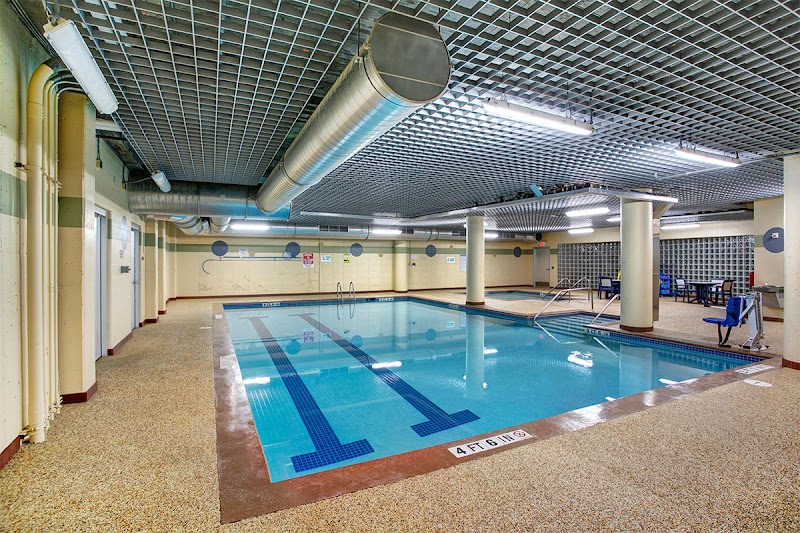
CMS rates Presbyterian Homes Of Bloomington's staffing level at 5 out of 5 stars, which is much above average compared to other nursing homes. Staff turnover is 30%, compared to the Minnesota average of 46%. This relatively stable workforce can support continuity of care.

What Have Inspectors Found at Presbyterian Homes Of Bloomington?

State health inspectors documented 12 deficiencies at Presbyterian Homes Of Bloomington during 2023 to 2025. These included: 11 with potential for harm and 1 minor or isolated issues.

Who Owns and Operates Presbyterian Homes Of Bloomington?

Presbyterian Homes Of Bloomington is owned by a non-profit organization. Non-profit facilities reinvest revenue into operations rather than distributing to shareholders. The facility is operated by PRESBYTERIAN HOMES & SERVICES, a chain that manages multiple nursing homes. With 98 certified beds and approximately 90 residents (about 92% occupancy), it is a smaller facility located in BLOOMINGTON, Minnesota.

How Does Presbyterian Homes Of Bloomington Compare to Other Minnesota Nursing Homes?

Compared to the 100 nursing homes in Minnesota, Presbyterian Homes Of Bloomington's overall rating (5 stars) is above the state average of 3.2, staff turnover (30%) is significantly lower than the state average of 46%, and health inspection rating (4 stars) is above the national benchmark.

What Should Families Ask When Visiting Presbyterian Homes Of Bloomington?

Based on this facility's data, families visiting should ask: "Can I visit during a mealtime to observe dining assistance and food quality?" "How do you handle medical emergencies, and what is your hospital transfer rate?" "Can I speak with family members of current residents about their experience?"

Is Presbyterian Homes Of Bloomington Safe?

Based on CMS inspection data, Presbyterian Homes Of Bloomington has a clean safety record: no substantiated abuse findings (meaning no confirmed cases of resident harm), no Immediate Jeopardy citations (the most serious violation level indicating risk of serious injury or death), and is not on the Special Focus Facility watch list (a federal program monitoring the lowest-performing 1% of nursing homes). The facility has a 5-star overall rating and ranks #1 of 100 nursing homes in Minnesota. While no facility is perfect, families should still ask about staff-to-resident ratios and recent inspection results during their visit.

Do Nurses at Presbyterian Homes Of Bloomington Stick Around?

Staff at Presbyterian Homes Of Bloomington tend to stick around. With a turnover rate of 30%, the facility is 16 percentage points below the Minnesota average of 46%. Low turnover is a positive sign. It means caregivers have time to learn each resident's needs, medications, and personal preferences. Consistent staff also notice subtle changes in a resident's condition more quickly. Registered Nurse turnover is also low at 29%, meaning experienced RNs are available to handle complex medical needs.

Was Presbyterian Homes Of Bloomington Ever Fined?

Presbyterian Homes Of Bloomington has no federal fines on record. CMS issues fines when nursing homes fail to meet care standards or don't correct problems found during inspections. The absence of fines suggests the facility has either maintained compliance or corrected any issues before penalties were assessed. This is a positive indicator, though families should still review recent inspection reports for the full picture.

Is Presbyterian Homes Of Bloomington on Any Federal Watch List?

Presbyterian Homes Of Bloomington is not on any federal watch list. The most significant is the Special Focus Facility (SFF) program, which identifies the bottom 1% of nursing homes nationally based on persistent, serious quality problems. Not being on this list means the facility has avoided the pattern of deficiencies that triggers enhanced federal oversight. This is a positive indicator, though families should still review the facility's inspection history directly.