ST LUKES LUTHERAN CARE CENTER
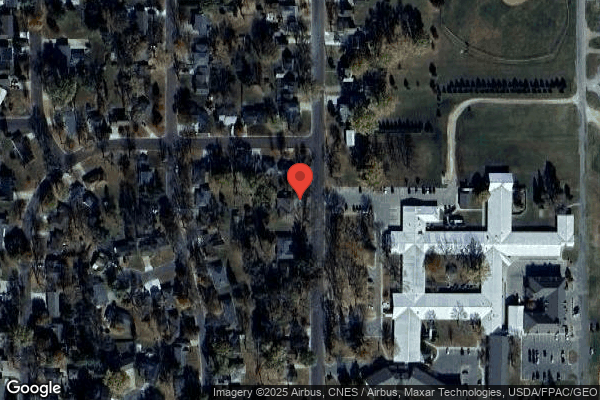
1219 SOUTH RAMSEY, BLUE EARTH, MN 56013 (507) 526-2184
Non profit - Church related 64 Beds Independent Data: November 2025
Trust Grade
95/100
#75 of 337 in MN
Last Inspection: April 2025

Within standard 12-15 month inspection cycle. Federal law requires annual inspections.

Overview

St. Luke's Lutheran Care Center in Blue Earth, Minnesota, has earned a Trust Grade of A+, indicating it is an elite facility with excellent standards of care. It ranks #75 out of 337 nursing homes in Minnesota, placing it in the top half, and is #2 out of 2 in Faribault County, meaning there is only one other local option. However, the facility's trend is worsening, with the number of issues increasing from 1 in 2024 to 3 in 2025. Staffing is a strong point, boasting a 5/5 star rating and a low turnover rate of 15%, which is well below the state average of 42%. Notably, there have been no fines, demonstrating compliance with regulations, but there are concerns regarding care practices; for instance, some residents were not consistently offered evening snacks, and several residents in the memory care unit were seen in hospital gowns during activities, which can affect their dignity.

Trust Score
A+
95/100
In Minnesota
#75/337
Top 22%
Safety Record
Low Risk
No red flags
Inspections
Getting Worse
1 → 3 violations
Staff Stability
✓ Good
15% annual turnover. Excellent stability, 33 points below Minnesota's 48% average. Staff who stay learn residents' needs.
Penalties
✓ Good
No fines on record. Clean compliance history, better than most Minnesota facilities.
Skilled Nurses
✓ Good
Each resident gets 56 minutes of Registered Nurse (RN) attention daily — more than average for Minnesota. RNs are trained to catch health problems early.
Violations
○ Average
8 deficiencies on record. Average for a facility this size. Mostly minor or procedural issues.
★★★★★
5.0
Overall Rating
★★★★★
5.0
Staff Levels
★★☆☆☆
2.0
Care Quality
★★★★☆
4.0
Inspection Score
Stable
2024: 1 issues
2025: 3 issues

The Good

  • 5-Star Staffing Rating · Excellent nurse staffing levels
  • Low Staff Turnover (15%) · Staff stability means consistent care
  • Full Sprinkler Coverage · Fire safety systems throughout facility
  • No fines on record
  • Staff turnover is low (15%)

    33 points below Minnesota average of 48%

Facility shows strength in staffing levels, staff retention, fire safety.

The Bad

No Significant Concerns Identified

This facility shows no red flags. Among Minnesota's 100 nursing homes, only 1% achieve this.

The Ugly 8 deficiencies on record

Apr 2025 3 deficiencies
CONCERN (D)

Potential for Harm - no one hurt, but risky conditions existed

Resident Rights (Tag F0550)

Could have caused harm · This affected 1 resident

**NOTE- TERMS IN BRACKETS HAVE BEEN EDITED TO PROTECT CONFIDENTIALITY** Based on observation, interview and document review the facility failed ensure a residents residing in the memory care unit were...

Read full inspector narrative →
**NOTE- TERMS IN BRACKETS HAVE BEEN EDITED TO PROTECT CONFIDENTIALITY** Based on observation, interview and document review the facility failed ensure a residents residing in the memory care unit were allowed clothing in a manner to promote dignity when residents were dressed in a hospital gown while participating in activities for 3 of 4 residents (R4, R9, R49) reviewed for dignity. Findings Include: R4's quarterly Minimum Data Set (MDS) assessment dated [DATE], indicated R4 had moderately impaired cognition, required moderate assistance with dressing upper body and maximal assistance dressing her lower body and diagnoses of non-Alzheimer's dementia and depression. R4's care plan dated 3/7/25, indicated alterations and potential for further alterations in ADL (activities of daily living) abilities evidenced by history of falls, history TIA, diagnosis of unspecified dementia with behavioral disturbance, and visual impairment. Interventions included extensive assistance of 1-2 to dress, participates by lifting arms and helps to pull shirt on and dependent on staff to put pants on as well as socks and shoes. R9's quarterly MDS assessment dated [DATE], indicated R9 had severe cognitive impairment, required maximal assistance with dressing upper body and dependent on staff assistance dressing her lower body and diagnoses of weakness, non-Alzheimer's dementia, anxiety, and depression R9's care plan dated 2/7/25, indicated alterations in dressing, grooming, and bathing as evidenced by need for assistance and interventions included requires extensive to total assistance of one with daily dressing. R49's quarterly MDS assessment dated [DATE], indicated R9 had severe cognitive impairment, required maximal assistance with dressing upper body and dependent on staff assistance dressing her lower body and diagnoses of weakness, non-Alzheimer's dementia. R49's care dated 2/28/25, indicated alteration in ADL's evidenced by need for assistance with all aspects due to weakness and confusion extensive assist of 1-2 to dress, participates by lifting arms and legs with cues, one staff to keep calm or busy or on task while one staff to complete the task as resident is very busy with her hands and grabs at items, tries to sit or stand when not appropriate, etc, will sometimes also help to pull items part way on. On 4/7/25 at 6:00 p.m., R4, R9, R40, R49 were observed in the moonlight wing (locked memory care unit) activity area seated in wheelchairs wearing hospitals gowns, and nine other residents were present. The residents were positioned in a circle and participated in an activity while wearing a hospital style gown, where a ball was kicked around the circle from resident to resident. On 4/7/25 at 6:05 p.m., nursing assistant (NA)-A stated R4, R9, and R49 were assisted with evening cares after their evening meal. NA-A stated R4, R9, and R49 wore a hospital gown to bed and staff assisted with changing some of the residents into a hospital gown after the evening meal and then the residents were assisted back to the commons area. NA-A stated it was common facility practice that the residents participated in activities in their hospital gown. On 4/7/25 at 6:08 p.m., NA-E stated after the resident's evening meal staff routinely assisted some of the residents with evening cares and assisted resident's into a hospital gown they wore to bed. NA-E stated staff assisting some of the residents with evening cares after the evening meal was more convenient for staff to get the residents into their gown after the evening meal when toileting the residents. NA-E stated a reasonable person would not participate in activities wearing a hospital gown. On 4/7/25 at 6:14 p.m., NA-D and stated staff routinely assisted residents with evening cares after the the evening meal and into the hospital gown they wore to bed, and then the resident's would return to the commons area for activities. NA-D stated assisting some of the residents with bedtime cares after the evening meal helped staff get the residents to bed on time. NA-D stated she had never thought of residents wearing a gown during activities as a dignity concern as they wear the gown to bed. On 4/7/25 at 6:21 p.m., staff were observed and assisted the nine residents with an activity where a large ball was placed in the center of the circle of residents, and the residents kicked the ball around the circle. After that activity residents were assisted the dining room table area for a new activity. R4, R9, R49 were observed in hospital gowns and seated in their wheelchairs at the dining room table. On 4/7/25 at 6:22 p.m., R9 was seated in a wheelchair in a hospital gown with a blanket over her lap at the dining room table and staff were observed assisting other residents to the dining room for an activity. R9 stated she would rather wear normal clothes then wear the gown she was wearing while doing an activity. On 4/7/25 at 6:23 p.m., R4 and R49 were not able to verbalize if they had concerns wearing a hospital gown while they participated in activities. On 4/7/25 at 6:26 p.m., NA-B stated staff assisted residents to their rooms after the evening meal for toileting and stated some of the residents were provided evening cares at that time that included putting a hospital gown on that they wore to bed. NA-B stated residents who wore a gown to activities were expected to have a blanket on their lap and a sweater cover their top of the body . On 4/8/25 at 9:50 a.m., NA-C stated it was common for residents to wear hospital gowns to evening activities and stated a blanket was expected on the resident's lap and sweater if a hospital gown was worn while residents participated in activities. NA-C stated R4, R9, R49 were cognitively impaired and not able to verbalize if they would want to wear a gown during activities. NA-C stated a reasonable person would not wear a hospital gown during an activity. On 4/8/25 at 10:16 a.m., during telephone interview R49's family member (FM)-A stated R49 was a modest person and would not want wear a hospital gown while participating in activities. FM-A stated R49 was no longer able to make decisions or speak for herself. On 4/8/25 at 11:53 a.m., the director of nursing (DON) stated stated residents were not expected to wear a gown while participating in activities in a common area unless a blanket was placed over the resident's lap, or a sweater covering the upper body. The DON confirmed R4, R9, R49 were not able to verbalize if they had concerns with wearing a gown during activities and families had not been asked the resident preference. The DON stated resident's in other areas of the facility do not participate in activities wearing hospital gowns. Facility Resident Right to Receive Respect and Dignity policy dated 10/20/23, indicated It is the goal to provide dignity and respect to all residents in full recognition of their individuality. This includes but is not limited to the following: The right to retain personal possessions, including furnishings, and clothing, as space permits, unless to do so would infringe upon the rights or health and safety of other residents. The right to reside and receive services in the facility with reasonable accommodation of resident needs and preferences except when to do so would endanger the health or safety of the resident or other residents.
CONCERN (D)

Potential for Harm - no one hurt, but risky conditions existed

PASARR Coordination (Tag F0644)

Could have caused harm · This affected 1 resident

**NOTE- TERMS IN BRACKETS HAVE BEEN EDITED TO PROTECT CONFIDENTIALITY** Based on interview and document review, the facility failed to notify the county (designated State Mental Health Authority -SMHA...

Read full inspector narrative →
**NOTE- TERMS IN BRACKETS HAVE BEEN EDITED TO PROTECT CONFIDENTIALITY** Based on interview and document review, the facility failed to notify the county (designated State Mental Health Authority -SMHA) for 2 of 2 resident (R10 and R14) with new onset of mental illness since admission. Findings include: R10's 7/05/23, Initial Pre-admission Screening (PAS), did not identify a diagnosis of mental illness and did not indicate the need for a Level II (PASARR) to be completed. R10's 12/26/24, quarterly Minimum Data Set (MDS) assessment identified R10 was admitted [DATE]. R10 had a diagnoses of non-traumatic brain dysfunction, dementia, anxiety, depression, and a psychotic disorder other than schizophrenia. R10 was severely cognitively impaired and took antipsychotic, antidepressant, and antianxiety medication on a routine basis. R10 was dependent on staff for cares and activities of daily living (ADLs). Section D-Mood, on the MDS, identified R10 had little interest or pleasure in doing things, felt down, depressed or hopeless, had trouble falling, staying asleep or slept too much, felt bad about herself, had let herself or family down, had trouble concentrating on things, moved or spoke slowly that other people would noticed, was fidgety, restless, stated that life isn't worth living, wished for death or attempt to harm self, was short tempered, and easily annoyed never to 1 day. R10 had felt tired, had little energy, had poor appetite or was overeating 12 to 14 days, during the 14-day assessment period. R10's undated, current diagnosis list identified R10 received a new diagnosis of unspecified psychosis not due to a substance or known physiological condition on 9/07/23. R10's undated, current care plan identified R10 was at risk for alteration in mood and behaviors related to late Alzheimer's dementia with psychotic disturbances, anxiety, unspecified psychosis not due to substance or known physiological condition and depression disorder. R10 had a history of verbal outburst, not wanting to be alone at times, physical aggression towards staff, and confusion. R10 was at risk for psychotropic medication side effects such as constipation, nausea, fatigue, poor appetite, dizziness and nervousness, and adverse drug reactions. R10 was at risk for psychosocial well-being related to traumatic life events of R10's past and present. Interventions was for staff to provide referrals to mental health professional, support groups and other appropriate resources as needed. R10's medical record lacked any indication that the county (SMHA) had been notified since the new onset of R10's mental illness. R14's 11/10/16, Initial Pre-admission Screening (PAS), did not identify a diagnosis of mental illness and did not indicate the need for a Level II (PASARR) to be completed. R14's 5/24/18, Confidential Protected Health Information Enclosed faxed sheet identified a notice of voluntary transfer of R14 to the local hospital for changes in behavior. R14's 12/06/24, Risk and Benefit Assessment and Psych Summary identified R14 had a history of paranoia and delusions, was anxious, had thoughts of people talking about him and listening to his conversations, and had made bizarre verbal statements. R14's 1/10/25, quarterly Minimum Data Set (MDS) was admitted [DATE]. R14 had a diagnosis of depression and schizophrenia. R14 was cognitively intact and took antipsychotics and antidepressants on a routine basis. R14 required substantial/maximal assistance for cares and was dependent on staff for transfers. Section D-Mood, on the MDS, identified R14 had little interest or pleasure in doing things and had felt down, depressed, or hopeless never to 1 day, during the 14-day assessment period. R14's undated, current diagnosis list identified R14 received a new diagnosis of paranoid delusional disorder on 7/05/18, social phobia on 6/11/20 and schizoaffective disorder, depressive type on 6/11/20. R14's undated, current care plan identified R14 was at risk for alteration in mood related to depressive disorder, and delusional disorder. R14 had a history of suicidal thoughts or hurting oneself, auditory hallucinations and delusions. R14 was at risk for antidepressant antipsychotic medication use and had target behaviors of paranoia, anger and impatience. R14's medical record lacked any indication that the county (SMHA) had been notified since the new onset of R14's mental illness. Interview on 4/08/25 at 2:25 p.m., with licensed social worker identified the facility relied on the hospital to initiate the PASARR prior to admission. She identified she was not aware R10 and R14 new mental illness diagnoses. She identified the mental health authority was not contacted for referral. Interview on 4/09/25 at 11:06 a.m., with director of nursing had no knowledge of when to determine a Level II screening would be required. She stated her expectations would be for the facility to identify a process to review residents with a new mental illness for a Level II screening. Review of September 2024 Preadmission Screening Process For Entering A SNF policy identified Level I PASARR would be completed on residents before admission to the facility. In addition, the facility would notify the state mental health authority or state intellectual disability authority after a significant change in the mental or physical condition or a resident who had a mental illness or intellectual disability.
CONCERN (D)

Potential for Harm - no one hurt, but risky conditions existed

Deficiency F0692 (Tag F0692)

Could have caused harm · This affected 1 resident

**NOTE- TERMS IN BRACKETS HAVE BEEN EDITED TO PROTECT CONFIDENTIALITY** Based on observation, interview and document review, the facility failed to identify, comprehensively assess and implement inter...

Read full inspector narrative →
**NOTE- TERMS IN BRACKETS HAVE BEEN EDITED TO PROTECT CONFIDENTIALITY** Based on observation, interview and document review, the facility failed to identify, comprehensively assess and implement interventions for a 9.7 percent weight loss in one month for of 1 of 1 resident (R19) reviewed for nutrition. Findings include: R19's quarterly Minimum Data Set (MDS) assessment dated [DATE], indicated R19 had moderately impaired cognition, no behaviors or rejection of care, a weight of 213 pounds, had a loss of 5% or more in the last month or loss of 10% or more in the last months and was not on physician prescribed weight loss regimen, required set up assistance with eating, dependent on staff for toileting, dressing, and required moderate assistance with personal hygiene, and diagnoses included hemiplegia or hemiparesis (weakness or partial paralysis on one side of the body), depression and weakness. R19's nutritional status Care Area Assessment (CAA) worksheet dated 5/16/24, indicated potential for alterations in nutritional status secondary to BMI (body mass index), at risk for weight gain or loss, dehydration, and/or skin breakdown, see nutritional documents, diagnosis list, physician orders, will proceed to nutritional care plan to address needs. R19's care plan dated 2/17/25, indicated potential for alteration in nutrition related to cerebral infarction (stroke) and interventions included diet: regular with average sized portions, regular liquid consistencies and regular texture foods, provide meals upon her request, independent with feeding herself, provide/set up as needed, encourage to eat, monitor food and fluid intake at meals, acceptance and tolerance to diet. Document titled MDS Listing Checklist dated 2/12/25, indicated current weight 213, weight one month ago 236, weight loss 9.75% in month, weight 6 months ago 234, significant weight change yes, regular diet, appetite varies, supplements in diet order. Progress note dated 11/7/24, dietary manager (DM)-A indicated R19 receiving a general diet with regular food textures and regular liquid consistencies, consuming approximately 75-100% of food served at 3 meals daily, this is good to excellent intake, able to feed self after tray is set up, most recent weight: 242 pounds,which is up 4 pounds from last month, no issues chewing or swallowing, skin is intact, continue to monitor weight, intake, and acceptance and tolerance to diet. R19's progress note dated 3/25/25 registered dietician (RD)-A indicated R19 had a significant weight change, as defined by regulatory standards, in the last 30-day reporting period, weight history is as follows: most recent weight: 245 pounds, BMI=46.3 (extreme obesity), based on 61 inches, 30-day weight: 213 pounds, up 32 pounds; 15% 165-day admission weight: 238 pounds, up 7 pounds, 3%; receives a general diet with regular food textures and regular liquid consistencies, consumes approximately 75% of food served at 3 meals daily, 90% of the time, this is good to excellent but is in excess of calorie needs, no issues chewing or swallowing, skin is intact, encourage healthful food selection, continue to monitor weight, intake, and acceptance and tolerance to diet. R19's vitals report printed 4/9/25, indicated the following weights: 10/1/24 242 pounds 11/8/24 236 pounds 12/1/24 243 pounds 1/1/25 236 pounds 2/1/25 213 pounds 3/1/25 245 pounds; 5.0 percent change in weight in 30 days 4/1/25 245 pounds On 4/9/25 at 7:34 a.m., during a telephone interview the registered dietician confirmed R19 had a significant weight loss form 1/1/25 to 2/1/25, that was not addressed. RD-A stated interventions were expected implemented with R19's significant weight loss of 9.7% in one month. RD-A stated she was responsible to address significant weight loss and confirmed R19's weight loss was not addressed as expected. On 4/9/25 at 8:25 a.m., RN-B stated the nursing assistants were responsible to weigh and document R19's weight monthly. RN-B stated on 2/1/25, and she reweighed R19's due to the significant weight loss from the previous month and ensure the documentation and weight was not an error. RN-B stated she has no documentation R19's weight on 2/1/25, was an error. RN-B stated a list of resident's weights were given to RN-C, known as the resident care coordinator, to address weights. RN-B stated she would have expected R19's signification weight loss addressed and investigated. On 4/8/25-4/9/25, RN-C was unavailable for an interview. On 4/9/25 at 8:33 a.m., R19 was seated in a wheelchair in the dining room and stated she ate her meal with no concerns. R19 was observed to have ate 100 percent of her breakfast meal. R19 stated she had no weight loss or no weight gain recently and further stated staff checked her weight weekly. On 4/9/25 at 8:35 a.m., dietary manager (DM)-A stated dietary assessed resident weights quarterly and DM-A was observed to find a document titled MDS Listing Checklist dated 2/12/25, and stated the document confirmed R19's significant weight loss. DM-A stated RD-A will address the significant weight loss and gains and was responsible for interventions. On 4/9/25 at 9:57 a.m., registered nurse (RN)-A, also known as the MDS nurse, confirmed R19 had a significant weight loss and confirmed R19's weight loss form 1/1/25 to 2/2/25, was not identified and was not aware of inventions put in place for the R19's weight loss. RN-A further explained R19's weight was maybe an error; however, the weight loss was not investigated to determine if R19 had actual weight loss or an error. On 4/9/25 at 9: 59 a.m., the director of nursing (DON) stated she would expect R19's weight loss on 2/1/25, identified and interventions put in place to follow the facilities policy and procedure. The DON further indicated there was not documentation R19's weight loss was identified or addressed. Facility Unplanned Weight Loss Management policy dated 1/18, indicated committed to providing a plan of care that supports each resident's optimal level of wellness. This includes acceptable parameters of nutritional status, such as usual body weight or desirable body weight range, unless the resident's clinical condition demonstrates that this is not possible. Procedure: All residents are weighed upon admission, readmission and at least monthly on an ongoing basis. Residents at risk of weight loss are scheduled for more frequent weights as deemed appropriate by the health care team. Resident weights are taken and entered into their electronic health record. The RN Resident Care Coordinator is responsible for reviewing weights and determining the need for re-weights and notification of dietician and physician. Triggers for weight loss concern include 5% weight loss in one month and 10% weight loss in six months. The Registered Dietician reviews residents' nutritional status with the MDS schedule and upon notification of concerns by Dietary Manager and/or Nursing Department staff. After review, the Registered Dietician will make recommendations that will be communicated to the resident's physician.
Mar 2024 1 deficiency
CONCERN (E)

Potential for Harm - no one hurt, but risky conditions existed

Deficiency F0809 (Tag F0809)

Could have caused harm · This affected multiple residents

**NOTE- TERMS IN BRACKETS HAVE BEEN EDITED TO PROTECT CONFIDENTIALITY** Based on interview and document review, the facility failed to ensure all residents were consistently offered and provided a nut...

Read full inspector narrative →
**NOTE- TERMS IN BRACKETS HAVE BEEN EDITED TO PROTECT CONFIDENTIALITY** Based on interview and document review, the facility failed to ensure all residents were consistently offered and provided a nutrient and/or calorie-substantive snack after the dinner meal and before bedtime for 4 of 8 residents (R40, R25, R21, R12) who voiced a concern. This had the potential to affect all 51 residents who resided in the facility. Findings include: During an interview on 3/18/24 at 12:33 p.m., R40, who's quarterly Minimum Data Set (MDS) assessment dated [DATE], indicated intact cognition, stated she had been a resident at the facility since 2/27/24, and had not been offered a snack after dinner and before bedtime. R40 stated she didn't know if she could get a snack if she asked and would like one sometimes. During an interview at resident council meeting on 3/19/24 at 9:46 a.m., the following residents indicated: -R25 who's admission MDS assessment dated [DATE], indicated intact cognition, stated she had never been offered a snack after supper and before bedtime, but would like one. -R21 who's quarterly MDS assessment dated [DATE], indicated intact cognition, stated he had not been offered a snack after dinner and before bedtime, but if asked, might want one. -R12 who's quarterly MDS dated [DATE], indicated intact cognition, stated she had never been offered a snack after dinner and before bedtime, but had asked for one in the past. During an interview on 3/19/24 at 4:05 p.m., nursing assistant (NA)-A stated diabetic residents and a few other residents received a snack from the kitchen after dinner and before bedtime. NA-A stated staff did not go around with snacks to offer other residents. During an interview on 3/19/24 at 4:06 p.m., NA-B stated diabetic residents received a snack after dinner and before bedtime, but other residents did not. During an interview on 3/19/24 at 4:08 p.m., NA-C stated diabetic residents received a snack after dinner and before bedtime. NA-C stated kitchen staff put the scheduled snacks on a cart and dropped the cart off in the hallway for nurses to pass. No snacks were provided to other residents. During an interview on 3/19/24 at 4:11 p.m., licensed practical nurse (LPN)-A stated certain residents received snacks after dinner and before bedtime, including diabetics, but the rest of the residents did not. During an interview on 3/20/24 at 7:47 a.m., the assistant culinary services director (ACSD)-C stated kitchen staff made snacks for certain residents for after dinner and before bedtime. ACSD-C listed the names of eight residents who received a scheduled evening snack from the kitchen. ACSD-C stated the memory care unit had their own snacks to offer residents, then it was up to nursing staff to provide snacks to residents on the other units. During an interview on 3/20/24 at 8:13 a.m., with registered nurse (RN)-A in the medication cart/charting room near the 200 wing, RN-A stated nursing had access to saltines and graham crackers, peanut butter, and pudding cups in the cupboards in the medication cart/charting room and opened a cupboard which revealed small tubs of crackers, peanut butter and pudding. RN-A stated if a resident was hungry, staff could offer these snacks. RN-A stated some residents had a scheduled snack listed on their diet card and it was brought to the nursing units from the kitchen. During an interview on 3/20/24 at 9:10 p.m., LPN-B who was working on the memory care unit stated some residents received a scheduled snack from the kitchen, such as a sandwich, after supper and before bedtime. LPN-B stated snacks were available to other residents who asked. LPN-B opened a cupboard in the kitchenette on the memory care unit displaying fresh fruit, cookies, crackers, granola bars, chips, and pudding. Ice cream was available in the freezer. During a telephone interview on 3/20/24 at 8:50 p.m., registered dietician (RD)-D was informed of findings and stated she was not aware snacks were not offered to all residents after dinner and before bedtime. RD-D stated if residents asked for something to eat, staff would find something for them. RD-D stated it could be a long time from the evening meal to breakfast, so residents should receive something to eat if they desired. During an interview on 3/20/24 at 8:16 a.m., the director of nursing (DON) thought residents were offered a bedtime snack and thought dietary staff passed out the snacks. However, the DON had not actually observed snacks being distributed at bedtime. During an interview on 3/20/24 at 10:30 a.m., the administrator was aware some residents received a scheduled snack after dinner and before bedtime, and thought staff went around with snacks in the evening to offer all residents. The administrator was not aware residents were not being offered a snack in the evening. Facility policy on resident snacks was requested and not received.
Mar 2023 4 deficiencies
CONCERN (D)

Potential for Harm - no one hurt, but risky conditions existed

Deficiency F0679 (Tag F0679)

Could have caused harm · This affected 1 resident

**NOTE- TERMS IN BRACKETS HAVE BEEN EDITED TO PROTECT CONFIDENTIALITY** Based on interview and document review, the facility failed to provide sufficient organized, group activities on the weekend hou...

Read full inspector narrative →
**NOTE- TERMS IN BRACKETS HAVE BEEN EDITED TO PROTECT CONFIDENTIALITY** Based on interview and document review, the facility failed to provide sufficient organized, group activities on the weekend hours to meet resident need and desires for 1 of 1 resident (R10) who voiced there were not enough activities offered. Findings include: R10's annual Minimum Data Set (MDS) dated [DATE], identified R10 had intact cognition and was independent with activities of daily living (ADLs). Further, the MDS contained a section for activity preferences which identified R10 preferences included listening to music, doing things with groups of people, participating in activities, spending time outdoors and participating in religious activities or practices. R10's care plan dated 1/16/23, identified R10 has a potential risk for alteration of culturally competent care and his family and church are very important to him. R10 likes to listen to music to relax, enjoys being outside, gardening, fixing things and riding his 3 wheeled bike. R10 prefers things organized and scheduled. During interview on 2/27/23, at 10:24 a.m., R10 indicated since COVID-19 started, the facility offers very few activities to do. R10 indicated used to have bingo every week and now it is every other week. Weekends get very long. Saturday is generally nothing and Sunday they offer church and that is all. When interviewed on 2/28/23, at 12:47 p.m. R10 stated there was not enough activities offered by the facility especially on weekends. R10 indicated they do get a calendar but as a rule all that is listed is to do something yourself. A group of men play cards but they organize that themselves. R10 indicated part of the problem is a shortage of help. The untitled activity calendars provided for 1/15/23 through 2/28/23, identified each day of the week along with the days' corresponding activities being offered and provided by therapeutic recreation. Days with only worship service and coffee-social doorway/hallway are listed below along with days with only one activity which was play card with your friends not organized or attended by therapeutic recreation: 1/15/23 1/16/23, card games (please play with your friends, no activity person in the room). 1/21/23 1/22/23 1/28/23 1/29/23 2/2/23- Church services in morning and afternoon, resident council meeting. 2/4/23 2/5/23 2/11/23 2/12/23 2/18/23 2/19/23 2/20/23- Please play cards with your friends. 2/22/23- Ash Wednesday Service. 2/25/23 2/26/23 On 2/28/23, at 1:06 p.m., activities coordinator (AC)-A indicated coffee social-doorway/hallway is done by nursing staff. AC-A indicated right now there is no one to work Saturday and Sunday is church service day. AC-A indicated that residents are fairly independent and they will start their own activities. AC-A also added residents have a lot of family visits. AC-A included she is aware of gaps on the calendar due to staff being unavailable. Review of R10's activity attendance from 1/4/23 to 2/28/23 included two worship services and attended bingo four times, played cards or another game 4 times. During interview on 2/28/23, at 2:43 p.m., licensed practical nurse (LPN)-A confirmed the nursing staff deliver a snack cart and beverages to the residents every afternoon. LPN-A indicated the facility started that when COVID-19 outbreaks started and residents really liked it so they have continued to offer daily. During interview on 3/1/23, at 3:45 p.m. the administrator acknowledged they are currently short of activities staff. A policy and procedure for TR was requested and none received.
CONCERN (D)

Potential for Harm - no one hurt, but risky conditions existed

Deficiency F0698 (Tag F0698)

Could have caused harm · This affected 1 resident

**NOTE- TERMS IN BRACKETS HAVE BEEN EDITED TO PROTECT CONFIDENTIALITY** Based on interview, observation and document review the facility failed to assess and monitor for complications per standard of ...

Read full inspector narrative →
**NOTE- TERMS IN BRACKETS HAVE BEEN EDITED TO PROTECT CONFIDENTIALITY** Based on interview, observation and document review the facility failed to assess and monitor for complications per standard of practice before and after dialysis for 1 of 1 resident (R43) reviewed for dialysis care. Findings include: R43's face sheet printed 3/1/23, included diagnosis of dependence on renal dialysis, heart failure, high blood pressure and atrial fibrillation (irregular heart rhythm that can lead to blood clots in heart). R43's quarterly Minimum Data Set (MDS) assessment dated [DATE], identified intact cognition, required limited to extensive assistance with activities of daily living, and was on dialysis. Provider orders dated 1/11/23, indicated R43 receives warfarin (blood thinner) 2 mg tablet daily. R43's care plan dated 4/20/22, included at risk for complications and overall decline related to acute and chronic kidney disease stage 4 with need for dialysis. Interventions included dialysis treatments on Tuesday, Thursday and Saturdays. Monitor for signs of bleeding or infection at access site. Monitor vitals signs per protocol and consult with physician or dialysis center if abnormal blood pressure. During an interview on 2/27/23, at 2:44 p.m., R43 stated he had an access port on his upper chest for dialysis and staff did not assess it or provide any care for it. R43 included after dialysis he is tired and he generally gets in bed and sleeps the rest of the day. During interview on 2/28/23, at 2:43 p.m. licensed practical nurse (LPN)-A indicated there is no special monitoring or assessments that are completed on R43 prior to or after dialysis. The dialysis site is checked every morning to ensure no signs of infection are present. Dialysis monitors the dressing site, catheter and completes site care. LPN-A indicated R43 has not had any issues that she is aware of. Vital signs are done by dialysis and the facility does weekly vital signs per protocol. LPN-A added they (facility) send provider orders with R43 to dialysis and receive from dialysis his last set of vital signs, if midodrine (treatment for low blood pressure) was given, and pre and post weights. During continuous observation and interview on 2/28/23, at 1:50 p.m. R43 returned from dialysis and was assisted into bed by a staff member. No assessment was completed. R43 stated he was tired and just wanted to sleep. During observation over the next hour at 2:12 p.m., 2:37 p.m., and 3:00 p.m. no staff had entered R43's room and R43 remained sleeping. During interview and observation on 2/28/23, at 3:37 p.m., registered nurse (RN)-B indicated they check R43's catheter insertion site every day to ensure dressing is intact. The catheter that extends from the insertion site is left alone. RN-B added R43 has a central venous catheter (flexible, long plastic, Y-shaped tube threaded through skin into a central vein) for his dialysis site. R43's dialysis site was present on his right chest with an extending catheter with two ports present and covered with 4x4's. RN-B examined site and indicated no redness, swelling or bleeding was present. RN-B indicated R43 comes back tired and sleeps most of the day when he returns. During interview on 3/1/23, at 7:26 a.m. RN-E from dialysis facility indicated they receive physician orders from the facility but no pre-assessment. RN-E indicated they do vital signs before R43 leaves and has a history of low blood pressures. During interview on 3/1/23, at 8:56 a.m., RN-C indicated a physician order sheet is sent with R43 to dialysis and in return dialysis sends back pre and post weights, and vital signs if midodrine is given. RN-C indicated no assessment is completed prior to or after dialysis. The port is checked daily to be sure it is dry and intact. During interview on 3/1/23, at 9:50 a.m., RN-D indicated R43 has routine vital signs which are done weekly. Dialysis is responsible for vital signs before and after dialysis. The dialysis port site is monitored for infection daily but otherwise site care and monitoring is done by the dialysis center. During interview on 3/1/23, at 11:55 a.m., the director of nursing (DON) confirmed R43 should be assessed before and after dialysis including observing the port site for bleeding. The DON indicated this is the first dialysis patient they have had and she developed the policy and procedure today but prior to request for the policy did not have one. Facility policy titled Dialysis, undated, included the facility is responsible for the overall quality of care the resident receives, including ongoing assessments, care planning and provisions of care.
CONCERN (D)

Potential for Harm - no one hurt, but risky conditions existed

Deficiency F0919 (Tag F0919)

Could have caused harm · This affected 1 resident

**NOTE- TERMS IN BRACKETS HAVE BEEN EDITED TO PROTECT CONFIDENTIALITY** Based on observation and interview, the facility failed to ensure resident bathroom call light cords were within reach from the ...

Read full inspector narrative →
**NOTE- TERMS IN BRACKETS HAVE BEEN EDITED TO PROTECT CONFIDENTIALITY** Based on observation and interview, the facility failed to ensure resident bathroom call light cords were within reach from the bathroom floor for 3 of 3 residents (R36, R153, R12), reviewed for call lights. Findings include: R36 R36's annual Minimum Data Set (MDS) assessment dated [DATE], included diagnoses of arthritis, weakness and glaucoma (eye disease that can cause blindness). R36 who was cognitively intact and required extensive assistance of one staff member for toileting, and did not walk. During an observation on 2/27/23, at 7:22 a.m., the call light cord in R36's bathroom was measured at 22 inches from the floor. R153 R153's admission Minimum Data Set (MDS) assessment dated [DATE], included diagnoses of weakness and arthritis. R153 who was cognitively intact and required limited assistance of one staff member for toileting, walked with limited assistance of one staff. During an observation on 2/27/23, at 7:24 a.m., the call light cord in R153's bathroom was measured at 18 inches from the floor. R12 R12's quarterly Minimum Data Set (MDS) assessment dated [DATE], included diagnoses of osteoarthritis and weakness. R12 who was cognitively intact and required extensive assistance of one staff member for toileting, did not walk. During an observation on 2/27/23, at 1:58 p.m., the call light cord in R12's bathroom was measured at 26 inches from the floor. During an interview and observation on 2/28/23, at 1:20 p.m., building services director (BSD) stated he was not aware of the regulation which required call light cords in resident bathrooms to extend to the floor and be accessible to a resident lying on the floor. Together looked in R153's bathroom and BSD verified the cord was not to the floor. During an interview on 2/28/23, at 3:02 p.m., the administrator was unaware of the regulation which required call light cords in resident bathrooms to extend to the floor and be accessible to a resident lying on the floor, and stated BSD would get going on that [replacing cords] right away. Facility policy on call lights was requested. According to the director of nursing on 3/1/23, at 3:30 p.m., the facility did not have a call light policy.
CONCERN (F)

Potential for Harm - no one hurt, but risky conditions existed

Food Safety (Tag F0812)

Could have caused harm · This affected most or all residents

**NOTE- TERMS IN BRACKETS HAVE BEEN EDITED TO PROTECT CONFIDENTIALITY** Based on observation, interview, and document review, the facility failed to ensure dishwashing sanitization for 1 of 1 dishmach...

Read full inspector narrative →
**NOTE- TERMS IN BRACKETS HAVE BEEN EDITED TO PROTECT CONFIDENTIALITY** Based on observation, interview, and document review, the facility failed to ensure dishwashing sanitization for 1 of 1 dishmachine was appropriately monitored. Findings include: During an interview and observation on 2/27/23, at 6:55 a.m., the initial kitchen tour was conducted with culinary services director (CSD). The dishmachine was observed and CSD stated dishes were sanitized by chemical disinfection with chlorine. During an interview and observation on 3/1/23, at 8:40 a.m., the dishmachine log, titled Dishwasher Temperature and Sanitizer Log, located in the dishmachine room, was observed to have sanitizer concentrations of chlorine documented below the required 50 to 200 ppm (parts per million). Some readings on the log were 0, some were 10, 50, 100 or 200 ppm. Dietary aide (DA)-A demonstrated the process of measuring the level of chlorine disinfectant in the dishmachine water by taking a long handled, metal scoop and obtained a sample of water from inside the dishmachine. As she was doing this, DA-A stated, We've been having issues with the sanitizer for awhile. DA-A then dipped a [NAME] brand chlorine test strip (expiration date 6/24), into the solution and held it against the colored squares on the container of strips. The paper strip did not change color indicating the proper ppm had not been reached. DA-A stated she had told assistant culinary services director (ACSD) about it today and he looked at it. DA-A did not know how long there had been readings below 50 ppm. The paper Dishwasher Temperature and Sanitizer Log had eight columns and three rows for each of the daily meals. One of the column headings was sanitizer concentration (ppm) and one column was corrective action taken. The date range on the log was from 2/22/23, through 3/1/21. Out of 21 readings, five entries on the following dates 2/24/23, 2/28/23, and 3/1/22, were documented at 0 or 10 ppm. The only date where corrective action was taken was on 3/1/23, when during the interview with DA-A, she noted the ppm to be zero and informed ACSD. During an interview on 3/1/23, at 8:55 a.m., ACSD stated they had problems with the dishmachine reaching appropriate disinfectant levels, adding it had been a problem for awhile and he had just called the vendor about it. ACSD was asked to provide logs from the past four months. Upon review, some logs had documented readings of 0 or 10 ppm, some dates were missing readings. ACSD stated he reviewed the sheets after they were filled, but had not noticed documented readings below 50 ppm. ACSD admitted he did not monitor the logs daily or on a regular basis in order to identify potential problems early on. ACSD provided additional Dishwasher Temperature and Sanitizer Logs from 10/25/22, through 2/21/23, which indicated: --11/1/22: following two of three meals, 0 ppm sanitizer concentration was documented on the log. No corrective action noted. --11/7/22: following two of three meals, 10 ppm sanitizer concentration was documented on the log. No corrective action noted. --12/25/22: following all three meals, 10 ppm sanitizer concentration was documented on the log. No corrective action noted. --12/26/22: following two of three meals, 0 ppm sanitizer concentration was documented on the log. ACSD was notified after the second. --12/28/23: following one of three meals, 10 ppm sanitizer concentration was documented on the log. No corrective action noted. --1/17/23: following all three meals, 10 ppm sanitizer concentration was documented on the log. ACSD was notified after the second. --1/18/23: following two of three meals, 10 ppm sanitizer concentration was documented on the log. No corrective action noted. The bottom of the form indicated: Report any inappropriate temperatures or sanitizing issues to the supervisor immediately for corrective action. During an interview on 3/1/23, at 9:48 a.m., culinary services director (CSD) stated she had not been aware the level of chlorine in the dishmachine had been below the required concentration. CSD stated they had done training on it in the past and staff were to let either CSD or ACSD know when out of compliance. During a telephone interview on 3/1/23, at 12:24 p.m., Ecolab representative (ER)-C stated they conducted preventative maintenance visits to the facility monthly. Staff were to test the dishmachine solution and if it dropped below 50 ppm, were to call the representative. When informed what was observed when DA-A obtained the water from the dishmachine with the scoop, ER-C stated by doing that, they might be getting mixed wash water, rather than just rinse water at the very end. ER-C suggested running an upside down plate through the dishmachine, then test the residual water. ER-C stated the risk of low concentration of chlorine meant dishes were not getting properly sanitized. During an observation on 3/1/23, at 12:40 p.m., CSD ran an upside down plastic plate cover through the dishmachine, then tested the water collected in the top of the dome. The chlorine strip did not change color indicating proper chlorine concentration had not been achieved. During an interview and observation on 3/1/23, at 12:47 p.m., with ER-C on speaker phone, and CSD and maintenance technician (MT)- B standing at the dishmachine, ER-C explained to MT-B what to do to verify correct placement of tubes/hoses in the bucket of liquid chlorine under the dishmachine. From MT-B's description provided to ER-C, the tubing/hose arrangement in chlorine bucket seemed to be positioned accurately. On 3/1/23, at 1:07 p.m., CSD stated she met with the administrator and the decision was made to switch to disposable dish products until the situation was resolved. During an interview on 3/1/23, at 3:26 p.m., the administrator stated after the last time this happened, they had trained staff and did audits. It was her expectation staff followed policies that were in place to monitor the solution and to report to CSD or ACSD if the solution was out of the required range. The Dishwasher Temperature and Sanitizer Logs were reviewed with the administrator and entries of 0 or 10 ppm and no action taken were pointed out. Facility policy titled Sanitation of Dishes/Dish Machine, dated 2010, indicated for low temperature dishwater, spray type dish machine using chemicals to sanitize: the wash water temperature was required to be at 120 degrees Fahrenheit, minimum. The final rinse sanitization should be 50 to 200 ppm hypochlorite range.
Understanding Severity Codes (click to expand)
Life-Threatening (Immediate Jeopardy)
J - Isolated K - Pattern L - Widespread
Actual Harm
G - Isolated H - Pattern I - Widespread
Potential for Harm
D - Isolated E - Pattern F - Widespread
No Harm (Minor)
A - Isolated B - Pattern C - Widespread

Questions to Ask on Your Visit

  • "Can I speak with families of current residents?"
  • "What's your RN coverage like on weekends and overnight?"

Our Honest Assessment

Strengths
  • • Grade A+ (95/100). Above average facility, better than most options in Minnesota.
  • • No major safety red flags. No abuse findings, life-threatening violations, or SFF status.
  • • No fines on record. Clean compliance history, better than most Minnesota facilities.
  • • 15% annual turnover. Excellent stability, 33 points below Minnesota's 48% average. Staff who stay learn residents' needs.
Concerns
  • • No significant concerns identified. This facility shows no red flags across CMS ratings, staff turnover, or federal penalties.
Bottom line: Generally positive indicators. Standard due diligence and a personal visit recommended.

About This Facility

What is St Lukes Lutheran's CMS Rating?

CMS assigns ST LUKES LUTHERAN CARE CENTER an overall rating of 5 out of 5 stars, which is considered much above average nationally. Within Minnesota, this rating places the facility higher than 99% of the state's 100 nursing homes. This rating reflects solid performance across the metrics CMS uses to evaluate nursing home quality.

How is St Lukes Lutheran Staffed?

CMS rates ST LUKES LUTHERAN CARE CENTER's staffing level at 5 out of 5 stars, which is much above average compared to other nursing homes. Staff turnover is 15%, compared to the Minnesota average of 46%. This relatively stable workforce can support continuity of care.

What Have Inspectors Found at St Lukes Lutheran?

State health inspectors documented 8 deficiencies at ST LUKES LUTHERAN CARE CENTER during 2023 to 2025. These included: 8 with potential for harm.

Who Owns and Operates St Lukes Lutheran?

ST LUKES LUTHERAN CARE CENTER is owned by a non-profit organization. Non-profit facilities reinvest revenue into operations rather than distributing to shareholders. The facility operates independently rather than as part of a larger chain. With 64 certified beds and approximately 56 residents (about 88% occupancy), it is a smaller facility located in BLUE EARTH, Minnesota.

How Does St Lukes Lutheran Compare to Other Minnesota Nursing Homes?

Compared to the 100 nursing homes in Minnesota, ST LUKES LUTHERAN CARE CENTER's overall rating (5 stars) is above the state average of 3.2, staff turnover (15%) is significantly lower than the state average of 46%, and health inspection rating (4 stars) is above the national benchmark.

What Should Families Ask When Visiting St Lukes Lutheran?

Based on this facility's data, families visiting should ask: "Can I visit during a mealtime to observe dining assistance and food quality?" "How do you handle medical emergencies, and what is your hospital transfer rate?" "Can I speak with family members of current residents about their experience?"

Is St Lukes Lutheran Safe?

Based on CMS inspection data, ST LUKES LUTHERAN CARE CENTER has a clean safety record: no substantiated abuse findings (meaning no confirmed cases of resident harm), no Immediate Jeopardy citations (the most serious violation level indicating risk of serious injury or death), and is not on the Special Focus Facility watch list (a federal program monitoring the lowest-performing 1% of nursing homes). The facility has a 5-star overall rating and ranks #1 of 100 nursing homes in Minnesota. While no facility is perfect, families should still ask about staff-to-resident ratios and recent inspection results during their visit.

Do Nurses at St Lukes Lutheran Stick Around?

Staff at ST LUKES LUTHERAN CARE CENTER tend to stick around. With a turnover rate of 15%, the facility is 30 percentage points below the Minnesota average of 46%. Low turnover is a positive sign. It means caregivers have time to learn each resident's needs, medications, and personal preferences. Consistent staff also notice subtle changes in a resident's condition more quickly. Registered Nurse turnover is also low at 25%, meaning experienced RNs are available to handle complex medical needs.

Was St Lukes Lutheran Ever Fined?

ST LUKES LUTHERAN CARE CENTER has no federal fines on record. CMS issues fines when nursing homes fail to meet care standards or don't correct problems found during inspections. The absence of fines suggests the facility has either maintained compliance or corrected any issues before penalties were assessed. This is a positive indicator, though families should still review recent inspection reports for the full picture.

Is St Lukes Lutheran on Any Federal Watch List?

ST LUKES LUTHERAN CARE CENTER is not on any federal watch list. The most significant is the Special Focus Facility (SFF) program, which identifies the bottom 1% of nursing homes nationally based on persistent, serious quality problems. Not being on this list means the facility has avoided the pattern of deficiencies that triggers enhanced federal oversight. This is a positive indicator, though families should still review the facility's inspection history directly.