Maranatha Care Center
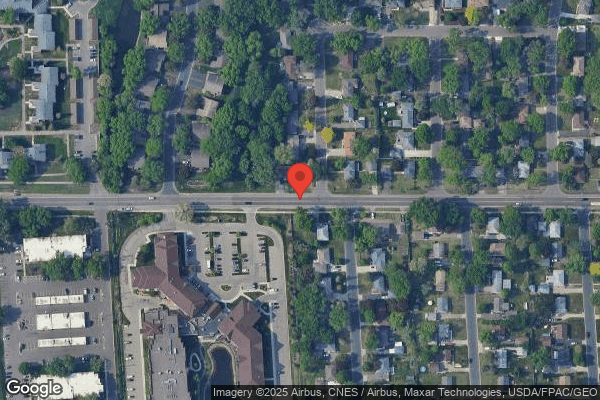
5409 69TH AVENUE NORTH, BROOKLYN CENTER, MN 55429 (763) 549-9600
Non profit - Corporation 97 Beds PRESBYTERIAN HOMES & SERVICES Data: November 2025 1 Immediate Jeopardy citation
Trust Grade
59/100
#133 of 337 in MN
Last Inspection: April 2025

Within standard 12-15 month inspection cycle. Federal law requires annual inspections.

Overview

Maranatha Care Center has a Trust Grade of C, which means it falls into the average category-it's not great, but it's also not terrible. It ranks #133 out of 337 nursing homes in Minnesota, placing it in the top half of facilities statewide, and #18 out of 53 in Hennepin County, indicating that only a few local options are better. The facility is improving, having reduced its number of issues from 13 in 2024 to just 1 in 2025. Staffing is a strong point, with a 5 out of 5 rating and only 26% turnover, which is well below the state average, meaning staff are likely to be experienced and familiar with residents' needs. However, the center has faced some significant issues, including a critical incident where a resident left the facility unsupervised, and there have been ongoing concerns about food safety practices and infection control training for staff, which could potentially affect residents' health. Overall, while there are strengths such as good staffing and an improving trend, families should be aware of the deficiencies noted in recent inspections.

Trust Score
C
59/100
In Minnesota
#133/337
Top 39%
Safety Record
High Risk
Review needed
Inspections
Getting Better
13 → 1 violations
Staff Stability
✓ Good
26% annual turnover. Excellent stability, 22 points below Minnesota's 48% average. Staff who stay learn residents' needs.
Penalties
○ Average
$9,315 in fines. Higher than 62% of Minnesota facilities. Some compliance issues.
Skilled Nurses
✓ Good
Each resident gets 78 minutes of Registered Nurse (RN) attention daily — more than 97% of Minnesota nursing homes. RNs are the most trained staff who catch health problems before they become serious.
Violations
⚠ Watch
23 deficiencies on record. Higher than average. Multiple issues found across inspections.
★★★★☆
4.0
Overall Rating
★★★★★
5.0
Staff Levels
★★★☆☆
3.0
Care Quality
★★★☆☆
3.0
Inspection Score
Stable
2024: 13 issues
2025: 1 issues

The Good

  • 5-Star Staffing Rating · Excellent nurse staffing levels
  • Low Staff Turnover (26%) · Staff stability means consistent care
  • Full Sprinkler Coverage · Fire safety systems throughout facility
  • No fines on record
  • Staff turnover is low (26%)

    22 points below Minnesota average of 48%

Facility shows strength in staffing levels, staff retention, fire safety.

The Bad

Federal Fines: $9,315

Below median ($33,413)

Minor penalties assessed

Chain: PRESBYTERIAN HOMES & SERVICES

Part of a multi-facility chain

Ask about local staffing decisions and management

The Ugly 23 deficiencies on record

1 life-threatening
Apr 2025 1 deficiency
CONCERN (F)

Potential for Harm - no one hurt, but risky conditions existed

Food Safety (Tag F0812)

Could have caused harm · This affected most or all residents

**NOTE- TERMS IN BRACKETS HAVE BEEN EDITED TO PROTECT CONFIDENTIALITY** Based on observation, interview and document review, the facility failed to ensure food safety practices including proper food s...

Read full inspector narrative →
**NOTE- TERMS IN BRACKETS HAVE BEEN EDITED TO PROTECT CONFIDENTIALITY** Based on observation, interview and document review, the facility failed to ensure food safety practices including proper food storage such as labeling and dating foods stored in the kitchen as well as monitoring the temperature of the dishwashers and refrigeration/freezer units and maintaining a sanitary work environment in the main kitchen and kitchenettes on the resident floors. This had the potential to affect 85/87 residents. Findings include: Food storage During the initial kitchen tour on 03/31/2025, at 7:17 a.m., the following items were discovered in the walk-in refrigerator without proper label/date; 12 Quart clear plastic square storage container with a blue lid 1/3 full of unknown cream colored liquid, a small, metal pan of pork cutlets- covered with plastic wrap, breaded meat in an uncovered, flat, metal pan, diced onions in clear plastic, square, covered container with plastic wrap, four separate small, metal pans - contained rice, mashed potatoes, chicken breast, and sliced zucchini as well as a sealed, plastic storage bag of raw hot dogs in in a small, metal pan, frozen shrimp in a large, metal pan covered with plastic wrap, cottage cheese in original container ½ full, and a large clear, plastic, covered container with mixed melons/grapes/pineapple. During an interview on 3/31/25, at 7:37 a.m., culinary director (CD)-A stated she expected staff to label cooked food items and containers when opened, before they were put in the walk-in refrigerator. Items needed to be used within five days of being cooked or opened. CD-A stated this was important, so expired food was not served to vulnerable residents. During an observation on 04/01/25, at 03:05 p.m., in the second-floor kitchenette, the reach in refrigerator had whipped topping in a partially used disposable, plastic tube with no cover on the open tip and no date label. A small amount of dried whipped topping was noted on outside of tube and the dispensing tip. During an interview on 4/3/25, at 10:06 a.m., corporate certified dietary manager (CDM)-B stated she expected items were labeled and dated when opened. Facility policy titled Labeling and Dating Policy (Ready to Eat and/or Potentially Hazardous Food) dated 05/2019, indicated ready to eat and potentially hazardous food items should be labeled and dated when opened. Kitchen Sanitation- During interview on 03/31/2025, at 7:54 a.m., CD-A stated they have tried to point out cleaning tasks to dietary staff with the intention tasks were completed when noticed. Facility implemented more cleaning recently; however, no check list/log had been developed for cleaning. During observation on 04/01/25, at 2:45 p.m., in the second-floor kitchenette the following items were noted; counter shelf above microwave had red syrup-like substance spilled on it, steam table had all pan lids soiled (both sides) with unknown dark brown substance as well as on removable stainless-steel divider bars. During observations on 04/01/25, at 3:11 p.m., the third-floor kitchenette ice and water machine had cloudy clear plastic ice dispenser chute and water tube had an unknown brownish colored substance inside. During observations 04/01/25, at 3:11 p.m. and 04/02/25, at 10:21 a.m. the third-floor steam table had all pan lids soiled (both sides) with unknown dark brown substance and unknown dark, brown substance on each divider bar. During observations on 04/02/25, at 10:26 a.m., the second-floor steam table had all pan lids soiled (both sides) with unknown dark brown substance and removable stainless-steel divider bars had unknown dark brown substance on each. bar Additionally, the swinging doors contained built up fingerprints and general soiled appearance, sticky to touch. During interview and observation with CDM- B, on 04/03/25, at 09:56 a.m., the third-floor floor steam table had all pan lids soiled (both sides) with unknown dark brown substance and removable stainless-steel divider bars had unknown dark, brown substance on each bar. Additionally, the ice and water machine had a cloudy clear plastic ice dispenser chute and water tube had an unknown brownish colored substance inside. CDM-B confirmed presence of brown substance. CDM-B stated she expected kitchen staff would oversee cleaning the beverage station. The beverage station, in the current state, did not meet CDM-B's expectations. Facility document titled Infection Prevention and Control Manual, Dietary Department, page 13-3 Dated 2020 from Pathway Health Services section H. Cleaning Procedures: a.) Dietary department is cleaned on a regular schedule and logs are maintained. Temperature Logs: During an interview on 03/31/25, at 1:29 p.m., the kitchen supervisor (KS)-C stated CD-A, himself and the day supervisor were responsible for ensuring the logs were completed. KS-C also stated it was important to make sure the logs are completed because they bring food to different areas upstairs where residents are served. Review of the 3/2025, Temperature Logbooks from the kitchenettes on the second and the third floor which were stored under counters had missing several entries for month of March, dishwasher temp and fridge freezer temp logs each missing several entries. Record review of March 2025 temperature logs noted the following information: Main kitchen - - Dish machine temperature log was missing 27/93 entries with an additional 7 entries that were below the required temperature. - Walk-in refrigerator log was missing 15/31 entries - Walk-in freezer log was missing 14/31 entries. [NAME] one kitchenette- - Reach-in refrigerator was missing 8/31 entries for the morning shift and 9/31 entries for evening shift. - Dish machine included eight missing entries for wash temperature for breakfast shift and 8 missing entries for rinse temperature for breakfast shift. - Dish machine over the noon hour was missing nine entries for wash and nine entries for rinse temperatures. - Dish machine for the evening meal wash included 15 missing entries and one reading below required temperature, and 11 missing entries for rinse temperatures. Facility policy Infection Prevention and Control Manual, Dietary Department page 13-2 Section E 2 f. indicates High temperature dish machine water temperature should be at least 150 degrees F or according to manufacturer's specifications. Rinse temperature will reach at least 180 degrees or manufacturer's instructions. Hair Nets: During initial kitchen observation and interview on 03/31/25, at 7:40 a.m., a volunteer, with blonde/gray hair was noted to have no hair covering, was walking throughout the kitchen including cooks' area where the cook was preparing food, dish room, storage area CD-A stated she expected hairnets worn in the kitchen by everyone in the kitchen regardless of their reason for being in the kitchen. CD-A stated it was very important everything must be sanitized. She expected everyone to wear one and expected the whole head of hair to be covered. Observation made on 04/03/25, at 09:45 a.m., in the main kitchen, an unidentified cook was observed wearing a hairnet on top of hair, back of hair down past shoulders, was not contained within the hairnet. Observation and interview on 04/03/25, at 09:58 a.m., an unidentified nursing assistant (NA) entered the kitchenette on third floor without wearing a hair net. NA was observed preparing toast for a resident behind the kitchenette counter. When NA was asked by CDM-B if there were hairnets available, the NA was not aware of hairnet rules or location. CDM-B stated it was expectation that all staff be wearing hairnets that cover all hair in any food prep areas, and stated the facility has had challenges with nursing staff coming in and out of kitchenettes without hair covering. Review of facility policy, Nutrition & Culinary Uniform Policy revised 10/31/2024, stated that all staff must wear hair restraints while preparing food in prep areas to prevent hair from contacting/contaminating food. Additionally, the policy identified areas behind the cook line, kitchenettes where staff are serving food, and special events where staff would be preparing food.
Dec 2024 2 deficiencies
CONCERN (D) 📢 Someone Reported This

A family member, employee, or ombudsman was alarmed enough to file a formal complaint

Potential for Harm - no one hurt, but risky conditions existed

Deficiency F0578 (Tag F0578)

Could have caused harm · This affected 1 resident

**NOTE- TERMS IN BRACKETS HAVE BEEN EDITED TO PROTECT CONFIDENTIALITY** Based on interview and document review, the facility failed to ensure the Physician Orders for Life Sustaining Treatment (POLST)...

Read full inspector narrative →
**NOTE- TERMS IN BRACKETS HAVE BEEN EDITED TO PROTECT CONFIDENTIALITY** Based on interview and document review, the facility failed to ensure the Physician Orders for Life Sustaining Treatment (POLST) was reviewed and/or revised following a change in condition comprehensive assessment for 1 of 1 residents (R1) reviewed. Findings include: R1's significant change Minimal Data Set (MDS) dated [DATE], indicated R1 had diagnoses of chronic kidney disease, dementia, and malignant neoplasm of sigmoid colon. Further, R1's cognition was noted to be moderately impaired. R1's POLST dated 9/13/24, which was signed by R1's health care agent and family member (FM)-A, indicated R1's wishes were to be do not attempt resuscitation (DNR), allow natural death, in the event R1 had no pulse and was not breathing, as well as comfort-focused treatment (allow natural death) to relieve pain and suffering through the use of any medications by any route, positioning, wound care, and other measures. Use oxygen, suction and manual treatment of airway obstruction as needed for comfort. Patient prefers no transfer to hospital for life-sustaining treatments. Transfer if comfort needs cannot be met in current location. R1's care conference summary printed 12/5/24, indicated a care conference was held on 11/21/24, with FM-A present. Further, the document revealed information shared included code status of DNR and comfort-focused treatment and to see R1's POLST for details. In addition, the questions: advanced directives reviewed with the resident/resident representative and does the POLST match the code status order were left blank and not completed by staff. The summary lacked evidence the POLST was reviewed with resident/resident representative. However, on 12/6/24, summary revealed revisions had been made by social services (SS)-A indicating advanced directives were reviewed with the resident/resident representative. On 12/5/24 at 12:03 p.m., FM-A indicated when R1 was admitted to the facility with hospice services and a POLST was completed for R1 by FM-A, which indicated R1 wished to be DNR and comfort focused treatment. FM-A stated R1's health improved and no longer qualified for hospice services. FM-A stated the facility initiated a care conference following R1 discharging from hospice services, however the facility staff did not review R1's POLST with FM-A at the meeting and R1 remained DNR and comfort focused treatment. FM-A stated had she been given the option to review the POLST at that time, she would have revised the POLST to not include comfort focused treatment due to R1 wanting to live and hospice was no longer involved in R1's care. FM-A stated she was R1's power of attorney and health care agent. On 12/6/24 at 12:17 p.m., registered nurse (RN)-A stated during each resident's care conference the POLST was expected to be reviewed. RN-A stated social services (SS) would review the POLST with the resident and the resident representative. Further, RN-A stated on the day of R1's care conference, RN-A was not present when the POLST would have been reviewed so she was unsure if SS-A reviewed the POLST. RN-A was not aware of any revisions to R1's POLST either. On 12/10/24 at 11:58 a.m., SS-A stated on 11/21/24, R1 had a significant change care conference related to ending hospice services. SS-A stated she checked R1's POLST order in the computer and offered the option to make changes, which no changes were requested. SS-A stated the discussion could be confirmed by RN-A. SS-A stated she did not lock the care conference summary following the meeting as expected, no revisions were made but confirmed she did not check the boxes related to code status prior. On 12/10/24 at 12:45 p.m., director of nursing (DON) stated staff were expected to review the resident's POLST during care conferences and change in condition or when a family requested. Review of facility policy titled Code Status: Physician's Order for Life Sustaining Treatment Policy dated 6/11, indicated advanced directors/other treatment options may be discussed in a care conference and at any time the form can be updated to reflect any changes requested and with any significant change in status.
CONCERN (D) 📢 Someone Reported This

A family member, employee, or ombudsman was alarmed enough to file a formal complaint

Potential for Harm - no one hurt, but risky conditions existed

Quality of Care (Tag F0684)

Could have caused harm · This affected 1 resident

**NOTE- TERMS IN BRACKETS HAVE BEEN EDITED TO PROTECT CONFIDENTIALITY** Based on interview and document review, the facility failed to monitor and evaluate response to interventions for 1 of 1 residen...

Read full inspector narrative →
**NOTE- TERMS IN BRACKETS HAVE BEEN EDITED TO PROTECT CONFIDENTIALITY** Based on interview and document review, the facility failed to monitor and evaluate response to interventions for 1 of 1 resident (R1) identified to have been taking antibiotics for a urinary tract infection (UTI). Findings include: R1's significant change Minimal Data Set (MDS) dated [DATE], indicated R1 had diagnoses of chronic kidney disease, dementia, and malignant neoplasm of sigmoid colon. Further, R1's cognition was noted to be moderately impaired. R1's medication administration record (MAR) and treatment administration record (TAR) for the month of November 2024, indicated Keflex 500 milligram (mg) twice daily for UTI until 11/15/24, ordered on 11/13/24 and Macrobid 100 mg twice daily for retention of urine for 5 days begin on 11/8/24 discontinued on 11/12/24. Further on 11/8/24, refer to infection progress note template for assessment and documentation requirements. Document at least with the start and the end of an antibiotic regimen and during the course of treatment with clinical change or vital signs/assessment that was not within normal limits one time a day for clinical monitoring for seven days. Review of R1's progress notes revealed the following: -On 11/8/24, resident had a new foley catheter inserted, urine sample was collected to rule out infection. Resident was started on Macrobid, and first dose had been given at the hospital. -On 11/8/24, R1 returned at 1:00 p.m. with a new catheter inserted and a five-day prescription for Nitrofurantoin 100 mg, twice a day with breakfast and dinner. -On 11/10/24, Infection Note included type of infection was urine retention, vital signs were obtained, treatment was Macrobid 100 mg twice a day for 3 days, response to treatment was ongoing, no notification to provider was needed, date resolved was ongoing. -On 11/14/24, Infection Note included type of infection urinary tract, vitals obtained, treatment included Keflex 500 mg by mouth twice daily until 11/15/24, response to treatment was ongoing, and date resolved was ongoing. R1's progress notes lacked consistent monitoring and evaluation for effectiveness of treatment through the antibiotic course. On 12/5/24 at 4:38 p.m., licensed practical nurse (LPN)-A stated if a resident was ordered antibiotics staff were expected to implement infection monitoring which would include obtaining vital signs every shift as well as documenting the medication and the reasoning for the medication. On 12/5/24 at 4:54 p.m., registered nurse (RN)-C stated she recalled R1 being prescribed an antibiotic for urinary infection. RN-C stated staff were expected to monitor a resident on antibiotics for at least seven days to ensure the treatment was effective and there were no adverse reactions, and the monitoring included obtaining vitals signs every shift. On 12/6/24 at 9:37 a.m., LPN-B stated staff were expected to monitor the resident for symptoms of the infection, obtain vital signs, and effectiveness of treatment for the duration of the antibiotic. The treatment for monitoring was typically added as a treatment order in the resident's record and would be expected to be completed every shift. On 12/6/24 at 12:17 p.m., RN-A stated at the start of the resident's antibiotic staff were expected to document a progress note related to the resident's status and condition as well as at the end of the antibiotic course. Further, RN-A stated staff would be expected to obtain vital signs with each administration of the antibiotic, or at least once a shift, due to resident having a change in condition requiring an antibiotic. RN-A stated monitoring a resident would be important during the antibiotic course to ensure the treatment was effective and no adverse reactions. RN-A stated R1 was started on an antibiotic for a urinary tract infection (UTI) and completed the antibiotic on 11/15/24. RN-A stated nurses were expected to be monitoring R1's urine for any signs or symptoms of a UTI and monitoring vital signs every shift because R1 was on treatment and staff should have been keeping a close eye on him for anything abnormal. Further, RN-A confirmed staff were not consistent with obtaining vital signs and there were very poor notes related to monitoring R1 during his antibiotic course. On 12/10/24 at 10:35 a.m., nurse practitioner (NP) stated the facility's goal was good stewardship of antibiotic use and would expect staff to obtain vital signs every shift for at minimum three days to ensure the resident was stable because the antibiotic should have kicked in and be effective. NP would also expect staff to update her with the effectiveness of the antibiotic. On 12/10/24 at 12:45 a.m., director of nursing (DON) stated there was a standard practice for monitoring infections that staff were expected to implement right away which included staff documenting a progress note in the resident's record with type of infection, symptoms, all vital signs, change in condition, isolation precautions, response to treatment, and notifications to the provider (if needed). Further, DON stated he would expect the clinical coordinator on the unit to initiate the monitoring and would expect the monitoring to be completed every shift as once daily would not reveal accurate information due to over a few hours the resident could have a change in condition. Further, DON confirmed R1 was on antibiotic treatment from 11/8 through 11/15/24 and there was only monitoring on 11/10/24 and 11/14/24. DON stated there was a problem with documentation and it was a learning opportunity. In addition, DON stated monitoring an antibiotic was important to ensure the treatment was effective and no further infection concerns were noted. Review of facility policy titled Infection Control-Antibiotic Stewardship Procedure dated 8/17, directed the nursing to complete progress note and documentation at the start and end of an antibiotic regimen, with any change in condition, and monitor/review response to antibiotics, and laboratory results when available, to determine if the antibiotics was still indicated or adjustments should be made. However, the policy lacked identification how often staff were required to monitor or evaluate the response to antibiotics or obtain vitals.
Jul 2024 1 deficiency
CONCERN (D) 📢 Someone Reported This

A family member, employee, or ombudsman was alarmed enough to file a formal complaint

Potential for Harm - no one hurt, but risky conditions existed

Infection Control (Tag F0880)

Could have caused harm · This affected 1 resident

**NOTE- TERMS IN BRACKETS HAVE BEEN EDITED TO PROTECT CONFIDENTIALITY** Based on observation, interview, and document review, the facility failed to ensure proper glove use and hand hygiene was perfor...

Read full inspector narrative →
**NOTE- TERMS IN BRACKETS HAVE BEEN EDITED TO PROTECT CONFIDENTIALITY** Based on observation, interview, and document review, the facility failed to ensure proper glove use and hand hygiene was performed during assistance with toileting and incontinence care for 2 of 4 residents (R5, R4) reviewed for toileting needs. Findings include: R5's significant change Minimum Data Set (MDS) dated [DATE] indicated R5 needed extensive assistance with personal hygiene. On 7/11/24 at 9:30 a.m., nursing assistant-A (NA-A) entered R5's room to assist him to the bathroom. NA-A assisted R5 to the bathroom and placed gloves on without performing hand hygiene. NA-A assisted R5 to stand after he was done urinating and wiped his peri area and buttocks with toilet paper. Urine was in the toilet. NA-A took off the soiled gloves, and without performing hand hygiene, assisted R5 to pull up his pants and sit in his wheelchair. NA-A assisted R5 back to his bedside in his wheelchair, and placed the TV on for him to watch. NA-A washed her hands prior to exiting the room. R4's annual MDS dated [DATE] indicated R4 needed extensive assistance with personal hygiene. On 7/11/24 at 10:42 a.m., NA-A entered R4's room to provide peri cares. NA-A closed the blinds and donned gloves without performing hand hygiene. NA-A wiped R4's peri area and buttocks, removed R4's soiled incontinent brief and placed a clean incontinence brief under R4. NA-A removed the soiled gloves, and without performing hand hygiene, donned clean gloves. NA-A assisted with getting R4 back in her wheelchair, placed oxygen back on R4, and sanitized the mechanical lift. NA-A doffed her gloves and washed her hands. On 7/11/24 at 11:02 a.m., NA-A stated normally she would use hand sanitizer before putting gloves on and after taking them off, but there was no sanitizer within reach, so she didn't hand sanitize when caring for R4 and R5. On 7/12/24 at 8:41 a.m., the director of nursing (DON) stated staff should do hand hygiene before and after taking off gloves. On 7/12/24 at 8:56 a.m., the administrator stated staff should wash their hands before and after applying gloves. The facility policy Infection Control Standard Precautions dated 2020 directed hand hygiene should be performed before donning and doffing personal protective equipment.
Mar 2024 1 deficiency
CONCERN (D) 📢 Someone Reported This

A family member, employee, or ombudsman was alarmed enough to file a formal complaint

Potential for Harm - no one hurt, but risky conditions existed

Report Alleged Abuse (Tag F0609)

Could have caused harm · This affected 1 resident

**NOTE- TERMS IN BRACKETS HAVE BEEN EDITED TO PROTECT CONFIDENTIALITY** Based on interview and document review, the facility failed to ensure injuries of unknown origin were reported to the State Agen...

Read full inspector narrative →
**NOTE- TERMS IN BRACKETS HAVE BEEN EDITED TO PROTECT CONFIDENTIALITY** Based on interview and document review, the facility failed to ensure injuries of unknown origin were reported to the State Agency (SA) immediately (within two hours) for 1 of 2 residents (R1) reviewed for injuries of unknown source. Findings include: On 3/25/24 at 3:10 p.m., a facility reported incident (FRI) submitted to the SA indicated R1 had bruises of unknown origin. These included bruising on her left upper inner arm measuring 30 centimeters (cm) x 5cm, the left palm of her hand measuring 4 cm x 1 cm, her left shoulder measuring 5 cm x 4 cm, and a skin tear to her left knee measuring 5 cm x 4 cm. R1's quarterly Minimum Data Set (MDS) dated [DATE] indicated R1 had severe cognitive impairment, and had a diagnosis of dementia. The MDS indicated R1 required substantial to maximum assistance of staff for all personal care and transfers. The MDS also indicated R1 was non-ambulatory, required a manual wheelchair for all locomotion, and she had a history of falls. On 3/23/24 at 2:15 a.m. a progress note indicated R1 had an open area and bruise. The documentation lacked location, description and measurements of the open area and the bruise. On 3/23/24 at 10:44 a.m. a progress note indicated R1 had pain in her left leg, and a skin tear below her left knee. The progress note lacked a description or measurements of the skin tear. On 3/24/24 at 2:18 p.m. a progress note indicated R1 had a bruise to her left hip area. The progress note lacked a description or measurements of the bruise. On 3/24/24 at 5:00 p.m., a facility Resident Occurrence Report indicated R1 had a bruise to her left inner arm measuring 4 cm x 2 cm and a bruise to her left shoulder. The report indicated the DON was notified of the injuries on 3/24/24. On 3/24/24 at 5:16 p.m. a progress note indicated R1 had a bruise to her left upper inner arm of unknown origin. The progress note lacked a description and measurement of the bruise. On 3/24/24 at 6:55 p.m. a progress note indicated R1 had a bruise to her left upper inner arm measuring 4 cm x 2 cm. On 3/25/24 at 3:17 p.m. a progress note indicated a adult report was made regarding the bruising. A facility document Resident Occurrence Report dated 3/23/24 at 2:15 a.m., indicated R1 had an open area on left leg below the knee. A facility document Resident Occurrence Report dated 3/24/24 at 8:00 a.m., indicated R1 had a bruise to her left hip measuring 3 cm x 3cm. The report indicated the director of nursing (DON) was notified of the injury on 3/24/24 at 2:13 p.m. On 3/29/24 at 10:10 a.m., licensed practical nurse (LPN)-A stated R1 had a skin tear and pain to her left leg on the morning of 3/23/24. LPN-A stated he notified the DON of the injury right away. On 3/29/24 at 11:39 a.m., registered nurse (RN)-A stated on 3/24/24 nursing assistant (NA)-A notified her of R1 bruise to R1's left upper arm. She stated the bruise measured 4 cm x 2 cm, and R1 was unable to identify how she sustained the bruise. RN-A stated she notified the DON of the bruise at 4:00 p.m. on 3/24/24. On 3/29/24 at 11:57 a.m. NA-A stated she first saw the bruise to R1's left upper arm on 3/24/24 after lunch, when she was assisting R1 to put a sweater on. She stated she informed RN-A immediately of the bruise. On 3/29/24 at 12:57 p.m., the DON stated LPN-A called him on 3/23/24 around 2:00 p.m., to report left hip bruise and pain. LPN-A was not aware of an origin for the bruise and pain. RN-A called him on 3/24/24 at 4:00 p.m., to report R1's left upper inner arm bruise measuring 4 cm x 2 cm. The DON stated RN-A was not aware of an origin for the bruise. On the morning of 3/25/24 he observed the bruises to R1's left hip, inner arm, palm of hand and shoulder. He made the report to the SA on 3/25/24 at 3:00 p.m. He stated he did not report the bruises of unknown injury because R1 likely had an unwitnessed fall. On 3/29/24 at 1:14 p.m., the administrator stated the facility should investigate injuries of unknown origin, and report to the SA right away. The facility policy Vulnerable Adult Abuse Prevention Plan dated 1/23 directed each resident has the right to be free from abuse including but not limited to verbal, sexual, physical, and mental abuse, injuries of unknown origin, corporal punishment, misappropriation of property, mistreatment, neglect or involuntary seclusion. The policy directed allegations of abuse, neglect, exploitation or mistreatment, including injuries of unknown source and misappropriation of resident property will be reported immediately within the state and federal guidelines.
Feb 2024 9 deficiencies
CONCERN (D)

Potential for Harm - no one hurt, but risky conditions existed

Resident Rights (Tag F0550)

Could have caused harm · This affected 1 resident

**NOTE- TERMS IN BRACKETS HAVE BEEN EDITED TO PROTECT CONFIDENTIALITY** Based on observation and interview, facility failed to ensure dignity was maintained for 1 of 1 (R71) reviewed for dignity. Find...

Read full inspector narrative →
**NOTE- TERMS IN BRACKETS HAVE BEEN EDITED TO PROTECT CONFIDENTIALITY** Based on observation and interview, facility failed to ensure dignity was maintained for 1 of 1 (R71) reviewed for dignity. Findings include: R71's quarterly Minimum Data Set (MDS) dated [DATE], indicated R71 had severe impairment of cognition, did not speak and was nonresponsive. In addition, R71 had diagnoses of traumatic brain dysfunction, seizure disorder, dysphagia (with gastrostomy tube), and cognitive communication deficit. In addition, R71 was dependent on staff for all activities of daily living (ADL's) for all cares including bathing, dressing, and hygiene. R71's care plan (CP) with revision date of 8/29/23 indicated, Dressing, Grooming, Hygiene: I require assist of 2. During interview with family member (FM)-A and emergency contact on 2/12/24 at 5:00 p.m., FM-A stated, she'd [R71] be very uncomfortable with her pants left down while in bed. FM-A stated she had observed R71 with pants down below the knees while R71 was in bed. FM-A stated she had, talked with [designated social services (SS-D)] about this concern and was told by SS-D that he, will talk to them [staff] with no follow up or anything discussed following it. During observation and interview on 2/13/24 at 10:27 a.m., R71 was laying in bed on her back with head of bed elevated and a thin sheet covering her. R71's sweat pants were rolled down to above ankles and below knees with an adult brief in place. Licensed practical nurse (LPN)-B stated, I don't know when asked if her pants were supposed to be placed below R71's knees. During interview with nursing assistant (NA)-A on 2/13/24 at 10:42 a.m., NA-A stated, we leave her [R71] pants down below her knees after we change her so when the nurse feeds her in the tube [gastrostomy tube], then she pees [urinates] and we can come back and change her diaper again. During interview with registered nurse (RN)-B on 2/13/24 at 1:02 p.m., RN-B stated, I believe it is a dignity issue because I would not like to walk in on a loved one with their pants below their knees while lying in bed. It makes me wonder why the staff put the pants on at all. Also, RN-B stated, if R71 or family preference is to have pants left below the knees, then it should be care planned. During interview with SS-D on 2/14/24 at 10:48 a.m., SS-D stated, the pants being left below knees was a concern that was brought up by sister [FM-A] a month after admission. I spoke to staff. I want to say I filled out a grievance form but I do not know. SS-D stated he, brought up the issue [pants being left below knees while in bed] in unit meeting (QI). I talked specifically with floor staff. In addition, SS-D stated, QI meetings are weekly in-services where we gather with staff to provide updates and information every week. SS-D stated he was responsible for the QI meeting minutes and was unable to provide requested meeting minutes. SS-D stated he recalled speaking specifically to NA-A about this concern when it was brought up by FM-A. During interview with NA-A on 2/14/24 at 12:35 p.m., NA-A stated, she had worked full time for facility for four years and was familiar with R71's cares. NA-A stated education from SS-D regarding R71's pants being left below her knees was never provided to her or staff until 2/14/24. NA-A stated, important for them [pants] to not be below her [R71] knees while in bed. Dignity is why. During interview with director of nursing (DON) on 2/14/24 at 12:59 p.m., DON stated SS-D, should have filed a grievance [on behalf of R71 when notified by FM-A] then we could have made a plan to prevent reoccurrence. DON stated concern for R71 is dignity. During interview with care center administrator on 2/14/24 at 1:58 p.m., administrator stated no Quality Concern/Grievance Process form was filled out on R71's behalf regarding pants being found below knees. Administrator stated the form should have been filled out and pants being found below knees is a concern for dignity. Facility policy titled Resident Rights Policy modified November 2022 state, PHS (Presbyterian Homes and Services) uses person centered care to give personalized attention to the well-being of each resident while enhancing their independence and dignity.
CONCERN (D)

Potential for Harm - no one hurt, but risky conditions existed

Deficiency F0558 (Tag F0558)

Could have caused harm · This affected 1 resident

**NOTE- TERMS IN BRACKETS HAVE BEEN EDITED TO PROTECT CONFIDENTIALITY** During observation, interview and document review, the facility failed to ensure resident call lights were accessible for 3 of 3...

Read full inspector narrative →
**NOTE- TERMS IN BRACKETS HAVE BEEN EDITED TO PROTECT CONFIDENTIALITY** During observation, interview and document review, the facility failed to ensure resident call lights were accessible for 3 of 3 residents (R8, R67, R195) reviewed for call lights. Findings include: R8 R8's quarterly Minimum Data Set (MDS) dated [DATE] indicated R8 had severe cognitive impairment and required assistance for all hygiene, dressing, and mobility. In addition, R8 had diagnoses including dementia, coronary artery disease (impaired blood flow to the heart), and renal disease. R8's care plan (CP) dated 8/7/22 indicated, Place call light within reach and answer promptly. During observation on 2/12/24 at 3:12 p.m., R8 was sleeping in bed with the call light looped through a plastic tube attached to bed frame aligned with R8's left shoulder. However, the controller for the call light was laying on the floor out of reach of R8. During observation on 2/14/24 at 7:36 a.m., R8 was sleeping in bed with the call light looped through a plastic tube attached to bed frame aligned with R8's left shoulder. However, the controller for the call light was laying on the floor out of reach of R8. During interview with licensed practical nurse (LPN)-C on 2/14/24 at 7:36 a.m., LPN-C stated regarding the call light, not in reach for her and it should be because [sic] very very important that it is in reach. R67 R67's quarterly MDS dated [DATE] indicated R67 had severe cognitive impairment, and required substantial assistance for toileting and dressing. Also, R67 with had diagnoses of Alzheimer's disease, dementia, depression, and psychosis. R67's CP dated 5/10/21 indicated, Be sure my call light is within reach and encourage me to use it for assistance as needed. During observation on 2/12/24 at 3:06 p.m., and 5:40 p.m., R67 was laying on bed uncovered with a blanket on the floor. R67's call light was coiled up on the floor under the head of bed and out of reach. During observation on 2/13/24 at 7:45 a.m., R67 was laying in bed covered with blanket up to the chin with the call light coiled up on the floor under head of bed out of reach. During observation on 2/13/24 at 10:56 a.m., R67 was laying in bed covered with blanket up to the chin with the call light coiled up on the floor under head of bed out of reach. During observation on 2/14/24 at 7:36 a.m., R67 was laying in bed with call light coiled up on the floor under the head of the bed and out of reach. Surveyor requested licensed practical nurse (LPN)-C to R67 bedroom. LPN-C stated regarding the call light, it is not in reach [of R67] and pinned it to R67's pillow case in reach of R67. R195 R195's admission MDS dated [DATE] indicated R195 had moderate cognitive impairment and required substantial/maximal assistance with toileting and mobility. Also, R195 had diagnoses of heart failure, anxiety, arthritis, dementia and macular degeneration (age related vision loss). R195's CP dated 2/2/24, indicated, Place call light within reach and answer promptly. During observation on 2/13/24 at 8:02 a.m., R195 was sitting in a recliner with the call light attached to the floor lamp behind her right shoulder with the controller on the floor out of sight and reach of R195. R195 stated, I can't reach it. I guess I would have to just wait here until someone comes in here to see if I am okay or just yell out. During observation and interview on 2/13/24 at 1:11 p.m., R195 was sitting in a recliner with the call light attached to the floor lamp behind her right shoulder with controller on the floor out of sight and reach of R195. LPN-A stated, Call light is not in reach and it should be. During interview with R195's family member (FM)-B on 2/14/24 at 8:30 a.m., FM-B stated, yes, I think it is important that she [R195] has the call light by her hand so she knows that she can use it if she needs it. How else is she [R915] going to get help if she doesn't have a means to ask for it? During interview with nursing assistant (NA)-A, on 2/13/24 at 10:49 a.m., NA-A stated, call lights should be in reach of everybody to help them. During interview with registered nurse (RN)-B, on 2/13/24 at 1:02 p.m., RN-B stated, call light [need to be] close to patient so they can ask for help. During interview with NA- C on 2/14/24 at 7:46 a.m., NA-C stated call lights, need to be close so they can reach in case they need [something]. It should be up where she [R195] can reach it. During interview with registered nurse (RN)-D on 2/14/24 at 10:20 a.m., RN-D stated regarding call lights, within reach so they can have access to help if they need it. During interview with social services designee (SS)-D on 2/14/24 at 10:37 a.m., SS-D stated, [call lights] must be next to person within reach so they can access it if they need help. During interview with director of nursing on 2/14/24 at 12:59 p.m., DON stated, call lights should be within reach at all times. Facility policy titled Call Light Policy modified November 2022 state, Position the call light conveniently for the resident to use. Tell the resident where the call light is and show him/her how to use the call light when needed.
CONCERN (D)

Potential for Harm - no one hurt, but risky conditions existed

Notification of Changes (Tag F0580)

Could have caused harm · This affected 1 resident

**NOTE- TERMS IN BRACKETS HAVE BEEN EDITED TO PROTECT CONFIDENTIALITY** Based on interview and document review, the facility failed to notify the emergency contact (FM-A) in a timely manner for 1 of 1...

Read full inspector narrative →
**NOTE- TERMS IN BRACKETS HAVE BEEN EDITED TO PROTECT CONFIDENTIALITY** Based on interview and document review, the facility failed to notify the emergency contact (FM-A) in a timely manner for 1 of 1 residents (R71) reviewed for notification of change when R71 required an emergency hospital procedure. Findings include: R71's quarterly Minimum Data Set (MDS) dated [DATE] indicated R71 had severe impairment of cognition, did not speak and was nonresponsive. In addition, R71 had diagnoses of traumatic brain dysfunction, seizure disorder, oxygen dependency, dysphagia (with gastrostomy tube), and cognitive communication deficit. Also, R71 was dependent on staff for all activities of daily living (ADL's) for all cares including bathing, dressing, and hygiene. R71's facesheet printed 2/15/24 at 4:50 p.m., indicated R71's Emergency Contact #1, Responsible Party, and Guardian was FM-A. R71's progress note (PN) documented with Effective date of 1/29/24 at 8:49 p.m., indicated R71, pulled the G-tube. The resident [sic] called the NP, instructed to put on a folly [sic] and send the resident ER. The resident was sent NMH ER at 1030. PN did not document communication with FM-A regarding a hospital intervention. R72's PN with effective date of 1/29/24 at 11:56 p.m., indicated, The resident returned from North memorial hospital at 1445 [2:45 p.m.], . PN did not document communication with FM-A regarding a hospital intervention. During interview with FM-A on 2/12/24 at 4:57 p.m., FM-A stated R71's feeding tube, got dislodged and FM-A stated she was never told about it by the facility. FM-A stated she found out about R71's emergency room visit when the, hospital called me. FM-A stated she expected to be notified by facility and would like to know theses things. FM-A stated she called the facility to ask why FM-A was not notified and, that was a big concern for me. FM-A stated the staff member was, going to check into it and [FM-A] never heard back. FM-A stated the experience was, pretty scary to hear from the hospital rather than the facility. During interview with registered nurse (RN)-C on 2/13/24 at 2:03 p.m., RN-C stated the facility procedure for sending a resident to the hospital was to inform the provider immediately and obtain an order, then notify family. Then resident facesheet and paperwork must be prepared for the transfer. RN-C stated the expectation for a nurse is to, notify the family and write a progress note. RN-C stated he was R71's nurse on 1/29/24, I remember very well. RN-C stated, I forgot to call family when we sent [R71] to the hospital. RN-C stated FM-A had, called the clinical coordinator to complain that they [FM-A] was not informed by me that R71 went to the hospital. During interview with director of nursing (DON) on 2/15/24 at 11:07 a.m., DON stated, we are supposed to [be] notifying responsible party for hospitalizations and, should be written in the progress note in the EMR [electronic medical record]. Facility policy titled Communication and Notification-Staff, Practitioners, and Resident Representatives modified November 2022 state, Staff will notify the resident representative any time there is a: Change in condition. Also, From 8:00 a.m. to 10:00 p.m. notification of any change in the resident's condition will be done in a timely manner. Notification is to be done within ½ to 1 hour of incident or change. In addition, Document, in the resident's medical record, the time called, the person spoke with, what was reported and their response, if any.
CONCERN (D)

Potential for Harm - no one hurt, but risky conditions existed

Report Alleged Abuse (Tag F0609)

Could have caused harm · This affected 1 resident

**NOTE- TERMS IN BRACKETS HAVE BEEN EDITED TO PROTECT CONFIDENTIALITY** Based on interview and document review, the facility failed to ensure a potential allegation of mental or emotional abuse was re...

Read full inspector narrative →
**NOTE- TERMS IN BRACKETS HAVE BEEN EDITED TO PROTECT CONFIDENTIALITY** Based on interview and document review, the facility failed to ensure a potential allegation of mental or emotional abuse was recognized and reported to the State agency (SA) in a timely manner for 1 of 1 resident (R77) reviewed who reported being bothered and potentially harassed by another resident. Findings include: R77's quarterly Minimum Data Set (MDS), dated [DATE], identified R77 had intact cognition but did not speak English as their primary language with use of an interpreter to communicate with healthcare staff preferred. R77's care plan, last reviewed 1/17/24, identified R77 had impaired mobility and used a wheelchair to reach all destinations. The care plan outlined, [R77] have impaired cognitive function. BIMS [brief interview for mental status] score varies 11/15 to 14/15 [moderate impairment to cognitively intact], and directed to use R77's family member (FM) to help interpret as needed. The care plan indicated R77 had a communication-barrier but added, Knows some English. Further, the care plan outlined, I [R77] am at risk for abuse and/or neglect d/t [due to] language barrier and functional limitations, with multiple interventions including following the care center abuse preventions policy and, Keep me safe at all times. On 2/12/24 at 3:08 p.m., R77's family member (FM)-C was interviewed and explained R77 understood some English but was likely not conversant with it. FM-C stated they had been told about an incident which involved R77 and a male resident on the same unit. FM-C explained the male resident and R77 both spoke the same language and, as a result, started to hang out together. However, the male resident then started to make inappropriate comments to R77 which included comments about sexual intercourse and, from what R77 reported to FM-C, had made her very uncomfortable. FM-C stated they were told of this by the care center a month or two ago when they reached out after R77 reported the comments to an interpreter. FM-C stated they felt the care center had since developed a good plan to keep the two residents more separated since the incidents. R77's Associated Clinic of Psychology (ACP) Progress Note, dated 1/16/24, identified the therapist met with R77 in her room with an interpreter present. The note recorded, . [R77] presented as anxious with exaggerated behavior . reported to be irritated with another resident who she feels is bothering her. A section labeled, Treatment Recommendations/Plan, outlined several actions R77 and care center staff could implement for R77 which outlined, [R77] has been experiencing difficulty while interacting [with] another resident who she feels acts aggressively towards her, and, If possible, it may be beneficial to move her to a different floor to minimize negative interactions. R77's subsequent ACP Progress Note, dated 1/30/24, identified R77 was met in her room and presented with a flat, depressed affect. R77 reported pain from her medical conditions negatively affected her mood along with dictation, . Clinician inquired about any ongoing issues with residents which she reported were no longer a problem. The section labeled, Treatment Recommendations/Plan, outlined, Previous issues regarding difficulties with other resident no longer effecting her mood or thoughts. On 2/13/24 at 11:59 a.m., household coordinator (HC)-A was interviewed. HC-A explained they were aware of the incident and verified it involved R77 and another male resident who, previously, had been sitting at R77's table in the dining room. HC-A stated they were made aware of it first when R77 reported the male resident had been getting kind of rude and she didn't like the way he talked to her. HC-A stated they visited with R77 about it and did not feel R77 was too concerned with it, however, voiced to let staff or her family know. However, a few weeks later R77 then asked to move tables and not be seated with the male resident any longer, so R77 was moved to a different table in the dining room. HC-A stated ACP had had met with her on it with concerns being voiced to them, too. HC-A stated it was hard to determine how much, if at all, the incident had affected R77 adding since they moved her table, there had been no further issues with the male resident. HC-A explained they were unsure exactly what comments the male resident had been making to R77 to cause her becoming upset but expressed they were sexual in nature from what they knew but added R77 would not say specifically what was said. HC-A verified the administrator was aware of the incident and expressed, to their knowledge, it had not been reported to the SA adding, We didn't report it. HC-A stated the management team had decided it was not reportable as R77 seemed to be not very concerned about it adding, in their opinion, it seemed like it more bothered her [R77] but wasn't worried about it. The Minnesota Department of Health (MDH) Aspen Complaint and Incident Tracking System (ACTS) was reviewed and lacked evidence the allegation of repeated offensive comments made to R77 by the male resident were reported to the SA as an allegation of potential mental or emotional abuse despite R77 reporting being bothered by them, having potential behavioral changes due to them (as outlined in the ACP notes), and wanting to physically move dining room tables due to these interactions. On 2/14/24 at 12:09 p.m., the care center administrator was interviewed. They verified they were aware of the incident, and had a chance to follow-up and review it prior to interview. The administrator explained HC-A had brought the incident to them and wanted to make me aware of it as they were going to change R77's dining room table. The administrator stated they couldn't recall the exact words used to describe the situation but recalled R77 having emotional distress but which was more annoying than abusive in nature. The issue was then discussed a few weeks later while at R77's care conference, where R77 had no further concerns with the male resident but did express wanting to move dining room tables. The administrator stated they were unsure of the rationale for R77 wanting to move tables. The administrator verified the incident was not reported to the SA as they believed the behavior was just annoying to R77 and not she didn't seem emotionally distressed about it. Further, the administrator stated they had not, to their knowledge, re-visited it with R77 since moving tables but expressed they felt R77 would have reported it again if the issue persisted. The administrator reiterated they felt the situation was not reportable adding, Being annoyed and being offended is different. A provided Vulnerable Adult Abuse Prevention Plan policy, dated 1/2023, identified each resident had the right to remain free of abuse including verbal, sexual, physical and mental abuse adding, Any form of resident abuse will not be tolerated. The policy listed several definitions of each abuse type which included, Emotional or Psychological Abuse, and this included the verbal or non-verbal infliction of anguish, pain, or distress which resulted in mental or emotional suffering including, . Demeaning statements, harassment, threats, insults, humiliation, intimidation. The policy included, 13. Resident to Resident - Willful Intent . altercations that must be reported include any willful action that results in physical injury, mental anguish, or pain, adding, It is the staff/facility to judge on determining willful intent, best to err on the side of caution. The policy included several steps for reporting, to both internal and external contacts, which outlined, Immediately make a report to the State Agency [MDH].
CONCERN (D)

Potential for Harm - no one hurt, but risky conditions existed

Deficiency F0645 (Tag F0645)

Could have caused harm · This affected 1 resident

**NOTE- TERMS IN BRACKETS HAVE BEEN EDITED TO PROTECT CONFIDENTIALITY** Based on interview and document review, the facility failed to ensure a Level I pre-admission screening (PAS) was clarified or a...

Read full inspector narrative →
**NOTE- TERMS IN BRACKETS HAVE BEEN EDITED TO PROTECT CONFIDENTIALITY** Based on interview and document review, the facility failed to ensure a Level I pre-admission screening (PAS) was clarified or acted upon in a timely manner to determine what, if any, additional evaluation or screenings (i.e., Level II) were needed for 1 of 2 residents (R75) reviewed for pre-admission screening and resident review (PASARR). Findings include: R75's significant change Minimum Data Set (MDS), dated [DATE], identified R75 had intact cognition along with several medical conditions including Bipolar Disorder; however, R75 did not have a current dementia or Alzheimer's Disease diagnosis. In addition, R75's Medical Diagnosis, contained in their electronic medical record (EMR), listed all of R75's current medical conditions with a corresponding effective date. This listing included, Bipolar Disorder, Unspecified, with an effective date of 10/2022. R75's initial Minnesota Senior Linkage Line Preadmission Screening (PAS) Results, dated 10/2022, identified R75 was admitting to the care center from an acute care hospital located in another county. R75 was listed as having mental illness, however, had not had inpatient hospitalization for the disease, nor suicidal ideation or a past civil commitment for such. The PAS outlined R75's physical assistance needs and listed at the top, OBRA: It appears this person does not need an OBRA Level II assessment. However, attached to this PAS was a cover letter, also dated 10/2022, from the Minnesota Senior Linkage Line which outlined the included PAS but also, The Senior LinkAge Line forwarded the PAS to the county/managed care organization for processing [bolded]. The PAS is not final until the lead agency sends documentation to the nursing facility. If you have questions about this PAS or referral, contact the lead agency below [contact information listed]. R75's progress notes, dated 11/19/23 to 12/30/23, identified R75 was sent to the hospital on [DATE] for an acute change in condition with shortness of breath. R75 was admitted to the hospital. R75 re-admitted to the care center on 12/8/23, with dictation present, . used to be here before, but after hospital went to another facility before coming back. R75's corresponding Minnesota Senior Linkage Line PAS Results, dated 12/2023, identified R75 was admitting to the care center from a local acute care hospital. However, R75 was now listed as not having a mental illness (despite having Bipolar Disorder diagnosed previously). The PAS, again, outlined R75's physical assistance needs and listed at the top, OBRA: It appears this person does not need an OBRA Level II assessment. However, again, attached to this PAS was a cover letter, also dated 12/2023, from the Minnesota Senior Linkage Line which outlined the included PAS but also, The Senior LinkAge Line forwarded the PAS to the county/managed care organization for processing [bolded]. The PAS is not final until the lead agency sends documentation to the nursing facility. If you have questions about this PAS or referral, contact the lead agency below [contact information listed]. R75's medical record was reviewed and lacked evidence either of the completed PAS' were clarified or acted upon (in collaboration with any applicable managed care program or the county, as directed) prior to the recertification survey to determine what, if any, additional screenings or actions were needed to ensure R75's mental health needs were adequately addressed (i.e., a Level II PASARR, if needed). On 2/14/24 at 2:50 p.m., household coordinator (HC)-A was interviewed and verified they were the social services designee (SSD) for R75's unit. HC-A verified they had reviewed R75's medical record and were unable to locate documentation to demonstrate any of the PAS were clarified or acted upon as directed by the Senior Linkage Line instructions adding, We didn't [find any]. As a result, they had just contacted the Senior LinkAge Line who would initiate further screening, if needed. HC-A stated R75 was hospitalized in December 2023, and then admitted from there to another transitional care unit (TCU) before returning to the care center. When that happened, HC-A stated the care center understood a new PAS was not needed, however, completed one due to we didn't have one on file. HC-A verified the medical record lacked evidence the PAS' had been addressed or had the instructed follow-up completed and stated they were unaware of anyone doing so prior to the recertification survey adding, Not that I know of. HC-A stated PAS' were received by the care center medical records personnel who then uploaded them to the records and such was all I know of the process adding they had never been asked or directed to review PAS results to ensure they're clarified or acted upon, if needed. However, HC-A stated it was important to ensure PAS were, if needed, clarified or acted upon with appropriate follow-up to help make sure the resident with mental illness is getting the services they need. When interviewed on 2/14/24 at 8:28 a.m., the care center administrator stated they had worked at the campus for several months. The administrator explained the admissions department was responsible to complete the PAS' process; however, they were unaware of the cover letters attached to R75's PAS(s) which directed further action was needed. The administrator stated the care center was looking at their current chart audit process and trying to make it a little bit more thorough to help catch issues like un-addressed PAS(s). Further, the administrator stated it was important to ensure PAS were completed and appropriate services, if needed, we in place to help the resident be successful. A provided Pre-admission Screening and Resident Review (PASRR) Policy, dated 11/2016, identified all applicants (i.e., residents) to the care center would be evaluated for mental disorder or intellectual disability prior to admission and received corresponding services, if needed. The policy outlined a negative Level I screen permitted admission and ended the pre-screening process. The policy listed a section labeled, Procedure, which directed the admission personnel or social services department would complete any needed intake forms, and the information would be saved in the medical record. However, the policy lacked direction or guidance on how or whom would obtain further information, if needed, from the Senior LinkAge Line (i.e., state authority); nor dictation or guidance on any audit process of this to ensure all PAS were reviewed and acted upon, if needed.
CONCERN (D)

Potential for Harm - no one hurt, but risky conditions existed

Quality of Care (Tag F0684)

Could have caused harm · This affected 1 resident

**NOTE- TERMS IN BRACKETS HAVE BEEN EDITED TO PROTECT CONFIDENTIALITY** Based on observation, interview and records review, the facility failed to correctly transcribe and administer an ordered medica...

Read full inspector narrative →
**NOTE- TERMS IN BRACKETS HAVE BEEN EDITED TO PROTECT CONFIDENTIALITY** Based on observation, interview and records review, the facility failed to correctly transcribe and administer an ordered medication for 1 of 1 residents (R11) reviewed for quality of care. Findings include: R11's quarterly Minimum Data Set (MDS) dated [DATE], indicated that R11 had intact cognition and was diagnosed with heart failure, kidney failure, respiratory failure, and chronic obstructive pulmonary disease (COPD- incurable lung disease causing breathlessness, frequent coughing, and chest tightness). The MDS indicated R11 was receiving oxygen therapy and hospice care but indicated R11 did not demonstrate shortness of breath during the look-back period. The MDS indicated R11 required moderate assistance with dressing, supervision with transferring, and was independent with eating. R11's care plan dated 9/11/23, indicated R11 received hospice care related to her diagnosis of COPD. The care plan indicated R11 had an alteration in respiratory status related to COPD, heart failure, and dyspnea (shortness of breath) with exertion. The care plan goal was limiting respiratory distress that impacted R11's activities of daily living and listed the following interventions: administering medications and monitoring respiratory status per the physician's orders, providing oxygen therapy, and encouraging rest periods. R11's written provider report dated 10/24/23, indicated an order for oxycodone 5 mg by mouth every one hour as needed for pain/dyspnea. The report indicated that two staff members had signed off on the order, one of them being licensed practical nurse (LPN)-D. R11's Order Summary Report dated 10/24/23, included an order for five milligrams (mg) of oxycodone every one hour as needed for pain. The order did not include an administration indication of dyspnea but indicated the order was prescriber-written. The report also included an order for three milliliters (mL) of .63 mg/3mL albuterol sulfate nebulization solution every six hours as needed for COPD. R11's medication administration record (MAR) dated 1/1/24-1/31/24, indicated R11 did not receive any doses of oxycodone during this period. R11's MAR dated 2/1/24-2/14/24, indicated R11 received three doses of oxycodone for pain ranging from six to 10/10 during this period. R11's provider note dated 1/9/24, indicated R11 was diagnosed with end-stage COPD and had ongoing dyspnea. During an interview on 2/12/24 at 2:09 p.m., R11 stated she often felt short of breath and sometimes felt like she was suffocating, but she had concluded that the nursing staff did not know how to help her with this symptom. R11 stated nursing staff would sometimes try to give her nebulizer breathing treatments but they usually did not help. R11 stated she now tried to manage her shortness of breath on her own because she felt that the nursing staff did not implement helpful interventions for her shortness of breath, and it often left her in distress. During an interview on 2/13/24 at 11:59 a.m., LPN-D stated that she noticed that R11 had occasional dyspnea so she would assess R11's oxygen level, titrate her oxygen level as needed, and give her nebulizer breathing treatments when necessary. LPN-D stated that oxycodone was only used to treat pain and not dyspnea. During an interview on 2/13/24 at 1:27 p.m., Medical Doctor (MD)-A stated that to minimize R11's dyspnea, the only real treatment is morphine because of R11's diagnoses of end-stage COPD and heart failure. MD-A then stated that the ordered oxycodone would work similarly to morphine to address R11's dyspnea. MD-A stated that titrating R11's oxygen would not have been a helpful strategy related to her COPD diagnosis. During an interview and observation on 2/14/24 at 11:08 a.m., the third-floor clinical coordinator (RN)-H stated that if R11 was reporting or demonstrating symptoms of dyspnea he expected the nurse on duty to check oxygen levels and titrate her oxygen therapy, test for COVID-19, and administer a nebulizer as needed. RN-H stated that if the nebulizer did not work he expected the nurse to contact the hospice team for further orders. RN-H was observed reviewing the written order dated 10/24/23 which indicated the oxycodone was written for pain and dyspnea. RN-H stated that he did not think that oxycodone was an appropriate treatment for dyspnea and would need to call the provider to verify that the written order was correct but did not think that had been completed previously. RN-H verified that the health unit coordinator (HUC) and a nurse had signed off on the order as was their protocol. During an interview on 2/15/24 at 10:15 a.m., the director of nursing (DON) stated that when a written order was received from a prescriber, the HUC queued the order and the nurse on duty would then confirm that the order in the queue was accurate before the order became active. The DON stated that if the nurse was unsure about an order, the nurse should then contact the ordering prescriber to obtain clarification. The DON stated that ensuring that the written orders were correctly transcribed into the electronic medical record was very important, especially as the oxycodone would likely have been helpful in treating R11's shortness of breath. A policy/procedure regarding transcribing physician orders was requested and not received.
CONCERN (D)

Potential for Harm - no one hurt, but risky conditions existed

Deficiency F0761 (Tag F0761)

Could have caused harm · This affected 1 resident

Based on observation, interview and records review, the facility failed to ensure controlled medications were properly recorded, stored and secured to prevent and minimize the risk of diversion for 1 ...

Read full inspector narrative →
Based on observation, interview and records review, the facility failed to ensure controlled medications were properly recorded, stored and secured to prevent and minimize the risk of diversion for 1 of 1 residents (R243) reviewed for medication storage. Findings include: R243's admission Minimum Data Set (MDS) was in progress, no information available. R243's admission record dated 2/15/24 indicated R243 was admitted to facility on 2/9/24, with diagnoses of amyotrophic lateral sclerosis (a disease that weakens muscles and impacts physical function), insomnia, quadriplegia (paralysis of all four limbs), sleep apnea, shortness of breath, generalized muscle weakness. R243's progress notes written by nurse practitioner (NP), dated 2/14/24, also indicated diagnoses of chronic lower back pain and glaucoma (eye condition that causes blindness). R243's admission orders dated 2/9/24 included orders for 1-2 tablets of tramadol (a controlled medication) 50-100 milligrams (mg) by mouth twice a day as needed for eszopiclone (medication used for inability to sleep and a controlled medication) 2 mg tablet by mouth at bedtime (HS) for insomnia. During observation and interview on 2/12/24 at 2:48 p.m., R243 was alert, oriented, soft spoken, and able to communicate his needs. R243 stated he arrived at the facility on Friday 2/9/24 at 2:20 pm with orders for tramadol and Lunesta (eszopiclone). R243 stated he took tramadol twice a day for back pain, buttocks, and legs. Lunesta at bedtime for insomnia. R243 stated he was not sure what the facility's difficulty was to get these medications from their pharmacy. R243 added on Sunday [2/11/24] my family brought both medications [tramadol and eszopiclone] from home and gave them to the nurse on duty. R243 stated, I received his first dose of Lunesta on Sunday [2/11/24], and the first Tramadol dose on Monday [2/12/24]. During observation and interview on 2/14/24 at 1:59 p.m., licensed practical nurse (LPN)-B was unable to locate the tramadol or the eszopiclone logged in the narcotic book. The tramadol and eszopiclone were subsequently found stored in the medication cart with other resident's non-controlled bottles of medications. LPN-B removed two bottles of tramadol one containing 5 tablets and a second bottle of tramadol secured with paper tape and 90 tablets written on the tape. The bottle of eszopiclone had an unknown number of tablets. LPN-B stated the staff made sure the bottles had a pharmacy label with the resident's name, name of the medication, right dose, and had an expiration date. LPN-B stated she did not use a web site, a medication reference book or called the pharmacist to verify the tablets in the bottles were in fact the right medication. LPN-B confirmed either medication was not logged in the narcotic book and had not been counted between shifts. LPN-B stated I know better, and the MAR clearly has a C under the medication's name. [C identifies a controlled medication] I don't know what to say. LPN-B stated she would immediately count the medications, log them in the narcotic book, lock them, and report to her supervisor. During interview on 2/15/24 at 10:39 a.m., registered nurse (RN)-B stated she had worked at facility for two years and she had never admitted a resident bringing medication from home. RN-B said the supervisor will need to authorize it and, at the very least, the medication labels will need to include the resident's name, match the order, and have an expiration date. RN-B stated the facility probably had a policy and procedure. During interview on 2/15/24 at 9:44 a.m. with clinical coordinator RN-H and director of nursing (DON), the DON stated the only time they accepted medications brought from outside was when a resident had Medicaid or was private pay. DON stated Medicaid will not dispense the medication twice, including narcotics. R243 had Medicaid therefore they had to accept his medications. RN-H stated at the very least the nurse should make sure the label matches the order, have an expiration date and then refer to the description provided about the medication such as the color of the tablet, shape, or number to make sure it matches what is inside the bottles. RN-H and DON verified there was no documentation when these medications were brought up by the family or if they were properly identified before they were administered by the nurses. DON stated it was important to assure the residents receive the right medications and controlled medications needed to be double locked and counted every shift per facility's policy and procedure. During interview on 2/15/24 at 12:03 p.m. pharmacist (PH) stated the nurses needed to follow their policy and procedure. PH stated the nurses needed to check the orders and compared to the medications' labels. PH stated the nurses can call the pharmacist or they can also use a website such as Drugs.com. The nurse inputs the name and dose of the medication, and the website will display the shape, color, and characteristics of the medication. This must be done before the medication is administered to assure residents' safety. PH stated the facility did not send the prescriptions and did not contact them during the weekend. PH stated on 2/14/24 the facility sent the prescriptions for tramadol and eszoplicone and the prescriptions were filled and delivered. The undated Facility's policy Medication Monitoring and Management, III B3: Narcotic Reconciliation indicated Federal regulation F755 requires that skilled nursing facilities have a system for recording the receipt and disposition of all controlled medications and maintain and routinely reconcile an accounting of all controlled medication. The undated facility's policy titled Medication Ordering and Receiving from Pharmacy, IC12: Medications Brought to the Facility by a Resident or Responsible Party indicated Use of medications brought to the facility by a resident or responsible party is allowed only when the following conditions are met: The medication name, dosage form, and strength have been verified by consulting a tablet identification reference (e.g., Physician's Desk Reference), or calling the dispensing pharmacy for a physical description of the medication. The policy also indicated a licensed nurse receives and documents the delivery of the medication on the appropriate form.
MINOR (C)

Minor Issue - procedural, no safety impact

Deficiency F0576 (Tag F0576)

Minor procedural issue · This affected most or all residents

**NOTE- TERMS IN BRACKETS HAVE BEEN EDITED TO PROTECT CONFIDENTIALITY** Based on interview and document review, the facility failed to ensure resident mail was delivered on Saturdays for 3 of 3 reside...

Read full inspector narrative →
**NOTE- TERMS IN BRACKETS HAVE BEEN EDITED TO PROTECT CONFIDENTIALITY** Based on interview and document review, the facility failed to ensure resident mail was delivered on Saturdays for 3 of 3 residents (R17, R20, R29) who voiced concerns with mail delivery. This deficient practice had the potential to affect all 94 residents residing in the facility. Findings include: R17's significant change Minimum Data Set (MDS) dated [DATE], indicated R17 had resided at the facility for over one year and had no cognitive impairment. R20's quarterly MDS dated [DATE], indicated R20 had resided at the facility for over one year and had no cognitive impairment. R29's quarterly MDS dated [DATE], indicated R29 had resided at the facility for over one year and had no cognitive impairment. During an interview on 2/14/23 at 10:43 a.m., R20 stated he never got his mail on Saturdays and sometimes it would take until Tuesday to get his mail. R20 then stated that it bothered him that this kept happening. During the same interview, R29 stated that she had also not been receiving her mail on Saturdays and was wondering why this was not occurring. During the same interview, R17 stated she agreed with them, stating she also not been receiving any mail on Saturdays. During an interview on 2/14/24 at 12:28 p.m., health unit coordinator (HUC)-A stated that the HUCs only worked Monday through Friday and on those days, they distribute the mail. The HUC stated she was unsure who distributed the mail on the weekends. During an interview on 2/14/24 at 1:35 p.m., the care center administrator stated she was unsure who distributed the mail on the weekends. During an interview on 2/14/24 at 1:52 p.m., registered nurse (RN)-E stated she worked every other weekend, and she previously would receive a call from the receptionist to pick the mail. RN-E stated that she had not been receiving a call for a while so she did not think the mail was being distributed to the residents on the weekends. During an interview on 2/15/24 at 7:40 a.m., the campus administrator stated that mail delivery on Saturdays is something the facility needed to revisit and was unsure if the mail was delivered to residents on Saturdays. During an interview on 2/15/24 10:12 a.m., the campus administrator stated that she had attempted to call the weekend receptionist but the number that had on file was no longer in service, and they did not have another way to contact her. A policy/procedure regarding mail delivery was requested at this time. A policy regarding mail delivery was not received from the facility.
MINOR (C) 📢 Someone Reported This

A family member, employee, or ombudsman was alarmed enough to file a formal complaint

Minor Issue - procedural, no safety impact

Staffing Information (Tag F0732)

Minor procedural issue · This affected most or all residents

Based on observation, interview, and document review, the facility failed to ensure the required nurse staffing information was posted daily and retained for 18 months. This had the potential to affec...

Read full inspector narrative →
Based on observation, interview, and document review, the facility failed to ensure the required nurse staffing information was posted daily and retained for 18 months. This had the potential to affect all 94 residents residing in the facility and/or visitors who may wish to view the information. Findings include: During an observation, document review, and interview on 2/12/24 at 12:11 p.m., the nursing staff posting was observed in the main lobby near the entrance and was dated 2/9/24 with a resident population of 96. During interview, administrator stated the staffing coordinator (SC) was in charge of updating the staff posting but it had not been completed yet today. During an interview on 2/13/24 at 2:44 p.m., the director of nursing (DON) stated that he and the SC worked jointly to address staffing needs and required posting information. The DON stated that he was unaware of the requirement to retain previous staff postings and therefore could not produce these. The DON stated he had attempted to print off the previous staff postings from the computer program the facility used, but the postings were not accurate to what was previously posted or the staffing levels of that day. During an interview on 2/15/24 at 9:25 a.m., The SC stated she was unsure why the daily staff posting had not been updated on 2/10/24 and 2/11/24. The SC stated she would print out the staff postings on Friday and put them behind the plastic staff posting display before she left for the weekend. The SC stated the weekend staff would dispose of the previous day's staff posting to show the current day's posting that she had previously placed behind it. The SC was unsure who updated the number of staff, actual hours worked, or current census number over the weekends as these numbers changed and thought this was likely not occurring. The facility Nurse Hours Staff Posting Policy dated 10/22, indicated the nursing staff data should have been posted on a daily basis the beginning of each shift. The policy indicated nursing staff posted data forms should have been kept by the facility for eighteen months and made available upon request.
Dec 2022 9 deficiencies 1 IJ
CRITICAL (J) 📢 Someone Reported This

A family member, employee, or ombudsman was alarmed enough to file a formal complaint

Immediate Jeopardy (IJ) - the most serious Medicare violation

Accident Prevention (Tag F0689)

Someone could have died · This affected 1 resident

**NOTE- TERMS IN BRACKETS HAVE BEEN EDITED TO PROTECT CONFIDENTIALITY** Based on interview and document review, the facility failed to ensure comprehensive assessments were completed and interventions...

Read full inspector narrative →
**NOTE- TERMS IN BRACKETS HAVE BEEN EDITED TO PROTECT CONFIDENTIALITY** Based on interview and document review, the facility failed to ensure comprehensive assessments were completed and interventions implemented for 1 of 1 resident (R68) who was reviewed for elopement. This resulted in an immediate jeopardy (IJ) when R68 left the facility without supervision and without staff awareness for at least 30 minutes. The facility implemented immediate corrective action and was issued as past non-compliance. In addition, the facility failed to provide proper positioning before eating or supervision while showering for 2 of 3 residents (R70, R37) reviewed for accidents. The IJ began on 8/23/22, at 9:20 p.m. when R68 left the facility the facility without supervision and without staff awareness. The director of nursing (DON) was notified of the IJ on 12/8/22, at 3:41 p.m. The facility implemented immediate corrective action on 8/24/22, prior to the start of the survey and was issued as past non-compliance. Although the immediacy was removed on 8/24/22, the facility remained out of compliance at the scope of isolated and severity of no actual harm with potential for more than minimal harm (D) that was not immediate jeopardy. Findings included: ELOPEMENT During review of the facility's investigation file, it was discovered R68 eloped from the facility on 8/23/22, at 9:21 p.m. when she exited through the emergency exit door; however, when the alarm sounded staff silenced their pagers and did not check the exit door or searched for any missing residents. R68 walked to the independent living facility and was observed standing outside the independent living facility's door seven minutes later (at 9:28 p.m.). The independent living residents opened the door and brought R68 inside. The staff at the long-term care facility were not aware R68 was missing until the independent living staff paged the long-term staff and informed registered nurse (RN)-G that R68 was at the independent living facility. RN-G then called the first floor to have the staff look to see if any residents were missing. RN-G went downstairs to the first floor and observed two of the independent living staff at 9:50 p.m. ambulating with R68. R68's quarterly Minimum Data Set (MDS) dated [DATE], indicated R68 was severely cognitively impaired with diagnoses of closed right femoral neck fracture with routine healing, dementia, and anxiety disorder. R68 was independent with walking in room, walking in corridor, locomotion on unit, and locomotion off unit. The MDS indicated R68 had not exhibited any wandering behaviors. R68's admission MDS dated [DATE], indicated R68 was severely cognitively impaired with a diagnosis of closed right femoral neck fracture with routine healing, dementia, and anxiety disorder. R68 required limited assistance of one staff with walking in room, walking in corridor, locomotion on unit, and locomotion off unit. The MDS indicated R68 had not exhibited any wandering behaviors. R68's discharge summary from Allina Health hospital dated 7/5/22, indicated R68 had a past medical history was significant for advanced dementia and presented to the hospital from a memory care unit. R68's Elopement Risk assessment dated [DATE], indicated R68 had short term memory loss, intermittent confusion, was disoriented to person, place, and time, and had impaired decision-making skills. R68 had wandering behaviors, restlessness, seeking behaviors, desire to go home, and verbalized seeking of things like home, car, people, etc. The Elopement Risk Assessment also indicated R68's care plan was reviewed and updated. R68's care plan dated 7/5/22, indicated R68 was at risk for elopement; however, no interventions were identified to prevent an elopement. R68's Progress Note (PN) dated 7/5/22, at 10:42 p.m. indicated R68's family member (FM)-A informed the facility staff R68 was an elopement risk. R68's PN dated 7/6/22, at 4:33 p.m. indicated FM-A and the social services household coordinator were unable to locate R68 in the gathering room, resident room, or therapy suites. R68 was located in another resident's room laying in bed. FM-A had previously noted R68 was an elopement risk. Further, indicated R68 remained extremely confused. R68's PN dated 7/7/22, at 8:06 p.m. indicated R68 continued to ask to go home and needed frequent orientation. R68's PN dated 7/27/22, at 1:38 p.m. indicated R68 had been wandering into another resident's room and need to be monitored and redirected to not go into the room. R68's PN dated 7/27/22, at 2:52 p.m. indicated R68 continued to wander into another room several times throughout the day and needed to be redirected to her own room. R68's Elopement Risk assessment dated [DATE], indicated R68 did not wander and had not demonstrated any exit seeking behaviors. Further, indicated R68 was low risk for elopement, even though R68 had progress notes that identified wandering behaviors. R68's PN dated 8/2/22, at 5:58 a.m. indicated R68 was observed wandering while well dressed around midnight. R68's PN dated 8/4/22, at 6:13 a.m. indicated R68 got up regularly throughout the night and wandered around. R68's PN dated 8/4/22, at 11:54 p.m. indicated R68 was wandering around, talking irrationally, and attempting to exit the building. R68's PN dated 8/6/22, at 6:23 a.m. indicated R68 was on 30 minute checks; however, the medical record lacked any evidence of the 30 minute checks were completed. R68's medical record lacked any evidence of a new elopement risk assessment being completed after several progress notes indicating R68 was wandering and exit seeking. The care plan lacked any evidence of interventions to prevent R68 from elopement. When interviewed on 12/8/22, at 12:19 p.m. the interim director of nursing (DON) stated the risk for elopement should have been communicated by the admission coordinator when the admission paperwork was screened so the IDT could have put interventions in place to prevent elopement. The interim DON further stated, the expectation was to initiate a care plan with interventions when a resident was identified as an elopement risk. The interim DON verified the care plan had a focus of R68 was an elopement risk, however no interventions were placed to keep R68 safe with her wandering behavior and elopement risk. The Wandering and Elopement policy modified December 2022, indicated information would be obtained from admission assessment, family/resident representative interviews, staff observations and social history. Further, indicated a care plan identifying wandering and elopement risk would be implemented on admission, on quarterly review, and as needed. The past noncompliance immediate jeopardy began on 8/23/22. The immediate jeopardy was removed, and the deficient practice corrected by 8/24/22, after the facility implemented a systemic plan that included the following actions: On 8/23/22, a body audit of R68 was completed which indicated no injuries. This was verified by record review on 12/8/22. On 8/24/22, a new elopement risk assessment was completed which indicated R68 was at risk for elopement. This was verified by record review on 12/8/22. On 8/24/22, R68 was transferred to the secure memory care unit. This was verified by observation on 12/5/22 through 12/8/22 and by record review on 12/8/22. On 8/24/22 through 8/28/22, audits were completed to ensure appropriate staff response to the door alarms. This was verified by record review on 12/8/22. On 8/24/22, the facility reviewed the elopement policy, and no changes were needed. This was verified by record review on 12/8/22. On 8/24/22, the nursing staff were educated on the elopement policy and how to respond to the door alarms. This was verified by staff interviews and record review on 12/8/22. On 8/24/22, the facility requested a quote for a delayed egress system (a system designed to prevent a door from opening immediately when someone attempts to exit) and received the quote on 9/9/22. This was verified by record review on 12/8/22. On 11/23/22, the delayed egress system with an alarm on the emergency exit door was installed. This was verified by observation and record review on 12/8/22. POSITIONING R70's quarterly MDS dated [DATE], indicated R70 was cognitively intact and required extensive assistance of two staff for bed mobility. Further, the MDS indicated no rejection of care or any other behaviors. R70's care plan dated 12/6/22, indicated R70 had an activities of daily living (ADL) deficit related to impaired balance and weakness with an intervention to assist R70 to an upright position for eating and set up the meal on the bedside table. The nursing assistant (NA) team sheets dated 12/5/22, indicated R70 required assist of one staff for repositioning; however, lacked any evidence of how to assist R70 with meal set up or positioning for meals. The NA team sheets updated 12/6/22, indicated R70 continued to require assist of one staff for repositioning and was updated to direct the staff to assist with meal set-up on bedside table and assist resident into an upright position while eating. The Resident Occurrence Report dated 12/5/22, at 12:20 p.m. indicated R70 spilled soup on right neck and right shoulder. Further, indicated the analysis as to cause of occurrence was R70 was in bed eating. The action to minimize reoccurrence was to encourage R70 to get out of bed for meals. The report lacked any evidence of the position R70 was in bed when the soup spilled. R70's progress note on 12/5/22, at 12:22 pm indicated R70 spilled soup on her right side of neck and right upper back. The intervention was to boost R70 up in the bed to finish her meal and applied a cool towel to the area. R70's progress note on 12/5/22, at 9:52 p.m. indicated writer received shift report of resident having redness on right shoulder due to soup spilled. The progress note lacked any evidence of an assessment of the area. During observation and interview on 12/5/22, at 6:00 p.m. R70 informed the surveyor soup was spilled on her right shoulder and pulled her hospital gown over to show the area. The area was red with a serous fluid-filled blister 3 cm in diameter. When the surveyor entered the room R70 was laying flat on her back in bed with her supper plate laying on her stomach. When asked if R70 always ate her meals laying flat [R70] stated, I can't find my bed controller. R70 verified the staff placed her plate on her stomach and did not assist with repositioning. R70's bed controller was found under her right thigh and the call light was on the floor. When interviewed on 12/5/22, at 6:02 p.m. RN-A stated they were aware of R70's incident and the burn, however, wasn't aware of a blister to the right shoulder area. R70's late entry progress note on 12/6/22, at 8:15 a.m. indicated the interim director of nursing (DON) assessed R70's right shoulder and noted a 1.1 cm x 1.1 cm serous fluid-filled blister on the top of the right shoulder and R70 reported tenderness to the area. When interviewed on 12/6/22, at 2:04 p.m. licensed practical nurse (LPN)-D stated when R70 spilled the soup the NA had taken the meal tray into the room and R70 was not positioned in an upright position. Further, stated after R70 spilled the soup when staff boosted R70 up in bed so she was in an upright position. When interviewed on 12/6/22, at 2:26 p.m. the interim DON stated when an incident happens a root cause analysis should be completed, interventions documented on the care plan and team sheets, and each shift nurse monitor the area and update the doctor with any changes as needed. When interviewed on 12/6/22, at 3:09 p.m. the nurse practitioner (NP) stated they were informed of the burn however, wasn't aware of any blisters forming. When interviewed on 12/7/22, at 7:22 a.m. NA-D verified R70's bed was not in an upright position when the soup was given to R70 on 12/5/22. The care plan policy and procedure modified November 2022, indicated the care plan should reflect what the resident desires for himself/herself and include unique interventions which meet the need of the resident. Further, indicated the care plan was to be changed and updated as the care changes for the resident and should be current at all times. SUPERVISION R37's annual MDS dated [DATE], indicated R37 was cognitively intact and required extensive assist of one staff for dressing and personal hygiene. R37's care plan dated 2/17/22, indicated R37 had an activities of daily living (ADL) self-care performance deficit and required one staff participation for bathing and to stay in the shower room with the resident. R37 had limited physical mobility and required one staff assistance until 12/9/22 for ambulation and transfers. The NA team sheets updated on 12/6/22, indicated R37 required assist of one staff for ADL's and the staff were to stay with R37 during the shower. When interviewed on 12/5/22, at 3:34 p.m. R37 stated, my care plan says I'm not supposed to be left unattended in the shower because I'm a fall risk, but they leave me unattended. Last Wednesday the staff left me in the shower alone with my wheelchair sitting right outside the shower with a towel on the arm of the chair. I had to transfer myself being wet and the floor wet to my wheelchair alone. R37 was afraid they would fall. During observation and interview on 12/7/22, at 7:33 a.m. R37 was in the shower room alone with the water off. R37 was wet from the shower and seated in her wheelchair, with no staff in the shower room. R37 stated she was left alone again and had to transfer to her wheelchair alone again. At 7:36 a.m. NA-E entered the shower room and stated, Oh I'm with her, here to help her dry off and get dressed. When interviewed on 12/7/22, at 9:38 a.m. LPN-D stated the NA's should stay with R37 throughout the whole shower according to the care plan. LPN-D verified the NA should assist R37 with washing, drying, and getting back into the wheelchair. When interviewed on 12/7/22, at 9:47 a.m. NA-E stated they were aware R37 required staff to stay throughout the whole shower. NA-E verified leaving R37 alone in the shower stated they had left the room due the need to speak with the nurse. When interviewed on 12/7/22, at 10:12 a.m. LPN clinical coordinator stated when the care plan and team sheets indicate staff should stay in the shower with R37, then the staff should bring all supplies needed and stay throughout the entire shower. When interviewed on 12/8/22, at 3:57 p.m. the interim DON stated the staff should follow the care plan and team sheets and stay with R37 throughout the entire shower. A policy for supervision was requested but not provided.
CONCERN (D)

Potential for Harm - no one hurt, but risky conditions existed

Deficiency F0554 (Tag F0554)

Could have caused harm · This affected 1 resident

**NOTE- TERMS IN BRACKETS HAVE BEEN EDITED TO PROTECT CONFIDENTIALITY** Based on observation, interview, and document review, the facility failed to remove medications from 1 of 1 resident (R14) room ...

Read full inspector narrative →
**NOTE- TERMS IN BRACKETS HAVE BEEN EDITED TO PROTECT CONFIDENTIALITY** Based on observation, interview, and document review, the facility failed to remove medications from 1 of 1 resident (R14) room who was not to have medications at bedside, who was reviewed for self-administration of medications (SAM). Findings include: R14's admission record printed 12/8/22, indicated R14 had diagnoses of dementia, adjustment disorder, and anxiety disorder. R14's significant change Minimum Data Set (MDS) dated [DATE], indicated R14 was cognitively intact and required extensive assist of one or two staff for activities of daily living (ADL). R14's care plan dated 9/23/22, indicated R14 was not to self-administer medications and staff should set up and administer R14's medications. R14's physician orders dated 11/8/22, indicated staff were to ensure R14 took her medication and not to leave medications at bedside. R14's Medication Administration Record (MAR) dated December 2022, indicated staff were to ensure resident takes her medication and not to leave medications at bedside. R14's Self-Administration of Inhalant Medications (SAM) assessment dated [DATE], indicated R14 was forgetful at times and unable to self-administer her albuterol inhaler. R14's SAM dated 6/1/22, indicated R14 did not want to self-administer medications. During observation on 12/5/22, at 1:20 p.m. R14 had three bottles of alka-seltzer gummies and one bottle of melatonin in the bedside drawer. Further, R14's albuterol inhaler was on the bedside table. During observation on 12/7/22, at 9:53 a.m. the three bottles of alka-seltzer gummies and one bottle of melatonin were in the bedside drawer. Further, the albuterol inhaler was on the bedside table. When interviewed on 12/7/22, at 9:54 a.m. registered nurse (RN)-E stated residents should not have medications in their rooms unless they have been assessed to be capable of self-administering their own medication. RN-E verified R14 was not able to self-administer medications. When interviewed on 12/7/22, at 10:15 a.m. the licensed practical nurse clinical coordinator (LPN)-C stated R14 should not have medications in her room if the self-administering of medications assessment indicated not to; LPN-C verified R14 should not have medications in her room. When interviewed on 12/8/22, at 3:57 p.m. the interim director of nursing (DON) stated no resident should have medications in their room unless they had been assessed to be safe and there must be a doctor's order. The DON verified R14 should not have medications in her room. The Self-Administration of Medication policy modified November 2016, indicated the care plan should include whether the resident is allowed to retain the medications for administration in their possession. Further, indicated the care plan must be updated to reflect self-administration of medications if clinically appropriate.
CONCERN (D)

Potential for Harm - no one hurt, but risky conditions existed

Notification of Changes (Tag F0580)

Could have caused harm · This affected 1 resident

**NOTE- TERMS IN BRACKETS HAVE BEEN EDITED TO PROTECT CONFIDENTIALITY** Based on observation, interview and document review, the facility failed to update the physician for 1 of 1 resident (R75) who h...

Read full inspector narrative →
**NOTE- TERMS IN BRACKETS HAVE BEEN EDITED TO PROTECT CONFIDENTIALITY** Based on observation, interview and document review, the facility failed to update the physician for 1 of 1 resident (R75) who had a significant weight loss of 12% in 3 months. Findings include: R75's quarterly Minimum Data Set (MDS) dated [DATE], identified moderate cognitive impairment with diagnoses including diabetes, heart and kidney failure, as well as a pressure ulcer. R75 required extensive assistance with eating and identified weight of 205 pounds with no significant weight loss. However, R75's significant change MDS dated [DATE], identified a weight of 234 pounds indicating a 29 pound (12%) weight loss in 3 months. R75's physician orders dated 7/28/22, indicated R75 was to be weighed weekly and the physician was to be notified if R75 had a five pound difference from previous weights. R75 also had an order dated 7/27/22, for furosemide (a diuretic) 40 milligrams (mg) by mouth once daily for edema and congestive heart failure. R75's nutritional risk note dated 9/15/22, indicated R75 had a decrease in intakes 0-100% and were more variable. R75's diet was downgraded per speech therapy recommendations due to R75 declining to wear dentures. R75 had an 11.1% weight loss in 30 days and R75's plan for follow up included nutrition risk monitoring. The accuracy of the weights were questioned as weights were questioned as 9/1/22, weight was recorded as 233.7 and on 9/8/22, a weight of 206.8 was recorded. The weights were obtained with a mechanical lift. R75's nutritional risk note dated 10/19/22, indicated R75 did not like the taste of food on her current diet and continued to decline wearing dentures. The note indicated R75 was interested in starting snacks throughout the day. R75 had a 2% weight loss in 30 days, a 13% weight loss in 90 days, and a 10% weight loss in 180 days. The accuracy of the weights were questioned, and a bedtime snack was added for increased protein needs and diabetes management, and the note indicated the trends would be monitored. The follow up plan included active nutrition risk monitoring. R75's nutritional summary dated 11/21/22, indicated R75 was at risk for dehydration related to diuretic use, wounds, and diminished thirst. R75 had a 1% weight gain in 30 days, a 12.2% weight loss in 90 days, and a 9.7% weight loss in 180 days. The nutritional summary indicated R75 had significant weight changes noted at the 90 day mark, but was not significant for the MDS assessment. R75's weight summary in point click care included the following weights with the scale used: 12/1/2022 08:54 203.1 Lbs Mechanical Lift 11/24/2022 09:56 204.8 Lbs Mechanical Lift 11/17/2022 08:53 205.1 Lbs Mechanical Lift 11/3/2022 16:24 206.2 Lbs Mechanical Lift 10/27/2022 08:26 204.1 Lbs Mechanical Lift 10/20/2022 08:46 203.4 Lbs Mechanical Lift 10/13/2022 07:46 203.9 Lbs Mechanical Lift 9/29/2022 13:25 211.3 Lbs Mechanical Lift 9/15/2022 11:49 208.1 Lbs Wheelchair 9/14/2022 13:38 208.1 Lbs Mechanical Lift 9/8/2022 09:15 206.8 Lbs Mechanical Lift 9/1/2022 07:17 233.7 Lbs Mechanical Lift 8/25/2022 08:31 233.5 Lbs Mechanical Lift 8/18/2022 11:45 234.0 Lbs Mechanical Lift 8/4/2022 10:12 235.0 Lbs Mechanical Lift 7/27/2022 23:01 234.8 Lbs Wheelchair 6/16/2022 22:50 227.7 Lbs Wheelchair 6/9/2022 08:32 228.5 Lbs Wheelchair 6/2/2022 22:04 224.0 Lbs Wheelchair 5/26/2022 17:36 226.0 Lbs Mechanical Lift 5/19/2022 17:29 125.5 Lbs Mechanical Lift Incorrect Documentation 5/14/2022 15:19 227.4 Lbs Wheelchair 5/11/2022 20:28 227.6 Lbs Wheelchair During observation on 12/06/22, at 9:04 a.m. nursing assistant (NA)-C stated R75 needed help with eating. R75 did not have her dentures in her mouth. During interview on 12/7/22, at 2:24 p.m. dietician (D)-F stated she reviewed weights for residents considered high risk. D-F explained that high risk residents included residents who had wounds, dialysis, malnutrition, and tube feedings. D-F stated if a resident had weight loss, she would go through the weight reports and see who triggered and the physician, clinical coordinator, and nurse practitioner would be updated. D-F stated R75 had significant wt loss at the end of November. D-F stated R75 had not been eating and had new dentures. D-F stated the physician should have been updated on R75's weight loss. R75's medical record was reviewed with D-F and lacked documentation of the physician or nurse practitioner being notified of the weight loss. D-F verified R75 had multiple times with a 5 pound weight difference and the physician had not been notified per the physician order. During interview on 12/07/22, at 2:54 p.m. registered nurse (RN)-B stated R75 had a stage four pressure ulcer and was not aware of R75's weight loss. RN-B stated the dietician follows and reviews weights and stated she had not updated the physician. RN-B stated she expected staff to update the physician with a change in weight and stated the weights in the chart were accurate because they were completed using the same scale consistently. RN-B stated she would update the nurse practitioner. During interview on 12/8/22, at 10:20 a.m. nurse practitioner (NP)-G stated she first received notification of R75's weight loss in the last couple of days and had not been notified earlier. NP-G stated they would continue to monitor and she expected the dietician to notify her if a resident had a 5 or 10% weight loss. During interview on 12/8/22, at 10:39 a.m. RN-C stated the physician and family are supposed to be notified when a resident has a change in condition and the notifications should be documented. RN-C added the electronic medical record triggered R75 for weight loss for a 7.5% change and stated when this occurs, a notification goes to the dietician. RN-C added nursing monitors residents who have congestive heart failure and stated R75 had a nutritional issue and R75 had a pressure ulcer and diabetes. During interview on 12/08/22 at 11:03 a.m. the director of nursing (DON)-D stated when a resident had a change in condition, she expected the physician be notified upon notice of the change in condition. The DON-D added the weight policy indicated significant wt changes were reported and the definition of significant would be over 5% in 30 days or over 10% in a 180 day period of time. The system issues a warning and the dietician monitors weight loss also. The DON-D reviewed the medical record and verified it lacked documentation of the physician notification. The DON-D stated R75's risk factors included having a stage four pressure ulcer, diabetes, morbid obesity, cardiac history, heart failure, and chronic kidney disease. During interview on 12/08/22, at 12:30 p.m. RN-C stated R75 started furosemide (diuretic) 40 mg daily on 7/28/22, and stated this could be the reason for the weight loss and added they would still have needed to monitor weights even if the weight loss was due to edema and indicated the NP would be updated. A policy Weight Policy revised December 2015, indicated weights were obtained at least monthly, or as ordered and if a patterned or significant weight loss or gain was noted the resident was reweighed using a consistent scale. The parameters for obtaining a re-weight should be, but not limited to five pound changes for persons over 100 pounds and three pound changes for persons under 100 pounds. Re-weighs were requested if the weight appeared incorrect. The policy indicated the scales were routinely checked and re-calibrated for accuracy by maintenance staff. Nursing staff was responsible for documenting the weight and notifying appropriate disciplines of significant changes. Significant weight changes were documented in the resident's medical record and reported to the physician or nurse practitioner and the involved family member.
CONCERN (D)

Potential for Harm - no one hurt, but risky conditions existed

Deficiency F0688 (Tag F0688)

Could have caused harm · This affected 1 resident

**NOTE- TERMS IN BRACKETS HAVE BEEN EDITED TO PROTECT CONFIDENTIALITY** Based on observation, interview, and document review, the facility failed to ensure care planned range of motion (ROM) exercises...

Read full inspector narrative →
**NOTE- TERMS IN BRACKETS HAVE BEEN EDITED TO PROTECT CONFIDENTIALITY** Based on observation, interview, and document review, the facility failed to ensure care planned range of motion (ROM) exercises and splints were consistently implemented to maintain current ROM and reduce the risk of further contractures for 1 of 1 resident (R39) reviewed for positioning/mobility. Findings include: R39's admission record printed 12/9/22, indicated R39 had diagnoses of quadriplegic cerebral palsy, contracture of multiple sites, and epilepsy. R39's quarterly Minimum Data Set (MDS) dated [DATE], indicated R39 was severely cognitively impaired and required extensive assist of two staff for activities of daily living (ADL). Further, indicated R39 had no rejection of cares. R39's care plan revised on 7/6/22, indicated R39 had impaired physical mobility related to anoxic brain injury, was chairbound, had contractures of the right upper and lower extremities and left hand. Interventions included to complete passive range of motion (PROM) daily to bilateral upper extremities for 10 repetitions (wrist extension, digits extension, elbow extension, and neck extension/neutral posture) and apply splints to bilateral upper extremities: complete bilateral upper extremity elbow extension, wrist extension dynamic splints and a Kentucky [NAME] neck neutralizing brace. The directions indicated to apply in the a.m. daily when supine or sitting, off after two hours of post donning (put on). Donning instructions: start distally with PROM to wrist/thumbs, apply resting wrist/digit extension splints, complete PROM to bilateral elbows, apply resting elbow extension splints, stretch neck to neutral position, apply Kentucky [NAME]. R39's active physician orders dated 12/9/22, indicated R39 required splints to bilateral upper extremity wrist and elbow and Kentucky [NAME] to neck. Apply in the a.m. daily when supine or sitting, off after two hours of donning. The nursing assistant (NA) team sheets updated 12/6/22, indicated R39 required ROM to upper extremities. The treatment administration record (TAR) dated December 2022, lacked evidence of R39 refusals of splints. The NA point of care (POC) 14-day history revealed the staff completed ROM for R39 as follows: -12/8/22 5 repetitions out of 10 -12/7/22 5 repetitions out of 10 -12/6/22 5 repetitions out of 10 -12/5/22 refused -12/4/22 5 repetitions out of 10 -12/3/22 5 repetitions out of 10 -12/2/22 10 repetitions out of 10 -12/1/22 5 repetitions out of 10 -11/30/22 5 repetitions out of 10 -11/29/22 5 repetitions out of 10 -11/28/22 10 repetitions out of 10 -11/27/22 10 repetitions out of 10 -11/26/22 3 repetitions out of 10 R39's care plan required staff to perform 10 repetitions of ROM daily however, the staff only completed 10 repetitions on 3 of the 14 days. R39's progress notes dated 11/8/22 through 12/6/22, lacked evidence of R39 refusal of splints or ROM. During observation on 12/7/22, at 10:29 a.m. NA-D and NA-E were transferring R39 from the bed using a mechanical lift to the wheelchair. No ROM was performed by the staff. During observation and interview on 12/7/22, at 11:03 a.m. licensed practical nurse (LPN)-D entered R39's room to apply the splints. LPN-D grasped R39's right arm and applied the wrist splint without performing ROM, applied the elbow splint without performing ROM, grasped R39's left arm and applied the wrist splint without performing ROM, and lastly applied the elbow splint without performing ROM. LPN-D did not apply the Kentucky [NAME] or perform ROM on R39's neck. LPN-D stated I don't apply the Kentucky [NAME] because R39's family member (FM)-A doesn't like it and I don't like how it fits. LPN-D stated she did not complete the ROM but for the splints, I just put them on. When interviewed on 12/7/22, at 2:32 p.m. the rehab program manager stated therapy ordered the ROM and splints to maintain R39's ROM as well as to slow the progression of the contractures. The rehab program manager also stated they were not aware the Kentucky [NAME] was not being applied nor FM-A's complaint about the Kentucky [NAME]. The rehab program manager also stated therapy has had many discussions with FM-A and had never been told FM-A did not like the [NAME]. The rehab program manager stated therapy would sometimes apply the splints and the Kentucky [NAME]. Further, stated the Kentucky [NAME] was important to prevent R39 from being unable to hold her head up straight. Lastly, the rehab program manager stated the nursing staff should complete the ROM and apply the splints per the written order and care plan and if R39 refuses by yelling or screaming the nursing staff should document the refusals and make therapy aware. When interviewed on 12/8/22, at 3:57 p.m. the interim director of nursing (DON) stated the care plan should be followed and if R39 refused ROM and/or the splints the nurses should document the refusals and update therapy. The Balance and ROM Assessment policy modified on April 2016, indicated the purpose was to maintain the resident's ability to maintain current balance and ROM and/or to prevent decline in balance and ROM. Further, indicated if a resident was refusing the ROM program or splints it would be communicated to the interdisciplinary team (IDT). The Orthotic Device and Orthopedic Appliance policy approved November 2016, indicated the purpose was to support, align, prevent, or correct deformities and/or improve the function of moveable parts of the body. Further, indicated the facility staff would follow the wearing schedule established by the rehabilitation specialist.
CONCERN (D)

Potential for Harm - no one hurt, but risky conditions existed

Medication Errors (Tag F0758)

Could have caused harm · This affected 1 resident

**NOTE- TERMS IN BRACKETS HAVE BEEN EDITED TO PROTECT CONFIDENTIALITY** Based on interview and document review, the facility failed to ensure as-needed (PRN) psychotropic medications were limited to 1...

Read full inspector narrative →
**NOTE- TERMS IN BRACKETS HAVE BEEN EDITED TO PROTECT CONFIDENTIALITY** Based on interview and document review, the facility failed to ensure as-needed (PRN) psychotropic medications were limited to 14 days of use or re-evaluated by the medical provider to ensure necessity and reduce the risk of complication for 1 of 1 resident (R75) reviewed who had PRN psychotropic medication orders. Findings include: R75's quarterly Minimum Data Set (MDS) dated [DATE], indicated R75 had moderately impaired cognition, and no presence of physical, verbal, or other behavioral symptoms. R75's diagnoses included, major depressive disorder, anxiety disorder, and schizoaffective disorder. R75's physician orders dated 7/27/22, directed staff to administer Clonazepam 0.25 milligrams (mg) by mouth twice daily PRN for anxiety. The PRN order listed a start date, however, did not list a stop date for the PRN administration of the Clonazepam. R75 used the PRN medication five times in December, 16 times in November, 13 times in October, once in September, and 20 times in August. The medical record lacked a rationale for continuing with the PRN Clonazepam beyond 14 days. A pharmacy consultation report dated 11/28/22, indicated a repeated recommendation originally from 8/25/22, to assure compliance with Center for Medicare Services (CMS) requirements for skilled nursing facilities. The recommendation indicated a request to document a rationale for the ongoing need of the PRN Clonazepam as well as a specific stop date. The consultation report indicated the original communication was sent 8/25/22, and was resent 9/29/22, and 10/28/22. A progress note dated 12/8/22, at 3:42 p.m. indicated staff contacted the physician regarding the pharmacy recommendation for the PRN Clonazepam and an order was received to continue the PRN Clonazepam for the next three months and the physician would review at the next visit. During interview on 12/8/22, at 4:20 p.m. the pharmacist-H stated PRN psychotropic orders should have a stop date and a rationale to follow the regulation. The pharmacist also stated if the physician does not follow up on pharmacy recommendations a repeat request is sent and if there is still no response, the medical director should be contacted to intervene. During interview on 12/8/22, at 4:32 p.m. RN-C stated the pharmacy reviewed medications and sends the recommendation to the director of nursing and clinical coordinators. RN-C stated PRN orders are supposed to be renewed every 14 days. RN-C stated the physician had not responded to the requests until 12/8/22. During Interview on 12/8/22, at 4:58 p.m. the interim clinical administrator-D stated she saw the pharmacy made recommendations on 8/25/22, 9/29/22, 10/28/22, and 11/28/22, and registered nurse (RN)-C contacted the provider who gave an order to continue the Clonazepam for three months and would review at the next visit. The interim clinical administrator-D stated this provided an opportunity to implement a system for tracking the return of pharmacy recommendations. A policy Psychotropic and Unnecessary Medication Use revised December 2022, indicated resident's drug regimen was to be free from unnecessary drugs. The policy indicated unnecessary drugs were any drug when used in excessive dose, excessive duration, without adequate monitoring, without adequate indications for its use; or in the presence of adverse consequences, which indicate the dose should be reduced or discontinued. Additionally, PRN orders for psychotropic medications must have a specific condition and indication for use. PRN psychotropics were to be used for 14 days unless the prescribing practitioner documented the rationale for an extended period of time and indicated a specific duration.
CONCERN (D)

Potential for Harm - no one hurt, but risky conditions existed

Infection Control (Tag F0880)

Could have caused harm · This affected 1 resident

**NOTE- TERMS IN BRACKETS HAVE BEEN EDITED TO PROTECT CONFIDENTIALITY** R75's quarterly MDS dated [DATE], indicated moderately impaired cognition, was incontinent of bowel and bladder, required extens...

Read full inspector narrative →
**NOTE- TERMS IN BRACKETS HAVE BEEN EDITED TO PROTECT CONFIDENTIALITY** R75's quarterly MDS dated [DATE], indicated moderately impaired cognition, was incontinent of bowel and bladder, required extensive assist with bed mobility, dressing, eating, toilet use, personal hygiene, and had a stage four pressure ulcer. R75's physician orders dated 9/20/22, indicated the following wound care treatment to the sacrum: change twice daily, removing wound packing and irrigate wound with normal saline and pat dry. Apply skin barrier film to periwound. Gently pack wound including circumferential undermining with 1/4 strength Dakins moistened gauze packing. Use one continuous piece and leave a one inch tail. Place a layer to double layer of calcium alginate over the wound and cover with half of a five by nine abdominal pad and secure the dressing with a skin safe tape. During observation on 12/8/22, at 9:58 a.m. LPN-B donned gloves, R75 was incontinent and LPN-B removed incontinence brief and took off dressing dated 12/7/22, and removed wound packing and then removed gloves. LPN-B did not sanitize her hands and donned new gloves and used a cotton tipped swab to remove additional packing from the wound. LPN-B removed gloves, donned new gloves, grabbed a four by four gauze dressing, and cleansed the wound using normal saline. LPN-B removed gloves and did not sanitize hands before donning new gloves. During interview on 12/8/22, at 10:03 a.m. at this point, LPN-B was stopped and reviewed hand sanitizing practices. LPN-B stated she should have washed her hands after providing incontinence care and when initiating wound care. During observation on 12/8/22, at 10:06 a.m. through 10:13 a.m. LPN-B completed the wound cares and sanitized her hands with hand sanitizer, donned new gloves while the hand sanitizer was still wet, applied a new incontinence brief for R75, and pulled up R75's pants. During interview on 12/8/22, at 10:39 a.m. registered nurse (RN)-C stated hand hygiene should occur before, in between, and after wound care and expected LPN-B to change gloves and use hand sanitizer. During interview on 12/8/22, at 11:03 a.m. the director of nursing (DON)-D stated hands should be sanitized at the start of a wound care procedure and once the old dressing is removed, gloves would be changed and hand hygiene would be performed. In addition, gloves should be changed and hand hygiene should be performed after incontinence care. A policy Infection Control dated 2020, indicated hand hygiene should be performed before and after contact with the resident, after contact with blood or body fluids, before donning personal protective equipment, and after removing personal protective equipment. Additionally, the recommended technique for hand hygiene using alcohol based hand rub included rubbing hands together, covering all surfaces until hands were dry. Based on observation, interview, and document review, the facility failed to ensure proper handwashing was performed while emptying a catheter drainage bag for 1 of 1 resident (R39), and the facility failed to ensure proper handwashing was performed while performing wound care for 1 of 1 resident (R75) reviewed for infection control. Findings include: R39's quarterly Minimum Data Set (MDS) dated [DATE], indicated R39 had an indwelling catheter and required extensive assistance of two staff members for toilet use. R39's care plan dated 11/8/22, indicated R39 had a suprapubic catheter (a urinary catheter inserted into the bladder from a small cut in the stomach just above the pubic bone) related to a diagnosis of neurogenic bladder with an intervention to perform catheter care per facility policy. During observation on 12/7/22, at 10:29 a.m. nursing assistant (NA)-D donned gloves and placed a urinal on the floor, wiped the end of the catheter tubing with an alcohol swab, opened the clamp and emptied the urine from the catheter drainage bad into the urinal, wiped the end of the catheter tubing with the same alcohol swab, took the urinal into the resident bathroom and emptied the urine into the toilet. NA-D did not remove gloves and proceeded to go over to a chair and pick up a towel and placed it on R39's chest area, went back into the resident bathroom with the same gloves on and placed toothpaste on R39's toothbrush, then was going to brush R39's teeth however, the surveyor stopped NA-D. After a reminder, NA-D went into the resident bathroom, removed gloves, washed hands, donned a new pair of gloves, and then brushed R39's teeth. When interviewed on 12/7/22, at 10:43 a.m. NA-D verified the urinal was placed on the floor without a barrier, gloves were not changed, and handwashing was not completed per protocol. Further, NA-D stated should have washed hands after completing catheter care and placed on new gloves prior to brushing R39's teeth as well as, the urinal should have been placed on a barrier not the floor. When interviewed on 12/7/22, at 10:59 a.m. the licensed practical nurse (LPN)-C clinical coordinator stated the staff should place a barrier on the floor to place the graduate or urinal on and handwashing should be completed in between glove changes. LPN-C verified NA-D should have removed gloves and washed hands after emptying the urinal prior to attempting to brush R39's teeth. When interviewed on 12/8/22, at 3:57 p.m. the interim director of nursing (DON) verified infection control facility protocol was to wash hands in between glove changes and a barrier should be placed under a graduate or urinal. The Infection Control Standard Precautions policy dated 2020, indicated it was the facility's policy to adhere to hand hygiene procedures in order to prevent the transmission of pathogens. Further hand hygiene should be performed: 1. Before and after contact with the resident. 2. Before performing an aseptic task. 3. After contact with blood or body fluids. 4. After contact with visibly contaminated surfaces. 5. After contact with objects in the residents' room. 6. Before donning personal protective equipment (PPE). 7. Before removing PPE. 8. After using the restroom. 9. Before meals. The Infection Prevention and Control Manual Glove Technique (non-sterile) dated 2020, indicated to apply clean non-sterile gloves when touching blood, body fluids, secretions, excretions, contaminated items, mucous membranes, and non-intact skin. [NAME] clean gloves between tasks and procedures on the same resident after contact with blood, body fluids, secretions, and excretions. Remove gloves promptly after use, before touching non-contaminated and environmental surfaces. Perform hand hygiene after the removal of gloves. The Catheter-Care of Indwelling policy modified June 2021, indicated to always perform hand hygiene before and after touching the catheter tubing or bag.
CONCERN (E) 📢 Someone Reported This

A family member, employee, or ombudsman was alarmed enough to file a formal complaint

Potential for Harm - no one hurt, but risky conditions existed

Resident Rights (Tag F0550)

Could have caused harm · This affected multiple residents

**NOTE- TERMS IN BRACKETS HAVE BEEN EDITED TO PROTECT CONFIDENTIALITY** Based on observation, interview, and document review, the facility failed to knock on individual resident bedroom doors and intr...

Read full inspector narrative →
**NOTE- TERMS IN BRACKETS HAVE BEEN EDITED TO PROTECT CONFIDENTIALITY** Based on observation, interview, and document review, the facility failed to knock on individual resident bedroom doors and introduce themselves prior to entry for 4 of 4 residents (R33, R63, R146, and R148) reviewed for dignity. Findings include: R33's annual Minimum Data Set (MDS) dated [DATE], indicated R33 was severely cognitively impaired with a diagnosis of Alzheimer's disease and required extensive assistance of one staff for activities of daily living (ADL). R33's care plan dated 2/9/22, indicated R33 had impaired cognition which directed staff, introduce yourself at each interaction. R63's quarterly MDS dated [DATE], indicated R63 was moderately cognitively impaired with diagnosis of dementia and required extensive assistance of one staff for ADL's. R63's care plan dated 11/3/22, indicated R63 had impaired cognition and directed staff, introduce yourself at each interaction. R146 admission record printed 12/8/22, indicated R146 recently admitted to the facility with diagnosis of right femur fracture, acute posthemorrhagic anemia, and osteoporosis. R146's medical record lacked evidence of an admission MDS during the survey process. R146's care plan dated 11/28/22, lacked evidence of addressing R146's cognition. R148's admission record printed 12/8/22, indicated R148 admitted to the facility recently with diagnosis of acute kidney failure, congestive heart failure (CHF), and chronic obstructive pulmonary disease (COPD). R148's medical record lacked evidence of an admission MDS during the survey process. R148's care plan dated 11/30/22, lacked evidence of addressing R148's cognition. On 12/7/22, at 7:31 a.m. nursing assistant (NA)-D entered R148 and R63's room without knocking on the door or introducing self. On 12/7/22, at 7:56 a.m. NA-D entered R148 and R63's room without knocking on the door or introducing self. On 12/7/22, at 7:59 a.m. NA-D entered R33's room without knocking on the door or introducing self. On 12/7/22, at 8:08 a.m. NA-D entered R146's room without knocking on the door or introducing self. During an interview on 12/7/22, at 8:43 a.m. NA-D stated staff should knock on the door and introduce themselves prior to entering a resident room. NA-D verified entering R33, R63, R146, and R148's rooms without knocking or introducing self. During an interview on 12/7/22, at 9:38 a.m. licensed practical nurse (LPN)-D stated staff should knock on a residents' door, introduce themselves, and wait for a response before entering a resident room. During an interview on 12/8/22, at 3:57 p.m. the interim director of nursing (DON) stated the staff should knock on a residents' door, introduce themselves, and wait for a response before entering a resident room. Further, if a resident was unable to respond then the staff should at least announce themselves prior to entering the room. The facility's Resident Rights policy modified 11/2022, indicated the facility uses person centered to give personalized attention to the well-being of each resident while enhancing their independence and dignity.
CONCERN (F)

Potential for Harm - no one hurt, but risky conditions existed

Deficiency F0882 (Tag F0882)

Could have caused harm · This affected most or all residents

Based on interview and document review, the facility failed to ensure the acting infection preventionist (IP) had completed specialized training in infection prevention and control. This had the poten...

Read full inspector narrative →
Based on interview and document review, the facility failed to ensure the acting infection preventionist (IP) had completed specialized training in infection prevention and control. This had the potential to affect all 89 residents residing in the facility. Findings include: On 12/5/22, at 1:06 p.m. during the entrance conference, the administrator stated the infection preventionist (IP) was IP-A and the back up was the director of nursing (DON). When interviewed on 12/8/22, at 1:32 p.m. the administrator, stated IP-A was the facility's designated infection preventionist. Further, stated IP-A did not work on-site and registered nurse (RN)-C (the incoming DON in training) was the onsite IP. RN-C's training transcript titled, RELIAS transcript for RN-C, indicated RN-C completed one hour of infection control and prevention, 30 minutes of micro-learning infection control: mock survey education, and 30 minutes of micro-learning infection control: handwashing and PPE. The RELIAS transcript lacked evidence of specialized training for infection preventionist. RN-C's certificate for IP was requested, but not provided by the facility. A policy was requested, but not provided by the facility.
CONCERN (F)

Potential for Harm - no one hurt, but risky conditions existed

Deficiency F0886 (Tag F0886)

Could have caused harm · This affected most or all residents

Based on interview and document review, the facility failed to test staff for COVID-19 according to Centers for Medicare and Medicaid (CMS) guidance for outbreak testing requirements for 1 of 3 staff ...

Read full inspector narrative →
Based on interview and document review, the facility failed to test staff for COVID-19 according to Centers for Medicare and Medicaid (CMS) guidance for outbreak testing requirements for 1 of 3 staff (NA-B) reviewed for COVID-19 testing. This deficient practice had the potential to affect all 89 residents in the facility, all staff, and any visitors to the facility. Findings include: The CMS QSO-20-38-NH memo revised 9/23/22, directed, upon identification of a single new case of COVID-19 infection in any staff or residents, outbreak testing should begin immediately. Furthermore, the memo directed testing should follow the Centers for Disease Control (CDC) guidelines and be repeated every 3-7 days until no new cases are identified for 14 days. A facility form titled Residents with Confirmed COVID-19 past four week, undated, indicated R74 had tested positive for COVID-19 on 11/18/22. A facility document titled All Employee Tests dated 11/7/22-12/8/22, indicated NA-B had not preformed COVID-19 testing. A facility document titled Employee Punch Report dated 11/18/22-11/28/22, indicated NA-B had worked 9 of the 10 days. When interviewed on 12/8/22, the interim Clinical Administrator (CA) verified the facility was in COVID-outbreak status from 11/18/22- 11/28/22 after R74 tested positive for COVID-19 on 11/18/22. The CA acknowledged NA-B was not listed in the facility COVID-19's testing list. CA expected staff to test twice weekly during outbreak status. When interviewed on 12/8/22, at 5:34 p.m. the administrator expected staff to self-test for COVID-19 twice weekly when in outbreak status. Furthermore, the administrator stated COVID-19 testing was important to minimize any risk to residents or other staff in the building. A facility policy titled COVID Testing Policy revised 10/5/22, directed staff to follow the testing frequency outlined in CMS QSO-20-38-NH memo revised and CDC guidelines.
Understanding Severity Codes (click to expand)
Life-Threatening (Immediate Jeopardy)
J - Isolated K - Pattern L - Widespread
Actual Harm
G - Isolated H - Pattern I - Widespread
Potential for Harm
D - Isolated E - Pattern F - Widespread
No Harm (Minor)
A - Isolated B - Pattern C - Widespread

Questions to Ask on Your Visit

  • "What changes have you made since the serious inspection findings?"
  • "Can I speak with families of current residents?"
  • "What's your RN coverage like on weekends and overnight?"

Our Honest Assessment

Strengths
  • • 26% annual turnover. Excellent stability, 22 points below Minnesota's 48% average. Staff who stay learn residents' needs.
Concerns
  • • Multiple safety concerns identified: 1 life-threatening violation(s). Review inspection reports carefully.
  • • 23 deficiencies on record, including 1 critical (life-threatening) violation. These warrant careful review before choosing this facility.
  • • Grade C (59/100). Below average facility with significant concerns.
Bottom line: Mixed indicators with Trust Score of 59/100. Visit in person and ask pointed questions.

About This Facility

What is Maranatha Care Center's CMS Rating?

CMS assigns Maranatha Care Center an overall rating of 4 out of 5 stars, which is considered above average nationally. Within Minnesota, this rating places the facility higher than 99% of the state's 100 nursing homes. This rating reflects solid performance across the metrics CMS uses to evaluate nursing home quality.

How is Maranatha Care Center Staffed?

CMS rates Maranatha Care Center's staffing level at 5 out of 5 stars, which is much above average compared to other nursing homes. Staff turnover is 26%, compared to the Minnesota average of 46%. This relatively stable workforce can support continuity of care.

What Have Inspectors Found at Maranatha Care Center?

State health inspectors documented 23 deficiencies at Maranatha Care Center during 2022 to 2025. These included: 1 Immediate Jeopardy (the most serious level, indicating potential for serious harm or death), 20 with potential for harm, and 2 minor or isolated issues. Immediate Jeopardy findings are rare and represent the most serious regulatory concerns. They require immediate corrective action.

Who Owns and Operates Maranatha Care Center?

Maranatha Care Center is owned by a non-profit organization. Non-profit facilities reinvest revenue into operations rather than distributing to shareholders. The facility is operated by PRESBYTERIAN HOMES & SERVICES, a chain that manages multiple nursing homes. With 97 certified beds and approximately 89 residents (about 92% occupancy), it is a smaller facility located in BROOKLYN CENTER, Minnesota.

How Does Maranatha Care Center Compare to Other Minnesota Nursing Homes?

Compared to the 100 nursing homes in Minnesota, Maranatha Care Center's overall rating (4 stars) is above the state average of 3.2, staff turnover (26%) is significantly lower than the state average of 46%, and health inspection rating (3 stars) is at the national benchmark.

What Should Families Ask When Visiting Maranatha Care Center?

Based on this facility's data, families visiting should ask: "What changes have been made since the serious inspection findings, and how are you preventing similar issues?" "Can I visit during a mealtime to observe dining assistance and food quality?" "How do you handle medical emergencies, and what is your hospital transfer rate?" "Can I speak with family members of current residents about their experience?" These questions are particularly relevant given the facility's Immediate Jeopardy citations.

Is Maranatha Care Center Safe?

Based on CMS inspection data, Maranatha Care Center has documented safety concerns. Inspectors have issued 1 Immediate Jeopardy citation (the most serious violation level indicating risk of serious injury or death). The facility has a 4-star overall rating and ranks #1 of 100 nursing homes in Minnesota. Families considering this facility should ask detailed questions about what corrective actions have been taken since these incidents.

Do Nurses at Maranatha Care Center Stick Around?

Staff at Maranatha Care Center tend to stick around. With a turnover rate of 26%, the facility is 20 percentage points below the Minnesota average of 46%. Low turnover is a positive sign. It means caregivers have time to learn each resident's needs, medications, and personal preferences. Consistent staff also notice subtle changes in a resident's condition more quickly.

Was Maranatha Care Center Ever Fined?

Maranatha Care Center has been fined $9,315 across 1 penalty action. This is below the Minnesota average of $33,172. While any fine indicates a compliance issue, fines under $50,000 are relatively common and typically reflect isolated problems that were subsequently corrected. Families should ask what specific issues led to these fines and confirm they've been resolved.

Is Maranatha Care Center on Any Federal Watch List?

Maranatha Care Center is not on any federal watch list. The most significant is the Special Focus Facility (SFF) program, which identifies the bottom 1% of nursing homes nationally based on persistent, serious quality problems. Not being on this list means the facility has avoided the pattern of deficiencies that triggers enhanced federal oversight. This is a positive indicator, though families should still review the facility's inspection history directly.