SAINT THERESE AT OXBOW LAKE

9751 REGENT AVENUE NORTH, BROOKLYN PARK, MN 55443 (763) 493-7007
Non profit - Corporation 64 Beds SAINT THERESE SENIOR COMMUNITIES Data: November 2025
Trust Grade
90/100
#71 of 337 in MN
Last Inspection: December 2024

Within standard 12-15 month inspection cycle. Federal law requires annual inspections.

Overview

Saint Therese at Oxbow Lake has an excellent Trust Grade of A, indicating it is highly recommended and performing well. It ranks #71 out of 337 nursing homes in Minnesota, placing it in the top half of facilities statewide, and #11 of 53 in Hennepin County, meaning only ten local options are better. However, the facility's trend is worsening, with issues increasing from 2 in 2023 to 14 in 2024, which is concerning. Staffing is a strength, rated 5 out of 5 stars with only an 18% turnover, significantly lower than the state average. Additionally, the home has no fines, which is a positive sign, and boasts more RN coverage than 97% of Minnesota facilities, ensuring better oversight of resident care. On the downside, there are specific concerns highlighted by recent inspections. For instance, the facility did not accurately reflect a resident's resuscitation wishes in their medical record, which could impact all residents. There were also food safety issues, such as failing to cool meat properly and maintain clean kitchen equipment, posing potential health risks. Furthermore, a resident was not assessed for self-administration of medications, which could lead to unsafe practices. While the facility has strengths, these recent findings indicate areas that need improvement.

Trust Score
A
90/100
In Minnesota
#71/337
Top 21%
Safety Record
Low Risk
No red flags
Inspections
Getting Worse
2 → 14 violations
Staff Stability
✓ Good
18% annual turnover. Excellent stability, 30 points below Minnesota's 48% average. Staff who stay learn residents' needs.
Penalties
✓ Good
No fines on record. Clean compliance history, better than most Minnesota facilities.
Skilled Nurses
✓ Good
Each resident gets 115 minutes of Registered Nurse (RN) attention daily — more than 97% of Minnesota nursing homes. RNs are the most trained staff who catch health problems before they become serious.
Violations
⚠ Watch
16 deficiencies on record. Higher than average. Multiple issues found across inspections.
★★★★★
5.0
Overall Rating
★★★★★
5.0
Staff Levels
★★★★★
5.0
Care Quality
★★★☆☆
3.0
Inspection Score
Stable
2023: 2 issues
2024: 14 issues

The Good

  • 5-Star Staffing Rating · Excellent nurse staffing levels
  • 5-Star Quality Measures · Strong clinical quality outcomes
  • Low Staff Turnover (18%) · Staff stability means consistent care
  • Full Sprinkler Coverage · Fire safety systems throughout facility
  • No fines on record
  • Staff turnover is low (18%)

    30 points below Minnesota average of 48%

Facility shows strength in staffing levels, quality measures, staff retention, fire safety.

The Bad

Chain: SAINT THERESE SENIOR COMMUNITIES

Part of a multi-facility chain

Ask about local staffing decisions and management

The Ugly 16 deficiencies on record

Dec 2024 6 deficiencies
CONCERN (D)

Potential for Harm - no one hurt, but risky conditions existed

Deficiency F0554 (Tag F0554)

Could have caused harm · This affected 1 resident

**NOTE- TERMS IN BRACKETS HAVE BEEN EDITED TO PROTECT CONFIDENTIALITY** Based on observation, interview, and document review, the facility failed to ensure a self-administration of medications assessm...

Read full inspector narrative →
**NOTE- TERMS IN BRACKETS HAVE BEEN EDITED TO PROTECT CONFIDENTIALITY** Based on observation, interview, and document review, the facility failed to ensure a self-administration of medications assessment was completed to allow resident to safely administer their own medications for 1 of 1 resident (R9) observed with medications at bedside. Findings include: R9's quarterly Minimum Data Set (MDS) dated [DATE], indicated R9 was cognitively intact, and had diagnoses of encounter for palliative care, depression, hypertension, renal disease, and lymphedema (chronic condition characterized by swelling when the body is unable to drain extra fluid from tissues). R9 required partial/moderate to substantial/maximal assistance with most activities of daily living (ADLs). R9's admission Record printed and received from the facility on 12/9/24, indicated R9 had further diagnoses of diabetes mellitus with diabetic neuropathy (diabetic neuropathy is nerve damage caused by diabetes), arthritis (group of conditions which cause inflammation of the joints), and osteoarthritis (degenerative joint disease which causes breakdown of cartilage and bone in joints). R9's Self Administration of Medication assessment dated [DATE], indicated R9 did not wish to self-administer medications independently. R9's care plan reviewed 12/2/24, lacked direction related to medication self-administration. R9's progress note dated 10/20/24, indicated R9 complained of chest pain and heartburn and requested Tums (antacid made of calcium carbonate and treats heartburn, indigestion, and an upset stomach caused by too much stomach acid). R9 went to their room and took the over-the-counter Tums on their nightstand. R9 reported their pain was less after taking the medication. R9's physician's order dated 10/21/24, indicated Tums oral tablet chewable. Give one tablet by mouth as needed for heartburn one to two tablets with heartburn. Okay to keep Tums at patient bedside for self-administration. R9's physician's orders did not include topical Aspercreme. R9's medication administration record (MAR) dated 10/1/24 to 10/31/24, did not indicate any use of Tums. R9's MAR dated 11/1/24 to 11/30/24, indicated R9 used Tums on 11/2/24, which was effective. R9's MAR dated 12/1/24 to 12/6/24, did not indicate R9 used Tums. During observation on 12/2/24 at 2:13 p.m., there was a container of Tums and four different tubes and containers of Aspercreme (a topical pain reliever used to relieve arthritis pain) on R9's nightstand near the bed. During interview on 12/2/24 at 4:00 p.m., R9 stated they took the Tums when they had chest pain, it was effective, and they did not use it all the time. During observation on 12/3/24 at 1:49 p.m., the Tums and Aspercreme were still on R9's bedside table. During interview on 12/4/23 at 11:02 a.m., registered nurse (RN)-E stated residents were able to self-administer medications after nursing completed an assessment to determine if resident was able to identify their medications, dose, frequency, and reason for medication and obtained a provider's order for self-administration. RN-E stated R9 needed help with most ADLs and wheeled around independently. RN-E was not aware of any medications at R9's bedside and stated they administered all R9's medications, including Tums and Aspercreme. RN-E was not sure if the family brought the medications at R9's bedside or not. RN-E was not able to verify the medication at bedside, since R9 did not want staff in room at that time. During follow-up interview on 12/4/24 at 12:53 p.m., RN-E verified the Tums and Aspercreme were in R9's room. During interview on 12/5/24 at 1:12 p.m., RN-C stated residents were screened with the self-administration assessment to see if they were appropriate for self-administration, called the provider for an order for self-administration, care planned the self-administration, and kept medications in locked area. RN-C stated R9's self-administration of medication assessment was started 12/3/24 and finished on 12/4/24, since R9 was sleeping on 12/3/24. RN-C stated the medications were now locked in R9's nightstand and care planned for self-administration. During interview on 12/6/24 at 10:59 a.m., the interim director of nursing (IDON) expected residents to have a completed self-administration assessment and provider's orders to independently take medications and store at bedside. These were important steps for resident safety. The Resident Self-Administration of Medications policy dated 4/1/22, directed the interdisciplinary team to determine if self-administration was clinically appropriate for a resident and document on the Medication Self-Administration Assessment Form. The care plan must reflect resident self-administration and storage arrangements for such medications.
CONCERN (D) 📢 Someone Reported This

A family member, employee, or ombudsman was alarmed enough to file a formal complaint

Potential for Harm - no one hurt, but risky conditions existed

Deficiency F0558 (Tag F0558)

Could have caused harm · This affected 1 resident

Based on observation, interview, and document review, the facility failed to ensure a resident call light was within reach for 1 of 4 residents (R115) reviewed for call lights within reach. Findings i...

Read full inspector narrative →
Based on observation, interview, and document review, the facility failed to ensure a resident call light was within reach for 1 of 4 residents (R115) reviewed for call lights within reach. Findings include: R115's admission Record dated 12/6/24, indicated admission date of 12/1/24, and diagnoses included aftercare following joint replacement surgery, unilateral primary osteoarthritis of the left knee, and chronic kidney disease. R115's activities of daily living (ADL) care plan dated 12/1/24, indicated R115 had an ADL deficit related to left total knee replacement and required extensive assistance of one staff for boosting, bed mobility, and dressing, and a standing lift with assistance of two staff for transfers. R115's fall risk care plan dated 12/1/24, indicated R115 was at risk for a fall related to injury due to a history of previous falls and included the intervention to keep call light within reach before exiting the room. During observation and interview on 12/4/24 at 8:30 a.m., R115 was laying in bed reaching toward the right side of the bed. The bed was in a low position, and the call light was on the floor. R115 was not able to reach the call light and stated they were calling out for help for half an hour. During observation and interview on 12/4/24 at 8:32 a.m., registered nurse (RN)-E and nursing assistant (NA)-A stated they did not go to R115's room yet that morning and thought therapy was in R115's room earlier. RN-E entered R115's room, and R115 stated they had knee pain which hurt too bad to get up. RN-E picked up R115's call light and placed the call light on R115's bed within R115's reach. NA-A entered the room and stated they thought NA-B had checked on R115 earlier. RN-E left the room and returned with an ice pack, placed the ice pack on R115's left knee, and left R115's room and prepared medications. During interview on 12/4/24 at 10:37 a.m., RN-E stated staff ensured residents had call lights within reach and most call lights had a clip, so the call light did not slide off the bed. RN-E verified the call light was on the floor, and stated R115 was at risk of falling if they tried to reach for it. RN-E stated R115 was asleep when staff checked on R115 earlier in the morning and they had not heard R115 yelling for help. During interview on 12/4/24 at 1:31 p.m., NA-A stated residents needed call lights within reach. During interview on 12/4/24 at 1:42 p.m., NA-B stated R115 was asleep when they glanced in R115's room earlier in the morning, but should have done more with R115 in the morning. NA-B stated their group of residents was busy. During interview on 12/5/24 at 1:09 p.m., RN-C stated call lights were attached close to residents whether they were in bed or wheelchair or were fixed to bedside table. Residents could potentially get up and transfer when not supposed to or become distressed if call lights were not within residents' reach. RN-C stated call lights were a safety line used by residents to let staff know they needed help. During interview on 12/6/24 at 10:57 a.m., the interim director of nursing (IDON) stated call lights had clips to prevent call lights from falling out of bed and were expected to be within reach for the residents. It was important for residents to have accessible call lights to use when needed. The Call Lights: Accessibility and Timely Response policy dated January 2023, directed staff to ensure call lights were within reach of residents and secured, as needed.
CONCERN (D)

Potential for Harm - no one hurt, but risky conditions existed

Infection Control (Tag F0880)

Could have caused harm · This affected 1 resident

**NOTE- TERMS IN BRACKETS HAVE BEEN EDITED TO PROTECT CONFIDENTIALITY** Based on observation, interview and document review, the facility failed to follow contact precautions and perform evidence-base...

Read full inspector narrative →
**NOTE- TERMS IN BRACKETS HAVE BEEN EDITED TO PROTECT CONFIDENTIALITY** Based on observation, interview and document review, the facility failed to follow contact precautions and perform evidence-based hand hygiene to reduce the spread of clostridium difficile (C. diff, a highly contagious bacterium that causes diarrhea) for 1 of 1 residents (R164) reviewed for transmission-based precautions (TBP). In addition, the facility failed to ensure proper hand hygiene and glove use was utilized for 1 of 2 residents (R14) observed during personal cares. Furthermore, the facility failed to ensure infection control policies were reviewed on an annual basis. This had the potential to affect all 60 residents residing in the facility. Findings include: R164 R164's admission Minimum Data Set (MDS) dated [DATE], indicated she had severely impaired cognition, was always continent of her bowels, and had diagnoses of right hip fracture (break), weakness, constipation, and nausea with vomiting. R164's Care Area Assessment (CAA) for functional abilities dated 11/21/24, indicated she had activities of daily living (ADL) deficits related to her right hip fracture after a fall and related pain. R164's current physician orders, printed and reviewed 12/4/24, included the following: - vancomycin hydrochloride (HCl) oral capsule 125 milligrams (mg); Give 125mg by mouth every 6 hours for C. diff until 12/8/24, dated 11/27/24. R164's medication administration record (MAR) dated 12/2024, was reviewed on 12/5/24 and confirmed the vancomycin (an antibiotic) was administered as ordered from 12/1/24 through 12/5/24 during the survey week. R164's treatment administration record (TAR) dated 12/2024, reflected staff's documentation of the order for Precautions: Maintain contact-based precautions with an isolation supply cart in place due to loose stool. Isolation cart to remain in place until symptoms resolved/diagnosis identified to maintain proper PPE, dated 11/26/24. R164's care plan dated 11/15/24, indicated she had an ADL deficit related to her right hip fracture and required one staff assistance with toileting cares. R164's care plan lacked identification of the need for contact precautions, however, identified her infection in her urine requiring contact precautions. Interventions included providing education to R164 about the importance of good hygiene techniques and directed staff to utilize appropriate PPE (personal protective equipment) as indicated. A provider progress note dated 11/26/24, identified the nursing staff's request for a stool sample specimen to check for C. diff. The progress note indicated R164 had three loose stools the day prior to the provider's visit but had no loose stools the day of the visit. The progress note indicated a lab order was written to check for C. diff as needed if diarrhea returned. A provider progress note dated 11/29/24, identified a positive stool sample for C. diff infection with an order for vancomycin as treatment. During observation on 12/2/24 at 3:47 p.m., R164's door had signage indicating Contact and Enteric (a set of TBP that help prevent the spread of germs associated with C.diff and that indicate handwashing over the use of alcohol-based hand sanitizer (ABHS)) precautions. The signs on the door guided staff to don gown and gloves for anyone entering her room and explicitly instructed readers to perform handwashing when entering and before leaving the room. During a continuous observation on 12/3/24 between 9:06 a.m., and 9:42 a.m., nursing assistant (NA)-E was in R164's room and had gloves and a surgical mask on. NA-E was not wearing a gown and was holding a clear plastic bag with linens inside. NA-E exited the room with the plastic bag in hand and explained R164 was on transmission-based precautions for C. diff and required gown and gloves upon entrance. NA-E stated R164 was encouraged to wash her hands after bathroom use and staff should wash their hands and not use ABHS when they exit the room. NA-E further explained PPE should be doffed inside the room. Per interview at 9:16 a.m., with R164, staff usually wore PPE but sometimes they don't. At 9:30 a.m., an unidentified staff was at R164's doorway and without gloves or gown, collected a trash bag from inside R164's door and walked towards the soiled utility room. At 9:32 a.m., the unidentified staff placed an empty trash liner inside the garbage receptacle and used ABHS outside the door before walking away from R164's room. At 9:35 a.m., NA-E was observed donning a gown and gloves at R164's doorway to answer her call light. She did not perform hand hygiene prior to entering the room. Within two minutes, NA-E exited the room and used ABHS. NA-E was about to enter another resident's room before stopped by surveyor for interview. Per interview at 9:42 a.m., NA-E did not believe there was a difference between handwashing and using ABHS for R164. NA-E stated it was important for staff to wash their hands after assisting R164 in the bathroom and confirmed the missed opportunity for hand washing with soap and water. NA-E stated, Unless you're helping in the bathroom, the sanitizer is okay. NA-E stated staff received training and education about TBP probably about every month and felt there was open communication about infection control and prevention. NA-E denied trouble accessing a sink and soap for handwashing and denied shortages with PPE supplies. Per interview on 12/3/24 at 9:47 a.m., with registered nurse (RN)-G, staff were expected to perform handwashing with soap and water because handwashing is what kills the germs, not the hand sanitizer for residents on enteric precautions or for residents infected with C. diff. Per interview on 12/6/24 at 3:04 p.m., the infection preventionist (IP) indicated infection control program policies were verbally discussed at least once a week. The IP confirmed the following policies were outdated: - Infection Prevention and Control Program, dated 10/2022. - Infection Preventionist, dated 10/22. - Influence Vaccination, dated 6/2023. - Antibiotic Stewardship, dated 5/2023. - Management of C. Difficile Infection, dated 10/2022. The IP stated such policies were discussed during leadership meetings every third Monday of the month but was unable to locate documentation of policy reviews. Per interview on 12/6/24 at 3:30 p.m., with the interim director of nursing (DON), staff were expected to don gown and gloves and perform handwashing for a resident with C. diff. The interim DON expected staff to wash their hands over using ABHS because the sanitizer is ineffective at killing the germs. Per facility policy titled Management of C. Difficile Infection dated 10/2022, hand hygiene shall per performed by handwashing with soap and water in accordance with facility policy for hand hygiene. Additionally, all staff should wear gloves and gown up entry into the resident's room and while providing care for the resident with C. Difficile infection. R14 R14's quarterly Minimum Data Set (MDS) dated [DATE], indicated R14 had severe cognitive impairment, diagnoses of heart failure, coronary artery disease, hypertension, renal disease, dementia, epilepsy, hemiplegia and hemiparesis (neurological condition which causes paralysis or weakness to one side of the body), depression, and asthma, required substantial/maximal assistance or was dependent on staff for most activities of daily living (ADL), and had occasional incontinence of bladder and bowel. During observation on 12/4/24 at 7:37 a.m., nursing assistant (NA)-C and NA-D assisted R14 with morning cares. NA-C had gloves on and applied R14's stockings. NA-C and NA-D assisted R14 to sit on the side of the bed, and NA-C washed and dried R14's upper body and then put lotion and deodorant on R14. NA-C and NA-D used the ceiling lift to assist R14 to the toilet. NA-C and NA-D removed R14's incontinent brief. NA-D left the room, and NA-C placed soiled linens in a bag and then poured water out of cup which had dentures in them and grabbed a clean brief and applied around R14's thighs with the same gloves on. NA-C made R14's bed and moved other items in R14's room with the same gloves on. NA-D entered the room with gloves on, stated they assisted another resident with dressing, removed gloves, did not perform hand hygiene, and applied new gloves. R14 was raised from the toilet, and NA-D wiped R14's perineal area. NA-C and NA-D secured R14's clean incontinent product and pulled up R14's pants. NA-D left room after R14 was lowered into wheelchair. NA-C placed a towel over R14's shirt with the same gloves on, and R14 used mouth rinse and placed own dentures in. NA-C brushed R14's hair, removed gloves, and washed hands before they exited R14's room. During interview on 12/4/24 at 8:04 a.m., NA-C confirmed they wore the same gloves throughout R14's care and stated they would change gloves after peri-cares but did not perform R14's peri-cares. During interview on 12/4/24 at 10:13 a.m., NA-D stated they applied another resident's pants and entered R14's room with the same gloves used to assist the other resident. NA-D confirmed they did not perform hand hygiene between glove change before they assisted R14 with peri-cares. NA-D stated actions did not follow proper protocol but was in a hurry to get back to R14. NA-D stated they should not enter into a resident's room with gloves used in another resident's room and normally would wash or sanitize their hands at the nursing station between resident rooms. NA-D stated improper glove use and hand hygiene spreads bacteria and germs. During interview on 12/5/24 at 9:25 a.m., registered nurse (RN)-F stated staff changed gloves and performed hand hygiene after dirty tasks and before clean tasks and needed to change gloves and perform hand hygiene between care provided to different residents. RN-F stated there was a risk of infection when glove us and hand hygiene protocols were not followed. During interview on 12/5/24 at 1:12 p.m., RN-C expected staff to change gloves and perform hand hygiene between providing care to different residents. RN-C stated hand hygiene and gloves changes should be completed between tasks, such as after resident shirt changed, incontinent brief touched, and before dentures touched. During interview on 12/6/24 at 11:00 a.m., the interim director of nursing (IDON) expected staff to perform hand hygiene after gloves removed and before new gloves applied. Staff were to change gloves and perform hand hygiene between different residents and dirty and clean tasks. IDON stated there was a risk of infection when hand hygiene and glove use procedures were not followed. The Hand Hygiene policy dated September 2023, directed staff to perform hand hygiene when indicated, using proper technique consistent with accepted standards of practice. The policy indicated use of gloves does not replace hand hygiene, staff were to perform hand hygiene before gloves applied and after gloves removed.
CONCERN (D)

Potential for Harm - no one hurt, but risky conditions existed

Deficiency F0883 (Tag F0883)

Could have caused harm · This affected 1 resident

**NOTE- TERMS IN BRACKETS HAVE BEEN EDITED TO PROTECT CONFIDENTIALITY** Based on interview and document review the facility failed to ensure 3 of 5 residents (R9, R20, R30) were offered and/or provide...

Read full inspector narrative →
**NOTE- TERMS IN BRACKETS HAVE BEEN EDITED TO PROTECT CONFIDENTIALITY** Based on interview and document review the facility failed to ensure 3 of 5 residents (R9, R20, R30) were offered and/or provided updated vaccinations for pneumococcal disease in accordance with the Centers for Disease Control (CDC) vaccination recommendations. Additionally, the facility failed to ensure 1 of 5 residents (R30) was offered and/or provided updated vaccinations for influenza disease. Findings include: R9's admission Record printed 12/9/24, indicated he was admitted on [DATE], and was currently [AGE] years old with diagnoses that increased the risk of pneumococcal disease including chronic kidney disease and end stage kidney disease. R9's undated Immunizations tab in PointClickCare (PCC - the electronic medical record) reviewed 12/3/24 at 1:48 p.m., identified the PCV-13 was administered on 3/3/22. R9's vaccine informed consent form dated 10/10/24, reflected he previously received a pneumonia vaccine but lacked consent or declination of further doses. The CDC's PneumoRecs VaxAdvisor for Vaccine Providers dated 12/3/24, indicated based on R9's age, diagnoses, and vaccine history: Give one dose of PCV20 or PCV21 at least 1 year after PCV13 or give one dose of PPSV23 at least 8 weeks after PCV13. Regardless of which vaccine is used (PCV20, PCV21, or PPSV23), their pneumococcal vaccinations are complete. However, if PPSV23 is administered, use shared clinical decision-making to decide whether to administer one dose of PCV20 or PCV21 at least 5 years after the last PPSV23 dose. R9's medical record lacked a discussion of shared clinical decision making regarding additional pneumococcal vaccines. R20's admission Record printed 12/6/24, identified he was admitted [DATE], and was currently [AGE] years old with diagnoses increasing the risk of pneumococcal disease including heart disease, alcohol abuse and obstructive sleep apnea. R20's vaccination informed consent dated 11/2/24, indicated he had received prior pneumococcal vaccinations but did not indicate if he consented or declined additional pneumococcal vaccine doses. R20's Minnesota Immunization Report dated 11/01/24, identified he received the PCV13 on 10/31/16, and two doses of the PPSV23 on 12/18/03, and 12/21/10. R20's undated Immunizations tab in PCC was reviewed on 12/3/24 at 2:00 p.m., and lacked documentation of pneumococcal vaccinations. The CDC's PneumoRecs VaxAdvisor for Vaccine Providers dated 12/3/24, identified based on R20's age and vaccine history: based on shared clinical decision-making, decide whether to administer one dose of PCV20 or PCV21 at least 5 years after the last pneumococcal vaccine dose. Regardless of whether PCV20 or PCV21 is administered, their pneumococcal vaccinations are complete. R20's medical record was reviewed 12/3/24, and lacked a discussion of shared clinical decision making regarding additional pneumococcal vaccines. R30's quarterly Minimum Data Set (MDS) dated [DATE], indicated the influenza vaccine was not received in the facility for this year's influenza season because it was offered and declined. Additionally, the MDS indicated her pneumococcal vaccination was not up to date and it was not received because it was offered and declined. R30's admission Record printed 12/6/24, indicated she admitted [DATE], and was currently [AGE] years old with diagnoses increasing the risk of pneumococcal disease including diabetes, heart disease, and history of breast cancer. R30's vaccination informed consent dated 5/9/24, identified she declined the influenza vaccine and indicated she had previously received a pneumonia vaccine but did not identify when or which pneumonia vaccine she had received. R30's undated Immunizations tab in PCC was reviewed on 12/3/24, and indicated her last influenza immunization was administered 11/3/23. It lacked documentation regarding her pneumococcal vaccination status. R30's medical record was reviewed 12/3/24 and lacked documentation of re-attempts at vaccination consent or declination for current influenza season (Fall 2024/Winter 2025) and lacked documentation of shared clinical decision-making regarding pneumonia vaccinations. The CDC's PneumoRecs VaxAdvisor for Vaccine Providers dated 12/3/24, identified based on R30's age and vaccine history: give one dose of PCV15, PCV20, or PCV21. If PCV20 or PCV21 is used, their pneumococcal vaccinations are complete. If PCV15 is used, follow with one dose of PPSV231 to complete their pneumococcal vaccinations. The recommended interval between PCV15 and PPSV23 is at least 1 year. R30's medical record was reviewed 12/3/24, and lacked a discussion of shared clinical decision making regarding additional pneumococcal vaccines. During interview on 12/5/24 at 2:30 p.m., the infection preventionist (IP) verified responsibility of the facility's immunization program. The IP confirmed using the CDC's PneumoRecs VaxAdvisor, updated 2024, to review eligibility for pneumococcal vaccinations in accordance with CDC guidelines. The IP was unable to locate documentation of R9's declination of the pneumococcal vaccination. The IP confirmed R20's eligibility for additional pneumococcal vaccine but was unable to find documentation of shared clinical decision making. The IP was unable to locate documentation of R30's consent or declination for this fall [[NAME]]. The IP was unable to locate documentation of shared clinical decision making about the pneumococcal vaccine as well as if R30 was educated on the risks or benefits associated with the vaccine. During interview on 12/6/24 at 3:30 p.m., the interim director of nursing (DON) stated the IP was responsible for overseeing immunizations of residents, but any staff person can relay a resident's wishes for vaccinations to the IP. The interim DON expected residents who may have admitted in off-seasons to be re-offered vaccinations during seasons with the potential for outbreaks. Per facility policy titled Infection Prevent and Control Program dated 5/2023, all staff were responsible for following all policies and procedures related to the program, but the facility designated an IP responsible for oversight of the program. The policy indicated residents would be offered influenza vaccines each year between October 1 and March 31, unless contraindicated or received the vaccine elsewhere during that time. Additionally, the policy indicated residents would be offered the pneumococcal vaccines recommended by the CDC upon admission, unless contraindicated or received the vaccines elsewhere. Furthermore, the facility directed staff to provided education to residents and/or representatives regarding the benefits and potential side effects of the immunizations and document the education provided and the details regarding whether or not the resident received the immunizations.
CONCERN (F)

Potential for Harm - no one hurt, but risky conditions existed

Deficiency F0578 (Tag F0578)

Could have caused harm · This affected most or all residents

Based on interview and document review, the facility failed to ensure resident-specific resuscitation wishes, based on a signed Physician Orders for Life Sustaining Treatment (POLST, a medical order i...

Read full inspector narrative →
Based on interview and document review, the facility failed to ensure resident-specific resuscitation wishes, based on a signed Physician Orders for Life Sustaining Treatment (POLST, a medical order indicating treatments a person would like to receive in case of serious illness and/or cardiac arrest), were accurately reflected throughout the electronic medical record (EMR) for 1 of 2 residents (R63) reviewed for advanced directives. Additionally, the facility failed to have and follow policies and procedures for implementing advance directives. This had the ability to affect all 60 residents residing in the facility. Findings include: R63's Death in facility tracking record dated 9/28/24, indicated R63 passed away in the facility on 9/28/24. R63's care plan, dated 9/6/24, indicated she had completed a POLST and her wishes would be followed and respected. The care plan directed staff to see her orders for current resuscitation orders. R63's record was selected for closed record review. Her EMR was reviewed on 12/4/24 at 4:00 p.m., and her POLST signed and dated, 7/16/24, indicated she wished for attempted resuscitation/cardiopulmonary resuscitation (CPR, a lifesaving procedure) if she were found with no pulse and/or active breaths. R63's physician's orders were reviewed on 12/5/24 at 9:16 a.m., and included a verbal order dated 9/19/24, to Refer to the advance directive document. Resident wishes are: DNR/DNI Check Living will documents, in which DNR/DNI referred to Do Not Resuscitate/Do Not Intubate, or a resident-specific wish to not be resuscitated or kept alive my means of an artificial airway in case of serious illness and/or cardiac arrest. The order indicated it was ordered by R63's Medical Doctor. A care conference summary dated 9/13/24, indicated R63 and her representative were present and her advance directives and POLST were both reviewed. The summary lacked further documentation on what R63's resuscitation wishes were. R63's progress notes were reviewed on 12/4/24 at 4:00 p.m. and lacked documentation of changes of advance directive or request to change POLST/resuscitation orders. A progress note dated 9/28/24 at 7:02 a.m., indicated R63 was observed unresponsive, chest not rising, and no pulse at 4:50 a.m. during safety checks. A second nurse was called to the resident's room and confirmed her condition, and R63's family and provider team were updated on her death. Additionally, the note indicated an investigator from the coroner's office was contacted. A progress note dated 9/28/24 at 12:31 p.m., indicated R63's family was appreciative of the support and care provided by staff, and staff had spoken with the on-call provider regarding her death certificate. Per interview on 12/4/24 at 4:23 p.m., registered nurse (RN)-C, also the long-term care clinical coordinator, expected staff to follow the facility's protocol and follow a resident's POLST if a resident was found pulseless and not breathing. If a resident's POLST indicated wishes for full treatment or CPR, RN-C expected staff to call 911 and follow the protocol. If the POLST indicated wishes for DNR/DNI, RN-C expected staff to honor those wishes and notify the supervisor, the DON, manager on-call, the provider, and family of the death. RN-C could not think of a reason staff would not follow protocol. Per interview on 12/5/24 at 8:40 a.m., registered nurse (RN)-A found R63 pulseless and called out for help. RN-B arrived and verified R63 was pulseless, and the two RNs verified her code status per facility protocol. RN-A stated he verified R63's code status against her POLST and RN-B verified it against her EMR. RN-A stated both the POLST and the EMR matched DNR/DNI. RN-A stated, they all matched; it was DNR/DNI. RN-A was unable to recall conversations prior to her death about a change in code status and was also unable to recall if there was a time when R63 was a full code. During interview on 12/5/24 at 9:16 a.m. with the clinical support specialist (CSS)-B, R63's EMR was reviewed. CSS-B located and verified R63's POLST was for full treatment or CPR. CSS-B stated if a POLST changed, it would not be scanned into the EMR until was signed by the provider, but the resident's wishes for resuscitation would be reflected throughout the rest of the EMR, like the face sheet, banner, and orders. During subsequent interview on 12/5/24 at 10:00 a.m., RN-C stated staff were expected to obtain resuscitation orders from POLSTS, provider's orders, or an advance directive if a resident had one. RN-C recalled a living will R63 and family provided and indicated her living will was used as her advance directive for the DNR/DNI status. RN-C reviewed the living will and indicated the portion reading, 2. If the application of life-sustaining procedures would serve, in the opinion of these two physicians, only to artificially prolong the dying process, then; I direct that life-sustaining procedures be withheld or withdrawn and that I be permitted to die naturally according to the instructions set forth below with respect to the administration of medication, food or fluids or the performance of medical procedures deemed necessary to provide me with comfort care. RN-C stated there were conversations held with R63 and her family about her living will and her wishes if she was found pulseless, and her wishes were to let her pass. RN-C stated the family did not want to pursue a new POLST and believed the living will was sufficient to determine her code status. Per interview on 12/5/24 at 10:22 a.m., RN-D, also the transitional care clinical coordinator, and social services (SS)-A confirmed a living will was not the same as a POLST, and staff were expected to use a resident's POLST to confirm resuscitation wishes. SS-A stated if there was a discrepancy between what a resident's advance directive, living will, or POLST indicated versus what the resident verbalized, we want to get the provider involved as soon as we can to drive that conversation with the resident and the family to gain consistency on resuscitation wishes across the medical record. RN-D and SS-A reviewed R63's living will, with special attention to the portion outlined in RN-C's interview, and verified the living will did not outline the resident's specific resuscitation wishes if she was found without a pulse or in cardiac arrest. RN-D stated R63's provider should have been contacted about her wishes to change her resuscitation wishes, and those conversations should have been documented in her EMR. Per interview on 12/5/24 at 10:55 a.m., SS-B explained the admission nurse discussed the POLST form with residents and families when they admitted and then put the form in the provider's folder for them to review and verify with the resident during their next rounds before signing the POLST. SS-B indicated code status was reviewed quarterly at care conferences and stated advance directives and POLSTS were essentially the same thing. SS-B recalled a care conference with R63 and her representatives in which her resuscitation wishes were discussed with RN-C. SS-B was unable to recall what R63's code status was at the time of the care conference or what RN-C discussed with her and her representatives. SS-B reviewed her EMR and verified the POLST dated 7/16/24 indicated R63 desired full resuscitation. SS-B reviewed R63's living will and stated it did not indicate no code, it did indicate she would not want to be kept alive if she was in a vegetative state. SS-B verified R63 would still have been a full code based on record review. Per interview on 12/5/24 at 2:02 p.m., with R63's nurse practitioner (NP)-C, staff were expected to honor a resident's POLST and if it says full code, yes, they should have performed CPR. NP-C was unable to locate documentation of updates about R63's change in resuscitation wishes. NP-C reviewed R63's EMR and identified an on-call provider took the call and the facility requested a signed POLST with updated resuscitation wishes. NP-C verified there was no updated POLST in her EMR and believed the facility was trying to change their process so we sign them [POLST] right away. NP-C was unable to find documentation regarding R63's resuscitation wishes or end of life care, but stated she had some failure to thrive, I would not be surprised if she would have been put on hospice. Per interview on 12/5/24 at 2:32 p.m., with the interim DON the deficient practice was verified. The interim DON expected staff to verify a resident's code status against the POLST and to contact their provider immediately if the POLST needed to be updated. The DON reviewed R63's EMR and was unable to find documentation of R63's updated POLST or communication of such need to the provider(s). The interim DON believed RN-C maybe had inaccurate information from previous leadership at that time but stated RN-C received education on the difference between living wills and POLSTS and the facility's procedure. The interim DON was aware of discrepancies between residents' code status in the EMR and their POLSTS and reviewed CPR Audit notes dated 10/25/24. The interim DON explained an extensive facility-wide audit and education plan was developed to help facilitate improved communication of active codes in the building, decrease inconsistencies in advance directives across the EMR, and increase staff's knowledge about resuscitation policies and procedures. The interim DON reviewed PowerPoint presentation slides prepared for both nursing assistants (NAs) and nurses and stated training began prior to the survey team's entrance. This was verified through text message reminders dated 11/5/24, and 12/2/24. In addition, the interim DON verified trainings through attendance rosters dated 10/25/24, 11/5/24, and 12/3/24. During subsequent interview on 12/5/24 at 2: 37 p.m., RN-A reiterated double checking R63's POLST in the folder with RN-B. RN-A stated, I'm not wrong, and stated both nurses reviewed the copy of R63's POLST in the folder to ensure she was DNR/DNI. Per interview on 12/5/24 at 5:54 p.m., with R63's medical doctor (MD)-H, staff were expected to follow her POLST, which indicated she was a full code. MD-H stated, I would have expected staff to perform CPR and call 911, if she had been found pulseless and without active breaths. MD-H was unable to locate documentation or recall discussing a change in R63's resuscitation wishes and reported the only POLST documented was for a full code. Per interview on 12/6/24 at 7:59 a.m., RN-B responded to RN-A's request to confirm R63's condition. Next, RN-B confirmed her code status in the EMR as DNR/DNI and stated it was verified against her POLST to confirm with RN-A she was a DNR. Per interview on 12/6/24 at 1:38 p.m., R63's family member (FM)-A verified her specific do not resuscitate wishes were honored when she was found pulseless and not breathing. FM-A confirmed providing the facility with her living will and verbalized her wishes to not be resuscitated were in the will and they had a copy of that. During follow-up interview on 12/6/24 at 1:50 p.m., RN-C confirmed there was no discussion with R63's providers about her wishes to change her resuscitation status. RN-C explained the facility's process when a resident requested a code status change. They indicated staff were expected to either fax the POLST to the provider or leave it in their folder at the facility to sign when they round. RN-C reported discussing what DNR meant with R63 and FM-A after they brought a copy of her living will in. RN-C reviewed the living will with R63, FM-A, and SS-B. RN-C was unsure if an updated POLST that reflected R63's wishes to not be resuscitated was signed by the family but stated R63 and her representatives were firm that she did not want to be resuscitated. RN-C was able to explain appropriately the difference between a living will and a POLST and indicated the unit was in the process of updating their policy and procedures for auditing charts and reviewing orders to ensure all documents were consistent and reflected a resident's resuscitation wishes accurately across the medical record. Per facility policy titled Cardiopulmonary resuscitation dated 4/1/22, the facility would adhere to residents' rights to formulate advance directives. A request was made for an advance directive policy, but not received. A request was made for a POLST policy, but not received.
CONCERN (F)

Potential for Harm - no one hurt, but risky conditions existed

Food Safety (Tag F0812)

Could have caused harm · This affected most or all residents

**NOTE- TERMS IN BRACKETS HAVE BEEN EDITED TO PROTECT CONFIDENTIALITY** Based on observation, interview, and document review, the facility failed to cool meat at temperatures and timeframes to reduce ...

Read full inspector narrative →
**NOTE- TERMS IN BRACKETS HAVE BEEN EDITED TO PROTECT CONFIDENTIALITY** Based on observation, interview, and document review, the facility failed to cool meat at temperatures and timeframes to reduce bacterial growth, which had potential to affect all residents, staff, and visitors who consumed food from the main kitchen. In addition, the facility failed to serve food in a manner to prevent contamination and failed to ensure the second-floor ice and water dispensing machine was clean and free of excess mineral build up, which had potential to affect all residents, staff, and visitors who consumed food and ice and/or water from the second-floor kitchen area. Further, the facility failed to ensure a high temperature dish machine was reaching proper rinse temperatures and failed to ensure dietary staff followed appropriate infection control technique while washing and drying dishes, which had potential to affect all residents, staff, and visitors who consumed food on dishes from the first floor kitchen between the transitional care unit and memory care. Findings include: MEAT COOLING IN REFRIGERATOR During observation and interview on 12/4/24 at 11:14 a.m., the main kitchen refrigerator had a whole turkey uncovered and undated. Dietary director (DD) stated the turkey was uncovered because it was cooling after being cooked yesterday evening and should be covered after 4 to 6 hours when cooled. The turkey was for a turkey salad for 12/7/24. DD temped the turkey and the thermometer read 46 then 45.2 degrees Fahrenheit. DD stated they should have broken apart the turkey and made sure the turkey cooled to proper temperature. During observation and interview on 12/5/24 at 10:23 a.m., cook (C)-A stated they placed meat in an ice bath or shallow pan to get meat to 70 degrees within four hours and then 41 degrees in the next two hours. C-A stated there was potential for bacteria growth if cooling procedures were not followed and they served vulnerable adults and wanted to limit exposure so resident did not get sick. During interview on 12/5/24 at 11:19 a.m., DD expected staff to cool meat in shallow pans or in ice water or juice and check the temperature of the turkey to ensure correct cooling temperature parameters were followed. DD verified the turkey was cooled outside of timing parameters and should be discarded. DD stated they serve residents with weakened immune systems and did not want to expose residents to bacteria. During interview on 12/6/24 at 11:08 a.m., the administrator expected meat to cool at correct temperatures and timeframes to avoid infection control issues with bacteria. The Food Safety Requirements policy dated October 2022, indicated strategies to cool foods so the total time for cooling does not exceed six hours, such as placing foods in shallow pans, cutting roasts into smaller portions, utilizing ice water baths, and stirring periodically. MEAL SERVICE AND ICE AND WATER MACHINE During observation of the second floor kitchen on 12/4/24 between 11:40 a.m., and 12:18 p.m., an ice and water dispenser machine had white streaks down the back splash, the grates, and spouts. There were brownish color particles on the inside corners of the ice spout. Dietary aide (DA)-A dispensed ice from the machine and gave to nursing staff who brought the ice to the nursing station. At 11:53 a.m., water dripped from the spout of the ice and water machine. DA-A plated a cake dessert and placed plates on top of a rolling cart. The cart had crumbs and streaks of tannish colored substance on all three levels of the cart with most substances on the bottom tier of the cart. DA-A pushed the cart out of the kitchen and served the desserts to the residents in the dining area. During interview on 12/4/24 at 12:21 p.m., DD stated dishes were stacked on the carts after meals, brought downstairs, and the dishes and carts were cleaned between meals. DD verified the condition of the serving chart and stated the cart would be cleaned before the next meal. DD stated the server cleans the ice and water machine every day, and maintenance had a schedule for the machine with another company. DD verified the condition of ice and water machine in the second-floor kitchen and expected staff to call maintenance any time the ice and water machine had build up or on-going issues with the machine. During interview on 12/4/24 at 12:28 p.m., DA-A stated the carts were cleaned a couple times a day. DA-A was not sure when the last time the cart which they used between breakfast and lunch was cleaned. DA-A stated staff scrubbed the ice and water machine every shift, and DA-A scrubbed the machine that morning and the water was hard and had mineral content. During interview on 12/5/24 at 1:37 p.m., maintenance director (M) stated they discussed the need for culinary to wipe down the ice and water machine every day so minerals did not accumulate. M stated the grate was replaced a year ago, and substances were hard to get off with the delimer and they may have to replace part of or all of the machine. The preventive maintenance was based on the inside of the machine and not the outside affected by water hardness. M was aware of on-going issues with the machine but had not heard any specific concerns recently about the ice and water dispensing machine. The facility provided Manitowoc Countertop Nugget Ice Machine Technician's Handbook dated May 2021, recommended Manitowoc ice machines to have a remedial cleaning procedure between the 6-month detailed descaling and sanitizing procedure to remove mineral build-up from the evaporator. The handbook indicated the exterior of the ice machine to be cleaned as often as necessary to maintain cleanliness and efficient operation, and weekly instructions to remove the grill and wipe splash panel, scrap ice tray and grill with sanitizer and water solution. The wipe sensor window with soft cloth and mild detergent and rinse with clear water, and dry with a clean soft cloth, and remove dust and dirt from exterior surfaces with mild household dish-washing detergent and warm water and use a clean, soft cloth to wipe dry. The handbook indicated local water conditions may require treatment of the water to inhibit scale formation, filter sediment, remove chlorine, and improve taste and clarity. The Food Safety Requirements policy dated October 2022, directed staff to cover all foods when traveling a distance, such as down a hallway, to prevent contamination and clean and sanitize the internal components of the ice machine according to manufacturer's guidelines. DISH MACHINE, DISH DRYING/STORAGE, AND HAND HYGIENE During observation and interview on 12/5/24 at 10:02 a.m. of the first floor kitchen between the memory care and transitional care unit dining room, DA-A ran tongs, forks, trays, food covers, and cups through the [NAME] dish machine in various cycles. DA-A verified the temperature sensor on the dish machine during a cycle indicated 154 degrees Fahrenheit (°F) at wash cycle and stated 154 °F was the rinse cycle as well. DA-A pointed to another temperature sensor with Ecolab label on it and indicated the rinse temperature was above 180°F but staff were told to use the sensor on the dish machine and not the Ecolab sensor. DA-B wore gloves while running dishes through the dish machine and used the same gloves to rinse soiled dishes, put dishes through dishwasher, and place clean cups, trays, silverware, and food covers to dry and in clean bins. DA-B stacked the food covers opened side up and water particles were visible on the food covers. Metal pans stacked on a clean cart had water particles in between them. DA-B stated they stacked the food covers to dry and turned the food covers around so the food covers were opened side down and the covers remain stacked. DA-B stated they changed their gloves and washed hands between handling dishes in the kitchen and setting up for meal service in dining area. Wash temperatures on the Dish Machine Temp Log dated 12/1/24 to 12/5/24 varied between 150 °F and 164°F and rinse temperatures were 180 °F or above. During interview on 12/5/24 at 11:19 a.m., DD verified the food tray covers had water particles and were stacked. DD stated the cover needed to dry before stacked and placed the covers on their sides to dry open to air. DD stated staff were to check temperature of the dish machine using the temperature sensor on the dish machine and not the Ecolab sensor. DD put the dish machine through an empty load and the wash temperature on the machine indicated 153°F , then decreased to 150°F before showing a final temperature of 149°F . DD stated they would call maintenance. DD expected staff to change their gloves and perform hand hygiene between handling dirty and clean dishes. During interview on 12/5/24 at 1:37 p.m., M was not aware of any concerns with the dish machine between the transitional care unit and memory care area. M stated they were not familiar with the Ecolab temperature sensor and looked at the sensor on the dish machine. M ran an empty cycle, and the machine indicated a wash temperature of 156°F and then P2 displayed. M stated the P2 was an error code and came up when the machine should have indicated the rinse temperature of the machine. M stated the temperature sensor needed to be replaced. During follow-up interview on 12/5/24 at 1:47 p.m., DA-B stated they did not know what P2 meant, and the dish machine displayed P2 for about a week and a half. During interview on 12/6/24 at 11:08 a.m., the administrator expected the dish machine to run at correct temperature. The administrator expected staff to change gloves and perform hand hygiene after staff handled dirty dishes and before clean dishes handled to prevent cross-contamination. The administrator expected dishes to dry before stacked. The facility provided [NAME] AM15 Dishwasher Technical Manual, indicated a minimum wash temperature of 150°F and minimum rinse temperature of 180°F . The manual instructed staff to contact a local [NAME] service office when P2 displays. The Food Safety Requirements policy dated October 2022, directed staff to wash hands prior to handling clean dishes to prevent contamination and follow facility procedures for dishwashing. The policy did not specify procedure to monitor dish machine temperature. The policy indicated equipment used in the handling of food, such as dishes, utensils, and other equipment which comes in contact with food, shall be cleaned and sanitized, and handled in a manner to prevent contamination.
Oct 2024 1 deficiency
CONCERN (D) 📢 Someone Reported This

A family member, employee, or ombudsman was alarmed enough to file a formal complaint

Potential for Harm - no one hurt, but risky conditions existed

Deficiency F0806 (Tag F0806)

Could have caused harm · This affected 1 resident

**NOTE- TERMS IN BRACKETS HAVE BEEN EDITED TO PROTECT CONFIDENTIALITY** Based on observation, interview, and document review, the facility failed to ensure residents with food allergies were not serve...

Read full inspector narrative →
**NOTE- TERMS IN BRACKETS HAVE BEEN EDITED TO PROTECT CONFIDENTIALITY** Based on observation, interview, and document review, the facility failed to ensure residents with food allergies were not served allergens for 1 out of 3 residents (R1) reviewed for accuracy of diets. Findings include: R1's admission Minimum Data Set (MDS) dated [DATE] indicated R1 had diagnoses of hip and knee replacement. R1's care plan dated 9/18/24 indicated R1 had an allergy to cinnamon. R1's Breakfast meal ticket dated 10/10/24 indicated Allergens: cinnamon, bread choice: cinnamon raisin bread. The diet ticket also indicated: No cinnamon. On 10/9/24 at 4:03 p.m., R1 stated she frequently received items containing cinnamon, which she was allergic to. She was served a snickerdoodle cookie for lunch earlier on 10/9/24. She only ate one bite of the cookie. She was unaware the cookie contained cinnamon until she ate a bite of it. Her reaction to cinnamon was tongue swelling. On 10/10/24 at 8:56 a.m., R1 was observed to have breakfast served to her room, containing bacon, eggs, fried potatoes, with two pieces of toast over the top. The toast visibly had raisins. The tray lacked a meal ticket. R1 did not eat the food that was served to her. The kitchen was notitified. On 10/10/24 at 9:04 a.m., the culinary director (CD) stated the toast contained cinnamon. The dietary aide (DA) started the plate and the nursing assistant (NA) finished it. The CD removed the plate and offered to make a new breakfast plate for R1. On 10/10/24 at 9:34 a.m., the director of nursing (DON) stated she was aware R1 was served toast containing cinnamon. On 10/10/24 at 9:48 a.m., DA-A stated she was preparing the toast for R1. She was aware what diet and allergies R1 required by the meal ticket. She walked away from the toaster, and when she returned NA-A had taken the tray and the toast. On 10/10/24 at 10:09 a.m., NA-A stated she finished making the toast for R1 and delivered the breakfast tray. Meal tickets noted residents' diets, but she was not aware if they indicated food allergies. She was not sure where food allergies were listed for residents. On 10/10/24 at 10:30 a.m., the CD stated allergies were listed on the meal tickets. Residents were able to choose their meals on an electronic menu system, which contained a safeguard system to deter them from choosing items they were allergic to. R1 selected the cinnamon raisin bread, and the system did not catch this. Staff were also responsible to catch/review for allergies prior to serving the residents' food. There was cinnamon in the snickerdoodle cookies served for lunch on 10/9/24. R1 should not have been served the cookie containing cinnamon. On 10/10/24 at 2:06 p.m., the administrator stated the facility lacked a policy regarding food allergies. The facility was not made aware R1's food allergy upon admission, but became aware of it at her initial care conference and her medical chart was updated at that time, on 9/18/24. On 10/10/24 at 2:42 p.m., nurse practitioner (NP)-A stated it was concerning for R1 to be served food she was known to have an allergy to. A reaction of tongue swelling could lead to a respiratory reaction. She would expect further conversation between the facility staff and R1 if R1 was opting to choose to eat food products containing a known allergen. A facility document Menu for the Week of October 6 through 12, 2024, indicated a snickerdoodle cookie was on the menu for lunch on 10/9/24.
Aug 2024 2 deficiencies
CONCERN (D) 📢 Someone Reported This

A family member, employee, or ombudsman was alarmed enough to file a formal complaint

Potential for Harm - no one hurt, but risky conditions existed

Deficiency F0655 (Tag F0655)

Could have caused harm · This affected 1 resident

**NOTE- TERMS IN BRACKETS HAVE BEEN EDITED TO PROTECT CONFIDENTIALITY** Based on interview and document review, the facility failed to develop a person-centered baseline care plan upon admission, and ...

Read full inspector narrative →
**NOTE- TERMS IN BRACKETS HAVE BEEN EDITED TO PROTECT CONFIDENTIALITY** Based on interview and document review, the facility failed to develop a person-centered baseline care plan upon admission, and failed to assess, revise and implement new fall interventions for 3 of 3 residents (R1, R2, and R3) who admitted with fall risks and sustained falls after admission. Findings include: See CMS-2567 F689 for additional details. R1: R1's face sheet identified R1 admitted on [DATE] from the hospital. R1's primary diagnosis was a left femur (upper leg bone) fracture. In addition, R1 was diagnosed with neuropathy (condition impacting nerves), atrial fibrillation (Afib - irregular heartbeat), and a history of falls. A hospital Acute Physical Therapy (PT) Evaluation, dated 7/24/24, identified R1 was oriented only to herself and was an unreliable historian. She required one-step commands, increased time to follow the commands, and required repetition of them. PT evaluation additionally indicated R1 required verbal cues for safety, displayed limited to no clearance of her right foot from the ground which produced a shuffled, unsteady gait, and had decreased balance, strength, and activity tolerance. R1 was evaluated to be a fall risk and required Standard interventions, Posey sitter on, Seated positioning system in place, In chair, Call light in hand, All needs within reach. The evaluation directed R1 would need two staff for mobility upon discharge. A hospital progress note, dated 7/24/24 at 10:29 p.m., identified R1 sundowns (increased confusion later in the day) due to baseline dementia. R1's Hospital Discharge summary, dated [DATE], identified R1 presented to the emergency department (ED) for evaluation after an unwitnessed mechanical fall. She was found to have an intertrochanteric left proximal femur fracture and underwent surgical nailing. In addition, she was diagnosed with acute blood loss anemia on top of her chronic anemia. Chronic diagnoses included: chronic pain/neuropathy and low back pain related to spinal stenosis (narrowing of the spine) which required a muscle relaxant and an anticonvulsant with pain management benefits, afib which required a blood thinner, heart failure which required diuretics (reduce fluid), hypertension (HTN - high blood pressure), and memory impairment. R1 was discharged with a new opioid medication order for pain. R1's admission Assessment, dated 7/26/24, identified R1 was alert and oriented to herself, location, and situation, and lacked communication concerns. Her ability to walk was severely limited or non-existent and she was unable to bear her own weight. R1 was incontinent of bowel and bladder and was prescribed an anticoagulant medication (blood thinner). She had current or recent history of pain in the past five days, and she experienced left sided weakness. She had a fall in the past month prior to admission, as well as the last two to six months; however, no fractures related to these falls. R1's initial 48-hour baseline care plan, initiated 7/26/24, identified the following information: -Elimination: R1 was incontinence of bowel and bladder; however, lacked additional details. Goal was to maintain skin integrity. Interventions lacked number of staff for toileting assist. Staff were directed to offer and encourage toileting upon rising, before and after meals, at bedtime and upon request and were also directed to toilet her more frequently, as she was incontinent and a high fall risk, without specified frequency. -Activities of Daily Living (ADL's): R1 demonstrated impaired ADLs; however, lacked additional details. Toileting and transfer interventions did not specify required care assist, nor was the use of two staff and/or a mechanical lift identified. -Cognition: impairments and sundowning were not addressed. -Diagnoses: anemia was not addressed. -Cardiovascular: the diagnoses of afib, CHF, and HTN were not addressed. -Pain: the diagnosis of femur fracture with surgical repair, neuropathy, and chronic pain with spinal stenosis, and the need for opioid and muscle relaxant medications were not addressed. -Falls: [R1] is at risk for a fall and/or fall related injury due to (specify) (a history of previous falls, there are fall risk factors present as determined by the fall risk assessment). R1's fall goal was to remain free of falls with injury and directed staff kept R1's room free of clutter, safe and appropriate footwear with mobility and when up without shoes, call light and personal belongings within reach, correct low bed positioning, seated edge of bed for a few minutes before standing up and reminding and reinforcing R1 on safety awareness during mobility. A progress note, dated 7/27/24 and entered at 3:32 a.m., identified R1 was found at 2:50 a.m. lying on the floor. The note indicated R1 attempted to get to the bathroom. Interventions put into place were Frequent checks and reminders to R1 to use her call light. A progress note, dated 7/28/24 and entered at 7:44 a.m., identified a Brief Interview for Mental Status (BIMS) was conducted with R1 and she demonstrated severe cognitive impairments, mainly related to short-term memory loss. R1's Fall Risk-Assessment, dated 7/31/24, indicated R1's fall risk was increased due to the use of opioids and muscle relaxants, along with incontinence, inability to stand/walk by self, and her diagnoses of the femur fracture, history of falling, and HTN. Prior to R1's discharge on [DATE] (six days after admission) , the 48-hour baseline care plan lacked individualized fall risk, and associated interventions based on her fall risks (cognitive impairments, cardiovascular diagnoses, pain conditions, femur fracture, ADLs impairments, fall history prior to admission and after, self-transfers, bowel and bladder incontinence, along with the individualized interventions of specific bed positioning, specialized toileting frequency, and frequent check designation. R2: R2's face sheet identified R2 admitted on [DATE] from the hospital. R2's primary diagnosis was a left femur neck fracture. In addition, R2 was diagnosed with a traumatic brain injury (TBI), multiple rib fractures, left shoulder scapular fracture, and a fall. An Order Summary Report identified R2 was provided a medication for BPH (benign prostatic hyperplasia - enlarged prostate gland) and anemia. R2's admission Assessment, dated 7/20/24, identified R2 had a fall in the past month prior to admission, as well as the last two to six months in which a fracture was the result of a fall. Fall risks were identified as incontinence, short term memory deficit, and change in environment. R2's initial 48-hour baseline care plan, initiated 7/20/24, identified the following information: -Elimination: incontinence was not addressed. -Activities of Daily Living (ADL's): R2 demonstrated impaired ADLs; however, lacked additional details. Toileting and transfer interventions did not specify required care assist. -Cognition: R2's cognitive was impaired; however, lacked additional details. His goal was to make safe routine decisions with cues/supervision. Interventions directed staff to ask yes/no questions, allow time for decision making and response, and to take time to explain care before providing it. -Pain: R2 experienced pain; however, lacked additional details related to the femur fracture with surgical repair, rib, and shoulder fractures. -Falls: [R2] is at risk for a fall and/or fall related injury due to (specify) (a history of previous falls, there are fall risk factors present as determined by the fall risk assessment). R2's fall goal was to remain free of falls with injury and directed staff kept R2's room free of clutter, safe and appropriate footwear with mobility and when up without shoes, call light and personal belongings within reach, correct low bed positioning, seated edge of bed for a few minutes before standing up and reminding and reinforcing R2 on safety awareness during mobility. A progress note, dated 7/21/24 and entered at 3:18 a.m., identified R2 was found at 10:40 p.m. the previous evening lying on the floor. The note indicated R2's bed was at the lowest position and his call light was within reach, but he did not use it. He was confused. Staff were to check on him every two to three hours and as needed. A progress note dated, 7/21/24 and entered at 7:29 a.m., identified R2 informed staff he was on the floor last night as he rolled out of bed. A Fall Post Assessment, dated 7/21/24 at 7:52 a.m., identified R2's 7/20/24 fall. The note identified staff were to check on R2 every two to three hours. A progress note, dated 7/21/24 and entered at 3:17 p.m., identified R2 disliked the opioid pain medication as it made him feel too tired and that he required close supervision as R2 tends to scoot his butt down in recliner and w/c (wheelchair). He was more lucid and oriented once he woke up. A progress note, dated 7/21/24 and entered at 3:25 p.m., identified R2 was found at one point scooted down in his recliner and required two staff and the mechanical lift to sit him up safely. A progress note, dated 7/22/24 and entered at 3:26 p.m., identified an in-depth bowel and bladder review was completed on R2. He was frequently incontinence of bowel and always incontinent of bladder. An OT progress note, dated 7/22/24, indicated a SLUMS (The St. Louis University Mental Status) test was completed with R2. He scored 13 out of 30 which indicated a dementia category. R2's Fall Risk-Assessment, dated 7/23/24, identified R2's had a fall with no injury since admission. The assessment indicated R2 was oriented to self only. R1's fall risk was increased due to the use of muscle relaxant medication, along with incontinence, inability to stand/walk by self, and self-transfers, along with his diagnoses of the femur fracture and HTN. The Overall Comments section indicated R2 required extensive [physical] assist of one to two staff using a mechanical lift and that R2 was forgetful with poor judgment related to dementia. A progress note, dated 7/24/24 and entered at 4:47 p.m., identified around 3:45 p.m. R2 was found on his bathroom floor. R2 informed staff he 'was trying to go use the bathroom.' A Risk Management Unwitnessed fall incident report, dated 7/24/24, identified R2's 7/24/24 bathroom fall. The immediate Action Taken identified a check and change every two - three hours was put into place. R2's July 2024 Medication Administration Record, identified on 7/25/24 at 1:00 p.m. a nursing order which directed the nurse to remind staff to help transfer [R2] to bed/recliner after lunch to prevent falls. in the morning to prevent fall. An OT progress note, dated 7/25/24, identified OT placed a maintenance request for anti-roll back devices on R2's w/c for fall prevention due to his posture and education needed for keeping hips all the way back in the w/c. On 7/25/24 (five days after admission), R1's baseline care plan was updated with transfer designation. On 8/3/24 (14 days after admission), R1's baseline care plan was updated with pain related to chronic pain and recent surgery, toileting assist of one staff, and cognitive status for TBI. R2's baseline care plan, prior to the abbreviated survey (16 days after admission), lacked information related to bowel and bladder incontinence or any adjustments related to the fall interventions for check and change and routine checks every two to three hours, the encouragement for bed/recliner placement, anti-tip device use, or monitoring/encouragement for w/c positioning, bed positioning, self-transfers. R3: R3's face sheet identified R3 admitted on [DATE] from the hospital. R2's primary diagnosis was a cystostomy catheter [urinary tract] infection. In addition, R3 was diagnosed with diabetes, Parkinson's Disease, HTN, afib, and weakness. A hospital PT note, dated 7/10/24, indicated R3 had a history of falls at home and was a fall risk during her hospital stay. R3's admission Assessment, dated 7/12/24, identified R3 utilized a suprapubic catheter (SP) for urination. She was unable to ambulate and had a fall in the past month prior to admission, as well as the last two to six months. Additional fall risk factors included change in environment and mobility deficit with ambulation. R3's initial 48-hour baseline care plan, initiated 7/12/24, identified the following information: -Elimination: R3 utilized an assistive device; however, lacked additional details. The SP catheter was not addressed, nor the urinary tract infection. In addition, the need for enhanced precautions was not addressed. -Activities of Daily Living (ADL's): R3 demonstrated impaired ADLs; however, lacked additional details. Toileting and transfer interventions did not specify required care assist. -Cognition: impairments were not addressed. -Diagnoses: diabetes and Parkinson's were not addressed. -Cardiovascular: the diagnoses of afib and HTN were not addressed. -Falls: [R3] is at risk for a fall and/or fall related injury due to (specify) (a history of previous falls, there are fall risk factors present as determined by the fall risk assessment). R3's fall goal was to remain free of falls with injury and directed staff kept R3's room free of clutter, safe and appropriate footwear with mobility and when up without shoes, call light and personal belongings within reach, correct low bed positioning, seated edge of bed for a few minutes before standing up and reminding and reinforcing R3 on safety awareness during mobility. A progress note, dated 7/15/24, identified a BIMS was conducted with R3, and she demonstrated moderate cognitive impairments. On 7/15/24 (three days after admission), the baseline care plan was updated to reflect R3's SP and UTI status. In addition, her ADL status was updated to reflect her weakness and staff assist. A provider note dated 7/16/24, identified R3 was diagnosed with Parkinson's Disease, recurrent UTI, neurogenic bladder with SP catheter, recent encephalopathy (damage or disease impacting the brain), afib, diabetes, and dementia in which R3 was a poor historian and required the aide of her daughter for questions during the provider visit. R3's heart rate during the visit was irregularly irregular. R3's Fall Risk-Assessment, dated 7/16/24, identified R3 was free of falls since admission and was a lower risk for falls based on the information entered into the assessment. The Overall Comments section identified R3 required assist of one staff for transfers and activities of daily living. A Fall Post Assessment, dated 7/28/24, identified R3 fell that day at 9:00 p.m. She was found on her bedroom floor after she self-transferred and lost her balance. A Risk Management Unwitnessed fall incident report, dated 7/28/24, identified R3's 7/28/24 fall. The incident report identified R3 informed staff she was rearranging cloths in her closet when she fell. An immediate action taken was the placement of a call do not fall sign and reorientation to the unit and the processes to ask for help if needed. A late entry progress note, dated 7/29/24 at 10:09 a.m., entered on 8/6/24 at 11:09 a.m., identified IDT met to review R3's fall. The note identified R3 displayed confusion and poor safety awareness. She worked with therapy to build strength related to the Parkinson's and a recent urinary tract infection (UTI). R3 reported she was rearranging some cloths in her closet at the time of the fall. R3 was aided with her cloths and a call do not fall sign was placed. R3's baseline care plan, prior to the abbreviated survey (24 days after admission), lacked any adjustments related to the fall interventions for a call do not fall sign, devices and/or processes to assist with obtaining and/or acquiring clothing, or interventions related to the clavicle fracture and any associated pain and/or treatment (diagnosed five days prior to the survey). In addition, the care plan lacked information related to R3's Parkinson's Disease. During observation and interview on 8/6/24 at 10:53 a.m., R3 sat in her w/c. R3's w/c was without adaptive devices and a soft-touched call light was near her. Her bedroom and bathroom environment lacked such devices as a Reacher to assist with picking up things from the floor which would help her obtain things from her closet. In addition, the environment lacked CALL TO NOT FALL sign(s). During observation and interview on 8/6/24 at 10:41 a.m., R2 sat in his wheelchair. R2's w/c had anti-lock and anti-tip devices. R2's environment was observed which lacked fall mitigation signs and/or devices. When interviewed via telephone on 8/6/24 at 11:55 a.m., R1, R2, and R3's medical provider (MD) stated individualized fall interventions should be implemented upon admission, if considered a fall risk, and then right after the first fall these should be reviewed and adjusted. After further discussion of R1, R2, and R3 care plan interventions, MD indicated he would have thought staff would have initiated more specific interventions, adding, That is someone's job to put those precautions in place. During observation and interview in R3's room on 8/6/24 at 1:27 p.m., with R3 and R3's family member (FM)-A, a CALL DO NOT FALL sign was located on the wall to the left of where R3 sat in her room when her husband was not there. This sign was not present during R3's interview at 10:53 a.m. FM-A stated staff brought the sign in today, while he was there, and hung it up around 12:30 p.m. He, or R3, were unaware of why it was placed other than staff stated it was a reminder for her to use the call light instead of getting up on her own. FM-A identified R3 fell many times prior to her admission. Due to this, they had a routine at home to help mitigate her falls which occurred from the time she got up in the morning to the time she went to bed. When interviewed on 8/6/24 at 1:52 p.m., nursing assistant (NA)-C stated one of the ways she was aware of residents' fall risk was based the [NAME] (NA care plan). NA-C stated there could perhaps be more information on the [NAME] to assist with fall risk interventions, especially as the Care Guides just indicated fall risk and not much else. When interviewed on 8/6/24 at 2:26 p.m., registered nurse (RN)-C stated she edited the baseline care plan upon admission for fall risk, via the admission assessment process. Once she was done with the admission assessment, she did not adjust the care plan further. RN-C explained she just checked the care plan associated boxes in the assessment and did not edit the information as this was the responsibility of the managers. RN-C identified fall interventions were based on the fall risk(s) and any fall circumstances; however, a lot of the time it is just to remind then to use the call light. Not necessarily would she put interventions into place after a fall, but she explained the benefit of interventions were to decrease a fall from reoccurring. During an interview on 8/7/24 at 11:15 a.m., RN-A stated on admission, when the admission assessment process was performed, fall interventions were checked, and edited, based on fall risk information that was embedded in hospital information, the hospital discharge summary, from the hospital nurse to nurse report, and then conversations with the resident and family upon admission. After this, and once therapy evaluated the resident, the care plan then again would be adjusted. RN-A was unable to provide a definitive answer related to fall interventions after a fall; however, she felt an intervention should be put into place right away to prevent further falls. When interviewed on 8/7/24 at 11:46 a.m., RN-D stated they were expected to initiate the baseline fall care plan and interventions via the admission assessment as this assessment helped build the care plan with auto-generated steps based on how they answered certain questions. After this assessment was completed, RN-D explained she did not perform any baseline care plan edits as this was then the responsibility of the nurse manager to fill in the specific details. RN-D was unconcerned the plan of care was not updated with these specifics right away, or that the care plan was edited to include individual fall interventions upon admission, as staff constantly were in resident rooms and frequently checked on everyone. She did not feel there was anything else which could be initially done other than the admission assessment process and the generalized interventions. RN-D stated the care plan was the ultimate area for information which fired to the [NAME]. During an interview on 8/7/24 at 12:23 p.m., RN-E identified herself as the nurse manager. She explained fall risk was determined on admission and fall interventions were expected to be implemented via the admission assessment/baseline care plan process to decrease fall risk which included actions such as making sure the call light is within reach, bed in proper position, etc. After this, she then went into the care plan the day after admission and/or after the resident worked with therapy, and adjusted it as needed. She expected the nurses edited the baseline care plan options when checked and edits were indicated; however, this did not happen. RN-E explained the benefit of these initial edits would increase staff knowledge related to resident care as the care plan would be more individualized. RN-E stated she was involved in a monthly fall committee which worked on an increased fall etiology. As of this date, they were unable to determine any causes. When a fall occurred, RN-E expected an intervention to be implemented pretty much right away; however, staff typically waited for her to do this, especially if a fall occurred during the night hours. During a follow-up interview on 8/7/24 at 2:57 p.m., RN-E stated the terminology of frequent checks was vague and could range from every 15 minutes to every two to three hours depending on the resident and the associated situation. She explained she often read the intervention of frequent checks in the charting; however, it would be important to ensure this type of intervention was specific and not open to staff interpretation. RN-E stated she expected accuracy when staff completed the Fall Risk Assessment, otherwise, How are we going to take care of [the residents] if not accurate? During an interview on 8/7/24 at 3:28 p.m., the director of nursing (DON) stated an admission assessment was completed upon admission which included fall risk information and during this process, the baseline care plan options were embedded within the assessment and populated based on how the assessment questions were answered. She expected the admission nurse to edit the baseline care plan options within the assessment before the assessment was completed to provide care information from the moment they arrive. She explained this editing was a work in progress. Next, the nurse managers were expected to do a chart audit the next business day and were to update the care plan with individualized interventions, if not completed by the admission nurse. During the 72-hour care conference, she expected the care plan to be printed off, reviewed with the resident and the family, and then adjusted as needed with individualized interventions. The DON acknowledged the floor nurses do not have access to edit the care plan outside of the admission assessment process, thus the reason she expected them to adjust the baseline care plan when they completed the admission assessment. Care plan policy(s) were requested. A comprehensive Care Plans policy, dated October 2023, was provided. The policy directed staff to develop and implement a comprehensive person-centered care plan to meet a resident's medical, nursing, and mental and psychosocial needs identified in the resident's comprehensive assessment. The policy does not identify baseline care plan processes.
CONCERN (D) 📢 Someone Reported This

A family member, employee, or ombudsman was alarmed enough to file a formal complaint

Potential for Harm - no one hurt, but risky conditions existed

Accident Prevention (Tag F0689)

Could have caused harm · This affected 1 resident

**NOTE- TERMS IN BRACKETS HAVE BEEN EDITED TO PROTECT CONFIDENTIALITY** Based on observation, interview and document review, the facility failed to comprehensively assess fall risk and implement indiv...

Read full inspector narrative →
**NOTE- TERMS IN BRACKETS HAVE BEEN EDITED TO PROTECT CONFIDENTIALITY** Based on observation, interview and document review, the facility failed to comprehensively assess fall risk and implement individualized fall interventions to reduce the risk of falls for 3 of 3 residents (R1, R2, R3) reviewed for accidents. Findings include: R1: R1's face sheet identified R1 admitted on [DATE] from the hospital. R1's primary diagnosis was a left femur (upper leg bone) fracture. In addition, R1 was diagnosed with neuropathy (condition impacting nerves), atrial fibrillation (Afib - irregular heartbeat), and a history of falls. A hospital Acute Physical Therapy (PT) Evaluation, dated 7/24/24, identified R1 was oriented only to herself and was an unreliable historian. She required one-step commands, increased time to follow the commands, and required repetition of them. PT evaluation additionally indicated R1 required verbal cues for safety, displayed limited to no clearance of her right foot from the ground which produced a shuffled, unsteady gait, and had decreased balance, strength, and activity tolerance. R1 was evaluated to be a fall risk and required Standard interventions, Posey sitter on, Seated positioning system in place, In chair, Call light in hand, All needs within reach. The evaluation directed R1 would need two staff for mobility upon discharge. A hospital progress note, dated 7/24/24 at 10:29 p.m., identified R1 sundowns (increased confusion later in the day) due to baseline dementia. R1's Hospital Discharge summary, dated [DATE], identified R1 presented to the emergency department (ED) for evaluation after an unwitnessed mechanical fall. She was found to have an intertrochanteric left proximal femur fracture and underwent surgical nailing. In addition, she was diagnosed with acute blood loss anemia on top of her chronic anemia. Chronic diagnoses included: chronic pain/neuropathy and low back pain related to spinal stenosis (narrowing of the spine) which required a muscle relaxant and an anticonvulsant with pain management benefits, afib which required a blood thinner, heart failure which required diuretics (reduce fluid), hypertension (HTN - high blood pressure), and memory impairment. R1 was discharged with a new opioid medication order for pain. R1's admission Assessment, dated 7/26/24, identified R1 was alert and oriented to herself, location, and situation, and lacked communication concerns. Her ability to walk was severely limited or non-existent and she was unable to bear her own weight. R1 was incontinent of bowel and bladder and was prescribed an anticoagulant medication (blood thinner). She had current or recent history of pain in the past five days, and she experienced left sided weakness. She had a fall in the past month prior to admission, as well as the last two to six months; however, no fractures related to these falls. Her fall risk factors included incontinence, mobility deficit, and change in environment. A section for current diagnosis or diseases provided an option for afib; however, this was not checked. R1's 48-hour baseline care plan, initiated 7/26/24, identified R1 was a high fall risk due to a previous fall, incontinence, and the fall risk factors present on the Fall Risk Assessment. As of 7/26/24, this assessment had yet to be completed. In addition, the baseline care plan identified R1 was incontinent of bowel and bladder and demonstrated impaired mobility that required assist with transfers and toileting management. Interventions for R1 centered around her being offered and encouraged toileting upon rising, before and after meals, at bedtime and upon request, in addition to more frequently. R1's fall goal was to remain free of falls with injury and directed the following: keep room free of clutter, safe and appropriate footwear with mobility and when up without shoes, call light and personal belongings within reach, correct low bed positioning, seated edge of bed for a few minutes before standing up and reminding and reinforcing R1 on safety awareness during mobility. The 48-hour baseline care plan lacked individualized fall risk interventions based on her fall risks. A progress note, dated 7/27/24 and entered at 3:32 a.m., identified R1 was found at 2:50 a.m. lying on the floor next to her bed, close to bathroom door. Her wheelchair was not located near the bed side and her call light was not on. No injuries were noted at that time. The note indicated R1 attempted to get to the bathroom. R1 was last toileted at 10:45 p.m. Interventions put into place were Frequent checks and reminders to R1 to use her call light. A Fall Post Assessment, dated 7/27/24 and locked at 5:51 a.m., identified R1 informed the nurse she attempted to go to the bathroom, but she collapsed and fell to the floor. The assessment identified the following question section: Was the care plan or service plan updated with new interventions to prevent fall? The question allowed for a yes or no choice. The No option was checked. A progress note, dated 7/28/24 and entered at 7:44 a.m., identified a Brief Interview for Mental Status (BIMS) was conducted with R1 and she demonstrated severe cognitive impairments, mainly related to short-term memory loss. R1's Fall Risk-Assessment, dated 7/31/24, indicated R1 was free of falls since admission and was oriented to person, place, time, and situation, despite R1's medical record indicating she fell on 7/27/24 and was not alert and oriented to all four. R1's fall risk was increased due to the use of opioids and muscle relaxants, along with incontinence, inability to stand/walk by self, and her diagnoses of the femur fracture, history of falling, and HTN. The assessment provided options to check the following: recent change in functional status and/or medications with the potential to affect safe mobility; anticonvulsants and bowel medications; problems with heart rate and/or arrythmias; behaviors such as sundowning; self-transfers. These six options were unchecked, and the diagnoses section lacked the afib, anemia, neuropathy, and chronic pain. The assessment allowed for Overall Comments; however, this section was blank. The assessment lacked a comprehensive review/analysis of R1's fall, her fall risks, and interventions deemed necessary to mitigate her fall risk. The Fall Risk-Assessment, in general, lacked a section and/or questions related to history of falls prior to a resident's admission. R1's medical record, 7/27/24 through 7/31/24, lacked evidence R1's fall risk was comprehensively assessed to assist with the development of individualized fall mitigation interventions or that individualized fall intervention(s) were initiated immediately after her 7/27/24 fall to mitigate further falls. R2: R2's face sheet identified R2 admitted on [DATE] from the hospital. R2's primary diagnosis was a left femur neck fracture. In addition, R2 was diagnosed with a traumatic brain injury (TBI), multiple rib fractures, left shoulder scapular fracture, and a fall. An Order Summary Report identified R2 was provided a medication for BPH (benign prostatic hyperplasia - enlarged prostate gland) and anemia. R2's admission Assessment, dated 7/20/24, identified R2 was oriented to self and situation, and lacked communication concerns. His ability to walk was severely limited or non-existent and he was unable to bear her own weight. R2 was prescribed an anticoagulant medication. He had current or recent history of pain in the past five days and experienced left sided weakness. R2 had a fall in the past month prior to admission, as well as the last two to six months in which a fracture was the result of a fall. The assessment's bowel and bladder section identified he was continent of bowel and bladder; however, the fall risk section identified a risk factor of incontinence. Additional fall risk factors included short term memory deficit and change in environment. The fall risk section provided an option for mobility deficit; however, this was not checked. R2's 48-hour baseline care plan, initiated 7/20/24, identified R2 was a fall risk due to a previous fall and the fall risk factors present on the Fall Risk Assessment. As of 7/20/24, this assessment had yet to be completed. In addition, the baseline care plan identified R2 required assist with transfers and toileting management. No baseline care plan was initiated for incontinence. R2's fall goal was to remain free of falls with injury and directed the following: keep room free of clutter, safe and appropriate footwear with mobility and when up without shoes, call light and personal belongings within reach, correct low bed positioning, seated edge of bed for a few minutes before standing up and reminding and reinforcing R2 on safety awareness during mobility. The 48-hour baseline care plan lacked individualized fall risk interventions based on his fall risks. A progress note, dated 7/21/24 and entered at 3:18 a.m., identified R2 was found at 10:40 p.m. the previous evening lying on the floor next to his bed. The note indicated R2's bed was at the lowest position and his call light was within reach, but he did not use it. He was noted to be confused. R2 was provided education to use his call light and staff were to check on him every two to three hours and as needed. A progress note dated, 7/21/24 and entered at 7:29 a.m., identified R2 was found without the covers, his brief half off, and his incision dressing off. He reported significant back itchiness. The nurse educated him on the use of the call light. He responded, 'Yah I know I was on the floor last night, I rolled out of bed.' After R2 was again situated comfortably back in bed, after an ointment was applied to his back, the nurse exited the room. A Fall Post Assessment, dated 7/21/24 at 7:52 a.m., identified R2's 7/20/24 fall. R2's call light was not activated and R2 stated, 'I didn't know what I was doing or going during the fall.' R2 was last toileted forty minutes before he was found. At the time of the fall, he was without incontinence. His w/c was not located by his bed. The note identified staff were to check on R2 every two to three hours and as needed and to educate R2 to call staff when assistance was needed. The assessment identified the following question section: Was the care plan or service plan updated with new interventions to prevent fall? The question allowed for a yes or no choice. Neither option was checked. A progress note, dated 7/21/24 and entered at 3:17 p.m., identified R2 disliked the opioid pain medication as it made him feel too tired and that he required close supervision as R2 tends to scoot his butt down in recliner and w/c (wheelchair). He was more lucid and oriented once he woke up. A progress note, dated 7/21/24 and entered at 3:25 p.m., identified R2 was found at one point scooted down in his recliner and required two staff and the mechanical lift to sit him up safely. A progress note, dated 7/22/24 and entered at 3:26 p.m., identified an in-depth bowel and bladder review was completed on R2. He was frequently incontinence of bowel and always incontinent of bladder. The note designated a section to indicate toileting program details; however, this section was without information. An OT progress note, dated 7/22/24, indicated a SLUMS (The St. Louis University Mental Status) test was completed with R2. He scored 13 out of 30 which indicated a dementia category. R2's Fall Risk-Assessment, dated 7/23/24, identified R2's had a fall with no injury since admission. Two other questions related to falls since admission indicated R2 had two or more falls with injury and one fall with major injury. This information was incorrect based on R2's medical record since admission. The assessment indicated R2 was oriented to self only. R1's fall risk was increased due to the use of muscle relaxant medication, along with incontinence, inability to stand/walk by self, and self-transfers, along with his diagnoses of the femur fracture and HTN. The assessment provided options to check the following: recent change in functional status and/or medications with the potential to affect safe mobility; impulsiveness; antihypertensive and opioid medications. These four options were unchecked, and the diagnoses section lacked the rib and shoulder fractures, BPH, anemia, and TBI. The Overall Comments section indicated R2 required extensive [physical] assist of one to two staff using a mechanical lift and that R2 was forgetful with poor judgment related to dementia. The assessment lacked a comprehensive review/analysis of R2's fall, his fall risks, and interventions deemed necessary to mitigate his fall risk. The Fall Risk-Assessment, in general, lacked a section and/or questions related to history of falls prior to a resident's admission. A progress note, dated 7/24/24 and entered at 4:47 p.m., identified around 3:45 p.m. R2 was found on his bathroom floor by the sink with his w/c next to him. R2 informed staff he 'was trying to go use the bathroom.' The note lacked identification of an immediate fall intervention. A Risk Management Unwitnessed fall incident report, dated 7/24/24, identified R2's 7/24/24 bathroom fall. The immediate Action Taken identified a check and change every two - three hours was put into place. The report lacked an intervention to toilet, or offer R2 toileting, based on his attempt to go to the bathroom. R2's July 2024 Medication Administration Record, identified on 7/25/24 at 1:00 p.m. a nursing order which directed the nurse to remind staff to help transfer [R2] to bed/recliner after lunch to prevent falls. in the morning to prevent fall. This was scheduled at 1:00 p.m.; however, lacked a morning schedule. R2's medical record lacked any additional information related to this nursing order. An OT progress note, dated 7/25/24, identified OT placed a maintenance request for anti-roll back devices on R2's w/c for fall prevention due to his posture and education needed for keeping hips all the way back in the w/c. A PT progress note, dated 7/31/24, identified R2 scored a 2 out of 28 which indicated he was at a high risk for falls with significant impairments in mobility tasks. He demonstrated struggles with left knee stabilization where it buckled easily even with therapist assist to block and support it. The note indicated and IDT meeting where R2 was reported to attempt self-transfers. Mechanical standing lift continued to be required for transfers. Facility nursing assistant Care Guides, undated, identified R2 was a fall risk. The Care Guide lacked fall mitigation intervention(s). R2's medical record, prior to the abbreviated survey, lacked evidence R2's fall risk was comprehensively assessed to assist with the development of individualized fall mitigation interventions or that individualized fall intervention(s) were initiated immediately after, and based upon, his 7/20/24 and 7/24/24 falls to mitigate further falls. R3: R3's face sheet identified R3 admitted on [DATE] from the hospital. R2's primary diagnosis was a cystostomy catheter [urinary tract] infection. In addition, R3 was diagnosed with diabetes, Parkinson's Disease, HTN, afib, and weakness. A hospital PT note, dated 7/10/24, indicated R3 had a history of falls at home and was a fall risk during her hospital stay. R3's admission Assessment, dated 7/12/24, identified R3 was oriented to person, place, time, and situation, and lacked communication concerns. R3 was continent of bowel and utilized a suprapubic catheter (SP) for urination. She was unable to ambulate, was prescribed an anticoagulant medication, and she had current or recent history of pain in the past five days. R3 had a fall in the past month prior to admission, as well as the last two to six months. Additional fall risk factors included change in environment and mobility deficit with ambulation. A current conditions/diagnosis section identified R3 required enhanced precautions. This condition/diagnoses section provided options to check the following: afib, Parkinson's Disease, Diabetes. Neither of these three options were checked. R3's 48-hour baseline care plan, initiated 7/12/24, identified R3 was a fall risk due to a previous fall and the fall risk factors present on the Fall Risk Assessment. As of 7/12/24, this assessment had yet to be completed. In addition, the baseline care plan identified R3 required assist with transfers and toileting management. R2's fall goal was to remain free of falls with injury and directed the following: keep room free of clutter, safe and appropriate footwear with mobility and when up without shoes, call light and personal belongings within reach, correct low bed positioning, seated edge of bed for a few minutes before standing up and reminding and reinforcing R3 on safety awareness during mobility. The 48-hour baseline care plan lacked individualized fall risk interventions based on her fall risks. R3's OT evaluation note, dated 7/14/24, identified R3 was a fall risk in which she displayed impaired safety awareness, impairments in balance, mobility, and strength, and a history of three falls in the past three months. A progress note dated 7/15/24, identified a BIMS was conducted with R3, and she demonstrated moderate cognitive impairments. A provider note dated 7/16/24, identified R3 was diagnosed with Parkinson's Disease, recurrent UTI, neurogenic bladder with SP catheter, recent encephalopathy (damage or disease impacting the brain), afib, diabetes, and dementia in which R3 was a poor historian and required the aide of her daughter for questions during the provider visit. R3's heart rate during the visit was irregularly irregular. R3's Fall Risk-Assessment, dated 7/16/24, identified R3 was free of falls since admission and was a lower risk for falls based on the information entered in the assessment. The assessment indicated R3 was oriented to person, place, time, and situation. The assessment lacked medication concerns or any additional risk factors for falls. The assessment provided options to check the following: problems with heart rate and/or arrhythmia [afib], unable to stand/walk by self and required staff assist or device, and devices present that are fall hazards [SP catheter]. These three options were unchecked. A section for diagnoses which may contribute to falls was without any entered diagnosis despite R3's Parkinson's Disease, urinary infection, weakness, diabetes, etc. The Overall Comments section identified R3 required assist of one staff for transfers and activities of daily living. The assessment lacked a comprehensive review/analysis of R3's fall history prior to admission, fall risks at the time of the assessment, and interventions deemed necessary to mitigate her fall risk. The Fall Risk-Assessment, in general, lacked a section and/or questions related to history of falls prior to a resident's admission. A Fall Post Assessment, dated 7/28/24, identified R3 fell that day at 9:00 p.m. She was found on her bedroom floor after she self-transferred and lost her balance. The assessment lacked information as to what R3 was doing at the time of the fall. Her call light was not on. A Summary section identified an area for treatment, or interventions provided immediately after the fall which lacked information. In addition, the assessment identified the following question section: Was the care plan or service plan updated with new interventions to prevent fall? The question allowed for a yes or no choice. The No option was checked. A Risk Management Unwitnessed fall incident report, dated 7/28/24, identified R3's 7/28/24 fall. The incident report identified R3 informed staff she was rearranging cloths in her closet when she fell. An immediate action taken was the placement of a call do not fall sign and reorientation to the unit and the processes to ask for help if needed. The assessment indicated R3 was confused with impaired memory and poor safety awareness, displayed weakness and gait imbalance, and was admitted within the last 72-hours. [She was admitted 16 days prior.] R3's progress notes lacked information on 7/28/24 related to her fall. A late entry progress note dated 7/29/24 at 10:09 a.m., entered on 8/6/24 at 11:09 a.m., identified IDT met to review R3's fall. The note indicated R3 was alert and oriented times three; however, displayed confusion and poor safety awareness. She worked with therapy to build strength related to the Parkinson's and a recent urinary tract infection (UTI). R3 reported she was rearranging some cloths in her closet at the time of the fall. R3 was aided with her cloths and a call do not fall sign was placed. Facility nursing assistant Care Guides, undated, identified R3; however, did not identify that R3 was a fall risk, nor did the Care Guide identify any fall mitigation intervention(s). R3's medical record, prior to the abbreviated survey, lacked evidence R3's fall risk was comprehensively assessed to assist with the development of individualized fall interventions or that individualized fall intervention(s) were initiated immediately after, and based upon, her 7/28/24 fall to mitigate further falls. During observation and interview on 8/6/24 at 10:53 a.m., R3 sat in her w/c. R3's w/c was without adaptive devices and a soft-touched call light was near her. Her bedroom and bathroom environment lacked such devices as a Reacher to assist with picking up things from the floor which would help her obtain things from her closet. In addition, the environment lacked CALL TO NOT FALL sign(s). R3 was able to answer orientation questions after she reviewed a calendar; however, R3 stated she was admitted after ankle reconstructive surgery, along with surgery on her shoulder. She denied falls since admission but mentioned she had fallen many times at home and sustained many injuries due to these falls. She was unable to provide fall, or injury details and she was unaware of what the staff did for her to help her not fall while there. During observation and interview on 8/6/24 at 10:41 a.m., R2 sat in his wheelchair. R2's w/c had anti-lock and anti-tip devices. R2's environment was observed which lacked fall mitigation signs and/or devices. R2 acknowledged a history of falls; however, was unsure when they occurred or if he had fallen since his admission. He stated the last fall occurred when he transferred from the bed to a chair and got tangled up in the blankets a little bit. He stated this was the reason for his broken hip. When asked what the facility was doing to help keep him from further falls, he responded they are getting my balance back. When interviewed via telephone on 8/6/24, at 11:55 a.m., R1, R2, and R3's medical provider (MD) stated individualized fall interventions should be implemented upon admission, if considered a fall risk, and then right after the first fall these should be reviewed and adjusted. After further discussion of R1, R2, and R3 care plan interventions, MD indicated he would have thought staff would have initiated more specific interventions, adding, That is someone's job to put those precautions in place. The MD identified he, or his colleagues, are updated on falls; however, the updates basically contained general information related to the fall and if there were injury or not, not fall details or interventions put into place. During observation and interview in R3's room on 8/6/24 at 1:27 p.m., with R3 and R3's family member (FM)-A, a CALL DO NOT FALL sign was located on the wall to the left of where R3 sat in her room when her husband was not there. This sign was not present during R3's interview at 10:53 a.m. FM-A stated staff brought the sign in today, while he was there, and hung it up around 12:30 p.m. He, or R3, were unaware of why it was placed other than staff stated it was a reminder for her to use the call light instead of getting up on her own. FM-A identified R3 fell many times prior to her admission. Due to this, they had a routine at home to help mitigate her falls which occurred from the time she got up in the morning to the time she went to bed. FM-A denied staff have spoken to him related to fall interventions other than to update him on her fall. When interviewed on 8/6/24 at 1:52 p.m., nursing assistant (NA)-C stated she was aware of residents' fall risk based on the nurse's report, the Kardex (NA care plan), the Care Guides, and I just know. She explained she reviewed the Kardex maybe once a week. She denied any current resident was on a toileting plan and denied any recent toileting plans. NA-C stated, They go when they go. They can tell us here, but it may be different on the long-term care units. NA-C was aware of R1's fall but was unable to remember any individualized fall interventions for her indicating R1 had, just the normal ones we would do for everyone. NA-C denied R2 was a fall risk. She was unaware he fell twice and commented, I should have known that. When updated on the two falls, she recollected he, rolled out of bed with his blankets .maybe. NA-C explained she approached R2 every two hours to use the bathroom, morning for sure when he got up and then after meals as R2, usually has to go. NA-C indicated R3 was a fall risk as, she gets anxious sometimes and tries to attempt to do things herself or will bend over forward in her chair, especially when she dropped something on the floor. She thought she updated staff on this information; however, was unsure who or when. She explained for R3, there were no special interventions other than just keeping an eye on her. NA-C stated there could perhaps be more information on the Kardex and/or Care Guides to assist with fall risk interventions, especially as the Care Guides just indicated fall risk and not much else. During an interview on 8/6/24 at 2:07 p.m., NA-A stated fall risk was communicated during the nurse report and was more verbal versus documented. She was unsure if the Care Guides identified fall risk and/or interventions. When these were reviewed, she stated, I did not know that was on there. NA-A denied R1 was a fall risk as R1, was not the type that would just up and walk, she was not hyper or trying to get out of bed. NA-A was aware R1 fell; however, lacked knowledge on the interventions for her after the fall especially as family was often present and updated them on R1's needs. NA-A denied R2 and R3 were fall risks stating, Not by looking at [R2], [R2] does not look like someone that will get up and get going. [R3] does not look like she would fall. NA-A indicated if a resident was agitated or self-transferred, then she was expected to increase the frequency of checks. NA-A was unaware R2 fell twice since admission, or that R3 fell once. In addition, she was unaware of fall interventions for R2 or R3. When interviewed on 8/6/24 at 2:26 p.m., registered nurse (RN)-C stated all residents were fall risks based often on facility admission, not strong enough to go home, and cognitive impairments. She identified fall risk was passed along in report and placed on the Care Guides. A comprehensive fall risk assessment was completed when the Treatment Administration Record (TAR) triggered and typically completed by the evening shift. She denied she performed adjustments to the care plan after falls as this was the responsibility of the managers. RN-C identified fall interventions were based on the fall risk(s) and any fall circumstances; however, a lot of the time it is just to remind then to use the call light. Not necessarily would she put interventions into place after a fall, but she explained the benefit of interventions were to decrease a fall from reoccurring. RN-C stated R2 and R3 were fall risks as R2 fell and broke his hip and R3 fell and broke her clavicle. She denied knowledge R2 fell twice after admission, and she explained R2 did nothing which increased his risk. In addition, she explained R3 required the CALL DO NOT FALL sign in her room, which was put up that day, as every day that she worked with R3, she had to remind R3 to use the call light. RN-C was unaware if R2 or R3 were on toileting plans, and she only asked them if there was a need when she worked with them. She was unaware of any specific interventions after R3's fall but commented R3 should have a Reacher in her room, and she would have to ask therapy about one. For any additional interventions, she needed to review their care plans. During an interview on 8/7/24 at 11:15 a.m., RN-A stated every resident was a fall risk and fall risk was passed on via verbal report amongst the nurses and the nursing assistants. On admission, when the admission assessment process was performed, fall interventions were checked, and edited, based on fall risk information that was embedded in hospital information, the hospital discharge summary, from the hospital nurse to nurse report, and then conversations with the resident and family upon admission. After this, and once therapy evaluated the resident, the care plan then again would be adjusted. RN-A was unable to provide a definitive answer related to fall interventions after a fall; however, she felt an intervention should be put into place right away to prevent further falls. RN-A was unaware of R2 and R3's fall risk and/or fall interventions due to not working with these two; however, she stated R1 required general interventions which were utilized on any resident. RN-A lacked remembrance of any special interventions for R1 after her fall. When interviewed on 8/7/24 at 11:46 a.m., RN-D stated they were expected to initiate the baseline fall care plan and interventions via the admission assessment; however, she explained she did not perform any baseline care plan edits as this was then the responsibility of the nurse manager to fill in the specific details. RN-D was unconcerned the plan of care was not updated with these specifics right away, or that the care plan was edited to include individual fall interventions upon admission, as staff constantly were in resident rooms and frequently checked on everyone. She did not feel there was anything else which could be initially done other than the admission assessment process and the generalized interventions. RN-D was unaware of the fall risk assessment process expectations but explained again the nurse manager was responsible for updating the care plan with interventions when needed. RN-D stated the care plan was the ultimate area for information which fired to the Kardex. She explained, after a fall, staff were expected to initiate an intervention and identified such interventions as ensuring the call light was by the resident and making sure their needs were met before leaving the room. These such interventions were identified in the Risk Management incident report and then reported to staff via verbal shift report. RN-D stated R1 fell, and family put up about three handwritten signs in R1's room that reminded R1 where she was, to use her call light, and to not get up without assist. She was unsure of any additional care planned fall interventions. For R2, RN-D explained R2's two falls and explained interventions to make sure staff toileted him about every two hours just like everyone else, and put him in the recliner versus the bed in the afternoon. RN-D was unaware of fall interventions for R3, but stated a sign on her closet to not do things herself would be beneficial for her. During an interview on 8/7/24, at 12:23 p.m., RN-E identified herself as the nurse manager. She explained fall risk was determined on admission and fall interventions were expected to be implemented via the admission assessment/baseline care plan process to decrease fall risk which included actions such as making sure the call light is within reach, bed in proper position, etc. After this, she th[TRUNCATED]
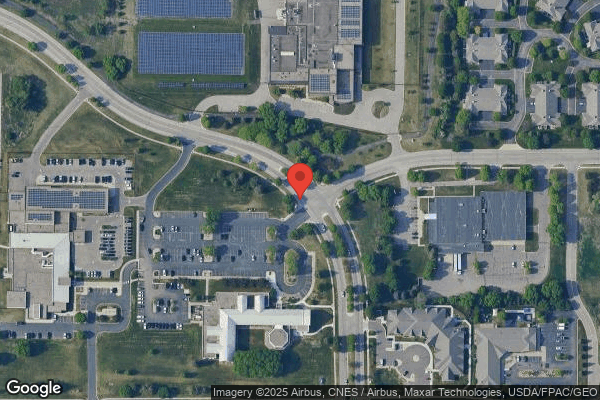
Mar 2024 5 deficiencies
CONCERN (D)

Potential for Harm - no one hurt, but risky conditions existed

Deficiency F0578 (Tag F0578)

Could have caused harm · This affected 1 resident

**NOTE- TERMS IN BRACKETS HAVE BEEN EDITED TO PROTECT CONFIDENTIALITY** Based on interview and document review, the facility failed to ensure resident specific advanced directive orders were accuratel...

Read full inspector narrative →
**NOTE- TERMS IN BRACKETS HAVE BEEN EDITED TO PROTECT CONFIDENTIALITY** Based on interview and document review, the facility failed to ensure resident specific advanced directive orders were accurately reflected throughout the medical record for 1 of 4 residents (R3) reviewed for advanced directives. Findings include: R3's admission Minimum Data Set (MDS) dated [DATE], indicated they were cognitively intact and had diagnoses of heart failure, high blood pressure, and kidney failure. R3's Interagency Orders Form (admission orders) dated [DATE], indicated R3 was discharged to the transitional care unit at the facility after having a right hip replacement. R3's resuscitation status was identified as full code, indicating they wished to have cardiopulmonary resuscitation (CPR) in the event they had no pulse and/or stopped breathing. R3's Provider Orders for Life-Sustaining Treatment (POLST) completed [DATE], signed by R3 (undated) and signed by R3's provider on [DATE], indicated R3 wished to be DNR (do not resuscitate - did not want CPR if they had no pulse and were not breathing.) Provider notes dated [DATE], and [DATE], indicated R3 was DNR/DNI (do not intubate). On [DATE] at 8:29 a.m., R3's Order Summary Report and medical record header both indicated they wanted CPR. R3's care plan dated [DATE], did not address code status. During interview on [DATE] at 9:36 a.m., R3 reported she wanted to be DNR, and stated, I don't want a whole bunch of crap done, I just want to go in peace. Just let me go. During interview on [DATE] at 9:40 a.m., nursing assistant (NA)-C stated they did not know CPR and would get the nurse if they found someone without a pulse and/or not breathing. During interview on [DATE] at 9:42 a.m., registered nurse (RN)-B stated when a resident was admitted to the facility, they reviewed the hospital orders and completed a POLST with the resident, and if a resident want to change their mind, they called a provider right away and got a telephone order for it. They placed the POLST in a folder for the provider to sign, and afterward they scanned it into the computer and filed it in a binder at the nursing station. They stated if a resident were found not breathing and/or without a pulse they looked at the header in the electronic record and the paper POLST, and if there were not the same, they followed the directive of the signed POLST. RN-B reviewed R3's medical records and verified the electronic record did not match the POLST, and they would not have given R3 CPR per R3's wishes. During interview on [DATE] at 9:57 a.m., RN-F stated residents usually came to the facility with an order for CPR or DNR, and they reviewed it with the resident during the admission process. They stated if the resident or responsible party wanted to change it, they updated the provider, completed the POLST, signed the back, and the provider signed it to confirm. The completed form was scanned into the computer, and the form was filed in the POLST binder for easy access in an emergency. They confirmed R3's POLST and electronic record did not match, and stated someone should have noticed they did not match, called the provider to get an order, and changed it in the electronic record after the order was obtained. RN-F indicated if R3 had no pulse or was not breathing they would not perform CPR on R3 based on the information in the POLST. During interview on [DATE], at 10:51 a.m., RN-D stated if the electronic record and the POLST were different they followed the POLST because it was signed by the resident and provider. During interview on [DATE] at 10:48 a.m., director of nursing (DON) stated residents arrived with initial orders from the hospital and staff addressed the POLST upon admission to the facility. They placed the completed POLST form in a folder, and the provider signed it the next time they came to the facility, at which time it was scanned and placed into a POLST binder. They expected the admitting nurse to make sure the form and the electronic record matched, and if not, alert the provider, get a telephone order reflecting the resident's wishes, and enter it to the electronic record to ensure there was no discrepancy. DON indicated the paper POLST was the accurate reflection of the resident's wishes, and staff should use it to verify code status before starting CPR. The Communication of Code Status policy dated [DATE], indicated the facility will implement procedures to communicate a resident's code status to those individuals who need to know this information. When an order is written pertaining to a resident's presence or absence of an advance Directive, the directions will be clearly documented in designated section of the medical record. The nurse who notates the physician order is responsible for documenting the directions in all relevant sections of the medical record.
CONCERN (D)

Potential for Harm - no one hurt, but risky conditions existed

Accident Prevention (Tag F0689)

Could have caused harm · This affected 1 resident

**NOTE- TERMS IN BRACKETS HAVE BEEN EDITED TO PROTECT CONFIDENTIALITY** Based on observation, interview and document review the facility failed to implement current fall interventions and develop imme...

Read full inspector narrative →
**NOTE- TERMS IN BRACKETS HAVE BEEN EDITED TO PROTECT CONFIDENTIALITY** Based on observation, interview and document review the facility failed to implement current fall interventions and develop immediate fall interventions to decrease the risk of additional falls for 1 of 1 resident (R5) reviewed for falls. Findings include: R5's significant change Minimum Data Set (MDS) dated [DATE], indicated R5 had severe cognitive impairment but was usually understood and sometimes understands others. R5 required substantial/maximal assistance with dressing, footwear, toileting hygiene, and transfers. R5 required partial/moderate to substantial/maximal assistance with bed mobility and did not refuse cares R5's diagnosis included diabetes mellitus, dementia, hypertension, coronary artery disease, and renal insufficiency, renal failure, or end-stage renal disease. The MDS indicated R5 received hospice services. R5's Care Area Assessment (CAA) Worksheet undated, indicated falls as a potential problem related to fall history, medications, need for assistance with mobility, incontinence, and recent decline in abilities. The CAA Worksheet indicated care plan interventions would minimize risks for falls. R5's fall care plan dated 2/28/24, identified R5 was impulsive and had poor safety awareness. Fall interventions prior to 12/16/23, included keep room and pathway clear of clutter, encourage resident to go to bed, elevate lower extremities when in recliner, leave light on in bathroom, place call light on transfer bar, use wheelchair when going on outings, and observe balance. R5's care plan for incontinence of bowel and bladder dated 1/6/24, directed staff to assist R5 with tolieting transfers, hygiene cares, and clothing management and offer and encourage toileting upon rising, before and after meals, at bedtime and upon request since R5 was incontinent and a high fall risk. The care plan did not mention R5 self-transferring. A fall note dated 12/16/23 at 6:19 p.m., indicated R5 fell at about 6 p.m. in the dining room. Vitals signs were noted, and R5 had no visible injury. The note indicated R5 had last toileted themselves, and R5 was trying to get out of the dining chair when he lost his balance. Listed actions included assessed for injuries, assisted off floor, questioned about nature of fall, neurological checks completed, skin assessment completed, on-call supervisor and Lifespark triage notified, and message left for power of attorney. A risk management form dated 12/16/23, indicated similar immediate actions as listed in the progress note. A note within the form dated 12/18/23, indicated x-rays ordered for right lower rib pain. A Fall Risk-assessment dated [DATE] at 9:55 p.m., indicated R5 was at moderate risk for falls. A general nursing note dated 12/18/23 at 4:51 p.m., indicated R5 complained about pain to right side of rib cage related to fall on 12/16/23. Provider updated and prescribed for x-ray. R5's Fall Post assessment dated [DATE] at 10:51 a.m., described the following as treatments and interventions provided immediately after the fall: X-rays were ordered, Tylenol was offered, reviewed R5 required total care, and therapy will evaluate. A general nursing note dated 12/19/23 at 2:43 p.m., indicated R5 did not have a new fracture and identified old fractures. The fall care plan intervention dated 12/19/23, indicated I may not always know how to use my call light or what it is for 12/16/23: MD and family notified. Staff assisting with cares, Staff will ask for PT as an intervention. An additional intervention, indicated I use a pancake call light, 12/16/23 call light was implemented with pinning to him. A general nursing note dated 12/20/23 at 4:38 a.m., indicated R5 was found on the floor at 3:50 a.m. sitting on his bottom with wheelchair behind him, facing the shower, and toilet lid was down. Heels were approximated, and R5 had no signs of fracture or head injury. R5 had regular cotton socks on both feet. Bed level was in low position and call light was in middle of bed. A fall risk management form dated 12/20/23, indicated range of motion within normal limits, vital signs stable, Pearl and skin check done, and no new injuries noted. A note within the form dated 12/21/23, indicated chest x-ray negative for acute fracture but has history of old fractures. R5 seen by nurse practitioner, had increased care needs, and screened by therapy. R5's Fall Post assessment dated [DATE] at 3:50 a.m., indicated R5 self-transferred to go to the bathroom, tried to stand, and slide to the floor. The assessment described the following as treatments and interventions provided immediately after the fall: Skin assessment, vitals, range of motion check and neurological assessment. A Neurological assessment dated [DATE], indicated R5 was sleeping as his level of conciousness, extremity function had no change from baseline, pupil function had no change, vital signs had no change from baseline, and was not in pain. A general nursing note dated 12/22/23 at 9:38 p.m., indicated resident was confused, appeared weak, and not able to stand up without assistance due to leaning and unsteady gait. A Fall Risk assessment dated [DATE] at 4:50 p.m., indicated R5 was at high risk for falls. The fall care plan intervention dated 1/3/24, indicated 12/20/23 Labs, X-ray and PT/OT/ and ST were all added. A fall note dated 12/31/23 at 7:09 a.m., indicated R5 fell at 6:20 a.m. in his bathroom. R5 was observed on his left side under bathroom sink holding his forehead. R5's pants and brief were pulled down to knees and walker was on the floor. R5 had gripper socks on. Vital signs were noted, and R5 had a bump to his left forehead, skin tear above lift eyebrow and right wrist, and abrasion to right thigh. R5 had last been toileted at 6 a.m. and had a dry incontinent product. The note indicated R5 was trying to use the bathroom at the time of the fall. Actions taken after the fall included neurological assessment, R5 was able to move all extremities without problem or discomfort, used total lift to assist resident into bed, and skin tears cleansed and dressing applied. Lifespark and family were left messages. A general nursing note dated 12/31/23 at 3:38 p.m., indicated the oncall was notified and gave orders to send R5 in for evaluation for possible head injury. Another note at 4 p.m., indicated R5 was sent to North Memorial emergency room. A fall risk management form dated 12/31/23, repeated the actions completed in the progress note with no other immediate interventions post-fall noted. The fall care plan intervention dated 1/3/24, indicated 12/31/23 sent to the ER for evaluation CT scan. IDT review of the falls 1/3/24 with all interventions addressed. Progress notes dated 1/6/24, indicated R5 had returned to the facility. R5's care plan interventions dated 1/6/24, indicated R5 was not ambulating at this time and using wheelchair for primary mobility, and R5's toileting plan was updated as previously described. A neurological care plan was added 1/6/24 related to transient ischemic attack (TIA; a short-term blockage of blood flow to part of the brain, also called ministroke) with interventions for therpy to evaluate and treat as ordered per provider. R5's care plan updated 1/9/24 to include hospice services which started 1/8/24. R5's Fall Post assessment dated [DATE] at 9:42 a.m., described the following as treatments and interventions provided immediately after the 12/31/23 fall: Sent to the emergency room. A general nursing note dated 2/25/24 at 3:30 p.m., indicated R5 came out to nursing station at 3 p.m. and stated, I fell on the floor and got myself off the floor, now I have blood all over my face. The note indicated vital signs and a skin tear on top of R5's scalp was assessed. Pressure was applied three times and bleeding continued. A further note at 6:21 p.m., indicated R5 stated he fell in the bathroom and had been trying to pull up his pants after using the bathroom. R5 was taken to North Memorial hospital by paramedic due to uncontrollable bleeding. A general nursing note dated 2/25/24 at 11:48 p.m., indicated R5 returned from the hospital at 7:45 p.m. with dressing and staples on top of his head. A fall risk management form dated 2/25/24 was completed and described applying pressure to laceration to control bleeding, R5 assessed for pain and taken to the hospital. A note within the form dated 2/28/24, indicated resident did not ask for help with toileting and sign placed in R5's bathroom to remind resident to call for assistance when needed to use the bathroom. R5's Fall Post assessment dated [DATE] at 8:35 a.m., described the following as treatments and interventions provided immediately after the fall: Resident was assessed and sent to the emergency room. The fall care plan intervention dated 2/28/24, indicated Visual picture sign with words call don't fall place in bathroom. During observation and interview on 3/4/24 at 1:45 p.m., R5 was in the hallway area of his room and wheeled himself further inside his room. R5 did not have the call light clipped to him. R5 had staples to the top of his head and stated he had stood up and then fell on his head. R5 stated he liked to be left alone but staff helped him with ambulation and other cares. During observation on 3/6/24 at 9:21 a.m., R5's room had a push button call light and not a flat shaped call light attached to an area near his recliner. R5 had signs in his bathroom which read call don't fall, sit down to urinate, and sitting down will help keep the floor dry and reduce your risk of falling. The seat of his toilet was observed up. During observation on 3/6/24 at 9:24 a.m., R5 was observed eating breakfast in the dining area with regular socks and no shoes. During observation on 3/6/24 at 10:32 a.m., registered nurse (RN)-A pushed R5 back to their room. At 10:36 a.m., R5 was observed in their recliner with their lower extremities elevated. The push button call light was attached to an area next to the recliner and not the resident. During interview on 3/6/24 at 10:36 a.m., R5 stated he did not like to wear his shoes and brought himself to the bathroom. R5 referred to his call light as the speaker to get help and stated he knew how to use it. R5 stated he was able to read signs with big letters, like in the bathroom. During observation on 3/6/24 at 12:52 p.m., R5 wheeled himself down the hallway and had regular socks on. During observation and interview on 3/6/24 at 2:23 p.m., nursing assistant (NA)-D stated R5 self-transferred to the bathroom, and they tried to catch him before he brought himself to the bathroom and offered him assistance to the bathroom throughout the shift. NA-D stated R5 used their call light but did not see him use it lately. NA-D stated R5 liked his call light on the side by the recliner and confirmed R5 had a regular call button. NA-D stated R5 had signs in his bathroom to remind him to sit when using the toilet so urine did not get on the floor and make it sticky and to prevent R5 from falling. NA-D stated when residents fell, the nurses checked the resident and asked them questions before getting them off the floor. NA-D stated she was not here when R5 fell and did not know R5's specific fall interventions post-fall. NA-D stated R5 did his own thing despite asking him to use his call light when he needed assistance. NA-D followed general fall interventions for all residents such as keeping call light and items within reach and ensuring residents had shoes or gripper socks on. NA-D verified R5 had regular socks on in the dining area and brought R5 his shoes. During interview on 3/7/24 at 9:08 a.m., NA-F stated staff get education on the computer about how to prevent falls and sometimes have a workshop. NA-F stated they look at the care plan to see who is at risk for falling, or the nurse will tell them about any new falls and interventions. NA-F stated the nurse or manager talked to them about resident specific interventions immediately after the fall. During interview on 3/7/24 at 10:05 a.m., NA-D stated they used to have the resident care plans behind the closet doors in residents' rooms and have not for a while now. NA-D knew who was at risk for falls because they were told. During interview on 3/7/24 at 10:08 a.m., RN-A stated when a resident falls, they assessed why they fell, what they were doing, did neurological checks, updated family, and put an intervention in place for their fall. Nurses completed a post-fall assessment. RN-A stated nursing assistants were told about fall interventions. RN-A stated R5 was at risk for falls. RN-A stated staff reminded R5 to call for assistance and not self-transfer, assisted R5 with toileting, and provided frequent checks. RN-A stated the reminders to R5 sometimes did not work, and R5 did not always use his call light. RN-A confirmed R5 had the button call light in his room and not the soft button one which worked when tapped. During interview on 3/7/24 at 12:33 p.m., RN-E stated when residents fell, nurses assess resident's pain, extremities, skin, and neurological function. Staff used a mechanical lift to assist the resident up if they could not get up themselves. Nurses updated the family and provider after a fall, and nurses on the floor came up with immediate interventions to keep the resident safe and documented in the Risk Management document. The floor manager and director of nursing (DON) then reviewed the fall intervention based on what the resident was trying to do at the time of the fall and what potentially caused the fall. Nurses assessed residents' medications, diagnoses, therapy needs, and other conditions to determine which residents were at high risk for falls. Nurses and supervisors told nursing assistants which residents were fall risks, the care sheets and 24-hour report also noted which residents were at risk for falls. New interventions were added to the care plan and care sheet and verbalized to staff after a fall occurred. RN-E reviewed the documentation for R5's fall on 2/25/24 and stated the immediate intervention was sending R5 to the hospital, and RN-E did not place the call don't fall sign in R5's bathroom until the following day. RN-E stated they could not review the risk management forms for the previous falls. RN-E reviewed R5's fall interventions in the care plan and the care sheet for nursing assistants and verified the care sheet did not list R5's fall interventions nor R5 was at risk for falls. RN-E stated staff were doing frequent checks on R5, since he takes his shoes off and self-transfers. RN-E stated R5 was at risk for falling more if fall interventions were not in place. RN-E went to R5's room, and R5 was alone wheeling himself out of the bathroom. RN-E confirmed R5 had a regular push call light and not a round and flat pancake call light. During interview on 3/7/24 at 1:42 p.m., the DON stated staff had education on fall root cause analysis and created interventions based on the analysis of how a resident fell and what happened. The DON stated immediate interventions were put in place after a fall, and then management reviewed the intervention to make sure it was appropriate at their interdisciplinary team meetings. Immediate interventions were documented in the Risk Management system. DON stated fall interventions were in the care plan and on the care sheets and passed on during shift-to-shift reports. DON stated fall interventions should be followed and a concern if not followed. DON reviewed R5's fall interventions and stated R5 needed their specified call light to call for staff and was at risk for self-transferring by not having the care planned call light. DON stated if the resident did not have the call light pinned to them as care planned, there would be concern about R5 having access to their call light. DON started to review R5's falls and Risk Management documentation for immediate interventions and stated they would complete a further review on R5's falls from December 2023 to current for immediate interventions. The facility policy Fall Prevention Program dated 4/1/22, directed nurses to the facility's high risk or low/moderate risk protocols when determining primary interventions. Low/moderate risk protocols included to implement universal environmental interventions which decrease the risk of resident falling and listed examples, implement routine rounding schedule, monitor for changes in resident's cognition, gait, ability to rise/sit, and balance, encourage residents to wear shoes or slippers with non-slip soles when ambulating, ensure eye glasses are clean and the resident wears the when ambulating, monitor vital signs in accordance with facility policy, complete a fall risk assessment every 90 days and as indicated. The high risk protocols included resident will be placed on the facility's Fall Prevention Program, implement interventions from low/moderate risk protocols, provide interventions which address unique risk factors measured by the risk assessment tool, and listed additional interventions as directed by the resident's assessment. The policy indicated each resident's risk factors, and environmental hazards will be evaluated when developing the resident's comprehensive plan of care, interventions will be monitored for effectiveness, and the plan of care will be revised as needed.
CONCERN (D)

Potential for Harm - no one hurt, but risky conditions existed

Incontinence Care (Tag F0690)

Could have caused harm · This affected 1 resident

**NOTE- TERMS IN BRACKETS HAVE BEEN EDITED TO PROTECT CONFIDENTIALITY** Based on observation, interview, and document review, the facility failed to implement interventions to reduce infection for 1 o...

Read full inspector narrative →
**NOTE- TERMS IN BRACKETS HAVE BEEN EDITED TO PROTECT CONFIDENTIALITY** Based on observation, interview, and document review, the facility failed to implement interventions to reduce infection for 1 of 1 resident (R47) reviewed for urinary catheter. Findings include: R47's admission Minimum Data Set (MDS) dated [DATE], indicated R47 had moderately impaired cognition and required partial/moderate assistance with toileting hygiene, dressing, and transfers. R47 required partial/moderate to substantial/maximal assistance for bed mobility. The MDS indicated R47 had an indwelling catheter. R47's Care Area Assessment (CAA) Worksheet undated, identified R47 had a Foley catheter, required assistance with management, and the care plan identified interventions to avoid complications related to catheter use. R47's indwelling urinary catheter care plan dated 2/23/24, directed staff to change drainage bag to a leg bag in the morning and an overnight bag at bedtime and monitor for signs and symptoms of urinary tract infections, provide catheter cares and report urinary output to the nurse each shift. During observation on 3/4/24 at 2:58 p.m., R47 sat in the recliner in her room. R47's urinary catheter tubing and bag were visible from her right pant leg and part of the catheter bag was on the floor. During observation on 3/4/24 at 3:03 p.m., nursing assistant (NA)-G entered R47's room, took R47's meal order, and left the room. During interview on 3/4/24 at 3:17 p.m., NA-G stated catheter bags should not be on the floor and not visible. NA-G stated there were pockets on the side of some recliners where catheter bags were placed to keep them covered and off the floor. NA-G stated she was thinking about R47's meal order and had not noticed where the catheter bag was. NA-G walked to R47's room and confirmed R47's catheter bag was visible and not in a privacy bag and part of the catheter bag was on the floor. NA-G stated catheter bags on the floor could cause infection. During observation on 3/6/24 at 7:20 a.m., NA-F assisted R47 with cares while R47 sat on the toilet. R47's catheter was secured in a device with an arrow pointed down R47's leg, but the catheter was secured the opposite way of the arrow and looped. NA-F assisted R47 to wash and dry her upper body, apply deodorant, and dress in clean clothes. R47 stood and NA-F provided peri-cares. NA-F secured a clean brief around R47 when registered nurse (RN)-A walked in and applied a patch to R47's lower back. NA-F and RN-A were pulling up R47's pants when surveyor questioned how the catheter was secured. RN-A adjusted the catheter tubing, so it was secured in a way in which the catheter was not looped and flowed in the direction of R47's leg. During interview on 3/6/24 at 8:13 a.m., NA-F stated catheter tubing sometimes turned and got crooked when residents slept and needed to be straightened. During interview on 3/6/24 at 8:20 a.m., RN-A stated the catheter tubing needed to be straightened to assist with the flow of urine. RN-A stated looped catheters disrupt the urine flow and could cause infections such as urinary tract infections. During interview on 3/7/24 at 12:03 p.m., RN-E stated catheter bags should not be on the floor and was an infection control issue. RN-E stated catheter bags do not have to be in privacy bags when residents were in their rooms but needed to be in a privacy bag when out of their rooms for their respect. RN-E stated catheter tubing should not be looped, and the device which secured the catheter to residents' legs could be turned to ensure urine flows down in the direction of gravity. RN-E stated catheters may not drain properly if looped and could cause urinary retention and urinary tract infections. During interview on 3/7/24 at 1:42 p.m., the director of nursing (DON) stated it was not appropriate for a catheter bag to be on the floor and an infection control concern. DON stated catheter bags should be in a privacy bag even if in their room in case someone walks in the resident's room. Privacy bags provided infection control and dignity measures. DON stated catheters needed to be secured and comfortable without kinks or loops. DON stated looped catheters would not flow correctly and could kink and cause infection. The facility policy titled Catheter care dated April 2022, indicated privacy bags will be available and catheter drainage bags will be covered at all times while in use. The policy directed staff to ensure drainage bag were located below the level of the bladder to discourage backflow of urine but did not mention catheters looping or kinking.
CONCERN (D)

Potential for Harm - no one hurt, but risky conditions existed

Deficiency F0697 (Tag F0697)

Could have caused harm · This affected 1 resident

**NOTE- TERMS IN BRACKETS HAVE BEEN EDITED TO PROTECT CONFIDENTIALITY** Resident #106 Findings include: R106's Brief Inventory of Mental Status (BIMS), an assessment performed to determine cognitive i...

Read full inspector narrative →
**NOTE- TERMS IN BRACKETS HAVE BEEN EDITED TO PROTECT CONFIDENTIALITY** Resident #106 Findings include: R106's Brief Inventory of Mental Status (BIMS), an assessment performed to determine cognitive impairment, dated 3/2/24, indicated intact cognition. R106's admission diagnoses included chronic pain, repeated falls, low back pain, spinal stenosis (narrowing of the space within your spinal canal), neuropathy (peripheral nerve damage causing altered or decreased sensation throughout the body and nerve pain), osteoarthritis (a degenerative joint disease), arthrodesis (surgical fusion or uniting of two bones at a joint), depression, and anxiety. R106's admission assessment, dated 3/1/24, indicated R106 had a history of pain and had experienced occasional moderate pain over the last five days. R106 indicated inactivity made the pain better. The assessment lacked documentation of R106's pain goal. The assessment indicated pain occasionally effected sleep. R106's physician orders included the following: - acetaminophen oral tablet 500 milligrams (mg); Give 1,000mg by mouth three times a day for pain and discomfort, dated 3/1/24. - gabapentin oral capsule 300mg; Give 600mg by mouth at bedtime for neuropathy, dated 3/1/24. - methocarbamol oral tablet 500mg; Give 500mg by mouth every 6 hours as needed for pain and muscle relaxer, dated 3/1/24. - oxycodone hydrochloride (HCl) oral tablet 5mg; Give 2.5mg by mouth every 4 hours as needed for pain rating 1-6, dated 3/1/24. - oxycodone HCl oral tablet 5mg; Give 5mg by mouth every 4 hours as needed for pain rating 7-10, dated 3/1/24. - Monitor pain every shift. Assess on scale 1-10. Patients unable to verbalize pain level, utilize Pain Assessment in Advanced Dementia (a pain scale that assesses breathing, verbal, and non-verbal expressions to determine pain), dated 3/1/24. - Prior to the administration of as needed (PRN) pain medications: for mild pain, offer non-pharmacological pain interventions (PI) and indicate which PI was offered by entering the corresponding number: 1) ice; 2) heat; 3) repositioning; 4) gentle massage; 5) aromatherapy; 6) deep breathing/relaxation; 7) other; (please specify in progress note); 8) not applicable, the resident reports pain is well controlled. Document (Y) if intervention was effective or (N) if ineffective, dated 3/1/24. A review of R106's medication administration record (MAR) dated 3/2024, indicated oxycodone 2.5mg was administered on 3/2/24 for a pain rating of 6. The MAR indicated oxycodone 5mg was administered on 3/2/24 for a pain rating of 7, on 3/4/24 for a pain rating of 9, and twice on 3/5/24 for pain ratings of 5 and 9. R106's MAR lacked documentation of non-pharmacological interventions offered. R106's care plan dated 3/1/24, identified she had chronic and acute pain related to arthritis and recent surgery. Interventions included offering non-pharmacological interventions, such as heat/cold, massage, distraction, and activities to monitor for effectiveness. During observation and interview on 3/4/24 between 4:37 p.m., R106 was sitting in her room. She had a back brace on from recent back surgery. R106 reported worry about taking her pain medication due to her nausea and not wanting to become constipated. At 6:59 p.m., R106 expressed interested in non-pharmacologic PI and stated things like ice packs, aromatherapy, and massage had not been offered to her. During observation and interview on 3/6/24 at 9:03 a.m., R106 was lying in bed. She rated her pain 7 out of 10 and described it as continuous lower back pain. R106 stated she had received a pain pill earlier that morning, but not an ice pack. During interview on 3/6/24 at 9:24 a.m., registered nurse (RN)-B stated residents were assessed for pain by using both verbal and nonverbal expressions. RN-B stated the importance of assessing for acute or chronic pain, causation of the pain, and what made the pain better or worse. RN-B stated they could offer rest, repositioning, ice packs, pillows, and movement before administering medications for pain management. RN-B stated these interventions would be documented in a progress note, skilled documentation assessment, or in the MAR or TAR. RN-B was unable to locate documented non-pharmacological PI for R106. RN-B stated R106 reported not having any pain. During interview on 3/6/24 at 10:40 a.m., RN-A stated when residents were assessed for pain, it was important to ask them where the pain was, how bad the pain was, what made the pain better or worse, and to provide them with treatment options. RN-A stated while pain management was resident-centered, they started with non-pharmacological PI, like ice packs, for everyone. RN-A stated some residents might refuse those things right away and that would be documented in a progress note or a pharmacological assessment. RN-A reviewed the MAR and stated the importance offering what was listed under non-pharmacological interventions before offering PRN medications. RN-A stated if a resident refused, it could be documented in the MAR as well. During interview on 3/7/24 at 11:42 a.m., RN-E stated the expectations for pain management was to minimize a resident's pain with non-pharmacological items or start with medications like acetaminophen (Tylenol) first. RN-E stated nurses were expected to document in a skilled documentation note or a nursing progress note. RN-E was unaware of any resident who reported pain, but interventions were not being utilized. RN-E was unable to locate documentation of non-pharmacological interventions offered to R106. RN-E stated there was no concern for not trying non-pharmacological interventions first. During interview on 3/7/24 at 1:08 p.m., the director of nursing (DON) stated the expectation for pain management was to assess for pain and follow a resident's orders. The DON stated nurses should encourage non-pharmacological interventions first, such as repositioning and ice packs and then determine if something more was needed to manage the pain. The DON stated nurses were expected to document what interventions were utilized and whether they were effective in the non-pharmacologic order in the MAR, the actual medication order, skilled documentation assessment, or a progress note. The DON stated while some residents might say they do not want non-pharmacological interventions, the expectation was they should be offered, and refusals be documented. A facility policy titled Pain Management dated 10/2022, indicated the facility must ensure that pain management is provided to residents who require such services, consistent with professional standards of practice, the comprehensive person-centered care plan, and the residents' goals and preferences. The policy also indicated under the pain management and treatment header, non-pharmacological interventions will include but are not limited to a. Environmental comfort measures (e.g., adjusting room temperature, smoothing linens, comfortable seating, assistive devices or pressure redistributing mattress and positioning); b. Loosening any constrictive bandage, clothing or device; c. Applying splinting (e.g., pillow or folded blanket); d. Physical modalities (e.g., cold compress, warm shower/bath, massage, turning and repositioning); e. Exercises to address stiffness and prevent contractures as well as restorative nursing programs to maintain joint mobility; and f. Cognitive/behavioral interventions (e.g., music, relaxation techniques, activities, diversions, spiritual and comfort support, teaching the resident coping techniques and education about pain). Based on observation, interview and document review, the facility failed to ensure pain was managed consistent with professional standards of practice, the comprehensive person-centered care plan, and the residents' goals and preferences for 3 of 4 residents (R2, R12, R106) reviewed for pain management. Furthermore, the facility failed to implement non-pharmacological interventions for pain management for 2 of 2 residents (R12 ,R106). R12 R12's admission Minimum Data Set (MDS) dated [DATE], identified R12 had moderately impaired cognition and required partial/moderate assistance for most activities of daily living (ADLs) such as dressing, bed mobility, and transferring. R12's MDS indicated R12 had arthritis (condition with swelling and tenderness of one or more joints) and osteoporosis (condition when bone strength weakens). Further, R12 was on a scheduled pain regimen, had not received any as needed (PRN) pain medications, and received non-medication pain interventions. R12's Pain assessment dated [DATE], identified R12 had mild pain on occasional basis, PRN medications were received or was offered and declined, and non-medication interventions which decreased pain included rest and repositioning. R12's Pain Care Area Assessment (CAA) undated, identified R12 had actual problems with pain which made it hard for R12 to sleep and limited day-to-day activity. The CAA directed for the care plan to have interventions to maintain adequate pain control. R12's care plan dated 3/7/24, identified R12 had chronic pain related to arthritis. The care plan directed staff to monitor for non-verbal indications or change in behavior related to pain and to offer nonpharmacologic interventions such as heat/cold, massage, distraction, activities and monitor for effectiveness. R12's physician's orders included: -acetaminophen tablet extended release 1300 mg by mouth three time a day, dated 2/7/24. -ibuprofen tablet 200 mg by mouth as needed for cervicogenic headache up to two times a day, dated 2/7/24. -lidocaine patch 4% to back every 12 hours as needed for pain, dated 3/1/24. -lodicaine patch 4% to ribs two times a day for pain, dated 3/1/24. -oxycodone HCL tablet 2.5 mg by mouth every four hours as needed for pain, dated 3/3/24. -Show patient how to give herslef a hug when she coughs. Cardiac surgical patients do this to help the chest pain. She can hug a pillow to her chest every shift for pain, dated 2/10/24. R12's electronic Medication Administration Record (MAR), directed staff prior to the administration of PRN pain medications: For mild pain, offer non-pharmacological pain interventions (PI) and indicate whith pain intervention (PI) was offered by entering the corresponding number below: 1) Ice, 2) Heat, 3) Repositioning, 4) Gentle Massage, 5) Aromatherapy, 6) Deep Breathing/relaxation, 7) Other: (please specifiy in progress note), 8) N/A. The resident reports pain is well controlled. Document (Y) if intervention was effective or (N) if ineffective as needed for pain, dated 2/7/24. The MAR or progress notes did not reflect any refusals for R12's scheulded acetaminophen or lidocaine patch. During interview on 3/4/24 at 7:00 p.m., R12 laid in bed and stated she had damaged muscles in her neck from falling on ice years ago and only heat would help. R12 stated the facility did not have heat packs, so she requested ice packs which some staff would and some staff would not bring her. R12 described having to go to the emergency room because her pain was severe in her back and felt like she was being stabbed. During interview on 3/6/24 at 8:43 a.m., R12 laid in bed and stated she did not ask for her pain pills soon enough today. R12 rated her pain seven out of ten in her back and shoulders. R12 stated she had not asked for an ice pack today because nine out of ten times she did not get it. During interview on 3/6/24 at 9:27 a.m., R12 sat in her recliner with her breakfast in front of her and stated she asked staff for an ice pack and did not receive one. No ice pack was observed near R12 or in her room. R12 stated the nurse placed a pain patch on her upper back. R12 stated the doctor said her pain in back and rib area was from coughing. During interview on 3/6/24 at 10:40 a.m., registered nurse (RN)-A stated when residents were assessed for pain, it was important to ask them where the pain was, how bad the pain was, what made the pain better or worse, and to provide them with treatment options. RN-A stated while pain management was resident-centered, they started with non-pharmacological PI, like ice packs, for everyone. RN-A stated some residents might refuse those things right away and that would be documented in a progress note or a pharmacological assessment. RN-A reviewed the MAR and stated the importance offering what was listed under non-pharmacological interventions before offering PRN medications. RN-A stated if a resident refused, it could be documented in the MAR as well. During interview on 3/6/24 at 11:28 a.m., registered nurse (RN)-A offered R12 ice packs with pain medication or when too soon to give another pain medication. RN-A stated R12 had recently started on oxycodone after going to the hospital. RN-A stated R12 asked for ice packs but had not asked this morning and had a lidocaine patch. During interview on 3/6/24 at 1:09 p.m., R12 sat in her recliner. R12 stated nursing assistants should be able to bring her ice packs but do not, and she still had not received an ice pack. R12 stated her pain bothered her earlier. During record review, the electronic medication administration record (MAR) directed staff to offer non-pharmacological pain interventions prior to the administration of PRN pain medications. The MAR did not indicate non-pharmacological interventions were utilized February 2024 and March 2024 until 3/3/24. R12 was instructed to hug a pillow to her chest when coughing to reduce pain every shift with start date of 3/4/24. The MAR did not note any refusals of non-pharmacological interventions. During record review, nursing progress notes indicated R12 was offered an ice pack on 2/23/24 and 3/4/24 for back pain. No refusals of non-pharmacological interventions were noted. During record review, Ibuprofen 200 mg by mouth BID PRN was administered once 2/22/24 with pain rated at six, once 2/23/24 with pain rated at eight, once 2/24/24 with pain rated as nine, and once 2/25/24 with pain rated at five, twice 2/27/24 with pain rated at ten and six, once 2/28/24 with pain rated at nine, twice on 2/29/24 with pain rated at 6 and 4, twice on 3/1/24 with pain rated at five and six, twice on 3/2/24 with pain rated at four and five, and once on 3/3/24 with pain rated at five. During record review, Lidocaine external patch 4% to back topically every 12 hours PRN was administered 3/2/24. During record review, Oxycodone HCL oral tablet 2.5 mg by mouth every four hours PRN was administered three times 3/4/24 with pain scores of six to seven, four times 3/5/24 with pain scores of seven to nine, and three times 3/6/24 with pain scores of five to seven. During interview on 3/7/24 at 8:22 a.m., nursing assistant (NA)-D stated they asked residents about pain if they looked like they were in pain and then told the nurse. NA-D stated they gave residents ice packs if they wanted them. During interview on 3/7/24 at 9:07 a.m., NA-F stated they would tell their supervisor or nurse right away if a resident was in pain and would see if they could do anything for the resident's pain like adjusting a brace. NA-F stated R12 had complained about her leg hurting before but overall had not complained of pain. R2 R2's annual Minimum Data Set (MDS) dated [DATE], indicated R2 was cognitively intact and required substantial/maximal to dependent assistance with most activities of daily living (ADLs) but independent with eating. R2's MDS indicated R2 had arthritis and had a scheduled and as needed (PRN) pain medication regimen. R2's Pain assessment dated [DATE], indicated R2 had chronic, moderate pain with occasional frequency. A described pain goal was to be comfortable with movement/activity/therapy. R2's Care area assessment (CAA) undated, identified pain frequently made it hard for R2 to sleep at night and occasionally limited day-to-day activity. R2's chronic pain was related to rheumatoid arthritis (chronic inflammatory disorder which can affect more than joints) and contractures (permanent tightening of the muscles, skin, etc. which causes joints to shorten and stiffen). The CAA section Care Plan Considerations directed the care plan to maintain adequate pain management and avoid pain related complications. R2's care plan dated 3/5/24, indicated R2 had chronic pain related to contractures. The care plan directed staff to administer pharmacological medications per orders, monitor for effectiveness and side effects, monitor for non-verbal indications or change in behavior related to pain, offer encouragement, reminders and assistance to preferred activities, offer nonpharmacologic interventions. R2's physician's order included: -aspirin EC tablet delayed release 81 mg by mouth one time a day for pain and directions to give in the afternoon, dated 1/18/24. -gabapentin capsule 300 mg by mouth two times a day for back pain, dated 1/18/24. -MS contine tablet extended release (morphine sulfate) 15 mg orally every 12 hours for back pain, dated 1/12/24. -methotrexate tablet 10 mg by mouth two times a day every Friday for pain, dated 4/15/23. -acetaminophen tablet 1000 mg by mouth every 8 hours as needed for back pain and directions of max acetaminophen dose of 4000 mg in 24 hours, dated 11/21/23. -oxycodone tablet 5 mg by mouth every four hours as needed for pain, dated 1/19/24. During interview on 3/4/24 at 5:10 p.m., R2 laid in bed and stated he did not eat breakfast until after his pain medications were given. R2 stated he usually ate breakfast in his room and it came around 8 or 8:30 a.m. and the pain medication did not come until around 10 a.m R2 stated he had spoken with staff before about receiving his pain medication earlier in the morning, but the medication still came late. During interview on 3/6/24 at 9:36 a.m., R2's breakfast tray was seen on the counter covered and across the room. R2 stated his breakfast usually stayed on the counter until he got his pain pill. R2 stated he was sore everywhere and had not had his pain medication yet. During interview on 3/6/24 at 11:19 a.m., RN-A stated R2 received medication around 10 a.m. which included MS Contin extended release (morphine sulfate) 15 mg. RN-A reviewed the electronic medication administration record (MAR) and the MAR which directed for the MS Contin to be given at 8 a.m. RN-A stated R2's pain varies and was able to ask for extra pain medication when needed. RN-A stated R2 was able to eat by himself and was not aware of his pain with eating. During interview on 3/6/24 at 12:45 p.m., R2 stated the pain medication was not effective by the time he ate his breakfast and hurt a lot while eating. R2 stated the staff had told him in the past an emergency delayed his pain medication, but R2 did not think they had an emergency every day and was an excuse. During interview on 3/6/24 at 1:01 p.m., RN-A stated they had one hour before and one hour after to give a scheduled medication. RN-A stated sometimes you can give the medication outside of the window of time and chart in a progress note. During interview on 3/7/24 at 12:20 p.m., RN-E stated scheduled medication had a timeframe of one hour before and one hour after to be given. RN-E stated staff should move up a resident to get their medication earlier if medication given chronically late. RN-E stated there was a risk of playing pain catch-up when pain medications were not given on time. Review of MS contin's adminstration details dated 2/8/24 to 3/7/24, indicated R5 had received his MS contin within the one hour before and one hour after timeframe 4 out of 29 times. During interview on 3/7/24 at 1:42 p.m., the director of nursing (DON) stated staff generally had one hour before and one hour after to give a scheduled medication. DON stated timely pain medications were important to keep residents comfortable and increase quality of life and prevent rebound and breakthrough pain.
CONCERN (D)

Potential for Harm - no one hurt, but risky conditions existed

Medication Errors (Tag F0758)

Could have caused harm · This affected 1 resident

**NOTE- TERMS IN BRACKETS HAVE BEEN EDITED TO PROTECT CONFIDENTIALITY** Based on interview and document review, the facility failed to ensure appropriate side effect monitoring was completed related t...

Read full inspector narrative →
**NOTE- TERMS IN BRACKETS HAVE BEEN EDITED TO PROTECT CONFIDENTIALITY** Based on interview and document review, the facility failed to ensure appropriate side effect monitoring was completed related to psychotropic medication use for 1 of 5 residents (R5) and failed to ensure as-needed (PRN) psychotropic medication use was limited to 14 days or had documented rationale for extended use beyond 14 days for 1 of 5 residents (R20) reviewed for unnecessary medications. Findings include: R5 R5's significant change Minimum Data Set (MDS) dated [DATE], indicated he was severely cognitively impaired, and had diagnoses of dementia, depression, stroke, and high blood pressure. R5's Psychotropic Care Area Assessment (CAA) dated 1/15/24, indicated they took antidepressant and sedative/hypnotic medications, had psychiatric or cognitive diagnoses, depression, dementia, and heart disease, and included an overall objective to avoid complications. R5's care plan reviewed 5/2/23, included R5 took psychotropic medication, needed routine monitoring of their dosage, and instructed staff to monitor for effectiveness. R5's Order Listing Report dated 3/7/24, included the following: Nortriptyline HCl Oral Tablet 10 milligrams (mg) at bedtime [an antidepressant with side effects of hypotension (low blood pressure), drowsiness, and dizziness] starting 1/6/24. Venlafaxine HCl ER (extended release) Oral Capsule 150 mg, once daily (an antidepressant with side effects of drowsiness and dizziness) starting 1/7/24. Take BP (blood pressure) and pulse when resident is lying, then lying to sitting, then sitting to standing. Update MD/NP with difference of 10 or more. Enter all results in the VITALS tab, three times per day every 30 days for orthostatic monitoring starting 1/6/24. R5's Blood Pressure Summary (Vitals tab documentation) lacked evidence of orthostatic blood pressures (BP) since ordered on 1/6/24. R5's February Treatment Administration Record (TAR) indicated orthostatic BPs were scheduled for 2/5/24, but were not completed as scheduled at 8:00 a.m. as R5 was sleeping, nor at 2:00 p.m., because of Other/See nurses Notes. R5's progress notes dated 2/5/24 lacked a reason for not obtaining orthostatic BPs. During interview on 3/7/24 at 11:56 a.m., nursing assistant (NA)-D stated both aides and nurses took vital signs, but NA-D had never taken orthostatic BPs at the facility. During interview on 3/7/24 at 11:59 a.m., registered nurse (RN)-A stated if a resident had an order for orthostatic BP monitoring it popped up in the computer for the nurses to complete, and they documented the results in the Vitals section of the electronic health record. They stated they were often ordered monthly for residents who took anti-psychotic medications and for residents who were likely to have falls, feel unsteady, or were dizzy. During interview on 3/7/24 at 12:10 p.m., RN-G stated orthostatic BP monitoring should be completed if ordered, taken in the morning when lying, sitting, and standing, and documented in the vitals section of the chart. RN-G reviewed R5's medical record and confirmed R5 had an order for monthly orthostatic BP monitoring and was unable to find evidence of such in the medical record. During interview on 3/7/24 at 12:20 p.m. director of nursing (DON) stated if a resident was on antipsychotic, they would have an order for side effect monitoring and a specific order for orthostatic BPs to be completed and documented, in part, to prevent falls. If there was a significant change in BP, they would update the provider to identify if the resident required a medication change or other interventions. R20 R20's quarterly MDS dated [DATE], included they were severely cognitively impaired, had diagnoses of dementia and anxiety disorder, and took antipsychotic, antianxiety, and antidepressant medications. R20's Psychotropic Drug Use Care Area Assessment (CAA) dated 7/13/23, Indicated they had anxiety but were not taking an antianxiety medication. R20's care plan printed 3/6/24, lacked identification of, and indications for administration of PRN antianxiety medications. R20's Order Summary Report dated 3/6/24, included Lorazepam Oral Tablet 0.5 mg, Give 0.5 mg by mouth as needed for anxiety/agitation for 30 days twice daily PRN. Call family before giving second dose. R20's Medication Administration Record (MAR) for 2/24, indicated they received PRN Lorazepam on 2/8/24, and 2/28/24. R20's MAR for 3/24, indicated they received PRN Lorazepam on 3/4/24. During interview on 3/6/24 at 9:00 a.m., registered nurse (RN)-D stated PRN anti-psychotic medications were limited to 14 days, however they were not aware the 14-day rule applied to all psychotropic medications. RN-D confirmed R20's lorazepam was started on 2/7/24 and was being given beyond the 14-day limit. During interview on 3/7/24 at 8:20 a.m. director of nursing (DON) stated all PRN psychotropic medications require a 14-day stop date to force the provider to re-evaluate the resident's response, and if they wished to continue the medication, they could prescribe it for another 14 days. DON stated they wanted to do all they could to decrease the use of them as they had potential harmful side effects. The Use of Psychotropic Medications policy dated 4/1/22, identified psychotropic drugs to include antipsychotics, antidepressants, anti-anxiolytics, and hypnotics. PRN orders for all psychotropics drugs shall used only when the medication is necessary to treat a diagnoses specific condition that is documented in the medical record, and for a limited duration (i.e., 14 days.) If the attending physician or prescribing practitioner believes that it is appropriate for the PRN order to be extended beyond the 14 days, he or she shall document their rationale in the resident's medical record and indicate the duration for the PRN order. The effects of the psychotropic medications on a resident's physical, mental, and psychosocial well-being will be evaluated on an ongoing basis in accordance with nurse assessments and medication monitoring parameters consistent with clinical standards of practice, manufacturer's specifications, and the resident's comprehensive plan of care.
Apr 2023 2 deficiencies
CONCERN (D)

Potential for Harm - no one hurt, but risky conditions existed

Deficiency F0805 (Tag F0805)

Could have caused harm · This affected 1 resident

**NOTE- TERMS IN BRACKETS HAVE BEEN EDITED TO PROTECT CONFIDENTIALITY** Based on observation, interview, and document review, the facility failed to provide an ordered therapeutic diet for 1 of 2 resi...

Read full inspector narrative →
**NOTE- TERMS IN BRACKETS HAVE BEEN EDITED TO PROTECT CONFIDENTIALITY** Based on observation, interview, and document review, the facility failed to provide an ordered therapeutic diet for 1 of 2 residents (R3) reviewed for provision of therapeutic diets. Findings include: R3's quarterly Minimum Data Set (MDS) dated [DATE], indicated R3 had intact cognition and needed supervision with eating. R3's diagnoses included dysphasia (difficulty swallowing) followed by a stroke, and dementia. R3's Care Area Assessment (CAA) dated 12/9/22 indicated resident required a mechanically altered diet. R3's Care Plan indicated R3 was ordered to have a National Dysphasia Diet - Level 3 (NDD3). The American Dietetic Association classified the NDD3 as dysphasia advanced and required foods to be bite sized and moistened. Breads recommended under this diet should we well moistened and dry bread should be avoided. Tough, dry meats should also be avoided. R3's Physician order dated 6/20/22, indicated an NDD3 diet. R3's medical record provided no evidence that R3 had any episodes of aspiration. A speech therapy Discharge summary dated [DATE] indicated that R3 was seen by speech therapy between 6/16/22 and 7/20/22. Discharge recommendations signed by speech therapist (ST)-A indicated R3 had reached maximum potential with speech services and discharges on an NDD3 diet. During an observation on 4/18/23, at 12:33 p.m., R3 sat in the second-floor dining room. R3 was delivered a cheeseburger on a bun, cut into bite sized pieces by an unknown nursing assistant. There was no liquid or sauce present on the burger to moisten the meat or bread. R3 ate a portion of the burger with the bun then pushed the plate aside. Moments after eating the burger and bun, R3 began to cough. During an interview on 4/18/23, at 12:50 p.m., dining director (DD)-A stated R3's was to have gravy or something to moisten meat and bread. DD-A verified R3's meat and bread were visibly dry and was not moistened. DD-A stated R3's meals were usually cut into bit size pieces. During an interview on 04/18/23 12:52 p.m., registered dietitian (RD)-A stated R3 should not have been served meat and bread that was not moistened. During an interview on 04/18/23 12:56 p.m., speech therapist (ST)-A stated R3 had been evaluated and treated for dysphagia previously and had an order for NDD3. ST-A further stated R3 would be at very high risk to choke and aspirate if served meat and bread that were not moistened. An undated facility policy titled [Facility] Diet Orders, indicated that the NDD3 diet was equivalent to being soft and chopped. The policy did not contain information regarding moistening of foods. A facility policy titled Therapeutic Diet Orders dated 10/22, specified The facility provides all residents with foods in the appropriate form and/or the appropriate nutritive content as prescribed by a physician, and/or assessed by the interdisciplinary team to support the resident's treatment/plan of care, in accordance with his/her goals and preferences.
MINOR (C)

Minor Issue - procedural, no safety impact

Transfer Notice (Tag F0623)

Minor procedural issue · This affected most or all residents

**NOTE- TERMS IN BRACKETS HAVE BEEN EDITED TO PROTECT CONFIDENTIALITY** Based on interview and document review, the facility failed to ensure a written notice of transfer was provided to the resident ...

Read full inspector narrative →
**NOTE- TERMS IN BRACKETS HAVE BEEN EDITED TO PROTECT CONFIDENTIALITY** Based on interview and document review, the facility failed to ensure a written notice of transfer was provided to the resident and/or resident representative for 5 of 5 residents (R59, R49, R54, R30, and R58) reviewed who were hospitalized on an emergent basis. Findings include: R59's admission Minimum Data Set (MDS) dated [DATE], indicated R59's cognition was intact. R59's progress note dated 2/20/23, indicated R59 was transferred to the hospital for evaluation and treatment on 2/18/23. R59's progress note dated 3/3/23, indicated R59 was again, transferred to the hospital for evaluation and treatment on that date. Review of R59's medical record lacked indication R59 was provided a written transfer notice including information on the right to appeal the transfer or resident advocacy contact information when transferred to the hospital on 2/18/23 or 3/3/23. R49's admission MDS dated [DATE], indicated moderately impaired cognition. R49's progress note dated 3/27/23, indicated R49 was transfer to the hospital on that date. Review of R49's medical record lacked indication R49 was provided a written transfer notice including information on the right to appeal the transfer or resident advocacy contact information when transferred to the hospital on 3/27/23. R54's admission MDS dated [DATE], indicated intact cognition. R54's progress note dated 3/21/23, indicated R54 was transferred to the hospital on that date. Review of R54's medical record lacked indication R54 was provided a written transfer notice including information on the right to appeal the transfer or resident advocacy contact information when transferred to the hospital on 3/21/23. R30's significant change MDS dated [DATE], indicated severely impaired cognition. R30's progress note dated 3/2/23, indicated R30 was transferred to the hospital on that date. Review of R30's medical record lacked indication R30 was provided a written transfer notice including information on the right to appeal the transfer or resident advocacy contact information when transferred to the hospital on 3/2/23. R58's annual MDS dated [DATE], indicated moderately impaired cognition. R58's progress note dated 12/16/22, indicated R58 was transferred to the hospital on that date. Review of R58's medical record lacked indication R58 was provided a written transfer notice including information on the right to appeal the transfer or resident advocacy contact information when transferred to the hospital on [DATE]. During an interview on 4/19/23 at 7:33 a.m., the licensed practical nurse (LPN)-A stated there is no paperwork that addresses a resident's right to appeal a facility-initiated discharge provided to the resident or the resident representative when a resident is transferred to the hospital. During an interview on 4/19/23 at 11:15 a.m. the director of nursing (DON) stated the facility does not provide information regarding a resident's right to appeal a facility-initiated discharge, how to get assistance if an appeal is desired, or contact information for the Office of the State Long-Term Care Ombudsman office (provider of advocacy services) when a resident is transferred to the hospital. The facility policy, Transfer and discharge date d 10/2022, included, The facility's transfer/discharge notice will be provided to the resident and the resident's representative in a language and manner in what they can understand.
Understanding Severity Codes (click to expand)
Life-Threatening (Immediate Jeopardy)
J - Isolated K - Pattern L - Widespread
Actual Harm
G - Isolated H - Pattern I - Widespread
Potential for Harm
D - Isolated E - Pattern F - Widespread
No Harm (Minor)
A - Isolated B - Pattern C - Widespread

Questions to Ask on Your Visit

  • "Can I speak with families of current residents?"
  • "What's your RN coverage like on weekends and overnight?"

Our Honest Assessment

Strengths
  • • Grade A (90/100). Above average facility, better than most options in Minnesota.
  • • No major safety red flags. No abuse findings, life-threatening violations, or SFF status.
  • • No fines on record. Clean compliance history, better than most Minnesota facilities.
  • • 18% annual turnover. Excellent stability, 30 points below Minnesota's 48% average. Staff who stay learn residents' needs.
Concerns
  • • 16 deficiencies on record. Higher than average. Multiple issues found across inspections.
Bottom line: Generally positive indicators. Standard due diligence and a personal visit recommended.

About This Facility

What is Saint Therese At Oxbow Lake's CMS Rating?

CMS assigns SAINT THERESE AT OXBOW LAKE an overall rating of 5 out of 5 stars, which is considered much above average nationally. Within Minnesota, this rating places the facility higher than 99% of the state's 100 nursing homes. This rating reflects solid performance across the metrics CMS uses to evaluate nursing home quality.

How is Saint Therese At Oxbow Lake Staffed?

CMS rates SAINT THERESE AT OXBOW LAKE's staffing level at 5 out of 5 stars, which is much above average compared to other nursing homes. Staff turnover is 18%, compared to the Minnesota average of 46%. This relatively stable workforce can support continuity of care.

What Have Inspectors Found at Saint Therese At Oxbow Lake?

State health inspectors documented 16 deficiencies at SAINT THERESE AT OXBOW LAKE during 2023 to 2024. These included: 15 with potential for harm and 1 minor or isolated issues.

Who Owns and Operates Saint Therese At Oxbow Lake?

SAINT THERESE AT OXBOW LAKE is owned by a non-profit organization. Non-profit facilities reinvest revenue into operations rather than distributing to shareholders. The facility is operated by SAINT THERESE SENIOR COMMUNITIES, a chain that manages multiple nursing homes. With 64 certified beds and approximately 60 residents (about 94% occupancy), it is a smaller facility located in BROOKLYN PARK, Minnesota.

How Does Saint Therese At Oxbow Lake Compare to Other Minnesota Nursing Homes?

Compared to the 100 nursing homes in Minnesota, SAINT THERESE AT OXBOW LAKE's overall rating (5 stars) is above the state average of 3.2, staff turnover (18%) is significantly lower than the state average of 46%, and health inspection rating (3 stars) is at the national benchmark.

What Should Families Ask When Visiting Saint Therese At Oxbow Lake?

Based on this facility's data, families visiting should ask: "Can I visit during a mealtime to observe dining assistance and food quality?" "How do you handle medical emergencies, and what is your hospital transfer rate?" "Can I speak with family members of current residents about their experience?"

Is Saint Therese At Oxbow Lake Safe?

Based on CMS inspection data, SAINT THERESE AT OXBOW LAKE has a clean safety record: no substantiated abuse findings (meaning no confirmed cases of resident harm), no Immediate Jeopardy citations (the most serious violation level indicating risk of serious injury or death), and is not on the Special Focus Facility watch list (a federal program monitoring the lowest-performing 1% of nursing homes). The facility has a 5-star overall rating and ranks #1 of 100 nursing homes in Minnesota. While no facility is perfect, families should still ask about staff-to-resident ratios and recent inspection results during their visit.

Do Nurses at Saint Therese At Oxbow Lake Stick Around?

Staff at SAINT THERESE AT OXBOW LAKE tend to stick around. With a turnover rate of 18%, the facility is 28 percentage points below the Minnesota average of 46%. Low turnover is a positive sign. It means caregivers have time to learn each resident's needs, medications, and personal preferences. Consistent staff also notice subtle changes in a resident's condition more quickly. Registered Nurse turnover is also low at 21%, meaning experienced RNs are available to handle complex medical needs.

Was Saint Therese At Oxbow Lake Ever Fined?

SAINT THERESE AT OXBOW LAKE has no federal fines on record. CMS issues fines when nursing homes fail to meet care standards or don't correct problems found during inspections. The absence of fines suggests the facility has either maintained compliance or corrected any issues before penalties were assessed. This is a positive indicator, though families should still review recent inspection reports for the full picture.

Is Saint Therese At Oxbow Lake on Any Federal Watch List?

SAINT THERESE AT OXBOW LAKE is not on any federal watch list. The most significant is the Special Focus Facility (SFF) program, which identifies the bottom 1% of nursing homes nationally based on persistent, serious quality problems. Not being on this list means the facility has avoided the pattern of deficiencies that triggers enhanced federal oversight. This is a positive indicator, though families should still review the facility's inspection history directly.