Chosen Valley Care Center
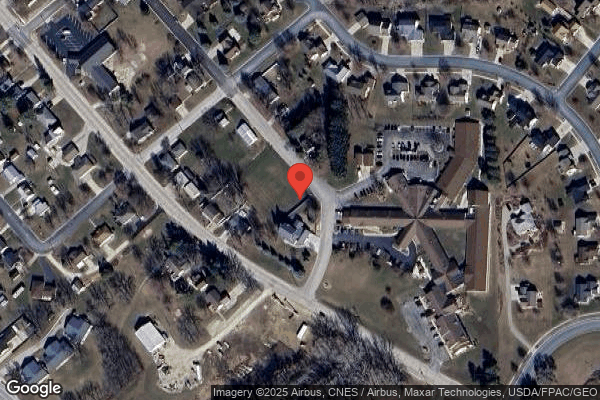
1102 LIBERTY STREET SOUTHEAST, CHATFIELD, MN 55923 (507) 867-4220
Non profit - Other 78 Beds Independent Data: November 2025 1 Immediate Jeopardy citation
Trust Grade
76/100
#15 of 337 in MN
Last Inspection: July 2024

Within standard 12-15 month inspection cycle. Federal law requires annual inspections.

Overview

Chosen Valley Care Center in Chatfield, Minnesota has a Trust Grade of B, which indicates it is a good choice but not without its flaws. It ranks #15 out of 337 nursing homes in Minnesota, placing it in the top half of facilities in the state, and #1 out of 6 in Fillmore County, meaning it is the best option locally. The facility is improving, with the number of issues decreasing from 6 in 2023 to 4 in 2024. Staffing is rated 5 out of 5 stars with a low turnover rate of 24%, indicating that staff are dedicated and familiar with the residents, although the RN coverage is average. There have been some concerning incidents, including a critical failure to ensure a resident received necessary medication, resulting in missed doses, as well as issues with staff not following proper hand hygiene while serving food, which poses infection risks. Overall, while there are strengths in staffing and a solid reputation, families should be aware of the facility's recent challenges in care practices.

Trust Score
B
76/100
In Minnesota
#15/337
Top 4%
Safety Record
High Risk
Review needed
Inspections
Getting Better
6 → 4 violations
Staff Stability
✓ Good
24% annual turnover. Excellent stability, 24 points below Minnesota's 48% average. Staff who stay learn residents' needs.
Penalties
○ Average
$8,193 in fines. Higher than 53% of Minnesota facilities. Some compliance issues.
Skilled Nurses
✓ Good
Each resident gets 56 minutes of Registered Nurse (RN) attention daily — more than average for Minnesota. RNs are trained to catch health problems early.
Violations
⚠ Watch
18 deficiencies on record. Higher than average. Multiple issues found across inspections.
★★★★★
5.0
Overall Rating
★★★★★
5.0
Staff Levels
★★★☆☆
3.0
Care Quality
★★★★☆
4.0
Inspection Score
Stable
2023: 6 issues
2024: 4 issues

The Good

  • 5-Star Staffing Rating · Excellent nurse staffing levels
  • Low Staff Turnover (24%) · Staff stability means consistent care
  • Full Sprinkler Coverage · Fire safety systems throughout facility
  • No fines on record
  • Staff turnover is low (24%)

    24 points below Minnesota average of 48%

Facility shows strength in staffing levels, staff retention, fire safety.

The Bad

Federal Fines: $8,193

Below median ($33,413)

Minor penalties assessed

The Ugly 18 deficiencies on record

1 life-threatening
Jul 2024 4 deficiencies
CONCERN (D)

Potential for Harm - no one hurt, but risky conditions existed

Deficiency F0688 (Tag F0688)

Could have caused harm · This affected 1 resident

**NOTE- TERMS IN BRACKETS HAVE BEEN EDITED TO PROTECT CONFIDENTIALITY** Based on observation, interview, and record review, the facility failed to resume restorative services for 1 of 2 residents (R4)...

Read full inspector narrative →
**NOTE- TERMS IN BRACKETS HAVE BEEN EDITED TO PROTECT CONFIDENTIALITY** Based on observation, interview, and record review, the facility failed to resume restorative services for 1 of 2 residents (R4) reviewed for limited range of motion . Findings include: R4's significant change Minimum Data Set (MDS) assessment, dated 6/15/24 indicated R4 as cognitively intact with no behaviors or rejection of cares, limited upper and lower range of motion to one side, and dependent on staff for activities of daily living (ADLs) R4's diagnoses list included hemiplegia and hemiparesis following cerebral infarction affecting left non-dominant side (limited to no movement following stroke), chronic pain, central pain syndrome (pain as the result in brain injury), muscle weakness, repeated falls, and neurologic neglect syndrome (a disorder that causes the body to favor one side over the other after injury to the brain). During an interview on 7/9/2024 at 8:52 a.m., R4 stated she has not participated in exercises or therapy for at least 2-3 weeks. R4 stated she would like to do exercises to increase her chances of going home. R4's care plan dated 3/1/24, indicated impaired mobility, dependent on staff for transferring, repositioning, and ADL's. A progress note dated 6/17/2024 indicated, her [R4] progress is not quite at the skilled level. Her progress seems more at the restorative level than the skilled level so please make therapy aware . During interview on 7/11/2024 at 10:13 a.m., rehab tech-C stated R4 is not currently receiving physical or occupational therapy (OT). She stated R4 was discharged from physical therapy on 5/20/24 and occupational therapy on 6/8/24 due to returning to her prior level of functioning. Restorative programs are set up by the therapy department with tasks performed by a therapy and facility restorative tech. Rehab tech-C stated there was no active restorative program for R4. During interview on 7/11/24 at 10:14 a.m., restorative tech-D stated R4 had been on a restorative program however, he was unsure why it ended. Indicating programs are kept and documented in a binder. He confirmed the binder lacked a program for R4. The restorative tech stated the therapy department monitors the restorative program in conjunction with the restorative nurse (CM-A) During interview on 7/11/24 at 11:03 a.m., the therapy director stated R4 had an active restorative program until a recent hospitalization. She assumed the program would restart upon R4's return from the hospital. The therapy director confirmed the program should have been restarted however was not. A physical therapy evaluation Discharge summary dated [DATE] indicated Restorative range of motion program established: seated [NAME] [lower extremities] ROM exs [exercises]. A Therapy Communication to Nursing form dated 11/10/2023 indicated exercises as follows: 1. Stand in stand aide/white frame for 1-5 minutes as tolerated-will need to assist LUE (left upper extremity) to remain on bar to prevent leaning 2. AAROM (active assisted range of motion) of LUE-all joints 3. AROM (active range of motion) (AAROM if necessary to due to shoulder pain) of RUE (right upper extremity)-all joints. R4's restorative progress notes dated 12/15/23 indicated R4 was started on restorative program and listed specific exercise for R4 to perform. Restorative progress notes dated 3/29/24 indicated changes to R4's restorative program. Progress notes dated 5/10/24 indicated R4's restorative program was discontinued due to R4 working with skilled therapy and would be reevaluated upon completion of skilled therapy. During interview on 7/11/2024 at 11:45 a.m., CM-A stated restorative programs are established by therapy upon admission and discharge from therapy programs. Therapy gives restorative recommendations on a restorative therapy communication form. CM-A stated R4 had been on a restorative program however was put on hold due to starting skilled therapy 5/10/24. She stated therapy did not give any recommendations following end of skilled services and confirmed she did not follow up with therapy. CM-A stated she changed how she follows up with therapy to ensure restorative programs are restarted if appropriate. During interview on 7/11/2024 at 3:20 p.m., the director of nursing stated restorative programs are established by therapy and then monitored by CM-A. She stated she would have expected therapy and CM-A to follow up with restorative program. A restorative policy from MED-PASS revised July 2017 indicates: Residents will receive restorative nursing care as needed to help promote optimal safety and independence. policy interpretation and implementation. Restorative nursing care consists of nursing interventions that may or may not be accompanied by formalized rehabilitative services. Residents may be started on a restorative program upon admission, during the course of stay or when discharged from rehabilitative care. Restorative goals and objectives are individualized and resident-centered, and are outlined in the resident's plan of care. Restorative goals may include, but are not limited to supporting and assisting the resident in: A. adjusting or adapting to changing abilities B. developing, maintaining, or strengthening his/her physiological and psychological resources. C. maintaining his/her dignity, independence and self-esteem and participating in the development and implementation of his/her plan of care.
CONCERN (D)

Potential for Harm - no one hurt, but risky conditions existed

Medication Errors (Tag F0758)

Could have caused harm · This affected 1 resident

**NOTE- TERMS IN BRACKETS HAVE BEEN EDITED TO PROTECT CONFIDENTIALITY** Based on observation, interview, and document review, the facility failed to monitor orthostatic blood pressures during the use ...

Read full inspector narrative →
**NOTE- TERMS IN BRACKETS HAVE BEEN EDITED TO PROTECT CONFIDENTIALITY** Based on observation, interview, and document review, the facility failed to monitor orthostatic blood pressures during the use of an antipsychotic medication for 3 of 4 residents (R6, R28, and R56) reviewed for psychotropic medications. Findings include: R6's quarterly Minimum Data Set (MDS) assessment, dated 5/10/24, identified R6 as cognitively intact, required extensive assistance with all activities of daily living (ADL's), and received antipsychotic, antianxiety, and antidepressant medications. R6's diagnoses included cancer, anemia, hypertension, diabetes mellitus (DM), hyperlipidemia, dementia, anxiety, depression, psychotic disorder, and lung disease. R6's physician orders included order for Diazepam (anxiolytic and sedative) 7.5 milligram (mg) by mouth daily for anxiety; Levomilnacipran (antidepressant) 120mg daily for antidepressant; Quetiapine Fumarate (antipsychotic) 150mg daily for major depression with psychotic symptoms related to unspecified dementia, unspecified severity, without behavioral disturbance, psychotic disturbance, mood disturbance, and anxiety; and an order to monitor orthostatic blood pressure while on Seroquel (Quetiapine Fumarate) every 30 day(s). R6's medical record was reviewed and lacked any evidence orthostatic blood pressures had been obtained for R6 in the past six months. R28's significant change Minimum Data Set (MDS) dated [DATE], identified R28 had severe cognitive impairment, required assistance with all activities of daily living (ADL)'s, and received an antipsychotic medication. R28's diagnoses included non-traumatic brain dysfunction, hypertension, diabetes mellitus, Alzheimer's disease, and depression. R28's care plan dated 7/2/24, indicated potential for psychotropic drug adverse drug reaction (ADR's) related to daily use of psychotropic medications which may increase risk of falls and included to monitor for side effects by completing monthly orthostatic blood pressure checks. R28's physician orders included order for Lexapro (antidepressant) 20 milligram (mg) by mouth daily for Alzheimer's dementia with behavioral disturbance related to major depressive disorder; order for Haloperidol Lactate (antipsychotic) 0.3 milliliter (ml) by mouth one time a day for delirium and nausea/vomiting; and an order to monitor orthostatic blood pressures while on Haldol in the morning every 28 day(s). R28's medical record was reviewed and lacked any evidence orthostatic blood pressures had been obtained for R28 in the past six months. R56's quarterly Minimum Data Set (MDS) dated [DATE], identified R56 had severe cognitive impairment and required assistance with all activities of daily living (ADL)'s. R56's diagnoses included non-traumatic brain dysfunction, heart failure, Alzheimer's disease with late onset and depression. R56's care plan dated 5/23/24, indicated potential for psychotropic drug adverse drug reaction (ADR's) related to daily use of psychotropic medications which may increase risk of falls and included to monitor for side effects by completing monthly orthostatic blood pressure checks. R56's physician orders included orders for Lorazepam (antianxiety) 2 mg/ml - 0.25 ml sublingually every 2 hours as needed for anxiety (restlessness, nausea, insomnia); order for Sertraline HCL (antidepressant) 25 mg mouth daily for depression and Haloperidol Lactate (antipsychotic) 0.5 ml by mouth every two hours as needed for agitation for 14 days. Signed physician's orders, dated 6/14/24, lacked orders to monitor orthostatic blood pressures while on Haloperidol. During interview on 7/11/24 at 1:36 p.m., registered nurse case manager (RN)-A stated orthostatic blood pressures should be done monthly on any resident who receive antipsychotic's. RN-A confirmed antipsychotic medications were given and the care plan included to complete orthostatic blood pressures to monitor for side effects from the prescribed medications and confirmed monitoring was not completed for several months. RN-A stated it was important to monitor orthostatic blood pressures as is an adverse side effect of antipsychotic medications. During interview on 7/11/24 at 4:00 p.m., director of nursing (DON) stated orthostatic blood pressures should be obtained for any resident on an antipsychotic medication except if the provider wrote an exclusion for orthostatic blood pressures not to be obtained. DON stated it was important for orthostatic blood pressures to be obtained for on-going monitoring of side effects (such as hypotension) from the antipsychotic medication. And confirmed they were not completed. During interview on 7/11/24 at 2:49 p.m., consultant pharmacist (CP) stated orthostatic blood pressures should be monitored for residents who received antipsychotic medications. CP stated it was important to obtain orthostatic blood pressures as antipsychotic medication can cause hypotension and could lead to increased falls. A facility Antipsychotic Medication Use policy, dated 7/2022, indicated nursing staff shall monitor for and report any of the following side effects and adverse consequents of antipsychotic mediations to the attending physician: orthostatic hypotension.
CONCERN (D)

Potential for Harm - no one hurt, but risky conditions existed

Dental Services (Tag F0791)

Could have caused harm · This affected 1 resident

**NOTE- TERMS IN BRACKETS HAVE BEEN EDITED TO PROTECT CONFIDENTIALITY** Based on interview and document review, the facility failed to arrange dental services after a non-urgent/routine dental referra...

Read full inspector narrative →
**NOTE- TERMS IN BRACKETS HAVE BEEN EDITED TO PROTECT CONFIDENTIALITY** Based on interview and document review, the facility failed to arrange dental services after a non-urgent/routine dental referral was placed for 1 of 1 residents (R36) reviewed for dental concerns. Findings include: R36's quarterly Minimum Data Set (MDS) assessment, dated [DATE], identified moderately impaired cognition with medical diagnoses of diabetes mellitus (DM), hyperlipidemia, seizure disorder or epilepsy, depression, and medically complex conditions. R36 required extensive assistance for most activities of daily living (ADL's) and R36 was usually understood. R36 was identified as having a life expectancy of greater than six months. R36's care plan, edited [DATE], identified R36 wears upper and lower dentures and needs help to cleanse them. R36 was seen during an in house contracted dental services for his annual exam on [DATE], and there was no need for a dental referral at this time. R36 will be seen yearly and as needed. Interventions included oral and denture care and placement daily as well as arrangement of a dental consultation when needed. R36's oral health screening form, dated [DATE], identified R36 had full upper denture and no lower denture. Oral/dental status identified inflamed or bleeding gums or loose natural teeth. Recommendations indicated a routine dental referral to address residents non-urgent dental care needs. It is also noted to nursing staff for follow up/care conference that R36 is interested in having spaces filled/new lower denture. R36's dental assessment progress note, dated [DATE] noted the dental referral was made and awaiting response from responsible party to proceed. R36's care conference note, dated [DATE] indicated resident, his wife (responsible party), and his daughter (emergency contact) were in attendance along with facility staff. R36's diet was noted as regular texture and consistency with no concentrated sweets and no added salt. It was noted that care plan was reviewed. There was no mention of dental screening or referral. Master Patient list dated [DATE] includes R36's name and date of birth . This list is to be returned to Community Care Coordinator (CCC)-H with any discharges or deceased status updates. The facility policy, titled Dental Services indicates a social services representative will assist residents with appointments, transportation arrangements, and all dental services provided are recorded in the resident's medical record. During interview on [DATE] at 11:18 a.m., R36 stated he would like to have his teeth checked. He denied any current pain. He could not recall when he last saw a dentist and did not believe he has seen a dentist since his admission to the facility [DATE]. During interview on [DATE] at 11:52 a.m., resident representative (RR)-I stated R36 had not talked about seeing a dentist and she had not heard anything from the facility staff about a dental referral. RR-I stated she would consider new lower dentures to ease his mind and thinks this may be a good idea. During interview on [DATE] at 9:06 a.m., CCC-H stated R36 has not been seen as a patient by the dentist. R36 has been seen in the facility by a hygienist for an oral health screening. CCC-H would speculate R36 wishes to be seen as a patient. CCC-H stated when the box is checked on the screening form, indicating a routine referral is recommended, the facility then needs to complete additional paperwork includes resident medical history, insurance, and privacy information and sends this to her. After CCC-H receives this paperwork, she then calls the resident, guardian, or responsible party to schedule the exam and cleaning and determine any additional treatment needed. CCC-H stated there are times in which the hygienist will mark the referral box and the resident may not be ready to take the next step in which the resident would need to let the facility know they would like to proceed with scheduling. During interview on [DATE] at 11:03 a.m., Licensed Practical Nurse (LPN)-A stated after a dental visit, the screening form is given to the nurse. The nurse puts a note in the resident's electronic health record (EHR) and places the form in the resident's hard chart. If a referral is needed LPN-A would make a copy of the form and give the copy to the case manager and they take it from there. During interview on [DATE] at 11:12 a.m., case manager (CM)-B stated after a dental screening the form is charted and then brought to the case manager. If the resident is a current patient with the dentist, the dentist will put them on the list to be seen. If the resident is not a current patient, they (facility staff) will reach out to the number one contact and get paperwork completed and sent to dentist. If it is an urgent issue, they would let the family know that they need to be seen and they will assist with arrangements for an appointment. CM-B stated a routine referral is generally checked for a cleaning and is considered non-urgent, and they do not get worried about routine referrals. CM-B was not aware of the policy regarding dental cleanings and believes it may be required every 6 months and depends on when they last had a cleaning. CM-B did not believe the screenings counted as a cleaning and were more of an oral evaluation to determine if there are additional needs. During interview on [DATE] at 11:23 a.m., with Director of Social Services (DSS) stated all residents are seen by hygienist annually for MDS regardless of active concerns or not. dentist then reaches out to the responsible party if there is a referral or any type of need for follow up. DSS stated R36 is on the list of an active patients of theirs so the dentist would handle all steps after the visit. DSS stated after the documentation is put in the resident's EHR the paperwork is placed in a subfile after she has given a copy to the case managers. DSS stated they (facility staff) do not handle any of the scheduling or follow up if the resident is an active/current patient of dentist. DSS stated the lack of progress with this referral is on the dentist end. The dentist are in the facility monthly and would prioritize the residents' needing visits based on urgency and they usually see 7-8 residents each visit/month and includes independent living (IL) and assisted living (AL) residents as well. During interview on [DATE] at 12:15 p.m., Director of Nursing (DON) stated she believed if the dentist made a referral they also made the arrangements for the follow up appointment or services needed. DON stated they should be following up to ensure the recommendations are being followed if the resident or their representative agrees with the plan of care. DON stated this is important to ensure continuity of care and they will be looking into this further to see what changes are needed for their current process. During interview on [DATE] at 12:33 p.m., DSS stated she contacted CCC-H and they determined the list of active dental patients was incorrect, and dentist does not have R36 listed as an active patient. DSS believed the resident was an active patient because he is on the list they receive from the dentist to confirm as current residents. DSS stated CCC-H informed her this was an error on their end. DSS stated will be going through the list to ensure no additional errors are present.
CONCERN (D)

Potential for Harm - no one hurt, but risky conditions existed

Infection Control (Tag F0880)

Could have caused harm · This affected 1 resident

**NOTE- TERMS IN BRACKETS HAVE BEEN EDITED TO PROTECT CONFIDENTIALITY** Based on observation, interview, and record review, the facility failed to implement enhanced barrier precautions (EBP) for 1 o...

Read full inspector narrative →
**NOTE- TERMS IN BRACKETS HAVE BEEN EDITED TO PROTECT CONFIDENTIALITY** Based on observation, interview, and record review, the facility failed to implement enhanced barrier precautions (EBP) for 1 of 1 (R53) resident reviewed for infection prevention related to presence of peripherally inserted central catheter (PICC) line (a tube inserted in the arm that ends in a blood vessel in the chest). Findings include: R53's admission Minimum Data Set (MDS) assessment dated [DATE] indicated R53 was cognitively intact. It further indicated presence of a central IV (intravenous) access and antibiotics. R53's diagnoses list included infection to internal right knee prosthesis (artificial joint), sepsis (infection in blood stream) methicillin susceptible staphylococcus aureus infection (type of bacteria), adjustment and management of vascular access device. R53's orders dated 6/21/24 included PICC line dressing change every 7 days, cefazolin sodium (antibiotic) use 3 grams intravenously three times a day for blood [stream] infection until 7/18/24, sodium chloride intravenous solution 0.9%. Use 10 ml intravenously three times a day for blood stream infection until 7/18/24. Flush 5 before and after medication. A hospital Discharge summary dated [DATE] indicated follow-up with ortho ID (infectious disease) near the completion of the six-week course of cefazolin therapy on July 18th 2024. Central catheter management at the end of treatment: can be removed at the end of IV antimicrobials. During observation on 7/9/2024 at 9:39 a.m., a PICC line was noted in R53's right upper arm. R53's room lacked any indication of enhanced barrier precautions or personal protective equipment (PPE). During observation on 7/10/24 at 10:27 a.m., a nurse was observed performing hand hygiene and putting on gloves prior to entering R53's room. R53's room did not have additional PPE or signage indicating EBP was required for R53 prior to performing cares. Intravenous antibiotic was administered without the use of enhanced barrier PPE. During interview on 7/11/2024 at 11:45 a.m., the infection preventionist (CM-A) stated residents are screened at the time of admission and readmission for the initiation of enhanced barrier precautions. CM-A stated residents who have indwelling medical devices, chronic hard to heal wounds, catheters, and multidrug resistant organizations are required to be on precautions. After reviewing guidance from Centers for Medicare and Medicaid, CM-A confirmed R53 should have been placed on enhanced barrier precautions due to having a PICC line. CM-A stated EBP are necessary to protect residents at higher risk of infections from contracting or spreading infection to others. During an interview on 7/11/24 at 3:21 p.m., the director of nursing stated facility staff discussed EBP for PICC lines at length upon R53's admission to the facility and should have erred on the side of caution until they could clarify the regulation. An Enhanced Barrier Precautions policy dated August 2022 indicates enhanced barrier precautions are indicated when contact precautions do not otherwise apply for residents with wounds and/or indwelling medical devices regardless of MDRO colonization. A handwritten addendum on the policy indicates No including PICC and chronic complex both dated 4/12/24 with CM-As initials.
Nov 2023 1 deficiency
CONCERN (D) 📢 Someone Reported This

A family member, employee, or ombudsman was alarmed enough to file a formal complaint

Potential for Harm - no one hurt, but risky conditions existed

Deficiency F0760 (Tag F0760)

Could have caused harm · This affected 1 resident

**NOTE- TERMS IN BRACKETS HAVE BEEN EDITED TO PROTECT CONFIDENTIALITY** Based on interview, and document review, the facility failed to ensure medications were administered in accordance with physicia...

Read full inspector narrative →
**NOTE- TERMS IN BRACKETS HAVE BEEN EDITED TO PROTECT CONFIDENTIALITY** Based on interview, and document review, the facility failed to ensure medications were administered in accordance with physician orders to reduce the risk of adverse disease-associated complications for 1 of 1 resident (R1) reviewed for medication errors. Findings include: A vulnerable adult report submitted to the State Agency dated 10/30/23, identified a medication error occurred when R1 received her chemotherapy medication temozolomide on day 1-5 instead of on days 10-14 of her chemotherapy cycle. This would cause increased nausea and vomiting and risk of developing cytopenias (low levels of red blood cells (anemia), white blood cells (leukopenia) or platelets.) in 1-2 weeks after the medication error. R1's admission Minimum Data Set (MDS) dated [DATE], indicated R1 was cognitively intact and had diagnoses of cancer. R1's physician order dated 10/2/23, indicated R1 had a follow-up oncology appointment on 10/19/23 to determine chemotherapy Cycle #2. The tentative order for chemotherapy regimen to start on 10/20/23, included temozolomide 200 milligrams (mg) at bedtime on days 10-14 of 28 cycle & Capecitabine 1000 mg twice daily on days 1-14 of 28-day cycle. Take 30 minutes (min) after meal, whole with water, do not crush or break. The order indicated the clinic pharmacy would fill and send out the medications pending the results of the 10/19/23, appointment. R1's medical Oncology office visit note dated 10/19/23, identified R1 returned for toxicity assessment prior to starting cycle 2 of chemotherapy. Progress note identified R1's decline in her performance status has stabilized over the last several weeks and included R1's appetite had been better when she was activity taking chemotherapy. R1 tolerated her 1st cycle of chemotherapy. The note indicated to continue the same chemo regimen. The records included the following orders: -Capecitabine (Xeloda) take 1000 mg (two 500 mg tablets) by mouth two times a day for 28 doses. Take on days 1 through 14 of each 28 day cycle. Take within 30 minutes after a meal. Swallow whole with water. Do not crush or cut (dates 9/18/23-11/16/23) -Temozolomide (Temodar) take 200 mg (two 100 mg capsules) by mouth at bedtime for 5 days. Take on days 10 through 14 of each 28 day cycle (dates 10/19/23-11/16/23) temozolomide (Temodar) 100 mg capsule take 200 mg (two 100 mg capsules) by mouth at bedtime for 5 days. Take on days 10-14 of each 28 day Cycle. Starting 10/19/23 until 11/16/23. In review of R1's physician orders and medication administration record (MAR) dated 10/1/23-10/31/23, identified the orders were not transcribed into R1's record as written by oncology. R1's physician orders and MARs included the following: -temozolomide oral capsule 100 mg. Give 2 capsule by mouth at bedtime related to malignant neoplasm (term for a cancerous tumor) of endocrine pancreas, secondary malignant neoplasm of liver and intrahepatic bile duct (network of small tubes that carry bile inside the liver) for 5 days. Start date 10/20/23 (no end date was identified.) -Capecitabine. oral tablet 500 mg give 2 tablets by mouth two times a day related to malignant neoplasm of endocrine pancreas secondary malignant neoplasm of liver and intraptic bile duct until 11/3/2023 12:59 take within 30 minutes after meal. Swallow whole with water. Do not brush (sic) or crush. Start date 10/20/23 (no end date was identified.) The MAR identified temozolomide was started on the 1st day of the cycle instead of the 10th day. R1 received both Capecitabine 1000 mg and temozolomide on 10/20/23, 10/21/23, 10/22/23, 10/23/23, and 10/24/23; those days R1 should have only received Capecitabine. R1's clinical communication dated 10/25/23, at 11:44 a.m. indicated director of nursing (DON) called Rochester department of Oncology (the study of cancer). Reason for call: DON stated R1's temozolomide was started on day 1 instead of waiting until day 10. Facility stated the error had not been caught until that day (10/25/23) which would have been day 5. The facility indicated they were not sure how to proceed and wanted a response. R1's clinical communication dated 10/25/23, at 3:13 p.m. response from provider indicated since medication was not given on the correct schedule to proceed and give temozolomide tonight since that would be day 5. DON indicated R1 was also experiencing significant nausea and had been receiving Zofran (medication for nausea) twice a day with one as needed dose throughout the day. It was explained that R1 should also have a compazine (medication used for nausea) available for breakthrough nausea. Facility was encouraged to rotate between Compazine and Zofran to optimize nausea control. During an interview on 11/6/23, at 11:47 a.m. Oncology provider (OP) stated after R1's visit with her on 10/19/23, R1 was supposed to start her 2nd 28 day chemo cycle. OP stated the prescription identified the start date of the chemo medication was the beginning of the cycle; the order was for the 2 medications to be given in tandem, first Capecitabine then temozolomide. OP stated because this medication was not given as ordered the biggest side effect would have been increased nausea and vomiting. OP relayed because this medication has a small window to which it could be effective and because the medication had not been given in that small window there was no way for sure to know that this event caused a negative outcome. OP indicated the first medication (Capecitabine) prepared the body's DNA for the second medication (temozolomide); giving the temozolomide too early would potentially not have allowed the temozolomide to work appropriately. During an interview on 11/6/23, at 12:17 p.m. clinical manager (CM)-B indicated she had printed off R1's chemotherapy orders from the hospital health record. CM-B stated the order indicated the medication was to start on 10/19/23, but the medications received until 10/20/23, so CM-B started them right away. CM-B stated she had not followed the directions on the order and just followed the start date that was indicated on the medication order. CM-B stated she had read the order for temozolomide and Capecitabine and put them into the EMAR at the facility but was not sure what the cycle dates were. CM-B stated she was not aware of a medication error until the DON had informed her but was unable to recall the exact date the DON had informed her. During an interview on 11/6/23 at 2:13 p.m., director of nursing (DON) stated R1's family expressed concerns related to temozolomide's start date. DON stated she looked into R1's hospital portal to find the original order for the medication in question. DON stated the order indicated a start date of 10/19/23 and the medication was given on 10/20/23. DON identified the directions indicated the medication was to start on day 10 of the cycle and 10/30/23 should have been the start date of the temozolomide order. DON stated the nurse transcribing the order should have gotten clarification as the order was confusing. During an interview on 11/6/23 at 3:54 p.m., pharmacy consultant stated DON contacted her right away related to the temozolomide medication error. Pharmacy consultant was unable to determine if the medication error would have any negative outcomes as she was not familiar with the medication. Pharmacist stated she had looked into the medication information software and found the medications given to R1 did not indicate complications nor did she find any possible contraindications related to the medication error. Pharmacist reported both medications are chemotherapy medications and have something to do with DNA meaning the first chemo drug does something to the DNA and the second chemo drug would be able to complete the process. Pharmacist stated she would anticipated potential side effects of the medications given at the same time would be anorexia and nausea as well as decreased platelets. During an interview on 11/6/23 at 4:57 p.m., R1's physician stated R1 was weak and nauseous before the medication error and she and the facility were trying different interventions to treat said nausea. Physician stated she was unable to say if the medication error caused an adverse outcome as the resident was already very ill and was surprised the second cycle of chemo-medication (medication used to treat cancer) was even started related to R1's weakness and nausea. Facility policy titled, Medication Administration-General Guidelines, dated 4/1/19, indicated medications are to be administered as prescribed in accordance with good nursing principles and practices and only by persons legally authorized to do so. Preparations included, five rights-right resident, right drug, right dose, right route, and right time, are applied for each medication being administered. Procedures, the prescriber is contacted by nursing to verify or clarify an order (e.g., when the resident has allergies to the medication, there are contraindications to the medication, significant drug interactions are present, the directions are confusing.)
Aug 2023 4 deficiencies
CONCERN (D)

Potential for Harm - no one hurt, but risky conditions existed

Deficiency F0578 (Tag F0578)

Could have caused harm · This affected 1 resident

**NOTE- TERMS IN BRACKETS HAVE BEEN EDITED TO PROTECT CONFIDENTIALITY** Based on interview, and document review, the facility failed to ensure the resident's current wishes for resuscitation status we...

Read full inspector narrative →
**NOTE- TERMS IN BRACKETS HAVE BEEN EDITED TO PROTECT CONFIDENTIALITY** Based on interview, and document review, the facility failed to ensure the resident's current wishes for resuscitation status were accurately documented in all areas of the medical record for 1 of 1 resident (R44) reviewed for advanced directives. Findings include: R44's Minimum Data Sheet (MDS) assessment, dated [DATE], indicated medical diagnoses of profound intellectual disabilities and seizures. R44 under guardianship. R44's electronic medical record (EMR) profile banner indicated R44's code status was do not resuscitate (DNR) and do not intubate (DNI). R44's hard chart had a cardiopulmonary resuscitation and do not resuscitate (CPR/DNR) consent form, dated [DATE] signed by R44's guardian and indicated R44's code status was cardiopulmonary resuscitation (CPR), meaning if resident's heart stopped staff should perform CPR. During an interview on [DATE] at 2:37 p.m., nursing assistant (NA)-A stated she would find a nurse for assistance if resident found unresponsive as she was not CPR trained. During an interview on [DATE] at 2:39 p.m., nursing assistant (NA)-B stated she would either find a nurse for assistance or perform CPR, NA-B was CPR trained, but would rely on nurse for finding code status. During an interview on [DATE] at 2:44 p.m., nursing assistant (NA)-C stated she would find a nurse for assistance if a resident was found unresponsive. NA-C stated she was not CPR certified and would not look for code status on residents. During an interview on [DATE] at 2:53 p.m., licensed practical nurse (LPN)-A stated he looked in the EMR first, facility posted CPR status listing second, and then the resident's paper record for their Provider Orders for Life-Sustaining Treatment (POLST) form third to find a resident's code status in the case of an emergency. During an interview on [DATE] at 3:26 p.m., registered nurse (RN)-A stated she looked at a resident's profile banner in the EMR first, facility posted CPR status listing second, and then the resident's paper record for their POLST form third to find a resident's code status in the case of a medical emergency. RN-A indicated that the facility has a process for tracking, signing, and updating code status in charts when an updated code status form is presented. RN-A verified that R44's EMR banner, facilities CPR posting, and resident's paper record did not match. During an interview on [DATE] at 4:25 p.m., R44's patient guardian stated she signed an updated POLST on [DATE], to indicate the change to the DNR/DNI status. The form was signed by the RN case manager at facility the same day. During an interview on [DATE] at 1:36 p.m., social worker (SW) stated care managers handled POLST Forms and updates. SW stated updated POLST forms were sent to the attending physician to be reviewed and signed. Until that signed form was returned, she would hold an unsigned copy of the updated POLST Form. Once the updated POLST form was returned, she would upload a scanned copy to the EMR. SW stated that a mix up or confusion with a resident's code status could lead to the wrong treatment being administered in an emergency with the current system. During an interview on [DATE] at 2:27 p.m., acting director of nursing (DON) stated the resident's code status was found in three places, EMR on the banner, CPR posting at the nurses stations, and the resident's paper record. DON stated POLST forms were reviewed at admittance, care conferences, or whenever residents or guardians make an update. DON stated updated hard copy POLST forms were put into the resident's paper record once signed by the attending physician, but EMR status is updated once new code status is indicated. Acting DON further stated code status discrepancies in a resident's medical record was a big risk because they might perform CPR, and the resident may not want CPR, or vice versa. A policy regarding code status and advance directives was requested but not provided.
CONCERN (D)

Potential for Harm - no one hurt, but risky conditions existed

Accident Prevention (Tag F0689)

Could have caused harm · This affected 1 resident

Based on observation, interview and document review, the facility failed to follow care plan interventions to prevent falls for 1 of 4 residents (R42) reviewed for accident hazards. Findings include:...

Read full inspector narrative →
Based on observation, interview and document review, the facility failed to follow care plan interventions to prevent falls for 1 of 4 residents (R42) reviewed for accident hazards. Findings include: R42's quarterly Minimum Data Set (MDS) assessment, dated 7/30/23, indicated R42 was cognitively intact and had diagnoses of right lower extremity amputation, congestive heart failure (CHF), anemia, diabetes mellitus with left foot ulcer, atrial fibrillation, chronic obstructive pulmonary disease (COPD). Furthermore, R42's MDS indicated dependency for transfers as well as the need for extensive assistance with bed mobility, dressing, toilet use and hygiene. R42's care plan indicated a problem statement for risk for falls, including a risk for falling forward from chair if R42 bends over too far. Interventions included keep the wheelchair in reach with brakes locked when in room to reduce risk of falls. R42's progress note, dated 8/22/23, indicated an unwitnessed fall at 3:40 a.m. Resident was sitting up on the floor facing the doorway. Resident stated he was sitting in his chair, had finished using the urinal and he dropped it a little. He bent over to catch the urinal and fell face first onto the floor hitting the left side of his head. Room was well lit and free from clutter. Resident had Rooke Boot (medical device designed to protect the limb from additional trauma and offload the limb to assist in wound healing) on left foot. Right leg amputee. Call light was within reach. Wheelchair was not in front of resident's chair. Resident received a 5 cm by 5 cm hematoma goose egg on left side of forehead. No loss of consciousness. Speech is normal. Pupil response is a plus three. Hand grasp is strong. Resident placed in bed. Head elevated. Was resident sent to emergency department (ED) for evaluation? No. Fax notification sent to MD. Daughter notified. Case Manager, Nurse Manager and DON:: Fax sent. A progress note, dated 8/22/23 at 1:16 p.m., indicated a fall follow up R42: alert and oriented to person, place, and time, all neurological signs within normal limits. Resident does complain of headache. Resident has raised bruise to forehead and bruising around right eye. Will continue to monitor. Resident was seen by nurse practioner (NP)-A. During an observation and interview on 8/22/23 at 6:59 p.m., the center of R42's forehead had a raised area of about the two inches which was colored pink, red and purple. There were purple discolorations under both of R42's eyes. R42 stated he fell out of his wingback chair when he dropped the urinal and bent forward to catch it and landed on his face. During an observation on 8/23/23 at 2:03 p.m., R42 was sitting in wingback chair with his head down by his knees. Alerted nursing assistant (NA)-D who went to see if R42 needed to be scooted back in his chair. R42 stated, no but I do need my wheelchair in front of this chair so that if I fall, I will fall into that chair. NA-D moved the wheelchair from the other side of the room to in front of R42 in the wingback chair. During an interview on 8/23/23 at 2:06 p.m., NA-D stated putting the wheelchair near R42 wasn't on the care plan. During an interview on 8/23/23 at 2:14 p.m., registered nurse (RN)-A stated the resident care plans were in their closets, and when there was an update, it went in a binder and the nurses reviewed this in report. RN-A would expect an aid to look at the care plan and follow the care plan. During an observation on 8/23/23 at 2:47 p.m., R42 was sitting in wingback chair with his head down by his knees, R42's wheelchair was not near him. Alerted NA-A and she said to him you want your chair in front of you? and R42 said of course. NA-A moved wheelchair into place in front of R42 from the other side of the room. During an interview on 8/23/23 at 2:49 p.m., NA-A stated was sure if there was an intervention for putting the wheelchair in place. NA-A checked the closet care plan and confirmed it said to put the wheelchair in reach with the brakes locked. During an interview on 8/23/23 at 3:53 p.m., the director of nursing (DON) stated following the care plan was important for preventing falls. The DON added when the case managers add interventions to a resident care plan there would be a notice on the board in the nurse's station that there was a change and that should prompt the aids to look at the resident's closet care plan. The DON also stated since R42 was seen in-house by NP-A after this fall, the facility would only send him in to the emergency department with any change in cognition or if he started having a decline in his abilities. During an interview on 8/24/23 at 4:10 p.m., the medical director (MD) didn't feel she could comment on the care plan not being followed as a potential cause of this incident. The MD also stated R42 was on comfort care and had requested not to be sent to the emergency department. The MD's expectation was for the facility to do neurological checks and NP-A saw R42 in the facility on the day of the fall and he had been neurologically stable. A policy regarding fall prevention was requested but not received.
CONCERN (D)

Potential for Harm - no one hurt, but risky conditions existed

Deficiency F0805 (Tag F0805)

Could have caused harm · This affected 1 resident

Based on observation, interview, and document review, the facility failed to ensure menus and individual resident food plans met the nutritional needs and preferences for 1 of 1 resident (R3) reviewed...

Read full inspector narrative →
Based on observation, interview, and document review, the facility failed to ensure menus and individual resident food plans met the nutritional needs and preferences for 1 of 1 resident (R3) reviewed for food and nutritional adequacy. Findings include: R3's Minimum Data Sheet (MDS) assessment, dated 06/25/23, indicated R3's diagnosis included Chronic obstructive pulmonary disease (COPD), anxiety, anemia, obesity, depression, hyperlipidemia, hypothyroidism, dementia. R3's current Physician Orders indicated R3 had orders for only ground meat to be served. R3's care plan, dated 07/05/23, indicated only ground meat, no added salt (NAS) and no concentrated sweets (NCS) diet is to be served. Further reviewed assessments, dated 10/13/22, have a diet order for regular texture, mechanical meat. During observation on 08/22/23 at 6:29 p.m., R3's meal service revealed the presence of semi-soft menu items of mixed vegetables and minced ham on R3's plate. During observation on 08/23/23 at 8:03 p.m., R3's plate had a cheese omelet, toast, and two sausage links, whole, not cut up or ground. R3 was observed using a fork to cut the sausage links into small pieces. During an interview on 8/23/23 at 8:18 a.m., dietary aide (DA-A) verified that R3's menu ticket listed ground meat only. Furthermore, DA-A verified that R3 was served two whole sausage links and no ground meat. DA-A retrieved R3's menu ticket while speaking with surveyors to verify the resident's diet preferences/orders. During an interview on, 8/23/23 at 8:21 a.m., DA-A stated that kitchen and dietary staff were trained to follow the resident's meal ticket directions. During review of menu tickets, DA-A explained layout of tickets, which showed resident's name, date and meal period listed on top, selected menu items next, and at bottom of list special diet orders, which are color coded and printed in bold type face. During an observation on 8/24/23 at 11:30 a.m., cook reviewed individual resident menu tickets before food was plated and passed to aides to be served. During an interview on 8/24/23 at 9:57 a.m., assistant assistant dietary manager (ADM) indicated menu tickets are color coded to the resident's special or preferred dietary needs and preferences. ADM also stated that both cooks and dietary aides should check that proper food is served. During an interview on 08/24/23 at 2:23 p.m., Acting Director of Nursing (DON) indicated that dietary staff should follow the resident's proper diet, diet orders on menu tickets. Further verified that non-compliance could lead to the resident choking on improper food. The facility policy and procedures manual, with the only date showing as 2021 (no month or day listed) showed that the facility would provide a therapeutic diet that was individualized to meet the clinical needs and desires of a patient/resident to achieve outcome/goals of care.
CONCERN (E) 📢 Someone Reported This

A family member, employee, or ombudsman was alarmed enough to file a formal complaint

Potential for Harm - no one hurt, but risky conditions existed

Infection Control (Tag F0880)

Could have caused harm · This affected multiple residents

**NOTE- TERMS IN BRACKETS HAVE BEEN EDITED TO PROTECT CONFIDENTIALITY** During an observation on 8/23/23 at 8:20 a.m., dietary aide (DA)-A served two unidentified residents, one male, one female, with...

Read full inspector narrative →
**NOTE- TERMS IN BRACKETS HAVE BEEN EDITED TO PROTECT CONFIDENTIALITY** During an observation on 8/23/23 at 8:20 a.m., dietary aide (DA)-A served two unidentified residents, one male, one female, without changing disposable gloves or washing hands in-between plating food. DA-A observed plating food without changing disposable gloves or washing hands. During an interview on 8/23/23 at 8:24 a.m., DA-A stated she wore gloves during meal service and changed them every six residents served, unless they needed to be changed before due to being soiled. DA-A stated she had received proper hand hygiene training for employment. During an observation on 8/23/23 at 8:29 a.m., DA-A again served two residents, (R31 and an unidentified female) back-to-back, without changing gloves or washing hands between each individual food plating. During an observation on 8/23/23 at 8:39 a.m., DA-A served R19 and then plated another meal without changing gloves or washing hands in-between food plating. During an interview on 8/24/23 at 10:51 a.m., assistant dietary manager (ADM) stated the facility's hand washing policy and procedures should have been followed by all staff. ADM stated staff had been trained on proper hand hygiene upon hire and during other training's. ADM stated she expected staff to follow proper hand washing hygiene to change gloves as needed at all times. Review of the facility's policy and procedure manual for hand washing, dated 2021, (no month or day listed) indicated that employees would wash hands as frequently as needed throughout the day using proper hand washing procedures (and surrogate prosthetic device washing procedures as appropriate). Hand washing facilities would be readily available and equipped with hot and cold running water, paper towels, and/or automatic hand dryer, soap, trash cans, and signage outlining hand washing procedures. If chemical sanitizing gels were used, staff must first wash hands as outlined below. Hands and exposed portions of arms (or surrogate prosthetic devices) should be washed immediately before engaging in food preparation. When to wash hands: a. When entering the kitchen at the start of a shift b. After touching bare human body parts other than clean hands and wrists. c. After using the restroom. d. After caring for or handling service animals or aquatic animals. e. After coughing, sneezing, using a tissue, using tobacco, eating or drinking. f. After handling soiled equipment or utensils. g. During food preparation, as often as necessary to remove soil or contamination and to prevent cross contamination when changing tasks. h. When switching between working with raw food and working with ready to eat food. i. Before donning disposable gloves for working with food and after gloves are removed. j. After engaging in other activities that contaminate the hands. Based on observation, interview and document review, the facility failed to ensure proper hand hygiene and glove use was utilized in the dining area and during cares for 1 of 2 residents (R17) reviewed for dining. In addition, the facility failed to ensure staff labeled and dated tube feeding solution for 1 of 1 residents R44 reviewed for tube feeding. Findings include: R17's minimum data set (MDS) assessment dated [DATE] indicated R17 was cognitively intact. R17's diagnoses included: anemia, major depression, type 2 diabetes, neuropathy, osteoarthritis, restless legs, overactive bladder, presences, COPD, chronic pain, interocular lenses, and coronary artery disease. R17's care plan interventions included: two staff assist for transfers with a total body lift, eye protection used for transfers, and interventions to prevent skin break down which included frequent repositioning and barrier cream. During an observation on 8/22/23 at 4:10 p.m., nursing assistant NA-(A) and NA-B entered R17's room and washed their hands at sink. NA-B pulled on the bedside table, and a lidded cup of water fell on the floor, and another cup tipped and leaked water onto R17's pants. NA-A placed the water cups onto R17's dresser. NA-B cleaned the water up off the floor. NA-A applied gloves. NA-B moved the total body lift into position. NA-A placed safety glasses on R17 and secured the lift straps. NA-A operated the lift and NA-B guided R17's body to center of bed. NA-A and NA-B removed straps, and log rolled R17 side to side to remove wet pants, underwear, and brief. NA-A and NA-B removed old gloves, sanitized hands at sink and applied new gloves. NA-A placed new pants on R17's lower legs and the two coordinated use of total body lift to move R17 from bed to the bathroom. NA-A removed gloves, washed hands at sink and put on new gloves. NA-B bagged up R17's wet garments. At 4:26 p.m. R17 stated her legs were not right on the toilet, NA-A applied gloves repositioned R17's legs and then removed gloves, washed hands at sink and applied new gloves. NA-B returned and washed hands at sink and applied new gloves. At 4:28 p.m. NA-A raised the lift and NA-B performed peri care with wipes and stated peri care would need to be completed once R17 was on the bed. NA-B removed gloves, washed hands at sink and applied new gloves. NA-A drove lift to bed and R17 was lowered to bed. R17 was rolled towards NA-A at window and NA-B cleaned R17's peri area with Wipes. NA-B grabbed barrier cream from the bathroom and applied it to R17's peri area. NA-B moved wipes and barrier cream aside and placed a new brief under R17. NA-B removed gloves. NA-B returned wipes to bathroom and sanitized hands. NA-A went into bathroom and sanitized hands, and left room. NA-A returned with a new sling. A new shirt was put on R17 at her request. R17 was rolled side to side to raise pants and place new lifting sling. At 4:43 p.m. NA-A placed the lift in the hallway and stated she would clean it when done. Both NA-A and NA-B washed hands in sink. R-17 was transferred to chair, and pillows and devices were placed around R17. NA-A took the water cups out of the room and explained she would have to go down to the kitchen to get replacements because one of the cups had fallen on the floor. At the start of continuous observation on 8/23/23 at 9:31 a.m., R17 was wheeled into her room, given her call light, and told staff would be in to help her. At 9:38 a.m., both NA-E and NA-D entered R17's room and sanitized hands. R17 stated she did not need to use the toilet. NA-E and NA-D secured total lift straps to R17's sling and NA-E operated the lift while NA-D guided R17's body over the bed. Both NA-E and NA-D applied gloves. R17 was rolled back and forth to get pants down. NA-E removed R17's pad and wiped peri area with wipes, and put a clean pad into place. Both NA-D and NA-E rolled R17 side to side to get pants into place. Before NA-E entered bathroom, NA-E moved R17's bedside table out of the way, then removed gloves and hand sanitized. NA-D also sanitized hands in the bathroom. NA-D and NA-E coordinated a transfer from bed to chair. NA-E and NA-D raised R17's legs, placed pillows under each arm and feet. R17's safety glasses were removed, call light was placed on R17. A drink was offered to R17. NA-E placed bedside table and started an audio book on R17's [NAME] device by voice command. During an interview on 8/23/23 at 10:04 a.m. NA-E stated I should have taken my gloves off after peri-care and sanitized my hands before I touched the resident or things in the room, that would have been more sanitary and been better to prevent the spread of germs. During a follow-up interview on 8/23/23 at 2:01 p.m., NA-B verified during cares she performed on 8/22/23, she did not perform hand hygiene after she completed R17's peri care and before she applied barrier cream to R17's peri area. NA-B stated she did not follow her normal routine and she should have sanitized her hands before she put on new gloves to prevent germs from spreading and to prevent the barrier cream from becoming contaminated. During an observation on 8/23/23 at 11:26 a.m., (NA)-E and NA-C sanitized their hands and entered R27's room and closed the door. NA-E and NA-C put safety glasses on R17 and used a total body lift to transferred R17 from her recliner to her bed. Once R17 was on her bed, both NAs sanitized their hands and applied gloves. After R27's pants were lowered and pad was removed, NA-E removed gloves and sanitized hands and applied new gloves. R27 was transferred from bed to toilet with lift. PTA-A knocked and entered the room to observe the lift transfers. R17 stated she did not feel she was sitting right, so staff repositioned her two times. At 11:43 a.m., R17 stated she was done, and the lift was raised. NA-E applied gloves and cleansed R17's peri area. R17 started to have a bowel movement (BM) while suspended in air in the sling. NA-E caught the BM with a wipe. NA-E threw the wipe away and R17 released more BM on to the floor. NA-E quickly wiped the BM up, grabbed another wipe and held it under R17 to catch additional BM. NA-E verified R17 was done and then disposed of the wipe. NA-E grabbed a new wipe, wiped R17's peri area, removed gloves, washed hands, and applied new gloves. NA-E and NA-C used the lift to transfer R17 from the bathroom to the bed. Once on the bed, a clean pad was placed, and NA-C and NA-E rolled R17 side to side to get pants into place. At 11:50 a.m., NA-E and NA-C removed gloves and hands sanitized. NA-E and NA-C used the lift to transfer R17 from the bed to her wheelchair. R17's body was arranged with support pillows, and she was offered a drink before PTA-A took R17 out of the room for therapy. During a follow-up interview on 8/23/23 3:47 p.m., NA-E stated they used a new wipe after they cleaned the floor however they should have stopped, washed their hands and applied new gloves after they touched the floor with a wipe and prior to using a new wipe on the resident. NA-E stated this would have been important to do to help prevent infection and the spread of germs from the floor to the resident. During an interview on 8/21/23 at 1:34 p.m., the Ombudsman stated R17's family had informed the facility they did not believe staff had been properly sanitizing their hands when caring for R17. The ombudsman stated the facility response had been that the facility had educated staff on handwashing and infection control. During an interview on 8/23/23 at 3:04 p.m., the social worker and director of nursing (DON) stated R17's family had reported care concerns which included proper hand hygiene not being completed during cares of R17. The DON indicated with past concerns, the facility had conducted investigations and when indicated made care adjustments and or educated staff. The DON stated she would expect staff to remove gloves and sanitize hands after peri care and before touching the resident or other objects in the room. The DON staff should stop, remove gloves, and sanitize hands when they have completed peri cares. If a resident needs barrier cream, staff should apply new gloves after hand sanitization has occurred and then apply creams. The DON indicated anytime staff touch the floor, staff should sanitize hands (and apply new gloves if needed for cares) before touching the resident. The DON stated proper hand sanitization and glove use was necessary to protect residents and staff and to prevent the spread of infection and disease.
Mar 2023 1 deficiency
CONCERN (D) 📢 Someone Reported This

A family member, employee, or ombudsman was alarmed enough to file a formal complaint

Potential for Harm - no one hurt, but risky conditions existed

Report Alleged Abuse (Tag F0609)

Could have caused harm · This affected 1 resident

Based on interview and document review the facility failed to report allegations of verbal/mental abuse to the State Agency within two hours for 1 of 1 resident (R1) reviewed for allegations of mental...

Read full inspector narrative →
Based on interview and document review the facility failed to report allegations of verbal/mental abuse to the State Agency within two hours for 1 of 1 resident (R1) reviewed for allegations of mental/emotional abuse. Findings include: A Facility Reported Incident (FRI) submitted to the State Agency on 3/27/2023, at 9:21 a.m., alleged emotional or mental abuse by a staff member that had occurred on 3/24/2023. According to the report the nursing assistant (NA)-A was reported to be verbally rude to R1 and the staff member had been suspended pending investigation. During an interview on 3/29/23 at 1:15 p.m., NA-B stated she was asked by NA-A to assist her with R1 on 3/24/23. NA-B reported that NA-A had been verbally aggressive and cursing at R1 during the cares she was providing. NA-B stated she had reported her concerns with NA-A to licensed practical nurse (LPN)-A on 3/25/23 at around 2:45 p.m. NA-B reported an unawareness she should have reported the incident right away. During an interview on 3/29/23 at 4:13 p.m., LPN-A stated NA-B reported to her on 3/25/23, that she had overheard NA-A swearing at a resident on 3/24/23. LPN-A explained she had told NA-B to write the incident down and turn it in to management. NA-B had reported she was concerned about retaliation from NA-A for reporting her, so LPN-A directed NA-B to sign her (LPN-A's) name to the report. LPN-A indicated she had not read the written report that NA-A submitted on 3/25/23. LPN-A indicated she had not reported the allegations to the State Agency after NA-B reported to her. An undated written statement that indicated it was authored by LPN-A, indicated that licensed practical nurse (LPN)-A was the one helping NA-A with R1's cares. The report further indicated LPN-A heard NA-A using profanity, belittling statements, and cursing at R1 while both LPN-A and NA-A were providing cares to him. The statement also included accusations of NA-A cursing at R1 for kicking the mechanical lift. During an interview on 3/29/2023 at 12:53 p.m., social worker (SW) stated she was informed of the verbal abuse allegations towards R1 on the morning of 3/27/23 that had happened on 3/24/23. SW stated NA-A was suspended pending investigation on 3/27/23, she then immediately reported the allegations to the state agency (SA). SW stated the allegation had not been submitted timely and should have been submitted within two hours of the incident. During an interview on 3/29/23 at 3:51 p.m. director of nursing (DON) stated she had not been aware of the allegations until she found the note from LPN-A in her facility mailbox on Monday morning 3/27/23. DON stated she was confused because the written report did not look like LPN-A's handwriting. DON stated she informed the SW and found that NA-A had worked Friday 3/24/23 and Sunday 3/26/23 and was suspended on Monday after she found the allegations. DON stated she interviewed LPN-A and was informed that NA-B had made the allegations to her on 3/25/23 but had not specified the resident. DON indicated the allegations should have been reported to the State Agency within two hours. Facility policy entitled, Chosen Valley Care Center Abuse Prevention Policies and Procedures, undated: under the Abuse investigation and reporting, defined immediately as soon as possible but no later than 2 hours from the time initial knowledge that the incident occurred has been received. Further review of policy indicates a mandated reporter who has reason to believe that a vulnerable adult is being or has been subjected to maltreatment/mistreatment shall immediately report the information to the director of social services or designee who will notify the director of nursing and administrator immediately. The licensed social worker or designee with the same authority will make and initial report of the incident or suspected incident to the state agency of health facility complaints, immediately in accordance with law. Under the Protection subtitle defined the mandated reported will be assured that there will be no retaliation or punishment against a person who reports maltreatment in good faith.
Dec 2022 1 deficiency 1 IJ
CRITICAL (J) 📢 Someone Reported This

A family member, employee, or ombudsman was alarmed enough to file a formal complaint

Immediate Jeopardy (IJ) - the most serious Medicare violation

Deficiency F0760 (Tag F0760)

Someone could have died · This affected 1 resident

**NOTE- TERMS IN BRACKETS HAVE BEEN EDITED TO PROTECT CONFIDENTIALITY** Based on interview and document review, the facility failed to follow its procedure for ensuring an order had been received afte...

Read full inspector narrative →
**NOTE- TERMS IN BRACKETS HAVE BEEN EDITED TO PROTECT CONFIDENTIALITY** Based on interview and document review, the facility failed to follow its procedure for ensuring an order had been received after laboratory testing for 1 of 3 residents (R1) reviewed for Coumadin/Warfarin (an anticoagulant) use, this failure resulted in seven missed doses and sub-optimal lab results which placed R1 at risk for embolism formation (an abnormal clot in the circulatory system). This resulted in an Immediate Jeopardy (IJ) for R1. The IJ began on 11/21/22, when a licensed practical nurse (LPN)-A failed to follow a prompt in R1's Medication Administration Record (MAR) to contact the clinic if an order for Coumadin dosing had not been received after laboratory test results had been sent. Additionally, on six subsequent days, staff failed to respond to further prompts to take action if no Coumadin order was found in the MAR. The facility administrator and director of nursing were notified of the IJ on 12/1/22, at 1:51 p.m. The IJ was removed and the deficient practice was corrected on 11/28/22, prior to the start of the survey, therefore, was issued at Past Non-compliance. Findings include: According to an admission Minimum Data Set (MDS) assessment dated [DATE], R1 received anticoagulant medication for seven days of a seven day look-back period. R1 had a history of having suffered a pulmonary embolism (clot in the lung) and atrial fibrillation (irregular atrial heart beat that can result in clot formation), heart failure, diabetes mellitus and multiple sclerosis among other co-morbidities. According to a hospital Discharge summary dated [DATE], R1 entered the hospital on [DATE], due to shortness of breath which was caused by pneumonia. Upon admission, R1 was discovered to have an elevated international normalized ratio test (INR- a test to check blood clotting time) at 3.8 (with an optimal goal of 2-3) which later rose to 5.1 and then 5.9 attributed to his infectious process, and R1's Coumadin was stopped while in the hospital. After receiving treatment for his pneumonia, R1 was discharged back to the facility on [DATE]. At that time his Coumadin order was being held (this is an order to temporarily stop administering medication) and was to continue to be on-hold for at least two days from 11/18/22 until 11/21/22 when R1's INR level was to be re-checked for adjustment dosing at the facility. According to R1's November 2022 MAR, the facility documented the following orders: -Coumadin Tablet (Warfarin Sodium) Give 2 milligrams (mg) by mouth at bedtime every Mon, Wed, Fri related to SINGLE SUBSEGMENTAL PULMONARY EMBOLISM WITHOUT ACUTE CORPULMONALE until 11/22/2022 (then discontinued 11/18/22). -INR draw (complete lab work) in the morning-Start Date-11/21/2022. This was initialed as having been completed by a registered nurse (RN)-A. -Ensure Coumadin orders received from anticoag clinic in the morning until 11/21/2022. 23:59 (11:59 p.m.)-Start Date-11/21/2022. This was initialed as having been completed by LPN-A. -Anticoagulation Therapy: If there is no Coumadin scheduled for HS (bedtime) notify nurse to check Coumadin orders immediately!-Start Date-11/18/2022. This was initialed as having been completed each evening between 11/18/22 and 11/27/22 by four different staff on different days. A facility medication error report dated 11/28/22, indicated no orders had been received for Coumadin after R1's INR had been drawn on 11/21/22, and INR results [of 1.7] were faxed to the anticoagulation clinic. The report indicated the clinic did not receive the fax. Furthermore, the error report indicated a nurse had not followed up on the missing order and medication aides believed the medication to be on-hold. The facility documented missed doses from 11/21/22 through 11/28/22. R1's anticoagulation clinic note dated 11/28/22, indicated R1's INR had been 5.9 on 11/18/22, and on 11/28/22, R1's INR was 1.0. The clinic ordered Coumadin dosing of 5 mg daily and to retest INR on 12/1/22. In the meantime, the clinic recommended the facility monitor R1 for signs and symptoms of pulmonary embolism or stroke. During an interview on 11/30/2022 at 1:14 p.m. a trained medication aide (TMA)-A stated the facility process for ensuring Coumadin orders did not get missed included written prompts in the MAR for the person administering medications to check for a newly ordered dose following every lab day, and if orders were not found, the nurse on duty was notified of a need for those orders. TMA-A stated on 11/21/22 she notified LPN-A that R1 did not have a Coumadin order. TMA-A stated she was told by LPN-A R1's Coumadin was on hold. TMA-A then said she recalled two days later she worked again and did not see an order and reported again to LPN-A there was no Coumadin order for R1, and ask if there should be anything else. TMA-A stated she was told by LPN-A she had done what she was supposed to do by reporting it, but that the Coumadin was still on hold. TMA-A stated she did not see anything in the MAR that indicated Coumadin was on-hold. During an interview on 11/30/22, 1:34 p.m. RN-A stated the facility process for ensuring continuity of Coumadin dosing was for lab orders to be transcribed into the resident chart, then a copy placed in a lab book/calendar for the nurses who check the labs. After the lab results were obtained, a form was to be filled out with the resident information, the current dose and the lab results. The form was then faxed to the anticoagulation unit then placed in the resident's medical record and the facility would await orders for a new dose. Additionally, the facility placed a prompt in the MAR for the nurse on duty the day labs were drawn, to contact the coagulation clinic if no new orders had been received by the evening shift when the Coumadin was usually scheduled to be given. An additional fail safe prompt was also placed in the MAR for the medication administration staff person to notify the nurse on-duty if no order for Coumadin was found. RN-A stated she had been the nurse to obtain and process R1's INR results on 11/21/22. RN-A stated she had faxed the results to the coagulation unit as usual, and signed R1's MAR to indicate the task had been completed. RN-A said she also placed a copy of the completed lab form in the lab book to show the task had been completed. RN-A stated the MAR did not indicate R1's Coumadin was on-hold and a nurse would have had to review the medical record to find that order. RN-A stated she did not know what had happened to cause R1's missed doses, but said they became aware of the problem when the anticoagulant clinic called the facility on 11/28/22, saying they had not received the fax she had sent on 11/21/22. During an interview on 11/30/22, at 2:15 p.m. LPN-A stated he was not able to recall anything regarding R1's Coumadin orders; however, LPN-A stated there would have been a prompt in the MAR to check for Coumadin orders and contact anticoagulation clinic if no orders. LPN-A stated he must have signed the MAR, but did not remember. LPN-A stated he probably would have signed the MAR if he had called the clinic even if he had not yet received the order. LPN-A stated he believed it would say in the MAR if a medication was on-hold, but he could not remember if this was the case with R1's orders. LPN-A stated he could not remember if a TMA had talked to him about R1's order, but said, usually the TMA's come and say if they don't have an order. LPN-A stated the facility had contacted him after finding out about the missing doses, and had reviewed the concerns. LPN-A stated he had not been back to the facility since that time to do further education. During an interview on 11/30/22, at 2:39 p.m. the facility director of nursing (DON) stated the facility had a process in place with two checks to be completed on the day of an INR lab. R1 had come back from the hospital with his previous coumadin orders discontinued, and to stay on-hold until a follow-up INR had been drawn on 11/21/22. DON stated the nurse on duty that day [LPN-A] failed to ensure orders were in place after the INR was drawn. DON stated LPN-A had not worked since 11/28/22, but she had called him to investigate the cause of the incident, but LPN-A unfortunately could not tell me. DON stated LPN-A acknowledged the incident and was provided education regarding the proper procedure. The DON stated the facility immediately initiated a quality initiative, auditing charts for other errors, and updating their procedure to include an additional note in the MAR whenever a medication is truly on-hold, and when the stop date will be for that hold order. A text message was sent to all nurses and TMA's regarding a concern with missing coumadin orders, and to check their email, and do additional training. All nurses and TMA's were required to do training before returning to their next scheduled shift. DON stated LPN-A would receive the same training, and she would be meeting with him on 12/2/22, when he returned to work. Additionally, DON stated the facility had ordered a new fax machine that could request a confirmation report. R1's primary physician was notified, the medical director (MD)-A was notified and monitoring of R1's condition was put in place until the INR returned to his goal range. A form titled INR Report/Nursing Home Fax dated 12/2021 indicated the facility was to provide the patient name, date of birth and date of the test, along with results and to phone or fax the information. These numbers were provided. The bottom of the form included the following statement, please contact the anticoagulation clinic if you do not receive Warfarin dosing instructions by 4:00 p.m. A policy from the facility's contracted pharmacy titled Medication Administration-general guidelines, dated 4/1/19, indicated, the MAR should contain supplemental information to help assure accurate dosing. documentation of the un-administered dose is done as instructed by the procedures for the use of the eMAR (electronic medication administration record) system. An explanatory note is entered. If a pre-established number of consecutive doses of a vital medication are withheld, refused or not available the physician is notified. The facility provided a document dated 11/28/22, titled Additional Coumadin/Warfarin Procedures. The document listed the following additions: 1. Nursing will make a note on the Treatment Administration Record (TAR) to ensure coumadin orders are received from the anticoagulation clinic which will be scheduled the same day the INR level is drawn. 2. During admissions, nursing will make a note on the Medication Administration Record (MAR) that states, Anticoagulation Therapy: if there is no Coumadin scheduled for HS (bedtime) notify nurse to check Coumadin orders immediately! This task will appear daily which the Trained Medication Aid (TMA) needs to sign off on. 3. When a coumadin order is placed on hole, notation on the MAR will be made for the specific duration of the hold. This is done to alert TMA staff that there is an active order, which is currently on hold. The Past Non-Compliance IJ began on 11/21/22. The IJ was removed, and the deficient practice was corrected on 11/28/22, when an order for Coumadin was initiated, R1 was seen by a medical provider and the facility immediately created an performance improvement plan that included the following actions: additions to their Coumadin/Warfarin administration procedure, notifications to all nurses and TMA's of the changes, training assignments on avoiding significant medication errors, verbal education to LPN-A and audits of the MAR for all other residents receiving Coumadin to ensure compliance.
Aug 2021 7 deficiencies
CONCERN (D)

Potential for Harm - no one hurt, but risky conditions existed

Grievances (Tag F0585)

Could have caused harm · This affected 1 resident

**NOTE- TERMS IN BRACKETS HAVE BEEN EDITED TO PROTECT CONFIDENTIALITY** Based on observation, interview and document review, the facility failed to follow their grievance process for missing personal ...

Read full inspector narrative →
**NOTE- TERMS IN BRACKETS HAVE BEEN EDITED TO PROTECT CONFIDENTIALITY** Based on observation, interview and document review, the facility failed to follow their grievance process for missing personal property for 1 of 1 residents (R63) who reported missing property. Findings include: R63's Quarterly Minimum Data Set (MDS) assessment dated [DATE], identified R63 had impaired cognition. During an interview on 8/16/21, at 3:20 p.m., R63 indicated staff had lost his bottom teeth and haven't done a damn thing to fix the problem. R63 further indicated no one had offered to replace them or send him to a dentist to get a new bottom set of dentures. R63 estimated it had been at least 3 months since he last had them and he told staff they were missing. R63 states he is having difficulty with chewing his food and has had weight loss. During observation on 8/17/21, at 8:39 a.m., a nursing assistant approached R63 and asked if he would like his teeth in and R63 did not respond. During interview on 8/17/21, at 9:35 a.m., R63 stated staff lost his bottom denture months ago and haven't done a thing to solve the problem. During interview on 8/17/21, at 9:27 a.m., nursing assistant (NA)-A indicated she wasn't sure if R63 had both upper and lower dentures, but thought only uppers. NA-A indicated she would verify with the nurse and the electronic medical record (EMR) and let me know. During interview on 8/17/21 at 9:43 a.m., NA-A stated R63's bottom dentures are missing currently and a missing belongs form was completed and turned into social services (SS) just now. During interview on 8/17/21, at 11:52 a.m., R63 indicated two girls came into his room this morning and searched all over for his lower denture plate. R63 stated he has told them before but they kept telling him his teeth were in his mouth. R63 stated he told them over and over and until this morning no one believed him. During interview on 8/17/21, at 1:12 p.m., NA-B indicated she noticed when R63 was moved down to this wing that his bottom denture plate was missing. NA-B indicated she was on another unit where he was before it closed for remodeling and had informed the nurse. During interview on 8/17/21 at 1:13 p.m., NA-C indicated R63 had not mentioned his missing lower denture plate since the first week he moved to this unit a few months ago at least. During interview on 8/17/21, at 1:20 p.m., SS-A indicated she just received a missing belongings sheet this morning for R63's missing bottom denture plate. SS-A indicated staff were searching for them now and if they aren't found she will notify the family. A Missing Item form dated 8/17/21 indicated R63 is missing bottom denture and signed by NA-B. A policy titled Grievance Policy dated 10/16 included: - It is the policy of this facility that each resident has the right to voice grievances to the facility or other agency or entity that hears grievances without discrimination or reprisal and without fear of discrimination or reprisal. - The facility will ensure prompt resolution to all grievances, keeping the resident and the resident representative informed throughout the investigation and resolution process. - A grievance or concern can be expressed orally to the grievance official or facility staff or in writing using a grievance form which will be located in main dining room, outside Director of Social Services Office. - Any employee of this facility who receives a complaint shall immediately attempt to resolve the complaint within their role and authority. If a complaint cannot be immediately resolved the employee shall escalate that complaint to their supervisor and the facility grievance official.
CONCERN (D)

Potential for Harm - no one hurt, but risky conditions existed

Pressure Ulcer Prevention (Tag F0686)

Could have caused harm · This affected 1 resident

**NOTE- TERMS IN BRACKETS HAVE BEEN EDITED TO PROTECT CONFIDENTIALITY** Based on observation, interview, and document review the facility failed to follow individualized care plan interventions to pre...

Read full inspector narrative →
**NOTE- TERMS IN BRACKETS HAVE BEEN EDITED TO PROTECT CONFIDENTIALITY** Based on observation, interview, and document review the facility failed to follow individualized care plan interventions to prevent and or minimize the risk for new or worsening pressure ulcer development for 1 of 1 resident (R22) reviewed for pressure ulcers. Findings include: R22's face sheet dated 8/19/21, included diagnoses of Parkinson's disease, diabetes type 2, pressure ulcer of left buttock stage 2, and pressure ulcer of right buttock stage 3. R22's annual Minimum Data Set (MDS) assessment, dated 4/4/21, indicated R22 had intact cognition. The MDS identified R22 required extensive assist of two or more staff members for bed mobility, transfers, and toileting and had functional limitations in range of motion in both lower extremities. The MDS indicated R22 was frequently incontinent of urine and occasionally incontinent of bowel. The MDS also identified R22 was at risk for pressure ulcers, had one stage 3 pressure ulcer that required pressure ulcer care, and R22 did not have a turning/repositioning program. During an interview on 8/16/21, at 5:05 p.m. R22 sat in his wheelchair. R22 was asked if he had pressure ulcers on his bottom, R22 put his head down and closed his eyes. R22 indicated pressure ulcers were a sore subject. In response to the question if staff repositioned him off his bottom, R22 responded not so much. R22's wound assessments dated 8/17/21, identified the following: -stage 2 sacral ulcer that measured 0.8 centimeters (cm) length by 0.6 cm in width with area of 0.3 cm; assessment did not identify a depth. -Stage 2 left upper buttock that measured 1.8 cm x 0.6 cm with area of 0.5 cm; 100% of wound covered in slough. R22's physician orders included: -Wound for Sacral area: change dressing daily and as needed. 1) remove old dressing. 2) cleanse wound with normal saline and warm soapy water. 3) Apply Prisma or sheet collagen to wound base and calmoseptine to periwound and redness, 4) Cover with mepliex border or equivalent dressing (order start date 8/6/21) -Wound care orders for maintaining healthy buttock/sacrum skin 1) inspect and clean buttock gently with warm wet wash cloth 2) place a small amount of barrier cream on the buttocks and irritated skin to prevent maceration and breakdown/wounds. 3. Cover with foam padding at bedtime (order start date 8/2/21) R22's care plan dated 8/4/21, included R22 had an open area on coccyx that opened on 11/2/2020. This is a healing stage 3 ulcer, R22 was followed by wound clinic. The care plan did not identify the 2nd pressure ulcer. Corresponding interventions included: treat wound per physician order and keep track of how my wound is healing as directed until it's completely healed and help me with repositioning every one hour if I have not already done so and observe for any reddened pressure areas. During an observation on 8/16/21, at 4:35 p.m. unidentified nursing assistants transferred R22 from bed to wheelchair. At 4:43 p.m. unidentified staff wheeled R22 to the dining room for evening meal. During an observation and interview at 6:32 p.m. R22 sat up in his wheelchair in his room. Nursing assistant (NA)-H stated she was not aware of when the last time R22 was repositioned and would probably lay R22 down around 7:30-8:00 p.m. At 6:35 p.m. R22 stated staff had not repositioned him or checked for incontinence. A continuous observation on 8/17/21, that started at 11:55 a.m. and ended at 2:53 p.m. identified R22 was not repositioned according to the care plan. -At 11:55 R22 was wheeled back to his room by unidentified staff. -At 11:59 a.m. NA-D and NA-E transferred R22 from wheelchair to bed via full body mechanical lift. NA's pulled down R22's pants, checked his brief for incontinence. A large border foam dressing that was not dated covered R22's lower back and coccyx area. NA-D stated the dressing was changed this morning and would ask the nurse to date the dressing. NA's positioned R22 on his back. -At 12:19 p.m. registered nurse (RN)-A dated the dressing. -At 12:21 p.m. R22's lower feet were elevated on pillow and was slightly repositioned to the left side. -From 12:21 to 2:46 p.m. R22 remained in the same position. -At 2:46 p.m. NA-F stated an unawareness of when R22 was last repositioned. NA-F indicated she had just started her shift and no one had reported off when R22 had last been repositioned to her and would have to check with the other evening shift NA. -At 2:47 p.m. NA-F asked NA-G if she was aware when R22 was last repositioned, NA-G stated nobody passed along when R22 was last repositioned and would have to check with RN-A. -At 2:48 p.m. RN-A confirmed she turned him to write the date on the dressing and positioned him more on his left side. RN-A stated then at around 12:55 p.m. we put him on his back at this time with his feet elevated. RN-A stated R22 was supposed to be repositioned every hour. -At 2:53 p.m. NA-F and NA-G transferred R22 from wheelchair to bed. When asked how often was R22 supposed to be offered repositioning and toileting, NA-F responded every two hours. When NA's turned R22 to remove incontinent brief, brief was observed to be saturated, and area of redness along the left buttock was observed. NA-F stated R22 was pretty wet. NA-G stated R22 was usually a heavy wetter though. During a subsequent continuous observation on 8/18/21, that started at 6:43 a.m. and ended at 8:14 a.m. identified R22 was not repositioned in accordance with the care plan. -At 6:43 a.m. R22 sat up in his wheelchair in his room. -At 7:00 a.m. R22 was wheeled down to the dining room by an unidentified staff member. -At 8:00 a.m. R22 was wheeled back to his room by speech therapist. -At 8:14 a.m. R22 was repositioned via full body mechanical. During an observation on 8/18/21, at 12:12 p.m. R22 laid in his bed. Registered nurse (RN)-A entered R22's room and informed R22 she was going to change his dressing on his bottom. R22 was assisted to roll onto his left side by nursing assistant (NA)-D. RN-A removed the sacral dressing and cleansed the area. RN-A completed the treatment per physician order. RN-A indicated since there was not a dressing to the wound on the left buttock, there was supposed to be one. RN-A left the room to obtain a dressing then cleansed the wound, applied the cream to the wound base with one of her gloved fingers, removed the glove, applied a new glove to right hand, and applied the dressing. During an interview on 8/18/21, at 12:31 p.m. licensed practical nurse (LPN)-A stated an awareness the dressing to R22's was not in place, stated the NA's had reported the dressing was off, however, they put R22 back in his chair before the dressing could be put on. LPN-A indicated she thought she might have been informed around 10:30-11:00 a.m. but didn't write down the time. LPN-A stated the NA's should have reported the dressing was not in place right away and waited for her to replace the dressing. During an interview on 8/19/21, at 9:40 a.m. director of nursing (DON) stated R22 should have been repositioned in accordance with the care plan and the NA's should have reported to the nurse immediately and waited for the dressing to be reapplied. Facility policy Pressure Ulcer Risk assessment dated [DATE], included: General Guidelines: 1) Pressure ulcers are usually formed when a resident remains in the same position for an extended period of time causing increased pressure or a decrease in circulation that area which destroys soft tissues. 5) Pressure ulcers are often made worse by continual pressure, heat, moisture, irritating substances on the residents skin. Assessment: 4) Because a resident is at risk can develop a pressure ulcer within 2 to 6 hours of the onset of pressure, the at-risk residents need to be identified and have interventions implemented promptly to attempt to prevent pressure ulcers. Interventions: 2. Residents repositioning determined according to results of skin evaluations (Tissue Tolerance Test and Braden Scale).
CONCERN (D)

Potential for Harm - no one hurt, but risky conditions existed

Incontinence Care (Tag F0690)

Could have caused harm · This affected 1 resident

**NOTE- TERMS IN BRACKETS HAVE BEEN EDITED TO PROTECT CONFIDENTIALITY** Based on observation, interview, and document review the facility failed to ensure an individualized toileting program was follo...

Read full inspector narrative →
**NOTE- TERMS IN BRACKETS HAVE BEEN EDITED TO PROTECT CONFIDENTIALITY** Based on observation, interview, and document review the facility failed to ensure an individualized toileting program was followed for 1 of 1 residents (R22) reviewed for pressure ulcers. Findings include R22's face sheet dated 8/19/21, included diagnosis of Parkinson's disease, pressure ulcer of right buttock, diabetes type 2, and repeated falls. R22's annual Minimum Data Set (MDS) assessment dated [DATE], identified R22 was cognitively intact and did not have rejection/refusal of care behaviors. The MDS identified R22 required extensive assistance from two or more staff for transfers and personal hygiene. The MDS indicated R22 was frequently incontinent of urine and occasionally incontinent. R22's mobility care plan dated 8/17/21, instructed staff to use a full body mechanical lift for transfer and toileting. R22's toileting care plan dated 12/17/20, I am on a toileting program: help me to toilet upon rising, every 2 hours, at bedtime and prn [as needed]. Offer toileting at 4 am. Toilet before brunch, after brunch and after support and after outings. Offer toileting at 11pm, NOCS [over night shift] to check on rounds and toilet as needed. I would like to wear incontinent protection for dignity purposes. Ensure my urinal is within reach. R22's Bladder assessment dated [DATE], identified R22's Treatment Program as scheduled toileting/habit training. During an interview on 8/16/21, at 5:06 p.m. R22 sat in his wheelchair in his room. R22 had poor voice quality, spoke in soft tone and did not annunciate words, R22 was difficult to understand. R22 would answer question yes or no with thumbs up for yes, thumbs down for no. During an observation on 8/17/21, at 11:55 a.m. R22 was wheeled back to his room by unidentified staff member. At 11:59 a.m. nursing assistant (NA)-D and NA-E entered R22's room and hooked him up to the full body mechanical lift. NA's transferred R22 from his chair to his bed. Once R22 was in bed, NA's assisted R22 to roll back and forth to check his incontinent garment; NA-D stated R22 was dry. NA's then positioned R22 in bed, washed their hands and exited R22's room without asking and/or attempting to toilet R22. During an observation on 8/17/21, at 2:53 p.m. NA-F and NA-G entered R22's room. NA-G informed R22 she was going to check R22's incontinent brief. NA stated R22 was pretty wet. NA's then performed incontinent care for R22. Neither NA's asked R22 if he wanted to go to the toilet/use bedpan/and/or urinal. NA-G stated they did not offer to take R22 to the bathroom because he had Parkinson's disease, he was a full body mechanical lift, and it hurt him to sit on the toilet. When R22 was asked what his preference was for toileting, R22 pointed to the bathroom, stated did not prefer bed pan, and when asked if it hurt to sit on the toilet, R22 put his thumb down indicating no. During an interview on 8/19/21, at 9:40 p.m. director of nursing (DON) stated she expected staff to follow care plans for individualized toileting programs. Facility Urinary Incontinence-Clinical Protocol dated 4/2018 included: The staff will identify environmental interventions and assistive devices that facilitate toileting. As appropriate, based on assessment of the category and causes of incontinence, the staff will provide scheduled toileting, prompted voiding, or other interventions to try to improve the individuals continence status.
CONCERN (D)

Potential for Harm - no one hurt, but risky conditions existed

Pharmacy Services (Tag F0755)

Could have caused harm · This affected 1 resident

**NOTE- TERMS IN BRACKETS HAVE BEEN EDITED TO PROTECT CONFIDENTIALITY** On 8/18/21, at 2:25 p.m. a tour of the medication room containing the E-Kit medication storage cabinet was conducted with licen...

Read full inspector narrative →
**NOTE- TERMS IN BRACKETS HAVE BEEN EDITED TO PROTECT CONFIDENTIALITY** On 8/18/21, at 2:25 p.m. a tour of the medication room containing the E-Kit medication storage cabinet was conducted with licensed practical nurse (LPN)-A. The E-Kit was found to contain controlled substances that are used for pain and anxiety. LPN-A indicated the facility staff do not verify the kit is secured or verify the 4 green tags securing the E-kit are verified. LPN-A indicated if they use a medication from the kit they fill out a sheet of paper included in the kit and send it to the pharmacy who then sends the medication to the director of nursing (DON) who replaces it. LPN-A further indicated if they open the kit, there are new green tags present inside to re-secured the kit. In addition, the refrigerator, unlocked and in the medication room included injectable Ativan (a controlled medication used to treat anxiety) that was in a clear plastic case, secured with a numbered green tag sitting on the shelf. The LPN-A indicated they do not have a process to verify the medication is still secured or present. LPN-A indicated the pharmacy is responsible for that or the director of nursing when she replaces the medication that is used or taken out of the kit. Interview with the director of nursing (DON) on 8/18/21, at 2:45 p.m. confirmed the E-kits contained controlled substances and are not reconciled or monitored by facility staff. The DON indicated the pharmacy is responsible for that. On 8/19/21, at 8:30 a.m., the DON indicated she spoke to the pharmacist regarding the E-kits and the pharmacist indicated the facility is not responsible for the E-kits as they are the property of the pharmacy and not the facilities responsibility. Attempted to contact the pharmacist who was out of the office. Review of the facility's Controlled Substance policy effective 4/1/2019 included: - Medications included in the Drug Enforcement Administration (DEA) classification as controlled substances are subject to special handling, storage, disposal and record keeping in the facility, in accordance with federal and state laws and regulations. - The director of nursing and the consultant pharmacist in collaboration maintain the facility's compliance with federal and state laws and regulations in the handling of controlled medications. Only authorized licensed nursing and pharmacy personnel have access to controlled medications. - Accurate accountability of the inventory of all controlled drugs is maintained at all times. When a controlled substance is administered, the licensed nurse administering the medication immediately enters the following information on the accountability record and the medication administration record (MAR). - Date and time of administration (MAR, Accountability Record). - Amount administered (Accountability Record) - Remaining quantity (Accountability Record) - Initials of the nurse administering the dose, completed after the medication is actually administered (MAR, Accountability Record). Based on interview and document review the facility failed to ensure physician ordered medication was available for administration in accordance with physician orders for 1 of 3 residents (R6) reviewed for medication administration. In addition, the facility failed to ensure a system for periodic reconciliation of controlled substance medications in 2 of 2 emergency kits (E-Kit) to prevent potential loss or diversion. Furthermore, a controlled substance located in the refrigerator was not double locked. This had the potential to affect the residents present in the facility, who may require controlled medications from the E-Kits. Findings include R6's face sheet dated 8/19/21, indicated R6 had diagnosis of chronic pain. R6's annual Minimum Data Set (MDS) assessment dated [DATE], indicated R6 did not have cognitive impairment. The MDS identified R6 was administered ointments/medications to places other than to feet and frequently had pain. R6's physician orders included: Aspercreme with lidocaine cream 4%, apply to both legs topically two times a day for pain. Apply from toes up to and including thighs AND apply to both legs topically as needed for pain an additional two times a day (start date 10/2/2020) R6's medication administration record (MAR) identified the morning doses of Aspercreme on 8/10 and 8/11/21, were not administered. Corresponding progress note dated 8/10/21 at 2:45 p.m. identified the medication was not administered because the cream was Not available. The progress note dated 8/11/21 at 1:20 p.m. identified the cream was not administered because no cream available. During an interview on 8/17/21, at 8:45 a.m. R6 stated she could not remember if she had always gotten her pain creams applied per the doctors order. Facility pharmacy was called on 8/18/21, at 2:24 p.m. Pharmacy representative (PR)-A stated the pharmacy had received the refill request for R6's Aspercreme on 8/7/21 and delivered to the facility the afternoon of 8/11/21. PR stated 8/7/21, was a Saturday and the facility did not identify that the medication was needed urgently or emergently, therefore the medication was not immediately filled. PR stated because the resident did run out of the medication the pharmacy started sending three bottles at a time instead of only one. During an interview on 8/18/21, at 2:40 p.m. director of nursing (DON) confirmed R6 had run out of the Aspercreme medication; facility had ordered the medication however, had not received it from pharmacy until 8/11/21. DON indicated she had arranged for more bottles to be delivered at a time because of the amount R6 required daily. DON indicated the dose that was charted in the evening on 8/10/21, was documented in error. DON indicated she would have expected staff to follow-up with the pharmacy if the medication was not available for administration at schedule times and the provider be notified.
CONCERN (D)

Potential for Harm - no one hurt, but risky conditions existed

Deficiency F0757 (Tag F0757)

Could have caused harm · This affected 1 resident

**NOTE- TERMS IN BRACKETS HAVE BEEN EDITED TO PROTECT CONFIDENTIALITY** R66's face sheet indicated diagnoses of other chronic pain, pain in right shoulder and low back pain. R66's quarterly MDS dated...

Read full inspector narrative →
**NOTE- TERMS IN BRACKETS HAVE BEEN EDITED TO PROTECT CONFIDENTIALITY** R66's face sheet indicated diagnoses of other chronic pain, pain in right shoulder and low back pain. R66's quarterly MDS dated [DATE] indicated R66 required one person physical assist with dressing, bathing and transfers and had a functional limitation in range of motion on one side of upper extremity. R66's physician order for medication included the following: -Oxycodone (narcotic pain medication) 5 mg Give 0.5 tablet every 6 hours as needed for chronic pain. -Acetaminophen 500 mg Give 2 tablets every 6 hours as needed for mild to moderate pain. -Diclofenac Sodium Gel 1% (pain relief cream) Apply to areas of pain topically four times a day for mild to moderate pain -Gabapentin 100 mg Give 1 capsule two times a day for pain. -Lidocaine patch 5% Apply to shoulder topically two times a day for shoulder pain. R66's pain evaluation dated 8/10/2021 indicated R66 experiences mild pain less than daily that increased with right upper extremity movement and increased activity; pain was relieved with medication, rest and compression. The evaluation further indicated non-pharmacological interventions included physical and occupational therapy and right upper extremity compression. R66's care plan indicated to assist R66 to try some non-drug pain relief techniques such as neutral body alignment and positioning, linens smooth and comfortable, reminiscing and relaxation techniques. R66's August medication administration record (MAR) and progress notes were reviewed and showed R66's record lacked characteristics of pain, location of pain and further lacked evidence of non-pharmacological interventions utilized prior to administration of as needed (PRN) pain medication. The following are examples: -R66's MAR on 8/13/21, at 7:40 P.M., oxycodone 2.5 mg was administered for pain rated 8/10. Corresponding progress note indicated oxycodone was administered with a follow up pain scale of 5/10 with no other information pertaining to R66's pain. -R66's MAR on 8/14/21, at 2:11 A.M., oxycodone 2.5 mg was administered for pain rated 5/10. Corresponding progress note indicated oxycodone was administered with no follow up pain scale and no other information pertaining to R66's pain. -R66's MAR on 8/14/21, at 9:57 P.M., oxycodone 2.5 mg was administered for pain rated 6/10. Corresponding progress note indicated oxycodone was administered with no follow up pain scale and no other information pertaining to R66's pain. -R66's MAR on 8/15/21, at 9:19 P.M., oxycodone 2.5 mg was administered for pain rated 6/10. Corresponding progress note indicated oxycodone was administered with no follow up pain scale and no other information pertaining to R66's pain. -R66's MAR on 8/17/21, at 9:42 P.M., oxycodone 2.5 mg was administered for pain rated 6/10. Corresponding progress note indicated oxycodone was administered with no follow up pain scale and no other information pertaining to R66's pain. During an interview on 8/18/21, at 12:16 P.M., LPN-A stated staff try to suggest non-pharmacological interventions such as massage, heat, ice or elevation but R66 often refuses. LPN-A also stated staff are to document in a progress note what interventions were offered and if R66 refused. Facility policy Administration procedures for all medications dated 4/1/2019, included: When administering an as needed (PRN) medication document reason for giving, observe medication actions/reactions and record on the PRN effectiveness sheet/nurse's notes. Facility Pain Policy dated 6/2/14 included, When pain is identified in a resident staff will identify the location and severity of pain. Staff will document effectiveness of non-pharmacological and pharmacological interventions. Staff will notify physician of resident's pain when: when pain is not effectively treated with non-pharmacological interventions and pharmacological interventions. Based on interview, and document review the facility failed to offer and/or attempt non-pharmacological interventions prior to the administration of as needed (PRN) opioid pain medications for 2 of 5 (R47 and R66) reviewed for unnecessary medications. Findings include R47's face sheet dated 8/19/21, included diagnoses of chronic pain syndrome, abnormal results of liver studies, major depressive disorder, end stage renal failure, and generalized epilepsy. R47's annual Minimum Data Set (MDS) assessment dated [DATE], indicated R47 did not have cognitive impairment and for activities of daily living required extensive assistance from one staff member. The MDS identified R47 had pain, received scheduled and PRN pain medications, and utilized non-medication interventions for pain. The MDS also identified R47 was administered opioid pain medications. R47's physician orders for pain medications included: -Oxycodone (opioid pain medication) 5 mg (milligrams) one time a day for moderate pain (pain rated 4-7 out of 10); severe pain (rated 8-10) and every 4 hours as needed for chronic pain/non acute pain (start date 12/29/20) -Acetaminophen-codeine 300/30 mg (opioid pain medication) give two tablets five times a day related to chronic pain syndrome (start date 12/29/21) -Fentanyl patch (opioid pain patch) 100 mcg/hr (micrograms/hour) apply patch transdermally [to skin] one time a day every three days for chronic pain syndrome (start date 5/26/21) R47's Pain assessment dated [DATE], indicated R47 was able to report presence, location, and characteristics of pain. The assessment indicated R47 had mild pain daily that increased with movement and transfers; pain was relieved with rest, relaxation, and as needed pain medications. The assessment identified R47's individualized non-pharmacological interventions for relieving pain were: relaxation, massage, and distraction. R47's pain care plan dated 7/12/18, indicated R47 may experience pain or discomfort related to history of left femur fracture, recurrent right septic hip and debility related to chronic pain. Associated pain interventions included, help me try some non-drug pain relief techniques: neutral body alignment and positioning, linens smooth and comfortable, reminiscing and relation techniques. Provide instruction/demonstration as necessary (date 3/5/2015). Other interventions included: evaluate the nature of pain and administer pain medication as ordered and determine if working. R47's August medication administration record (MAR) was reviewed in conjunction with progress notes; R47's record lacked location or characteristics of pain and lacked evidence of non-pharmacological interventions prior to administration of PRN pain medication. The following are examples: -R47's MAR on 8/12/21, at 7:57 p.m. oxycodone 5 mg was administered for pain rated 8/10. Corresponding progress note indicated oxycodone was administered with no other information pertaining to R47's pain. -R47's MAR on 8/15/21, at 11:40 a.m. oxycodone 5 mg was administered for pain rated 9/10. Corresponding progress note indicated oxycodone was administered with no other information pertaining to R47's pain. -R47's MAR on 8/16/21, at 11:40 a.m. oxycodone 5 mg was administered for pain rated 9/10. Corresponding progress note indicated oxycodone was administered with no additional information about R47's pain. -R47's MAR on 8/18/21, at 12:40 a.m. oxycodone 5 mg was administered for pain rated 10/10. Corresponding progress note included, requested to [sic] pain all over; no other information pertaining to pain and/or interventions was included. -R47's MAR on 8/18/21, at 1:06 p.m. oxycodone 5 mg was administered for pain rated 9/10. Corresponding progress note indicated oxycodone was administered with no additional information pertaining to R47's pain. During an interview on 8/18/21, at 7:13 a.m. licensed practical nurse (LPN)-B reviewed R47's record and confirmed documentation of location of pain was not identified; LPN-B stated R47 reports her pain is all over. LPN-B stated an unawareness if R47's pain was related to muscle or joint pain. LPN-B indicated the record also did not identify if non-pharmacological interventions were attempted or offered. LPN-B indicated R47 typically was not willing to attempt non-pharmacological interventions and only wanted her pain pill, however stated the refusals should be documented. During an interview on 8/19/21, at 9:18 a.m. director of nursing (DON) reviewed R47's record, DON verified inconsistent documentation of pain location and non-pharmacological interventions attempted/offered. DON stated ideally there would be documentation of pain location and non-pharmacological interventions used or attempted.
CONCERN (D)

Potential for Harm - no one hurt, but risky conditions existed

Infection Control (Tag F0880)

Could have caused harm · This affected 1 resident

**NOTE- TERMS IN BRACKETS HAVE BEEN EDITED TO PROTECT CONFIDENTIALITY** Based on observation, interview, and document review the facility failed to perform hand hygiene when performing wound care trea...

Read full inspector narrative →
**NOTE- TERMS IN BRACKETS HAVE BEEN EDITED TO PROTECT CONFIDENTIALITY** Based on observation, interview, and document review the facility failed to perform hand hygiene when performing wound care treatments to reduce the risk and/or prevent infections for 2 of 4 residents (R22 and R38) whose treatments were observed for pressure ulcer and surgical wound care. Findings include: R22's face sheet dated 8/19/21, included diagnoses of diabetes type 2, pressure ulcer of left buttock stage 2, and pressure ulcer of right buttock stage 3. R22's annual Minimum Data Set (MDS) assessment, dated 4/4/21, indicated R22 had intact cognition and had one stage 3 pressure ulcer that required pressure ulcer care. R22's physician orders included: -Wound for Sacral area: change dressing daily and as needed. 1) remove old dressing. 2) cleanse wound with normal saline and warm soapy water. 3) Apply Prisma or sheet collagen to wound base and calmoseptine to periwound and redness 4) Cover with mepliex border or equivalent dressing (order start date 8/6/21) -Wound care orders for maintaining healthy buttock/sacrum skin 1) inspect and clean buttock gently with warm wet wash cloth 2) place a small amount of barrier cream on the buttocks and irritated skin to prevent maceration and breakdown/wounds. 3. Cover with foam padding at bedtime (order start date 8/2/21) During an observation on 8/18/21, at 12:12 p.m. R22 laid in his bed. Registered nurse (RN)-A entered R22's room and informed R22 she was going to change his dressing on his bottom, R22 consented. R22 was assisted to roll onto his left side by nursing assistant (NA)-D. RN-A washed hands and put gloves on, she then moved the garbage can to the side of the bed. RN-A then took off the gloves and put on new gloves without performing hand hygiene. RN then removed the sacral dressing and cleansed the area. RN-A removed the gloves and put on new gloves without performing hand hygiene and completed the treatment per physician order. RN-A indicated since there was not a dressing to the wound on the left buttock, RN-A had to go get one, RN-A washed her hands then left the room. RN-A returned to R22's room washed her hands and applied gloves. RN-A then cleansed the wound, applied the cream to the wound base with one of her gloved fingers, removed the glove, applied a new glove to right hand, and applied the dressing. RN-A then washed her hands. During an interview on 8/18/21, at 12:28 p.m. RN-A stated she should have performed hand hygiene between glove changes. R38 surgical wound R38's face sheet dated 8/19/21, included diagnoses of acute appendicitis with perforation R38's admission Minimum Data Set (MDS) dated [DATE], indicated R38 had intact cognition and had a surgical wound that required surgical wound care. R38's physician orders included Abdomen incision: cleanse with soap and water, apply dry to dry gauze to midline wound two times a day for wound healing (order start date (8/13/21) During an observation on 8/18/21, at 8:09 a.m. R38 laid in bed, licensed practical nurse (LPN)-B entered the room and informed R38 it was time to change her dressing, R38 consented. LPN-B washed his hands then picked up the garbage can and moved it to bed side. Without performing hand hygiene LPN-B put gloves on and removed the gauze cover dressing and the gauze that was packed inside the wound. LPN-B then removed the gloves and without performing hand hygiene, donned new gloves, cleansed the wound, then applied the treatment per physician order. During an interview on 8/18/21, at 8:25 a.m. LPN-B stated he should have had gloves on when moving the garbage can and indicated an unawareness of appropriate hand hygiene between glove changes. During an interview on 8/19/21,a t 9:35 a.m. director of nursing (DON) stated nurse should have performed hand hygiene after touching the garbage can and should have performed hand hygiene after taking gloves off and before putting on new gloves. Facility Policy Dressing Change Procedure dated 5/14/2019, included the following: Position resident Wash and dry your hands thoroughly. Put on clean gloves Loosen tape and remove soiled dressing Pull glove over dressing and discard into plastic or biohazard bag. Wash and dry your hands thoroughly Open dressing packages Wash and dry hands thoroughly Put on clean gloves Cleanse the wound with ordered cleanser. Apply the ordered dressing Remove disposable gloves and wash and dry your hands thoroughly. Facility policy Handwashing/Hand Hygiene dated 8/2015 included the following: Use an alcohol based hand rub or soap and water for following situations: before handling clean or soiled dressings, gauze pads, etc. before moving from a contaminated body site to a clean body site during resident care, after contact with blood or bodily fluids, after handling used dressings, contaminated equipment. after removing gloves.
MINOR (B)

Minor Issue - procedural, no safety impact

Transfer Notice (Tag F0623)

Minor procedural issue · This affected multiple residents

**NOTE- TERMS IN BRACKETS HAVE BEEN EDITED TO PROTECT CONFIDENTIALITY** R66 R66's admission MDS assessment dated [DATE] indicated R66 had no cognitive impairment. R66 was transferred to the emergency ...

Read full inspector narrative →
**NOTE- TERMS IN BRACKETS HAVE BEEN EDITED TO PROTECT CONFIDENTIALITY** R66 R66's admission MDS assessment dated [DATE] indicated R66 had no cognitive impairment. R66 was transferred to the emergency department on 7/1/2021 for cough and shortness of breath and returned the same day. R66 was transferred to the emergency department on 7/25/2021 and hospitalized for Acute and Chronic Respiratory Failure. R66 returned to the facility on 7/31/2021. During an interview on 8/19/2021 at 8:45 A.M., R66 stated the facility verbally explained why R66 was being sent to the emergency department but did not provide paperwork that stated the reason behind being transferred to the emergency department. During an interview on 8/19/2021, RN-A stated the facility does not provide a transfer document to the resident explaining why the resident is being transferred, they tell the resident and their representative verbally. Undated facility policy Bed Hold and Return to Facility Policy and Procedure included; indicated that resident and resident representative would be provided with notification of transfer discharge, reason for move, in writing in a language and manner they can understand, readmission or return to the facility policy, admission standards. R7 R7 was transferred to the hospital via ambulance on 7/31/2021, at 6:40 a.m., after R7 fell. R7 returned to the facility on 7/31/21, at 2:15 p.m. R7 was transferred to the hospital via ambulance on 6/22/2021, at 8:58 a.m. for dislodged nephrostomy tube (thin catheter inserted into the kidney to drain urine) and returned to the facility at 4:45 p.m. R7 was transferred to the hospital via ambulance on 4/13/2021, at 1:30 p.m., for blood in urine and was readmitted to the facility on [DATE], at 1:20 p.m. R7 was transferred to the hospital via ambulance on 5/7/2021, at 11:19 a.m. with increased confusion and shortness of breath and returned to the facility on 5/10/2021, at 1:20 p.m. Upon request to review written transfer notice on 8/17/21, at 2:43 p.m., the director of nursing (DON) indicated they did not put anything in writing to the resident or their family. The DON indicated a transfer form went with the resident to the hospital and bed holds were completed by social services but wasn't aware of any written transfer form and questioned if this was a new regulation. During interview on 8/18/21, at 9:04 a.m., the business office manager (BOM), social services manager and DON indicated they were not providing a written statement to the resident and/or their family at time of discharge. The BOM indicated she started her role last September. Based on interview and document review, the facility failed to ensure a written transfer notice was given to 4 of 5 residents (R7, R66, R22, and R38) upon transfer to the hospital. In addition, the facility failed to have a system in place to ensure residents were given written notices upon transfer. This deficient practice had the potential to affect all 69 residents residing in the facility. Findings include R22 R22's quarterly Minimum Data Set (MDS) assessment indicated R22 did not have cognitive impairment. R22's progress note dated 7/30/21, at 7:52 p.m. indicated R22 was transferred to the hospital after staff had discovered severe redness to both upper thighs and hips. R22's progress note dated 8/2/21, at 1:51 p.m. indicated R22 had returned to the facility. R38 R38's admission MDS assessment dated [DATE], indicated R38 did not have cognitive impairment. R38's progress note dated 7/5/21, indicated R38 was transferred at 2:00 a.m. to the hospital via ambulance following a fall. R38's progress note dated 7/8/21, indicated R38 had returned to the facility at 10:45 a.m.
Understanding Severity Codes (click to expand)
Life-Threatening (Immediate Jeopardy)
J - Isolated K - Pattern L - Widespread
Actual Harm
G - Isolated H - Pattern I - Widespread
Potential for Harm
D - Isolated E - Pattern F - Widespread
No Harm (Minor)
A - Isolated B - Pattern C - Widespread

Questions to Ask on Your Visit

  • "What changes have you made since the serious inspection findings?"
  • "Can I speak with families of current residents?"
  • "What's your RN coverage like on weekends and overnight?"

Our Honest Assessment

Strengths
  • • 24% annual turnover. Excellent stability, 24 points below Minnesota's 48% average. Staff who stay learn residents' needs.
Concerns
  • • Multiple safety concerns identified: 1 life-threatening violation(s). Review inspection reports carefully.
  • • 18 deficiencies on record, including 1 critical (life-threatening) violation. These warrant careful review before choosing this facility.
Bottom line: Generally positive indicators. Standard due diligence and a personal visit recommended.

About This Facility

What is Chosen Valley Care Center's CMS Rating?

CMS assigns Chosen Valley Care Center an overall rating of 5 out of 5 stars, which is considered much above average nationally. Within Minnesota, this rating places the facility higher than 99% of the state's 100 nursing homes. This rating reflects solid performance across the metrics CMS uses to evaluate nursing home quality.

How is Chosen Valley Care Center Staffed?

CMS rates Chosen Valley Care Center's staffing level at 5 out of 5 stars, which is much above average compared to other nursing homes. Staff turnover is 24%, compared to the Minnesota average of 46%. This relatively stable workforce can support continuity of care.

What Have Inspectors Found at Chosen Valley Care Center?

State health inspectors documented 18 deficiencies at Chosen Valley Care Center during 2021 to 2024. These included: 1 Immediate Jeopardy (the most serious level, indicating potential for serious harm or death), 16 with potential for harm, and 1 minor or isolated issues. Immediate Jeopardy findings are rare and represent the most serious regulatory concerns. They require immediate corrective action.

Who Owns and Operates Chosen Valley Care Center?

Chosen Valley Care Center is owned by a non-profit organization. Non-profit facilities reinvest revenue into operations rather than distributing to shareholders. The facility operates independently rather than as part of a larger chain. With 78 certified beds and approximately 73 residents (about 94% occupancy), it is a smaller facility located in CHATFIELD, Minnesota.

How Does Chosen Valley Care Center Compare to Other Minnesota Nursing Homes?

Compared to the 100 nursing homes in Minnesota, Chosen Valley Care Center's overall rating (5 stars) is above the state average of 3.2, staff turnover (24%) is significantly lower than the state average of 46%, and health inspection rating (4 stars) is above the national benchmark.

What Should Families Ask When Visiting Chosen Valley Care Center?

Based on this facility's data, families visiting should ask: "What changes have been made since the serious inspection findings, and how are you preventing similar issues?" "Can I visit during a mealtime to observe dining assistance and food quality?" "How do you handle medical emergencies, and what is your hospital transfer rate?" "Can I speak with family members of current residents about their experience?" These questions are particularly relevant given the facility's Immediate Jeopardy citations.

Is Chosen Valley Care Center Safe?

Based on CMS inspection data, Chosen Valley Care Center has documented safety concerns. Inspectors have issued 1 Immediate Jeopardy citation (the most serious violation level indicating risk of serious injury or death). The facility has a 5-star overall rating and ranks #1 of 100 nursing homes in Minnesota. Families considering this facility should ask detailed questions about what corrective actions have been taken since these incidents.

Do Nurses at Chosen Valley Care Center Stick Around?

Staff at Chosen Valley Care Center tend to stick around. With a turnover rate of 24%, the facility is 21 percentage points below the Minnesota average of 46%. Low turnover is a positive sign. It means caregivers have time to learn each resident's needs, medications, and personal preferences. Consistent staff also notice subtle changes in a resident's condition more quickly. Registered Nurse turnover is also low at 19%, meaning experienced RNs are available to handle complex medical needs.

Was Chosen Valley Care Center Ever Fined?

Chosen Valley Care Center has been fined $8,193 across 1 penalty action. This is below the Minnesota average of $33,161. While any fine indicates a compliance issue, fines under $50,000 are relatively common and typically reflect isolated problems that were subsequently corrected. Families should ask what specific issues led to these fines and confirm they've been resolved.

Is Chosen Valley Care Center on Any Federal Watch List?

Chosen Valley Care Center is not on any federal watch list. The most significant is the Special Focus Facility (SFF) program, which identifies the bottom 1% of nursing homes nationally based on persistent, serious quality problems. Not being on this list means the facility has avoided the pattern of deficiencies that triggers enhanced federal oversight. This is a positive indicator, though families should still review the facility's inspection history directly.