GUNDERSEN HARMONY CARE CENTER
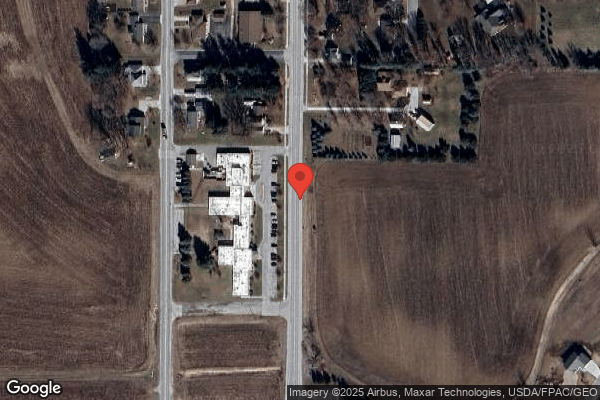
815 MAIN AVENUE SOUTH, HARMONY, MN 55939 (507) 886-6544
Non profit - Corporation 42 Beds Independent Data: November 2025 1 Immediate Jeopardy citation
Trust Grade
76/100
#30 of 337 in MN
Last Inspection: April 2025

Within standard 12-15 month inspection cycle. Federal law requires annual inspections.

Overview

Gundersen Harmony Care Center has a Trust Grade of B, meaning it's a good choice, providing solid care without being top-tier. It ranks #30 out of 337 nursing homes in Minnesota, placing it in the top half, and is #2 of 6 facilities in Fillmore County, indicating only one local option is better. The facility's performance has been stable, with only one issue reported in both 2024 and 2025, and it boasts excellent staffing ratings with more RN coverage than 86% of Minnesota facilities, although the staff turnover rate is average at 50%. However, it has faced some concerning incidents, including a critical finding where the facility failed to protect a resident from sexual abuse, and other issues related to documentation of resuscitation wishes and monitoring residents with cognitive impairments. Overall, while there are strengths in staffing and quality ratings, families should be aware of these serious past incidents when considering this facility.

Trust Score
B
76/100
In Minnesota
#30/337
Top 8%
Safety Record
High Risk
Review needed
Inspections
Holding Steady
1 → 1 violations
Staff Stability
⚠ Watch
50% turnover. Above average. Higher turnover means staff may not know residents' routines.
Penalties
⚠ Watch
$12,649 in fines. Higher than 76% of Minnesota facilities, suggesting repeated compliance issues.
Skilled Nurses
✓ Good
Each resident gets 73 minutes of Registered Nurse (RN) attention daily — more than 97% of Minnesota nursing homes. RNs are the most trained staff who catch health problems before they become serious.
Violations
✓ Good
Only 4 deficiencies on record. Cleaner than most facilities. Minor issues only.
★★★★★
5.0
Overall Rating
★★★★★
5.0
Staff Levels
★★★★☆
4.0
Care Quality
★★★★★
5.0
Inspection Score
Stable
2024: 1 issues
2025: 1 issues

The Good

  • 5-Star Staffing Rating · Excellent nurse staffing levels
  • 4-Star Quality Measures · Strong clinical quality outcomes
  • Full Sprinkler Coverage · Fire safety systems throughout facility
  • No fines on record

Facility shows strength in staffing levels, quality measures, fire safety.

The Bad

Staff Turnover: 50%

Near Minnesota avg (46%)

Higher turnover may affect care consistency

Federal Fines: $12,649

Below median ($33,413)

Minor penalties assessed

The Ugly 4 deficiencies on record

1 life-threatening
Apr 2025 1 deficiency
CONCERN (D)

Potential for Harm - no one hurt, but risky conditions existed

Accident Prevention (Tag F0689)

Could have caused harm · This affected 1 resident

**NOTE- TERMS IN BRACKETS HAVE BEEN EDITED TO PROTECT CONFIDENTIALITY** R7 R7's significant change Minimum Data Set (MDS) assessment dated [DATE], indicated R7 was severely cognitively impaired with d...

Read full inspector narrative →
**NOTE- TERMS IN BRACKETS HAVE BEEN EDITED TO PROTECT CONFIDENTIALITY** R7 R7's significant change Minimum Data Set (MDS) assessment dated [DATE], indicated R7 was severely cognitively impaired with disorganized thinking and inattention. R7 had a history of wandering, no limitation of functional range of motion, supervision for bed mobility, partial/moderate assist for transfers and activities of daily living (ADLs). R7 had bowel and bladder incontinence. R7's diagnoses list included: Alzheimer's disease, major depression, anxiety, restlessness with agitation, osteoporosis, high blood pressure, and cerebral infarction (stroke). During an observation on 4/8/25 at 11:02 a.m., R7 sleeping at the table, staff offered to lay R7 down or wait for lunch. R7 laid down. During an observation on 4/8/25 at 12:17 p.m., R7 laying in bed hands under head, bed in normal position, wheelchair pushed against the wall, floor alarm in place, call light on lap. R7's provider orders included: furosemide (used to reduce extra fluid in the body (edema) caused by conditions such as heart failure), carvedilol for high blood pressure, lorazepam for anxiety as needed, and venlafaxine for depression. R7's provider orders included check motion detector in room and at the desk for proper function daily. Replace batteries if not working correctly. R7's care plan included altered communication evidenced by difficulty with word find and speaking in sentences that do not make sense, assistance with ADLs and mobility requiring assist of 1 with walker for ambulation and transfers and extensive assist for ADLs. A fall care plan indicated R7 was at risk for falling related to impaired balance during transitions, use of antidepressant medications, history of falls resulting in fractured wrist, and frequent self-transferring. Interventions included: dicem (sticky material used to prevent slipping) between the seat of wheelchair and cushion at all times to help it from sliding out started 4/7/25. check motion detector in room and at the desk for proper function daily edited 10/21/24 observe frequently and place in supervised area when out of bed edited 9/25/24 provide toilet assistance every 2-3 hours edited 9/25/24 ensure auto-lock brakes on wheelchair remain in good , working order. If any issues or concerns arise with them, contact maintenance to assess or fix them dated 7/2/2024. Assure that resident is wearing proper, well-maintained footwear dated 5/23/24. encourage resident to participate restorative exercise as recommended by therapies. Encourage participation in group exercises when available that are led by activity staff edited 5/23/24. Encourage resident to use environmental devises such as hand grips, hand rails, etc. Remind resident to use assistive devices edited 5/23/24 Give resident verbal reminders not to ambulate/transfer without assistance. Follow physical and occupational therapy (PT/OT) recommendations for transfers and ambulation edited 5/23/24 Monitor overall condition for underlying infection that could contribute to altered mental status, weakness, and overall increased risk for falling edited 5/23/24, Provide an environment free of clutter. Always keep call light or pendant within reach. Keep personal items and frequently used items within reach edited 5/34/24. R7's cognitive loss/dementia care plan indicated R7 is unable to make daily decisions without cues/supervision related to her dementia, Alzheimer's, and anxiety diagnoses. Interventions include to monitor resident for exit seeking behaviors, wandering into unsafe areas, and entering other resident rooms uninvited, redirect when potential for injury is evident. Fall progress notes indicated the following: -On 9/8/24, resident found sitting on toilet with laceration to her head, sent to ER for sutures. Interventions included cold/ice, direct pressure to the wound Section titled Evaluation notes indicated Her careplan has been reviewed/revised, as necessary. -On 10/17/24 resident was observed reaching for floor alarm on floor and slid out of bed. Immediate intervention: put bed in lowest position. Careplan lacked documentation of intervention put in place. -On 11/14/24 resident found crawling on the floor. Motion detector was turned around so not alarming, bed in lowest position. Immediate interventions indicated none of the above. Evaluation notes indicated Her careplan has been reviewed/revised, as necessary. -On 12/27/24, resident observed sitting on the floor scooting into the hallway from her room. Resident was assisted to toilet, provided ADLs and assisted into bed. Resident was on Covid restrictions and had to use the restroom. Immediate interventions indicated none of the above. Summary of investigation indicated resident was assisted off the floor, toileting, received ADL's, and into bed for the night. Her careplan has been reviewed/revised, as necessary. -On 1/1/25, staff responded to motion sensor and found resident sitting on the floor of her room. Wheelchair and walker were not near her and resident was wearing 1 gripper sock. Sent to ER for evaluation of left leg. No fracture noted. Careplan has been reviewed/revised as necessary. Immediate intervention: rest. -On 3/19/25, resident had just been changed. Alarm was not put back in place. Immediate interventions, Got up in wheelchair to move around, rest -On 4/1/25, resident was found on floor by dietary staff. Immediate intervention: rest. Summary of investigation was left blank. During interview on 4/9/25 at 1:36 p.m., registered nurse (RN)-B stated R7 is very busy often responds with gibberish when asked questions. R7 tends to have days and nights mixed up and wanders throughout the unit going into other resident's rooms. R7 can be hard to redirect and has gotten aggressive. Falls are usually stemming from falling out of bed. Staff implemented rounding program every hour. Staff anticipate resident's needs for bathroom and eating. Motion sensor in resident's room. If self-transferring, staff get her up and let her wander around. Staff have also been instructed not to wake resident up in the middle of the night unless necessary. Staff also offer resident food and bring her out to the common area for distraction as resident likes to fidget. There are also photo albums and has a short attention span. Resident is on hospice and hospice has ordered morphine and lorazepam. Resident is also on scheduled Gabapentin (used to treat partial seizures, nerve pain from shingles and restless leg syndrome) to help with restlessness. Most of resident's falls occur in the evening and night. During interview on 4/10/25 at 10:22 a.m., RN-A stated unwitnessed falls require an assessment and neuros (assess an individual's neurological functions, motor and sensory response, and level of consciousness). The expectation is to paint a picture of what happened, and where they were. An email is sent out to everyone regarding the fall. RN-A mentioned to management last week they need to change how they look at falls. Currently, RN-A and the activity manager are assigned to monitor falls. Interventions are based on what type of fall. If resident's crawl out of bed, motion detectors are used. Referrals to PT/OT are made when appropriate. R7 had a couple falls when diagnosed with Covid due to being isolated to her room. When awake, R7 should be up and supervised out of her room. Current interventions include ambulation program, motions sensor, dicem under chair, toileting every 2-3 hours, autolock breaks on wheelchair, and nonstick footwear. They also increased her PRN (as needed) Ativan. RN-A confirmed the facility needs to do a better job at documenting interventions that have been put in place and need to get more people involved in fall investigation to do a better review of falls and appropriateness of interventions During an interview on 4/10/25 at 11:11 a.m., the director of nursing (DON) stated R7 has a history of behaviors and falls. The DON stated there isn't always a rhyme or reason for resident's falls as she does not feel they are all related to sundowning. R7 tends to be more active in the evening and has a history of spitting out medications. Staff attempt to distract R7. R7 can be very unpredictable. Current interventions include nonstick footwear, motion detector when in bed, antiroll back brakes, dicem in wheelchair and increased supervision. R7 is also toileted every 2-3 hours because R7 cannot really communicate toileting need. Staff encourage R7 to participate in restorative programs. Reminders to ask for assistance do not work for her [due to dementia diagnosis.] Staff also keep frequently used items close and allow resident to roam free when she is anxious. The DON also indicated staff do hourly rounding. She confirmed they need to do a better job at looking deeper into each fall and making sure all interventions are on the care plan. Heating Pad admission Minimum Data Set (MDS) assessment dated [DATE] indicated R28 was cognitively intact and had functional limitation in range of motion for both upper and lower extremities. R28's diagnoses list included displaced pelvic fracture, morbid obesity, anxiety, borderline personality disorder, bipolar II disorder, and left femur fracture. During observation on 4/7/25 at 7:30 p.m., R28 was sitting in her recliner with her legs up. R28 was wearing long pants and an abd bandage (a thick rectangular bandage used to absorb fluids and protect skin) on the left shin area. R28 placed a sheet over her legs and reached for her heating pad. R28 placed heating pad on top of the sheet over her left shin area. Heating pad did not contact bare skin. R28 turned heating pad on. R28's provider orders lacked order for use of heating pad. R28's careplan lacked documentation of use of heating pad. R28's hospital discharge summary lacked documentation for use of heat/heating pad. Progress notes dated 4/8/25 at 1:28 a.m., indicated R28 reported pain to lower left leg and did have her heating pad on the location for about 20 minutes. Progress notes dated 4/8/25 at 7:15 a.m., R28 does have a heating pad in her room. Progress notes dated 4/8/25 at 11:29 a.m., indicated R28 reported pain of 9 out of 10 to left leg with leg spasms. R28 was repositions and used heating pad. Progress notes dated 4/9/2025 at 3:42 a.m., indicated R28 does have her heating pad in her room. During interview on 4/8/25 at 2:59 p.m., licensed practical nurse (LPN)-C stated R28 takes muscle relaxer and narcotic pain medications every 4 hours for pain. R28 refuses ice and repositioning to help with pain control. LPN-C reported seeing the heating pad for the first time on 4/7/25 and thought R28's mother brought it in. LPN-C stated the heating pad should have been reported to the director of nursing (DON), however it slipped my mind. During interview on 4/9/25 at 9:35 a.m., registered nurse (RN)-C stated R28 will ask for pain medications routinely as soon as she is allowed to take them. RN-C reported seeing the heating pad in R28's room but assumed it had already been checked out by maintenance and approved. RN-C stated R28 does not usually use heating pad. RN-C confirmed electric items brought in from home have to be checked out by maintenance or policy has to be verified. During interview on 4/9/25 at 1:18 p.m., RN-B stated resident has struggled with pain control. Provider has evaluated and adjusted medications. RN-B stated she was not aware R28 had a heating pad in her room. RN-B stated R28 did ask about using a heating pad when she was first admitted . Staff informed R28 a heating pad has to have an automatic shut-off to be used in the facility. RN-B stated social services director (SS)-A told R28 if a heating pad was brought in, it needs to be checked out. RN-B stated R28's husband brought in the heating pad. During interview on 4/10/25 at 9:20 a.m., SS-A stated R28 asked about using a heating pad upon admission. R28 was informed she could bring one in but it would have to be evaluated to ensure it had the correct connection, indicate accurate temperature, and had an automatic shut off. SS-A stated R28's husband must have brought it in without telling anyone. SS-A was not made aware of heating pad until 4/8/25. During interview on 4/10/25 at 9:55 a.m., maintenance director (M)-A stated heating pads are required to have a grounded (3-prong) plug to be approved. M-A stated he was not aware R28 had a heating pad. During interview on 4/10/25 at 11:04 a.m., R28 stated her husband brought in the heating pad however, could not recall what date. During interview and observation on 4/10/25 at 11:27 a.m., the director of nursing (DON) stated she was not aware R28 had a heating pad. The director of nursing provided the heating pad which was observed to have an ungrounded 2-prong cord and temperature indicator of low, medium, high. The director of nursing stated using an ungrounded heating pad can increase the risk of an electrical short. There is also an increased risk of burns if resident were to fall asleep with the heating pad on due to the inability to determine exact temperature. A policy titled Portable Space Heaters/ Electric Blankets, HAREM- dated 4/2025 indicated With a doctor's order, electric blankets may be used provided they are new (dedicated to that resident only), UL listed, and are plugged directly into an electrical outlet (extension cords are not permitted). Facility fall prevention policy revised 4/2025 titled Fall Prevention indicated After an observed or probable fall, the staff will clarify the details of the fall, such as the staff will clarify the details of the fall, such as when the fall occurred and what the individual was trying to do at the time the fall occurred. This will be done by calling a Fall Huddle (see attached algorithm). -Nursing supervisor at the time will have all staff, working in the area of the fall, meet together to determine root cause analysis -Huddle will be called immediately after resident is stabilized -Staff will evaluate chain of events or circumstances preceding the fall (see attached fall huddle form) including: Time of day Whether fall was witnessed or not What the resident was doing What type of footwear did the resident have on What was the resident doing prior to the fall Distance of fall from starting location Location of fall ie. Bedside, between bed and bathroom, etc Last time resident had been to the bathroom and whether he/she was incontinent or not Mental status Gait assist devices -Staff will address any immediate interventions needed to prevent resident from falling again and communicate this to staff If fall is related to defective equipment, nursing supervisor will be responsible for taking this equipment out of service and notify the maintenance of need to examine and improvements can occur -Nursing supervisor will enter information gathered from huddle and interventions taken into the event form -Nursing supervisor will then place completed Safety Huddle Form in Director of Nursing's mailbox Review of falls -The interdisciplinary team reports on all falls daily at the stand-up meeting and reviews the details known about the fall. -The IDT team will review fall events in their group discussion at the next daily stand-up meeting and close the event, including: Occurrence, huddle findings' Root cause Interventions in place-Do they match RCA Are they weak, intermediate, or strong interventions? Suggestions? Protocol adherence-Are systems and operational changes needed? Any addition interventions desired through IDT analysis Monitoring subsequent falls and fall risk: -The staff will monitor and documents each resident's response to interventions intended to reduce falling or the risks of falling -If interventions have been successful in preventing falling, staff will continue the interventions or reconsider whether these measure are still needed if a problem that required the interventions (e.g. dizziness or weakness) has resolved -If the resident continues to fall, staff will re-evaluate the situation and whether it is appropriate to continue tor change current interventions. As needed, the Attending Physician will help the staff reconsider possible causes that may not previously have been identified -If a resident is noted to fall twice in a 2-month time period, referral to therapy will be made. If referral to therapy is not made, reasons for not referring will be documented on the fall investigation form -If a resident is noted to fall twice in a 2-month time period, need for pharmacy consult will be evaluated. If it is determined that thee is a need for a pharmacy consult, a referral be made, If referral is not made, reasons for not referring will be documented on fall investigation event form. -The staff and/or physician will document the basis for conclusion that specific irreversible risk factors exist that continue o present a risk for falling or injury due to falls Based on observation, interview, and record review, the facility failed to comprehensively reassess, implement appropriate person-centered interventions and analyze falls to help prevent future falls and potential injury for 2 of 2 residents (R22, R7). In addition, the facility failed to assess for proper use of a heating pad for 1 of 1 residents (R28) reviewed for accidents. Findings include: R22's Minimum Data Set (MDS) assessment dated [DATE] indicated no cognitive impairment. R22's function status showed she requires a walker for mobility, substantial assistance for toileting, partial assistance for dressing, and is dependent on facility staff to put on or take off footwear. R22's bladder status showed occasional incontinence. R22's special treatments include oxygen therapy. R22's diagnosis included: chronic respiratory failure with hypoxia, urinary incontinence, cognitive loss/dementia, and heart failure. R22's care plan dated 2/18/25 indicated R22 had mild cognitive impairment and problems with memory/recall, has impaired balance, and risk for falls related to impaired mobility, oxygen use, and self-transferring. R22's care plan dated 7/25/24 indicated staff interventions include assure glasses are nearby, assure floor is free of objects, encourage resident to use hand grips and handrail, provide proper footwear, give verbal reminders not to ambulate or transfer without assistance, provide environment free of clutter, and give medications as ordered. R22's Fall even report dated 8/12/24 indicated R22 had an unwitnessed fall with no noted injury. R22 stated at the time she was getting up to move her blanket. Interventions at the time of fall included call light within reach, frequently used items within reach, and appropriate footwear. No new person-centered interventions updated after fall. R22's fall event report dated 8/14/24 indicated R22 had an unwitnessed fall requiring an emergency room visit and two staples for a head laceration. R22 stated at the time she was unsure of what she was trying to do when she fell. Interventions in place at time of fall included call light within reach, walker within reach, frequently used items within reach, and appropriate footwear. No new person-centered interventions updated after fall. R22's fall event report dated 2/25/25 indicated R22 had an unwitnessed fall with minor injuries. R22 stated at the time she was trying to use the restroom, and her feet got tangled in her oxygen tubing. Interventions in place at the time of fall included call light within reach, walker within reach, frequently used items within reach, and appropriate footwear. No new person-centered interventions updated after fall. R22's fall event report dated 3/10/25 indicated R22 had an unwitnessed fall with minor injuries, due to dizziness required a visit to the emergency room to rule out a head blead. Resident was sent back to facility with no injuries. Resident stated at the time she was getting up to use the restroom and her feet got entangled in her oxygen tubing. Interventions in place at the time of fall included call light within reach, walker within reach, frequently used items within reach, and appropriate footwear. Resident was reminded to use call light and ask for assistance. No new person-centered interventions updated after fall. During observation and interview on 4/7/25 at 4:30 p.m., R22 stated she had fallen a few times, she has gone to the emergency room a couple of times because she became dizzy after her falls. R22 stated her last two falls were because her oxygen tubing got caught in her feet and she lost balance. R22 stated she would like shorter oxygen tubing to help prevent another fall. R22 stated staff will tell her she has to use her call light more and ask for assistance. Oxygen tubing observed extending from resident feet towards oxygen concentrator with tubing coiled in behind oxygen concentrator. Resident had call light on side table, side table was positioned in front of resident. [NAME] was across the room below the television. During observation on 4/8/25 at 2:04 p.m., oxygen tubing was stretched out across room, beneath walker, extending towards resident with the remaining tubing coiled beneath concentrator. During interview on 4/9/25 at 9:03 a.m., nursing assistant (NA)-C stated R22 has a history of falling; most always due to getting her feet caught in her oxygen tubing. NA-C stated the interventions in place for R22 included call light within reach, walker within reach, frequently used items within reach, and appropriate footwear. NA-C stated she didn't think these interventions were enough because R22 kept falling for the same reason. During observation on 4/9/25 at 9:07 a.m., resident attempting to get up on her own, did not use call light. Staff walking with another resident asked resident if she would sit back down and they would be in to help her in a few minutes. Resident stated she wanted to get dressed now. Staff continued to assist another resident. Oxygen tubing was beneath resident feet, stretching towards oxygen tubing. During observation on 4/9/25 at 11:06 a.m., resident attempting to get up on her own, she did not use call light. Oxygen tubing was beneath walker extending towards oxygen concentrator. During interview on 4/9/25 at 1:40 p.m., DON and registered nurse (RN)-A stated the process after a fall happens is to make sure the resident is assessed and treated immediately, notify appropriate staff and family, follow up per provider orders. Post falls assessments are completed based on provider orders. Post fall evaluation is completed during next stand-up meeting and/or interdisciplinary meeting if falls are repeated. RN-A confirmed interventions in place at time of all falls was call light within reach, walker within reach, frequently used items within reach, and appropriate footwear. RN-A confirmed only verbal reminders to ask for assistance were used to prevent future falls. DON and RN-A confirmed the current care plan does not reflect additional interventions to prevent future falls. DON and RN-A confirmed the resident does need an updated care plan to address her falls.
Feb 2024 1 deficiency
CONCERN (D)

Potential for Harm - no one hurt, but risky conditions existed

Deficiency F0578 (Tag F0578)

Could have caused harm · This affected 1 resident

**NOTE- TERMS IN BRACKETS HAVE BEEN EDITED TO PROTECT CONFIDENTIALITY** Based on interview and document review, the facility failed to ensure resident current wishes for resuscitation status were accu...

Read full inspector narrative →
**NOTE- TERMS IN BRACKETS HAVE BEEN EDITED TO PROTECT CONFIDENTIALITY** Based on interview and document review, the facility failed to ensure resident current wishes for resuscitation status were accurately documented in the medical record in a timely manner for 1 of 16 (R184) resident reviewed for advanced directives. Findings include: R184's Provider Orders for Scope of Treatment (POST) indicated Do not attempt resuscitation/DNR dated by the medical provider on [DATE] at 12:16 p.m. R184's electronic medical record (EMR) review on [DATE] at 5:36 p.m., lacked indication of code status in the identification banner. R184's Progress notes indicate R184 admitted to the facility on [DATE] at 11:15 without resident representation present. At 4:51 p.m., Social Worker (SW)-A attempted to reach R184's power of attorney Family member (FM)-A. At 7:49 p.m., RN-B left message for FM-A requesting immediate call back for direction regarding resident's care. On [DATE] at 2:46 a.m., facility staff left message for FM-A to return call. R184's Progress note dated [DATE] 11:59 p.m indicated FM-A returned call and stated R184 is to be a do not resuscitate (DNR) however, was not available to sign POST. R184's Progress notes indicate FM-A signed POST on [DATE]. Although on [DATE] at 9:02 a.m., R184's EMR continued to lacked indication of code status in the identification banner. During an interview on [DATE] at 01:39 p.m., LPN-A stated it is facility policy to verify code status with POST in the resident's hard chart. The first lace LPN-A would look at is the EMR identification banner for code status and then the hard chart if the EMR banner was not updated. LPN-A confirmed there was no indication of code status on R184's EMR identification banner. LPN-A stated not having a code status could lead to a resident having CPR performed when they didn't want it. LPN-A stated the nurse manager enters a resident's code status. During an interview on [DATE] at 2:45 p.m., the director of nursing (DON) stated advanced directives and code statuses are established at admission. She stated the facility had difficulty reaching R184's power of attorney to confirm R184's code status. DON stated R184 fell through the cracks due to the difficulty reaching the power of attorney. During interview on [DATE] at 9:53 a.m., SW-A stated she is not always the first person to see the residents upon admission to the facility. Code status is established by the nursing department in most cases. SW-A stated R184's health care directive from the hospital lacked indication of code status. SW-A stated facility policy indicates residents are considered full code until the POST form is signed for legal reasons to avoid potential for miscommunication. SW-A stated R184's power of attorney was informed R184 would be a full code until the form was signed. R184's POST was signed on [DATE] by FM-A and SW-A. During interview on [DATE] at 11:08 a.m., RN-A stated she would look at the POST to verify code status. If the POST was not signed, she would assume resident was full code. RN-A stated verbal confirmation of code status is not sufficient and a resident would still be considered a full code until a POST is signed. During interview on [DATE] at 12:51 p.m., R184's power of attorney (FM-A) recalled having a conversation with the facility regarding R184's code status and stated he did sign code status paperwork on [DATE]. He was unable to confirm being told R184 could be treated as full code until POST was signed. During interview on [DATE] at 12:59 p.m., RN-B stated she is responsible for putting the admission packet together, receipt of discharge paperwork, and inputting orders into EMR. Nursing floor staff are responsible for filling out consents for necessary equipment and going through POST with the resident or responsible party. RN-B stated she enters information into EMR. It was her understanding R184 would be enrolling in hospice upon admission and the power of attorney would be arriving with the resident. RN-B stated she entered R184's code status as DNR in the EMR, however removed it upon realizing the power of attorney would not be arriving with R184 to sign the POST. She acknowledged she should have indicated FULL CODE on the EMR banner until the POST could be signed. She stated she asked the DON and SW-A if a verbal confirmation of code status was acceptable prior to signature. They were both unsure as their policy indicates full code in the absence of a signed POST. She was also unaware hospice arrangement had not been made prior to R184's admission. RN-B stated the facility is in the process of changing their admission policy to ensure hospice arrangements and code status is established prior to or on the day of admission to ensure information is not missed in the future. A policy dated 11/23 titled CPR indicates the objective of the CPR policy is to provide basic life support based until emergency medical services arrives, consistent with the resident advanced directives, in the absence of an advance directive or do not resuscitate order and if the resident does not show signs of clinical death. Prompt initiation of CPR is essential as brain death begins four to six minutes following cardiac arrest if CPR is not initiated within that time. It continues, Advanced directive-means according to 42C.F.R. 489.100, a written instruction, such as living will or durable power of attorney for health care, recognized under state law (whether statutory or as a recognized by the courts of the State), relating to the provision of healthcare when the individual is incapacitated. Some states also recognize a documented oral instruction. It is the policy of [NAME] Harmony Care Center to provide basic life support, including CPR- Cardiopulmonary Resuscitation, when a resident requires such emergency care, prior to the arrival of emergency medical services, subject to physician order and resident choice indicated in the resident's advanced directives. Nurses and other care staff are educated to initiate CPR, as recommended by the American Heart Association (AHA) unless: A valid Do Not Resuscitate order is in place - Resident presents with obvious signs of clinical death (e.g. rigor mortis, dependent lividity, decapitation, transection or decomposition) are present. -Initiating CPR could cause injury or peril to the rescuer. A facility policy dated 6/2023 titled Advanced Directives indicates it is facility policy to identify if the resident has an advance directive upon admission. If an adult individual is incapacitated at the time of admission and is unable to receive information or articulate whether or not he or she has executed an advance directive, [NAME] Harmony Care Center will give advance directive information to the individual's resident representative in accordance with Minnesota State law. The section titled Cardiopulmonary Resuscitation (CPR) indicates staff are educated to initiate CPR unless a valid DNR order is in place.
Oct 2023 2 deficiencies 1 IJ
CRITICAL (J) 📢 Someone Reported This

A family member, employee, or ombudsman was alarmed enough to file a formal complaint

Immediate Jeopardy (IJ) - the most serious Medicare violation

Free from Abuse/Neglect (Tag F0600)

Someone could have died · This affected 1 resident

**NOTE- TERMS IN BRACKETS HAVE BEEN EDITED TO PROTECT CONFIDENTIALITY** Based on observation, interview and record review the facility failed to ensure resident-to-resident sexual abuse were identifie...

Read full inspector narrative →
**NOTE- TERMS IN BRACKETS HAVE BEEN EDITED TO PROTECT CONFIDENTIALITY** Based on observation, interview and record review the facility failed to ensure resident-to-resident sexual abuse were identified timely, and implement appropriate actions to prevent ongoing abuse for 1 of 1 resident (R1) who had severe cognitive impairment and unable to give consent. This deficient practice resulted in an immediate jeopardy (IJ) for R1, a reasonable person would have experienced severe psychosocial harm-dehumanization, and humiliation as a result of the sexual abuse. The IJ began on 5/13/23, when the facility failed to implement protection measures after staff observed R2 inappropriately touching R1's perineal area (in-between legs) which subsequently resulted in R2 continued inappropriately touching of R1. The administrator and clinical manager (CM)-A were notified of the IJ on 10/11/23 at 1:13 p.m. The facility implemented corrective action and the deficient practice was corrected on 9/30/23, prior to the survey and was issued at past non-compliance. Findings include: R1's quarterly minimum data set (MDS) dated [DATE], indicated R1's cognition was severely impaired with diagnoses of dementia, neurocognitive disorder with Lewy bodies (a type of progressive dementia that leads to a decline in thinking, reasoning, and independent function), aphasia (a disorder that results from damage to portions of the brain that are responsible for language), anxiety disorder and delusional disorder. R1 used wheelchair for mobility and wandered for one to three days. R1's care plan dated 4/12/23, indicated intermittent episodes of affection toward other residents has been determined inappropriate for R1 as she does not have the capacity to give consent. Interventions dated 4/12/23, directed staff to allow hand holding with other residents if R1 chooses to do so and monitor relationships with other residents. R2's quarterly MDS dated [DATE], indicated R2 had intact cognition and diagnoses of Alzheimer's disease, dementia, and anxiety disorder. R2 was independent with moving around the facility in a wheelchair and displayed physical behavior symptoms directed towards others for one to three days. R2's care plan dated 5/25/22, indicated R2 will occasionally say inappropriate things to female staff members or female residents, has attempted to touch female staff members and another female resident inappropriately in the past. Interventions dated 5/25/22, that staff will redirect R2's conversation if it starts to head in an inappropriate direction. Reminding R2 how much he loves his wife. During an observation on 10/9/23, at 4:43 p.m. R1 was seated in a Broda chair with the left side of her body facing the fish aquarium seated up to the table. She was hanging onto a baby doll that was wrapped in a blanket. She had flat affect and was kicking her feet. At 4:44 p.m R2 was seated in a wheelchair with R2's right side facing the window. R2 turned his head towards R1 who was at the table furthest from R2 by the fish aquarium, and would glance over at this surveyor then look out the window, this was repeated several times. R2's progress notes dated 5/13/23, at 4:30 pm, indicated that R2 wheeled self over to R1 and stated to her, Do you want me to touch you, R2 then placed his hand in R1's inner leg/peri area, staff intervened and told R2 not to do that and removed R1 from the area. Another male resident (R4) stated to R2, I'm glad you got caught. R2 told R4, Fuck you. There was no indication the incident was reported. During an interview on 10/11/23, at 10:09 a.m. with R4 who according to his quarterly MDS dated [DATE], did not have cognitive impairment reported R2 used to be his roommate. R4 stated R2 was not very decent with the ladies. R4 reported he witnessed R2 grabbing in between R1's legs on 5/13/23, which was upsetting to him. R4 stated he yelled for licensed practical nurse (LPN)-A over. It was terrible. I told the nurse why you are allowing this? [R1] doesn't even know what is going on, it makes me sick. It just isn't right. R4 explained R2 used the f-word on me because he called him [R2] out for touching R1. R2's progress notes dated 6/1/23, at 9:56 p.m. indicated R2 wheeled self over to R1 and put his hand on R1's inner thigh, staff observed from a distance and removed R1 from the area. R2 went to his room. Staff will monitor for increased behaviors. There was no indication the incident was reported. R2's progress note dated 8/21/23, at 1:06 p.m. indicated R2 exhibited sexual behaviors towards R1. R2 was reaching and touching R1 between the legs. R2 was asked to stop and leave R1 alone despite this, R2 continued to exhibit the behavior two more times, R1 was then moved to another area. R2 later continued to approach R1 and was again asked to leave R1 alone and go find somewhere else to sit. Social worker (SW)-A intervened and directed R2's thoughts to a different subject. There was no indication the incident was reported or investigated. R1's progress note dated 9/30/23, indicated R1 was sitting in her chair in the TV lounge. R2 was observed to have his left hand on R1's left breast. Staff separated R1 and R2. R1 was showing no signs and symptoms of distress at this time. Order in place to monitor for distress. Staff completed event and notified Administration, director of nursing (DON), case manager (CM), social worker (SW), and family. During an interview on 10/9/23 at 1:59 p.m., nursing assistant (NA)-A and NA-B, NA-A indicated on a typical day staff assisted R2 with his morning cares; R2 liked to be up in his wheelchair by 8:30 a.m. NA-B stated during cares R2 would sometimes would grab you inappropriately. Staff would redirect and tell him the behavior was not appropriate. NA-A indicated R2 went from targeting staff to targeting R1. R2 was alert and knew to wait by the window every Saturday for his family, he knew where his room was, and he knew his old roommate R4. [R2] knows what he is doing is wrong. NA-A explained R2 needed to have supervision at all times when he is up in his wheelchair. R2 watched to see where staff were, if staff were not within his line of sight he would make a grab on someone, namely poor R1. During an interview on 10/9/23, at 4:59 p.m. NA-C indicated during morning cares, it was normal for R2 to try to touch body parts and kiss you. Tell him it's not appropriate and R2 apologized. NA-C indicated that R1 and R2 needed to be kept apart due to R2 touching R1 inappropriately. NA-C guessed R1 did not have the capacity to consent. R1 was still married, if R1 actually had the capacity to think, there was no way R1 would be ok with any male touching her like that. During an interview on 10/9/23, at 5:17 p.m. NA-D stated an awareness of R2's long standing sexually inappropriate behaviors that included innuendos, advances, grabbing for women's private parts, and strong sexual language. Staff were supposed to redirect R2 and explain the behavior was not appropriate. NA-D stated R1 hardly ever talked and thought R1 did not have the ability to say no. I feel bad for R1. NA-D would find it hard to believe R1 had the ability to consent or would consent to having anything like her boobs fondled or crotch grabbed. During an interview on 10/9/23, at 5:21 p.m. NA-E indicated R2 had a history of being sexually inappropriate with female staff and was not aware if R2 had been sexually inappropriate with female residents aside from R1. NA-D indicated he was working on 9/30/23 when R2 was fondling R1's breast. After the incident, initially both R1 and R2 were on 15-minute checks, but now we have to keep our eyes on R2 at all times, R2 can't be trusted. During an interview on 10/9/23 at 11:58 a.m., licensed practical nurse (LPN)-B indicated R2 had a long history of being sexually inappropriate with staff and now with R1. LPN-B explained they keep R1 and R2 apart, sit at separate tables away from each other during meals and activities. Staff also make sure R2 keeps his distance from other female residents. During a phone interview on 10/10/23, at 12:41 p.m. LPN-B indicated R2 had attempted to reach out and touch R1's groin area several times. R2 had been educated several times by nursing about being inappropriate, staying in his own space, and not touching others. LPN-B had discussed her concerns about R2's sexual behaviors with SW-A and director of nursing (DON) several times if it was safe for R2 to be around other residents when he demonstrated these behaviors. LPN-B explained This was R1's home and R1 should not have to deal with being constantly touched and prodded. LPN-B indicated R2 would always look around to see where staff were when R1 was in the vicinity, like he was waiting for staff to leave so he could approach R1. LPN-B indicated according to R2's family member, the sexual behaviors were nothing new and R2 had been like this for years. During an interview on 10/10/23, at 1:50 p.m. LPN-A indicated they were working on 5/26/23 and 6/1/23 and stated that R2 has had sexual behaviors towards staff since his admission a year and a half ago. LPN-A indicated R2 started to target R1 sexually in May of 2023. He seemed to constantly seek R1 out to inappropriately touch her groin and breast. LPN-A stated they would constantly redirect R2 away from R1 until R2 would go to bed, which was after supper. LPN-A indicated there were many near miss events where staff intervened before R2 could touch R1 and there may have been times where the sexual abuse was not documented. LPN-A indicated each event was reported to the DON. It was not until the incident on 9/30/23, when R2 was fondling R1's breasts that interventions of increased supervision was implemented to prevent R2 from touching R1. During an interview on 10/10/23, at 12:01 p.m. registered nurse (RN)-A indicated on 8/21/23, R1 was by the wall where the fish aquarium was on the right side facing the Memory Lane hallway. R2 was wheeling himself up to R1's left side and started talking with her. Then R2 put his right hand on R1's right inner thigh/peri area, it was on top of R1's pants not in them. RN-A intervened, moved R2 away and told him it was not appropriate, R2 apologized to RN-A, however, he attempted to do the same thing to R1 twice after that. RN-A indicated R1 was moved to the nurse's station where staff would be close and deter R2. RN-A indicated she had not reported the incident to facility administration on 8/21/23, because R2's sexual behaviors were so normalized in the facility. During a phone interview on 10/10/23, at 2:29 p.m. family member (FM)-A indicated R1 was Lutheran and followed her religion closely. R1 was married, had children and was previously an activity director at a LTC facility. R1 never showed public displays of affection with any of her husband's and was very private in that manner. Prior to R1's illness if another male were to ever touch her breasts or groin area it would have mortified and humiliated R1, especially in a public setting or in front of other people. R1 believed and preached no sex before marriage and would have been severely humiliated and mortified by these sexual touches. During a phone interview on 10/11/23, at 12:35 p.m. R1's guardian (G)-A indicated she was R1's guardian until the end of October (2023) then FM-A would take over guardianship. G-A indicated an awareness of R1 having her breasts fondled by an unknown male resident. R1 was a vulnerable adult and did not remember things. During a meeting in April it was determined R1 was not able to consent to sexual activities due to her dementia. During an interview on 10/10/23, at 3:05 p.m. social worker (SW)-A and DON indicated an unawareness of sexual touches to R1's groin on 5/13/23, 6/1/23 and 8/21/23. SW-A stated, if we had known we would have immediately protected R1, reported the abuse to the state and put prevention plans in place to protect all residents which is what we did when we knew R2 fondled R1's breasts on 9/30/23. Although R1 had severe cognition, unable to consent and had a flat affect the facility did not implement interventions to mitigate the risk of abuse occurring to R1 by R2. FM-A and guardian both identified R1 was usable to consent. FM-A identified how R1 would have responded to the abuse if she had the ability. As a result of this information the reasonable person concept was applied for R1. The facility policy, Abuse Potential/Vulnerable Adult/QAPI review revised 01/2023, indicated It is the policy of [NAME] Harmony Care Center to maintain an environment where residents are free from abuse, neglect. exploitation, and misappropriation of resident property and all residents, staff, families, visitors, volunteers, students, and resident representatives are encouraged and supported in reporting any suspected acts of abuse, neglect, exploitation, or misappropriation of resident property. Sexual Abuse is non-consensual sexual contact of any type with a resident. Generally sexual contact is nonconsensual if the resident either: appears to want the contact to occur but lacks the cognitive ability to consent; or does not want the contact to occur. G. Reporting and Response Abuse reporting requirements: [NAME] Harmony Care Center will ensure that all alleged violations involving abuse, neglect, exploitation or mistreatment, including injuries of unknown source and misappropriation of resident property, that may constitute reasonable suspicion of a crime are reported immediately, but not later than 2 hours after the allegation is made .Internal reporting: Employees must always report any abuse, suspicion of abuse, or suspicion of crime immediately to the Administrator. Note: Failure to report can make employee just as responsible for the abuse in accordance with State Law. The past-noncompliance immediate jeopardy began on 5/13/23 and was removed on 9/30/23, when the facility implemented a systemic plan to ensure all residents were safe. The following actions were implemented prior to survey. -Review of R2's care plan dated identified continuous monitoring of his whereabouts. -Review of R1's progress notes dated 9/30/23 identified monitoring/assessing for R1's behaviors for any changes as a result of the abuse -Facility staff received abuse and sexual abuse training -During staff interviews from 10/9/23 to 10/11/23, identified direct care staff were able to articulate what constituted abuse and the facility's abuse reporting policy.
CONCERN (D) 📢 Someone Reported This

A family member, employee, or ombudsman was alarmed enough to file a formal complaint

Potential for Harm - no one hurt, but risky conditions existed

Report Alleged Abuse (Tag F0609)

Could have caused harm · This affected 1 resident

**NOTE- TERMS IN BRACKETS HAVE BEEN EDITED TO PROTECT CONFIDENTIALITY** Based on interview and document review, the facility failed to ensure the State Agency (SA) were notified within 2 hours of staf...

Read full inspector narrative →
**NOTE- TERMS IN BRACKETS HAVE BEEN EDITED TO PROTECT CONFIDENTIALITY** Based on interview and document review, the facility failed to ensure the State Agency (SA) were notified within 2 hours of staff witnessing three allegations of resident-to-resident sexual abuse for 1 of 1 residents (R1) when R2 inappropriately placed his hands in between R1's legs. Findings include: A Facility Reported Incident (FRI) submitted to the State Agency on 10/11/23 at 8:08 p.m., alleged resident to resident sexual abuse when staff witnessed R2 wheeled self over to R1 and stated to her, Do you want me to touch you, as R2 placed his hand in R1's inner leg/peri area, staff intervened and told R2 not to do that and removed R1 from the area. Another male resident [R4] stated to R2, I'm glad you got caught. R2 told [R4], Fuck you. The incident occurred on 5/13/23, at 4:30 p.m. which was approximately 151 days prior to the facility reporting the incident. During an interview on 10/11/23, at 10:09 a.m. with R4 who according to his quarterly MDS dated [DATE], did not have cognitive impairment reported R2 used to be his roommate. R4 stated R2 was not very decent with the ladies. R4 reported he witnessed R2 grabbing around in between R1's legs on 5/13/23, which was upsetting to him. R4 stated he yelled for licsensed practical nurse (LPN)-A over. It was terrible. I told the nurse why you are allowing this? [R1] doesn't even know what is going on, it makes me sick. It just isn't right. R4 explained R2 used the f-word on me because he called him [R2] out for touching R1. A FRI submitted to the State Agency on 10/11/23 at 8:56 p.m., alleged resident to resident sexual abuse when staff witnessed R2 wheel self over to R1 and put his hand on R1's inner thigh. The incident occurred on 6/1/23, at 8:09 p.m. which was approximately 132 days prior to the facility reporting the incident. A FRI submitted to the State Agency on 10/11/23 at 8:54 p.m., alleged resident to resident sexual abuse when staff witnessed R2 inappropriately was reaching and touching in between R1's legs, R2 place his hand inside R1's inner thigh. R2 was redirected to another area, despite this he did do the same behavior two more times. The incident occurred on 8/21/23 at which was approximately 51 days prior to the facility reporting the incident. R1's quarterly Minimum Data Set (MDS) dated [DATE], indicated R1's cognition was severely impaired with diagnoses of dementia, neurocognitive disorder with Lewy bodies (a type of progressive dementia that leads to a decline in thinking, reasoning, and independent function), aphasia (a disorder that results from damage to portions of the brain that are responsible for language), anxiety disorder and delusional disorder. R1 used wheelchair for mobility and wandered for one to three days. R1's care plan dated 4/12/23, indicated intermittent episodes of affection toward other residents has been determined inappropriate for R1 as she does not have the capacity to give consent. Interventions dated 4/12/23, directed staff to allow hand holding with other residents if R1 chooses to do so and monitor relationships with other residents. R2's quarterly MDS dated [DATE], indicated R2 had intact cognition and diagnoses of Alzheimer's disease, dementia, and anxiety disorder. R2 was independent with moving around the facility in a wheelchair and displayed physical behavior symptoms directed towards others for one to three days. R2's care plan dated 5/25/22, indicated R2 will occasionally say inappropriate things to female staff members or female residents, has attempted to touch female staff members and another female resident inappropriately in the past. Interventions dated 5/25/22, that staff will redirect R2's conversation if it starts to head in an inappropriate direction. Reminding R2 how much R2 loves his wife. During an interview on 10/10/23, at 1:50 p.m. LPN-A indicated working on 5/26/23 and 6/1/23 and stated that R2 has had sexual behaviors towards staff since his admission a year and a half ago. LPN-A indicated R2 started to target R1 sexually in May of 2023. He seemed to constantly seek R1 out to inappropriately touch her groin and breast. LPN-A stated they would constantly redirect R2 away from R1 until R2 would go to bed, which was right after supper. LPN-A indicated there were many near miss events where staff intervened before R2 could touch R1 and there may have been times where the sexual abuse was not documented. LPN-a indicated each event was reported to the DON. It was not until the incident on 9/30/23, when R2 was fondling R1's breasts that interventions of increased supervision was implemented to prevent R2 from touching R1. During an interview on 10/10/23, at 12:01 p.m. registered nurse (RN)-A indicated on 8/21/23, R1 was by the wall where the fish aquarium was on the right side facing the Memory Lane hallway. R2 was wheeling himself up to R1's left side and started talking with her. Then R2 put his right hand on R1's right inner thigh/peri area, it was on top of R1's pants not in them. RN-A intervened, moved R2 away and told him it was not appropriate, R2 apologized to RN-A, however, he attempted to do the same thing to R1 twice after that. RN-A indicated R1 was moved to the nurse's station where staff would be close and to detour R2. RN-A indicated she had not reported the incident to facility administration on 8/21/23, because R2's sexual behaviors were so normalized in the facility. During an interview on 10/10/23, at 3:05 p.m. social worker (SW)-A and DON indicated an unawareness of sexual touches to R1's groin on 5/13/23, 6/1/23 and 8/21/23. SW-A stated, if we had known we would have immediately protected R1, reported the abuse to the state and put prevention plans in place to protect all residents which is what we did when we knew R2 fondled R1's breasts on 9/30/23. The facility policy, Abuse Potential/Vulnerable Adult/QAPI review revised 01/2023, indicated It is the policy of [NAME] Harmony Care Center to maintain an environment where residents are free from abuse, neglect. exploitation, and misappropriation of resident property and all residents, staff, families, visitors, volunteers, students, and resident representatives are encouraged and supported in reporting any suspected acts of abuse, neglect, exploitation, or misappropriation of resident property. Sexual Abuse is non-consensual sexual contact of any type with a resident. Generally sexual contact is nonconsensual if the resident either: appears to want the contact to occur but lacks the cognitive ability to consent; or does not want the contact to occur. G. Reporting and Response Abuse reporting requirements: [NAME] Harmony Care Center will ensure that all alleged violations involving abuse, neglect, exploitation or mistreatment, including injuries of unknown source and misappropriation of resident property, that may constitute reasonable suspicion of a crime are reported immediately, but not later than 2 hours after the allegation is made .Internal reporting: Employees must always report any abuse, suspicion of abuse, or suspicion of crime immediately to the Administrator. Note: Failure to report can make employee just as responsible for the abuse in accordance with State Law.
Understanding Severity Codes (click to expand)
Life-Threatening (Immediate Jeopardy)
J - Isolated K - Pattern L - Widespread
Actual Harm
G - Isolated H - Pattern I - Widespread
Potential for Harm
D - Isolated E - Pattern F - Widespread
No Harm (Minor)
A - Isolated B - Pattern C - Widespread

Questions to Ask on Your Visit

  • "What changes have you made since the serious inspection findings?"
  • "Can I speak with families of current residents?"
  • "What's your RN coverage like on weekends and overnight?"

Our Honest Assessment

Strengths
  • • Licensed and certified facility. Meets minimum state requirements.
Concerns
  • • Multiple safety concerns identified: 1 life-threatening violation(s). Review inspection reports carefully.
  • • 4 deficiencies on record, including 1 critical (life-threatening) violation. These warrant careful review before choosing this facility.
  • • $12,649 in fines. Above average for Minnesota. Some compliance problems on record.
Bottom line: Generally positive indicators. Standard due diligence and a personal visit recommended.

About This Facility

What is Gundersen Harmony's CMS Rating?

CMS assigns GUNDERSEN HARMONY CARE CENTER an overall rating of 5 out of 5 stars, which is considered much above average nationally. Within Minnesota, this rating places the facility higher than 99% of the state's 100 nursing homes. This rating reflects solid performance across the metrics CMS uses to evaluate nursing home quality.

How is Gundersen Harmony Staffed?

CMS rates GUNDERSEN HARMONY CARE CENTER's staffing level at 5 out of 5 stars, which is much above average compared to other nursing homes. Staff turnover is 50%, compared to the Minnesota average of 46%.

What Have Inspectors Found at Gundersen Harmony?

State health inspectors documented 4 deficiencies at GUNDERSEN HARMONY CARE CENTER during 2023 to 2025. These included: 1 Immediate Jeopardy (the most serious level, indicating potential for serious harm or death) and 3 with potential for harm. Immediate Jeopardy findings are rare and represent the most serious regulatory concerns. They require immediate corrective action.

Who Owns and Operates Gundersen Harmony?

GUNDERSEN HARMONY CARE CENTER is owned by a non-profit organization. Non-profit facilities reinvest revenue into operations rather than distributing to shareholders. The facility operates independently rather than as part of a larger chain. With 42 certified beds and approximately 31 residents (about 74% occupancy), it is a smaller facility located in HARMONY, Minnesota.

How Does Gundersen Harmony Compare to Other Minnesota Nursing Homes?

Compared to the 100 nursing homes in Minnesota, GUNDERSEN HARMONY CARE CENTER's overall rating (5 stars) is above the state average of 3.2, staff turnover (50%) is near the state average of 46%, and health inspection rating (5 stars) is much above the national benchmark.

What Should Families Ask When Visiting Gundersen Harmony?

Based on this facility's data, families visiting should ask: "What changes have been made since the serious inspection findings, and how are you preventing similar issues?" "Can I visit during a mealtime to observe dining assistance and food quality?" "How do you handle medical emergencies, and what is your hospital transfer rate?" "Can I speak with family members of current residents about their experience?" These questions are particularly relevant given the facility's Immediate Jeopardy citations.

Is Gundersen Harmony Safe?

Based on CMS inspection data, GUNDERSEN HARMONY CARE CENTER has documented safety concerns. Inspectors have issued 1 Immediate Jeopardy citation (the most serious violation level indicating risk of serious injury or death). The facility has a 5-star overall rating and ranks #1 of 100 nursing homes in Minnesota. Families considering this facility should ask detailed questions about what corrective actions have been taken since these incidents.

Do Nurses at Gundersen Harmony Stick Around?

GUNDERSEN HARMONY CARE CENTER has a staff turnover rate of 50%, which is about average for Minnesota nursing homes (state average: 46%). Moderate turnover is common in nursing homes, but families should still ask about staff tenure and how the facility maintains care continuity when employees leave.

Was Gundersen Harmony Ever Fined?

GUNDERSEN HARMONY CARE CENTER has been fined $12,649 across 1 penalty action. This is below the Minnesota average of $33,205. While any fine indicates a compliance issue, fines under $50,000 are relatively common and typically reflect isolated problems that were subsequently corrected. Families should ask what specific issues led to these fines and confirm they've been resolved.

Is Gundersen Harmony on Any Federal Watch List?

GUNDERSEN HARMONY CARE CENTER is not on any federal watch list. The most significant is the Special Focus Facility (SFF) program, which identifies the bottom 1% of nursing homes nationally based on persistent, serious quality problems. Not being on this list means the facility has avoided the pattern of deficiencies that triggers enhanced federal oversight. This is a positive indicator, though families should still review the facility's inspection history directly.