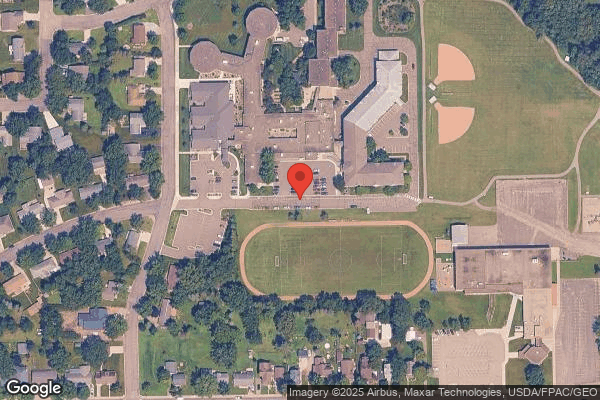
Assumption Home

715 NORTH FIRST STREET, COLD SPRING, MN 56320 (320) 685-3693
Non profit - Church related 76 Beds BENEDICTINE HEALTH SYSTEM Data: November 2025
Trust Grade
73/100
#5 of 337 in MN
Last Inspection: November 2024

Within standard 12-15 month inspection cycle. Federal law requires annual inspections.

Overview

Assumption Home in Cold Spring, Minnesota, has a Trust Grade of B, indicating it is a good choice, though not the top tier of facilities. It ranks #5 out of 337 nursing homes in Minnesota, placing it in the top half, and is the best option among 10 facilities in Stearns County. The facility is improving, as the number of reported issues decreased from 16 in 2023 to just 2 in 2024. Staffing is rated 4 out of 5, which is solid, but with a turnover rate of 44%, it is around the state average. However, there are some concerning incidents, such as a resident falling from a mechanical lift due to improper use, resulting in a fracture, and a failure to adequately assess fall risks for other residents, which has led to serious injuries. Overall, while there are strengths, families should be aware of these weaknesses as they consider care options.

Trust Score
B
73/100
In Minnesota
#5/337
Top 1%
Safety Record
Moderate
Needs review
Inspections
Getting Better
16 → 2 violations
Staff Stability
○ Average
44% turnover. Near Minnesota's 48% average. Typical for the industry.
Penalties
○ Average
$13,000 in fines. Higher than 58% of Minnesota facilities. Some compliance issues.
Skilled Nurses
✓ Good
Each resident gets 46 minutes of Registered Nurse (RN) attention daily — more than average for Minnesota. RNs are trained to catch health problems early.
Violations
⚠ Watch
18 deficiencies on record. Higher than average. Multiple issues found across inspections.
★★★★★
5.0
Overall Rating
★★★★☆
4.0
Staff Levels
★★★★★
5.0
Care Quality
★★★★☆
4.0
Inspection Score
Stable
2023: 16 issues
2024: 2 issues

The Good

  • 4-Star Staffing Rating · Above-average nurse staffing levels
  • 5-Star Quality Measures · Strong clinical quality outcomes
  • Full Sprinkler Coverage · Fire safety systems throughout facility
  • No fines on record
  • Staff turnover below average (44%)

    4 points below Minnesota average of 48%

Facility shows strength in staffing levels, quality measures, fire safety.

The Bad

Staff Turnover: 44%

Near Minnesota avg (46%)

Typical for the industry

Federal Fines: $13,000

Below median ($33,413)

Minor penalties assessed

Chain: BENEDICTINE HEALTH SYSTEM

Part of a multi-facility chain

Ask about local staffing decisions and management

The Ugly 18 deficiencies on record

2 actual harm
Aug 2024 1 deficiency 1 Harm
SERIOUS (G) 📢 Someone Reported This

A family member, employee, or ombudsman was alarmed enough to file a formal complaint

Actual Harm - a resident was hurt due to facility failures

Accident Prevention (Tag F0689)

A resident was harmed · This affected 1 resident

**NOTE- TERMS IN BRACKETS HAVE BEEN EDITED TO PROTECT CONFIDENTIALITY** Based on interview and document review, the facility failed to ensure a full body mechanical lift was used per manufacturers rec...

Read full inspector narrative →
**NOTE- TERMS IN BRACKETS HAVE BEEN EDITED TO PROTECT CONFIDENTIALITY** Based on interview and document review, the facility failed to ensure a full body mechanical lift was used per manufacturers recommendations for 1 of 3 residents (R1) reviewed for mechanical lift use. This resulted in actual harm for R1 when staff failed to ensure the lift sling was secured prior to transfer causing R1 to fall from the lift causing pain and a fractured clavicle. Findings include: R1's quarterly Minimum Data Set (MDS) dated [DATE], identified R1 had intact cognition and required assistance with all activities of daily living (ADL)'s. R1's diagnoses included history of glioblastoma multiforme of brain, seizure disorder, hemiplegia of left nondominant side and type II diabetes. R1's care plan dated 6/4/24, directed staff to transfer R1 with a Hoyer lift (a brand name full body mechanical lift) with two staff. R1's progress note dated 7/22/24 at 12:40 p.m., indicated that R1 had a witnessed fall in his room from a mechanical lift at 11:28 a.m., nursing assistant (NA)-A and NA-B were transferring R1 from his bed to his wheelchair when R1 fell out of the sling when the right bottom strap came undone from the lift. R1 had complaints of pain in his left hip and head. R1's progress note dated 7/22/24 at 12:25 p.m., indicated R1 left the facility at 12:25 p.m. via ambulance. R1's emergency department (ED) record dated 7/22/24 identified R1 presented to the ED for evaluation of fall injury after sustaining a fall from a full body mechanical lift earlier that day. R1 injured his left shoulder and had pain with any movement of left shoulder. No history of left shoulder injuries. Imaging identified moderately displaced clavicle fracture. R1 was discharged back to the facility with orders for acetaminophen, ice, and sling. R1's progress note dated 7/22/24 at 6:29 p.m., indicated R1 returned to the facility at 5:00 p.m. via Medicab (medical transportation service). R1's progress note dated 7/28/24 at 2:22 a.m., indicated R1 vocalized a pain rating of 5/10 during transfers and repositioning and 2/10 while at rest. R1 also vocalized that current treatment was minimally effective. R1's progress note dated 7/28/24 at 9:01 a.m., indicated RN-A obtained a new order from the on-call physician for hydrocodone-acetaminophen (Norco) 5-325 milligrams (mg), a narcotic, to be taken twice daily and every 8 hours as needed for pain for 10 days. R1's July 2024 medication administration record (MAR) began monitor pain rating 0-10 every four hours on 7/22/24 after R1 returned from the hospital. R1 first vocalized a pain rating of 2 at 10:00 p.m. There were 67 additional entries ranging from 0-8, with the average being 3/10. From 7/22/24 to 7/31/24 (10 days) there were 7 doses of as needed (PRN) Tylenol (acetaminophen) documented as administered for pain. In addition, there were 7 doses of scheduled Norco administered and 7 PRN doses, for a total of 14 doses. R1's August 2024 MAR indicated pain monitoring with 50 entries of pain rating ranging from 0-8, with the average being 3.5/10. From 8/1/24 to 8/13/24 (12 days) there were 25 scheduled doses of Norco administer (twice daily). No PRN Norco was administered. In addition, there were 2 doses of PRN Tylenol administered for pain. Review of the facility's maintenance logs for the Hoyer mechanical lift A Model #PC450S, Serial #A5955 was inspected bi-annually with the last inspection date of 7/10/2024. The checklist indicated the actuator was greased, castors cleaned and oiled, two back leg bumpers were replaced, battery load test finding was 12.9 with evening spare noted, touch up paint was applied to needed areas, and noted lift is in good condition. Lift A had also been inspected earlier in the year (1/10/24) with similar findings. On 8/13/24 at 3:35 p.m., R1 stated his lack of acceptance of his position here may have led to the fall. R1 stated his feet may have slipped out. R1 denied any concerns about safety, the care that he received, or the staff that provided care to him. R1 no longer had pain from the clavicle fracture. On 8/13/24 at 4:27 p.m., NA-A indicated on 7/22/24 her and NA-B were involved with the transfer that led to R1's fall from the mechanical lift. NA-A stated that she was the initial staff in the room and had placed the sling under R1 while he was lying in bed before NA-B entered room to assist with lift and transfer. NA-A stated it was the right bottom strap that came undone. NA-A stated she can't remember which straps she connected to the lift. NA-A stated that she was the one that was using the controls of the lift. NA-A stated that it happened so fast and that both her and NA-B attempted to protect the resident from hitting his head from the fall. NA-A stated she was not sure of what happened or what could have been avoided. On 8/13/24 at 4:18 p.m., NA-B stated she was called into room to assist with a transfer and when she entered room sling was already in place under R1. NA-B stated she attached and secured the straps on the left side of lift and that NA-A had attached and secured the straps on the right side of lift. NA-B confirmed NA-A was using the lift controls. NA-B stated when R1 was up in the air, the right bottom strap came undone and R1 fell out of sling. NA-B stated that she immediately went to protect R1's head. NA-B stated licensed practical nurse (LPN)-A came in and assessed R1. On 8/13/24 at 4:31 p.m., registered nurse (RN)-A stated that he was called into R1's room following the fall. RN-A stated the lift was found on the right side of R1's bed and the top two straps were still secured and that one of the bottom straps was undone. RN-A stated initially R1 had complaints of hip pain. RN-A stated the strap that came undone must not have been secured under the retainer clip on lift. RN-A stated lift was immediately taken off the floor to be inspected and it was verified that lift was functioning properly, and that sling was also assessed with no defects noted. On 8/14/24 at 9:54 a.m. lift representative (LR)-C stated there are sling retainer clips on each of the hangers to secure the straps of the sling. LR-C stated the only way for the strap to become unsecured is that the strap was not all the way on the hoop as it may have gotten hooked on the top of the hook but not under the retainer clip. LR-C indicated causes for loop to come off included operator error. On 8/14/24 at 11:09 a.m. LPN-A stated the aides notified her of R1's fall, she went and got the RN before entering room to assist with assessment. They entered R1's room and found the sling up in the air with one strap hanging. LPN-A could not recall which strap. LPN-A stated assistant director of nursing (ADON) entered room and instructed LPN-A to go and notify family. LPN-A confirmed that if strap was under retainer clip strap should not have come loose. On 8/14/24 at 11:11 a.m., ADON stated she received call from RN-A to come to R1 room. ADON stated when she entered R1's room, R1 was laying on the floor with the mechanical lift in between bed and R1. ADON stated sling was no longer attached to the lift and/or underneath R1. ADON assessed R1 for injuries and instructed LPN-A to notify doctor and family. ADON stated that they initially thought injury had occurred to left hip as it was longer in length and rotated outward. ADON stated R1 had complaints of hip and head pain at that time. ADON stated she notified the director of nursing (DON) and executive director of fall. ADON stated that maintenance was notified immediately to assess lift prior to it being used again. ADON stated that DON compiled all investigation information to submit a vulnerable adult report and she reviewed prior to submission. ADON stated DON also initiated the retraining material and delegated re-training of staff to RN-B. ADON confirmed that re-training forms that were received were the only training completed. On 8/14/24 at 11:36 a.m., DON stated she immediately spoke with NA-A and NA-B who were involved in the incident and had them complete written statements of the incident. DON stated she completed on the spot retraining with NA-A and NA-B that included verification that straps are secure under the retainer clip prior to transfer of resident. DON stated that maintenance assessed lift to ensure proper functioning and sling was also removed for assessment with no defects noted. DON stated that she had RN-B do random audits of floor staffing performing Hoyer lift transfers to ensure proper technique was being completed. DON stated she placed education sheet in the stand-up binder in each unit to have staff read and sign that they understood. Education sheet included reminder to ensure bed was at the appropriate height when transferring and that staff need to verbalize confirmation of secure connection on straps on their side of lift. DON confirmed that not all staff had been re-trained. DON confirmed that incident was operator error. Volaro Series 4 Lift PC450-HD450 Operator's Manual included the following: Safety Notes: Make sure all four loops from the slip are properly nested in the bottom of the hooks before lifting or transferring a patient or resident. Also make sure all four retainer springs are functioning correctly. Lifting from bed to chair using the divided leg sling: Note: Raise until these is tension on the straps and then double-check to make sure the loops are nested in the bottom of the hooks. The facility policy safe patient/resident handling and movement policy, dated 4/1/2005, indicated employees shall use proper techniques, mechanical lifting devices, and other approved equipment/aids during performance of high-risk patient handling tasks per facility policy and manufacturer's guidelines. This is being issued at Past noncompliance (PNC) after it was verified the facility put the following corrective action in place. -On 7/23/24 education was placed in a binder on each unit that identified When utilizing the full mechanical lift please ensure that you have the bed at the appropriate height so that the lift does not have to raise all the way up. Please ensure that you are pausing to double check loops are attached appropriately as well prior to lifting the resident up. Please verbalize double checks when utilizing lifts. Make sure we are double checking our partners work to make sure slings are clipped in all the way. All staff interviewed confirmed that they had seen this training. -Management conducted 16 random audits to confirm staff were utilizing the lifts properly. -On 7/22/24 maintenance inspected the lift for function and safety. Additionally checked the sling for any issues. -On 7/22/24 the executive director (ED)-A emailed requesting bids for all new mechanical Hoyer lifts through a different vendor. On 8/1/24 ED-A received approval to purchase all new EZ-way mechanical lifts.
May 2024 1 deficiency
CONCERN (D) 📢 Someone Reported This

A family member, employee, or ombudsman was alarmed enough to file a formal complaint

Potential for Harm - no one hurt, but risky conditions existed

Report Alleged Abuse (Tag F0609)

Could have caused harm · This affected 1 resident

**NOTE- TERMS IN BRACKETS HAVE BEEN EDITED TO PROTECT CONFIDENTIALITY** Based on interview and document review, the facility failed to ensure an allegation of staff to resident abuse was reported imme...

Read full inspector narrative →
**NOTE- TERMS IN BRACKETS HAVE BEEN EDITED TO PROTECT CONFIDENTIALITY** Based on interview and document review, the facility failed to ensure an allegation of staff to resident abuse was reported immediately (within two hours) to the State Agency (SA) for 1 of 2 residents (R1) reviewed for abuse. Findings include: R1's admission [NAME] Data Set (MDS) dated [DATE], indicated moderate cognitive impairment cognition (mild difficulty with memory). Diagnosis included stroke, cerebral vascular attack (CVA), and hemiparesis (limited bodily movement of one side). R1 care plan dated 3/13/24, indicated R1 had an alteration in mobility and required assistance with peri-cares, and assist of two care providers for transfer with a mechanical lift. A facility Nursing Home Incident Report (NHIR) to the SA dated 4/19/24, indicated the report was submitted on 4/19/24 at 6:23 p.m. In the report R1 stated a staff member preforming every two-hour change had ripped him around and told R1 to get used to the pain. R1 stated he was afraid of the alleged perpetrator (AP) and R1 had reported this to the licensed social worker (LGSW) immediately. The report indicated the time of incident was 4/16/24 at 2:00 am. During interview on 5/14/24 at 9:24 a.m., family member (FM)-A stated she remembered clearly hearing about the incident from 4/16/24. R1 had been very vocal about how he had been handled roughly by the AP and stated he was scared. FM-A stated she remembered hearing staff present on the phone and a staff member asked questions about the events that happened on 4/16/24. FM-A stated she recalled staff being aware the morning after the event happened. During an interview on 5/14/24 at 9:47 a.m., social services director (SSD)-A stated when a resident says they were treated roughly or handled roughly, it was reported immediately to the SA and done so in a 2-hour timeframe. During an interview on 5/14/24 at 10:07 a.m., registered nurse manager (RN)-A stated when a concern of rough care or a resident made a comment of potential abused, it was reported immediately or within 2 hours. Further, RN-A brought it to the attention of her supervisor. During an interview on 5/14/24 at 10:31 a.m., director of nursing (DON) stated when a resident stated they were handled roughly or described being handled roughly, it was reported immediately or at least within 2 hours. DON stated the incident with R1 on 4/16/24, should have been reported sooner. DON stated it was origininally thought the rough cares were nothing more than a customer service issue. DON stated when reviewing the investigation notes and comments, it was determined it should have been reported. Therefore, the incident on 4/19/24 was reported late, and included the comments in the (NHIR). The facility's Abuse Prohibition/Vulnerable Adult Policy revised 7/2022 directed suspected abuse shall be reported to the SA no later than two hours If the event does not involve abuse and does not result in bodily injury, the individual is required to report to the state no later than 24 hours after forming the suspicion.
Nov 2023 2 deficiencies
CONCERN (D)

Potential for Harm - no one hurt, but risky conditions existed

Medication Errors (Tag F0758)

Could have caused harm · This affected 1 resident

**NOTE- TERMS IN BRACKETS HAVE BEEN EDITED TO PROTECT CONFIDENTIALITY** Based on observation, interview, and document review, the facility failed to monitor labs with the use of an antipsychotic medic...

Read full inspector narrative →
**NOTE- TERMS IN BRACKETS HAVE BEEN EDITED TO PROTECT CONFIDENTIALITY** Based on observation, interview, and document review, the facility failed to monitor labs with the use of an antipsychotic medication for 1 of 5 residents (R17) reviewed for unnecessary medications. Findings include: R17's quarterly Minimum Data Set (MDS) dated [DATE], indicated severe cognitive impairment. The MDS also indicated R17 took an antipsychotic medication. R17's care plan printed 10/31/23, indicated R17 was at risk for adverse drug reaction (ADR's) related to daily use of psychotropic medications, and included an intervention for medications to be reviewed by Pharmacist. R17's physician orders printed 10/31/23, included orders for Seroquel (antipsychotic) 12.5 milligram (MG) in the morning and 25 mg at bedtime by mouth for dementia with behavioral disorder, mood disorder and anxiety. R17's medical record was reviewed and lacked evidence fasting blood glucose levels were routinely monitored. R17's last fasting blood glucose was dated 5/18/22. Consultant Pharmacist's Medication Regimen Reviews for the months of January 2023 to October 2023 were reviewed, each indicated medication was reviewed for irregularities and no significant irregularities were noted. Recommendations lacked direction to monitor fasting blood glucose levels. On 11/1/23 at 9:57 a.m., consultant pharmacist (PharmD) stated for antipsychotic medications, blood glucose levels should be monitored at least annually. Blood glucose levels needed to be monitor as there is a potential hyperglycemia when taking antipsychotics. At 10:57 a.m. PharmD confirmed that a fasting glucose had not been completed since 5/18/22. PharmD stated it was a mutual responsibility with the facility to monitor labs and when they are due and she had not flagged the review for annual labs to be performed. On 11/1/23 at 2:39 p.m., director of nursing stated they relied on the consultant pharmacist to provide the facility with recommendations for when labs are due for monitoring purposes. A facility psychotropic medication monitoring policy was requested but was not received.
MINOR (B)

Minor Issue - procedural, no safety impact

Transfer Notice (Tag F0623)

Minor procedural issue · This affected multiple residents

**NOTE- TERMS IN BRACKETS HAVE BEEN EDITED TO PROTECT CONFIDENTIALITY** R166's significant change Minimum Data Set (MDS) dated [DATE], indicated R166 had severe cognitive impairment and had diagnoses ...

Read full inspector narrative →
**NOTE- TERMS IN BRACKETS HAVE BEEN EDITED TO PROTECT CONFIDENTIALITY** R166's significant change Minimum Data Set (MDS) dated [DATE], indicated R166 had severe cognitive impairment and had diagnoses which included Alzheimer's disease, coronary artery disease (CAD), Hypertension, Arterial Fibrillation, and anemia. Reviewed of R166 progress notes from 3/30/23 to 4/3/23 reveled R166 was transferred to the hospital on 3/30/23 and returned to the facility on 4/3/23. Bed hold was obtained via phone from wife. R166's medical record lacked documentation the Ombudsman had been notified of R166's transfer to the hospital. On 11/1/23 at 10:31 a.m. administrator confirmed that RN-A was the person responsible for sending notifications to that Ombudsman. administrator stated that her expectations are that the Ombudsman would be notified of any voluntary or involuntary discharges with the locations the resident left to. Administrator stated that she did not think of transfers to the ER/hospital as information that the Ombudsman should be notified of. On 11/1/23 at 2:35 p.m., administrator confirmed that Ombudsman should have been notified of all transfers and discharges from the facility, including transfers/discharges to the ER/hospitals and to the community. administrator stated that facility had not been notifying of transfers to the ER/hospital. administrator stated it was important for communication with the Ombudsman, so if a resident transfers to the ER/hospital and is not allowed to come back that the Ombudsman would be notified and aware of situation and to ensure that the resident is in a safe location when transferred/discharged . Reviewed notification reports that were faxed to the Ombudsman for the months of March through September 2023, with none of the hospitalizations being reported. The Transfer and Discharge from Facility policy dated 11/16 indicated the facility will send a copy of the notice to a representative of the State Long-Term Care Ombudsman per requirements. The intent of sending copies of the notice is to provide added protection to resident from been inappropriately discharged , provide residents with access to an advocate who can inform them of their options and rights, and to ensure that the Office of the State LTC Ombudsman must occur before or as close to possible to the actual time of a facility-initiated transfer or discharge. The medical record must contain evident that the notice was sent to the Ombudsman. Based on interview and document review, the facility failed to ensure the long-term care (LTC) Ombudsman was notified of hospitalizations (i.e., facility-initiated discharges) for 4 of 4 residents (R8, R56, R61 and R166) reviewed for hospitalization. Findings include: R8's quarterly Minimum Data Set (MDS), dated [DATE], identified moderate impaired cognition. R8 was hospitalized in March, April, May, and September (2023) for various medical complications that included chest pain, chronic obstructive pulmonary disease (COPD) exacerbation, and evaluation from a fall. R8's progress note dated 3/4/23, identified significant chest pain and was sent to the emergency department (ED) for evaluation per R8's request. R8's progress note, dated 3/7/23, identified R8 was re-admitted to the nursing home after being hospitalized for monitoring. R8's progress noted dated 4/2/23, identified cough, diminished lung sounds, pain with breathing, hallucinations and delusions and was sent to the ED for evaluation per doctor's orders. R8's progress note, dated 4/3/23, identified R8 was re-admitted to the nursing home after being hospitalized COPD exacerbation. R8's progress note dated 5/25/23, identified significant pain following a fall and was sent to the emergency department (ED) for evaluation per R8's request. R8's progress note, dated 5/26/23, identified R8 was re-admitted to the nursing home after being hospitalized for monitoring. R8's progress note dated 9/22/23, identified fall occurred where R8 hit her head on the ground and was sent to the emergency department (ED) for evaluation per R8's request. R8's progress note, dated 9/23/23, identified R8 was re-admitted to the nursing home after being hospitalized for monitoring. R8's medical record lacked evidence the LTC Ombudsman had been notified of noted hospitalizations. R56's significant change MDS, dated [DATE], identified intact cognition. R56 had been hospitalized in June (2023) for a fracture occurring from a fall. R56's progress note dated 6/8/23, identified fall occurred where R56 had significant pain and could not bear weight and was sent to the ED for evaluation. R56's progress note, dated 6/13/23, identified R56 was re-admitted to the nursing home after being hospitalized for hip fracture. However, R56's medical record lacked evidence the LTC Ombudsman had been notified of hospitalization. R61's 5-day MDS, dated [DATE], identified intact cognition. R61 had been hospitalized in September (2023) for critical lab result. R61's progress note dated 9/29/23, identified critical calcium lab result and was sent to the ED for evaluation per doctor's orders. R61's progress note, dated 10/1/23, identified R61 was re-admitted to the nursing home after being hospitalized for critical calcium level. However, R61's medical record lacked evidence the LTC Ombudsman had been notified of hospitalization. On 11/1/23 at 10:25 a.m., registered nurse (RN)-A stated when a resident gets discharged , the discharging nurse completed a form and is given to RN-A, who faxes all forms to the Ombudsman at the end of every month. RN-A stated she informs of Ombudsman of all discharges from the facility and that she does not notify on any transfers to hospital.
Feb 2023 1 deficiency 1 Harm
SERIOUS (G) 📢 Someone Reported This

A family member, employee, or ombudsman was alarmed enough to file a formal complaint

Actual Harm - a resident was hurt due to facility failures

Accident Prevention (Tag F0689)

A resident was harmed · This affected 1 resident

**NOTE- TERMS IN BRACKETS HAVE BEEN EDITED TO PROTECT CONFIDENTIALITY** Based on interview and document review, the facility failed to comprehensively assess fall risk and implement individualized int...

Read full inspector narrative →
**NOTE- TERMS IN BRACKETS HAVE BEEN EDITED TO PROTECT CONFIDENTIALITY** Based on interview and document review, the facility failed to comprehensively assess fall risk and implement individualized interventions to reduce the risk of falls for 2 of 3 residents (R1, R3) reviewed for accidents. This resulted in actual harm for R1 who sustained fractures and for R3 who sustained a subdural hematoma after repeated falls and whom both required medical treatment or services. Findings include: R1's Inpatient Discharge summary, dated [DATE], identified R1 fell three times prior to her hospital admission in which she sustained nasal fractures, left great toe fracture, distal right fibula fracture, and a left wrist fracture. She was discharged to the facility in stable condition with a good rehab potential and was expected to require services for less than 30 days. R1's admission Minimum Data Set (MDS), dated [DATE], identified R1 admitted to the facility on [DATE]. She was severely cognitively impaired and received extensive physical assist for most cares. R1 relied on a wheelchair for locomotion and did not walk. She required staff assist to stabilize during transfers. R1 was diagnosed with a right fibula (lower leg) fracture, muscle weakness, urinary tract infection (UTI), dementia, anxiety disorder, and repeated falls. R1 lacked condition(s) or chronic disease(s) which resulted in a life expectancy of less than six months. R1's baseline care plan, dated 11/16/22, identified R1 to be at risk for falls related to her impaired mobility, multiple fractures, and history of falls in which R1 would be safe and free from falls. The care plan directed staff to orient R1 to her room and call light system and to provide R1 with reminders as often as necessary, along with reviewing fall prevention with R1's representative on admission and to follow physical therapy (PT) and occupational therapy (OT) instructions for mobility function. The care plan identified R1 was non-weight bearing to her right leg, was not to ambulate, and required full assist for transfers and further directed staff to assess for incontinence every two hours and as needed (PRN). R1's discharge goal was to turn to her prior living facility. R1's medical record identified the following entries and identified information: -A progress note, dated 11/17/22, at 9:00 p.m. R1 was found on the floor. Per R1's statement, she tried to reach the door and slipped from the wheelchair (w/c). R1 was educated to use her call light and ask for help. -A progress note, dated 11/18/22, at 3:52 a.m. R1 was checked on every 30 minutes throughout the shift to prevent falls. -A progress note, dated 11/20/22, at 9:15 p.m. R1 required assist of 2 staff with a standing mechanical lift, was non-compliant with non-weight bearing transfer orders, and self-transferred during shift. -A progress note, dated 11/21/22, at 1:26 a.m. R1 self-transfers most of the time. [R1] should be monitored every 30 minutes for fall risk. -A progress note, dated 11/21/22, at 1:40 a.m. R1 was checked every 15 to 30 min[utes] to ensure she was not self-transferring or unstable. R1 was very confused and writer stayed with [R1] throughout the shift as it was unsafe for [R1] to leave her alone in her room. -A progress note, dated 11/21/22, at 10:41 a.m. R1 was found seated on the floor by her doorway around 7:10 a.m. R1 stated she got herself up from the bed and lowered herself to the floor as no one came when she needed help. An associated, same day, Risk Management (incident report) identified an intervention for anti-roll back breaks to be applied to her w/c. R3's care plan identified, on 1/9/23 (over a month and a half later), anti-roll breaks were initiated. -A progress note, dated 11/22/22, at 12:59 a.m. R1 self-transferred into her w/c from her bed. R1 was kept in one of the day rooms since she felt anxious in her room. Music was played for her which helped calm her. R1 will be monitored closely. A Fall Review Evaluation, locked 11/23/22, identified R1's prior falls and identified the following factors which contributed to R1's fall risk: psychotropic drug use, memory loss, occasional bladder incontinence, use of assistive device(s), and decrease in muscle coordination. The evaluation summary identified R1 was at risk for falls related to her fracture diagnoses, muscle weakness, UTI, dementia and history of falls, her required assist for transfers and the use of a mechanical lift, and her non-ambulation status. The summary interventions directed staff to orient her to her room, the call light system, and to give reminders. In addition, anti-roll back breaks were to be added to her wheelchair and staff were to ensure R1 wore non-slip footwear at all times as she allowed. R1 also worked with physical and occupational therapy to improve her mobility. The evaluation lacked identification of R1's numerous self-transfer attempts, observed anxiety, and/or analysis related to the falls on 11/17/22 and 11/21/22. R1's progress notes, dated 11/23/22 through 11/28/22, identify each day R1 displayed self-transfer actions. Falls Care Area Assessment (CAA), dated 11/29/22, identified R1 was at risk for falls related to her fall history and casts, antipsychotic and antidepressant medications, wandering behavior, infection, incontinence, anxiety disorder, and dementia in which R1 was pleasantly confused. The CAA's Care Plan Considerations section indicated the care plan objective was to avoid complications with the hopes R1 would be able to return to her assisted living facility after she worked with therapy. The CAA lacked details of R1's 11/17/22 and 11/21/22 falls or her self-transfer habits. The CAA lacked evidence staff completed a comprehensive fall assessment and/or analysis or individualized intervention(s) identification based on R1's fall risk. A review of R1's comprehensive care plan demonstrated a lack of additions and/or adjustments to fall risk related problems, goals, and/or interventions after the 11/29/22 CAA process. In addition, R1's care plan lacked R1's self-transfer actions. R1's subsequent medical record identified the following entries and identified information: -An incident report, dated 12/14/22, at 7:00 a.m. R1 was found sitting on the floor in her room's entryway with a sustained skin tear on her lower leg. Her locked w/c was next to her bed. R1 stated she wanted to get up for the day and fell. R1's symptoms were reviewed with her provider, and she tested positive for a UTI. -A progress note, dated 1/3/23, R1 was found sitting on the floor in her room's doorway at 5:35 p.m. Her locked w/c was next to her bed. R1 stated she tried to get out of bed. The incident report identified to offer afternoon activity. R1's care plan lacked the intervention. -A progress note, dated 1/12/23, R1 was found sitting in her room's doorway: her w/c in the bathroom (BR). R1 self-transferred frequently this night and utilized the [BR] many times. The incident report identified R1 stated she fell in the BR and pushed herself toward the door. R1 was reminded to utilize her call light and wait for staff assistance (despite this intervention have not been effective and R1's diagnosis of severely cognitively impaired). -A progress note, dated 1/20/23, at 3:00 a.m., on 1/19/23, at 11:30 p.m. R1 informed staff she fell in the BR. Staff identified a left elbow bruise. In addition, R1 was found sitting on the therapy room floor at 1:30 a.m. R1's w/c was in her BR turned upside down. R1 stated her left rib hurt and she had new bruising to her left leg and breast. The incident report identified R1 was provided with a snack and placed within sight of staff for about an hour and then assisted into bed. -A progress note, dated 1/23/23, R1 was found sitting on the floor in her room's doorway at 11:50 a.m. Her w/c was behind the door. R1 stated she tried to walk out to look around. The incident report identified R1's care plan was updated to keep R1's w/c next to her bed with the breaks locked at all times when R1 was in bed. The care plan lacked the intervention. -A progress note, dated 2/8/23, R1 was found sitting on the hallway floor outside of her room at 3:00 a.m. R1 was toileted and assisted back to bed. The incident report identified an intervention for Actogram (sleep/wake cycle monitoring) watch to be performed for three days and reviewed upon completion. R1's medical record lacked documented evidence the Actogram recording period from 12/8/22 to 12/13/22 was reviewed and/or followed up on. -A progress note, dated 1/25/23, R1 demonstrated urinary frequency and urgency, increased confusion, and noted to have multiple falls recently. Orders provided to test R1's urine for infection. A subsequent progress note, dated 1/26/23, identified positive urine results and an antibiotic was started. -A progress note, dated 1/27/23, at 8:57 p.m. R1 was found scooting on the floor coming out of her room with an abrasion on her forehead. The incident report identified R1 stated she tried to go to the BR and fell. Staff followed up with therapy about an ambulation program (per a progress note, this follow-up occurred on 1/30/23); however, therapy deemed it inappropriate due to safety concerns. Instead, staff were to utilize as needed (PRN) essential oils on her pillow to encourage rest and relaxation. R1's care plan identified, on 2/2/23 essential oil use was added. -A follow-up progress note, dated 1/27/23, at 9:09 p.m. causal factors for R1's 1/27/23 fall were determined to be R1's current UTI, toileting needs, and that R1 failed to use her call light to ask for assistance. R1 had a history of multiple falls. Interventions included bowel and bladder evaluation and aromatherapy. -R1's treatment administration records (TAR), dated 1/23, identified PRN essential oil aromatherapy orders initiated on 11/16/23. The TAR lacked evidence R1 was provided with essential oil aromatherapy on 1/27/23 through 1/31/23. -A progress note, dated 1/28/23, at 12:24 a.m. R1 was found sitting on the hallway floor outside of her room at 11:00 p.m. R1's unlocked w/c was in her BR. R1 stated she attempted to go to the BR. The incident report, identified R1's provider and dietary were consulted (per a progress note, dated 1/30/23, this consult occurred) to add a nutritional supplement to promote adequate caloric intake to help reduce falls if R1 possibly experienced discomfort due to hunger and inability to communicate hunger (per a progress note, dated 1/31/23, the order was provided). -A progress note, dated 1/31/23, at 12:00 a.m. identified R1 was found on her BR floor. Her unlocked w/c was in the BR doorway. R1's left shoulder was assessed to be more distended out of place than her right and R1 complained her shoulder and left hip hurt. Per a follow-up note, at 2:58 a.m. R1 was sent to the emergency room (ER). R1's care plan identified on 2/2/23 intervention implementation that directed staff to review information on past falls and attempt to determine the cause of the falls with recording of possible root causes, removal or alter any potential causes if possible, and to educate R1/family/caregivers/interdisciplinary team. R1's medical record lacked evidence such a review was completed. R1's Inpatient Discharge summary, dated [DATE], identified R1 was diagnosed with failure to thrive with recurrent falls and fall injuries of a left shoulder dislocation, L1 and L2 lumbar spinal fractures, 12th rib fracture, left sacral (base of spine) fracture, and left pubic rami (pelvic) fractures. R1's physical condition at discharge was terminal and hospice end of life/comfort care was ordered. A progress note, dated 2/7/23, identified R1 displayed restlessness, yelled out 'help me,' and was observed to sit up in bed four times. A Fall Review Evaluation, dated 2/10/23, identified R1 was at risk for falls related to fractures, muscle weakness, UTI, dementia, and history of falls. R1 was unresponsive and bedbound in which comfort care and safety while in bed continued. A progress note, dated 2/10/23, identified R1 passed away at 12:15 a.m. R1's medical record identified R1's fall risk was assessed on 11/23/22 and 2/10/23 based on the MDS process; however, the record lacked comprehensive fall risk assessments and/or analysis were completed after R1's multiple falls in order to develop, adjust, and/or monitor for effectiveness, individualized care plan interventions to mitigate R1's fall and/or fall injury risk. When interviewed on 2/13/22, at 2:47 p.m. trained medication aide (TMA)-A stated she would find fall interventions in the resident's care plan or on the Kardex. TMA-A explained R1 constantly utilized the BR and did not sleep well at night. Staff assisted R1 to bed and a minute after staff walked away R1 would self-transfer. Once R1 returned from the hospital, R1 often requested the bedpan and she witnessed R1 lean forward in bed. TMA-A stated she heard in report R1 was observed seated edge of bed when she was not supposed to. TMA-A explained that prior to R1's hospital stay being around people was overall the only thing that calmed R1. She indicated R1's status upon her return was a shock as R1 was making progress in her prior recovery and staff talked about R1's return to her previous facility. TMA-A denied involvement in a comprehensive analysis of R1's falls and she stated she lacked knowledge of any new fall risk interventions for R1 once she returned from the hospital. When interviewed on 2/14/23, at 10:50 a.m. R1's nurse practitioner (NP)-A stated R1 was a ball of anxiety when she was admitted in which she had a history of falls. Despite this, R1's discharge plan was for her to rehab and return back to her previous facility. R1's anxiety and impulsiveness improved with medication changes; however, she continued to have significant poor safety awareness. NP-A acknowledged other than trying to settle [R1's] mind to keep her from going so fast, she was unaware of R1's care planned fall interventions. She verbalized she was unaware of R1's urinary status and the frequency of which staff assisted her to the BR. NP-A denied she was involved in a comprehensive analysis of R1's falls to determine details that may have been used to decrease R1's fall risk or fall related injuries. NA-A confirmed she was unaware of the exact cause of R1's death; however, she explained the fall and fractures did not help. During interview on 2/14/23, at 11:13 a.m. R1's family (FM)-A stated R1 had a long history of falls in which she knew at some point a fall related break was going to be the death of [R1]. FM-A identified she was involved in care conferences with the facility in which they discussed R1's overall health; however, she denied they discussed R1's falls. She explained those meetings focused on the progress R1 made with therapy and the hope R1 would be able to return to her prior memory care facility. When interviewed on 2/14/23, at 1:09 p.m. nursing assistant (NA)-C confirmed she took care of R1 on 1/30/23 in which R1 was her usual self: super confused, hard to redirect, and had a short attention span. She denied that on 1/30/23 R1 displayed any signs or symptoms which would have identified declines in her medical or overall status. NA-C explained R1 often self-transferred and was hard to catch: one moment R1 was in her w/c and the next in bed or vice versa. NA-C stated R1 slept poorly at night and often napped much of the shift prior. R1 also frequently utilized the BR which NA-C thought R1 used to calm herself down. NA-C explained she often attempted to keep R1 distracted, entertained, and within her sight as much as able. NA-C denied management staff talked with her related to R1's fall risk factors and which interventions were effective and which ones were not. During interview on 2/14/23, at 1:24 p.m. licensed practical nurse (LPN)-A stated she was expected to initially investigate a resident's fall, initiate a Risk Management incident report, and implement an immediate fall risk intervention to mitigate further falls. After that, a care coordinator would review, adjust the intervention as needed, and care plan it. LPN-A confirmed the coordinator followed up with her after she managed a residents fall; however, she denied she was ever involved in any sort of comprehensive analysis of resident fall(s) to determine details that may have been used to decrease resident fall risks or fall related injuries with R1. LPN-A stated R1 was a roamer and she attempted to keep R1 as close to her as able. She explained R1 was quick, and staff could assist her to bed one moment and then the next she was by them needing some sort of assist. R1 always had to go to the BR and staff could tell her over and over she needed help, but she did not have the capability to remember that. LPN-A confirmed not all of the interventions they attempted with R1 were on her care plan and/or Kardex: We should all know the interventions, but probably could have been in the Kardex. LPN-A explained she was unsure of what interventions would have worked for R1 other than to provide R1 with 1:1 supervision at all times. LPN-A confirmed R1 was not provided 1:1 supervision at all times. LPN-A stated R1 was stable before her hospital stay: They were talking about sending her back to [prior memory care facility]. When interviewed on 2/14/23, at 1:40 p.m. registered nurse (RN)-C stated she expected staff to make sure an immediate intervention was implemented after a resident fall which was based on the nature of the fall and either documented in the progress notes or on the incident report: not just passed on during shift to shift report. Then, she explained, they reviewed the fall, the intervention, adjusted the intervention as needed, and initiated it within the care plan. RN-C stated fall risk assessments were completed with the MDS process and she denied they completed a comprehensive fall risk assessment and/or analysis of R1's falls outside of this process or met with the IDT (interdisciplinary team) to discuss and analyze R1's falls. She verbalized if a resident had multiple falls, a comprehensive fall and fall risk analysis was very important in order to determine the root cause of the fall, to prevent injury, and to keep residents safe; however, she was unaware of the facility policy and/or protocols on fall assessments if a resident were to have multiple falls. After RN-C reviewed a Fall Review Evaluation, she stated the evaluation did not have everything you would look at to analyze falls and fall risk. RN-C explained R1 was compulsive with her transfers in which she followed up with therapy about a walking program or exercising; however, therapy disagreed related to R1's dementia and not wanting R1 to be triggered into thinking she could walk on her own. RN-C described interventions attempted for R1 which were present on her care plan prior to her hospitalization. RN-C confirmed R1's fall interventions were not adjusted and/or new interventions implemented once R1 returned. RN-C stated R1 was stable prior to her hospitalization. R3: R3's Initial Intake provider visit progress note, dated 11/4/23, identified R3 was admitted to the facility on [DATE], after he required hospitalization as a result of frequent falls and a UTI. R3's admission MDS, dated [DATE], identified R3 was severely cognitively impaired and required limited to extensive physical assist for cares. R3 relied on a w/c for locomotion and showed minimal walking. R3 diagnosis was polyneuropathy, UTI, Alzheimer's Disease, dementia, muscle weakness, and repeated falls. R3's baseline care plan, initiated 11/3/22, identified R3's fall risk related to impaired mobility and cognition, and history of falls in which he would be safe and free from falls. The care plan directed staff to orient R3 to his room and call light system and to provide R3 with reminders as often as necessary, along with reviewing fall prevention with R3's representative on admission and to follow physical therapy (PT) and occupational therapy (OT) instructions for mobility function. The care plan identified R3 required a Foley catheter in which staff were not to leave R3 unattended on the commode. On 11/10/22, the care plan was updated, after a bowel assessment was completed, which directed staff to offer and encourage R3 to toilet every two to three hours while awake. R3's medical record identified the following entries and identified information: -Progress notes, dated 11/5/22, 11/6/22, 11/7/22, 11/8/22, all identified R3 was alert and oriented to self only and often tried to self-transfer. -A progress note, dated 11/11/22, R3 ambulated with his walker to the manager's office while he held his catheter bag. He was assisted to his room and staff were to monitor for further episodes of self-transfers. A Fall Review Evaluation, locked 11/10/22, identified R3's prior to admission falls and identified the following factors which increased R3's fall risk: Alzheimer's Disease, dementia, polyneuropathy, osteoarthritis, weakness, altered mobility, indwelling urinary catheter, frequent bowel incontinence, and new admission. The evaluation summary identified the risk factors and directed staff to orient him to his new room, ensure the call light was within reach and to encourage him to wear proper footwear when out of bed. R3 also worked with PT and OT. The evaluation lacked identification of R3's numerous self-transfer/ambulation attempts. Fall CAA, dated 11/10/22, identified R3's fall review evaluation risk factors and the use of antidepressant medication. The CAA's Care Plan Considerations section indicated the care plan objective was to avoid complications and to maintain his current level of functioning. R3's subsequent medical record identified the following entries and identified information: -A Fall Investigation report, dated 11/15/22, R3 self-ambulated in the hallway and staff intercepted his fall by lowering him to the floor. R3 stated he tried to 'fix/ find missing cable.' R3's Foley catheter tubing was pulled from his bladder and he was incontinence of bowel. R3 was brought back to his room, incontinence hygiene provided, a new catheter inserted, and he was encouraged to use his call light. R3's progress notes did not identify R3's 11/15/22 fall. -Progress notes, dated 11/16/22 and 11/17/22, R3 tested positive for COVID-19 with required room isolation and experienced increased weakness and difficulty with transfers. -An incident report, dated 11/17/22, at 2:35 p.m. R3 was found on the floor next to his bed. A progress note, dated 11/17/22, lacked evidence of R3's fall; however, the note identified R3 was free of injury, his vitals were stable, and he was encouraged to use his call light (despite the intervention or reminder not effective due to dementia). -A progress note, dated 11/18/22, R3 was ordered antibiotics based on urinalysis results [R3 was diagnosed with a UTI]. -A progress note, dated 11/20/22, at 2:18 a.m. R3 often forgets and required redirection back to room in which staff found him back out of room/self transferring. -A progress note, dated 11/20/22, at 5:30 p.m. R3 was observed to be in his BR doorway when staff intercepted a fall and lowered him to the floor. Staff placed him in bed after. The progress note and incident report lacked an identified fall analysis or new intervention. -A progress note, dated 11/24/22, R3 was observed self-ambulating down the hallway. -A progress note, dated 11/25/22, R3 face planted and sustained an abrasion to his forehead, fixed pupils, and double vision. [R3 was sent to the ER and admitted ]. -A progress note, dated 11/29/22, at 1:34 a.m. R3 returned to the facility and required assist of two staff with a mechanical standing lift for transfers and that R3 was noted to self transfer x1. A provider visit progress note, dated 12/5/22, identified R3 fell in November during isolation with subdural hematoma and neuro changes, send to ER and hospitalized for [three] days. -A progress note, dated 12/2/22, at 3:21 p.m. R3 was found on the floor about a foot from his w/c. R3 stated he hit his head. Family denied ER transport. The incident report identified staff collaborated with therapy on R3's transfers and he had a UTI which required antibiotics. -A progress note, dated 12/5/22, R3 was found on the floor at 2:50 a.m. The incident report identified R3 was to have his w/c next to the bed when he was in bed. R3's care plan identified, on 1/10/23 (more than a month later), the intervention was initiated. A Fall Review Evaluation, dated 12/5/22, completed per facility MDS process(es), identified R3's fall history prior to and during his stay and identified the same evaluation summary and interventions as the 11/10/22 fall review evaluation, with the addition of the subdural hematoma diagnosis. The evaluation lacked identification of R3's numerous self-transfer/ambulation attempts and/or analysis related to the falls which occurred after admission and hospital return. R3's subsequent medical record identified the following entries and identified information: -A progress note, dated 12/9/22, at 2:48 a.m. R3 was lowered to the floor when he became weak after he was found attempting to walk with his w/c near the dining room (DR). The incident report identified Actogram watch would start on 12/12/22. R3's medical record lacked documented evidence the Actogram recording period was reviewed and/or followed up on. -Progress notes, dated 12/9/22, 12/10/22, and 12/12/22, R3 self-transferred multiple times each day. -A progress note, dated 12/12/22, R3 was found on the floor at 3:00 p.m. after he was in his bed. Identified intervention directed for gripper socks instead of regular socks. R3's care plan identified, on 12/15/22 (three days later), R3 was to be highly encourage[d] to use non-slip footwear at all times. -A progress note, dated 12/17/22, R3 was found sitting on the floor with his back against the bed at 8:20 p.m. R3 was incontinent of bowel and a spilled water cup was on the floor by his bed. He was assisted into bed and bowel hygiene provided. The incident report identified staff were to ensure R3's bed was kept at a therapeutic height to set R3 up for successful self-transfers due to history of impulsivity and self-transferring. On 12/19/22, R3's care plan identified Low Bed and lacked identification of therapeutic height directives. -Progress notes, dated 12/19/22 and 12/29/21, R3 self-ambulated from his room down Northwoods hallway and self-transferred and ambulated in the DR, respectively. A Fall Review Evaluation, dated 12/30/22, completed per facility MDS process(es), identified R3's fall history prior to and during his stay and identified the same diagnoses as past evaluations; however, included R3 showed poor safety awareness and impulsivity which increased his fall risk. The fall summary identified the following interventions: Actigraphy PRN, therapeutic bed height, non-slip footwear at all times (highly encouraged), assistance with safety reminders PRN, and orientation to room and call light. The evaluation lacked identification of R3's numerous self-transfer/ambulation attempts and/or analysis related to the falls which occurred after admission and hospital return. R3's subsequent medical record identified the following entries and identified information: -A progress note, dated 1/1/23, at 3:24 p.m. R3 was found sitting on the floor in an adjacent unit Pod area. The incident report identified foot pedals to be stored in w/c bag when R3 was not assisted with locomotion. R3's care plan identified, on 1/19/23 (18 days later), initiation of the intervention. -A progress note, dated 1/5/23, R3 was found lying on the floor next to his w/c in the DR at 4:30 p.m. R3 sustained a right elbow scrape. The incident report identified staff collaborated with R3's provider in which orders were provided for an antipsychotic medication related to impulsivity, poor safety awareness, and behaviors. -A progress note, dated 1/6/23, at 2:16 p.m. R3 was found outside of his room on his hands and knees. R3 was brought to the DR and provided a snack. The incident report identified R3 was unsafe to be in his room alone while in his w/c. R3's care plan identified, on 1/10/23 (four days later), R3's unsafe room status. -A progress note, dated 1/8/23, at 11:09 p.m. R3 was found sitting on the DR floor. He was incontinent of bowel. R3 was provided bowel hygiene care and assisted to bed. The incident report identified to offer R3 toileting after meals. R3's care plan identified, on 1/10/23 (two days later), the intervention was initiated. -A progress note, dated 1/9/23, R3 was found on his BR floor leaning against his BR door around 1:50 p.m. R3 was previously in his recliner. At the time of the fall, the recliner footrest remained elevated. An intervention was implemented to unplug the recliner, leave in a stationary position, and to store the remote in a manager's office. R3's care plan lacked the intervention. -A progress note, dated 1/13/22, R3 started an antibiotic for a UTI. -A progress note, dated 1/16/23, R3 attempted to standup from his w/c throughout the shift despite a bath, snacks, and being kept as close to staff, as much as possible or with in eyesight. -A progress note, dated 1/17/23, at 8:03 p.m. R3 was found on the floor near the nurse's station. R3 stated he attempted to walk to another resident so he could help him. The incident report identified an intervention for a hospice evaluation and medication review with rounding provider. R3's care plan identified, on 1/17/23, an intervention to keep frequently used items within R2's reach with each interaction. -A progress note, dated 1/18/23, at 9:14 a.m. activity staff were to increase one on one (1:1) activities with R3. R3's care plan lacked the intervention. -A progress note, dated 1/19/23, at 6:49 p.m. R3 was found kneeling on the floor next to his w/c in the DR. R3 stated he attempted to get into another chair situated next to the DR table. R3 was assisted to the BR and had a BM. -A progress note, dated 1/21/23, R3 was found crawling on the DR floor at 6:00 p.m. The incident report identified hourly safety checks. R3's care plan identified, on 1/23/23 (two days later), the intervention was initiated. -A progress note, dated 1/22/23, at 1:29 a.m., R3 was found on his BR floor at 12:30 a.m. during midnight rounds and assessed to have a skin tear on his knee. He was taken to the BR and had a BM. The incident report identified to offer R3 toileting after all meals and prior to bedtime. R3's care plan identified, on 1/23/23 (one day later), R3's toileting plan was revised. -A progress note, dated 1/22/23, at 10:34 a.m. R3 was found kneeling on his bedroom floor by his recliner with his locked w/c next to the bed. R3 stated he 'needed to go over there.' The incident report identified a medication review and hospice nurse consult with another review on 1/26/23 to see if recommended increased PRN medication usage was effective. A Fall Review Evaluation, dated 1/25/23, completed per facility MDS process(es), identified the following fall risk summary for R3: R3 was alert but lethargic and only oriented to self. He required mechanical sit to stand lift for transfers and was non-ambulatory in which he continued to make multiple self-transfer attempts per day and attempted to walk. He was unsuccessful in this which led to numerous falls in the past quarter. Will continue to closely work with hospice team and [medical provider] to monitor and minimize falls. The summary listed the following fall interventions: those listed with the 12/30/22 fall evaluation, foot pedals storage, items [TRUNCATED]
Jan 2023 11 deficiencies
CONCERN (D)

Potential for Harm - no one hurt, but risky conditions existed

Deficiency F0552 (Tag F0552)

Could have caused harm · This affected 1 resident

**NOTE- TERMS IN BRACKETS HAVE BEEN EDITED TO PROTECT CONFIDENTIALITY** Based on document review and interview, the facility failed to communicate changes in medication for 1 of 1 residents (R34) revi...

Read full inspector narrative →
**NOTE- TERMS IN BRACKETS HAVE BEEN EDITED TO PROTECT CONFIDENTIALITY** Based on document review and interview, the facility failed to communicate changes in medication for 1 of 1 residents (R34) reviewed for notification of change in medications. Findings include: R34's diagnosis report printed 1/19/23, indicated R34's diagnoses included malignant neoplasm of the prostate (cancer). R34's admission Minimum Data Set (MDS) dated [DATE], indicated R34 was able to understand others and make himself understood. R34's cognition was moderately impaired. R34's provider note dated 12/5/22, noted urinary obstruction was controlled. R34's provider note dated 1/3/23, noted no difficulties with bladder. R34's provider order signed on 1/6/23, at the recommendation of the pharmacist, was to discontinue Flomax (medication used to treat an enlarged prostate). R34's medication administration record (MAR) printed 1/19/23, indicated Flomax was discontinued on 1/6/23. R34's nurse progress notes reviewed 1/1/23-1/17/23, failed to note the change in medication and failed to indicate if R34 or his family was notified of the medication change. When interviewed on 1/17/23, at 2:19 p.m. R34 reported his Flomax was stopped and he was not told about it. R34 did not know why the medication was stopped. R34 stated he has managed his medications for many years and it was important to him that he continue to have some level control over his medications. When interviewed on 1/18/23, at 10:21 a.m. R34's family member (FM)-D stated she was not aware of the medication change. R34 had always been aware of what medications he was taking and why. It would be important to R34's family and to R34 that he was told of any medication changes. When interviewed on 1/18/23, at 10:53 a.m. licensed practical nurse (LPN)-B stated changes to medications were communicated to family and to the resident if they were cognitively able to understand. LPN-B confirmed R34 was able understand and to communicate his needs. When interviewed on 1/18/23, at 4:36 p.m. registered nurse clinical manager (RN)-B confirmed R34's progress notes failed to note that R34 or his family was made aware of the medication change. RN-B stated R34 is aware of his medications and can understand and communicate his needs and he should have been made aware of the change to his medications. RN-B stated it was important to communicate medication changes to residents and their family to ensure they can actively participate in their care and in reporting changes. When interviewed on 1/19/23, at 10:07 a.m. director of nursing (DON) stated she expected residents and families were updated with all medication changes. Facility policy, Processing of Orders revision date 11/2014, instructed the person processing the order to call and update responsible party of all orders received.
CONCERN (D)

Potential for Harm - no one hurt, but risky conditions existed

Deficiency F0554 (Tag F0554)

Could have caused harm · This affected 1 resident

**NOTE- TERMS IN BRACKETS HAVE BEEN EDITED TO PROTECT CONFIDENTIALITY** Based on observation, interview and document review, the facility failed to ensure a self administration assessment was complete...

Read full inspector narrative →
**NOTE- TERMS IN BRACKETS HAVE BEEN EDITED TO PROTECT CONFIDENTIALITY** Based on observation, interview and document review, the facility failed to ensure a self administration assessment was completed for 1 of 1 residents (R4), who was observed with an open bottle of over the counter sinus spray on her bedside table. Findings include: R4's quarterly Minimum Data Set (MDS) dated [DATE], identified R4 was cognitively intact, and able to express needs. R4 was identified as receiving extensive assistance to complete activities of daily living (ADLs), however, was an active participant with cares. The following diagnoses were identified within the MDS: coronary artery disease, hypertension (high blood pressure), asthma/chronic obstructive pulmonary disease (COPD) or chronic lung disease (CLD) (all medical conditions which can impact breathing conditions). On 1/17/23, at 11:34 a.m. R4 was observed seated in her recliner in her room. R4 was noted to have a bottle of [NAME] Severe (a nasal decongestant) on her bedside table. R4 stated she generally uses the nasal spray in the morning to help her nasal congestion and breathing. R4 stated she was short of breath at times related to her lung condition. During interview on 1/19/23, at 11:17 a.m., clinical manager registered nurse (RN)-C stated she was unaware of Vicks Sinus Severe on the bedside table in R4's room. RN-C stated R4 had not expressed desire to self administer any medications, so therefore had no self administration of medication (SAM) assessment completed. RN-C stated the SAM assessment was completed to assure the resident was physically and mentally able to self administer medication. Additionally, RN-C stated the SAM assessment was completed so any potential concerns with medication interactions and medical conditions could be identified and appropriate interactions put in place. An undated document on the product website, vicks.com, advised potential users to ask a doctor before use if they had heart disease or high blood pressure. A review of R4's January 2023 medication administration record (MAR) indicated R4 routinely received the following medications for hypertension and coronary artery disease: Lisinopril, Aspirin (Aspirin) daily, Lasix, Isosorbide Mononitrate Extended Release 24 Hour, Lisinopril Tablet, Norvasc, Plavix, and Lopressor. Additionally, R4 received the following medications to improve her breathing status: Fluticasone Propionate Suspension nasal spray in each nostril daily, and Ipratropium-Albuterol Solution 0.5-2.5 (3) mg/3 ml per nebulization (breathing machine). The Self Administration of Medications policy, last reviewed February of 2020, identified all residents admitted to the facility were asked if they wished to self administer medications. If desired, the individual was to be assessed by the registered nurse/clinical coordinator to determine if the resident can self administer safely and if this was clinically appropriate. The policy identified if resident was able to do so, additional education was to be done which would identify proper storage, tracking of usage, and reviewing this process on an ongoing basis.
CONCERN (D)

Potential for Harm - no one hurt, but risky conditions existed

Transfer Notice (Tag F0623)

Could have caused harm · This affected 1 resident

**NOTE- TERMS IN BRACKETS HAVE BEEN EDITED TO PROTECT CONFIDENTIALITY** Based on interview and document review, the facility failed to ensure the state long-term care ombudsman was notified for 1 of 1...

Read full inspector narrative →
**NOTE- TERMS IN BRACKETS HAVE BEEN EDITED TO PROTECT CONFIDENTIALITY** Based on interview and document review, the facility failed to ensure the state long-term care ombudsman was notified for 1 of 1 resident (R57) reviewed for discharge. Findings include: R57's discharge, return not anticipated Minimum Data Set, dated [DATE], identified they had discharged to the community which had been unplanned. R57's medical record did not identify the ombudsman had been notified of the unplanned discharge. During an interview on 01/19/23 at 12:13 PM, the admission coordinator confirmed the facility was currently not notifying the ombudsman's office when a resident is discharged or transferred. Review of facility policy titled, Discharge of Resident, reviewed 04/28/22, indicated, Notice of Resident Transfer or Discharge will be routed to admission Nurse and will be sent to Ombudsman.
CONCERN (D)

Potential for Harm - no one hurt, but risky conditions existed

Assessment Accuracy (Tag F0641)

Could have caused harm · This affected 1 resident

**NOTE- TERMS IN BRACKETS HAVE BEEN EDITED TO PROTECT CONFIDENTIALITY** Based on document review and interview, the facility failed to ensure the Minimum Data Set (MDS) was accurate for 1 of 4 residen...

Read full inspector narrative →
**NOTE- TERMS IN BRACKETS HAVE BEEN EDITED TO PROTECT CONFIDENTIALITY** Based on document review and interview, the facility failed to ensure the Minimum Data Set (MDS) was accurate for 1 of 4 residents (R44) reviewed who received an antipsychotic medication. Findings include: R44's quarterly MDS dated [DATE], 6/3/22 and 9/2/22, did not identify R44 received an antipsychotic medication. R44's physician orders identified an order for Nuplazid (an antipsychotic medication) 10 milligrams and was ordered daily for delusions and hallucinations related to Parkinson's disease. The medication had been ordered since 12/30/21. During an interview on 01/18/23 at 10:39 AM, the MDS coordinator registered nurse (RN)-C stated she was unaware the Nuplazid was an antipsychotic. RN-C confirmed she made a coding error in the MDS assessments. During an interview on 01/19/23 at 1:09 PM, the interim director of nursing (DON) stated it was her expectation the MDS was to be correct. Review of the Resident Assessment Instrument (RAI) Manual, dated 10/01/19, indicated, . It is important to note here that information obtained should cover the same observation period as specified by the Minimum Data Set (MDS) items on the assessment and should be validated for accuracy (what the resident's actual status was during that observation period) by the IDT completing the assessment.
CONCERN (D)

Potential for Harm - no one hurt, but risky conditions existed

Quality of Care (Tag F0684)

Could have caused harm · This affected 1 resident

**NOTE- TERMS IN BRACKETS HAVE BEEN EDITED TO PROTECT CONFIDENTIALITY** Based on interview and record review, the facility failed to completely reassess a resident following a medication change for 1 ...

Read full inspector narrative →
**NOTE- TERMS IN BRACKETS HAVE BEEN EDITED TO PROTECT CONFIDENTIALITY** Based on interview and record review, the facility failed to completely reassess a resident following a medication change for 1 of 1 residents (R34) reviewed for medication changes. Findings include: R34's diagnosis report printed 1/19/23, indicated R34's diagnoses included malignant neoplasm of the prostate (cancer). R34's admission Minimum Data Set (MDS) dated [DATE], indicated R34 was able to understand others and make himself understood. R34's cognition was moderately impaired. Provider order signed on 1/6/23, at the recommendation of the pharmacist, an order to discontinue Flomax and to monitor post void residual (PVR) (check contents of bladder after voiding) three times each day for seven days. R34's medication administration record (MAR) printed 1/19/23, indicated Flomax (medication for urine retention) was discontinued on 1/6/23. PVR's were monitored as ordered. R34's nurse notes reviewed 1/1/23-1/17/23 failed to indicate that R34 was asked about his ability to fully empty his bladder and if he was having difficulty voiding. On 1/17/23, at 2:19 p.m. R34 reported his Flomax was stopped and he was not told about it. R34 did not know why the medication was stopped. R34 stated since the medication stopped, he felt he was not able to fully empty his bladder and was not able to maintain a urine stream after he started urinating. No staff have asked him if he was having difficulty with this or if he was able to maintain a urine stream once he started urinating. On 1/18/23, at 1:58 p.m. nursing assistant (NA)-D stated each time she has worked with R34 he was continent of bladder. On 1/18/23, at 3:17 p.m. NA-E stated R34 sits on the toilet and is continent of bladder. On 1/18/23, at 4:36 p.m. registered nurse clinical manager (RN)-B confirmed no nurse notes were found indicating R34 was monitored for quality of urine stream following medication change and R34 if able to effectively communicate his needs. RN-B stated she expected nurses would follow up with R34 following medication changes. RN-B stated it would be important to ask R34 about signs or symptoms following a medication change to ensure changes are reported to the provider and to prevent potentially serious outcomes. On 1/19/23, at 10:07 a.m. director of nursing (DON) stated she expected residents are monitored following changes to medications. Monitoring included verbal, visual and physical assessments. DON stated it is important to complete these assessments to prevent potentially serious outcomes. A facility policy regarding assessment and monitoring after medication changes was requested but was not received.
CONCERN (D)

Potential for Harm - no one hurt, but risky conditions existed

Pressure Ulcer Prevention (Tag F0686)

Could have caused harm · This affected 1 resident

**NOTE- TERMS IN BRACKETS HAVE BEEN EDITED TO PROTECT CONFIDENTIALITY** Based on interview and document review, the facility failed to consistently assess a pressure ulcer to determine if there was an...

Read full inspector narrative →
**NOTE- TERMS IN BRACKETS HAVE BEEN EDITED TO PROTECT CONFIDENTIALITY** Based on interview and document review, the facility failed to consistently assess a pressure ulcer to determine if there was an improvement, decline or need need for change of treatment for 1 of 1 resident (R9) reviewed for pressure ulcers. Findings include: R9's admission Minimum Data Set (MDS) dated [DATE], identified cognitively intact with a diagnosis of paraplegia (paralysis of the lower body) due to a demyelinating disease of the central nervous system. R9 required extensive assistance for bed mobility and transfers. R9 was at risk for developing pressure ulcers, but did not have a current pressure ulcer. R9's pressure ulcer Care Area Assessment (CAA) identified a care plan would be developed to prevent pressure ulcer formation. R9's Braden Skin Risk/Tissue Tolerance Test dated 10/17/22, identified a moderate risk for developing a pressure ulcer. A GEO (pressure reducing) mattress and a ROHO (weight distributing) cushion for wheel chair were initiated. R9's Skin Observation form dated 10/8/22, did not identify a pressure ulcer on the right heel. R9's Braden Skin Risk/Tissue Tolerance Test, dated 10/24/22, identified a moderate risk for pressure ulcer development. R9's progress note dated 10/26/22, identified a change in condition and was sent to the local hospital for evaluation and treatment. R9's hospital Orders Discharge Report, dated 10/31/22, identified a pressure ulcer on the right heel, and it was to be treated with Mepilex heel dressing using spandage/stretch stockinette to hold dressing in place and to change the Mepilex every five days and as needed. R9's Weekly Skin Inspection dated 10/31/22, indicated R9 had a new alteration noted upon readmission to his right heel. The description included an open area 2 x 0.9 centimeters (cm) and a non-blanchable area which measured 1 x 0.4 cm and to apply Mepilex to the heel. There was no staging of the right heel pressure ulcer on this document which was completed by clinical staff. R9's Treatment Administration Record (TAR) dated 11/1/22, indicated R9 was to have Mepilex applied every five days, or as needed to his right heel, and to use spandage/stretch stockinette to keep the dressing in place if needed. In addition, the TAR directed staff to lift/remove dressing for skin assessments. The TAR indicated the resident received wound treatment daily until it was discontinued on 11/11/22. The treatment was reordered on 11/12/22 until it was discontinued on 12/05/22. The TAR indicated the resident received treatment every five days. R9's care plan, undated, indicated the resident was at risk for dermal (skin) impairments. The goal for the resident's care plan was to maintain intact skin integrity. The interventions were to implement a pressure relieving cushion to the resident's wheelchair and to implement a pressure reliving mattress to the resident's bed. In addition, staff were to complete a head-to-toe skin assessment on a weekly basis. R9's Nutritional progress note dated 11/7/22, indicated R9 was provided supplements for wound healing twice a day. R9's Weekly Skin Inspection, dated 11/21/22, indicated R9 had a pressure ulcer on his right heel. Under the description column included, On-going alteration noted to right heel. Non-blanchable area. Applied Mepilex to heel per orders. There was no stage of the pressure ulcer, no description, and there were no measurements identified. There were no prior weekly skin inspections completed prior to this assessment during the month of November 2022. R9's Weekly Skin Inspection dated 11/25/22, indicated R9 had an on-going right heel pressure ulcer. The note revealed the Mepilex was done since there was no dressing upon morning cares. The note indicated the right heel was blanchable and the wound measured 2 x 2 cm and the wound was not open nor was it draining. R9's Weekly Pressure Wound Evaluation, dated 11/28/22, indicated R9's right heel pressure ulcer was first identified on 11/21/22. The document revealed the resident's right heel wound had now deteriorated to an unstageable pressure ulcer which measured 2.5 cm x 2.4 cm with no depth. There was no specific information identified on this document which would reveal if there were any descriptors, such as the condition of the peri-wound and if there was drainage or odor present, since there were two other wounds present on the resident during this assessment. The document identified the resident's current treatment plan indicated the wound was noted upon admission from the hospital. The current orders from the hospital provider were to apply Mepilex to the resident's right heel and to hold the dressing in place with spandage/stretch stockinette. To remove/lift dressing for skin assessment and reapply and to change every five days or as needed. The document revealed the clinical manager registered nurse (RN)-A notified the wound nurse. There were no changes made to the wound care ordered from when the resident was readmitted from the hospital on [DATE]. RN-A marked there were no changes in the resident's wound. R9's Weekly Pressure Wound Evaluation, dated 12/05/22, indicated R9 had an unstageable right heel wound and it now measured 2.7 cm x 4. There was no identified if the resident had any depth to this area. There was no specific information identified on this document which would reveal if there were any descriptors, such as the condition of the peri-wound and if there was drainage or odor present, since there were four other wounds present on the resident during this assessment. The clinical staff member identified the resident's wound had declined and the physician and responsible party were notified of the change in status. Review of a document provided by the facility titled, Diagnosis, Assessment and Plan, dated 12/05/22, indicated R9 had an unstageable pressure ulcer. The document directed the clinical staff to continue to monitor. The document revealed there were interventions in place for offloading and to continue to encourage nutritional interventions. The medical provider continued the order of Mepilex to be applied to the resident's right heel every five days and as needed. During an interview on 1/19/23, at 8:41 a.m. the Interim director of nursing (DON) confirmed there were no weekly skin assessments completed from 11/01/22 through 11/20/22. The Interim DON B confirmed there were no weekly wound evaluations completed from 11/01/22 through 11/27/22. During this interview, the Interim DON went through R9's medical record and verified there were no progress notes which would reflect changes in the resident's skin. The Interim DON stated the nursing staff were to complete weekly skin assessments. During an interview on 1/19/23, at 9:35 a.m. RN-A confirmed she was the one who completed R9's 11/28/22 wound assessment. RN-A stated the resident was hospitalized early in his admission to the facility and never got to see his wounds, therefore, the admission MDS assessment did not reflect the resident's current wounds. CMA stated the resident was transferred to the hospital during this assessment period. RN-A stated the weekly skin assessments were to be completed by the floor nurses. RN-A stated the wound assessments were additional assessments and this was the one she completed on 11/28/22. The intention of the skin assessments were to observe all skin problems and document and measure all areas of concern. RN-A stated she was not aware the weekly skin assessments were not completed from 11/01/22 through 11/20/22. CMA stated during this time, a new process was developed by the interim DON. The nursing staff were documenting the condition of residents' skin in different places. RN-A stated during this time, there was lots of education happening to get the nurses to move to the weekly skin assessments and to be consistent with their documentation. RN-A stated this was an adjustment period and stated the weekly skin assessments were in place now. R9 wears pressure relieving boots each day and they come off during morning and evening cares. RN-A was asked if there was a physician or Nurse Practitioner (NP) note, which was written in 11/22 which would indicate the resident's pressure ulcers were an expected decline. RN-A stated the resident's overall health had been declining. A request for a wound treatment observation was again requested and RN-A stated a nurse practitioner wrote an order today that there was not to be any wound care treatments until 01/20/23, therefore the surveyor could not visualize the pressure ulcer. An interview on 01/19/23, at 10:10 a.m. with the administrator and Interim DON. DON stated the skin assessments was a new process to streamline the documentation. DON stated currently there is better and more consistent documentation on the status of the resident's right heel pressure ulcer. During this interview, a request was made for a medical provider note which would indicate R9's heel pressure ulcer was unavoidable or not. This information was not provided by the end of the survey. During an interview on 01/19/23, at 11:49 a.m. R9's family member (FM)-F stated R9 was using the pressure reducing boots prior to his admission to the facility. FM-F stated she was aware of the deterioration of the resident's pressure ulcer on his right heel. FM-F stated the resident's right heel initially had a small pressure ulcer and now it was, really bad. During an interview on 01/19/23, at 11:55 the nurse practitioner (NP)-E stated she was familiar with R9's care and his pressure ulcer on the right heel. NP-E stated the wound was chronic and he was at risk for a decline in his status due to poor functional ability and lack of solid nutrition. NP-E confirmed the resident received nutritional supplements. During an interview on 01/19/23, at 1:09 p.m. the Interim DON stated it was her expectation nursing staff were to measure and provide descriptions of a resident's wound for consistency of care. The Interim DON B stated to measure and provide a description was to alert the clinical staff for improvement of a wound, deterioration, or identify a possible infection. Review of a document provided by the facility titled, Skin and Wound Management, dated 01/17/23, .The nursing staff and practitioner will assess and document an individual's significant risk factors for developing pressure ulcers; for example, immobility, recent weight loss, and a history of pressure ulcer(s) .In addition, the nurse shall describe and document/report the following.Full assessment of the pressure sore including location, stage, length, width and depth, presence of exudates or necrotic tissue.Pain assessment.Resident's mobility status .Current treatments, including support services.and.All active diagnosis.The physician will help identify and define any complications related to pressure ulcers.The physician will help staff characterize the likelihood of wound healing, based on a review of pertinent factors.for example.Healing or Prevention Unlikely.The resident is likely to decline or die because of his/her overall medical instability.wounds reflect the individual's overall medical instability.an existing would is unlikely to improve significantly .additional wounds are likely to occur despite preventative efforts.
CONCERN (D)

Potential for Harm - no one hurt, but risky conditions existed

Respiratory Care (Tag F0695)

Could have caused harm · This affected 1 resident

**NOTE- TERMS IN BRACKETS HAVE BEEN EDITED TO PROTECT CONFIDENTIALITY** Based on observation, interview and record review, the facility failed to assure there were orders and interventions in place fo...

Read full inspector narrative →
**NOTE- TERMS IN BRACKETS HAVE BEEN EDITED TO PROTECT CONFIDENTIALITY** Based on observation, interview and record review, the facility failed to assure there were orders and interventions in place for oxygen (O2) usage for 1 of 1 residents (R4) reviewed for oxygen therapy. Findings include: R4's quarterly Minimum Data Set (MDS) dated [DATE], identified R4 was cognitively intact, and able to express needs. R4 was identified as receiving extensive assistance to complete activities of daily living (ADLs), however, was an active participant with cares. The following diagnoses were identified within the MDS: coronary artery disease, hypertension (high blood pressure), asthma/chronic obstructive pulmonary disease (COPD) or chronic lung disease (CLD) (all medical conditions which can impact breathing conditions). During interview on 1/17/23, at 11:41 a.m. R4 was observed in her recliner in an upright position, with no bed observed on her side of the room. R4 stated she has slept in the recliner for an extended period of time and no longer sleeps in her bed. R4 was noted to have an oxygen concentrator in the corner of the room by her recliner. R4 stated she uses oxygen at night routinely, at times during the day when she is feeling short of breath. R4 had a nebulizer set (an apparatus to give medication for improved breathing) sitting on the bedside stand next to her chair on the opposite side. R4 stated she wasn't sure what the exact medications were which helped her breathing, but was on some ordered by the doctor. R4 denied cough or fever at this time, however, stated she had experienced Covid since her admission. A review of R4's progress notes identified the following instances where oxygen therapy was provided and respiratory care was indicated: On 11/12/22, at 10:22 p.m. R4 was noted to be using oxygen at 2 liters (L) per nasal cannula (NC). On 12/31/22, at 5:08 p.m., R4 was identified as having oxygen saturation levels (the level of oxygen in the blood flow) at 89%, and a temperature of 100.1 degrees, with complaints of tightness and shortness of breath (SOB). The staff provided resident with Tylenol for fever and a nebulization treatment (a treatment to aide in breathing). The narrative note did not indicate use of oxygen at this time, however, the narrative note on 1/1/23 indicated R4 was receiving oxygen at 6:30 a.m. On 1/1/23, at 6:31 a.m. R4 was noted to be receiving oxygen at at 2 L/NC. On 1/1/23, at 2:40 p.m. R4's documentation regarding a fall identified R4 was found on the floor, with O2 tubing underneath her, which had been disconnected. The entry lacked flow rate in effect. On 1/2/23, at 6:05 a.m. R4 was noted to be on oxygen therapy at 2 L/NC. The narrative identified R4 was noted to have increased SOB with exertion. On 1/6/23, at 5:40 a.m. R4 was noted to be on oxygen at 2 L/NC. The documentation also reflected R4 was noted to have increased SOB after exertion and continued to be weak with transfers. On 1/18/23, at 3:17 p.m. a review of both the medication administration record (MAR) and treatment administration record (TAR) for January 2023 and both MAR/TAR lacked any indication of oxygen administration, dosage, and effectiveness prior to the date of 1/18/23. On 1/17/23, at 4:11 p.m. an order was entered to the electronic record for oxygen at 3 liters for comfort. In addition to the oxygen order, an entry was noted on the TAR per nursing order to perform tubing change weekly. This order was transcribed by licensed practical nurse (LPN)-E. A review of R4's care plan, initiated on 8/22/22, identified the following diagnoses: chronic obstructive pulmonary disease and unspecified obstructive sleep apnea, however,the care plan lacked any potential concerns regarding these diagnoses. Although the oxygen use was clearly documented in the narrative notes, the careplan did not identify any concerns regarding R4's respiratory status. The care plan had identified the potential for COVID-19 related to recent pandemic with the following interventions were recommended; Monitor for signs/symptoms of COVID-19 per CDC guidelines; Limit group exposure or attempt to remain 6 feet from others. Although the resident identified having Covid-19, the care plan was not updated to reflect a change in interventions when diagnosed as positive. A review was completed of R4's medical record and it was noted R4 did have the Standing Orders for Assumption Home signed on 12/14/22 by the provider which identified staff may administer O2 at 2 L/NC or 5-6 per mask for respiratory difficulty, SOB or saturation levels less than 90%. The order for O2 at 3 liters per minute as needed for comfort was received on 1/17/23. During interview on 1/18/23, at 3:28 p.m. LPN-E stated the facility policy was to change the tubing weekly. LPN-E stated previously, staff had been standing orders for O2 use for R4. LPN-E stated R4 had been using O2 more frequently,and had used it greater than seven days, so an order was obtained. The facility policy Standing Orders, reviewed May 2021, indicated when the use of orders or treatments are done through the orders, the order was to be documented in the medication administration record directly as it is stated on the standing orders. The standing order is to be entered no longer than 7 days. If the order is needed for greater than seven days, the primary provider is to be contacted for the appropriate order for the resident. The facility policy, titled Oxygen, reviewed July 2023, the policy directed residents on long term administration of supplemental oxygen are required to have an order by a physician. The policy directs staff to change the oxygen tubing, masks, and cannula's weekly and as needed to prevent overgrowth and bacteria.
CONCERN (D)

Potential for Harm - no one hurt, but risky conditions existed

Deficiency F0742 (Tag F0742)

Could have caused harm · This affected 1 resident

**NOTE- TERMS IN BRACKETS HAVE BEEN EDITED TO PROTECT CONFIDENTIALITY** Based on interview, observation and document review, the facility failed to ensure 1 of 1 resident (R44) reviewed for the provis...

Read full inspector narrative →
**NOTE- TERMS IN BRACKETS HAVE BEEN EDITED TO PROTECT CONFIDENTIALITY** Based on interview, observation and document review, the facility failed to ensure 1 of 1 resident (R44) reviewed for the provision of behavioral health services was evaluated and possibly treated for mental health services to meet his emotional needs. Findings include: R44's annual Minimum Data Set (MDS) dated [DATE], identified cognitively intact with a diagnosis of Parkinson's disease and did not have any hallucinations or delusions. R9's Encounter Note dated 1/18/22, indicated R44's family shared the resident was hallucinating which was distressing to him. The nurse practitioner (NP) progress note revealed the resident did not share the distressing hallucinations with staff since he was a private person. The resident was started on Nuplazid (an antipsychotic for treatment of hallucinations related to Parkinson's disease). The NP's progress notes revealed nursing staff questioned if a meeting with the resident's family to discuss care goals would be appropriate. The NP indicated in this document that she agreed this was a good idea and requested nursing check with the family to set this meeting up. A new diagnosis of psychotic disorder due to known physiological condition was added. R44's medical record for the months of November and December 2022, and January 2023 failed to monitor or provide interventions for any hallucinations or delusions. Review of R44's medical record failed to indicate a mental health referral was made or that a discussion was held with the resident and/or his family to discuss a mental health referral. Review of a document provided by the facility untitled, undated, and unsigned indicated the facility offered a mental health referral to family on behalf of R9 on 11/08/21 and the family has yet to respond. During an interview on 01/17/23, at 6:18 p.m. R44 confirmed he did see things that were not there. The resident stated many times it was a figure who would sit next to him, and realized the figure was not there. The resident stated he did get scared when he hallucinates, since the hallucination was realistic. On 01/18/23, at 9:13 a.m. R44 stated that he would like to have therapy to help with the hallucinations and he has brought it up to his primary care physician about the need to speak with a therapist. R44 reported no one had directly spoken with him about speaking with someone about the hallucinations. R44 stated, I have had times with anxiety about the hallucinations. I had a dream last night and it was bad it was a tough dream; it might be good to speak with someone. During an interview on 01/17/23, at 6:24 a.m. licensed practical nurse (LPN)-A stated R44 typically would hallucinate on the night shift and was distressing to him. During an interview on 01/18/23, at 9:13 a.m. R44 stated he would like to have mental health services to help him with the hallucinations. The resident stated no staff from the facility has asked him if he was interested in meeting with a therapist. During an interview on 01/18/23, at 12:35 p.m. nursing assistant (NA)-B stated R44 hallucinates, and he reports these episodes to nursing when they happen. There is no where to document them and no interventions to help R9 with these. During an interview on 01/18/23, at 4:07 p.m. social services (SS)-A confirmed she has not been asked to make a mental health referral. SS-A stated the resident/family was asked about this a while back in 11/21 and there was no follow up made by the family or facility. During an interview on 01/18/23, at 4:44 p.m. NA-C stated R44 did hallucinate, and she alerts the nursing staff when this happens. NA-C stated R9 sees figures and the resident seemed aware when he hallucinates. Review of a document provided by the facility titled Social Services, dated 11/05/14, indicated ,.It is the policy of Assumption Home that the Social Services staff has a consultant and coordinates the consulting Psychologist services within the home according to the service agreement. There was no information in the facility policy which would reflect a process of referrals and coordination of mental health services for residents.
CONCERN (D)

Potential for Harm - no one hurt, but risky conditions existed

Antibiotic Stewardship (Tag F0881)

Could have caused harm · This affected 1 resident

Based on interview and record review, the facility failed to establish an antibiotic stewardship program to include protocols to monitor extended antibiotic use for residents reviewed use in a sample ...

Read full inspector narrative →
Based on interview and record review, the facility failed to establish an antibiotic stewardship program to include protocols to monitor extended antibiotic use for residents reviewed use in a sample of 1 of 1 resident (R158). As a result of this deficient practice the residents had the potential for development of antibiotic resistant bacterial infections for residents on antibiotics. Findings include: Review of R158's admission Record located in the electronic medical record (EMR) under the Profile tab, revealed an admission date of 01/04/23 with medical diagnoses that included infection and inflammatory reaction due to other internal joint prosthesis. R158 physician's order, dated 01/04/23 included, cephalexin (an antibiotic) Tablet 500 milligrams (mg) Give 500 mg by mouth, two times a day for infection associated with prosthesis of [left] shoulder joint with no end date. R158's January 2023, Medication Administration Record (MAR), documented administration of Cephalexin twice daily since admission. The physician's order on the MAR lacked a discontinue order date. Review of the resident medical record lacked any documentation for the reason for the extended use of the antibiotic. Review of the admission Orders found in the hard chart for R158 revealed the list of medications including cephalexin 500 mg Cap (Commonly known as: KEFLEX) to take 1 Capsule (500 mg) by mouth in the morning and 'l Capsule (500 mg) in the evening. The associated diagnosis infection associated with prosthesis of left shoulder joint and a start date 07/26/22. During an interview on 01/19/23, at 2:08 p.m. the infection preventionist (IP) explained R158 had been on the antibiotic since admission and the facility did not have a protocol about physician ordered antibiotics having an end date when prescribed and was unaware of a reason R158 antibiotic order had no discontinue date. The IP verbalized the facility had no antibiotic protocol for prescribing antibiotics for the residents in the facility. Review of facility policy titled, Antibiotic Stewardship Procedure, dated 09/2017, indicated, Upon admission/ re-admission into the facility, the admission's Registered Nurse (RN) will complete the antibiotic form and alert the infection control nurse (who also serves on the leadership and infection control teams) of what medication(s) the resident is admitting with. The infection control RN or member of the infection control team, will evaluate the appropriateness of the medication.
CONCERN (F)

Potential for Harm - no one hurt, but risky conditions existed

QAPI Program (Tag F0867)

Could have caused harm · This affected most or all residents

Based on interview and document review, the facility failed to develop and implement appropriate action plans to correct quality deficiencies identified during the survey that the facility was aware o...

Read full inspector narrative →
Based on interview and document review, the facility failed to develop and implement appropriate action plans to correct quality deficiencies identified during the survey that the facility was aware of or should have been aware of. This deficient practice had the potential to affect at 56 residents currently residing in the facility. Findings include: During an interview on 01/19/23 at 2:30 PM, the Infection Preventionist (IP) revealed there was no month to month tracking or line list surveillance for the residents to track any potential health care acquired infections. The only tracking being done was if residents had COVID-19. On 1/19/23, at a concurrent interview with the Administrator the director of nursing (DON) the Administrator stated, the infection preventionist (IP) was an active participant at the Quality Assurance and Performance improvement (QAPI) meetings and did review her findings regarding COVID-19 and antibiotic use in regards to urinary tract infections (UTI). The IP would also review concerns such as skin infections and other respiratory infections but only if she noted a group of residents in a specific area of the facility experienced the same concern. The Administrator and DON confirmed they were not aware the IP was not maintaining a line listing to consistently track each individual area of concern. During this same interview, review of the recertification survey on 3/10/22 when federal regulation F880 for surveillance was cited, was completed. It was unclear if either the Administrator or the DON were aware that the same concern being reviewed for the current recertification survey was also cited during the previous recertification survey. Both the Administrator and the DON indicated it is important for the IP to consistently monitor all infections, use of antibiotics and health concerns with the residents so trends can be reviewed during QAPI meetings.
CONCERN (F)

Potential for Harm - no one hurt, but risky conditions existed

Infection Control (Tag F0880)

Could have caused harm · This affected most or all residents

Based on interview, and record review, the facility failed to ensure the Infection Control policies were reviewed annually and failed to conduct ongoing surveillance for healthcare-associated infectio...

Read full inspector narrative →
Based on interview, and record review, the facility failed to ensure the Infection Control policies were reviewed annually and failed to conduct ongoing surveillance for healthcare-associated infections (HAIs) in the facility. This had the potential to affect all 56 residents in the facility. Findings include: During an interview on 01/19/23, at 1:49 p.m. the Infection Preventionist (IP) revealed the overall infection control policies were not reviewed in the last year. During an interview on 01/19/23, at 3:29 p.m. the Interim administrator and the director of nursing (DON) explained the facility does not have a process in place to review the Infection Control Policies and were not aware they needed to be updated annually. During an interview on 01/19/23, at 2:30 p.m. the IP revealed there was no month to month tracking or line list surveillance for the residents, to track any potential HAIs. During an interview on 01/19/23, at 3:29 p.m. the Interim administrator and the DON explained they were not aware the IP was not using line listing for potential HAIs for resident surveillance and should be doing so. Review of facility policy titled, Surveillance for Infections, revised 03/22, indicated The infection preventionist will conduct ongoing surveillance for healthcare-associated infections (HAIs) and other epidemiologically significant infections that have substantial impact on potential resident outcome and that may require transmission-based precautions and other preventative interventions.
Jan 2023 2 deficiencies
CONCERN (D) 📢 Someone Reported This

A family member, employee, or ombudsman was alarmed enough to file a formal complaint

Potential for Harm - no one hurt, but risky conditions existed

Free from Abuse/Neglect (Tag F0600)

Could have caused harm · This affected 1 resident

**NOTE- TERMS IN BRACKETS HAVE BEEN EDITED TO PROTECT CONFIDENTIALITY** Based on interview and document review, the facility failed to ensure each resident was free from abuse for 1 of 3 residents (R1...

Read full inspector narrative →
**NOTE- TERMS IN BRACKETS HAVE BEEN EDITED TO PROTECT CONFIDENTIALITY** Based on interview and document review, the facility failed to ensure each resident was free from abuse for 1 of 3 residents (R1), when R1's care plan was not followed by staff member for repositioning causing R1 to become emotionally distraught when pain was not relieved. Findings include: R1's face sheet printed 1/12/23, indicated R1 had diagnoses which included dementia, and chronic pain. R1's significant change Minimal Date Set (MDS) dated [DATE], indicated R1 had moderately impaired cognition. Further, MDS indicated R1 required extensive staff assistance for activities of daily living (ADLs) such as bed mobility, transfers, dressing and toileting. R1 did not exhibit any behaviors. R1's care plan as of 8/18/22, indicated an alteration in cognition related to dementia and directed staff to allow resident time to communicate wants/needs; resident prefers pad type call light; verbal, speak clearly and distinctly to resident or use resident preferred communication method. Further, R1's care plan indicated R1 had potential for alteration in skin integrity related to impaired mobility and incontinence and directed staff to turn and reposition every three hours and as needed. Alteration in comfort related to generalized pain with interventions listed as offer as needed (PRN) ice/heat; positioning, rest, massage; pain medication as ordered; document effectiveness; encourage resident to verbalize discomfort. Revisions on 1/3/23, clarified alteration in communication related to aphasia and dementia diagnosis; allow extra time for conversation as resident has difficulty finding words. R1 had alteration in comfort related to generalized pain and directed staff to ensure resident was boosted up in bed to prevent discomfort if R1 expresses pain to knees. R1's Medication Administration Record (MAR) dated 1/11/23, indicated R1 could receive Voltaren Gel topically as needed for bilateral knee pain, which was given at 1:50 a.m. on 12/27/22, by LPN-A for pain rated 5/10 (use Pain Scale 1-3 mild pain, 4-6 moderate pain, 7-10 severe pain) and was effective. Review of R1's pain scale assessment revealed on 12/27/22, at 1:50 a.m. R1 rated her pain a 5 out of 10 and at 4:46 a.m. rated her pain a 1 out of 10. Review of facility's Toileting/Repo Tracker dated 12/27/22, indicated staff to encourage R1 to reposition every 2-3 hours and overnights per request (do not wake) which revealed R1 was sleeping on rounds at 12:00 a.m., 2:00 a.m. and 4:00 a.m Review of facility report number 350590 to the State Agency (SA) dated 12/27/22, indicated nursing assistant (NA)-A was assisting R1 on the morning of 12/27/22, when R1 was tearful. R1 had reported to NA-A that girl is a monster, I don't want her in here again referring to NA-B, who worked the overnight shift. R1 reported her call light was on to request assistance from NA-B to get boosted up in bed as her left knee was hurting due to feet being against the footboard of the bed. R1 reported NA-B answered her call light but did not meet her needs and turned off the call light, this occurred four more times. R1 reported she was hollering out in pain during this time and did not have pain relief due to R1's feet remaining to be pressed against the footboard. In addition, R1 denied any lasting pain after NA-A took over cares but was emotionally distraught. On 1/10/23, at 3:15 p.m. NA-B indicated during interview during the night on 12/27/22, at approximately 4:00 a.m. R1 placed on her call light and NA-B was unable to understand what R1 was requesting so NA-B remained silent to let R1 express what she needed. NA-B thought R1 was requesting her feet to be wrapped, however, NA-B was not sure since R1 did not require wraps. NA-B stated she did not notify the licensed practical nurse (LPN)-A until approximately 5:00 a.m. after R1 put her call light on for the second time. NA-B indicated R1 put on her call light for the third time and when NA-B went into R1's room, R1 had directed her to leave. NA-B reported to LPN-A R1 did not want her in her room, and LPN-A suggested at that time R1's ankle could be hurting and directed NA-B to assist R1 to elevate them, but NA-B stated she did not return to R1's room due to respecting R1's wishes of not wanting NA-B in her room. NA-B denied asking other NAs in or around her unit to assist. Further, NA-B stated R1's call light remained on for the remainder of NA-B's shift when she left at approximately 6:30 a.m. In addition, NA-B confirmed she did not reposition R1 during the overnight because R1 was asleep. On 1/11/23, at 7:25 a.m. LPN-A indicated during interview R1 did not display any cognitive impairments but did have difficulty with communicating due to aphasia. LPN-A indicated R1 had pain in legs, however, repositioning or boosting R1 up in bed would usually alleviate R1's pain. Further, LPN-A indicated she did not recall much detail about the night of 12/27/22, when the allegation was made but did recall she was alerted by NA-B one time during her shift that R1 was reporting pain in her legs, and LPN-A had applied Voltaren gel to R1's legs at that time and checked on R1 at approximately 5:00 a.m. and R1 was comfortable with a pain rating of one. On 1/11/23, at 8:50 a.m. NA-C indicated during interview R1 required to be repositioned in bed every two to three hours or as requested, and R1's cognition did not appear impaired and R1 was able to express her needs and wants. Further, NA-C stated R1 was tearful, which was unusual for R1, throughout the morning about the alleged incident that occurred during the night and R1 kept calling NA-B a monster. In addition, NA-C stated she had noticed upon coming onto her shift after NA-B's over night shift residents had not been toileted or repositioned and indicated other coworkers had noticed the same concerns which have been reported to the charge nurse. On 1/11/23, at 9:19 a.m. NA-D indicated during interview R1 had reported concerns regarding NA-B being rough with her but did not know any further details related to the allegation. Further, NA-D indicated concerns related to NA-B had been reported by NA-D and other coworkers to management regarding NA-B always sitting at the nursing station, sitting on her phone and not attending to the residents however NA-D was not able to provide any dates when incidents occurred. On 1/11/23, at 10:18 a.m. LPN-B indicated during interview R1 required assistance from staff for all ADLs and no cognitive impairments noted. LPN-B indicated at 6:45 a.m. on 12/27/22, NA-A reported R1 was super upset and had stated that something happened with NA-B on the overnight. LPN-B met with R1 in her room and R1 was crying, and LPN-B was attempting to calm R1 down for approximately 10 minutes. LPN-B stated R1 remained upset and crying related to the incident until after breakfast. In addition, LPN-B stated other nursing assistants had reported to her concerns regarding NA-B's work performance related to not completing rounds on overnights, multiple residents being wet from not checking on them and telling residents she does not have time to dress them for the day. LPN-B stated she had reported these things to the unit manager however was not able to provide any dates. On 1/11/23, at 12:41 p.m. NA-A indicated during interview she entered R1's room on 12/27/22, at approximately 6:40 a.m. following morning report due to R1's call light being on. NA-A entered R1's room and R1 was in bed on her back and scooted down in her bed with enough pressure on her feet from the footboard where it would be uncomfortable, and NA-A noted R1 reported to be in pain. NA-A indicated R1 then began to cry and called NA-B a monster. Further, NA-A indicated R1 was tearful for a while regarding the incident but R1 was better as the day went on, and no increased pain was noted. In addition, NA-A indicated NA-A and other coworkers had expressed concerns about NA-B related to residents being very wet and not changed through out the night and those were continuous occurrences which were reported to the licensed nurses; however NA-A was not able to give any further details related to dates or licensed nurses these concerns were reported to. On 1/11/23, at 12:53 p.m. care coordinator (CC)-A indicated during interview R1 had a slight decline in cognition but was able to express needs and concerns. CC-A indicated R1 had a communication deficit due to aphasia but if you gave R1 time she was able to express her needs. Further, CC-A indicated R1 required to be repositioned every 2-3 hours and whenever she requests, which included during the overnight. CC-A indicated she was not involved in the investigation of R1's allegation regarding NA-B other than the allegation was reported to the SA regarding neglected to care for her referring to R1. Further, CC-A indicated she was not aware of any complaints from staff regarding NA-B's work performance. On 1/11/23, at 1:40 p.m. interim director of nursing (DON) indicated during interview when arriving to work on 12/27/22, staff reported R1 was distraught and crying. DON went to speak with R1 and R1 reported she was in pain due to her feet being against the footboard of the bed and NA-B did not assist when R1 would turn on her call light. Further, DON indicated staff were expected to follow the care plan which directed staff to reposition R1 every three hours, which would be during the night as well, as proper bed positioning helps alleviate R1's pain in her hips and legs. DON confirmed NA-B had not repositioned R1 during the night of 12/26/22-12/27/22 but was not aware until surveyor asked and stated the incident could have been avoided had R1 been repositioned as required and as care plan indicated. DON confirmed education was not provided to staff related to answering call lights prior to start of survey and an email was sent to all staff on 1/10/23, as well as no education related to following care plans and repositioning. In addition, DON indicated she has had numerous complaints about her [NA-B's] work performance from several staff members, she was terminated for her work performance in question related to not completing cares which was a lot of he said, she said too. We were trying to look into it further. DON indicated there had been only one formal coaching completed with NA-B related to repositioning in November 2022 and was unable to provide any evidence of work performance monitoring or auditing completed for NA-B despite being aware of complaints from her co-workers. When questioned further about NA-B's work performance DON then stated the concerns were not brought to her attention about NA-B neglecting residents but more concerns about NA-B being lazy. On 1/11/23, at 3:20 p.m. R1 was laying in bed with the head of bed slightly elevated and feet were not observed to be touching the foot board. R1 stated during interview she recalled an incident with a night aid who was mean and would not help R1 be boosted up in bed. R1 could not recall how long she was laying in her bed in pain but stated it felt like a while. R1 indicated the incident made her feel mad, in pain and indicated she was crying. Requested policy related to Care Plans, however, facility was not able to provide prior to survey exit. Facility did develop policy titled Using Care Plan Policy which was effective as of 1/13/23.
CONCERN (D) 📢 Someone Reported This

A family member, employee, or ombudsman was alarmed enough to file a formal complaint

Potential for Harm - no one hurt, but risky conditions existed

Investigate Abuse (Tag F0610)

Could have caused harm · This affected 1 resident

Based on interview and document review, the facility failed to complete a thorough investigation following a neglect allegation for 1 of 1 residents (R1) reviewed when R1 alleged neglect by a staff me...

Read full inspector narrative →
Based on interview and document review, the facility failed to complete a thorough investigation following a neglect allegation for 1 of 1 residents (R1) reviewed when R1 alleged neglect by a staff member. Findings include: Review of facility report number 350590 to the State Agency (SA) dated 12/27/22, indicated nursing assistant (NA)-A was assisting R1 on the morning of 12/27/22, when R1 was tearful. R1 had reported to NA-A that girl is a monster, I don't want her in here again referring to NA-B, who worked the overnight shift. R1 reported her call light was on to request assistance from NA-B to get boosted up in bed as her left knee was hurting due to feet being against the footboard of the bed. R1 reported NA-B answered her call light but did not meet her needs and turned off the call light, this occurred four more times. R1 reported she was hollering out in pain during this time and did not have pain relief due to R1's feet remaining to be pressed against the footboard. In addition, R1 denied any lasting pain after relief of NA-A assisting but was emotionally distraught. NA-B was suspended pending the investigation. Review of facility's 5-day investigation to the SA dated 1/3/23, indicated NA-B (alleged perpetrator) was interviewed, R1 was interviewed, and R1's care plan was updated regarding pain and communication. In addition, report indicated no verbal education was provided to NA-B as she is no longer employed here for different reasons. On 1/11/23, at interim director of nursing (DON) indicated she completed the facility's 5-day investigation following R1's allegation. DON indicated the investigation consisted of interviewing other residents on the same unit as R1 and no additional concerns were expressed at that time. DON indicated she reviewed R1's care plan and updated the care plan related to pain management and communication. DON stated she did not interview any other staff that worked with NA-B the night of the alleged incident, 12/27/22. DON indicated she attempted to contact licensed practical nurse (LPN)-B who NA-B was working with on the overnight of 12/26/22-12/27/22, however attempt was unsuccessful as the call went to voicemail and DON did not make any other attempts other than by phone call. DON confirmed interviewed LPN-B would have been an important part of the investigation. Further, DON confirmed R1's record was not reviewed and did not interview NA-B on when R1 was last repositioned. DON indicated education regarding not answering call lights and if unable to meet resident needs to notify the nurse and ask for assistance which was not addressed prior to survey entrance when an email was sent to all staff on 1/10/23. Review of facility policy titled Resident Protection Program Policy dated 5/5/17, revealed the investigation process was used to determine what happened and must begin immediately. The investigation will include who was involved, resident statements, involved staff and witness statements.
Understanding Severity Codes (click to expand)
Life-Threatening (Immediate Jeopardy)
J - Isolated K - Pattern L - Widespread
Actual Harm
G - Isolated H - Pattern I - Widespread
Potential for Harm
D - Isolated E - Pattern F - Widespread
No Harm (Minor)
A - Isolated B - Pattern C - Widespread

Questions to Ask on Your Visit

  • "Can I speak with families of current residents?"
  • "What's your RN coverage like on weekends and overnight?"

Our Honest Assessment

Strengths
  • • 44% turnover. Below Minnesota's 48% average. Good staff retention means consistent care.
Concerns
  • • 18 deficiencies on record, including 2 serious (caused harm) violations. Ask about corrective actions taken.
  • • $13,000 in fines. Above average for Minnesota. Some compliance problems on record.
Bottom line: Mixed indicators with Trust Score of 73/100. Visit in person and ask pointed questions.

About This Facility

What is Assumption Home's CMS Rating?

CMS assigns Assumption Home an overall rating of 5 out of 5 stars, which is considered much above average nationally. Within Minnesota, this rating places the facility higher than 99% of the state's 100 nursing homes. This rating reflects solid performance across the metrics CMS uses to evaluate nursing home quality.

How is Assumption Home Staffed?

CMS rates Assumption Home's staffing level at 4 out of 5 stars, which is above average compared to other nursing homes. Staff turnover is 44%, compared to the Minnesota average of 46%. This relatively stable workforce can support continuity of care.

What Have Inspectors Found at Assumption Home?

State health inspectors documented 18 deficiencies at Assumption Home during 2023 to 2024. These included: 2 that caused actual resident harm, 15 with potential for harm, and 1 minor or isolated issues. Deficiencies causing actual harm indicate documented cases where residents experienced negative health consequences.

Who Owns and Operates Assumption Home?

Assumption Home is owned by a non-profit organization. Non-profit facilities reinvest revenue into operations rather than distributing to shareholders. The facility is operated by BENEDICTINE HEALTH SYSTEM, a chain that manages multiple nursing homes. With 76 certified beds and approximately 71 residents (about 93% occupancy), it is a smaller facility located in COLD SPRING, Minnesota.

How Does Assumption Home Compare to Other Minnesota Nursing Homes?

Compared to the 100 nursing homes in Minnesota, Assumption Home's overall rating (5 stars) is above the state average of 3.2, staff turnover (44%) is near the state average of 46%, and health inspection rating (4 stars) is above the national benchmark.

What Should Families Ask When Visiting Assumption Home?

Based on this facility's data, families visiting should ask: "Can I visit during a mealtime to observe dining assistance and food quality?" "How do you handle medical emergencies, and what is your hospital transfer rate?" "Can I speak with family members of current residents about their experience?"

Is Assumption Home Safe?

Based on CMS inspection data, Assumption Home has a clean safety record: no substantiated abuse findings (meaning no confirmed cases of resident harm), no Immediate Jeopardy citations (the most serious violation level indicating risk of serious injury or death), and is not on the Special Focus Facility watch list (a federal program monitoring the lowest-performing 1% of nursing homes). The facility has a 5-star overall rating and ranks #1 of 100 nursing homes in Minnesota. While no facility is perfect, families should still ask about staff-to-resident ratios and recent inspection results during their visit.

Do Nurses at Assumption Home Stick Around?

Assumption Home has a staff turnover rate of 44%, which is about average for Minnesota nursing homes (state average: 46%). Moderate turnover is common in nursing homes, but families should still ask about staff tenure and how the facility maintains care continuity when employees leave.

Was Assumption Home Ever Fined?

Assumption Home has been fined $13,000 across 1 penalty action. This is below the Minnesota average of $33,209. While any fine indicates a compliance issue, fines under $50,000 are relatively common and typically reflect isolated problems that were subsequently corrected. Families should ask what specific issues led to these fines and confirm they've been resolved.

Is Assumption Home on Any Federal Watch List?

Assumption Home is not on any federal watch list. The most significant is the Special Focus Facility (SFF) program, which identifies the bottom 1% of nursing homes nationally based on persistent, serious quality problems. Not being on this list means the facility has avoided the pattern of deficiencies that triggers enhanced federal oversight. This is a positive indicator, though families should still review the facility's inspection history directly.