Cook Community Hospital C&NC
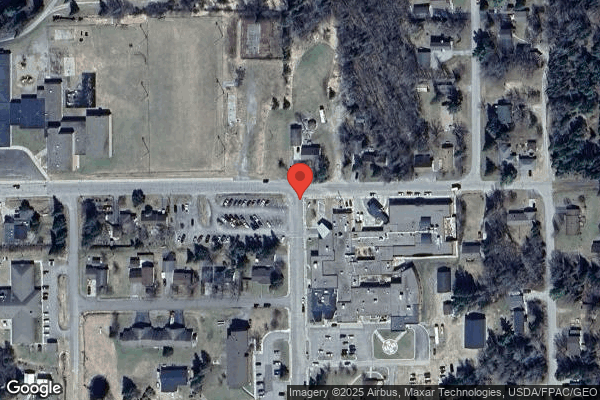
10 SOUTHEAST FIFTH STREET, COOK, MN 55723 (218) 666-5945
Government - Hospital district 28 Beds Independent Data: November 2025
Trust Grade
80/100
#16 of 337 in MN
Last Inspection: April 2025

Within standard 12-15 month inspection cycle. Federal law requires annual inspections.

Overview

Cook Community Hospital C&NC has a Trust Grade of B+, which means it is above average and recommended for families considering care options. It ranks #16 out of 337 facilities in Minnesota, placing it in the top half, and #2 out of 17 in St. Louis County, indicating there is only one facility nearby that is better. The facility's trend is improving, having decreased from 5 issues in 2024 to 4 in 2025, and it has a strong staffing rating with a turnover rate of 42%, which is on par with the state average. While there have been no fines, which is a positive sign, there were some concerning incidents, such as a resident suffering a clavicle fracture after a fall during a transfer and a nurse failing to perform proper hand hygiene before a blood sugar test, which raises potential infection risks. Overall, Cook Community Hospital C&NC has strengths in staffing and compliance but needs to address some issues in care procedures.

Trust Score
B+
80/100
In Minnesota
#16/337
Top 4%
Safety Record
Moderate
Needs review
Inspections
Getting Better
5 → 4 violations
Staff Stability
○ Average
42% turnover. Near Minnesota's 48% average. Typical for the industry.
Penalties
✓ Good
No fines on record. Clean compliance history, better than most Minnesota facilities.
Skilled Nurses
✓ Good
Each resident gets 86 minutes of Registered Nurse (RN) attention daily — more than 97% of Minnesota nursing homes. RNs are the most trained staff who catch health problems before they become serious.
Violations
⚠ Watch
13 deficiencies on record. Higher than average. Multiple issues found across inspections.
★★★★★
5.0
Overall Rating
★★★★★
5.0
Staff Levels
★★★☆☆
3.0
Care Quality
★★★★☆
4.0
Inspection Score
Stable
2024: 5 issues
2025: 4 issues

The Good

  • 5-Star Staffing Rating · Excellent nurse staffing levels
  • Full Sprinkler Coverage · Fire safety systems throughout facility
  • No fines on record
  • Staff turnover below average (42%)

    6 points below Minnesota average of 48%

Facility shows strength in staffing levels, fire safety.

The Bad

Staff Turnover: 42%

Near Minnesota avg (46%)

Typical for the industry

The Ugly 13 deficiencies on record

1 actual harm
Apr 2025 3 deficiencies
CONCERN (D)

Potential for Harm - no one hurt, but risky conditions existed

Deficiency F0655 (Tag F0655)

Could have caused harm · This affected 1 resident

Based on interview and document review, the facility failed to develop a baseline care plan to ensure immediate resident needs were identified and addressed for 1 of 5 residents (224) reviewed for com...

Read full inspector narrative →
Based on interview and document review, the facility failed to develop a baseline care plan to ensure immediate resident needs were identified and addressed for 1 of 5 residents (224) reviewed for comprehensive care planning and new admissions. Findings include: R224's face sheet indicated an admission date of 4/2/25, with a diagnosis of cerebral vascular accident. R224's paper baseline care plan indicated a completion date of 4/7/25. During an interview on 4/10/25 at 10:39 a.m., registered nurse (RN)-A stated the initial care plan was filled out in paper form and started at the time of admission. It took about 5 days for the initial care plan to be completed. During an interview on 4/10/25 at 11:48 a.m., the director of nursing stated the care plan needed to be done within 24-48hrs after admission. Facility policy Charting last reviewed 11/18/24, indicated a baseline care plan would be developed within 24hours of admission addressing pertinent problems/needs of the resident
CONCERN (D)

Potential for Harm - no one hurt, but risky conditions existed

Accident Prevention (Tag F0689)

Could have caused harm · This affected 1 resident

**NOTE- TERMS IN BRACKETS HAVE BEEN EDITED TO PROTECT CONFIDENTIALITY** Based on interview and document review, the facility failed to comprehensively assess each fall to ensure interventions were fol...

Read full inspector narrative →
**NOTE- TERMS IN BRACKETS HAVE BEEN EDITED TO PROTECT CONFIDENTIALITY** Based on interview and document review, the facility failed to comprehensively assess each fall to ensure interventions were followed; and failed to ensure fall interventions were care planned timely and implemented to prevent falls for 1 of 1 resident (R5) reviewed for falls. Findings include: R5's annual Minimum Data Set (MDS) dated [DATE], identified R5 had moderate cognitive impairment and diagnoses that included dementia, depression, osteoporosis and neurogenic bladder (as medical condition that causes bladder control issues). R5 had a history of fall without injury in the last 90 days. R5 had a bed alarm and chair alarm in place to monitor R5's movement and alerted staff when movement was detected. R5's care plan started 9/28/24, identified R5 was at risk for fall as evidenced by a history of falls, wandering, dizziness, impaired balance, impaired cognition and a history of self-transferring. Interventions included a post fall root cause analysis, bed sensor pad, fall risk assessment and vital signs. The care plan lacked any other interventions to attempt to protect the resident from falls. R5'S Post Fall Documentation (PFD) form last updated 12/12/24, indicated on 3/29/25 at 10:20 p.m., R5 was found on the floor by the bed after trying to transfer from the wheelchair to the bed. There were no behaviors documented as contributing to the fall other than resident had self-transferred. Nursing assessment indicated no injury occurred. Diagnoses listed as contributing factors included dementia, hypertension, anemia, and neurogenic bladder. The PFD lacked documentation related to last toileted or self-catheterized. Fall precautions in place in place included bed and chair sensors. The form indicated precautions such as floor mats, anti tippers, gripper socks or call signage were in place. The form indicated a post fall root cause analysis was competed, the resident was a high fall risk, and no immediate interventions were implemented. The conclusion indicated current interventions appropriate due to dementia and unable to follow recommendations. The PFD lacked documented information related to if appropriate footwear was on, if the call light was available, and when the resident had last been seen. R5's Post Fall & Root Cause Analysis (PFRCA) dated 3/29/25 at 10:32 p.m. indicated the same information as the Post Fall Documentation form. Interventions of frequent checks was also added. The PFRCA lacked any other information related to a comprehensive assessment/investigation into the fall was performed or what was reviewed as part of the PFRCA. R5'S Fall Worksheet dated 3/29/25, indicated no new interventions were added to R5's care to attempt to prevent falls. During an interview on 4/8/25 at 9:45 a.m., nurse assistant (NA)-A stated residents would be put on frequent checks after fall for an undisclosed amount of time to keep a close observation of them to prevent further falls. Frequent falls meant they would be observed every 30 minutes and then documented on a paper form where we wrote down when they were checked, who did the check and where they were located at the time of the check. NA-A stated R5 had not been on frequent checks for several months. During an interview on 4/8/25 at 10:03 a.m., licensed practical nurse (LPN)-A stated when a resident fell there was a fall assessment that is filled out and then given to the director of nursing (DON). I do not know what happens after that point. LPN-A also stated residents after falls would be placed on frequent checks. Frequent checks could be anywhere from every hour to every fifteen minutes. Documentation of frequent checks were done on a paper form and entered in the computer. During an interview on 4/8/25 at 10:39 a.m., registered nurse (RN)-A stated when a fall occurred the fall paperwork was given to the DON and then the DON would give RN-A the paperwork to review. Part of the review process would be to talk with staff about the incident, look at the resident's medical record, and evaluate causes for the fall. A root cause analysis would be performed by myself to decide the cause of the fall and what if any changes need to occur. RN-A reviewed R5's fall paperwork from 12/12/24 and stated a lot of information was missing related to the fall and what occurred at the time of the fall. Interviews with the staff to investigate the fall did not occur so there were unanswered questions related to the fall and why it occurred. RN-A knew R5 and knew she would just keep getting up on her own, so I just copied the information from the nursing documentation onto my review and started frequent checks. RN-A was unable to show the frequent check documentation and stated frequent checks were never started by the staff. During an interview on 4/8/25 at 11:10 a.m., the DON stated a complete investigation and root cause analysis should be performed to evaluate why a fall occurred and how to attempt to prevent further falls. Interventions should be care planed and started based on recommendations found through the investigation process. The facility policy Falls Program-Care Center last reviewed 4/11/25, indicated the licensed nurse would perform a post fall huddle/root cause analysis to determine any potential contributing factors to a fall. Post fall interventions would be put into place based on the RCA. The nurse manager or DON would then review the fall with reenactment if there were questions or concerns related to the fall.
CONCERN (D)

Potential for Harm - no one hurt, but risky conditions existed

Medication Errors (Tag F0758)

Could have caused harm · This affected 1 resident

**NOTE- TERMS IN BRACKETS HAVE BEEN EDITED TO PROTECT CONFIDENTIALITY** Based on interview and document review, the facility failed to provide appropriate side effect monitoring with antipsychotic med...

Read full inspector narrative →
**NOTE- TERMS IN BRACKETS HAVE BEEN EDITED TO PROTECT CONFIDENTIALITY** Based on interview and document review, the facility failed to provide appropriate side effect monitoring with antipsychotic medication consumption related to residents who did not have an Abnormal Involuntary Movement Scale (AIMS) for 1 of 5 residents (R14) reviewed for unnecessary medication use. Findings include: R14's quarterly Minimum Data Set (MDS) dated [DATE], indicated R14 had intact cognition. Diagnoses included psychotic disorder and post-traumatic stress disorder. R14's active order list undated, indicated R14 received Zyprexa, an antipsychotic medication that can cause involuntary muscles movements of the body, 5 milligrams (mg) by mouth in the evening. R14's medical record lacked documentation an AIMS assessment was performed prior to the start of the medication or since the medication was started. During an interview on 4/9/25 at 12:45 p.m., registered nurse (RN)-B stated when a resident was put on an antipsychotic medication an order was entered to monitor for side effects such as nausea, vomiting, hallucinations and TD. The Nursing staff had to check each shift the side effects were monitored. We did not actually do any kind of AIMS assessment before an antipsychotic medication was started as a baseline or while on the medication. During an interview on 4/10/25 at 9:48 a.m., the consultant pharmacist (CP) stated they do not look for AIMS assessments when doing the chart reviews because of the monitoring interventions are in place and documented on. The CP stated the facility probably should do a baseline AIMS prior to start of a new antipsychotic so there is a documented baseline and then would then know when a change occurred. During an interview on 4/10/25 at 11:48 a.m., the director of Nursing stated AIMS assessments specifically were not performed as part of assessments, but the monitoring interventions did list TD effects that were monitored and documented on during each shift. Facility policy Psychotropic Medications last revised 4/5/23 indicated side effect monitoring would be entered into the care plan and reviewed quarterly. Refer to state and federal regulations for long term care for a list of psychotropic dose specifics and adverse consequences of psychotropic medications
Jan 2025 1 deficiency 1 Harm
SERIOUS (G) 📢 Someone Reported This

A family member, employee, or ombudsman was alarmed enough to file a formal complaint

Actual Harm - a resident was hurt due to facility failures

Accident Prevention (Tag F0689)

A resident was harmed · This affected 1 resident

**NOTE- TERMS IN BRACKETS HAVE BEEN EDITED TO PROTECT CONFIDENTIALITY** Based on interview and document review the facility failed to follow care planned interventions for transfers for 1 of 3 residen...

Read full inspector narrative →
**NOTE- TERMS IN BRACKETS HAVE BEEN EDITED TO PROTECT CONFIDENTIALITY** Based on interview and document review the facility failed to follow care planned interventions for transfers for 1 of 3 residents (R1) reviewed. This resulted in actual harm when R1 fell when transferred with a mechanical standing lift and sustained a right clavicle (a break in the thin bone that connects the shoulder blade to the breastbone) fracture. This deficient practice was corrected prior to the start of the survey, therefore, was issued at past non-compliance. Findings include: R1's quarterly Minimum Data Set (MDS) dated [DATE], indicated moderate cognitive impairment. R1's care plan dated 1/24/25, included diagnoses of Alzheimer's with agitation, diabetes, congestive heart failure (CHF), coronary artery disease (CAD), insomnia, and osteoarthritis. Care Plan Summary updated 1/8/25, indicated R1 was a stand pivot transfer or ceiling lift transfer. A Fall Risk assessment dated [DATE], indicated R1 was a high risk for falls. A facility 24 hour Nursing Report sheet dated 1/23/25, indicated R1 had a fall at 12:30 p.m. Post Fall Documentation dated 1/23/25, indicated nursing assistant (NA)-A had assisted R1 to the ground from the mechanical stand lift after R1 had fallen asleep. The report indicated R1 fell asleep instantly while she was raising R1 up and had sustained a right clavicle fracture. Prefall R1 was a pivot transfer or a full body lift transfer. The report indicated NA-A used the mechanical stand lift and R1 was not care planned for the type of lift. A progress note dated 1/23/25 at 4:30 p.m., indicated the provider came to see R1. R1 had a right clavicle fracture. R1 had pain medication ordered and now required a ceiling lift for all transfers. During an interview on 1/27/25 at 1:30 p.m., R1 was lying in bed watching television. R1 stated he did not have a fall last week but was not sure why he was wearing an immobilizer on the right arm. During an interview on 1/27/25 at 1:43 p.m., NA-A stated R1 needed assistance to the bathroom and was using the mechanical stand lift to assist R1 into the wheelchair and bring R1 to the bed. NA-A then used the mechanical stand lift to assist R1 from wheelchair to bed. NA-A indicated once R1 had been lifted up R1 began sliding and NA-A could not get R1 into bed. NA-A stated R1 had fallen asleep. R1 slid down to NA-A's knees and R 1 slid to the floor through the harness for the mechanical stand lift. NA-A stated the harness was secure on R1. R1 was lowered to the floor and rolled off NA-A's lap to the floor. NA-A stated she left R1 and went to get assistance from staff. Registered nurse (RN)-A assessed R1 and the ceiling lift was used to get R1 off the floor and into bed. NA-A stated R1 was a two person pivot transfer or a ceiling lift transfer. NA-A stated R1 was not care planned to use a mechanical stand lift and she had used the mechanical stand lift for R1's transfer. NA-A stated I thought the mechanical stand lift was ok to use for R1. During an interview on 1/27/25 at 2:15 p.m., the director of nursing (DON) indicated R1 was care planned for a stand pivot transfer or a ceiling lift for transferring. The DON stated R1 was not care planned to use a mechanical stand lift. During an interview on 1/27/25 at 2:45 p.m. RN-B stated R1 was care planned for a ceiling lift after the fall and right clavicle fracture. RN-B stated R1 should not have been a mechanical stand lift for transfers. RN-B stated we had R1 care planned for a ceiling lift as R1 did fall asleep at the drop of a hat. RN-B stated the interdisciplinary team and therapy determine how to transfer residents then it is put on the care plan. During an interview on 1/28/25 at 10:18 a.m. NA-B stated staff look at the care plan to see how each resident transfers. NA-B stated there were no residents in the facility who required a mechanical stand lift. NA-B stated that R1 would just close his eyes, fall asleep, and start snoring at any time during the day. During an interview on 1/28/25 at 11:08 a.m. RN-A indicated NA-A had come to get assistance to get R1 off the floor. R1 was on the floor laying on right side. RN-A stated NA-A could have used the call light for assistance instead of leaving R1 on the floor alone. RN-A stated staff are not to leave residents alone on the floor. RN-A stated there were no obvious injuries and no complaints of pain until they rolled R1 onto the back then had pain in the right deltoid (shoulder) area. RN-A stated R1 was assessed with no bruising, no deformity, and full range of motion. They assisted R1 into bed using the ceiling lift where R1 complained of the sling pushing on R1's arms. RN-A called the provider and an X-ray was ordered. RN-A state R1 indicated the pain was better if he was not moving the right arm, R1 declined ice. RN-A revealed R1 would just fall asleep and snore multiple times a day and that it could not be predicted when R1 would fall asleep. RN-A stated NA-A had not followed the plan of care for R1 and she did not have the ok to use the mechanical stand lift for R1. During an interview on 1/28/25 at 12:28 p.m. NA-C stated NA's do not make the determination to use a mechanical stand lift for resident transfer, management makes the determination what lifts are to be used for each resident. NA-C stated we follow the care plan to find what type of transfer each resident was. NA-C denied using a mechanical stand lift for R1. During an interview on 1/28/25 at 2:25 NA-D stated staff were to look at the pocket care plan to see what type of transfers residents required. NA-D stated she had used the mechanical stand lift for R1 in the past as she was just following what other staff had done in the past. NA-D stated R1 was not care planned to use a mechanical stand lift. A facility policy Care Plan-Comprehensive Nursing dated 11/20/23, indicated the care plan needs to be always followed. The current care plans are always accessible to nursing staff through the EMR (electronic medical record) and through the pocket care pan that is provided for each individual in the household to the staff daily. Also, all staff must follow the POC. A facility policy Safe Patient Handling dated 9/30/22, indicated use safe patient handling guidelines, proper techniques and mechanical lifting devices during patient handling as directed by patient/resident care plan, physician order or RN assessment. Notify supervisor of any change in the patient's or resident's physical or cognitive status that may necessitate a reevaluation of their care plan. The facility initiated education related to following the care plan for transfers of residents, and communication via the white board for change of condition in the dictation room. Facility policy's related to Care Plans-Comprehensive Nursing, Change in Condition-LTC, Safe Patient Handling, EZ Stand Lift Procedures were gone over with staff. Informational sheets on Tollos slings and Volaro lift safety notes and assessment forms for both full body lift and EZ Stand were printed off for reference during reeducation. Staff signed off they had received education. R1's care plan was updated with current changes. EZ stands were removed from use as there were no residents assessed to use them currently.
May 2024 3 deficiencies
CONCERN (D)

Potential for Harm - no one hurt, but risky conditions existed

Comprehensive Assessments (Tag F0636)

Could have caused harm · This affected 1 resident

**NOTE- TERMS IN BRACKETS HAVE BEEN EDITED TO PROTECT CONFIDENTIALITY** Based on observation, interview, and record review, the facility failed to complete a comprehensive assessment for 1 of 1 reside...

Read full inspector narrative →
**NOTE- TERMS IN BRACKETS HAVE BEEN EDITED TO PROTECT CONFIDENTIALITY** Based on observation, interview, and record review, the facility failed to complete a comprehensive assessment for 1 of 1 resident (R12) reviewed for wandering. Findings include: R12's annual Minimum Data Set (MDS) dated [DATE], identified R12 was cognitively intact, used a manual wheelchair with substantial/maximal assistance for mobility, and did not exhibit wandering behavior. Diagnoses included depression and diabetes mellitus and identified R12 was cognitively intact. R12's care plan last reviewed on 3/25/24, gave no indication R12 exhibited wandering behaviors. Review of R12's mood and behavior monitoring sheets from January 2024 to April 2024 gave no indication R12 exhibited wandering behaviors. Review of R12's assessments gave no indication R12 was assessed for wandering. During interview on 4/29/24 at 2:12 p.m., R15 stated R12 enters R15's room uninvited at least once per week and has done so for at least the last 6 months. When R12 enters R15's room, R15 will use her call light to alert staff and staff will escort R12 out of R15's room. During interview on 4/30/24 at 9:26 a.m, nursing assistant (NA)-A confirmed R12 wanders into other resident's rooms at least 5 times per week. NA-A was unsure why R12 enters other resident's room and confirmed R15 will use her call light to have R12 escorted out of her room. During observation on 4/30/24 12:54 p.m., NA-A was sitting at the nursing station next to the dining area, with her back towards the dining area. R12 was sitting in her wheelchair in the dining area. On 4/30/24 at 12:57 p.m., R12 was observed wandering into R18's room. On 4/30/24 at 1:02 p.m., R18's call light was turned on. NA-A entered R18's room and escorted R12 back to her room. During interview on 4/30/24 at 2:40 p.m., licensed practical nurse (LPN)-A confirmed R12's history of wandering into other resident's rooms and states R12 has exhibited wandering behaviors for about a year. LPN-A states R12 was not confused, and LPN-A was unsure why R12 wanders into other resident's rooms. During interview on 4/30/24 at 3:02 p.m., registered nurse (RN)-B identified being aware of and having witnessed R12 wander into other resident's rooms. RN-B confirmed R12 has not been assessed for and R12's provider has not been notified of R12's wandering behaviors. RN-B confirmed there are no interventions in place to prevent R12 from wandering into other resident's rooms. During interview on 5/01/24 at 7:25 a.m., director of nursing (DON) identified having the expectation of an assessment being completed immediately for any resident exhibiting wandering behaviors. DON states being unaware of R12's wandering behaviors and plans to have an assessment completed immediately so appropriate inventions are implemented. During interview on 5/01/24 at 11:41 a.m., registered nurse (RN)-A identified having the responsibility of completing MDS assessments and updating resident care plans. For wandering assessments, RN-A reviews mood and behavior charting and consults with floor staff to determine if assessment was required. RN-A states review of R12's mood and behavior charting did not identify wandering behavior and, prior to yesterday (4/30/24), staff have not reported R12 exhibiting wandering behaviors, therefore a wandering assessment was not completed. RN-A states in response to staff reporting R12's wandering behaviors, RN-A updated R12's care plan to include SS Mood or Behavior Documentation: if wanders in other residents' room - please redirect to her room using calm reassuring approach. RN-A plans to complete a wandering assessment and update R12's MDS.
CONCERN (D)

Potential for Harm - no one hurt, but risky conditions existed

Deficiency F0761 (Tag F0761)

Could have caused harm · This affected 1 resident

Based on observation, interview and document review, the facility failed to ensure eye drops were dated as to when opened and when they were to expire. This had the potential to affect all residents w...

Read full inspector narrative →
Based on observation, interview and document review, the facility failed to ensure eye drops were dated as to when opened and when they were to expire. This had the potential to affect all residents who utilized medicated eye drops. Findings include: On 5/1/24 at 9:015 a.m., a review of the North hallway medication cart was performed. Observation was made of latanoprost 0.005% medicated eye drops in the medication draw with the protective seal removed. An opened date and 'expiration date sticker was on the bottle but was not filled out. During an interview on 5/1/24 at 9:22 a.m., registered nurse (RN)-B reviewed the medication and confirmed the medication was currently in use and there was no open date or expiration date. RN-B stated the open date and expiration date had to be on the bottles so the staff would know how long the medication was good, once opened. During an interview on 5/1/24 at 12:21 p.m., pharmacist stated bottles of medicated eye drops needed to have the open date and expiration date written on them. Eye drops such as latanoprost were only good for 28 days after opened since the preservative in them would only be stable for 28 days. After the 28 days they may not be safe to use. During an interview on 5/2/24 at 9:10 a.m., the director of nursing (DON) stated an expectation that medication would be dated with the open date and expiration date when staff removed the protective seal and started using them for patients. Facility Policy Administration of Medication in Long Term Care last reviewed 4/11/22, indicated date opened stickers needed to be filled out for eye drops because they are good for 45 days from the date opened.
CONCERN (E)

Potential for Harm - no one hurt, but risky conditions existed

Infection Control (Tag F0880)

Could have caused harm · This affected multiple residents

**NOTE- TERMS IN BRACKETS HAVE BEEN EDITED TO PROTECT CONFIDENTIALITY** Based on observation, interview and document review, the facility failed to perform appropriate hand hygiene when doing a finger...

Read full inspector narrative →
**NOTE- TERMS IN BRACKETS HAVE BEEN EDITED TO PROTECT CONFIDENTIALITY** Based on observation, interview and document review, the facility failed to perform appropriate hand hygiene when doing a finger stick for blood sugar. This had the potential to affect all residents that needed finger sticks to check blood sugars. Findings included. R19's annual Minimum Data Set (MDS) assessment dated [DATE], indicated moderate cognitive impairment. Diagnoses included dementia. During observations on 5/1/24 at 7:18 a.m., licensed practical nurse (LPN)-A entered R19's room to perform a blood sugar test. After placing gloves on her hands LPN-A proceed to utilize a lancet to puncture a small hole into R19's finger to obtain a blood sample. After puncturing then skin LPN-A then proceeded to place her gloved hand into her pocket and could be heard moving items around in her pocket. LPN-A then took the contaminated gloved hand out of her pocket and proceeded to push on the opening in the finger without changing gloves or washing hands. During interview on 5/1/24 at 8:02 a.m., LPN-A stated that she should have removed her gloves and washed her hands after putting them in her pocket and before going back to obtain the blood sample from the resident's finger. During interview on 5/1/24 at 8:22 a.m., the infection preventionist (IP) stated when a procedure is performed to puncture skin staff needed to wash hands and then done gloves for procedure. If the gloves became contaminated, they would need to be changed and hands washed again. Staff should never reach into their pockets and then go back to the resident without washing hands and changing gloves. During interview on 5/1/24 at 8:33 a.m., the director of nursing (DON) stated staff should never reach into their pockets while their hands are gloved and in the middle of a procedure. Facility policy Glucometers-Safe Use, Cleaning and Disinfection last reviewed 2/23, indicated aseptic technique must be observed and hand hygiene had to be performed. Glove also needed to be worn while doing the procedure. Facility policy Hand Hygiene last reviewed 6/23, indicated hand hygiene needed to be performed each time direct contact with residents is made and after touching inanimate objects that were likely to be contaminated with pathogenic microorganisms.
Apr 2024 2 deficiencies
CONCERN (D) 📢 Someone Reported This

A family member, employee, or ombudsman was alarmed enough to file a formal complaint

Potential for Harm - no one hurt, but risky conditions existed

Report Alleged Abuse (Tag F0609)

Could have caused harm · This affected 1 resident

**NOTE- TERMS IN BRACKETS HAVE BEEN EDITED TO PROTECT CONFIDENTIALITY** Based on interview and document review, the facility failed to ensure an injury of unknown origin was reported immediately (with...

Read full inspector narrative →
**NOTE- TERMS IN BRACKETS HAVE BEEN EDITED TO PROTECT CONFIDENTIALITY** Based on interview and document review, the facility failed to ensure an injury of unknown origin was reported immediately (within two hours) to the State Agency (SA) for 1 of 3 residents (R1) reviewed for injury of unknown origin. Findings include: R1's quarterly Minimum Data Set (MDS) dated [DATE], indicated R1 had memory impairment. The MDS indicated R1 required extensive assistance with toilet use, and supervision for bed mobility, transfers, and eating. R1's progress note dated 4/7/24 at 3:01 p.m., indicated at 6:50 a.m. R1 was found in her room in her recliner with a large hematoma (collection of blood outside of a blood vessel) on her right forehead, and a swollen and bruised right eye. R1 was unable to tell staff what happened, and no evidence of a fall was found. R1's Nursing Home Incident Report (NHIR) to the SA dated 4/7/24, indicated the report was submitted on 4/7/24 at 11:25 a.m. On 4/11/24 at 1:05 p.m., licensed practical nurse (LPN)-A stated they were busy that morning, and shorthanded, and she completed the report as soon as she could. LPN-A stated she should have filed the report within two hours. On 4/12/24 at 10:00 a.m., the director of nursing (DON) stated the expectation for an injury of unknown origin would be to report it within two hours. The facility Vulnerable Adult Maltreatment Prevention Plan revised 8/23, directed any mandated reporter who has knowledge of an injury of unknown source/origin shall immediately report but no later than two hours.
CONCERN (D) 📢 Someone Reported This

A family member, employee, or ombudsman was alarmed enough to file a formal complaint

Potential for Harm - no one hurt, but risky conditions existed

Comprehensive Care Plan (Tag F0656)

Could have caused harm · This affected 1 resident

**NOTE- TERMS IN BRACKETS HAVE BEEN EDITED TO PROTECT CONFIDENTIALITY** Based on interview and document review, the facility failed to ensure care-planned interventions for safety checks were consiste...

Read full inspector narrative →
**NOTE- TERMS IN BRACKETS HAVE BEEN EDITED TO PROTECT CONFIDENTIALITY** Based on interview and document review, the facility failed to ensure care-planned interventions for safety checks were consistently implemented for 1 of 3 residents (R1) reviewed for injury of unknown origin. Findings include: R1's quarterly Minimum Data Set (MDS) dated [DATE], indicated R1 had memory impairment. The MDS outlined R1 required extensive assistance with toilet use and supervision for bed mobility, transfers, and eating. R1's care plan reviewed 3/15/24, identified R1 was to be checked on every hour by staff. On 4/11/24 at 1:05 p.m. licensed practical nurse (LPN)- A stated on 4/7/24, between 6:45 a.m. and 6:50 a.m. she went into R1's room and found R1 in her recliner. R1's right side of her face was bruised, her right eye was swollen shut, and she had a hematoma (collection of blood outside of a blood vessel) on the right side of her forehead. LPN-A stated this was the first time she had seen R1 that day. On 4/11/24 at 3:30 p.m., nursing assistant (NA)-A stated R1 was on hourly safety checks, and the last time she saw R1 was at 4:00 a.m. on 4/7/24. She had not done an hourly safety check on R1 after that time. On 4/12/24 at 9:32 a.m., registered nurse (RN)-A stated the last time she saw R1 on 4/7/24 was around 2:00 a.m. when NA-A was assisting R1 to her bedroom. NA-A was responsible for completing R1's safety checks. For safety checks, the staff were expected to visualize the resident to ensure they were safe. On 4/12/24 at 10:00 a.m., the director of nursing (DON) stated it was expected staff visualize the resident when doing safety checks. If a staff member last checked on a resident who was care planned to have hour checks at 4:00 a.m. and then not again until 6:40 a.m. the care plan was not being followed. The facility policy Falls Program- Care Center revised 4/27/23, directed safety checks are placed for staff to check on the resident, visualize the resident, and ensure that they are in a safe position within the room.
Jul 2023 4 deficiencies
CONCERN (D)

Potential for Harm - no one hurt, but risky conditions existed

Deficiency F0554 (Tag F0554)

Could have caused harm · This affected 1 resident

**NOTE- TERMS IN BRACKETS HAVE BEEN EDITED TO PROTECT CONFIDENTIALITY** Based on observation, interview, and document review, the facility failed to ensure self-administration of medications was asses...

Read full inspector narrative →
**NOTE- TERMS IN BRACKETS HAVE BEEN EDITED TO PROTECT CONFIDENTIALITY** Based on observation, interview, and document review, the facility failed to ensure self-administration of medications was assessed for safety and care planned accordingly to reduce the risk of an adverse event for 1 of 5 residents (R20) observed during medication administration. Findings include: R20's annual Minimum Data Set (MDS) assessment dated [DATE], indicated R20 had diagnoses of diabetes, depression, pancreatic cancer with surgically removed pancreas, breast cancer, and hyperthyroidism. In addition, R20's MDS indicated R20 was cognitively intact and received insulin, antidepressant, and diuretic medications on 7 of 7 days during the assessment period. R20's current physician order report dated 7/12/23, indicated R20 received the following medications: acetaminophen 1000 milligrams (mg) three times daily polyethylene glycol 17 grams (gm) daily as needed mirtazapine 7.5 mg at bedtime insulin glargine 10 units at bedtime insulin ASPART 9 units daily and sliding scale artificial tears one drop each eye three times daily spironolactone 25 milligrams (mg) daily docusate 200 mg every two days aspirin 81 mg daily paroxetine 40 mg daily acetaminophen 1000 mg twice daily magnesium chloride twice daily Creon two capsules four times daily During an observation on 7/12/23 at 7:59 a.m., licensed practical nurse (LPN)-A entered R20's room administered R20's insulin, and instilled artificial tears which were kept at R20's bedside. LPN-A then left R20's medication cup with her pills on her bedside tray, stating she typically leaves the medication for R20 to take and then she checks to see if they were all taken when she would return to pick up the meal tray. Medications in the cup were as follows: spironolactone (treats high blood pressure and fluid retention) 25 mg daily aspirin (can reduce the risk of heart attack) 81 mg daily paroxetine (treats depression) 40 mg daily acetaminophen (can treat minor aches and pains) 500 mg two tablets three times a day magnesium chloride (heart dietary supplement) twice a day Creon (used to aid food digestion for people without a pancreas) two capsules four times a day During an interview on 7/13/23 at 9:47 a.m. the director of nursing stated staff can not leave medications in a resident's room unless they had an order for self-administration of medications (SAM) and had been assessed to be safe to self-administer their medications. During an interview on 7/13/23 at 9:54 a.m. the administrator verified nursing staff needed to stay with the resident until they took their medications or do an assessment for self-administration and obtain a physicians order for SAM. During an interview on 7/13/23 at 12:04 p.m., the pharmacist (P)-A stated a resident would need an order for SAM and an assessment for ensure they are safe to self-administer medications. PA-A stated nursing would need to stay and physically ensure the resident took all of their medications. The policy Self-Administration of Medication dated 4/13/17, indicated staff and the practitioner would ask residents if they wanted to self-administer their medications. The policy indicated the SAM wood be conducted initially and then periodically for example at quarterly care conferences. In addition, the policy directed Staff shall identify and give to the Charge Nurse any medications found at the bedside that are not authorized for bedside storage, for return to the family or responsible party.
CONCERN (D)

Potential for Harm - no one hurt, but risky conditions existed

ADL Care (Tag F0677)

Could have caused harm · This affected 1 resident

**NOTE- TERMS IN BRACKETS HAVE BEEN EDITED TO PROTECT CONFIDENTIALITY** Based on observation, interview and document review, the facility failed to provide assistance with grooming for 1 of 2 resident...

Read full inspector narrative →
**NOTE- TERMS IN BRACKETS HAVE BEEN EDITED TO PROTECT CONFIDENTIALITY** Based on observation, interview and document review, the facility failed to provide assistance with grooming for 1 of 2 residents (R25) reviewed for activities of daily living (ADL)'s. Findings include: R25's quarterly Minimum Data Set (MDS) assessment dated [DATE], indicated R25 had diagnoses of malignant neoplasm of prostate (cancer of prostate), spinal stenosis lumbar region (a narrowing of the spinal canal, compressing the nerves traveling through the lower back into the legs that may cause pain or numbness in legs), weakness, and dementia. In addition, R25's MDS indicated he required supervision with activities of daily living (personal hygiene/grooming, bathing, toilet use). R25's MDS indicated he was occasionally incontinent of bladder. R25's care plan initiated on 3/29/23, indicated R25 had a self-care deficit with a goal to maintain optimal bathing/hygiene ability. The care plan indicated R25 required an assist of one with cares. During an interview on 7/11/23 at 9:37 a.m., R25's family member (FM)-A stated R25 would like to be shaved daily and needed help with this. During an observation on 7/11/23 at 11:47 a.m., R25 was seated in the common area at the counter he was dressed in clean clothes and wearing shoes and socks. R25 was noted to have beard growth (white stubble) on his face (chin and cheeks). During on observation on 7/11/23 at 3:03 p.m., R25 walked out to the common area and asked a nursing assistant (NA)-A about where his razor was. NA-A told R25 she didn't think it was lost but did not go to his room to help him find it. During an observation on 7/11/23 at 3:09 p.m., R25 was in his room, activities aid (AA)-A was heard to say she would ask staff to look for his razor. R25 came out of his room and said, I sure wonder what happened to my razor. AA-B asked R25 if she could go into his room and look for his razor, he gave her permission. AA-B came out of R25's room and said she found his razor and told him she had placed it on the counter in the bathroom. During an observation on 7/12/23 at 1:38 p.m., R25 was in his room on his bed. His beard was about 1/4 inch in length. When he was asked if he was growing a beard, he said he couldn't shave because he couldn't find his razor. During an interview on 7/12/23 at 1:43 p.m., NA-A stated it could sometimes be hard to get R25 to complete cares. NA-A stated they needed to do cares when he was ready. NA-A verified R25 was looking for his razor to shave the day before and no one helped him get set up to shave on his own. NA-A verified it was a missed opportunity to help him with cares. During an interview on 7/12/23 at 2:01 p.m., licensed practical nurse (LPN)-A verified staff should have helped R25 with shaving when he was asking about his razor the day before. During an interview on 7/13/23 at 10:25 a.m., the director of nursing (DON) stated she would expect staff to help a resident with shaving especially if they were talking about/looking for their razor. The facility policy on activities of daily living was requested but not provided.
CONCERN (D)

Potential for Harm - no one hurt, but risky conditions existed

Pharmacy Services (Tag F0755)

Could have caused harm · This affected 1 resident

Based on observation, interview, and document review, the facility failed to ensure controlled medications were monitored and reconciled to prevent diversion of controlled medications. Findings inclu...

Read full inspector narrative →
Based on observation, interview, and document review, the facility failed to ensure controlled medications were monitored and reconciled to prevent diversion of controlled medications. Findings include: During a review of the south medication cart on 7/13/23 at 10:59 a.m., it was noted there were approximately six narcotic cards (cards with narcotic medications in the cards) in the locked medication drawer of the medication cart. The bound narcotic book had medications signed onto pages in the one hundreds, with many pages with a line draw across the page. The director of nursing (DON) who was present for review of the cart stated they did not use the index page to sign the narcotics into the book. The DON stated when a narcotic was no longer in use and not in the narcotic drawer they would draw a line through the page which would indicate the narcotic was no longer in the drawer. Several cards were compared to the page number on the card and both matched. When the DON was asked how they would know if a card was missing she stated she was not sure. During an interview on 7/13/23 at 11:13 a.m., the director of nursing (DON) stated she was not sure why the facility was not using the index page to sign in narcotics. The DON stated the change of shift count was done with two staff. One staff would take out a card call out the page number the second staff would find the page number and they would verify the numbers matched (card to the book). The DON verified this system would not detect a missing card. During an interview on 7/13/23 at 11:41 a.m., the administrator verified the facility did not sign narcotics into the bound narcotic book using the index page. The administrator stated one staff would take out a card call out the page number the second staff would find the page number and they would verify the numbers matched. The administrator verified a missing card would possibly not be noticed during the count but would eventually be found when the resident asked for the medication. The administrator verified this process had the potential for diversion. During an interview on 7/13/23 at 12:08 p.m., the pharmacist (P)-A stated the procedure for signing narcotics into the locked medication drawer in the medication cart was to place a sticker on the first blank page of the bound narcotic book, write the number of the page on the card and place the card into the locked narcotic drawer. A nursing staff and a staff member from pharmacy would do this together. P-A stated staff should be using the index page to sign narcotic medications into the bound book. P-A stated if the index page was not being used staff would need to look at each page in the book to ensure there were no cards missing during the shift to shift counts. The facility policy Controlled Substance Medication dated 10/2022, directed staff to do the following: b) Controlled medications for residents will be received and documented into a bound inventory book with both pharmacy staff and nursing staff documenting receipt. d) A running inventory will be maintained in the bound inventory book.
CONCERN (D)

Potential for Harm - no one hurt, but risky conditions existed

Deficiency F0761 (Tag F0761)

Could have caused harm · This affected 1 resident

Based on observation, interview and document review, the facility failed to ensure medications were labeled appropriately with open dates. In addition, the facility failed to remove expired medication...

Read full inspector narrative →
Based on observation, interview and document review, the facility failed to ensure medications were labeled appropriately with open dates. In addition, the facility failed to remove expired medications for 3 of 14 residents (R9, R12, R15) whose medications were observed during medication storage. Findings include: During the medication storage tour on 7/13/23 at 10:59 a.m., with the director of nursing there were medications with open and expiration dates lacking and/or items past the expiration date. In addition, there were several expired stored medications observed: R9's Latanoprost eye drops (used to treat certain kinds of glaucoma) had a yellow sticker with an open date filled in for 6/18/23 and an expiration date (discard date) of 7/7/23. R9's lubricant eye drops had a yellow sticker with no open date and no expiration date. R9's Symbicort inhaler (used to treat COPD) had an open date of 4/6/23, and an expiration date of 7/6/23. R12's milk of magnesia had a manufacturer's expiration date of 5/2023. R15's M-PAP liquid (a generic form of acetaminophen) had a manufacturer's expiration date of 5/2023. House use nystatin powder (used to treat fungal or yeast infections of the skin) had a manufacturer's expiration date of 4/2023. During an interview on 7/13/23 at 11:13 a.m., the director of nursing (DON) stated staff should be filling in the open and expiration dates upon opening new medications and night staff should be checking for expired medications. The DON stated there should not be expired medications in the medication cart. During an interview on 7/13/23 at 12:06 p.m., the pharmacist (P)-A stated he would expect the nursing staff to be checking for expired medications on a scheduled basis. P-A stated the yellow stickers with the open and expiration date should be filled out when the medication is first opened. PA-A stated some medications lose there effectiveness after a specific number of days and there is also the possibility of contamination for some medications and that is why they are discarded after a specific number of days. The policy Administration of Medications in Long Term Care dated 4/11/22, directed staff to do the following: 18. Date opened stickers will be attached to all insulin vials and eye drops. Expiration date will be determined based on date opened: a. Insulin: 28 days from date opened b. eye drops: 45 days from date opened
Understanding Severity Codes (click to expand)
Life-Threatening (Immediate Jeopardy)
J - Isolated K - Pattern L - Widespread
Actual Harm
G - Isolated H - Pattern I - Widespread
Potential for Harm
D - Isolated E - Pattern F - Widespread
No Harm (Minor)
A - Isolated B - Pattern C - Widespread

Questions to Ask on Your Visit

  • "Can I speak with families of current residents?"
  • "What's your RN coverage like on weekends and overnight?"

Our Honest Assessment

Strengths
  • • Grade B+ (80/100). Above average facility, better than most options in Minnesota.
  • • No fines on record. Clean compliance history, better than most Minnesota facilities.
  • • 42% turnover. Below Minnesota's 48% average. Good staff retention means consistent care.
Concerns
  • • 13 deficiencies on record, including 1 serious (caused harm) violation. Ask about corrective actions taken.
Bottom line: Generally positive indicators. Standard due diligence and a personal visit recommended.

About This Facility

What is Cook Community Hospital C&Nc's CMS Rating?

CMS assigns Cook Community Hospital C&NC an overall rating of 5 out of 5 stars, which is considered much above average nationally. Within Minnesota, this rating places the facility higher than 99% of the state's 100 nursing homes. This rating reflects solid performance across the metrics CMS uses to evaluate nursing home quality.

How is Cook Community Hospital C&Nc Staffed?

CMS rates Cook Community Hospital C&NC's staffing level at 5 out of 5 stars, which is much above average compared to other nursing homes. Staff turnover is 42%, compared to the Minnesota average of 46%. This relatively stable workforce can support continuity of care.

What Have Inspectors Found at Cook Community Hospital C&Nc?

State health inspectors documented 13 deficiencies at Cook Community Hospital C&NC during 2023 to 2025. These included: 1 that caused actual resident harm and 12 with potential for harm. Deficiencies causing actual harm indicate documented cases where residents experienced negative health consequences.

Who Owns and Operates Cook Community Hospital C&Nc?

Cook Community Hospital C&NC is owned by a government entity. Government-operated facilities are typically run by state, county, or municipal agencies. The facility operates independently rather than as part of a larger chain. With 28 certified beds and approximately 23 residents (about 82% occupancy), it is a smaller facility located in COOK, Minnesota.

How Does Cook Community Hospital C&Nc Compare to Other Minnesota Nursing Homes?

Compared to the 100 nursing homes in Minnesota, Cook Community Hospital C&NC's overall rating (5 stars) is above the state average of 3.2, staff turnover (42%) is near the state average of 46%, and health inspection rating (4 stars) is above the national benchmark.

What Should Families Ask When Visiting Cook Community Hospital C&Nc?

Based on this facility's data, families visiting should ask: "Can I visit during a mealtime to observe dining assistance and food quality?" "How do you handle medical emergencies, and what is your hospital transfer rate?" "Can I speak with family members of current residents about their experience?"

Is Cook Community Hospital C&Nc Safe?

Based on CMS inspection data, Cook Community Hospital C&NC has a clean safety record: no substantiated abuse findings (meaning no confirmed cases of resident harm), no Immediate Jeopardy citations (the most serious violation level indicating risk of serious injury or death), and is not on the Special Focus Facility watch list (a federal program monitoring the lowest-performing 1% of nursing homes). The facility has a 5-star overall rating and ranks #1 of 100 nursing homes in Minnesota. While no facility is perfect, families should still ask about staff-to-resident ratios and recent inspection results during their visit.

Do Nurses at Cook Community Hospital C&Nc Stick Around?

Cook Community Hospital C&NC has a staff turnover rate of 42%, which is about average for Minnesota nursing homes (state average: 46%). Moderate turnover is common in nursing homes, but families should still ask about staff tenure and how the facility maintains care continuity when employees leave.

Was Cook Community Hospital C&Nc Ever Fined?

Cook Community Hospital C&NC has no federal fines on record. CMS issues fines when nursing homes fail to meet care standards or don't correct problems found during inspections. The absence of fines suggests the facility has either maintained compliance or corrected any issues before penalties were assessed. This is a positive indicator, though families should still review recent inspection reports for the full picture.

Is Cook Community Hospital C&Nc on Any Federal Watch List?

Cook Community Hospital C&NC is not on any federal watch list. The most significant is the Special Focus Facility (SFF) program, which identifies the bottom 1% of nursing homes nationally based on persistent, serious quality problems. Not being on this list means the facility has avoided the pattern of deficiencies that triggers enhanced federal oversight. This is a positive indicator, though families should still review the facility's inspection history directly.