Boundary Waters Care Center
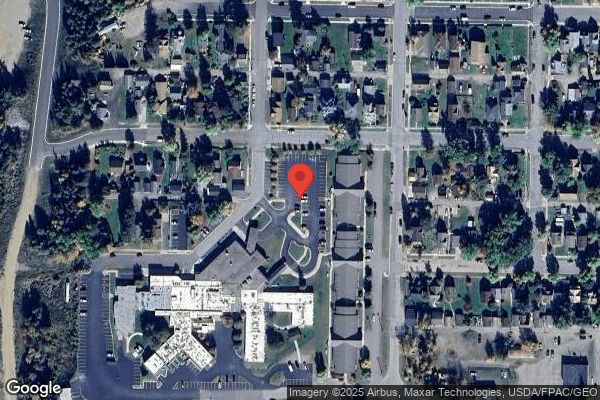
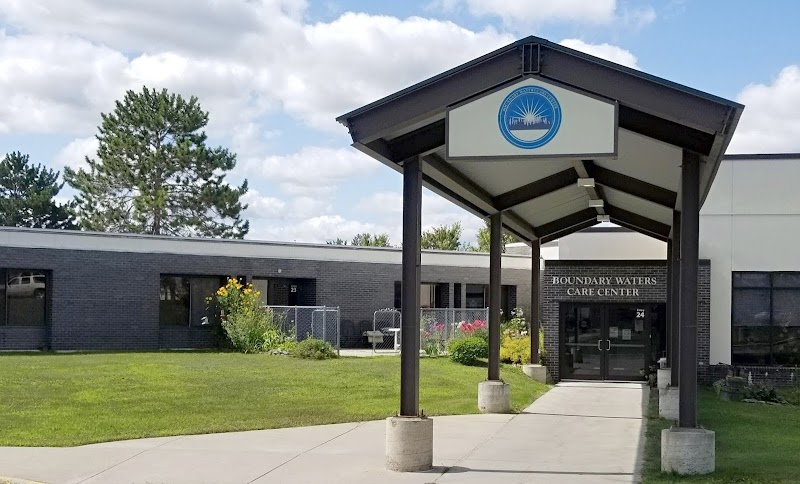
200 WEST CONAN STREET, ELY, MN 55731 (218) 365-8705
Non profit - Corporation 42 Beds Independent Data: November 2025
Trust Grade
73/100
#9 of 337 in MN
Last Inspection: October 2024

Within standard 12-15 month inspection cycle. Federal law requires annual inspections.

Overview

Boundary Waters Care Center in Ely, Minnesota, has a Trust Grade of B, which indicates it's a good choice, falling within the 70-79 range. It ranks #9 out of 337 facilities statewide, placing it in the top half of Minnesota nursing homes, and it is the top facility out of 17 in St. Louis County. However, the facility is experiencing a worsening trend, with the number of issues increasing from 10 in 2023 to 11 in 2024. Staffing is a strong point, rated 5 out of 5 stars, with a turnover rate of 30%, which is significantly better than the Minnesota average of 42%. Despite these strengths, the facility has faced some concerns, including $10,059 in fines, which is considered average but may indicate some compliance issues. There is more RN coverage than 82% of Minnesota facilities, ensuring better oversight of resident care. Specific incidents reported include a resident not receiving necessary range of motion services, leading to a decline in their mobility, and the facility failing to provide bedtime snacks for residents who may not ask for them, potentially affecting their nutrition. Additionally, there were concerns about the security of electronic medical records, which were left open and accessible to unauthorized individuals, posing a risk to resident confidentiality.
Trust Score
B
73/100
In Minnesota
#9/337
Top 2%
Safety Record
Moderate
Needs review
Inspections
Getting Worse
10 → 11 violations
Staff Stability
○ Average
30% turnover. Near Minnesota's 48% average. Typical for the industry.
Penalties
✓ Good
$10,059 in fines. Lower than most Minnesota facilities. Relatively clean record.
Skilled Nurses
✓ Good
Each resident gets 76 minutes of Registered Nurse (RN) attention daily — more than 97% of Minnesota nursing homes. RNs are the most trained staff who catch health problems before they become serious.
Violations
⚠ Watch
21 deficiencies on record. Higher than average. Multiple issues found across inspections.
★★★★★
5.0
Overall Rating
★★★★★
5.0
Staff Levels
★★★★★
5.0
Care Quality
★★★☆☆
3.0
Inspection Score
Stable
2023: 10 issues
2024: 11 issues

The Good

  • 5-Star Staffing Rating · Excellent nurse staffing levels
  • 5-Star Quality Measures · Strong clinical quality outcomes
  • Full Sprinkler Coverage · Fire safety systems throughout facility
  • No fines on record
  • Staff turnover below average (30%)

    18 points below Minnesota average of 48%

Facility shows strength in staffing levels, quality measures, fire safety.

The Bad

Staff Turnover: 30%

16pts below Minnesota avg (46%)

Typical for the industry

Federal Fines: $10,059

Below median ($33,413)

Minor penalties assessed

The Ugly 21 deficiencies on record

1 actual harm
Oct 2024 5 deficiencies
CONCERN (D)

Potential for Harm - no one hurt, but risky conditions existed

Notification of Changes (Tag F0580)

Could have caused harm · This affected 1 resident

**NOTE- TERMS IN BRACKETS HAVE BEEN EDITED TO PROTECT CONFIDENTIALITY** Based on observation, interview, and document review the facility failed to notify the provider of a resident presenting with me...

Read full inspector narrative →
**NOTE- TERMS IN BRACKETS HAVE BEEN EDITED TO PROTECT CONFIDENTIALITY** Based on observation, interview, and document review the facility failed to notify the provider of a resident presenting with mentation and respiratory changes for 1 of 1 residents (R6) reviewed for change in condition. Findings included, R6's Quarterly Minimum Data Set (MDS) dated [DATE], identified R6 had moderate cognitive impairment. Diagnoses included coronary artery disease, cerebrovascular accident (CVA), chronic obstructive pulmonary disease (COPD) and respiratory failure. The MDS indicated R6 was not comatose. R6 could also hear adequately without hearing aides, speak clearly, and usually understood others. R6's care plan, last revised [DATE], identified respiratory concerns but lacked notification to provider for intervention changes. R6's provider signed Minnesota Provider Orders for Life-Sustaining Treatment (POLST), dated [DATE] indicated under section A- Cardiopulmonary Resuscitation (CPR) R6 was a do not attempt resuscitation (DNR). It also indicated under section A when not in cardiopulmonary arrest (the heart and or lungs have stopped working), follow orders in section B. Section B -Medical Treatments R6 had Selective Treatments chosen. Selective Treatments included use medical treatment, antibiotics, IV fluids and cardiac monitoring as indicated. Also may consider less invasive airway support and transfer to hospital if indicated, but to avoid intensive care units. On [DATE] at 3:18 p.m., R6 was observed laying in bed with the head of bed at a 90 degree angle. Respirations were deep and labored and moisture could be heard in her airway as she took breaths and when she coughed. R6 was observed staring forward and not responding to verbal questions, requests, and was not tracking where the voices were coming from. R6's medical record was reviewed and identified the following: - On [DATE], R6 was discharged from hospice since her condition had been very stable and steady. R6 responded to commands, cooperative and follows directions. Assessment indicated lungs were clear but diminished in the bases. Hospice staff had interviewed staff and documented R6 had no cough and had been alert. - On [DATE] at 1:13 p.m., MDS interview completed with R6 and staff and R6 answered questions appropriately and understood directions with cares when given. There was shortness of breath when laid flat but not with transfers. - On [DATE] at 9:09 a.m., family called to advise of change in R6's breathing and increased lethargy. - On [DATE] at 11:24 a.m., daughter called to speak with R6. Held phone up to ear because R6 was unable to communicate. Family in route as soon as able. During interview on [DATE] at 6:30 p.m., licensed practical nurse (LPN)-A stated anytime a resident had a change of condition the family, director of nursing (DON) and the provider would be notified of a change of condition. If the person was on hospice, then hospice would be notified along with the provider. LPN-A stated that at 9:00 a.m. R6 became more lethargic and had changes in her respiratory system. Breathing was labored, deep, and there was audible moisture heard when she was breathing. R6 did eventually lose ability to communicate. She called R6's family members and the DON and reported the change of condition to them. She stated she did not notify the provider of the change of condition and had not been advised to call the provider. LPN-A stated family had asked if R6 should be sent to the emergency room and was told it was not needed. LPN-A did acknowledge there was a significant change in R6's condition. During interview on [DATE] at 10:50 a.m., registered nurse (RN)-A stated that changes in mentation and respiratory system issues would be considered a change in condition, especially if the patient had been stable prior to the incident. Any change of condition would result in the family, provider, and DON being notified so a plan of care could be made to address the changes. RN-A stated code status would not affect the decision to notify the provider. During interview on [DATE] at 11:48 a.m., the DON stated that a change of condition was based on each individual case. If a change of condition did occur the expectation would be the nurse notify the family, provider, and myself [DON] of the change. The DON stated that even if the resident was DNR the provider would still be notified of the change. Facility policy Notification of Change, last reviewed 11/22, indicated the staff would consult the resident's physician, nurse practitioner, or physician assistant and notify the resident representative or an interested family member when there was an acute illness or a significant change in the resident's physical, mental or psychosocial status. Examples were deterioration in health, mental or psychosocial status in either life-threatening conditions or clinical complications. Life-threatening conditions would include but were not limited to such things as heart attack or stroke.
CONCERN (D)

Potential for Harm - no one hurt, but risky conditions existed

Deficiency F0688 (Tag F0688)

Could have caused harm · This affected 1 resident

**NOTE- TERMS IN BRACKETS HAVE BEEN EDITED TO PROTECT CONFIDENTIALITY** Based on interview and record review the facility failed to assess, monitor, and implement interventions to prevent decreased ra...

Read full inspector narrative →
**NOTE- TERMS IN BRACKETS HAVE BEEN EDITED TO PROTECT CONFIDENTIALITY** Based on interview and record review the facility failed to assess, monitor, and implement interventions to prevent decreased range of motion (ROM) for 1 of 4 residents (R5) reviewed for positioning, mobility, and ROM. Finding include: R5's quarterly Minimum Data Set (MDS) dated [DATE], identified R5 was cognitively intact and had functional range of motion (ROM) impairment of the right and left upper extremities (shoulder, wrist, and/or hand). R5 requires partial to moderate assistance for upper body dressing and was dependent on staff to for personal hygiene. During the assessment period (9/10/24 to 9/17/24) R5 did not receive physical therapy (PT), occupational therapy (OT), or restorative nursing services. R5's OT evaluation and plan of treatment dated 4/11/23, identified R5 did not have functional limitations due to a contracture (shortening and hardening of muscles, tendons, or other tissue, often leading to deformity, rigidity of joints, and reduced ROM). During interview on 10/13/24 at 3:25 p.m., R5 stated she has had ROM impairment in her left hand for at least 3 years. R5's fingers on her left hand were curled into, and touching her palm. R5 stated she was unable to extend/open her fingers and would be willing to work with PT, OT, and/or restorative nursing to improve/maintain the ROM in her left hand if it was offered. During interview on 10/14/24 at 3:14 p.m., COTA-A confirmed R5's last OT evaluation was on 4/11/2023. At that time, R5 was referred for weakness and the goal of therapy was to improve transfer ability. R5 was discharged from OT on 5/4/23 and has not received PT/OT services since. During interview on 10/15/24 at 12:26 p.m., occupational therapist registered (OTR)-A confirmed she had completed R5's OT evaluation on 4/11/23 and the evaluation identified R5 did not have a contracture. OTR-A stated at the time of the evaluation, R5 had tightness in her left hand and then used her hand to demonstrate that R5's fingers were curled in an opened C shape. OTR stated she re-evaluated R5 today (10/15/24), noted R5's left hand fingers were now folded into her palm, and determined R5's left hand was contracted. OTR-A explained rehabilitation therapy services do not routinely screen for changes in ROM or the development of contractures. The facility process was for nurses to monitor for changes in ROM and the development of contractures and to report these changes. Reported changes would result in a PT/OT evaluation. OTR-A states since discharge on [DATE] and up until today (10/15/24) she was not notified of any changes in R5's ROM or contracture development. During interview on 10/15/24 at 1:56 p.m., registered nurse (RN)-A stated it was the responsibility of nursing staff to monitor and report any change in resident condition which included the development of a contracture. During interview on 10/16/24 at 10:28 a.m., RN-B stated all nurses are trained and expected to monitor and report any change in ROM which included the development of a contracture. When a change in ROM was reported, a PT/OT referral would be made, and a PT/OT evaluation would be completed. During interview on 10/16/24 at 11:23 a.m., the administrator stated it was important to report contractures so steps can be taken to prevent further decline or impairment. Facility policy Restorative Program last revised 5/20, indicated while in this facility, all residents are supported to maintain or attain their highest level of functioning. Further, all residents are assessed upon admission and at each care plan meeting for possible inclusion in restorative programs.
CONCERN (D)

Potential for Harm - no one hurt, but risky conditions existed

Respiratory Care (Tag F0695)

Could have caused harm · This affected 1 resident

**NOTE- TERMS IN BRACKETS HAVE BEEN EDITED TO PROTECT CONFIDENTIALITY** Based on observation, interview, and document review, the facility failed to ensure oxygen tubing was changed according to facil...

Read full inspector narrative →
**NOTE- TERMS IN BRACKETS HAVE BEEN EDITED TO PROTECT CONFIDENTIALITY** Based on observation, interview, and document review, the facility failed to ensure oxygen tubing was changed according to facility policy as well as failed to ensure nebulizer tubing/canisters were cleaned and allowed to air dry after each use for 1 of 1 resident (R21) reviewed for oxygen therapy. Findings include: R21's annual Minimum Data Set (MDS) dated [DATE], identified R21 was cognitively intact and had continuous oxygen therapy. Diagnoses included chronic obstructive pulmonary disease (COPD). R21's provider order dated 12/28/23, identified orders to change oxygen tubing and nebulizer tubing weekly on Saturday night. Provider orders dated 6/20/23, identified Ipratropium-Albuterol Inhalation Solution 0.5-2.5 milligram(mg)/3 Milliliters (ml) (a respiratory medication utilized to treat COPD). 3ml inhale orally every 4hr for COPD while awake. Provider orders dated 8/29/24 indicated oxygen 2-4 liters(L) continuous. R21's care plan undated, identified R21 needed continuous oxygen therapy and to administer oxygen and respiratory medications as per orders. The care plan lacked documentation when to change oxygen tubing and when/how to clean nebulizer tubing/canister. R21's treatment administration record for 10/24, indicated oxygen tubing and nebulizer tubing had been changed on 10/5/24, but not 10/13/24. On 10/13/24 at 3:42 p.m., R21 was observed wearing continuous oxygen via nasal cannula. The date on the green extension tubing and the nasal cannula could not be located. An undated nebulizer canister and tubing were observed sitting on the chest. The canister was noted to be closed and had visible liquid in the canister along with condensation along the inner walls of the canister. The mask was covered with dried items and moisture stained. During interview on 10/13/24 at 3:44 p.m., R21 stated the staff occasionally change the oxygen tubing, nebulizer tubing, and canister the way they were supposed to and R21 could not remember when it was last changed. The staff will never clean out the nebulizer canister after my treatment. They bring me the medication and I give myself the treatments and staff is supposed to clean the nebulizers. I give myself my first nebulizer treatment around 7:00 a.m. and they are every 4 hours after that. On 10/15/24 at 10:17 a.m., the oxygen tubing and nasal cannula were observed, and a date could not be found. The tubing on the nebulizer was noted to have date 10/14/24, taped on it. The nebulizer canister was noted to have visible liquid inside the closed canister, as welll as condensation. During interview on 10/15/24 at 10:50 a.m., registered nurse (RN)-A stated all oxygen tubing and nebulizer tubing/canisters would be changed every 7 days on Saturday night. Documentation of the change would be done in the TAR and the tubing would be labeled with tape and the current date on the tape. RN-A stated nebulizer canisters needed to be cleaned after each use and allowed to air dry in separate pieces before the next treatment was given. Cleaning should occur immediately after the medication in the nebulizer was administered. RN-A entered R21's room and looked at the nebulizer tubing and confirmed a date of 10/14/24 was written on tape and placed on the nebulizer tubing. RN-A then looked at the green extension tubing and nebulizer tubing and found a faded date written directly on both tubing of 9/14. RN-A also confirmed 9/14 was a Saturday in 2024 and the writing style was different than the nasal cannula and nebulizer tubing. RN-A also confirmed the nebulizer had not been cleaned out since the last treatment had been taken. During interview on 10/16/24 at 10:38 a.m., RN-B stated all oxygen tubing and nebulizer tubing/canisters should be changed every 7 days, on Saturday night. RN-B stated nebulizer canisters should be cleaned immediately after each use to prevent bacteria growth that can occur with left over moisture in the canister. During interview on 10/16/24 at 11:48 a.m. the director of nursing (DON) stated staff were expected to change the nebulizer tubing weekly and clean nebulizer canisters after each use. Facility policy Nebulizer Treatment last revised 4/09, indicated after each use staff should disconnect nebulizer tubing, shake out excess liquid, allow the nebulizer cup to air dry and then place the dry nebulizer in a clean plastic bag. Nebulizer and tubing should be replaced every 7 days. Facility policy Oxygen Administration last revised 2/23, indicated the oxygen tubing needed to be replaced weekly and as needed.
CONCERN (D)

Potential for Harm - no one hurt, but risky conditions existed

Deficiency F0825 (Tag F0825)

Could have caused harm · This affected 1 resident

**NOTE- TERMS IN BRACKETS HAVE BEEN EDITED TO PROTECT CONFIDENTIALITY** Based on observation, interview and record review, the facility failed to provide physical therapy and occupational therapy as o...

Read full inspector narrative →
**NOTE- TERMS IN BRACKETS HAVE BEEN EDITED TO PROTECT CONFIDENTIALITY** Based on observation, interview and record review, the facility failed to provide physical therapy and occupational therapy as ordered for 1 of 1 resident (R30) reviewed for therapy services. Findings include: R30's admission Record undated, identified R30 was admitted from another long-term care (LTC) facility on 5/7/24, Diagnoses included acute infarction of spinal cord and paraplegia. R30's quarterly Minimum Data Set (MDS) dated [DATE], identified R30 had intact cognition and did not exhibit behavioral symptoms. The MDS identified R30 had impairments to both lower extremities, could not ambulate, and needed maximal assistance for transfers. R30's discharge instructions and summary from R30's former LTC facility, dated and signed 5/6/24, identified R30 was discharged to Boundary Waters Care Center. Instructions included under section F-Activity/Therapy/Current Mood/Behavior part B indicated orders for therapy for transfers to another facility included PT to OT. The orders lacked documentation orders were only for a decline or change in condition. The Active Order Summary Report from R30's former LTC facility, dated and signed 5/6/24, was included in the discharge/admission instructions and included PT/OT to evaluate and treat. Those orders also lacked documentation to do only if there was a change of condition or decline. During interview on 10/13/24 at 7:12 p.m., R30 stated the facility had never evaluated for either occupational or physical therapy. During interview on 10/14/24 at 11:08 a.m., certified occupational therapy assistant (COTA)-A stated when any resident was admitted or transferred into the facility, orders were reviewed to see if they had therapy orders or qualified for therapy orders. If there were therapy orders the physical therapist and/or occupational therapist would do an evaluation. If no order, then the ID would do a screening to see if they qualified for therapy. The ID stated she had reviewed R30's admission paperwork and was aware of therapy orders from 5/6/24. COTA-A stated the inter-departmental team discussed the referrals and felt it was not appropriate since the resident had been evaluated for hospice and was thinking about it. If R30 had decided against hospice the nursing was to notify therapy department so the evaluations could be done. The therapy department never requested orders to cancel or postpone the PT/OT evaluate and treat orders that arrived on admission. COTA-A did acknowledge R30 was at increased risk of contractures and other declines due to not following orders and having PT/OT evaluate and treat. R30's discharge instructions and summary and active order summary report dated and signed 5/6/24, were reviewed and lacked any orders for hospice or hospice consult. R30's referral forms dated 4/25/24, sent to the facility to review to accept transfer lacked any documentation related to hospice referral or orders. The facility's C-Fast Form-Clinical Fast Approval Screening Tool, last reviewed 2/26/24, included R30's medical information. The form lacked any indication there was a hospice referral. During an interview on 10/16/24 at 10:53 a.m., registered nurse (RN)-A stated the IDT team had been aware of R30's admission orders upon arrival but thought he was going on hospice, so they had not been followed through on. A few days following admission, R30 decided not to seek hospice. The therapy department was not made aware of R30's decision and order to cancel the PT and OT orders were not completed. During interview on 10/16/24, at 11:48 p.m., the director of nursing (DON) stated if a resident is admitted with therapy orders, the expectation was to evaluate and address with the provider. If the resident did not come in with orders, therapy should screen for orders. The facility policy Rehabilitation Services Orders dated 4/1/08, identified the facility provided physical, occupational or speech therapy to attain or maintain function and/or prevent decline with a physician-ordered treatment plan.
CONCERN (F)

Potential for Harm - no one hurt, but risky conditions existed

Deficiency F0809 (Tag F0809)

Could have caused harm · This affected most or all residents

Based on interview and document review, the facility failed to ensure a nutrient and/or calorie substantive snack was offered and provided after the evening meal and before bedtime. This had the abili...

Read full inspector narrative →
Based on interview and document review, the facility failed to ensure a nutrient and/or calorie substantive snack was offered and provided after the evening meal and before bedtime. This had the ability to affect all 32 residents who reside within the facility. Findings include: During interview on 10/14/24 at 10:30 a.m., cook (C) stated mealtimes are 8 a.m., noon, and 5 p.m. and the facility does not prepare or distribute a bedtime snack cart. During interview on 10/14/24 at 11:06 a.m., licensed practical nurse (LPN)-A stated a bedtime snack pass does not occur. Snacks such a pudding, chips, cookies, and sandwiches are always available, but not offered. If a resident wants a snack, they need to ask for one. During interview on 10/14/24 2:08 p.m. nursing assistant (NA)-A stated a bedtime snack pass does not occur and if a resident wants a bedtime snack, they need to ask for one. Not all residents ask for a bedtime snack. During interview on 10/15/24 8:55 a.m., culinary director (CD) confirmed mealtimes are 8 a.m., noon, & 5 p.m. and snacks are available, but not offered at bedtime. CD stated it was important to offer a bedtime snack to maintain resident nutrition and caloric needs. During resident council interview on 10/15/24 at 1:25 p.m., residents stated a bedtime snack was not offered and they were unaware snacks were available in the evening. During interview on 10/16/24 at 11:20 a.m., administrator confirmed there was greater than 14 hours between meals and a nourishing snack was not served at bedtime. It was important to offer a bedtime snack to the residents to maintain their nutrition. Facility policy, Meal Frequency dated 11/2002, identified there will be no more than 14 hours between a substantial evening meal and breakfast the following day, expect when a nourishing snack is served at bedtime. A snack is to be offered to all residents at bedtime.
Jan 2024 6 deficiencies
CONCERN (D)

Potential for Harm - no one hurt, but risky conditions existed

Deficiency F0582 (Tag F0582)

Could have caused harm · This affected 1 resident

Based on interview and document review, the facility failed to provide the Skilled Nursing Facility Advanced Beneficiary Notice (SNFABN; CMS-10055) to 2 of 3 residents (R17, R137) reviewed whose Medic...

Read full inspector narrative →
Based on interview and document review, the facility failed to provide the Skilled Nursing Facility Advanced Beneficiary Notice (SNFABN; CMS-10055) to 2 of 3 residents (R17, R137) reviewed whose Medicare Part A coverage ended while in the facility. Findings included: R17's Notice of Medicare Non-Coverage (CMS-10123), dated 11/15/23, indicated R17's last day of skilled services was on 11/17/23. The form was signed by resident representative (RR) and dated 11/15/23. In addition, R17's Advance Beneficiary Notice of Non-Coverage (ABN; CMS-R-131) had been provided which indicated a potential cost of over $329.48 / day to R17 if paying privately for care and services at the facility. However, R17's medical record lacked evidence the required CMS-10055 had been reviewed and/or provided to R17 prior to their Medicare Part A coverage ending. R137's Notice of Medicare Non-Coverage (CMS-10123), dated 1/10/24, identified R137's last day of skilled services was on 1/12/24. The form identified R137 signed on 1/10/24. In addition, R137's Advance Beneficiary Notice of Non-Coverage (ABN; CMS-R-131) had been provided which identified a potential cost of $418.65 / day to R137 if paying privately for care and services at the facility. However, R137's medical record lacked evidence the required CMS-10055 had been reviewed and/or provided to R137 prior to their Medicare Part A coverage ending. During an interview on 1/23/24 at 3:53 p.m., social services designee (SSD) stated she was responsible to ensure the CMS-10123 and subsequent appeal notices, including the CMS-10055, were provided to residents. SSD reviewed R17's and R137's census reports and stated each resident had been covered with only Medicare Part A coverage and transitioned to a different payer source when their coverage was ended when the SNF determined they would no longer qualify for coverage. The SSD verified the CMS-10055 was not provided to R17 and R137. The SSD stated CMS-10055 was used up till 6 months ago when corporate staff told the facility to change to the CMS-R-131. The facility's policy titled Notice of Medicare Non-Coverage, was requested but not provided.
CONCERN (D)

Potential for Harm - no one hurt, but risky conditions existed

Quality of Care (Tag F0684)

Could have caused harm · This affected 1 resident

**NOTE- TERMS IN BRACKETS HAVE BEEN EDITED TO PROTECT CONFIDENTIALITY** Based on interview and document review, the facility failed to ensure provider orders to monitor blood pressure were followed fo...

Read full inspector narrative →
**NOTE- TERMS IN BRACKETS HAVE BEEN EDITED TO PROTECT CONFIDENTIALITY** Based on interview and document review, the facility failed to ensure provider orders to monitor blood pressure were followed for 1 of 5 residents (R3) reviewed for unnecessary medications. Findings include: R3's quarterly Minimum Data Set (MDS) dated [DATE], identified intact cognition and diagnoses of essential hypertension, history of cerebral vascular attack (CVA), and schizoaffective disorder. R3's care plan dated 3/22/18, identified the potential for medication side effects including hypotension (low blood pressure) with an intervention to monitor for orthostatic hypotension (low blood pressure upon standing). R3's provider orders dated 4/8/21, identified an order for orthostatic blood pressure readings (one reading taken while seated and one minute later a reading taken after standing) to be taken on R3's shower day every 28 days and to make a progress note if not obtained. R3's electronic health record did not reflect orthostatic blood pressure readings or notes regarding why it was not obtained. During an interview on 1/24/24 at 1:47 p.m., the director of nursing (DON) stated she would expect the orthostatic blood pressure to be done if as ordered, and it was important because R3 took medication which may cause hypotension and they needed to track this because it (orthostatic hypotension) put R3 at risk for falls. A facility policy, Physician's Order - Recording dated May 2020, did not address expectations with following a provider order.
CONCERN (D)

Potential for Harm - no one hurt, but risky conditions existed

Pressure Ulcer Prevention (Tag F0686)

Could have caused harm · This affected 1 resident

**NOTE- TERMS IN BRACKETS HAVE BEEN EDITED TO PROTECT CONFIDENTIALITY** Based on observation, interview and document review, the facility failed to follow provider interventions for wound care for 1 o...

Read full inspector narrative →
**NOTE- TERMS IN BRACKETS HAVE BEEN EDITED TO PROTECT CONFIDENTIALITY** Based on observation, interview and document review, the facility failed to follow provider interventions for wound care for 1 of 2 residents (R8) reviewed for pressure ulcers. Findings include: R8's quarterly Minimum Data Set (MDS) dated [DATE], identified R8 as moderately cognitively impaired, was dependent on staff for transfers and repositioning, and had lower extremity impairment. R8's diagnoses included multiple sclerosis (autoimmune disease in which the insulating covers of nerve cells are damaged), functional quadriplegia (weakness or paralysis leading to partial or total loss of function in the arms, legs, trunk and pelvis), nondisplaced transverse fracture of shaft of right tibia (bone fracture of the tibia in right leg), heart disease, diabetes mellitus, and an unstageable pressure injury on the right foot. R8's care plan dated 1/2/24, identified R8 was at risk for impaired skin integrity including skin tears, bruising, and/or pressure injury. Intervention instructed staff to float R8's heel with boots or pillows on all sides of heels. Further, it instructed staff to check R8 for boots or pillow use on rounds and when needed. R8's care plan further identified R8 to have heel protectors on while in bed. Care guide dated 1/24/24, identified R8's heels must be floated at all times when in bed and heel boots worn for pressure reduction when in bed. Physician order dated 5/4/23, instructed staff to turn and reposition R8 twice on day and evening shifts and once during night shift. Order also stated any refusals by R8 should be documented in the chart. Physician order dated 11/21/23, ordered nursing staff to apply green protective boots on R8 whenever in bed. Orders further instructed nursing staff to document when boots are on or off R8. Physician order dated 12/15/23, medical doctor (MD) placed cast on R8's lower right leg and foot. Physician order dated 1/2/24, instructed nursing staff to check R8's right heel cutout spot for drainage. Provider progress note dated 1/2/24, MD identified blanchable red spot 7 centimeters (cm) in diameter on R8's right knee and ulceration 2 cm in diameter on resident's right heel. MD identified R8's cast to have cutouts over areas of concern on resident's right knee and right heel. MD instructed nursing staff to float R8's heel to take pressure off the heel. Progress note dated 1/16/24 at 3:16 p.m., identified interdisciplinary team (IDT) discussed R8's pressure injury on right heel. IDT identified cutouts on cast as appropriate treatment and that R8's heels should be floated when lying in bed and continue to use pressure relief boot on R8's left foot. On 1/23/24 at 11:19 a.m., R8 observed to be lying in bed. R8's right foot in a splint, on a pillow and not floated. Heel protector observed to be on chair in R8's room. On 1/24/24 at 7:17 a.m., continuous observation began with the following observed: -At 7:17 a.m., R8 was lying in bed with the door open and lights off. No staff observed to go into R8's room. -At 7:31 a.m., R8 was lying in bed with the door open and lights off. No staff observed to go into R8's room. -At 7:59 a.m., R8 was lying in bed with the door open and lights off. No staff observed to go into R8's room. -At 8:30 a.m., R8 was lying in bed with the door open and lights off. No staff observed to go into R8's room. -At 8:43 a.m., activities assistant (AA)-A brought in breakfast tray to R8. AA-A placed breakfast tray on bedside table, and moved table closer to R8. AA-A did not offer to reposition R8. Heel protectors observed to be on chair in R8's room. An unidentified nurse entered the room and was observed moving R8 up towards head of bed. Unidentified nurse did not remove blanket from R8's legs, and did not check to see if R8 had heels floated or if wearing heel protectors. Heel protectors continued to be on chair in R8's room. On 1/24/24 at 9:04 a.m., AA-A entered R8's room to give menu to resident. AA-A turned on television at R8's request. AA-A did not offer to reposition R8. Heel protectors continued to be on chair in R8's room. On 1/24/24 at 9:24 a.m., AA-A and registered nurse (RN)-A entered R8's room. RN-A uncovered R8's legs and saw their heels were not floated. RN-A administered heel protectors and a pillow to float R8's heels. During interview on 1/24/24 at 9:30 a.m., RN-A confirmed R8's legs were flat on the bed when she went into R8's room. RN-A stated R8's heels should always be floated and checked during every interaction with R8. RN-A further stated the expectation was R8's heels should be floated when in bed, and it was important to do so to promote healing of pressure injury. During interview on 1/24/24 at 9:45 a.m., nursing assistant (NA)-C confirmed R8's heels should be floated at all times when in bed. NA-C also confirmed R8's legs were flat on the bed that morning. During interview on 1/24/24 at 10:05 a.m., director of nursing (DON) expected staff to float R8's heels to promote healing and prevent further damage. DON also expected staff to reposition R8 every 2-3 hours. DON stated staff should notify nurse when R8 refuses cares and refusal should be documented in R8's chart. During interview on 1/24/24 at 10:46 a.m., physician stated they expected nursing staff would follow orders for R8 and float heels when in bed. Pressure Ulcer/Skin Integrity policy dated 4/2022, identified facility will ensure a resident with pressure ulcers receives necessary treatment and services, consistent with professional standards of practice, to promote healing, prevent infection, and prevent new ulcers from forming.
CONCERN (D)

Potential for Harm - no one hurt, but risky conditions existed

Accident Prevention (Tag F0689)

Could have caused harm · This affected 1 resident

**NOTE- TERMS IN BRACKETS HAVE BEEN EDITED TO PROTECT CONFIDENTIALITY** Based on observation, interview and document review, facility failed to ensure staff properly utilized a total body mechanical l...

Read full inspector narrative →
**NOTE- TERMS IN BRACKETS HAVE BEEN EDITED TO PROTECT CONFIDENTIALITY** Based on observation, interview and document review, facility failed to ensure staff properly utilized a total body mechanical lift for 1 of 2 residents (R15) reviewed for accidents. Findings include: R15's quarterly Minimum Data Set (MDS) dated [DATE], identified R15 was severely cognitively impaired, required substantial assistance with activities of daily living (ADLs), and was dependent on staff for transfers. R15's diagnoses included Parkinson's disease (progressive disease of the nervous system), heart disease, and dementia (progressive or persistent loss of intellectual functioning). R15's care plan dated 1/8/24, identified R15 required use of a total body mechanical lift for transfers with assist of two staff. R15's care guide dated 1/24/24, identified R15 required use of Hoyer lift (manufacturer of mechanical lifts) with an assist of two staff. On 1/24/24 at 9:01 a.m., nursing assistant (NA)-A was observed pushing R15 in wheelchair to resident's room. NA-A left R15 in room and brought a total body mechanical lift into R15's room. NA-A closed R15's door. No other staff were observed to enter or exit room. On 1/24/23 at 9:20 a.m., NA-A was observed to bring mechanical lift out of R15's room. NA-A pushed R15 in wheelchair out of resident's room and brought resident to the lounge. No other staff were observed to enter or exit room during this time. During interview on 1/24/24 at 9:21 a.m., NA-A stated he brought R15 to their room to complete ADLs. NA-A confirmed he used the total body mechanical lift to transfer R15 to bed and back to wheelchair. NA-A volunteered he should have had another staff to help with lift. During interview on 1/24/24 at 12:07 p.m., NA-A stated he was not sure on the policy for safely transferring residents with total body mechanical lifts. NA-A further stated he felt confident in his abilities to safely transfer residents without the help of other staff. During interview on 1/24/24 at 2:30 p.m., NA-B confirmed two staff were needed to use the total body mechanical lift with residents. During interview on 1/25/24 at 9:13 a.m., director of nursing (DON) stated the training for use of total body mechanical lifts included videos of proper technique and demonstration of safe use. DON stated staff were expected to use two staff when using a total body mechanical lift to transfer a resident. Mechanical Lifts (Total Body & Sit-to-Stand) policy dated 11/2022, indicated a minimum of two staff will be used to operate all mechanical lifts at all times.
CONCERN (E)

Potential for Harm - no one hurt, but risky conditions existed

Infection Control (Tag F0880)

Could have caused harm · This affected multiple residents

Based on observation, interview and document review the facility failed to ensure residents were offered proper hand sanitization prior to meals. This had the potential to impact all residents that co...

Read full inspector narrative →
Based on observation, interview and document review the facility failed to ensure residents were offered proper hand sanitization prior to meals. This had the potential to impact all residents that consumed meals in the dining room. Findings include: During a continuous observation of the dining room on 1/24/24 from 8:26 a.m., to 9:26 a.m., residents were seated at three tables. Each resident was offered a clothing protector and assistance with meal setup and or consumption as needed. However, there were no observations of staff offering or of resident's hands being sanitized prior to meal consumption. The main entrance to the dining room had a sign on the door that read be a germ buster wash your hands. Staff observed to be assisting residents during this time included nursing assistant (NA)-A, NA-B, NA-C, NA-D, and activities aide (AA)-A and AA-B. During a continuous observation on 1/24/24 12:05 p.m., to 12:51 p.m., residents were seated at four tables. There were no observations of residents already seated in the dining room or being brought into the dining room being offered to have their hands sanitized. Staff observed to be assisting residents during this included nursing assistant (NA)-A, NA-B, NA-C, NA-D, (AA)-A and AA-B and kitchen staff that assisted with passing beverages and food to residents. During a continuous observation on 1/25/24 from 8:19 a.m. to 8:40 a.m., there was a large pump bottle of hand sanitizer located by the sink staff used to wash their hands. Staff offered residents clothing protectors but did not offer residents the opportunity to sanitize their hands prior to eating their meal. Staff observed to be assisting residents during this time included (NA)-A, NA-B, NA-C, NA-D, (AA)-A, and the physical therapist assistant (PTA)-D. During an interview on 1/25/24 at 10:13 a.m., NA-D-stated they did not help residents sanitize their hands before meals because they were never taught to do that before meals during their orientation. NA-D indicated it would be important for residents to have their hands sanitized before eating to prevent the spread of germs and for good hygiene. During an interview on 1/25/24 at 10:32 a.m., NA-B confirmed they had not been helping residents sanitize their hands before meals during meals, but indicated normally staff did offer hand sanitizer to residents before meals. It was important for residents to sanitize their hands before they ate for infection control. During an interview on 1/25/24 at 10:41 a.m., the director of nursing (DON) stated residents should be offered an opportunity to have their hands sanitized before they eat meals. The sanitization of hands is important for infection prevention and control. The facility policy Handwashing dated 11/2022, did not address resident hand sanitization. The facility policy Dining and Food Service dated 10/2022, instructed staff Prior to eating, assess resident's appearance at meals for hygiene issues as needed, but did not include instruction for resident hand sanitization prior to meals.
CONCERN (F)

Potential for Harm - no one hurt, but risky conditions existed

Deficiency F0583 (Tag F0583)

Could have caused harm · This affected most or all residents

**NOTE- TERMS IN BRACKETS HAVE BEEN EDITED TO PROTECT CONFIDENTIALITY** Based on observation, interview, and record review the facility failed to ensure the electronic medical record (EMR) was secured...

Read full inspector narrative →
**NOTE- TERMS IN BRACKETS HAVE BEEN EDITED TO PROTECT CONFIDENTIALITY** Based on observation, interview, and record review the facility failed to ensure the electronic medical record (EMR) was secured in a manner that prevented unauthorized individuals from viewing and or accessing confidential resident information contained within the EMR. This had the potential to affect all 31 residents residing at the facility. Findings include: During an observation on 1/24/24 at 8:33 a.m., trained medication aide (TMA)-A walked away from the medication cart located in the hallway. The EMR was open and displayed resident information. TMA-A assisted another staff access a storage room around the corner and then returned to the medication cart. During a continuous observation on 1/25/24 at 8:22 a.m., the medication cart in the hallway was unattended and the EMR was open and displayed a resident's medication list. - 8:25 a.m., the cart was unattended and the EMR continued to display resident information. - 08:29 a.m., no change, multiple staff walked by the medication cart and did not notice the open EMR. - 8:31 a.m., TMA-A exited a resident room, stopped at cart, looked at screen, left EMR open, left cart unattended, and entered another resident room. -8:34 a.m., TMA-A returned to the medication cart. During an interview on 1/25/24 at 8:34 a.m., TMA-A acknowledged that they had left the EMR open and unattended. TMA stated it was easy to lock the screen and demonstrated how to lock and unlock the EMR with a few clicks. TMA-A stated the EMR needed to be locked for resident privacy and confidentiality and confirmed they should have locked the EMR when they stepped away from the medication cart. The EMR should be locked every time we step away from the medication cart. During an observation on 1/25/24 at 9:57 a.m., the EMR on the medication cart in the hallway was noted to be unattended and displayed a resident's name and medication administration information. TMA-A exited a resident room from down the hallway and returned to the medication cart. During an interview on 1/25/24 at 10:52 a.m., the director of nursing (DON) stated to be in compliance with HIPAA [Health Insurance Portability and Accountability Act (a federal law that restricts access to individuals' private medical information)], resident information needed to be protected and secured. The DON explained that their EMR had a built-in lock feature designed to secure their EMR and prevent unauthorized access or viewing of confidential resident information. The DON stated they expected staff to lock or close the EMR every time they stepped away from the EMR, no exceptions. This had the The facility policy Privacy and Confidentiality dated 11/2016, identified residents had the right to have privacy and confidentiality of their personal and medical rights and their information would be safeguarded at all [NAME] to ensure confidentiality.
Apr 2023 10 deficiencies 1 Harm
SERIOUS (G)

Actual Harm - a resident was hurt due to facility failures

Deficiency F0688 (Tag F0688)

A resident was harmed · This affected 1 resident

**NOTE- TERMS IN BRACKETS HAVE BEEN EDITED TO PROTECT CONFIDENTIALITY** Based on observation, interview, and document review the facility failed to provide range of motion (ROM) services to prevent a ...

Read full inspector narrative →
**NOTE- TERMS IN BRACKETS HAVE BEEN EDITED TO PROTECT CONFIDENTIALITY** Based on observation, interview, and document review the facility failed to provide range of motion (ROM) services to prevent a decline in ROM for 1 of 1 resident (R17) reviewed for ROM. This resulted in actual harm to R17 who had functional decline in ROM to the left hand. Findings include: R17's quarterly Minimum Data Set (MDS) dated [DATE], indicated R17 had severe cognitive impairment and required extensive assist with bed mobility, transfers, dressing, eating, toileting, and personal hygiene. R17 had functional limitations in ROM in upper and lower extremities on both sides; however, R12 had not received PROM (Passive range of motion (PROM) is the ROM that is achieved when an outside force (such as a therapist or a CPM machine) exclusively causes movement of a joint) services during the assessment period. Diagnoses included Parkinson's disease, dementia, diabetes mellitus type 2, contracture to hand, major depressive disorder, and chronic pain. R17's care plan dated 7/28/20, indicated R17 had a contracture to his left hand/wrist, with an intervention indicating to refer resident to therapy for range of motion. R17's Activities of Daily Living (ADL) Functional/Rehabilitation Potential Care Area Assessment (CAA) dated 4/18/22, indicated R17 needed encouragement to participate and follow all occupational therapy recommendations for improved performance. R17's occupational therapy Discharge summary dated [DATE], indicated discharge recommendations to continue with range of motion exercises. R17's left hand finger to palm measurements being completed on 5/25/22, indicated third digit finger to palm 3.75 centimeters (cm), 4th digit finger to palm 2.5 cm, and 5th digit finger to palm 5 cm. During an observation on 4/17/23 at 6:58 p.m., R17 had a brace on his left hand with his pointer finger straight and all other fingers curled into his palm. During an interview on 4/19/23 at 7:49 a.m., nursing assistant (NA)- A stated therapy does the hand exercises for the resident, and that he wouldn't be the one to complete any exercises with resident's hands. On 4/19/23 at 10:37 a.m., the director of nursing (DON) stated R17 didn't have range of motion exercises on his care sheet or care plan, but she was going to update them to reflect the need for range of motion. On 4/19/23 at 11:10 a.m., NA-B stated the floor staff did not complete PROM with R17's left hand. On 4/19/23 at 1:28 p.m., the therapy director stated R17 had not been in therapy since June of 2022. She stated there were discharge instructions and she trained the nursing staff on what to do with R17's left hand. On 4/19/23 at 2:16 p.m., the DON stated her expectation was that the staff were to complete range of motion on R17. She stated she does not think it was communicated clearly and there is no documentation of any range of motion being done on R17's left hand. R17's therapy evaluation completed on 4/19/23 at 3:04 p.m. resulted in R17's left hand finger to palm measurements third digit finger to palm 3 cm, 4th digit finger to palm 2 cm, and 5th digit finger to palm 4 cm. During an interview on 4/19/23 at 3:41 p.m., the therapy director stated the measurements taken have indicated the contracture has gotten worse and she was requesting therapy orders. On 4/20/23 at 10:06 a.m., the therapy director stated if the facility would have done range of motion to R17's left hand he would have maintained the function he had in his left hand and wouldn't have lost function to his left hand. On 4/20/23 at 10:10 a.m., the medical provider stated there would be a decrease in range of motion if the facility didn't follow therapies recommendations to provide range of motion to R17's left hand. Facility policy titled Restorative Program revised 5/2020, indicated all residents are supported to maintain or attain their highest level of function. Resident are assessed upon admission and at every care plan meeting for possible inclusion in restorative programs. Documentation on R17's range of motion to left hand was requested while on survey and not provided.
CONCERN (D)

Potential for Harm - no one hurt, but risky conditions existed

Assessment Accuracy (Tag F0641)

Could have caused harm · This affected 1 resident

**NOTE- TERMS IN BRACKETS HAVE BEEN EDITED TO PROTECT CONFIDENTIALITY** Based on observation, interview and document review the facility failed to ensure their Minimum Data Set (MDS) assessment was ac...

Read full inspector narrative →
**NOTE- TERMS IN BRACKETS HAVE BEEN EDITED TO PROTECT CONFIDENTIALITY** Based on observation, interview and document review the facility failed to ensure their Minimum Data Set (MDS) assessment was accurately coded for 3 of 14 residents (R10, R25, R30) reviewed for resident assessment. Findings include: The Centers for Medicare and Medicaid (CMS) Long-Term Resident Facility Assessment Instrument (RAI) 3.0 User's Manual dated 10/2019, OBRA-required comprehensive assessments include the completion of both the MDS and the CAA process, as well as care planning. Comprehensive assessments are completed upon admission, annually, and when a significant change in a resident's status has occurred or a significant correction to a prior comprehensive assessment is required. Section B: hearing, speech, and vision. The intent of items in this section is to document the resident's ability to hear (with assistive hearing devices, if they are used), understand, and communicate with others and whether the resident experiences visual limitations or difficulties related to diseases common in aged persons. R10's quarterly MDS, dated [DATE], indicated resident was severely cognitively impaired and had diagnoses of Alzheimer's dementia and major depressive disorder. Section B indicated R10 had minimal difficulty hearing, had hearing aids and the ability to understand others. R10's care plan, dated 1/4/23, indicated a problem statement for hearing impairment. Interventions included staff placing hearing aids in resident's ears, ensure availability and functioning of adaptive communication equipment, message board, telephone amplifier, computer, or pocket talker. Furthermore, refer to audiology for hearing consult as needed. R10's provider order, dated 9/9/21, indicated resident was to have her hearing aid placed every morning, removed in the evening, and placed in the medication cart. During an interview on 4/17/23 at 3:29 p.m., R10 was unable to participate in conversation as she could not hear what was being said to her. R10 shook her head and stated she does not have her hearing aids, stated they disappeared. During an observation on 4/18/23 at 3:24 p.m., R10 was awake and there were no hearing aids in her ears. R25 Section M: Skin Conditions intent: The items in this section document the risk, presence, appearance, and change of pressure ulcers/injuries. This section also notes other skin ulcers, wounds, or lesions, and documents some treatment categories related to skin injury or avoiding injury. It is important to recognize and evaluate each resident's risk factors and to identify and evaluate all areas at risk of constant pressure. A complete assessment of skin is essential to an effective pressure ulcer prevention and skin treatment program. Be certain to include in the assessment process, a holistic approach. It is imperative to determine the etiology of all wounds and lesions, as this will determine and direct the proper treatment and management of the wound. R25's significant change MDS assessment, dated 3/19/23, indicated R25 was moderately cognitively intact with diagnoses of diabetes mellitus, arthritis, and Alzheimer's disease. R25's MDS further indicated he required extensive assistance with bed mobility, toilet use, personal hygiene and was non-ambulatory, frequently incontinent of bowel and had an indwelling urinary catheter. R25's MDS further indicated he was at risk for pressure ulcers but did not currently have one. R25's care plan, dated 6/26/22, indicated R25 required an assist of one person for bed mobility, assist or encourage pressure relief as needed or accepted, to follow community skin protocol, to encourage repositioning in bed, and to get up for meals, activities, and therapy. During an observation on 4/19/23 at 9:55 a.m., NA-B and RN-A entered R25's room to assist with toileting and repositioning. R25 stated he had kind of an ulcer in his rectal area, and it stings from time to time. Mepilex on R25's coccyx is dated 4/17/23. RN-A demonstrated the peri-wound was blanchable, though discolored a dusky, purple color. R25 stated it stung when the wound was cleansed with normal saline. RN-A measured the purple area at 6 cm by 6 cm., and the open area at 1 cm by 2 cm. RN-A further stated it looked like a pressure sore to her and noted no drainage or odor from wound. R25 requested to be on his back, RN-A encouraged off-loading and placed a pillow as a wedge under his left side. R30 Section L: Oral/Dental Status intent: This item is intended to record any dental problems present in the 7-day look-back period. R30's significant change MDS assessment, dated 1/20/23, indicated severely impaired cognition, and need for extensive assistance with personal hygiene. Section L indicated no dental problems (e.g., broken, or missing teeth). Care Area Assessment (CAA) for dental care was not triggered on the 1/20/23 MDS. R30's care plan indicated a problem statement for personal hygiene but lacked direction for providing personal hygiene. A progress note, dated 4/18/23, reported no observed difficulty chewing or swallowing. During an observation on 4/17/23 at 6:20 p.m., R30 was noted to have missing, broken with tooth fragments and discolored teeth on the upper jaw as observed during conversation while sitting lower than R30. During an interview on 4/19/23 at 11:00 a.m., RN-B identified responsibility for coordinating the MDS assessments. RN-B stated she did all the pain interviews and would ask about shortness of breath, eating, dentures, broken or missing teeth or dentures, glasses and hearing aids. RN-B recalled doing a significant change assessment, on 1/20/23, for R30 and there were no complaints about her teeth though RN-B had observed there were dark colored teeth. During an interview, on 4/20/23 at 5:17 pm, the DON verified she would expect the MDS to be accurate regarding things like broken teeth, cavities, or hearing loss because it was important for the care planning. A policy and procedure regarding MDS and assessments was requested but not received.
CONCERN (D)

Potential for Harm - no one hurt, but risky conditions existed

Deficiency F0657 (Tag F0657)

Could have caused harm · This affected 1 resident

**NOTE- TERMS IN BRACKETS HAVE BEEN EDITED TO PROTECT CONFIDENTIALITY** R10's quarterly MDS, dated [DATE], indicated resident was severely cognitively impaired and had diagnoses of Alzheimer's dementi...

Read full inspector narrative →
**NOTE- TERMS IN BRACKETS HAVE BEEN EDITED TO PROTECT CONFIDENTIALITY** R10's quarterly MDS, dated [DATE], indicated resident was severely cognitively impaired and had diagnoses of Alzheimer's dementia and major depressive disorder. Section B indicated R10 had minimal difficulty hearing, had hearing aids and the ability to understand others. A care area assessment (CAA), dated 11/29/22, indicated impairment with receptive communication and hearing, and used a hearing aid as a communication device. R10's care plan, dated 1/4/23, indicated a problem statement for hearing impairment. Interventions included staff placing hearing aids in resident's ears, ensure availability and functioning of adaptive communication equipment, message board, telephone amplifier, computer, or pocket talker. Furthermore, refer to audiology for hearing consult as needed. R10's provider order, dated 9/9/21, indicated resident was to have her hearing aid placed every morning, removed in the evening, and placed in the medication cart. During an observation on 4/18/23 at 3:24 p.m., R10 was awake and there were no hearing aids in her ears. During an interview on 4/17/23 at 3:29 p.m., R10 was unable to participate in conversation as she could not hear what was being said to her. R10 shook her head and stated she does not have her hearing aids, stated they disappeared. During an interview on 4/19/23 at 1:35 p.m., R10 stated she didn't have any hearing aids yet. R10 further stated she was upset because they should be in her ears, but they hadn't come back yet. During an interview on 4/19/23 at 1:45 p.m., registered nurse (RN)-A stated she didn't believe R10 had any hearing aids but thought the facility may have pocket talkers (a personal sound amplifying device). During an interview on 4/19/23 at 1:49 p.m., trained medication aid (TMA)-A stated R10's hearing aids used to be in her room but knew her family had been taking them home with them after they visited her because R10 would lose them. During an interview on 4/19/23 at 2:45 p.m., the director of nursing (DON) stated R10 had refused to wear hearing aids and the DON was not sure where they were. During an interview on 4/20/23 at 8:19 a.m., social service designee (SD)-A stated R10 only had one hearing aid, and she had been using it for a while, but it would get lost, and her daughter was tired of dealing with it. SS-A further stated R10 didn't like wearing the hearing aid. The facility policy Care Plan Reviews/Conferences dated 10/22 read The community will conduct a care plan review/conference at least quarterly, and as needed, that is interdisciplinary, provides in-depth review of the resident's plan of care, and provides an opportunity for resident and resident representative/or family discussion/input. The care plan policy included directive: Care plans may be written prior to the care plan meeting, knowing that input from resident or family may require it to be revised. Based on observation, interview and document review, the facility failed to ensure care plan timing and revision was completed for 2 of 2 (R10 and R11) residents reviewed for care planning. R11 was admitted on [DATE]. R11's diagnoses included: Alzheimer's disease, glaucoma, and macular degeneration. R11's quarterly Minimum Date Set (MDS) assessment dated [DATE], indicated R11 was cognitively intact. R11 requires extensive assistance from one person for bed mobility, dressing, toilet use and personal hygiene. During an interview on 4/17/23 at 6:40 p.m., R11 stated she wanted to get up for the day after breakfast, and if she was sleeping, she wanted staff to wake her. R11 indicated she had told staff, multiple times to wake her after breakfast, but it doesn't happen. R11 said she is often left to sleep until lunch. R11 care conference documentation dated 1/17/23, included a care conference for R11. R11 's daughter, the director of nursing (DON) and SW were in attendance. R11's daughter requested that R11 not be left in bed in the morning and said R11 needs to be up in the morning. R11's care plan as off 4/20/23, included: Activities of daily living: limited assistance for upper body dressing and total assist for lower body. R11's care plan lacked the preferences discussed in care conference. During an interview on 4/20/23 at 8:37 a.m., social worker (SW) stated members of the interdisciplinary team update the care plan. A preference for when a resident gets up in the morning would be something nursing would update or revise on the care plan. On 4/20/23 at 11:20 a.m., The director of nursing (DON) verified she was aware of R11 request to up after breakfast and not be left in bed. DON confirmed a resident/family personal preference including when they prefer to get up should go on the care plan and the care sheet.
CONCERN (D)

Potential for Harm - no one hurt, but risky conditions existed

Deficiency F0685 (Tag F0685)

Could have caused harm · This affected 1 resident

**NOTE- TERMS IN BRACKETS HAVE BEEN EDITED TO PROTECT CONFIDENTIALITY** Based on observation, interview and document review, the facility failed to ensure communication devices were available to maint...

Read full inspector narrative →
**NOTE- TERMS IN BRACKETS HAVE BEEN EDITED TO PROTECT CONFIDENTIALITY** Based on observation, interview and document review, the facility failed to ensure communication devices were available to maintain hearing and communication needs for 1 of 1 resident (R10) reviewed for hearing. R10's quarterly MDS, dated [DATE], indicated resident was severely cognitively impaired and had diagnoses of Alzheimer's dementia and major depressive disorder. Section B indicated R10 had minimal difficulty hearing, had hearing aids and the ability to understand others. A care area assessment (CAA), dated 11/29/22, indicated R10 had impairment with receptive communication and hearing, and used a hearing aid as a communication device. R10's care plan, dated 1/4/23, indicated a problem statement for hearing impairment. Interventions included staff placing hearing aids in resident's ears, ensure availability and functioning of adaptive communication equipment, message board, telephone amplifier, computer, or pocket talker. Furthermore, refer to audiology for hearing consult as needed. R10's provider order, dated 9/9/21, indicated resident was to have her hearing aid placed every morning, removed in the evening, and placed in the medication cart. During an observation on 4/18/23 at 3:24 p.m., R10 was awake and there were no hearing aids in her ears. During an interview on 4/17/23 at 3:29 p.m., R10 was unable to participate in conversation as she could not hear what was being said to her. R10 shook her head and stated she does not have her hearing aids, stated they disappeared. During an interview on 4/19/23 at 1:35 p.m., R10 stated she didn't have any hearing aids yet. R10 further stated she was upset because they should be in her ears, but they hadn't come back yet. During an interview on 4/19/23 at 1:45 p.m., registered nurse (RN)-A stated she didn't believe R10 had any hearing aids but thought the facility may have pocket talkers (a personal sound amplifying device). During an interview on 4/19/23 at 1:49 p.m., trained medication aid (TMA)-A stated R10's hearing aids used to be in her room but knew her family had been taking them home with them after they visited her because R10 would lose them. During an interview on 4/19/23 at 2:45 p.m., the director of nursing (DON) stated R10 had refused to wear hearing aids and the DON was not sure where they were. During an interview on 4/20/23 at 8:19 a.m., social service designee (SD)-A stated R10 only had one hearing aid, and she had been using it for a while, but it would get lost, and her daughter was tired of dealing with it. SS-A further stated R10 didn't like wearing the hearing aid. A policy titled, Vision and Hearing, dated September 2022 indicated residents would receive proper treatment and assistive devices to maintain vision and hearing abilities; the facility would assist the resident by making appointments and arranging transportation.
CONCERN (D)

Potential for Harm - no one hurt, but risky conditions existed

Accident Prevention (Tag F0689)

Could have caused harm · This affected 1 resident

**NOTE- TERMS IN BRACKETS HAVE BEEN EDITED TO PROTECT CONFIDENTIALITY** Based on observation, interview and document review, the facility failed to comprehensively assess to assure safety with smoking...

Read full inspector narrative →
**NOTE- TERMS IN BRACKETS HAVE BEEN EDITED TO PROTECT CONFIDENTIALITY** Based on observation, interview and document review, the facility failed to comprehensively assess to assure safety with smoking for 1 of 2 residents (R8) who was smoking outside the facility. Findings include: R8's significant change Minimum Data Set (MDS) dated [DATE], indicated R8 was cognitively intact and was a current tobacco user. R8 needed extensive assistance with bed mobility, transfers, dressing, toileting, and personal hygiene. Diagnoses included multiple sclerosis, chronic obstructive pulmonary disease, muscle weakness, and nicotine dependent. During the facility entrance conference on 4/17/23 at 2:51 p.m. the director of nursing (DON) stated the facility had one resident who smoked off campus. R8's care plan dated 2/14/23, indicated R8 smoked, and the facility would remind/educate on facility smoking policy and R8 had to agree to follow policy. During observation on 4/18/23 at 12:20 p.m., R8 was noted to have a clear container on bedside tray table with cigarettes in it. During interview on 4/18/23 at 12:20 p.m., R8 stated she was told by staff last night that she is not able to go outside and smoke alone anymore. On 4/19/23 at 7:49 a.m., nursing assistant (NA)- A said they helped R8 to go out and smoke sometimes, but she also took herself sometimes and would ring the bell when she was ready to come back inside. On 4/19/23 at 9:51 a.m. registered nurse (RN)-A stated R8 had to go off property to smoke with family. On 4/19/23 at 11:10 a.m. NA-B stated R8 must be able to smoke on her own. The facility staff would not be able to help her smoke. On 4/20/23 at 8:48 a.m., NA-C stated R8 smoked, and staff would open the door for R8, but she would have to be able to do the rest on her own. On 4/20/23 at 9:39 a.m., administrator stated R8 was notified when she admitted that is was a non-smoking facility and she couldn't smoke on grounds. R8 then asked if she could go out with her family to smoke. Administrator told R8 that she would have to sign out and go off grounds. Staff are not to assist R8 to smoke. On 4/20/23 at 9:39 a.m., DON stated the facility does not have a smoking assessment on R8 as the facility is a non-smoking facility. During observation on 4/20/23 at 11:22 a.m., R8 was outside with an unknown visitor on facility property. The administrator went out to R8 with smoking policy in hand. R8 and unknown visitor moved off facility property. Administrator stated R8 had not started smoking at the time of the encounter. The facility Smoking policy revised 11/1/20, indicated the facility does not allow smoking on the premises. Prior or on admission the resident is made aware of the facility smoking policy. During orientation, all new employees are made aware of the facility's smoking policy. Residents that choose to admit as smokers are offered cessation programs.
CONCERN (D)

Potential for Harm - no one hurt, but risky conditions existed

Laboratory Services (Tag F0770)

Could have caused harm · This affected 1 resident

Based on interview and documentation review, the facility failed to ensure labs were drawn according to physician orders to determine therapeutic dosing for 1 of 5 (R7) residents reviewed for unnecess...

Read full inspector narrative →
Based on interview and documentation review, the facility failed to ensure labs were drawn according to physician orders to determine therapeutic dosing for 1 of 5 (R7) residents reviewed for unnecessary medications. R7's quarterly minimum data set (MDS) assessment indicated she was cognitively intact and had diagnoses of diabetes mellitus, diabetic kidney complication, seizure disorder, hypothyroidism, and long-term use of insulin. R7's provider orders indicated: 9/1/17 - check vitamin D level, and fasting lipids every 12 months. Last lipid panel and vitamin D level done on 1/19/21. 2/27/19 - check hemoglobin A1C (a blood test indicating blood sugar levels over the past two to three months) every three months. Last hemoglobin AIC done 12/1/22. 2/27/19 - check thyroid stimulating hormone (TSH) every six months. Last TSH done on 9/14/22. During an interview on 4/19/23 at 2:45 p.m., the director of nursing (DON) verified it was important for labs to be checked for medication monitoring. Further stated they don't have a process for tracking labs due. During an interview on 4/20/23 at 5:00 p.m., pharmacy consultant (PC)-A verified labs were important to be done timely for on-going medication therapy. Further, if there is a doctor order to do labs, then they should be done per the order. Facility policy entitled, Laboratory Results and Reporting, dated November 2022 indicated lab results were to be communicated with the ordering provider promptly. The policy didn't include procedures for tracking and obtaining labs.
CONCERN (D)

Potential for Harm - no one hurt, but risky conditions existed

Infection Control (Tag F0880)

Could have caused harm · This affected 1 resident

Based on observation, interview and document review, the facility failed to ensure appropriate infection control measures were maintained for 1 of 1 (R25) resident reviewed for infection control. Fin...

Read full inspector narrative →
Based on observation, interview and document review, the facility failed to ensure appropriate infection control measures were maintained for 1 of 1 (R25) resident reviewed for infection control. Findings include: R25's significant change Minimum Data Set (MDS) assessment, dated 3/19/23, indicated he was moderately cognitively intact, required extensive assistance with bed mobility, toilet use, and personal hygiene. R25's MDS further indicated he was non-ambulatory, frequently incontinent of bowel and had an indwelling urinary catheter. R25's Diagnosis Report dated 4/20/23 indicated enterocolitis (infection of the small intestine) due to c-diff (clostridium difficile is an infection of the large intestine), not specified as recurrent. R25's care plan, dated 6/26/22, indicated R25 required an assist of one person for bed mobility, assist or encourage pressure relief as needed or accepted, to follow community skin protocol, to encourage repositioning in bed, and to get up for meals, activities, and therapy. During an observation on 4/17/23 at 6:22 p.m., nursing assistant (NA)-B was providing evening care to R25 without a gown or gloves on. NA-B transferred R25 with a sit-to-stand mechanical lift, assisted to brush his teeth, and wash his hands and face. During an observation on 4/19/23 at 9:19 a.m. NA-B assisted resident with cleaning off his chest and shirt, which were soiled from breakfast. Gave R25 his harmonica and cell phone. Straightened up the room and put on gloves to check catheter bag. Collected dirty linen and left the room. During an observation on 4/19/23 at 9:55 a.m. NA-B came in to assist resident. NA-B put on two pairs of gloves, but no gown, and emptied catheter bag into a graduate cylinder. Registered nurse (RN)-A came into R25's room and donned gown and gloves. NA-B removed gloves, cleaned hands, and left the room after RN-A whispered something to him. At 10:03 a.m. NA-B returned with isolation gowns, put one on and put the rest into a drawer. NA-B again left the room, with gown and gloves on, and came back with a box of gloves and donned three pairs. Assisted RN-A to provide incontinent care as R25 had been incontinent of loose, dark brown stool. NA-B doffed the gown first and the gloves second and cleaned his hands with alcohol-based hand rub (ABHR). During an interview on 4/20/23 at 3:38 p.m., licensed practical nurse (LPN)-A stated R25 was colonized with c-diff and had outbreaks periodically. Furthermore, staff would be made aware of personal protective equipment (PPE) needs by the signs on R25's room door. Any direct care staff were to have gloves, gown, and mask on for providing care. LPN-A claimed responsibility for putting an isolation cart in place and would expect staff to wear all PPE to transfer or provide care to R25. During an interview on 4/19/23 at 9:29 a.m., NA-B stated the signs were on R25's door initially because he had c-diff, but he knew it was over because there was no longer an isolation cart outside the door. A facility document, referred to as a care guide and dated 4/13/23, indicated R25 had enhanced barrier precautions and a gown and gloves were needed for resident care and room cleaning. A document located on R25's door was titled, Contact Precautions from 2007 Guideline for Isolation Precautions, indicated the following for preventing transmission of infectious agents in health care settings: -Indicated contact precautions were in place. -Use of PPE (yellow highlighted areas): wear gloves whenever touching intact skin or surfaces and articles near the patient. Wear gowns whenever anticipating that clothing will have direct contact with the patient or potentially contaminated environmental surfaces or equipment near the patient. [NAME] gown upon entry into the room. Remove gown and observe hand hygiene before leaving the patient care area. -In long term care (LTC) settings, use disposable non-critical patient care equipment or implement patient-dedicated use of such equipment. Clean and disinfect equipment if not possible to have dedicated equipment. -Discontinue contact precautions after signs and symptoms of the infection have resolved or according to pathogen-specific recommendations. An undated document located on R25's door indicated enhanced barrier precautions consisted of: -clean hands with ABHR. -Providers and staff must also wear gloves and gown for high-contact resident care activities such as: dressing, bathing, transferring, changing linens, providing hygiene, changing brief or wound care. A policy entitled Enhanced Barrier Precautions (EBP), dated 10/4/22, described the use of EBP as an infection control intervention designed to reduce the transmission of resistant organisms by using targeted gown and glove use during high-contact resident care activities. To be employed when wounds or indwelling medical devises are used regardless of multi-drug resistant organisms (MDRO) status and/or if there is an infection or colonization with an MDRO. Signage will clearly indicate what type of PPE to use, during what activities to use it, and shall be posted outside the resident room. Make PPE available immediately outside the resident room, including masks for care that may generate a splash or spray (e.g., emptying a catheter bag).
CONCERN (E)

Potential for Harm - no one hurt, but risky conditions existed

Pressure Ulcer Prevention (Tag F0686)

Could have caused harm · This affected multiple residents

**NOTE- TERMS IN BRACKETS HAVE BEEN EDITED TO PROTECT CONFIDENTIALITY** Based on observation, interview, and document review, the facility failed to provide timely repositioning to prevent worsening p...

Read full inspector narrative →
**NOTE- TERMS IN BRACKETS HAVE BEEN EDITED TO PROTECT CONFIDENTIALITY** Based on observation, interview, and document review, the facility failed to provide timely repositioning to prevent worsening pressure ulcers and the development of pressure ulcers for 4 of 4 residents (R25, R30, R6, R17) reviewed for pressure ulcers. Findings include: R25's significant change Minimum Data Set (MDS) assessment, dated 3/19/23, indicated R25 had diagnoses which included diabetes mellitus, arthritis, Alzheimer's disease, and obstructive uropathy (when urine doesn't flow due to an obstruction). R25's MDS indicated he was moderately cognitively intact, required extensive assistance with bed mobility, toilet use, and personal hygiene. R25's MDS further indicated he was non-ambulatory, frequently incontinent of bowel and had an indwelling urinary catheter. R25's MDS indicated he was at risk for pressure ulcers but did not currently have one. R25's care plan, dated 6/26/22, indicated R25 required an assist of one person for bed mobility, assist or encourage pressure relief as needed or accepted, to follow community skin protocol, to encourage repositioning in bed, and to get up for meals, activities, and therapy. Facility document, titled Care Guide dated 4/13/23, indicated R25 should be side to side as much as possible when in bed and to encourage R25 to get out of bed. A facility form entitled Weekly Skin Check Tool, dated 3/17/23, noted no new skin issues. R25's provider orders indicated: - 5/30/22 calazime cream (a cream containing zinc oxide to form a temporary barrier against external irritants) to denuded skin on coccyx twice a day, notify MD with changes - 6/24/22 circulating air mattress for resident's bed - 4/4/23 turn resident side to side every two hours - 4/9/23 right coccyx wound 2 cm x 1 cm, cleanse with normal saline and apply Mepilex (an absorbent polyurethane foam dressing). Change every three days and as needed. R25's wound assessments for April indicated the following: -4/4/23 Indicated a new pressure wound with ten percent granulation tissue (new vascular tissue). Minimal amount of drainage. Skin surrounding wound with erythema (superficial reddening of the skin). Current treatment is 3x3 Mepilex. Resident rates the wound pain at a level 4. Positioning plan indicates staff to keep side to side as much as will allow in bed. Was given a cut-out cushion from OT for wheelchair. -4/13/23 Wound number two: right side spot 0.5 cm MASD (Moisture Assoiciated Skin Damage). Blanchable. 100% granulation, surrounding skin intact. notes date of onset is 4/13/23. current treatment is Z-Guard Resident rates it as tender. -4/13/23 Wound number one: MASD on coccyx, onset 2/24/23, blanchable, 100% granulation. no drainage. 1.5 cm by 1 cm surrounding skin intact. Current treatment apply Z-Guard (a petroleum and zinc oxide paste). on coccyx after every toileting. Check and change every two hours. Encourage daily to get out of bed into chair. Resident rates it as tender when touched. -4/19/23 Documented as: spot on buttock as a pressure wound measures 2 centimeters (cm) by 1 cm wound with no drainage or odor. Some white moisture associated skin damage (MASD) around pink wound bed. Around the wound is purple blanchable tissue measuring 6 cm by 6 cm. R25's progress note dated 4/6/23 indicated the interdisciplinary team (IDT) had met and determined the alteration in R25's skin was MASD. Interventions implemented included a cut-out cushion for R25's wheelchair, to cleanse wound and apply a foam dressing to be changed daily and as needed. Furthermore, R25 was to avoid lying on that area and staff were to get him up as much as he would allow. During interview on 4/17/23, at 6:51 p.m., R25 stated he had a painful sore on his bottom; he thought it developed about five months ago. On 4/19/23, R25 was continuously observed from 7:01 a.m. to 9:55 a.m. -7:01 a.m. R25 was lying on his back with the covers on, lights off, and curtains closed. -8:29 a.m. culinary director went into room with breakfast tray and left it on tray table. R25 lying flat in bed with blankets on. -8:43 a.m. Activity-A brought in a new calendar for resident and visited with him briefly. -8:54 a.m. RN-A brought R25 his medications. No repositioning was offered. -9:19 a.m. NA-B answered R25's call light. NA-B assisted resident to clean off his shirt and chest which had breakfast food on them. Handed R25 his harmonica and cell phone. NA-B tidied the room, put gloves on, checked catheter bag, collected dirty linen, and left the room. R25 was on his back and was not offered to be repositioned. -9:27 a.m. RN-A brought R25 a TUMS tablet. No repositioning was offered. -9:28 a.m. NA-B went into the room, checked the garbage, and left again. -9:55 a.m. NA-B and RN-A entered R25's room to assist with toileting and repositioning. R25 stated he had kind of an ulcer in his rectal area, and it stings from time to time. Mepilex on R25's coccyx is dated 4/17/23. RN-A demonstrated the peri-wound was blanchable, though discolored a dusky, purple color. R25 stated it stung when the wound was cleansed with normal saline. RN-A measured the purple area at 6 cm by 6 cm., and the open area at 1 cm by 2 cm. RN-A further stated it looked like a pressure sore to her and noted no drainage or odor from wound. R25 requested to be on his back, RN-A encouraged off-loading and placed a pillow as a wedge under his left side. During an interview on 4/19/23, at 9:50 a.m., NA-B stated a resident should be repositioned after two hours. During an interview on 4/19/23, at 9:53 a.m., RN-A stated residents should be repositioned every two hours, and R25 should have been turned because he had a sore bottom. RN-A verified R25 had not been repositioned that morning. R30 R30's significant change MDS assessment, dated 1/20/23, listed diagnoses of diabetes mellitus, rhabdomyolysis (when damaged muscle tissue releases proteins into the blood), polymyalgia rheumatica (an inflammatory disorder that causes muscle pain and stiffness), unspecified open wound of lower back and pelvis, and generalized muscle weakness. R30's MDS indicated severely impaired cognition, a stage 3 pressure ulcer, was at risk for pressure ulcers, needed extensive assistance for bed mobility, transfers, locomotion, dressing, toilet use, and personal hygiene. R30's care plan indicated risk of skin impairment, with a goal to be free of serious complications, and for staff to assist/encourage pressure relief as needed/accepted, observe skin with AM/PM cares, pressure reducing cushion in wheelchair, and to follow wound treatment protocol. R30's provider order, dated 12/30/22, indicated left buttock/coccyx wound treatment as: Remove old dressings. Clean areas well using saline and gauze applying light pressure to wipe tissue clean and gently flush coccyx wound using saline flushes. Wash surrounding skin with soap and water. Cut linear strip of Exufiber Ag (a sterile non-woven gelling fiber antimicrobial) 4-5 cm in length and using cotton tipped applicator gently advance to wound base leaving external wicking. Secure in place with bordered Mepilex. Change every three days or if excessive drainage, increase frequency of dressing changes to every other day. R30's wound progress notes indicated improvement in wound measurements, with 1/3/23 being 1 cm by 0.5 cm by 1.5 cm and 4/18/23 being 0.4 cm by 0.2 cm by 0.3 cm. On 4/19/23 R30 was continuously observed from 7:03 a.m. to 10:29 a.m. -7:03 a.m. NA-A in room with R30. R30 was seated in wheelchair neatly dressed, hair was combed, socks and shoes were on. NA-A wheeled R30 to the dining room. -7:09 a.m. R30 remained in the dining room seated alone at a table alone with a beverage. -8:33 p.m. R30 seated at a table with other residents who were eating their breakfast. -9:10 a.m. moved to another table in the dining room that had paper and colored pencils. -10:06 a.m. remained at the craft table in the dining room. -10:28 a.m. NA-A brought R30 from the dining room to her room. -10:29 a.m. NA-A and RN-A went into R30s room and closed the door. During an interview on 4/19/23 at 10:26 a.m. NA-A stated any resident who needed to be checked and changed is repositioned every two hours. If a resident refused, he would try reapproaching, and if not successful NA-A would chart the refusal and let the nurse know. NA-A stated R30 refused to be repositioned after breakfast as she wanted to color in the dining room and verified he hadn't told RN-A about R30's refusal yet. During an interview on 4/19/23 at 10:56 a.m. RN-A verified she placed a new dressing on R30's coccyx wound as the old one was not in place. RN-A stated there was no redness to R30's buttocks or back of thighs after this period of static sitting. Furthermore, RN-A stated there was no way for NAs to track resident repositioning times. Facility document, referred to as a care guide and dated 4/13/23, indicated R30 had intact skin, was incontinent of bowel and bladder, and to offer toilet and incontinent care upon rising in the morning, before meals and activities, and every two hours at night. R6 R6's quarterly MDS, dated [DATE], indicated diagnoses of non-Alzheimer's type dementia, depression, and a body mass index (BMI) of 19.9 percent or less. R6's MDS indicated moderately impaired cognition, had a non-ambulatory status and required extensive assistance for bed mobility, transfers, toilet use, and hygiene. R6 was incontinent of bowel and bladder and at risk for pressure ulcers. R6's care plan, dated 12/6/22, included a problem for potential of impaired skin integrity with a goal of having clean, dry, and intact skin through next review date and an intervention for incontinence care with brief changes. R6's provider orders indicated: 11/28/22 regular diet, regular texture, and thin liquids 11/28/22 give 120 mL fluid with med pass 3/28/23 nutritional supplement four ounces, two times per day On 4/19/23, R6 was continuously observed from 7:02 a.m. until 10:51 a.m. -7:02 a.m. door to room open, lights off, R6 lying in bed -7:11 a.m. staff looked in her room, did not wake her, left the room, and walked down the hall -7:16 a.m. NA-B entered R6's room to wake her and help with dressing, grooming, perineal hygiene, and transferring from the bed to the wheelchair -7:33 a.m. NA-B wheeled R6 to breakfast in the dining room -8:33 a.m. eating her breakfast in the dining room -8:45 a.m. remained in the dining room at the table -9:06 a.m. wheeled to the TV area near the nurse's station -9:46 a.m. wheeled back to the dining room for trivia -10:26 a.m. remains in the trivia activity seated in wheelchair -10:51 a.m. NA-B brought R6 to her room and assisted her to a standing position with the EZ stand. NA-B verified R6's buttocks and backs of thighs are red from just below her buttocks to just above the backs of the knees. During an interview on 4/19/23, at 10:49 a.m., NA-B stated he didn't know if NA-A had already repositioned R6. NA-B verified it had been over three hours since he last repositioned R6. Facility document, referred to as a care guide and dated 4/13/23, indicated R6 was to be offered toileting and incontinent care upon rising in the morning, before meals and activities, and every two hours at night. During an interview on 4/19/23 at 2:45 p.m., the Director of Nursing (DON) stated staff should know when to turn residents and it was in their care guides. During the day she would expect about every two to three hours based on a routine of bringing residents to the bathroom upon waking, after meals, before activities, before bed, and every two hours at night. The DON confirmed there was not a system for employees to track turning and repositioning times for residents. Further stated tissue tolerance testing is not done, if a resident is at risk, they watch their weight and care plan for turning and repositioning. R17 R17's quarterly MDS assessment dated [DATE], indicated severe cognitive impairment needs extensive assistance with bed mobility, transfers, dressing, eating, toileting, and personal hygiene. R17 is incontinent of bowel and bladder and at risk for pressure ulcer but none present, has pressure reducing device for chair and bed. Diagnoses include Parkinson's disease, dementia, contractures to left hand, diabetes mellitus type 2, and chronic pain. R17's care plan dated 1/19/23, indicated staff to provide incontinence cares as able upon rising, before meals, before activities, at bedtime, and every 2 hours at night as resident allows. On 4/19/23, R17 was continuously observed from 7:39 a.m. to 10:41 a.m. -7:39 a.m. nursing assistant (NA)- A and NA-B got R17 into wheelchair. -7:42 a.m. NA-A left R17's room with R17 in wheelchair and brought him to the dining room. -8:26 a.m. NA-B was assisting R17 with breakfast. -8:51 a.m. R17 was wheeled to the commons area in his wheelchair and placed in front of the television. -9:36 a.m. registered nurse (RN)-A took R17 into a private area to give eye drops. No repositioning offered or occurred. -9:40 a.m. R17 was wheeled back to common area by RN-A. -9:45 a.m. R17 was moved into dining area for activity. - from 9:51 a.m. to 10:35 a.m. R17 was noted to be sleeping on and off during activity. - 10:41 a.m. NA-A and RN-A removed R17 from his wheelchair and onto the toilet. RN-A assessed R17's buttocks and noted area was blanchable, no redness, and no open areas to the skin. During interview on 4/19/23 at 10:43 a.m., RN-A stated the facility tries to make sure that residents are repositioned every 2 hours. On 4/19/23 at 10:43 a.m. NA-A stated the last time R17 was repositioned was when he got out of bed. R17 should have been repositioned every 2 hours. On 4/20/23 at 1:10 p.m. director of nursing (DON) stated R17 should be repositioned every 2 hours. Facility policy entitled Pressure Ulcer/Skin Integrity, dated April 2022, indicated a resident will receive care consistent with professional standards of practice, to prevent pressure ulcers and does not develop pressure ulcers unless the individual's clinical condition demonstrates that they were unavoidable. Interventions will be implemented to mitigate the risk for skin breakdown based on individual risk factors which may include the implementation of individualized turning or repositioning schedules.
CONCERN (E)

Potential for Harm - no one hurt, but risky conditions existed

Food Safety (Tag F0812)

Could have caused harm · This affected multiple residents

Based on observation, interview and document review, the facility failed to store food in accordance with professional standards for food service safety, monitoring of refrigerator temperatures. This ...

Read full inspector narrative →
Based on observation, interview and document review, the facility failed to store food in accordance with professional standards for food service safety, monitoring of refrigerator temperatures. This had the potential to affect all residents who stored or consumed food and beverages from this refrigerator. Findings include: During observation on 4/20/23 at 8:11 a.m., a refrigerator near the nurse's station labeled for resident use only, had a brown, dry, and raised substance covering nearly the entire bottom of the refrigerator. There were two areas, each about one-and-a-half inches in size, of a dry, cream-colored, and bumpy substance on the bottom shelves. There is a thermometer on the door of the refrigerator reading 49 degrees. Pudding cups, Ensure beverages, and juice are all dated. During an interview on 4/20/23 at 8:15 a.m., Culinary director and director of nursing (DON) are interviewed. DON confirmed she did not know she was responsible for making sure this fridge was cleaned and temperature monitored. Culinary director stated he did not know it wasn't being cleaned or monitored. Policy and procedure for refrigerator cleaning and temperature monitoring was requested but not received.
MINOR (C)

Minor Issue - procedural, no safety impact

Deficiency F0661 (Tag F0661)

Minor procedural issue · This affected most or all residents

**NOTE- TERMS IN BRACKETS HAVE BEEN EDITED TO PROTECT CONFIDENTIALITY** Based on interview and document review, the facility failed to ensure a comprehensive discharge summary was provided at the time...

Read full inspector narrative →
**NOTE- TERMS IN BRACKETS HAVE BEEN EDITED TO PROTECT CONFIDENTIALITY** Based on interview and document review, the facility failed to ensure a comprehensive discharge summary was provided at the time of discharge for 1 of 1 resident (R34) reviewed for closed records. Findings include: R34's admission Minimum Data Set (MDS) dated [DATE], indicated R34 was cognitively intact and needed extensive assistance with transfers, dressing, toilet use, and personal hygiene, limited assistance with bed mobility, and was independent with eating. R34's diagnoses included fracture of left femur, heart failure, hypertension, difficulty walking, weakness, dysphagia, and hearing loss. R34's progress note on 1/23/23 identified R34 was discharged from the facility to his home with his wife. R34's discharge papers consisted of a form titled Discharge Medication Instructions dated 1/23/23, which indicated seven medications three of which had a line through them. The signature line for R34 and the nurse indicating R34's medications had been explained and received by the facility remained unsigned by R34 or the nurse. During interview on 4/20/23 at 1:55 p.m., the director of nursing (DON) stated the facility only sends a medication list with the resident on discharge. The facility does not send a discharge summary or recapitulation of the residents stay. On 4/20/23 at 3:08 p.m., registered nurse (RN)-A stated the facility gives a resident who is discharging a medication list, an appointment card if the facility has one for the resident, and medications depending on the resident's insurance type. The facility's Discharging a Resident policy revised 10/2022, indicated the facility would develop and implement a discharge plan. The facility would effectively transition the resident to post-discharge care and reduce the factors leading to preventable re-admission.
Understanding Severity Codes (click to expand)
Life-Threatening (Immediate Jeopardy)
J - Isolated K - Pattern L - Widespread
Actual Harm
G - Isolated H - Pattern I - Widespread
Potential for Harm
D - Isolated E - Pattern F - Widespread
No Harm (Minor)
A - Isolated B - Pattern C - Widespread

Questions to Ask on Your Visit

  • "Can I speak with families of current residents?"
  • "What's your RN coverage like on weekends and overnight?"

Our Honest Assessment

Strengths
  • • 30% turnover. Below Minnesota's 48% average. Good staff retention means consistent care.
Concerns
  • • 21 deficiencies on record, including 1 serious (caused harm) violation. Ask about corrective actions taken.
  • • $10,059 in fines. Above average for Minnesota. Some compliance problems on record.
Bottom line: Mixed indicators with Trust Score of 73/100. Visit in person and ask pointed questions.

About This Facility

What is Boundary Waters Care Center's CMS Rating?

CMS assigns Boundary Waters Care Center an overall rating of 5 out of 5 stars, which is considered much above average nationally. Within Minnesota, this rating places the facility higher than 99% of the state's 100 nursing homes. This rating reflects solid performance across the metrics CMS uses to evaluate nursing home quality.
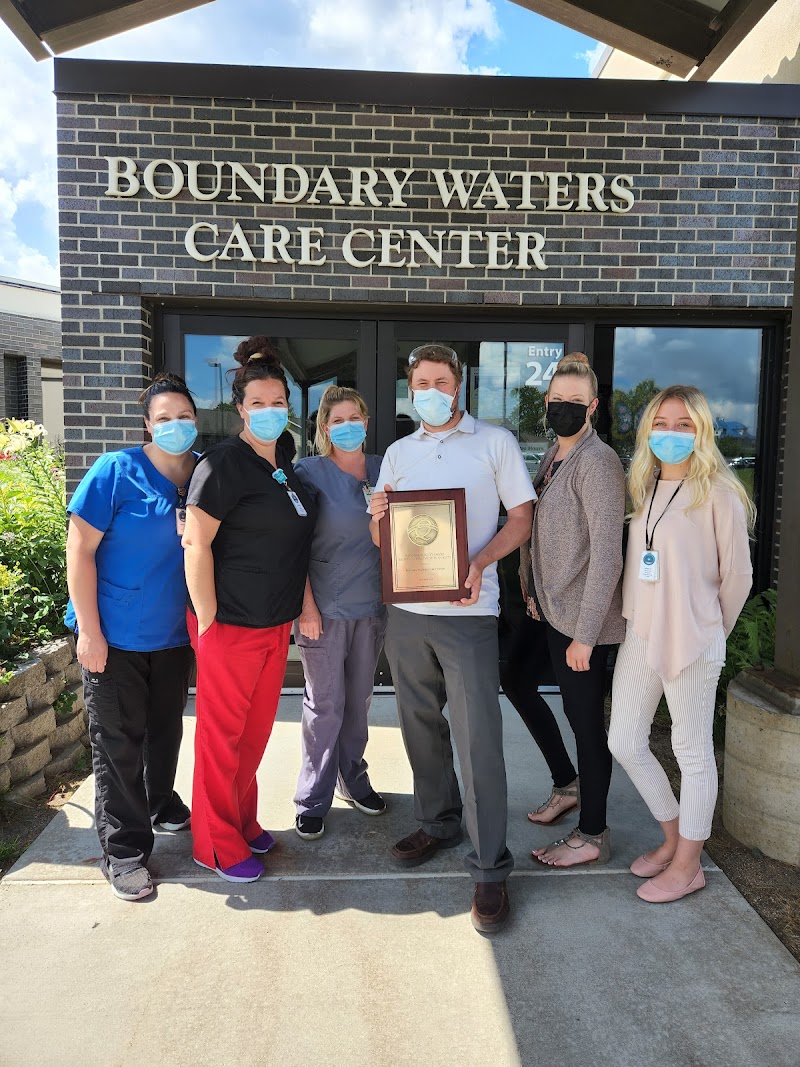
How is Boundary Waters Care Center Staffed?
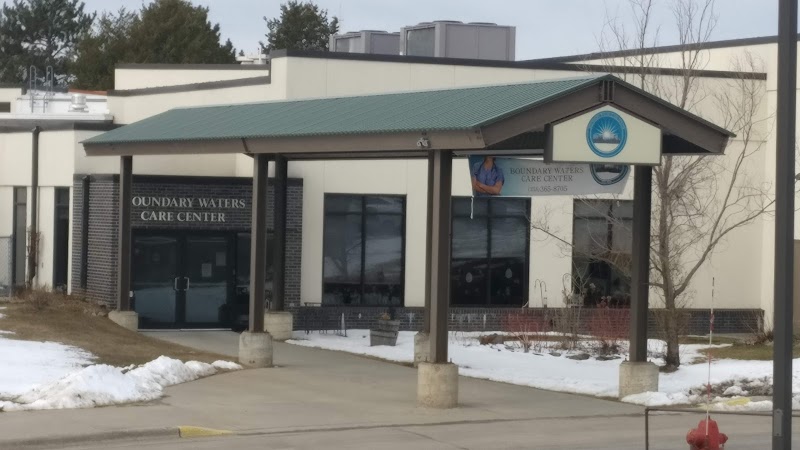
CMS rates Boundary Waters Care Center's staffing level at 5 out of 5 stars, which is much above average compared to other nursing homes. Staff turnover is 30%, compared to the Minnesota average of 46%. This relatively stable workforce can support continuity of care.

What Have Inspectors Found at Boundary Waters Care Center?

State health inspectors documented 21 deficiencies at Boundary Waters Care Center during 2023 to 2024. These included: 1 that caused actual resident harm, 19 with potential for harm, and 1 minor or isolated issues. Deficiencies causing actual harm indicate documented cases where residents experienced negative health consequences.

Who Owns and Operates Boundary Waters Care Center?

Boundary Waters Care Center is owned by a non-profit organization. Non-profit facilities reinvest revenue into operations rather than distributing to shareholders. The facility operates independently rather than as part of a larger chain. With 42 certified beds and approximately 28 residents (about 67% occupancy), it is a smaller facility located in ELY, Minnesota.

How Does Boundary Waters Care Center Compare to Other Minnesota Nursing Homes?

Compared to the 100 nursing homes in Minnesota, Boundary Waters Care Center's overall rating (5 stars) is above the state average of 3.2, staff turnover (30%) is significantly lower than the state average of 46%, and health inspection rating (3 stars) is at the national benchmark.

What Should Families Ask When Visiting Boundary Waters Care Center?

Based on this facility's data, families visiting should ask: "Can I visit during a mealtime to observe dining assistance and food quality?" "How do you handle medical emergencies, and what is your hospital transfer rate?" "Can I speak with family members of current residents about their experience?"

Is Boundary Waters Care Center Safe?

Based on CMS inspection data, Boundary Waters Care Center has a clean safety record: no substantiated abuse findings (meaning no confirmed cases of resident harm), no Immediate Jeopardy citations (the most serious violation level indicating risk of serious injury or death), and is not on the Special Focus Facility watch list (a federal program monitoring the lowest-performing 1% of nursing homes). The facility has a 5-star overall rating and ranks #1 of 100 nursing homes in Minnesota. While no facility is perfect, families should still ask about staff-to-resident ratios and recent inspection results during their visit.

Do Nurses at Boundary Waters Care Center Stick Around?

Boundary Waters Care Center has a staff turnover rate of 30%, which is about average for Minnesota nursing homes (state average: 46%). Moderate turnover is common in nursing homes, but families should still ask about staff tenure and how the facility maintains care continuity when employees leave.

Was Boundary Waters Care Center Ever Fined?

Boundary Waters Care Center has been fined $10,059 across 1 penalty action. This is below the Minnesota average of $33,179. While any fine indicates a compliance issue, fines under $50,000 are relatively common and typically reflect isolated problems that were subsequently corrected. Families should ask what specific issues led to these fines and confirm they've been resolved.

Is Boundary Waters Care Center on Any Federal Watch List?

Boundary Waters Care Center is not on any federal watch list. The most significant is the Special Focus Facility (SFF) program, which identifies the bottom 1% of nursing homes nationally based on persistent, serious quality problems. Not being on this list means the facility has avoided the pattern of deficiencies that triggers enhanced federal oversight. This is a positive indicator, though families should still review the facility's inspection history directly.