The Terrace at Crystal LLC
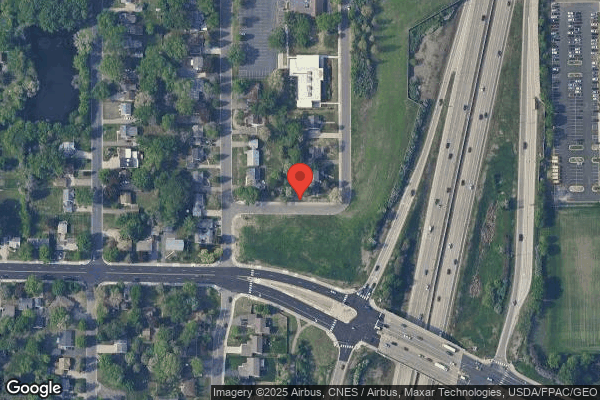
3245 VERA CRUZ AVENUE NORTH, CRYSTAL, MN 55422 (763) 971-6300
For profit - Individual 85 Beds Independent Data: November 2025 4 Immediate Jeopardy citations
Trust Grade
0/100
Last Inspection: July 2025

Inspected within the last 6 months. Data reflects current conditions.

Overview

The Terrace at Crystal LLC has received a Trust Grade of F, indicating a poor rating with significant concerns regarding the quality of care provided. It ranks at the bottom in Minnesota and Hennepin County, meaning there are no better options available locally. The facility is worsening, with issues increasing from 48 in 2024 to 70 in 2025. While staffing turnover is relatively low at 31%, the RN coverage is concerningly below that of 99% of Minnesota facilities, which could impact the quality of care residents receive. The facility has incurred fines totaling $174,044, which is higher than 97% of state facilities, suggesting ongoing compliance issues. Specific incidents include a resident being sent to an appointment without supervision for 20 hours and another resident suffering a femur fracture due to unsafe transfer practices, highlighting both serious and critical lapses in care. Overall, while there are some strengths in staffing stability, the numerous safety issues and poor ratings raise serious concerns for families considering this nursing home.

Trust Score
F
0/100
In Minnesota
#112/223
Top 50%
Safety Record
High Risk
Review needed
Inspections
Getting Worse
48 → 70 violations
Staff Stability
○ Average
31% turnover. Near Minnesota's 48% average. Typical for the industry.
Penalties
✓ Good
$174,044 in fines. Lower than most Minnesota facilities. Relatively clean record.
Skilled Nurses
⚠ Watch
Each resident gets only 26 minutes of Registered Nurse (RN) attention daily — below average for Minnesota. Fewer RN minutes means fewer trained eyes watching for problems.
Violations
⚠ Watch
157 deficiencies on record. Higher than average. Multiple issues found across inspections.
☆☆☆☆☆
0.0
Overall Rating
☆☆☆☆☆
0.0
Staff Levels
☆☆☆☆☆
0.0
Care Quality
☆☆☆☆☆
0.0
Inspection Score
Stable
2024: 48 issues
2025: 70 issues

The Good

  • Full Sprinkler Coverage · Fire safety systems throughout facility
  • No fines on record
  • Staff turnover below average (31%)

    17 points below Minnesota average of 48%

Facility shows strength in fire safety.

The Bad

Staff Turnover: 31%

15pts below Minnesota avg (46%)

Typical for the industry

Federal Fines: $174,044

Well above median ($33,413)

Significant penalties indicating serious issues

The Ugly 157 deficiencies on record

4 life-threatening 3 actual harm
Jul 2025 33 deficiencies 1 Harm
SERIOUS (G) 📢 Someone Reported This

A family member, employee, or ombudsman was alarmed enough to file a formal complaint

Actual Harm - a resident was hurt due to facility failures

Pressure Ulcer Prevention (Tag F0686)

A resident was harmed · This affected 1 resident

**NOTE- TERMS IN BRACKETS HAVE BEEN EDITED TO PROTECT CONFIDENTIALITY** During observation, interview, and record review the facility failed to identify, implement, monitor and modify interventions to...

Read full inspector narrative →
**NOTE- TERMS IN BRACKETS HAVE BEEN EDITED TO PROTECT CONFIDENTIALITY** During observation, interview, and record review the facility failed to identify, implement, monitor and modify interventions to provide timely treatment and services to heal and to prevent further worsening of wounds. This failure resulted in harm for R254 when his bilateral heel pressure ulcers were not identified and addressed by facility until they progressed to stage three.Findings include:According to the national pressure injury advisory panel (NPIAP), pressure injury is defined as localized damage to the skin and underlying soft tissue usually over a bony prominence. The injury occurs as a result of intense and/or prolonged pressure or pressure in combination with shear. In addition, the evolution of a deep tissue pressure injury (DTI) develops from an exerted pressure about 48 hours before visible signs of purple or maroon skin. Then, about 24 hours later, the epidermis (layer of skin) lifts and reveals a dark wound bed. A stage three pressure ulcer/injury is defined as a full thickness loss of skin.R254's admissions Minimum Data Set (MDS) dated [DATE], and quarterly MDS dated [DATE], identified risk for developing pressure ulcers, had no pressure ulcers, no unhealed pressure ulcers, no unstageable pressure ulcer/injuries, and no deep tissue injuries. In addition, R254 had intact cognition, no impairment of upper and lower extremities, and was independent with self-care and mobility. R254's significant change in status (SCSA) MDS dated [DATE], identified two stage three pressure ulcers, with none of them present upon his admission to facility. In addition, R254 had severe cognitive impairment and was dependent on staff for toileting, bathing, personal hygiene. Also, R254 required assistance with mobility including sit to lying and lying to sitting on side of the bed.R254's admission MDS care area assessments (CAA) dated [DATE], identified Potential risk factors for pressure ulcers. Section of form to identify Supporting Documentation. Provide the basis/reason for items being checked, including the location & date & source was left blank. R254's CAA for the [DATE], SCSA MDS identified Actual problem for Pressure Ulcer/Injury and, Skin breakdown with risk for further breakdown and impaired healing related to terminal condition. The Care Plan Considerations identified current pressure ulcer would be addressed in the care plan with overall objective to Slow or minimize decline.R254's medical diagnoses include diabetes, rheumatoid arthritis, depression, hypertension, and congestive heart failure (CHF).The Braden Scale for Predicting Pressure Ulcer Risk is an evidence-based assessment tool in health care used for predicting a patients' risk of developing pressure ulcers. It allows health care professional to implement preventive measures effectively. Scores of less than 9 indicate Severe Risk, scores of 10-12 indicate High Risk, scores of 13-14 indicate Moderate Risk, and scores of 15-18 indicate a Mild Risk.R254's Braden assessment scores (scale to assess patients' risk of developing pressure injuries) were:[DATE] score of 18,[DATE] score of 15,[DATE] score of 15,[DATE] score of 17,[DATE] score of 15, and[DATE] score of 16.R254's care plan with focus on Skin identified resident have actual wounds to both heels and potential for impairment to skin integrity fragile skin. Date initiated was [DATE]. CP Interventions identified Reposition Frequently and Weekly treatment documentation to include measurement of each area of skin breakdown's width, length, depth, type of tissue and exudate and any other notable changes or observations was initiated [DATE]-four days before R254 expired.R254's provider progress notes (PN) dated [DATE], [DATE], [DATE], [DATE], [DATE] identified No rash, or lesions under Examination section of form. Provider PN dated [DATE] identified, No breakdown in hands or heels and to monitor for acute skin care breakdown.R254's hospital discharge summary (DC) dated [DATE], identified hospitalization from [DATE] to [DATE] for urinary retention and urinary tract infection. DC summary identified, no rashes, ulcerations on exposed skin surfaces. Upon admission to hospital R254 had bruising to coccyx which was identified [DATE], with no other skin issues identified.During review of PN dated [DATE] identified R254 readmitted to facility from hospitalization. PN failed to indicate any assessment or issues with skin integrity. PN dated [DATE] at 5:23 p.m., identified R254 felt like[sic] had an [sic] heart attack, and would like to go to the hospital for checkup. Orders were received to send to hospital. PN dated [DATE] at 11:07 p.m., stated R254 returned from hospital at 3:15 p.m. and failed to indicate any assessment or issues with skin integrity.R254's hospital DC summary dated [DATE], identified R254 hospitalized [DATE] to [DATE] for report of chest pain. During hospitalization on [DATE] a Pressure Injury: Suspected Deep Tissue Injury to left and right heels were first observed on [DATE] at 10:58 p.m., and both wounds were identified has being present Prior to Admission.R254's weekly bath audits (BA) dated [DATE], [DATE], [DATE], [DATE], [DATE], [DATE], [DATE], [DATE], identified, no new alterations in skin. [NAME] were marked as, weekly wound assessment initiated and completed. R254's podiatry consultation noted dated [DATE], identified ulcer heels and monitor pressure.R254 was admitted to hospice services on [DATE], with terminal diagnosis of congestive heart failure. R254's hospice admission note identified, bilateral stage 3 pressure injuries on heels.R254's provider orders (PO) dated [DATE], initiated PO for left and right heel ulcers. The PO for left heel identified, left Heel wound order: cleanse with vashe (wound cleanser), skin prep to area, santyl (topical medication used to clean and remove dead tissue) to wound bed and apply mepilex (a foam dressing) to area, change daily. PO for right heel identified, Right heel wound orders: cleanse with vashe, paint heel with betadine, cover with gauze 4x4 and wrap with kerlix, change daily.During review of R254's EMR, the documentation of R254's left and right heel ulcers by infection control preventionist and facility wound nurse (IP) began on [DATE] by using the Skin and Wound Evaluation assessments. Measurements of wounds include:Left heel:[DATE]: 1.5 centimeters (cm) long x 1.7 cm wide x 1.2cm deep. Indicated this was a New, Stage 3 Full-Thickness skin loss and In House Acquired. Notation of, This is a new wound.Right heel:[DATE]: 5.5cm x 3.6cm x 2.2cm. Indicated this was a New, Stage 3 Full-Thickness skin loss and In House Acquired. R254's provider PN dated [DATE], identified Chief Complaint: f/u wound rounds. PN stated pressure ulcers of left and right heel were unstageable.Left heel measurements were:[DATE]: 1.73 cm x 1.27 cm,[DATE]: 2.2cm x 1.3 cm,[DATE]: 2.8cm x 2.6cm,[DATE]: 3.5 cm x 4.4cm.Right heel measurements were:[DATE]: 4.47cm x 3.0cm,[DATE]: 4.7cm x 6.6cm,[DATE]: 4.0cm x 6.2 cm.During review of R254's Skin and Wound Evaluation assessment for [DATE], the left heel wound measurements were 2.1cm x 2.3cm x 1.2cm deep and the right heel measurements were 8.7cm x 4.4cm x 2.7cm deep.During interview with wound care provider (WP) on [DATE] at 8:15 a.m., WP stated facility wide wound care rounds were performed with infection control preventionist (IP) twice per week. WP stated IP developed a list of residents who needed to be seen each time. WP stated facility nurses will tell [IP] of new wounds and IP assessed and obtained new wound care orders. IP then added these residents to his bi-weekly wound care rounds for monitoring and managing of wounds.During interview with director of nursing (DON) on [DATE] at 7:37 a.m., DON stated she was familiar with R254 because DON was the nurse manager on the unit where R254 lived on during the entire time of his facility stay. DON reviewed [DATE] hospital DC summary and agreed the documentation identified bilateral heel DTI's. DON reviewed R254's electronic medical record (EMR) and stated she was unable to determine if R254's DTIs were identified at the facility prior to R254's hospitalization on [DATE]. DON stated expectation of staff members who identify impaired skin issues to report ASAP to nurse, the nurse should assess and update the provider and document [sic] it in progress note. DON stated, first note of impaired skin issues with R254 was on [DATE], with the PO for wound care orders to both heels. DON stated R254's CP should have been updated and was not. DON stated first indication of wound care for R254 was placed in CP on [DATE], but not acted on until [DATE], when the IP obtained the PO. DON stated importance of identifying and acting on impaired skin integrity is to ensure appropriate interventions are initiated immediately. DON stated she was unable to determine when R254's DTIs occurred by looking at his EMR.During interview with LPN-B on [DATE] at 11:46 p.m., LPN-B stated expectation of staff to assess and check [residents] skin upon hospital return including feet and coccyx. LPN-B stated any new or developing skin issues should be addressed right away and provider should be contacted, orders received and notify the IP. In addition, a PN should be put in the EMR. LPN-B stated expectation of all skin to be checked weekly with the bath and documented in the weekly bath audit.During interview with LPN-A on [DATE] at 11:57 a.m., LPN-A stated expectation of staff to assess and check skin and to document in the EMR under the PN about skin condition. If there was a new skin injury, then staff were expected to chart it and notify the wound team. LPN-A stated CP interventions for skin care were changed and updated by the IP when they review [the wounds].During interview with LPN-B on [DATE] at 12:53 p.m., LPN-B stated a body audit should be done for all [residents] readmitting to facility. LPN-B reviewed R254's EMR and stated, no there is nothing there. LPN-B stated she remembered R254 during his facility stay and stated I remember seeing them [bilateral pressure ulcers to heels] two months before [R254] passed. Me and [IP] were doing something for [R254] and noticed it while changing his socks. I remember seeing it for the first time saying, ‘oh my God'. I did not document anything. That is [IP]'s job. IP is the wound nurse and should have done it, and continued, No, I do not see it was done.During interview with medical director (MD) on [DATE] at 8:58 a.m., MD reviewed R254's EMR and physician notes and stated, I expect the facility to have assessed [R254's] heels prior to [sic] admission to the hospital in October [[DATE]]. MD stated R254's EMR lacked orders, progress notes, and other documentation to support identifying R254's bilateral heel PU's until they progressed to stage three. MD stated, [it was] most likely avoidable.During interview with IP on [DATE] at 8:28 a.m., IP stated he was familiar with R254 during his facility stay. IP reviewed R254's EMR and stated, [[DATE]] is when we first identified [R254's] heel ulcers. IP stated he did not obtain PO for R254 until [DATE], and IP failed to document in the PN. IP stated expectation of staff to notify me ASAP when there is a new or worsening skin issue, then, I will assess and get orders from the [provider] and put the resident on ‘weekly wound rounds'. IP stated, we missed it and should have taken steps earlier to address [R254's] wound to his heels. IP reviewed R254's hospital DC summary dated [DATE], and stated, it shows there was identified DTI's to both heels at the time. We [Facility] did not identify any concerns until [DATE]. IP stated R254's bilateral heel wounds, should have been addressed by us before [DATE] [when R254] was admitted to the hospital. IP stated wound care rounds involve IP putting names on paper for people who I look at for wound rounds and then do the rounds with the provider and document in the EMR. IP stated the Braden documentation was used by the facility to determine pressure injury risk.During interview with hospice vice president of clinical operations (VP)-M on [DATE] at 11:23 a.m., VP-M reviewed R254's admission paperwork to hospice services on [DATE] and stated R254 had two wounds on admission. Stage three right and left heel pressure ulcers.During interview with IP on [DATE] at 11:44 a.m., IP stated expectation of the nurse at facility to perform a skin integrity assessment every time a patient came back from hospital and write a PN in the EMR. IP reviewed R254's EMR and stated it failed to show a skin assessment was done and PN failed to identify any issues with skin integrity when R254 returned to the facility on [DATE]. During interview with regional director (RD), administrator, and DON on [DATE] at 12:11 p.m., RD stated R254 could have gotten it [DTI's] from the hospital or transport. Also, RD stated, [facility] identified our documentation was not up to par and that R254 had a history of refusing care despite no interventions to address any refusals.During interview and review of IP Wound Rounds notes (WRN) dated [DATE] to [DATE], and [DATE] to [DATE], with IP on [DATE] at 11:44 a.m., IP stated he was unable to find the WRN's for dates between [DATE] to [DATE]. WRN for [DATE] identified a listing titled Pressure Ulcer with three resident names including R254 and no other information. IP reviewed his notes and EMR and was unable to determine rationale for listing R254 with PU on [DATE]. WRN for [DATE] identified R254 being seen for Rash-Ointment to be ordered. WRN dated [DATE], [DATE], [DATE], [DATE], [DATE], [DATE] identified R254 as being seen.During interview with hospice team leader (H)-TL on [DATE] at 9:48 a.m., H-TL identified R254's hospice nurse manager no longer works for facility and reviewed R254's hospice admission paperwork. H-TL stated R254 had two stage three PU's to his heels on admission to hospice services on [DATE] and stated, facilities can just ‘let them go' and not do a good job of preventing or lessening the progression of pressure ulcers in residents who are on hospice. HT-L confirmed R254 passed away at the facility on [DATE].Facility policy titled Prevention of Pressure Injuries, revised [DATE] identified Inspect the skin on a daily basis and Inspect pressure pointes (sacrum, heels, buttocks, coccyx, elbows, ischium, trochanter, etc.). Facility policy titled Pressure Injury Risk Assessment, revised [DATE] identified purpose to provide guidelines for the structured assessment and identification of residents at risk of developing new pressure injuries or worsening of existing pressure injuries (PIs).
CONCERN (D)

Potential for Harm - no one hurt, but risky conditions existed

Deficiency F0552 (Tag F0552)

Could have caused harm · This affected 1 resident

**NOTE- TERMS IN BRACKETS HAVE BEEN EDITED TO PROTECT CONFIDENTIALITY** Based on interview and document review, the facility failed to obtain and document an informed consent, including with explanati...

Read full inspector narrative →
**NOTE- TERMS IN BRACKETS HAVE BEEN EDITED TO PROTECT CONFIDENTIALITY** Based on interview and document review, the facility failed to obtain and document an informed consent, including with explanation of risk and benefits, before giving psychotropic medications for 2 of 5 residents (R24, R25) reviewed for unnecessary medication use. Findings include: R24 R24's admission Minimum Data Set (MDS), dated [DATE], identified R24 admitted to the care center in April 2025 from the acute care hospital, and she had multiple medical conditions including heart failure, dementia, and a history or stroke. The MDS recorded R24 as having severe cognitive impairment and consuming both antipsychotic and antidepressant medications. R24's Order Summary Report, signed 5/15/25, identified R24's current physician-ordered medications and treatments along with their respective start date(s). These included orders for duloxetine (antidepressant medication) 20 milligrams (mg) once daily, haloperidol (an antipsychotic medication) with multiple doses ordered daily, and mirtazapine (antidepressant medication) 7.5 mg every bedtime. These medications all had a start date recorded of, 04/29/2025. R24's Medication Administration Record (MAR), dated 6/2025, identified R24's medications along with staff initials to demonstrate their respective administration. The orders for duloxetine, haloperidol, and mirtazapine were listed and each of these medications were recorded as administered for the entire month period. On 7/1/25 at 12:28 p.m., R24's family member (FM)-G was interviewed via telephone. FM-G stated they were R24's financial guardian and were very involved in her (R24) care decisions, too. FM-G stated R24 had been on the antidepressant medication since she was hospitalized a few months prior due to being very combative with staff members there. FM-G stated there had been no discussion from the care center about the duloxetine or mirtazapine medications thus far to their recall and then abruptly asked the surveyor aloud, What are the side effects?! R24's medical record was reviewed and lacked evidence a signed or verbal consent for use of the medication was obtained prior to them being provided. Further, the record lacked evidence the risks or expected benefits of the medication regimen had been reviewed or discussed with R24 or their responsible family member prior to initiation of the medications. When interviewed on 7/1/25 at 12:41 p.m., licensed practical nurse (LPN)-B explained the admitting nurse was the person who typically obtained consent for psychotropic medications from the resident or family upon admission. LPN-B stated this was done with a form we have them sign about the medications, and there should be a separate one for each psychotropic ordered. The forms were then scanned into the electronic medical record (EMR). LPN-B reviewed R24's medical record, including hard chart and EMR, and expressed they were unable to locate any consents for the mirtazapine or duloxetine adding, We're missing those two. LPN-B stated R24 had family members who were involved with her care and mentioned FM-G by name as the person who helped R24 sign paperwork and make decisions. LPN-B verified they were unable to locate evidence of a signed, informed consent being obtained for the two psychotropic medications adding they'd looked everywhere that I would know to look [for them]. LPN-B stated mirtazapine and duloxetine both should have had a signed consent due to their potential side effects adding, Those medications just have to have consent. When interviewed on 7/1/25 at 12:56 p.m., social worker (SW)-A stated nursing was responsible to get medication consents. SW-A added, Nursing will do that. On 7/1/25 at 3:43 p.m., the director of nursing (DON) was interviewed, and verified they had reviewed R24's medical record for the consents. DON stated the admitting nurse should obtain all required consents and document them on paper before getting them scanned into the medical record. DON verified they were unable to locate any signed consents for R24's duloxetine or mirtazapine adding, I didn't [find them]. DON added, Something didn't get done. DON stated they would start education with the nurses to ensure consents were obtained moving forward adding obtaining consent was important so the patient understands the risk and benefits [of the medication]. DON added, It's part of the state regs [regulations]. R25R25's quarterly Minimum Data Set (MDS) dated [DATE], indicated R25 had severely impaired cognitive skills for daily decision making. R25's diagnoses included aphasia, traumatic brain injury, epilepsy, anxiety disorder, and depression. The MDS indicated R25 received antipsychotic, antianxiety, antidepressant, and anticonvulsant medication.R25's Medication Administration Record dated June 2025, indicated R25 received risperidone (an antipsychotic medication) 1 milligram by mouth at bedtime for severe, recurrent major depressive disorder with psychotic symptoms with a start date of 6/10/25.R25's medical record lacked evidence of an informed consent for risperidone.During interview on 7/1/25 at 1:23 p.m., registered nurse (RN)-A stated the admitting nurse obtained psychotropic medication consents for new admissions. RN-A stated if there was a change in psychotropic medication there was usually an associated clinic of psychology (ACP) provider involved who spoke with the resident or resident representative about the change in dosage first. If the ACP provider did not involve the responsible party, then nursing would obtain the consent for the psychotropic medication.During interview on 7/2/25 at 11:20 a.m., the director of nursing (DON) stated nursing obtained the consent for risperidone today, since they did not find a risperidone consent form in R25's medical record.During follow-up interview on 7/2/25 at 1:58 p.m., the director of nursing expected staff to obtain consents for psychotropic medications. The DON stated it was important to ensure the resident or responsible part were aware of the risks and benefits of the medication before administration.The facility Antipsychotic Medication Use policy dated December 2016, directed the attending physician and other staff to gather and document information to clarify a resident's behavior, mood, function, medical condition, specific symptoms, and risks to the resident and others. The policy did not specifically address informed consent to educate a resident or responsible party on the side effect/risks and benefits of antipsychotic medication.
CONCERN (D)

Potential for Harm - no one hurt, but risky conditions existed

Deficiency F0576 (Tag F0576)

Could have caused harm · This affected 1 resident

**NOTE- TERMS IN BRACKETS HAVE BEEN EDITED TO PROTECT CONFIDENTIALITY** Based on observation, interview, and document review, the facility failed to ensure there was reasonable access to private phone...

Read full inspector narrative →
**NOTE- TERMS IN BRACKETS HAVE BEEN EDITED TO PROTECT CONFIDENTIALITY** Based on observation, interview, and document review, the facility failed to ensure there was reasonable access to private phone use for 1 of 1 residents (R153) reviewed who utilized the facility phone.Findings include:R153's entry tracking record dated 6/20/25, indicated R153 was admitted to the facility on [DATE].R153's profile dated 6/23/25, indicated R153 resided on the third floor. During an observation on 7/1/25 at 1:03 p.m., R153 was observed sitting in a wheelchair in front of a long desk with multiple staff members surrounding it, including trained medication aide (TMA)-B and licensed practical nurse (LPN)-A. The long desk at the nursing station was observed at the middle of two parallel hallways on the third floor with resident's rooms and in front of an elevator. R153 was observed talking on a corded phone and asking someone to get me out of here.During an interview at 7/1/25 at 1:12 p.m., R153 stated that he did not have his own phone so had asked the facility staff if there was one he could use. R153 stated the only phone offered to him was the phone at the nursing station. R153 stated he asked staff to bring the phone to his room, but they said they couldn't, so he had argued with them about it as he didn't want to talk with his wife in front of all the staff members. R153 stated he felt like he did not have enough privacy when he had to make his phone calls at the nurse's station. During an interview on 7/1/25 at 1:14 p.m. with TMA-B and LPN-A, LPN-A stated most residents had their own phone to use but if they did not, they offered them the phone at the nurse's station. TMA-B confirmed that they had neither a cordless phone nor a private area for residents to use the phone if they wanted. During an interview on 7/1/25 at 1:16 p.m., LPN-E, the third-floor nurse manager, stated the only phone that they had to offer residents on the third floor was a phone that could be utilized at the nurse's station and a more private option was not available. During an interview at 7/2/25 at 10:04 a.m., the administrator stated if a resident was able to pay for it, facility staff would install a phone in a resident's room, otherwise residents were able to use the phone at the nursing stations. The facility's Resident Use of Telephones policy dated 3/17, indicated designated telephones were available for residents to make and receive private telephone calls. The policy indicated telephones will be in areas that offer privacy and accommodate wheelchair bound residents.
CONCERN (D)

Potential for Harm - no one hurt, but risky conditions existed

Notification of Changes (Tag F0580)

Could have caused harm · This affected 1 resident

**NOTE- TERMS IN BRACKETS HAVE BEEN EDITED TO PROTECT CONFIDENTIALITY** Based on interview and document review, the facility failed to promptly notify the provider consistently of high blood sugars fo...

Read full inspector narrative →
**NOTE- TERMS IN BRACKETS HAVE BEEN EDITED TO PROTECT CONFIDENTIALITY** Based on interview and document review, the facility failed to promptly notify the provider consistently of high blood sugars for 1 of 1 residents (R36) of reviewed for notification of change. Findings include: R36's quarterly Minimum Data Set (MDS) assessment, dated 4/24/25, indicated R36 had intact cognition with no hallucinations, delusions, behaviors or rejection of care present. R36 was independent for all activities of daily living (ADLs). Section N-Medications indicated R36 received insulin 7 of 7 days during look back period of MDS assessment. Pertinent medical diagnoses included type 1 diabetes with other specified complication (a chronic condition that affects the insulin producing cells of the pancreas). During an interview on 6/29/25 at 10:45 a.m., R36 stated she had diabetes and had been told she was a pretty fragile diabetic. R36 stated her blood sugars went up and down and sometimes she required insulin and sometimes she did not. R36's care plan, printed 7/2/25, included R36 had diabetes mellitus with the following interventions: monitor for signs and symptoms of hyperglycemia (high blood sugar); monitor for signs and symptoms of hypoglycemia (low blood sugar); obtain blood sugars per MD order; resident has an order for Dexcom (a continuous glucose monitoring system that is wearable that provides continual real-time blood sugar level reading without the need for frequent fingerstick), sensor to change every 10 days; diabetes medication as ordered by doctor, monitor/document for side effects and effectiveness. R36's June 2025 Medication Administration Record (MAR), printed 7/2/25, included the following orders: - Insulin NPH (Neutral Protamine [NAME]- Human -Isophane) (an intermediate-acting insulin that helps manage blood sugar level in individuals with diabetes) Subcutaneous Suspension 100 unit/milliliter(ml) - Inject 11 units subcutaneously in the evening related to diabetes with a start date of 5/31/25. The record identified it was given all days except 6/14, 6/17, 6/18, and 6/17 which were marked with a 2 indicating drug refused. The date 6/1 was marked with a 3 indicating absent from home with meds. - Insulin NPH Subcutaneous Suspension 100 unit/ml - Inject 7 units subcutaneously in the morning related to diabetes with a start date of 6/1/25. The record indicated it was administered all days. - Novolog (rapid acting insulin used to control blood sugar) Injection Solution 100 unit/ml - Inject as per sliding scale:if blood sugar is 151 - 225 = 1 unit;226 - 300 = 2 units;301 - 375 = 3 units;376 - 450 = 4 units;451+ = 5 units, subcutaneously with meals related to diabetes at mealtime only (give even if you skip meal) - Do not give correction dose if blood sugar is less than 150. Check blood glucose at bedtime and do not give correction insulin if blood glucose is less than 200. Start date 5/31/25. - Glucagon Nasal Powder 3 milligram(mg)/dose (dry nasal spray that helps raise blood sugar level in an emergency) 1 spray in nostril as needed for low blood sugar- unsupervised self-administration -In the event of unconscious hypoglycemia or hypoglycemic seizure. May repeat dose if no response after 15 minutes with a start date of 5/18/25. The record identified it was documented every day as U-SA which indicated unsupervised self-administration. - Glucose Oral Tablet Chewable (tablet used to quickly raise your blood sugar when it is low) 4 grams (gm), Give 1 tablet by mouth every 6 hours as needed with a start date of 4/16/25. The record indicated it was given on 6/1/25 at 10:32 p.m. and marked as effective and administered on 7/3/25 at 1:34 p.m. and marked as effective. - Novolog Pen Subcutaneous Solution 100 unit/ml - Inject 5 unit subcutaneously one time only for diabetes with a start date of 6/1/25 with a one-time administration on 6/1/25 at 2:49 a.m.- Novolog Pen Subcutaneous Solution 100 unit/ml - Inject 5 unit subcutaneously one time only for diabetes with a start date of 6/1/25 with a one-time administration on 6/1/25 at 3:31 a.m.- Dexcom CGM G6 - Use to obtain glucose level three times daily before meals and at hs (bedtime) for diabetes with a start date of 6/14/24. - Emergency department to evaluate and treat blood glucose level of 833 and patient is symptomatic. One time only for diabetes with a start date of 6/1/25. Record indicated it was documented with a 9 which indicated other/progress note on 6/1/25 at 2:48 a.m.- Encourage patient to drink ice water and extra movement to help lower sugar. One time only for diabetes with a start date of 6/1/25 and was completed on 6/1/25 at 10:36 a.m. R36's orders lacked specific parameters on when to notify the provider regarding blood sugars. R36's Blood Sugar Summary Report, from 5/31/25 to 6/30/25, included the following blood sugar readings in milligrams per deciliter (mg/dL): 6/29/25 at 5:00 p.m. was 443 mg/dL 6/28/25 at 1:39 p.m., was 449 mg/dL 6/28/25 at 9:30 a.m., was 500 mg/dL 6/28/25 at 8:54 a.m., was 500 mg/dL 6/27/25 at 12:25 a.m., was 444 mg/dL 6/27/25 at 12:22 p.m., was 444 mg/dL 6/27/25 at 11:46 a.m., was 444 mg/dL 6/27/25 at 8:42 a.m., was 500 mg/dL 6/27/25 at 8:41 a.m., was 500 mg/dL 6/27/25 at 8:40 a.m., was 500 mg/dL 6/26/25 at 8:30 a.m., was 492 mg/dL 6/24/25 at 9:58 a.m., was 600 mg/dL 6/24/25 at 9:19 a.m., was 600 mg/dL 6/23/25 at 3:30 p.m., was 38 mg/dL 6/22/25 at 9:48 a.m., was 529 mg/dL 6/22/25 at 9:40 a.m., was 529 mg/dL 6/21/25 at 9:14 a.m., was 451 mg/dL 6/20/25 at 9:02 a.m., was 413 mg/dL 6/19/ 25 at 9:05 a.m., was 507 mg/dL 6/18/25 at 9:56 a.m., was 422 mg/dL 6/17/25 at 9:26 a.m., was 473 mg/dL 6/17/25 at 9:01 a.m., was 473 mg/dL 6/16/25 at 8:15 a.m., was 592 mg/dL 6/14/25 at 8:29 a.m., was 600 mg/dL 6/12/25 at 8:44 a.m., was 588 mg/dL 6/9/ 25 at 4:38 p.m., was 485 mg/dL 6/9/25 at 2:22 p.m., was 543 mg/dL 6/9/25 at 2:08 p.m., was 543 mg/dL 6/9/25 at 10:11 a.m., was 551mg/dL 6/9/25 at 8:48 a.m., was 55 mg/dL 6/7/25 at 2:56 p.m., was 441 mg/dL 6/7/25 at 11:13 a.m., was 501 mg/dL 6/7/25 at 11:13 a.m., was 441 mg/dL 6/4/25 at 9:46 a.m., was 424 mg/dL 6/4/25 at 9:37 a.m., was 424 mg/dL 6/1/25 at 8:15 a.m., was 546 mg/dL 5/31/25 at 10:19 p.m., was 401 mg/dL R36's progress notes reviewed from 5/31/25 to 6/30/25 and identified the following: -6/1/25 at 7:16 a.m.: resident blood sugar is 546 without any symptoms. -6/1/25 at 11:41 p.m.: Residents blood sugar was 84 upon returning to facility at 9:30 p.m., and at 10p.m. it was 41, 2 glucose tablets along with pudding, apple juice given, and blood sugar went up to 47. Resident ate a cup of oranges and blood sugar went up to 95. -6/24/25: Resident's blood sugar was 600 at 9am so scheduled insulin and sliding scale insulin were given. Rechecked blood sugar at 11am. Message was left for provider. R36's progress notes lacked any additional updates to provider regarding R36's documented high and low blood sugars despite having 20 days of high blood sugars (some days multiple times a day) and 4 days of low blood sugars. Standing Orders for Skilled Nursing Facilities, printed 7/2/25, included the following information on page 3: -If type 1 diabetes, notify the provider if any blood glucose results are less than 70 or over 400 and/or change in condition. -Hypoglycemia - blood glucose less than 70: If patient is symptomatic, conscious, and able to swallow or has a feeding tube: -Administer 6 oz. fruit juice, milk, other high carbohydrate beverage (e.g., Ensure, Boost), or glucose tables or gel orally or via feeding tube. -Repeat BG [blood glucose] after 15 minutes; if <70 [less than 70], repeat above intervention.-If after 2 attempts to treat and BG is still <70, notify provider. During an interview on 7/1/25 at 9:35 a.m., trained medication aid (TMA)-A stated they took blood sugars and reported the findings to the nurse on the floor. TMA-A stated some glucometers would not read the blood sugar if it was too high or low and they would get the nurse if that happened. TMA-A stated they did not notify providers of information as they reported everything to the nurse on the floor. During an interview on 7/1/25 at 10:08 a.m., licensed practical nurse (LPN)-A stated they were familiar with R36 and had worked with her often. LPN-A stated if a blood sugar was over 300, staff were to notify the provider. LPN-A stated they would document provider notification in a progress note. LPN-A stated R36 was all over with her blood sugars. During an interview on 7/1/25 at 2:40 p.m., licensed practical nurse manager (LPN)-E stated they were familiar with R36. LPN-E stated it would vary per resident on when to notify the provider for high or low blood sugars as some residents had parameters on when to notify. LPN-E verified R36 did not have any parameters on when to notify the provider. LPN-E stated the expectation would be that after the provider was notified, it would be documented in a progress note. LPN-E reviewed R36's electronic medical record (EMR) and verified the provider was notified a few times on 6/1/25 regarding R36's high blood sugars and again on 6/24. LPN-E verified there were no other documented notifications in R36's EMR. LPN-E stated she would expect the provider to be notified if the blood sugar was over 451 as that was what insulin orders stopped at. LPN-E reviewed R36's blood sugars and verified she had many blood sugars over 400 in the month of June.During an interview on 7/2/25 at 11:38 a.m., director of nursing (DON) stated the expectation would be the nurses would follow the house standing orders if a doctor did not write specific parameters regarding when to be notified of high and/or low blood sugars. DON stated they expected the provider to be notified if a resident's blood sugar was less than 70 or greater than 400 and expected it to be documented in a progress note. DON stated the provider should have been notified regarding R36 and her blood sugars after review. During an interview on 7/2/25 at 1:03 p.m., nurse practitioner (NP)-A stated they were familiar with R36. NP-A stated they would expect to be notified if R36's blood sugar was over 450 or below 70. NP-A stated if a resident's blood sugar was over 450, an order would be given to help decrease the blood sugar. NP-A stated when they were notified on 6/1/25 regarding R36's blood sugar being 833, orders for insulin were given to lower her blood sugar along with sending her to the emergency room to be evaluated. NP-A stated the facility communicated with the provider group through the portal. NP-A reviewed the portal and stated they were notified only a couple of times in June regarding R36's blood sugar being high.A facility policy titled Change in a Resident's Condition or Status, dated 2/2021, indicated Our facility promptly notified the resident, his or her attending physician, and the resident representative of changes in the resident's medical/mental condition and or status.
CONCERN (D)

Potential for Harm - no one hurt, but risky conditions existed

Grievances (Tag F0585)

Could have caused harm · This affected 1 resident

**NOTE- TERMS IN BRACKETS HAVE BEEN EDITED TO PROTECT CONFIDENTIALITY** Based on observation, interview and document review the facility failed to appropriately follow up on continued and repeated voi...

Read full inspector narrative →
**NOTE- TERMS IN BRACKETS HAVE BEEN EDITED TO PROTECT CONFIDENTIALITY** Based on observation, interview and document review the facility failed to appropriately follow up on continued and repeated voiced grievances of provided food for a diabetic diet for 1 of 2 residents (R31) reviewed for grievances who gained 35% of their weight since being admitted to the care facility. Findings include:R31's annual Minimal Data Set (MDS), dated [DATE], R31 was admitted to the care facility on 4/29/25 and was cognitively intact. The MDS further indicated R31 had the following diagnoses; hypertension (high blood pressure), peripheral vascular disease, hyperlipidemia (high cholesterol), asthma and diabetes. R31's weights, listed in the electronic medical record (EMR), indicated R31 weighed 165 pounds at admission to the care center and their most recent weight was listed as 231 pounds, a 35.8% increase. R31's EMR indicated an order, dated 4/29/24 for a diabetic, regular textured diet.R31's EMR lacked any progress notes from dietary or nutritional services and lacked any mention of R31's food concerns despite repeated vocal complaints. The facility's grievance log for the past six months was reviewed and also lacked any mention of R31's voiced complaints about the food she was receiving. During an interview on 6/29/25 at 10:35 a.m., R31 stated she had to buy her own fridge and food to ensure she had foods to eat that would work within her diabetic diet, stating she should be on a diabetic diet but feels the facility does not follow it. R31 stated she had told multiple people about her food concerns but had not worked with the dietician at the care facility. During an interview on 7/1/25 at 10:48 a.m., licensed practical nurse (LPN)-B stated the food at the facility had been an issue for over a year stating they don't offer R31diabetic options such as sugar free items or syrup. LPN-B confirmed R31 had voiced her complaints plenty of times and R31 would often say, they know I'm on a diabetic diet and give me all these carbs. LPN-B further stated many times R31 would make the decision not to eat the food that was served to her. LPN-B stated dietary was aware of the complaints. During an interview on 7/1/25 at 11:58 a.m., the certified dietary (district) manager (CDM) stated if a resident had an order for a diabetic diet, then the system would automatically push starch items to half portions or substitute out that item for a different item. The CDM stated they had started education with diabetic residents to help them understand that they might still see carbs on their plate even if they were on a diabetic diet and to help the residents understand where we [the facility] are coming from regarding diabetic diets. The CDM stated R31 was on a consistent carbohydrate diet, not a renal diet, which would include more carbs than a renal diet. The CDM further stated R31 was a vocal person so the assumption was that everyone had heard her concerns, however, sometimes word doesn't travel as well as we would like - we are working to have better communication between the floor staff and us. During an interview on 7/1/25 at 12:49 p.m., LPN-A stated R31 complained about the facility food all the time and voiced complaints about not getting food consistent with a diabetic diet. LPN-A stated she let the nurse manager know about R31's complaints but had not noticed any changes. During an interview on 7/2/25 at 8:57 a.m., the third-floor nurse manager, LPN-E, stated she had heard complaints from R31 about how terrible the food was but did not recall any complaints specific to her diabetic diet. During an interview on 7/2/25 at 10:15 a.m., licensed social worker (LSW)-A, who was the grievance officer at the facility, stated she would have expected to hear about repeated concerns relating to food or receiving proper diets, confirming she did not have any formal grievances for R31. A facility policy titled Grievances/Complaints - Staff Responsibility, revised 10/2017, indicated should a staff member overhear or be the recipient of a complaint voiced by a resident concerning care in the facility, including food, the staff member is encouraged to help, or guide, the resident to file a written complaint with the facility.
CONCERN (D)

Potential for Harm - no one hurt, but risky conditions existed

Deficiency F0605 (Tag F0605)

Could have caused harm · This affected 1 resident

**NOTE- TERMS IN BRACKETS HAVE BEEN EDITED TO PROTECT CONFIDENTIALITY** Based on interview and document review, the facility failed to ensure appropriate side effect monitoring for potential orthostat...

Read full inspector narrative →
**NOTE- TERMS IN BRACKETS HAVE BEEN EDITED TO PROTECT CONFIDENTIALITY** Based on interview and document review, the facility failed to ensure appropriate side effect monitoring for potential orthostatic hypotension (sudden drop in blood pressure what occurs when a person stands up after sitting or lying down) was completed for 1 of 5 residents (R7) reviewed for unnecessary medication use and who consumed antipsychotic medication. Findings include:A National Library of Medicine (NIH) Management of Commons Adverse Effects of Antipsychotic Medication article, dated 9/2018, identified the elderly were at risk of adverse effects (i.e., falls) of antipsychotic medication. The article outlined, All antipsychotics carry some risk of orthostatic hypotension . [which can] lead to dizziness, syncope, falls . orthostatic hypotension should be evaluated by both history and measurement . Risk factors include systemic diseases causing autonomic instability (e.g., diabetes, alcohol dependence, Parkinson's disease), dehydration, drug-drug interactions, and age.R7's quarterly Minimum Data Set (MDS), dated [DATE], indicated R7 was admitted to the care facility 7/18/22, and was cognitively intact. The MDS further indicated R7 had consumed the following medication during the seven-day look back period of the assessment; antipsychotic, antianxiety, antidepressant, and hypnotic medications. R7's electronic medical record (EMR) contained an order for orthostatic blood pressure once a month due to psych medication use. The order instructed the nursing staff to obtain a lying, sitting, and standing blood pressure five minutes apart. R7's EMR further contained on order, dated 3/8/24, for Olanzapine (an atypical antipsychotic medication) 10 milligrams (mg) by mouth at bedtime. R7's most recent fall risk screening, dated 5/6/26, indicated R7 was at high risk for falls. R7's EMR, including the medication and treatment administration records, vitals section, and progress notes, lacked evidence staff had obtained orthostatic blood pressure readings for the past 2 months that were reviewed. During an interview on 7/1/25 at 9:36 a.m., trained medication aide (TMA)-B stated there were currently no residents on R31's floor who had orders for orthostatic blood pressures that she was aware of. TMA-B stated orders for any vital signs would pop up on their medication administration records. During an interview on 7/1/25 at 1:46 p.m., consultant pharmacist (CP)-A stated all antipsychotic medications pose a risk of causing orthostasis and residents who consumed antipsychotic medications should be monitored for orthostatic hypotension. During an interview on 7/1/25 at 12:49 p.m., licensed practical nurse (LPN)-A stated if a resident needed to have orthostatic blood pressure readings it would show up, and be documented, in the residents' medication administration record. LPN-A confirmed currently no residents had any orthostatic blood pressure readings. During an interview on 7/2/25 at 8:57 a.m., third floor nurse manager and (LPN)-E stated the expectation was for orthostatic blood pressure readings to be obtained monthly if a resident was receiving an antipsychotic medication. LPN-E confirmed R7 had an order for orthostatic blood pressures to be obtained monthly, however was unable to find evidence they had been completed, confirming the information was not in R7's medication or treatment administration record or vital sign documentation, stating he has an order so it should be on the MAR [medication administration record]. A facility policy titled Antipsychotic Medication Use, revised 12/2016, indicated nursing staff would monitored for side effects and adverse consequences of antipsychotic medication including cardiovascular effects such as orthostatic hypotension.
CONCERN (D)

Potential for Harm - no one hurt, but risky conditions existed

Comprehensive Assessments (Tag F0636)

Could have caused harm · This affected 1 resident

**NOTE- TERMS IN BRACKETS HAVE BEEN EDITED TO PROTECT CONFIDENTIALITY** Based on interview and document review, the facility failed to ensure the comprehensive Minimum Data Set (MDS) was completed in ...

Read full inspector narrative →
**NOTE- TERMS IN BRACKETS HAVE BEEN EDITED TO PROTECT CONFIDENTIALITY** Based on interview and document review, the facility failed to ensure the comprehensive Minimum Data Set (MDS) was completed in a thorough manner to ensure all areas of resident performance and activities preference were evaluated for 1 of 4 residents (R24) reviewed for MDS accuracy and completion. Findings include: The Centers for Medicare and Medicaid (CMS) Long-Term Care Facility Resident Assessment Instrument 3.0 User's Manual, dated 10/2023, identified a purpose of providing guidance with how to complete the Resident Assessment Instrument (RAI), and it outlined an admission MDS was considered a comprehensive assessment. The manual listed a section labeled, SECTION F: Preferences For Customary Routine and Activities, along with directions to complete the section. The directions outlined, The intent of items in this section is to obtain information regarding the resident's preferences for their daily routine and activities. The manual directed to interact with the resident or, if needed, complete the staff examination if the resident is unable to respond. On 6/29/25 at 1:45 p.m., R24's family member (FM)-G was interviewed via telephone. FM-G stated they had not really seen R24 participate in any activities at the care center adding, She doesn't leave her bed. FM-G stated they were unsure if R24 would participate even, however, expressed they had never been asked or consulted on R24's activity preferences, either. R24's admission MDS, dated [DATE], identified R24 admitted to the care center on 4/28/25 from the acute care hospital and had multiple medical conditions including heart failure, dementia, and a history of stroke/transient ischemic attack (TIA). The MDS section labeled, Section F - Preferences for Customary Routine and Activities, provided spacing to record answers with gathered data including an Interview for Daily Preferences (F0400) and Interview for Activity Preferences (F0500). However, the entire section of the MDS (F0300 to F0800) was either left blank or marked, Not Assessed. R24's medical record was reviewed and lacked evidence R24 had been evaluated for their routine and/or activity preferences during the assessment reference date (ARD) period (See F679). On 6/30/25 at 3:02 p.m., registered nurse (RN)-O was interviewed via telephone, and verified they were currently completing the MDS for the campus adding they had been involved with the care center for about a month now. RN-O stated they had noticed some MDS(s) having areas dashed with no data being completed during the ARD to record on the MDS which RN-O stated they explained to the facility was not acceptable. RN-O reviewed R24's medical record and verified the section of the MDS had been dashed and explained staff should be doing the corresponding assessments within the ARD so they could be coded on the MDS. RN-O stated getting the assessments and MDS fully completed were important as it impacts the care centers quality measures and gives us [staff] an opportunity to see if the resident is progressing or declining. A facility provided MDS Completion and Submission Timeframes policy, dated 7/2017, identified the care center would conduct and submit resident assessments in accordance with current federal and state submission timeframes. The policy added, Timeframes for completion and submission of assessments is based on the current requirements published in the [RAI].
CONCERN (D)

Potential for Harm - no one hurt, but risky conditions existed

Deficiency F0638 (Tag F0638)

Could have caused harm · This affected 1 resident

**NOTE- TERMS IN BRACKETS HAVE BEEN EDITED TO PROTECT CONFIDENTIALITY** Based on interview and document review, the facility failed to ensure the quarterly Minimum Data Set (MDS) was completed in a th...

Read full inspector narrative →
**NOTE- TERMS IN BRACKETS HAVE BEEN EDITED TO PROTECT CONFIDENTIALITY** Based on interview and document review, the facility failed to ensure the quarterly Minimum Data Set (MDS) was completed in a thorough manner to ensure areas of cognition and potential depressive symptoms were fully evaluated for 2 of 4 residents (R22, R23) reviewed for MDS accuracy and completion. Findings include: The Centers for Medicare and Medicaid Services (CMS) Long-Term Care Facility Resident Assessment Instrument (RAI) 3.0 User's Manual, dated 10/2023, identified the RAI consists of three basic components including the MDS, the Care Area Assessment (CAA) and the utilization guidelines and this process (i.e., use of the entire RAI) was mandated by CMS. The manual outlined a quarterly assessment was a non-comprehensive assessment which was to be completed every 92 days and was used to track a resident' status between comprehensive assessments . to ensure critical indicators of gradual change in a resident's status are monitored. The manual included a section labeled, SECTION C: COGNITIVE PATTERNS, which outlined the section would be used to help determine the resident's attention, orientation and ability to register or recall information adding, These items are crucial factors in many care-planning decisions; with provided methods and instructions to ensure accurate, thorough coding of the MDS. Further, the manual included another section labeled, SECTION D: MOOD, which outlined the section would be used to help address mood distress and social isolation adding, Mood distress is a serious condition that is underdiagnosed and undertreated in the nursing home and is associated with significant morbidity, and again, the manual provided methods and instructions to ensure the comprehensive evaluation of these conditions. R22R22's most recent quarterly MDS, dated [DATE], identified R22 had multiple medical conditions including high blood pressure, renal insufficiency or failure, and dementia. The MDS listed, Section C - Cognitive Patterns, with areas to record R22's Brief Interview for Mental Status (BIMS) and/or the Staff Assessment for Mental Status. However, nearly all of these responses were marked, Not Assessed. In total, section(s) C0100 to C1000 were marked, Not Assessed, or left blank. The MDS listed, Section D - Mood, with areas to record R22's Resident Mood Interview (PHQ-9) and/or a Staff Assessment of (the) Resident Mood, and potential social isolation symptoms. However, again, nearly all of these responses were marked, Not Assessed. In total, section(s) D0100 to D0700 were marked, Not Assessed, or left blank. R22's medical record was reviewed and lacked evidence either of these sections or corresponding evaluations (i.e., BIMS, PHQ-9) had been completed during the assessment reference date (ARD) to help determine what, if any, complications or issues R22 was demonstrating with these respective areas. R23R23's most recent quarterly MDS, dated [DATE], identified R23 had multiple medical conditions including a history of stroke and aphasia (language disorder; difficulty with words). The MDS listed, Section C - Cognitive Patterns, with areas to record R23's BIMS and/or the Staff Assessment for Mental Status. However, nearly all of these responses were marked, Not Assessed. In total, section(s) C0100 to C1310 were marked, Not Assessed, or left blank. The MDS listed, Section D - Mood, with areas to record R23's Resident Mood Interview (PHQ-9) and/or a Staff Assessment of (the) Resident Mood, and potential social isolation symptoms. However, again, nearly all of these responses were marked, Not Assessed. In total, section(s) D0100 to D0700 were marked, Not Assessed, or left blank. R23's medical record was reviewed and lacked evidence either of these sections or corresponding evaluations (i.e., BIMS, PHQ-9) had been completed during the ARD to help determine what, if any, complications or issues R23 was demonstrating with these respective areas.On 6/30/25 at 3:02 p.m., registered nurse (RN)-O was interviewed via telephone, and verified they were currently completing the MDS for the campus adding they had been involved with the care center for about a month now. RN-O stated they had noticed some MDS(s) having areas dashed with no data being completed during the ARD to record on the MDS which RN-O stated they explained to the facility was not acceptable. RN-O reviewed R22's medical record and verified the sections of the MDS were dashed and reiterated staff should be doing the corresponding assessments within the ARD so they could be coded on the MDS. RN-O reviewed R23's medical record and verified the sections of the MDS were dashed and, again, reiterated the dashing situation had been explained to the staff at the campus. RN-O stated getting the assessments and MDS fully completed were important as it impacts the care centers quality measures and gives us [staff] an opportunity to see if the resident is progressing or declining. A facility provided MDS Completion and Submission Timeframes policy, dated 7/2017, identified the care center would conduct and submit resident assessments in accordance with current federal and state submission timeframes. The policy added, Timeframes for completion and submission of assessments is based on the current requirements published in the [RAI].
CONCERN (D)

Potential for Harm - no one hurt, but risky conditions existed

Assessment Accuracy (Tag F0641)

Could have caused harm · This affected 1 resident

**NOTE- TERMS IN BRACKETS HAVE BEEN EDITED TO PROTECT CONFIDENTIALITY** Based on interview and record review the facility failed to ensure the Minimum Data Set (MDS) was accurately coded to reflect di...

Read full inspector narrative →
**NOTE- TERMS IN BRACKETS HAVE BEEN EDITED TO PROTECT CONFIDENTIALITY** Based on interview and record review the facility failed to ensure the Minimum Data Set (MDS) was accurately coded to reflect discharge status for 1 of 1 residents (R50) reviewed for hospitalization.Findings include: R50's Discharge-return not anticipated Minimum Data Set (MDS) dated [DATE] identified discharge from facility was planned and R50 discharged to Short-Term General Hospital (acute hospital, IPPS).During record review, R50's nursing progress noted dated 4/13/25 identified Resident discharged from the facility to home with all her medication and instruction with her family members at 3:30 p.m.During interview with licensed practical nurse (LPN)-A on 6/30/25 at 5:01 p.m., LPN-A stated she recalled R50 and stated, She went home it was planned. During interview with R50 on 6/30/25 at 6:00 p.m., R50 stated, Yes I was there and discharged home.During interview with registered nurse and MDS facility liaison (RN)-MDS on 7/1/25 at 10:36 a.m., RN-MDS reviewed R50's electronic medical record (EMR) and stated R50 discharged home on 4/13/25. Further review of R50's Discharge-return not anticipated MDS dated [DATE], RN-MDS stated the MDS was coded incorrectly, it is not accurate. RN-MDS stated expectation for MDS to be coded accurately was it concerns payment sources. During interview with MDS clinician (MDS) on 7/1/25 at 12:13 p.m., MDS reviewed R50's 4/13/25 Discharge-return not anticipated MDS and confirmed, we have [R50] dc'd [discharged ] to hospital. MDS stated that it looks like it was coded incorrectly and incorrectly coding will affect quality measures for the facility and impacts payment and reimbursement. Facility policy titled Certifying Accuracy of the Resident Assessment, revised 2019 state The information captured on the assessment reflects the status of the resident during the observation (look-back) period for that assessment.
CONCERN (D) 📢 Someone Reported This

A family member, employee, or ombudsman was alarmed enough to file a formal complaint

Potential for Harm - no one hurt, but risky conditions existed

Comprehensive Care Plan (Tag F0656)

Could have caused harm · This affected 1 resident

Based on interview and document review, the facility failed to ensure a comprehensive care plan was developed for 1 of 2 residents (R37) reviewed for diet preferences/allergies. Findings include: R37'...

Read full inspector narrative →
Based on interview and document review, the facility failed to ensure a comprehensive care plan was developed for 1 of 2 residents (R37) reviewed for diet preferences/allergies. Findings include: R37's quarterly Minimum Data Set (MDS) assessment, dated 5/17/25, indicated R37 had intact cognition with no hallucinations or delusions with no behaviors or rejection of care. Pertinent diagnoses include type 2 diabetes (long term condition in which body has trouble controlling blood sugars), morbid obesity and depression. During an interview on 6/29/25 at 1:05 p.m., R37 stated he had an allergy to fish and seafood, and the facility continued to serve him fish and seafood despite the meal tickets indicating an allergy to fish and seafood. R37 stated the facility was aware of his food allergy. R37 stated he did not eat it, but it happened again just a few days ago and he had followed up with staff. R37's Care Guide, printed 6/30/25, indicated R37's diet was a regular diet with thin liquids and was independent with eating. The document lacked indication of food allergies or food preferences. R37's Care Plan, printed 7/2/25, included the following: - Resident requires assistance with activities of daily living (ADLs) with an intervention of resident is able to feed self after tray is set up- Resident has nutritional problem or potential nutritional problem related to type 2 diabetes, morbid obesity, hyperlipidemia and history of hypokalemia with the following interventions: -Administer medications as ordered. Monitor/Document for side effects and effectiveness. -Assist the resident with developing a support system to aid in wt loss efforts, including friends, family, other residents, volunteers, etc. -Explain and reinforce to the resident the importance of maintaining the diet ordered. Encourage the resident to comply. Explain consequences of refusal, obesity/malnutrition risk factors. -Obtain and monitor lab/diagnostic work as ordered. Report results to MD and follow up as indicated. - Provide and serve diet as ordered. 2 gram Na/CCD Small carb portion and large vegetable portions. -Provide and serve supplements as ordered: Ensure TID -RD to evaluate and make diet change recommendations PRN.The care plan lacked evidence of R37's food allergies or food preferences. R37's progress notes, dated 1/1/25 to 6/30/25, were reviewed and identified the following: -2/4/25 at 11:00 p.m.: RD [registered dietician] met with resident briefly today to discuss how meals have been going. Resident was not feeling very well today. He also expressed that he feels like the staff are not listening to what he has to say. His affect showed frustration. He stated he has not been getting a salad at lunch daily per his preference. He reported today was the first day staff served his brown sugar separate from his oatmeal. RD asked if it was ok to come back and discuss food concerns next facility visit when he feels better. Resident agreed. Resident in our mealtracker system currently has a banana and orange juice for breakfast daily. In his diet note it says no brown sugar on oatmeal per residents preference. Dislikes are fish. Does not want to receive cinnamon rolls, white bread, and dinner rolls at meals d/t T2DM. Has small starch portions and large vegetable portions.R37's allergy list, printed 7/2/25, lacked indication of allergy to shellfish, seafood or fish. R37's Dietary/Nutrition Assessment, dated 11/12/24, indicated R37 was on a cardiac diet, regular textures and thin liquids. The section on preferences for likes and dislikes was blank. The assessment lacked evidence of R37's food allergies or preferences. R37's meal ticket for 6/24/25 indicated Allergies: *Fish Allergen*, *Seafood Allergen*, Shellfish Allergen*. On 6/30/25 at 1:54 p.m., licensed practical nurse manager (LPN)-E provided a copy of the care sheets. LPN-E stated the nursing assistants used the care sheets to help guide the care for the residents. During an interview on 6/30/25 at 5:12 p.m., nursing assistant (NA)-A stated they had worked with R37 previously and were familiar with him. NA-A stated they were unaware of any dietary restrictions, food allergies or preferences for R37. NA-A stated they would ask the nurse if they had any questions regarding R37's diet or what he could or could not have. During an interview on 7/01/25 at 10:08 a.m., licensed practical nurse (LPN)-A stated they were familiar with R37 and worked with him often. LPN-A stated R37 was able to make his needs known. LPN-E reviewed his diet orders and stated he was on a no added salt diet. LPN-E stated that R37 had told them that he had an allergy to seafood. LPN-E verified seafood was not listed on R37's allergies or on R37's diet. During an interview on 7/01/25 at 1:36 p.m., regional culinary manager (CDM) stated R37's allergies to seafood and shellfish were added to the meal tickets when resident moved into the facility. CDM stated they added the fish allergy to the meal tickets about a month ago to help ensure R37 did not get any food products he was allergic too. During an interview on 7/02/25 at 11:50 a.m. director of nursing (DON) stated residents' food allergies and their food preferences should be listed on their care plan. DON verified R37's food allergies and food preferences were not listed and should be on the care plan. A facility policy titled Care Plan, Comprehensive Person-Centered, reviewed 6/23, assessment of residents are ongoing, and care plan are revised as information about the residents and the residents' conditions change.
CONCERN (D)

Potential for Harm - no one hurt, but risky conditions existed

Deficiency F0657 (Tag F0657)

Could have caused harm · This affected 1 resident

**NOTE- TERMS IN BRACKETS HAVE BEEN EDITED TO PROTECT CONFIDENTIALITY** Based on interview and document review, the facility failed to provide routine care conferences to allow for resident participat...

Read full inspector narrative →
**NOTE- TERMS IN BRACKETS HAVE BEEN EDITED TO PROTECT CONFIDENTIALITY** Based on interview and document review, the facility failed to provide routine care conferences to allow for resident participation and interdisciplinary review, and update, if necessary, of the care plan for 1 of 2 residents (R41) reviewed for care conferences. Findings include:R41's quarterly minimum data set (MDS), dated [DATE], indicated R41 was admitted to the care facility on 7/3/24 and was cognitively intact. R41's electronic medical record (EMR) indicated R41 had one care conference since being admitted to the care facility. A progress note, dated 10/24/24, indicated R41 had her care conference today at 1:00pm. Pt [patient], SW [social worker], and Nurse Manager were in attendance.During an interview on 6/29/25 at 3:07 p.m., R41 stated she had been to maybe one care conference since being admitted to the facility and had concerns about her care. During an interview on 7/1/25 at 8:17 a.m., licensed social worker (LSW)-A stated the resident care conferences and care plan review should be held roughly every three months and generally coordinate with the MDS cycle. LSW-A stated she had not held a care conference for R41 as R41 had not been agreeable, however stated the interdisciplinary team should still meet quarterly to discuss the residents' care, even if the resident did not want to participate. LSW-A stated timely and routine care conferences were important to ensure there were no resident changes the team may have missed. During an interview on 7/2/25 at 12:06 p.m., the director of nursing stated it was expected that care conferences were held quarterly, even if the resident did not want to participate. A facility policy titled Care Plans, Comprehensive Person-Centered, revised 6/2023, indicated the interdisciplinary team would review and update the care plan at least quarterly, in conjunction with the required MDS assessment.
CONCERN (D)

Potential for Harm - no one hurt, but risky conditions existed

Deficiency F0676 (Tag F0676)

Could have caused harm · This affected 1 resident

**NOTE- TERMS IN BRACKETS HAVE BEEN EDITED TO PROTECT CONFIDENTIALITY** Based on observation, interview, and document review, the facility failed to provide assistance to complete personal hygiene car...

Read full inspector narrative →
**NOTE- TERMS IN BRACKETS HAVE BEEN EDITED TO PROTECT CONFIDENTIALITY** Based on observation, interview, and document review, the facility failed to provide assistance to complete personal hygiene cares for 1 of 1 resident (R23) reviewed who needed assistance with fingernail care.Findings include:R23's quarterly Minimum Data Set, dated [DATE], indicated R23 had no behaviors or rejection of cares, unclear speech, and responded adequately to simple, direct communication. R23 had functional limitation in range of motion to one upper extremity and one lower extremity. R23 required substantial/maximal to dependent assistance with most activities of daily living (ADLs). The MDS indicated R23 needed substantial/maximal assistance with person hygiene which included combing hair, shaving, washing/drying face and hands, etc R23's diagnoses included stroke, hypertension, and hemiplegia (severe or complete loss of strength to one side of the body) and hemiparesis (weakness on one side of the body).R23's care plan printed 6/30/25, directed staff to check nail length and trim and clean on bath day and as necessary and to report any changes to the nurse. The care plan indicated R23 required extensive assist of one staff for personal hygiene.R23's Treatment Administration Record (TAR) dated June 2025, directed staff to complete a weekly skin review and/or bath, and nursing staff to open a skin review assessment and complete. The order directed staff to chart all refusals in the evening every Wednesday. The order had a start date of 7/12/23 and discontinued date of 6/27/25.R23's Weekly Bath Audit dated 6/25/25, indicated R23 received a bed bath, did not have any new skin alterations, and was not resistive to or refused bathing. The audit did not reference nail care.R23's Point of Care (POC; an app which allows care staff to document ADLs) documentation, indicated R23 refused bathing on 6/25/25.R23's recent progress notes indicated R23 was seen by podiatry for foot care on 6/17/25. R23's progress notes did not indicate fingernail care or refusals of fingernail care.During observation and interview on 6/29/25 at 9:11 a.m., R23's nails were multiple millimeters (mm) in length with dark debris underneath them. R23 stated staff assisted him with nail care, and he would like his nails cut.During observation and interview on 7/1/25 at 11:59 a.m., R23 was in his wheelchair and dressed. R23's nails were in the same condition as the previous observation. R23 reiterated he wanted his nails cut and cleaned.During interview on 7/1/25 at 12:04 p.m., nursing assistant (NA)-K stated R23 refused to have his nails cut at times and told the nurse when he refused. NA-K stated they would cut his nails after lunch.During observation and interview on 7/1/25 at 12:23 p.m., licensed practical nurse (LPN)-A stated residents nails were trimmed on bath days and refusals should be documented. LPN-A verified the condition of R23's nails and stated his nails needed to be trimmed.During interview on 7/2/25 at 1:58 p.m., the director of nursing expected nail care to be completed with weekly showers and as needed to prevent infection and maintain resident dignity.The facility policy Care of Fingernails/Toenails dated February 2018, indicated nail care included daily cleaning and regular trimming, and proper nail care aided in the prevention of skin problems around the nail bed and from accidental scratching and injury to residents' skin. The policy directed staff to document the reason why and intervention taken if a resident refused nail care.
CONCERN (D)

Potential for Harm - no one hurt, but risky conditions existed

Deficiency F0679 (Tag F0679)

Could have caused harm · This affected 1 resident

**NOTE- TERMS IN BRACKETS HAVE BEEN EDITED TO PROTECT CONFIDENTIALITY** Based on observation, interview, and document review, the facility failed to comprehensively assess and, if needed or able, deve...

Read full inspector narrative →
**NOTE- TERMS IN BRACKETS HAVE BEEN EDITED TO PROTECT CONFIDENTIALITY** Based on observation, interview, and document review, the facility failed to comprehensively assess and, if needed or able, develop or implement activities programming to promote quality of life for 1 of 2 residents (R24) reviewed for activities.Findings include: R24's admission Minimum Data Set (MDS), dated [DATE], identified R24 admitted to the care center in April 2025 from the acute care hospital, and she had multiple medical conditions including heart failure, dementia, and a history or stroke. However, the section to record R24's activity preferences and routines was left blank or marked, Not Assessed [See F636].On 6/29/25 at 10:46 a.m., R24 was observed lying in bed while in her room on the locked unit. R24's television was turned on and positioned along the opposite wall of her bed. R24 was interviewed and expressed aloud, I don't know, when asked how long they'd lived at the center. R24 was dressed in a hospital-type gown and her hair appeared with a light, greasy-looking shine. R24 was asked about what, if any, activities the floor staff involve her with and she abruptly responded, Would you leave me alone?! Following, on 6/29/25 at 1:45 p.m., R24's family member (FM)-G was interviewed via telephone. FM-G explained they had not really seen R24 participate in any activities at the care center adding, She doesn't leave her bed. FM-G stated R24 had been outside maybe once since admitting from their recall and expressed the staff may be offering them to her and she's declining them but was unsure. FM-G stated R24 had a television in her room which she needed help to operate and expressed they were unsure if staff knew that or not adding, I don't know they realize that. FM-G stated R24 enjoyed mystery and murder shows on the television. Further, FM-G reiterated they were unsure if R24 would participate in activities even, however, stated nobody from the care center had ever talked with them about her likes or dislikes for activities since she admitted . R24's medical record was reviewed and lacked evidence R24 had been comprehensively assessed for what, if any, individual or group-based activities she would like to attend; nor did the record have evidence of any other activities (i.e., 1:1) being provided. R24's care plan, printed 7/1/25, identified all R24's current or potential concerns the facility had identified and implemented interventions to address. The care plan was reviewed and lacked any recorded focus statements, goals, or interventions for leisure and/or activities despite R24 admitting to the care center months prior. Further, the entire electronic medical record (EMR) lacked any completed tasks or progress note(s) in the system to demonstrate R24 had been provided any activities since she admitted to the care center. On 6/30/25 at 1:33 p.m., R24 was again observed lying in bed while in her room. R24's television was turned on and a day-time drama television show was on. R24 was asked about the show or if she enjoyed it, however, R24 just mumbled a response which was not discernable. R24 was asked if she was able to use the remote or needed help and just stared at the surveyor with no audible response.When interviewed on 6/30/25 at 1:36 p.m., nursing assistant (NA)-A stated they had worked with R24 prior, and expressed R24 needed help with nearly all her cares. NA-A stated R24 would rarely get up from bed and expressed it all depends on her mood and what she'd allow each day. NA-A stated R24 would get up to the wheelchair maybe three to four times [week] and then added, She really likes to be in her room. NA-A stated they were aware of some activities happening at the back there on the unit, however, had only seen her at a few they could recall. NA-A stated R24 liked her criminal shows and would try to keep those on the television for her. NA-A stated they knew R24 enjoyed 'criminal shows' as I work with her a lot of times, adding nobody from the care center activities' staff had ever told them which channels or shows to play for R24 adding, I just found out on my own. NA-A verified R24 would, at times, not speak to staff and would remain silent adding R24 needed to be in a good mood to converse. When questioned how other staff, including pool staff, would know which shows or channels R24 enjoyed NA-A responded aloud, That's hard. NA-A stated the staff used a care guide which had all residents listed on it and reviewed this with the surveyor. R24's name was listed, however, the guide lacked any information on which channels, shows, or activities R24 enjoyed or wanted. NA-A verified the guide lacked this information and expressed aloud, It's not there. NA-A stated having it listed on the care guide would help others adding, Everybody works different with these people. When interviewed on 6/30/25 at 1:45 p.m., trained medication aide (TMA)-A stated they had worked with R24 prior and described her as needing a lot of help with cares. TMA-A explained R24 could be real mean sometimes and not too often would get up from bed. TMA-A stated physical therapy (PT) was working with her and even for them, R24 would still not too often get up from bed. TMA-A stated they had never seen R24 attend any activities prior and was unsure what, if any, in-room activities the staff were doing for her adding, I haven't seen it. TMA-A stated R24 could tell you what she wants if she needed the television adjusted but then expressed R24 would not usually speak to people she didn't like or didn't know adding the aides often rotate amongst the units all the time. TMA-A stated the activities personnel would know more about R24. On 6/30/25 at 1:51 p.m., the activities assistant (AA)-A was interviewed, and explained they worked on the memory care unit. AA-A stated a previous activities supervisor used to do the comprehensive assessments for residents, however, lately it had been them doing it. AA-A stated activities' likes and dislikes were tracked using a paper flow sheet on each floor and then entered into the system under the assessments tab. AA-A stated the activities director (AD) did the care plans adding, We don't do that. AA-A stated the AD would likely have more information on the assessment and care planning of activities. AA-A explained they were aware of R24 and expressed aloud, She don't come out their room. AA-A stated they do a coffee and chat quick with her everyday but R24 often didn't verbally respond to her. AA-A stated they check on her a few times every day they felt. AA-A explained they used to track activities within the EMR, however, a previous management staff told them to stop doing so as State [MDH] can't see it, which is where the paper flow sheets came from. AA-A stated this had been the process since like two administrators ago from their recall. AA-A stated R24 was not a normal person to talk to but felt she enjoyed the old, old shows and like gray and white shows from her recall. Later, on 6/30/25 at 2:01 p.m., the AD and AA-A were interviewed and the paper flow sheets, as completed by AA-A, were provided for review. These identified a paper with rows and columns which had multiple resident room numbers on the side and spacing to record across the paper for each day of the week. These identified: May 26 to May 31; R24's name and room number were identified. The flow sheet recorded a 1:1 was held four times, however, it didn't record any date(s) or length of time or what activities (i.e., nail care, reading news) were completed during it. June 2 to June 6; R24's name and room number were identified. The flow sheet recorded a 1:1 was held six times, once each day from Monday to Saturday, respectively. However, again, the sheet didn't record any length of time or what activities were completed during it. June 9 to June 14; R24's name and room number were identified. The flow sheet recorded a 1:1 was held five times, once each day from Monday to Wednesday, and on Friday and Saturday. The flow sheet recorded a single entry on Thursday which read, Unv. However, again, the sheet didn't record any length of time or what activities were completed during the 1:1 sessions or an explanation for what 'unv' meant. July 12 (i.e., 7/12); R24's name and room number were identified. R24 was not listed on the flow sheet and no activities were recorded for her. AA-A explained the 1:1's recorded on the flow sheet for R24 were the 'coffee and chat' sessions they had explained. AA-A acknowledged the charting on the flow sheet showed only once but reiterated they stopped in the room a couple times a day to check on her. AD explained the AA staff help complete the comprehensive assessments for each resident upon admission which were then entered into the EMR adding that should be done as soon as they come in. From those assessments, then the care plan gets developed in the EMR. AD reviewed R24's medical record and verified it lacked any completed assessments for activities and the care plan lacked information or interventions for activities adding, It's not in there. AD stated they felt it was completed and possibly just not entered adding, I know we did it. AD stated the lack of assessment and care plan made it appear like they [staff] didn't talk to her at all. AA-A stated they had search for a paper copy of the completed assessment, however, were unable to locate it adding aloud, Maybe we missed one. However, both AD and AA-A verified residents' should be assessed and care planned for their activities preferences adding such was important, So we know what they like and like to do. AA-A stated they would go and assess R24 now since this was identified.A facility provided Activity Programs policy, dated 3/2025, identified activities would be offered based on the comprehensive assessment and preferences of each resident. The policy outlined activities were scheduled seven (7) days a week and residents would be given opportunity to contribute to the planning, conducting and critiquing of them. The policy directed, All activities are documented in the resident's medical record.
CONCERN (D)

Potential for Harm - no one hurt, but risky conditions existed

Quality of Care (Tag F0684)

Could have caused harm · This affected 1 resident

**NOTE- TERMS IN BRACKETS HAVE BEEN EDITED TO PROTECT CONFIDENTIALITY** Based on observation, interview, and document review, the facility failed to ensure proper wheelchair positioning for eating was...

Read full inspector narrative →
**NOTE- TERMS IN BRACKETS HAVE BEEN EDITED TO PROTECT CONFIDENTIALITY** Based on observation, interview, and document review, the facility failed to ensure proper wheelchair positioning for eating was maintained to promote comfort for 1 of 1 resident (R22); and failed to ensure medical devices for edema management were consistently applied to reduce peripheral swelling for 1 of 2 residents (R258) reviewed for edema care. Findings include: R22 R22's quarterly Minimum Data Set (MDS), dated [DATE], identified R22 had dementia but demonstrated no delusional thinking, however, the section to record R22's cognition was dashed as, Not Assessed [see F638]. On 6/29/25 at 8:48 a.m., R22 was observed seated in the Broda-style wheelchair while in the dining room on the locked unit. R22 was positioned next to the table with his meal served on the table. R22's wheelchair back was in a reclined position at approximately 50 degrees and R22 was observed leaning forward approximately 12 to 14 inches from the wheelchair back to eat his meal. The seat of the wheelchair was approximately 12 to 14 inches from the ground and the table height was elevated, placing the meal plate at R22's chest level while he consumed the meal. Later, at 8:55 a.m., R22 continued to eat the meal from his plate in the same position, with several areas of spilled food on the table and R22's lap visible. There was no obvious attempt to correct R22's position during the observed meal service. R22's Physician Order, dated 12/12/24, outlined R22 was on hospice care and directed to continue consuming a regular diet with thin liquids, using a lipped plate for all meals, and, Ensure pt [patient] is at proper positioning for all PO [oral] intake. R22's care plan, printed 7/1/25, identified all R22's current and potential problems along with interventions to address them. The care plan outlined R22 was dependent on staff for mobility using a Broda chair and listed an intervention which read, Resident will have comfortable body alignment while in their chair. This intervention had an initiation date recorded, 01/06/2025. The plan continued and outlined R22 as being independent with eating after meal tray set-up, and listed R22 as having potential for inadequate oral intake due to dementia and being on hospice care. The plan directed, Assist at meals as needed. On 6/30/25 at 5:24 p.m., the supper meal service on the locked unit was observed. R22 was pushed up to the table while seated in his Broda chair by nursing assistant (NA)-C and left there. R22's Broda chair was, again, in a reclined position and R22's buttock while seated in the chair was only 12-14 inches up from the ground. The table remained at the same height as prior with the table edge being even with R22's upper chest while he was seated in the Broda chair. NA-C returned to the table after a few moments and placed a lipped plate on the table in front of R22 before leaving the table again. R22 then, again, leaned forward nearly 12 to 14 inches or more from the reclined Broda chair and began eating his meal using the provided utensils. After several minutes, R22 was observed eating his meal and the Broda chair remained in a reclined position with R22 having to lean forward while eating to reach the cups and meal items. R22 then dropped his utensil on the ground with an audible noise to which NA-H responded to him from nearby, Did you drop anything? NA-H then retrieved the utensil and placed in onto the table, however, made no attempt to reposition R22 or improve his posture despite him leaning forward from the Broda chair-back to eat over 12 inches. Following, at 5:31 p.m., NA-H was interviewed and verified they had worked with R22 prior. NA-H explained R22 typically ate meals at the table in the dining room while seated in his Broda chair and, when asked to look at R22's posture, walked over and adjusted the back of the Broda chair to a more upright position which brought R22 to a more elevated position from which to eat his meal; however, the plate still was elevated and now appeared to be level with R22's mid-chest height. NA-H stated they keep the Broda chair in a reclined position so he can't fall from it. NA-H stated they had never seen or attempted to use any other tables, such as a bedside table, to provide a better posture for R22 to consume his meals. NA-H stated they were unsure why the Broda chair was left in the reclined position when R22 was provided his meal but reiterated the Broda chair-back should be raised to a vertical position while he's eating adding, That's how he eat [sic]. When interviewed on 6/30/25 at 5:39 p.m., trained medication aide (TMA)-A stated they had worked with R22 and observed him seated at the table in the dining room. TMA-A acknowledged the seat of the wheelchair being approximately 12 inches or so from the ground and R22's plate being positioned mid-chest level despite the chair-back being raised forward. TMA-A stated the table could likely be adjusted and expressed they were unsure who, if anyone, evaluates a resident' eating posture or position adding, I don't know that. TMA-A stated R22 had used the Broda chair for awhile and expressed they had never seen any other type of table used for him at meals to see if the positioning improved. TMA-A stated, at minimum, R22's Broda chair-back should be raised forward though at meals so he can sit up while he's eating. TMA-A added, How can you really enjoy your food [sitting back]? R22's medical record was reviewed and lacked evidence R22 had been comprehensively evaluated or assessed for what, if any, alternatives or interventions were needed for his posture while seated in the Broda chair at meals despite him having to lean significantly forward from that chair to consume his meals. On 6/30/25 at 5:44 p.m., registered nurse unit manger (RN)-A stated the speech therapist would typically evaluate someone for eating posture or positioning, if needed. RN-A stated they had never seen R22 use a bedside table or anything else to provide a better posture with eating adding, I've not observed that. RN-A stated they had not noticed R22's eating position while at the table prior and expressed no one of the floor staff had mentioned to them, either. RN-A verified R22's Broda chair-back should be moved forward for meals so he's not eating at a reclined position or having to lean forward while eating adding, That's not comfortable for him. RN-A stated they'd reviewed if a bedside (lower) table would possibly improve his posture, too, adding aloud, Thank you for catching that. When interviewed on 7/1/25 at 9:38 a.m., the director of nursing (DON) verified they were able to review R22's medical record and provided the Physician Order (dated 12/2024) as the only evaluation or documentation of his eating posture. DON stated staff should be, at minimum, bringing the chair-back forward during meals so R22 would be sitting upright for meals. This was important to do to make sure he's able to reach his food and eat comfortably. DON stated they had never noticed R22 to sit in a poor posture while at eats prior and expressed the Broda chair itself could be raised up, if needed, too. A facility' policy on wheelchair positioning or posture was requested, however, none was received. R258's quarterly minimum data set (MDS), dated [DATE], indicated R258 was admitted to the care facility on 7/20/21 and was cognitively intact. The MDS further indicated R258 was dependent on staff for toileting, bathing and lower extremity dressing. R258's physician orders sheet, printed 7/2/25, indicated R258 had several medical diagnoses including lymphedema (a condition that causes swelling, usually in the arms or legs, due to a buildup of lymph fluid in the body's tissues) and congestive heart failure (a condition where the heart can't pump enough blood to meet the body's needs which often causes swelling in the legs and ankles). R258's electronic medical record (EMR) contained two orders for lower extremity swelling: TEDs (specialized stockings designed to prevent blood clots and reduce swelling, particularly in the legs and feet, by applying graduated compression) to bilateral lower extremities on for 12 hours off for 12 hours, dated 10/23/24 and lymphedema wraps (specialized bandages used to manage swelling by providing graduated compression, which helps move lymph fluid out of the affected area) to bilateral lower extremities daily, dated 9/17/22. R258's June treatment administration record (TAR) indicated nursing staff applied R258's lymphedema wraps once in the month of June on 6/17/25 (all other days were marked as refused, sleeping or hospitalized ). The TAR further indicated R258 TED stockikngs were applied just once on 6/6/25 (all other days were marked as refused, sleeping or hospitalized ). R258 was hospitalized on [DATE] and 6/2/25. During observation and interview on 6/30/25 at 5:45 p.m., R258 was lying in bed with a sheet over her but her legs exposed. R258's bilateral legs appeared edematous and were without wraps or TED stockings. R258 stated she has not had her TED stockings on since she returned from the hospital in the beginning of June and has never worn lymphedema wraps. During an interview on 7/1/25 at 9:36 a.m., trained medication aide (TMA)-B stated she thought R258 had wraps for her legs but that she only administered medications for R258 and the nurses would do the wraps if she had them. During an interview on 7/1/25 at 12:49 p.m., licensed practical nurse (LPN)-A stated R258 would often sleep during the day and be up at night, so when staff went in to do her treatments (i.e. wound care and TEDs) she would tell staff to go away. During an interview on 7/2/25 at 9:22 a.m., the director of rehab (DOR) stated prior to R258's hospitalization the rehab staff had attempted to fit R258 for custom lymphedema wraps but she had refused the fitting appointment. The DOR stated nursing staff should be assisting R258 to apply her TED stockings daily to be worn for 12 hours on then off for 12 hours, stressing their importance to help reduce R258's edema and promote skin integrity, even if R258 was spending more time in bed post hospitalization. During an interview on 7/2/25 at 8:57 a.m., the third-floor manager and LPN-E stated prior to her hospitalization, R258 was good about wearing her TED stockings. LPN-E had not assessed why nursing staff were not able to apply R258's TED stockings and not assessed whether R258 would rather wear them at night while she was awake. A facility policy on edema management was request but not received.
CONCERN (D)

Potential for Harm - no one hurt, but risky conditions existed

Deficiency F0688 (Tag F0688)

Could have caused harm · This affected 1 resident

**NOTE- TERMS IN BRACKETS HAVE BEEN EDITED TO PROTECT CONFIDENTIALITY** Based on observation, interview and document review, the facility failed to provide services to maintain and/or prevent loss of ...

Read full inspector narrative →
**NOTE- TERMS IN BRACKETS HAVE BEEN EDITED TO PROTECT CONFIDENTIALITY** Based on observation, interview and document review, the facility failed to provide services to maintain and/or prevent loss of range of motion and contracture care for 1 of 1 resident (R23) reviewed for limited range of motion (ROM).Findings include:R23's quarterly Minimum Data Set, dated [DATE], indicated R23 had no behaviors or rejection of cares, unclear speech, and responded adequately to simple, direct communication. R23 had functional limitation in range of motion to one upper extremity and one lower extremity. R23 required substantial/maximal to dependent assistance with most activities of daily living (ADLs). R23's diagnoses included stroke, hypertension, and hemiplegia (severe or complete loss of strength to one side of the body) and hemiparesis (weakness on one side of the body). The MDS indicated R23 was not on a restorative nursing program during the look-back period (LBP). R23's care plan printed 6/30/25, indicated R23 required extensive assistance of two staff to turn and reposition in bed, extensive assistance of one staff to transfer between surfaces, encourage resident to participate to the fullest extent possible with each interaction, and physical and occupational therapy to evaluate and treat as per provider orders. A functional maintenance program directed nursing to assist patient with applying AFO (ankle-foot orthosis) foot brace to right foot and then ambulate 100 feet with CGA (contact guard assist) and quad cane (walking aid with a base which has four legs or prongs). The care plan identified R23 refused to walk and refused to wear the AFO brace with date of 1/4/25.R23's ROM and Mobility assessment dated [DATE], indicated had an impairment on onside of both upper and lower extremity and was not steady and only able to stabilize with staff assistance to move from a seated to standing position. The assessment indicated walking, moving on and off a toilet seat, and surface-to-surface transfer did not occur. R23 used a wheelchair. The assessment indicated direct care staff believed R23 was capable of increased independence in at least some ADLs and did not include interventions/exercises to ensure R23 maintained his ROM if needed.R23's physician order dated 11/16/21, included nurse to ensure resident wore AFO brace to his right foot when out of bed every shift with start date of 11/16/21.R23's Treatment Administration Record (TAR) dated June 2025, directed nurses to ensure R23 was wearing his AFO brace to right foot when out of bed every shift. All three shifts were marked as completed every day except for three morning shifts. R23's progress notes dated 12/13/25 to 7/1/25, indicated one refusal to wear AFO brace.R23's medical record did not indicate interventions/exercises for R23's right upper extremity.During observation and interview on 6/29/25 at 9:14 a.m., R23's right arm was in a sling and right-hand fingers were curled towards his palm. R23's right foot was on the wheelchair pedal and left foot was on the ground. R23 did not have a leg brace on. R23 stated staff did not complete exercises with him.During observation on 7/1/25 at 7:42 a.m., R23 was dressed and in his wheelchair. R23 had a sling on and no brace on his legs.During observation and interview on 7/1/25 at 11:59 a.m., R23 was in his room in his wheelchair. R23 stated yes when asked if staff completed exercises with him today. R23 did not have a brace on his legs. When asked about the leg brace, R23 used his left foot to propel in his wheelchair to his closet and opened the closet. A leg brace was not found in his closet. During interview on 7/1/25 at 12:04 p.m., nursing assistant (NA)-K stated they were unaware of any boot or brace for R23. NA-K stated he used to have a brace for his leg and was unsure if nursing stopped the brace. NA-K stated they completed range of motion with R23 but did not document the range of motion they completed. NA-K stated approximately four days ago they opened R23's right hand to clean it.During observation and interview on 7/1/25 at 12:23 p.m., licensed practical nurse (LPN)-A reviewed R23's care sheet, which indicated R23 did not walk and AFO [right] foot when out of bed which is refused by resident. LPN-A stated staff should notify them if R23 refused the AFO brace, so LPN-A could write a progress note and let the provider or therapy know if needed. LPN-A observed R23's right hand and stated nursing could recommend therapy for R23.During interview on 7/1/25 at 12:30 p.m., NA-J stated R23's hand condition was unchanged since previous and had never seen a brace for his legs.During interview on 7/2/25 at 9:48 a.m., the director of rehabilitation (DOR) stated therapy had not been recently involved with R23's right upper extremity or AFO brace. DOR expected to be notified of a change in AFO brace, and occupational therapy addressed concerns with residents' hand mobility. DOR stated R23 had MA (medical assistance) pending for insurance coverage, and the business office was involved with setting R23 up with a guardian since R23 was nonverbal. DOR reviewed R23's therapy file which included:-R23's Functional Maintenance/Restorative Nursing Program form undated (copy provided had bottom part cut off), indicated treatment recommendations to assist R23 with right foot AFO brace and walk patient 100 feet using a quad cane daily and six days per week. The goal of the recommendation was to reduce effects of debility, prevent deconditioning, and reduce risk of fall.-R23's Rehabilitation Screen dated 1/17/22, indicated R23 needed short distance ambulation with right AFO boot to reduce nursing dependency.-A physician order dated 8/24/22, directed physical therapy to evaluate and/or treat for strengthening with ambulation.-A physician order dated 1/14/24, indicated for a right AFO brace and a face-to-face for power wheelchair.-A physician order dated 1/22/24, directed physical therapy and/or occupational therapy to evaluate and treat R23 related to nerve pain and weakness in upper and lower right side. The order indicated R23 felt his upper and lower right side had a change from his baseline.No further information was provided.During interview on 7/2/25 at 10:38 a.m., LPN-E stated R23's AFO brace was important for R23's foot to help with support since R23 had a stroke. LPN-E stated the AFO brace was not in R23's room anymore, so staff were checking with therapy. LPN-E stated they were unsure how long R23's right-hand fingers had been curled and expected staff to notify nursing and therapy.During observation and interview on 7/1/25 at 11:38 a.m., LPN-A was slowly able to open R23's right-hand fingers and observe R23's palm. No skin breakdown was noted. LPN-A stated therapy should work with R23 to improve his finger mobility.During interview on 7/2/25 at 1:58 p.m., the director of nursing stated limited hand range of motion should be addressed by therapy and nursing should update the care plan and orders as indicated. The DON expected staff to follow-up immediately if a brace was found to be unavailable. The DON expected staff to prevent contractures.The facility Range of Motion Exercises policy dated October 2010, directed staff to verify if there was a physician's order for the exercise to perform and contact the provider to obtain treatment orders if there were no orders for the exercise. The policy directed staff to document the date and time the exercise was performed, the name and title of who performed the procedure, type of ROM exercise, whether the exercise was active or passive, how long the exercise was conducted, any problems or complaints made by the resident during the exercise, and reason why and intervention taken if the resident refused the treatment.
CONCERN (D)

Potential for Harm - no one hurt, but risky conditions existed

Accident Prevention (Tag F0689)

Could have caused harm · This affected 1 resident

**NOTE- TERMS IN BRACKETS HAVE BEEN EDITED TO PROTECT CONFIDENTIALITY** Based on interview and document review, the facility failed to comprehensively assess and develop interventions as needed to red...

Read full inspector narrative →
**NOTE- TERMS IN BRACKETS HAVE BEEN EDITED TO PROTECT CONFIDENTIALITY** Based on interview and document review, the facility failed to comprehensively assess and develop interventions as needed to reduce the risk of accidents or injury for 2 of 2 residents (R41, R38) reviewed with a history of substance abuse and suspected current use. In addition, the facility failed to implement interventions for 1 of 1 resident (R35) reviewed for falls.Findings include:R41's quarterly minimum data set (MDS), dated [DATE], indicated R41 was admitted to the care facility on 7/3/24 and was cognitively intact.R41's diagnoses list, dated 7/13/24, indicated R41 had several medical diagnoses including psychoactive substance dependence. R41's Associated Clinic of Psychology (ACP), dated 5/20/25, indicated facility staff informed the ACP practitioner of concerns of suspected substance use, which was also listed as a barrier to care on the ACP visit note. R41's electronic medical record (EMR) lacked any documented interventions, assessments, or monitoring protocols related to suspected substance use. Furthermore, there were no care plan elements or guidance in place outlining staff responsibilities or actions to take if substance use was suspected. The absence of such documentation and intervention planning presents a potential risk to R41's health and safety, as well as to the safety and well-being of other residents and staff in the facility.During an interview on 7/1/25 at 9:36 a.m., trained medication aide (TMA)-B stated she had not seen R41 using drugs but had suspected it on more than one occasion. TMA-B stated when she suspected R41 of substance use, R41 would be doubled over in her chair with glassy eyes, pinpoint pupils and slurred speech. TMA-B stated, you can tell she is on something confirming she has reported the concern to the nurse manager more than once but nothing is getting done. TMA-B stated something needed to be done because anything could happen. During an interview on 7/2/25 at 8:57 a.m., third-floor nurse manager and licensed practical nurse (LPN)-E stated she was aware R41 had a history of substance use and stated staff have reported smelling burning coming from R41's room at times. LPN-E confirmed there was no care planned interventions for suspected substance abuse, but should be, stating it would be expected that staff check on R41 every 15 minutes if they suspected she was using substances. R38's significant change Minimum Data Set (MDS) dated [DATE], indicated R38 had intact cognition with no delusions, hallucinations, or rejection of care behaviors. The MDS indicated R38 was independent with chair/bed-to-chair transfers and could wheel 150 feet in a wheelchair independently. The MDS indicated R38 was diagnosed with heart failure, kidney disease, diabetes, anxiety, and depression. R38's hospital note dated 1/4/25, indicated R38 was brought to the emergency department due to abnormal movements. The note indicated R38 had reported to hospital staff that he had smoked crack cocaine two days prior. R38's care plan dated 1/6/25, included a care plan titled substance use disorder and indicated R38 had tardive dyskinesia (involuntary muscle movements) related to cocaine use, with the sole intervention being that the resident will be offered chemical use counseling as appropriate. During an interview on 7/1/25 at 9:50 a.m., R38 stated he had used methamphetamine (meth) once, but he didn't like it so did not plan to use it again. R38 stated he had smoked crack cocaine in the past but could not recall the last time this had occurred and claimed he had never smoked crack while residing at the facility. R38 stated he was trying to get himself completely healthy so he wasn't using anymore and only gets 98 bucks a month, so he couldn't buy crack now even if he wanted to. R38 confirmed he had been offered chemical use counseling, but did not want the services. During an interview on 6/29/25 at 8:58 a.m., R153 stated R38 does crack at night. R153 stated he hears the click, click, click, of the lighter but has not seen R153 use crack cocaine. R153 stated he hadn't told staff about it, but they should know. On 6/30/25 at 1:33 p.m., R153 stated that in the last week, R38 had asked him for money to buy crack. R153 stated R38 would barricade the door with a dresser when he was smoking crack, and R38 told him he would hurt him if he put his call light on while he was smoking. R38 stated the last time this happened was on either Friday (6/27/25) or Saturday (6/28/25) night. During an interview on 6/29/25 at 12:55 p.m., licensed practical nurse (LPN)-B confirmed she was the nurse in charge of R38's care this shift. LPN-B stated that facility staff had suspected that R38 was using illicit drugs, but she had never observed signs or symptoms of this herself. When asked what monitoring was in place regarding R38's suspected illicit substance use, LPN-B stated they probably should but did not currently have any monitoring in place or a plan for if illicit substance use was suspected. During an interview on 6/30/25 at 1:57 p.m. with the administrator and director of nursing (DON), the administrator stated they had not been notified of any allegations of R153's using crack cocaine, and the DON confirmed she had also not been aware of these allegations and had not seen any symptoms of intoxication or been notified of anyone finding any drug paraphernalia, and was unsure if further assessments had been completed regarding R38's illicit substance use. During an interview on 7/2/25 at 10:01 a.m., the DON stated if a resident had a known history of illicit substance use, she would expect this to be care planned and assessed for, as well as implementing monitoring for signs or symptoms of substance abuse as well as collaborating with the provider for any additional orders if needed. The DON stated this monitoring would be outlined in either the care plan or orders. R38's medical record was reviewed, and it did not indicate that monitoring for illicit substance use was in place or that a comprehensive assessment of R38's substance abuse disorder had been completed. The facility's Substance Abuse Policy dated 6/29/25, indicated if a resident had a substance abuse disorder or displayed the potential for a substance abuse disorder, the facility would assess the residents to determine substance abuse disorder triggers, therapies/support available, and the resident's willingness to participate in substance use disorder services. The policy indicated that facility staff would assess for substance abuse disorders and triggers upon admission, readmission, and quarterly. The policy indicated that, based on assessment outcomes, an individual care plan would be developed and provide approaches for reducing triggers for substance use. The policy indicated it was essential to monitor if a resident who was suspected of illegal drug use was a danger to themselves, others, and /or staff. R35 Falls R35's annual assessment dated [DATE], indicated R35 had moderate cognitive impairment and diagnoses of osteoporosis, asthma, Alzheimer's disease, dementia, anxiety disorder, depression, and psychotic disorder. The MDS indicated R35 required staff assistance with most activities of daily living. R35's care plan printed 6/29/25, indicated R35 was independent to turn and reposition in bed and transferred with staff supervision. R35 was at risk for fall related to Alzheimer's disease and safety awareness. The care plan indicated R35's last fall was 5/20/24. The care plan's fall interventions included:-Anticipate and meet the resident's needs dated 1/29/24.-Be sure call light within reach and encourage resident to use it for assistance as needed dated 5/16/24.-Physical therapy to evaluate dated 5/20/24.-Physical therapy to evaluate and treat as ordered or PRN (as needed) dated 10/16/24.-Obtain order for physical therapy to evaluate and treat for 12/16/24 fall dated 12/18/24.-Keep walker next to bed for fall on 12/1/24 dated 1/28/25. R35's Resident Fall Risk assessment dated [DATE], indicated R35 was at high risk for falls related to intermittent confusion, history of one to two fall in the past three months, ambulatory and incontinent, took one or two of the medications indicated in the assessment currently and/or within the last seven days, and had one or two of the indicated predisposing diseases. R35's progress notes indicated:-On 6/13/25 at 6:30 p.m., R35 was found on the floor next to the nursing station. R35 had her shoes on and stated she tried to stand up and twisted her leg and sat on the floor. R35's vital signs were noted, and R35 stated she did not have pain. R35 was able to move her upper and lower extremities without pain. R35 was helped to wheelchair with Hoyer lift and two nursing assistants. Family member (FM)-R, nurse manager, and provider were called. Neurological checks were started.-On 6/16/25 at 9:52 a.m., an interdisciplinary note indicated R35 was demented and forgot good body mechanics during movements. Physical therapy was requested to strengthen her mobility. R35's Un-witnessed Fall risk management assessment dated [DATE], indicated an incident description and immediate action taken which repeated information from the progress note dated 6/13/25. The assessment indicated no predisposing environmental factors, physiological factors including confusion and fear of falling, and situational factors of ambulating without assistance and using a walker. R35's electronic health record did not indicate therapy involvement after her fall. During interview on 06/29/25 at 10:56 a.m., FM-R stated R35 fell about a couple weeks ago, and R35 had no pain and did not need to be sent to the hospital. FM-R stated they did not know about any new intervention the facility implemented, and the facility continued with the current fall interventions. During interview on 7/1/25 at 9:30 a.m., nursing assistant (NA)-A stated staff stayed with residents who they found on the floor and called the nurse. NA-A stated the nurse assessed the resident and determined if 911 needed to be called or if staff could move residents using a Hoyer lift. NA-A stated fall interventions were noted in residents care plans and staff read the care plans every day. NA-A stated R35 was not really a fall risk but always made sure R35 had her walker and reminded R35 to lift her feet. During interview on 7/1/25 at 1:23 p.m., registered nurse (RN)-A stated nurses were called when a resident had an unwitnessed or witnessed fall. RN-A stated nurses took residents' vital signs, performed neurological checks, checked for injuries and range of motion. Nurses determined if the resident was safe to move or if 911 was needed. RN-A stated nurses notified the family, manager, and provider. A risk management assessment was completed of each fall to describe the situation and what interventions were implemented. RN-A stated R35 was a fall risk and stayed close to staff for monitoring. RN-A stated fall interventions prevented R35 from future falls. RN-A stated nurses obtained therapy orders if therapy was a fall intervention, so therapy could work on strengthening with residents. RN-A thought R35 was being seen by therapy. During interview on 7/2/25 at 9:48 a.m., the director of rehabilitation (DOR) stated therapies most recent encounter with R35 was in September of 2024 for speech therapy. DOR stated she was at a meeting where therapy was discussed after her last fall but did not see any orders come through to start therapy with R35. DOR stated therapy orders from the provider came through nursing or the health unit coordinator and they usually received a therapy order within a couple days after discussed, and indicated R35's fall risk management was signed on 6/17/25. During interview on 7/2/25 at 11:38 a.m., licensed practical nurse (LPN)-B reviewed R35's risk management assessment related to R35's fall on 6/13/25. LPN-B stated an immediate intervention should have been implemented and verified R35 had no current therapy orders. LPN-B stated nurses were able to obtain therapy orders within 24 hours unless the order was needed over the weekend. LPN-B stated fall interventions were important to prevent falls, and physical therapy would help strengthen R35. During interview on 7/2/25 at 1:58 p.m., the director of nursing expected staff to implement immediate fall interventions, review and discuss falls, and update the care plan. The DON stated staff were able to get therapy orders timely to give to the therapy department. The DON stated implementation of fall interventions were important to prevent residents from repeated falls. The facility Falls - Clinical Protocol dated November 2022, directed the staff and physician to assess residents at risk for falls and residents who have fallen to identify pertinent interventions to try to prevent subsequent falls and to address the risks of clinically significant consequences of falling. The facility Falls and Fall Risk, Managing policy dated November 2022, directed staff to implement a resident-centered fall prevention plan to reduce the specific risk factor(s) of falls for each resident at risk or with a history of falls.
CONCERN (D)

Potential for Harm - no one hurt, but risky conditions existed

Deficiency F0692 (Tag F0692)

Could have caused harm · This affected 1 resident

**NOTE- TERMS IN BRACKETS HAVE BEEN EDITED TO PROTECT CONFIDENTIALITY** Based on observation, interview and document review the facility failed to recognize and respond to a resident's weight gain in ...

Read full inspector narrative →
**NOTE- TERMS IN BRACKETS HAVE BEEN EDITED TO PROTECT CONFIDENTIALITY** Based on observation, interview and document review the facility failed to recognize and respond to a resident's weight gain in the facility to ensure they maintained acceptable parameters of nutritional status, such as desirable body weight, for 1 of 2 residents (R31) reviewed for nutritional status who gained 35% of their weight since admittance to the care facility. Findings include:R31's annual Minimal Data Set (MDS), dated [DATE], R31 was admitted to the care facility on 4/29/25 and was cognitively intact. The MDS further indicated R31 had the following diagnoses; hypertension (high blood pressure), peripheral vascular disease, hyperlipidemia (high cholesterol), asthma and diabetes. R31's weights, listed in the electronic medical record (EMR), indicated R31 weight 165 pounds at admission to the care center and most recent weight was listed as 231 pounds, 66 pounds and a 35.8% increase. R31's EMR indicated an order, dated 4/29/24 for a diabetic, regular textured diet.R31's most recent Nutrition Data, dated 4/26/25, indicated R31's weight was up 62.8 pounds over 6 [six] months but lacked any interventions to address R31's significant weight gain indicating RD [registered dietician] to follow PRN [as needed]R31's EMR lacked any follow up from dietary or nutrition services regarding R31's weight gain. During an interview an on 6/29/25 at 10:35 a.m., R31 voiced concerns about the food quality she had been receiving at the care facility, stating it was not an appropriate diabetic diet and she had gained at least 35 pounds since being there. R31 voiced frustration at working hard to lose 60 pounds before coming to the care facility and had not had a dietician reach out about her weight gain or concerns about the food she had been receiving. During an interview on 7/1/25 at 1:02 p.m., the dietary manager (DM) stated she was aware of R31's concerns regarding the food but that R31 had chosen to exercise their resident rights to eat what [they] want confirming she had not spoken with R31 about their weight gain but will plan to now. During an interview on 7/2/25 at 8:57 a.m., third-floor manager and licensed practical nurse (LPN)-E confirmed she had heard complaints from R31 about the terrible food, and after review of R31's EMR, confirmed R31 had gained 66 pounds since admission. LPN-E stated the dietician was usually on top of nutritional status and should have recognized R31's significant weight gain and followed up with R31.A facility policy titled Weight Assessment and Intervention, revised 2/2022, indicated undesirable weight change is evaluated by the treatment team whether or not the criteria for significant weight change has been met. The evaluation includes:a. the resident's target weight range (including rationale if different from ideal body weight);b. the resident's calorie, protein, and other nutrient needs compared with the resident's current intake;c. the relationship between current medical condition or clinical situation and recent fluctuations in weight; andd. whether and to what extent weight stabilization or improvement can be anticipated.
CONCERN (D)

Potential for Harm - no one hurt, but risky conditions existed

Deficiency F0697 (Tag F0697)

Could have caused harm · This affected 1 resident

**NOTE- TERMS IN BRACKETS HAVE BEEN EDITED TO PROTECT CONFIDENTIALITY** Based on observation, interview and document review the facility failed to ensure a resident's pain was adequately controlled an...

Read full inspector narrative →
**NOTE- TERMS IN BRACKETS HAVE BEEN EDITED TO PROTECT CONFIDENTIALITY** Based on observation, interview and document review the facility failed to ensure a resident's pain was adequately controlled and failed to implement non-pharmacological pain interventions (i.e. heat, ice, massage, aromatherapy) if needed for adequate pain control for 1 of 2 residents (R41) reviewed for pain.Findings include: R41's quarterly Minimum Data Set (MDS), dated [DATE], indicated R41 was admitted to the care facility on 7/3/24 and was cognitively intact. The MDS lacked a pain assessment. R41's diagnoses, dated 7/3/24 indicated in R41 had several medical diagnoses including person injured in unspecified motor-vehicle accident, traffic, subsequent encounter; intervertebral disc degeneration lumbosacral region with discogenic back pain and lower extremity pain; and dorsalgia (back pain). R41's electronic medical record (EMR) contained several orders for medication and monitoring that included; oxycodone oral capsule 5 milligrams (mg) - Give 5 mg by mouth every four hours as needed for breakthrough knee pain - Max 2 doses per day, dated 6/11/25, Gabapentin Oral Capsule - Give 300 mg by mouth two times a day for pain, dated 11/25/24, and pain monitoring every shift. R41's EMR lacked any documented evidence of pain monitoring every shift. The EMR further lacked any documented evidence of staff offering R41 non-pharmacological interventions for pain including what, if any was offered, accepted or effective to help alleviate R41's pain. R41's Pain Assessment, dated 6/23/25, indicated R41 had moderate pain over the past five days however, the section for non-medication interventions for pain was left blank. R41's Associated Clinic of Psychology note, dated 4/23/25, indicated R41 let the clinician know she was struggling with pain with the clinician encouraging R41 to talk with her doctor abut pain to help mitigate. R41's care plan, dated 1/5/25, indicated R41 was at risk for pain related to previous lower extremities fractures second to motor vehicle accident. The care plan contained the following interventions, dated 7/8/24, anticipate R41's need for pain relief and respond immediately to any complaint of pain, pillows under legs when in bed, and pain meds as ordered. During observation and interview on 6/29/25 at 3:10 p.m., R41 was in visible pain and started to cry stating she struggled with pain before her car accident, in which she broke both her legs and an arm, which has exacerbated her pain, stating somedays the slightest movement is excruciating. R41 stated she can receive 5mg of oxycodone twice a day and tells staff it is not working to control her pain but staff look right through her. R41 further stated she cannot sleep because of her pain and choses to sleep in her wheelchair because it is more comfortable than sleeping in bed. During an interview on 7/1/25 at 9;36 a.m., trained medication aide (TMA)-B stated she had been working at the facility for approximately two years. TMA-B stated the nursing staff ask R41's pain level when they administer her as needed oxycodone but not routinely. TMA-B also stated she had not seen any non-pharmacological pain interventions being used, stating nursing staff just throw narcs [narcotics] at them [residents]. During an interview on 7/1/25 at 12:49 p.m., licensed practical nurse (LPN)-A stated R41 was working with the pain doctor for her pain but that the facility did not attempt to use non-pharmacological interventions for pain. During an interview on 7/2/25 at 8:57 a.m., third-floor nurse manager and LPN-E stated she had just recently started putting non-pharmacological pain interventions on the treatment administration records for residents who had pain. LPN-E confirmed R41 did have pain but did not currently have staff monitoring her pain every shift and was not receiving any non-pharmacological pain interventions. A facility policy titled Pain Assessment and Management, revised 3/2020, indicated non-pharmacological interventions maybe appropriate alone or in conjunction with medications and include environmental (i.e. room temperature), physical (i.e. ice or heat), and cognitive or behavioral interventions (i.e. relaxation, music).
CONCERN (D)

Potential for Harm - no one hurt, but risky conditions existed

Deficiency F0699 (Tag F0699)

Could have caused harm · This affected 1 resident

Based on interview and document review, the facility failed to identify triggers or attempt to identify triggers to avoid potential re-traumatization, and failed to develop a care plan to include indi...

Read full inspector narrative →
Based on interview and document review, the facility failed to identify triggers or attempt to identify triggers to avoid potential re-traumatization, and failed to develop a care plan to include individualized trauma-informed approaches for 1 of 1 residents (R36) who had a history of trauma. Findings include: R36's quarterly Minimum Data Set (MDS) assessment, dated 4/24/25, indicated R36 had intact cognition with no hallucinations, delusions, behaviors or rejection of care present. R36 was independent for all activities of daily living (ADLs). R36's diagnosis report, printed 7/2/25, included the following pertinent medical diagnoses: post-traumatic stress disorder, alcohol dependence, adjustment disorder with mixed anxiety and depressed mood, major depressive disorder, unspecified affective mood disorder, and chronic pain. During an interview on 6/29/25 at 10:40 a.m., R36 stated she had PTSD and had known triggers. R36 stated no staff at the facility had ever talked to her about her triggers or her trauma. R36 stated her triggers included when the staff started getting loud outside the room, when the staff came in and poked her to wake her up, and when staff came in and talked loudly to her. R36 stated again that no staff had ever talked to her about this before or asked her if there aware certain things that triggered her, and stated she would be willing to talk to staff about triggers. R36's care plan, printed 7/2/25, indicated resident reports a history of trauma related to experiencing an abusive husband/relationship and vulnerability of not being able to take care of herself. Interventions included to assist resident with identifying her personal strengths, observe resident for isolation and seclusion, and provide comfort and reassurance for resident. The care plan lacked identification of any triggers, or plan to help identify any triggers to help better care for resident. R36's Social Service Primary Care PTSD Screen, dated 2/21/24, indicated R36 was asked four questions on the PTSD screening and responded yes to all four questions, indicating they have had nightmares about it/thought about when they didn't want to, went out of their way to avoid situations that remind them of it, were constantly on guard, watchful or easily startled, and felt numb or detached from others, activities or surroundings. R36's Social Service Trauma Informed Care History, dated 2/21/24, identified the following information. R36 was able to identify the most difficult time in their life and indicated they had been through a life threatening or traumatic event. The following questions had unknown as a response: what helped get you through those difficult times, and what are some things that you do now to help you manage consequences of have gone through tough times. When asked about triggers, the answer typed in the box was none. The electronic medical record (EMR) lacked follow-up assessments when R36 was readmitted to the facility, during quarterly, or annual assessment to help identify triggers. R36's care guide, printed 6/30/25, was reviewed and lacked evidence of any triggers or identification of possible triggers. During an interview on 6/30/25 at 5:16 p.m., nursing assistant (NA)-F stated they were familiar with R36. NA-F stated R36 did not have any mental health concerns, PTSD, or triggers, adding nothing like that. During an interview on 7/1/25 at 9:41 a.m., trained medication aid (TMA)-A stated if a resident had a history of PTSD and had triggers it would be important to know what their triggers were to better care for them. TMA-A stated their triggers would be on the care sheets if a resident had PTSD. During an interview on 7/1/25 at 10:08 a.m., licensed practical nurse (LPN)-A stated they were familiar with R36 and worked with her often. LPN-A stated she was unsure if R36 had PTSD, proceeded to verify she did on the diagnosis list, and stated R36 did not have any triggers. LPN-A stated that if R36 had any triggers, they would document that in a progress note. During an interview on 7/1/25 at 2:40 p.m., licensed practical nurse manager (LPN)-E stated she believed R36 had a diagnosis of PTSD, verified the diagnosis on R36's diagnosis list, and stated she was not aware of any triggers for R36. LPN-E stated she would think if she had any triggers, it would be on her care plan. LPN-E reviewed her care plan and stated there were no identified triggers on her care plan. LPN-E stated there was a section on the care plan for trauma informed care, but verified it did not identify triggers or plan to identify triggers to help better care for R36. LPN-E did not answer when asked about who assessed residents for triggers from PTSD. On 7/2/25 at 11:37 a.m., director of nursing (DON) stated if a resident had PTSD they needed to be assessed for triggers, and those triggers would be documented on the care plan to help better care for the resident. DON stated assessments for triggers were done upon admission, quarterly, annually, and as needed, and stated these assessments would help identify any triggers, and behaviors would also be monitored.A facility policy titled Trauma Informed Care, revised 3/19, identified nursing staff are trained on screening tools, trauma assessment and how to identify triggers associated with re-traumatization.
CONCERN (D)

Potential for Harm - no one hurt, but risky conditions existed

Pharmacy Services (Tag F0755)

Could have caused harm · This affected 1 resident

**NOTE- TERMS IN BRACKETS HAVE BEEN EDITED TO PROTECT CONFIDENTIALITY** Based on observation, interview, and document review, the facility failed to ensure physician-ordered medications were re-ordere...

Read full inspector narrative →
**NOTE- TERMS IN BRACKETS HAVE BEEN EDITED TO PROTECT CONFIDENTIALITY** Based on observation, interview, and document review, the facility failed to ensure physician-ordered medications were re-ordered timely to prevent delay in administration and reduce the risk of complications for 1 of 5 residents (R10) reviewed for unnecessary medications. Findings include: R10's quarterly Minimum Data Set (MDS) dated [DATE], indicated R10 had intact cognition. R10's quarterly MDS dated [DATE], indicated R10 was on a scheduled pain medication regimen and received opioids (narcotic pain medication) during the look-back period (LBP). The MDS indicated R10 was diagnosed with heart failure, kidney failure, and chronic low back pain. R10's Medication Administration Record (MAR) dated 6/1/25 through 6/30/25, indicated R10 had the following orders:- 2.5 milligrams (mg) of oxycodone (an opioid) three times a day starting on 2/20/25, and discontinued on 6/23/25. The order was documented as given on 6/1/25 through 6/18/25, and the evening dose on 6/19/25. The medication was documented as a 9 (other/see progress notes) for the first and second dose on 6/19/25, and then 6/20/25 through the second dose on 6/23/25.- Five mg of oxycodone three times a day starting on 2/20/25, and discontinued on 6/23/25. The order was documented as given 6/1/25, through the second dose on 6/23/25.- 7.5 mg of oxycodone twice a day starting on 6/23/25. The medication was given on 6/24/25 through the first dose of 6/27/25, and a 9 was documented for the second dose on 6/27/25 through 6/30/25 and the second dose on 6/23/25.- Five mg of oxycodone daily starting on 6/24/25 that was given 6/24/25 through 6/28/25, and a 9 was documented for 6/29/25 through 6/30/25. R10's MAR progress notes dated 6/1/25 through 6/30/25 were reviewed and included the following administration notes related to oxycodone:-dated 6/19/25 at 8:08 a.m., 1:36 p.m., and 9:36 p.m., indicated 2.5 mg of oxycodone was not available with no indication the medication had been re-ordered.-dated 6/20/25 at 2:18 p.m., indicated 2.5 mg of oxycodone was not available and an order was unable to be placed with the pharmacy as a new prescription was needed, so a call was placed to the provider.-dated 6/20/25 at 2:20 p.m., indicated 2.5 mg of oxycodone was not available, and a call was out to the provider.-dated 6/20/25 at 9:02 p.m., indicated nursing staff were awaiting delivery of 2.5 mg of oxycodone.-dated 6/21/25 at 10:16 a.m., indicated 2.5 mg of oxycodone was unavailable as they were waiting for the provider to approve a new prescription.-dated 6/21/25 at 2:17 p.m., indicated nursing staff were waiting for a new prescription from the provider for the 2.5 mg of oxycodone.-dated 6/21/25 at 8:32 p.m., there was no medication supply, so the 2.5 mg of oxycodone was not given.-dated 6/22/25 at 9:39 a.m. and 3:06 p.m., indicated 2.5 mg of oxycodone was on order.-dated 6/22/25 at 10:03 p.m., indicated there was no supply of the 2.5 mg of oxycodone.-dated 6/23/25 at 10:06 a.m. and 2:26 p.m., indicated 2.5 mg of oxycodone was on order.-dated 6/23/25 at 9:33 p.m., indicated 7.5 mg of oxycodone was on order.-dated 6/24/25 at 7:33 a.m., indicated only five mg out of 7.5 mg of available and given.-dated 6/27/25 at 11:03 p.m. and 6/28/25 at 2:47 p.m. and 9:04 p.m., indicated 7.5 mg of oxycodone was not available.-dated 6/29/25 at 12:54 p.m. and 4:12 p.m., indicated 7.5 mg of oxycodone was on order. -dated 6/29/25 at 8:32 p.m., indicated 7.5 mg of oxycodone was not available.-dated 6/30/25 at 9:38 a.m. and 1:27 p.m., indicated 7.5 mg of oxycodone was on order. R10's progress note dated 6/20/25 at 4:19 p.m., indicated R10's provider had been contacted to request a new prescription for her 2.5 mg order of oxycodone. R10's progress note dated 6/30/25 at 9:56 a.m., indicated a call was placed to the provider to get a new prescription for her oxycodone. R10's progress note dated 6/30/25 at 11:58 a.m., indicated that a voicemail was received from the provider indicating a new prescription [did not indicate what medication] was sent to the pharmacy. R10's progress notes were reviewed dated 6/1/25 through 6/30/25, and did not indicate any further requests for oxycodone were made. R10's progress notes and pain score record for 6/1/25 through 6/30/25 were reviewed, with no obvious increase in pain documented. R10's prescription summary dated 6/30/25, indicated R10 had an order dated 6/30/25 for five mg of oxycodone once a day and 7.5 mg twice a day for lumbar spondylosis (degeneration of the vertebrae and disks of the lower back, commonly causing low back pain) with myelopathy (compression of the spinal cord). During an observation and interview on 6/29/25 at 9:38 a.m., R10 was observed sitting in her wheelchair with no facial grimacing, restlessness, moaning, or shaking noted. R10 stated she did have a history of chronic pain in her back, but felt the facility was doing what they could to manage it and had no concerns regarding her pain. During an observation and interview on 6/30/25 at 5:36 p.m., R10 was observed sitting in her wheelchair with no facial grimacing, restlessness, moaning, or shaking noted. R10 stated they had run out of her oxycodone sometime last week, and she has felt shaky and her pain has been terrible since she started missing doses, and they still didn't have the medication. During an interview on 6/30/25 at 5:38 p.m., licensed practical nurse (LPN)-E, the nurse manager for R10's floor, stated that R10's oxycodone had run out, and she had called the provider for a new prescription on 6/20/25. LPN-E stated she had trouble getting a new prescription from the provider, and when she did, sometime last week, she thought the pharmacy had not accepted it due to the way the dosage was written. LPN-E stated nursing staff had used oxycodone from the emergency supply until the facility ran out, so R10 hadn't missed every dose. LPN-E stated she had not noticed an increase in R10's pain from baseline when she had been receiving less medication than what was ordered. On 7/1/25 at 1:09 p.m., LPN-E stated that when a nurse documented 9 on the MAR, it meant that the medication wasn't given, and the reason should be documented in progress notes. LPN-E confirmed she had reviewed R10's medical record and the first time she saw that a new prescription for the oxycodone had been requested from the provider was on 6/20/25, although the medication ran out on 6/19/25, and she did not see that the medication was requested from the pharmacy until 6/27/25. LPN-E stated she would have expected her nursing staff to request the medication from the pharmacy and a new prescription as needed when there was only one column of medication left, so about eight doses. LPN-E confirmed she did not see that this had happened. LPN-E stated that if nursing staff had reordered the medication promptly, they would have realized they needed a new script sooner, and R10 would have missed fewer doses of the medication or not missed any doses at all. During an interview on 7/1/25 at 12:38 p.m., the dispensing pharmacist (DP) stated she had reviewed their records for R10 and did not see any requests for oxycodone to be dispensed until 6/28/25, including the week before 6/19/25. The DP stated they had sent a new card of medication yesterday (6/30/25), but she would have expected a request from the facility before the medication was needed as it took time to prepare the medication. During an interview on 7/2/25 at 10:00 a.m., the director of nursing (DON) stated she expected nursing staff to reorder the medication from the pharmacy when the medication card only has the far-right column left in the package, or about 8 doses. The facility's Medication and Treatment Orders policy, dated 11/23, indicated that drugs and biologicals that were required to be refilled must be reordered from the issuing pharmacy not less than three days before the last dosage being administered, to ensure that refills are readily available.
CONCERN (D)

Potential for Harm - no one hurt, but risky conditions existed

Deficiency F0757 (Tag F0757)

Could have caused harm · This affected 1 resident

**NOTE- TERMS IN BRACKETS HAVE BEEN EDITED TO PROTECT CONFIDENTIALITY** Based on interview and document review, the facility failed to ensure a resident was free from unnecessary medication by failing...

Read full inspector narrative →
**NOTE- TERMS IN BRACKETS HAVE BEEN EDITED TO PROTECT CONFIDENTIALITY** Based on interview and document review, the facility failed to ensure a resident was free from unnecessary medication by failing to attempt to decrease a resident's nicotine patch (a known psychotropic medication) despite the consulting pharmacist's and Centers for Disease Control and Prevention's recommendations for 1 of 5 residents (R7), and failed to monitor, assess, and clarify an antibiotic without an end date for 1 of 5 residents (R25) reviewed for unnecessary medications.Findings include: R7's quarterly Minimum Data Set (MDS), dated [DATE], indicated R7 was admitted to the care facility 7/18/22, and was cognitively intact. The MDS further indicated R7 had consumed the following medication during the seven-day look back period of the assessment; antipsychotic, antianxiety, antidepressant, and hypnotic medications. R7'S electronic medical record (EMR) contained an order, dated 3/8/24, for a Nicotine Transdermal Patch 24 Hour 21 milligrams (MG) per 24 hours (Nicotine) - Apply one patch transdermal (on the skin) every 24 hours for nicotine dependence in remission. R7's most recent smoking review, dated 5/6/25, indicated that R7 was currently smoking and intended to continue to smoke. R7 was also on the facility provided list of residents who smoke. R7's care plan, dated 5/12/25, indicated R7 was a current smoker, trying to quit, resident received Nicotine Patch each morning will sometimes refuse it. R7's monthly medication regiment reviews (MRR), dated 2/21/25, 3/24/25, 4/24/25, and 5/23/25 all indicated a pharmacist recommendation to decrease R7's nicotine patch and to discontinue it if resident was still choosing to smoke. The consultant pharmacist (CP)-A gave a rationale of nicotine being a psychotropic medication intended to help a person quit smoking by reducing nicotine dependence and manage withdrawal symptoms. CP-A further indicated the CDC advises nicotine patch doses should be lowered overtime (8-12 weeks) with a goal of stopping use of the nicotine patch completely. On the MRR dated 5/23/24, the provider had checked agree. A handwritten note on the MRR from LPN-E, dated 5/29/25, indicated resident [R7] refused to have patch decreased, stated that the patch keeps him from smoking, the he has not smoked in long time. Provider updated. During an interview on 6/30/25 at 5:41 p.m., trained medication aide (TMA)-C stated R7 was currently still smoking. During an interview on 6/30/25 at 5:47 p.m., trained medication aide (TMA)-D stated R7 was currently still smoking. During an interview on 7/1/25 at 8:06 a.m., R7 stated he has not smoked in a couple of months. During an interview on 7/1/25 at 9:36 a.m., TMA-B stated she had worked at the facility for a few years and stated R7 smoked heavily and would still go outside to smoke daily. During an interview on 7/1/25 at 1:46 p.m., CP-A stated she had issued the recommendation to decrease R7's nicotine patch and had received a response in June from her May recommendation that the provider had agreed to decrease the dose but R7 had refused. The CP stated the intent of a nicotine patch was to assist a resident to quit smoking and was safer than smoking however, staff or R7 would not know how effective the patch was in helping R7 quit if it was not reduced, stating ideally it would be nice to reduce the dose, and ideally R7 would not be on the patch forever. CP-A further stated there were alternatives to the nicotine patch that R7 could try such as nicotine gum or lozenges to attempt to decrease R7's nicotine patch. CP-A further stated the patch should be discontinued if R7 was still smoking. During an interview on 7/2/25 at 8:57 a.m., third-floor nurse manager and LPN-E stated R7 had told her he was not smoking however R7 was outside a lot, so she was unsure if R7 was still smoking or not. LPN-E stated they had tried to discontinue or reduce R7's nicotine patch but he refused and had been on the patch for a long time and demanded it. LPN-E stated she had sent the provider messages that R7 was still on the nicotine patch but did not know what the provider's response was. A facility policy titled Tapering Medications and Gradual Dose Reduction, revised 4/2007, indicated attempted tapering of psychopharmacological medications shall be considered as a way to demonstrate whether the resident is benefiting from a medication or might benefit from a lower or less frequent dose. R25 R25’s quarterly Minimum Data Set (MDS) dated [DATE], indicated R25 had severely impaired cognitive skills for daily decision making. R2’s diagnoses included hypertension, diabetes mellitus, neurogenic bladder, aphasia, traumatic brain injury, epilepsy, anxiety disorder, and depression. The MDS indicated R25 received an antibiotic medication. R25’s care plan printed 6/29/25, indicated R25 directed staff to administer antibiotic medications as ordered by physician, monitor/document side effects and effectiveness, monitor/document/report as needed adverse reactions to antibiotic therapy, and monitor/document/report as needed signs/symptoms of secondary infection related to antibiotic therapy. R25’s care plan indicated R25 had legal blindness from history of traumatic brain injury. The care plan directed staff to arrange consultation with eye care practitioner as required and monitor/document/report as needed any signs/symptoms of acute eye problems. R25’s current physician order, directed staff to give one drop of moxifloxacin hydrochloride (an antibiotic used to treat various bacterial infections) ophthalmic solution 0.5% (percent) in the right eye two times a day for bacterial conjunctivitis (also known as “pink eye”; inflammation or infection of the eyes) with a start date of 6/9/25. The order did not specify an end date. R25’s medication and treatment administration record (MAR and TAR), progress notes, and provider, clinic, and hospital notes were reviewed from April 2025 to July 2025 and indicated: -4/20/23, staff were directed to write a progress note per shift on any behaviors, change in condition or any other matters related to R25. -4/11/25 to 6/3/25, staff were directed to assist R25 with a warm compress and gentle eye care to right eye twice a day to remove debris and drainage until resolved. -On 4/13/25 at 11:32 a.m., an order administration note indicated nursing waited for delivery for polymyxin B-Trimethoprim ophthalmic solution (an antibiotic combination used to treat bacterial infections of the eye) to instill one drop in right eye four times a day for conjunctivitis. Progress notes did not describe how the eye looked. At 11:47 a.m., an order administration note indicated the eye drop was administered with no other details about R25’s eye. -4/16/25, indicated R25 was sent to the emergency department for concern of cornea injury and was unable to open eyes and had severe pain. -R25’s After Visit Summary from Methodist Hospital dated 4/16/25, indicated R25 was seen for acute conjunctivitis of right eye and directed the facility to give moxifloxacin as prescribed. -4/17/25 to 4/18/25, staff were directed to apply one drop of moxifloxacin to right eye every hour while awake for seven days until 4/23/25 for conjunctivitis. -4/19/25 to 4/25/25, staff were directed to apply one drop of moxifloxacin to right eye twice a day for conjunctivitis. -5/2/25, R25 had an appointment at M Health Fairview Ophthalmology. -R25’s The Terrace at [NAME] – Clinical Referral dated 5/2/25, indicated R25 had a stable ocular exam from a physician. Orders listed included moxifloxacin twice a day and did not indicate an end date. A note with initials dated 5/2/25, indicated orders were already in R25’s electronic health record. A second check by a nurse was dated 5/2/25. -5/6/25 to 5/18/25, staff were directed to apply one drop of moxifloxacin to right eye two times a day for central corneal opacity (a condition where the clear front part of the eye becomes cloudy or scarred and causes vision loss and a milky appearance) of the right eye. -On 5/23/25, R25 had an appointment with M Health Fairview Ophthalmology and was in the hospital on 5/23/25. -R25’s Discharge Orders and paperwork dated 5/31/25, indicated R25 had bacterial keratitis (inflammation of the cornea, the clear, dome-shaped front surface of the eye) and to continue moxifloxacin. -5/31/25 to 6/2/25, staff were to apply one drop of moxifloxacin to right eye two times a day for central corneal opacity. -6/2/25 to 6/5/25, staff were directed to apply one drop of moxifloxacin to right eye two times a day for bacterial conjunctivitis. -R25's Methodist Hospital Discharge summary dated [DATE], indicated R25 had keratitis of the right eye due to bacteria and exposure keratitis. The discharge summary directed staff to continue previous ophthalmologic medications, which included moxifloxacin to the right eye twice a day for bacterial conjunctivitis. The order did not include an end date. -R25’s Twin Cities Physicians’ provider note dated 6/26/25, indicated R25 had diagnoses of dry eyes and traumatic blindness, did not list ophthalmology on a list of specialists, and had clear eyes with no drainage. The provider note did not address R25’s moxifloxacin. During observation on 6/29/25 at 10:13 a.m., R25 had a clear substance over her right eye. During observation on 6/30/25 at 5 p.m., R25’s right eye color had a lighter blue hue and no redness or inflammation to the whites of her eye. During interview on 7/1/25 at 9:30 a.m., nursing assistant (NA)-A stated R25’s eye looked the same and unchanged compared to previous observations, and the nurses placed drops in R25’s eye. NA-A stated the nurses, nurse manager, or health unit coordinator followed up on eye appointments. During interview on 7/1/25 at 1:23 p.m., registered nurse (RN)-A stated nurses transcribed given orders for antibiotics into the resident’s electronic health record, checked resident diagnoses and allergies, and sent the order to the pharmacy. RN-A stated antibiotic orders had a frequency and duration. RN-A stated nurses should contact the provider if an end date if not given. RN-A stated they checked the resident temperature until the end of an antibiotic course. RN-A stated R25’s eye was “bad” at some point and now improved. RN-A stated the facility had an infection control nurse who reviewed antibiotics and was the best person to ask about any antibiotics. During interview on 7/2/25 at 12:26 p.m., the infection preventionist (IP) stated staff monitored for side effects and effectiveness of antibiotics and looked for if symptoms resolved. The IP nurses monitored antibiotic use and infectious symptoms via progress notes until the antibiotic ended. The IP stated antibiotics should be stopped or discontinued if the provider assessed the resident and saw the resident did not need the antibiotic any longer. The IP stated the moxifloxacin order came from the hospital and would have to look at R25’s paperwork to see when R25’s next appointment was when asked about the lack of end date for the moxifloxacin. During interview on 7/2/25 at 1:23 p.m., nurse practitioner (NP)-A stated R25 followed an eye doctor who prescribed the moxifloxacin and directed surveyor to talk to nursing about R25’s visit with the eye doctor. During interview on 7/2/25 at 1:36 p.m., medical records/health unit coordinator (HUC) stated R25 did not have another appointment scheduled for the ophthalmologist. The HUC searched through R25’s medical record and was unsure if R23 went to the appointment on May 23rd, since R23 was in the hospital. The HUC called the clinic and clarified another appointment was only as needed and asked the clinic to fax the facility information from R25’s last appointment. During interview on 7/2/25 at 1:58 p.m., the director of nursing expected antibiotic orders to have a stop date or staff to update the provider to ensure if provider wanted the antibiotic continued or stopped. The DON stated residents on antibiotics should be monitored for sign and/or symptoms of infection, side effects, and medication effectiveness. The facility Antibiotic Stewardship – Orders for Antibiotics policy dated December 2016, directed antibiotic orders to include drug name, dose, frequency of administration, duration of treatment with start and stop date or number of days of therapy, route of administration, and indications for use. The policy indicated empirical use of an antibiotic based on clinical criteria of suspected sepsis may be appropriate, and staff and the practitioner would document the specific criteria to support the suspicion in the resident’s clinical record. The policy directed the admitting nurse to review discharge and transfer paperwork for current antibiotic orders and to ensure the orders included all drug and dosing elements.
CONCERN (D)

Potential for Harm - no one hurt, but risky conditions existed

Deficiency F0760 (Tag F0760)

Could have caused harm · This affected 1 resident

**NOTE- TERMS IN BRACKETS HAVE BEEN EDITED TO PROTECT CONFIDENTIALITY** Based on observation, interview, and record review, the facility failed to ensure residents were free from significant medicatio...

Read full inspector narrative →
**NOTE- TERMS IN BRACKETS HAVE BEEN EDITED TO PROTECT CONFIDENTIALITY** Based on observation, interview, and record review, the facility failed to ensure residents were free from significant medication errors when a narcotic pain medication was not administered as ordered for 1 of 5 (R10) residents reviewed for unnecessary medications. Findings include: R10's quarterly Minimum Data Set (MDS) dated [DATE], indicated R10 had intact cognition. R10's quarterly MDS dated [DATE], indicated R10 was on a scheduled pain medication regimen and received opioids (narcotic pain medication) during the look-back period (LBP). The MDS indicated R10 was diagnosed with heart failure, kidney failure, and chronic low back pain. R10's Medication Administration Record (MAR) dated 6/1/25 through 6/30/25, indicated R10 had the following orders:- 2.5 milligrams (mg) of oxycodone (an opioid) three times a day starting on 2/20/25 and discontinued on 6/23/25. The order was documented as given on 6/1/25 through 6/18/25 and the evening dose on 6/19/25. The medication was documented as a 9 (other/see progress notes) for the first and second dose on 6/19/25 and then 6/20/25 through the second dose on 6/23/25.- Five mg of oxycodone three times a day starting on 2/20/25 and discontinued on 6/23/25. The order was documented as given 6/1/25 through the second dose on 6/23/25.- 7.5 mg of oxycodone twice a day starting on 6/23/25. The medication was given on 6/24/25 through the first dose of 6/27/25, and a 9 was documented for the second dose on 6/27/25 through 6/30/25 and the second dose on 6/23/25.- Five mg of oxycodone daily starting on 6/24/25 that was given 6/24/25 through 6/28/25 and a 9 was documented for 6/29/25 through 6/30/25. R10's MAR progress notes dated 6/1/25 through 6/30/25 were reviewed and included the following administration notes related to oxycodone:-dated 6/19/25 at 8:08 a.m., 1:36 p.m., and 9:36 p.m., indicated 2.5 mg of oxycodone was not available with no indication the medication had been re-ordered.-dated 6/20/25 at 2:18 p.m., indicated 2.5 mg of oxycodone was not available and an order was unable to be placed with the pharmacy as a new prescription was needed, so a call was placed to the provider.-dated 6/20/25 at 2:20 p.m., indicated 2.5 mg of oxycodone was not available, and a call was out to the provider.-dated 6/20/25 at 9:02 p.m., indicated nursing staff were awaiting delivery of 2.5 mg of oxycodone.-dated 6/21/25 at 10:16 a.m., indicated 2.5 mg of oxycodone was unavailable as they were waiting for the provider to approve a new prescription.-dated 6/21/25 at 2:17 p.m., indicated nursing staff were waiting for a new prescription from the provider for the 2.5 mg of oxycodone.-dated 6/21/25 at 8:32 p.m., there was no medication supply, so the 2.5 mg of oxycodone was not given.-dated 6/22/25 at 9:39 a.m. and 3:06 p.m., indicated 2.5 mg of oxycodone was on order.-dated 6/22/25 at 10:03 p.m., indicated there was no supply of the 2.5 mg of oxycodone.-dated 6/23/25 at 10:06 a.m. and 2:26 p.m., indicated 2.5 mg of oxycodone was on order.-dated 6/23/25 at 9:33 p.m., indicated 7.5 mg of oxycodone was on order.-dated 6/24/25 at 7:33 a.m., indicated only five mg out of 7.5 mg of available and given.-dated 6/27/25 at 11:03 p.m. and 6/28/25 at 2:47 p.m. and 9:04 p.m., indicated 7.5 mg of oxycodone was not available.-dated 6/29/25 at 12:54 p.m. and 4:12 p.m., indicated 7.5 mg of oxycodone was on order. -dated 6/29/25 at 8:32 p.m., indicated 7.5 mg of oxycodone was not available.-dated 6/30/25 at 9:38 a.m. and 1:27 p.m., indicated 7.5 mg of oxycodone was on order. R10's progress notes and pain score record for 6/1/25 through 6/30/25 were reviewed, with no obvious increase in pain noted. R10's prescription summary dated 6/30/25, indicated R10 had an order dated 6/30/25 for five mg of oxycodone once a day and 7.5 mg twice a day for lumbar spondylosis (degeneration of the vertebrae and disks of the lower back, commonly causing low back pain) with myelopathy (compression of the spinal cord). During an observation and interview on 6/29/25 at 9:38 a.m., R10 was observed sitting in her wheelchair with no facial grimacing, restlessness, moaning, or shaking noted. R10 stated she did have a history of chronic pain in her back, but felt the facility was doing what they could to manage it and had no concerns regarding her pain. During an observation and interview on 6/30/25 at 5:36 p.m., R10 was observed sitting in her wheelchair with no facial grimacing, restlessness, moaning, or shaking noted. R10 stated they had run out of her oxycodone sometime last week, and she has felt shaky and her pain has been terrible since she started missing doses, and they still don't have the medication. During an interview on 6/30/25 at 5:38 p.m., licensed practical nurse (LPN)-E, the nurse manager for R10's floor, stated that R10's oxycodone had run out, and she had called the provider for a new prescription on 6/20/25. LPN-E stated nursing staff had used oxycodone from the emergency supply until they ran out, so R10 hadn't missed every dose. LPN-E stated she had not noticed an increase in R10's pain from baseline when she had been receiving less medication than what was ordered. On 7/1/25 at 1:09 p.m., LPN-E stated that when a nurse documented 9 on the MAR, it meant that the medication wasn't given, and the reason should be documented in progress notes. LPN-E stated she would have expected her nursing staff to request the medication from the pharmacy and a new prescription as needed, when there was only one column of medication left, so about eight doses. LPN-E confirmed she did not see that this had happened. LPN-E stated that if nursing staff had reordered the medication promptly, they would have realized they needed a new script sooner, and R10 would have missed fewer doses of the medication or not missed any doses at all. The facility's Medication and Treatment Orders policy, dated 11/23, indicated that drugs and biologicals that were required to be refilled must be reordered from the issuing pharmacy not less than three days before the last dosage being administered, to ensure that refills are readily available.
CONCERN (D) 📢 Someone Reported This

A family member, employee, or ombudsman was alarmed enough to file a formal complaint

Potential for Harm - no one hurt, but risky conditions existed

Deficiency F0761 (Tag F0761)

Could have caused harm · This affected 1 resident

Based on observation, interview, and document review, the facility failed to ensure prescribed inhaled medications were stored in their correct packaging to prevent potential administration error for ...

Read full inspector narrative →
Based on observation, interview, and document review, the facility failed to ensure prescribed inhaled medications were stored in their correct packaging to prevent potential administration error for 1 of 5 residents (R3); and failed to ensure prescribed oral medications were labeled with minimum identifiers to ensure correct administration (i.e., right patient, right medication) for 1 of 5 residents (R3) observed to received medication during the survey. Findings include: INCORRECT STORAGE: R3's Medication Administration Record (MAR), dated 7/2025, identified R3's current physician ordered medications, directions for their use, and staff spaces to record their administration or refusal. The MAR included an order for Mometasone (a steroid medication) 50 micrograms (MCG) with directions to administer 2 sprays in each nostril once daily for a respiratory infection. The MAR listed a start date for this medication as, 06/13/2025, and scheduled administration time of 8:00 a.m. On 7/1/25 at 8:02 a.m., medication administration was observed with licensed practical nurse (LPN)-B preparing medications at a mobile cart for R3. LPN-B removed various oral medications from the cart while comparing them to R3's MAR which was displayed on a laptop computer on the cart. LPN-B stated R3 had a steroid inhaler (Mometasone) scheduled to be given and then removed a clear bag with a pharmacy label attached which had R3's name listed and read, Nasal Decong Spr [spray] 0.05%, which had directions, 2 DROP IN BOTH NOSTRILS EVERY 12 HOURS AS NEEDED FOR CONGESTION. LPN-B continued to search the upper row of the medication cart before finding another clear bag with a pharmacy label attached which had R3's name listed and read, Mometasone [steroid medication; used for asthma] Spr 50 MCG [micrograms], with directions listed reading, INSTILL 2 SPRAYS IN EACH NOSTRIL ONCE DAILY. However, this bag was empty with no medication or inhaler inside. LPN-B reviewed R3's MAR and verified the Mometasone was scheduled to be given; however, the inhaler wasn't in the bag. LPN-B searched the drawer and then reviewed the nasal decongestant bag. LPN-B opened the bag and expressed the Mometasone inhaler had been placed in the wrong bag. The steroid medication was placed in the nasal decongestant bag and not the correct one. LPN-B stated they were unsure how long the medication had been stored like that and, when questioned how medications could end up stored in the wrong pharmacy labeled containers, responded aloud, Carelessness. LPN-B stated the medications should be stored in their correct pharmacy packaging so there's no confusion. LPN-B verified trained medication aide (TMA) staff worked on the medication carts within the building, and they reiterated correct storage of the medication was necessary to reduce the risk of residents getting the wrong medications. When interviewed on 7/1/25 at 9:42 a.m., the director of nursing (DON) stated nasal medications typically come in a little zippy bag from the pharmacy and should be kept in them. DON stated the correct medication should be kept inside the correct bag from the pharmacy to help ensure accurate administration and so staff were giving what they're supposed to be giving. DON acknowledged medications stored in the wrong bags could lead to a medication error as the two medications (i.e., nasal decongestant / Mometasone) were different medications for different purposes. On 7/1/25 at 1:16 p.m., the consultant pharmacist (CP)-A was interviewed via telephone, and they explained Mometasone was a longer acting medication and meant more for ongoing therapy versus a nasal decongestant medication. CP-A stated inhalers typically arrived to the care center in a plastic bag from the pharmacy and were usually kept inside the same bags once in the medication carts. CP-A stated staff should use one inhaler at a time to ensure they're placed back into the correct bags when done. CP-A stated having the correct inhaler stored in the correct bag helped the double checking when doing medication administration to ensure the right medication was being given at the right time. A facility provided Medication Storage In The Facility policy, dated 5/2022, identified the pharmacy dispenses medications in containers which meet regulatory requirements and, . Medications are kept in these containers. The policy added, All medications dispensed by the pharmacy are stored in the container with the pharmacy label. MEDICATION NOT LABELED: R3's Order Summary Report, signed 5/15/25, identified R3's physician orders along with their administration instructions. This included an order which read, Nicotine Polacrilex Mouth/Throat Gum . Give 4 mg [milligrams] by mouth every 1 hours as needed for withdrawal symptoms. The order had a start date recorded, 04/11/2025. On 7/1/25 at 8:02 a.m., medication administration was observed with licensed practical nurse (LPN)-B preparing medications at a mobile cart for R3 who was seated in their doorway. R3 stated they wanted their nicotine gum and LPN-B expressed they would get it. LPN-B opened the medication cart and removed a white-colored package which was labeled, Rubgy [brand name] Nicotine Gum . Stop Smoking Aid 4 mg, and provided it to the surveyor for review. The package was commercial and there were no pharmacy labels attached to it; nor was there any written identifier(s) to demonstrate whom the medication was for (i.e., R3). LPN-B verified the package was opened with several doses removed, and it lacked any pharmacy labeling expressing aloud, I'm not sure why her name isn't on it. LPN-B verified the medication was not considered a stock med and expressed they were unsure when it had been filled or sent by the pharmacy since it wasn't labeled. LPN-B stated they believed it to be R3's supply though but verified all medications, including nicotine gum, should be labeled from the pharmacy. This was important so we know whose it is and they [residents] get the right meds. LPN-B then removed one piece of the nicotine gum and provided it to R3. Following, at 8:27 a.m., registered nurse unit manager (RN)-A approached the mobile medication cart and LPN-B asked them aloud, Do you know why this [gum] wouldn't be labeled from the pharmacy? RN-A stated all medications come with a pharmacy label which should remain on the box or package. RN-A stated if staff locate a medication which doesn't have a label, then the pharmacy should be contacted for instructions on how to correct it. RN-A verified nicotine gum was considered a medication and should be labeled from the pharmacy as we want to make sure we're giving the right medication with the right patient adding the label helps staff to ensure the medication inside the package is correct. Later, on 7/1/25 at 8:58 a.m., RN-A stated they had just contacted the dispensing pharmacy who verified the nicotine gum should be labeled adding, Normally, yes [should be]. RN-A stated the pharmacy was unsure why the medication was not labeled, and they were going to send a new package out to correct the issue. RN-A stated they told the pharmacy to investigate the situation on their end.On 7/1/25 at 9:42 a.m., the director of nursing (DON) was interviewed. DON verified nicotine gum was considered a medication since it was listed on the MAR, and they expressed the medication should come with a pharmacy label. DON stated if staff discovered a medication that was not labeled, then they should contact the pharmacy and get the right label on it. DON stated having medications labeled with correct information was important as it was an identifier to help staff know they're giving the right medication to the right person. When interviewed on 7/1/25 at 1:16 p.m., the consultant pharmacist (CP)-A verified nicotine gum would be considered a medication and typically would be labeled from the pharmacy with patient name and directions for administration. CP-A explained some nicotine gum brands come wrapped in a plastic film which sometimes has the label attached and, upon being removed, the label gets destroyed at the same time. CP-A verified the medicated gum should be labeled with, at minimum, the patient's name so staff know whose it was. CP-A stated if staff found a medication without a label, then they could contact the pharmacy who could help them resolve it. Further, CP-A stated it was important to ensure medications were labeled with basic information to help make sure it's getting to the right patient and help reduce the risk of error.A facility provided Medication Storage in the Facility policy, dated 5/2022, identified the pharmacy dispenses medications in containers which meet regulatory requirements. The policy added, All medications dispensed by the pharmacy are stored in the container with the pharmacy label. An additional facility provided Medication Ordering and Receiving from Pharmacy policy, dated 5/2022, identified medications would be labeled in accordance with facility requirements and state and/or federal law. The policy outlined labels were to be permanently affixed to the outside of the prescription container and if the label didn't fit directly onto the product then it could be affixed to the outside container adding, . the resident's name, at least, must be maintained directly on the actual product container.
CONCERN (D)

Potential for Harm - no one hurt, but risky conditions existed

Deficiency F0806 (Tag F0806)

Could have caused harm · This affected 1 resident

**NOTE- TERMS IN BRACKETS HAVE BEEN EDITED TO PROTECT CONFIDENTIALITY** Based on observation, interview, and document review, the facility failed to ensure food allergens and/or preferences were follo...

Read full inspector narrative →
**NOTE- TERMS IN BRACKETS HAVE BEEN EDITED TO PROTECT CONFIDENTIALITY** Based on observation, interview, and document review, the facility failed to ensure food allergens and/or preferences were followed for 3 of 4 residents (R258, R35, and R37) reviewed for food allergens/preferences.Findings include:R258 R258's quarterly minimum data set (MDS), dated [DATE], indicated R258 was admitted to the care facility on 7/20/21 and was cognitively intact. R258's face sheet, printed 7/2/25, indicated R258 had several allergies including cornstarch, gluten, and soybean Oil.R258's care plan, dated 6/19/25, indicated resident [R258] has reported food intolerances that cause abdominal pain (corn starch, dairy (butter, American Cheese & Hard Cheeses ok), egg whites (ok if cooked into things), gluten, soy, soybean oil. The care plan contained an intervention, dated 2/10/25, that directed staff to not serve corn starch, dairy (butter, American Cheese & Hard Cheeses are ok per [NAME]), egg white (ok if cooked into something), gluten, soy, or soybean oil unless requested. R258's meal ticket, used by the kitchen staff to communicate allergies, preference, and diet type, also indicated R258's allergy/preference to not have foods cooked in soybean oil. During observation and interview on 6/29/25 at 10:14 a.m., R258 was in her room, lying in bed with her breakfast tray on the overbed table. On the tray were what appeared to be two, untouched fried eggs. R258 stated the food at the facility was a joke and that she had allergies that were still served to her, including gluten and soybean oil. R258 stated the eggs were the worst and always cooked in soybean oil and sometimes you lift them [the eggs] up and they are just greasy with oil. R258 stated if she eats things cooked in soybean oil it causes her to have extreme upset stomach and that if she didn't buy her own food, she would not get enough to eat. R258 confirmed the dietary manager was aware. During an interview on 6/29/25 at 3:08 p.m., cook (CK)-A stated they use an Arrezzio 90/10 Vegetable and Olive Pomace Oil Blend. The oil blend contains 90% soybean oil and 10% olive oil. During observation on 07/01/25 at 8:51 a.m., an Arrezzio oil container was sitting next to cracked eggs in the kitchen.During an interview on 7/1/25 at 2:20 p.m., (CK)-C stated they used the Arrezzio oil for cooking and did not know of any residents who needed a different kind of oil. CK-C stated they used the oil for frying eggs, deep frying foods, and chicken breasts. CK-C stated they used butter for frying eggs at times, to grease pans, and to make cookies.During interview on 7/2/25 at 7:23 a.m., CK-B stated they used the Arrezzio oil for food like eggs unless a resident specifically stated they wanted their eggs fried with butter. CK-B stated there were two residents who requested butter instead of oil for cooking but one of those residents passed away and the other resident did not reside in the facility anymore. CK-B stated they were not aware of any current residents for whom they should avoid cooking with the oil.During interview on 7/1/25 at 2:30 p.m., the culinary director (CD) stated they knew of one resident, R258, who could not have soybean oil and expected staff to cook her meat and steam eggs without the soybean oil. R35 R35's annual Minimum Data Set (MDS) dated [DATE], indicated R35 had moderate cognitive impairment and diagnoses of gastro-esophageal reflux disease, hyperlipidemia, Alzheimer's disease, dementia, dysphagia, anxiety disorder, depression, and psychotic disorder. The MDS indicated R35 required setup or clean-up assistance to eat. R35's care plan printed 6/29/25, directed staff to serve diet as ordered. R35 had a regular diet with pureed textures and thin liquids and was independent with eating after setup. The care plan indicated eggs caused R35 to have an upset stomach unless the eggs were cooked into food. The care plan indicated R35's preference to avoid strawberries and nuts, and R35 liked fish patties with tartar sauce, chicken, turkey porkchops, and applesauce. R35's physician order dated 3/13/24, indicated R35 had a regular diet with pureed texture and thin liquid consistency. During observation and interview on 7/1/25 at 8:32 a.m., R35 sat at a dining room table and ate breakfast. Dietary aide (DA)-E stated R35's plate had pureed biscuit, pureed scrambled eggs, and oatmeal. The meal ticket next to R35 indicated Allergies: *Strawberry Allergen*, Egg Yolk, Treenuts, Soy/Soybean Oil, *Peanut Allergen*. The meal ticket indicated No eggs at breakfast under the listed allergies and NO EGGS under the listed breakfast items. During interview on 7/1/25 at 9:30 a.m., NA-A stated they were not sure of R35's allergies but would reference the meal ticket. NA-A stated they would change a resident's plate if they noticed a resident was not served the correct meal. During interview on 7/1/25 at 1:23 p.m., registered nurse (RN)-A stated staff looked at meal tickets to know what to serve to residents and should intervene if not served the right food. RN-A stated meal tickets listed diet texture, allergies, and preferences. During interview on 7/2/25 at 10:22 a.m., the culinary director (CD) expected staff to follow residents' meal tickets and should not plate items listed as an allergy for a resident since staff may not know if the food item was an allergy or preference. During interview on 7/2/25 at 1:58 p.m., the director of nursing expected staff to not serve food listed as an allergy to residents for safety reasons. The facility Meal Distribution policy dated 9/2017, indicated all meals would be assembled in accordance with the individualized diet order, plan of care, and preferences. The policy indicated nursing staff were responsible for verifying meal accuracy and the timely delivery of meals to residents. R37 R37's quarterly Minimum Data Set (MDS) assessment, dated 5/17/25, indicated R37 had intact cognition with no hallucinations or delusions with no behaviors or rejection of care and was independent with eating after set-up assistance. Pertinent diagnoses include type 2 diabetes (long term condition in which body has trouble controlling blood sugars), morbid obesity and depression. During an interview on 6/29/25 at 1:05 p.m., R37 stated he had an allergy to fish and seafood. R37 stated the facility continued to serve him fish and seafood despite the meal tickets indicating an allergy to fish and seafood. R37 stated he did not eat it, but it happened again just a few days ago. R37 stated he had followed up with the social worker when this happened as it continued to happen. R37's allergy list, printed 7/2/25, lacked identification of allergy to shellfish, seafood, or fish. R37's Care Guide, printed 6/30/25, indicated R37's diet was a regular diet with thin liquids and was independent with eating. The document lacked indication of food allergies or food preferences. R37's Care Plan, printed 7/2/25, included the following: -Resident requires assistance with activities of daily living (ADLs) with an intervention of resident is able to feed self after tray is set up- Resident has nutritional problem or potential nutritional problem related to type 2 diabetes, morbid obesity, hyperlipidemia and history of hypokalemia with the following interventions: -Administer medications as ordered. Monitor/Document for side effects and effectiveness. -Assist the resident with developing a support system to aid in wt loss efforts, including friends, family, other residents, volunteers, etc. -Explain and reinforce to the resident the importance of maintaining the diet ordered. Encourage the resident to comply. Explain consequences of refusal, obesity/malnutrition risk factors. -Obtain and monitor lab/diagnostic work as ordered. Report results to MD and follow up as indicated.- Provide and serve diet as ordered. 2 gram Na/CCD Small carb portion and large vegetable portions. -Provide and serve supplements as ordered: Ensure TID -RD to evaluate and make diet change recommendations PRN.The care plan lacked evidence of R37's food allergies or food preferences. R37's progress notes, dated 1/1/25 to 6/30/25, were reviewed and identified the following: -2/4/25 at 11:00 p.m.: RD [registered dietician] met with resident briefly today to discuss how meals have been going. Resident was not feeling very well today. He also expressed that he feels like the staff are not listening to what he has to say. His affect showed frustration. He stated he has not been getting a salad at lunch daily per his preference. He reported today was the first day staff served his brown sugar separate from his oatmeal. RD asked if if it was ok to come back and discuss food concerns next facility visit when he feels better. Resident agreed. Resident in our mealtracker system currently has a banana and orange juice for breakfast daily. In his diet note it says no brown sugar on oatmeal per residents preference. Dislikes are fish. Does not want to receive cinnamon rolls, white bread, and dinner rolls at meals d/t T2DM. Has small starch portions and large vegetable portions. R37's Dietary/Nutrition Assessment, dated 11/12/24, indicated R37 was on a cardiac diet, regular textures and thin liquids. The section on preferences for likes and dislikes was blank. The assessment lacked evidence of R37's food allergies or preferences. R37's meal ticket for 6/24/25 indicated Allergies: *Fish Allergen*, *Seafood Allergen*, Shellfish Allergen*. Grievance log for June 2025 indicated a grievance was filed by R37 on 6/24/25 regarding food concerns. On 6/30/25 at 1:54 p.m., licensed practical nurse manager (LPN)-E provided a copy of the care sheets. LPN-E stated the nursing assistants use the care sheets to help guide the care for the residents. During an interview on 6/30/25 at 5:12 p.m., nursing assistant (NA)-A stated they had worked with R37 previously and were familiar with him. NA-A stated they were unaware of any dietary restrictions, food allergies or preferences for R37. NA-A stated they would ask the nurse if they had any questions regarding R37's diet or what he could or could not have. During an interview on 7/01/25 at 10:08 a.m., licensed practical nurse (LPN)-A stated they are familiar with R37 and work with him often. LPN-A stated R37 was able to make his needs known. LPN-E reviewed his diet orders and stated he was on a no added salt diet. LPN-E stated that R37 had told them that he had an allergy to seafood. LPN-E verified seafood was not listed on R37's allergies or on R37's diet. During an interview on 7/01/25 at 1:36 p.m., regional culinary manager (CDM) stated R37's allergies to seafood and shellfish were added to the meal tickets when resident moved into the facility. CDM stated they added the fish allergy to the meal tickets about a month ago to help ensure R37 did not get any food products he was allergic to. CDM stated that he encouraged residents and staff to fill out grievances as this was a great way to track concerns. CDM reported R37 should not receive any sort of seafood or fish products as it was documented that he has an allergy to seafood, shellfish and fish. During an interview on 7/02/25 at 8:06 a.m., licensed social worker (LSW)-A stated she had met with R37 on 6/24/25 regarding concerns with R37's supper on 6/24/25. LSW-A stated R37 was served shrimp for dinner and verified R37 had an allergy to shellfish and should not have been served shrimp due to his allergy. LSW-A stated she had seen his dinner plate, reviewed his meal ticket, and he had not received the food that was on the meal ticket. LSW-A stated she filled out a grievance form regarding this and notified the administrator and director of nursing. LSW-A stated the grievance form was given to the dietary manager to address. LSW-A stated dinner was purchased for R37 on 6/24/25 as the kitchen was closed when R37 had come to talk to her about the meal that was given to him. During an interview on 7/02/25 at 8:20 a.m., culinary director (CD) stated she had received a grievance regarding R37 receiving a shrimp dinner on 6/24/25, which he should not have received. CD stated she followed up with R37 and staff involved. CD stated staff are to follow the meal tickets and verified in this instance they did not. R37 was to get the alternative meal, due to shellfish allergy, and R37 was served shrimp. CD stated she has provided education to dietary staff regarding the importance of following meal tickets upon receiving the grievance form. CD stated R37 has an allergy to shellfish, seafood and fish and when asked what type of allergy stated, probably his throat swells up, probably would need an epi-pen or something. CD verified the allergy was listed on the meal ticket. During an interview on 7/02/25 at 11:50 a.m. director of nursing (DON) stated that residents' food allergies should be listed under resident's allergies. DON verified R37's food allergies were not listed in his allergy list. The facility Food Allergies and Intolerances policy dated August 2017, directed staff to ensure residents with food intolerances and allergies were offered appropriate substitutions for foods they cannot eat. The facility Food and Nutrition Services policy dated October 2017, indicated food and nutrition services staff would inspect food trays to ensure the correct meal is provided to each resident. The facility Dining and Food Preferences policy dated 10/2022, indicated individual tray assembly tickets identified all food items appropriate for the resident based on diet order, allergies & intolerances, and preferences.
CONCERN (D)

Potential for Harm - no one hurt, but risky conditions existed

Deficiency F0808 (Tag F0808)

Could have caused harm · This affected 1 resident

**NOTE- TERMS IN BRACKETS HAVE BEEN EDITED TO PROTECT CONFIDENTIALITY** Based on interview and document review, the facility failed to ensure a therapeutic diet was ordered upon return to facility per...

Read full inspector narrative →
**NOTE- TERMS IN BRACKETS HAVE BEEN EDITED TO PROTECT CONFIDENTIALITY** Based on interview and document review, the facility failed to ensure a therapeutic diet was ordered upon return to facility per orders on hospital discharge for 1 of 1 residents (R36) reviewed for therapeutic diets. Findings include: R36's quarterly Minimum Data Set (MDS) assessment, dated 4/24/25, indicated R36 had intact cognition with no hallucinations, delusions, behaviors or rejection of care present. R36 was independent for all activities of daily living (ADLs). R36 received insulin 7 of 7 days during look back period of MDS assessment. Pertinent medical diagnoses included type 1 diabetes with other specified complication (a chronic condition that affects the insulin producing cells of the pancreas).R36's progress note dated 4/16/25 at 5:21 p.m., indicated resident was readmitted from the hospital and had new and changed orders and to see the facility electronic medical record (EMR). R36's Hospital Discharge summary, dated [DATE], indicated R36 required a consistent carbohydrate diet. During an interview on 6/29/25 at 10:37 a.m., R36 stated she was diabetic and when asked about the facility food, R36 stated I know it is not diabetic friendly. R36 stated I want to eat better so I don't have so many problems. R36's order summary, dated 6/30/25, indicated R36 was on a regular diet, regular texture with liquids with a start date of 4/18/25 (2 days after hospital discharge). Review of R36's paper chart or EMR did not contain an order for a regular diet. During an interview on 7/1/25 at 10:08 a.m., licensed practical nurse (LPN)-A stated they were familiar with R36. LPN-A stated when a resident came back from the hospital or admitted to the facility the floor nurse entered all the orders, including diet orders, and a second nurse verified all the orders. LPN-A verified R36 was diabetic, required insulin to manage blood sugar, and stated R36 was all over with her blood sugars. LPN-A stated R36 was on a regular diet and not a diabetic diet. On 7/1/25 at 2:40 p.m., licensed practical nurse manager (LPN)-E stated R36 was on a regular diet and as far as they were aware was not on a diabetic diet. LPN-E reviewed R36's EMR and verified she had many high blood sugars over 400 mg/dL (milligrams per deciliter) in June. During a follow up interview with LPN-E on 7/2/25 at 8:46 a.m., LPN-E verified the hospital discharge paperwork dated 4/16/25 included an order for a consistent carbohydrate diet, and R36 did not have any diet entered into the EMR when she returned from the hospital on 4/16/25 until a regular diet order was entered on 4/18/25. LPN-E was not able to find an order for a regular diet in the EMR.During an interview on 7/2/25 at 11:49 a.m., director of nursing (DON) stated the expectation when a resident admitted or readmitted to the facility was the orders were entered into the EMR, including diet orders, and then checked by another nurse. DON stated the unit managers should also be looking over all the orders to ensure accuracy. DON was unable to locate an order for a regular diet for R36. On 7/2/25 at 12:56 p.m., LPN-E stated they did not have an order for a regular diet for R36, and R36 should have been ordered the diabetic diet. LPN-E stated they followed up with the provider regarding this and the provider was going to put an order in for a consistent carbohydrate diet. During an interview on 7/2/25 at 1:03 p.m., nurse practitioner (NP)-A stated the facility spoke with her today upon her arrival to the facility about a diet order for R36. NP-A stated she was going to put an order in for a low carbohydrate diet for R36. NP-A stated, if she is compliant with the diet, it should help with her blood sugars. A facility policy titled Therapeutic Diets, revised 10/22, indicated a licensed nurse accepts the diet order form the authorized prescriber.
CONCERN (D)

Potential for Harm - no one hurt, but risky conditions existed

Infection Control (Tag F0880)

Could have caused harm · This affected 1 resident

**NOTE- TERMS IN BRACKETS HAVE BEEN EDITED TO PROTECT CONFIDENTIALITY** Based on observation, interview, and document review, the facility failed to ensure current infection control standards of pract...

Read full inspector narrative →
**NOTE- TERMS IN BRACKETS HAVE BEEN EDITED TO PROTECT CONFIDENTIALITY** Based on observation, interview, and document review, the facility failed to ensure current infection control standards of practice were followed when performing resident personal care for 1 of 4 residents (R153) observed for personal care.Findings include: R153's entry tracking record dated 6/20/25, indicated R153 was admitted to the facility on [DATE].R153's Medical Diagnosis list dated 6/23/25, indicated R153 was diagnosed with diabetes, a stroke, and heart disease. R153's care plan dated 6/30/25, indicated R153 required the assistance of one to two staff members for bed mobility and dressing, and the assistance of two staff members for toileting and transferring. During an observation on 7/1/25 at 8:27 a.m., R153 was observed lying in bed. Nursing assistant (NA)-I and NA-J were observed assisting R153 with personal care. NA-I, with gloved hands, was observed to assist R153 with perineal care while R153 was lying on his back. NA-J was observed to assist the resident in rolling towards her, while NA-I completed perineal care on the backside. NA-I was observed, still with gloved hands, to assist the resident to apply a new pad and put on shorts. Then both aides assisted R153 to sit on the edge of the bed. NA-J was observed to position a motorized stand aide while NA-I, with gloved hands, assisted the resident to position his hand and feet on the machine. NA-J was observed to complete hand hygiene and then leave the room. NA-I with gloved hands, assisted R153 to position himself in the wheelchair and readjust his glasses. NA-I took off his gloves, gathered the trash, and left the room. NA-I was not observed to complete hand hygiene during this observation or to change gloves. During an interview on 7/1/25 at 8:50 a.m., NA-I stated he had completed hand hygiene and applied gloves before entering R153's room, taken off his gloves before leaving the room, and then, after he had thrown away the trash, he completed hand hygiene. NA-I confirmed he had otherwise not completed hand hygiene while completing R153's care. NA-I stated he was taught to complete hand hygiene before and after care but had not been told that he also needed to complete hand hygiene during care. During an interview on 7/2/25 at 9:58 a.m., the director of nursing (DON) stated staff were expected to complete hand hygiene before applying gloves, when changing gloves, after glove use, and after a task like perineal care to prevent cross-contamination.The facility Handwashing/Hand Hygiene policy dated 8/19, indicated staff were to complete hand hygiene before moving from a contaminated body site to a clean body site during resident care, after contact with a resident's intact skin, and after removing gloves.
CONCERN (E)

Potential for Harm - no one hurt, but risky conditions existed

Resident Rights (Tag F0550)

Could have caused harm · This affected multiple residents

**NOTE- TERMS IN BRACKETS HAVE BEEN EDITED TO PROTECT CONFIDENTIALITY** Based on observation, interview, and document review, the facility failed to provide a dignified dining experience for 1 of 1 re...

Read full inspector narrative →
**NOTE- TERMS IN BRACKETS HAVE BEEN EDITED TO PROTECT CONFIDENTIALITY** Based on observation, interview, and document review, the facility failed to provide a dignified dining experience for 1 of 1 resident (R25) who was referred to as a feeder.Findings include:R25's quarterly Minimum Data Set (MDS) dated [DATE], indicated R25 had severely impaired cognitive skills for daily decision making. R25 was dependent on staff for eating.R203's entry tracking record indicated R203 admitted to the facility on [DATE].R203's care plan printed 6/29/25, indicated R203 required setup assistance by one staff member to eat.During meal service on 6/29/25 at 12:14 p.m., dietary aide (DA)-A plated and served food to residents in the dining area. There were approximately eight residents in the dining area, both from the memory care area and non-memory care area. DA-A went to serve R25 when nursing assistant (NA)-E stated she was a feeder out loud, and DA-A placed the plate on top of the steam table instead of serving to the resident. During interview on 6/29/25 at 1:31 p.m., DA-A stated a person who was a feeder needed one to one support to eat. DA-A stated feeder was not a humane term for a human with emotions and could hear what was said. DA-A stated the term was hurtful, belittling, and may make a resident feel less human.During interview on 7/1/25 at 1:14 p.m., R203 stated the staff called residents feeders all the time and it probably made residents feel bad.During interview on 7/1/25 at 1:23 p.m., registered nurse (RN)-A stated staff should call residents by their name and not their situation. RN-A stated staff cannot call a resident feeder.During interview on 7/2/25 at 1:58 p.m., the director of nursing stated staff should not refer to residents who needed assistance with eating as feeders. The DON stated the term would not make a resident feel good.
CONCERN (E) 📢 Someone Reported This

A family member, employee, or ombudsman was alarmed enough to file a formal complaint

Potential for Harm - no one hurt, but risky conditions existed

Deficiency F0804 (Tag F0804)

Could have caused harm · This affected multiple residents

**NOTE- TERMS IN BRACKETS HAVE BEEN EDITED TO PROTECT CONFIDENTIALITY** Based on observation, interview, and document review, the facility failed to ensure meals were served in a warm, palatable manne...

Read full inspector narrative →
**NOTE- TERMS IN BRACKETS HAVE BEEN EDITED TO PROTECT CONFIDENTIALITY** Based on observation, interview, and document review, the facility failed to ensure meals were served in a warm, palatable manner to promote quality of life and nutritional intake for 3 of 3 residents (R12, R8, R153) who complained about cold food at meals. This had potential to affect a total of 25 residents identified to reside on the unit where the meals were served and sample tray tested.Findings include:R12's quarterly Minimum Data Set (MDS), dated [DATE], identified R12 demonstrated no delusional thinking. However, the section to record R12's cognition was dashed with, Not Assessed [See F638]. On 6/29/25 at 10:53 a.m., R12 was interviewed about his quality of life at the care center. R12 complained about the food and described it as garbage, and nasty. R12 stated the meals were often served cold and he wanted warm food to eat. R8's quarterly MDS, dated [DATE], identified R8 demonstrated no delusional thinking. On 6/29/25 at 10:23 a.m., R8 was interviewed and expressed aloud, The food sucks. R8 explained the kitchen rarely seemed to have meat products but rather just carb-filled food items which he disliked due to having diabetes. R8 explained the food was often served cold adding this occurred, Most of the time. R8 stated most of the time the meals delivered via room tray were often served cold and the aides rarely would heat it up even if asked adding, The aides don't do [expletive] here. R8 reiterated his displeasure with the meal service and stated, This place just sucks.R153's entry tracking record dated 6/20/25, indicated R153 was admitted to the facility on [DATE], but a cognitive assessment had not yet been completed. During an interview on 6/29/25 at 8:50 a.m., R153 stated the food was garbage, tasted like dog food, and was always freezing cold when it should be hot. On 6/29/25, the following observations and interviews occurred:-At 11:52 a.m., cook (CK)-A stated they already temped the food for lunch. CK-A stated the temped the pork loin which was above 170 degrees Fahrenheit and did not need to temp the cabbage, potatoes, or other items. CK-A was unsure of where to write down the food temperatures. Dietary aide (DA)-C stated the food carts were already brought upstairs for service. DA-A was still in the kitchen collecting serving items with food in pans and covered on their cart.-At 12:03 p.m., DA-A stated they went to the second floor as soon as possible to turn on the steam table and ensure serving items were stocked. DA-A started to scoop food onto plates and serve to residents in the dining area. DA-A was not observed to temp the food before service.-At 12:42 p.m., some room trays were set up and plated on the cart and others were not. DA-A was not in the dining area.-At 12:47 p.m., DA-A returned to the dining area with a sandwich.-At 12:55 p.m., DA-A stated they plated up the last room tray. A test tray was requested, plated, and placed on the cart. Some room trays were already brought to rooms and other rooms trays were still on the cart.-At 12:59 p.m., there were still room trays on the cart and DA-A went to the kitchen on the first floor to bring up a resident's alternative meal option.-At 1:02 p.m., DA-A plated a meal for a new resident.-At 1:05 p.m., the test tray was taken for another resident.-At 1:09 p.m., DA-A stated the last tray on the cart could be used as a test tray instead of the initial one which was taken for a resident. The director of nursing (DON) sampled the pork loin, potatoes, and cabbage. The DON stated the pork loin and cabbage could be a little warmer.During interview on 6/29/25 at 1:31 p.m., DA-A stated they heard about complaints of cold food. DA-A stated they asked others about temping food once on the steam trays and were told they did not need to temp the food.During interview on 7/1/25 at 2:20 p.m., CK-C stated they temped all the food to ensure the food was hot or cold and had a temperature log they filled in. During interview on 7/1/25 at 2:30 p.m., the culinary director (CD) expected staff to temp and track all food and temp again after placed in the steam tables. CD stated temping food was important to ensure food was cooked appropriately and prevent food poisoning.During follow-up interview on 7/2/25 at 10:22 a.m., CD reviewed the temperature log and verified the pork loin and cabbage were not items listed as temped on 6/29/25 for lunch. CD expected food to be served at appropriate temperatures to avoid bacteria growth, and residents liked hot food.The facility Food: Quality and Palatability policy dated 2/2023, indicated food would be palatable, attractive, and served at a safe and appetizing temperature.The facility Time and Temperature Control and Recording policy undated, directed staff to record final cooking temperatures on the Cooking Temperature Log and check good temperatures when food was placed in steam table or hot holding unit and at least every two hours thereafter.
CONCERN (E)

Potential for Harm - no one hurt, but risky conditions existed

Deficiency F0805 (Tag F0805)

Could have caused harm · This affected multiple residents

**NOTE- TERMS IN BRACKETS HAVE BEEN EDITED TO PROTECT CONFIDENTIALITY** Based on observation, interview, and document review, the facility failed to provide the ordered diet texture for 1 of 2 residen...

Read full inspector narrative →
**NOTE- TERMS IN BRACKETS HAVE BEEN EDITED TO PROTECT CONFIDENTIALITY** Based on observation, interview, and document review, the facility failed to provide the ordered diet texture for 1 of 2 residents (R35) reviewed for dietary texture.Findings include:R35's annual Minimum Data Set (MDS) dated [DATE], indicated R35 had moderate cognitive impairment and diagnoses of gastro-esophageal reflux disease, hyperlipidemia, Alzheimer's disease, dementia, dysphagia, anxiety disorder, depression, and psychotic disorder. The MDS indicated R35 required setup or clean-up assistance to eat. R35's care plan printed 6/29/25, directed staff to serve diet as ordered. R35 had a regular diet with pureed textures and thin liquids and was independent with eating after setup.R35's physician order dated 3/13/24, indicated R35 had a regular diet with pureed texture and thin liquid consistency.R35's Terrace at [NAME] Rehabilitation Screen/Update dated 9/11/24, indicated R35 was evaluated by a speech language pathologist (SLP) to assess possibility of upgrading diet texture. SLP reported R35 was unsafe to upgrade diet and remained on a dysphagia puree diet plan.During observation on 6/29/25 at 12:03 p.m., dietary aide (DA)-A scooped food onto plates from the steam table and brought meals to the residents seated in the dining area.During observation and interview on 6/29/25 at 12:17 p.m., nursing assistant (NA)-E stated R35 could not eat this. R35 was seated at a dining room table and had a full piece of uneaten pork loin on her plate. NA-E stated R35 was not able to chew the pork loin. R35's pork loin was replaced with minced meat with gravy over the meat. The staff returned to assisting other residents, and R35 ate independently with no difficulties.R35's meal ticket next to her plate indicated R35 had a regular diet and pureed texture.During interview on 6/29/25 at 12:51 p.m., DA-A stated they did not have pureed pork today and confirmed they served mechanical cut-up pork and no pureed pork, which included R35.During interview on 6/29/25 at 1:31 p.m., DA-A stated they served resident meals according to their meal tickets, which indicated what diet and texture of food the resident was ordered. DA-A stated sometimes they were not given pureed food to serve and only ground food.During interview on 7/1/25 at 9:30 a.m., NA-A stated they were not sure of R35's diet but would reference the meal ticket. NA-A stated they would tell a server if they noticed a resident was not served the correct diet.During interview on 7/1/25 at 1:23 p.m., registered nurse (RN)-A stated staff looked at meal tickets to know what to serve to residents and should intervene if not served the right food. RN-A stated meal tickets listed diet texture, allergies, and preferences. RN-A stated it was important to follow diet orders to prevent choking for residents with dysphagia.During interview on 7/1/25 at 2:20 p.m., cook (CK)-C stated managers explained to the cooks the diet and textures they needed to prepare for the residents. CK-C stated they had a spreadsheet which described which diets residents were on. When asked to see the spreadsheet, CK-C showed a book with dietary updates related to new residents or changes in diets. During interview on 7/1/25 at 2:30 p.m., the culinary director (CD) expected staff to serve residents the correct texture of food according to the meal tickets. CD stated food could be a choking hazard for a resident if not served the correct texture. During interview on 7/1/25 at 2:57 p.m., the culinary district manager (CDM) expected pureed food to be pudding consistency and not lumpy or too runny. During interview on 7/2/25 at 1:58 p.m., the director of nursing expected staff to follow diet orders.The facility Meal Distribution policy dated 9/2017, indicated all meals would be assembled in accordance with the individualized diet order, plan of care, and preferences. The policy indicated nursing staff were responsible for verifying meal accuracy and the timely delivery of meals to residents.The facility Food and Nutrition Services policy dated October 2017, indicated food and nutrition services staff would inspect food trays to ensure the correct meal is provided to each resident.
CONCERN (F)

Potential for Harm - no one hurt, but risky conditions existed

Food Safety (Tag F0812)

Could have caused harm · This affected most or all residents

Based on observation, interview, and document review, the facility failed to ensure opened dairy products (i.e., milk) for resident' consumption was either consumed or discarded in a timely manner to ...

Read full inspector narrative →
Based on observation, interview, and document review, the facility failed to ensure opened dairy products (i.e., milk) for resident' consumption was either consumed or discarded in a timely manner to reduce the risk of foodborne illness; and failed to ensure 1 of 2 unit refrigerators were adequately monitored for temperature and food quality to reduce the risk of complication or illness. In addition, the facility failed to ensure staff covered their hair during food preparation and service; failed to ensure dry baking and frozen foods were stored in a manner to reduce the risk of cross-contamination; failed to ensure food items were properly stored, labeled, dated, and discarded properly; failed to ensure metal pans were completely dry before stacking to prevent bacterial growth; failed to These findings had potential to affect all 51 residents within the care center.Findings include: UNDATED MILK: A USDA (United States Department of Agriculture) article labeled, How long can you keep dairy products like yogurt, milk, and cheese in the refrigerator[?], dated 5/2024, identified milk could be refrigerated for seven (7) days after being opened. On 6/29/25 at 8:14 a.m., the breakfast meal service on the locked unit was observed. Residents were seated at multiple tables and a steam table was located along the far wall with dietary aide (DA)-A present. A mobile cart was positioned in the middle of the dining room by a white-colored refrigerator which had a container on top and inside this container had pitchers of various juices along with one opened one-gallon container of skim milk. The milk had black-colored, hand-written markings on top which read, 06-19-25 [10 days prior]. The milk container had a commercial stamp along the collar which outlined a 'best by' date of, 06/29/25. DA-A was interviewed and expressed the nurses and nursing assistant (NA) staff pass the beverages from the mobile cart. DA-A stated the kitchen had sent up the cart just like that to be served to the residents. Following, NA-D and NA-E were observed preparing drinks from the mobile cart, including the same skim milk (dated 6/19). NA-D and NA-E were interviewed, and both expressed milk could be used three days after being opened. NA-D verified the milk they were serving was dated 6/19/25 (10 days prior) and expressed they were unsure why it was still being used adding aloud, I don't know. On 6/30/25 at 4:49 p.m., the supper meal service on the locked unit was observed. Residents were, again, seated at tables and a steam table was located along the far wall with DA-B present. A mobile cart was positioned by the refrigerator and, again, had a white-colored container on top which was filled with pitchers of juice and an opened single one-gallon container of skim milk. The milk had visible, handwritten black markings along the top, however, they were not legible and appeared to have been smeared away. The collar of the milk gallon had a commercially printed 'best by' date which read, 06-25-25 [five days prior]. DA-B was interviewed and explained they brought the mobile cart with drinks up from the kitchen adding it had likely been set-up and used for the earlier meals that same day. DA-B verified the best-by date was listed on the milk as 6/25/25, and expressed the black markings had been rubbed off by them just before they brought the cart up. DA-B stated the black writing read 6/9 before it was rubbed away accidentally. DA-B verified the marking had read 6/9 (over 20 days prior) when asked again. DA-B stated milk was good to be used until it expired but they were not sure how long this was after it was opened adding, I'm not sure. DA-B verified the milk was intended to be used for the supper meal service that evening. Following, on 6/30/25 at 5:04 p.m., the contracted group (dietary) district manager (CDM) was interviewed. They explained they helped to manage the dietary department since the facility' dietary manager was new to the role. CDM stated milk should be dated when it's opened and used within seven days or discarded. CDM observed and verified the milk sitting in the mobile cart for service was beyond the 'best by' date. CDM reiterated the milk should be used or discarded within seven days of being opened due to the number of diseases that come with it [using milk beyond that range], adding the repeated cycles of cooling and warming milk goes through for meal service increase the risk of foodborne illness if used beyond those dates. CDM then removed the milk from the mobile cart. On 7/2/25, a telephone call was placed to the facility' registered dietician (RD) with a request to call back. However, a return call was never received. A facility provided Labeling and Dating policy, dated 2017, identified all time/temperatures control for safety foods which were going to be held for over 24 hours at 40 degrees (F) or less would be labeled and dated with a prepared date and a use by date with added text reading, (Day 7). UNIT REFRIGERATOR: On 6/29/25 at 8:14 a.m., the breakfast meal service on the locked unit was observed. Residents were seated at multiple tables and a steam table was located along the far wall with dietary aide (DA)-A present. A single, white-colored refrigerator was along the wall and taped to the outside door was a white sheet labeled, Refrigerator Temperature Log, which was dated, June 2025. The sheet had a series of columns which included spaces to record the temperature of refrigerator and staff to record their initials. The last recorded temperature was on 6/11/25 (a.m.) when the refrigerator was recorded at 40 degrees (F). The remaining spaces (dated 6/12 through 6/31) were left blank. The refrigerator was opened and, inside, a few black-colored winged bugs were visible flying away from the inside (see F925). The shelving was packed nearly full of white, plastic bags which were tied, and a single one-gallon container of 2% milk was on the middle shelf which was approximately one-quarter full. The milk had a commercial stamp along the collar which listed the 'best by' date and read, 06-24-25. However, there was no other dates or markings on it to demonstrate when it had been opened. DA-A was asked about the refrigerator at this time and expressed aloud, I don't check this. DA-A verified the milk was beyond the 'best by' date and was not dated when opened, and they expressed there was enough milk in the container to serve seven or eight people they felt. Following, nursing assistant (NA)-D was interviewed, and they explained the refrigerator was a resident fridge used to store food for the residents. NA-D stated they had never checked it before for dates or temperature. A single thermometer was in the back of refrigerator behind stacked up plastic bags which had food inside. The temperature was 42 degrees (F), and NA-D stated the kitchen, not us was responsible to monitor and check the refrigerator for temperature and dated or expired items. The contents of the refrigerator were then removed and inspected with NA-D present. This found multiple items which were not dated upon opening and/or were expired including: One (1) small bowl, covered with foil which had black writing present which read, 05/23/25, and Gravy. The foil was removed, and the contents were nearly black and dried to the inner surface of the bowl. NA-D stated, I think it's gravy. NA-D verified the condition of the food product and dates on the tinfoil. One (1) plastic bag which had plastic containers inside. Both the containers and plastic bag lacked any visible names or dates on them. The plastic containers had stew with an unknown meat inside and various vegetables. NA-D verified these items and the lack of dates on them. One (1) plastic bag which had a large Styrofoam container inside. The container was undated and, upon being opened, had a light-green colored rice which had several growths of a blue and white-colored mold present on it. NA-D verified the mold and lack of date on the container. One (1) plastic bag which had a series of smaller containers inside. This included rice and several flour biscuits which all had visible mold on them. NA-D was asked about the food and laughed before saying aloud, Yea, when asked if the food had mold present on it. NA-D stated they would discard all the items from the refrigerator. Following, on 6/29/25 at 9:01 a.m., licensed practical nurse (LPN)-B was interviewed and asked about whom, if anyone, monitors the unit refrigerator or checks for dates and expired food items inside it. LPN-B responded, Obviously no one was doing it. LPN-B verified they had seen the food items removed from the refrigerator and expressed the items looked disgusting. LPN-B stated many of the food items in the plastic bags were a single resident's whose family brings items in for them often. LPN-B stated they were unsure who checked the refrigerator for temperature monitoring or food quality but added the night shift would likely be doing it moving forward. LPN-B verified the flow sheet attached to the refrigerator used to recorded the temperature checks had not been completed since 6/11/25, and expressed the refrigerator was for resident' use items and reiterated it should be checked for temperature and food quality inside adding, So things like that [surveyor findings] don't happen. On 6/30/25 at 5:04 p.m., the contracted group (dietary) district manager (CDM) was interviewed. They explained they helped to manage the dietary department since the facility' dietary manager was new to the role. CDM stated milk should be dated when it's opened and used within seven days or discarded. CDM stated the kitchen staff were supposed to be monitoring the temperature of the refrigerator and recording it on the flow sheet attached to the door. CDM stated getting a new dietary manager (DM) up and running would hopefully help provide more daily oversight of tasks like that to ensure they get done. CDM explained there was a monthly routine to check the unit refrigerators for food dates and expirations but added, Some people can be forgetful. CDM stated if food items were not dated when placed inside, they should have been discarded immediately. CDM stated having expired, moldy food items in the refrigerator could cause foodborne illness adding, Especially with the vulnerable base we have. On 7/2/25, a telephone call was placed to the facility' registered dietician (RD) with a request to call back. However, a return call was never received. A facility provided Labeling and Dating policy, dated 2017, identified all time/temperatures control for safety foods which were going to be held for over 24 hours at 40 degrees (F) or less would be labeled and dated with a prepared date and a use by date with added text reading, (Day 7). In addition, a facility provided Foods Brought by Family/Visitors policy, dated 1/2023, identified food brought in that is left with the resident to consume late would be labeled and stored in a manner that was distinguishable from facility-prepared food items. The policy added, The nursing staff will discard perishable foods on or before the 'use by' date, adding further, The nursing and/or food service staff will discard any foods prepared for the resident that show obvious signs or potential foodborne danger (for example, mold growth, foul odor . ). INITIAL TOUR: During initial tour of the kitchen on 6/29/25 at 8:17 a.m., cook (CK)-A was in the kitchen and cut onions and prepared a salad and other food throughout the initial kitchen tour. CK-A had a hat on and no beard net to cover their beard which was approximately half an inch long. Dietary aide (DA)-C was in the kitchen with a long ponytail and no hair net. DA-C stated they were to serve the residents on the first floor as they appeared in the dining area. CK-A stated they did not know where the hairnets were. DA-C showed an empty holding rack and stated the hair nets were usually there, but they were out of hairnets and would let the manager know the next day. A metal scoop was observed in a bin with flour in it. CK-A stated they had not used the flour today, and the scoop was not supposed to be left in the flour bin. A smaller sized freezer across from the larger freezer had a frozen plastic water bottle and another unfrozen plastic water bottle. The freezer contained various bags of frozen vegetables. CK-A stated the water bottles should not be in the freezer and removed them. A larger sized refrigerator contained multiple unopened gallons of skim milk with a best by date of 6/25/25. CK-A stated they were not sure why the milk was still in there when they had milk which was not past the best by date. A package of provolone cheese was opened without an opened date and not secured closed. DA-C observed the cheese, removed from the refrigerator, wrapped, and dated the package. A smaller sized refrigerator close to the kitchen serving window contained a package of swish cheese which was opened without an opened date and not secured closed. DA-C stated they were unsure when the cheese was opened and needed an opened date. A drying rack and multiple different sizes of serving pans stacked with opened side down. Condensation dripped from the pans, and condensation was observed between the stacked pans. DA-D stated the pans were washed and then stacked to drip down and dry. MEAL SERVICE: During observation on 6/29/25 at 12:03 p.m., DA-A was behind the steam table on the second floor and dished up food onto plates for residents in the dining area and for room trays. DA-A did not have a hair net on. During interview on 6/29/25 at 1:31 p.m., DA-A stated they asked other staff in the kitchen about the hair nets and stated there were not any hair nets in the kitchen. DA-A stated they usually wore a hair net to serve food. During interview on 7/1/25 at 2:30 p.m., the culinary director (CD) expected staff to wear hairnets and beard nets in the kitchen to prevent hair in the food. CD stated scoops should not be left in flour bins to prevent contamination and spreading of germs. CD stated there should be no personal items, like plastic water bottles, in the freezer with resident food items. CD stated staff needed to avoid carrying germs from outside the kitchen. CD expected opened food to be labeled, dated, and closed in a different container to prevent food contamination or serving expired food. CD expected staff to not keep items past the best by date to prevent serving expired items. CD expected dishes to be turned upside down and dry before stacking. The facility Labeling and Dating policy dated 2017, directed staff to label food with the food item name, date of preparation/receipt/removal from freezer, and use by date. The policy directed food to be properly stored, covered, and handled. The facility Staff Attire policy dated 9/2017, directed all staff to have hair off the shoulders, confined in a hair net or cap, and facial hair properly restrained. The facility Warewashing policy dated 12/2024, indicated all dishware would be air dried and properly stored. The facility Food and Supply Storage Procedures for Dry Storage policy undated, indicated scoops were not to be stored in bins and needed to be hung.
CONCERN (F) 📢 Someone Reported This

A family member, employee, or ombudsman was alarmed enough to file a formal complaint

Potential for Harm - no one hurt, but risky conditions existed

Safe Environment (Tag F0921)

Could have caused harm · This affected most or all residents

During observation, interview and record review the facility failed to ensure facility was kept sanitary and maintained in good repair which had the potential to affect all 51 residents, staff, and vi...

Read full inspector narrative →
During observation, interview and record review the facility failed to ensure facility was kept sanitary and maintained in good repair which had the potential to affect all 51 residents, staff, and visitors of the facility. In addition, the facility failed to ensure the dish machine in the main kitchen was kept in a clean and sanitary manner and free of debris.Findings include: Walls: During observation of R15 on 6/29/25 at 10:24 a.m., R15 in resident room on second floor sitting in hospital gown with brown substance streaked on the floor. During observation and interview with R31 on 6/29/25 at 10:35 a.m., R31 stated she was disappointed in her facility stay in part due to the environment is dirty pointing to ceiling in her room with yellowing stain on it and a gash in the wall with brown drip stains down the wall. During observation and interview with R12 on 6/29/25 at 10:52 a.m., R12 lying in bed which was horizontally against the wall. Wall had numerous black marks along it with a yellow-colored stained area that extended on the wall for approximately half the length of his bed. R12 stated he was unhappy with the condition of the walls and would like it addressed. R12 stated this whole place is f***ed up and that the facility had done nothing about it.During interview with R24 on 6/29/25 at 1:48 p.m., R24 stated cleanliness of the place [sic] run down R24 stated this place is a pit. During observation and interview on the second-floor secured memory care unit in the dining room on 6/30/25 at 2:07 p.m., a baseboard in east corner of room had broken wallboard above it. Portions of the baseboard was not attached to wall due to the hole in the area. The area was approximately 18 inches long. Blue laminate edging was missing from portion of nursing desk facing the hallway. Portion was 8 inches that spanned the corner of the nursing station desk. Knee wall attached to nursing station and wall across from the nursing station had numerous scrapes and missing pain including peeling. In the dining room above chair rail in corner of it there was white corner piece that did not match color of remaining wall. The corners that came together were pulling apart showing half an inches of empty space for eighteen inches. Area also had beige staining around it. Both dining room wall frames had peeling, stained, and chipped paint on both sides. Nursing assistant (NA)-A was seated at a dining room table with resident who was in a wheelchair. Two other residents were in the room at the time. NA-A stated expectation of staff to report any maintenance issues to the MT-D. NA-A stated she would tell the nurse who would then fill out a work order on the computer or verbally tell MT-D of any concerns. NA-A looked around and stated, [It] looks like [sic] needs to be repainted. Not looking good. During observation interview with trained medication aide (TMA)-A on the second-floor secured memory care unit on 6/30/25 at 2:19 p.m., TMA-A stated, need to be fixed or done painting or repairing. TMA-A stated expectation of staff to notify maintenance of work order request for MD-T to address concerns with painting and repairing. TMA-A observed hole in the wall in dining room above the baseboard and stated, Oh wow. Needs to be repaired.During observation and interview with director of nursing (DON) on 6/30/25 at 2:34 p.m., on the second-floor secured memory care unit pointing to the walls, baseboards, and door frames of resident rooms and also the two entrances to the dining room. DON stated, Needs repair. The door frames need to be repaired and replaced. DON stated, I would not like that at my home. DON stated expectation of staff to fill out a work order and submit it electronically or notify MD-T verbally. DON stated she had worked at facility for over two years and did not see any wall repairs or replacing of baseboards or painting of door frames during that time.During observation and interview with MD-T on 6/30/25 at 3:02 p.m., MD-T observed 2nd floor resident door frames, memory care security doors, baseboards, chipped, broken wallboards and stained ceiling tiles and walls and stated, It is not homelike. I would not like it in my home. We need to replace all of the baseboards and repaint the walls. The doors are really chipped and need to be repainted. MT-D stated expectation of staff to submit work orders or notify him of repair needs verbally. I have been working on them but was not aware of some of the issues. There is a lot.During observation on 6/30/25 at 5:08 p.m., in the 3rd floor dining room, two residents were eating supper at dining room table while television was on. Baseboards of dining room were beige in color with black markings all along them horizontally. Three rooms at end of hall had black markings along the walls, door frames to the dining room were chipped with stains and missing paint. All resident room door frames were chipped and missing paint. Walls with chair rails had wallpaper peeling or marked with nail holes visibly covered with white wallboard repair, sanded to reveal the nail heads resulting in white repair marks but nothing finished. Painted walls had visible nail holes which were never painted over to match. Section of cracked broken wallboard was visible outside two resident rooms ranging thirty inches horizontally above the baseboard. Broken wallboard that appears to be punched in running two feet above the baseboard outside a resident room.During observation and interview with MD-T on 7/1/25 at 8:24 a.m., on third floor outside resident room there was a horizontal broken portion of wall board above the baseboard which measured thirty inches. A small black winged insect was observed to fly in and out of the crack. MD-T stated, yeah that looks like it needs to be repaired or replaced. During interview with R7 on 7/1/25 at 8:26 a.m., R7 stated his third-floor resident room, I hate the way the walls and doors look here. It is junky and gross. Looks like they don't care about how it all looks (pointing out into the hallway).During review of documents titled completed and active Work Orders with dates May. 1, 2025 -Jul. 1, 2025 failed to identify maintenance concerns regarding condition of walls, floors, and door frames.During interview with facility's administrator on 7/1/25 at 10:31 a.m., the administrator stated he was aware of these concerns. But there is no formalized plan written down or discussed to address these issues. The administrator stated condition of walls, floors and door frames are not appealing. FANS: During observation on second floor on 6/30/25 at 2:01 p.m., a large circular floor fan was operating blowing air towards the elevator and nursing station from the lounge room. It had visible dust on the front and back shrouds while operating. Staff and residents were working and ambulating and wheeling selves past the fan.During observation on second floor secured memory care unit on 6/30/25 at 2:15 p.m., a circular fan operating from on the top of the counter of the nursing station. Visible dust and dark matter were noted on the front and back shroud of fan along with the blades of the fan. A female resident was seated next to the fan and another male resident was being transported in a wheelchair past the blowing fan by a staff member. During interview with trained medication aide (TMA)-A on 6/30/25 at 2:19 p.m., TMA-A pointed to the operating fan on top of the counter of the nursing station in the second-floor memory care unit and stated, I put it there. TMA-A stated the fan had been on all day and it does need to be cleaned. The cover on the front and back are filthy. This is a lot of dirt blowing around.During observation and interview with director of nursing (DON) on 6/30/25 at 2:42 p.m., DON looked at the circular fan operating fan on top of the counter of the nursing station in the second-floor memory care unit and stated, It is an issue with infection control. Blowing dirty air throughout the unit. Needs to be cleaned.During observation and interview with maintenance director (MT)-D on 7/1/25 at 8:50 a.m., MT-D was wiping the shroud of a large circular floor fan in the lounge of second floor main area. MD stated, I need to wipe it to get the dust out of it on the inside and outside of the fan. MD-T stated facility had no specific cleaning schedule for facility used fans. I just do it quarterly.During observation and interview with dietary manager (D-M) on 7/1/25 at 10:10 a.m., a large circular portable fan was circulating air towards the dishwashing area of kitchen. The area had a large stainless-steel counter along one wall that contained used meal trays, utensils and kitchen pots and pans. The counter curved in the corner of the room to meet the dishwasher unit and clean dishes exited. The fan blew air from dirty portion of the counter to the clean portion where the dishes exited. D-M stated, The dirty dishes are rinsed here (pointing to the beginning of the counter) and then they are rinsed and moved down the counter towards the dishwashing machine. D-M pointed to the circular portable fan and stated, It should be getting wiped down. Does not look like it has been wiped because there is dust on the front cover while it is blowing towards the dishwashing area. During observation and interview on first floor hallway outside dining room on 7/1/25 at 11:08 a.m., a large circular floor fan was circulating air from the resident hallway towards the dining room. Visible dust was observed on the shroud. At 11:11 a.m., registered nurse health care consultant (HC) observed fan and stated, needs to be wiped down. There is dust blowing across the hall onto residents and staff making it an infection control issue. We notice the dusty fans here yesterday and this fan was not cleaned or wiped down.During observation and interview on 7/1/25 at 8:33 a.m., MT-D wiping visible dust from shroud of large circular floor fan outside elevator on third floor. MT-D stated the fan had been in use for weeks blowing air towards the nursing station, elevator and resident rooms.During interview with administrator and regional director (MD) on 7/1/25 at 2:24 p.m., MD stated, All fans should be cleaned. Facility policy on homelike environment was requested and not received. Dishmachine During initial tour of the kitchen on 6/29/25 at 8:17 a.m., several orangish blackish substances were observed on top of the dish machine. Dietary aide (DA)-D stated dishes which came through the dish machine were clean. DA-D stated staff washed the outside of the dish machine every one to two days.During interview on 7/1/25 at 2:30 p.m., the culinary director (CD) stated staff wiped the dish machine every day, and they were unsure of the orangish blackish substances on top of the dish machine.During interview on 7/1/25 at 2:57 p.m., the culinary district manager (CDM) stated the sediment on top of the dish machine came from the hood above the dish machine, and staff did their best to ensure the top of the dish machine was clean. CDM stated Ecolab did not assist with the hood or custom pieces, so the facility was trying to find a company who could fix the hood above. During interview on 7/2/25 at 2:24 p.m., the administrator stated maintenance was contacting vendors to install or replace the hood vent above the dish machine. The administrator stated Ecolab did not work on the hood above the dish machine and parts online or in a store would not fit.During interview on 7/2/25 at 2:42 p.m., the maintenance director (MT)-D stated hot steam rose from the dish machine fan and vent area and made the metal from the hood above rust and fall. MT-D stated they were aware of the issue for at least a few months, focused on higher priority facility needs, and were not aware how severe the rust fell from the hood. MT-D stated they discussed putting plastic over the dish machine when the machine was not running to scrape the hood above.The facility Warewashing policy dated 12/2024, did not indicate when to clean the dish machine.The Healthcare Services Group task descriptions for cooks and aides, indicated when staff were to complete their scheduled cleaning assignment.
CONCERN (F) 📢 Someone Reported This

A family member, employee, or ombudsman was alarmed enough to file a formal complaint

Potential for Harm - no one hurt, but risky conditions existed

Deficiency F0925 (Tag F0925)

Could have caused harm · This affected most or all residents

Based on observation, interview and record review the facility failed to ensure adequate pest control measures were in place to eliminate small black flies from the building. This had the potential to...

Read full inspector narrative →
Based on observation, interview and record review the facility failed to ensure adequate pest control measures were in place to eliminate small black flies from the building. This had the potential to affect all 51 residents of the facility.Findings include:During observation and interview with R8 on 6/29/25 at 10:27 a.m., in second floor resident room, several small black flies were observed flying around the room during interview. R8 stated the facility is full of small black flies and they are all over the f***ing building. R8 stated the flies been issue for a while.last few months I guess. R8 stated he was disappointed with facility's lack of action to address the flies. R8 stated he was not sure what's being done about it.During observation and interview with R31 on 6/29/25 at 10:35 a.m., in third floor resident room R31 stated she occasionally sees fruit flies both in her room and out in hallway and dining room.During observation and interview with R36 on 6/29/25 at 10:43 a.m., in third floor resident room, R36 stated facility gets bugs in here and was not pleased with it.During observation in second floor dining room on 6/29/25 at 12:17 p.m., a dietary aide was serving food on meal tray to a table with R22 seated in a geriatric chair. Visible little black flies were flying above the table were observed.During interview with nursing assistant (NA)-E on 6/29/25 at 1:19 p.m., NA-E stated she had noticed flies on the second floor. NA-E stated expectation of staff to notify management of flies and Bring someone in to spray the place.During interview with culinary aide (DA)-A on 6/29/25 at 1:31 p.m., DA-A stated she had seen a lot more fruit flies now consistently [for] two or three weeks. DA-A stated she did not hear any meetings or information from management regarding fruit flies.During interview with R24 on 6/29/25 at 1:48 p.m., in second floor resident room, R24 stated she had seen some fruit flies in the past and that her sister had mentioned it to her also when visiting.During interview with maintenance director (MT)-D on 6/30/25 at 11:14 a.m., MT-D stated he was aware of the small black flies' issue in the facility through verbal reports by staff and residents and stated the pest management company comes out once a month. MT-D stated the monthly reports filled out by the pest service specialist (PS)-S were missing so he was unable to provide surveyor written reports. MT-D stated he knew nothing about what specific services PS-S provided to address the fly issue.During observation on 6/30/25 at 2:05 p.m., in the second-floor shower room a small black fly was buzzing around.During interview with nursing assistant (NA)-A on 6/30/25 at 2:15 p.m., NA-A stated she could see and was aware of small black flies in the facility. NA-A stated she noticed black flies when the weather started to get warmer. Looks like something needs to be done to get rid of them. They are everywhere. NA-A stated expectation of staff to notify the nurse so a report could be completed and sent to MT-D. Also, all staff had ability to email or verbally communicate to MT-D about maintenance concerns, including pests.During observation interview with trained medication aide (TMA)-A on the second-floor secured memory care unit on 6/30/25 at 2:22 p.m., TMA-A stated she was aware of the small black fly issues in the building from residents and other staff including her own observations. TMA-A stated MD-T was made aware by her via verbal means. TMA-A stated, [facility] need to do something better.During interview with director of nursing (DON) on 6/30/25 at 2:49 p.m., DON stated she was aware of the small black fly issues. I have seen it and reported to [MT-D] within this month. DON stated MT-D placed some traps out on resident units and it still [sic]an issue.During interview with MT-D on 6/30/25 at 3:02 p.m., MT-D stated expectation of staff to communicate facility maintenance needs including pest concerns through electronic Work Orders which can be done through the computer. MT-D stated he is also made aware of issues including pests through verbal communication also.During interview with PS-S on 7/1/25 at 9:55 a.m., PS-S stated he had been at facility in May and June of 2025 for the monthly pest control visits. [Facility] don't have a logbook there. PS-S stated, the main issue is that I noticed small flies in the kitchen [sic]. PS-S stated he spoke to administrator and just met [MT-D] over the phone the other day. During tour with PS-S on 7/1/25 at 1:51 p.m., PS-S stated the facility contract with the pest control company provided, no service for the smaller flies that are going around here.During interview with dietary manager (D)-M on 7/1/25 at 10:10 a.m., D-M stated she was aware of the flies in the kitchen area and swatted a black fly as she exited the kitchen.During review of customer service report invoice with service date of 6/11/25, the Target Pest column identifies Flies-Large.During review of the facility's Pest Elimination Services Agreement dated 8/30/2022, the contracted services include Outside in Large Fly Program with frequency of Monthly-6 Month Program.During review of documents titled Work Orders with dates May. 1, 2025 -Jul. 1, 2025 failed to identify concerns with pests or small black flies.During review of Grievance Tracking logs from January 2025 to June 2025, no mention of pests for Types of Concern.During interview with administrator and regional director (RD) on 7/1/25 at 10:25 a.m., the administrator stated he was informed of the black flies over a month ago. The administrator stated MT-D bought over the counter apple things to trap flies and agree, [it is] still an ongoing issue. RD stated he was not aware the monthly pest control services and service agreement failed to address small black flies. Should be done.Facility policy titled Pest Control, revised May 2008 identified, Our facility shall maintain an effective pest control program.
MINOR (C)

Minor Issue - procedural, no safety impact

Deficiency F0577 (Tag F0577)

Minor procedural issue · This affected most or all residents

Based on observation, interview and document review, the facility failed to ensure the most recent State agency (SA) were posted in a prominent location and readily accessible at all times of the insp...

Read full inspector narrative →
Based on observation, interview and document review, the facility failed to ensure the most recent State agency (SA) were posted in a prominent location and readily accessible at all times of the inspection reports within the campus. This had the potential to affect all 51 residents and any visitors who wanted to review this informationFindings include: The CMS CASPER Report 0003D, dated 6/24/25, identified the completed recertification surveys for the previous three years, with the most recently completed recertification survey having exited on 2/13/25. On 7/1/25 at 11:30 a.m., an informal resident council meeting was held with R8, R13, and R1. The residents were asked, as part of the meeting, if the most recent survey results were readily posted within the facility for them to review at leisure. However, none of the residents voiced they knew the location or these results, nor had the results been discussed with them during the resident council meetings. Immediately following the council meeting, on 7/1/25 around 1:45 p.m., a tour of the nursing home was completed with the administrator. Administrator stated he was responsible along with the director of nursing for keeping the survey binder up to date. The main entrance had a 3-tiered black bookshelf to the right of the front desk which contained 4 three ring binders with 2022, 2023, 2024 and 2025 on the spine of the binders. Above the bookshelf hung a laminated sign Survey Results. Within the 2025 binder were the results from the survey exited on 4/8/25. The sign above lacked evidence that additional survey results were available upon request. Furthermore, the binder lacked results from standard abbreviated surveys (complaint) surveys which had been investigated since that last recertification survey. The administrator verified these findings during the tour. During the continued tour, on 2nd floor, there was a 3-tiered black bookshelf in the solarium on the backside of the wall, not in visible sight unless a person was in the solarium. Above the shelf was a sign Survey Results. The bookshelf contained 3 three ring binders. The front of the three binders were marked 2022, 2023 and 2024. Within the binders were the survey results. The most recent results were from the survey with an exit date of 10/7/24 (a follow up visit from the 8/30/24 survey). In addition, the binder lacked any complaint survey results. The sign above lacked evidence that additional survey results were available upon request. The administrator verified these findings during the tour. On 3rd floor, there was a 3-tiered black bookshelf that contained 3 three ring binders with a sign above it which identified Survey Results. The front of the three binders were marked 2022, 2023 and 2024. Within the binders were the survey results, the most recent results being from the survey with an exit date of 10/7/24 (a follow up visit from the 8/30/24 survey). In addition, the binder lacked any complaint survey results. The sign above lacked evidence that additional survey results were available upon request. The administrator verified these findings during the tour. During the tour and interview, administrator stated the survey binders were needed on each floor as some residents did not leave the floor and should have access to the results. Administrator stated the binders should include the complaint and recertification survey results. During an interview on 7/1/25 at 1:41 p.m., activities director (AD)-A stated that she helped coordinate resident council. AD-A stated they had never talked about survey results during resident council meetings since she had been helping coordinate resident council, which had been about 5 months. A facility policy titled Resident Right to Examine Survey Results, dated 1/30/17, identified the resident has a right to examine the three most recent annual survey results and any plan of correction. Furthermore, Information concerning the location of our facility's three most recent survey reports will be posted on the resident bulletin board and at each nurses' station.
Jun 2025 1 deficiency
CONCERN (D) 📢 Someone Reported This

A family member, employee, or ombudsman was alarmed enough to file a formal complaint

Potential for Harm - no one hurt, but risky conditions existed

Deficiency F0554 (Tag F0554)

Could have caused harm · This affected 1 resident

Based on observation, interview, and record review the facility failed to complete a comprehensive assessment for self-administration of medication for 1 of 1 resident (R2) reviewed for self-administr...

Read full inspector narrative →
Based on observation, interview, and record review the facility failed to complete a comprehensive assessment for self-administration of medication for 1 of 1 resident (R2) reviewed for self-administration of medications. Findings includeR2's face sheet dated 6/26/25, identified diagnoses of chronic respiratory failure with hypoxia (body cannot adequately exchange gases, leading to deficiency of oxygen in the tissues). R2's physician orders dated 6/16/25, identified albuterol hydrofluoroalkane (HFA) 90 micrograms (mcg)/actuation inhaler for acute hypercapnic respiratory failure. Directions included to inhale 2-4 puffs by mouth every two hours as needed for shortness of breath or wheezing. R2's medication administration record (MAR) dated 6/2025 identified, albuterol sulfate HFA 90 mcg/actuation aerosol solution. Give two puffs by mouth every two hours for acute hypercapnic respiratory failure. Inhale 2-4 puffs by mouth beginning 6/16/25. The hours marked on the MAR identified 12:00 a.m., 2:00 a.m., 4:00 a.m., 5:45 a.m., 8:00 a.m., 10:00 a.m., 12:00 p.m., 1:45 p.m., 4:00 p.m., 6:00 p.m., 8:00 p.m., and 9:45 p.m. as the times for administration. Administrations from 6/16/25-6/26/25, all times were signed.During an observation and interview on 6/26/25 at 12:22 p.m., R2 was lying in bed with his bedside table adjacent to the bed, with an inhaler, generic nystatin powder, and a nebulizer machine, along with personal belongings on the table. R2 stated it there were always hiccups to medication administration time. R2 picked up the inhaler from the table, put it to his mouth, and took two puffs off it. R2 stated he used the inhaler for shortness of breath and the staff gave him clearance to use it alone. The inhaler was albuterol sulfate.R2's care plan did not identify self-administration of medications or that they could be left at bedside. Request made for self-administration of medications assessment and not received. During an interview on 6/26/25 at 12:34 p.m., licensed practical nurse (LPN)-A stated a doctor's order would be needed and the resident would have to be watched to ensure they can administer medications safely for a resident to have medications left at bedside. LPN-A went to R2's room and acknowledged the albuterol inhaler was on his bedside table, along with a nasal spray, nystatin powder, and the nebulizer machine. LPN-A stated those medications should not be kept on the bedside table even if R2 had a self-administration of medication order. During an interview on 6/26/25 at 12:52 p.m., LPN-C, also known as the unit manager, stated there was not an order for R2 to keep medications at bedside and no assessments to self-administer medications had been completed.During an interview on 6/27/25 at 1:43 p.m., director of nursing (DON) stated it was the expectation that staff complete the proper assessments for self-administration of medications and have a doctor's order before letting residents take medications on their own.The Self-Administration of Medications policy dated 1/2023, identified residents have the right to self-administer medications if the interdisciplinary team (IDT) assess each resident's cognitive and physical abilities to determine whether self-administering medications is safe and clinically appropriate for the resident. If it is deemed safe and appropriate for a resident to self-administer medications, this is documented in the medical record and the care plan. Self-administered medications are stored in a safe and secure place, which is not accessible by other residents.
May 2025 2 deficiencies
CONCERN (D) 📢 Someone Reported This

A family member, employee, or ombudsman was alarmed enough to file a formal complaint

Potential for Harm - no one hurt, but risky conditions existed

Deficiency F0627 (Tag F0627)

Could have caused harm · This affected 1 resident

**NOTE- TERMS IN BRACKETS HAVE BEEN EDITED TO PROTECT CONFIDENTIALITY** Based on interview and record review the facility failed to sufficiently prepare, orientate, and understanding of discharge 1 of...

Read full inspector narrative →
**NOTE- TERMS IN BRACKETS HAVE BEEN EDITED TO PROTECT CONFIDENTIALITY** Based on interview and record review the facility failed to sufficiently prepare, orientate, and understanding of discharge 1 of 3 residents (R1) reviewed for discharge. R1 was sent home without ordered home care services, which led to worsening of his wounds and an admission to the hospital. Findings include: R1's care plan dated 4/23/25 - 5/19/25 did not indicate any discharge focus, goals, or interventions. R1's admission Minimum Data Set (MDS) dated [DATE] did not include a Brief Inventory of Mental Status (BIMS) score to indicate his cognition level. R1 was dependent upon staff for toileting hygiene, bathing, and rolling in bed. He required maximum assistance with dressing lower body and minimal assistance dressing his upper body. R1's pertinent diagnoses were after care for surgical amputation, immunodeficiency (bodies inability to defend the body from foreign or abnormal cells), diabetes, obesity, absence of right leg above the knee. R1 required application of nonsurgical dressing, applications of ointments/medications other than to feet, and application of dressing to feet. A Notice of Medicare Non-Coverage (NOMNOC) form dated 5/1/25 indicated beginning on 5/6/25 R1 may have to pay out of pocket for his skilled nursing care at the facility if he did not have other insurance to cover the costs. The estimated services would cost $408.00 per day. Under the title Additional Information, a handwritten note indicated R1 requested discharge for 5/6/25. The form was signed by the facility social worker (SW)-A and R1 on 5/1/25. A provider Evaluation and Management note dated 5/1/25 indicated R1 the provider ordered skilled nursing in the home to assess/instruct on medication management, provide complex wound care related to current conditions, assessment for complications or exacerbation of patients condition and administer/instruct intravenous (IV) therapy and wound care. Additional services needed were Occupation Therapy for durable medication equipment (DME) recommendations. R1 required assistance of 1-2 people to leave home, required the use of an assistive device. R1's altered mental status required supervision when leaving home, and psychiatric symptoms or severe anxiety interfered with ability to safely leave alone. A nursing progress note dated 5/6/25 at 11:41 indicated R1 was discharged and going home with a patient care assistant (PCA) and nursing services. He left via electric wheelchair accompanied by a family member (FM)-A. R1 refused wound care done at the facility and stated, I will have wound care done today when I get home. R1's hospital note dated 5/15/25 indicated he was admitted to the hospital with a concern of gluteal wound infection. Surgery was notified to evaluate for necrotizing fasciitis (bacterial skin infection which destroys tissues) for which they had low suspicion. R1 received debridement on 5/16/25 with no concerns for wound infection based on reports. R1 was afebrile (no fever) and had a normal white blood cell count (WBC) (lab result often used to detect inflammation or infection in the body). Upon interview on 5/20/25 at 2:45 p.m. R1 stated he was still in the hospital. He stated he was home for a few days following discharge and no home care agency had reached out to him to set-up cares. His wounds were becoming more painful. He reached out to FM-A and FM-A told him he needed to go to the hospital. He stated chose to leave the facility because he was told he could end up paying over $400 a day to be there. He was told by the facilities provider that she had ordered cares in his home. He was not told which home care agency. R1 was aware that his CADI waivered had closed and that he would not have PCA services for a few weeks but was told he would have nurses for medications and wound cares. Upon interview on 5/20/25 at 3:29 p.m. registered nurse (RN)-A nursing manager stated R1 had open wounds upon his discharge. She believed FM-A would be completing wound care. SW-A sets up services, not nursing therefore RN-A was not certain of what resulted after R1 left the facility. Upon interview on 5/21/25 at 9:56 a.m. R1's provider stated she was aware of R1's discharge. R1 wanted to discharge, but he did not leave against medical advice. The provider completed a face-to-face visit with R1 and provided the facility with homecare orders. The provider was not aware that the facility did not get homecare services set-up for R1 prior to discharge. Upon interview on 5/21/25 at 11:12 a.m. SW-A stated R1 initiated his discharge on [DATE]. She was aware he had discharge orders because SW-A notified the provider that R1 needed a face-to-face visit for upcoming discharge. R1 discharged on 5/6/25. SW-A works only part-time and did not return to work until 5/7/25 when she started searching for home care agencies. She received denials from six home care agencies. SW-A denied reaching out to R1 following his discharge. SW-A's process was to have residents sign the NOMNOC form when the facility believed Medicare would stop paying for services. She believed R1 understood he had other insurance therefore would not be charged to stay at the facility. Upon interview on 5/21/25 at 1:48 p.m. RN-B stated she was the nurse who completed Ra's discharge on [DATE]. She had never been formally trained on discharges. She used her knowledge from prior employment stating for she discharges the residents must have orders, vital signs, medications given, or prescriptions faxed and transportation. She believed SW-A had services in the home set-up as R1 and FM-A told her he would have the home care nurse change his dressing when he refused the dressing change treatment from her on the day of discharge. Upon interview on 5/21/25 at 2:02 p.m. the director of nursing (DON) stated she was not aware of R1's case specifically because she had only worked at the facility for a week. She stated her expectation was that homecare services be set-up and if there were difficulties the provider or leadership should have been notified. In addition, facility should have started searching for a homecare agency right when they were aware of the discharge. Upon interview on 5/21/25 at 3:35 p.m. R1's Minnesota Choice assessment worker stated she was aware of R1's discharge and completed his CADI assessment on 5/5/25. She stated she was clear with the facility that R1 would not have PCA services in the home until his CADI waiver was reinstated, but his skilled nursing and therapy needed to be started right away. She was aware that FM-A could assist with some of the PCA tasks such as food prep, taking R1 out of the house, minor personal cares, and homemaking. The facility policy and procedure titled Discharge Summary and Plan, revised December 2016 indicated when the facility anticipates a resident's discharge to a private residence, another nursing care facility (i.e., skilled, intermediate care, ICF/IID, etc.), a discharge summary and a post-discharge plan will be developed which will assist the resident to adjust to his or her new living environment. The post-discharge plan will be developed by the care planning/interdisciplinary team with the assistance of the resident and their family and will include: -where the individual plans to reside; -arrangements that have been made for follow-up care and services; - description of the resident's stated discharge goals; -the degree of caregiver/support person availability, capacity, and capability to perform required care; -how the IDT will support the resident or representative in the transition to post-discharge care. -what factors may make the resident vulnerable to preventable readmission; and how those factors will be addressed. The discharge plan will be re-evaluated based on changes in the resident's condition or needs prior to discharge. The resident/representative will be involved in the post-discharge planning process and informed of the final post-discharge plan. Residents will be asked about their interest in returning to the community. If the resident indicates an interest in returning to the community, they will be referred to local agencies and support services that can assist in accommodating the resident's post-discharge preferences. If it is determined that returning to the community is not feasible, it will be documented why this is the case and who made the determination. Residents transferring to another skilled nursing facility or who are discharged to a home health agency, long-term care hospital or inpatient rehabilitation facility will be assisted in selecting a post-acute care provider that is relevant and applicable to the resident's goals of care and treatment preferences. Data used in helping the resident select an appropriate facility includes the receiving facility's: -standardized patient assessment data; -quality measure data; and -data on resource use. The resident or representative (sponsor) should provide the facility with a minimum of a seventy-two (72) hour notice of a discharge to assure that an adequate discharge evaluation and post-discharge plan can be developed. A member of the IDT will review the final post-discharge plan with the resident and family at least twenty four (24) hours before the discharge is to take place. A copy of the following will be provided to the resident and receiving facility, and a copy will be filed in the resident's medical records: -An evaluation of the resident's discharge needs; -The post-discharge plan; and -The discharge summary
CONCERN (D) 📢 Someone Reported This

A family member, employee, or ombudsman was alarmed enough to file a formal complaint

Potential for Harm - no one hurt, but risky conditions existed

Deficiency F0628 (Tag F0628)

Could have caused harm · This affected 1 resident

**NOTE- TERMS IN BRACKETS HAVE BEEN EDITED TO PROTECT CONFIDENTIALITY** Based on interview and record review the facility failed to ensure appropriate discharge documentation was in the medical record...

Read full inspector narrative →
**NOTE- TERMS IN BRACKETS HAVE BEEN EDITED TO PROTECT CONFIDENTIALITY** Based on interview and record review the facility failed to ensure appropriate discharge documentation was in the medical record for 3 of 3 residents (R1, R2, & R3). R1, R2 and R3's medical records were missing discharge summaries, a recapitulation of their stay, a final summary of their status and reconciliation of all pre-discharge and post-discharge medication (both prescribed and over the counter medications). Findings include: R1's care plan dated 4/23/25 - 5/19/25 did not indicate any discharge focus, goals, or interventions. R1's list of assessment completed dated 4/23/25 - 5/6/25 did not include a discharge summary assessment. R1's admission Minimum Data Set (MDS) dated [DATE] did not include a Brief Inventory of Mental Status (BIMS) score to indicate his cognition level. R1 was dependent upon staff for toileting hygiene, bathing, and rolling in bed. He required maximum assistance with dressing lower body and minimal assistance dressing his upper body. R1's pertinent diagnoses were after care for surgical amputation, immunodeficiency (bodies inability to defend the body from foreign or abnormal cells), diabetes, obesity, absence of right leg above the knee. R1's provider Evaluation and Management note dated 5/1/25 indicated the provider ordered skilled nursing in the home to assess/instruct on medication management, provide complex wound care related to current conditions, assessment for complications or exacerbation of patients condition and administer/instruct intravenous (IV) therapy and wound care. Additional services needed were Occupation Therapy for durable medication equipment (DME) recommendations. R1 required assistance of 1-2 people to leave home, required the use of an assistive device. R1's altered mental status required supervision when leaving home, and psychiatric symptoms or severe anxiety interfered with ability to safely leave alone. A nursing progress note dated 5/6/25 at 11:41 indicated R1 was discharged and going home with a patient care assistant (PCA) and nursing services. He left via electric wheelchair accompanied by a family member (FM)-A. R1 refused wound care done at the facility and stated, will have wound care done today when I get home. There were no more progress notes regarding R1's discharge documented. Upon interview on 5/20/25 R1 stated he did not recall any discharge planning at the facility. Upon discharge he was told his medications had been sent to his pharmacy and FM-A agreed to pick them up. He was not sent home with a discharge care plan. He was told he would be receiving home care services but was not given any information about the agency. R2's care plan dated 1/22/25 - 5/2/25 did not indicate any discharge focus, goals, or interventions. R2's quarterly MDS dated [DATE] indicated R2's BIMS score was a 6 indicating she was cognitively impaired. R2 was dependent upon staff for toileting hygiene and bathing. She required substantial assistance with dressing and rolling in bed. R2's pertinent diagnoses were aftercare for fracture of the humerus (upper arm from shoulder to the elbow), morbid obesity, a respiratory disorder. R2's provider discharge orders dated 4/25/25 indicated R2 was o.k. to discharge from the facility with the current care plan. R2 was to discharge with a 7-day supply of medications including controlled substances. Follow-up with community primary care provider within 7 days of discharge. Send R2's nurse practitioner (NP) and last note to R2's community provider. R2 required homecare services, physical therapy for weakness status post falls and recent arm fracture repair, congestive heart failure, obesity, and diabetes. Occupational therapy for gait instability and durable medication equipment review. Registered nurse for medication management review and care coordination and diabetic teaching. Home health aide for bathing assistance and social worker for community care coordination. R2's progress note dated 4/29/25 indicated R2's discharge was discussed with her family (FM)-B. FM-B was trained on transfers and unidentified nursing education for when R2 got home. Transportation was set-up. R2's progress note dated 5/2/25 indicated R2 would have homecare services for registered nurse, home health aide, physical therapy, occupation therapy and social worker. R2's note did not indicate involvement of the interdisciplinary team (IDT), resident goals of care and treatment preferences, interests in receiving information regarding return to the facility. There were no more additional progress notes regarding R2's discharge. A Social Services - Discharge summary dated [DATE] at 9:21 a.m. was initiated by SW-A and then stopped in error. The summary indicated services to be initiated were RN (medication management, diabetic training), home health aide, physical therapy, occupation therapy and social worker. The reason for initiation of services indicated to assist with follow-up cares post discharge home. The recapitulation of stay indicated resident was admitted to the facility. No more documentation was completed on the summary. The summary did not indicate a discharge summary to include a full recapitulation of the residents stay including diagnosis, course of illness/treatment, pertinent lab, radiology, and consultation reports. A final summary of R2's status to include contact information of the practitioner responsible for the care of the resident was not included. Resident representative information including contact information. Advance Directive information. All special instructions or precautions for ongoing care, as appropriate. Comprehensive care plan goals. All other necessary information, including a copy of the resident's discharge summary, as applicable, and any other documentation, as applicable, to ensure a safe and effective transition of care. There was no documentation of medication reconciliation completed with R2 or representative on the summary. Upon interview on 3/21/25 at 3:19 p.m. FM-B stated R2 left the facility with home care in place. R2 was told by her provider that she needed to follow-up with her community provider in a week or so. She did not receive any discharge care. She stated she did not recall a medication reconciliation taking place because she did not really understand what medication reconciliation was. She stated home care took over R2's medications immediate and to her knowledge they had the medication information. R3's care plan dated 1/21/25 - 4/22/25 did not indicate any discharge focus, goals, or interventions. R3's admission MDS dated [DATE] indicated R3's BIMS score was a 14 indicating she was cognitively intact. R3 was dependent for toileting hygiene, bathing, dressing, and rolling in bed. R3's pertinent diagnoses were osteomyelitis of the vertebrae (degenerative joint disease of the spine), chronic pain syndrome, cardiomyopathy (disease of the heart muscle), and respiratory failure. R3's providers Evaluation and Management visit documentation dated 4/22/25 indicated R3 was planning to discharge from the facility 4/22/25 with physical therapy, occupational therapy, registered nurse, and home health aide. R3's list of completed facility assessments dated 1/22/25 - 5/2/25 did not indicate a discharge summary was completed. R3's nursing progress note dated 4/21/25 at 2:50 p.m. indicated R3's discharge orders had been received. The facility spoke with R3's family member FM-C regarding scheduling appointments with her community provider. R3's discharge orders were faxed to her local primary care clinic. R3's nursing progress note dated 4/22/25 at 12:22 p.m. indicated R2 was discharged from the facility at 12:00 p.m. via wheelchair accompanied by a FM-D. All medications, paperwork, and personal belongings were sent with R2. Vital signs taken and body audit was completed. Daily wound was completed to a sacral wound. R3 did not return a call during the survey. Upon interview on 3/20/25 at 3:29 p.m. registered nurse (RN)-A stated a summary of residents discharge should be in progress notes during the discharge process and at discharge. Nursing and/or the facility social worker could perform discharges. She was not aware of a formal discharge summary at the facility. Upon interview on 5/21/25 at 11:12 a.m. social worker (SW)-A stated the nursing department, the social worker or the social workers assistant could work on discharges. There was not a specific stream-lined discharge process at the facility. SW-A stated she was certain what was required per regulation in a discharge summary. Upon interview on 5/21/25 at 2:02 p.m. the director of nursing (DON) stated she had only been at the facility for about a week and was not certain of the entire discharge process. She stated the facility discussed discharges in the morning intradisciplinary team (IDT) meetings. The facility policy and procedure titled Discharge Summary and Plan, revised December 2016, indicated when the facility anticipates a resident's discharge to a private residence, another nursing care facility (i.e., skilled, intermediate care, ICF/IID, etc.), a discharge summary and a post-discharge plan will be developed which will assist the resident to adjust to his or her new living environment. The discharge summary will include a recapitulation of the resident's stay at this facility and a final summary of the resident's status at the time of the discharge in accordance with established regulations governing release of resident information and as permitted by the resident. The discharge summary shall include a description of the resident's: -current diagnosis; -medical history (including any history of mental disorders and intellectual disabilities); -course of illness, treatment, and/or therapy since entering the facility; - laboratory, radiology, consultation, and diagnostic test results; -physical and mental functional status; -ability to perform activities of daily living including: -bathing, dressing, and grooming, transferring, and ambulating, toilet use, eating, and using speech, language, and other communication systems; -the need for staff assistance and assistive devices or equipment to maintain or improve functional abilities; and -the ability to form relationships, make decisions including health care decisions, and participate (to the extent physically able) in the day-to-day activities of the facility. Sensory and physical impairments (neurological, or muscular deficits; for example, a decrease in vision and hearing, paralysis, and bladder incontinence); Nutritional status and requirements: -weight arid height, nutritional intake, and eating habits, preferences, and dietary restrictions. -special treatments or procedures (treatments and procedures that are not part of basic services provided); -mental and psychosocial status (ability to deal with life, interpersonal relationships, and goals, make health care decisions, and indicators of resident behavior and mood); -discharge potential (the expectation of discharging the resident from the facility within the next three months) Dental condition (the condition of the teeth, gums, and other structures of the oral cavity that may affect a resident's nutritional status, communications abilities, quality of life, and the need for and use of dentures or other dental appliances); Activities potential (the ability and desire to take part in activity pursuits which maintain or improve physical, mental, and psychosocial well-being); Rehabilitation potential (the ability to improve independence in functional status through restorative care programs); Cognitive status (the ability to problem solve, decide, remember, and be aware of and respond to safety hazards); and Medication therapy (all prescription and over-the-counter medications taken by the resident including dosage, frequency of administration, and recognition of significant side effects that would be most likely to occur in the resident). As part of the discharge summary, the nurse will reconcile all pre-discharge medication with the resident's post-discharge medications. The medication reconciliation will be documented. Every resident will be evaluated for their discharge needs and will have an individualized post discharge plan. The post-discharge plan will be developed by the care planning/interdisciplinary team with the assistance of the resident and their family and will include: -where the individual plans to reside; -arrangements that have been made for follow-up care and services; -a description of the resident's stated discharge goals; -the degree of caregiver/support person availability, capacity, and capability to perform required care. How the IDT will support the resident or representative in the transition to post-discharge care; What factors may make the resident vulnerable to preventable readmission; and how those factors will be addressed. The discharge plan will be re-evaluated based on changes in the resident's condition or needs prior to discharge. The resident/representative will be involved in the post-discharge planning process and informed of the final post-discharge plan. Residents will be asked about their interest in returning to the community. If the resident indicates an interest in returning to the community, they will be referred to local agencies and support services that can assist in accommodating the resident's post-discharge preferences.
Mar 2025 1 deficiency
CONCERN (E) 📢 Someone Reported This

A family member, employee, or ombudsman was alarmed enough to file a formal complaint

Potential for Harm - no one hurt, but risky conditions existed

Pharmacy Services (Tag F0755)

Could have caused harm · This affected multiple residents

**NOTE- TERMS IN BRACKETS HAVE BEEN EDITED TO PROTECT CONFIDENTIALITY** Based on observation, interview, and record review, the facility failed to establish an effective system of reconciliation and d...

Read full inspector narrative →
**NOTE- TERMS IN BRACKETS HAVE BEEN EDITED TO PROTECT CONFIDENTIALITY** Based on observation, interview, and record review, the facility failed to establish an effective system of reconciliation and disposition to properly dispose of medications that were discontinued for 20 of 29 residents (R10, R11, R12, R13, R14, R15, R16, R17, R18, R19, R20, R21, R22, R23, R24, R25, R26, R27, R28, and R29) reviewed. During observations, there were two trash bags full of approximately 153 medication cards of non-narcotic medications that were discontinued. This deficient practice had the ability to affect all sixty residents. Findings include: During an observation on 3/24/25 at 2:05 p.m. on the third-floor locked medication room, there was a trash bag full of non-narcotic medications that were discontinued but had yet to be disposed of. In this trash bag were medications for R10, R11, R12, R13, R14, R15, R16, and R17. During an observation on 3/24/25 at 2:45 p.m., on the second-floor locked medication room, there was a trash bag and two basin bins full of non-narcotic medications that were discontinued but had yet to be disposed of. In the trash bag and basin bins were medications for R18, R19, R20, R21, R22, R23, R24, R25, R26, R27, R28, and R29. R10's admission record dated 3/25/25 indicated R10 admitted to the facility on [DATE] and currently resided in the facility. R11's admission record dated 3/26/25 indicated R11 admitted to the facility on [DATE] and discharged on 3/17/25. R12's admission record dated 3/26/25 indicated R12 admitted to the facility on [DATE] and discharged on 3/11/25. R13's admission record dated 3/27/25 indicated R13 admitted to the facility on [DATE] and currently resided in the facility. R14's admission record dated 3/24/25 indicated R14 admitted to the facility on [DATE] and currently resided in the facility. R15's admission record dated 3/27/25 indicated R15 admitted to the facility on [DATE] and discharged on 1/30/25. R16's admission record dated 3/27/25 indicated R16 admitted to the facility on [DATE] and currently resided in the facility. R17's admission record dated 3/27/25 indicated R17 admitted to the facility on [DATE] and discharged on 2/28/25. R18's admission record dated 3/27/25 indicated R18 admitted to the facility on [DATE] and currently resided in the facility. R19's admission record dated 3/27/25 indicated R19 admitted to the facility on [DATE] and discharged on 12/9/24. R20's admission record dated 3/27/25 indicated R20 admitted to the facility on [DATE] and discharged on 12/27/24. R21's admission record dated 3/27/25 indicated R21 admitted to the facility on [DATE] and currently resided in the facility. R22's admission record dated 3/27/25 indicated R22 admitted to the facility on [DATE] and currently resided in the facility. R23's admission record dated 3/27/25 indicated R23 admitted to the facility on [DATE] and discharged on 1/16/25. R24's admission record dated 3/27/25 indicated R24 admitted to the facility on [DATE] and discharged on 2/18/25. R25's admission record dated 3/27/25 indicated R25 admitted to the facility on [DATE] and discharged on 3/17/25. R26's admission record dated 3/27/25 indicated R26 admitted to the facility on [DATE] and discharged on 2/17/25. R27's admission record dated 3/27/25 indicated R27 admitted to the facility on [DATE] and discharged on 1/9/25. R28's admission record dated 3/27/25 indicated R28 admitted to the facility on [DATE] and currently resided in the facility. R29's admission record dated 3/27/25 indicated R29 admitted to the facility 12/13/24 and currently resided in the facility. During an interview on 3/24/25 at 2:54 p.m., the director of nursing (DON) stated the trash bags and basin bins that were on the second and third flood were medications that needed to be disposed of. She started in February of 2025 and has not been in any of the medication rooms. The process was the medication were to be brought to her office to a medication safe or bring it to the drug buster. Medications were not picked up by an outside company, however; they would pick up the medication safe. Staff do bring narcotic medications to the office to the medication safe. The medication safe in the DON office was not full but once it was the DON would call the pharmacy then a mail company would pick up the medication. During an interview on 3/25/25 at 10:29 a.m., trained medication assistant (TMA)-B stated when a medication was discontinued, the staff member who is passing out medications on the medication cart will pull the medication that was discontinued and give them to the nurse. TMA-B was unsure of what happens to the medication after she gives them to a nurse. During an interview on 3/25/25 at 12:52 p.m., TMA-A stated she was unsure what happens to a medication when the medication was discontinued. TMA-A stated the nurse managers deal with the medications after the medication was discontinued. During an interview on 3/26/25 at 9:00 a.m., licensed practical nurse (LPN)-B stated when a resident's medication was discontinued, nurses would pull the medication card from the medication cart and put the medications in the medication room. The nurse manager will dispose of the medications. LPN-B stated if the medication is a narcotic, she will dispose of those medications, but if the medication is not a narcotic, she will put the medication cards in the medication room. During an interview on 3/26/25 at 10:29 a.m., registered nurse (RN)-A stated it is an expectation that when a medication is discontinued, the medication would be pulled from the medication cart immediately. The medications would be scanned into a system to be destroyed, but not all TMA's, LPN's, or RN's have access to the system. RN-A stated if the staff member does not have access to the system, the staff member would bring her the discontinued medications and she would dispose of those medications. During an interview on 3/26/25 at 2:28 p.m., DON stated it is the expectation that discontinued medications should be disposed of immediately or the next business day because when she is not in the facility, licensed staff do not have access to her office where the medication destruction box is. Policy Discarding and Destroying Medications dated 4/2019 indicated staff would dispose of medications immediately after discontinuation and no longer than three days after discontinuation.
Mar 2025 1 deficiency
CONCERN (D) 📢 Someone Reported This

A family member, employee, or ombudsman was alarmed enough to file a formal complaint

Potential for Harm - no one hurt, but risky conditions existed

Deficiency F0700 (Tag F0700)

Could have caused harm · This affected 1 resident

**NOTE- TERMS IN BRACKETS HAVE BEEN EDITED TO PROTECT CONFIDENTIALITY** Based on observation, interview, and document review, the facility failed to ensure side rails were comprehensively assessed to ...

Read full inspector narrative →
**NOTE- TERMS IN BRACKETS HAVE BEEN EDITED TO PROTECT CONFIDENTIALITY** Based on observation, interview, and document review, the facility failed to ensure side rails were comprehensively assessed to determine if they were appropriate and safe, discuss the risks and benefits, and obtain informed consent prior to use of bed rails for 1 of 3 residents (R1) who was observed to have side rails raised on their bed. Findings include: R1's admission minimum data set (MDS) dated [DATE] indicated moderately impaired cognition. R1 required maximum assistance from staff for bed mobility and was dependent on staff for transfers. R1's diagnoses included right humerus (longest bone in the upper arm) fracture. R1's care plan dated 2/26/25 indicated R1 required extensive assistance of two staff members to turn and reposition in bed and assistance of two staff members with a mechanical standing lift for transfers. R1's care plan lacked information about bed rails. R1's electronic medical record (EMR) lacked evidence a side rail assessment had been completed to determine necessity, and whether R1 could safely use side rails. Additionally, R1's EMR lacked evidence the resident or representative was educated on the risk of having a side rail on the bed, and/or a consent form was completed. On 3/7/2025 at 11:09 a.m., R1 was observed seated in her wheelchair in her room. Her bed had raised bilateral quarter siderails. R1 was interviewed and stated she did not remember anyone asked her if she wanted to use the side rails or went over the risks of having side rails on the bed. On 3/7/2025 at 3:30 p.m., family member (FM)-A was interviewed and stated she was R1's power of attorney (POA) for healthcare (legal decision maker). FM-A stated she had requested the side rails be applied to R1's bed so R1 did not roll out of bed. FM-A stated she did not remember anyone from the facility going over the risks of using the side rails. On 3/10/2025 at 12:29 p.m., licensed practical nurse (LPN)-A was interviewed and stated if a resident requested to use side rails, the nurse would contact therapy. LPN-A was unsure who was responsible for completing an assessment on the resident for side rail use. On 3/10/2025 at 2:50 p.m., director of nursing (DON) was interviewed and stated therapy would let the nurse know when a resident needs side rails on their bed. The nurse should complete the bed rail/assist bar evaluation prior to application of bed rails on the resident's bed. DON confirmed R1's bed had raised side rails and R1's EMR lacked a bed rail evaluation. The Bed Safety and Bed Rails policy dated August 2022 instructed the use of bed rails is prohibited unless the criteria for use of bed rails have been met, including attempts to use alternatives, interdisciplinary evaluation, resident assessment, and informed consent.
Feb 2025 26 deficiencies 1 Harm
SERIOUS (G) 📢 Someone Reported This

A family member, employee, or ombudsman was alarmed enough to file a formal complaint

Actual Harm - a resident was hurt due to facility failures

Deficiency F0760 (Tag F0760)

A resident was harmed · This affected 1 resident

**NOTE- TERMS IN BRACKETS HAVE BEEN EDITED TO PROTECT CONFIDENTIALITY** Based on interview and document review the facility failed to ensure admission orders on 1/8/25 for a diuretic (medicine that in...

Read full inspector narrative →
**NOTE- TERMS IN BRACKETS HAVE BEEN EDITED TO PROTECT CONFIDENTIALITY** Based on interview and document review the facility failed to ensure admission orders on 1/8/25 for a diuretic (medicine that increases urine production and help lower blood pressure and fluid retention) were clarified and followed up for R1. As a result, R1 did not receive diuretic for sixteen days. This resulted in a significant medication error and actual harm when R1 was hospitalized for congestive heart failure (CHF) exacerbation. Findings include: R1's admission Minimum Data Set (MDS) dated [DATE] identified R1 admitted to facility from hospital on 1/8/25, had intact cognition, required substantial assistance for toileting and personal hygiene, and did not reject care. In addition, R1 had medical diagnoses of congestive heart failure, atrial fibrillation (irregular heart rhythm), arthritis, and a history of a left femur fracture. Also, R1 taking diuretics. R1's hospital discharge orders to facility dated 1/8/25 identified medication order of Furosemide (diuretic) 40 MG tablet For: Cardiac Failure, High Blood Pressure. Commonly know as: LASIX Take 1 Tablet (40 mg) by mouth two times a day. 1 tab daily, extra tab as directed by cardiology. R1 nursing progress note (PN) from licensed practical nurse (LPN)-C dated 1/8/25 at 7:51 p.m., stated, [R1] arrived at facility around 3:10 p.m. R1's nursing PN from LPN-C dated 1/9/25 at 12:00, Late Entry: Note Text: Writer called [hospital] for clarification on resident's Lasix order from discharge. Writer spoke with the HUC (health unit coordinator) on the unit who stated that nursing staff was busy and was unable to come to the phone. The HUC said a nurse would return the call when they have time. Writer updated oncoming PM staff. Review of R1's PN from 1/9/25 to 1/23/25 indicated no mention of follow up regarding Lasix order. R1's provider order dated 1/23/25 at 5:53 p.m., identified order for lasix to 40 mg po BID scheduled (AM and 2pm daily. Diagnosis associated with order state, Acute on chronic systolic (congestive) heart failure. Review of R1's January 2025 medication administration treatment administration record (MARTAR) identified Lasix was not ordered for R1 until 1/24/25 at 2:00 p.m., indicating R1 did not receive Lasix for sixteen days. R1's January MAR/TAR Chart Codes indicated R1 was coded as a 6 starting on the January 24, 2025, evening time slot which correlated with 6=hospitalized . R1's PN from LPN-D dated 1/24/25 at 3:15 a.m., R1 was sent to the hospital for decreasing oxygen saturations and wheezing noted to left upper lobe of lung. R1's hospital admission progress note dated 1/24/25 stated R1 was brought in today due to complaint of SOB (shortness of breath) and dyspnea on exertion with orthopnea (exertion) Oxygen saturation was reported as low in the 80's at the facility, but, up to the 90's on arrival of EMS and also here in the hospital. According to transfer records, patient was not taking Lasix at TCU due to some confusion about her medication orders. R1's hospital Discharge summary dated [DATE] stated R1 was hospitalized . R1 hospitalized from [DATE] to 2/10/25 due to CHF exacerbation. During interview with LPN-C on 2/11/25 at 9:31 a.m., LPN-C stated, I was the one who admitted [R1] that day. [LPN-A] put orders in. She told me to double check them. I called hospital to clarify [Lasix order] on the 9th. I think I asked overnight to follow up. I asked to speak to the nurse at the hospital and the HUC said [nurse] was busy. I never got a call back. LPN-C stated the follow up got lost in the queues. It was a big thing. [R1's] missed doses. Because she has CHF (congestive heart failure). The way we do orders is not good. We really don't know who is doing what and things get missed. Things like this should not happen. During interview with LPN-B on 2/11/25 at 9:29 a.m., LPN-B stated, expectation for orders is we go through the information. Put the orders in and another nurse is to double check to make sure nothing gets missed. During interview with R1 on 2/11/25 at 9:45 a.m., R1 stated, No, I don't think I got that pill. I take it to keep me from filling up with fluid. Got short of breath and tired. Couldn't catch my breath. They had to send me back to the hospital for it. During interview with administrator on 2/11/25 at 10:10 a.m., the administrator stated, it is fair to say that the orders were not clarified and double checked. It was missed and should not have been. Fair to say [R1] went from the [January] 8th to the 24th when she was admitted to the hospital without having the medication and should have. We are looking into the process of double checking the orders. Need to work on that. During interview with nurse practitioner (NA)-A on 2/11/25 at 10:37 a.m., NP-A stated, [R1] was supposed to be taking [furosemide] from the hospital. NP-A stated R1 takes it because of heart failure. It looks like on 1/23/25 [facility] reached out to us. Wanted a range. NP-A stated, missing a dose or multiple doses[sic] it is a concern because it could increase the fluid overload and cause heart failure exacerbation. NP-A stated the facility was in charge of putting in orders from the hospital and, it was not in. Lasix was not [clarified] or put in. NP-A stated, This is a major medication error and I have major concerns on medication orders not being followed up and double checked at that facility. During interview with LPN-A on 2/11/25 at 11:25 a.m., LPN-A stated she had been in unit manager role of 3rd floor for a year and half. LPN-A stated, the call was put out to the hospital to clarify [Lasix] order. The nurse was busy and never called back here. LPN-A stated expectation of staff is to notify her if there is no response from the hospital. I was not aware or notified to follow up. LPN-A stated On the 24th [January] someone came to me or maybe in report [R1] was having problems breathing. And that is how I was made aware. LPN-A stated the process for putting in orders and clarifying and following up with orders is the responsibility of either me or the admitting nurse. LPN-A stated, concern for missed doses because [R1] has CHF. That is the last thing we want is for her to go back to the hospital. During interview with facility's medical director (MD) on 2/12/25 at 12:00 p.m., MD stated, [facility] messed up with [R1] orders. And the staff are accountable. They have had issues with orders and faxes. Turnover there is also high. We start new policies and procedures and then there is turnover and we have to start over. It is frustrating for the provider to practice like that and the staff too. It is a vicious cycle. MD stated R1 did not receive Lasix for 16 days prior to being re-admitted to the hospital for CHF exacerbation. During interview with LPN-D on 2/12/25 at 6:49 a.m., LPN-D stated she was the nurse that sent R1 to the hospital on 1/24/25. LPN-D stated, for my first visual check with [R1] around midnight her vitals signs and oxygenation were fine, and then on my second time 2-3 hours later I checked [R1] again and the O2 sat was low. So I did the vital signs again and it was still low, Like 80% on room air. I asked staff to help me sit [R1] up and they helped me. It was [still] low and I had to put [R1} on 4 liters of oxygen nasal cannula. Her lungs were not clear. I have a son with asthma and know that [R1] lungs were definitely not clear. LPN-D stated she contacted the provider on-call and they gave me orders to send [R1] in to the ER. LPN-D stated she was familiar with R1 so I knew her baseline. LPN-D stated, the process for obtaining orders was, whoever obtains the order they put it in the computer. It is not acted on yet until a second nurse verifies the order. LPN-D reviewed R1's EMR and verified the Lasix order was never entered on admission to the facility on 1/8/25. During interview with R1 on 2/12/25 at 7:03 a.m., R1 stated, I am feeling better since I got back [to facility]. I knew what meds I was supposed to be taking when I was first admitted . I was taking the water pill [Lasix] at home. Been taking it for years. But it wasn't given to me right when I was admitted . That is why I had to go back [to the hospital]. Should never ever have happened. Facility policy titled Medication and Treatment Orders revised July 2016, state Orders for medications and treatments will be consistent with principles of safe and effective order writing.
CONCERN (D)

Potential for Harm - no one hurt, but risky conditions existed

Resident Rights (Tag F0550)

Could have caused harm · This affected 1 resident

**NOTE- TERMS IN BRACKETS HAVE BEEN EDITED TO PROTECT CONFIDENTIALITY** Based on observation, interview and document review, the facility failed to ensure dignity was maintained for 2 of 3 residents ...

Read full inspector narrative →
**NOTE- TERMS IN BRACKETS HAVE BEEN EDITED TO PROTECT CONFIDENTIALITY** Based on observation, interview and document review, the facility failed to ensure dignity was maintained for 2 of 3 residents (R48) who utilized a urinary catheter, and (R55) who utilized an open plastic container to urinate in visible to the hall, nursing station and elevator. Findings include: R48 R48's admissions MDS dated [DATE], R48 identified with severe cognitive impairment, had impairment of lower extremities, was dependent on staff for all toileting and personal hygiene and required substantial assistance with dressing. In addition, R48 had a urostomy (surgical opening in the abdominal wall for urine to drain outside the body into a urine drainage bag), and a feeding tube (for nutrition). Also, R48 had medical diagnoses of a stroke, kidney disease, diabetes, bladder cancer, and depression. Review of R48's physician orders, care plan and [NAME] (nursing assistant care sheet) downloaded 2/13/25, fail to mention providing a privacy cover to urine drainage bag. During observation and interview on 2/12/25 at 9:51 a.m., R48 and roommate (R27) were in bedroom with door to hallway open. R48's bed was aligned with wall perpendicular and next to door. R48 was sleeping and lying in bed with large urine drainage bag attached to frame of bed facing hallway. Yellow fluid noted to be in the large urine drainage bag which was not covered. Licensed practical nurse (LPN)-C walked into the room past R48 and began to speak to his roommate. Surveyor asked LPN-C about the uncovered urine drainage bag and she stated, It should be covered. It is not covered and it is visible from the hall and left the room. -At 9:54 a.m., two staff members walked past the room. -At 10:02 a.m., nursing assistant (NA)-B knocked on the door and entered the room and walked past R48 to roommate with breakfast tray and walked out of the room past R48. During interview with NA-B on 2/12/25 at 10:05 a.m., NA-B looked at R48's uncovered urine drainage bag and stated, [It's] supposed to be covered. I am not sure if there is a cover. We need to hide it. During observation and interview with director of nursing on 2/12/25 at 10:24 a.m., DON observed R48's uncovered urine drainage bag and stated, we need to put a cover on that bag. Safe to say it should be on for privacy. DON walked out of R48's room and to a supply room and obtained a privacy cover for the urine drainage bag. During interview with family member (FM)-A on 2/13/25 at 9:25 a.m., FM-A stated, that catheter bag thing should be covered. No one wants to see that. [R48] would be ticked off if it were visible to anyone. He is a private man and does not want something like that to be visible. R55 R55's admissions MDS dated [DATE] identified R55 with no indicators of cognitive impairment, utilized a wheelchair, required substantial assistance for toileting, showering, and dressing. R55's medical diagnoses include morbid obesity with a breathing disorder impacting lung function, diabetes, depression, chronic pain, and lymphedema. In addition, R55 required continuous oxygen therapy. R55's care plan (CP) downloaded on 2/10/25 with a start date of 11/11/24 indicated, TOILET USE: The resident does not always use the toilet, urinates in a bowl and then staff to empty it. During observation and interview on 2/9/25 at 10:34 a.m., R55 sitting in electric wheelchair in his room and a large opaque plastic container with urine in it was placed in the middle of a larger basin just inside the door of room, which was visible to the hall, nursing station, and elevator. R55 stated, I pee in it. Container had 500 milliliters (mL) of urine it. The container that held the urine had dried white flakes along the inside and outside of the container and a gelatinous yellow substance along the entire top ridge of the container. Container did not have a date or label on it and R55 stated no one has emptied it since last night. During observation and interview on 2/10/25 at 1:49 p.m., the container that held the urine had dried white flakes along the inside and outside of the container and a gelatinous yellow substance along the entire top ridge of the container. The container was just inside the door of room, which was visible to the hall, nursing station, and elevator. Staff and visitors walked past the room. Container did not have a date or label on it. R55 stated, Staff never wipe it out or clean it when they empty the urine. I think it looks gross. R55 stated he did not like the container to be so visible. During observation on 2/11/25 at 2:55 p.m., the container that held the urine had dried white flakes along the inside and outside of the container and a gelatinous yellow substance along the entire top ridge of the container. The container was just inside the door of room, which was visible to the hall, nursing station, and elevator. Staff and visitors walked past the room. Container did not have a date or label on it. R55 stated, nope they did not empty it yet and it's been there since this morning. During observation and interview with nursing assistant (NA)-A on 2/12/25 at 8:04 a.m., the container that held the urine had dried white flakes along the inside and outside of the container and a gelatinous yellow substance along the entire top ridge of the container. The container was just inside the door of room, which was visible to the hall, nursing station, and elevator. The container did not have a date or label on it. NA-A stated she was familiar with R55 and stated, [R55] pees in a cup. I empty it. NA-A looked at urine container and stated, looks dirty and needs to be changed. I don't know when it was replaced. I don't know. It looks awful. It should be washed and rinsed and it does not look like it has been done for many days or weeks. NA-A stated she had never wiped or cleaned the urine container. During interview with licensed practical nurse (LPN)-A on 2/12/25 at 8:12 a.m., LPN-A looked at R55's urine container and stated, it should be rinsed out. He brought it from home. It is not labeled or dated and we do not have a process to determine when it was replaced or cleaned. It is definitely an infection control concern. It has a lot of debris dried to it. LPN-A verified R55 admitted to facility on 11/6/24. LPN-A stated the location of the urine container was not ideal. Anyone can see that from the hall. [It] should not be visible for privacy. During interview with infection control preventionist (IPCP) on 2/12/25 at 8:26 a.m., IPCP looked at R55's urine container and stated, It should be cleaned daily. That is a concern for infection control. IPCP pointed to urine container and stated, we do not have this type of container here. I am just seeing this for the first time. No one told me about him using his own container for urine. There is white and yellow residue on the top and sides of that container. Facility policy titled Dignity reviewed November 2022 state, Residents are treated with dignity and respect at all times. And 12. Demeaning practices and standards of care that compromise dignity are prohibited. Staff are expected to promote dignity and assist residents: for example: a. Helping the resident to keep urinary catheter bags covered;
CONCERN (D)

Potential for Harm - no one hurt, but risky conditions existed

Deficiency F0558 (Tag F0558)

Could have caused harm · This affected 1 resident

**NOTE- TERMS IN BRACKETS HAVE BEEN EDITED TO PROTECT CONFIDENTIALITY** Based on observation, interview, and document review, the facility failed to ensure a functioning call light, or acceptable alte...

Read full inspector narrative →
**NOTE- TERMS IN BRACKETS HAVE BEEN EDITED TO PROTECT CONFIDENTIALITY** Based on observation, interview, and document review, the facility failed to ensure a functioning call light, or acceptable alternative, was provided or implemented to promote safety and allow for means of notification for 1 of 1 resident (R173) observed whose call light was not kept within reach. Findings include: R173's entry tracking record Minimum Assessment Data (MDS) dated [DATE], indicated R173 was admitted on [DATE]. R173's Clinical Diagnosis report printed 2/10/25, indicated diagnoses of lumbar spinal stenosis with neurogenic claudication (narrowing of the spinal canal of the lower back pressuring the spinal cord causing pain, weakness), polyneuropathies (simultaneous malfunction of many peripheral nerves throughout the body), cerebral infarction (area of damaged tissue on the brain), left side weakness due to cerebral infarction, aphasia (language disorder that affects a person's ability to communicate), adjustment disorder with anxiety, and depression. R173's Fall Risk care plan printed on 2/10/25, indicated R173 was at risk for falls related to weakness, pain, and recent back surgery. The fall risk's care plan interventions directed staff to be sure the resident's call light is within reach and encourage the resident to use it for assistance as needed. The resident needs prompt response to all requests for assistance. During interview on 2/10/25 at 12:18 p.m., R173 stated he had two strokes during recent back surgery and his left side was paralyzed. During observation and interview on 2/11/25 at 9:16 a.m., R173 was in his room and could be heard from the hallway about 150 feet from his room, calling out for help. R173 was in bed and said he didn't press his call light because he couldn't find it. R173's call light was on the floor by the foot of the bed, and he was unable to reach it. R173 stated he didn't like oatmeal and instead he wanted cold cereal. During observation on 2/11/25 at 9:36 a.m., nursing assistant (NA)-D answered R173's verbal call for help. R173 requested cold cereal and asked NA-D to empty his urinal, as he needed to void. During observation and interview on 2/11/25 at 9:48 a.m., R173's call light was observed at the foot of the bed. NA-D brought a bowl of cold cereal, juice, milk and a cup of coffee to the resident. When asked about the call light, NA-D stated, he can reach it. R173 tried to reach with his left hand. R173 also used his left foot and tried to get the call light within his reach but he was unable to do it. At this time, NA-D placed R173's call light over his abdomen and left the room. During interview on 2/11/25 at 9:51 a.m., the licensed practical nurse, infection preventionist and control program (ICPC) stated the call lights needed to be within residents' reach to call for assistance. During interview on 2/13/25 at 2:14 p.m., director of nursing (DON) stated her expectation was for staff to leave call lights within residents' reach. The undated facility's policy and procedure titled, Answering the Call Light, indicated when the resident is in bed or confined to a chair be sure the call light is within easy reach of the resident.
CONCERN (D)

Potential for Harm - no one hurt, but risky conditions existed

Notification of Changes (Tag F0580)

Could have caused harm · This affected 1 resident

Based on interview and document review, the facility failed to promptly notify the emergency contact (FM-B) of medication changes, refusals of cares, and change of treatment for 1 of 1 residents (R51)...

Read full inspector narrative →
Based on interview and document review, the facility failed to promptly notify the emergency contact (FM-B) of medication changes, refusals of cares, and change of treatment for 1 of 1 residents (R51) of reviewed for notification of change. Findings Include: R51's admission Minimum Data Set (MDS) assessment, dated 1/20/25, indicated R51's admission date was 1/13/25. R51 had moderately impaired cognition without hallucinations or delusions present with no behaviors, rejection of care, or wandering present. R51 was dependent on staff for all activities of daily living (ADL's) including toileting, oral hygiene, personal hygiene, dressing, and bed mobility. Furthermore, R51 was incontinent of bowel and bladder. R51's admission record, printed 2/12/25, identified FM-B as the contact. Pertinent diagnoses included: Parkinson's disease (disorder of the central nervous system that affects movement, often including tremors), dementia (a group of thinking and social symptoms that interferes with daily functioning), cerebral infarction (occurs when blood flow to the brain is interrupted, causing brain tissue to die), and epilepsy (seizure disorder). On 2/10/25 at 12:38 p.m., R51 was observed sitting in a Broda chair (a type of positioning chair) in the common area. R51 stated she was terrible, but was unable to elaborate. R51 was sipping on ice water. R51's hair was matted in back and appears greasy. R51 does repeat self and has some nonsensical responses. On 2/10/25 at 12:54 p.m., FM-B stated he went to visit R51 on 2/6/25 and found R51 almost dead. FM-B stated he notified nursing staff and R51 was transferred to the hospital after I had to nudge them to get her vitals and call 911. FM-B stated after asking many questions, he was told R51 had started on a new medication, Buprenorphine, on 2/5/25 and had received 2 doses. FM-B stated he was not notified or asked about starting this medication prior. FM-B stated they are the representative/power of attorney (POA) for R51 as R51 cannot make decisions. Furthermore, FM-B indicated I haven't gotten much communication from the facility. FM-B stated he has not been notified of any medication changes since R51 has been admitted to the facility, has not had a care conference, has tried to reach the doctor with no success and was frustrated. FM-B stated he understands that R51 can be difficult but had not been notified of refusals of cares. FM-B stated R51 does not have a foley catheter. FM-B stated R51 transfers with staff assistance and does not need a Hoyer (medical device used to safely lift and transfer people with limited mobility). R51's January Medication and Treatment Administration Record (MAR/TAR), printed 2/11/25, identified the following orders that had changed since admission: -Celebrex (used to treat pain) 100 milligram (mg) capsule: give 1 capsule vial G-tube (a thin flexible tube inserted through a small incision in the abdomen and into the stomach) at bedtime for pain for 14 days with a start day of 1/13/25 -Quetiapine Fumarate (antipsychotic medication used to treat mood/mental health disease) tablet: give 6.25 mg by mouth every 6 hours as needed for anxiety, agitation with a start date of 1/14/25 and end date of 1/29/25 with a total of 3 administration during that time period. - Quetiapine Fumarate tablet: give 6.25 mg by mouth every 6 hours as needed for anxiety, agitation with a start date of 1/29/25. R51's February MAR/TAR, printed 2/12/25, identified the following orders that changed: -Buprenorphine HCL (opioid pain medication used to treat pain) sublingual tablet: give 2 mg sublingually one time a day for pain with a start day of 2/6/25 and discontinued on 2/9/25. Administered on 2/6/25 and 2/7/25, coded as a 6 for 2/8/25 and 2/9/25 indicating hospitalized . -Celebrex (used to treat pain) 100 milligram (mg) capsule: give 1 capsule vial G-tube (a thin flexible tube inserted through a small incision in the abdomen and into the stomach) at bedtime for pain for 14 days with a start day of 1/13/25 with an end date of 2/13/25 -D/C (discontinue) foley catheter completed on 2/10/25. - Quetiapine Fumarate tablet: give 6.25 mg by mouth every 6 hours as needed for anxiety, agitation with a start date of 1/29/25 and end date of 2/12/25. R51's Task Log for bathing, printed 2/12/25, was reviewed for the past 30 days (1/13/25 to 2/12/25) and indicated no data found. The document lacked indication that a shower/bath was offered, given, or refused. R51's progress notes, dated 1/13/25 to 2/12/25, were reviewed and identified the following: -On 1/15/25: spoke with resident husband, he is ok with moving rooms Progress notes lacked evidence of notification to POA of and medication changes, refusals of cares or changes to treatments (catheter). R51's care plan, printed 2/10/25, indicated the following: -ADL self care needs Fatigue with the following interventions: -BATHING/SHOWERING: The resident requires (SPECIFY what assistance) by (X) staff with bathing/showering weekly and as necessary. -BATHING/SHOWERING: Provide sponge bath when a full bath or shower cannot be tolerated. -The resident is resistive to care r/t Dementia with the following interventions: -Allow the resident to make decisions about treatment regime, to provide sense of control. -Give clear explanation of all care activities prior to an as they occur during each contact. -If possible, negotiate a time for ADLs so that the resident participates in the decision making process. Return at the agreed upon time. Praise the resident when behavior is appropriate. The care plan lacked evidence of showering or bathing preference. Furthermore, lacked evidence of interventions that have been successful and unsuccessful in the past. It lacks R51's preferences time of day and what care R51 is resistive to. R51's care sheet, printed 2/9/25, indicated the following: -Shower Saturday PM -Toilet: Incontinent, Assist of 1-2 staff, Frequent check and change, upon rising, before and after each meal, at bedtime, NOC rounds and as needed. Transfer: Assist of 2 staffs and walker/Hoyer and medium sling when not able to stand/weak The care sheet lacks R51's preferences of shower/bath/bed bath, time of day, interventions that have been successful with cares. R51's electronic medical record (EMR) lacked evidence of notification to POA/family of medication changes, refusals of cares and changes in treatment (use of catheter). On 2/10/25 at 6:09 p.m., nursing assistant (NA)-J indicated they are familiar with R51. NA-J indicated they use the care plan and care sheets to obtain information about the residents. On 2/10/25 at 6:20 p.m., NA-I indicated they are familiar with R51. NA-I indicated R51 transfers with a Hoyer lift, needs total assistance with all cares, and has a catheter. On 2/11/25 at 11:29 a.m., licensed practical nurse (LPN)-G indicated they are familiar with R51. LPN-G stated when a new medication was started or current medication changes, we let the resident know but we don't update the family. LPN-G indicated they do not call families prior to starting a medication even if a resident does not have the capacity to make the decision. LPN-G indicated they were unsure if R51 had a catheter prior to going to the hospital but it had been removed. LPN-G indicated they had not updated R51's family/POA. On 2/12/25 at 8:55 a.m., registered nurse (RN)-B stated R51 refuses her showers frequently. RN-B indicated this would be documented in a progress note. RN-B stated, we try to wash her up when we get her dressed. On 2/12/25 at 10:46 a.m., LPN-E indicated a residents POA may not be notified of medications unless they request to be notified. LPN-E indicated even if the resident did not have the capacity to make the decision about medication changes, the POA may not be notified. LPN-E indicated any notifications to the POA, or family would be documented in a progress note. LPN-E reviewed EMR and indicated notifications were not completed for medication changes, catheter or care refusals. On 2/12/25 at 3:17 p.m., director of nursing (DON) stated the families should be notified of medication changes and changes in condition or care. DON stated, it shouldn't be a surprise. A facility policy titled Change in a Resident's Condition or Status, dated 2/2021, indicated Our facility promptly notified the resident, his or her attending physician, and the resident representative of changes in the resident's medical/mental condition and or status.
CONCERN (D)

Potential for Harm - no one hurt, but risky conditions existed

Report Alleged Abuse (Tag F0609)

Could have caused harm · This affected 1 resident

**NOTE- TERMS IN BRACKETS HAVE BEEN EDITED TO PROTECT CONFIDENTIALITY** Based on interview and document review, the facility failed to ensure an allegation of potential harm was reported to the State ...

Read full inspector narrative →
**NOTE- TERMS IN BRACKETS HAVE BEEN EDITED TO PROTECT CONFIDENTIALITY** Based on interview and document review, the facility failed to ensure an allegation of potential harm was reported to the State Agency (SA) in the required timeframe for 1 of 1 residents (R1) whose facility reported incident (FRI) was reviewed. Findings include: R1's admission Minimum Data Set (MDS) dated [DATE] identified R1 with intact cognition, required substantial assistance for toileting and personal hygiene, and did not reject care. In addition, R1 had medical diagnoses of congestive heart failure, atrial fibrillation (irregular heart rhythm), arthritis, and history of fractures. R1 also took diuretics (medicine that increases urine production and help lower blood pressure and fluid retention). R1's progress note (PN) dated 1/24/25 at 3:15 a.m., indicated R1 was sent to the hospital for decreasing oxygen saturations and wheezing noted to left upper lobe of lung. A FRI submitted to the SA on 1/24/25 at 7:45 p.m., by the director of nursing (DON) stated a medication was never clarified, therefore never provided to R1 during her long-term care stay at facility since 1/8/25, to hospitalization on 1/24/25. The facility failed to submit their 5-day report which included sufficient information to describe the results of their investigation and indicate any corrective actions taken. During interview with facility administrator and new DON on 2/11/25 at 1:04 p.m., administrator stated the facility's previous administrator did not provide information regarding R1's FRI to the current administrator therefore she was unaware of what was done or not done regarding it. In addition, the administrator and DON recalled a discussion with previous DON who filed the FRI for R1 and admitted there was no 5-day report filed. Administrator stated the 5-day report was supposed to be submitted and was not. Facility policy titled Abuse, Neglect, Exploitation or Misappropriation-Reporting and Investigating, revised September 2022, state Within five (5) business days of the incident, the administrator will provide a follow-up investigation report.
CONCERN (D)

Potential for Harm - no one hurt, but risky conditions existed

Deficiency F0637 (Tag F0637)

Could have caused harm · This affected 1 resident

Based on interview and document review, the facility failed to ensure a significant change in status Minimum Data Set (MDS) was completed in a timely manner after hospice services were initiated for 1...

Read full inspector narrative →
Based on interview and document review, the facility failed to ensure a significant change in status Minimum Data Set (MDS) was completed in a timely manner after hospice services were initiated for 1 of 1 resident (R5) reviewed for hospice care. Findings include: The Centers for Medicare & Medicaid Services (CMS) Long-Term Care Facility Resident Assessment Instrument 3.0 User's Manual, dated 10/2024, identified a comprehensive MDS assessment included completion of the MDS along with the corresponding Care Area Assessment (CAA) and subsequent care planning. The manual outlined such MDS(s) included admission, annual, significant change in status (SCSA), and significant correction to prior comprehensive MDS(s). A table was provided to demonstrate the time periods allowed for such assessments to be completed. This identified an SCSA should have a reference date established within 14 days of determining a significant change has occurred. Further, a section labeled, Significant Change in Status Assessment (SCSA), outlined such assessment must be completed when the interdisciplinary team (IDT) has determined a resident meets the criteria for a major improvement or decline adding, A SCSA is required to be performed with a terminally ill resident enrolls in a hospice program . The ARD [assessment reference date] must be within 14 days from the effective date of the hospice election . A SCSA must be performed regardless of whether an assessment was recently conducted on the resident. R5's MDS listing printed 2/10/25, did not indicate a SCSA had been initiated or completed despite R5 starting hospice care on 8/28/24. R5's hospice consent for treatment dated 8/28/24, included a hospice admit date of 8/28/24. R5's census listing printed 2/13/25, indicated R5's primary payer source became Hospice Medicaid on 8/28/24. During an interview on 2/12/25 at 11:25 a.m., registered nurse (RN)-A stated she was the MDS coordinator for the facility but started a couple of weeks ago. RN-A confirmed she had reviewed R5's medical record and stated a SCSA should have been completed within 14 days of hospice enrollment, but it looked like that had not happened. The facility Resident Assessment policy dated 3/22, indicated the resident assessment coordinator was responsible for ensuring the timely and appropriate resident assessments and the RAI manual could be used to find detailed information on timing and submission of assessments.
CONCERN (D)

Potential for Harm - no one hurt, but risky conditions existed

Deficiency F0645 (Tag F0645)

Could have caused harm · This affected 1 resident

**NOTE- TERMS IN BRACKETS HAVE BEEN EDITED TO PROTECT CONFIDENTIALITY** R61's quarterly Minimum Data Set (MDS) dated [DATE] indicated R61 had severe cognitive impairment and was diagnosed with dementi...

Read full inspector narrative →
**NOTE- TERMS IN BRACKETS HAVE BEEN EDITED TO PROTECT CONFIDENTIALITY** R61's quarterly Minimum Data Set (MDS) dated [DATE] indicated R61 had severe cognitive impairment and was diagnosed with dementia. R61's medical record was reviewed and lacked evidence of a PASSAR final determination from the county or managed care program. During interview on 2/11/25 at 10:05 a.m., SS-A verified R61's medical record did not have a final PASSAR determination letter. SS-A stated she called the Senior Linkage, and was told R61 didn't need a final letter. During interview on 2/11/25 at 1:48 a.m., Senior Linkage representative (SL) reviewed R61's information in their system and stated the screen was done in July 2024, they [facility] should have a copy. Those were preliminary results. Our records indicate we sent a final letter to the facility. If they [facility] didn't receive it or didn't have it in the chart, they needed to contact us and get a copy of the letter to have the final decision. The final decision will either indicate she [R61] needed or not a Level II. SL representative stated she will fax the final letter to the facility. During interview on 2/13/25 at 1:38 p.m., administrator stated their new social services director had started to review all the residents' charts to make sure the necessary PASSAR documentation was updated. Administrator stated, We know we need to get those on admission or if there is a change in status. A policy regarding completation of PASSAR was requested but not received. Based on interview and document review, the facility failed to ensure a level I Pre-admission Screening and Resident Review (PASARR) was completed prior to admission for 2 of 2 residents (R6, R61). Findings include: R6's admission Minimum Data Set (MDS) dated [DATE], indicated R6 had intact cognition and was diagnosed with schizophrenia. R6's PASARR dated 1/10/25, indicated the PAS [PASARR] is not final until the lead agency sends the documentation to the nursing facility. R6's medical record was reviewed and lacked evidence a final determination had been received by the county or managed care program as directed by the PAS. During an interview on 2/13/25 at 9:14 a.m., licensed social worker (SS)-A confirmed she had reviewed R6's medical record and had not been able to find a completed PASARR for R6. SS-A stated she had now contacted the county to receive it but did not find evidence that had been attempted before she started a couple of weeks ago.
CONCERN (D)

Potential for Harm - no one hurt, but risky conditions existed

Comprehensive Care Plan (Tag F0656)

Could have caused harm · This affected 1 resident

**NOTE- TERMS IN BRACKETS HAVE BEEN EDITED TO PROTECT CONFIDENTIALITY** Based on interview and document review, the facility failed to ensure a comprehensive care plan was developed, and maintained to...

Read full inspector narrative →
**NOTE- TERMS IN BRACKETS HAVE BEEN EDITED TO PROTECT CONFIDENTIALITY** Based on interview and document review, the facility failed to ensure a comprehensive care plan was developed, and maintained to ensure appropriate care was provided for 2 of 5 residents (R35 and R53) reviewed for comprehensive care plan. Findings include: R35 R35's quarterly Minimum Data Set (MDS) dated [DATE], indicated R35 had moderately impaired cognition and was independent with all activities of daily living (ADLs) except for showering/bathing which R35 required set up assistance from staff. R35's MDS indicated no hallucinations or delusion, no behaviors were present, and no rejection of care exhibited. R35's Oral/Dental Observation, dated 1/17/25, indicated no for dentures and had a note indicating resident has been going to dentist to have dentures made. During interview on 2/09/25 at 12:38 p.m., R35 stated that he had dentures and was getting used to them. R35 stated he has been getting sores in his mouth from them but has been working on getting them re-adjusted. R35's care plan, printed 2/9/25, identified the following: - ACTIVITES OF DAILY LIVING: ADL self-care needs with the following intervention: ORAL CARE: Remind resident to perform mouth care each shift and after meals. - ORAL/DENTAL: The resident has oral/dental health problems r/t [related to] edentulous (lacking teeth) status with the following interventions: - Coordinate arrangements for dental care, transportation as needed/as ordered. - Diet as Ordered. Consult with dietitian and change if chewing/swallowing problems are noted. - Monitor/document/report PRN [as needed] any s/sx of of oral/dental problems needing attention: Pain (gums, toothache, palate), Abscess, Debris in mouth, Lips cracked or bleeding, Teeth missing, loose, broken, eroded, decayed, Tongue (black, coated, inflamed, white, smooth), Ulcers in mouth, Lesions. R35's care plan lacked evidence of R35 having dentures. Furthermore, R35's care plan lacked evidence of needing continued support for readjustments for dentures. R35's care sheet, printed 2/9/25, indicated R35 was independent with most ADLs (activities of daily living) and assist per his request. R35's care sheet lacked evidence of R35 having dentures. Review of R35's progress notes 10/1/24 thru 2/21/25 indicated the following: -1/22/25: pt. [patient] just got back from his dental appointment he got both lower and upper dentures, pt. demonstrates understanding on care for his denture. R35's progress notes lacked additional notes on follow up dental appointments. During interview on 2/09/25 at 10:39 a.m., nursing assistant (NA)-M stated they get residents' care needs information from the care sheets. During interview on 2/10/25 at 6:09 p.m., nursing assistant (NA)-J stated they use the care plan and care sheets to obtain information about the residents' care needs. During interview on 2/12/25 at 7:43 a.m., NA-A stated they are familiar with R35 and worked with him often. NA-A was unsure if R35 wore dentures. NA-A stated, I haven't noticed if he wears dentures. NA-A stated if a resident wore dentures, it would be on the care plan. During interview on 2/12/25 at 7:52 a.m., licensed practical nurse (LPN)-C stated they are familiar with R35. R35 wore dentures but did not wear them regularly. LPN-C stated was unsure the reason of why R35 did not wear them daily. If a resident wears dentures, whether they are independent or dependent with cares, it would be on the care plan. LPN-C stated they did not update the care plan, the nurse managers updated care plans. LPN-C reviewed R35's care plan and confirmed the care plan did not indicate R35 had dentures. During interview on 2/12/25 at 8:29 a.m., LPN-A stated R35 wore upper and lower dentures and had returned to the dentist for an adjustment. LPN-A stated they were responsible to update residents' care plans. LPN-A reviewed R35's care plan and confirmed R35's care plan did not indicate he wore dentures, and it should. LPN-A stated they were going to update the care plan. R53 R53's quarterly Minimum Data Set (MDS) assessment, dated 12/27/24, indicated R53 had severely impaired cognition with no hallucinations or delusions or behavioral symptoms. MDS indicated R53 required supervision for showering/bathing, set up for oral hygiene, toileting and personal hygiene (including shaving). Furthermore, MDS indicated no behaviors or rejection of care. R53's care plan, printed 2/9/25, identified the following: - BATHING/SHOWERING: The resident requires limited assist of one staff with bathing/showering weekly on Saturday mornings and as necessary. Resident prefers female caregiver, per spouse. Complete vitals and weight on shower days. - PERSONAL HYGIENE/ORAL CARE: The resident requires limited assist of one staff with personal hygiene and oral care. Resident often refuses, prefers to complete tasks independently. Resident prefers female caregivers. - Encourage the resident to participate to the fullest extent possible with each interaction. R53's care plan lacked evidence of preference to have facial hair shaved and husband assisting with a shower weekly. R53's care sheet, printed 2/9/25, identified the following: -Shower: Saturday AM, prefer spouse to complete task -ADLS: Limited assist of 1 staff -Provide oral care R53's care sheet lacked evidence of preference to have facial hair shaved and plan for showering (husband and staff offering showers). R53's progress notes, dated 1/3/25 to 2/10/25, were reviewed. The progress notes lacked evidence of refusals of showers or cares. Furthermore, lacked notes of husband's assistance with showers. During observation on 2/10/25 at 12:45 p.m., R53 was ambulating with walker in the hallway. R53 had disheveled hair, appeared as though it was not combed as standing up in the back and on the side. R53 had chin hairs approximately half an inch long along with a mustache that was approximately the same length. Some of the hairs are longer. During observation on 2/11/25 at 8:40 a.m., R53 was in the dining room eating breakfast with other residents. R53's facial hair remained unchanged from previous observation along with hair appearing uncombed. During observation and interview on 2/11/25 at 10:30 a.m., family member (FM)-C stated R53 has an electric razor in the drawer and was unsure if staff assisted R53 with shaving. FM-C stated FM-C gives her a shower on Sunday's and staff does not assist with showers. R53 didn't like it when the razor didn't get the facial hair short enough. R53 stated she liked to be independent. She does prefer no facial hair. FM-C and R53 verified R53 had facial hair and preferred not to have facial hair. During interview on 2/10/25 at 6:09 p.m., nursing assistant (NA)-J stated they were familiar with R53 and verified working with R53. NA-J stated R53 needed stand by assistance for toileting needs, oral cares and personal hygiene. During interview on 2/10/25 at 6:20 p.m., NA-I confirmed they have worked with R53. NA-I stated R53 needed verbal reminders with cares and did not know of R53 refusing cares or assistance. During interview on 2/12/25 at 8:55 a.m., registered nurse (RN)-B stated if a resident refused a shower or cares, the nursing assistants were expected to notify the nurse and we reapproach. A progress note was to be put in the electronic medical record (EMR). RN-B stated R53 refused her showers and she wanted them done with her husband. RN-B expected shaving facial hair was done after a shower and when needed. During interview on 2/12/25 at 7:16 a.m., trained medication aide (TMA)-B confirmed they were familiar with R53 and worked with her often. TMA-B stated R53 did refuse cares at times. R53's family would help her. TMA-B stated if cares were refused, it was to be documented in the EMR. TMA-B stated shaving facial hair for females should be included with cares. During interview on 2/12/25 at 7:33 a.m., NA-H confirmed they were familiar with R53 and worked with her. NA-H stated they did not offer to shave female residents as they have a special person who shaves them. Furthermore, NA-H stated they have not offered to shave any facial hair for females. During interview on 2/12/25 at 10:52 a.m., licensed practical nurse manager (LPN)-E stated residents should be offered a shower weekly. LPN-E stated R53's husband assisted R53 with a shower but we should still offer a shower, and stated we schedule weekly skin checks to monitor a resident's skin for any changes during their showers. LPN-E was going to review R53's chart and care plan. During a follow up interview on 2/12/25 at 2:23 p.m., after LPN-E reviewed R53's EMR, LPN-E verified the last documented completed shower for R53 was on 1/18/25 and a shower was offered on 2/1/24 and 2/8/24 and documented as refused. LPN-E indicated R53's care plan did not include R53's husband assisted with a shower and indicated it should be on the care plan along with R53 preference to not have facial hair. During interview on 2/12/25 at 3:11 p.m., director of nursing (DON) stated she expected showers to be offered at least weekly by staff, if a family was providing showers, it would be in addition to the shower the staff offered and expected it to be on the care plan. DON stated the expectation would be to offer assistance to assist females with shaving facial hair if that was their preference. DON stated she expected if a resident had dentures, this would be on the care plan, even if the resident was independent. A facility titled policy Care Plans Comprehensive Person-Centered, dated 3/2022, indicated a comprehensive, person-centered care plan that includes measurable objectives and timetables to meet the resident's physical, psychosocial and functional needs is developed and implemented for each resident and assessment of residents are ongoing, and care plan are revises as information about the residents and the residents' conditions change.
CONCERN (D)

Potential for Harm - no one hurt, but risky conditions existed

Deficiency F0657 (Tag F0657)

Could have caused harm · This affected 1 resident

**NOTE- TERMS IN BRACKETS HAVE BEEN EDITED TO PROTECT CONFIDENTIALITY** Based on interview and record review, the facility failed to ensure care conferences were conducted within 21 days of admission ...

Read full inspector narrative →
**NOTE- TERMS IN BRACKETS HAVE BEEN EDITED TO PROTECT CONFIDENTIALITY** Based on interview and record review, the facility failed to ensure care conferences were conducted within 21 days of admission to the facility for 1 of 2 residents (R51) reviewed for care conferences. Findings include: R51's admission Minimum Data Set (MDS) assessment, dated 1/20/25, indicated R51's admission date was 1/13/25. R51 had moderately impaired cognition without hallucinations or delusions present with no behaviors, rejection of care, or wandering present. R51 was dependent on staff for all activities of daily living (ADL's) including toileting, oral hygiene, personal hygiene, dressing, and bed mobility. R51's admission record, printed 2/12/25, identified FM-B as the contact. R51's progress notes, dated 1/13/25 thru 2/12/25, were reviewed. Progress notes lacked evidence of R51 having a care conference since admission on [DATE]. Furthermore, lacked documentation of planning a care conference. R51's assessment tab in the electronic medical record (EMR), dated 2/12/25, were reviewed for a care conference note. Assessment for care conference lacked evidence of R51 having a care conference since admission on [DATE]. During interview on 2/10/25 at 1:29 p.m., FM-B stated since R51 was at the facility there has not been a care conference. FM-B stated they asked about having one but had not heard anything. FM-B would like to have a care conference. Furthermore, FM-B stated I haven't gotten much communication from the facility. FM-B stated he was R51's POA. During interivew on 2/12/25 at 10:24 a.m., licensed practical nurse manager (LPN)-E stated an initial care conference was to be completed within the first 48 hours after admission. LPN-E stated social services set up the care conference. LPN-E stated they didn't think a care conference was done for R51 and requested follow up with social worker. During interivew on 2/12/25 at 11:37 a.m., director of social services (SS)-A stated care conferences were held within the first couple days of admission. SS-A stated, it does not appear as though there has been a care conference, and confirmed R51 admitted to the facility on [DATE]. SS-A requested to follow up. During follow up interview on 2/12/25 at 1:41 p.m., SS-A confirmed a care conference had not been completed for R51 since admission and should have been completed. SS-A added, I was not in this position when she first arrived. During interview on 2/12/25 at 3:14 p.m., director of nursing (DON) stated a care conference needed to be completed no later than 21 days after admission to the facility. A policy on care conferences was requested and not received.
CONCERN (D)

Potential for Harm - no one hurt, but risky conditions existed

Deficiency F0676 (Tag F0676)

Could have caused harm · This affected 1 resident

Based on observation, interview and record review, the facility failed to ensure routine personal hygiene assistance was provided to ensure abilities were maintained for 1 of 1 residents (R53) reviewe...

Read full inspector narrative →
Based on observation, interview and record review, the facility failed to ensure routine personal hygiene assistance was provided to ensure abilities were maintained for 1 of 1 residents (R53) reviewed for activities of daily living (ADLs). Findings include: R53's quarterly Minimum Data Set (MDS) assessment, dated 12/27/24, indicated R53 had severely impaired cognition with no hallucinations,delusions or behavioral symptoms. MDS indicated R53 required supervision for showering/bathing, set up for oral hygiene, toileting and personal hygiene (including shaving). Furthermore, MDS indicated no behaviors or rejection of care. R53's care plan, printed 2/9/25, identified the following: - BATHING/SHOWERING: The resident requires limited assist of one staff with bathing/showering weekly on Saturday mornings and as necessary. Resident prefers female caregiver, per spouse. Complete vitals and weight on shower days. -PERSONAL HYGIENE/ORAL CARE: The resident requires limited assist of one staff with personal hygiene and oral care. Resident often refuses, prefers to complete tasks independently. Resident prefers female caregivers. -Encourage the resident to participate to the fullest extent possible with each interaction. R53's care plan lacked evidence of R53 needing assist with facial hair removal. R53's care sheet, printed 2/9/25, identified the following: -Shower: Saturday AM, prefer spouse to complete task -ADLS: Limited assist of 1 staff -Provide oral care R53's care sheet lacked evidence R53 needing assist with facial hair removal, and preference for female caregivers (as identified on care plan). R53's progress notes, dated 1/3/25 to 2/10/25, were reviewed. The progress notes lacked evidence of refusals of assistance with cares and/or showes. Furthermore, lacked notes of husband providing assistance with ADLs. During an interview and observation on 2/10/25 at 12:45 p.m., R53 was observed ambulating with walker in the hallway. R53 was observed to have disheveled hair, appeared as though it was not combed as standing up in the back and on the side. R53 was observed to have chin hairs approximately half an inch long along with a mustache that was approximately the same length. Some of the hairs are longer. During an observation on 2/11/25 at 8:40 a.m., R53 was observed in the dining room eating breakfast with other residents. R53 was observed to continue to have a long facial hair (chin hair and mustache) and disheleved hair as hair appeared uncombed as it was standing up on the back of R53's head. During an observation and interview on 2/11/25 at 10:30 a.m FM-C stated R53 has an electric razor in the drawer. FM-C stated they were unsure if staff assisted R53 with shaving or provided R53 with the razor so R53 could shave her facial hair. FM-C stated he gives her a shower on Sunday's and staff does not assist with any showers. FM-C stated R53 doesn't like it when the razor doesn't get the facial hair short enough. R53 stated she likes to be independent. R53 indicated she prefers no facial hair. FM-C and R53 verified R53 had facial hair and preferred not to have facial hair. During an interview on 2/10/25 at 6:09 p.m., nursing assistant (NA)-J stated they are familiar with R53 and verified working with R53. NA-J indicated they need stand by assistance for toileting needs, oral cares and personal hygiene. NA-J stated they are not aware of R53 refusing assistance. NA-J stated if residents refuses cares and showers, you notify the nurse. During an interivew on 2/10/25 at 6:20 p.m., NA-I stated they have worked with R53. NA-I stated R53 needed verbal reminders, stand by assist and sometimes assist of 1 with cares Furthermore, NA-I was not awre of R53 refusing assistance. NA-I stated if a resident refused cares, you would notify the nurse. During interivew on 2/12/25 at 8:55 a.m., registered nurse (RN)-B stated if a resident refused cares or a shower, the nursing assistants notify the nurse and we reapproach. RN-B stated a progress note is put in the electronic medical record (EMR). RN-B stated R53 refused her showers and she wanted them done with her husband. RN-B indicated shaving facial hair would be done after a shower and when needed. During an interview on 2/12/25 at 7:16 a.m., trained medication aide (TMA)-B stated they are familiar with R53 and work with her often. TMA-B stated R53's will refuse cares at times. TMA-B stated R53's family comes and he'll help her. TMA-B stated if cares are refused, it is documented in the EMR by the nurse as the nurse was notified if residents refuse cares. TMA-B stated shaving facial hair for females should be included with cares. During an interivew on 2/12/25 at 7:33 a.m., NA-H stated they are familiar with R53 and work with her. NA-H stated they do not offer to shave females as they have a special person who shaves them. Furthermore, NA-H stated they have not offered to shave any facial hair for females. During an interivew on 2/12/25 at 10:52 a.m., licensed practical nurse manager (LPN)-E stated residents should be offered showers weekly along with a weekly skin check. LPN-E stated shaving of female facial hair was offered on shower days and as needed. LPN-E indicated R53's husband gives her a shower but we should still offer a shower. LPN-E was going to review R53's chart. During a follow up interview on 2/12/25 at 2:23 p.m., after LPN-E reviewed R53's EMR, LPN-E verified the last documented completed shower for R53 was on 1/18/25. A shower was offered on 2/1/24 and 2/8/24 and documented as refused. LPN-E stated no reapproaches of cares or showers documented. Furthermore, LPN-E verified no documentation of showers being provided by R53's family. During an interivew on 2/12/25 at 3:11 p.m., director of nursing (DON) stated she would expect showers to be offered at least weekly. DON stated if a resident refuses a shower, this should be documented, and resident should be reapproached. DON stated it should be offered to female residents to shave facial hair or assist them in shaving facial hair on their shower days and as needed. A facility policy titled Activities of Daily Living (ADLs) Supporting, revision date 3/2018, indicated Residents will be provided with care, treatment and services as appropriate wot maintain or improve their ability to carry out activities of daily living (ADLs).
CONCERN (D)

Potential for Harm - no one hurt, but risky conditions existed

Quality of Care (Tag F0684)

Could have caused harm · This affected 1 resident

**NOTE- TERMS IN BRACKETS HAVE BEEN EDITED TO PROTECT CONFIDENTIALITY** Based on observation, interview and record review the facility failed to properly review and follow up on discharge orders in a ...

Read full inspector narrative →
**NOTE- TERMS IN BRACKETS HAVE BEEN EDITED TO PROTECT CONFIDENTIALITY** Based on observation, interview and record review the facility failed to properly review and follow up on discharge orders in a timely manner for a resident who relied on nutritional support via gastronomy tube (G-tube: a thin flexible tube inserted through the abdomen and into the stomach) following hospitalization for 1 of 1 resident (R51) reviewed for quality of care. In addition, the facility failed to timely initiate heart failure management orders and to monitor daily weights as ordered for 1 or 1 resident (R15) reviewed for edema. Findings Include: R51's admission Minimum Data Set (MDS) assessment, dated 1/20/25, indicated R51's admission date was 1/13/25. R51 had moderately impaired cognition without hallucinations or delusions present with no behaviors, or rejection of care present. R51 was dependent on staff for all activities of daily living (ADL's). Furthermore, Section K: Swallowing/Nutritional Status identified R51 had a feeding tube and recieved more thant 51% of total calories through tube feeding. R51's admission record, printed 2/12/25, identified FM-B as the contact. Pertinent diagnoses included: Parkinson's disease (disorder of the central nervous system that affects movement, often including tremors), dementia (a group of thinking and social symptoms that interferes with daily functioning), cerebral infarction (occurs when blood flow to the brain is interrupted, causing brain tissue to die), and epilepsy (seizure disorder). During interview and observation on 2/10/25 at 12:38 p.m., R51 was observed sitting in a Broda chair (a type of positioning chair) in the common area. R51 stated she was terrible, but was unable to elaborate. R51 was sipping on ice water. R51's hair was matted in back and appeared greasy. R51 ddid repeat self and responsed with answers that do not make sense. During interview on 2/10/25 at 12:54 p.m., FM-B stated he went to visit R51 on 2/6/25 and found R51 almost dead. FM-B stated he notified nursing staff and R51 was transferred to the hospital after I had to nudge them to get her vitals and call 911. FM-B stated they are the representative/power of attorney (POA) for R51 as R51 cannot make decisions. Furthermore, FM-B indicated I haven't gotten much communication from the facility. FM-B stated R51 has had a feeding tube for a long time and relies on it for nutrition and can have food by mouth for comfort. R51's hospital discharge paperwork, dated 2/9/25, indentified the following: -resident was hospitalized from [DATE] to 2/9/25 for pneumonia suspected bacterial and acute hypoxic respiratory failure Orders: -d/c buprenorphine -diet pureed/thin liquids The discharge paperwork lacked orders for tube feeding orders or catheter orders. R51's care plan, printed 2/10/25, identified the following: -The resident requires tube feeding r/t Dysphagia; severed esophageal stricture with the following interventions: -The resident is dependent with tube feeding and water flushes. See MD orders for current feeding orders. -The resident needs the HOB elevated 30-45 degrees during and thirty minutes after tube feed. -Check for tube placement and gastric contents/residual volume per facility protocol and record. Hold feed if greater than specified in orders -Provide local care to G-Tube site as ordered and monitor for s/sx of infection. -RD to evaluate quarterly and PRN. Monitor caloric intake, estimate needs. Make recommendations for changes to tube feeding as needed. R51's care sheet, printed 2/9/25, identified the following: -Diet: G-tube The care sheet lacked evidence R51 was able to have food orally. R51's progress notes, dated 1/13/25 to 2/12/25 were reviewed and identified the following: -2/11/25 at 9 p.m. new order received from provider, ordered entered and dietician notified -2/11/25 at 6:13 p.m. provider and dietician notified about residents' oral order being in addition to previous enteral feeding order and enteral feeding starting today. -2/10/25 at 8 p.m. received a call from hospital provider who gave telephone order to d/c catheter and informed writer that oral diet is in addition to current enteral feeding. -2/10/25 at 11:02 a.m. resident retuned from hospital with foley catheter in place and no information hospital d/c summary about it, call placed to hospital regarding catheter and diet order, awaiting call back from provider. -2/9/25 at 11:55 p.m. res fed in bed by mouth per order, ate 50% with 320cc (cubic centimeter) of fluids -2/9/25 at 1:17 p.m. resident returned from hospital stay. She was diagnosed with acute respiratory failure and Pneumonia, suspected bacterial. She has an order for pureed diet. Dietary is aware. Skin assessment is completed. There are no new areas of concern. The resident has no new orders. R51's February Medication Administration Record (MAR/TAR), printed 2/12/25, identified the following orders that changed in relation to nutritional supplements: -Enteral Feed Order one time a day Formula Isosource 1.5 Route of nutrition: G-tube 1.5 carton 325 ml flush with 60cc before and after feeding Bolus gravity bag feeding -Start date of 1/29/25 d/c'd 2/09/025: to be administered at 4 p.m. -Enteral Feed Order one time a day Formula: Isosource 1.5 Route of nutrition support: G-tube 1 carton 250 ml, flush with 60cc before and after feeding Bolus gravity bag feeding -Start date of 1/29/25 d/c'd 2/09/25: to be administered at 8 a.m. -Enteral Feed Order one time a day Formula: Isosource 1.5 Route of nutrition support: G-tube 1 carton 250 ml, flush with 60cc before and after feeding Bolus gravity bag feeding -Start date of 1/29/25 d/c'd 2/09/25: to be administered at 12 p.m. -Enteral Feed Order one time a day Formula: Isosource 1.5 Route of nutrition support: G-tube 1 carton 250 ml, flush with 60cc before and after feeding Bolus gravity bag feeding. Start Date 1/29/25 D/C'd 02/09/25: to be administered at 8 p.m. - Enteral Feed Order one time a day Offer oral intake first. If patient eats LESS than 50% of breakfast, then give 1 can of Isosource 1.5 bolus. Flush 30 mL water before and after feedings. Start date 2/12/25: to be administered at 8:30 a.m. - Enteral Feed Order one time a day Offer oral intake first. If patient eats LESS than 50% of breakfast, then give 1 can of Isosource 1.5 bolus. Flush 30 mL water before and after feedings. Start date 2/12/25: to be administered at 5:30 p.m. - Enteral Feed Order one time a day Offer oral intake first. If patient eats LESS than 50% of breakfast, then give 1 can of Isosource 1.5 bolus. Flush 30 mL water before and after feedings. Start date 2/12/25: to be administered at 12:30 p.m. During an interview on 2/11/25 at 12:53 p.m. registered dietician (RD)-A stated they complete residents' nutritional admission, quarterly, annual and change of condition assessments in relation to their nutrional needs. RD-A stated they keep a list of high risk residents to monitor closely and stated R51 was on the list due to R51's reliance on tube feeding. RD-A stated they were not notified of R51's recent hospitalization and stated they were working on a new process to increase communication with the facility. Furthermore, RD-A stated prior to R51's hospitalization, R51 was 100% dependent on tube feeding for nutritional needs. RD-A reviewed R51's chart and stated currently there are no orders for tube feedings, an order for an oral diet and water flushes for G-tube. RD-A stated typically a person that was 100% reliant on tube feedings does not get them discontinued totally. RD-A stated the discharge paperwork was not in R51's electronic medical record for them to review. During an interview on 2/11/25 at 2:07 p.m., registered nurse (RN)-B stated R51 currently has a G-tube. RN-B stated currently was only an order for water flushes and R51 was not receiving any nutritional support through R5's G-tube. RN-B indicated prior to going to the hospital, R51 did not take any food by mouth and relied solely on her tube feeding for nutritional intake. RN-B stated she had not provided any nutritional supplement to R51 since returning from the hospital through her G-tube. During an interview on 2/12/25 at 10:25 a.m., licensed practical nurse manager (LPN)-E stated when a resident returned from the hospital, the process was to review the orders as soon as possible and get clarification if needed. LPN-E it was important to be process orders as efficient and fast as able, but a nurse may have to pass it on to the next shift. LPN-E indicated R51 came back from the hospital on 2/9/25 with a catheter that R51 previously did not have and did not have any orders for care of the catheter. LPN-E stated R51 returned with orders for a pureed diet but did not have orders for tube feedings via G-tube. LPN-E stated R51 was reliant solely on tube feedings prior to hospitalization and did not get any nutrition by mouth. LPN-E stated on 2/10/24, the hospital provider was called for clarification on the orders and received an order to discontinue the catheter and recieved clarification the orders for the pureed diet were to be in addition to the tube feedings. LPN-E verified an order for tube feeding was not started until 2/12/25 (2 days after clarification was recieved), and R51 went without tube feedings, which was her main source of nutrition, for over 2 days. LPN-E stated R51 was offered food via mouth since returning and reviewed documentation. During an interivew on 2/12/25 at 11:04 a.m., nurse practitioner (NP)-A stated they were notified of R51's recent hospitalization. NP-A stated they were asked for clarification regarding the tube feeding on 2/11/25 and notified that R51 had not been receiving the tube feedings since returning to the facility. NP-A stated, I am not concerned about it, as she is eating something by mouth, she has also gained 5 pounds since admission to the facility. During an interivew on 2/12/25 at 3:10 p.m., director of nursing (DON) stated the expectation would be orders are clarified fast as possible. DON expressed the importance of the accuracy of orders. R15 R15's admission Minimum Data set (MDS) dated [DATE], identified R15 was admitted to the facility on [DATE], cognitively intact, had no rejection of cares, was dependent on staff for transfers, and diagnoses included heart failure, hypertension, and depression. R15's diagnosis report printed 2/13/25, identified primary diagnosis on admission was acute on chronic right heart failure. R15's order summary reported printed on 2/12/25, identified daily weights starting on 1/30/25 and contact provider if weekly weights increase more than 5 pounds starting on 12/30/24. Orders lacked assessment of lung sounds, peripheral edema, and respiratory effort. R15's treatment administration record (TAR) dated 1/25 to 2/10/25, identified daily weights were not recorded on 1/31/25, 2/1/25, 2/9/25, 2/10/25. R15's weight and vitals summary printed on 2/12/25, listed weights obtained since admission and prior to daily weight order occurred on 1/6/25 and 1/7/25. R15's record review had no documented refusals of weights. During interview on 2/13/25 at 10:35 a.m., licensed practical nurse (LPN)-E identified when a resident was admitted orders were entered by the admitting nurse and double checked by a second nurse. If the resident was admitted with a diagnosis of congestive heart failure the standing orders for heart failure management were added unless otherwise directed. During interview on 2/13/25 at 11:30 a.m., director of nursing (DON) identified any resident admitted with a primary diagnosis of congestive heart failure should have the standing orders for heart failure management included in their orders unless otherwise directed. The DON expects these orders to be added no later than the day after admission. If the resident was refusing daily weights, the DON expects a progress note made, and the provider notified if there was a pattern of refusals. Monitoring for changes in daily weights and shortness of breath was important for residents with congestive heart failure because it can indicate the condition was not well managed and other interventions may be needed. Facility Standing Orders for Skilled Nursing Facilities revised 2024, identified heart failure management orders include: -Daily weights for patients with heart failure unless directed otherwise. -Call for weight gain 3 pounds or greater in 24 hours 5 pounds in one week unless otherwise directed. -Assess lung sounds, peripheral edema, and respiratory effort daily unless directed otherwise. A facility policy on coordination of care/clarification of orders was requested and not received.
CONCERN (D)

Potential for Harm - no one hurt, but risky conditions existed

Pressure Ulcer Prevention (Tag F0686)

Could have caused harm · This affected 1 resident

**NOTE- TERMS IN BRACKETS HAVE BEEN EDITED TO PROTECT CONFIDENTIALITY** Based on observation, interview, and document review, the facility failed to ensure interventions were used consistently for 1 o...

Read full inspector narrative →
**NOTE- TERMS IN BRACKETS HAVE BEEN EDITED TO PROTECT CONFIDENTIALITY** Based on observation, interview, and document review, the facility failed to ensure interventions were used consistently for 1 of 1 resident (R10) at risk for pressure ulcers (PU). Findings include: R10's quarterly Minimum Data Set (MDS) dated [DATE], indicated R10 had no delusions, no behaviors and didn't refuse cares. MDS indicated R10 needed maximal assistance with oral hygiene, eating, dressing, putting on/off socks/shoes, and was dependent for transfers, bathing, and to propel his wheelchair. The MDS indicated R10 had a surgical wound and was at risk for developing pressure areas. R10's Clinical Diagnoses report printed 2/13/25, indicated diagnoses of multiple sclerosis with cerebral atrophy (a disease in which the immune system eats away the protective covering of nerves, disrupting the communication between the brain and the body), essential hypertension (abnormally high blood pressure that's not the result of a medical condition), idiopathic peripheral autonomic neuropathy (damage of the peripheral nerves where cause cannot be determined) , and peripheral vascular disease or PVD (circulatory condition in which narrowed blood vessels reduce blood flow to the limbs). R10's Skin Risk Care Plan (CP) printed on 2/13/25, indicated R10 had actual impairments to skin integrity related to PVD, immobility and history of contractures on his left foot. The CP interventions included bilateral foam boots and directions to lay down in bed after meals. The third-floor unit sheets which describe the resident's care needs, used by the nursing assistants, lacked information regarding the use of pressure relief interventions (i.e. boots or pillows). R10's Clinical Orders report printed on 2/13/25, indicated orders for wound care to the left foot dorsum area (top of the foot). Orders also included to use protective foam boots when sat in his wheelchair and the use of a pillow behind R10's feet when in his wheelchair. R10's Wound Care report dated 2/4/25, created by a wound specialist group, included left foot dorsum pressure areas wound measurements. Measurements were as follows: 11/15/24 2x1.75 centimeters (cm) 11/22/24 1.9x2.5 cm 11/29/24 2.26x1.69 cm 12/6/24 2x2 cm 12/10/24 2.1x1.9 cm 12/20/24 3.47x2.12 cm 12/27/24 6.9x3.7 cm 1/3/25 5.5x4.3 cm 1/14/25 5.9x3.8 cm 1/17/25 5.9x3.8 1/24/25 4.6x3.2 cm 1/31/25 4.8x3.2 cm 2/4/25 4.6x3.9 cm During observation on 2/10/25 at 1:04 p.m., R10 was seated in his Broda chair (a padded reclining chair). R10 was wearing a pressure relief boot on his left foot but not on his right foot. R10 had a pillow between his knees. During observation on 2/10/25 at 1:19 p.m., resident was seated in his Broda chair and was not wearing the pressure relief boots. R10 had a pillow between his knees. During observation and interview on 2/10/25 at 4:46 p.m., NA-C verified R10 was not wearing the pressure relief boots, the pillow used between his knees was on the floor, and didn't have a pillow behind his legs. NA-C stated R10 was supposed to wear boots when he was out of bed and needed a pillow between his knees and a pillow behind his legs. During observation and interview on 2/11/25 at 12:59 p.m., licensed practical nurse (LPN)-C verified R10 was not wearing the pressure relief boots and only had a pillow between his knees. LPN-C stated R10 was supposed to have boots on his feet and a pillow behind his legs, I think he has pressure areas, but I haven't seen his wounds for a while. During observation on 2/12/25 at 9:35 a.m., R10 was seated in his Broda chair and was only wearing a boot on his left foot. R10 had a pillow between his knees but not behind his legs. During interview on 2/13/25 at 2:19 p.m., director of nursing (DON) stated she expected nursing staff to follow up the care plan. DON stated following the care plan was important to maintain or improve residents skin integrity and to prevent further skin breakdown. The facility's policy titled Pressure Ulcers/Skin breakdown dated April 2018, indicated the physician will order pertinent wound treatments, including pressure reduction surfaces. The policy also indicated Current approaches should be reviewed for whether they remain pertinent to the resident/patient's medical conditions, are affected by factors influencing wound development or healing, and the impact of specific treatment choices made by the resident/patient or a substitute decision-maker.
CONCERN (D)

Potential for Harm - no one hurt, but risky conditions existed

Respiratory Care (Tag F0695)

Could have caused harm · This affected 1 resident

**NOTE- TERMS IN BRACKETS HAVE BEEN EDITED TO PROTECT CONFIDENTIALITY** Based on observation, interview and record review the facility failed to ensure R55's respiratory equipment was properly maintai...

Read full inspector narrative →
**NOTE- TERMS IN BRACKETS HAVE BEEN EDITED TO PROTECT CONFIDENTIALITY** Based on observation, interview and record review the facility failed to ensure R55's respiratory equipment was properly maintained who was reviewed for respiratory care. Findings include: R55's admissions MDS dated [DATE] identified R55 with no indicators of cognitive impairment, utilized a wheelchair, required substantial assistance for toileting, showering, and dressing. R55's medical diagnoses include morbid obesity with a breathing disorder impacting lung function, diabetes, depression, chronic pain, and lymphedema. In addition, R55 required continuous oxygen therapy. R55's physician orders (PO) dated 1/4/25 state, Change oxygen tubing weekly. Date the tubing. PO indicated it was to be done every night shift every 7 days(s) for oxygen. R55's medication administration treatment administration record (MARTAR) for January 2025, identified R55's oxygen tubing was changed and dated on January 24th and January 31st with clinician initials. The MARTAR failed to indicate R55's oxygen tubing was changed and dated any other time of the month. Time slots for Friday January 3 was marked with an X and Fridays January 10 and January 17 were left blank. During observation on 2/9/25 at 10:34 a.m., R55 sitting in electric wheelchair in room with two portable oxygen containers attached to back of wheelchair. R55 receiving 6 liters of oxygen continuously and had nasal cannula in place. The oxygen tubing was not dated or labeled. Against the window of bedroom there were two tall oxygen concentrators turned off with a green oxygen tubing attached to one of the oxygen concentrators. The tubing was not dated or labeled and the end of the tubing was resting against the curtains of the window. The tubing had white flecks on the end of the tubing. The humidifier container also did not have a date or label on it to indicate when it was changed or replaced. During observation and interview on 2/10/25 at 12:57 p.m., R55's oxygen tubing and humidifier were not dated or labeled. R55 stated, I don't remember the last time it was replaced. The staff rarely date and label the tubing here. It's been at least a couple weeks. Tubing looks grimy to me. During observation and interview on 2/11/25 at 9:29 a.m., licensed practical nurse (LPN)-B pointed to R55's oxygen tubing and humidifier and stated, nope that is not dated or labeled. Should be though. Both the water thing there and the tubing. LPN-B looked in R55's electronic medical record (EMR) and stated, I don't know when it was changed if there is not[sic] documentation on it to tell us. During an observation and interview with infection control preventionist (ICP) on 2/12/25 at 8:06 a.m., ICP pointed to R55's oxygen tubing and humidifier and stated, Those should be dated and labeled. Documentation shows it was only done twice in January 2025 and that is not good. And If it is not dated or labeled then we would not know if and when it was done. I will have to do more training to the staff. During interview with director of nursing (DON) 2/12/25 at 10:15 a.m., DON stated R55's EMR documentation for January 2025 shows that it was dated and labeled twice. That is a concern for infection control. [R55] is a high risk for respiratory compromise. During interview with nurse practitioner (NP)-A on 2/12/25 at 10:27 a.m., NP-A stated she was familiar with R55 and stated, It is important for infection control to ensure that all respiratory equipment is in[sic] clean and maintained. Standard practice is to ensure the oxygen tubing an everything attached to it is replaced when dirty and minimally weekly. [R55] is on a lot of oxygen so he is very high risk for pneumonia or infection if his equipment is not maintained. That humidifier should always be checked and maintained. If it is not dated or labeled, then we would never be able to tell when it was changed. Common sense if you ask me. Facility policy on respiratory care was requested and not received.
CONCERN (D)

Potential for Harm - no one hurt, but risky conditions existed

Deficiency F0745 (Tag F0745)

Could have caused harm · This affected 1 resident

**NOTE- TERMS IN BRACKETS HAVE BEEN EDITED TO PROTECT CONFIDENTIALITY** Based on interview, observation, and document review, the facility failed to ensure medically related social services were provi...

Read full inspector narrative →
**NOTE- TERMS IN BRACKETS HAVE BEEN EDITED TO PROTECT CONFIDENTIALITY** Based on interview, observation, and document review, the facility failed to ensure medically related social services were provided when 1 of 1 residents (R6) reviewed, request for clothing was not addressed. Findings include: R6's admission Minimum Data Set (MDS) dated [DATE], indicated R6 had intact cognition, was admitted to the facility on [DATE], and required moderate staff assistance with dressing. R6's medical record was reviewed and did not include what steps, if any, had been taken to obtain R6 clothing. During observation and interview on 2/9/25 at 10:44 a.m., R6 was observed from the hallway sitting in her wheelchair with the skin of her back visible between the sides of the open gown she was wearing. The skin of her backside between the bottom of the back of the chair and the seat was also exposed. R6 stated she had previously lived at a group home and her clothes were still there. She had been at the facility for a month and had to wear a gown every day as she was never given clothing. R6 stated a social worker had come by a couple of weeks ago and said they were going to pick up her clothing from the group home but never came back. R6 stated it bothered her that the gowns she was given did not adequately cover her body and she wanted her clothing back. During observation and interview on 2/10/25 at 12:39 p.m., R6 was observed from the hallway sitting in her wheelchair with the skin of her back visible between the sides of the gown she was wearing. Skin was also exposed between the bottom of the back of the chair and the seat. R6 stated she was cold as she only had a gown to wear, and she still had no clothing. During observation and interview on 2/12/25 at 12:35 p.m., R6 was observed from the hallway lying in bed wearing a gown, exposed from the right shoulder down to the right heel of her foot. R6 stated the gowns that they give her didn't fit her due to her size and the nurses knew this as they are the ones who helped her get dressed every morning. During interview on 2/12/25 at 12:52 p.m., nursing assistant (NA)-D stated she helped R6 get dressed this morning and she could not find any clothes for her so helped her into a gown. During interview on 2/12/25 at 12:55 p.m., registered nurse (RN)-B stated she thought R6 had only come with one pair of clothes but was unsure where they were and didn't know if anyone was getting her additional clothing. RN-B stated she feel[s] bad for R6 as the gowns the facility has don't quite cover her body. During interview on 2/12/25 at 1:43 p.m., the director of social services (SS)-A stated she had started a couple of weeks ago and had not been made aware that R6 did not have clothing to wear or that her clothing had been left at her group home. SS-A stated if she had been made aware she could have assisted in getting her clothing back or helping her get new clothing. A policy regarding social services was requested but not received.
CONCERN (D)

Potential for Harm - no one hurt, but risky conditions existed

Deficiency F0757 (Tag F0757)

Could have caused harm · This affected 1 resident

**NOTE- TERMS IN BRACKETS HAVE BEEN EDITED TO PROTECT CONFIDENTIALITY** Based on interview and document review, the facility failed to ensure adequate side effect monitoring for 1 of 5 residents (R34)...

Read full inspector narrative →
**NOTE- TERMS IN BRACKETS HAVE BEEN EDITED TO PROTECT CONFIDENTIALITY** Based on interview and document review, the facility failed to ensure adequate side effect monitoring for 1 of 5 residents (R34) reviewed for unnecessary medications. In addition, the facility failed to ensure medications were not given in excessive dose for 1 of 5 residents (R43) reviewed for unnecessary medications. Findings include: Side Effect Monitoring BUTRANS- buprenorphine patch, extended-release prescribing information dated 12/23, indicated the most common adverse reactions of the medication included, but were not limited to: constipation, dizziness, and vomiting. R34's quarterly Minimum Data Set (MDS) dated [DATE], indicated R34 had severely impaired cognition and was dependent on staff for all activities of daily living (ADLs). R34's diagnosis report dated 11/1/24, indicated R34 was diagnosed chronic pain syndrome, a traumatic brain injury, and aphasia (difficulty communicating thoughts and ideas through words). R34's medication/treatment administration record dated 1/1/25 through 2/13/25, indicated R34 received a weekly Butrans (buprenorphine) patch (an opioid patch placed on the skin to assist with pain management). The record indicated R34 had 17 grams(g) of polyethylene glycol (laxative) available daily as needed (PRN) medication that had not been given during the reviewed period. R34's care plan dated 6/13/24, indicated R34 was receiving a Butrans patch related to chronic pain syndrome with a goal of being free of any discomfort or adverse side effects from the medication. The care plan indicated staff were to monitor and document the side effects and effectiveness of the medication. The care plan indicated possible adverse reactions to the medication included anxiety, constipation, nausea, etc., and if these reactions were noted they were to document them and report these symptoms. The care plan included a section bowel and indicated R34 had bowel incontinence and required frequent check and change but did not indicate what R34's usual bowel movement pattern/frequency was. R34's Follow Up Question Report dated 1/1/25 through 2/13/25, indicated R35 had a bowel movement on 1/3/25, 1/9/25, 1/15/25, 1/16/25, 1/20/25, 1/26/25, 2/4/25, and 2/6/25 with the remaining days of the period documented as no bowel movement. R34's progress notes dated 1/1/25, through 2/13/25, were reviewed and did not indicate R34's possible constipation had been noted, the provider had been notified, or an intervention for R34's possible constipation had been attempted. During interview on 2/13/25 at 11:01 a.m., licensed practical nurse (LPN)-F stated she was R34's nurse for the day. LPN-F stated she had confirmed with the nursing assistants on shift, R34 had not had a bowel movement today and they were unsure the last time she had one. LPN-F stated she thought R34 usually had a bowel movement every day. LPN-F stated it was both the nurse manager and floor nurses' job to review the record and ensure R34 was having regular bowel movements, but she was unsure how to do this. LPN-F stated an alert had popped up to indicate it had been 72 hours since R34's last bowel movement but was unsure if this was the first day the alert had shown up, or how to check when the last bowel movement was. LPN-F stated after 72 hours of a resident not having a bowel movement the provider should be notified, and they should document it in the progress notes and then use the standing house orders to give a PRN laxative. LPN-F stated she was unsure if anyone had ever assessed her to see how often was normal for R34 to have bowel movements, and at what point they should intervene as she was not finding that information in R34's medical record. During interview on 2/13/25 at 11:11 a.m., LPN-E, the second-floor nurse manager, stated the aides were in charge of documenting R34's bowel movements, and the floor nurses were expected to following up every shift to see when the residents last bowel movement was and document any constipation noted in the progress notes. LPN-E stated she expected nursing staff to intervene after three days of a resident not having a bowel movement but was not seeing that this had happened for R34. LPN-E stated a bowel and bladder assessment was done for R34 and bowel care plan was started, but confirmed she could not find how often R34 normally had a bowel movement or if this was assessed. During interview on 2/13/25 at 11:48 p.m., consulting pharmacist (CP) stated a big side effect of Butrans use was constipation and expected nursing staff to monitor for this side effect. CP stated it was important to know what R34's normal bowel movement schedule was so they could determine when R34 was constipated. Excessive Dose R43's quarterly MDS dated [DATE], indicated R43 had severely impaired cognition and required staff supervision with dressing, personal hygiene, and bathing. R43's provider note dated 1/16/25, indicated R43 was diagnosed with Alzheimer's dementia, diabetes, heart failure, and bronchospasms (contraction of part of the lung causing difficulty breathing). R43's medication administration record dated 2/1/25 through 2/11/25, indicated R43 had received two puffs of Ventolin HFA (brand name of medication with generic name of albuterol sulfate HFA, used to treat bronchospasms) 108 micrograms/actuation (mcg/ACT) three times a day (expect for two instances where see progress notes was documented) with an order start date of 5/19/22. The record indicated R43 additionally received two puffs of albuterol sulfate HFA 108 mcg/ACT three times a day with an order start date of 12/26/24. R43's progress note dated 2/11/25 at 5:49 p.m., indicated LPN-F contacted the pharmacy regarding the duplicate order of the albuterol sulfate inhaler and was told they were both the same medications and insurance prefers the albuterol. During interview on 2/11/25 at 10:51 a.m., LPN-F stated she was R43's nurse today and thought R43 used inhalers. LPN-F reviewed R43's orders and stated R43 used both albuterol sulfate and the Ventolin inhalers. When asked if they are different medications LPN-F stated, yes, and it looked like they both had been given previously but she had not had time yet today. During interview on 2/12/25 at 9:37 a.m., LPN-E, the second-floor nurse manager, stated the issue with R43's albuterol sulfate inhaler had been brought to her attention, so they had notified the pharmacy of the issue and discontinued the Ventolin HFA and were now only giving the medication under the generic name instead of both orders. LPN-E stated she thought the generic albuterol had been started related to insurance reasons, but the brand name medication, Ventolin HFA, had not been discontinued as it should have been. During interview on 2/13/25 at 11:46 a.m., the CP stated although R43 received twice as much of the Albuterol Sulfate inhaler as ordered, it did not go over the max amount the medication that can be given, however, it was still important R43 should not receive more of the medication than needed. The facility Medication Therapy policy dated 4/2007, indicated each resident's medication regimen should only include medications necessary to treat existing conditions. The policy indicated the resident's medication regimen would be reviewed for a clear indication for use an appropriate dosage and frequency of administration as well as monitoring for potential medication side effects.
CONCERN (D)

Potential for Harm - no one hurt, but risky conditions existed

Medication Errors (Tag F0758)

Could have caused harm · This affected 1 resident

Based on observation, interview, and document review the facility failed to monitor for resident specific target behaviors and ensure appropriate side effect monitoring was completed in accordance wit...

Read full inspector narrative →
Based on observation, interview, and document review the facility failed to monitor for resident specific target behaviors and ensure appropriate side effect monitoring was completed in accordance with the standard of care for antipsychotic medication (group of medications used to treat psychosis) use for 1 of 5 residents (R53) reviewed for unnecessary medications. Findings include: A National Library of Medicine (NIH) Management of Commons Adverse Effects of Antipsychotic Medication article, dated 9/2018, identified the elderly were at risk of adverse effects (i.e., falls) of antipsychotic medication. The article outlined, Tardive dyskinesia is one of the most dreaded complications of antipsychotic treatment it typically develops after months or years of exposure, and is characterized by involuntary athetoid (neurological disorder that causes slow, involuntary movements often in hands or feet) or choreiform (involuntary, brief, and irregular dance-like movements that can affect various parts of the body) movements of the lower face, extremities and/or trunk muscles. Most commonly, these present as grimacing, lip?smacking/puckering, tongue movements, and excessive blinking. Most distressingly, symptoms persist long after the offending medication is discontinued, and may be permanent in some cases (dyskinesia lasting less than a month after withdrawal is considered a separate clinical entity, withdrawal dyskinesia). Other tardive manifestations may include akathisia (compelling need to rock, move or pace, feeling or restlessness), stereotypies (repetitive or ritualistic movement, posture or utterance), dystonia (cramping or involuntary movements), parkinsonism (a broad term for a group of neurodegenerative conditions that cause similar movement symptoms including tremors, stiffness and slowness of movement), tremor, myoclonus (muscle jerks), and tourettism (refers to Tourette syndromes that occur dur to other conditions that causes involuntary tics or sudden movements or sounds). R53's quarterly Minimum Data Set (MDS) assessment, dated 12/27/24, indicated R105 had severely impaired cognition with no hallucinations or delusions and no behavioral symptom,s including physical or verbal behavioral symptoms directed at others, or behavioral symptoms not directed toward others. Further, it indicated R53 had received an antipsychotic medication during the seven-day look back period. R53's Order Summary Report, dated 2/11/25, included the following orders: Olanzapine (antipsychotic medication used to treat mental/mood disorder) tablet give 2.5 milligrams (mg) by mouth every 24 hours as needed for agitation for two weeks with a start date of 1/29/25 and end date of 2/12/25. The document lacked evidence of side effect monitoring and target behavior monitoring. R53's care plan, printed 2/9/25, lacked indication R53 was prescribed an antipsychotic medication. Furthermore, lacked indication to monitor for side effects or identification of target behaviors for antipsychotic use. R53's January 2025 Medication and Treatment Administration Record (MAR/TAR), printed 2/11/25, was reviewed and identified the following: -Olanzapine 2.5 tablet: give 5 mg by mouth in the afternoon for psychotic disorder with delusions due to known physiological condition with a start date of 6/27/24 and end date of 1/18/25. Medication was noted as administered 1/1/25 through 1/17/25. -Olanzapine 2.5 mg tablet: give 2.5 mg by mouth in the afternoon for psychotic disorder with delusion due to known physiological condition with a start date of 1/18/25 through 1/29/25. Medication was noted as administered during those dates. -Olanzapine 2.5 mg tablet: give 2.5 mg by mouth every 24 hours as needed for agitation for 2 weeks with a start date of 1/29/25. The document lacked evidence of side effect monitoring and target behavior monitoring. R53's February 2025 MAR/TAR, printed 2/11/25, was reviewed and identified the following: -Olanzapine 2.5 mg tablet: give 2.5 mg by mouth every 24 hours as needed for agitation for 2 weeks with a start date of 1/29/25 and end date of 2/13/25. The document lacked evidence of side effect monitoring and target behavior monitoring. On 2/09/25 at 11:22 a.m., R53 was observed sitting in the common area with walker beside her. R53 smiled. On 2/10/25 at 4:37 p.m., R53 was observed ambulating in the hallway without a walker. Unidentified staff approached R53 with her walker and reminded her to use it. On 2/10/25 at 6:02 p.m., R53 ambulated with walker, and was observed to be social with others. A Consultant Pharmacist Recommendation to Nursing, dated 10/10/24, indicated the following: -The resident is on an antipsychotic medication without a current AIMS (an assessment tool used to evaluate the severity of tardive dyskinesia) on the chart (in PCC-electronic medical record). AIMS should be done within the first 30 days of either admission or initiating therapy, then at least every 6 months after that. The most recent AIMS test was done 2/28/24. Please update the AIMS for this resident. Thank you. Review of electronic medical record (EMR) confirmed the most recent AIMs assessment was completed 2/28/24. During interview on 2/12/25 at 11:04 a.m., nurse practitioner (NP)-A stated target behaviors should be monitored when a resident was taking an antipsychotic medication. By monitoring the behaviors it helped determine whether it was necessary to continue the medication. NP-A stated it was important to complete AIMs assessments to monitor for side effects and should be done twice a year and with dosage adjustments. During interview on 2/12/25 at 10:48 a.m., licensed practical nurse manager (LPN)-E stated target behaviors should be monitored when a resident is on an antipsychotic medication. LPN-E stated AIMs assessments were completed quarterly. LPN-E was going to review R53's EMR. During follow up interview on 2/12/25 at 2:30 p.m., LPN-E stated there was no monitoring completed for target behaviors for R53. LPN-E confirmed the last AIMs assessment was 2/28/24. LPN-E stated target behaviors should be monitored and R53 was overdue for an AIMs assessment. During interview on 2/12/25 at 3:21 p.m., director of nursing (DON) stated she expected target behaviors were monitored to assess the effectiveness of an antipsychotic medications. DON stated an AIMs assessments should be completed every six months. A facility policy titled Psychotropic Medication, dated July 2022, indicated resident receiving psychotropic medications are monitored for adverse consequences.
CONCERN (D)

Potential for Harm - no one hurt, but risky conditions existed

Deficiency F0790 (Tag F0790)

Could have caused harm · This affected 1 resident

**NOTE- TERMS IN BRACKETS HAVE BEEN EDITED TO PROTECT CONFIDENTIALITY** Based on observation, interview and document review, the facility failed to ensure dental needs were coordinated with a dental p...

Read full inspector narrative →
**NOTE- TERMS IN BRACKETS HAVE BEEN EDITED TO PROTECT CONFIDENTIALITY** Based on observation, interview and document review, the facility failed to ensure dental needs were coordinated with a dental provider for further care to reduce the risk of complication (i.e., cavities, oral pain) for 1 of 1 residents (R51) reviewed for dental care and services. Findings include: R51's admission Minimum Data Set (MDS) assessment, dated 1/20/25, indicated R51 had moderately impaired cognition without hallucinations or delusions present with no behaviors, rejection of care, or wandering present. Further, the MDS identified a section titled Section L-Oral/Dental Status which was not completed. This section would have identified broken or loosely fitting full or partial denture, no natural teeth or tooth fragments, abnormal mouth tissues, obvious or likely cavity or broken natural teeth, inflamed or bleeding gums or loose natural teeth and/or mouth or facial pain, discomfort or difficulty with chewing or if unable to examine. The assessment was dashed meaning it was not completed. R51's admission Record, printed 2/12/25, identified diagnosis include: Parkinson's disease (a disorder of the central nervous system that affects movement, often including tremors), dysphagia (difficulty swallowing foods or liquids), dementia (group of thinking and social symptoms that interferes with daily functioning) and epilepsy (seizure disorder). On 2/10/25 at 12:38 p.m., R51 was observed sitting in a broda chair (a type of position chair) in the common area. R51 stated she was terrible, but was unable to elaborate. R51 was sipping on ice water. R51's hair was matted in back and appeared greasy. R51 did repeat self and had some nonsensical responses. On 2/10/25 01:03 p.m., family member (FM)-B stated they had not talked to the facility staff about any dental services available to R51 and they were the representative/power of attorney (POA) for R51. FM-B stated R51 complained of dental pain and the facility was aware of this. R51's care plan, printed 2/10/25, identified the following: -ADL (activities of daily living) self care needs Fatigue with the following interventions: -ORAL CARE ROUTINE (AM, PC, HS): SPECIFY brush teeth, clean with toothette, rinse mouth with wash -PERSONAL HYGIENCE/ORAL CARE: the resident it totally dependent on 1-2 staff for personal hygiene and oral care. -Encourage the resident to participate to the fullest extent possible with each interaction. R51's [NAME], printed 2/10/25, identified the following in relation to oral care: -Encourage good oral care daily and assist prn -Oral care routine (AM, PC, HS): SPECIFY brush teeth, clean with toothette, rinse mouth with wash. -PERSONAL HYGIENCE/ORAL CARE: The resident is totally dependently on 1-2 staff for personal hygiene and oral care. R51's care sheet, printed 2/9/25, indentified the following: -Oral care: Assit of 1. R51's Nurse Admission/readmission assessment, dated 1/13/25, indicated the following: -Under section F: Oral status: Resident has own teeth, with no oral pain and no oral lesions. The assessment lacked indication of R51's last dental appointment. R51's progress notes, dated 1/13/25 to 2/12/25, were reviewed. Progress notes lacked dental services being offered to R51. Furthermore, progress notes lacked refusals of cares. During interview on 2/12/25 at 7:13 a.m., trained medication aid (TMA)-B stated they were familiar with R51 and had assisted with R51's cares. TMA-B stated R51 did not always allow staff to brush her teeth and always declines. TMA-B stated R51 was dependent on staff for ADLs. TMA-B stated R51 allowed her to brush her teeth once and her gums bled when TMA-B brushed her teeth. TMA-B stated they reported it to the nurse. On 2/12/25 at 7:30 a.m., nursing assistant (NA)-H stated they had worked with R51 previously, and indicated they were unaware of R51's dental needs as they did not assist R51 for oral hygiene when they have worked with them. NA-H stated they use the care sheets to know what the resident's needs were, and R51 needed assistance with ADLs. On 2/12/25 at 10:44 a.m., licensed practical nurse manager (LPN)-E stated dental needs were assessed on admission and during assessment periods. LPN-E stated residents were assisted with dental appointments if needed and it would be documented in the progress notes. LPN-E was going to look for documentation of dental services being offered to R51 during the admission process or after. No additional information was provided. On 2/12/25 at 3:15 p.m., director of nursing (DON) stated dental services should be offered and discussed to all residents upon admission and as needed. A facility policy titled Dental Services, revised 12/2016, routine and emergency dental services are available to meet the resident's oral health services in accordance with the resident's assessment and plan of care. Furthermore routine and 24-hour emergency dental services are provided to our resident through: a. A contract agreement with a licensed dentist that comes to the facility monthly; b. Referral to the resident's personal dentist; c. Referral to community dentists; or d. Referral to other health care organizations that provide dental services.
CONCERN (D)

Potential for Harm - no one hurt, but risky conditions existed

Safe Environment (Tag F0921)

Could have caused harm · This affected 1 resident

**NOTE- TERMS IN BRACKETS HAVE BEEN EDITED TO PROTECT CONFIDENTIALITY** Based on observation, interview, and document review, the facility failed to ensure 3 out of 4 (R10, R35, R55) resident rooms we...

Read full inspector narrative →
**NOTE- TERMS IN BRACKETS HAVE BEEN EDITED TO PROTECT CONFIDENTIALITY** Based on observation, interview, and document review, the facility failed to ensure 3 out of 4 (R10, R35, R55) resident rooms were kept in good repair and provide a safe, clean environment to reside in. Findings include: R10 R10's quarterly Minimum Data Set (MDS) dated [DATE], indicated R10 had severely impaired cognition and required staff assistance for all activities of daily living (ADLs). During interview and observation on 2/11/25 at 9:21 a.m., the wall behind R10's bed, closest to the window had a large hole of drywall missing close to the floor that extended towards the ceiling as it got narrower for about four feet. Nursing assistant (NA)-F stated she had noticed that the wall was crumbling behind R10's bed previously and it had been like that for sometime. NA-F stated the wall spot had further expanded since she last saw it but acknowledged she had not notified anyone of this . During interview and observation on 2/11/25 at 11:58 a.m., the wall behind R10's bed, closest to the window had a large hole of drywall missing close to the floor that extended towards the ceiling as it got narrower for approximately four feet. The director of maintenance (M)-A stated he had not been made aware of the disrepair of R10's wall as he examined it. M-A stated he expected staff to make a maintenance report for something like this, so his staff can assist in repairing it. R35 R35's quarterly MDS dated [DATE], indicated R35 had moderate cognition impairment, was independent with most ADLs, utilized a wheelchair, and had no refusal of care behaviors. R35's care plan dated 1/5/25, indicated R35 was at a risk for falls related to substance use. The care plan did not indicate he had a history of refusal for room cleaning. R35's progress note dated 12/25/24 at 12:12 a.m., indicated staff had observed R35 fall to the floor from his wheelchair after attempting to pick up one of his packages. During an observation on 2/9/25 at 12:20 p.m., R35's room was observed with various items such as cardboard boxes, bags, food wrappers etc. covering about 65 percent of the floor. The floor appeared to have an unknown brown film in various spots and a large portion of the floor by the entrance to R35's room was observed covered by small brown oblong seed like substance. During interview and observation on 2/11/24 at 9:02 a.m., R35 was lying in bed. R35's room was observed with various items such as cardboard boxes, bags, food wrappers etc. covering about 65 percent of the floor. The floor appeared to have an unknown brown film, in various spots and a large portion of the floor by the entrance to R35's room was observed covered by a small brown oblong seed like substance. R35 stated his room was dirty like this for at least a few days and it sometimes took staff a while to clean it. R35 stated no one offered to help clean his room recently and denied refusing to allow staff to assist with this. During interview on 2/11/25 at 9:08 a.m., housekeeping aide (H)-B stated she noticed that R35 had spilled bird seed on his floor sometime last weekend but did not have a chance to clean it yet as R35 did not have the boxes cleared off his floor and thought R35 was responsible for this. H-B stated they were supposed to clean rooms every day. During an interview on 2/13/25 at 12:36 p.m., the administrator stated she expected R35's room to be cleaned on a regular basis but believed he routinely refused to allow this to be completed. The adminsitrator stated she expected staff to assist R35, if he was willing, with moving boxes so the floor could be cleaned. The administrator stated if R35 was refusing, she expected staff to document these refusals and to develop and care plan an appropriate approach to ensure R35 resided in as clean and sanitary environment as possible but did not see that this was occurring. R55 R55's admission MDS dated [DATE], indicated R55 had intact cognition and required staff assistance with almost all ADLs. R55's Census report dated 2/1/25, indicated R55 resided in his current room since 11/7/24. During observation and interview on 2/9/25 at 10:34 a.m., the wall directly to the right of R55's bed was observed with seven patches of drywall spackling ranging in size from approximately one by one inch to two by three inches. R55 stated the he hated the way the wall looked as it looks shabby. During interview on 2/11/25 at 11:52 a.m., M-A stated he had noticed the wall spackling previous when he had done plumbing maintenance in the room two to three weeks ago but was unsure how long the wall was like that before then. M-A stated his staff did not have time to repaint the walls given other higher priority issues the building had, so repainting had not been completed. The facility Maintenance Service policy dated 12/2009, indicated the maintenance department was responsible for maintaining the building in good repair.
CONCERN (E)

Potential for Harm - no one hurt, but risky conditions existed

ADL Care (Tag F0677)

Could have caused harm · This affected multiple residents

**NOTE- TERMS IN BRACKETS HAVE BEEN EDITED TO PROTECT CONFIDENTIALITY** Based on observation, interview and document review, the facility failed to ensure routine bathing, nail care, and grooming was ...

Read full inspector narrative →
**NOTE- TERMS IN BRACKETS HAVE BEEN EDITED TO PROTECT CONFIDENTIALITY** Based on observation, interview and document review, the facility failed to ensure routine bathing, nail care, and grooming was provided for 5 of 5 residents ( R173, R16, R43, R5 and R51). In addition, the facility failed to assist with hearing aids for 1 of 5 resident (R43) reviewed for activities of daily living (ADLs) for dependent residents. Findings include: R173 R173's entry tracking record Minimum Assessment Data (MDS) dated [DATE], indicated R173 was admitted on [DATE]. R173's Clinical Diagnosis report printed 2/10/25 indicated diagnoses of lumbar spinal stenosis with neurogenic claudication (narrowing of the spinal canal of the lower back pressuring the spinal cord causing pain, weakness), polyneuropathies (simultaneous malfunction of many peripheral nerves throughout the body), cerebral infarction (area of damaged tissue on the brain), left side weakness due to cerebral infarction, aphasia (language disorder that affects a person's ability to communicate), adjustment disorder with anxiety and depression. R173's ADLs care plan printed 2/10/25, indicated resident requires assistance with ADL's due to impaired mobility secondary to recent back surgery and left side residual weakness due to CVA [cerebral vascular accident]. Care plan interventions indicated R173 preferred showers and needed extensive assistance of two staff members with weekly showers given on Sunday afternoon and as necessary. R173's electronic medical record lacked documentation about receiving or refusing a shower since he was admitted to the facility. During interview on 2/11/25 at 9:31 a.m., R173 stated he had not received a shower since his admission to the facility on 1/29/25 in almost 2 weeks. R173 denied getting a sponge bath and added staff have not washed my back, legs, feet, hair, nothing. During interview on 2/11/25 at 12:41 p.m., LPN-C stated she didn't know how showers were assigned and verified the lack of documentation about R173 receiving a shower. During interview on 2/11/25 at 12:53 p.m., nurse manager, LPN-A stated the showers were assigned based on their room numbers and/or residents' preference. LPN-A state R173 should have a shower every Sunday. LPN-A verified bathing had not been assigned on POC (point of care, computer program used by staff to document ADLS, including bathing), and was not able to find documentation about R173 either receiving or refusing a shower. LPN-A added, it seems he hasn't had a shower. I can't understand how I missed that. I will have to fix it. During interview on 2/13/25 at 2:15 p.m., DON stated showers should be done weekly so people can feel clean and good about themselves. R16 R16's quarterly Minimum Data Set (MDS) dated [DATE], indicated R16 didn't have delusions, hallucinations and didn't refuse personal cares. MDS indicated R16 was dependent on staff for oral hygiene, toileting and putting socks and shoes on/off. MDS indicated R16 needed substantial assistance with bathing, dressing, and personal hygiene. R16's Clinical Diagnosis report printed on 2/10/25, indicated diagnoses of encephalopathy (brain dysfunction can appear as confusion, memory loss, personality changes and/or coma), history of malignant neoplasm of prostate (prostate cancer) and essential hypertension (abnormally high blood pressure that's not the result of a medical condition). R16's ADLs care plan indicated R16 needed assistance of 2 staff with showers and dressing. The care plan did not address R16's needs for grooming or nail care. During observation on 2/10/25 at 1:51 p.m., R16's pants had food stains on the legs, his fingernails were long, jagged and had black debris underneath. During observation on 2/12/25 at 11:44 a.m., R16 was in the TV room seated in his Broda chair (padded reclining wheelchair). R16's pants had small dry light beige crusted matter on both legs, and a 15 by 15-centimeter (cm) area on the pants' right leg. R16's fingernails were long and had black debris underneath. During observation and interview on 2/12/25 at 3:03 p.m., R16 was in the TV room seated in his Broda chair. R16 was awake and was wearing the same pair of stained pants observed at 11:44 a.m. Licensed practical nurse (LPN)-C stated his pants were dirty with what appeared to be dry oatmeal from breakfast. R16 was scratching his private parts with his right hand. LPN-C verified R16's fingernails were at least 1 cm long, were jagged, and had black debris underneath. LPN-C stated R16 needed to be changed so he was presentable and clean. LPN-C stated the nursing assistants were supposed to trim R16's nails on shower days. LPN-C added his [R16] nails are too long, jagged and he can scratch himself. During interview on 2/13/25 at 2:20 p.m., director of nursing (DON) stated long jagged fingernails was an infection control issue. DON stated long dirty nails and wearing dirty clothes were dignity issues. R43 R43's quarterly MDS dated [DATE], indicated R43 had severely impaired cognition and had no rejection of care behaviors. R43's care plan dated 6/13/24, indicated R43 required extensive assistance of one person with bathing and dressing and limited assistance of one person with personal hygiene. The care plan did not indicate R43 had a history of refusing baths or correlating interventions to reduce bathing refusals. The care plan indicated R43 had a hearing deficit, and staff were to ensure R43 wore her hearing aids daily. R43's Follow Up Question report dated 1/1/25 through 2/10/25, indicated R43 refused her bath on 1/14/25 and 2/4/25 with no further bathing documentation on the report. R43's bath audit dated: - 1/6/25, asked Is this resident resistive to bathing? with the answer no. The report then indicated R43 had refused bathing, and it was offered to be rescheduled. - 1/7/25, asked Is this resident resistive to bathing? with the answer yes. The report then indicated R43 had refused bathing, and it was offered to be rescheduled. - 1/27/25, asked Is this resident resistive to bathing? with the answer yes. The report then indicated R43 had not refused bathing but indicated no bath/shower was received. - 1/28/25, asked Is this resident resistive to bathing with the answer yes. The report indicated that R43 had received a shower during the shift. R43's medical record was reviewed and no documentation if R43 was offered a bath/shower or refusals between 1/8/25 and 1/26/25. R43's provider note dated 1/16/25, indicated R43 was diagnosed with Alzheimer's dementia and remained appropriate to reside on the memory care unit. During an observation on 2/9/25 at 10:09 a.m., R43 was observed with no hearing aids, hair greasy, and white/grey hairs growing from her chin, mostly about ¼ inch long with some hairs as long as ½ inch. During an observation and interview on 2/11/25 at 9:29 a.m., R43 was observed with no hearing aids, hair greasy, and white/grey hairs growing from her chin, mostly about ¼ inch long with some hairs as long as ½ inch. When asked about her hearing aids, R43 stated, It is terrible to not have them. During the interview, R43 interrupted multiple times to state, I can't hear you. R43 stated No woman ever wants that when referring to the hair on her chin. During an interview on 2/11/25 at 10:08 a.m., nursing assistant (NA)-G stated she assisted R43 in completing her ADLs this morning. NA-G stated she had not noticed the hairs on R43's chin but they were supposed to assist the resident with shaving on bath days. NA-G stated R43 refused showers in the past the first time she was asked, but she does have dementia so normally when reapproached R43 will say yes to a shower, but she was unsure if other NA's knew that. NA-G stated she had not applied R43's hearing aids today because R43 had a history of taking them out and leaving them places. During an interview on 2/12/25 at 9:37 a.m., licensed practical nurse (LPN)-E, the second-floor nurse manager, stated she expected nursing staff to offer R43 bathes at least weekly and if R43 refused they should reapproach later. If R43 still refused bathing, they should reschedule the bath and document the refusals. LPN-E stated she did not think R43 had a history of refusing baths but if she did, she expected the floor staff to notify her of this so it could be further investigated, and a plan could be made to reduce this. LPN-E confirmed shaving should be offered weekly and as needed, if need was observed during daily cares. LPN-E stated she expected nursing staff to apply residents' hearing aids even if they had a history of losing them. The facility's Activities of Daily Living (ADLs), Supporting policy dated 11/2022, indicated staff would provide assistances to residents based on their plan of care including bathing, dressing, grooming, and any function communication devices. The policy indicated if a resident with a cognitive impairment or dementia resist care, staff would attempt to identify the underlying cause of the problem and not just assume the resident is refusing or declining care. The staff are then to approach the resident in a different way, a different time, or have another staff member speak with the resident. R5 R5's significant change Minimum Data Set (MDS) assessment, dated 2/5/25, documented an admission date to the facility on 6/9/23. The Section C-Cognitive Patterns, was not complete for either the resident assessment or staff assessment. MDS indicated no hallucinations or delusions, behavioral symptoms and had rejection of care that occurred 1 to 3 days during the look back period. R5 was dependent on staff activities of living (ADLs) including showering. R5's diagnoses included: adult failure to thrive, coronary artery disease (damage or disease in the heart's major blood vessels), hypertension (high blood pressure) diabetes (chronic disease where the body doesn't produce enough insulin or can't use insulin properly), Alzheimer's disease (a progressive disease that destroys memory and other important mental functions), dementia (a group of thinking and social symptoms that interferes with daily functioning), schizophrenia (a severe and lifeline brain disorder), and generalized weakness. R5's care plan, printed 2/9/25, identified the following: - ACTIVITIES OF DAILY LIVING: The resident has an ADL self-care performance deficit r/t Alzheimer's and weakness, with the following interventions: - DRESSING: The resident requires extensive assist of one staff for dressing. - PERSONAL HYGIENE/ORAL CARE: The resident requires extensive assist of one staff for personal hygiene/oral care. - Encourage the resident to participate to the fullest extent possible with each interaction. -BATHING/SHOWERING: The resident requires extensive assist of one staff with bathing/showering. Check vital signs weekly every Monday morning. The care plan lacked identification R5 refusing/declining cares, preference of shower, bath or bed bath. Furthermore, care plan lacked interventions that have been attempted. R5's care sheet, printed 2/9/25, identified the following: -Shower: Monday AM -ADLs: Assist of 1 staff -Toilet: Assist of 1 staff, Frequent check and change, upon rising, before and after each meal, at bedtime, NOC round and as needed. -Transfer: Assist of 1 with 4 wheeled walker -Ambulation: Assist of 1 staff -Provide oral care -Offer repositioning every 2-3 hours -Hospice The care sheet lacked identification of R5 refusing/declining showers, preference of bed bath/bath or shower, approaches that have been attempted. R5's Task Log for bathing, printed 2/11/25, report for the past 30 days (1/12/25 to 2/11/25) indicated the following: -1/14/25: activity itself did not occur -1/17/25: activity itself did not occur R5's task log for bathing lacked evidence of a shower/bed bath/bath being offered, completed or refused in the past 30 days. During an observation on 2/09/25 at 9:54 a.m., R5 was observed in bed with hospital gown on and appeared to have greasy, uncombed hair. During an observation on 2/09/25 at 3:10 p.m., R5 was observed lying in bed with hospital gown on and R5's hair appeared to be greasy and uncombed. R5 declined to talk as R5 pulled the blanket over her head. During an observation on 2/10/25 at 12:34 p.m., R5 was observed in bed with eyes closed. R5 does not respond when talked to and closed her eyes tighter. R5's hair appeared to be uncombed and greasy. During an observation on 2/10/25 at 5:46 p.m., R5 was observed in bed and R5's hair continued to appear greasy and uncombed. During an observation on 2/11/25 at 8:38 a.m., R5 was observed lying in bed with a hospital gown on. R5 pulls the blankets up over her head when spoken with and declined to engage. R5's hair continued to appear greasy and disheveled. During an interview on 2/10/25 at 6:09 p.m., nursing assistant (NA)-J indicated they were familiar with R5. NA-J stated they use the care plan and care sheets to know resident preferences and the assistance they need. During an interview on 2/12/25 at 7:18 a.m., trained medication aid (TMA)-B indicated they were familiar with R5. TMA-B indicated, (R5) fights when you try to give to give her a shower and stated, don't know for sure the last time she got one. During an interview on 2/12/25 at 7:33 a.m., NA-H stated they were familiar with R5 and were working with R5. NA-H stated they use the care sheets and care plan to know what residents need. NA-H stated R5 was dependent on staff for ADLs. NA-H stated, we just change her, wipe her, monitor her and watch her eat, and stated they have not given R5 a shower or bed bath. On 2/12/25 at 8:55 a.m., registered nurse (RN)-B stated if a resident refuses a shower, it would be documented in a progress note. RN-B indicated R5 refuses showers but did get one about 2 weeks ago. RN-B stated, R5 probably hasn't had one since. RN-B verified R5 was dependent on staff. During an interview on 2/12/25 at 9:25 a.m., registered nurse (RN)-C stated they recently started working with R5. RN-C indicated they are in the process of getting to know R5 and were unsure of R5's preferences. RN-C indicated they heard that R5 had a history of refusing assistance. RN-C stated R5 does not get services from a hospice aid due to refusal of cares. On 2/12/25 at 2:21 p.m., licensed practical nurse manager (LPN)-E stated residents receive showers weekly along with a skin check to monitor skin for any changes. LPN-E reviewed R5's electronic medical record (EMR). LPN-E indicated R5's EMR lacked evidence of R5 having a shower/bath/bed bath in the last 30 days. Furthermore, LPN-E stated R5's EMR lacked evidence of documentation of any refusals of showers. R51 R51's admission Minimum Data Set (MDS) assessment, dated 1/20/25, indicated R51's admission date was 1/13/25. R51 had moderately impaired cognition without hallucinations or delusions present with no behaviors, or rejection of care. R51 was dependent on staff for all activities of daily living (ADL's) including showering. Furthermore, R51 was incontinent of bowel and bladder. R51's admission record, printed 2/12/25, included the following pertinent diagnoses: Parkinson's disease (disorder of the central nervous system that affects movement, often including tremors), dementia (a group of thinking and social symptoms that interferes with daily functioning), cerebral infarction (occurs when blood flow to the brain is interrupted, causing brain tissue to die), and epilepsy (seizure disorder). During observation and interview on 2/10/25 at 12:38 p.m., R51 was observed seated in a Broda chair (a type of positioning chair) in the common area. R51 stated she was terrible, but was unable to elaborate. R51 was sipping on ice water. R51's hair was matted in back and appeared greasy. R51 did repeat self with responses that did not make sense. R51's Task Log for bathing, printed 2/12/25, was reviewed for the past 30 days (1/13/25 to 2/12/25) and indicated no data found. The document lacked indication a shower/bath was offered, given or refused. R51's progress notes, dated 1/13/25 to 2/12/25, were reviewed. Progress notes lacked evidence of refusals of showers or cares. R51's care plan, printed 2/10/25, indicated the following: -ADL self care needs Fatigue with the following interventions: -BATHING/SHOWERING: The resident requires (SPECIFY what assistance) by (X) staff with bathing/showering weekly and as necessary. -BATHING/SHOWERING: Provide sponge bath when a full bath or shower cannot be tolerated. -The resident is resistive to care r/t Dementia with the following interventions: -Allow the resident to make decisions about treatment regime, to provide sense of control. -Give clear explanation of all care activities prior to an as they occur during each contact. -If possible, negotiate a time for ADLs so that the resident participates in the decision making process. Return at the agreed upon time. Praise the resident when behavior is appropriate. The care plan lacked evidence of showering or bathing preference. Furthermore, lacked evidence of interventions that have been successful and unsuccessful in the past. It lacks R51's preferences time of day and what care R51 was resistive to. R51's care sheet, printed 2/9/25, indicated the following: -Shower Saturday PM -Toilet: Incontinent, Assist of 1-2 staff, Frequent check and change, upon rising, before and after each meal, at bedtime, NOC rounds and as needed. The care sheet lacks R51's preferences of shower/bath/bed bath, time of day, interventions that have been successful with cares. During an interview on 2/12/25 at 8:55 a.m., registered nurse (RN)-B stated R51 refused her showers frequently. RN-B indicated refusals would be documented in a progress note. RN-B stated, we try to wash her up when we get her dressed. Furthermore, RN-B indicated R51 gets washed up when she is incontinent. During an interview on 2/12/25 at 7:15 a.m., trained medication aid (TMA)-B stated when R51 gets dressed, we try to wash her up. TMA-B stated this would be incontinent cares (washing of the peri-area after a person was incontinent of bowel or bladder). Incontinent cares do not include washing of a resident's hair. TMA-B stated she will refuse showers. TMA-B stated, if a resident refused a shower, then you notify the nurse. During an interview on 2/12/25 at 7:30 a.m., nursing assistant (NA)-H stated R51 refused her shower the last time NA-H offered her a shower and cannot recall when that was. NA-H stated they have never offered her a bed bath instead of a shower. NA-H stated they notified the nurse. During an interview on 2/12/25 at 2:19 p.m., licensed practical nurse manager (LPN)-E indicated R51's shower day is on Friday's. LPN-E indicated a shower was not offered last Friday since R51 was in the hospital. LPN-E reviewed R51's EMR. LPN-E indicated the medical record lacks evidence that a shower/bed bath/bath was offered, completed or refused to/by R51 in the past 30 days. LPN-E indicated residents should be offered showers weekly. Furthermore, LPN-E stated the expectation was a weekly skin check was to be completed on shower days to assess the skin for any changes or concerns. On 2/12/25 at 3:11 p.m., director of nursing (DON) stated it was expected that residents are offered showers at least weekly, refusals are documents and residents are reapproached. The facility's Activities of Daily Living (ADLs), Supporting policy dated 11/2022, indicated staff would provide assistance to residents based on their plan of care including bathing, dressing, grooming, and any function communication devices. The policy indicated if a resident with a cognitive impairment or dementia resist care, staff would attempt to identify the underlying cause of the problem and not just assume the resident is refusing or declining care. The staff are then to approach the resident in a different way, a different time, or have another staff member speak with the resident.
CONCERN (E)

Potential for Harm - no one hurt, but risky conditions existed

Deficiency F0679 (Tag F0679)

Could have caused harm · This affected multiple residents

**NOTE- TERMS IN BRACKETS HAVE BEEN EDITED TO PROTECT CONFIDENTIALITY** Based on observation, interview and document review, the facility failed to ensure activities of interest were offered or provid...

Read full inspector narrative →
**NOTE- TERMS IN BRACKETS HAVE BEEN EDITED TO PROTECT CONFIDENTIALITY** Based on observation, interview and document review, the facility failed to ensure activities of interest were offered or provided to enhance quality of life for 4 of 4 residents (R10, R16, R5 and R51) reviewed for activities. Findings include: R10 R10's quarterly Minimum Data Set (MDS) dated [DATE], indicated R10 had no delusions, no behaviors and didn't refuse cares. MDS indicated, R10 needed max assistance with oral hygiene, eating, upper body and lower body dressing, putting on/off socks/shoes. MDS also indicated, R10 was dependent for transfers, bathing, and to propel his wheelchair. R10's Clinical Diagnoses report printed 2/13/25, indicated diagnoses of multiple sclerosis with cerebral atrophy (a disease in which the immune system eats away the protective covering of nerves, disrupting the communication between the brain and the body), essential hypertension (abnormally high blood pressure that's not the result of a medical condition), idiopathic peripheral autonomic neuropathy (damage of the peripheral nerves where cause cannot be determined) , and peripheral vascular disease(circulatory condition in which narrowed blood vessels reduce blood flow to the limbs). R10's Activity Interview for Daily and Activity Preferences dated 9/18/24, indicated R10 or a family member were not interviewed to determine R10's daily activities preferences. The summary of preferences for customary routine and activities reads: R10 doesn't talk but likes to eat. Needs help with everything. R10's Activities Care Plan printed 2/13/25, indicated resident was dependent on staff for meeting emotional, intellectual, physical and social needs related to cognitive deficits, immobility and physical limitations. Care plan interventions indicated, resident preferred activities which do not involve overly demanding cognitive tasks. Intervention also directed staff to engage R10 in simple cognitive activities, music, religious events, and movies. Care plan also directed staff to escort resident to and from activities. During observation on 2/10/25 at 4:46 p.m., R10 was in the hallway, close to the dining room, there were no other residents or staff members nearby. R10 was sitting in his Broda chair (a padded reclining chair), looking around, and was fidgeting with a blanket. During observation on 2/10/25 at 5:29 p.m., R10 was in the television (TV) room seated in his Broda chair. R10 was awake, alone and his eyes wandered, looking around the room. During observation on 2/11/25 at 12:42 p.m., R10 was in the TV room, and was sleeping, seated in his Broda chair. There was another resident sleeping in their Broda chair while the TV was on. During observation on 2/11/25 at 12:59 p.m., R10 was sleeping in his Broda chair in the TV room. During observation on 2/12/25 at 9:35 a.m., R10 was in the TV room, sleeping in his Broda chair. During observation on 2/13/25 at 10:10 a.m., R10 was sleeping in his Broda chair in the TV room. During interview on 1/13/25 at 9:39 a.m., the director of activities (A)-A stated she started to work in this position a month ago. A-A stated she had not assessed R10 and was not sure when she needed to do assessments or review care plans. A-A verified R10's records lacked documentation regarding participation in activities. A-A added, she didn't know if R10 participated in activities. A-A stated residents should get out of their rooms and learn new stuff because it was important for socialization. A-A added, I need to read my job description and work with the administrator to become more familiar with my job. R16 R16's quarterly Minimum Data Set (MDS) dated [DATE] indicated R16 didn't have delusions, hallucinations and didn't refuse personal cares. MDS indicated R16 was dependent to propel his Broda chair and be escorted to and from activities. R16's Clinical Diagnosis report printed on 2/10/25, indicated diagnoses of encephalopathy (brain dysfunction can appear as confusion, memory loss, personality changes and/or coma), history of malignant neoplasm of prostate (prostate cancer) and essential hypertension (abnormally high blood pressure that's not the result of a medical condition). R16's Activities care plan printed on 2/10/25, indicated resident had little activity involvement related to failure to thrive, cancer, and hospice. Care plan interventions directed staff to encourage R16's family members to attend activities with resident to support participation. The care plan also indicated, resident prefers leisure activities as TV, music, and pet visits. R16's Communication care plan printed on 2/10/25 indicated R16 was cognitively impaired. R16's POC (Plan of Care is a computer program used by staff to document various tasks, including activities) 30-day report from 1/12 to 2/12, had 3 entries. One of them indicated resident was not available and the other two entries were documented on 2/12/25. The entries on 2/12/25 at 2:59 p.m. were for crafts and group activity. R16's Activities Interview for Daily and Activity Preferences dated 9/23/24, indicated R16 was interviewed, and he only responded to one question. The Summary of this interview reads: Unable to fully talk on its own. Needs help with bathing, changing, eating and travel places. During observation on 2/10/25 at 1:51 p.m. R16 was in the TV room, seated in his Broda chair. R16 was awake, fidgeting in his chair and was by himself. During observation on 2/11/25 at 9:16 a.m., R16 was in the TV room, sleeping in his Broda chair which was reclined to about 65 degrees. During observation on 2/11/25 at 11:27 a.m., R16 was in the TV room and his Broda chair was in the same position observed at 9:16 a.m., R16 was awake, the TV was on, but he was not watching it and was by himself. During observation on 2/11/25 at 12:20 p.m., R16 was in the dining room seated at a table by himself and eating without the help of a staff member. When asked if he liked his food, he said It's delicious. During observation and interview on 2/12/25 at 11:44 a.m., R16 was in the TV room, he was awake and seated by himself. The television was on, but resident was not watching the TV. Licensed practical nurse (LPN)-C stated R10 usually was in the TV room or dining room. LPN-C stated she had not seen an activities program provided to residents on the unit for a while. During observation on 2/12/25 at 3:16 p.m., R16 was in the TV room, sleeping in his Broda chair. During interview on 2/13/25 at 9:54 a.m., A-A stated she met with R16, but he doesn't like to talk. A-A stated she needed to review R16's documentation and assess him. A-A verified her staff had documented two activities within the last 30 days. A-A stated I would like residents to get out of their rooms to join activities and have fun. We need to start doing more activities. During interview on 2/13/25 at 2:16 p.m., director of nursing (DON) stated residents' activities preferences should be assessed and provide them with something to do to enhance their quality of life. A facility policy regarding Recreational Activities was requested, but not received. R5 R5's significant change Minimum Data Set (MDS) assessment, dated 2/5/25, documented an admission date to the facility on 6/9/23. The Section C-Cognitive Patterns, was not complete for either the resident assessment or staff assessment. MDS indicated no hallucinations or delusions, behavioral symptoms and had rejection of care that occurred 1 to 3 days during the look back period. R5 was dependent on staff activities of living (ADLs) including toileting, showering, dressing, personal hygiene, bed mobility, and transfers. R5's diagnoses included: adult failure to thrive, coronary artery disease (damage or disease in the heart's major blood vessels), hypertension (high blood pressure) diabetes (chronic disease where the body doesn't produce enough insulin or can't use insulin properly), Alzheimer's disease (a progressive disease that destroys memory and other important mental functions), dementia (a group of thinking and social symptoms that interferes with daily functioning), schizophrenia (a severe and lifeline brain disorder), and generalized weakness. R5's care plan, printed 2/9/25, identified the following: -ACTIVITIES: The resident is dependent on staff for meeting emotional, intellectual, physical, and social needs r/t (related to) Cognitive deficits with the following interventions: -Invite the resident to scheduled activities. -The resident's preferred activities are book reading, puzzle 1:1, musical programs and 1;1 interaction including planned programs and in room activities. -ACTIVITES: The resident has impaired physical mobility r/t weakness with the following intervention: -ACTIVITIES: Invite The resident to activity programs that encourage physical activity, physical mobility, such as exercise group to promote mobility. -COGNITION: The resident has impaired cognitive function or impaired thought processes r/t Alzheimer's disease. The care plan lacked identification on the plan to meet R5's activity/social needs. R5's care sheet, printed 2/9/25, identified the following: -Transfer: Assist of 1 with 4 wheeled walker -Ambulation: Assist of 1 staff The care sheet lacked identification of R5's preference of activities, need for assistance to activities or offering 1:1 activity in room. During observation on 2/09/25 at 9:54 a.m., R5 was observed in bed. R5's room was quiet, no music or TV playing. During observation on 2/09/25 at 3:10 p.m., R5 was observed to be lying in bed with hospital gown on. R5 declined to talk as R5 pulled the blanket over her head. R5's room was quiet, no music or TV playing. During observation on 2/10/25 at 12:34 p.m., R5 was observed in bed with eyes closed. R5's lunch tray was uncovered and in front of her on tray table and appears on touched. R5 does not respond when talked to and closed her eyes tighter. R5's room was quiet, no music or TV playing. During observation on 2/10/25 at 5:46 p.m., R5 was observed in bed with a tray of food in front of her that appears untouched. R5's room was quiet, no music or TV playing. During observation on 2/11/25 at 8:38 a.m., R5 was observed lying in bed and pulled the blankets up over her head when spoken with. R5's room was quiet, no music or TV playing. During observation on 2/11/25 at 1:15 p.m., R5 was observed lying in bed with head of bed elevated with unidentified staff sitting in chair by the bed. Unidentified staff was not interactioning with R5. R5 was observed to be eating. R5's room was quiet, no music or TV playing. During interview on 2/10/25 at 6:09 p.m., nursing assistant (NA)-J stated they were familiar with R5. NA-J stated they use the care plan and care sheets to know a resident's preferences and the assistance they need. NA-J stated R5 doesn't like to get out of bed and was not sure of activities R5 enjoyed or participated in. NA-J stated R5 was in bed majority of the time. During interview on 2/12/25 at 7:33 a.m., NA-H stated they were working with R5. NA-H stated they use the care sheets and care plan to know what residents need. NA-H stated R5 was dependent on staff for ADLs. During a follow up interview on 2/12/25 at 7:33 a.m., NA-H stated, I don't know any activities, that R5 enjoyed or participated in. Furthermore, NA-H stated, We just change her and wipe her, monitor her and watch her eat. NA-H stated R5 was in bed all day. NA-H did not respond when asked about activities in R5's room. During interview on 2/12/25 at 8:55 a.m., registered nurse (RN)-B stated they attempts have been made to get R5 out of bed. RN-B stated R5 doesn't get out of bed and was not sure of any activities that R5 participated in or was offered. During an interview on 2/12/25 at 2:19 p.m., LPN-E reviewed R5's activity log and verified it lacked documentation of any activities offered in the last 30 days. LPN-E stated they could not verify activities were offered to R5. R51 R51's admission Minimum Data Set (MDS) assessment, dated 1/20/25, indicated R51's admission date was 1/13/25. R51 had moderately impaired cognition without hallucinations or delusions present with no behaviors. R51 was dependent on staff for all activities of daily living (ADL's). R51's admission record, printed 2/12/25, indicated diagnoses included: Parkinson's disease (disorder of the central nervous system that affects movement, often including tremors), dementia (a group of thinking and social symptoms that interferes with daily functioning), cerebral infarction (occurs when blood flow to the brain is interrupted, causing brain tissue to die), and epilepsy (seizure disorder). During interview and observation on 2/10/25 at 12:38 p.m., R51 was observed sitting in a Broda chair (a type of positioning chair) in the common area. R51 stated she was terrible, but was unable to elaborate. R51 was sipping on ice water. During observation on 2/10/25 at 4:42 p.m., R51 was observed lying in bed with the lights off, no tv on. R51's Task Log for activities, printed 2/12/25, report for last 14 day (1/29/25 to 2/12/25) indicated no data found. During an interview on 2/10/25 at 6:20 p.m., NA-I stated they use the care sheets and care plan for resident preferences. NA-I stated the activities department did the activities with the residents and was unsure what activities R51 participates in. During an interview on 2/12/25 at 7:30 a.m., NA-H stated R51 likes to chew on ice for an activity or sometimes we bring her out to watch tv. NA-H stated they are unaware of what R51's preferences are for activities. During an interview on 2/12/25 at 8:55 a.m., RN-B stated R51 liked to watch the news so we give her the remote. RN-B stated they are unaware of other activities R51 enjoys. During an interview on 2/12/25 at 2:19 p.m., LPN-E reviewed R51's activity log and verified it lacked documentation of activities offered in the last 30 days. LPN-E stated they could not verify activities were offered to R51. During an interview on 2/12/25 at 11:51 a.m., director of activities (A)-A stated all activities were documented in the electronic medical record (EMR) in the activities task log. A-A reviewed R5 and R51's EMR for documentation of activities in the last 30 days. A-A indicated even if a resident refused to attend an activity, it is documented. A-A indicated there was not documentation for activities for R5 and R51. A-A was going to look for documentation and follow up. No documentation was provided of attendance to activities or activities offered. During an interview on 2/12/25 at 3:09 p.m., director of nursing (DON) stated it was expected that residents are being offered activities, preferences of activities are documented, and if residents decline activities, it was documented. A facility policy titled Dignity, dated 11/2022, indicated resident are supported in exercising their resident residents are encouraged to attend activities of their choice, including religious, political, civic, recreations, or social activities.
CONCERN (E)

Potential for Harm - no one hurt, but risky conditions existed

Deficiency F0761 (Tag F0761)

Could have caused harm · This affected multiple residents

Based on observation, interview, and policy review, the facility failed to ensure insulin pens were securely stored and under direct observation of authorized staff. This had the potential to affect r...

Read full inspector narrative →
Based on observation, interview, and policy review, the facility failed to ensure insulin pens were securely stored and under direct observation of authorized staff. This had the potential to affect residents, staff, and/or guests on the memory care unit who could access the medications. During continuous observation on 2/12/25 from 12:50 p.m. to 1:32 p.m., 12 insulin pens were stored on top of the counter at a nurses' station on the memory care unit in a gray wash basin. Within the basin, the pens were contained in either a clear plastic bag or case. Insulin needles were stored in an open plastic container behind the nurse's station. Access behind the nurse's station was closed off by a half door which could be opened by reaching over the door and turning the doorknob. The nurse's station counter was approximately 3 feet high and located directly adjacent to a resident activity/TV room and the main elevators to the unit. During observation, seven residents or guests and ten staff members walked past the basin containing insulin pens. From 1:21 p.m. to 1:32 p.m., the insulin pens remained on the counter of the nurse's station unsupervised by any staff member authorized to administer medications. During interview on 2/12/25 1:32 p.m., registered nurse (RN)-B confirmed having the responsibility of administering and storing insulin on the unit. Insulin pens and supplies were kept on the treatment cart when in use and should be locked inside the cart when not in use. Currently there was not enough room to store the insulin pens in the cart. RN-B stated the insulin pens should have been locked in the medication storage room when not in use because many of the residents on the unit were confused and may tamper with insulin pens and supplies if they were not properly stored or supervised. During interview on 2/13/25 at 11:23 a.m., director of nursing (DON) stated staff were expected to store all medications not currently in use in a locked medication room or cart, and to supervise all unlocked medication during use to prevent theft, tampering, or improper use of medications. DON identified insulin as high-risk medication that could have serious side effects if not taken properly. A facility policy Storage of Medications revised 11/2020, identified the facility stores all drugs and biological in a safe, secure, and orderly manner. Drugs and biologicals used in the facility are stored in locked compartments when not in use and only persons authorized to prepare and administer medications have access to locked medications.
CONCERN (E) 📢 Someone Reported This

A family member, employee, or ombudsman was alarmed enough to file a formal complaint

Potential for Harm - no one hurt, but risky conditions existed

Deficiency F0804 (Tag F0804)

Could have caused harm · This affected multiple residents

Based on observation, interview, and document review, the facility failed to ensure meals were served in a warm, palatable manner to promote quality of life and nutritional intake for 2 of 2 residents...

Read full inspector narrative →
Based on observation, interview, and document review, the facility failed to ensure meals were served in a warm, palatable manner to promote quality of life and nutritional intake for 2 of 2 residents (R18, R15) reviewed. This had potential to affect a total 33 of 33 residents identified to reside on the unit where the meals were served and sample tray tested. Findings include: R18's admission Minimum Data Set (MDS) assessment, dated 1/16/25, indicated R18 had intact cognition. R15's admission MDS assessment, dated 1/2/25, indicated R15 had intact cognition. On 2/09/25 at 09:18 a.m., R18 was interviewed. R18 stated meals are always cold. On 2/09/25 at 2:23 p.m., R15 was interviewed. R15 stated the food sucks. Furthermore, R15 stated the food is cold when should be hot, hot when should be cold, they were running out of apple juice, and sometimes it was watered down. R15 stated they don't get the planned menu. On 2/12/25, the following observations were made: -12:20 p.m. steam table was set up on the 3rd floor. Dietary aid (DA)-A was going through the meal tickets with the nursing staff to ensure correct diet orders. Once this was completed, as residents were brought into the dining room, they were served their meals. The items on the steam table were covered with tin foil which included sauerkraut, sweet potatoes and ham. Behind the steam table was an open metal cart with plastic trays, empty glasses, silverware and napkins on them. -12:40 p.m. regional director of dietary services (RDD) stated they changed the process of how they were preparing room trays. RDD stated they prepped 1-3 trays and then delivered the trays to the rooms to help ensure the food did not get cold while on the trays. -12:43 p.m. nursing staff was observed assisting a resident with eating. -12:44 p.m. nursing staff continued to bring room trays that had been prepared to resident rooms. -12:52 p.m. a sample tray was requested from the steam table. The sample tray was placed on the metal cart with the other prepared trays. -12:56 p.m. nursing staff were preparing the drinks on the prepared trays on the metal cart. There were approximately 9 resident trays on the metal cart. After the drinks were filled, nursing staff started to deliver the trays to the resident rooms. -1:08 p.m. the nursing staff continued to deliver room trays to resident rooms. The sample tray was removed from the cart and sampled by licensed practical nurse (LPN)-B who stated, the flavor is bland and cold. During an interview on 2/12/25 at 2:59 p.m., dietary manager (DM) and RDD indicated they would expect meals to be the correct temperature whether it is a room tray or in the dining room. RDD indicated they were able to identify what happened during the meal service today to cause the delay with room trays being delivered and were working on a solution. A facility policy titled Time and Temperature Control and Recording, undated, indicated under section Transporting: timeliness of meal delivery will impact palatability, temperature, and overall resident satisfaction. It is imperative to limit the time between tray preparation and delivery.
CONCERN (F) 📢 Someone Reported This

A family member, employee, or ombudsman was alarmed enough to file a formal complaint

Potential for Harm - no one hurt, but risky conditions existed

Deficiency F0727 (Tag F0727)

Could have caused harm · This affected most or all residents

Based on interview and document review, the facility failed to ensure a registered nurse (RN) was scheduled for a minimum of eight consecutive hours a day. This had the potential to affect all 62 resi...

Read full inspector narrative →
Based on interview and document review, the facility failed to ensure a registered nurse (RN) was scheduled for a minimum of eight consecutive hours a day. This had the potential to affect all 62 residents who resided at the facility. Findings Include: Review of Payroll Based Journal (PBJ) Staffing Data Report, submitted for the fourth quarter of 2024 (July 1- September 30), identified no RN hours for the following dates: 7/7/24, 7/21/24, 8/18/24, 9/1/24, and 9/15/24. Review of the facility staffing schedules for the following dates 8/18/24, 9/1/24, and 9/15/24 were identified as Sundays and no RN was scheduled. Staffing schedules for 7/7/24 and 7/21/24 were not provided and were also identified as Sundays. During interview on 2/12/25 at 2:36 p.m., staffing coordinator (SC) explained she had started the staffing position a month ago and there was no record of staff schedules prior to 7/20/24. Upon review of staffing schedules for 8/18/24, 9/1/24, and 9/15/24, SC confirmed no RN was scheduled on those dates. SC identified an RN must be scheduled for at least eight hours each day and her practice was to schedule two RN's each weekend to ensure at least eight hours of RN coverage. During interview on 2/12/25 at 2:57 p.m., administrator expected at least eight hours of RN coverage daily and explained the staffing PBJ data was submitted by the corporate office. Administrator contacted the corporate office and requested RN payroll information for the following dates 7/7/24, 7/21/24, 8/18/24, 9/1/24, and 9/15/24 and planned to submit this information once obtained. RN payroll information for the above listed dates was not provided. A facility policy titled Departmental Supervision, Nursing revised 8/2022, identified a register nurse provides services at least eight consecutive hours every 24 hours, seven days a week.
CONCERN (F)

Potential for Harm - no one hurt, but risky conditions existed

Infection Control (Tag F0880)

Could have caused harm · This affected most or all residents

**NOTE- TERMS IN BRACKETS HAVE BEEN EDITED TO PROTECT CONFIDENTIALITY** Based on observation, interview, and document review, the failed to ensure enhanced barrier precautions (EBP) were followed for ...

Read full inspector narrative →
**NOTE- TERMS IN BRACKETS HAVE BEEN EDITED TO PROTECT CONFIDENTIALITY** Based on observation, interview, and document review, the failed to ensure enhanced barrier precautions (EBP) were followed for 1 of 1 resident (R173) reviewed for EBP. In addition, the facility failed to ensure infection control practices were provided for 4 of 4 residents (R173, R223, R55, and R35) reviewed to reduce the risk of contamination and infection. Furthermore, the facility failed to transport residents' clothing without risk of contamination. These findings have the potential to affect all 69 residents, staff and visitors within the care center. Findings include: EBP R173's entry Minimum Assessment Data (MDS) assessment dated [DATE], indicated R173 was admitted on [DATE]. R173's Clinical Diagnosis report, indicated diagnoses of lumbar spinal stenosis with neurogenic claudication (narrowing of the spinal canal of the lower back pressuring the spinal cord causing pain, weakness), polyneuropathies ((simultaneous malfunction of many peripheral nerves throughout the body), cerebral infarction (area of damaged tissue on the brain), left side weakness due to cerebral infarction, aphasia (language disorder that affects a person's ability to communicate), adjustment disorder with anxiety, and depression. During observation on 02/10/25 at 12:52 p.m., an EBP sign for contact precaution was taped to R173's room door. A bin was located next to the door, containing personal protection equipment (PPE). During interview on 2/11/25 09:38 a.m., IPCP indicated R173 was on EBP due to an open wound on his chest. Infection preventionist and control program (IPCP) stated staff needed to use gloves and gown during personal cares including transfers. During observation on 2/13/25 at 10:10 a.m., NA-A, NA-C, and occupational therapist (OT)-A were transferring R173 without using a gown. During interview on 2/13/25 at 10: 20 a.m., OT-A verified an EBP sign was taped to R173's door and said, I needed to use a gown, I didn't look at the sign. OT-A stated not wearing a gown was an infection control concern. During interview on 2/13/25 at 10:22 a.m., NA-A stated she knew the staff needed to follow contact precautions when helping R173 with personal cares, but the other staff members needed her help, and she forgot to put it on. NA-A stated it was important to wear a gown to prevent infections. During interview on 2/13/25 at 10:23 a.m., NA-C verified there were 2 EBP signs taped to R173's door, and stated he was supposed to use a gown for infection control prevention. NA-C stated he received education about infection precautions but forgot to put on a gown. During interview on 2/13/25 at 11:11 a.m., IPCP stated all staff members caring for R173 needed to follow the precautions indicated on the EBP signs to decrease the risk of spreading infections. During interview on 2/13/25 at 1:50 p.m., DON stated it was concerning to know staff members were not following the posted precautions due to the risk of spreading infections. Facility policy titled Isolation- Initiating Transmission-Based Precautions dated 8/2019 indicated transmission-based precautions are utilized when a resident meets the criteria for a transmissible infection and the resident has risk factors that increase the likelihood of transmission. The policy also indicated when transmission-based precautions are implemented, the infection preventionist or designee, clearly identifies the type of precautions, the anticipated duration, and the personal protective equipment (PPE) that must be used. Infection Control Practices R173 R173's entry tracking record Minimum Assessment Data (MDS) dated [DATE], indicated R173 was admitted on [DATE]. R173's Bladder Function Care plan printed on 2/10/25 indicated R173 was continent of bladder and was able to use a urinal at the bedside. During observation and interview on 2/11/125 at 9:25 a.m., R173 was in bed and a bedside table was on the left side of the bed. The bed side table had multiple articles on top, including a dentures box, eyeglasses, a cellular phone, comb, hard candy, small notebook, a breakfast tray and a urinal containing urine. R173's call light was on, and he said he wanted cold cereal and needed to use his urinal. During observation on 2/11/25 at 9:36 a.m., NA-D entered the room and talked to R173. NA-D picked the urinal up, and a wet spot was observed on the table where the urinal was before. NA-D emptied the urinal in the toilet, and once empty, NA-D put the urinal on the left side bed rail. During interview on 2/11/25 at 9:51 a.m., IPCP stated keeping a urinal next to food and personal items was an infection control issue. ICPC stated the urinal should be kept on the bedside rail. During interview on 2/13/25 at 1:53 p.m., DON stated keeping a urinal on a bedside table among food and personal items was an infection control issue. R223 R223's entry tracking record dated 1/22/25, indicated R223 was admitted to the facility on [DATE]. R223's medication administration record for the month of February, indicated diagnoses of obstructive sleep apnea, respiratory disorders and morbid obesity. R223's Clinical Orders, dated 1/24/25 an order for C-pap on at bedtime two times a day. R223's treatment administration records for the month of February, lacked orders to care for C-pap machine. During interview on 2/11/25 at 9:09 a.m., R223 stated my son comes everyday to take care of her C-pap machine. The staff have not touched my machine. Sometimes the staff helps me to put on my C-pap mask, but they have not filled the water container or washed my mask. During interview on 2/11/25 at 11:21 a.m. R223, family member (FM)-D stated he visited his mother everyday and helped her with her C-pap machine. FM-D stated he helped R223 to put her mask on, refilled and clean the water reservoir, and cleaned the mask in the mornings. FM-D said the staff had not provided any instructions about how to care for the machine. During interview on 2/11/25 at 11:32 a.m., licensed practical nurse (LPN)-C verified the facility didn't have orders directing the staff to care for R223's C-pap machine. LPN-C stated the lack of orders was concerning because the water reservoir could be empty, and if the mask is not cleaned it could get nasty, with germs and R223 can get sick. During interview on 2/13/25 at 11:18 a.m., IPCP stated the expectation was for staff to ensure the C-pap was cleaned to prevent buildup of germs, bacteria and prevent respiratory infections. IPCP stated, if a family member was taking care of a C-pap machine we need to educate the family to make sure they are doing it right. IPCP verified the lack of documentation about educating R223's family member. During interview on 2/13/25 at 1:55 p.m., DON stated the lack of orders, and documentation of education provided to the family was an infection control issue. R55 R55's admission MDS dated [DATE], indicated R55 was independently making decisions, needed setup for oral hygiene, eating, personal hygiene, and upper body dressing. R55 needed maximal assistance with bathing, and toileting hygiene. MDS indicated R55 was occasionally incontinent of bladder. Medical conditions included morbidly severe obesity, diabetes, depression, chronic pain, and lymphedema (swelling due to build-up of lymph fluid in the body). During observation and interview on 2/9/25 at 10:34 a.m., R55 stated he urinated in a large yellow plastic container and added he didn't use a urinal. The large container had white dry matter around the top edges and had 500 cubic centimeters (cc) of amber fluid. The plastic container was in the middle of a larger gray plastic container, on top of drawer unit, just inside R55's room, and visible from the hallway. Both containers were not dated or labeled. During observation on 2/10/25 at 1:49 p.m., a large amount of amber fluid was observed in the container resting in the center of the gray plastic container. The gray container was on top of the drawer unit just inside R55's room and visible from the hallway. [NAME] and yellow dried flaky debris was attached to top of the gray container and inside the container. During observation and interview on 2/11/25 at 2:55 p.m., it was observed a large amount of urine in the container inside the gray plastic container. Containers were still not dated or labeled. R55 stated they did not empty it yet and it's been there since this morning. During interview on 2/12/25 at 8:04 a.m., NA-A stated R55 urinated in a container, and we [staff] emptied it. NA-A looked at the containers and stated looks dirty and needs to be changed. I don't know when it was replaced. I don't know. It looks awful. It should be washed and rinsed, and it does not look like it has been done for a many days or weeks. During interview on 2/12/25 at 8:12 a.m., LPN-A looked at container and stated It should be rinsed out. He brought it from home. It is not labeled or dated, and we do not have a process to determine when it was replaced or cleaned. It is definitely an infection control concern. It has a lot of debris dried to it. During interview on 2/12/25 at 8:26 a.m., IPCP looked at containers and stated It should be cleaned daily. That is a concern for infection control. We can offer the use of a regular urinal. We do not have this type of container here R35 R35's quarterly MDS dated [DATE], indicated R35 had moderate cognitive impairment, was independent with most ADLs, and needed set up assistance with bathing. Active diagnoses included coronary artery disease (damage or disease in the heart's major blood vessels), peripheral vascular disease (circulatory condition in which narrowed blood vessels reduce blood flow to the limbs), diabetes (refers to a group of diseases that affect how the body uses blood sugar), and other orthopedic conditions. During observation and interview on 2/12/25 at 10:03 a.m., R35 was in the hallway with a food tray on his lap yelling loudly, My toilet overflowed at 6:00 this morning and it still ain't clean. It is still not cleaned my room. They said we will put a work order in, and nothing has happened. I am walking around with a dirty a$ floor. During interview on 2/12/25 at 10:15 a.m., DON observed R55's room with floor staining and liquid on the floor where R35 was standing with foot uncovered. R35's right foot stump had dark scabs on the end of it. DON stated, this is an infection control problem. The DON asked R35 if he would like his stump covered. R35 answered while standing on the soiled floor, The nurse ain't coming here to wrap it. The DON added It is not sanitary to stand in that, and the floor should have been mopped up before now. Facility policy titled Cleaning and Disinfecting Resident's Rooms dated 2/2023, indicated environmental surfaces will be cleaned on a regular basis, when spills occur, and when these surfaces are visibly soiled. Laundry During observation on 2/12/25 at 12:02 p.m., laundry aid (H)-A was delivering clean clothes to residents' rooms. The clothes were uncovered, and a blouse and a pair of pants were hanging on the side of the cart and were dragging on the floor. H-A stated, I don't know nothing, I usually don't deliver clothes. HA-A said she had just delivered clothes and forgot to cover the clothes and didn't realize the clothes hanging on the side of the cart were dragging on the floor. During interview on 2/12/25 at 2 p.m., maintenance manager (M)-A stated the laundry aid was not following the correct procedure to delivery clean clothes. M-A stated H-A failed to follow proper procedure and it was an infection control issue. During interview on 2/13/25 at 11:10 a.m., licensed practical nurse, IPCP stated the bed linen and personal clothes needed to be covered and never touch the floor. IPCP added failure to follow infection control practices represented a concern for contamination. During interview on 2/13/25 at 1:49 p.m., director of nursing (DON) stated uncovered and personal clothes touching the floor should no longer be considered clean. Facility policy title Infection Prevention and Control Program dated 10/2018 indicated an infection prevention and control program is established and maintained to provide a safe, sanitary and comfortable environment and to help prevent the development and transmission of communicable diseases and infections.
CONCERN (F)

Potential for Harm - no one hurt, but risky conditions existed

Antibiotic Stewardship (Tag F0881)

Could have caused harm · This affected most or all residents

**NOTE- TERMS IN BRACKETS HAVE BEEN EDITED TO PROTECT CONFIDENTIALITY** Based on interview and document review, the facility failed to develop and implement a comprehensive antibiotic stewardship prog...

Read full inspector narrative →
**NOTE- TERMS IN BRACKETS HAVE BEEN EDITED TO PROTECT CONFIDENTIALITY** Based on interview and document review, the facility failed to develop and implement a comprehensive antibiotic stewardship program with established monitoring to help reduce unnecessary antibiotic use and reduce potential drug resistance for 11 of 11 residents (R10, R15, R223, R48, R4, R54, R9, R56, R45, R173, and R7) reviewed for antibiotic use. The lack of a program had the potential to affect all 69 residents residing in the facility. Findings include: Review of the January and February 2025 facility infection surveillance tracking logs identified residents who had been having an infection and were administered an antibiotic. The log included resident name, admit date , infection type, body system of infection, symptoms, onset date, test date, result (organism colony counts for urine), antibiotic name, dose, frequency along with start and end dates, transmission-based precautions and date when infection symptoms are resolved. The surveillance logs documentation was incomplete, and consistently failed to indicate diagnostics performed, specimen source, diagnostic results, completion of antibiotic time out, or the date the infection had been resolved. Logs information as follows: 1. R10 was identified as having cellulitis/soft tissue/wound. He was prescribed the antibiotic cephalexin 1000 milligrams (mg)twice a day (BID) started on 1/6/25. The surveillance log lacked documentation on the date when the infection was resolved. R10 was identified as having a common cold, body system of infection indicated skin. R10 was prescribed the antibiotic cephalexin 500 mg four times a day started on 1/22/25. The surveillance log lacked a note if a 72-hour time out had been completed or when the infection had been resolved. 2. R15 was identified as having cellulitis/soft tissue/wound. She was prescribed the antibiotic doxycycline 100 mg BID, started on 1/1/25. The surveillance log lacked a note if a 72-hour time out had been completed or when the infection had been resolved. 3. R223 was identified as having cellulitis/soft tissue/wound. She was prescribed an unidentified topical antibiotic BID, started on 1/1/25. The surveillance log lacked a note if a 72-hour time out had been completed or when the infection had been resolved. 4. R48 was identified as having a urinary tract infection (UTI). He was prescribed the antibiotic levofloxacin 750 mg once a day started on 1/31/25. The surveillance log lacked documentation of culture results, a note if a 72-hour time out had been completed or when the infection had been resolved. 5. R4 was identified as having a UTI. She was prescribed the antibiotic nitrofurantoin 100 mg BID started on 1/24/25. The surveillance log lacked documentation of culture results, a note if a 72-hour time out had been completed or when the infection had been resolved. 6. R54 was identified to have a UTI. She was prescribed an antibiotic nitrofurantoin 100 mg BID started on 1/16/25. The surveillance log lacked documentation of culture results, a note if a 72-hour time out had been completed or when the infection had been resolved. Once again, R54 was identified to have a UTI. She was prescribed an antibiotic ciprofloxacin 500 mg BID started on 1/27/25 mg BID. The surveillance log lacked documentation of culture results, a note if a 72-hour time out had been completed or when the infection had been resolved. 7. R9 was identified as having COVID. The log lacked documentation whether a test was completed, no treatment was identified, or a date when symptoms were resolved. 8. R56 was identified as having a UTI. He was prescribed the antibiotic ciprofloxacin 500 mg BID started on 1/14/25. The surveillance log lacked documentation of culture results, an indication a 72-hour time out had been completed or when the symptoms had been resolved. 9. R45 was identified as having cellulitis/soft tissue/wound. The surveillance log lacked documentation of treatment or when the infection had been resolved. 10. R173 was admitted on [DATE] from a hospital with a diagnosis of pneumonia. R173 had an order for the antibiotic cefuroxime 500 mg BID. The surveillance log lacked documentation of diagnostics test, culture results, and indication whether a 72-hour time out had been completed, or when the infection was resolved. 11. R7 was identified as having a UTI. She was prescribed an antibiotic cefdinir 300 mg once a day started on 2/3/25. The surveillance log lacked documentation of culture results, a note if a 72-hour time out had been completed or when the infection had been resolved. During interview on 2/13/25 at 11:52 a.m., the infection preventionist and control program (IPCP) stated he was using the Minnesota Department of Health tool to track infections. IPCP stated the facility did not use the MDH tool or any other tool to identify residents with potential symptoms of infections or trended organisms to prevent infections. IPCP stated he only used the MDH tool to track residents receiving antibiotics. IPCP shared the infections and tracking logs for the months of January and February 2025 and stated the logs had lots of documentation missing. IPCP stated the intention of this tool was to check infections throughout the building and take preventative actions. IPCP added Based on the information in these logs, we could not do prevention at this time. I will improve our systems to monitor infections and improve our system. During interview on 2/13/25 at 2:02 p.m., director of nursing (DON) stated the infections were not properly tracked. Facility policy titled Antibiotic Stewardship - Review and Surveillance of Antibiotic Use and Outcomes dated 10/2022, indicated antibiotic usage and outcome data will be collected and documented using a facility-approved antibiotic surveillance tracking form. The data will be used to guide decisions for improvement of individual resident antibiotic prescribing practices and facility-wide antibiotic stewardship. The policy also indicated, as part of the facility antibiotic stewardship program, all clinical infections treated with antibiotics will undergo review by the infection preventionist, or designee. An article by the National Institute of Medicine, titled Antimicrobial Stewardship - Can We Afford to do Without it? dated 1/20/2015, stated the risk of prescribing and using inappropriate antibiotics leads not only to poor clinical outcomes but an increase in the risk of antibiotic-resistant bacteria.
MINOR (B)

Minor Issue - procedural, no safety impact

Deficiency F0565 (Tag F0565)

Minor procedural issue · This affected multiple residents

Based on interview and document review, the facility failed to assist the resident council in setting up regular meetings. This had the potential to affect 10 of 10 residents (R45, R59, R8, R29, R13, ...

Read full inspector narrative →
Based on interview and document review, the facility failed to assist the resident council in setting up regular meetings. This had the potential to affect 10 of 10 residents (R45, R59, R8, R29, R13, R3, R2, R9, R21, R35) who had attended the last 3 resident council meetings in the facility, an additional 2 residents (R42, R56) who met to discuss resident council, and any other residents who wished to participate. Findings include: Facility provided documentation of the resident council meetings held in the last 6 months. The October 2024 and November 2024 resident council meetings were not scheduled. Meetings were held in September 2024 and December 2024. A meeting was scheduled in January 2025 but was cancelled due to a COVID outbreak. A resident council meeting had not been scheduled for the month of February 2025. During interview on 2/11/25 at 11:58 a.m., director of social services (SS)-A stated the resident council didn't have a president. SS-A stated the previous recreational therapist used to coordinate monthly resident council meetings. On 2/12/25 at 10 a.m., three of the six residents, invited to a resident council meeting with the surveyor, were in attendance. R42, R56 and R35 stated the resident council had not met on a regular basis, and so far, they heard nothing about a February 2025 meeting. The residents described the decline in residents' attendance to the resident council meetings. The residents stated the decline was caused by management and line staff turnover. Residents stated management staff doesn't stay long enough to work on their concerns. During interview on 2/14/25 at 11:00 a.m., administrator stated facility recently hired a new recreational therapist and resident council meetings will be resumed. Facility's policy titled Resident Council dated 2/2021 indicated, council meetings are scheduled monthly or more frequently if requested by residents. The date, time and location of the meetings are noted in the activities calendar.
Jan 2025 6 deficiencies
CONCERN (D) 📢 Someone Reported This

A family member, employee, or ombudsman was alarmed enough to file a formal complaint

Potential for Harm - no one hurt, but risky conditions existed

Resident Rights (Tag F0550)

Could have caused harm · This affected 1 resident

**NOTE- TERMS IN BRACKETS HAVE BEEN EDITED TO PROTECT CONFIDENTIALITY** Based on interview and record review the facility failed to ensure that 1 of 2 residents (R6) reviewed received services in a di...

Read full inspector narrative →
**NOTE- TERMS IN BRACKETS HAVE BEEN EDITED TO PROTECT CONFIDENTIALITY** Based on interview and record review the facility failed to ensure that 1 of 2 residents (R6) reviewed received services in a dignified manner to promote quality of life when staff failed to respond timely to call light and provide assistance per residents needs resulting in R6 missing time with family. Findings include: R6's admission Minimum Data Set (MDS) dated [DATE], indicted R6 had a Brief Inventory of Mental Status (BIMs) score of 15 indicated R6 was cognitively intact. R6 required maximum assistance with lower body dressing, toileting, transferring and bathing. R6's pertinent diagnoses were severe obesity with alveolar hypoventilation (a breathing disorder in which a person with obesity breathes too slowly, resulting in too much carbon dioxide and not enough oxygen in the blood), diabetes, thyroid disorder, chronic pain, and lymphedema (swelling in the body due to build-up of lymphatic fluid) and chronic pain. R6's care plan dated 11/11/24, indicated R6 required a mechanical lift Hoyer with the assistance of two for transfers. R6's care plan dated 11/11/24 indicated staff was to encourage R6 to use his light to call for assistance. R6's care plan dated 11/11/24 indicated staff was to be sure R6's call light was within reach and encourage R6 to use it for assistance as needed. R6 needed prompt response to all requests for assistance. R6's care plan dated 11/26/24 indicated R6 preferred to get up in the morning between 10:00 a.m. and 11:00 a.m. A facility device activity report (call light report) dated 11/28/24 indicated R6's call light was pressed at 10:38 a.m. and answered at 1:26 p.m. totaling a 167-minute wait time. Upon interview on 1/13/25 at 2:20 p.m. R6 stated the staff leaves him waiting for hours on the call light therefor, he will sometimes sleep in his electric wheelchair. He stated that on 11/28/25, Thanksgiving day, R6 had made plans for his family to pick him up and take him out for the day. He stated he waited for two hours on his call light for staff assistance. He stated his family arrived at the facility around 1:00 p.m. to pick him up and he was still in bed. He stated his family left and brought him leftovers later during the day. Upon interview on 1/13/25, R6's family member (FM)-A was visiting and stated the family had Christmas at the facility so R6 could join in as the family feared the facility would not get R6 up and ready in time and she did not want him to miss two holidays. He is lonely enough. In addition, Unidentified facility resident's device report activity dated 1/11 - 1/14/25 for the third floor indicated: -Readings on 1/10/25 of 64 minutes 49 seconds, a reading of 37 minutes 10 seconds for unidentified residents on the third floor. -Readings on 1/11/25 of 359 minutes 8 seconds, 36 minutes and 27 seconds, 60 minutes and 50 seconds, 49 minutes and 54 seconds, 65 minutes and 29 seconds, 76 minutes 34 seconds for unidentified residents on the third floor. -Readings on 1/12/25 of 46 minutes and 54 seconds, 38 minutes and 31 seconds, 43 minutes and 10 seconds, 62 minutes, and 43 seconds for unidentified residents on the third floor. -Readings on 1/13/24 of 77 minutes 14 seconds, 43 minutes 26 seconds, 49 minutes 36 seconds, 39 minutes 16 seconds, 40 minutes and 36 seconds, 118 minutes and 22 seconds, 40 minutes 36 seconds, 87 minutes 41 seconds, 45 minutes 11 seconds, 123 minutes, and 39 seconds for unidentified residents on the third floor. A call light policy was requested however none received.
CONCERN (D) 📢 Someone Reported This

A family member, employee, or ombudsman was alarmed enough to file a formal complaint

Potential for Harm - no one hurt, but risky conditions existed

Comprehensive Care Plan (Tag F0656)

Could have caused harm · This affected 1 resident

**NOTE- TERMS IN BRACKETS HAVE BEEN EDITED TO PROTECT CONFIDENTIALITY** Based on observation, interview, and record review the facility failed to implement care plans for 3 of 3 residents (R2, R3, and...

Read full inspector narrative →
**NOTE- TERMS IN BRACKETS HAVE BEEN EDITED TO PROTECT CONFIDENTIALITY** Based on observation, interview, and record review the facility failed to implement care plans for 3 of 3 residents (R2, R3, and R4) reviewed when the residents did not receive care according to the comprehensive assessment. The residents were not turned and/or repositioned every two to three hours as indicated on the care plan. Findings include: R2's annual MDS dated [DATE] indicated R2 had a BIMS score of 00 indicating R2 had severe cognitive impairment. R2 was totally dependent upon staff for eating, dressing, grooming, bathing, toileting and transferring. R2 was always incontinent of bowel and bladder. R2's pertinent diagnoses were multiple sclerosis (a disease where the immune system eats away at the protective covering of the nerves), muscle wasting, repeated falls, and adult failure to thrive. R2's care plan dated 9/30/24 indicated R2 was to be offered to be laid down following meals. R2's care plan with a revision dated of 10/27/24 indicated R2 was to be turned and repositioned every 2-3 hours due to actual skin impairments. Upon continuous observation of R2 on 1/13/25: -9:21 a.m. R2 was seated in a Geri-chair (a specialized wheelchair that reclines) in a reclined position in the commons area fully dressed and groomed following breakfast. -11:50 a.m. R2 was still in his Geri-chair wearing a restraining belt. R2 would sleep on and off in his chair. -12:24 p.m. R2, R3, and R4 were wheeled to the dining room without being repositioned or having their incontinent briefs changed. In addition, their hands were not sanitized before provided lunch. -12:49 R2, R3, and R4 ate lunch in the lunchroom without being repositioned. -1/13/25 at 12:49 R2, R3, and R4 ate lunch in the lunchroom without being repositioned. -Upon observation and interview on 1/13/25 at 1:48 p.m. R2 was still in his wheelchair facing his bed with his call light in place under the blanket. R3's MDS dated [DATE] did not indicate a BIMs score. R3 required maximum assistance with transferring and toileting. She required moderate assistance with dressing and grooming. R3's pertinent diagnoses were coronary artery disease, congestive heart failure, cerebral vascular incident (stroke) with hemiparesis and chronic pain. R3's care plan dated 10/17/24 indicated R3 was to be turned and repositioned every 2-3 hours. Upon continuous observation of R3 on 1/13/25: -9:41 a.m. R3 was seated in a Geri-chair in a reclined position in the commons area fully dressed and groomed following breakfast. -11:48 a.m. R3 was seated in a Geri-chair. R3 stated her incontinent pad was wet. -12:24 p.m. R2, R3, and R4 were wheeled to the dining room without being repositioned or having their incontinent briefs changed. -12:49 R2, R3, and R4 ate lunch in the lunchroom without being repositioned. -12:50 p.m. R3 asked staff to go to her room. At 12:51 p.m. R3 was not taken her room she was taken to the same commons area she was in prior to lunch without being repositioned or her incontinent brief changed. -1:12 p.m. R3 was still seated in the commons area in her wheelchair. R4's MDS dated [DATE] did not indicate a BIMS score. R4 required moderate assistance with dressing, grooming, toileting and transferring. R4's pertinent diagnoses were diffuse traumatic brain injury (a type of brain injury that occurs when the brain is damaged in over a large area), cerebral infarction, adult failure to thrive and chronic pain. R4's care plan 10/27/24 indicated to offer repositioning every 2-3 hours. Upon continuous observation of R4 on 1/13/25: -9:41 a.m. R4 was seated in a regular wheelchair in the commons are following breakfast fully dressed and groomed. -Upon continuous observation and interview on 1/13/25 at 11:49 a.m. R4 was still seated in her wheelchair. She stated she had back pain when she sits in her chair all day and stated her incontinent brief was wet. ' -12:24 p.m. R2, R3, and R4 were wheeled to the dining room without being repositioned or having their incontinent briefs changed. -12:49 R2, R3, and R4 ate lunch in the lunchroom without being repositioned. -12:53 p.m. R4 was taken to the same commons area she was in prior to lunch without being repositioned or her incontinent brief changed. -12:58 p.m. R4 was taken to his room left in his Geri-chair, a blanket was placed over him, and his call light was attached to the blanket. He was not repositioned, he was not checked and changed and not laid down after lunch as his care plan indicated. -1:04 p.m. R4 was taken to her room, toileted and laid down in bed. Upon interview on 1/13/25 at 1:15 p.m. nursing assistant (NA)-B stated R3 should have been repositioned, checked, and changed every 2-3 hours however the day was so busy that she forgot to reposition or change her. Upon interview on 1/13/25 at 1:50 p.m. NA-B stated she had not had time to check and change or lay R2 down because he required the assistance of two staff. She stated would perform his cares next. Upon interview on 1/14/25 at 11:14 a.m. the assistant director of nursing (ADON) stated the staff needed to follow the care plan and the facility was staffed enough to make sure the residents get checked, changed, and repositioned as ordered even if the resident would require the assistance of two staff members. Upon interview on 1/17/25 at 2:20 p.m. the director or nursing stated the staff must follow the care plan. The facility policy titled Using the Care Plan, undated, indicated the care plan shall be used in developing the resident's daily care routines and will e available to staff who have responsibility for providing care or services to the resident. The nurse supervisor uses the care plan to complete the nursing assistants daily/weekly work assignment sheets or flow sheets. Documentation must be consistent with the resident's care plan.
CONCERN (D) 📢 Someone Reported This

A family member, employee, or ombudsman was alarmed enough to file a formal complaint

Potential for Harm - no one hurt, but risky conditions existed

Deficiency F0692 (Tag F0692)

Could have caused harm · This affected 1 resident

**NOTE- TERMS IN BRACKETS HAVE BEEN EDITED TO PROTECT CONFIDENTIALITY** Based on interview and record review the facility failed to provide a systematic approach to assess and evaluate residents' flui...

Read full inspector narrative →
**NOTE- TERMS IN BRACKETS HAVE BEEN EDITED TO PROTECT CONFIDENTIALITY** Based on interview and record review the facility failed to provide a systematic approach to assess and evaluate residents' fluid status to monitor the effectiveness of interventions for 2 of 2 residents (R1 and R8) reviewed. R1 and R8 were on a daily fluid restriction. The facility partially documented the fluid intake; however, the facility did not have a system in place to evaluate the total daily fluid intake to determine adequacy or if the provider required notification. Findings include: R1's care plan dated 7/22/21, indicated R1 required a fluid restriction of 2000 milliliters (ml) per day related to chronic kidney disease with fluid overload or potential for fluid overload. Staff was to monitor intake and output. R1's care plan dated 8/1/21 indicated the facility was to provide and serve a no added salt diet with a 2000 cubic centimeter (CC) daily fluid restriction as ordered with (double portions). Due to many allergens R1 can be resistive to eating facility meals, so wife brings in food. R1 prefers high protein/low carbohydrates, large entrée portions. The facility purchases sour dough bread per her request (provided at breakfast with butter pads), chicken breasts baked in olive oil, vegetarian burgers, and green beans. The facility was to document intake and output at each meal. Do not serve corn starch, dairy, (butter, American cheese and hard cheese are o.k.), egg whites were o.k. if cooked into something. No gluten, soy, or soybean oil to be used unless requested R1's quarterly Minimum Data Set (MDS) dated [DATE] indicated R1 had a Brief Inventory of Mental Status of 15 indicating R1 was cognitively intact. R1 required set-up and clean-up assistance with activities of daily living. R1's pertinent diagnoses were cardiac failure, renal insufficiency, morbid obesity, and borderline personality (a mental disorder displaying unstable moods). R1 required a therapeutic diet. R1's electronic treatment administration record (eTAR) dated 12/1/24 - 1/14/25 indicated R1's licensed nursing staff documented R1's fluid intake morning, evening, and night shifts. Documentation of fluid intake was omitted on the following dates: 12/1/24 morning shift 12/17/24 morning shift 12/27/24 morning shift 1/1/25 evening shift 1/3/25 morning shift 1/7/25 morning shift R1's Point of Care (POC) Response history (nursing assistant documentation) dated 12/15/24 - 1/12/25 indicated the nursing assistants were documenting R1's fluid intake on morning, evening, and night shifts. Documentation was omitted on the following dates: 12/15/24 morning and night shifts 12/16/24 morning, evening, and night shifts 12/17/24 morning, evening, and night shifts 12/18/24 morning and night shifts 12/19/24 morning and night shift 12/20/24 morning, evening, and night shifts 12/21/24 night shift 12/22/24 morning, evening, and night shifts 12/23/24 morning and night shifts 12/24/24 morning and night shifts 12/25/24 morning, evening, and night shift 12/26/24 morning and night shifts 12/27/24 morning, evening, and night shifts 12/28/24 morning shifts 12/29/24 morning and night shifts 12/30/24 morning, evening, and night shifts 12/31/24 morning and night shifts 1/1/25 morning and night shifts 1/2/25 morning and night shifts 1/3/25 morning and night shifts 1/4/25 morning shift 1/5/25 morning, evening, and night shifts 1/6/25 morning and night shifts 1/8/25 morning and night shifts 1/9/24 morning and night shift Upon interview on 1/13/25 at 9:50 a.m. R1 stated she has been on a fluid restriction since her admission in 2021. She stated was not aware if the facility was following it or how they were monitoring it. She stated she tried to keep track on her own. R8's dietary nutrition assessment dated [DATE] indicated R2's diet order was 2-gram sodium (NA+). R8 was on a fluid restriction of 2000 milliliters per day. Resident was to have regular portion sizes. R8's MDS dated [DATE] indicated R8 had a BIMs score of 15 indicating he was cognitively intact. R8 required moderate assistance with dressing, grooming, transferring and toileting. R8's pertinent diagnoses were congestive heart failure, diabetes mellitus, morbid obesity, and depression. R8's (eTAR) dated 11/1/24 - 1/14/25 indicated the nursing staff had documented R8's fluid intake for the day, evening, and night shift. Documentation was omitted on: 11/2/24 morning shift 11/7/24 night shift 11/13/24 morning shift 11/22/24 morning shift 11/25/24 morning shift 11/27/24 morning shift 11/29/24 morning shift 12/15/24 morning and night shifts 12/16/24 morning shift 12/17/24 morning shift 12/23/24 night shift 12/25/25 morning and night shift 12/28/24 morning shift 12/30/24 morning shift and night shift 1/2/25 morning and evening shifts 1/3/24 morning shift 1/5/25 morning shift 1/7/24 morning shift 1/8/24 morning shift R8's POC response history (nursing assistant charting) dated 12/16/24 - 1/14/25 indicated the nursing assistants had documented R8's fluid intake morning, evening, and night. Documentation was omitted on the following dates: 12/16/24 morning and night shifts 12/17/24 morning, evening, and night shifts 12/18/24 morning and night shifts 12/19/24 morning and night shifts 12/21/24 morning and night shifts 12/22/24 morning and night shifts 12/24/24 morning and night shifts 12/25/24 morning and night shift 12/27/24 morning, evening, and night shift 12/31/24 morning and night shift 1/1/25 night shift 1/2/25 morning and night shift 1/3/25 morning and night shift 1/5/25 morning and night shift 1/6/25 morning and night shift 1/8/25 evening shift 1/9/25 morning and night shift 1/10/25 night shift 1/11/25 night shift Upon interview on 1/14/25 at 11:32 a.m. the facility dietician stated she thought the nurses kept track of the residents who had a fluid restriction and reported any concerns to her. Upon interview on 1/14/25 at 1:10 p.m. registered nurse (RN)-A, nurse manager stated the dietician looks at the fluid restriction results. She stated she assumed if the results were not correct the dietician would ask the nursing staff. RN-A stated she does not audit any of the fluid restrictions. Upon interview on 1/14/25 at 1:48 p.m. R8 stated having a fluid restriction was new to him and he tried to monitor it himself. He denied any education from the facility. Upon interview on 1/15/25 at 11:14 a.m. RN-B, the assistant director of nursing (ADON) stated when he worked on the floor, he would document the fluid intake in the residents' eTAR. He was uncertain how the nursing assistants tracked the fluid restrictions. He stated he thought the dietician was tracking all the fluids. A dietician can only track what information is given. Upon interview on 1/17/25 at 2:20 p.m. the director of nursing (DON) stated fluid restrictions should be monitored every shift by the nurses. She was not certain the role of the nursing assistants in the fluid restriction. She stated the responsibility is for the nurses to have a total of the day for the dietician to review. The DON was not certain the system the nurses were using to total the intakes daily on the residents. A facility policy titled Encouraging and Restricting Fluids with a revision date of 1/2024 indicated: Restricting Fluids: 1. Remove the resident's water pitcher and cup from the room. Store in designated area. If the resident refuses to have the water pitcher removed, notify the supervisor and in turn, the physician. 2. Wash and dry your hands thoroughly before serving the resident fluids. 3. Take the fluid container to the resident's room. 4. Inform the resident you have brought them a drink. Tell the resident what type of drink it is. 5. Encourage the resident to drink the fluid. Should the resident refuse, report such information to your supervisor. 6. Record the amount of fluid consumed on the intake side of the intake and output record. Record fluid intake in mLs. 7. Provide mouth care, as necessary. 8. Remove fluid container. 9. Wash and dry your hands thoroughly. Documentation The following information should be recorded in the resident's medical record: 1. The date and time the procedure was performed. 2. The name and title of the individual who performed the procedure. 3. Any changes in the resident's condition. 4. Any problems or complaints made by the resident related to the procedure. 5. Any evidence of dehydration such as weight loss, confusion, drowsiness, dry skin, etc. 6. The amount (in mLs) of fluids consumed by the resident during the shift. 7. The type of liquid consumed (i.e., tea, milk, coffee, soup, etc.). 8. If the resident refused the treatment, the reason(s) why and the intervention taken. 9. The signature and title of the person recording the data. Reporting 1. Notify the supervisor if the resident refuses the procedure. 2. Report other information in accordance with facility policy and professional standards of practice.
CONCERN (D) 📢 Someone Reported This

A family member, employee, or ombudsman was alarmed enough to file a formal complaint

Potential for Harm - no one hurt, but risky conditions existed

Deficiency F0806 (Tag F0806)

Could have caused harm · This affected 1 resident

**NOTE- TERMS IN BRACKETS HAVE BEEN EDITED TO PROTECT CONFIDENTIALITY** Based on observation, interview, and record review the facility failed to accommodate foods for resident allergies and/or intole...

Read full inspector narrative →
**NOTE- TERMS IN BRACKETS HAVE BEEN EDITED TO PROTECT CONFIDENTIALITY** Based on observation, interview, and record review the facility failed to accommodate foods for resident allergies and/or intolerances for 1 of 3 residents (R1) reviewed. R1 had an allergy to gluten and was given gluten meals so often at the facility that R1 was buying her own food and stocking-up on foods from the facility kitchen to have when she was served a gluten meal. Findings include: R1's clinical allergy sheet dated 7/20/21 indicated R1 had allergies to soybean oil, gluten, ciprofloxacin (an antibiotic), adhesive tape, latex, and cornstarch. R1's care plan dated 8/1/21 indicated the facility was to provide and serve a no added salt diet with a 2000 cubic centimeter (CC) daily fluid restriction as ordered with (double portions). Due to many allergens R1 can be resistive to eating facility meals, so her wife brings in food. R1 prefers high protein/low carbohydrates, large entrée portions. The facility purchases sour dough bread per her request (provided at breakfast with butter pads), chicken breasts baked in olive oil, vegetarian burgers, and green beans. The facility was to document intake and output at each meal. Do not serve corn starch, dairy, (butter, American cheese and hard cheese are o.k.), egg whites o.k. if cooked into something. No gluten, soy, or soybean oil unless requested. R1's care plan dated 6/22/23 indicate R1 had an allergy to gluten (a protein found in wheat and other grains). R1's quarterly Minimum Data Set (MDS) dated [DATE] indicated R1 had a Brief Inventory of Mental Status of 15 indicating R1 was cognitively intact. R1 required set-up and clean-up assistance with activities of daily living. R1's pertinent diagnoses were cardiac failure, renal insufficiency, morbid obesity, and borderline personality (a mental disorder characterized by unstable moods). R1 required a therapeutic diet. Upon observation on 1/13/25 at 8:33 a.m. R1 was served one slice of French toast, a sausage patty and two hard boiled eggs. Upon interview on 1/13/25 at 10:18 a.m. R1 stated there were only three or four meals a week she could eat at the facility that did not have some sort of gluten like bread, pasta, or mashed potatoes. She stated she spends a lot of money out of pocket each month to get her own food. R1 stated she orders hard-boiled eggs for breakfast to have in her refrigerator for when she would be served a meal with substantial gluten. R1 had over 300 photos of food served to her at the facility that contained gluten. She stated about a year-and-a-half ago she would meet with the dietician and would make-up a weekly meal plan for her. She stated since then the facility had gotten a new food vendor and a new dietician and that had not happened. Upon interview on 1/13/25 at 12:10 p.m. trained medication assistant (TMA)-A stated she was aware that R1 received many meals with gluten and was aware R1 would buy her own food. She stated she was aware that R1's care plan indicated she was allergic to gluten, but thought she had an intolerance, since she would eat gluten at times. Upon observation on 1/13/25 at 12:32 p.m. R1 was served a bratwurst on a white bun, green beans, and a brownie for lunch. She did remove the bun herself and ate the bratwurst meat. Upon interview on 1/13/25 at 1:20 p.m. a facility cook stated he was aware that R1 had a soy and gluten allergy. He stated the kitchen did not cook with soy. He verified that R1 does get gluten, and he is not certain if she eats it. Her meal ticket indicated no gluten. The cook stated R1 was supposed to meet with the dietician to discuss meal options, but since he did not have any specific instructions from either the dietician or the food service director, he did not prepare any gluten free meals. Upon interview on 1/13/25 at 2:03 p.m. the director of food services stated he was not aware that R1 had a soy and gluten allergy. He stated if he were aware that someone in the facility had gluten free needs, he would have requested a special menu from the dietician or nursing staff. In addition, he would set-up a clean area in the kitchen for the least amount of risk of cross contamination to the gluten free food. Upon interview on 1/14/25 11:15 a.m. the dietician stated when she started her position in 6/2024 the previous dietician told her that R1 had a gluten intolerance not a true allergy. She stated that R1's meal ticket indicated a gluten free diet. The dietician believed the facility had a communication problem due to staff turnaround. She stated she had never been told to set-up a gluten free diet with R1. Upon interview on 1/17/24 at 2:20 p.m. the director of nursing (DON) stated the facility dietary department needed an overhaul. She was unaware R1 was not receiving the diet her care plan indicated. The DON was not certain if R1 had an allergy or intolerance but stated either way the facility needed to follow the care plan. A facility policy titled Resident Food Preferences dated 7/2021 indicated: Upon the resident's admission (or within twenty-four (24) hours after their admission) the dietitian or nursing staff will identify a resident's food preferences. When possible, staff will interview the resident directly to determine current food preferences based on history and life patterns related to food and mealtimes. Nursing staff will document the resident's food and eating preferences in the care plan. The dietitian and nursing staff, assisted by the physician, will identify any nutritional issues and dietary recommendations that might conflict with the resident's food preferences. The dietitian will discuss with the resident or representative the rationale of any prescribed therapeutic diet. The physician and dietitian will communicate the risks and benefits of specialized therapeutic vs. liberalized diets. Therapeutic diets will be ordered only after the resident/representative agrees with and consents to such a diet. The resident has the right not to comply with therapeutic diets. If the resident refuses or is unhappy with their diet, the staff will create a care plan that the resident is satisfied with. Documenting that a resident is refusing meals due to non-compliance with diet orders is not appropriate. The food services department will offer a variety of foods at each scheduled meal, as well as access to nourishing snacks throughout the day and night. The facility's quality assessment and performance improvement (QAPI) committee will periodically review issues related to food preferences and meals to try to identify more widespread concerns about meal offerings, food preparation, etc.
CONCERN (D) 📢 Someone Reported This

A family member, employee, or ombudsman was alarmed enough to file a formal complaint

Potential for Harm - no one hurt, but risky conditions existed

Deficiency F0808 (Tag F0808)

Could have caused harm · This affected 1 resident

**NOTE- TERMS IN BRACKETS HAVE BEEN EDITED TO PROTECT CONFIDENTIALITY** Based on observation, interview, and record review the facility failed to provide the prescribed diet to 2 of 3 residents (R6 an...

Read full inspector narrative →
**NOTE- TERMS IN BRACKETS HAVE BEEN EDITED TO PROTECT CONFIDENTIALITY** Based on observation, interview, and record review the facility failed to provide the prescribed diet to 2 of 3 residents (R6 and R8) reviewed for therapeutic diets. R6 and R8 were both prescribed a low sodium diet, and the facility was unable to demonstrate how they provided the specialized diet. Findings include: R6's admission Minimum Data Set, dated [DATE] indicted R6 had a Brief Inventory of Mental Status (BIMs) score of 15 indicated R6 was cognitively intact. R6 required maximum assistance with lower body dressing, toileting, transferring and bathing. R6's pertinent diagnoses were severe obesity with alveolar hypoventilation (a breathing disorder in which a person with obesity breathes too slowly, resulting in too much carbon dioxide and not enough oxygen in the blood), diabetes, thyroid disorder, chronic pain, and lymphedema (swelling in the body due to build-up of lymphatic fluid) and chronic pain. R6's weight summary dated 11/11/24 indicated R6 weighed 445.9 pounds (lbs.) R6's care plan dated 11/20/24 indicated he was to have a cardiac diet (a dietary plan that reduces sodium, fat, and cholesterol). R6's care plan dated 12/12/24 indicated R6 had been educated on appropriate diet options for diabetes. R6's nutritional assessment dated [DATE] indicated R6 was on a cardiac diet with no added salt. R6's body mass index (BMI) was 51.5 indicating morbid obesity. R6 was working toward gradual weight loss. Per hospital note dated 2000 kcals (food calories) per day was ideal for resident with a maximum of 2500 kcals per day. Recommendation or Prosource (nutritional drink supplement) 30 milliliters (ml.) three times a day to meet estimated protein needs to support preventing muscle wasting while resident was working towards gradual weight goals. R6's weight summary dated 1/13/25 indicated R6's weighed 472.0 lbs. Upon interview on 1/13/25 at 1:20 p.m. a facility cook stated the facility runs out of food by the end of the week almost every week. He stated the kitchen cannot follow therapeutic diets for that reason. He and other staff members have spent their own money buying items such as eggs or milk for the facility. He stated the kitchen has had to cut some residents meals in half to make sure others received a tray. He stated other times the kitchen had to serve whatever was left in the kitchen so all residents would get fed. Upon interview on 1/13/25 at 2:03 p.m. the director of food services stated he had heard complaints about the facility serving the same meals repetitively. He stated he had reached out to his corporate office about that with no response. He stated the facility had been short of food and he believed it was a communication problem between the facility and the kitchen. He stated it was in part to new admissions and the kitchen would not be informed of them. He stated the kitchen had always come up with food to feed all the residents and stated because of the shortage he could not confirm that all residents were getting their therapeutic diet. Upon interview on 1/13/25 at 2:20 p.m. R6 stated he was disappointed with the assessments of, and food served at the facility. He stated entered the hospital approximately one year ago at a weight of 675 lbs. and had gotten his weight down to 445 lbs. before entering the facility in 11/2024. He stated his weight as of 1/2025 had been 478 lbs. He stated the facility had not addressed his weight gain even though he had brought up the situation to the nursing staff that he is not getting the correct meals, weight had increased, and he noticed his ankle lymphedema was worse. He stated his only meeting with the dietician was on his admission. R6 stated he is getting depressed because he is required to lose weight before he had had a knee surgery. R6 had hundreds of photos on his phone of the food. He stated one night he was served potato chips and cooked zucchini and nothing else. He stated he had been given meals with just water to drink. R6's meal ticket dated 1/14/25 lunch indicated R6 was on a 2 GM NA diet (a low sodium diet) was to receive hamburger steak 3 ounces (oz), low sodium brown gravy, buttered macaroni noodles one-half of a cup, tomatoes one-half of a cup, one rosemary dinner roll, one pad of margarin, ambrosia salad (a fruit-based salad with marshmallows and whipped cream) one-half of a cup coffee or tea 6 ounces. Upon observation on 1/14/25 at 12:50 p.m. R6 was serviced two soft shelled tacos filled with hamburger (about 1.5 cups), tomatoes and lettuce, ambrosia salad (approximately 1 cup), a 6 oz glass of milk and 1 cup of coffee. R8's MDS dated [DATE] indicated R8 had a BIMs score of 15 indicating he was cognitively intact. R8 required moderate assistance with dressing, grooming, transferring and toileting. R8's pertinent diagnoses were congestive heart failure, diabetes mellitus, morbid obesity, and depression. R8's care plan dated 11/1/24 indicated staff was to discuss mealtimes, portion sizes, dietary restrictions, snacks allowed in daily nutritional plan, compliance with nutritional regimen. R8's dietary nutrition assessment dated [DATE] indicated R2's diet order was 2-gram sodium (NA+). R8 was on a fluid restriction of 2000 milliliters per day. Resident was to have regular portion sizes. R8's care plan dated 11/6/24 indicated staff was to provide and serve diet as ordered: diabetic diet, regular texture, and thin liquids. R8's care plan did not indicate a low NA+ diet. Upon interview on 1/14/25 at 11:32 a.m. the dietician stated the facility uses portion sizes to control diabetic and low sodium diets. She stated the proper portion sizes are on each resident's meal ticket. She stated she questioned if R6's weights were accurate because a lot of facility weights had been inaccurate, and she was going to look into it. She stated R6 had a 5.9% weight gain in two and a half months, but with morbid obesity that was not considered significant. She reviewed R6's chart and stated she needed to look at changing his diet. She stated she also needed to look at why some high sodium foods were not populating on the residents' tickets such as bacon which should not be served to residents on low sodium diets. She stated she believed R8 was coping fine with his diet as she had not heard anything different. Upon interview 1/14/25 at 12:38 p.m. a food server stated she believed diabetics get less sugar than other residents, such as no sugar sweeteners for coffee or unsweetened applesauce. She stated, isn't a low sodium diet the same as not having sugar? The food server stated she had never been educated on portion sizes for residents except that some residents will ask for double portions and she doubles the food on the plate when asked if there is enough food or asks the residents to stop back for seconds. Upon interview on 1/14/25 at 1:10 p.m. RN-A stated she had heard many complaints about the food portions, getting half portions, and running out of food. She had not heard of staff buying the residents food. She stated the facility had run out of milk and eggs. She stated she could confirm a meal of just potato chips and cooked zucchini had been served. She had informed the former administrator multiple times about the food complaints and her concerns. Upon interview on 1/14/25 at 1:48 p.m. R8 stated he had been at the facility for two months and he had a problem with the food portions. He stated he was 550 lbs., and he needed to lose weight; however, the portions kept him hungry all the time. He stated he requested to meet with the dietician with no luck. He spoke with the dietary servers and asked for more food approximately one week ago and had been given extra food since then. He was not certain how the facility was tracking his low sodium diet. He stated a few weeks ago he noticed the facility did not have enough food for six newly admitted residents so he shared his tray with them and asked the kitchen for peanut sandwiches so nobody would go to bed hungry. Upon interview on 1/17/25 at 2:20 p.m. the director of nursing stated the entire dietary department needed an overhaul. She stated she was not certain how the servers were determining the portion sizes to accompany the diets ordered on the resident's food tickets or how staff serves the food when the menu changes. A facility policy titled Therapeutic Diets dated 10/2017 indicated Therapeutic diets are prescribed by the attending physician to support the resident's treatment and plan of care and in accordance with their goals and preferences. Diet order should match the terminology used by the food and nutrition services department. A 'therapeutic diet is considered a diet ordered by a physician, practitioner, or dietitian as part of treatment for a disease or clinical condition, to modify specific nutrients in the diet, or to alter the texture of a diet, for example: diabetic/calorie-controlled diet; low sodium diet; cardiac diet; and altered consistency diet.
CONCERN (E) 📢 Someone Reported This

A family member, employee, or ombudsman was alarmed enough to file a formal complaint

Potential for Harm - no one hurt, but risky conditions existed

Deficiency F0804 (Tag F0804)

Could have caused harm · This affected multiple residents

**NOTE- TERMS IN BRACKETS HAVE BEEN EDITED TO PROTECT CONFIDENTIALITY** Based on observation, interview, and record review the facility failed to ensure food was served at the proper temperature to 3 ...

Read full inspector narrative →
**NOTE- TERMS IN BRACKETS HAVE BEEN EDITED TO PROTECT CONFIDENTIALITY** Based on observation, interview, and record review the facility failed to ensure food was served at the proper temperature to 3 of 3 residents (R1, R7, and R9) reviewed for residents during breakfast and lunch on the third floor of the building. This had the potential to affect all 37 residents who resided on the third floor. Findings Include: R1's quarterly Minimum Data Set (MDS) dated [DATE] indicated R1 had a Brief Inventory of Mental Status (BIMS) of 15 indicating R1 was cognitively intact. R1 required set-up and clean-up assistance with activities of daily living. R1's pertinent diagnoses were cardiac failure, renal insufficiency, morbid obesity, and borderline personality (a mental disorder characterized by unstable moods. R1 required a therapeutic diet. R7's quarterly MDS dated [DATE] indicated R7's cognitions status was not completed. R7 used a wheelchair for mobility. Diagnosis included hypertension, seizure disorder, metabolic encephalopathy, malnutrition, anxiety, depression, and bipolar. R9's admission MDS was not completed at the time of the survey. R9 was admitted to the facility on [DATE]. Upon interview on 1/13/25 at 9:50 a.m. R1 stated more times than not the food is cold by the time it gets to me. R1 stated the temperature of the food is one of the many reasons she buys her own food. Upon interview on 1/13/25 at 11:30 a.m. R7 stated his family prepares and brings his food. He stated the food is either overcooked, undercooked, and always cold. Upon interview on 1/13/25 at 12:10 a.m. trained medication assistant (TMA) stated R7 refuses to eat at the facility. She stated to listen to what the residents are saying about the food, their comments are not exaggerated. She stated she has seen cold food, undercooked food and food that looks like it had been half eaten before serving. Upon interview on 1/13/25 at 2:03 p.m. the director of food services stated he had heard a few complaints about cold food. He stated the food on the 2nd and 3rd floor of the building have steam tables the food goes on and if the staff do not deliver the food to the residents fast enough the nursing staff can heat it up. Upon interview on 1/14/25 at 12:38 p.m. the food service staff stated the nursing assistants heat-up a lot of the trays she sets-up from the steam table to be served. Upon observation on 1/14/25 at 12:45 p.m. the surveyor taste sampled the last food tray that had been set-up on the food cart right before getting served to the last resident being served in their room. The tray had a soft-shell taco with lettuce, chopped tomato and ground beef inside serviced with an ambrosia salad (fruit salad with marshmallows and whip cream) and milk. The ground beef was cold. The ambrosia salad and milk were room temperature. The resident was given a new tray. Upon observation on 1/15/25 at 8:02 a.m. yelling was hard coming from R9's room on the third floor. She was yelling get in her, get in here now. Upon arrival of registered nurse (RN)-A and the surveyor, the resident stated she was soiled and her food that was just dropped off was cold again. R9 had RN-A touch a cheese filled omelet and RN-A verified the omelet was cold. R9 also stuck her finger in the oatmeal and reported it was cold. R9 stated she wanted a new tray promptly because she had sent back trays before and stated the staff did not return the food for up to an hour. R9 was given a new tray at 8:20 a.m. which was warm. Upon interview on 1/17/25 at 2:20 the director of nursing stated she was aware of the complaints that the food was cold. She stated she had been working on a plan and was going to present it to the new Administrator about serving the food assisted living style she stated with her plan the resident would have meals served for a 2-hour time span and all the residents would come to the dining room on at the time they would choose. A facility policy titled Food Preparation and Service dated 11/2022 indicated the facility food and nutrition service employees prepare and serve food in a manner that complies with safe food handling practices.
Dec 2024 1 deficiency
CONCERN (D) 📢 Someone Reported This

A family member, employee, or ombudsman was alarmed enough to file a formal complaint

Potential for Harm - no one hurt, but risky conditions existed

Infection Control (Tag F0880)

Could have caused harm · This affected 1 resident

**NOTE- TERMS IN BRACKETS HAVE BEEN EDITED TO PROTECT CONFIDENTIALITY** Based on observation, interview and document review, the facility failed to ensure proper handwashing/hand hygiene, personal pro...

Read full inspector narrative →
**NOTE- TERMS IN BRACKETS HAVE BEEN EDITED TO PROTECT CONFIDENTIALITY** Based on observation, interview and document review, the facility failed to ensure proper handwashing/hand hygiene, personal protective equipment, and enhanced barrier precautions (EBP) were implemented for 2 of 2 residents (R1, R2) observed during wound care, an intravenous (IV) flush, and catheter care. Findings include: R1's Face Sheet indicated R1 had diagnoses of nondisplaced trimalleolar fracture of unspecified lower leg (broken leg), need for assistance with personal care, spondylosis without myelopathy or radiculopathy (spinal cord disorder). R1's quarterly Minimum Data Set (MDS) assessment dated [DATE], indicated he needed the assistance of two staff for bed mobility and eating, one staff for toileting, and he transferred independently. R1's cognitive test dated 8/5/24 indicated he was cognitively intact. R1's Physician Orders for wound care dated 12/11/24, directed New right ankle dressing orders. Cleanse with Vashe (wound cleanser), apply skin prep around the wound, apply Xerofoam (occlusive dressing) and cover with Mepilex (absorbent dressing) dressing daily and as needed. R1's Physician Order for his gastrostomy tube (G-Tube, feeding tube) dated 11/16/24 directed G-Tube dressing: cleanse with Vashe, apply skin prep, apply 4% lidocaine gel. Apply T-drain (sponge) gauze, secure with tape twice daily and as needed. R1's Physician Order dated 12/20/24 directed Vancomycin hydrochloride (antibiotic) intravenous solution 1250 milligram (mg)/250 milliliter (ml), use 262.5 ml intravenously one time a day for infection of the skin and/or soft tissue. Inject 262.5 ml over 90 minutes. R1 had a peripherally inserted catheter (PICC, an intravenous line going from the arm to the heart) in his right arm. R1's care plan dated 12/23/24 indicated enhanced transmission-based precautions: resident is on transmission-based precautions related to g-tube feeding and wounds. R2's Face Sheet dated 12/23/24 indicated R1 had diagnoses of osteomyelitis of vertebra sacral and sacrococcygeal region (infection of the bone in the spine), Methicillin-resistant Staphylococcus aureus (MRSA, bacterial infection), bacteremia (bacteria in the blood), chronic osteomyelitis in left thigh (infection of the bone in the thigh), resistance to multiple antibiotics, presence of urogenital implants (a surgically inserted device into the urinary system), pressure ulcer of sacral region Stage 4 (open area extending below the fat to cartilage or bone), paraplegia incomplete (partial paralysis). R2's quarterly MDS dated [DATE] indicated R2 required assist of one staff with bed mobility and transfers, and . he was independent with other activities of daily living. R2's cognitive test dated 8/6/24 indicated he was cognitively intact. R2's Physician Orders for wound care dated 11/2/24 directed for superior/sacral part of wound: patient is being treated with placental membrane product (human placental tissue) do not remove dressing until reassessed by provider. If dressing falls off or is soiled, reapply foam dressing but do not clean wound bed. One time a day. R2's suprapubic catheter (tube that drains urine from the bladder through an incision in the abdomen) nursing care order, dated 6/12/23 directed catheter cares every shift. R2's care plan dated 12/23/24, indicated enhanced transmission-based precautions (infection control measures): resident is on transmission-based precautions related to suprapubic catheter and wounds. On 12/23/24 at 9:44 a.m., registered nurse (RN)-A (the facility wound care nurse and infection preventionist) was observed doing R1's wound cares. RN-A was assisted by licensed practical nurse (LPN)-A. R1's door had an enhanced barrier precuations (EBP, infection control interventions) sign on it that indicated when to wear PPE (personal protective equipment including gowns and gloves) and for what type of contact. RN-A used hand sanitizer, donned one pair of gloves, a gown, mask, and then donned a second pair of gloves. LPN-A donned a gown, mask and one pair of gloves after using hand sanitizer. LPN-A removed R1's socks and dressing. RN-A checked R1's wound vac (equipment that uses negative pressure to pull the edges of a wound together), disconnected it and removed the adhesive dressing. RN-A doffed his second pair of gloves and without performing hand hygiene, donned a clean pair of gloves. RN-A completed R1's wound care orders while wearing double gloves. LPN-A doffed gown and gloves and exited the room. RN-A doffed the second pair of gloves, and removed R1's old GT dressing. RN-A doffed the second pair of gloves, and cleansed the GT site. LPN-A re-entered the room with gloves, mask, and no gown. LPN-A flushed R1's PICC line. On 12/23/24 at 10:27 a.m., RN-A and the assistant director of nursing (ADON) prepared to complete R2's wound cares. RN-A used hand sanitizer, donned a gown, mask and two pairs of gloves. The ADON donned a gown, mask and one pair of gloves. Both staff helped reposition R2 to remove clothes and a soiled incontinent brief. The ADON left the room. RN-A removed his second pair of gloves and without performing hand hygiene donned a clean second pair. RN-A cleansed the wound and doffed the second pair of gloves. RN-B applied the dressing and completed the wound care. RN-A doffed the second pair of gloves. At 10:49 a.m., RN-A opened and cut the suprapubic catheter dressing. RN-A doffed the second pair of gloves. RN-A cleansed the catheter site. RN-A doffed the second pair of gloves. RN-A applied the dressing to the catheter site. RN-A helped R2 pick out clothes and get dressed. On 12/23/24 at 1:48 p.m., RN-A stated staff should wear a gown when flushing a PICC line. Hands should be washed every time gloves are changed. He used double gloves because the disposable gowns had a thumb hole in the sleeve, and the extra material on the cuff would spread germs. So he used the first pair of gloves to tuck the thumb hole and sleeve into. He verified there was another type of gown available in the facility with a normal cuff. RN-A explained he preferred the gown with thumb holes because it was easier to take off. He provided staff with hand washing education and educated staff to change gloves and cleanse hands, but double gloving was his own etiquette and other staff did not double glove. On 12/23/24 at 2:21 p.m., LPN-A stated while flushing the PICC line, staff should wear a gown and gloves. She forgot to put a gown back on when she re-entered the room, it had been a busy morning. Hand hygiene should occur before and after you enter the room, and during any glove changes. Double gloving was not an acceptable practice. On 12/24/24 at 8:36 a.m., RN-B stated PPE should be worn during any personal cares, which would include flushing a PICC line. Hands should be washed before you enter the room, after gloves are taken off, when going from dirty to clean, and when hands were visibly soiled. Staff should not be using double gloves. She doesn't use the thumb hole when she uses a gown with thumb holes. On 12/24/24 at 9:09 a.m., the ADON stated there had been a lot of education provided to staff about hand hygiene. PPE should be used when flushing a PICC line. Double gloves should not be used. The gowns with thumb holes were available because they didn't expose the forearms. H used the thumb holes, but when he sanitized his hands, the extra material on the cuff was also sanitized. The facility policy Enhanced Barrier Precautions dated 11/24, directed the example of high contact resident care activities requiring the use of gown and gloves for EBPs includes device care or use (central line, urinary catheter, feeding tube). The facility policy Handwashing/Hand Hygiene undated, directed the use of gloves does not replace hand washing/hand hygiene. Integration of glove use along with routine hand hygiene is recognized as the best practice for preventing healthcare-associated infections.
Dec 2024 1 deficiency
CONCERN (D) 📢 Someone Reported This

A family member, employee, or ombudsman was alarmed enough to file a formal complaint

Potential for Harm - no one hurt, but risky conditions existed

Comprehensive Care Plan (Tag F0656)

Could have caused harm · This affected 1 resident

**NOTE- TERMS IN BRACKETS HAVE BEEN EDITED TO PROTECT CONFIDENTIALITY** Based on interview and document review, the facility failed to develop a comprehensive care plan for skin integrity for 1 of 3 (...

Read full inspector narrative →
**NOTE- TERMS IN BRACKETS HAVE BEEN EDITED TO PROTECT CONFIDENTIALITY** Based on interview and document review, the facility failed to develop a comprehensive care plan for skin integrity for 1 of 3 (R2) residents reviewed for wound care. Findings include: Stage 2 pressure ulcers are defined as superficial wounds that do not involve adipose tissue or deeper structures like bone or muscle. Unstageable pressure ulcers are defined as ulcers covered with slough (white or yellow dead skin tissue) and eshar (dark, crusty tissue) and cannot be staged. R2's Medicare 5-day Minimum Data Set (MDS) assessment dated [DATE], indicated he demonstrated rejection of care 1-3 days per week. He required substantial assistance with most activities of daily living. R2's cognitive assessment, dated 11/4/24 indicated he was severely cognitively impaired. R2's face sheet dated 12/05/24 indicated he had diagnoses of cellulitis of groin, cellulitis of right lower limb, pressure ulcer of right buttock stage 2, atherosclerosis (plaque buildup) of native arteries of right leg with ulceration of heel and midfoot, end stage renal disease, type II diabetes mellitus with diabetic neuropathy, type II diabetes with peripheral angiopathy (inflammation of blood vessels), pressure ulcer of right hip unstageable and age-related cognitive decline. R2's care plan, dated 12/5/24, lacked a section related to skin integrity or management of wounds. R2's wound care orders included: -Mixed arterial and venous right medial ankle: Cleanse wound with wound cleanser and 4x4 gauze. Pat dry. Moisturize leg with [NAME]-cream. Place cut-to-fit piece of Hydrofera blue (foam) dressing and cut to slightly larger than the wound, to ensure it comes into contact with the entire wound bed, change daily. Cover with Kerlix wrapping. Change once daily at bedtime. -Right ischial tuberosity unstageable pressure injury, right buttock stage 2 pressure injury. Cleanse the wounds with wound cleanser and 4x4 gauze. Pat dry. Apply a nickel thick layer of Santyl (ointment), being sure to cover the entire wound bed daily. Cover with Mepilex foam and secure with kind tape. Change once daily and PRN at bedtime. -Wound care right posterior thigh. Cleanser with Vashe (wound cleanser)or normal saline. Apply skin prep. Apply Hydrofera blue, cover with Mepilex every evening shift on Monday, Wednesday and Friday. -Wound Care: Incontinence associated dermatitis gluteal cleft/posterior scrotum. Cleanse area with tap water, pH balanced foam cleanser dampened washcloths. Pat dry. Moisten washcloth with wound cleanser. Ensure it is not dripping wet. Leave in place for two hours. Apply twice daily. In between treatments, apply a thin layer of nystatin powder to affected skin/fold area. Tuck Interdry over scrotum every day and evening for wound care. R2's Skin and Wound Evaluation, dated 11/19/24, indicated he had cellulitis on his left Medial Malleolus that measured 5.7 centimeters length by 1.8 centimeters width. 100% of the wound bed was filled with Eschar. It had moderate, purulent exudate with a faint odor. The surrounding skin was macerated. He had a pain level of 10/10 during the dressing change. The note stated Edema noted in both legs. Moderate drainage noted. Resident had refused wound cares several times. Parts of the wound have maceration, eschar and dry skin. Resident was educated about the importance of allowing staff to do the dressing change as scheduled because he is always refusing cares. R2's progress note, dated 12/1/24, stated that resident started bleeding profusely during wound care from his right posterior thigh and right buttocks. The resident fainted and staff called 911 and sent the resident to the hospital for evaluation. On 12/5/24 at 2:45 p.m., licensed practical nurse (LPN)-A was interviewed. She stated R2 would refuse wound cares most of the time. She stated his care plan should have contained a section pertaining to skin integrity. On 12/5/24 at 3:32 p.m., registered nurse (RN)-A was interviewed. RN-A stated R2's care plan should have had a section pertaining to skin integrity. On 12/5/24 at 4:02 p.m., RN-B and the wound care nurse was interviewed. He stated R2's care plan should have had a section pertaining to skin integrity. On 12/6/24 at 9:16 a.m., Nurse practitioner (NP)-A was interviewed. NP-A stated R2 would often refuse to have wound cares completed or have his wounds assessed. He refused to lay in his bed and would spend most of his time in a recliner. She stated his care plan should have had a section pertaining to skin integrity. On 12/6/24 at 9:45 a.m., RN-C and R2's nurse manager was interviewed. She verified R2's care plan did not have a section pertaining to skin integrity. She stated it is all of the nurse's jobs to help with developing a care plan. On 12/06/24 at 9:34 a.m., R2's hospital case manager was interviewed. He stated the resident was admitted to the ICU for sepsis related to his wounds. His wounds were significant in nature, and he needed a lot of encouragement from staff to allow his wound care to be completed. The case manager worked with R2 about a year ago and he was concerned his wounds would worsen because he failed to follow through with his wound care. The hospital case manager felt the facility staff could have provided more redirection and encouragement to allow wound care. Facility staff could have evaluated the plan of care for interventions they could be doing to encourage R2. On 12/6/24 at 10:47 a.m., the director of nursing (DON) was interviewed. She stated R2 was offered interventions such as offloading, a pressure reduction wheelchair, he had an air mattress, turning and repositioning, and as needed barrier cream. The interdisciplinary team was responsible for maintaining the care plan. The clinical manager would be responsible for creating the care plan during admission. She stated she has no excuse why there was not a skin integrity section in R2's care plan. During care conferences, R2 would state repeatedly that he wanted to do things on his own, it hurt when his skin was touched, and he wanted to be left alone. The facility policy dated October 2024 Titled Comprehensive Care Plan Development Policy, identified the interdisciplinary team is responsible for an individualized comprehensive care plan for each resident. The resident has the right to participate in planning of his or her person-centered care and treatment or changes in care or treatment.
Aug 2024 31 deficiencies
CONCERN (D)

Potential for Harm - no one hurt, but risky conditions existed

Deficiency F0553 (Tag F0553)

Could have caused harm · This affected 1 resident

**NOTE- TERMS IN BRACKETS HAVE BEEN EDITED TO PROTECT CONFIDENTIALITY** Based on interview and document review, the facility failed to ensure the resident and/or resident representative participated i...

Read full inspector narrative →
**NOTE- TERMS IN BRACKETS HAVE BEEN EDITED TO PROTECT CONFIDENTIALITY** Based on interview and document review, the facility failed to ensure the resident and/or resident representative participated in care conferences for the care planning process and development of care plan interventions for 2 of 4 residents (R53 and R406) reviewed for participation of care planning. Findings include: R53 R53's admission Minimum Data Set (MDS), dated [DATE], indicated R53 was admitted to the facility on [DATE] and had severe cognitive impairment. R53's Electronic Medical Record (EMR) lacked evidence a care conference had taken place for R53 or that care needs were discussed with R53 and/or her representative. R53's EMR further lacked evidence of a baseline care plan to ensure staff were aware of her care needs within the first 48 hours of admission. During an interview on 8/29/24 at 9:50 a.m., R53's family member (FM)-A confirmed he had not been contacted about a care conference for his mom. FM-A stated he did not live near the care facility, but was able to be contacted via phone. FM-A further stated he wished he had more updates from the facility on how R53 was doing and what cares she was receiving from the facility. R406 R406's Face Sheet, printed 8/29/24, indicated R406 was admitted to the care facility on 7/25/24. R406's admission MDS, dated [DATE], was incomplete, with all sections except K Swallowing/Nutritional Status listed as Incomplete. R406's EMR lacked evidence a care conference had taken place for R406 or that care needs were discussed with R406 and/or his representative. R406's EMR further lacked evidence of a baseline care plan to ensure staff were aware of his care needs within the first 48 hours of admission. During an interview on 8/29/24 at 9:08 a.m., R406 was in the main dining area eating breakfast. R406 stated he did not remember having a care conference since admission to the care facility and shrugged his shoulders when asked if he was receiving all the care he needed. R406 stated his daughter, listed as a contact in his EMR, lived out of town and that she did not visit. During an interview on 8/29/24 at 9:35 a.m., registered nurse and nurse manager (RN)-B stated social services had previously been responsible for setting up care conferences, but that the role had been open until recently, so she was unaware of who was currently responsible for setting up care conferences. RN-B confirmed she had not been involved in a care conference for R53 or R406 and that neither resident had had a care conference since admission to the care facility. RN-B stated administration has discussed the need for care conferences, stating it was important for residents and their families/representatives to be able to voice concerns, be informed on the resident's care and what has been going on for the resident since admission to the care facility. RN-B further stated it would be expected that an admission care conference had been already held for both R53 and R406. During an interview on 8/30/24 at 10:05 a.m., the director of nursing (DON) confirmed it would be expected that an admission care conference had been held for R53 and R406 to establish resident goals and plans of care. A facility policy titled Care Planning - Interdisciplinary Team, revised 11/28/16, indicated the resident and/or the resident representative was encouraged to participate in the development of the residents' care plan, indicating every effort would be made to schedule a care conference when it was convenient for the resident and/or their representative. The policy further indicated if a resident was unable to make decision about their care or treatments, they would continue to be consulted on personal preferences.
CONCERN (D)

Potential for Harm - no one hurt, but risky conditions existed

Deficiency F0572 (Tag F0572)

Could have caused harm · This affected 1 resident

**NOTE- TERMS IN BRACKETS HAVE BEEN EDITED TO PROTECT CONFIDENTIALITY** Based on interview and record review, the facility failed to inform residents of rules and regulations governing their rights an...

Read full inspector narrative →
**NOTE- TERMS IN BRACKETS HAVE BEEN EDITED TO PROTECT CONFIDENTIALITY** Based on interview and record review, the facility failed to inform residents of rules and regulations governing their rights and responsiblities as residents in a Long-Term Care facility affecting 2 of 2 residents (R49 and R406) reviewed for resident rights. Findings include: R49 R49's admission Minimum Data Set (MDS), dated [DATE], indicated R49 was admitted to the care facility on 3/4/24 and was cognitively intact. R49'S Electronic Medical Record (EMR) lacked any evidence of admission paperwork being completed with R49, including rights and responsibilities of being a resident of a long-term care facility. This information was confirmed by social services on 8/27/24. During an interview on 8/29/24 at 9:40 a.m., R49 stated he was unable to determine if he had signed an admission agreement or if his rights and responsibilities as a resident of the care facility were discussed with him prior to or at admission. R406 R406's Face Sheet, printed 8/29/24, indicated R406 was admitted to the care facility on 7/25/24. R406's Brief Interview for Mental Status (BIMS) assessment, dated 8/5/24 indicated R406 had mild cognitive impairment. R406's admission MDS, dated [DATE], was incomplete, with all sections except K Swallowing/Nutritional Status listed as Incomplete. R406'S Electronic Medical Record (EMR) lacked any evidence of admission paperwork being completed with R406, including rights and responsibilities of being a resident of a long-term care facility. This information was confirmed by social services on 8/27/24. During an interview on 8/29/24 at 9:08 a.m., R406 was in the main dining area eating breakfast. R406 stated he was not asked to sign any admission paperwork for the facility that would have included his rights and responsibilities as a resident of the care facility. R406 stated his daughter, listed as a contact in his EMR, lived out of state and did not visit or speak with him often. R406 shrugged his shoulders when asked if he was getting all the care he needed at the care facility. During an interview on 8/29/24 at 9:35 a.m., nurse manager and registered nurse (RN)-B stated the care facility used to have an admission nurse who would review all the admission paperwork with residents admitted to the facility, but the role had been open for about a month. Social services then took over the admission paperwork, but she is unaware of who does it now with social services being new in the role. During an interview on 8/30/24 at 10:05 a.m., the director of nursing (DON) confirmed R49 and R406 were missing admission paperwork and that going forward the social worker would be responsible for completing the admission paperwork, including reviewing the residents' rights and responsibilities while residing in the care facility. A facility policy on admission agreements was requested but not received.
CONCERN (D)

Potential for Harm - no one hurt, but risky conditions existed

Grievances (Tag F0585)

Could have caused harm · This affected 1 resident

Based on interview and document review, the facility failed to ensure a voiced and logged grievance concerning missing item(s) was addressed and resolved to satisfaction for 1 of 1 resident (R12) revi...

Read full inspector narrative →
Based on interview and document review, the facility failed to ensure a voiced and logged grievance concerning missing item(s) was addressed and resolved to satisfaction for 1 of 1 resident (R12) reviewed for grievances who reported missing items. Findings include: R12's quarterly Minimum Data Set (MDS) assessment, dated 7/18/24, identified R12 had intact cognition and demonstrated no delusions or other behavioral symptoms. During interview on 8/27/24 at 11:33 a.m., R12 stated he had several clothing items gone missing. R12 stated he reported missing items to staff and completed a Personal Belongings Inventory log with staff, which he provided a signed copy. The log was signed by staff and R12 on 7/12/24 which included items R12 currently had and items R12 reported missing. The list included a total of 14 detailed clothing items that were reported missing. R12 stated he was told, probably won't be able to refund your clothes don't know exactly what you had .would check lost and found but not sure if did it . never had follow-up or grievance with them. R12's Personal Belonging Inventory document, signed and dated 7/12/24 by R12 and staff, included items reported missing. The document included a detailed list of 14 clothing items R12 reported to staff as missing. During an interview on 8/28/2024 at 11:18 a.m., registered nurse (RN)-C stated when a resident reports clothing items are missing, the facility tries to help the resident find the item and lets the housekeeper and their manager know about the missing item. RN-C stated they will then write it on a piece of paper to pass it along to the next staff or manager. RN-C stated she has not seen any form to fill out for reported missing items. RN-C stated all clothing items should be labeled, laundry takes care of that and was unsure of the process besides notifying laundry if she notices a piece of laundry needs to be labeled. During an interview on 8/29/24 at 12:00 p.m., laundry aid (LA)-A stated laundry labels all clothing. LA-A stated when a new resident moves in, nursing typically lets us know and will put all their clothing in a bag and bring it down to be labeled. LA-A stated usually only new residents have clothing that is not labeled. LA-A stated when they get clothing that is not labeled, they will keep it for a little while, maybe 3 weeks and then will put it in the lost and found. LA-A added, sometimes we might bring upstairs and ask. During an interview on 8/29/2024 at 12:29 p.m., RN-A indicated that the social worker would be the person to follow up on missing clothing items. RN-A stated they would work on replacing items. RN-A indicated that nursing would fills out an Inventory Form and brings it to social services to follow up. During an interview on 8/29/24 at 3:25 p.m., social services designee (SSD)-A stated the process for a missing item is to fill out a grievance form, attempt to find the item and replace the item if needed. SSD-A reviewed R12's Personal Belongings Inventory document, verified that it was completed by R12 and a previous staff member and stated it had not been followed up on at this time. SSD-A indicated she was going to follow up regarding R12's reported missing items. During interview on 8/29/24 at 3:29 p.m., director of nursing (DON) indicated they are working on a new grievance process with new forms. A facility policy on grievances was requested and not provided.
CONCERN (D)

Potential for Harm - no one hurt, but risky conditions existed

Report Alleged Abuse (Tag F0609)

Could have caused harm · This affected 1 resident

**NOTE- TERMS IN BRACKETS HAVE BEEN EDITED TO PROTECT CONFIDENTIALITY** Based on interview and document review, the facility failed to report to the State Agency (SA) an allegation of physical abuse f...

Read full inspector narrative →
**NOTE- TERMS IN BRACKETS HAVE BEEN EDITED TO PROTECT CONFIDENTIALITY** Based on interview and document review, the facility failed to report to the State Agency (SA) an allegation of physical abuse for 1 of 1 resident (R45) reviewed for potential abuse. Findings include: R45's quarterly Minimum Data Set (MDS) dated [DATE], indicated R45 had moderate cognitive impairment, did not hallucinate, had no delusions, did not reject cares, and had no behaviors. The MDS indicated R45 was independent with all activities of daily living, including eating, transfers, and ambulation. R45's Clinical Diagnosis form printed 8/30/24, indicated diagnoses of dementia without behavioral disturbance, psychotic disturbance, mood disturbance, and anxiety. The form also indicated R45 had diagnoses of failure to thrive, protein mal-nutrition, major depressive disorder with psychotic symptoms (include delusions, hallucinations, talking incoherently and agitation), chronic systolic congestive heart failure (a condition that occurs when the left ventricle of the heart is unable to pump blood efficiently), atrial fibrillation (irregular heart rhythm that can lead to blood clots in the heart), chronic kidney disease (means a gradual loss of kidney function), anxiety disorder, delusional disorder, and bilateral hearing loss. R45's care plan indicated a history of traumatic experience related to the death of her family during a war. R45's care plan goal indicated R45 will not experience any life threatening or traumatic events while at the facility. R45's safety care plan indicated a risk for abuse and the goal was to keep R45 safe and free from abuse until the next review. During interview on 8/28/24 at 9:26 a.m., R45 stated two weeks ago a big African woman grab me [demonstrated woman grabbed her by her wrists] and threw me to the floor, across the room. I got bruises and was bleeding [pointed to her left upper arm]. The nurse manager called the hospital, she lied and said I fell. During interview on 8/28/24 at 10:56 a.m., nurse manager/ registered nurse (RN)-A stated at one point, R45 said five staff members threw her from one dining room to the next room. R45 said there were 4-5 big ladies but was unable to identify the staff members. R45 said one [staff] grabbed her by the wrists and had bruises. RN-A stated R45 refused a body check but allowed her to check her wrists. R45 had no bruises on her hands or wrists. RN-A stated, R45 told her The bruises were not outside, they were inside her body. RN-A stated the incident occured on 6/4/24 and she subsequently recorded R45's statement and gave it to the previous director of nursing. RN-A stated the previous director of nursing completed an investigation, but she was not sure if it was reported to the SA. R45's progress notes lacked documentation of the alleged incident on 6/4/24. Facility's Incident Reports dated 8/31/24 lacked documentation of a report made to the SA regarding R45's allegation of abuse. During interview on 8/28/24 at 10:44 a.m., trained medication aid (TMA) stated R45 makes up things. Once she said someone beat her up and said I was there. I informed the nurse manager, and she followed up with resident. During interview on 8/29/24 at 11:02 a.m., director of nursing (DON) stated R45 reported abuse, but it was not reported to the common entry point. DON stated all allegations of abuse needed to be reported. During interview on 8/29/24 at 1:19 p.m., administrator indicated previous the DON completed an investigation and said she had reported incident to the SA. The administrator verified the facility's Incident Report didn't include R45's allegation of abuse was reported to the SA. Facility's undated policy titled Vulnerable Adult indicated The resident has the right to be free from verbal, physical, sexual, or mental abuse, neglect, misappropriation of resident property, and exploitation as define in this policy. This includes but is not limited to freedom from corporal punishment, involuntary seclusion and any physical or chemical restraint not required to treat the resident's symptoms. The policy also indicated alleged violations and substantiated incidents needed to be reported immediately, but no later than 2 hours after the allegation is made.
CONCERN (D)

Potential for Harm - no one hurt, but risky conditions existed

Investigate Abuse (Tag F0610)

Could have caused harm · This affected 1 resident

**NOTE- TERMS IN BRACKETS HAVE BEEN EDITED TO PROTECT CONFIDENTIALITY** Based on interview and document review, the facility failed to thoroughly investigate an allegation of abuse for 1 of 1 resident...

Read full inspector narrative →
**NOTE- TERMS IN BRACKETS HAVE BEEN EDITED TO PROTECT CONFIDENTIALITY** Based on interview and document review, the facility failed to thoroughly investigate an allegation of abuse for 1 of 1 resident (R45) reviewed for potential abuse. Findings include: R45's quarterly Minimum Data Set (MDS) dated [DATE], indicated R45 had moderate cognitive impairment, did not hallucinate, had no delusions, did not reject cares, and had no behaviors. The MDS indicated R45 was independent with all activities of daily living, including eating, transfers, and ambulation. R45's Clinical Diagnosis form printed 8/30/24, indicated diagnoses of dementia without behavioral disturbance, psychotic disturbance, mood disturbance, and anxiety. This form also indicated R45 had diagnosis of failure to thrive, protein mal-nutrition, major depressive disorder with psychotic symptoms (to include delusions, hallucinations, talking incoherently and agitation), chronic systolic congestive heart failure (a condition that occurs when the left ventricle of the heart is unable to pump blood efficiently), atrial fibrillation (irregular heart rhythm that can lead to blood clots in the heart), chronic kidney disease (means a gradual loss of kidney function), anxiety disorder, delusional disorder, and bilateral hearing loss. R45's care plan indicated a history of traumatic experience related to the death of her family during a war. R45's care plan goal indicated R45 will not experience any life threatening or traumatic events while at the facility. R45's safety care plan indicated a risk for abuse and the goal was to keep R45 safe and free from abuse until the next review. During interview on 8/28/24 at 9:26 a.m., R45 stated two weeks ago a big African woman grab me [demonstrated woman grabbed her by her wrists] and threw me to the floor, across the room. I got bruises and was bleeding [pointed to her left upper arm]. The nurse manager called the hospital, she lied and said I fell. During interview on 8/28/24 at 10:56 a.m., nurse manager/ registered nurse (RN)-A stated at one point, R45 said five staff members threw her from one dining room to the next room. R45 said there were 4-5 big ladies but was unable to identify the staff members. R45 said one [staff] grabbed her by the wrists and had bruises. RN-A stated R45 refused a body check but allowed her to check her wrists. R45 had no bruises on her hands or wrists. RN-A stated, R45 told her the bruises were not outside, they were inside her body. RN-A stated on 6/4/24 she wrote R45's statement and gave it to the previous director of nursing. RN-A stated the previous director of nursing completed an investigation, but she was not sure if it was reported to the SA. R45's progress notes from June through August 2024 lacked documentation of the alleged incident on 6/4/24. During interview and document review on 8/29/24 at 2:40 p.m. RN-A provided a Grievance/Concern or Problem Resolution form dated 6/4/24 at 12:30 p.m The form indicated a State Agency (SA) surveyor approached a staff member to report R45 alleged two large women approached her when she was ambulating in the dining room and took her back to her room. The report documented R45 alleged rough handling when they placed their hands around her wrists. The form indicated the surveyor looked at her wrists but didn't find any bruising or any signs of finger marks from any exerted pressure. The form included a section labeled Follow-up Comments which indicated the facility informed the SA surveyor, the facility had investigated the allegation. The form indicated Interviewed resident.The details of the incident did not support the residents report. The resident did not have injuries as reported. Is a poor historian and reporter lives in Memory Care. More investigative notes taken by nurse manager. Reviewed by DON and former interim Administrator. RN-A stated there was no other documention of an investigation into R45's allegation. During interview and document review on 8/29/24 at 10:51 a.m., director of nursing (DON) stated a green folder had just been located with a handwritten allegation of abuse made by R45. Upon review the folder contained an untitled handwritten report, dated 6/4/24. The green folder didn't contain an investigation report involving interviews with other residents or staff. State Agency documentation indicated a surveyor was on-site on 6/3/24 however not on 6/4/24. Facility's Incident Reports dated 8/31/24, lacked documentation of a report to the SA or investigation being completed regarding R45's allegation of abuse. During interview on 8/29/24 at 11:02 a.m., director of nursing (DON) stated R45 reported abuse, but it was not reported to the common entry point. DON stated all allegations of abuse needed to be reported. During interview on 8/29/24 at 1:19 p.m., the administrator indicated the previous DON stated she had completed an investigation and said she had reported the incident to the SA. An investigative report for the documented allegation on 6/4/24 was requested from the facility and not provided. Administrator verified the facility's Incident Report didn't include R45's allegation of abuse or investigation of it. Facility's undated policy titled Vulnerable Adult indicated The resident has the right to be free from verbal, physical, sexual, or mental abuse, neglect, misappropriation of resident property, and exploitation as define in this policy. This includes but is not limited to freedom from corporal punishment, involuntary seclusion and any physical or chemical restraint not required to treat the resident's symptoms. Facility's undated policy titled Abuse Investigations indicated all reports of resident abuse, neglect, and injuries of unknown source shall be promptly and thoroughly investigated by facility management. The policy indicated the individual conducting the investigation will, as a minimum: a. Review the completed documentation forms. b. Review the resident's medical record to determine events leading up to incident. c. Interview the person(s) reporting the incident. d. Interview any witnesses to the incident. e. Interview the resident (as medically appropriate). f. Interview the resident's Attending Physician as needed to determine the resident's current level of cognitive function and medical condition. g. Interview staff members (on all shifts) who have contact with the resident during the period of the alleged incident. h. Interview the resident's roommate, family members and visitors. i. Interview other residents to whom the accused employee provides cares or services. j. Review all events leading up to the alleged incident.
CONCERN (D)

Potential for Harm - no one hurt, but risky conditions existed

Comprehensive Assessments (Tag F0636)

Could have caused harm · This affected 1 resident

**NOTE- TERMS IN BRACKETS HAVE BEEN EDITED TO PROTECT CONFIDENTIALITY** R406 The Centers for Medicare and Medicaid (CMS) Long-Term Care Facility Resident Assessment Instrument 3.0 User's Manual, dated...

Read full inspector narrative →
**NOTE- TERMS IN BRACKETS HAVE BEEN EDITED TO PROTECT CONFIDENTIALITY** R406 The Centers for Medicare and Medicaid (CMS) Long-Term Care Facility Resident Assessment Instrument 3.0 User's Manual, dated 10/2023, identified the RAI was used to help identify problems for a resident and address them using an individualized care plan. The manual outlined an admission (Comprehensive) MDS should have an MDS completion date of no later than the 14th calendar day after the resident' admission date (i.e., admission date + 13 calendar days). R406's Face Sheet, printed 8/29/24, indicated R406 was admitted to the facility on [DATE]. R406's Brief Interview for Mental Status (BIMS) assessment, dated 8/5/24 indicated R406 was had mild cognitive impairment. R406's admission Minimum Data Set (MDS), dated [DATE], was incomplete, with sections A, B, C, D, E, F, GG, H, I, J, L, M, N, O, P, R, S, and V listed as In Progress. Section K was the only section listed as Complete. During an interview on 8/29/24 at 9:08 R406 was in the dining area, eating breakfast. R406 simply shrugged his shoulders when asked if the facility was providing him help with everything he needed. During an interview on 8/29/24 at 2:45 p.m., the assistant director of nursing and MDS nurse (ADON) stated it would be expected that R406's MDS would be completed at that time. The ADON confirmed the importance of timely MDS completion to drive resident care and determine the level of care a resident needed. A facility' provided MDS Completion and Submission Timeframes policy, undated, identified the care center would conduct and submit resident assessments in accordance with current Federal and State timeframe requirements. Based on interview and document review, the facility failed to ensure the comprehensive Minimum Data Set (MDS) was completed in a thorough and timely manner to reflect actual resident' status and ensure appropriate care-planning for 2 of 4 residents (R7, R406) reviewed for MDS accuracy. Findings include: R7 The Centers for Medicare and Medicaid (CMS) Long-Term Care Facility Resident Assessment Instrument 3.0 User's Manual, dated 10/2023, identified the RAI was used to help identify problems for a resident and address them using an individualized care plan. The manual outlined a section labeled, Section F: Preferences for Customary Routine and Activities, which identified the intent of the items within the section was to obtain information on the resident's preferences for their daily routine adding, Nursing homes should use this as a guide to create an individualized plan based on the resident's preferences and is not meant to be all-inclusive. The instructions outlined an interview should be done with the resident, if able to participate, and the corresponding responses coded on the MDS. On 8/26/24 at 2:33 p.m., R7 was observed in her room with her family member (FM)-G present, and the room lacked any posted activities calendar or postings. R7 was interviewed and expressed frustration over a lack of both group-based and individual activities programming at the campus. R7 stated she only attended activities when I beg them [staff] to include her and, if not for FM-G coming and visiting the campus often, she would never see daylight out of her room. R7's reiterated she was rarely, if ever, invited to group-based activities at the campus adding, They don't take me. Further, R7 stated she had never, at least to both her and FM-G's recall, been asked about activities' likes or dislikes, goals or preferences since admitting to the care center several months prior adding, They don't respond to me here. R7's admission Minimum Data Set (MDS), dated [DATE], identified R7 admitted to the care center in May 2024 and had moderate cognitive impairment but demonstrated no delusional thinking. Further, the MDS contained a section labeled, Section F - Preferences for Customary Routine and Activities, which outlined questions to be answered based on R7's responses for activities and routines, however, nearly the entire section was left dashed with, Not Assessed. In addition, R7's medical record was reviewed and lacked any evidence a comprehensive assessment for leisure or activity-based programming, including likes and dislikes or preferences for activities, had been completed despite R7 admitting to the care center several months prior. Further, R7's care plan, printed 8/27/24, identified no specific activities problem statements, goals or interventions to ensure R7's leisure and activity needs, if any, were met. On 8/28/24 at 10:01 a.m., activities assistant (AA)-A was interviewed and verified they helped with activities on R7's unit. AA-A explained the campus didn't have an activities director until maybe two weeks ago when the social services designee (SSD)-A was hired to fill the role. AA-A stated they were unsure who, if anyone, had assessed the residents reviewed for activities but verified the director was responsible to do such adding, I don't know if they did on on [R7]. Further, AA-A expressed the activities department, in general, had suffered a staffing cutback and, at times, seemed to not be able to function with several group-based items (i.e., Bingo, Casino Night) having to be removed from the schedule over the past months. When interviewed on 8/28/24 at 10:07 a.m., SSD-A verified they were the new activities director for the campus being hired just within the past few weeks. SSD-A verified activities assessments would typically be completed by the director and they were trying to catch up in the role adding they were still learning to balance everything yet. SSD-A reviewed R7's electronic medical record (EMR) and verified the lack of an activities assessment; however, expressed one should have been completed and activities were important to the resident' quality of life adding, [Activities] give hope for themselves and [they] can actually enjoy their life still. On 8/28/24 at 11:38 a.m., the assistant director of nursing (ADON) was interviewed. ADON explained they just very recently started working at the center but verified they were the current MDS coordinator for the campus. ADON verified they had reviewed R7's completed MDS (dated 5/23/24) and 'Section F' was simply dashed and not completed. ADON stated the campus was working on getting their MDS' better and more timely completed.
CONCERN (D)

Potential for Harm - no one hurt, but risky conditions existed

Deficiency F0638 (Tag F0638)

Could have caused harm · This affected 1 resident

**NOTE- TERMS IN BRACKETS HAVE BEEN EDITED TO PROTECT CONFIDENTIALITY** R46's admission MDS with the assessment reference date (ARD) of 5/2/24 was the last completed MDS for R46. R46's MDS summary in ...

Read full inspector narrative →
**NOTE- TERMS IN BRACKETS HAVE BEEN EDITED TO PROTECT CONFIDENTIALITY** R46's admission MDS with the assessment reference date (ARD) of 5/2/24 was the last completed MDS for R46. R46's MDS summary in the electronic medical record with an ARD date of 8/2/24, indicated the MDS was in progress with one section swallowing/nutritional status completed with the other 16 sections (medications, mood, behavior, etc) marked as in progress. The summary indicated the MDS should have been completed by 8/16/24 but the assessment was not completed. During an interview on 8/30/24 at 11:31 a.m. with the administrator and assistant director of nursing (ADON)/ MDS coordinator, the ADON stated after reviewing R46's medical, R46's MDS assessments were not up to date. The ADON stated R46's quarterly MDS should have been completed by 8/16/24 but it had not been. The undated MDS Completion and Submission Timeframes policy indicated the assessment coordinator was responsible for ensuring the resident assessments were conducted and submitted according to federal and state submission timeframes. Based on interview and document review, the facility failed to complete the required quarterly Minimum Data Set (MDS) in a timely manner for 2 of 4 residents (R45, R46) reviewed for MDS accuracy. Findings include: The Centers for Medicare and Medicaid Services (CMS) Long-Term Care Facility Resident Assessment Instrument (RAI) 3.0 User's Manual, dated 10/2023, identified the RAI consists of components including the MDS, the Care Area Assessment (CAA), and the utilization guidelines, and this process (i.e., use of the entire RAI) was mandated by CMS. The manual outlined that a quarterly assessment was a non-comprehensive assessment to be completed every 92 days and was used to track a resident's status between comprehensive assessments to ensure critical indicators of gradual change in a resident's status are monitored. R45's Annual MDS with an assessment reference date (ARD) was completed on 4/19/24. R45's MDS summary in the electronic medical record (EMR) had an ARD date of 7/19/24, indicated the MDS was in progress and still not completed or signed. During interview on 8/29/24 at 8:52 a.m. with assistant director of nursing (ADON)/MDS coordinator verified R45's quarterly assessment dated [DATE], was not completed and stated it was in progress. During interview on 8/29/24 at 11:00 a.m., director of nursing (DON) stated MDS assessments were expected to be completed in a timely manner. DON stated they were aware the facility was behind with a number of MDS assessments. The undated MDS Completion and Submission Timeframes policy indicated the assessment coordinator was responsible for ensuring the resident assessments were conducted and submitted according to federal and state submission timeframes.
CONCERN (D)

Potential for Harm - no one hurt, but risky conditions existed

Deficiency F0645 (Tag F0645)

Could have caused harm · This affected 1 resident

**NOTE- TERMS IN BRACKETS HAVE BEEN EDITED TO PROTECT CONFIDENTIALITY** Based on interview and document review, the facility failed to ensure a level I Pre-admission Screening (PAS) and, if needed, a ...

Read full inspector narrative →
**NOTE- TERMS IN BRACKETS HAVE BEEN EDITED TO PROTECT CONFIDENTIALITY** Based on interview and document review, the facility failed to ensure a level I Pre-admission Screening (PAS) and, if needed, a Level II Pre-admission Screening and Resident Review (PASARR) was completed to screen for mental health needs for 2 of 2 residents (R46, R7) reviewed for PAS. Findings include: R46's admission Minimum Data Set (MDS), dated [DATE], indicated R46 had intact cognition. R46's medical diagnoses list dated 4/26/24, indicated R46 was diagnosed with depression, anxiety, and bipolar disorder (a mental health condition manifested with wide mood swings). R46's PASARR dated 4/23/24, indicated the PAS [PASARR] was successfully submitted and based on the information provided, it appears this person meets the level of care for purposes of medical assistance payment but did not include a final determination by the lead agency. R46's entire medical record was reviewed and lacked evidence a final determination had been received. During an interview on 8/28/24 at 9:11 a.m. with the director of nursing (DON) and social services designee (SSD)-A, the DON stated SSD-A oversaw ensuring PASARR's were completed and in the resident's electronic medical record (EMR). The DON confirmed that the PASARR found in the EMR dated 4/23/24 was the application and not the final determination of R46's needs. The DON stated she would expect the final determination to be kept in the medical record and would investigate the issue. During an interview on 8/29/24 at 11:55 a.m., SSD-A stated she was unable to locate R46's PASARR results at this time. R7's admission Minimum Data Set (MDS), dated [DATE], identified R7 admitted to the care center from the acute care hospital, had moderate cognitive impairment and required substantial assistance with multiple mobility-related tasks (i.e., rolling, lying to sitting). Further, the MDS outlined R7 had multiple medical conditions including heart failure, chronic kidney disease, dementia, depression and post traumatic stress disorder (PTSD). R7's Nurse Admission/readmission 07192021, dated 5/20/24, identified R7 came from the hospital. The evaluation outlined, Patient is [alert, oriented] X2 . has a very dry mouth and is on fluid restriction, has left sided weakness . However, R7's entire medical record, including hospital dismissal paperwork, was reviewed and lacked evidence a Level I PAS was completed when R7 admitted to the care center on 5/20/24. On 8/29/24 at 11:04 a.m., the social services designee (SSD)-A was interviewed. SSD-A verified they had reviewed R7's medical record and were unable to locate a Level I PAS adding, We are working on it [getting one done now]. SSD-A explained they called the Senior Linkage Line who also didn't have record of one being done so, as a result, they were going to do one now. SSD-A stated they were unsure why a Level I wasn't completed when R7 admitted to the care center adding, That I don't know. SSD-A stated a different social worker was in place when R7 admitted and it appeared, at least from the medical record, they had never acted or followed up on it back then. SSD-A stated it was important to ensure a Level I was done on all residents to screen for mental health issues and needs. A facility provided PASARR Policy, undated, outlined the PASARR assessment should have been completed before admittance to the facility to determine an appropriate level of care for the individual and ensure the individual's needs were adequately met.
CONCERN (D)

Potential for Harm - no one hurt, but risky conditions existed

Deficiency F0655 (Tag F0655)

Could have caused harm · This affected 1 resident

**NOTE- TERMS IN BRACKETS HAVE BEEN EDITED TO PROTECT CONFIDENTIALITY** Based on interview and document review the facility failed to ensure a baseline care plan was developed and available to facilit...

Read full inspector narrative →
**NOTE- TERMS IN BRACKETS HAVE BEEN EDITED TO PROTECT CONFIDENTIALITY** Based on interview and document review the facility failed to ensure a baseline care plan was developed and available to facilitate person centered care for 2 of 3 residents (R53 and R406) reviewed for baseline care plans. Findings include: R53 R53's admission Minimum Data Set (MDS), dated [DATE], indicated R53 was admitted to the facility on [DATE] and had severe cognitive impairment. R53's Electronic Medical Record (EMR) lacked any evidence a baseline care plan had been developed within 48 hours of admission to ensure R53's immediate care needs were addressed. During an interview on 8/29/24 at 9:50 a.m., R53's family member (FM)-A stated he did not live near the care facility but was available by phone. FM-A stated he was unaware of a care plan for R53 and had not had a care conference. FM-A stated he would like an update on how R53 was doing and what was included in her care at the care facility. R406 R406's Face Sheet, printed 8/29/24, indicated R406 was admitted to the care facility on 7/25/24. R406's admission MDS, dated [DATE], was incomplete, with all sections except K Swallowing/Nutritional Status listed as Incomplete. R53's Electronic Medical Record (EMR) lacked any evidence a baseline care plan had been developed within 48 hours of admission to ensure R406's immediate care needs were addressed. During an interview on 8/29/24 at 9:08 a.m., R406 was sitting in the main dining area eating breakfast. R406 simply shrugged his shoulder when asked if he was getting help with everything he needed at the care facility. During an interview on 8/29/24 at 9:35 a.m., nurse manger and registered nurse (RN)-B confirmed there was not a baseline care plan for R53 and R406. RN-B stated there was not a process for baseline care plans that she was aware of, stating she would attempt to start a resident's care plan on the day of admission, but it did not always happen, especially on the weekend. During an interview on 8/30/24 at 10:05 a.m., the director of nursing (DON) stated baseline care plans were a concern, especially on the weekends. The DON stated it would be expected that baseline care plans were completed and in the EMR for all residents. An undated facility policy titled Baseline Care Plans - Preliminary indicated, to ensure that the resident's immediate care needs are met and maintained, a preliminary care plan will be developed within forty-eight (48) hours of the resident's admission.
CONCERN (D)

Potential for Harm - no one hurt, but risky conditions existed

Comprehensive Care Plan (Tag F0656)

Could have caused harm · This affected 1 resident

**NOTE- TERMS IN BRACKETS HAVE BEEN EDITED TO PROTECT CONFIDENTIALITY** Based on observation, interview, and document review, the facility failed to ensure a comprehensive care plan was developed to e...

Read full inspector narrative →
**NOTE- TERMS IN BRACKETS HAVE BEEN EDITED TO PROTECT CONFIDENTIALITY** Based on observation, interview, and document review, the facility failed to ensure a comprehensive care plan was developed to ensure resident safety while using cannabis products for 1 of 1 residents (R28) reviewed for care planning. Findings include: R28's admission MDS dated [DATE], indicated R28 had severely impaired cognition and had no rejection of care behaviors. The MDS indicated R28 was diagnosed with hypertension, diabetes, and osteomyelitis (bone infection). The MDS indicated R28 used a walker and a wheelchair as mobility devices and required set-up help with toilet transfers, moderate assistance with walking ten feet, and was independent with wheelchair use. R28's care plan dated 6/24/24, indicated R28 had a history of substance abuse related to opioid dependency and alcohol use. The care plan indicated if facility staff witnessed or suspected illegal substance use or alcohol use, they were to start 15-minute safety checks and vital signs every two hours for 24 hours. The care plan indicated staff were to follow the facility policy related to resident substance abuse and report any abnormal behavior to the provider. The care plan did not acknowledge R28's cannabis use, methods to store safely cannabis, or side effects to monitor for related to cannabis use to ensure R28's safety. R28's provider note dated 7/30/24, indicated R28 had ongoing marijuana use. During an interview on 8/26/24 at 2:08 p.m., R28 was observed sitting in his wheelchair with a hat on that had a large green cannabis leaf printed on the front. R28 stated he smoked cannabis daily with a pipe since he was admitted to the facility a few months ago. R28 stated he did not recall any staff member observing him smoke but they knew he smoked. During an interview on 8/28/24 at 11:21 a.m., the infection preventionist (IP) and LPN-B stated they had both been previously aware that R28 smoked cannabis. LPN-B stated it was not something R28 hid or that was new for him. During an interview on 8/28/24 at 12:10 p.m., the unit manager, RN-B stated she was unaware R28 smoked cannabis. RN-B stated the floor nurses were the ones who should have completed a smoking assessment, including observing R28 smoking cannabis to ensure he could do it safely. RN-B stated as she was unaware that R28 smoked cannabis and a plan for safe cannabis use had not been developed or documented in the medical record. The facility Care Planning- Interdisciplinary Team Policy dated 11/28/16, indicated the facility will develop and implement a comprehensive individualized care plan. The personalized care plan will identify problem areas and their risk factors and, develop interventions that are personalized to the resident. The policy further indicated the care plan was to be modified and updated as the resident's condition and care needs changed.
CONCERN (D)

Potential for Harm - no one hurt, but risky conditions existed

Deficiency F0660 (Tag F0660)

Could have caused harm · This affected 1 resident

**NOTE- TERMS IN BRACKETS HAVE BEEN EDITED TO PROTECT CONFIDENTIALITY** Based on interview and document review, the facility failed to implement a discharge planning process to ensure discharge goals ...

Read full inspector narrative →
**NOTE- TERMS IN BRACKETS HAVE BEEN EDITED TO PROTECT CONFIDENTIALITY** Based on interview and document review, the facility failed to implement a discharge planning process to ensure discharge goals were achieved for 1 of 1 (R13) residents reviewed for discharge planning. Findings include: R13's quarterly Minimum Data Set (MDS) dated [DATE], identified R13 was cognitively intact and had diagnoses which included: encounter for other orthopedic aftercare, fusion of spine, xerosis cutis (very dry skin), unspecified open wound of right lesser toe(s) without damage to nail, other reduced mobility, morbid obesity due to excess calories, lipomatosis (noncancerous condition of fatty tissue overgrowth), cauda equina syndrome (nerve roots at the bottom of the spinal cord are compressed), hypokalemia (low potassium), hypomagnesemia (low magnesium), and atherosclerotic heart disease of native coronary artery without angina pectoris (arteries become narrowed and hardened due to buildup of plaque in the artery wall). R13 was dependent with activities of daily living (ADLs) such as bed mobility, toilet use, transfers, bathing, and mobility. R13 did not have a prognosis that indicated a life expectancy of less than 6 months. Further, MDS revealed no discharge planning had been assessed nor referral made to the Local Contact Agency (LCA). R13's Social Service Care Conference dated 3/21/24, documented R13 requested assistance with finding another long-term care (LTC) facility and social services planned to assist with this process. R13's Social Service Care Conference dated 6/28/24, documented R13 had again requested a UCARE worker's contact information for relocation services. R13's current care plan indicated R13's goal was to remain LTC, and social services will coordinate services for necessary discharge. R13's care plan lacked evidence of detailed discharge plan or need for relocation services. R13's progress note dated 10/11/22, indicated a message was left for a UCARE coordinator. R13's progress note dated 7/27/23, noted R13 was informed of denial of transfer to another facility due to his refusals of care. R13's progress note dated 11/8/23, indicated the regional Ombudsman was attempting to find a facility closer to resident's sister for R13 to relocate to. R13's progress note dated 4/2/24, indicated social services had completed an online application for relocation services through Hennepin County. During interview on 8/26/24 at 5:26 p.m., R13 stated the facility claimed to be looking for a different facility for him to transfer to but they had not gotten back to him. R13 stated he did not feel that they were actively trying to find another facility for him, and he was refusing to get out of bed until he could leave this facility. During interview on 8/29/24 at 1:34 p.m., with SSD-A indicated she was not aware of this request, and she needed to follow up with R13. She stated she is new in this role and there had been a lot of turnover with the social services role recently. During interview on 8/29/24 at 1:36 p.m., director of nursing (DON) indicated she had met with R13 due to another grievance. DON stated R13 had brought up other concerns to her however she was not aware of R13's request to discharge to another facility. Review of facility policy titled Discharging the Resident (no date), revealed in preparation the resident should be consulted about the discharge. If discharging to another long-term care facility the resident should be told: where the new facility is located, the size of the facility, what services it offers, what it looks like, any additional information available, who will be providing the resident's care, that his family will be informed of the discharge and where the resident will be living, and why the discharge is necessary.
CONCERN (D) 📢 Someone Reported This

A family member, employee, or ombudsman was alarmed enough to file a formal complaint

Potential for Harm - no one hurt, but risky conditions existed

ADL Care (Tag F0677)

Could have caused harm · This affected 1 resident

**NOTE- TERMS IN BRACKETS HAVE BEEN EDITED TO PROTECT CONFIDENTIALITY** Based on observation, interview, and document review, the facility failed to ensure toileting needs were comprehensively evaluat...

Read full inspector narrative →
**NOTE- TERMS IN BRACKETS HAVE BEEN EDITED TO PROTECT CONFIDENTIALITY** Based on observation, interview, and document review, the facility failed to ensure toileting needs were comprehensively evaluated and appropriate to meet the resident' needs and prevent complication (i.e., skin damage, soiled clothing) for 1 of 2 residents (R27) reviewed who was dependent on staff for care. Findings include: R27's quarterly Minimum Data Set (MDS), dated [DATE], identified R27 had unclear speech, severe cognitive impairment and could typically respond to simple, direct communication only. The MDS outlined R27 demonstrated no rejection of care behavior, had frequent urinary incontinence (seven or more episodes, but at least one continent void), and a toileting program trial had never been attempted. On 8/26/24 at 1:31 p.m., R27 was observed seated in a high-back geri-chair while in her room. R27's eyes were closed and R27 responded with only mumbled, non-sensical speech with surveyor' interaction. R27 had no visible catheter drainage bag attached to the wheelchair, however, immediately underneath R27 on the floor was a large amount of yellow-tinged fluid which ran outward from the wheelchair base spreading over the floor, and R27 had a detectable urine odor present to her person. There were no visible cups or drinks on R27 or within her immediate reach at this time. Immediately following, at 1:33 p.m., nursing assistant (NA)-X was alerted to the fluid underneath R27 and running across the floor. NA-X observed and verified the fluid underneath R27 and stated they had not placed R27 back into her room after the lunch meal so they were unsure what it was. NA-X was questioned on the fluid and urine odor present to which they responded it was maybe urine on the floor. At 1:40 p.m., NA-Z entered the room and stated they were coming to lay her [R27] down. NA-Z verified they had placed R27 back in her room after the lunch meal maybe 15 minutes prior and, at that time, there was no fluid on the floor. NA-Z stated R27 was a heavy wetter and they had last changed her around 10 [a.m.] something. NA-Z stated they usually changed R27 three times a day on their shift and reiterated repeatedly R27 was a big wetter. NA-Z stated all episodes of check and change were recorded in the point-of-care (POC) charting adding, We chart in the computer. NA-Z stated charting was done both in real time and, at times, all at the end of the shift adding, It depends how the day goes. At 1:50 p.m., R27 was assisted into her bed using a mechanical lift and when raised up from her wheelchair, the right side of her pants was visibly soiled with fluid. NA-Z verified no cups or drinks were present on R27 or within the chair and expressed they were unsure what the fluid was but acknowledged it could be urine adding aloud, I don't really know. R27 was laid on her bed and her worn brief exposed which was visibly soiled with urine with no catheter-device being present. R27 was then assisted with incontinence care in bed. R27's POC Response History, printed 8/26/24, identified a 14 day look-back period of incontinence charting. The charting had two recorded times care was provided for R27 on 8/26/24 (the day of observation). This recorded care done at 12:55 a.m. and 2:51 p.m., with no care being recorded in between (over 12 hours apart). R27's most recent Bowel and Bladder Program Screener 122719, dated 3/2023, identified multiple questions to be answered by staff during the review. These recorded responses outlined R27 never voided appropriately without incontinence, was immobile or required two person assistance, and was very confused or combative. The evaluation concluded with a section labeled, Summary, which had a checkmark placed next to the option reading, 5. Resident has urostomy or suprapubic catheter and appropriate diagnosis is present. R27's most recent Quarterly Resident Review 11262021-V2, dated 6/5/24, identified R27 was alert but oriented to person only. The review listed a section labeled, Bowel and Bladder, which included a checkmark placed next to an option reading, 7. Resident is totally incontinent. A section was provided which asked, Any changes to bladder continence or plan of care?[,] which was left blank. The review lacked any further information on R27's urinary incontinence including what their current toileting plan was (i.e., if it was effective or not), what type of incontinence was present (i.e., functional, etc.), nor any further information on what, if any, interventions were considered or done to manage R27's total incontinence. R27's care plan, dated 8/27/24, identified R27 was incontinent of bladder due to impaired mobility. A goal was listed which read, The resident will remain free from skin breakdown ., along with interventions for R27 including peri-care with each incontinence episode, monitoring for signs of a urinary tract infection (UTI), and, BRIEF USE: The resident uses disposable briefs. Change per schedule and PRN [as needed]. The care plan lacked any further information or clarification on what the established schedule for R27 included. R27's medical record was reviewed and lacked evidence R27 had been comprehensively re-assessed for her incontinence, including for the type of incontinence, any voiding patterns or trends, or medication use which could impact voiding, despite R27 being identified by staff as having incontinence (i.e., heavy wetter) and R27 potentially having recorded continent voids as outlined on the most recent MDS (dated 6/5/24). The record lacked any evidence a new Bowel and Bladder Program Screener had been done since 2023 and after the catheter was removed; nor did the record have any evidence to demonstrate what 'schedule' had been assessed and determined as appropriate for R27 as outlined on the care plan. On 8/28/24 at 12:14 p.m., registered nurse manager (RN)-A was interviewed and verified they had reviewed R27's medical record. RN-A stated R27 was a total assist with toileting and likely unable to participate in a toileting schedule or program; however, RN-A explained typically programs and toileting plans were evaluated using the Bowel and Bladder Program Screeners and Quarterly Resident Review tools. RN-A verified R27's catheter was removed awhile prior and since, the staff were just doing check and change for her. RN-A stated the schedule, as outlined in the care plan, would be upon rising, before and after meals, at bedtime and as needed. RN-A verified incontinence episodes and care should be recorded in the POC charting and acknowledged the lack of recorded care on 8/26/24 when the surveyor had observed R27 soiled. RN-A stated they possibly had to schedule the task differently in the record adding, Maybe this is something we need to do with [EMR]. RN-A verified the medical record lacked evidence a comprehensive evaluation of R27's incontinence had been completed (i.e., screener, quarterly review) and expressed staff had never told them R27 was a heavy wetter before so maybe R27 needed more frequent changes. RN-A stated it was important to ensure toileting needs and incontinence was evaluated to help prevent skin breakdown and help fulfil the resident needs. A facility' Activities of Daily Living (ADLs), Supporting policy, dated 3/2018, identified residents would be provided with care, treatment and services as appropriate to maintain or improve their ability to carry out ADLs. The policy outlined, Residents who are unable to carry out activities of daily living independently will receive the services necessary to maintain good nutrition, grooming and personal and oral hygiene. This included, Appropriate care and services will be provided for residents who are unable to carry out ADLs . including appropriate support and assistance with . c. elimination (toileting) .
CONCERN (D)

Potential for Harm - no one hurt, but risky conditions existed

Deficiency F0679 (Tag F0679)

Could have caused harm · This affected 1 resident

**NOTE- TERMS IN BRACKETS HAVE BEEN EDITED TO PROTECT CONFIDENTIALITY** Based on observation, interview, and document review, the facility failed to comprehensively assess and, if needed or able, deve...

Read full inspector narrative →
**NOTE- TERMS IN BRACKETS HAVE BEEN EDITED TO PROTECT CONFIDENTIALITY** Based on observation, interview, and document review, the facility failed to comprehensively assess and, if needed or able, develop or implement activities programming to promote quality of life for 2 of 2 residents (R7, R27) reviewed for activities and leisure-based programming. Findings include: R7's admission Minimum Data Set (MDS), dated [DATE], identified R7 admitted to the care center in May 2024 and had moderate cognitive impairment but demonstrated no delusional thinking. Further, the MDS contained a section labeled, Section F - Preferences for Customary Routine and Activities, which outlined questions to be answered based on R7's responses for activities and routines, however, nearly the entire section was left dashed with, Not Assessed [See F636]. On 8/26/24 at 2:33 p.m., R7 was observed in her room with her family member (FM)-G present, and the room lacked any posted activities calendar or postings. R7 was interviewed and expressed frustration over a lack of both group-based and individual activities programming at the campus. R7 stated she only attended activities when I beg them [staff] to include her and, if not for FM-G coming and visiting the campus often, she would never see daylight out of her room. R7's reiterated she was rarely, if ever, invited to group-based activities at the campus adding, They don't take me. Further, R7 stated she had never, at least to both her and FM-G's recall, been asked about activities' likes or dislikes, goals or preferences since admitting to the care center several months prior adding, They don't respond to me here. R7's medical record was reviewed and lacked any evidence a comprehensive assessment for leisure or activity-based programming, including likes and dislikes or preferences for activities, had been completed despite R7 admitting to the care center several months prior. Further, R7's care plan, printed 8/27/24, identified no specific activities problem statements, goals or interventions to ensure R7's leisure and activity needs, if any, were met. When interviewed on 8/28/24 at 9:11 a.m., trained medication aide (TMA)-A stated they had worked at the campus for a year or so and had worked with R7 multiple times prior. TMA-A stated R7 was a little confused but typically was on point with her cognition and recall. TMA-A stated R7 needed hands on help with most cares and two people to transfer using a mechanical lift. TMA-A explained R7's family (i.e., FM-G) was often present and would, at times, take R7 outside in her wheelchair. TMA-A stated they thought activities were being offered to R7 by the activities assistant (AA) staff. R7's POC (Point of Care) Response History, dated 8/28/24, listed a 30 day review period (i.e., look back) along with corresponding activities attended. The listing outlined multiple examples recorded which read, 1:1 Activity, but lacked further detail of what, or how much time, this consumed. The listing recorded few, if any, group-based activities being completed for R7. On 8/28/24 at 10:01 a.m., AA-A was interviewed and verified they helped with activities on R7's unit. AA-A explained the campus didn't have an activities director until maybe two weeks ago when the social services designee (SSD)-A was hired to fill the role. AA-A stated they were unsure who, if anyone, had assessed the residents reviewed for activities (i.e., R7, R27) but verified the director was responsible to do such adding, I don't know if they did on on [R7]. AA-A stated R7 would spend about 20% of her time in the commons area and, when up in her wheelchair, seemed to be into everything and willing to participate. AA-A stated they tracked activity attendance using a paper form which they then recorded in the POC charting, and expressed many of the 1:1 recorded were likely coffee cart [push room-to-room] or just touching base adding the activities department, in general, had suffered a staffing cutback and, at times, seemed to not be able to function with several group-based items (i.e., Bingo, Casino Night) having to be removed from the schedule over the past months. When interviewed on 8/28/24 at 10:07 a.m., SSD-A verified they were the new activities director for the campus being hired just within the past few weeks. SSD-A verified activities assessments would typically be completed by the director and they were trying to catch up in the role adding they were still learning to balance everything yet. SSD-A reviewed R7's electronic medical record (EMR) and verified the lack of an activities assessment; however, expressed one should have been completed and activities were important to the resident' quality of life adding, [Activities] give hope for themselves and [they] can actually enjoy their life still. R27's quarterly MDS, dated [DATE], identified R27 had unclear speech, was only sometimes able to understand others or be understood herself, and had severe cognitive impairment. Further, the MDS outlined R27 demonstrated no rejection of care behaviors and required assistance to complete most cares (i.e., ADLs). On 8/26/24 at 1:50 p.m., R27 was observed in her room being assisted with personal cares. R27 was mostly non-verbal but did, at times, make audible moaning noises and yell out as staff assisted her. The room had an activity posted calendar labeled, August, on the wall which was detached on top causing it to fold over onto itself. The posting was not read-able unless physically bent back up. During the recertification survey, from 8/26/24 to 8/30/24, a telephone interview with R27's family member (FM) was attempted. However, they were unable to be reached and did not return the call. R27's care plan, printed 8/26/24, identified R27 had impaired communication due to a previous traumatic brain injury (TBI) with aphasia (language disorder that affects a person's ability to communicate). The care plan listed a section which read, The resident is dependent on staff for meeting emotional, physical, and social needs [related to] physical limitations, along with a goal which read, The resident will maintain involvement in cognitive stimulation, social activities as desired through review date (OVERDUE). A single intervention was listed which outlined, :The resident prefers to socialize with: 1:1 musical programs, book reading in room planned interactions. However, R27's medical record was reviewed and lacked any evidence a comprehensive assessment for leisure or activity-based programming, including likes and dislikes or preferences for activities, had been completed in the last calendar to ensure the care plan remained relevant and update with R27's preferences and needs. When interviewed on 8/29/24 at 7:59 a.m., TMA-A stated they had seen R27 had some activities before but added, Not too much. TMA-A explained R27 would, at times, yell out and disrupt so staff seemed to include her until a real bad outburst would happen. TMA-A stated they were unsure what, if any, other activities (i.e., 1:1) were being done with R27 adding, I really can't tell ya. R27's POC Response History, dated 8/29/24, listed a 30 day review period along with corresponding activities attended or completed. The listing outlined a total of 11 completed, 1:1 Activity, and a single episode of, Sensory/Small Group. The listing lacked further detail of what, or how much time, the completed 1:1 activities consumed. On 8/29/24 at 8:44 a.m., activities assistant (AA)-A was interviewed. AA-A explained R27 did not routinely attend group-based activities adding they had not noticed anything which she stayed calm at long enough to complete. AA-A verified any assessment of activities, including likes and dislikes, would be completed by the program director. AA-A recalled R27 had been to two or three activities in the commons area to their recall and expressed they tried to check in with her daily and see how she's doing or whatever. AA-A added, aside from that, they had not been able to determine what, if any, activities would be helpful or meaningful with R27. When interviewed on 8/29/24 at 11:06 a.m., the social services designee (SSD)-A was interviewed and verified they were the current activities director for the care center. SSD-A explained they had been in the role for only a short period with the previous director leaving over a month and a half ago. SSD-A reviewed R27's medical record and verified a lack of activities assessment being done adding they were still being worked on since coming into the role. SSD-A verified an assessment should be completed and was important adding so we know what their needs are during activities. On 8/28/24 at 10:23 a.m., the administrator was interviewed. He acknowledged the activities assessments not being completed expressing aloud, That hasn't been done in weeks. The administrator stated the State (i.e., MDH) was aware of it as they were meeting with them routinely on special focus facility (SFF) calls, and they explained SSD-A was recently hired to fill the role within the past few weeks. The administrator verified the activities director typically was responsible to complete the required activities assessments and, if needed, care-planning for the residents. A facility' provided Activity Evaluation policy, dated 2/2023, identified an evaluation would be completed and maintained for each resident at least quarterly and with any change of condition which could affect participation. The policy added, The activities director is responsible for completing, directing and/or delegating the completion of the activities component of the comprehensive assessment, and such evaluation would be, . used to develop an individual activities care plan . that will allow the resident to participate in activities of his/her choice and interest. The policy directed such evaluation was part of the medical record and should be updated at minimum every quarter.
CONCERN (D) 📢 Someone Reported This

A family member, employee, or ombudsman was alarmed enough to file a formal complaint

Potential for Harm - no one hurt, but risky conditions existed

Deficiency F0685 (Tag F0685)

Could have caused harm · This affected 1 resident

**NOTE- TERMS IN BRACKETS HAVE BEEN EDITED TO PROTECT CONFIDENTIALITY** Based on observation, interview and document review, the facility failed to ensure vision needs were comprehensively assessed or...

Read full inspector narrative →
**NOTE- TERMS IN BRACKETS HAVE BEEN EDITED TO PROTECT CONFIDENTIALITY** Based on observation, interview and document review, the facility failed to ensure vision needs were comprehensively assessed or tracked and, if needed, referred to an appropriate service for 1 of 2 residents (R7) reviewed who complained about worsening vision. Findings include: R7's admission Minimum Data Set (MDS), dated [DATE], identified R7 admitted to the care center on 5/20/24 and had moderate cognitive impairment but no delusional thinking. Further, the MDS outlined R7 had adequate vision (able to see fine detail, regular print) and used corrective lenses. On 8/26/24 at 2:42 p.m., R7 was observed seated in a high-back wheelchair while in her room. Next to her was a bedside table which had various items on it including a single black-framed pair of glasses. R7 was interviewed and stated her eye sight seemed to be worsening and her glasses needed to have the prescription checked adding, They [Rx] need to be changed. R7 stated they had last seen an eye doctor prior to admitting to the care center and nobody had asked her about vision or need for an appointment since she had admitted several months prior. R7 stated she had been telling staff her vision was poor but reiterated a lack of follow-up adding, I tell them all the time. R7's Nurse Admission/readmission 07192021, dated 5/20/24, identified a section labeled, Ear, Eyes, Nose, Throat, which outlined R7 used glasses and had adequate ability to see in light. The evaluation section concluded with a section labeled, Additional Comments/Observations, however, this was left blank. The completed evaluation lacked any evidence R7 was evaluated for her last vision exam or if one was currently needed or wanted. In addition, R7's Hearing, Speech and Vision Assessment, dated 8/23/24, identified the evaluation was not signed or locked with dictation present, Section Status: Errors. The evaluation listed a section labeled, Vision, however, the entire section and fields to record text were left blank and not completed. When interviewed on 8/28/24 at 9:11 a.m., trained medication aide (TMA)-A stated they had worked with R7 multiple times and described her as being a little confused but a majority of time [she] be on point. TMA-A stated any appointments needed were scheduled by health unit coordinator (HUC)-A. Further, TMA-A stated she had never heard any complaints about vision from R7, but expressed any evaluation or asking of the need for an appointment would be the nurses' responsibility adding, The nurse does that. When interviewed on 8/28/24 at 12:35 p.m., HUC-A verified they handled and, if needed, scheduled both in-house services and outside appointments. HUC-A stated any referrals for appointments, including vision, would typically come from the nurse managers or through a physician order. HUC-A verified the care center had in-house vision services available, if needed, but expressed nobody had ever asked to get R7 scheduled or set-up with them adding, I haven't heard of anything. R7's medical record was reviewed and lacked evidence R7 had been assessed or asked what, if any, vision needs or outside appointments were wanted or desire since admitting to the care center months prior and using corrective lenses. On 8/29/24 at 9:29 a.m., registered nurse manager (RN)-A was interviewed. RN-A explained vision was evaluated using the assessments in the medical record and the nurses should be asking at that time about last appointments and if one is wanted or needed. If so, then they can reach out to themselves (RN-A) or the HUC to be it scheduled. RN-A stated the evaluation for R7 (dated 8/23/24) seemed as it wasn't completed so, as a result, they just did it yesterday. RN-A verified the record lacked evidence R7 had been assessed or offered a vision appointment prior to the recertification survey adding, I don't see anywhere in the record that it was offered. RN-A stated the need for an appointment should have been asked and record upon admission adding such was important to do so we're meeting the resident's needs. R7's corresponding Hearing, Speech and Vision Assessment, dated 8/28/24, identified the section labeled, Vision, which had impaired vision recorded and corrective lenses being used. The evaluation section concluded with a section labeled, Comments, which had dictation reading, Patient complains of blurry vision, states that she has been having her corrective lenses glasses for 7 years and that they are not strong enough for her vision. A facility policy on vision evaluation and appointments was requested, however, none was received.
CONCERN (D) 📢 Someone Reported This

A family member, employee, or ombudsman was alarmed enough to file a formal complaint

Potential for Harm - no one hurt, but risky conditions existed

Pressure Ulcer Prevention (Tag F0686)

Could have caused harm · This affected 1 resident

**NOTE- TERMS IN BRACKETS HAVE BEEN EDITED TO PROTECT CONFIDENTIALITY** Based on observation, interview and document review, the facility failed to deliver pressure ulcer care consistent with professi...

Read full inspector narrative →
**NOTE- TERMS IN BRACKETS HAVE BEEN EDITED TO PROTECT CONFIDENTIALITY** Based on observation, interview and document review, the facility failed to deliver pressure ulcer care consistent with professional standards of care to prevent a facility acquired pressure ulcer for one of one resident (R8) reviewed for pressure ulcers. Findings include: R8's admission Minimum Data Set (MDS) assessment, dated 7/25/24, indicated R8 had moderately impaired cognition with no hallucination, delusions or other behavioral symptoms noted and required maximal assistance with all activities of daily living (ADLs) except eating, oral, and personal hygiene. The MDS further indicated R8 did not have any pressure ulcers and identified R8 was at risk for developing pressure ulcers. R8's Braden Scale Assessment (a standardized, evidence-based assessment tool commonly used in health care to assess and document a patient's risk for developing pressure injuries), dated 7/23/24, indicated R8 was at very high risk for skin breakdown. R8's progress note, dated 7/19/24, indicated, [R8] skin looks clean and intact with no wounds or bruising. R8's Progress Note, dated 8/12/24, indicated R8 to have an open area to his bottom measuring 1 cm (centimeter) x .5 (centimeter). R8's Skin and Wound Evaluation, dated 8/16/24, indicated R8 had a stage two (II) in-house acquired facility pressure injury (partial-thickness skin loss with exposed dermis) on his coccyx (base of the spinal column) which measured 6.7 x 3.1 centimeters (cm) with an area of 11.4 cm squared. R8's Skin and Wound Evaluation, dated 8/23/24, indicated R8's coccyx stage II pressure injury measured 7.0 x 2.9 cm with an area of 7.4 cm squared. R8's Medication and Treatment Administration Record (MAR/TAR) for August indicated the following orders: -Wounds care, Coccyx: Cleanse with vashe[wound care solution]/normal saline, apply skin prep, and apply hydrocolloid [wound dressing] Q [every] Tuesday, Friday, and PRN [as needed] one time a day starting on 8/23/24. - Wounds care, Coccyx: Cleanse with vashe/normal saline, apply skin prep, and apply hydrocolloid Q [every] Tuesday, Friday, Sunday, and PRN [as needed] one time a day starting on 8/20/24 and ending on 8/23/24. -Barrier cream to affective areas on bottom/peri areas two times a day with a start date of 8/14/24 with an end date of 8/20/24. The MAR/TAR lacked evidence of repositioning to prevent further pressure injury or to prevent healing of in-house acquired pressure injury. The document further lacked documentation of R8's refusals. R8's care plan, printed 8/28/24, indicated R8 has a pressure coccyx or potential for pressure ulcer development r/t [related to] immobility which was added on 8/16/24 with the following interventions: -administer medications as ordered, -apply barrier cream after each incontinent episode -monitor /document/report PRN any changes in skin status -the resident needs assistance and to turn/reposition frequently and as needed or requested. Care plan further indicated R8 requires a mechanical lift for transfers and assist of 2 staff. R8 required a total assist of 1-2 staff with personal hygiene, oral care, dressing, and was dependent on staff for bathing. R8's care plan identified R8 has hemiplegia/hemiparesis (paralysis of one side of the body) related to a stroke with an intervention of reposition as tolerated frequently. The care plan lacked evidence of any interventions being put in place prior to the development of a pressure injury, despite being identified at very high risk for developing a pressure injury from the Braden score. Nursing assistant care sheets, provided on 8/28/24, indicated Toilet: Frequent check and change, upon rising, before and after each meal, at bedtime, NOC [night] rounds and as needed .ADLs: assist of 1-2 staff .Transfers: Assist of 2 staffs with Hoyer [mechanical lift] and medium sling. The document lacked identification that R8 had a pressure injury, needed repositioning due to pressure injury or R8 needing assistance to reposition/offload in bed. Review of R8's medical record, lacked evidence of R8 being repositioned every 2 hours. During observation on 8/28/24 at 9:26 a.m., R8 was observed sitting in his wheelchair in the dining room. On 8/28/24 at 10:12 a.m., R8 was observed to be still sitting in his wheelchair in the same position in the dining room. R8 was observed to be calling out intermittently, I am tired. On 8/28/24 at 10:50 a.m., R8 was observed in the dining room in the same position in his wheelchair. Trained medication aid (TMA)-A was observed to approach R8 and inquired what could they do for him. TMA-A stated they would bring him back to his room. On 8/28/24 at 11:03 a.m., TMA-A and R8 were observed in R8's room. At 11:13 a.m., R8 was observed to be lying in bed. R8 stated that he was comfortable and ready to take a nap. During observation on 8/29/24 at 12:17 p.m., R8 was observed to be lying in bed with the head of the bed elevated. R8 stated he was just waking up for the day and indicated he had wanted to sleep in. On 8/30/24 at 9:08 a.m., R8 was observed lying in bed. R8 was observed with the head of the bed elevated and had a breakfast tray in front of him. On 8/28/2024 at 12:11 p.m., nursing assistant (NA)-B verified they are helping care for R8 that day. NA-B stated they get the information that is needed to care for a resident from the nursing assistant care sheets. NA-B stated they were unsure if R8 has a pressure injury or needs repositioning as the nursing assistant care sheet did not reflect this. On 8/30/24 at 9:10 a.m., NA-A verified they are familiar with R8. NA-A stated that nursing assistants get the information they need about residents from the nursing assistant care sheets and could ask the nurse if needed. NA-A stated if a resident needs repositioning, it would be on the care sheet. NA-A verified that care sheet indicated offer frequent repositioning (every 1-2 hours). NA-A stated they were unsure if R8 had any pressure injuries. On 8/28/2024 at 11:18 a.m., registered nurse (RN)-C stated that if a resident has a pressure injury, the resident should be on at least every 2 hours repositioning, applying barrier [NAME], completing skin checks, and having them up and out of bed as much as possible. RN-C verified that R8 has a pressure injury. RN-C stated that sometimes R8 prefers to stay in bed but should still be repositioned to prevent pressure injuries. RN-C stated that R8 is checked and changed at the start of the shift, before and after lunch and at the end of the day which is about every 2 hours. RN-C verified that R8 has a foley catheter (a flexible tube that drains urine from the bladder into a collection bag outside the body). RN-C was unsure if R8 had a pressure relieving device in his wheelchair but then after inquiry verified R8 did. On 8/29/2024 at 12:29 p.m., RN-A verified that R8 was at very high risk for developing a pressure ulcer based on Braden Score. RN-A verified the care plan had been updated on 8/14/24 identifying R8 was at risk/developed a pressure ulcer after R8 had developed a pressure ulcer which was identified on 8/12/24 in a progress note. RN-A verified the wound care team started to follow R8 on 8/16/24 and complete the Skin and Wound Evaluations. RN-A stated they received an order on 8/13/24 for R8 to be followed by the wound care team. On 8/30/24 at 10:01 a.m., RN-A verified that they updated the nursing assistant care sheets last evening (8/29/24) to indicate, offer frequent repositioning (every 1-2 hours). RN-A verified the document did not indicate this previously. RN-A verified they updated the [NAME] at the same time. On 8/29/24 at 3:29 p.m., director of nursing (DON) indicated that if a resident is at high risk for developing a pressure ulcer, they would be on a turning and reposition every 2 hours, have a standard reduction mattress on their bed if not an air mattress as that might be indicated. DON indicated we would help ensure they are offloading, have an appropriate cushion in their wheelchair, and other preventive measure in place. DON verified this would on their care plan. A facility policy titled Pressure Ulcer Treatment, undated, indicated this procedure is to provide guidelines for the care of existing pressure ulcers and the prevention of additional pressure ulcers.
CONCERN (D)

Potential for Harm - no one hurt, but risky conditions existed

Tube Feeding (Tag F0693)

Could have caused harm · This affected 1 resident

**NOTE- TERMS IN BRACKETS HAVE BEEN EDITED TO PROTECT CONFIDENTIALITY** Based on observation, interview, and document review, the facility failed to ensure adequate cleaning of a feeding tube port (en...

Read full inspector narrative →
**NOTE- TERMS IN BRACKETS HAVE BEEN EDITED TO PROTECT CONFIDENTIALITY** Based on observation, interview, and document review, the facility failed to ensure adequate cleaning of a feeding tube port (end of tube farthest from the resident) to prevent possible complications (i.e., infection) for 1 of 1 residents (R46) reviewed for tube feedings. Findings include: R46's admission Minimum Data Set (MDS) dated [DATE], indicated R46 had intact cognition and required substantial assistance for bed mobility, toileting, and bathing. The MDS indicated R46 received 51 percent (%) or more of their nutrition through a feeding tube. R46's medical diagnoses list, dated 4/26/24, indicated R46 was diagnosed with intestinal malabsorption and malnutrition. R46's Order Summary Report dated 7/11/24, indicated R46 received daily enteral tube feeding from 4:00 p.m. to 8:00 a.m., at a rate of 94 cubic centimeters (CC)/hour through a gastric tube. The order summary indicated nursing staff were to cleanse g-tube site two times a day as wound care. R46's medical record was reviewed and did not include documentation of cleansing of the gastric tube port. During an interview and observation on 8/27/24 at 8:36 a.m., R46 stated nursing staff never cleaned the port of his feeding tube and it had been dirty for a while. R46's tube feeding port was observed to have a black build-up noted on the inside of the port. During an interview and observation on 8/29/24 at 12:00 p.m., R46 stated his feeding port was still filthy and needed to be cleaned. R46's tube feeding port was observed to have a black build-up noted on the inside of the port. Licensed Practical Nurse (LPN)-B stated she was the nurse in charge of R46's care and had noticed the black build-up inside of R46's port. LPN-B stated she thought the nursing staff never cleaned inside of R46's port as they did not have anything to clean it with. During an interview on 8/29/24 at 12: 44 p.m., the nurse manager for the unit (RN)-B stated she was unaware of the black build-up on R46's tube feeding port but would have expected nursing staff to notify her so they could find something to use to clean it. RN-B stated she would worry about a possible infection if the tube feeding port was not cleaned. The facility's undated Changing a Feeding Tube procedure was received but did not include instructions on when or how a feeding tube port should be cleaned.
CONCERN (D)

Potential for Harm - no one hurt, but risky conditions existed

Deficiency F0697 (Tag F0697)

Could have caused harm · This affected 1 resident

**NOTE- TERMS IN BRACKETS HAVE BEEN EDITED TO PROTECT CONFIDENTIALITY** R28's admission MDS dated [DATE], indicated R28 had severely impaired cognition and had no rejection of care behaviors. The MDS ...

Read full inspector narrative →
**NOTE- TERMS IN BRACKETS HAVE BEEN EDITED TO PROTECT CONFIDENTIALITY** R28's admission MDS dated [DATE], indicated R28 had severely impaired cognition and had no rejection of care behaviors. The MDS indicated R28 was diagnosed with high blood pressure, diabetes, and osteomyelitis (infection of the bone). The MDS indicated R28 required set-up help with toilet transfers, moderate assistance with walking ten feet, and was independent with wheelchair use. The MDS indicated R28 had not been on a scheduled pain medication regimen or received non-medication intervention for pain but had received as-needed (PRN) pain medication during the look-back period (LBP). The MDS pain assessment indicated R28 had pain almost constantly with an intensity of seven out of ten. R28's Pain Interview with Pain Management Review dated 6/2/24, indicated R28 had pain almost constantly over the past five days with an intensity of seven out of ten. The review indicated staff had noticed vocal complaints of pain from R28 daily. The review indicated R28 received scheduled pain medication and the form had a space for the facility staff member to describe the treatment, any side effects, and effectiveness that was left blank. R28's care plan dated 6/24/24, indicated R28 was on pain medication therapy related to osteomyelitis with a goal of R28 not having any discomfort or adverse side effects of the pain medication. The care plan indicated staff were to administer the medications as ordered by the provider and monitor and document the side effects and effectiveness of the medication every shift. R28's Medication Administration Record (MAR) dated 8/3/24 through 8/27/24, indicated R28 received 1000 milligrams (mg) of acetaminophen (a pain medication) (approximately) three times a day. The MAR did not include pain assessments during this period. R28's MAR included an order for 150 mg of Lyrica (an anticonvulsant that can be used for nerve pain) (approximately) two times a day. R28's medical record dated 8/3/24 through 8/27/24 was reviewed and did not indicate R28's pain was assessed before administering acetaminophen to develop a baseline or after administration to determine medication effectiveness. R28's provider note dated 8/23/24, indicated R28 had a chief complaint of right foot/back pain. The note indicated R28 was to continue the acetaminophen and Lyrica for pain as needed. The note indicated staff were to closely monitor R28 for signs of pain and notify the provider of new-onset pain symptoms. R28's Pain Level Summary printed on 8/27/24, indicated the last recorded pain score was zero on 8/2/24. During an observation and interview on 8/26/24 at 2:06 p.m., R28 was observed sitting in his wheelchair in his room with his right foot wrapped in a gauze dressing. R28 stated he was always in pain, especially in his right foot, and the pain was consistently at a seven out of ten. R28 said his pain was pretty bad and constant but the staff did not ask him about it before or after giving him his acetaminophen. During an interview on 8/28/24 at 10:51 a.m., licensed practical nurse (LPN)-B stated R28 had a history of pain in his right foot related to an amputation of his toe and a wound he had from that. LPN-B stated she had reviewed the medical record and did not see evidence that the nursing staff had been assessing his pain. During an interview on 8/28/24 at 12:14 p.m., the unit nurse manager (RN)-B stated nursing staff were expected to assess R28's pain every shift and reassess R28's pain after administering his acetaminophen to ensure it was effectively managing his pain. RN-B stated pain should be recorded in the MAR but after reviewing the medical record, she did not think this was being completed. The facility's undated Pain Assessment and Management policy indicated facility staff should re-assess resident pain and consequences of pain at least every shift for acute pain or significant changes in levels of chronic pain and at least weekly in stable chronic pain. The policy indicated facility staff should implement the medication regimen as ordered, and carefully document the results of the interventions. Based on observation, interview, and document review, the facility failed to comprehensively reassess and, if needed, implement additional interventions to provide comfort for 1 of 2 residents (R7); and failed to adequately monitor pain to ensure comfort and intervention efficacy for 1 of 2 residents (R28) reviewed for pain management. Findings include: R7's admission Minimum Data Set (MDS), dated [DATE], identified R7 had moderate cognitive impairment but demonstrated no delusional thinking during the review period. The MDS outlined R7 consumed scheduled and as-needed (PRN) pain medications but had no non-pharmacological interventions for it, and a corresponding pain interview identified R7 reported pain which occurred on a frequent basis with a listed rating, 7 [/10]. R7's Pain Interview (MDS) with Pain Management Review, dated 5/21/24, identified R7 frequently reported pain within the last five day period which was making it hard to sleep and causing her to limit her day-to-day activities. The evaluation listed R7 reported a pain intensity of, 7 [/10], and recorded vocal complaints of pain as an indicator with it happening, Indicators of pain (1 to 2 days). A section was listed labeled, Pain Management, with corresponding sections to record the scheduled, as needed, and non-pharmacological interventions. These were answered with, Refused the medication, and, Declined, and, Ensure the patient was comfortable in bed, respectively. The evaluation concluded, Patient was offered pain medication but she refused. The evaluation lacked what options had been offered or discussed with R7; nor evidence other interventions (i.e., non-pharmacological, referrals) had been done. On 8/26/24 at 2:49 p.m., R7 was observed seated in a reclined, high-back wheelchair in her room and displayed no physical signs or symptoms of pain (i.e., grimace, moaning). R7 was interviewed and expressed she had significant edema and pain in her legs which had been ongoing. R7 stated she was unsure what, if any, pain medication she consumed for her pain saying aloud, I don't know what they give me, adding further, I don't think they give me nothing. R7 reiterated her pain and thought she should be getting oxycodone for it but didn't feel she was as the pain was getting worse sometimes and left her legs just numb. R7 stated she reported her pain to that man who comes and asks about it whom she thought was a foot doctor but wasn't sure. R7 rated her pain currently at three but said it gets up to a 10. Further, R7 stated the care center staff rarely, if ever, did non-pharmacological interventions for her pain or ever asked her about her goals of care with it adding, They ain't talked to me about 'nothin. R7's care plan, printed 8/27/24, identified R7 had chronic pain due to Lupus (illness; occurs when the immune system attacks healthy tissues/organs) and multiple goals were listed for R7 all of which were labeled, OVERDUE, including not having interruption in normal activities due to pain and having a decrease in behaviors with inadequate pain control (i.e., irritability, agitation). The plan listed several interventions to help meet these goals including monitoring for side effects of pain medications, monitoring and reporting symptoms of pain to the nurse, and observe or report changes in her usual routine or sleep patterns. R7's Physician Order, dated 8/2/24, identified the physician wrote to discontinue R7's current oxycodone (narcotic pain medication) order and start, Oxycodone 5 mg [milligrams] . BID [twice daily] PRN [as needed]. Further, R7's subsequent Physician Order, dated 8/10/24, identified the physician wrote to discontinue the previous order (dated 8/2/24) and start, Oxycodone 5 mg . QD [daily] PRN. R7's Medication Administration Record (MAR), dated 8/2024, identified multiple orders for R7's oxycodone to reflect the ongoing, changing physician orders. The MAR outlined a total of seven doses of the PRN narcotic had been administered since the order was last revised and lowered on 8/10/24, with each having a corresponding Pain Level recorded. These recorded levels ranged from one (1) to nine (9) with one dose being recorded, I [ineffective]. R7's EMR had a subsequent Pain Interview (MDS) with Pain Management Review, dated 8/23/24, loaded but identified the evaluation was unsigned with dictation reading, Section Status: In Progress. The evaluation outlined R7 reported no pain or hurting within the last five days, however, the next question which asked, How much of the time have you experienced pain or hurting over the last 5 days?[,] was recorded with a response, 2. Frequently. The evaluation outlined R7 reported pain still making it hard to sleep at night and causing limitations to her day-to-day activities with a rating recorded, 3 [/10]. The evaluation section labeled, Pain Management, was left almost entirely blank and not completed with only one sentence placed reading, Gave fluids, ice pack. The record lacked any review of R7's recent medication changes or input from R7 if these were effective for her pain management goals. When interviewed on 8/28/24 at 9:11 a.m., trained medication aide (TMA)-A stated they had worked with R7 multiple times prior and described her as a little confused but was majority of the time be on point. TMA-A explained R7 needed hands on help with most cares and did, at times, complain about pain adding, She'll let you know when she's hurting. TMA-A stated they felt R7's pain often resulted from bad positioning while in bed and, at times, she would report her butt hurt and ask for pain medications if really in pain. TMA-A stated she felt, overall, R7's pain medications were helping as R7 used to cry out with pain and doesn't as much anymore. TMA-A stated the MAR was used to track pain ratings and the nurses were supposed to be checking and assessing them adding, The nurse do. TMA-A stated they had never really done much, if any, non-pharmacological interventions for R7 mostly just meds. R7's entire medical record was reviewed and lacked evidence R7 had been comprehensively re-assessed to ensure the revised medication schedules were effective or what, if any, additional interventions were needed to ensure comfort despite the physician actively adjusting down R7's narcotic and R7 still having pain was witnessed by direct care staff and recorded on the MAR. On 8/29/24 at 9:29 a.m., registered nurse manager (RN)-A was interviewed and verified they had reviewed R7's medical record. RN-A explained a pain re-assessment was usually done after medications are adjusted but there was not a time frame for when per policy or protocol. RN-A stated it was likely good practice to do it timely to ensure pain management program is effective and working. RN-A acknowledged the loaded pain assessment in the EMR and verified it was not completed adding, I will have to follow up with the nurse. RN-A verified the medical record lacked a documented re-assessment of R7's pain after the medication was adjusted on 8/10/24, and they expressed it should have been re-assessed to ensure the regimen is working and the resident is comfortable.
CONCERN (D)

Potential for Harm - no one hurt, but risky conditions existed

Deficiency F0699 (Tag F0699)

Could have caused harm · This affected 1 resident

**NOTE- TERMS IN BRACKETS HAVE BEEN EDITED TO PROTECT CONFIDENTIALITY** Based on observation, interview, and document review, the facility failed to comprehensively assess for a history of past trauma...

Read full inspector narrative →
**NOTE- TERMS IN BRACKETS HAVE BEEN EDITED TO PROTECT CONFIDENTIALITY** Based on observation, interview, and document review, the facility failed to comprehensively assess for a history of past trauma and implement care plan interventions to identify triggers for 1 of 1 residents (R46) reviewed for trauma-informed care. Findings include: R46's admission Minimum Data Set (MDS) dated [DATE], indicated R46 had intact cognition. R46's medical diagnoses list dated 4/19/24, indicated R46 was diagnosed with anxiety, suicidal ideation, and bipolar disorder (a mental health condition that causes extreme mood swings). R46's diagnoses list did not include PTSD (Post-Traumatic Stress Disorder). R46's Psychiatric Evaluation provider note dated 5/23/24, indicated R46 was diagnosed with anxiety, bipolar disorder, and PTSD. The note discussed R46's history and possible causative factors of their PTSD. R46's care plan dated 4/30/24, indicated R46 had a mood problem related to bipolar disorder, anxiety, and depression. The care plan listed interventions such as behavioral health consults as needed, monitoring mood patterns, and assisting the resident to identify strengths and positive coping mechanisms. The care plan was reviewed and did not address R646's history of PTSD, possible triggers for re-traumatization from the PTSD, or care interventions related to R46's PTSD. During an interview on 8/26/24 at 2:36 p.m., R46 stated they had discussed their trauma and PTSD history with their mental health provider outside of the facility but no one at the facility had followed up or asked about possible triggers for re-traumatization's. R46 stated their triggers for re-traumatization included confrontation related to their past occupation. During an interview on 8/28/24 at 10:22 a.m., licensed practical nurse (LPN)-C stated she thought R46 had a history of trauma related to past incarceration but was unsure when this was assessed or where this was documented. LPN-C stated she was unsure what triggers for re-traumatization R46 had and did not think this was documented in the medical record. During an interview on 8/28/24 at 12:12 p.m., the unit nurse manager (RN)-B stated she thought trauma was discussed with residents at some point during their stay but did not think they had a process to document these discussions or possible interventions to prevent re-traumatization for residents with PTSD. The facility's Trauma-Informed and Culturally Competent Care policy dated 11/23, indicated upon admission facility staff should assess for a resident history of trauma and become aware of any triggers for re-traumatization for the resident. The policy indicated a care plan should have been developed to address past trauma and identify and decrease exposure to potential triggers.
CONCERN (D)

Potential for Harm - no one hurt, but risky conditions existed

Deficiency F0757 (Tag F0757)

Could have caused harm · This affected 1 resident

**NOTE- TERMS IN BRACKETS HAVE BEEN EDITED TO PROTECT CONFIDENTIALITY** Based on interview and document review, the facility failed to ensure the development of parameters for administration of high b...

Read full inspector narrative →
**NOTE- TERMS IN BRACKETS HAVE BEEN EDITED TO PROTECT CONFIDENTIALITY** Based on interview and document review, the facility failed to ensure the development of parameters for administration of high blood pressure medication was assessed and implemented with blood pressure monitoring to ensure the parameters were met, if needed, to decrease the risk for complications for 1 of 5 residents (R28) reviewed for unnecessary medication use. Findings include: R28's admission MDS dated [DATE], indicated R28 had severely impaired cognition and had no rejection of care behaviors. The MDS indicated R28 was diagnosed with hypertension (high blood pressure), diabetes, and osteomyelitis (infection of the bone). The MDS indicated R28 used a walker and a wheelchair as mobility devices and required set-up help with toilet transfers, moderate assistance with walking ten feet, and was independent with wheelchair use. R28's care plan dated 6/24/24, indicated R28 was a high risk for falls related to osteomyelitis and cellulitis (soft tissue infection or inflammation). The care plan did not include antihypertensive (high blood pressure medication) medication use and required monitoring. R28's progress note dated 7/6/24 at 1:59 a.m., indicated R28's blood pressure was measured post-fall and was 151/80. R28's Order Summary Report dated 7/9/24, indicated R28 received 100 milligrams (mg) of metoprolol (an antihypertension medication) two times a day for hypertension. The order did not include parameters indicating when the medication should be held related to blood pressure or heart rate. R28's progress note dated 7/14/24 at 4:00 a.m., indicated R28's blood pressure was measured post-fall and was 134/50. R28's progress note dated 8/3/24 at 10:02 p.m., indicated R28 blood pressure was taken related to alcohol intoxication and was 125/64. R28's Medication Administration Record (MAR) dated 8/1/24 through 8/27/24, indicated R28 had received metoprolol (approximately) twice a day during this period but did not include blood pressure measurements taken before metoprolol administration. R28's Blood Pressure Summary with a print date of 8/29/24, identified R28's collected blood pressures for the past several months with the last blood pressure measurement dated 7/5/24. The summary included three blood pressure measurements since admission ranging from 117-131/58-73 mmHg. During an interview on 8/29/24 at 10:21 a.m., licensed practical nurse (LPN)-C stated she had administered R28's blood pressure medication this morning. LPN-C stated she was unsure what his blood pressure was this morning or if it was safe to administer the medication as she had not measured R28's blood pressure. LPN-C stated the electronic medical record (EMR) notified her when she needed to take a resident's blood pressure and it did not for R28, so she had not taken it. LPN-C stated she was unsure why his metoprolol order did not include this notification to take his blood pressure or tell her when she should hold the medication. During an interview on 8/29/24 at 11:04 a.m., the unit nurse manager (RN)-B stated she expected nursing staff to measure R28's blood pressure before giving the metoprolol to ensure R28's safety. RN-B stated she expected the provider to include parameters with the metoprolol order so nursing staff would know when it was unsafe to give the medication and when they needed to notify the provide of blood pressure readings. RN-B stated she expected nursing staff to document blood pressure measurements taken prior to administering antihypertensives in the MAR. During an interview on 8/29/24 at 2:31 p.m., nurse practitioner (NP)-A stated she expected staff to take R28's blood pressure before administering his metoprolol to ensure R28's blood pressure did not drop lower than desired causing possible safety issues. NP-A stated she would look at R28's metoprolol order as she expected parameters for when nursing staff should hold the medication and notify her and she was unsure why that was not added. The facility's undated Hypertension Clinical Protocol indicated blood pressure should be monitored over time and trends or patterns should be responded to. The protocol indicated a resident's blood pressure control should be monitored periodically but did not give a specific recommendation for how often blood pressure should be monitored for a resident on antihypertension medication.
CONCERN (D)

Potential for Harm - no one hurt, but risky conditions existed

Medication Errors (Tag F0758)

Could have caused harm · This affected 1 resident

**NOTE- TERMS IN BRACKETS HAVE BEEN EDITED TO PROTECT CONFIDENTIALITY** Based on interview and document review, the facility failed to ensure appropriate side effect monitoring was completed in accord...

Read full inspector narrative →
**NOTE- TERMS IN BRACKETS HAVE BEEN EDITED TO PROTECT CONFIDENTIALITY** Based on interview and document review, the facility failed to ensure appropriate side effect monitoring was completed in accordance with the standard of care for antipsychotic medication (group of medications used to treat psychosis) use for 1 of 5 residents (R28) reviewed for unnecessary medications. Findings include: A National Library of Medicine (NIH) Management of Common Adverse Effects of Antipsychotic Medication article, dated 9/2018, outlined, All antipsychotics carry some risk of orthostatic hypotension . [which can] lead to dizziness, syncope, falls . it should be evaluated by both history and measurement . Risk factors include systemic diseases causing autonomic (central nervous system) instability (e.g., diabetes, alcohol dependence, Parkinson's disease), dehydration, drug-drug interactions, and age. R28's admission Minimum Data Set (MDS) dated [DATE], indicated R28 had severely impaired cognition and had no rejection of care behaviors. The MDS indicated R28 was diagnosed with hypertension (high blood pressure), diabetes, and osteomyelitis (infection of the bone). The MDS indicated R28 used a walker and a wheelchair as mobility devices and required set-up help with toilet transfers, moderate assistance with walking ten feet, and was independent with wheelchair use. The MDS indicated R28 took antipsychotic, antidepressant, and opioid (narcotic) medications. R28's care plan dated 6/24/24, indicated R28 was a high risk for falls related to osteomyelitis and cellulitis (soft tissue infection or inflammation). The fall care plan included two interventions dated 6/24/24, anticipate and meet R28's needs and ensure R28's call light was within reach and encourage R28 to use it. R28's care plan dated 6/24/24, indicated R24 had a history of an alcohol use disorder. R28's Blood Pressure Summary with a print date of 8/29/24, identified R28's collected blood pressures for the past several months and included three measurements. The data included the date, time collected, blood pressure, and patient position at the time of collection (i.e., lying, sitting). R28's blood pressure ranged from 117-131/58-73 millimeters mercury (mmHg) over the past months; however, the report lacked evidence that R28's orthostatic blood pressures (i.e., lying, sitting, standing collected within minutes of each other) had been collected since admission. R28's progress note dated 7/6/24 at 1:59 a.m., indicated R28 had two abrasions on his scalp from the fall. R28's Order Summary Report dated 7/9/24, indicated R28 received 300 milligrams (mg) of quetiapine (an antipsychotic medication) daily for major depression with psychotic features. The report included an order dated 5/29/24 for antipsychotic medication monitoring for potential side effects such as hypotension, sedation, drowsiness, increased falls, etc. The report included an order dated 5/29/24, that facility staff may utilize house standing orders. The report included an order with the start date of 8/29/24 to obtain orthostatic blood pressure due to antipsychotic medication use. R28's Standing Orders dated 2024, indicated facility staff should measure monthly orthostatic blood pressure monitoring for residents on antipsychotic medications. R28's medical record was reviewed and did not include orthostatic blood pressure measurements. During an interview on 8/29/24 at 2:02 p.m., the consulting pharmacist (CP) stated orthostatic hypotension was a possible side effect of antipsychotic use and she expected nursing staff to monitor this routinely especially for a resident with a history of falls. During an interview on 8/29/24 at 11:09 a.m., the unit nurse manager (RN)-B stated she expected nursing staff to measure orthostatic blood pressures monthly for residents on antipsychotic medication. RN-B stated after reviewing the medical record, she did not see that this had been completed. The facility's undated Antipsychotic Medication Use policy indicated nursing staff would monitor for and report any of the following side effects including orthostatic hypotension, blurred vision, sedation, etc., for residents consuming antipsychotic medications.
CONCERN (D) 📢 Someone Reported This

A family member, employee, or ombudsman was alarmed enough to file a formal complaint

Potential for Harm - no one hurt, but risky conditions existed

Dental Services (Tag F0791)

Could have caused harm · This affected 1 resident

**NOTE- TERMS IN BRACKETS HAVE BEEN EDITED TO PROTECT CONFIDENTIALITY** R28's admission MDS dated [DATE], indicated R28 had severely impaired cognition and had no rejection of care behaviors. The MDS ...

Read full inspector narrative →
**NOTE- TERMS IN BRACKETS HAVE BEEN EDITED TO PROTECT CONFIDENTIALITY** R28's admission MDS dated [DATE], indicated R28 had severely impaired cognition and had no rejection of care behaviors. The MDS indicated R28 was diagnosed with high blood pressure, diabetes, and osteomyelitis (infection of the bone). The MDS indicated R28 required set-up help with oral hygiene, moderate assistance with walking ten feet, and was independent with wheelchair use. The MDS indicated R28 had obvious or likely cavities or broken natural teeth. R28's care plan dated 6/24/24, indicated R28 had his own teeth and was independent with personal hygiene. R28's Oral/Dental Observation dated 6/4/24, indicated R28 had his own teeth that were broken and had no dentures. The observation included a section date of last dental exam or if refused, date offered which was left blank. R28's progress note dated 6/7/24 at 7:11 a.m., indicated R28 was requesting softer food at meals related to his dentition. R28's medical record was reviewed and did not indicate R28 had been offered, refused, or had received dental services. During an interview and observation on 8/26/24 at 1:51 p.m., R28 stated he did not have any teeth and opened his mouth, and no teeth were observed. R28 stated he used to have dentures, but they were stolen prior to entering the facility. R28 stated a social worker at the facility had offered to help him get set up for a dental appointment but then the social worker got fired and an appointment never was set up. During an interview on 8/29/24 at 11:11 a.m., the unit nurse manager (RN)-B stated the facility did not have a dentist that came to the facility to assess residents. RN-B stated the facility would need to make a dental appointment for R28 and that should have been triggered by the oral observation form but that must have been missed. The facility's undated Dental Services policy indicated the facility had a contract with a dentist who came to the facility every month to provide dental services. The policy indicated a record of the dental services provided to the resident would be documented in the medical record. The policy indicated nursing services was responsible for notifying social services of any dental service needs who would then assist in making dental appointments. Based on observation, interview and document review, the facility failed to ensure dental needs were assessed, offered and, if needed, referred to appropriate dental services in a timely manner for 2 of 3 residents (R7, R28) reviewed for dental care. Findings include: R7's admission Minimum Data Set (MDS), dated [DATE], identified R7 admitted to the care center from the hospital and had moderate cognitive impairment but no delusional thinking. Further, the MDS outlined Section L - Oral/Dental Status, which identified R7 had no natural teeth but did have mouth or facial pain or difficulty chewing. R7's Clinical Census, printed 8/29/24, identified R7's current payer source as, Minnesota Medicaid. On 8/26/24 at 2:40 p.m., R7 was observed seated in a high-back wheelchair in her room with her family member (FM)-G present. Immediately next to her, a bedside table was present which had various items sitting on it including a cup filled with water and an upper denture plate in it. R7 stated she had no bottom dentures and needed to see a dentist about getting new dentures made adding, I'd like to see a dentist. R7 stated her dentures caused her gums to hurt but nobody from the care center had offered or helped her to set up a dental visit yet despite her being there several months. FM-G verified no dental appointments had been offered and added, [R7] never seen a dentist. R7's Nurse Admission/readmission 07192021, dated 5/20/24, identified R7 admitted from the hospital on the same date and listed a section labeled, Oral Status, which outlined R7 as edentulous (no natural teeth) and having broken or missing teeth on both her upper and lower palate. The section continued and provided spacing to record what, if any, dentures were used and this was answered with a checkmark placed, 8. None. The evaluation lacked evidence R7 was asked or offered a dental appointment despite having no teeth or dentures present. However, a subsequent progress note, dated 5/21/24, identified R7's family member brought in her upper denture and added, [They] arrived when patient had just c/o [complained] something stuck on her throat, she added that it happens when she eats without dentures . found she had pocketed food on the side of her mouth . In addition, R7's care plan, printed 8/27/24, identified no focus or problem statements or interventions for R7's dental needs despite having no natural teeth and being found to pocket food if eating without them. R7's subsequent Twin Cities Physician note, dated 6/5/24, identified R7 as having dysphagia (difficulty swallowing) and listed an order which read, OK for dentist eval and treat r/t [related to] obtaining dentures. The note had hand-written notation on the bottom which read, Confirmed 6/6/24 CN. A subsequent Oral/Dental Observation (Unscheduled), dated 8/23/24, was loaded in the electronic medical record (EMR) which indicated the evaluation as signed but unlocked. The evaluation outlined R7 used upper dentures which fit well but then recorded a, 1. Yes, response to questions asking if they were loose and broken. The evaluation continued and outlined R7 had her own teeth which also were recorded as broken, missing and loose but without obvious cavities. The evaluation outlined an oral exam was not completed with an option selected, 2) Uncooperative, and a date of last dental examination or offer of one as, 8/31/2024 [date not yet reached at time of survey]. On 8/28/24 at 9:11 a.m., trained medication aide (TMA)-A stated they had worked with R7 multiple times and described her as being a little confused but a majority of time [she] be on point. TMA-A stated any appointments needed were scheduled by health unit coordinator (HUC)-A. TMA-A stated she had never heard any complaints about dental or wanting dentures from R7, but expressed any evaluation or asking of the need for an appointment would be the nurses' responsibility adding, The nurse does that. R7's medical record was reviewed and lacked evidence a dental appointment had been offered or arranged for R7 despite the physician referral from June 2024, and R7 being evaluated as having loose or broken dentures on 8/23/24. When interviewed on 8/28/24 at 12:35 p.m., HUC-A verified they handled and, if needed, scheduled both in-house services and outside appointments. HUC-A stated they were aware of the dental referral for R7 from back in June 2024 but she had been in and out of the hospital since then so it had not been scheduled yet. HUC-A explained R7 would likely need to have an outside appointment as the facility didn't have in-house dental services and, in order to proceed, they needed a registration form completed but it wasn't done yet. HUC-A stated the care center didn't have a social worker for a period of time and that may have contributed to it not getting done. HUC-A stated they would circle back and follow-up on the dental appointment now. On 8/29/24 at 9:29 a.m., registered nurse manager (RN)-A was interviewed and verified they had reviewed R7's medical record. RN-A recalled R7's dental referral from back in June 2024, and expressed HUC-A had said she was working on scheduling it, adding they had asked HUC-A about it again but not recently. RN-A verified HUC-A was responsible to schedule dental appointments and acknowledged the record lacked evidence an appointment was made or rationale why it had been delayed adding, No, I don't [see anything]. RN-A stated she just spoke with HUC-A last week about making sure a note gets entered into the computer with appointments moving forward but verified dental needs and appointments should be addressed as soon as possible to ensure no mouth pain or troubles chewing.
CONCERN (D) 📢 Someone Reported This

A family member, employee, or ombudsman was alarmed enough to file a formal complaint

Potential for Harm - no one hurt, but risky conditions existed

Infection Control (Tag F0880)

Could have caused harm · This affected 1 resident

**NOTE- TERMS IN BRACKETS HAVE BEEN EDITED TO PROTECT CONFIDENTIALITY** R8's admission Minimum Data Set (MDS) assessment, dated 7/25/24, indicated R8 had moderately impaired cognition with no hallucin...

Read full inspector narrative →
**NOTE- TERMS IN BRACKETS HAVE BEEN EDITED TO PROTECT CONFIDENTIALITY** R8's admission Minimum Data Set (MDS) assessment, dated 7/25/24, indicated R8 had moderately impaired cognition with no hallucination, delusions or other behavioral symptoms noted and required maximal assistance with all activities of daily living (ADLs) except eating, oral, and personal hygiene. The MDS further indicated R8 had an indwelling catheter. During observation on 8/28/24 at 11:03 a.m., R8 was observed sitting in his wheelchair inside his room with trained medication aid (TMA)-A standing in the doorway with gloves on. A three-drawer plastic bin was observed placed to the left of the doorway and inside the bin were personal protective gowns. On the top of the bin were surgical masks and hand sanitizer. On the door, was a single page sign hung indicating Enhanced Barrier Precautions. noted to be outside the door. Signage indicated: Clean their hands, including before entering and when leaving the room, and Providers and Staff must also: wear gloves and a gown for the following High-Contact Resident Care Activities. Dressing, Bathing/Showering, Transferring, Changing Linens, Providing Hygiene, Changing briefs or assisting with toileting, Device care or use: central line, urinary catheter, feeding tube, tracheostomy. Wounds Care: any skin opening requiring a dressing. Nursing assistant (NA)-B was observed to enter R8's room and shut the door. Neither NA-B or TMA-A were observed to have gowns on. NA-B was not observed to use hand sanitizer or put on gloves prior to entering R8's room gloves. NA-B was observed to exit R8's room, put the mechanical lift in the hallway and go to the clean linen room and obtain clean linen. NA-B re-entered R8's room after knocking and announcing self. At 11:13 a.m., R8 was observed lying in bed comfortably. During interview on 8/28/2024 at 12:01 p.m., NA-C stated they are unsure if R8 was on any precautions and verified they had assisted R8 with a transfer. NA-C verified they entered R8 rooms and assisted with a transfer without wearing proper PPE. NA-C verified they did not wear a gown or gloves with assisting R8. NA-C verified the signage on R8's door that R8 was on EBP precautions that indicated proper PPE should be worn if assisting resident with a transfer. During an interview on 8/28/2024 at 2:27 p.m., TMA-A verified they assisted R8 without wearing proper PPE. TMA-A stated, should wear gown and gloves when come in contact with urinals and sores or even transferring a resident on precautions, and verified they did not have on proper PPE when caring for R8. During interview on 8/28/2024 at 11:18 a.m., registered nurse (RN)-C verified that R8 was on enhanced barrier precautions (EBP). RN-C indicated he was on EBP due to having a foley catheter (a flexible tube that drains urine from the bladder into a collection bag outside the body). RN-C indicated that all staff should be wearing gowns and gloves when having any contact with R8 as EBP are in place to help protect him. The facility's undated EBP policy indicated EBP was an infection prevention and control intervention used to reduce the spread of MDROs to residents. The policy indicated gowns and gloves were to be used during high-contact care activities including wound care to any skin opening requiring a dressing, care with indwelling devices, transferring, etc. The policy indicated EBP was needed when a resident had a wound or indwelling medical device such as a feeding tube. Based on observation, interview, and document review, the facility failed to ensure enhanced barrier precautions (EBP) were implemented or followed for 2 of 2 residents (R6 and R8) reviewed for EBP. Findings include: The CDC article titled Implementation of Personal Protective Equipment (PPE) Use in Nursing Homes to Prevent Spread of Multidrug-resistant Organisms (MDROs) dated 4/2/24, indicated MDRO transmission in skilled nursing facilities was common and contributed to substantial resident morbidity. EBP is an infection control intervention to reduce transmission of MDROs by using gowns and gloves during high contact resident care activities. The article indicated high-contact activities include changing linens, bathing, dressing, feeding tube care, etc. The article indicated EBP should be implemented (when contact precautions did not apply) for residents with wounds or indwelling medical devices (central lines, urinary catheter, feeding tube) regardless of MDRO colonization status. R6's quarterly Minimum Data Set (MDS) dated [DATE], indicated R6 had severely impaired cognition, was diagnosed with respiratory failure and cerebral palsy, and required total assistance with all care activities. The MDS indicated R30 received his nutrition through a feeding tube. R6's Treatment Administration Record (TAR) dated 3/8/24, indicated R6 had an enteral feeding tube and residuals were assessed every shift. During an observation on 8/26/24 at 5:19 p.m., R6's room door was observed with no visible signage indicating what, if any, isolation precautions were necessary for resident care. During an observation on 8/28/24 at 9:38 a.m., R6's room door was observed with no visible signage indicating what, if any, isolation precautions were necessary for resident care. During an observation and interview on 8/29/24 at 7:03 a.m., R6's room door was observed with no visible signage indicating what, if any, isolation precautions were necessary for resident care. Licensed Practical Nurse (LPN)-G was observed completing hand hygiene and entering R6's room. LPN-C was not observed wearing a gown but applied gloves and was observed disconnecting R6's feeding tube from the tubing connected to the feeding pump. LPN-C was then observed assessing the feeding tube site and flushing the tube. LPN-C was observed assisting R6 with changing his shirt and applying hand splints. LPN-C stated he knew what residents needed EBP by the signage on the door and R6 did not have a sign on his door. LPN-C stated residents with wounds or urinary catheters needed EBP but not residents with a feeding tube. During an interview on 8/29/24 at 9:24 a.m. with the infection preventionist (IP) and the director of nursing (DON), the DON stated facility staff should assess resident pre-admission documentation and implement the needed EBP signage and isolation cart before the resident's arrival to the facility. The IP stated EBP should have been implemented for residents with feeding tubes including R6. The IP stated R6's isolation status had not been reassessed after they thought R6 was soon to be discharged and had preemptively removed precautions. The IP stated they communicated to staff what precautions residents were on by the signage on their door. The IP stated correctly implementing EBP was an important step in preventing the spread of infection to residents.
CONCERN (D)

Potential for Harm - no one hurt, but risky conditions existed

Deficiency F0883 (Tag F0883)

Could have caused harm · This affected 1 resident

**NOTE- TERMS IN BRACKETS HAVE BEEN EDITED TO PROTECT CONFIDENTIALITY** Based on interview and document review, the facility failed to ensure that recommended pneumococcal vaccinations, as outlined by...

Read full inspector narrative →
**NOTE- TERMS IN BRACKETS HAVE BEEN EDITED TO PROTECT CONFIDENTIALITY** Based on interview and document review, the facility failed to ensure that recommended pneumococcal vaccinations, as outlined by the Centers for Disease Control (CDC), were offered and/or provided to reduce the risk of severe disease for 2 of 5 residents (R15, R45) reviewed for immunizations. Findings include: A CDC Pneumococcal Vaccine Timing for Adults chart dated 3/15/2023, identified various tables when each (or all) of the pneumococcal vaccinations should be obtained for adults 65 years and older. The chart indicated that when a resident had received the Pneumococcal 13-valent Conjugate Vaccine (PCV13) at any age and the pneumococcal polysaccharide vaccine 23 (PPSV23) at greater than 65 years, then the resident and provider may choose to administer the Pneumococcal 20-valent Conjugate Vaccine (PCV20). The chart indicated when an adult [AGE] years of age or older had received the PPSV23 only at any age they should receive one dose of either PCV20 or pneumococcal 15-valent Conjugate Vaccine (PCV15) at least one year after the most recent PPSV23 dose. R15's annual Minimum Data Set (MDS) dated [DATE], indicated R15 was [AGE] years old at the time of assessment, had intact cognition, and was diagnosed with kidney disease, dementia, and diabetes. R15's Resident Vaccinations record dated 10/31/23, indicated R6 had received the PPSV23 on 6/2/14 (was greater than [AGE] years old) and the PCV13 on 9/10/15 and 9/20/17. R15's medical record was reviewed and did not indicate the PCV20 had been offered or administered. R45's quarterly MDS dated [DATE], indicated R45 was [AGE] years old at the time of assessment, had intact cognition, and was diagnosed with kidney disease, dementia, and heart failure. R45's Resident Vaccinations record dated 10/31/23, indicated R45 had received the PPSV23 on 3/3/10. R45's medical record was review and did not indicate the PCV20 or the PCV15 had been offered or administered. During an interview on 8/29/24 at 8:52 a.m., R45 stated she had not been offered an additional pneumococcal vaccination, but if facility staff had, she would have said yes. During an interview on 8/29/24 at 9:40 a.m., R15's and R45's medical records were reviewed with the infection preventionist (IP) who confirmed both R15 and R45 should have been offered an additional pneumococcal vaccination. The IP stated he was new to the role and had not started reviewing residents' pneumococcal vaccination status so he was previously unaware some residents were not up to date. The facility Pneumococcal Vaccine policy dated 10/19, indicated pneumococcal vaccines would be offered to residents according to the current CDC guidance.
CONCERN (E)

Potential for Harm - no one hurt, but risky conditions existed

Safe Environment (Tag F0584)

Could have caused harm · This affected multiple residents

**NOTE- TERMS IN BRACKETS HAVE BEEN EDITED TO PROTECT CONFIDENTIALITY** Based on observation, interview, and document review, the facility failed to ensure indoor, ambient air temperature was maintain...

Read full inspector narrative →
**NOTE- TERMS IN BRACKETS HAVE BEEN EDITED TO PROTECT CONFIDENTIALITY** Based on observation, interview, and document review, the facility failed to ensure indoor, ambient air temperature was maintained to provide resident' comfort or, if needed, take reasonable and appropriate actions to evaluate and ensure resident' safety and comfort when the facility indoor air temperature was unable to be consistently maintained at or above 71 degrees Fahrenheit (F) due to lack of payment on multiple heating system (i.e., HVAC) invoices. This affected 7 of 10 residents (R1, R5, R6, R7, R2, R3, R4) reviewed for comfortable environment who voiced complaints of the cold temperature which, at times, caused them periods of emotional or physical distress. Findings include: On 10/7/24 at 9:36 a.m., the second-floor locked unit (i.e., memory care) was toured which was housed behind a set of locked, coded doors. On the unit, nearly all resident' room doors were open and many residents on the unit were in bed covered under blankets, and the ambient air on the entire unit was cold feeling to open skin. At the same time, trained medication aide (TMA)-A was standing at a mobile medication cart with their plush winter jacket on. TMA-A was interviewed and stated the unit was too cold, adding aloud, That's why many of them [residents] don't wanna get up. TMA-A stated the indoor air had been cold since it got cold outside but clarified a timeframe adding it had been like such for the last four days or so. TMA-A stated the maintenance team was aware of the air being cold and added, to their knowledge, the management team was aware of the cold air adding, You can't help but notice it. TMA-A stated multiple residents had complained about the cold air but added it would be hard to visit with them about it as this [unit] is memory care, however, TMA-A directed the surveyor to R1 who could likely be interviewed about it. Immediately following on 10/7/24 at 9:41 a.m., R1 was observed lying in bed while in her room. R1's knees were bent up causing her to appear with a fetal-like position while covered under multiple, different colored blankets which were pulled up to her chin. R1 stated the air was cold in her room adding aloud, It is! R1 stated the air had been cold for awhile now adding she was unsure a timeframe but expressed, Sometimes [it's] even colder at night. R1 reiterated it was too cold and she wished it was warmer on the unit. On 10/7/24 at 9:46 a.m., the director of maintenance (DOM) was interviewed and verified knowledge of the building cold air temperature adding it was a building wide issue. DOM explained they had just that day (10/7/24) got the cooling system for the HVAC deactivated but stated it had been working and actively cooling for the past week or so. DOM stated the facility had an outside company who helped manage their HVAC system, and they were needed to switch the system from cooling to heating so DOM had reached out them on 10/7/24, and they were now getting preparations ready to make the switch over to heating. DOM verified the building had no current active building-wide heating system due to the system not being changed over from cooling to heating. DOM reiterated they had just prior deactivated the cooling system so any air blowing from the ventilation would just be ambient air and not actively chilled like it had been prior. DOM stated they had been checking some ambient air temperatures within the building over the past few weeks, however, had not been tracking or documenting them. Following this discussion, a tour of the entire building was completed with DOM and, using a facility' supplied hand-held thermometer, DOM obtained a series of temperature checks with the surveyor present. These were as follows: 1) The basement level (included various offices and conference rooms) was measured at 65.5 F; 2) The first-floor level (included various offices, a central commons area, and the main resident dining room) was measured at 65.0 F; 3) The second-floor level (off the elevators and included a nursing station, resident rooms) was measured at 65 F; and the locked memory care unit (which contained resident rooms) measured at 64 F; 4) The third-floor level (which included a nursing station and resident rooms) was measured at 63 F. DOM acknowledged the temperatures being below 71 F and reiterated they were waiting on the outside company to switch over the HVAC system to heating adding they anticipated such would happen within the week but were not exactly sure. DOM expressed there wasn't anything else they could do to provide heating within the building until the company was onsite adding, That's just where we're at. DOM stated they were unsure exactly what, if any, actions the nursing department was doing to monitor resident comfort or safety such as offering extra blankets but added, At least they should be [doing that]. DOM stated the director of nursing (DON) was aware of the building temperature issue as they had texted them (DOM) the day prior (on 10/6/24) saying people were getting cold, so DOM reported back they were starting to get stuff going with the HVAC system. DOM explained part of the reason the HVAC system had not been changed over sooner was due to monitoring the weather forecast and potentially higher temperatures were anticipated during the upcoming week. However, despite the cold ambient inside air temperature within the building, DOM verified there was no formal tracking or documentation to show routine, ongoing temperature checks had been taken or evaluated to ensure resident comfort while the facility was waiting for the HVAC system to be switched over to heating. A National Oceanic and Atmospheric Administration (NOAA) Online Weather Data report, dated 10/01/24 to 10/07/24, outlined the outside weather for each daily period including the high temperature, the low temperature and a 24-hour average of the temperatures which were reached/recorded. This identified: On 10/03/24, the low temperature recorded was 50 F and the 24-hour average was recorded as 57.5 F; On 10/04/24, the low temperature recorded was 44 F and the 24-hour average was recorded as 56.5 F; On 10/05/24, the low temperature recorded was 50 F and the 24-hour average was recorded as 64.5 F; On 10/06/24, the low temperature recorded was 47 F and the 24-hour average was recorded as 56.0 F. R5's admission Minimum Data Set (MDS) dated [DATE], indicated R5 had severely impaired cognition and had no rejection of care behaviors. On 10/7/24 at 10:09 a.m., R5 was observed seated in his wheelchair only wearing a short-sleeved shirt and a pair of jeans. No visible sweater or coats overtop. R5 was interviewed and voiced frustration with the cold temperature and stated it was really cold in the building for the last week. R5 stated he had told maintenance staff about the temperature and he was told the heat would not be turned on until next month. R5 stated facility staff had been wearing jackets inside for the last week and R5 thought this was related to the cold temperature inside the building. R5 stated he didn't have a coat of his own so he had been feeling very cold adding staff had not offered him extra blankets or clothing during the past week. R6's quarterly MDS dated [DATE], indicated R6 had intact cognition. On 10/7/24 at 10:13 a.m., R6 was observed lying in bed with a sweatshirt on and the hood pulled up over his head. R6 was interviewed and stated it had been freezing in the facility for the past three to four days. R6 stated it was especially chilly at night which was annoying and caused trouble sleeping adding facility staff had not offered him anything extra to keep him warm. R7's quarterly MDS dated [DATE], indicated R7 had intact cognition and was diagnosed with anemia (deficiency of blood cells that carry oxygen). During interview on 10/7/23 at 10:24 a.m., R7 stated it had been very cold in the facility for the past week, and facility staff had not offered any additional interventions to keep warm. R2's annual MDS dated [DATE], indicated R2 had moderate cognitive impairment and was diagnosed with coronary artery disease. On 10/7/24 at 10:29 a.m. R2 was observed wearing a thick sweater, winter jacket, jogging pants, hat and snow boots. R2 stated aloud, It's very cold [in here]. R3's quarterly MDS dated [DATE], indicated R3 was cognitively impaired. On 10/7/24 at 10:24 a.m. R3 was wearing a sweater, and a winter jacket. R3 stated it was very chilly and she was cold. R3 stood up and said she was going to her room, I think it will be warmer there. R4's quarterly MDS dated [DATE], indicated resident had impaired cognition and diabetes mellitus. On 10/7/24 at 10:33 a.m., R4 was observed lying in bed covered with multiple blankets, including up around her face. R4 stated, I won't get out of bed or take my pills because I am too cold. R4 stated she was fully dressed adding it had been cold for days in the care center. R4 then re-covered her face again and said, just take me out of here, take me somewhere else where is warm. On 10/7/24 at 10:12 a.m., the assistant director of nursing (ADON) was interviewed. ADON acknowledged the building temperature and expressed it had been like such for the last couple of days. ADON stated maintenance staff were keeping track of the building temperature and nursing was not, at least to their knowledge, tracking or monitoring it adding, Nursing is not doing that, no. ADON stated they were unsure what, if any, interventions were being done to help ensure resident' comfort was maintained adding, I don't have an answer right off the top of my head. However, ADON expressed they had communicated with the DON about the cool temperatures and they had talked about turning the AC off. ADON stated they had directed the floor staff to try to keep the window blinds closed at night to help conserve heat inside the building but felt, overall, the temperature inside wasn't bad as the weather outside was still in the 50's [temperature]. ADON stated they did not recall anyone from nursing leadership, including the DON, to start checking resident' temperatures or do any additional interventions despite the cool building temperature but added they didn't absolutely know if anyone had or not adding aloud, [at least] not that I have a sign up sheet for. ADON stated they anticipated staff would likely have offered blankets, if needed, but verified their only direction to the floor staff had been just the blinds. ADON stated the current week (10/7/24 to 10/11/24) was the last week it's supposed to be this warm, and they recalled some hesitation to activate the heating system due to not wanting to roast people, either. ADON stated they believed the administrator to be aware of the issue and once the averages [temperatures] are lower the heating system in the building would be activated. Further, ADON stated they had heard some resident comments about feeling it's cooler in here [inside] and maintenance was aware and going to address it adding, There's been communication on this. During interview on 10/7/24 at 10:19 a.m., licensed practical nurse (LPN)-A stated they worked on 10/4/24 and residents had complained of the low temperature in the building and they were worried about residents getting sick related to this. LPN-A stated they had notified maintenance and the administrator of the temperature and asked if the heat could be turned on but they were told they wouldn't be able to do that. LPN-C stated facility management had not instructed them to increase monitoring of the residents given the cold temperature or to make sure residents were dressed appropriately. LPN-C stated nursing staff should be dressing residents appropriately for the weather but did not recall management giving specific instructions regarding this. During subsequent interview on 10/7/24 at 10:19 a.m., TMA-A stated the residents were cold, they are shivering in their beds, and they don't want to get up. TMA-A stated staff were complaining about it being cold, too. TMA-A stated the nurses had not been provided any instructions and she had not heard anything about checking vital signs or anything else that we should be doing differently. TMA-A added staff were trying to help put blankets on people and keep them warm but reiterated nobody had told them actions to take, adding giving blankets just was using commons sense due to the cold temperature. When interviewed on 10/7/24 at 10:54 a.m., registered nurse (RN)-B stated they had worked last Wednesday (10/2/24) and the building was cold then so, as a result, they talked to management about the facility's temperature and were told maintenance was working on it. RN-B stated residents have been complaining about how cold it is so, today (10/7/24), they finally completed a 'concern form' about it adding the second-floor locked memory care unit was even colder. RN-B stated management have not provided any instructions about monitoring residents vital signs or any other interventions to assure residents were warm and able to remain comfortable; however, RN-B stated they themselves had been trying to offer extra blankets, sweaters, and jackets because the residents had been complaining about the cold for days. During the post-certification re-visit (PCR), on 10/07/24, the medical records for R1, R2, R3, R4, R5, R6 and R7, were reviewed and each lacked evidence the facility of what, if any, special interventions were evaluated, considered or implemented to ensure adequate body heat was maintained; nor evidence of what, if any, increased monitoring of the residents (i.e., body temperature checks) had been completed to ensure safety and comfort despite the low building temperature. Further, there was no evidence provided to demonstrate what, if any, actions or direction floor staff had been provided to ensure residents were kept comfortable in the low(er) temperatures (i.e., evaluate/provide blankets if needed, hot drinks, vitals monitoring). On 10/7/24 at 10:37 a.m., a subsequent interview with DOM was held. DOM verified there was no documentation to provide to demonstrate any ongoing monitoring of the building temperature was or had been completed, including on the overnight hours, despite the onset of fall-like weather patterns setting in outdoors. DOM reiterated they had been checking some temperatures though adding most of them had been 72 or 73 ish [degrees] over the past weeks with some periods of 68 to 70 [degrees], adding though, If I had to guess. DOM verified there had been no checks completed during the night hours and stated the HVAC system couldn't be activated until the outside company arrived onsite to do such. However, there had been an issue with the payment to them and they would not return onsite because of the payment stuff [SEE F835 FOR ADDITIONAL INFORMATION]. During an interview on 10/7/24 at 11:31 a.m., the DON stated they first became aware of staff and residents feeling cold on 10/6/24 and, as a result, had instructed the nursing assistant who had reported the concern to provide extra blankets to the residents who had reported feeling cold. The DON stated DOM had informed her the temperature in the building was 72 degrees, so no additional interventions had been put in place at that time. The DON stated if she had been aware the building temperature was out of range she would have ensured staff were assessing residents for appropriate clothing, given out additional blankets, and/or given out hand/feet warmers. The DON stated she had not told nursing staff to monitor for signs and symptoms of low body temperature and was not aware of them doing so. Further, DON stated DOM had reported to her they wouldn't be turning the heat on this week as it was supposed to get warmer outside later on in the week. On 10/7/24 at 1:17 p.m., the administrator was interviewed, and they explained the DON had updated them about the cold building temperatures earlier the same day (10/7/24) adding they were unaware there was any concern about it prior. The administrator stated they had been onsite over the last weekend and felt the temperature was fine, but expressed they had discussed the building temperature with DOM after some staff reported being cold. The administrator expressed the outside weather seemed to be heating back up and they decided to not activate the HVAC system to not overheat people, either. The administrator verified the staff concerns about the building temperature were initially reported over the weekend, however, he added, But everybody's body temp is different. The administrator verified no systemic actions were taken to ensure resident comfort with the cold building temperature and attributed such due to a lack of being told about resident' concerns with it adding, I wasn't alerted. The administrator stated had he known, then they would have done different interventions to ensure comfort like ensuring everyone had socks on, blankets available and doing vital sign checks. The administrator recalled visited with DOM about the HVAC system and having the outside contractor (OC)-A come back to activate the system adding they were trying to determine when a good time to do it would be. The administrator verified knowledge of the overdue invoices to the company and expressed, The company [care center] has been slower in giving out the payments. However, the administrator stated they, just that day (10/7/24), spoke with the care center owner and a payment would be made. The administrator stated the back office was responsible for the payments to vendors and reiterated no interventions for resident' comfort were done as nothing was reported to him which would have triggered a response. On 10/7/24 at 3:56 p.m., a subsequent interview was held with the administrator and DON. The DON verified they had texted DOM about people [were] complaining it's cold in the building on 10/6/24 (Sunday), but stated it had been staff complaining and not residents to their recall. DON stated DOM reported the temperature ranges but they had possible been based off his last check and not in-the-moment when it was reported as DOM expressed the building was 72 F. DON stated they didn't feel it was a building-wide issue over the weekend and verified no systemic evaluation or actions to ensure resident comfort was completed as knowing the temperature was out of range (i.e., outside 71 F to 81 F) is what would trigger that. DON and the administrator both verified nobody had alerted them it was out of range until the morning of 10/7/24 when the health survey arrived. As a result, the nurse managers then went around to each resident and checked vitals and ensure blankets for everyone. The administrator reiterated cold sensation could be different from person-to-person and expressed no systemic action was taken as nobody , , according to administrator, was aware the temperature was out-of-range. However, the DON stated had staff reported the resident concerns with it, such as described by the floor staff, then action would have been taken. DON added, If we knew our residents were being impacted by the temperature, we'd take action. A facility' policy on building temperature maintenance and/or monitoring including with what, if any, actions are completed if outside ideal range was requested. However, none was received.
CONCERN (E) 📢 Someone Reported This

A family member, employee, or ombudsman was alarmed enough to file a formal complaint

Potential for Harm - no one hurt, but risky conditions existed

Accident Prevention (Tag F0689)

Could have caused harm · This affected multiple residents

**NOTE- TERMS IN BRACKETS HAVE BEEN EDITED TO PROTECT CONFIDENTIALITY** Based on interview and document review, the facility failed to ensure new, person-centered fall interventions were implemented t...

Read full inspector narrative →
**NOTE- TERMS IN BRACKETS HAVE BEEN EDITED TO PROTECT CONFIDENTIALITY** Based on interview and document review, the facility failed to ensure new, person-centered fall interventions were implemented to prevent further falls and potential injury for 1 of 1 residents (R28) reviewed for repeat falls. In addition, the facility failed to accurately and comprehensively assess for smoking practices for 1 of 1 residents (28) reviewed for smoking. In addition, the facility failed to ensure an overiszed and unsecured mattress was assessed for correct fit to a resident's bed for (R44) who was reviewed saftey hazards. Findings include: FALLS R28's admission MDS dated [DATE], indicated R28 had severely impaired cognition and had no rejection of care behaviors. The MDS indicated R28 was diagnosed with hypertension, diabetes, and osteomyelitis. The MDS indicated R28 used a walker and a wheelchair as mobility devices and required set-up help with toilet transfers, moderate assistance with walking ten feet, and was independent with wheelchair use. R28's care plan dated 6/24/24, indicated R28 was a high risk for falls related to osteomyelitis (bone infection) and cellulitis (soft tissue infection or inflammation). The fall care plan included two interventions dated 6/24/24, anticipate and meet R28's needs and ensure R28's call light was within reach and encourage R28 to use it. R28's care plan dated 6/24/24, indicated R28 had a history of substance abuse. The care plan indicated if facility staff witnessed or suspected substance use, they were to start 15-minute safety checks and vital signs every two hours for 24 hours. The substance use care plan dated 6/24/24, indicated staff were to follow the facility policy related to resident substance abuse and report any abnormal behavior to the provider. The care plan did not include new (if any) fall interventions attempted after the fall on 7/5/24 and 7/14/24. R28's progress note dated 7/5/24 at 9:19 p.m., indicated R28 was found on the floor with his wheelchair on the side with a half-empty bottle of alcohol. The note indicated R28 was assessed and had no injuries, vital signs were stable, and R28 was transferred to bed. Facility staff completed 15-minute checks on R28, and the director of nursing (DON) and the provider were notified. R28's progress note dated 7/6/24 at 1:59 a.m., indicated R28 had two abrasions on his scalp from the fall. R28's progress note dated 7/9/24 at 10:59 a.m., indicated the interdisciplinary team (IDT) had reviewed R28's fall and R28 was re-educated on the risk of substance use and that it could cause serious harm. The note indicated the policy on substance abuse was reviewed. R28's progress note dated 7/14/24 at 4:00 a.m., indicated R28 was found on the floor of his room near the bathroom. The note indicated R28 was intoxicated with alcohol and restless in bed before the fall. The note indicated no injuries were observed and the resident was helped back to bed and encouraged to call when he needed help. The note indicated the DON and TCP were notified. R28's progress note dated 7/15/24 at 8:30 a.m., indicated R28 endorsed left arm pain at a 7 or 8 and said it had been bothering him since his fall. R28's progress note dated 7/15/24 at 9:37 a.m., indicated the interdisciplinary team (IDT) had reviewed R28's fall and R28 was extremely intoxicated throughout the shift and had attempted to self-transfer and use the bathroom. The note indicated R28 was educated on abstaining from alcohol and requesting assistance while intoxicated. R28's medical record was reviewed and did not include any new person-centered fall interventions after R28's fall on 7/14/24. During an interview on 8/26/24 at 2:01 p.m., R28 stated he had fallen a couple of times at the facility while he was drinking. R28 stated after he fell, the facility had taken his bottle of alcohol and threatened to kick him out of the facility if he didn't stop drinking. R28 stated he did not remember them implementing any new interventions to make sure he was not falling while he was drinking. During an interview on 8/28/24 at 10:27 a.m., licensed practical nurse (LPN)-B stated she was aware R28 fell a couple of times while was drinking at the facility and facility staff had tried to educate R28 that drinking will cause problems but R28 continued to consume alcohol. LPN-C stated she was unaware of what interventions, in addition to education, facility staff had attempted. During an interview on 8/28/24 at 12:05 p.m., the unit nurse manager (RN)-B stated she was aware of R28 falling in the past. RN-B stated both of his falls were related to alcohol use, so they had implemented vital sign monitoring and encouraged him to call when he needed assistance. RN-B stated facility staff had talked to R28 about his substance use but she was unsure what other interventions would have been helpful to prevent his falls because they were related to his drinking. RN-B stated she had not attempted any additional person-centered interventions to prevent further falls other than providing R28 education on substance use. During an interview on 8/30/24 at 8:23 a.m., the DON stated she had not been at the facility at the time of the fall, so she was unsure what, if any fall interventions had been attempted for R28. The DON stated she expected staff to review the falls, determine a root cause, review old fall interventions to determine effectiveness, and implement new interventions with every new fall to reduce the risk of further falls occurring. The facility's undated Falls and Fall Risk Managing policy indicated facility staff would identify fall interventions related to the resident's specific risk and causes to try to prevent and minimize the risk of falls. The policy indicated if falling reoccurs despite initial interventions, staff would implement additional or different interventions or indicate why the current approach remained relevant. SMOKING R28's Smoking Review dated 6/3/24 at 8:22 a.m., indicated R28 did not currently smoke but had a history of smoking related incidents. The review did not indicate what these incidents were. The review indicated R28 had no signs of confusion, could make himself understood, and could verbalize the smoking policy. The review included the answer, no, to the question, had staff reviewed the policy related to smoking times and storage materials with the resident? The review included the answer, N/A, to the question, was a care plan initiated or updated? The review had the following questions with no answer: - Can the resident verbalize or demonstrate an understanding of the living center ' s time and place to smoke? - Does the resident remain alert during the course of smoking at all times? - Does the resident have the ability to hold a cigarette safely without a device? - Does the resident have the ability to extinguish a cigarette safely? R28's medical record was reviewed and did not include further assessment of R28's safety while smoking. R28's care plan dated 6/24/24, did not address R28's smoking status or potential smoking needs. R28's provider note dated 7/30/24, indicated R28 had ongoing marijuana use. During an interview on 8/26/24 at 2:08 p.m., R28 stated he smoked cannabis daily with a pipe since he was admitted to the facility a few months ago. R28 stated he did not recall any staff member observing him smoke but they knew he smoked. During an interview on 8/28/24 at 11:21 a.m., the infection preventionist (IP) and LPN-B stated they had both been previously aware that R28 smoked cannabis. LPN-B stated it was not something R28 hid or that was new for him. During an interview on 8/28/24 at 12:10 p.m., the unit manager, RN-B stated she was unaware that R28 smoked cannabis. RN-B stated the floor nurses were the ones who should have completed a smoking assessment, including observing R28 smoking cannabis to ensure he could do it safely. The facility's undated Smoking Policy indicating the interdisciplinary team would consider dexterity, vision, range of motion, and cognitive ability to determine if smoking restrictions were needed for a resident. The policy indicated the resident's smoking status and privileges would be reviewed correlating with the MDS schedule. UNSECURED MATTRESS R44's quarterly Minimum Data Set (MDS), dated [DATE], identified R44 admitted to the care center in August 2023, had severe cognitive impairment, and was independent with most mobility-related activities (i.e., transfer, ambulation). On 8/26/24 at 3:12 p.m., R44 was observed lying on his bed while in his room. The bed was positioned with the head next to a wall with space to exit on both sides and multiple pairs of shoes were on the floor adjacent to the bed on the right (if lying in bed) side. The bed consisted of a metallic frame, however, the mattress was oversized and hung over the edge of the frame nearly six inches on the right side. The mattress lacked any visible secure fitting to the frame and moved easily when pushed with pressure in a side-to-side motion; and bend downward over the frame when pressed from the top on the right side. R44 was asked about his loose, unsecured mattress but merely responded, Yea, followed by, awhile, when asked how long his mattress had been like such. Further, the bed lacked any installed grab bars or side rails and when asked if he had sustained any falls from his bed R44 responded aloud, I don't know about that. Immediately following, at 3:16 p.m., nursing assistant (NA)-BB was interviewed and verified they had worked with R44 prior on the overnight shift. NA-BB stated R44 often self transfers and walks in his room so, as a result, the staff have to check on him. NA-BB observed the mattress in R44's room and verified it overhung the frame adding they recalled R44 had used the same bed and mattress for awhile. NA-BB stated the mattress looked as if it might fall off the bed if not centered nicely on the frame, and they pushed on it which caused it to slide around. NA-BB stated the nurses had never asked them to check or monitor the bed to ensure the mattress was secure or, at minimum, centered on the frame but added, We [aides] have responsibility to check everything [too]. Further, NA-BB asked R44 aloud if he was moving his mattress around at all which R44 responded, Yea, along with a dismissive motion of his hand. NA-B stated they were unsure if maintenance was aware of the mattress being ill-fitting or not adding, I work overnights. R44's most recent Bed Rail/Assist Bar Evaluation 021419-V1, dated 6/11/24, identified multiple questions to be answered by staff to complete the evaluation including what, if any, device was to be used, the resident' history of falls, and rationale for the device(s). The section to record what, if any, device was being requested was left blank, and the evaluation only outlined R44 expressed no desire for a device and did not have fluctuations in his level of consciousness or cognitive deficit (despite being identified as having severe cognitive impairment on the MDS). The remainder of the evaluation was left blank and not completed; nor was there any recorded evidence on it demonstrating the mattress and frame had been reviewed or inspected to ensure appropriate size and reduce the risk of falling from bed. R44's care plan, printed 8/29/24, identified R44 had an ADL self-care deficit due to dementia but was independent with transfers. The care plan outlined R44 was at risk for falls due to gait/balance problems and listed goals including, The resident will be free of falls through the review date, along with interventions including anticipating and meeting his needs, ensuring the call light in within reach and having therapy treat as ordered. The care plan outlined R44 had sustained a fall on 3/14/24, but it lacked any information or rationale for the use of the over-sized mattress that was unsecured to the frame. R44's medical record was reviewed and lacked evidence rationale or, if needed, interventions to ensure R44 remained safe despite the ongoing use of a mattress which was too large for the frame of the bed. On 8/26/24 at 6:05 p.m., the director of maintenance (DOM) was interviewed and observed R44's bed frame and mattress. DOM stated the mattress was clearly not the right size and others were available which would fit the frame better adding, This shouldn't have been an issue at all [happened]. DOM stated their day was busy with 100 other things happening and they were working on getting the staff to enter items, such as R44's mattress, into the work-order system to ensure it's addressed. DOM verified they inspect resident' beds on a routine basis but expressed it was typically only for residents with bed rails or bars attached adding, That's something we need to implement then [all beds]. Further, DOM verified they would have been the department to change the bed, if notified, and nobody had updated them about it adding an over-sized mattress was a fall risk. DOM added, He's going to fall off. When interviewed on 8/27/24 at 2:43 p.m., registered nurse manager (RN)-A stated maintenance was responsible to check and ensure the bed is OK. However, if nursing had noticed issues with it, then a work order should have been done. RN-A verified they reviewed R44's medical record and were unable to locate rationale or evidence the bed and over-sized mattress had been addressed or assessed adding, I didn't see anything about that. RN-A stated they had just observed the bed prior and the mattress was sliding off so they placed some Dycem (sticky fabric) underneath of it. RN-A verified the over-sized, unsecured mattress was a safety hazard for R44 adding aloud, He could slide off. A facility' provided Bed Safety policy, undated, identified the resident's sleeping area would be evaluated by the interdisciplinary team (IDT), and the care center would provide multiple approaches to prevent death or injury from it including, Inspection ny maintenance staff of all beds and related equipment as part of our regular bed safety program to identifiy risks and problems including potential entrapment risks.
CONCERN (F)

Potential for Harm - no one hurt, but risky conditions existed

Administration (Tag F0835)

Could have caused harm · This affected most or all residents

**NOTE- TERMS IN BRACKETS HAVE BEEN EDITED TO PROTECT CONFIDENTIALITY** Based on observation, interview, and document review, the facility' administration failed to provide oversight to ensure financi...

Read full inspector narrative →
**NOTE- TERMS IN BRACKETS HAVE BEEN EDITED TO PROTECT CONFIDENTIALITY** Based on observation, interview, and document review, the facility' administration failed to provide oversight to ensure financial obligations to an outside contractor were effectively administered and adequately maintained to ensure ongoing, uninterrupted service of the facility-wide heating, ventilation, and air conditioning (i.e., HVAC) system. This resulted in an unpaid balance of several thousand dollars causing the contractor to stop service and corresponding resident' discomfort (i.e., cold) when the heating system couldn't be activated causing indoor temperatures to fall below 71 degrees (F). This had the potential to affect all 51 residents who resided in the facility and staff and volunteers who worked in the facility at the time of the survey. Findings include: On 10/7/24 at 9:36 a.m., the second-floor locked unit (i.e., memory care) was toured which was housed behind a set of locked, coded doors. On the unit, nearly all resident' room doors were open and many residents on the unit were in bed covered under blankets, and the ambient air on the entire unit was cold feeling to open skin. At the same time, trained medication aide (TMA)-A was standing at a mobile medication cart with their plush winter jacket on. TMA-A was interviewed and stated the unit was too cold, adding aloud, That's why many of them [residents] don't wanna get up. TMA-A stated the indoor air had been cold since it got cold outside but clarified a timeframe adding it had been like such for the last four days or so. TMA-A stated the maintenance team was aware of the air being cold and added, to their knowledge, the management team was aware of the cold air adding, You can't help but notice it. TMA-A stated multiple residents had complained about the cold air but added it would be hard to visit with them about it as this [unit] is memory care, however, TMA-A directed the surveyor to R1 who could likely be interviewed about it. Immediately following on 10/7/24 at 9:41 a.m., R1 was observed lying in bed while in her room. R1's knees were bent up causing her to appear with a fetal-like position while covered under multiple, different colored blankets which were pulled up to her chin. R1 stated the air was cold in her room adding aloud, It is! R1 stated the air had been cold for awhile now adding she was unsure a timeframe but expressed, Sometimes [it's] even colder at night. R1 reiterated it was too cold and she wished it was warmer on the unit. On 10/7/24 at 9:46 a.m., the director of maintenance (DOM) was interviewed and verified knowledge of the building cold air temperature adding it was a building wide issue. DOM explained they had just that day (10/7/24) got the cooling system for the HVAC deactivated but stated it had been working and actively cooling for the past week or so. DOM stated the facility had an outside company who helped manage their HVAC system, and they were needed to switch the system from cooling to heating so DOM had reached out them on 10/7/24, and they were now getting preparations ready to make the switch over to heating. DOM verified the building had no current active building-wide heating system due to the system not being changed over from cooling to heating. DOM stated they had been checking some ambient air temperatures within the building over the past few weeks, however, had not been tracking or documenting them. Following this discussion, a tour of the entire building was completed with DOM and, using a facility' supplied hand-held thermometer, DOM obtained a series of temperature checks with the surveyor present. These were as follows: 1) The basement level (included various offices and conference rooms) was measured at 65.5 F; 2) The first-floor level (included various offices, a central commons area, and the main resident dining room) was measured at 65.0 F; 3) The second-floor level (off the elevators and included a nursing station, resident rooms) was measured at 65 F; and the locked memory care unit (which contained resident rooms) measured at 64 F; 4) The third-floor level (which included a nursing station and resident rooms) was measured at 63 F. DOM acknowledged the temperatures being below 71 F and reiterated they were waiting on the outside company to switch over the HVAC system to heating adding they anticipated such would happen within the week but were not exactly sure. DOM expressed there wasn't anything else they could do to provide heating within the building until the company was onsite adding, That's just where we're at. DOM stated the director of nursing (DON) was aware of the building temperature issue as they had texted them (DOM) the day prior (on 10/6/24) saying people were getting cold, so DOM reported back they were starting to get stuff going with the HVAC system. DOM explained part of the reason the HVAC system had not been changed over sooner was due to monitoring the weather forecast and potentially higher temperatures were anticipated during the upcoming week. R5's admission Minimum Data Set (MDS) dated [DATE], indicated R5 had severely impaired cognition and had no rejection of care behaviors. On 10/7/24 at 10:09 a.m., R5 was observed seated in his wheelchair only wearing a short-sleeved shirt and a pair of jeans. No visible sweater or coats overtop. R5 was interviewed and voiced frustration with the cold temperature and stated it was really cold in the building for the last week. R5 stated he had told maintenance staff about the temperature and he was told the heat would not be turned on until next month. R5 stated facility staff had been wearing jackets inside for the last week and R5 thought this was related to the cold temperature inside the building. R5 stated he didn't have a coat of his own so he had been feeling very cold adding staff had not offered him extra blankets or clothing during the past week. R6's quarterly MDS dated [DATE], indicated R6 had intact cognition. On 10/7/24 at 10:13 a.m., R6 was observed lying in bed with a sweatshirt on and the hood pulled up over his head. R6 was interviewed and stated it had been freezing in the facility for the past three to four days. R6 stated it was especially chilly at night which was annoying and caused trouble sleeping adding facility staff had not offered him anything extra to keep him warm. R7's quarterly MDS dated [DATE], indicated R7 had intact cognition and was diagnosed with anemia (deficiency of blood cells that carry oxygen). During interview on 10/7/23 at 10:24 a.m., R7 stated it had been very cold in the facility for the past week, and facility staff had not offered any additional interventions to keep warm. R2's annual MDS dated [DATE], indicated R2 had moderate cognitive impairment and was diagnosed with coronary artery disease. On 10/7/24 at 10:29 a.m. R2 was observed wearing a thick sweater, winter jacket, jogging pants, hat and snow boots. R2 stated aloud, It's very cold [in here]. R3's quarterly MDS dated [DATE], indicated R3 was cognitively impaired. On 10/7/24 at 10:24 a.m. R3 was wearing a sweater, and a winter jacket. R3 stated it was very chilly and she was cold. R3 stood up and said she was going to her room, I think it will be warmer there. R4's quarterly MDS dated [DATE], indicated resident had impaired cognition and diabetes mellitus. On 10/7/24 at 10:33 a.m., R4 was observed lying in bed covered with multiple blankets, including up around her face. R4 stated, I won't get out of bed or take my pills because I am too cold. R4 stated she was fully dressed adding it had been cold for days in the care center. R4 then re-covered her face again and said, just take me out of here, take me somewhere else where is warm. When interviewed on 10/7/24 at 10:54 a.m., registered nurse (RN)-B stated they had worked last Wednesday (10/2/24) and the building was cold then so, as a result, they talked to management about the facility's temperature and were told maintenance was working on it. RN-B stated residents have been complaining about how cold it is so, today (10/7/24), they finally completed a 'concern form' about it adding the second-floor locked memory care unit was even colder. RN-B stated they themselves had been trying to offer extra blankets, sweaters, and jackets because the residents had been complaining about the cold for multiple days. SEE F584 FOR ADDITIONAL INFORMATION. On 10/7/24 at 10:37 a.m., a subsequent interview with DOM was held. DOM verified there was no documentation to provide to demonstrate any ongoing monitoring of the building temperature was or had been completed, including on the overnight hours, despite the onset of fall-like weather patterns setting in outdoors. DOM reiterated they had been checking some temperatures though adding most of them had been 72 or 73 ish [degrees] over the past weeks with some periods of 68 to 70 [degrees], adding though, If I had to guess. DOM verified there had been no checks completed during the night hours. DOM explained the outside company had a payment plan agreement with the care center adding the accounts payable (ACP)-A person offsite typically made and managed the payments. However, DOM stated within the past week or so a payment had possibly been missed or not completed due to ACP-A being on Holiday adding, as a result, the heating system couldn't be activated by the outside company because of the payment stuff. DOM verified the heating system would not be activated until the past due invoices were either paid or a payment was made. At 10:50 a.m., the care center business office manager (BOM) joined the interviewed. BOM explained they received invoices and placed them into the AP System for approval by the administrator and payment via the back office. BOM provided the current invoices for the outside company which showed a due balance which listed, $19,328.64. The invoices had been collecting since 7/16/24, with no payment being made at all until 9/13/24 when a $5,000.00 payment was recorded. BOM stated they had just that day (10/7/24) messaged ACP-A about it, inquiring about the payment, however, expressed they had sent multiple e-mails in the past asking for the same information and never received a response. BOM provided these e-mails for review during the interview. An e-mail dated 8/30/24, was sent from DOM to BOM asking if the outside company had been paid for any of the invoices they had sent. A response, also dated 8/30/24, identified BOM showed no payments having been made to the company. A subsequent e-mail, dated 9/4/24, was sent from BOM to ACP-A, the administrator, and facility' owner. The e-mail outlined, . Please advise when [outside company] will receive payment. We currently owe them $9,445.49. [DOM] stated we need to keep in good standing with this company for further work. There was no response received. A subsequent e-mail, dated 9/16/24, was sent from BOM to ACP-A, the administrator, and facility' owner. The e-mail outlined DOM called the outside company to complete work on the chillers, however, the company stated they only received a $5,000.00 payment on 9/13/24 and, . a large balance is still owed to them, adding further, [DOM] stated they did not want to come out to service the chiller until they knew when the remaining payment would be made. However, again, there was no response to the e-mail. Further, an additional e-mail, dated 10/7/24, was sent from BOM to the same individuals (after the survey team arrived). The e-mail outlined, Please advise when [outside company] will receive payment. They need to receive payment before they will come shut the chillers off and transition to heat. Weather is starting to get cooler here in Minnesota. [DOM] stated they will not come out and do any more work until payment is received. This was responded to by the care center owner asking how much was owed and how much was needed to, . get things under way? DOM verified the outside company would not return until the invoices were paid or, at minimum, a payment was made towards them. DOM stated the company owner had been coming and helping them off and on since July 2024, but added it was not due to payment rather just the kindness of his heart. BOM verified the response from the care center owner (dated 10/7/24) was the first response to any of the sent e-mails from anyone whom they were sent to adding, Today was the first response. DOM stated ACP-A was very hard to get ahold of and, at times, getting information or communication with them was difficult adding, It's been ridiculous. On 10/7/24 at 11:27 a.m., a telephone call was placed to the HVAC company outside contractor (OC)-A and a callback was requested. On 10/7/24 at 1:17 p.m., the administrator was interviewed, and they explained the DON had updated them about the cold building temperatures earlier the same day (10/7/24) adding they were unaware there was any concern about it prior. The administrator stated they had been onsite over the last weekend and felt the temperature was fine, but expressed they had discussed the building temperature with DOM after some staff reported being cold. The administrator expressed the outside weather seemed to be heating back up and they decided to not activate the HVAC system to not overheat people, either. The administrator verified the staff concerns about the building temperature were initially reported over the weekend, however, he added, But everybody's body temp is different. The administrator recalled a visit with the DOM about the HVAC system and having the outside contractor (OC)-A come back to activate the system. The administrator acknowledged being aware of repeated missed payments to OC-A adding aloud, The company [care center] has been slower in giving out the payments. However, the administrator stated they, just that day (10/7/24), spoke with the care center owner and a payment would be made but added, I don't think it's going to be the whole payment. The administrator stated OC-A seemed OK with that right now. The administrator explained the back office was responsible for the payments adding he himself had been trying for awhile to get OC-A paid even reaching out to the owner the week prior inquiring about the past-due invoices expressing hope they would connect with payment to OC-A pretty soon. The administrator stated they had no involvement with any pre-arranged payment plans to OC-A. When interviewed on 10/7/24 at 4:36 p.m., ACP-A verified they helped oversee the accounts payable to outside vendors for the care center, and vendor invoices or bills are filed with the building and routed to them for payment, typically. ACP-A verified the past-due invoices for OC-A and stated they had not been made aware of them until September 2024 adding there was a whole slew of bills and invoices which had not been processed yet. ACP-A stated when they were made aware of them back in September, they reached out to OC-A and a payment plan was arranged with multiple payments being made since then but with still current, past due invoices totaling several thousand dollars. ACP-A stated they had just that day (on 10/7/24) made another $11,000 payment so the OC-A invoices would now be paid up until the early August billing period (still two months prior). Further, ACP-A stated the care center had several bills which had not been processed timely, including to OC-A, and they were unsure of the rationale for it (i.e., vendor error, care center issue). A return call from OC-A was received on 10/8/24 at 7:43 a.m., and they were interviewed. OC-A verified they owned the company who had been working with the care center with their HVAC system. OC-A explained they had been involved with the care center since July 2024 and the biggest concern for resident's was their heating system. OC-A stated the care center was behind on payments and they had just now (on 10/7/24) finally got the green light from the office to service the system as a payment was made adding the partial payment was enough just to allow us to be onsite. OC-A verified if no payment had been made on 10/7/24 (when the health survey was onsite), then no work or activation on the HVAC system would have been completed adding, We couldn't be onsite. OC-A verified the HVAC system was unable to be activated or switched over without OC-A being onsite, adding the system, in general, was an old application and [we] need to do everything manually.
CONCERN (F) 📢 Someone Reported This

A family member, employee, or ombudsman was alarmed enough to file a formal complaint

Potential for Harm - no one hurt, but risky conditions existed

Safe Environment (Tag F0921)

Could have caused harm · This affected most or all residents

Based on observation, interview and document review, the facility failed to ensure structural issues and items in disrepair throughout the facility were addressed and fixed in order to help promote a ...

Read full inspector narrative →
Based on observation, interview and document review, the facility failed to ensure structural issues and items in disrepair throughout the facility were addressed and fixed in order to help promote a functional, sanitary and safe environment. This had the potential to affect all 53 residents residing within the facility. Findings include: Kitchen During observation on 8/26/24 at 1:24 p.m., the floors throughout all areas of the main kitchen were dirty and had particles of food and small dry black particles stuck to the floor. During observation on 8/27/24 at 7:58 a.m., the main kitchen floor was dirty with food particles, small pieces of paper, and many small dry black particles stuck to the floor. During interview on 8/27/24 at 8:11 a.m., cook (C)-A stated he mopped the floor on 8/26/24 before the end of his shift. C-A verified the kitchen floor still had debris and dry black particles stuck to the floor. C-A stated, he started to work at this facility a week ago and the floor needed a deep clean. During observation and interview on 8/28/24 at 12:56 p.m., regional kitchen manager (RKM) verified the kitchen floors were dirty. RKM stated the condition of the floors was not satisfactory, and they needed to be cleaned. RKM stated a week ago, the kitchen manager was terminated from their position and there was no documentation of the kitchen's cleaning schedule. RKM added he had written a cleaning schedule to be implemented right away. Second Floor During observation on 8/29/24 at 7:38 a.m., one of the two beams supporting a horizontal beam against the ceiling in the solarium had a crack extending its entire length, exposing the sheetrock behind the beam, and in an area of the crack, a one foot long by six-inch-wide area of the sheetrock was peeling. The vinyl base board of the beam was peeling from the wall, exposing the sheetrock. Also, a 12-inch section of the wooden baseboard, along the wall facing outside the solarium, was peeling, and rotted. During observation and interview on 8/29/24 at 11:18 a.m., the maintenance director (MD) stated he didn't have a work order for the support beam but was aware of the problem. During observation on 8/29/24 at 8 a.m., the right side of the ceiling and wall facing the nurses's station had signs of water damage. The ceiling had light brown colored areas and peeling paint. The wallpaper in some areas was bubbled up and peeling along the edges, exposing the unfinished wall. During interview on 8/29/24 at 9:34 a.m., nursing assistant (NA)-CC stated the wall and ceiling had water damage and it should be repaired. NA-CC state the wall and ceiling had been like this for a several months. During observation and interview on 8/29/24 at 11:18 a.m., the MD stated he didn t have a work order for disrepair on the ceiling but was aware of the problem. During observation on 8/29/24 at 7:18 a.m. the window frame had cobwebs from the top of the window frame down to a large clear plastic bin sitting on the vent unit. The curtain on the left side of the window was hanging down with only half of the curtain on the curtain rod. During observation and interview on 8/29/24 at 11:18 a.m., the MD stated he didn't have a work an order and was aware not aware of this problem. During observation and interview on 8/30/24 at 9:42 a.m., the floor of a R49's room was observed to be wet. There were several comforters on the floor underneath and around the ventilation unit below the window sill. R49 stated, whenever it rains, Every time it rains, I get water in my room. The water comes through the vent and floods my room. R49 stated he had reported this issue over and over, but maintenance had not done anything about it and the wet floors were a reported safety concern. During observation and interview on 8/29/24 at 11:18 a.m., the MD stated he didn't have a work order but has been aware of the water leaking into the room from the outside. Second Floor- Memory Care unit During observation on 8/29/24 at 8:00 a.m., a two by two-and-a-half-foot section of the baseboard on the wall behind the TV was peeling from the wall exposing the sheetrock. During interview on 8/29/24 at 10:08 a.m., nurse manager/registered nurse (RN)-A verified the baseboard was peeling from the wall. RN-A stated maintenance needed to repair it. RN-A was not sure if there was a work order for the maintenance department. During observation and interview on 8/29/24 at 11:18 a.m., the MD stated he didn't have a work order but was aware of the problem. During observation on 8/28/24 at 10:32 a.m., R45's bed control cord had black tape around several areas of the cord. The cord was frayed and had a three to four inches of exposed copper wires touching the bed linen. During interview on 8/28/24 at 10:37 a.m., trained medication aid (TMA)-A verified the condition of the bed control's cord. TMA-A stated the staff is expected to report concerns to the nurse on duty or the nurse manager. TMA-A stated the bed control cord had been taped like that for months. TMA-A stated she had no knowledge of how to request or fill out a work order for the maintenance department. TMA-A stated she didn't know if the maintenance department had a work order. During interview on 8/28/24 at 10:40 a.m., the MD verified the condition of the bed control cord and said Oh my God. The staff didn't place a work order. MD stated the condition of the cord was unsafe because the copper wires were exposed and were touching bed linen. During observation on 8/26/24 at 3:12 p.m., a room had dry unsanded dry wall repair exposed in two walls. In addition, the wall behind the head of the bed had various sizes of orange and red splattered marks. Some of them were flat while others had a grainy surface. The observed marks covered the wall behind and around the head of the bed, about one and a half feet to each side and up to three feet above the head of the bed. During interview TMA-A stated the unrepaired areas on the walls had been like that for a while, as well as the colored spots on the wall. TMA-A added the walls had been like that for two to three months, the repairs should be finished and the wall should be cleaned and re-painted. TMA-A stated she didn't know if the maintenance department had a work order. During observation and interview on 8/29/24 at 11:18 a.m., the MD stated he didn't have a work order but was aware of the problem. During observation on 8/26/24 at 1:31 p.m., a resident's room had an about six feet of a gray colored baseboard on the wall which was pulled away and was laying on the floor exposing the sheetrock behind it. Cardboard colored debris was observed on the floor between the wall and the peeled baseboard. During interview on 8/29/24 at 8:34 a.m., TMA-A stated the baseboard had been like that for a while, at least a few months. TMA-A said she was not sure if this was reported to the nurse manager or the maintenance department. During observation and interview on 8/29/24 at 11:18 a.m., the MD stated he didn't have a work order but was aware of the problem. Third Floor During observation and interview on 8/26/24 at 2:53 p.m., a R40 stated the overhead light in their room had been broken for two to three months. R40 stated two maintenance staff members on different occasions, checked the overhead light. Resident both maintenance guys told her, the overhead light was old and the parts required to fix it were hard to find. R40 stated the light was on 24/7 and it was hard to sleep. Resident stated the light always being on was causing her to lose sleep. During observation and interview on 8/29/24 at 11:18 a.m., the MD stated he didn't have a work order but was aware of the problem. During observation on 8/29/24 at 11:15 a.m., a two by two foot area of the wall next to the door had signs of water damage. This area had a tan to brownish color. The paint was bubbled and some to the paint close to the ceiling was peeling. Small particles of paint were observed on the floor and on the back and seat of R53's reclining wheelchair. During observation and interview on 8/29/24 at 11:18 a.m., the MD stated he didn ' t have a work order but was aware of the problem. A facility document titled, Work Orders for the Terrace at The Terrace at [NAME] LLC dated 8/26/24, identified 19 Open & in Progress work orders. None of the concerns identified on the second or the third floor were included in this document. On 8/29/24 at 11:18 a.m. a full tour of the building was completed with surveyor and MD in which MD verified all the above documented areas of concern identified on the second and third floor. MD stated he was hired at the end of June 2024 and did a walk-through at the time of the whole building. MD stated, he didn't have work orders for any of the problems above identified on the second or third floor, but he was aware of all the issues identified during the facility's tour. MD stated the building had not been properly mantained. MD stated, he has been working on the most urgent issues, including the air conditioning. During interview on 8/30/24 at 10:30 a.m., the administrator stated, when he started to work at this facility, he walked through the building and determined the walls needed to be repaired, carpets and floors needed deep cleaning, and the call light system needed to be repaired. Administrator stated new blinds and curtains were needed. Administrator stated it's important to have a functional building and do it right. The residents and family members will be happier to be here. The undated facility policy titled Nursing Home Maintenance and Upkeep Policy, indicated The purpose of this policy is to ensure that The Terrace at [NAME] maintains a safe, clean, and comfortable environment for all residents by establishing guidelines for routine maintenance, repairs, safety, and sanitation.
MINOR (C)

Minor Issue - procedural, no safety impact

Deficiency F0577 (Tag F0577)

Minor procedural issue · This affected most or all residents

Based on observation, interview and document review, the facility failed to ensure the most recent State agency (SA) survey results were readily accessible at all times and post signage and/or notice ...

Read full inspector narrative →
Based on observation, interview and document review, the facility failed to ensure the most recent State agency (SA) survey results were readily accessible at all times and post signage and/or notice of the inspection reports within the campus. This had potential to affect all 53 residents or visitors who could wish to review the information. Findings include: On 8/29/24 at 8:14 a.m., an interview was completed with R12 who was the acting Resident Council President. R12 verified he attended most of the meetings which were held on a monthly basis. R12 expressed staff at the care center often had poor, if at all, follow-up on issues and voiced none of the staff had ever discussed the facility' survey results at their meeting. R12 stated he was unsure even where the results were kept or located and reiterated nobody ever reviewed them with the Council adding aloud, Nope. Immediately following, on 8/29/24 at 8:34 a.m., a tour of the care center main reception area was completed. The area had a doorway opening to the outside along with a reception desk and seating area present. The reception desk had multiple binders present on it which included a leave-of-absence (LOA) sign-out, visitor sign-in, and staff education handouts. However, there were no survey results present nor was any signage displayed anywhere on the first floor to explain where, if anywhere, the results were located or any availability of such results. When interviewed on 8/29/24 at 8:36 a.m., receptionist (RCP)-A explained the survey results were usually kept in a series of binders behind the reception desk (which opened to the left side) but the DON grabbed them when the survey team walked in days prior. RCP-A stated the binders had been kept there since the last administrator was here which was nearly a year and were just labeled on the spine with the respective years of completion. At 8:38 a.m., the assistant director of nursing (ADON) joined the interview and verified the survey results were in the DON office adding they thought the results may have log-in information for the CMS-671 (a form used on survey) on them. ADON verified they were removed from the reception desk, and subsequently from resident or visitor availability, earlier in the week and never put back. ADON placed two binders back behind the reception desk where they had been found. These were inspected and included a single white-colored binder labeled on the spine with black marker, BBDZ12, and a printed label which read, 2022/2023 Survey. A red-colored binder had a printed label on the spine which read, 2024 Survey. These binders contained both the most recent full recertification survey along with multiple complaint survey CMS-2567's and their corresponding plan of correction (POC). However, there was no signage posted to direct anyone to these binders; nor signage posted saying results from surveys were available upon request. The lack of any signage or posting with such information was verified by RCP-A who expressed they had never seen any of the sort posted prior. On 8/29/24 at 12:46 p.m., the administrator verified no signage had been displayed which outlined the availability of the surveys results or their location within the care center so, as a result, the staff had just placed some. The administrator stated it was important to ensure survey results were readily available and the required signage was posted as the results were supposed to be [available] to all family and anyone who wants to see it. A facility' provided Examination of Survey Results Policy, dated 11/2016, identified the resident has a right to examine the three most recent annual survey results and they would be placed in a readily accessible location with signage of their availability. The policy added, Information concerning the location of our facility's three most recent survey reports will be posted on the resident bulletin board and at each nurses' station.
MINOR (C)

Minor Issue - procedural, no safety impact

Deficiency F0680 (Tag F0680)

Minor procedural issue · This affected most or all residents

Based on interview and document review, the facility failed to have a therapeutic recreation director (i.e., activities director) whom was successfully qualified and/or credentialed, as required, to e...

Read full inspector narrative →
Based on interview and document review, the facility failed to have a therapeutic recreation director (i.e., activities director) whom was successfully qualified and/or credentialed, as required, to ensure competent assessment and implementation of activities programming within the care center. This had potential to affect all 53 residents at the time of survey. Findings include: See F679; Based on observation, interview, and document review, the facility failed to comprehensively assess and, if needed or able, develop individualized activities to promote quality of life for 2 of 2 residents (R7, R27) reviewed for activities and leisure-based programming. When interviewed on 8/28/24 at 10:01 a.m., activities assistant (AA)-A explained themselves and another part-time person worked to help do the campus' activities programming. AA-A stated the campus didn't have an activities director until maybe two weeks ago when the social services designee (SSD)-A was hired to fill the role. AA-A stated they were unsure who, if anyone, had assessed the residents reviewed for activities (i.e., R7, R27) but verified the director was responsible to do such. Further, AA-A stated the activities department, in general, had suffered a staffing cutback and, at times, seemed to not be able to function with several group-based items (i.e., Bingo, Casino Night) having to be removed from the schedule over the past months. On 8/28/24 at 10:07 a.m., SSD-A was interviewed and verified they were the new activities director for the campus being hired just within the past few weeks. SSD-A stated they came from another senior care venue where they did social services and had never been hired to a full-time position for activities or leisure-based programming prior adding their experience with activities was more like I kind of helped [with them] and only if I didn't have anything to do. SSD-A stated the activities-based work done was essentially, [It was] more like volunteer [based]. SSD-A verified they had never been hired or worked in a full-time position within the activities department during the past several years and they were not licensed or credentialed for activities in the State of Minnesota; nor were they a certified occupational therapist (OT). SSD-A stated the campus' administrator had informed them of needing to complete certain courses for the position but, as of that time, they had not enrolled or started them. SSD-A stated they had worked two or three hours a week helping in activities prior only, and explained they found the open position for the activities director on Indeed (an online job posting site) and applied; then after being hired were also given the social services position. SSD-A verified activities assessments would typically be completed by the director and they were trying to catch up in the role adding they were still learning to balance everything yet. SSD-A reviewed the applicable medical records (i.e., R7, R27) and verified the lack of assessment; however, expressed one should have been completed and activities were important to the resident' quality of life adding, [Activities] give hope for themselves and [they] can actually enjoy their life still. When interviewed on 8/28/24 at 10:23 a.m., the administrator acknowledged the activities assessments not being completed expressing aloud, That hasn't been done in weeks. The administrator stated the State (i.e., MDH) was aware of it as they were meeting with them routinely on special focus facility (SFF) calls, and they explained SSD-A was recently hired to fill the role within the past few weeks. The administrator stated they recalled SSD-A having some experience in activities but verified he was aware no courses or certifications had yet been attained adding, She will get that done. The administrator verified the activities director typically was responsible to complete the required activities assessments and, if needed, care-planning for the residents. During the recertification survey from 8/26/24 to 8/30/24, evidence or documentation supporting SSD-A being credentialed or in-compliance with the requirements of being the activities director was requested; however, none was ever received. A facility' provided Activity Director job description, dated 2001, identified a primary purpose of the position with text reading, . is to plan, organize, develop and direct the overall operation of the activities department in accordance with current federal, state and local standards, guidelines and regulations, established facility policies and procedures and as directed by the Administrator. The description outlined evaluation and care-planning of activities both as, Essential Function[s]. The description listed education or experience requirements which included the following: Preferred, as a minimum, two (2) years or college. Degree preferred but not necessary, and, Preferred be a qualified therapeutic recreation specialist ., and, Must have, as a minimum, two (2) year(s) experience in a social or recreation program within the last five (5) years, one (1) of which was full-time in a patient activities program in a health care setting , or, Must have completed or will complete a training course approved by the state.
MINOR (C)

Minor Issue - procedural, no safety impact

Staffing Information (Tag F0732)

Minor procedural issue · This affected most or all residents

Based on observation, interview, and document review, the facility failed to ensure the posted nurse staffing information (i.e., staff posting) displayed the total number and actual hours of the licen...

Read full inspector narrative →
Based on observation, interview, and document review, the facility failed to ensure the posted nurse staffing information (i.e., staff posting) displayed the total number and actual hours of the licensed and registered staff for each shift on a daily basis. This had potential to affect all 53 residents or visitors who wished to review the information. Findings include: On 8/26/24 at 12:38 p.m., a tour was completed of the main reception area of the nursing home immediately after the survey team entrance. A white-colored paper was hung on a gray bulletin board adjacent to the elevator which was labeled, The Terrace At [NAME] Direct Care Staff Tools, and dated, 08/26/24. The form had three designated shifts listed including, Day Shift, and, PM Shift, and, NOC [night] Shift, along with each shift having four lines which displayed the total number of hours for registered nurses (RN), licensed practical nurses (LPN), nursing assistant (CNA) and trained medication aide (TMA). At the bottom, the form had a cumulative total of direct care staff hours which had, 200 written in blue ink; along with a heading reading, Census, which had blue writing, 53. However, the completed form lacked any dictation or instruction on what each shifts' actual hours were (e.g., 6:00 a.m. to 2:30 p.m.) or number of staff which made up each respective total hours allotment (e.g., three LPN(s) constituted the 36 hours listed). When interviewed on 8/26/24 at 1:00 p.m., receptionist (RCP)-A stated they had worked at the campus for several years and were responsible to hang the posting every morning. RCP-A verified the displayed posting on the gray bulletin board was the only place the information was located, and they had been using the same format on the signage for about four months now since they switched it as the previous format didn't have the census listed and had the wrong facility' name. RCP-A stated the administrator was aware the form was changed and provided no input on it when shown months prior. On 8/27/24 at 8:25 a.m., the administrator was interviewed and reviewed the displayed format of the posting. He acknowledged it lacked actual hours or numbers of the staff on it and asked aloud to RCP-A about the form. RCP-A verified the format was changed and, again, explained it was due to a lack of census and wrong facility' name displayed on the old one. The administrator stated the previous survey team didn't mention anything about it when they had been there for a re-visit a few months prior so he was unaware it was out of compliance with the requirements. Further, the administrator stated they would revise the format and verified the actual hours and number of staff should be displayed so people reading it, including residents and families, were aware of the campus staffing levels. A facility' Posting Direct Care Daily Staffing Numbers policy, dated 8/2024, identified the care center would post the number of nursing personnel responsible for providing direct care on a daily basis. The posting would include the actual time worked during the shift for each category and type of nursing staff along with the total number of licensed and unlicensed staff for each shift.
MINOR (C)

Minor Issue - procedural, no safety impact

Deficiency F0943 (Tag F0943)

Minor procedural issue · This affected most or all residents

Based on interview and document review, the facility failed to ensure abuse, neglect, and exploitation prevention and dementia management training was completed for 5 of 8 employees (LPN-D, LPN-E, adm...

Read full inspector narrative →
Based on interview and document review, the facility failed to ensure abuse, neglect, and exploitation prevention and dementia management training was completed for 5 of 8 employees (LPN-D, LPN-E, administrator, director of nursing, NA-G) reviewed. Furthermore, the facility failed to develop and provide facility specific abuse prevention training and Alzheimer's/dementia training to 20 of 20 agency staff who had worked in the facility in the past 30 days. This had the potential to affect all 53 residing in the facility. Findings include: During interview on 8/28/24 at 12:11 p.m., NA-B stated they have not received any dementia training through the agency they are currently working for or from the facility. NA-B stated they have received dementia training in the past, from another agency, but unsure if it is in the past year and has not provided documentation to the facility or agency of this training. During interview on 8/28/24 at 2:23 p.m., trained medication aid (TMA)-A verified they are employed with the facility. TMA-A verified they have received some trainings through Educare but not sure about any dementia training. On 8/29/24 at 12:19 p.m., LPN-A stated she has worked at the facility for over a year. LPN-A stated they have not received any dementia training and added, it just got assigned on Educare to be completed. During interview on 8/28/24 at 11:18 a.m., registered nurse (RN)-C verified they are an employee of the facility for more than 1 year. RN-C was not sure about any dementia training, when asked about dementia management training. LPN-D employee training record was reviewed and lacked evidence of dementia training and it showed completed abuse prevention training on 8/27/24 (one day after survey entrance). LPN-E employee training record was reviewed and lacked evidence of dementia training or abuse training completion. Employee training records for administrator, director of nursing and NA-G were requested and not received. A list was provided by the facility of 20 agency staff that have worked in the facility in the past 30 days (since the start of survey), which consisted of 17 nursing assistants, 2 trained medication assistants and 1 licensed practical nurse. A request for trainings was requested from the facility but was not provided. These staff were recorded as LPN-F, TMA-B, TMA-C, NA-H, NA-I, NA-J, NA-K, NA-L, NA-M, NA-N, NA-O, NA-P, NA-Q, NA-R, NA-S, NA-T, NA-U, NA-V, NA-W, NA-C. On 8/29/24 at 11:07 a.m., assistant director of nursing (ADON) provided a copy of the employee records that the facility had for the following staff requested; NA-F, NA-G, . ADON verified this was all the trainings that have been completed that the facility had a record of for employees listed above. ADON stated, we switched to a new system. ADON verified again, this is all the records of the trainings that we have, adding, if they aren't there, we don't have them. During interview on 8/29/24 at 10:27 a.m., director of human resources verified she was responsible for assigning Educare (electronic learning management system) to all staff. DHR indicated when she started recently, she was made aware of issues Educare and recently got it up and running. DHR verified staff have been assigned Educare courses as of 8/21/24. DHR verified they are not in compliance with the trainings and are working on getting into compliance. DHR stated she was going to look into the employee paper charts to see if she could find any more trainings and provide them if she could. DHR did not provide any additional employee or agency staff trainings. On 8/29/24 at 12:33 p.m., administrator verified there was no dementia or emergency preparedness trainings for the list of staff requested or for agency staff. A copy of facility's dementia training was requested and not provided. A facility policy on staff training on abuse, neglect, and exploitation prevention and dementia management training was requested and not received.
Aug 2024 1 deficiency 1 IJ
CRITICAL (J) 📢 Someone Reported This

A family member, employee, or ombudsman was alarmed enough to file a formal complaint

Immediate Jeopardy (IJ) - the most serious Medicare violation

Accident Prevention (Tag F0689)

Someone could have died · This affected 1 resident

**NOTE- TERMS IN BRACKETS HAVE BEEN EDITED TO PROTECT CONFIDENTIALITY** Based on interview and document review, the facility failed to provide adequate supervision while out of the facility at an appo...

Read full inspector narrative →
**NOTE- TERMS IN BRACKETS HAVE BEEN EDITED TO PROTECT CONFIDENTIALITY** Based on interview and document review, the facility failed to provide adequate supervision while out of the facility at an appointment for 1 of 3 residents (R1). This deficient practice resulted in an immediate jeopardy (IJ) for R1 when R1 went to an appointment without supervision and the facility did not know his whereabouts until 20 hours after he left. The immediate jeopardy began on 7/24/24 when the facility sent R1 to an appointment without supervision, R1 did not come back to the facility, and the facility did not know his whereabouts until 20 hours after he left. The director of nursing (DON) and administrator were notified of the immediate jeopardy at 12:15 p.m. on 8/2/24. The IJ was removed on 8/6/24, but noncompliance remained at the lower scope and severity level of D - isolated, no actual harm with potential for more than minimal harm that is not immediate jeopardy. Findings include: R1's Diagnoses List dated 1/25/24 indicated R1 had dementia and type 2 diabetes. R1's quarterly Minimum Data Set (MDS) dated [DATE], indicated R1 used a wheelchair as his primary mode of locomtion, transferred with supervision and did not ambulate. R1's care plan dated 6/6/24 indicated R1 had impaired cognition related to his dementia diagnosis. R1's Provider Orders dated 7/19/24 indicated R1 had a dental appointment on 7/24/24. R1's family member (FM)-A would be escorting R1 to the appointment with a transport company pick up time of 1:30 p.m. - 2:00 p.m. On 7/31/24 at 10:42 a.m., FM-A stated she had attempted to call the facility about 1:00 p.m. to inform them she was unable to escort R1 to the appointment, but no one answered the phone. In the past, when she had not arrived at the facility to escort R1, a staff member had called her to determine what was happening. She did not receive a call on 7/24/24, so she assumed the facility either had someone to send with R1, or they had rescheduled the appointment as had occurred previously. In the past, when R1's appointment was completed, she would call the facility so they could arrange for the transport company to pick them up from the appointment. The first phone call FM-A received on 7/24/24 was a call from a nurse about 10:00 p.m. to inform her R1 had not returned from his appointment. On 7/31/24 at 12:38 p.m. registered nurse (RN)-A stated family or a staff person needed to escort R1 to appointments. R1's order for the appointment on 7/24/24 indicated FM-A would be escorting R1. RN-A handed R1's appointment envelope to licensed practical nurse (LPN)-B when he assisted with taking R1 downstairs to the transportation pick-up area. On 7/31/24 at 11:12 a.m., transport company (TC)-A representative stated there was no note in their file indicating someone would be riding with R1 to the appointment. In the past, there had been an indication either family or a staff member would be riding with a resident. The pick-up driver did not receive an envelope from the facility. When he arrived at the appropriate address, he assisted R1 to the front desk of the building and requested information at the desk as to where in the building R1's appointment was. The driver assisted R1 to the correct office and was told the appointment would take about an hour. This information was placed in R1's notes with the transport company. A driver in the area about 75 minutes later stopped to see if R1 was ready to return to the facility because there had been no phone call for a return pick up. The pick-up driver was told that R1 had left the clinic approximately 45 minutes earlier. The driver searched the front area of the building and the surrounding outside area for R1, but did not see him. A call was placed to the facility around 3:45 p.m.- 4:00 p.m. to notify them R1 was not at the clinic but no one answered the phone. On 7/31/24 at 1:09 p.m., health unit coordinator (HUC)-A stated FM-A would be riding with R1 to his appointment, and she entered this information in R1's electronic health record (EHR) and wrote this on R1's appointment envelope. The envelope was placed in the appropriate area of the nurse's desk to send with R1. If FM-A was available, she would always ride with R1 in the transport vehicle. Around 6:00 p.m. she was notified by LPN-A R1 had not returned from his appointment. She called the transport company, but they were closed. She relayed this information to LPN-A. She did not notify anyone else because the LPN-A was handling the situation. On 7/31/24 at 2:12 p.m., LPN-B stated he brought R1 down the elevator to the transportation pick up area where R1 was placed in the transportation vehicle without an escort. LPN-B did not remember if R1 had his appointment envelope. He did not know FM-A was escorting R1 to the appointment. On 7/31/24 at 2:53 p.m., nursing assistant (NA)-A stated she first noticed R1 missing at 3:30 p.m. She notified LPN-A who suggested R1 might be at an activity. Later, NA-A was delivering trays for supper and R1 was not in his room. She told LPN-A who stated R1 was at an appointment with his niece. A search for R1 was not completed until residents were being assisted to bed. NA-A stated R1 did not self-propel forward in his wheelchair very quickly and would have struggled getting around by himself. On 7/31/24 at 3:45 p.m., RN-B stated at approximately 11:00 p.m. on 7/24/24 she received a call from LPN-A who stated R1 had not returned from his appointment. She added the director of nursing (DON) to the call. When she arrived at the facility the next morning between 7:30 a.m. to 8:00 a.m. R1 was still missing. She called the local hospitals and the dental clinic but R1 was not at any of those locations. A team meeting was held approximately 8:00 a.m. to assign search areas. At approximately 10:00 a.m. she found R1 approximately 5 miles from the dental office. R1 was sent to the emergency room, and then back to the facility with no injuries. On 7/31/24 at 4:15 p.m., LPN-A stated she thought R1 was at an appointment with FM-A. She noticed R1 was not in his room before supper when she went to check his blood sugar. She asked HUC-A to see when R1 was returning. HUC-A told LPN-A she tried calling the transport company, but they were closed. She called FM-A who said she had not accompanied R1 to the appointment. LPN-A could not remember what time FM-A was called. She then called RN-B and DON who instructed staff to search the building. On 8/1/24 at 1:27 p.m., R1 confirmed he went to a dental appointment last week. After the appointment, he took the bus to the Salvation Army. R1 was unable to provide more details about the incident. On 8/1/2024 at 2:36 p.m., DON stated she received a call from RN-B and LPN-A at 11:22 p.m. on 7/24/24. She was told R1 had not returned from his dental appointment. She instructed staff to search the entire building. R1 was not found during this search. At approximately 11:45 p.m., DON instructed LPN-A to call all of R1's family members while she called the police to report R1 missing. The officer took the report, then stated he would go looking for R1. The DON went and searched the area around the dental clinic. R1 was not found. She went to the facility, then went home approximately 3:30 a.m. She returned to the building about 8:00 a.m. on 7/25/24. A team meeting was held to formulate a plan. Staff members went out in teams of two to look for R1. Approximately 10:00 a.m. she received a call from RN-B that R1 had been located approximately 5 miles from the dental clinic. She stated staff should have known R1 needed an escort to the appointment, and should not have allowed transport to take him. Staff also should have informed her when R1 could not be found around supper time. The facility policy Safety and Supervision of Residents dated 7/17 directed an individualized, resident-centered approach to safety and accident hazards. Resident supervision is determined by the resident's assessed needs. The immediate jeopardy that began on 7/24/24, was removed on 8/6/24 when the facility reviewed and revised their current policy, and created new policies on the safety and supervision of residents with appointments with staff or family supervision, and missing persons. The facility implemented a new system for resident appointment, and provided information to all transportation companies utilized about new facility process for resident escorts. The facility completed audits on all residents to determine if they needed an escort to appointments. The facility educated staff on these policies and procedures. This was verified through observation, interview and document review.
Apr 2024 3 deficiencies 1 IJ
CRITICAL (J) 📢 Someone Reported This

A family member, employee, or ombudsman was alarmed enough to file a formal complaint

Immediate Jeopardy (IJ) - the most serious Medicare violation

Accident Prevention (Tag F0689)

Someone could have died · This affected 1 resident

**NOTE- TERMS IN BRACKETS HAVE BEEN EDITED TO PROTECT CONFIDENTIALITY** Based on interview and document review, the facility failed to ensure safe transfers with a full body mechanical lift resulting ...

Read full inspector narrative →
**NOTE- TERMS IN BRACKETS HAVE BEEN EDITED TO PROTECT CONFIDENTIALITY** Based on interview and document review, the facility failed to ensure safe transfers with a full body mechanical lift resulting in a left femur fracture for 1 of 3 residents (R1) reviewed for accidents. The facility failed to complete a comprehensive sling assessment and use appropriate slings for the mechanical lifts per manufacture instructions. The immediate jeopardy (IJ) began on 4/2/24 when two nursing assistants used a Lumex brand full body sling with a Joerns Hoyer brand mechanical lift resulting in a fall with fracture for R1. The administrator and director of nursing (DON) were notified of the IJ on 4/9/24 at 5:00 p.m. The IJ was removed on 4/12/24 at 1:00 p.m. but noncompliance remained at the lower scope and severity of a level D isolated, which indicated no actual harm with potential for more than minimal harm that was not immediate jeopardy. R1's Diagnoses List undated indicated diagnoses which included metabolic encephalopathy (chemical imbalance in the blood which causes changes in the brain) and Alzheimer's Disease. R1's quarterly Minimum Data Set (MDS) dated [DATE] indicated R1 rarely/never understands or is understood, and was dependent on staff for all transfers. R1's care plan dated 2/27/24 indicated she required total assist of two staff using the Hoyer lift for all transfers. The care plan lacked indication of what size sling was to be used or which brand sling to use with which mechanical lift. On 4/2/24 at 9:30 a.m. a progress note indicated during transfer with a Joerns Hoyer lift (mechanical lift), one of the straps from the Lumex brand sling disconnected from the machine. Two staff members lowered R1 to the floor. On 4/3/24 at 1:00 p.m. a progress note indicated R1's left knee was swollen and warm to the touch. R1 had facial grimacing and was moaning and groaning. An order was obtained for an x-ray. On 4/4/24 at 11:03 a.m. a progress note indicated x-ray results indicated R1 had a femur fracture. R1 was transported to the hospital. On 4/8/24 at 2:07 p.m., nursing assistant (NA)-A stated she and NA-B connected R1 (who was in bed) to the mechanical lift, verified placement of the sling loops on the mechanical lift, and pulled the mechanical lift legs out from underneath the bed in order to transfer R1 to the chair. As they were transferring R1 in the mechanical lift, the area of the lift where the sling was hooked tilted, and the top loop of the sling slipped off the hook of the mechanical lift. NA-A observed the sling was no longer securing R1's right shoulder. She supported R1's upper body while NA-B supported R1's head, and they used the mechanical lift to lower R1 to the floor. As R1 was going down to the floor, her left foot bent, and somehow became tucked underneath her body while they lowered her to the floor. The sling size was not listed in the care plan or on the paper nursing assistant care guides. NA-A stated they (NAs) could choose the sling size by looking at a resident's body type. On 4/8/24 at 2:48 p.m., LPN-A stated staff know which sling to use by looking at a resident's body. She did not know if slings could be used with different brands of mechanical lifts. A sling sizing guide was requested but was not provided. On 4/8/24 at 3:24 p.m., NA-C stated if a resident did not have a sling in their room, the nursing assistant could look at the resident's body size and pick the size sling which would fit. On 4/8/24 at 3:37 p.m., NA-D stated sling size was not documented on the nursing assistant care sheets. If a nursing assistant was unfamiliar with a resident and needed a new sling, the nursing assistant would need to talk to another nursing assistant who knew the resident better to obtain sling size. On 4/9/24 NA-B stated she and NA-A connected R1 to the Hoyer brand mechanical lift using a black sling (Lumex brand) with a green strap which indicated size large, verified placement of the sling loops on the mechanical lift, and pulled the mechanical lift out from underneath the bed in order to transfer R1 to the chair. As they were transferring R1 in the mechanical lift, the area of the lift where the sling was hooked tilted, and the top loop of the sling slipped off the hook of the mechanical lift. NA-A observed the sling was no longer securing R1's right shoulder. She supported R1's head, and NA-A supported R1's upper body while they used the mechanical lift to lower R1 to the floor. As R1 was going down to the floor, her left foot bent, and became tucked underneath her body. NA-B stated the sling size was not listed on the paper nursing assistant care guides. On 4/9/24 at 10:30 a.m., RN-A stated sling size was determined by the resident's weight, and NAs were able to determine which sling size to use with that information. A Joerns Hoyer full mechanical lift was observed with RN-A, who confirmed there was no indication on the lift for the weight ranges for slings. RN-A confirmed there were no weight ranges indicated with the sling sizes on the sticker or any where else on the mechanical lift. On 4/9/24 at 12:19 p.m., a customer service representative from Lumex stated Lumex slings were designed for use with Lumex brand mechanical lifts. Safety could not be assured if the Lumex slings were utilized with a different brand of mechanical lift. On 4/9/24 at 1:11 p.m., a blue Medline sling was observed in a resident wheelchair. NA-E confirmed the size XXL Medline brand sling was used with the Joerns Hoyer lift to transfer the resident from the wheelchair to the bed. NA-E also confirmed the brand of the other mechanical lift on the floor could be utilized for transfers was a Proactive brand lift. On 4/9/24 at 1:43 p.m., the DON stated the facility utilized four different brands of mechanical lifts: Hoyer, Invacare, Best Care and Proactive. The sling brand and mechanical lift brand should be the same. Hoyer brand slings were ordered and received, but had not been placed into use yet. Invacare slings had been ordered, but not received. Bestcare and Proactive slings had not been ordered. She could not guarantee a resident's sling size was documented for staff to access. The nurse managers should be selecting sling size for a resident. Manufacture's recommendations for Joerns Hoyer mechanical lift included: DO NOT use a sling unless it is recommended for use with the lift. Using other manufacturer's products on Hoyer products is potentially unsafe and could result in serious injury to patient and/or caregiver. The facility Lifting Machine, Using a Mechanical Lift policy undated directed staff to measure the resident for proper sling size and purpose, according to manufacturer's instructions. The immediate jeopardy that began on 4/2/24, was removed on 4/12/24, when the facility provided a full body sling that matched the brand of full body lift and completed a comprehensive sling assessment for each resident utilizing a full body lift for transfers and started education to all staff who perform transfers or assessments. Facility education completed on 4/8/24 included a video created by the Hoyer company. Included in this video is a warning to use only Hoyer Parts. Do not interchange other manufacturer parts. This was verified by observation, interview and document review on 4/12/24.
CONCERN (D) 📢 Someone Reported This

A family member, employee, or ombudsman was alarmed enough to file a formal complaint

Potential for Harm - no one hurt, but risky conditions existed

Investigate Abuse (Tag F0610)

Could have caused harm · This affected 1 resident

**NOTE- TERMS IN BRACKETS HAVE BEEN EDITED TO PROTECT CONFIDENTIALITY** Based on interview and document review, the facility failed to thoroughly investigate a fall from a mechanical lift that resulte...

Read full inspector narrative →
**NOTE- TERMS IN BRACKETS HAVE BEEN EDITED TO PROTECT CONFIDENTIALITY** Based on interview and document review, the facility failed to thoroughly investigate a fall from a mechanical lift that resulted in a broken femur for 1 of 3 residents (R1) reviewed for accidents. A report submitted to State Agency (SA) dated 4/4/24 at 7:45 p.m. indicated R1 had a fall on 4/2/24 during a transfer with a Hoyer (mechanical) lift that resulted in a left femur fracture. R1's diagnoses list included metabolic encephalopathy (a change in brain function that may cause confusion, memory loss, and/or sleepiness) and Alzheimer's Disease. R1's quarterly MDS dated [DATE] indicated R1 rarely/never understands or is understood, and was dependent on staff for all transfers. R1's care plan dated 2/27/24 indicated she required total assist of two staff using the Hoyer lift for all transfers. The care plan lacked indication of what size sling was to be used. On 4/2/24 at 9:30 a.m. a progress note indicated during transfer with a Joerns Hoyer lift (mechanical lift), one of the straps from the Lumex brand sling disconnected from the machine. Two staff members lowered R1 to the floor. A facility incident report dated 4/2/24 at 7:50 a.m., indicated one of the straps disconnected from the machine during transfer with Hoyer lift. The two nursing assistants involved in the incident were immediately re-educated on safety and checking that loops were secure prior to lifting residents. The director of nursing (DON) visually inspected the lift which appeared to be in good working condition. The DON asked facility maintenance to inspect lift. There was no indication in the report if the lift was inspected by maintenance or if an audit was completed on lift slings. On 4/8/24 at 4:11 p.m., the administrator stated an audit was not completed on lift slings following the incident. She did not know if the lift had been inspected. On 4/9/24 at 1:43 p.m., the DON stated she requested maintenance to inspect the lift following the incident, but did not know if that had been completed. The Hoyer lift involved in the incident was currently in use. An audit had not been completed on lift slings because she had been expecting new lift slings to arrive at the facility soon. The Resident Protection policy dated 7/15 lacked direction to investigate equipment involved in a resident incident.
MINOR (C) 📢 Someone Reported This

A family member, employee, or ombudsman was alarmed enough to file a formal complaint

Minor Issue - procedural, no safety impact

Deficiency F0843 (Tag F0843)

Minor procedural issue · This affected most or all residents

Based on interview and document review, the facility failed to have a written transfer agreement with a hospital approved for participation under Medicare or Medicaid programs, which reasonably ensure...

Read full inspector narrative →
Based on interview and document review, the facility failed to have a written transfer agreement with a hospital approved for participation under Medicare or Medicaid programs, which reasonably ensured that residents would be transferred to the hospital and ensured timely admission. This had the potential to affect all 55 residents in the facility who could require hospitalization on an emergent basis. Findings include: During a review of the facility's policies and procedures, a written transfer agreement was requested to demonstrate the facility had a transfer agreement in place with a Medicare and Medicaid participating hospital. On 4/12/24 at 1:14 p.m. the director of nursing (DON) stated she was unable to find a written transfer agreement with a hospital. A policy for transfer agreement with hospital was requested but not provided.
Apr 2024 2 deficiencies
CONCERN (D) 📢 Someone Reported This

A family member, employee, or ombudsman was alarmed enough to file a formal complaint

Potential for Harm - no one hurt, but risky conditions existed

Report Alleged Abuse (Tag F0609)

Could have caused harm · This affected 1 resident

**NOTE- TERMS IN BRACKETS HAVE BEEN EDITED TO PROTECT CONFIDENTIALITY** Based on interview and document review, the facility failed to ensure a potential allegation of neglect was recognized and repor...

Read full inspector narrative →
**NOTE- TERMS IN BRACKETS HAVE BEEN EDITED TO PROTECT CONFIDENTIALITY** Based on interview and document review, the facility failed to ensure a potential allegation of neglect was recognized and reported to the State agency (SA) in a timely manner for 1 of 1 resident (R1) reviewed who reported a burn to staff during therapy treatment. Findings include: R1's significant change Minimum Data Set (MDS) dated [DATE], indicated R1 was moderately cognitively intact, had bilateral amputation of lower extremities, coronary artery disease, heart failure, peripheral vascular disease (PVD) and diabetes mellitus. R1's Integrated Wound Care (IWC) note dated 9/26/23, indicated R1 was seen for ongoing assessment and management wounds left legend pressure ulcer to right stump, and bilateral wounds to middle finger. The report further indicated the right middle finger burn was 1.1 centimeter (cm) x 1.8 cm x 0.2 cm. with small serosanguineous (a combination of serous fluid and blood. It's usually a light pink to red color. This is a sign that your body is healing the wound and isn't a concern in normal amounts). The report further indicated the left middle finger burn indicated small serosanguineous with the wound measuring 2.3 cm x 2 x 0.3 cm. Note indicated a diagnosis of first degree burn of single right finger (nail) except thumb, initial encounter and burn of first degree of single left finger (nail) except thumb, initial encounter. During interview on 4/03/24 at 1:51 p.m. R1 stated he received burns on his middle fingers while in therapy using a heating pad and the following day they turned into blisters and reported this to the director of rehab (DOR) the following week but knew the nursing staff was aware. R1 then stated he was told by therapy the next time they use the heating pads on his hands they would wrap his hands first in some dressing so this would never happen again. R1 reported he was told that by a therapist but was not sure which therapist. During interview on 4/03/24 at 2:23 p.m. the DOR stated she recalled R1 received a burn on on his middle fingers. During interview on 4/03/24, at 3:00 p.m. the facility administrator stated she was not aware of the heating pad machine in the therapy office. The administrator stated she checked the risk management on the facility computer system and was unable to find anything about the situation with R1's burns to his fingers and also stated she was not the administrator during that time and was not aware and if she was she definitely would have reported the incident. Review of facility policy titled Abuse, Neglect, Exploitation or Misappropriation- Reporting and Investigating revised 09/22, indicated if resident abuse, neglect, exploitation, misappropriation of resident property or injury of unknown source was suspected the suspicion must be reported immediately to the administrator and to other officials according to state law. Further, facility policy indicated immediately was defined as within two hours of an allegation involving abuse.
CONCERN (D) 📢 Someone Reported This

A family member, employee, or ombudsman was alarmed enough to file a formal complaint

Potential for Harm - no one hurt, but risky conditions existed

Accident Prevention (Tag F0689)

Could have caused harm · This affected 1 resident

**NOTE- TERMS IN BRACKETS HAVE BEEN EDITED TO PROTECT CONFIDENTIALITY** Based on observation, interview and document review, the facility failed to comprehensively reassess and develop interventions t...

Read full inspector narrative →
**NOTE- TERMS IN BRACKETS HAVE BEEN EDITED TO PROTECT CONFIDENTIALITY** Based on observation, interview and document review, the facility failed to comprehensively reassess and develop interventions to provide safety for 1 of 4 residents (R1) who sustained a burn from a heat pad machine in the therapy department and 1 of 2 residents (R2) who was documented to have a cigarette burn. Findings include: R1's significant change minimum data set (MDS) dated [DATE], indicated R1 was moderately cognitively intact, had bilateral amputation of lower extremities, coronary artery disease, heart failure, peripheral vascular disease (PVD) and diabetes mellitus. R1's Care Plan (CP) reviewed 3/05/24, indicated R1 had coronary artery disease, hypertension, peripheral vascular disease and diabetes mellitus. The Care plan further indicated educate the patient on importance of good nutrition and hydration and give medications for improved blood flow or anticoagulants as needed. In addition, to report any signs or symptoms of skin problems related to PVD: redness, edema, blistering, itching, burning, bruises, cuts and other lesions. R1's Integrated Wound Care (IWC) note dated 9/26/23, indicated R1 was seen for ongoing assessment and management wounds left legend pressure ulcer to right stump, and bilateral wounds to middle finger. The report further indicated the right middle finger burn was 1.1 centimeter (cm) x 1.8 cm x 0.2 cm. with small serosanguineous (a combination of serous fluid and blood. It's usually a light pink to red color. This is a sign that your body is healing the wound and isn't a concern in normal amounts). The report further indicated the left middle finger burn indicated small serosanguineous with the wound measuring 2.3 cm x 2 x 0.3 cm. Note indicated a diagnosis of first degree burn of single right finger (nail) except thumb, initial encounter and burn of first degree of single left finger (nail) except thumb, initial encounter. During interview on 4/03/24 at 1:51 p.m., R1 stated he received burns on his middle fingers while in therapy using a heating pad and the following day they turned into blisters and reported this to the director of rehab (DOR) the following week but knew the nursing staff was aware. R1 then stated he was told by therapy the next time they use the heating pads on his hands they would wrap his hands first in some dressing so this would never happen again. R1 reported he was told that by a therapist but was not sure which therapist. During interview on 4/03/24 at 2:23 p.m., the director of rehab (DOR) stated she recalled R1 received a burn on his middle fingers. The DOR stated the therapy department used a Hydro-Heater (heat pad machine) and when they took a pad out of the machine, they let it sit for 30 to 60 minutes and then put it in a two sided barrier and then place a towel on top of it for a third barrier. The DOR stated they use the machine and heating pad prior to passive range of motion (PROM) so resident's joints and hands warm up. In addition, the DOR stated she was not aware of any maintenance to the machine or temperature checks, but would look into it. The DOR stated she thought the machine was given to them, but was not sure. During observation and interview on 4/03/24, at 3:00 p.m., with the administrator, the DOR, and the facility administrator, the administrator stated she was not aware of the heating pad machine in the therapy room. In addition, the administrator stated she was not aware of any training for the therapy staff to use the machine nor was she aware of any maintenance on the machine. The DOR was observed to temp the water in the Hydro-Heater with a inared thermatore and the temperature was 112 degrees (within safe range). In review of the machine with the DOR and the administrator on 4/03/24 at 3:20 p.m., a sticker was observed on the machine which indicated the last safety check and calibration was completed on 8/19, and the DOR stated it looked like that meant it must have last been maintained on 2019. The administrator stated she will have someone come out and calibrate and do a safety check on the heating pad machine in the therapy office to be safe since she was not aware of the machine in the therapy room. During an subsequent interview via email on 4/03/2024 at 4:35 p.m., the administrator provided an email indicating the heating machine was a Hydorocllator Chattanooga machine. And the staff fill it with water when it gets about 1-2 inches low. The facility provided an operational [NAME] for a Chattanooga hyrocollator undated, indicated The Hydrocollator Heating Unit is equipped with an immersion type heating element and a hydraulic capillarity thermostat which evenly maintains the HotPac temperature in the water and provides a ready supply of heated packs . It is critical to maintain the water level over the top of the HotPac to avoid damage to the heating element, the stainless steel, or the HotPac . Water is constantly lost during operation due to evaporation. Therefore, it is essential that water be added daily. The tank should also be drained, cleaned, and inspected at minimum intervals of every two weeks. In addition the manual indicated to: Excessive chlorine can be detrimental to the stainless steel in the Hydrocollator Heating Unit. No bleach or any cleaner with high chlorine content should be used under any circumstance. 2 Clean regularly for optimal service and operation. 3 Fill daily with water. Water is constantly lost during operation due to evaporation. 4 Chlorine in regular tap water may be present in high enough concentrations to damage the unit. If you suspect high levels of chlorine in the Hydrocollator Heating Unit, the addition of a dechlorinator is recommended. 5 Certain additives (such as herbal teas, essential oils, etc.) will damage the HotPacs and components of the heating unit, including the stainless steel. The Hydrocollator Heating Unit was designed to heat water and HotPacs only. The addition of any such foreign substance (except dechlorinator) to the water in the unit will void the warranty. 6 Inspect the heating element for pitting and other visible damage during regular cleaning intervals. 7 Inspect the power cord for wear, fraying, and other visible damage during regular cleaning intervals. Review of a variety of therapy residents dating back to 10/2023 revealed no other residents had injuries related to heating pad burns from the therapy department. The facility lacked evidence of ongoing and adequate maintenance and cleaning of the heating pad unit, identifying safe and documented procedures for use of the equipment, posting signage near the equipment identifying only trained staff were allowed to use heating equipment, and ensuring all therapy staff were trained on the safe use of the equipment related to patient care. R2's admission MDS dated [DATE], indicated R2 was moderately cognitively intact, had renal insufficiency, diabetes mellitus, malnutrition, anxiety and used tobacco. R2's MDS further indicated she used a wheelchair for mobility and had no burns. R2's CP dated 1/25/24, indicated R2's guardian requested an order for nicotine patch, the CP further indicated R2 frequently refused the patch and prefers to smoke about four times a day. CP indicated staff were to redirect R2 when resident was asking to smoke and update provider of any signs or symptoms of side effects to medications or if resident was observed to smoke. Review of R2's IWC note dated 3/05/24, indicated R2 was seen for evaluation and treatment to right thumb and right distal thumb. Trauma to right thumb caused from propelling wheelchair, and left middle finger has a cigarette burn that started two weeks ago measuring 1 cm x 0.4 cm. with 100% epithelial tissue. The IWC note indicated the treatment to the left middle finger cigarette burn to be first degree of single left finger nail except thumb, initial encounter. The treatment for the burn included to apply skin prep; cover with band aid, daily and as needed (prn). Will not allow any other dressing than a band aid. During interview on 4/4/24 at 9:30 a.m., receptionist at front desk stated R2 smoked independently outside and was not aware of R2 having a cigarette burn from smoking. The receptionist stated R2 passed away the end of March. During interview on 4/04/24 at 9:44 a.m., licensed practical nurse (LPN)-A stated R2 moved to 3rd floor about a month ago and she went down to first floor to smoke independently. LPN-A stated she was not aware of her having any cigarette burns but did recall R2 needing treatments to her fingers from her getting her hands caught in her wheelchair wheels. During interview on 4/04/24, at 9:55 a.m., facility administrator, director of nursing (DON) and nurse manager on third floor stated they were all unaware of R2's burn from a cigarette to her middle finger. In addition, the DON stated had they been aware an incident report should have been completed and an investigation would have been completed since they did not know if the burn happened while R2 was at dialysis, with family or at the facility. In addition, the administrator stated she can see the residents outside her office window and never had any concerns with R2's smoking. An attempt was made to reach the Nurse Practioner who wrote the IWC notes for R1 and R2 on 4/3 and 4/04/2024, with no response. Smoking Policy: The Terrace at Crystal-Residents effective 1/01/24, indicated the facility shall establish and maintain safe resident smoking practices. The resident will be evaluated on admission to determine if he or she is a smoker or non-smoker the evaluation will include ability to smoke safely with or without supervision (per completed Safe Smoking Evaluation). In addition a resident's ability to smoke safely will be re-evaluated quarterly, upon a significant change (physical or cognitive) and as determined by the staff. Any smoking related privileges, restrictions, and concerns (for example, need for close monitoring) shall be noted on the care plan, and all personnel caring for the resident shall be alerted to these issues. The facility may impose smoking restrictions on a resident at any time if it is determined that the resident cannot smoke safely with the available levels of support and supervision.
Mar 2024 9 deficiencies
CONCERN (D) 📢 Someone Reported This

A family member, employee, or ombudsman was alarmed enough to file a formal complaint

Potential for Harm - no one hurt, but risky conditions existed

Resident Rights (Tag F0550)

Could have caused harm · This affected 1 resident

**NOTE- TERMS IN BRACKETS HAVE BEEN EDITED TO PROTECT CONFIDENTIALITY** Based on observation, interview and document review, the facility failed to maintain a dignified dining experience for 1 of 6 re...

Read full inspector narrative →
**NOTE- TERMS IN BRACKETS HAVE BEEN EDITED TO PROTECT CONFIDENTIALITY** Based on observation, interview and document review, the facility failed to maintain a dignified dining experience for 1 of 6 resident (R109) reviewed for dignity. Findings include: R109's quarterly Minimum Data Set, dated [DATE], indicated R109 had mild cognitive impairment, required supervision with eating with a mechanically altered diet (change in texture). The MDS indicated R109 did not exhibit rejection of care behaviors and had diagnoses of traumatic brain injury (TBI), seizure disorder, and aphasia (loss of ability or difficulty expressing speech). R109's care plan (CP) dated 3/1/24, indicated R109 was on a mechanical soft diet r/t (related to) recent choking episode and erratic eating patterns. The CP instructed staff to encourage R109 to eat in the dining room and assist with meal intake as needed. R109's physician orders dated 3/21/24, indicated, Regular diet, dysphagia texture .Mechanically altered texture solids. No straws or utensils. Use 2-handled cup with spout or anti-splash lid. Eat in dining room. During observation and interview on 3/25/24 at 2:44 p.m., R109 was sitting in bed with a food tray in front of him and no staff present. R109's meal included shredded ham with gravy macaroni and cheese, whole kernel corn, and sliced carrots. R109's tray did not include utensils or napkins. R109 was eating unassisted using only his right hand which was covered in brown gravy. Food particles were also observed around his mouth and stuck in his facial hair. R109 indicated no staff had offered to assist with the meal and he did not like having to eat like that. During observation and interview on 3/25/24 at 2:48 p.m., nursing assistant (NA)-H stated R109 did not use utensils himself but could not explain why. NA-G started assisting R109 with the meal by standing next to his bed. When asked, NA-G stated she should sit down while assisting with meals and should not be standing over R109. During interview on 3/26/24 at 11:31 a.m., registered nurse (RN)-A stated R109 should receive bite size food with his meals since he was not supposed to be given utensils. After looking in R109's electronic health record, RN-A stated there was a new order dated 3/21/24, for a dysphagia mechanical soft texture. RN-A further stated would not expect R109 to have to use his hands to eat if served a mechanical soft diet. RN-A further stated staff should sit to assist a resident with a meal as standing over them would not provide a dignified experience. During observation on 3/27/24 at 9:00 a.m., R109 was sitting up in bed with an untouched breakfast tray in front of him. R109's meal included oatmeal, whole biscuit with gravy, spoon and knife and milk and coffee in regular cups. During interview on 3/27/24 at 9:06 a.m., RN-A stated R109's diet was not appropriate. RN-A stated R109 should either have bite size food in which he could eat without assistance or mechanical soft in which he would need supervision or assistance while using utensils. NA-P entered and began assisting R109 by standing over him next to his bed. RN-A reminded NA-P to sit while assisting with meals to promote dignity. During interview on 3/27/24 at 11:35 a.m., director of nursing (DON) stated expectation for residents to receive appropriate assistance with meals to promote dignity. DON stated the experience with R109 eating a mechanical soft diet with his hands and then the NAs standing over him did not provide a dignified dining experience. Facility policy Dignity dated 2022, indicated residents should be always treated with dignity. Staff should assist with care supporting residents and providing a dignified dining experience. Facility policy Assistance with Meals dated 2022, indicated, Residents shall receive assistance with meals in a manner that meets the individual needs of each resident. The policy further instructed staff to maintain resident's dignity by not standing over then while assisting with meals.
CONCERN (D) 📢 Someone Reported This

A family member, employee, or ombudsman was alarmed enough to file a formal complaint

Potential for Harm - no one hurt, but risky conditions existed

Deficiency F0692 (Tag F0692)

Could have caused harm · This affected 1 resident

**NOTE- TERMS IN BRACKETS HAVE BEEN EDITED TO PROTECT CONFIDENTIALITY** Based on observation, interview and document review, the facility failed to ensure appropriate therapeutic diets were consistent...

Read full inspector narrative →
**NOTE- TERMS IN BRACKETS HAVE BEEN EDITED TO PROTECT CONFIDENTIALITY** Based on observation, interview and document review, the facility failed to ensure appropriate therapeutic diets were consistently provided for 1 of 5 residents (R109) reviewed for nutrition. Findings include: R109's quarterly Minimum Data Set, dated [DATE], indicated R109 had mild cognitive impairment, required supervision with eating with a mechanically altered diet (change in texture). The MDS indicated R109 did not exhibit rejection of care behaviors and had diagnoses of traumatic brain injury (TBI), seizure disorder, and aphasia (loss of ability or difficulty expressing speech). R109's care plan (CP) dated 3/1/24, indicated R109 was on a mechanical soft diet r/t (related to) recent choking episode and erratic eating patterns. The CP instructed staff to encourage R109 to eat in the dining room and assist with meal intake as needed. R109's undated nurse aide care sheet indicated, Eating: Limited assist-set up assist and cueing. Resident to eat in the dining room for all meals!!! Report refusals to NURSE. R109's diet requisition form dated 3/21/24, completed by speech, language, pathologist (SLP) indicated a diet change to include a two-handled cup with anti-splash or spout lid and no straws. The form indicated a continued dysphagia mechanical soft texture. R109's physician orders dated 3/21/24, indicated, Regular diet, dysphagia texture .Mechanically altered texture solids. No straws or utensils. Use 2-handled cup with spout or anti-splash lid. Eat in dining room. During observation on 3/24/24 at 4:43 p.m., R109 had a cup of coffee with a straw in it and a two-handled cup and lid with an unidentified liquid. During observation and interview on 3/24/24 at 6:14 p.m., nursing assistant (NA)-F delivered a dinner tray to R109's room. R109's meal ticket indicated, Reg Dys-mech 2 handled cup with lid no straws. R109's meal ticket indicated the dinner meal included, ground chicken tenders, poultry gravy, macaroni and cheese, pureed cornbread, pureed sugar cookie, milk, coffee or hot tea, and assorted ice cream. R109's actual meal consisted of whole chicken tenders, mashed potatoes and gravy, whole kernel corn, a whole piece of corn bread and pineapple chunks. R109's meal further included beverages in regular non-handled and non-lidded cups and did not include any utensils. NA-F could not explain why R109's meal ticket did not match the meal provided nor why he did not have any utensils. NA-F left R109's room and returned with two spoons in which she placed on his bedside table and left the room. During observation and interview on 3/25/24 at 2:44 p.m., R109 was in bed with a food tray in front of him. R109's meal included shredded ham with gravy macaroni and cheese, whole kernel corn, and sliced carrots. R109 had regular cups of apple juice, a cup of milk and two cups of coffee. The coffee cups had a single handle and none of the cups included handles or lids. During observation and interview on 3/25/24 at 2:48 p.m., NA-H stated R109 did not use utensils himself but could not explain why. NA-G started assisting R109 with the meal and provided his beverages through a straw. During interview on 3/25/24 at 3:11 p.m., R109 indicated the staff rarely offered to take him to the dining room for meals and that would not refuse to go if offered. R109 further indicated would not refuse to allow staff to assist him with meals. During interview on 3/26/24 at 11:31 a.m., registered nurse (RN)-A stated R109 should receive bite size food with his meals since he was not supposed to be given utensils. After looking in R109's electronic health record, RN-A stated there was a new order from SLP dated 3/21/24, for a dysphagia mechanical soft texture with no straws and two-handled cups. RN-A stated she would have to update the care sheets to reflect this change. During observation on 3/27/24 at 9:00 a.m., R109 was sitting up in bed with an untouched breakfast tray in front of him. R109's meal included oatmeal, whole biscuit with gravy, spoon, knife, milk and coffee in regular cups. During interview on 3/27/24 at 9:06 a.m., RN-A stated R109's was not appropriate. RN-A stated R109 should either have bite size food in which he could eat without assistance or mechanical soft in which he would need supervision while using utensils. RN-A confirmed R109 did not have the appropriate cups and could not explain why R109 received the wrong ones. During interview on 3/27/24 at 9:18 a.m., food service director (FSD) stated when he received diet requisition forms from SLP he would enter the new orders into the system the same day. FSD could not explain the process for when and how the new meal tickets were printed. FSD stated the dietary staff should dish up the meal according to the meal ticket and nursing assistants should double check the meal and any special instructions like cups, straws, or utensils. During interview on 3/27/24 at 9:29 a.m., SLP stated she evaluated R109 on 3/21/24 and sent a new diet requisition form to dietary. SLP stated R109 should be getting a dysphagia mechanical soft textured diet, no straws due to possible aspiration, two-handled cup with spout or anti splash lid. SLP stated all food should be fork-mashable and he should not have received whole chicken tenders, whole kernel corn, or chunk pineapple. During interview on 3/27/24 at 11:35 a.m., director of nursing (DON) stated expectation for residents to receive the appropriate therapeutic diet as ordered and agreed R109's diet was mechanical soft. DON further stated staff should be checking the meal ticket for special instructions and providing or not providing appropriate items such as two-handled cups, straws and utensils. During interview on 3/27/24 at 1:27 p.m., registered dietician (RD) stated FSD received the diet requisition form and entered all appropriate changes into the system and then should print out a new meal ticket right away. RD stated expectation was that the resident's meal tickets were correct, and that the resident would receive meals as ordered. Facility policy Therapeutic Diets dated 2017, indicated therapeutic diets were prescribed in accordance to a resident's treatment and care plan while regarding goals and preferences. Diet and Nutrition Care Manual dated 2019, provided by the facility indicated, Dysphagia diets should be customized for each individual with modifications by the RDN, SLP, and/or physician. The manual further indicated, It is crucial that food and nutrition services staff follow men extensions for consistency-altered diets that are provided with their menus. The manual indicated foods to avoid on a dysphagia mechanically altered soft diet include whole pieces of meat, corn, and pineapple chunks.
CONCERN (D) 📢 Someone Reported This

A family member, employee, or ombudsman was alarmed enough to file a formal complaint

Potential for Harm - no one hurt, but risky conditions existed

Respiratory Care (Tag F0695)

Could have caused harm · This affected 1 resident

**NOTE- TERMS IN BRACKETS HAVE BEEN EDITED TO PROTECT CONFIDENTIALITY** Based on observation, interview and record review, the facility failed to provide necessary respiratory care consistent with pro...

Read full inspector narrative →
**NOTE- TERMS IN BRACKETS HAVE BEEN EDITED TO PROTECT CONFIDENTIALITY** Based on observation, interview and record review, the facility failed to provide necessary respiratory care consistent with professional standards of practice for 1 of 2 residents (R46) reviewed for oxygen use. Furthermore, the facility failed to ensure 1 of 1 resident (R46), who used intermittent oxygen via nasal cannula, had current physician orders. Findings include: R46's quarterly Minimum Data Set (MDS) dated [DATE], indicated he had intact cognition and diagnoses of asthma, chronic obstructive pulmonary disease (an inflammatory lung disease that causes obstructed airflow from the lungs), shortness of breath, tobacco use, alcohol abuse, and depression. R46's smoking assessment dated [DATE], indicated he did not use supplemental oxygen. R46's orders were reviewed on 3/25/24, and lacked provider's orders and indication for oxygen use, ongoing assessment of respiratory status, response to oxygen therapy. R46's care plan was reviewed and lacked interventions for oxygen therapy. A nursing progress note dated 3/18/24, indicated R46 was noted to be short of breath and encouraged to use supplemental oxygen as needed when feeling short of breath. A nursing progress note dated 3/19/24, indicated R46 requested help with his oxygen and nursing staff assisted him in applying his nasal cannula and assessed is oxygen saturation levels. R45's electronic health record (EHR) lacked documentation of oxygen flow, route, and rationale. It also lacked documentation of frequency and duration of oxygen treatment. During observation and interview on 3/24/24 at 5:22 p.m., there was an oxygen concentrator with an undated and unlabeled humidifier (bubbler) in the corner of R46's room. The tubing that was connected to the oxygen machine was undated and unlabeled. R46 had no labored breathing while lying in bed and had the nasal canula inserted into his nose. He stated he was unsure of how many liters of oxygen he was on. R46 stated he started using oxygen a couple of weeks ago when he noticed he was getting short of breath after smoking cigarettes. He stated he did not bring or wear oxygen outside when he smoked. R46 stated he felt like he had a cold since he had admitted into the facility. He reported mostly upper respiratory symptoms and stated he had been tested for coronavirus (COVID-19), and that was negative. R46 stated he had been worked up for his symptoms and was told it was a cold. During observation and interview on 3/25/24 at 2:38 p.m., R46 was not wearing the nasal cannula connected to the oxygen machine in his room. He stated he had been using the oxygen for about a month, but the machine had been in his room longer. The oxygen condenser was turned on, the humidifier was bubbling, and it was set to deliver 3 liters (L) of oxygen per minute. The tubing and humidifier were undated and unlabeled. During interview on 3/26/24 at 9:32 a.m., licensed practical nurse (LPN)-A verbalized being unsure of the facility's policies for oxygen. LPN-A stated most of the time, for residents on oxygen, it would be in the computer. LPN-A reviewed R45's scheduled and as needed (PRN) orders and stated it should be under orders if he used oxygen. LPN-A verified R46 did not have orders for oxygen and stated if R46 needed oxygen, the provider would need to be contacted for an order. During interview on 3/26/24 at 11:05 a.m., LPN-A stated for a resident with normal respiratory function that may need supplemental oxygen, nurses were expected to listen to lung sounds, collect vital signs, check oxygen saturation levels, assess any coughing and update the provider. LPN-A stated if necessary, a nurse can initiate standing orders to start oxygen therapy. LPN-A stated standing orders are valid for three days and if nurses utilized standing orders, they were expected to update providers for an order. LPN-A also stated oxygen tubing should be dated and changed weekly, and this should be a task entered into a resident's treatment administration record (TAR). LPN-A verified R46 did not have orders for oxygen and stated the expectation would be if staff started him on oxygen under standing orders, they should have updated is provider and obtained orders. LPN-A verified R46's oxygen equipment in his room and acknowledged it was not dated. During interview on 3/27/24 at 2:58 p.m., the director of nursing (DON) stated if a resident's respiratory status changed, nurses should collect vital signs, assess oxygen saturation and respiratory rate, listen to lung sounds, and ask the resident to cough. Without orders, the DON stated nurses could provide an incentive spirometer or educate on cough and deep breathing techniques. The DON stated if applying oxygen, the nurse would need to contact a provider. The DON stated there are orders to change oxygen tubing weekly. The DON verified R46 did not have current oxygen orders and stated if staff had utilized standing orders, they are for a short time and you need to get the orders from the provider. A facility policy titled Oxygen Administration, dated 10/2010, indicated the purpose of the procedure is to provide guidelines for safe oxygen administration. The policy advised first to verify that there is a physician's order for this procedure, and to review the physician's orders or facility protocol for oxygen administration. Furthermore, the policy indicated after completing oxygen setup, the following information should be recorded into the resident's medical record: - the date and time that the procedure was performed. - the name and title of the individual who performed the procedure. - the rate of oxygen flow, route, and rationale. - the frequency and duration of the treatment.
CONCERN (D) 📢 Someone Reported This

A family member, employee, or ombudsman was alarmed enough to file a formal complaint

Potential for Harm - no one hurt, but risky conditions existed

Menu Adequacy (Tag F0803)

Could have caused harm · This affected 1 resident

**NOTE- TERMS IN BRACKETS HAVE BEEN EDITED TO PROTECT CONFIDENTIALITY** Based on observation, interview, and document review, the facility failed to ensure menu items were prepared and served as writt...

Read full inspector narrative →
**NOTE- TERMS IN BRACKETS HAVE BEEN EDITED TO PROTECT CONFIDENTIALITY** Based on observation, interview, and document review, the facility failed to ensure menu items were prepared and served as written to the resident population for (R1, R210, R109) and failed to ensure foods were provided according to preferences for 1 of 1 resident (R210) Findings include: A menu located by both elevators on the second floor indicated Week At A Glance menu for week 1. The menu indicated for dinner on Sunday, rotisserie chicken, whole kernel corn, cheesy mashed potatoes, cornbread, cranberry crunch bar, milk, coffee or hot tea. A menu located in the second floor dining room indicated Week At A Glance menu for week 2. The menu indicated for dinner on Sunday, chicken tenders, honey mustard, roasted green beans, macaroni and cheese, cornbread, margarine, oatmeal [NAME] cookie. A provided weekly menu in the facility survey binder indicated a Week At A Glance menu for week 4. The menu indicated for dinner on Sunday, grilled ham and cheese sandwiches, creamy coleslaw, tater tots, ketchup, and a chocolate chip cookie. R1's significant change Minimum Data Set (MDS) dated [DATE], indicated moderate cognitive impairment, and required set up assistance with eating. R1's Medical Diagnosis form indicated the following diagnoses: hemiplegia (paralysis) and hemiparesis (weakness) following cerebral infarction (stroke) affecting the left non dominant side, bipolar disorder, generalized anxiety disorder, gastro esophageal reflux disease, dysphagia (difficulty swallowing) unspecified. R1's physician orders dated 3/13/24, indicated regular diet, regular texture, thin liquids consistency. R1's care plan dated 7/6/23, indicated R1 was at risk for nutrition due to chewing difficulty due to a stroke, missing upper partial denture and an intervention included to monitor for refusing to eat, and appearing concerned during meals. R1's 30 day Nutrition task form from 2/27/24, to 3/26/24, indicated R1 refused meals 14 times, ate 0-25% of meals 3 times, ate 26 to 50% of meals 6 times, ate 51% to 75% of meals 24 times, ate 76% to 100% 22 times. During interview on 3/24/24 at 5:37 p.m., R1 stated if there was something on the menu they didn't like, staff tell them they don't have food and further stated the vendor they use doesn't serve the food according to what is on the menu. During observation and interview on 3/24/24 at 6:21 p.m., nursing assistant (NA)-C delivered R1's supper. R1's meal ticket indicated ground chicken tenders, gravy, macaroni and cheese, roasted green beans, pureed cornbread, pureed sugar cookie. R1 received fruit, one chicken tender, corn, mashed potatoes and gravy and corn bread. NA-C verified R1 did not have macaroni and cheese on her plate. During interview on 3/24/24 at 6:41 p.m., the food service director (FSD) stated they were out of cookies and they did not have macaroni and cheese and had to substitute and stated residents were supposed to receive green beans but the beans may have been used for another meal. During interview on 3/26/24 at 9:34 a.m., the dietary aide (DA)-A verified the menu located in the dining room indicated week two menu and stated it was an old menu. During interview on 3/27/24 at 8:13 a.m., registered nurse (RN)-B stated they were on week 4 for the menus and verified the menus by the two elevators on the second floor were menus for week 1 and verified the menu located in the dining room on the second floor was for week two. RN-B stated it would make it difficult for residents to know what was on the menu because the menus didn't reflect the current week. R210's admission Minimum Data Set (MDS) dated [DATE], indicated intact cognition, required set up for eating, and had Guillain Barre syndrome (an autoimmune disorder that affects the nerves). R210's Medical Diagnosis form indicated R210 had the following diagnoses: Guillain Barre syndrome, morbid obesity, type two diabetes mellitus. R210's physician's orders dated 3/14/24, indicated a regular diet, regular texture, thin liquids consistency. R210's care plan dated 3/13/24, indicated R210 could eat independently after tray setup. R210's care plan dated 3/14/24, indicated R210 was at risk nutritionally and had increased protein needs related to skin concerns and the need for double protein portions. Interventions included honoring food preferences: dislikes gravy, spinach, meatloaf, and pork chops. Lactose free milk due to diarrhea and gas, all other dairy products were fine. R210's Nutrition task form from 3/12/24, to 3/26/24, indicated R201 mostly ate 76 to 100% of meals. R210's Nutrition assessment dated [DATE], indicated R201 had burns and other skin lesions and wanted lactose free milk and other dairy was fine, because milk caused diarrhea and gas. Additionally, R201 wanted ice cream with dinner and a banana with breakfast. During interview on 3/25/24, at 9:20 a.m., R210 stated the food was luke warm and they never served what was on the menu. During interview and observation on 3/26/24, at 8:49 a.m., R210 received his breakfast. The meal ticket indicated scrambled eggs with cheese, oatmeal cereal, toast, jelly, lactaid milk, orange juice, and a banana. R210's meal tray contained oatmeal, eggs with cheese, toast, and orange juice. R210 did not receive lactaid milk or a banana. During interview and observation on 3/26/24, at 8:53 a.m., nursing assistant (NA)-D verified R210 did not receive a banana or lactaid milk on his meal tray. During interview on 3/26/24, at 9:34 a.m., dietary aide (DA)-A stated they did not have any lactaid milk this morning and added supplies were supposed to come in today. During interview and observation on 3/26/24 at 12:45 p.m., R210 received tacos, rice and corn. R210 did not have lactaid milk on his meal tray. Nursing assistant (NA)-E stated every Tuesday was taco Tuesday and residents speak with the nutritionist who set up what they are going to have and verified R210 did not have lactaid milk on his meal tray. R210 stated he did not know every week was taco week and was ok with receiving tacos however, R210's meal ticket for lunch on 3/26/24 indicated smothered chicken thigh, oven browned potatoes, whole kernel corn, cornbread, sliced pears, lactaid milk, and coffee or hot tea. R210 stated staff don't always bring a menu when eating in his room and further stated he received last week's menu yesterday and has not received the current menu for the week. During observation on 3/27/24, at 8:20 a.m., a menu located next to the food service director (FSD) indicated a week 2 menu. During interview on 3/27/24 at 10:14 a.m., the FSD stated they had a menu cycle for week 1,2,3, and 4. FSD stated he was not able to change meal tickets and added they were on week 2 for the menu. FSD stated menus were posted in the dining areas and did not get a chance to change the menus by the elevator and stated he normally did not work on Sundays and further if they were out of a vegetable on the menu they would need to give the residents something equal to the vegetable. R109's quarterly Minimum Data Set, dated [DATE], indicated R109 had mild cognitive impairment, required supervision with eating with a mechanically altered diet (change in texture) and had diagnoses of traumatic brain injury (TBI), seizure disorder, and aphasia (loss of ability or difficulty expressing speech). R109's care plan (CP) dated 3/1/24, indicated R109 was on a mechanical soft diet r/t (related to) recent choking episode and erratic eating patterns. During observation and interview on 3/24/24 at 6:14 p.m., nursing assistant (NA)-F delivered a dinner tray to R109's room. R109's meal ticket indicated, Reg Dys-mech 2 handled cup with lid no straws. R109's meal ticket indicated the dinner meal included, ground chicken tenders, poultry gravy, macaroni and cheese, pureed cornbread, pureed sugar cookie, milk, coffee or hot tea, and assorted ice cream. R109's actual meal consisted of whole chicken tenders, mashed potatoes and gravy, whole kernel corn, a whole piece of corn bread and pineapple chunks. R109's meal further included beverages in regular non-handled and non-lidded cups and did not include any utensils. NA-F could not explain why R109's meal ticket did not match the meal provided. During interview on 3/27/24 at 1:27 p.m., registered dietician (RD) stated FSD received the diet requisition form and entered all appropriate changes into the system and then should print out a new meal ticket right away. RD stated expectation was that the resident's meal tickets were correct, and that the resident would receive meals as ordered. During interview on 3/27/24 at 2:15 p.m., the director of nursing (DON) stated they had a meeting with dietary department not too long ago and had identified the same concerns with the menus not the same as the food provided and brought up the concern to the contracted staff and expected menus to match. A manual provided by the FSD, Healthcare Service Group Diet Manual dated 2021, indicated menus must consider food preferences and personal choice, meet regional, cultural and religious preferences, provide therapeutic diets and consistency alterations with the most individualized and least restrictive diet possible, as appropriate to encourage intake, meet all state and federal regulations.
CONCERN (E) 📢 Someone Reported This

A family member, employee, or ombudsman was alarmed enough to file a formal complaint

Potential for Harm - no one hurt, but risky conditions existed

Deficiency F0558 (Tag F0558)

Could have caused harm · This affected multiple residents

**NOTE- TERMS IN BRACKETS HAVE BEEN EDITED TO PROTECT CONFIDENTIALITY** Findings include: R15's Quarterly Minimum Data Set (MDS) dated [DATE], indicated R15 was continent of urine and bowel, had a dia...

Read full inspector narrative →
**NOTE- TERMS IN BRACKETS HAVE BEEN EDITED TO PROTECT CONFIDENTIALITY** Findings include: R15's Quarterly Minimum Data Set (MDS) dated [DATE], indicated R15 was continent of urine and bowel, had a diagnosis of diabetes, spinal stenosis, polyneuropathy, orthostatic hypotension. R15's Optional State Assessment (OSA) Minimum Data Set (MDS) dated [DATE], indicated R15 was independent with bed mobility, transferring, and toileting. R15's Care Area Assessment (CAA) dated 7/18/23, indicated R15 had a potential for falls, impaired balance during transitions and that falls would be addressed on the care plan. R15's care plan dated 3/5/24, indicated R15 was independent with personal hygiene and oral care, toileting, and R15 was able to transfer himself from surface to surface with the assist of his four wheeled walker and or electric scooter. The care plan indicated R15 was at risk for falling and an intervention included: be sure the resident's call light is within reach and encourage the resident to use it for assistance as needed. The resident needs prompt response to all requests for assistance. During observation on 3/24/24, at 1:40 p.m., R15 was laying in bed, there was no call light in the bathroom. During observation/interview on 3/26/24 at 9:19 a.m., R15 was laying in bed, there was still no call light in the bathroom. R15 stated he was fearful to use the bathroom without a call light available in case he fell. No alternative means to use call system in bathroom was offered to R15. During interview on 3/26/24 at 9:23 a.m., nursing assistant (NA)-Q stated R15 was independent and was able to use the call light. During interview on 3/26/24 at 2:06 p.m., the director of nursing (DON) verified there was no call light in R15's bathroom. DON stated she was unaware there was no call light available in the bathroom or how long the call system had not been available in the bathroom. DON expected R15 to have an accessible call light while in the bathroom. DON confirmed R15's care plan indicated call light would be within reach. A policy, Call System, Resident, dated April 2023, indicated residents were provided with a means to call staff for assistance through a communication system that directly calls a staff member or a centralized work station. Each resident is provided with a means to call staff directly for assistance from his/her bed, from toileting/bathing facilities and from the floor. 4 of 4 FACILITY Environment Findings include: R36's quarterly Minimum Data Set (MDS) dated [DATE], indicated R36 had impaired cognition and required substantial to maximal staff assistance for bed mobility and was dependent on staff assistance with transfers. R36's diagnoses included left-side weakness and immobility, traumatic brain injury (TBI), and depression. R36's Care Area Assessment (CAA) for cognitive loss and dementia, dated 9/15/23, was triggered and indicated it would be addressed in the care plan. R36's CAA for functional abilities dated 9/15/23, triggered and indicated it would be addressed in the care plan. The CAAs lacked documentation about R36's ability to use the call light system. R36's care plan, dated 6/18/21, indicated she was dependent on staff for meeting her emotional, intellectual, physical, and social needs and had an ADL self-care deficit. The care plan included an intervention of encouraging the resident to use bell to call for assistance. Additionally, the care plan indicated R36 was at risk for falls related to her left-side weakness and history of TBI. Fall prevention interventions included ensuring the call light was within reach and encouraging her to use it for assistance as needed. Furthermore, the care plan indicated R36 needed prompt response to all requests for assistance. During observation and interview on 3/24/24 between 5:38 p.m. and 6:44 p.m., R36 was calling out from her room, come get me, come get me. What's taking so long? R36 had her call light in her hand. Nursing assistant (NA)-O entered her room and pushed her into the dining room. Licensed practical nurse (LPN)-C entered the room with the surveyor and tested the call light. LPN-C stated when the red light on the call light box on the wall was lit, it meant the call system was activated. LPN-C noted the box's light was illuminated and verified the call system was not alarming. LPN-C tried to turn the call light off on the box and the light would not turn off. LPN-C stated, I don't know why it's not working. I will have to let maintenance know. NA-N entered the room and disconnected the call light cord at the connection site. NA-N pressed the button to turn off the alarm, and the light went off. NA-N reconnected the cord and the light turned on again and NA-N was unable to turn off the light. NA-N stated R36's call light was not alarming on the pager nor on the monitor outside the room. NA-A attempted to disconnect and reconnect the call light cord and stated the call light was off outside the room, but it was on inside the room. The monitor outside of R36's room in the hallway was not plugged into the outlet. At 6:44 p.m., the director of nursing (DON) provided R36 a bell to ring as an alternative to her call light. During observation on 3/25/24 at 2:21 p.m., R36 was lying in bed and her call light was pinned to the bed. The bell was on the bedside table across the room and out of her reach. At 3:05 p.m., R36's condition remained unchanged. During continuous observation and interview between 7:27 a.m. and 7:51 a.m., R36 was lying in her bed. The bed was in the lowest position, there was no fall matt next to the bed, and the bell R36 was given to use in place of her malfunctioning call light was on her bedside table that was across room, out of the R36's reach. NA-O entered R36's room and verified the call light was not working. NA-O stated it worked from the box on the wall, but not from the button on the call light cord. NA-O stated staff were coming back to get her up since they just got her ready. NA-O left the room at 7:30 a.m. R36 was lying in her bed with a transfer sling underneath her and without covers. At 7:40 a.m., NA-O and NA-P entered R36's room and used the mechanical body lift and assisted her into her Broda chair. NA-P pushed R36's bedside table next to her so her bell was within her reach before leaving the room. At 7:51 a.m., R36 was ringing her bell and NA-P entered the room. R36 was requesting her call light and NA-P gave her the call light without providing education on which light to use if she needed help. During interview on 3/27/24 p.m. at 3:12 p.m., the DON stated having R36's bell out of her reach would not be helpful. Requested call light work history log for R36's call light sytem, this was not received. Based on observation, interview, and document review, the facility failed to ensure a call light was within reach for 4 of 4 residents (R19, R109, R36, R15 ) reviewed for call light accessibility. Findings include: R19's significant change in status Minimum Data Set (MDS) dated [DATE], indicated R19 was occasionally incontinent of urine, and frequently incontinent of bowel, had non traumatic brain dysfunction, dementia, and fallen since prior assessment. R19's Optional State Assessment (OSA) Minimum Data Set (MDS) dated [DATE], indicated R19 required extensive assist with bed mobility, transferring, and toileting. R19's Care Area Assessment (CAA) dated 2/9/24, indicated R19 had a fall and falls would be addressed on the care plan. R19's care plan dated 7/27/20, indicated R19 required limited assist of one for personal hygiene and oral care, toileting, and R19 was able to transfer herself from surface to surface with the assist of her four wheeled walker. R19's care plan dated 1/20/24, indicated R19 was at risk for falling and an intervention included: be sure the resident's call light is within reach and encourage the resident to use it for assistance as needed. The resident needs prompt response to all requests for assistance. R19's care sheet indicated R19 required limited assist of 1 for activities of daily living (ADLs) and transferred independently with a 4 wheeled walker. The care sheet lacked information R19 should have the call light within reach. During observation on 3/24/24, at 12:53 p.m., R19 was in bed and a sign was located on the wall next to where the call lights come out of the wall that indicated R19 should use the call light for immediate assistance from nursing staff. There were two outlets for call lights above R19's bed, one call light device was disconnected and the other call light was hanging off a hook and the end of the cord with the call button was located behind the head of the bed, out of R19's reach. During observation on 3/25/24 at 3:20 p.m., R19 was not in her room. The call light was still located behind the head of the bed. During interview on 3/26/24 at 8:12 a.m., nursing assistant (NA)-B stated R19 required reminders and required checking to make sure she was not incontinent and stated R19 didn't use her call light often. At 8:16 a.m., R19 was in bed and NA-B verified R19's call light was hanging on the wall and the call button was located behind the head of the bed and the other call light was disconnected. NA-B left the room, however did not provide R19 her call light. During interview on 3/26/24, at 8:23 a.m., trained medication aide (TMA)-A viewed R19's care sheet and stated staff looked to the care plan to know what kind of cares a resident required. TMA-A verified R19's care sheet lacked information the call light should be within R19's reach and stated it was common sense to have the call light in reach. During interview on 3/26/24, at 8:56 a.m., registered nurse (RN)-A stated staff look at the care sheet to know what cares a resident required and can look in the electronic medical record (EMR). RN-A stated she expected R19 have her call light within reach and should provide R19 the call light prior to leaving the room and stated she would educate staff not to leave the room before providing the call light. During interview on 3/27/24 at 1:42 p.m., the director of nursing (DON) expected R19's care plan should have been followed. R109's quarterly Minimum Data Set, dated [DATE], indicated R109 had mild cognitive impairment, required substantial/maximal assistance with most activities of daily living (ADLs), and had diagnoses of traumatic brain injury (TBI), seizure disorder, and aphasia (loss of ability or difficulty expressing speech). R109's care plan (CP) revised 3/1/24, indicated R109 had a communication problem and was at risk for falls. The CP instructed staff to ensure call light was in reach. R109's care plan revised 3/1/24, included R109 had a communication problem, was at risk for falls and directed staff to ensure call light near him in case he should want to use it. During observation and interview on 3/24/24 at 4:43 p.m. R109 was in bed with bed perpendicular to the wall and away from the wall. The call light button attached to the wall and absent of a call light cord was behind the head of R109's bed and out of R109's reach. R109 indicated he would not be able to yell if he needed something. During observation and interview on 3/24/24 at 6:16 p.m., nursing assistant (NA)-F delivered a meal to R109's room and stated she would expect R109 to use his call light if he needed anything and that he would not be able to yell for help. NA-F confirmed R109 did not have a call light within reach. NA-F did not provide a call light cord or any alternative means to call for assistance. During observation and interview on 3/25/24 at 3:07 p.m., R109 continued to have no means to call for assistance. NA-G confirmed R109 could not reach the call button and could not explain where the call light cord was and stated she would find one for him.
CONCERN (E) 📢 Someone Reported This

A family member, employee, or ombudsman was alarmed enough to file a formal complaint

Potential for Harm - no one hurt, but risky conditions existed

Unnecessary Medications (Tag F0759)

Could have caused harm · This affected multiple residents

Based on observation, interview, and document review, the facility failed to ensure they were free of a medication error rate of five percent or greater. The facility had a medication error rate of 63...

Read full inspector narrative →
Based on observation, interview, and document review, the facility failed to ensure they were free of a medication error rate of five percent or greater. The facility had a medication error rate of 63.64% with 21 errors out of 33 opportunities involving 8 of 8 residents (R10, R15, R20, R22, R25, R33, R46, R53) who were observed during medication administration. Findings include: R46's face sheet printed on 3/26/24, included diagnoses of type two diabetes, mood disorder, chronic obstructive pulmonary disease, heart disease, constipation, acute gastric ulcer. R46's medication administration summary (MAR) for March 2024, identified the following orders included: -start date 7/26/23, Protonix (Pantoprazole Sodium) Give 40 milligrams (mg) by mouth two times a day for Gas reflex at 7:30 a.m., and 4:00 p.m. -start date 1/6/24, Gabapentin 300mg capsule give one capsule by mouth two times a day for nerve pain at 7:30 a.m., and 4:00 p.m. -start date 7/26/23, Carvedilol 25mg tablet give 25mg by mouth two times a day for hypertension (high blood pressure) at 8:00 a.m., and 8:00 p.m. -start date 7/26/23, Isosorbide 20mg tablet give 30mg by mouth one time a day for coronary artery disease from 7:00 a.m., to 11:00 a.m. [sic] -start date 8/3/23, Senna-S give one tablet by mouth one time a day for constipation from 7:00 a.m., to 11:00 a.m. [sic] During an observation and interview on 3/24/24 at 12:55 p.m., licensed practical nurse (LPN)-C gathered the following medications from the medication cart for R46: -protonix 40mg -gabapentin 300mg -carvidolol 25mg - isosorbide 30mg -senna s 1 tab During observation on 3/24/24 at 1:00 p.m., LPN-C gave the medications to R46. LPN-C verified the medications were given after the designated time. R10's face sheet printed on 3/26/24, included diagnoses of dementia, type two diabetes, non-pressure chronic ulcer of skin of other sites with unspecified severity. R10's MAR for March 2024, identified the following orders included: -start date 3/8/24, Santyl External Ointment 250 UNIT/GM (Collagenase) Apply to stump, scrotum, coccyx topically one time a day for left stump -1.0x1.5x30 scrotum- 3.0 x 0.3 x 30 coccyx - 7. coccyx -7.5x7.5x30 330g at 8:00 a.m. During an observation and interview on 3/24/24 at 4:32 p.m., LPN-B was preparing R10's wound supplies and removed a Santyl ointment from the treatment cart. LPN-B stated some topical treatments are stock supply and other topical treatments are prescribed for each resident. LPN-B verified the Santyl ointment she had removed from the cart was prescribed for a different resident. LPN-B removed another Santyl ointment from the cart and verified that one was also prescribed to a different resident. LPN-B went to supply room in basement, unable to locate stock Santyl. LPN-B asked director of nursing (DON) and another nurse to assist her in locating medication. Stock Santyl ointment was delivered to LPN-B new and unopened. LPN-B stated R10 requested treatment to be done as previous dressings had fallen off. LPN-B performed wound care to R10's scrotum and coccyx area utilizing the new Santyl ointment. LPN-B verified she would have used the Santyl ointment on the treatment cart for R10 that belonged to a different resident as she did not verify the name on the label. LPN-B was unaware there was no as needed order for the Santyl ointment to be used. R10's MAR lacked an order for Santyl ointment prn (as needed). R22's face sheet printed on 3/26/24, included diagnoses of type two diabetes, GERD (gastro-esophageal reflux), depression, expressive language disorder, cerebral infarction, other seizures, hyperlipidemia (high cholesterol), hypertension (high blood pressure). R22's MAR for March 2024, identified the following orders included: -start date 8/6/23, Levetiracetam solution 500mg/5ml. Give 10 milliliters (ml) by mouth two times a day for unspecified convulsions at 7:30 a.m., and 4:00 pm. -start date 10/9/19, Lipitor (Atorvastatin Calcium) 40mg. Give one tablet by mouth one time a day for cholesterol at 8:00 a.m. -start date 3/4/21, Lisinopril 5mg. Give 5mg by mouth one time a day for high blood pressure at 8:00 a.m. -start date 2/23/23, Omeprazole 20mg tablet. Give 20mg by mouth one time a day related to GERD at 8:00 a.m. -start date 10/9/19, Aspirin 81mg chewable tablet. Give one tablet by mouth one time a day for cerebral infarction at 8:00 a.m. During an observation and interview on 3/25/24 at 9:10 a.m., registered nurse (RN)-E gathered the following medication from the medication cart for R22: -levatricium liquid 10ml -atrovastin 40mg -lisinopril 5mg -omeprazole 20mg -aspirin 81mg During observation on 3/25/24 at 9:15 a.m., RN-E gave the medications to R22. RN-E verified the medications were given after the designated time and stated the time on the MAR is a general time and I try to give medications as close to that time as I can. R15's face sheet printed on 3/26/24, included diagnoses of type two diabetes, adult failure to thrive, spinal stenosis. R15's MAR for March 2024, identified the following orders included: -start date 11/26/23, Aspirin 81mg. Give one tablet by mouth one time a day for congestive heart failure at 8:00 a.m. -start date 7/15/23, Sitagliptin phosphate (Januvia) give 100mg by mouth one time a day for diabetes at 8:00 a.m. -start date 7/13/23, Thiamine 100mg by mouth one time a day for low levels of vitamin B1 at 8:00 a.m. During an observation and interview on 3/25/24 at 9:24 a.m., trained medication aide (TMA)-A was asked who provides medications to residents on the first floor? TMA-A stated she did not know but would check her computer. TMA-A verified she had to assign herself to the first floor residents in order to see their medication list. TMA-A gathered the following medications from the medication cart for R15: -Aspirin 81mg -Januvia 100mg -Thiamine 100mg During observation on 3/25/24 at 9:30 a.m., TMA-A gave the medications to R15. TMA-A confirmed R15's medications are scheduled for 8:00 a.m., and should be given between 7:00 a.m., and 9:00 a.m., per facility policy. A follow up interview on 3/26/24 at 1:50 p.m., TMA-A stated if a resident does not get their medications on time it is not good. I would go to the nurse and ask her for help. R25's face sheet printed on 3/26/24, included diagnoses of chronic respiratory failure, type two diabetes, anxiety, depression. R25's MAR for March 2024, identified the following orders included: -start date 2/6/24, Venlafaxine (Effexor) 37.5mg give two tablets by mouth every 12 hours for depression at 8:00 a.m., and 8:00 p.m. -start date 3/3/23, Polyethylene Glycol powder (Miralax) Give 17grams by mouth one time a day for constipation at 8:00 a.m. During an observation and interview on 3/26/24 at 10:13 a.m., RN-D gathered the following medications from the medication cart for R25: -Miralax 17 grams -Effexor 37.5mg two tablets During observation on 3/26/24 at 10:16 a.m., RN-D gave the medications to R25. RN-D stated she did not know the facility policies on when medications can be given outside of scheduled times. RN-D verified the colors on her computer for giving medications to residents was red-meant overdue, yellow was anytime and green was completed. RN-D confirmed there were many red resident screens on her computer indicating medications were overdue. RN-D verified that R25's MAR was red when she gave the medications. R53's face sheet printed on 3/26/24, included diagnoses of encounter for surgical aftercare following surgery on the skin, necrotizing fasciitis, colostomy status, protein-calorie malnutrition, atrial fibrillation, gangrene. R53's MAR for March 2024, identified the following orders included: -start date 2/10/24, Lidocaine external patch 4%. Apply to skin topically one time a day for pain and remove per schedule. Remove at 7:59 a.m., and apply at 8:00 a.m. Continued observation of RN-D gathered five medications from the medication cart for R53 scheduled from 7:00 a.m. to 11:00 a.m.[sic] RN-D confirmed she was unable to locate the Lidocaine patch for resident. RN-D gave medications to resident, did not check R53 to remove previous Lidocaine patch. RN-D did not apply a new Lidocaine patch to R53. During an interview on 3/26/24 at 11:46 a.m., R53 stated the Lidocaine patch fell off during the night and this was a usual occurrence. R53 confirmed the nurse had not checked for removal of a Lidocaine patch and R53 stated he did not know why a new patch was not applied. During a follow up interview on 3/26/24 at 11:48 a.m., RN-D stated she went back to R53 and checked him for a Lidocaine patch later in the morning. RN-D stated R53 did not receive a Lidocaine patch the day before and that was why there was not one on R53. RN-D stated R53 was discharging to home today and she was not concerned about ensuring R53 had a Lidocaine patch available. RN-D stated her process is to notify the pharmacy when a medication is unable to be located but because R53 was going home today RN-D did not feel she needed to. RN-D would document in the MAR if a medication dose was missed. R20's face sheet printed on 3/26/24, included diagnoses of hypertension, malignant neoplasm of right kidney, depression. R20's MAR for March 2024, identified the following orders included: -start date 9/12/20, Aspirin 81mg by mouth one time a day for carotid stenosis at 8:00 a.m. During an observation on 3/26/24 at 10:39 a.m., RN-D gathered the following medications from the medication cart for R20: -Aspirin 81mg During observation on 3/26/24 at 10:42 a.m., RN-D gave the medications to R20. R33's facesheet printed on 3/26/24, included diagnoses of type two diabetes, atrial fibrillation, seizures, hypertension. R33's MAR for March 2024, identified the following orders included: -start date 8/20/19, Aspirin 81mg by mouth one time a day for stroke prophylaxis at 8:00 a.m. -start date 12/6/23, Metoprolol 100mg by mouth one time a day for hypotension at 8:00 a.m. During an observation and interview on 3/26/24 at 10:45 a.m., RN-D gathered the following medications from the medication cart for R33: -Aspirin 81mg -Metoprolol 100mg During observation on 3/26/24 at 10:50 a.m., RN-D gave the medications to R33. RN-D confirmed the medications were given late, again stated unsure of facility policy. RN-D verified medications should be given at prescribed times so residents receive what the doctor ordered. During an interview on 3/26/24 at 12:45 p.m., DON stated her expectation that medications would be given at prescribed time or within one hour before or after prescribed. DON verified nurses are trained on facility policies regarding when to give medications and should know the medication rights of residents that was taught in nursing school. DON confirmed medications need to be given when prescribed to ensure the medication is benefiting the resident. A facility policy titled Administering Medications revised 4/19, was provided. The policy indicated medications are administered within one hour of their prescribed time. The individual administering the medication checks the label three times to verify the right resident, right medicaion, right dosage, right time and right method (route) of administration before giving the medication. Medications ordered for a particular resident may not be administered to another resident.
CONCERN (E) 📢 Someone Reported This

A family member, employee, or ombudsman was alarmed enough to file a formal complaint

Potential for Harm - no one hurt, but risky conditions existed

Deficiency F0804 (Tag F0804)

Could have caused harm · This affected multiple residents

**NOTE- TERMS IN BRACKETS HAVE BEEN EDITED TO PROTECT CONFIDENTIALITY** A form, Resident Council/Food Council and Minutes, dated 1/23/24, indicated under the heading, Issues/Concerns veggies were cold...

Read full inspector narrative →
**NOTE- TERMS IN BRACKETS HAVE BEEN EDITED TO PROTECT CONFIDENTIALITY** A form, Resident Council/Food Council and Minutes, dated 1/23/24, indicated under the heading, Issues/Concerns veggies were cold. R210's admission Minimum Data Set (MDS) dated [DATE], indicated intact cognition, required set up for eating, and had Guillain Barre syndrome (an autoimmune disorder that affects the nerves). R210's Medical Diagnosis form indicated R210 had the following diagnoses: Guillain Barre syndrome, morbid obesity, type two diabetes mellitus. During interview on 3/25/24 at 9:20 a.m., R210 stated the food was luke warm. During interview on 3/26/24 at 8:49 a.m., R210 received his breakfast. The meal ticket indicated scrambled eggs with cheese, oatmeal cereal, toast and jelly, lactaid milk, orange juice, and a banana. What was on the meal tray was oatmeal, eggs with cheese which R210 stated were cold, toast and orange juice. During interview on 3/27/24, at 2:15 p.m., the director of nursing (DON) stated nursing assistants currently brought food to the residents' rooms and they planned to add additional nursing assistants (NAs) on overnights to assist residents in getting up and into the dining room to help with the complaints of cold food. Review of Healthcare Services Group Meal Distribution policy dated 2/2023 received on 3/27/24 at 10:30 a.m. indicated the following: 1. All meals will be assembled in accordance with the individualized diet order, plan of care and preferences. 2. All food items will be transported promptly for appropriate temperature maintenance. Review of the Healthcare Services Group Food: Quality and Palatability Policy dated 2/2023 indicated the following: Food will be prepared by methods that conserve nutritive value, flavor and appearance. Food will be palatable, attractive and served at a safe and appetizing temperature. Definitions: Proper (safe and appetizing) temperature Food should be at the appropriate temperature as determined by the type of food to ensure residents's satisfaction and minimize the risk for scalding and burns. Based on observation interview and record review, the facility failed to provide meals at a palatable temperature for any resident who choose to eat in their rooms. This had the potential to affect 61 residents in the facility who could eat meals in their rooms. On 3/26/23 at 12:13 p.m., Dietary Aide (DA)-B started assembling room tray. Lunch was tacos, beans, rice, and a slice of watermelon. Food Service Director (FSD) assisted with the tray preparations for 11 residents on the 3rd floor. The watermelon and drinks were not covered. On 3/26/23 at 12:28 p.m., the first room tray was delivered. At 12:36 p.m., the last room tray was delivered, a test tray was reviewed. The rice and beans were 102 degrees Fahrenheit (F), and the meat on the taco did not reach 100 degrees F. The FSD indicated the food should be 130 degrees and the temperature were not acceptable. The FSD also indicated all food and drinks should be covered when leaving the dining room, and the temperature of the food should be taken when leaving the kitchen and before service in the dining room. DA - B did not take the temperature of the food before serving. During observation on 3/26/24 at 12:36 p.m., to 12:45 p.m., meals on the second floor were on the food cart with covers on them and at 12:38 p.m., the meal cart was taken down the hallway. At 12:42 p.m., nursing assistant (NA)-E asked R210 in his room if he received his lunch, and he reported he hadn't. At 12:45 p.m., R210 stated he ate in his room and received tacos with rice, but stated the corn was cold. On 3/27/24 at 08:10 a.m., on the second floor, DA-A brought breakfast from kitchen and put in steam table. At 8:17 a.m., DA-A took the temperatures of the food in the steam table. The oatmeal was 160 degrees F, the sausage gravy was 160 degrees F., and the scrambled eggs were 160 degrees F. On 3/27/24 at 8:33 a.m. 12 room trays were prepared. All food and beverages on the trays were covered. At 8:42 a.m. the trays left the dining room. At 8:49 a.m., the last room tray was delivered, and a test tray was reviewed. The oatmeal was 135 degrees F., the sausage gravy was 125 degrees F, and the scrambled eggs were 105 degrees F. The FSD took all the temperatures, and indicated all food should have been 135 degrees F.
CONCERN (E) 📢 Someone Reported This

A family member, employee, or ombudsman was alarmed enough to file a formal complaint

Potential for Harm - no one hurt, but risky conditions existed

Deficiency F0919 (Tag F0919)

Could have caused harm · This affected multiple residents

**NOTE- TERMS IN BRACKETS HAVE BEEN EDITED TO PROTECT CONFIDENTIALITY** Findings include: R15's Quarterly Minimum Data Set (MDS) dated [DATE], indicated R15 was cognitively intact, had a diagnosis of ...

Read full inspector narrative →
**NOTE- TERMS IN BRACKETS HAVE BEEN EDITED TO PROTECT CONFIDENTIALITY** Findings include: R15's Quarterly Minimum Data Set (MDS) dated [DATE], indicated R15 was cognitively intact, had a diagnosis of diabetes, spinal stenosis, polyneuropathy, and orthostatic hypotension. R15's Optional State Assessment (OSA) Minimum Data Set (MDS) dated [DATE], indicated R15 was independent with bed mobility, transferring, and toileting. R15's Care Area Assessment (CAA) dated 7/18/23, indicated R15 had a potential for falls, impaired balance during transitions and that falls would be addressed on the care plan. R15's care plan dated 3/5/24, indicated R15 was independent with personal hygiene and oral care, toileting, and R15 was able to transfer himself from surface to surface with the assist of his four wheeled walker and or electric scooter. The care plan indicated R15 was at risk for falling and an intervention included: be sure the resident's call light is within reach and encourage the resident to use it for assistance as needed. The resident needs prompt response to all requests for assistance. During observation on 3/24/24, at 1:40 p.m., R15 was laying in bed, stated his call light had been on for over an hour now. R15 indicated he wanted a second lunch. Call light on wall in room was lit up red, did not register on call light monitors on either end of the hallway. During interview on 3/24/24 at 1:42 p.m., receptionist (R)-L stated there were not staff on the first floor and a staff member on second floor was assigned to answer call lights on the first floor. During an interview on 3/24/24 at 1:49 p.m., administrator stated she setup the call lights for the first floor to alarm on zone two on second floor a week ago. Administrator went to second floor, returned to R15's room and verified R15's call light did not alarm on the second floor. No alternative means to call staff were offered to R15. During interview/observation on 3/24/24 at 2:15 p.m., trained medication aid (TMA)-B came to first floor when call light was turned on in another resident's room to test the system. TMA-B verified her pager was alarming for the tested resident room. Surveyor went to R15's room and asked him to press his call button. TMA-B verified her pager was not alarming for R15's room. TMA-B went to administrators office, changed battery in pager, R15 call light did not display on pager. Surveyor and TMA-B went to R15's room, TMA-B verified call light was on due to red light being lit up on wall call system. R15 pushed call button again, TMA-B confirmed pager went off for R15 room. TMA-B was unable to verify why call system would not consistently work in R15 room. During interview on 3/24/24 at 2:55 p.m., administrator stated the call light company was coming to the facility later that week to work on the system due to call light concerns. Administrator stated her expectations that staff do rounds every two hours on first floor and verified there are no other interventions in place when the call lights did not work. A facility policy titled Call System, Resident reviewed 4/2023, indicated residents are provided with a means to call staff for assistance through a communication system that directly calls a staff member or a centralized work station [sic]. Furthermore, the policy indicated the resident call system remains functional at all times. Based on observation, interview and document review, the facility failed to ensure residents' call lights were functioning for 2 of 2 residents (R15, R36) reviewed for call lights. Findings include: R36's quarterly Minimum Data Set (MDS) dated [DATE], indicated R36 had impaired cognition and required substantial to maximal staff assistance for mobility and was dependent on staff assistance for transfers. R36's diagnoses included left-side weakness and immobility, chronic pain, personality disorder, depression, post-traumatic stress disorder, traumatic brain injury (TBI), akathisia (movement disorder that makes it difficult to sit still due to inner restlessness), and psychotic disorder with hallucinations. R36's Care Area Assessments (CAA) for activities of daily living (ADL) functional, communication, and cognitive loss / dementia dated 9/15/23, were triggered but lacked supportive documentation. The CAAs indicated these areas would be addressed in R36's care plan. R36's care plan, dated 6/18/21, indicated she was dependent on staff for meeting her emotional, intellectual, physical, and social needs and had an ADL self-care deficit. The care plan included an intervention of encouraging the resident to use bell to call for assistance. Additionally, the care plan indicated R36 was at risk for falls related to her left-side weakness and history of TBI. Fall prevention interventions included ensuring the call light was within reach and encouraging her to use it for assistance as needed. Furthermore, the care plan indicated R36 needed prompt response to all requests for assistance. During observation and interview on 3/24/24 between 5:38 p.m. and 6:44 p.m., R36 was calling out from her room, come get me, come get me. What's taking so long? R36 had her call light in her hand. Nursing assistant (NA)-O entered her room and pushed her into the dining room. Licensed practical nurse (LPN)-C entered the room with the surveyor and tested the call light. LPN-C stated when the red light on the call light box on the wall was lit, it meant the call system was activated. LPN-C noted the box's light was illuminated and verified the call system was not alarming. LPN-C tried to turn the call light off on the box and the light would not turn off. LPN-C stated, I don't know why it's not working. I will have to let maintenance know. NA-N entered the room and disconnected the call light cord at the connection site. NA-N pressed the button to turn off the alarm, and the light went off. NA-N reconnected the cord and the light turned on again and NA-N was unable to turn off the light. NA-N stated R36's call light was not alarming on the pager nor on the monitor outside the room. NA-A attempted to disconnect and reconnect the call light cord and stated the call light was off outside the room, but it was on inside the room. The monitor outside of R36's room in the hallway was not plugged into the outlet. At 6:44 p.m., the director of nursing (DON) provided R36 a bell to ring as an alternative to her call light. During observation on 3/25/24 at 2:21 p.m., R36 was lying in bed and had her light pinned to the bed. The bell was on her bedside table across the room and out of her reach. At 3:05 p.m., R36's condition remained unchanged. During continuous observation and interview on 3/26/24 between 7:29 a.m. and 7:51 a.m., NA-O entered R36's room and verified the call light was not working. NA-O stated it worked from the box on the wall, but not from the button on the call light cord. NA-O stated staff were coming back to get her up since they just got her ready. NA-O left the room at 7:30 a.m. R36 was lying in her bed with a transfer sling underneath her and no covers. The bed was in the lowest position and the fall matt was not in place. At 7:40 a.m., NA-O and NA-P entered R36's room and used the mechanical body lift and assisted her into her Broda chair. NA-P pushed R36's bedside table next to her so her bell was within her reach before leaving the room. At 7:51 a.m., R36 was ringing her bell and NA-P entered the room. R36 was requesting her call light and NA-P gave her the call light without providing education on which light to use if she needed help. During interview on 3/26/24 at 11:23 a.m., LPN-A verified being aware of R36's call light not functioning and stated they were replacing the batteries. LPN-A stated staff were still troubleshooting if the problem was with the batteries or the call light cord. LPN-A was unaware of R36's call light not functioning since 3/24/24 and stated, I just found out about it today, but someone else's wasn't working yesterday. During observation on 3/26/24 at 12:02 p.m., NA-Q stated R36's call light had been fixed. During interview on 3/27/24 at 8:28 a.m., the environmental services director stated the batteries were changed in R36's call light. The environmental services director stated they realized the problem was from the brand of batteries they were using, and they switched to the manufacturer-recommended brand. The environmental services director stated the batteries were tested first with a battery tester and if they did not reach an appropriate level, they were not used. The environmental services director stated they do have routine maintenance on testing call lights and showed a schedule on a cell phone that displayed monthly call light tests. The environmental services director stated the facility was dependent on the computer system to detect malfunctioning call lights. The environmental services director stated the monitors were reviewed daily by the environmental services department and adminstrator for malfunctioning call systems, and reports were reviewed weekly with the administrator. The environmental services director was unable to recall when the request for R36's call light came in but stated there was a work history log that might have that information. The environmental services director stated there was nothing in the TELS system for R36's call light. During interview on 3/27/24 at 2:23 p.m., the administrator stated no requests for R36's call light was found after reviewing the logs in TELS. The administrator stated staff usually called the environmental services director for urgent matters like a call light not working. During interview on 3/27/24 p.m. at 3:12 p.m., the DON stated the environmental services director was aware some call lights were not working since they were moving residents off the first floor. The DON verified being aware of some call lights not working on 3/24/24 and acknowledged providing R36 with a bell to use instead. The DON provided a cell phone image with an outgoing text message to the environmental services director dated 3/24/24 at 6:37 p.m., requesting three call bells for malfunctioning call lights. The DON stated the environmental services director knew then also what was going on. The DON stated having R36's bell out of her reach would not be helpful. A work order history for R36's call light was requested and not received.
CONCERN (F) 📢 Someone Reported This

A family member, employee, or ombudsman was alarmed enough to file a formal complaint

Potential for Harm - no one hurt, but risky conditions existed

Deficiency F0726 (Tag F0726)

Could have caused harm · This affected most or all residents

Based on interview and document review, the facility failed to ensure 2 of 5 nursing assistants (NA-O, NA-R) received and demonstrated required competency skills for resident cares. This had the poten...

Read full inspector narrative →
Based on interview and document review, the facility failed to ensure 2 of 5 nursing assistants (NA-O, NA-R) received and demonstrated required competency skills for resident cares. This had the potential to affect all 61 residents who resided in the facility. Findings Include: Review of NA-O and NA-R's employee files indicated no skills competencies were completed within the last year. During interview on 3/27/24 at 10:01 a.m., human resource director (HRD)-J indicated NA-O, and NA-R had not completed the annual NA competencies, but the new administration was planning on completing a facility wide review of all employee files for competency completion. During interview on 3/27/24 at 2:18 p.m., the administrator stated the employee files lacked documentation for annual competencies however, with the new administration there was a plan underway for a facility wide skills fair. The facility Competency of Nursing Staff policy updated 5/2019, indicated facility and resident-specific competency evaluations was to be conducted upon hire, annually and as deemed necessary based on the facility assessment. The type and amount of this training was based on the facility assessment and was specific to the different skills levels and licensure of staff. For Example, CNAs were trained for and evaluated on competency in identifying and reporting resident changes of condition to the LPN or RN, while LPNs and RNs were trained for and evaluated on managing and reporting pertinent findings to the provider.
Dec 2023 2 deficiencies
CONCERN (D) 📢 Someone Reported This

A family member, employee, or ombudsman was alarmed enough to file a formal complaint

Potential for Harm - no one hurt, but risky conditions existed

Report Alleged Abuse (Tag F0609)

Could have caused harm · This affected 1 resident

**NOTE- TERMS IN BRACKETS HAVE BEEN EDITED TO PROTECT CONFIDENTIALITY** Based on interview and document review, the facility failed to ensure an allegation of sexual abuse was reported to the State Ag...

Read full inspector narrative →
**NOTE- TERMS IN BRACKETS HAVE BEEN EDITED TO PROTECT CONFIDENTIALITY** Based on interview and document review, the facility failed to ensure an allegation of sexual abuse was reported to the State Agency (SA) immediately, within 2 hours as required, for 1 of 3 residents (R1) reviewed who alleged sexual abuse by a staff member. Findings include: R1's quarterly Minimal Data Set (MDS) dated [DATE], indicated R1 had diagnoses which included depression, anxiety, and no cognitive impairments. Further, MDS indicated R1 did not exhibit any behaviors. Review of facility report submitted to the SA dated 11/30/23 at 6:04 p.m., indicated on R1 reported a nursing assistant (NA) had come into her room while she was sleeping and squeezed her buttocks, she woke up, started to hit the NA, and he walked away laughing, which occurred on 4/7/23. R1 reported the same NA opened the door while she was showering and had complemented her breasts. R1 reported these incidents made her feel uncomfortable. On 12/7/23 at 2:37 p.m., the assistant director of nursing (ADON) stated she was completing an assessment with R1 when R1 had reported an incident had occurred with a NA who came into her room and grabbed her buttocks, NA laughed, left the room after R1 had hit him and told him not to do that again. The ADON stated R1 reported another incident with the same NA when she was showering, and he complemented her breasts. ADON stated she reported R1's allegation to the director of nursing (DON) by a text message on 11/29/23 at 7:52 p.m., and DON had responded immediately. In addition, the ADON stated the facility abuse policy indicated abuse must be reported immediately if the allegation involved physical abuse or injury had occurred otherwise reporting could occur within 24 hours. On 12/8/23 at 10:15 a.m., the DON stated she was notified of R1's allegation by ADON on 11/29/23 at 7:52 p.m. and confirmed she had reported the allegation to the SA the following day due to unique situation since the allegation was reported to have occurred on 4/7/23 and wanted to discuss with the rest of the team the following morning and look if the allegation had been reported previously. The DON stated facility policy directed staff to report allegations of abuse to the SA within two hours. On 12/8/23 at 10:20 a.m., the administrator stated she was made aware of R1's allegation by DON on the evening of 11/29/23. Administrator stated the facility's policy was to report abuse allegations as soon as possible to the SA however, since R1's allegation was far out, referring to alleged incident date of 4/7/23, we had some hesitation and wanted to think through on what we needed to do. Review of facility policy titled Abuse, Neglect, Exploitation or Misappropriation- Reporting and Investigating revised 09/22, indicated if resident abuse, neglect, exploitation, misappropriation of resident property or injury of unknown source was suspected the suspicion must be reported immediately to the administrator and to other officials according to state law. Further, facility policy indicated immediately was defined as within two hours of an allegation involving abuse.
CONCERN (D) 📢 Someone Reported This

A family member, employee, or ombudsman was alarmed enough to file a formal complaint

Potential for Harm - no one hurt, but risky conditions existed

Investigate Abuse (Tag F0610)

Could have caused harm · This affected 1 resident

**NOTE- TERMS IN BRACKETS HAVE BEEN EDITED TO PROTECT CONFIDENTIALITY** Based on interview and document review, the facility failed to thoroughly investigate an allegation of sexual abuse for 1 of 3 r...

Read full inspector narrative →
**NOTE- TERMS IN BRACKETS HAVE BEEN EDITED TO PROTECT CONFIDENTIALITY** Based on interview and document review, the facility failed to thoroughly investigate an allegation of sexual abuse for 1 of 3 residents (R1) reviewed. Findings include: R1's quarterly Minimal Data Set (MDS) dated [DATE], indicated R1 had diagnoses which included depression, anxiety, and no cognitive impairments. Further, MDS indicated R1 did not exhibit any behaviors. Review of facility report submitted to the SA dated 11/30/23 at 6:04 p.m., indicated R1 reported a nursing assistant (NA) had come into her room while she was sleeping, squeezed her buttocks, she woke up, started to hit the NA and he walked away laughing which occurred on 4/7/23. R1 reported the same NA opened the door while she was showering and had complemented her breasts. R1 reported these incidents made her feel uncomfortable. On 12/7/23 at 2:07 p.m., the director of nursing (DON) stated she completed the investigation for R1's allegation of sexual abuse and DON stated the investigation included interviewing R1 and other residents on the unit. DON confirmed she did not include interviewing other staff or the NA who the allegation was about due to the NA already being terminated the day prior to R1's allegation and the residents were safe. DON stated typically an investigation would include other staff interviews who worked with the victim or alleged perpetrator at the time to see if they had heard or seen anything else however, this allegation was an odd situation since R1's allegation was dating back to 4/7/23. On 12/8/23 at 10:20 a.m., administrator stated facility policy on investigating abuse allegations typically would include interviewing other staff however, since the allegation was so far back (4/7/23) other interviews were not completed. Administrator stated the alleged perpetrator, NA, was not interviewed either due to already being terminated, facility did not determine an interview would be necessary. Review of facility policy titled Abuse, Neglect, Exploitation or Misappropriation- Reporting and Investigating revised 09/22, indicated all allegations are thoroughly investigated and the individual conducting the investigation will at minimum interview any witnesses to the incident and interview staff members who have had contact with the resident during the period of the alleged incident.
Nov 2023 3 deficiencies
CONCERN (D) 📢 Someone Reported This

A family member, employee, or ombudsman was alarmed enough to file a formal complaint

Potential for Harm - no one hurt, but risky conditions existed

Comprehensive Care Plan (Tag F0656)

Could have caused harm · This affected 1 resident

**NOTE- TERMS IN BRACKETS HAVE BEEN EDITED TO PROTECT CONFIDENTIALITY** Based on interview, observation, and document review, the facility failed to ensure the care plan was updated to ensure smoking ...

Read full inspector narrative →
**NOTE- TERMS IN BRACKETS HAVE BEEN EDITED TO PROTECT CONFIDENTIALITY** Based on interview, observation, and document review, the facility failed to ensure the care plan was updated to ensure smoking interventions were re-evaluated and implemented for 1 of 1 resident (R1) reviewed for smoking. Findings include: R1's quarterly Minimum Data Set (MDS) dated [DATE], indicated R1 was cognitively intact. R1's Diagnosis List printed 11/28/23 indicated R1 had diagnoses of tobacco use, and history of traumatic brain injury. R1's Smoking assessment dated [DATE], indicated R1 had a history of burned clothing, smoking in bed, and smoking in a non-smoking area. The assessment further indicated staff did not review the policy related to smoking times and storage of smoking materials with the resident, and indicated the care plan was not updated. R1's care plan indicated the following: 2/23/23, R1 had a history of smoking in his room and refused to allow staff to secure smoking materials. 6/25/23, R1 was identified as a smoker with an intervention to instruct about the facility smoking policy. 6/13/23, instruct about smoking risks/ hazards, refused to wear a smoking apron R1's care plan lacked an update related to smoking as the smoking assessment dated [DATE]. R1's progress notes indicated the following: 11/11/23 at 11:19 a.m., R1 was smoking in his room, staff reminded him not to smoke in his room, and R1 yelled at staff to leave him alone. 11/19/23 at 11:01 a.m., R1 refused to go outside to smoke. 11/20/23 at 4:23 p.m., (late entry) Staff talked to resident about smoking in his room. 11/25/23 at 10:22 a.m., R1 was smoking in his room, staff removed the lighted cigarette from R1's table and provided education about smoking in a room when there were other rooms where oxygen was in use. On 11/28/23 at 1:44 p.m., R1's room smelled of cigarette smoke, a cigarette was observed on the side table, and cigarette ash was noted on R1's bedside table. R1 was sitting up in bed and a bag of marijuana, a marijuana pipe, and lighter were on the bed next to R1. R1 stated he was, more apt to hit my weed pipe in here than my cigarette, but I do both. Here is my pipe, here is my weed. I roll my own cigarettes in here. R1 declined to say when he last smoked in his room. On 11/28/23 at 2:51 p.m., trained medication aide (TMA)-A stated she had seen R1 smoke in the building, had asked R1 not to, but R1 smoked anyway. TMA-A further stated management staff knew R1 smoked in the building. On 11/28/23 at 4:04 p.m., registered nurse (RN)-C stated, [R1] smokes. We have tried everything. We have educated him, reviewed the policy with him, talked about the risks with him, and he still does it. We don't know what else to do. On 11/28/23 at 5:20 p.m. the administrator stated, We tell [R1] to smoke outside. When you have someone non-compliant the most we can do is continue to work with him. We could discharge him, but he has no place to go. The minute staff smells or sees it, they ask him to put it out. We educated him and had one-to-one conversations. The facility Smoking Policy dated 8/22 directed upon admission residents were informed of the facility smoking policy, including designated smoking areas, smoking is only permitted in designated areas only. Smoking is not allowed inside the facility under any circumstances, the facility may impose smoking restrictions on a resident at any time if it is determined that the resident cannot smoke safely, and the facility maintains the right to confiscate smoking items found in violation of smoking policies.
CONCERN (D) 📢 Someone Reported This

A family member, employee, or ombudsman was alarmed enough to file a formal complaint

Potential for Harm - no one hurt, but risky conditions existed

ADL Care (Tag F0677)

Could have caused harm · This affected 1 resident

**NOTE- TERMS IN BRACKETS HAVE BEEN EDITED TO PROTECT CONFIDENTIALITY** Based on observation, interview, and document review, the facility failed to ensure oral cares and shaving were offered or provi...

Read full inspector narrative →
**NOTE- TERMS IN BRACKETS HAVE BEEN EDITED TO PROTECT CONFIDENTIALITY** Based on observation, interview, and document review, the facility failed to ensure oral cares and shaving were offered or provided for 1 of 3 residents (R2) who was dependent upon staff for assistance with activities of daily living (ADLs). Findings include: R2's quarterly Minimum Data Set (MDS) dated [DATE], indicated R2 was cognitively intact,and indicated R2 required the assistance of two staff for personal hygiene. R2's Diagnosis List printed 11/28/23, indicated R2 had hemiplegia (paralysis on one side of the body)/hemiparesis (partial paralysis on one side of the body) and weakness. R2's care plan dated 7/16/23, lacked direction for shaving or tooth brushing. On 11/28/23 at 2:01 p.m., R2 was observed with chin hair approximately 1/2 inch long. R2 stated she wanted the chin hair removed prior to going to visit family for Thanksgiving, but staff told her they did not have time to shave her. R2 stated she had an electric razor but did not know where it was. R2 further stated, I feel embarrassed I am not shaved. I didn't want to go to my niece's home looking like this. I can't do it myself. Further, R2 stated staff had not brushed her teeth since she was admitted to the facility, and if she wanted them brushed, her nieces did it for her when they visited. R1 pointed to toothpaste and a toothbrush in the bathroom on a ledge. On 11/28/23 at 2:25 p.m., nursing assistant (NA)-A stated all of R2's care required assistance of two staff, and another staff was not always available to assist NA-A with R2's care. NA-A further stated R2's nieces helped R2 brush her teeth, and they visited every once in a while. Further, NA-A acknowledged she care for R2 frequently and, I haven't done her chin hairs in a long time. On 11/28/23 at 2:51 p.m., trained medication aide (TMA)-A stated the facility recently told some staff their services were no longer needed, and she worked short-staff regularly. TMA-A stated, If someone didn't get shaved, staff didn't have time. On 11/28/23 at 3:13 p.m., registered nurse (RN)-B stated, We are short of staff. We are doing the best we can. On 11/28/23 at 3:13 p.m., RN-A stated her floor had never been fully staffed, and that was the reason residents did not get shaved or receive oral hygiene. On 11/28/23 at 4:04 p.m., RN-C stated, It is disgusting she doesn't get her teeth brushed. RN-C stated staff should shave resident chin hairs if requested. RN-C acknowledged she had not asked female residents about their shaving preferences, but would do that, and would address oral hygiene care with staff also. RN-C stated there was plenty of staff available for cares. On 11/28/23 at 5:20 p.m. the director of nursing (DON) stated it was unacceptable for staff to say they did not have enough staff to provide cares. The DON stated many residents needed assistance of two staff for transfers and turns, but for not all cares, and had been re-educating staff about the difference. The facility policy Activities of Daily Living (ADL) dated 3/18, directed residents who were unable to carry out ADLs independently would receive the services necessary to maintain good grooming and oral hygiene.
CONCERN (D) 📢 Someone Reported This

A family member, employee, or ombudsman was alarmed enough to file a formal complaint

Potential for Harm - no one hurt, but risky conditions existed

Smoking Policies (Tag F0926)

Could have caused harm · This affected 1 resident

**NOTE- TERMS IN BRACKETS HAVE BEEN EDITED TO PROTECT CONFIDENTIALITY** Based on observation, interview, and document review, the facility failed to develop and implement smoking policies to include s...

Read full inspector narrative →
**NOTE- TERMS IN BRACKETS HAVE BEEN EDITED TO PROTECT CONFIDENTIALITY** Based on observation, interview, and document review, the facility failed to develop and implement smoking policies to include smoking marijuana to ensure 1 or 1 residents (R1) reviewed for smoking was assessed for the safe use of a marijuana pipe, and failed to address the risks of smoking marijuana in resident rooms. Findings include: R1's quarterly Minimum Data Set (MDS) dated [DATE] indicated R1 was cognitively intact. R1's care plan dated 6/25/23, identified R1 as a smoker. The care plan failed to address the use of marijuana/ smoking marijuana in the facility. R1's Smoking assessment dated [DATE], lacked mention or assessment of R1 smoking marijuana in the facility. On 11/28/23 at 1:44 p.m., R1 was observed sitting up in bed with a bag of marijuana, a marijuana pipe, and lighter on the bed next to R1. R1 stated he was, more apt to hit my weed pipe in here than my cigarette, but I do both. Here is my pipe, here is my weed. R1 declined to say when he last smoked marijuana in his room. On 11/28/23 at 4:41 p.m., the administrator emailed indicating the facility had no policy for marijuana use. On 11/28/23 at 5:20 p.m. the administrator acknowledged R1 smoked marijuana in his room. The facility Smoking Policy dated 8/22 lacked direction for residents who smoked marijuana.
Oct 2023 5 deficiencies 1 IJ
CRITICAL (J) 📢 Someone Reported This

A family member, employee, or ombudsman was alarmed enough to file a formal complaint

Immediate Jeopardy (IJ) - the most serious Medicare violation

Accident Prevention (Tag F0689)

Someone could have died · This affected 1 resident

**NOTE- TERMS IN BRACKETS HAVE BEEN EDITED TO PROTECT CONFIDENTIALITY** Based on observation, interview and document review, the facility failed to ensure resident's safety, by assessing each resident...

Read full inspector narrative →
**NOTE- TERMS IN BRACKETS HAVE BEEN EDITED TO PROTECT CONFIDENTIALITY** Based on observation, interview and document review, the facility failed to ensure resident's safety, by assessing each resident for the risk of substance abuse, and develop a care plan with interventions for each resident, who had been identified as at risk, with efforts to prevent overdose (OD), which would include increased monitoring and supervision, resulting in risk of potential serious harm, injury, impairment, or death to 2 of 3 residents (R1, R2) who were reviewed. The immediate jeopardy began on 8/19/23, when R2 overdosed, was hospitalized and the facility failed to assess, develop and implement care planning interventions to prevent overdose for R2. The administrator and interim director of nursing (DON) were notified of the immediate jeopardy on 10/27/23. The immediate jeopardy was removed on 10/30/23, but noncompliance remained at the lower scope and severity of a D, which indicated no actual harm with potential for more than minimal harm that is not immediate jeopardy. Findings include: R1's quarterly Minimal Data Set (MDS) dated [DATE], identified R1 had diagnoses which included opioid dependence, post-traumatic stress disorder, anxiety and had moderate cognitive impairment. R1 was independent with activities of daily living (ADLs) such as dressing, transferring, toileting or mobility. R1's physician orders dated 10/24/23, revealed R1 had orders for antidepressant and antipsychotic medications. R1's care plan dated 10/24/23, lacked evidence of substance abuse history and interventions for efforts to prevent an overdose. R1's Emergency Department (ED) Note dated 12/5/22, revealed R1 was brought to the ED related to altered mental status. History of drug use was of suspicion for altered mental stated. R1 had endorsed she used heroin yesterday and was given 0.5 (milligram) mg of Narcan on her way to the ED by EMS. R1's record lacked evidence R1's substance use incident had been investigated and interventions were implemented in efforts to prevent future OD. R1's Behavioral Health Comprehensive assessment dated [DATE], indicated R1 had revealed personal triggers for substance use which included: son dying, trying to cope with the loss on her own, and physical pain. R1 had stated, I want to be clean again, but I don't want to be in pain. I don't' want to be depressed and I don't want to have anxiety either. R1 had reported beginning Methadone and seeing a psychologist would be helpful in making this change. Further, R1's reasons for drug use included: to cope with stress, to relieve physical pain, to cope with anxiety, to cope with depression, makes it easier to talk with people, to cope with family problems, and afraid of withdrawal symptoms/to feel better. R1's Regulatory Visit note dated 8/10/23, indicated R1 had a history of being found unresponsive and she had been discovered with a needle in her hand while using drugs. R1 exhibited drug seeking behavior and drug use as very common. Nursing reported episodes of, acting fun, like she is high on something. R1 had a a history of substance abuse and appears to be using drugs currently per call notes from nursing staff, R1 would refuse to be sent in and had instances where they have had to administer Narcan. R2's quarterly MDS dated [DATE], indicated R2 diagnoses included: opioid dependence with other opioid induced disorder, viral hepatitis C, anxiety disorder, and cognitively intact. R2 was independent with ADLs. R2's care plan dated 10/24/23, lacked evidence of substance abuse history and any interventions for efforts to prevent an overdose. R2's Physician Orders dated 4/21/23, revealed referral to chemical dependency for evaluation and treat related to substance abuse. However, R2's record lacked evidence a referral was made. Review of R2's progress notes indicated: -On 8/17/23 at 9:35 p.m., R2 was found unresponsive in another resident's room but had a pulse. Narcan 4 mg was administered and 911 was called. R2 became responsive after approximately 6 minutes. R2 declined going to the hospital upon police and paramedic's arrival. -On 8/19/23 at 8:22 p.m., R2 overdosed outside. Another resident came to alert nursing staff and had already called 911. R1 was taken by paramedics to the hospital. -On 8/20/23 at 1:30 a.m., R2 returned from the hospital. R2 reported pain on right shoulder rating 8/10 and R2 stated he suspects injury to his right collar bone during the OD incident. R2's record lacked evidence R1's overdose incident had been investigated and interventions were implemented in efforts to prevent future OD. R2's Progress Note from Associated Clinic of Psychology (ACP) dated 8/30/23, indicated R2 expressed he was doing better, and reflected on his overdose. R2 had admitted the incident was his 19th overdose. R2 reported he had been struggling with pain and depression. ACP treatment recommendations/plan included R2 had agreed to attend narcotics anonymous (NA) which social services agreed to follow up, and R2 agreed to try to detox to help getting into the methadone clinic for help with his pain and drug addiction. R2's Progress note from ACP dated 9/27/23, indicated R2 presented with a labile, depressed affect and mood. R2 expressed that he was struggling at this time and observed him to be under the influence. ACP consulted with social services after the session. ACP treatment recommendations/plan included R2 again agreed to NA and social services agree to follow up, and R2 again agreed to try to detox. In addition, ACP added bipolar disorder, current episode depressed severe with psychotic features and alcohol use disorder severe to R2's diagnoses. However, R2's record lacked evidence ACP recommendations were followed-up on regarding offering R2 NA meetings or detox options. R2's History and Physical note dated 8/30/23, indicated visit was warranted due to R2 being found unresponsive and Narcan administered. R2 had multiple emergency department hospitalizations in the month of August 2023 with most recent 8/19/23 to 8/20/23 for opiate overdose. On 10/24/23 at 1:58 p.m., nursing assistant (NA)-A stated R1 was observed to be high and would be slumped over all the way down in her wheelchair, and that is how we know. In addition, NA-A stated R2 was also suspected of substance abuse. On 10/24/23 at 4:57 p.m., R1 was observed in her room laying in bed with the lights off and appeared to be sleeping. R1 stated she was not feeling well and declined interview and requested not to be approached again. On 10/24/23 at 5:01 p.m., R2 was observed in his room laying in his bed with the lights off and appeared to be sleeping. R2 stated he was not feeling well and declined to be interviewed. On 10/25/23 at 10:21 a.m., licensed practical nurse (LPN)-B stated R1 does illegal drugs but was unsure what type of drug, adding staff have caught her with needles and passed out. Further, LPN-B stated R1 uses so many drugs we will find her slumped over in her wheelchair and LPN-B added she assumed R1 was using methamphetamine. LPN-B indicated R2 would report to the nurse and say, I took some stuff and I don't want to die and R2 had reported he had taken Fentanyl. LPN-B stated R2 had overdosed due to substance abuse and staff had sent him to the ER a lot. Further, LPN-B stated when a resident was suspected of substance abuse staff are expected to call 911, update the physician, hold any medications, notify the director of nursing (DON), as well as assessing the resident and monitoring vital signs every 4 hours. On 10/25/23 at 10:43 a.m., registered nurse (RN)-A stated staff were made aware if a resident was determined to be at risk of substance abuse by referring to each resident's care plan. RN-A stated R1 had a history of using substances and had been suspected to actively use but was unsure what substance or where R1 would get her supply. Further, RN-A identified R2 was suspected of substance abuse but was unsure what substance or where R2 gets his supply. RN-A stated R2 had OD approximately a month ago and Narcan had to be administered. RN-A indicated she was unaware of interventions for efforts to prevent overdose for R1 or R2. In addition, RN-A stated staff were expected to notify the physician and get orders to hold medications and obtain vitals, complete hourly checks, and notify the DON if substance abuse was suspected. On 10/25/23 at 11:12 a.m., NA-B stated staff are made aware of substance abuse risk in each resident's care plan, however the resident's care plan does not always contain the information. NA-B stated she had observed R1, slumped over and maybe she was under the influence. On 10/25/23 at 1:13 p.m. LPN-A stated upon admission each resident's medical record was reviewed and would reveal if a resident had a history of substance abuse. LPN-A stated she would be responsible for initiating substance abuse risk in the resident's care plan when identified but was unaware of who would be responsible for developing and/or implementing interventions related to substance abuse. Further, LPN-A stated staff were expected to obtain vital signs every shift, monitor the resident as best they will allow, and visually see the resident every couple hour, when a resident was suspected of substance abuse. LPN-A stated OD incidents were discussed in IDT meetings but was unaware of R1 and R2's OD incidents. Further, LPN-A stated no staff had reported concerns of R1 or R2 using any substances or being under the influence and LPN-A was unaware of R1 and R2's history of substance abuse. In addition, LPN-A confirmed R1 and R2's care plans lacked evidence of risk of substance abuse and interventions or efforts to prevent future OD. On 10/25/23 at 3:15 p.m., DON stated currently there was no facility process to assess resident's and determine substance abuse risk. DON confirmed there are 8 residents residing in the facility who have been suspected of substance abuse and are at risk for OD, which included R1 and R2. DON stated nurse managers would be expected to update resident's care plans to include risk of substance abuse and interventions. Further, DON stated if staff expected substance abuse the provider would need to be updated, obtain orders to hold medications, monitor vital signs every shift, and visual contact every 1-2 hours. DON stated following an OD incident, staff would be expected to complete an incident report in Risk Management and the incident would be discussed in IDT meeting to determine a plan going forward. DON confirmed for R1 and R2 that has not happened. DON also indicated social services and physicians were not very involved in substance abuse right now. On 10/27/23 at 10:52 a.m., DON was unaware of when or why R2 had stopped seeing ACP. DON stated R1 and R2 were both offered ACP services and declined following suspicision of illegal drug use incidents, however R1 and R2's records lack evidence of when R1 and R2 were offered or refusals and stated usually the record will have a note from staff or from ACP. Further, DON confirmed R2 had an order for referral to chemical dependency treatment, however this order was not completed. On 10/27/23 at 11:08 a.m., social service designee (SSD) stated she was not involved with interventions for residents with substance use disorders, and this would be a nursing function. Further, SSD confirmed she was aware R1 had a history of illegal substance use, adding she believed R2's drug of choice was Heroin and was aware of R2's illegal substance use which was Fentanyl pills. SSD confirmed both R1 and R2 had OD and required Narcan to be administered while receiving services at the facility. In addition, SSD stated OD incidents were discussed with the IDT, but efforts to prevent future ODs were not discussed. SSD denied assisting neither R1 or R2 with any behavioral health services related to substance abuse disorders, treatment planning, safety related to overdose prevention, or therapies related to mental health disorders and/or loss and grief therapy and groups. On 10/27/23 at 11:55 a.m., nurse practitioner (NP)-A indicated R1 had a history of substance abuse and was actively using. NP-A stated she was aware R1 required Narcan to be administered for an OD, and NP-A had observed R1 not being able to hold a conversation during an assessment she was attempting to conduct with R1. NP-A also noted she had been made aware R1 had been observed by staff in August of 2023 to be unresponsive with a needle in her hand. NP-A confirmed she was aware R2 had a history of using illegal substances as well and was aware Narcan had to be administered for an OD. In addition, NP-A stated staff were expected to notify the physician when they suspect illegal drug use so the physician could provide orders to hold medications, and staff would be expected to monitor the individual frequently and obtain vitals per facility policy. NP-A stated the facility had psychiatry services and would be expected to make a referral for the individuals who have substance abuse disorders to ensure their mental health would be managed appropriately. On 10/27/23 at 12:26 p.m., administrator indicated R1 was admitted to the facility as an active drug user and ACP services were offered and declined as R1 denied having a drug problem. Administrator stated since admitting to the facility, R1 had to have Narcan administered on two separate occasions for a drug overdose. Administrator confirmed R2 was also actively using illegal substances and would go to the community to buy drugs and staff were all aware of this. In addition, administrator stated staff were aware which residents were using illegal substances and who were current users and staff were expected to keep an eye on the individual as they can but there was no specific protocol. Administrator stated ODs were discussed in morning meeting with the IDT, however IDT would not discuss efforts to prevent future ODs. At the time of survey, facility failed to provide evidence of a substance abuse policy or protocol. The immediate jeopardy that began on 8/19/23, was removed on 10/30/23, when the facility re-assessed R1 and R2 using the Drug Abuse Screening test, facility reached out to behavioral health services to review R1 and R2 current status, reviewed drug patterns, implemented 15-minute checks for 24 hours and vital sign checks every two hours for 24 hours for R1 and R2 if suspicion or witnessed use of illegal substances. and care plans had been updated as indicated. Facility policy and procedures were developed related to subtance abuse. Additionally, all staff were trained on new policy and procedure and revised care plans for R1 and R2.
CONCERN (D) 📢 Someone Reported This

A family member, employee, or ombudsman was alarmed enough to file a formal complaint

Potential for Harm - no one hurt, but risky conditions existed

Deficiency F0660 (Tag F0660)

Could have caused harm · This affected 1 resident

**NOTE- TERMS IN BRACKETS HAVE BEEN EDITED TO PROTECT CONFIDENTIALITY** Based on interview and document review, the facility failed to have a discharge planning process to ensure discharge goals were ...

Read full inspector narrative →
**NOTE- TERMS IN BRACKETS HAVE BEEN EDITED TO PROTECT CONFIDENTIALITY** Based on interview and document review, the facility failed to have a discharge planning process to ensure discharge goals were achieved for 2 of 3 residents (R1, R2) who were reviewed. Findings include: R1's quarterly minimal data set (MDS) dated [DATE], identified R1 had diagnoses which included opioid dependence, post-traumatic stress disorder, anxiety and had moderate cognitive impairment. R1 was independent with activities of daily living (ADLs) such as dressing, transferring, toileting or mobility. Further, MDS revealed R1's discharge planning had not been assessed. R1's Social Service Care Conference dated 11/15/22, revealed discharge planning was needed as well as enrolling for relocation services. R1's care plan dated 11/14/22, indicated R1's goal was discharge to the community and social services will coordinate services for necessary discharge. R1's care plan lacked evidence of detailed discharge plan or services needed upon discharge and had not been revised since 11/15/22. R2's quarterly MDS dated [DATE], indicated R2 diagnoses included: opioid dependence with other opioid induced disorder, viral hepatitis C, anxiety disorder, and cognitively intact. R2 was independent with ADLs. Further, MDS revealed R1's discharge planning had not been assessed. R2's care plan, undated, lacked evidence of a discharge goal or discharge plan to return to the community. R2's progress note from Associate Clinic of Psychology (ACP) dated 4/26/23, revealed R2's current plan was to regain ambulation and return to the Philippines to be with his wife and children. On 10/25/23 at 1:13 p.m., licensed practical nurse (LPN)-A indicated she was not aware of the facility's discharge planning process, but stated social services would be involved in discharge planning with the residents, and LPN-A was not involved. LPN-A stated currently there were no residents on her unit that had a discharge goal to return to the community, and confirmed she was not aware R1 or R2 wanted to discharge. On 10/25/23 at 3:15 p.m., director of nursing (DON) stated the facility did not have a good discharge planning process at this time. However, DON expected the interdisciplinary team (IDT) to be involved in the process which would include social services. Discharge planning would be expected to be discussed at the care conferences every quarter and with changes, but care conferences were not occurring often. DON confirmed R1's discharge goal was to return to the community and R1 required a low level of care since completing rehabilitation services at the facility. DON confirmed R1's record lacked evidence of discharge meetings or attempts to assist with discharge planning since 5/5/23. On 10/27/23 at 10:18 a.m., relocation case worker (RCW) stated she was assisting the facility with R1's discharge plan. Further, RCW stated the facility would make a referral to relocation services to assist with discharge planning, however the facility was figuring out management changes and the facility had been difficult to communicate with related to discharge planning. Further, RCW stated care conferences had not been completed as planned due to different reasons, and a discharge plan was hard to obtain and progress forward. On 10/27/23 at 10:52 a.m., DON stated social service designee (SSD) would be expected to complete the discharge planning (section Q) on the MDS, but this section had not been completed due to care conferences not being completed and not having a good process. On 10/27/23 at 11:08 a.m., SSD stated she was not involved in the discharge planning process, updating the care plan, or updating plan following a care conference. SSD stated she was aware R1 and R2's discharge goals were to return to the community, but the administrator was involved in R1 and R2's discharge planning. Further, SSD stated she does not complete Section Q on the MDS regarding discharge planning. On 10/27/23 at 12:26 p.m., administrator indicated he had been overseeing social services and discharge planning. Administrator indicated R1's plan was to discharge to the community and was being assisted with plan by relocation services and administrator had been in contact with relocation services occasionally by email regarding R1's discharge plan. In addition, administrator indicated SSD was expected to have the discharge conversations at care conferences and put the details in a note in the resident record, and DON was expected to update each resident care plan with the discharge plan and/or goal. Review of facility policy titled Discharge Summary and Plan revised 12/16, revealed when a resident's discharge was anticipated, a discharge summary and post-discharge plan will be developed to assist the resident to adjust to his/her new living environment. Further, every resident would be evaluated for his or her discharge needs and will have an individualized post discharge plan which would be developed by the care planning/IDT with the assistance of the resident and his or her family. The post-discharge plan would include where the individual plans to reside, arrangements that have been made for follow-up care and services, a description of the resident's stated discharge goal, how the IDT will support the resident in the transition to post-discharge care.
CONCERN (D) 📢 Someone Reported This

A family member, employee, or ombudsman was alarmed enough to file a formal complaint

Potential for Harm - no one hurt, but risky conditions existed

Deficiency F0740 (Tag F0740)

Could have caused harm · This affected 1 resident

**NOTE- TERMS IN BRACKETS HAVE BEEN EDITED TO PROTECT CONFIDENTIALITY** Based on interview and document review the facility failed to develop a comprehensive care plan with appropriate services, treat...

Read full inspector narrative →
**NOTE- TERMS IN BRACKETS HAVE BEEN EDITED TO PROTECT CONFIDENTIALITY** Based on interview and document review the facility failed to develop a comprehensive care plan with appropriate services, treatments, and prevention interventions for substance use disorders for 2 of 3 residents (R1, R2) reviewed. In addition, the facility failed to follow physician orders for referral to behavioral health services 1 of 3 residents (R1) and failed to follow behavioral health specialist's recommendations regarding managing continued substance abuse for 1 of 3 residents (R2) reviewed for behavioral health services. Findings include: R1's quarterly minimal data set (MDS) dated [DATE], identified R1 had diagnoses which included opioid dependence, post-traumatic stress disorder, anxiety and had moderate cognitive impairment. R1 was independent with activities of daily living (ADLs) such as dressing, transferring, toileting or mobility. R1's physician orders dated 10/24/23, revealed R1 had orders for antidepressant and antipsychotic medications. R1's care plan lacked evidence of substance abuse history, appropriate services, treatments, and any interventions for efforts to prevent illegal substance use. R2's quarterly MDS dated [DATE], indicated R2 diagnoses included: opioid dependence with other opioid induced disorder, viral hepatitis C, anxiety disorder, and cognitively intact. R2 was independent with ADLs. R2's care plan lacked evidence of substance abuse history, appropriate services, treatments, and any interventions for efforts to prevent illegal substance use. On 10/25/23 at 1:13 p.m., LPN-A stated upon admission each resident's medical record is reviewed and would reveal if a resident had a history of substance abuse or not or asking the resident upon admission. LPN-A stated she would be responsible for initiating substance abuse risk in the resident's care plan when identified but was unaware of who would be responsible for developing and/or implementing interventions related to substance abuse. LPN-A confirmed both R1 or R2's care plan lacked evidence of illegal substance use and history, as well as services, treatments and interventions to prevent illegal substance use. On 10/25/23 at 3:15 p.m., interim director of nursing (DON) confirmed R1 and R2's care plans lacked evidence of illegal substance use and history, as well as services, treatments and interventions to prevent illegal substance use. DON stated social services and resident's providers have not been involved with substance use previously. Requested Substance Abuse policy at time of survey, however facility did not have a policy regarding substance abuse. AND R1's quarterly minimal data set (MDS) dated [DATE], identified R1 had diagnoses which included opioid dependence, post-traumatic stress disorder, anxiety and had moderate cognitive impairment. R1 was independent with activities of daily living (ADLs) such as dressing, transferring, toileting or mobility. R1's physician order dated 12/1/22, indicated an order for ACP (Associated Clinic of Psychology) to evaluate and treat. R1's record lacked evidence R1 was offered ACP services since 11/15/22. On 10/27/23 at 10:52 a.m., DON stated R1 was offered ACP services and declined, however R1's record lacked evidence of refusal and stated usually the record will have a note from staff and/or from ACP. On 10/27/23 at 11:08 a.m., social service designee (SSD) stated R1 declined to see ACP services but was unsure when ACP was offered to R1. On 10/27/23 at 12:26 p.m., administrator stated R1 was offered ACP services to discuss substance use however, R1 had declined and denied having a drug problem. Administrator was unable to provide evidence of when R1 was offered ACP services and when she declined. Review of facility policy titled Medication and Treatment Orders revised 7/16, did not give staff direction on protocol for referrals to behavioral health services to evaluate and treat. AND R2's quarterly MDS dated [DATE], indicated R2 diagnoses included: opioid dependence with other opioid induced disorder, viral hepatitis C, anxiety disorder, and cognitively intact. R2 was independent with ADLs. R2's care plan lacked evidence of substance abuse history, appropriate services, treatments, and any interventions for efforts to prevent illegal substance use. R2's Progress Note from Associated Clinic of Psychology (ACP) dated 8/30/23, indicated R2 expressed he was doing better, and reflected on his overdose. R2 had admitted the incident was his 19th overdose. R2 reported he had been struggling with pain and depression. ACP treatment recommendations/plan included R2 had agreed to attend narcotics anonymous (NA) which social services agreed to follow up, and R2 agreed to try to detox to help getting into the methadone clinic for help with his pain and drug addiction. R2's Progress note from ACP dated 9/27/23, indicated R2 presented with a labile, depressed affect and mood. R2 expressed that he was struggling at this time and observed him to be under the influence. ACP consulted with social services after the session. ACP treatment recommendations/plan included R2 again agreed to NA and social services agree to follow up, and R2 again agreed to try to detox. In addition, ACP added bipolar disorder, current episode depressed severe with psychotic features and alcohol use disorder severe to R2's diagnoses. R2's record lacked evidence these recommendations were addressed by the facility and no attempts were made to get R2 into NA meetings and assist with detox efforts. On 10/27/23 at 11:08 a.m., SSD stated she was not involved with interventions for residents with substance use disorders, and nursing would be involved with discussions with the residents. SSD was unaware of R2's goal for detox or treatment interventions. SSD denied assisting neither R1 or R2 with any behavioral health services related to substance abuse disorders, treatment planning, safety related to overdose prevention, or therapies related to mental health disorders and/or loss and grief therapy and groups. On 10/25/23 at 3:15 p.m., DON stated there has not been a lot done to help him referring to R2 and R2 had reported to staff that he does want to get help with his substance use. Further, DON stated she didn't feel previous management had explored all avenues of R2's pain, which was his trigger to using illegal substances. Request of ACP service contract however facility did not have a current contract with ACP. Review of facility policy titled Consultants dated 12/09, indicated the facility may use as needed outside resources to furnish specific services to residents and to the facility. Written, signed and dated agreements are maintained for each consultant which would contain: the responsibilities of the consultant and the responsibilities of the facility. Further the policy revealed each consultant would provide the administrator with written, dated, and signed reports of each consultation visit which would contain recommendations, plans for implementation of his/her recommendations, findings and plans for continued assessments. However, policy lacked protocol what the facility does for follow-up after receiving the report following each consultation to ensure coordination of care.
CONCERN (D) 📢 Someone Reported This

A family member, employee, or ombudsman was alarmed enough to file a formal complaint

Potential for Harm - no one hurt, but risky conditions existed

Deficiency F0742 (Tag F0742)

Could have caused harm · This affected 1 resident

**NOTE- TERMS IN BRACKETS HAVE BEEN EDITED TO PROTECT CONFIDENTIALITY** Based on interview and document review, the facility failed to address a diagnosis of post-traumatic stress disorder (PTSD) by o...

Read full inspector narrative →
**NOTE- TERMS IN BRACKETS HAVE BEEN EDITED TO PROTECT CONFIDENTIALITY** Based on interview and document review, the facility failed to address a diagnosis of post-traumatic stress disorder (PTSD) by obtaining a history of trauma, and develop a person-centered care plan to avoid triggers related to past trauma for 1 of 3 residents (R1) reviewed for mental disorders. Findings include: R1's quarterly minimal data set (MDS) dated [DATE], identified R1 had diagnoses which included opioid dependence, post-traumatic stress disorder, anxiety and had moderate cognitive impairment. R1 was independent with activities of daily living (ADLs) such as dressing, transferring, toileting or mobility. R1's physician orders dated 10/24/23, revealed R1 had orders for antidepressant and antipsychotic medications. R1's Primary Care PTSD Screen dated 11/15/22, directed PTSD should be considered positive if a resident answered yes to any three items to which R1 had responded yes to having had any experience that was so frightening, horrible or upsetting that she had night [NAME] about it or thought about it when she did not want to as well as tried hard not to think about it or went out of her way to avoid situations that reminded her of it. Further, assessment lacked evidence or details related to the PTSD that R1 was referring to and lacked evidence of personalized interventions that would be implemented to prevent re-traumatization. R1's Trauma Informed Care History dated 11/15/22, revealed R1 responded yes to having been through anything life threatening or traumatic but did not give any further details on traumatic event. Further, R1 responded yes when asked if she was aware of any particular triggers that may make this worse for her, however assessment lacked further details regarding triggers to prevent re-traumatization. R1's Comprehensive Assessment completed by Partners Behavioral Healthcare dated 1/31/23, R1 had reported both her parents were verbally, physically, and sexually abusive and reported receiving previous formal counseling for the abuse. R1 also reported son, who was also primary caretaker, passed away in November 2022, and R1 had a heroin overdose while experiencing grief from the recent loss. R1's reasons for drug use included: to cope with stress, to relieve physical pain, to cope with anxiety, to cope with depression, makes it easier to talk with people, to cope with family problems, and afraid of withdrawal symptoms/to feel better. Further assessment revealed R1 had difficulty with impulse control and lacks coping skills and thoughts of suicide or harm to others without means however the thoughts may interfere with participation in some treatment activities. R1's care plan dated 11/15/22, indicated R1 had depression related to bipolar disorder, anxiety and PTSD. Further, R1's care plan directed staff to administer medication as ordered and monitor for side effects and effectiveness, arrange for psychiatrist consultation and follow up as indicated (R1 declined on 11/15/22), assist the resident in developing/provide the resident with a program of activities that is meaningful and of interest (care plan lacked evidence or program), discuss with the resident any concern, fears, issues regarding health or other subjects, needs time to talk encourage the resident to express feelings, needs adequate rest periods, and needs to be reminded/escorted/encouraged to attend activities of choice (care plan lacked evidence of what activities of interest are). R1's care plan lacked evidence of trauma-informed care plan with personalized interventions to prevent re-traumatization and lacked evidence or being revised since 11/15/22. On 10/25/23 at 1:13 p.m., licensed practical nurse (LPN)-A stated she was unaware of an assessment to complete for a resident upon admission regarding past trauma but stated social services would complete one. LPN-A confirmed she was not aware of any past trauma for R1. On 10/25/23 at 3:15 p.m., interim director of nursing (DON) stated social services would be expected to complete a trauma assessment upon admitting to the facility as well as implementing a trauma informed care plan with individualized interventions. DON confirmed she was not aware of R1's past trauma or if any staff had reviewed R1's Comprehensive Assessment completed by Partners Behavioral Healthcare. On 10/27/23 at 8:32 a.m., social service designee (SSD) stated she was not aware of a trauma informed care plan or assessment but confirmed she had not completed any.SSD denied assisting neither R1 with any behavioral health services related to treatment planning, or therapies related to mental health disorders and/or loss and grief therapy and groups. Facility policy for Trauma Informed Care was requested but facility failed to provide a copy.
CONCERN (E) 📢 Someone Reported This

A family member, employee, or ombudsman was alarmed enough to file a formal complaint

Potential for Harm - no one hurt, but risky conditions existed

Deficiency F0838 (Tag F0838)

Could have caused harm · This affected multiple residents

**NOTE- TERMS IN BRACKETS HAVE BEEN EDITED TO PROTECT CONFIDENTIALITY** Based on interview and document review, the facility failed to identify specific care or practices necessary to meet identified ...

Read full inspector narrative →
**NOTE- TERMS IN BRACKETS HAVE BEEN EDITED TO PROTECT CONFIDENTIALITY** Based on interview and document review, the facility failed to identify specific care or practices necessary to meet identified care needs regarding substance abuse disorders. This had the potential to affect all residents currently residing in the facility with a diagnosis or history of substance use disorders. Findings include: The facility assessment dated [DATE], indicated administrator and interim director of nursing (DON) were involved in completing the facility assessment. The facility assessment lacked evidence of including residents with diagnosed substance abuse disorders. The facility assessment revealed there were no special treatments and conditions for mental health such as behavioral health needs or active or current substance use disorders, which were both marked with a 0. Further, the facility assessment lacked evidence of substance abuse and specific cares or practices related to alcohol and/ or substance abuse. On 10/31/23 at 8:59 a.m., interim DON stated the administrator completed the facility assessment and moving forward DON stated she would be involved with completing the assessment. DON stated substance abuse disorders would be reviewed as part of the facility assessment and confirmed current facility assessment lacked evidence of addressing substance abuse needs. On 10/31/23 at 9:04 a.m., at interview with administrator was attempted and unsuccessful. Review of facility policy titled Facility Assessment revised 10/18, indicated a facility assessment was conducted to determine and update facility capacity to meet the needs of and competently care for the residents during day-to-day operations. Further, policy indicated the team responsible for conducting, reviewing and updating the facility assessment included the administrator and DON. The facility assessment includes a detailed review of the resident population which included: cognitive or behavioral impairments, conditions or diseases that require specialized care, resources available to meet the needs of the resident population, equipment and supplies, contracts or agreements with third parties to provide services, and a breakdown of the training, licensure, education, skill level and measures of competency for all personnel.
Sept 2023 3 deficiencies 1 Harm
SERIOUS (G) 📢 Someone Reported This

A family member, employee, or ombudsman was alarmed enough to file a formal complaint

Actual Harm - a resident was hurt due to facility failures

Pressure Ulcer Prevention (Tag F0686)

A resident was harmed · This affected 1 resident

**NOTE- TERMS IN BRACKETS HAVE BEEN EDITED TO PROTECT CONFIDENTIALITY** Based on observation, interview, and document review, the facility failed to perform timely comprehensive skin assessments, foll...

Read full inspector narrative →
**NOTE- TERMS IN BRACKETS HAVE BEEN EDITED TO PROTECT CONFIDENTIALITY** Based on observation, interview, and document review, the facility failed to perform timely comprehensive skin assessments, follow provider orders for therapy to assess for necessary equipment, provide interventions, monitoring, and care for pressure ulcer prevention, management and treatment who was admitted to the facility without pressure ulcers for 1 of 3 residents (R3) reviewed for pressure ulcers R3 was harmed when the facility failed to develop and implement interventions to promote healing and prevention resulting in R3 developing an unstageable pressure ulcer. Findings include: According to the State Operations Manual Appendix PP - Guidance to Surveyors for Long Term Care Facilities, Rev. 211, 02-03-23 an Unstageable Pressure Ulcer: Obscured full-thickness skin and tissue loss is full-thickness skin and tissue loss in which the extent of tissue damage within the ulcer cannot be confirmed because the wound bed is obscured by slough or eschar. Stable eschar (i.e., dry, adherent, intact without erythema or fluctuance) should only be removed after careful clinical consideration and consultation with the resident's physician, or nurse practitioner, physician assistant, or clinical nurse specialist if allowable under state licensure laws. If the slough or eschar is removed, a Stage 3 or Stage 4 pressure ulcer will be revealed. If the anatomical depth of the tissue damage involved can be determined, then the reclassified stage should be assigned. The pressure ulcer does not have to be completely debrided or free of all slough or eschar for reclassification of stage to occur. R3's annual minimum data set (MDS), dated [DATE], indicated R3 had severe cognitive impairment, had diagnoses of multiple sclerosis (MS) an autoimmune disease that affects the brain and spinal cord resulting in fatigue, numbness/tingling, muscle spasms, stiffness, and pain, Peripheral Vascular Disease (PVD) the reduced circulation of blood to a body part other than the brain or heart caused by a narrowed or blocked blood vessel, elevating your legs above heart level to keep blood from pooling in them can be beneficial to promote wound healing, and impaired gait and immobility. R3 required extensive assist of two staff with bed mobility, dressing, hygiene, and toilet use and was a total assist of two staff with transfers. R3 was at risk for pressure ulcers but did not identify any. R3's identify care area assessment (CAA) for pressure ulcers dated 5/19/23, indicated R3's extrinsic risk factors indicate pressure-needed a special mattress or seat cushion to reduce or relieve pressure. Intrinsic risk factors were immobility, altered mental status, cognitive loss, and incontinence. Pressure ulcer functional status would be addressed in the care plan. R3's care plan indicated a focus of (PVD), dated 5/22/23, with interventions to elevate legs when sitting or sleeping. An additional focus, dated 2/13/20, indicated R3 has a risk of injury to skin integrity related to PVD, immobility and history of contractures, with interventions dated 5/22/23, to provide a pressure relieving cushion while up in his chair, to provide a pressure relieving mattress to protect his skin while in bed and needed assist to provide bilateral foam boots. The care plan lacked interventions to have therapy assess for a new wheelchair and new wheelchair cushion, also lacked the order to lay down after meals (breakfast and lunch) for at least 90 minutes. R3's integrated wound care note, dated 6/13/23, indicated R3 was being seen for evaluation and treatment recommendation for a pressure ulcer to the right posterior (back) inferior (low) thigh. Physical exam indicated an unstageable pressure ulcer with a moderate amount of serosanguinous (combination of blood and serous fluid) drainage with 90% slough and 10% granulation (the appearance of the red, bumpy tissue in the wound bed as the wound heals) tissue measuring 2.5 centimeters (cm) (length) x 1.5 cm (width) x 0.1 cm (depth) with a total circumference area of 3.75 cm. Treatment recommendations to cleanse with Vashe (a saline based wound cleanser that contains hypochlorous acid as a preservative that inhibits microbial contamination within the solution); apply Santyl (an ointment is an FDA-approved prescription medicine that removes dead tissue from wounds so they can start to heal), cover with silicone border dressing to change daily and prn (as needed). Implement facility pressure ulcer prevention protocol, pressure redistribution mattress, incontinence care prn and optimize nutrition. Plan of care discussed with facility staff. R3's Treatment Administration Record (TAR) dated June 2023, indicated R3's right posterior inferior thigh pressure ulcer wound treatment order was not implemented until 6/17/23, indicating R3 missed three days of dressing changes from 6/14/23 to 6/16/23. R3's progress note dated 6/19/23, indicated a Braden Scale, a skin risk assessment for predicting pressure sore risk, was completed with a score of 13, indicating R3 was at moderate risk for skin breakdown. R3's record was reviewed from 5/1/23 to 9/20/23 and no identification of when or how the unstageable pressure ulcer was first found, however the wound clinic saw R3 on 6/13/23. The medical record does not indicate if R3's pressure ulcer wound was reassessed or if a provider was notified of the missed dressing changes. Further, there was no indication a comprehensive wound assessment was completed for 14 days, between 6/13/23 and 6/27/23. R3's integrated wound care note, dated 6/28/23, indicated R3's unstageable pressure ulcer to right posterior inferior thigh was evaluated and assessed. Physical exam indicated the wound was deteriorating with 80% soft moist necrotic tissue (dead tissue), 15% adherent slough (nonviable tissue) and 5% granulation tissue with a small to moderate amount of serosanguinous drainage measuring 3.3 cm x 1.2 cm x 0.2 cm total circumference of 3.96 cm. Autolytic (using chemical enzymes to debride)-chemical (Vashe), enzymatic (Santyl), and mechanical debridement performed with cares. Treatment recommendations are to cleanse with Vashe, pat dry, apply skin prep to periphery, apply nickel thin amount of Santyl to non-intact area only; cover with 1 -2 layers of xeroform (non-adherent primary dressing maintains a moist wound environment to promote wound healing), secure with gauze border dressing. New Order to modify cushion of wheelchair due to pressure ridge against wound, plan of care discussed with staff. R3's integrated wound care note, dated 7/5/23, indicated R3's unstageable pressure ulcer to right posterior inferior thigh was evaluated and assessed. Physical exam indicated the wound was improving with 60% eschar and 40% slough with a moderate amount of serosanguinous drainage measuring 2.5 cm x 1.8 cm total circumference of 4.5 cm. Autolytic chemical (Vashe), enzymatic (Santyl), and mechanical debridement performed with cares. Treatment recommendations are to cleanse with Vashe; apply Santyl; calcium alginate-no silver (turns into a gel as they come in contact with wound exudate to provide a moist wound environment that facilitates autolytic debridement); and cover with silicone border dressing. New Order to lay down in bed after breakfast and lunch for at least 90 minutes daily and modify cushion of wheelchair due to pressure ridge against wound. Plan of care to consult therapy for proper chair fitting and discussed with facility staff. R3's integrated wound note dated 7/11/23, indicated R3's unstageable pressure ulcer to right posterior inferior thigh was evaluated and assessed. Physical exam indicated the wound had no change with 60% eschar and 40% slough with a moderate amount of serosanguinous drainage measuring 3.5 cm x 1.5 cm x 0.3 cm, total circumference of 5.25 cm. Treatment recommendations are no new changes to dressing. Reiterated to have [R3] lay down in bed after breakfast and lunch for at least 90 minutes daily and modify cushion of wheelchair due to pressure ridge against wound. Plan of care to consult therapy for proper chair fitting and discussed with facility staff. R3's Order Summary, dated 7/14/23, to turn and reposition every two to three hours, float heels off bed. R3's integrated wound care note dated 7/18/23, indicated R3's unstageable pressure ulcer to right posterior inferior thigh was evaluated and assessed. Physical exam indicated the wound had no change with 60% slough and 40% granulation with a moderate amount of purulent drainage (a thick, milky white discharge indicating an unhealthy wound or infection that requires immediate attention) measuring 3.5 cm x 2.5 cm x 0.5 cm, total circumference of 8.75 cm. R3's pressure ulcer also indicated undermining at 11:00 to 1:00 measuring 1.6 cm. Treatment recommendations are no new changes to dressing. Further indicated, MUST lay down in bed after meals. MUST have therapy evaluation for new wheelchair and wheelchair cushion. Plan of care discussed with facility staff. R3's TAR, dated July 2023, indicated R3's pressure ulcer dressing was not changed on 7/15/23 and 7/31/23 indicated by a blank space where the signature of the nurse who performed the dressing change under those dates. Further indicated there was a new order on 7/14/23, for R3 to be turned and repositioned every two to three hours, there were several hours where this was not completed for R3 on the following days: 7/15/23, 7/19/23, 7/20/23, 7/21/23, 7/22/23, 7/24/23, 7/26/23, 7/27/23 and 7/31/23, the spaces provided were left blank. R3's record lacked wound assessments for 13 days, between 7/18/23 and 8/1/23. R3's quarterly MDS, dated [DATE], indicated R3 was at risk for pressure ulcers, and had an unstageable pressure ulcer that was not present upon admission, which required a pressure ulcer device for bed, pressure ulcer care and applications of ointments/medications other than to feet. R3's MDS lacked a pressure reducing device for R3's chair and lacked a turning and repositioning program for pressure ulcer prevention. Last identified physical therapy (PT) services were 3/23/21 to 5/5/21. R3's Braden Scale for Predicting Pressure Sore Risk assessment dated [DATE], indicated a score of 14 indicating R3 was at moderate risk for skin breakdown. Further indicated R3 was completely limited with ability to respond to meaningfully pressure related discomfort, skin is often, but not always moist, ability to walk is severely limited or non-existent, cannot bear own weight and/or must be assisted into own chair or bed, very limited ability to change and control body position, can make occasional slight changes in body or extremity position but unable to make frequent or significant changes independently. R3's integrated wound care note dated 8/1/23, indicated R3's unstageable pressure ulcer to right posterior inferior thigh was evaluated and assessed. Physical exam indicated the wound had no change with 60% granulation and 40% slough with a moderate amount of purulent drainage measuring 3.5 cm x 2 cm x 0.3 cm, total circumference measured 7 cm. R3's pressure ulcer also indicated undermining at 11:00 to 1:00 measuring 1.5 cm. Treatment recommendations are no new changes to dressing. Further indicated, MUST lay down in bed after meals. MUST have therapy evaluation for new wheelchair and wheelchair cushion. Plan of care-needs treatment evaluation for wheelchair fitting and discussed with facility staff. R3's integrated wound care note dated 8/8/23, indicated R3's unstageable pressure ulcer to right posterior inferior thigh was evaluated and assessed. Physical exam indicated the wound had no change with 90% granulation and 10% slough with a moderate amount of serosanguinous drainage measuring 3.6 cm x 2.5 cm x 0.3 cm, total circumference measured 9 cm. R3's pressure ulcer also indicated undermining at 11:00 to 1:00 measuring 1.0 cm. Treatment recommendations are no new dressing changes to dressing. Further indicated, MUST lay down in bed after meals. MUST have therapy evaluation for new wheelchair and wheelchair cushion. Plan of care-needs PT evaluation for new wheelchair fitting and seat cushion and discussed with facility staff. R3's TAR, dated August 2023, indicated R3's pressure ulcer dressing was not changed on 8/19/23, indicated by a blank space where the signature of the nurse who performed the dressing change should be under that date. R3 was to be turned and repositioned every two to three hours, there were several hours where this was not completed for R3 on the following days: 8/7/23, 8/8/23, 8/9/23, 8/12/23, 8/13/23, 8/19/23, 8/23/23, 8/28/23, 8/30/23 and 8/31/23, the spaces provided were left blank. R3's record lacked comprehensive wound assessments for 19 days from 8/9/23 to 8/28/23. R3's integrated wound care note dated 8/28/23, indicated R3's unstageable pressure ulcer to right posterior inferior thigh was evaluated and assessed. Physical exam indicated the wound was improving with 100% granulation tissue with a moderate amount of serosanguinous drainage measuring 3.0 cm x 1.6 cm x 0.2 cm, total circumference measured 4.8 cm. No indication of undermining. Treatment recommendations are no new dressing changes ordered. Further indicated, MUST lay down in bed after meals. MUST have therapy evaluation for new wheelchair and wheelchair cushion. Plan of care-needs PT evaluation for new wheelchair and seat cushion and discussed with facility staff. R3's integrated wound care note dated 9/5/23, indicated R3's unstageable pressure ulcer to right posterior inferior thigh was evaluated and assessed. Physical exam indicated the wound was improving with 100% granulation tissue with a moderate amount of serosanguinous drainage measuring 2.5 cm x 2.0 cm x 0.1 cm, total circumference measured 5.0 cm. Treatment recommendations are no new dressing changes ordered. Further indicated, MUST lay down in bed after meals. MUST have therapy evaluation for new wheelchair and wheelchair cushion. Plan of care-needs PT evaluation for new wheelchair and seat cushion and discussed with facility staff. R3's active Order Summary, dated 9/7/23, Needs PT eval for new wheelchair and seat cushion. Pressure relief/offloading, pressure ulcer prevention protocol to include pressure redistribution mattress, heel offloading and turn and repositioning. R3's integrated wound care note dated 9/12/23, indicated R3's unstageable pressure ulcer to right posterior inferior thigh was evaluated and assessed. Physical exam indicated the wound was improving with 100% granulation tissue with a moderate amount of serosanguinous drainage measuring 1.8 cm x 1.5 cm x 0.1 cm, total circumference measured 2.7 cm. Treatment recommendations are no new dressing changes ordered. Further indicated, MUST lay down in bed after meals. MUST have therapy evaluation for new wheelchair and wheelchair cushion. Plan of care- discussed with facility staff. R3's integrated wound care note dated 9/19/23, indicated R3's unstageable pressure ulcer to right posterior inferior thigh was evaluated and assessed. Physical exam indicated the wound was improving with 100% granulation tissue with a moderate amount of serosanguinous drainage measuring 2.5 cm x 1.5 cm x 0.1 cm, total circumference measured 3.75 cm. Treatment recommendations are no new dressing change ordered. Further indicated, MUST lay down in bed after meals. MUST have therapy evaluation for new wheelchair and wheelchair cushion. Plan of care- discussed with facility staff. R3's TAR, dated September 2023, indicated R3 was to be turned and repositioned every two to three hours, there were several hours where this was not completed for R3 on the following days: 9/4/23, 9/7/23, 9/11/23, and 9/18/23 the spaces provided were left blank. During an observation on 9/19/23, at 3:12 p.m. R3 was seated in a Tilt-In Space wheelchair watching television in his room, R3's right and left thigh are resting at the lip of R3's wheelchair cushion with both feet dangling, nothing to rest the feet on to remove pressure from the thigh area. During an observation on 9/20/23, at 10:49 a.m. R3 was seated in a Tilt-In Space wheelchair watching television in his room, R3's right and left thigh are resting at the lip of R3's wheelchair cushion with both feet dangling, nothing to rest the feet on to remove pressure from the thigh area. During an observation on 9/20/23, at 1:42 p.m. PT-A pulled back the dressing affixed to R3's right posterior inferior thigh, wound bed was red and bumpy indicating granulation tissue with a small amount of slough, cream colored tissue around the edges of the wound bed. No redness surrounding the wound, the dressing had a small amount of serosanguinous drainage noted. During an observation and interview on 9/20/23, at 12:47 p.m. R3 was seated in wheelchair in the dining room and had just finished eating his lunch, nursing assistant (NA)-A started wheeling R3 down the hall to his room and positioned R3 in front of his television next to his bed, R3's feet continue to have no support to offload pressure to thigh area. NA-A stated she got R3 out of bed and into his wheelchair at 7:30 a.m. NA-A stated we do not have enough staff on this floor to get R3 laid down after breakfast, we do not even get everyone up and out of bed today until almost 11:00 a.m. NA-A verified R3 had not been repositioned for over five hours and stated an awareness of R3 having a pressure ulcer behind the right knee, that R3 should be repositioned and offloaded every 2 hours for prevention of worsening of pressure ulcers. NA-A stated she worked at the facility for over twenty years. R3 always had the same wheelchair and wheelchair cushion, it had not been replaced. During an interview on 9/20/23, at 12:52 p.m. nursing assistant (NA)-B stated he had worked at the facility for a couple of years and had never noticed R3 to have a new wheelchair or wheelchair cushion. NA-B was aware that R3 had a pressure ulcer and stated they did not have time to lay R3 down after breakfast to offload or reposition as they were still getting other residents out of bed and ready for the day. NA-B stated all residents who are at risk for pressure ulcers or have pressure ulcers need to be repositioned every two hours. During an interview on 9/20/23, at 1:17 p.m. director of therapy services, (DOTS)-A stated an unawareness of R3 having an unstageable pressure ulcer or any provider order for therapy to assess R3 for a new wheelchair or wheelchair cushion. DOTS-A stated she just became the director in July, there was no bridge program from the last director to me. If the provider from the wound clinic had orders for therapy to assess, the nurse rounding with the provider would put the orders in the medical record and therapy would assess and evaluate in the same day, then therapy would write out recommendations on a communication from and give one to the floor nurse, one to the nurse manager, and one to the director of nursing (DON). During an observation and interview on 9/20/23, at 1:28 p.m. physical therapist (PT)-A stated he was not aware R3 had an unstageable pressure ulcer and was not aware of any provider order to assess R3 for a new wheelchair and wheelchair cushion. PT-A and DOTS-A walked to R3's room, where R3 was lying in bed. PT-A stated that [R3] had a Tilt-In Space wheelchair, and it looked like there was a specialized formed cushion for positioning in [R3's] seat. [R3] should have support on his feet otherwise all the pressure is on [R3's] thigh, right where his pressure ulcer was. PT-A stated because his feet were dangling it caused the pressure in the thigh area and the pressure was preventable. PT-A stated turning and repositioning recommendation to nursing every two hours will help until therapy could get [R3] evaluated and assessed. DOTS-A stated the cause of R3's pressure ulcer to the back of his thigh is from his wheelchair causing his legs to dangle cutting off blood supply. PT-A pulled back the dressing on the back of R3's thigh and stated the wound is 90% granulation and 10% slough, a stage 3 pressure ulcer. The DOTS-A stated therapy would have to order pressure mapping to determine high pressure areas to ensure [R3] gets the best wheelchair and cushion to prevent pressure to this thigh area and to help ensure healing. DOTS-A stated this should have been done right away when it was ordered in July. PT-A stated the best way to prevent pressure ulcers is by changing a person's lying or sitting position by turning and repositioning frequently, especially for R3 who was dependent on staff for mobility. During an interview on 9/20/23, at 1:54 p.m. licensed practical nurse (LPN)-A stated he was the nurse that rounds with the nurse practitioners every Tuesday and Wednesday and would be the nurse responsible to ensure new wound orders get put in the computer. LPN-A verified that the provider on 6/28/23, ordered for R3 to modify cushion of wheelchair due to pressure ridge against his pressure ulcer. And, further verified that every weekly wound note to current date addressed that R3 needed to be assessed by therapy to have a new wheelchair and wheelchair cushion to prevent pressure to his existing pressure wound and was not aware that therapy has not yet completed it. LPN-A was unable to articulate or show documentation of how therapy was notified of this order. During an interview on 9/20/23, at 2:14 p.m. the DON verified R3's provider order for therapy to evaluate and assess the need for a new wheelchair and wheelchair cushion to help offload pressure to existing pressure ulcer was not completed. The DON stated with a new order for therapy, the order should be placed in therapy's mailbox and therapy will assess and evaluate, also the nurse is responsible for inputting the order in the computer, where therapy would see it. The DON stated his expectation is that [R3] should have been repositioned every two hours per the provider orders to help prevent pressure ulcers. The DON stated if a wound dressing change is left blank on the TAR, and there was no progress note indicating the dressing change was completed that the dressing change was not performed. All wound dressing orders would be performed as ordered. The DON stated R3's wheelchair appeared to be the cause of the unstageable pressure ulcer to the back of R3's right thigh. During an interview on 9/20/23, at 2:36 p.m. the administrator stated when a provider gives orders for a therapy evaluation it needs to be done immediately. The administrator confirmed that R3's order for therapy to evaluate and assess for a new wheelchair and cushion for pressure ulcer prevention were not performed when ordered on 6/28/23 and should have been. The administrator stated facility protocol is that residents should be repositioned every two hours when they have pressure ulcers. Facility policy, Pressure Ulcers/Skin Breakdown-Clinical Protocol, dated June 2022, Assessment and Recognition included the facility responsibility of: Monitoring 1. During resident visits, the physician will evaluate and document the progress of wound healing-especially for those with complicated, extensive, or poorly-healing wounds. 2. The physician will guide the care plan as appropriate, especially when wounds are not healing as anticipated or new wounds develop despite existing interventions. a. Healing may be delayed or may not occur, or additional ulcers may occur because of other factors which cannot be modified. b. Current approaches should be reviewed for whether they remain pertinent to the resident/patient's medical conditions, are affected by factors influencing wound development or healing, and the impact of specific treatment choices made by the resident/patient or a substitute decision-maker.
CONCERN (E) 📢 Someone Reported This

A family member, employee, or ombudsman was alarmed enough to file a formal complaint

Potential for Harm - no one hurt, but risky conditions existed

Deficiency F0725 (Tag F0725)

Could have caused harm · This affected multiple residents

**NOTE- TERMS IN BRACKETS HAVE BEEN EDITED TO PROTECT CONFIDENTIALITY** Based on observation, interview and document review the facility failed to provide sufficient staffing to ensure resident care n...

Read full inspector narrative →
**NOTE- TERMS IN BRACKETS HAVE BEEN EDITED TO PROTECT CONFIDENTIALITY** Based on observation, interview and document review the facility failed to provide sufficient staffing to ensure resident care needs were provided for 4 of 4 residents (R1, R3, R4, R5 and R6) who expressed concerns of not being toileted timely and concerns with dependent residents not assisted with activities of daily living (ADL's) timely. Findings include: R3 - See F686. Resident Listing printed 9/19/23, indicated 33 of 72 resident resided on the third floor. And the facility listing of residents who require two staff assist for activities of daily living included 18 of 33 residents that reside on the third floor. R1's quarterly minimum data set (MDS) dated [DATE], indicated R1's cognition was intact and diagnoses of diabetes, anxiety disorder and depression. R1 required extensive assist of two staff with bed mobility, toileting, dressing and hygiene and transfers, walking and locomotion did not occur. R1 was frequently incontinent of bowel and bladder. R1's care plan, dated 5/27/22 indicated a focus of ADL self-care needs, interventions revised on 4/12/23, identify to check for toileting every 2 hours. R1's Device Activity Report, identified R1's average call light time response from 9/16/23 to 9/21/23 were 31 minutes and 22 seconds. Call light wait dates and times over 30 minutes: Saturday, 9/16/23: 10:04 a.m. to 10:41 a.m. for a total wait time of 36 minutes and 31 seconds 11:00 a.m. to 11:44 a.m. for a total wait time of 43 minutes and 18 seconds 11:55 a.m. to 12:38 p.m. for a total wait time of 42 minutes and 35 seconds 1:22 p.m. to 3:35 p.m. for a total wit time of 132 minutes and 59 seconds 6:50 p.m. to 11:16 p.m. for a total wait time of 265 minutes and 53 seconds Sunday 9/17/23: -3:49 am until 4:22 a.m. a total wait time of 33 minutes and 42 seconds -10:21 a.m. until 11:18 a.m. for a total wait time of 56 minutes and 41 seconds -2:42 p.m. until 3:23 p.m. for a total wait time of 41 minutes and 6 seconds -6:47 p.m. until 10:22 p.m. for a total wait time of 214 minutes and 42 seconds Monday 9/18/23: -6:39 a.m. until 10:39 a.m. for a total wait time of 250 minutes and 27 seconds. -2:58 p.m. until 4:14 p.m. for a total wait time of 76 minutes and 3 seconds. 10:56 p.m. until 11:37 p.m. for a total wait time of 41 minutes and 40 seconds Tuesday 9/19/23: -1:46 p.m. to 2:17 pm for a total wait time of 30 minutes and 48 seconds -2:47 p.m. to 4:14 p.m. for a total wait time of 87 minutes and 28 seconds -8:02 p.m. to 8:43 p.m. for a total wait time of 41 minutes and 35 seconds During an interview on 9/19/23, at 10:24 a.m. nursing assistant (NA)-D stated, the facility was very short staffed on this floor. There were lots of times where the staff went into resident's rooms and their call lights were on and the residents were soiled or wet themselves. NA-D stated there used to be four aides scheduled and now staff cannot get basic cares completed timely. NA-D stated the floor was a very heavy floor with lots of heavy cares, with two staff assist. R1 takes an hour to get washed up in the morning alone, other residents are very timely. There were about 20 residents out of the 33 residents that require two persons assist and they only schedule three aides. NA-D stated there was no way staff have time to get everyone up for the day timely then toilet and reposition everyone timely. NA-A stated staff need to be able to provide the cares to residents, so they do not get pressure ulcers, or fall trying to get to the bathroom. During an interview on 9/19/23 at 10:39 a.m. R1 stated the call light times were unbelievably scary and long. I have had my call light on now for 15 minutes. The call light response times have not gotten better, had to sat in bowel movement for extended periods of time due to not having the call light answered. I have my cell phone and will call the front desk if I am really nervous, but what about the people here who don't have a cell phone? It needs to change; it is scary for us. R1 was given a bell to use but the staff must not hear it. The facility did not have enough staff to answer call lights and described that one time her blood sugar got down to the 50's and she had her call light on for over an hour, no one came, she used her phone, and called 911, and the paramedics would not leave until they were sure her blood sugar was back to normal. During an interview on 9/20/23, at 10:13 am, nursing assistant (NA)-C stated the call light system is not great, the only way staff know if a call light on is to look at the black digital boards hanging up and the end of each hall, there are four of them on third floor. It will make a short beep when it first comes on, but if you are in a resident room helping someone you would never hear it. NA-C stated staff have no way of knowing how long a call light was on because when you come out of a room and see three call lights going off staff have no way to know who has had their call light on the longest. NA-C stated she gets a lot of complaints from residents about long call light wait times. NA-C stated she was very frustrated when there is no continuous beeping, no pager system, just the digital boards that hang up on the hallway that does not run continuous. NA-C stated you would have to look at it for a good minute to see if a call light is even on. NA-C stated the facility is short staffed, especially on Mondays, Thursdays, and Fridays, those are the days the facility does not have a wound nurse, so the floor nurse has to do all the wound treatments. R2's wound care takes at least an hour and a half to do. There were three aides scheduled for 33 residents, and well over half of residents are high acuity requiring a two person assist, we are not able to follow each resident's care plan to completed toileting and turning and repositioning timely due to the short staffing. R4's Medicare 5-day MDS dated [DATE], indicated R4's cognition was intact with diagnoses of cerebral palsy and acute and chronic respiratory failure with hypoxia. R4 required extensive assist of two staff with bed mobility, toileting, dressing, hygiene and transfers, walking did not occur. R4 was frequently incontinent of bowel. R4's care plan dated 4/20/23, identified a focus of ADL self-care performance deficit related to cerebral palsy, impaired balance, and limited mobility. Interventions revised on 5/31/23 indicated R4 was totally dependent on staff for turning and repositioning while in bed, toilet use and hygiene. During an interview on 9/20/23 at 10:54 a.m. R4 stated the call light times were horrible. R4 stated if there was a real emergency, a resident would be in trouble especially if they did not have a phone because sometimes it takes two or more hours to get her call light answered. R4 stated Sometimes I wonder if my call light even works because it takes so long to get it answered. This happened to me over the weekend when it took staff over two hours for assistance while lying in bed soiled. R4 stated the facility seemed to be short staffed over the weekend. R4's Device Activity Report, identified R4 's average call light time response from 9/16/23 to 9/21/23 were 40 minutes and 27 seconds. Call light wait dates and times over 30 minutes: Saturday, 9/16/23: 6:47 p.m. to 9:59 p.m. for a total wait time of 191 minutes and 59 seconds 10:45 p.m. to 11:21 p.m. for a total wait time of 35 minutes and 50 seconds Sunday 9/17/23: -10:08 am until 4:32 p.m. a total wait time of 383 minutes and 25 seconds. -8:24 p.m. until 9:01 p.m. for a total wait time of 36 minutes and 30 seconds -9:39 p.m. until 10:24 p.m. for a total wait time of 40 minutes and 55 seconds Monday 9/18/23: -12:40 pm until 4:14 p.m. for a total wait time of 214 minutes and 30 seconds. -5:50 p.m. until 7:16 p.m. for a total wait time of 85 minutes and 57 seconds. Tuesday 9/19/23: -10:08 am to 12:25 p.m. for a total wait time of 137 minutes and 14 seconds -7:04 p.m. to 8:16 pm for a total wait time of 72 minutes and 40 seconds R5's quarterly MDS dated [DATE] indicated R5's cognition was moderately impaired with diagnoses of multiple sclerosis and spastic hemiplegia affecting the left dominant side. R5 required extensive assist of two staff with bed mobility, toileting, dressing, hygiene, and total dependence of two staff with transfers, walking did not occur. R5 was always incontinent of bowel. R5's care plan dated 2/19/29 indicated a focus of an ADL self-care performance deficit related to multiple sclerosis and spastic hemiplegia, interventions revised on 4/11/19 indicated R5 required extensive assist of two staff for bed mobility and to turn and reposition every two hours and required assist of two staff and a mechanical lift for transfers. An additional focus dated 9/9/20, was resident preferences, usual wake time at 8:00 a.m. During an observation and interview on 9/20/23 at 10:25 a.m. At 10:32 a.m. R5 was weakly yelling, nurse! nurse! nurse, from room [ROOM NUMBER] bed 2. The call light indicator on the wall was lit up red, but the marquee did not identify that R5's light is on. R5 stated, I need the nurse right away. At 10:33 a.m. NA-B was seated at the north nurse's station and stated he did not hear R5 yelling, NA-B looked at the marquee and stated it should be telling us if a light is on and it is not. NA-B walked in R5's room indicated the call light indicator box on the wall was red and went on to assist R5. At 10:34 a.m. licensed practical nurse (LPN)-A was noted to unplug the scrolling marquee on the northeast hall and wait a few seconds and plugged it back in. room [ROOM NUMBER] bed 1 lit up as did room [ROOM NUMBER] bed 2. LPN-A stated, sometimes the board goes blank, staff unplug it to reset it, that is what the maintenance have done before when that happens, and it happens quite a bit. LPN-A was unable to articulate how staff are alerted when the marquee is not functional and needs a reboot. R6's quarterly MDS dated [DATE], indicated R6 cognition was moderately impaired with diagnoses of diabetes mellitus, stroke with hemiplegia and aphasia. R6 required extensive assist of two staff with bed mobility, toileting, dressing, hygiene, and walking did not occur. R6 was frequently incontinent of bowel and bladder. R6s care plan dated, 10/11/19, indicated a focus of resident preferences, intervention revised on 10/15/19 indicated usual wake up time is 7:00 a.m., and to turn and reposition every two hours while in bed. R6's Device Activity Report, identified R6's average call light time response from 9/16/23 to 9/20/23 was 51 minutes and 0 seconds. Call light wait dates and times over 30 minutes: Sunday 9/17/23: -10:02 am until 11:57 a.m. a total wait time of 115 minutes and 32 seconds. Monday 9/18/23: -8:49 am until 3:48 p.m. for a total wait time of 418 minutes and 52 seconds. -9:37 p.m. until 10:24 p.m. for a total wait time of 85 minutes and 57 seconds. Tuesday 9/19/23: -10:35 am to 11:59 a.m. for a total wait time of 83 minutes and 44 seconds Wednesday 9/20/23: -10:14 am to 11:11 a.m. for a total wait time of 56 minutes and 25 seconds During a continuous observation on 9/20/23 at 10:25 a.m. to 11:11 a.m. R6 was noted to be lying in bed with a facility gown on, R6 was unable to speak, and the call light was on. NA-A went into R6's room and shut the call light off and then went into R5's room with the Hoyer lift. During an interview on 9/20/23, at 12:47 p.m. NA-A stated due to short staffing, there is not time to get everyone up per their care plan in the morning, and no time to toilet and reposition everyone that needs it. There are 20 residents that require two persons assist. R5 and R6 require two staff and were not gotten out of bed until after 11:00 am, staff did not have time to lay R3 down after breakfast. R5 usually likes to be up by 8:00 a.m. NA-A stated staff do their best, the facility needs more staff on the floor, and there are no times for breaks. During an interview on 9/20/23 at 12:52 p.m. NA-B verified R5 and R6 did not get washed up, dressed and out of bed until after 11:00 a.m. NA-B stated they should have been out of bed before breakfast and was due to not having enough staff on the floor to provide cares to everyone. During an interview on 9/20/23 at 2:14 p.m. the DON indicated the way the call light system is set up there is no way for the aides to know if a call light goes on when they are assisting in resident rooms and they have no idea how long a light has been on, because it's on the black box at the end of each hall. The call light times are not acceptable as the facility was reviewing the audits. It is not safe, if a resident had a real emergency, like having chest pain or something, and they waited an hour to get their call light answered it may be too late. The DON stated if the facility could get the pager system hooked up, then at least staff would be alerted to when a resident turns their call light on. Call lights should be answered within 10 minutes. The DON stated staffing has been a problem because the facility cut 17 staff and staffing is not based on acuity. The short staffing concern was brought forward to the owner, and he has not given the ok to staff any differently. During an interview on 9/21/23, at 12:48 p.m. administrator stated the facility continues to have call light problems, through the audits they are still too long. Using the [NAME] Aerial wireless call light system, the lights above the resident doors are inoperable, and would have to be hard wired for them to work, which is not in the budget. The owner wanted maintenance to hook up the pager systems, but the facility does not have the manufacturer instructions to do so. The facility received a quote from Securitas Healthcare on 6/28/23, to have the pagers hooked up, the quote was $2,392.50. The administrator stated the owner did not budget for that. The call light system we have in place should light up on the boards at the end of each hall and at the nurse's stations, they are only audible when a resident first puts their call light on. The boards should be running continuously until the call light is deactivated. The facility does not do any routine maintenance on the call light system, but the maintenance department does audit once a month to ensure they are working. Staffing has been a problem, they cut 17 staff and staffing is not based on acuity, the short staffing concerns have been brought forward to the owner and he has not given the ok to staff any differently. For third floor to be sufficiently staffed, to ensure all residents basic needs are met, there should be two nurses and four aides on day and evening shift, there are 18 of 33 residents that require extensive assist of two staff with ADLs, which is why the facility needs four aides on to be staffing for acuity. During an interview on 9/21/23, at 3:33 p.m. the facility owner (FO) indicated an unawareness of call light malfunctions, long call waits times, and short staffing. FO was unable to articulate how he has tried to help the facility fix these issues. Facility staff schedule dated 9/18/23, 9/19/23, and 9/20/23, indicated for the day shift that one nurse, one trained medication aide (TMA), and three NAs worked the day shift, two nurses and three NAs worked the evening shift, and one nurse and two NAs worked the night shift. Facility assessment dated [DATE], indicated section 1.4 Acuity, indicated 300 Wing- Long Term Residents - The unit is prepared to appropriately care for residents that have complex wounds, complex medication regimes, multiple therapeutic treatments and IV therapy needs. Section 3.3 Individual staff assignment indicated consistent Assignment, we determine and review individual staff assignments for coordination and continuity of care for residents within and across staff assignments. We evaluate census and acuity when determining staffing levels necessary to provide appropriate care. A facility policy titled Answering the Call Light dated 11/2022, indicated the purpose of this procedure is to ensure timely responses (within 10 minutes) to the resident's needs. In addition, the policy indicated there was a call light above the room door.
CONCERN (F) 📢 Someone Reported This

A family member, employee, or ombudsman was alarmed enough to file a formal complaint

Potential for Harm - no one hurt, but risky conditions existed

Deficiency F0919 (Tag F0919)

Could have caused harm · This affected most or all residents

**NOTE- TERMS IN BRACKETS HAVE BEEN EDITED TO PROTECT CONFIDENTIALITY** Based on observation, interview, and document review, the facility failed to ensure the call light system was set-up in a functi...

Read full inspector narrative →
**NOTE- TERMS IN BRACKETS HAVE BEEN EDITED TO PROTECT CONFIDENTIALITY** Based on observation, interview, and document review, the facility failed to ensure the call light system was set-up in a functional manner to allow residents to call for staff assistance through a communication system which relays the calls directly to the staff member or a centralized work area. This had the potential to affect all 72 residents who resided within the facility. Findings include: During an observation on 9/19/23, at 8:41 a.m. on the third floor there were electronic call light display boxes (black rectangular shaped box with red colored electronic display) at the end of each hallway and one in front of the south nurses' station for a total of five boxes. There was not a box in front of the north nurse's station desk, if someone were sitting at this nurse's station they would have to get up and walk to their left or right to see the call light display boxes at the ends of the northeast and northwest hall. The display boxes displayed the room number pressed and the display identified which bed in the room needs assistance, the information continually scrolled across the box until service was no longer needed. No other information was displayed on the screen. Each resident room had a white light fixture above their door that was inoperable. During an interview on 9/19/23, at 8:59 a.m. with nurse manager (NM)-A was unsure whether the call light problem the facility had was fixed or not. NM-A stated there are scrolling marquees at the end of every hallway and total of 4 different ones at the ends of the north and south halls on this floor. NM-A pointed up to the end of the southwest hall that had a scrolling marquee and indicated that was what alerted staff that a call light was on. The scrolling marquee should be on continuously until the residents call light is answered. The system is not audible except when the light first is engaged, you will hear a light, quick, beep. If staff were in other resident rooms, you would be unable to hear it. The marquee does not tell you which resident put their call light on first or how long the call light was on. NM-A stated if there are three call lights are on, staff answer the light closest to us because they do not know who had their call light on first. The lights above the resident doors do not light up when the call light is engaged, and the staff do not have a pager to carry with them to alert them to when a call light goes on. NM-A stated, the facility might have the pagers now, but they have not hooked them up yet. During an interview on 9/19/23, at 10:39 a.m. R1 stated the call light times are unbelievably scary and long. I have had my call light on now for 15 minutes. The call light response times have not gotten better for us, I have sat in my own bowel movement for extended periods of time due to not having my call light answered, I have my cell phone and will call the front desk if I am really nervous, but what about the people here who don't have a cell phone? It needs to change; it is scary for us. They gave me a bell to use but they must not hear that either. During an interview on 9/20/23, at 10:13 am, nursing assistant (NA)-C stated, the call light system here is not great, the only way to know a call light's on is to look at the black digital boards hanging up and the end of each hall, there are four of them up here on third floor. It will make a short beep when it first comes on, but if you are in a resident room helping someone you would never hear it. Staff would have no way of knowing how long a call light has been on. if you come out of a room and see three call lights going off you have no way to know who has had theirs on the longest. Staff get lots of complaints from residents about long call light wait times. It is very frustrating for us, there is no continuous beeping, no pager system, just the digital boards that hang up on the hallway, and it does not run continuous so you would have to look at it for a good minute to see if a call light is even on. During an observation and interview on 9/20/23, at 10:25 a.m. the scrolling marquee at the end of the northeast hall indicated two call lights were on: room [ROOM NUMBER] bed 1 and room [ROOM NUMBER] bed 1, there is nothing audible to alert staff that these lights are on. At 10:28 a.m. both lights go off on the marquee, but the light on the call light box on the wall of 302 bed 1 is lit up red. At 10:32 a.m. R7 weakly yelling, nurse! nurse! nurse, from room [ROOM NUMBER] bed 2. The call light indicator on the wall is lit up red, but the marquee does not identify that R7's light is on. R7 stated, I need the nurse right away. At 10:33 a.m. NA-B was seated at the north nurse's station and stated he did not hear R7 yelling, NA-B looked at the marquee and stated it should be telling us if a light is on and it is not. NA-B walked in R7's room indicated the call light indicator box on the wall was red and went on to assist R7. At 10:34 a.m. licensed practical nurse (LPN)-A was noted to unplug the scrolling marquee on the northeast hall and wait a few seconds and plugged it back in. room [ROOM NUMBER] bed 1 lit up as did room [ROOM NUMBER] bed 2. LPN-A stated, sometimes the board goes blank, staff unplug it to reset it, that is what the maintenance do here before when that happens. It happens quite a bit. LPN-A was unable to articulate how staff are alerted when the marquee is not functional and needs a reboot. During an interview on 9/20/23, at 10:54 a.m. R6 stated, the call light times here are horrible if you had a real emergency, you would be in trouble if you did not have a phone because sometimes it takes two or more hours to get your call light answered. Sometimes I wonder if my call light even works because it takes so long to get it answered. This happened to me over the weekend. During an interview on 9/20/23 at 2:14 p.m. DON indicated the way the call light system is set up there is no way for the aides to know if a call light goes on when they are assisting in resident rooms and they have no idea how long a light has been on, it's the black box at the end of each hall. The call light times are not acceptable as the facility was reviewing the audits. It is not safe, if a resident had a real emergency, like having chest pain or something, and they waited an hour to get their call light answered it may be too late. If the facility could get the pager system hooked up, then at least staff would be alerted to when a resident turns their call light on. Call lights should be answered within 10 minutes. During an interview on 9/21/23, at 12:48 p.m. administrator stated, the facility continues to have call light problems, through the audits they are still too long. Using the [NAME] Aerial wireless call light system, the lights above the resident doors are inoperable, and would have to be hard wired for them to work, which is not in the budget. The owner wanted maintenance to hook up the pager systems, but the facility does not have the manufacturer instructions to do so. The facility received a quote from Securitas Healthcare on 6/28/23, to have the pagers hooked up, the quote was $2,392.50. The administrator stated the owner did not budget for that. The call light system we have in place should light up on the boards at the end of each hall and at the nurse's stations, they are only audible when a resident first puts their call light on. The boards should be running continuously until the call light is deactivated. The facility does not do any routine maintenance on the call light system, but the maintenance department does audits once a month to ensure they are working. A facility policy titled Answering the Call Light dated 11/2022, indicated the purpose of this procedure is to ensure timely responses (within 10 minutes) to the resident's needs. In addition, the policy indicated there was a call light above the room door. The facility manufacturing instructions for the call light system was requested and none was provided.
Sept 2023 5 deficiencies
CONCERN (D) 📢 Someone Reported This

A family member, employee, or ombudsman was alarmed enough to file a formal complaint

Potential for Harm - no one hurt, but risky conditions existed

Safe Environment (Tag F0584)

Could have caused harm · This affected 1 resident

**NOTE- TERMS IN BRACKETS HAVE BEEN EDITED TO PROTECT CONFIDENTIALITY** Based on observation, interview and document review, the facility failed to ensure the facility offered a comfortable homelike e...

Read full inspector narrative →
**NOTE- TERMS IN BRACKETS HAVE BEEN EDITED TO PROTECT CONFIDENTIALITY** Based on observation, interview and document review, the facility failed to ensure the facility offered a comfortable homelike environment for 2 of 2 residents (R2 and R8) when R2 and R8's room was not kept free of odors, and R2 was laying on soiled linens and R8 was found without proper linens on his bed. Findings include: R2's significant change Minimum Data Set (MDS) dated [DATE] indicated R2 had a Brief Inventory of Mental Status (BIMs) score of six indicating severe cognitive impairment. R2 required extensive assistance of two staff members for bed mobility, transferring, dressing and personal hygiene. R2's diagnoses included a wedge compression fracture of the first lumbar vertebrae, adult failure to thrive, chronic obstruction pulmonary disease, and liver disease. R8's quarterly MDS dated [DATE] indicated R8 had a BIMS score of nine indicating moderate cognitive impairment. R8 required extensive assistance of two staff members for bed mobility, transferring, dressing and personal hygiene. R8's diagnoses included morbid obesity, orthopedic lumbar fusion of the spine, and congestive heart failure. Upon interview on 9/6/23 at 10:46 a.m. a visiting hospice registered nurse (RN) reported that when she visits R2 at the facility her eyes burn in the room due to the strong urine odor and R2 has been found soiled with urine and feces in his bed. In addition, the RN stated she has found R8 without linens protecting the mattress on his bed. Upon observation and interview on 9/6/23 at 11:00 a.m. R2 and R8 who resided in the same room on the third floor of the facility was found to have a strong urine odor. The odor was first noticed in the hallway, approximately 25 feet away from the entrance of R2 and R8's room. Upon entering the room, a strong urine smell was present. R2 stated the room always smells of urine. He stated he smells the odor in the hallway and when he enters the room. He stops smelling the odor after being in the room about 30 minutes. R8 was sitting up in his bed watching television. R8 declined an interview. Upon observation and interviews on 9/7/23 at 10:54 a.m. the hallway leading into the room of R2 and R8 continued to have the strong urine odor smell. The trained medication assistant (TMA)-A and the nurse manager (RN)-A were both present in the room during the observation. TMA-A stated she can smell the odor at times all the way to the nurse's station, which is approximately 100 feet from R2 and R8's room and the odor gets stronger as she approaches the room. She has reported the odor concerns to the director of nursing and the administrator. RN-A stated she does not have a sense of smell so was unaware of the odor. Upon interview on 9/7/23 at 3:49 p.m. the administrator stated the odor concern has been brought to his attention. He stated a few weeks ago he attempted to move residents from the third floor to the second floor to assist with care concerns, the odor problem, and staffing in general. He stated the ombudsman reached out to him and stated it was against the rights of the residents to move them, therefor he did not continue with attempting to restructure the care groups. Upon interview on 9/7/23 at 12:02 p.m. R9, a resident who also resides on the third floor, stated the odor had been present in the hallway for months and during the hot months it was so strong that she would use the elevator closest to her room so she would not have to wheel herself through the part of the hallway where the odor was. R9 stated it was worth her time to use the elevator furthest away to bypass the odor. Upon observation and interview on 9/8/23 at 10:04 a.m. the strong urine odor remained in the hallway leading up into R2's and R8's room. R2 was awake laying in his bed wearing the same clothing he was wearing the prior day with food stains on both his shirt and pants. His pants were unzipped, and his incontinence pad was saturated in the front, and he turned on his right side and showed that urine had soaked through the incontinence pad, his pants, and onto his protective disposable bed pad. R2 stated he did sleep in his clothing overnight and the only time he saw an aide in the morning was when his breakfast was delivered. He stated his incontinence pad was soaked and he asked if urine had soaked through to his bed when he turned himself on his right side. R8 was sitting up in his bed. His incontinence pad was saturated. He had no sheet under him on the bed. He was covering himself up with only a top sheet. R8 declined to be interviewed. Upon interview on 9/8/23 at 10:27 a.m. nursing assistant (NA)-A stated she was aware of the odor in R2 and R8's room. She stated R8 refused cares often, however she had not provided morning cares to either R2 or R8 as of the time of the interview. NA-A was unaware the last time either R2 or R8 were changed, toileted, or checked for incontinence. She stated another NA was in the room and delivered a breakfast tray earlier in the morning, however she was assigned for the cares for both residents and has not had time to provide the cares. NA-A stated R2 required assistance with dressing, however she finds that he dresses himself. He also requires assistance with toileting every 2-3 hours or incontinence care as he wears an incontinence pad. She stated R8 is to be checked for incontinence every 1-2 hours, however he often refuses assistance, so she stated, it is o.k. to wait for him to press his call light. Upon interview on 9/8/23 at 10:59 a.m. housekeeper (HSK)-A stated the facility has very few bariatric fitted sheets. HSK-A looked in the unit's linen closet and stated there were no more sheets available, but there were some in laundry and laundry would be finished by the afternoon. Upon interview on 9/8/23 at 1:10 p.m. the director of nursing (DON) stated he had never noticed the odor; however, it was brought to his attention over the last few days during the current survey. He stated he was aware that R8 often refused cares, and the facility has attempted a few interventions such having a man try to perform cares and tried cares at different times. A facility policy regarding resident cares was requested, and none was provided.
CONCERN (E) 📢 Someone Reported This

A family member, employee, or ombudsman was alarmed enough to file a formal complaint

Potential for Harm - no one hurt, but risky conditions existed

Transfer Notice (Tag F0623)

Could have caused harm · This affected multiple residents

**NOTE- TERMS IN BRACKETS HAVE BEEN EDITED TO PROTECT CONFIDENTIALITY** Based on interview and document review the facility failed to notify the ombudsmen for long term care regarding facility dischar...

Read full inspector narrative →
**NOTE- TERMS IN BRACKETS HAVE BEEN EDITED TO PROTECT CONFIDENTIALITY** Based on interview and document review the facility failed to notify the ombudsmen for long term care regarding facility discharges tor 4 of 4 residents (R1, R5, R6, R7) reviewed for discharge. Findings include: R1's admission assessment dated [DATE] indicated R1 was admitted to the facility on [DATE] with diagnoses of shortness of breath, generalized weakness, physical deconditioning, and cellulitis. R1's Progress note dated 8/9/23, indicated R1 was discharged to home. The notes did not indicate if the discharge was a facility-initiated discharge of a resident-initiated discharge. R5's admission assessment dated [DATE] indicated R5 was admitted to the facility on [DATE] with diagnoses of bilateral lower extremity wounds, diabetes, dialysis, and a pressure ulcer of the coccyx. R5's Progress note dated 6/26/23 indicated R5 was discharged to his home. The note did not indicate if the discharge was a facility-initiated discharge of a resident-initiated discharge. R6's admission assessment dated [DATE] indicated R6 was admitted to the facility on [DATE] with diagnoses of Type II Diabetes, elephantiasis (a condition in which a limb or other part of the body becomes enlarged due to obstruction of the lymph nodes), and chronic lower extremity wounds. R6's Progress note dated 7/23/23 indicated R6 was discharged to home. The notes did not indicate if the discharge was a facility-initiated discharge or a resident-initiated discharge. R7's admission assessment dated [DATE] indicated R7 was admitted to the facility on [DATE] with diagnoses of community acquired pneumonia and respiratory failure. R7's Progress note dated 4/29/23 indicated R7 was discharged to home. The notes did not indicate if the discharge was a facility-initiated discharge or a resident-initiated discharge. Upon interview 9/6/23, at 2:30 p.m. the ombudsman stated she was not aware that R1, R5, R6, or R7 had been discharged from the facility. She stated she has started receiving monthly hospital admissions from the facility for the months of June, July, and August or 2023, but has never received any other discharge information from the facility. Upon interview on 9/6/23 at 3:16 p.m. the Administrator stated he was not aware that the ombudsman required the discharge information. He stated the ombudsman told him a few months ago that she needed hospitalization admissions, so he had been sending a list of resident hospitalization admissions at the end of each month. He stated the facility does have any discharge policies. A facility policy regard discharge was requested, and none was provided.
CONCERN (E) 📢 Someone Reported This

A family member, employee, or ombudsman was alarmed enough to file a formal complaint

Potential for Harm - no one hurt, but risky conditions existed

Deficiency F0661 (Tag F0661)

Could have caused harm · This affected multiple residents

**NOTE- TERMS IN BRACKETS HAVE BEEN EDITED TO PROTECT CONFIDENTIALITY** Based on interview and document review the facility failed to document required health information for 4 of 4 residents (R1, R5,...

Read full inspector narrative →
**NOTE- TERMS IN BRACKETS HAVE BEEN EDITED TO PROTECT CONFIDENTIALITY** Based on interview and document review the facility failed to document required health information for 4 of 4 residents (R1, R5, R6, R7) reviewed for discharge summary. Findings include: R1's admission assessment dated [DATE] indicated R1 was admitted to the facility on [DATE] with diagnoses of shortness of breath, generalized weakness, physical deconditioning, and cellulitis. R1's Progress note dated 8/9/23, indicated R1 was discharged to home. A seven-day supply of medication was sent with R1 with two insulin pens. Information faxed to R1's physician per discharge orders, no concerns noted. The note did not indicate if the discharge was a facility-initiated discharge of a resident-initiated discharge. R1's medical record did not include a discharge summary that included a recapitulation of R1's stay that included a diagnoses, course of illness/treatment/therapy and pertinent lab, radiology, and consultations, a final summary of R1's status, reconciliation of all predischarge medications and post-discharge medications both prescribed and over-the-counter, and a post discharge plan of care that is developed with the participation of R1 that indicate where R1 plans to reside, any arrangements that have been made for R1's follow-up care and any post-discharge medical and non-medical services. R5's admission assessment dated [DATE] indicated R5 was admitted to the facility on [DATE] with diagnoses of bilateral lower extremity wounds, diabetes, dialysis, and a pressure ulcer of the coccyx. R5's Progress note dated 6/26/23 indicated R5 was discharged to his home. R5 discharged in stabilized condition, with discharge instruction, information about future appointments, and seven days of medications and medication records. The note did not indicate if the discharge was a facility-initiated discharge of a resident-initiated discharge. R5's medical record did not include a discharge summary that included a recapitulation of R5's stay that included a diagnoses, course of illness/treatment/therapy and pertinent lab, radiology, and consultations, a final summary of R5's status, reconciliation of all predischarge medications and post-discharge medications both prescribed and over-the-counter, and a post discharge plan of care that is developed with the participation of R5 that indicate where R5 plans to reside, any arrangements that have been made for R5's follow-up care and any post-discharge medical and non-medical services. R6's admission assessment dated [DATE] indicated R6 was admitted to the facility on [DATE] with diagnoses of Type II Diabetes, elephantiasis (a condition in which a limb or other part of the body becomes enlarged due to obstruction of the lymph nodes), and chronic lower extremity wounds. R6's Progress note dated 7/23/23 indicated R6 was discharged to home. R6 had all personal belongings, orders, care plan, face sheet, and medications as identified in the discharge orders. R6 was escorted by R6's daughter and both R6 and daughter were educated to follow-up with R6's primary care provider and they explained an understanding. The note did not indicate if the discharge was a facility-initiated discharge or a resident-initiated discharge. R6's medical record did not include a discharge summary that included a recapitulation of R6's stay that included a diagnoses, course of illness/treatment/therapy and pertinent lab, radiology, and consultations, a final summary of R6's status, reconciliation of all predischarge medications and post-discharge medications both prescribed and over-the-counter, and a post discharge plan of care that is developed with the participation of R6 that indicate where R6 plans to reside, any arrangements that have been made for R6's follow-up care and any post-discharge medical and non-medical services. R7's admission assessment dated [DATE] indicated R7 was admitted to the facility on [DATE] with diagnoses of community acquired pneumonia and respiratory failure. R7's Progress note dated 4/29/23 indicated R7 was discharged to home. R7 was accompanied by family with seven days of medication, medication administration record, and information about future appointments. Education was given with return demonstration. R7 was advised to contact the facility if needs. R7's vital signs were taken at discharge. The notes did not indicate if the discharge was a facility-initiated discharge or a resident-initiated discharge. R7's medical record did not include a discharge summary that included a recapitulation of R7's stay that included a diagnoses, course of illness/treatment/therapy and pertinent lab, radiology, and consultations, a final summary of R7's status, reconciliation of all predischarge medications and post-discharge medications both prescribed and over-the-counter, and a post discharge plan of care that is developed with the participation of R7 that indicate where R7 plans to reside, any arrangements that have been made for R7's follow-up care and any post-discharge medical and non-medical services. Upon interview on 9/6/23 at 3:16 p.m. the Administrator stated he was not aware of the documentation requirements upon discharge. He stated the facility does not have any discharge policies. Upon interview on 9/8/23 at 10:03 a.m. the director of nursing (DON) stated there is no formal discharge assessment. He was not aware of any policies pertaining to discharge. He stated the nurses are instructed upon discharge to receive physician orders and document that the resident was educated on medication and cares. He stated each resident is sent home with a seven-day supply of medications. He denied instructing the nurses to complete a recapitulation of the residents stay at the facility during the time of discharge. A facility policy regard discharge was requested, and none was provided.
CONCERN (E) 📢 Someone Reported This

A family member, employee, or ombudsman was alarmed enough to file a formal complaint

Potential for Harm - no one hurt, but risky conditions existed

Deficiency F0725 (Tag F0725)

Could have caused harm · This affected multiple residents

**NOTE- TERMS IN BRACKETS HAVE BEEN EDITED TO PROTECT CONFIDENTIALITY** Based on observation, interview and document review, the facility failed to ensure sufficient staffing was available to provide ...

Read full inspector narrative →
**NOTE- TERMS IN BRACKETS HAVE BEEN EDITED TO PROTECT CONFIDENTIALITY** Based on observation, interview and document review, the facility failed to ensure sufficient staffing was available to provide timely assistance with personal cares according to the residents' assessed need and as directed by the care plan for 4 of 4 residents (R2, R4, R8, and R9) reviewed for staffing needs. Findings include: R2's care plan dated 4/18/23 indicated R2 required extensive assistance of one staff member to dress him. He required extensive assistance of one staff member to assist with personal hygiene. R2 required total assistance of one staff for toilet use. The care plan indicated an update on 7/4/23 to always have two staff members with resident when performing cares. R2's significant change Minimum Data Set (MDS) dated [DATE] indicated R2 had a Brief Inventory of Mental Status (BIMs) score of six indicating severe cognitive impairment. R2 required extensive assistance of two staff members for bed mobility, transferring, dressing and personal hygiene. R2's diagnoses were a wedge compression fracture of the first lumbar vertebra, adult failure to thrive, chronic obstruction pulmonary disease, and liver disease. R8's quarterly MDS dated [DATE] indicated R8 had a BIMS score of nine indicating moderate cognitive impairment. R8 required extensive assistance of two staff members for bed mobility, transferring, dressing and personal hygiene. R8's diagnoses were morbid obesity, orthopedic lumbar fusion of the spine, and congestive heart failure. R8's care plan dated 4/23/23 indicated R8 was to be checked for incontinence every one to two hours. Staff were to wash, rinse and dry perineum. In addition, the care plan indicated if R8 refused cares, R8 was to put on call light when he is ready to be changed or repositioned. A Device Activity Report dated 8/1/23 - 8/31/23 for R2 and R8's room indicated the average call response time was 44 minutes and 40 seconds. 8/1/23 bed 1 73 minutes 6 second 8/1/23 bed 1 44 minutes 23 seconds 8/2/23 bed 1 39 minutes 59 seconds 8/2/23 bed 1 232 minutes 20 second 8/3/23 bed 1 139 minutes 42 seconds 8/3/23 bed 1 163 minutes 34 seconds 8/3/23 bed 1 56 minutes 3 seconds 8/4/23 bed 1 138 minutes 10 seconds 8/4/23 bed 1 151 minutes 37 seconds 8/4/23 bed 1 45 minutes 1 seconds 8/5/23 bed 1 189 minutes 12 seconds 8/6/23 bed 1 186 minutes 59 seconds 8/6/23 bed 1 483 minutes 8/7/23 bed 1 74 minutes 48 seconds 8/8/23 bed 1 48 minutes 28 seconds 8/10/23 bed 1125 minutes 40 seconds 8/10/23 bed 1 73 minutes 58 seconds 8/11/23 bed 1 139 minutes 48 seconds 8/11/23 bed 1 84 minutes 8 seconds 8/12/23 bed 1 318 minutes 20 seconds 8/12/23 bed 1 172 minutes 13 seconds 8/13/23 bed 1 61 minutes 6 seconds 8/14/23 bed 1 114 minutes 37 seconds 8/14/23 bed 1 43 minutes 30 seconds 8/16/23 bed 1 1051 minutes 45 seconds 8/17/23 bed 1 81 minutes 55 seconds 8/18/23 bed 1 68 minutes 53 second 8/19/23 bed 1 137 minutes 36 seconds 8/20/23 bed 1 134 minutes 10 seconds 8/21/23 bed 1 86 minutes 57 seconds 8/21/23 bed 1 57 minutes 5 seconds 8/22/23 bed 1 70 minutes 8 seconds 8/22/23 bed 1 75 minutes 44 seconds 8/24 23 bed 1 61 minutes 41 seconds 8/25/23 bed 1 68 minutes 30 seconds 8/27/23 bed 1 51 minutes 38 seconds 8/27/23 bed 1 72 minutes 22 seconds 8/30/23 bed 1 55 minutes 17 seconds 8/31/23 bed 2 106 minutes 25 seconds Upon interview on 9/6/23 at 10:46 a.m. a visiting hospice registered nurse (RN) reported that when she visits R2 at the facility her eyes burn in the room due to the strong urine odor. She stated late in the afternoon on one of her visits, she found R2 lying in bed in a soaked incontinent pad, soaked through onto the bedding. He was upset and asking the hospice RN to change him. R2 stated to RN that he had been asking for assistance, but staff did not show-up. The RN stated she looked in the hallway and could not find staff. She waited in the hallway approximately 20 minutes before a nursing assistant (NA) walked by her. She stopped the NA and asked her when the last time cares had been completed on R2. The NA stated she was not certain when he had his cares completed and stated the facility was out of cleansing wipes. The RN asked the NA for a washcloth and some soap, so she could clean-up R2 herself. The RN asked why the staff had left R2 wet in his bed. The NA stated the staff are so busy caring for people they did not have time for everyone, and cares were taking longer because there were no wipes. In addition, the RN stated she found R8 (R2's roommate) in bed without linens protecting the mattress on his bed and she could visually see R8's incontinent pad was wet because he was only wearing the pad and a cover sheet was covering only his feet. Upon observation and interview on 9/6/23 at 11:00 a.m. R2 and R8's room had a strong odor outside into the hallways. Upon entering a strong urine smell was present. R2 stated the room always smells of urine. R2's skin of the peri-area was clean, clear, and intact. R2 stated the reason the room smells were because both him and his roommate (R8) sit in their wet pads for hours. R8 declined an interview. Upon observation on 9/8/23 at 10:04 a.m. the strong odor remained in the hallway leading up into the room. R2 was found lying in his bed with the same clothing he was wearing the prior day. His pants were unzipped, and his incontinence pad was noticed to be saturated in the front and he turned on his right side and showed that urine had soaked through the incontinence pad, his pants and onto his protective disposable bed pad. R2 stated he was too tired the prior evening to undress himself, so he slept in his clothing. He stated he is aware staff were assigned to assist him. He stated, he had waited so many times at night and in the morning that he just undresses and dresses himself. R2 stated he is never asked to use the toilet; he just urinates in his incontinent brief and lays in bed and gets the pad changed. R8 was sitting up in his bed. His incontinence pad was saturated. He had no sheet under him on the bed. He was covering himself up with only a top sheet. R8 declined an interview. Upon interview on 9/8/23 at 10:27 a.m. nursing assistant (NA)-A stated she is aware of the odor in R2 and R8's room. NA-A stated she had not provided a.m. cares to either R2 or R8 yet. NA-A was unaware the last time either resident was changed. She stated that R2 will dress himself and the nursing assistants allow that because the NA's have eight residents who need assistant of two staff to get up and ready from 7:00 a.m. to 8:00 a.m. At 8:00 a.m. the NA's must start passing breakfast trays and feeding residents. She stated another NA was in R2 and R8's room and delivered a breakfast tray earlier in the morning; however, NA-A was assigned to dress, provide incontinence care and general hygiene. She stated she had not had time to provide the cares. NA-A stated that R8 refuses cares often and the staff just leave him alone until he presses his call light. NA-A stated she was not certain why R8 did not have a draw sheet or a fitted sheet on the bed. NA-A stated staff try to follow the care plans to provide what is needed but there simply not enough staff since staff were laid off. R4's quarterly MDS dated [DATE] indicated R4 required maximum assistance of two staff members for bed mobility, transferring and toilet use. R4's diagnoses included chronic obstructive pulmonary disease, epilepsy and altered mental status. R4's care plan dated 12/1/22 indicated R4 required staff to turn and reposition her every two hours while in bed. A Device Activity Report dated 8/1/23 - 8/17/23 for R4 indicated the average call response time was 124 minutes and 46 seconds. 8/1/23 46 minutes 3 seconds 8/1/23 97 minutes 20 seconds 8/3/23 60 minutes 51 seconds 8/4/23 681 minutes 33 seconds 8/6/23 113 minutes 15 seconds 8/7/23 196 minutes 31 seconds 8/8/23 215 minutes 46 seconds Upon interview on 9/12/23 at 3:11 p.m. R4 stated she was in the hospital 9/5/23 - 9/8/23 during the onsite survey. R4 stated when she was in the hospital, she was too ill to interview due to sepsis. She stated she had concerns with the facility. I think the entire place is going to crash. She stated she hears staff talk about leaving and she believes the staffing is dangerously low. She stated she is glad she has a catheter or else she feels she would be sitting in urine. She stated she has sat in feces for hours and had gotten a wound on her back. She stated she was supposed to turned and repositioned every 2-3 hours and on average she got repositioned once per shift, which is if she got up into her chair in the morning, laid down in the afternoon, and back up in her wheelchair in the late afternoon. R9's quarterly MDS dated [DATE] indicated R9 had a BIMS score of 15 indicating no cognitive impairment. R9 required extensive assistance of two staff members for bed mobility, transferring, dressing, toileting, and grooming. R9's diagnoses were chronic respiratory failure, cerebral palsy, and morbid obesity. R9's care plan dated 7/14/23 turn and reposition every 2-3 hours and PRN per request. R9 should be in her electric wheelchair for three meals a day. Upon interview on 9/7/23 at 12:02 p.m. R9 stated the odor have been in her third-floor hallway for months and during the hot months it was so strong that she would use the elevator closer to her room so she would not have to wheel herself through the part of the hallway where the odor was. R9 stated she gets up between 4:00 a.m. and 5:00 a.m. in the morning so the night staff can assist with dressing and hygiene. She stated if she waited to get up later, she is confined to her bed until after lunch because she required assistance of two staff members, and an EZ-stand lift and stated, I am time consuming. R9 stated she is not repositioned every 2-3 hours. She is normally in her electric wheelchair from approximately 5:00 a.m. until 6:00 p.m. Upon interview on 9/7/23 at 2:11 p.m. NA-C stated he cannot keep-up with the job demands anymore. He stated when the facility staffed four NAs on the second and third floors he did not see as many cares getting missed. He stated now the bare minimum is getting done. He stated residents who will normally use the bathroom are wetting themselves because of the wait times. Then the NA's have to clean them up, which takes more time than just using the bathroom. He stated he does take lunch every day, but otherwise he misses breaks. He stated unless residents are demanding they are not gotten up in the morning and taken to the dining room for breakfast. He stated the quiet residents do not get cleaned up until afternoon or take it upon themselves to do their own cares. NA-C stated when he has cared for R9, and he does not reposition her because she is usually on the first floor and not near her room. He does not seek her out and ask to reposition her in her chair or ask if she wants to lay down in her bed. Upon interview on 9/7/23 at 2:32 p.m. RN-C stated that she has been assisting staff on the floor with medication passing and cares more often in the past six weeks. RN-C stated she has heard staff complaining of burn out and she has noticed an increase in call light times, so she steps in. She stated she steps in daily. RN-C stated the toughest day of the week, is the day the facility wound rounds are done. Wound rounds take one nurse off the floor, and that nurse is not replaced. RN-C takes work home in the evening because she is unable to complete her tasks during the day at the facility. Upon interview on 9/7/23 at 3:49 p.m. the administrator stated the odor concern has been brought to his attention. He stated a few weeks ago he attempting to move residents from the third floor to the second floor to assist with care concerns, the odor problem and staffing in general. He stated the ombudsman reached out to him and stated it was against the rights of the residents to move them, therefor he did not continue with attempting to restructure the care groups. The administrator stated he could believe cares were getting missed because of the staffing level he has had to work under per the owner. I know I have nurses assisting with cares and then their jobs get behind. Upon interview on 9/8/23 at 1:10 p.m. the director of nursing (DON) stated the odor was brought to his attention the last few days during the survey. He stated he is aware that R2 often refuses cares, and the facility has attempted a few interventions such having a man try to perform cares and tried cares at different times. In my opinion the appropriateness of staffing should be addressed based on the needs of the residents within the facility. He stated that his hands are tied with the constraints he needs to schedule under. The DON stated the facility likes to have the call lights answered within 10 minutes or as soon as possible. The DON stated it has been difficult with call lights times since the facility laid off 13 staff members and cut the staffing ratio on each floor. He stated he was aware that the call light times are not where they should be, and he does not have a plan to correct the times. He stated all staff assist with answering call lights. A facility policy titled Answering the Call Light dated 11/2022 indicated the purpose of this procedure is to ensure timely responses (within 10 minutes) to the resident's needs. The facility assessment dated [DATE] indicated the services and cares offered are based on resident needs. The facility resources needed to provide competent care for residents, including staff, staffing plan, staff training/education and competencies, education and training, physical environment and building needs.
CONCERN (F) 📢 Someone Reported This

A family member, employee, or ombudsman was alarmed enough to file a formal complaint

Potential for Harm - no one hurt, but risky conditions existed

Deficiency F0919 (Tag F0919)

Could have caused harm · This affected most or all residents

**NOTE- TERMS IN BRACKETS HAVE BEEN EDITED TO PROTECT CONFIDENTIALITY** Based on observation, interview, and document review, the facility failed to ensure the call light system was set-up in a functi...

Read full inspector narrative →
**NOTE- TERMS IN BRACKETS HAVE BEEN EDITED TO PROTECT CONFIDENTIALITY** Based on observation, interview, and document review, the facility failed to ensure the call light system was set-up in a functional manner to allow residents to call for staff assistance through a communication system which relays the calls directly to the staff member or a centralized work area. This had the potential to affect all 72 residents who resided within the facility. Findings include: Upon observation on 9/6/23 at 10:12 a.m. electronic call light display boxes hung at the end of two hallways on the first floor for a total of four boxes. The display box cannot be visualized from the centralized work area of the nursing office on the first floor without the nurses having to get up and walk out of the office to look at the display box. On the second and third floors there were call light display boxes at the end of each hallway and one in front of the nurses' station for a total of five boxes. The display boxes displayed the room number pressed and the display identified which bed in the room needs assistance, the information continually scrolled across the box until service was no longer needed. No other information was displayed on the screen. Each resident room had a white light fixture above their door that was inoperable. Upon observation on 9/7/23 at 11:04 a.m. R8 pressed his call light. Light did display on the display box screen immediately. The light was answered at 11:46 a.m. by nursing assistant (NA)-B. Upon interview on 9/7/23 at 11:50 a.m. NA-B stated she does not know how long it takes the staff to answer call lights. She stated the staff cannot tell from the screen which light was turned on first. When there are multiple lights going off, the staff cannot tell which call was pressed first. She stated the staff is only notified by looking at the display screens that are not in work area. There is no sound. If both nursing assistants are in another resident's room or the dining room, they are not aware if residents in their rooms need assistance. Upon interview on 9/7/23 at 12:07 p.m. R8 stated he has waited for hours when he turns on his call light. He stated it is easier just to yell out because staff assist him faster then. Upon interview on 9/7/23 at 12:10 p.m. R2 stated he has waited for hour after pressing his call light. He stated he does not feel safe. What if I had an emergency, I have fallen. Upon interview on 9/7/23 at 3:45 p.m. the Administrator stated that the facility recently worked on a previous Minnesota Department of Health (MDH) correction plan regarding call lights and the response times have not improved through his audits. He stated he attempted to have residents from the third floor move to the second floor as the third floor is the heaviest floor, however the ombudsman told him that was against the residents' rights, so he did not move any residents. Upon interview on 9/7/23 at 3:59 p.m. the director of maintenance (DM)-A stated the call light system was a [NAME] system. He did not have the manufactures instructions. The DM-A stated he had worked at the facility for approximately six months. He stated maybe in June he found a box of pagers that were meant to go with the with the call light system and were never set-up. He stated he briefly looked at the pagers following a recent MDH complaint survey where call lights were a concern. He discussed with the Administrator about having the pagers set-up in the call system. He stated he had not had time to set-up the pages yet. He stated each staff member would carry a small pager during their shift and he believed the pager would buzz or beep to notify the staff when a call light had been pressed. He stated he was not certain why the pagers were never set-up with the initial installation of the equipment. He stated the Administrator, the DON, and his assistant were all hired after the installation of the current resident call system. Upon interview on 9/8/23 at 1:10 p.m. the director of nursing (DON) stated the facility likes to have the call lights answered within 10 minutes or as soon as possible. The DON stated it has been difficult with call lights times since the facility laid off 13 staff members and cut the staffing ratio on each floor. He stated he was aware that the call light times are not where they should be, and he does not have a plan to correct the times. He stated all staff assist with answering call lights. A facility policy titled Answering the Call Light dated 11/2022 indicated the purpose of this procedure is to ensure timely responses (within 10 minutes) to the resident's needs. In addition, the policy indicated there was a call light above the room door. The facility use and manufacturing instructions for the call light system was requested and none was provided.
Aug 2023 3 deficiencies
CONCERN (D) 📢 Someone Reported This

A family member, employee, or ombudsman was alarmed enough to file a formal complaint

Potential for Harm - no one hurt, but risky conditions existed

Quality of Care (Tag F0684)

Could have caused harm · This affected 1 resident

**NOTE- TERMS IN BRACKETS HAVE BEEN EDITED TO PROTECT CONFIDENTIALITY** Based on observation, interview, and document review, the facility failed to consistently monitor vital signs for 1 of 3 residen...

Read full inspector narrative →
**NOTE- TERMS IN BRACKETS HAVE BEEN EDITED TO PROTECT CONFIDENTIALITY** Based on observation, interview, and document review, the facility failed to consistently monitor vital signs for 1 of 3 residents (R1) reviewed for vital sign monitoring. Findings include: R1's quarterly Minimum Data Set (MDS) dated [DATE], indicated R1 was cognitively intact and had diagnoses of high blood pressure and heart failure. R1's care plan dated 5/27/22, included give cardiac medications as ordered, and to monitor, document, and report any signs or symptoms of congestive heart failure including increased heart rate and respirations. The care plan lacked instruction to monitor R1's blood pressure. R1's Order Summary Report dated 8/24/23, included an order for Losartan Potassium tablet, 25 milligrams (mg) one time per day for high blood pressure starting 3/22/23, and Furosemide 20 mg one time per day for heart failure starting 5/26/22. The report lacked an order for monitoring of R1's vital signs including heart rate, respirations, or blood pressure. R1's Weights and Vitals Summary dated 8/24/23, indicated R1's heart rate, respirations, and blood pressure were last documented on 7/25/23. R1's blood pressure during the two week period from 6/28/23 through 7/11/23, averaged approximately 126/74, and for the two week period from 7/12/23 through 7/25/23, averaged approximately 138/78, demonstrating an upward trend. R1's medical record lacked evidence of resident refusal of vital sign monitoring. During interview on 8/22/23 at 3:29 p.m., R1 stated the facility used to take vital signs once during the day and would rotate between morning and evenings, and then the facility stopped. R1 stated, No one has checked my vitals in a long time but did not specify the amount of time. R1 stated she would like the facility to take her vital signs once a week and had voiced her concerns to the staff, but the staff did not have time to do it. During interview on 8/24/23 at 10:25 a.m., trained medication aide (TMA)-A stated any of the nursing staff could take resident vital signs, but usually the TMA's or nurses did it. TMA-A stated the need for vitals popped up on the medication administration record (MAR) in the computer, especially if someone was on a blood pressure medication, since sometimes they needed to take the blood pressure before administering the medication. TMA-A stated most residents had vital signs taken daily, but some were weekly on bath days. TMA-A further stated if a resident refused, the TMA reapproached and informed the nurse who notified the manager and the provider. During interview on 8/24/23 at 11:14 a.m., registered nurse (RN)-A stated nurses identified residents who needed vital signs taken by viewing the MAR, but was unsure if vital sign orders came from the providers or were nursing orders, or what the frequency was based upon. RN-A stated if a resident refused, it was expected to be documented. RN-A stated they use to complete vital signs weekly but no longer did and was unsure of what the facility policy directed. RN-A stated if a resident had a history of high blood pressure and was on an antihypertensive medication, expected vital signs to be taken daily. RN-A reviewed R1's medical record, confirmed vital signs were not document since 7/25/23, and was unsure why they had stopped, but verified it was important to monitor vital signs regularly to prevent further health issues from arising. During interview on 8/24/23 at 11:27 a.m., director of nursing (DON) stated each resident in the long-term care unit should have vital signs taken weekly or more depending on the provider orders and condition of the resident. DON stated it was important to monitor vital signs on a resident who takes blood pressure medication to identify if the medications are effective or if changes in dose or medications are required. During interview on 8/24/23 at 1:21 p.m., Nurse Practitioner (NP)-A, stated this was discussed with the facility in the past for the need for R1 to have vital signs done regularly after noticing a lack of recorded vital signs. NP-A stated the facility knew what their protocol was and should at the very least have completed R1's vital signs weekly. A facility vital sign policy was requested but not provided.
CONCERN (D) 📢 Someone Reported This

A family member, employee, or ombudsman was alarmed enough to file a formal complaint

Potential for Harm - no one hurt, but risky conditions existed

Deficiency F0726 (Tag F0726)

Could have caused harm · This affected 1 resident

**NOTE- TERMS IN BRACKETS HAVE BEEN EDITED TO PROTECT CONFIDENTIALITY** Based on observations, interview, and document review, the facility failed to ensure licensed nursing staff were competent to co...

Read full inspector narrative →
**NOTE- TERMS IN BRACKETS HAVE BEEN EDITED TO PROTECT CONFIDENTIALITY** Based on observations, interview, and document review, the facility failed to ensure licensed nursing staff were competent to count carbohydrates for 1 of 1 resident (R1) reviewed for insulin administration. Findings include: R1's quarterly Minimum Data Set (MDS) dated [DATE], indicated R1 was cognitively intact, had diagnosis of diabetes mellitus, and daily insulin injections during the seven-day look back period. During document review, a progress note was entered on 8/22/23 at 1:12 p.m., which indicated a nurse and R1 disagreed on the amount of insulin that should be given. The note indicated R1 requested 18 units of insulin, but nurse told R1 18 units was too much for R1's blood sugar of 112 and reviewed the food R1 ate. The resident was difficult to redirect, did not accept education on insulin, and was encouraged to allow nurses to make insulin decisions. During observation on 8/23/23 at 9:45 a.m., R1 reported to registered nurse (RN)-D [R1] needed 14 units of insulin. R1's breakfast tray was already removed from their room. RN-D stated R1 needed 17 units of insulin based on the carbohydrate count calculation. RN-D administered 17 units of insulin. During interview on 8/23/23 at 9:56 a.m., RN-D stated R1 completed her carbohydrate counting with meals and knew the calculation but sometimes miscounted. Nursing cross checked whatever amount R1 told them. RN-D stated had checked with other staff regarding what R1 ate and what amount was consumed before entering R1's room to administer the insulin. During observation and interview on 8/23/23 at 1:16 p.m., R1 stated to RN-A [R1] should have ten units of insulin. Then R1 stated because [R1's] blood sugar was 173 according to their blood glucometer machine, R1 wanted 8 units of insulin instead. RN-A gave R1 8 units of insulin. RN-A stated R1 completed her carbohydrate count calculations and gave R1 the amount of insulin R1 reported. RN-A stated R1 said they knew how to count their carbohydrates from provider education but was unsure where or if the education was documented. The nurses depended on R1 to tell them how much insulin R1 should be receiving. During observation and interview on 8/23/23 at 2:10 p.m., the cook (C)-A stated the kitchen does not do carbohydrate counting for R1. The meal ticket for R1 provided listed R1's diet, likes, dislikes, type of assistance needed and the food to be provided at the meal. The meal ticket did not list the portion or amount of each food item given nor how many carbohydrates were to be provided at the upcoming meal. During interview on 8/23/23 at 3:53 p.m., the registered dietician (RD) stated the nurses needed to do carbohydrate counting if that was what was required for R1's insulin orders and did not provide further insight about the dietary departments or the resident's involvement in carbohydrate counting. During interview on 8/23/23 at 3:57 p.m., RN-A clarified they calculated how many grams of carbohydrates R1 ate based on the meal ticket slip from the kitchen that lists the food they gave R1 and the amount R1 had eaten based on their observations or what other staff reported to them. RN-A stated the kitchen gave them a paper with the number of grams each food item was but did not provide as requested. RN-A stated nursing does not record the number of grams of carbohydrates R1 ate as the amount of insulin reflects the amount of carbohydrates consumed. During observation and interview on 8/24/23 at 8:50 a.m., R1's breakfast tray was still in their room when licensed practical nurse (LPN)-A brought in R1's insulin pen. R1 told LPN-A what [R1] ate and 18 units of insulin should be given. LPN-A gave R1 18 units of insulin. LPN-A reviewed and stated a bowl of oatmeal was more than 15 grams and had added sugar which would be 1 unit of insulin, a finished 240 mL glass of milk would be six units of insulin but R1 had not finished all their milk, R1 ate all their cereal which was about 5 or 6 units of insulin, and one slice of bread is 2 units of insulin. LPN-A stated every nurse on the floor knew how to count R1's grams of carbohydrates and believed the facility gave her education on carbohydrate counting. However, was unable to provide documentation of the education. During interview on 8/24/23 at 11:25 a.m., about the encounter from 8/22/23, LPN-A stated R1 wanted 18 units of insulin however the nurse calculated R1's carbohydrate count and R1 should receive 8 units based on what R1 ate. LPN-A believed R1 based their calculation out of anticipation that their blood sugar level was going to rise rather than basing the insulin amount on what R1 ate. LPN-A stated R1's blood sugar level was 112 at the time. During interview on 8/24/23 at 11:42 a.m., RN-A stated today was their first time seeing a food list that showed every carbohydrate choice for which R1 would get 2 units of insulin. One serving of the food item listed equaled 15 grams of carbohydrates. RN-A agreed there was previously no standard for tracking the number of grams of carbohydrates eaten and no education on such. RN-A stated R1 would be at risk for receiving too much insulin that could result in dropping blood sugar levels without a counting standard in place. During interview on 8/24/23 at 1:21 p.m., the Nurse Practitioner (NP) stated R1 was alert, oriented, and cognitively aware. NP believed R1 was aware of her carbohydrate counting in relation to how much insulin R1 should be receiving. NP stated nursing followed the order which read 15 grams of carbohydrates equated to giving 2 units of insulin. If nursing and R1 disagreed on carbohydrate and insulin amounts, nursing should let NP know so they could discuss with R1 and make an appropriate plan. NP verified nursing had not made NP aware of the recent disagreements with R1 and the nursing staff. During interview on 8/24/23 at 2 p.m., the director of nursing (DON) stated nurses understood carbohydrate counting and insulin administration, but there was no way for nurses to verify exact carbohydrates consumed as R1 refused to let nursing see how much R1 had consumed. R1 wanted nursing to give insulin based on what she reported to them. The DON did not provide documentation about nurses receiving education about carbohydrate counting. The facility did not have a policy or procedure regarding carbohydrate counting.
CONCERN (D) 📢 Someone Reported This

A family member, employee, or ombudsman was alarmed enough to file a formal complaint

Potential for Harm - no one hurt, but risky conditions existed

Pharmacy Services (Tag F0755)

Could have caused harm · This affected 1 resident

**NOTE- TERMS IN BRACKETS HAVE BEEN EDITED TO PROTECT CONFIDENTIALITY** Based on interview and document review, the facility failed to identify a system to obtain and track a carbohydrate count to ens...

Read full inspector narrative →
**NOTE- TERMS IN BRACKETS HAVE BEEN EDITED TO PROTECT CONFIDENTIALITY** Based on interview and document review, the facility failed to identify a system to obtain and track a carbohydrate count to ensure the correct dose of insulin was administered for 1 of 1 resident (R1) and the facility failed to monitor blood glucose levels and administer diabetes medications for 1 of 3 residents (R2) reviewed for diabetic management. Findings include: R1's quarterly Minimum Data Set (MDS), dated [DATE], indicated intact cognition, behavior of rejection of care for one to three days during look-back period, assist of two for bed mobility, dressing, toileting, and personal hygiene, and indicated diagnosis of diabetes mellitus and insulin injections received all seven days of look-back period R1's physician orders sheet for August 2023, included Insulin Lispro Kwik pen 2 units per 15 g [grams] of carbs [carbohydrates] with meals for diabetes. R1's medical record lacked assessment for R1's ability to count carbohydrates in her diet to accurately report to nursing staff how much insulin R1 required with meals. During record review, a progress note was entered on 8/22/23 at 1:12 p.m., which indicated a nurse and R1 disagreed on the amount of insulin that should be given. The note indicated R1 requested 18 units of insulin, but the nurse told R1 18 units was too much for R1's blood sugar of 112 and reviewed the food R1 ate. The resident was difficult to redirect, did not accept education on insulin, and was encouraged to allow nurses to make insulin decisions. During observation on 8/23/23 at 9:45 a.m., R1 reported to registered nurse (RN)-D R1needed 14 units of insulin. R1's breakfast tray was already removed from the room. RN-D stated R1 needed 17 units of insulin based on RN-D's calculation. RN-D administered 17 units of insulin During observation and interview on 8/23/23 at 1:16 p.m., R1 stated to RN-A [R1] should have ten units of insulin. Then R1 stated because [R1's] blood sugar was 173 according to their blood glucometer machine, R1 wanted 8 units of insulin instead. RN-A gave R1 8 units of insulin instead of the 10 units of insulin required by the carbohydrate count. RN-A stated R1 completed her carbohydrate count calculations and gave R1 the amount of insulin R1 requested. RN-A stated R1 reported knowing how to count their carbohydrates from provider education but was unsure where or if the education was documented. The nurses depended on R1 to tell them how much insulin R1 should receive. During interview on 8/23/23 at 9:56 p.m., RN-D stated R1 completed her carbohydrate counting with meals and knew the calculation but sometimes miscounted. Nursing cross checked whatever amount R1 told them and sometimes needed education about not getting the amount of insulin R1 stated they needed because R1 had not eaten a certain amount. During interview on 8/24/23 at 11:25 a.m., about the encounter from 8/22/23 revealed in the progress notes, licensed practical nurse (LPN)-A stated R1 wanted 18 units of insulin but the nurse calculated the carbohydrate count and R1 should had received 8 units based on what R1 ate. LPN-A believed R1 based their calculation out of anticipation their blood sugar level was going to rise rather than basing the insulin amount on what R1 ate. LPN-A stated R1's blood sugar level was 112 at the time During interview on 8/24/23 at 1:21 p.m., the Nurse Practitioner (NP) stated R1 was alert, oriented, and cognitively aware. NP believed R1 was aware of her carbohydrate counting in relation to how much insulin R1 should be receiving. However, NP did not verify R1 was educated on how to count carbohydrates. NP further stated, if nursing and R1 disagreed on carbohydrate and insulin amounts, nursing should let NP know so they could discuss with R1 and make an appropriate plan. During interview on 8/24/23 at 2 p.m., the director of nursing (DON) did not believe R1 was honest about what R1 ate and did not cooperate with nursing. R1 wanted nursing to give insulin based on what she reported to them. Inaccurate carbohydrate counting could lead to adverse reactions. DON was unable to verify education for competency of carbohydrate counting for R1. During interview on 8/23/23 at 3:53 p.m., the registered dietician (RD) stated the nurses needed to do carbohydrate counting if that was what was required for R1's insulin orders and did not provide further insight about the dietary departments or the resident's involvement in carbohydrate counting. The facility did not have a policy or procedure regarding carbohydrate counting. R2's quarterly Minimum Data Set (MDS) dated [DATE], indicated she was cognitively intact, did not reject cares, and had a diagnosis of diabetes. R2's care plan dated 8/2/23, directed staff to take blood sugar levels and administer diabetic medications as ordered by doctor, and monitor/document for side effects and effectiveness. R2's Order Summary Report dated 8/24/23, included check blood sugar level three times per day before meals starting 6/27/23, and administer Glimepiride Tablet 2 milligrams (mg) one time a day starting 2/9/23, and Metformin 500 mg twice per day starting 2/8/23, both for diabetes management. R2's Blood Sugar Summary printed 8/24/23 at 8:40 a.m., included the following blood sugar readings in mg/dL (deciliter): 8/18/23 at 12:35 a.m., - 127.0 8/18/23 at 7:50 p.m., - 110.0 8/19/23 at 2:26 p.m., - 150.0 8/20/23 at 3:37 p.m., - 145.0 8/20/23 at 3:37 p.m., - 120.0 8/22/23 at 4:43 p.m. - 108.0 8/22/23 at 5:24 p.m. - 116.0 R2's medical record lacked documentation of blood sugar levels for 11 of 18 meals from 8/18/23 through 8/23/23. R2's Medication Administration Record (MAR) dated 8/24/23, indicated R2 did not receive her Glimepiride on 8/19/23, or 8/20/23, and did not receive her Metformin on the morning of 8/20/23. R2's Progress Notes dated 8/20/23 at 9:23 a.m., indicated R2 did not receive her prescribed Glimepiride or Metformin as the facility was Awaiting supply. A progress note dated 8/20/23 at 6:56 p.m. indicated Resident not seen for BG [blood glucose] before meals. R2's Nutrition - Amount Eaten task sheet (undated), identified R2 ate one meal on 8/19/23, one on 8/21/23, and one on 8/23/23, and included four meals between 8/18/23 and 8/23/23 documented as Not Applicable. During interview on 8/23/23 at 10:47 a.m., registered nurse (RN)-B stated nurses completed blood sugar checks based upon provider orders and if a resident refused, it's documented in the medical record and the provider is informed. RN-B confirmed R2 required blood sugar checks three times per day before meals and verified R2's medical record lacked evidence of completion or documentation of resident refusal for those missing. RN-B indicated if a resident had a low supply of medications, the nurse ordered them using the electronic record and they arrived within 72 hours, but if they were needed quickly, the nurse called the pharmacy and usually received them the same day. RN-B reviewed R2's medical record and verified R2 had orders for Metformin and Glimepiride, and did not receive all indicated doses on 8/19/23 or 8/20/23. Upon review of the provider portal and the medical record, RN-B was unable to locate documentation of provider notification of missed doses or missed blood sugar levels. She stated it was important to administer diabetic medications and check blood sugars as ordered to ensure R2's diabetes was managed properly and avoid complications. During interview on 8/23/23 at 12:45 p.m., R2 was lying back in her wheelchair in her room in the dark. She stated she wasn't feeling well, had a headache and took some Tylenol but it did not help. She stated she took all her medications that morning, including Metformin and Glimepiride, but did not have anything to eat or drink yet, and she felt like she had low blood sugar, and nobody had come to check it yet. During interview on 8/23/23 at 1:16 p.m., pharmacist (Pharm)-A stated if a resident missed a day or two of Glimepiride or Metformin one expected to see a mild increase in blood sugar levels as the previous doses were eliminated from the body. He stated this would also vary with the amount and type of food the resident ate, but there was a potential for impact on the resident. Upon review of pharmacy records, Pharm-A stated a 30-day supply of R2's Glimepiride and Metformin was filled 7/10/23, and they did not receive a refill request until 8/19/23. He stated if they needed something immediately the facility could call and the pharmacy would send it out the same day, otherwise refills took up to 72 hours to arrive. During interview on 8/23/23 at 3:12 p.m., RN-A stated blood sugar levels should be taken as ordered, and refusals should be documented and the provider updated. RN-A stated there was no reason to run out of medications since they were easily ordered through the electronic record or by calling pharmacy. She stated since R2 had her diabetic medications that morning, did not eat, and did not have her blood sugar level checked, there was no way to know what her level might be. She stated staff should have offered R2 a shake or something else to ensure her blood sugar did not go too low. During interview on 8/24/23 at 11:27 a.m., director of nursing (DON) stated the facility had changed pharmacies recently and thought staff may not have properly ordered R2's medication on time due to a process change, but he was unsure why R2's blood sugar checks were not completed. He stated all orders should be completed timely, and staff should have informed the provider of the missed blood sugar checks and medications to prevent a potential adverse outcome. The facility policy Administering Medications dated 11/2022, indicated medication are administered in accordance with prescriber's orders, including any required timeframe. The facility Insulin Administration policy dated 6/2022, directed staff to check blood glucose per physician order or facility protocol and document the result.
Aug 2023 1 deficiency 1 IJ
CRITICAL (J) 📢 Someone Reported This

A family member, employee, or ombudsman was alarmed enough to file a formal complaint

Immediate Jeopardy (IJ) - the most serious Medicare violation

Deficiency F0578 (Tag F0578)

Someone could have died · This affected 1 resident

**NOTE- TERMS IN BRACKETS HAVE BEEN EDITED TO PROTECT CONFIDENTIALITY** Based on interview and document review, the facility failed to ensure electronic health record (EHR) banner and Physician Order ...

Read full inspector narrative →
**NOTE- TERMS IN BRACKETS HAVE BEEN EDITED TO PROTECT CONFIDENTIALITY** Based on interview and document review, the facility failed to ensure electronic health record (EHR) banner and Physician Order for Life Sustaining Treatment (POLST) accurately reflected current resuscitation wishes for 1 of 6 (R1) residents reviewed for advance directives. This deficient practice resulted in an immediate jeopardy (IJ) for R1 who would have received cardiopulmonary resuscitation (CPR), contrary to his wishes, in the absence of a pulse or respirations. The IJ began on [DATE], when R1's signed POLST identified R1 was not to receive CPR, however; R1's EHR's banner and physician orders identified R1's wishes were to receive CPR. The administrator was notified of the IJ on [DATE] at 3:47 p.m. The IJ was removed on [DATE] at 4:00 p.m., when the facility had implemented corrective action, however; non-compliance remained at the lower scope and severity level of D, isolated with no actual harm but potential to cause more than minimal harm. Findings include: R1's Provider Order dated [DATE] indicated R1's code status was full code (to resuscitate). R1's POLST signed on [DATE] by R1 and his primary provider directed, Do not attempt resuscitation/DNR. R1's care plan printed on [DATE] lacked R1's resuscitation status. On [DATE] R1's care conference note indicated R1 was listed as a full code resuscitation status, but wanted this changed to do not resuscitate (DNR). On [DATE] at 10:25 a.m., R1 was interviewed and confirmed in the event his heart stopped or he was not breathing, he would not want staff to perform CPR. R1 stated, I don't want to come back a vegetable. I have told that to everyone who has asked me. On [DATE] at 10:36 a.m., registered nurse (RN)-A verified R1's POLST wishes were to be DNR status, and the banner in R1's EHR which instructed staff to perform CPR on R1 was inaccurate. RN-A stated she would check the resident's EHR banner to determine their resuscitation status. On [DATE] at 10:53 a.m., licensed practical nurse (LPN)-A stated a resident's code status was in the EHR and in their paper chart on the POLST. LPN-A stated the EHR and the POLST should match. LPN-A confirmed R1's EHR indicated he was a full code. LPN-A stated if a resident's code status changed, the EHR should be updated immediately. On [DATE] at 11:22 a.m., LPN-B stated she would check both the EHR and the POLST for resucutation status. LPN-B stated if discrepancies were noted on a residents EHR and their POLST, CPR could be started on a resident that does not want to be resuscitated, or a resident could be allowed to die naturally when they had wanted to be resuscitated. On [DATE] at 11:59 a.m. LPN-C stated she would check the resident's EHR banner to determine their resuscitation status. On [DATE] at 2:14 p.m., the administrator stated staff should look for a resident's code status in the EHR on the banner. The facility policy Advance Directives policy dated 3/22, directed a POLST form is a form designed to improve patient care by creating a portable medical order that records patients treatment wishes so that emergency personnel know what treatments the patient wants in the event of a medical emergency, taking the patients current medical condition into consideration. Do Not Resuscitate (DNR) - indicates that, in case of respiratory or cardiac failure, the resident, legal guardian, health care proxy, or representative (sponsor) has directed that no cardiopulmonary resuscitation (CPR) or other life-sustaining treatments or methods are to be used. The IJ was removed on [DATE] at 4:00 p.m., when the facility developed and implemented a systemic removal plan which was verified by interview and document review: Residents' records were reviewed to ensure the POLST form and the electronic health records were updated to ensure resident's wishes for advance directives. All nurses were educated on the policy for advanced directives, obtaining and documenting the POLST to reflect the resident's wishes, as evidenced by the Education Sign in Sheet and interviews. New processes were put in place to ensure the current POLST and EHR banner were the correct code status of each resident, as well as ongoing reviews and audits of POLSTs and care plans.
Aug 2023 2 deficiencies
CONCERN (D) 📢 Someone Reported This

A family member, employee, or ombudsman was alarmed enough to file a formal complaint

Potential for Harm - no one hurt, but risky conditions existed

Notification of Changes (Tag F0580)

Could have caused harm · This affected 1 resident

**NOTE- TERMS IN BRACKETS HAVE BEEN EDITED TO PROTECT CONFIDENTIALITY** Based on interview and document review, the facility failed to notify a resident representative timely of an incident that occur...

Read full inspector narrative →
**NOTE- TERMS IN BRACKETS HAVE BEEN EDITED TO PROTECT CONFIDENTIALITY** Based on interview and document review, the facility failed to notify a resident representative timely of an incident that occurred for 1 of 2 (R2) residents reviewed for abuse. Findings include: R2's Diagnoses List undated indicated R2 had dementia. R2's Face Sheet listed two family members as her emergency contacts. R2's quarterly Minimum Data Set (MDS) dated [DATE] indicated R2 had moderately impaired cognition, and no history of verbal or physical aggression exhibited toward others. The MDS further indicated R2 required assistance of one staff with cares, and was independent with mobility with the use of her walker. R2's care plan dated 9/28/22, indicated R2 had a potential for abuse due to cognitive impairment, dementia, or poor decision making. The care plan also indicated R2 wandered with a purpose, but was at low risk for elopement. On 8/10/23, at 12:54 p.m. nursing assistant (NA)-A stated R2 had been physically abused by another resident in the dining room a couple of weeks ago. NA-A stated she informed the floor nurse, licensed practical nurse (LPN)-A of the incident. NA-A stated she and LPN-A had to physically remove and redirect the resident who physically abused R2. On 8/10/23, at 3:09 p.m. the administrator stated there were no resident-to-resident physical incidents in the last 90 days that he was aware of. The administrator stated any incidence of resident-to-resident physical abuse should have been documented in R2's progress notes, risk management/incident report. The administrator stated that he and the director of nursing should have been notified of any physical abuse incidents. The administrator stated there were no progress notes, risk management/incident reports, or assessments regarding R2's alleged abuse, nor anything indicating R2's representative was notified. On 8/10/23, at 4:48 p.m. licensed practical nurse (LPN)-A he stated he did not write a progress note or advise R2's family and physician of the physical abuse incident. LPN-A was able to recall the incident of physical abuse R2 incurred by another resident at the facility on 7/23/23. R2's medical record lacked documentation of the physical abuse incident or notification to R2's representative on 7/23/23. The facility policy Abuse Investigation and Reporting dated 12/6/21, directed all reports of resident abuse, neglect, exploitation, misappropriation of resident property, mistreatment and/or injuries of unknown source (abuse) shall be promptly reported to local, state, and federal agencies (as defined by current regulations) and thoroughly investigated by facility management. Findings of abuse investigations will also be reported. Reporting: 1. All alleged violations involving abuse, neglect, exploitation, or mistreatment, including injuries of unknown source and misappropriation of property will be reported by the facility administrator to c. the resident's representative of record. Reporting: 12. The resident and/or representative will be notified of the outcome immediately upon conclusion of the investigation.
CONCERN (D) 📢 Someone Reported This

A family member, employee, or ombudsman was alarmed enough to file a formal complaint

Potential for Harm - no one hurt, but risky conditions existed

Report Alleged Abuse (Tag F0609)

Could have caused harm · This affected 1 resident

**NOTE- TERMS IN BRACKETS HAVE BEEN EDITED TO PROTECT CONFIDENTIALITY** Based on interview and documentation review, the facility failed to ensure incidents of potential abuse were reported to the Sta...

Read full inspector narrative →
**NOTE- TERMS IN BRACKETS HAVE BEEN EDITED TO PROTECT CONFIDENTIALITY** Based on interview and documentation review, the facility failed to ensure incidents of potential abuse were reported to the State Agency (SA) immediately (within two hours) for 1 of 2 residents (R2) reviewed for allegations of abuse. Findings include: Findings include: R2's Diagnoses List undated indicated R2 had dementia. R2's Face Sheet listed two family members as her emergency contacts. R2's quarterly Minimum Data Set (MDS) dated [DATE] indicated R2 had moderately impaired cognition, and no history of verbal or physical aggression exhibited toward others. The MDS further indicated R2 required assistance of one staff with cares, and was independent with mobility with the use of her walker. R2's care plan dated 9/28/22, indicated R2 had a potential for abuse due to cognitive impairment, dementia, or poor decision making. The care plan also indicated R2 wandered with a purpose, but was at low risk for elopement. On 8/10/23, at 12:54 p.m. nursing assistant (NA)-A stated R2 had been physically abused by another resident in the dining room a couple of weeks ago. NA-A stated she informed the floor nurse, licensed practical nurse (LPN)-A of the incident. NA-A stated she and LPN-A had to physically remove and redirect the resident who physically abused R2. On 8/10/23, at 3:09 p.m. the administrator stated there were no resident-to-resident physical incidents in the last 90 days that he was aware of. The administrator stated any incidence of resident-to-resident physical abuse should have been documented in R2's progress notes, risk management/incident report. The administrator stated that he and the director of nursing should have been notified of any physical abuse incidents. The administrator stated there were no progress notes, risk management/incident reports, or assessments regarding R2's alleged abuse. On 8/10/23, at 4:48 p.m. licensed practical nurse (LPN)-A he stated he did not write a progress note or report the physical abuse incident. LPN-A was able to recall the incident of physical abuse R2 incurred by another resident at the facility on 7/23/23. R2's medical record lacked documentation of the physical abuse incident on 7/23/23. The facility policy Abuse Investigation and Reporting dated 12/6/21, directed all reports of resident abuse, neglect, exploitation, misappropriation of resident property, mistreatment and/or injuries of unknown source (abuse) shall be promptly reported to local, state, and federal agencies (as defined by current regulations) and thoroughly investigated by facility management. Findings of abuse investigations will also be reported. Reporting: 2. An alleged violation of abuse, neglect, exploitation, or mistreatment will be reported immediately, but not later than two hours if the alleged violation involves abuse or has resulted in serious bodily injury or 24 hours if the alleged violation does not involve abuse and has not resulted in serious bodily injury.
Jul 2023 3 deficiencies
CONCERN (D) 📢 Someone Reported This

A family member, employee, or ombudsman was alarmed enough to file a formal complaint

Potential for Harm - no one hurt, but risky conditions existed

Pharmacy Services (Tag F0755)

Could have caused harm · This affected 1 resident

**NOTE- TERMS IN BRACKETS HAVE BEEN EDITED TO PROTECT CONFIDENTIALITY** Based on observation, interview, and record review the facility failed to provide pharmaceutical services to assure 2 of 3 resid...

Read full inspector narrative →
**NOTE- TERMS IN BRACKETS HAVE BEEN EDITED TO PROTECT CONFIDENTIALITY** Based on observation, interview, and record review the facility failed to provide pharmaceutical services to assure 2 of 3 residents (R1 & R2) received their physician ordered medications. Findings include: R1's admission Minimum Data Set (MDS) dated [DATE], noted R1 had moderately impaired cognition, no refusal of cares, and required the extensive assistance of 2 staff for bed mobility, transfers, dressing toileting and personal hygiene. R1's diagnoses included: wedge compression fracture of the 4th lumbar vertebra, repeated falls, hepatic (liver) failure, and hepatic encephalopathy (brain function affected). R1's electronic medical record (EMR) contained hospital discharge orders dated 7/10/23, with that included the medication rifaximin 550mg tab orally twice a day. R1's July 2023 medication administration record (MAR) noted rifaximin 550mg tablet twice a day for diarrhea to start on 7/10/23, at 4:00 p.m. and was coded 9. According to the MAR legend, 9 means other/see progress notes. The order was discontinued and rewritten on 7/11/23, rifaximin 550mg by mouth twice a day for hepatic encephalopathy. The MAR noted a 9 for the dates 7/10/23-7/15/23, on 7/16/23-7/20/23 it was coded a 6, the legend noted a 6 meant the resident was hospitalized . Progress notes dated 7/11/23-7/15/23, noted the rifaximin was on order or awaiting supply/delivery. There were no progress notes regarding follow up to obtain the medication from the pharmacy until 7/16/23. A progress note dated 7/16/23, noted R1 was verbally unresponsive did not receive her rifaximin and lactulose (medications for her hepatic failure), follow was made with the pharmacy, and they were still awaiting delivery. R1 was transferred to the hospital due to her change in condition. During an interview on 7/24/23, at 2:27 p.m. the pharmacy technician (PH) noted a prior authorization was sent to the facility on 7/10/23, for R1's rifaximin as it was an expensive medication, and they did not receive a response to the request for authorization. During an interview on 7/24/23, at 1:30 p.m. the director of nursing (DON) stated he was called the pharmacy for R1's medication and had been told the medication was coming and then the medication was not in next the delivery. The DON stated he thought the nurses were also calling or faxing the pharmacy for medications and that there was no tracking of which medications were called in to be refilled. During an interview on 7/25/23, at 10:19 a.m. the nurse practitioner (NP) stated she was not notified of any difficulty in getting R1's rifaximin from the facility until 7/14/23, they were notified the medication required a prior authorization. During an interview with R1's physician on 7/26/23, at 3:09 p.m. he stated R1 has many comorbidities contributing the her hepatic encephalopathy and that R1 missing the medication administration of rifaximin would not cause her to be hospitalized R2's quarterly MDS dated [DATE], noted R2 had intact cognition, required the extensive assistance of 2 staff for transfers, bed mobility, dressing and toileting. R2's diagnoses included: morbid obesity, major depressive disorder, epilepsy. R2's May, June and July 2023, MAR noted an order for ropinirole HCl 0.25mg 1 tablet by mouth every 8 hours as needed for restless leg syndrome that began on 9/24/22, no doses had been administered to R2. During an interview on 7/24/23, at 10:16 a.m. R2 stated she had trouble with restless legs and ended up with her head over one side of the bed and her legs the other. R2 stated she was aware there was an order for ropinirole that was on her most recent discharge orders from the hospital and that she had asked for the medication to help her restless legs but had been told that the facility did not have it and that it had not been ordered, even with continued follow up from R2. R2 stated she reminded a nurse the other day to order it and was told they would as there is a new pharmacy providing medications. There were no progress notes regarding contacting the pharmacy from 5/1/23-7/24/23 to order or refill R2's ropinirole. During an interview on 7/27/23, at 9:57 a.m. trained medication aide (TMA)-C noted she called the pharmacy for ordering and refilling resident medications, however, she documented in a notebook and would shred the sheets after receiving the medications. During an interview with licensed practical nurse (LPN)-B stated she would call the facility to request medication refills or new medications ordered as when she faxed and called to follow up, the pharmacy commonly stated they did not receive the fax. LPN-B stated the calls to the pharmacy were not documented anywhere or tracked. During an interview on 7/27/23, at 11:01 a.m. LPN-A stated he would call the pharmacy for refills or new orders, he would fax a request if there were 5 or more medications that he needed. LPN-A stated the calls and follow up were not documented. During an interview on 7/27/23, at 1:18 p.m. TMA-A stated she would look for R2's medication but knew it was not there as R2 asked for that medication that morning. The TMA-A went to a computer and then to a box full of bubble packs of medications to look. R1's medication was not in the box and TMA-A stated she just ordered a refill now on the computer but wanted a nurse to verify she ordered the refill correctly. During an interview on 7/27/23, at 1:28 p.m. registered nurse (RN)-A stated the new pharmacy will not send PRN (as needed) medications unless they are specifically requested and that a phone call to the pharmacy is the quickest way to get the medication to the pharmacy. RN-A called the pharmacy to confirm the request to refill was submitted and requested R2's medication to be delivered this evening. The RN-A stated, R2 asked me for it this morning when I went in to care for her wounds, she said it was for her restless legs. RN-A stated he had been busy with wound treatments, so he did not have the chance to request a refill that morning. A facility policy titled Pharmacy Services Overview last reviewed in November of 2022, noted residents have a sufficient supply of their prescribed medications and receive medications in a timely manner. Further, the policy noted nursing staff communicate prescriber ordered to the pharmacy and are responsible for contacting the pharmacy is a residents medication in not available for administration.
CONCERN (E) 📢 Someone Reported This

A family member, employee, or ombudsman was alarmed enough to file a formal complaint

Potential for Harm - no one hurt, but risky conditions existed

Deficiency F0919 (Tag F0919)

Could have caused harm · This affected multiple residents

**NOTE- TERMS IN BRACKETS HAVE BEEN EDITED TO PROTECT CONFIDENTIALITY** Based on observation, interview, and document review, the facility failed to ensure the call light system was maintained and in ...

Read full inspector narrative →
**NOTE- TERMS IN BRACKETS HAVE BEEN EDITED TO PROTECT CONFIDENTIALITY** Based on observation, interview, and document review, the facility failed to ensure the call light system was maintained and in functional order for the facility's first, second, and third residents housed floors. This had the potential to affect all 73 residents who resided within the facility. Findings include: On 7/24/23 at 9:56 a.m. and 10:12 a.m. electronic call light displays hung from the following location and identified the following first floor room and designated call light information: - Northeast hallway, end of hallway near kitchen: 106 BR, 107, 108, 113, 114, 121-2, and 122. When interviewed on 7/24/23 at 10:16 a.m. R2, who resided in room [ROOM NUMBER], stated her call light failed to work on 7/20/23 and she was required to wait five and a half hours for assistance to be cleaned up. In addition, she explained that on 7/23/23 she was updated by staff her call light failed to work; however, the staff failed to provide her a bell as they provided to other residents. When interviewed on 7/24/23 at 1:31 p.m., the director of nursing (DON) stated the facility call light system was inadequate. He explained call light programming was an issue as at times the call lights did not work or other times, they turned on but could not be turned off. Call light issues prompted the effected resident(s) to receive a bell to alert staff of their needs, and rounding. The DON stated call light system concerns were related to prior history of non-payment to the call light company and the lack of that company's on-site follow-up after the bill was paid and tech support services were requested. The DON denied knowledge call light function audits were completed due to call light concerns and explained the maintenance department was responsible for call light audits. During interview on 7/25/23 at 2:23 p.m., with director of maintence (DM)-A and the maintenance assistant (MA)-A both stated their hire dates where respectively the middle and beginning of March in which they were alerted to call light concerns in April. They have worked on this concern since. Since hire, neither were educated on how to utilize the call light system, from a maintenance software standpoint, and they contacted the administrator for call light re-programming as he was the only one in the facility knowledgeable to perform that action. DM-A presented a call light that identified it to be an Arial model 54037. Neither were aware of any manufacturer guidelines for the use of and/or auditing of the Arial call light system. When a call light issue occurred, staff communicated this to them verbally and they attempted to fix the issue the best they could. Overall, they attempted battery replacement, call light swap out, or a system reboot (turned the system off and then back on). They denied new call lights were ordered since either started. Global Tech, who was very hard to get in touch with, was contacted to send a service technician to the facility as the system required a whole system hard reset to get it working right, and to educate both of them on the call light system; however, they denied a service technician had arrived since either started and were unaware of any confirmed reasons for the lack of technician assistance. It was explained the call lights often lost signal and when batteries were replaced the call light may work at that time but later in the week the call light button would be triggered and the hallway display would not alert as it was supposed to: If you keep tapping on it, it will eventually come on and thus there was a glitch in the system. MA-A stated there was an audit conducted in April. (this documentation was provided and dated 4/19/23). Around middle of May or June the whole system went down which required a reset which failed to fix all the issues and the concerns continued. In response, they changed all call light batteries and tested all the call lights. The event and audit were not documented. In addition, another call light audit was conducted around two weeks ago in which a few call lights failed to work. The audit was not documented. On 7/26/23, four electronic call light displays hung from the first floor's northeast, northwest, southwest, and southeast hallways and identified the following room and designated call light information: -From 10:24 a.m. to 10:27 a.m.: 106 BR, 106 bed, 108 bed, 113 bed, 114 BR, 116 BR, 121-2 bed, and 122 bed. An alert was heard after each cycle of displayed room numbers and no changes to the cycle were identified. -From 10:29 a.m. to 10:30 a.m.: 106 BR, 106 bed, 108 bed, 113 bed, 114 BR, 116 BR, 121-2 bed, and 122 bed. During this time, staff walked out of room [ROOM NUMBER]; however, the display continued to display the BR call light was on. -At 10:30 a.m.: the southwest hallway display remained blank. -At 10:41 a.m.: 106 BR, 106 bed, 108 bed, 113 bed, 114 BR, 116 BR, 121-2 bed, and 122 bed. On 7/26/23 at 10:50 a.m. room [ROOM NUMBER]-2's call light was visualized. No one was in the room and the bed call light indicator light was not activated (lacked a red light). On 7/26/23 at 10:51 a.m., room [ROOM NUMBER]'s call light was visualized. No one was in the room and the BR call light indicator light was activated (red light was on). On 7/26/23 at 10:51 a.m., R4 confirmed call light concerns and explained call light response times were up to an hour. Both the BR and bed call lights lacked an activated red indicator light. He declined assistance needs at that time and denied he placed on his call light recently. However, he asked to have staff called as he needed water due to increased coughing. This was observed during the interaction. The surveyor engaged the bed call light and the indicator light lite up red; however, when the hallway display was visualized it lacked identification of the call light activation. When the bed call light was re-checked, the indicator light was off. On 7/26/23 at 10:56 a.m. the DON walked into room [ROOM NUMBER] and inquired as to the resident's needs. The resident requested toilet paper. The DON exited 116 and the BR light no longer displayed on the hallway display. On 7/26/23 from 10:57 a.m. to 11:18 a.m., the DON was interviewed and, in conjunction with the surveyor, performed the following actions: -At 10:57 a.m., 114 was absent of its resident. The DON confirmed the hallway display indicated the room and confirmed the BR call light indicator was off. The DON tested the call light and the indicator light lit up. -room [ROOM NUMBER] was absent of both its residents. The DON visualized all call lights in the room and confirmed the indicator lights were off. -The DON confirmed the southwest hallway display was blank. -At 11:12 a.m., 114 BR continued to scroll on the display. R4 was in his room and stated he had no idea why the call light did not work properly. The DON confirmed the call light indicators were off and informed R4 he would be supplied with a bell due to the call light concerns. - At 11:14 a.m., 108 was entered and R2 was asked if she needed anything. She explained she waited for the trained medication aide (TMA) to bring her a medication for her stress. The DON confirmed the bed call light indicator light was off and he informed R2 he would bring her a bell after she confirmed she did not have one already. A bell was not visualized within her reach or in her room. R2 stated, My light is not reliable. -At 11:16 a.m., 106 was absent of its resident. The DON confirmed the display identified the room and the bed call light indicators was off; however, the BR indicator light was activated. The DON attempted to turn the BR call light indicator light off; however, the light remained on. Upon inspection of the device, the device lacked the required clip inserted into the bottom of the call light [a required component to satisfy a safety feature of the call light]. -At 1:17 a.m., 113's resident visited with a visitor and denied she placed the call light on. The DON confirmed the bed call light indicator was not on. The DON tested 113's call light which activated the indicator light. -At 11:18 a.m., room [ROOM NUMBER] was absent of its resident due to her emergent hospital transfer earlier that morning. The DON confirmed the bed call light indicated light was off. He tested the button and the indicator light turned red. The DON stated maintenance staff have done everything they can do but a professional [was] needed to fix the call light system. A functioning call light system ensured resident needs were met as this allowed staff to be made aware the resident required assistant in some way. He was unsure how staff were to know which call lights were on if the system did not function as expected: Thank god staff round and look in rooms .and know the residents. He explained maintenance performed audits to ensure the call lights functioned and so they could address any identified concerns right away. The DON stated the facility had attempted to fix the call light concerns resolved for about the last month. He was unable to indicated which residents were issued bells within the past month; however, explained if the call lights malfunctioned the resident(s) were to be provided with a bell and frequently rounded on to ensure their needs were met. Call light reports, dated 7/6/23 at 5:01 a.m. through 7/27/23 at 1:27 p.m., identified the following information: -106 bed: On 7/13/23 at 8:20 a.m., the device was activated, and cleared on 7/14/23 at 8:21 a.m., with a reset time of 721 minutes. On 7/26/23 at 9:30 a.m., there was a communication error indicated with a reset time of 2,829 minutes. -106 BR: On 7/25/23 at 11:05 p.m. the device was activated and cleared on 7/26/23 at 8:30 a.m., with a reset time of 565 minutes. On 7/26/23 at 9:30 a.m., there was a communication error indicated with a reset time of 2,829 minutes. -108 bed: No bed device activations or cleared entries identified. -113 bed: The report indicated a device category Bed for all triggered events; however, the event description identified the Bathroom was always activated and/or cleared. -114 BR: No bathroom device activations or cleared entries identified. -114 bed: On 7/26/23 at 10:57 a.m., the device was activated and cleared. On 7/26/23 at 7:32 p.m., the device was activated and cleared on 7/27/23 at 6:19 a.m., with a reset time of 647 minutes. -116 BR: On 7/24/23 at 7:35 a.m., the device was cleared. The report did not identify an activated date and time. On 7/25/23 at 4:48 p.m. the device was activated and cleared on 7/26/23 at 10:56 a.m., with a reset time of 1,088 minutes. On 7/26/23 at 2:13 p.m., the device was activated and cleared at 2:14 p.m. -121-1 bed: One device activation and cleared entry for bed 121 on 7/26/23 at 2:10 p.m. The report lacked any devices specific for 121-1 or 121-2 (roommate). -122 bed: No bed device activations or cleared entries identified. When interviewed on 7/26/23 at 11:22 a.m., nursing assistant (NA)-C stated she was aware of call light concerns for the past month. She explained 106's call light had not worked properly for the past month as there was no cord to make it go off, 121-2's does no work and it just goes off, 122's call light does not ping off or on .it just says it is going off on the [display], and 113's light is in and out. She identified 106, 108, 113, 114, 116, 121-2, and 122 used their call lights to alert staff of needs. NA-C explained non-functioning call lights were a huge risk to the residents, especially when it came to fall risk. She identified the only resident she was aware of who had a bell was room [ROOM NUMBER]. During a follow-up interview on 7/26/23 at 2:19 p.m., with DM-A and MA-A they explained staff were expected to utilize a TELS computerized communication system to alert them of maintenance concerns, which included concerns with the call lights. This information was accessible on both of their computers and once they received the information, they wrote it down and deleted the concerns from the system. Due to this, they were unable to provide information on call light concern work order requests. When questioned on clarification for the call light company, they identified there was a big misunderstanding on which company managed the call light system, thus they attempted to work with Global Tech and not [NAME]. They explained a service technician from [NAME] was scheduled to come on 7/27/23. They stated the DON approached them this day and asked them to do a whole house call light audit which they started and which they continued to work on. So far, the second-floor call lights all functioned properly, three call lights on the third floor were unresponsive, and the hallway displays in the southwest corner of all three floors failed to function. They explained they previously knew the third-floor display failed to work in which they unplugged it about two months ago and attempted to fix it. They were unsuccessful. During the current audit, they replaced the batteries of the three units on the third floor; however, the devices continued to malfunction and were determined they needed to be programmed. The call light indicator light lit up but failed to display on the hallway displays. DM-A confirmed the 4/19/23 audit was the only audit maintenance completed on the call light system. During interview on 7/26/23 at 2:41 p.m., the human resources manager (HRM) stated the facility was previously on a payment hold with [NAME] (the company who managed the call light system and supplies): however, they were currently required to pre-pay for services in advance. She explained she contacted [NAME] on 6/29/23 to pre-pay for services and was informed a service technician would be sent to the facility on 7/6/23; however, a technician never came. She again called on 7/10/23 to request system recalibration and for call light pager assist in which she also ordered new pagers. The pagers arrived but no technician. She denied any additional attempted contacts with [NAME] since 7/10/23. On 7/26/23 at 3:24 p.m., the administrator and DON were interviewed. The DON stated he expected staff to update him, or a manager, when call lights malfunctioned in which they then updated maintenance. Maintenance concerns were overall communicated verbally. If a call light concern was identified, the administrator expected maintenance to trouble shoot the call light concern and if unable to resolve, he expected them to contact him so he could check the system on the back end. The administrator confirmed he was the only one able to program the call lights. A call was placed to [NAME] in May and then again that morning to request technical support. The administrator stated [NAME] was called many times between that time frame and explained DM-A and MA-A may have confused [NAME] and Global Tech. Global Tech was their computer technical support. The administrator stated call lights audits were conducted on 4/29/23, 5/6/23, and 5/13/23; however, he and the DON confirmed no audits were conducted in June and July. The DON stated he conversed with maintenance about call light issues this day and denied any other recent call light conversations. The administrator explained there were potential risks associated with a non-functioning call light system; however, denied knowledge of any adverse outcomes related to the call light system concerns. On 7/27/23 at 11:05 a.m. the first floor's northeast hallway display identified the following information: -101 bed, 106 bed, 106 BR, 108 bed, 114 BR, 115 bed, 119 bed, 119 BR, 121-2 bed, and 122 BR. When interviewed on 7/27/23 at 11:15 a.m., NA-D stated if she identified a call light concern, she was expected to place it in the TELS system; however, she just called maintenance instead. She denied updating maintenance recently on her expressed call light concerns as we know they do not work, and they are working on it. She explained she just [kept] rounding which she completed more frequently over the past week as some call lights were not functioning again and there were bugs in the system. NA-D confirmed concerns with the call light in 108, 114, 115, 121, 122, and 119 which just started to have an issue. In addition, she confirmed all those residents utilized a call light to alert staff of their needs. She explained if call lights failed to function staff were expected to provide residents with bells as residents required a way to immediately contact staff for them to respond. She indicated there were a few residents, not all residents, who were provided bells; however, was unsure if all the rooms she mentioned were provided bells. During interview on 7/27/23 at 11:47 a.m., registered nurse (RN)-A stated he expected staff to follow the chain of command if a call light failed to work. If they approached him, he attempted to fix it right away and if unable he contacted maintenance. He explained a functioning call light was important for resident safety: They may not need something important but at times it could be. If a resident was no provided with a functioning call light the residents were deprived of care as staff would be unaware of any required needs. RN-A stated there were past issues with the call lights where the call light showed it was activated in the room; however, not on the hallway display. He confirmed 106, 108, 113, 114, 121-2, and 122 use their call lights. He stated all the call lights functioned and he was unaware of any concerns. He denied her participated in any recent call light audits. When interviewed on 7/27/23 at 1:28 p.m., [NAME] service technician stated he identified that morning a repeater was offline and missing. The second concern identified were that two of the hallway displays failed to function (first and third floor). A third concern identified 14 alerts were present within the [NAME] computer system in which seven or eight were missing devices. He reprogrammed three devices and instructed MA-A on the process. In addition, he identified a couple call lights where the transmitters were bad within the device, and he instructed the facility to replace the entire device as there was not a way to fix them. He also recommended if a device presented concerns and all options were tried to fix it, the device should be replaced. The technician denied there were manufacture recommendations on when to replace the devices or when to have the system serviced. He explained some of the facility concerns were related to the missing repeater which he expected there based on the system identified repeater locations in which with a missing repeater there was not a strong enough signal to push it through to clear the activated devices. In addition, he explained the missing repeater's location controlled the area where most of the problems were identified. An Answering the Call Light policy, dated 11/22, identified its purpose was to ensure timely responses to resident requests and needs. The policies General Guidelines directed staff to ensure the call light was plugged in and functioned at all times and to report all defective call lights to the nurse supervisor promptly. No other polices related to call lights were provided.
CONCERN (F) 📢 Someone Reported This

A family member, employee, or ombudsman was alarmed enough to file a formal complaint

Potential for Harm - no one hurt, but risky conditions existed

Deficiency F0838 (Tag F0838)

Could have caused harm · This affected most or all residents

**NOTE- TERMS IN BRACKETS HAVE BEEN EDITED TO PROTECT CONFIDENTIALITY** Based on interview and record review the facility failed to review and update the facility assessment to determine the resources...

Read full inspector narrative →
**NOTE- TERMS IN BRACKETS HAVE BEEN EDITED TO PROTECT CONFIDENTIALITY** Based on interview and record review the facility failed to review and update the facility assessment to determine the resources necessary to care for its residents competently both during day-to-day operations when it laid off eight direct care employees and emergencies when it did not ensure staff qualifications for cardiopulmonary resuscitation (CPR). Findings include: A Resident Listing Report, dated 7/25/23, identified 73 current residents, which 52 were identified as requesting cardiopulmonary resuscitation (CPR)/Full Code in the event of an unresponsive episode. A facility assessment dated [DATE], identified an average daily census of 60 residents with a capacity of 84 residents (18 short stays and 66 long term stays). -A section labeled Acuity described two wings: 100 wing, dedicated for transitional care and a 200 wing, dedicated for long term care. 100 wing [first floor] was prepared to appropriately care for residents with complex wounds, complex medication regimes, multiple therapeutic treatments and intravenous (IV) therapy needs. 200 wing [second floor] was prepared to appropriately care for residents with complex wounds, complex medication regimes, multiple therapeutic treatments and IV therapy needs. -The Acuity section lacked identification of residents who resided on the 300 wing [third floor] or that the 200 wing was currently a secured memory/behavioral care unit. -In addition, the Acuity section lacked identification of appropriate care for complex behavioral and/or mental health needs for those residents. -A section labeled Staffing plan identified the number of sufficient staff to meet the needs of the residents at any given time. This indicated one full-time day's director of nursing (DON), one full-time assistant director of nursing (ADON), one registered nurse (RN) manager and one licensed practical nurse (LPN) health unit coordinator (HUC). -The plan indicated licensed nurses (RN and LPN) who provided direct care at the following ratios: 1:x14 ratio days and evenings (RN and LPN per shift) and 1:x28 ratio nights (RN and LPN per shift). Direct care staff: 1:x10 ratio days (total licensed or certified), 1:x10 ratio evenings, 1:x14 ratio nights. Other: one Minimum Data Set (MDS) coordinator and one social services director. -The facility assessment lacked information related to the direct care role and/or staffing ratio for trained medication aides (TMA - a nursing assistant who completed a course in medication administration). -At the time of the survey, the facility did not employ an ADON or a director of social services. -The nursing scheduled for 7/24/23 identified two licensed nursing staff, two TMAs, and seven direct care staff (nursing assistants) for 71 residents. The staffing ratio on 7/24/23 was 1:x35.5 for licensed nursing staff and 1:x10 for direct care staff. -The facility assessment identified a section labeled Part 3: Facility Resources Needed to Provide Competent Support and Care for our Resident Population Every Day and During Emergencies. The section does not identify CPR needs or required certification. -A subsection of Part 3: Individual staff assignments, identified staff assignment coordination was based on consistent assignments and to ensure continuity of care in which census and acuity were used to determine staffing levels necessary to provide appropriate care. -A second subsection of Part 3 identified staff training/education and competencies which was provided through Relias Training (computerized). Clinical competencies were identified for all clinical staff and NAs; however, CPR certification was not listed. -The assessment lacked information on what the facility considered sufficient in terms of CPR certified staff scheduling in relation to the number of Full Code residents. Job Descriptions for RNs, LPN, and TMAs, undated, lacked information that identified CPR certification was a requirement of employment. During an interview on 7/24/23, at 11:50 a.m. the administrator stated the facility had received a recent citation for sufficient staffing, the owner of the facility directed him to layoff eight direct care staff about three weeks ago and that the new staffing pattern put the residents at risk and that he believed it was a financially driven decision. During an interview on 7/24/23, at 1:30 p.m. the director of nursing (DON) stated staffing the facility was very difficult, they had adequate staffing until the owner directed the administrator to lay off staff. The DON was not involved in the decision to lay off staff and was not consulted about resident care from a clinical perspective. The DON stated there were 35 residents on the third floor and at least 20 of them are an assist of two for transfers, 17 of those require mechanical lifts and staffing that floor with three nursing assistants was not adequate to provide the necessary care to those residents. During an interview on 7/24/23, at 4:38 p.m. (TMA)-A stated she worked that day on the third floor and was required to pass medications to all 34 residents. TMA-A stated due to the staffing change, she was not able to pass 8:00 a.m. medications to some residents until nearly 2:00 p.m. The TMA-A stated she was not sure why there was a decrease in the direct care staff on the third floor as the resident census did not change there and that the facility continued to admit new residents. During an interview on 7/24/23, at 4:55 p.m. registered nurse (RN)-A stated he was aware the owner came in and had a meeting with the administrator as he received a call from the staffing coordinator. RN-A stated he believed the staffing cuts were financially driven as there was no notable changes to resident census. During an interview on 7/25/23, at 8:54 a.m. TMA-B stated there were recent cuts to nursing staff, however, there were no notable changes to the resident census and the facility continued to accept new admissions. During an interview on 7/25/23, at 12:48 p.m. the human resources (HR) stated she was aware of the recent staff layoff and the owner of the facility came in and expressed frustration with finances. She stated the FO directed the layoff and that it was a financially driven decision. During an interview on 7/26/23 at 12:03 p.m., the director of nursing (DON) stated most residents on the TCU were full code and if CPR was required, he expected the TMA to notify a nurse and for that nurse to provide CPR to the resident. He explained because of the potential CPR needs on the TCU, the TCU should be staffed with a nurse to respond to emergent situations and not a TMA. The DON was unsure if the TMAs or the nursing assistants (NA)s were CPR certified. During an interview on 7/26/23, at 1:16 p.m. the facility owner (FO) stated that he was aware of the direct care staff that were laid off, however, he was unsure how many staff were laid off and that it was due reduced census. The FO stated that he and the chief financial officer (CFO) performed a facility review and that the facility was overstaffed, prior to the layoff the facility was staffed for 80 residents. The FO stated the changes were made using resident acuity based on a case mix index (CMI) report and their experience with acuity and census. The FO stated that payroll was too high due to the overstaffing in many areas of the facility including other departments. The FO was unaware of what the facility assessment was and thus was not aware the last time it was reviewed and/or updated. The FO stated there was no typed out operating budget and the administrator did not play an active role in budgeting. The administrator was expected to assist with staff need decisions and he identified the administrator had not brought forth any budge or staffing concerns. When interviewed on 7/26/23 at 2:04 p.m. human resources manager (HRM) stated she did not maintain a list of current CPR certified staff and was unsure who within the facility was CPR certified. She explained all licensed staff were required to be CPR certified and they recently developed a new form and auditing system to ensure the newly hired staff were CPR certified; however, staff prior to this newer process were not yet audited for the certification. During a follow up interview on 7/26/23, at 3:24 p.m. the administrator and DON were interviewed together. The administrator stated he would review and update the facility assessment in August, he was unaware of the need to review and updated it other than yearly. The administrator stated he brought the facility assessment up to the owner due to concerns with staffing cuts but was still instructed to lay off staff, that the owner thought a TMA would be included with the count for licensed nursing staff despite the administrators understanding that they would be included in nursing assistant staffing. The administrator stated that he is not involved in any budgeting, had never received an operating budget and that the average daily resident census is 69. All nurses were required to be CPR certified; however, an audit was not conducted to verify this information. Currently the facility was unable to hire a CPR trainer to provide education to staff due to past financial payment concerns with a previous educator. The administrator stated CPR certification was not considered with the recent staffing layoff and the staffing coordinator would not have information related to who was CPR certified. During a follow-up interview on 7/26/23 at 4:56 p.m., the administrator stated he can only ensure at least one CPR certified staff was in the building seven days a week, 24 hours a day, by reviewing employee records to identify who had a CPR certification in their employee file. When interviewed on 7/26/23 at 5:00 p.m., staffing coordinator (SC) stated she was responsible for the daily nursing schedules. She explained she was not in charge of CPR and thus was unaware of which facility staff were CPR certified and who was not. When she scheduled staff, she did not ensure CPR certified staff were in the building as she was unaware, they were required to maintain such requirements. A Facility Assessment, dated 8/1/22, requirement indicated nursing facilities will conduct, document, and annually review a facility-wide assessment, which includes both their resident population and the resources the facility needs to care for their residents. The purpose of the assessment is to determine what resources are necessary to care for residents competently during both day-to-day operations and emergencies. Use this assessment to make decisions about your direct care staff needs, as well as your capabilities to provide services to the residents in your facility. Using a competency-based approach focuses on ensuring that each resident is provided care that allows the resident to maintain or attain their highest practicable physical, mental, and psychosocial well-being. The intent of the facility assessment is for the facility to evaluate its resident population and identify the resources needed to provide the necessary person-centered care and services the residents require. The facility assessment directed the facility to review and update the assessment annually or whenever there was a need to modify any part of the assessment. In addition, the assessment was to serve as a record for staff and management to understand the reasoning for decisions made regarding staffing and other resources and may include the operating budget necessary to carry out facility functions. Furthermore, a section labeled Other identified other pertinent facts or descriptions of the resident populations must be considered when determining staffing and resource needs i.e., residents' preferences with regard to daily schedules, walking, bathing, activities, naps, food, going to bed. This section identified long term care residents were mostly dependent with cares. The facility policy titled Emergency Procedure - Cardiopulmonary Resuscitation dated 3/22, indicated personnel are to have completed training of CPR and BLS including defibrillation by obtaining and/or maintaining American Red Cross or American Heart Association certification in Basic Life Support (BLS)/Cardiopulmonary Resuscitation (CPR) for key clinical staff members who will direct resuscitative efforts, including non-licensed personnel. The facility's procedure for administering CPR shall incorporate the steps covered in the 2010 American Heart Association Guidelines for Cardiopulmonary Resuscitation and Emergency Cardiovascular Care or facility BLS training material. Provide periodic mock codes (simulations of an actual cardiac arrest) for training purposes. The facility to select and identify a CPR team for each shift in the case of an actual cardiac arrest. To the extent possible, designate a team leader on each shift who is responsible for coordinating the rescue effort and directing other team members during the rescue effort. The CPR team in this facility shall include at least one nurse, one LPN/LVN and two CNAs, all of whom have received training and certification in CPR/BLS.
Jul 2023 3 deficiencies
CONCERN (D) 📢 Someone Reported This

A family member, employee, or ombudsman was alarmed enough to file a formal complaint

Potential for Harm - no one hurt, but risky conditions existed

Quality of Care (Tag F0684)

Could have caused harm · This affected 1 resident

**NOTE- TERMS IN BRACKETS HAVE BEEN EDITED TO PROTECT CONFIDENTIALITY** Based on observation, interview, and document review the facility failed to administer insulin timely according to provider orde...

Read full inspector narrative →
**NOTE- TERMS IN BRACKETS HAVE BEEN EDITED TO PROTECT CONFIDENTIALITY** Based on observation, interview, and document review the facility failed to administer insulin timely according to provider orders, failed to assess resident ability to use a Dexcom meter, perform accurate carbohydrate counts, and failed to obtain orders for skin care treatments for 1 of 1 resident (R1). Findings include: R1's significant change Minimum Data Set (MDS) dated [DATE] indicated intact cognition, no behaviors, assist of two staff for bed mobility, transfers, dressing, toileting, and personal hygiene, and indicated insulin dependent diabetes. R1's orders dated 6/8/22 indicated Lispro Kwikpen (insulin) 2 units per 15 g [grams] of carbs [carbohydrates] with meals for diabetes. Orders dated 1018/22 indicated Dexcom g6 (a device that uses a sensor inserted just under the skin, that measures glucose levels up to every five minutes and wirelessly transmits glucose readings to a receiver or compatible smart device) continuous blood glucose monitoring kit for insulin dependent type 2 diabetes and h/o [history of] hypoglycemia (low blood sugar). R1's Medication Administration Record (MAR) dated 7/14/23 indicated 18 units of Lispro (insulin) was administered at 11:30 a.m., but was actually administered at 2:18 p.m., more than one hour after lunch. R1's medical record lacked assessment for R1's ability to correctly use the Dexcom g6 or to count carbohydrates in her diet to accurately report to nursing staff how much insulin R1 required with meals and lacked orders for use of InterDry (a fabric skin protectant for the management of skin folds and other skin-to-skin contact areas that utilizes antimicrobial silver complex on fabric to reduce odor and microbial colonization in the fabric). R1's care plan dated 11/17/22 indicated Dexcom g6 continuous blood sugar monitoring kit for insulin dependent type 2 diabetes. R1's care plan lacked mention of InterDry use as a moisture barrier to prevent skin breakdown. On 7/14/23 at 1:05 p.m., R1 was interviewed and stated her call light was activated at 12:50 p.m. because she was waiting for the Lispro insulin she needed after lunch R1 stated many staff quit recently, and since then she had to activate her call light to get her insulin during the day shift instead of the nurse bringing it as ordered. R1 further stated stated she was supposed to have InstaDry placed under her breasts and abdomen after morning cares, which were completed at approximately 9:30 a.m. and did not have it administered yet either. Further, R1 stated sometimes the nursing assistants place the InstaDry, even though a nurse is supposed to. On 7/14/23 at 2:18 p.m., during an observation and interview licensed practical nurse (LPN)-A entered R1's room and asked R1 how much insulin she needed. R1 advised LPN-A to administer 18 units. LPN- A did not ask R1 what she ate or read R1's Dexcom meter. LPN-A administered insulin dose as stated by R1, and LPN-A stated she would return to perform R1's treatments. LPN-A acknowledged she had not administered R1's InterDry and stated R1 would not allow InterDry placement until after the nursing assistants perform morning cares (cleaning, bed bath, or peri cares), and LPN-A stated she was not informed R1's morning cares were completed. LPN-A stated she would return to place the InterDry. On 7/14/23 at 2:32 p.m., during observation and interview R1's call light was answered by trained mediation aide (TMA)-B, who stated she was not sure why the InterDry was not in place, but should have been after morning cares. On 7/17/23 at 11:15 a.m. LPN-A was interviewed and acknowledged R1's insulin was administered late on 7/14/23, without checking R1's Dexcom or asking what she ate, and administered the amount of Lispro insulin R1 told her to administer. LPN-A stated she did not know if R1 had an assessment to ensure she could accurately use the Dexcom or perform carbohydrate counts. LPN-A further acknowledged R1's treatments (InterDy administration) was late on 7/14/23. On 7/17/23 at 1:14 p.m., the director of nursing (DON) acknowledged that facility staff had not assessed R1's ability to use the Dexcom or perform carbohydrate counting, and would expect the nurses to check the Dexcom reading before administering insulin. The DON stated the expectation was for staff to administer medications in the prescribed time frame, document if they were not, and notify the provider and DON. The DON further stated he expected treatments like InterDry would have an order, and be on the care plan. A policy was requested and not provided.
CONCERN (D) 📢 Someone Reported This

A family member, employee, or ombudsman was alarmed enough to file a formal complaint

Potential for Harm - no one hurt, but risky conditions existed

Medical Records (Tag F0842)

Could have caused harm · This affected 1 resident

**NOTE- TERMS IN BRACKETS HAVE BEEN EDITED TO PROTECT CONFIDENTIALITY** On 7/17/23 at 1:21 p.m., RN-A stated when insulin is administered late, a nursing note should be written as to why it was given ...

Read full inspector narrative →
**NOTE- TERMS IN BRACKETS HAVE BEEN EDITED TO PROTECT CONFIDENTIALITY** On 7/17/23 at 1:21 p.m., RN-A stated when insulin is administered late, a nursing note should be written as to why it was given late. The physician should be updated on the late administration because the late administration might affect the resident's next dose of insulin. Insulin should be documented right after administration. Not documenting at the time of administration could affect blood sugar monitoring or cause confusion. The paper the information was written on could be lost. If the resident had a high blood sugar reading and the insulin administration was not documented, the resident might get an additional dose of insulin which could cause a critically low blood sugar. Based on observation, interview, and document review, the facility failed to maintain accurate medication administration records for 1 of 1 resident (R1) reviewed for insulin administration. Findings include: R1's significant change Minimum Data Set (MDS) dated [DATE] indicated intact cognition, no behaviors, and a diagnosis of insulin dependent diabetes. R1's orders dated 6/8/22 indicated Lispo Kwikpen (insulin administration pen) 2 units per 15 g [grams] of carbs [carbohydrates] with meals for diabetes. R1's Medication Administration Record (MAR) dated 7/14/23 indicated 18 units of Lispro was administered at 11:30 a.m. with blood glucose of 234 milligrams/deciliter (mg/dl). R1's charting report printed 7/17/23 indicated LPN-A charted R1's 7:30 a.m. dose of Lispro was administered at 3:56 p.m. and the 11:30 a.m. dose of insulin was administered at 3:55 p.m. On 7/14/23 at 1:04 p.m., during interview and observation R1 stated her call light had been on since 12:50 p.m., so she could ask the nurse for Lispro insulin as she was done eating, and with recent staffing changes had to ask for her insulin after meals; the nurses didn't just bring it anymore. On 7/14/23 at 2:18 p.m., licensed practical nurse (LPN)-A entered R1's room, and asked R1 how much insulin to give, R1 stated she needed 18 units, and LPN-A administered the insulin. On 7/17/23 at 11:15 a.m., LPN-A was interviewed and stated R1 did not get the insulin doses back-to-back as it was charted, and acknowledged she did not enter the accurate times of insulin administration and did not look at the Dexcom. The charting indicated the blood glucose reading was 234 mg/dl, even though it was not observed by LPN-A. On 7/17/23 at 1:14 p.m., the director of nursing (DON) stated the expectation for insulin administration was within one hour of the prescribed time, and the administration time would be recorded accurately. The DON acknowledged R1's insulin was not administered on time on 7/14/23, and the time of administration was not documented accurately. Further, the DON stated if insulin administration times were not accurately documented, the resident was at risk of having the next dose administered too soon causing low blood sugars, or too late causing high blood sugars, both of which could affect R1's well-being. The Administering Medications policy dated 4/19 indicated medications were administered in accordance with provider orders, including any required time frame. Medications were administered within one hour of their prescribed time, unless otherwise specified, for example before and after meal orders. Further, the policy indicated if the drug is given at a time other than the scheduled time, the individual administering the medication shall document in the resident's MAR for that drug and dose. The individual administering the medication records in the resident's medical record the date and time the medication was administered.
CONCERN (E) 📢 Someone Reported This

A family member, employee, or ombudsman was alarmed enough to file a formal complaint

Potential for Harm - no one hurt, but risky conditions existed

Deficiency F0725 (Tag F0725)

Could have caused harm · This affected multiple residents

**NOTE- TERMS IN BRACKETS HAVE BEEN EDITED TO PROTECT CONFIDENTIALITY** Based on observation, interview, and document review, the facility failed to ensure sufficient staff was available to respond to...

Read full inspector narrative →
**NOTE- TERMS IN BRACKETS HAVE BEEN EDITED TO PROTECT CONFIDENTIALITY** Based on observation, interview, and document review, the facility failed to ensure sufficient staff was available to respond to call lights timely to meet resident's medical, physical, and emotional needs for 17 of 35 residents on the third floor reviewed for call light times. Findings include: R1's significant change Minimum Data Set (MDS) dated [DATE] indicated intact cognition, no behaviors, and had insulin dependent diabetes. R1's orders dated 6/8/22 indicated Lispo Kwikpen (insulin administration pen) 2 units per 15 g [grams] of carbs [carbohydrates] with meals for diabetes. On 7/14/23 at 1:05 p.m., during observation and interview R1 was lying in bed with her meal tray on her bedside table. R1 stated she was done eating and was waiting for her morning treatments and her after-lunch insulin. R1 stated there used to be four nursing assistants (NAs) and two nurses on the third floor, but recently staffing changed and there were only three NAs and two nurses. R1 stated with the staffing changes her medications were often late and she had to activate her call light to remind nurses to administer her treatments and insulin. Further R1 stated her meals were often late, which she stated would affect her blood glucose levels. R1 stated she activated her call light at 12:50 p.m. and it had not been answered. At 2:02 p.m. R1 called the facility reception to request assistance as her insulin was late. The call light was answered at 2:10 p.m. On 7/14/23 at 2:18 p.m., licensed practical nurse (LPN) -A entered R1's room and administered R1's insulin that was due after lunch. LPN-A stated she did not know when R1 activated her call light. On 7/1423 at 2:23 p.m., trained medication aide (TMA)-B stated she did not know why R1's morning treatments were not done yet, and further stated the floor should have four NAs, but only had three. TMA-B stated the TMAs could not administered treatments, and there was only one nurse for approximately thirty residents. On 7/14/23 at 4:33 p.m., receptionist (REC)-A stated R1 called for reception for assistance twice on 7/13/23 when staff didn't answer her call light, and then R1 called 911 for assistance with a low blood sugar and a late meal. Call light response times were reviewed for third floor from 7/7/23, to 7/13/23. Response times were as follows: 97 response times between 15 to 29 minutes, 61 response times between 30 to 49 minutes, 18 response times between 30 to 39 minutes, 13 response times between 50 to 74 minutes, 14 response times between 75 to 99 minutes, 10 response time between 100 to 149 minutes, 3 response times between 150 and 199 minutes, and 1 response time of 217 minutes. On 7/17/23 at 1:14 p.m., the director of nursing (DON) stated the expectation was to answer call lights in less than ten minutes, and acknowledged many call response times for third floor exceeded the 10-minute expectation and were unacceptable. The DON stated the staffing changes were implemented by the owner and acknowledged there were not enough staff on third floor to answer call lights timely or administer medications and treatments timely because many of the residents on third floor required the assistance of two staff for most activities of daily living. The Answering Call Lights policy dated November 2022, directed staff to answer the call system immediately to ensure timely response to residents' requests and needs. The Facility Assessment Tool updated 8/1/22, directed to ensure each resident is provided care that allows the resident to maintain or attain the highest practicable physical, mental, and psychosocial well-being. At The Terrace at [NAME] Lake, services and care offered are based on resident needs, including toileting programs, and responding to requests for assistance to the bathroom/ toilet promptly to maintain continence and promote resident dignity.
Apr 2023 5 deficiencies
CONCERN (D) 📢 Someone Reported This

A family member, employee, or ombudsman was alarmed enough to file a formal complaint

Potential for Harm - no one hurt, but risky conditions existed

Deficiency F0553 (Tag F0553)

Could have caused harm · This affected 1 resident

**NOTE- TERMS IN BRACKETS HAVE BEEN EDITED TO PROTECT CONFIDENTIALITY** Based on observation, interview, and document review, the facility failed to ensure residents rights to participate in care plan...

Read full inspector narrative →
**NOTE- TERMS IN BRACKETS HAVE BEEN EDITED TO PROTECT CONFIDENTIALITY** Based on observation, interview, and document review, the facility failed to ensure residents rights to participate in care planning were honored for 1 of 1 resident (R1) when R1 was denied use of a Purewick (external urinary catheter system) for urinary incontinence. Findings include: R1's admission Record printed 4/25/23, indicated diagnoses of heart failure, urinary incontinence, depression, anxiety, chronic pain, and morbid obesity. R1's quarterly Minimum Data Set (MDS) dated [DATE], indicated R1 was cognitively intact, had an external catheter for urinary incontinence, and required extensive assistance of two staff for bed mobility and toileting. On 4/24/23 at 1:02 p.m. R1 was interviewed and stated she was upset she could not longer have a Purewick system, and she wanted it back. R1 stated the Purewick was discontinued before her latest care conference, and then the care conference was delayed a week so she couldn't advocate for herself. R1 stated she did not agree with the decision to discontinue the Purewick, and wanted to talk to her provider privately about it, but the director of nursing (DON) was in the her room with the provider, and would not allow her to discuss it with her provider alone. R1 described how staff turned and repositioned her to change her incontinence briefs and pads many time a day, how it was horribly painful for staff to turn her and to wear the briefs with maxi pads inside, and stated when staff pulled the pads out of the briefs to change them, the nursing assistants (NA)s would, Open one side of the brief, yank the old pad out, and stuff another one in under me, inside the brief. That's very painful. R1 stated she had pressure ulcers when she was admitted to the facility, and stated, I don't want sores where they push and pull the pads out. R1 further stated when she had the Purewick, she was changed twice daily for urinary incontinence, but without it, almost every two hours. R1 stated the DON told her the Purewick was not medically necessary, but R1 stated for her comfort, and to prevent sores, she thought the Purewick was medically necessary. R1 further stated, I am a [former]victim of sexual assault. It doesn't feel good when they do this and put their hands down there multiple times a day. It upsets me. On 4/24/23 at 3:30 p.m. during an interview licensed practical nurse (LPN)-B stated R1 previously had a Purewick, but it was discussed in a leadership team meeting, and the Purewick was discontinued. LPN-B further stated to qualify to use a Purewick, it had to be medically necessary which meant the resident was incontinent of urine, had skin breakdown in the perineal area, and required a provider order. LPN-B stated R1 had previous skin breakdown but none at this time, but acknowledged pulling pads out without opening the incontinence brief out could cause skin breakdown. On 4/24/23 at 3:56 p.m. during an interview and observation with R1, with LPN-A, NA- D, and NA-E present, LPN-A stated the process to change R1's pad in between incontinent brief changes was to un-tape the brief on both sides, carefully slide the used pad out, clean the perineal area, put barrier cream on, and slide the clean pad back in. All three staff helped change R1's incontinent brief at this time, cleaned her perineal area, and turned R1 to accommodate removing the brief. LPN-A stated it normally required two staff for the process. When R1 was turned, changed and cleaned, R1 was crying and yelled, Oh God, oh please. R1 moaned, and then yelled again, Oh please. LPN-A instructed R1 to take a deep breath as staff was turning her, and R1 said, Owie, owie, owie, oh God. That's hurting me. Give me strength God so I can help the girls. R1 continued to moan and had facial grimacing when staff was cleaning her perineal area with wet wipes. R1 said, Owie. Owie. As the pad is pushed under, it scrapes and hurts. The plastic on it hurts. They open one side and pull it out. Sometimes they don't get all the way down when they clean me, just near the top. When we had the Purewick, we only had to change the brief twice a day. Now it's more. NA-A and NA-B acknowledges sometimes the pad was changed opening only one side of the brief. On 4/25/23 at 10:41 a.m. the occupational therapist (OT)-A and physical therapist (PT)-A were interviewed. OT-A stated R1 had not been out of bed since the summer of 2022, and R1 was bed bound and not safe to transfer out of bed. OT-A stated, We tried to allow her time to pray, sing, deep breathe, and she couldn't do it. OT-A further stated it was R1's right to refuse to get out of bed and to use the Purewick, and stated R1 was terrified to use the Hoyer (mechanical) lift. PT-A stated it was not realistic for R1 to use a Hoyer lift to go to the commode and stated R1 was bed bound. On 4/25/23 at 12:32 p.m. during an interview the DON stated residents have the right to participate in their care plan and to talk to their providers privately. The DON stated R1 wanted to talk to the provider about a Purewick system, and the provider had already had a conversation with R1 about it, had discontinued it, and there was no need to discuss it again at that time. Additionally, the DON stated the plan was for staff to get R1 out of bed with the Hoyer lift to use the commode instead of using the Purewick. The Resident Rights policy dated February 2021, directed a resident had a right to self-determination, to communicate with and access to people and services both inside and outside the facility, and participate in the care planning process.
CONCERN (D) 📢 Someone Reported This

A family member, employee, or ombudsman was alarmed enough to file a formal complaint

Potential for Harm - no one hurt, but risky conditions existed

Assessment Accuracy (Tag F0641)

Could have caused harm · This affected 1 resident

**NOTE- TERMS IN BRACKETS HAVE BEEN EDITED TO PROTECT CONFIDENTIALITY** Based interview and document review, the facility failed to ensure the Minimum Data Set (MDS) assessment accurately reflected th...

Read full inspector narrative →
**NOTE- TERMS IN BRACKETS HAVE BEEN EDITED TO PROTECT CONFIDENTIALITY** Based interview and document review, the facility failed to ensure the Minimum Data Set (MDS) assessment accurately reflected the mobility of 1 of 2 residents (R1) reviewed. Findings include: R1's admission Record printed 4/25/23, indicated diagnoses of heart failure, urinary incontinence, depression, anxiety, chronic pain, and morbid obesity. R1's quarterly Minimum Data Set (MDS) dated [DATE], indicated R1 was cognitively intact, required extensive assistance of two staff for bed mobility and toileting. Additionally, the MDS indicated R1 required two staff to transfer out of bed, one staff for locomotion around her room and off the unit, and had performed locomotion around her room and off the unit once or twice in the 7-day assessment look-back period. On 4/25/23 at 10:41 a.m. during an interview occupational therapist (OT)-A stated R1 had not been out of bed since the summer of 2022, R1 was bed bound, and was not safe to transfer out of bed. On 4/25/23 at 12:32 p.m. the director of nursing (DON) acknowledged R1's quarterly MDS dated [DATE], was not accurate when it indicated R1 did not transfer out of bed, and had not moved around her room or down the hallway in the seven days prior to the 1/20/23, MDS assessment. The DON further stated R1 had not been out of bed since the summer of 2022. The DON also stated the Lift Mobility Status assessment dated [DATE], contradicted the 1/20/23, MDS assessment, and inaccurately stated R1 could sit on the side of the bed. The Resident Assessment policy updated January 2023, indicated the interdisciplinary team conducted appropriate resident assessments and reviews.
CONCERN (D) 📢 Someone Reported This

A family member, employee, or ombudsman was alarmed enough to file a formal complaint

Potential for Harm - no one hurt, but risky conditions existed

Quality of Care (Tag F0684)

Could have caused harm · This affected 1 resident

**NOTE- TERMS IN BRACKETS HAVE BEEN EDITED TO PROTECT CONFIDENTIALITY** Based on interview and document review, the facility failed to ensure weights were performed as ordered for 2 of 2 staff (R1, R2...

Read full inspector narrative →
**NOTE- TERMS IN BRACKETS HAVE BEEN EDITED TO PROTECT CONFIDENTIALITY** Based on interview and document review, the facility failed to ensure weights were performed as ordered for 2 of 2 staff (R1, R2), and skin assessments were performed as ordered for 1 of 1 resident (R2) reviewed. Findings include: R1's admission Record printed 4/25/23, indicated diagnoses of heart failure, urinary incontinence, depression, anxiety, chronic pain, and morbid obesity. R1's quarterly Minimum Data Set (MDS) dated [DATE], indicated R1 was cognitively intact, had an external catheter for urinary incontinence, was incontinent of bowel, and required extensive assistance of two staff for bed mobility and toileting. R1's orders dated 9/2/22, indicated monthly weights. R1's weights document indicated weights on 4/13/23, and no others since 1/29/23. R1's progress notes lacked documentation of refused weights. On 4/24/23 at 1:02 p.m. R1 was interviewed and stated she did not like to get weighed on the Hoyer (mechanical) lift, but she allowed it. R2's admission Record printed 4/25/23, indicated diagnoses of heart failure, urinary retention, depression, kidney disease, cardiomyopathy (heart muscle disease), and morbid obesity. R2's annual MDS dated [DATE], indicated R2 was cognitively intact, required extensive assistance of two staff for bed mobility, transfers, and toileting, had an indwelling catheter, and was usually incontinent of bowel. R2's orders dated 11/17/22, indicated weekly skin reviews with a bath on evening shift on Wednesdays. Chart all refusals. Orders dated 6/29/22, indicated weights on Mondays, Wednesdays, and Fridays. R2's April 2023, Treatment Administration Record (TAR) indicated weights were not performed for R2 on 4/4/23, 4/14/23, and 4/24/23, with no documented refusals. The TAR further indicated the weekly skin assessment dated [DATE], was not performed because R2 was hospitalized . The skin assessments on 4/12/23, and 4/19/23 were not completed and referred to the progress notes for details. The last weekly bath audit was documented on 3/23/23. R2's progress notes for 4/12/23, and 4/19/23, lacked mention of skin assessment. On 4/24/23 at 11:37 a.m. R2 stated he had not been weighed as often as he was supposed to. R2 also stated he didn't get skin assessments like he should with his current skin issues. On 4/25/23 at 12:32 p.m. the director of nursing (DON) stated the expectations was weights and skin assessments were performed as ordered, and documented if the resident refused. The DON acknowledged R1 and R2 did not have weights and skin assessments as ordered, which could cause staff to miss a decline in health. The facility Weighing and Measuring the Resident policy updated December 2022, directed residents' weights were utilized to provide a baseline and an ongoing record of body weight as an indicator of nutritional status and medical condition. The policy indicated documentation should include date, time, the name and title of the person performing the weight, and how the resident tolerated the procedure. Additionally, the police indicated if the resident refused the procedure, staff would document the refusal with the reason why, the intervention taken, and notify the nursing supervisor.
CONCERN (D) 📢 Someone Reported This

A family member, employee, or ombudsman was alarmed enough to file a formal complaint

Potential for Harm - no one hurt, but risky conditions existed

Deficiency F0685 (Tag F0685)

Could have caused harm · This affected 1 resident

**NOTE- TERMS IN BRACKETS HAVE BEEN EDITED TO PROTECT CONFIDENTIALITY** Based on observation, interview, and document review, the facility failed to provide audiology services for 1 of 1 resident (R2)...

Read full inspector narrative →
**NOTE- TERMS IN BRACKETS HAVE BEEN EDITED TO PROTECT CONFIDENTIALITY** Based on observation, interview, and document review, the facility failed to provide audiology services for 1 of 1 resident (R2) reviewed. Findings include: R2's admission Record printed 4/25/23, indicated diagnoses of heart failure, urinary retention, depression, kidney disease, cardiomyopathy (heart muscle disease), and morbid obesity. R2's annual MDS dated [DATE], indicated R2 was cognitively intact, and indicated R2 had hearing aids. R2's care plan dated 11/20/19, had a focus area for hearing deficit, but lacked mention of hearing aids. On 4/24/23 at 11:37 a.m. R2 stated he had difficulty hearing at the level of conversation. R2's TV was on and the volume was loud enough to hear it clearly from the hallway with the door closed. R2 stated he had given his hearing aids to staff weeks ago, because his hearing aids were not working correctly, and R1 had not gotten them back. Staff brought R2's lunch tray in to the room, and asked R2 if he needed help with it. R2 asked several times for the staff to repeat questions because he could not hear her. On 4/24/23 at 3:30 p.m. licensed practical nurse (LPN)-B was interviewed and stated R2 told him his hearing aids worked sometimes, and sometimes did not because they sounded muffled when R1 heard his own voice. LPN-B acknowledged he did not know when audiology staff would come to repair the hearing aids. On 4/25/23 at 10:15 a.m. nursing assistant (NA)-C stated she didn't know where R2's hearing aids were, and she was unable to locate them. On 4/25/23 at 10:25 a.m. registered nurse (RN)-A was interviewed and stated the NA care sheets should indicate which residents had hearing aids, and acknowledged R2's care sheet did not. RN-B further stated he had been working on R2's floor for months, and did not know R2 had hearing aids. On 4/25/23 at 12:32 p.m. the director of nursing (DON) stated he did not know where R2's hearing aids were, but would try to find them, and either repair or replace them. The DON stated the expectation was R2's hearing aids would be present, in working condition, and stored properly. The DON stated if the hearing aids were not working, they would be repaired as soon as possible. A hearing and vision policy was requested but not provided.
CONCERN (D) 📢 Someone Reported This

A family member, employee, or ombudsman was alarmed enough to file a formal complaint

Potential for Harm - no one hurt, but risky conditions existed

Deficiency F0725 (Tag F0725)

Could have caused harm · This affected 1 resident

**NOTE- TERMS IN BRACKETS HAVE BEEN EDITED TO PROTECT CONFIDENTIALITY** Based on observation, interview, and document review, the facility failed to ensure sufficient staff was available to respond to...

Read full inspector narrative →
**NOTE- TERMS IN BRACKETS HAVE BEEN EDITED TO PROTECT CONFIDENTIALITY** Based on observation, interview, and document review, the facility failed to ensure sufficient staff was available to respond to call lights timely to meet resident's medical, physical, and emotional needs for 2 of 2 residents reviewed for call light wait times. Findings include: R1's admission Record printed 4/25/23, indicated diagnoses of heart failure, urinary incontinence, depression, anxiety, chronic pain, and morbid obesity. R1's quarterly Minimum Data Set (MDS) dated [DATE], indicated R1 was cognitively intact, had an external catheter for urinary incontinence, was incontinent of bowel, and required extensive assistance of two staff for bed mobility and toileting. R2's admission Record printed 4/25/23, indicated diagnoses of heart failure, urinary retention, depression, kidney disease, cardiomyopathy (heart muscle disease), and morbid obesity. R2's annual MDS dated [DATE], indicated R2 was cognitively intact, required extensive assistance of two staff for bed mobility, transfers, and toileting, had an indwelling catheter, was usually incontinent of bowel but was continent of bowel at least one time in the 7-day look back period. On 4/24/23 at 11:37 a.m. during an interview and observation R2 stated he preferred to be as independent as possible but did use the call light occasionally. R2 stated he has waited up to three hours for staff response to the call light, had been without a working call light for a few days, but the call light was currently working. The Call Light Log indicated a wait time of 31 minutes on 4/20/23, and 49 minutes on 4/24/23. R2 stated he used his call light to get help from staff to the bathroom, to get help moving in bed, or when he didn't feel well. On 4/24/23 at 1:02 p.m. R1 stated during the previous night she activated her call light during the night for help as she had a bowel movement, and wanted her brief changed. R1 stated she waited for hours for help. The Call Light Log indicated the call light was activated at 4:31 a.m. and was on for 186 minutes. On 4/24/23 at 3:30 p.m. licensed practical nurse (LPN)-B stated the facility had enough staff to meet the staffing needs. On 4/24/23 at 3:56 p.m. R1 stated she activated her call light before 3:00 p.m. and a staff came and turned it off and left the room. The Call Light Log indicated the call light was activated at 2:42 p.m., turned off at 2:51 p.m., reactivated at 2:52 p.m., and was on for 63 minutes. Licensed practical nurse (LPN)-A was present in R1's room at this time and stated staff should not turn off the light unless care was completed. On 4/25/23 at 11:42 a.m. nursing assistant (NA)-A was interviewed and stated staff answered call lights as quickly as they could. On 4/25/23 at 11:57 a.m. NA-B stated sometimes it took longer to answer call lights when there was only one aide on the floor, or if two staff were required to assist a resident and staff had to wait for a second staff to come help. Call light response times were reviewed for R2 from 4/2/23, to 4/24/23. R2 activated his call light 17 times and were as follows: 1 response time between 15 to 19 minutes 2 response times between 30 to 39 minutes 1 response time from 40-59 minutes 2 response times between 60-79 minutes 1 response time of 153 minutes On 4/24/23 at 1:02 p.m. R1 stated the previous night she activated her call light and waited for hours for someone to help her. The Call Light Log indicated the call light was activated at 12:13 a.m., and was on for 22 minutes, and the call light was activated again at 4:31 a.m., and was on for 186 minutes. Call light response times were reviewed for R1 from 4/10/23, to 4/25/23. Response times were as follows: 17 response times between 15 to 19 minutes 20 response times between 20 to 29 minutes 13 response times between 30 to 39 minutes 13 response times between 40 to 59 minutes 4 response times between 60 to 79 minutes 4 response time between 80 to 99 minutes 1 response time of 141 minutes 1 response times of 160 minutes 1 response time of 186 minutes 1 response time of 311 minutes On 4/25/23 at 12:32 p.m. the director of nursing (DON) was interviewed and stated the expectation was to answer call lights in less than ten minutes, and acknowledged many call response times for R1 and R2 exceeded the 10-minute expectation. Further, the DON stated staff were expected to turn off the call light only if the required care was provided. The Answering Call Lights policy dated November 2022, directed staff to answer the call system immediately to ensure timely response to residents' requests and needs. The Facility Assessment Tool updated 8/1/22, directed to ensure each resident is provided care that allows the resident to maintain or attain the highest practicable physical, mental, and psychosocial well-being. At The Terrace at [NAME] Lake, services and care offered are based on resident needs, including toileting programs, and responding to requests for assistance to the bathroom/ toilet promptly to maintain continence and promote resident dignity.
Apr 2023 1 deficiency
CONCERN (D) 📢 Someone Reported This

A family member, employee, or ombudsman was alarmed enough to file a formal complaint

Potential for Harm - no one hurt, but risky conditions existed

Deficiency F0919 (Tag F0919)

Could have caused harm · This affected 1 resident

Based on observation, interview, and record review, the facility failed to provide one of three residents (R2) with an electronic call light to communicate directly with staff from the bedside, starti...

Read full inspector narrative →
Based on observation, interview, and record review, the facility failed to provide one of three residents (R2) with an electronic call light to communicate directly with staff from the bedside, starting at the time of admission. Findings include: Upon observation on 4/17/2023 at 1:10 p.m., R2 had an orange metal bell sitting on her bedside table. Inside the bathroom, there was a set of silver handheld jingle bells within reach of the toilet. During an interview on 4/17/2023 at 1:10 p.m., R2 stated she does not have an electronic call light attached to the facility's call light system. R2 indicated upon admission she was informed her call light did not function properly due to an unknown error with the system. R2 said facility staff provided a handheld metal bell to use at her bedside, and handheld jingle bells to use in the bathroom, and instructed her to use these instruments to alert staff. Upon observation on 4/17/2023 at 1:28 p.m., there was no electronic call light available within reach of R2's bed or seen anywhere on R2's side of the room. Upon observation on 4/18/2023 at 12:45 p.m., Trained Medication Aide (TMA)-A moved the room dividing curtain aside to show R2 and R4's room has a single electronic call light cord coming out of the central hub, which leads to R4's bed. There was no electronic call light cord leading to R2's bed. During an interview on 4/18/2023 at 12:45 p.m., TMA-A stated they discovered the issue with R2's call light at an unspecified point in mid-March and it has not been resolved. TMA-A reported R2 is the only resident on this unit with a set of physical bells. TMA-A stated if she saw a resident without a call light, she would notify maintenance immediately to secure a call light for them. Minimum Data Set (MDS) assessment, dated 3/3/2023, indicated R2's diagnoses include osteoarthritis of the left knee, lymphedema, heart failure, hypertension, and depression. R2's functional mobility indicated she requires substantial/maximal assistance with bed transfers, toilet transfers, and toilet hygiene. R2's Brief Interview for Mental Status score was 15 out of 15 indicating R2 was cognitively intact. A facility call light audit titled Checked all the call lights is done dated 3/25/2023, Lead Maintenance Assistance(LMA)-A indicated the electronic call lights in R2's room were operational. An untitled facility call light audit document dated 4/15/2023, LMA-A indicated the electronic call lights in R2's room were operational. During an interview on 4/17/2023 at 1:28 p.m., R4 stated she does have a functioning call light. R4 indicated her roommate, R2 has not had a working electronic call light since R4's admission approximately 3 weeks ago. R4 stated R2 has R4 to activate her call light when R2 needs to go to bed or use the toilet, which has been more effective than using the handheld bells. During an interview on 4/18/2023 at 9:37 a.m. TMA-A stated handheld bells are given to residents who have broken call lights. TMA-A stated she knows administration is aware of R2's faulty call light and maintenance has been working to rectify the situation. During an interview on 4/18/2023 at 10:15 a.m., Licensed Practical Nurse (LPN)-A stated R2 has a set of physical bells she uses to alert nursing staff to her needs. LPN-A reported she is unsure why R2 does not have an electronic call bell. During an interview on 4/18/2023 at 11:58 a.m., the administrator stated R2's electronic call light began malfunctioning in early March. The administrator stated at an unknown point in mid-March, R2's electronic call light system was fixed by maintenance. The administrator provided two handwritten call light monthly audits completed by lead maintenance assistant (LMA)-A. The administrator stated he does not know why R2 would not have an electronic call light and continues to have a set of handheld bells. During an interview on 4/18/2023 at 12:14 p.m., R2 stated the handheld metal bell is her call light and she has not been provided with an electronic call light since her admission. During an interview on 4/18/2023 at 1:20 p.m., nursing assistant (NA)-A stated R2's electronic call light is broken, so she has a bell. NAR-A stated if she saw a resident without a call light, she would call maintenance or submit a written request to replace their call light. During an interview on 4/18/2023 at 1:45 p.m., the Assistant Director of Nursing (ADON) stated staff are expected to call maintenance during work hours if they discover a problem in the facility. The ADON stated during the weekend or after business hours, staff are expected to write a request and place it in the maintenance office for review on Monday. The ADON stated the handheld bells were an alternative and temporary communication method for R2 to contact nursing staff. The ADON stated R2's electronic call light malfunction was resolved, and R2 should have been provided with a new electronic call light. The ADON is unsure why R2 continues to have handheld bells and no electronic call light. During an interview on 4/18/2023 at 2:27 p.m., the Director of Nursing (DON) stated he expects staff to notify maintenance if they see a problem in the building by contacting them via phone or placing a written request in their office. The DON stated R2's call light was fixed at an unspecified point and there should be an electronic call light in her room. The DON stated he left the set of handheld bells in R2's room as a failsafe in case the electronic call light system failed again. The DON indicated the handheld bells are not to be R2's primary way of contacting nursing, and she should have been provided an electronic call light. An undated facility policy titled Monthly Call Light Audits, LMA-A indicated the facility call lights were checked on 3/25/2023 and 4/15/2023, and all call lights were found to be operational. A facility policy titled Answering the Call Light dated November, 2022, instructs staff to ensure resident call lights are plugged in and functioning at all times. This policy directs staff to report defective call lights to supervisors immediately.
Jan 2023 2 deficiencies
CONCERN (D) 📢 Someone Reported This

A family member, employee, or ombudsman was alarmed enough to file a formal complaint

Potential for Harm - no one hurt, but risky conditions existed

Deficiency F0558 (Tag F0558)

Could have caused harm · This affected 1 resident

**NOTE- TERMS IN BRACKETS HAVE BEEN EDITED TO PROTECT CONFIDENTIALITY** Based on observation, interview and record review the facility failed to ensure a call light was available in the bathroom for 1...

Read full inspector narrative →
**NOTE- TERMS IN BRACKETS HAVE BEEN EDITED TO PROTECT CONFIDENTIALITY** Based on observation, interview and record review the facility failed to ensure a call light was available in the bathroom for 1 of 2 residents (R3) reviewed for call lights. Findings include: R3's admission assessment dated [DATE], indicated R3 was alert and oriented times four, used a wheel chair for mobility and required 1 person assist for transfers. R3's diagnoses list created 1/9/23, indicated R3 had muscle weakness and dizziness. R3's bowel and bladder assessment dated [DATE], indicated R3 was occasionally incontinent of bladder, never incontinent of bowel and required one person assistance to use the toilet. R3's functional ability assessment dated [DATE], indicated R3 required partial/moderate assistance with toilet hygiene and toilet transfer. R3's fall risk assessment dated [DATE], indicated R3 had 1-2 falls in the past three months, required assistance with elimination, took 1-2 medications that could contribute to falls, and had 1-2 predisposing diseases. R3 had a total fall risk score of 12 indicating R3 was a high falls risk. R3's care plan last revised 1/13/23, indicated R3 required minimum assistance with transfers and moderate assistance with bathroom. R3's undated TCU Nursing Job Description for Residents (care sheet) indicated R3 was incontinent of bowel and bladder and lacked reference to transfer status. During interview on 1/19/23, at 8:17 a.m. ombudsman stated she visited R3 yesterday (1/18/23) and saw there was no call light in R3's bathroom. Ombudsman further stated R3 was a fall risk and since admission on [DATE], had been asking for a call light or to move to a new room. During interview on 1/19/23, at 10:41 a.m. R3 stated she was admitted over a week ago and still did not have a call light in the bathroom. R3 further stated she was a falls risk and that she is supposed to have someone assist with transfers. During observation on 1/19/23, at 11:01 a.m. the call light panel in R3's bathroom was situated approximately five feet high beside the toilet. There was a button labeled call and a hole labeled pull for help with no cord attached. There was no bell or other means for alerting staff. During interview on 1/19/23, at 1:15 p.m. nursing assistant (NA)-B stated R3 was a one person assist for transfers using a stand and pivot. NA-B stated staff assist R3 into the bathroom and instruct her to put on her call light when she was done. NA-B walked into R3's bathroom and confirmed that the call light cord was missing. During interview on 1/19/23, at 1:20 p.m. license practical nurse (LPN)-A stated R3 was a stand by assist and that R3 would sometimes self-transfer although she was supposed to get help into the bathroom. LPN-A further stated R3 was a fall risk and if she fell in the bathroom would have to pull the call light or yell for help. LPN-A went into R3's bathroom and confirmed the call light cord was supposed to be plugged in but was missing. During interview on 1/19/23, at 1:38 p.m. director of nursing (DON) stated R3 required assistance with transfers and was aware the call light cord was missing in R3's bathroom. DON stated R3 should have access to a call light in the bathroom. During interview on 1/19/23, at 1:40 p.m. administrator stated maintence performed a weekly facility-wide check on all call lights at the bedside and in the bathrooms. Administrator stated staff should also be notifying maintenance when a non-functioning call light was discovered. Administrator stated being made aware of R3's missing call light yesterday from the ombudsman. Administrator further stated R3 was provided a jingle bell but could not explain what could have happened to it. During interview on 1/19/23, at 2:31 p.m. R3 stated she was being moved to a new room and that this was the first time a new room had been offered since admission. During interview on 1/19/23, at 3:16 p.m. maintence (M)-A stated every Saturday he performed a weekly check of all call lights at bedside and in all bathrooms. M-A stated not being aware of the missing call light cord in R3's room until yesterday. Review of facility policy Answering the Call Light revised November, 2022, instructed staff to Explain to the resident that a call system is also located in his/her bathroom and to Be sure that the call light is plugged in and functioning at all times. The policy further instructed staff to ensure the call light was accessible from the toilet. Based on observation, interview and record review the facility failed to ensure a call light was available in the bathroom for 1 of 2 residents (R3) reviewed for call lights. Findings include: R3's admission assessment dated [DATE], indicated R3 was alert and oriented times four, used a wheel chair for mobility and required 1 person assist for transfers. R3's diagnoses list created 1/9/23, indicated R3 had muscle weakness and dizziness. R3's bowel and bladder assessment dated [DATE], indicated R3 was occasionally incontinent of bladder, never incontinent of bowel and required one person assistance to use the toilet. R3's functional ability assessment dated [DATE], indicated R3 required partial/moderate assistance with toilet hygiene and toilet transfer. R3's fall risk assessment dated [DATE], indicated R3 had 1-2 falls in the past three months, required assistance with elimination, took 1-2 medications that could contribute to falls, and had 1-2 predisposing diseases. R3 had a total fall risk score of 12 indicating R3 was a high falls risk. R3's care plan last revised 1/13/23, indicated R3 required minimum assistance with transfers and moderate assistance with bathroom. R3's undated TCU Nursing Job Description for Residents (care sheet) indicated R3 was incontinent of bowel and bladder and lacked reference to transfer status. During interview on 1/19/23, at 8:17 a.m. ombudsman stated she visited R3 yesterday (1/18/23) and saw there was no call light in R3's bathroom. Ombudsman further stated R3 was a fall risk and since admission on [DATE], had been asking for a call light or to move to a new room. During interview on 1/19/23, at 10:41 a.m. R3 stated she was admitted over a week ago and still did not have a call light in the bathroom. R3 further stated she was a falls risk and that she is supposed to have someone assist with transfers. During observation on 1/19/23, at 11:01 a.m. the call light panel in R3's bathroom was situated approximately five feet high beside the toilet. There was a button labeled call and a hole labeled pull for help with no cord attached. There was no bell or other means for alerting staff. During interview on 1/19/23, at 1:15 p.m. nursing assistant (NA)-B stated R3 was a one person assist for transfers using a stand and pivot. NA-B stated staff assist R3 into the bathroom and instruct her to put on her call light when she was done. NA-B walked into R3's bathroom and confirmed that the call light cord was missing. During interview on 1/19/23, at 1:20 p.m. license practical nurse (LPN)-A stated R3 was a stand by assist and that R3 would sometimes self-transfer although she was supposed to get help into the bathroom. LPN-A further stated R3 was a fall risk and if she fell in the bathroom would have to pull the call light or yell for help. LPN-A went into R3's bathroom and confirmed the call light cord was supposed to be plugged in but was missing. During interview on 1/19/23, at 1:38 p.m. director of nursing (DON) stated R3 required assistance with transfers and was aware the call light cord was missing in R3's bathroom. DON stated R3 should have access to a call light in the bathroom. During interview on 1/19/23, at 1:40 p.m. administrator stated maintence performed a weekly facility-wide check on all call lights at the bedside and in the bathrooms. Administrator stated staff should also be notifying maintenance when a non-functioning call light was discovered. Administrator stated being made aware of R3's missing call light yesterday from the ombudsman. Administrator further stated R3 was provided a jingle bell but could not explain what could have happened to it. During interview on 1/19/23, at 2:31 p.m. R3 stated she was being moved to a new room and that this was the first time a new room had been offered since admission. During interview on 1/19/23, at 3:16 p.m. maintence (M)-A stated every Saturday he performed a weekly check of all call lights at bedside and in all bathrooms. M-A stated not being aware of the missing call light cord in R3's room until yesterday. Review of facility policy Answering the Call Light revised November, 2022, instructed staff to Explain to the resident that a call system is also located in his/her bathroom and to Be sure that the call light is plugged in and functioning at all times. The policy further instructed staff to ensure the call light was accessible from the toilet.
CONCERN (D) 📢 Someone Reported This

A family member, employee, or ombudsman was alarmed enough to file a formal complaint

Potential for Harm - no one hurt, but risky conditions existed

Accident Prevention (Tag F0689)

Could have caused harm · This affected 1 resident

**NOTE- TERMS IN BRACKETS HAVE BEEN EDITED TO PROTECT CONFIDENTIALITY** Based on interview and document review, the facility failed to develop the care plan to include falls interventions and safe smo...

Read full inspector narrative →
**NOTE- TERMS IN BRACKETS HAVE BEEN EDITED TO PROTECT CONFIDENTIALITY** Based on interview and document review, the facility failed to develop the care plan to include falls interventions and safe smoking plan for 1 of 3 residents (R1) reviewed for accidents. Findings include: R1's discharge/return anticipated minimum data set (MDS) dated [DATE], indicated R1 required extensive assistance for transfers. R1's diagnoses list created 12/3/22, indicated R1 had flaccid hemiplegia (paralysis on one side of the body) affecting right dominant side, tobacco use, and neuralgia and neuritis (nerve pain and inflammation). R1's admission summary dated [DATE], indicated R1 was alert and oriented to person, time, place, and situation. R1's fall risk assessment dated [DATE], indicated R1 had no history of falls in the past three months but other factors contributed to R1's total fall risk score of 11 which indicated R1 was a high fall risk. R1's fall risk assessment dated [DATE], indicated R1 had 1-2 falls in the past three months and other risk factors contributing to R1's total fall risk score of 14 which indicated R1 was a high fall risk. R1's fall risk assessment dated [DATE], indicated R1 had 1-2 falls in the past three months, required assistance with elimination, took 3-4 medications which could contribute to falls, and had 3 or more predisposing diseases. R1's total fall risk score was 15 which indicated R1 was a high fall risk. R1's smoking assessment dated [DATE], indicated R1 had a history of smoking related incidents including smoking in a non-smoking area. The assessment further indicated R1 was educated and R1's care plan was initiated or updated. R1's smoking assessment dated [DATE], indicated R1 had a history of smoking related incidents including disposing of lighted products in trash or other inappropriate area and smoking in a non-smoking area. The assessment further indicated R1 was educated and R1's care plan was initiated or updated. R1's smoking assessment dated [DATE], indicated R1 had a history of smoking related incidents including disposing of lighted products in trash or other inappropriate area, smoking in a non-smoking area, and smoking in bed. The assessment further indicated R1 was educated and R1's care plan was initiated or updated. R1's care plan last revised 12/30/22, lacked any reference of R1's falls risk or smoking status or plan. R1's undated TCU Nursing Job Description for Residents (care sheet) indicated R1 required 2 person assist with transfer and all activities of daily living, but lacked any reference to fall prevention. The care sheet lacked any indication R1 was a smoker or interventions to ensure a safe smoking plan. R1's progress note dated 12/1/22, indicated R1's room smelled of cigarette smoke and when asked, R1 confirmed that she was smoking in her room. R1's progress note dated 12/15/22, indicated R1 was found lying on floor and when asked R1 confirmed she slipped out of her chair while trying to self-toilet. The note further indicated, Resident was advised to use her call light for any help, and she was also advised not to use her bathroom for smoking because a search in the bathroom found cigarettes' smoke [sic]. R1's progress note dated 12/18/22, indicated R1 was found on the floor and told staff she had slid out of bed. The progress note further indicated, Will continue to monitor. R1's progress note dated 12/26/22, indicated R1 told staff that she fell from her wheelchair the day before but did not report it to anyone. R1's progress note dated 1/9/23, indicated R1 was found on the bathroom floor and stated she fell while trying to pull up her underwear. The note further indicated, cigarettes ashes were seen in the commode and on the floor which means resident went into the bathroom to smoke and has been advised in the past not to smoke in the room. R1's progress note dated 1/18/23, indicated, Resident continues to smoke in bed. Resident has been advised not to smoke in bed severally [sic] but continues to smoke in bed. Cigarettes and lighter taken away from resident. Monitoring in progress. During interview on 1/19/23, at 12:01 p.m. nursing assistant (NA)-A stated being assigned to R1 today, but R1 was currently out for an appointment. NA-A stated R1 required 1 person assist using a pivot transfer for all transfers and was supposed to call for assistance. NA-A further stated not being aware that R1 had any falls while in the facility nor was she aware of R1's history of smoking in her room. During interview on 1/19/23, at 1:20 p.m. licensed practical nurse (LPN)-A stated R1 required 2 person assist with all cares. LPN-A stated R1 kept her own cigarettes and lighter R1 was caught smoking in her room just yesterday (1/18/23). LPN-A stated she took R1's lighter away and that R1 did not have any more cigarettes. LPN-A stated R1 now must ask staff for the lighter if she wants to smoke. LPN-A further stated R1 had a fall recently during a self-transfer which hurt her shoulder making it too difficult for R1 to self-propel to go out to smoke independently, therefore requiring staff or visitors to accompany her. LPN-A stated this information was passed along during shift report to nurses and nursing assistants. LPN-A stated the care sheets were supposed to have all the information needed to care for a resident and should reflect the care plan. LPN-A confirmed R1's care sheet lacked any evidence she was a fall risk or an unsafe smoker. LPN-A further stated the nursing assistants referenced the care sheets to direct resident care. During interview on 1/19/23, at 1:52 p.m. director of nursing (DON) stated R1 had two recent falls while attempting to self-transfer. DON further stated R1 was non-compliant with using the call light to request assistance. DON stated R1 was caught smoking in her room yesterday and also had a previous smoking incident in her room and that nursing was now holding her smoking items since she was not a safe smoker. DON stated a new smoking assessment was completed following each incident. DON stated staff would take R1 out to smoke when she asked but it was unrealistic to provide a staff member every hour to do so. DON further stated smoking and falls should both be addressed on R1's care plan and that it was his responsibility to ensure R1's care plan was accurate and up to date. During interview on 1/19/23, at 1:55 p.m. administrator stated R1 was caught smoking in her room yesterday which was the second or third time she was caught smoking in her room. Administrator stated R1's cigarettes and lighter were taken away after the first incident and could not explain how she got them back. The facility policy, Care Plans, Comprehensive Person-Centered policy revised November, 2022, indicated a comprehensive, person-centered care plan was developed within seven days of required MDS comprehensive assessment and no more than 21 days after admission. The policy further indicated care plan interventions were developed after data gathering, proper sequencing of events, careful consideration of the relationship between the resident's problem areas and their causes, and relevant clinical decision making. The policy further indicated the care plan was updated when there was a change in condition, or the desired outcome was not met. Based on interview and document review, the facility failed to develop the care plan to include falls interventions and safe smoking plan for 1 of 3 residents (R1) reviewed for accidents. Findings include: R1's discharge/return anticipated minimum data set (MDS) dated [DATE], indicated R1 required extensive assistance for transfers. R1's diagnoses list created 12/3/22, indicated R1 had flaccid hemiplegia (paralysis on one side of the body) affecting right dominant side, tobacco use, and neuralgia and neuritis (nerve pain and inflammation). R1's admission summary dated [DATE], indicated R1 was alert and oriented to person, time, place, and situation. R1's fall risk assessment dated [DATE], indicated R1 had no history of falls in the past three months but other factors contributed to R1's total fall risk score of 11 which indicated R1 was a high fall risk. R1's fall risk assessment dated [DATE], indicated R1 had 1-2 falls in the past three months and other risk factors contributing to R1's total fall risk score of 14 which indicated R1 was a high fall risk. R1's fall risk assessment dated [DATE], indicated R1 had 1-2 falls in the past three months, required assistance with elimination, took 3-4 medications which could contribute to falls, and had 3 or more predisposing diseases. R1's total fall risk score was 15 which indicated R1 was a high fall risk. R1's smoking assessment dated [DATE], indicated R1 had a history of smoking related incidents including smoking in a non-smoking area. The assessment further indicated R1 was educated and R1's care plan was initiated or updated. R1's smoking assessment dated [DATE], indicated R1 had a history of smoking related incidents including disposing of lighted products in trash or other inappropriate area and smoking in a non-smoking area. The assessment further indicated R1 was educated and R1's care plan was initiated or updated. R1's smoking assessment dated [DATE], indicated R1 had a history of smoking related incidents including disposing of lighted products in trash or other inappropriate area, smoking in a non-smoking area, and smoking in bed. The assessment further indicated R1 was educated and R1's care plan was initiated or updated. R1's care plan last revised 12/30/22, lacked any reference of R1's falls risk or smoking status or plan. R1's undated TCU Nursing Job Description for Residents (care sheet) indicated R1 required 2 person assist with transfer and all activities of daily living, but lacked any reference to fall prevention. The care sheet lacked any indication R1 was a smoker or interventions to ensure a safe smoking plan. R1's progress note dated 12/1/22, indicated R1's room smelled of cigarette smoke and when asked, R1 confirmed that she was smoking in her room. R1's progress note dated 12/15/22, indicated R1 was found lying on floor and when asked R1 confirmed she slipped out of her chair while trying to self-toilet. The note further indicated, Resident was advised to use her call light for any help, and she was also advised not to use her bathroom for smoking because a search in the bathroom found cigarettes' smoke [sic]. R1's progress note dated 12/18/22, indicated R1 was found on the floor and told staff she had slid out of bed. The progress note further indicated, Will continue to monitor. R1's progress note dated 12/26/22, indicated R1 told staff that she fell from her wheelchair the day before but did not report it to anyone. R1's progress note dated 1/9/23, indicated R1 was found on the bathroom floor and stated she fell while trying to pull up her underwear. The note further indicated, cigarettes ashes were seen in the commode and on the floor which means resident went into the bathroom to smoke and has been advised in the past not to smoke in the room. R1's progress note dated 1/18/23, indicated, Resident continues to smoke in bed. Resident has been advised not to smoke in bed severally [sic] but continues to smoke in bed. Cigarettes and lighter taken away from resident. Monitoring in progress. During interview on 1/19/23, at 12:01 p.m. nursing assistant (NA)-A stated being assigned to R1 today, but R1 was currently out for an appointment. NA-A stated R1 required 1 person assist using a pivot transfer for all transfers and was supposed to call for assistance. NA-A further stated not being aware that R1 had any falls while in the facility nor was she aware of R1's history of smoking in her room. During interview on 1/19/23, at 1:20 p.m. licensed practical nurse (LPN)-A stated R1 required 2 person assist with all cares. LPN-A stated R1 kept her own cigarettes and lighter R1 was caught smoking in her room just yesterday (1/18/23). LPN-A stated she took R1's lighter away and that R1 did not have any more cigarettes. LPN-A stated R1 now must ask staff for the lighter if she wants to smoke. LPN-A further stated R1 had a fall recently during a self-transfer which hurt her shoulder making it too difficult for R1 to self-propel to go out to smoke independently, therefore requiring staff or visitors to accompany her. LPN-A stated this information was passed along during shift report to nurses and nursing assistants. LPN-A stated the care sheets were supposed to have all the information needed to care for a resident and should reflect the care plan. LPN-A confirmed R1's care sheet lacked any evidence she was a fall risk or an unsafe smoker. LPN-A further stated the nursing assistants referenced the care sheets to direct resident care. During interview on 1/19/23, at 1:52 p.m. director of nursing (DON) stated R1 had two recent falls while attempting to self-transfer. DON further stated R1 was non-compliant with using the call light to request assistance. DON stated R1 was caught smoking in her room yesterday and also had a previous smoking incident in her room and that nursing was now holding her smoking items since she was not a safe smoker. DON stated a new smoking assessment was completed following each incident. DON stated staff would take R1 out to smoke when she asked but it was unrealistic to provide a staff member every hour to do so. DON further stated smoking and falls should both be addressed on R1's care plan and that it was his responsibility to ensure R1's care plan was accurate and up to date. During interview on 1/19/23, at 1:55 p.m. administrator stated R1 was caught smoking in her room yesterday which was the second or third time she was caught smoking in her room. Administrator stated R1's cigarettes and lighter were taken away after the first incident and could not explain how she got them back. The facility policy, Care Plans, Comprehensive Person-Centered policy revised November, 2022, indicated a comprehensive, person-centered care plan was developed within seven days of required MDS comprehensive assessment and no more than 21 days after admission. The policy further indicated care plan interventions were developed after data gathering, proper sequencing of events, careful consideration of the relationship between the resident's problem areas and their causes, and relevant clinical decision making. The policy further indicated the care plan was updated when there was a change in condition, or the desired outcome was not met.
Dec 2022 1 deficiency
CONCERN (D) 📢 Someone Reported This

A family member, employee, or ombudsman was alarmed enough to file a formal complaint

Potential for Harm - no one hurt, but risky conditions existed

Deficiency F0655 (Tag F0655)

Could have caused harm · This affected 1 resident

**NOTE- TERMS IN BRACKETS HAVE BEEN EDITED TO PROTECT CONFIDENTIALITY** Based on interview and document review, the facility failed to ensure a baseline care plan was completed within 48-hours of admi...

Read full inspector narrative →
**NOTE- TERMS IN BRACKETS HAVE BEEN EDITED TO PROTECT CONFIDENTIALITY** Based on interview and document review, the facility failed to ensure a baseline care plan was completed within 48-hours of admission for 2 of 3 residents (R2 & R3) reviewed for baseline care plans. R2 was admitted to the facility on [DATE], R2's 5-day Minimum Data Set (MDS) dated [DATE], noted R2 had intact cognition, his functional status information was not completed, and his medical diagnoses were not entered. R2's care plan dated 12/18/22, contained one entry related to R2's advanced directives. The care plan lacked necessary information needed to provide effective and person-centered care. R3 was admitted to the facility on [DATE], R3's 5 day MDS dated [DATE], was in progress by the facility so cognition and functional status was unknown. R3's care plan dated 12/19/22, contained two entries; one that identified R3 as a vulnerable adult and the other that identified his discharge plans. The care plan lacked the necessary information to provide person-centered care. During an interview on 12/22/22, at 12:24 p.m. nursing assistant (NA)-A stated she doesn't usually work on the transitional care unit (TCU). NA-A stated she is not sure the level of assistance that is recommended for R2 but that when she cared for him the day before he required extensive assist of one person for transfers. NA-A stated she didn't think there was a detailed plan for R2, but that therapy comes to tell them and they can also get verbal report from the floor nurse. During an interview on 12/22/22, at 12:32 p.m. NA-B stated she doesn't usually work on the TCU, she thought R2 required extensive assistance of one for dressing and grooming, his shower day was yesterday. NA-B stated R2's information was blank on the care sheet she was using that day and stated that the blank information made it kind of tough to care for him. During an interview on 12/22/22, at 2:42 p.m. the director of nursing (DON) stated that he expected there would be more information in the baseline care plan for R2 and R3, the DON acknowledged there was no information on how staff should care for them. A policy for baseline care plans was requested but not received.
Understanding Severity Codes (click to expand)
Life-Threatening (Immediate Jeopardy)
J - Isolated K - Pattern L - Widespread
Actual Harm
G - Isolated H - Pattern I - Widespread
Potential for Harm
D - Isolated E - Pattern F - Widespread
No Harm (Minor)
A - Isolated B - Pattern C - Widespread

Questions to Ask on Your Visit

  • "What changes have you made since the serious inspection findings?"
  • "Can I speak with families of current residents?"
  • "What's your RN coverage like on weekends and overnight?"

Our Honest Assessment

Strengths
  • • 31% turnover. Below Minnesota's 48% average. Good staff retention means consistent care.
Concerns
  • • Multiple safety concerns identified: 4 life-threatening violation(s), Special Focus Facility, 3 harm violation(s), $174,044 in fines, Payment denial on record. Review inspection reports carefully.
  • • 157 deficiencies on record, including 4 critical (life-threatening) violations. These warrant careful review before choosing this facility.
  • • $174,044 in fines. Extremely high, among the most fined facilities in Minnesota. Major compliance failures.
  • • Grade F (0/100). Below average facility with significant concerns.
Bottom line: This facility is on CMS's Special Focus list for poor performance. Consider alternatives strongly.

About This Facility

What is The Terrace At Crystal Llc's CMS Rating?

The Terrace at Crystal LLC does not currently have a CMS star rating on record.

How is The Terrace At Crystal Llc Staffed?

Staff turnover is 31%, compared to the Minnesota average of 46%. This relatively stable workforce can support continuity of care.

What Have Inspectors Found at The Terrace At Crystal Llc?

State health inspectors documented 157 deficiencies at The Terrace at Crystal LLC during 2022 to 2025. These included: 4 Immediate Jeopardy (the most serious level, indicating potential for serious harm or death), 3 that caused actual resident harm, 143 with potential for harm, and 7 minor or isolated issues. Immediate Jeopardy findings are rare and represent the most serious regulatory concerns. They require immediate corrective action.

Who Owns and Operates The Terrace At Crystal Llc?

The Terrace at Crystal LLC is owned by a for-profit company. For-profit facilities operate as businesses with obligations to shareholders or private owners. The facility operates independently rather than as part of a larger chain. With 85 certified beds and approximately 52 residents (about 61% occupancy), it is a smaller facility located in CRYSTAL, Minnesota.

How Does The Terrace At Crystal Llc Compare to Other Minnesota Nursing Homes?

Compared to the 100 nursing homes in Minnesota, The Terrace at Crystal LLC's staff turnover (31%) is significantly lower than the state average of 46%.

What Should Families Ask When Visiting The Terrace At Crystal Llc?

Based on this facility's data, families visiting should ask: "What changes have been made since the serious inspection findings, and how are you preventing similar issues?" "Can I visit during a mealtime to observe dining assistance and food quality?" "How do you handle medical emergencies, and what is your hospital transfer rate?" "Can I speak with family members of current residents about their experience?" These questions are particularly relevant given the facility's Immediate Jeopardy citations.

Is The Terrace At Crystal Llc Safe?

Based on CMS inspection data, The Terrace at Crystal LLC has documented safety concerns. Inspectors have issued 4 Immediate Jeopardy citations (the most serious violation level indicating risk of serious injury or death). The facility is currently on the Special Focus Facility watch list (a federal program monitoring the lowest-performing 1% of nursing homes nationwide). The facility has a 0-star overall rating and ranks #100 of 100 nursing homes in Minnesota. Families considering this facility should ask detailed questions about what corrective actions have been taken since these incidents.

Do Nurses at The Terrace At Crystal Llc Stick Around?

The Terrace at Crystal LLC has a staff turnover rate of 31%, which is about average for Minnesota nursing homes (state average: 46%). Moderate turnover is common in nursing homes, but families should still ask about staff tenure and how the facility maintains care continuity when employees leave.

Was The Terrace At Crystal Llc Ever Fined?

The Terrace at Crystal LLC has been fined $174,044 across 8 penalty actions. This is 5.0x the Minnesota average of $34,819. Fines at this level are uncommon and typically indicate a pattern of serious deficiencies, repeated violations, or failure to correct problems promptly. CMS reserves penalties of this magnitude for facilities that pose significant, documented risk to resident health or safety. Families should request specific documentation of what issues led to these fines and what systemic changes have been implemented.

Is The Terrace At Crystal Llc on Any Federal Watch List?

The Terrace at Crystal LLC is currently on the Special Focus Facility (SFF) watch list. This federal program identifies the roughly 1% of nursing homes nationally with the most serious and persistent quality problems. SFF facilities receive inspections roughly twice as often as typical nursing homes. Factors in this facility's record include 4 Immediate Jeopardy findings and $174,044 in federal fines. Facilities that fail to improve face escalating consequences, potentially including termination from Medicare and Medicaid. Families considering this facility should ask for documentation of recent improvements and what specific changes have been made since the designation.