Lakeside Generations Health Care Center
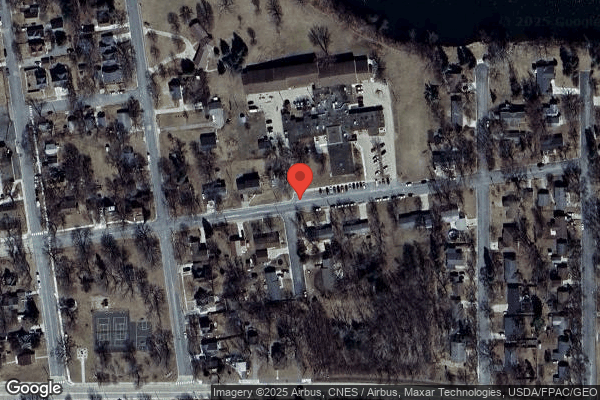
439 WILLIAM AVENUE EAST, DASSEL, MN 55325 (320) 275-3308
Non profit - Corporation 54 Beds CASSIA Data: November 2025
Trust Grade
90/100
#49 of 337 in MN
Last Inspection: December 2024

Within standard 12-15 month inspection cycle. Federal law requires annual inspections.

Overview

Lakeside Generations Health Care Center in Dassel, Minnesota, has received a Trust Grade of A, indicating it is an excellent facility that is highly recommended for care. It ranks #49 out of 337 nursing homes in Minnesota, placing it in the top half, and #2 of 3 in Meeker County, suggesting only one local option is better. However, the facility is experiencing a worsening trend, with issues increasing from 2 in 2023 to 7 in 2024. Staffing is a strength here, with a rating of 4 out of 5 stars and a turnover rate of 33%, which is below the state average of 42%, indicating that staff members tend to stay longer and build relationships with residents. Notably, the facility has no fines on record, which is a positive sign. However, there have been specific concerns, including failures to ensure proper food safety practices, such as not dating opened food items and not checking food temperatures before serving, which could potentially affect residents’ health. Overall, while there are significant strengths, families should be aware of the recent increase in compliance issues.

Trust Score
A
90/100
In Minnesota
#49/337
Top 14%
Safety Record
Low Risk
No red flags
Inspections
Getting Worse
2 → 7 violations
Staff Stability
○ Average
33% turnover. Near Minnesota's 48% average. Typical for the industry.
Penalties
✓ Good
No fines on record. Clean compliance history, better than most Minnesota facilities.
Skilled Nurses
✓ Good
Each resident gets 69 minutes of Registered Nurse (RN) attention daily — more than 97% of Minnesota nursing homes. RNs are the most trained staff who catch health problems before they become serious.
Violations
○ Average
9 deficiencies on record. Average for a facility this size. Mostly minor or procedural issues.
★★★★★
5.0
Overall Rating
★★★★☆
4.0
Staff Levels
★★★★★
5.0
Care Quality
★★★★☆
4.0
Inspection Score
Stable
2023: 2 issues
2024: 7 issues

The Good

  • 4-Star Staffing Rating · Above-average nurse staffing levels
  • 5-Star Quality Measures · Strong clinical quality outcomes
  • Full Sprinkler Coverage · Fire safety systems throughout facility
  • No fines on record
  • Staff turnover below average (33%)

    15 points below Minnesota average of 48%

Facility shows strength in staffing levels, quality measures, fire safety.

The Bad

Staff Turnover: 33%

13pts below Minnesota avg (46%)

Typical for the industry

Chain: CASSIA

Part of a multi-facility chain

Ask about local staffing decisions and management

The Ugly 9 deficiencies on record

Dec 2024 4 deficiencies
CONCERN (D)

Potential for Harm - no one hurt, but risky conditions existed

Deficiency F0657 (Tag F0657)

Could have caused harm · This affected 1 resident

**NOTE- TERMS IN BRACKETS HAVE BEEN EDITED TO PROTECT CONFIDENTIALITY** Based on observation, interview and document review, the facility failed to review potential options and interventions for 1 of ...

Read full inspector narrative →
**NOTE- TERMS IN BRACKETS HAVE BEEN EDITED TO PROTECT CONFIDENTIALITY** Based on observation, interview and document review, the facility failed to review potential options and interventions for 1 of 2 residents (R10) reviewed for pressure ulcer/injury. Findings include: R10's quarterly Minimum Data Set (MDS) dated [DATE], indicated R10 was alert and oriented. R10 was identified as having no functional limitation in range of motion (ROM) in her upper or lower extremeties, and ambulated independently with the use of a walker. R10 was identified as being independent with personal hygiene, able to complete upper and lower body dressing, with the exception of putting on and taking off shoes. The MDS indicated R10 was independent with ambulation, transfers, and bed mobility. The MDS indicated R10 was able to walk 150 feet and did not require the use of a wheelchair. R10's medical diagnoses included medically complex conditions, anemia, hypertension (high blood pressure), peripheral vascular disease/peripheral arterial disease(PVD/PAD-a disease that caused problems with the blood vessels or arteries outside your heart or brain), diabetes (a group of diseases that affect how the body uses blood sugar (glucose), osteoarthritis, and age related osteoporosis. R10's admission care plan dated 6/26/18, identified R10 had impaired mobility related to age, weakness. Additionally, R10 had a trochanter fracture of the left hip (fractures of the proximal femur (thigh bone) at the area where the bone attaches to the hip, most commonly seen following ground-level falls in the elderly. The care plan identified R10 was at risk for falls related to history of syncope (fainting episodes) and other contributing factors. R10's admission diagnoses included a periprosthetic fracture (fracture that occurs around an orthopedic implant) around internal prosthetic right hip joint. R10's care plan was reviewed upon return from the hospital on [DATE], related to ADL's. The problem statement was initiated on 6/26/18 and indicated R10 was status post trochanter fracture of left hip, however, lacked updated diagnosis of right femur fracture. The care plan interventions were updated to reflect the use of EZ stand with weight bearing as tolerated on 11/20/24. The interventions identified resident received assist of 2 with bed mobility, however, that was initiated on 6/26/18, with no current updates. On 12/2/24, identified R10 was at risk for further skin alterations related to Braden score and multiple other factors, however, the problem statement lacked indication of recent right humerus fracture, or the fact that resident no longer rests in her bed to decrease pressure points. The interventions remain unchanged with the exception of addition of Treatment as ordered. The interventions included the use of pressure redistribution mattress, implemented 11/16/20, however, no interventions were in place to identify R10 was not resting in bed, and lacked indication of interventions to accommodate return to bed for sleep/rest/off loading. On 12/2/24, at 6:51 p.m. R10 was seated in her recliner in her room. R10 had bruising surrounding her right, and significant bruising to her left arm. R10 stated she had fallen and fractured her right hip, below her replacement, when walking to the bathroom with her walker. R10 stated she had not tripped on anything, although, stated she had been light headed intermittently, but not severely. R10 stated she had a spot on her buttocks, on which staff put a patch and salve. R10 stated the staff were unsure what was causing this spot but stated it was felt to be related to sitting in a chair. R10 stated she had added pillows to the seat of recliner and this was helpful. R10 stated she had used special cushions in the past but was not satisfied with this, and no longer used them. R10 stated she had slept in her recliner since her return from the hospital on [DATE], and had not slept in her bed since her return as it was too painful. On 12/4/24, at 11:08 a.m., nursing assistant (NA)-C was observed with the transfer process from the recliner with the use of the EZ stand. Once upright in the EZ stand, R10 was assisted via the EZ stand into the bathroom. R10 refused observation of skin condition while in the bathroom. On 12/4/24, at 1:55 p.m. registered nurse (RN)-C stated R10 used a standard pillow in her recliner for pressure reduction. RN-C stated R10 had a foam cushion in her wheelchair for comfort. RN-C stated she would discuss the use of cushions with nursing and therapy to determine what was best to use as resident was chairbound/wheelchair bound. A review of narrative notes was completed and identified the following: On 11/20/24, at 4:59 p.m. , the Hospital Return Nurse Assessment was completed and identified the risk areas for skin in the following areas: decline in her ability to completed her activities of daily living (ADLs), decline in ADLs, fracture of right hip periprosthetic fracture, fragile skin, pain, PVD, and sepsis. The assessment also identified R10 was bedfast/wheelchair bound, with a functional limitation in range of motion. A Braden Scale (an assessment used for prediction of pressure injury risk), was included within the assessment, and R10 was scored at 15-18, which identified R10 was at risk for skin breakdown. The document identified risk factors of mobility risk factors, and identified R10 was at risk for pressure injury. The assessment identified R10's ability to sleep over the past 5 days was rarely, or not at all impacted by injury. On 11/18/24, at 10:28 a.m., R10 had been found on the floor in front of her roommate's bed. R10 stated she was going to the bathroom, became dizzy, and fell. R10 was sent to the emergency department for assessment. A subsequent note of 11/18/24, at 1:58 p.m., indicated the facility received a call from family who stated R10 had broken her right femur (thigh bone) and was unsure as to when she would return to the facility. On 11/20/24, R10 returned to the facility. Upon return, R10 required increased assitance with care and transferred with the use of an EZ stand lift (a mechanical lift which uses a sling behind back), to provide support for transfers. A review was completed to determine if R10's being either wheelchair bound or in her recliner was identified. The notes were also reviewed for identification R10 did not lay down in bed to decrease pressure related to pain. A review was completed for education regarding potential risks and benefits of not using pressure relieving interventions, such as laying down in bed, use of pressure reduction cushions, etc. The following was noted: On 11/23/24, at 10:02 p.m., the note indicated R10 was in recliner for the entire shift, however, lacked interventions in place for offloading, or change in position. The documentation lacked indication as to discussion of potential risks related to limited movement and impact on health. On 11/24/24 at 5:12 p.m., the note indicated R10 had been in her recliner most of the afternoon. The documentation lacked discussion of the risks and benefits. Pain interventions were offered. On 11/26/24 at 10:33 a.m., indicated R10 required increased with cares related to increase in pain, and impaired mobility. On 11/27/24 at 10:50 a.m., narrative note identified R10 required increased assistance with ADLs, including dressing, toileting, and bed mobility. On 11/30/24, at 10:07 p.m., the narrative note identified increased pain with transfers, but R10 denied pain when seated in chair (recliner). On 12/4/24 at 3:44 p.m., an interview was held with the director of nursing (DON) to discuss skin status on R10, and the potential for further skin breakdown related to lack of interventions. DON stated they had tried alternate cushions and R10 had refused. DON stated staff had explained risks and benefits. A request was made for documentation to review the interventions in place, assess provision of risks versus benefits with current interventions, and review with therapy for potential interventions. Additionally, the DON was informed although R10 had a pressure redistribution mattress in her bed, R10 did not rest in bed due to the pain caused with laying down. Narrative notes up to the date of 12/5/24 at 11:47 a.m., written by the director of nursing, reviewed R10's current skin condition, and the potential risks and benefits of not using a pressure reduction cushion in the recliner as had been previously recommended. The narrative notes lacked indication R10 remained in recliner when not up in the EZ stand or in wheelchair, had been sleeping in her recliner, and had not slept in her bed with the pressure redistribution mattress in place since her return from the hospital on [DATE] The facility policy, Care plan and baseline care plan, reviewed 2/28/24, identified the policy, bullet #4, the care plan is constantly changing and is to be updated routinely in the electronic record to reflect the resident's current condition. The policy reflects under the Procedure, #3 the care plan is to be updated as needed to assure that they are an accurate reflection of the resident and their care needs.
CONCERN (D) 📢 Someone Reported This

A family member, employee, or ombudsman was alarmed enough to file a formal complaint

Potential for Harm - no one hurt, but risky conditions existed

Quality of Care (Tag F0684)

Could have caused harm · This affected 1 resident

**NOTE- TERMS IN BRACKETS HAVE BEEN EDITED TO PROTECT CONFIDENTIALITY** Based on document review, interview, and observation the facility failed to provide care in accordance with professional standar...

Read full inspector narrative →
**NOTE- TERMS IN BRACKETS HAVE BEEN EDITED TO PROTECT CONFIDENTIALITY** Based on document review, interview, and observation the facility failed to provide care in accordance with professional standards of practice when the facility failed to complete an assessment for use and placement of an hourglass sling used during Hoyer transfers for 3 of 3 residents (R5, R20, and R21) reviewed for accidents. Findings include: R5's annual minimum data set (MDS) dated [DATE] indicated, R5's was cognitively intact, dependent for transfers, and had the following diagnoses: cerebral vascular accident (CVA)(stroke), coronary artery disease (CAD)(thickening of the cardiac arteries), hypertension (HTN) (high blood pressure), diabetes (DM), hemiplegia or hemiparesis (inability to move one side of the body), and below the knee amputee. R5's care plan dated 11/15/24, indicated R5 required the assistance of two staff and a mechanical lift with a large sling for transfers. R5's medical record lacked evidence any assessment for the appropriate size, usage, application of the full body lift sling, or cognition level of the residents or appropriateness to use the sling, was completed. R20 quarterly MDS dated [DATE] indicated, R20 was cognitively intact, substantial-maximum assistance or dependent for transfers, and had the following diagnoses: HTN, DM, anxiety, and depression. R20's care plan last revised 12/4/24 indicated R20 required the assist of one staff and the ez-stand for transfers to the commode, and the assist of two staff using a large sling and the Hoyer for transfers from the wheelchair to the bed. R20's medical record lacked evidence any assessment for the appropriate size, usage, application of the full body lift sling, or cognition level of the residents or appropriateness to use the sling, was completed. R21's annual MDS dated [DATE] indicated R21 was severely cognitively impaired, dependent for transfers, and had the following diagnoses: non-traumatic brain dysfunction, HTN, renal insufficiency (kidneys don't filter the blood as they should), DM, and Alzheimer's. R21's medical record lacked evidence any assessment for the appropriate size, usage, application of the full body lift sling, or cognition level of the residents or appropriateness to use the sling, was completed. On 11/22/24 at 10:52 p.m., the facility reported R21 had slipped forward and fallen from a Hoyer sling during a transfer from the wheelchair to the bed. R21's historical care plan dated 11/2/24 through 11/25/24, in place at the time of the fall indicated, R21 would use a small sling with assist of two staff and the hoyer lift. R21's current care plan last revised 11/26/24 indicated, R21 transferred with the assist of two using the Hoyer lift, with the loops of the sling to be placed at green on green. The Ez way Inc. Operators instructions dated 10/24/24, indicated the use of the deluxe sling, which crosses between the legs, with no mention of the full body sling or its usage and placement on the body. The Hourglass sling document date accessed 12/2/24, was provided, however it described the sling characteristics but did not discuss placement and usage in reference to the body. On 12/2/24 at 2:36 p.m., nursing assistant (NA)-E stated they had assisted in a transfer of R21 from the wheelchair to the bed on 11/22/24. NA-E stated R21 had been using an hour glass full body sling and Hoyer lift. NA-E stated the correct placement of the sling was to place the thicker top section at the shoulder or base of the neck and the lower thicker section just between the middle of the lower thigh to just above the knee joint. NA-E also stated R21 was not very verbal and had a tendency to curl up in the fetal position when transferring. During the transfer NA-E stated R21 had started to slide down and through the middle open area of the sling. NA-E stated they had attempted to hold R21's knees to guide the body and prevent the fall, however R21 slide forward and fell from the sling approximately 2-3 feet and had a small laceration to the right side of their head just above the ear, behind the hairline. NA-E confirmed at the time of R21's fall, the lower thick section was placed at the base of the buttock not at the lower thigh/upper knee joint, and R21 had slid out of the sling due to it's improper placement. On 12/2/24 at 3:44 p.m., nursing assistant (NA)-D stated they had assisted in a transfer of R21 from the wheelchair to the bed on 11/22/24. NA-D stated R21 had been using an hour glass full body sling. NA-D stated the correct placement of the sling was to place the thicker top section at the shoulder or base of the neck and the lower thicker section just between the middle of the lower thigh to just above the knee joint. NA-D confirmed at the time of R21's fall, the lower thick section was placed at the base of the buttock not at the lower thigh/upper knee joint, and R21 had slid out of the sling due to it's improper placement. On 12/4/24 at 12:50 p.m., the registered nurse manager (RN)-A stated nurses were responsible, during the admission process to use the sling color coding system form to choose appropriate sling and size for the resident. The sling color coding system form only references a deluxe sling, a sling that is shaped like a U and the bottom two straps cross between the legs. The document lacked mention or measurements for use of a full body hour glass sling, which was the type of sling used during transfer/fall incident. RN-A stated they would then document the sling they had chosen in the care plan, and confirmed no formal assessment/tool was used, nor were measurements taken or documented in the chart. RN-A was unsure if another form was utilized when sizing for the hourglass sling, and stated they used the sizing chart for both slings. Furthermore, RN-A stated if a resident was confused or agitated during the assessment, staff would re-approach but there was no assessment that addressed this concern. On 12/2/24 at 4:35 p.m., the representative for EZ way Inc.(O)-E stated hour glass slings can be used for residents with contractions, amputations, or who cant open their legs to use the U-shaped sling, however they would not recommend using them on someone who was confused or combative. O-E stated the appropriate placement of the sling was the top thicker area at the top of the shoulders, and the narrow section on the hips, and the lower thicker part on the thigh just above the knee. O-E stated using the improper size sling or improper placement can lead to a resident falling out of the sling. During follow-up conversation on 12/3/24 at 10:03 a.m., O-E stated they had provided the facility with training materials and in person trainings about patient safety, placement, and proper sling usage, but was unsure if they had provided them with the full-body assessment tool. On 12/2/24 at 3:37 p.m., the director of nursing (DON) stated upon admission the nurses were expected to use the manufacturer guidelines to appropriately size the slings for residents based on height and weight. The DON stated the nurse can choose which sling was used based on resident preference, or if they were confused, they choose the full body hour glass sling to prevent skin breakdown. Once chosen, the sling and size were placed in the care plan, however confirmed there was no formal assessment in place. On 12/2/24 at 6:22 p.m., DON stated their expectation for sling placement was halfway between the knee and butt. The DON stated staff had been trained via walk through demonstration of appropriate and safe placement, measurements, and they have an orientation checklist they go through with staff at the time of hire. The facility EZ Way Smart lift (Hoyer) competency checklist undated, discussed the safe and proper use of the EZ Way Smart Lift. However, it did not discuss proper placement on the body with the exception of making sure the resident is positioned in the center of the sling. On 12/5/24 at 11:38 a.m., DON stated the overall purpose of nursing assessments was to identify a change in condition, getting a history, and preventing undesirable outcomes. The DON expected assessments to be documented in the observation tab or in a progress note within point click care, to enable the facility to identify possible concerns and could go back and conduct another assessment if necessary. Lastly, the DON stated it was importance to complete assessments. If they were not documented it was not completed, and were necessary to improve the residents quality of life and prevent undesirable outcomes. The facility policy Floor-based, Full body Sling Lift use last reviewed 3/28/24, indicated residents who require the use of a mechanical lift will be assessed for the appropriate sling size on admission before beginning use of a mechanical lift and with significant weight change.
CONCERN (D)

Potential for Harm - no one hurt, but risky conditions existed

Infection Control (Tag F0880)

Could have caused harm · This affected 1 resident

Based on observation, interview and documentation, the facility failed to consistently implement hand hygiene during provision of personal cares for 1 of 1 resident, R99, observed for wound care. Fin...

Read full inspector narrative →
Based on observation, interview and documentation, the facility failed to consistently implement hand hygiene during provision of personal cares for 1 of 1 resident, R99, observed for wound care. Findings include: R99's admission Face Sheet dated 12/5/24, identified R99's primary diagnosis as acute respiratory disease. R99's Face Sheet indicated additional diagnosis included retention of urine, which required an indwelling foley catheter (a tube inserted into the bladder to allow urine to empty from the bladder into a closed urinary catheter bag). On 12/4/24 at 7:15 a.m., personal care observation was initiated for R99. R99's entrance door had a personal protective equipment door supply hanger in place. This was identified as being in place related to enhanced barrier precautions for R99. As noted on the CDC website (https://www.cdc.gov/long-term-care-facilities/hcp/prevent-mdro/faqs.html), dated 6/20/24, enhanced barrier precautions include use of a gown and gloves during high-contact resident care with residents who are either infected or colonized with an MDRO (multi drug resistant organism-an infection resistant to many antibiotics and difficult to treat), as well as for residents with an indwelling medical device or wound regardless of MDRO colonization status. During high contact care, pathogens can transfer to staff hands and clothing. Using gowns and gloves will decrease that risk and the risk the staff will transmit the pathogen to other residents. On 12/4/24 at 7:15 a.m., nursing assistant (NA)-A and NA-B performed hand hygiene outside of R99's room, placed gowns, and gloves prior to entering the room. R99 was in bed, and resting with covers in place. Upon removal of the covers, it was noted R99 had been incontinent of stool, which had saturated the undergarment, and soiled resident down to the knees. Staff proceeded with preparation of supplies, gathering multiple towels and washcloths, undergarments, and a basin of warm, soapy water from the sink in the main portion of the room. Incontinence care for bowels was initiated first due to the level of incontinence. NA-B provided assist to reposition and support R99 in position while NA-A performed personal cleansing. While performing personal cares, it was noted R99's leg band to secure the catheter tubing was soiled and needed to be replaced. R99's dressing on buttocks was also noted to be soiled and needed replacement. Following cleansing, NA-A removed soiled gloves. Upon going to replace gloves, noted there were no gloves in the room, and opened door and obtained fresh gloves with the PPE supply on the outside of the door. NA-A placed fresh gloves on, however, failed to perform hand hygiene with either hand sanitizer outside of door, or soap and water in room. After assisting R99 to a back lying position, and having adjusted the pillow, NA-A proceeded to complete incontinence care and catheter care. It was observed during performance of cares fresh washcloths were used when others became soiled, and soiled linen was placed into laundry bin in room. NA-A used walkie talkie at bedside to request additional washcloths and a leg strap. Following use of walkie talkie twice, NA-A removed gloves and discarded them, and again obtained additional gloves from the PPE supply on outer side of the door. NA-A failed to perform hand hygiene prior to placing fresh gloves. Following placement of fresh gloves, NA-A used walkie again to request nurse to perform wound/skin care. At 7:32 a.m., after incontinence, catheter and wound care were completed by nurse NA-A and NA-B removed soiled gloves and obtained fresh gloves from the PPE caddy outside of the room, and placed fresh gloves without performing hand hygiene (either with hand sanitizer or soap and water). NA-A and NA-B continued with morning cares, placing compression hose, and putting catheter bag cover in place. NA-A prepared supplies for nurse, including prescription powder in the drawer, as well as protective cream. NA-A then proceeded to remove soiled gloves, and obtain new gloves from the PPE caddy from the door. Hand hygiene was not performed. New gloves were place. At 7:39 a.m. RN-B arrived gowned and gloved to complete wound/skin care. Following cares, RN-B removed her gown and gloves, and exited room carrying dressing and powder without performing hand hygiene in the room, however, surveyor did not exit room with RN-B. NA-A and NA-B proceeded to assist R99 with dressing and morning cares after wound/skin care was completed. NA-A and NA-B removed soiled gloves, and replaced gloves from the PPE caddy, however, failed to perform hand hygiene. NA-B proceeded with cleansing of the meatus and wiping down of the catheter with alcohol wipes to the junction with tubing. Following this, personal cares were completed and resident was transferred into his wheelchair with the standing lift. Upon completion of cares, gowns and gloves were removed by NA-B, and linens were bagged without gowns or gloves worn. Hand hygiene was not completed following removal of gowns and gloves, either with hand sanitizer or soap and water. R99 was assisted from room to go to the dining room. NA-A and NA-B removed gowns and gloves prior to leaving the room. On 12/4/24, at 7:56 a.m., NA-A was interviewed regarding glove changes and hand hygiene, and as to how the process was performed. NA-A stated there should have been gloves in the room for use by staff with cares. NA-A stated hand hygiene was to be performed in the process of every glove change, however, did not have pocket sanitizer on her this morning. NA-A was then observed to take walkie from bedside table and place on hip. NA-A stated she was going to clean it off with a disinfectant wipe, and acknowledged walkie talkies should not be handled with soiled gloves. NA-A proceeded to wipe walkie talkie with wipe, dispose of wipe, and then washed hands. NA-A stated she was careful to open door with elbow, and not hand when obtaining gloves. NA-A stated hand sanitizer was to be used at the start of care, between dirty and clean glove changes, and at the finish of care. On 12/4/24 at 1:30 p.m., NA-B held out a bottle of hand sanitizer to surveyor and stated she did not have this in her pocket this morning, however, stated she was aware of the need to perform hand hygiene between removal of soiled gloves, before placing clean gloves. On 12/4/24 at 2:49 p.m., wound care observation was completed with RN-A. Prior to entering the room, hand hygiene was performed with hand sanitizer, followed by placement of gown and gloves for enhanced barrier precautions. RN-A received assistance of RN-D to assist with turning and reposition. Resident was positioned onto left side for provision of cares. During observation, it was noted although RN-A did change her gloves when going from a soiled task to clean (i.e. removal/disposal of dressing, and cleansing of wound) she did not complete hand hygiene, either with alcohol hand cleanser or soap and water. RN-A completed wound care measurement without gloves. RN-A was not actually touching wound with measurements, but holding measuring tape up to it. Dressing placed by RN-A after measurements without gloves. Upon completion of cares, RN-A removed gown prior to exiting the room and performed hand hygiene prior to going on from cares. On 12/4/24 at 3:07 p.m., RN-A stated she was aware she should have sanitized between glove changes. RN-A went on to state You always wash your hands after changing gloves. It is assumed if you have gloves on you could have bodily fluids (on your hands). On 12/4/24 at 3:44 p.m., concerns were reviewed with the director of nursing (DON). DON stated it was her expectation hand hygiene was completed prior to initiating cares, between glove changes, and upon the completion of cares. DON stated hand hygiene can be completed with hand sanitizers or with soap and water. DON stated this was important to prevent potential spread of infections. The facility policy, Infection Control, last reviewed 7/17/24, directed staff that gloves were to be worn whenever there may be direct contact between the caregiver's hands and blood, body fluids, mucous membranes, feces, or contaminated items. The procedure directs to wash hands prior to placing the gloves, going on to direct staff if gloves became torn or heavily contaminated, gloves are to be changed before completing the task. The policy directs staff to remove soiled/torn glove, and directed them to wash hands after. The facility policy, Hand Washing/Hand Hygiene, reviewed 7/17/24 indicated hand washing with sanitizer and hand washing with soap and water may be used interchangeably, unless hands are visibly soiled, or if working with a client that has C. Diff or Norovirus (illnesses which cause nausea and diarrhea which can be spread with contact, and are not effectively killed with alcohol based hand sanitizers). The policy identified hand washing was the single most effective way of controlling the spread of infection.
CONCERN (F)

Potential for Harm - no one hurt, but risky conditions existed

Food Safety (Tag F0812)

Could have caused harm · This affected most or all residents

Based on observation, interview, and document review, the facility failed to date frozen items when the original packaging was opened. Additionally, the facility failed to maintain food in the origina...

Read full inspector narrative →
Based on observation, interview, and document review, the facility failed to date frozen items when the original packaging was opened. Additionally, the facility failed to maintain food in the original packaging to assure the packaging date remained on food items. This deficient practice had the potential to affect all 43 residents who ate food prepared from the kitchen. Findings include: During the initial kitchen tour on 12/02/24, at 1:15 p.m. , a tour was completed, accompanied by the Certified Dietary Manager (CDM)-A, and the Director of Food and Nutrition Services (DFN)-A. The following was noted: -One bag of precooked chicken, which measured approximately 12 inches by 14 inches, was not in the original packaging and lacked a date on the bag to indicate packaging date. -One bag of ravioli, measuring approximately 9 inches by 13 inches, was not in the original packaging and lacked the packaging date. -Two partial bags of chicken patties, both observed to have been opened and contained approximately 1/2 package of patties, however, lacked identification as to when they were opened. -To partial bags of opened cheese curds, which were both approximately 1/2 open, however, also lacked indication as to which date it was opened. An unidentified staff member, was observed working in the freezer, and stated she was prepping the freezer for delivery tomorrow, and had removed the items from the boxes to save space. On 12/05/24 at 10:28 a.m., a follow up tour of the freezer was completed with DFN-A. At this time, the following was observed: -One open bag of onions, with approximately 1/3 of bag remaining, which lacked labeling to indicate the date opened. -One bag of mixed vegetables, with approximately 1/4 left, which lacked indication as to when they were opened. DFN-A stated the vegetables were not there yesterday, and indicated they would have to work further with education of staff as to the importance of of dating opened packages. A facility policy, Refrigerator and Freezer Storage, last review 1/12/24, identified all food in the freezer are wrapped tightly, labeled, and dated if not in the original container. Additionally, the policy also identified that leftover food items are stored in approved containers, labeled and dated.
Feb 2024 3 deficiencies
CONCERN (E)

Potential for Harm - no one hurt, but risky conditions existed

Deficiency F0757 (Tag F0757)

Could have caused harm · This affected multiple residents

Based on document review and interview, the facility failed to identify diagnosis for use of medications for 4 of 6 residents (R4, R6, R16, and R34) reviewed for unnecessary medications and antibiotic...

Read full inspector narrative →
Based on document review and interview, the facility failed to identify diagnosis for use of medications for 4 of 6 residents (R4, R6, R16, and R34) reviewed for unnecessary medications and antibiotics. Findings include: R6's face sheet identified diagnoses of hemiplegia and hemiparesis following a cerebral infarction (weakness and loss of movement following a stroke) on the left side, myocardial infarction (heart attack), diabetes mellitus type 2, hypertension (high blood pressure), hyperlipidemia (high fats in the blood), chronic pain, constipation, and muscle weakness. Review of the physician's order report dated 1/30/24 identified R6 received lisinopril 10 mg oral (PO) daily, rosuvastatin 10 mg PO daily, aspirin 81 mg daily, metoprolol succinate 25 mg PO daily and diclofenac sodium gel 1% topically as needed (PRN) three times a day, however these medications lacked diagnosis for use. R4's face sheet identified diagnoses of chronic diastolic (congestive) heart failure (a disease where the heart is unable to pump the blood through the body efficiently), a displaced fracture of upper end of left humerus (the long bone of the upper arm), pain in left arm, rheumatoid arthritis (chronic inflammatory disorder which can affect more than joints) of multiple sites with involvement of other organs and systems, heartburn, and dysphagia (difficulty in swallowing food or liquid). A review of the physician's orders report dated 2/14/24, included orders for acetaminophen 500 mg tablet, 1,000 mg orally once a day early morning between 2:00 a.m. to 3:00 a.m. The order, initiated on 2/1/24, lacked diagnosis for use. R4's orders also included the use of calazime paste; 0.44-20.6% one application twice daily to the left shoulder as needed. A faxed communication with the provider, dated 1/8/24, requested directions and indications for use. The response directed staff to apply to left shoulder, however, lacked indication or diagnosis for use. R16's face sheet identified diagnoses of acute on chronic systolic (congestive) heart failure, type 2 diabetes mellitus (an illness which can cause high blood sugar) with diabetic polyneuropathy (a disease which can cause pain and tingling in legs related to damage from diabetes), acute pulmonary edema (fluid accumulation on the lungs), shortness of breath, other forms of shortness of breath, and essential hypertension (high blood pressure). A review of the physician's orders report, dated 2/14/24, identified an order from 11/13/23 for Anoro Ellipta (umeclidinium-vilanterol) 62.5-25 mcg/actuation one puff with inhalation once a day which lacked a diagnosis for use. An order for furosemide 20 mg twice a day, initiated on 2/5/24, also lacked diagnosis for use. R36's face sheet listed diagnoses included the following diagnoses: indwelling urethral catheter (a tube inserted into the bladder to drain urine), toxic encephalopathy (a disorder of the brain caused by exposure to toxic substances), benign prostatic hyperplasia (a condition in which the flow of urine is blocked due to the enlargement of prostate gland) with lower urinary tract symptoms, retention of urine, elevated white blood cell count and unspecified-leukocytosis (condition where your blood has too many white blood cells, which fight infections and diseases), a history of urinary (tract) infections, and history of Covid (a viral illness which can display with a variety of symptoms). R36's February Medication Administration Record (MAR) indicated the following medications were ordered by the provider, however, lacked diagnoses or indication for use: amlodipine 5 mg one tablet daily, initiated 5/5/23; Bactrim DS (sulfamethoxazole-trimethoprim) tablet; 800-160 mg orally once a day, initiated 10/17/23, placed on hold 1/29/24, with resumption on 2/9/24, levothyroxine tablet 88 mcg one tablet daily, effective 2/9/24; metformin tablet 500 mg one tablet orally twice a day, initiated 1/23/23; cefdinir capsule 300 mg orally twice a day, initiated 1/29/24 through 2/8/24; and Macrobid (nitrofurantoin monohyd/m-cryst) 100 mg capsule orally twice a day, initiated 1/29/24 through 2/8/24. On 2/27/24 at 2:45 p.m., registered nurse (RN)-B stated when transcribing physician orders into the electronic medical administration record (eMAR) indication, dose, directions, route, resident name, and parameters should have been included. On 2/28/24 at 10:01 a.m., the director of nursing (DON) stated her expectation was to have indication (diagnosis) for use included in the order, and each order to be double checked by another nurse. DON stated it was important to include indications for medications, because the staff need to know why they were giving the medications to the residents. During a return call on 2/29/24 at 9:03 a.m., A&E Consultant Pharmacist stated he expected the following to be included in medication orders; medication name, dose, frequency administered and the duration. In addition, the provider information, patient information, and the diagnosis were to be included. Facility policy Transcription of orders revised 2/12/24, indicated medication orders must include name of medication, dosage, route, and frequency. Each medication must also include a diagnosis for usage.
CONCERN (F)

Potential for Harm - no one hurt, but risky conditions existed

Staffing Data (Tag F0851)

Could have caused harm · This affected most or all residents

Based on interview and document review, the facility failed to submit accurate and/or complete data for staffing information based on payroll and other verifiable and auditable data during 1 of 1 quar...

Read full inspector narrative →
Based on interview and document review, the facility failed to submit accurate and/or complete data for staffing information based on payroll and other verifiable and auditable data during 1 of 1 quarter reviewed (Quarter 4), to the Centers for Medicare and Medicaid Services (CMS), according to specifications established by CMS. Findings include: Payroll Based Journal (PBJ) [NAME] Report 1705D for FY (Fiscal Year) Quarter 4 2023 (July 1-September 30) identified the Metric of Excessively Low Weekend Staffing triggered. Daily staff schedules for weekend hours staffed during the reporting period were reviewed and compared to the facility simple PB&J spreadsheet. Comparative findings are listed below: On 7/1/23, the document titled Simple PB&J spreadsheet, provided by the facility, had a cumulative total of actual hours worked as 132.50 hours worked when tallied. A review of the automated total at the top of the spreadsheet indicated hours worked as 126.25 hours. On 7/2/23, the document titled Simple PB&J spreadsheet, provided by the facility, had a cumulative total of actual hours worked as 130.50 hours worked when tallied. A review of the automated total at the top of the spreadsheet indicated hours worked as 125.50 hours. On 7/8/23, the document titled Simple PB&J spreadsheet, provided by the facility, had a cumulative total of actual hours worked as 122.5 hours worked when tallied. A review of the automated total at the top of the spreadsheet indicated hours worked as 167.0 hours. On 7/9/23, the document titled Simple PB&J spreadsheet, provided by the facility, had a cumulative total of actual hours worked as 117.5 hours worked when tallied. A review of the automated total at the top of the spreadsheet indicated hours worked as 122.5 hours. The spreadsheet with actual hours worked had #'s through the dates from the period of 7/9/23-8/1/23. On 8/5/23, the document titled Simple PB&J spreadsheet, provided by the facility, had a cumulative total of actual hours worked as 115.5 hours worked when tallied. A review of the automated total at the top of the spreadsheet indicated hours worked as 123.5 hours. On 8/6/23, the document titled Simple PB&J spreadsheet, provided by the facility, had a cumulative total of actual hours worked as 124.50 hours worked when tallied. A review of the automated total at the top of the spreadsheet indicated hours worked as 124.50 hours. The spreadsheet with actual hours worked had #'s through the dates from the period of 8/10/23-8/31/23. On 9/2/23, the document titled Simple PB&J spreadsheet, provided by the facility, had a cumulative total of actual hours worked as 133.0 hours worked when tallied. A review of the automated total at the top of the spreadsheet indicated hours worked as 123.75 hours. On 9/3/23, the document titled Simple PB&J spreadsheet, provided by the facility, had a cumulative total of actual hours worked as 132.75 hours worked when tallied. A review of the automated total at the top of the spreadsheet indicated hours worked as 126.0 hours. On 9/9/23, the document titled Simple PB&J spreadsheet, provided by the facility, had a cumulative total of actual hours worked as 123.75 hours worked when tallied. A review of the automated total at the top of the spreadsheet indicated hours worked as 122.75 hours. The spreadsheet with actual hours worked had #'s through the dates from the period of 9/10/23-9/31/23. During interview on 2/28/24, at 12:19 p.m. the director of nursing stated the the completion and submission for the PB&J was completed at the corporate level. The facility provided schedules for the dates outlined as being triggered in the report, and information was reviewed. After exit from facility on 2/29/24, at 1:17 p.m. the director of clinical reimbursement provided the information requested on a spreadsheet titled Simple PB&J spreadsheet. The director stated she was unaware of any excessively low staff levels triggered by this reporting process. Upon request for related policy and procedures, the director stated they follow the guidelines established by CMS and do not have a separate policy for completion of this.
MINOR (C)

Minor Issue - procedural, no safety impact

Deficiency F0577 (Tag F0577)

Minor procedural issue · This affected most or all residents

Based on observation, interview, and document review, the facility failed to ensure state agency survey results were posted and, in a location, easily visible and accessible to all residents, staff an...

Read full inspector narrative →
Based on observation, interview, and document review, the facility failed to ensure state agency survey results were posted and, in a location, easily visible and accessible to all residents, staff and visitors. This had the potential to affect all 42 residents living in the facility as well as any visitors or staff who wished to review this information. Findings include: On 02/28/24 at 0930 a.m., the area identified to house the past survey results binder was located across from the nursing station in a small cubby with one shelf about three feet off of the floor. The binder for past survey results was not located on the shelf. On 02/28/24 at 09:58 a.m., a resident council meeting was held with R6, R8, R19, R24, and R26 in attendance. The council members indicated they did not know where to find previous survey results. On 02/28/24 at 02:11 p.m., administrator stated survey results were kept in a plastic binder on a shelf across from nursing station. The binder was not visible when walking into the facility or while standing at the nursing desk. An obvious posting of the survey results availability was not observed. The administrator pointed to the shelf where the binder should have been and stated the binder should be there, however, the binder was not in the indicated location. Facility policy dated 5/21/18, with review date of 10/22/23, indicated survey results will be available in a readable form such as a binder or large print; facility will post these results in a place(s) that is/are readily accessible to residents, family members and the facility will post notice of availability of these reports in areas of the facility that are prominent and accessible to the public.
Jan 2023 2 deficiencies
CONCERN (D) 📢 Someone Reported This

A family member, employee, or ombudsman was alarmed enough to file a formal complaint

Potential for Harm - no one hurt, but risky conditions existed

Report Alleged Abuse (Tag F0609)

Could have caused harm · This affected 1 resident

**NOTE- TERMS IN BRACKETS HAVE BEEN EDITED TO PROTECT CONFIDENTIALITY** Based on interview and document review, the facility failed to ensure all alleged violations of abuse were reported to the state...

Read full inspector narrative →
**NOTE- TERMS IN BRACKETS HAVE BEEN EDITED TO PROTECT CONFIDENTIALITY** Based on interview and document review, the facility failed to ensure all alleged violations of abuse were reported to the state agency (SA) for 1 of 2 residents (R8) who were reviewed for alleged abuse. Findings include: R8's annual Minimum Data Set (MDS) dated [DATE], identified cognitively intact with diagnoses including Post-traumatic Stress Disorder (PTSD), major depressive disorder, adjustment disorder with mixed anxiety and depressed mood, and a history of cerebral infarction. R8's care plan dated 10/11/21, listed cognitive loss/dementia with a BIMS (brief interview for mental status) score indicating cognitively intact, having poor judgement and safety awareness, lacking insight into his needs and deficits with a history of previous financial exploitation by family. When interviewed on 1/12/23, at 10:54 a.m. R8's psychologist stated she had completed a St. Louis University Mental Status (SLUMS) test with R8 in December of 2022 in which he had scored 23/30 indicating mild cognitive impairment. R8's Psychologist stated he had deficits in his short- term memory, executive brain function and decision making. R8's progress notes dated 12/10/22, indicated resident was overheard by staff on his personal computer talking with a female from California through Facebook messenger. Staff reported this to the charge LPN. R8 reported to charge LPN that he was going to marry the female and he had given her the number of a $100.00 gift card he had asked his brother to get for him to buy Christmas gifts. Staff attempted to educate resident on his vulnerability and the potential for fraud. The charge LPN notified the facility social worker by phone. The charge LPN called R8's brother who is also his financial power of attorney to inform him as well. When interviewed on 1/10/23, at 4:31 p.m. the Social Services Director (SW) stated this incident was brought to her attention on Saturday 12/10/22 shortly after the occurrence and it wasn't reported to a state agency at that time as there was no confirmation that the female the resident had been communicating with had used the gift card. SW stated the gift card was purchased by R8's brother per resident request to purchase Christmas gifts for family. SW stated that she was made aware on Sunday morning 12/11/22, that the $100.00 gift card had been used and the decision was made to inform [NAME] County law enforcement. SW stated she was informed by law enforcement they had filed a MAARC report and did not think another report needed to be made by the facility. When interviewed on 1/11/23, at 2:02 p.m. the administrator stated that they had not reported the incident because law enforcement had reported it and acknowledged after review of their facility vulnerable adult policy, a report by the facility should have been made within the time frames indicated by their policy. When interviewed on 1/12/23, at 8:45 a.m. nursing assistant (NA)-A stated with any suspected abuse facility protocol was to immediately notify the charge nurse, the director of nursing, the social worker or the administrator. When interviewed on 1/12/23, at 8:55 a.m. licensed practical nurse (LPN)-A stated the protocol for suspected abuse was to immediately report suspected abuse to the on-call registered nurse, administrator, director of nursing or the social worker. When interviewed on 1/12/23, at 9:00 a.m. registered nurse (RN)-A stated that in this incident law enforcement had been called and per facility abuse policy a vulnerable adult report should have been filed by the facility. The facility policy Vulnerable Adult-MN dated 10/14/22, identified Each employee is responsible to report without fear of reprisal immediately, any knowledge of suspected/alleged abuse, neglect, exploitation of residents including misappropriation of resident property and to Report all suspected/alleged violations immediately, or no later than 24 hours if the events that cause the allegation do not involve abuse or do not result in serious bodily injury to the state agency and to all other agencies as required. The facility policy Vulnerable Adult-MN dated 10/14/22, identified Skilled Nursing Facilities (SNF's) report to MAARC instead of OHFC in very limited instances where the perpetrator is not employed by, or connected to the facility. An example of this would be financial exploitation where the perpetrator is a family member, significant other, or other non-facility and non-contracted staff.
CONCERN (F)

Potential for Harm - no one hurt, but risky conditions existed

Food Safety (Tag F0812)

Could have caused harm · This affected most or all residents

Based on observation, interview and document review the facility failed to check the temperature of hot holding foods prior to serving to residents, provide for proper storage for opened food items, e...

Read full inspector narrative →
Based on observation, interview and document review the facility failed to check the temperature of hot holding foods prior to serving to residents, provide for proper storage for opened food items, ensure foods were not expired, and ensure proper personal protective equipment was worn by kitchen staff. This had the potential to affect 44 of 46 residents. Further, the facility failed to have a system in place to monitor and record refrigerator/freezer temperatures for resident personal food items. This had the potential to affect 2 of 2 residents. Findings include: During an observation and interview on 01/10/23, at 4:47 p.m. dietary aide (DA)-A failed to check the temperature of the food prior to serving it from the steam table. DA-A confirmed food had been in the steam table since 4:10 p.m. DA-A stated she forgot to check the temperature of the food and did not routinely document food temperatures. DA-A stated food should be at least 180 degrees. During interview on 1/10/23, at 4:50 p.m. certified dietary manager (CDM) and dietary manager confirmed temperature monitoring and logging was not a part of their practice. During observation and interview on 01/11/23, at 9:51 a.m. the dry storage unit contained; eight cans of sliced pickled beets with a best by date of 12/28/22, an opened bag of potato chips lacked opended on date, a bag of cool ranch Doritos lacked opened on date and had expiration date of 8/2022. There were 2 bags of cool ranch Doritos chips with expiration dates of 9/2022 and 10/2022, an opened package of Krusteaz pancake mix lacked an opened on date, an opened package of Stove Top stuffing lacked an opened on dated. Dietary manager stated open items were taped to sealed and discarded within one week after opened on date. During observation and interview on 1/11/23, at 10:25 a.m. cook-A was observed to have a beard without a beard net. He stated he did not think it was necessary. During an interview on 1/11/23, at 10:55 a.m. CDM stated her expectation was the cook to wear a beard net. During observation and interview on 01/11/23, at 9:30 a.m. dietary manager stated residents were able to keep food in the coffee shop. The resident refrigerator contained unlabeled and expired pineapple. Further, the freezer contained properly labeled food. However, the thermometer showed 24 degrees which was outside the safe range. A cabinet contained an unlabeled smuckers chololate topping with expiration date of 9/16/18 and lacked an opened on date. Dietary manager stated monitoring and logging of temperatures were not a part of their practice. Further, there was no process to review for expired foods in the coffee shop. Facility policy indicated foods were to be prepared and served in a manner that complies with safe food handling practices. Opened foods were to be label with resident name and opened on date prior to being put in storage and beard restraints must be worn.
Understanding Severity Codes (click to expand)
Life-Threatening (Immediate Jeopardy)
J - Isolated K - Pattern L - Widespread
Actual Harm
G - Isolated H - Pattern I - Widespread
Potential for Harm
D - Isolated E - Pattern F - Widespread
No Harm (Minor)
A - Isolated B - Pattern C - Widespread

Questions to Ask on Your Visit

  • "Can I speak with families of current residents?"
  • "What's your RN coverage like on weekends and overnight?"

Our Honest Assessment

Strengths
  • • Grade A (90/100). Above average facility, better than most options in Minnesota.
  • • No major safety red flags. No abuse findings, life-threatening violations, or SFF status.
  • • No fines on record. Clean compliance history, better than most Minnesota facilities.
  • • 33% turnover. Below Minnesota's 48% average. Good staff retention means consistent care.
Concerns
  • • No significant concerns identified. This facility shows no red flags across CMS ratings, staff turnover, or federal penalties.
Bottom line: Generally positive indicators. Standard due diligence and a personal visit recommended.

About This Facility

What is Lakeside Generations Health Care Center's CMS Rating?

CMS assigns Lakeside Generations Health Care Center an overall rating of 5 out of 5 stars, which is considered much above average nationally. Within Minnesota, this rating places the facility higher than 99% of the state's 100 nursing homes. This rating reflects solid performance across the metrics CMS uses to evaluate nursing home quality.

How is Lakeside Generations Health Care Center Staffed?

CMS rates Lakeside Generations Health Care Center's staffing level at 4 out of 5 stars, which is above average compared to other nursing homes. Staff turnover is 33%, compared to the Minnesota average of 46%. This relatively stable workforce can support continuity of care.

What Have Inspectors Found at Lakeside Generations Health Care Center?

State health inspectors documented 9 deficiencies at Lakeside Generations Health Care Center during 2023 to 2024. These included: 8 with potential for harm and 1 minor or isolated issues.

Who Owns and Operates Lakeside Generations Health Care Center?

Lakeside Generations Health Care Center is owned by a non-profit organization. Non-profit facilities reinvest revenue into operations rather than distributing to shareholders. The facility is operated by CASSIA, a chain that manages multiple nursing homes. With 54 certified beds and approximately 47 residents (about 87% occupancy), it is a smaller facility located in DASSEL, Minnesota.

How Does Lakeside Generations Health Care Center Compare to Other Minnesota Nursing Homes?

Compared to the 100 nursing homes in Minnesota, Lakeside Generations Health Care Center's overall rating (5 stars) is above the state average of 3.2, staff turnover (33%) is significantly lower than the state average of 46%, and health inspection rating (4 stars) is above the national benchmark.

What Should Families Ask When Visiting Lakeside Generations Health Care Center?

Based on this facility's data, families visiting should ask: "Can I visit during a mealtime to observe dining assistance and food quality?" "How do you handle medical emergencies, and what is your hospital transfer rate?" "Can I speak with family members of current residents about their experience?"

Is Lakeside Generations Health Care Center Safe?

Based on CMS inspection data, Lakeside Generations Health Care Center has a clean safety record: no substantiated abuse findings (meaning no confirmed cases of resident harm), no Immediate Jeopardy citations (the most serious violation level indicating risk of serious injury or death), and is not on the Special Focus Facility watch list (a federal program monitoring the lowest-performing 1% of nursing homes). The facility has a 5-star overall rating and ranks #1 of 100 nursing homes in Minnesota. While no facility is perfect, families should still ask about staff-to-resident ratios and recent inspection results during their visit.

Do Nurses at Lakeside Generations Health Care Center Stick Around?

Lakeside Generations Health Care Center has a staff turnover rate of 33%, which is about average for Minnesota nursing homes (state average: 46%). Moderate turnover is common in nursing homes, but families should still ask about staff tenure and how the facility maintains care continuity when employees leave.

Was Lakeside Generations Health Care Center Ever Fined?

Lakeside Generations Health Care Center has no federal fines on record. CMS issues fines when nursing homes fail to meet care standards or don't correct problems found during inspections. The absence of fines suggests the facility has either maintained compliance or corrected any issues before penalties were assessed. This is a positive indicator, though families should still review recent inspection reports for the full picture.

Is Lakeside Generations Health Care Center on Any Federal Watch List?

Lakeside Generations Health Care Center is not on any federal watch list. The most significant is the Special Focus Facility (SFF) program, which identifies the bottom 1% of nursing homes nationally based on persistent, serious quality problems. Not being on this list means the facility has avoided the pattern of deficiencies that triggers enhanced federal oversight. This is a positive indicator, though families should still review the facility's inspection history directly.