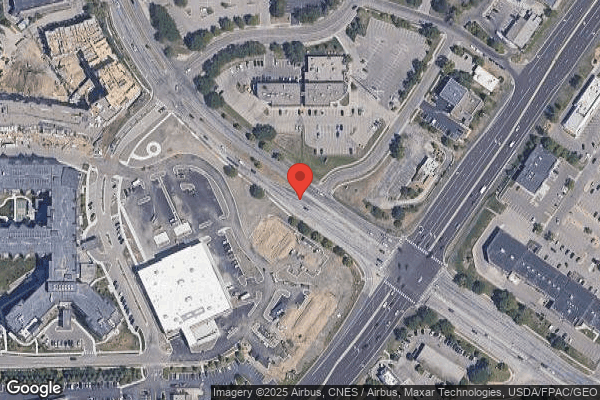
Flagstone

12500 CASTLEMOOR DRIVE, EDEN PRAIRIE, MN 55344 (952) 942-2100
Non profit - Corporation 72 Beds PRESBYTERIAN HOMES & SERVICES Data: November 2025
Trust Grade
75/100
#111 of 337 in MN
Last Inspection: January 2025

Within standard 12-15 month inspection cycle. Federal law requires annual inspections.

Overview

Flagstone nursing home in Eden Prairie, Minnesota, has a Trust Grade of B, indicating it is a good facility that offers solid care. It ranks #111 out of 337 in Minnesota, placing it in the top half of facilities in the state, and #16 out of 53 in Hennepin County, meaning only 15 local options are better. However, the facility is facing a worsening trend, with issues increasing from 6 in 2024 to 11 in 2025. Staffing is a major strength, boasting a 5/5 rating and a turnover rate of 42%, which is average for Minnesota. On the downside, there were 17 concerns found during the latest inspection, including failure to follow proper medication administration procedures for multiple residents and not ensuring hand hygiene during medication distribution, which could lead to potential health risks.

Trust Score
B
75/100
In Minnesota
#111/337
Top 32%
Safety Record
Low Risk
No red flags
Inspections
Getting Worse
6 → 11 violations
Staff Stability
○ Average
42% turnover. Near Minnesota's 48% average. Typical for the industry.
Penalties
✓ Good
No fines on record. Clean compliance history, better than most Minnesota facilities.
Skilled Nurses
✓ Good
Each resident gets 78 minutes of Registered Nurse (RN) attention daily — more than 97% of Minnesota nursing homes. RNs are the most trained staff who catch health problems before they become serious.
Violations
⚠ Watch
17 deficiencies on record. Higher than average. Multiple issues found across inspections.
★★★★☆
4.0
Overall Rating
★★★★★
5.0
Staff Levels
★★★☆☆
3.0
Care Quality
★★★☆☆
3.0
Inspection Score
Stable
2024: 6 issues
2025: 11 issues

The Good

  • 5-Star Staffing Rating · Excellent nurse staffing levels
  • Full Sprinkler Coverage · Fire safety systems throughout facility
  • No fines on record
  • Staff turnover below average (42%)

    6 points below Minnesota average of 48%

Facility shows strength in staffing levels, fire safety.

The Bad

Staff Turnover: 42%

Near Minnesota avg (46%)

Typical for the industry

Chain: PRESBYTERIAN HOMES & SERVICES

Part of a multi-facility chain

Ask about local staffing decisions and management

The Ugly 17 deficiencies on record

Jul 2025 2 deficiencies
CONCERN (E) 📢 Someone Reported This

A family member, employee, or ombudsman was alarmed enough to file a formal complaint

Potential for Harm - no one hurt, but risky conditions existed

Deficiency F0658 (Tag F0658)

Could have caused harm · This affected multiple residents

**NOTE- TERMS IN BRACKETS HAVE BEEN EDITED TO PROTECT CONFIDENTIALITY** Based on observation, interview, and document review, the facility failed to ensure professional standards of practice were foll...

Read full inspector narrative →
**NOTE- TERMS IN BRACKETS HAVE BEEN EDITED TO PROTECT CONFIDENTIALITY** Based on observation, interview, and document review, the facility failed to ensure professional standards of practice were followed during medication administration for 5 of 5 residents (R1, R2, R4, R5, R6) observed for medication administration.Findings include:R1R1's annual Minimum Data Set (MDS) assessment dated [DATE], indicated she was cognitively intact and required moderate assistance in activities of daily living.R1's physician order from the medication administration record, dated 1/6/25, indicated Ativan Oral Tablet 0.5 milligrams (Lorazepam). Give 0.5 milligrams by mouth every 6 hours as needed for panic attack. Camera footage dated 6/21/25 at 12:53 a.m., showed registered nurse (RN)-A entered R1's room with a medication cup and spoon. RN-A stated to R1, I think you are describing a lot of tension. This will help, the lorazepam. R1 said Is it like Ativan? I can't have that. RN-A stated the medication was the same as R1's gabapentin order, administered the medication to R1 and immediately left the room.On 7/17/25 at 9:00 a.m., trained medication aid (TMA)-A went to the medication cart and grabbed an already prepared cup of medications for R1. TMA-A gave R1 her medications one at a time, mixed in applesauce and with a spoon. TMA-A did not explain the purpose of all medications to R1. On 7/17/25 at 12:15 p.m., R1 was interviewed and stated not all staff stayed in the room to make sure she finished her medications.R2R2's quarterly MDS assessment dated [DATE], indicated she was cognitively intact and required moderate assistance in activities of daily living.On 7/17/25 at 10:18 a.m., R2 was interviewed and stated that not all staff wait for her to finish her medications before they left her room.R4R4's quarterly MDS assessment dated [DATE], indicated she was cognitively intact and required moderate assistance in activities of daily living.On 7/17/25 at 8:46 a.m., TMA-A was observed administering medications to R4. TMA-A administered the pills mixed in applesauce by spoon and handed her a cup of water after every spoonful. TMA-A did not explain what medications she was administering to R4. R5R5's quarterly MDS assessment dated [DATE], indicated she was cognitively intact and required moderate assistance in activities of daily living.On 7/17/25 at 9:05 a.m., TMA-A started to prepare medications for R5, she did not verify the expiration dates for the medications. At 9:11 a.m., TMA-A stated she checked medication expiration dates when new medications arrived from the pharmacy and the nurses came around to check expiration dates.R6R6's quarterly MDS assessment dated [DATE], indicated she was moderately cognitively impaired and required substantial assistance in activities of daily living.R6's physician orders dated 7/17/25, included an order for Polyethylene Glycol 3350 powder (Miralax). Give 17 grams by mouth one time a day for constipation. It also included an order for Potassium Chloride extended-release oral tablet. Give 20 milliequivalent by mouth one time a day for malnutrition. The order lacked instructions to administer with any amount of water. R6's orders lacked a self-administration order allowing R6 to administer her medications independently.On 7/17/25 at 9:28 a.m., TMA-B was observed preparing medications for R6. TMA-B was not verifying medication expiration dates while going through each medication. TMA-B poured 17 grams of Miralax powder into a cup and mixed it with water, he also placed one Potassium Chloride tablet into the medication cup. At 9:40 a.m., TMA-B entered R6's room and R6 was laying at about a 30-degree angle in her bed, TMA-B did not raise the head of the bed prior to giving R6 her medications. R6 swallowed all of her pills at once and drank half of the cup of Miralax. TMA-B walked out of the room before verifying R6 finished the Miralax and the Miralax was left on the bedside table. TMA-B stated there was a staff person who came around and checked expiration dates about once per month.On 7/17/25 at 1:04 p.m., RN-A was interviewed and she stated that staff should inform residents what their medications were and what they were for during medication passes. Medication expiration dates should be checked before medications were administered. Staff should stand with the resident until all of the medications had been taken.On 7/17/25 at 1:38 p.m., RN-B was interviewed and stated staff should inform residents what medications they were receiving and what they were for. Medication expiration dates should be checked everyday. Staff should make sure residents drank everything and took all medications before staff left the room and document. On 7/17/25 at 2:04 p.m., TMA-B was interviewed and stated that it depended on the resident if the medications should be explained to them or not. Some residents did not care. Potassium chloride should be given with a full glass of water and if there was a medication mixed in with a glass of water, staff should ask residents to drink the full glass of water. On 7/17/25 at 2:20 p.m., a pharmacist was interviewed. She stated staff should follow doctors orders to mix the Miralax so if the directions state to mix 17 grams in 8 ounces of water, it would be expected that the patient would drink the full amount.On 7/17/25 at 3:25 p.m., the interim director of nursing (DON) was interviewed. She stated that if a resident asked, staff should explain their medications. Medication expiration dates should be checked with the medication pass during the rights and the three checks. Staff should stay with a resident until they drank the medication fully. The facility policy, Medication Administration Policy, last modified May 2021 directed that residents have the right to know why they were receiving the drug. All medications to be administered according to medication label instructions unless specifically ordered by a doctor. Expiration dates would be reviewed prior to administration of medication. During medication administration, hand washing would be completed when appropriate. Medications would not be left at the bedside unless resident had an order for self-administration and the care plan reflected the resident's ability.
CONCERN (E) 📢 Someone Reported This

A family member, employee, or ombudsman was alarmed enough to file a formal complaint

Potential for Harm - no one hurt, but risky conditions existed

Infection Control (Tag F0880)

Could have caused harm · This affected multiple residents

Based on observation, interview, and document review, the facility failed to ensure hand hygiene was completed during medication administration for 5 of 5 residents (R1, R2, R4, R5, R6) observed for m...

Read full inspector narrative →
Based on observation, interview, and document review, the facility failed to ensure hand hygiene was completed during medication administration for 5 of 5 residents (R1, R2, R4, R5, R6) observed for medication administration.Findings include:On 7/17/25 at 8:46 a.m., trained medication assistant (TMA)-A was observed administering medications to R4. TMA-A entered the room and touched R4, assisted her to stand up from her bed and then touched the resident's personal fridge to retrieve some apple sauce. TMA-A did not sanitize her hands before administering the medications to R4. TMA-A administered the medications mixed in applesauce by spoon and handed her a cup of water after every spoonful. After administering the medications, TMA-A used hand sanitizer but then touched her face. TMA-A returned to the medication cart and grabbed an already prepared cup of medications for R1. TMA-A did not sanitize her hands prior to entering R1's room at 8:54 a.m. TMA-A gave R1 her medications one at a time, mixed in applesauce and by spoon. TMA-A did not use hand sanitizer after administering the medications.On 7/17/25 at 9:28 a.m., TMA-B was observed preparing medications for R6. At 9:40 a.m., TMA-B entered R6's room without sanitizing his hands. After TMA-B administered R6's medications, hand sanitization was not completed.On 7/17/25 at 10:34 a.m., registered nurse (RN)-B was observed preparing medications for R2. RN-B was not observed completing hand hygiene prior to handling medications at the medication cart. RN-B brought the medications into R2's room for R2 to verify the medications per her preference. RN-B placed the medications into a med cup and handed the medications with a cup of water to R2, R2 finished her medications. RN-B left the room and did not complete hand sanitization.On 7/17/25 at 12:15 p.m., R1 was interviewed and stated she did not usually see staff completing hand hygiene before or after giving her medications.On 7/17/25 at 1:38 p.m., RN-B was interviewed and stated hand sanitizer should be used before and after medication passes.On 7/17/25 at 2:04 p.m., TMA-B was interviewed and stated that staff should sanitize their hands before and after medication administration.On 7/17/25 at 3:25 p.m., the interim director of nursing (DON) was interviewed. She stated hands should be sanitized between medication passes.The facility policy, Infection Control Standard Precautions, no revision date, directed staff that hand hygiene should be performed before and after contact with the resident, after contact with objects in the resident's room and before meals.
Jan 2025 9 deficiencies
CONCERN (D)

Potential for Harm - no one hurt, but risky conditions existed

Deficiency F0554 (Tag F0554)

Could have caused harm · This affected 1 resident

**NOTE- TERMS IN BRACKETS HAVE BEEN EDITED TO PROTECT CONFIDENTIALITY** Based on observation, interview and document review, the facility failed to ensure the resident's ability to self-administration...

Read full inspector narrative →
**NOTE- TERMS IN BRACKETS HAVE BEEN EDITED TO PROTECT CONFIDENTIALITY** Based on observation, interview and document review, the facility failed to ensure the resident's ability to self-administration of medications (SAM) was assessed prior to leaving medications with the resident for 3 of 3 residents (R33, R267, R9) reviewed who had medications in their rooms. R33 R33's admission Minimum Data Set (MDS) dated [DATE], identified R33 had no cognitive impairment and diagnoses which included: muscle weakness, depression, and diabetes. R33 required moderate assistance with personal hygiene such as combing hair and shaving. R33's care plan dated 12/26/24, revealed R33 had an activity of daily living (ADL) self-care performance deficits due to encephalopathy, aspiration, urinary tract infection (UTI) dysphasia, and cognitive impairment. R33 wanted to be clean and well-dressed. R33 required one assist for dressing, grooming, and hygiene. The care plan lacked information regarding self-administration of medication or medications that were kept in the resident's room. During an observation on 1/27/25 at 12:41 p.m., Nystatin powder (medication used to treat fungal skin infections) was located on the table next to the bed. R33 indicated his Nystatin powder is always there. Review of orders dated 1/21/25 revealed an order for Nystatin 1000 units/gram powder applied topically daily and twice a day as needed. No order to leave medication at bedside. Review of assessments revealed a lack of an assessment to self-administer medication. During an interview on 1/27/25 at 6:21 p.m., registered nurse (RN)-A, verified Nystatin power was on the side table next to the bed. RN-A indicated it must have been left out by mistake and removed the Nystatin powder. RN-A locked up the Nystatin powder in the medication cart. During an interview on 1/28/25 at 8:41 a.m., RN-B indicated Nystatin powder should not be have been left on the nightstand as it was a medication. RN-B verified R33 did not have an order for medications to be left at the bedside. R267 R267 quarterly MDS dated [DATE], identified R267 had no cognitive impairment and diagnoses of malnutrition, hypertension, and vascular disease. R267 required maximal assistance with personal hygiene including combing hair and shaving. R267's care plan revised on 11/22/24, revealed R267 chose not to self-administer medications. Care plan directed staff to administer medications per orders. During an observation on 1/28/25 at 12:19 p.m., R267 had refresh eye drops (for dry eyes) present on the side table. On the nightstand, R267 had one bottle of Tums (treatment for heartburn) 1000 mg, one bottle of antacids (used to neutralize acid in the stomach), one roller-ball anti-itch hydrocortisone (decrease inflammation/ itchy skin), and one hydrocortisone 1% cream (a cream to treat skin conditions such as itchy or inflamed skin). Review of signed orders dated 1/24/25, revealed R267 did not have orders for medications to be left at bedside. R267 did not have an order for Tums or refresh eye drops. R267 did have an order for hydrocortisone cream however, no order for the medication to be left at the bedside. Review of the electronic medication administration record (EMAR) for January 2025, revealed hydrocortisone cream 2.5% apply to perineal area topical two times per day, order start date of 1/20/24. No self-administration order or order to be left in the room was noted. No order for Tums, antacids, or refresh eye drops on the EMAR. Further review of EMAR for January 2025, revealed, artificial tears ophthalmic solution 0.1-0.3 %, install 1 drop in both eyes as needed for dry eyes, four times a day. Medication was discontinued on 1/20/25. Review of assessments revealed R267 did not have an assessment to self-administer medications. During an interview on 1/28/25 at 2:42 p.m. licensed practical nurse (LPN)-B confirmed R267 had no orders for medications to be left at the bedside. LPN-B confirmed eye drops were on the side table, one bottle of Tums 100 mg, one bottle of antacids, one roller-ball anti-itch hydrocortisone, and one hydrocortisone 1% cream on the nightstand. Progress note from 1/28/25 at 8:09 p.m., revealed: resident was found to have one bottle of Tums, one bottle of antacids, one roller-ball anti-itch, hydrocortisone tube and refresh eye drops in the room. Writer explained why we could not let him keep the medication in there, and that they would be given to his daughter to take home. Writer then called the daughter to explain the situation and let her know that nurse practitioner would be informed and see if at all possible to have these medications ordered as needed so facility staff could administer them. R9 R9's MDS dated [DATE], identified R9 had no cognitive impairment and needed moderate assistance with activities of daily living. R9 had diagnoses which included hypertension, arthritis, and pain in right leg. During an observation on 1/27/25 at 12:13 p.m., Aspercream with lidocaine (medication used for pain relief) was noted on the bedside table. During an observation on 1/28/25 at 8:54 a.m., Aspercream with lidocaine continued to be next to the bed on the bedside table. During an observation on 1/28/25 at 12:28 p.m., aspercream with lidocaine continued to be next to the bed on the bedside table. R9 care plan revised on 10/7/24, revealed R9 chose not to self-administer medications, except for aspercream. Review of R9's assessments revealed R9 did not have an assessment to self-administrator medications. Review of signed orders dated 11/12/24, revealed aspercream lidocaine external cream 4% (for pain relief) apply to affected area(s) topically as needed for pain apply 2 grams twice a day to painful area and apply to lower legs topical in the morning for pain apply two grams to each lower leg before compression stockings. No orders for self-administration of medications was noted. Review of EMAR for January 2025, revealed staff signed off the administration of Aspercream Lidocaine external cream 4% apply to lower legs topically in the morning for pain apply two grams to each lower leg before compression stockings, order start date was 12/12/23. EMAR lacked orders to leave medication at bedside. During an interview on 1/27/25 at 12:13 p.m., R9 stated she kept the aspercream with lidocaine at the bedside otherwise R9 would forget to apply it. R9 indicated the cream had always been on the bedside table. During an interview on 1/27/25 at 6:19 p.m.,. RN-A reported the nurse would complete the self-administration order for a resident to self-administrate a medication in their room. RN-A revealed staff put on the aspercream for R9. RN-A verified R9 did not have an order to self-administer the medications. RN-A verified R9 did not have a self-administration assessment completed. RN-A verified that R9 had aspercream with lidocaine was left on her bedside table. During a follow-up interview on 1/28/25 at 4:41 p.m. director of nursing (DON) indicated if a resident was assessed to be able to self-administer medications, it would have been identified in the care plan, otherwise medications were kept in the medication cart. DON verified R33, R267 and R9 did not have self-administration assessments completed. A policy titled Medication Administration Policy dated May 2021 revealed Procedure: 17. Medication would not be left at beside unless resident had an order for self-administration of medications and had been assessed to be safe to do so and the care plan reflected the resident's ability.
CONCERN (D)

Potential for Harm - no one hurt, but risky conditions existed

Deficiency F0657 (Tag F0657)

Could have caused harm · This affected 1 resident

**NOTE- TERMS IN BRACKETS HAVE BEEN EDITED TO PROTECT CONFIDENTIALITY** Based on interview and document review, the facility failed to follow the comprehensive care plan for 1 of 1 residents (R62) who...

Read full inspector narrative →
**NOTE- TERMS IN BRACKETS HAVE BEEN EDITED TO PROTECT CONFIDENTIALITY** Based on interview and document review, the facility failed to follow the comprehensive care plan for 1 of 1 residents (R62) whose care plan was reviewed. Findings include: R62's significant change Minimum Data Set (MDS)dated 12/24/24, identified R62 had no cognitive impairment and had diagnoses which included depression and malnutrition. R62 required extensive assistance with activities of daily living (ADL's) which include bed mobility, transfers, and toileting. R62's clinical nutrition assessment dated [DATE], identified R62 was on a regular diet and was independent with eating after set up. R62's care plan revised 12/30/24, identified R62 had limited physical mobility and self-care deficits related to failure to thrive, protein malnutrition and weigh loss. R62's intervention included: R62 needed to get up in her wheelchair for all meals. R62's care sheet dated 1/17/25, identified R62 was to be up in wheelchair for all meals. During an observation on 1/28/25 at 12:20 p.m., nursing assistance (NA)-F entered R62's room with R62's meal tray. NA-F set R62's meal tray on the bedside table and asked R62 if she wanted to be boosted up in bed prior to eating. NA-F boosted R62 up in bed, elevated the head of the bed and pushed R62's bedside table over R62's bed. NA-F asked R62 if she wanted the head of bed up higher so R62 could eat better. R62 indicated she did and NA-F raised the head of her bed. NA-F told R62 what was on her tray and left R62's room. During an interview on 1/28/25 at 12:28 p.m., NA-F stated staff were to expected to get R62 up into her wheelchair for all meals. NA-F further stated she did not ask R62 to get up into her wheelchair because, R62 would probably refuse anyway. NA-F reviewed the care sheet for R62 and indicated the care sheet stated R62 was to be up in her wheelchair for all meals. During an interview on 1/28/25 at 3:10 p.m., registered nurse (RN)-C confirmed R62 was to be up in her wheelchair for all meals. RN-C stated staff were to report if R62 refused to get up in her wheelchair. During an interview on 1/28/25 at 4:39 p.m., household coordinator (HC) confirmed that R62 was to be up in her wheelchair for all meals for repositioning and quality of life. HC indicated R62's careplan and caresheet stated R62 was to be up for all meals. During an interview on 1/29/25 at 10:33 a.m., director of nursing (DON) confirmed the above findings and stated it was her expectation that staff would follow residents care plans. DON stated she would expect staff to report any refusals to the RN and document the refusal. Requested a careplan policy, however, one was not provided.
CONCERN (D)

Potential for Harm - no one hurt, but risky conditions existed

Deficiency F0679 (Tag F0679)

Could have caused harm · This affected 1 resident

**NOTE- TERMS IN BRACKETS HAVE BEEN EDITED TO PROTECT CONFIDENTIALITY** Based on observation, interview and document review, the facility failed to provide meaningful and engaging activities for 1 of ...

Read full inspector narrative →
**NOTE- TERMS IN BRACKETS HAVE BEEN EDITED TO PROTECT CONFIDENTIALITY** Based on observation, interview and document review, the facility failed to provide meaningful and engaging activities for 1 of 1 residents (R62) reviewed for activities. Findings include: R62's significant change Minimum Data Set (MDS) dated [DATE], identified R62 had no cognitive impairment and had diagnoses which included depression, failure to thrive and was currently receiving hospice services. R62 required extensive assistance with activities of daily living (ADL's) which include bed mobility, transfers, and toileting. R62's LTC therapeutic recreation and activities assessment dated [DATE], indicated R62 preferred day/activity room and independent activities in her room. R62's preferences were visits from her daughter, talking with staff, watching television, one to one visits, and activities in a group setting. R62's care plan revised 12/30/24, identified R62 had a long term goal to choose her own activities. R62's careplan further indicated R62 was to be invited to scheduled activities, provided an activities calendar, and provided supplies to pursue her activity interests. During an observation and interview on 1/27/25 at 5:03 p.m., R62 stated she had not been offered any visitors throughout the day and was feeling very sad. R62 further sated she had not been offered any activities since she was admitted . R62 indicated she did not remember seeing an activities calendar in her room. A scan of the room was completed and no activities calendar was noted. During an observation and interview on 1/28/25 at 12:11 p.m., R62 was laying in her bed using her personal cellular telephone. R62 continued to state she did not have an activities calendar in her room and had never received one for the month of January 25. R62 stated she had no way of knowing what activities were going on in the facility. R62 verbalized that she not had any visitors today. R62 stated this is what I do all day, just lay here in this bed. R62 further stated she wished she had an activities calendar, was invited to actives throughout the day, and had visits from the staff. During an interview on 1/28/25 at 12:28 p.m., nursing assistant (NA)-F stated the life enrichment team was in charge of handing out activity calendars to each resident. NA-F further stated the life enrichment team had daily activities in the community room and R62 enjoyed attending them at times. During an interview on 1/28/25 at 2:38 p.m., life enrichment director (LED) confirmed calendars were handed out to each resident on the first of every month. LED stated life enrichment staff were expected to go to R62's room and invite her to group activities. LED further stated she was not aware R62 did not have an activities calendar in her room and that R62 had not been invited to any group activities. LED indicated staff do not document when a resident completed an activity so she had no way of knowing what activities R62 had been invited to. LED confirmed R62's activity interests. During an interview on 1/29/25 at 10:33 a.m., director of nursing confirmed the above findings and stated no documentation was completed to indicate residents received activities throughout the day. DON stated her expectation was staff were to invite and engage all resident in daily activities. Requested facility for the Activities Program, however, one was not provided.
CONCERN (D)

Potential for Harm - no one hurt, but risky conditions existed

Accident Prevention (Tag F0689)

Could have caused harm · This affected 1 resident

**NOTE- TERMS IN BRACKETS HAVE BEEN EDITED TO PROTECT CONFIDENTIALITY** Based on observation, interview and document review, the facility failed to implement interventions for 1 of 1 residents (R17) w...

Read full inspector narrative →
**NOTE- TERMS IN BRACKETS HAVE BEEN EDITED TO PROTECT CONFIDENTIALITY** Based on observation, interview and document review, the facility failed to implement interventions for 1 of 1 residents (R17) who had a recent fall with a significant injury in the facility and remained at high risk for falls. Findings include: R17's significant change Minimum Data Set (MDS) dated [DATE], identified R17 had severe cognitive impairment and had diagnoses which included anxiety disorder, dementia, and left humerus (bone in the arm) fracture. Identified R17 required extensive assistance with activities of daily living (ADL's) which include bed mobility, transfers, and toileting. Identified R17 had one fall with a major injury since last assessment. R17's significant change Care Area Assessment (CAA) dated 12/27/24, identified R17 had one fall since prior assessment. Identified R17 had a fall while using a standing lift and fractured her left humerus Identified R17 remained at high risk for falls related to dementia, cognitive impairment with agitation and depression. Further identified R17 was now to use a full body lift for transfers. R17's Fall Risk Screening Tool dated 12/21/24, identified R17 was at high risk for falls related to a recent fall which resulted in a fracture of the left humerus. Identified R17 now required a full body lift with assist of two. R17's care plan revised 12/27/24, identified R17 had a history of falls with fractures and was at risk for further falls related to mobility/balance problems. R17's interventions included: Reassess for standing lift when appropriate, keep bed in lowest position, and place wheelchair next to bed when in bed. Identified R17 wore a sling to left arm and required assistance with dressing, toileting and transfers. R17's care sheet undated, identified staff were to place R17's wheelchair next to bed. Review of R17's progress notes from 12/14/24 to 12/15/24, identified the following: -12/14/24 at 2:40 p.m., NA was transferring R17 in a standing lift when R17 let go of the bar and NA lowered 17 to the floor, called for assistance and used a full body lift to place R17 into bed. -12/15/24 at 10:14 a.m., R17 complained of increased pain in left shoulder, Xray and sling to left shoulder were ordered. -12/15/24 at 12:58 p.m., Fracture to left Humeral head and neck. During an observation on 1/28/25 at 3:03 p.m., R17 was lying in bed and wheelchair was five feet from R17's bed facing the opposite direction. During an observation on 1/29/25 at 7:11 a.m., R17 was lying in bed and wheelchair was in the bathroom approximately 10 feet from R17's bed. During an interview on 1/29/25 at 7:15 a.m., nursing assistant (NA)-A stated R17 had a recent fall and broke her left arm. NA-A stated R17's wheelchair was to be placed next to R17's bed as a fall intervention. During an interview on 1/29/25 at 7:20 a.m., nurse manager (NM)-A verified R 17's bed was lying in bed and the wheelchair was in the bathroom which was approximately 10 feet from R17's bed. NM-A stated R17 was at risk for falls and had a recent fall with a fracture. NM-A further stated her expectation was that the wheelchair would have been placed next to R17's bed. During an interview on 1/29/25 at 8:03 a.m., director of nursing (DON) verified R17 had a recent fall with a fracture. DON verified R17's wheelchair was to be placed next to the bed when R17 was in bed. DON stated her expectation was that the care plan would have been followed to help prevent future falls. Review of a facility policy titled Fall Prevention and Management Program Policy revised 4/21, identified all residents were to be assessed for fall risk and nursing staff would implement interventions according to resident specific risk factors. Further identified care plans would indicate the resident specific interventions to prevent falls . .
CONCERN (D)

Potential for Harm - no one hurt, but risky conditions existed

Deficiency F0712 (Tag F0712)

Could have caused harm · This affected 1 resident

**NOTE- TERMS IN BRACKETS HAVE BEEN EDITED TO PROTECT CONFIDENTIALITY** Based on interview and document review, the facility failed to ensure newly admitted residents received 30 day physician visits ...

Read full inspector narrative →
**NOTE- TERMS IN BRACKETS HAVE BEEN EDITED TO PROTECT CONFIDENTIALITY** Based on interview and document review, the facility failed to ensure newly admitted residents received 30 day physician visits for the first 90 days for 1 of 1 residents (R30) reviewed for 30 day physician visits. Findings include: R30's admission Minimum Data Set (MDS) dated [DATE], identified R30 had no cognitive impairment and had diagnoses which included chronic kidney disease (CKD), an indwelling catheter, and a history of urinary tract infections. R30 required moderate assistance with activities of daily living (ADL's) bathing, transfers, and toileting. R30's facesheet indicated R30 was admitted to the facility on [DATE]. R30's medical record lacked evidence R30 was seen by a physician since admission. During an interview on 1/27/25 at 6:29 p.m., R30 stated he had not seen a physician since he was admitted to the facility. R30 further stated he had requested to see a physician and staff avoided him when he asked. R30 indicated he had seen a nurse practitioner however had wanted to see a physician. During an interview on 1/29/25 at 10:08 a.m., nurse manager (NM)-B stated R30 had been seen three times by a nurse practitioner (NP) since admission however, R30 had not been seen by a physician since admission. During an interview on 1/29/25 at 10:38 a.m., administrator and director of nursing (DON) confirmed the above findings. Administrator stated her expectations were residents received physicians visits every 30 days for the first 90 days after admission. Review of facility policy titled Physicians Services, modified 11/19, the frequency of physicians visits would consist of at least every 30 days for the first 90 days after admission.
CONCERN (D)

Potential for Harm - no one hurt, but risky conditions existed

Pharmacy Services (Tag F0755)

Could have caused harm · This affected 1 resident

**NOTE- TERMS IN BRACKETS HAVE BEEN EDITED TO PROTECT CONFIDENTIALITY** Based on interview and document review, the facility failed to implement a system to ensure medications were available to admini...

Read full inspector narrative →
**NOTE- TERMS IN BRACKETS HAVE BEEN EDITED TO PROTECT CONFIDENTIALITY** Based on interview and document review, the facility failed to implement a system to ensure medications were available to administer as ordered for 2 of 2 residents (R61, R57) identified who did not receive medications as ordered. Findings Include: R61 R61's admission Minimum Data Set (MDS) dated [DATE], identified R61 had moderate cognitive impairment and diagnoses which included: Crohn's disease (chronic condition that causes inflammation of gastrointestinal tract), heart failure and chronic kidney disease. During an observation on 1/27/25 at 4:38 p.m., trained medication aide (TMA)-A set up R61's medications. TMA-A indicated R61 was to receive Creon (medication that replaces digestive enzymes in body) however it was not available to administer, so would contact the pharmacy to order it again. R61's Discharge Orders And Information hospital form dated 12/30/24, included the following: -Creon 24000-76000 units oral capsule, take one capsule by mouth three times daily. R61's January Electronic Medication Administration Record (EMAR) identified the following: -Creon Oral Capsule Delayed Release Particles 24000-76000 Unit. Give 1 capsule by mouth with meals for pancreatic insufficiency, from January 22 at 1200 p.m. to January 28 at 8:00 a.m., it was not administered 18 times. Review of R61's progress notes from 1/22/25, to 1/27/25, identified the following: -1/24/25 at 5:05 p.m., Creon Oral Capsule, no supply, called pharmacy and informed nurse. -1/27/25 at 4:46 p.m., Creon Oral Capsule, need to be reordered. R61's progress notes lacked documentation R61's provider had been notified R61's Creon medication was not available. During an interview on 1/28/25 at 10:16 a.m., clinical coordinator registered nurse (RN)-B confirmed R61's Creon was not available, and had not been administered since 1/22/25. RN-B stated she became aware that morning that R61 was out of Creon medication, and would make sure it was available to give later that day. RN-B indicated the facility's usual process was to reorder medication when the medication ran out from pharmacy. RN-B stated she would need to contact director of nursing (DON) to see if anything else could be done. During a telephone interview on 1/28/25 at 12:37 p.m., pharmacy consultant (PC)-A stated the expectation was if a resident was out of a medication, to contact the pharmacy, and if not available to try a different pharmacy. PC-A also expected the facility to contact the physician to see if the medication should be held until received, or if a different medication should be administered, and document. PC-A stated that if R61 did not have Creon as ordered, R61 could have gastrointestinal (GI) upset. PC-A indicated if a resident did not receive Zoloft as ordered, they may be fine, or it may affect their depression, or cause anxiety. During a telephone interview on 1/28/25, at 11:54 p.m., nurse practitioner (NP)-A confirmed she was familiar with R61's care and had not been notified R61 was not receiving Creon as ordered. NP-A stated if R61 did not have Creon medication available to administer, her expectation was that pharmacy would be notified, and if still unavailable that she or triage would be contacted because it was important residents receive their medications as prescribed. During a follow up interview on 1/29/25 at 8:45 a.m., RN-B stated R61's Creon had been ordered and would be delivered that day. RN-B indicated they notified R61's provider of R61's missed Creon medication, and they spoke to PC-A who advised them to monitor for possible effects of gastrointestinal symptoms from R61 not receiving receiving the Creon as ordered, so R61 would be monitored. R57 R57's quarterly MDS dated [DATE], identified R57 had moderate cognitive impairment and diagnoses which included: hypertension, depression Alzheimer's, aphasia, and seizure disorder. During an observation on 1/28/25 at 9:01 a.m., TMA-E went to set up R57 medications. TMA-E went to take Zoloft (for depression) 25 Milligram (mg) out of the medication cart. TMA-E was unable to locate the medication in the medication cart. TMA-E indicated the medication could have been in the medication room and would check and if unable to locate the medication, then the pharmacy would be contacted. During an interview on 1/28/25 at 1:46 p.m., TMA-E verified that R57 did not have the Zoloft medication in the medication cart but was able to locate the medication in the medication room and was able to give the medication. TMA-E indicated the process would be to reorder the medication according to the date on the medication card. If a resident missed a medication the facility would make the pharmacy aware the medication was currently out and needed to be refilled. The nurse was responsible for updating the physician on the missed medication dose. TMA-E verified the EMAR reflected R57 and did not receive Zoloft 25 mg on 1/26/25 and 1/27/25. Review of the EMAR revealed that R57 did not receive Zoloft 25 mg on 1/26/25 and 1/27/25. Review of the signed physician orders signed 1/27/25 revealed R57 had an order for Zoloft 25 mg, take one tablet by mouth daily. After review of the progress notes from 1/25/25 to 1/27/25, revealed the pharmacy and physician were not updated that R57 missed two doses of Zoloft 25 mg. During an interview on 1/28/25 at 2:52 p.m., RN-B indicated the facility process to reorder medication was to pull the sticker on the medication card when the medication was low and fax the sticker to the pharmacy. It was the responsibility of the floor nurse to let the provider know a medication dose was missed. RN-B indicated she was unaware R57 had missed two doses of Zoloft 25 mg on 1/26/25 and 1/27/25. During a joint interview on 1/28/25 at 2:56 p.m. with director of nursing (DON) and medical director (MD), DON stated facility's usual process was a medication was not available to administer, the TMA would inform the nurse, the pharmacy would be called and a refill form would be completed. DON confirmed she had been made aware earlier that day that R61 had been out of Creon medication since 1/22/25. DON stated they had discovered it was an insurance reason why R61's Creon medication had not been sent, and the facility would be purchasing the medication for R61, so would be available. MD stated he would expect the resident's provider would be contacted if a medication was not available to administer, so they could determine if the resident could wait for the medication to be filled, or if it needed to be urgently refilled. MD stated R61's Creon was not a life threatening medication, they had assessed R61, who did not have diarrhea, which could have been a symptom of not receiving the Creon, so he felt R61 had not suffered consequences of not receiving the medication. DON also confirmed R57 had been out of Zoloft medication to administer, but the medication was now available. MD stated R57 did not suffer any consequences of the two missed Zoloft doses as 25 mg. was a low dose. The facility policy titled Medication Administration Policy revised 5/21, identified the policy was to ensure safe, effective and timely drug therapy, to provide for an accurate and concise documentation system. The policy included that the eight rights of drug administration would be followed when administering all medications: right resident, right drug, right dose, right dosage form, right route, right time, right reason and right documentation. The policy included instruction to fax or call the pharmacy for medications, and if medication was not available the emergency kit may be used according to policy. The policy did not identify instruction of what to do if medication was not available to administer from the emergency kit, or to notify the resident's provider if a medication was not available to administer.
CONCERN (D)

Potential for Harm - no one hurt, but risky conditions existed

Unnecessary Medications (Tag F0759)

Could have caused harm · This affected 1 resident

**NOTE- TERMS IN BRACKETS HAVE BEEN EDITED TO PROTECT CONFIDENTIALITY** Based on observation, interview and document review, the facility had a 7% percent medication error rate for 2 of 4 residents( R...

Read full inspector narrative →
**NOTE- TERMS IN BRACKETS HAVE BEEN EDITED TO PROTECT CONFIDENTIALITY** Based on observation, interview and document review, the facility had a 7% percent medication error rate for 2 of 4 residents( R61, R44) observed during medication administration. Findings Include: R61 R61's admission Minimum Data Set (MDS) dated [DATE], identified R61 had moderate cognitive impairment and diagnoses which included: Crohn's disease (chronic condition that causes inflammation of gastrointestinal tract), heart failure and chronic kidney disease. R61's Discharge Orders And Information hospital form dated 12/30/24, included the following: -Creon 24000-76000 units oral capsule, take one capsule by mouth three times daily. During an observation on 1/27/25 at 4:38 p.m. trained medication aide (TMA)-A set up R61's medications. TMA-A indicated R61 was to receive Creon (medication that replaced digestive enzymes in body) however it was not available, so she would contact the pharmacy to order it again. R44 R44's admission MDS dated [DATE], identified R44 was cognitively intact, and had diagnoses which included: arthritis, sciatica right side (pain that travels nerve from buttocks down leg) and other low back pain. R44's Order Summary Report signed and dated 1/23/25, included the following: -Lidocaine External Patch 5% apply to back topically in the morning for pain. on for 12 hours, off for 12 hours and remove per schedule. Order date 1/16/25. During an observation on 1/29/25, at 7:21 a.m., TMA-A set up R44's medications which included: Lidocaine patch labeled: 4%, apply 1 patch every day for 12 hours and leave off for 12 hours. TMA-A indicated the order was for a Lidocaine 5% patch, but stated the nurse had called the pharmacy and they did not have 5% Lidocaine so they sent the Lidocaine 4% patches instead. At 7:39 a.m., TMA-A entered R44's room, and administered medications, which included applying the Lidocaine 4% patch to R44's lower back. During an interview on 1/28/25 at 10:16 a.m., clinical coordinator registered nurse (RN)-B confirmed R61's Creon was not available, and not administered since 1/22/25. RN-B indicated the facility's usual process was to reorder medication if out from pharmacy. RN-B stated she would need to contact director of nursing (DON) to see if anything else should be done. During a follow up interview on 1/29/25 at 8:45 a.m., RN-B stated TMA-A had informed her that R44's Lidocaine administered was not the correct dosage. RN-B confirmed that R44's Lidocaine patch order had recently been updated to 5% instead of 4%. RN-B indicated the facility health unit coordinator (HUC) entered orders into the electronic health record, which was verified by a nurse, then faxed the pharmacy. RN-B stated it was important that R44 received the correct Lidocaine patch dosage, for pain relief and to administer medications as ordered. During a telephone interview on 1/28/25 at 12:37 p.m. pharmacy consultant (PC)-A stated the expectation was if a resident was out of a medication, to contact the pharmacy, and if not available to try a different pharmacy. PC-A also expected the facility to contact the physician to see if the medication should be held until received, or if a different medication should be administered, and document. C-A stated that if R61 did not have Creon as ordered, R61 could have gastrointestinal (GI) upset. During a joint interview on 1/28/25 at 2:56 p.m., with director of nursing (DON) and medical director (MD), DON stated facility's usual process if a medication was not available to administer, the TMA would inform the nurse, the pharmacy would be called and a refill form would be completed. DON confirmed she had been made aware earlier that day that R61 had been out of Creon medication since 1/22/25. DON stated they had discovered it was an insurance reason why R61's Creon medication had not been sent, and the that the facility would be purchasing the medication for R61, to be available. MD stated he would expect the resident's provider would be contacted if a medication was not available to administer, so they could determine if the resident could wait for the medication to be filled, or if it needed to be urgently refilled. During a follow up interview on 1/29/25 at 10:04 a.m., DON verified R44's lidocaine 5% patch order was updated on 1/16/25, with a start date of 1/17/25. DON stated the facility's usual practice for new orders included the HUC to transcribe the orders, a nurse confirmed the order, then HUC would send order to pharmacy. DON indicated her expectation was for TMA-A to follow the facility's policy for medication checks before administering the patch. The facility policy titled Medication Administration Policy revised 5/21, identified the policy was to ensure safe, effective and timely drug therapy, to provide for an accurate and concise documentation system. Medication Administration procedure identified: the eight rights of drug administration would be followed when administering all medications: right resident, right drug, right dose, right dosage form, right route, right time, right reason and right documentation.
CONCERN (E)

Potential for Harm - no one hurt, but risky conditions existed

Deficiency F0565 (Tag F0565)

Could have caused harm · This affected multiple residents

**NOTE- TERMS IN BRACKETS HAVE BEEN EDITED TO PROTECT CONFIDENTIALITY** Based on interview and document review, the facility failed to ensure residents were provided a private meeting place without st...

Read full inspector narrative →
**NOTE- TERMS IN BRACKETS HAVE BEEN EDITED TO PROTECT CONFIDENTIALITY** Based on interview and document review, the facility failed to ensure residents were provided a private meeting place without staff present for resident council meetings. This deficient practice had the potential to affect all five residents (R29, R39, R45, R35, and R12) who regularly attended the monthly resident council meetings. Findings include: R29's quarterly Minimal Set Data (MDS) dated [DATE], revealed R29 had mild impaired cognition. R39's annual MDS dated [DATE] ,revealed R29 had no cognitive impairment. R45's annual MDS dated [DATE], revealed R45 had no cognitive impairment. R35's quarterly MDS dated [DATE], revealed R25 had mild cognitive impairment. R12's significant change MDS dated [DATE] ,revealed R12 had no cognitive impairment. During an interview on 1/28/25 at 10:01 a.m., with resident council members R29, R39, R45, R35, and R12 revealed none of the residents had been to a resident council meeting. R29, R39, R45, R35, and R12 indicated they had not been invited to attend a resident council meeting. The residents denied staff offering to bring them to a resident council meeting. The review of the resident council meeting minutes on 1/27/25 at 6:39 p.m., revealed a list of residents (R45, R39, R29, R12, and R35) who attend resident council meetings regularly. The resident council meeting minutes revealed the resident council reviewed nursing services, culinary, activities, housekeeping, and maintenance during each resident council meeting and reviewed old concerns. The review of the resident activity calendar for Thursday, 1/21/25, revealed 12:00 p.m., resident council on the first floor, and 12:30 p.m., resident council on the second floor. The resident activity calendar laced identification where the meetings were located. The review of the activity calendar for Friday, 12/27/24 revealed 12:00 p.m., resident council first floor, and 12:30 p.m., resident council on the second floor. The resident activity calendar lacked documentation on where the resident council meeting was located. During review of the activity calendar for Friday, 1/24/25, revealed resident council at 12:00 p.m., for the first floor. Resident council 12:30 p.m., for the second floor. The activity calendar did not identify the location of the resident council meetings. During an interview on 1/28/25 at 10:51 a.m., activity director (AD) revealed the resident council was once a month during lunch. AD indicated her process was to go to the first-floor dining room and have resident council while residents were in the dining room eating lunch. AD then went to the second floor and had a resident council meeting while the residents were eating lunch. AD was unable to answer how people were invited. AD was unable to answer how residents who ate in their rooms or were fed by a feeding tube, attended resident council meetings. During an interview on 1/28/25 at 3:09 p.m., R12 stated she did not know that the dining room meetings were resident council meetings. R12 stated she did not bring up concerns during those meetings however, did listen to the information. R12 felt a private meeting would have been helpful to share things that should have been discussed in a more private setting. During an interview on 1/29/25 at 8:33 a.m., R45 stated she did not know that the resident council meetings were held in the dining room. R45 indicated during meals, staff would bring up topics while residents were eating. R45 indicated no one informed her that talking in the dining room was a resident council meeting. R45 would have rather had a private meeting to bring up topics she had concerns with. During an interview on 1/28/25 at 4:14 p.m., the administrator indicated resident council was on the resident activity calendar and that all residents received a resident calendar. The calendar was also hung in the hallway. The administrator was unable to verify how everyone was invited to participate if the resident did not come to the dining room for lunch. The administrator felt a resident could talk to the AD in private if there was a concern or fill out a grievance form. The administrator did not feel there was a concern with the meetings not being private and was held with dietary and nursing staff in the dining room. The administrator felt residents could have asked a staff member to discuss their concerns one-on-one if needed. A facility policy titled Resident Council Policy dated 8/24, indicated it was the policy of Presbyterian Homes and Services to provide an opportunity for residents to meet in a private space and for the facility to take reasonable attempts with the approval of the group to make residents aware of upcoming meetings in a timely matter. Procedure: 1. Staff, visitors or other guests may only attend resident group meetings only at the respective group's invitation.
CONCERN (E)

Potential for Harm - no one hurt, but risky conditions existed

ADL Care (Tag F0677)

Could have caused harm · This affected multiple residents

**NOTE- TERMS IN BRACKETS HAVE BEEN EDITED TO PROTECT CONFIDENTIALITY** Based on observation, interview and document review, the facility failed to provide assistance with personal hygiene for 4 of 4 ...

Read full inspector narrative →
**NOTE- TERMS IN BRACKETS HAVE BEEN EDITED TO PROTECT CONFIDENTIALITY** Based on observation, interview and document review, the facility failed to provide assistance with personal hygiene for 4 of 4 residents ( R7, R33, R267) reviewed for activities of daily living (ADL)'s. Findings include: R7 R7's quarterly Minimum Data Set (MDS) dated [DATE], identified R7 had severe cognitive impairment and had diagnoses which included renal insufficiency, dementia, and depression. Identified R7 required one person physical assist from staff with personal hygiene. R7's current care plan revised 2/27/24, indicated R7 had deficits with ADL's related to dementia and muscle weakness. Indicated R7 required staff assistance with personal hygiene and preferred to have staff assistance with removing facial hair. R7's annual comprehensive Care Area Assessment (CAA) dated 6/6/24, identified R7 required assistance with ADL's. Identified R7 had an activity intolerance related to weakness, physical limitations and dementia. R7's care sheet undated, identified it was a standard for staff to shave residents daily. During an observation on 1/27/25 at 1:18 p.m., R7 was sitting in her wheelchair in the day room and had several half inch long white facial hairs on her chin and above her upper lip. During an interview on 1/27/25 at 1:26 p.m., family member (FM)-A stated R7 preferred to be shaved when facial hair was visible. During an observation on 1/28/25 at 8:11 a.m., R7 was sitting in her wheelchair at the dining room table. R7 continued to have several half inch long white facial hairs on her chin and above her upper lip. During a joint interview on 1/28/25 at 8:51 a.m., nursing assistant (NA)-A and licensed practical nurse (LPN)-A verified R7 had several long white facial hairs. NA-A stated R7 required staff assistance to shave facial hair. NA-A stated she had not assisted R7 with shaving recently and was unsure the last time R7 had been shaved. LPN-A stated her expectation was that R7 would have been shaved as soon as facial hair was present. R33 R33's MDS dated [DATE], identified R33 had no cognitive impairment and diagnoses which included muscle weakness, depression, and diabetes. R33 required moderate assistance with personal hygiene such as combing hair and shaving. R33's care plan dated 12/26/24, revealed R33 had an activities of daily living (ADL) self-care performance deficitsdue to encephalopathy, aspiration, urinary tract infection (UTI) dysphasia, and cognitive impairment. R33 wanted to be clean and well dressed. R33 required one assist for dressing, grooming, and hygiene. Care sheet titled pioneer park west dated 1/28/25, revealed stands of care: call light in reach, encourage use. Shave residents daily. During an interview on 1/27/25 at 12:30 p.m., R33 had approximately 2 cubic centimeters (cm) of facial hair on his chin, upper lip, and cheeks. During an observation on 1/28/25 at 8:47 a.m., R33 had 2 cm of facial hair on his chin, upper lip, and cheeks. During an observation at 1/28/25 p.m. at 3:28 p.m., R33 had 2 cm of facial hair on his chin, upper lip, and cheeks. During an interview on 1/27/25 at 12:30 p.m., R33 reported his shaver did not work and was under the impression the facility requested residents buy their own shavers and did not want to spend money on a shaver. R33 had approximately 2 cubic centimeters (cm) of facial hair. During an interview on 1/28/25 at 3:28 p.m., nursing assistant (NA)-A verified R33 had long facial hair around 2 or 3 cm and needed to be shaved. NA-B verified that the care sheet stated to shave residents daily. NA-A stated shaving tasks did not get completed daily. NA-B indicated residents did not get shaved often. NA-B indicated that the facility had shavers for residents to sue however would have to ask a supervisor to obtain one since they were not kept in the storage room. During an interview on 1/28/25 at 2:28 p.m., registered nurse (RN)-B indicated a resident should have been shaved on their shower day or shaved more often depending on the resident preference. R267 R267 quarterly MDS dated [DATE], identified R267 had no cognitive impairment and had diagnoses of malnutrition, hypertension, and vascular disease. R267 required maximal assistance with personally hygiene, including combing hair and shaving. R267 care plan revised on 11/22/24, revealed R267 had an ADL self-care performance deficit related to weakness, impaired mobility, self-care ability, severe malnutrition, dysphasia, and pain in legs. R267 wanted to be clean and well dressed. R267 needed assist of one for dressing, grooming, and hygiene. Care sheet titled pioneer park west dated 1/27/25, revealed Standards of care: call light in reach, encourage use. Shave residents daily. During an observation on 1/27/25 at 1:18 p.m., R267 had approximately 2 cubic centimeters (cm) of hair growth on his chin, upper lip, and cheeks. During an observation on 1/28/25 at 8:07 a.m., R267 had a razor sitting on his bedside table with 2-3 cm of hair growth on his on his chin, upper lip, and cheeks. During an observation on 1/29/25 at 7:58 a.m., R267 was laying in bed dressed ready to get up, R267 had approximately 3 cm of facial hair. Licensed practical nurse (LPN)-B and nursing assistant (NA)-C entered the room and proceeded to assist R267 with ADLs. LPN-B then shaved R267. During an interview on 1/27/25 at 1:18 p.m., R267 indicated he was supposed to be shaved on Mondays once a week when he has his bath. R267 stated he liked to be shaved often. During an interview on 1/29/25 at 12:19 p.m., R267's daughter indicated R267 liked to be shaved often and did not want facial hair. R267 daughter had bought R267 two different razors. During an interview on 1/28/25 at 1:42 p.m., NA-D did not know how often R267 should have been shaved. NA-D verified that R267 had long facial hair around 3 cm and should have been shaved. R267 stated to NA-D, I like my face shaved, I don't like a mustache. NA-D took out care sheet and verified R267 received a bath on Monday and that R267 would have to request to be shaved. During an interview on 1/28/25 at 2:52 p.m., director of nursing (DON) indicated R7 required staff assistance with shaving. DON stated her expectation was R7 would have been shaved when facial hair was present. During a follow-up interview on 1/28/25 at 4:38 p.m., DON stated the expectation was for staff to shave residents as needed. Staff were expected to do a body audit once a week with the shower and shave at that time if needed. The facility could have provided a razor if the resident did not have their own. A Facility policy titled Activities of Daily Living (ADL's) dated 3/15/21, indicated the facility would have provided care and services for hygiene per the resident's individualized plan of care. Further indicated ADL care would have been provided based on resident preferences.
Mar 2024 6 deficiencies
CONCERN (D)

Potential for Harm - no one hurt, but risky conditions existed

Safe Environment (Tag F0584)

Could have caused harm · This affected 1 resident

**NOTE- TERMS IN BRACKETS HAVE BEEN EDITED TO PROTECT CONFIDENTIALITY** Based on interview, observation, and document review, the facility failed to ensure resident room walls were in good repair to c...

Read full inspector narrative →
**NOTE- TERMS IN BRACKETS HAVE BEEN EDITED TO PROTECT CONFIDENTIALITY** Based on interview, observation, and document review, the facility failed to ensure resident room walls were in good repair to create a home-like environment for 1 of 1 resident (R26) reviewed for room environment. Findings include: R26's Optional State Assessment (OSA) dated 2/26/23, indicated severe cognitive impairment, did not reject care, required extensive assist with bed mobility and toileting, and was dependent on staff for transfers. R26's significant change Minimum Data Set (MDS) dated [DATE], indicated it was somewhat important to take care of personal belongings or things, had a wheelchair, was dependent on staff for transfers and wheeling self in the wheelchair. R26's care plan dated 3/1/24, indicated R26 had an alteration in physical mobility and did not ambulate, used a wheelchair to reach all destinations and staff were to assist with mobility as needed. R26's care plan dated 10/6/20, indicated the facility was R26's home and interventions included encouraging R26 to bring personal belongings to decorate the room. The care plan lacked information regarding reporting any maintenance needs to environmental services. R26's care sheet indicated R26 transferred with assist of two with a full lift and had a Juditta (a tilting and comfort wheelchair for adults with reduced mobility) wheelchair. During observation on 3/18/24 at 4:21 p.m., R26's walls in her room had scuff marks next to the closet and television and the plaster was coming off the wall and the wall had dents and dings and there were black scuff marks along the wall next to the television. During interview on 3/18/24 at 5:35 p.m., family member (FM)-C stated the marks had been on the walls for a while and stated staff used a mechanical lift and thought the lift hit the walls and stated it was something that could be fixed and added the area by the closet was pretty visible. FM-C stated he saw R26 yesterday and stated the marks on the walls had been there for more than a month. During interview on 3/18/24 at 12:05 p.m., nursing assistant (NA)-A stated they repair walls but the marks on the walls in R26's room had been there a couple of months and stated the marks were caused from R26's wheelchair. During interview on 3/19/24 at 1:07 p.m., the environmental services director (ESD)-A stated they utilized a Tells system which functioned as a work order for everything. ESD-A stated they were alerted to work order requests on their phone and stated they never had a work order longer than half an hour and further they had 24 hours to complete the work order, but they got them completed in about half an hour. ESD-A looked at the current work orders and stated one was to clean a room that a resident moved out of and the other was a blind string that was undone. ESD-A further stated if staff know of an issue they were expected to notify maintenance right away and all staff put work orders in. During interview on 3/20/24 at 6:51 a.m., the ESD-A provided a list of 5 work orders. The work orders were reviewed and lacked evidence a work order was in place for fixing R26's walls. During interview on 3/20/24 at 8:00 a.m., registered nurse (RN)-B stated if there was a maintenance issue, you had to put in a work order. During interview on 3/20/24 at 12:06 p.m., the director of nursing (DON) verified R26's room had about a 3 foot area on the wall with scratches and a two foot area of the wall with areas of plaster coming off the wall and stated they had an application for a Tells system and staff could place a request if they knew how, or if the staff was in training, they would tell the nurse and the nurse would report to maintenance to fix. DON further stated maintenance issues should be reported at the time it was discovered and stated she would send a Tells and verified it should have been reported. The administrator sent an email on 3/20/24 at 2:50 p.m., they did not have a policy on a home like environment, however, all residents were provided a resident's rights booklet upon admission. A booklet, Your Rights Under the Combined Federal and Minnesota Resident [NAME] of Rights dated 11/1/2019, indicated the resident had a right to a safe, clean, comfortable and homelike environment. The facility must provide housekeeping and maintenance services necessary to maintain a sanitary, orderly, and comfortable interior.
CONCERN (D)

Potential for Harm - no one hurt, but risky conditions existed

Comprehensive Care Plan (Tag F0656)

Could have caused harm · This affected 1 resident

**NOTE- TERMS IN BRACKETS HAVE BEEN EDITED TO PROTECT CONFIDENTIALITY** Based on observation, interview and document review, the facility failed to develop a comprehensive care plan for psychotropic m...

Read full inspector narrative →
**NOTE- TERMS IN BRACKETS HAVE BEEN EDITED TO PROTECT CONFIDENTIALITY** Based on observation, interview and document review, the facility failed to develop a comprehensive care plan for psychotropic medications that included resident-specific interventions for 1 or 4 residents (R54) reviewed for psychotropic medications. Findings include: R54's admission Minimum Data Set (MDS) dated [DATE], indicated severe cognitive impairment and identified R54 was taking psychotropic medications and an antipsychotic on a routine basis. The MDS indicated R54's diagnoses included Alzheimer's disease (a brain disorder that affects behavior and slowly destroys memory and thinking skills), psychotic disorder (symptoms affecting the mind where someone may lose contact with reality), and legal blindness. R54's Care Area Assessment for cognitive loss and dementia dated 2/20/24, indicated R54 had unclear speech and was rarely understood, and her vision was highly impaired, and staff should tell her prior to touching her for transfers or cares. The CAA indicated R54 had restlessness, agitation, and a history of hallucinations treated with psychotropic drugs, including the antipsychotic medication Zyprexa. The CAA indicated R54's mood was being monitored and her medications be observed for potential side effects. R54's CAA for psychosocial well-being dated 2/20/24, indicated staff would care plan for potential psychosocial well-being trigger[sic] by staff interview. The CAA indicated R54 had little pleasure in doing things and not being able to do her favorite activities. The CAA lacked documentation of previous favorite activities. R54's CAA for psychotropic drug use dated 2/20/24, indicated R54's medication use and treatment of her mood during end-of-life care would be care planned. The CAA indicated R54's hallucinations were being treated with the antipsychotic medication Zyprexa. R54's physician orders included the following, - escitalopram oxalate oral tablet (Lexapro), Give 1 tablet by mouth at bedtime for mood dated 2/14/24. - haloperidol oral tablet (Haldol) 0.5 milligram (mg), Give 0.5mg by mouth every 1 hours as needed for agitation or nausea. Call Hospice if ineffective after 3 consecutive doses, dated 3/7/24 through 3/21/24. - haloperidol oral tablet (Haldol) 0.5mg, Give 1 tablet by mouth every 4 hours for agitation, dated 3/7/24 and discontinued 3/19/24. - haloperidol oral tablet (Haldol) 0.5mg, Give 1 tablet give times a day for agitation, dated 3/19/24. R54's care plan, dated 3/5/24, lacked resident-specific goals and interventions for psychotropic medication use, including person-centered goals and resident-specific interventions to address target behaviors. The care plan identified R54 was using antidepressant, antianxiety, and antipsychotic medications but lacked details about the medications and resident-specific behaviors and interventions. Target behavior task sign-off dated 2/19/24 through 3/19/24, indicated R54 exhibited behaviors such as seeing or hearing things that don't exist, trembling or shaking, crying, or being unable to fall asleep or stay asleep on 2/28/24 and 2/29/24. During interview on 3/19/24 at 11:47 a.m., R54's hospice case manager stated R54 was started on a low dose of the antipsychotic medication haloperidol to treat fearful hallucinations. The hospice case manager stated R54 might not show outward signs of agitation about the hallucinations, but she would whisper it. The hospice case manager stated R54 seemed to really perk up after starting the haloperidol and her status improved. The hospice case manager stated due to her improve status and some reported morning drowsiness, the haloperidol dose was being re-evaluated. During interview on 3/20/24 at 11:43 a.m., registered nurse (RN)-C identified R54's target behaviors were being documented and were specific to her. RN-C reviewed R54's care plan for dementia care and psychotropic drug use and stated for residents with dementia, it was expected the care plan would be resident-specific and resident-centered. RN-C stated they would expect R54's care plan to be a little more specific and verified it was pretty general. During interview on 3/20/24 at 1:09 p.m., the director of nursing stated the care plan was built to auto-populate, but there was a place to document about resident's individually and specifically. The DON identified R54's target behaviors were being monitored and documented in the tasks. The DON reviewed R54's care plan and stated, I don't see the specifics, just the blanket one. The DON acknowledge there were no non-pharmacologic interventions identified in R54's care plan but stated the facility does have those interventions listed out for others. The DON expected the care plan to be more resident-centered. A facility policy titled Psychotropic and Unnecessary Medication Use Policy modified 12/2022, indicated individual interventions will be addressed for residents receiving psychotropic medications. A facility policy titled Care Plan Policy and Procedure modified 11/2022, indicated it is the policy of Presbyterian Homes to develop a care plan that reflects what the resident desires for himself/herself, and includes unique interventions which meet the needs of that resident.
CONCERN (D)

Potential for Harm - no one hurt, but risky conditions existed

ADL Care (Tag F0677)

Could have caused harm · This affected 1 resident

**NOTE- TERMS IN BRACKETS HAVE BEEN EDITED TO PROTECT CONFIDENTIALITY** Based on observation, interview and document review, the facility failed to provide grooming and shaving for 1 of 1 residents (R...

Read full inspector narrative →
**NOTE- TERMS IN BRACKETS HAVE BEEN EDITED TO PROTECT CONFIDENTIALITY** Based on observation, interview and document review, the facility failed to provide grooming and shaving for 1 of 1 residents (R22) reviewed for activities of daily living (ADLs) and who were dependent on staff for their care. Findings include: R22's annual Minimum Data Set (MDS) dated [DATE], R22 had moderate cognitive impairment and required partial to moderate assistance with personal hygiene. R22's diagnoses included depression, anxiety, dementia (a loss of memory, language, problem-solving and thinking abilities), and psychosis (symptoms affecting the mind where someone may lose contact with reality). R22's Care Area Assessment (CAA) for cognitive loss and dementia dated 1/16/24, indicated R22 was residing in the facility for ongoing care related to self-care deficits. R22's CAA for functional abilities indicated she needed assistance for dressing, toileting, bathing, personal hygiene, transfers, eating, bed mobility, and on and off unit locomotion. The CAA indicated the resident was at risk for further functional decline due to decreased physical mobility. R22's care plan dated 5/3/23, indicated R22 had an activities of daily living (ADL) self-care performance deficit related to impaired mobility, chronic pain, muscle weakness and cognitive impairment. The care plan identified a goal to be clean and well dressed daily and listed interventions of one staff to assist with personal hygiene and oral care. Task sign-off for personal hygiene dated 2/19/24 through 3/18/24, indicated R22 was independent with personal hygiene cares on 12 occasions, required staff supervision for 15 occurences, limited assistance for 5 occurences, extensive assistance for 18 occurences, and total assistance for 4 occurences. During observation on 3/18/24 at 5:47 p.m., R22 was sitting in the doorway in her wheelchair and had facial hair above her upper lip and chin that were approximately ½-inch in length. R22 was unable to answer if the facial hair bothered her. During observation on 3/19/24 at 8:39 a.m., nursing assistant (NA)-B pushed R22 in her wheelchair into the dining area for breakfast. R22's facial hair remained unchanged. During a dining observation at 12:06 p.m., R22 was in the dining room and her facial hair remained unchanged. During a later observation at 2:06 p.m., an unidentified staff member greeted R22 in her doorway and asked if she wanted to join a group exercise activity. The unidentified staff member pushed R22 down the hallway and her facial hair remained unchanged. During continuous observation and interview on 3/20/24 between 8:22 a.m. and 9:11 a.m., NA-B was observed providing morning ADL cares for R22. She performed hand hygiene, knocked on R22's door before entering and introduced herself. After NA-B finished assisting R22 in the bathroom with toileting cares, NA-B provided set-up for oral cares. NA-B stated R22's morning cares included getting her up and dressed, toileted and cleaned up afterwards, transferring her into the wheelchair, brushing her hair and teeth and providing her glasses. NA-B stated R22 required extensive assistance for toileting cares, shaving, trimming her fingernails, and dressing. NA-B stated R22 was able to perform oral cares with a lot of cueing after set-up as well as brushing her hair. NA-B stated R22 did not refuse cares. When asked about R22's facial hair, NA-B stated R22 had an electric razor that maybe needed new batteries. NA-B stated dislike for the length of R22's facial hair and it should be shaved. At 8:56 a.m., the administrator pushed R22 in her wheelchair into the dining room where there were 11 other residents having breakfast. R22's racial hair remained unchanged. At 9:43 a.m., R22's facial hair remained unchanged. During interview on 3/20/24 at 11:29 a.m., registered nurse (RN)-C stated NAs were expected to help male and female residents shave as a part of ADL cares and verified it would be a problem for a NA to not shave a female resident's upper lip facial hair. RN-C stated there are batteries on the unit and staff could ask if they were unable to find them. During interview on 3/20/24 at 1:05 p.m., the director of nursing (DON) stated shaving residents should occur every bath day. The DON was unaware of any special preferences that R22 had for facial hair. The DON stated basic batteries, like AAA or AA, were easy to find and NAs could get them from the supply room. A facility policy titled Resident Care Policy last reviewed 2/2016, indicated the policy was every resident to have morning and bedtime cares done daily which included shaving residents in am [morning].
CONCERN (D)

Potential for Harm - no one hurt, but risky conditions existed

Pressure Ulcer Prevention (Tag F0686)

Could have caused harm · This affected 1 resident

**NOTE- TERMS IN BRACKETS HAVE BEEN EDITED TO PROTECT CONFIDENTIALITY** Based on observation, interview, and document review, the facility failed to ensure interventions were in place for 1 of 2 resid...

Read full inspector narrative →
**NOTE- TERMS IN BRACKETS HAVE BEEN EDITED TO PROTECT CONFIDENTIALITY** Based on observation, interview, and document review, the facility failed to ensure interventions were in place for 1 of 2 residents (R26) reviewed for pressure ulcers. Findings include: A stage three pressure ulcer is full thickness loss of the skin in which subcutaneous fat may be visible. Additionally, slough (non-viable yellow, tan, gray, green or brown tissue; usually moist, can be soft, stringy and mucinous in texture) or eschar (dead or devitalized tissue that is hard or soft in texture; usually black, brown, or tan in color, and may appear scab-like) may be visible but does not obscure the depth of the tissue loss. An unstageable pressure ulcer is obscured full thickness skin and tissue loss in which the extent of tissue damage within the ulcer cannot be confirmed because the wound bed is obscured by slough or eschar. If slough or eschar is removed, a stage three or stage four pressure ulcer will be revealed. If the anatomical depth of the tissue damage involved can be determined, then reclassified stage should be assigned. A diabetic ulcer is an ulcer on the foot caused by a combination of poor circulation and nerve damage in patients with diabetes. Moisture associated skin damage (MASD) is caused by prolonged exposure to various sources of moisture, including urine, stool, perspiration, and wound exudate. R26's Optional State Assessment (OSA) dated 2/26/23, indicated severe cognitive impairment, did not reject care, required extensive assist with bed mobility and toileting, and was dependent on staff for transfers. R26's significant change Minimum Data Set (MDS) dated [DATE], indicated R26 was frequently incontinent of bowel and bladder, had peripheral vascular disease, diabetes type two with diabetic neuropathy (nerve damage), and dementia. The MDS further indicated R26 was at risk of developing pressure ulcers, had one unhealed stage three pressure ulcer, one unstageable pressure ulcer with suspected deep tissue injury in evolution. Further, R26 had a diabetic foot ulcer and moisture associated skin damage (MASD), and treatments included a pressure reducing device for the chair, bed, nutrition or hydration interventions, and pressure ulcer care. R26's care area assessment (CAA) dated 2/26/24, indicated R26 had two new pressure ulcers and a diabetic ulcer and had a stage three pressure injury to the left heel, a deep tissue injury to the left lateral leg, and a diabetic ulcer to the left hallux along with excoriation to the buttocks. R26 had a pressure reducing mattress and a wheelchair cushion in place, and received 4 ounces of Gelatin for wound healing along with protein snacks. R26's clinical physician orders indicated the following orders and dates started: • 3/8/24, left heel wound cleanse with Vashe and gauze. Do not soak with Vashe, skin prep to wound edges, cut to fit Urgotul AG mesh to the wound bed, wrap with an ABD, Kerlix, and tape and change daily. • 2/22/24, Left lateral leg wound cleanse with wound cleanser, skin prep wound edges, apply foam adhesive every 3 days and as needed. • 2/20/24, Left great toe paint with betadine daily • 2/16/24, blue Prevalon boots on at all times. Elevate legs on pillows at all times in bed and in the wheelchair. R26's care plan dated 3/1/24, indicated R26 was at risk for impaired skin integrity due to age, fragile skin, diabetes, incontinence, peripheral vascular disease, and impaired mobility. an Intervention revised on 3/1/24, indicated R26 was to use blue heel boots on at all times, and have a pillow placed under feet and calves when in bed and in the wheelchair. R26's care sheet dated 3/14/24, indicated R26 was to have blue boots on at all times and elevate legs on pillows in bed and the wheelchair. R26's Elevate Feet on Pillows At All Times Task form from 2/19/24, to 3/19/24, indicated R26 did not refuse the task and was documented the task was completed each day. During observation on 3/18/24 4:07 p.m., R26 was up in her wheelchair and had her blue boots on but there was no pillow located in the chair under her feet and calves. A staff person entered the room at 4:35 p.m., and asked R26 if she was ready to eat and brought her out to the dining room. During observation on 3/19/24 at 8:42 a.m., R26 was in the dining room and there was no pillow under her legs. During observation on 3/19/24 at 8:43 a.m., R26's treatment administration record (TAR) was viewed and licensed practical nurse (LPN)-A signed off on the TAR that R26 had the Prevalon boots on at all times and elevate legs on pillows at all times in bed and in wheelchair. During observation on 3/19/24 at 11:39 a.m., R26 was in her room in her wheelchair and there was no pillow under R26's legs. During interview on 3/19/24 at 11:54 a.m. licensed practical nurse (LPN)-A went into R26's room to administer R26's insulin. R26 was in her room and did not have the pillow under her legs. LPN-A stated R26 can refuse, but when you explain what you are doing, she is agreeable and did not refuse cares with the aides. If a resident refused, it was documented. During observation on 3/19/24 at 12:05 p.m., nursing assistant (NA)-A stated he was taking care of R26 and they looked to the care plan to know what cares a resident required and stated he did not have a care plan on him. NA-A stated R26 required total assist with a full body lift and two people to reposition, additionally NA-A stated R26 was supposed to have pillows under her legs when in bed and used the boots when R26 was in the room and stated that was how it was identified on the care plan. NA-A obtained and viewed the nursing care sheet and then stated when R26 was in her room, they elevate her legs and put a pillow under them and verified R26 did not have a pillow under her legs in the chair and verified the care sheet indicated she should have a pillow under her legs at all times. During interview on 3/19/24 at 12:14 a.m., LPN-A stated R26 had boots and required repositioning and stated the last time he checked, R26's wounds were improving. LPN-A stated because of the foot peddles, R26 was supposed to have pillows under her legs to elevate the foot and reduce the pressure and expected the pillow to be under her and verified there was no pillow under her legs when he gave R26 her insulin in the room. During observation on 3/19/24 at 12:25 p.m., LPN-A and the director of nursing (DON) brought R26 into her room. During observation on 3/19/24 at 12:27 p.m., LPN-A came out of R26's room and R26 had a pillow positioned under her legs. During interview on 3/19/24 at 12:27 p.m., the DON stated the pillow under the legs should be on the care sheet and expected staff follow the care sheet. During interview on 3/19/24 at 3:05 p.m., registered nurse (RN)-A stated R26 had diabetes and peripheral vascular disease and had a pressure ulcer on her left heel and stated they were using a Rooke boot that caused the other areas of breakdown and are now on a third type of boot. RN-A stated the pillow was used to keep the R26 more offloaded and would have expected the pillow to be in place and the CNA should have had the group care sheet. A policy, Skin Integrity Management Policy, dated October 2022, indicated it was the policy of the facility to properly identify, assess and monitor residents whose clinical conditions increase the risk for impaired skin integrity, and pressure ulcers injuries to implement preventative measures, and to provide appropriate treatment modalities for pressure ulcers injuries according to industry standards of care. The results of the comprehensive assessment are used to develop, review and revise the resident's comprehensive plan of care. Based upon the findings of the clinical assessment in partnership with the resident and or family input a care plan will be developed or modified to reflect alterations in interventions and implementation of new interventions specific to the resident. The care planned interventions will be communicated to the appropriate staff via the nursing assistant assignment sheet or My Best Day and or through report.
CONCERN (D)

Potential for Harm - no one hurt, but risky conditions existed

Deficiency F0757 (Tag F0757)

Could have caused harm · This affected 1 resident

**NOTE- TERMS IN BRACKETS HAVE BEEN EDITED TO PROTECT CONFIDENTIALITY** Based on observation, interview and document review, the facility failed to ensure adequate monitoring of orthostatic blood pres...

Read full inspector narrative →
**NOTE- TERMS IN BRACKETS HAVE BEEN EDITED TO PROTECT CONFIDENTIALITY** Based on observation, interview and document review, the facility failed to ensure adequate monitoring of orthostatic blood pressures for antipsychotic drug use for 1 of 4 residents (R22) reviewed for psychotropic drug use. Additionally, the facility facility failed to ensure adequate monitoring of weights and fluid status for 1 of 5 residents (R22) reviewed for unnecessary medications. Findings include: R22's annual Minimum Data Set (MDS) dated [DATE], R22 had moderate cognitive impairment and received a diuretic (water pill), an antidepressant, and an antipsychotic on a routine basis. R22's diagnoses included high blood pressure, high cholesterol, peripheral vascular disease (a circulation disorder caused by a narrowing of the blood vessels), edema (swelling caused by too much fluid trapped in the body's tissues), depression, anxiety, insomnia (sleep disorder), dementia (a loss of memory, language, problem-solving and thinking abilities), and psychosis (symptoms affecting the mind where someone may lose contact with reality). R22's Care Area Assessment (CAA) for cognitive loss and dementia dated 1/16/24, indicated further cognitive decline was anticipated with dementia disease progression. The CAA indicated R22 was at risk for skin breakdown due to her cognitive deficit. R22's CAA for psychotropic drug use dated 1/16/24, indicated R22 had scheduled antidepressants and antipsychotics and staff were monitoring for side effects and targeted behaviors. The CAA for nutritional status dated 1/16/24, indicated R22's body mass index (BMI) was too high at 40.5049 and identified medical problems that could affect eating and appetite as poor memory, cardiovascular disease, depression, and anxiety. The CAA also identified R22's diuretic could affect her nutritional status. R22's physician's orders included the following, - escitalopram oxalate oral tablet (Lexapro), to give 15 milligrams (mg) at bedtime for anxiety/depression, dated 5/25/23. - furosemide 20mg (Lasix), to give 1 tablet by mouth in the morning for edema, dated 5/11/22. - quetiapine fumarate tablet 25mg (Seroquel), to give 1 tablet by mouth one time a day for yelling/psychosis, dated 3/11/22. - quetiapine fumarate tablet 50mg (Seroquel), to give 50mg by mouth at bedtime for psychosis/agitation, dated 8/15/22. - Monitor for side effects of antipsychotic which may include slow movement, drooling, restlessness, mask like face, Tardive Dyskinesia (abnormal, recurrent, involuntary movement), abnormal blood pressure, trembling, lethargy, urine retention, shuffled gait, abnormal movement, muscle stiffness. If any abnormal, recurrent, involuntary movements are noted, complete AIMS assessment. If side effects noted complete progress note and update MD as needed. Every evening shift every month, starting on the 4th for one day for side effect monitoring, complete orthostatic blood pressure (laying, sitting, and standing) and complete orthostatic blood pressure progress note with results, dated 1/4/23. - Enter weekly weight. For 5-pound difference from previous weight, notify MD/NP, dated 9/30/21. R22's care plan dated 5/03/23, identified her alteration in cardiovascular status related to high blood pressure and high cholesterol. R22's care plan indicated she was receiving aspirin and a diuretic and was at risk for dehydration or fluid deficit related to her diuretic use. The care plan identified interventions of monitor weights per facility policy, monitoring and recording vital signs and notifying the provider of significant abnormalities. Additionally, R22's care plan identified she had a nutritional problem related to undesirable weight gain complicated by high blood pressure and morbid obesity. The care plan identified interventions of obtaining R22's weight per provider's order and following for edema and diuretic impact on weight status. R22's care plan also identified she was using an antipsychotic medication for behavior management for treatment of psychosis. The goal identified for R22 was to be free from drug-related complications, including hypotension. Interventions listed in the care plan included administering medications as ordered and monitoring for side effects and documenting effectiveness. R22's treatment administration record (TAR) showed documentation of completion for side effect monitoring of antipsychotic medication and orthostatic blood pressures for 2/4/24 and 3/4/24. R22's electronic health record (EHR) lacked documentation of orthostatic blood pressures. Additionally, R22's EHR revealed the following weights, - 1/11/24 at 8:06 a.m., R22's weight was documented as 236.0 pounds (lbs). - 1/22/24 at 1:55 p.m., R22's weight was documented as 236.0lbs. - 2/1/24 at 8:18 a.m., R22's weight was documented as 244.2lbs. - 2/8/24 at 10:21 a.m., R22's weight was documented as 237.8lbs. - 2/8/24 at 1:04 p.m., R22's weight was documented as 237.8lbs. R22's EHR lacked documentation that her provider was updated regarding these 5-pound weight differences. In a provider progress note dated 1/29/24, under the diagnosis, assessment and plan header, R22's diagnosis of lower extremity edema was addressed. The assessment indicated the edema was chronic with no signs or symptoms of congestive heart failure, skin breakdown, or pain. The provider wrote consider permanently increasing Lasix to 40mg daily if leg edema becomes painful/skin breakdown. The provider indicated the weight gain could be a combination of increased caloric intake and fluid. The plan for R22's leg edema was to continue to the current dose of Lasix and elevate her feet twice daily. Under the Plan header, the provider wrote no new orders, and see under diagnosis and assessment for R22's plan. During observation on 3/18/24 at 5:49 p.m., R22 was sitting in the doorway in her wheelchair. She had on compression stockings with notable swelling to both of her lower legs, the left leg with greater swelling than the right. R22 stated she needed to use the bathroom and self-propelled outside of her doorway. While moving in her wheelchair, R22 had audible expiratory wheezing. She denied feeling short of breath or having trouble with her breathing. During continuous observation and interview on 3/20/2024 between 8:30 a.m. and 8:48 a.m., nursing assistant (NA)-B assisted R22 with morning cares. NA-B introduced herself and asked how R22 felt. R22 stated she had a headache and wanted something for it. NA-B stated she would get her morning medications before breakfast and that should help. NA-B applied compression stockings to R22's lower legs and R22 verbalized right leg tenderness. NA-B explained the indication for the compression stockings was for her edema and finished putting the stockings on. NA-B assisted R22 from a laying to a seated position on the edge of her bed and R22 stated she was dizzy. NA-B instructed her to take deep breaths while she positioned a lift sling behind R22's back and tightened the safety straps. R22 could be heard audibly wheezing while breathing. NA-B instructed R22 to stand up and used the mechanical lift to assist her into a standing position and transferred her into the bathroom to finish morning cares. When asked about R22's complaints of pain during cares, NA-B stated, she gets really dizzy, she has vertigo, I think, positional vertigo. I just tell her to breathe. NA-B stated if R22 was having pain, that would be something to report to the charge nurse. NA-B indicated that R22 had said she had a headache, but that was her baseline. NA-B stated she reported this once previously and the nurse told her that was her normal. During interview on 3/20/24 at 11:11 a.m., registered nurse (RN)-C stated the expectation for orders for weekly weights and to notify the provider of weight changes would be to weigh the resident and if there was a significant difference, to re-weigh the resident before notifying the provider. RN-C reviewed R22's weights and verified the 5-pound differences between 1/11/24 and 1/18/24 and 2/1/24 and 2/8/24. RN-C reviewed R22's EHR for documentation of provider notification and acknowledged and stated I don't see anything for January. I don't see anything for February. RN-C stated the provider should have been updated on the weight changes to follow R22's orders. RN-C verified being responsible for reviewing provider progress notes RN-C reviewed the provider progress note dated 1/29/24 and stated, It says no new orders and instead of scanning the whole thing, I will look to the end and see. RN-C acknowledged R22 did not have daily monitoring for her leg edema. RN-C stated NAs were expected to report any pain or skin issues to the nurse or clinical coordinators. RN-C stated for residents with increased or new pain, skin issues, increased fluid, or difficulty breathing, the expectation was to report those things because there could be clinical significance. RN-C stated for residents using antipsychotic medications, orthostatic blood pressures are checked monthly. RN-C was unable to locate documentation of R22's orthostatic blood pressures. During interview on 3/20/24 at 12:51 p.m., the director of nursing (DON) stated when providers write orders and recommendations, the process was for the nurses to transcribe the orders and then the health unit coordinator to encode the orders. The DON reviewed the provider progress note dated 1/29/24 for R22 and stated, we should have followed up on that plan to monitor weight and fluid status. When asked about the instances of 5-pound weight difference in January and February, the DON reviewed R22's EHR and verified the weight differences and stated, I don't see any notes. The DON acknowledged the provider was not updated. The DON stated a task could be created to monitor specifically for weight, shortness of breath, or edema, however, R22 did not have that task. The DON stated concern for fluid overload and the risk of not reporting signs of fluid overload like edema and difficulty breathing, could indicate a change of condition. The DON stated R22 had a lot of behaviors and that could be the manifestation for that. A facility policy titled Psychotropic and Unnecessary Medication Use Policy, modified 12/2022, indicated each resident's drug regiment must be free from unnecessary drugs. The policy indicated unnecessary drugs are any drug when used in excessive dose (including duplicate therapy), for excessive duration, without adequate monitoring, without adequate indications for its use, or in the presence of adverse consequences, which indicate the dose should be reduced or discontinued. Additionally, the policy indicated for antipsychotic medication the side monitoring will include a monthly orthostatic blood pressure.
CONCERN (D)

Potential for Harm - no one hurt, but risky conditions existed

Antibiotic Stewardship (Tag F0881)

Could have caused harm · This affected 1 resident

**NOTE- TERMS IN BRACKETS HAVE BEEN EDITED TO PROTECT CONFIDENTIALITY** Based on interview and document review, the facility failed to implement a system to ensure appropriate follow up on wound cultu...

Read full inspector narrative →
**NOTE- TERMS IN BRACKETS HAVE BEEN EDITED TO PROTECT CONFIDENTIALITY** Based on interview and document review, the facility failed to implement a system to ensure appropriate follow up on wound culture results to prevent potential inappropriate use of antibiotics and determine whether to use special precautions for 1 of 1 resident (R1). Findings include: R1's annual Minimum Data Set (MDS) dated [DATE], indicated intact cognition, was dependent on staff for all activities of daily living (ADLs), had an indwelling catheter, was frequently incontinent of bowels, was at risk for pressure ulcers, and had a stage 4 pressure ulcer (A stage four pressure ulcer is full thickness loss of the skin and tissue loss with exposed or directly palpable fascia, muscle, tendon, ligament, cartilage or bone in the ulcer. Slough and or eschar may be visible on some parts of the wound bed. Undermining and or tunneling often occur. If slough or eschar obscures the wound bed, it is an unstageable pressure ulcer). R1's Medical Diagnosis form indicated the following diagnoses: multiple sclerosis, paraplegia, pressure ulcer of the sacral region stage 4, history of urinary tract infections, and functional quadriplegia. R1's physician orders indicated the following orders and start dates: • 3/20/24: daily monitoring of skin to coccyx pressure if any signs or symptoms of complications complete a progress note and update the physician or nurse practitioner (NP) as needed. Otherwise considered clean, dry and intact with no signs and symptoms of complications. Symptoms of infection: warm, red, purulent drainage, tender surrounding skin: indicate if macerated, denuded, erythematous, indurated. Drainage: indicate amount, color, and odor if not within normal limits. • 3/20/24: infection: wound infection refer to the infection progress note template for assessment and documentation requirements. Document at least with the start and end of an antibiotic regimen and during the course of treatment with a clinical change or vital signs assessment that is not within normal limits. • 3/13/24: Bactrim DS oral tablet 800-160 milligram (MG) sulfamethoxazole-trimethoprim (an antibiotic) give 1 tablet two times daily for wound infection for 10 days. • 3/8/24: Coccyx (tailbone) wound care: apply Vashe (a wound cleanser that inhibits microbial contamination)-moistened gauze into wound bed for 10 minutes then remove and pat dry. Nystatin powder (an antifungal) over fungal rash and crust into place with skin prep. Apply two layers of Alginate AG Rope (A dressing used to absorb moderate to heavy amounts of wound exudate) dressing into the wound bed, cover with an occlusive foam dressing to prevent soiling from stool or urine. R1's medication administration record (MAR) and treatment administration record (TAR) for March 2024, was reviewed and lacked information regarding following up on a wound culture report. R1's care plan revised 6/23/23, indicated R1 was at risk for infection related to suprapubic catheter in place, pressure ulcer of coccyx, history of infections (Septic shock), cellulitis, strep bacteremia, COVID, and urinary tract (UTI). Interventions indicated change my dressing per orders, give the medication as ordered, monitor for signs and symptoms of illness, encourage fluids per facility policy, isolate per facility policy, review with the resident the risk versus benefits of his decisions, monitor for increased symptoms of infection which may include increased temperature, altered mental status or vital signs, increased drainage, lethargy or redness of site. Additionally, interventions indicated to monitor lab results per physician orders. R1's care plan lacked information R1 had a current wound infection. R1's After Visit Summary note dated 3/7/24, in the electronic medical record (EMR) indicated R1 was seen at the wound clinic 3/7/24, and a wound culture was obtained. R1's progress notes dated 3/1/24, indicated R1 had a stage 4 full thickness pressure ulcer and the note indicated the dressing was done and the wound bed had moderate drainage and was co-managed by the wound clinic. R1's progress notes dated 3/7/24, indicated R1 had new orders from the wound clinic. R1's progress notes were reviewed from 3/6/24, to 3/20/24, and lacked evidence a request for R1's culture and sensitivity report of the wound infection had been requested until 3/20/24, when a progress note was entered at 8:50 a.m., indicating staff requested the culture and sensitivity of the wound infection from the wound clinic. R1's care sheet dated 3/15/24, indicated R1 required assist of two to reposition every two hours and as needed. The care sheet lacked information R1 had a current wound infection. R1's medical records were reviewed and lacked information a culture and sensitivity for the wound culture was received by the facility. The facilities antibiotic tracking log indicated R1 had a cellulitis/soft tissue/wound to skin and the infection according to the wound doctor was in the sacral pressure ulcer and the date of onset was 3/8/24. The log indicated R1 had a wound culture, however there was no follow up of the results from the culture documented and under the heading, transmission based precautions required indicated transmission based precautions were not required. On 3/20/24 at 12:16 p.m., an emailed wound clinic progress note indicated R1 was seen at the clinic on 3/7/24, had subcutaneous wound debridement with a wound culture obtained by the NP, and the clinic would contact the facility if antibiotics were required. Additionally, the note indicated the sacral wound had moderate to large amount of serosanguinous drainage, and under instructions, indicated wound care orders with an occlusive foam dressing to prevent soiling from stool or urine. The urine had been bypassing the catheter. On 3/20/24 at 1:15 p.m., an emailed wound culture and sensitivity report for R1 indicated the final results for the wound culture was dated on 3/10/24, and acknowledged by the nurse practitioner (NP) on 3/11/24. The clinic nurse contacted the facility on 3/13/24, to call in the prescription for Bactrim DS one table twice daily for 10 days. The wound culture indicated R1 had staphylococcus aureus and under the comment indicated the isolate was MRSA (methicillin resistant Staph aureus, a bacteria that is difficult to treat because of resistance to some antibiotics). Additionally, the wound culture indicated there was mixed flora present and Providencia rettgeri (a bacteria). During interview on 3/18/24 at 12:32 p.m., the administrator stated the infection preventionist worked at a couple of campuses and would be on site at this facility on 3/19/24. During interview on 3/18/24 at 1:20 p.m., R1 stated he was on an antibiotic for his wound and his wound was biopsied and his catheter had been leaking. During interview on 3/19/24 at 12:35 p.m., the infection preventionist (IP) stated lab results were located under the Miscellaneous form in the electronic medical record (EMR). The IP stated if a resident went to the clinic and an antibiotic was ordered they sometimes asked for the culture and sensitivity report and stated they would call if a resident was on an antibiotic and the culture and sensitivity was not located in the chart and added the clinical coordinators were good at following up. IP further stated they tried to get the culture and sensitivity report back as soon as they are available and stated they would enter a progress note when the culture came in. IP further stated when asked how they made sure obtaining the culture and sensitivities didn't get missed that she was not the only staff person who checked for cultures and stated the clinical coordinators were also making sure to follow up on cultures and sensitivities. During interview on 3/20/24 at 8:27 a.m., registered nurse (RN)-A stated they followed up on cultures by monitoring and reporting cultures to the nurse practitioner to make sure the sensitivities were in line with the antibiotic ordered and if they were not, they followed up with the provider for a change in medication. RN-A stated R1 had a culture completed at the wound clinic and verified they did not have the wound culture report at the facility. RN-A further stated R1 started on an antibiotic on 3/13/24, and stated sensitivities typically took three days for urine cultures to come back, and R1 went to the wound clinic on 3/7/24, and did not know how long it took for wound cultures to be finalized. RN-A stated she would have to follow up and get the culture and sensitivity. When asked about the process to make sure a culture and sensitivity didn't get missed, RN-A stated the IP tracked infections with a form that indicated check for sensitivities. RN-A further stated she was not able to answer who followed up with the sensitivities when the IP was only at the facility two days a week, and would have to look at the process. RN-A verified there was no documentation anyone followed up with the culture and sensitivity and would check on it today. RN-A further stated the wound clinic would be looking at their own sensitivity, however the nursing facility would be expected to look at the sensitivity as well. During phone interview on 3/20/24 at 9:03 a.m., the IP stated R1 was on Bactrim for a wound infection and stated as far as she knew, R1 did not have a wound culture done. When asked how staff know to follow up if there was a culture, the IP stated the lab reported back and faxed information over and staff communicate there is a culture pending and to watch for it, but would have to pull the director of nursing into the conversation to know the steps on a day to day basis because the IP reviews notes and was not a fly on the wall for each shift. During interview on 3/20/24, 9:24 a.m., the wound clinic provided an email for a request for medical records for R1's wound progress notes and culture results. During interview on 3/20/24 at 1:56 p.m., NP-E stated she would defer any special precautions to the facilities infectious disease policy and further stated she did not order the wound culture and did not know if the two organisms required special precautions. During interview on 3/20/24 at 2:07 p.m., the medical director (MD) stated he would advise not to complete a wound culture unless it was a tissue biopsy. MD further stated he thought it was the responsibility of the ordering provider to keep track of culture results especially if it was completed outside the facility and stated special precautions depended whether there was unprotected drainage from the wound and stated R1 was in his room all the time and if up, was confined to a wheelchair and stated standard precautions should be more than sufficient. During interview on 3/20/24 at 2:23 p.m., the director of nursing (DON) stated the IP handled infection control and had an infection log that was provided. The DON stated once they have the culture and sensitivity report, it is faxed to the provider. If the NP or physician orders a culture, they collect it at the facility and send it to the lab and wait for the result. The staff can look and monitor the process and follow up on the result and stated for example if a urine culture (UC) was completed, the treatment administration record (TAR) would indicate a UC was collected and they had a paper tracking form in a lab book. The DON stated the wound clinic would send a wound culture. At 2:29 p.m., the DON grabbed a pathway lab book and clarified since R1 had a culture completed at the wound clinic, the culture would not be in the pathway lab book because this book was for in house only labs. DON further stated the medical director called and said standard precautions was fine for R1 because R1 did not leave the room. Now we will plan to do contact precautions and stated they put the cart in there already and stated in practice, they should follow up on the cultures, but was difficult to track when the clinics did the labs. DON further stated it was important to complete contact precautions in theory, but R1 had minimal risk. A policy, Infection prevention and Control Antibiotic Stewardship and MDROs, dated 2020, indicated antibiotic stewardship refers to systematic efforts to optimize the use of antibiotics not just reduce the total volume used to maximize their benefits to patients, while minimizing both the rise of antibiotic resistance as well as adverse effects to patients from unnecessary antibiotic therapy. Stewardship involves identifying the microbe responsible for disease, utilizing evidence based definitions when indicated; selecting the appropriate antibiotic along with documentation indicating the rationale for use, appropriate dosing, route, and duration of antibiotic therapy; and to ensure discontinuation of antibiotics when they are no longer needed. CMS requires an antibiotic stewardship program as a condition of participation for Medicare and Medicaid programs. There are 7 core elements for antibiotic stewardship in nursing homes outlined by the Centers for Disease Control (CDC): leadership commitment, accountability, drug expertise, action, tracking, reporting, education. The IP will be responsible for surveillance, infection definition based on standards of practice, education, tracking, data management, analysis of data, communication with the DON, medical and consultant pharmacist and ongoing system review. Tracking and reporting of antibiotic use and outcomes will be completed in the facility to identify adherence to facility policy and procedures, use and outcomes. Tracking will allow the facility to identify patterns, prevalence of antibiotic use as well as specific ordering data. Outcomes (i.e. adverse drug events, antibiotic resistant organisms, C. Difficile infections, etc.) will be tracked by the infection preventionist and discussed with the quality assurance committee for action planning. If an antibiotic therapy is ordered, documentation will include diagnosis or indication, medication, dose, route, and duration. In the event that diagnostic testing had been ordered, prompt communication of results will be provided to the practitioner. Monitor review response to antibiotics, and laboratory results when available, to determine if the antibiotic is still indicated or adjustments should be made. Multi-drug resistant organisms (MDROs) pose a serious threat to the health and well-being of our nation. Facilities must develop an action plan to include outbreak response processes in place to prevent the spread of and reduce the dangerous outcomes of these multi drug resistant organisms or superbugs. MDROs found in facilities can include, but are not limited to MRSA, VRE, CRE, KPC, and Clostridium difficile. Transmission based precautions may be employed for residents who have actively infected with MDROs. Aggressive infection control measures and strict compliance by healthcare personnel can help minimize the spread of MDROs to other susceptible individuals. It is important for facilities to have good systems in place to keep residents safe.
Understanding Severity Codes (click to expand)
Life-Threatening (Immediate Jeopardy)
J - Isolated K - Pattern L - Widespread
Actual Harm
G - Isolated H - Pattern I - Widespread
Potential for Harm
D - Isolated E - Pattern F - Widespread
No Harm (Minor)
A - Isolated B - Pattern C - Widespread

Questions to Ask on Your Visit

  • "Can I speak with families of current residents?"
  • "What's your RN coverage like on weekends and overnight?"

Our Honest Assessment

Strengths
  • • No major safety red flags. No abuse findings, life-threatening violations, or SFF status.
  • • No fines on record. Clean compliance history, better than most Minnesota facilities.
  • • 42% turnover. Below Minnesota's 48% average. Good staff retention means consistent care.
Concerns
  • • 17 deficiencies on record. Higher than average. Multiple issues found across inspections.
Bottom line: Generally positive indicators. Standard due diligence and a personal visit recommended.

About This Facility

What is Flagstone's CMS Rating?

CMS assigns Flagstone an overall rating of 4 out of 5 stars, which is considered above average nationally. Within Minnesota, this rating places the facility higher than 99% of the state's 100 nursing homes. This rating reflects solid performance across the metrics CMS uses to evaluate nursing home quality.

How is Flagstone Staffed?

CMS rates Flagstone's staffing level at 5 out of 5 stars, which is much above average compared to other nursing homes. Staff turnover is 42%, compared to the Minnesota average of 46%. This relatively stable workforce can support continuity of care.

What Have Inspectors Found at Flagstone?

State health inspectors documented 17 deficiencies at Flagstone during 2024 to 2025. These included: 17 with potential for harm.

Who Owns and Operates Flagstone?

Flagstone is owned by a non-profit organization. Non-profit facilities reinvest revenue into operations rather than distributing to shareholders. The facility is operated by PRESBYTERIAN HOMES & SERVICES, a chain that manages multiple nursing homes. With 72 certified beds and approximately 66 residents (about 92% occupancy), it is a smaller facility located in EDEN PRAIRIE, Minnesota.

How Does Flagstone Compare to Other Minnesota Nursing Homes?

Compared to the 100 nursing homes in Minnesota, Flagstone's overall rating (4 stars) is above the state average of 3.2, staff turnover (42%) is near the state average of 46%, and health inspection rating (3 stars) is at the national benchmark.

What Should Families Ask When Visiting Flagstone?

Based on this facility's data, families visiting should ask: "Can I visit during a mealtime to observe dining assistance and food quality?" "How do you handle medical emergencies, and what is your hospital transfer rate?" "Can I speak with family members of current residents about their experience?"

Is Flagstone Safe?

Based on CMS inspection data, Flagstone has a clean safety record: no substantiated abuse findings (meaning no confirmed cases of resident harm), no Immediate Jeopardy citations (the most serious violation level indicating risk of serious injury or death), and is not on the Special Focus Facility watch list (a federal program monitoring the lowest-performing 1% of nursing homes). The facility has a 4-star overall rating and ranks #1 of 100 nursing homes in Minnesota. While no facility is perfect, families should still ask about staff-to-resident ratios and recent inspection results during their visit.

Do Nurses at Flagstone Stick Around?

Flagstone has a staff turnover rate of 42%, which is about average for Minnesota nursing homes (state average: 46%). Moderate turnover is common in nursing homes, but families should still ask about staff tenure and how the facility maintains care continuity when employees leave.

Was Flagstone Ever Fined?

Flagstone has no federal fines on record. CMS issues fines when nursing homes fail to meet care standards or don't correct problems found during inspections. The absence of fines suggests the facility has either maintained compliance or corrected any issues before penalties were assessed. This is a positive indicator, though families should still review recent inspection reports for the full picture.

Is Flagstone on Any Federal Watch List?

Flagstone is not on any federal watch list. The most significant is the Special Focus Facility (SFF) program, which identifies the bottom 1% of nursing homes nationally based on persistent, serious quality problems. Not being on this list means the facility has avoided the pattern of deficiencies that triggers enhanced federal oversight. This is a positive indicator, though families should still review the facility's inspection history directly.