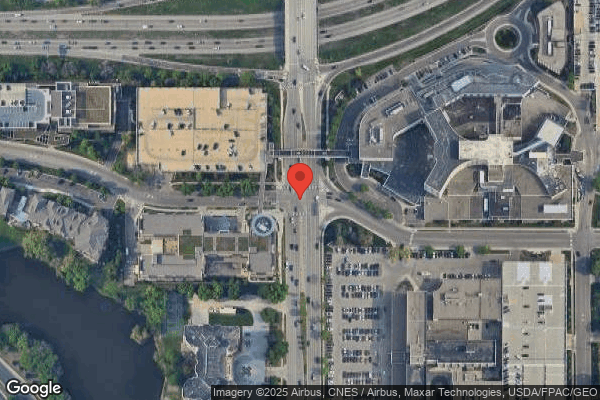

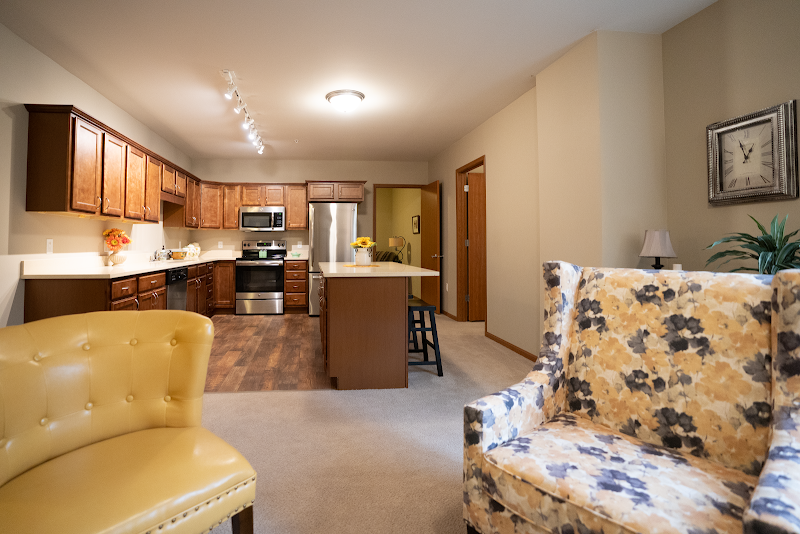


Aurora On France

6500 FRANCE AVENUE, EDINA, MN 55435 (952) 848-8865
Non profit - Corporation 65 Beds EBENEZER SENIOR LIVING Data: November 2025
Trust Grade
80/100
#92 of 337 in MN
Last Inspection: May 2025

Inspected within the last 6 months. Data reflects current conditions.

Overview

Aurora On France in Edina, Minnesota, has a Trust Grade of B+, which means it is recommended and above average compared to other facilities. It ranks #92 out of 337 in Minnesota, placing it in the top half of the state, and #15 out of 53 in Hennepin County, indicating only 14 local facilities perform better. The facility is improving, with issues decreasing from 10 in 2024 to 4 in 2025. Staffing is a strong point, rated 5 out of 5 stars with a low turnover rate of 24%, significantly below the state average. However, there are areas of concern, including 19 identified issues related to food storage and dish sanitation, which could pose risks to residents. Specific incidents included improper food storage practices and failure to sanitize dishware adequately, which could lead to foodborne illnesses. Additionally, there were lapses in infection control practices, such as improper hand washing and PPE usage, highlighting weaknesses in adherence to safety protocols. Overall, while Aurora On France has notable strengths in staffing and is on an upward trend, families should be aware of the current deficiencies in food safety and infection control.

Trust Score
B+
80/100
In Minnesota
#92/337
Top 27%
Safety Record
Low Risk
No red flags
Inspections
Getting Better
10 → 4 violations
Staff Stability
✓ Good
24% annual turnover. Excellent stability, 24 points below Minnesota's 48% average. Staff who stay learn residents' needs.
Penalties
✓ Good
No fines on record. Clean compliance history, better than most Minnesota facilities.
Skilled Nurses
✓ Good
Each resident gets 163 minutes of Registered Nurse (RN) attention daily — more than 97% of Minnesota nursing homes. RNs are the most trained staff who catch health problems before they become serious.
Violations
⚠ Watch
19 deficiencies on record. Higher than average. Multiple issues found across inspections.
★★★★☆
4.0
Overall Rating
★★★★★
5.0
Staff Levels
★★★☆☆
3.0
Care Quality
★★★☆☆
3.0
Inspection Score
Stable
2024: 10 issues
2025: 4 issues

The Good

  • 5-Star Staffing Rating · Excellent nurse staffing levels
  • Low Staff Turnover (24%) · Staff stability means consistent care
  • Full Sprinkler Coverage · Fire safety systems throughout facility
  • No fines on record
  • Staff turnover is low (24%)

    24 points below Minnesota average of 48%

Facility shows strength in staffing levels, staff retention, fire safety.

The Bad

Chain: EBENEZER SENIOR LIVING

Part of a multi-facility chain

Ask about local staffing decisions and management

The Ugly 19 deficiencies on record

May 2025 4 deficiencies
CONCERN (D)

Potential for Harm - no one hurt, but risky conditions existed

Resident Rights (Tag F0550)

Could have caused harm · This affected 1 resident

**NOTE- TERMS IN BRACKETS HAVE BEEN EDITED TO PROTECT CONFIDENTIALITY** Based on interview, observation, and document review, the facility failed to ensure care was provided to preserve dignity for 2 ...

Read full inspector narrative →
**NOTE- TERMS IN BRACKETS HAVE BEEN EDITED TO PROTECT CONFIDENTIALITY** Based on interview, observation, and document review, the facility failed to ensure care was provided to preserve dignity for 2 of 2 residents (R20, R307) who were reviewed for dignity. Findings include: R20: R20's quarterly Minimum Data Set (MDS) dated [DATE], indicated R20 was moderately cognitively impaired with the diagnoses of hyperlipidemia, asthma, depression, anxiety, and diabetes. R20's care plan last revised 5/21/25, indicated R20 required an assist of one personal hygiene. The care plan also indicated R20 had impaired vision and instructed staff to make sure R20's glasses were clean and to remind R20 to wear their glasses. During an observation on 5/20/25 at 9:10 a.m., R20 was noted to have several long hairs on their chin. R20 stated they had not noticed they had chin hairs, and stated if they had known they would want the hairs pulled out. R20 stated staff had not asked if the chin hairs bothered them or offered to assist with removing them. During an observation at 5/21/25 on 9:28 a.m., R20 was noted to have several visible chin hairs. During an interview on 5/21/25 at 2:24 p.m., NA-D stated they would not ask a female resident if they wanted their chin hairs removed. Plucking chin hair was not something they did for residents. During an interview on 5/22/25 at 10:40 a.m., NA-E stated they had not had a situation where they identified a female resident with chin hairs, and didn't think offering to pluck chin hairs was something they would do. During an interview on 5/22/25 at 10:42 a.m., NA-F stated it was a personal thing, some women were embarrassed by chin hairs. If they saw a resident with chin hairs, they would ask the resident if they wanted the hairs plucked. During an interview on 5/22/25 at 11:46 a.m., RN-D stated they would expect their staff would offer to take care of chin hair if they noticed a resident had chin hairs growing. It can be embarrassing for some women to have long facial hairs and not know it. Staff should offer to assist residents with chin hairs removal. During an interview on 5/22/25 at 12:31 p.m., the director of nursing (DON) stated dignity is important, and having unwanted facial hair can be a dignity issue for some residents. To be sensitive to all, we have discussed reviewing and putting facial hair preferences on the care plan at the time residents are admitted to the facility. R307: R307's admission Minimum Data Assessment (MDS), dated [DATE], indicated R307 had intact cognition, diagnosis for fractures, and needed partial to moderate assistance with personal hygiene. Further, the MDS indicated R307 rated the highest importance to clothing choices, bathing preferences and personal belongings. R307's care plan, dated 5/6/2025, indicated personal preferences for facial hair to be removed to maintain dignity. R307 needed assist of one with bathing, transfers, dressing, and personal hygiene. During an observation and interview on 5/19/25 at 4:19 p.m., R307 had white facial hair covering the entire chin area approximately ¼ inch long. In addition, the area under the nose and above the lip were covered with white hairs approximately ¼ long. R307 stated after a fall at home an ambulance transported her to the hospital, she caught a glimpse facial hair in the mirror and felt embarrassed, would not leave home with facial hair, and stated clearly that facial hair bothered her. During an observation on 5/20/25 at 3:41 p.m., facial hair was still present on R307. During an interview on 5/21/25 at 9:40 a.m., R307 stated facial hair bothers me and asked if it could be seen. If I was at home I would pluck them, I have some tweezers at home. There are a lot of things I don't have here. During an interview on 5/21/25 at 11:55 p.m., registered nurse (RN)-A was unaware of R307's facial hair and would take care of it. During an interview on 5/21/25 at 11:55 a.m., the director of nursing (DON) stated the facility needs to find a way to address this topic during admission concern over asking female residents about facial hair. The DON was unaware of R307's concerns of facial hair and how it made her feel and suggested possibly getting an electric razor. During an interview on 5/22/25 at 12:15 p.m., the DON stated staff assisted R307 with a disposable razor, R307 told her she had never been shaved before, but it made her feel better. Facility policy, Dignity dated 3/25, identified residents groomed as they wish. Facility policy, AM Cares dated 4/25, identified shaving women and men's facial hair.
CONCERN (D)

Potential for Harm - no one hurt, but risky conditions existed

Quality of Care (Tag F0684)

Could have caused harm · This affected 1 resident

**NOTE- TERMS IN BRACKETS HAVE BEEN EDITED TO PROTECT CONFIDENTIALITY** Based on observation, interview, and document review, the facility failed to implement new orders for 1 of 1 resident (R26) with...

Read full inspector narrative →
**NOTE- TERMS IN BRACKETS HAVE BEEN EDITED TO PROTECT CONFIDENTIALITY** Based on observation, interview, and document review, the facility failed to implement new orders for 1 of 1 resident (R26) with fluid retention and failed to recognize hypertensive blood pressure readings and follow provider orders for as-needed (PRN) blood pressure medication for 1 of 1 resident (R307) reviewed with hypertension. Findings Include: R26: R26's admission MDS (Minimum Data Assessment) dated 5/12/25, indicated R26 was cognitively intact and had diagnoses of cardiorespiratory (heart & lung) conditions, coronary artery disease, heart failure, hypertension, diabetes mellitus, and respiratory failure. R26's care plan dated 5/16/25, indicated diuretic therapy, congestive heart failure intervention such as assessments, monitored labs, documented weights, recorded fluid amounts, and administered cardiac medications. R26's provider orders identified the following: -5/7/25 give furosemide (a medication used to rid the body of excess fluid) 80 milligrams (mg) in the morning, and 40 mg later in the day for heart failure. The order was discontinued on 5/19/25. -5/15/25 a faxed medication order indicated to increase furosemide to 80 mg twice a day (8 a.m. and 4 p.m.). Hold for dizziness/lightheadedness or diarrhea and give furosemide 40 mg instead. R26's medication administration record (MAR) for May 2025, indicated furosemide 80 mg was given in the morning, and furosemide 40 mg was given at 12 p.m. from the 15th through the 18th. Progress notes for R26 identified the following: -5/15/25 at 10:02 a.m., indicated the provider was made aware of R26's weight gain and would start R26 on 80 mg of furosemide twice a day (BID). -5/21/25 at 4:45 a.m., indicated R26 complained of chest pain and was transported by emergency medical services (EMS) to the hospital. Facility-provided emails dated 5/15/25, identified medical doctor (MD)-A and registered nurse (RN)-A discussed new order for R26. A follow-up email was sent on 5/19/25 at 11:39 a.m., RN-A stated the order sent over on 5/15/25 was missed. During an interview on 5/19/25 at 5:37 p.m., family member (FM)-A stated the provider increased an order for furosemide last week, the order was sent to RN-A, and labs would be checked on Monday, 5/19/25. FM-A stated after the care conference on 5/19/25, MD-A called FM-A back and explained the facility staff didn't enter the new orders for furosemide from last week. During an interview on 5/21/25 at 1:11 p.m., RN-A stated the provider would either give a verbal order or send an email because providers at the hospital use a different computer system. The facility nurses would then enter the order into the electronic medical record (EMR). The main source of communication was through email or verbal communication. The faxed orders went into the resident's paper chart. RN-A confirmed a fax was received on 5/15/25 for R26 to increase the dose of furosemide to 80 mg twice a day and to hold for dizziness, light headiness, or diarrhea and to give furosemide 40 mg instead. During an interview on 5/21/25 at 1:21 p.m., the director of nursing (DON) verified there was no order in R26's EMR updating the furosemide order of 5/15/25. At 3:43 p.m., the DON confirmed the facility did not follow up with the provider on Friday, 5/16/25, for clarification of the medication order received on 5/15/25. During an interview on 5/21/25 at 6:31 p.m., MD-A stated she saw R26 on 5/15/25, and wrote and faxed a new order for furosemide to be increased to 80 mg twice a day. MD-A stated they didn't hear anything back after the original email was sent, so on Monday 5/19/25, after reviewing R26's chart, she emailed RN-A and increased the furosemide orders. MD-A confirmed RN-A didn't attempt to clarify the medication orders on Friday, 5/16/25 or at any time over the weekend. MD-A stated the facility could contact her directly by phone or contact triage regarding order clarification. MD-A stated the furosemide order did delay R26's progress but didn't directly cause harm. MD-A stated the facility had notified her R26 was sent to the hospital with chest pain this morning, and didn't believe the missed medication order and the chest pain were related. A facility policy, Order Transcription dated 10/24, identified verification and communication of orders/transcription and verification: HUC/nurse reviews chart after provider visit to check for any new orders. Orders must be transcribed into the EHR. A second licensed staff member must confirm the order placed in the EHR. Double verification by another nurse is required for medications or critical treatments. Order is faxed to the pharmacy. Schedule labs or special supplies as needed. Staff uploads any paper copies of order(s) into EHR. Examples: telephone orders, physician written order(s), referral forms, etc. Communication to the care team. R307: R307's admission MDS dated [DATE], identified intact cognition and diagnoses of renal insufficiency and hypertension. R307's MDS also indicated a fall prior to admission that resulted in a fracture. R307's care plan dated 5/7/25, identified a problem statement for hypertension and included interventions to administer anti-hypertensive medications, monitor blood pressure readings and any side effects and report these to the provider. R307's medication order dated 5/9/25, identified hydralazine hydrochloride (HCL) oral tablet 25 mg with directions to give as needed for hypertension three times a day as need for blood pressures with the top number (systolic) above 160 and the bottom number (diastolic) over 110. R307's MAR dated May 2025, identified hydralazine HCL 25 mg tablet had never been administered. From 5/9/25 through 5/19/25, R307's blood pressure summary report indicated 10 incidents where the blood pressure readings met criteria to report to the provider and to administer hydralazine HCL 25 mg. R307's progress notes for May 2025 failed to document provider notification of elevated blood pressures or that anti-hypertensive medications were given. During interview on 5/21/25 at 9:47 a.m., RN-C stated the process for an abnormal blood pressure would be to first check if there was a PRN medication for pain and elevated blood pressures, for example hydralazine. Then her skill set would be used through assessment and reviewed vital signs to determine interventions. The EMR would be reviewed, PRNs could be given, the provider and the nurse manager would be notified and then reassess the patient. During an interview on 5/21/25 at 11:21 a.m., RN-B stated the nurses completed vital signs for their own residents, and if an abnormal vital sign was received, they would use their assessment skills, check the PRN medications, notify the provider and the nurse manager by phone or email. RN-B stated most residents with blood pressure management have PRN orders for hydralazine, it was a very common medication given in the facility. RN-B added once the resident was treated and the plan was completed, a progress note was placed in the residents' chart showing the nurses had followed up on the order with either medication or a different plan the provider wanted to follow. RN-B confirmed nursing assistants didn't check vital signs in this facility, so if there was an elevated blood pressure that was not reported to a provider or medication was not given, then a nurse didn't use their assessment skills. RN-B stated the importance of giving anti-hypertensive medications was elevated blood pressures could result in stroke. During an interview on 5/21/25 at 2:55 p.m., the DON confirmed the completed neurological sheet completed on 5/19/25 documenting the elevated blood pressures after R307's fall. The DON confirmed the elevated blood pressures should have been documented into the EMR, but confirmed the provider was notified of the fall. The DON stated the RNs involved with caring for R307 at the time of the fall felt the blood pressure and the fall could have been related because medication was not given to reduce the blood pressure. The nurse continued to monitor the blood pressures as they decreased and never administered any medications. The provider agreed with this plan and the details of this conversation were documented. The DON confirmed it would be a medication error for missed doses every time R307 had an elevated blood pressure and there was no provider notification or no anti-hypertensive medication administered. Further, the DON stated her expectation would be if a nurse received an abnormal vital sign, they would notify the provider, provide interventions, and check the PRN orders. During an interview on 5/21/25 at 6:56 p.m., MD-A stated she was notified R307 had a fall on 5/19/25, but staff failed to clarify R307's blood pressure was elevated prior to the fall and was unaware of any other instances of elevated blood pressures prior to 5/19/25 when MD-A assumed R307's care. MD-A confirmed elevated blood pressures could cause headaches, stroke, chest pain, congestive heart failure, but didn't feel the elevated blood pressure and the fall were related in this scenario. Facility policy, Change of Condition/Notification dated 3/25, identified attending physicians/nurse practitioner were to be contacted of all health status changes immediately. Facility policy, Medication Administration dated 3/10/23, identified medications were administered as prescribed in accordance with good nursing principles and practices.
CONCERN (E)

Potential for Harm - no one hurt, but risky conditions existed

Infection Control (Tag F0880)

Could have caused harm · This affected multiple residents

**NOTE- TERMS IN BRACKETS HAVE BEEN EDITED TO PROTECT CONFIDENTIALITY** Based on observation and interview, the facility failed to ensure staff adhered to infection control standards including the use...

Read full inspector narrative →
**NOTE- TERMS IN BRACKETS HAVE BEEN EDITED TO PROTECT CONFIDENTIALITY** Based on observation and interview, the facility failed to ensure staff adhered to infection control standards including the use of personal protective equipment (PPE) in enhanced barrier precaution (EBP) and contact precaution rooms, as well as failing to properly perform hand washing and gloving for 3 of 3 residents (R208, R23, R259) reviewed for infection prevention and control. Findings include: R208: R208's admission Minimum Data Set (MDS) dated [DATE], identified intact cognition and diagnoses including non-pressure chronic ulcer of other part of the right foot with necrosis of muscle, gangrene, cellulitis of right lower limb, osteomyelitis, diabetes mellitus, peripheral vascular disease (PVD), chronic kidney disease. The MDS indicated R208 needed moderate assistance of one person for transfers, was taking antibiotics, and had been participating in occupational and physical therapy. R208's provider order dated 5/9/25 included an order for wound care to her right foot. And on 5/6/25, an order for physical and occupational therapy to evaluate and treat as clinically indicated due to an infection on the right foot. R208's care plan dated 5/7/25, identified a problem statement for EBP indefinitely due to right heel diabetic ulcer chronic wound. Interventions included required personal protective equipment (PPE) of gloves and gown prior to the high-contact care activity. High contact care activities included, but were not limited to, dressing, grooming, bathing, transferring, personal hygiene, changing linens, changing briefs or and assisting with toileting. During an observation on 5/20/25 from about 2:30 p.m., to 3:20 p.m. therapy assistant (TA)-E made a few trips from R208's room, with gloves on, down the hall away from R208's room, and then walk back to her room with different items including some free weights, and still wearing gloves. From the hallway, TA-E was observed in the doorway of R208's bathroom, back and forth to her bedroom area, and then transferring R208 out of the bathroom and to her room. TA-E was wearing gloves during these contacts but was not wearing a gown. During an interview on 5/20/25 at 3:28 p.m., TA-E stated he had infection prevention training, through online orientation. TA-E explained he looked at the signs outside the doors to know what kind of precautions were in place, and stated EBP was an infection control measure to keep things from spreading from one person to another. TA-E stated PPE for EBP should be used any time he was touching the person, for activities of daily living, (ADLs), transfers, or bed mobility. TA-E confirmed he was working with R208 today and had transferred her, including in the bathroom after she had gone to the bathroom, and helped her to brush her teeth. TA-E acknowledged he shouldn't be wearing gloves in the hallway unless he was cleaning something up. R23: R23's admission MDS dated [DATE], indicated resident was cognitively intact with diagnoses that included recurrent enterocolitis due to Clostridium difficile (bacterial infection that can cause diarrhea), thrombocytopenia (low blood platelet count), sleep apnea, history of falling, and malaise. R23 required a moderate level of assistance for ADLs and was frequently incontinent of bowels. During observation on 5/19/25 at 2:39 p.m., physical therapy aide (PTA)-A entered R23's room. PTA-A was wearing gloves but was not wearing a personal protective gown. PTA-A adjusted R23's shirt collar and left the room. Signs posted in the hallway outside R23's room indicated resident was on contact precautions. Also observed outside resident room was a small cart containing yellow personal protective gowns, bleach based cleaning wipes, and alcohol based hand sanitizer. During interview on 5/19/25 at 2:40 p.m., PTA-A stated being aware of contact precautions for R23. PTA-A explained being in a hurry and was helping a coworker before the end of the shift. PTA-A did not complete hand washing after leaving R23's room. During observation on 5/19/25 at 2:53 p.m., nursing assistant (NA)-B in R23's room taking resident's breakfast order for 5/20/25. NA-B observed not wearing PPE while in R23's room. NA-B did not complete hand washing after leaving resident's room. During observation on 5/20/25 at 9:19 a.m., NA-A entered R23's room carrying tablet computer. NA-A did not put on any PPE before entering R23's room. NA-A exited resident room and did not do hand hygiene before walking away. During interview on 5/20/25 at 9:20 a.m., NA-A stated R23 was on contact precautions due to having C. diff (Clostridium difficile). NA-A explained going into resident room without personal protective equipment was okay since she did not touch the resident. NA-A did not complete hand washing after leaving R23's room. R259: R259's diagnoses list included aftercare following a joint replacement surgery, right artificial knee, heart failure, hypertension, hyperlipidemia, type 2 diabetes, asthma, obstructive sleep apnea, depression, anxiety, and insomnia. During observation on 5/20/25 at 10:06 a.m., signs indicating R259 was on EBP displayed on resident's door observed. NA-C put on gloves and entered R259's room. NA-C changed R259's brief, completed perineal care, and helped resident wash his face and hair. During interview after NA-C left R259's room, NA-C stated not knowing why resident was on EBP. NA-C acknowledged understanding EBP and the need to wear gown and gloves for certain cares. NA-C confirmed wearing gloves and no gown during cares. NA-C further stated he should have worn a gown while giving cares. During an interview on 5/22/25 at 12:39 p.m., the director of nursing (DON) stated she would not expect staff to wear gloves in the hallway unless they were using a hazardous product to clean something. The DON stated this situation was not acceptable, and she also expects staff to wear PPE when precautions are posted. The DON added they have done education to employees on-the-spot regarding precaution types and gloves in the hall. A policy, Hand Hygiene/Glove Use dated 11/8/24, identified: 1. Hand hygiene could be performed with soap and water or alcohol-based hand rub. When hands were not visibly dirty, AHBR would be the preferred method for hand hygiene in the healthcare setting. The policy gave guidelines when soap and water would be used. 2. Steps for glove use: 3. Don gloves before touching non-intact skin, open wounds or mucus membranes. 4. Change gloves during patient care if the hands will move from a contaminated body site to a clean body site. 5. Perform hand hygiene after doffing gloves and donning a new pair. 6. Remove gloves after contact with a patient and/or the surrounding environment using proper technique to prevent hand contamination. 7. Perform hand hygiene after removing gloves. 8. Do not wear the same pair of gloves for the care of more than one patient. 9. Do not double glove. 10. Do not reuse gloves. 11. Do not wear gloves in the hallway. A policy, Enhanced Barrier Precautions (EBP) dated 1/22/25, identified its purpose was to reduce the risk of infectious agent transmission in healthcare settings. EBP, including gowns and gloves, would be used for chronic wounds, including pressure ulcers, diabetic foot ulcers, unhealed surgical wounds, venous stasis ulcers, indwelling medical devices (catheters, tubes, lines, ostomies). To be used when providing high contact resident care such as dressing, bathing, transferring, changing linens, changing briefs, assisting to the toilet, device care or wound care. A policy, Transmission/Isolation Precautions dated 1/1/25, identified transmission-based precautions were actions implemented in addition to standard precautions based on the means of transmission. Contact precautions included gown (impermeable to fluid) gloves, and face mask or shield if splashing was likely. These precautions would be used for things such as clostridium difficile. After performing hand hygiene don gown and gloves prior to entering the room. Remove PPE and dispose of in the appropriate container before leaving the resident room. Perform hand hygiene.
CONCERN (F)

Potential for Harm - no one hurt, but risky conditions existed

Food Safety (Tag F0812)

Could have caused harm · This affected most or all residents

Based on observation, interview, and record review, the facility failed to ensure food was properly stored in refrigeration units. In addition the facility failed to ensure dishes were properly air dr...

Read full inspector narrative →
Based on observation, interview, and record review, the facility failed to ensure food was properly stored in refrigeration units. In addition the facility failed to ensure dishes were properly air dried prior to stacking for storage. These deficient practices had the potential to impact all residents who consumed facility prepared food. Findings include: During a kitchen tour on 5/19/25 at 2:27 p.m., led by the culinary manager (CM) the following were noted: ---The bottom 3 racks on the right of the walk-in freezer were less than 6 inches from the floor of the freezer and held food. The middle rack bottom shelf touched the floor. There was a prep pan of raw whole turkeys on it. The prep pan had a brownish red substance on the bottom of the pan. ---The first-floor fridge had a stack of boxes sitting directly on the fridge floor. The CM stated they had just got a shipment, and the boxes were still being put away. ---On the clean side of dish room there were 18 stacks of plastic glasses that had visible moisture between and in the glasses. The CM stated the glasses had been stacked wet instead of being completely air dried before they were stacked. ---The first-floor food prep area contained several shelves of food storage containers and metal prep table pans. There were multiple stacked 8-quart, 4-quart, and 2-quart food storage containers that appeared to be wet with visible moisture between items. The DM confirmed there was visible moisture inside the storage containers and stated they should not have been stacked until they were completely dry. During an interview on 5/19/25 at 2:46 p.m., dietary aide (DA-A) stated they had stacked the glasses after they came out of the dishwasher to air dry. The CM instructed DA-A not to stack the glasses until they were completely dry. The CM stated letting the glasses air dry was important for infection prevention reasons. During an observation of the walk-in freezer on the first floor on 5/21/25 at 8:34 a.m., it was noted the bottom food shelves on the 3 storage racks on the right of the freezer were about an inch off the floor, with the second rack's bottom shelf touching the floor on two corners. Two of the bottom shelves contained food. During an interview on 5/21/25 at 8:43 a.m., the CM confirmed three of the rack's shelves in the walk-in freezer were not greater than 6 inches from the bottom of the freezer floor. The DM indicated the racks should not be that close to the floor. The boxes of chicken should not be on the floor of the freezer, they should have been put on a shelf. Ideally when food is delivered it should be put on the shelf by the person that received it. The DM stated pans that held food should be clean and indicated pans in the freezer would be replaced with clean ones. During an observation on 5/21/25 at 8:55 a.m., the in the second-floor dish area there were stack of glasses with visible moisture on both the inside and outside surface areas. In addition, there were cold and hot food storage containers stacked with visible moisture on them. The CM confirmed the glasses and food containers were stacked and wet. The CM stated this was not acceptable, the items needed to air dry before they were stacked for infection control reasons. During a follow-up on 5/21/25 at 9:14 a.m., the CM stated the chicken stacked in the freezer had been there since last evening when it was delivered. The food on the lower shelves in the freezer had all been moved to higher shelves. The facility policy Food Storage dated 2/2024, directed food should be stored at a minimum of six inches off of the floor. The facility policy Cleaning Dishes dated 7/2022, directed dishes should be air dried on racks and should not stacked until they were completely dry.
Sept 2024 2 deficiencies
CONCERN (D) 📢 Someone Reported This

A family member, employee, or ombudsman was alarmed enough to file a formal complaint

Potential for Harm - no one hurt, but risky conditions existed

Report Alleged Abuse (Tag F0609)

Could have caused harm · This affected 1 resident

**NOTE- TERMS IN BRACKETS HAVE BEEN EDITED TO PROTECT CONFIDENTIALITY** Based on interview and document review, the facility failed to report immediately, no later than 2 hours, to the State Agency (S...

Read full inspector narrative →
**NOTE- TERMS IN BRACKETS HAVE BEEN EDITED TO PROTECT CONFIDENTIALITY** Based on interview and document review, the facility failed to report immediately, no later than 2 hours, to the State Agency (SA), in accordance with established policies and procedures, an allegation of staff to resident abuse for 1 of 3 residents (R5) who were reviewed for allegations of abuse. Findings include: R5's admission Minimum Data Set (MDS) assessment dated [DATE], identified R5's cognitive status was unable to be determined and had diagnoses which included stroke, hypertension (elevated blood pressure), and aphasia (a language disorder that affects a person's ability to understand and communicate language.) Identified R5 required extensive assistance with activities of daily living (ADL's) which included bed mobility, transfers, and toileting. R5's care plan revised 9/16/24, identified R5 was at risk for vulnerability related to recent placement and R5 would remain free from any physical, mental and emotional harm. Care plan directed staff to cue and intervene as needed for safety. During an interview on 9/23/24 at 11:52 a.m., family member (FM)-A stated on 8/8/24, R5 called her and was very upset and crying. However, due to R5's aphasia, FM-A stated she was not able to understand R5 over the phone so she went to the facility the next morning to discuss with R5 in person. FM-A stated on 8/9/24, R5 informed her that a staff member made a gesture by putting their middle finger up and directed it at R5 during cares. FM-A stated R5 was visibly upset as they talked about it. During the interview, R5 put her middle finger up as an example of what had happened to her. FM-A stated both she and R5 felt that what the staff member did was an abusive gesture toward R5. FM-A stated she had notified the social worker (SW) on 8/9/24, regarding the allegation of abuse toward R5. Review of facility reported incidents to the SA lacked documentation of the SA being notified of the allegation of abuse toward R5. During an interview on 9/23/24 at 3:11 p.m., SW stated FM-A had informed her R5 reported a staff member put up their middle finger towards R5. SW stated she attempted to talk with R5 however, because of R5's aphasia, SW was not able to completely understand what R5 was attempting to say. SW reported the allegation of abuse to the director of nursing (DON). SW stated she did not feel the incident was reportable to the SA since SW had not heard the allegation of abuse directly from R5 therefore, the allegation of abuse was only FM-A's interpretation and may not have actually happened. During an interview on 9/24/24 at 8:50 a.m., DON stated he spoke with R5 on 8/9/24, after he was made aware R5 was upset. DON stated after talking with R5, he had assumed R5 was upset with the hospital she had been at prior to being admitted to the facility. DON verified the allegation of abuse had not been reported to the SA since he was not aware of the allegation of abuse. DON stated if he had been informed of the allegation of abuse, he felt that was a reportable event and his expectation would have been that it would have been reported immediately but no more than two hours after forming the suspicion of abuse. During an interview on 9/24/24 at 9:40 a.m., administrator stated on 8/9/24 , FM-A had called her and stated R5 was very upset and someone should check on R5. Administrator stated she had not been told why R5 was upset however, had told DON that R5 was upset and asked DON to go and visit with R5. Administrator stated at that time, DON had felt R5 was in her normal state. Administrator stated since DON had not determined any allegation of abuse had occurred after visiting with R5, she did not feel it was a reportable event. Administrator indicated if DON had determined there had been an allegation of abuse, it would have been a reportable event. Review of a facility policy titled Vulnerable Adult - Abuse Prohibition Plan (Preventing,Screening, Identifying, Preventing, Training, Protecting, Reporting and Response, Investigating, to Maltreatment, Accidents and Unusual Occurrences) revised 10/6/22, identified mandated reporters in skilled nursing facilities ensured that all alleged violations involving abuse, neglect, exploitation or mistreatment, including injuries of unknown source and misappropriation of resident property, were reported, and a report made immediately, but not later than 2 hours after the allegation made was identified. Policy defined verbal abuse as use of oral, written or gestured language which willfully included disparaging and derogatory terms to residents or their families, or within their hearing distance regardless to their age, ability to comprehend or disability. Speaking to the resident in a derogatory manner or using profanity against them.
CONCERN (D) 📢 Someone Reported This

A family member, employee, or ombudsman was alarmed enough to file a formal complaint

Potential for Harm - no one hurt, but risky conditions existed

Investigate Abuse (Tag F0610)

Could have caused harm · This affected 1 resident

**NOTE- TERMS IN BRACKETS HAVE BEEN EDITED TO PROTECT CONFIDENTIALITY** Based on interview and document review, the facility failed to complete an investigation and ensure protection for residents fol...

Read full inspector narrative →
**NOTE- TERMS IN BRACKETS HAVE BEEN EDITED TO PROTECT CONFIDENTIALITY** Based on interview and document review, the facility failed to complete an investigation and ensure protection for residents following an allegation of a staff to resident abuse for 1 of 3 residents (R5) investigated for abuse. Findings include: R5's admission Minimum Data Set (MDS) assessment dated [DATE], identified R5's cognitive status was unable to be determined and had diagnoses which included stroke, hypertension (elevated blood pressure), and aphasia (a language disorder that affects a person's ability to understand and communicate language.) Identified R5 required extensive assistance with activities of daily living (ADL's) which included bed mobility, transfers, and toileting. R5's care plan revised 9/16/24, identified R5 was at risk for vulnerability related to recent placement and R5 would remain free from any physical, mental and emotional harm. Care plan directed staff to cue and intervene as needed for safety. During an interview on 9/23/24 at 11:52 a.m., family member (FM)-A stated on 8/8/24, R5 called her and was very upset and crying. However, due to R5's aphasia, FM-A stated she was not able to understand R5 over the phone so she went to the facility the next morning to discuss with R5 in person. FM-A stated on 8/9/24, R5 informed her a staff member made a gesture by putting their middle finger up and directed it at R5 during cares. FM-A stated R5 was visibly upset as they talked about it. During the interview, R5 put her middle finger up to show what happened to her. FM-A stated both she and R5 felt that what the staff member did was an abusive gesture toward R5. FM-A stated she had contacted the social worker (SW) on 8/9/24, and reported the allegation of abuse toward R5. Review of facility reported incidents to the SA lacked documentation of an investigation report being submitted to the SA. During an interview on 9/23/24 at 3:11 p.m., SW stated FM-A had informed her R5 reported a staff member had made a gesture towards her with her middle finger. SW stated she attempted to discuss with R5 and because of R5's aphasia, SW was not able to understand what R5 was trying to say. SW reported the allegation of abuse to the director of nursing (DON). SW stated she had not completed any further investigation regarding the allegation of abuse since she was unable to determine if the abuse had actually occurred. During an interview on 9/24/24 at 8:50 a.m., DON stated he was made aware that R5 had been upset and talked with R5 on 8/9/24,,about it. DON stated after talking to R5, he had assumed R5 was upset with the hospital she had been at prior to being admitted to the facility. DON stated he was not aware of the allegation of abuse and as a result an investigation of the allegation had not been completed. DON verified the unidentified alleged perpetrator (AP) would have had continued access to R5 and other vulnerable residents as a result of not completing an investigation. DON stated if he had known about the allegation of abuse, an investigation would have been completed and the AP would have been removed from the schedule during the investigation. During an interview on 9/24/24 at 9:40 a.m., administrator verified no investigation had been completed regarding the allegation of abuse of a staff member towards R5. As a result, the unidentified AP would have had continued access to R5 and other vulnerable residents. Administrator stated had the allegation of abuse been verified, the facility would have immediately initiated an investigation and removed any AP's from the schedule pending the investigation. Review of a facility policy titled Vulnerable Adult - Abuse Prohibition Plan (Preventing,Screening, Identifying, Preventing, Training, Protecting, Reporting and Response, Investigating, to Maltreatment, Accidents and Unusual Occurrences) revised 10/6/22, identified during the shift that the alleged abuse/neglect, unexplained injury or suspected crime was first observed, a mandated reporter/covered individual would immediately make an initial report to their supervisor, after securing the resident's safety. Steps would be taken to ensure that no resident in the facility remained in danger of maltreatment, including medical intervention if needed. Further identified immediate steps were taken to protect the vulnerable adult from harm while the situation was being investigated and the original reporter was assured that retaliation was not tolerated. Upon report to a supervisor of the suspected abuse, the employee in question would be interviewed, and suspended pending investigation. This was for the protection of the resident.
Jun 2024 8 deficiencies
CONCERN (D) 📢 Someone Reported This

A family member, employee, or ombudsman was alarmed enough to file a formal complaint

Potential for Harm - no one hurt, but risky conditions existed

Comprehensive Care Plan (Tag F0656)

Could have caused harm · This affected 1 resident

**NOTE- TERMS IN BRACKETS HAVE BEEN EDITED TO PROTECT CONFIDENTIALITY** R4's admission Minimum Data Set (MDS) dated [DATE], indicated R4 admitted to the facility on [DATE], had intact cognition, did n...

Read full inspector narrative →
**NOTE- TERMS IN BRACKETS HAVE BEEN EDITED TO PROTECT CONFIDENTIALITY** R4's admission Minimum Data Set (MDS) dated [DATE], indicated R4 admitted to the facility on [DATE], had intact cognition, did not have behaviors, did not reject care, had depression, and took an antidepressant 7 out of 7 days. R4's Care Area Assessment (CAA) dated 5/20/24, indicated R4 had depression and took fluoxetine 40 mg every day and had an order for trazodone for insomnia and had not used the medication. Further, the CAA indicated, adverse consequences of antidepressants exhibited by R4 included an increased risk for falling and depression. R4's care plan dated 5/23/24, indicated R4 would remain free of signs and symptoms of distress, symptoms of depression, anxiety or sad mood through the review date and interventions indicated to monitor, document, and report as needed any risk for harm to self, suicidal plan, past attempt at suicide, risky actions (stockpiling pills, saying goodbye to family, giving away possessions or writing a note), intentionally harmed or tried to harm self, refusing to eat or drink, refusing med or therapies, sense of hopelessness or helplessness, impaired judgment or safety awareness. The care plan lacked interventions for monitoring for side effects. R4's Physician's Orders form indicated the following orders: • 5/14/24, trazodone HCl Oral Tablet (trazodone HCl) Give 50 milligrams (mg) by mouth as needed for Sleep. • 5/14/24, fluoxetine HCl Oral Capsule 40 MG (Fluoxetine HCl) Give 40 mg orally one time a day for depression. The Physician's Orders form was reviewed and lacked any monitoring for side effects. R4's Consultant Pharmacist's Medication Regimen Review form dated 5/21/24, indicated to update the care plan and [NAME] to include behavior, intervention and side effect monitoring for continued fluoxetine, trazodone, and atarax as needed use. During interview on 6/20/24 at 10:39 a.m., the pharmacist consultant (PC)-D stated she completed a medication review on 5/21/24 and recommended indications for medications along with updating the care plan to include behavior monitoring, non pharmacological interventions, and side effect monitoring for psychotropic medications. PC-D stated she expected staff should have already address the care plan interventions by now. During interview on 6/20/24 at 1:41 p.m., the director of nursing stated each area nurse manager printed off recommendations and gave them to the nurse practitioner and stated since the facility was a transitional care unit (TCU), they try to turn around the recommendations quickly and expected the nurse's to follow up within 5 business days. DON further stated R4 had a depression care plan to monitor for harm but stated R4 did not have anything regarding nonpharmacologic interventions and side effect monitoring for the psychotropics and stated it should be in the care plan but did not see anything in R4's care plan. Based on interview and document review the facility failed to ensure comprehensive care plans were developed for montioring side effects in 2 of 5 residents (R4, R147) reviewed for antipsychotic drug use. Findings include: R147 had a diagnosis of dementia unspecified severity without behavioral disturbance, psychotic disturbance, mood disturbance, and anxiety. R147's physician's orders dated 6/12/24, indicated quetiapine fumarate (Seroquel) oral tablet 25 milligrams (mg). Give 12.5 mg by mouth as needed for anxiety twice a day. R127's care plan lacked any indication of side effect montioring for antipsychotic medications. During interview on 6/20/24 at 9:50 a.m., the director of nursing stated residents who were taking an antipsychotic medication should also be monitored for side effects (on the care plan). During interview on 6/20/24 at 10:57 a.m. the Pharmacist stated she had made a recommendation on 6/18/24 to monitor for side effects, add non pharmacological interventions for psychotropics and monthly orthostatic blood pressure for R147 since she was taking an antipsychotic medication. The pharmacist also stated these recommendations should have been started at the time the antipsychotic was prescribed and while developing the care plan
CONCERN (D)

Potential for Harm - no one hurt, but risky conditions existed

Pressure Ulcer Prevention (Tag F0686)

Could have caused harm · This affected 1 resident

**NOTE- TERMS IN BRACKETS HAVE BEEN EDITED TO PROTECT CONFIDENTIALITY** Based on observation, interview, and document review the facility failed to develop and implement interventions to prevent press...

Read full inspector narrative →
**NOTE- TERMS IN BRACKETS HAVE BEEN EDITED TO PROTECT CONFIDENTIALITY** Based on observation, interview, and document review the facility failed to develop and implement interventions to prevent pressure ulcers. The facility further failed to ensure residents with current pressure ulcers were turned and repositioned timely for 1 of 2 residents (R13) reviewed for pressure ulcers. Findings include: R13's admission Minimum Data Set (MDS) dated [DATE], indicated moderately impaired cognition and a diagnoses of hemiplegia and hemiparesis following unspecified cerebrovascular disease affecting right dominant side, chronic pain, and polyneuropathy. It further indicated R13 had impairment on both sides of upper and lower extremities, required substantial/maximal assistance with bed mobility, and was at risk for and had (1) unstageable facility acquired (not present on admission) deep tissue injury. R13's care area assessment (CAA) for skin was triggered and indicated the following: -at risk for skin breakdown due to decreased mobility, decreased range of motion (ROM) to upper/lower extremities, residual right hemiparesis, bowel incontinence, use of Foley catheter, and use of Apixaban 5 milligrams (mg) twice a day which may cause easy bruising. -admitted with a PICC line in his right upper arm with catheter checked for length, peripherally inserted central catheter (PICC) line dressing change per order. -deep tissue injury (DTI) to his right heel. Orders for heel protectors, barrier film twice a day with army battle dressing (ABD) and wrapped in Kerlix per order. He will be seen by wound physician's assistant on 6-6-2024. -requires assistance with bed mobility and transfers, using an alternating pressure mattress (APM) and needs assistance with turning/repositioning/offloading every 2 hours and as needed. -all catheter cares done by nursing, checked/changed and offered bedpan for bowel movements, assisted with pericare, incontinent pad change, and wears an incontinent pad for his comfort. -receiving physical and occupational therapy (PT/OT) and expected to improve in some of his activiites of daily living (ADL). -Braden score is 10 and again 15, at risk, weekly skin audits. R13's admission assessment dated [DATE] indicated, no skin issues. R13's physician's orders dated 6/8/24 indicated, reposition every 2 hours and as needed. R13's comprehensive skin assessment dated [DATE] indicated, a Braden score of 10, high risk, no pressure reducing device in bed/chair, risk factors-cognitively impaired, requires assistance with ADL's, bowel incontinence, no pedal pulses, no interventions. Patient is a two assist with all ADL's and is incontinent of bowel. Nursing staff will check on the patient every hour and offer assistance with all ADL's as needed. R13's care plan dated 5/26/24 indicated, R13 had an ADL self-care performance deficit related to physical deconditioning/acute cystitis with an intervention of asssistance of (2) staff for repositioning and turning in bed. R13's care plan dated 5/31/24, further indicated R13 had an actual impairment to skin integrity and potential for further impairment to skin with an intervention to turn and reposition every 2 hours in bed and/or chair. R13's progress note dated 5/29/2024, indicated pressure wound found on right heel today. See wound notes for measurements. New orders from physician's assistant which include heel protectors at all times, APM, barrier film x2 to area, allow to dry, cover with ABD and Kerlex twice daily. Message left to update son. During continuous observation and interview on 6/18/24 from 10:15 a.m. to 1:00 p.m. the following was observed/occurred: -10:15 a.m. occupational therapist (OT)-A was leaving R13's room and stated R13 required assistance to reposition and was unable to do so by himself due to severe back pain. OT-A further stated during therapy R13 had been repositioned. -10:18 a.m. R13 was laying in bed on his back with the head of bed (HOB) slightly elevated and a pillow between his right arm and the bed rail. -10:25 a.m. licensed practical nurse (LPN)-A enterd R13's room and asked what his pain level was. -10:35 a.m. LPN-A exited the room and stated while in the room, she had applied R13's pain patch to his neck, looked at/assessed his feet, fixed his watch so it wasn't pinching his skin, checked his PICC line dressing and assessed his pain level. LPN-A did not repostion R13. -10:40 a.m. speech therapist (SLP)-A entered the room -10:53 a.m. nursing assistant (NA)-A entered the room and asked R13 what he would like for lunch. -10:54 a.m. SLP-A exited the room and stated she was talking to him about the difficulty of eating certain foods and liquids. SLP-A also stated she didn't do any cares with R13. -10:55 a.m. NA-A exited room. -11:08 a.m. R13 was in the same position. -11:18 a.m. R13 put on the call light, NA-A entered room, asked How can I help you? and then stated Oh, you want some more water. -11:19 a.m. NA-A exited the room. -11:21 a.m. NA-A entered the room with a glass of water. -11:24 a.m. NA exited the room and stated she brought the resident some water and had to thicken it. R13 was in the same position. -11:54 a.m. R13 was in the same position. -12:04 p.m. NA-A entered room with R13's lunch tray, set it up for him, and exited at 12:05 p.m. -12:07 p.m. NA-A R13 was in the same position except the HOB was elevated to a sitting position. -12:17 p.m. same position, no staff have entered the room. -12:28 p.m. NA-A removed R13's meal tray from his room, R13 was in the same position. -12:50 p.m. R13 was in the same position, no staff have entered the room. -1:01 p.m. NA-A stated the last time R13 was repositioned was about an hour or two ago then she stated Well actually I put the head of his bead back down about a half hour ago and asked him if he was comfortable, but the last time I actually turned him on his side was about two hours ago. During interview on 6/20/24 at 11:26 a.m., NA-A stated the NA's complete rounds every 2 hours which included checking/changing briefs and re-positioning, also as needed. NA-A further stated if a resident refused to have their brief changed or to re-position they try to reapproach them later and if they still refuse, they should let the nurse know and document it. During a follow up interview on 6/20/24 at 1:01 p.m., NA-A stated the last time R13 was repositioned was about an hour or two ago then she stated Well actually I put the head of his bead back down about a half hour ago and asked him if he was comfortable, but the last time I actually turned him on his side was about two hours ago. During interview on 6/20/24 at 7:25 a.m. LPN-B stated nurses were responsible for completing skin assessments twice a week on bath days. If they observe a new skin concern they are required to fill out a skin check form, if there are no new skin concerns they can just check it off on the treatment administration record (TAR) that it was completed. When a resident was admitted to the facility the receiving nurse was responsible for documenting if a resident was at risk for or had any skin alterations and then the nurse manager was responsible for adding interventions. It was the nurse managers responsiblity to follow up and make sure it was care planned. LPN-B further stated NA's were responsible for completing rounds every 2-3 hours which included checking/changing briefs, repositioning, and seeing if the resident needed anything. Repositioning would be considered to be when a resident was laying on their back and then would be repositioned on their side or using pillows to relieve pressure on one area of the body. Raising/lowering the HOB by itself would not be considered repsotioning a resident. NA's should report refusals by resident to reposition and the nurses should document it. During interview on 6/20/24 at 7:38 a.m., NA-E stated NA's should complete rounds every 2-3 hours and included checking/changing brieds and repositioning. NA's generally reposition residents from side to side, or onto their back if they are on their side and raising/lowering the HOB would not be considered repositioning a resident. During interview on 6/20/24 at 8:20 a.m., the nurse manager registered nurse (RN)-A stated nurses and managers were expected to put in interventions on the admission assessment depending on what the receiving nurse triggered and she would expect skin interventions to be added right away upon admission, if the resident was at risk for skin breakdown. RN-A further stated re-positioning a resident would be considered side to side, onto their back, or raising the HOB and the feet, not just raising the HOB by itself. Also, asking a resident if they are comfortable dosen't mean they shouldn't be offered to be reprositioned. we want to prevent those skin breakdown. Usually in a TCU the residents need help to do those things and staff should encourage them. We want to prevent skin breakdown. RN-A also verified R13 didn't have any skin interventions added upon admission (before 5/29/24 when a pressure ulcer was noted on his heel). During interview 6/20/24 at 8:40 a.m., the director of nursing (DON) stated nurses were responsible for completing skin checks once a week on bath day and documenting it in the medical record. THe DON further stated interventions should be added right away on admission when a resident was at risk for skin breakdown. The DON would not consider raising/lowering the HOB of a resident to be repositioning. The facility's policy on the management of skin alterations dated 5/24/24, indicated on admission, readmission, quarterly, and significant change in condition, each resident will have a skin risk assessmentt and Braden assessment for determination of risk. Appropriate interventions will be implemented based on assessment and will be placed on resident care plan.
CONCERN (D)

Potential for Harm - no one hurt, but risky conditions existed

Incontinence Care (Tag F0690)

Could have caused harm · This affected 1 resident

**NOTE- TERMS IN BRACKETS HAVE BEEN EDITED TO PROTECT CONFIDENTIALITY** Based on observation, interview, and document review, the facility failed to ensure a Foley catheter was removed according to ph...

Read full inspector narrative →
**NOTE- TERMS IN BRACKETS HAVE BEEN EDITED TO PROTECT CONFIDENTIALITY** Based on observation, interview, and document review, the facility failed to ensure a Foley catheter was removed according to physician orders for 1 of 1 resident (R4) who was admitted to the facility with an indwelling Foley catheter. Findings include: R4's admission Minimum Data Set (MDS) dated [DATE], indicated intact cognition, was dependent on staff for toileting hygiene, toileting transfers, had an indwelling catheter. R4's Medical Diagnoses form indicated the following: unspecified fracture of the lower end of the left femur (thigh bone), periprosthetic fracture (fracture around a joint replacement prostheses) around unspecified internal prosthetic joint, and retention of urine. R4's hospital encounter summary dated 5/14/24, indicated R4 had postoperative urinary retention and a history of urinary incontinence and failed a voiding trial on 5/9/24, and a catheter was replaced on 5/10/24. Further, the hospital discharge orders indicated a trial of voiding at the transitional care unit (TCU) in 5 days, and if R4 failed, could consider a urology evaluation as an outpatient. R4's Care Area Assessment (CAA) dated 5/14/24, indicated R4 had a diagnosis of urinary retention and admitted with a Foley catheter and all catheter cares were by nursing. Additionally, the CAA indicated there was no order for a voiding trial and R4 was assisted with the bedpan for bowel movements upon request. R4's Physician Orders form indicated the following orders • 5/19/24, monitor/record/report to the medical doctor signs and symptoms of a urinary tract infection, pain, burning, blood tinged urine, cloudiness, no output, deepening of urine color, increased pulse, increased temperature, urinary frequency, foul smelling urine, fever, chills, altered mental status, change in behavior, change in eating patterns. Make sure output is recorded in point of care. • 5/19/24, catheter care every shift. Document on characteristics of urine and output, make sure the urine bag is hanging below the level of your waist and check for kinks. • 6/10/24, Change catheter and overnight bag every month and as needed unless otherwise directed. R4's Physician Orders form was reviewed and lacked the order for a trial of voiding at the transitional care unit (TCU) in 5 days and if R4 failed, can consider a urology evaluation as an outpatient. R4's medication administration record (MAR) and treatment administration record (TAR) was reviewed for May 2024, and June 2024, and lacked information a voiding trial was completed. R4's care plan dated 5/23/24, and revised on 6/6/24, indicated R4 had an indwelling catheter for a diagnosis of urinary retention and the goal was to remain free from catheter related trauma through the review date. Interventions indicated R4 required catheter care every shift and as needed, the catheter bag and tubing should be positioned below the level of the bladder and away from the entrance room door, the tubing should be checked for kinks, monitor intake and output as per facility policy, monitor for signs and symptoms of discomfort on urination and frequency, monitor, record, report to medical doctor signs and symptoms of a urinary tract infection, and observe and document pain and discomfort due to the catheter. R4's care sheet indicated R4 was incontinent of bowel and bladder. During interview and observation on 6/17/24, at 2:09 p.m., R4 had a Foley catheter and stated she had the catheter because she could not get up to go to the bathroom and had the catheter since she was in the hospital. During interview on 6/18/24 at 1:19 p.m., licensed practical nurse (LPN)-A stated she was not aware of any trial for removing R4's catheter and stated R4 had been at the facility a few times and could not recall R4 having a catheter on previous admissions to the facility and stated she would have to look in R4's chart to see why R4 had a catheter. During interview on 6/18/24 between 1:50 p.m., and 2:09 p.m. registered nurse (RN)-A stated if a resident had a catheter, they discussed with the provider and voiding trials were documented in the orders and they documented a bladder scan and how much resident was going and how much residual was documented in the treatment administration record (TAR). RN-A stated admission orders were located in the document tab and verified in the orders that R4 was to have a voiding trial with in 5 days of admission and stated she did not think R4 had a trial and would have expected R4 to have a trial. RN-A further stated the admission orders were supposed to be located in the computer and in the resident's hard chart. RN-A viewed R4's medication administration record (MAR) and TAR and verified there was no documentation of a voiding trial. RN-A further viewed R4's progress notes and verified there was no documentation a voiding trial was completed. RN-A stated it was important to complete a voiding trial because of the risk of infection and stated the longer a catheter was in, the longer it took to recover and stated she did not know how the order was missed and stated generally they had a health unit coordinator (HUC) and another nurse check the orders. At 2:09 p.m., RN-A viewed the hard chart and verified the order for the trial of voiding and stated the order had been missed. During interview on 6/18/24 at 2:48 p.m., NA-D stated R4 was alert and oriented and able to report reliable information. During interview on 6/20/24 at 8:40 a.m., R4 stated she just had the catheter removed. During interview on 6/20/24 at 9:29 a.m., the director of nursing, (DON) stated orders were placed in the electronic medical record (EMR) for catheter cares. During interview on 6/20/24 at 9:31 a.m., RN-B stated they completed a comprehensive bowel and bladder assessment and look for the reason for the catheter and then document in the EMR. During interview on 6/20/24 at 9:32 a.m., DON stated there may be an order on admission to remove a catheter and they would ask the nurse practitioner about a voiding trial and if a resident failed a voiding trial, they referred out. DON further stated if a resident had a voiding trial he expected the trial to be documented and stated R4 did not have parameters for the voiding trial and expected the nurse practitioner to provide parameters and further expected staff to clarify the orders and expected staff to document if they sought clarification. DON stated it was important to complete a voiding trial to make sure a resident was not retaining urine. A policy, Catheter Care, dated 9/2023, indicated it was the policy of the facility to provide care to the individual who must use an indwelling catheter with care that meets the necessary standards of infection control and dignity. An indwelling catheter will only be used after all other alternatives have been explored to minimize the risk of infection and GU (genitourinary) trauma. The catheter will be removed as soon as possible after the risks and benefits have been evaluated.
CONCERN (D)

Potential for Harm - no one hurt, but risky conditions existed

Medication Errors (Tag F0758)

Could have caused harm · This affected 1 resident

**NOTE- TERMS IN BRACKETS HAVE BEEN EDITED TO PROTECT CONFIDENTIALITY** Based on interview, and document review, the facility failed to ensure residents that were prescribed psychotropic medications w...

Read full inspector narrative →
**NOTE- TERMS IN BRACKETS HAVE BEEN EDITED TO PROTECT CONFIDENTIALITY** Based on interview, and document review, the facility failed to ensure residents that were prescribed psychotropic medications were monitored for side effects, for 2 of 5 residents (R4, R147) reviewed for unnecessary medications and the facility failed to ensure non pharmacologic interventions were in place for R4 who had psychotropic medications ordered. Findings include: R4's admission Minimum Data Set (MDS) dated [DATE], indicated R4 admitted to the facility on [DATE], had intact cognition, did not have behaviors, did not reject care, had depression, and took an antidepressant 7 out of 7 days. R4's Care Area Assessment (CAA) dated 5/20/24, indicated R4 had depression and took fluoxetine 40 mg every day and had an order for trazodone for insomnia and had not used the medication. Further, the CAA indicated, adverse consequences of antidepressants exhibited by R4 included an increased risk for falling and depression. R4's care plan dated 5/23/24, indicated R4 would remain free of signs and symptoms of distress, symptoms of depression, anxiety or sad mood through the review date and interventions indicated to monitor, document, and report as needed any risk for harm to self, suicidal plan, past attempt at suicide, risky actions (stockpiling pills, saying goodbye to family, giving away possessions or writing a note), intentionally harmed or tried to harm self, refusing to eat or drink, refusing med or therapies, sense of hopelessness or helplessness, impaired judgment or safety awareness. The care plan lacked interventions for monitoring for side effects. R4's Physician's Orders form indicated the following orders: 5/14/24, trazodone HCl Oral Tablet (trazodone HCl) Give 50 milligrams (mg) by mouth as needed for Sleep. 5/14/24, fluoxetine HCl Oral Capsule 40 MG (Fluoxetine HCl) Give 40 mg orally one time a day for depression. The Physician's Orders form was reviewed and lacked any monitoring for side effects. R4's Consultant Pharmacist's Medication Regimen Review form dated 5/21/24, indicated to update the care plan and [NAME] to include behavior, intervention and side effect monitoring for continued fluoxetine, trazodone, and atarax as needed use. During interview on 6/20/24 at 10:39 a.m., the pharmacist consultant (PC)-D stated she completed a medication review on 5/21/24 and recommended indications for medications along with updating the care plan to include behavior monitoring, non pharmacological interventions, and side effect monitoring for psychotropic medications. PC-D stated she expected staff should have already address the care plan interventions by now. During interview on 6/20/24 at 1:41 p.m., the director of nursing stated each area nurse manager printed off recommendations and gave them to the nurse practitioner and stated since the facility was a transitional care unit (TCU), they try to turn around the recommendations quickly and expected the nurse's to follow up within 5 business days. DON further stated R4 had a depression care plan to monitor for harm but stated R4 did not have anything regarding nonpharmacologic interventions and side effect monitoring for the psychotropics and stated it should be in the care plan but did not see anything in R4's care plan. R147 had a diagnosis of dementia unspecified severity without behavioral disturbance, psychotic disturbance, mood disturbance, and anxiety. R147's physician's orders dated 6/12/24, indicated quetiapine fumarate (Seroquel) oral tablet 25 milligrams (mg). Give 12.5 mg by mouth as needed for anxiety twice a day. R147's medication administration and treatment administration record (MAR/TAR) for June of 2024 lacked any indication of side effect monitoring for antipsychotic medications. R127's care plan lacked any indication of side effect montioring for antipsychotic medications. During interview on 6/20/24 at 8:38 a.m., licensed practical nurse (LPN)-B stated when a resident takes an antipsychotic medication, side effect monitoring should be done. LPN-B further stated the nurse manager and the health unit coordinator (HUC) were responsible for putting in those orders and the nurses were responsible for making sure it was completed by documenting side effects on the medication administration and treatment administration records (MAR/TAR). LPN-B verified R147 was taking Seroquel and had no side effect monitoring. During interview on 6/20/24 at approxiately 8:45 a.m., the nurse manager registered nurse (RN)-A stated she would expect a resident who was taking an antipsychotic medication to also be monitored for side effects. RN- verified R147 was taking an antipsychotic and had no antipsychotic montioring in place. During interview on 6/20/24 at 9:50 a.m., the director of nursing stated residents who were taking an antipsychotic medication should also be monitored for side effects (on the care plan). During interview on 6/20/24 at 10:57 a.m. the Pharmacist stated she had made a recommendation on 6/18/24 to monitor for side effects, add non pharmacological interventions for psychotropics and monthly orthostatic blood pressure for R147 since she was taking an antipsychotic medication. The pharmacist also stated these recommendations should have been started at the time the antipsychotic was prescribed and while developing the care plan. The facility's policy regarding psychopharmacological drug use last revised on 10/6/22, indicated the resident will be monitored for the effectiveness of the medication or possible adverse consequences. Results will be documented in the resident's active record. It further indicated behavioral interventions means modification of the residents behavior or environment, including staff approaches to care, to the largest degree possible to accommodate the resdient's behavioral symptoms. Nursing services, social services and other members of the interdisciplinary team will address the behavior in progress notes, care plans, on the nursing assistant care sheets/[NAME], treatment medication sheets or other forms per facility behavior monitoring program. Medication use is not the sole approach for behavioral interventions. Other interventions will be identified in the care plan.
CONCERN (D)

Potential for Harm - no one hurt, but risky conditions existed

Infection Control (Tag F0880)

Could have caused harm · This affected 1 resident

**NOTE- TERMS IN BRACKETS HAVE BEEN EDITED TO PROTECT CONFIDENTIALITY** Based on interview, observation, and document review, the facility failed to ensure staff wore appropriate personal protective e...

Read full inspector narrative →
**NOTE- TERMS IN BRACKETS HAVE BEEN EDITED TO PROTECT CONFIDENTIALITY** Based on interview, observation, and document review, the facility failed to ensure staff wore appropriate personal protective equipment (PPE) for 1 of 3 (R4) residents who had a Foley catheter reviewed for infection prevention and control. Findings include: R4's admission Minimum Data Set (MDS) dated [DATE], indicated intact cognition, was dependent on staff for toileting hygiene, toileting transfers, had an indwelling catheter. R4's Medical Diagnoses form indicated under a heading, Special Instructions, EBP-Foley. Additionally, R4's diagnoses included: unspecified fracture of the lower end of the left femur (thigh bone), periprosthetic fracture (fracture around a joint replacement prostheses) around unspecified internal prosthetic joint, and retention of urine. R4's Physician Orders form lacked information under the heading Special Instructions. Additionally, an order dated 6/10/24, indicated the following: • Change catheter and overnight bag every month and as needed unless otherwise directed. R4's care plan provided on 6/20/24 at 11:45 a.m., indicated under a heading, Special Instructions, EBP-Foley. The information under the heading, Special Instructions, was undated. Additionally, R4's care plan dated 5/23/24, indicated R4 had an indwelling catheter for urinary retention and interventions lacked instructions for EBP. R4's care sheet lacked information R4 was on EBP. R4's hospital encounter summary dated 5/14/24, indicated R4 had postoperative urinary retention and a history of urinary incontinence and failed a voiding trial on 5/9/24 and a catheter was replaced on 5/10/24. Further, discharge orders indicated a trial of voiding at the transitional care unit (TCU) in 5 days, and if R4 failed, can consider a urology evaluation as an outpatient. During observation on 6/17/24 at 1:55 p.m., nursing assistant (NA)-B was wearing gloves, but no gown and drained urine from R4's catheter into a cylinder and then poured it down the toilet. No signs were located on R4's door for EBP and no carts were located outside R4's door. During interview and observation on 6/17/24, at 2:09 p.m., R4 had a Foley catheter and stated she had the catheter because she could not get up to go to the bathroom and had the catheter since she was in the hospital. There was no EBP signage. During interview and observation on 6/18/24 at 11:57 a.m., NA-C was in R4's room and donned gloves and had a cylinder with urine and brought the cylinder into the bathroom. NA-C did not have a gown on. NA-C wiped up a spill on the floor below where R4's catheter was located. NA-C stated she emptied R4's catheter and verified she wore gloves but did not wear a gown and stated anyone who was on precautions had signage inside the doorway and verified R4's room lacked any signage and stated R4 did not have any precautions. NA-C further stated the infection control nurse put signage up for residents on precautions and NA-C went by the signage to know if anyone was on precautions. During interview on 6/18/24 at 12:10 p.m., trained medication aide (TMA)-A stated the signage on doors let staff know what type of precautions a resident was on. TMA-A further stated she had education on EBP and thought residents with catheters should be on EBP and staff should wear a gown, mask, and gloves. During interview on 6/18/24 at 12:14 p.m., licensed practical nurse (LPN)-A stated residents on EBP had signage posted and residents who had a catheters, wounds, or IV's, were on EBP and verified R4's doorway lacked signage and stated staff would not know R4 was on EBP and would let the infection preventionist know there was no signage. During interview on 6/18/24 between 1:14 p.m., and 1:17 p.m., LPN-A stated she had the isolation cart ready and planned to add signage for R4. At 1:17 p.m., LPN-A stated she explained to R4 she needed EBP because of the catheter. During interview on 6/18/24 at 2:48 p.m., NA-D stated R4 was alert and oriented and able to report reliable information. During interview on 6/20/24 at 9:32 a.m., the director of nursing (DON) stated staff were alerted to EBP because there would be an isolation cart and signage to indicate what isolation precautions someone was on, and it would also indicate what kind of personal protective equipment (PPE) to donn when going into the room. Further, the DON stated he expected EBP to be in place to prevent infection. A policy, Enhanced Barrier Precautions, dated 4/1/24, indicated EBP expanded the use of PPE beyond situations in which exposure to blood and body fluids was anticipated and referred to the use of gown and gloves during high contact resident care activities that provide opportunities for transfer of multi drug resistant organisms (MDROs) to staff hands and clothing. EBP are indicated for residents with an infection or colonization with a CDC (Centers for Disease Control) targeted MDRO when contact precautions do not otherwise apply, or wounds and or indwelling medical devices. The policy lacked information on where staff look to know whether a resident was on EBP.
CONCERN (D)

Potential for Harm - no one hurt, but risky conditions existed

Deficiency F0883 (Tag F0883)

Could have caused harm · This affected 1 resident

**NOTE- TERMS IN BRACKETS HAVE BEEN EDITED TO PROTECT CONFIDENTIALITY** Based on interview and document review, the facility failed to ensure 3 of 5 resident (R2, R16, R27) were offered or received pn...

Read full inspector narrative →
**NOTE- TERMS IN BRACKETS HAVE BEEN EDITED TO PROTECT CONFIDENTIALITY** Based on interview and document review, the facility failed to ensure 3 of 5 resident (R2, R16, R27) were offered or received pneumococcal vaccination in accordance to Center for Disease Control (CDC) recommendations. Findings include: Review of the current CDC Pneumococcal Vaccine Timing for Adults dated 3/15/23, indicated adults 65 years or older should make sure residents were up to date with pneumococcal vaccination according to the following vaccine schedules: -If residents had no prior vaccines, option A was to receive PCV20 and option B was to receive PCV15 and then PPSV23 one year or more later. -If residents had PPSV23 only at any age, option A was to receive PCV20 one year or more later and option B was to receive PCV15 one year or more later. -If residents had PCV13 only at any age, option A was to receive PCV20 one year or more later and option B was to receive PPSV23 one year or more later. -If residents had PCV13 at any age and PPSV23 at less than [AGE] years old, option A was to receive PCV20 5 years or more later and option B was to receive PPSV23 5 years or more later. -If residents had PCV13 at any age and PPSV23 at 65 years or older, together, with the resident, vaccine providers may choose to administer PCV20 5 years or more after the last pneumococcal vaccination. This was called the shared clinical decision-making option. R2's significant change Minimum Data Set (MDS) dated [DATE], indicated R2 was [AGE] years old and usually understood others, admitted to facility 3/3/24, did not have behaviors or reject cares, had diagnoses of anemia, deep vein thrombosis, arthritis, osteoporosis, and depression, and R2's pneumococcal vaccinations were up to date. R2's Minnesota Immunization Information Connection (MIIC) dated 6/21/24, indicated R2 received PPSV23/Pneumovax 23 on 10/23/14 and PCV13/Prevnar 13 on 11/9/15. R2's electronic health record (EHR) lacked documentation of shared clinical decision-making regarding PCV-20 dose. R16's admission MDS dated [DATE], indicated R16 was [AGE] years old (currently [AGE] years old), had intact cognition, admitted to the facility 5/10/24, did not have behaviors or reject cares, had diagnoses of cancer, hypertension, diabetes mellitus, thyroid disorder, arthritis and fracture, and R16's pneumococcal vaccines were up to date. R16's MIIC dated 6/21/24, indicated R16 received PCV13/Prevnar13 on 10/8/15 and PPSV23/Pneumovax 23 on 10/11/16. R16's EHR lacked documentation of shared clinical decision-making regarding PCV-20. R27's significant change MDS dated [DATE], indicated R27 was [AGE] years old, others understood R27 and R27 usually understood others, admitted to facility 4/6/24, did not have behaviors or rejected cares, had diagnoses of anemia, atrial fibrillation, heart failure, hypertension, and renal failure, and R27's pneumococcal vaccines were up to date. R27's MIIC dated 6/21/24, indicated R27 had PCV13/Prevnar 13 on 1/21/16 and PPSV23/Pneumovax 23 on 8/2/18. R27's EHR lacked documentation of shared clinical decision-making regarding PCV-20. During interview on 6/20/24 at 9:48 a.m., registered nurse (RN)-C stated the charge nurse or someone else whom they were not able to specify checked resident vaccination record and eligibility, talked to the resident or responsible party about vaccine to get consent, and then assigned a task for nursing to give the vaccine. RN-C explained vaccine before giving to resident. RN-C stated they documented consents under nursing notes and vaccines were documented under immunizations in the EHR. During interview on 6/20/24 at 1:04 p.m., RN-D stated the infection preventionist tracked resident's MIIC and who was up to date with immunization. During interview on 6/20/24 at 2:23 p.m., infection preventionist (IP) stated they looked at residents' vaccine history and MIIC to check which vaccines residents still needed. IP stated the pharmacist also sent recommendations on which vaccines were needed. IP followed CDC guidelines for vaccine timing. IP had a spreadsheet on the computer which listed resident name, vaccine information, if consented to vaccine, and noted if follow-up was needed such as if a resident needed to get over an illness before receiving a vaccine. IP pulled vaccine information on Monday and placed on spreadsheet to follow up from there. IP reviewed vaccine information for R16. R16 was not listed on IP's vaccine spreadsheet, and IP stated they had not conversed with the provider about if R16 should receive Prevnar 20. IP reviewed vaccine information for R2. IP stated depending on which vaccines were given and the time frame, resident could be eligible for Prevnar 20 when it had been at least five years. IP stated R2 was on their list to follow-up and needed to check with the nurse practitioner about whether R2 should receive the Prevnar 20. IP reviewed vaccine information for R27. IP stated the previous IP was at the facility until May 2024 and had not been able to go back further to check on all residents' immunization status. IP was not sure if R27 had refused the Prevnar 20 and stated refusals were documented in their spreadsheet or progress notes. IP reviewed R27's progress notes, and R27's EHR did not reflect refusal or declination of Prevnar 20. IP stated they would check with the provider if R27 was eligible for the Prevnar 20. IP stated residents were at risk of more severe symptoms and increased spread of illness when not up to date with pneumococcal vaccines. The facility policy and procedure Resident Pneumococcal Vaccine dated 11/1/23, directed staff to follow the CDC guidance for appropriate dosing and decision-making tree based on age, vaccination history, and immunocompromised conditions. The policy and procedure directed staff to document refusals in the medical record.
CONCERN (D)

Potential for Harm - no one hurt, but risky conditions existed

Deficiency F0887 (Tag F0887)

Could have caused harm · This affected 1 resident

**NOTE- TERMS IN BRACKETS HAVE BEEN EDITED TO PROTECT CONFIDENTIALITY** Based on interview and document review, the facility failed to ensure the Coronavirus Disease (COVID-19) vaccination was offered...

Read full inspector narrative →
**NOTE- TERMS IN BRACKETS HAVE BEEN EDITED TO PROTECT CONFIDENTIALITY** Based on interview and document review, the facility failed to ensure the Coronavirus Disease (COVID-19) vaccination was offered and/or provided to reduce the risk of severe illness to 1 of 5 residents (R16) reviewed for immunizations. Findings include: Center of Disease Control and Prevention (CDC) Interim Clinical Considerations for Use of COVID-19 Vaccines in the United States reviewed 4/4/24, directed the following guidance: For people 12 years or older who are not moderately or severely immunocompromised: -unvaccinated= 1 dose of an updated (2023-2024 Formula) mRNA COVID-19 vaccine OR 2 doses of updated Novavax vaccine. -Previously received 1 or more Original monovalent or bivalent mRNA vaccine doses= 1 dose of any updated COVID-19 vaccine. -Previously received 1 or more doses of Original monovalent Novavax vaccine, alone or in combination with any Original monovalent or bivalent mRNA vaccine doses= 1 dose of any updated COVID-19 vaccine. -Previously received 1 or more doses of [NAME] vaccine, alone or in combination with any Original monovalent or bivalent mRNA vaccine or Original monovalent Novavax doses= 1 dose of any updated COVID-19 vaccine. -Special situation for people ages 65 years and order= People ages 65 year and older should receive 1 additional dose of an updated COVID-19 vaccine at least 4 months following the previous dose of updated COVID-19 vaccine. For initial vaccination with updated Novavax COVID-19 vaccine, the 2-dose series should be completed before administration of the additional dose. For people 12 years or older who are moderately or severely immunocompromised: -Unvaccinated= 3 homologous (i.e., from the same manufacturer) updated (2023-2024 Formula) mRNA vaccine doses OR 2 updated Novavax vaccine doses. -Previously received 1 or 2 Original monovalent or bivalent mRNA vaccine doses= Complete the 3-dose series with 2 or 1 homologous updated mRNA vaccine doses, respectively. -Previously received a combined total of 3 or more Original monovalent or bivalent mRNA vaccine doses= 1 dose of any updated COVID-19 vaccine. -Previously received 1 or more Original monovalent Novavax vaccine doses, alone or in combination with any Original monovalent or bivalent mRNA vaccine doses= 1 dose of any updated COVID-19 vaccine. -Previously received 1 or more doses of [NAME] vaccine, alone or in combination with any Original monovalent or bivalent mRNA vaccine or Original monovalent Novavax doses= 1 dose of any updated COVID-19 vaccine. -People ages 12-64 year may receive 1 or more additional doses of any updated COVID-19 vaccine. -People ages 65 years and older should receive 1 additional dose and may receive further additional doses of any updated COVID-19 vaccine. R16's admission MDS dated [DATE], indicated R16 was [AGE] years old (currently [AGE] years old), had intact cognition, admitted to the facility 5/10/24, did not have behaviors or reject cares, had diagnoses of cancer, hypertension, diabetes mellitus, thyroid disorder, arthritis and fracture. R16's MIIC dated 6/21/24, indicated R16 had Spikevax-Moderna COVID-19 immunizations on 3/9/21, 4/6/21, 10/28/21, 4/5/22, Comirnaty Pfizer Bivalent on 9/16/22, and Spikevax Moderna 23-24 on 11/1/23. R16's immunization record in the electronic health record (EHR) lacked documentation of the COVID-19 23-24 immunization and documentation of second COVID-19 23-24 immunization being offered and accepted or declined. During interview on 6/20/24 at 9:48 a.m., registered nurse (RN)-C stated the charge nurse or someone else whom they were not able to specify checked resident vaccination record and eligibility, talked to the resident or responsible party about vaccine to get consent, and then assigned a task for nursing to give the vaccine. RN-C explained vaccine before giving to resident. RN-C stated they documented consents under nursing notes and vaccines were documented under immunizations in the EHR. RN-C stated they had not administered COVID-19 vaccine to residents. During interview on 6/20/24 at 1:04 p.m., RN-D stated infection preventionist (IP) tracked resident COVID vaccines and would receive pharmacy reviews regarding COVID vaccines which they would forward to IP. RN-D stated IP or nurses would administer COVID vaccines to residents, and consents or refusals were found in residents' EHR. Vaccine administration information was found under the immunization tab. During interview on 6/20/24 at 2:23 p.m., infection preventionist (IP) stated they looked at residents' vaccine history and MIIC to check which vaccines residents still needed. IP stated the pharmacist also sent recommendations on which vaccines were needed. IP followed CDC guidelines for vaccine timing. IP had a spreadsheet on the computer which listed resident name, vaccine information, if consented to vaccine, and noted if follow-up was needed such as if a resident needed to get over an illness before receiving a vaccine. IP pulled vaccine information on Monday and placed on spreadsheet to follow up from there. IP stated most residents were eligible for the 23 - 24 COVID vaccine formula unless they received earlier. IP reviewed R16's vaccine information for acceptance or declination of COVID-19 vaccination, and R16 was not listed on IP's vaccine spreadsheet. IP stated ensuring residents were up to date with their COVID-19 vaccinations helped lessened severity of symptoms if residents got COVID-19. The facility policy and procedure COVID-19 Preparedness Plan dated 10/9/23, directed staff to check residents COVID-19 vaccination status on admission to the facility. If the resident had not received COVID-19 vaccine, information about the vaccine and the vaccine were offered and administered to those that choose to be vaccinated.
CONCERN (F)

Potential for Harm - no one hurt, but risky conditions existed

Food Safety (Tag F0812)

Could have caused harm · This affected most or all residents

**NOTE- TERMS IN BRACKETS HAVE BEEN EDITED TO PROTECT CONFIDENTIALITY** The facility failed to ensure dishware was cleaned and sanitized in a manner to reduce the risk of foodborne illness. This had p...

Read full inspector narrative →
**NOTE- TERMS IN BRACKETS HAVE BEEN EDITED TO PROTECT CONFIDENTIALITY** The facility failed to ensure dishware was cleaned and sanitized in a manner to reduce the risk of foodborne illness. This had potential to affect all 42 residents. Findings include: During observation and interview on 6/17/24 at 6:36 p.m., dietary (DA)-A loaded silverware, forks, and spoons in the dish washer. The dish washer temperature was 142 for wash cycle and 188 for rinse. Trays went through the washer, and the wash temperature was 142 and rinse temperature was 188. Plates went through the washer, and the washer temperature was 140 and the rinse temperature was 190. Items washed were being placed or stacked for later use. DA-B and DA-A referred to director of culinary (CD) and dining room coordinator (DRC) when asked about the dish washer temperatures. During subsequent observation and interview, CD stated the dish machine was a heat machine and a chemical rep comes out once a month. Dish detergent and dish rinse aid were observed to be attached to the dish machine. DRC stated they regularly put silverware, glasses, and other items through the dish washer multiple times as a standard practice. DA-B was stacking dishes and placing away from clean area of dish washer, and DRC directed DA-B to bring silverware to be washed through the dish machine again. CD reviewed the temperature log where dish washer temperatures were recorded, and the log indicated for the wash temperature to be 150 to 165 and the rinse temperature to be at least 180. The log directed staff to notify supervisor and/or maintenance immediately if temps not as specified. The log indicated wash temperatures between 140 to 174 and rinse temperatures between 165 to 192, and the dish washer temperatures for dinner had not been recorded yet. CD stated the timing of checking the dish washer temperatures surrounding meals varied but usually was done prior to washing dishes to ensure the dish washer was running correctly. More dishes ran through the dish washer, and DRC verified the wash temperature at 142 and rinse at 190. DRC pointed to a stick on the front of the machine which indicated 140 was the low temperature and 150 the high temperature. DRC pointed to different setting which may be used to wash heavier More dishes were washed, and CD verified wash temperature of 144 and rinse temperature of 190. CD expected staff to tell them when the dish machine was not getting to the correct temperatures, and then CD contacted maintenance who fixed immediately. DRC stated if they could not use the dish washer, they used plasticware until fixed again. During observation on 6/18/24 at 10:06 a.m., the dish machine had a manufacturer sticker which identified the minimum wash temperature as 150 and the minimum rinse temperature as 180. During interview on 6/20/24 at 12:39 p.m., DA-C stated they checked dish washer temperatures after breakfast, lunch, and dinner meal. DA-C stated the wash temperature either needed to be 140 or 150 and higher and 180 for the final rinse temperature. DA-C stated they would let senior chef or CD know if the dish washer was not getting up to appropriate temperature. During follow up interview on 6/20/24 at 1:38 p.m., CD verified the dish machine in the transitional care unit kitchen was a high temperature dish washer and stated they wanted to provide safe food service and did not want residents to get sick from the food service. The facility provided [NAME] TempStar manual dated 8/31/23, directed operators to refer to the machine data plate for specific water requirements. The facility policy Cleaning Dishes with Dish Machine dated 2/19, indicated the wash temperature must reach temperatures between 140 to 160 degrees and rinse temperature must reach 180 degrees or higher. The policy and procedure directed staff to monitor temperatures throughout the dish washing process and record one set of temperature for each meal service.
Jul 2023 5 deficiencies
CONCERN (D)

Potential for Harm - no one hurt, but risky conditions existed

Deficiency F0557 (Tag F0557)

Could have caused harm · This affected 1 resident

Based on observation, interview and document review, the facility failed to provide a resident with proper footwear prior to outside appointments and therapy despite resident voicing concerns for 1 of...

Read full inspector narrative →
Based on observation, interview and document review, the facility failed to provide a resident with proper footwear prior to outside appointments and therapy despite resident voicing concerns for 1 of 13 residents (R190) reviewed for choices and dignity. Findings include: R190's admission assessment, dated 7/17/23, indicated R190 was alert and oriented to person, place, time, and situation and needed extensive assistance with most activities of daily living (ADLs). R190's medical diagnosis list indicated R190 had several medical diagnoses with a primary diagnosis of a right femur fracture. During observation and interview on 7/24/23 at 11:54 a.m., R190 was laying in bed with a hospital gown on. R190 stated she did not have any clothes or shoes with her, and it was causing her distress. R190 stated she had let multiple staff members know but was unable to recall who she talked to. During observation and interview on 7/25/23 at 5:49 p.m., R190 was sitting up in her wheelchair in a long nightgown and gripper socks. R190 stated she had just come back from an appointment with her surgeon. R190 stated she wished she had shoes on while she was out at the surgeons but that she didn't have a choice. During observation and interview on 7/26/23 at 2:02 p.m., R190 was up in her wheelchair wearing a hospital gown and griper socks. Her closet had no clothes or shoes and no clothes or shoes observed anywhere else in her room. R190 again stated how awful it felt to go the surgeon appointment without shoes on and how much easier therapy would be if she had shoes. R190 further stated staff was aware she left without shoes stating, they put socks on my feet and sent me out the door. During an interview on 7/26/23 at 11:32 a.m., registered nurse (RN)-D stated they were aware R190 did not have shoes stating the social worker should be handling it. RN-D stated they had a process for when patients were admitted without personal items, stating, we can get her shoes. During an interview on 7/26/23 at 11:03 a.m., social worker (SW)-B stated she was unaware of R190's specific issue because her colleague, who was out of the office, was working with R190 but the facility did have a protocol for obtaining personal items for patients. SW-B stated they would most often provide the personal items they had in the lost and found to patients who needed them and work with family if able to help obtain personal items. During an interview on 7/27/23 at 10:21 a.m., PT-A stated she was aware R190 did not have shoes, stating it would be ideal for her to have shoes for therapy. During an interview on 7/27/23 at 11:39 a.m., the director of nursing (DON) confirmed R190's lack of shoes should have been followed up on for residnet therapy participation and residnet dignity in the community. A facility policy on personal items was requested but not received.
CONCERN (D)

Potential for Harm - no one hurt, but risky conditions existed

ADL Care (Tag F0677)

Could have caused harm · This affected 1 resident

**NOTE- TERMS IN BRACKETS HAVE BEEN EDITED TO PROTECT CONFIDENTIALITY** Based on observation, interview, and document review, the facility failed to ensure routine personal hygiene care (i.e., nail ca...

Read full inspector narrative →
**NOTE- TERMS IN BRACKETS HAVE BEEN EDITED TO PROTECT CONFIDENTIALITY** Based on observation, interview, and document review, the facility failed to ensure routine personal hygiene care (i.e., nail care, shaving) was provided for 1 of 1 resident (R11) reviewed for activities of daily living (ADLs) and was dependent on staff for their care. Findings include: R11's significant change Minimum Data Set (MDS) dated [DATE], indicated R11 was moderately cognitively impaired, demonstrated no delusional thinking or rejection of care behaviors, and required extensive physical assistance to complete personal hygiene (i.e., nail care, shaving, combing hair). Diagnoses included hypertension, peripheral vascular disease (circulatory condition in which narrowed blood vessels reduce blood flow to the limbs), cerebral vascular accident (damage to the brain from interruption of its blood supply), dementia, and bilateral amputation of lower extremities. R11's care plan reviewed on 4/21/23, indicated R11 had an ADL (activities of daily living) self-care performance deficit related to degenerative disease of the nervous system. The care plan interventions indicated R11 was totally dependent on one staff for personal hygiene and oral care. During observation on 7/24/23 at 10:30 a.m., R11 was laying down in bed. R11 had visible dry yellow matter on the inner corner of his eyes, long and disheveled hair, and had visible, white-colored beard down his neckline, and his mustache was below his upper lip. In addition, R11 had visible long fingernails on both hands with black-colored matter underneath of them. During observation on 7/24/23 at 3:04 p.m., R11 was in bed, his hair was disheveled and continued to have visible beard and long fingernails. R11 stated he would like staff to help him with his beard and they can cut my fingernails too. During interview on 7/24/23 at 12:37 p.m., R11's daughter (FM)-A stated staff has not shaved R11 for months and his nails look nasty, he has food on his nails. (FM)-A stated R11 liked to have his nails, hair and beard trimmed. During interview on 7/25/23 at 3:36 p.m., nursing assistant (NA)-A stated sometimes R11 gets upset very easily. (NA)-A stated she received dementia training and knew to adjust the tone of her voice and reapproach patients with dementia when they refuse cares. (NA)-A stated most of the times she can help R11 with personal cares. During interview on 7/25/23 at 5:28 p.m., registered nurse (RN)-B stated weekly skin audits and trimming nails should be done on shower days. R11 sometimes refuses cares and refusals should be documented on progress notes. During interview on 7/26/23 at 8:23 a.m., registered nurse (RN)-A stated R11 refuses personal cares and sometimes refuses medications, and we (staff) reapproach R11 as needed. During interview on 7/26/23 at 11:37 a.m., the director of nursing (DON) stated that R11 refused cares, but his refusals were not documented. DON stated we fell short in interventions to assure R11 received nails care, shaving and personal cares. DON stated the expectation is for the staff to document refusals and to implement new interventions. The facility's policy titled AM Cares dated 10/2021 indicated All residents are provided with set up, assistance, or total assistance for bedtime cares unless the care plan states otherwise. The policy directed staff to explain procedure to resident, perform hand hygiene, shave women and men's facial hair, hair is combed or picked, nails are clean and trimmed to resident's desire length, and inform nurse of any changes or concerns. The facility's policy titled Care of Nails dated 9/2022 indicated the purpose was to provide cleanliness, prevent spread of infection, comfort and to prevent skin problems. The policy directed staff to complete nail care on bath day and as needed. The policy indicated the fingernails of diabetic residents were to be cut by a nurse. An Activities of Daily Living policy and procedure was requested, the policy was not provided.
CONCERN (D)

Potential for Harm - no one hurt, but risky conditions existed

Deficiency F0688 (Tag F0688)

Could have caused harm · This affected 1 resident

Based on observation, interview, and document review, the facility failed to routinely provide a resident with a passive range of motion program (ROM) to prevent contractures (a condition of shortenin...

Read full inspector narrative →
Based on observation, interview, and document review, the facility failed to routinely provide a resident with a passive range of motion program (ROM) to prevent contractures (a condition of shortening and hardening of muscles, tendons, or other tissue, often leading to deformity and rigidity of joints) and a decline in their physical functioning for 1 of 1 resident (R17) reviewed for nursing restorative programs. Findings include: R17's admission Brief Interview for Mental Status (BIMS), dated 5/5/23, indicated R17 had severe cognitive impairment with a score of 0/15 due to R17 answering questions with non sensical answers. The BIMS further indicated R17 was able to follow some conversations. R17's admission activities of daily living (ADL) assessment, dated 5/5/23, indicated R17 needed extensive assistance with all ADLs except eating. R17's progress note, dated 7/12/23, indicated, received request from therapy to start ROM program on right upper and lower extremities. R17's care plan, dated 7/12/23, indicated R17 had limited physical mobility related to right sided hemiplegia with an intervention for nursing rehab/restoration with right upper and lower extremities ROM twice a day. R17's ROM task in the electronic medical record (EMR) indicated R17's ROM was completed on seven days in the past 14 days since initiated on 7/12/23. The ROM task further indicated ROM was completed twice a day on two of the seven days. During an interview on 7/24/23 at 2:24 p.m., R17's sister stated she had, concerns about atrophy (wasting away of muscle tissue) since physical therapy (PT) and occupational therapy (OT) had stopped and she had not seen the facility staff, doing any stretching exercises with R17. During an interview on 7/26/23 at 7:25 a.m., nursing assistant (NA)-C stated she would try to do ROM with his arms but that his muscles were tight and she would do about 3-5 repetitions before he couldn't do anymore. During an interview on 7/26/23 at 9:15 a.m., registered nurse (RN)-C stated she was aware R17 was not getting PT or OT anymore but was unsure if he was on a ROM program. During an interview on 7/27/23 at 8:48 a.m., NA-D stated she did not do any ROM with R17 and was unaware of any ROM program. During an interview on 7/26/23, 9:22 a.m., physical therapist (PT) -A stated ideally, R17's ROM program should be getting done consistently everyday to prevent contractures with 15-20 repetitions. PT-A further stated R17 was able to tolerate more than 3-5 repetitions when he was being seen by PT and OT. Occupational therapist (OT)-A stated the ROM program for R17 should be done daily to prevent contractures and to prevent him from needing any splints to his extremities. During an interview on 7/27/23 at 11:39 a.m., the director of nursing (DON) stated after a patient discharged from therapies and a ROM program was put in place, the therapist would review the program with the nurse managers who would then educate the floor staff. The DON further stated he would expect the staff to provide the ROM program or ask the nurse managers if they had questions on how to do it. The DON stated he was aware of the ROM program for R17 but was unaware it was not being done consistently by staff. A facility policy titled Restorative Nursing Program, revised 10/2021, indicated the purpose of the Restorative Nursing program was that resident's abilities in ADL's did not deteriorate and residents maintained their highest practicable well-being. The policy further indicated the NAs were responsible for reporting to the nurses any difficulties, performance concerns, or refusal to participate.
CONCERN (D)

Potential for Harm - no one hurt, but risky conditions existed

Incontinence Care (Tag F0690)

Could have caused harm · This affected 1 resident

**NOTE- TERMS IN BRACKETS HAVE BEEN EDITED TO PROTECT CONFIDENTIALITY** Based on interview and record review, the facility failed to ensure bladder and bowel incontinence was comprehensively assessed ...

Read full inspector narrative →
**NOTE- TERMS IN BRACKETS HAVE BEEN EDITED TO PROTECT CONFIDENTIALITY** Based on interview and record review, the facility failed to ensure bladder and bowel incontinence was comprehensively assessed and interventions were developed to promote continence for 2 of 2 residents (R190, R5) reviewed for bladder and bowel incontinence. Findings include: R5's admission Minimum Data Set (MDS) dated [DATE], indicated R5 was cognitively intact and did not reject cares during MDS look-back periods. R5 required extensive assistance of two staff persons for bed mobility, transfers, and toileting. R5 was frequently incontinent of urine and always incontinent of bowel. R5 did not have a bladder nor bowel training program. R5's Care Plan indicated she was toileted as requested and staff assisted as needed. R5's Bladder and Bowel Assessment, dated 7/21/23, indicated R5 was incontinent of bladder and bowel since admission. Options for suspected type of bladder incontinence included urge, stress, mixed, overflow, functional, and transient/acute. No option was marked. Bladder treatment plan options included retraining, prompted voiding, scheduled toileting plan, and check and change. No bladder treatment plan option was marked. The bowel portion of the assessment indicated R5 did not have a bowel elimination pattern and R5 used the toilet for bowel elimination. R5's POC (Point of Care) Response History for Bladder Incontinence, dated 7/27/23 with a 30-day look-back period, indicated bladder incontinence about 95% of the time in which bladder continence was recorded. R5's POC Response History for Bowel Incontinence, dated 7/27/23 with a 14-day look-back period, indicated bowel incontinence about 67% of the time in which bowel continence was recorded. During interview on 7/24/23 at 11:27 a.m., R5 stated she was able to tell when she needed to use the bathroom but often urinated in her brief and tried not to have incontinent bowel movements. R5 told staff when she needed to use the restroom but sometimes staff assisted her too late. R5 stated she would like to try to stay dry and being incontinent of bowel bothered her. During interview on 7/26/23 at 1:50 p.m., R5 stated she had urine leakage but was overall continent of bladder and bowel prior to hospitalization. R5 stated her urinary urgency increased over the past week or two and had more potential to control her bowel movements than bladder. R5 stated she was not sure how to deal with her incontinence and did not know if she had a routine to use the bathroom. During an interview on 7/27/23 at 11:25 a.m., nursing assistant (NA)-F stated staff checked and changed residents who cannot use their call light every two hours and assisted residents who used their call light per their request. R5 was regularly incontinent overnight. NA-F checked and changed R5 in her bed during overnight rounds and when R5 used her call light. NA-F stated they brought R5 to the toilet this morning, and R5 thanked NA-F and stated to NA-F staff normally did not bring her to the toilet. During an interview on 7/27/23 at 1:22 p.m., registered nurse (RN)-G stated R5 did not always say when she needed to use the bathroom and expected R5 to have a toileting program to regain some bladder and bowel continence. During interview on 7/27/23 at 1:45 p.m., the director of nursing (DON) reviewed the Bladder and Bowel Assessment from 7/21/23. The DON noted there was no type of incontinence checked which indicated R5 was continent. The DON reviewed the MDS and stated the Bladder and Bowel Assessment did not match. The DON expected nurses to assess R5's bladder and bowel continence and implement a toileting program if R5 was incontinent. R190's admission assessment, dated 7/17/23, indicated R190 was alert and oriented to person, place, time, and situation and needed extensive assistance with most activities of daily living (ADLs), including toileting. The admission assessment further indicated R190 was continent of bowel and bladder with a bed pan. R190's medical diagnosis list, dated 7/17/23, indicated R190 had several medical diagnoses with a primary diagnosis of a right femur fracture. R190's bowel and bladder assessment, dated 7/22/23, indicated R190 was incontinent of bowel and bladder. R190's care plan, dated 7/19/23, indicated R190 required an assistance of 2 staff members for toileting. During an interview on 7/24/23 at 12:17 p.m., R190 stated she did not believe she was on a toileting program and was able to feel when she needed to void but needed assistance from staff to transfer to the toilet. R190 stated she used her incontinent brief to urinate in or to have a bowel movement and staff would change her brief and provide peri-care in bed. R190 stated she attempted a bed pan but it was too uncomfortable for her to use. During an interview on 7/25/23 at 5:46 p.m., R190 stated she would be able to sit on the toilet if she could be transferred to the toilet, stating prior to her femur fracture and admission to the facility she was continent of bowel and bladder and used a walker to get to and from the toilet. R190 further stated some staff were using a sliding board to transfer her and some staff were using a hoyer lift. During the interview, R190 stated she needed to go to the bathroom and urinated in her brief, stating staff would take too long to help her. During an interview on 7/26/23 at 9:06 a.m., registered nurse (RN)-E stated the nurse managers assessed patients for a toileting program when admitted which was based off the assessment by the floor nurses and observations received from the nursing assistants (NA). During an interview on 7/27/23 at 8:53 a.m., NA-E stated they did not offer a bed pan to R190 and she used her brief when she had to urinate or have a bowel movement. During an interview on 7/26/23 at 1:52 p.m., physical therapist (PT)-A stated she believed R190 would benefit from a toileting program. PT-A stated if a patient could sense the urge to void but not transfer a bed pan was usually recommended, stating, I would be concerned about her (R190) knowing she has to go and just going in her brief. During an interview on 7/27/23 at 10:24 a.m., registered nurse (RN)-F stated the staff did have access to hoyer toileting slings (a sling used to transfer patients from bed or a chair to the toilet) and bedside commodes. RN-F stated therapy was approached yesterday (7/26/23) regarding a toileting plan for R190, stating R190, has the ability to be continent, the last thing I want is for her to stay in bed and loose her continence. During interview on 7/27/23 at 11:39 a.m., the director of nursing (DON) stated bowel and bladder assessments were completed with all patients when admitted . The DON stated it can get challenging when a resident is choosing to urinate in their brief, but he would expect risks versus benefits to be explained to the patient and documented. The Facility's policy Toileting Resident dated January 2009, indicated to document if on restorative scheduled toileting plan as indicated by individual resident plan of care and to assist resident to toilet per level of assistance required according to the resident plan of care.
MINOR (C)

Minor Issue - procedural, no safety impact

Staffing Information (Tag F0732)

Minor procedural issue · This affected most or all residents

Based on observation, interview, and document review the facility failed to ensure daily nurse staffing information was posted in a timely manner at the start of the shift. This had the potential to a...

Read full inspector narrative →
Based on observation, interview, and document review the facility failed to ensure daily nurse staffing information was posted in a timely manner at the start of the shift. This had the potential to affect all 49 residents, staff, and visitors who wanted to review this information. Findings include: During entrance to the nursing home on Monday, 7/24/23 at 10:43 a.m., the daily staff posting was located on the second floor, off the elevators to the transitional care unit (TCU) and was dated 7/20/23. The daily staff posting was hanging on the wall, in a silver frame and contained the facility name, date, census, actual nurse staffing information and actual hours worked for registered nurses (RN), licensed practical nurses (LPN), trained medication assistants (TMA), and nursing assistants (NA). During observation on 7/26/23 at 8:41 a.m., the daily staff posting hanging on the wall was dated 7/25/23. During observation on 7/26/23 at 10:52 a.m., the daily staff posting hanging on the wall was still dated 7/25/23. During observation on 7/27/23 at 8:20 a.m., the daily staff posting hanging on the wall was dated 7/25/23. During an interview on 7/27/23 at 11:39 a.m., the director of nursing (DON) stated it was the expectation of the charge nurse from the over night shift to post the daily staffing on the unit, prior to the start of the morning shift (6 a.m.). The DON stated the expectation was for the daily staff posting to be printed the following day and given to the over night charge nurse to hang on the unit for residents, staff and visitors to review. A facility policy titled Nursing Staffing Hours, revised 2/2016, indicated the facility must post the nurse staffing data on a daily basis and the staffing data must be updated at the start of each shift to reflect actual numbers of staff and hours.
Understanding Severity Codes (click to expand)
Life-Threatening (Immediate Jeopardy)
J - Isolated K - Pattern L - Widespread
Actual Harm
G - Isolated H - Pattern I - Widespread
Potential for Harm
D - Isolated E - Pattern F - Widespread
No Harm (Minor)
A - Isolated B - Pattern C - Widespread

Questions to Ask on Your Visit

  • "Can I speak with families of current residents?"
  • "What's your RN coverage like on weekends and overnight?"

Our Honest Assessment

Strengths
  • • Grade B+ (80/100). Above average facility, better than most options in Minnesota.
  • • No major safety red flags. No abuse findings, life-threatening violations, or SFF status.
  • • No fines on record. Clean compliance history, better than most Minnesota facilities.
  • • 24% annual turnover. Excellent stability, 24 points below Minnesota's 48% average. Staff who stay learn residents' needs.
Concerns
  • • 19 deficiencies on record. Higher than average. Multiple issues found across inspections.
Bottom line: Generally positive indicators. Standard due diligence and a personal visit recommended.

About This Facility

What is Aurora On France's CMS Rating?

CMS assigns Aurora On France an overall rating of 4 out of 5 stars, which is considered above average nationally. Within Minnesota, this rating places the facility higher than 99% of the state's 100 nursing homes. This rating reflects solid performance across the metrics CMS uses to evaluate nursing home quality.

How is Aurora On France Staffed?

CMS rates Aurora On France's staffing level at 5 out of 5 stars, which is much above average compared to other nursing homes. Staff turnover is 24%, compared to the Minnesota average of 46%. This relatively stable workforce can support continuity of care.

What Have Inspectors Found at Aurora On France?

State health inspectors documented 19 deficiencies at Aurora On France during 2023 to 2025. These included: 18 with potential for harm and 1 minor or isolated issues.

Who Owns and Operates Aurora On France?

Aurora On France is owned by a non-profit organization. Non-profit facilities reinvest revenue into operations rather than distributing to shareholders. The facility is operated by EBENEZER SENIOR LIVING, a chain that manages multiple nursing homes. With 65 certified beds and approximately 57 residents (about 88% occupancy), it is a smaller facility located in EDINA, Minnesota.

How Does Aurora On France Compare to Other Minnesota Nursing Homes?

Compared to the 100 nursing homes in Minnesota, Aurora On France's overall rating (4 stars) is above the state average of 3.2, staff turnover (24%) is significantly lower than the state average of 46%, and health inspection rating (3 stars) is at the national benchmark.

What Should Families Ask When Visiting Aurora On France?

Based on this facility's data, families visiting should ask: "Can I visit during a mealtime to observe dining assistance and food quality?" "How do you handle medical emergencies, and what is your hospital transfer rate?" "Can I speak with family members of current residents about their experience?"

Is Aurora On France Safe?

Based on CMS inspection data, Aurora On France has a clean safety record: no substantiated abuse findings (meaning no confirmed cases of resident harm), no Immediate Jeopardy citations (the most serious violation level indicating risk of serious injury or death), and is not on the Special Focus Facility watch list (a federal program monitoring the lowest-performing 1% of nursing homes). The facility has a 4-star overall rating and ranks #1 of 100 nursing homes in Minnesota. While no facility is perfect, families should still ask about staff-to-resident ratios and recent inspection results during their visit.

Do Nurses at Aurora On France Stick Around?

Staff at Aurora On France tend to stick around. With a turnover rate of 24%, the facility is 22 percentage points below the Minnesota average of 46%. Low turnover is a positive sign. It means caregivers have time to learn each resident's needs, medications, and personal preferences. Consistent staff also notice subtle changes in a resident's condition more quickly. Registered Nurse turnover is also low at 25%, meaning experienced RNs are available to handle complex medical needs.

Was Aurora On France Ever Fined?

Aurora On France has no federal fines on record. CMS issues fines when nursing homes fail to meet care standards or don't correct problems found during inspections. The absence of fines suggests the facility has either maintained compliance or corrected any issues before penalties were assessed. This is a positive indicator, though families should still review recent inspection reports for the full picture.

Is Aurora On France on Any Federal Watch List?

Aurora On France is not on any federal watch list. The most significant is the Special Focus Facility (SFF) program, which identifies the bottom 1% of nursing homes nationally based on persistent, serious quality problems. Not being on this list means the facility has avoided the pattern of deficiencies that triggers enhanced federal oversight. This is a positive indicator, though families should still review the facility's inspection history directly.