The Estates at Excelsior LLC
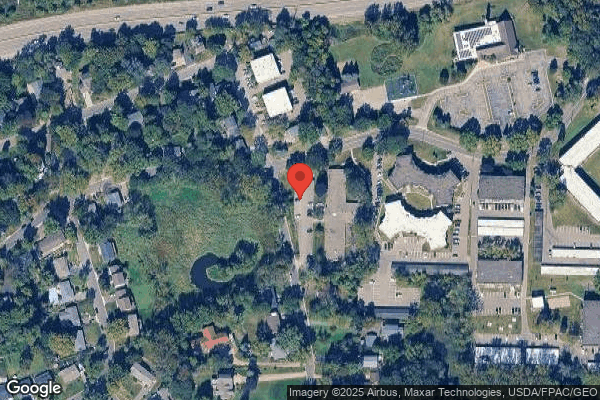
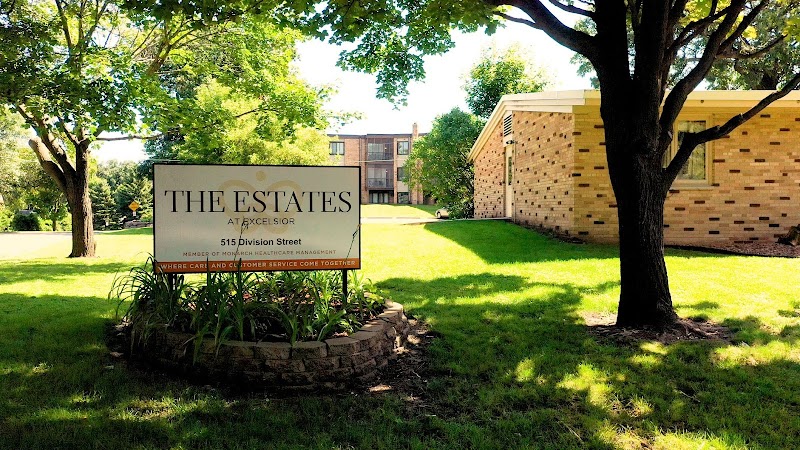
515 DIVISION STREET, EXCELSIOR, MN 55331 (952) 474-5488
For profit - Corporation 45 Beds MONARCH HEALTHCARE MANAGEMENT Data: November 2025
Trust Grade
35/100
#328 of 337 in MN
Last Inspection: June 2025

Inspected within the last 6 months. Data reflects current conditions.

Overview

The Estates at Excelsior LLC has received a Trust Grade of F, indicating significant concerns about the facility's overall quality and care. It ranks #328 out of 337 nursing homes in Minnesota, placing it in the bottom half of all facilities, and #52 out of 53 in Hennepin County, suggesting limited local options for better care. The facility's situation is worsening, with reported issues increasing from 7 in 2024 to 23 in 2025. Staffing is a relative strength, receiving a 4/5 star rating, but with a concerning turnover rate of 56%, which is higher than the state average. There have been no fines reported, which is a positive sign, and the facility offers more RN coverage than 94% of Minnesota facilities, ensuring critical oversight for patient care. However, recent inspections revealed some serious issues, such as residents not being offered snacks during long intervals between meals, and staff observed eating in food preparation areas, raising concerns about infection control practices. Additionally, there were lapses in the facility's quality assurance processes, with no clear action plans in place to address identified issues, which could potentially impact resident care.
Trust Score
F
35/100
In Minnesota
#328/337
Bottom 3%
Safety Record
Low Risk
No red flags
Inspections
Getting Worse
7 → 23 violations
Staff Stability
⚠ Watch
56% turnover. Above average. Higher turnover means staff may not know residents' routines.
Penalties
✓ Good
No fines on record. Clean compliance history, better than most Minnesota facilities.
Skilled Nurses
✓ Good
Each resident gets 77 minutes of Registered Nurse (RN) attention daily — more than 97% of Minnesota nursing homes. RNs are the most trained staff who catch health problems before they become serious.
Violations
⚠ Watch
43 deficiencies on record. Higher than average. Multiple issues found across inspections.
★☆☆☆☆
1.0
Overall Rating
★★★★☆
4.0
Staff Levels
★★☆☆☆
2.0
Care Quality
★☆☆☆☆
1.0
Inspection Score
Stable
2024: 7 issues
2025: 23 issues

The Good

  • 4-Star Staffing Rating · Above-average nurse staffing levels
  • Full Sprinkler Coverage · Fire safety systems throughout facility
  • No fines on record

Facility shows strength in staffing levels, fire safety.

The Bad

1-Star Overall Rating

Below Minnesota average (3.2)

Significant quality concerns identified by CMS

Staff Turnover: 56%

10pts above Minnesota avg (46%)

Frequent staff changes - ask about care continuity

Chain: MONARCH HEALTHCARE MANAGEMENT

Part of a multi-facility chain

Ask about local staffing decisions and management

Staff turnover is elevated (56%)

8 points above Minnesota average of 48%

The Ugly 43 deficiencies on record

Jun 2025 21 deficiencies
CONCERN (D) 📢 Someone Reported This

A family member, employee, or ombudsman was alarmed enough to file a formal complaint

Potential for Harm - no one hurt, but risky conditions existed

Deficiency F0582 (Tag F0582)

Could have caused harm · This affected 1 resident

Based on interview and document review the facility failed to ensure Notice of Medicare Non- Coverage (NOMNC) and Advanced Beneficiary Notice (ABN) was given to the resident's representative for signa...

Read full inspector narrative →
Based on interview and document review the facility failed to ensure Notice of Medicare Non- Coverage (NOMNC) and Advanced Beneficiary Notice (ABN) was given to the resident's representative for signature for 1 of 4 residents (R139) with known cognitive impairment. Findings include: R139's 4/15/25, discharge Minimum Data Set (MDS) assessment identified R139 had a Brief Interview for Mental Status (BIMS) score of 9 indicating moderately impaired cognition. R139's 1/17/25, baseline St. Louis University Mental Status Examination (SLUMS) assessment, a screening test for Alzheimer's disease and other forms of dementia. The therapist performed the SLUMS assessment with a score of 15 out of 30 which indicated dementia. A re-assessed SLUMS on 2/28/25, identified a lower score of 11 out of 30, indicating dementia. On 3/4/25, the discharge note from occupation therapy identified a SLUMS score remained at 11 out of 30. R139's, Notice of Medicare Non-Coverage identified services will end on 4/3/25. R139 signed the form on 3/22/25. R139's 1/27/25, care plan identified R139 was a vulnerable adult and at risk for decreased cognitive and physical abilities. Alteration in cognition related to admission and BIMS score indicating cognitive impairment. R139 was at risk for self-care deficit related to cognitive communication deficit, muscle weakness, and hemiparesis. Review of R139's certified nurse practitioner (CNP)-F provider notes identified the following: 1) 1/21/25, resident was confused, has family member who was R139's decision-maker. R139 was very disoriented. 2) 2/4/25, resident certainly has significant impairment of learning, memory, and function. The provider identified this seemed to be dementia with reported history of cognition issues prior to R139's hospitalization. 3) 2/28/25, R139 was confused. 4) 3/28/25, provider identified they left message with family regarding ongoing cognitive issues and falls. 5) 4/4/25, provider spoke with family member (FM)-E regarding R139's condition. 6) 4/11/25, R139 was discharged to another facility. R139 was identified as alert, oriented to self, confused to place, time, and situation. Interview on 6/10/25 at 3:41 p.m., with family member (FM)-E identified the facility had R139 sign the Medicare Non-Coverage notice. R139 did not have the ability to understand the form or contest the decision if he wanted to. R139 did not have access to a computer, or a phone and was a vulnerable person and was not able to convey what he had signed. FM-E reported that the facility knew R139 had a power of attorney (POA) and R139 had not signed pervious papers. FM-E had handled all the paperwork for R139. The family only found out about the situation when R139 converted back to private pay. He requested a copy of the signed denial form. The business manager did reach out and apologized, identifying that she was unaware R139 had a POA and had she known, she would have reached out to family. Interview on 6/10/25 at 9:28 a.m., with business office manager identified if a resident does not have a POA or a representative on file then the resident would sign all the facility forms. R139 did not have any proof of a POA or guardian. She reported she was out at the time the denial was provided to R139 to sign. She further, reported that she typically asked during admission if there was a POA or representative that the resident would like her to speak with regarding admission paperwork. She stated she did not complete his admission paperwork, and she had apologized to FM-E as the facility did not know. She showed me a hospital form that listed R139 as the guarantor and reported FM-E was listed as an emergency contact but nothing else, so the facility had R139 sign his form. Review of 5/8/25, email from administrator to the business office manager identified that the administrator had received a concern from the ombudsman related to R139, a resident who has a history of dementia and multiple strokes. R139 has a family member who was his power of attorney (POA) and health care who was very involved in his care. The facility inappropriately had R139 sign a Notice of Medicare Non-Coverage form rather than the family member (POA) when R139's skilled services were ending. The resident was unable to understand what he was signing. The notice was never communicated to the family and due to this error, there was an outstanding bill for the remainder of R139's stay. Per the statute and Medicare guidelines, to be notified of their right to appeal, and this was not done. The ombudsman asked what the facility could offer to the family as a resolution to this financial burden. The administrator asked the business office manager along with the corporate office manager to review the situation. The business office manager reported back to the administrator someone else had provided the NOMNC notice and there was no proof of a POA or guardian but would discuss this with the corporate business manager. There was no response of the outcome of the discussion in the email. Review of 2/20/23, ABN/NOMNC policy identified the business office manager, social worker, MDS nurse, and administrator would be responsible for issuing a Notice of Medicare Non-Coverage. The notice would be provided 48 hours prior to last day covered. If the resident was not currently enrolled in Medical Assistance facility staff must offer them the ability to compete an application with the facility. When the last covered day was determined by the facility or the resident's insurance and there was benefit days remaining, the facility must issue a denial to the resident/legal responsible party (POA/Guardian). In some circumstances, the facility may have to issue the denial over the phone. The facility must speak to a person to confirm they received the information. The staff were to adequately explain as that was the best opportunity to avoid being provider liable for any changes post insurance. The policy had no mention of how to handle a resident with cognitive deficit.
CONCERN (D)

Potential for Harm - no one hurt, but risky conditions existed

Safe Environment (Tag F0584)

Could have caused harm · This affected 1 resident

R18's 4/9/25, quarterly Minimum Data Set (MDS) assessment identified R18's cognition was intact, R18 was dependent on staff for transfers and R18 attended dialysis. R18's care plan identified R18 had...

Read full inspector narrative →
R18's 4/9/25, quarterly Minimum Data Set (MDS) assessment identified R18's cognition was intact, R18 was dependent on staff for transfers and R18 attended dialysis. R18's care plan identified R18 had nutritional risk for malnutrition related chronic disease. R18 required increased protein related to end stage renal disease (ESRD), required a fluid restriction of 1200 milliliters (ml). R18 would receive supplements and be offered a liberalized diet. Staff were to communicate with renal dietician at dialysis, and explain and reinforce the importance of maintaining the diet ordered. The facility staff would provide and serve R18's diet as ordered, a modified renal, large portions, and a 1200 fluid restriction with snacks between meals three times a day. Observation and interview on 6/9/25 at 5:30 p.m., R18 was observed in his bed with his evening meal on the bedside table in front of him. R18 had roast beef with gravy over it, mashed potatoes with gravy, broccoli, grapes, a glass of milk, and a glass of apple juice. R18 said he was not supposed to get milk. He did not like apple juice, potatoes, or broccoli and it was right here on his diet slip, but staff send it anyway. Observation on 6/9/25 at 5:32 p.m., R18 had pushed his bedside table away from him and laid back down on the bed without eating anything. R18's dietary slips identified he was on a renal diet. R18 was on a 1200 ml fluid restriction per day. At breakfast R18 would get 4 ounces of cranberry juice, 4 ounces of milk. At lunch and dinner meal R18 was to receive 8 ounces of cranberry juice. He was not to get milk at lunch or supper and no apple juice. The dietary slip identified R18's dislikes as No tomatoes or tomato products, potatoes, melon, orange juice, bananas, yogurt, ice cream, pudding, dairy desserts, milk (except at breakfast). No apple juice, broccoli, cauliflower, or Brussel sprouts. No hot cereal, Raisin Bran, or strawberry Nepro supplement. No spicy foods. R18 was to get double portions with fluid restriction of 1200 ml. Review of July 2017, Resident Food Preferences policy identified upon admission the dietician or nursing staff will ask about the resident's food preferences. The residents' preferences will be documented in their care plan. The residents' preferences may be reviewed by the physician if there may be a conflict with the resident's food choices and the prescribed therapeutic diet. The dietician will discuss with the resident or representative the rationale for a prescribed diet. The dietary department will offer a variety of foods at each meal, as well as access to nourishing snacks throughout the day. Interview on 6/11/25 at 2:01 p.m., with the administrator identified he would expect dietary staff would follow resident food preferences on the tray ticket and if they had dislikes, they should be offered an alternative. Review of July 2017, Resident Food Preferences policy identified upon admission the dietician or nursing staff will ask about the resident's food preferences. The residents' preferences will be documented in their care plan. The residents' preferences may be reviewed by the physician if there may be a conflict with the resident's food choices and the prescribed therapeutic diet. The dietician will discuss with the resident or representative the rationale for a prescribed diet. The dietary department will offer a variety of foods at each meal, as well as access to nourishing snacks throughout the day. Based on observation, interview, and document review, the facility failed to honor food preferences identified on resident food preference sheets for 3 of 3 residents (R18, R22, R187). Observation on 6/11/25 at 8:02 a.m., of nursing assistant (NA)-A was passing breakfast room trays. NA-A removed a tray from the cart, entered R187's room, placed the tray in front of her on the overbed table and removed the lid. R187's plate contained one egg and two slices of toast. R187 stated clearly to NA-A, I don't eat toast, what am I supposed to eat? NA-A proceeded to leave the room without responding to R187's question and failed to offer an alternative replacement. Interview on 6/11/25 at 8:53 a.m., with NA-A confirmed he heard R187 say she didn't want what was on the plate. He reported he did not have time to notify the kitchen because he was the only one passing trays. If someone had been helping him, he would have told the kitchen. Normally, if someone doesn't like what is served he gets them a snack like Jello. He reported he was not aware of an alternative or anytime menu and stated he had not received training on what to do if someone did not like the food they were served. Review of R187's 6/11/25, diet slip provided by the dietary manager noted she disliked toast. Interview on 6/11/25 at 9:31 a.m., with the director of nursing identified she would have expected staff to offer an alternative food choice if they reported they did not like what had been served to them. Interview on 6/12/25 at 8:24 a.m., with R22 identified he was feeling frustrated. felt it was as if staff did not follow his preference sheet. The meal served the evening before included mushrooms. He stated, I hate mushrooms . they disgust me He was able to get a new plate from the cook when he asked but thought the staff should have not served it to him in the first place. Review of R22's diet slip provided by the dietary manager noted he disliked mushrooms.
CONCERN (D)

Potential for Harm - no one hurt, but risky conditions existed

Deficiency F0605 (Tag F0605)

Could have caused harm · This affected 1 resident

**NOTE- TERMS IN BRACKETS HAVE BEEN EDITED TO PROTECT CONFIDENTIALITY** R7 R7's 3/26/25, quarterly Minimum Data Set (MDS) identified his cognition was intact, he felt down and depressed 2-6 days weekl...

Read full inspector narrative →
**NOTE- TERMS IN BRACKETS HAVE BEEN EDITED TO PROTECT CONFIDENTIALITY** R7 R7's 3/26/25, quarterly Minimum Data Set (MDS) identified his cognition was intact, he felt down and depressed 2-6 days weekly, and had no behaviors. R7 required the use of a wheelchair, he was frequently incontinent of urine and occasionally incontinent of bm. He had diagnosis of seizures, anxiety, and depression, and received antipsychotics on a routine basis. R7's current care plan identified he had a diagnosis of major depressive disorder and generalized anxiety disorder. The focus was for R7 to remain stable and R7 to respond to interventions by staff to calm and redirect. the interventions were to complete assessments, redirect as needed, and provide emotional support. The care plan lacked any individualized target behaviors staff should be monitoring for. R7's June 2025, administration record identified he received risperidone 3 milligrams (mg) by mouth daily and aripiprazole 20 mg by mouth daily for major depressive disorder. The medical record lacked any identified target behavior that staff should be monitoring to identify if the medication was effective. Interview on 6/10/25 at 8:57 a.m., with the director of nursing identified they do a meeting weekly to review nursing progress notes related to behaviors, but they do not identify in the medical record any individualized target behaviors for residents taking psychotropic medications. The undated, Psychotropic Medication Use Policy identified the facility would complete ongoing documentation that would include behavioral indicators or symptoms, monitoring for effectiveness and potential adverse consequences. Based on interview and document review the facility failed to ensure psychotropic medications had identified target behaviors or symptoms and failed to monitor the target behaviors or symptoms for 3 of 5 residents (R5, R7, and R24) reviewed for psychotropic medication use. Findings include: R5 R5's undated, current diagnoses list identified R5 had non-[NAME] (cancer of the blood) lymphoma, dementia and anxiety. R5's 5/15/25, 5-day Minimum Data Set (MDS) identified R5 was moderately cognitive impaired and had no behaviors. R5 required staff set-up assistance with meals, supervision or touching assistance with dressing, transfers, and mobility. R5 had taken antipsychotics and antidepressants on a routine basis. R5's June 2025, medication administration record (MAR) identified mirtazapine 7.5 milligrams (mg) an (antidepressant) medication at bedtime for dementia and anxiety. Quetiapine Fumarate (Seroquel) 25 mg at bedtime (antipsychotic medication) for dementia and anxiety. The orders lacked evidence that identify specific target behaviors the medication was ordered to treat. R5's current, undated care plan identified R5 was to have alteration in mood and behavior related to current health conditions related to current health conditions. The goal was R5's mood/behavior was to remain stable. Interventions was for facility nurses to conduct PHQ 9 (to evaluate depression) screenings per regulation and as needed (PRN), monitor and document mood state/behaviors, redirect PRN, and provide emotional support, validation, and comfort measures PRN. In addition, R5's care plan identified R5 had not displayed behaviors toward herself, other residents, or staff that was of concern. Interview on 6/10/25 at 2:06 p.m., with certified nursing assistant (NA)-C identified R5 showed irritability towards other residents on a few occasions. R5 would cover her ears when multiple residents would talk at the same time in a group setting held in the lobby. However, NA-C could not identify any specific target behaviors for R5. Interview on 6/10/25 at 2:09 p.m., with licensed practical nurse (LPN)-B was unsure what R5's specific target behaviors were. LPN-B confirmed there was nothing on the MAR or care plan that identified target behaviors for R5's medication use. Interview on 6/10/25 at 4:10 p.m., with registered nurse (RN)-A she was not aware that R5 had target behaviors. In addition, RN-A was not aware target behaviors was to be reflected on R5's care plan.
CONCERN (D)

Potential for Harm - no one hurt, but risky conditions existed

Deficiency F0655 (Tag F0655)

Could have caused harm · This affected 1 resident

Based on interview and document review, the facility failed to complete a 48 hour baseline care plan upon admission for 1 of 10 residents (R187) reviewed. Findings include: R187's 6/5/25, admission M...

Read full inspector narrative →
Based on interview and document review, the facility failed to complete a 48 hour baseline care plan upon admission for 1 of 10 residents (R187) reviewed. Findings include: R187's 6/5/25, admission Minimum Data Set (MDS) assessment identified her cognition was intact, she felt down and depressed 2 to 6 days weekly, and had no behaviors. R187 was independent with transfers, required assistance from staff with hygiene, and was occasionally incontinent of urine. She had diagnosis of heart failure, diabetes, COPD, respiratory failure, and atrial fibrillation. She was at risk for pressure ulcers, took insulin, and anticoagulant and a diuretic on a routing basis. Review of R187's baseline care plan identified she required assistance with bathing, dressing, hygiene, mobility, and transfers. The baseline care plan lacked mention of what level of assistance or the number of staff required to provide assistance. Interview on 6/11/25 at 2:15 p.m., with registered nurse (RN)-C identified she uses the care plan to identify how to provide care to a resident and how to determine how many staff are required. RN-C reviewed R187's care plan and reported she would be unable to determine care requirements based on the information provided on R187's care plan. Interview on 6/11/25 at 2:30 p.m., with the director of nursing (DON) agreed R187's baseline care plan was missing pertinent information needed to provide care. She identified it was her expectation the baseline care plan should be completed upon admission. The DON reported they also have care sheets that nursing assistance use to reference how to provide ADL's, transfers, diet, and precautions, however, R187 had not yet been added to those care sheets. The facility provided Care Planning Policy identified a baseline plan of care would be developed within 48 hours of admission to ensure that the resident's immediate basic needs are met and maintained.
CONCERN (D)

Potential for Harm - no one hurt, but risky conditions existed

Comprehensive Care Plan (Tag F0656)

Could have caused harm · This affected 1 resident

The facility failed to develop and implement a comprehensive person-centered care plan for 1 of 2 sampled residents (R5) that addressed anticoagulant (prevents and breaks down blood clots) therapy wit...

Read full inspector narrative →
The facility failed to develop and implement a comprehensive person-centered care plan for 1 of 2 sampled residents (R5) that addressed anticoagulant (prevents and breaks down blood clots) therapy with safety precautions. Findings include: R5's undated, current diagnoses list identified R5 had a transient ischemic attack (TIA) (blockage of blood flow to the brain that causes stroke-like symptoms) and cerebral infarction (reduce blood flow to a part of the brain that is obstructed by a blood clot). R5's 5/15/25, 5-day Minimum Data Set (MDS) identified R5 was moderately cognitive impaired and had no behaviors. R5 required staff set-up assistance with meals, supervision or touching assistance with dressing, transfers, and mobility. R5 had taken anti-platelets on a routine basis. R5's June 2025, medication administration record (MAR) identified clopidogrel bisulfate (Plavix) 75 milligrams (mg) daily (anti-platelet medication that prevents blood clot formation) for myocardial infarction (heart attack) on 5/13/25. R5's current, undated care plan lacked evidence of anti-platelet, interventions, and safety precautions. Interview on 6/10/25 at 2:09 p.m., with licensed practical nurse (LPN)-B identified interventions for R5's use of anti-platelet therapy would be signs and/or symptoms of bleeding or bruising. LPN-B confirmed R5's medication orders and care plan lacked identification of parameter for anti-platelet use. Interview on 6/10/25 at 4:10 p.m., with registered nurse (RN)-A voiced agreement that R5's care plan should have included interventions and monitoring for anti-platelet therapy. Review of the July 2023, Care Planning policy identified that the care plan was the responsibility of the interdisciplinary team, and the residents care plans were to be individualized for each resident.
CONCERN (D)

Potential for Harm - no one hurt, but risky conditions existed

Deficiency F0657 (Tag F0657)

Could have caused harm · This affected 1 resident

Based on interview and document review, the facility failed to revise the care plan to reflect current care needs for 2 of 13 sampled residents (R2 and R18) reviewed. Findings include: R2's 3/27/25, ...

Read full inspector narrative →
Based on interview and document review, the facility failed to revise the care plan to reflect current care needs for 2 of 13 sampled residents (R2 and R18) reviewed. Findings include: R2's 3/27/25, quarterly Minimum Data Set (MDS) assessment identified R2 had severe cognitive deficit. R2 had other behaviors 1-3 days. R2 was able to eat after set-up assistance but was dependent on staff for all other cares. R2 received a scheduled pain medication, an antipsychotic, anticoagulant, anticonvulsant, and diuretic. R2 had the diagnoses of cancer, high blood pressure, arthritis, stroke affecting the left side, dementia, depression and one-sided weakness. R2's 1/31/25, care plan identified she was on enhanced barrier precautions related to Foley catheter. R2 relied on extensive assist of 1-2 staff with her grooming and staff were to encourage her to participate as able. Observation on 6/10/25 at 9:58 a.m., of nursing assistant (NA)-B, NA-C, and NA-D who entered R2's room to provide morning cares. NA-D reported that it was easier to complete cares with 3 staff, but it could be done with 2 staff. The staff proceeded to provide a bed bath to R2 with no Foley catheter observed. Interview on 6/10/25 at 10:30 a.m. with nursing assistant (NA)-D confirmed R2 did not have a Foley catheter, and she was not aware that R2 ever had one. Interview on 6/11/25 at 10:39 a.m. with NA-C confirmed R2 did not have a Foley catheter. He reported he had never known her to have one. R18's 4/9/25, quarterly Minimum Data Set (MDS) assessment identified R18's cognition was intact, R18 was dependent on staff for transfers and R18 attended dialysis. R18 had diagnoses of cystic fibrosis, severe protein-calorie malnutrition, immunodeficiency, lung transplant, fluid overload, end stage renal disease, renal dialysis, and diabetes. R18's 5/13/24, care plan identified staff were to encourage R18 to go for his scheduled dialysis appointments. Metro mobility picked R18 up at 11:30 a.m., with a return ride at 5:15 p.m. Interview on 6/9/25 at 1:27 p.m., with R18 identified he left for dialysis at 9:00 a.m., and he has gone at that same time for months. Interview on 6/11/25 at 3:57 p.m., with consulting nurse confirmed that R2 and R18's care plans did not reflect the resident's current status. R2 did not have a Foley catheter and R18's dialysis pick-up time from Metro mobility was inaccurate as he now left at 9:00 a.m. in the morning. She reported the care plan was meant to guide staff and the information on the care plan should be current of what ever type of cares are needed. Staff should be accessing the Kardex (staff view of care plan) for resident care needs. Review of the 7/21/23, Care Planning policy identified that the care plan was the responsibility of the interdisciplinary team and the residents care plans were to be individualized for each resident.
CONCERN (D)

Potential for Harm - no one hurt, but risky conditions existed

Pressure Ulcer Prevention (Tag F0686)

Could have caused harm · This affected 1 resident

Based on observation, interview and document review, the facility failed to identify appropriate turning and repositioning schedule based off professional standards of practice and document when staff...

Read full inspector narrative →
Based on observation, interview and document review, the facility failed to identify appropriate turning and repositioning schedule based off professional standards of practice and document when staff performed repositioning for 1 of 2 residents (R32) who has a pressure ulcer and to minimize the risk of further pressure ulcer development and ensured interventions were implemented. Findings include: R32's current, undated diagnosis list identified R34 had a diagnoses of pressure ulcers, diabetes, and neurocognitive disorder with Lewy body dementia (dementia that causes a rapid decline in cognition and lack of physical function). R32's 5/22/25, admission Minimum Data Set (MDS) identified R34 was severely cognitively impaired. R32 had little interest or pleasure in doing things and trouble falling asleep never to 1 day, had felt down or depressed 12 to 14 days, felt tired, poor appetite 2 to 6 days. R32 was independent with eating, required substantial/maximal assistance with grooming, and supervision, and supervision or touching assistance with transfers. R32 was 5 feet (ft) and 3 inches (in) and weighed 233 pounds (lb). Section M, skin condition of the MDS, identified R32 had a unstageable pressure ulcer with deep tissue injury that was present on admission. Section V, care area assessment (CAA) of the MDS identified R32 was at risk for pressure ulcer development. There was no mention on the MDS that R32 was on a turning/repositioning program. R32's current, undated care plan identified R32 was at risk for alteration in skin integrity. The facility staff was to monitor R32's skin integrity during personal cares and on a weekly basis, turn and reposition or offer reminders to offload every 2 to 3 hours and as needed (PRN), encourage adequate fluid intake, use of dietary supplements and nutrition interventions, medicate for comfort and effectiveness, apply treatment to open areas per orders, complete weekly wound measurements and assessment of wound and monitor for skin breakdown of signs/symptoms of infection and report it to R32's physician, as directed. R32's 5/27/25, wound care progress notes identified R32's wound was 11.1 centimeters (cm) in length, 4.7 cm in width, and 0.1 cm in depth. Wound measurements identified heavy serosanguineous (clear, thin, and watery fluid) drainage, 5% granulation (connective tissue and blood vessels that form on the surface of a wound), 50% eschar (hardened black or brown dead tissue that appears as a scab-like cover over a wound) and 40% slough (dead tissue within the wound that appears white or yellow in color). The note identified R32's wound was improving. Observation and interview on 6/10/25 at 9:13 a.m., with licensed practical nurse (LPN)-B reviewed R32's wound order and gathered supplies. Nursing assistant (NA)-C met LPN-B in front of R32's door. LPN-B and NA-C applied hand sanitizer and applied personal protection equipment (PPE), gown and was tied to the back of their neck and wait. LPN-B knocked on R32's room door and introduced themselves to R32. LPN-B informed R32 that she was to be repositioned for dressing change. R32's nodded in agreement. Wound care and dressing change was completed by LPN-B. NA-C and LPN-B repositioned R32's to her right side and had placed a gel-like pressure relieving pillow under R32's lower back near R32's buttock. NA-C applied a pillow to R32's head and elevated R32's feet. LPN-B placed a pillow under R32's feet. When asked how frequent R32 is repositioned, LPN-B stated every 2 hours, as directed by nursing staff. However, LPN-B stated she sometimes would reposition R32 under 2 hours on her shift, but did not document when any repositioning occurred. R32's head of bed appeared to be in a low position, NA-C had placed a blanket over R32's body and LPN-C placed R32's call light next to her hand. LPN-B and NA-C removed PPE and disposed of it in R32's isolation bin and applied hand sanitizer to their hands and rubbed them outside of R32's room. R32's door was left slightly open by LPN-B. Observation on 6/10/25 at 11:13 a.m., with LPN-B and NA-C left R32's room and completed hand hygiene. R32 was lying supine (flat on back) in bed. R32 appeared calm and said, hello. Interview on 6/11/25 at 3:42 p.m., with director of nursing (DON) had concerns and informed facility staff to monitor residents who was cognitively impaired and would be at risk for pressure ulcer development during their hourly rounds. DON identified R32's pressure ulcer required frequent monitoring and repositioning and identified R32's care plan lacked personalized interventions to promote wound healing. Interview on 6/12/25 at 8:25 a.m., with registered nurse (RN)-A identified the facility had implemented hourly checks and 2-hour repositioning on the units for all residents and was updated daily to reflect those interventions on the CNA report sheet. RN-A reviewed the CNA report sheet and identified interventions were not identified on the sheet for but was communicated to the facility nursing staff to complete while on shift. She identified the facility had policies, in addition, to nursing resources that was to direct nursing care on the units, however, RN-A was not aware of a nursing resource the facility had used as a reference. Review of 12/04/24, CNA Report Sheet identified R32's was on contact isolation related to methicillin resistance staphylococcus aureus (MRSA) of the wound and required 2-person maximum assistance for bed mobility and incontinence. R32 was to be reposition every 2 hours and required use of hoyer lift for transfers. Interview on 6/12/25 at 9:19 a.m., with certified nursing assistant (NA)-A identified nursing staff was expected to complete hourly safety rounds on the units. However, nursing staff was not required to use a checklist to document that hourly rounding was completed. Interview on 6/12/25 at 2:41 p.m., with nurse practitioner (NP)-S, who is the wound care nurse, identified R32 was at risk for friction (when skin is rubbed together) and shearing (when skin is dragged across a surface) to occur that would cause further skin breakdown. R32 required staff assistance with repositioning, often and identified 2-hour repositioning was not often enough to promote wound healing. Review of the July 2023, Care Planning policy identified that the care plan was the responsibility of the interdisciplinary team, and the residents care plans were to be individualized for each resident.
CONCERN (D)

Potential for Harm - no one hurt, but risky conditions existed

Deficiency F0692 (Tag F0692)

Could have caused harm · This affected 1 resident

**NOTE- TERMS IN BRACKETS HAVE BEEN EDITED TO PROTECT CONFIDENTIALITY** Based on observation, interview, and document review the facility failed to provide a prescribed therapeutic diet to 1 of 1 resi...

Read full inspector narrative →
**NOTE- TERMS IN BRACKETS HAVE BEEN EDITED TO PROTECT CONFIDENTIALITY** Based on observation, interview, and document review the facility failed to provide a prescribed therapeutic diet to 1 of 1 resident (R18) reviewed for dialysis. Findings include: R18's 4/9/25, quarterly Minimum Data Set (MDS) assessment identified R18's cognition was intact, R18 was dependent on staff for transfers and R18 attended dialysis. R18 had diagnoses of cystic fibrosis, severe protein-calorie malnutrition, immunodeficiency, lung transplant, fluid overload, end stage renal disease, renal dialysis, and diabetes. Observation and interview on 6/9/25 at 5:30 p.m., R18 was observed in his bed with his evening meal on bedside table next to him. R18 had roast beef with gravy over it, mashed potatoes with gravy, broccoli, grapes, a glass of milk, and a glass of apple juice. R18 said he was not supposed to get milk. He did not like apple juice, potatoes, or broccoli and it was right here on his diet slip, but they send it anyway. Staff returned to R18's room and placed a bottle of Nepro supplement on his bedside table and walked out. Observation on 6/9/25 at 5:32 p.m., R18 had pushed his bedside table away from him and laid back down on the bed without eating anything. R18's dietary slips identified he was on a renal diet. R18 was on a 1200 ml fluid restriction per day. At breakfast R18 would get 4 ounces of cranberry juice and 4 ounces of milk. At lunch and dinner meal R18 was to receive 8 ounces of cranberry juice. He was not to get milk at lunch or supper and no apple juice. The dietary slip identified R18's dislikes as no tomatoes or tomato products, potatoes, melon, orange juice, bananas, yogurt, ice cream, pudding, dairy desserts, milk (except at breakfast). No apple juice, broccoli, cauliflower, [NAME] sprouts. No hot cereal, raisin bran, or strawberry Nepro supplement. No spicy foods. R18 should get double portions with fluid restriction of 1200 ml. R18's 6/10/25, printed care plan identified R18 had nutritional risk for malnutrition related chronic disease. R18 required increased protein related to end stage renal disease (ESRD), required a fluid restriction of 1200 milliliters (ml). R18 would receive supplements and be offered a liberalized diet. Staff were to communicate with renal dietician at dialysis, explain and reinforce the importance of maintaining the diet ordered. Facility staff would provide and serve diet as ordered, modified renal, large portions, and a 1200 fluid restriction with snacks between meals three times a day. Observation and interview on 6/10/25 at 5:39 p.m., R18 requested writer to come to his room. Upon entry to his room R18 was observed to be sitting up in his bed with his bedside table in front of him and his evening meal on the table. R18 had a piece of baked chicken on a bun with no condiments and a ½ glass of cranberry juice and a bottle of Nepro supplement. R18's roommate had the same thing but also had a slice of watermelon and no supplement. R18 said see what I got, this is nothing, no calories. He reported he had left early that morning for 2 appointments and had been gone all day and only ate a few snacks while out, no meal. He reported this will never fill him up. Interview on 6/10/25 at 5:47 p.m. with dietary manager identified the menu for the evening meal was a crispy chicken sandwich, chopped salad with dressing, chilled fruit, and a glass of milk. R18 should have been served crispy chicken sandwich, with lettuce as the renal diet identified with no tomatoes. R18 should have received a salad with oil and vinegar along with a slice of watermelon. Residents were allowed to ask for second helpings however, he revealed he had just had a talk with some staff about that as they were not giving out second helpings without an order. The dietary manager agreed that R18 did not receive the correct diet on 6/9/25 nor did he on 6/10/25 and would be going to visit with him to ensure he got enough to eat. Interview on 6/11/25 at 3:13 p.m., with registered dietician (RD) identified she relies on the dietary staff to serve residents their prescribed diets. She was unaware R18 had not consistently been served the correct diet. The menu identified what to serve and or be substituted for a renal diet and would expect the correct diet to be served. On 6/12/25 at 4:00 p.m., a message was left for medical director, with no return call. On 6/16/25 at 11:30 a.m., a message was left for medical director, with no return call. A policy related to prescribed diets was requested but not provided by the end of the survey. Review of July 2017, Resident Food Preferences policy identified upon admission the dietician or nursing staff will ask about the resident's food preferences. The residents' preferences will be documented in their care plan. The residents' preferences may be reviewed by the physician if there may be a conflict with the resident's food choices and the prescribed therapeutic diet. The dietician will discuss with the resident or representative the rationale for a prescribed diet. The dietary department will offer a variety of foods at each meal, as well as access to nourishing snacks throughout the day.
CONCERN (D)

Potential for Harm - no one hurt, but risky conditions existed

Deficiency F0698 (Tag F0698)

Could have caused harm · This affected 1 resident

**NOTE- TERMS IN BRACKETS HAVE BEEN EDITED TO PROTECT CONFIDENTIALITY** Based on interview and document review, the facility failed to implement their dialysis contract and arrange for transportation ...

Read full inspector narrative →
**NOTE- TERMS IN BRACKETS HAVE BEEN EDITED TO PROTECT CONFIDENTIALITY** Based on interview and document review, the facility failed to implement their dialysis contract and arrange for transportation to dialysis for 1 of 1 resident (R18) who missed their regularly scheduled ride service for dialysis treatment. Findings include: R18' s 4/9/25, quarterly Minimum Data Set (MDS) assessment identified R18's cognition was intact, R18 was dependent on staff for transfers and R18 attended dialysis. R18's care plan identified R18 was a vulnerable adult with decreased physical abilities. R18 has difficulty being mobile on his own. Staff were to encourage R18 to go for his scheduled dialysis appointments. Metro mobility picked up at 11:30 a.m., with a return ride at 5:15 p.m. R18's anxiety makes communication difficult at times when delivering information. R18 had alternation in mobility and required assistance in and out of his bed with a mechanical stand lift and 2 staff. Interview on 6/9/25 at 1:26 p.m., with R20 the roommate of R18, identified that R18 was supposed to get up for dialysis but the staff did not get him up, he heard the whole thing they tried to blame him but they were the ones who dropped the ball so he did not go to dialysis today. Interview on 6/9/25 at 1:27 p.m., with R18 identified he was supposed to leave for dialysis at 9:00 a.m., and he has gone at that same time for months. He missed his ride this morning so now he was not sure what was happening. He was unsure why they did not get him up for dialysis since he has been on this same schedule for months. R18's 6/9/25, 10:49 a.m., progress note identified R18 was alert and able to make his needs known. R18 was scheduled for dialysis pick up at 9:00 a.m., and staff had him ready, but he refused to get up and sit in his wheelchair until the ride arrived. Staff went to assist R18 when the ride arrived and by the time they were done the ride had already left since they were only allowed to wait for 5 minutes. The dialysis center was called to reschedule, and there was an opening at 3:00 p.m. which needed R18 to pay privately for his ride, but he refused, saying he did not have money. An alternative for the following day in the morning was offered to him. He reported he had 2 appointments one in the morning and the other in the afternoon, he was requested to reschedule the morning appointment to attend dialysis however he refused. The director of nursing (DON) updated and explained to him, but he still refused. The primary provider was then updated and explained the risks and benefits of missing dialysis to the resident. Interview on 6/10/25 at 9:46 a.m., with director of nursing (DON) identified R18 missed his ride as he was not ready. The bus driver came and only waited for 5 minutes, usually they wait for 10 minutes. The facility tried to find another ride as he was a Metro Mobility member, but you must call them 24 hours in advance otherwise the resident has to pay privately out of pocket and R18 was not willing to pay. The facility had contacted the dialysis center, and he could have gone at 3:00 p.m., but he refused. The dialysis center could have also seen him on Tuesday morning however, he would not reschedule the other appointment he had. The dialysis center now had added an additional day of this Thursday. R18 had the funds to pay he just choose not to pay. The facility does not pay or offer to pay since he was a member of Metro Mobility. R18 refused the later dialysis time on Monday, refused the Tuesday morning time also, so he will go now on Thursday. Interview on 6/10/25 at 10:31 a.m., with nursing assistant (NA)-B identified R18 was up and ready but the bus drive did not wait for him yesterday, we had him at the door on time, but the driver did not wait. Interview on 6/10/25 at 11:32 a.m., with Metro Mobility staff scheduler identified that 6/9/25 note said R18 was a no show and was cancelled at the door. She reported a no show was described as the driver knocked on the door and a cancelled at the door meant that the front desk told the driver the client was not there. Review of the current, undated Metropolitan Council website, located at https://metrocouncil.org/transportation/services/metro-mobility-home.aspx, identified R18's normal transportation service provided 1 cent [NAME]. Metro mobility certified riders can take same-day rides (POD) with contracted private transportation companies at subsidized rate. Premium direct rides straight from the origin to the destination and can be booked the same day. All POD providers can accommodate wheelchairs and scooters. Metro mobility [NAME] are as follows: Peak Fare: $4 (Monday-Friday, 6:30 a. m. to 9:30 a.m. and 2:00 p.m. to 5:30 p.m.) Off-Peak Fare: $3.50 Holiday fare all day: $3.50 Downtown Fare Zone: $1 Trips that are over 15 miles in length and fall outside of the federally mandated ADA service area are subject to an additional 75-cent surcharge. Observation on 6/11/25 at 7:33 a.m., R18 was up and sitting in his wheelchair in his room. Interview on 6/11/25 at 9:00 a.m., with unknown Metro Transit bus driver identified that the driver goes into the facility to pick R18 up. The drivers are to only wait 5 minutes and then are to leave due to having other riders scheduled. The driver reported for R18, he was not always up front when we come, and staff act surprised that we are there at times. The driver reported he has waited up to 15 minutes for R18 at times. Interview on 6/11/25 at 3:57 p.m., with consulting nurse identified she was unaware of what the dialysis contract had in it, she was only aware of what the DON had told her which was R18 refused to get ready to go to dialysis on time. The facility did offer other times that R18 declined, and he was now going an extra day on Thursday. Interview on 6/11/25 at 4:11 p.m., with administrator identified that the facility gave R18 an opportunity to go to dialysis as a ride had been set up for the morning. R18 had refused and had the right to refuse. R18 was not able to gather himself, it was not that he was not provide a ride to dialysis. The facility would make reasonable accommodation to get R18 to dialysis, but they were not obligated to pay for that. R18 was able to make it to his dialysis appointment and a ride was here to pick him up. If it was a failure on the facilities part, the facility would reassess that and make reasonable accommodations. If R18 was not playing his part in his own care the facility was not obligated to pay for those additional arrangements. Interview on 6/11/25 at 5:40 p.m., with R18 who reported the facility told him he had to pay to go to dialysis on Monday afternoon. He reported he would have attended the afternoon appointment if he did not have to pay for the ride. He then stated loudly yes, it was their fault they should have made it right! On 6/12/25 at 4:00 p.m., a message was left for medical director, with no return call. On 6/16/25 at 11:30 a.m., a message was left for medical director, with no return call. Review of the 5/16/24, Total Renal Care Inc dialysis contract identified section 4.: Transportation of Designated Resident. The facility shall have the responsibility for arranging suitable transportation of the resident to and from [Dialysis] Center, including the selection of the mode of transportation, qualified personnel to accompany the resident and transportation equipment usually associated with this type of transfer. The facility shall be responsible for all costs of transportation associated with the transfer of the resident to and from Center and Facility.
CONCERN (D)

Potential for Harm - no one hurt, but risky conditions existed

Pharmacy Services (Tag F0755)

Could have caused harm · This affected 1 resident

Based on interview and document review, the facility failed to ensure supply and administration of ordered medications for 1 of 1 resident (R24) reviewed for pharmacy services. Findings include: R24...

Read full inspector narrative →
Based on interview and document review, the facility failed to ensure supply and administration of ordered medications for 1 of 1 resident (R24) reviewed for pharmacy services. Findings include: R24's current, undated face sheet identified R24 had a diagnosis of diabetes mellitus type 2, neuromuscular dysfunction of the bladder (lack of bladder control due to brain, spinal cord or nerve problems), and neurogenic bowel (lack of bowel control due to nerve problems). R24's 4/14/25, Significant Change Minimum Data Set (MDS) assessment identified she had severe cognitive impairment and was dependent on staff for activities of daily living (ADL's). R24 was admitted to Hospice services with a terminal diagnosis of CVA, weight loss, and decline in physical condition. R24's 12/06/24, hospital discharge summary identified R24 presented to the local hospital with abdominal pain, nausea, vomiting, diarrhea and low blood pressure on 12/02/24. R24's imaging of the abdomen/pelvis identified acute diarrheal illness and was positive for clostridium difficile (C-Diff) (bacteria in the gut that causes severe diarrhea). R24's 12/06/24 at 1:54 p.m., progress note identified R24 was admitted to the facility with septic shock and diarrhea. R24 had orders for administration of Vancomycin (antibiotic). R24's December 2024, Medication Administration Record (MAR) identified R24 had been prescribed vancomycin 25 milligram (mg) per milliliter (ml), give 5 ml by mouth four times a day for clostridium difficile (C-diff) and was to start on 12/06/24 and end 12/14/24. The MAR identified on 12/07/24 at 7:00 a.m., 12/13/24 at 8:00 p.m., 12/14/24 at 7:00 a.m., 12/14/24 at noon, and 12/14/24 at 4:00 p.m., 5 doses of antibiotics was missed. The progress notes lacked evidence that the provider or pharmacy was notified that R24's medication dosage was missed. Review of Medication Error Incident summary identified R24 had missed 7 doses of vancomycin and interventions to prevent future errors was for facility nurses to notify the provider and pharmacy when medication was not available at the facility. Interview on 6/11/25 at 3:31 p.m., with nurse practitioner (NP) was not aware R24 had not received the complete antibiotic treatment as prescribed. NP identified the lines of communication with the facility of resident updates had been a challenge for months. Interview on 6/11/25 at 4:09 p.m., with director of nursing (DON) identified a medication error report was completed during survey of R24's missed antibiotic dosage. The facility nurses had not notified R24's physician or pharmacy of the lack of medication supply and would expect the provider to be notified and find an alternative option to continue R24's treatment. Interview on 6/12/25 at 4:36 p.m., with administrator would expect nurses to follow physician orders of prescribed medications and refer to medication administration guidelines, per the facility policy. Interview on 6/16/25 10:02 a.m., with licensed pharmacist identified the facility was sent 100 ml of oral vancomycin on 12/06/24. The facility could call, fax, email or fill out a medication request form electronically for additional supply of the medication. The pharmacy did not receive a notification from the facility for R24's medication to be refilled. When asked if R24's missed medications lead to a potential complication for R24's treatment of C-diff, he stated the pharmacy does not manage R24's medication treatment and did not want to speculate if harm was to occur when R24 had missed the prescribed medication dosages. Review of February 2024 medication and treatment orders identified the facility staff was to transcribe medication orders accurately and must include the name and strength of the drug, doses, start and stop date, duration of therapy, frequency of administration, route of administration, clinical conditions/symptoms, follow up requirement, such as, mediation monitoring, labs, culture reports, and staff personnel was to call in orders to the pharmacy of the prescribed medications, as directed.
CONCERN (D)

Potential for Harm - no one hurt, but risky conditions existed

Deficiency F0806 (Tag F0806)

Could have caused harm · This affected 1 resident

Based on observation, interview, and document review the facility failed to offer an alternative food item for 1 of 1 residents (R187). Findings include: Observation on 6/11/25 at 8:02 a.m., of nursi...

Read full inspector narrative →
Based on observation, interview, and document review the facility failed to offer an alternative food item for 1 of 1 residents (R187). Findings include: Observation on 6/11/25 at 8:02 a.m., of nursing assistant (NA)-A passing room trays identified he removed a tray from the cart and entered R187's room, placed the tray on the overbed table in front of her and removed the cover. Her plate had 1 egg and 2 slices of toast. R187 picked up the toast and said to NA-A I don't eat toast, now what am I supposed to eat? NA-A did not respond, he left the room, passed the remainder of the room trays, then went to assist another resident with her meal. NA-A never returned to R187's room to offer an alternative and did not notify the kitchen that she had received food she would not or could not eat. Interview on 6/11/25 at 8:53 a.m., with NA-A confirmed he heard R187 say she did not eat toast but said because he was the only one passing trays, he did not have time to tell the kitchen. He reports when someone doesn't like what is served, he offers a snack like Jello. He identified he was not aware of a alternate menu and reports he has never received any training on what to do in this situation. Interview on 6/11/25 at 9:31 a.m., with the director of nursing identified she would expect that when nursing assistants are passing room trays and a resident voice a dislike for a food item on their plate, an alternative food item with equal nutritional value should be offered. Review of facility provided undated Resident Food Preference policy identified they would determine current food preferences, document preferences on the resident's care plan, and the dietary department would offer a variety of foods at each scheduled meal. The policy made no mention what staff were to do when a resident received food they could not or would not eat.
CONCERN (D)

Potential for Harm - no one hurt, but risky conditions existed

Antibiotic Stewardship (Tag F0881)

Could have caused harm · This affected 1 resident

Based on interview and document review, the facility failed to complete a comprehensive assessment for continued use of antibiotics for 2 of 3 (R24 and R238) sampled residents reviewed for antibiotic ...

Read full inspector narrative →
Based on interview and document review, the facility failed to complete a comprehensive assessment for continued use of antibiotics for 2 of 3 (R24 and R238) sampled residents reviewed for antibiotic stewardship. Findings include: Review of the current, undated, Centers for Disease Control (CDC): The Core Elements of Antibiotic Stewardship for Nursing Homes, Appendix A: Policy and Practice Actions to Improve Antibiotic Use, located at https://www.cdc.gov/antibiotic-use/core-elements/pdfs/core-elements-antibiotic-stewardship-appendix-a-508.pdf, identified facilities should evaluate the clinical signs and symptoms when a resident is first suspected of having an infection. Once the resident is placed on an antibiotic, they should be comprehensively reviewed within 48-72 hours after starting the medication to ensure they have been prescribed an effective medication. This is accomplished by reviewing the resident current symptoms and any laboratory results to identify medication effectiveness. The CDC identifies this process as an antibiotic time-out [ATO]. Review of Monthly Infection Summary reports from December 2024 through May 2025 identified the columns for resident's name, infection date, body system affected, date symptoms resolved, infection, medication, source of the infection and if the criteria was met. However, the log lacked evidence that the antibiotic had met criteria for continuation of use. Review of the December 2024 infection control log identified R24 had been prescribed vancomycin (antibiotic medication) 125 milligrams (mg) for eight days for clostridium difficile (bacteria in the gut that causes severe diarrhea) (C-diff) infection. The onset of the infection occurred on 12/06/24 and had met criteria for the continuation of use. R24's current, undated diagnosis sheet identified R24 had a diagnosis of diabetes mellitus type 2, neuromuscular dysfunction of the bladder (lack of bladder control due to brain, spinal cord or nerve problems), and neurogenic bowel (lack of bowel control due to nerve problems). R24's current, undated care plan identified R24 had an alteration in elimination related to weakness and inability to communicate. The facility nursing staff was to assist with peri-cares every shift, monitor for signs and symptoms of infection, and monitor bowel movements as they occur. R24's 12/06/24, progress note identified R24 arrived at the facility from the local hospital with septic shock and diarrhea. R24 had orders for vancomycin antibiotic therapy. R24's medical record lacked any initial comprehensive assessment. Review of the January 2025, infection control log identified R38 had been prescribed Metronidazole (flagyl) 250 mg four times a day and tetracycline 500 mg four times a day (antibiotics) 250 mg four times a day for helicobacter pylori (bacteria in the stomach that causes ulcers). The onset of infection occurred on 1/29/25 and had met criteria for the continuation of use. R238's current, undated diagnosis sheet identified R238 had a diagnosis of duodenal ulcer with hemorrhage. R238's current, undated care plan identified R238 was at risk for alteration in skin integrity related to post surgery of the digestive system. The facility nursing staff was to monitor skin daily during cares and weekly, monitor for skin breakdown of signs and symptoms of infection, document skin condition and report to the physician of skin changes. R238's 1/29/25, progress note identified R238 was admitted to the nursing home from the local hospital. R238's medical record lacked any initial comprehensive assessment. Interview on 6/11/25 at 4:13 p.m., with the director of nursing (DON) identified resident symptoms of infection was assessed and communicated to the resident's physician. The facility would receive an antibiotic order and was reviewed by the DON before the medication was administered. DON identified the facility used Mcgreer's criteria (a surveillance tool to identify and track infections), but currently does not have an accessible form for staff to use to identify the criteria had been met. Review of March 2023, Antibiotic Stewardship Program policy identified the facility was to use Mcgreer's criteria for signs and symptoms of suspected infection, the facility was to review orders for antibiotic therapy for appropriateness and completeness of the medication therapy. The IP, or designee was to review all antibiotic orders to determine if treatment is appropriate. The IP, consultant pharmacist, will monitor antibiotic use by utilizing a facility approved infection/antibiotic surveillance tracking form and monthly medication reviews. Copy of Mcgreer's criteria was requested but was not received.
CONCERN (D)

Potential for Harm - no one hurt, but risky conditions existed

Deficiency F0883 (Tag F0883)

Could have caused harm · This affected 1 resident

**NOTE- TERMS IN BRACKETS HAVE BEEN EDITED TO PROTECT CONFIDENTIALITY** Based on interview and document review, the facility failed to ensure 1 of 5 (R5) were offered and/or provided updated vaccinati...

Read full inspector narrative →
**NOTE- TERMS IN BRACKETS HAVE BEEN EDITED TO PROTECT CONFIDENTIALITY** Based on interview and document review, the facility failed to ensure 1 of 5 (R5) were offered and/or provided updated vaccination for pneumococcal disease, in accordance with Centers for Disease Control (CDC). Findings include: Review of the current, 10/26/24, Centers for Disease Control (CDC) Pneumococcal Vaccine Recommendations, located at https://www.cdc.gov/pneumococcal/hcp/vaccine-recommendations/index.html, identified based on shared clinical decision-making, adults 65 years or older have the option to get PCV20 or PCV21, or to not get additional pneumococcal vaccines. They can get PCV20 or PCV21 if they have received both the PCV13 (but not PCV15, PCV20, or PCV21) at any age and a PPSV23 at or after the age of [AGE] years old. R5 was admitted [DATE]. R5's, 5/16/25, 5-day Minimum Data Set (MDS) identified R5 was [AGE] years old and had a diagnosis of non-[NAME] (blood cancer) lymphoma, anemia, and dementia. R5 had received PPSV-23 on 2/26/16 and PCV-13 on 4/15/19. Section O-Special Treatments and Programs identified R5's vaccines were up to date. The medical record lacked evidence that R5 was offered or had signed a declination for the vaccine. Interview on 6/11/25 04:05 p.m., with director of nursing (DON) would expect R5 vaccines to be current. Review of January 2023, Standing House Orders for Symptom Management, under immunization section identified residents was to receive pneumococcal vaccines per Center of Disease Control (CDC), unless contraindicated. Review of February 2024 Pneumococcal policy identified residents to be assessed within 5 days after admission for review of current immunization status, within 30 days of admission, residents was to be offered the vaccine, when indicated, unless the resident has been vaccinated or the vaccine was medically contraindicated. Facility staff was to document the date of the vaccination, the person administering the vaccine, and the site of administration. The Infection Preventionist (IP) was to conduct periodic audits of resident medical records to determine compliance with vaccinations.
CONCERN (E)

Potential for Harm - no one hurt, but risky conditions existed

Deficiency F0565 (Tag F0565)

Could have caused harm · This affected multiple residents

Based on observation, interview, and document review, the facility failed to act promptly and provide resolution for resident concerns related to the dietary department failure to post upcoming menus....

Read full inspector narrative →
Based on observation, interview, and document review, the facility failed to act promptly and provide resolution for resident concerns related to the dietary department failure to post upcoming menus. Findings include: Review of resident council minutes identified the following: 1.) January 2025, 4 residents attended the meeting, 2 residents voiced a concern that the menu was not posted, and the facility did not provide them to the residents. A Resident Council Departmental Response Form noting an identified issue: residents state the lunch and dinner menu was never posted, they never get a menu and when they ask the kitchen staff what the next meal is, they are often told food' or I don't know. The Response/Actions Taken: Due to cooler and freezer space we did not have the room to store all the ingredients on the menu. Moving forward we will be working with the director of nutrition to make ends meet. He was working with staff on better communication with the residents. Going forward the following weeks menus will be posted by the end of each week. The form was signed by the dietary manager and the administrator. 2.) February 2025, Old Business: Menus being posted or handed out have had no improvement. 3.) March 2025, Old Business: Menu doesn't get posted and menu is not handed out. No improvement. Resident Council Departmental Response Form: The menu has not been posted consistently and residents have not been given a menu to choose from. Dietary director response: due to the Avian flu effecting the availability of eggs and a cooler being down, staff were unable to get all the products for the menu. As of 3/28/25 menus have been posted. The form was signed by dietary manager and administrator on 4/2/25. 4.) May 2025, no residents attended resident council. Interview on 6/12/25, at 1:41 p.m., with the activity director identified she organizes and attends and records minutes for the resident council. She confirmed the above findings and identified that in February of 2025, when residents reported there was no improvement with the posting of menus, she brought that information forward to the Quality Assurance and Performance Improvement (QAPI) committee and submitted a second department response form to the dietary manager. Review of March 2025 QAPI minutes identified resident council members stated the menu did not get posted and they would like it posted. The QAPI minutes made no mention of how the facility was going to ensure menus would be posted going forward. Observation on 6/12/25 at 12:00 p.m., of facility hallways, resident rooms, and entrance to dining room identified no upcoming menu posted. Interview on 6/12/25 at 12:23 p.m., with the dietary manager confirmed they have not been posting the weekly or monthly menus. He was notified that resident council had complained about upcoming menus not being posted. He attended a meeting and explained to the residents that kitchen has had some supply issues and a cooler that was temporarily down so he has had to adjust the menu on a daily basis. Going forward, he would print the weekly menu and leave them at the nurse's station for nursing assistants to pass out. He acknowledged he had not followed through or maintained the resolution and said he had the menus; however, he did not print them for residents or get them posted. Interview on 6/12/25 at 2:10 p.m., with the administrator identified he was aware there were concerns brought forward at resident council regarding the menus not being posted. He agreed there should be at least one week's menu posted in a resident area and reports he gave the dietary manager a copy of the policy to review and sign. He was not aware if the menus were currently being posted or not. He was unable to provide any documentation that he had completed any audits or follow up with residents to ensure the education provided was effective or to ensure the concern had been resolved. Review of the current, undated Facility Menus Policy identified menus would be written at least two weeks in advance and copies of the menus would be posted in at least two resident areas, in positions and in print large enough for residents to read them.
CONCERN (E)

Potential for Harm - no one hurt, but risky conditions existed

Deficiency F0628 (Tag F0628)

Could have caused harm · This affected multiple residents

**NOTE- TERMS IN BRACKETS HAVE BEEN EDITED TO PROTECT CONFIDENTIALITY** R27's 4/24/25, 14-day admission assessment, MDS identified her cognition was intact, and she required supervision to moderate as...

Read full inspector narrative →
**NOTE- TERMS IN BRACKETS HAVE BEEN EDITED TO PROTECT CONFIDENTIALITY** R27's 4/24/25, 14-day admission assessment, MDS identified her cognition was intact, and she required supervision to moderate assistance with activities of daily living, (ADLS). Her diagnosis list included ataxia, (impaired balanced or coordination), weakness, COPD, chronic back pain, and paranoid schizophrenia. R27's medical record identified MDS assessment: 1)4/8/25 entry tracking record 2) 4/13/25 discharge with return anticipated, with a 4/18/25 entry tracking record 3) 4/24/25 14-day admission assessment Review of R27's Hospital after visit summary identified she was hospitalized [DATE] through 4/18/25 with acute midline low back pain with right-sided sciatica, ((pain radiating along the sciatic nerve, which runs down one or both legs from the lower back). R27's 4/13/25 at 10:35 p.m. progress note identified she had called 911 from her room with complaints of back pain. The ambulance arrived and she was transferred North Memorial hospital and admitted to acute care. Review of the transfer and facility documentation failed to identify the Ombudsman had been notified of R27's discharge to acute care hospitalization. Interview on 6/11/25 at 4:45 p.m. with the director of nursing (DON) identified the Ombudsman had not been notified of R27's discharge to acute hospitalization on 4/14/25. Based on interview and document review, the facility failed to notify the Ombudsman of transfers and discharge for 4 of 5 residents (R7, R18, R27, R35) reviewed for hospitalizations. Additionally, the facility failed to ensure the resident and/or legal representative had been informed of bed hold rights and ensure a written notice of transfer was provided for 1 of 5 resident (R18) reviewed for hospitalizations. Findings include: Ombudsman notices: R18's 4/9/25, quarterly Minimum Data Set (MDS) assessment identified R18's cognition was intact, R18 was dependent on staff for transfers and R18 attended dialysis. R18's 6/12/25, printed Medical Diagnosis list identified cystic fibrosis, immunodeficiency, lung transplant, dependence on renal dialysis, pulmonary nocardiosis (infection of lung), invasive pulmonary aspergillosis (a type of fungal infection of the lungs affects immunocomprised patients), diabetes, end stage renal disease, major depressive disorder. History of malignant neoplasm of thyroid, and attention-deficit hyperactivity disorder. R18's medical record identified the following MDS assessments: 1) 7/4/24 discharge with return anticipated, with a 7/12/24 entry tracking record 2) 7/15/24 discharge with return anticipated, with a 7/20/24 entry tracking record 3) 10/4/24 discharge with return anticipated, with a 10/11/24 entry tracking record 4) 10/12/24 discharge with return anticipated, with a 10/15/24 entry tracking record 5) 10/26/24 discharge with return anticipated, with a 11/1/24 entry tracking record 6) 1/2/25 discharge with return anticipated, with a 1/5/25 entry tracking record R35's 4/10/24, admission MDS assessment identified R35's cognition was moderately impaired. R35 wandered 1-3 days during assessment period, was independent with grooming with supervision. Attended speech, occupational, and physical therapy and planned to return to community. R35's 6/12/25, printed Medical Diagnosis list identified traumatic subdural hemorrhage without loss of consciousness, dementia, multiple fractures of ribs, weakness, hyponatremia, anemia, and hypertension. R35's medical record identified MDS assessment 4/18/24 discharge, return not anticipated. Review of the notices to the ombudsman that the facility provided identified: 1) 8/1/24 monthly notice for July 2024 discharges-R18 was not listed 2) 9/4/24 monthly notice for August 2024 discharges-R18 was not listed 3) 11/1/24 monthly notice for October 2024 discharges-R18 was not listed There were no other notices to the ombudsman provided by the end of the survey. Bed hold notice: R18's 4/9/25, quarterly Minimum Data Set (MDS) assessment identified R18's cognition was intact, R18 was dependent on staff for transfers and R18 attended dialysis. R18's 6/12/25, printed Medical Diagnosis list identified cystic fibrosis, immunodeficiency, lung transplant, dependence on renal dialysis, pulmonary nocardiosis (infection of lung), invasive pulmonary aspergillosis (a type of fungal infection of the lungs affects immunocomprised patients), diabetes, end stage renal disease, major depressive disorder. History of malignant neoplasm of thyroid, and attention-deficit hyperactivity disorder. R18's medical record identified the following MDS assessments; 1/2/25 discharge with return anticipated, with a 1/5/25 entry tracking record. The medical record had no documentation that a bed hold had been verbally or physically provided. A copy of the bed holds for hospital transfer on 1/2/25, was requested but not provided by end of survey. Review of 6/16/25, email from administrator identified that there was not a bed hold for R18 for 1/2/25. R7's 8/26/24, discharge return anticipated Minimum Data Set (MDS) assessment identified R7 had an unplanned discharge to an acute care hospital. R7's 2/4/25, discharge return anticipated Minimum Data Set (MDS) assessment identified R7 had an unplanned discharge to an acute care hospital. R7's 8/29/24, discharge summary identified he admitted to the hospital on 8 26/24 and returned to the facility on 8/29/24. R7's 2/5/25, discharge summary identified he admitted to the hospital on [DATE] and returned to the facility on 2/5/25. Review of a facility provided Action Summary report noted R7 had discharged on 8/26/24, to Park Nicollet Hospital, however, there was no confirmation the report had been provided to the Ombudsman. In addition, there was no information provided for the 2/4/25 discharge notification to the ombudsman.
CONCERN (E) 📢 Someone Reported This

A family member, employee, or ombudsman was alarmed enough to file a formal complaint

Potential for Harm - no one hurt, but risky conditions existed

ADL Care (Tag F0677)

Could have caused harm · This affected multiple residents

Based on observation, interview, and document review, the facility failed to provide for Activities of Daily Living (ADL) related to assisting with toileting, turning and repositioning, queuing for fo...

Read full inspector narrative →
Based on observation, interview, and document review, the facility failed to provide for Activities of Daily Living (ADL) related to assisting with toileting, turning and repositioning, queuing for food and hydration needs, and assisting with personal hygiene for 4 of 7 sampled dependent residents (R2, R7, R24, and R137). Findings include: R24 R24's 4/14/25 Significant Change Minimum Data Set (MDS) assessment identified she had severe cognitive impairment, required extensive to total assistance with ADLs including toileting and personal hygiene. She was incontinent of both bowel and bladder and wore a disposable brief. R24 had diagnoses of a cerebral vascular accident (CVA-stroke), Post Traumatic Stress Disorder (PTSD), seasonal affective disorder, skin cancer oh her left thigh, hemiplegia of right dominant side (paralysis of one side of the body), depression, and aphasia (inability to speak), and malnutrition and had been admitted to hospice due to rapid decline. R24 required supervision for eating or touching assistant and staff needed to provide verbal queues as R24 completed the task. R24's current undated care plan identified she was admitted to hospice on 4/8/25 for weight loss, poor food and fluid intake was noted to be expected and unavoidable related to her disease progression. Staff were to encourage food and fluids for pleasure as accepted by R24. Staff were to monitor and report to the physician concerns of choking, swallowing, holding food in her mouth as she makes several attempts at swallowing and has a known history of refusing to eat. Staff were also to monitor her malnutrition and report a significant weight loss and offer meals at later times if needed if the resident was asleep. The facility was to maintain communication with hospice and keep them informed of R24's condition and monitor R24 for non-verbal signs and symptoms of discomfort. Dietary supplements were also ordered and R24 was to be encouraged by staff to take them. Staff were also to assist R24 with personal hygiene, dressing and bathing. Random observations on 6/9/25 of R24 in her room identified at: 1) 1:00 p.m., R24 was lying in bed yelling out and crying. Staff entered the room and attempted to comfort R24. 1) 1:15 p.m. of she laid on her back in bed asleep and her eyes were closed and her knees were bent with her feet resting against the bed. Her noon meal tray sat on the bedside table uncovered and untouched. She had a water pitcher beside her tray that was partially filled and warm to the touch. An unidentified staff member entered R24's room, picked up the tray, without offering any food or drink and carried it to the cart to be returned to the kitchen. 2) 3:00 p.m. R24 was noted to remain in the same position in bed, crying and rubbing her knees. Her lips appeared dry. R24 made no attempt to reach for her water pitcher which remained in the same spot as previously noted and did not appear to have been refreshed. Staff persons were observed in the hall, but no one entered R24's room to attempt to queue her, assist her, or offer her a drink. 3) 5:45 p.m. R24 remained on her back in bed, with head slightly elevated and knees bent with feet resting on bed. Her supper tray was on the bedside table beside her bed, uncovered and untouched. The water pitcher remained in the same location, and did not appear to have been refreshed. 4) 6:15 p.m. R24's tray had been placed on the cart to be returned to the kitchen and appeared untouched. R24 remained in the same positioned on her back and appeared to be sleeping at the time of observation. R24's physician progress notes identified on: 1) 11/27/24, R24's physician (MD) noted she had an 11-pound weight loss. The MD noted it was difficult to ascertain exactly what was causing her decreased appetite, although likely depression related to her significant CVA. 2) 1/28/25, during their visit, R24 was sobbing. She was unable to tell them what was wrong, stated she was having pain, but was unable to say where and continued to sob through the visit. Psychiatry was ordered with the addition of topical pain medication. 3) 2/21/25, R24's MD noted she was sobbing again. Staff reported she does that most mornings. She denies pain but was noted to be clearly distressed. R24 was on anti-depressants for mood. 4) 2/27/25, R24's MD note was noted to be alert, present, and lying comfortably in bed. She had not interacted meaningfully during her MD visit due to her stroke. 5) 3/28/25, R24 was referred to hospice related to her stroke, weight loss, and cognitive deficit. 6) 4/2/25, R24 was noted to have weight loss from poor oral intake with refusals of food or drink. Staff were to encourage food and fluid intake. Dietary supplements were being provided. A conversation was had with the nurse manager, administrator, and family about R24's hospice referral. R24 was noted to be in significant pain and was unwilling to let staff turn and reposition her. 7) 4/4/25, R24 was noted to remain intermittently tearful and had ongoing weight loss. R24's dietary note identified on 4/14/25, R24's weight status was reviewed. Her weight was noted to be quickly trending down which was reported to be expected related to (r/t) hospice care. R24 was noted to be often refusing meals. R24's weight loss and poor oral intake was noted to be expected and may be unavoidable r/t hospice and her disease progression. Staff were to encourage food and fluid intake for pleasure and as accepted by resident. R24's 4/27/25 Nursing behavior note identified R24 was refusing medications and eating. She was also crying. Her pain and anxiety medication was given and R24 was encouraged to drink fluids. Observation and interview on 6/10/25 at 7:51 p.m., of R24 in her room identified R24 was noted to be crying and lying in bed. Registered nurse (RN)-A was observed to enter the room and attempted to comfort R24. R24 continued to cry, so RN-A advised the nursing administering medication to administer pain medication to R24. R24 last received pain medicating at 5:12 a.m. Interview on 6/10/25 at 8:25 a.m., with registered nurse (RN)-A identified R24 was not able to speak and had issues with anxiety and crying frequently and would touch and rub her knees due to pain. R24 remained in bed due to her leg contractures and discomfort, and would refuse repositioning and personal cares. RN-A reported she had orders for both scheduled and as needed (PRN) pain medications and PRN antianxiety medications. R24 had been admitted to hospice services the first part of April 2025 due to her CVA and decline in condition. RN-A identified PRN medication was given when a resident requested it and stated since R24 was not able to speak, staff would need to assess her for non-verbal indications for pain/anxiety. Interview on 6/10/25 at 11:24 a.m. with hospice nursing aide (HNA)-E as she prepared to perform personal cares for R24 identified when she came to visit, she frequently discovered R24 with a wet and/or soiled brief. Her top was often soiled, as was her bedding. NA-E had last visited R24 on 6/3/25. At that time she had noticed some redness alone her spine and coccyx area. Her feet were against the bed, but there were no open areas she noted. NA-E had updated both the case manager at the facility and the hospice nurse of her findings and documented it. R24 was often seen crying, moaning, and rubbing her knees and she would ask the facility nurse to see if she could assess R24 to see if pain or anxiety medication would need to be administered before she provided her cares. Review of the hospice nurse aide notes identified on: 1) 4/9/25, the NA initial visit was performed. The NA only noted she assisted with a transfer. No concerns noted at that time. 2) 4/16/25, R24 was given a bed bath and personal hygiene was performed. No concerns were noted on in the documentation. 3) 4/22/25, R24 was lying in bed and was very emotional. Staff noted they had to cut the back of her hair due to matting and washed it afterwards. Family was present. 3) 4/24/25, R24 was noted to have a big smile when the NA arrived. R24 was seen wearing the same shirt since her last visit on 4/22/25. 4) 4/29/25, R24's bath was completed, her hair washed, lotion applied, her brief changed. Redness was noted on her bottom and staff refilled her water glass. No concerns were noted on in the documentation and there was no documentation to support the hospice NA made the facility aware of the redness. 4) 5/1/25, hospice assisted with lunch and refilled her water. No concerns were noted on in the documentation. 5) 5/6/25, The NA completed a bath and washed her hair. [R24] didn't eat lunch. 6) 5/8/25, R24 was lying in bed, woke to the NA's voice. R24 was noted to be soiled in her brief and on her sheets. Her shirt, brief, and sheets were changed. No mention she performed any bathing. 7) 5/13/25, R24's bath was completed, hair was washed, and her brief changed. 8) 5/27/25, R24 was noted to be very emotional and cried the entire visit. Staff completed her bath and washed her hair. etc. Interview on 6/10/25 at 12:30 p.m. with the hospice RN-B reported she was notified of R24 having areas of bruising on her coccyx and heels on Sunday 6/8/25, and had visited R24 on Monday 6/9/25, but had not assessed the areas due to R24 sleeping. As a precaution, she had ordered cushioned blue boots (Prevalon boots) and an air mattress on 6/9/25. RN-B expressed concern for the lack of communication between facility staff and Hospice. RN-B verbalized her concern with personal care provided to residents at the facility and explained R24 had been admitted to Hospice on 4/8/25, and at that time, the room smelled strongly of urine and feces. In addition, during one of nursing assistant (NA)-F's first visits, not only did R24's room smell of urine and feces, she was wearing soiled clothing, and her incontinent brief and bedding was soiled with urine and feces, necessitating a complete bed bath and full bedding change. The HNA contacted her to report R24's hair was so dirty and matted, it would need to be cut as there was no way it could be washed and combed. Family members (FM)-A and FM-B were in attendance at that time and in agreement with cutting the matted hair which was so thick it appeared as dreadlocks (a hairstyle purposefully made of rope-like strands of matted hair). Review of R24's hospice nursing notes identified on: 1) 4/11/25, R24 was noted to be up in bed resting comfortably watching TV. R24 had normal vitals. 2) 4/22/25, 4/25/25, 4/29/25, and 5/2/25, hospice noted they were providing routing visits. R24's skin was intact, and they had no concerns at any of those times. 3) 5/13/25, R24 was noted to be tearful on their arrival. Hospice repositioned R24 and comforted her and assisted her with breakfast. Facility staff administered pain and anxiety medication during the visit. Upon hospice leaving, R24 was noted to be calm and speaking with family. No concerns were noted at that time and they would continue to monitor her appetite, weight and mood. 4) 5/16/25, Hospice noted R24 was resting comfortably. The facility was noted to be utilizing the as needed (PRN) pain and anti-anxiety medication more frequently to avoid tearful episodes. No concerns were noted. 5) 5/20/25 and 5/27/25, hospice noted No concerns at that time. 6) 6/9/25, hospice noted the facility had updated them on 6/8/25 at 7:00 p.m., that R24 had 3 new pressure ulcers. The hospice nurse noted they came to the facility on 6/9/25, however, she did not assess R24's pressure ulcers as she was asleep and resting comfortably and had not wished to disturb her due to significant pain when moving and repositioning. 7) 6/10/25, hospice did attempt to observe her heels somewhat but R24 started to yell out in pain and swatted the hospice nurse away. Hospice called the family, and per their wishes, no wound care was to be provided as it is painful and distressing to R24. Hospice supported the decision, and the focus would be to keep R24 as comfortable as possible. Hospice ordered an air mattress. R24 was noted to be in her final moments and had daily hospice and nurse aide visits. Hospice would continue to monitor and assess R24's rapid decline and comfort level. Continued interview 6/10/25 at 12:30 p.m. with RN-B identified there were 2 additional residents she had heard about whose hair had to be cut due to reported lack of care. RN-B further reported R24 frequently did not have fresh water. If her meal tray was in the room, it was often untouched. R24 was known to eat minimal bites of food but drank thirstily when liquids were offered. The hospice NA reported to her R24 was frequently wearing a soiled brief and needed a full bed bath in addition to her clothing and bedding changed when the NA would arrive for their visits. Telephone interview on 6/10/25 at 2:11 p.m., with hospice NA-F identified on 4/22/25, R24's FM-A and FM-B were in attendance and observed R24's hair extremely dirty and matted. She was not able to detangle it with a comb or brush due to the thickness of the matting, described it as appearing like dreadlocks. Both FM-A and FM-B had agreed with NA-F there was no other option except to cut her hair to remove the matting. She voiced their concern over the lack of care. NA-F contacted RN-B to obtain permission to cut R24's hair. FM-A and FM-B stated they had not reported their concerns about lack of care to the facility. NA-F further stated when she arrived for scheduled visits, she frequently noted R24's room smelled of urine and her clothing, bedding and brief were wet and required changing in addition to needing to provide a full bed bath. She identified she had reported this to the facility nurse manger, who responded, thank you for doing that, but nothing appeared to have changed. Review of a photograph of R24's cut hair from 4/22/25, provided by anonymous (A)-A identified a large amount of heavily matted, tangled, hair that had to be cut off R24 as it could not be combed through. Dense knots could be seen throughout the tightly-woven hair ball cluster. Interview on 6/10/25 at 1:30 p.m. with the DON reported she was aware of R24's hair having to be cut due to it being heavily matted. She expected staff to wash residents hair during bathing and combing and/or brushing was to be done with morning and evening cares each day. She agreed care had not been adequately provided to R24 related to ADL's, and staff should be offering liquids and/or food with interactions with R24. Interview on 6/10/25 at 4:28 p.m. FM-A identified they were concerned about R24's lack of care cares and stated they visit daily if possible. FM-A had been out of state intermittently from January 2025 through March of 2025, but returned during at times to visit and were shocked at R24's decline in condition. As a result of the decline, they made the decision to start Hospice services on 4/8/25 with the intent to keep R24 comfortable. FM-A stated R24's clothing was often soiled and not changed for days at a time. R24's room often smelled of urine and feces (BM). Her water pitcher was often empty. Both FM-A and FM-B had been in attendance when NA-F had to cut R24's hair due to the condition it was in. When they visited, her hair was always messy. They hadn't really visualized the back of her head prior to that day on 4/22/25, due to R24's positioning and being painful with repositioning, so they not certain how long it was in that condition. Interview on 6/10/25 at 5:23 p.m., with FM-B identified she voiced concerns about care provided for R24, and when she arrived her clothing was often soiled. She had waited 3 days once to see if her clothing was changed, and on the third day, she had to ask staff to please change R24's shirt. Continuous observations and interview on 6/11/25 of R24 in her room identified at: 1) 7:15 a.m., R24 was seen lying on her back in bed, eyes open and breathing through her mouth. She exhibited no crying or moaning at that time. Her room door was partially closed. Multiple staff passed by out in hall, but none entered the room. R24 had a water pitcher on her bedside stand that was partially filled, and warm to the touch, and her lips appeared dry and flaky. 1) 8:11 a.m., a breakfast tray was delivered to R24's room by NA-A and placed on the bedside table. No attempt was made by NA-A to queue R24 to drink or eat or offer their assistance. 2) 8:32 a.m., several unidentified direct care staff were seen walking passed R24's room. None of those staff checked on R24 or attempting to assist her to eat or drink. 3) 8:43 a.m., no staff had yet entered her room to offer food, fluids, or repositioning. 4) 8:52 a.m., R24 remained lying on her back. R24 made no attempts to eat or dink. No staff have entered her room to provide queuing. 5) 9:05 a.m. NA-C walked down hall and looked in as he passed the room, but did not enter. R24's breakfast tray remained covered on the bedside table. 6) 9:15 a.m. NA-C entered R24's room, picked up her tray placed it on cart to return to the kitchen. NA-C was interviewed at the time of the observation. He confirmed the tray was untouched, and reported the staff who had delivered the tray should have returned to assist the resident with her meal. Upon this surveyors request, NA-C offered R24 a drink to identify if R24 would respond to queuing. R24 then drank some of her milk. NA-C stated he would go and check to see if staff had attempted to feed R24. 7) 9:20 a.m., NA-C reported NA-A had gotten busy and had forgotten to return. NA-C stated he would leave to go and warm the food on R24's tray and return with attempt to feed R24. 7) 9:30 a.m. NA-C returned and offered R24 fluids. R24 took a few sips when queued. NA-C offered bites of oatmeal. R24 accepted a couple of bites before turning her head away. NA-C stated R24 had not been eating much but was normally offered food and fluids. Interview on 6/11/25 at 3:30 p.m., with the nurse practioner who made rounds at the facility reported R24 had cognitive and emotional issues related to Pseudobulbar affect (a medical condition that causes crying and/or laughing that is sudden, frequent, uncontrollable, and exaggerated and exaggerated or doesn't match how a person feels). She was not aware of R24 routinely refusing cares. She reported she had not been informed of the concern of matted hair. She would have expected to be notified of the incident where her hair was so matted it had to be cut, and for administration to address the issue with staff. She was however, aware of a different resident who also had to have their hair cut due to excessive matting. The NP reported not only could the matting have caused skin breakdown but could have been painful for the resident. The NP voiced her concern that there had been a breakdown in communication between the facility and her office over the last 6 months and she was not certain why this had occurred. Interview and document review on 6/11/25 at 4:31 p.m. with the administrator, DON, nursing consultant identified they were made aware concerns regarding lack of staff offering food to R24. All had voiced agreement of their expectation for staff to offer and/or provide personal care, food, and fluids. When interviewed regarding R24's hair being matted and requiring cutting, the DON replied hair care was part of personal care, and should be washed with bathing, and combed or brushed with daily care. She agreed staff had not been performing personal care as they should have been. She had not completed audits or observations to ensure appropriate personal care was provided to all residents. The administrator reported known concerns with resident care or needs was discussed at daily interdisciplinary meetings, but documentation was not routinely kept. His expectation for personal cares identified hair care was to be provided to residents daily and as needed. Attempts to contact the medical director twice on via telephone on 6/12/25 at 4:00 p.m. with a message and return number left, and again on 6/16/25 at 11:30 a.m. with a message left requesting a return call. No call back was provided. R7 Review of the 10/29/24, facility reported State Agency (SA) report identified R7 had complaints of being left in a wet brief for extended lengths of time. R7's 3/26/25, quarterly Minimum Data Set (MDS) identified his cognition was intact, he felt down and depressed 2-6 days weekly, and had no behaviors. R7 required the use of a wheelchair, he was frequently incontinent of urine and occasionally incontinent of BM. He had diagnoses of heart failure, seizures, anxiety, depression, compression fracture, asthma, weakness, and was unsteady on his feet. R7 was at risk for pressure ulcers and took pain medications on a routine basis. R7's current care plan identified he had an alteration in elimination with a goal to be continent during waking hours. The care plan identified direct care staff would assist R7 with toileting but did not identify how often. Staff would provide assistance with peri cares every a.m. and h.s. and as needed. The care plan identified a toileting plan of a.m./h.s. cares, before/after meals, and PRN during the night. Interview on 6/9/25 at 1:57 p.m., during resident screening R7 identified it took a long time for staff to answer call lights and the facility was understaffed and over worked. He reports he has been incontinent from waiting to long to have his light answered, he stated it makes me feel pretty bad however, had no report it affected him physically or emotionally. He just said it makes him feel bad?. He identified he was not normally incontinent but he thinks the facility encourage incontinence when residents first come in. He has reported it to management but they just write it down and nothing changes. He was told by a nurses aid that the rule of thumb is 2 visits by staff per day and that it was a law but reported he knew that was not true. Follow up interview on 6/12/25 at 9:27 a.m., with R7 identified he could not recall this exact incident but reports the same situation has happened multiple times since he had been at the facility. He reported about 6 months ago he had been changed at 6:30 a.m., and did not get changed again until 6:30 a.m. the next morning, he said his whole bed was wet and covered in urine. It took staff about an hour to answer his call light. When they get him up in the morning, they only wash his face, and they gave him a bath once a week. He reports staff have never offered to wash more than just his face in the morning and says he did not know they were supposed to do any more than that. He reports staff have never offered to take him to the toilet, they only come change his brief when he requests it. He says it makes him feel terrible that he must go to the bathroom in his pants and it makes him angry that someone doesn't care enough to help him to the bathroom or answer his call light timely. R7 identified there were times when staff arrive in 5 minutes but that is unusual. He recalled another time when his son was visiting, and they had plans to go on an outing. He had put on his call light for assistance with changing and getting ready to leave, he reported they waited about an hour then his son finally went down to the nurse's station and complained. The staff did eventually come and assist him. Interview on 6/12/25 at 3:02 p.m., with family member (FM)-I identified he had been to the facility for a visit to take his dad on an outing, his dad put the call light on, and they waited for an hour, he went down to the nurse's station and complained. He could not recall who he spoke to but said it was one of the nurses. He reported it still took another 20 minutes for staff to come and assist his dad. He reports his dad has called him on other occasions and complained that it takes a long time for staff to come assist him when he puts his call light on. Interview on 6/11/25, at 2:30 p.m., with the director of nursing identified she did not have any documented audits completed to ensure staff were providing complete and thorough cares. Interview on 6/16/25 at 11:41 a.m., with registered nurse (RN)-A identified she does the care plans. She reports her expectation is when she notes on the care plan that staff should assist with hygiene they should be washing face, underarms, peri-care, oral cares, hair care. She would expect staff to answer call lights timely. R137 Review of State Agency (SA), complaint on 10/28/24 at 3:40 p.m., on 1/27/25, R137 was transferred to a local senior living community. Upon arrival, facility staff nurse identified R137 was found with dried poop on her back, feet was dirty and dry, hair appeared matted, and had a body odor. R137 had informed the staff nurse that R137 had not had a shower in three months. R137's current, undated diagnosis sheet identified R137 had a diagnosis of a diagnosis of paraplegia (inability to control or move lower half of the body) and myelitis (inflammation of the spinal cord). R137's 1/27/25, discharge Minimum Data Set (MDS) identified R137 was cognitively intact and had R137 had little interest or pleasure in doing things, felt down, depressed or hopeless never to 1 day. R137 was dependent on staff with activities of daily living (ADL's). R137 was 5 feet (ft) and 3 inches (in). R137 no pressure ulcers. Interview on 06/10/25 at 8:31 a.m., with clinical coordinator (CC)-A, was informed by a staff nurse that R137 was found with matted hair on the back of her head and was unable to comb it. CC-A identified that R137's skin appeared dry and dirty. R137 was given a bath and her hair was cut. CC-A was concerned about the lack of cleanliness of R137's hair and skin and filed a report on R137's behalf. Interview on 6/10/25 at 2:23 p.m., with registered nurse (RN)-A identified R137 refused cares from facility staff during her stay and had a personal caregiver come in to assist R137 with her activities of daily living (ADL's). Before R137's was discharged , RN-A had completed a physical assessment of R137 who appeared clean and had no matted hair. R137's 1/27/25, discharge instructions and summary progress note identified R137 had bowel and bladder incontinence, had adequate hearing and vision and performed activities of daily living (ADL's) as tolerated. The medical record lacked evidence that a physical assessment had been completed. Interview on 6/11/25 at 2:04 p.m., with personal care assistant (PCA)-A visit R137 in the mornings at the nursing home, approximately between 8:30 a.m. to 9:30 a.m., for about one hour to accompany R137 at the bedside. PCA-A would assist R137 with meals and basic grooming task. On several occasions, during her visit, PCA identified R137's hair appeared matted when R137 was in bed and would comb it out. R137 had complained to the PCA-A that staff would not change her. R137's concern was brought to the nurse manager and was not addressed. During PCA-A's visit, R137 would press the call light for assistance, nursing staff would enter and ask the PCA-A to assist them with R137. PCA-A informed nursing staff that she could not help them. Staff replied to PCA-A that that they would need 2 people to assist R137. R137 had waited 45 minutes for staff assistance and yelled in pain when moved. PCA-A identified R137 appeared frustrated at the nursing staff. Interview on 6/12/25 at 11:23 a.m., with R137's family member (FM)-O was aware that R137 had worn long hair down her back. When R137 arrived to her new facility, FM-O identified R137's hair was not brushed and appeared messy. FM-O stated, if someone had tried to comb it, R137 would be in pain. R2 R2's 3/27/25, quarterly Minimum Data Set (MDS) assessment identified R2 had severe cognitive deficit. R2 had other behaviors 1-3 days. R2 was able to eat after set-up assistance but was dependent on staff for all other cares. R2 received a scheduled pain medication, an antipsychotic, anticoagulant, anticonvulsant, and diuretic. R2 had the diagnoses of cancer, hypertension, arthritis, stroke affecting the left side, dementia, depression and one-sided weakness. R2's 9/5/24, care plan identified alteration in mobility related to cognitive impairment, limitation movement, and muscle weakness. R2 required assist of 2 staff with all transfer. Staff were to provide routine skin care in morning and evening. Weekly skin audits would be completed with bath or shower. R2 relied on extensive assist of 1-2 staff with her grooming and staff were to encourage her to participate as able. Interview on 6/9/25 at 3:21 p.m., with family member (FM)-K identified she did not want shaving done on R2's chin hairs but rather wanted staff to pluck the chin hairs. FM-K had a concern that cares were not being completed daily. Staff were not charting in the book that family had requested them to chart in each time care had been completed. FM-K reported that R2 had been admitted to hospice that morning and she had reported her concerns about good cares to the hospice nurse. Observation on 6/9/25 at 4:24 p.m., of R2 laying in her bed sleeping, whiskers are visible on chin, there are multiple whiskers that are approximately 1/8 inch long. Observation on 6/10/25 at 8:51 a.m., of licensed practical nurse (LPN)-A in R2's room talking to her, R2 does not open her eyes but responds to LPN-A. R2 has multiple visible chin whiskers observed. Observation on 6/10/25 at 9:58 a.m., of nursing assistant (NA)-B, NA-C, and NA-D who entered R2's room to provide morning cares. NA-D reported that it was easier to complete cares with 3 staff, but it could be done with 2 staff. The staff proceeded to provide a bed bath to R2. Staff did not wash R2's hair, nor did they shave R2's multiple long chin whiskers prior to exiting R2's room. Observation on 6/10/25 at 12:11 p.m., R2 was sleeping in her bed, multiple long chin whiskers are visible from the doorway. Interview on 6/10/25 at 12:30 p.m., with hospice nurse identified R2 had been admitted to hospice the day prior and that family was concerned with how cares had been done. FM-K reported to hospice that personal was a priority for the family and wanted to make sure that R2 received good thorough cares. Observation on 6/11/25 at 10:20 a.m., R2 in her bed looking at Bible, she has no visible chin hairs on her face. She is wide awake with the TV on. Interview on 6/11/25 at 1:51 p.m., with NA-C identified he had never shaved R2 or any female in the facility. NA-C reported there was a family member down the other hallway that shaved one of the ladies. NA-C revealed that the staff do not shave R2's whiskers and he was unsure if R2's family ever shaved her chin hairs. Interview on 6/11/25 at 1:54 p.m., with NA-B identified she shaved lady's whiskers but had not shave R2's chin hairs. She reported hospice had shaved R2's chin whisker earlier today. NA-B then said she did good care; we all do good care. Interview on 6/11/25 at 3:57 p.m., with nurse consultant identified resident cares including facial hair should be addressed how the resident or family wished. Staff should be providing all aspects of care including addressing facial hair on both male and female residents. Review of the 3/31/23, Activities of Daily Living (ADL)/Maintain Abilities policy identified following the resident's comprehensive assessment and choices. The facility will ensure that the residents ADL's do not diminish unless unavoidable due to clinical condition. The facility will ensure appropriate services are provided to maintain or improved the resident's ADL function. The facility will provide care and services to resident's including hygiene, bathing, grooming, dressing, and oral care. For resident's unable to carry out ADL's the staff will provide the necessary services to maintain good grooming, nutrition, and oral hygiene.
CONCERN (F)

Potential for Harm - no one hurt, but risky conditions existed

Deficiency F0809 (Tag F0809)

Could have caused harm · This affected most or all residents

Based on observation, interview, and document review, the facility failed to offer a snack to residents on a routine basis when meals were greater than 14 hours apart. This had the potential to affect...

Read full inspector narrative →
Based on observation, interview, and document review, the facility failed to offer a snack to residents on a routine basis when meals were greater than 14 hours apart. This had the potential to affect all 35 residents residing at the facility. Findings include: R187's 6/5/25, admission Minimum Data Set (MDS) assessment identified her cognition was intact and had no behaviors. R187 was independent with transfers, required assistance from staff with hygiene, and was occasionally incontinent of urine. She had diagnosis of heart failure, diabetes, and COPD. She was at risk for pressure ulcers and took insulin daily. Review of R187's baseline care plan identified she required assistance with bathing, dressing, hygiene, mobility, and transfers. Interview on 6/9/25 at 7:35 P.M., with R187 during the initial screen, she reported she had never been offered a snack during this stay or her last stay at the facility. She reported she was also not aware she could request a snack and stated, it would be nice to have a snack to get through the night. Interview on 6/9/25 at 7:40 p.m., with registered nurse (RN)-D reports sometimes they have a snack basket at the desk, she identified they have some people who are given a snack, but they do not have a snack cart to pass. RN-D reports if nursing wants a snack for the residents they must go ask the kitchen. Interview on 6/10/25 at 11:28 a.m., with the dietary manager identified the kitchen should be putting some snack in a basket at the nurse's station daily. He confirmed no snacks were put out yesterday and he was not sure what the process was. He agreed they are not getting snacks out for residents daily and identified he was working to correct the problem at that moment. Interview on 6/10/25 at 12:20 p.m., with the registered dietitian identified she agreed with the above findings, she reports they have residents at the facility that would benefit from having snacks and fluids offered at minimum once daily. She reports she was new to her role as the facilities dietitian so she was not familiar with all the facilities processes and stated this was something she could help them improve. Interview on 6/10/25 at 2:13 p.m., with the administrator identified he agreed whole heartedly they have a problem with their process for offering residents snacks. In addition, he agreed they have 15 hours between supper and breakfast and residents should have a substantial snack along with a beverage offered in the evening to get them through to the next meal and he was currently working with the dietary manager to correct the concern. Review of the facility provided undated Snacks Between Meal and Bedtime Policy identified staff were to place a snack on a table in front of the resident, provide assistance as needed. When the resident was finished with the snack staff were to assist resident with clean up, reposition them, document the amount eaten, and report to the charge nurse if the resident refuses a snack. The policy lacked any mention what time or how frequently a snack should be offered.
CONCERN (F)

Potential for Harm - no one hurt, but risky conditions existed

Food Safety (Tag F0812)

Could have caused harm · This affected most or all residents

Based on observation and interview, the facility failed to ensure infection control practices were maintained in the kitchen when 1 of 1 staff were observed eating in the facility food preparation are...

Read full inspector narrative →
Based on observation and interview, the facility failed to ensure infection control practices were maintained in the kitchen when 1 of 1 staff were observed eating in the facility food preparation area. This had the ability to affect all 35 residents. Findings include: Observation on 6/11/25 at 7:28 a.m., of cook-A in the kitchen leaning over the food preparation counter near the microwave eating a sub sandwich. On the counter was a plate with food on it. Cook-A finished her sandwich, crumpled up a wrapper that said Subway on it and sat it on the hot holding steam table counter. Interview on 6/11/25 at 1:06 p.m., with the dietary manager identified staff should not be eating in the kitchen. Cook-A has some physical challenges, and the staff break room is located down a flight of stairs in the basement. He identified he has asked her in the past to at minimum step outside the kitchen door into the back hallway when she is eating her lunch. Interview on 6/11/25 at 1:26 p.m., with Cook-A identified she should not have been eating in the kitchen at a food prep counter. She reports she normally eats her lunch in the employee break room in the basement. Interview on 6/11/25 at 3:13 p.m., with the registered dietician identified she was made aware of the staff eating in the kitchen at the food prep counter. She agreed this was an infection control concerns, and all staff should only be eating in the designated staff break room. A policy was requested; however, nothing was provided before the end of the survey period.
CONCERN (F)

Potential for Harm - no one hurt, but risky conditions existed

Deficiency F0865 (Tag F0865)

Could have caused harm · This affected most or all residents

Based on interview and document review, the facility failed to ensure data submitted to the Quality Assurance and Performance Improvement (QAPI) committee was analyzed and documented to ensure areas i...

Read full inspector narrative →
Based on interview and document review, the facility failed to ensure data submitted to the Quality Assurance and Performance Improvement (QAPI) committee was analyzed and documented to ensure areas identified had oversight for their perspective outcomes brought forth. This had the potential to affect all 35 residents. Findings include: Review of the QAPI meeting minutes from March 2025 through May 2025 that was provided, identified department heads were bringing data forth to QAPI on various topics such as; pressure injuries which was above national average, falls with trends identified, psychoactive medications, activities of daily living (ADL)'s assistance with a sharp increase in help needed, infection control with an upward trend of antibiotics identified, hospitalizations with 6 unplanned hospitalizations identified. There were no identified goals, no specific action plans of what the facility was going to do to make improvements, and no analysis of any data brought forward to the committee for the areas identified. Interview on 6/12/25 at 3:58 p.m., with administrator identified that the facility wanted to do better and there was room for improvements. There was work that needed to be done and he wanted to approach the multiple areas in a holistic manor. He agreed that the QAPI meeting minutes lacked identification of goals, action plans, and analysis of data brought forth. As a new interim administrator, he wanted to make improvements and did see that there were areas that needed to be improved. The survey would help the facility to hold accountability and make improvements. On 6/12/25 at 4:00 p.m., a message was left for medical director, with no return call. On 6/16/25 at 11:30 a.m., a message was left for medical director, with no return call. Review of the undated, Quality Assurance and Performance Improvement (QAPI) policy identified the QAPI committee would oversee areas for improvement, develop an action plan, and analyze the results of the plan. The facility would maintain evidence of the ongoing QAPI program with documentation of data, analysis, and implementation and evaluation of actions for improvement activities.
CONCERN (F)

Potential for Harm - no one hurt, but risky conditions existed

QAPI Program (Tag F0867)

Could have caused harm · This affected most or all residents

Based on interview and document review, the facility failed to have evidence of a goal, an action plan, and analysis of data brought forth for the identified Performance Improvement Projects (PIP). Th...

Read full inspector narrative →
Based on interview and document review, the facility failed to have evidence of a goal, an action plan, and analysis of data brought forth for the identified Performance Improvement Projects (PIP). This had the potential to affect all 35 residents residing at the facility. Findings include: Review of QAPI minutes provided from March 2025 through May 2025 identified the facility PIP plan for 2025 as follows: March 2025: 1) Call light response times, a trend had been identified. The facility was going to initiate call light audits, identify a root cause, and provide staff education. The director of nursing and nurse manager would provide oversight. There was no goal identified. 2) Notification of change in condition, identified there was an action plan however, there was no documentation of what the action plan was. There was no identified goal, or analysis of any data that had been brought forward to the committee. 3) Enhanced barrier precaution identified there was an action plan however, there was no documentation of what the action plan was. There was no identified goal, or analysis of any data that had been brought forward to the committee 4) Air mattress monitoring identified there was an action plan however, there was no documentation of what the action plan was. There was no identified goal, or analysis of any data that had been brought forward to the committee April 2025: 1) Call light response times, a trend had been identified. The facility was going to initiate call light audits, identify a root cause, and provide staff education. The director of nursing and nurse manager would provide oversight. There was no goal identified. Documentation remained the same from previous month. 2) Notification of change in condition, identified there was an action plan however, there was no documentation of what the action plan was. There was no identified goal, or analysis of any data that had been brought forward to the committee. Documentation remained the same from previous month. 3) Air mattress monitoring identified there was an action plan however, there was no documentation of what the action plan was. There was no identified goal, or analysis of any data that had been brought forward to the committee. Documentation remained the same from previous month. QAPI minutes lacked identification of the PIP of enhanced barrier precaution or analysis of the data brought forth and decision to end the PIP project. May 2025: 1) Notification of change in condition, identified there was an action plan however, there was no documentation of what the action plan was. There was no identified goal, or analysis of any data that had been brought forward to the committee. Documentation remained the same from previous month. QAPI minutes lacked identification of the PIP of call light response times or analysis of the data brought forth and decision to end the PIP project. The QAPI minutes also lacked identification of the PIP of air mattress monitoring or analysis of the data brought forth and decision to end the PIP project. Interview on 6/16/25 at 1:03 p.m., via email communication identified the facility had no material or details of the PIP projects other than what was mentioned in the QAPI minutes. On 6/12/25 at 4:00 p.m., a message was left for medical director, with no return call. On 6/16/25 at 11:30 a.m., a message was left for medical director, with no return call. A policy was requested but not provided by end of the survey.
CONCERN (F)

Potential for Harm - no one hurt, but risky conditions existed

Infection Control (Tag F0880)

Could have caused harm · This affected most or all residents

Based on interview and document review, the facility failed to ensure employee illnesses were tracked to identify when employee would be able to return to work after an illness, dependent upon their s...

Read full inspector narrative →
Based on interview and document review, the facility failed to ensure employee illnesses were tracked to identify when employee would be able to return to work after an illness, dependent upon their symptoms for 3 of 3 sampled staff (housekeeping aide (HA)-A, speech therapist (ST)-A, and certified nursing assistant (NA)-A. This had the potential to affect all 35 residents. Findings include: Review of Employee Absence Report sheets from February through June 2025 identified the following areas of documentation: employee name, department, job title, symptom onset, illness reported, last shift worked, resolution date, return to work, specimen source, and treatment results. However, the facility did not accurately complete the logs to ensure all necessary information was monitored or identified how staff were cleared to return to work. Review of the February 2025, employee illness log identified: housekeeping aide (HA)-A was noted to have called in to work with symptoms of fever on 2/20/25. HA-A returned to work on 3/03/25. Review of February 2025 resident infection log identified the facility had coronavirus disease (COVID) outbreak in the facility. Review of the March 2025, employee illness log identified: speech therapist (ST)-A was noted to have called in to work with symptoms of sore throat on 3/06/25. ST-A returned to work on 3/17/25. The log identified ST-A had completed a COVID test, however the log lacked evidence of the results. Review of March 2025 resident infection log identified no residents with COVID. Review of the June 2025 employee illness log and matching timesheets identified certified nursing assistant (NA)-G was noted to have called in to work with symptoms of diarrhea (loose watery stools) on 6/02/25. NA-G returned to work on 6/04/25. There was no mention when or if HA-A, ST-A or NA-G symptoms resolved prior to returning to work. Interview on 6/12/25 at 4:22 p.m., with administrator identified employees who were ill reported their symptoms to the director of nursing (DON). Employees was to notify the DON of their next day of work. The DON was to review the employee health status for clearance to return to work. Administrator identified NA-G symptoms had improved once NA-G had returned to work. However, the administrator was not aware if NA-G had potential norovirus or if NA-G was prescribed medications to treat diarrheal symptoms. Administrator would expect employee illness logs to reflect accurate documentation and tracking of employee illnesses, review facility and Center of Disease Control (CDC) policies of when an employee was to return to work. Review of November 2024, Infection Prevention and Control Program policy, under section: Monitoring Employee Health identified the facility staff, contractors, vendors, visitors and volunteers was to report infections such as, draining skin wounds, active respiratory infections or frequent diarrheal stools to the infection preventionist (IP). Review of December 2024, Return to Work Criteria for Healthcare Workers (HCW) policy identified employees requested to return to work was self- monitor for symptoms and seek evaluation from IP or designee, if symptoms reoccur or worsen. HA-A and ST-A timecards was requested but not provided.
Jan 2025 2 deficiencies
CONCERN (D) 📢 Someone Reported This

A family member, employee, or ombudsman was alarmed enough to file a formal complaint

Potential for Harm - no one hurt, but risky conditions existed

Accident Prevention (Tag F0689)

Could have caused harm · This affected 1 resident

**NOTE- TERMS IN BRACKETS HAVE BEEN EDITED TO PROTECT CONFIDENTIALITY** Based on interview and document review, the facility failed to implement the use of an air pressure redistribution mattress to a...

Read full inspector narrative →
**NOTE- TERMS IN BRACKETS HAVE BEEN EDITED TO PROTECT CONFIDENTIALITY** Based on interview and document review, the facility failed to implement the use of an air pressure redistribution mattress to aid in providing pressure ulcer relief for 1 of 3 residents (R1) reviewed for pain management. Findings include: R1's Face Sheet undated indicated R1 had the following diagnoses: hospice, history of cerebral infarction (stroke), peripheral vascular disease, adult failure to thrive and abnormal weight loss. R1's admission Minimum Data Set (MDS) dated [DATE] indicated R1 had moderate cognitive impairment, was dependent on staff for all activities of daily living (ADLs), required ongoing pain management and received hospice services. R1's care plan initiated 12/9/24 indicated R2 had an alteration in skin integrity related to peripheral vascular disease, adult failure to thrive, anorexia, and cerebral infarction (stroke). Interventions included pressure redistribution mattress to bed. R1's Wound Care note dated 12/3/24 indicated R1 was being seen for the evaluation and treatment recommendation of a Stage 3 pressure ulcer (a full-thickness tissue loss where subcutaneous fat is visible within the wound, but bone, tendon, or muscle are not exposed) to sacrum. R1 had complaints of pain with increased pressure. R1 reported relief with offloading (relieving pressure from the area). R1's wound orders included use of a pressure redistribution mattress. On 12/15/24 a progress note indicated R1 had a pre-existing wound to coccyx (sacral area). The area was cleansed and a dressing was applied. The pressure ulcer was noted to be bigger in size, and had more drainage compared to a few days ago. R1's heels were noted to be spongy, and protective boots were applied to both heels. On 12/20/24 a progress note indicated R1's sacral pressure ulcer was not improving, and there was black scab noted in the center of the pressure ulcer. The hospice case manager was called and reminded about the need for air mattress. On 12/21/24 a progress note indicated registered nurse (RN)-A had called hospice regarding R1's pressure ulcer, and the need to follow up with the delivery of the air mattress. On 1/29/25 at 7:10 a.m., RN-A stated R1's physician orders had included a air pressure redistribution mattress. He had called hospice on 12/20/24, and 12/21/24, because the facility had not received the air pressure redistribution mattress from hospice. It was not until a few days after 12/21/24, when the facility had found the air pressure redistribution mattress in R1's room. On 1/29/25 at 8:55 a.m., RN-B stated she was the nurse manager for the unit R1 was on throughout her stay. She was unaware the air pressure redistribution mattress was not on R1's bed. When the order was placed on 12/3/24 the air pressure relieving mattress should have been immediately implemented. An air pressure redistribution mattress was important for not only slowing the progression of a pressure ulcer, but also for comfort and pain relief. On 1/29/25 at 10:33 a.m., the director of nursing (DON) stated her expectation was all medical provider orders were implemented immediately. She had been made aware of the order for the air pressure redistribution mattress on 12/9/24; however, she had not been updated by nursing staff it had not been implemented until after 12/21/24. The importance of implementing R1's air pressure redistribution mattress was for preventing worsening of R1's pressure ulcer. On 1/30/25, at 9:19 a.m., nurse practitioner (NP)-A verified she had ordered an air pressure redistribution mattress for R1 on 12/3/24. R1 was admitted to the facility with a non-healing pressure ulcer; however, the air pressure redistribution mattress was ordered for comfort and to aid with pain management. She had not been made aware of the delay in implementing the mattress. The facility policy Skin Assessment & Wound Management dated 3/19 directed the purpose of the policy was to provide guidelines for assessing and managing wounds. The policy's guidance for prevention included staff were to implement appropriate preventative skin measures. Examples include, but are not limited to-nutritional interventions, mobility and repositioning plan, pressure redistribution plan.
CONCERN (D) 📢 Someone Reported This

A family member, employee, or ombudsman was alarmed enough to file a formal complaint

Potential for Harm - no one hurt, but risky conditions existed

Infection Control (Tag F0880)

Could have caused harm · This affected 1 resident

Based on observation, interview, and document review, the facility failed to implement appropriate personal protective equipment (PPE) to prevent the spread of infection for 1 of 1 residents (R2) obse...

Read full inspector narrative →
Based on observation, interview, and document review, the facility failed to implement appropriate personal protective equipment (PPE) to prevent the spread of infection for 1 of 1 residents (R2) observed for enhanced barrier precautions (EBP, an infection control intervention designed to reduce transmission of multi drug-resistant organisms that employs targeted masks, gown and glove use during high contact resident care activities). Findings include: Review of Centers for Disease Control and Prevention(CDC) guidance dated 4/2/24 Implementation of PPE Use in Nursing Homes to Prevent Spread of Multi drug-resistant Organisms (MDROs) indicated Examples of high-contact resident care activities requiring gown and glove use for EBP included: Dressing, Bathing/showering, Transferring, Providing hygiene, Changing linens, Changing briefs or assisting with toileting, device care or use: central line, urinary catheter, feeding tube, tracheostomy/ventilator and wound care: any skin opening requiring a dressing. Guidance also included EBP may be indicated (when Contact Precautions do not otherwise apply) for residents with wounds or indwelling medical devices, regardless of MDRO colonization status and an infection or colonization with an MDRO. R2's Face Sheet printed on 1/29/25, identified R2 had diagnosis including Clostridioides difficile (C.diff, a bacterium that causes an infection of the colon and large intestine), nephrostomy tube (a tube inserted through the skin to the kidney to drain urine), sputum culture positive for methicillin-susceptible Staphylococcus aureus (MSSA), human immunodeficiency virus (HIV) and septic shock. R2's Order Summary Report dated 1/29/25 identified R2 required wound care to coccyx region and left foot, nephrostomy flush and tube change every three days, and Daptomycin (antibiotic) administered via peripherally inserted central catheter (PICC) and PICC line dressing changes. The order summary report identified the following: staff to follow contact enteric precautions. R2's hospital Discharge Summary for 1/12/25 through 1/27/25, indicated R2 was admitted and treated for septic shock, influenza, MSAA, C-diff infection, and required ongoing antibiotic treatment via PICC line at the time of R2's discharge and readmission to the NH facility. On 1/29/25 at 10:02 a.m., nursing assistant (NA)-A and NA-B were observed in R2's room performing peri care. NA-A and NA-B both were observed to be wearing face masks and gloves. Neither NA-A nor NA-B were wearing gowns. NA-A verified R2 was on EBP per signage on door. NA-A further stated he knew he was required to wear a gown, gloves, and face mask; however, he did not have enough time to don all the required PPE at times. NA-A verified he had training related to proper donning and doffing of required PPE. On 1/29/25, at 10:05 a.m. registered nurse (RN)-A verified R2 required EBP per signage on door. R2 recently returned from a hospital stay for an infection, had a PICC line, and open wounds. When performing peri care, staff should wear a face mask, a gown and gloves. On 1/29/25 at 2:25 p.m., director of nursing (DON) verified R2 required EBP due to having a current infection, PICC line and open wounds. Signage was posted with instructions on the required PPE for those residents who were on EBP. All staff were to follow proper infection prevention which included wearing proper PPE to prevent the spread of infection to other residents as well as staff. The facility policy Enhanced Barrier Precautions revised 4/1/24, identified the facility would implement enhanced barrier precautions for prevention of transmission of multi drug-resistant organisms. Indicated EBP employed targeted gown and glove use during high contact resident care activities which included: dressing, bathing, transferring, providing hygiene, changing linens, changing briefs or assisting with toileting, device care or use: central lines, urinary catheters, feeding tubes, tracheostomy/ventilator tubes, wound care: any skin opening requiring a dressing. The policy further directed the facility to have gowns and gloves available near or outside of the resident's room; Clear signage will be posted on the door or wall outside of the resident room indicating the type of precautions and EBP would be used for the duration of the affected resident's stay in the facility or until the wound heals or indwelling medical device was removed.
Nov 2024 1 deficiency
CONCERN (D) 📢 Someone Reported This

A family member, employee, or ombudsman was alarmed enough to file a formal complaint

Potential for Harm - no one hurt, but risky conditions existed

Notification of Changes (Tag F0580)

Could have caused harm · This affected 1 resident

**NOTE- TERMS IN BRACKETS HAVE BEEN EDITED TO PROTECT CONFIDENTIALITY** Based on interview and document review, the facility failed to provide timely notification for change in condition to the physic...

Read full inspector narrative →
**NOTE- TERMS IN BRACKETS HAVE BEEN EDITED TO PROTECT CONFIDENTIALITY** Based on interview and document review, the facility failed to provide timely notification for change in condition to the physician for 1 of 3 residents (R1) reviewed for pressure ulcers. Findings include: R1's admission Record dated 9/27/24 indicated R1's diagnoses included diabetic foot ulcers and non-pressure chronic ulcer of right heel and midfoot. R1's annual Minimum Data Set (MDS) dated [DATE] indicated R1 had intact cognition. R1's care plan dated 9/30/24, indicated R1 had a right great toe wound with staff interventions to evaluate the wound, noting any possible complications such as an increase in drainage from the wound, odor, color, or consistency, to notify the provider immediately. On 10/22/24, nurse practitioner (NP)-A was onsite assessing R1's diabetic foot ulcer. NP-A wrote orders for an Xray and white blood cell (WBC) count lab to rule out osteomyelitis (infection of the bone) due to the diabetic foot ulcer deteriorating. On 10/22/24 at 2:37 p.m., a progress note indicated R1 was sent home with home care, physical therapy, occupational therapy, speech therapy, and registered nurse for wound care. On 11/5/24 at 9:04 a.m., NP-A stated during R1's dressing change on 10/22/24, she noted odorous draining, and the right toe wound was deteriorating. NP-A stated she voiced concerns to the nurse manager to notify R1's physician to reconsider R1's discharge to home. NP-A stated she ordered an Xray of the right foot and laboratory work to evaluate osteomyelitis, and wanted these to be done prior to R1 being discharged home. On 11/5/24 at 12:44 p.m., registered nurse (RN)-B stated she went over the discharge instructions with a family member (FM)-A after R1 refused to participate. She did not report NP-A's concerns about the worsening diabetic foot ulcer to R1's physician because she was new and was not sure what to do. She had reported NP-A's concerns to the director of nursing (DON) but did not get any feedback. She did not tell the DON R1 had orders for Xray and lab work. On 11/7/24 at 11:01 a.m., the DON stated staff were expected to report any resident wound concerns to the provider immediately. The facility policy Notification of Changes dated 3/24 directed the facility staff to make appropriate and timely notification to the physician and delegated non-physician practitioner when there is a change in the resident's condition that may require physician intervention.
May 2024 5 deficiencies
CONCERN (D)

Potential for Harm - no one hurt, but risky conditions existed

Deficiency F0625 (Tag F0625)

Could have caused harm · This affected 1 resident

**NOTE- TERMS IN BRACKETS HAVE BEEN EDITED TO PROTECT CONFIDENTIALITY** Based on record review and interview, the facility failed to provide a written notification/copy of a bed hold for 2 of 2 (R1, R...

Read full inspector narrative →
**NOTE- TERMS IN BRACKETS HAVE BEEN EDITED TO PROTECT CONFIDENTIALITY** Based on record review and interview, the facility failed to provide a written notification/copy of a bed hold for 2 of 2 (R1, R20) residents reviewed for hospitalization. Findings include: R1's face sheet dated 5/16/2024, listed the following diagnoses: dysphagia (difficulty speaking), obesity, syncope (fainting-dizziness), hypotension (low blood pressure), chronic pain syndrome, hyponatremia (low salt levels), diabetes mellitus type two (DM), hypertension (HTN-high blood pressure), and chronic obstructive pulmonary disease (COPD-disease that difficulty breathing). Progress notes indicated R1 went to an emergency department on 10/4/23, and was hospitalized two times on the following dates: -9/2/23 thru 9/7/23 -9/19/23 thru 9/23/23 R1's medical record lacked evidence a written notification of the bed hold policy was provided to R1 or their representative prior to or during the hospitalization. R20's face sheet dated 5/16/24, listed the following diagnoses: immunodeficiency, malnutrition, weakness, shortness of breath, lung transplant, DM, HTN, pneumonia, bronchitis, end stage renal disease, renal dialysis, and syncope. Progress notes indicated R20 was hospitalized from [DATE] thru 3/4/24. R20's medical record lacked evidence a written notification of the bed hold policy was provided to R20 or their representative prior to or during the hospitalization. On 5/15/24 at 3:10 p.m., the director of social services (SS)-A stated bed holds were completed by the nursing staff or administration if available, depends on when the event happened. On 5/15/24 at 2:57 p.m., the director of nursing (DON) stated nursing staff was responsible for completing the bed holds when a resident was transferred. The DON's expectation was bed holds were to be completed prior to transferring, or to contact a family member if it was not done at the time of transfer. The DON stated the importance of reviewing the bed hold with the residents so they may return to their room if they choose, and it was their policy to complete it. The facility's Bed-Holds and Returns Policy last updated 2/2023, indicated prior to a transfer, written information will be given to the resident and their representative that explains the rights and limitations of bed holds.
CONCERN (D)

Potential for Harm - no one hurt, but risky conditions existed

Deficiency F0883 (Tag F0883)

Could have caused harm · This affected 1 resident

**NOTE- TERMS IN BRACKETS HAVE BEEN EDITED TO PROTECT CONFIDENTIALITY** Based on interview and document review, the facility failed to ensure 1 of 5 resident (R5) were offered or received pneumococcal...

Read full inspector narrative →
**NOTE- TERMS IN BRACKETS HAVE BEEN EDITED TO PROTECT CONFIDENTIALITY** Based on interview and document review, the facility failed to ensure 1 of 5 resident (R5) were offered or received pneumococcal vaccination in accordance to Center for Disease Control (CDC) recommendations. Findings include: The CDC Pneumococcal Vaccine Timing for Adults undated, indicated adults aged 65 years and older who have had no prior pneumococcal vaccinations could either have option A which indicated PCV20, or option B, give PCV15 and follow with PPSV23 after at least one year of giving PCV15. If only the PPSV23 vaccination was administered prior at any age, option A indicated PCV20 could be administered after 1 year or option B indicated PCV15 could be administered after 1 year. If only the PCV13 vaccination was administered at any age, option A indicated PCV20 could be administered after 1 year, or PPSV23. If PCV13 was administered at any age, and PPSV23 was administered prior to [AGE] years of age, option A indicated PCV20 could be administered after five years, or option B indicated PPSV23 could be administered after 5 years. Additionally, for those who already completed PCV13 at any age, and PPSV23 at age [AGE] or greater, together, with the patient, vaccine providers may choose to administer PCV20 to adults greater than [AGE] years old who have already received PCV13 (but not PCV15 or PCV20) at any age and PPSV23 at or after the age of [AGE] years old. R5's admission Minimum Data Set (MDS) dated [DATE], indicated intact cognition, admitted to the facility 1/12/24, and R5's pneumococcal vaccination was up to date. R5's quarterly MDS dated [DATE], indicated R5 was [AGE] years old, had intact cognition, did not have behaviors or reject cares and pneumococcal vaccinations were up to date. R5's Medical Diagnosis form indicated the following diagnoses: acute on chronic diastolic congestive heart failure, chronic kidney disease, type two diabetes mellitus. R5's physician orders dated 1/12/24, indicated the facility may use standing orders per facility policy. R5's standing orders dated 1/25/24, indicated per CDC guidelines, administer pneumococcal vaccinations unless contraindicated. R5's Immunization form indicated R5 received PCV-13/Prevnar 13 on 10/18/15, and received PPSV23 on 7/12/17. R5's Vaccine Consent form dated 2/6/24, indicated R5 did not wish to receive influenza and COVID-19 vaccinations. The box next to pneumococcal vaccine was left unchecked. Additionally, under the heading, Recent Vaccinations to be Completed by the Facility indicated an unchecked box for Pneumo Conjugate (PCV15, PCV20, PCV13, Prevnar 13). R5's medication administration record (MAR) and treatment administration record (TAR) dated January 2024, lacked evidence PCV20 was administered. R5's MAR and TAR dated February 2024, lacked evidence PCV20 was administered. R5's medical record was reviewed and lacked evidence PCV20 was administered or that shared clinical decision making occurred. R5's nursing progress notes dated 1/22/24, indicated R5 was admitted to the hospital for possible pneumonia and cellulitis. R5's nurse practitioner encounter note dated 1/29/24, indicated R5 was readmitted to the facility after being hospitalized for cellulitis. The note further indicated per the hospital discharge summary, R5 was admitted from the emergency department for possible pneumonia. During interview on 5/15/24 at 1:00 p.m., with the director of nursing (DON) who was also the infection preventionist (IP) and the regional nurse consultant (RNC), the RNC stated the facility had a vaccination schedule and they pulled the MIIC report to see where residents were at with immunizations received, and reviewed their age, diagnoses, and followed the CDC Adult Immunization Schedule. RNC further stated pneumococcal vaccinations were given almost immediately after signing a consent form and immunizations were documented in the Immunizations form and consents were in the medical record. RNC further stated pneumococcal vaccination discussions were in the nurse practitioner notes and prescriptions for pneumococcal vaccinations were sent through their portal and would check to see if a discussion occurred for the PCV20 vaccination. During interview on 5/15/24 at approximately 2:25 p.m., RNC stated they were deficient in getting the shared clinical decision making and providing R5 PCV20 vaccination and planned to make it right by talking with R5 today. A new consent form dated 5/15/24, indicated R5 wanted the PCV20 vaccination and a new order dated 5/15/24 at 2:38 p.m., indicated PCV20 0.5 milliliters (ML) intramuscularly one time for health maintenance. A policy, Pneumococcal Policy, dated 4/6/22, indicated the purpose of the policy was to follow recommendations of the Advisory Committee on Immunization Practices (ACIP), Centers for Disease Control (CDC) and or the state department of health for prevention of pneumococcal disease and offering pneumococcal vaccination. Prior to or upon admission to the facility (within 5 days), all residents will be assessed for current immunization status and eligibility to receive the pneumococcal vaccine. Within 30 days of admission, resident will be offered the vaccine, when indicated, unless the resident has already been vaccinated or the vaccine is medically contraindicated. Refer to the current CDC recommended Adult Immunization Schedule to determine recommended vaccines i.e types, frequencies, intervals and special instructions. Consent will be obtained and the pneumococcal vaccination will be administered to residents, per physician order and CDC recommendations, and will be documented in the resident's medical record. Documentation will include the date of the vaccination, person administering, and the site of the vaccination.
CONCERN (E)

Potential for Harm - no one hurt, but risky conditions existed

Deficiency F0761 (Tag F0761)

Could have caused harm · This affected multiple residents

Based on observation, interview, and document review, the facility failed to ensure insulin pens were appropriately labeled according to manufacturer's guidelines with an opened date in 1 of 2 medicat...

Read full inspector narrative →
Based on observation, interview, and document review, the facility failed to ensure insulin pens were appropriately labeled according to manufacturer's guidelines with an opened date in 1 of 2 medication carts(North) for 2 of 2 residents (R20, R22) whom required use of an insulin pen. In addition, the facility failed to ensure three bottles of eye drops were appropriately labeled with an open date to prevent expired eye drops from being administered. This deficient practice affected 1 of 2 medication carts reviewed for storage and 5 of 5 residents (R1, R12, R20, R22 and a previously discharged resident) reviewed for medication administration. Findings include: Observation on 5/14/24 at 08:56 a.m., of the north medication cart was reviewed with registered nurse (RN)-A. A single opened Humulin 70/30 insulin pen labeled for R22, and a single opened NPH insulin pen labeled for R20 were inside the top left drawer of the medication cart. Both pens had visible insulin removed (administered) ; however, neither label had anything to identify when the pens had been removed from the refrigerator and opened for their first use. In addition, three bottles of opened eye drops were also located in the top drawer without a label identifying an open date. These eyedrops were labeled for R1, R12, and a resident who had been previously discharged . When interviewed immediately following the discovery of the unlabeled pens, (RN)-A stated when a pen is removed from refrigerator staff should immediately put a sticker on it to identify the date it is opened. Additionally, (RN)-A acknowledged the two pens, and the three bottles of eye drops were lacking labels identifying an open date and(RN)-A immediately removed the unlabeled items and brought them to the medication room for disposal. During interview on 5/14/24 at 05:35 p.m., director of nursing (DON) stated when staff are opening a new insulin pen or eye drops they should put a sticker on the item with the date identifying when it is opened. DON stated it was her expectation staff adhere the label to the insulin pen or bottle of eye drops immediately upon removal from the med room and prior to administration of either medication. DON stated this practice is crucial to ensure staff are not administering expired medications. Facility policy Administration procedures for all medications with a review date of May 2022 indicated staff check the expiration date on the package before administering any medication. When opening a multi-dose container, place the date on the container. Facility policy Storage of medications with a review date of May 2022 indicated the nurse will place a date opened sticker on the medication and enter the date opened and the date of expiration; the nurse will check the expiration date of each medications before administering it; no expired medications will be administered to a resident; all expired medications will be removed from the active supply and destroyed in the facility, regardless of amount remaining.
CONCERN (E)

Potential for Harm - no one hurt, but risky conditions existed

Infection Control (Tag F0880)

Could have caused harm · This affected multiple residents

**NOTE- TERMS IN BRACKETS HAVE BEEN EDITED TO PROTECT CONFIDENTIALITY** R15's face sheet dated 5/16/24, identified diagnoses including diabetes mellitus (DM), lymphedema (swelling of the legs related ...

Read full inspector narrative →
**NOTE- TERMS IN BRACKETS HAVE BEEN EDITED TO PROTECT CONFIDENTIALITY** R15's face sheet dated 5/16/24, identified diagnoses including diabetes mellitus (DM), lymphedema (swelling of the legs related to lymph) obesity, hyperlipidemia (HLD-high blood cholesterol), anxiety, insomnia, obstructive sleep apnea, hypertension (HTN-high blood pressure), asthma, and cellulitis (inflammation of cells). R15's quarterly minimum data set (MDS) dated [DATE], identified R15 had severe cognitive impairment, required substantial assistance with mobility and daily self-cares. R15's Order Summary Report dated 5/16/24, indicated R15's wound care orders for a stage 3 pressure ulcer on their left buttock were as follows: Left gluteal stage 3 pressure ulcer (PU) cleanse wound with cleanser, pat dry, pack with Medi-honey alginate, and cover with a foam dressing. On 5/15/24 at 7:06 a.m., registered nurse (RN)-A donned their personal protective equipment (PPE) and removed the soiled dressing and removed their gloves, no hand hygiene was performed. RN-A put on new gloves and used the wound cleanser to clean the site and patted it dry. RN-A removed their gloves, no hand hygiene was performed. RN-A put on another pair of gloves and packed the wound with Medi-honey and covered the site with foam dressing. RN-A placed a clean brief and made the resident comfortable. RN-A then removed their PPE and performed hand hygiene upon exiting the room. On 5/15/4 at 7:20 a.m., RN-A verified they did not perform hand hygiene after removing their gloves during the wound cares. RN-A verbalized they should have performed hand hygiene to prevent infection for the resident or spreading infections to others in the facility. On 5/15/4 at 2:57 p.m., the director of nursing (DON) indicated they expected their staff to perform hand hygiene before and after cares, and anytime their hands were visibly soiled. DON indicated importance of performing hygiene to prevent spread of infections and new infections. The facility's Wound care treatment Procedure last revised 2/2024, indicated during wound cares, after removing previous dressing, remove your gloves and complete hand hygiene. Assess the wound, cleanse, remove you gloves and complete hand hygiene. Complete dressing, remove your gloves and perform hand hygiene. Based on observation, interview, and document review, the facility failed to ensure proper hand hygiene during wound cares for 1 of 1 resident (R15), failed to ensure proper personal protective equipment (PPE) for 2 of 2 residents (R331, R5), and failed to ensure proper placement of foley catheter bag and cleaning with catheter cares for 1 of 1 resident (R4) reviewed for infection control. Findings include: R331's Optional State Assessment (OSA) dated 5/7/24, indicated intact cognition, did not have behaviors or reject cares, required extensive assist with transfers, bed mobility and toileting, had cerebral palsy, hemiplegia (paralysis affecting one side of the body) or hemiparesis (one sided muscle weakness), and had a surgical wound. R331's physician orders indicated the following orders: • 5/2/24, staff to follow enhanced barrier precautions. • 5/8/24, venous ulcer right posterior calf: cleanse wound with wound cleanser and pat dry; apply skin prep around wound, cover with Adaptic, secure with an ABD and Kerlix one time a day every Monday, Wednesday, and Friday. R331's care plan dated 5/2/24, indicated R331 was on enhanced barrier precautions and the goal indicated all staff would follow isolation precautions with interventions that indicated infection control precautions per protocol, sign on resident's door, treatment for current infection per order. R331's care plan dated 5/2/24, indicated R331 required an assist of two using an EZ stand. R331's CNA (certified nursing assistant) Report Sheet: Group 2 form dated 5/10/24, indicated R331 required an assist of two with a hoyer lift. The form lacked information R331 was on enhanced barrier precautions. During observation on 5/13/24 at 2:00 p.m., R331 had an enhanced barrier precautions sign located on her door and a cart with masks, gowns, and gloves was located outside the room. During observation on 5/14/24 at 7:41 a.m., nursing assistant (NA)-A and another staff person were in R331's room without gowns on but had not started cares. During observation on 5/14/24 at 7:46 a.m., registered nurse (RN)-A and an unnamed nurse practitioner donned PPE including a gown and entered R331's room. During observation on 5/14/24 at 8:02 a.m., a staff person was in R331's room and R331 had a full body mechanical lift sling under her and the staff person was standing by the bed with no gown on. At 8:03 a.m., nursing assistant (NA)-A sanitized her hands and entered the room, but did not don a gown. During interview and observation on 5/14/24 between 8:03 a.m., and 8:05 a.m., RN-B stated R331 was on enhanced barrier precautions and staff need to wear a gown, masks, and gloves with contact such as dressing, transfers, and changing briefs. RN-B further stated the NA's should have a gown and gloves on. At 8:05 a.m., RN-B opened R331's door and R331 was in the air in the full body mechanical lift and verified both nursing assistants did not have gowns on during the transfer. RN-B stated it was important to have PPE in order to prevent the spread of any possible infections. During interview on 5/14/24 at 8:11 a.m., NA-B stated when a resident is on enhanced barrier precautions, a gown, gloves, and mask is donned. NA-B stated she was told R331 was off of enhanced barrier precautions (EBP) and verified she did not have a gown on during R331's transfer. During observation on 5/14/24 at 8:18 a.m., R331 had signage on her door that indicated enhanced barrier precautions and everyone must clean their hands before entering and when leaving the room. Providers and staff must also wear gloves and a gown for the following high contact resident care activities dressing, bathing, showering, transferring, changing linens, providing hygiene, changing briefs, assisting with toileting, device care or use, central line, urinary catheter, feeding tube, tracheostomy, wound care any skin opening requiring a dressing. A cart with gloves and gowns and masks were located outside the door. During interview on 5/14/24 at 1:50 p.m., the regional nurse consultant (RNC) stated they followed CMS (Centers for Medicare and Medicaid) guidance for EBP and expected gowns and gloves be worn when completing high contact activities, but had been a learning curve for staff when to apply PPE and when not to. R5: R5's quarterly Minimum Data Set (MDS) dated [DATE], indicated R5 had intact cognition, did not have behaviors or reject care, had heart failure, renal insufficiency, neurogenic bladder, diabetes, and required substantial assistance with toileting, showering, lower body dressing, and upper body dressing, and had an indwelling foley catheter. R5's physician orders indicated the following order: • 4/10/24, staff to follow enhanced barrier precautions every shift. • 5/9/24, please exchange foley catheter once monthly with a new 14 french 30 cubic centimeters (cc) balloon catheter. • 5/14/24, BMP weekly on Tuesdays for hypokalemia (low potassium) related to chronic kidney disease, stage four. R5's care plan dated 4/10/24, indicated R5 was on enhanced barrier precautions and all staff were to follow precautions. Interventions included infection control precautions per protocol, signage on resident's door, and treatment for current infection per order. R5's CNA (certified nursing assistant) Report Sheet: Group 2 form dated 5/10/24, indicated R5 had a foley catheter and lacked information R5 was on enhanced barrier precautions. During observation on 5/13/24 at 4:09 p.m., R5 had enhanced barrier precautions signage on her door and a cart was located outside her door. During interview and observation on 5/14/24 at 8:30 a.m., laboratory assistant (LA) was in R5's room and drawing R5's blood from R5's left arm without a gown. Registered nurse (RN)-B verified the LA was not wearing a gown and verified R5 was on enhanced barrier precautions (EBP) and LA should have worn a gown. R5's door had signage for EBP, additionally, there was a cart located outside the door with gowns, gloves, and hand sanitizer. During interview on 5/14/24 at 8:34 a.m., R5 verified she had blood drawn today from her left arm. During interview on 5/14/24 at 8:35 a.m., LA stated she did not see the sign on the door and verified she did not donn a gown when drawing blood for R5. During interview on 5/14/24 at 1:54 p.m., the regional nurse consultant (RNC) stated she expected staff from outside the facility follow signage on the doors and ask staff at the facility who the signs on the door are intended for in order to best protect themselves and the residents. R4 R4's quarterly MDS dated [DATE], indicated intact cognition, did not have behaviors, did not reject care, required partial to moderate assistance with toileting hygiene, was dependent for showering and bathing, required substantial assist with upper and lower body dressing, and personal hygiene. Additionally, the MDS indicated R4 had an indwelling catheter, had coronary artery disease, heart failure, and obstructive uropathy (a disorder of the urinary tract). R4's care plan dated 4/10/24, indicated R4 was on enhanced barrier precautions and all staff were to follow precautions and interventions indicated treatment for current infection per order, sign on resident's door, infection control precautions per protocol. R4's care plan dated 2/19/24, indicated R4 had an alteration in elimination due to BPH (benign prostatic hyperplasia). R4 had a foley catheter and often felt the catheter bag needed emptying when there is not a lot of urine in it. Interventions indicated monitor foley catheter output and change foley catheter per policy, provide incontinent products and assist to change as needed, provide total assistance with peri-cares. Monitor for and report suspected signs and symptoms of a UTI (urinary tract infection). R4's care plan dated 11/4/21, indicated R4 had a self care deficit and required assist of 1 for bathing, hygiene, and dressing. R4's CNA Report Sheet: Group 3 form dated 5/10/24, indicated R4 required assist of 1 with transfers and had a foley catheter. R4's nursing progress notes dated 3/6/24 at 11:01 p.m., indicated R4 had a UTI. R4's nursing progress notes dated 4/22/24 at 1:17 a.m., indicated R4 was on Macrobid (an antibiotic used to treat bladder infections) 100 mg twice a day and had a UTI. During interview and observation on 5/15/24 between 7:01 a.m., and 7:42 a.m., nursing assistant (NA)-C assisted R4 with his activities of daily living (ADLs). At 7:01 a.m., the catheter was hanging off of the bed. At 7:09 a.m., NA-C emptied R4's catheter and clasped the drainage port back into place without first cleaning the end. At 7:12 a.m., NA-C donned R4's underwear and at 7:13 a.m., put R4's pants on lower legs and at 7:15 a.m., donned R4's slippers. The catheter bag was on the floor and no barrier was between the floor and the bag. NA-C assisted R4 with washing and at 7:28 a.m., R4 reported his pants were too tight and NA-C offered a choice of other clothes and at 7:29 a.m., assisted R4 in applying new pants. At 7:33 a.m., NA-C assisted R4 in a transfer to his wheelchair. During interview at 7:42 a.m., NA-C stated she would normally clean the catheter drainage port with alcohol after draining the urine bag, but did not have alcohol wipes and had to work with what she had, additionally, NA-C stated normally the catheter should not be on the floor but had to make it work with the convenience of R4 to stand up. During interview on 5/15/24 at 1:00 p.m., with the director of nursing (DON) who was also the infection preventionist (IP) and the regional nurse consultant (RNC), the RNC stated catheters were emptied when full and should not be located on the floor, additionally catheters should be cleaned with alcohol wipes after they are drained. RNC stated it was important for infection control because it was a direct line to R4's bladder and they want to prevent any cross contamination and would let staff know what the process is for cleaning and would start education right away. A policy, Enhanced Barrier Precautions, dated 4/1/24, indicated it was the practice to implement enhanced barrier precautions (EBP) for the prevention of transmission of multidrug resistant organisms. EBP refer to the use of gown and gloves for use during high contact resident care activities for residents known to be colonized or infected with a MDRO (multidrug resistant organism) as well as those at increased risk of MDRO acquisition (e.g., residents with wounds or indwelling medical devices). Clear signage will be posted on the door or wall outside of the resident room indicating the type of precautions. EBP will be implemented for residents with any of the following: wounds such as chronic wounds such as pressure ulcers, diabetic foot ulcers, unhealed surgical wounds, and chronic venous stasis ulcers, indwelling medical devices, e.g. central lines, hemodialysis catheters, urinary catheters, feeding tubes, tracheostomy/ventilator tubes, even if the resident is not known to be infected or colonized with a MDRO. Implementation of EBP includes making gowns and gloves available. High contact resident care activities include: dressing, bathing, transferring, providing hygiene, changing linens, changing briefs or assisting with toileting, device care or use, central lines, urinary catheters, feeding tubes, tracheostomy/ventilator tubes, wound care. Additionally, EBP should be used for the duration of the affected resident's stay in the facility or until the wound heals or indwelling medical device is removed. A policy Indwelling Catheter Care Procedure dated 7/21/23, indicated the purpose of the policy was to provide guidelines for indwelling catheter care. When emptying the catheter bag, don new gloves, uncap bottom outlet of bag, drain urine into measuring container, cleanse outlet with alcohol swab and recap the outlet. Measure urine and dispose of it in the toilet. The policy lacked information regarding keeping the catheter bag off of the floor.
CONCERN (F)

Potential for Harm - no one hurt, but risky conditions existed

QAPI Program (Tag F0867)

Could have caused harm · This affected most or all residents

Based on interview and document review, the facility failed to ensure the Quality Assurance Process Improvement (QAPI) committee was effective in maintaining appropriate action plans to correct a qual...

Read full inspector narrative →
Based on interview and document review, the facility failed to ensure the Quality Assurance Process Improvement (QAPI) committee was effective in maintaining appropriate action plans to correct a quality deficiency identified during a previous survey related to infection control practices for indwelling foley catheters which resulted in a deficiency identified during this survey: Findings include: The Facility Assessment Tool dated 4/12/24, indicated under the heading, Part 2: Services and Care We Offer Based on our Residents' Needs bowel and bladder toileting programs, incontinence prevention and care, intermittent or indwelling urinary catheter, ostomy, colostomy, responding to requests for assistance to the bathroom, toilet promptly to maintain continence and promote resident dignity. Further, infection prevention and control and identification and containment of infections, prevention of infections. The facility QAPI plan for 2024, identified five goals that included: • work to improve the new hire orientation and training process to increase retention. • work to improve staffing and be free from use of external agency by the end of 2024. • aim to achieve an average daily census of 40 or more residents by the end of the calendar year. • aim to reduce grievances pertaining to call light times and have an average response time of less than 10 minutes. • work to decrease urinary tract infections (UTI's) by having urinalysis/urine culture results back prior to initiated antibiotics. Review of the CASPER Report dated 5/2/24, indicated the facility was cited for F880 related to hand hygiene, leaving a catheter bag on the floor and not cleaning the catheter with an alcohol wipe on which the survey exited on 6/2/23. See F880, based on observation, interview, and document review, the facility failed to ensure proper hand hygiene during wound cares for 1 of 1 resident (R15), failed to ensure proper personal protective equipment (PPE) for 2 of 2 residents (R331, R5), and failed to ensure proper placement of foley catheter bag and cleaning with catheter cares for 1 of 1 resident (R4) reviewed for infection control. QAPI meeting minutes provided by the facility were reviewed from 6/2023, to 4/2024. The minutes lacked information regarding audits completed for infection control related to catheter cares and not leaving bags on the floor, and cleaning catheter bag with alcohol. QAPI meeting minutes dated 11/28/23, indicated next to F880, an audit to ensure hand hygiene was completed at intervals and or resident catheter bag remains in proper placement during activity of daily living (ADLs) cares, transfers, and mobility. (completed 3 times per week for 2 weeks; 2 times per week for 4 weeks; and monthly thereafter for 1 month). Facility forms, Survey Prep Tag F880 Infection Prevention and Control indicated the audit was to ensure hand hygiene was completed at intervals according to facilities policy and procedure and or resident catheter bag remains in proper placement during ADL cares, transfers, and mobility and identified the following audits conducted: • 12 audits were completed in July 2023, and 11 indicated the regulation was met and under comments, 3 audits identified a resident's foley bag was in the correct bag and not touching the floor, 1 audit identified the registered nurse performed hand hygiene before and after administering medications, 1 audit identified the nursing assistant performed hand hygiene after providing toileting assistance, 6 audits identified staff washed their hands according to the policy. 1 audit was not met because the foley bag holder was not in place and a new holder was placed on the wheelchair. • 2 audits were completed in August 2023, and indicated the regulation was met and under comments for each identified hand hygiene procedures were followed correctly. • 2 audits were completed in February 2023, and indicated the regulation was met, however did not indicate what was audited. • 2 audits were completed in March 2024, and indicated the regulation was met, however did not indicate what was audited. • 1 audit was completed in April 2024, and indicated the regulation was met, however did not indicate what was audited. During interview on 5/16/24 at 11:33 a.m., the administrator stated the QAPI committee met monthly and each department went over problem areas and stated they worked on therapy staffed routinely, culinary menus, therapy and missed visits and conducted audits and reviewed what was cited the previous year. The administrator further stated he did not believe they conducted audits on catheters, but was a topic they covered regarding trends with catheter usage. The administrator further stated infection control audits were included in their own binder. During interview on 5/16/24 at 1:24 p.m., the administrator stated he would check with the director of nursing for a stack of audits regarding catheter cares. During interview on 5/16/24 at 1:41 p.m., the administrator verified there were no additional audits completed regarding catheter care and stated there was no documentation in the QAPI minutes for catheter cares. The QAPI minutes since last recertification were requested, along with any additional audits, and the QAPI policy. During interview on 5/16/24 at 3:28 p.m., the administrator provided minutes related to catheter cares. A policy, Quality Assurance and Performance Improvement (QAPI) Plan undated indicated the facility will develop, implement, and maintain an ongoing, facility-wide QAPI plan designed to monitor and evaluate the quality and safety of resident care, pursue methods to improve care quality, and resolve identified problems. The objectives of the QAPI plan are to provide a means to identify and resolve present and potential negative outcomes related to resident care and services; provide structure and processes to correct identified quality and or safety deficiencies, establish and implement plans to correct deficiencies, and to monitor the effects of these action plans on resident outcome; establish systems and processes to maintain documentation relative to the QAPI program as a basis for demonstrating that there is an effective ongoing program. A policy, QAPI Program dated 2020, indicated the objective of the QAPI program was to provide a means to measure current and potential indicators for outcomes of care and quality of life, provide a means to establish and implement performance improvement projects to correct identified negative or problematic indicators, reinforce and build upon effective systems and processes related to the delivery of quality care and services, establish systems through which to monitor and evaluate corrective actions. The QAPI plan describes the process for identifying and correcting quality deficiencies. Key components of the process include: tracking and measuring performance, establishing goals and thresholds for performance measurement, identifying and prioritizing quality deficiencies, systematically analyzing underlying causes of systemic quality deficiencies, developing and implementing corrective action or performance improvement activities and monitoring or evaluating the effectiveness of corrective action and revising as needed.
Apr 2024 1 deficiency
CONCERN (D) 📢 Someone Reported This

A family member, employee, or ombudsman was alarmed enough to file a formal complaint

Potential for Harm - no one hurt, but risky conditions existed

Report Alleged Abuse (Tag F0609)

Could have caused harm · This affected 1 resident

**NOTE- TERMS IN BRACKETS HAVE BEEN EDITED TO PROTECT CONFIDENTIALITY** Based on interview and document review, the facility failed to ensure an allegation of staff to resident abuse was reported imme...

Read full inspector narrative →
**NOTE- TERMS IN BRACKETS HAVE BEEN EDITED TO PROTECT CONFIDENTIALITY** Based on interview and document review, the facility failed to ensure an allegation of staff to resident abuse was reported immediately (within two hours) to the State Agency (SA) for 1 of 3 residents (R1) reviewed for abuse. Findings include: R1's Brief Interview for Mental Status (BIMS) assessment dated [DATE] indicated R1 was mildly cognitively impaired. R1's care plan dated 4/25/24 indicated R1 required the assist of one for transfers. A facility Nursing Home Incident Report (NHIR) to the SA dated 4/23/24 indicated the report was submitted on 4/22/24 at 12:15 p.m. The report indicated R1 stated a nursing assistant grabbed her by the rib cage, picked her up and threw her onto the wheelchair to get to the bathroom and then back to bed during the evening of 4/20/24. R1 stated the nursing assistant was mean, aggressive, forceful and, rough. On 4/25/24 at 9:58 a.m., R1's son was interviewed and stated R1 described the incident as being manhandled and was feeling pain. On 4/25/24 at 10:21 a.m., R1 stated that on 4/20/24, nursing assistant (NA)-A entered her room to assist with a transfer to the toilet. She stated NA-A grabbed me out of bed and threw me into the wheelchair. NA-A was making negative comments about other staff and R1 felt NA-A was taking the aggression out on her. NA-A continued to throw R1 back into the wheelchair and into bed after going to the bathroom. R1 stated it was painful and she was awake for several hours because she was very fearful and was apprehensive to ask for any service. R1 stated she reported it to registered nurse (RN)-A the following morning on 4/21/24, as well as her son and husband. R1 also requested to be moved to another facility. On 4/25/24 at 12:02 p.m., RN-A stated R1 did report that an aide was rough with her the previous night. RN-A did not report it to any other staff at the facility and said she should have reported it. She thought R1 was having a difficult time adjusting to the transitional care unit because she was used to the care at the hospital. On 4/25/24 at 2:09 p.m., RN-B stated he became aware of the incident when R1's son came to the facility on the evening of 4/21/24 and was asking to make a formal complaint about the alleged incident. He assisted the son to make an internal grievance. He stated R1 and her son described the incident as inappropriate transfers. He was unsure about how to proceed with the concern, so he texted and called the administrator during the evening of 4/21/24 but did not hear back that evening. On 4/25/24 at 2:19 p.m., the administrator stated he found out about the incident during the morning of 4/22/24 and he asked R1 clarifying questions. The administrator stated R1 revealed more details during this interview which aided in the decision to report it to the SA. The facility's Abuse Prohibition/Vulnerable Adult Policy revised 8/2023 directed abuse is defined as willful infliction of injury, intimidation or punishment with resulting pain or mental anguish. Suspected abuse shall be reported to the SA no later than two hours after forming the suspicion of abuse.
Aug 2023 4 deficiencies
CONCERN (D) 📢 Someone Reported This

A family member, employee, or ombudsman was alarmed enough to file a formal complaint

Potential for Harm - no one hurt, but risky conditions existed

Resident Rights (Tag F0550)

Could have caused harm · This affected 1 resident

**NOTE- TERMS IN BRACKETS HAVE BEEN EDITED TO PROTECT CONFIDENTIALITY** Based on interview, observation and document review, the facility failed to ensure timely resolution of missing personal propert...

Read full inspector narrative →
**NOTE- TERMS IN BRACKETS HAVE BEEN EDITED TO PROTECT CONFIDENTIALITY** Based on interview, observation and document review, the facility failed to ensure timely resolution of missing personal property for 3 of 3 residents reviewed (R1, R5, and R7) for resident rights. Findings include: R1's admission Minimum Data Set (MDS) dated [DATE], showed an admission date of 6/30/23, with diagnoses including stroke, and paralysis on one side of body. The MDS indicated R1's intact cognition. R5's admission MDS dated [DATE], showed an admission date of 6/27/23, diagnoses including septicemia, urinary tract infection, and depression. The MDS indicated that R5 has moderate cognitive impairment. R7's annual MDS dated [DATE], showed diagnoses including dementia, anxiety disorder, and depression. The MDS indicated R7 has moderate cognitive impairment. During interview on 8/8/23 at 3:15 p.m., R1 stated he was admitted to the facility on [DATE] and brought in some clothes that went missing for more than a month now. R1 stated he was told these might be downstairs but that he could not go there to find them himself. The facility's log for residents' missing items showed in a document titled, Lost, Missing, and Damaged Items, which indicate some residents reported the missing items, however, remain unresolved, as follows: 1. R1 had six pairs of long pajama pants (blue and black), two pairs of boxer shorts, a pair of jeans, and socks that were reported missing on 7/8/23. The estimated value of the items were noted to be $200. 2. R5 had plain-colored short-sleeved shirts (charcoal, black, dusty blue, and white), athletic pants (U of M fleece pants), four pairs of t-shirt material and underwear. Those missing items were reported on 7/24/23. 3. R7 reported two pairs of leggings, several long sleeve and short sleeve shirts missing on 7/12/23. On 8/11/23 at 2:15 p.m., the administrator verified that the residents' missing items had not been located and there was lack of evidence to show that residents had been updated regarding the status of their missing items or reimbursed. The policy titled, Lost, Missing, and Damaged Items, revised on 2/23, noted for its purpose, Any resident, resident representative, who has items missing or damaged will bring it to the attention of the Center may file missing or damaged report so that it can be investigated and resolved. The policy indicates that the grievance process will be followed to determine appropriate next steps. The policy also indicates the administrator or designee shall investigate to determine the details involved with the missing/damaged item, and the administrator shall respond to the owner/resident representative of the missing item regarding the investigation outcome and the suggested resolution within 5 business days of receiving the reports. The facility also provides that if the identified item was damaged due to the fault of the facility, it can be replaced by the facility. The policy further provides that the resident has the right to receive a written explanation of the investigation.
CONCERN (D) 📢 Someone Reported This

A family member, employee, or ombudsman was alarmed enough to file a formal complaint

Potential for Harm - no one hurt, but risky conditions existed

Deficiency F0553 (Tag F0553)

Could have caused harm · This affected 1 resident

**NOTE- TERMS IN BRACKETS HAVE BEEN EDITED TO PROTECT CONFIDENTIALITY** Based on interviews and documents review, the facility did not ensure participation in care planning for 1 of 5 residents (R1) w...

Read full inspector narrative →
**NOTE- TERMS IN BRACKETS HAVE BEEN EDITED TO PROTECT CONFIDENTIALITY** Based on interviews and documents review, the facility did not ensure participation in care planning for 1 of 5 residents (R1) whose input preferences were not reflected in the care plan. In addition, the facility did not ensure completion of care plan by all members of the interdisciplinary team (IDT) and the facility did not ensure residents understood and acknowledged the care plan for 5 of 5 residents (R1, R2, R3, R4, and R5) reviewed for care plan. Findings include: R1's admission Minimum Data Set (MDS) assessment dated [DATE], indicated an admission date of 6/30/23. The MDS listed R1's active diagnoses including stroke, paralysis on one side of the body, depression with intact cognition. The MDS also indicated R1 needed extensive assistance with one-person physical assistance for personal hygiene and dressing, and R1 was totally dependent on staff for bathing. R1's care plan identified focus areas that include the following: - Self-care deficit related to hemiplegia (paralysis on one side of the body). The interventions include providing 1-person assistance with bathing, dressing, and personal hygiene. In addition, the document titled, X-retiring MHM [Monarch Health Management] IDT [interdisciplinary team] Care Conference Form V-3-Copy indicated a care conference effective 7/10/23 was completed for R1. The document noted the following: shower, any time of the day, and on a once-a week basis. During interview on 8/8/23 at 3:15 p.m., R1 indicated non-involvement in planning his care. R1 stated he was told he could only have one shower per week, which was scheduled every Friday. R1 also stated his wife wanted to be physically present during care conference but the facility did not inform him or his wife about a schedule for a care conference. Instead, the facility called his wife during the time and day of the conference and left a voice message. During interview on 8/10/23 at 7:31 a.m., family member (FM)-A stated R1 was a clean person whose routine in the mornings included taking showers. FM-A stated that at the facility, R1 was not groomed well because the facility only provides one shower per week regardless of the weather temperature. FM-A indicated the facility had not asked R1's preference for bathing or offered additional days despite his requests. FM-A confirmed she had played phone tag with Care Coordinator (CC) and was not informed in advance regarding the schedule of R1's care conference even though she wanted to attend. During interview on 8/9/23 at 2:35 p.m., nursing assistant (NA)-A stated only two or three residents have more than one shower in a week. NA-A stated that based on the care sheet document, R1 was being given only one shower each week. During interview on 8/11/23 at 12:01 p.m., the CC stated she participates in care plan development for residents. The CC acknowledged that the facility standard was to give residents one shower per week. The CC also acknowledged she did not ask R1 regarding his bathing preferences, thus, R1 did not have an input on how his bathing schedule was set up. R1's admission care conference effective 7/10/23, showed that R1 was not given the opportunity to review and acknowledge the care plan. The care plan also showed that social services did not complete and acknowledge his/her part of the care plan. R2's quarterly care conference effective 6/14/23, showed that the resident/responsible party were not given the chance to review and sign the care plan. The care plan also showed non-completion of the social services section. R3's R2's quarterly care conference effective 6/13/23, showed that the resident/responsible party were not given the chance to review and sign the care plan. The care plan also showed non-completion of the social services section. R4's admission care conference effective 7/5/23, showed that 5 did not have the opportunity to review and acknowledge the care plan. The care plan also showed that social services did not complete and acknowledge his/her part of the care plan. R5's admission care conference effective 7/3/23, noted that R5 did not have the opportunity to review and acknowledge the care plan. The care plan also showed that social services did not complete and acknowledge his/her part of the care plan. During interview on 8/11/23 at 2:14 p.m., the administrator and the DON acknowledged the importance of involving the resident and family related to assessments and care planning. The policy titled, Residents Rights, revised on 12/16, notes that the facility guarantees the rights of all residents of the facility, which include the right to be notified of his medical condition, and of any changes in his or her condition, and to be informed of, and participate in his or her care planning and treatment. The policy titled, Care Planning, revised on 1/6/22, indicates that each resident will have a person-centered care plan developed by the interdisciplinary team for the purpose of meeting the resident's individual medical, physical, psychosocial, and functional needs. The policy's subsections titled, Baseline Care Plan and Comprehensive Care plan, notes that the interdisciplinary team will be involved in the development of the resident's care plan, and the resident and/or the resident representative will be provided with an opportunity to review and sign the care plan.
CONCERN (D) 📢 Someone Reported This

A family member, employee, or ombudsman was alarmed enough to file a formal complaint

Potential for Harm - no one hurt, but risky conditions existed

Deficiency F0558 (Tag F0558)

Could have caused harm · This affected 1 resident

**NOTE- TERMS IN BRACKETS HAVE BEEN EDITED TO PROTECT CONFIDENTIALITY** Based on interview, observation and document review, the facility failed to ensure resident call device was within reach and res...

Read full inspector narrative →
**NOTE- TERMS IN BRACKETS HAVE BEEN EDITED TO PROTECT CONFIDENTIALITY** Based on interview, observation and document review, the facility failed to ensure resident call device was within reach and resident preference was respected for 1 of 3 residents (R2) observed for dignity. R2's quarterly Minimum Data Set (MDS) dated [DATE], indicated intact cognition. The MDS also indicated that R2 required extensive assistance with 2-person physical assistance for bed mobility, transfers, ambulation, and personal hygiene, and total dependence on staff for toilet use. R2's care plan identified self-care deficit related to fracture and schizoaffective disorder. The plan of actions included staff to help with transfers, ambulation, toilet use, bathing, dressing, and personal hygiene. On 8/8/23 from 1:55 p.m. to 2:34 p.m., R2's call button was observed lying on the floor and not within R2's reach. R2 stated she would call staff when she needed to use the bathroom. R2 stated, it takes a long time for staff to respond to her calls. R2 was unable to give a specific length of response time for call response, but R2 repeated, a long time. During interview on 8/8/23 at 2:34 p.m., Nursing Assistant (NA)-B verified that the cord and button of R2's call device was on the floor and not within R2's reach. NA-B indicated that it was not a practice for staff to give or place the call button with in R2's reach, and NA-B said, she can't use it. However, R2 retorted, yes I can! NA-B then stated, she can but she does not use it. NA-B picked up the call button from the floor and tied it on R2's right bed rail. While surveyor and NA-B were still in R2's room, R2 reached for the call button and pushed it, demonstrating that indeed she knew how to use it. During interview on 8/9/23 at 8:37 a.m., Hospice Staff (HS)-B verified she used to visit and care for R2 at the facility. HS-B described R2 as having the ability to say what she needs. During interview on 8/9/23 at 3:00 p.m., NA-A indicated that R2 could communicate her needs. During interview on 8/9/23 at 3:23 p.m., NA-C stated she does not recall R2 asking help for bathroom use but that R2 would indicate if she needed something. The policy titled, Resident Rights, revised in 12/16, indicates that the facility guarantees the rights of all its residents, including the right to a dignified existence, be treated with respect, kindness, and dignity, and be free from abuse, and neglect.
CONCERN (D) 📢 Someone Reported This

A family member, employee, or ombudsman was alarmed enough to file a formal complaint

Potential for Harm - no one hurt, but risky conditions existed

Deficiency F0692 (Tag F0692)

Could have caused harm · This affected 1 resident

**NOTE- TERMS IN BRACKETS HAVE BEEN EDITED TO PROTECT CONFIDENTIALITY** Based on interview and document review the facility failed to administer dietary supplements recommenced for 1 of 1 (R1) who was...

Read full inspector narrative →
**NOTE- TERMS IN BRACKETS HAVE BEEN EDITED TO PROTECT CONFIDENTIALITY** Based on interview and document review the facility failed to administer dietary supplements recommenced for 1 of 1 (R1) who was comprehensively assessed upon admission and received a recommendation to received nutritional supplements two times daily. Findings include: R1's admission Minimum Data Set (MDS) assessment dated [DATE], indicated an admission date of 6/30/23, with intact cognition. R1's care plan identified focus areas that included the following: - Potential for nutritional problem related to acute ischemic stroke as evidenced by weight loss prior to admission greater than 10 lbs. The interventions include monitoring for signs of malnutrition such as muscle wasting, significant weight loss of 3 pounds (lbs) in 1 week, above 5% in 1 month, above 7.5 % in 3 months, or above 10% in 6 months, obtaining weight per policy/order, and providing nutritional supplements 4 ounces two times a day with breakfast and lunch. Review of progress notes indicated: Progress notes: -8/7/2023, 12:50 p.m. Dietary Writer met with R1 this morning, R1 reports banana and mighty shake not available at b-fast. Staff report items scheduled for delivery this morning. Writer will update orders in PCC to offer ensure if mighty shake not available. Review of R1's Treatment Administration Record 8/4/23 through 8/7/23, mighty shake was marked as administered despite the facility not having the supplement in stock. During interview on 8/8/23 at 3:15 p.m., R1 stated he believed he had lost weight since he moved to the nursing home from the hospital. R1 also stated that staff gave his protein supplement sporadically as he would not be given any some days but would be given two on other days. During interview on 8/10/23 at 7:31 a.m., family member (FM)-A stated they observed R1 to be very skinny and weak, and believed he had lost weight. FM-A stated R1 reported he was not getting his supplements consistently twice a day. During interview on 8/10/23 at 2:14 p.m., Kitchen Manager/Cook - KM-(A) confirmed they ran out of protein shake supplements starting on 8/4/23 through breakfast time on 8/7/23. KM-A stated they did not serve mighty shake supplement during that period.
Jun 2023 9 deficiencies
CONCERN (D)

Potential for Harm - no one hurt, but risky conditions existed

Deficiency F0554 (Tag F0554)

Could have caused harm · This affected 1 resident

**NOTE- TERMS IN BRACKETS HAVE BEEN EDITED TO PROTECT CONFIDENTIALITY** Based on observation, interview, and document review, the facility failed to assess and determine safety for self-administration...

Read full inspector narrative →
**NOTE- TERMS IN BRACKETS HAVE BEEN EDITED TO PROTECT CONFIDENTIALITY** Based on observation, interview, and document review, the facility failed to assess and determine safety for self-administration of medications (SAM) for 3 of 3 residents (R6, R16, R25) who were observed to have medications at bedside. Findings include: R6's significant change Minimum Data Set (MDS) dated [DATE], indicated she was cognitively intact, required assist of one staff for locomotion, and supervision for eating, personal hygiene, had no upper extremity limitation in range of motion, and diagnoses of diabetes, arthritis, and psychotic disorder. R6's care plan dated [DATE] instructed staff to administer medications as ordered, and indicated R6 was able to move independently in her wheelchair, however lacked evidence R6 was assessed for SAM. R6's MHM Self Administration of Medication Evaluation dated [DATE], indicated R6 was assessed for SAM and was able to keep triamcinolone cream (for skin conditions), Mupirocin (for skin infections), and polyvinyl alcohol eye drops (for dry eyes) at bedside and self-administer. R6's Order Summary Report dated [DATE], indicated the following: - Trolamine Salicylate Cream 10%, apply to bilateral knees topically two time per day for arthritis pain starting [DATE] - Eucerin cream, apply twice per day for dry itchy legs starting [DATE] - Nystatin Cream 100,000 unit/gram (for fungal infection), apply under both breasts topically two time a day for redness until resolved, then as needed starting [DATE] R6's record lacked current orders for eyedrops or eye-related supplements. During observation on [DATE] at 8:31 a.m., the following were sitting on top of R6's side table in open view within reach of R6: - One opened, 3/4 full bottle of Ocuvite eye supplement (no expiration date) - One opened, 2/3 full bottle of Allergy Eye Relief eyedrops (expired 9/2017) - One opened, 1/3 full bottle of Dry Eye Relief eyedrops (expired 5/2018) - One opened, nearly empty container of Eucerin cream with house stock [DATE] handwritten on the lid During observation on [DATE], at 10:45 a.m. one tube of nystatin and one tube of Trolamine Salicylate Cream were sitting on R6's side table within view from the hallway. R6 was not in the room and there were no staff nearby. At 10:56 a.m. R6 was brought to her room with family by staff and the creams were still on the table. At 10:58 a.m. staff left R6's room leaving R6 and family unsupervised with creams still on the table. At 10:59 a.m. RN-B entered R6's room, removed her tube feeding bag, and left the room. The creams were still on the table. At 11:02 a.m. RN-B entered R6's room, cleaned the tube feeding pump, and left the room. The creams were still on the table within reach of R6 and family. During observation on [DATE] at 1:47 p.m., the above medications were in same position on the table, within reach of R6. R16's quarterly MDS dated [DATE], indicated she was cognitively intact, ambulatory, had no functional range of motion impairment in her upper or lower extremities, and had diagnoses of diabetes, dementia, anxiety, and depression. R16's care plan dated [DATE], included give medications per physician order. There was no indication R16 was assessed for SAM. R16's Order Summary Report dated [DATE], included Eucerin cream, apply to bilateral hands topically two times per day for skin changes starting [DATE]. R16's record lacked an order for pain relieving cream with lidocaine. During observation on [DATE] at 11:48 a.m., R16 was seated in her recliner in her room. There were two open, partially used containers of Eucerin cream on her nightstand labeled with her name on the top in black marker, and one tube of pain-relieving cream with lidocaine on her side table, all within reach of R16. R16 stated staff brought them to her and left them for her to use when she needed it and brought more for her when she ran out. R25's annual MDS dated [DATE], indicated she was cognitively intact, required supervision for walking and eating, had no functional range of motion impairment in her upper or lower extremities, and had diagnoses of kidney disease, diabetes, arthritis, anxiety, and depression. R25's care plan dated [DATE], and included administer medications as ordered and lacked evidence R25 was assessed for SAM. R25's Order Summary Report dated [DATE], included the following: - Bacitracin ointment, Apply to sebaceous cyst on her back when the dressing in changed in the evening every Monday and Friday starting [DATE] - Nystatin Powder 1000,000 unit/gram, Apply to affected area topically three time a day. R25's record lacked orders for Eucerin cream and anti-fungal cream. R25's Care Conference Summary dated [DATE], indicated 'Self Administration of Medication Assessment Completed' and 'Self Administration of Medications added to Care Plan' were N/A. During observation on [DATE] at 11:28 a.m., R25 was seated on the side of her bed in front of her bedside table, on which sat a bin containing ½ container of Eucerin Cream and ½ tube of bacitracin (an antibiotic ointment) she used for cellulitis in her lower legs, and a tube of ointment R25 described as a fungal medication she bought on her own for under her breasts which she moved to the side out of view. Three half-filled medication cups of white powder were also on the table which R25 stated was also for under her breasts. During interview on [DATE] at 11:30 a.m. LPN-B stated R25 kept some medication at bedside but there was not an order for it. She stated staff [NAME] R25 her medications but R25 did not always take them right away and wanted to keep them in her room, so nurses needed to keep coming back to see if she took them. LPN-B stated R25 was hoarding the ordered Nystatin and wanted to apply it herself but did not have an order to keep it at bedside or a SAM assessment and was not sure who was responsible for them. During interview on [DATE] at 7:44 a.m. registered nurse (RN)-B stated staff administered all resident medications, otherwise it would be hard to tell if someone took them or not. He stated there were no residents who were able to self-administer, but they had one resident who preferred to have medication dropped off in the room and staff checked back to see if they were taken. RN-B identified R6 had some medications which she purchased over the counter. He verified the medication on her side table expired several years earlier, and stated he needed to take it because it was expired and R6 did not have an order to keep it at bedside. He verified the medications were sitting in view and staff should have noticed them. On [DATE] at 8:01 a.m., director of nursing (DON) stated residents needed an order and an assessment for SAM and there were no residents in the facility who self-administered. DON verified R6 did not have an order, and no medications should have been left in her room. He stated medications should be locked in the medication cart where they could be monitored and to ensure they are properly dated and administered correctly to ensure resident safety. If not monitored, staff would not know what residents were taking or how much and would not know what to watch for regarding interactions and side effects. The Self Administration of Medications policy dated 12/2016, identified residents who wished to self-administer medication required an assessment to determine whether it is clinically appropriate for the resident to do so.
CONCERN (D)

Potential for Harm - no one hurt, but risky conditions existed

Deficiency F0561 (Tag F0561)

Could have caused harm · This affected 1 resident

**NOTE- TERMS IN BRACKETS HAVE BEEN EDITED TO PROTECT CONFIDENTIALITY** Based on observation, interview, and document review, the facility failed to ensure food preferences of the resident were honore...

Read full inspector narrative →
**NOTE- TERMS IN BRACKETS HAVE BEEN EDITED TO PROTECT CONFIDENTIALITY** Based on observation, interview, and document review, the facility failed to ensure food preferences of the resident were honored and implemented for 1 of 4 residents (R184) reviewed for choices. Findings include: R184's nursing progress notes dated 5/22/23 indicated R184 was admitted [DATE], and was alert and oriented. R184's Medical Diagnosis form indicated the following diagnoses: end stage renal disease, dysphagia (difficulty swallowing), and type two diabetes mellitus. R184's Clinical Physician Orders form indicated a regular diet, regular texture, and pudding thickened consistency. R184's care plan dated 5/30/23 indicated a nutritional problem related to a history of stroke, had intakes of less than 75% of estimated needs, and the need for modified liquids. Interventions indicated a regular diet with pudding thickened liquids. The care plan indicated R184's diet was liberalized due to inadequate intakes. R184's diet order and communication form provided by the culinary director (CD) dated 5/22/23 indicated R184 did not like applesauce, and included instructions not to give apple juice. R184's fluid preferences indicated orange juice, cranberry juice, and milk. R184's evening meal ticket dated 5/30/23 indicated a regular no added salt diet. Other headings on the meal ticket included: allergies, liquid, beverage preferences, likes, dislikes, instructions, and adaptive equipment, The area under these headings were undocumented. During an interview and observation on 5/30/23 at 5:50 p.m., R184 had one cup of apple juice, which was verified by the CD. The CD stated R184 drank less than half of the 4 ounces of apple juice. CD verified the diet order communication indicated no apple juice and stated they would make sure R184 received other juices when possible. During an interview and observation on 6/1/23 at 8:07 a.m., R184 was at the dining room table and had a cup of fluid in front of him. R184 stated the cup contained apple juice and could not stand apple juice and was tired of receiving it. The apple juice appeared untouched and R184 stated he had not taken any sips. During an interview on 6/1/23 at 11:03 a.m., the dietician (D)-A stated if a resident did not like something, it was communicated on the tray card and if an item is on their dislikes section, the food item should not be served. During an interview on 6/2/23 at 8:03 a.m., cook-A stated the facility provided apple, orange, cranberry juices, orange twist juice, and lemonade which could be offered to residents. During an interview on 6/2/23 at 9:48 a.m., licensed practical nurse (LPN)-A stated she has seen R184 receive apple juice in the past and stated he should not continue to receive it and should be offered a different option. During an interview on 6/2/23 at 9:52 a.m., CD stated he would talk with staff because it was indicated on R184's card not to give the apple juice. During an interview on 6/2/23 at 9:54 a.m., LPN-A stated R184 received apple juice on 6/2/23 and informed the CD. During an interview on 6/2/23 at 9:55 a.m., the director of nursing (DON) stated if a resident doesn't like something, they should not be forced to eat or drink the item and expected staff to ask about likes, preferences and substitute the food or drink item for something a resident prefers. A policy, Food and Nutrition Services dated 2017, indicated the multidisciplinary staff, including nursing staff, the attending physician and the dietitian will assess each resident's nutritional needs, food likes, dislikes and eating habits. A resident-centered diet and nutrition plan will be based on this assessment. Reasonable efforts would be made to accommodate resident choices and preferences.
CONCERN (D) 📢 Someone Reported This

A family member, employee, or ombudsman was alarmed enough to file a formal complaint

Potential for Harm - no one hurt, but risky conditions existed

Safe Environment (Tag F0584)

Could have caused harm · This affected 1 resident

**NOTE- TERMS IN BRACKETS HAVE BEEN EDITED TO PROTECT CONFIDENTIALITY** Based on observation, interview, and document review the facility failed to ensure resident floors and equipment were clean for ...

Read full inspector narrative →
**NOTE- TERMS IN BRACKETS HAVE BEEN EDITED TO PROTECT CONFIDENTIALITY** Based on observation, interview, and document review the facility failed to ensure resident floors and equipment were clean for 1 of 1 residents (R6) reviewed for a clean and homelike environment. Findings include: R6's significant change Minimum Data Set (MDS) dated [DATE], indicated she was cognitively intact, required extensive assistance with bed mobility, transfers, and toilet use, had coughing, choking and pain with swallowing, and diagnoses of diabetes, arthritis, and psychotic disorder. R6's care plan dated 5/23/23 indicated R6 had a feeding tube placed 3/21/23. R6's Order Summary Report dated 5/1/23, included Nutren 2.0 (tube feeding supplement) 70 cubic centimeters per hour (cc/hr) to run for 12 hours daily starting at 6:00 p.m. on 4/13/23. Review of the 2nd Floor Housekeeper checklist, undated indicated R6's floor was cleaned on 5/29/23. During observation and interview on 5/30/23 at 4:36 p.m. a light brown dried substance approximately 1 inch (in.) by ½ in. was observed on the right side of R6's tube feeding (TF) pump, along with several other spots on the front and the back. The pole used to secure the pump had numerous small spotted areas below the pump, and the bottom of the pole was crusted with approximately 2 in. by 2 in. medium brown dried matter on each of the four legs, in addition to numerous spots moving outward toward the end of the legs. Underneath the pole was a 5 in. by 5 in. area of dried light brown substance on the floor of R1's room next to her recliner. R6 indicated she was not sure how long it was there and did not like it. During interview on 6/1/23 at 7:07 a.m., nursing assistant (NA)-E stated housekeeping cleaned the floors and was not sure who cleaned the other equipment. During observation on 6/1/23, at 7:19 a.m. the brown matter was still on the TF pump, pole, and floor as previously described. During interview on 6/1/23 at 7:44 a.m., registered nurse (RN)-B stated housekeeping cleaned the floor in the resident rooms. He stated it was supposed to be done by the day shift staff and documented on the treatment administration report (TAR). Upon viewing the TF pump, pole, and floor, RN-B stated it had been there for some time, and 'certainly' did not just spill that day. He stated it was important to keep things clean for infection control purposes and to ensure the resident had a clean place to live, and he wouldn't want it to look like that that at his home. During interview on 6/1/23 at 8:01 a.m., director of nursing (DON) stated he expected staff to clean equipment and spills as they happen for infection prevention. During interview on 6/1/23 at 8:12 a.m., licensed practical nurse (LPN)-A stated nursing staff was responsible for cleaning the TF pump and pole. During interview on 6/1/23 at 8:30 a.m. environmental services supervisor stated all resident rooms were mopped daily and deep cleaned weekly on a rotating schedule, and nursing cleaned the poles and equipment. He stated TF liquid was hard to remove and R6's floor might have been missed but needed to be cleaned for appearance and to help keep people safe from an infection control perspective. The Daily Cleaning Procedure (DCP) undated instructed staff to dust mop and damp mop the entire floor. The Cleaning and Disinfection Resident-Care Items and Equipment policy dated 10/2021 indicated resident-care equipment will be cleaned and disinfected according to CDC recommendations.
CONCERN (D)

Potential for Harm - no one hurt, but risky conditions existed

Accident Prevention (Tag F0689)

Could have caused harm · This affected 1 resident

**NOTE- TERMS IN BRACKETS HAVE BEEN EDITED TO PROTECT CONFIDENTIALITY** R184's nursing progress notes dated 5/22/23 indicated R184 was admitted and alert and oriented. R184's Medical Diagnosis form in...

Read full inspector narrative →
**NOTE- TERMS IN BRACKETS HAVE BEEN EDITED TO PROTECT CONFIDENTIALITY** R184's nursing progress notes dated 5/22/23 indicated R184 was admitted and alert and oriented. R184's Medical Diagnosis form indicated the following diagnoses: end stage renal disease, chronic obstructive pulmonary disease, muscle weakness, and type two diabetes mellitus. R184's Care Area Assessment (CAA) Worksheet form in progress dated 6/1/23 indicated R184 required extensive assistance for bed mobility, transfer, dressing, toileting, and personal hygiene. The CAA indicated R184 was assessed at risk for falls due to metabolic encephalopathy, end stage renal disease, type two diabetes, and chronic obstructive pulmonary disease. R184 also received antidepressant medication which could increase the risk of falls, required assist for transfers and activities of daily living, was incontinent, staff would follow therapy recommendation for ambulation, transfers, activity of daily living (ADL) status, and update the charge nurse and therapy of any concerns. The goal was for the resident to be free from falls daily through the review date. R184's care plan dated 5/23/23 indicated R184 at risk for falling and interventions included keeping briefs and incontinent products in the drawer out of sight, follow physical therapy and occupational therapy instructions for mobility function, resident to wear gripper socks at night, monitor and document on safety, review information on past falls and attempt to determine cause of falls. Record possible root causes. Alter remove any potential causes if possible. Educate resident, family, caregivers, and interdisciplinary team (IDT) as to causes, and resident will have night light on at night to assist with visibility. R184's care plan revised 5/30/23 indicated an alteration in mobility due to a history of falls, assist of one with transfers and was revised that included assist with transfers assist of two with a mechanical stand. R184's care sheet, undated, indicated R184 required assist of two with the EZ stand (mechanical stand lift). R184's Therapy Transfer Recommendations form dated 5/30/23 indicated EZ stand for transfers with assist of two. R184's progress notes dated 5/25/23 indicated R184 was found on the floor and was bare footed with the four wheeled walker in front of him. There were bleeding skin tears to left elbow and between second and third fingers. R184 stated he was trying to get his brief. R184's progress notes dated 5/27/23 indicated a fall in R184's room after trying to sit in his wheelchair and lost his balance and fell. R184's progress notes dated 5/30/23 indicated R184 was on the floor lying on his left side and was bare footed with the four wheeled walker in front of him and was trying to go to the bathroom. R184's Fall Review Evaluation form dated 5/23/23, indicated R184, was alert and oriented, frequently incontinent, confined to a chair and oriented, could not independently come to a standing position, exhibited loss of balance while standing, required hands on assistance to move from place to place, and was admitted following falls at home. R184's Incident Review and Analysis dated 5/26/23 indicated an incident on 5/25/23 where R184 was found on the floor bare footed and had the four wheeled walker in front of him and was going to get his brief. The note indicated the IDT reviewed the root cause of the fall and determined it was related to the absence of non-slip footwear, confusion, and forgetfulness related to call light usage, poor visibility, resident confusion and curiosity related to visible incontinence products. IDT agreed to implement the following interventions: grip socks on while in bed, incontinence products to be removed from visibility and placed into appropriate cupboard. Night light to be on at bedtime to increase visibility. During an interview on 5/30/23 at 4:56 p.m., R184 stated he had fallen trying to go to the bathroom. He stated he pushed the call button, in which he waited about 20 minutes before he got up to use the bathroom and fell. During an observation on 5/31/23 at 7:54 a.m., nursing assistant (NA)-B assisted resident to sit up in bed. At 7:59 a.m., NA-B applied gait belt and assisted to stand at 8:00 a.m., and transferred R184 to his wheelchair. During an observation on 5/31/23 at 9:10 a.m., NA-C assisted R184 to the bathroom with assist of one and transferred him back to the wheelchair. During an interview on 5/31/23 at approximately 9:30 a.m., NA-B stated they look at care sheets to determine what kind of cares a resident required. During an interview on 5/31/23 at 12:31 p.m., NA-B stated she looks in the communication binder or in the therapy binder to know how a resident transferred and stated she was not made aware R184 transferred with an EZ stand and verified she transferred R184 with assist of one that morning. During an interview on 5/31/23 at 12:35 p.m., NA-C stated therapy lets them know how a resident transfers and it was normally in the binder on the residents care sheets, and stated she was not made aware that R184's transfer status changed to an EZ stand and verified she transferred R184 with assist of one that morning. During an interview on 5/31/23 at 12:39 p.m. LPN-B stated R184 had three or four falls since admission and a risk management form was completed following falls and stated she only saw one risk management form completed in the medical record. LPN-B stated the form included information about the incident, what injuries were sustained, who was updated, and the action added to the care plan. LPN-B verified R184 was supposed to have a night light in his room but did not and he is an EZ stand with two assist when transferring. During an interview on 5/31/23 at 12:53 p.m., physical therapist (PT)-A stated R184's care plan changed on 5/30/23 and was originally an assist of one and a walker, was unsafe to continue and was downgraded to a mechanical lift. She completed a form and provided it to LPN-A and left a copy of the transfer status in the book, spoke with the nurse on 5/30/23, and put a copy of the instructions in their PT folder. During an interview on 5/31/23 at 12:55 p.m. LPN-A stated R184 had three falls since admission and a risk management report was supposed to be completed. R184 had two completed, one on 5/25/23, and one on 5/30/23. LPN-A stated there was no risk management report for 5/27/23 and verified no new interventions were added. LPN-A verified R184 was changed to an EZ stand with two assist and stated the instructions was on the team's care sheets, resident care plan and the NA's had the sheet and she expected them to know. LPN-A further stated staff or the resident could get injured if the care sheet wasn't followed. During an interview on 6/1/23 at 12:03 p.m., the director of nursing (DON) stated when a resident falls, the floor nurse complete an assessment on injuries and notifies the provider, DON, administrator, responsible party, completes a risk management form, along with a progress note, update the care plan if warranted, and is reviewed by the DON or the LPN care coordinator. The DON was working on the incident analysis from 5/30/23, and stated he provided education 5/31/23 regarding transferring resident with assist of one instead of the interventions of the EZ stand transfer and the lack of foot wear from the fall. A policy Fall Prevention and Management dated February 2021, indicated the purpose of the policy was to identify residents at risk for falls, implement fall prevention interventions, provide guidelines for assessing a resident after a fall and to assist staff in identifying causes of the fall. Based on observation, interview, and document review, the facility failed to ensure 2 of 2 residents (R20 & R184) with repeated falls had implemented interventions to promote safety and reduce the risk of falls. Findings include: R20's admission Minimum Data Set (MDS) dated [DATE], indicated R20 had severe cognitive impairment and required total assistance of 2 staff for mobility. Furthermore, R20's MDS indicated R20 had a fall with fracture within 6 months prior to admission, diagnoses of a right femur fracture and dementia. R20's fall care area assessment (CAA) dated 3/13/23, indicated R20 has a risk for potential fall related to a history of falls with a femur fracture and receiving antidepressant medication, and cognitive impairments. R20's fall review evaluation dated 3/16/23, indicated R20 had 1-2 falls within the past 6 months, before admission. R20's care plan dated 3/14/23, indicated R20 was a fall risk related to a recent fracture, impaired mobility, impulsiveness, and impaired cognition. R20's interventions included auto lock brakes to wheelchair, bolsters on side of air mattress, remove wheelchair from R20's room when not in use, low bed, and to monitor and document safety related to falls. R20's nursing progress note dated 5/26/23 at 11:14 a.m., indicated R20 was calling out for help. Staff responded and found R20 sitting on the floor between the bathroom door and closet door with the wheelchair behind her. R20 reported when she attempted to sit on her wheelchair, the wheelchair moved backwards, and she fell on her bottom. R20's incident review and analysis form dated 5/26/23, indicated R20 stated she had taken herself to the bathroom and when attempting to transfer back into her wheelchair, she had forgotten to lock the chair. The chair had rolled back causing her to fall. The interdisciplinary team (IDT) will review the incident and staff ensured all interventions are active and in place. During an observation on 5/31/23 at 7:06 a.m., R20 was lying in bed. R20's wheelchair was next to the bed and the bed was not lowered to the floor, as directed in the care plan. During a continuous observation on 6/01/23 at 9:23 a.m., R20 was in bed sleeping and had her wheelchair at the bedside. At 9:34 a.m., R20 was up in her wheelchair and came out of her room. Staff had not entered R20's room to assist with transfer into the wheelchair. An observation on 6/1/23 at 10:41 a.m. R20's bed did not have a bolstered mattress. At 10:44 a.m. R20 was sitting in her wheelchair near the nurse station. R20 manually locked her breaks to stand momentarily and then sit back down. R20 then unlocked her breaks and self-propelled towards the television area. When interviewed on 6/1/23 at 11:00 a.m., nursing assistant (NA)-E stated R20 did not like asking for help and wanted to be independent. NA-E stated it was important to keep R20's bed low but was not sure about bolsters on the side of her bed. NA-E stated R20's wheelchair was ok to be in her room when not in use, but it had to be away from the bed. Furthermore, NA-E was not aware of R20's recent fall. When interviewed on 6/1/23 at 11:07 a.m., licensed practical nurse (LPN)-B stated R20 needed reminders to ask for help when getting up or using the bathroom. LPN-B verified R20's wheelchair was inside her room this morning and verified it should have been stored outside of the room as R20 will walk to it if it is in sight. LPN-E verified R20's bed was an air mattress and had no bolstered sides in place. LPN-E assisted R20 to stand and tested the auto lock breaks on the chair and verified the auto brakes were not engaging and R20's chair was able to move freely. When interviewed on 6/1/23 at 12:03 p.m. the Director of Nursing (DON) stated R20's fall on 5/26/23, was reviewed by IDT and he had checked R20's wheelchair and they had been working. The DON verified R20's mattress did not have bolsters in place and the correct mattress would be ordered. The DON expected staff to follow the residents care plan to help prevent falls and ensure the safety of residents.
CONCERN (D)

Potential for Harm - no one hurt, but risky conditions existed

Deficiency F0692 (Tag F0692)

Could have caused harm · This affected 1 resident

Based on observation, interview, and document review, the facility failed to provide a therapeutic diet as prescribed for 1 of 2 residents (R184) reviewed who had an altered diet. Findings include: R...

Read full inspector narrative →
Based on observation, interview, and document review, the facility failed to provide a therapeutic diet as prescribed for 1 of 2 residents (R184) reviewed who had an altered diet. Findings include: R184's nursing progress notes dated 5/22/23, indicated R184 was alert and oriented. R184's Medical Diagnosis form indicated the following diagnoses: end stage renal disease, dysphagia (difficulty swallowing), disarthria (weakened muscles used for speech) following cerebral infarction (stroke), and type two diabetes mellitus. R184's Clinical Physician Orders form dated 5/23/23 indicated a regular diet, regular texture and pudding thickened consistency. R184's care plan dated 5/30/23 indicated a nutritional problem related to a history of stroke, had intakes of less than 75% of estimated needs, and the need for modified liquids. Interventions indicated a regular diet with pudding thickened liquids. The care plan indicated R184's diet was liberalized due to inadequate intakes. R184's care sheet indicated pudding thick liquids. R184's diet order and communication form provided by the culinary director (CD) dated 5/22/23 indicated R184 required thickened liquids, a dysphagia diet, and no straws. R184's diet order and communication form dated 5/23/23 indicated a regular diet with controlled carbohydrates and pudding thickened liquids. R184's evening meal ticket dated 5/30/23 indicated a regular no added salt diet. R184's speech therapy note dated 5/30/23 indicated pudding thickened liquids and regular textures. R184 was provided a handout on recommended compensatory swallow strategies that included small bites, alternating between liquids/solids, slow pacing, upright positioning, and double swallows, R184 verbalized understanding and was agreeable to all recommended strategies. During an observation on 5/30/23 at 4:49 p.m., R184 was in the dining room, had a water glass with a straw in it. R184 picked up his cup of water and observed the water sloshing around inside the cup and did not drink any fluid. During an interview and observation on 5/30/23 at 5:24 p.m., licensed practical nurse (LPN)-A stated R184 was supposed to have pudding thickened liquids and stated the liquids were nectar thick and not thick enough, adding R184 could choke and had been drinking out of the water cup. During an interview on 5/30/23 at 5:39 p.m., dietary aide (DA)-B stated R184's fluids should be thick like pudding so he doesn't choke. During an interview 5/30/23 at 5:40 p.m., the cook (C)-B stated R184 was supposed to have pudding thickened liquids. During interview 5/30/23 at 5:45 p.m., the culinary director stated the diet ticket should have included the pudding consistency diet. The culinary director stated water glasses and straws were provided by nursing. During an interview on 5/31/23 at 10:32 a.m., the director of nursing stated staff should follow the diets listed in Point Click Care and the aide sheets because if the correct thickness was not followed, it could be a choking hazard. Nurse consultant (NC)-D stated staff need to make sure they are following the physician and speech therapy orders. During an observation and interview on 6/1/23 at 8:07 a.m., R184 was in the dining room and had apple juice and milk next to his breakfast. The apple juice was a thinner consistency but not pudding thickness, the milk was not a pudding consistency. Resident had not drank either of the fluids. C-A stated the milk was not thick enough and the resident voiced the same concern. C-A left the fluids and would get R184 thickened milk. During an interview on 6/1/23 at 8:11 a.m., LPN-A stated the apple juice was between a nectar and honey thickened consistency and the milk was nectar thickened. LPN-A took the milk and apple juice off R184's tray. A policy Diet Manual and Diet Orders undated indicated it was the policy of Monarch Healthcare Management to provide each resident with a nourishing, palatable, well-balanced diet that meets his or her daily nutritional and special dietary needs, and may or may not include therapeutic and altered textured diets.
CONCERN (D) 📢 Someone Reported This

A family member, employee, or ombudsman was alarmed enough to file a formal complaint

Potential for Harm - no one hurt, but risky conditions existed

Infection Control (Tag F0880)

Could have caused harm · This affected 1 resident

**NOTE- TERMS IN BRACKETS HAVE BEEN EDITED TO PROTECT CONFIDENTIALITY** Based on observation, interview and document review, the facility failed to ensure hand hygiene was completed during nursing car...

Read full inspector narrative →
**NOTE- TERMS IN BRACKETS HAVE BEEN EDITED TO PROTECT CONFIDENTIALITY** Based on observation, interview and document review, the facility failed to ensure hand hygiene was completed during nursing cares for 1 of 4 residents (R7) reviewed for medication administration and catheter cares. Findings include: R7's quarterly Minimum Data Set (MDS) dated [DATE], indicated R7 was cognitively intact, had an indwelling catheter and diagnoses of diabetes and urinary tract infections. An observation on 5/31/23 at 8:08 a.m., trained medication assistant (TMA)-A entered R7's room to obtain a blood glucose and vital signs before administrating R7's medications. Hand hygiene was performed upon entering R7's room. A blood pressure cuff was placed on R7's left arm and machine started. TMA-A then donned gloves and obtained R7's glucometer to obtain a blood glucose. After obtaining R7's glucose, TMA-A removed gloves and placed in garbage. Without first performing hand hygiene, TMA-A removed the blood pressure cuff from R7's arm and, removed a pen from her pocket to write down the blood pressure result. TMA-A then wrapped the cuff and line around the vital sign machine and obtained a pulse oximeter that was in the vital machine basket to obtain R7's pulse and oxygen saturations. After medications were administered, TMA-A performed hand hygiene upon exiting R7's room. When interviewed on 5/31/23 at 8:22 a.m., TMA-A acknowledged hand hygiene was not completed after obtaining R7's blood glucose and glove removal. TMA-A stated there was no hand sanitizer in R7's room and she forgot. TMA-A acknowledged hand hygiene should be completed after each glove removal. During an observation on 6/1/23 at 6:45 a.m., nursing assistant (NA)-D entered R7's room to assist with morning cares. R7 was sitting on his bed attempting to get shorts on. R7's catheter bag was laying on the floor next to him. NA-D made no attempt to remove R7's catheter bag from the floor. R7 requested lotion to be applied on his bottom and back. NA-D donned gloves and assisted R7 to stand with the walker and applied ointment. R7's catheter was left lying on the floor. R7 pulled the shorts up and sat back down on the bed. NA-D removed gloves, without performing hand hygiene and picked the up catheter bag and hung it from R7's walker. R7 requested catheter to be emptied. Without performing hand hygiene, NA-D donned gloves and unhooked R7's catheter and placed on the floor before obtaining a urinal from R7's bathroom. R7's catheter was emptied into a urinal and some spill was wiped with a resident bathing wipe. R7's catheter was placed in a dignity bag and hung back on the walker. NA-D emptied the urinal and removed gloves without performing hand hygiene. NA-D took some paper towels to wipe sweat from his face and without performing hand hygiene donned new gloves. NA-D assisted R7 to his wheelchair and putting on shoes. NA-D then collected dirty linen and garbage from R7's room before removing gloves and exiting the room without performing hand hygiene. When interviewed on 6/1/23 at 7:09 a.m., NA-D stated catheter bags could be set on the floor if there was no place to hang them. NA-D stated usually the catheter bag would be wiped with an alcohol wipe instead of a skin cleansing wipe, but NA-D did not have any with him and further stated the catheter was still cleaned. NA-D acknowledged not performing hand hygiene in between glove use and further stated it was not necessary as gloves keep hands clean. When interviewed on 6/1/23 at 12:03 p.m., the Director of Nursing (DON) expected staff to complete hand hygiene between glove changes or after glove removal. The DON also expected resident catheters to be hanging and off the floor during cares. The DON further stated these steps were all important to minimize risk of infection to the residents. A facility policy titled Catheter Care revised 9/2014, directed staff to ensure catheter tube and drainage bag are kept off the floor. A facility policy titled Handwashing/Hand Hygiene revised 8/2019, directed staff to use an alcohol-based hand rub or soap and water after glove removal. Furthermore, the policy directed the use of gloves does not replace hand washing/hand hygiene.
CONCERN (E) 📢 Someone Reported This

A family member, employee, or ombudsman was alarmed enough to file a formal complaint

Potential for Harm - no one hurt, but risky conditions existed

Deficiency F0826 (Tag F0826)

Could have caused harm · This affected multiple residents

**NOTE- TERMS IN BRACKETS HAVE BEEN EDITED TO PROTECT CONFIDENTIALITY** R183 R183's hospital discharge orders dated 4/13/23, indicated R183 had a fall while standing. The orders identified physical th...

Read full inspector narrative →
**NOTE- TERMS IN BRACKETS HAVE BEEN EDITED TO PROTECT CONFIDENTIALITY** R183 R183's hospital discharge orders dated 4/13/23, indicated R183 had a fall while standing. The orders identified physical therapy (PT) was ordered to evaluate and treat with instructions that included weight bear as tolerated and minimize mobility to room only today. R183's admission nursing progress note dated 4/13/23, indicated R183 was admitted after a fall that resulted in a below the knee fracture and right hip grafting. R183's 48 hour care plan dated 4/14/23, identified an alteration in mobility and a risk for falls with interventions to follow PT instructions. During an interview 6/1/23 at 9:51 a.m., R183 stated she was admitted to the facility to have physical therapy and indicated the director informed her after admission there was no physical therapist on staff at the time and the facility was attempting to recruit one. R183 stated she voiced concerns to staff and believed the staff person she spoke with was the associate administrator. R183 indicated her daughter spoke with a staff member as well regarding the concern. R183 stated she was upset the organization was not providing therapy services and made a decision to discharge from the facility on 4/14/23. R184 R184's nursing progress notes dated 5/22/23, identified R184 was admitted [DATE], and was alert and oriented. R184's Medical Diagnosis tab in the electronic medical record (EMR) undated identified the following diagnoses: end stage renal disease, dysphagia (difficulty swallowing), and type two diabetes mellitus. R184's Clinical Physician Orders dated 5/22/23, in the EMR revealed an order for physical therapy to evaluate and treat. R184's Therapy tab in the EMR indicated R184 had PT which started on 5/23/23, five times a week. R184's care plan dated 5/23/23, indicated a risk for falling and an alteration in mobility and interventions indicated to follow to PT instructions. The Service Log Matrix indicated R184 had PT on 5/23/23, 5/24/23, and 5/25/23. The Service Log Matrix lacked documentation R184 received therapy for the remainder of the week on 5/26/23, or 5/27/23. During an interview 5/31/23 at approximately 2:20 p.m., physical therapist (PT)-A stated there was an order for R9 to receive physical therapy three times per week, however believed R9 had not been receiving therapy since there was no full time physical therapist at the facility. PT-A indicated she believed since R9 had been not receiving the therapy as ordered, could be the reason R9 continued to be on therapy for an extended length of time. PT-A stated R9's goals were to ambulate, increase strength, and decrease the risk of falling so R9 could discharge to an assisted living facility. PT-A stated R9 received therapy two to three times a week in April, however confirmed in May she had only received therapy once a week on average. During an interview 6/2/23 at 8:46 a.m., occupational therapist registered (OTR) regional manager for Select Rehab stated she completed all the staff scheduling and confirmed there was not an on-sight program manager at the facility. OTR stated the facility had not had an on-sight manager since the middle of February, 2023. OTR indicated since they did not have consistent staffing at the facility, they prioritized residents receiving therapy who were short stay to be seen first and long term residents were second priority. OTR stated they did the best they could to find staff to cover visits and when they could not see someone, visits were staggered between physical, occupational or speech therapy. At 9:07 a.m., OTR stated she had been in ongoing communication with the campus administrator and associate administrator regarding the staffing challenges and stated she sent the associate administrator a schedule of therapists who were on site the last 60 days, however the list did not include the residents who had been seen. During an interview 6/2/23 at 11:52 a.m., the medical director stated he was not aware of any concerns with residents not receiving therapy and added if a resident did not receive therapy it was not a good thing because that is what they are there for. During an interview 6/2/23 at 2:44 p.m., director of nursing (DON) and nurse consultant, DON stated he expected physical therapy to be at the facility and provide PT as ordered. Nurse consultant indicated PT wrote the plan of care and the number of treatments required and the facility relied on them to complete treatments as specified. During an interview 6/2/23 at 2:51 p.m., the associate administrator stated his expectation was upon admit, residents were evaluated by therapy on the first day and therapy would continue as ordered. Associate administrator confirmed a resident chose to leave against medical advice as they did not receive therapy as ordered. A Therapy Services Agreement contract dated 4/1/18, indicated under the heading Obligations of Contractor, Select Therapy would provide therapists to perform rehabilitation services at the facility five days per weekday per week, during normal business hours as reasonably determined by contractor; upon facility's reasonable request, contractor would use reasonable efforts to provide rehabilitation services on weekends and holidays, based on contractor's ability to staff. Contractor would provide rehabilitation services in accordance with a plan of treatment established by the physician responsible for each patient's care or other qualified healthcare professional, as permitted by law. The contractor would be the exclusive agent under the agreement to furnish rehabilitation services. The Facility Assessment Tool dated 5/26/23, indicated the interdisciplinary team (IDT) ensured they had the proper equipment, resources, and competent staff to properly meet the needs of the residents. If they did not have the equipment or resources, vendors were contracted to ensure that these items could be provided. The assessment further indicated physical therapy was a service offered based on a patient's needs and under a heading Facility Resources Needed to Provide Competent Support and Care for our Resident Population Every Day and During Emergencies, the facility identified the following staff utilized at the facility: therapy services, director of rehab, physical therapy, and physical therapist assistant. R14 R14's quarterly Minimum Data Set (MDS) dated [DATE], indicated she was cognitively intact, required extensive assistance of two staff for bed mobility, transfers, dressing, and toilet use, was always incontinent of bladder and bowel, and had diagnoses of left below the knee leg amputation, diabetes, paralysis on one side of her body due to stroke, and depression. R14's care plan dated 12/29/22, included follow physical therapy (PT) and occupational therapy (OT) instructions for mobility function. R14's Order Summary Report dated 5/1/23, included: - Compression stocking to left lower extremity should be applied by therapy starting 2/9/23. - Complete MHM Daily Skilled Note under Forms in electronic health record. State why resident was being covered for PT/OT and Nursing every shift which started 3/27/23. - PT/OT for assessment for prosthetic which started 5/1/23. R14's PT Recert, Progress Report and Updated Therapy Plan for certification period 3/28/23 - 4/26/23, indicated PT was ordered three times per week for four weeks, and was signed by R14's medical provider as medically necessary to instruct in home exercise program, assess functional abilities, improve dynamic balance, increase coordination, increase functional activity tolerance, and increase lower extremity range of motion and strength. R14's Therapy Encounter Notes indicated R14 received PT on 3/28/23, 3/30/23, and 4/3/23, however the medical record lacked evidence of any additional therapy visits during the certification period 3/28/23 - 4/26/23. The therapy Service Matrix Log for March 2023, and April 2023, indicated R14 had three of 12 PT visits during the certification period 3/28/23 - 4/26/23. R14's PT Evaluation and Plan of Treatment for certification period 5/4/23 - 6/2/23, identified PT had been ordered 3 times per week for four weeks, and was signed by R14's medical provider as medically necessary. In addition indicated without therapy R14 was at risk for compromised general health, contracture(s), decrease in level of mobility, decreased participation with functional tasks, further decline in function, immobility, increased dependency on caregivers, limited out-of-bed activity and muscle atrophy. R14's Therapy Encounter Notes indicated R14 received PT on 5/4/23, and lacked evidence of therapy visits again until 5/22/23, in preparation for prosthetist visit scheduled for 5/25/23. The therapy Service Matrix Log for May 2023, indicated R14 had one visit on 5/4/23, and lacked evidence of any further PT visits until 5/22/23. Over the two certification periods, R14 received four of 20 PT visits. R25 R25's annual Minimum Data Set (MDS) dated [DATE], indicated she was cognitively intact, required extensive assistance of one staff for bed mobility, transfers, and dressing, and assistance of two staff for toileting. R25 was incontinent of bladder and frequently incontinent of bowel, and had diagnoses of kidney disease, diabetes, arthritis, anxiety, and depression. R25's care plan dated 5/12/22, instructed staff to follow PT and OT instructions for mobility function. R25's Order Summary Report dated 5/1/23, included PT/OT to evaluate for safety in using a power wheelchair starting 2/22/23, and PT to evaluate and treat right shoulder which started on 12/28/22. R25's PT Evaluation and Plan of Treatment for certification period 3/11/23 - 4/9/23, indicated PT was ordered three times per week for four weeks, and was signed by R25's medical provider as medically necessary to address impairments, decrease fall risk, improve level of independence and ability to safely navigate R25's environment independently. R25's Therapy Encounter Notes indicated R25 received PT seven times during the certification period 3/11/23 - 4/9/23. The therapy Service Matrix Log for March 2023 and April 2023, indicated R25 had seven PT visits during the certification period 3/11/23 - 4/9/23. The PT Recert, Progress Report and Updated Therapy Plan for certification period 4/9/23 - 5/8/23, indicated PT was ordered three time per week for four weeks and was signed by R25's medical provider as medically necessary to analyze gait pattern, assess functional abilities, instruct in home exercise program, increase coordination, increase functional activity tolerance, increase independence with gait, increase lower extremity range of motion and strength, and minimize falls. R25's Therapy Encounter Notes indicated R25 received PT nine times during the certification period 4/9/23 - 5/8/23. The therapy Service Matrix Log for April and May 2023, indicated R25 had ten PT visits during the certification period 4/9/23 - 5/8/23. The PT Recert, Progress Report and Updated Therapy Plan for certification period 5/9/23 - 6/7/23, indicated PT was ordered three time per week for four weeks and was signed by R25's medical provider as medically necessary to decrease complaints of pain, enhance rehab potential, facilitate independence with all functional mobility, increase upper and lower extremity range of motion, and increase independence with gait to improve quality of life. R25's Therapy Encounter Notes indicated R25 received PT three times between 5/9/23, and 5/31/23. The Therapy Service Matrix Log May 2023, indicated R25 had three PT visits during the period 5/9/23 - 5/31/23. Over the three certification periods, R25 received 20 of 33 PT visits. Based on observation, interview and document review, the facility failed to ensure a sufficient number of qualified physical therapists (PT) and/or support staff were available to meet the therapy needs of 7 of 10 residents (R9, R13, R14, R20, R25, R183, R184) reviewed for rehabilitation services. Findings include: R9 R9's annual Minimum Data Set (MDS) dated [DATE], indicated intact cognition, did not reject cares, and required extensive assistance for most activities of daily living (ADLs). R9 did not ambulate in the room or corridor, had one fall since the last assessment, started physical therapy on 8/22/22, and the therapy sessions were ongoing. R9's diagnosis included: diabetes mellitus with diabetic neuropathy (nerve damage caused by diabetes), human immunodeficiency virus, idiopathic peripheral autonomic neuropathy (nerve damage of unknown cause), repeated falls. R9's Medical Diagnosis tab in the EMR undated indicated the following additional diagnoses: acquired absence of right leg below knee, and major depressive disorder. R9's order report indicated R9 had an order dated 8/18/22, for physical therapy to evaluate and treat. R9's care plan dated 3/15/23, indicated R9 was at risk for falls and interventions included: follow physical therapy (PT) instructions for mobility function. R9 had major depressive disorder and interventions included R9 enjoyed conversing with others and going out in the community, and engaging in activities, work with therapies, nursing, meds, etc so resident may attend activities of interest, and R9 had a potential for mood and behavior related to adjustment to the facility and major depressive disorder. An intervention recommended by Associated Clinic of Psychology (ACP) indicated to continue to maximize opportunities for autonomy and control around therapies may be helpful in increasing engagement. For example, letting R9 decide between two available therapy times or making a schedule so R9 knew what to expect. R9's PT Recert, Progress Report and Updated Therapy Plan forms for 3/14/23, through 4/12/23, 4/12/23 through 5/11/23, and 5/11/23 through 6/9/23, all identified R9's plan of treatment was expected to be provided three times a week for four weeks. However, the Service Log Matrix forms from 3/5/23 through 5/27/23, identified R9 only received therapy 21 out of 36 PT visits. R9 refused a total of three visits: Sunday, April 16, 2023, (All three visits were made that week), Tuesday April 25, 2023, and Thursday April 27, 2023. The form indicated R9 was out two visits on Monday, April 10, 2023, and Monday, May 8, 2023. During an interview 5/30/23 at 1:09 p.m., R9 stated she was supposed to have physical therapy in order to increase her ability to walk, however indicated she had not received physical therapy the past couple of weeks and could not expect to be discharged from the facility until she was able to walk with a walker. During a follow-up interview 5/31/23 at 3:09 p.m., R9 stated she did not walk that day and when she inquired about therapy, R9 was informed she was not on the case load list and reported they would have to talk to the supervisor. R13 R13's quarterly Minimum Data Set (MDS) dated [DATE], indicated R13 had severe cognitive impairment and required extensive assistance with one person for transfers and limited assistance with one person for walking. R13 had PT twice during the seven day look back period and had two or more falls since the prior assessment. Furthermore, R13 had diagnoses of Alzheimer's Disease and failure to thrive. R13's provider order dated 3/15/22, directed PT to evaluate and treat as indicated. R13's care plan dated 11/18/23, indicated R13 had an alteration in mobility related to cognition deficits. Interventions included PT per provider order and follow PT instructions. R13's PT recertification, progress report and updated therapy plan for 3/16/23-5/11/23, indicated R13's plan of treatment was three days a week for four weeks. However, the therapy schedule report dated 3/2023-5/2023, indicated PT had seen R13 only twice for the weeks of 3/16/23-3/22/23 and 5/3/23-5/9/23, and had no missed visits documented. R13's PT recertification, progress report and updated therapy plan for 5/12/23-6/10/23, indicated R13's plan of treatment was three days a week for four weeks. However, the therapy schedule report dated 5/2023, indicated PT had seen R13 only once a week for the weeks of 5/12/23- 5/31/23, and there were no missed visits identified. Over the past two certification periods, R13 had only received 13 out of 21 PT visits. R20 R20's admission MDS dated [DATE], indicated R20 had severe cognitive impairment and required total assistance of two staff for mobility. Furthermore, R20's MDS indicated R20 had diagnoses of a right femur fracture related to a fall, and dementia. R20's provider order dated 3/13/23, directed PT to evaluate and treat as indicated. R20's care plan dated 3/14/23, indicated R20 was a fall risk related to a recent fracture, impaired mobility, impulsiveness, and impaired cognition. Interventions included follow PT instructions for mobility. R20's PT evaluation and plan of treatment for 3/14/23-4/12/23, indicated R20's plan of treatment was five days a week for four weeks. However, the therapy schedule report dated 3/2023-5/2023, indicated PT had seen R20 twice a week for the week of 3/14/23-3/20/23, four times a week for the week of 4/4/23-4/10/23, and had no missed visits documented. R20's PT recertification, progress report and updated therapy plan for 4/8/23-5/7/23, indicated R20's plan of treatment was five days a week for four weeks. However, the therapy schedule report dated 4/2023 to 5/2023, indicated PT had seen R20 three times a week for the week of 5/1/23-5/7/23, and had no missed visits documented. R20's PT recertification, progress report and updated therapy plan for 5/8/23-6/6/23, indicated R20's plan of treatment was five days a week for four weeks. However, the therapy schedule report dated 5/2023, indicated PT had seen R20 three times a week for the week of 5/8/23-5/14/23, one time a week for the week of 5/15/23-5/21/23, three times a week for the week of 5/22/23-5/28/23, and had no missed visits documented. Over the past three certification periods, R20 had received 45/60 PT visits.
CONCERN (F)

Potential for Harm - no one hurt, but risky conditions existed

Deficiency F0865 (Tag F0865)

Could have caused harm · This affected most or all residents

Based on interview and document review, the facility failed to conduct ongoing quality assurance and performance improvement (QAPI) activities and develop and implement action plans to correct quality...

Read full inspector narrative →
Based on interview and document review, the facility failed to conduct ongoing quality assurance and performance improvement (QAPI) activities and develop and implement action plans to correct quality deficiencies identified during the survey the facility was or should have been aware of. This deficient practice had the potential to affect all 31 residents residing in the facility. Findings include: For additional information, review F826. The facility failed to ensure a sufficient number of qualified physical therapists (PT) and/or support staff were available to meet the needs of seven of 10 residents (R9, R13, R14, R20, R25, R183, R184) reviewed for rehabilitation services. The Facility Assessment Tool dated 5/26/23, indicated the interdisciplinary team (IDT) ensured they had the proper equipment, resources, and competent staff to properly meet the needs of the residents. If they did not have the equipment or resources, vendors were contracted to ensure that these items would be provided. The assessment identified physical therapy was a service offered based on a patient's needs and under a heading Facility Resources Needed to Provide Competent Support and Care for our Resident Population Every Day and During Emergencies, the facility identified the following staff utilized at the facility were: therapy services, director of rehab, physical therapy, and physical therapist assistant. The Estates and Excelsior QAPI Agenda dated 3/21/23, covering January and February 2023, identified No Trend Identified under Rehab Services. The Estates and Excelsior QAPI Agenda dated 4/18/23, included a Rehab Services section which was left blank. The Estates and Excelsior QAPI Agenda dated 5/30/23, included Continue the search for a new Therapy Director. Review of the agendas revealed a lack of documentation the therapy director, or any representative from therapy had attended the March, April, and May 2023, meetings. In addition, the agendas lacked documentation the residents had not been receiving therapy services as ordered and lacked identification of a corrective action plan. During an interview on 6/1/23 at 3:44 p.m., nurse practitioner (NP)-C stated the company that supplied physical therapy staff had sporadic availability and indicated there was a potential for functional decline if residents were not seen on a consistent basis. NP-C indicated without the tools of available therapists, there was always a risk of residents not being successful. During an interview on 6/2/23 at 8:46 a.m., occupational therapist registered (OTR) regional manager for Select Rehab (contracted company for therapy services) stated she completed all the staff scheduling and attended the facility Medicare meetings. OTR confirmed there had not been an on-sight therapy manager present in the facility since the middle of February 2023. She stated she had been in communication with the campus administrator and associate administrator of the facility regarding the therapy staffing challenges. During an interview on 6/2/23 at 10:32 a.m., the regional vice president for Select Rehab stated the facility was aware some residents were not receiving therapy and the lack of therapy services had been discussed in care conferences. During an interview 6/2/23 at 11:52 a.m., the medical director stated he was not aware of any concerns with residents not receiving therapy and added when a resident did not receive therapy, it was not a good thing because that is what they are there for. During an interview on 6/2/23 at 3:20 p.m., associate administrator stated PT, occupational therapy (OT), and speech therapy (ST) were provided exclusively by one contracted company. He indicated he was aware the company was unable to provide therapy services to all residents as ordered beginning in February 2023, after the previous therapy director left. He confirmed a resident left the facility against medical advice due to the lack of therapy services. Associate administrator stated the facility held interdisciplinary meetings daily in the morning and weekly interdisciplinary meetings on Wednesdays, to increase awareness of what was happening in the facility. He stated he informed upper leadership and the medical director of the lack of therapy services as ordered and he was pushing to correct it. Associate administrator confirmed the facility did not develop or implement an action plan to correct the problem beyond informing corporate executives, nor were there efforts to contract with other companies to ensure services were provided. He confirmed he was aware the facility continued to admit new residents from the hospital who required therapy services. He stated he would have to speak with leadership to determine if the facility should stop taking new admissions who required therapy; however, indicated he had not yet discussed that option with leadership. He indicated the QAPI committee discussed the lack of therapy services in every QAPI meeting with the medical director, however the therapy services director did not attend QAPI meetings. Associate administrator confirmed the QAPI committee meeting minutes lacked discussions of the lack of therapy services or development of an action plan to correct the problem. The QAPI Plan (undated) included the facility would develop, implement, and maintain an ongoing, facility-wide QAPI Plan designed to monitor and evaluate the quality and safety of resident care, pursue methods to improve care quality, and resolve identified problems. Included it would help departments, consultants, and ancillary services which provided direct to indirect care to residents to communicate effectively, and to delineate lines of authority, responsibility, and accountability. The QAPI Program dated February 2020, indicated the QAPI plan included identifying and prioritizing quality deficiencies, developing and implementing corrective action or performance improvement activities, and monitoring and evaluating the effectiveness of corrective action/performance improvement activities.
MINOR (C)

Minor Issue - procedural, no safety impact

Deficiency F0801 (Tag F0801)

Minor procedural issue · This affected most or all residents

Based on observation, interview, and document review, the facility failed to designate a qualified person to serve as the director of food and nutrition services in the absence of a full-time dietitia...

Read full inspector narrative →
Based on observation, interview, and document review, the facility failed to designate a qualified person to serve as the director of food and nutrition services in the absence of a full-time dietitian. This had the potential to affect all 31 of 31 residents who required clinical nutrition services. Findings include: During interview 5/30/23 at 11:41 a.m., the culinary director (CD) reported he had not been a director of food and nutrition services in a nursing facility for two or more years. CD stated he had a bachelor's degree in marketing and communications and was trying to complete a certified dietary manager (CDM) program. The dietician comes into the facility once or twice a week to collaborates with him. A copy of an email on 11/17/2021, at 4:22 p.m., indicated CD was enrolled in the Nutrition and Foodservice Professional Training Program through the University of North Dakota, however there was no indication he had completed this course. During interview 6/1/23 at 7:32 a.m., the administrator stated the dietician was at the facility weekly, but not full time and expected CD to have the certification and would look to getting CD certified. A facility Job Description for the Culinary Director dated 11/5/20, indicated the CD was responsible for managing the culinary service department in providing quality food and nutritional services to residents. The description further indicated qualifications must be a graduate of or currently enrolled in an approved Culinary Services Director's course that meets the requirements for State and Federal long term care regulations.
Understanding Severity Codes (click to expand)
Life-Threatening (Immediate Jeopardy)
J - Isolated K - Pattern L - Widespread
Actual Harm
G - Isolated H - Pattern I - Widespread
Potential for Harm
D - Isolated E - Pattern F - Widespread
No Harm (Minor)
A - Isolated B - Pattern C - Widespread

Questions to Ask on Your Visit

  • "Why is there high staff turnover? How do you retain staff?"
  • "Can I speak with families of current residents?"
  • "What's your RN coverage like on weekends and overnight?"

Our Honest Assessment

Strengths
  • • No major safety red flags. No abuse findings, life-threatening violations, or SFF status.
  • • No fines on record. Clean compliance history, better than most Minnesota facilities.
Concerns
  • • 43 deficiencies on record. Higher than average. Multiple issues found across inspections.
  • • Grade F (35/100). Below average facility with significant concerns.
  • • 56% turnover. Above average. Higher turnover means staff may not know residents' routines.
Bottom line: Trust Score of 35/100 indicates significant concerns. Thoroughly evaluate alternatives.

About This Facility

What is The Estates At Excelsior Llc's CMS Rating?

CMS assigns The Estates at Excelsior LLC an overall rating of 1 out of 5 stars, which is considered much below average nationally. Within Minnesota, this rating places the facility higher than 0% of the state's 100 nursing homes. A rating at this level reflects concerns identified through health inspections, staffing assessments, or quality measures that families should carefully consider.

How is The Estates At Excelsior Llc Staffed?

CMS rates The Estates at Excelsior LLC's staffing level at 4 out of 5 stars, which is above average compared to other nursing homes. Staff turnover is 56%, which is 10 percentage points above the Minnesota average of 46%. High turnover can affect care consistency as new staff learn residents' individual needs.

What Have Inspectors Found at The Estates At Excelsior Llc?

State health inspectors documented 43 deficiencies at The Estates at Excelsior LLC during 2023 to 2025. These included: 42 with potential for harm and 1 minor or isolated issues.
Who Owns and Operates The Estates At Excelsior Llc?

The Estates at Excelsior LLC is owned by a for-profit company. For-profit facilities operate as businesses with obligations to shareholders or private owners. The facility is operated by MONARCH HEALTHCARE MANAGEMENT, a chain that manages multiple nursing homes. With 45 certified beds and approximately 31 residents (about 69% occupancy), it is a smaller facility located in EXCELSIOR, Minnesota.

How Does The Estates At Excelsior Llc Compare to Other Minnesota Nursing Homes?

Compared to the 100 nursing homes in Minnesota, The Estates at Excelsior LLC's overall rating (1 stars) is below the state average of 3.2, staff turnover (56%) is significantly higher than the state average of 46%, and health inspection rating (1 stars) is much below the national benchmark.

What Should Families Ask When Visiting The Estates At Excelsior Llc?

Based on this facility's data, families visiting should ask: "How do you ensure continuity of care given staff turnover, and what is your staff retention strategy?" "Can I visit during a mealtime to observe dining assistance and food quality?" "How do you handle medical emergencies, and what is your hospital transfer rate?" "Can I speak with family members of current residents about their experience?" These questions are particularly relevant given the facility's high staff turnover rate.

Is The Estates At Excelsior Llc Safe?

Based on CMS inspection data, The Estates at Excelsior LLC has a clean safety record: no substantiated abuse findings (meaning no confirmed cases of resident harm), no Immediate Jeopardy citations (the most serious violation level indicating risk of serious injury or death), and is not on the Special Focus Facility watch list (a federal program monitoring the lowest-performing 1% of nursing homes). The facility has a 1-star overall rating and ranks #100 of 100 nursing homes in Minnesota. While no facility is perfect, families should still ask about staff-to-resident ratios and recent inspection results during their visit.

Do Nurses at The Estates At Excelsior Llc Stick Around?

Staff turnover at The Estates at Excelsior LLC is high. At 56%, the facility is 10 percentage points above the Minnesota average of 46%. High turnover means new staff may not know residents' individual needs, medications, or preferences. It can also be disorienting for residents, especially those with dementia who rely on familiar faces. Families should ask: What is causing the turnover? What retention programs are in place? How do you ensure care continuity during staff transitions?

Was The Estates At Excelsior Llc Ever Fined?

The Estates at Excelsior LLC has no federal fines on record. CMS issues fines when nursing homes fail to meet care standards or don't correct problems found during inspections. The absence of fines suggests the facility has either maintained compliance or corrected any issues before penalties were assessed. This is a positive indicator, though families should still review recent inspection reports for the full picture.

Is The Estates At Excelsior Llc on Any Federal Watch List?

The Estates at Excelsior LLC is not on any federal watch list. The most significant is the Special Focus Facility (SFF) program, which identifies the bottom 1% of nursing homes nationally based on persistent, serious quality problems. Not being on this list means the facility has avoided the pattern of deficiencies that triggers enhanced federal oversight. This is a positive indicator, though families should still review the facility's inspection history directly.