MN Veterans Home Fergus Falls
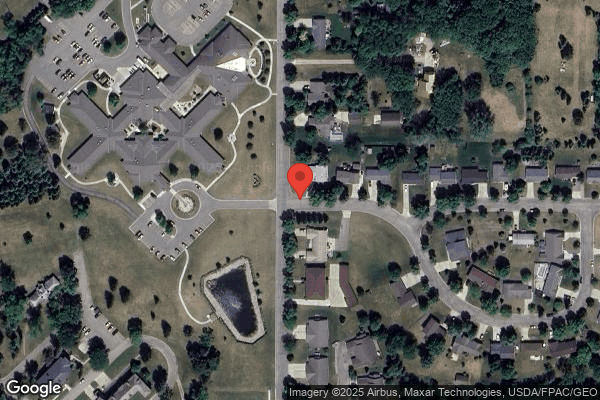
1821 NORTH PARK, FERGUS FALLS, MN 56537 (218) 736-0400
Government - State 85 Beds Independent Data: November 2025
Trust Grade
90/100
#58 of 337 in MN
Last Inspection: February 2025

Within standard 12-15 month inspection cycle. Federal law requires annual inspections.

Overview

The MN Veterans Home Fergus Falls has received a Trust Grade of A, indicating it is an excellent facility that comes highly recommended. It ranks #58 out of 337 nursing homes in Minnesota, placing it in the top half of state facilities, and #3 out of 7 in Otter Tail County, meaning only two local options are better. The facility is new and has shown a stable trend, with no previous inspections on record. Staffing is a strength, with a 4 out of 5-star rating and a turnover rate of 0%, which is significantly lower than the state average. Additionally, RN coverage is above average, being better than 93% of Minnesota facilities, ensuring that registered nurses can catch issues that may arise. However, there are some concerns to note. The facility has two minor issues reported: one involved a resident with severe cognitive impairment for whom safe smoking interventions were not accurately assessed, and the other was related to improper administration of insulin, where the medication was not primed correctly before use. Fortunately, the facility has no fines on record, which is a positive indicator of compliance with care standards. Overall, while there are a few areas needing improvement, the MN Veterans Home Fergus Falls demonstrates strong performance in many key aspects of care.

Trust Score
A
90/100
In Minnesota
#58/337
Top 17%
Safety Record
Low Risk
No red flags
Inspections
Too New
0 → 2 violations
Staff Stability
○ Average
Turnover data not reported for this facility.
Penalties
✓ Good
No fines on record. Clean compliance history, better than most Minnesota facilities.
Skilled Nurses
✓ Good
Each resident gets 113 minutes of Registered Nurse (RN) attention daily — more than 97% of Minnesota nursing homes. RNs are the most trained staff who catch health problems before they become serious.
Violations
✓ Good
Only 2 deficiencies on record. Cleaner than most facilities. Minor issues only.
★★★★★
5.0
Overall Rating
★★★★☆
4.0
Staff Levels
★★☆☆☆
2.0
Care Quality
★★★★★
5.0
Inspection Score
Stable
: 0 issues
2025: 2 issues

The Good

  • 4-Star Staffing Rating · Above-average nurse staffing levels
  • Full Sprinkler Coverage · Fire safety systems throughout facility
  • No fines on record

Facility shows strength in staffing levels, fire safety.

The Bad

No Significant Concerns Identified

This facility shows no red flags. Among Minnesota's 100 nursing homes, only 0% achieve this.

The Ugly 2 deficiencies on record

Feb 2025 2 deficiencies
CONCERN (D)

Potential for Harm - no one hurt, but risky conditions existed

Accident Prevention (Tag F0689)

Could have caused harm · This affected 1 resident

**NOTE- TERMS IN BRACKETS HAVE BEEN EDITED TO PROTECT CONFIDENTIALITY** Based on observation, interview and document review, the facility failed to accurately assess and implement safe smoking interve...

Read full inspector narrative →
**NOTE- TERMS IN BRACKETS HAVE BEEN EDITED TO PROTECT CONFIDENTIALITY** Based on observation, interview and document review, the facility failed to accurately assess and implement safe smoking interventions for 1 of 1 resident (R17) reviewed for smoking. Findings include: R17's quarterly Minimum Data Set (MDS) dated [DATE], indicated R17 had diagnoses which included chronic obstructive pulmonary disease (COPD) hypertension (elevated blood pressure), and stroke. Identified R17 had severe cognitive impairment and was independent with activities of daily living (ADL's) which included transfers and toileting. Identified R17 used tobacco. R17's annual Care Area Assessment (CAA) dated 5/1//24, identified interventions were in place to address safety needs. R17's care plan revised 4/27/21, identified the facility had determined R17 was a modified independent smoker. Care plan identified facility was to store R17's cigarettes and give R17 one cigarette at a time to smoke independently. R17's smoking assessment dated [DATE], indicated R17 was safe to dispose of ashes and smoking material completely. Assessment indicated R17 did not have any visible burns on clothing or wheelchair cushion. Indicated R17 was safe to smoke independently without supervision and did not require a smoking apron. R17's smoking assessment dated [DATE], indicated R17 was safe to dispose of ashes and smoking material completely. Assessment indicated R17 did not have any visible burns on clothing or wheelchair cushion. Indicated R17 was safe to smoke independently without supervision and did not require a smoking apron. During an observation on 2/4/25 at 9:15 a.m., R17 was standing at the nurses station. R17 received one cigarette from registered nurse (RN)-A. R17 walked into the smoking room which was located about 40 feet from the nurse's station. R17 put the cigarette into the wall lighter. (a small hole within a metal box located on the wall) and lit the cigarette. R17 sat down in the chair and began smoking the cigarette and as R17 was smoking the cigarette ashes began falling on his lap. R17 had not made any effort to remove the cigarette ashes from his pants and continued smoking. R17 placed the cigarette which was still burning in an ashtray and walked back to the nurses station and received another cigarette from RN-A. R17 walked back into the smoking room and picked up his previous cigarette and used it to light the new cigarette then placed the first cigarette still burning into the ashtray. R17 smoked the second cigarette as ashes continued to fall onto his lap. R17 made no effort to remove the cigarette ashes from his lap and continued smoking. R17 then placed the second cigarette which was still burning into the ashtray. R17 made no effort to extinguish either of the two cigarettes. R17 then left the smoking room and went back to his room. During an observation on 2/4/25 at 9:51 a.m., R17 came out of his room and walked to the nurse's station and received one cigarette from RN-A. R17 walked into the smoking room and used the wall lighter to light the cigarette. R17 sat down in the chair and had visible holes in the black sweatpants he was wearing. R17 began smoking the cigarette and ashes began falling onto his lap. R17 made no effort to remove the cigarette ashes from his pants and continued smoking R17 placed the cigarette which was still burning into the ashtray. R17 made no effort to extinguish the cigarette, got up from the chair, several ashes were noted on the floor as R17 left the smoking room and walked back to his room. During an inventory of R17's clothing on 2/4/25 at 9:26 a.m., RN-A identified two pair of blue pants with large burn-holes, one pair of gray pants with burn-holes, and the black sweatpants R17 was wearing had several burn-holes in them. During an interview on 2/4/25 at 10:02 a.m., laundry aide (LA)-A stated she was aware of the burn-holes in R17's pants. LA-A stated she was not sure how long the burn-holes had been on R17's pants. During an interview on 2/4/25 at 11:00 a.m., nursing assistant (NA)-A stated R17 was a smoker and the nurses stored R17's cigarettes for him. NA-A stated R17 was able to smoke in the smoking room without supervision or a smoking apron. NA-A stated she was aware of the burn-holes in R17's pants however, was unsure how long the burn-holes have been there. During an interview on 2/4/25 at 11:10 a.m., NA-B stated R17 was a smoker and the nurses stored R17's cigarettes for him. NA-A stated R17 was able to smoke in the smoking room without supervision or a smoking apron. NA-A stated she was aware of the burn-holes on R17's pants however, was unsure how long the burn-holes have been there. During an interview on 2/4/25 at 11:36 a.m., RN-A stated she had completed smoking assessments on R17 by observing R17 smoke through the window however, had never gone into the smoking room while R17 was smoking. RN-A stated she was aware of the burn-holes on R17's pants however, was not sure how long the holes had been there. RN-A stated she was not sure why the smoking assessments stated there were no visible holes on R17's clothing. RN-A stated for safety reasons her expectation was that staff should have been offering a smoking apron or supervise R17 while smoking. During an interview on 2/4/25 at 12:13 p.m., RN-B stated she had observed R17 smoking through the window however, had never gone into the smoking room while R17 was smoking. RN-B stated she was aware of the burn-holes present on R17's pants and was not sure how long the holes had been there. RN-B stated she had assumed R17 was safe to smoke unsupervised and did not require a smoking apron. During an interview on 2/4/25 at 12:17 p.m., RN-C stated she had not visualized R17 smoking. RN-C stated when the nurses completed a visual smoking assessment on R17, it was usually by visualizing the window. RN-C stated she was aware of the burn-holes present on R17 clothing however, was unsure how long the holes had been there. RN-C stated another assessment was going to be completed to ensure R17's safety while smoking. During an interview on 2/4/25 at 12:42, director of nursing (DON) stated she was aware of the burn-holes present on R17's clothing. DON stated she was unsure how long the holes have been on the clothing or if any of the burn-holes had happened recently. DON stated her expectation was that R17 was safe while smoking and that another smoking assessment was to be completed and that safety interventions would be implemented off of that new smoking assessment to ensure R17 was safe while smoking. Review of a facility policy titled Smoking and Tobacco Policy revised 5/1/19 identified residents ho smoke would have a smoking assessment quarterly and upon change of condition. Identified smoking interventions were based on the individualized smoking assessment. Residents will follow the plan of care. Violations of the rules or agreed to interventions may result in the loss of the smoking privilege or may lead to smoking restrictions.
CONCERN (D)

Potential for Harm - no one hurt, but risky conditions existed

Deficiency F0760 (Tag F0760)

Could have caused harm · This affected 1 resident

**NOTE- TERMS IN BRACKETS HAVE BEEN EDITED TO PROTECT CONFIDENTIALITY** Based on observation, interview and document review, the facility failed to ensure professional standards of practice were follo...

Read full inspector narrative →
**NOTE- TERMS IN BRACKETS HAVE BEEN EDITED TO PROTECT CONFIDENTIALITY** Based on observation, interview and document review, the facility failed to ensure professional standards of practice were followed during medication set-up and administration of insulin with a Novolog insulin pen ( rapid-acting insulin, used to improve blood sugar control in people with diabetes mellitus) for 1 of 2 residents (R15) who received insulin without the pen primed according to manufacturer's recommendations. Findings include: R15's quarterly Minimum Data Set (MDS) dated [DATE], identified R15 had intact cognition with diagnosis of type two diabetes (DM), and received injections of insulin. R15's care plan revised 5/31/24, identified staff were to administer medications as prescribed. R15's Medication Review Report signed 12/18/24, identified Semglee Pen-100 units/milliliter, inject 12 units Subcutaneously (an injection just under the skin into the fatty tissue) two times daily for DM. During an observation of medication pass on 2/3/25 at 6:10 p.m., registered nurse (RN)-D prepared R15's medication which included her evening, Semglee insulin. RN-D removed the Semglee insulin pen from the medication cart, removed the tip, attached a needle to the end of the pen, dialed the dose to the ordered 12 units, picked up an alcohol wipe, went to R15's room and administered the 12 units of insulin to R15. RN-D then removed the needle from the end of the pen, placed it in the sharps container and sanitized his hands. RN-D did not prime the pen (waste 2 units of insulin to remove the air bubbles) per manufacturer's instructions prior to drawing up the 12 units of insulin. During an interview on 2/5/25 at 9:33 a.m., RN-D verified he had not primed the insulin pen prior to dialing up the 12 units of Semglee for R15 per manufacturer's recommendations. RN-D stated he was aware the insulin pen should have been primed prior to dialing up the insulin to ensure the accurate dosage of insulin was administered. During an interview on 2/5/25 at 9:35 a.m., consultant pharmacist (CP) stated it was important to always prime an insulin pen prior to drawing up the dosage to ensure the residents received the correct dosage of insulin. During an interview on 2/5/25 at 10:27 a.m., director of nursing (DON) stated her expectation was that the insulin pen would have been primed prior to dialing up the insulin dose for R15 to ensure the proper dose of insulin was administered. Review of the Semglee insulin manufacture's package insert dated 2021, identified the need to perform an airshot before each injection to ensure the any air bubbles were removed. The process directed: Attach a new needle, Select a dose of 2 units on the dosage selector, hold the pen with the needle pointing upward, tap the insulin reservoir to move any air bubbles to the top of the reservoir, press the injection button all the way in, and check to see if insulin comes out of the needle tip. Repeat if no insulin comes from the needle, then dial the selector to the ordered insulin dose and administer as ordered. Review of a facility policy titled Medication Administration Standard revised 5/23, identified staff would follow appropriate standards and protocols when administering medications.
Understanding Severity Codes (click to expand)
Life-Threatening (Immediate Jeopardy)
J - Isolated K - Pattern L - Widespread
Actual Harm
G - Isolated H - Pattern I - Widespread
Potential for Harm
D - Isolated E - Pattern F - Widespread
No Harm (Minor)
A - Isolated B - Pattern C - Widespread

Questions to Ask on Your Visit

  • "Can I speak with families of current residents?"
  • "What's your RN coverage like on weekends and overnight?"

Our Honest Assessment

Strengths
  • • Grade A (90/100). Above average facility, better than most options in Minnesota.
  • • No fines on record. Clean compliance history, better than most Minnesota facilities.
  • • Only 2 deficiencies on record. Cleaner than most facilities. Minor issues only.
Concerns
  • • No significant concerns identified. This facility shows no red flags across CMS ratings, staff turnover, or federal penalties.
Bottom line: Generally positive indicators. Standard due diligence and a personal visit recommended.

About This Facility

What is Mn Veterans Home Fergus Falls's CMS Rating?

CMS assigns MN Veterans Home Fergus Falls an overall rating of 5 out of 5 stars, which is considered much above average nationally. Within Minnesota, this rating places the facility higher than 99% of the state's 100 nursing homes. This rating reflects solid performance across the metrics CMS uses to evaluate nursing home quality.

How is Mn Veterans Home Fergus Falls Staffed?

CMS rates MN Veterans Home Fergus Falls's staffing level at 4 out of 5 stars, which is above average compared to other nursing homes.

What Have Inspectors Found at Mn Veterans Home Fergus Falls?

State health inspectors documented 2 deficiencies at MN Veterans Home Fergus Falls during 2025. These included: 2 with potential for harm.

Who Owns and Operates Mn Veterans Home Fergus Falls?

MN Veterans Home Fergus Falls is owned by a government entity. Government-operated facilities are typically run by state, county, or municipal agencies. The facility operates independently rather than as part of a larger chain. With 85 certified beds and approximately 77 residents (about 91% occupancy), it is a smaller facility located in FERGUS FALLS, Minnesota.

How Does Mn Veterans Home Fergus Falls Compare to Other Minnesota Nursing Homes?

Compared to the 100 nursing homes in Minnesota, MN Veterans Home Fergus Falls's overall rating (5 stars) is above the state average of 3.2 and health inspection rating (5 stars) is much above the national benchmark.

What Should Families Ask When Visiting Mn Veterans Home Fergus Falls?

Based on this facility's data, families visiting should ask: "Can I visit during a mealtime to observe dining assistance and food quality?" "How do you handle medical emergencies, and what is your hospital transfer rate?" "Can I speak with family members of current residents about their experience?"

Is Mn Veterans Home Fergus Falls Safe?

Based on CMS inspection data, MN Veterans Home Fergus Falls has a clean safety record: no substantiated abuse findings (meaning no confirmed cases of resident harm), no Immediate Jeopardy citations (the most serious violation level indicating risk of serious injury or death), and is not on the Special Focus Facility watch list (a federal program monitoring the lowest-performing 1% of nursing homes). The facility has a 5-star overall rating and ranks #1 of 100 nursing homes in Minnesota. While no facility is perfect, families should still ask about staff-to-resident ratios and recent inspection results during their visit.

Do Nurses at Mn Veterans Home Fergus Falls Stick Around?

MN Veterans Home Fergus Falls has not reported staff turnover data to CMS. Staff turnover matters because consistent caregivers learn residents' individual needs, medications, and preferences. When staff frequently change, this institutional knowledge is lost. Families should ask the facility directly about their staff retention rates and average employee tenure.

Was Mn Veterans Home Fergus Falls Ever Fined?

MN Veterans Home Fergus Falls has no federal fines on record. CMS issues fines when nursing homes fail to meet care standards or don't correct problems found during inspections. The absence of fines suggests the facility has either maintained compliance or corrected any issues before penalties were assessed. This is a positive indicator, though families should still review recent inspection reports for the full picture.

Is Mn Veterans Home Fergus Falls on Any Federal Watch List?

MN Veterans Home Fergus Falls is not on any federal watch list. The most significant is the Special Focus Facility (SFF) program, which identifies the bottom 1% of nursing homes nationally based on persistent, serious quality problems. Not being on this list means the facility has avoided the pattern of deficiencies that triggers enhanced federal oversight. This is a positive indicator, though families should still review the facility's inspection history directly.