Fair Meadow Nursing Home
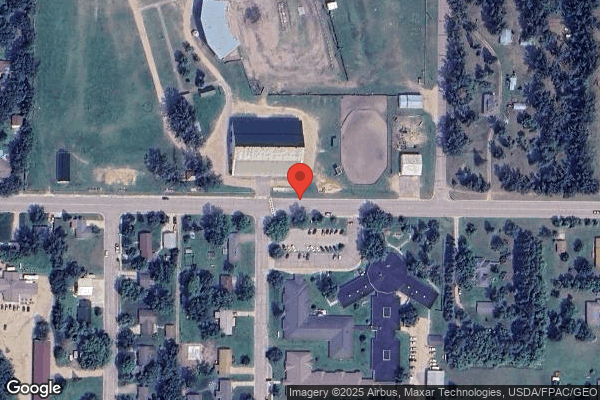

300 GARFIELD AVENUE SOUTHEAST, FERTILE, MN 56540 (218) 945-6194
Non profit - Other 42 Beds Independent Data: November 2025
Trust Grade
65/100
#170 of 337 in MN
Last Inspection: September 2025

Inspected within the last 6 months. Data reflects current conditions.

Overview

Fair Meadow Nursing Home has a Trust Grade of C+, indicating it is slightly above average but not without concerns. In Minnesota, it ranks #170 out of 337 facilities, placing it in the bottom half, but it is #2 out of 4 in Polk County, meaning only one local option is better. The facility's trend is worsening, with issues increasing from 5 in 2024 to 8 in 2025. Staffing is rated 4 out of 5, which is good, and has a turnover rate of 46%, similar to the state average. However, it has concerning RN coverage, with less than 1% of Minnesota facilities, meaning there may not be enough registered nurses to oversee care adequately. While there have been no fines, which is a positive sign, the facility has had specific issues. For example, they failed to educate three residents about important immunizations, and they improperly left one resident to self-administer medication without proper assessment. Additionally, a resident with severe cognitive impairment was inappropriately restrained while in bed, which raises serious safety concerns. Overall, while there are strengths in staffing and the absence of fines, the increasing number of issues and specific incidents highlight significant areas for improvement.

Trust Score
C+
65/100
In Minnesota
#170/337
Top 50%
Safety Record
Low Risk
No red flags
Inspections
Getting Worse
5 → 8 violations
Staff Stability
⚠ Watch
46% turnover. Above average. Higher turnover means staff may not know residents' routines.
Penalties
✓ Good
No fines on record. Clean compliance history, better than most Minnesota facilities.
Skilled Nurses
⚠ Watch
Each resident gets only 28 minutes of Registered Nurse (RN) attention daily — below average for Minnesota. Fewer RN minutes means fewer trained eyes watching for problems.
Violations
⚠ Watch
14 deficiencies on record. Higher than average. Multiple issues found across inspections.
★★★☆☆
3.0
Overall Rating
★★★★☆
4.0
Staff Levels
★☆☆☆☆
1.0
Care Quality
★★★★☆
4.0
Inspection Score
Stable
2024: 5 issues
2025: 8 issues

The Good

  • 4-Star Staffing Rating · Above-average nurse staffing levels
  • Full Sprinkler Coverage · Fire safety systems throughout facility
  • No fines on record

Facility shows strength in staffing levels, fire safety.

The Bad

3-Star Overall Rating

Near Minnesota average (3.2)

Meets federal standards, typical of most facilities

Staff Turnover: 46%

Near Minnesota avg (46%)

Higher turnover may affect care consistency

The Ugly 14 deficiencies on record

Sept 2025 8 deficiencies
CONCERN (D)

Potential for Harm - no one hurt, but risky conditions existed

Deficiency F0554 (Tag F0554)

Could have caused harm · This affected 1 resident

**NOTE- TERMS IN BRACKETS HAVE BEEN EDITED TO PROTECT CONFIDENTIALITY** Based on observation, interview, and document review, the facility failed to comprehensively assess for ability or safety and th...

Read full inspector narrative →
**NOTE- TERMS IN BRACKETS HAVE BEEN EDITED TO PROTECT CONFIDENTIALITY** Based on observation, interview, and document review, the facility failed to comprehensively assess for ability or safety and then care plan the self-administration of medication for 1 of 1 resident (R36) observed to have medication prepared by staff and then left with him to take on his own. Findings include: R36's admission Minimum Data Set (MDS) assessment dated [DATE], identified R36 had intact cognition. Diagnoses included disorder of the circulatory system, aneurysm of iliac artery and lower extremity and chronic obstructive pulmonary disease (COPD). R36's care plan with last review date 9/3/25, identified R36 admitted to the facility on [DATE]. A focus for altered respiratory status was identified with difficult breathing at times. Interventions included to administer medications and puffers as ordered. However, the care plan lacked any evidence R36 had been assessed or approved to administer nebulized medications independently. On 9/9/25, at 3:33 p.m., licensed practical nurse (LPN)-A prepared R36's medications for administration from a mobile cart in the hallway. LPN-A opened a box labeled Ipratropium 0.5 milligrams (mg) and albuterol sulfate 5 mg inhalation solution and removed one plastic vial of the medication. R36's corresponding electronic medication administration record (MAR) present via computer on the mobile cart, directed to inhale orally via nebulizer four time per day for COPD. LPN-A entered R36's room and poured the vial of medication into R36's nebulizer medication chamber, turned on the nebulizer machine and handed R36 the nebulizer mouthpiece to begin inhaling. LPN-A instructed R36 to ring if he had any trouble and exited the room. LPN-A returned to the medication cart and signed off the medication as administered. R36's medical record lacked evidence R36 was comprehensively assessed for safety with the self-administration of his nebulized medications. During interview on 9/9/25, at 3:56 p.m. LPN-A stated R36 administered his nebulized medications independently. LPN-A stated she also worked night shift and R36 had three different nebulized medications ordered to be administered during the night. Night shift nurse just brought all three of the ordered nebulizer medications to R36 and left them in his room for him to administer one after the other on his own. The nurse would check back with him later, when they brought in his oral medications, to ensure he had administered all of them. R36 was capable of bringing the nebulizer to his mouth and administering the nebulized medication correctly or he would be able to tell the staff if he was having any issues. Typically, there would be a self-administration assessment completed to ensure it was safe for R36 to self-administer the medications. LPN-A had just assumed there had been an assessment completed. During interview on 9/10/25, at 4:00 p.m. registered nurse (RN)-A stated she was responsible for completing resident assessments, including an assessment for ability and safety of resident to self-administer medications. RN-A stated R36 was high functioning and capable of administering his nebulized medications, however, she had not completed a formal assessment and order for the self-administration of the medications. She had not been aware he was doing the nebulized medications independently and so the assessment had been missed. When interviewed on 9/10/25, at 4:30 p.m. the director of nursing (DON) stated if a resident requested to self-administer medications it was the facility's policy to complete a self-administration of medication assessment to ensure they could do so correctly and safely, then it would be noted on the MAR and care planned. The facility's undated policy Self Administration of Medications identified on admission the resident would be asked if they would like to self-administer any medication. If the response was affirmative, the resident would need to demonstrate the ability, cognitively, physically and visually to safely complete the task. When a resident requested to self-administer medications, they would be assessed to determine the ability to do so safely for themselves and other residents. The assessment would be completed by a member of the interdisciplinary team using the facility's assessment form. The resident would need to demonstrate the ability to administer the medication, know the name of the medications, what it was used for, the main side effects of the medication. The resident would also need to be able to physically and visually complete the task.
CONCERN (D)

Potential for Harm - no one hurt, but risky conditions existed

Deficiency F0604 (Tag F0604)

Could have caused harm · This affected 1 resident

**NOTE- TERMS IN BRACKETS HAVE BEEN EDITED TO PROTECT CONFIDENTIALITY** Based on observation, interview and document review, the facility failed to ensure a defined perimeter mattress (DPM) was not us...

Read full inspector narrative →
**NOTE- TERMS IN BRACKETS HAVE BEEN EDITED TO PROTECT CONFIDENTIALITY** Based on observation, interview and document review, the facility failed to ensure a defined perimeter mattress (DPM) was not used in a manner to restrain residents while in bed for 1 of 3 residents (R14) reviewed for restraints.Findings include:R14's quarterly Minimum Data Set (MDS) dated [DATE], identified R14 had a severe cognitive impairment, diagnoses that included bipolar disorder, epilepsy, and vascular dementia and identified R14 used an other restraint while in bed daily.R14's Cognitive Loss/Dementia Care Area Assessment (CAA) dated 1/31/25, identified R14 had impaired cognitive function/impaired thought processes related to dementia. R14's cognitive assessment indicated severe impairment. R14 was able to make her needs known and was understood and understood others.R124's Behavioral Symptoms CAA dated 1/31/25, identified R14 had a potential to demonstrate behaviors related to vascular dementia, bipolar disorders, a history of depression with psychosis, and a generalized anxiety disorder. Behaviors noted during look back period: resistive to cares, hitting out at staff, not wanting to get up in the morning or have breakfast. Staff were directed to provide redirection; leave R14, if safe, and return later; meet R14's needs with toiletings, food, drink, and repositioning and continue to observe. However, the CAA failed to identify R14's DPM and/or interventions used prior to implementing a DPM.R14's care plan reviewed 7/23/25, identified R14 was at high risk for falls related to history stroke with weakness, vascular dementia with forgetfulness, hypertension, history of dizziness, and, at times, R14 was unaware of safety needs, confusion, gait/balance problems. R14 had a history of recurrent falls related to self-transfers and needed to be frequently reminded to ring for assist related to history of not ringing call light for staff assist. R14 needed staff assist with transfers, bed mobility, toileting, and other activities of daily living every day. Staff were directed R14 used a DPM on R14's bed and mats on the floor for safety related to history of self-transfers with falls in the past while in bed. R14's bed should be in low position. When R14 swung her legs out of bed, R14 was ready to get up. Staff assist with mechanical stand-up lift for transfers R14 was unable to walk. Review need for any restraints on annual and/or comprehensive assessments.R14's medical record failed to identify a restraint assessment.R14's physician order dated 11/8/22, identified R14 used assistive devices: 2 short side rails on top left and right DPM mattress with mats on the floor by R14's bed for safety. However, the physician order failed to identify a medical need for a restraint.During an observation on 9/8/25 at 7:13 p.m., R14 was lying in bed on her right side towards wall. A DPM was on R14'a bed and a mat was lying on the floor next to R14's bed.During an observation on 9/9/25 at 1:30 p.m., R14 was lying in bed on her back. A lap blanket was covering to her chest. R14 had her eyes closed and had rhythmic deep breathing. R14 was lowered to the floor with a DPM and a mat on the floor next to Rl14's bed.During an interview on 9/9/25 at 3:20 p.m., licensed practical nurse (LPN)-C stated R14 hadn't tried to get out of her wheelchair on her own in a in a long time. Sometimes, R14 would try to get out of her bed but R14 had a mattress with a lip on it so R14 just could get her feet out but that was it. R14 hadn't done that in a really long time either. R14 used to be more active, but not anymore. Like I said, R10 had that lip on her mattress and can't get out of it.During an interview on 9/9/25 at 3:25 p.m., nursing assistant (NA)-A R14 was usually chill and calm. R15 has her bad days sometimes. R14 would refuse to get up and wanted to fuss. That was about it. R14 would sit up at the side of the bed but that was it. R14 was unable to get out of bed because of the DPM. NA-A could not recall the last time R14 had a fall from bed.During an interview on 9/9/25 at 4:07 p.m., the social work designee (SSD) stated nursing performed the restraint assessments every quarter and annually. SSD stated R14 did not utilize a restraint that SSD was aware of. During an interview on 9/9/25 at 4:10 p.m., RN-B stated R14 used a DPM on her bed. R14 had the DPM before RN-B started working at the facility. R14's physician signed the restraint order for the DPM and the DPM was implemented in the fall of 2019. RN-B stated she did not know if a restraint assessment had been completed for R14, but RN-B knew R14 needed the DPM because R14 could no longer walk and would try to get out of bed and fall. RN-B stated she has walked past R14's room and R14 had her feet sticking out of her bed. RN-B would know that's when it was time to get R14 up. RN-B stated R14 did use a low bed with a mat on the floor so the likelihood of injury from a fall was slight, however, RN-B continued to state R14 required a DPM to prevent R14 from getting out of bed.During an interview on 9/10/25 at 3:02 p.m., RN-B stated, in 2018, R14 had a low bed with mats on the floor, a bed alarm and poor cognition so a DPM was the safest alternative for R14 because R14 was climbing out of bed. But that was a long time ago. RN-B stated, in RN-B's opinion, R14 could fall and injure herself. R14 had not fallen out of bed since the DPM was implemented in 2019. Per MDS coding guidelines, R14's DPM was identified as a restraint because R14 was not able to get out of bed on her own because it was not safe for her do so. RN-B stated she knew staff got R14 up when she was restless because it was a risk or if R14 was awake and exhibited behaviors. However, RN-B had not done a formal restraint assessment for R14 nor had considered possible alternatives to a restraint for R14.During an interview with the director of nursing (DON) and administrator on 9/10/25 at 4:14 p.m., the DON stated restraints were to be assessed quarterly and addressed in the care conference. Staff should be doing the same for not only R14's DPM but all residents with a DPM to make sure all restraints were reviewed to ensure documentation was complete and trials off were attempted. Staff were also expected to utilize all possible alternatives prior to initiating a restraint. The administrator stated it should have been and didn't happen. The facility policy Use of Restraints revised 1/3/23, identified restraints shall only be used for the safety and well-being of the resident(s) and only after other alternatives have been tried unsuccessfully. Restraints shall only be used to treat the resident's medical symptom(s) and never for, discipline or staff convenience, or for the prevention of falls. Physical Restraints are defined as any manual method or physical or mechanical device, material or equipment attached or adjacent to the resident's body that the individual cannot remove easily, which restricts freedom of movement or restricts-normal access to one's body. 13. The following safety guidelines shall be implemented and documented while a resident is in restraints:a. Restraints shall be used in such a way as not to cause physical injury to the resident and to insure the least possible discomfort to the resident.b. Physical restraints shall be applied in such a manner that they can be speedily removed in case of fire or other emergency. Restraints with locking devices shall not be used.c. A resident placed in a restraint will be observed at least every thirty (30) minutes by nursing personnel and an account of the resident's condition shall be recorded in the resident's medical record.d. The opportunity for motion and exercise is provided for a period of not less than ten (10) minutes during each two (2) hours in which restraints are employed.e. Restrained residents must be repositioned at least every two (2) hours on all shifts.
CONCERN (D)

Potential for Harm - no one hurt, but risky conditions existed

Accident Prevention (Tag F0689)

Could have caused harm · This affected 1 resident

**NOTE- TERMS IN BRACKETS HAVE BEEN EDITED TO PROTECT CONFIDENTIALITY** Based on observation, interview and document review, the facility failed to ensure interventions for safe transfers were impleme...

Read full inspector narrative →
**NOTE- TERMS IN BRACKETS HAVE BEEN EDITED TO PROTECT CONFIDENTIALITY** Based on observation, interview and document review, the facility failed to ensure interventions for safe transfers were implemented for 1 of 5 residents (R23) observed during staff assisted transfers. Findings include:R23's quarterly Minimum Data Set (MDS) dated [DATE], identified moderate cognitive impairment. R23 required maximal assistance with transfers and ambulation. Diagnoses included depression, hypertension, osteoporosis, osteoarthritis, muscle weakness, and low back pain. R23's care plan with review date 8/20/25, identified R23 had a self-care performance deficit and a goal was listed to maintain her current level of function in all activities of daily living (ADLs) and mobility. Interventions included to transfer with maximal assist of one and a full wheeled walker with all transfers and to ambulate with moderate assist of one with FWW, gait belt and wheelchair to follow in the hallways. On 9/9/25, at 2:30 p.m. R23 was observed seated in her wheelchair in a common area near the nurse's station. Nursing assistant (NA)-A approached R23 and wheeled her wheelchair next to a nearby recliner, locking the wheelchair brakes. NA-A directed R23 to lift her arms up in the air then NA-A wrapped her arms around R23 just below her armpits. NA-A lifted R23 into a standing position, pivoted her toward the recliner and then sat R23 down into the recliner. A gait belt to assist with the resident transfer was not used. When interviewed on 9/9/23, at 2:35 p.m. NA-A stated it had been such a close transfer, and she would not use a gait belt to transfer a resident when the transfer was so close and did not require steps. NA-A would definitely use a gait belt when walking with a resident. When NA-A had assisted R23 to sit in the recliner, it was such a close transfer, so she just grabbed her around her torso and helped her stand and into the recliner. The wheelchair and recliner had been so close that no gait belt was required. NA-A stated she did not think it would bother R23 to raise her arms and be transferred in that manner. During interview on 9/9/23, at 3:14 p.m. licensed practical nurse (LPN)-A stated staff always transferred R23 with a gait belt and assist of one. Even if it was a close transfer, a gait belt would be required. Any resident that needed any type of staff assistance would need to have a gait belt on for the transfer.During interview on 9/10/23, at 4:30 p.m. the director of nursing (DON) stated any time staff assisted a resident to transfer, they were to use a gait belt. Any resident that needed assistance with transfers needed a gait belt and all the staff were aware of that. NA-A should have used a gait belt when transferring R23. Not using a gait belt and grabbing her around the torso to transfer could have injured R23's shoulders or caused her pain. There would have been nothing to grab a hold of, if R23 were to have started to fall during the transfer. The facility policy Wheelchair Transfer dated 1/3/23, directed staff to apply a gait/transfer belt around the resident's waist. Stand in front of the resident and position self to ensure safety of self and resident during transfer. Staff were to grasp the transfer belt at the resident's side with an underhand grasp. On count of three gradually assist resident to a standing position while continuing to grasp the transfer belt. Assist the resident to pivot and lower the resident into the chair. Remove the transfer belt.
CONCERN (D)

Potential for Harm - no one hurt, but risky conditions existed

Incontinence Care (Tag F0690)

Could have caused harm · This affected 1 resident

**NOTE- TERMS IN BRACKETS HAVE BEEN EDITED TO PROTECT CONFIDENTIALITY** Based on observation, interview and document review, the facility failed to ensure a physician order for indwelling urinary cath...

Read full inspector narrative →
**NOTE- TERMS IN BRACKETS HAVE BEEN EDITED TO PROTECT CONFIDENTIALITY** Based on observation, interview and document review, the facility failed to ensure a physician order for indwelling urinary catheter for 1 of 1 residents (R21) reviewed for urinary catheter. Findings include:R21's significant change Minimum Data Set (MDS) dated [DATE], identified R21 had a moderate cognitive impairment and diagnoses that included obstructive and reflux uropathy (a blockage in the urinary tract making it difficult to urinate), dementia, and benign prostatic hyperplasia (BPH) (an enlarged prostate). R21 used an indwelling urinary catheter.R21's physician order dated 6/8/22, directed to change foley catheter every 90 days. However, the physician order failed to identify type or size of urinary catheter.R21's care plan revised 12/27/23, identified R21 used an indwelling urinary catheter for obstructive uropathy and BPH. R21 required staff assistance with catheter care and emptying of the urinary bag. R21 used a 16 French (fr) urinary catheter with a 10 milliliter (ml) balloon.During an observation on 9/10/25 at 7:38 a.m., nursing assistant (NA)-B provided catheter care to R21.During an interview on 9/10/25 at 10:30 a.m., registered nurse (RN)-B provided a stock 14 fr urinary catheter with a 30 ml balloon. RN-B stated she would only put in 10 ml of saline into the balloon to match R21's order because it wasn't putting in more saline than what the balloon would hold. RN-B then stated R21's urinary catheter physician order was in R21's care plan, however, the care plan was not a physician order. But that's how staff knew what size to use.During an interview on 9/10/25 at 10:59 a.m., the director of nursing (DON) stated staff were expected to follow the physician orders for urinary catheters and to enter the order into the electronic medical record (EMR) in the physician orders. The care plan was an extension of the order, so all staff were aware how to care for the catheter. When the catheter was changed, nursing was expected to document type and size, how much saline was removed, how much saline was used, was the balloon intact etc. A full description of the procedure. The DON also stated using a 30 ml balloon with only 10 cc of saline was not following the order because the 30 ml balloon would expand and not work accordingly.During a telephone interview on 9/10/25 at 2:16 p.m., nurse practitioner (NP)-A stated R21's urinary catheter should be changed every 90 days due to an increased risk and history of urinary tract infection. However, staff should have an order for foley catheter 16 fr. with a 10 ml balloon and were expected to follow physician order.The facility policy Prevent of Catheter Associated UTIs revised 5/15/23, identified the urinary catheter insertion procedure but failed to identify the need for a physician order.
CONCERN (D)

Potential for Harm - no one hurt, but risky conditions existed

Deficiency F0712 (Tag F0712)

Could have caused harm · This affected 1 resident

**NOTE- TERMS IN BRACKETS HAVE BEEN EDITED TO PROTECT CONFIDENTIALITY** Based on interview and document review, the facility failed to ensure long term residents received routine physician visits cons...

Read full inspector narrative →
**NOTE- TERMS IN BRACKETS HAVE BEEN EDITED TO PROTECT CONFIDENTIALITY** Based on interview and document review, the facility failed to ensure long term residents received routine physician visits consistently every 60 days as required for 1 of 5 residents (R2) reviewed for unnecessary medications.Findings include:R2's quarterly Minimum Data Set (MDS) dated [DATE], identified R2 was cognitively intact and had diagnoses that included atrial fibrillation (irregular heartbeat), major depressive disorder, morbid obesity and lymphedema (tissue swelling).R2's medical record identified R2 was evaluated by a medical provider on 8/13/24, 11/19/24, 1/14/25, 2/26/25, 4/15/25, 6/11/25 and 8/29/25.During an interview on 9/10/25 at 1:44 p.m., licensed practical nurse (LPN)-D stated she was responsible to ensure residents were evaluated by a medical provider every 60 days. R2 was not seen timely and LPN-D stated she did not have an explanation why. LPN-D stated she keeps a handwritten schedule every month with the provider schedules, and which residents needed evaluation. However, LPN-D disposed of the handwritten schedule after the provider visit was complete. During an interview with the director of nursing (DON) and the administrator on 9/10/25 at 4:07 p.m., the DON stated staff were expected to ensure residents were evaluated by a medical provider every 60 days. This should have been tracked and brought forward to administration. The facility policy Physician Visits revised 1/4/23, identified the resident must be seen by a physician at least once every 30 days for the first 90 days after admission, and at least every 60 thereafter, a physician visit is considered timely if it occurs not later than 10 days after the date the visit was required. Physician orders must be signed and dated at every routine visit.
CONCERN (D)

Potential for Harm - no one hurt, but risky conditions existed

Unnecessary Medications (Tag F0759)

Could have caused harm · This affected 1 resident

Based on observation, interview and document review, the facility failed to ensure medications were administered in accordance with physician orders which resulted in a medication error rate 9.09% (pe...

Read full inspector narrative →
Based on observation, interview and document review, the facility failed to ensure medications were administered in accordance with physician orders which resulted in a medication error rate 9.09% (percent) for 1 of 7 residents (R11) observed to receive mediations during the survey.Findings include:R11's Order Summary Report, dated 8/28/25, identified R11's current physician-ordered medications and treatments. This included an order for potassium chloride extended release 10 milliequivalent (meq) by mouth two times per day, and vitamin D3 25 micrograms (mcg) give two tablets by mouth in the morning, both with start dates 8/26/25. On 9/10/25, at 9:23 a.m. registered nurse (RN)-B prepared R11's medications at a mobile medication cart in the hallway by the nurses' station. RN-B reviewed R11's electronic Medication Administration Record (MAR) which outlined the same order for potassium and vitamin D3 as listed on R11's Order Summary Report (dated 8/26/25). However, RN-B removed an opened bottle of potassium chloride 10 meq tablets and placed two tablets into the medication cup with R11's other oral medications. RN-B then removed an opened bottle of vitamin D3 25 mcg and placed one tablet into the medication cup with R11's other oral medications. RN-B removed an opened bottle of oxybutynin 5 milligram (mg) tablets and placed one tablet into the medication cup with R11's other oral medications. RN-A placed the non-gel or capsule medications into a separate medication cup and started to place the medications into the pill crusher. RN-B was stopped by the surveyor (SA) and asked to review all medications she had prepared to ensure the SA had recorded the medications correctly. Apon review of the medications, RN-B took out a potassium tablet, stating R11 was only supposed to have one tablet and not the two tablets that were prepared and RN-B retrieved the open vitamin D3 bottle and placed an additional vit D3 tablet into R11's prepared medication cup, stating R11 was supposed to receive two tablets of vitamin D3 and not just the one tablet that had been prepared. RN-B then proceeded to crush the medications that could be crushed and put the crushed medications into a cup with vanilla pudding. RN-B took the crushed medications, and other prepared medications and brought them to R11's room where she administered the prepared medications. Immediately following R11's current physician orders were reviewed. R11's Order Summary Report dated 8/28/25, did not include an order for the medication oxybutynin. During interview on 9/10/25, at 10:00 a.m. RN-B stated she is not sure if she would have caught the incorrect doses of potassium and vitamin D3 if the SA had not stopped and asked to review, she may have. RN-B agreed she would have crushed all the crushable tablets and not be able to identify them once they were crushed if the SA had not stopped her to review them, which would have then been administered to R11. RN-B reviewed the medication bottles in the medication cart and observed R11 did have an opened bottle of oxybutynin 5 mg tablets in her drawer. RN-B stated she must have prepared one tablet in with the other medications for R11 in error. RN-B stated she had been nervous and working too quickly in preparing R11's medications that morning and should have slowed down and reviewed and compared the medications to R11's MAR more closely. RN-B stated she had filled out a medication error report form for the medication error of administering the oxybutynin medication without a current order. When interviewed on 9/10/25, at 4:30 p.m. the director of nursing (DON) stated she expected staff to read resident's MAR's closely and to check it with the medication bottles and double check to prevent medication errors. Staff were to follow the seven rights of medication administration guidelines. The facility policy Medication Administration, dated 5/25/23, directed staff to compare medicine listed on the residents MAR with label on the medication container when taking the medication from the cart, when removing the medication from the container and when returning the medication to the cart for three checks. Staff were to follow the eight rights of medication pass. Right patient, right medication, right dose, right time, right route, right documentation, right reason and right response. Staff were not to administer a medication if it was not listed on the residents MAR, and to check with the charge nurse or unit manager.
CONCERN (D)

Potential for Harm - no one hurt, but risky conditions existed

Infection Control (Tag F0880)

Could have caused harm · This affected 1 resident

**NOTE- TERMS IN BRACKETS HAVE BEEN EDITED TO PROTECT CONFIDENTIALITY** Based on interview and document review, the facility failed to perform timely tracking and trending of potential infectious symp...

Read full inspector narrative →
**NOTE- TERMS IN BRACKETS HAVE BEEN EDITED TO PROTECT CONFIDENTIALITY** Based on interview and document review, the facility failed to perform timely tracking and trending of potential infectious symptoms to prevent the spread of transmissible organisms in a timely and ongoing manner; including a failure to implement timely transmission-based precautions (TBP) and testing for respiratory illness according to the Centers for Disease Control (CDC) for 3 of 3 residents (R10, R21, R39) who were displaying COVID-19 symptoms.Findings include:The facility NON-COVID Illness tracker dated August 2025, identified the following: unit, resident name, room number, infection type, body of infection, diagnostics, treatment, transmission-based precautions and illness resolution. The tracker also identified the following: On 8/2/25, R39 exhibited a runny nose, cough, and slight sore throat. R39's rapid antigen COVID-19 test was negative and R39 with provided comfort for his symptoms. However, the tracker failed to identify if R39 had a confirmatory negative rapid antigen test and/or was placed into transmission-based precautions until the confirmatory test was collected. On 828/25, R21 exhibited dry heaves, fatigue, runny nose, and cough. R21's rapid antigen COVID-19 test was negative and R21 with provided comfort for his symptoms. However, the tracker failed to identify if R21 had a confirmatory negative rapid antigen test and/or was placed into transmission-based precautions until the confirmatory test was collected. On 8/31/25, R10 exhibited cough, congestion, and sore throat. R10's rapid antigen COVID-19 test was negative and R10 with provided comfort for his symptoms. However, the tracker failed to identify if R10 had a confirmatory negative rapid antigen test and/or was placed into transmission-based precautions until the confirmatory test was collected.R39's quarterly Minimum Data Set (MDS) dated [DATE], identified R39 had a moderate cognitive impairment and diagnoses that included heart failure.R39's nursing progress notes identified the following: On 8/28/25 at 9:05 a.m., R39 was observed to be sitting in his wheelchair by the medication cart, R39 had a runny nose with clear drainage. This staff asked R39 how he was feeling R39 and stated, I don't feel good. R39 complained of runny nose with clear nasal drainage, productive cough with grey phlegm and a slight sore throat. R39 denied having a headache or body aches. Lungs were auscultated (listened to) and were clear throughout. Rapid COVID-19 antigen test completed and R39 tested negative for COVID-19. However, the note failed to identify if R39 was placed into transmission-based precautions until a confirmatory rapid antigen test was collected. On 8/29/25 at 11:05 a.m., R39 was complaining of cold symptoms. R39 had a congested, loose, productive cough that R39 said he could give a sputum sample of, if needed. Gave R39 a cup to expectorate into so staff can see what sputum looks like. Lungs were clear, R39 had a loud murmur. On 8/30/25 at 9:58 a.m., R39's rapid COVID-19 antigen test performed, and results were negative. R39 to continue to remain in room until temp was within normal limits, however, the note failed to identify if R39 was in transmission-based precautions. R21's comprehensive MDS dated [DATE], identified R21 had a mild cognitive impairment and diagnoses that included peripheral vascular disease, dementia and chronic kidney disease.R21's nursing progress notes identified the following: On 8/28/25 at 8:40 a.m., staff reported R21 had dry heaves that morning. R21 was alert and sitting up at the side of his bed, R21 stated I don't feel good. R21 complained of feeling tired, runny nose with clear nasal drainage, and of a productive cough. R21 stated he was able to cough up yellowish phlegm. R21 denied having a headache, sore throat or body aches. Rapid COVID-19 test completed and R21 tested negative for COVID-19. Will continue to monitor. On 8/29/25 at 11:39 a.m., R21 had been weak, easily fatigued, and noted confusion. Vitals: temperature 97.6 degrees F, pulse 64, respirations 22, and oxygen saturations 96% on room air. However, R21's bp was low- 85/59 auto, 80/62 manual. Encouraged R21 to drink fluids and monitored for continued concerns. When R21 got back to his room, R21 needed moderate assist of 1 to transfer from wheelchair to recliner. At 1:50 p.m., R21 participated in a small group game of rummy in the activity room with activity staff. At 1:54 p.m., R21 attended church in the activity room. At 3:11 p.m., R21 came to activity room this afternoon for ice cream cone social with other residents and staff. On 8/30/25 at 10:17 a.m., R21's rapid COVID-19 antigen test performed, and results were negative R10's quarterly MDS dated [DATE], identified R10 had a moderate cognitive impairment and diagnoses that included cerebral palsy, epilepsy, and morbid obesity.R10's nursing progress notes identified the following: On 8/31/25 at 7:57 a.m., R10 was showing signs of cough, congestion, and a dry/sore throat. A rapid COVID-19 antigen test which was negative and R10 did not have a fever at this time. However, the note failed to identify if R10 was placed into transmission-based precautions until a confirmatory test could be collected. At 4:14 p.m., R10 complained of congestion: Lungs auscultated and were clear throughout with no adventitious breath sounds (abnormal breath sounds) noted. R10 reported a moist cough with phlegm production which R10 swallowed. R10 educated her on the risks versus benefits of not expelling mucus could result in worsening respiratory conditions. She denied shortness of breath (sob), sore throat, and runny nose. R10 also reported she was congested and not tired. She had allergy medication scheduled every evening. On 9/2/25 at 3:20 p.m., R10 participated in playing word scramble with staff and peers in the activity room. At 4:15 p.m., R10 participated in a group activity passing around the conversation ball in the activity room. On 9/3/25 at 1:13 p.m., R10 participated in a group exercise this morningDuring an interview on 9/9/25 at 11:13 a.m., licensed practical nurse (LPN)-A stated she started her role as the facility's infection preventionist at the end of July 2025. LPN-A performed the facility's surveillance monitoring on Fridays and another nurse covered for her the other days. The facility's nurses had a good team approach and put notes in the electronic medical record and called LPN-A whenever a resident was ill, including weekends, evenings and nights. The nurses had the ability to test for COVID-19 and to place any symptomatic resident into transmission-based precautions at any time. During an interview on 9/9/25 at 11:48 a.m., registered nurse (RN)-A stated R10, R21 and R39 were not placed into transmission-based precautions when they exhibited signs and symptoms of COVID-19 because their COVID-19 rapid antigen tests were negative. R21 went out on a facility planned outing and was played out but improved on his own. The residents had a runny nose for a few days and were tired out. RN-A stated she would place a resident in transmission-based precautions if he/she was coughing or had a positive COVID-19 test, but really any respiratory illness should. Typically, if a resident had a cough, staff would ask the resident to remain in his/her room, but staff would not put on any personal protective equipment (PPE) before entering the room unless the resident tested positive for COVID-19. RN-A stated she was unaware a confirmatory test was required when a rapid antigen test was used. During an interview on 9/9/25 at 12:12 p.m., RN-B stated she would put a resident in transmission-based precautions when the resident had a fever, were actively vomiting or were positive for COVID-19. RN-B stated she was unaware a resident needed to be placed into transmission-based precautions until a confirmatory negative rapid antigen test was collected. During an interview on 9/9/25 at 12:14 p.m., the director of nursing (DON) stated she expected staff to follow facility policy and procedure to protect other residents, staff and the community from potential illness. The Centers for Disease Control and Prevention (CDC) Interim Infection Prevention and Control Recommendations for Healthcare Personnel During the Coronavirus Disease 2019 (COVID-19) Pandemic updated 3/18/24, identified the decision to discontinue empiric Transmission-Based Precautions by excluding the diagnosis of current SARS-CoV-2 infection for a patient with symptoms of COVID-19 can be made based upon having negative results from at least one viral test.- If using NAAT (molecular) (A Nucleic Acid Amplification Test is a type of viral diagnostic test for SARS-CoV-2, the virus that causes COVID-19. NAATs detect genetic material (nucleic acids). NAATs for SARS-CoV-2 specifically identify the RNA (ribonucleic acid) sequences that comprise the genetic material of the virus), a single negative test is sufficient in most circumstances. If a higher level of clinical suspicion for SARS-CoV-2 infection exists, consider maintaining Transmission-Based Precautions and confirming with a second negative NAAT.- If using an antigen test, a negative result should be confirmed by either a negative NAAT (molecular) or second negative antigen test taken 48 hours after the first negative test.- If a patient suspected of having SARS-CoV-2 infection is never tested, the decision to discontinue Transmission-Based Precautions can be made based on time from symptom onset as described in the Isolation section below. Ultimately, clinical judgment and suspicion of SARS-CoV-2 infection determine whether to continue or discontinue empiric Transmission-Based Precautions.The facility COVID-19 policy revised 5/12/23, identify it was the policy of the facility to minimize exposure to respiratory pathogens and promptly identify residents with clinical features and an epidemiologic risk for COVID-19 and to adhere to Federal and State/local recommendations. A resident with suspected COVID-19: Immediate infection prevention and control measures will be put into place. Symptoms may vary in severity. If symptoms are mild and do not require transfer to the hospital:- Place resident in isolation in his/her room with door closed on Special Precautions - including Contact and Droplet Transmission Based Precautions.- Notifications and Communication:- Contact and inform the residents physician when a resident exhibits symptom consistent with Covid-19- Contact and inform DON and/or Infection Preventionist to notify of suspected case.- Contact and inform resident representative to update on status.- Contact and inform the facility Medical Director of suspected or confirmed case of Covid-19 in facility.- Rapid Antigen testing will be performed as ordered by MD.However, the policy failed to direct staff on actions taken when Rapid Antigen testing was negative, and a confirmatory test was required.
MINOR (B)

Minor Issue - procedural, no safety impact

Deficiency F0711 (Tag F0711)

Minor procedural issue · This affected multiple residents

**NOTE- TERMS IN BRACKETS HAVE BEEN EDITED TO PROTECT CONFIDENTIALITY** Based on interview and document review, the facility failed to ensure a complete medical record was maintained to include the ph...

Read full inspector narrative →
**NOTE- TERMS IN BRACKETS HAVE BEEN EDITED TO PROTECT CONFIDENTIALITY** Based on interview and document review, the facility failed to ensure a complete medical record was maintained to include the physician progress notes during routine visits for 4 of 14 residents (R2, R10, R32, R39) reviewed in the sample .Findings include:R2's quarterly Minimum Data Set (MDS) dated [DATE], identified R2 was cognitively intact and had diagnoses that included atrial fibrillation (irregular heartbeat), major depressive disorder, morbid obesity and lymphedema (tissue swelling).R2's medical record identified an Order Summary Report signed by R2's physician and dated 9/3/24. However, R2's medical record failed to identify a physician progress note dated 9/3/24.A facility list was provided and identified the following residents had missing signed visit notes.R10's quarterly MDS dated [DATE], identified R10 had a moderate cognitive impairment and diagnoses that included cerebral palsy, epilepsy, and morbid obesity.R10's medical record failed to identify a physician progress note dated 6/11/25.R32's comprehensive MDS dated [DATE], identified R32 had a moderate cognitive impairment and diagnoses that included Alzheimer's disease, type 2 diabetes, and dementia.R32's medical record failed to identify a physician progress note dated 6/11/25.R39's quarterly MDS dated [DATE], identified R39 had a moderate cognitive impairment and diagnoses that included hypertension, insomnia, weakness, and osteoarthritis.R39's medical record failed to identify a physician progress noted dated 8/1/25.During an interview on 9/10/25 at 1:44 p.m., licensed practical nurse (LPN)-D stated she was responsible for the facility's medical records. LPN-D provided a word document containing a physician progress note for R2 dated 9/3/24. LPN-D stated R2's physician had recently resigned from her former clinic and did not have access to the medical record to document anything into R2's medical record. LPN-D called R2's physician that morning to remind the physician there were missing physician progress notes and the notes needed to be completed. Whenever a medical provider made rounds at the facility, LPN-D would provide a list of residents that needed evaluation and would wait for the completed physician progress note. Once received, LPN-D would ensure the physician progress note was scanned into the resident medical record. LPN-D stated the physician visit had been conducted more than a year prior, but R2's physician kept handwritten notes for review. From those notes, R2's physician was able to type the physician progress note the morning of 9/10/25. LPN-D stated she frequently reminds physicians of missing notes verbally but does not document any type of reminder. It's more of a frustration. At that time, LPN-D provided a list of residents with missing documentation and stated she had never formally brought the concern to administration.During an interview with the director of nursing (DON) and the administrator on 9/10/25 at 4:07 p.m., the administrator stated she was aware R2's physician had some missing documentation out there but was unaware of how long it had been occurring or how extensive. The administrator stated this concern should have been brought forward timelier, within 3 months, so reminders could be documented, and the facility could ensure all resident medical records were complete. The facility policy Physician Visits revised 1/4/23, identified during routine visits, the physician must:a. Review the resident's total program of care, including medications and treatment, at each visit required.b. Write, sign and date progress notes at each visit.
Oct 2024 1 deficiency
CONCERN (D) 📢 Someone Reported This

A family member, employee, or ombudsman was alarmed enough to file a formal complaint

Potential for Harm - no one hurt, but risky conditions existed

Investigate Abuse (Tag F0610)

Could have caused harm · This affected 1 resident

**NOTE- TERMS IN BRACKETS HAVE BEEN EDITED TO PROTECT CONFIDENTIALITY** Based on interview and document review the facility failed to thoroughly investigate an allegation of neglect of care for 1 of 3...

Read full inspector narrative →
**NOTE- TERMS IN BRACKETS HAVE BEEN EDITED TO PROTECT CONFIDENTIALITY** Based on interview and document review the facility failed to thoroughly investigate an allegation of neglect of care for 1 of 3 residents (R1) reviewed for safety during staff assisted transfers with a mechanical stand device. Findings include: R1's admission Record identified an admission date of 1/17/22. Diagnosis included multiple fractures of pelvis, osteoarthritis in left hip and disorder of bone density. R1's significant change Minimum Data Set (MDS) dated [DATE] identified intact cognition. The MDS indicated R1 had lower extremity impairment on both sides and was dependent on staff for transfers. Facility incident report dated 10/5/24, indicated staff nurse responded to a call and found R1 on the bathroom floor with legs stretched forward and her back leaning against staff member's leg. When asked the nursing assistant (NA) stated she had been transferring R1 to the toilet when R1 slipped out of the harness strap and sat on the floor. NA- also stated R1 hit her head during the fall. R1 verbalized having pain in her head. R1 was unable to describe the details of the incident. R1's hospital history and physical notes dated 10/07/24, indicated she presented to the emergency department on 10/7/24 after a fall the previous day at the facility. The notes indicated R1 had landed on her left hip and hit her head on the toilet, was having difficult bearing weight and was more confused than usual. CT of left hip confirmed a non-displaced fracture of the acetabulum (the socket part of the hip joint). R1's care plan updated 10/18/24, identified acute and chronic pain arthritis and fall with pelvic fracture. The care plan indicated she required assist of one staff for transfer via mechanical stand device prior to fall with fracture. During interview on 11/18/24 at 11:54 a.m., R1 stated she remerged falling and said, I just went whoosh. R1 stated she fell in her room and staff helped her get up. R1 stated had not fallen out of a machine and said, could be I hit my head, I don't know. During interview on 11/18/24 at 1:07 p.m., NA-A stated she had put R1 in the mechanical stand and strapped the harness tight. NA-A stated when they got inside the bathroom R1 said she could not hold on anymore and let go of the machine and slipped through the harness. NA-A further stated she had used the medium sized sling and had used the leg straps. NA-A said after the incident occurred, staff received training on reporting a fall from a mechanical device. During interview on 10/18/24 at 1:56 p.m., the director of nursing (DON) stated she was not in the facility when R1 fell from the mechanical stand and said she had received a phone call several hours after the incident. The DON stated she had not looked at the harness following the incident to determine if the size was correct or if the harness was in good condition and said she hoped licensed practical nurse (LPN)-A had looked at them. The DON said the lift had not been inspected after the fall. The DON stated she only knew what was told to her and said she had been told R1 was just about to the toilet, and she raised her arms and slipped out of the sling. During interview on 101/024 at 2:00 p.m., physical therapist (PT)-A was asked what could cause a fall from a mechanical stand device. PT-A stated, I suppose they could fall if a resident's knees were not secure against the barrier, referring to the plate and the base of the machine that the knees of the resident rest against, or if the harness was not securely attached to the torso. PT-A stated if everything were hooked properly it would be almost impossible to fall out the mechanical stand. During interview on 10/18/24 at 2:15 p.m., LPN-A stated when he entered the room after R1 fell, she was seated on the floor and was propped up against NA-A's leg. LPN-A stated he asked R1 if she hit her head and she stated she had. LPN-A stated the lift was in the bathroom by the door. LPN-A said he had not inspected the lift or the harness. Facility policy Reporting of Mistreatment of Vulnerable Adults dated 8/20/24, indicated the social services designee will initiate the internal investigation checklist and conduct an internal investigation which will include staff and resident interviews.
Aug 2024 4 deficiencies
CONCERN (D)

Potential for Harm - no one hurt, but risky conditions existed

Deficiency F0604 (Tag F0604)

Could have caused harm · This affected 1 resident

**NOTE- TERMS IN BRACKETS HAVE BEEN EDITED TO PROTECT CONFIDENTIALITY** Based observation, interview and document review, the facility failed to ensure a comprehensive reassessment was completed to en...

Read full inspector narrative →
**NOTE- TERMS IN BRACKETS HAVE BEEN EDITED TO PROTECT CONFIDENTIALITY** Based observation, interview and document review, the facility failed to ensure a comprehensive reassessment was completed to ensure seat belt use was still warrented for identified medical symptoms; and failed to release the seatbelt according to care planned interventions for 1 of 1 residents (R9) reviewed for restraints. Findings include: R9's quarterly Minimum Data Set (MDS) dated [DATE], identified R9 had a severe cognitive impairment, had diagnoses that included Alzheimer's disease, anxiety disorder, and psychotic disorder with delusions. R9 used a chair that prevented rising every day, and did not identify a trunk restraint. R9 used antipsychotic and antianxiety medications. R9's care plan revised 6/19/22, identified R9 required use of physical restraints: seat belt in a tilt-in-place wheelchair for positioning related to Alzheimer's dementia and R9 leaned forward in her wheelchair. Fall at home prior to admit with Fracture. R9 was continually reaching to her feet or leaning over in wheelchair attempting to fix her pants. R9 was a seamstress and did a lot of sewing for work. R9 continued to think she is sewing, [NAME] up her pants or picking up pins, etcetera. R9 had poor safety awareness. OT provided with new tilt and space type excessive leaning to be used as needed to assist with eating, hair cares, family visits. R9's family representative was aware. The care plan directed the following: - Discuss and record with R9/family/caregivers, the risks, and benefits of the restraint, when the restraints should be applied, routines while restrained and any concerns or issues regarding restraint use. - Ensure R9 was positioned correctly with proper body alignment while restraint was being used: seatbelt in wheelchair daily. Remove seatbelt with care, meals as able, one-on-one with staff, activities, toileting, etc. Fill out restraint release form every shift. - Seatbelt released with repositioning, 1:1 visit when calm, with toileting, when in bed and walking, etc. Document restraint use and release as per facility protocol. - Ensure valid consent on chart prior to initiating restraint. - Evaluate/record continuing risks/benefits of restraint; alternatives to restraint, need for ongoing use, reason for restraint use. Staff were to chart time seatbelt was off. - R9 needed a safe environment with adequate, glare-free light; floors that are even and free from spills or clutter; call light or alarm system; personal items within reach; bed in low position when locked. - R9 needed opportunities for restraint-free time and physical activity daily. Walking, toileting, transfers in and out of bed to rest. When sleeping or not restless place in wheelchair, etc. Per restraint committee, R9 was to have an activity staff remove during 1:1 visit, document time off and how tolerated. - R9 needed to have restraint applied daily. Seatbelt released: with repositioning, with 1:1 visit when calm, with toileting, when in bed, and walking, etc. Document restraint use and release as per facility protocol. Fill out restarting release form every shift. Family signed consent form. R9 used a tilt-in-space wheelchair with a footrest. Assure R9's hips were equally aligned in chair and all the way back. Calf pad placed over footrests when R9 was sitting up in her wheelchair. Do not turn your back on R9 if seat belt was off. Restraint reduction committee to look at ways to help reduce use of restraints and possible discontinue if able. Review quarterly/as needed. Nursing rehab to have her stretch daily on bed in therapy room. Try during activities to take seat belt off during 1:1 and observe closely as able and report skin breakdown. - Monitor/document/report to MD PRN changes regarding effectiveness of restraint, less restrictive device, if appropriate; any negative or adverse effects noted, including decline in mood, change in behavior, decrease in ADL self-performance, decline in cognitive ability or communication, contracture formation, skin breakdown, signs/symptoms of delirium, falls/accidents/injuries, agitation and/or weakness. The undated nurse aide care sheet, identified R9 used a seatbelt when in wheelchair but provided no other direction for staff, such as when it should be used and released. R9's Order Summary Report dated 3/2/21, identified a physician order for Assistive Device: Seat belt on rocking wheelchair (agitation, hallucination, increased restless, leaning, falls) for resident safety. Shoulder strap as needed to help with proper positioning. Remove for care, toileting, 1-1 with staff. R9's physician visit notes 10/10/23 through 7/17/24, failed to address R9's need for continued physical restraint. R9's Physical Restraint Elimination Assessment form dated 8/7/24, identified the following categories of evaluation: ambulation, weight bearing, sitting balance, ADLs (bathing dressing, grooming), physical limitations, orientation, comprehension, behavior/mood, activity participation and medication therapy. The form included the following scoring: 0-20 priority candidate, 21-35 good candidate and 35 plus poor candidate. R9 was complete bedrest/chairbound, non-weight bearing, leaned to the side, forward and backward, required total assist of two, had a history of falls, was legally blind, was disoriented to person place and time, was combative and severely agitated, unable to actively participate in activities and was currently taking antipsychotics. R9's score was 31 indicating R9 was a good candidate for restraint elimination. However, the assessment identified R9's score was good but R9 was not a candidate for restraint reduction or elimination program because R9 wore a seatbelt when sitting up in her wheelchair, video monitoring, used when R9 was in her room, with her bed in low position with a mat on the floor, but did not include supporting information to the frequency of the medical symptoms while seated in the chair warranting continued use without trialing a restraint reduction. R9 was legally blind with a diagnosis of Alzheimer's disease, delirium, psychotic disorder. R9 was unaware of safety or had poor safety awareness The assessment lacked the length of time the restraint is anticipated to be used to treat the medical symptom, the identification of who may apply the restraint, where and how the restraint is to be applied and used, the time and frequency the restraint should be released, and who may determine when the medical symptom has resolved in order to discontinue use of the restraint; the type of specific direct monitoring and supervision provided during the use of the restraint, including documentation of the monitoring; the identification of how the resident may request staff assistance and how needs will be met during use of the restraint, such as for re-positioning, hydration, meals, using the bathroom and hygiene; and the resident's record includes ongoing re-evaluation (based on supporting data) for the need for a restraint and is effective in treating the medical symptom. R9's Behavior/Mood sheets identified the following: - February 2024, R9 exhibited crying/weepy, taking off clothes, kicking, hitting, punching, picking at things not there, talking to herself, crawling out of bed, wakeful at night, hallucinating, difficulty with transfers, calling staff names, refusing cares, and screaming x 6. However, the documentation failed to identify behaviors exhibited while R9 was sitting in her wheelchair. - March 2024, R9 exhibited crying/weeping and kicking, hitting, punching x 1. However, the documentation failed to identify behaviors exhibited while R9 was sitting in her wheelchair. - April 2024, R9 exhibited no behaviors. - May 2024, R9 exhibited taking clothes off x 2, throat punching during cares x 1, picking at things not there, talking to herself, crawling out of bed, and screaming x 1. However, the documentation failed to identify behaviors exhibited while R9 was sitting in her wheelchair. - June 2024, R9 exhibited no behaviors. - July 2024, kicking, hitting, punching, and calling staff names x 3. However, the documentation failed to identify behaviors exhibited while R9 was sitting in her wheelchair. During an interview on 8/25/24 at 1:14 p.m., family member (FM)-A stated R9 had a history of falls. R9 used a low bed with a mat on the floor and used a seatbelt when she was in her wheelchair. FM-A stated the seatbet was used so R9 couldn't fall out of her wheelchair and FM-A was ok with that because it kept R9 safe. During an observation on 8/25/24 at 5:22 p.m., R9's seatbelt was not released during the supper meal with nursing assistant (NA)-G seated immediately next to R9. - At 6:58 p.m., R9 continued to sit in her wheelchair in her room. R9's seatbelt was snuggly fastened over her waist. R9 was quiet, with her head hanging down and her eyes were closed. R9's hands were clasped and lying in her lap. - At 7:26 p.m., R9 continued to sit in her wheelchair with her seatbelt on. R9 exhibited no agitation and sat quietly upright in her wheelchair. On 8/26/24 at 9:22 a.m., NA-C and NA-F assisted R9 with morning cares. R9 was transferred from bed to her wheelchair using a full body mechanical lift. Once R9 was in the wheelchair, NA-F immediately fastened R9's seatbelt. R9 was cooperative with cares. NA-F stated R9 always used a seatbelt. All day, every day. Staff didn't do anything with it except buckle it, but staff did lay R9 down every 2 hours or so for a check and change. NA-F pushed R9's wheelchair to the common area by the front desk. R9 sat quietly upright in her wheelchair and exhibited no agitation or behaviors. - At 9:53 a.m., NA-F pushed R9's wheelchair to R9's room to assist R9 to eat breakfast. NA-F did not remove R9's seatbelt even though NA-F sat immediately next to R9. R9 sat quietly upright in her wheelchair while eating. R9 exhibited no agitation or behaviors. - At 9:54 a.m., NA-D entered the room and told NA-F she could assist R9 to eat. NA-D sat down next to R9 and began assisting R9 to eat but did not remove R9's seatbelt. R9 sat quietly eating and occasionally responded when spoken to. R9 exhibited no agitation or behaviors. - At 10:22 a.m., NA-D assisted R9 to activities. R9's seatbelt continued to remain fastened. R9 sat quietly upright in her wheelchair and exhibited to agitation or behaviors. During an observation on 8/26/24 at 4:14 p.m., NA-B and registered nurse (RN)-A assisted R9 from her bed to her wheelchair using a full body mechanical lift. Once R9 was in her wheelchair, RN-A immediately fastened R9's seatbelt and RN-A pushed R9's wheelchair to the common area by the front desk. R9 sat quietly, upright and responded well when others greeted her. R9 exhibited no agitation or behaviors. During an interview on 8/26/24 at 4:31 p.m., NA-B stated R9's seatbelt was a safety measure because R9 was always fidgeting. If R9 was in her wheelchair, R9 had to always have the seatbelt on. The seatbelt was to prevent R9 from falling in case staff couldn't see it. There was no time frame for removal of the seatbelt and there was no time when it wasn't needed. NA-B then stated the seatbelt was removed when staff laid her down to check for incontinence, but as soon as R9 was back in her wheelchair the seatbelt was put back on. - At 4:35 p.m., NA-B stated she had to change her answer because R9's seatbelt was checked every 30 minutes and removed every 2 hours. During an interview on 8/26/24 at 4:40 p.m., licensed practical nurse (LPN)-A stated R9's seatbelt was removed every 2 hours. R9 used the seatbelt all day, every day. The seatbelt was also removed when R9 was in reach; usually at the supper table because staff were sitting right next to R9. Staff did not remove the seatbelt when R9 was sitting at the common area even though staff were right here but I'm busy and R9 just got up from bed and the seatbelt can be on for 2 hours. R9 was observed sitting quietly upright in her wheelchair. R9 was quiet and exhibited no agitation or behaviors. - At 5:00 p.m., R9 was observed sitting in her wheelchair with the supper table directly in front of her with the seatbelt fastened. R9 was upright and exhibited no agitation or behaviors. During an observation on 8/27/24 at 8:13 a.m., R9 was assisted to the dining room to eat her breakfast meal. Upon arrival, a clothing protector was placed on R9 but R9's seatbelt remained fastened. Activity aide (AA)-C sat down immediately next to R9 and assisted R9 to eat. R9 required total assistance and sat quietly eating; occasionally making sewing motions with her hands. During an interview on 8/27/24 at 8:45 a.m., AA-B stated staff tried to remove R9's seatbelt approximately every 2 hours depending on R9's mood. No, R9's seatbelt was not removed during breakfast but R9 had just gotten up. During an interview on 8/27/24 at 8:47 a.m., AA-C stated she did not undo R9's seatbelt even though she was seated right next to R9 because staff never remove it during meals. During an interview on 8/27/24 at 10:59 a.m., RN-A stated a restraint assessment was completed quarterly for R9's seatbelt. There really hadn't been any changes with R9. The last assessment was completed on 8/7/24, and was deemed necessary due to R9's severe agitation. R9 wasn't always severely agitated but sometimes could be a handful with cares. Staff determined R9 needed the seatbelt because R9 leaned way off to the side of her wheelchair and would lean down to fidget with her socks and shoes. RN-A did not believe R9 was top heavy enough to tip over her wheelchair but could tumble out of the wheelchair if not wearing the seatbelt. RN-A then stated RN-A had worked at the facility for more than 3 years and R9 had never fallen out of the wheelchair during that time. Staff were able to release the seatbelt when sitting by her; like at meals or during activities. RN-A stated staff were expected to follow care planned interventions to ensure the least restrictive intervention as well as to keep R9 safe. During an interview on 8/27/24 at 11:22 a.m., the assistant director of nursing (ADON) stated she would expect staff to check R9's seatbelt every 30 minutes to ensure it was not too tight. The seatbelt should have also been removed during meals and 1:1 activity. Staff were expected to be aware of R9's safety. The facility policy Use of Restraints revised 1/3/23, identified restraints shall only be used for the safety and well-being of the resident(s) and only after other alternatives have been tried unsuccessfully. Restraints shall only be used to treat the resident's medical symptom(s) and never for discipline or staff convenience, or for the prevention of falls. 1. Physical Restraints are defined as any manual method or physical or mechanical device, material or equipment attached or adjacent to the resident's body that the individual cannot remove easily, which restricts freedom of movement or restricts normal access to one's body. 2. The definition of a restraint is based on the functional status of the resident and not the device. If the resident cannot, remove a device in the same way the staff applied it given that resident's physical condition (i.e., side rails are put back down, rather than climbed over), and this restricts his/her typical ability to change position or place, that device is considered a restraint. 3. Examples of devices that are/may be considered physical restraints include leg restraints, arm restraints, hand mitts, soft ties or vest, wheelchair safety bars, geri-chairs, and lap cushions and trays that the resident cannot remove. 4. Practices that inappropriately utilize equipment to prevent resident mobility are considered restraints and are not permitted, including: a. Using bedrails to keep a resident from voluntarily getting out of bed as opposed to enhancing mobility while in, bed; bed rail assessments done on admit, readmit, quarterly, & sig. changes. Some residents use bedrails for repositioning. b. Tucking sheets so tightly that a bed-bound resident cannot move. c. Placing a resident in a chair that prevents the resident from rising; and d. Placing a resident who uses a wheelchair so close to the wall that the wall prevents the resident from rising. 5. Restraints may only be used if/when the resident has a specific medical symptom that cannot be addressed by another less restrictive intervention AND a restraint is required to: a. Treat the medical symptom. b. Protect the resident's safety; and c. Help the resident attain the highest level of his/her physical or psychological well-being. 6. Prior to placing a resident in restraints, there shall be a pre-restraining assessment and review to determine the need for restraints. The assessment shall be used to determine possible underlying causes of the problematic medical symptom and to determine if there are less restrictive interventions (programs, devices, referrals, etc.) that may improve the symptoms. 7. Restraints shall only be used upon the written order of a physician and after obtaining consent from the resident and/or resident representative. The order shall include the following: a. The specific reason for the restraint (as it relates to the resident's medical symptom). b. How the restraint will be used to benefit the resident's medical symptom; and c. The type of restraint, and period of time for the use of the restraint. 8. Orders for restraints will not be enforced for longer than twelve (12) hours unless the resident's condition requires continued treatment. 9. Reorders are issued only after a review of the resident's condition by his or her physician. 10. The following safety guidelines shall be implemented and documented while a resident is in restraints: a. Restraints shall be used in such a way as not to cause physical injury to the resident and to insure the least possible discomfort to the resident. b. Physical restraints shall be applied in such a manner that they can be speedily removed in case of fire or other emergency. Restraints with locking devices shall not be used. c.A resident placed in a restraint will be observed at least every thirty (30) minutes by nursing personnel and an account of the resident's condition shall be recorded in the resident's medical record. d. The opportunity for motion and exercise is provided for a period of not less than ten (10) minutes during each two (2) hours in which restraints are employed. e. Restrained residents must be repositioned at least every two (2) hours on all shifts. 11. Restrained individuals shall be reviewed regularly (at least quarterly) to determine whether they are candidates for restraint reduction, less restrictive methods of restraints, or total restraint elimination. 12. Care plans for residents in restraints will reflect interventions that address not only the immediate medical symptom(s), but the underlying problems that may be causing the symptom(s). 13. Care plans shall also include the measures taken to systematically reduce or eliminate the need for restraint use. 14. Documentation regarding the use of restraints shall include: a. Full documentation of the episode leading to the use of the physical restraint. This includes not only the resident symptoms but also the conditions, circumstances, and environment associated with the episode. b. A description of the resident's medical symptoms (i.e., an indication or a characteristic of a physical or psychological condition) that warranted the use of restraints. c. How the restraint use benefits the resident by addressing the medical symptom. d. The type of the physical restraint used. e.The length of effectiveness of the restraint time; and f. Observation, range of motion and repositioning flow sheets.
CONCERN (D)

Potential for Harm - no one hurt, but risky conditions existed

Accident Prevention (Tag F0689)

Could have caused harm · This affected 1 resident

**NOTE- TERMS IN BRACKETS HAVE BEEN EDITED TO PROTECT CONFIDENTIALITY** Based on observation, interview, and record review the facility failed to comprehensively assess and develop interventions for s...

Read full inspector narrative →
**NOTE- TERMS IN BRACKETS HAVE BEEN EDITED TO PROTECT CONFIDENTIALITY** Based on observation, interview, and record review the facility failed to comprehensively assess and develop interventions for safety while using a golf cart off campus for 1 of 1 (R23) resident reviewed for safe use of a motorized golf cart. Findings include: R23's quarterly Minimum Data Set (MDS) dated [DATE], identified R23 had moderate cognition and was independent or needed supervision with activities of daily living (ADL). R23 had upper extremity impairment on one side and no lower extremity impairment. R23's diagnoses included Parkinson's disease with dyskinesia (mild to severe uncontrolled muscle movements). R23's progress notes dated 2/26/24 through 8/27/24, identified multiple occasions of R23 independently leaving the facility on his golf cart and driving to appointments, town, the store, and other activities. The notes identified the resident kept his cell phone on his person, however, the notes failed to identify if R23 was safe while driving the golf cart. R23's medical record lacked an assessment for safe use of a motorized golf cart to include and evaluation and analysis of the the potential hazards and risks and eliminate them, if possible and, if not possible, reduce them as much as possible. R23's care plan dated 8/25/24, failed to identify a focus, goals, or interventions for safe use of a cart. On 8/25/24 at 1:37 p.m., R23 stated he drove his golf cart every day. R23 told the nurses when he was leaving, where he was going and the approximate time he would be returning. R23 also stated he brought his cell phone with him whenever he left the facility. On 8/27/24 at 8:39 a.m., nursing assistant (NA)-E stated R23 took his golf cart independently and was a very safe driver. NA-E stated she had ridden with R23 in the past and felt comfortable with his driving. On 8/27/24 at 8:45 a.m., activities aide (AA)-A stated R23 used a walker at the facility, was steady on his feet and needed very little assistance with ADL's. R23 had a motorized golf cart for the summer months, had a current drivers license, and drove the golf cart independently. R23 also brought his cell phone with him when he drove his cart and was able contact the facility if he needed anything. AA-A stated she had observed R23 driving the golf cart safely. On 8/27/24 at 8:50 a.m., the social services designee (SSD) stated R23 had the golf cart since his admission in 2021, and used the golf cart in the warmer months. The SSD stated she had not completed an assessment to determine if R23 was safe while using the golf cart, and was unable to find a previous assessment in R23's medical record. - At 9:00 a.m., AA-B entered the room and stated R23 had been driving his golf cart for many years and had assumed another staff member completed an assessment to determine if R23 could safely drive the golf cart. AA-B had not looked in his chart to ensure an assessment was there and had not completed one herself. Further, AA-B stated R23 had a drivers license and was supposed to complete an OT evaluation to drive his truck but the resident's family didn't want him driving the truck. The family approved the golf cart and R23 was satisfied driving the cart. An assessment to determine safe operation, including physical and cognitive ability including a safety plan was requested but not received from the facility. On 8/27/24 at 12:20 p.m., the assistant director of nursing (ADON) stated the facility had not assessed R23 for physical or mental ability for safe operation of and had not implemented interventions to ensure R23's safe return after leaving the facility or driving his golf cart. The facility did not have a policy regarding motorized golf cart use. The ADON stated R23 should be assessed at least yearly and as needed, and the golf cart use and safety plan should be added to the residents care plan.
CONCERN (D)

Potential for Harm - no one hurt, but risky conditions existed

Infection Control (Tag F0880)

Could have caused harm · This affected 1 resident

**NOTE- TERMS IN BRACKETS HAVE BEEN EDITED TO PROTECT CONFIDENTIALITY** Based on observation, interview and document review, the facility failed to use personal protective equipment and follow hand hy...

Read full inspector narrative →
**NOTE- TERMS IN BRACKETS HAVE BEEN EDITED TO PROTECT CONFIDENTIALITY** Based on observation, interview and document review, the facility failed to use personal protective equipment and follow hand hygeine guidelines for a resident known to have a multi-drug resistant organism (MDRO) for 1 of 1 residents (R5) reviewed for activities of daily living (ADLs). Findings include: The Centers for Disease Control and Prevention (CDC) Transmission-Based Precautions dated 4/3/24, identified Transmission-Based Precautions were the second tier of basic infection control and were used in addition to Standard Precautions for residents who may be infected or colonized with certain infectious agents for which additional precautions were needed to prevent infection transmission. Recommendations detailed the use of contact precautions for residents with known or suspected infections that represented an increased risk for contact transmission; wear a gown and gloves for all interactions that may involve contact with the patient or the patient's environment; and donning personal protective equipment (PPE) upon room entry and properly discarding before exiting the patient room is done to contain pathogens. R5's annual Minimum Data Set (MDS) dated [DATE], identified R5 had a moderate cognitive impairment, had diagnoses that included diabetes mellitus, and required extensive assistance with all care areas. R5's care plan revised 7/23/24, identified R5 had potential impairment to skin integrity related to rheumatoid arthritis, decreased mobility, arthritis, osteoporosis, diabetes, use of Coumadin (blood thinner), easily bruised, incontinence of bowels and bladder. The care plan directed staff to turn and reposition R5 every 2-3 hours, keep skin clean and dry, and to report changes to nursing. However, the care plan did not identify R5's contact precautions. The facility's undated, untitled care sheet, identified R5 required extensive to total assist with all care areas. R5 required a full body mechanical lift for transfers and daily preferences such as bedtime. However, the care sheet failed to identify if R5 had an infection and/or if R5 required transmission-based precautions. R5's nursing progress notes identified the following: - 8/11/24 at 2:37 p.m., R5 had a blister on the left side of her groin right under her labia (the major externally visible portions of the vulva). The blister had a white head with a red ring around it, no drainage noted, and R5 stated that it was not painful. - 8/13/24 at 3:28 p.m., on the left side of R5's labia was a 2 centimeter (cm) by 3 cm raised boil-like area, with thick drainage. R5 complained of tenderness with cares. Infection control nurse and primary registered nurse (RN) came to look at area well. R5 was placed on contact precautions. R5's physician notified. - 8/15/24 at 1:32 p.m., R5's left side of labia continued to be draining purulent drainage. Tender with cares. Thick core remained in center. Noted left buttock cheek/infragluteal fold (where buttock and upper thigh meets) noted a red induration area measured 1 cm. around. No head to it. Tender when touched. Will watch closely, chart and report. Reported to cart nurse, primary RN. R5's physician order dated 8/16/24 at 11:38 a.m., identified doxycycline 100 milligrams by mouth twice daily for 10 days. R5's wound culture dated 8/19/24, identified methicillin-resistant staphylococcus aureus (MRSA). The CDC's Appendix A: Type and Duration dated 8/26/24, identified Multidrug-resistant organisms (MDROs), infection or colonization e.g., MRSA (an infection caused by a type of staph bacteria that's become resistant to many of the antibiotics used to treat ordinary staph infections)) required contact and standard precautions. MDROs judged by the infection control program, based on local, state, regional, or national recommendations, to be of clinical and epidemiologic significance. Contact Precautions recommended in settings with evidence of ongoing transmission, acute care settings with increased risk for transmission or wounds that cannot be contained by dressings. During an observation on 8/25/24 at 6:54 p.m., R5 was sitting in her wheelchair in her room with a lap blanket covering to her waist. R5 was hollering out, come here. Signage on R5's room door identified R5 was on contact precautions and required a gown and gloves on entry. There was a 3-drawer plastic cart containing gowns, gloves, and masks next to her door. Nursing assistant (NA)-A entered R5's room without putting on a gown or gloves and was standing next to R5 with her wheelchair and blanket brushing against NA-A clothing. NA-A reassured R5 and stated it was still early to go to bed. R5 agreed and NA-A offered a drink of water. NA-A picked up an ice water glass from R5's overbed table and gave R5 a drink. NA-A placed the glass back on R5's overbed table and exited the room where NA-A then used hand sanitizer. During an interview on 8/25/24 at 7:41 p.m., NA-E stated R5 just started needing contact precautions due to that labia thing. Staff needed to wear a gown and gloves whenever staff were going to be in direct contact with R5. Like cares or whenever you're going to touch her. If staff were just dropping off linens and were not going to touch anything in R5's room, staff probably wouldn't need the gown or gloves but would need to either wash their hands or use hand sanitizer. If giving a drink of water, yes, staff needed to wear a gown or gloves to not get anything on their own clothes. During an interview on 8/25/24 at 7:43 p.m., NA-A stated a gown, and gloves was only needed if providing cares for R5. Otherwise, the gown and gloves were not needed. During an observation on 8/26/24 at 2:52 p.m., NA-F and NA-B entered R5's room after donning a gown, gloves, and mask. - At 2:53 p.m., NA-G rolled R5 to the right and removed R5's soiled brief. R5 had feces on her skin and NA-G proceeded to clean R5's skin with a disposable wipe. There was a circled area approximately 1 inch in diameter on R5's left infragluteal fold. The area was scabbed and without any covering. - At 2:54 p.m., NA-G stated she was going to put salve on R5's bottom. NA-G removed her gloves and applied new gloves but did not wash her hands. NA-G obtained a tube of zinc oxide ointment and placed a small amount in her left gloved hand. NA-A smeared the ointment between R5's buttocks and folds then removed her left glove. NA-A did not wash her hands nor applied new gloves and proceeded to apply and fasten a clean brief to R5, pull up R5's pants and position R5 in bed. - At 2:56 p.m., NA-G gave R5 a drink of water. NA-B removed the gown and gloves and exited R5's room. In the hallway, NA-B used hand sanitizer. - At 2:58 p.m., NA-G removed her gloves, used hand sanitizer, then removed her gown. During an interview on 8/26/24 at 3:06 p.m., NA-B and NA-G stated they hadn't been doing contact precautions for R5 for maybe a week. NA-G stated they did not know why R5 needed precautions other than R5 had a boil her on bottom. NA-G and NA-B stated they did not know R5 had an infection nor what kind of infection it was. NA-G stated she did not wash her hands after removing the glove soiled with feces and worked with R5 without applying clean gloves. NA-B and NA-G reviewed the contact precautions sign and NA-G then stated, No one explained. During an interview on 8/26/24 at 3:09 p.m., licensed practical nurse (LPN)-A stated she would have to look up charting to know why R5 was on contact precautions. R5 had had multiple wounds in the past and R5 was being given an antibiotic for a boil in R5's groin and another boil on the back of R5's leg. Staff were applying warm packs to the areas, but there was no dressing covering. LPN-A stated she did not know if the areas were cultured or if the wounds were identified with a specific organism. Staff were directed to gown, gloves and mask when working with R5, so staff didn't take any germs out of the room with you. Staff were expected to wash their hands whenever going from clean to soiled to clean again. Staff were also expected to put on gloves whenever they were touching R5. Additionally, LPN-A stated she would tell staff to wash their hands with soap and water but to also use hand sanitizer afterward just to be safe. LPN-A stated they routinely say a culture was done, the person was started on an antibiotic and here you go. They don't tell us much other than that. During an interview on 8/27/24 at 10:53 a.m., registered nurse (RN)-A stated R5 had one area on the left groin that tested positive for MRSA. The wound was in progress of resolving. R5 was on contact precautions and staff were directed to gown up whenever entering R5 room. Staff should gown and glove even while providing a drink of water. Staff were expected to wash their hands or use hand sanitizer. Staff have had training on contact precautions during meetings, it was passed on during report and there should be information in the communication book. During an interview on 8/27/24 at 11:13 a.m., the assistant director of nursing (ADON) stated she was aware R5 tested positive for MRSA and R5 had been placed on contact precautions to prevent the spread of infection. Staff received education why R5 was on contact precautions and what PPE to wear especially during cares. The ADON stated the staff were expected to follow guidelines regarding all the types of precautions and it was the same for all who walked into R5's room. The facility Infection Prevention and Control Program Policy and Procedure revised 5/12/23, identified hand hygiene was a primary means of preventing the transmission of infection. Hand hygiene was to be performed after removing gloves and after contact with a resident's mucuous membranes and bodily fluids and excretions. The policy and procedure also identified Transmission-Based Precautions were used for residents who were known to be or suspected of being infected or colonized with infectious agents, including pathogens that required addtional control measures to prevent transmission. Contact precautions included the following staff direction: - Contact precautions are intended to prevent transmission of nosocomial infections that are spread by direct ( e.g., person-to-person) or indirect contact with the resident or environment, and require the use of appropriate PPE. - Contact Precautions are often used in addition to Standard Precautions: - Acute infection with Methicillin-Resistant Staphylococcus Aureus (MRSA) or Vancomycin-Resistant Enterococcus (VRE). - Includes a gown and gloves upon entering (i.e., before making contact with the resident or resident's environment). - Prior to leaving the resident's room, the PPE is removed and hand hygiene is performed. - High Contact Care Activity Consists of: - Dressing - Bathing/Showering - Transferring - Providing Hygiene - Changing briefs or assisting with toileting - Wound care: any skin opening requiring a dressing
CONCERN (E)

Potential for Harm - no one hurt, but risky conditions existed

Deficiency F0883 (Tag F0883)

Could have caused harm · This affected multiple residents

**NOTE- TERMS IN BRACKETS HAVE BEEN EDITED TO PROTECT CONFIDENTIALITY** Based on interview and document review, the facility failed to provide education on immunizations per Center for Disease Control...

Read full inspector narrative →
**NOTE- TERMS IN BRACKETS HAVE BEEN EDITED TO PROTECT CONFIDENTIALITY** Based on interview and document review, the facility failed to provide education on immunizations per Center for Disease Control and Prevention (CDC) guidance for 3 of 5 residents (R15, R22, R24) reviewed for immunizations. Findings include: R15's quarterly Minimum Data Set (MDS) dated [DATE] identified they were [AGE] years old with a diagnosis of a history of COVID-19. R15's immunization record dated 8/27/24, identified pneumococcal polysaccharide vaccine (PPSV23) was given on 7/18/05, and the pneumococcal conjugate vaccine (PCV13) on 4/6/16. R15's medical record did not include evidence R15 or R15's representative received education regarding pneumococcal vaccine booster and there was no indication R15 was offered the pneumococcal vaccine per CDC guidance. R22's significant change MDS dated [DATE], identified they were [AGE] years old with diagnosis of chronic pulmonary edema (fluid in the lungs). R22's immunization record dated 8/27/24, identified pneumococcal polysaccharide vaccine (PPSV23) was given on 10/10/13, and the pneumococcal conjugate vaccine (PCV13) on 9/30/15. R22's medical record did not include evidence R22 or R22's representative received education regarding pneumococcal vaccine booster and there was no indication R22 was offered the pneumococcal vaccine per CDC guidance. R36's quarterly MDS dated [DATE], identified they were [AGE] years old with a diagnosis of congestive heart failure. R36's immunization record dated 8/27/24, identified pneumococcal polysaccharide vaccine (PPSV23) was given on 2/13/12. There was no evidence R36 received or was offered the PCV13. R36's medical record did not include evidence R36 or R36's representative received education regarding pneumococcal vaccine booster and there was no indication R36 was offered the pneumococcal vaccine per CDC guidance. During an interview on 8/27/24 at 11:00 a.m., licensed practical nurse (LPN)-B, the infection preventionist, stated when residents come due for immunizations, she would notify the resident or their representative and notify provider and provide education as needed. LPN-B identified education regarding the PCV20 immunization was not sent to family or representative unless they asked about it. During an interview on 8/27/24 at 12:00 p.m. the director of nursing (DON) stated the resident, or their representative should have been educated about the PCV20 and documented in the resident's medical record. The expectation was the CDC guidance would be followed. The facility's Infection Prevention and Control Program policy dated 5/12/23, regarding pneumococcal vaccination documentation identified, resident or representative was provided education regarding the benefits and potential side effects of pneumococcal immunizations. The CDC guidance dated 9/22/23, directed based on shared clinical decision-making (between resident/resident representative and provider) they need to decide whether to administer one dose of PCV20 at least 5 years after the last pneumococcal vaccination. This would have included providing education to the resident/resident representative.
Jun 2023 1 deficiency
CONCERN (D)

Potential for Harm - no one hurt, but risky conditions existed

Antibiotic Stewardship (Tag F0881)

Could have caused harm · This affected 1 resident

**NOTE- TERMS IN BRACKETS HAVE BEEN EDITED TO PROTECT CONFIDENTIALITY** Based on interview and document review the facility failed to implement antibiotic stewardship for 1 of 3 residents (R31) review...

Read full inspector narrative →
**NOTE- TERMS IN BRACKETS HAVE BEEN EDITED TO PROTECT CONFIDENTIALITY** Based on interview and document review the facility failed to implement antibiotic stewardship for 1 of 3 residents (R31) reviewed for appropriate use of antibiotics. Findings include: R31's quarterly Minimum Data Set (MDS) dated [DATE], identified no cognitive impairment. A diagnosis of chronic kidney disease stage 4 was identified. R31's progress notes from 5/3/23 to 5/16/23 identified the following: - 5/3/21, R31 complained of burning with urination. Medical doctor (MD) was notified. - 5/4/23, received orders for a urinary analysis (UA) lab test to be done - 5/5/23, UA lab was collected and sent for analysis and culture. Will await results and update MD - 5/6/23, Order received from MD for Fosfomycin tromethamine (a medication for urinary tract infections (UTI). The medication did not arrive on Friday from the pharmacy, and they would follow up with the pharmacy on Monday. There were no other progress notes regarding R31's UTI or ordered medications. The facility's antibiotic stewardship tracking from May 2023, identified on 5/3/23, R31 had onset of burning with urination. On 5/5/23 UA was done. On 5/6/23, R31 was started on Fosfomycin 3 grams for one dose and was started and finished on 5/6/23. On 5/10/23, R31 had onset of burning with urination. On 5/5/23 UA was done. On 5/10/23, R31 was started on ciprofloxacin 500 milligrams once a day for 7 days and finished on 5/16/23. There was no follow up on the results of urine culture, the sensitivity to prescribed medication, or date of symptoms resolved. R31's lab results received on 5/7/23, identified resident had a UTI with bacteria Escherichia coli (e. coli). The sensitivity medication did not identify the organism's susceptibility to the Fosfomycin and identified the organism was resistive to ciprofloxacin. During an interview on 6/14/23 at 2:24 p.m., licensed practical nurse (LPN)-A, the infection preventionist , stated R31's symptoms, date of onset, and the medication that was started was recorded on the antibiotic stewardship log. LPN-A stated they did not go back and review UA and culture results and ensure the medication ordered would cover the identified organism as identified in the test. When R31 was started on the ciprofloxacin it was recorded on the antibiotic stewardship log on the day started and duration but did not identify the organism or culture results. LPN-A should have looked at the culture results went the lab work was done and verified with the provider reviewed the culture results and noted the organism was resistant to the antibiotic ordered. It was important to follow up on the lab results for the UA to ensure the resident had received the correct medication and the UTI had cleared. During an interview on 6/14/23 at 3:18 p.m., the director of nursing (DON) stated she would expect lab results for infections were followed up on and ensured the resident was receiving the correct treatment. If a medication was identified as resistive, then the provider should be notified and made aware of the results and verify the treatment The facility's Antibiotic Stewardship policy dated 3/21/23, identified diagnostic testing results (ex. culture and sensitivity) will be communicated to the treating provider as soon as available and to aid in clinical decision-making and to the infection preventionist for infection surveillance.
Understanding Severity Codes (click to expand)
Life-Threatening (Immediate Jeopardy)
J - Isolated K - Pattern L - Widespread
Actual Harm
G - Isolated H - Pattern I - Widespread
Potential for Harm
D - Isolated E - Pattern F - Widespread
No Harm (Minor)
A - Isolated B - Pattern C - Widespread

Questions to Ask on Your Visit

  • "Can I speak with families of current residents?"
  • "What's your RN coverage like on weekends and overnight?"

Our Honest Assessment

Strengths
  • • No major safety red flags. No abuse findings, life-threatening violations, or SFF status.
  • • No fines on record. Clean compliance history, better than most Minnesota facilities.
Concerns
  • • 14 deficiencies on record. Higher than average. Multiple issues found across inspections.
Bottom line: Mixed indicators with Trust Score of 65/100. Visit in person and ask pointed questions.

About This Facility

What is Fair Meadow Nursing Home's CMS Rating?

CMS assigns Fair Meadow Nursing Home an overall rating of 3 out of 5 stars, which is considered average nationally. Within Minnesota, this rating places the facility higher than 0% of the state's 100 nursing homes. This mid-range rating indicates the facility meets federal standards but may have areas for improvement.

How is Fair Meadow Nursing Home Staffed?

CMS rates Fair Meadow Nursing Home's staffing level at 4 out of 5 stars, which is above average compared to other nursing homes. Staff turnover is 46%, compared to the Minnesota average of 46%. This relatively stable workforce can support continuity of care.

What Have Inspectors Found at Fair Meadow Nursing Home?

State health inspectors documented 14 deficiencies at Fair Meadow Nursing Home during 2023 to 2025. These included: 13 with potential for harm and 1 minor or isolated issues.

Who Owns and Operates Fair Meadow Nursing Home?

Fair Meadow Nursing Home is owned by a non-profit organization. Non-profit facilities reinvest revenue into operations rather than distributing to shareholders. The facility operates independently rather than as part of a larger chain. With 42 certified beds and approximately 37 residents (about 88% occupancy), it is a smaller facility located in FERTILE, Minnesota.

How Does Fair Meadow Nursing Home Compare to Other Minnesota Nursing Homes?

Compared to the 100 nursing homes in Minnesota, Fair Meadow Nursing Home's overall rating (3 stars) is below the state average of 3.2, staff turnover (46%) is near the state average of 46%, and health inspection rating (4 stars) is above the national benchmark.

What Should Families Ask When Visiting Fair Meadow Nursing Home?

Based on this facility's data, families visiting should ask: "Can I visit during a mealtime to observe dining assistance and food quality?" "How do you handle medical emergencies, and what is your hospital transfer rate?" "Can I speak with family members of current residents about their experience?"

Is Fair Meadow Nursing Home Safe?

Based on CMS inspection data, Fair Meadow Nursing Home has a clean safety record: no substantiated abuse findings (meaning no confirmed cases of resident harm), no Immediate Jeopardy citations (the most serious violation level indicating risk of serious injury or death), and is not on the Special Focus Facility watch list (a federal program monitoring the lowest-performing 1% of nursing homes). The facility has a 3-star overall rating and ranks #100 of 100 nursing homes in Minnesota. While no facility is perfect, families should still ask about staff-to-resident ratios and recent inspection results during their visit.

Do Nurses at Fair Meadow Nursing Home Stick Around?

Fair Meadow Nursing Home has a staff turnover rate of 46%, which is about average for Minnesota nursing homes (state average: 46%). Moderate turnover is common in nursing homes, but families should still ask about staff tenure and how the facility maintains care continuity when employees leave.

Was Fair Meadow Nursing Home Ever Fined?

Fair Meadow Nursing Home has no federal fines on record. CMS issues fines when nursing homes fail to meet care standards or don't correct problems found during inspections. The absence of fines suggests the facility has either maintained compliance or corrected any issues before penalties were assessed. This is a positive indicator, though families should still review recent inspection reports for the full picture.

Is Fair Meadow Nursing Home on Any Federal Watch List?

Fair Meadow Nursing Home is not on any federal watch list. The most significant is the Special Focus Facility (SFF) program, which identifies the bottom 1% of nursing homes nationally based on persistent, serious quality problems. Not being on this list means the facility has avoided the pattern of deficiencies that triggers enhanced federal oversight. This is a positive indicator, though families should still review the facility's inspection history directly.