First Care Living Center
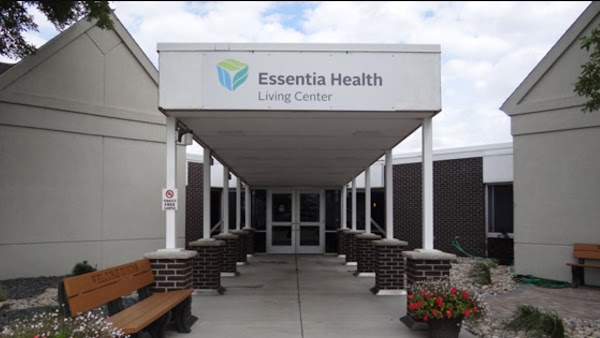
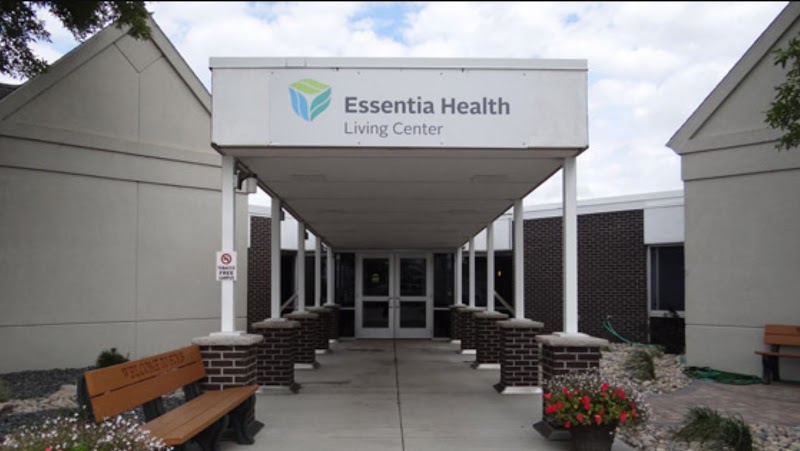
900 HILLIGOSS BOULEVARD SOUTHEAST, FOSSTON, MN 56542 (218) 435-1133
Non profit - Corporation 50 Beds ESSENTIA HEALTH Data: November 2025 2 Immediate Jeopardy citations
Trust Grade
31/100
#171 of 337 in MN
Last Inspection: July 2025

Inspected within the last 6 months. Data reflects current conditions.

Overview

First Care Living Center in Fosston, Minnesota has a Trust Grade of F, indicating significant concerns and a poor overall performance. It ranks #171 out of 337 facilities in Minnesota, placing it in the bottom half, and #3 out of 4 in Polk County, meaning there is only one local option that fares better. The facility's trend is worsening, with the number of identified issues increasing from 3 in 2024 to 6 in 2025. Staffing is a notable strength, achieving a 5/5 star rating with a turnover rate of 36%, which is lower than the state average, indicating that staff members are likely to stay longer and build relationships with residents. However, the facility has been fined $83,746, which is concerning and higher than 95% of Minnesota facilities, suggesting ongoing compliance issues. Specific incidents of concern include critical failures in ensuring safe transfers for residents using mechanical lifts, which resulted in falls and injuries, indicating a serious risk for residents. Additionally, the facility failed to provide up-to-date education on immunizations to several residents, which could potentially jeopardize their health. While the staffing situation is strong, the combination of financial penalties and safety issues raises significant red flags for families considering this nursing home.

Trust Score
F
31/100
In Minnesota
#171/337
Top 50%
Safety Record
High Risk
Review needed
Inspections
Getting Worse
3 → 6 violations
Staff Stability
○ Average
36% turnover. Near Minnesota's 48% average. Typical for the industry.
Penalties
○ Average
$83,746 in fines. Higher than 72% of Minnesota facilities. Some compliance issues.
Skilled Nurses
✓ Good
Each resident gets 102 minutes of Registered Nurse (RN) attention daily — more than 97% of Minnesota nursing homes. RNs are the most trained staff who catch health problems before they become serious.
Violations
⚠ Watch
16 deficiencies on record. Higher than average. Multiple issues found across inspections.
★★★☆☆
3.0
Overall Rating
★★★★★
5.0
Staff Levels
★★★☆☆
3.0
Care Quality
★★☆☆☆
2.0
Inspection Score
Stable
2024: 3 issues
2025: 6 issues

The Good

  • 5-Star Staffing Rating · Excellent nurse staffing levels
  • Full Sprinkler Coverage · Fire safety systems throughout facility
  • No fines on record
  • Staff turnover below average (36%)

    12 points below Minnesota average of 48%

Facility shows strength in staffing levels, fire safety.

The Bad

3-Star Overall Rating

Near Minnesota average (3.2)

Meets federal standards, typical of most facilities

Staff Turnover: 36%

Near Minnesota avg (46%)

Typical for the industry

Federal Fines: $83,746

Well above median ($33,413)

Moderate penalties - review what triggered them

Chain: ESSENTIA HEALTH

Part of a multi-facility chain

Ask about local staffing decisions and management

The Ugly 16 deficiencies on record

2 life-threatening
Jul 2025 6 deficiencies
CONCERN (D)

Potential for Harm - no one hurt, but risky conditions existed

Deficiency F0637 (Tag F0637)

Could have caused harm · This affected 1 resident

**NOTE- TERMS IN BRACKETS HAVE BEEN EDITED TO PROTECT CONFIDENTIALITY** Based on observation, interview and document review, the facility failed to complete a significant change in status assessment (...

Read full inspector narrative →
**NOTE- TERMS IN BRACKETS HAVE BEEN EDITED TO PROTECT CONFIDENTIALITY** Based on observation, interview and document review, the facility failed to complete a significant change in status assessment (SCSA) when two or more areas of change in resident status were identified on the Minimum Data Set (MDS) for 1 of 5 residents (R2) reviewed for activities of daily living (ADLs). Findings include: R2's quarterly MDS dated [DATE], identified R2 had severe cognitive impairment. R2 was independent with eating and could turn and reposition herself in bed. R2 required moderate assistance to sit up, toilet, transfers and ambulate 10 feet, 50 feet and 150 feet. Diagnoses included malignant neoplasm of breasts, dementia and low back pain. R2's quarterly MDS dated [DATE], identified R2 had severe cognitive impairment. R2 required set up with eating and moderate assistance to turn and reposition when in bed. R2 required maximum assistance to sit up, toilet, transfers and ambulation 10 feet. Ambulation 50 and 150 feet were not attempted due to medical condition or safety concerns. R2's care plan with review date 6/27/25, identified R2 required assistance with activities of daily living (ADLs) and was at risk for needing more assistance due to changing cognitive ability. Staff were instructed to use extensive assist of two or three persons to ambulate, and R2 was independent with bed mobility. R2 needed moderate to maximum assistance with dressing and extensive assist of one to two persons with transfers and toileting. R2's care plan had not been updated to reflect her more current functional assessments and decline in physical mobility. R2's Functional Abilities assessment dated [DATE], identified R2 required setup with eating and assist of one with toileting, grooming, bed mobility, toileting, transfers, and dressing. R2 was having more difficulty with ambulation, dependent with ambulation up to 10 feet and was unable to ambulate any further. R2's progress notes were reviewed 6/1/25 through 7/27/25 and identified the following; -6/4/25, identified staff had concerns with R2's ambulation, needing two persons to ambulate and another with the wheelchair behind as R2 tilted badly to the side with ambulating. R2 was requiring a stand lift to transfer more in the evenings. -6/4/25, an order was obtained for a physical therapy evaluation and treatment for ambulation and transfers. -6/5/25, staff identified R2 needed a lot of encouragement with ambulation. R2 would take shuffling her feet, knees rubbing against each other, taking a bit of time to take a step and then suddenly R2's knees would buckle, and she would start to drop.-6/26/25, a significant weight loss was identified, as R2 had lost 8 pounds, 5 percent, in 28 days. During interview on 7/29/25, at 2:40 p.m. trained medical assistant (TMA)-B stated R2 used to ambulate but did not now. R2 would lean heavily to one side, and it just was not safe for her to ambulate. R2 was still able to stand and pivot most of the time. TMA-B was not sure if therapy worked with R2 after she stopped ambulating. TMA-B did not think anything specific had occurred, and thought it was related to a decline in her general condition. During observation on 7/29/25, at 6:29 p.m., nursing assistant (NA)-A was assisting R2 to wash and dry and put on a nightgown, NA-A put a gait belt around R2's waist and instructed her to grab on to the grab bar and stand. NA-A assisted R2 to a standing position and finished peri care and put on a disposable brief. NA-A assisted R2 to pivot and sit in her wheelchair. R2 was able to bear weight but unable to take a full step to pivot and became unsteady, with knees knocking together. NA-A assisted R2 to sit down in the wheelchair quickly due to R2 becoming off balance. NA-A stated R2 used to walk but was no longer able to. R2 usually could transfer with one person but occasionally would need two and the stand lift. When interviewed on 7/30/25, at 8:29 a.m. registered nurse (RN)-A stated she completed the MDS's for the residents in the facility. She considered a significant change with residents when they returned from the hospital and there were changes with the resident's abilities, as well as when the facility nurses or nursing assistants reported changes or a decline noted with residents. When a resident needed more assistance with ADLs, had memory changes or wound with delayed healing a significant change MDS would be needed. There had been an order for therapy to see R2 and she had not realized that was not completed yet. They should have seen her to evaluate the decline in physical mobility. She should have followed up with therapy and that had gotten missed. Therapy usually was good about communicating with nursing staff and nursing should have followed up with them to ensure the assessment had been completed as that would have helped them to trigger R2 was a significant change as well. RN-A stated she knew R2 was having some cognitive issues as well. Further, RN-A stated she should have done a significant change instead of her last quarterly or documented why she felt one was not required, if she felt was more of an acute change and was not anticipated to be a permanent decline. During interview on 7/30/25, at 1:35 p.m. the director of nursing (DON) stated R2 should have had a significant change MDS completed instead of a quarterly due to the decline in her physical abilities. The Centers for Medicaid and Medicare Services (CMS) Resident Assessment Instrument (RAI) Version 3.0 Manual pages 2-21 through 2-28 identified a significant change in assessment (SCSA) was appropriate if there were two or more changes in the following areas: decision making ability, presence of a mood item not previously recorded, changes in frequency or severity of behaviors, any decline in an ADL physical functioning area where a resident was newly coded as moderate, maximum assistance, dependent or activity not attempted since last assessment, incontinence pattern changes, placement of indwelling catheter, or the emergence of unplanned weight loss of 5% in 30 days or 10% in 180 days, emergence of a new pressure ulcer stage two or higher, or use of a new restraint. The facility policy Notification of Condition dated 7/5/24, identified the nurse would update the resident's care plan, communicate the changes to the rest of the care team and the interdisciplinary team would review the resident with changes in condition to determine if a significant change MDS was needed based on the resident assessment instrument guidelines.
CONCERN (D)

Potential for Harm - no one hurt, but risky conditions existed

Deficiency F0657 (Tag F0657)

Could have caused harm · This affected 1 resident

**NOTE- TERMS IN BRACKETS HAVE BEEN EDITED TO PROTECT CONFIDENTIALITY** Based on interview and document review, the facility failed to revise the care plan to remove restorative nursing ambulation pro...

Read full inspector narrative →
**NOTE- TERMS IN BRACKETS HAVE BEEN EDITED TO PROTECT CONFIDENTIALITY** Based on interview and document review, the facility failed to revise the care plan to remove restorative nursing ambulation program from the care plan for 1 of 4 resident (R15) reviewed for restorative nurse services. Findings include:R15's quarterly Minimum Data Set (MDS) dated [DATE], identified R15 had severe cognitive impairment and identified R15 was dependent of staff for transfers and bed mobility and R15 did not ambulate (walk).R15's care plan dated 6/3/25 identified:R15 was to ambulate with an assist of two of the restorative aides assisting, until physical therapy (PT) provided further treatment.R15 was on a wellness ambulation program that indicated R15 would ambulate daily or as tolerated with restorative.R15's doctor's note from 11/14/24, identified R15 had declined and was no longer able to walk.R15 behavioral health note from 12/31/24, identified resident was no longer ambulating.During an interview on 7/29/25 at 2:12 p.m., family member (FM)-A stated R15 had not walked for close to a year.During interview on 7/30/25 at 8:21 a.m., trained medication assistant (TMA)-C stated they had been working here for a couple of years and had not seen R15 walk.During interview on 7/30/25 at 9:00 a.m., TMA-A (who also work as a restorative aide) stated R15 was able to stand and transferred from bed to wheelchair. R15 had not been able to walk and was not receiving ambulation services.During interview on 7/30/25 at 12:30 p.m., registered nurse (RN)-B stated at one time R15 was able to walk but it was a long time ago. The care plan should have been updated when there was a change in R15's walking abilities.During interview on 7/30/25 at 12:37 p.m., RN-C stated R15 had not been ambulatory since they were in their current position, which was about a year. Care plans were to be reviewed every three months, or if there was a change in a resident's status. R15 was not ambulating, and the care plan should have reflected that.During interview on 7/30/25 at 12:41 p.m., the director of nursing (DON) stated it was an expectation a resident's care plan was to be reviewed every three months or sooner if there had been a change in a resident's status. R15 was not ambulatory, and the care plan should have been updated.The facility's Care Planning-Care Conferences policy dated 8/9/24, identified to reviewed and updated plan of care quarterly and with any change in resident condition or care needs.
CONCERN (D)

Potential for Harm - no one hurt, but risky conditions existed

Deficiency F0676 (Tag F0676)

Could have caused harm · This affected 1 resident

**NOTE- TERMS IN BRACKETS HAVE BEEN EDITED TO PROTECT CONFIDENTIALITY** Based on observation, interview and document review, the facility failed to comprehensively assess for a decline in activities i...

Read full inspector narrative →
**NOTE- TERMS IN BRACKETS HAVE BEEN EDITED TO PROTECT CONFIDENTIALITY** Based on observation, interview and document review, the facility failed to comprehensively assess for a decline in activities in daily living (ADL) and ensure a referral from physical therapy for the decline in ADL's was acted upon for for 1 of 5 residents (R2) reviewed for ADL's Findings include:R2's quarterly Minimum Data Set (MDS) dated [DATE], identified R2 had severe cognitive impairment. R2 was independent with eating and could turn and reposition herself in bed. R2 required moderate assistance to sit up, toilet, transfers and ambulate 10 feet, 50 feet and 150 feet. Diagnoses included malignant neoplasm of breasts, dementia, atrial fibrillation (irregular heartbeat) and low back pain.R2's quarterly MDS dated [DATE], identified severe cognitive impairment. R2 required set up with eating and moderate assistance to turn and reposition when in bed. R2 required maximum assistance to sit up, toilet, transfers and ambulation 10 feet. Ambulation 50 and 150 feet were not attempted due to medical condition or safety concerns. R2's care plan with review date 6/27/25, identified R2 required assistance with activities of daily living (ADLs) and was at risk for needing more assistance due to changing cognitive ability. Staff were instructed to use extensive assist of two or three persons to ambulate, and R2 was independent with bed mobility. R2 needed moderate to maximum assistance with dressing and extensive assist of one to two persons with transfers and toileting. R2's care plan had not been updated to reflect her more current functional assessments and decline in physical mobility. R2's progress notes were reviewed 6/1/25 through 7/27/25 and identified the following;6/4/25, identified staff had concerns with R2's ambulation, needing two persons to ambulate and another with the wheelchair behind as R2 tilted badly to the side with ambulating. R2 was requiring a stand lift to transfer more in the evenings. 6/4/25, an order was obtained for a physical therapy evaluation and treatment for ambulation and transfers. 6/5/25, staff identified R2 needed a lot of encouragement with ambulation. R2 would take shuffling her feet, knees rubbing against each other, taking a bit of time to take a step and then suddenly R2's knees would buckle, and she would start to drop. The medical record lacked an assessment from physical therapy and/or an assessment from nursing related to the decline in physical abilities. During interview on 7/29/25, at 2:40 p.m. trained medical assistant (TMA)-B stated R2 was ambulating a few months ago but did not now. R2 would lean heavily to one side, and it just was not safe for her to ambulate. R2 was still able to stand and pivot most of the time. TMA-B was not sure if therapy worked with R2 after she stopped ambulating. TMA-B did not think anything specific had occurred, and thought it was related to a decline in her general condition. During observation on 7/29/25, at 6:29 p.m., nursing assistant (NA)-A assisted R2 to wash and dry and put on a nightgown. NA-A put a gait belt around R2's waist and instructed her to grab on to the grab bar and stand. NA-A assisted R2 to a standing position and finished peri care and put on a disposable brief. NA-A assisted R2 to pivot and sit in her wheelchair. R2 was able to bear weight but was unable to take a full step to pivot and became unsteady, with knees knocking together. NA-A assisted R2 to sit down in the wheelchair quickly due to R2 was becoming off balance. NA-A stated R2 used to walk but was no longer able to. R2 usually could transfer with one person but occasionally would need two and the stand lift. When interviewed on 7/30/25, at 8:29 a.m. registered nurse (RN)-A stated she completed the MDS's for the residents in the facility. She considered a significant change with residents when they returned from the hospital and there were changes with the resident's abilities, as well as when the facility nurses or nursing assistants reported changes or a decline noted with residents. When a resident needed more assistance with ADLs, had memory changes or wound with delayed healing a significant change MDS would be needed. There had been an order for therapy to see R2 and she had not realized that was not completed yet. They should have seen her to evaluate the decline in physical mobility. She should have followed up with therapy and that had gotten missed. Therapy usually was good about communicating with nursing staff and nursing should have followed up with them to ensure the assessment had been completed as that would have helped them to trigger R2 was a significant change as well. RN-A stated she knew R2 was having some cognitive issues as well. Further, RN-A stated she should have done a significant change instead of her last quarterly or documented why she felt one was not required, if she felt was more of an acute change and was not anticipated to be a permanent decline. During interview on 7/30/25, at 9:30 a.m. physical therapist (PT)-A stated he had received an order to do a physical therapy evaluation with R2 on 6/5/25. He had attempted to see R2 on a few occasions, but she had not been available each time he tried. R2 had either been in the bathroom or attending activities and so an evaluation had not been completed. It was a long time since therapy had received that order and R2 should have been seen. It would be important to have R2 evaluated more timely to correspond with her last MDS observation period to determine if a significant decline in her physical condition had occurred. Usually therapy communicated with the facility staff to notify them the evaluation had not been completed but with R2's case they had not done so. R2's physician had not been notified of the delay with R2's physical therapy evaluation either. During interview on 7/30/25, at 1:35 p.m. the director of nursing (DON) stated therapy should have evaluated R2's ambulation and transfers when they had received the order on 6/5/25. The facility's undated Therapy Order Checklist identified if a therapy evaluation was not completed within three business days for non-medicare stays the therapy would be contacted requesting an anticipated completion date and the provider and resident would be updated with the reason for the delay. Therapy would document all attempts that had been made to complete the resident's evaluation and nursing would continue to follow up with therapies until the evaluation was completed. For skilled therapy orders the evaluation would be completed within twenty-four hours of admission. A physical therapy policy was requested; however, none was received.
CONCERN (D)

Potential for Harm - no one hurt, but risky conditions existed

Deficiency F0688 (Tag F0688)

Could have caused harm · This affected 1 resident

**NOTE- TERMS IN BRACKETS HAVE BEEN EDITED TO PROTECT CONFIDENTIALITY** Based on interview and document review, the facility failed to ensure range of motion (ROM) was completed in accordance as care ...

Read full inspector narrative →
**NOTE- TERMS IN BRACKETS HAVE BEEN EDITED TO PROTECT CONFIDENTIALITY** Based on interview and document review, the facility failed to ensure range of motion (ROM) was completed in accordance as care planned from therapy recommendations to prevent the loss of mobility for 1 of 3 residents (R17) reviewed for restorative nursing services. Findings include: R17's Therapy Screening Form dated 9/28/23, identified the physical therapist had reviewed R17's Functional Maintenance Program and ROM. R17 stated stretching felt good and staff were to continue with her current restorative program three times per week. R17's care plan dated 5/24/25, identified R17 had impaired mobility related to multiple sclerosis with a long-term goal to transfer into her wheelchair at least one time daily. Approaches included restorative nursing to assist R17 with ROM to both upper and lower extremities three times weekly. R17's quarterly Minimum Data Set (MDS) dated [DATE], identified R17 had intact cognition, was dependent on staff with all activities of daily living (ADLs) and was unable to ambulate. Diagnoses included multiple sclerosis, chronic obstructive pulmonary disease, anxiety, and chronic pain. R17's Point of Care History for restorative nursing identified the following:June 2025, identified R17 was offered ROM exercises two times per week and not the three times per week ordered by therapy and identified in R17's care plan. July 2025, identified R17 was offered ROM exercises one time per week for three weeks. Two times per week for one week and was not offered any exercise for one week during the month.During interview on 7/30/25, at 12:23 p.m. trained medication aide (TMA)-A stated she mainly worked in restorative nursing as an exercise technician. TMA-A did go to R17's room and offer exercises as care planned, however, R17 would frequently refuse. She thought she offered the exercises more than identified on the point of care history; however, TMA-A did not chart refused or unavailable as often as she should have. The documentation did not reflect the three times per week exercises as ordered and she felt she needed to improve her documentation. When interviewed on 7/30/25, registered nurse (RN)-A, who assisted to coordinate the restorative nursing program, stated a therapist set up the resident exercises and put the instructions in the facility restorative book for the restorative aides to follow. The restorative aide should be offering R17 exercises three times per week and document when R17 refused or was unavailable. When interviewed on 7/30/25, at 1:35 p.m. the director of nursing (DON) stated restorative nursing should offer residents exercises as directed on their plan of care and unavailability or refusals should be documented each time it occurred. During interview on 7/30/25, at 3:13 p.m. R17 stated the staff did not ask her to do exercises very often and there were times when she was asked and refused them. She felt the staff asked her about exercises when she was in the middle of working on her computer games and then she refused. They never offered to come back at a later time, and she never asked them to come back either as they were always so busy. R17 stated staff never offered exercises very often anyway. It would be nice if they offered it daily, but they did not. The most staff came in and offered was one or two times per week. Some weeks they did not offer exercise at all. A policy for restorative nursing was requested, however, none were received.
CONCERN (D)

Potential for Harm - no one hurt, but risky conditions existed

Pharmacy Services (Tag F0755)

Could have caused harm · This affected 1 resident

**NOTE- TERMS IN BRACKETS HAVE BEEN EDITED TO PROTECT CONFIDENTIALITY** Based on observation, interview and document review, the facility failed to provide medications as ordered for 1 of 5 residents ...

Read full inspector narrative →
**NOTE- TERMS IN BRACKETS HAVE BEEN EDITED TO PROTECT CONFIDENTIALITY** Based on observation, interview and document review, the facility failed to provide medications as ordered for 1 of 5 residents (R11) reviewed for medication management. Findings include: R11's admission Minimum Data Set (MDS) dated [DATE], identified R11 had moderate impaired cognition and had an indwelling catheter. Diagnoses included cystitis, retention of urine., atrial fibrillation, and peripheral venous insufficiency. R11's Physician Orders dated 6/9/25, included furosemide (a diuretic to treat fluid retention) 40 milligrams (mg) to give for a 3 pound (lb.) weight gain overnight. The medication was to be given once in the morning as needed (PRN) and daily weights were to be obtained once in the mornings to give PRN furosemide, if R11 gained three pounds (lb.) in one day. R11's June 2025 Medication Administration Record (MAR) and corresponding weights were reviewed from 6/1/25 to 6/30/25 and identified the following:On 6/23/25 40 mg of Lasix was given for for a 3 lb. weight gain in a day, however, R11's weight on 6/22/25 was 181.9 lbs. and was 183 lbs. on 6/23, which was a weight gain of only 1 lb. 9 oz.On 6/26/25, 40 mg of Lasix was given for for a 3 lb. weight gain in a day, however, R11's weight on 6/25/25 was 183.9 lbs. and was 184.9 lbs. on 6/26/25, which was 9 oz. gain.R11's July 2025 MAR, and corresponding weights were reviewed from 7/1/25 to 7/30/25 and identified the following:On 7/9/25, 40 mg of Lasix was given for for a five percent weight gain, however, R11's weight had not been recorded the day prior, and it could not be determined if R11 had a 3 lb. weight gain. On 7/29/25, at 6:47 p.m. R11 was observed to have swelling in both lower extremities. During interview on 7/30/25, at 9:14 a.m. registered nurse (RN)-B stated R11 had an order to administer furosemide if R11 had a weight gain of 3 lbs. or more in one day. The nurse was to document the weight on the resident's MAR as well as the administration of the PRN furosemide and its effectiveness. Some of the nurses would also document the weight and administration of the PRN medication in the resident progress notes. RN-B believed the furosemide administered on 6/23/25, 6/26/25 and 7/9/25, were given in error and she would fill out medication error reports for all three of the days. During interview on 7/30/25, at 1:35 p.m. the director of nursing (DON) stated the nurse should have clarified the PRN furosemide order before administering the medication. They had identified it was the same nurse making the medication errors and had educated her on the intent of the order and the process for obtaining and evaluating R11's weights as well when the PRN furosemide was to be administered. On 7/30/25, at 2:45 p.m. a call was attempted to R11's primary physician, however, was not returned. During telephone interview on 7/30/25, at 3:30 p.m. the facility's consultant pharmacist (CP)-C stated although R11 did receive furosemide in error on three occasions it probably was not a significant medication error, especially because R11 did not have an order to receive scheduled regularly scheduled furosemide. It would be more significant if he did receive furosemide scheduled daily and then received additional doses in error because then it could affect some of his lab values such as sodium and potassium or would worry about dehydration. Because he only received it occasionally for weight gain over 3 lbs. the three additional doses spread out throughout the two months would not be clinically significant. The facility policy Medication Management dated 8/8/24, directed nursing staff prior to administration, a medication and dosage schedule on the MAR was to be compared with the medication label. For orders with physician parameters for administration, the nurse was to verify the medication met the ordered parameters (i.e. specific range or values of weight, blood pressure, pulse blood glucose, oxygen saturations, etc.).
CONCERN (D)

Potential for Harm - no one hurt, but risky conditions existed

Infection Control (Tag F0880)

Could have caused harm · This affected 1 resident

**NOTE- TERMS IN BRACKETS HAVE BEEN EDITED TO PROTECT CONFIDENTIALITY** Based on observation, interview and document review, the facility failed to ensure enhanced barrier precautions (EBP) were imple...

Read full inspector narrative →
**NOTE- TERMS IN BRACKETS HAVE BEEN EDITED TO PROTECT CONFIDENTIALITY** Based on observation, interview and document review, the facility failed to ensure enhanced barrier precautions (EBP) were implemented in accordance with Centers for Disease Control (CDC) recommendations during personal care for 1 of 1 residents (R11) reviewed who had a catheter. Findings include:A CDC Implementation of Personal Protective Equipment (PPE) Use in Nursing Homes to Prevent Spread of Multidrug-resistant Organisms (MDROs) manual, dated 7/2022, identified MDRO transmission within a nursing home was common and contributed to substantial resident morbidity and mortality. The feature outlined EBP were defined as, . expand the use of PPE and refer to the use of gown and gloves during high-contact resident care activities that provide opportunities for transfer of MDROs to staff hands and clothing . MDROs may be indirectly transferred from resident-to-resident during these high-contact care activities . residents with wounds and indwelling medical devices are at especially high risk of both acquisition of and colonization with MDROs. The feature identified several examples of high-contact resident care activities including dressing, bathing, providing hygiene, transferring, changing linens or briefs, and wound care.R11's admission Minimum Data Set (MDS) dated [DATE], identified R11 had moderate impaired cognition and required moderate to maximum assistance with dressing, and grooming and supervision with bed mobility, transfers. R2 had an indwelling catheter. Diagnoses included cystitis and retention of urine. R11's care plan dated 7/22/25, identified R11 had an indwelling catheter due to urinary retention and required enhanced barrier precautions (EBP) during high contact cares. On 7/29/25, at 1:27 p.m. R11's room was observed from the hallway which had an orange-colored sign posted on the door which read Enhanced Barrier Precautions .Providers and staff must also: Wear gloves and gown for the following high contact resident care activities .dressing, bathing, transferring, changing linens, providing hygiene, changing briefs or assistance with toileting .the signage was provided from the CDC. Inside the room, a hard plastic cart with drawers with gowns and other PPE supplies was located inside R11's bathroom. During observation on 7/29/25, at 6:47 p.m. nursing assistant (NA)-B was assisting R11 to prepare for bed. R11 was lying on his bed and NA-B was at R11's bedside. NA-B was not wearing a disposable gown. NA-B obtained a wash basin with warm water and washcloth from R11's bathroom and donned disposable gloves, NA-B did not put on a disposable gown. NA-B opened R11's brief and preceded to wash R11's groin and peri area. NA-B leaned over the bedside while washing and NA-B's uniform touched R11's bed and upper thigh, while washing the groin area. NA-B finished washing and drying R11's peri area, removed his gloves and called for the nurse on his walkie. Registered nurse (RN)-D entered R11's room and put on gloves. RN-D did not put on a disposable gown. RN-D manipulated R11's catheter near the tip of the penis, pulled R11's foreskin back and instructed NA-B to continue to try to wash the cream off of R11's groin, stating R11 had a lot of cream build up in the area. RN-D removed her gloves, applied alcohol-based hand sanitizer (ABHR) to her hands and exited the room. NA-B donned disposable gloves and without gowning, continued to wash and then dry R11's groin and peri are. NA-B, after removing their gloves called for the nurse on the walkie. RN-D entered R11's room, donned disposable gloves, but did not don a disposable gown, and applied the prescription cream to R11's groin and penis. RN-D removed her gloves, applied ABHR to her hands and exited the room. After cleaning up the bedside, NA-B washed his hands, put on a disposable gown and donned gloves. NA-B stated he was donning the disposable gown because he planned to drain R11's catheter. NA-B emptied R11's catheter, rinsed and put away the urinal and removed his PPE.During interview on 7/29/25, at 7:38 p.m. NA-B stated he had not been instructed to wear PPE when assisting R11 with personal care, only when working with R11's catheter. NA-B reviewed the EBP signage located on R11's door, NA-B verified the sign instructed staff to wear gown and gloves when assisting the resident with bath, transfers, cares, dressing, grooming and personal care. NA-B stated he should have been wearing a gown and gloves when he assisted R11 to prepare for bed and that was his mistake, he had screwed up. When interviewed on 7/29/25, at 7:39 p.m. RN-D verified she had manipulated R11's catheter near his penis and put on prescribed cream without donning a disposable gown. RN-D stated R11 was on EBP and she should have had a gown on when she assisted with R11's care. It was important to wear a gown and gloves when providing personal care when a resident was under EBP to prevent staff from bringing the germs out into the facility and to protect the other residents. She had not realized NA-B was not wearing a gown when providing care to R11 either and he should have been wearing one as well. During interview on 7/30/25, at 9:21 a.m. RN-E stated she was in charge of the infection control program for the facility. Staff had been educated to wear gown and gloves when they assisted a resident with personal cares if the resident was under EBP. The facility staff had been educated the PPE needed to be worn with all care and not just catheter care when EBP's were in place. RN-E did not know why the appropriate PPE had not been worn when NA-B and RN-D had been assisting R11 with bedtime cares, as they should have known better. When interviewed on 7/30/25, at 1:35 p.m. the director of nursing (DON) stated all staff had been educated on the appropriate use of PPE when a resident was under EBP's and they should have known when and how to use PPE when they had provided assistance to R11 with personal care. The facility policy Enhanced Barrier Precaution's dated 7/1/24, identified EBP was used in long term care settings and referred to the use of gown and gloves during high-contact care activities that provided opportunities for transfer of multidrug resistant organisms (MDROs) to staff hands and clothing. Staff were to initiate PPE use of gowns and gloves during the following high contact resident care activities: dressing, bathing, transferring, providing hygiene, changing linens, and changing briefs or toileting as well as device care or use with central lines, urinary catheters, feeding tubes, or tracheostomy/ventilator care.
Jun 2024 2 deficiencies
CONCERN (D)

Potential for Harm - no one hurt, but risky conditions existed

Pressure Ulcer Prevention (Tag F0686)

Could have caused harm · This affected 1 resident

**NOTE- TERMS IN BRACKETS HAVE BEEN EDITED TO PROTECT CONFIDENTIALITY** Based on observation, interview and document review, the facility failed to perform routine monitoring of a wound to promote hea...

Read full inspector narrative →
**NOTE- TERMS IN BRACKETS HAVE BEEN EDITED TO PROTECT CONFIDENTIALITY** Based on observation, interview and document review, the facility failed to perform routine monitoring of a wound to promote healing for 1 of 2 residents (R9) reviewed for wound care. Findings included: R9's quarterly Minimum Data Set (MDS) dated [DATE], identified R9 was cognitively intact and had diagnoses that included Type 2 diabetes. R9 had a stage 3 pressure ulcer. R9's care plan revised 5/5/24, identified R9 had impaired skin integrity related to incontinence, was at risk for skin breakdown and needed assistance with mobility. Staff were directed to perform weekly wound measurements and documentation. R9's physician order dated 6/1/24, identified a dressing change to the right heel. Moist gauze, light gauze and kerlix every other day. Monitor for infection/redness. Special Instructions: Document date changed in results. R9's Wound Management Detail Report dated 12/13/23 through 4/15/24, identified R9 had a stage 3 (affects the top two layers of skin as well as fatty tissue) pressure ulcer to the right heel. The last documented measurement on 4/15/24, was 1.0 centimeters (cm) x 1.5 cm with edges epithelizing flush with wound base; macerated/soft with well-defined wound edges. However, the report failed to identify any measurements from 4/15/24 through 6/6/24 and defining characteristics. During an interview on 6/4/24 at 12:57 p.m., R9 stated she had a pressure ulcer on her right heel because she rubbed her heel on the bed mattress. R9's progress note dated 4/22/24, identified R9's wound was debrided by podiatry. During an observation on 6/6/24 at 11:18 a.m., licensed practical nurse (LPN)-A stated R9 had a pressure ulcer to the right heel. LPN-A performed a dressing change as ordered. Upon removal of the dressing, there was a moderate amount of purulent drainage and measured 2 cm x 1 cm. LPN-A stated there was an additional reddened area surrounding the wound that measured 1.5 cm. - At 11:31 a.m., LPN-A stated wound documentation was entered into R9's chart on bath days. The staff charted in a progress note and there was an observation that was entered as well. During an interview on 6/6/24 at 11:38 a.m., registered nurse (RN)-A stated R9 had a pressure ulcer on her right heel when R9 returned from the hospital on [DATE]. The facility did have a nurse who was designated to perform wound assessments but left her role in mid-April 2024. After that, not all staff were documenting in the same place. RN-A stated R9's medical record lacked measurements after 4/15/24, and then stated wound monitoring was important to wound healing including preventing infections. During an interview on 6/6/24 at 11:50 a.m., the director of nursing (DON) stated a RN should assess and document wound care. The previous wound nurse left her role mid-April 2024. After that, documentation was not completed consistently with all staff. In observations, there was a wound form for staff to complete, however, the licensed practical nurses did not have access. Because of this, staff did not document the required information such as measurements and description. Wound care documentation was important for tracking of wound condition/healing. A wound care policy was requested but not received.
CONCERN (D)

Potential for Harm - no one hurt, but risky conditions existed

Infection Control (Tag F0880)

Could have caused harm · This affected 1 resident

**NOTE- TERMS IN BRACKETS HAVE BEEN EDITED TO PROTECT CONFIDENTIALITY** Based on observation, interview and document review, the facility failed to perform hand hygiene for 2 of 5 residents (R20, R29)...

Read full inspector narrative →
**NOTE- TERMS IN BRACKETS HAVE BEEN EDITED TO PROTECT CONFIDENTIALITY** Based on observation, interview and document review, the facility failed to perform hand hygiene for 2 of 5 residents (R20, R29) observed for activities of daily living (ADL's); the facility failed to implement Enhanced Barrier Precautions for 1 of 2 (R9) residents reviewed for pressure ulcers. Findings include: Hand Hygiene: R20's quarterly Minimum Data Set (MDS) dated [DATE], identified R20 had severe cognitive impairment, and was dependent on staff are all care areas. During an observation on 6/6/24 at 8:16 a.m., nursing assistant (NA)-B and NA-C assisted R20 to transfer from a shower chair to his bed by a full body mechanical lift. R20 was incontinent of bowel (BM). NA-B and NA-C applied clean gloves and cleaned the BM from R20. - At 8:30 a.m., NA-B and NA-C removed their soiled gloves, did not perform hand hygiene, and applied clean gloves. NA-B and NA-C assisted R20 to dress and transferred R20 back into his wheelchair with a full body mechanical lift. - At 8:34 a.m., NA-C continued to wear soiled gloves and reached into R20's bedside drawer to obtain an oral swab. NA-C unwrapped and wetted the swab and moved to clean R20's mouth. NA-C and NA-B stated they did not perform hand hygiene. NA-C stated she should have performed hand hygiene because she was going to put the swab in R20's mouth. R29's quarterly MD dated 5/22/24, identified R29 had mild cognitive impairment and required assistance with ADL's. During an observation on 6/6/24 at 7:29 a.m., NA-A assisted R29 with morning cares while R29 was in bed. R29 was incontinent of BM. NA-A applied clean gloves and cleaned BM from R29. - At 7:31 a.m., NA-A removed the soiled gloves and applied clean gloves. NA-A did not perform hand hygiene. - At 7:39 a.m., NA-A assisted R29 to dress, transferred R29 into his wheelchair and assisted R29 into his bathroom. NA-A did not perform hand hygiene and obtained R29's toothbrush, basin, toothpaste from the 2-drawer bin. R29 took the supplies from NA-A, put toothpaste on his toothbrush while NA-A began to obtain a glass of water for R29. NA-A stated she did not perform hand hygiene and she should have. It's the germs. I was getting stuff to go into his mouth. During an interview on 6/6/24 at 10:58 a.m., registered nurse (RN)-B stated staff were expected to perform hand hygiene when they arrived to work, after and before eating, before and after wearing gloves and before and after resident contact; or whenever going from clean to dirty. RN-B stated staff hands were contaminated, especially after incontinence cares. During an interview on 6/6/24 at 11:03 a.m., the director of nursing (DON) stated staff were expected to perform hand hygiene before and after any patient contact and/or after removing gloves. Staff were expected to absolutely perform hand hygiene prior to oral cares. Hand hygiene was important in infection prevention, whether spreading possible organisms to the residents or staff. Handwashing broke the chain of contamination. The facility Hand Hygiene policy revised 11/10/23, identified hand hygiene practices and expectations for healthcare workers, prevent the transmission of pathogens and aid in the reduction of healthcare associated infections. V. All healthcare workers must perform hand hygiene: A. Before patient contact or contact with the patient's environment. 1. Before entering a patient's room 2. Before touching a patient 3. Before touching any object or furniture in the patient zone B. After patient contact 1. After touching a patient 2. After touching any object or furniture in the patient environment C. Before clean/aseptic procedure D. After body fluid exposure risk E. When moving from a contaminated body site to a clean body site during patient care F'. Before putting on gloves G. After removing gloves or other personal protective equipment. H. Before administering medication. I. Upon arrival and before leaving work. J. After sneezing or coughing. K. Before and after eating. L. After using the restroom. Enhanced Barrier Precautions: R9's quarterly MDS dated [DATE], identified R9 was cognitively intact and had a stage 3 pressure ulcer. R9's care plan revised 5/5/24, identified R9 had impaired skin integrity related to incontinence and was at risk for skin breakdown. Staff were directed to perform weekly wound measurements and documentation. The care plan failed to identify if Enhanced Barrier Precautions (EBP) was implemented for R9. R9's Physician Orders dated 6/1/24, failed to identify if EBP had been ordered for R9. During an observation on 6/6/24 at 11:18 a.m., no EBP signage or personal protective equipment (PPE) were available for R9. Licensed practical nurse (LPN)-A stated R9 did not require EBP because the wound was not infected. LPN-A performed a dressing change to R9's right heel pressure ulcer while wearing gloves but wore no other PPE. During an interview on 6/6/24 at 1:22 p.m., RN-B stated if a resident had a draining wound and/or an indwelling device, the resident would be placed into EBP. RN-A did not realize the CDC guidance included EBP for a chronic open wound. During an interview on 6/6/24 at 2:20 p.m., the DON stated she was aware of the guidance to implement EBP for a resident with draining wounds and/or an indwelling device, but the facility had not interpreted the guidance to implement EBP for R9. The DON stated she did expect staff to follow guidance and she needed to provide more staff education when/where EBP should be implemented. The facility Enhanced Barrier Precautions Standard Work approved 11/7/22, identified Enhanced Barrier Precautions expanded the use of PPE and referred to the use of gown and gloves during high-contact resident care activities that provided opportunities for transfer of MDROs to staff hands and clothing. MDROs may be indirectly transferred from resident-to-resident during these high-contact care activities. Nursing home residents with wounds and indwelling medical devices were at especially high risk of both acquisition of and colonization with MDROs. The use of gown and gloves for high-contact resident care activities was indicated, when Contact Precautions did not otherwise apply, for nursing home residents with wounds and/or indwelling medical devices regardless of MDRO colonization as well as for residents with MDRO infection or colonization. The Center for Disease Control and Prevention (CDC) Consideration for Use of Enhanced Barrier Precautions (EBP) in Skilled Nursing Facilities dated 6/2021, identified EBP expanded the use of PPE and refer to the use of gown and gloves during high-contact resident care activities that provide opportunities for transfer of Multiple Drug Resistant Organisms (MDROs) to staff hands and clothing. MDROs may be indirectly transferred from resident-to-resident during these high-contact care activities. Nursing home residents with wounds and indwelling medical devices were at especially high risk of both acquisition of and colonization with MDROs. The use of gown and gloves for high-contact resident care activities was indicated, when Contact Precautions do not otherwise apply, for nursing home residents with wounds and/or indwelling medical devices regardless of MDRO colonization as well as for residents with MDRO infection or colonization. Examples of high-contact resident care activities requiring gown and glove use for Enhanced Barrier Precautions include: - Dressing - Bathing/showering - Transferring - Providing hygiene - Changing linens - Changing briefs or assisting with toileting - Device care or use: central line, urinary catheter, feeding tube, tracheostomy/ventilator - Wound care: any skin opening requiring a dressing
Apr 2024 1 deficiency 1 IJ
CRITICAL (J) 📢 Someone Reported This

A family member, employee, or ombudsman was alarmed enough to file a formal complaint

Immediate Jeopardy (IJ) - the most serious Medicare violation

Accident Prevention (Tag F0689)

Someone could have died · This affected 1 resident

**NOTE- TERMS IN BRACKETS HAVE BEEN EDITED TO PROTECT CONFIDENTIALITY** Based on observation, interview and document review the facility failed to ensure safe transfer while utilizing a mechanical lif...

Read full inspector narrative →
**NOTE- TERMS IN BRACKETS HAVE BEEN EDITED TO PROTECT CONFIDENTIALITY** Based on observation, interview and document review the facility failed to ensure safe transfer while utilizing a mechanical lift for 1 of 3 residents (R1) reviewed for accidents. This resulted in an immediate jeopardy (IJ) for R1. The immediate jeopardy began on [DATE], when R1 fell while being transferred in a full body mechanical lift that tipped over during provision of care. The facility failed to identify if the staff were correctly using the lift per manufacturer recommendation when the incident occurred. Additional transfer observations identified manufacturer's guidelines were not followed for safe use. The IJ was identified on [DATE]. The administrator and director of nursing (DON) were notified of the immediate jeopardy at 5:05 p.m. on [DATE]. The IJ was removed on [DATE] at 3:22 p.m., but non-compliance remained at the lower scope and severity level 2, which indicated no actual harm with potential for more than minimal harm that is not immediate jeopardy. Findings Include: R1's Resident Face Sheet identified diagnosis that included chronic pain, depression, obesity and long term use of anticoagulants (blood thinners). R1's annual Minimum Data Set, dated [DATE], identified intact cognition and indicated he was dependent on staff for transfers. R1's care plan dated [DATE], identified the use of a full body mechanical lift for transfers and lift sling size 2 extra large (XL), updated [DATE]. The care plan identified a fall on [DATE], while in the mechanical lift involving two nursing assistants (NA)'s performing the transfer resulting in bruising and scrapes to the right side of R1's body. The care plan indicated staff were provided education on use of the full body lift and indicated a nurse was to be present in the room during transfers with two NA's performing the transfer to observe for safety and correct use of the lift. The care plan further indicated R1 had trauma induced signs and symptoms of nervousness and anxiety due to a previous fall from the lift. R1's Resident Progress Note dated [DATE], indicated two NA's were assisting R1 with transfer from bed to wheelchair using a full body mechanical lift. One NA was moving R1 from the bed to the chair and attempted to open the legs of the lift and the lift started to tip while R1 was in it. R1 fell with the lift and hit his head on the floor. [DATE], Resident Progress Note indicated the interdisciplinary team reviewed the fall and identified the contributing cause of the fall as; equipment tipped, staff reported R1 adjusted himself while in the lift when the lift was being moved out from under the bed to extend the legs. R1 reported the legs of the split leg sling were not crossed as recommended by the manufacturer because it caused him discomfort. Further root cause analysis indicated staff had used an XL sling and based on R1's current measurements the sling size should have been changed to a 2XL. Interventions to prevent recurrence included removing the lift from service. Facility document titled Mechanical Lift [DATE], Incident and OHFC (office of health facility complaints) Report indicated R1 fell while in full body mechanical lift sling during transfer from bed to his wheelchair. Lift tipped and R1 landed on the floor. Verified R1's weight was within range of the lift, R1's weight increased from 395 pounds to 413 pounds between [DATE], and [DATE], and sling size was updated to 2XL based on the weight gain. A nurse must be in the room for all transfers of R1 until further notice. Staff involved were interviewed. All transfers with the lift must be observed by a nurse to verify competency prior to using a lift without supervision. Lift involved was immediately removed from service and brought to maintenance, not to be used until cleared by maintenance. The incident occurred while staff were transferring R1. Staff were unable to extend the legs of the lift under R1's bed and as staff moved the lift clear of the bed to allow base to be extended, R1 adjusted himself in the lift causing the lift to tip over. R1 landed on his butt on the floor and hit his head on the floor. Staff reported R1 would not allow the straps on the sling to be criss crossed as recommended by the manufacturer. R1 also had an 18 pound weight gain over the past few months and XL sling was no longer appropriate. Reported indicated facility took the following action: Sling size was updated to 2XL based on the weight gain, staff were competency tested on full body mechanical lift and educated prior to working their next shift. Care plan was updated to include three staff present during R1's transfers to include a licensed staff member. Maintenance inspected the lift used during the transfer that resulted in the fall and removed some hair that had been hindering movement in the wheels. During interview on [DATE] at 1:36 p.m., R1 asked, Are you here about the ride I took? I hit my tailbone, it hurt so bad, but they did an X-ray and nothing was broken. R1 stated the staff had lifted him up off the bed and were going to swing the lift over and must have swung it a little too fast because it went over. R1 indicated the wheelchair was between the bed and the closet and said, I was in it [the lift] and when they started turning to put me in the chair, that's when it hit [tipped over]. R1 stated he was scared the last time the lift had tipped during a transfer but said, I'm getting used to it now. R1 stated he was scared it was going to happen again, and it did, indicated he was afraid and said, It will probably be more serious next time. During interview on [DATE] at 1:58 p.m., NA-A stated on [DATE], when the lift had tipped over during R1's transfer, she had been behind the wheelchair while NA-B was running the lift. NA-A said the legs on the lift were closed until it cleared the bed and when NA-B opened the legs the lift started tipping. NA-A stated she had not assisted with the transfer, only stood behind the chair. NA-A further stated the straps of the sling that go between R1's legs had not been crossed as recommended by the manufacturer and said staff had not been doing it for a long time because R1 did not like it that way. NA-A stated since the fall staff now crossed the sling between R1's legs and kept the legs of the lift open during the entire transfer. During interview on [DATE] at 2:06 p.m., registered nurse (RN)-A stated on [DATE], she had been called to R1's room and found him on the ground next to his wheelchair. RN-A said she was told staff had been transferring R1 from his bed to the wheelchair and the lift had tipped. RN-A said staff reported they could not open the legs of the lift while it was under the bed and when they pulled out the lift and tried to open the legs, the lift tipped over. RN-A stated one staff should have been operating the lift and the second staff should have been holding onto the handles of the sling to assist with guiding during the transfer. RN-A stated R1 had a trapeze to assist with movement in bed and the legs were under the bed and interfered with opening the legs of the lift. RN-A said since the incident occurred, staff had received more training and said everyone had been educated and said a nurse was observing transfers in R1's room. RN-A further stated R1 should have been assessed for a new sling during his assessment period in February 2024, and said at that time he may have needed a new sling size. During interview on [DATE] at 2:49 p.m., the lift company's representative stated other than a mechanical issue, the only way a lift could tip over was if the resident's weight was centered on the outside of one of the legs which would cause the lift to become unbalanced. The representative stated debris in the wheels may make the lift harder to push but would not cause it to tip over. The representative indicated using the incorrect sling would only affect comfort but would not affect the balance of the lift and said if the resident was attempting to re-adjust in the sling there was no way they could get enough leverage to get themselves outside the area where the legs are balanced. He added, they trained staff to make turns with the legs open but they should be able to safely turn the lift with the legs closed. The lift representative stated unless something on the lift failed, user error was usually the cause of a lift tipping over and if the lift tipped over it would have been during the maneuvering and a leg getting hung up on something. During interview on [DATE] at 3:37 p.m., NA-B stated she had been assisting with the transfer when the lift tipped over with R1 in it. NA-B stated she had been operating the lift and said as she pulled the lift back it tipped over. NA-B stated she could not fully extend the legs under the bed and when she tried to extend them they got stuck and the lift tipped. During interview on [DATE] at 3:50 p.m., the lift used during the transfer that resulted in R1's fall was observed with maintenance worker (MW)-A. The lift was a Volaro PC 450 Series. MW-A indicated there had been some hair stuck in the wheels and said he had removed some small strands. MW-A stated it had not been a significant amount of hair and said everything else had been in good working condition with no other mechanical concerns identified. During observation and interview on [DATE] at 11:25 a.m., NA-C and NA-D prepared to transfer R1 from his bed to wheelchair using the full body mechanical lift. NA-C moved the bed away from the wall so the legs of the trapeze would not interfere and they hooked the straps of the sling to the mechanical lift. When the lift was raised the battery was observed to be low powered and a sling strap came unhooked from the machine. NA-C stated he visualized the straps after hooking them up but did not pull on the straps to ensure they were secure. NA-C and NA-D secured the strap and completed the transfer. RN-B was present in the room to observe the transfer and did not intervene or question the low power warning or when the strap came undone from the lift. During interview on [DATE] at 12:39 p.m., R1 stated each fall he had from the lift occurred when staff were turning him so he told the staff to eliminate turning the lift when he was in it to avoid more falls. R1 said during the transfer at 11:25 a.m. staff had the sling hooked up right but when it got weight on it, the strap came unhooked and out of his hand as he had been holding onto the straps. R1 stated it was okay this time because he was over the bed, but said it was nerve wracking because the strap could have come off when he was not over the bed and he could have fallen again. During observation on [DATE] at 12:49 p.m., NA-E and NA-B prepared to transfer R1 in the mechanical lift while RN-A observed. R1 verbalized he did not want staff to have to turn the lift whatsoever. The staff placed R1 in his wheelchair with his back to the bed and lifted him straight up and pulled him backward approximately 6-8 feet, removed the chair and pushed him the same distance back to the bed. During the transfer the lift was moving very slowly and NA-E acknowledged the battery light was red indicating it was not fully charged. RN-A did not intervene during the transfer even though NA-D and NA-B did not follow manufacturers recommendations to move the resident in the lift the shortest possible distance nor did RN-A suggest the battery be replaced when staff identified it was low. During the transfer R1 stated, I don't want to fall on my head again. During interview on [DATE] at 12:58 p.m., RN-A stated the competency checklist indicated if the lift battery was low staff were supposed to stop and change it before transferring the resident. RN-A said she had not intervened because she did not want to step on their toes. During interview on [DATE] at 1:02 p.m., NA-E stated she had received competency testing after R1's last fall on [DATE]. NA-E said she was aware the checklist said to change the battery if it was reading low but she did not want to stop the transfer to change it. NA-E said if the battery would have died she would have called for help. During interview on [DATE] at 3:11 p.m., the director of nursing (DON) stated the reason they had implemented having a third person in the room during R1's transfers was to ensure his safety by adding another set of eyes. The DON stated if the third person identified something staff were not doing correctly she would have expected them to intervene. The DON indicated if the battery was low, staff should have lowered R1 back down and got a new battery. Volaro Series 4 Lift Operator's Manual dated 3/2019 included the following Safety Notes: - the Volaro lift is designed for patient transfer only. Using the lift for transport can create an unsafe patient handling situation. - legs must be fully extended in the wide position when lifting a patient or resident. - Make sure all four loops from the sling are properly nested in the bottom of the hooks before lifting or transferring the resident. Also make sure all four retainer springs are functioning correctly. Volaro PC450 General Procedure Guide for Training indicated: - Have assistant stand on opposite side of bed to assist with transfer. - Position wheelchair at foot of bed. - Make sure power pac indicator does not indicate a low power pac. (if so, replace) - Make sure the correct sized sling is to be applied. - Check that the legs are in the widest position, where applicable. If base position must remain in narrow position, make sure the lift area between the bed and chair are clear of any obstacles. Widen once clear from bed. - Attach straps on the sling with strap nesting in the bottom of the hook. Remember with a divided leg sling, the straps at the thigh area must be criss crossed before lifting. - As you begin to left the resident from the bed, once there is tension on the straps check to make sure all four loops are still nested in the bottom of the hooks before lifting. The immediate jeopardy that began on [DATE], was removed on [DATE], when the facility implemented the following actions which were verified through interview and observation. - R1's bed will be moved away from trapeze for transfers with mechanical lift. - The wheelchair will be placed at the end of the bed to allow minimal movement of the lift. - Straps will be checked to make sure all four strap loops are nested in hooks. - Therapy evaluation for safe and appropriate transfer process. - Retrain all staff who use Full Body Mechanical Lift to ensure proper use of Lift for R1 along with return demonstration for all staff working and for oncoming staff prior to their next scheduled shift. - Observe a minimum of one transfer for each resident using a full body lift. If concerns/issues are identified observation will be repeated. - Any resident with significant change in weight, physical ability, cognitive ability will have therapy evaluate for safe and appropriate transfer process. - Maintenance inspection of the hooks on all mechanical lifts. - Mechanical lift competency will include section of if no for staff observing to enter actions to correct staff with just in time education. - DON, or designee, will utilize all steps of the competency steps in checklist for competency testing, per manufacturers recommendations, using return demonstration of all staff using mechanical lift in both the operator and assist position prior to their next shift. - DON, or designee, will competency test with return demonstration, per manufacturers recommendations, all licensed staff for supervision of staff using a mechanical lift. - All staff will have education and knowledge verification on troubleshooting items. - Review and revise Mechanical Lift Standard Work as needed per policy.
Aug 2023 5 deficiencies
CONCERN (D)

Potential for Harm - no one hurt, but risky conditions existed

Assessment Accuracy (Tag F0641)

Could have caused harm · This affected 1 resident

**NOTE- TERMS IN BRACKETS HAVE BEEN EDITED TO PROTECT CONFIDENTIALITY** Based on interview and document review, the facility failed to accurately code the hospice status on the Minimum Data Set (MDS) ...

Read full inspector narrative →
**NOTE- TERMS IN BRACKETS HAVE BEEN EDITED TO PROTECT CONFIDENTIALITY** Based on interview and document review, the facility failed to accurately code the hospice status on the Minimum Data Set (MDS) for 1 of 1 residents (R28) reviewed hospice services. Findings include: R28's quarterly MDS dated [DATE], identified R28 had diagnoses that included chronic kidney disease, hypertensive heart disease, and legal blindness. The MDS failed to identify R28 received hospice care in section O- Special Treatments and Programs. R28's care plan dated 7/24/23, identified R28 received hospice services due to end stage heart failure. During an interview on 8/16/23 at 3:28 p.m., registered nurse (RN)-A stated she missed entering R28's hospice services and had been on hospice services for awhile. During an interview on 8/16/23 at 4:03 p.m. the director of nursing (DON) stated R28 was on hospice for some time. The DON stated MDS assessment accuracy was important because it drove payment, staffing needs and was basis for everything long term care related. The facility policy Minimum Data Set revised 6/14/21, identified the MDS was a minimum set of screening and assessment elements, including common definitions and coding categories, needed to comprehensively assess an individual nursing home resident to provide the facility with the information necessary to develop a care plan and to provide appropriate care and services for each resident and to modify the care lan and care/services based on resident status. Staff were directed to refer to the Resident Assessment Instrument (RAI) manual for further instructions, definitions and guidance.
CONCERN (D)

Potential for Harm - no one hurt, but risky conditions existed

Accident Prevention (Tag F0689)

Could have caused harm · This affected 1 resident

**NOTE- TERMS IN BRACKETS HAVE BEEN EDITED TO PROTECT CONFIDENTIALITY** Based on observation, interview and document review, the facility failed to follow care planned interventions to prevent falls f...

Read full inspector narrative →
**NOTE- TERMS IN BRACKETS HAVE BEEN EDITED TO PROTECT CONFIDENTIALITY** Based on observation, interview and document review, the facility failed to follow care planned interventions to prevent falls for 1 of 1 residents (R27) reviewed for falls. Findings include: R27's significant change Minimum Data Set (MDS) dated [DATE], identified R27 had severe cognitive impairment and required extensive assistance to total dependence for all care areas. Diagnoses included dementia and a history of falling. R27's falls Care Area Assessment (CAA) dated 7/17/23, identified R27 was a high fall risk and balance concerns. R27's contributing factors included: advanced age, impulsiveness, forgetfulness, R27 did not think that he needed help, cancer, urinary catheter, multiple falls reported prior to admit to facility with compression fractures and since admit he had continued to have multiple falls, one with fracture to hip that was most recent this summer, and taking an antidepressant and a diuretic. This placed R27 at risk for more falls, minor or serious injury, and possible need for re-hospitalization. R27's care plan dated 6/12/23, included interventions of fall mat at bedside (keep bed at knee height) and also for the bed to be at knee height rather than to the floor due to cathether bag touching floor. During an observation on 8/15/23 at 12:44 p.m. R27 was lying in bed with the bed in the lowest position. On 8/17/23 at 7:57 a.m., R27 was observed lying in bed. R27's room was darkened but R27 was clearly visible from the hallway. R27's bed was in the lowest position with a mat on the floor next the bed. R27 was curled up on his left side, facing the hallway. On 8/17/23 at 8:23 a.m., nursing assistant (NA)-B entered R27's room and stated R27's bed should not be in the low position and pointed to a piece of tape that was taped to the wall near R27's headboard. NA-B then raised R27's bed so that it was equal in level to the tape. On 8/17/23 at 8:36 a.m., licensed practical nurse (LPN)-A entered R27's room to assist NA-B with cares. LPN-A stated R27's bed not being at the correct care planned height could increase R27's risk for falls. During an interview on 8/17/23 at 10:30 a.m., the director of nursing (DON) stated R27's care plan was updated after his fall with major injury in June 2023. Saff placed tape near the headboards of all residents' beds for staff to have a quick reference at what height the bed should be to lessen confusion. As always, the staff should follow the care plan and leadership was trying to break staff going by memory or verbal report. Staff should always ask if they are not sure or use the care plan that is posted in every resident's closet. The facility policy Fall and Fall with Injury Risk Assessment, Prevention and Management for Hospital and Ambulatory Settings reviewed 5/3/23, identified the facility's guiding principle was that all residents were at risk for falls. Universal Fall Precautions/Low Risk Interventions always applied to every resident. The registered nurse would use the fall risk assessment and risk for injury screeening tools to individualize the resident's care plan to reduce the risk of falls and/or fall-related injuries. The tools would be used to the assist the RN in the selection of appropriate risk reduction interventions to implement.
CONCERN (D)

Potential for Harm - no one hurt, but risky conditions existed

Respiratory Care (Tag F0695)

Could have caused harm · This affected 1 resident

**NOTE- TERMS IN BRACKETS HAVE BEEN EDITED TO PROTECT CONFIDENTIALITY** Based on observation, interview, and document review, the facility failed to assess respiratory status and determine efficacy of...

Read full inspector narrative →
**NOTE- TERMS IN BRACKETS HAVE BEEN EDITED TO PROTECT CONFIDENTIALITY** Based on observation, interview, and document review, the facility failed to assess respiratory status and determine efficacy of oxygen therapy for 1 of 1 residents (R27) reviewed for respiratory services. Findings include: R27's significant change Minimum Data Set (MDS) dated [DATE], identified R27 had a severe cognitive impairment. The MDS did not identify R27 exhibited shortness of breath nor that R27 used oxygen. Diagnoses included heart disease, hypertension and diabetes. R27's physician order dated 3/6/23, Oxygen 2L via nasal cannula (NC) as needed (PRN). Special instructions: per standing orders R27's care plan dated 6/12/23, identified R27 had acute shortness likely due to interstitial lung disease. R27 evidenced of shortness of breath or trouble breathing with exertion (e.g., walking, bathing, transferring, or when he takes of oxygen), shortness of breath or trouble breathing when sitting at rest if not wearing oxygen, and shortness of breath or trouble breathing when lying flat. Staff were directed to ensure: - R27's head of bed was to be elevated in increase oxygenation. Encourage upright position with dyspnea (shortness of breath). Encourage rest, semi-recumbent in bed or chair. Mobility assistance to assist with shortness of breath. - Identify other diagnoses and activities that may exacerbate symptoms of shortness of breath and the interventions utilized to decrease symptoms of shortness of breath. R27 had a history of a heart attack. - Treatment orders for symptom management included oxygen at 2 liters (L) as needed (PRN). During an observation on 8/15/23 at 5:39 p.m., R27 was sitting in his wheelchair in the common area with oxygen on at 2L per nc. During on observation on 8/15/23 at 7:39 p.m., nursing assistant (NA)-A, after assisting with bedtime cares, placed R27's nc into R27's nares and turned on his concentrator to 2L. During an observation on 8/16/23 at 1:50 p.m., R27 was lying in bed with oxygen on at 2L per nc. During an interview on 8/16/23 at 2:08 p.m., NA-I stated R27 always wore his oxygen at 2L per nc. During an interview on 8/16/23 at 2:28 p.m., NA-J stated R27 did not wear his oxygen during his bath but did at all other times. During an interview on 8/16/23 at 3:01 p.m. licensed practical nurse (LPN)-B stated R27's oxygen order was a standing order. Staff could apply it when R27 asked for it or was short of breath. The administration of oxygen should be documented on the MAR and staff should obtain an oxygen saturation and a general condition which should be documented as well. Upon review of R27's MAR, LPN-B stated it was not documented that R27 was receiving oxygen. LPN-B confirmed she was the nurse responsible for R27's medication administration that day, but stated she was unaware R27 was receiving oxygen. LPN-B stated she did not apply his nc and was unaware of who did. R27's Medication Administration Records identified the following: - June 2023 MAR identified R27 did not use oxygen. - July 2023 MAR identified R27 did not use oxygen. - August 2023 MAR identified R27 did not use oxygen between 8/1/12 and 8/17/23. The medical record from June 2023 through August 2023 lacked any assessment related to R27's respirtatorty status. During an interview on 8/16/23 at 3:17 p.m. registered nurse (RN)-A stated she was the charge nurse that day. Upon review of R27's physician's orders, stated R27's oxygen order was a standing order that should be updated by the physician. RN-A stated staff should always document administration of oxygen because it assisted staff and R27's physician to recognize a change of condition or worsening. During an interview on 8/16/23 at 3:37 p.m., the director of nursing (DON) stated staff were expected to document administration of oxygen as well as document resident condition to warrant the administration. The facility policy Oxygen Administration dated 3/2023, directed staff to review provider order for administration of oxygen and appropriate flow rate. Document use of oxygen and saturation monitoring per physician's order in the treatment record.
CONCERN (D)

Potential for Harm - no one hurt, but risky conditions existed

Infection Control (Tag F0880)

Could have caused harm · This affected 1 resident

**NOTE- TERMS IN BRACKETS HAVE BEEN EDITED TO PROTECT CONFIDENTIALITY** Based on observation, interview and document review, the facility failed to ensure proper catheter care was provided to prevent ...

Read full inspector narrative →
**NOTE- TERMS IN BRACKETS HAVE BEEN EDITED TO PROTECT CONFIDENTIALITY** Based on observation, interview and document review, the facility failed to ensure proper catheter care was provided to prevent infection for 1 of 3 residents (R27) reviewed for catheter. Findings include: R27's significant change Minimum Data Set (MDS) dated [DATE], identified R27 had severe cognitive impairment and utilized an indwelling urinary catheter. Diagnoses included dementia, diabetes and cancer. R27's care plan dated 6/12/23, identified R27 used an indwelling urinary catheter due to obstructive uropathy (a condition of excess urine accumulation in kidney(s) that causes swelling of kidneys). Staff were directed to empty R27's catheter bag each shift and as needed. Record output total and appearance. During an observation on 8/17/23 at 7:57 a.m. R27 was lying in bed with his uncovered catheter bag lying on the floor. At 8:23 a.m., nursing assistant (NA)-B entered R27's room and stated R27's catheter bag should not be lying on the floor without a protective barrier such a bag cover. - At 8:13 a.m., NA-A applied a gown and gloves and gathered supplies to perform catheter care for R27. - At 8:27 a.m., NA-B picked up R32's catheter bag, placed paper towels on the floor and attempted to open the drainage port. However, NA-B stated she was unable to open the port and stated she needed the nurses' assistance. - At 8:30 a.m., NA-B opened an alcohol swab but laid it on it R32's bed. - At 8:32 a.m. licensed practical nurse (LPN)-A entered R32's room to assist NA-B. LPN-B applied a gown and gloves, then demonstrated the opening of the drainage port to NA-A. However, neither LPN-A nor NA-A cleaned the drainage port with the alcohol swab prior to opening the port. - At 8:35 a.m., once the catheter bag was empty, NA-B closed the drainage port and cleaned the port with the alcohol swab. NA-B then placed the catheter bag into a linen cover and hung the catheter bag from the bottom of R32's bed. placed cath bag in a linen cover. During an interview with NA-B and licensed practical nurse (LPN)-A on 8/17/23 at 8:36 a.m., NA-B stated an uncovered catheter bag lying on the floor increased the risk of infection. Additionally, a catheter drainage port should be cleaned prior to opening to prevent infection. During an interview on 8/17/23 at 10:30 a.m. the director of nursing (DON) stated R27's catheter bag and cares should be done in a manner to prevent the transmission of infection. The facility policy Catheter Associated Urinary Tract Infection (CAUTI) Prevention last reviewed 5/22/23, directed staff to use standard precautions when handling a urinary catheter and/or urine collection system. This included hand hygiene before and after catheter cares or manipulation/emptying of the urinary collection system and donning clean exam gloves prior to catheter care or emptying the urine collection system. However, the policy did not address where the catheter bag should be kept and/or to keep the catheter bag off the floor.
CONCERN (E)

Potential for Harm - no one hurt, but risky conditions existed

Deficiency F0883 (Tag F0883)

Could have caused harm · This affected multiple residents

**NOTE- TERMS IN BRACKETS HAVE BEEN EDITED TO PROTECT CONFIDENTIALITY** Based on interview and document review, the facility failed to provide the most recent Centers for Disease Control (CDC) educati...

Read full inspector narrative →
**NOTE- TERMS IN BRACKETS HAVE BEEN EDITED TO PROTECT CONFIDENTIALITY** Based on interview and document review, the facility failed to provide the most recent Centers for Disease Control (CDC) education regarding the potential risks and benefits of the pneumococcal vaccine for 4 of 5 residents (R14, R20, R27, R34) reviewed for immunizations. Findings include: R14's quarterly MDS dated [DATE], identified R14 was admitted to the facility on [DATE], was [AGE] years old and identified a diagnosis of diabetes. R14's Preventative Health Care immunization record undated, identified R14 received the PPSV23 on 10/6/04 and 20/20/19. R14's EHR did not include evidence R14 or R14's representative received education regarding pneumococcal vaccine booster and there was no indication R14 was offered the pneumococcal vaccine per CDC guidance. R20's quarterly MDS dated [DATE], identified R20 was admitted to the facility on [DATE], was [AGE] years old and identified diagnoses of hypertension and dementia. R20's Preventative Health Care immunization record undated, identified R20 received the Pneumococcal conjugate vaccine (PCV13) on 10/27/15, and a PPSV23 on 11/16/21. R20's EHR did not include evidence R20 or R20's representative received education regarding pneumococcal vaccine booster and there was no indication R20 was offered the pneumococcal vaccine per CDC guidance. R27's significant change Minimum Data Set (MDS) dated [DATE], identified R27 was admitted to the facility on [DATE], was [AGE] years old, and included diagnoses of heart failure, hypertension and diabetes. R27's Preventative Health Care immunization record undated, identified R27 received the pneumococcal polysaccharide vaccine (PPSV23) on 11/29/04. R27's EHR did not include evidence R27 or R27's representative received education regarding pneumococcal vaccine booster and there was no indication R27 was offered the pneumococcal vaccine per CDC guidance. R34's quarterly MDS dated [DATE], identified R34 was admitted to the facility on [DATE], was [AGE] years old and and included diagnoses of hypertension and diabetes. R34's Preventative Health Care immunization record undated, identified R34 refused pneumococcal vaccination on 3/7/23. R34's EHR did not include evidence R34 or R34's representative declination for pneumococcal vaccine nor received education regarding pneumococcal vaccine. Additionally, R34's EHR lacked evidence R34 was offered or received education regarding influenza vaccine. During an interview on 8/16/23 at 4:05 p.m. director of nursing (DON) stated she was responsible for the facility's infection prevention program, before taking the DON position. The facility works with a local pharmacy to provide immunizations for the residents and were aware of pneumococcal vaccination recommendation changes; however, had reviewed immunization records for new admissions only. The plan was to offer immunizations in the fall during the influenza immunization clinic. The DON stated immunizations were important for the prevention of communicable disease transmission. The facility provided Vaccine Information Statement (VIS) Pneumococcal Conjugate Vaccine dated 5/12/23, and Pneumococcal Conjugate Vaccine (PCV13) dated 10/30/19, identified education regarding the need for PPSV23 and Prevnar 13. The facility policy SNF Vaccination of Residents - Influenza, Pneumococcal and COVID-19 undated, instructed staff to review vaccination history for all residents at the time of admission and to document in the preventative health section of the EMR. Additionally, the policy directed staff to administer pneumonia vaccines as appropriate. However, the policy did not provide staff direction upon resident or resident's representative vaccine declination.
May 2023 1 deficiency 1 IJ
CRITICAL (J) 📢 Someone Reported This

A family member, employee, or ombudsman was alarmed enough to file a formal complaint

Immediate Jeopardy (IJ) - the most serious Medicare violation

Accident Prevention (Tag F0689)

Someone could have died · This affected 1 resident

**NOTE- TERMS IN BRACKETS HAVE BEEN EDITED TO PROTECT CONFIDENTIALITY** Based on observation, interview and document review, the facility failed to evaluate and analyze hazards following a resident fa...

Read full inspector narrative →
**NOTE- TERMS IN BRACKETS HAVE BEEN EDITED TO PROTECT CONFIDENTIALITY** Based on observation, interview and document review, the facility failed to evaluate and analyze hazards following a resident fall from a Hoyer lift resulting in a laceration to the elbow and hematoma on the head. A second, near miss incident occurred one week later for the same resident (R1) using the same lift. This resulted in an immediate jeopardy for R1. The immediate jeopardy began on 5/9/23, when R1 fell from the Hoyer lift during provision of care. The facility failed to thoroughly investigate and identify if the staff were correctly using the lift per manufacturer recommendation when the incident occurred. The IJ was identified on 5/19/23. The administrator and director of nursing (DON) were notified of the immediate jeopardy at 12:34 p.m. on 5/19/23. The IJ was removed on 5/22/23, but non-compliance remained at the lower scope and severity level 2, which indicated no actual harm with potential for more than minimal harm that is not immediate jeopardy. Findings include: R1's admission Minimum Data Set, dated [DATE], identified intact cognition and indicated he required total assistance from two staff for transfers. R1's care plan dated 4/26/23, identified decreased independence and the need for assistance with activities of daily living due to limited mobility. The care plan directed staff to use a full body mechanical lift to perform transfers. R1's facility Progress Notes identified the following: -5/9/23, recorded as a late entry on 5/22/23, at 1:03 a.m. following surveyor inquiry, indicated R1 was on his left side on the floor. The mechanical lift tipped as he was being transferred. R1 had a small open area on his left elbow, Steri-strips applied and a small bump on the back of his head. The lift was removed from use at that time. The progress note was written by licensed practical nurse (LPN)-A. -5/9/23, recorded as a late entry on 5/16/23, writer arrived in room and R1 was on the floor on his side. R1 had fallen when the lift tipped. R1 was checked for injuries, had a cut on his left elbow and a small bump on the back of his head. Lift removed from use. -5/10/23, recorded as a late entry on 5/16/23, interdisciplinary team review identified contributing cause of the fall: mechanical lift tipped during transfer. Staff and resident interviewed and confirmed correct use of equipment. Maintenance found the latching mechanism for the lift legs did not catch as it should. Part ordered to fix. The lift was removed from service to have maintenance assess/fix. -5/17/23, recorded as a late entry on 5/21/23, following surveyor inquiry: Near miss fall: nursing assistant (NA) reported to nursing staff that mechanical lift was making odd noises as staff was using machine to lift resident from bed. NA reported lifting arm of machine appears off center as well. NA reported that resident was laid back down in bed and a different lift was used to safely transfer R1. Nursing instructed NA to put lift out of service to prevent further use. A handwritten note by NA-A indicated on 5/9/23, while lifting R1 in the mechanical lift, on the way to the commode the lift tipped over and R1 fell hitting his head on the commode and his elbow on the floor. NA-A wrote she was trying to pull the wheelchair back as another staff lifted him up and was attempting to pull the lift back before turning it toward the commode. NA-A wrote R1 was hooked up correctly and was not moving around. NA-A wrote, R1 was not moving around, the hoyer [mechanical lift] tipped from his weight. I believe [R1] should not be using that type of hoyer machine and should switch to the other we have been using since. A facility document titled, EH (Essentia Health) SNF (skilled nursing facility) Vulnerable Adult (VA) Template dated 5/15/23, indicated on 5/9/23, R1 fell due to a lift tipping over. The document indicated maintenance was involved due to equipment involvement and indicated R1 did not feel safe using any of the lifts. The document indicated all staff involved in the incident should be interviewed as well as staff who normally work with the resident and determine if education, coaching or corrective action needed to be implemented. The document further indicated all staff would be educated on use of lifts and potential issues. An e-mail dated 5/22/23, from registered nurse (RN)-A to the administrator and the DON identified the following: below completed 5/10/23 - 5/14/23. - R1 reported staff helped him get in the lift sling as they usually did. They had the commode to the side and as they were going from the wheelchair to the commode, NA-B was lifting him up, the legs were wide like they usually do and when he was moving toward the commode, it just tipped over. R1 stated it surprised all of them and said he was on his left side with the lift on his right side. R1 said his elbow hurt at first and he could tell he bumped his head. - NA-B reported they needed to transfer R1 to the commode. NA-B said she opened the legs of the lift and lifted R1 up. NA-B reported all seemed to be going well and when she was moving the lift so she could get R1 on the commode the lift tipped, landing partially on R1. NA-B said they helped get the lift off R1 and called for the nurse. - NA-A reported while lifting R1 in the mechanical lift, on the way to the commode the lift tipped over and R1 fell hitting his head on the commode and his elbow on the floor. NA-A said he was hooked up correctly and the legs were open. NA-A said R1 had not been moving around and said she believed the lift tipped due to R1's weight. An e-mail dated 5/22/23, indicated maintenance noted the locking mechanism on the legs of the lift were worn and likely caused the lift to tip as the legs would have closed during the transfer. During observation and interview on 5/18/23, at 1:14 p.m. R1 was seated outside the dining room in a standard wheelchair. R1 stated on 5/9/23, two staff were transferring him from the wheelchair to the commode. R1 said when they went to move sideways, one leg turned in and we swiveled a little and we all went down. R1 stated they were in a tangled heap with the lift between them. R1 said he got a cut on his elbow and a big bump on the back of his head. R1 said he had a few aches and pains from the fall. R1 stated, Yesterday the same thing happened, I didn't fall, we caught it in time. R1 said staff started lifting him and turning and said as the lift was raised it kind of turned to one side. R1 said when the staff tried to turn, the lift over balanced. R1 said staff went and got another lift to complete the transfer. R1 said three staff were assisting him, NA-C, NA-B, who was assisting on 5/9/23, when the lift tipped over, and a third NA. R1 said when the first incident occurred, he was seated in his wheelchair next to the second bed when staff started to push him in the lift toward where the commode was sitting, then it happened. At 3:55 p.m. R1 described the position of the wheelchair and the commode in the room at the time of the fall. R1 said he was seated in the wheelchair between the two beds and said the commode was in the pathway near the bathroom (approximately 8 feet away). R1 said the staff were pushing the lift to the commode and when they started to make the turn the lift tipped over. R1 confirmed he was not interviewed by the facility following the second incident on 5/17/23. During interview on 5/18/23, at 1:29 p.m. NA-C stated the previous day R1 was hooked up to the mechanical lift and said three NAs were present including herself. NA-C said they started to lift R1 and as soon as she lifted him up, the lift tipped. NA-C stated the head of R1's bed was upright and that was the only thing that kept him from falling. NA-C stated they lowered R1 back to the bed and went and got a different lift. NA-C stated she had not received any training on lifts following the incident on 5/9/23, and said she was only told to use three staff. NA-C confirmed the lift used was lift number six and confirmed it was the same lift used during the fall on 5/9/23. NA-C stated she had reported the incident to the nurse on the floor. During interview on 5/18/23, at 1:34 p.m. NA-D stated she was aware of the incident involving R1 falling from the lift. NA-D said she had not received any training following the incident and said all the lifts in the facility could be used for any resident who required the use of a lift. During interview on 5/18/23, at 2:07 p.m. LPN-A said he was called to R1's room after the fall on 5/9/23. LPN-A stated according to the NAs, the lift tipped over and R1 landed on the floor. LPN-A said R1 had a cut on his elbow and a bump on his head. LPN-A said the lift was taken out of R1's room and a different lift was used to get him up off the floor. LPN-A said the lift had not been removed from the floor and said there was nothing wrong with the lift, R1 was too heavy for it. LPN-A said after the incident staff were told to be more careful when using the lifts. During interview on 5/18/23, at 1:38 p.m. the DON stated she had received a text message the evening of 5/9/23, that R1 had fallen out of the lift. The DON said staff removed the lift from the floor right away and confirmed the lift was lift number six. The DON stated maintenance took the lift and inspected it and determined the mechanism that secured the legs was not working and if something bumped the leg during a transfer the leg could close. The DON stated the lift was repaired and tested and put back into use however, the DON indicated the lift had not been tested to ensure worked correctly. The DON said on 5/17/23, staff said the lift was loud when using it so she and maintenance again removed it from the floor. On 5/18/23, at 1:49 p.m. the maintenance worker (MW) stated all the mechanical lifts received routine inspections each month to include checking bolts, breaks, controls, pivots, etc. The MW said after R1 fell, he identified the lift used during the transfer had a manual bar that opened and closed the legs and the notches were worn. The MW said the parts were ordered and replaced. The MW said the whole machine had been checked out and was put back on the floor. MW said he became aware on 5/18/23, there was a problem with the lifting part and said the lift was an older lift. During interview on 5/18/23, at 2:31 p.m. RN-A stated after the fall on 5/9/23, she contacted both of the NAs involved to ask what happened. RN-A said the NAs said R1 was hooked up, they started lifting him up and when bringing him over to the next surface the lift tipped over. RN-A stated NA-B told her she did not know what had happened so the lift was sent to maintenance to inspect it and see if something needed to be fixed. RN-A said maintenance looked at the lift and said the only way it could have tipped over was if the legs closed so he replaced the parts. RN-A stated she had not been aware there was a second incident with lift number six until this morning, so the lift was again put out of service this morning (5/18/23). RN-A stated an LPN reported to her that staff were transferring R1 and the lift was making some noise so they lowered him back down, unhooked him and used a different lift. RN-A stated she had not spoken to the staff involved. The DON was present and stated staff told her the lift had been making a weird noise during the incident on 5/17/23, but did not remember who had told her. The DON stated she had not asked R1 about the incident. When asked about staff education following the two incidents, the DON said for a couple of shifts the nurses had watched transfers but said there was no documentation. The DON said she was planning to do staff education at the next staff meeting in June. The DON further stated there was no evidence NA-As concern about R1's safety when using lift number six had been addressed. RN-A and the DON stated they felt the issue had been addressed when maintenance replaced the part on the lift. Despite facility's documented interviews with staff involved in the lift incidents detailing the incorrect use of the lift (transporting resident in lift), the facility failed to identify concern, interview resident for more details and contact Hoyer Lift manufacturer following lift failures. On 5/19/23, at 10:24 a.m. the facility's customer service representative (CSR) for the Volaro lifts used in the facility was interviewed. The CSR stated typically when they heard of a lift tipping, it was due to the legs being closed or if the lift was positioned too close to the bed and staff turned and pushed the resident, the weight would start to pull the lift over especially if the resident was too heavy. The CSR stated the lifts were not designed to transport any distance, only surface to surface and if staff transported a resident too far in the lift it could create a situation. On 5/19/23, at 10:59 a.m. NA-F stated when transferring a resident in the mechanical lift she would bring the chair or commode to the resident. NA-F stated she would not transport a resident more than 5 feet in the lift. The Volaro 4 Series Operators Manual, safety notes indicated The Volaro lift is designed for patient lift only. Using the lift for transport can create an unsafe patient handling situation. Facility policy, Fall Standard Work, undated, indicated the following: Review Devices in use/involved in fall and determine if location of device played a factor, if device was used by resident/staff properly, ensure device is working properly and if any adjustments need to be made involve maintenance staff or therapy staff as appropriate. The immediate jeopardy that began on 5/9/23, was removed on 5/22/23, when the facility identified and assessed all residents who utilized a mechanical lift for safety, completed a thorough analysis of the incidents on 5/9/23 and 5/17/23, completed an inspection of all lifts in the facility and completed training with staff to include return demonstration of the correct use of mechanical lifts and implemented a plan to educate all staff prior to working with the lifts.
Jan 2023 1 deficiency
CONCERN (D) 📢 Someone Reported This

A family member, employee, or ombudsman was alarmed enough to file a formal complaint

Potential for Harm - no one hurt, but risky conditions existed

Report Alleged Abuse (Tag F0609)

Could have caused harm · This affected 1 resident

**NOTE- TERMS IN BRACKETS HAVE BEEN EDITED TO PROTECT CONFIDENTIALITY** Based on interview and document review the facility failed ensure timely reporting of an allegation of abuse to the state agency...

Read full inspector narrative →
**NOTE- TERMS IN BRACKETS HAVE BEEN EDITED TO PROTECT CONFIDENTIALITY** Based on interview and document review the facility failed ensure timely reporting of an allegation of abuse to the state agency for 1 of 3 residents (R1) reviewed for abuse. Findings include: R1's quarterly Minimum Data Set, dated [DATE], identified moderate cognitive impairment and indicated he required extensive assistance from two staff for transfers. R1's Resident Profile dated 10/5/22, indicated he required extensive assistance from two staff for transfers. A report to the state agency submitted 1/24/23, at 5:54 p.m. indicated nursing assistant (NA)-B reported on 1/23/23, at 9:00 p.m., while assisting R1 with evening cares, NA-A was yelling at R1 to wake up and was shaking him back and forth. The report indicated NA-A whipped R1 forward to place a gait belt around him and R1 was saying it hurt and making sounds that indicated he was in pain. During interview on 1/31/23, at approximately 3:30 p.m. NA-B stated she did not report the abuse allegation until she went to work the day after the incident occurred. NA-B stated she had been unsure if it was something she was supposed to report. During interview on 1/31/23, at 4:19 p.m. the director of nursing (DON) stated the report should have been made to the SA within two hours of the allegation. A facility policy SNF (skilled nursing facility) Abuse, Neglect, Mistreatment and Misappropriation of Resident Property, undated, indicated the facility will ensure that all alleged violations involving abuse, neglect, exploitation or mistreatment, including injuries of unknown source and misappropriation of resident property, are reported immediately, but not later than two hours after the allegation is made, if the events that cause the allegation involve abuse or result in serious bodily injury.
Understanding Severity Codes (click to expand)
Life-Threatening (Immediate Jeopardy)
J - Isolated K - Pattern L - Widespread
Actual Harm
G - Isolated H - Pattern I - Widespread
Potential for Harm
D - Isolated E - Pattern F - Widespread
No Harm (Minor)
A - Isolated B - Pattern C - Widespread

Questions to Ask on Your Visit

  • "What changes have you made since the serious inspection findings?"
  • "Can I speak with families of current residents?"
  • "What's your RN coverage like on weekends and overnight?"

Our Honest Assessment

Strengths
  • • 36% turnover. Below Minnesota's 48% average. Good staff retention means consistent care.
Concerns
  • • Multiple safety concerns identified: 2 life-threatening violation(s), $83,746 in fines. Review inspection reports carefully.
  • • 16 deficiencies on record, including 2 critical (life-threatening) violations. These warrant careful review before choosing this facility.
  • • $83,746 in fines. Extremely high, among the most fined facilities in Minnesota. Major compliance failures.
  • • Grade F (31/100). Below average facility with significant concerns.
Bottom line: Trust Score of 31/100 indicates significant concerns. Thoroughly evaluate alternatives.

About This Facility

What is First Care Living Center's CMS Rating?

CMS assigns First Care Living Center an overall rating of 3 out of 5 stars, which is considered average nationally. Within Minnesota, this rating places the facility higher than 0% of the state's 100 nursing homes. This mid-range rating indicates the facility meets federal standards but may have areas for improvement.

How is First Care Living Center Staffed?

CMS rates First Care Living Center's staffing level at 5 out of 5 stars, which is much above average compared to other nursing homes. Staff turnover is 36%, compared to the Minnesota average of 46%. This relatively stable workforce can support continuity of care.

What Have Inspectors Found at First Care Living Center?

State health inspectors documented 16 deficiencies at First Care Living Center during 2023 to 2025. These included: 2 Immediate Jeopardy (the most serious level, indicating potential for serious harm or death) and 14 with potential for harm. Immediate Jeopardy findings are rare and represent the most serious regulatory concerns. They require immediate corrective action.

Who Owns and Operates First Care Living Center?

First Care Living Center is owned by a non-profit organization. Non-profit facilities reinvest revenue into operations rather than distributing to shareholders. The facility is operated by ESSENTIA HEALTH, a chain that manages multiple nursing homes. With 50 certified beds and approximately 24 residents (about 48% occupancy), it is a smaller facility located in FOSSTON, Minnesota.

How Does First Care Living Center Compare to Other Minnesota Nursing Homes?

Compared to the 100 nursing homes in Minnesota, First Care Living Center's overall rating (3 stars) is below the state average of 3.2, staff turnover (36%) is near the state average of 46%, and health inspection rating (2 stars) is below the national benchmark.

What Should Families Ask When Visiting First Care Living Center?

Based on this facility's data, families visiting should ask: "What changes have been made since the serious inspection findings, and how are you preventing similar issues?" "Can I visit during a mealtime to observe dining assistance and food quality?" "How do you handle medical emergencies, and what is your hospital transfer rate?" "Can I speak with family members of current residents about their experience?" These questions are particularly relevant given the facility's Immediate Jeopardy citations.

Is First Care Living Center Safe?

Based on CMS inspection data, First Care Living Center has documented safety concerns. Inspectors have issued 2 Immediate Jeopardy citations (the most serious violation level indicating risk of serious injury or death). The facility has a 3-star overall rating and ranks #100 of 100 nursing homes in Minnesota. Families considering this facility should ask detailed questions about what corrective actions have been taken since these incidents.

Do Nurses at First Care Living Center Stick Around?

First Care Living Center has a staff turnover rate of 36%, which is about average for Minnesota nursing homes (state average: 46%). Moderate turnover is common in nursing homes, but families should still ask about staff tenure and how the facility maintains care continuity when employees leave.

Was First Care Living Center Ever Fined?

First Care Living Center has been fined $83,746 across 2 penalty actions. This is above the Minnesota average of $33,916. Fines in this range indicate compliance issues significant enough for CMS to impose meaningful financial consequences. Common causes include delayed correction of deficiencies, repeat violations, or care failures affecting resident safety. Families should ask facility leadership what changes have been made since these penalties.

Is First Care Living Center on Any Federal Watch List?

First Care Living Center is not on any federal watch list. The most significant is the Special Focus Facility (SFF) program, which identifies the bottom 1% of nursing homes nationally based on persistent, serious quality problems. Not being on this list means the facility has avoided the pattern of deficiencies that triggers enhanced federal oversight. This is a positive indicator, though families should still review the facility's inspection history directly.