The Gardens at Foley LLC
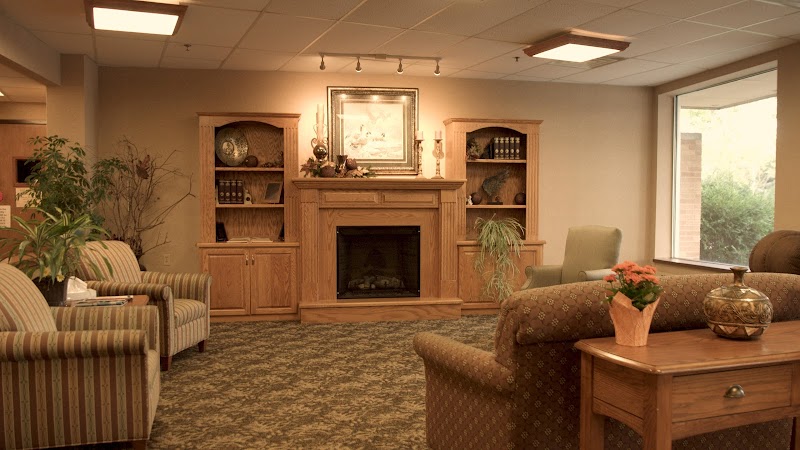
253 PINE STREET, FOLEY, MN 56329 (320) 968-6201
For profit - Corporation 78 Beds MONARCH HEALTHCARE MANAGEMENT Data: November 2025
Trust Grade
48/100
#212 of 337 in MN
Last Inspection: August 2024

Within standard 12-15 month inspection cycle. Federal law requires annual inspections.

Overview

The Gardens at Foley LLC has received a Trust Grade of D, which indicates that the facility is below average and has some concerning issues. It ranks #212 out of 337 nursing homes in Minnesota, placing it in the bottom half of all facilities, and is the second option in Benton County, meaning there is only one other local choice. Although the facility is improving, with the number of reported issues decreasing from 10 in 2023 to 9 in 2024, staffing remains a concern due to a high turnover rate of 58%, which is above the state average. The facility has also faced significant incidents, such as a resident who fell and suffered a serious injury due to staff not following a care plan, and failures in medication administration that could affect health outcomes. On the positive side, the overall star rating is average, and while RN coverage is also average, families should weigh these strengths against the facility's weaknesses when considering care options.
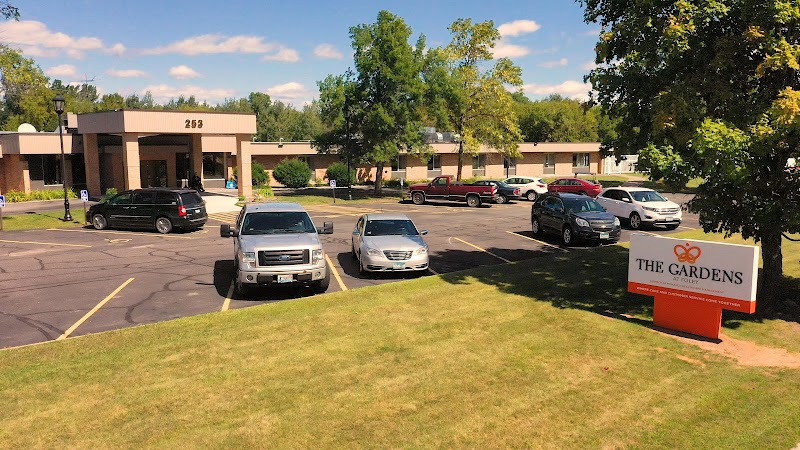
Trust Score
D
48/100
In Minnesota
#212/337
Bottom 38%
Safety Record
Moderate
Needs review
Inspections
Getting Better
10 → 9 violations
Staff Stability
⚠ Watch
58% turnover. Above average. Higher turnover means staff may not know residents' routines.
Penalties
✓ Good
$8,824 in fines. Lower than most Minnesota facilities. Relatively clean record.
Skilled Nurses
✓ Good
Each resident gets 45 minutes of Registered Nurse (RN) attention daily — more than average for Minnesota. RNs are trained to catch health problems early.
Violations
⚠ Watch
23 deficiencies on record. Higher than average. Multiple issues found across inspections.
★★★☆☆
3.0
Overall Rating
★★★☆☆
3.0
Staff Levels
★★☆☆☆
2.0
Care Quality
★★★☆☆
3.0
Inspection Score
Stable
2023: 10 issues
2024: 9 issues

The Good

  • Full Sprinkler Coverage · Fire safety systems throughout facility
  • No fines on record

Facility shows strength in fire safety.

The Bad

3-Star Overall Rating

Near Minnesota average (3.2)

Meets federal standards, typical of most facilities

Staff Turnover: 58%

12pts above Minnesota avg (46%)

Frequent staff changes - ask about care continuity

Federal Fines: $8,824

Below median ($33,413)

Minor penalties assessed

Chain: MONARCH HEALTHCARE MANAGEMENT

Part of a multi-facility chain

Ask about local staffing decisions and management

Staff turnover is elevated (58%)

10 points above Minnesota average of 48%

The Ugly 23 deficiencies on record

1 actual harm
Nov 2024 1 deficiency
CONCERN (D) 📢 Someone Reported This

A family member, employee, or ombudsman was alarmed enough to file a formal complaint

Potential for Harm - no one hurt, but risky conditions existed

Deficiency F0760 (Tag F0760)

Could have caused harm · This affected 1 resident

**NOTE- TERMS IN BRACKETS HAVE BEEN EDITED TO PROTECT CONFIDENTIALITY** Based on interview and document review, the facility failed to ensure antibiotic was administered per physician orders for 1 of ...

Read full inspector narrative →
**NOTE- TERMS IN BRACKETS HAVE BEEN EDITED TO PROTECT CONFIDENTIALITY** Based on interview and document review, the facility failed to ensure antibiotic was administered per physician orders for 1 of 1 resident (R1) reviewed for medication administration. Findings include: R1's admission Record dated 10/24/24, indicated R1's primary diagnosis was Osteomyelitis. The admission Record further indicated R1 had methicillin susceptible staphylococcus aureus infections (a type of staph that can be resistant to several antibiotics) as the cause of the diseases as his secondary diagnosis. R1's admission Minimum Data Set (MDS) dated [DATE], indicated R1 admitted to the facility on [DATE] and had orthopedic condition, no memory loss or behaviors. The MDS further indicated R1 needed assistance with ADL's, had lower extremity weakness and used a wheelchair for mobility. R1 further received intravenous antibiotics. R1's Care Plan dated 10/26/24, indicated R1 had a peripherally inserted central catheter (PICC) line and was at risk for infections, had self care deficit related to infection and had risk for skin integrity. R1's Hospital Discharge Orders dated 10/24/24, indicated R1 was to receive sodium chloride 0.9% 250 milliliters (ml) with oxacillin (antibiotic) 2 gram 24 hour continuous. R1's Hospital Medication Administration Report dated 10/24/24, indicated while at the hospital the medication was started at 7:04 a.m. on 10/24/24, (the next dose would need to be started at 7:04 a.m. on 10/25/24). R1's Medication Administration Record (MAR) at the facility indicated on 10/25/24, R1 received his next IV sodium Chloride 0.9% 250 ml 2 gram 24 hour continuous at 12:19 p.m. (over 5 hours late). Review of R1's Progress Notes (PN) indicated on 10/26/24, at 4:26 p.m. writer entered room where family stated resident appeared to be increasingly confused. Writer completed assessment noted congestion to upper lungs and nonproductive cough. BP 157/75, pulse 121, respiratory rate 121, pulse 20, temperature 102.9. The indicated family wanted R1 sent in and primary care provider updated and orders received to send to hospital. A hospital History and Physical dated 10/26/24, indicated R1 was admitted with a fever. The H&P indicated R1 was previously hospitalized [DATE] to 10/24/24, secondary to persistent right hip tenderness, and right iliac bone Osteomyelitis and infections myositis (a disease that makes your immune system attack your muscles) and was discharged on oxacillin continuous infusion. The H&P indicated R1 was started on broad-spectrum antibiotics and was discharged back to the facility on [DATE]. A Medication Error Dispensing Error And Treatment Error Report indicated on 11/05/24, R1 was supposed to receive oxacillin 24 hour continuous and registered nurse (RN)-B (agency nurse) signed as given on 11/05/24. The report indicated the night shift nurse found at 3:00 a.m. on 11/06/24, the oxacillin had not been started on 11/05/24 and the antibiotic was missed for 12 hours. The report indicated the primary care provider was notified and the nurse was placed on due not return due to concerns with the medication error to follow up with further education. A facility PN dated 11/06/24, at 3:13 p.m. indicated it was reported by the night nurse that resident did not get his antibiotic noted at 3:00 a.m. due to have been changed at 3:00 p.m. last evening. The PN indicated the night nurse restarted the antibiotic and at 8:30 a.m. his legs were at least 3 plus pitting edema and that the left lower leg was and red and had some water blister on the lower leg, the skin was also very shinny. Resident did not complain of pain and the area was not warm to touch. Physician was called and stated to have the resident go to the emergency room to eval and treat. During interview on 11/13/24, at 2:20 p.m. director of nursing (DON) stated she was unaware R1 received his antibiotic 5 hours late on 10/26/24 and the nurses were supposed to look at the hospital MAR to see when the antibiotics were started at the hospital. The DON stated RN-B signed out she gave R1 his antibiotic on 11/05/24, at 3:00 p.m. and it was discovered on 11/06/24, at 3:00 a.m. the medication was not started. The DON stated RN-B was agency nurse and her first day at the facility, after they discovered her medication error they immediately called the agency and put her on a do not return and informed the agency she needs further training. The DON further stated it is the facility's expectation the nurses from the agency are competent with administering IV medications and if they are not they should inform the facility, in addition the DON stated that evening there was another nurse from their facility who was certified in administering IV medications if she had questions. The DON stated the medical director felt the medication error did not cause harm and did not feel it was the cause for R1's hospitalizations. In addition the DON stated R1 did not hold his bed so they were unable to find out any information from his hospitalization on 11/06/24. When requested RN-B's phone number the DON stated since they placed her on due not return they would not be able to receive her phone number. Facility Policy Medication Procedure reviewed 1/2020, indicated for determining significance of a medication error: The relative significance of medication errors is a matter of professional judgment. Follow three general guidelines in determining whether a medication error is significant or not: · Resident Condition - The resident ' s condition is an important factor to take into consideration. If the resident ' s condition requires rigid control, a single missed or wrong dose can be highly significant. · Drug Category - If the medication is from a category that usually requires the resident to be titrated to a specific blood level, a single medication error could alter that level and precipitate a reoccurrence of symptoms or toxicity. This is especially important with a medication that has a Narrow Therapeutic Index (NTI). · Frequency of Error - If an error is occurring repeatedly, there may be more reason to classify the error as significant. For example, if a resident ' s medication was omitted several times, it may be appropriate, depending on consideration of resident condition and medication category.
Aug 2024 2 deficiencies
CONCERN (D) 📢 Someone Reported This

A family member, employee, or ombudsman was alarmed enough to file a formal complaint

Potential for Harm - no one hurt, but risky conditions existed

Quality of Care (Tag F0684)

Could have caused harm · This affected 1 resident

**NOTE- TERMS IN BRACKETS HAVE BEEN EDITED TO PROTECT CONFIDENTIALITY** Based on interview and documentation review, the facility failed to complete post-fall vital signs and neurological assessments ...

Read full inspector narrative →
**NOTE- TERMS IN BRACKETS HAVE BEEN EDITED TO PROTECT CONFIDENTIALITY** Based on interview and documentation review, the facility failed to complete post-fall vital signs and neurological assessments for 3 of 3 (R1, R2, R3) residents reviewed for post-fall assessment and monitoring. Findings include: R1's quarterly Minimum Data Set (MDS) dated [DATE] indicated R1 had diagnoses of dementia and heart failure. R1's MDS assessment indicated he had moderate cognitive impairment, and required assistance with transfers and personal cares. R1's care plan dated 5/13/24 indicated he was at risk for falls. On 8/11/24 at 2:40 p.m., a progress note indicated R1 was found on the floor by the nursing assistant. R1 was holding his head, and his oxygen saturation rate was initially low at 64%, but then rose to 84% (normal is 90% andabove). The note indicated a skin assessment was conducted, the provider was contacted, family was present and R1 was sent to the emergency department (ED). On 8/13/24 at 9:23 a.m. a progress note written by registered nurse (RN)-C summarized the incident. R1 was noted to be minimally responsive with sternal rub. Vital signs were taken and were within normal limits with the exception of oxygen saturation, which was in the lower 80's. R1 was sent to the ED to be evaluated and returned without any concerns. R1 had a skin tear and a large bruise, and denied pain. The incident was reviewed with the interdisciplinary team (IDT). On 8/13/24 at 9:23 a.m. a progress note referenced the risk management report, indicating R1 was found on the floor on his right lateral side, and was holding his head off the floor. The nurse provided a pillow to R1. Initial oxygen saturation reading was 64%, followed by an 84% reading, with the rest of the vitals within normal range. Ten minutes later, R1's family members were present. Provider and on-call physician were notified of the fall. R1 refused to go to the ED for further evaluation, but his pain increased to 8 out of 10, and R1 agreed to go to the ED after a few hours. R1's medical record lacked frequent post-fall neurological assessments from the time of the fall at on 8/11/24 at 2:40 p.m. to the time R1 was sent to the hospital. An emergency department note indicated R1 arrived at the hospital at 5:18 p.m. on 8/11/24. On 8/28/24 at 11:48 a.m., the assistant director of nursing (ADON) stated post-fall neurological assessments were a part of the facility's protocol when a resident fell and hit their head, or had an unwitnessed fall. On 8/28/24 at 1:57 p.m. RN-D stated the nurse should complete post-fall neurological assessments after a fall with a head strike or an unwitnessed fall. On 8/28/24 at 2:28 p.m., registered nurse (RN)-B stated she was working when R1 fell. She did an initial set of vital signs. She did not have the form to complete frequent neurological assessments available. She checked on R1 every 15 minutes for the first hour, but did not document it. R2's admission MDS dated [DATE] indicated R2 had diagnoses of unsteadiness of his feet and pain. R2's MDS indicated R2 had a history of falls. R2's care plan dated 8/6/24 indicated R2 was at risk for falls. On 8/20/24 at 4:42 p.m. a progress note indicated per risk management note: R2 was found on the floor in his room at 2:00 p.m. by nursing assistant (NA) with his forehead on the floor, with minor bleeding. Vital signs noted. R2 refused to go to the hospital for evaluation. R2's family member came around midnight. Shortly after the family member left, R2's condition changed. Confusion and an elevation blood pressure were noted and R2 was sent to the ED. On 8/20/24 at 4:55 p.m., a progress note indicated R2 reported he was in his wheelchair and had dropped an item on the floor, and was attempting to reach the item when he fell. While in the ED, he was diagnosed with COVID. R2's chart lacked frequent post-fall neurological assessments for the 12 hours prior to going to the emergency room for evaluation. R2 fell at 2:00 p.m on 8/20/24 and 911 was called at 2:30 a.m. on 8/21/24 due to his change of condition. On 8/29/24 at 10:05 a.m., RN-C stated the nurse should have completed frequent post-fall neurological assessments per facility protocol. On 8/29/24 at 10:45 a.m., RN-E stated nurses should follow the facility fall protocol, treating any unwitnessed fall as a head strike, and complete neurological assessments. If the neurological assessment form were missing from the packet, the nurse should ask the nurse manger on-call where to find the form. On 8/29/24 at 11:33 a.m., RN-B state she was working when R2 fell. R2 was found with some minor bleeding to his head. She had been taking his vitals consistently, but did verbally because she could not locate the neurological assessment form. RN-B stated she did not document her assessments for R2, but had frequent interactions with him. R3's annual MDS dated [DATE], indicated R3 had diagnoses of dementia and history of falls. R3's MDS indicated he had severe cognitive impairment and required supervision with all personal cares and transfers. R3's care plan dated 7/12/23 indicated R3 was a fall risk. On 8/28/24 at 7:55 a.m., a progress note indicated R3 was found on the floor, unable to recall how fall occurred, but thought to be self-transferring. Neuros were started and were within normal limits. On 8/28/24 at 2:58 p.m., a progress note indicated R3 was being monitored for behaviors. Note lacked post fall assessment details. An Incident Review form dated 8/28/24 at 11:00 a.m., indicated R3 was found on the floor. The note indicated neuros were started, and family and physician were notified. An x-ray was ordered. On 8/29/24 at 12:21 p.m., licensed practical nurse (LPN)-A stated she was working when R3 fell on 8/28/24. She had completed his post fall assessments, from the time of R3's fall at 7:55 a.m. through 1:45 p.m on 8/28/24, per the protocol on the designated facility form, but she was unable to locate the form in R3's medical record. On 8/29/24 at 12:21 p.m., LPN-A stated she was working with R3 immediately after his fall. She completed his initial frequent vital signs and neurological assessments, but the form was missing. If she could not locate a document, she would ask a clinical manager where to find one and still complete the necessary actions. LPN-A stated she would just write them on a sheet of paper if the form were missing. A facility document Neurological Procedure, dated 6/21 directed neurological assessments are indicated: a. Upon physician order. b. Following an unwitnessed fall. c. Following a fall or other accident/injury involving head trauma; or d. When indicated by resident's by resident's condition. When assessing neurological status, always include frequent vital signs. Particular attention should by paid to widening pulse pressure (difference between systolic and diastolic pressures). This may be indicative of increasing intracranial pressure (ICP). e. Any change in vital signs or neurological status in a previously stable resident should be reported to the physician immediately. Check vital signs and do neuro checks immediately and with the following frequency: Every 15 minutes x 4, Every 30 minutes, x 2, Every 1 hours, x 4, then every 4 hours for a total of 24 hours. Documentation: The following information should be recorded on the neurological flow sheet and placed in the resident's medical record:
CONCERN (D) 📢 Someone Reported This

A family member, employee, or ombudsman was alarmed enough to file a formal complaint

Potential for Harm - no one hurt, but risky conditions existed

Infection Control (Tag F0880)

Could have caused harm · This affected 1 resident

**NOTE- TERMS IN BRACKETS HAVE BEEN EDITED TO PROTECT CONFIDENTIALITY** Based on observation and interview the facility failed to follow the Centers for Disease Control (CDC), Infection Control Guidan...

Read full inspector narrative →
**NOTE- TERMS IN BRACKETS HAVE BEEN EDITED TO PROTECT CONFIDENTIALITY** Based on observation and interview the facility failed to follow the Centers for Disease Control (CDC), Infection Control Guidance: SARS-CoV-2 (severe acute respiratory syndrome coronavirus 19) dated 6/24/24, which directed the facility to implement source control measures to cover a person's mouth and nose to prevent spread of respiratory secretions when they are breathing, talking, sneezing, or coughing. On 8/28/24 at 9:50 a.m. a sign on the front door of the facility indicated the facility had a current COVID outbreak. On 8/28/24 at 9:55 a.m., the director of nursing (DON) The DON stated the census of the building was 68 and confirmed there was a current COVID outbreak in the facility. On 8/28/24 at 3:11 p.m., therapeutic recreation aide ([NAME])-A was observed in the dining room in close proximity to three residents while they were all seated at a table, approximately 2 feet apart. [NAME]-A's mask was positioned under his chin, not covering his mouth or nose. On 8/28/24 at 3:13 p.m., registered nurse (RN)-A was observed standing at the medication cart in the hall of the 400 unit, with his surgical mask under his chin. The mask was not covering his mouth or nose. RN-A was observed pulling the mask up to the correct position to cover his mouth and nose. On 8/28/24 at 3:16 p.m., RN-A was observed with his mask under his chin, speaking to a resident who was within approximately three feet of RN-A at the medication cart on the 400 unit. The resident was also not wearing a mask. On 8/28/24 at 3:18 p.m., RN-A stated the goal of wearing the mask was to minimize spreading COVID. RN-A stated wearing the mask under his chin was not the appropriate method to prevent the spread of infection. On 8/28/24 at 3:20 p.m., [NAME]-A stated he was aware the proper way to wear a mask way above the nose and over the mouth. On 8/28/24 at 3:38 p.m., the DON stated indicated 7 residents in the building currently had COVID. She stated the residents with COVID were on the 200, 400, and 500 units. The DON stated staff education was conduction through daily huddles at shift changes, on facility bulletin boards, and on residents' doors. The DON stated the expectation was that staff were to wear surgical masks at all times in common areas of the buildings. The DON stated it was unacceptable to wear the surgical masks under the chin. On 8/29/24 at 8:51 a.m., the infection prevention nurse (IPN) stated staff are expected to wear a mask in common areas while the facility is in outbreak status and staff are expected to wear masks properly, covering mouth and nose. On 8/29/24 at 1:57 p.m., the medical director stated surgical masks must be worn in common areas of the facility and worn properly to prevent the spread of COVID. The medical director stated the masks must be worn covering the mouth and nose. A facility document, COVID Policy, dated 3/7/24 directed this facility follows recommended standard and transmission-based precautions, environmental cleaning, to prevent the transmission of COVID-19 within the facility. This policy is based on current CDC recommendations for infection prevention and control practices for COVID-19. While in the building, personnel are required to adhere to established infection prevention and control policies, including: appropriate use of PPE. Centers for Disease Control (CDC), Infection Control Guidance: SARS-CoV-2 (severe acute respiratory syndrome coronavirus 19), dated 6/24/24, directed the facility to implement source control measures to cover a person's mouth and nose to prevent spread of respiratory secretions when they are breathing, talking, sneezing, or coughing.
Aug 2024 4 deficiencies
CONCERN (D)

Potential for Harm - no one hurt, but risky conditions existed

Quality of Care (Tag F0684)

Could have caused harm · This affected 1 resident

**NOTE- TERMS IN BRACKETS HAVE BEEN EDITED TO PROTECT CONFIDENTIALITY** Based on observation, interview and document review, the facility failed to ensure appropriate wheel chair (WC) positioning was ...

Read full inspector narrative →
**NOTE- TERMS IN BRACKETS HAVE BEEN EDITED TO PROTECT CONFIDENTIALITY** Based on observation, interview and document review, the facility failed to ensure appropriate wheel chair (WC) positioning was maintained for 1 of 2 residents (R45) in the sample reviewed for positioning. Findings include: R45's most current quarterly minimum data set (MDS), dated [DATE], documented R45 was severely cognitively impaired and was dependent with most of his activities of daily living. R45's Medical Diagnosis sheet printed 8/7/24, indicated diagnoses of morbid (severe) obesity due to excess calories, chronic obstructive pulmonary disease, and dementia with other behavioral disturbances. During observation on 08/05/24 at 2:28 p.m., R45 was observed in his WC. near the central dayroom. R45 was a sleep, leaning back in his WC. The vinyl back of the WC lined up with R45's mid-back, which when sleeping, caused R45 to be arched over the back of the WC. When R45 leaned back, the vinyl back was pushed down approximately two inches. During breakfast observation on 8/6/24 at 8:57 p.m., R45 was finishing his breakfast, as he was leaning back in his WC. R45 stated he was sore today. He had pain in his back. During observation on 8/07/24 at 7:45 a.m., R45 was again observed sitting at a dining room table sleeping, leaning back in his WC. R45 was leaning so much, he was facing the ceiling and snoring. The vinyl back appeared to be pressed down approximately two inches down mid-back. R45 was in such a reclined position, resident's shoulders and head were over the back support of his WC. R45's medical records indicated R45 was last seen by occupational therapy in September 2023. An evaluation (screened) for needs was completed, however it was decided R45 did not require any treatment or interventions at that time. During observation and interview on 8/8/24 at 9:58 a.m., R45 was sitting in his WC next the the family room on the unit, sleeping and leaning back. The contracted occupational therapist (OTR) performed a brief visual screen of R45. OTR stated, although R45's WC was wide enough in the seat, the back was too narrow and too short, which was not providing sufficient support for R45. OTR stated she had only been at the facility for a couple of months, and had never worked with R45, nor was informed of any WC issues with R45. A review of the facility's policy, entitled: Activities of daily Living (ADLs) / Maintain Abilities Policy (last updated 5/9/24) documented the following: 1. Based on a comprehensive assessment of a resident and consistent with the resident's needs and choices, the facility will provide the necessary care and services to ensure that a resident's abilities in activities of daily living to not diminish unless circumstances of the individual's clinical condition demonstrates that such diminution was unavoidable. 2. The facility will ensure a resident is given the appropriate treatment and services to maintain or improve his or her ability to carry out the activities of daily living.
CONCERN (D)

Potential for Harm - no one hurt, but risky conditions existed

Pharmacy Services (Tag F0755)

Could have caused harm · This affected 1 resident

Based on observation, interview and document review, the facility failed ensure medications were administered safely for 3 of 6 residents (R19, R40, R61) reviewed for medication administration. Findi...

Read full inspector narrative →
Based on observation, interview and document review, the facility failed ensure medications were administered safely for 3 of 6 residents (R19, R40, R61) reviewed for medication administration. Findings include: During observations on 8/7/24 at 9:29 a.m., trained medication aide (TMA-D) stood by a medication cart outside the dining room. TMA-D opened the top drawer of the cart and three medication cups were observed in the front compartment. Each cup had an unidentified number of pills of varying size and colors. A small slip of paper approximately the size of a postage stamp was on top of each medication cup and identified the initials for R19, R40, and R61. TMA-D stated they had been instructed to dish up three residents' medications at a time and to document each medication as administered in the electronic medical record (EMR). TMA-D would then administer the medications to the residents. Review of the EMR indicated TMA-D had signed off R19's, R40's, and R61's morning medications, however, the medications had not been administered. TMA-D confirmed the medications had not been given. On 8/7/24, at 9:50 a.m., TMA-D opened the medication cart drawer, removed the prefilled medication cups for R19 in their room. Moments later, TMA-D exited R19's room without the medications. On 8/7/24, at 9:56 a.m., TMA-D obtained the medication cup for R61 and entered R61's room. Moments later TMA-D exited R61's room without the medication. During interview on 8/7/24 at 10:51 a.m., the director of nursing (DON) stated the staff were to dish up one resident's medications at a time, administered them to the resident and then sign the EMAR after the resident had received the medication. This was to ensure each resident received their medications. Pre-dishing medications was not an acceptable practice and put the residents at risk for potential medication errors. The Medication Administration -General Guidelines policy dated December 2019, directed authorized staff to ensure medications were administered as prescribed in accordance with the five rights of medication administration. The five rights were identified as: right resident, right drug, right dose, right time and right route. The policy also directed medications administered by mobile medication cart were to be taken to the resident's location and medications were to be administered at the time they were dispensed. The policy specifically directed the staff to refrain from pre-pouring medications in advance of the medication pass or for more than one resident at a time.
CONCERN (D)

Potential for Harm - no one hurt, but risky conditions existed

Deficiency F0761 (Tag F0761)

Could have caused harm · This affected 1 resident

Based on observation, interview and document review, the facility failed to ensure eye drops were labeled for specific resident or dated with opened on date to ensure expired products were not adminis...

Read full inspector narrative →
Based on observation, interview and document review, the facility failed to ensure eye drops were labeled for specific resident or dated with opened on date to ensure expired products were not administered for 2 of 2 residents (R8, R16) reviewed for medication storage and labeling. Findings include: During observation on 8/7/24 at 07:12 a.m., a review of the medication carts was performed with licensed practical nurse (LPN-A). The top drawer of the 500 wing cart contained two open multidose bottles of artificial tears. Neither bottle identified the resident to whom the medication was to be given to, the date the bottle had been opened or a date which would indicate when the medication would expire. LPN-A stated the bottles were stock medications which had been opened for R8 and R16 as they were located in a individually divided sections of the cart for R8 and R16. During interview on 8/7/24 at 09:06 a.m., LPN-A stated staff used all stock medications for things like eye drops and staff could check on the electronic medication record (EMR) to clarify the medication was on the resident's medication list. LPN-A stated staff should be putting an opened on and expiration date sticker on the bottle. LPN-A then instructed trained medication aide (TMA)-C to place an opened 8/7/24 on R16's bottle. TMA-C did as directed and dated R16's bottle as 8/7/24, however, the exact date of when the bottle was opened was unknown. During interview on 8/7/24 at 10:51 a.m., director of nursing (DON) stated staff should use facility supply of artificial tears which were packaged in individual dose vials. DON stated the facility supply box is dated with an Opened on and Expires on sticker. The DON's expectation of staff was to have them use individual dose vials and follow the open date and expiration dates written on the containers to ensure the residents did not receive expired medications. The Medication Storage in the Facility policy dated January 2018, indicated when the original seal of a manufacturers container or vial is initially broken, the container or vial will be dated. The nurse will place a date opened sticker on the medication and enter the date opened and the new date of expiration, noting the best stickers affix contain both a date opened and expiration notation line. The policy directed the expiration date to be identified as 30 days from the time the medication was opened.
CONCERN (D)

Potential for Harm - no one hurt, but risky conditions existed

Infection Control (Tag F0880)

Could have caused harm · This affected 1 resident

Based on observation, interview and record review, the facility failed to follow infection control practices for administration of eye drops to 1 of 2 residents (R16) reviewed for administration of ey...

Read full inspector narrative →
Based on observation, interview and record review, the facility failed to follow infection control practices for administration of eye drops to 1 of 2 residents (R16) reviewed for administration of eye drops. Findings include: On 8/7/24 at 8:59 a.m., during an observation of medication administration, trained medication aide (TMA-C) approached R16 and informed R16 it was time for administration of artificial tears. TMA-C donned a glove and gently pulled the inner corner of R16's left lower lid down and attempted to place one drop in the inner aspect of the lower lid. R16 squeezed their eyes shut. TMA-C gently touched the tip of the medication bottle to the inside of R16's lower left lid. TMA-C then repeated the process for the right eye. TMA-C stated they were unaware the bottle had touched R16's eye lid while administering the medication. TMA-C confirm if the bottle was contaminated during administration, it should no longer be utilized as TMA-C placed the bottle back into the medication cart. During an interview 8/7/24 at 10:51 a.m., the director of nursing (DON) stated the staff were to follow proper infection control and medication administration practices during eye drop administration. This would include ensuring the tip of the bottle did not touch the resident's eye lid. DON confirmed if the eyelid was touched with the bottle, the entire bottle would be considered contaminated and should be discarded. The Specific Medication Administration Procedures -Eye Drop Administration policy dated December 2019, directed the staff to ensure the tip of the dropper does not touch the eye or any other surface.
Apr 2024 2 deficiencies 1 Harm
SERIOUS (G) 📢 Someone Reported This

A family member, employee, or ombudsman was alarmed enough to file a formal complaint

Actual Harm - a resident was hurt due to facility failures

Accident Prevention (Tag F0689)

A resident was harmed · This affected 1 resident

**NOTE- TERMS IN BRACKETS HAVE BEEN EDITED TO PROTECT CONFIDENTIALITY** Based on interview and document review, the facility failed to follow a care planned intervention to reduce the risk of falls fo...

Read full inspector narrative →
**NOTE- TERMS IN BRACKETS HAVE BEEN EDITED TO PROTECT CONFIDENTIALITY** Based on interview and document review, the facility failed to follow a care planned intervention to reduce the risk of falls for 1 of 4 residents (R4) reviewed for falls. This resulted in actual harm for R4 when he fell and sustained a thoracic fracture. R4 required subsequent hospitalization, where he expired. The facility implemented corrective action so the deficient practice was issued at past non-compliance. The past non-compliance began on [DATE], when R4 fell and sustained a fracture after staff failed to follow a care planned intervention. The facility implemented corrective action on [DATE], prior to the start of the abbreviated survey, and was issued as past non-compliance. Findings include: A Facility Reported Incident (FRI) report, submitted to the State Agency (SA) on [DATE] at 1:33 a.m., identified R4 fell at 3:25 p.m. after he self-transferred. R4 stated he gathered items in preparation for a shower, and when he went to grab the door handle, he missed and fell to the floor. He initially denied pain and requested the shower; however, subsequently reported increased lower back pain and was transported to the emergency department (ED). ED assessments and testing identified R4 sustained a T11 (thoracic 11th vertebrae) endplate fracture with some dorsal displacement of the dominant fracture fragment. In addition, R4 required supplemental oxygen and was found to have elevated complete blood count (CBC) reading(s). The report identified R4's careplan directed staff to offer assist with setting out clothing for his evening shower. Nursing assistant (NA)-A was placed on administrative leave pending the investigation. R4's annual Minimum Data Set (MDS), dated [DATE], identified R4 was cognitively intact. He was diagnosed with debility, cardiorespiratory conditions, heart failure, anemia, and arthritis. R4 was free of falls over the prior three months. R4's Risk for falls care plan, revised on [DATE], identified R4 demonstrated Gait/balance problems, weakness, refusal to wait for assistance, self-transferring at times, refusal to lift PWC (power wheelchair) footrests prior to transfers for safety as directed by therapy. The goal was for R4 to be free of serious fall related injury. A fall intervention, dated [DATE], directed NA to offer R4 assistance with setting out his clothing in preparation for his shower. A PointClickCare (PCC) POC (point of care) triggered task report for R4 identified the task, Offer to assist me to set out my clothes for my shower (fall [DATE]), was triggered for the day NA to complete. The report indicated this task pushed to the Kardex's (NA care plan) safety category. A POC documentation report for R4 identified NA-A documented on [DATE], at 1:59 p.m., she offered R4 assistance to set out his cloths for his shower. A progress note, dated [DATE] at 4:06 p.m., identified a NA went into R4's room to update him on the timeframe for his shower and found him on the floor. Vitals were taken and he was assisted into his wheelchair with a mechanical lift. R4 reported he felt fine and denied pain. R4 was initially assessed, and during his shower, a reddened area was noted on his lower back which R4 felt was related to a new belt he wore when he fell. A subsequent progress note, dated [DATE] at 8:10 p.m., identified R4 complained of significant lower back pain and nausea after his HS (hour of sleep) medications were administered. His vitals were WNL (within normal limits), as was his ROM (range of motion). His pupils were PEARL (equal and reactive to light). He was unable to lay down due to the increased pain, which was an 8 to 9 on a 0 to 10 pain scale. The on-call medical doctor and registered nurse (RN) were updated and R4 was transported to the ED. A Facility Investigation, completed [DATE], identified with immediate assessment after the fall, R4 denied pain. He initially refused to be transported to the hospital and requested his shower as planned. During the shower skin assessment, a reddened area on his lower back was noted. [NA-A] was placed on administrative leave pending further investigation. The investigation described R4 as a strong-willed [AGE] year-old who frequently self-transferred without notifying staff and/or using his call light and was very particular about his day and the way things were completed, specifically related to his showers. R4 stated he attempted to independently find his own clothes to be dressed in after his shower. He grabbed for the door handle, missed, and fell to the floor. According to staff, he regularly obtained his clothing independently per his preference and failed to utilize his call light or obtain staff assist. In review of his care plan, the intervention to offer him assist to set up his clothing was identified. A review of the completed documented tasks identified [NA-A] completed this task on [DATE] at 1:59 p.m.; however, [NA-A's] interview indicated she did not assist R4 as documented. Additional staff interviews suggested R4 preferred to pick out his own clothing and did this for some time. Due to the investigation, the facility substantiated the fall likely led to the fracture with evidence that suggested staff had an opportunity to assist R4 with his cloths prior to the fall. In response, NA-A received corrective action and education and the remainder of the nursing staff were educated to ensure tasks assigned in PCC's POC were completed and that they referred to the plan of care or their supervisor for any resident specific questions. In addition, additional care plans for those who required assistance with clothing selection were reviewed and determined to in fact be completed. The facility determined there were no similar incidents in the past six months, or since the initial report was filed with the SA, and therefore, this incident was believed to be an isolated incident. R4's hospital Discharge Summary - Death report, dated [DATE], identified R4's discharge diagnoses included a closed superior endplate T11 compression fracture with ankylosing spondylitis (spine arthritis) reportedly due to mechanical fall and worsened acute hypoxic respiratory failure due to increased atelectasis and the need for an ART (respiratory trauma event team response). Neurosurgery was consulted; however, he was felt too high risk for surgery given his age, underlying comorbidities, and worsened respiratory failure, and thus he was transitioned to comfort cares. R4 progressively became very drowsy during the course of hospitalization and passed away on [DATE] at 12:40 a.m. During an interview on [DATE] at 1:54 p.m., NA-B stated he was expected to follow the plan of care and to ensure his documentation was accurate. He vaguely remembered R4; however, was typically not on R4's unit. He expressed R4 required setup assist and he preferred a particular aide to assist with showers. He indicated R4 fell and confirmed education that was provided to him shortly after was related to the fall and ensuring the care plan was followed. When interviewed on [DATE] at 2:09 p.m., NA-C stated she was expected to follow the plan of care and to ensure her documentation was accurate to ensure residents remained safe. She identified R4 required assist of one for cares; however, he was stubborn and tended to do things on his own as he did not like to ask for help. Due to this, he needed strong encouragement to ask for assistance. She explained education was provided after R4's fall to ensure tasks were followed and charting reflected the care provided. During an interview on [DATE] at 12:51 p.m., NA-A stated she was expected to follow the plan of care and to ensure her documentation was accurate to ensure residents remained free of harm, such as injuries or falls. She explained she was not on duty when R4 fell and identified she charted incorrectly as she documented a task she did not complete. NA-A identified she was educated in relation to the incorrect charting and charting expectations, along with the need to ensure she followed the plan of care. When interviewed on [DATE] at 1:23 p.m., the DON stated she expected care plans and NA group sheets to be followed and if information was found incorrect, the managers or herself was to be updated to decrease the risk of injury and/or death. She went over the investigation steps taken after R4's fall which included NA-A's disciplinary action and staff education. She identified due to the investigation; it was identified NA-A failed to follow the plan of care. She denied related concerns since. On [DATE], during the DON interview, R4's facility fall investigation file was reviewed and contained the following: -A comprehensive fall investigation with summary of events, interviews, resident assessment, description of immediate resident protections, notifications, causal and/or contributing factors, and an overall detailed summary. -multiple staff interviews. -Notice of Suspension Pending Investigation, dated [DATE], for NA-A. -a Record of Verbal Counseling, dated [DATE], for NA-A with expectations going forward related to tasks and documentation. -a Care Planning policy signed by NA-A. -a staff list that identified those educated on [DATE], along with additional staff signed Care Planning and Task Education. -emailed communications with the medical provider and medical director. The deficient practice was corrected on [DATE], after the facility implemented a plan that included the following actions: R4 was immediately assessed and fall protocols were followed. Upon R4's change in pain and mobility status, R4 was transferred to the ED. Facility investigation was coordinated with interviews of staff and R4, along with care plan review. NA-A was placed on administrative leave and provided verbal coaching and education after it was determined she failed to follow R4's plan of care. As of [DATE], most nursing staff were provided education related to the deficient practice and those who worked after were provided education upon their next shift. The facility was free of additional falls after [DATE] related to failure to follow plan of care. The corrective actions were verified through documentation review and staff interviews. A Care Planning policy, dated [DATE], identified each resident was to have a person-centered care plan to meet their individual medical, physical, psychosocial, and functional needs. The policy directed the care plan was to be utilized by staff for the purposes of providing care or services to the resident. The care plan was to be modified and updated as the condition and care needs of the resident changed.
MINOR (C) 📢 Someone Reported This

A family member, employee, or ombudsman was alarmed enough to file a formal complaint

Minor Issue - procedural, no safety impact

Staffing Information (Tag F0732)

Minor procedural issue · This affected most or all residents

Based on observation, interview, and document review, the facility failed to ensure required nursing staff data was posted daily before each shift. This had potential to affect all 74 residents, staff...

Read full inspector narrative →
Based on observation, interview, and document review, the facility failed to ensure required nursing staff data was posted daily before each shift. This had potential to affect all 74 residents, staff, and visitors who could wish to review this information. Findings include: During observation on 4/15/24 at 12:13 p.m., a nursing staff data posting was in a plastic holder on the wall between the reception desk and the dining room. The posting was labeled Daily Headcount, was dated 4/11/24, and printed off at 8:23 a.m. by scheduling coordinator (SC). On 4/15/24, at 12:14 p.m., the regional director of operations (RDO) and the administrator were located by the receptionist desk. The RDO verified the posting's location and identified date. He indicated SC was out ill that day. The administrator explained nursing staff back[ed] [SC] up when SC was out of the building. During an interview on 4/15/24, at 12:18 p.m., the director of nursing (DON) stated she expected the posting to be posted daily. She identified SC was responsible for the posting and expected the posting to be filled out in preparation for the next day, prior to the end of SC's shift. In addition, she expected SC prepared the weekend postings for the weekend night staff, who then were expected to post and make corrections as needed (i.e., calls ins, admissions, etc.). The DON denied audits were completed to ensure compliance with the posting and identified she was unsure what the process was when SC called in sick. After she was shown a copy of the observed posting, she stated, So obviously it is a little late. I will have to find out where our system broke down. During observation on 4/15/24, at 1:15 p.m. and 5:00 p.m., the posting's plastic holder was empty. During observation on 4/16/24, at 9:13 a.m., a piece of paper, labeled Monday, April 15th, was in the plastic staff data posting sleeve, and identified staff data. This paper was not like the previously observed 4/11/24 Daily Headcount. Less than one minute later, SC was observed by her office. When interviewed on 4/16/24, at 10:01 a.m., SC indicated she started her position in September and officially took over the staff posting on 10/23/23. She explained, one of the first things she did upon arrival to work at 8:00 a.m., when she performed her scheduler duties, was she ran a staff posting report in the UKG electronic system and posted it. She identified the only staff that she was aware of that could access this part of the UKG software was the DON and the administrator, and potentially human resources. She lacked knowledge related to the process of the posting when she was not in the building, which included weekends. In addition, she explained there were days when she was required to work direct care and thus the posting was not posted on those days, as she went straight to the floor. SC was unaware of the posting requirements and explained that during her position orientation she was only instructed it needed to be posted but not why. SC denied she posted the posting that morning as she got sidetracked. She ran a Daily Headcount report for 4/16/24 at 10:04 a.m. The Daily Headcounts from 10/23/23 to current were reviewed with SC in which she confirmed the saved Daily Headcounts reviewed were the postings that she posted. If the postings were not present, they were not posted. The saved Daily Headcount postings from 10/23/23, through 4/15/24 were requested and identified the following: -81 days out of an expected 176 days were provided. -all postings were printed by SC. -posting time stamps ranged from 7:33 a.m. to 8:57 a.m., with one posting at 12:54 p.m. Most of the posting were time stamped around the 8:00 a.m. hour timeframe (approximately two hours past the start of the day shift). -October 2023 postings lacked the dates of 10/28/23 and 10/29/23 (two days). -November 2023 postings lacked the dates of 11/1/23, 11/2/23, 11/4/23 - 11/7/23, 11/10/23 - 11/12/23, 11/17/23 - 11/19/23, 11/23/23 - 11/26/23 (16 days). -December 2023 postings lacked the dates of 12/2/23, 12/3/23, 12/6/23, 12/7/23,12/9/23 - 12/11/23, 12/16/23, 12/17/23, 12/19/23, 12/23/23 - 12/25/23, 12/30/23, 12/31/23 (15 days). -January 2024 postings lacked the dates of 1/1/24, 1/2/24, 1/6/24, 1/7/24, 1/10/24, 1/12/24 - 1/14/24, 1/16/24, 1/18/24, 1/20/24, 1/21/24, 1/23/24, 1/27/24, 1/28/24, 1/31/24 (16 days). -February 2024 postings lacked the dates of 2/1/24, 2/3/24 - 2/5/24, 2/7/24, 2/9/24 - 2/12/24, 2/17/24, 2/18/24, 2/20/24, 2/21/24, 2/24/24 - 2/27/24 (17 days). -March 2024 postings lacked the dates of 3/2/24, 3/3/24, 3/7/24, 3/9/24, 3/10/24,3/16/24, 3/17/24, 3/19/24, 3/20/24, 3/23/24 - 3/31/24 (18 days). -April 2024 postings lacked the dates of 4/4/24 - 4/10/24, 4/12/24 - 4/15/24 (11 days). A Nursing Hours Posting policy, dated 10/2/22, directed the facility posted nursing staffing data daily at the beginning of each shift.
Dec 2023 1 deficiency
CONCERN (D) 📢 Someone Reported This

A family member, employee, or ombudsman was alarmed enough to file a formal complaint

Potential for Harm - no one hurt, but risky conditions existed

Room Equipment (Tag F0908)

Could have caused harm · This affected 1 resident

**NOTE- TERMS IN BRACKETS HAVE BEEN EDITED TO PROTECT CONFIDENTIALITY** Based on observation, interview, and document review, the facility failed to ensure suction equipment was maintained in working ...

Read full inspector narrative →
**NOTE- TERMS IN BRACKETS HAVE BEEN EDITED TO PROTECT CONFIDENTIALITY** Based on observation, interview, and document review, the facility failed to ensure suction equipment was maintained in working condition for 1 of 2 suction machines. Findings include: R1's admission Minimum Data Set (MDS) dated [DATE] indicated R1's primary medical diagnosis was cerebral infarction (stroke). R1 also had diagnoses of encephalopathy (alteration of brain structure), dysphagia (difficulty in swallowing), and anxiety. On 12/25/23 R1's progress note indicated staff called the on-call licensed practical nurse (LPN)-A with report of R1 gurgling with oxygen saturations at 70%. Oxygen was applied to R1, and the head of her bed was elevated. 911 was called and R1 sent to the hospital. On 12/27/23 R1's hospital discharge summary indicated prior to arriving to the emergency room on [DATE] R1 underwent suctioning by emergency medical services (EMS) and her oxygen saturations rapidly improved. On 12/28/23 at 9:22 a.m., the director of maintenance (DM)-A stated the maintenance department did not provide preventative maintenance for the suction machines. On 12/28/23 at 10:17 a.m., the director of nursing (DON) stated periodic checks were conducted by the night shift staff and safety committee on the crash carts where the suction machines were stored. The DON stated the suction machine was checked by plugging it in and turning it on. On 12/28/23 at 11:17 a.m., family member (FM)-A stated R1's condition had stabilized by the time the ambulance arrived at the hospital. FM-A stated the physician explained suction and oxygen assisted R1's improvement. On 12/28/23 at 11:36 a.m., LPN-A stated she was the on-call nurse on 12/25/23. LPN-A stated she received a call from RN-A before 9:00 p.m. LPN-A stated she called FM-A and then directed RN-A to call 911. LPN-A stated suction was never addressed in her conversations with RN-A. On 12/28/23 at 12:59 p.m., registered nurse (RN)-A stated she observed R1 gurgling at 8:40 p.m. on 12/25/23. RN-A stated she elevated R1's head of bed further and called the on-call nurse. RN-A stated R1's oxygen saturation was 77% on room air. She stated 911 was called and oxygen was administered to R1. RN-A stated the police officer who arrived first to the scene requested a suction machine. RN-A stated she retrieved the suction machine from the crash cart on the 200 wing/unit. RN-A stated the suction machine turned on, but then turned off. RN-A stated the suction machine light indicated the battery was low. RN-A stated the suction machine was plugged into the outlet at the time. RN-A stated the facility's other suction unit was retrieved as EMS arrived on the scene. RN-A stated she did not suction R1 as EMS had taken over R1's cares at that time. On 12/28/23 at 1:10 p.m., the DON demonstrated the suction machine on the 200 wing/unit crash cart. The suction machine initially powered on, but then shut off and made a beeping sound. The indicator lights flashed for low battery and external battery. The DON attempted several times, but was unsuccessful in demonstrating the suction machine was operable. On 12/28/23 at 2:13 p.m., the suction machine company representative (CR)-A was interviewed. CR-A stated the required maintenance of the suction machine included changing the filters at least every two months, and between patient use. On 12/28/23 at 2:40 p.m., the DON stated the maintenance department monitored equipment. The DON stated she was not aware of any required preventative maintenance conducted for the suction machine. The DON stated she was not aware the suction machine did not function appropriately. Preventative maintenance log for the suction machine was requested, but not provided. The suction machine instruction manual directed filters to be changed if overflow occurs, or every two months, whichever comes first, and to change the bacteria filter between patient use. The facility policy Maintenance Service dated 2009, directed maintenance service shall be provided to all areas of the building, grounds, and equipment. 1. The maintenance department is responsible for maintaining the buildings, grounds, and equipment in a safe and operable manner at all times. 3. The Maintenance Director is responsible for developing and maintaining a schedule of maintenance service to assure that the buildings, grounds, and equipment are maintained in a safe and operable manner. 4. A copy of the maintenance schedule shall be shared be provided to each department director so that appropriate scheduling can be made without interruption of services to residents 5. Maintenance personnel shall follow the manufacturer's recommended maintenance schedule. 9. Records shall be maintained in the Maintenance Director's office. 10. Maintenance personnel shall follow established safety regulations to ensure the safety and well-being of all concerned.
Sept 2023 7 deficiencies
CONCERN (D)

Potential for Harm - no one hurt, but risky conditions existed

Quality of Care (Tag F0684)

Could have caused harm · This affected 1 resident

**NOTE- TERMS IN BRACKETS HAVE BEEN EDITED TO PROTECT CONFIDENTIALITY** Based on observation, interview, and document review, the facility failed to provide care in accordance with professional standa...

Read full inspector narrative →
**NOTE- TERMS IN BRACKETS HAVE BEEN EDITED TO PROTECT CONFIDENTIALITY** Based on observation, interview, and document review, the facility failed to provide care in accordance with professional standards of practice for 1 of 1 residents (R63) reviewed for catheter cares. Findings include: R63's admission record dated 9/12/23, identified diagnoses included urinary tract infection, Parkinson's disease, mild cognitive impairment, and neuromuscular dysfunction of bladderBased on Observation, interview, and record review, the facility failed to comprehensively assess 1 of 2 residents (R10) for safe use of a lighter. R10's significant change Minimal Data Set (MDS) dated [DATE], indicated intact cognition and diagnoses of anxiety, bipolar (highs and lows in mood), schizophrenia (distorted sense of reality). R10's face sheet indicated admission date on 3/30/23, tobacco user and nicotine dependence. R10 smoking assessment dated [DATE], indicated current smoker able to hold and light own cigarettes and used a smoking apron. Facility assessment lacke evidence R10 had been assessed to safely keep cigarette lighter on his person. On 9/11/23 at 9:36 a.m., R10 was smoking out in designated area. He came back into facility and kept the lighter on his person. On 9/11/23 at 10:05 a.m., R10 was in his room and stated he had just gone out to smoke. He kept the lighter on him until he was done smoking for the day. On 9/11/23 at 1:36 a.m., R10 was in smoking area. He returned with lighter on his person. On 9/12/23 at 8:25 a.m., certified nursing assistant (CNA)-D stated he had worked with R10 and was aware R10 smoked. CNA-D stated R10 kept the lighter in his room. On 9/12/23 at 8:55 a.m., CNA-E stated she was aware R10 went outside to smoke. He wore an apron and got his cigarettes and lighter from the nurses. CNA-E stated R10 kept the lighter on him throughout the day. On 9/12/23 at 12:09 a.m., registered nurse (RN-B) stated R10 smoked a lot. He got the cigarettes and lighter from the nursing staff. R10's smoking supplies were kept in the cart. On 9/12/23 at 12:15 p.m., registered nurse (RN-A) stated she was the unit manager. R10 had a smoking assessment. RN-A stated the assessment lacked identification R10 was appropriate to keep the lighter on his person. Facility document, titled, Resident Smoking Policy indicated that storage of supplies varies depending on resident's cognitive abilities and s best left to the facility to individualize based on the resident's smoking assessment. R63's care plan dated 8/25/23, indicated need for staff assistance with toileting and Foley catheter cares per policy. R63's order summary report dated of 9/12/23, indicated staff was to clean insertion site daily with soap and water. The orders lacked direction for use of skin prep. During observation and interview on 09/12/23 at 7:25 a.m., nursing assistant (NA)-A provided R63's catheter cares. After NA-A washed R63's indwelling catheter with soap and water, she applied skin prep to the penis around the catheter insertion site. NA-A stated she was directed by the previous unit manager to apply skin prep to male residents with catheters. NA-A was unsure if a policy indicated the use of skin prep for catheter care. On 9/12/23 at 1:26 p.m., licensed practical nurse (LPN)-C stated NA-A got a skin prep pad to complete catheter cares. These were stored on medication cart. LPC-C removed a No Sting Skin Prep pad from the locked medication cart to indicate the product used. LPN-C stated previously the task to utilize skin prep was on the treatment administration record (TAR) and a nurse completed the skin prep application following catheter cares provided by a NA. On 9/12/23 at 10:40 a.m., registered nurse (RN)-A stated skin prep for catheter care was not a standard practice and she was unaware of any such changes to the facility catheter policy and procedure. On 9/12/23 at 1:37 p.m., director of nursing (DON) stated standard practice was to use soap and water when catheter care was provided. The facility did not use barrier protection as standard practice. DON stated if a barrier cream or product was needed, the product would be listed on the TAR and a licensed nurse applied the product to ensure the site was monitored by a nurse. The facility's Indwelling Catheter Care Procedure policy dated 7/21/23 identified supplies needed as soap and basin of warm water, two or more washcloths, towel, gloves. The policy did not include the application of barrier products.
CONCERN (D)

Potential for Harm - no one hurt, but risky conditions existed

Accident Prevention (Tag F0689)

Could have caused harm · This affected 1 resident

**NOTE- TERMS IN BRACKETS HAVE BEEN EDITED TO PROTECT CONFIDENTIALITY** Resident #10 Based on Observation, interview, and record review, the facility failed to comprehensively assess 1 of 2 residents ...

Read full inspector narrative →
**NOTE- TERMS IN BRACKETS HAVE BEEN EDITED TO PROTECT CONFIDENTIALITY** Resident #10 Based on Observation, interview, and record review, the facility failed to comprehensively assess 1 of 2 residents (R10) for safe use of a lighter. R10's significant change Minimal Data Set (MDS) dated [DATE], indicated intact cognition and diagnoses of anxiety, bipolar (highs and lows in mood), and schizophrenia (distorted sense of reality). R10's face sheet indicated admission date on 3/30/23, tobacco user and nicotine dependence. R10 smoking assessment dated [DATE], indicated current smoker able to hold and light own cigarettes. Used a smoking apron. Facility assessment lacked evidence R10 had been assessed to safely keep cigarette lighter on his person. On 9/11/23 at 9:36 a.m., R10 was smoking in designated area. He came back into facility and kept the lighter on his person. On 9/11/23 at 10:05 a.m., R10 was in his room and stated he had just gone out to smoke. He kept the lighter on him until he was done smoking for the day. On 9/11/23 at 1:36 a.m., R10 was in smoking area. He returned with lighter on his person. On 9/12/23 at 8:25 a.m., certified nursing assistant (CNA)-D stated he had worked with R10 and was aware R10 smoked. CNA-D stated R10 kept the lighter in his room. On 9/12/23 at 8:55 a.m., CNA-E stated she was aware R10 went outside to smoke. He wore an apron and got his cigarettes and lighter from the nurses. CNA-E stated R10 kept the lighter on him throughout the day. On 9/12/23 at 12:09 a.m., registered nurse (RN-B) stated R10 smoked a lot. He got the cigarettes and lighter from the nursing staff. R10's smoking supplies were kept in the cart. On 9/12/23 at 12:15 p.m., registered nurse (RN-A) stated she was the unit manager. R10 had a smoking assessment. RN-A stated the assessment lacked identification R10 was appropriate to keep the lighter on his person. Facility document, titled, Resident Smoking Policy indicated that storage of supplies varies depending on resident's cognitive abilities and s best left to the facility to individualize based on the resident's smoking assessment.
CONCERN (D)

Potential for Harm - no one hurt, but risky conditions existed

Pharmacy Services (Tag F0755)

Could have caused harm · This affected 1 resident

**NOTE- TERMS IN BRACKETS HAVE BEEN EDITED TO PROTECT CONFIDENTIALITY** Based on observations, interviews, and records review, the facility did not ensure safe disposition of controlled substances for...

Read full inspector narrative →
**NOTE- TERMS IN BRACKETS HAVE BEEN EDITED TO PROTECT CONFIDENTIALITY** Based on observations, interviews, and records review, the facility did not ensure safe disposition of controlled substances for 1 of 3 residents (R1, R9 and R28) reviewed for medication management. Findings include: R28's minimum data set (MDS) history showed an admission date of [DATE]. The MDS indicated primary diagnoses of non-traumatic brain dysfunction. The medication orders for R28 included lorazepam 0.25 mL (milliliters) by mouth for agitation and anxiety, with a start date of [DATE] and discontinued on [DATE]. The facility's narcotic register showed on page 13 of the index that R28's supply of Lorazepam Intensol Oral Concentrate 2mg(milligram)/mL (milliliter) remained current in the register and was counted with each narcotic count; and the corresponding actual page 13 showing 30 mL of Lorazepam remaining. On [DATE] at 2:28 p.m., licensed practical nurse (LPN)-A verified that the narcotic register showed a stock of 30 mL for R28's Lorazepam, that it was being counted every shift change and remained stored in the narcotic lockbox that was located in the refrigerator in the medication room. LPN stated the bottle would be expired in [DATE]. It was a full bottle which contained 30 mL. LPN-A checked R28's orders and confirmed that R28 did not have a current Lorazepam order. During interview on [DATE] at 12:54 p.m., the director of nursing (DON) stated when a narcotic order is discontinued or expired that the medication should be removed from the lock box in the refrigerator or from the medication cart, and be placed in the double locked safe that is hung on the wall in the medication room for destruction. It was the unit managers responsibility to monitor and destroy of medications and that medications should be destroyed as soon as possible. DON confirmed the discontinued Lorazepam remained accessible in the locked container in medication fridge. DON expected the medication should have been disposed of by now. During interview on [DATE] at 1:40 p.m., the Pharmacist consultant (Pharm-D) stated the purpose of a medication to be destroyed in a timely manner would be to prevent diversion of medication. The Lorazepam should have been disposed of by now since that would be best practice. The facility's Discarding and Destroying Medications policy, dated 4/19, indicated that the disposal of controlled substances must take place immediately (no longer than three days) after discontinuation of use by the resident.
CONCERN (D)

Potential for Harm - no one hurt, but risky conditions existed

Deficiency F0761 (Tag F0761)

Could have caused harm · This affected 1 resident

Based on observation and interview, the facility failed to ensure doses of controlled substances were stored in a manner to reduce the risk of theft and/or diversion in 2 of 3 refrigerators observed i...

Read full inspector narrative →
Based on observation and interview, the facility failed to ensure doses of controlled substances were stored in a manner to reduce the risk of theft and/or diversion in 2 of 3 refrigerators observed in use for medication storage. This had potential to affect 6 of 6 residents (R1, R7, R9, R21, R28 and R28) who received controlled medications. Findings include: On 9/12/23 at 11:14 a.m., a tour of the medication storage room, located on the 100 unit, was conducted with licensed practical nurse (LPN)-A. Medication storage room door was locked, upon entering the medication room, a portable (moveable) refrigerator was observed sitting on top of table. LPN-A unlocked portable refrigerator door and a small, locked container that stored narcotics was observed. LPN-A removed locked container from the door of the refrigerator and placed on the top of refrigerator to unlock. Narcotics container visualized and consisted of 3 boxes of liquid lorazepam (an anti-anxiety medication/controlled substance) prescribed for R1, R9 and R28. Although, the medications were double locked, the narcotic storage container within the refrigerator was not permanently affixed. On 9/12/23 at 12:52 p.m., a tour of the medication storage room, located on the 300, 400, and 500 units, was conducted with LPN-B. Medication storage room door was locked, upon entering the medication room, a portable (moveable) refrigerator was observed sitting on top of medication counter. LPN-B unlocked portable refrigerator door and a small, locked container that stored narcotics was observed. LPN-B removed locked container from the refrigerator and placed on the counter to unlock. Narcotics container visualized and consisted of 3 boxes of liquid lorazepam (an anti-anxiety medication/controlled substance) prescribed for R7, R21 and R51. Although, the medications were double locked, the narcotic storage container within the refrigerator was not permanently affixed. On 9/12/23 at 11:14 a.m., LPN-A confirmed that small, locked container containing narcotics were not permanently affixed inside of the refrigerator. On 9/12/23 at 12:52 p.m., LPN-B indicated awareness that controlled substance medications needed to be stored in an area providing 2 separately locked compartments, stated was not aware controlled substance medications needed to be locked in a permanently affixed compartment. LPN-B confirmed that small, locked container containing narcotics were not permanently affixed inside of the refrigerator. On 9/12/23 at 12:54 p.m., the director of nursing (DON) indicated awareness that controlled substance medications needed to be stored in an area providing two separately locked compartments, stated was not aware controlled substance medications needed to be locked in a permanently affixed compartment. The DON indicated controlled substance medications were kept in facility locked medication storage room, within a locked portable refrigerator, stated she thought process used for controlled medication substance storage was sufficient at time, would ensure process for controlled medication storage was corrected immediately so controlled medication storage unit would not be able to leave the refrigerator decreasing the change of diversion. The facility Medication Storage policy dated 1/18, indicated schedule [II-V] medications and other medications subject to abuse or diversion are stored in a permanently affixed, [double-locked] compartment separate from all other medications or per state regulation. Controlled substances that require refrigeration are stored within a locked box within the refrigerator. This box must be attached to the inside of the refrigerator.
CONCERN (D)

Potential for Harm - no one hurt, but risky conditions existed

Infection Control (Tag F0880)

Could have caused harm · This affected 1 resident

**NOTE- TERMS IN BRACKETS HAVE BEEN EDITED TO PROTECT CONFIDENTIALITY** Based on observation, interview, and document review, the facility failed to ensure mechanical lifts were disinfected between re...

Read full inspector narrative →
**NOTE- TERMS IN BRACKETS HAVE BEEN EDITED TO PROTECT CONFIDENTIALITY** Based on observation, interview, and document review, the facility failed to ensure mechanical lifts were disinfected between resident uses. These findings had potential to affect 6 residents residing on the memory care unit who were assited by a mechanical lift. Findings include: On 9/12/23, at 7:08 a.m. R28 was received morning care with two nursing assistants (NA)-B and NA-C. After morning care, NA-B and NA-C transferred R28 from the bed to her Broda chair (a wheelchair provide supportive positioning through a combination of positions) using a mechanical lift. Once R28 was positioned appropriately, NA-B removed the mechanical lift from the room and placed it in the storage area down the hall without disinfection. On 9/12/23 at 7:42 a.m., after continuous observation of the stored mechanical lift, NA-B brought the mechanical lift room [ROOM NUMBER] to assist R52 in transferring. NA-B stated lifts should be disinfected after each resident use, before storing. NA-B stated he had not disinfected the lift after R28 was transferred. NA-B then disinfected the lift before using it on R52. The facility had an outbreak of COVID-19 in the last 30 days, and had just taken the last resident off precautions 4 days prior. On the memory care unit, where the observation occurred, of the 20 current resident residing on this unit, 11 resident had tested positive for COVID-19 in the last 30 days. During interview on 9/12/23 at 12:44 p.m., the director of nursing (DON) stated all lifts and standers should be disinfected in between each individual resident use. DON further stated disinfection wipes should be on each lift, and if not in the supply rooms of each unit. In review of the facility's policy, entitled: Cleaning and Disinfection of Resident-care Items and Equipment (last revised October 2021) indicated the following in section 1 -d.: d. Reusable items are cleaned and disinfected or sterilized between residents (e.g., stethoscopes, durable medical equipment).
CONCERN (D)

Potential for Harm - no one hurt, but risky conditions existed

Safe Environment (Tag F0921)

Could have caused harm · This affected 1 resident

**NOTE- TERMS IN BRACKETS HAVE BEEN EDITED TO PROTECT CONFIDENTIALITY** Based on observation, interview, and document review, the facility failed to identify, report and repair damaged drywall observe...

Read full inspector narrative →
**NOTE- TERMS IN BRACKETS HAVE BEEN EDITED TO PROTECT CONFIDENTIALITY** Based on observation, interview, and document review, the facility failed to identify, report and repair damaged drywall observed in a room on the memory care unit. This had the potentially to affect the resident residing in room [ROOM NUMBER]. Findings include: During interview on 9/10/23 at 12:24 p.m. with R34, resident was sitting in a room recliner which was against the wall. During the interview, R34 was rocking in the recliner which was striking the wall behind him. On closer examination of the wall, it was noted the drywall paper was missing and the inner white gypsum (used in many forms of plaster, drywall and blackboard or sidewalk chalk) was exposed the entire length of the recliner back. In an interview on 9/12/23 at 8:36 a.m., the maintenance director (MAIN) entered R34's room and upon seeing the damaged wall, MAIN stated oh boy. MAIN stated he was not aware of the damage and stated he missed it himself when he was in the room the day prior to replace batteries in the paper towel dispenser. MAIN stated when staff notice needed repairs, they should report the concerns by email system, notes or verbally information maintenance. Using his hand as a measuring tool, MAIN estimated the wall damage to be approximately 26 inches in length, 3-4 inches in width and 1/4+ inches in depth (into the exposed gypsum board. In review of the last 30 days or repair reports, room [ROOM NUMBER] was not documented as being reported to the maintenance department. A review of the facility's policy, entitled: Maintenance Services (revised December 2009) indicated only the responsibility of the maintenance department. The policy received lacked mention on how the facility staff were to report repair concerns other than: 8. The Maintenance Director is responsible for maintaining the following records/ reports. k. Inspection of building; l. Work order requests; m. Maintenance schedules; n. Authorized vendor listing; and o. Warranties and guarantees.
CONCERN (E)

Potential for Harm - no one hurt, but risky conditions existed

Food Safety (Tag F0812)

Could have caused harm · This affected multiple residents

**NOTE- TERMS IN BRACKETS HAVE BEEN EDITED TO PROTECT CONFIDENTIALITY** Based on observation, interview and document review, the facility failed to store food in accordance with professional standards...

Read full inspector narrative →
**NOTE- TERMS IN BRACKETS HAVE BEEN EDITED TO PROTECT CONFIDENTIALITY** Based on observation, interview and document review, the facility failed to store food in accordance with professional standards for food safety in 1 of 1 unit refrigerators. This had the potential to affect all 20 residents that resided on the unit. Findings include: On 9/12/23 at 11:00 a.m., the refrigerator in the memory care unit included a glass [NAME] jar hand-labeled blackberry jam 7/17/23, an open bottle of Kefir without an opened on date, an open bottle of Thick 'n Easy thickener without an opened on date, and 15 unlabeled, undated, two-ounce covered clear plastic souffle cups of various condiments (mayonnaise, mustard, ketchup). On 9/12/23 at 11:24 a.m., dietary manager (DM) stated it was the expectation that kitchen staff would check the refrigerator daily for expired and undated food. The DM acknowledged the blackberry jam should have been disposed of 3 days after the open date. The condiments were not dated, nor were the Kefir and thickener. She stated it was important to label refrigerated items and dispose of foods properly to prevent foodborne illnesses. The facility's Food Brought in for Resident's Individual Consumption policy, dated January 2017 specified the container must be labeled with the resident name and the date the item was received, and food must be disposed of properly after 3 days. Refrigerator and freezer cleanliness would be maintained weekly by facility staff.
Feb 2023 2 deficiencies
CONCERN (D) 📢 Someone Reported This

A family member, employee, or ombudsman was alarmed enough to file a formal complaint

Potential for Harm - no one hurt, but risky conditions existed

Report Alleged Abuse (Tag F0609)

Could have caused harm · This affected 1 resident

**NOTE- TERMS IN BRACKETS HAVE BEEN EDITED TO PROTECT CONFIDENTIALITY** Based on interview and document review, the facility failed to immediately report, no later than 2 hours, an allegation of abuse...

Read full inspector narrative →
**NOTE- TERMS IN BRACKETS HAVE BEEN EDITED TO PROTECT CONFIDENTIALITY** Based on interview and document review, the facility failed to immediately report, no later than 2 hours, an allegation of abuse to the State Agency (SA) for 1 of 3 residents (R1) reviewed for abuse. Findings include: R1's quarterly Minimum Data Set (MDS) dated [DATE], identified R1 had diagnosis which included non-Alzheimer's dementia, heart failure and depression. Indicated R1 had severe cognitive impairment and required extensive assistance with activities of daily living (ADL's) which included bed mobility, transfers and toileting. R1's care plan revised 2/1/23, revealed R1 was at risk for alterations in behavior related to trauma. Care plan revealed R1 had the potential to exhibit an increase in physical behaviors as a result of an incident which had occurred on 1/23. Indicated R1 was a vulnerable adult and was at risk for decreased cognitive and physical abilities related to R1's diagnosis of dementia. The care plan directed staff to be aware of statements or signs/symptoms of abuse and to update medical doctor (MD), director of nursing (DON) and administrator immediately if there were any signs or symptoms of abuse present. The facility SA report dated 1/30/23, filed at 8:41 p.m. identified on 1/27/23, at approximately 6:00 p.m. activity aides (AA)-A and (AA)-B were witnessed holding a baby doll which R1 (who resided on a memory care unit) perceived as a real baby by the throat and shaking the baby doll. The report indicated the incident had caused R1 emotional distress and was viewed as potential emotional abuse. The report identified the facility did not file the report of potential abuse until three days after the incident occurred. During an interview on 2/6/23, at 2:15 p.m. nursing assistant (NA)-A stated on 1/27/23, at approximately 6:00 p.m. while in the day room, she had witnessed AA-A take a baby doll from R1 and proceeded to shake the baby doll while placing both of his hands around the baby doll's neck. NA-A stated R1 had appeared afraid, was crying and stated stop. NA-A indicated she had returned to the day room [ROOM NUMBER] minutes later and noticed six baby dolls on R1's lap. R1 appeared upset and was restless in her wheelchair. NA-A stated she had reported the incident to trained medication aide (TMA)-A when she returned from her break that evening. During a telephone interview on 2/6/23, at 2:28 p.m. TMA-A indicated on 1/27/23, at about 6:20 p.m., AA-A and AA-B asked TMA-A to go see R1 as she was in baby heaven. TMA stated R1 had six baby dolls on top of her lap and appeared emotionally stressed, as if trying to figure out how to handle all the baby dolls. TMA indicated NA-A reported to her she witnessed AA-A grab the baby doll by the neck and shake the baby doll in front of R1. TMA-A confirmed she had reported the allegation of abuse to registered nurse (RN)-A at the end of the shift. During a telephone interview on 2/6/23, at 2:49 p.m. RN-A stated TMA-A had reported the allegation of abuse to her at the beginning of her shift on 1/27/23. RN-A indicated she had reported the allegation of abuse to RN-B the next morning. RN-A confirmed she had not reported the allegation of abuse to the SA. During an interview on 2/6/23, at 2:56 p.m. RN-B stated she had been notified of the allegation of abuse on 1/28/23, sometime in the morning. RN-B indicated she had reported the allegation of abuse to RN-C later that morning. RN-B confirmed she had not reported the allegation of abuse to the SA. During an interview on 2/6/23, at 3:04 p.m. RN-C stated on the morning of 1/28/23, she had been informed AA-A and AA-B had been observed hitting and choking R1's baby doll. RN-C indicated she was aware R1 had become upset however she had not been informed this act had been done directly in front of R1 or that there was an allegation of abuse. RN-C stated she did report the incident to the assistant director of nursing (ADON) on 1/28/23. RN-C confirmed she had not reported the incident to the SA. During an interview on 2/6/23, at 3:10 p.m ADON stated RN-C had called her on 1/28/23, and informed her about an incident of staff hitting a baby doll however was not made aware the incident involved an allegation of suspected abuse. ADON stated it was not until 1/30/23, when she was made aware of the potential allegation of abuse towards R1. ADON stated the allegation of abuse was then reported on 1/30/23, to the SA by the administrator. During an interview on 2/6/23, at 3:21 p.m. AA-B confirmed on 1/27/23, at approximately 6:15 p.m. AA-A took a baby doll from R1, slapped the baby doll and then placed both of his hands around the baby doll's neck. AA-B indicated R1 became very upset and started to cry and yell stop. AA-B stated he and AA-A proceeded to take five more baby dolls and pile them on R1's lap before leaving the unit. AA-B stated they piled the baby dolls on R1's lap because she liked baby dolls. During an interview on 2/6/23, at 3:30 p.m. AA-A confirmed on 1/27/23, at approximately 6:10 p.m. he grabbed a baby doll from R1, shook it and placed his hands around the baby doll's neck. AA-A indicated R1 started to cry, raised her arm and told him to quit it. AA-A stated he then made a gesture toward the baby doll which made R1 begin to cry louder. During an interview on 2/7/23, at 8:30 a.m. administrator stated she had received a call on 1/28/23, at 9:55 a.m. from the ADON who reported AA-A and AA-B were swinging around baby dolls on the memory care unit. Administrator stated she had not been aware of the allegation of abuse towards R1 until 1/30/23, after an investigation had been started. Administrator confirmed the allegation of abuse had not been reported to the SA within two hours. Administrator stated her expectation was all allegations of abuse would have been reported immediately but no more than two hours after forming the suspicion of abuse. A facility policy titled Abuse Prohibition/Vulnerable Adult Plan revised 2/2/23, indicated all staff were responsible for reporting any situation that was considered abuse or neglect. and immediate notification to the administrator was required for any incidents of resident abuse, alleged or suspected abuse. The policy indicated suspected abuse should have been reported online no later than two hours after forming the suspicion of abuse.
CONCERN (D) 📢 Someone Reported This

A family member, employee, or ombudsman was alarmed enough to file a formal complaint

Potential for Harm - no one hurt, but risky conditions existed

Investigate Abuse (Tag F0610)

Could have caused harm · This affected 1 resident

**NOTE- TERMS IN BRACKETS HAVE BEEN EDITED TO PROTECT CONFIDENTIALITY** Based on interview and document review, the facility failed to complete a thorough investigation to assure residents were safe, ...

Read full inspector narrative →
**NOTE- TERMS IN BRACKETS HAVE BEEN EDITED TO PROTECT CONFIDENTIALITY** Based on interview and document review, the facility failed to complete a thorough investigation to assure residents were safe, and prevent further potential abuse by allowing the alleged perpetrators (AP) to continue to have access to other vulnerable adults following an allegation of abuse, for 1 of 3 residents (R1) investigated for abuse. Findings include: R1's quarterly Minimum Data Set (MDS) dated [DATE], identified R1 had diagnosis which included non Alzheimer's dementia, heart failure, and depression. Indicated R1 had severe cognitive impairment and requires extensive assistance with activities of daily living (ADL's) which included bed mobility, transfers, and toileting. R1's care plan revised 2/1/23, revealed R1 was at risk for alterations in behavior related to trauma. Care plan revealed R1 had the potential to exhibit an increase in physical behaviors as a result of an incident which had occurred on 1/27/23. Identified R1 was a vulnerable adult and was at risk for decreased cognitive and physical abilities related to R1's diagnosis of dementia. The care plan directed staff to be aware of statements or signs/symptoms of abuse and to update medical doctor (MD), director of nursing (DON), and administrator immediately if there were any signs or symptoms of abuse present. The facility State Agency (SA) report dated 1/30/23, filed at 8:41 p.m. identified on 1/27/23, at approximately 6:00 p.m. activity aides (AA)-A and AA-B were witnessed holding a baby doll which R1 (who resided on a memory care unit) perceived as a real baby by the throat and shaking the baby doll. The report indicated the incident had caused R1 emotional distress and was viewed as potential emotional abuse. The facility five day SA report dated 2/3/23, at 12:02 p.m. identified after investigation and document review had been completed, the incident had been found substantiated and AA-A and AA-B had been suspended pending further investigation on 1/30/23. The report indicated on 1/31/23, AA-A had notified the facility of his voluntary resignation and on 2/2/23, AA-B had notified the facility of his voluntary resignation. During an interview on 2/6/23, at 2:15 p.m. nursing assistant (NA-A) confirmed AA-A continued working in the facility after the allegation of abuse had occurred on 1/27/23. During an interview on 2/6/23, at 3:10 p.m. assistant director of nursing (ADON) confirmed AA-A and AA-B were allowed to continue working with other residents on 1/27/23, after the allegation of abuse had occurred and prior to completion of the investigation. During an interview on 2/6/23, at 3:21 p.m. AA-B confirmed both he and AA-A continued working with other residents after the allegation of abuse had occurred on 1/27/23. Review of AA-B's time sheet dated 1/27/23, identified AA-B worked in the facility from 3:29 p.m. until 8:04 p.m. on 1/27/23. During an interview on 2/6/23, at 3:30 p.m. AA-A confirmed both he and AA-B continued to work with other residents after the allegation of abuse had occurred on 1/27/23. Review of AA-A's time sheet dated 1/27/23, identified AA-A worked in the facility from 3:30 p.m. until 8:04 p.m. on 1/27/23. During an interview on 2/7/23, at 8:30 a.m. administrator stated she became aware of the allegation of abuse towards R1 on 1/30/23, after an investigation had been started. The investigation revealed on 1/27/23, the incident occurred at approximately 6:00 p.m. Administrator confirmed AA-A and AA-B were allowed to continue working and had access to other residents on 1/27/23, for approximately two hours after the allegation of abuse occurred. prior to completion of the investigation. Administrator confirmed AA-A and AA-B were suspended on 1/30/23, and both notified the facility of their voluntary resignations later that week. Administrator stated her expectation would have been AA-A and AA-B would have been removed from the schedule immediately following the allegation of abuse. A facility policy titled Abuse Prohibition/Vulnerable Adult Plan revised 2/2/23, indicated an investigation would begin immediately in accordance with Federal Law and staff would take immediate and appropriate actions to prevent further abuse, neglect, exploitation, and mistreatment from occurring while the investigation is in progress.
Aug 2022 4 deficiencies
CONCERN (D)

Potential for Harm - no one hurt, but risky conditions existed

Deficiency F0658 (Tag F0658)

Could have caused harm · This affected 1 resident

**NOTE- TERMS IN BRACKETS HAVE BEEN EDITED TO PROTECT CONFIDENTIALITY** Based on observation, interview, and document review, the facility failed to follow standards of practice related to having urin...

Read full inspector narrative →
**NOTE- TERMS IN BRACKETS HAVE BEEN EDITED TO PROTECT CONFIDENTIALITY** Based on observation, interview, and document review, the facility failed to follow standards of practice related to having urinary catheter bags covered for 2 of 2 residents (R22 and R26) observed in public spaces in the facility. Findings include: R22's admission record printed 8/17/22, indicated diagnosis of sepsis, diabetes, Fournier gangrene (an acute necrotic infection of the perineum (the area of skin between the opening of the vagina and the anus)), and urinary incontinence. R22's significant change Minimum Data Set (MDS) dated [DATE], indicated R22 was an extensive assist with activities of daily living (ADL's). R22's Foley catheter evaluation dated 7/11/22, indicted the Foley catheter was placed 7/11/22 at the facility, due to a surgical wound and urinary incontinence. During an interview on 8/16/22, at 2:12 p.m. the director of nursing (DON) stated since return from hospital, R22 had been confused. During an observation on 8/17/22, at 8:49 a.m. R2 was in the dining room in a broda chair (tilt-in-space positioning chair) with a urinary catheter drainage bag without a covering, to prevent others from seeing the output from the drainage bag. There were seven other residents in the dining room and nursing assistant (NA)-B assisted R22 with her food. During an interview on 8/17/22, at 8:52 a.m. NA-A stated she had brought R22 to the dining room. NA-A stated urinary catheter drainage bags had covers, but none were available, and she didn't know where to get them. During an interview on 8/17/22, at 8:55 a.m. licensed practical nurse (LPN)-A stated there was no cover on R22's urinary catheter drainage bag and there should be. R26's diagnoses report printed 8/17/22, indicated fractured ankle, obstructive and reflux uropathy (when your urine can't flow (either partially or completely) through your ureter, bladder, or urethra due to some type of obstruction). R26's Foley catheter evaluation dated 6/9/22, indicated benign prostatic hyperplasia with lower urinary tract symptoms. R26's significant change MDS dated [DATE], indicated intact cognition and needed extensive assistance with ADL's. During an observation on 8/17/22, at 8:55 a.m. R26 was sitting in a wheelchair in the main lobby with an uncovered urinary catheter drainage bag within sight of the facility receptionist and everyone who walked by. During an interview on 8/17/22, at 8:57 a.m. registered nurse (RN)-B stated it would be R26's choice if he wanted the urinary catheter bag covered or not. When asked by RN-B, R26 stated you better cover it up. RN-B retrieved a urinary catheter bag cover and covered R26's urinary catheter bag before he left the facility. During an interview on 8/17/22, at 9:00 a.m. the DON stated the urinary catheter drainage bags, or leg bags should have covers on them during the day. A facility policy Quality of Life-Dignity dated 8/09, indicated demeaning practices and standards of care that compromise dignity are prohibited. Staff shall promote dignity and assist residents as needed by: a. Helping the resident to keep urinary catheter bags covered.
CONCERN (D)

Potential for Harm - no one hurt, but risky conditions existed

ADL Care (Tag F0677)

Could have caused harm · This affected 1 resident

**NOTE- TERMS IN BRACKETS HAVE BEEN EDITED TO PROTECT CONFIDENTIALITY** Based on observation, interview and document review, the facility failed to provide care and services according to the plan of c...

Read full inspector narrative →
**NOTE- TERMS IN BRACKETS HAVE BEEN EDITED TO PROTECT CONFIDENTIALITY** Based on observation, interview and document review, the facility failed to provide care and services according to the plan of care for 1 of 3 residents (R54) reviewed for activities of daily living (ADLs). Findings include: R54's quarterly Minimum Data Set (MDS) dated [DATE], indicated R54 had severe cognitive impairment, needed staff assistance with ADLs, had an ostomy, urinary incontinence, and no rejection of cares. R54's care plan printed 8/18/22, indicated R54 had a self-care deficit, altered elimination, altered mobility, and needed staff assist of one with toileting, dressing, bathing, personal hygiene, and transfers. R54 needed staff assist with incontinence products, peri-care, and toileting every 3 hours during the day and when awake during night rounds. Additionally, the care plan indicated if R54 resisted cares, staff were directed to leave and return in 10 minutes, attempt another staff, and if R54 continued to refuse, update nurse so charting could be completed. R54 was observed on 8/15/22, at 12:52 p.m. with soiled jeans. The right, front thigh portion of the jeans had an approximately 2-inch x 6-inch smear of a thick, dark brown substance. At 6:14 p.m. R54's daughter (FM)-A loudly stated, you have poop on your pants multiple times, while escorting R54 from the end of the hallway, back to his room. During interview on 8/15/22, at 6:21 p.m. FM-A stated R54 had stool on his pants from his colostomy bag and staff should have noticed and changed his pants. FM-A stated staff do not toilet and change R54's incontinence product which has resulted in sores on R54's bottom and a raw, burning scrotum. During interview on 8/15/22, at 6:28 p.m. FM-B stated R54 was currently wearing the same clothing she had put on him 8/11/22, when she provided R54 with a shower, and R54's scrotum was still very raw on 8/11/22. FM-B stated she visited every Thursday evening to assist R54 to shower because staff do not, she usually finds R54 in the same clothing she put on him the previous Thursday, and if he refuses once, they give up and don't do it. On 8/16/22, at 11:23 a.m. R54 was observed sleeping on his bed, wearing a clean pair of jeans. However, had the same shirt and jacket he was wearing on 8/15/22. During constant observation on 8/17/22, at 7:05 a.m. R54 was observed sleeping on his bed, wearing the shirt and jacket he wore on 8/15/22, and 8/16/22, and the jeans he wore on 8/16/22. At 8:04 a.m. staff woke resident up to notify him it was time for breakfast, opened his window blinds, and left the room. At 8:15 a.m. a staff member brought R54's breakfast tray into his room, woke R54 to notify him, and left the room. At 8:17 a.m. R54 transferred himself from his bed to his wheelchair (w/c). At 9:06 a.m. R54 transferred himself from his w/c to his bed. At 9:33 a.m. staff brought R54 fresh water and left room. At 10:23 a.m. R54 was still in bed. At 11:11 a.m. nursing assistant (NA)-A walked past R54's room to exit the unit. At 11:32 a.m. R54 stood up from his bed, walked approximately 10 feet to his walker, and exited his room. At 11:35 a.m. R54 returned to his room, self-transferred into his w/c, exited his room, and the licensed practical nurse (LPN)-B administered medications to R54. At 12:04 p.m. NA-C walked back to R54's room with him, R54 thanked her, and the NAR exited the room. However, during from 7:05 a.m. to 12:12 p.m. staff did not offer assist with toileting, dressing, transfers, nor personal hygiene. On 8/18/22, at 9:45 a.m. NA-C stated she worked with R54 who needed assist of one staff, and staff had attempted to get him to the toilet every 3 hours. NA-C stated R54 was better about letting staff assist him to the bathroom, and that it took him awhile to get comfortable and trust staff. NA-C stated she tried twice yesterday [8/17/22] after lunch time to get him dressed but he said no. She could not remember if she documented the refusals. On 8/18/22, at 10:07 a.m. NA-D stated R54 allowed staff to assist him with peri care, shaving, and emptying his colostomy bag, goes to the bathroom on his own, and becomes agitated if staff try to assist him with toileting and dressing assistance. NA-D stated if R54 refused care, she re-approached at least 3 times. On 8/18/22, at 11:51 a.m. director of nursing (DON) stated she expected staff to follow the plan of care for each resident, and for residents with dementia that refused cares, she expected staff would have re-approached or offered a time option, then had another staff approach, and if the resident still refused, they needed to notify the nurse to document the refusal. DON further stated targeted behaviors, including refused cares, should have been documented in NA service charting and nurse progress notes for the interdisciplinary team (IDT) to review. The facility's Activities of Daily Living (ADLs) Policy revised March 2018, indicated residents who are unable to carry out ADLs independently will receive the services necessary to maintain good nutrition, grooming and personal and oral hygiene. Additionally, if residents with cognitive impairment or dementia resist care, staff will attempt to identify the underlying cause of the problem and not just assume the resident is refusing or declining care. Approaching the resident in a different way or at a different time or having another staff member speak with the resident may be appropriate.
CONCERN (D)

Potential for Harm - no one hurt, but risky conditions existed

Deficiency F0761 (Tag F0761)

Could have caused harm · This affected 1 resident

Based on observation, interview and document review the facility failed to ensure a prescribed medication was appropriately and accurately labeled with current physician ordered administration instruc...

Read full inspector narrative →
Based on observation, interview and document review the facility failed to ensure a prescribed medication was appropriately and accurately labeled with current physician ordered administration instructions for 1 of 5 residents (R8) observed to receive medication during the survey. Findings include: On 8/15/22, at 5:02 p.m. registered nurse (RN)-A prepared medication for R8 in the hallway from a mobile medication cart. The label on the insulin aspart flexpen (help to manage blood glucose levels) directed inject 10 units subcutaneously three times a day. The computer order directed staff to give 12 units subcutaneously three times a day. The physician order dated 7/29/22, directed insulin aspart flexpen directed staff to inject 12 units subcutaneously before meals. On 8/15/22, at 5:02 p.m. RN-A stated the insulin aspart flexpen should have a caution sticker on it to alert staff the dosage was incorrect. RN-A stated we are to follow what the computer says and not what's on the label. Further, RN-A stated the caution sticker should have been put on the insulin aspart flexpen the day the order was changed. On 8/17/22, at 1:47 p.m. the director of nursing (DON) stated staff should be checking the medication labels when doing their check of each medication. The DON stated when there was a medication dose change, staff needed to use a caution label to alert other staff to the change in dose. The facility policy Pharmacy Services dated 1/20 indicated if the physician's directions for use change or the label is inaccurate, the nurse may place a direction change-refer to chart label on the container indicating there is a change in directions for use, taking care not to cover important label information.
CONCERN (D)

Potential for Harm - no one hurt, but risky conditions existed

Deficiency F0805 (Tag F0805)

Could have caused harm · This affected 1 resident

**NOTE- TERMS IN BRACKETS HAVE BEEN EDITED TO PROTECT CONFIDENTIALITY** Based on observation, interview, and document review, the facility failed to ensure the correct physician ordered, modified text...

Read full inspector narrative →
**NOTE- TERMS IN BRACKETS HAVE BEEN EDITED TO PROTECT CONFIDENTIALITY** Based on observation, interview, and document review, the facility failed to ensure the correct physician ordered, modified texture diet was served when 1 of 1 residents (R64) reviewed for mechanically altered diet received the wrong diet texture. Findings include: R64's admission Minimal Data Set (MDS) dated [DATE], indicated R64 had severe cognitive impairment and required supervision after set-up for eating. R64's order summary report dated 8/18/22, included diagnoses of dementia and pneumonitis due to inhalation of food and vomit. Further, regular diet pureed texture and nectar consistency fluids were ordered 8/1/22. R64's speech therapy discharge note dated 8/14/22, indicated R64 had uncoordinated mastication (chewing) with poor oral clearance, and puree diet continued to be recommended. R64's care plan printed 8/18/22, indicated R64 had swallowing difficulty related to dysphagia and needed a mechanically altered diet and liquids to be provided per physician order. On 8/17/22, at 8:16 a.m. R64 was observed in the memory care dining room. The therapy recreation assistant director (A)-A placed R64's breakfast items on the table in front of him. The breakfast consisted of pureed scrambled eggs, cream of wheat, and a whole banana. A-A unpeeled the banana, broke it in half, set it on the table within R64's reach, and walked away to assist other residents. On 8/17/22, at 8:21 a.m. licensed practical nurse (LPN)-B stated, I believe he's supposed to be on a puree diet before she confirmed the puree diet order in R64's electronic medical record (EMR). LPN-B observed R64's breakfast items and stated normally staff would mash up the banana and he would eat it. The nursing assistants (NA) and A-A knew to mash it up before it was given to R64. On 8/17/22, at 8:24 a.m. LPN-B used a spoon to mash the banana in a bowl and placed the mashed banana within R64's reach. Approximately half of the banana appeared mashed. However, approximately half of the banana consisted of ½-inch to 1-inch chunks. On 8/17/22, at 8:31 a.m. culinary service director (C)-A stated the NAs were trained to mash the bananas for puree diets so that it remained fresh. C-A looked at the banana in the bowl and stated, it looks good, and walked away. On 8/17/22, at 8:41 a.m. A-A stated R64 needed pureed foods and assumed dietary staff should have pureed the banana. A-A stated when dietary staff does not provide pureed banana, staff knew they needed to mash it. A-A acknowledged she unpeeled the banana and left it within R64's reach but knew he wouldn ' t eat it while she waited for a bowl to be provided. On 8/17/22, at 2:40 p.m. registered dietician stated a puree diet would be like a mashed potato consistency and would not have any chunks. On 8/18/22, at 8:37 a.m. therapy recreation director (A)-B stated therapy recreation staff who were NAs assisted residents to eat and assisted with modified texture diets. On 8/18/22, at 9:45 a.m. NA-C stated the process for bananas for puree diet was changed, if a resident on a puree diet received a banana, staff would remove the banana to be returned to the kitchen and pureed by culinary staff. On 8/18/22, at 11:51 a.m. director of nursing (DON) stated she expected puree diets to be properly prepared before they were served. Additionally, a process change was made for pureed diet bananas, and the process change was posted for staff in the kitchen and dining rooms. The facility's Pureed Diet Guidelines, printed 8/18/22, indicated foods to include and avoid while on a puree diet. The facility's guidelines specified to avoid mashed banana. The facility's Consistency Altered Diets education printed 8/18/22, indicated a puree diet was designed for residents with severe chewing or swallowing difficulties, required minimal or no chewing, and avoid foods with lumps, chunks, or seeds. The facility's Update Process Change posting dated 8/17/22, indicated Bananas will be fully pureed by trained kitchen staff for residents on a puree diet. Puree consistency must be smooth without lumps. The process change was observed posted in the kitchen and memory care dining room. The facility's Therapeutic Diets Policy revised October 2017, indicated therapeutic diets are prescribed by the attending physician to support the resident's treatment and plan of care and in accordance with his or her goals and preferences. Additionally, if a mechanically altered diet was ordered, the provider will specify the texture modification.
Understanding Severity Codes (click to expand)
Life-Threatening (Immediate Jeopardy)
J - Isolated K - Pattern L - Widespread
Actual Harm
G - Isolated H - Pattern I - Widespread
Potential for Harm
D - Isolated E - Pattern F - Widespread
No Harm (Minor)
A - Isolated B - Pattern C - Widespread

Questions to Ask on Your Visit

  • "Why is there high staff turnover? How do you retain staff?"
  • "Can I speak with families of current residents?"
  • "What's your RN coverage like on weekends and overnight?"

Our Honest Assessment

Strengths
  • • Licensed and certified facility. Meets minimum state requirements.
Concerns
  • • 23 deficiencies on record, including 1 serious (caused harm) violation. Ask about corrective actions taken.
  • • Grade D (48/100). Below average facility with significant concerns.
  • • 58% turnover. Above average. Higher turnover means staff may not know residents' routines.
Bottom line: Trust Score of 48/100 indicates significant concerns. Thoroughly evaluate alternatives.

About This Facility

What is The Gardens At Foley Llc's CMS Rating?

CMS assigns The Gardens at Foley LLC an overall rating of 3 out of 5 stars, which is considered average nationally. Within Minnesota, this rating places the facility higher than 0% of the state's 100 nursing homes. This mid-range rating indicates the facility meets federal standards but may have areas for improvement.

How is The Gardens At Foley Llc Staffed?

CMS rates The Gardens at Foley LLC's staffing level at 3 out of 5 stars, which is average compared to other nursing homes. Staff turnover is 58%, which is 12 percentage points above the Minnesota average of 46%. High turnover can affect care consistency as new staff learn residents' individual needs. RN turnover specifically is 72%, which is notably high. RNs provide skilled clinical oversight, so turnover in this role can affect medical care quality.

What Have Inspectors Found at The Gardens At Foley Llc?

State health inspectors documented 23 deficiencies at The Gardens at Foley LLC during 2022 to 2024. These included: 1 that caused actual resident harm, 21 with potential for harm, and 1 minor or isolated issues. Deficiencies causing actual harm indicate documented cases where residents experienced negative health consequences.
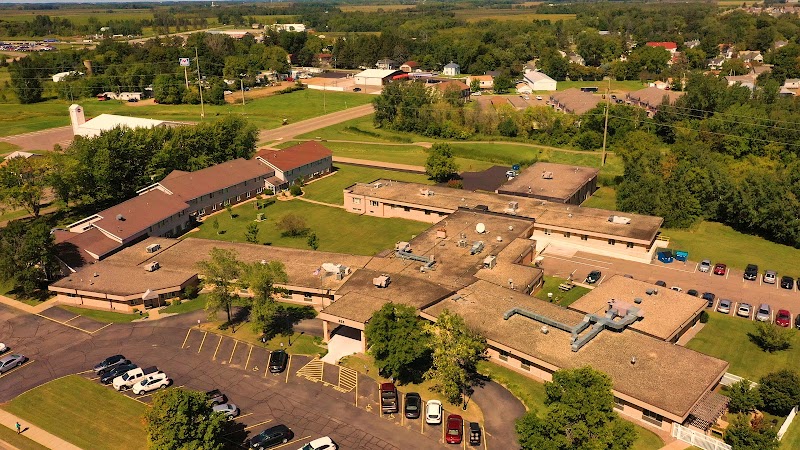
Who Owns and Operates The Gardens At Foley Llc?

The Gardens at Foley LLC is owned by a for-profit company. For-profit facilities operate as businesses with obligations to shareholders or private owners. The facility is operated by MONARCH HEALTHCARE MANAGEMENT, a chain that manages multiple nursing homes. With 78 certified beds and approximately 70 residents (about 90% occupancy), it is a smaller facility located in FOLEY, Minnesota.

How Does The Gardens At Foley Llc Compare to Other Minnesota Nursing Homes?

Compared to the 100 nursing homes in Minnesota, The Gardens at Foley LLC's overall rating (3 stars) is below the state average of 3.2, staff turnover (58%) is significantly higher than the state average of 46%, and health inspection rating (3 stars) is at the national benchmark.

What Should Families Ask When Visiting The Gardens At Foley Llc?

Based on this facility's data, families visiting should ask: "How do you ensure continuity of care given staff turnover, and what is your staff retention strategy?" "Can I visit during a mealtime to observe dining assistance and food quality?" "How do you handle medical emergencies, and what is your hospital transfer rate?" "Can I speak with family members of current residents about their experience?" These questions are particularly relevant given the facility's high staff turnover rate.

Is The Gardens At Foley Llc Safe?

Based on CMS inspection data, The Gardens at Foley LLC has a clean safety record: no substantiated abuse findings (meaning no confirmed cases of resident harm), no Immediate Jeopardy citations (the most serious violation level indicating risk of serious injury or death), and is not on the Special Focus Facility watch list (a federal program monitoring the lowest-performing 1% of nursing homes). The facility has a 3-star overall rating and ranks #100 of 100 nursing homes in Minnesota. While no facility is perfect, families should still ask about staff-to-resident ratios and recent inspection results during their visit.

Do Nurses at The Gardens At Foley Llc Stick Around?

Staff turnover at The Gardens at Foley LLC is high. At 58%, the facility is 12 percentage points above the Minnesota average of 46%. Registered Nurse turnover is particularly concerning at 72%. RNs handle complex medical decisions and coordinate care — frequent RN changes can directly impact care quality. High turnover means new staff may not know residents' individual needs, medications, or preferences. It can also be disorienting for residents, especially those with dementia who rely on familiar faces. Families should ask: What is causing the turnover? What retention programs are in place? How do you ensure care continuity during staff transitions?

Was The Gardens At Foley Llc Ever Fined?

The Gardens at Foley LLC has been fined $8,824 across 1 penalty action. This is below the Minnesota average of $33,167. While any fine indicates a compliance issue, fines under $50,000 are relatively common and typically reflect isolated problems that were subsequently corrected. Families should ask what specific issues led to these fines and confirm they've been resolved.

Is The Gardens At Foley Llc on Any Federal Watch List?

The Gardens at Foley LLC is not on any federal watch list. The most significant is the Special Focus Facility (SFF) program, which identifies the bottom 1% of nursing homes nationally based on persistent, serious quality problems. Not being on this list means the facility has avoided the pattern of deficiencies that triggers enhanced federal oversight. This is a positive indicator, though families should still review the facility's inspection history directly.