Good Shepherd Lutheran Home
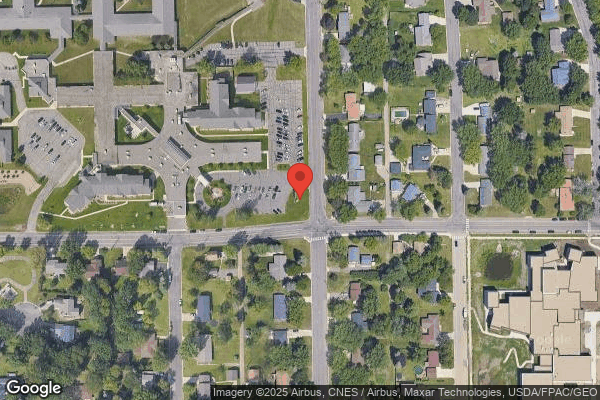
1115 4TH AVENUE NORTH, SAUK RAPIDS, MN 56379 (320) 252-6525
Non profit - Church related 146 Beds Independent Data: November 2025
Trust Grade
68/100
#119 of 337 in MN
Last Inspection: April 2025

Within standard 12-15 month inspection cycle. Federal law requires annual inspections.

Overview

Good Shepherd Lutheran Home in Sauk Rapids, Minnesota has a Trust Grade of C+, indicating it is slightly above average but not without concerns. It ranks #119 out of 337 nursing homes in Minnesota, placing it in the top half, and it is the best option out of two facilities in Benton County. Unfortunately, the facility is worsening, with issues increasing from 6 in 2024 to 9 in 2025. Staffing is a strong point, earning a 5/5 rating, indicating low turnover at 43%, which is around the state average. However, it has less RN coverage than 77% of Minnesota facilities, which could impact patient care. The facility has received a $10,000 fine, which is average, but there are specific concerns regarding safety and compliance. For instance, the nursing staff information displayed was incomplete, potentially affecting transparency for residents and visitors. Additionally, the facility failed to properly store medications, leaving carts unlocked, and did not maintain food safety standards in the kitchen, risking foodborne illness. While there are strengths in staffing and overall ratings, families should weigh these weaknesses carefully when considering this nursing home.

Trust Score
C+
68/100
In Minnesota
#119/337
Top 35%
Safety Record
Low Risk
No red flags
Inspections
Getting Worse
6 → 9 violations
Staff Stability
○ Average
43% turnover. Near Minnesota's 48% average. Typical for the industry.
Penalties
✓ Good
$10,000 in fines. Lower than most Minnesota facilities. Relatively clean record.
Skilled Nurses
✓ Good
Each resident gets 57 minutes of Registered Nurse (RN) attention daily — more than average for Minnesota. RNs are trained to catch health problems early.
Violations
⚠ Watch
21 deficiencies on record. Higher than average. Multiple issues found across inspections.
★★★★☆
4.0
Overall Rating
★★★★★
5.0
Staff Levels
★★★★★
5.0
Care Quality
★★☆☆☆
2.0
Inspection Score
Stable
2024: 6 issues
2025: 9 issues

The Good

  • 5-Star Staffing Rating · Excellent nurse staffing levels
  • 5-Star Quality Measures · Strong clinical quality outcomes
  • Full Sprinkler Coverage · Fire safety systems throughout facility
  • No fines on record
  • Staff turnover below average (43%)

    5 points below Minnesota average of 48%

Facility shows strength in staffing levels, quality measures, fire safety.

The Bad

Staff Turnover: 43%

Near Minnesota avg (46%)

Typical for the industry

Federal Fines: $10,000

Below median ($33,413)

Minor penalties assessed

The Ugly 21 deficiencies on record

Apr 2025 9 deficiencies
CONCERN (D)

Potential for Harm - no one hurt, but risky conditions existed

Deficiency F0554 (Tag F0554)

Could have caused harm · This affected 1 resident

**NOTE- TERMS IN BRACKETS HAVE BEEN EDITED TO PROTECT CONFIDENTIALITY** Based on observation, interview and document review, the facility failed to ensure nebulizer medications were administered safel...

Read full inspector narrative →
**NOTE- TERMS IN BRACKETS HAVE BEEN EDITED TO PROTECT CONFIDENTIALITY** Based on observation, interview and document review, the facility failed to ensure nebulizer medications were administered safely for 1 of 3 resident s (R5) who were observed to self administer a nebulizer and had not been assessed as safe to self administer medications. Findings include: R5's annual Minimum Data Set (MDS) dated [DATE], indicated R5 was cognitively intact and had diagnosis which included arthritis, hypertension (elevated blood pressure ) and chronic obstructive pulmonary disease (COPD/chronic lung disease that cause airflow and breathing problems). Further, R5 required extensive assistance with bed mobility, transfers, toileting and personal hygiene. R5's care plan dated 3/4/24, identified R5 had an activity of daily living (ADL) self-care performance deficit related to activity intolerance. R5's care plan interventions included dependence on staff for bathing, dressing, and personal hygiene. Directed staff to administer medications as ordered. Review of R5's electronic health record (EHR) revealed a self-administration of medication (SAM) assessment dated [DATE], and identified R5 did not wish to self- administer medications. R5's Order Summary Report dated 2/18/25, directed staff to administer Albuterol Sulfate inhalation nebulizer 2.5 MG/3 ML via nebulizer twice daily for chronic cough. Further, it directed staff to administer Budesonide inhalation suspension 0/5 MG/2 ML via nebulizer twice daily for chronic cough. R5's Order Summary Report lacked an order to self administer medication. During a continuous observation on 4/15/25 at 9:33 a.m., R5 was seated in her wheelchair in her room and trained medication aide (TMA)-A entered R5's room with a vial containing albuterol nebulizer solution. (TMA)-A poured the solution into a nebulizer mask, placed the mask on R5's face, and told R5 she would return in 10 minutes to place the second nebulizer. TMA-tuned on the nebulizer machine, left R5's room, and returned to medication cart in the hallway which was not within visual sight of R5's room. At 9:43 a.m., TMA-A entered R5's room and the nebulizer mask was lying on R5's bedside table. TMA-A picked up the nebulizer mask and rinsed it out with water in R5's bathroom. TMA-A placed the budesonide nebulizer solution in the nebulizer mask. TMA-A placed the nebulizer mask on R5's face and told R5 she would return in 10 minutes to remove the nebulizer mask. TMA-returned to her medication cart in the hallway not within visual sight of R5's room. At 9:50 TMA-A entered R5's room and the nebulizer mask was lying on R5's bedside table with solution still coming from the mask. TMA-A picked up the nebulizer mask, turned the nebulizer machine off and placed the nebulizer mask on the nebulizer machine. During an interview on 4/15/25 at 10:05 a.m., TMA-A verified she had placed the nebulizer treatment on R5 and exited the room. TMA-A stated she was unsure if a SAM assessment had been completed for R5. TMA-A stated she was unsure what the process was for a resident that did not have an order to self-administer medications. During an interview on 4/15/25 at 10:10 a.m., registered nurse (RN)-A confirmed R5's SAM dated 3/4/24, identified R5 had not wished to self-administer medications. RN-A stated her expectation was nursing staff would have stayed in the room with R5 while she received the nebulizer treatments to ensure R5 received the nebulizer treatments appropriately. During an interview on 4/16/25 at 1:05 p.m., director of nursing (DON) verified R5 was not safe to self-administer medications. DON stated if a resident had not been assessed to safely self-administer medication or have a physician order to self administer medications staff were expected to remain with the resident the entire nebulizer treatment. Review of a facility policy titled Medication Administration revised 6/2024, identified medications ordered by the physician would be set up and administered within the established guidelines. Identified the resident must take the medications when the nurse/TMA is present unless the resident has completed Medication Self-Administration Assessment and noted to be safe.
CONCERN (D)

Potential for Harm - no one hurt, but risky conditions existed

Deficiency F0658 (Tag F0658)

Could have caused harm · This affected 1 resident

**NOTE- TERMS IN BRACKETS HAVE BEEN EDITED TO PROTECT CONFIDENTIALITY** Based on observation, interview and document review, the facility failed to follow standards of practice related to medication a...

Read full inspector narrative →
**NOTE- TERMS IN BRACKETS HAVE BEEN EDITED TO PROTECT CONFIDENTIALITY** Based on observation, interview and document review, the facility failed to follow standards of practice related to medication administration of an inhalation medication for 1 of 3 residents (R5) observed for medication administration. Findings include: R5's annual Minimum Data Set (MDS) dated [DATE], indicated R5 was cognitively intact and had diagnosis which included arthritis, hypertension (elevated blood pressure ) and and chronic obstructive pulmonary disease (COPD/chronic lung disease that cause airflow and breathing problems). Indicated R5 required extensive assistance with bed mobility, transfers, toileting and personal hygiene. R5's care plan dated 3/4/24, identified R5 had an activity of daily living (ADL) self-care performance deficit related to activity intolerance. R5's care plan interventions included dependence on staff for bathing, dressing, and personal hygiene. Directed staff to administer medications as ordered. R5's Order Summary Report dated 2/18/25, directed staff to administer Budesonide inhalation suspension 0/5 MG/2 ML via nebulizer twice daily for chronic cough. Identified to rinse mouth with water and spit after use, if unable to rinse and spit mouth should be swabbed. During an observation on 4/15/25 at 9:43 a.m., trained medication aide (TMA)-A entered R5's room and the nebulizer mask was lying on R5's bedside table. TMA-A picked up the nebulizer mask and rinsed it out with water in R5's bathroom. TMA-A placed the budesonide nebulizer solution in the nebulizer mask. TMA-A placed the nebulizer mask on R5's face and told R5 she would return in 10 minutes to remove the nebulizer mask. TMA-returned to her medication cart in the hallway not within visual sight of R5's room. At 9:50 TMA-A entered R5's room and the nebulizer mask was lying on R5's bedside table. TMA-A picked up the nebulizer mask, turned the nebulizer machine off and placed the nebulizer mask on the nebulizer. R5 was not observed to rinse her mouth out and TMA-A had not instructed R5 to rinse mouth out as ordered after taking the Budenoside nebulizer. During an interview on 4/15/25 at 10:05 a.m., TMA-A confirmed she had not instructed R5 to rinse her mouth after receiving the Budesonide nebulizer. TMA-A stated she had not seen the order instructions to rinse mouth after use. TMA-A stated it was not her usual process to instruct R5 to rinse her mouth after the Budesonide nebulizer. During an interview on 4/15/25 at 10:10 a.m. registered nurse (RN)-A verified R5 had an order to rinse and spit after the Budesonide nebulizer. RN-A indicated it was important to rinse the mouth after a steroid nebulizer was received to prevent any infections. During an interview on 4/15/25 at 10:39 a.m., pharmacy consultant (PC)-A stated it was important to rinse the mouth after receiving Budesonide nebulizer because it was a steroid. PC-A indicated it could cause thrush, a fungal infection inside the mouth. PC-A stated it was her expectation nursing staff would instruct the resident to rinse their mouth after each use. During an interview on 4/16/25 at 1:05 p.m. director of nursing (DON( confirmed R5's Budesonide nebulizer physician orders included instructions to rinse mouth after use. DON stated it was important for residents to rinse their mouth after use to prevent infections in the mouth. DON stated her expectation was nursing staff to instruct R5 to rinse mouth after receiving the Budesonide nebulizer. R5's Budesonide nebulizer box instructions indicated Budesonide was indicated for chronic respiratory conditions. Indicated Patients should rinse the mouth after inhalation of budesonide inhalation suspension to prevent fungal infections. Review of a facility policy titled Medication Administration revised 6/2024, identified medications ordered by the physician will be set up and administered within the established guidelines and given according to physician orders.
CONCERN (D)

Potential for Harm - no one hurt, but risky conditions existed

Pressure Ulcer Prevention (Tag F0686)

Could have caused harm · This affected 1 resident

**NOTE- TERMS IN BRACKETS HAVE BEEN EDITED TO PROTECT CONFIDENTIALITY** Based on observation, interview and document review, the facility failed to ensure timely assistance with repositioning occurred...

Read full inspector narrative →
**NOTE- TERMS IN BRACKETS HAVE BEEN EDITED TO PROTECT CONFIDENTIALITY** Based on observation, interview and document review, the facility failed to ensure timely assistance with repositioning occurred for 1 of 4 residents (R12) with a current pressure ulcer and at risk for further development of pressure ulcers. Findings include: R12's quarterly Minimum Data Set (MDS) dated [DATE], identified R12 had intact cognition and diagnosis which included arthritis, anxiety disorder and paraplegia (paralysis of the legs and lower body). Identified R12 required extensive assistance with activities of daily living (ADL's) which included bed mobility, transfers, and toileting R12's annual Care Area Assessment (CAA) dated 8/2/24, identified R12 was a at risk for skin breakdown and had a pressure ulcer to her left gluteal fold. Identified R12 required extensive assistance to reposition in bed and wheelchair. she required a regular turning schedule. R12's care plan revised 10/4/24, identified R12 had a chronic wound to her right gluteal fold. Care plan directed staff to reposition R12 every two hours when in bed. R12's weekly wound assessment dated [DATE], identified R13 had a chronic pressure ulcer to her right gluteal fold which measured 3 centimeters (CM) in length and 2.2 cm in width. Identified pressure ulcer was a stage 3 (a deep, open wound that penetrates through the dermis and into the subcutaneous tissue, exposing fat but not bone, muscle, or tendon) and required a foam dressing. R12's current physician orders dated 4/14/25, identified wound to right sacrum -cleanse wound with wound cleanser and pat dry. Apply skin prep around the wound and allow to dry then place Santyl to the wound base and cover with adhesive foam dressing daily and as needed. During an interview on 4/14/25 at 1:26 p.m., R 12 stated she had a sore on her bottom and required staff assistance to turn and reposition off of her bottom. During a continuous observation on 4/15/25 at 1:41 p.m., nursing assistant (NA)-A and NA-B exited R12's room with a hoyer lift. NA-A sanitized the hoyer lift and placed the lift at the end of the hallway. -1:42 p.m., R12 was lying in bed on her back. -2:00 p.m., R12 remained lying in bed on her back. -2:20 p.m., R12 remained lying in bed on her back. -2:48 p.m., R12 remained lying in bed on her back. -3:17 p.m., R12 remained lying in bed on her back. -3:47 p.m. R12 remained lying in bed on her back. -4:10 p.m., R12 remained lying in bed on her back. -4:35 p.m., R12 remained lying on her back and surveyor requested NA-C to reposition R12 after R12 remained lying in bed on her back and not repositioned for almost 3 hours. During an observation on 4/15/25 at 4:38 p.m., NA-C, NA-D, and registered nurse (RN)-A sanitized hands, put a gown and gloves on and entered R12's room, changed R12's incontinent product, wound bandage, and repositioned R12. During an interview on 4/15/25 at 4:48 p.m., NA-C stated R12 required staff assistance to reposition and was to be repositioned every two hours because she has a pressure ulcer. NA-C stated according to the day shift's documentation the the last time R12 had been repositioned was around 1:45 p.m. NA-C stated R12 should have been repositioned around 3:45 p.m. During an interview on 4/15/25 at 4:53 p.m., RN-A verified R12 had a pressure ulcer and required staff assistance to reposition. RN-A stated R12 was at continued risk of developing further skin breakdown and should have been repositioned every two hours while in bed. RNA stated her expectation was that R12's care plan would have been followed to help prevent any further skin breakdown. During an interview on 4/16//25 at 1:08 p.m., director of nursing (DON) verified R2 required staff assistance to reposition. DON stated R2 had a pressure ulcer on her right gluteal fold and was at risk for further skin breakdown. DON stated her expectation was that R12's care plan for repositioning would have been followed. A repositioning policy was requested and was not received. .
CONCERN (D)

Potential for Harm - no one hurt, but risky conditions existed

Deficiency F0761 (Tag F0761)

Could have caused harm · This affected 1 resident

Based on observation and interview, the facility failed to maintain safe storage of medications when medication carts were left unlocked and unattended in 2 of 7 medication carts. Findings include: ...

Read full inspector narrative →
Based on observation and interview, the facility failed to maintain safe storage of medications when medication carts were left unlocked and unattended in 2 of 7 medication carts. Findings include: On 4/15/25 at 9:12 a.m., medication cart on locked memory care unit was observed to be unlocked. Medication cart was in a common area. Medication cart remained unlocked while staff walked past unlocked medication cart. On 4/15/25 at 2:44 p.m., medication cart on 100 wing of the facility was observed being unlocked. At 2:46 p.m., staff walked past medication cart to pass water. Cart remained unlocked. At 2:48 p.m., staff walked past cart with housekeeping cart. Cart remained unlocked. At 2:49 p.m., registered nurse (RN)-B was observed coming out of spa room and walking down hall away from medication cart. Medication cart remained unlocked. At 2:50 p.m., RN-B re-entered locked spa room. Cart remained unlocked. AT 2:53 p.m., RN-B walked from spa to nurse's office out of direct eyesite of medication cart. Cart remained unlocked. At 2:54 p.m., staff passed medication cart while pushing a resient in a wheelchair. Cart remained unlocked. At 2:55 p.m., licensed practical nurse (LPN)-A walked past medication cart. Cart remained unlocked. At 2:57 p.m., RN-B locked the cart. During interview on 4/15/25 at 2:57 p.m., RN-B confirmed the medication cart was unlocked for an unknown amount of time. RN-B confirmed she did not have the medication cart direct eyesight during that time. During interview on 4/16/25 at 2:39 p.m., director of nursing (DON) stated she expected medication carts to be locked any time the nurse is away and out of eye site of them for any amount of time. DON stated this was important to make sure no one had access to items in the cart they should not have access to. The DON confirmed this was especially important in on the dementia until where residents had memory impairments. The DON confirmed the do complete regular audits to ensure medication carts were locked. A policy was requested, but none provided.
CONCERN (D)

Potential for Harm - no one hurt, but risky conditions existed

Deficiency F0804 (Tag F0804)

Could have caused harm · This affected 1 resident

**NOTE- TERMS IN BRACKETS HAVE BEEN EDITED TO PROTECT CONFIDENTIALITY** Based on observation, interview and document review, the facility failed to ensure food was served at a palatable and appetizing...

Read full inspector narrative →
**NOTE- TERMS IN BRACKETS HAVE BEEN EDITED TO PROTECT CONFIDENTIALITY** Based on observation, interview and document review, the facility failed to ensure food was served at a palatable and appetizing temperature for 3 of 3 residents (R 5, R16, and R13) who resided on the North shore unit, reviewed for food. This deficient practice had the potential to affect all 21 residents residing on this unit. Findings include: R5's annual Minimum Data Set (MDS) dated [DATE], indicated R5 had intact cognition ad was able to feed herself after staff set up her tray. R16's significant change MDS dated [DATE], indicated R16 had intact cognition and could feed herself after staff set up her tray. R13's admission MDS dated [DATE], indicated R13 had intact cognition and could feed himself after staff set up his tray. During an interview on 4/14/25 at 2:00 p.m. R5 stated the food was not always hot by the time they were served on this unit. During an interview on 4/14/25 at 3:56 p.m., R16 stated the food was not always served very hot especially the meat and potatoes. During an interview on 4/14/25 at 4:09 p.m. R13 stated the food was usually only lukewarm. During an observation on 4/14/25 at 6:24 p.m., food was being dished up onto plates and placed on a plate warmer from the steam table in the main kitchen. The plates were placed on trays and put into a cart. As the last plate was being placed into the cart a test tray was requested and placed into the cart. The meal consisted of a hamburger patty, a chicken patty, baby potatoes, and cauliflower. -at 6:24 the cart was wheeled to the north shore unit. -at 6:36 p.m. as the last tray was being passed dietary aide (DA)-A tested the food temperatures and the temps were as follows: -Hamburger was 121 degrees Fahrenheit (F). -chicken was 118 degrees Fahrenheit (F). - baby potatoes were 131 degrees Fahrenheit (F). -cauliflower was 120 degrees Fahrenheit (F). Surveyor tasted the food from the tray: the hamburger and chicken were cold, the baby potatoes, and cauliflower were lukewarm. Dietary aide (DA-A) confirmed the hamburger and chicken were cold and the remaining items were barely warm. During an interview on 4/14/25 at 6:48 p.m. DA-A stated she was unsure of what the food temperatures should be but would find out. During an interview on 4/14/25 at 6:55 p.m., R13 stated his chicken was only lukewarm as always. During an interview on 4/14/25 at 7:00 p.m., R16 stated her chicken was cold tonight but she ate it because she was hungry. During an interview on 4/14/25 at 7:04 p.m., dietary manager stated her expectation was that food holding temps should be at least 140 degrees Fahrenheit (F). Review of a facility policy titled Food Service and Delivery undated, identified, hot food was to be held at 140 degrees Fahrenheit (F). or higher.
CONCERN (D)

Potential for Harm - no one hurt, but risky conditions existed

Infection Control (Tag F0880)

Could have caused harm · This affected 1 resident

**NOTE- TERMS IN BRACKETS HAVE BEEN EDITED TO PROTECT CONFIDENTIALITY** Based on observation, interview and document review, the facility failed to ensure proper personal protective equipment (PPE) wa...

Read full inspector narrative →
**NOTE- TERMS IN BRACKETS HAVE BEEN EDITED TO PROTECT CONFIDENTIALITY** Based on observation, interview and document review, the facility failed to ensure proper personal protective equipment (PPE) was used when providing cares for 1 of 1 residents (R80) reviewed for enhanced barrier precautions (EBP). Findings include: R80's admission Minimum Data Set, dated [DATE], included R80 had moderate cognitive impairment. R80 had diagnosis of COVID-19, depression, and metabolic encephalopathy (a condition causing altered metal status). R80's undated care plan, included R80 was on EBP due to a pressure ulcer on buttocks. Care plan included to wear a gown and gloves when providing high contact cares. On 4/15/25 at 9:21 a.m., licensed practical nurse (LPN)-B was observed in R80's room cutting her toenails. LPN-B was not wearing a gown and was leaning on foot of bed. During interview on 4/15/25 at 9:25 a.m., LPN-B confirmed R80 was on EBP for a pressure ulcer. LPN-B confirmed she had received education on EBP and should be wearing PPE whenever providing close contact cares. LPN-B confirmed she should have been wearing a gown. On 4/15/25 at 9:48 a.m., physical therapy assistant (PTA)-F was observed assisting R80 with walking in her room and transferring to her bed. PTA-F was observed assisting R80 adjust the covers on her bed to cover R80's lower body. During interview on 4/15/25 at 9:51 a.m., PTA-F stated she had received training on EBP and R80 was on EBP. PTA-F stated PPE should have been worn whenever assisting with personal cares, such as dressing or toileting. During interview on 4/16/25 at 8:22 a.m., clinical manager (CM)-A confirmed R80 was on EBP and staff should wear PPE whenever providing close contact cares, such as transferring, toileting and repositioning. CM-A confirmed staff should have been wearing a gown and gloves while clipping toenails, assisting with physical therapy, and adjusting covers on the bed. During interview on 4/16/25 at 12:59 p.m., infection control prevention nurse (IP)-G stated all staff are trained on EBP and the facility follows center for disease (CDC) guideline for precautions. IP-G confirmed gown and gloves should have been worn when clipping toenails and providing therapy assistance. IP-G confirmed all departments including therapy was trained on EBP. During interview on 4/16/25 at 1:16 p.m., director of nursing (DON) stated PPE should be worn any time a staff person is completing hands on care for a resident on EBP. The DON stated this was important to protect all residents and staff. Facility infection control and prevention manual dated October 2024, included EBP involved gown and glove use during high-contact resident care activities.
CONCERN (E)

Potential for Harm - no one hurt, but risky conditions existed

Food Safety (Tag F0812)

Could have caused harm · This affected multiple residents

Based on observation, interview, and document review, the facility failed to ensure food and beverages stored in the refrigerators and freezers were labeled, dated and discarded properly. In addition,...

Read full inspector narrative →
Based on observation, interview, and document review, the facility failed to ensure food and beverages stored in the refrigerators and freezers were labeled, dated and discarded properly. In addition, the facility failed to maintain the ice machines in a sanitary manner to prevent potential food-borne illness. This deficient practice had the potential to affect all 116 residents who received food, beverages, and ice from the refrigerators, kitchen and ice machine. Findings include: On 4/14/25 at 10:44 a.m., during the kitchen tour with the dietary supervisor (DS), the following concerns were identified: Produce cooler: -1/4 container of yogurt without notation of an open date. -3/4 container tartar sauce without notation of an open date. -1/4 container mayonnaise without notation of an open date or an expiration date, and a foul odor when container was opened. Stand up freezer: -1/4 bag of sausage without notation of an open date or expiration date. -3/4 bag of pepperoni without notation of an open date or expiration date. -1/2 container of pork Salisbury steak without notation of an open date or expiration date. Stand up cooler: -1/4 container of yogurt without notation of an open date. -two bowls of yogurt without notation of an open date. -1/4 whip topping no open date or expiration date -1/4 container yogurt -2 bowls of yogurt without notation of an open date. Resident fridge on Ace unit: -bowl of chicken noodle soup without notation of a date. Resident fridge on Sunny Lake unit: -one bowl of potato soup without notation of a date. -two blueberry muffins dated 3/31/25. - one bowl of chicken rice soup dated 4/3/25. Resident fridge on Milacs Lake unit: -One piece of fish in a Styrofoam container without notation of a date. Ice Machines: During an observation on 4/14/25 at 11:00 a.m., the ice machine located outside of the kitchen had a large white flaky substance approximately one half to one inch thick on the ice machine cover and the drip tray. In addition, the drip tray had a large orange buildup around the edge of the tray. During an observation on 4/14/25 at 11:15 a.m., the ice machine located on the Ace unit had a large white flaky substance approximately one half to one inch thick on the ice machine cover. During an interview on 4/14/25 at 11:30 a.m., (DS) verified the above findings during the kitchen tour. DS stated his expectation was that all food should have been dated when opened and placed in fridge or freezer and thrown away after seven days of being opened or prior to the expiration date. During an interview on 4/14//25 at 6:39 p.m., dietary manager (DM) stated her expectation was that all food items would have been dated once opened and thrown away after the shelf life or the expiration date to prevent a food borne illness. DM stated maintenance cleans the ice machine quarterly and her expectation was that there was no build up on the ice machines. During an interview on 4/15/25 at 1:45 p.m. maintenance director (MD) verified the buildup on the ice machines. MD stated his expectation was that the ice machines would not have any build up on them Review of a facility policy titled maintenance: Scale Removal dated 12/2014, identified scale removal was performed on all ice machines at least twice yearly, every three months or as necessary to maintain a sanitary unit. Review of a facility policy titled Food Handling Standards and Procedures dated 2024, identified all food needs to be dated once opened and discarded within seven days or prior to the expiration dates.
CONCERN (F)

Potential for Harm - no one hurt, but risky conditions existed

Staffing Information (Tag F0732)

Could have caused harm · This affected most or all residents

Based on record review and interviews, the facility failed to ensure all required data were included on the nurse staffing information posted daily. This had the potential to affect all 114 residents ...

Read full inspector narrative →
Based on record review and interviews, the facility failed to ensure all required data were included on the nurse staffing information posted daily. This had the potential to affect all 114 residents residing in the facility and their visitors who may wish to view the information. Findings include: On 4/14/25 at 1:21 p.m., the posted nurse staffing information dated 4/14/25, was observed in a clear, plastic cover on the visitor sign-in table. However, the nurse staffing information lacked the total number and the actual hours worked by categories of licensed and unlicensed nursing staff directly responsible for resident care per shift. Additionally, the nurse staffing information lacked the resident census. On 4/15/25 at 2:12 p.m., the posted nurse staffing information dated 4/15/25, lacked the total number, and the actual hours worked by categories of licensed and unlicensed nursing staff directly responsible for resident care per shift. Additionally, the posting lacked resident census. On 4/16/25 at 7:18 a.m., the posted nurse staffing information dated 4/16/25, lacked the total number and the actual hours worked by categories of licensed and unlicensed nursing staff directly responsible for resident care per shift. Additionally, the posting lacked resident census. On 4/17/25 at 7:58 a.m., the posted nurse staffing information lacked the total number, and the actual hours worked, by categories of licensed and unlicensed nursing staff directly responsible for resident care per shift, and resident census. Additionally, the posted nurse staffing information was dated 4/16/25. On 4/17/25 at 10:10 a.m., the director of nursing (DON) stated she was unaware the information on the nurse staffing information postings lacked required information. The DON stated the nurse staffing post was expected to be updated and posted with correct information and was important so that residents and visitors knew who was in the facility providing care. On 4/16/25 at 8:56 a.m., DON verified the facility did not have a nurse staffing information policy.
CONCERN (F)

Potential for Harm - no one hurt, but risky conditions existed

QAPI Program (Tag F0867)

Could have caused harm · This affected most or all residents

Based on interview and document review, the facility failed to ensure the Quality Assurance and Performance Improvement Program (QAPI) committee effectively sustained ongoing compliance related to rep...

Read full inspector narrative →
Based on interview and document review, the facility failed to ensure the Quality Assurance and Performance Improvement Program (QAPI) committee effectively sustained ongoing compliance related to repeat citations from past surveys regarding drug storage. This had the potential to affect all 114 residents residing in the facility. Findings include: Review of the facility CASPER Report dated 3/17/25, indicated the facility was cited F761 for drug storage on the survey exited 5/2/24. See F761: Based on observation and interview, the facility failed to maintain safe storage of medications when medication carts were left unlocked and unattended in 2 of 7 medication carts. The facility's QAPI meeting minutes dated 3/13/25, lacked ongoing data related to the above repeat citation. On 4/17/25 at 10:45 a.m., the quality assurance registered nurse (RN)-B acknowledged the importance of continued monitoring of prior Performance Improvement Projects (PIPS). RN-B stated formal auditing and then more periodic auditing, chart review, and observational audits, were completed to ensure improvements were sustained. The facility's Quality Assurance and Performance Improvement Program policy, revised 4/15/24, indicated the facility monitors the effectiveness of its performance improvement activities to ensure improvements are sustained.
May 2024 6 deficiencies
CONCERN (D)

Potential for Harm - no one hurt, but risky conditions existed

Transfer Notice (Tag F0623)

Could have caused harm · This affected 1 resident

**NOTE- TERMS IN BRACKETS HAVE BEEN EDITED TO PROTECT CONFIDENTIALITY** Based on interview and document review, the facility failed to notify the Ombudsman for Long Term Care (LTC) of resident transfe...

Read full inspector narrative →
**NOTE- TERMS IN BRACKETS HAVE BEEN EDITED TO PROTECT CONFIDENTIALITY** Based on interview and document review, the facility failed to notify the Ombudsman for Long Term Care (LTC) of resident transfers to the hospital for 2 of 5 residents (R42, R49), reviewed for hospitalization. This had the potential to affect all residents transferred to hospital. Findings include: R42's significant change minimum data set (MDS) dated [DATE], indicated intact cognition. Diagnoses included heart and renal failure. R42's progress notes indicated hospitalization from 2/14/24 through 2/19/24. R42's Ombudsman Notification of Discharge form, dated 2/14/24, indicated R42 would be transferred to the hospital on 2/14/24 due to R42's emergent medical need. The bottom section of the form indicated a copy of this notice has been sent to the office of ombudsman for LTC with a fax number. However, the areas for date and staff signature were left blank. R49's significant change MDS dated [DATE], indicated severe cognitive impairment. Diagnoses included heart failure and quadriplegia. R49's progress notes indicated hospitalization from 11/2/23 through 11/6/23, and 12/31/23 through 1/8/24. R49's Verification of Receipt of Notice of Bed Hold, dated 11/2/23, held a sticky note that indicated unable to locate ombudsman form for 11/2/23 hospitalization. R49's Ombudsman Notification of Discharge form, dated 12/31/23, indicated R49 would be transferred to the hospital on [DATE] due to R49's emergent medical need. The bottom section of the form indicated a copy of this notice has been sent to the office of ombudsman for LTC with a fax number. However, the areas for date and staff signature were left blank. On 5/2/24 at 1:39 p.m., the nurse case manager (RNCC) stated the facility's Ombudsman Notification of Discharge form was used by the facility to notify the resident/resident representative in writing of the reason for the transfer/discharge to the hospital and a copy of the notice was sent to the ombudsman. The nurse that received the order to send the resident to the hospital was responsible for faxing the signed notification to the ombudsman. The form should have been faxed to the ombudsman before it was filed in the resident's chart. The RNCC expected staff to make a notation on the form to indicate the form was sent to the ombudsman, and if the form lacked a notation it probably was not faxed to the ombudsman. RNCC stated the staff have a binder to reference that provided step-by-step guidance for when a resident was sent to the hospital emergency room (ER). The facility's Sending a Resident to the ER form, undated, indicated staff were expected to chart they discussed with family ombudsman notification of discharge and fax form to ombudsman and give to medical records. A facility policy regarding required ombudsman notification for transfers/discharges was requested but not provided.
CONCERN (D)

Potential for Harm - no one hurt, but risky conditions existed

Comprehensive Care Plan (Tag F0656)

Could have caused harm · This affected 1 resident

**NOTE- TERMS IN BRACKETS HAVE BEEN EDITED TO PROTECT CONFIDENTIALITY** Based on interview and document review, the facility failed to develop and implement a comprehensive person-centered care plan t...

Read full inspector narrative →
**NOTE- TERMS IN BRACKETS HAVE BEEN EDITED TO PROTECT CONFIDENTIALITY** Based on interview and document review, the facility failed to develop and implement a comprehensive person-centered care plan that addressed resident dialysis care for 2 of 2 residents (R48, R108) reviewed for dialysis. Findings include: R48's admission record dated 5/2/24, included diagnosis of end stage renal disease (ESDR), chronic kidney disease [NAME] 4 (severe), fluid overload, type 2 diabetes, and dependance on renal dialysis. R48's undated care plan printed 4/30/24, included enhanced barrier precautions due to Hemodialysis catheter. R48's care plan included the need for dialysis related to renal failure. Approaches included to not take blood pressure or blood draws from arm with graft (a type of access for dialysis). Care plan included to encourage resident to go to scheduled dialysis appointments on Monday, Wednesday and Friday. Care plan included to monitor/document/report signs of infection at the access site PRN (as needed), signs and symptoms of renal insufficiency PRN, and to monitor for signs and symptoms of bleeding PRN. R48's care plan failed to include which arm had the dialysis graft and needed to be avoided. the location R48 received dialysis and contact information for the dialysis center, and scheduled, routine monitoring of the resident post dialysis. R108's admission record dated 5/2/24, included diagnosis of ESRD, type 2 diabetes, and dependance on renal dialysis. R108's undated care plan printed 4/20/24, included a problem of needing dialysis related to chronic kidney disease. Approaches included to not take blood pressure or draw labs on the arm with a graft. However, R108 did not have a graft for dialysis. Staff were to encourage resident to attend scheduled dialysis appointments. Staff were to monitor/document/report signs and symptoms of infection to the access site as needed and to monitor/document/report signs and symptoms of renal insufficiency as needed. The care plan failed to include scheduled monitoring post dialysis and did not specify the dates of treatment, location or contact information of the dialysis center. During interview on 5/1/24 at 8:45 a.m., registered nurse case manager (RN)-B stated the staff needed to look at the calendar in their electronic charting system to see when residents had appointments, such as dialysis. It was not listed on the care plan. RN-B stated she was unsure if unlicensed staff had access to the calendar. RN-B confirmed the care plan did not specify a specific time frame for dressing removal or for monitoring the dressing on the dialysis access site. During interview on 5/1/24 at 10:27 a.m., director of nursing (DON) stated a resident's care plan should have included if they received dialysis. DON confirmed the location and contact information for dialysis would not be on the residents' care plans. DON stated she would have expected staff to look it up if they needed the number for the dialysis center. Facility policy for care plans requested and not provided.
CONCERN (D)

Potential for Harm - no one hurt, but risky conditions existed

ADL Care (Tag F0677)

Could have caused harm · This affected 1 resident

Based on observation, interview and document review, the facility failed to provided bathing for 1 of 2 residents (R34) reviewed for dependent cares. Findings include: Quarterly minimum data set (MDS...

Read full inspector narrative →
Based on observation, interview and document review, the facility failed to provided bathing for 1 of 2 residents (R34) reviewed for dependent cares. Findings include: Quarterly minimum data set (MDS) submitted 3/5/24 reported R34 required partial to moderate assistance for shower/bathing. This response indicated R34 required assistance from a helper to complete the task. R34's admission record printed 5/2/24, included diagnoses of chronic pain syndrome, major depressive disorder (depression), and generalized anxiety disorder (anxiety). R34's bathing task report for 30 days included one response of resident refused on 4/3/24. No other responses documented. R34's progress notes failed to include notes regarding offering of bathing assistance or refusal of bathing assistance. During interview on 4/29/24 at 12:26 p.m., R34 stated she it had been a month since she had received a bath. R34 stated she often would not feel well when staff would come to give her a bath and would request a bath at a later time. R34 stated staff would not be available to give her a bath at the time she requested. R34 was not noted to have a strong body odor at time of interview. During interview on 05/01/24 9:10 a.m., nursing assistant (NA)-C stated if a resident refused a bath, she would have given other options to complete the bath, such as a different time. NA-C would have updated the nurse on duty if the resident continued to refuse after having been reapproached. During interview on 5/1/24 at 1:34 p.m., registered nurse (RN)-A stated residents had the right to refuse a bath. RN-A stated she would have expected staff to have documented either in tasks or in a progress note when the resident had refused and which interventions were attempted. RN-A stated she would have expected the staff to offer alternative times or days to complete the bathing or to have provided a bed bath. Further, any attempts or completion of a bed bath was to be documented in the resident's chart. RN-A stated based on the documentation, it had not appeared R34 was offered nor received a bath during the previous 30 days. During interview on 5/1/24 at 2:05 p.m., director of nursing (DON) stated she would have expected a bath to be offered and completed on the scheduled bath days. The DON would have expected alternatives to be offered and documentation regarding the reason for refusal if the resident refused. The DON confirmed there was only one day documented as a refusal of a bath in the past 30 days. The DON stated it was important to complete all activities of daily living (ADLs) or to document refusals because they want to ensure resident's were being cared for properly. Facility policy for bathing and ADLs requested and not provided.
CONCERN (D)

Potential for Harm - no one hurt, but risky conditions existed

Deficiency F0761 (Tag F0761)

Could have caused harm · This affected 1 resident

Based on observation and interview, the facility failed to maintain safe storage of medications when medication carts were left unlocked and unattended in 2 of 6 facility medication carts. Findings i...

Read full inspector narrative →
Based on observation and interview, the facility failed to maintain safe storage of medications when medication carts were left unlocked and unattended in 2 of 6 facility medication carts. Findings include: On 4/29/24 at 4:43 p.m., medication cart on 100s wing of facility was observed unlocked. Facility staff was observed walking past medication cart to the dining room to fill a pitcher of water. She then walked past the unlocked medication cart again and continued down the hallway to a resident's room. Facility staff returned to the medication cart at 4:55 p.m. and locked the cart. During the observed time, the medication cart was out of direct eye site of the staff member. On 4/30/24 at 3:35 p.m., medication cart on 300s wing of facility was observed to be unlocked and unattended until 3:40 p.m. On 5/1/24 at 7:22 a.m., medication cart on 100s wing of facility was observed to be unlocked and unattended. Medication cart was observed being unlocked for approximately one minute before facility staff approached the medication cart to lock it. At 11:51 a.m. on 5/2/24, registered nurse (RN)-A stated medication carts should have been locked any time they are unattended or out of direct eye site, no matter how brief. At 11:57 a.m. on 5/2/24, director of nursing (DON) stated she expected medication carts to be locked any time staff left the area. This was important for security of medications, to avoid possible diversion of medication and for resident safety. Facility policy for medication storage requested and not provided.
CONCERN (E) 📢 Someone Reported This

A family member, employee, or ombudsman was alarmed enough to file a formal complaint

Potential for Harm - no one hurt, but risky conditions existed

Investigate Abuse (Tag F0610)

Could have caused harm · This affected multiple residents

Based on interview and document review the facility failed to maintain records of a thorough investigation for 4 of 4 residents (R29, R318, R319, R50) related to facility reported events. Findings in...

Read full inspector narrative →
Based on interview and document review the facility failed to maintain records of a thorough investigation for 4 of 4 residents (R29, R318, R319, R50) related to facility reported events. Findings include: On 8/30/23 at 11:42 a.m., the facility submitted an incident report to Minnesota Department of Health (MDH) regarding possible allegations of financial exploitation for R29. R29 had reported her tablet had been missing, and after searching felt someone had taken it. Report indicated that Sauk Rapids police department (PD) had been notified, and no alleged perpetrator (AP) had been identified. On 9/6/23 at 4:32 a.m., the facility submitted a five day incident report to MDH with an overall summary of the event and their investigation summary. The investigation summary noted R29 history of losing tablet in the past, but not being able to find this time, resulting in a report filing. Tablet remains missing with no identified AP's at this time. Facility will continue to investigate. Report indicated R29 most recent BIMS of 15, interviewing of staff, and resident conducted. On 5/2/24 all documents were requested for R29 incident reported on 8/30/23. On section C of the provided documents titled, VA investigative format, labeled Interviews of staff on current shift, indicated see attached information. However, evidence of interviews conducted was not provided. On 5/9/23 at 10:03 p.m., the facility submitted an incident report to Minnesota Department of Health (MDH) regarding possible allegations of Neglect of R318. R318 had been found on the floor, call light had not been activated and skin tear noted. Immediate intervention of 15-minute checks, toileting, and anticipating of needs. X-Ray obtained following R318 increased right hip pain. On 5/15/23 at 5:04 p.m., the facility submitted a five day incident report to Minnesota Department of Health (MDH) regarding possible neglect of R318. R318 had fallen on 5/9/23 with skin tear noted and no other complaints of pain. MD ordered X-ray later revealed right hip fracture resulting in hospitalization, report to MDH and internal investigation conducted finding through interviews care plan had been followed and no evidence of neglect or abuse had been found. On 5/2/24 all documents were requested for R318's incidents reported on 5/22/23. On section C of the provided documents titled, VA investigative format, labeled Interviews of staff on current shift, indicated see attached information. However, evidence of interviews conducted was not provided. On 3/22/23 at 10:11 a.m., the facility submitted an incident report to the Minnesota Department of Health (MDH) regarding possible injury of unknown origin. R319 was found to have a dislocated right shoulder after reporting complaints of pain and having an x-ray on 3/21/23. On 3/28/23 at 4:21 p.m., the facility submitted a five-day incident report to MDH with an overall summary of the event and investigation summary. The investigation summary noted R319's had a fall documented on 3/18/23 with no injuries noted at the time. Resident was noted to have had a previous right shoulder dislocation on 2/23/23 and significant degeneration to the area. According to the report, R319 denied anyone harming her. The five-day incident report indicated 4 staff interviews had been conducted. On 4/30/24 the internal investigation regarding R319's incident was requested. Facility provided a VA Investigative Format Initial Determining Investigation packet dated 3/22/23. Which included a short summary of the event and a copy of the initial MDH report and the five-day report and a copy of the x-ray results. On section C of this document labeled Interviews of staff on current shift, indicated see attached information. However, evidence of the interviews conducted was not provided. On 5/22/23 at 11:19 a.m., the facility submitted an incident report to the Minnesota Department of Health (MDH) regarding possible allegations of neglect. R50 was found outside the facility, had fallen and obtained a head laceration (cut) and was sent to the emergency department (ED) for care. On 5/26/23 at 3:06 p.m., the facility submitted a five day incident report to MDH with an overall summary of the event and investigation summary. The investigation summary noted R50's mobility and cognition status and interventions in place prior the event on 5/22/23. At approximately 5 a.m. on 5/22/23, staff saw R50 through the window, R50 had fallen in the parking lot and was on the ground. Staff noted injuries to R50's knees, elbows, and a laceration over right eye. R50 was sent to the hospital. Upon return to the facility on 5/24/23, R50 was moved to the locked unit and had sustained additional injuries of a rib fracture, small subdural hematoma (bleeding in the brain), and wrist fracture. The five day incident report also discussed 10 staff interview had been conducted. On 4/30/24 internal investigation regarding R50's incident on 5/22/23 was requested. Facility provided a VA Investigative Format Initial Determining Investigation packet dated 5/22/23. Which included a short summary of the event, names of staff contacted with in the facility, and a copy of the initial MDH report and the five day report. On section C of this document labeled Interviews of staff on current shift, indicated see attached information. However, evidence of the interviews conducted was not provided. On 5/1/24 at 08:41 a.m., the assistant director of nursing (O)-D and the director of nursing (DON) stated they typically do not keep the information other than what was provided and will use the information gathered during their investigation to write up a summary which was then included in the 5 day report to MDH. On 5/2/24 at 11:52 a.m., the assistant director of nursing (O)-D and the DON stated after conducting an investigation they entered the information gathered into the vulnerable adult reporting website, then place the summarized information into their binder of investigations. However, it was not their practice to keep the evidence of the investigation and/or interviews conducted. The Good [NAME] Community's Abuse Prevention Plan last revised 7/22, indicated incidents are to be reported, documented and investigated internally using the Good [NAME] Incident reporting policy and procedure.
CONCERN (E)

Potential for Harm - no one hurt, but risky conditions existed

Deficiency F0698 (Tag F0698)

Could have caused harm · This affected multiple residents

**NOTE- TERMS IN BRACKETS HAVE BEEN EDITED TO PROTECT CONFIDENTIALITY** Based on observation, interview and document review, the facility failed to ensure post-dialysis assessment and monitoring was c...

Read full inspector narrative →
**NOTE- TERMS IN BRACKETS HAVE BEEN EDITED TO PROTECT CONFIDENTIALITY** Based on observation, interview and document review, the facility failed to ensure post-dialysis assessment and monitoring was completed for 2 of 2 residents (R48, R108) reviewed for dialysis. Findings include: During observation on 04/29/24 at 2:20 p.m., R48 was in bed with long sleeve sweater covering both arms. R48 was able to adjust sweater sleeve with assistance from family member to show clean, dry and intact dressing she received at dialysis center earlier that day. R48 stated the staff would remove the dressing but was unsure a what time they typically removed the dressing. R48's admission record dated 5/2/24, included diagnosis of end stage renal disease (ESDR), chronic kidney disease [NAME] 4 (severe), fluid overload, type 2 diabetes, and dependence on renal dialysis. R48's order summary report dated 5/2/24, included an order for a 1500 milliliter (mL) fluid restriction, dialyvite oral tablet one time a day for ESDR, and lidocaine-prilocaine external cream 2.5-2.5% to affected area topically one time a day every Monday, Wednesday and Friday before dialysis. R48's orders failed to include daily monitoring of dialysis graft, removal of dressing after dialysis appointments and post-dialysis assessment requirements. R48's undated care plan printed 4/30/24, included enhanced barrier precautions due to Hemodialysis catheter. R48's care plan included the need for dialysis related to renal failure. Approaches included to not take blood pressure or blood draws from the arm with graft (a type of access for dialysis). Care plan included to encourage R48 to go to scheduled dialysis appointments on Monday, Wednesday and Friday. Care plan included to monitor/document/report signs of infection at the access site PRN (as needed), signs and symptoms of renal insufficiency PRN, and to monitor for signs and symptoms of bleeding PRN. R48's care plan failed to include scheduled monitoring of the resident post dialysis, where R48 received dialysis, and which arm had the graft. R108's admission record dated 5/2/24, included diagnosis of ESRD, type 2 diabetes, and dependence on renal dialysis. R108's order summary report dated 5/2/24, included 1500 mL fluid restriction and full set of vitals every evening shift. Order summary report failed to include orders for monitoring pre or post dialysis. R108's undated care plan printed 4/20/24, included a problem of needing dialysis related to chronic kidney disease. Approaches included to not take blood pressure or draw labs on the arm with a graft. However, R108 did not have a graft for dialysis. Staff were to have encouraged resident to attend scheduled dialysis appointments. Staff were to monitor/document/report signs and symptoms of infection to the access site as needed and to monitor/document/report signs and symptoms of renal insufficiency as needed. The care plan failed to include scheduled monitoring post dialysis the dates, location and contact information of the dialysis center. During interview on 5/1/24 at 9:10 a.m., unlicensed staff (NA)-C stated she had not received any training specifically on how to care for a resident who received dialysis. During interview on 5/1/24 at 7:29 a.m., licensed practical nurse (LPN)-B stated she would look at a resident's orders to see if anything specific needed to be done, such as monitoring or assessments. LPN-B stated there was not anything specific she did for her dialysis residents when they returned. During interview on 5/1/24 at 8:45 a.m., registered nurse case manager (RN)-B stated the staff would have had to look at the calendar in the electronic charting system to see when residents had appointments, such as dialysis. RN-B stated she was unsure if unlicensed staff had access to the calendar. RN-B stated staff did not typically document on the dialysis graft or do an assessment when they returned from dialysis. RN-B stated there was no specific time frame or orders for monitoring the dressing on the dialysis access site or orders of when it could be removed. RN-B stated the staff should have used nursing judgement to determine when the dressing could have been removed. RN-B confirmed there was not a current orders for R48 for monitoring of her dialysis graft. During interview on 5/1/24 at 11:05 a.m., dialysis center RN stated there are not standard orders the dialysis center sends for monitoring of a resident who received dialysis for return to the facility. Dialysis center RN stated the bandage on the access site needed to remain in place for a minimum of 4 hours after dialysis. She stated it was best practice to monitor the dialysis graft site for a thrill (a specific feeling over the dialysis graft) and a bruit (a whooshing sound heard with a stethoscope over the dialysis graft site) daily. During interview on 5/1/24 at 10:27 a.m., director of nursing (DON) stated a resident's care plan should have indicated if they received dialysis. She stated the staff should look at the calendar for details on where and when dialysis appointments are scheduled. DON confirmed the location and contact information for dialysis would not included on the a resident's care plans. DON stated she would have expected staff to look it up if they needed the number for the dialysis center. DON stated there was not a specific length of time to keep a dialysis bandage on after the resident returned from dialysis. She stated the staff would monitor for bleeding and if there was no active bleeding, the dressing could have been removed. She stated if any monitoring had been done on a resident, she would have expected the medical record to reflect it in an assessment or progress note. The DON stated there was not any specific standard monitoring when a resident returned from dialysis unless ordered by the provider. DON stated if any specific training was needed, the facility would have provided it to staff. Undated facility policy titled Good [NAME] Lutheran Home Dialysis procedure, failed to include monitoring of residents, training to be provided to staff caring for residents receiving dialysis, or instructions on care plan requirements. Current facility contract with dialysis center requested and not provided.
Mar 2023 5 deficiencies
CONCERN (D)

Potential for Harm - no one hurt, but risky conditions existed

Deficiency F0554 (Tag F0554)

Could have caused harm · This affected 1 resident

**NOTE- TERMS IN BRACKETS HAVE BEEN EDITED TO PROTECT CONFIDENTIALITY** R88 R88's quarterly MDS dated [DATE], identified R88 was cognitively intact, and required extensive assistance with ADL's. R88's...

Read full inspector narrative →
**NOTE- TERMS IN BRACKETS HAVE BEEN EDITED TO PROTECT CONFIDENTIALITY** R88 R88's quarterly MDS dated [DATE], identified R88 was cognitively intact, and required extensive assistance with ADL's. R88's ARD Comprehensive 2.0 assessment dated [DATE], section 3 D - Health Conditions document indicated R88 did not self administer medications. Further review of R88's medical record lacked evidence of R88 being assessed for self administration of medications. During observation on 3/20/23, at 7:13 p.m. licensed practical nurse (LPN)-C brought medications to R88's room and poured them from medication cup onto R88's tray table. R88 took a pill and LPN-C then left room with remaining medications on table. LPN-C stated that was how R88 preferred it. During observation on 3/21/23, at 8:53 a.m. LPN-D brought medications to the dining room and poured them on the table. LPN-D left medications on table next to R88. 10 minutes later R88 started taking her medications. During interview on 3/23/23, at 10:18 a.m. RN-B stated for a resident to self-administer medications an assessment would need to be completed. RN-B reviewed R88's chart and identified R88 did not have an assessment or a signed doctor's order to self-administer medications. RN-B stated nurses should not leave medications placed on the table without direct nursing supervision. The Resident Self-Administration of Medication policy dated 4/2016, required the facility staff and interdisciplinary team to assess the residents ability, perform a brief interview for mental status (BIMS), and determine physical ability to self administer medications. Based on observation, interview and document review, the facility failed to ensure residents were comprehensively assessed for self-administration of medications for 2 of 2 residents (R49 and R88 ), who were observed self administering medications. Findings include: R49 R49's significant change Minimum Data Set (MDS) dated [DATE], identified R49 was cognitively intact, and able to express needs. R4 received extensive assistance to complete activities of daily living (ADLs), but fed self after staff set up. R49's diagnoses included, quadriplegia, depression, anxiety, and, other disorders of the lung. During interview on 3/20/23, at 1:51 p.m. R49 stated he had an Albuterol inhaler (bronchodilator - used to treat or prevent bronchospasm) on his tray table which he used for his shortness of breath. R49 stated he took 2 puffs before each meal. In continued non-continuous observations on 3/20/23, from 2:15 p.m. through 7:20 p.m. the inhaler remained on R49's tray table. R49 was observed taking 2 puffs at 4:42 p.m. prior to receiving his evening meal. In further non-continuous observations on 3/21/23, from 1:54 p.m. through 3:41 p.m. and again on 3/22/23, from 7:05 a.m. through 9:30 a.m. R49 continued in possession of his inhaler. R49's physicians orders (undated), verified orders for both Albuterol sulfate nebulization treatments and the use of an Albuterol inhaler. The Albuterol inhaler (Albuterol Sulfate HFA Aerosol Solution 108 (90 Base) micrograms per puff) was ordered for 2 puffs three times a day. There was no physician's orders for self-administration. R49's ARD Comprehensive 2.0 assessment dated [DATE], section 3 D. 2. - Health Conditions documented R49 did not self administer medications. Further review of R49's medical record lack evidence of resident being assessed for self administration. During interview on 3/22/23, at 11:37 a.m. nurse care manger (RN)-C stated R49 was assessed not to have the ability to self administer any of his medications due to his quadriplegia and periodic delirium. In an observation with RN-C on 3/22/23 at 11:56 a.m. R49 was no longer in possession of his Albuterol inhaler. RN-C then went and asked licensed practical nurse (LPN)-B where R49's inhaler was. LPN-B stated, is it out again? I thought I locked it away. LPN-C stated she had been noticing R49's inhaler was being left out of the locked drawer in R49's room on his tray table. During interview 3/22/23, at 2:09 p.m. the director of nursing (DON) stated until R49 was assessed and orders received resident's inhaler should be securely stored by the nurses.
CONCERN (D)

Potential for Harm - no one hurt, but risky conditions existed

Assessment Accuracy (Tag F0641)

Could have caused harm · This affected 1 resident

**NOTE- TERMS IN BRACKETS HAVE BEEN EDITED TO PROTECT CONFIDENTIALITY** R96 The Centers for Medicare and Medicaid Services (CMS) Long-Term Care Facility Resident Assessment Instrument (RAI) 3.0 User's...

Read full inspector narrative →
**NOTE- TERMS IN BRACKETS HAVE BEEN EDITED TO PROTECT CONFIDENTIALITY** R96 The Centers for Medicare and Medicaid Services (CMS) Long-Term Care Facility Resident Assessment Instrument (RAI) 3.0 User's Manual, dated 10/2019, identified the RAI was used to help ensure staff reviewed the resident holistically to help provide quality care and quality of life. The manual reviewed each section of the RAI including, Section H: Bladder and Bowel. This directed to record the number of days any type of the selected appliance used during the review period. Further, the manual directed, Examine the resident to note the presence of any urinary appliances, and Review the medical record. R96's admission MDS, dated [DATE], identified, under section H0100 R96 was identified Yes to using an indwelling catheter, and Yes to using an external catheter, during the review period. However, R96's Physician Orders, dated 1/11/23, revealed no previous, current, or ordered use of a urinary catheter. On 3/22/23, at 11:25 a.m. certified nursing assistant (CNA)-F acknowledged he was familiar with R96 and said he had never been aware of R96 having a catheter appliance of any kind during his time at the facility. This information was given during handoff report, on R96's care plan, or through observation of R96. On 3/23/23, at 9:45 a.m. the nurse case manager (RN)-E stated the MDS coding was an error. RN-E said it was a true error and completed the attestation to correct the error. The facility policy Resident Assessment Instrument, undated, identified the MDS must be signed attesting to its accuracy. Based on interview and document review, the facility failed to ensure the Minimum Data Set (MDS) was accurately documented and recorded regarding insulin use for 1 of 1 residents (R59) and urinary catheter use for 1 of 1 residents (R96) reviewed during investigation of resident assessment accuracy. Findings include: R59 The Centers for Medicare and Medicaid Services (CMS) Long-Term Care Facility Resident Assessment Instrument (RAI) 3.0 User's Manual, dated 10/2019, identified the RAI was used to help ensure staff reviewed the resident holistically to help provide quality care and quality of life. The manual reviewed each section of the RAI including, Section N: Medications. This directed to record the number of days any type of the selected medication was received by the resident during the review period. Further, the manual directed, Medications that have more than one therapeutic category and/or pharmacological classification should be coded in all categories/classifications assigned to the medication, regardless of how it is used. R59's quarterly MDS dated [DATE], identified, under sections N0300 and N0350, R59 received insulin during the review period. However, R59's Physician Orders, dated 11/17/22, indicated R59 only had orders for oral hyperglycemic medications (medications prescribed for the control of blood sugars). During an interview on 3/22/23, at 11:51 a.m. the nurse case manager (RN)-D stated, after review R59's orders, the minimum data set mistakenly documented a oral hyperglycemic for insulin during the seven day assessment period. The MDS was coded incorrectly.
CONCERN (D)

Potential for Harm - no one hurt, but risky conditions existed

ADL Care (Tag F0677)

Could have caused harm · This affected 1 resident

**NOTE- TERMS IN BRACKETS HAVE BEEN EDITED TO PROTECT CONFIDENTIALITY** R36 R36's quarterly MDS, revised 1/26/23, indicated R36 had severe cognitive impairment, required extensive assist with grooming...

Read full inspector narrative →
**NOTE- TERMS IN BRACKETS HAVE BEEN EDITED TO PROTECT CONFIDENTIALITY** R36 R36's quarterly MDS, revised 1/26/23, indicated R36 had severe cognitive impairment, required extensive assist with grooming, and diagnoses included dementia, psychotic disturbance, and anxiety. On 3/20/23, at 5:20 p.m. R36 had 10 to 12, approximately ½-inch long, coarse white hairs across the length of her chin. On 3/21/23, at 9:55 a.m. R36 continued to have 10 to 12, approximately ½-inch long, coarse white hairs across the length of her chin. On 3/22/23, at 7:10 a.m. R36 continued to have 10 to 12, approximately ½-inch long, coarse white hairs across the length of her chin. On 3/22/23, at 9:38 a.m. registered nurse (RN)-D stated staff shave residents only upon resident or family request. On 3/22/23, at 10:44 a.m. nursing assistant (NA)-A observed R36's face and stated R36 had a little bit of hair on her chin. On 3/23/23, at 9:42 a.m. R36 was observed to have 10 to 12, approximately ½-inch long, coarse white hairs across the length of her chin. On 3/23/23, at 9:27 a.m. RN- A stated residents were shaved on bath days, if the resident did not refuse. On 3/23/23, at 9:46 a.m. NA-B stated residents were shaved if they had their own razor and R36 did not have a razor. NA-B was not aware of a household shaver, and believed R36 would allow staff to assist her. On 3/23/23, at 9:51 a.m. RN-A confirmed presence of hair on R36's chin. RN-A stated R36 did not have a razor and the facility did not have household razors. She would contact family to request a razor. On 3/23/23, at 11:30 a.m. family member (FM)- F stated R36 would be bothered by hair on her chin. R36 was previously well groomed and removed them herself. Further, the facility had not requested family provide a razor. On 3/23/23, at 1:05 p.m. the director of nursing (DON) stated a well-groomed female would not have hair on her chin and she expected staff to keep residents well groomed. A shaving policy was requested and not provided. Based on observation, interview and document review facility failed to provide activities of daily living (ADL) assistance for 2 of 5 residents (R18 and R36) who required assistance with eating. Finding include: R18 R18's annual Minimum Data Set (MDS) dated [DATE], indicated R18 had severe cognitive impairment and required extensive assistance with ADL's, R18 required extensive assistance of 1 with eating. R18's care plan dated 2/8/23, identified R18 required extensive assistance of 1 for eating. During observation on 3/20/23, at 12:52 p.m. R18's food was on the table in front of her. Licensed practical nurse (LPN)-D approached R18, assisted with one bite of her meal and then walked away. No other staff assisted R18 with eating. R18 did not attempt to eat independently. At 1:01 p.m. staff member sat down and assisted R18 with her meal. R18 ate food when staff assisted. During observation on 3/21/23, at 8:40 a.m. dietary staff placed food in front of R18. At 8:50 a.m. nursing staff provided R18 with a bite of food and then walked away. Nursing staff returned at 8:53 a.m. to assist resident. Resident sat at the table, alone, in front of meal and was drinking milk from her sippy cup but did not attempt to feed herself independently. During observation on 3/23/23, at 8:40 a.m. R18 was attempting to eat independently and was unable to get food onto spoon. At 8:45 a.m. nursing staff member sat down to assist R18 with meal. During interview on 3/22/23, at 2:21 p.m. nursing assistant (NA)-E stated R18 needed staff assistance with eating but was able to drink independently with her sippy cup. During interview on 3/22/23, at 2:33 p.m. NA-D stated R18 needed staff assistance with eating. During interview on 3/22/23, at 2:58 p.m. LPN-A stated R18 was fed by staff. R18 would occasionally take a couple of bites independently and then required assistance to complete meal. During interview on 3/23/23, at 10:18 a.m. registered nurse (RN)-B stated R18 was an extensive assist of 1 with eating. RN-B stated that when meals were served staff were to sit down and provide assistance with eating. RN-B stated it was not appropriate to leave food sitting in front of a resident who needed assistance. Policy regarding assistance with eating was requested. However, none was provided.
CONCERN (D)

Potential for Harm - no one hurt, but risky conditions existed

Food Safety (Tag F0812)

Could have caused harm · This affected 1 resident

Based on observation and interview, the facility failed to store food in accordance with professional standards for food service safety in 3 out of 6 dining room resident refrigerators. Findings incl...

Read full inspector narrative →
Based on observation and interview, the facility failed to store food in accordance with professional standards for food service safety in 3 out of 6 dining room resident refrigerators. Findings include: During interview on 3/20/23, at 11:50 a.m. the dietary manager (DM) stated the facility had 6 resident household dining areas and each had a refrigerator for residents, visitors, and families to store food brought into the facility. During interview on 3/21/23, at 2:41 p.m. the DM stated the expectation was for dietary staff to check each household resident refrigerator every day and dispose of any unlabeled or undated food items. Upon inspection, 3 out of the 6 household resident refrigerators had multiple unlabeled, undated and/or opened food items stored in them. On 3/21/23, at 2:41 p.m. DM verified: -Silver Bay resident refrigerator contained unlabeled and opened; snack sized pudding container, home canned food items, and a section of a sheet cake. -Mille Lacs resident refrigerator contained an unlabeled half sandwich, an opened and unlabeled bottle of salad dressing with a manufacturer's expiration date of 2/18/23, an opened unlabeled container of cream cheese spread, unlabeled home canned food items and an unlabeled package of hard-boiled eggs. -Silver Lake resident refrigerator contained; opened unlabeled bottled beverages. The facility policy entitled Use and Storage of Foods Brought into Facility for Residents by Family or Visitors dated 2/1/2017, identified the following procedure: 1) Residents and family are responsible for the dating and labeling of foods. 2) Food items requiring refrigeration can be placed in the resident refrigerator located on each household. 3) Dietary staff will check household refrigerators on a regular basis. Leftover food items will be discarded after 3 days for food safety. Other food items will be discarded according to the manufacturer's expiration date if applicable. 4) If a resident chooses to have their own refrigerator in their room, nursing staff will assist residents with determining the freshness of food items as needed.
CONCERN (E)

Potential for Harm - no one hurt, but risky conditions existed

Infection Control (Tag F0880)

Could have caused harm · This affected multiple residents

**NOTE- TERMS IN BRACKETS HAVE BEEN EDITED TO PROTECT CONFIDENTIALITY** Based on observation, interview and document review, the facility failed to ensure proper disinfection of a shared Volaro lift (...

Read full inspector narrative →
**NOTE- TERMS IN BRACKETS HAVE BEEN EDITED TO PROTECT CONFIDENTIALITY** Based on observation, interview and document review, the facility failed to ensure proper disinfection of a shared Volaro lift (standing mechanical lift) and universal sling, to prevent the spread of infection for 2 of 2 residents (R36, R98) who utilized the standing lift. This had the potential to affect 9 residents who required staff assistance with transfers using a standing mechanical lift. Findings include: R36's quarterly Minimum Data Set (MDS) dated [DATE], indicated R36 had severe cognitive impairment, required extensive assist of two staff with transfers, and diagnoses included dementia, psychotic disturbance and anxiety. R98's significant change MDS dated [DATE], indicated R98 had severe cognitive impairment and required extensive assist of two staff with transfers. Diagnoses included dementia and depression. On 3/22/23, at 2:46 p.m. two staff used the standing mechanical lift to transfer R36 from wheelchair to toilet. R36 was transferred back to her wheelchair and staff exited the room with the lift. Another staff member immediately took the lift to R98's room and transferred R98 with the lift. However, staff did not sanitize the lift or sling prior to transferring R98. On 3/22/23, at 7:42 a.m. trained medical assistant (TMA)-A stated the standing mechanical lift was placed in the storage when not in use. A universal sling was shared by all residents, and the lift was disinfected with wipes after each use. TMA-A stated the universal sling was not disinfected with wipes after use. On 3/22/23, at 10:34 a.m. nursing assistant (NA)-A stated disinfecting wipes were used to wipe down the lift's handles, clips and bars. The universal sling was not cleaned between each use, the facility did not have a cleaning schedule for the slings but would be laundered if visibly soiled. On 3/23/23, at 9:27 a.m. registered nurse (RN)-A stated staff were expected to clean the lifts and universal sling after each use with disinfecting wipes to stop the spread of infection. On 3/23/23, at 10:03 a.m. infection preventionist (IP) stated it was important to wipe down the shared lift and the shared sling to prevent the spread of infection. However, the IP did not complete equipment cleaning audits. On 3/23/23, at 1:05 p.m. director of nursing (DON) stated one universal sling was used by all residents that required a standing lift. She expected staff to clean the lift and universal sling after each use. The facility's Infection Prevention and Control Program revised 5/21, indicated the facility has an active facility-wide Infection Prevention and Control Program with effective measures to provide a safe, sanitary, and comfortable environment and to help prevent the development and transmission of communicable disease and infection.
Jan 2023 1 deficiency
CONCERN (D) 📢 Someone Reported This

A family member, employee, or ombudsman was alarmed enough to file a formal complaint

Potential for Harm - no one hurt, but risky conditions existed

Accident Prevention (Tag F0689)

Could have caused harm · This affected 1 resident

**NOTE- TERMS IN BRACKETS HAVE BEEN EDITED TO PROTECT CONFIDENTIALITY** Based on observation, interview and document review, the facility failed to ensure staff were following fall risk interventions ...

Read full inspector narrative →
**NOTE- TERMS IN BRACKETS HAVE BEEN EDITED TO PROTECT CONFIDENTIALITY** Based on observation, interview and document review, the facility failed to ensure staff were following fall risk interventions implemented for 1 of 3 (R1) residents reviewed for falls. Findings include: R1's quarterly Minimum Data Set (MDS) dated [DATE], identified R1 had severely impaired cognition and had diagnosis which included non-traumatic brain dysfunction, non-Alzheimer dementia and repeated falls. Identified R1 required limited assistance from staff with transfers and extensive staff assistance for toileting. R1's fall assessment dated [DATE], identified R1 was at high risk for falls due to impaired cognition and previous falls. R1's fall assessment indicated R1 overestimated or forgot her limitations. R1's care plan revised 6/8/22, identified R1 was at risk for falls and required assistance from staff with mobility and transfers. R1's care plan directed staff to ensure her call light was within reach and R1 was wearing appropriate footwear when ambulating or mobilizing in a wheelchair. Directed staff to ensure her four wheeled walker (4 WW) was close by R1 to promote success with self - transfers. Review of R1's [NAME] dated 2/25/22, revealed the following: R1 required assistance with transfers and toileting. The [NAME] directed staff to ensure call light was within reach, ensure R1 was wearing appropriate footwear when ambulating or mobilizing in wheelchair and to keep her 4WW close by to promote success with self -transfers. Review of R1's adverse event reports from 11/23/22, to 1/15/23, revealed the following: -11/23/22, R1 had an unwitnessed fall at 11:00 a.m. The event report identified R1 was found lying on the floor on her left side with her feet pointing to her bed and her head resting on the floor next to her recliner. The report revealed R1 was attempting to get up from bed and transfer to her chair. The report lacked immediate interventions to prevent future falls. -11/24/22, R1 had an unwitnessed fall at 10:50 a.m. The event report identified R1 was found lying on the floor on her back with her head pointed towards her bed, feet pointing towards the bathroom and her side table was tipped over on it's side. The report identified prior to the fall, R1 had been observed sleeping in her recliner with the side table in front of her. The report lacked immediate interventions to prevent future falls. -12/18/22, R1 had an unwitnessed fall at 2:00 a.m. The event report identified R1 was found lying on the floor parallel to her bed with her head at the foot of the bed. The report indicated R1 stated she attempted to get up from her bed and take herself to the bathroom however lost her balance and fell. The report revealed staff assisted R1 to the bathroom and re-educated her to use the call light for assistance. -12/21/22, R1 had an unwitnessed fall at 10:30 a.m. The event identified R1 was found lying on the floor in her bathroom doorway. The report revealed R1 was attempting to use the bathroom. -incident note dated 12/23/23, indicated current falls seemed to center around toileting however, after most recent assessment of bowel and bladder no toileting pattern had been identified. Incident note identified interventions which included hourly rounds to anticipate needs, reminder signs, call light within reach, appropriate footwear and 4WW at R1's bedside to promote success with anticipated self transfers. -12/25/22, R1 had an unwitnessed fall at 2:49 p.m. The event report revealed R1 was found lying on the floor near the bathroom. The report identified R1 stated she believed she hit the side of her head however could not remember for certain. The report revealed a neurological assessment was completed (neuro's) and was within normal limits. The report lacked immediate interventions to prevent future falls. -12/31/22, R1 had an unwitnessed fall at 1:49 p.m. The event report revealed R1 was found on the floor outside her bathroom. The report identified R1 was transferred to bed. The report lacked immediate interventions to prevent future falls. -incident note dated 1/10/22, indicated R1 was to be toileted at 2:00 a.m., 10:00 a.m., 2:00 p.m.,10:00 p.m. and before and after meals as a toileting trial. The incident note identified all other care planned items remained appropriate and were in place. -1/15/23, R1 had an unwitnessed fall at 5:00 a.m. The event report revealed R1 was found sitting on her bottom on the floor in her room near the foot of the bed. The report lacked immediate interventions to prevent future falls. During an observation on 1/18/23, at 9:45 a.m. R1 was lying in bed, call light was within reach and her 4WW was noted to be pushed up against the wall approximately three feet from the bed out of R1's reach. During an observation on 1/18/23, at 10:30 a.m. R1 was lying in bed, call light was within reach and 4WW continued to be pushed up against the wall approximately three feet from the bed out of R1's reach. During an observation on 1/19/23, at 7:01 a.m. R1 was lying in bed, call light was within reach and 4WW was noted to be on the left side of the room approximately five feet away from the bed. At 7:20 a.m. nursing assistant (NA-A) entered R1's room to assist resident to get dressed. NA-A stated the FWW should have been next to R1's bed and she proceeded to place the walker next to the bed. During an interview on 1/19/23, at 7:41 a.m. NA-A stated R1 required moderate assistance with her activities of daily living (ADL's). NA-A indicated R1 had several falls and one of R1's fall interventions was to keep the 4WW close to the bed. NA-A stated R1 had falls while using the bedside table with wheels as a walker when the 4WW was not accessible to her. NA-A confirmed the 4WW was not close to the bed and out of R1's reach when she arrived in R1's room earlier that morning. During an interview on 1/19/23, at 7:50 a.m. licensed practical nurse (LPN-A) indicated R1 was at risk for falls and had several falls. LPN-A stated staff were expected to place R1's 4WW near her bed when R1 was in bed as she was impulsive and known to self transfer. LPN-A confirmed R1's 4WW was not placed next to the bed earlier that morning and was out of R1's reach. During an interview on 1/19/23, assistant director of nursing (ADON) verified R1 had several falls while self transferring. ADON confirmed one of the care planned interventions was for staff to keep R1's 4WW close to her while she was in bed or in her recliner. ADON stated it was her expectation staff would have followed care planned interventions. A facility policy titled Falls Policy revised 5/22, revealed a fall as any unintentional change in position coming to rest on the ground, floor or onto the next lower surface. The policy identified falls were discussed with interdisciplinary team (IDT) to form potential patterns and interventions. - -
Understanding Severity Codes (click to expand)
Life-Threatening (Immediate Jeopardy)
J - Isolated K - Pattern L - Widespread
Actual Harm
G - Isolated H - Pattern I - Widespread
Potential for Harm
D - Isolated E - Pattern F - Widespread
No Harm (Minor)
A - Isolated B - Pattern C - Widespread

Questions to Ask on Your Visit

  • "Can I speak with families of current residents?"
  • "What's your RN coverage like on weekends and overnight?"

Our Honest Assessment

Strengths
  • • No major safety red flags. No abuse findings, life-threatening violations, or SFF status.
  • • 43% turnover. Below Minnesota's 48% average. Good staff retention means consistent care.
Concerns
  • • 21 deficiencies on record. Higher than average. Multiple issues found across inspections.
Bottom line: Mixed indicators with Trust Score of 68/100. Visit in person and ask pointed questions.

About This Facility

What is Good Shepherd Lutheran Home's CMS Rating?

CMS assigns Good Shepherd Lutheran Home an overall rating of 4 out of 5 stars, which is considered above average nationally. Within Minnesota, this rating places the facility higher than 99% of the state's 100 nursing homes. This rating reflects solid performance across the metrics CMS uses to evaluate nursing home quality.
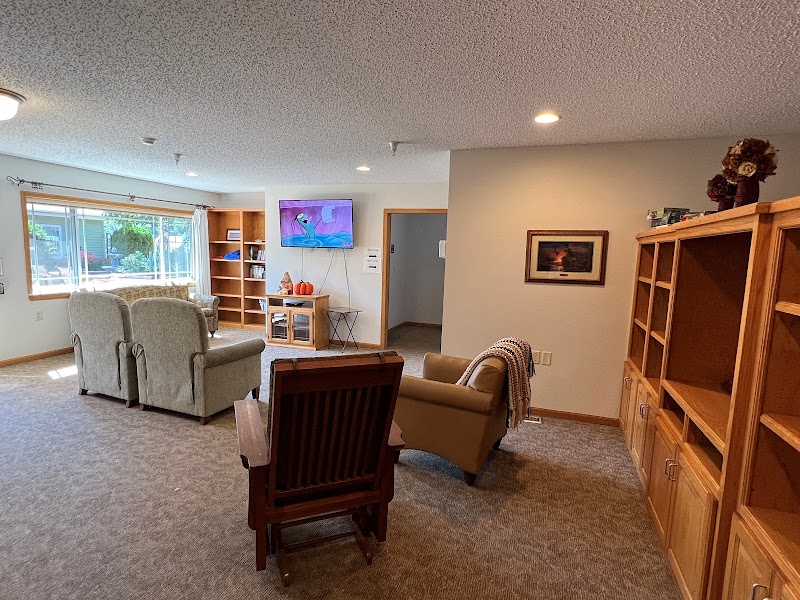
How is Good Shepherd Lutheran Home Staffed?
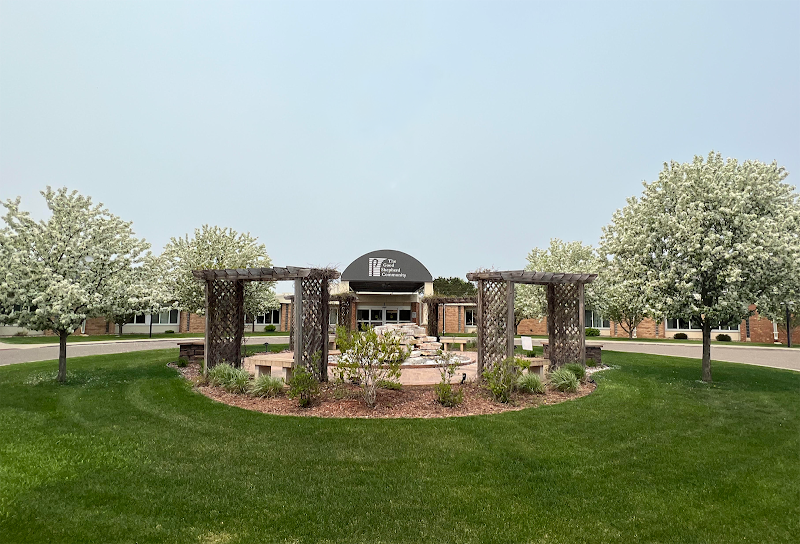
CMS rates Good Shepherd Lutheran Home's staffing level at 5 out of 5 stars, which is much above average compared to other nursing homes. Staff turnover is 43%, compared to the Minnesota average of 46%. This relatively stable workforce can support continuity of care.

What Have Inspectors Found at Good Shepherd Lutheran Home?

State health inspectors documented 21 deficiencies at Good Shepherd Lutheran Home during 2023 to 2025. These included: 21 with potential for harm.

Who Owns and Operates Good Shepherd Lutheran Home?

Good Shepherd Lutheran Home is owned by a non-profit organization. Non-profit facilities reinvest revenue into operations rather than distributing to shareholders. The facility operates independently rather than as part of a larger chain. With 146 certified beds and approximately 115 residents (about 79% occupancy), it is a mid-sized facility located in SAUK RAPIDS, Minnesota.

How Does Good Shepherd Lutheran Home Compare to Other Minnesota Nursing Homes?

Compared to the 100 nursing homes in Minnesota, Good Shepherd Lutheran Home's overall rating (4 stars) is above the state average of 3.2, staff turnover (43%) is near the state average of 46%, and health inspection rating (2 stars) is below the national benchmark.

What Should Families Ask When Visiting Good Shepherd Lutheran Home?

Based on this facility's data, families visiting should ask: "Can I visit during a mealtime to observe dining assistance and food quality?" "How do you handle medical emergencies, and what is your hospital transfer rate?" "Can I speak with family members of current residents about their experience?"

Is Good Shepherd Lutheran Home Safe?

Based on CMS inspection data, Good Shepherd Lutheran Home has a clean safety record: no substantiated abuse findings (meaning no confirmed cases of resident harm), no Immediate Jeopardy citations (the most serious violation level indicating risk of serious injury or death), and is not on the Special Focus Facility watch list (a federal program monitoring the lowest-performing 1% of nursing homes). The facility has a 4-star overall rating and ranks #1 of 100 nursing homes in Minnesota. While no facility is perfect, families should still ask about staff-to-resident ratios and recent inspection results during their visit.

Do Nurses at Good Shepherd Lutheran Home Stick Around?

Good Shepherd Lutheran Home has a staff turnover rate of 43%, which is about average for Minnesota nursing homes (state average: 46%). Moderate turnover is common in nursing homes, but families should still ask about staff tenure and how the facility maintains care continuity when employees leave.

Was Good Shepherd Lutheran Home Ever Fined?

Good Shepherd Lutheran Home has been fined $10,000 across 1 penalty action. This is below the Minnesota average of $33,179. While any fine indicates a compliance issue, fines under $50,000 are relatively common and typically reflect isolated problems that were subsequently corrected. Families should ask what specific issues led to these fines and confirm they've been resolved.

Is Good Shepherd Lutheran Home on Any Federal Watch List?

Good Shepherd Lutheran Home is not on any federal watch list. The most significant is the Special Focus Facility (SFF) program, which identifies the bottom 1% of nursing homes nationally based on persistent, serious quality problems. Not being on this list means the facility has avoided the pattern of deficiencies that triggers enhanced federal oversight. This is a positive indicator, though families should still review the facility's inspection history directly.