BIRCHWOOD HEALTH CARE CENTER

604 1ST STREET NE, FOREST LAKE, MN 55025 (651) 464-5600
Non profit - Corporation 100 Beds LIFESPARK Data: November 2025 1 Immediate Jeopardy citation
Trust Grade
13/100
#219 of 337 in MN
Last Inspection: April 2025

Within standard 12-15 month inspection cycle. Federal law requires annual inspections.

Overview

Birchwood Health Care Center has received a Trust Grade of F, indicating significant concerns about the quality of care provided. Ranking #219 out of 337 facilities in Minnesota puts them in the bottom half, and #6 out of 8 in Washington County means only two local options are worse. The facility is improving, having reduced issues from 21 in 2024 to 5 in 2025. Staffing is average with a 3/5 star rating, and the turnover rate is slightly better than the state average at 41%. However, the center has incurred a concerning $132,781 in fines, which is higher than 94% of Minnesota facilities, suggesting ongoing compliance problems. Specific incidents of concern include a critical failure to prevent ongoing sexual abuse of a resident and serious lapses in fall prevention measures that resulted in injuries. While the center has good quality measures with a 4/5 star rating, families should weigh these strengths against the serious issues noted in inspections.

Trust Score
F
13/100
In Minnesota
#219/337
Bottom 36%
Safety Record
High Risk
Review needed
Inspections
Getting Better
21 → 5 violations
Staff Stability
○ Average
41% turnover. Near Minnesota's 48% average. Typical for the industry.
Penalties
✓ Good
$132,781 in fines. Lower than most Minnesota facilities. Relatively clean record.
Skilled Nurses
✓ Good
Each resident gets 46 minutes of Registered Nurse (RN) attention daily — more than average for Minnesota. RNs are trained to catch health problems early.
Violations
⚠ Watch
33 deficiencies on record. Higher than average. Multiple issues found across inspections.
★★☆☆☆
2.0
Overall Rating
★★★☆☆
3.0
Staff Levels
★★★★☆
4.0
Care Quality
★★☆☆☆
2.0
Inspection Score
Stable
2024: 21 issues
2025: 5 issues

The Good

  • 4-Star Quality Measures · Strong clinical quality outcomes
  • Full Sprinkler Coverage · Fire safety systems throughout facility
  • No fines on record
  • Staff turnover below average (41%)

    7 points below Minnesota average of 48%

Facility shows strength in quality measures, fire safety.

The Bad

2-Star Overall Rating

Below Minnesota average (3.2)

Below average - review inspection findings carefully

Staff Turnover: 41%

Near Minnesota avg (46%)

Typical for the industry

Federal Fines: $132,781

Well above median ($33,413)

Significant penalties indicating serious issues

Chain: LIFESPARK

Part of a multi-facility chain

Ask about local staffing decisions and management

The Ugly 33 deficiencies on record

1 life-threatening 2 actual harm
Apr 2025 5 deficiencies
CONCERN (D)

Potential for Harm - no one hurt, but risky conditions existed

Deficiency F0558 (Tag F0558)

Could have caused harm · This affected 1 resident

**NOTE- TERMS IN BRACKETS HAVE BEEN EDITED TO PROTECT CONFIDENTIALITY** Based on observation, interview, and record review, the facility failed to ensure call lights were within reach for 2 of 2 resid...

Read full inspector narrative →
**NOTE- TERMS IN BRACKETS HAVE BEEN EDITED TO PROTECT CONFIDENTIALITY** Based on observation, interview, and record review, the facility failed to ensure call lights were within reach for 2 of 2 residents (R48, R75) reviewed for call lights. Findings include: R48's quarterly Minimum Data Set (MDS) dated [DATE], indicated R78 had severe cognitive impairment and diagnoses of dementia. R48's care plan revised 7/2/24, indicated R48 had limited mobility related to weakness and dementia. R48 was dependent on 1-2 staff for bed mobility and required a soft touch call light in reach. An observation on 4/7/25 at 1:26 p.m., R48 was sitting up in their broda wheelchair next to the bed. The wheelchair was slightly reclined and R48 was sleeping with their arms bent laying on their torso. The chair was next to their bed. R48's soft touch call light was laying flat in the middle of the bed. An observation on 4/8/25 at 9:37 a.m., R48 was sitting in their broda wheelchair next to their bed. R48's arms were bent and laying on their torso. R48's soft touch call light was laying flat on the bed. An observation on 4/8/25 at 1:31 p.m., R78 was laying in bed sleeping. R48's soft touch call light appeared to be placed under R78. At 1:41p.m., Nursing assistant (NA)-C pulled back R48's blanket and determined R48's call light was under the blanket and laying on the side next to R48. R48's arms and hands were lying on their stomach. When interviewed on 4/8/25 at 1:31 p.m., NA-C stated a soft touch call light was used when residents were not able to push a button. NA-C stated R48 has not used the call light regularly, but has used it a few times and further stated even if not used regularly, still needed to be in reach to allow the opportunity. NA-C further stated R48 had some contractions and needed the call light to be on them near her hands to use. R75's admission Minimum Data Set (MDS) dated indicated R75 had severe cognitive impairment and diagnoses of dementia and heart failure. R75's care plan revised 2/22/25, indicated R75 had limited physical mobility and required partial to moderate assistance of one staff member to transfer for chair/bed mobility. R75's care plan lacked indication R75 was not able to use the call light or preferred not to use the call light. An observation on 4/8/25 at 12:29 p.m., R75 was seated in his chair with his lunch tray in front of him. R75 stated they may need to use the bathroom and requested help. Writer asked R75 to place call light on and R75 stated I don't know where it is. While looking around. R75 had a call light looped over a bedside table drawer that was behind him and out of reach. Another call light was wrapped around the grab bar and hanging down towards the floor. Writer left room and alerted registered nurse (RN)-A R75 needed assistance. RN-A went into R75's room to help and verified R75's call light was hanging on the grab bar and not in reach. When interviewed on 4/9/25 at 10:37 a.m., NA-B stated R75's call light needed to be in reach, however, doesn't want to use it and gets up on his own at times. NA-B further stated R75's family wants him to be more active and not in bed. When interviewed on 4/9/25 at 11:26 a.m., RN-A stated R75 was confused at times and would get up on their own. RN-B wasn't sure if R75 didn't want to use the call light and stated all residents should have the call light in place, even if they didn't choose to use it and we encourage residents to ask for help. When interviewed on 4/9/25 at 12:30, the Director of Nursing (DON) expected staff to ensure call lights were in reach with all residents. This was important to help residents communicate their needs. DON further stated there were many residents who did not touch their call lights and it was a gray area if needing to be in reach if never used. A facility policy for call light use was requested however the facility does not have one.
CONCERN (D) 📢 Someone Reported This

A family member, employee, or ombudsman was alarmed enough to file a formal complaint

Potential for Harm - no one hurt, but risky conditions existed

ADL Care (Tag F0677)

Could have caused harm · This affected 1 resident

**NOTE- TERMS IN BRACKETS HAVE BEEN EDITED TO PROTECT CONFIDENTIALITY** Based on observation, interview, and document review the facility failed to ensure feeding assistance and routine personal hygie...

Read full inspector narrative →
**NOTE- TERMS IN BRACKETS HAVE BEEN EDITED TO PROTECT CONFIDENTIALITY** Based on observation, interview, and document review the facility failed to ensure feeding assistance and routine personal hygiene cares i.e., nail care, facial hair removal, was provided for 2 of 4 residents (R23, R28) reviewed for activities of daily living (ADLs) and whom were dependent on staff for such cares. Findings include: R23 R23's Optional State Assessment (OSA) dated 2/19/25, indicated severe cognitive impairment, rejected cares one to three days, required extensive assist with toilet use and limited assistance with transfers. R23's annual Minimal Data Set (MDS) dated [DATE], indicated severe cognitive impairment, rejected cares one to three days, required substantial maximal assistance with toileting hygiene, showering and bathing, and personal hygiene including shaving. Further, R23 had the following diagnoses: heart failure, Alzheimer's disease, and muscle weakness. R23's care plan dated 11/26/24, indicated R23 had an ADL self-care performance deficit due to Alzheimer's disease and required substantial maximal assist of one for shaving at regular time or when R23 was most willing. R23's care plans were reviewed and lacked information R23 required nail care. R23's nursing assistant (NA) care sheets indicated R23 had a bath on Sunday p.m., shift and required stand by assistance with shaving as needed. The care sheet lacked information R23 required nail care. R23's physician's orders indicated the following order: • 9/22/24, Complete body audit assessment in the electronic medical record. R23's Behaviors task form 30-day lookback 3/12/25, thru 4/10/25, indicated R23 did not reject cares. R23's Bathing 30-day lookback from 3/16/25, thru 4/6/25, indicated R23 did not reject cares. R23's Bathing Shower, Bath and Skin Condition task form 30-day lookback from 4/10/25, indicated No Data Found. R23's Body Audit form dated 3/16/25, indicated R23 received a shower, and allowed his fingernails to be trimmed and were clean and trim. R23's Body Audit form dated 3/23/25, indicated R23 received a shower, fingernails were clean and trim and did not need to be trimmed. R23's Body Audit form dated 3/30/25, indicated R23 received a shower, fingernails were clean and trim, and did not need to be trimmed. R23's Body Audit form dated 4/6/25, indicated R23 received a shower, fingernails were clean and trim, and did not need to be trimmed. R23's progress notes were reviewed from 3/16/25, to 4/8/25, and lacked information R23 refused shaving or nail care. R23's progress note created 4/8/25 at 3:51 p.m., and effective 4/8/25 at 3:48 p.m., indicated licensed practical nurse (LPN)-A assisted R23 to shave facial hair and trimmed, filed, and cleaned under R23's fingernails and R23 stated he was refreshed and felt like a brand new man. R23's aide tasks lacked information for documentation of completion of shaving. During observation on 4/7/25 at 3:22 p.m., R23 had gray sweatpants and a black t-shirt with crusty yellow particles on the upper pants and R23 had facial hair that was approximately ¼ inch long. R23's fingernails had brown debris located under the nails. During observation on 4/8/25 at 11:16 a.m., R23 was in the dining room participating in a balloon activity. R23 had brown checkered pajama type pants on and a gray t shirt. During observation on 4/8/25 at 11:27 a.m., R23's fingernails were still long with debris under the nails and R23 was still unshaven. During observation on 4/8/25 at 2:25 p.m., R23 was still unshaven and had long nails with debris under them. During interview and observation on 4/8/25 at 2:26 p.m., licensed practical nurse (LPN)-A stated the evening nurse started at 2:00 p.m., and the day nursing assistants and nurses left at 2:30 p.m. At 2:27 p.m., R23 started to bring himself to the bathroom and LPN-A assisted R23 into the bathroom. During interview and observation on 4/8/25 at 2:31 p.m., nursing assistant (NA)-A stated they had care sheets to know what cares a resident required. NA-A stated if a resident refused cares she would reapproach and would document refusals and let the nurse know and stated the nurse would document refusals as well. NA-A stated shaving was completed after showers and as needed and stated she completed nail cares and trimming in the evenings. NA-A verified R23 had facial hair and stated they hadn't shaved R23 in a while and verified R23 had long nails adding, it did not look like R23 was shaved on 4/6/25, and nails did not look like they had been trimmed either and stated it had been a couple weeks since shaving and nail care had been provided. Further, NA-A stated R23 did not refuse cares and stated R23 loved to get washed up and R23 states, Oh yay and won't typically refuse. During interview and observation on 4/8/25 at 2:42 p.m., LPN-A stated the aides knew what cares a resident required based on the care sheets. LPN-A stated if a resident refused cares, aides reapproach and document refusals in point of care and the nurses documented refusals in a behavior note or in a progress note. LPN-A stated residents were shaved as needed and encouraged on shower days and nail cares was completed on shower days and also as needed and if a resident had diabetes was referred to podiatry due to thicker nails and would be documented in a body audit form. LPN-A verified care sheets provided on 4/7/25, were current and verified R23's bath day was on Sunday evenings and verified R23 did not refuse nail care or shaving and expected staff complete nail care and shaving on bath days and as needed when nails were long and dirty and when facial hair was getting long. At 2:53 p.m., LPN-A verified R23 had long nails with debris under the nails and was unshaven. LPN-A stated if R23 was provided a razor he could possibly shave himself, but nurses should trim R23's nails because R23 had diabetes. LPN-A stated it did not look like nail care was completed on 4/6/25, and stated it was important for skin and with dirt sitting under the nails and trying to avoid skin tears and R23 would need supervision to make sure R23 could thoroughly shave. During observation on 4/9/25 at 7:09 a.m., R23 was in the dining room and nails were trim and clean and was clean shaven. During interview on 4/9/25 at 9:57 a.m., the director of nursing (DON) stated she expected staff try nail care and shaving on shower days and added R23's care plan indicated as willing. The DON verified R23's tasks lacked documentation R23 refused and viewed the progress notes which also lacked documentation R23 refused cares and stated nails should be cleaned on shower day and as needed and added they washed hands with Sani wipes and R23 used the restroom often so his nail care should be done on a daily basis adding it was important how residents felt in general and for personal hygiene. R28 R28's Optional State Assessment (OSA) dated 2/25/25, indicated R28 rejected care 1 to 3 days, required extensive assist with bed mobility, and toileting, and required set up support for eating, and was totally dependent on staff for transfers. R28's quarterly Minimum Data Set (MDS) dated [DATE], indicated severe cognitive impairment, required set up assistance with eating, was dependent on staff for transfers, had non-Alzheimer's dementia, cancer, malnutrition, depression, Alzheimer's disease, gastroesophageal reflux disease (GERD), and generalized muscle weakness. Additionally, R28 was on hospice care. R28's physician orders dated 12/23/24, indicated R28 Needs to be up in chair and in dining room for meals. R28's Medication Administration Record (MAR) and Treatment Administration Record (TAR) dated April 2025 and printed 4/9/25 at 10:53 a.m., indicated nine times a 9 was documented under the order R23 needed to be in in the chair and in the dining room for meals. A 9 was documented in the 7:30 a.m., time slot on 4/1/25, 4/2/25, 4/4/25, 4/6/25, 4/7/25, 4/8/25, and 4/9/25. A 9 was documented in the 11:00 a.m., time slot on 4/2/25 and a 9 was documented in the 4:00 p.m., time slot on 4/5/25. A chart code in the MAR and TAR identified a 9 indicated Other/See Progress Notes. R28's progress notes were reviewed from 4/1/25 to 4/9/25, and R28's orders administration progress note dated 4/2/25 at 12:04 p.m., indicated R28 refused to be up in the chair for meals. No other refusals to be up in the chair were documented. R28's care plan dated 6/21/24, indicated R28 had depression and interventions included encouraging dining in the dining room to improve socialization. R28's care plan dated 9/25/24, indicated R28 had limited physical mobility and required a Broda wheelchair. R28's care plan dated 12/22/24, indicated R28 required set up and clean up assistance from one staff to eat. Additionally, R28 had a terminal prognosis requiring hospice involvement due to dementia. R28's care plan dated 1/13/25, indicated R28 had severe cognitive impairment and interventions included to cue and supervise as needed. R28's care plan dated 4/8/25, indicated R28 had GERD (gastroesophageal reflux disease) and interventions included to observe document and report to the medical practitioner as needed signs and symptoms of GERD: belching, coughing, choking when lying down. R28's care plan was reviewed and lacked information R28 was required to be up in the chair for meals. R28's care sheet undated, indicated R28 was on hospice, required assist of one for dressing, grooming, and bathing, was incontinent, was on a regular diet, required set up assist with meals and lacked information R28 was to be up in the dining room for meals. R28's Amount Eaten/Eating question 2 Task form indicated R28 needed to be up in the chair and in the dining room for meals. Additionally, R28 required supervision, oversight, encouragement, and cueing on 4/9/25. R28's Amount Eaten/Eating question 3 Task form indicated R28 generally required setup help and on 4/9/25, required one-person physical assist. R28's Amount Eaten/Eating question 4 Task form indicated R28 needed to be up in the chair and in the dining room for meals. Additionally, R28 did not refuse. R28's Behaviors task form from 3/12/25, printed on 4/10/25, indicated R28 did not have any behaviors of refusals. A form, Dining Hours, indicated the facilities mealtime schedule was as follows: Breakfast 7:30 a.m., to 8:30 a.m., lunch 11:30 a.m., to 12:30 p.m., and supper was from 4:30 p.m., to 5:30 p.m. R28's meal ticket dated 4/9/25, indicated R28 was on a regular diet and instructions included to setup and cut up meat into bite sized pieces and included 8 ounces of milk, 4 ounces of juice, 1 serving of choice of cereal, 1 hard cooked egg, 1 muffin, and 6 ounces of milk. During observation on 4/8/25 at 12:08 p.m., R28 was in the dining room and was assisting herself with her meal. During continuous observation on 4/9/25 from 7:59 a.m., to 9:28 a.m., dietary aide (DA)-A brought breakfast to R28 in her room. DA-A did not uncover the meal tray or take the lids off the juice and milk. R28's meal ticket indicated setup and cut up meat into bite sized pieces. R28 was in bed and sleeping. At 8:11 a.m., staff entered the room to assist R28's roommate. At 8:16 a.m., R28's head of the bed was observed to be elevated approximately 45 degrees. At 8:26 a.m., no staff came in to assist R28 with her breakfast. At 8:29 a.m., R28's eyes were closed, and her head was tilted towards the window. At 8:30 a.m., a staff person entered the room to assist R28's roommate. R28's meal was still covered with the lids on. At 8:33 a.m., R28's breakfast was still covered and R28's eyes were closed. At 8:35 a.m., nursing assistant (NA)-D went to the closet and R28's roommate told NA-D to get out and NA-D turned the light off and did not come to assist R28. At 8:42 a.m., an unknown staff person entered the room checked on R28 and stated R28 was snoozing and did not try to assist with setting up breakfast and did not try to offer food and left the room. At 8:43 a.m., NA-D entered the room and tried to wake R28 and told R28 her breakfast was in front of her. NA-D did not offer to get R28 up. NA-D took the cover off the plate and R28 had oatmeal and a muffin and assisted to take off the liquid covers. NA-D gave R28 a bite of oatmeal and R28 stated it was yummy. NA-D asked R28 if she wanted her head of the bed elevated but did not elevate the bed more and left the room. NA-D did not cut up the egg. At 8:47 a.m., R28 put a spoon in the oatmeal and then closed her eyes and her spoon dropped into her bowl of oatmeal and did not attempt to further feed herself. NA-D returned to R28's room at 9:00 a.m., and asked if R28 had finished eating and began feeding R28. NA-D took a spoon and a fork and cut up the egg and gave R28 a bite of eggs. NA-D stated R28 ate breakfast in bed and went out for lunch because R28 had pain in her legs and further stated someone should always be with R28 because R28 may choke and stated R28 did not need help to eat and ate well when fully awake and further stated if residents refused cares they reapproached residents and added she never approaches R28 because R28 eats and sleeps at the same time and was wasting her time reapproaching R28. At 9:13 a.m., R28 closed eyes, but reopened them when NA-D assisted with feeding and readily accepted breakfast. At 9:18 a.m., R28 pointed to her oatmeal for a bite and required assistance with eating the entire time. By 9:21 a.m., R28 ate approximately 50% and drank most of her milk and half of her orange juice. At 9:28 a.m., R28 stated she was all done and NA-D stated R28 ate 80% of her meal. During interview on 4/9/25 at 9:33 a.m., licensed practical nurse (LPN)-A stated R28 had to get up in order to encourage her to eat and stated R28 does refuse in the mornings and will sometimes help herself eat in bed but was more likely to eat when sitting up in the chair and expected staff to offer to get R28 up. LPN-A stated if R28 doesn't eat in the dining room, dietary staff deliver meals to the room and added R28 didn't need help but lacked motivation in bed and did not need physical help to eat and further stated if R28 was not eating it was not acceptable for a meal to be left for 40 plus minutes and the dietary aides should remove covers and place drinks close to residents and alert them their food was there and if unable to alert the resident, should place the tray back on the cart and update nursing. LPN-A verified R28 had an order to be up in the dining room for meals, but did not know why R28 had to be in the dining room. During interview on 4/9/25 at 9:42 a.m., the director of nursing (DON) reviewed R28's order that R28 had to be up in the chair and stated she recalled stuff happening with R28. The DON stated she had conversations with a family member and R28 needed to come out to meals because she was not eating as much in bed and added if R28 declined staff should reapproach and added it was the dietary department's responsibility to help with setting up trays and stated she completed education R28 needed to be upright and to follow the meal ticket. LPN-A stated R28 could eat on her own after meal set up but that was with items within reach and the covers off. The DON stated that was why R28 ate in the dining room because she ate better and thrived on stimulation. Further, the DON stated R28 needed encouragement and expected staff to offer to get up and verified the care sheet lacked information to get R28 up and stated it would be helpful to the aides to have the information on the care sheet. During observation on 4/10/25 at 8:23 a.m., R28 was in bed and her meal appeared untouched. R28 had biscuits and gravy that had not been cut up and a bowl that looked like malt o meal cereal. At 8:25 a.m., NA-D came in the room and asked R28 if it was time to get up and R28 dipped her knife in the bowl and took a bite of the cereal with her knife. At 8:27 a.m., NA-D told R28 she wanted to help her to eat, and readily accepted help and NA-D gave R28 a bite of biscuits and gravy and R28 stated it was cold. NA-D asked if she could reheat the plate and R28 started speaking nonsensically and NA-D gave R28 another bite of the biscuits and R28 furrowed her eyebrows and stated it was cold and NA-D gave R28 another bite of biscuits and R28 started speaking nonsensically. NA-D did not know how long R28's meal had been in the room because she was assisting another resident and added the kitchen delivered the meals and does not inform staff working and further stated R28 had a disability, and somebody needed to assist R28 to eat. A policy on ADLs was requested, however the interim executive director sent an email on 4/10/25 at 10:44 a.m., they did not have a policy related to aide or staff responsibilities regarding assistance with nails, shaving, or meal assistance.
CONCERN (D)

Potential for Harm - no one hurt, but risky conditions existed

Deficiency F0757 (Tag F0757)

Could have caused harm · This affected 1 resident

Based on interview and record review the facility failed to ensure an antibiotic ointment was still necessary for 1 of 1 residents (R75) reviewed for antibiotic use. Findings include: R75's admission...

Read full inspector narrative →
Based on interview and record review the facility failed to ensure an antibiotic ointment was still necessary for 1 of 1 residents (R75) reviewed for antibiotic use. Findings include: R75's admission Minimum Data Set (MDS) dated indicated R75 had severe cognitive impairment and diagnoses of dementia and heart failure. R75's provider order dated 3/1/25, indicated R75 required bacitracin external ointment 500 units/gram (antibiotic ointment) applied to foreskin topically every day and evening for 7 days and then daily for foreskin care. The order lacked an end date. R75's Treatment Administration Record (TAR) dated 3/1/2025-4/8/2025 indicated R75 had received the bacitracin ointment as ordered. R75's interdisciplinary team (IDT) progress note dated 3/1/25 at 8:08 a.m., R75 had a small amount of blood in brief. R75 stated their foreskin gets stuck at times and they pulled on it to get it back up. The provider was notified and an order for bacitracin twice daily for 7 days and then daily was received. R75's electronic medical record (EMR) lacked indication monitoring of R75's foreskin occurred between 3/15/25- 4/9/25, to ensure R75's bacitracin was still needed. The facilities 3/2025- 4/2025 antibiotic tracker and skin tracking log was requested and was not received. However, an email communication dated 4/10/25, verified R75 was not listed on the antibiotic and skin tracking log. When interviewed on 4/9/25 at 11:28 a.m., registered nurse (RN)-A stated residents who were on antibiotics would have their vital signs monitored and any assessments related to why they were on antibiotics. RN-A further stated there was no specific order or note template used. RN-A verified R75's order for bacitracin had no end date. RN-A was not aware of any infection or skin concerns with the foreskin and did not know why R75 required the bacitracin daily. When interviewed on 4/10/25 at 10:37 a.m., the clinical pharmacist stated all antibiotics were reviewed during monthly medication reviews, including topical antibiotics. The CP verified R75's order for bacitracin had no end date. CP stated the facility monitored the conditions for any topical antibiotics and would discontinue the antibiotic when it was no longer needed. When interviewed on 4/10/25 at 11:28 a.m., the Director of Nursing (DON) who was also the Infection Preventionist verified there was no end date for R75's topical antibiotic and believed since it was recently changed to an as needed medication on 4/9/25, it was monitored. The DON needed to follow up with the provider and determine what the order was and should be. A follow up interview on 4/10/25 at 11:35 a.m., the DON verified R75 was not on the facilities antibiotic tracker as bacitracin did not require a 72-hour time out. DON stated any topical antibiotics required actual monitoring of their condition that required the topical ointment and this was tracked separately. When the skin condition resolved, the antibiotic should be discontinued. The DON verified R75 was not tracked on their skin tracker and verified the bath audits since 3/14/25 did not mention any concerns with R75's foreskin. The DON further acknowledged R75's skin condition was not being tracked or monitored and R75 was potentially receiving the Bacitracin unnecessarily. A facility policy titled Antibiotic Stewardship revised 6/2021, directed staff to ensure optimal antibiotic therapy included the recommended duration of the therapy. Furthermore the policy directed all providers to follow the 5 D's of basic antimicrobial stewardship practices which include duration of use.
CONCERN (D)

Potential for Harm - no one hurt, but risky conditions existed

Menu Adequacy (Tag F0803)

Could have caused harm · This affected 1 resident

**NOTE- TERMS IN BRACKETS HAVE BEEN EDITED TO PROTECT CONFIDENTIALITY** Based on observation, interview and record review the facility failed to ensure preferences for drinks and food choices was foll...

Read full inspector narrative →
**NOTE- TERMS IN BRACKETS HAVE BEEN EDITED TO PROTECT CONFIDENTIALITY** Based on observation, interview and record review the facility failed to ensure preferences for drinks and food choices was followed for 2 of 2 residents (R38, R75) reviewed for food choices. Findings include: R38's admission Minimum Data Set (MDS) dated [DATE] indicated R38 was cognitively intact with diagnoses of diabetes. R38's care plan revised 2/22/25, indicated R38 had a potential nutritional problem related to acute gallbladder infection. Interventions included review food preferences with resident and family. R38's meal ticket dated 4/8/25, indicated R38 wanted milk. R38's meal ticket dated 4/9/25 was requested however was not received. An interview on 4/7/25 at 1:09 p.m., R38 stated staff give items someone with diabetes shouldn't have. R38 stated they always get juice with breakfast and has told them she prefers milk, tea or coffee. The juice causes blood sugar to elevate. R38 further stated she had talked to the registered dietician (RD) but still gets the wrong items. An observation on 4/8/25 at 8:11 a.m., R38 was sitting up for breakfast. R38 had oatmeal. On the tray was a glass of apple juice. Review of R38's meal ticket indicated milk should have been served. An interview on 4/9/24 at 8:25 a.m., R38 was sitting up at bedside for breakfast. R38 had a muffin, a hard-boiled egg and no coffee on their breakfast tray. R38 was upset and stated I talked to the RD yesterday and I was supposed to get fried eggs, toast, and coffee. This was not what I wanted and not what I requested. R38's breakfast meal ticket stated muffin and hard-boiled egg. R75's admission MDS dated indicated R75 had severe cognitive impairment and diagnoses of dementia and heart failure. R75's care plan revised 2/24/25, indicated R75 had a nutritional problem related to heart failure and weakness. Interventions included for meals to be served as ordered and to review preferences with resident/family. R75's meal ticket dated 4/8/25, indicated R75 wanted decaf coffee at all meals. An observation on 4/8/25 at 8:15 a.m., R75 was sitting on their bed with the bedside table in front of them eating breakfast. R75's meal ticket indicated Decaf coffee at all meals. R75's breakfast tray did not contain coffee. R75 stated I guess I didn't get any. An observation on 4/8/25 at 12:29 p.m., R75's lunch was delivered. R75 was seated up in their wheelchair. R75's meal ticket indicated decaf coffee at all meals. Registered nurse (RN)-A verified R75's lunch did not have coffee and R75 stated I like coffee. An interview on 4/9/25 at 8:30 a.m., the registered dietician (RD) stated when residents were admitted and at least quarterly, residents were assessed for food and drink preferences. RD stated I discussed food preferences yesterday and R38's breakfast ticket was updated to fried eggs, toast and coffee. RD verified R38's ticket did not have the correct items listed for breakfast and further stated they were not sure how an old ticket was provided. RD expected residents to get the items matched on their meal ticket. When interviewed on 4/9/25 at 8:36 a.m. dietary aide (DA) stated meal tickets were printed each day around 11:00 a.m. for the next day. DA further stated if RD made any changes after that time, either the RD would need to print a new ticket or communicate to the dietary staff what the change was. When interviewed on 4/10/25 at 11:20 a.m., the Administrator expected the RD to meet with residents upon admission and as needed to review meal preferences. Furthermore, resident meal preferences should be on the meal tickets and served as written. A facility policy for food choices was requested however was not received.
CONCERN (D)

Potential for Harm - no one hurt, but risky conditions existed

Antibiotic Stewardship (Tag F0881)

Could have caused harm · This affected 1 resident

Based on interview and record review the facility failed to ensure an antibiotic was monitored, tracked and had an end date for 1 of 1 residents (R75) who was prescribed a topical antibiotic. Finding...

Read full inspector narrative →
Based on interview and record review the facility failed to ensure an antibiotic was monitored, tracked and had an end date for 1 of 1 residents (R75) who was prescribed a topical antibiotic. Findings include: R75's admission Minimum Data Set (MDS) dated indicated R75 had severe cognitive impairment and diagnoses of dementia and heart failure. R75's interdisciplinary team (IDT) progress note dated 3/1/25 at 8:08 a.m., R75 had a small amount of blood in brief. R75 stated their foreskin gets stuck at times and they pulled on it to get it back up. The provider was notified and an order for bacitracin twice daily for 7 days and then daily was received. R75's provider order dated 3/1/25, indicated R75 required bacitracin external ointment 500 units/gram (antibiotic ointment) applied to foreskin topically every day and evening for 7 days and then daily for foreskin care. The order lacked an end date. R75's Treatment Administration Record (TAR) dated 3/1/2025-4/8/2025 indicated R75 had received the bacitracin ointment as ordered. R75's electronic medical record (EMR) lacked indication monitoring of R75's foreskin occurred between 3/15/25- 4/9/25, to ensure R75's bacitracin was still needed. The facilities 3/2025- 4/2025 antibiotic tracker and skin tracking log was requested and was not received. However, an email communication dated 4/10/25, verified R75 was not listed on the antibiotic and skin tracking log. When interviewed on 4/9/25 at 11:28 a.m., registered nurse (RN)-A stated residents who were on antibiotics would have their vital signs monitored and any assessments related to why they were on antibiotics. RN-A further stated there was no specific order or note template used. RN-A verified R75's order for bacitracin had no end date. RN-A was not aware of any infection or skin concerns with the foreskin and did not know why R75 required the bacitracin daily. When interviewed on 4/10/25 at 10:37 a.m., the clinical pharmacist stated all antibiotics were reviewed during monthly medication reviews, including topical antibiotics. The CP verified R75's order for bacitracin had no end date. CP stated the facility monitored the conditions for any topical antibiotics and would discontinue the antibiotic when it was no longer needed. The CP further stated if R75 was noted to be on it for a second monthly review, they would then notify the facility to determine if it was still required. When interviewed on 4/10/25 at 11:28 a.m., the Director of Nursing (DON) who was also the Infection Preventionist verified there was no end date for R75's topical antibiotic and believed since it was recently changed to an as needed medication on 4/9/25, it was monitored. The DON needed to follow up with the provider and determine what the order was and should be. A follow up interview on 4/10/25 at 11:35 a.m., the DON verified R75 was not on the facilities antibiotic tracker as bacitracin did not require a 72-hour time out. DON stated any topical antibiotics required actual monitoring of their condition that required the topical ointment and this was tracked separately. When the skin condition resolved, the antibiotic should be discontinued. The DON verified R75 was not tracked on their skin tracker and verified the bath audits since 3/14/25 did not mention any concerns with R75's foreskin. The DON further acknowledged R75's skin condition was not being tracked or monitored to ensure appropriate use and necessity of the bacitracin. A facility policy titled Antibiotic Stewardship revised 6/2021, directed all providers to follow the 5 D's of basic antimicrobial stewardship practices which include duration of use. Furthermore, the policy directed staff to assess residents for the appropriateness of the antibiotic use and duration.
Feb 2024 14 deficiencies 1 Harm
SERIOUS (G)

Actual Harm - a resident was hurt due to facility failures

Pressure Ulcer Prevention (Tag F0686)

A resident was harmed · This affected 1 resident

**NOTE- TERMS IN BRACKETS HAVE BEEN EDITED TO PROTECT CONFIDENTIALITY** Resident #51 R51's significant change Minimum Data Set (MDS) dated [DATE], indicated R51 had moderate cognitive impairment with ...

Read full inspector narrative →
**NOTE- TERMS IN BRACKETS HAVE BEEN EDITED TO PROTECT CONFIDENTIALITY** Resident #51 R51's significant change Minimum Data Set (MDS) dated [DATE], indicated R51 had moderate cognitive impairment with medical diagnoses including type 2 diabetes, communication deficit or difficulties, depression, deformities of the musculoskeletal system and muscle weakness. R51's significant change MDS dated [DATE], indicated he required substantial to maximal assistance to move from lying to sitting to standing, partial to moderate assistance to roll left and was always incontinent of bowel movements. R51's significant change MDS dated [DATE], indicated R51 was at risk for developing pressure ulcers, did not have unhealed pressure ulcers, did not have other ulcers, wounds, or skin conditions of his feet, and did not reject care. The MDS further indicated skin and ulcer treatments included a pressure reducing device for the chair, bed, nutrition, or hydration interventions to manage skin problems, pressure ulcer care and applications of ointments or medications other than to feet. R51's pressure ulcer/injury Care Area Assessment (CAA) dated 10/8/23, indicated R51 had a potential for pressure ulcers with contributing factors identified as frequent bowel (feces) incontinence, activities of daily living (ADL) and mobility impairment. The CAA lacked indication that R51's risk for pressure ulcers would be addressed in the care plan. R51's pressure ulcer/injury CAA dated 12/8/23, indicated R51's risk for developing pressure ulcers was related to ADL impairment and incontinence and identified pain as a risk factor. The CAA indicated a licensed nurse would assess R51's skin weekly and implement appropriate interventions to prevent skin breakdown as needed. Furthermore, the CAA indicated nursing assistants (NA) would report abnormal skin findings during cares and bath days to a licensed nurse. Additionally, the CAA indicated R51's primary care provider (PCP) should be updated with new or abnormal skin findings for treatment order. R51's Braden Scale for Predicting Pressure Sore Risk form dated 12/5/23, indicated R51 had a moderate risk for pressure ulcer development. R51's physician orders included the following: - Skin prep to coccyx area daily at bedtime for preventive, dated 10/19/23 and discontinued 1/24/24. - Apply Mepilex (type of dressing) to coccyx every 3 days on evening shift and as needed if soiled, dated 11/7/23 and discontinued 1/24/24. - Monitor redden/scab area to left heel 3 centimeters (cm) x 3cm until resolved. Place heel protector on foot every shift, dated 12/11/23 and discontinued 1/24/24. - Turn side to side when in bed every shift, dated 10/19/23. - Coccyx wound: clean with wound cleanser, skin prep around wound and apply Mepilex (type of dressing). Change dressing once daily for an unstageable pressure ulcer dated 1/24/24. - Coccyx wound: clean with wound cleanser, skin prep around wound and apply Mepilex (type of dressing). Change dressing every evening as needed for an unstageable pressure ulcer dated 1/24/24. - Ensure there is no pressure on heel when in bed or sitting in wheelchair every shift, dated 1/25/24. R51's electronic health record (EHR) included body audit assessments dated: - 11/16/23, indicated evidence of alteration in skin integrity, heels were firm. - 11/23/23, indicated evidence of alteration in skin integrity, heels were firm. - 12/13/23, indicated evidence of alteration in skin integrity, heels with dark spots or any discoloration. - 1/10/24, indicated a small red and open area to the coccyx and a small scab area to the left heel. - 1/17/24, indicated a red slit like area on the coccyx and soft, spongy heels and discoloration to R51's left heel. -1/24/24, indicated a small open area to the coccyx and discoloration to the left heel. R51's comprehensive skin and positioning evaluation dated 12/5/23, indicated R51 had an open area to his coccyx and identified a turning and repositioning program as an intervention. R51's comprehensive skin and positioning evaluation dated 2/6/24, indicated R51 was incontinent of bowel and bladder and had mobility impairment, placing him at a risk for skin breakdown. Additionally, the evaluation identified R51 had a current pressure ulcer and interventions in place included turning and repositioning and application of nonsurgical dressings (with or without topical medications). R51's skin and wound evaluation dated 1/31/24, indicated R51 had an unstageable (obscured full-thickness skin and tissue loss) wound to his sacrum with slough and/or eschar noted. The evaluation included wound measurements 1.8cm x 1.9cm with an area measurement of 2.8cm-squared. In the measurement boxes for depth, undermining, and tunneling, not applicable was documented. Furthermore, the evaluation indicated the pressure ulcer was in-house acquired. The evaluation lacked documentation of assessment of the wound bed, periwound, exudate (drainage), odor, edema (swelling), induration (hardening of tissues around a wound), temperature, and pain. The evaluation lacked documentation for goal of wound care, treatment, and wound progress. R51's skin and wound evaluation dated 2/7/24, indicated R51 had a new diabetic wound to his left heel that measured 4.74cm x 6.5cm with an area measurement of 21.32cm-squared. The evaluation indicated this was in-house acquired but lacked documentation where the evaluation asked how long the wound had been present. The evaluation lacked documentation of assessment of the wound bed, periwound, exudate (drainage), odor, edema (swelling), induration (hardening of tissues around a wound), temperature, and pain. The evaluation lacked documentation for goal of wound care and treatment orders. R51's skin and wound evaluation dated 2/7/24, indicated R51 had an unstageable (obscured full-thickness skin and tissue loss) wound to his sacrum with slough and/or eschar noted. The evaluation included wound measurements 1.6cm x 1.8cm with an area measurement of 1.7cm-squared. In the measurement boxes for depth, undermining, and tunneling, not applicable was documented. Furthermore, the evaluation indicated the pressure ulcer was in-house acquired. The evaluation lacked documentation of assessment of exudate (drainage), odor, edema (swelling), induration (hardening of tissues around a wound), temperature, and pain. The evaluation indicated the goal of care of this wound was healable and indicated improving progress. R51's treatment administration record (TAR) from 10/2023 through 2/2024 was reviewed and reflects order to turn resident side to side when in bed signed off as completed by licensed nurse staff. The responses documented in R51's TAR varied between number of times turned, yes or no, refused, or a checkmark for completion. There were six occurrences between 10/1/23 and 2/8/24 with no documentation indicating turning and repositioning occurred. R51's care plan dated 8/15/23, indicated he was at risk for skin impairment related to immobility and incontinence. A goal to participate in repositioning was identified on 12/28/23. Interventions included float or offload heels, encourage repositioning and position changes during rounds, observe skin during cares and report any changes to the nurse, pressure relieving support surfaces in bed and the chair, and weekly skin inspection. R51's care plan dated 1/26/24, identified a goal of no complications related to diabetes with an intervention of monitoring all body parts for breaks in skin and treat promptly. R51's care plan dated 1/26/24, identified a goal to prevent skin alterations due to incontinence with an intervention of encouragement to toilet during rounds. R51's care plan lacked specific interventions for toileting and turn/reposition programs. A facility nursing concern and order form dated 12/10/23 revealed a provider update indicating R51's left heel had a round red area with a scab in the middle with an area measurement of 3cm x 3cm. Staff wrote they applied a hell protector and would continue to monitor. The provider signed and dated the form 12/10/23. A provider progress note dated 10/5/23 indicated R51 and his family member reported sacral pain with sitting. The provider indicated pressure reduction education was provided to both R51 and his family member. A provider progress note dated 10/19/23 indicated R51 reported pain to his bottom when sitting and lying on his back. The provider wrote a recommendation of not lying on his back when in bed and orders included skin prep to his coccyx and turning from side to side in bed. The provider indicated in the note the orders were discussed with nursing staff. A provider progress note dated 11/6/23, indicated R51 had a stage 2 pressure injury of the coccygeal region. The provider indicated R51 reported ongoing buttocks pain and difficulty moving himself in bed. The provider wrote that the pressure injury was newly noted during the exam and photos were take and scanned into his EHR. The provider indicated new orders of applying a Mepilex dressing to the coccyx every 3 days and as needed if soiled and to continue current orders of applying skin prep and barrier cream to the coccyx daily and shifting side to side in bed every shift. R51's EHR lacked documentation of provider updates regarding wounds from 11/6/23 until 1/24/24. A provider progress note dated 1/24/24, indicated a diabetic stage 2 decubitus ulcer (injury to skin and underlying tissue due to prolonged pressure on the skin) of his left heel and an unstageable pressure ulcer of the coccygeal region. The provider indicated new orders to clean the left heel with wound cleanser, apply skin prep around the wound, apply nonstick gauze then wrap with Kerlix once daily and as needed. The provider also ordered no pressure to R51's heels when sitting in the wheelchair or lying in bed. Additionally, new orders for the coccygeal wound included daily wound monitoring, clean with wound cleanser and apply skin prep around the wound, then apply a Mepilex dressing once daily and as needed. A provider progress note dated 1/31/24, indicated the left heel would was stable and had no odor or drainage and was open without a dressing on. The provider indicated the unstageable pressure injury of the coccygeal region had increased in size. Review of the nursing assistant (NA) care sheet dated 2/5/24, indicated R51 had a toileting schedule of upon rising, before and after meals, at bedtime and as needed. The NA care sheet indicated R51's heels should be floated but lacked guidance for a turning and repositioning program. During observation on 2/5/24 at 7:09 p.m., R51 was in bed, lying on his back. During observation on 2/6/24 at 8:39 a.m., R51 was in bed, lying on his right side facing the door. Observations at 1:15 p.m. and 2:13 p.m., showed R51 lying on his back in bed with his legs crossed. His heels were not floated or elevated on a pillow and no heel protectors were on. During continuous observation on 2/7/24 between 7:11 a.m. and 9:30 a.m., R51 was lying in his bed on his ride side, no heel protectors on and heels were not elevated on a pillow or floated. At 7:44 a.m., registered nurse (RN)-B entered R51's room to administer his morning medications and elevated his heels on a pillow. No heel protectors were offered or applied. At 8:13 a.m., NA-G and RN-B entered R51's room to provide morning cares. NA-G stated R51 should be on a turning and repositioning schedule but he is often sitting up in the wheelchair. NA-G reported R51 had a sore on his backside that started small but now could be worse, and the nurses were putting a dressing on it. RN-B stated R51 was assisted to turn in bed a couple of times per shift and was not aware of him being on a toileting program. RN-B stated the wound to R51's left heel is improving but was unsure of how long it had been present. At 8:42 a.m., RN-A entered R51's to provide wound cares and RN-B exited the room. RN-A stated the current unstageable wound to R51's coccyx was a different wound than the one the nurse practitioner (NP) diagnosed as a stage 2 pressure injury in October. RN-A removed the Mepilex from R51's coccyx and the wound bed was noted to have pink tissue surrounding it. There were two open areas, one of which RN-A reported was scabbed over now that measured approximately 1-inch x ¾-inch and the other area was open and appeared moist. RN-A photographed the wound before cleansing the wound and apply a new Mepilex dressing. At 8:47 a.m., RN-A removed the Mepilex to R51's left heel that was dated 2/6/24. The gauze portion of the dressing was noted to have a dark, sticky-appearing substance on ¾ of it once removed. The wound was approximately 1 ½-inches x 2-inches and had dark red outer aspects around the border, and the wound bed had tissue of light pink, red, and yellow color. The wound had an approximate depth of 0.2 millimeters (mm). RN-A cleanses the wound and asked NA-G to go find a similar dressing to the one removed. NA-G left the room. RN-A was unaware if R51 was on a turning and repositioning schedule and stated it would be on the care plan. RN-A verified R51 should have heel protectors on when in bed. RN-A stated NAs could find care-planned interventions for R51 on their NA care sheets. RN-A reported being responsible for spot-checking to ensure care-planned interventions are being implemented. NA-G returned to the room two minutes later and was unable to find a similar Mepilex dressing. RN-A used a larger Mepilex to cover the heel and then put on R51's gripper socks and heel protector. At 8:55 a.m., RN-B re-entered the room, removed R51's heel protector and gripper sock, used wound cleanser to loosen the Mepilex and removed the dressing. She repeated wound cleansing for the heel wound and stated R51's current orders for the left heel would is not a Mepilex, rather a nonadhesive dressing then wrap with Kerlix to cover. RN-B stated the Mepilex that was removed from 2/6/24 did not reflect correct orders and was most likely on in error due to not having the correct supplies during wound cares. At 9:30 a.m., R51 was sitting upright in his wheelchair with a left heel protector on. During observation on 2/7/24 at 1:31 p.m., NA-A and NA-G assisted R51 from his wheelchair to the bed. The NAs assisted R51 onto his back in the bed and elevated his heels on a pillow and applied the heel protectors. No offer was made by either NA to turn R51 onto his side before they left his room. At 1:36 p.m., NA-G verified that R51 had not been repositioned or offloaded out of his wheelchair since 9:30 a.m. after morning cares. During interview on 2/7/24 at 9:13 a.m., licensed practical nurse (LPN)-A stated interventions to reduce skin breakdown would be found on the care plan or the NA care sheets. LPN-A is unable to find a turning and repositioning schedule for R51 on the NA care sheet but acknowledged it should be listed on the care sheet. LPN-A stated that R51 does have a task on the TAR for nurses to document his turning in bed. LPN-A verified R51 has intervention listed on the NA care sheet to float his heels, however, stated it did not identify the heel protectors specifically. During interview on 2/7/24 at 10:28 a.m., RN-A reviewed R51's EHR and was unable to determine when his coccyx pressure injury worsened from a stage 2 to an unstageable. RN-A stated NAs were expected to use their care sheets to determine what interventions a resident needed during cares. RN-A verified that R51's care sheet did not include heel protectors or a turning and repositioning schedule. RN-A stated R51's care sheet did include that his heels should be floated. RN-A stated R51 should be on a turn and repositioning schedule and stated his care plan identified he should be turned as he allowed and with rounds. RN-A verified responsibility for updating the NA care sheets and stated there was no way for NAs to electronically chart if they had turned or repositioned R51. During interview on 2/7/24 at 12:09 p.m., the NP verified first seeing the coccyx wound in November and stated it had one open area. The NP stated when the wound was assessed on 1/24/24, there were two areas noted with one containing slough tissue in the wound bed. The NP stated the left heel wound was bothersome due to wound treatment orders not being followed. The NP did not believe order nonadherence contributed to the worsening of the left heel wound, however, the NP stated pressure was a contributing factor. Additionally, the NP stated the photographs of R51's wounds were not routinely reviewed but were assessed when the facility requested. During interview on 2/8/24 at 12:05 p.m., the regional nurse consultant and director of nursing (DON) stated wound management expectations included weekly wound monitoring, skin and wound assessments with pictures, measurements, orders, and progress. The regional nurse consultant and DON stated this was important to ensure wounds were not worsening and to prevent infections. Additionally, they stated the provider was expected to be updated weekly with wound rounds to ensure the correct orders are in place for wound management. They endorsed concern for orders not being followed. The regional nurse consultant and DON identified repositioning as a skin breakdown prevention intervention and stated resident-specific interventions should be on the care plan, orders, and NA care sheets. The regional nurse consultant and DON expected the NA care sheets to be updated as soon as a change was made. The regional health consultant and DON stated R51 should have been on a turning and repositioning schedule. The regional nurse consultant and DON stated the expected standard of care was not followed for R51. A policy, Hand Hygiene (Based Upon the CDC Guideline Hand Hygiene in Healthcare Settings) dated 7/2021, indicated proper hand washing techniques should be used to protect the spread of infection. Cleaning your hands reduces the spread of potentially deadly germs to the resident and reduces the risk of healthcare provider colonization or infection caused by germs acquired from the resident. Hand hygiene may occur multiple times during a single care episode. Additionally, the policy indicated alcohol based hand sanitizer was used after touching a resident or the resident's immediate environment, immediately before putting on gloves and after glove removal. A policy, Skin Management Program dated 9/2022, indicated all residents were assessed for skin integrity alterations or changes in skin conditions upon preadmission screening, admission, daily with POC and weekly with bath. The policy included the following bullets: establish risk for alteration in skin integrity, establish individual interventions needed to promote and or prevent alteration in skin integrity, monitor for healing process of alterations in skin. Documentation of the skin integrity, risk factors and evaluation of individualized interventions shall be done in clear and concise manner per the resident plan of care. A body audit was completed upon admission and weekly and as needed, a comprehensive skin and positioning evaluation was completed upon admission, quarterly, annually, and with changes in condition, weekly skin integrity evaluations were completed in the EMR for all alterations in skin integrity, and an individualized care plan will reflect approaches to stabilize reduce, or remove risk for pressure injury development and or promoting healing of existing alterations in skin. Daily skin wound monitoring will be completed for all residents on a daily basis that have any alterations in skin integrity until resolved. A policy, Person Centered Care Plan dated 12/2022, indicated a comprehensive person centered care plan was reviewed and revised annually, quarterly, with a significant change in status, and as needed. The comprehensive care plan is comprised of but not limited to NAR care plan, MAR, TAR, flow sheets, POC, engage documentation, weekly skin/wound documentation and physician orders. The overall person-centered care plan should be orientated towards: preventing avoidable declines, managing risk factors, include specific care goals, interventions should be individualized to the resident avoiding vague/non specific information such as offer preferred foods, offer activities etc. A PressureGuard Custom Care Convertible Owner's Manual undated, indicated the Custom Care Convertible is a non powered treatment surface featuring a patented air therapy design that automatically adjusts a network of interconnected air cylinders and elasticized reservoirs to the appropriate, therapeutic level, regardless of the user's weight or position. It is intended for use as a non-powered reactive therapy surface, or as a powered active therapy surface via the addition of a powered air control unit. The system consists of a foam shell with a high density zoned foam topper serving as the support surface underneath the patient. The foam shell also includes contoured foam bolsters at the sides and ends of the mattress, providing added patient stability and positioning. Within the foam shell is housed the inflation system, consisting of air cylinders which run lengthwise within the mattress. The optional, add on powered control unit connects to the mattress at the patient foot end and provides alternating pressure and rotation therapy modes. Custom care Convertible models are intended for the prevention and treatment of pressure ulcers. Powered modes are intended for active wound treatment, and may be indicated for use as a preventive tool against further complications associated with critically ill patients or immobility. Under the heading Control unit Functions: On/Off: Ensure On/Off switch is Off. Plug power cord into wall outlet. On/Off indicator light will illuminate in amber, indicating that the unit is drawing current but not yet powered up. Press on/off switch to ON. Indicator light will change to green, along with additional lights on control panel, indicating that the unit is powered up. Unit will resume the settings it was in when last powered down. Based on observation, interview, and document review, the facility failed to perform timely and accurate comprehensive skin assessments, follow prescribed wound care orders and implement interventions to promote healing for 2 of 3 residents (R2, and R51) who were admitted to the facility without pressure ulcers. This resulted in harm for R2 and R51 when R2 developed a pressure ulcer and the pressure ulcer worsened and R51 developed an unstageable pressure ulcer. Findings include: A stage one pressure injury is intact skin with a localized area of redness that is non-blanchable (does not turn white when pressed). A stage two pressure ulcer is partial thickness loss of the skin with exposed dermis, presenting as a shallow open ulcer. A stage three pressure ulcer is full thickness loss of the skin in which subcutaneous fat may be visible. Additionally, slough (non-viable yellow, tan, gray, green or brown tissue; usually moist, can be soft, stringy and mucinous in texture) or eschar (dead or devitalized tissue that is hard or soft in texture; usually black, brown, or tan in color, and may appear scab-like) may be visible but does not obscure the depth of the tissue loss. A stage four pressure ulcer is full thickness loss of the skin and tissue loss with exposed or directly palpable fascia, muscle, tendon, ligament, cartilage or bone in the ulcer. Slough and or eschar may be visible on some parts of the wound bed. Undermining and or tunneling often occur. If slough or eschar obscures the wound bed, it is an unstageable pressure ulcer. An unstageable pressure ulcer is obscured full thickness skin and tissue loss in which the extent of tissue damage within the ulcer cannot be confirmed because the wound bed is obscured by slough or eschar. If slough or eschar is removed, a stage three or stage four pressure ulcer will be revealed. If the anatomical depth of the tissue damage involved can be determined, then reclassified stage should be assigned. R2's Diagnosis form indicated the following diagnoses: other displaced fracture of upper end of right humerus (upper arm), chronic combined systolic congestive and diastolic congestive heart failure, unspecified dementia, chronic kidney stage 3, and postural kyphosis (an excessive forward curve of the spine). R2's admission Minimum Data Set (MDS) Optional State Assessment (OSA) dated 10/8/23, indicated R2 required extensive assist for bed mobility, transfers, eating, and toileting. R2's admission MDS dated [DATE], indicated R2 was at risk of developing pressure ulcers, had hallucinations, did not reject care, and did not have unhealed pressure ulcers. R2's significant change MDS OSA dated 12/5/23, required extensive assistance with bed mobility, transfers, and toileting. R2's significant change MDS dated [DATE], indicated R2 had moderate cognitive impairment, rejected cares 1 to 3 days, had one stage three pressure ulcer. The MDS further indicated skin and ulcer treatments included a pressure reducing device for the chair, bed, nutrition or hydration interventions to manage skin problems, pressure ulcer care and applications of ointments or medications other than to feet. R2's Braden Scale for Predicting Pressure Sore Risk form dated 12/1/23, indicated a score of 15, indicating R2 had a mild risk for pressure ulcer development. R2's pressure ulcer/injury Care Area Assessment (CAA) dated 10/8/23, indicated R2 had a potential for pressure ulcers and contributing factors included activities of daily living (ADL) and mobility impairment, and incontinence. Further, nurses assess skin weekly and initiated proper interventions to prevent skin breakdown if needed and the care plan would be reviewed to decrease the risk for pressure ulcers. R2's pressure ulcer/injury CAA dated 12/19/23, indicated pressure ulcer objective was for improvement, due to an actual pressure ulcer and contributing factors included ADL and mobility impairment, cognitive loss, incontinence, and pain. A licensed nurse assesses skin each week and skin was also assessed by caregivers with each bath and each time the resident was dressed. Caregivers assist with repositioning at least every two hours and as needed for comfort and a care plan would be initiated to improve actual pressure ulcer by decreased size and condition and decrease further pressure ulcer risk. R2's Dashboard in the electronic medical record (EMR) indicated R2 was 69 inches tall and weighed 130.2 pounds on 1/9/24. R2's care sheet dated 2/2/24, indicated R2 required assist of two for bed mobility, repositioning, had an air mattress, and a Tilt N Space wheelchair, was incontinent and was to be toileted upon rising, before and after meals, at bedtime and as needed. The care sheet lacked information that resident had a pressure ulcer on her sacrum and lacked interventions how to reposition, and how often to reposition and offload when in the wheelchair. Additionally, the care sheet lacked information on how to determine whether the air mattress was on. R2's care plan revised 12/5/23, indicated R2 refused repositioning, cares, and medications and an intervention included to attempt redirection. R2's care plan revised on 1/24/24, indicated R2 required partial to moderate assistance of 1 for bed mobility to roll left and right. R2's care plan revised on 1/24/24, indicated R2 had a stage three pressure injury to the coccyx (tailbone). Interventions included keeping linens dry, observing skin during cares and reporting changes to the nurse, pressure relieving support surfaces in bed and chair, air mattress on the bed alternating, and weekly skin inspections. Interventions were later added on 2/6/24, that included: attempt to reposition off area and not position on area when possible, daily wound monitoring in place, educate, cue and assist with repositioning and offloading, see skin and wound tab for current skin measurements and interventions. Additionally, an intervention was later added on 2/7/24, to ensure the alternating air mattress was plugged in and in working order and report to the nurse if it was not working. R2's Air Mattress task form obtained 2/8/24, indicated staff were to ensure an alternating air mattress was plugged in and in working order and report to the nurse if not working. During a 30 day look back period, no data was found to indicate staff were checking the air mattress. R2's Behaviors task form obtained on 2/6/24, from 1/8/24, to 2/6/24, indicated R2 did not have any behaviors of refusals, or rejection of care or treatments in the last 30 days. R2's Bed Mobility Self Performance task form obtained on 2/6/24, indicated from 1/8/24, to 2/6/24, R2 required mostly extensive assist with bed mobility, but did not refuse. R2's Skin Observation form from 1/8/24 to 2/6/24, indicated R2 did not refuse. R2's Transfer Support Provided form from 1/9/24 to 2/7/24, indicated R2 did not refuse transfers and mostly required two person physical assist. R2's Amount Eaten form from 1/8/24 to 2/6/24, indicated R2 mostly ate 51 to 75% of meals. Nurse practitioner's (NP)-A's nursing home regulatory progress note dated 12/6/23, indicated R2 had a stage two pressure injury to the sacral region that was improving per staff reports and approved an order for an air mattress. Medical director's (MD) progress note dated 1/15/24, indicated R2's pressure injury had increased in size per nursing report, and under the heading, Exam indicated a large wound over the buttock just behind anal canal, soiled with watery stool. There was a thick band of necrotic tissue attached at 1 o' clock. The wound base had good granulation tissue. The progress note further indicated the wound was a stage three pressure wound over the sacral area and oxycodone (a narcotic used to treat pain) 2.5 mg was ordered prior to wound change due to unbearable pain. NP-A's nursing home progress note dated 1/24/24, indicated R2 had a stage three pressure injury and did not see the wound the week prior. Additionally, the note indicated NP-A had ordered Vashe (a wound cleanser that inhibits microbial contamination, loosens exudate, slough, and other foreign materials from the wound bed) for the wound but was not available per the nurse and had also ordered Iodoform (used to drain exudate from tunneling wounds that are open and or infected) to pack the wound, which was also not available. The wound had a moderate amount of foul smelling drainage present on the wound and R2 could benefit from calcium alginate and planned to continue with a wet to dry dressing and change twice daily and may need to increase the frequency of the dressing changes. NP-A's progress note indicated R2 should off load as much as possible. R2's physician's orders dated 11/28/23, indicated a body audit was completed every week on Tuesdays. Additionally, physician orders on 1/18/24, indicated the following wound care orders for R2's coccyx wound: clean wound with Vashe, wet to dry dressing with normal saline, Iodoform gauze in areas of tunneling, then gauze, then ABD (abdominal gauze pad) and apply skin prep around wound change twice daily. R2's Comprehensive Skin and Positioning Evaluation note dated 12/1/23, indicated R2 had immobility/contractures and was confined to her bed or the chair all or most of the day and had a pressure reducing device for the chair and bed and application of ointments or medications other than to feet. R2's Comprehensive Skin and Positioning Evaluation form dated 2/6/24, indicated R2 had immobility/contractures, refused cares and or treatments, was confined to the bed or chair all or most of the day, was on an antidepressant, narcotics, and opioids, had a pressure ulcer over a bony prominence, had thin fragile skin, and approaches included: a pressure reducing device for the chair, turning and repositioning program, pressure ulcer injury care, and application of a nonsurgical dressing other than to feet. R2's Occupational Therapy (OT) note dated 1/24/24, indicated the followi[TRUNCATED]
CONCERN (D)

Potential for Harm - no one hurt, but risky conditions existed

Resident Rights (Tag F0550)

Could have caused harm · This affected 1 resident

**NOTE- TERMS IN BRACKETS HAVE BEEN EDITED TO PROTECT CONFIDENTIALITY** Based on observation, interview and record review the facility failed to ensure dignified conversation was maintained for 1 of 1...

Read full inspector narrative →
**NOTE- TERMS IN BRACKETS HAVE BEEN EDITED TO PROTECT CONFIDENTIALITY** Based on observation, interview and record review the facility failed to ensure dignified conversation was maintained for 1 of 1 (R48) residents who was observed during morning cares. Findings include: R48's admission Minimum Data Set (MDS) dated [DATE], indicated R48 was cognitively intact and had diagnoses of secondary Parkinson's (disorder that causes stiffness, tremors, and weakness), anxiety and depression. R48's MDS further indicated R48 required total assist for mobility and was unable to walk. R48's care plan dated 1/2/24, indicated R48 was vulnerable due to poor mobility and a new environment. R48's care plan directed staff to report all concerns and ensure a safe environment. An observation on 2/7/24 at 8:33 a.m., nursing assistant (NA)-A and NA-B entered R48's room to provide morning cares. R48 had stated was willing to get cleaned up but wanted to stay in bed. NA-A and NA-B encouraged R48 to get dressed and go to the dining room for breakfast. During cares, R48 stated was willing to get dressed and get up for breakfast. NA-A and NA-B assisted R48 to get dressed. While NA-A left to get equipment needed to help R48 out of bed, NA-B put R48's shoes on. R48 then stated to NA-B R48 no longer wanted to get up for breakfast and wished to remain in bed. NA-A then entered the room with the equipment and asked R48 and NA-B if R48 was ready to get into the wheelchair. NA-B stated to NA-A she wants to stay in bed .she gives us three different answers, I don't know what we are doing as NA-B took R48's shoes back off. R48 asked NA-B if they were mad. NA-B stated no, it's whatever you want to do. NA-A then entered room again after bringing lift back out into the hall. R48 again apologized and stated I don't know what the big deal is to stay in bed are you mad at me? NA-A and NA-B assured R48 they would do whatever R48 wanted to do, and it was fine to stay in bed. NA-A asked R48 if R48 was comfortable and R48 stated no. NA-A and NA-B boosted R48 up in bed and then NA-A asked if R48 was comfortable. R48 stated sorta. NA-B stated sorta is good and then looked at NA-A and stated, we got to get going. NA-B then left the room. NA-A stayed to finish ensuring R48 was comfortable before leaving R48's room. When interviewed on 2/7/23 at 8:50 a.m., NA-B stated R48 usually will get out of bed but sometimes will not want to. NA-B further stated R48 needed assistance eating needed encouragement to get out of bed. NA-B was not sure if the comment spoken in front of the R48 offended them, and further stated in 5 minutes R48 will want to be up for breakfast .it's frustrating as there are so many residents to get up. When interviewed on 2/7/24 at 9:05 a.m., NA-A stated the comments NA-B made were a little rough. Furthermore, NA-A stated R48 was grieving her husband and has had a tough time adjusting to the facility. NA-A stated a softer approach would have likely felt better to R48. When interviewed on 2/7/24 at 9:15 a.m., R48 stated they felt bad not getting up and felt NA-B was mad at them for not wanting to. R48 further stated I am a sensitive person and the comment made me uncomfortable. When interviewed on 2/7/24 at 1:06 a.m., registered nurse (RN)-A stated residents should not be made to feel like they did something wrong. RN-A expected staff to provide encouragement and not get disgruntled if the care was declined. When interviewed on 2/8/24 at 2:24 p.m., the director of nursing (DON) expected staff to maintain professional communication with and in front of residents. Furthermore, DON stated this was important to ensure residents feel good about our care and services. The Combined Federal and State [NAME] of Rights revised 11/28/16, directed staff to treat each resident with respect and dignity and to care for each resident in a manner that promotes maintenance or enhancement of their quality of life.
CONCERN (D)

Potential for Harm - no one hurt, but risky conditions existed

ADL Care (Tag F0677)

Could have caused harm · This affected 1 resident

**NOTE- TERMS IN BRACKETS HAVE BEEN EDITED TO PROTECT CONFIDENTIALITY** Based on observation, interview and document review, the facility failed to provide routine personal grooming and cleanliness fo...

Read full inspector narrative →
**NOTE- TERMS IN BRACKETS HAVE BEEN EDITED TO PROTECT CONFIDENTIALITY** Based on observation, interview and document review, the facility failed to provide routine personal grooming and cleanliness for 1 of 1 residents (R24) reviewed for activities of daily living (ADLs) and who were dependant on staff for their care. Findings include: R24's quarterly Minimum Data Set (MDS) dated [DATE], indicated R24 had severe cognitive impairment and required substantial to maximal assistance from staff for personal hygiene cares, including shaving and denture cares. R24's diagnoses included depression, anxiety, dementia (a loss of memory, language, problem-solving, and other thinking abilities), and dysphagia (difficulty swallowing). R24's Care Area Assessment (CAA) for dementia dated 10/24/23, indicated R24 had a decreased ability to make herself understood and to understand others. The CAA indicated R24 had a decline in functional status under continence and further indicated she performed better in a small group. The CAA lacked documentation for care plan considerations but endorsed it would be addressed in the care plan. R24's CAA for functional abilities dated 10/24/23, was not triggered. R24's CAA for dental dated 10/24/23, indicated she had no natural teeth and utilized full upper and lower dentures. The CAA indicated staff was to ensure R24 was wearing dentures and assist with oral and/or denture hygiene cares twice per day and as needed. R24's care plan, dated 11/16/22, indicated she had an activities of daily living (ADL) self-care deficit and identified interventions of oral and personal hygiene assistance with assist of 1 staff. Furthermore, the care plan identified R24 had full dentures (upper and lower) and should have oral cares twice per day and as needed with the assistance of 1 staff. R24's care plan dated 8/29/23, indicated R24 had demonstrated behaviors around care refusal and identified interventions of redirection, reassurance, allowing personal choices in ADLs as appropriate, and reporting any decline in her ADL function to the nurse. R24's personal hygiene task sign-off dated 1/8/24 through 2/6/24 was reviewed. The task indicated R24 required an assist of 1 with personal hygiene cares which included oral cares twice per day with full dentures and glasses. The sign-off lacked documentation of R24 refusing personal hygiene cares. The sign-off lacked documentation of R24's personal hygiene cares not being completed or being marked not applicable. During the dates reviewed, R24's personal hygiene task was signed off as completed for both day and evening shifts. R24's behaviors task sign-off dated 1/10/24 through 2/8/24 was reviewed and lacked documentation of any behaviors, including rejection of care. For the dates reviewed, R24's behavior task sign-off was documented as none. A dental provider progress note dated 12/28/23, indicated with emphasis that R24 required direct staff assistance with denture care. The printed progress note had circled and underlined notations around R24's requirement for direct staff assistance as well as recommended bedtime denture care. R24's progress notes dated 10/5/23 through 2/6/24, were reviewed and lacked documentation of care refusal. During observation on 2/5/24 at 5:38 p.m., R24 was sitting in her wheelchair and had ¼-inch to ½-inch facial hair around her upper lip and the corners of her mouth. She did not have dentures in her mouth. In R24's room on the bedside table was a blue cup that contained upper and lower denture plates covered with water. At 6:32 p.m., R24 was sitting in front of a television in the lounge area with no dentures in her mouth. During observation on 2/6/24 between 9:07 a.m. and 2:27 p.m., R24 was sitting in the dining room for breakfast at 9:07 a.m. Her facial hair remained unchanged. At 12:53 p.m., R24 sat in her wheelchair in front of a television in the lounge area. Her facial hair remained unchanged. At 1:26 p.m., NA-B and NA-C were observed assisting R24 to lay down in her bed. NA-B stated part of the routine morning cares they provided for R24 included washing up, putting clean clothes on, oral cares, and incontinence cares. NA-B stated that R24 received hospice services including showers, nail care, and hair care. NA-B acknowledged that R24 could benefit from being shaved with a razor but stated that R24 was resistive to cares at times. NA-B and NA-C finished providing incontinence cares, covered R24 with a blanket and lowered her bed. They exited the room without offering or attempting to shave R24's facial hair. At 2:07 p.m., R24 was sitting in her wheelchair in front of a television in the lounge area and her facial hair remained unchanged. She did not have dentures in her mouth. In R24's room, the blue cup with the full denture set remained on the bedside table. During observation on 2/7/24 at 7:47 a.m., NA-A and NA-B assisted R24 out of bed after being washed up and dressed. NA-B combed R24's hair and put on her glasses before bringing her to the dining room. No offer or attempt was made to shave her facial hair nor provide oral and/or denture cares. R24's facial hair remained unchanged, and she did not have dentures in her mouth. At 1:40 p.m., R24 was sitting in the dining room at a table with a lunch meal in front of her. R24's facial hair remained unchanged, and she did not have dentures in her mouth. An observation of R24's room at 1:41 p.m., revealed a blue cup with upper and lower dentures in it sitting on the bedside table. During interview on 2/8/24 at 12:25 p.m., the regional nurse consultant and director of nursing (DON) stated the expectation for residents that are dependent on staff for ADL cares was for NAs to follow the care plan and NA care sheets. If a resident was refusing cares, the DON stated NAs were expected to reapproach, redirect, switch caregivers and/or ask a nurse for assistance with the task. The DON stated NAs were absolutely expected to attempt cares such as shaving and denture cares. The regional nurse consultant and DON stated based on care planning and preferences, the expectation is to offer shaving to female residents with facial hair. The regional nurse consultant and DON stated the facility had female trimmers available for resident use and if a resident was refusing cares or had behaviors surrounding cares, NAs should be reporting that to the nurse, who should be following up and reapproaching to ensure the care plan is being followed. The nurse was expected to document if a resident was refusing or having behaviors in a progress note. The regional nurse consultant and DON stated shaving female resident is considered a standard of care and should be done. During interview on 2/8/24 at 9:10 a.m., R24's hospice NP reported being unaware of any refusals of care or behaviors surrounding care. The hospice NP stated R24 seemed less engaged and less responsive during visits. During interview on 2/9/24 at 10:27 a.m., RN-D stated the NA care sheet indicated R24 required dentures. RN-D stated it was important for R24 to wear her dentures due to her difficulty with chewing. RN-D stated if R24 refused to allow staff to assist her with denture cares, NAs should reapproach her and if she was still refusing, the NAs should notify the nurse. RN-D stated the nurse should attempt the task and assess the situation to determine why she may be refusing cares. RN-D stated nurses should document this in a progress note and NAs have documentation for this care refusal as well. RN-D was unable to recall staff reporting R24 refusing to wear her dentures on the previous day when she worked.
CONCERN (D)

Potential for Harm - no one hurt, but risky conditions existed

Quality of Care (Tag F0684)

Could have caused harm · This affected 1 resident

**NOTE- TERMS IN BRACKETS HAVE BEEN EDITED TO PROTECT CONFIDENTIALITY** PRN medication R1's significant change Minimum Data Set (MDS) dated [DATE], indicated R1 was cognitively intact and had diagnos...

Read full inspector narrative →
**NOTE- TERMS IN BRACKETS HAVE BEEN EDITED TO PROTECT CONFIDENTIALITY** PRN medication R1's significant change Minimum Data Set (MDS) dated [DATE], indicated R1 was cognitively intact and had diagnoses of congestive heart failure (CHF), and kidney disease. R1's provider order dated 12/13/23, indicated R1 required Lasix 20 milligrams(mg) tablet (medication to aid in removing excess fluid/edema) as needed (PRN) for weight gain; administer at noon as needed for weight gain greater than 3 pounds in 1 day or 5 pounds in a week. R1's medication administration record (MAR) dated 1/15/24-1/31/24, indicated R1 received PRN Lasix on 1/15/24, 1/28/24, 1/23/24, and 1/26/24. R1's MAR dated 2/1/24-2/8/24, indicated R1 received PRN Lasix on 2/1/24 and 2/7/24. R1's care plan revised 12/4/23, indicated R1 was at nutritional risk A review of R1's weights for 1/15/24-2/8/24 showed: 2/8/24- 258.4 pounds (lbs.) (252.8 lbs. on 2/1/24, greater than 5-pound gain in week, PRN Lasix missed) 2/7/224- 258 lbs. (Lasix PRN given) 2/6/24-258.0 lbs. (251.4 lbs. on 1/30/24, greater than 5 lbs. gain in week, PRN Lasix missed) 2/5/24 -256.0 lbs. (249.4 lbs. on 1/29/24, greater than 5 lbs. gain in week, PRN Lasix missed) 2/4/24-256.6 lbs. (249.8 lbs. on 1/28/24, greater than 5 lbs. gain in week, PRN Lasix missed) 2/3/24-255.8 lbs. 2/2/24- 254.6 lbs. 2/1/24 -252.8 lbs. (Lasix PRN given) 1/31/24-249.4 lbs. 1/30/24-251.4 lbs. (248.0 lbs. on 1/29/24, greater than 3 lbs. in day, PRN Lasix missed) 1/29/24 -248.0 lbs. 1/28/24-249.8 lbs. 1/27/24-254.0 lbs. 1/26/24-253.8 lbs. (Lasix PRN given) 1/25/24-247.4 lbs. 1/23/24-252.4 lbs. (Lasix PRN given) 1/22/24-248.0 lbs. 1/21/24 -251.6 lbs. , 1/20/24-249.2 lbs. 1/18/24-251.6 lbs. (Lasix PRN given) 1/17/24-248.6 lbs. 1/16/24-249.4 lbs. 1/15/24-251.0 lbs. Between 1/15/24-2/8/24, R1 had missed 5 PRN Lasix doses. When interviewed on 2/8/24 at 9:12 a.m., licensed practical nurse (LPN)-G stated R1 had heart failure and edema. R1 had edema wraps in place and had Lasix scheduled and PRN. LPN-G further stated R1 required a daily weight and depending on the weight an additional dose of Lasix was given. LPN- G verified the order was to be given around noon if R1's weight had increased by 3 pounds in a day or 5 pounds in a week. LPN-G stated she would look at the current weight and then lookback 7 days prior and determine if it was needed. When interviewed on 2/8/24 at 10:31 a.m., nurse practitioner NP verified R1's PRN Lasix order was for a rolling week. NP stated the order was intended for the staff to have an intervention right away if R1 had eaten more salty foods or had some increase. The order was also to remind staff to look at the weight daily. NP had no parameters set for when to be notified of an increase in weight but would expect staff to notify if the PRN order was needed every day. Furthermore, the NP stated staff were expected to give the extra dose R1's weight fell within the parameters. When interviewed on 2/8/24 at 11:50 a.m., registered nurse (RN)-A stated ideally R1's weights should be obtained before breakfast. Nurses were then expected to look and compare the daily weight with yesterday's weight and then look back to the prior week to determine. RN-A further stated when looking at the weight today, a dose would not be needed as there was not a 3-pound weight gain but would be given due to the 7 day look back as there was a weight gain of greater than 5 pounds. RN-A acknowledged the order could be written a little better to clarify if 7 days was meant to be a traditional week or if it was a rolling week and could be changed to bring clarity as determining the weight gain in 7 days could be confusing and cause a missed dose. When interviewed on 2/8/24 at 2:25 p.m., the Director of Nursing (DON) expected staff to give the PRN Lasix if the parameters to give were met. Furthermore, the DON acknowledged it was important to monitor the weights and parameters of the order to minimize the risk of fluid overload. A facility policy titled Medication Management revised 9/2023, directed staff to ensure medications are administered to the right resident, right medication, right dose, right route, right time and follow special instructions. Furthermore, the policy directed staff to ensure all PRN medication were given according to provider's orders and documented in the record. Based on interview and document review, the facility failed to ensure 1 of 1 residents (R18) reviewed for weight monitoring, had weights completed per physician orders. The facility also failed to implement physician orders for 1 of 1 resident (R30) with an order for pulse monitoring. Additionally, the facility failed to ensure special instructions were followed per physician orders for PRN Lasix administration for 2 of 2 residents (R1, R30) reviewed for quality of care. Findings Include: Weight Monitoring R18's quarterly Minimum Data Set (MDS) dated [DATE], indicated R18 was cognitively intact and had no rejection of cares. R18's face sheet printed 2/9/24, indicated R18 diagnosis included heart failure (condition that develops when your heart doesn't pump enough blood for your body's needs.), chronic pulmonary edema (a condition in which too much fluid accumulates in the lungs, interfering with a person's ability to breathe normally) and atrial fibrillation (an irregular and often very rapid heart and can lead to blood clots in the heart). R18's care plan revised 2/8/24, focus included altered cardiovascular status related to congestive heart failure (CHF); indicated monitor edema; report abnormal findings to medical practitioner. R18's physician orders dated 2/14/23, indicated daily weights every day shift and Lasix 20 milligram, give one tablet by mouth, one time a day for pulmonary hypertension and shortness of breath. R18's physician progress notes dated 1/15/24, indicated diagnosis of COPD (a group of diseases that cause airflow blockage and breathing-related problems.): patient reported very good with two liters per minute with oxygen. Reports shortness of breath with exertion but no dyspnea (a sensation of running out of the air and of not being able to breathe fast enough or deeply enough). R18's weight documented from 12/14/23 to 2/8/24, indicated R18 had not been weighed daily per physician orders. R18's weights were documented as follows: 12/14/23-213.3 pounds (lbs.) 1/2/24-201.2 lbs. (18 days of missed weight documentation from 12/14/23 and a 12 lbs weight loss during that period) 1/6/24-201.2 lbs. 1/7/24-201 lbs. 1/11/24-205 lbs. 1/16/24-202 lbs. 1/16/24-201 lbs. 1/18/24-202.2 lbs. 1/19/24-201.4 lbs. 1/21/24-201.4 lbs. 1/24/24-200.8 lbs. 1/25/24-200.4 lbs. 1/26/24-201.3 lbs. 2/3/24-204 lbs (7days of missing weight documentation from 1/26/24) 2/4/24-201.8 lbs. 2/5/24-201.6 lbs. 2/6/24-202 lbs. 2/8/23-201.2 (lbs.) R18 had a 12 lbs. weight loss in one month from 12/14/23 at 213.3 lbs through 1/16/24 with R18 at 202 lbs. During interview on 2/8/24 at 9:33 a.m., nurse manager, licensed practical nurse (LPN)-C stated R18 had an order for daily weights due to having congestive heart failure, and had reviewed R18's weight documentation and verified R18's daily weights were not being completed. LPN-C also explained they could not find documentation R18 had refused cares and the facility process was when a resident refused cares, the nursing assistant would inform the nurse, then the nurse would reapproach the resident and if ongoing refusals the nurse should document the resident's refusal in the medical record. During interview on 2/8/24 at 10:17 a.m., director of nursing (DON) and regional nurse consultant (RNC)-E stated weights were expected to be completed per physician orders and further explained if a resident refused getting weights completed, the nurse should reapproach and document all refusal in the medical record. The facility Weight Monitoring and Nutrition at Risk Policy revised 6/23, indicated identify all residents with specific physician order for weight monitoring; order for weights should be verified if it is inputted into point of care correctly. Pulse Monitoring R30's annual MDS dated [DATE], indicated R30 had moderate cognitive impairment and did not exhibit rejection of care. R30's face sheet printed on 2/9/24, indicated diagnoses including Alzheimer's disease, combined systolic congestive and diastolic congestive heart failure and essential primary hypertension. R30's cardiovascular care plan updated 1/18/24, indicated give all cardiac medication as ordered by medical practitioner. Observe, document, and report to medical practitioner as needed signs and symptoms of altered cardiac output and included pulse rate lower than programmed rate. R30's physician orders dated 11/29/23, indicated Metoprolol Succinate extended release give 25 milligram (mg) one tablet by mouth one time a day for essential hypertension. Hold for pulse less than 55. R30's medication administration record (MAR) dated 2/24, indicated metoprolol 25 mg was scheduled at 8:00 a.m., but lacked pulse monitoring documentation prior to metoprolol administration. During interview on 2/8/24 at 9:33 a.m., nurse manager, (LPN)-C stated pulse monitoring should have been included on R30's MAR with the metoprolol order. LPN-C verified there was no pulse monitoring prior to nursing staff administering R30's metoprolol 25 mg at 8:00 a.m. During interview on 2/8/24 at 10:17 a.m., DON and RNC-E stated it was the expectation that pulse per physician orders was checked prior to metoprolol 25 mg administration and later verified metoprolol 25 mg order lacked pulse monitoring on the MAR. A facility policy titled Medication Management revised 9/2023, directed staff to ensure medications are administered to the right resident, right medication, right dose, right route, right time and follow special instructions. Furthermore, the policy directed staff to ensure all PRN medication were given according to provider's orders and documented in the record.
CONCERN (D)

Potential for Harm - no one hurt, but risky conditions existed

Accident Prevention (Tag F0689)

Could have caused harm · This affected 1 resident

**NOTE- TERMS IN BRACKETS HAVE BEEN EDITED TO PROTECT CONFIDENTIALITY** Based on observation, interview, and record review the facility failed to ensure adequate supervision was provided to prevent at...

Read full inspector narrative →
**NOTE- TERMS IN BRACKETS HAVE BEEN EDITED TO PROTECT CONFIDENTIALITY** Based on observation, interview, and record review the facility failed to ensure adequate supervision was provided to prevent attempted elopement for 1 of 1 (R3) resident reviewed for wandering. Furthermore, the facility failed to evaluate and analyze R3's attempted elopements to develop targeted interventions to reduce the risk for elopement. Findings include: R3's quarterly Minimum Data Set (MDS) dated 12/1523, indicated R3 had severe cognitive impairment and diagnoses of Alzheimer's Disease, depression, and repeated falls. Furthermore, R3's MDS indicated R3 wandered daily and required a wandergaurd (wearable device that alarms when attempting to exit the building). R3's elopement risk assessment dated [DATE], indicated R3 was a high risk of elopement. R3's behavior Care Area Assessment (CAA) dated 6/27/23, indicated R3's wandering and refusal of care had worsened since last assessment. R3's care plan revised on 1/29/24, indicated the following: -R3 had behaviors of wandering and delusions of stolen and missing items related to dementia. Interventions last updated 8/2/22, directed staff to attempt nonpharmacological interventions such as redirection or activities, behavioral consult as needed, and to observe behavior and attempt to determine pattern, frequency, and triggers. -R3 was at risk of elopement and had a history of exit seeking. Interventions directed staff to attempt to determine cause of wandering to determine pattern, frequency, and triggers, mark room door with name of familiar photo to aid in remembering room location and offer activities for distraction such as coloring. R3's provider order dated 6/17/23, directed staff to ensure wanderguard was placed to left wrist each shift and for battery check to be completed nightly. R3's progress note dated 1/8/24, at 12:46 p.m., R3 was checked on at noon for 30-minute checks. R3 had been found at the assisted living facility. R3's facility incident report dated 1/8/24, indicated R3 was looking for her daughter. On 1/12/24, the interdisciplinary team reviewed and determined R3 was looking for family. Immediate intervention was to redirect R3 and notify son to visit. The facility incident report lacked indication a thorough investigation was completed to help determine if wander guard and door alarms were functioning, staff responsiveness, and possible triggers or why R3 was searching for family. A facility document of alarm report printed on 2/7/24, indicated on 1/8/24 at 12:08 p.m., R3's wanderguard alarmed for the hallway for 4 minutes and 18 seconds. R3's medical record lacked a progress note was placed for an attempted elopement on 1/23/24. R3's facility incident report dated 1/23/24, indicated the root cause was R3 needed to use the bathroom and the immediate intervention was to assist R3 back to care center and to bathroom. Additionally, dietary and care center staff were to make sure no one follows through the locked doors into the hallway. The facility incident report lacked indication a thorough investigation was completed to help determine if wander guard and door alarms were functioning, staff responsiveness, or any further staff concerns were relevant related to incident. A facility document of alarm report printed on 2/7/24, indicated on 1/23/24 R3's wandergaurd alarmed for the hallway from 3:53 p.m. for 36 seconds and again at 3:58 p.m. for 31 seconds. R3's progress note dated 1/26/24 at 10:32 p.m., indicated R3 had eloped twice. R3 had exited the front door when a visitor entered. R3 was unsupervised for less than 5 minutes. The second time R3 had exited the chapel side door and was in the hallway leading to the assisted living for less than 5 minutes. R3 was attempting to go home. R3's facility incident reports for 1/26/24, that was completed at the time of the incidents was requested however was not received. A facility document of alarm report printed on 2/7/24, indicated on 1/26/24 at 5:43 p.m., R3's wanderguard alarmed at the front lobby for 1 minutes and 22 seconds and at 5:49 p.m. for 29 seconds. R3's wanderguard also alarmed for the hallway at 8:04 p.m. for 1 minute 20 seconds. R3's progress note dated 2/1/24 at 10:41 a.m., the business office manager (BOM) was near the lobby at 5:40 p.m., R3 informed BOM about leaving. BOM stated the door was locked and R3 became upset and attempted to exit with a visitor who was exiting. BOM then attempted to block R3 from exiting and R3 became upset and started yelling. Wander alarm ringing and Registered nurse (RN)-A was able to redirect R3 back towards nursing unit. R3's facility incident report for 1/31/24, that was completed at the time of the incident was requested however was not received. A facility document of alarm report printed on 2/7/24, indicated on 1/31/24 at 5:39 p.m., R3's wanderguard alarmed at the front lobby for 55 seconds. An observation on 2/5/24 at 2:45 p.m. R3's door did not have her name on it. R3 was in her room sitting on bed visiting with family. An observation on 2/6/24 at 8:29 a.m., R3 was walking down the hallway with 4 wheeled walker heading towards their room. R3 stopped and opened the storage under the seat of their walker and rummaged around inside of it for a moment before closing it. R3 continued to walk down the hall, entered their room, and shut the door. When interviewed on 2/5/24 at 2:50 p.m., family member (FM)-A stated R3 wandered around most of the time and often believed she was moving out. FM-A further stated they try to come and help calm R3 down and sit with R3 when the wandering was bad. When interviewed on 2/6/24 at 2:11 p.m., nursing assistant (NA)-C stated R3 did wander up and down the hallways, but usually had more behaviors on evening shift. NA-C stated R3 had a wandergaurd in place and was not aware of any time R3 had been outside or at the assisted living, but further stated R3 is determined to do what they want. When interviewed on 2/6/24 at 2:20 p.m., licensed practical nurse (LPN)-A stated R3 was an elopement risk and wanders up and down the hallways. LPN-A further stated evening shift seemed to be worse for behaviors and usually there was some activity happening for R3 to join in the afternoons. LPN-A was not aware of any time R3 was outside or in the hallway to assisted living. When interviewed on 2/6/24 at 2:32 p.m., registered nurse (RN)-A stated any resident at risk for elopement would have a wanderguard in place. RN-A stated the exit doors will alarm as a resident is close and if gets right next to the door, the door will automatically lock. With the alarms going off, staff will need to enter a code in the keypad to turn off the alarm. If a wanderguard goes through an exit, the resident's name appears on the call light screen. This was put in place when the memory care unit closed. If a resident eloped or made it past the doors, an incident report would be filed. The IDT team would then determine a root cause and implement interventions from there. RN-A stated R3 was quick, and doors had opened as R3 would continuously push on them until they unlocked. RN-A was aware of three recent times R3 had made it past the doors. RN-A verified she was aware times when R3 had made it past the doors. RN-A stated on 1/8/24 and 1/23/24 R3 had made it to the hallway to the assisted living. On 1/8/24 maintenance had found R3 at the assisted living and 1/23/24, dietary staff had let R3 through accidently. RN-A was here for one of the 1/26/24 incidents when R3 made it into the hallway to the assisted living but was not aware of the other. On 2/1/24, the front door was alarming and R3 was outside for maybe a minute when found. RN-A verified there were not incident reports filed for the 1/26/24 and 2/1/24 events. RN-A stated staff were expected to complete an incident report when there was an elopement to ensure follow up and a root cause was identified. When interviewed on 2/7/24 at 10:39 a.m., LPN-D stated on 1/8/24, it was only about 10 minutes after the noon check that R3 was found by maintenance. LPN-D further stated she thought the doors locked, but only for so long before they open due to fire hazard. When interviewed on 2/8/24 at 9:19 a.m., RN-F stated R3's behaviors escalate on evenings more than days. RN-F stated there are just less people and R3 wants to go home like many of the staff are doing. There just isn't a lot going on in the evenings. RN-F stated tries to have conversations with her about R3's family and grandchildren. RN-F stated R3 didn't like to color or any of that but liked snacks. RN-F further stated If staff noticed the behaviors early, R3 was able to be redirected but a lot of 1:1 time was needed. The amount of 1:1 time was challenging as usually there were only three staff on the wing and if staff were in other rooms, it created a lot of extra work. When interviewed on 2/7/24 at 10:50 a.m. the Director of Nursing (DON) stated R3's elopements were attempted as the wanderguard and door alarm system were working. DON stated there had been some conversation with R3's family about finding a memory care unit and that may be safer, but the son does not wish to move R3. Staff try to redirect R3 with activities or with calling family and as soon as an alarm is sounding, staff respond to the alarms. DON acknowledged there were missing incident reports and R3's elopement attempts lacked complete investigations to determine how or why R3 wanted to leave. DON further stated alarm logs had not been reviewed to determine how long alarms were going off, if they had been working. Staff interviews had not previously been done to help determine any timeline of behaviors or what had occurred during the attempted elopement. Furthermore, DON acknowledged it was assumed dietary staff had let R3 through the doors on 1/23/2, but no interviews with staff had been completed. DON stated staff were expected to complete incident report with any attempted elopement or anytime a resident gets through a locked door. DON stated this was important to ensure safety of the residents and implementing interventions. A facility policy titled Adverse Event revised 2/2021, directed staff to document the event in the risk management section of the electronic medical record and alert the house supervisor. Immediate changes had to be initiated for individual residents and the care plan updated. The investigative procedure included performing a root cause analysis to identify the root cause or causal factor by creating a timeline of the events and any potential witnesses, gather appropriate data and interviews to review findings and determine a conclusion free of speculation.
CONCERN (D)

Potential for Harm - no one hurt, but risky conditions existed

Deficiency F0692 (Tag F0692)

Could have caused harm · This affected 1 resident

**NOTE- TERMS IN BRACKETS HAVE BEEN EDITED TO PROTECT CONFIDENTIALITY** Based on interview, observation, and document review, the facility failed to ensure ongoing monitoring of weight for nutrition s...

Read full inspector narrative →
**NOTE- TERMS IN BRACKETS HAVE BEEN EDITED TO PROTECT CONFIDENTIALITY** Based on interview, observation, and document review, the facility failed to ensure ongoing monitoring of weight for nutrition status was implemented as directed for 1 of 1 residents (R55) reviewed for nutrition. Findings include: R55's 5 day Minimum Data Set (MDS) dated [DATE], indicated moderate cognitive impairment, did not reject cares, required set up or clean up assist for eating, held food in his mouth after meals, was 67 inches and 174 pounds and had not had a 5% or more weight loss in the last month and indicated R55 had a 5% or more gain in the last month. R55's Medical Diagnosis form in the electronic medical record (EMR) indicated R55 had the following diagnoses: type two diabetes mellitus, chronic kidney disease stage 3A, unspecified severe protein calorie malnutrition, and dysphagia oropharyngeal phase (swallowing problems occurring in the mouth and or throat). R55's physician orders dated 1/16/24, indicated to offer a bedtime snack and document the percentage taken. R55's physician orders dated 1/17/24, indicated R55 required daily weights. R55's physician orders dated 1/29/24, indicated R55 was on a regular diet, regular texture, and nectar consistency. R55's physician orders dated 2/1/24, indicated R55 required nectar thickened liquids with medication, meals, and snacks. Okay for thin water between meals with supervision after thorough oral cares. R55's care plan dated revised 1/17/24, indicated R55 had a nutritional problem related to multiple hospitalizations since admission 11/2022, with a poor appetite and triggered risk for malnutrition. Interventions indicated to observe weight and or caloric intake, observe weight per protocol or as ordered and record, provide and serve diet as ordered, observe intake and record every meal. Registered dietician to evaluate and make diet change recommendations as needed. R55's nursing assistant care sheet dated 2/2/24, indicated R55 required daily weights and next to weight indicated wheelchair. R55's Nutrition admission Visit form dated 1/22/24, indicated small portions. R55's Nutritional Assessment form dated 1/22/24, indicated R55 did not have a swallowing disorder, had a poor appetite as evidenced by variable meal intake of 25 to 100% with refusals and the need for nutritional supplementation. R55's goals were to maintain adequate nutritional status as evidenced by maintaining a stable weight within 5% every 30 days, no signs or symptoms of malnutrition, and consuming at least 75% of at least 2 meals daily through the review date. Interventions included, observing weight, significant weight loss: 3 lbs in 1 week, greater than 5% in 1 month, greater than 7.5% in 3 months, greater than 10% in 6 months. Additionally, interventions indicated to review preferences with the resident and family and provide and serve diet as ordered and observe intake and record every meal. R55's Mini Nutritional assessment dated [DATE], indicated R55 had a severe decrease in food intake, weight loss greater than 6.6 pounds, was chair or bed bound, and had a nutrition score of 3, indicating R55 was malnourished. R55's Weights and Vitals form indicated the following weights: • 1/17/24, 178 pounds in the wheelchair and indicated a 14.1% increase from 12/18/23 when R55 weighed 156 pounds. • 1/19/24, 178.4 pounds in the wheelchair and indicated a 5.1% increase from 1/10/24 when R55 weighed 169.8 pounds and a 14.4% increase from 12/18/23 when R55 weighed 156 pounds. • 1/21/24, 174.2 pounds in the wheelchair and indicated an 11.7% increase from 12/18/23 when R55 weighed 156 pounds. • 1/27/24, 162.8 pounds in the wheelchair and indicated an 8.5% decline from 1/17/24, when R55 weighed 178 pounds. • 2/4/24, 170.2 pounds in the wheelchair • 2/5/24, 150.4 pounds in the wheelchair and indicated an 11.7% decline from 1/9/24 when R55 weighed 170.4 pounds, and a 16.1% decline from 11/22/23 when R55 weighed 179.2 pounds. • 2/6/24, 150.2 pounds in the wheelchair and indicated an 11.9% decline in weight from 1/9/24 when R55 weighed 170.4 pounds, at a 16.2% decline in weight from 11/22/23, when R55 weighed 179.2 pounds. R55's physician orders form indicated a yellow caution sign next to R55's weight of 150.2 pounds highlighted in red on 2/6/24. R55's Daily Weight Task form saved on 2/8/24, indicated no data was found for a weight recording during a 30 day lookback. R55's Noon Meal Ticket dated 2/8/24, indicated R55 required small portions and had beef tips with gravy, mashed potatoes, buttered peas, a dinner roll, and a brownie. During interview on 2/8/24 at 8:55 a.m., registered nurse (RN)-C stated an order is placed for weights and the nursing assistants have a list if a resident is on a daily weights and the aides would document the weight. RN-C stated the licensed practical nurse (LPN)-C will follow up on any concerns with increases or decreases in weight and RN-C stated if she noticed a trend, would update LPN-C or the physician. RN-C stated the aide documents weights immediately once they obtain the weight and added when staff update her on a weight, she documented the weights. RN-C further stated if a weight is up or down 2 pounds in a day they would notify the provider. During interview on 2/8/24 at 9:06 a.m., licensed practical nurse (LPN)-C stated daily weights were entered on the tablets and was documented the same day the weight was obtained. LPN-C verified R55 had orders for daily weights which began on 1/17/24, and verified there was a gap in daily weights stating R55 was weighed on 1/17/24, 1/19/24, 1/21/24, 1/27/24, 2/4/24, 2/5/24, and 2/6/24. LPN-C further stated R55's weights were fluctuating and planned to ask for another reweigh because it looked like R55 lost 20 pounds and verified R55 should be weighed daily because he had weight loss and R55 had been reluctant to eat and would have expected nurses to follow through with the daily weights. RN-C further stated R55 was nutritionally at risk before his last hospitalization and stated she had just noticed the weight discrepancy this week and planned to have the aide reweigh R55 and would talk to the nurse practitioner. LPN-C further stated the nurses on the floor should have monitored R55's weights because when they enter the weight, the computer will let them know the last three weights obtained which would flag them to know of changes. LPN-C further stated their system would turn red when vital signs and weights are out of range and the staff would see that when in the medication administration record (MAR) or treatment administration record (TAR). During interview on 2/8/24 at 9:28 a.m., nursing assistant (NA)-J stated if a resident required weights, they were put on the team sheet and provide the weight to the nurse and the NA would document in point of care. During interview and observation on 2/8/24 at 9:32 a.m., NA-L put R55 on the scale while sitting in his wheelchair with the foot peddles on and with a cushion in the chair and the weight was 197.2 pounds. NA-L stated R55's weight was 151.8 pounds. NA-L clarified they had a tab that indicated the wheelchair, cushion, and peddles weighed 45.4 pounds. NA-L further stated the 45.4 pounds was subtracted from 197.2 pounds to equal 151.8 pounds, which was R55's weight. NA-L further stated R55 never refused to get weighed because he liked getting out. During interview on 2/8/24 at 11:50 a.m., the registered dietician (RD) stated she visited with residents to get their food preferences and reviewed the chart for a weight history. A resident who is identified at risk was monitored at least every month and sometimes more often depending on the circumstances. RD further stated they had a weekly weight meeting they were in the process of trying to be more consistent because some residents had daily weights. RD stated if a significant weight loss was determined, they have a meeting with the entire team and the RD would let the MDS nurse know. The weight loss would be discussed and the RD would look at what would trigger the loss and if the resident had decreased intake. RD verified she noticed weights were undocumented and stated they were trying to improve and have more consistent weights. RD further stated it was difficult to determine weight changes if they didn't have weights to look at to determine whether it was expected because of gaps. RD further stated R55 came from the hospital and was not eating in the hospital and did not like what he was receiving so they looked at preferences. RD further stated R55 should be monitored closely for nutrition and thought the daily weights were ordered because he had significant weight loss and to see if his weight loss slowed down. During interview and observation on 2/8/24, at 12:08 p.m., R55 was in his room and stated it was too much food and stated he would eat some of it. R55's meal ticket indicated small portions. R55 stated it was overwhelming to try to eat all of that and stated he could not eat it all. R55's plate was full with mashed potatoes and beef gravy covering half the plate along with a dinner roll, and peas that covered 1/3 of the plate. Additionally, R55 had a brownie. R55 picked up his fork and picked through potatoes with the gravy and took a bite and then a bite of peas and put the fork back down. During interview and observation on 2/8/24 at 12:13 p.m., the food service director (FSD) stated small portioned meals can help with a resident's appetite because a regular meal can be overwhelming and can deter a resident from wanting to eat. At 12:16 p.m., R55 told FSD the food on his plate was too much for him and made him feel like he didn't want to eat. FSD told R55 she would make sure to provide a more appropriate serving and told R55 she would educate staff on smaller portions and verified R55's plate looked to be a larger portion and verified she read the meal ticket and saw small portions was highlighted on R55's meal ticket. At 12:24 p.m., R55's food still remained mostly untouched. During interview on 2/8/24 at 1:49 p.m., the director of nursing (DON) stated there was no additional place a weight was documented and stated it all got pulled in the weights and vitals form. DON further stated weights should be documented on the same day they were obtained and expected staff to follow the order for daily weights and follow resident's preferences as well. DON further stated daily weights were monitored if residents had heart disease and fluid retention or a disease process that needed monitoring and stated R55's risk factors included congestive heart failure and R55 also had a history of weight loss. A policy, Weight Monitoring and Nutrition at Risk, dated 6/2023, indicated a weight method (standing, wheelchair, etc) would be indicated in the weight POC task and on the NAR care plan. All residents (excluding physician order and nutritionally at risk residents) would be weighed monthly during the first week of the month, re-weigh all residents with a plus or minus three pound difference from the last weight, once each week during morning meeting discuss current nutritionally at risk residents and interventions, nursing will complete an unintentional weight loss audit to determine whether indicated risk factors are addressed. A weekly meeting shall occur to address use Nutritional Risk Meeting Notes. Each team member comes to the meeting to share with the interdisciplinary team (IDT) diet tolerance, meal assistance, new diagnosis, residents with frequent refusals of meals, concerns with chewing and swallowing, coughing or choking. The clinical director completes weight loss audits on those identified the week prior with loss. The team would collaborate to identify residents to be discussed at the meeting including new admissions and readmissions for a minimum of 4 weeks, those identified as being at risk or having malnutrition or undernutrition, and significant unintended weight changes, or insidious weight loss, until stable weight change of 5% in one month or 10% in 6 months. IDT would meet weekly to review residents with identified nutritional concerns. Immediate interventions are implemented by the facility as appropriate to prevent further decline and examples included weekly or more frequent weights, referral to the dietician, and review of the dining environment.
CONCERN (D)

Potential for Harm - no one hurt, but risky conditions existed

Respiratory Care (Tag F0695)

Could have caused harm · This affected 1 resident

**NOTE- TERMS IN BRACKETS HAVE BEEN EDITED TO PROTECT CONFIDENTIALITY** Based on observation, interview and record review, the facility failed to ensure 1 of 1 resident (R18) who used continuous oxyge...

Read full inspector narrative →
**NOTE- TERMS IN BRACKETS HAVE BEEN EDITED TO PROTECT CONFIDENTIALITY** Based on observation, interview and record review, the facility failed to ensure 1 of 1 resident (R18) who used continuous oxygen via nasal cannula had current physician order for oxygen use. The facility also failed to assess oxygen saturation levels consistently for 1 of 1 resident (R18) reviewed for respiratory care. Findings Include: R18's quarterly Minimum Data Set (MDS) dated [DATE], indicated R18 was cognitively intact and had no rejection of cares. The MDS section titled special treatments/respiratory treatment/oxygen therapy lacked indication R18 used oxygen. R18's face sheet printed 2/9/24, indicated R18 diagnosis included heart failure (condition that develops when your heart doesn't pump enough blood for your body's needs.), chronic pulmonary edema (a condition in which too much fluid accumulates in the lungs, interfering with a person's ability to breathe normally) and atrial fibrillation (an irregular and often very rapid heart and can lead to blood clots in the heart). R18's care plan revised 2/8/24, focus included altered respiratory status with shortness of breath related to chronic obstructive pulmonary disease (COPD-a group of diseases that cause airflow blockage and breathing-related problems); 2 liters (L) oxygen continuous via nasal cannula. The care plan goal included pulse oximetry will remain above 90 percent (%). R18's current physician orders lacked orders for oxygen administration and oxygen saturation monitoring. R18's physician progress notes dated 1/15/24, indicated COPD: patient reported very good with 2 liters per minute with oxygen. Reported shortness of breath with exertion but no dyspnea (a sensation of running out of the air and of not being able to breathe fast enough or deeply enough). During observation on 2/6/24 at 1:59 p.m., R18 was sitting in chair in room. R18's oxygen via nasal cannula (NC) was in place and had a visitor in room. R18 appeared asleep in chair. During observation on 2/7/24 at 1:01 p.m., R18 was in room with visitor. Oxygen via NC was in place with liquid oxygen set at 2L. R18's oxygen saturation were not consistently monitored every shift and missed many days per oxygen saturation documentation: -2/9/24 - 97 % (Oxygen via Nasal Cannula) -2/9/24 -95 % (Oxygen via Nasal Cannula) -2/8/24 - 97 % (Oxygen via Nasal Cannula) -2/8/24 -97 % (Oxygen via Nasal Cannula) -2/8/24 -97 (%) (Room Air)-7 days oxygen saturation monitoring missed -1/31/24 - 93 % (Room Air) -1/30/24 - 99 % (Oxygen via Nasal Cannula)-3 days oxygen monitoring missed -1/26/24 - 91 % (Room Air) -1/25/24 - 99 % (Oxygen via Nasal Cannula) -1/25/24 - 94 % (Room Air) -1/24/24 - 96 % (Room Air)-1 day oxygen saturation monitoring missed -1/22/24 - 97 % (Oxygen via Nasal Cannula) -1/22/24 -94 % (Oxygen via Nasal Cannula) -1/21/24- 96 % (Room Air) -1/20/24 -98 % (Oxygen via Nasal Cannula) -1/20/24 -98 % (Oxygen via Nasal Cannula) -1/19/24 -95 % (Oxygen via Nasal Cannula) -1/18/24 -99 % (Oxygen via Nasal Cannula)-1 day oxygen saturation monitoring missed -1/16/24 -95 % (Oxygen via Nasal Cannula) -1/15/24 -96 % (Oxygen via Nasal cannula) R18's oxygen saturation monitoring reviewed from1/15/23, through 2/9/23, indicated oxygen saturations were not being monitored consistently and missed for several days at a time. During interview on 2/8/24 at 9:33 a.m., nurse manager, licensed practical nurse (LPN)-C stated R18 was on oxygen prior to going to the hospital on [DATE], but it appeared oxygen orders were missed when she returned to the facility. LPN-C verified R18's lacked physician orders for oxygen and oxygen saturation monitoring. R18's medication administration and treatment administration record lacked oxygen orders and lacked oxygen saturation monitoring every shift while on 2L of oxygen. LPN-C also clarified if a resident did not have orders to monitor oxygen, it was standard nursing practice to monitor oxygen saturation every shift while using oxygen. During interview on 2/8/24 at 10:17 a.m., director of nursing (DON) and regional nurse consultant (RNC)-E stated R18 should have a doctor's order for oxygen administration and should also have oxygen saturation monitored with oxygen use. The facility respiratory and oxygen administration policy was requested but was not received.
CONCERN (D)

Potential for Harm - no one hurt, but risky conditions existed

Infection Control (Tag F0880)

Could have caused harm · This affected 1 resident

**NOTE- TERMS IN BRACKETS HAVE BEEN EDITED TO PROTECT CONFIDENTIALITY** R51 R51's significant change Minimum Data Set (MDS) dated [DATE], indicated R51 had moderate cognitive impairment with medical d...

Read full inspector narrative →
**NOTE- TERMS IN BRACKETS HAVE BEEN EDITED TO PROTECT CONFIDENTIALITY** R51 R51's significant change Minimum Data Set (MDS) dated [DATE], indicated R51 had moderate cognitive impairment with medical diagnoses including type 2 diabetes, communication deficit or difficulties, depression, deformities of the musculoskeletal system and muscle weakness. Furthermore, R51's MDS indicated he was always incontinent of bowel. Review of R51's electronic health record (EHR) indicated R51's indwelling urinary catheter was discontinued and an order to bladder scan three times daily and perform intermittent straight catheterization as needed based on parameters dated 1/24/24. A nursing progress note dated 1/24/24, indicated the indwelling urinary catheter was removed and R51 was incontinent of urine. During observation on 2/7/24 at 8:13 a.m., nursing assistant (NA)-G entered R51's room to provide morning cares. NA-G had gloves on, removed R51's hospital gown and washed his face and chest in bed. NA-G then unfastened R51's brief and washed his groin and assisted R51 to turn on his side to remove the soiled brief. NA-G washed R51's buttocks and dried the area before putting a new brief underneath R51. NA-G continued to wear the same gloves while she assisted R51 to put on his pants, shoes, and a shirt. NA-G left R51's pants pulled down while he remained in bed for wound cares. NA-G removed gloves and left the room. NA-G returned to the room and donned new gloves. NA-G removed a plastic bag containing R51's soiled brief from the garage receptacle, picked up soiled linens from the floor and put them into a plastic bag, and emptied the water from the basin. With the same gloves on, NA-G opened R51's top bedside drawer to look for items, closed the drawer, then touched R51's clean brief. NA-G removed gloves, covered R51 with a blanket, and left the room. During interview on 2/7/24 at 9:30 a.m., NA-G was questioned about wearing the same gloves during morning cares and going from dirty to clean, and NA-G stated it would not be okay to leave the room with dirty gloves on. NA-G verbalized being unaware of going from clean to dirty, then back to clean again with the same gloves on. During interview on 2/8/04 at 12:16 p.m., the regional consultant and director of nursing (DON) stated hand hygiene is expected to be performed going in and out of a resident's room and before putting gloves on and after removing gloves. The regional consultant and DON acknowledged that not changing gloves when going from dirty to clean in addition to not performing hand hygiene does not maintain infection control. The DON stated soiled linens were expected to be placed in a plastic bag and not on the floor, unless the floor was sanitized afterwards. The DON indicated this would also not maintain infection control. A facility policy titled Hand Hygiene revised 7/2021, directed staff to perform hand hygiene after touching a resident in the resident's immediate environment, before moving from a soiled body site to a clean body site and immediately before putting on gloves and after glove removal. Furthermore, the policy directed all staff to perform hand hygiene as necessary between tasks and procedures and after bathroom use to prevent cross-contamination. Based on observation, interview, and document review, the facility failed to ensure proper hand hygiene and personal protective equipment was utilized as recommended by nationally recognized standards during resident cares for 3 of 3 residents (R2, R48 and R51) reviewed for infection control. Findings include: R2's significant change Minimum Data Set (MDS) dated [DATE], indicated moderate cognitive impairment, rejected care 1 to 3 days, was always incontinent of bladder, and frequently incontinent of bowel, required substantial assistance with toileting, showering and bathing, and hygiene. Additionally, the MDS indicated R2 had dementia, and had a stage three pressure ulcer. R2's physician orders dated 1/18/24, indicated the following dressing change to R2's coccyx wound: cleanse wound with Vashe, apply a wet to dry dressing with normal saline, idoform gauze in areas of tunneling, then gauze, then ABD change, and apply skin prep around wound every day and evening shift. During interview and observation on 2/7/24 between 11:47 a.m., and 11:59 a.m., registered nurse (RN)-A assisted in changing R2's dressing to the coccyx wound. At 11:49 a.m., RN-A removed the ABD dressing and removed her gloves and grabbed another pair of gloves, but did not sanitize in between removing gloves and donning new gloves and pulled packing out of R2's wound bed. An odor was noted when the dressing was removed and nurse practitioner (NP)-A stated there was more of an odor than last time she saw R2. RN-A cleaned the wound with gloves on and then took 4 by 4 gauze out of the clean package with the same gloves on. During interview on 2/8/24 at 8:07 a.m., RN-A stated she should have made sure before putting new dressing in the wound to change gloves and wash hands. RN-A stated hands should be sanitized between glove changes and stated it would be important to change gloves after removing dressing packing from the wound and reaching into the 4 by 4 gauze bag so it does not contaminate the clean dressings. During interview on 2/8/24 at 8:16 a.m., the director of nursing stated she expected hands to be sanitized between each step. During interview on 2/8/24 at 10:06 a.m., the regional consultant stated she expected gloves to be changed as indicated to maintain infection control. A policy, Hand Hygiene (Based upon the CDC Guideline Hand Hygiene in Healthcare Settings) dated 7/2021, indicated the purpose of proper hand washing techniques should be used to protect the spread of infection. Cleaning your hands reduces the spread of potentially deadly germs to the resident and reduces the risk of healthcare provider colonization or infection caused by germs acquired from the resident. Hand hygiene may occur multiple times during a single care episode. Alcohol based hand sanitizer under the heading, Guideline indicated was used before moving from a soiled body site to a clean body site on the same resident/patient, after contact with blood, body fluids or contaminated surfaces, and immediately before putting on gloves and after glove removal. R48 R48's admission Minimum Data Set (MDS) dated [DATE], indicated R48 was cognitively intact and had diagnoses of secondary Parkinsonism (disorder that causes stiffness, tremors, and weakness), anxiety and depression. R48's MDS further indicated R48 was always incontinent. R48's care plan dated 1/2/24, indicated R48 was incontinent due to functional loss and decline in mobility. R48 was dependent on assistance of two staff for incontinent cares. An observation on 2/7/24 at 8:33 a.m., nursing assistant (NA)-A and NA-B entered R48's room to assist with morning cares. NA-B performed hand hygiene, donned gloves and filled a basin of soap and water that was placed on R48's bedside table. NA-A removed pillows from under R48's legs while NA-B took a washcloth from the basin of water to wash R48's face. The washcloth then was placed back in the basin and a clean towel that was on the bedside table was then used to dry R48's face. NA-A assisted with removingR48's gown while NA-B took the from the basin and washed R48's underarms and shoulders and placed the washcloth back into the basin. R48's brief was unfastened and tucked between R48's legs. NA-B removed the same washcloth from the basin and washed the front of R48's perianal area. NA-B then placed the washcloth on the bedside table. NA-A finished removing the gown which was handed to NA-B. NA-B tossed the dirty gown on the floor under R48's bedside table. NA-A and NA-B assisted R48 to turn on their left side. NA-B then removed a second washcloth from the basin and washed R48's back and bottom before throwing the second washcloth on the floor with R48's gown. NA-B took the first dirty washcloth from R48's bedside table and threw it to the floor with the other dirty items before taking the towel off the bedside table and dried R48's backside. The dirty towel was also tossed on the floor with the other used items. Without hand hygiene or glove removal, NA-B opened R48's bedside table drawer to obtain barrier cream. NA-B squeezed some into their gloved hand and then applied to R48's bottom. Without hand hygiene or glove removal, NA-B replaced the cap and placed the cream back inside R48's drawer. Without glove removal or hand hygiene, NA-B grabbed the clean brief and placed it under R48 and NA-A and NA-B assisted R48 to roll back and forth so brief was on and then fastened it. NA-B then removed gloves and placed new gloves without performing hand hygiene. R48 then was assisted with their shirt and pants. NA-A then removed gloves and without performing hand hygiene moved R48's wheelchair closer to the bed and left room to obtain lift equipment. As NA-A returned with the equipment, R48 decided not to get out of bed and lift was removed. NA-B pushed bed back up against the wall and obtained a plastic bag. Na-B took the dirty laundry items from R48's floor placed in the bag. NA-B then removed gloves and without hand hygiene, exited R48's room. NA-A stayed in the room and further assisted R48 to be comfortable. When interviewed on 2/7/24 at 8:50 a.m., NA-B verified the soiled towels had been placed on R48's bedside table and floor. NA-B stated normally there would be a bag, but there wasn't one to use in the room. NA-B further acknowledged hand hygiene was not completed after removing the gloves worn during incontinent cares. NA-B stated, I just exchange gloves and don't have time to complete hand hygiene. When interviewed on 2/7/24 at 9:05 a.m., NA-A acknowledged hand hygiene was not completed after glove removal when R48 was assisted with incontinent cares and dressing. NA-A further stated they thought the soap dispenser was broken in R48's bathroom and even if it was working, it was not always ok to leave residents during cares. When interviewed on 2/7/24 at 1:06 p.m. registered nurse (RN)-A stated staff should be removing gloves after moving from dirty areas to clean areas when providing care. Furthermore, hand hygiene was needed after each glove removal and when needing to place new gloves. RN-A stated this was important to minimize risk for cross contamination and to prevent infection. A facility policy titled Hand Hygiene revised 7/2021, directed staff to perform hand hygiene after touching a resident in the resident's immediate environment, before moving from a soiled body site to a clean body site and immediately before putting on gloves and after glove removal. Furthermore, the policy directed all staff to perform hand hygiene as necessary between tasks and procedures and after bathroom use to prevent cross-contamination.
CONCERN (E)

Potential for Harm - no one hurt, but risky conditions existed

Deficiency F0883 (Tag F0883)

Could have caused harm · This affected multiple residents

**NOTE- TERMS IN BRACKETS HAVE BEEN EDITED TO PROTECT CONFIDENTIALITY** Based on interview and document review, the facility failed to ensure 1 of 5 residents (R48) were appropriately vaccinated again...

Read full inspector narrative →
**NOTE- TERMS IN BRACKETS HAVE BEEN EDITED TO PROTECT CONFIDENTIALITY** Based on interview and document review, the facility failed to ensure 1 of 5 residents (R48) were appropriately vaccinated against pneumonia upon admission. Furthermore, the facility failed to have a method or system to ensure the facility offered or provided any initial or updated vaccine to residents per Centers for Disease Control (CDC) vaccination recommendations. This had the potential to affect all 64 residents. Findings include: Review of the current CDC pneumococcal vaccine guidelines located at https://www.cdc.gov/vaccines/vpd/pneumo/hcp/pneumo-vaccine-timing.html, identified for: 1) Adults 19-[AGE] years old with specified immunocompromising conditions, staff were to offer and/or provide: a) the PCV-20 at least 1 year after prior PCV-13, b) the PPSV-23 (dose 1) at least 8 weeks after prior PCV-13 and PPSV-23 (dose 2) at least 5 years after first dose of PPSV-23. Staff were to review the pneumococcal vaccine recommendations again when the resident turns [AGE] years old. 2) Adults [AGE] years of age or older, staff were to offer and/or provide based off previous vaccination status as shown below: a) If NO history of vaccination, offer and/or provide: aa) the PCV-20 OR bb) PCV-15 followed by PPSV-23 at least 1 year later. b) For PPSV-23 vaccine ONLY (at any age): aa) PCV-20 at least 1 year after prior PPSV-23 OR bb) PCV-15 at least 1 year after prior PPSV-23 c) For PCV-13 vaccine ONLY (at any age): aa) PCV-20 at least 1 year after prior PCV13 OR bb) PPSV-23 at least 1 year after prior PCV13 d) For PCV-13 vaccine (at any age) AND PPSV-23 BEFORE 65 years: aa) PCV-20 at least 5 years after last pneumococcal vaccine dose OR bb) PPSV-23 at least 5 years after last pneumococcal vaccine dose e) Received PCV-13 at Any Age AND PPSV-23 AFTER age [AGE] Years: aa) Use shared clinical decision-making to decide whether to administer PCV20. If so, the dose of PCV-20 should be administered at least 5 years after the last pneumococcal vaccine. Review of sampled residents for vaccinations identified: R45 was over 65 and was admitted to the facility in December of 2023. R45 had received the PPSV-23 on 10/28/10, and received the PCV-13 on 3/2/20, both prior to her admission. Per the CDC guidelines, R45 should have been offered and/or provided the PCV-20 at least 5 years after the last pneumococcal vaccine dose, or offered and/or provided one more dose PPSV-23 at least 8 weeks after prior PCV-13 and at least 5 years after first dose of PPSV-23 dose. R48 was over [AGE] years old and admitted to the facility in December of 2023. R48's electronic health record (EHR) was reviewed and lacked documentation of being offered or provided the pneumococcal vaccine per the CDC guidelines. R48's EHR and hard chart lacked documentation of declination of vaccinations. Declination of vaccination(s) was requested but not received. R55 was over [AGE] years old and was admitted to the facility in November of 2023. R55 had previously received the PPSV-23 on 1/1/02 and 8/2/10. R55 had previously received the PCV-13 on 11/10/16. R55 should have been offered and/or provided the PCV-20 at least 5 years after the last pneumococcal vaccine dose based on shared clinical decision-making per the CDC guidelines. R55's EHR lacked documentation of such shared clinical decision-making. During interview on 2/8/24 at 3:27 p.m., medical records staff indicated during the admissions process, a new resident's Minnesota Immunization Information Connection (MIIC) report was run and uploaded to determine what vaccinations were needed. The medical records staff verified that if a resident's MIIC indicated the resident had completed a series of vaccinations, these doses would be entered under immunizations in the facility's Point Click Care (PCC) software and if a resident was due for a vaccine, the nurse managers were responsible for entering those orders. During interview on 2/8/24 at 3:40 p.m., licensed practical nurse (LPN)-C explained during admission, residents were given a consent form with the pneumococcal, influenza, and coronavirus-19 (COVID-19) vaccinations the facility could provide. LPN-C stated staff who were on duty when a resident admitted were expected to review this consent form with the resident and obtain consent or declination for each vaccine. LPN-C stated a resident's MIIC report was compared to their signed consent form to determine what was needed and consented for so a physician's order for those immunizations could be requested. LPN-C stated there was no system or process in place that would alert staff to residents due for a vaccination. Furthermore, LPN-C reported the facility relied on both the MIIC report for vaccination status and providers to initiate the shared clinical decision-making process regarding the pneumococcal vaccination series. During interview on 2/8/24 at 4:16 p.m., registered nurse (RN)-A reported that for all newly admitted residents, a MIIC report was run to determine vaccination status and eligibility. RN-A stated the facility relied on providers to track when a resident was due for a vaccination later. Additionally, RN-A was unsure if the current provider was tracking vaccination statuses or not and stated there was not a process in place for tracking immunizations that were due. RN-A verified there was a potential for something to get missed without this process in place. During interview on 2/8/24 at 11:34 a.m., the facility's regional consultant and director of nursing (DON) stated a MIIC report was generated for newly admitted residents and if a vaccination was indicated, consent was obtained and standing orders could be utilized to administer the dose. A request for the sampled residents' consents and/or declination for vaccinations was requested but not received. A request for the sampled residents' documentation of shared clinical decision-making for the pneumococcal vaccination recommended by the CDC guidelines was requested but not received. The facility's standing house orders dated 8/2022, indicated the orders were approved by a physician and allowed qualified staff to assess the need to administer certain medications and treatments promptly to increase preventative care and improve quality of care. Under the title Immunizations and Testing, the standing house orders stated per CDC guidelines, administer pneumococcal vaccinations unless contraindicated. A facility policy for immunizations was requested but not received.
CONCERN (F)

Potential for Harm - no one hurt, but risky conditions existed

Deficiency F0725 (Tag F0725)

Could have caused harm · This affected most or all residents

Refer to 684 quality of care: elopment When interviewed on 2/8/24 at 9:19 a.m., RN-F stated R3's behaviors escalate on evenings more than days. RN-F stated there are just less people and R3 wants to ...

Read full inspector narrative →
Refer to 684 quality of care: elopment When interviewed on 2/8/24 at 9:19 a.m., RN-F stated R3's behaviors escalate on evenings more than days. RN-F stated there are just less people and R3 wants to go home like many of the staff are doing. RN-F further stated If staff noticed the behaviors early, R3 was able to be redirected but a lot of 1:1 time was needed. The amount of 1:1 time was challenging as usually there were only three staff on the wing and if staff were in other rooms, R3's behaviors and wandering may not be seen right away. Refer to F550 resident rights When interviewed on 2/7/23 at 8:50 a.m., NA-B stated R48 usually will get out of bed but sometimes will not want to. NA-B further stated R48 needed assistance eating needed encouragement to get out of bed. NA-B was not sure if the comment spoken in front of the R48 offended them, and further stated in 5 minutes R48 will want to be up for breakfast .it's frustrating as there are so many residents to get up. During interview on 2/8/24 at 10:17 a.m., director of nursing (DON) and regional nurse consultant (RNC)-E stated staffing was based on acuity and census and adjusted as needed. Nursing staff had complained about working short-staffed and the facility leadership tried to explain to them, staffing was based on census and acuity. DON also stated the leadership would often have staff clarify what they meant by working short-staffed when the required number of staff had been scheduled. DON further stated there were no identified concerns related to resident cares not being completed due to nursing staff working short. The facility policy titled Nursing Services and Staffing Requirements revised 12/2022, indicated the facility shall provide sufficient nursing staff with the appropriate competencies and skills sets to provide nursing and related services to assure resident safety and attain or maintain the highest practicable physical, mental, and psychosocial well-being of each resident, as determined by resident assessments and individual plans of care and considering the number, acuity and diagnoses of the facility's resident population in accordance with the facility assessment. Based on observation, interview and record review, the facility failed to ensure sufficient staffing were available to ensure 1 of 1 resident (R18), reviewed for weight monitoring, had weights completed. Ensured a comprehansive skin assessment, following prescribed wound care orders and implemented intervention to promote healing for 2 of 3 residents (R2, and R51) admitted to the facility without pressure ulcers, ensure that 1 of 1 resident (R18) with continuous oxygen via nasal cannula had current physician orders for oxygen use and failed to assess oxygen saturation levels consistently reviewed for sufficient staffing, ensure adequate supervision was provided to prevent attempted elopement for 1 of 1 (R3) resident reviewed for wandering. Furthermore, the facility failed to evaluate and analyze R3's attempted elopements to develop targeted interventions to reduce the risk for elopement and ensure dignified conversation was maintained for 1 of 1 (R48) residents who was observed during morning cares. This had the potential to affect all 64 residents who resided at the facility. Findings include: Refer to F684 for weight monitoring Refer to F686 for comprehensive skin assessment and wound care Refer to F695 for continuous oxygen therapy and assessment Review of the facility assessment updated 6/2/23, indicated the general staffing plan was to adjust staffing according to census and acuity. The executive director had discretion to adjust staffing to respond to census changes, acuity, emergency and other extenuating circumstances. Number of licensed nurses providing direct care (six to 10), nurse aides (12-20); in addition to nursing staff, other staff needed for behavioral healthcare and services (three to five). The facility utilized and reviewed on a regular basis daily assignment sheet, care plans, individual plans of care and daily census to determine appropriate assignments to ensure continuity of care. Required trainings and competencies were identified. Review of facility January 2024, master schedule indicated: Day shift-6:00 a.m. to 2:30 p.m. Evening shift-2:00 p.m. to 10:30 p.m. Night Shift- 10:00 p.m. to 6:30 a.m. -1/1/24-one nurse staff called in on the evening shift; replaced with staff coming in at 4:00 p.m. -1/10/24- one nurse called in on the evening shift with no replacement. -1/15/24- one nursing assistant (NA) called in on the day shift with no replacement and one NA scheduled from 6:30 a.m. to 2:30 p.m., left at 11:15 a.m., and not replaced. -1/19/24- one NA called in on the evening shift with no replacement -1/21/24- one NA called in day shift with no replacement; one NA left at 1:00 p.m., scheduled on the 6:30 a.m. to 2:30 p.m., shift with no replacement -1/22/24-one NA called in on evening shift; with no replacement -1/23/24- one nurse scheduled on the day shift left at 1:30 p.m., one NA called in on the day shift with no replacements. -1/24/24- one NA called in on the day shift with no replacement; one NA called in on the evening shift with no replacement. -1/29/24- one NA called in on the evening shift, with no replacement. Review of July 2023, master schedule: Day shift-6:00 a.m. to 2:30 p.m. Evening shift-2:00 p.m. to 10:30 p.m. Night Shift- 10:00 p.m. to 6:30 a.m. -7/1/23-one nurse left earlyat 7:20 p.m., on the evening shift; no staff replacement indicated. -7/3/23- one nurse called in on the day shift; one NA called on the day shift; one NA left at 12:00 p.m., on day shift; no staff replacement indicated. -7/5/23- one nurse came in at 8:00 a.m., on the day shift; one NA called in on the day shift; one NA left at 9:30 p.m., on the evening shift; one NA left at 9: 00 p.m., on the evening shift. one NA called in on the night shift; no staff replacement indicated. -7/7/23- one nurse called in on the day shift; two NAs left early on the evening shift; no staff replacement indicated. -7/8/23- one nurse called in on day shift; no replacement; two NAs came in late (4:00 p.m.) on the evening shift; no staff replacement indicated. -7/9/23-one NA called in on the day shift; one NA called in on the evening shift; one NA came in at 4:00 p.m., on the evening shift and left 1/2 hour early; no staff replacement indicated. -7/10/23- two NAs called in on the day shift; one NA left at 9:00 p.m., on the evening shift; one nurse called in on the night shift; no staff replacement indicated. -7/11/23- one NA called in on the day shift; one NA came in late at 4:00 p.m., on the evening shift; one NA left early at 9:00 p.m., on the evening shift; one NA called in on the night shift with no staff replacement indicated. -7/12/23- one nurse called in on the day shift; one NA called in on the evening shift; one nurse called in on the night shift; no staff replacement indicated. -7/13/23- one nurse called in on the evening shift; no staff replacement indicated. -7/14/23- one NA called in on the day shift; one NA called in on the evening shift; no staff replacement indicated. -7/15/23- one NA called in on the day shift; one NA called in on the evening shift; one nurse no call/no show on the night shift; no staff replacement indicated. -7/17/23- one NA called in on the day shift; one NA called in on the evening shift; no staff replacement indicated. -7/21/23- one NA called in on the evening shift; no staff replacement indicated. -7/22/23- one NA called in on the day shift; one NA called in on the evening shift; no staff replacement indicated. -7/23/23- two nurses called in on the day shift; two NA's marked late; one NA's called in on the day shift; one NA came in late on the evening shift at 4:00 p.m., and one NA called in ; no replacement noted. -7/24/23- one TMA called in on the day shift and one NA called in on the day shift; one NA called in on the evening shift; no staff replacement indicated. -7/25/23- there NAs called in on evening shift; one nurse called in on the night shift; no staff replacement indicated. -7/26/23- two NAs called in on the day shift; one NA called in on the evening shift; no staff replacement indicated. -7/27/23-one nurse called in on the day shift; no staff replacement indicated. -7/28/23- one NA called in on the evening shift; no staff replacement indicated. -7/30/23- two NAs called in on evening shift. no staff replacement indicated. During interview on 2/5/24 at 3:17 p.m., nursing assistant (NA)-J stated staff were not always available due to the facility using agency staff that did not show up. NA-J also stated the weekends were usually more challenging due to pool agency call-ins and difficulty in finding replacement. NA-J explained they got frustrated when assigned 1:10-15 residents per NA on the transitional care unit (TCU). NA-J also stated with only two NAs staffed on the unit it was very busy and it was frustrating since they were unable to meet resident's needs timely. NA-J further explained a meeting was held recently with upper management and had expressed staffing concerns. During interview on 2/6/24 at 1:40 p.m., universal worker (UW)-I stated was assigned to help with activities, 1:1's with residents, answering call lights, and worked 40 hours a week, however, did not provide any personal cares to residents. UW-I stated the weekends were usually short staffed since there was only one manager on duty who came in at varied times and worked about four hours. When there was a call-in, typically the agency staff called in more frequently, it was difficult to find staff replacement and the staff typically would work short. During interview on 2/7/24 at 7:53 a.m., licensed practical nurse (LPN)-E stated it was stressful when one nurse was assigned with a trained medication assistant (TMA) as they had to administer medications on one cart till around 10 a.m., then administer insulin and provide other resident treatments. LPN-E stated the weekends were more challenging due to call-ins. LPN-E also explained the manager on duty was often unable to find a replacement and since the manager on duty was at times not a nursing staff, they were unable to provide direct patient care. During interview on 2/7/24 at 10:02 a.m., registered nurse (RN)-B stated they often had to stay late after working assigned shifts. RN-B explained when assigned with a TMA, they had to work on both halls and could have up to 40 residents assigned to their care, to pass medications, complete treatments, gave insulins, and other nursing related responsibilities the TMA was unable to perform for the residents. RN-B stated the weekends were more challenging with staffing due to call-ins mostly from agency staff and the manager on duty often adjusted staff assignments on the weekends. RN-B also clarified when short-staffed, residents were left soaked for long periods, there were more falls and incidents, it was more challenging for residents who had skin and wounds issues to be turned and repositioned timely and residents had to wait longer periods when they put on their call lights to receive assistance. During interview on 2/7/24 at 1:14 p.m., LPN-D stated felt overwhelmed most days due to working short staffed and having to work with a TMA with 27-30 residents. LPN-D stated when they worked with a TMA, they would have to complete morning medication pass till around 10 a.m., when the TMA would take over the two medication carts. LPN-D then completed resident treatments, and nursing cares for residents on tube feeding, intravenous antibiotics, insulins and wound cares, etc. LPN-D also clarified the facility had residents who were assigned restorative nursing programs, but staff were unable to complete the walking or exercise program because they did not have time.
CONCERN (F)

Potential for Harm - no one hurt, but risky conditions existed

Deficiency F0727 (Tag F0727)

Could have caused harm · This affected most or all residents

Based on interview and document review, the facility failed to ensure a registered nurse (RN) was scheduled for a minimum of eight hours per day. This deficient practice had the potential to affect al...

Read full inspector narrative →
Based on interview and document review, the facility failed to ensure a registered nurse (RN) was scheduled for a minimum of eight hours per day. This deficient practice had the potential to affect all 64 residents who resided in the facility. Review of staff schedule postings for the months of July, August, September and December 2023, on the following dates there was no RN coverage for eight consecutive hours per day: 7/4/23, 7/15/23, 7/16/23, and 12/17/23. The facility was unable to provide verification (such as sign in sheets, documentation completed, email communication, etc.,) of RN in facility on 7/3/23, and 8/12/23. There were no RN's scheduled on the nursing master schedule on 7/3/23, and 8/12/23. During email communication from administrator on 2/8/24 at 12:47 p.m. RN coverage clarification were as follows: 7/3/23- one RN (director of nursing) was in building (per administrator) but did not provide direct resident care 7/4/23- No RN in building 7/15/23-one RN worked 5.85 7/16/23- No RN was in the facility 8/12/23-one RN in building (per administrator) but did not provide direct resident care 12/17/23- one RN worked 6.52 hours During email communication on 2/7/2024 at 2:41 p.m., administrator indicated I know we always scheduled eight hours or above per day for RN coverage, but it appears due to call in's we may have missed the total of hours in a day on a few occasions. During interview on 2/8/24 at 12:16 p.m., administrator stated the facility needed to have coverage for RN's at least eight hours per day and seven days a week and typically the facility had staffed way above that. The administrator further explained that when the staffing coordinator (SC)-I completed the nursing staff schedules, the DON, human resources and the administrator got a copy in their emails and this schedule was reviewed during the weekly staffing meetings every Wednesday. The administrator identified the lack of RN coverage for eight consecutive hours indicated on the days above were missed by the facility during staff schedule reviews. During interview on 2/8/24 at 2:30 p.m., SC-I stated they had not been trained regarding the requirement for eight consecutive hours of RN coverage daily and had just became aware when surveyor was requesting documentation and clarification for eight consecutive hours of RN coverage on the schedule. The facility policy titled Nursing Services and Staffing Requirements revised 12/22, indicated licensed nursing staff provided 24 hours a day, 7 days per week. Provide Registered nurse services at least 8 consecutive hours a day, 7 days per week. The facility shall provide sufficient nursing staff with the appropriate competencies and skills sets to provide nursing and related services to assure resident safety and attain or maintain the highest practicable physical, mental, and psychosocial well-being of each resident, as determined by resident assessments and individual plans of care and considering the number, acuity and diagnoses of the facility's resident population in accordance with the facility assessment.
CONCERN (F)

Potential for Harm - no one hurt, but risky conditions existed

Deficiency F0730 (Tag F0730)

Could have caused harm · This affected most or all residents

Based on interview and document review, the facility failed to complete an annual performance review for 5 of 5 nursing assistants (NA-E, NA-F, NA-G; NA-H, NA-I) whose employee files were reviewed. Th...

Read full inspector narrative →
Based on interview and document review, the facility failed to complete an annual performance review for 5 of 5 nursing assistants (NA-E, NA-F, NA-G; NA-H, NA-I) whose employee files were reviewed. This had the potential to affect all 64 residents who resided at the facility. Findings include: The facility Annual Performance Review documentation provided for NA-E, NA-F, NA-G; NA-H and NA-I, were all undated and unsigned by employee and evaluator. During interview on 2/9/24 at 9:12 a.m., regional nurse consultant (RNC)-E stated it was the expectation that performance evaluations were completed accurately and thoroughly, dated and signed by employee and evaluator annually. During interview on 2/9/24 at 10:04 a.m., RNC-E also clarified performance reviews were to be completed annually, however, after checking facility records, RNC-E verified performance reviews had not been completed for NA-E, NA-F, NA-G; NA-H, and NA-I who were due for one. RNC-E stated the facility began a new process where performance reviews would be completed quarterly but the new process had not been implemented. Facility policy titled Performance Reviews dated 1/1/24, indicated the employer's goal is to provide a written performance review at the end of a new employee's first 90 days of employment (the introductory period) and annually at the end of the 4th quarter. Performance reviews should provide clear, direct, accurate evaluations of performance. The employee may make comments on the evaluation form. All performance evaluations will be signed by the employee after the performance management evaluation has taken place. The employee's signature does not indicate that the employee agrees with the evaluation, but that the evaluation has been completed and discussed. The employee should be given a copy of the completed evaluation form. Should the employee elect not to sign the evaluation form, the immediate supervisor must note in the comments section Employee Refuses to Sign, and, if convenient, have another supervisor also sign this comment.
CONCERN (F)

Potential for Harm - no one hurt, but risky conditions existed

QAPI Program (Tag F0867)

Could have caused harm · This affected most or all residents

Based on interview and document review, the facility failed to maintain a quality assurance process improvement (QAPI) committee that was effective in identifying, implementing actions, and continued ...

Read full inspector narrative →
Based on interview and document review, the facility failed to maintain a quality assurance process improvement (QAPI) committee that was effective in identifying, implementing actions, and continued monitoring to ensure residents received services to prevent pressure ulcers. This deficient practice had the potential to affect all 64 residents currently residing in the facility. Findings include: Review of the 12/18/23 QAPI minutes, indicated a target area of Pressure injuries: Suspected DTI (deep tissue injury) and Stage 2 PI (pressure injury). The minutes indicated the following trend analysis and actions taken: Analysis: Decrease in numbers 1 Stage 2 PI - stable 1 suspected DTI - facility acquired. Compared to last month wounds have decreased due to healing, discharges or death. Actions taken: Watching more closely and discussing more in Tuesday weekly leadership clinical meetings. Consistent use of the Skin/Wound tab in Point Click Care (PCC) and provider ability to follow more closely through they method as well. Review of the 1/15/24 QAPI minutes, indicated a target area of pressure injuries: Suspected DTI (deep tissue injury) and Stage 2 PI (pressure injury). The minutes indicated the following trend analysis and Actions taken: Analysis: Decrease in numbers 2 Stage 2 PI - stable 1 suspected DTI - facility acquired. Newly acquired PI on coccyx due to resident laying in bed all the time stage 2. Placed Mepilex and ordered air mattress. Doing more turning and repositioning to decrease it from worsening. Compared to last month wounds have decrease due to healing, discharges, or death. Actions taken: Watching more closely and discussing more in Tuesday weekly leadership clinical meeting. Consistent use of the Skin/Wounds tab in PCC (Point click Care) and provider ability to follow more closely through this method as well. Excellent work by Clinical Leadership in observation of and healing of wounds. Interview on 2/9/24 at 10:38 a.m., the director of nursing (DON) indicated no Tuesday weekly leadership clinical meetings were held since the beginning of December (2 months ago) due to vacations and holidays. No audits were completed during that time. She also indicated the facility is working on pressure sores/wounds. The action plan was consistent use of the skin wound tab in PCC would help the provider follow the wounds. She was not aware that the provider did not look at the wounds weekly. She indicated the Tuesday leadership clinical meetings should have been ongoing or rescheduled, and the minutes from 1/25/24 should have indicated the wounds have increased, not decreased . Review of the Quality Assurance and Performance Improvement Plan policy dated 2/2023 indicated the following: The program ensures a systematic performance evaluation, problem analysis and implementation of the improvement strategies to achieve performance goals. Purpose: Identifying issues and concerns with facility systems, as well as identifying opportunities for improvement. Developing and implementing plans to correct and/or improve identified areas.
MINOR (C)

Minor Issue - procedural, no safety impact

Staffing Information (Tag F0732)

Minor procedural issue · This affected most or all residents

Based on observation, interview, and document review, the facility failed to ensure the required nurse staffing document contained accurate staffing information. This had the potential to affect all 6...

Read full inspector narrative →
Based on observation, interview, and document review, the facility failed to ensure the required nurse staffing document contained accurate staffing information. This had the potential to affect all 64 residents residing in the facility and/or visitors who may wish to view the information. Findings Include: Review of the facility master schedule and daily nurse posting for 1/24/24, indicated no changes or updates when staffing levels changed on the master schedule due to call-ins or staff leaving early. On the following dates with staff changes on the master schedule no updates were noted on the daily nurse staffing hours: -1/10/24-one nurse called in on the 2:00 p.m. to10:30 p.m., shift; no staff replacement noted. No update noted to daily nurse staffing for 1/10/24. -1/15/24-one nursing assistant (NA) called in on the 6:30 a.m to 2:30 p.m., shift; no staff replacement noted; one NA scheduled from 6:30 a.m. to 2:30 p.m., left at 11:15 a.m., no staff replacement noted. No update noted to daily nurse staffing for 1/15/24. -1/19/24- one NA called in on the 2:30 p.m. to 10:30 p.m., shift; no staff replacement noted. No update noted to daily nurse staffing for 1/19/24. -1/21/24- one NA called in on the 6:30 a.m. to 2:30 p.m., shift; no staff replacement noted. Additionally, one NA left at 1:00 p.m., scheduled on the 6:30 a.m. to 2:30 p.m., shift; no staff replacement noted. No update noted to daily nurse staffing for 1/21/24. -1/22/24-one NA called in on the 2:30 p.m. to 10:30 p.m., shift; no staff replacement noted. No update noted to daily nurse staffing for 1/22/24. -1/23/24- one licensed staff called in on the 6:00 a.m. to 2:30 p.m., shift; one left at 1:30 p.m. One NA called in on the 6:00 a.m. to 2:30 p.m., shift; no staff replacements noted. No update noted to daily nurse staffing for 1/23/24. -1/24/24- one NA called in on the 6:30 a.m. to 2:30 p.m., shift; no staff replacement noted. One NA called in on the 2:30 p.m. to 10:30 p.m., shift; no staff replacement noted. No update noted to daily nurse staffing for 1/24/24. 1/29/24-one NA called in on the 2:30 p.m. to 10:30 p.m., shift; no staff replacement noted. No update noted to daily nurse staffing for 1/29/24. During interview on 2/8/24 at 2:01 p.m., staffing coordinator (SC)-I stated they had missed updating the daily nursing postings but should have been completed with staffing changes to reflect accuracy of staffing levels. The facility policy, Nursing Services and Staffing Requirements updated 12/2022, indicated Include daily census, include direct-care staff work schedules for each direct-care staff member, show all work shifts, including days and hours worked, identify the direct-care staff member ' s resident assignments or work location, the daily work schedule must be posted at the beginning of each work shift in a central location on each floor of the facility, accessible to staff, residents, volunteers, and the public, daily staff postings will be retained for a minimum of 18 months.
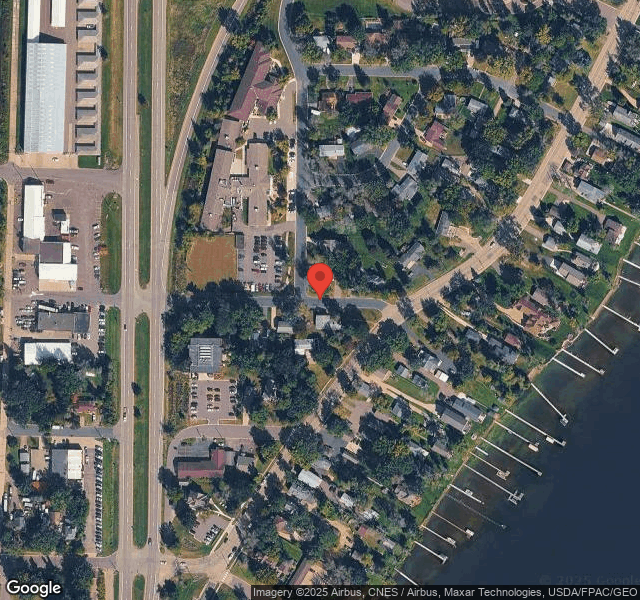
Jan 2024 6 deficiencies 1 Harm
SERIOUS (G) 📢 Someone Reported This

A family member, employee, or ombudsman was alarmed enough to file a formal complaint

Actual Harm - a resident was hurt due to facility failures

Accident Prevention (Tag F0689)

A resident was harmed · This affected 1 resident

**NOTE- TERMS IN BRACKETS HAVE BEEN EDITED TO PROTECT CONFIDENTIALITY** Based on interview and record review, the facility failed to reduce the risk of accidents to prevent falls for one of one reside...

Read full inspector narrative →
**NOTE- TERMS IN BRACKETS HAVE BEEN EDITED TO PROTECT CONFIDENTIALITY** Based on interview and record review, the facility failed to reduce the risk of accidents to prevent falls for one of one resident (R1) reviewed for falls with injuries. The facility failed to assess and add interventions following a positive Covid diagnosis with symptoms increasing the potential R1's risk for falls and did not comprehensively analyze and update the care plan with appropriate interventions following a fall that resulted in new fractures. Findings include: R1's progress noted dated 11/21/23 indicated R1 was admitted to the facility from a hospital 11/21/23 with a primary diagnosis of a spinal surgery following a fracture in his back in the 11th and 12th lumbar vertebra that resulted from a fall at home. R1's admission Minimum Data Set (MDS) dated [DATE] indicated R1 had a Brief Inventory of Mental Status (BIMs) score of 11 indicating R1 had moderate cognitive impairment. R1 required moderate assist with toileting, upper body dressing and transferring. R1 required maximum assistance with showering, and lower body dressing and putting on shoes. R1's progress note dated 11/29/23 at 1:09 p.m. indicated R1 tested positive for Covid-19. R1's progress note dated 11/30/23 at 5:25 a.m. indicated R1 was having dry heaves and later had emesis. R1 had a nonproductive cough and a light pink color in his urinal. R1's progress note dated 11/30/23 at 9:21 a.m. indicated R1's oxygen saturation rate was 93% on room air. R1 exhibited a cough and gastrointestinal symptoms. R1's progress note dated 12/1/23 at 5:25 a.m. indicated R1's oxygen saturate rate was 90% on room air. R1 gastrointestinal symptoms and a cough. R1's progress note dated 12/2/23 at 4:53 a.m. indicated R1's rate was 90% on room air and R1 continued to exhibit a cough and body aches. R1's progress note dated 12/3/23 at 1:37 p.m. indicated R1 complained of pain with movement, repositioning and transfers. R1's incident report dated 12/4/23 at 4:41 indicated R1 was heard yelling down the hallway, R1 was found on the floor in his room lying on the floor next to his bed. R1 was confused, making groaning sounds and complaining of lower abdominal pain. The note indicated R1 was mechanically lifted to bed and assessed for injury. At that point he did not complain of pain. He had full range of mouth in his neck, arms, and legs. R1's temperature was 100.6 with all other vital signs stable. R1 was not sent to the hospital. He had a head strike with a laceration on the back of his head. In addition, the incident report indicated R1's room had poor lighting, R1 had a recent change in condition, was confused and had a recent illness. R1 was ambulating without assistance. The incident report did not indicate any new fall prevention interventions. R1's progress note dated 12/4/23 at 4:41 a.m. (a late entry) indicated R1 had an unwitnessed fall. R1 was witnessed to have hit his head with a laceration. There were no further notes on the laceration. R1's mental staff was oriented to person, place, and time. R1 was attempting to transfer without using his call light. There were no recent changes to may have contributed to the fall. No new interventions were put into place and no potential of root cause was identified. A Post Fall Data Collection document dated 12/4/23 indicated that R1 fell and was found on the floor in his room with a laceration to the back of the head. It was indicated that R1 did not activate his call light for assistance, and R1 was capable and had historically used the call light. The report indicated that R1 was not transferred to the hospital. The Post Fall Data Collection Assessment did not indicate or include any environmental factors that may have contributed to the fall, vital signs, blood sugars, or last urination/bowel movement. The interventions that were indicated was for R1 to always have gripper socks on, and other fall interventions but was not specified on the report. The report indicates that the care plan and nursing care sheets were reviewed, and no changes were indicated. R1's progress note dated 12/4/23 at 9:43 a.m. indicated R1 was transferred to the hospital. There was no documentation as to the reason he was sent to the emergency department. R1's progress note dated 12/4/23 indicated the hospital called and stated R1 was being admitted with Covid and a fracture of the 5th vertebra. R1's hospital discharge date d 12/7/23 indicated R1 reported he was trying to transfer from his wheelchair to another chair and fell to the floor hitting his head. Spine imagining identified a fracture at through L4 and L5. In addition, R1 was admitted for hypoxia secondary to Covid, with suspected superimposed bacterial pneumonia and borderline/early sepsis. R1's care plan dated 12/7/23 did not indicate any indications on how R1 was to be transferred. In addition, the care plan did not indicate R1 was positive for Covid with any interventions and did not indicate any fall preventions prior to or to the recent fall on 12/4/23 with the new fracture. R1's Post Fall Data report dated 12/17/23 indicated that R1 fell and was found on the floor in his room. The report stated that R1 lost his balance while trying to reach for his pillow that fell on the floor. The report indicated no apparent injuries. The report indicated R1 had an overall decline in his health in the past few months. R1 was not transported to the hospital. The specified intervention was to remind R1 to use his call light. The report indicated the care plan and nursing care sheets were reviewed and no changes indicated. R1's fall report dated 12/17/23 indicated the immediate intervention was to ensure items are within reach for R1. R1's progress note dated 12/17/23 at 11:56 p.m., indicated that R1 had a fall and to see the care plan for interventions put into place. R1's care plan dated 1/9/24 did not indicate that R1 had recent falls or that R1 should be always wearing gripper socks, to keep items within reach or how to transfer R1. During an on 1/10/24 at 9:57 a.m. Physical Therapist (PT)-A the director of rehabilitation services stated that when a resident falls the staff will reach out to him for interventions during the interdisciplinary team (IDT) meeting and ask if he has any suggestions on interventions. He stated he did not recall what interventions were put into place after R1 had his fall on 12/4/23 or 12/17/23. PT-A denied reassessing R1 following his Covid diagnosis for any increased interventions due to the pain, gastrointestinal symptoms, and weakness. During an interview on 1/10/24 at 11:30 a.m., RN-D stated that after R1 fell on [DATE] she had sent him to the hospital for further evaluation. RN-D stated that PT and Occupation Therapy (OT) did not give the nursing staff any interventions for R1 and stated she was uncertain how R1 was to have been transferred. She was unaware that R1 had another all on 12/17/23. During an interview on 1/10/24 at 12:19 p.m., LPN-D stated that she did not know of any interventions that were in place after R1's fall on 12/4/23. LPN-D stated that she does not remember anyone telling her about R1's fall from 12/4/23 or 12/17/23. During an interview on 1/10/24 at 2:33 p.m., the director or nursing DON stated that when a resident falls, she will be notified by the nurse on duty, or the on-call nurse and they will then put add new interventions following an assessment to the care plan. The DON stated that it is ultimately the responsibility of the nurse on duty or the nurse manager to put the interventions into the residents' care plans. She stated after a fall a new intervention should always be placed on the resident. The DON stated she was uncertain of any increased interventions were set in place for R1 following the Covid-19 diagnosis. A policy provided by the facility called Fall Risk and Prevention Policy and Procedure effective 11/2014 and revised on 8/2022 indicated it is the responsibility of the director of nursing services (DNS)/ director of health services (DHS) and/or delegate to monitor these preventative measures to assure they are in place. The policy indicates that all interventions are to be listed on the skilled nursing facility (SNF) Care Plan and the NAR Care Plan/home health aide (HHA) Care Plan. The policy indicates an immediate action post fall procedure is that post fall interventions are implemented.
CONCERN (D) 📢 Someone Reported This

A family member, employee, or ombudsman was alarmed enough to file a formal complaint

Potential for Harm - no one hurt, but risky conditions existed

Deficiency F0655 (Tag F0655)

Could have caused harm · This affected 1 resident

**NOTE- TERMS IN BRACKETS HAVE BEEN EDITED TO PROTECT CONFIDENTIALITY** Based on interview and record review, the facility failed to develop and implement a baseline care plan that includes instructio...

Read full inspector narrative →
**NOTE- TERMS IN BRACKETS HAVE BEEN EDITED TO PROTECT CONFIDENTIALITY** Based on interview and record review, the facility failed to develop and implement a baseline care plan that includes instructions and interventions indicating staff assistance with bathing, dressing, grooming, oral cares, mobility, toileting, dining, pain management, fall interventions, and the use of a TSLO (Thoracic-Lumbar-Sacral Orthosis) back brace for one of one resident (R1) within 48 hours of resident's admission. Findings include: R1's hospital discharge date d 11/16/23 indicated R1 had a TLSO brace for a T11/12 compression fracture following a fall at his home. He does not like to wear the brace. R1 was to wear the brace when out of bed, and when the head of the bed was greater than 30 degrees. R1's progress noted dated 11/21/23 indicated R1 was admitted to the facility from a hospital on [DATE] with a primary diagnosis of a spinal surgery following a fracture in his back in the fifth lumbar vertebra. He was admitted to the facility wearing a TSLO back brace. R1's admitting diagnoses include chronic kidney disease stage 3a, obstructive sleep apnea, essential hypertension, lower back pain, and constipation. R1's Comprehensive Nursing Data Collection assessment dated [DATE] indicated R1 needed setup or clean-up assistance from facility staff with eating and oral hygiene, partial/moderate assistance from facility staff with toileting, bathing, upper body dressing, personal hygiene, mobility, substantial/maximal assistance with lower body dressing and putting on/taking off footwear. The assessment indicated R1 had the presence of very severe pain that affects his sleep, activities, mood, and appetite, that R1 uses a walker and a manual wheelchair, and that he wears a TSLO brace. R1's baseline care plan initiated on 11/25/23 did not indicate any areas for bathing, dressing, grooming, oral cares, mobility, toileting, dining, pain management, fall interventions, and the use of the TSLO back brace. The care plan did not include any interventions for R1's admitting diagnoses of chronic kidney disease stage 3a, obstructive sleep apnea, essential hypertension, lower back pain, or constipation. R1's Minimal Data Set (MDS) was completed on 11/27/23 indicated R1 needed partial/moderate assistance from facility staff with toileting, upper body dressing, transfers, and mobility. The MDS indicated that R1 needed substantial/maximal assistance from facility staff with bathing and lower body dressing. The MDS indicated that R1 was occasionally incontinent of his bowels. R1's MDS indicated that he should receive his scheduled pain medication regimen and receive non-medication interventions for pain. The MDS indicated R1 had recent falls within the last month and had a fracture related to a fall. The use of the TSLO back brace was not identified in R1's MDS dated [DATE]. R1's progress note dated 12/21/23 indicated R1attended an outpatient medical appointment on 12/21/23 and was transferred directly to the hospital from the clinic. R1's progress note dated 1/7/24 indicated R1 was admitted back to the facility on 1/7/24. R1 was admitted with a primary diagnosis of a compression fracture in his back that required surgical intervention. During his admission in the hospital, R1 had secondary urinary retention, the inability to completely empty his bladder, and was discharged with an indwelling urinary catheter. R1's discharge orders included wound care. The order indicated to cleanse wound daily with betadine and replace dressing daily (ok to remove and replace soiled dressings). Per the order, R1 is to continue with bed baths, and keep his indwelling urinary catheter in place and should follow up with urology. R1's Comprehensive Nursing Data Collection assessment dated [DATE] and indicated that R1 had an indwelling urinary catheter in place, received oxygen at night, has a presence of a moderate amount of pain, has a history of falls, is at a risk for falls, had a TSLO back brace, and noted a surgical incision on his back. The assessment indicated fall interventions including gripper socks or shoes at all times, bed adjusted to appropriate height, orientated to room, instructed to call light use, and personal items in reach. R1's care plan dated 1/9/24 was not updated when R1 admitted back to the facility on 1/7/24. During an interview with Nursing Assistant (NA)- A on 1/9/24 at 12:03 p.m., NA-A stated that she does not know if the TSLO back brace is in the chart, care plan, or tasks. NA-A states that she puts the brace on when R1 is up in his chair. During an interview with Occupational Therapy Assistant (OTA)-A on 1/9/24 at 12:37 p.m., the OTA-A stated R1 came to the facility with the back brace on and came with orders from the hospital. During an interview with R1 on 1/10/24 at 8:51 a.m., R1 stated he received his TSLO back brace when he first went to Hospital before he came to this facility. During an interview with Director of Nursing (DON)- A on 1/10/24 at 2:33 p.m., DON-A stated her expectation is that when a resident is admitted into the facility orders need to be put into the chart within 24 hours of the resident being in the facility. The DON-A stated her expectation is a baseline care plan is completed within 24 hours of admission and there should be another care plan done within 14 days with the MDS. A policy provided by the facility called Person Centered Care Plan effective 1/2012 with a revision date of 12/2022 indicates that the facility must develop and implement a baseline care plan for each resident that includes the instructions needed to provide effective and person-centered care of the resident that meet professional standards of quality care within 48 hours of the resident's admission that includes initial goals based on the admission orders, physician orders, dietary orders, therapy services, social services, and PASARR recommendations. The policy indicates that a comprehensive person-centered care plan be developed within 7 days after completion of the comprehensive MDS Assessment. The policy indicates that the interventions should be individualized to the resident avoiding vague/non-specific information.
CONCERN (D) 📢 Someone Reported This

A family member, employee, or ombudsman was alarmed enough to file a formal complaint

Potential for Harm - no one hurt, but risky conditions existed

Comprehensive Care Plan (Tag F0656)

Could have caused harm · This affected 1 resident

**NOTE- TERMS IN BRACKETS HAVE BEEN EDITED TO PROTECT CONFIDENTIALITY** Based on interview and record review, the facility failed to develop and implement a comprehensive person-centered care plan for...

Read full inspector narrative →
**NOTE- TERMS IN BRACKETS HAVE BEEN EDITED TO PROTECT CONFIDENTIALITY** Based on interview and record review, the facility failed to develop and implement a comprehensive person-centered care plan for one of one resident (R1) reviewed for care plans. R1's care plan did not include included catheter cares, fall prevention and interventions, the use of a TSLO brace, wound care, bathing, dressing, grooming, oral cares, mobility, toileting, dining, oxygen use, and pain management care. Findings include: R1's hospital discharge date d 11/16/23 indicated R1 had a TLSO brace for a T11/12 compression fracture following a fall at his home. He does not like to wear the brace. R1 was to wear the brace when out of bed, and when the head of the bed was greater than 30 degrees. R1's progress noted dated 11/21/23 indicated R1 was admitted to the facility from a hospital on [DATE] with a primary diagnosis of a spinal surgery following a fracture in his back in the fifth lumbar vertebra. He was admitted to the facility wearing a TSLO back brace. R1's admitting diagnoses include chronic kidney disease stage 3a, obstructive sleep apnea, essential hypertension, lower back pain, and constipation. R1's Comprehensive Nursing Data Collection assessment dated [DATE] indicated R1 needed setup or clean-up assistance from facility staff with eating and oral hygiene, partial/moderate assistance from facility staff with toileting, bathing, upper body dressing, personal hygiene, mobility, substantial/maximal assistance with lower body dressing and putting on/taking off footwear. The assessment indicated R1 had the presence of very severe pain that affects his sleep, activities, mood, and appetite, that R1 uses a walker and a manual wheelchair, and that he wears a TSLO brace. R1's baseline care plan initiated 11/25/23 did not indicate any areas for bathing, dressing, grooming, oral cares, mobility, toileting, dining, pain management, fall prevention and interventions, and the use of the TSLO back brace. The care plan did not include any interventions for R1's admitting diagnoses of Chronic Kidney Disease Stage 3A, Obstructive Sleep Apnea, Essential Hypertension, lower back pain, or constipation. R1's Minimal Data Set (MDS) was completed on 11/27/23 indicated R1 needed partial/moderate assistance from facility staff with toileting, upper body dressing, transfers, and mobility. The MDS indicated that R1 needed substantial/maximal assistance from facility staff with bathing and lower body dressing. The MDS indicated that R1 was occasionally incontinent of his bowels. R1's MDS indicated that he should receive his scheduled pain medication regimen and receive non-medication interventions for pain. The MDS indicated R1 had recent falls within the last month and had a fracture related to a fall. The use of the TSLO back brace was not identified in R1's MDS dated [DATE]. R1's Post Fall Data Collection assessment dated [DATE] completed by registered nurse (RN)-D indicated R1 fell and was found on the floor in his room with a laceration to the back of the head. R1 did not activate his call light for assistance, and R1 was capable and had historically used his call light. The report indicated R1 was not transferred to the hospital. Interventions identified R1 was to always have gripper socks on and other fall interventions that were not specified on the report. The report indicated the care plan and nursing care sheets were reviewed, and no changes were needed. A Post-Fall Checklist indicated that R1 dated 12/4/23 at 4:00 a.m. The checklist did not have an indication that the care plan was updated with interventions, interventions added to the treatment authorization request (TAR), or that an updated nursing assistant-registered (NAR) assignment sheet was updated and given to the Clinical Director for permanent changes. The checklist had a handwritten note that R1 was sent to the ER for evaluation. The checklist was signed off by licensed practical nurse (LPN)-B. R1's progress note written by LPN-B dated 12/4/23 at 4:41 a.m., indicated that R1 had a fall and to see the care plan for interventions put into place. R1 was diagnosed with an unspecified fall, subsequent encounter on 12/7/23 during his stay at the facility. R1's comprehensive care plan completed on 12/15/23 did not indicate that R1 had recent falls or that R1 should be always wearing gripper socks or shoes. R1's comprehensive care plan initiated on 12/15/23 did not include areas fall prevention and interventions, the use of a TSLO brace, wound care, bathing, dressing, grooming, oral cares, mobility, toileting, dining, oxygen use, or pain management. A Post Fall Data Collection dated 12/17/23 indicated that R1 fell and was found on the floor in his room. The report stated that R1 after he lost his balance while trying to reach for his pillow that fell on the floor. The report indicated no apparent injuries. The report indicated R1 had an overall decline in his health in the past few months. The report indicated that R1 was not transported to the hospital. The specified intervention was to remind R1 to use his call light. The report indicated the care plan and nursing care sheets were reviewed and no changes indicated. A fall report from 12/17/23 that was prepared by LPN-D indicated that the immediate intervention was to ensure items are within now in place. R1's progress note written by LPN-B dated 12/17/23 at 11:56 p.m., indicated that R1 had a fall and to see the care plan for interventions put into place. R1's progress note dated 12/21/23 indicated R1 attended an outpatient medical appointment on 12/21/23 and was transferred directly to the hospital from the clinic. R1's progress note dated 1/7/24 indicated R1 was admitted back to the facility on 1/7/24. R1 was admitted with a primary diagnosis of a compression fracture in his back that required surgical intervention. During his admission in the hospital, R1 had secondary urinary retention, the inability to completely empty his bladder, and was discharged with an indwelling urinary catheter. R1's discharge orders included wound care. The order indicated to cleanse wound daily with betadine and replace dressing daily (ok to remove and replace soiled dressings). Per the order, R1 is to continue with bed baths, and keep his indwelling urinary catheter in place and should follow up with urology. R1 had a Comprehensive Nursing Data Collection Assessment completed on 1/7/24 and indicated that R1 had an indwelling urinary catheter in place, receives oxygen at night, has a presence of a moderate amount of pain, has a history of falls, is at a risk for falls, has a TSLO back brace, and noted a surgical incision on his back. The assessment indicated fall interventions always including gripper socks or shoes, bed adjusted to appropriate height, orientated to room, instructed to call light use, and personal items in reach. On 1/7/24 at 6:30 p.m., a licensed practical nurse (LPN) at the facility wrote a progress note indicating that R1 had a foley catheter in place. On 1/7/24 at 6:50 p.m., the same LPN copied the Comprehensive Nursing Data Collection Assessment into R1's progress note that noted his foley catheter. R1's medical record does not indicate that indwelling urinary catheter cares were performed routinely and was not monitored for signs or symptoms of infections. Nursing care sheets were requested from the facility but were not received. During an interview on 1/10/24 at 2:33 p.m., the director of nursing (DON) stated that her expectation would be that there is a care plan done within 24 hours of admission and there should be another care plan done within 14 days with the MDS. The DON states that LPN-B updates the nursing care sheets that are in the nursing station and that is how she would expect the nurses to know how to transfer a resident. DON stated her expectation is when there is a new diagnosis that it should be put into the care plan right away. DON stated that it is ultimately the responsibility of the nurse on duty or the nurse manager to put the interventions into the resident's chart. A policy provided by the facility called Person Centered Care Plan effective 1/2012 with a revision date of 12/2022 indicates that the facility must develop and implement a baseline care plan for each resident that includes the instructions needed to provide effective and person-centered care of the resident that meet professional standards of quality care within 48 hours of the resident's admission that includes initial goals based on the admission orders, physician orders, dietary orders, therapy services, social services, and PASARR recommendations. The policy indicates that a comprehensive person-centered care plan be developed within 7 days after completion of the comprehensive MDS Assessment. The policy indicates that the interventions should be individualized to the resident avoiding vague/non-specific information.
CONCERN (D) 📢 Someone Reported This

A family member, employee, or ombudsman was alarmed enough to file a formal complaint

Potential for Harm - no one hurt, but risky conditions existed

Deficiency F0657 (Tag F0657)

Could have caused harm · This affected 1 resident

**NOTE- TERMS IN BRACKETS HAVE BEEN EDITED TO PROTECT CONFIDENTIALITY** Based on interview and document review, the facility failed to revise the care plan to include a new diagnosis of Diabetes Melli...

Read full inspector narrative →
**NOTE- TERMS IN BRACKETS HAVE BEEN EDITED TO PROTECT CONFIDENTIALITY** Based on interview and document review, the facility failed to revise the care plan to include a new diagnosis of Diabetes Mellitus for 1 of 1 resident (R2) who returned from the hospital with the new diagnosis and treatment orders for Diabetes Mellitus. Findings include: R2's quarterly Minimum Data Set (MDS) dated [DATE] indicated R2's cognitive level could not be assessed due to R2 was not able to complete the interview. R2 had unclear speech and difficulty making self-understood or understanding others. R2 was dependent with all activities of daily living (ADL's) and transferring. R2's diagnoses included hemiplegia following cerebral infarct (stroke) and aphasia (difficulty speaking). R2's hospital Discharge summary dated [DATE] indicated R2 was given a new diagnose of Diabetes Mellitus. R2 was started on insulin glargine 100 units/milliliter pen, commonly known as a Lantus pen. R2 was to inject 8 units subcutaneously (under the skin) every morning before breakfast. R2 was to have her A1C level (a lab test that measures average blood sugar levels over the past three months) checked every three months. R2's hospital discharge provider follow-up dated 12/11/23 indicated R2 was diagnosed with Diabetes Mellitus on 12/6/23 in the hospital due to an increased A1C level and started on Lantus. New orders were to discontinue the Lantus and start metformin (an anti-diabetes medication) 500 milligrams (mg) by mouth daily for two weeks and then increase to 500 mg by mouth twice daily and staff were to check blood sugar levels twice a day. R2's care plan dated 1/9/24 did not indicate any focus, goals, interventions of tasks related to the newly diagnosed Diabetes Mellitus from her 12/11/23 hospital discharge summary. Upon interview on 1/9/24 at 11:20 a.m. registered nurse (RN-B) stated a new diagnosis of Diabetes Mellitus was a significant change and should be on the care plan. She stated the reason it may have gotten missed was because a significant change MDS was not created and that may have led to the communication failure of the new diagnosis getting added to the care plan. In addition, she stated there was a communication failure as the diagnosis was not added to R2's profile which also should have spurred a care plan revision. However, we had new physician orders, so with new orders interventions should be completed on the care plan. Upon interview on 1/9/24 at 1:45 p.m. the registered dietician (RD-A) stated nursing should have added nursing interventions to the care plan and RD-A does her own care planning especially since R2 was on a feeding tube and an at risk patient for weight concerns and denied adding any care plan interventions. Upon interview on 1/9/24 at 2:19 p.m. RN-C, unit manager stated a new diagnosis of Diabetes Mellitus should be placed on the care plan within 48 hours. She stated the interventions on the care plan should include, weight monitoring, skin and feet assessments, any education for nursing assistants and/or resident and any diabetic perimeters required. Upon interview on 1/10/24 at 2:46 p.m. the director of nursing (DON) stated that R2's new diabetes diagnosis should have been added to the care plan right away. She stated any new can the new diagnosis and appropriate interventions to the care plan. She stated her expectation would be that the nurse completing the physician orders would add it to the care plan. She stated there is no auditing of the orders other than two nurses sign off the physician orders, but no audits of if the care plan was updated or needed to be updated with new orders. A facility policy titled Person Centered Care Plan revision date 12/2022 did not indicate any guidelines for care plans for revisions to the residents' care plan. However, the policy did indicate, the overall person-centered care plan should be orientated towards: (i) Preventing avoidable declines (ii) Managing risk factors (iii) Preserving and building on the resident's strength's (iv) Respecting the resident's personal preferences, cultural preferences and right to decline treatment (v) Include specific care goals, treatment preferences and desired outcomes of care. (vi) Include resident strengths and care needs (vii) Include specific interventions to eliminate or mitigate triggers that may cause retraumatization in trauma survivors
CONCERN (D) 📢 Someone Reported This

A family member, employee, or ombudsman was alarmed enough to file a formal complaint

Potential for Harm - no one hurt, but risky conditions existed

Incontinence Care (Tag F0690)

Could have caused harm · This affected 1 resident

**NOTE- TERMS IN BRACKETS HAVE BEEN EDITED TO PROTECT CONFIDENTIALITY** Based on observation, interview, and record review the facility failed to assess and complete cares for the placement of an indw...

Read full inspector narrative →
**NOTE- TERMS IN BRACKETS HAVE BEEN EDITED TO PROTECT CONFIDENTIALITY** Based on observation, interview, and record review the facility failed to assess and complete cares for the placement of an indwelling catheter (a catheter tube that is inserted into the bladder through the urethra and remains in situ to drain urine into a bag) upon readmission from the hospital to the facility for one of one resident (R1) who was observed having an indwelling catheter with no documentation in the chart. Findings include: R1's progress noted dated 11/21/23 indicated R1 was admitted to the facility from a hospital 11/21/23 with a primary diagnosis of a spinal surgery following a fracture in his back in the 11th and 12th lumbar vertebra that resulted from a fall at home. R1's admission Minimum Data Set (MDS) dated [DATE] indicated R1 had a Brief Inventory of Mental Status (BIMs) score of 11 indicating R1 had moderate cognitive impairment. R1 required moderate assist with toileting, upper body dressing and transferring. R1 required maximum assistance with showering, and lower body dressing and putting on shoes. R1 did not have a catheter. R1 was always continent of bladder. During observation on 1/9/23 at 9:42 a.m., R1 was observed with a urinary catheter bag with a small amount of urine hanging from the side of his bed. R's hospital Discharge summary dated [DATE] following a hospital indicated R1 had issues with urinary retention during his hospital stay and was discharged with a Foley catheter. R1 was to keep the foley catheter and see Urology outpatient services. Furthermore, aftercare orders indicated Foley catheter to straight gravity. Change the catheter ever two weeks as needed for leading or decreased urine output with sign of bladder distention. Do not change the catheter without a specific provider order if diagnosis of benign prostatic hypertrophy (BPH), neurogenic bladder or other urological symptoms. R1's progress notes dated 1/7/24 at 6:30 p.m. indicted R1 was readmitted to the facility. He was alert, required the assistance of 1-2 staff member for transfer. A foley catheter was in place. R1 was continent of bowel, regular diet, and wears glasses. R1's care plan dated 1/9/24 did not indicate the placement of the Foley catheter, any instructions to assess or monitor for signs and symptoms of urinary infections or implement cares for the indwelling catheter. R1's physician orders dated 1/10/23 did not indicate any orders for Foley catheter that R1 was discharged from the hospital with. R1's electronic treatment administration record did not indicate any care for R1's catheter. During an interview on 1/9/24 at 2:37 p.m., LPN-B (unit manager) stated that R1's foley catheter order is not in the chart and that she does not know why it was not put in the chart. LPN-B stated that she did not know about R1's foley catheter. During an interview on 1/10/24 at 2:33 p.m., the director of nursing (DON) stated when a resident is admitted back into the facility the resident's discharge orders need to be put into the chart within 24 hours with a second nurse signing off on those orders. The DON stated she would expect a care plan to be done within 24 hours of admission. She stated her expectation is when there is a new diagnosis for a resident the diagnosis is put into the resident's chart and care plan right away. She stated the basic catheter cares or emptying and monitoring for signs and symptoms of infection need to start immediately. A bowl and bladder policy was requested however none was received.
CONCERN (D) 📢 Someone Reported This

A family member, employee, or ombudsman was alarmed enough to file a formal complaint

Potential for Harm - no one hurt, but risky conditions existed

Deficiency F0726 (Tag F0726)

Could have caused harm · This affected 1 resident

**NOTE- TERMS IN BRACKETS HAVE BEEN EDITED TO PROTECT CONFIDENTIALITY** Based on interview, and document review, the facility failed to ensure licensed nursing staff, unlicensed nursing staff and ther...

Read full inspector narrative →
**NOTE- TERMS IN BRACKETS HAVE BEEN EDITED TO PROTECT CONFIDENTIALITY** Based on interview, and document review, the facility failed to ensure licensed nursing staff, unlicensed nursing staff and therapy staff demonstrated competency skills related to placement of a TLSO brace (a specialized brace used to limit the motion in the thoracic, lumbar and sacral regions of the back, used to treat stable fractures or following surgery) for 1 of 1 (R1) resident assessed for quality of care and neglect concern allegations. Findings include: R1's hospital discharge date d 11/16/23 indicated R1 had a TLSO brace for a T11/12 compression fracture following a fall at his home. He does not like to wear the brace. R1 was to wear the brace when out of bed, and when the head of the bed was greater than 30 degrees. R1's progress note, physical device evaluation dated 11/21/23 R1's admission date indicated R1 wears brace. The notes did not indicate type of brace, when brace is to be used, how brace is to be used and if staff need to assist with the brace. R1's physician orders dated 11/21/23 - 1/9/24 did not indicate R1 had any type of brace. R1's progress note dated 11/22/23 8:00 a.m. indicated R1 used a TLSO brace due to a fracture of the T-11 and T12. No other documentation regarding the brace. R1's progress note date 11/22/23 at 2:31 p.m. R1 had an ABD brace (abdominal brace) when up in chair. No other documentation regarding the ABD brace. R1's admission Minimal data set dated [DATE] indicated R1 had a Brief Inventory of Mental Status of 11 indicating R1 had some cognitive impairment. R1 required partial/moderate assistance with toileting, transferring and activities of daily living (ADL)'s. R1's pertinent diagnoses were a wedge fracture of T-11 and T-12 vertebra (thoracic spinal vertebra number 11 and 12) and low back pain. The MDS did not indicate R2 had any type of brace or orthotic R1's progress note at 11/27/23 at 2:16 p.m. indicated R1 had an ABC brace when in chair. R1's progress note dated 12/3/23 at 1:37 p.m. indicated R1 used a TLSO brace when up. R1's care plan dated 11/21/23 through 1/9/24 did not indicate R1 had any type of brace. R1's hospital Discharge summary dated [DATE] indicated R1 was recommended to wear a TLSO brace with all activity when >30 degrees upright. R1 hospital Discharge summary dated [DATE] indicated for activity R1 was to wear TLSO brace when his head of bed (HOB) was >30 degrees and when out of bed. R1's progress note dated 1/8/24 at 11:16 a.m. indicated R1 had a back brace to be work out of bed, in chair and any position that put him at greater than a 30-degree angle. Upon interview on 1/9/24 at 2:37 p.m. licensed practical nurse (LPN)-B stated R1's TLSO order should have been in the care plan and the nursing assistant care sheets. She stated she thought physical or occupational therapy would be training staff but was uncertain of what was involved in the training and who had been trained. Upon interview on 1/10/24 at 8:51 a.m. R1 stated he received his first back brace before he entered the facility. R1 could not identify what type of brace it was. He stated that brace came with him when he entered the facility. He stated each staff member would place it on him differently. He stated some staff would lay him on the bed and other would not. He stated, they all have different ideas on how to put it on. He stated following his first hospital stay after a fall at the facility he was given a new brace. Upon interview on 1/10/24 at 9:57 a.m. Physical Therapist (PT)-A stated he believed any staff could put on the brace. He stated he had not trained any staff, however they should be trained as R1's brace is different from the turtle shells he had worked with before. He stated he did recall R1 was admitted to the facility with a brace and recently received a new brace. PT-A stated when staff are trained on any equipment in the facility the training is documented in the physical therapy notes. He was unable to provide any document of staff training for R1. Upon interview on 1/10/24 at 10:21 a.m. Nurse Practitioner (NP) stated she was unaware R1 had a TLSO brace. She stated that her expectation would be that any staff putting it on or taking it would be trained and know the specifics of the brace. Upon interview on 1/10/24 at 11:00 a.m. LPN-C (an agency pool nurse) stated she was unaware of any specific requirements for R1's TLSO brace and had not been trained on the brace at the facility or at her staffing agency. She stated an unidentified nursing assistant (NA) had told her R1 was to wear the brace when he was out of bed. She stated she noted he was wearing the brace when she saw him and uncertain who placed it on him. Upon interview on 1/10/24 at 11:20 a.m. RN-D denied having training on a TLSO brace. Upon interview on 1/10/24 at 12:19 p.m. LPN-D stated she recalled she received an informal training by an unidentified nurse on the brace R1 was admitted with, but stated she noticed R1 had a new brace and stated she did not know how to put it on or any other specific directions about it. Upon interview on 1/10/24 at 2:24 p.m. LPN-C, unit manager stated she did not have the manufacturer instructions for R1's TLSO brace, had not trained any staff, and did transcribe any orders on the care plan or nursing assignment sheets with directions. Upon interview on 1/10/24 at 2:33 p.m. the director of nursing (DON) stated her expectation would be that all staff are trained on any device they are assisting a resident with for safety purposes. She stated she is not certain who would be administering the training but thought it should be either be the therapy staff or the nursing staff. A specific TLSO brace policy or protocol and/or a device policy was requested however none received.
Jan 2024 1 deficiency
CONCERN (D) 📢 Someone Reported This

A family member, employee, or ombudsman was alarmed enough to file a formal complaint

Potential for Harm - no one hurt, but risky conditions existed

Accident Prevention (Tag F0689)

Could have caused harm · This affected 1 resident

**NOTE- TERMS IN BRACKETS HAVE BEEN EDITED TO PROTECT CONFIDENTIALITY** Based on observation, interview, and document review the facility failed to ensure comprehensive assessments for mechanical lift...

Read full inspector narrative →
**NOTE- TERMS IN BRACKETS HAVE BEEN EDITED TO PROTECT CONFIDENTIALITY** Based on observation, interview, and document review the facility failed to ensure comprehensive assessments for mechanical lift harness/sling size according to manufacturers's recommendations for 2 of 2 residents (R1, R2) and failed to appropriately assess and develop and implement an individualized care plan for safe mechanical lift transfers for R1. Additionally, failed to have a systematic approach for preventative maintenance tracking and repairs for 4 of 4 mechanical lifts. Findings include: R1's face sheet identified R1 had diagnoses that included osteoarthritis and repeated falls. R1's care plan dated [DATE], included R1 had limited physical mobility and was at risk of falls with the intervention dated [DATE], that directed R1 required full body mechanical lift and appropriate sling size (not specified). R1's record did not include a comprehensive assessment for sling size. R1's quarterly Minimum Data Set (MDS) dated [DATE], identified R1 did not have cognitive impairment. R1 was dependent on staff for toileting and transfers. The MDS indicated R1 did not have any falls since admission. R1's progress note dated [DATE], indicated R1 was to use a stand aid for transfers. In review of R1's record, it was not evident a comprehensive transfer assessment was completed, nor evident the care plan was revised to reflect change in mechanical lifts according to progress note [DATE]. Additionally not evident a comprehensive assessment was completed for harness size to use with the standing lift. R1's progress note titled post fall data collection dated [DATE], identified R1 had a fall at 5:00 p.m. R1 lost strength, appeared to get week, and was lowered to the floor. The note did not identify what type of lift or sling used at the time of the fall. R1's progress note titled adverse event note dated [DATE] identified a PAL stand to be used and the interventions in place included using a full body mechanical lift now. R1's progress note dated [DATE], indicated R1 was being transferred with a full body mechanical lift due to the fall from the lift on [DATE]. Physical therapy (PT) assessed R1 for transfer status. R1 did well using large harness for sit-to-stand mechanical lift. Therapy said we are able to use assist lift for transfers now. In review of R1's record, it was not evident the care plan was revised to reflect the use of the sit-to-stand lift according to therapy recommendations. During interview on [DATE] at 2:24 p.m., nursing assistant (NA)-B indicated was involved with R1's fall on [DATE] with licensed practical nurse (LPN)-A. NA-B reported during the transfer with the standing lift, R1 slid through the strap of the harness and was lowered to the floor. NA-B stated she based the harness size on if it would fit around the resident's waist. The of size of the harness was determined whoever was in charge of the transfer at the time. NA-B did not know what size harness was used when R1 fell out on [DATE], but she used the largest size that was available in the building. NA-B expressed concerns with R1's ability to stand in the mechanical stand lift because R1 was unable to maintain half of his weight or to stand upright. NA-B described R1 as weak and he would sink and slouch despite telling him to keep standing. NA-B reported telling the nurse but was directed to keep using the standing lift anyway. Facility reported incident (FRI) dated [DATE], indicated while nursing assistants were assisting R1 from bed to wheelchair in a mechanical stand lift a bolt came out of the left leg (of the machine), therefore causing the machine to tip to the left side with R1 in the machine. R1 hit their head on bedside table striking some things and breaking them while going down to the floor, with the machine landing on him. The facility weekly safety inspections maintenance logs for the mechanical lifts were reviewed. There was not individual safety and/or maintenance tracking logs for each of the facility's four (4) sit-to-stand lifts. The log did not identify if each lift was inspected on dates indicated and/or the maintenance details of any parts that were replaced or work performed on each lift. There was one blanket form that indicated the safety inspection for all lifts was completed. During interview on [DATE] at 1:24 p.m., NA-A reported on [DATE], she and universal aide (UA) were transferring R1 with the sit to stand lift from his bed to wheelchair. NA-A ran the lift while UA was the second person. When pivoting the machine to the left and upon opening the legs of the lift, a bolt fell out of the machine causing the machine to become off balance and tip over. R1 fell onto a bedside table causing it to break. NA-A indicated the lift was removed from service. During interview on [DATE] at 11:10 a.m., universal aid (UA)-A indicated being the spotter for a sit to stand mechanical lift for R1 in which a bolt came out of the leg of the mechanical lift causing the lift to malfunction tipping over ultimately landing on R1. UA-A expressed concerns with R1's ability to use the lift in general due to sliding out of the harness just a couple weeks prior. During secondary interview on [DATE] at 3:04 p.m., UA-A reported R1 was unable to support his weight in the machine causing R1 to sink in the harness, slide down and reported R1 was unable to stay in an upright position even with constant cues. UA-A had expressed concerns to other nursing assistants and nurses prior to [DATE], however was told R1 was fine to be in a stand lift. UA-A declined knowing the harness size used for R1 at the time of the fall and was unable to confirm sling sizes by looking at them. During interview on [DATE] at 10:48 a.m., R1 indicated he had two falls from sit-to-stand mechanical lifts. The first time he was dropped was when being transferred from chair to bed in which he landed on his bottom. The second time a screw broke which caused him to fall to the ground hitting his head and causing pain in his right elbow, knee, neck, and right ankle. The lift fell on top of him hitting the right side of his head above his ear. R1 expressed concerns regarding facility staff training, education on how to use lifts as well as paying attention to safety concerns when using the lift. R1 was fearful from the experiences. During observation on [DATE] at 7:25 a.m., physical therapy assistant (PTA)-A entered R1's room with standing lift and placed two harness's on R1's wheelchair. NA-C was also in R1's room. PT-A placed the lift in front of R1 while NA-C grabbed one of the harness's from R1's wheelchair, applied the harness around R1's back, and connected it to the lift. The tag on the harness was worn making the size not discernable. PT-A gave verbal prompts to R1 to come to a standing position, so when you feel that weight I want you to start to pull forward with your arms and tighten your butt Keep those legs up. R1 was observed to be in a squatting position and not in the upright position during the transfer. During the transfer R1 gave NA-C instructions on how to complete R1's transfer using the mechanical standing lift. After the transfer NA-C was asked what size harness was used on R1, NA-C responded large. NA-C then looked at the tag on the harness, recanted her statement, and stated she did not know what size the harness was because it had been warn off. During interview on [DATE] at 7:55 am., after R1's transfer, PTA-A stated an unawareness R1 had a fall on [DATE], however was aware of a fall on [DATE]. PTA-A explained the transfer was not ideal and R1 should have been in a more upright position; he was in a pretty good squat during the transfer. R1 required verbal cues to stand-up straight. PTA-A reported NA-C should have raised the mechanical lift higher and PTA-A should have provided cues to do so. Part of physical therapies goals were to train staff on how to cue R1 in the mechanical stand lift. PTA-A stated R1 required an extra large (XL) size harness, however was unable to articulate what size harnesses were available on the unit due to some tags missing/deteriorated. During interview on [DATE] at 12:35 a.m., clinical manager (CM)-A indicated the care plan has not identified the size of harness R1 required for standing lift transfers nor did it direct staff to provide R1 safety cues during the transfer. CM-A could not confirm if R1 was using an appropriate harness size, but assumed facility staff would use a harness that would fit around R1. CM-A indicated there were not assessments completed to ascertain and/or address R1's varying levels of fatigue and ability to consistently complete standing lift transfers. During interview on [DATE] at 2:03 p.m., registered physical therapist (PT)-A explained R1 required verbal cues and specific prompting for safe transfers using the sit-to-stand lift. PT-A was unaware if those specific prompts/techniques were outlined in R1's care plan. PT-A stated an unawareness if all staff had been trained in R1's individualized transfer techniques. PT-A reviewed R1's record, PT-A reported she found only one nursing assistant had received coaching from PT however, the notes did not identify the staff's name. PT-A indicated it would have been ideal to keep R1 on a fully body mechanical lift transfer until all staff were fully trained and R1's consistency for standing tolerance had been demonstrated. During interview on [DATE] at 2:41 p.m., Environmental service director (ES)-A indicated he was notified of the fall from the lift on [DATE] and the machine was immediately removed from use. ES-A stated he was given the lift and a bolt and a washer that had come off of the machine during the transfer. The machine was assessed for damaged and reassembled with liquid thread locking devise (lock tight) was applied. ES-A indicated he did not separate the maintenance tracking for each lift and was unable to articulate when maintenance was performed on each lift. R2's face sheet identified R1 had diagnoses of hemiplegia and hemiparesis following cerebral infarction affecting right dominant side. R2's annual MDS dated [DATE], identified R2 did not have cognitive impairment. R2 was dependent on staff for toileting and transfers. The MDS indicated R2 did not have any falls since admission. R2's care plan dated [DATE], identified R2 had impaired mobility due to diagnosis and weakness. R2's fall intervention included assist of two staff members for transfers with a standing lift. R2's care plan did not include the harness size to be used for the lift. In review of R2's record it was not evident an assessment was completed to determine standing lift harness size. R2's Adverse event note dated [DATE], indicated nursing assistants were assisting R2 with peri care while R2 was in mechanical standing lift. R2 let go of the lift's handles and started to slip out of the lift. Nursing assistants lowered R2 to the floor. R2's Physical therapy evaluation dated [DATE] indicated physical therapy (PT) goals were for R2 to safely transfer with stand PAL (sit to stand mechanical lift) with good posture and extension of trunk and lower extremities. Prior level of function was mechanical sit to stand lift and baseline was Hoyer lift (full body lift). PT Discharge summary dated [DATE] indicated patient now transfers to toilet with stand lift as prior. During observation on [DATE] at 10:47 a.m., NA-D assisted R2 with activities of daily living (ADL's) including rolling side to side in bed with assist of one person. Once R1 was dressed NA-E entered the room for a full body lift transfer. NA-E and NA-D transferred R1 from bed to power wheelchair with use of full body lift and sling. Sling size was unknown, however fit appeared appropriate. During interview on [DATE] at 11:00 a.m., NA-E indicated R2 was unable to use the sit to stand lift any more due to therapy reporting it was no longer safe. Staff were to use the full body lift for all transfers. During interview on [DATE] at 11:13 a.m., registered nurse (RN)-A indicated R2 was to use a Hoyer from bed and was to use the sit to stand for going to the bathroom. RN-A reported therapy had assessed R2 and it was okay for staff to use the sit to stand lift. During interview on [DATE] at 9:00 a.m., RN-A indicated therapy completed sling and harness assessments and sizes were determined based on resident's weight. Facility staff weighed residents on admission and the information was entered into team sheets. Staff would know the sling and harness size based on the tag located on the sling or harness. RN-A reported if the tag was warn or missing RN-A was unsure how staff would know the size of the sling/harness. During interview on [DATE] at 11:10 a.m., universal aid (UA)-A indicated she had been involved in the transfer on [DATE]. R2 had wiggled their butt during the transfer causing R2 to slide out of the harness of the lift and was lowered to the floor. UA-A did not know the harness size used for R2 at the time. UA-A indicated she would not be unable to identify a sling size if the tag was missing or tattered as was typically where the size would be. UA-A was not aware of a sizing or color chart to use in order to determine harness/sling sizes. . During interview on [DATE] at 5:01 p.m., LPN-A indicated the size harnesses residents used were determined by management with NA's input to determine the right size. The loops that were connected to the machine was up to the discretion of staff who were completing the transfer. LPN-A looked at two harnesses hanging over a standing mechanical lift; LPN-A indicated she was unable to read the size of the sling because the tags were worn and there was not a color sizing chart to ascertain the harness size in the building. During interview on [DATE] at 12:35 a.m., clinical manager (CM)-A indicated assessments for sling size stopped approximately a year ago and had not been delegated yet. CM-A explained after a lift incident, the causal analysis did not include looking at which size and/or which sling/harness was used. R1 and R2 had not been assessed for sling size during their stay at the facility. CM-A indicated all staff are responsible for reporting quality of harnesses, however no specific person manages sling condition or age. CM-A was unaware of manufactures recommendations for when to replace a harness. CM-A indicated R2 fell due to messing around and letting go of the lift. CM-A declined causal analysis of what size harness R2 was wearing at time of the fall. Intervention was to be assessed by therapy; R2 was changed to assist of two staff for standing and full body mechanical lift transfers with instructions to remind R2 to keep serious. CM-A reported the facility had two harness sizes, small and large. Upon observation of harness sizes within the facility, CM-A located XL and a medium size. CM-A was unaware these sizes were available in the facility. CM-A indicated a color-coding system could be used for harnesses size and loop placement, however was not aware of a resource that was accessible to facility staff. CM-A indicated residents were at risk for falls from lifts if the sling/harness was not the right size. During interview on [DATE] at 9:10 a.m., director of nursing (DON) indicated R2 had a fall on [DATE], however was not the director of nursing at the time and was only able to provide information from an adverse event note in R2's medical record. DON indicated the causal analysis was not thorough; the analysis did not include which harness, size of harness, if the harness had been applied correctly, or if all manufacturer's safety guidelines for operating the lift were followed. DON indicated using old or expired slings or harnesses could cause a potential injury as over time they wear and residents could slide more. DON was unaware the age of slings/harnesses in the building or system in place to identify age, however recalled some of them to look pretty ratty. An injury could potentially happen if staff were not following manufactures recommendations. Staff would be unable to identify sling or harness sizes if tags were worn out or missing. DON was not aware of who completed sling or harness assessments in the facility and there was not a system in place. DON identified R1's care plan indicated full mechanical lift and that the care plan was not updated or accurate. DON indicated was important all care plans were accurate and identified appropriate sizes and styles of lifts and slings/harnesses for the safety of residents. DON explained not having documentation of maintenance performed on each individual lift or tracking lifts involved in incidents could cause a safety hazard as there was no way to track the concerns During interview on [DATE] at 4:10 p.m., SMT Health systems lift representative (LR)-B indicated sling and harness sizes should be individualized and assessed prior to use. Slings/harnesses should be based on manufacturer's sizing chart which includes assessing height, weight and shoulder size. Both the size of the sling/harness and the loops are associated with a color-coding system using a color coded chart. LR-B indicated all staff using the lift should be fully trained and competent. LR-B indicated the quality of the sling/harness was important for integrity and any wear and tear or strings coming off the sling/harness should be replaced. The slings/harness were under warranty for two years which is also when it was recommended they were replaced. Not following manufactures recommendation could cause a safety hazard such as a fall. Manufactures recommendations from SMT health systems for Volaro style lift indicate slings that show wear, is torn, bleached out or has loose threads should NOT be used. Slings should be inspected before each use. Due to the variety of resident shapes and dementions, the appropriate size should be selected to accommodate specific patients. Care should be taken to ensure that the mechanical lift selected has the capacity to safely lift the resident. Maintenance schedule identifies checking the condition of all slings every day is important and if in doubt of its operational ability to safely lift a person, then discard the sling and order a new sling. SMT recommends replacing slings after two years.Volaro Lift/Transfer Assessment form identifies weight bearing, upper body strength, residents ability to follow simple commands and weight are important factors in determining appropriate style lifts. Maintance should be performed on the lift itself every three months to include lubrication of pivot points, greasing the actuator, checking the leg adjuster notch plate for signs of wear, checking the movement of the lift, checking leg and [NAME] covers, external fittings and tighten where needed and remove padding and check shoulder bolts and fittings. Periodic testing and general visual inspection of machines to be conducted any time to ensure no adverse damage has occurred and if any doubt withdraw the equipment from use and call SMT customer service. Undated policy titled Mechanical lift and safe patient handling identifies all staff are to follow the policy to ensure resident safety and all employees will be trained on the significance and requirements for all types of lifts. To maintain the lifts staff are to ensure adequate preventative maintenance, track and log all lift data in TELS and perform weekly checks to verify function and condition. Mechanical lift guidance identifies ALL lifts and slings must be dated when put into service, need to update materials to include facility specific information including lift types, slings, and specialty straps/slings. Mechanical lift operation requires staff to ensure proper sling selection, ensure proper sling size, know types of slings, and uses, and remove damaged slings immediately. Sit to stand guidance includes knowledge of the resident needed weight bearing, hand grasp, range of motion, cooperative and pain level. Expectation of staff for slings was to inspect and maintain. Safe patient handling includes guidance for clinical manager or facility designee to determine transfer type, lift type and sling choice for resident. Only licensed nurses can determine the mode in which residents should be transferred. Quality improvement efforts include including transfer type lift type, and sling size or type on assignment sheets, audit mechanical lift transfers and verify completion of education. Action items include to review preventative maintenance programs and inspect all equipment to ensure dated. Incidents and training include to complete investigation including re-enactment, review indications of mechanical trouble which required maintenance and removal from service, inspection of slings to identify signs of wear.
Dec 2023 1 deficiency
CONCERN (D) 📢 Someone Reported This

A family member, employee, or ombudsman was alarmed enough to file a formal complaint

Potential for Harm - no one hurt, but risky conditions existed

Report Alleged Abuse (Tag F0609)

Could have caused harm · This affected 1 resident

**NOTE- TERMS IN BRACKETS HAVE BEEN EDITED TO PROTECT CONFIDENTIALITY** Based on interview and document review, the facility failed to ensure allegations of abuse were reported immediately, within two...

Read full inspector narrative →
**NOTE- TERMS IN BRACKETS HAVE BEEN EDITED TO PROTECT CONFIDENTIALITY** Based on interview and document review, the facility failed to ensure allegations of abuse were reported immediately, within two hours, to the State Agency (SA) for 1 of 1 residents (R1) reviewed for allegations of abuse. Finding include: A facility document titled Feedback Form was completed by registered nurse (RN)-A on 12/3/23 at 1:52 a.m. The document indicated R1 reported nursing assistant (NA)-A slapped her hand, refused to push her wheelchair into the bathroom, tossed her around, and threw things at her. The document further indicated the director of nursing (DON) was informed of the alleged abuse on 12/4/23, at 7:15 a.m. R1's admission Minimum Data Set (MDS) dated [DATE] indicated R1 required substantial to maximum assistance with all personal cares and mobility. The MDS also indicated R1 was cognitively intact. R1's Diagnosis List included diagnoses of adult failure to thrive, weakness, and dementia. On 12/6/23 at 9:16 a.m., RN-A stated R1 told her NA-A made her wheel herself to the bathroom, hit her hand, tossed her around, and threw things at her. RN-A stated R1 told her this made her feel scared. RN-A stated she completed the feedback form and slipped it under the DON's office door. RN-A stated she should have notified the on-call nurse immediately upon learning of the alleged abuse. RN-A stated she did not immediately notify the on-call nurse, DON or administrator. On 12/6/23 at 11:05 a.m., R1 stated NA-A slapped her hand, and demonstrated this motion. R1 stated NA-A threw her blanket at her. R1 stated she told RN-A about the incident with NA-A immediately after it happened. On 12/6/23, at 12:15 p.m. the DON stated she was not immediately notified of the alleged abuse. The DON stated she learned of the incident when she found the Feedback Form under her office door on 12/4/23, at 7:15 a.m. The DON stated staff were expected to immediately report alleged abuse to the nurse on-call. The DON stated the nurse on-call was expected to immediately report to the DON and the administrator. On 12/6/23, at 12:58 p.m. RN-B stated she was the on-call nurse on 12/3/23. RN-B stated she was not notified of the alleged abuse incident involving R1 and NA-A. RN-B stated all reports of alleged abuse should be reported immediately. On 12/6/23, at 1:11 p.m. the administrator stated he was not informed of the alleged abuse until 12/4/23 around 8:00 a.m. He stated he would have expected to be notified at 2:00 a.m., when it happened. The facility policy Vulnerable Adult/Maltreatment - Communication, Prevention, and Reporting revised 10/22 directed the purpose of the policy supports zero tolerance for resident abuse, neglect, mistreatment, and/or misappropriation of resident property. Submitting the Report: Internal Reporting Procedure: 1. During the shift that the alleged abuse/neglect or unexplained injury is first observed, a mandated reporter will immediately make an initial report to their supervisor, after securing the resident's safety. Following review of the situation, the supervisor will immediately report to the administrator and DON. 2. Upon report to a supervisor of the suspected abuse, the employee in question will be interviewed, re-assigned duties, placed under the direct supervision of a licensed nurse, assigned non-resident related tasks, or suspended pending investigation. This is for the protection of the resident. 3. The administrator or DON shall determine if the incident/allegation meets the criteria for reportable incident. All incidents deemed reportable under MN Statute are submitted to MDH via the online reporting system immediately but no less than 2 hours after forming the suspicion.
Sept 2023 1 deficiency
CONCERN (D) 📢 Someone Reported This

A family member, employee, or ombudsman was alarmed enough to file a formal complaint

Potential for Harm - no one hurt, but risky conditions existed

Report Alleged Abuse (Tag F0609)

Could have caused harm · This affected 1 resident

**NOTE- TERMS IN BRACKETS HAVE BEEN EDITED TO PROTECT CONFIDENTIALITY** Based on interview and document review, the facility failed to ensure allegations of physical abuse were reported timely (within...

Read full inspector narrative →
**NOTE- TERMS IN BRACKETS HAVE BEEN EDITED TO PROTECT CONFIDENTIALITY** Based on interview and document review, the facility failed to ensure allegations of physical abuse were reported timely (within two hours) to the State Agency (SA) for 2 of 4 residents (R4, R5) reviewed for abuse. Findings include: R4's quarterly Minimum Data Set (MDS) dated [DATE], identified R4 had severe cognitive impairment and had no behaviors towards others. A progress note dated 8/13/23 at 3:28 p.m., indicated R3 was trying to get out of her door. R4 was sitting in her wheelchair in front of R3's doorway. R3 asked R4 to move. Staff noted R3 brushed the back of her right hand across R4's face/cheek. Staff intervened and nursing assistant (NA)-A told R3 not to hit. R3 stated, I'm not hitting her, I'm pushing her. On 9/1/23 at 9:39 a.m., registered nurse (RN)-A stated she had been told R3 was trying to brush R4 aside, and there was no ill intent, so it was not reported to the SA. R5's quarterly MDS dated [DATE] identified R5 was cognitively intact and had no behaviors towards others. On 8/31/23 at 2:10 p.m., R5 stated he felt a staff member was rough and rude. R5 stated she had told other staff staff several times about her rough treatment. R5 stated, She might hurt someone else. On 8/31/23 at 2:29 p.m., social service worker (SS)-A stated R5 had told her about how a staff member was rough and rude with her. SS-A stated, I brought it to the administrator and the interim director of nursing, and it was decided not to report because R5 was not able to give any details or identify the staff member. On 9/1/23 at 9:56 a.m., the interim director of nursing (DON) stated R3's altercation with R3 should have been reported to the SA. The DON also stated R5's complaint was only the staff member looked rough, but was not being rough towards her, and that is why it was not reported. On 9/1/23 at 10:29 a.m., the administrator stated after reviewing the video footage yesterday it looked like R3 pushed R4. The administrator stated, I probably should have reported it. The administrator stated R5 only used the example a staff member had a rough appearance, and that is why R5's allegation of abuse was not reported. The facility policy Vulnerable Adult/ Maltreatment- Communication, Prevention, and Reporting revised 10/22, directed all alleged violations will be reported immediately but not later than 2 hours after forming the suspicion, if the alleged violation involves abuse or serious bodily injury. Resident to resident altercations; including physical, mental, or verbal abuse are reportable to the state agency.
Jun 2023 3 deficiencies 1 IJ
CRITICAL (J) 📢 Someone Reported This

A family member, employee, or ombudsman was alarmed enough to file a formal complaint

Immediate Jeopardy (IJ) - the most serious Medicare violation

Free from Abuse/Neglect (Tag F0600)

Someone could have died · This affected 1 resident

**NOTE- TERMS IN BRACKETS HAVE BEEN EDITED TO PROTECT CONFIDENTIALITY** Based on interview, and document review, the facility failed to provide adequate supervision and interventions to prevent ongoin...

Read full inspector narrative →
**NOTE- TERMS IN BRACKETS HAVE BEEN EDITED TO PROTECT CONFIDENTIALITY** Based on interview, and document review, the facility failed to provide adequate supervision and interventions to prevent ongoing sexual abuse of 1 of 3 residents (R1) reviewed for abuse. This resulted in an immediate jeopardy (IJ) for R1 who received unwanted sexual touching by R3 without facility intervention. The IJ began on 5/20/23 at 2:16 p.m., when R3 was observed kissing R1's hand and touching R1's chest (breasts) and neck. The administrator and director of nursing (DON) were notified of the IJ on 6/6/23 at 12:33 p.m. The IJ was removed on 6/7/23 at 11:58 a.m. but noncompliance remained at the lower scope and severity level of a D which indicated no actual harm with potential for more than minimal harm that is not immediate jeopardy. Findings include: R1's Diagnosis List indicated R1 had a diagnosis of hemiplegia and hemiparesis (paralysis and weakness on one side of the body) following cerebral infarction (stroke) on the non-dominant side. R1's quarterly Minimum Data Set (MDS) dated [DATE], indicated R1 had severe cognitive impairment with the ability to rarely or never make decisions, and had speech that was unclear and rarely understood. The MDS further indicated R1 required extensive assistance of one or two staff for activities of daily living (ADLs), and had impairment bilaterally in both her upper and lower extremities. R1's s care plan dated 5/23/22, indicated R1 preferred to not be alone with male peers. R1's electronic medical record lacked documentation of the allegations of sexual abuse by R3. R3's Diagnosis List indicated R3 had diagnoses which included spondylosis (degeneration of the spinal column) and spinal stenosis (abnormal narrowing of the spinal canal). R3's quarterly MDS dated [DATE], indicated R3 had intact cognition and was independent in moving around the facility in a wheelchair. R3's care plan dated 3/22/23, indicated R3 had behaviors of holding hands and touching faces of peers as a sign of comfort, but lacked mention of interventions to prevent touching other peers. R3's progress notes indicated the following: *On 4/19/23 at 4:30 p.m., R3 was watching TV near the office. Staff noticed R3 hold R1's hand, and touching R1's face in the mouth area. The progress note indicated R3 put his finger in R1's mouth, and stopped after he noticed staff observing him. The nurse manager (NM, registered nurse [RN]-D) and the DON were notified. *On 4/22/23 at 1:43 p.m., R3 was in the dining room holding hands with a female resident (unidentified) who kissed R3. Staff informed R3 he could not touch female residents or kiss them. LPN-A notified the supervisor (RN-D) of the interaction. *On 5/20/23 at 2:16 p.m., R3 was observed kissing R1's hand and touching R1's chest (breasts) and neck. RN-A reported the behavior to RN-D. *On 5/22/23 at 9:00 a.m., R3 was observed in R1's resident's room while R1 was in bed. Staff asked R3 to leave the room. RN-A reminded R3 he had been spoken to about this before. RN-A informed the assistant director of nursing (ADON) and social worker (SW)-A of the incident. *On 5/22/23 at 2:34 p.m., SW-A met with R3 to review how to have proper boundaries with peers. R3 acknowledged understanding. *On 5/25/23 at 11:21 a.m., SW-A observed R3 with a female resident in the hallway. The female resident leaned towards R3 and they kissed. The SW separated the residents. R3 stated, It is okay, and I am not going to stop. *On 6/6/23 at 7:30 p.m., SW-A met with R3 to review behaviors of touching other residents. R3 denied the behavior. R3 was re-educated to not touch other residents, and acknowledged understanding. On 6/5/23 at 12:35 p.m., trained medication aide (TMA)-A was interviewed. TMA-A stated RN-A instructed her to keep R3 out of R1's room. TMA-A further stated she highly doubted R1 wanted R3 to touch her, as R1 was married and R1's husband visited almost daily. TMA-stated if she had witnessed the abuse, she would have reported it to administration. On 6/5/23 at 12:52 p.m., TMA-B stated R3 targets R1. TMA-B stated she has witnessed R3 caress R1's face, run his fingers across R1's lips, and kiss R1's hands three times. TMA-B stated she has reported the abuse to RN-A. TMA-B stated on another weekend a nurse called her from the front of the building to ask her to remove R1 from the area as R3 was touching R1 inappropriately. TMA-B stated, She [R1] gets the furrowed brows when [R3] is touching her. TMA-B further stated, We all watch [R1]. When we move her where we think she is in a visible place, [R3] still does it. I believe it is sexual abuse or assault. She is not capable of being a consenting partner. I reported it to [RN-A]. On 6/5/23 at 1:10 p.m., R1 was interviewed. R1 was not able to answer questions verbally, but could nod her head. When asked if she wanted R3 to stop touching her, R1 nodded yes. R1 slowly lifted her right arm/hand a few inches off the bed to shake hands, but could not lift her left arm. On 6/5/23 at 1:43 p.m., SW-A stated she knew R3 kissed and held hands with a couple of female residents. SW-A stated she reviewed the incident with R1's family member (FM)-A who stated he did not want R1 near R3, and this was updated on R1's care plan. On 6/5/23 at 2:06 p.m., NA-B stated she saw R1 with R3 by the television by the dining room. R3 was touching R1's face. NA-B stated she could not recall what day that was. NA-B stated she thought the behavior was weird because R3's fingers were so close to R1's mouth. NA-B could not recall which nurse she told. On 6/5/23 at 2:14 p.m., nursing assistant (NA)-A stated she found R3 in R1's room once and asked R3 to leave the room. NA-A stated, Nothing has been done to prevent it. [R1] cannot do anything to prevent [R3] from touching her. NA-A further stated, He [R3] took his fingers and rubbed them on her [R1] lips and shoved them in and out of her mouth, and grabbed her breasts. NA-A further stated R1 was visibly upset when R1 was left alone with R3 in a room, and NA-A had to reassure R1 she was not going to be left alone with R3. NA-A further stated she saw R3's hand next to R1's breast when R1 was lying in bed. On 6/5/23 at 2:36 p.m., FM-A was interviewed. FM-A stated a nurse had called him to notify him about R3 touching R1 inappropriately on the breasts, and kissing and caressing R1 on the hands. FM-A stated one day, prior to the conversation with the nurse, FM-A visited R1. FM-A stated when he held R1's hand, she pulled away and gave FM-A, a dirty look. FM-A asked R1 for a kiss when he was leaving for the day as per normal routine, and R1 would not allow FM-A to kiss her. FM-A stated when he heard about the incident the next day from the nurse he understood why R1 was upset, and stated, She would not like that kind of attention from him. She would not like it. Absolutely not. I commented to her that she had a boyfriend and she said no. FM-A further stated he was not informed about action taken to prevent further occurrences, and he expected an action plan, but did not get one. FM-A added, They said they had a meeting and talked about it. She has no ability to fight back. I totally disagree [R1] could fight back or help herself. The bottom line is [R1] couldn't do that. On 6/5/23 at 3:42 p.m., the DON stated she was not aware of R3 touching R1's breasts, but knew there were other behaviors and did not know if the incidents were reported to the state agency. On 6/5/23 at 3:48 p.m., RN-B stated, I saw him [R3] putting his finger into her [R1] mouth. RN-B stated she informed RN-D and SW-A, and felt the facility did not respond to the abuse allegations. On 6/5/23 at 3:49 p.m., the administrator stated he was not aware of the allegations of abuse, but stated the facility adjusted the care plans to ensure R3 was kept from R1, and advised staff to keep them apart. On 6/5/23 at 5:33 p.m., RN-B stated R1 used to sit in the entrance area and look out the windows, but now she stayed mostly in her room. On 6/6/23 at 8:48 a.m. SW-A stated she implemented a notice to staff on 5/23/23 to observe for resident behaviors of kissing, holding hands, and entering other resident rooms. The notice indicated to redirect the resident (R3) when it occurs, record a progress note, and update the nurse manager or social services via phone or in person. On 6/6/23 at 9:18 a.m., RN-C stated she was aware of R3 touching R1 by rubbing her arm in the TV area and stated, It creeped me out and I put her back in her room. She has been staying in her room and he can go anywhere. I was pretty upset about it and said something had to be done; nothing has been done. I said it should have been reported to the State. RN-C stated she reported the incident to RN-D. On 6/6/23 at 9:31 a.m., NA-A stated she observed R3 in R1's room. R3's hand was next to R1's breast, and when NA-A addressed R3, He got all scared and backed up. He knew he shouldn't be in there. [R1] looked very scared, very, very uncomfortable. I tried to ask if something happened and she would look at me and look away. NA-A further stated, There was a sign in the front office to make us aware of it, but we all knew. The DON knew. [RN-D] knew and came into the nursing station and talked to us about it. On 6/6/23 at 9:55 a.m., RN-D stated she was aware of the abuse incidents staff reported to her, she did not keep notes about the reports, and conferred with the director of nursing and administrator. RN-D stated it was decided to monitor R3's behavior and keep R3 away from R1. RN-D further stated she would not find the kind of touching R3 was doing with R1 a comfort and stated the incidents should have been reported and investigated. RN-D acknowledged R3's care plan lacked interventions to prevent the abuse. On 6/6/23 at 11:15 a.m., licensed practical nurse (LPN)-A stated she was aware of an incident where R3 touched R1 in the TV area about two months ago, and reported it to RN-D. LPN-A stated nothing had been done to change R3's behavior, and would expect to see behavioral interventions in R3's care plan. LPN-A acknowledged interventions had not been implemented. The Vulnerable Adult/ Maltreatment policy dated 10/22, indicated Zero Tolerance for resident abuse. The policy defined mandated reporter as each employee, and defined sexual abuse as non-consensual sexual contact of any type with a resident. The policy further indicated the supervisor, DON, or administrator would determine if the incident was reportable, and immediately institute an internal investigation of reported allegations. The facility implemented the following corrective action to prevent reoccurrence on 6/7/23: - Initiated 1:1 supervision of R3 until R3 was moved to a room away from R1. - Moved R3 to a room on different hallway. - Updated R3's care plan to monitor behaviors of touching other residents. - Updated R1's care plan to allow only female staff to provide care. - Performed a Vulnerable Adult Assessment for both R1 and R3. - Implemented orders to monitor for behaviors each shift. - Implemented retraining with a post-test for all staff about R3's behavior monitoring and the VA reporting policy. This was verified through staff interviews, observations and document review on 6//7/23.
CONCERN (D) 📢 Someone Reported This

A family member, employee, or ombudsman was alarmed enough to file a formal complaint

Potential for Harm - no one hurt, but risky conditions existed

Report Alleged Abuse (Tag F0609)

Could have caused harm · This affected 1 resident

**NOTE- TERMS IN BRACKETS HAVE BEEN EDITED TO PROTECT CONFIDENTIALITY** Based on interview and document review, the facility failed to immediately report (within two hours) allegations of sexual abuse...

Read full inspector narrative →
**NOTE- TERMS IN BRACKETS HAVE BEEN EDITED TO PROTECT CONFIDENTIALITY** Based on interview and document review, the facility failed to immediately report (within two hours) allegations of sexual abuse to the State Agency (SA) for 1 of 3 residents (R1) reviewed for abuse. Findings include: Based on interview, and document review, the facility failed to provide adequate supervision and interventions to prevent sexual abuse of 1 of 3 residents (R1) reviewed for abuse. This resulted in an immediate jeopardy (IJ) for R1 who received unwanted sexual touching by R3 without facility intervention. The IJ began on 4/19/23 at 4:30 p.m., when staff observed R3 hold R1's hand, touch R1's face and mouth, and put his fingers in R1's mouth. The administrator and director of nursing (DON) were notified of the IJ on 6/6/23 at 12:33 p.m. The IJ was removed on 6/7/23 at 11:58 a.m. Findings include: R1's Diagnosis List indicated R1 had a diagnosis of hemiplegia and hemiparesis (paralysis and weakness on one side of the body) following cerebral infarction (stroke) on the non-dominant side. R1's quarterly Minimum Data Set (MDS) dated [DATE], indicated R1 had severe cognitive impairment with the ability to rarely or never make decisions, and had speech that was unclear and rarely understood. The MDS further indicated R1 required extensive assistance of one or two staff for activities of daily living (ADLs), and had impairment bilaterally in both her upper and lower extremities. R1's s care plan dated 5/23/22, indicated R1 preferred to not be alone with male peers. R1's electronic medical record lacked documentation of the allegations of sexual abuse by R3. R3's Diagnosis List indicated R3 had diagnoses which included spondylosis (degeneration of the spinal column) and spinal stenosis (abnormal narrowing of the spinal canal). R3's quarterly MDS dated [DATE], indicated R3 had intact cognition and was independent in moving around the facility in a wheelchair. R3's care plan dated 3/22/23, indicated R3 had behaviors of holding hands and touching faces of peers as a sign of comfort, but lacked mention of interventions to prevent touching other peers. R3's progress notes indicated the following: *On 4/19/23 at 4:30 p.m., R3 was watching TV near the office. Staff noticed R3 hold R1's hand, and touching R1's face in the mouth area. The progress note indicated R3 put his finger in R1's mouth, and stopped after he noticed staff observing him. The nurse manager (NM, registered nurse [RN]-D) and the DON were notified. *On 4/22/23 at 1:43 p.m., R3 was in the dining room holding hands with a female resident (unidentified) who kissed R3. Staff informed R3 he could not touch female residents or kiss them. LPN-A notified the supervisor (RN-D) of the interaction. *On 5/20/23 at 2:16 p.m., R3 was observed kissing the hand and touching the chest and neck of R1. RN-A reported the behavior to RN-D. *On 5/22/23 at 9:00 a.m., R3 was observed in R1's resident's room while R1 was in bed. Staff asked R3 to leave the room. RN-A reminded R3 he had been spoken to about this before. RN-A informed the assistant director of nursing (ADON) and social worker (SW)-A of the incident. *On 5/22/23 at 2:34 p.m., SW-A met with R3 to review how to have proper boundaries with peers. R3 acknowledged understanding. *On 5/25/23 at 11:21 a.m., SW-A observed R3 with a female resident in the hallway. The female resident leaned towards R3 and they kissed. The SW separated the residents. R3 stated, It is okay, and I am not going to stop. *On 6/6/23 at 7:30 p.m., SW-A met with R3 to review behaviors of touching other residents. R3 denied the behavior. R3 was re-educated to not touch other residents, and acknowledged understanding. On 6/5/23 at 12:52 p.m., TMA-B stated R3 targets R1. TMA-B stated she has witnessed R3 caress R1's face, run his fingers across R1's lips, and kiss R1's hands three times. TMA-B stated she has reported the abuse to RN-A. On 6/5/23 at 1:43 p.m., SW-A stated she knew R3 kissed and held hands with a couple of female residents. SW-A stated she reviewed the incident with R1's family member (FM)-A who stated he did not want R1 near R3, and this was updated on R1's care plan. On 6/5/23 at 2:06 p.m., NA-B stated she saw R1 with R3 by the television by the dining room. R3 was touching R1's face. NA-B stated she could not recall what day that was. NA-B stated she thought the behavior was weird because R3's fingers were so close to R1's mouth. NA-B could not recall which nurse she told. On 6/5/23 at 2:14 p.m., nursing assistant (NA)-A stated she found R3 in R1's room once and asked R3 to leave the room. NA-A stated, Nothing has been done to prevent it. [R1] cannot do anything to prevent [R3] from touching her. On 6/5/23 at 3:42 p.m., the DON stated she was not aware of R3 touching R1's breasts, but knew there were other behaviors and did not know if the incidents were reported. On 6/5/23 at 3:48 p.m., RN-B stated, I saw him [R3] putting his finger into her [R1] mouth. RN-B stated she informed RN-D and SW-A, and felt the facility did not respond to the abuse allegations. On 6/5/23 at 3:49 p.m., the administrator stated he was not aware of the allegations of abuse, but stated the facility adjusted the care plans to ensure R3 was kept from R1, and advised staff to keep them apart. On 6/6/23 at 9:18 a.m., RN-C stated she was aware of R3 touching R1 by rubbing her arm in the TV area and stated, It creeped me out and I put her back in her room. She has been staying in her room and he can go anywhere. I was pretty upset about it and said something had to be done; nothing has been done. I said it should have been reported to the State. RN-C stated she reported the incident to RN-D. On 6/6/23 at 9:31 a.m., NA-A stated she observed R3 in R1's room. R3's hand was next to R1's breast, and when NA-A addressed R3, He got all scared and backed up. He knew he shouldn't be in there. [R1] looked very scared, very, very uncomfortable. I tried to ask if something happened and she would look at me and look away. NA-A further stated, There was a sign in the front office to make us aware of it, but we all knew. The DON knew. [RN-D] knew and came into the nursing station and talked to us about it. On 6/6/23 at 9:55 a.m., RN-D stated she was aware of the abuse incidents staff reported to her, she did not keep notes about the reports, and conferred with the director of nursing and administrator. RN-D stated it was decided to monitor R3's behavior and keep R3 away from R1. RN-D further stated she would not find the kind of touching R3 was doing with R1 a comfort and stated the incidents should have been reported and investigated. On 6/6/23 at 11:15 a.m., licensed practical nurse (LPN)-A stated she was aware of an incident where R3 touched R1 in the TV area about two months ago, and reported it to RN-D. LPN-A stated nothing had been done to change R3's behavior, and would expect to see behavioral interventions in R3's care plan. LPN-A acknowledged interventions had not been implemented. On 6/6/23 at 2:16 p.m., the DON stated the incident noted in the progress note on 4/19/23, was reported to the SA, (48 days after the incident). The Vulnerable Adult/Maltreatment policy dated 10/22, indicated Zero Tolerance for resident abuse, defined mandated reporter as each employee, and defined sexual abuse as non-consensual sexual contact of any type with a resident. The policy further indicated the supervisor, DON, or administrator would determine if the incident was reportable, and all incidents deemed reportable under Minnesota statute were submitted to the SA immediately but no later than two hours after forming the suspicion.
CONCERN (D) 📢 Someone Reported This

A family member, employee, or ombudsman was alarmed enough to file a formal complaint

Potential for Harm - no one hurt, but risky conditions existed

Investigate Abuse (Tag F0610)

Could have caused harm · This affected 1 resident

**NOTE- TERMS IN BRACKETS HAVE BEEN EDITED TO PROTECT CONFIDENTIALITY** Based on interview and document review, the facility failed to investigate allegations of sexual abuse for 1 of 3 residents (R1)...

Read full inspector narrative →
**NOTE- TERMS IN BRACKETS HAVE BEEN EDITED TO PROTECT CONFIDENTIALITY** Based on interview and document review, the facility failed to investigate allegations of sexual abuse for 1 of 3 residents (R1) reviewed for abuse. Findings include: 1's Diagnosis List indicated R1 had a diagnosis of hemiplegia and hemiparesis (paralysis and weakness on one side of the body) following cerebral infarction (stroke) on the non-dominant side. R1's quarterly Minimum Data Set (MDS) dated [DATE], indicated R1 had severe cognitive impairment with the ability to rarely or never make decisions, and had speech that was unclear and rarely understood. The MDS further indicated R1 required extensive assistance of one or two staff for activities of daily living (ADLs), and had impairment bilaterally in both her upper and lower extremities. R1's s care plan dated 5/23/22, indicated R1 preferred to not be alone with male peers. R1's electronic medical record lacked documentation of the allegations of sexual abuse by R3. R3's Diagnosis List indicated R3 had diagnoses which included spondylosis (degeneration of the spinal column) and spinal stenosis (abnormal narrowing of the spinal canal). R3's quarterly MDS dated [DATE], indicated R3 had intact cognition and was independent in moving around the facility in a wheelchair. R3's care plan dated 3/22/23, indicated R3 had behaviors of holding hands and touching faces of peers as a sign of comfort, but lacked mention of interventions to prevent touching other peers. R3's progress notes indicated the following: *On 4/19/23 at 4:30 p.m., R3 was watching TV near the office. Staff noticed R3 hold R1's hand, and touching R1's face in the mouth area. The progress note indicated R3 put his finger in R1's mouth, and stopped after he noticed staff observing him. The nurse manager (NM, registered nurse [RN]-D) and the DON were notified. *On 4/22/23 at 1:43 p.m., R3 was in the dining room holding hands with a female resident (unidentified) who kissed R3. Staff informed R3 he could not touch female residents or kiss them. LPN-A notified the supervisor (RN-D) of the interaction. *On 5/20/23 at 2:16 p.m., R3 was observed kissing the hand and touching the chest and neck of R1. RN-A reported the behavior to RN-D. *On 5/22/23 at 9:00 a.m., R3 was observed in R1's resident's room while R1 was in bed. Staff asked R3 to leave the room. RN-A reminded R3 he had been spoken to about this before. RN-A informed the assistant director of nursing (ADON) and social worker (SW)-A of the incident. *On 5/22/23 at 2:34 p.m., SW-A met with R3 to review how to have proper boundaries with peers. R3 acknowledged understanding. *On 5/25/23 at 11:21 a.m., SW-A observed R3 with a female resident in the hallway. The female resident leaned towards R3 and they kissed. The SW separated the residents. R3 stated, It is okay, and I am not going to stop. *On 6/6/23 at 7:30 p.m., SW-A met with R3 to review behaviors of touching other residents. R3 denied the behavior. R3 was re-educated to not touch other residents, and acknowledged understanding. On 6/5/23 at 1:43 p.m., SW-A stated she was aware of the allegations of sexual abuse by R3. SW-A stated the facility process was to review with the supervisor (RN-D) and the DON to develop a care plan, or to determine if the facility would investigate or report suspected abuse to the State Agency (SA). On 6/5/23 at 3:42 p.m., the DON stated she had been away on leave, but acknowledged she knew R3 had been instructed to stay out of R1's room, and if R3 was near R1 he should be moved away, but was not aware of specific incidents. On 6/5/23 at 3:49 p.m., the administrator stated he knew of care plan interventions to keep R3 and R1 separate, acknowledged he heard about a kiss, but had not heard R1 did not consent to R3 touching her. The administrator further acknowledged SW-A advised staff to keep R3 and R1 apart, informed R1's family of R3's behavior, and further acknowledged knowing R1's family wanted R3 and R1 kept apart. The administrator stated he did not investigate because he inquired to SW-A if there was any behavior of concern, and SW-A said there was not. On 6/6/23 at 8:48 a.m., SW-A stated the incident on 5/20/23, was not investigated. On 6/6/23 at 9:55 a.m., RN-D stated she was aware of four incidents in which R3 and R1 were sitting together, including once when R3 touched R1's face, neck, and chest, and of another incident when R3 was found in R1's room. RN-D acknowledged RN-A and RN-C reported the touching incidents to her. RN-D acknowledged LPN-A informed her of the incident in which R3 put his fingers in R1's mouth. RN-D stated she talked to the DON and SW and the facility plan was to keep the residents apart, To make sure it doesn't get to a point where it crosses a line. She has a right to say no. We have to protect her. RN-D stated she informed the DON about the incident that occurred on 4/19/23 and texted the DON about the incident on 5/20/23. RN-D stated she interviewed R1 about the incidents and stated She [R1] didn't complain about it. RN-D stated her interviews with R1 were not documented and acknowledged R1, Would not like him stroking her chest in that area, not on the neck, and not on her face. It would not be a comfort to her. RN-D stated she did not have a good answer about why the incidents were not reported or investigated, and she had not interviewed staff about the incidents. The Vulnerable Adult/ Maltreatment policy dated 10/22, indicated Zero Tolerance for resident abuse, defined mandated reporter as each employee, and defined sexual abuse as non-consensual sexual contact of any type with a resident. The policy further indicated the supervisor, DON, or administrator would determine if the incident was reportable, and immediately institute an internal investigation of reported allegations.
Mar 2023 1 deficiency
CONCERN (D) 📢 Someone Reported This

A family member, employee, or ombudsman was alarmed enough to file a formal complaint

Potential for Harm - no one hurt, but risky conditions existed

Pressure Ulcer Prevention (Tag F0686)

Could have caused harm · This affected 1 resident

**NOTE- TERMS IN BRACKETS HAVE BEEN EDITED TO PROTECT CONFIDENTIALITY** Based on observation, interview and document review the facility failed to ensure a comprehensive assessment of pressure ulcers ...

Read full inspector narrative →
**NOTE- TERMS IN BRACKETS HAVE BEEN EDITED TO PROTECT CONFIDENTIALITY** Based on observation, interview and document review the facility failed to ensure a comprehensive assessment of pressure ulcers was completed; ensure appropriate interventions were developed and implemented; along with timely weekly pressure ulcer assessments were completed for 2 of 3 residents (R2, R3) reviewed for pressure ulcers. Findings include: R2's admission Record indicated she admitted to the facility on [DATE], following a femur fracture. R2's admission Minimum Data Set (MDS) identified intact cognition and indicated she did not display rejection of care behaviors. The MDS indicated R2 required extensive assistance from two staff for bed mobility, transfers and toileting, had an indwelling Foley catheter and frequent bowel incontinence. R2's MDS further indicated no pressure ulcers were present on admission. R2's care plan dated 2/23/23, identified a self care deficit and directed staff to provide assistance with bed mobility, transfers and toileting. The care plan identified a potential/actual impairment to skin integrity and directed staff to observe skin during cares and report changes to the nurse, encourage reposition/position changes during rounds and observe/document location, size and treatment of skin injury and report abnormalities to the medical practitioner. A nursing assistant care sheet dated 3/21/23, identified the use of foot boots and directed staff to float heel lying flat in bed and side to side repositioning due to wounds. R2's Treatment Administration Record (TAR) dated February 2023, identified the following orders: 2/23/23, Comprehensive Skin and Positioning Evaluation. Within the first four hours of admission then weekly for four weeks. The TAR indicated the assessment had not been completed. 2/27/23, Body audit and vital signs weekly. Document body audit in Point Click Care (PCC). 2/27/23, Comprehensive Skin and Positioning Evaluation. Within the first four hours of admission then weekly for four weeks. Both audits were documented as completed on 2/27/23, however, the medical record lacked evidence of the assessment. R2's Treatment Administration Record (TAR) dated March 2023, identified the following orders: 2/27/23, Body audit and vital signs weekly. Document body audit in Point Click Care (PCC). 2/27/23, Comprehensive Skin and Positioning Evaluation. Within the first four hours of admission then weekly for four weeks. Both audits were documented as completed each week, however, the medical record lacked evidence of a completed skin assessment until 3/16/23. R2's Skin and Wound Evaluation dated 3/16/23, identified a new stage II pressure ulcer (Partial thickness loss of dermis presenting as a shallow open ulcer with a red pink wound bed, without slough) on her coccyx that measure 2.9 centimeters (cm) x 6.7 cm. Surrounding tissue was described as denuded (loss of epidermis caused by exposure to urine, feces, body fluids, wound drainage or friction). A Body Audit dated 3/20/23, indicated R2 did not have any alterations in skin integrity. During observation on 3/22/23, at 9:03 a.m. nursing assistant (NA)-A and NA-B assisted R2 to the bathroom using a mechanical stand. NA-B stated R2 had sores on her butt and said the sores were present when R2 admitted to the facility. NA-B stated the sores were the size of nickels and had bandages on them. During interview on 3/22/23, at 9:10 a.m. licensed practical nurse (LPN)-A stated R2 had a couple of skin issues on her coccyx and said I believe it came with her upon admission to the facility. LPN-A stated wounds should be documented in the wound section of the medical record and on the TAR. LPN-A stated in depth documentation was completed on bath days. During observation on 3/22/23, at 9:13 a.m. LPN-A assessed R2's skin and described two dime sized open areas on R2's left buttock and one healing wound on the right buttock. During interview on 3/22/23, at 9:17 a.m. NA-B stated R2 usually sat in her wheel chair after she got up in the morning until therapy. NA-B stated staff tried to reposition R2 every couple of hours. During interview on 3/22/23, at 9:39 a.m. the director of nursing (DON) reviewed R2's medical record and stated it looked like R2 had a stage II pressure ulcer on her buttocks and part of her sacrum. The Regional Clinical Consultant (RCC) also reviewed R2's medical record and said R2 did not have any record of pressure ulcers present on admission and it was noted first on 3/16/23, and assessed. The RCC further stated the first body audit was completed on admission and no further audits were completed until 3/20/23. The RCC said the body audits should be done weekly as directed on the TAR. The RCC reviewed the NA care sheet and said the care sheet directed staff to reposition R2 from side to side due to wounds but acknowledged the care sheet lacked direction of how often. During interview on 3/22/23, at 11:06 a.m. R2 stated she had sores on her bottom and said they were pretty sore. R2 stated the sores had been there for about a month. R3's admission Record indicated she admitted to the facility on [DATE], with hemiplegia (paralysis) and hemiparesis (weakness) following a cerebral infarction. R3's significant change Minimum Data Set (MDS) dated [DATE], identified severe cognitive impairment and indicated she required extensive assistance from two staff for bed mobility, transfers and toileting. The MDS indicated R3 was always incontinent of bowel and bladder and identified no skin impairments. R3's care plan dated 7/4/22, identified a self care deficit related to impaired mobility due to hemiplegia/hemiparesis affecting the left dominant side and incontinence. The care plan further identified a potential for skin impairment related to immobility and directed staff to encourage reposition/position changes during rounds, observe skin during cares and report changes to the nurse along with weekly and as needed skin inspection. R3's Body Audits identified the following: 2/11/23, Inner butt blanchable redness, scab also noted. 2/18/23, Coccyx, pink blanchable areas. R3's medical record lacked evidence of skin assessments from 2/18/23 - 3/22/23. R3's Treatment Administration Records (TAR) dated February 2023, and March 2023, identified the following orders: 2/11/23, Body audit and vital signs weekly. Document body audit in Point Click Care (PCC). The assessments were documented as complete, however the medical record lacked evidence of assessments after 2/18/23. 2/11/23, Comprehensive Skin and Positioning Evaluation. Within the first four hours of admission then weekly for four weeks. The assessments were documented as completed except on 3/4/23. The record lacked evidence of the completed assessments. During observation on 3/22/23, at 1:37 p.m. nursing assistant (NA)-C and NA-D assisted R3 to lay down in bed. NA-C stated R3's buttocks was a little red. NA-D stated it looks much better than last week. R3's buttocks was observed to be red and blanchable with a few small open areas. Surrounding tissue was denuded (loss of epidermis caused by exposure to urine, feces, body fluids, wound drainage or friction). When NA-C pushed on R3's bottom, R3 flinched indicating discomfort. NA-C stated the previous week R3's buttocks had big sores. During interview on 3/22/23, at 1:54 p.m. registered nurse (RN)-A stated R3's skin was improving. RN-A stated most of R3's skin assessments were performed on the PM shift and said a head to toe skin assessment was supposed to be completed weekly on bath day. RN-A stated the skin assessment should be documented in the TAR and was done most of the time. RN-A stated the person giving the bath would tell her if they noticed any areas of concern. RN-A stated R3's skin had some open areas. During interview on 3/22/23, at 9:39 a.m. The regional clinical consultant (RCC) said the body audits should be done weekly as directed on the TAR. At 2:02 p.m. the RCC reviewed R3's medical record and said no skin concerns were popping up right now. The RCC stated staff were directed to encourage repositioning on rounds which occurred hourly. The RCC stated interventions should be addressed in the care plan. Facility policy Skin Management Program dated 9/2022, indicated the following purpose: Promote the prevention of alterations in skin integrity: promote healing of current skin alteration and to prevent further loss of skin integrity. The policy indicated documentation of the skin integrity, risk factors and evaluation of individualized interventions shall be done in clear and concise manner per the resident plan of care. Body Audit is completed: Upon admission and weekly by licensed staff, preferable on bath day, and as needed for changes in skin integrity. Comprehensive Skin and Positioning Evaluation will be completed: upon admission, quarterly, annually, and with significant change in status or with new alteration in skin integrity excluding bruises. Weekly skin integrity evaluation completed in PCC for all alterations in skin integrity. Individualized care plan will reflect approaches to stabilize reduce or remove risk for pressure injury development and or promoting healing of existing alterations in skin. Daily skin/Wound monitoring will be completed for all residents on a daily basis that have any alterations in skin integrity until resolved.
Aug 2022 1 deficiency
CONCERN (D)

Potential for Harm - no one hurt, but risky conditions existed

Respiratory Care (Tag F0695)

Could have caused harm · This affected 1 resident

**NOTE- TERMS IN BRACKETS HAVE BEEN EDITED TO PROTECT CONFIDENTIALITY** Based on observation, interview and document review the facility failed to ensure respiratory equipment was maintained according...

Read full inspector narrative →
**NOTE- TERMS IN BRACKETS HAVE BEEN EDITED TO PROTECT CONFIDENTIALITY** Based on observation, interview and document review the facility failed to ensure respiratory equipment was maintained according to facility policies and standards of practice and failed to consistently implement oxygen (O2) weaning per the practitioner's order for 1 of 2 residents (R41) reviewed for respiratory care. Findings include: RESPIRATORY EQUIPMENT R41's admission Minimum Data Set (MDS) dated [DATE], identified he had intact cognition. R41 required extensive assist of one with hygiene. R41's diagnoses included acute respiratory failure, personal history of COVID-19 and pneumonia. R41 also received O2 therapy. R41's care plan dated 6/3/22, indicated he had a history of acute respiratory failure due to COVID-19 and he required O2 therapy via nasal cannula (nc) at 2.5 liters per minute (lpm), rate of flow). Staff were directed to observe/document and report to nurse/medical practitioner any signs or symptoms of respiratory distress. The care plan lacked direction for weaning from O2 therapy or for maintenance of respiratory equipment. R41's treatment administration record (TAR) dated 7/1/22 - 8/3/22, included orders to change O2 tubing and set up weekly and to record date and time on tubing. The TAR showed the order was initialed as being completed weekly. The orders lacked specification of maintenance such as cleaning or replacement for the oxygen humidifier bottle. During an observation and interview on 8/1/22, at 1:47 p.m. R41 was in bed with O2 on 3 lpm via nc. R41's nc was connected to a liquid oxygen base unit which had a partially filled humidifier bottle attached dated 6/4 indicating the bottle was last changed almost two months ago. During an interview 8/1/22, at 6:01 p.m. nursing assistant (NA)-A stated the nurses took care of resident O2 equipment and she was not sure how often anything was maintained. During an observation and interview on 8/1/22, at 7:31 p.m. registered nurse (RN)-A stated she was not sure how often the O2 equipment was maintained. RN-A entered R41's room and verified the humidifier bottle was dated 6/4. RN-A replaced the O2 tubing and humidifier bottle and dated the bottle with the current date. RN-A reviewed the TAR and stated the TAR indicated the humidifier bottle should have been replaced weekly with the O2 tubing and had not been. O2 WEANING R41's active, prescriber written orders included the following: -6/14/22, wean O2 as able to maintain O2 saturation (a reading of the amount of oxygen you have circulating in your blood) greater than 90% every shift -6/27/22, provide continuous O2 at 2 lpm via nc -6/28/22, provide continuous O2 at 1-4 lpm via nc. R41's TAR dated 7/1/22 - 8/3/22, identified nurses had initialed the orders for O2 weaning the majority of the shifts acknowledging the orders and the O2 saturations were documented as consistently above 90%. The TAR lacked indication of rate of flow. R41's nursing progress notes for dated 7/1/22 - 8/3/22, lacked consistent documentation of R41's tolerance of O2 weaning. There were five progress notes that mentioned O2 lpm and saturations: -7/31/22, at 10:43 a.m. continues on 02 at 3 lpm 96% and tolerated well -7/30/22, at 12:22 p.m. on O2 3 lpm 93% stable no concerns today -7/26/22, 11:08 a.m. O2 at 2 lpm 90% seems winded with cares -7/7/22, at 23:05 (11:05 p.m.) O2 sats 60% on 3 lpm. Increased to 4 lpm with no improvement. On-call notified and R41 declined to go to the hospital -7/4/22, at 10:06 a.m. O2 sats 98% on 3 lpm. During an observation and interview on 8/1/22, at 1:47 p.m. R41 was laying in bed on 3 lpm O2 via nc. R41 stated as far as he knew, he was always on 3 lpm. R41 stated before he was in the hospital he was not dependent on supplemental O2. During an interview 8/1/22, at 6:01 p.m. NA-A stated R41 was always at 3 lpm. During an interview on 8/1/22, at 7:31 p.m. RN-A stated R41 was always at 3 lpm and she was not aware of any routine O2 weaning being performed. RN-A stated she was not aware of a specific protocol to follow and the TAR did not specify one either. During an interview on 8/2/22, at 1:09 p.m. RN-B stated she did not do any O2 weaning with R41 today and his O2 saturations were within normal limits. RN-B stated she did not think O2 weaning was something the nurses needed to do routinely. During a follow up interview on 8/3/22, at 1:14 p.m. R41 stated he was agreeable to weaning off his O2 but no one had the discussion with him on the process. R41 stated he felt like he was breathing fine today. During an interview on 8/3/22, at 1:18 p.m. licensed practical nurse (LPN)-A stated she had not done any O2 weaning with R41 today even though he was 97% on 3 lpm and had not heard if she was supposed to be even though there was an order on the TAR to do so. During an interview on 8/4/22, at 8:41 a.m. the medical doctor (MD) stated he would expect the facility to wean off O2 as ordered, follow a weaning protocol, and provide education to the resident about the process. During an interview on 8/4/22, at 11:03 a.m. the occupational therapist (OT) stated R41 occasionally felt sick during therapy when his O2 was at 2.5 lpm, even if his O2 sats were within normal limits, so they typically kept him at 3 lpm. During an interview on 8/4/22, at 9:51 a.m. the director of nursing stated they did not have a specific protocol for weaning a resident off O2. The DON stated they would follow the MD order. The DON stated she would expect supplemental documentation from the nurses on the resident's tolerance. The DON also stated the bubbler should be changed out weekly in accordance with the orders on the TAR . Policies or procedures for O2 weaning and physician's orders was requested during survey and not provided. Facility provided policy and procedures titled Northwest Respiratory Handbook dated 2/20, identified the humidifier bottle must be cleaned between fills of distilled/filtered water or once per week using the following process: soak all parts in warm soapy water for 15 minutes, rinse and shake dry. To disinfect put all parts in a basin with one part white vinegar to three parts water and soak for 20 minutes. Rinse all parts and air dry. Additionally, the humidifier bottle should be replaced once per month.
Understanding Severity Codes (click to expand)
Life-Threatening (Immediate Jeopardy)
J - Isolated K - Pattern L - Widespread
Actual Harm
G - Isolated H - Pattern I - Widespread
Potential for Harm
D - Isolated E - Pattern F - Widespread
No Harm (Minor)
A - Isolated B - Pattern C - Widespread

Questions to Ask on Your Visit

  • "What changes have you made since the serious inspection findings?"
  • "Can I speak with families of current residents?"
  • "What's your RN coverage like on weekends and overnight?"

Our Honest Assessment

Strengths
  • • 41% turnover. Below Minnesota's 48% average. Good staff retention means consistent care.
Concerns
  • • Multiple safety concerns identified: 1 life-threatening violation(s), 2 harm violation(s), $132,781 in fines. Review inspection reports carefully.
  • • 33 deficiencies on record, including 1 critical (life-threatening) violation. These warrant careful review before choosing this facility.
  • • $132,781 in fines. Extremely high, among the most fined facilities in Minnesota. Major compliance failures.
  • • Grade F (13/100). Below average facility with significant concerns.
Bottom line: Trust Score of 13/100 indicates significant concerns. Thoroughly evaluate alternatives.

About This Facility

What is Birchwood Health's CMS Rating?

CMS assigns BIRCHWOOD HEALTH CARE CENTER an overall rating of 2 out of 5 stars, which is considered below average nationally. Within Minnesota, this rating places the facility higher than 0% of the state's 100 nursing homes. A rating at this level reflects concerns identified through health inspections, staffing assessments, or quality measures that families should carefully consider.

How is Birchwood Health Staffed?

CMS rates BIRCHWOOD HEALTH CARE CENTER's staffing level at 3 out of 5 stars, which is average compared to other nursing homes. Staff turnover is 41%, compared to the Minnesota average of 46%. This relatively stable workforce can support continuity of care.

What Have Inspectors Found at Birchwood Health?

State health inspectors documented 33 deficiencies at BIRCHWOOD HEALTH CARE CENTER during 2022 to 2025. These included: 1 Immediate Jeopardy (the most serious level, indicating potential for serious harm or death), 2 that caused actual resident harm, 29 with potential for harm, and 1 minor or isolated issues. Immediate Jeopardy findings are rare and represent the most serious regulatory concerns. They require immediate corrective action.

Who Owns and Operates Birchwood Health?

BIRCHWOOD HEALTH CARE CENTER is owned by a non-profit organization. Non-profit facilities reinvest revenue into operations rather than distributing to shareholders. The facility is operated by LIFESPARK, a chain that manages multiple nursing homes. With 100 certified beds and approximately 75 residents (about 75% occupancy), it is a mid-sized facility located in FOREST LAKE, Minnesota.

How Does Birchwood Health Compare to Other Minnesota Nursing Homes?

Compared to the 100 nursing homes in Minnesota, BIRCHWOOD HEALTH CARE CENTER's overall rating (2 stars) is below the state average of 3.2, staff turnover (41%) is near the state average of 46%, and health inspection rating (2 stars) is below the national benchmark.

What Should Families Ask When Visiting Birchwood Health?

Based on this facility's data, families visiting should ask: "What changes have been made since the serious inspection findings, and how are you preventing similar issues?" "Can I visit during a mealtime to observe dining assistance and food quality?" "How do you handle medical emergencies, and what is your hospital transfer rate?" "Can I speak with family members of current residents about their experience?" These questions are particularly relevant given the facility's Immediate Jeopardy citations.

Is Birchwood Health Safe?

Based on CMS inspection data, BIRCHWOOD HEALTH CARE CENTER has documented safety concerns. Inspectors have issued 1 Immediate Jeopardy citation (the most serious violation level indicating risk of serious injury or death). The facility has a 2-star overall rating and ranks #100 of 100 nursing homes in Minnesota. Families considering this facility should ask detailed questions about what corrective actions have been taken since these incidents.

Do Nurses at Birchwood Health Stick Around?

BIRCHWOOD HEALTH CARE CENTER has a staff turnover rate of 41%, which is about average for Minnesota nursing homes (state average: 46%). Moderate turnover is common in nursing homes, but families should still ask about staff tenure and how the facility maintains care continuity when employees leave.

Was Birchwood Health Ever Fined?

BIRCHWOOD HEALTH CARE CENTER has been fined $132,781 across 3 penalty actions. This is 3.9x the Minnesota average of $34,407. Fines at this level are uncommon and typically indicate a pattern of serious deficiencies, repeated violations, or failure to correct problems promptly. CMS reserves penalties of this magnitude for facilities that pose significant, documented risk to resident health or safety. Families should request specific documentation of what issues led to these fines and what systemic changes have been implemented.

Is Birchwood Health on Any Federal Watch List?

BIRCHWOOD HEALTH CARE CENTER is not on any federal watch list. The most significant is the Special Focus Facility (SFF) program, which identifies the bottom 1% of nursing homes nationally based on persistent, serious quality problems. Not being on this list means the facility has avoided the pattern of deficiencies that triggers enhanced federal oversight. This is a positive indicator, though families should still review the facility's inspection history directly.