Courage Kenny Rehabilitation Institutes Trp
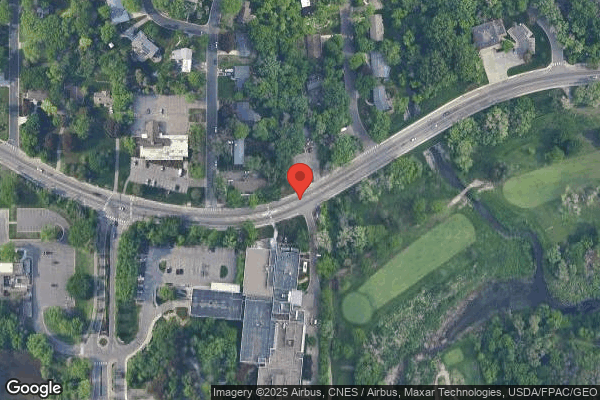

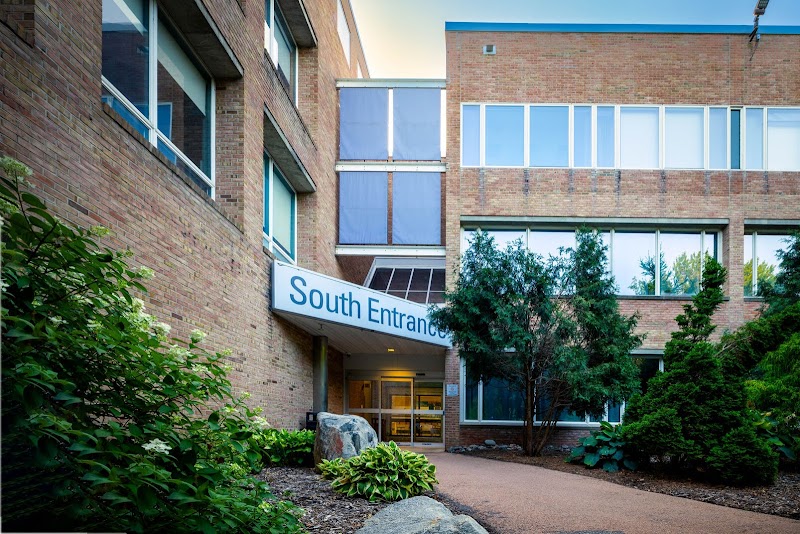
3915 GOLDEN VALLEY ROAD, GOLDEN VALLEY, MN 55422 (612) 775-2835
Non profit - Corporation 56 Beds Independent Data: November 2025
Trust Grade
90/100
#18 of 337 in MN
Last Inspection: March 2025

Within standard 12-15 month inspection cycle. Federal law requires annual inspections.

Overview

Courage Kenny Rehabilitation Institutes Trp has an excellent Trust Grade of A, indicating a high level of quality care and services. It ranks #18 out of 337 facilities in Minnesota, placing it in the top half of nursing homes in the state, and #2 out of 53 in Hennepin County, meaning only one local option is rated higher. The facility is improving, having decreased issues from 6 in 2023 to just 1 in 2025. Staffing is a strong point, with a perfect 5-star rating and a turnover rate of 38%, which is lower than the state average, suggesting that staff are stable and familiar with residents' needs. However, there have been some concerns, such as expired food in storage and failure to apply compression socks to a resident as prescribed, which raises some questions about compliance with care protocols. Overall, while there are some weaknesses, the facility shows strong strengths in many areas.
Trust Score
A
90/100
In Minnesota
#18/337
Top 5%
Safety Record
Low Risk
No red flags
Inspections
Getting Better
6 → 1 violations
Staff Stability
○ Average
38% turnover. Near Minnesota's 48% average. Typical for the industry.
Penalties
✓ Good
No fines on record. Clean compliance history, better than most Minnesota facilities.
Skilled Nurses
✓ Good
Each resident gets 207 minutes of Registered Nurse (RN) attention daily — more than 97% of Minnesota nursing homes. RNs are the most trained staff who catch health problems before they become serious.
Violations
○ Average
7 deficiencies on record. Average for a facility this size. Mostly minor or procedural issues.
★★★★★
5.0
Overall Rating
★★★★★
5.0
Staff Levels
★★★★☆
4.0
Care Quality
★★★★★
5.0
Inspection Score
Stable
2023: 6 issues
2025: 1 issues

The Good

  • 5-Star Staffing Rating · Excellent nurse staffing levels
  • 4-Star Quality Measures · Strong clinical quality outcomes
  • Full Sprinkler Coverage · Fire safety systems throughout facility
  • No fines on record
  • Staff turnover below average (38%)

    10 points below Minnesota average of 48%

Facility shows strength in staffing levels, quality measures, fire safety.

The Bad

Staff Turnover: 38%

Near Minnesota avg (46%)

Typical for the industry

The Ugly 7 deficiencies on record

May 2025 1 deficiency
CONCERN (D) 📢 Someone Reported This

A family member, employee, or ombudsman was alarmed enough to file a formal complaint

Potential for Harm - no one hurt, but risky conditions existed

Pressure Ulcer Prevention (Tag F0686)

Could have caused harm · This affected 1 resident

**NOTE- TERMS IN BRACKETS HAVE BEEN EDITED TO PROTECT CONFIDENTIALITY** Based on interview and document review, the facility failed to comprehensively reassess pressure ulcer interventions and develop...

Read full inspector narrative →
**NOTE- TERMS IN BRACKETS HAVE BEEN EDITED TO PROTECT CONFIDENTIALITY** Based on interview and document review, the facility failed to comprehensively reassess pressure ulcer interventions and develop and implement new interventions to prevent pressure injuries for 1 of 2 residents (R1) who was identified as refusing repositioning on the overnight and acquired a new pressure sore. Findings include: Definitions of pressure ulcer types according to National Pressure Ulcer Advisory Panel (NPUAP): Unstageable Pressure Ulcer: Full-thickness skin and tissue loss in which the extent of tissue damage within the ulcer cannot be confirmed because the wound bed is obscured by slough or eschar. If the slough or eschar is removed, a Stage 3 or Stage 4 pressure ulcer will be revealed. Braden Pressure Ulcer Risk assessment dated [DATE] indicated a score of 16, low. (The Braden Scale is a tool used to assess a patient's risk for pressure ulcers, with lower scores indicating higher risk. Scores between 15 and 18 are considered at mild risk). R1's admission Minimum Data Set (MDS) dated [DATE], indicated R1 had spinal cord dysfunction, anxiety disorder, no mood, or behavioral issues. The MDS indicated R1 had upper and lower extremity impairment, used a wheelchair, required moderate assist with bed mobility, had a catheter, was frequently incontinent of bowel and had no pressure ulcers. R1's Care Plan dated 5/06/25, indicated impaired skin integrity or potential for impaired skin integrity related to injury sensation impairment. The care plan directed staff to provide skin checks with am and p.m. routines, take extra care with transfers, treat wound/open areas per physician orders, turn and reposition at night every 3 hours, protective specialty mattress, use turn sheet to avoid friction/shearing, cushion/pressure relieving devices, referral to dietician, referral to physical therapy for positioning seating needs, educate on nutritional needs, educate and encourage participant increasing skin tolerance, give verbal cues to reposition assist as needed, instruct and assist participation in learning methods of prevention of pressure ulcers. R1's Care Plan further indicated R1 experiences a disruption in the amount or quality of sleep, which interferes with their desired lifestyle related to anxiety, care needs, emotional state, unfamiliar surroundings. The care plan directed staff to assess and document sleeping pattern, assist and participate in quiet nighttime environment, help participant identify possible causes of interrupted sleep and what aides sleep, provide comfort measures, refer for complementary care services. R1's admission Skin assessment dated [DATE], indicated R1 was at risk for pressure ulcer, skin was clear with no impairment. R1's Wound assessment dated [DATE], indicated R1 had hemiplegia (paralysis to one side of the body) an hemiparesis (one sided muscle weakness) following cerebral infraction (stroke where blood flow to the brain is blocked) affecting right dominant side. The assessment indicated R1 had a left buttock pressure wound occurred during stay at the facility and was deep tissue pressure injury. The assessment indicated the wound was found by staff during a skin assessment. Assessment indicated resident typically goes to bed at 4:30 p.m. and only gets turned once at night to lay on her left side. The note indicated this was likely the cause of the pressure injury. However, the wound has linear sides that could have been caused by laying or sitting on an object. Assessment went on to identify resident did not have input on how the pressure ulcer may have occurred, but does not have feeling in this area. The assessment indicated the wound measurements were 7.5 centimeters (cm) x 5 x 0.1. The description indicated deep purple, none blanchable, square shaped with irregular ends. Small areas of open dermis 1 cm x 1.5 x 01 on medial wound edge. R1's Point Click Care (PCC)(electronic medical charting system) record from 4/17/25 through 5/21/25 lacked evidence of repositioning refusals on the overnight shifts. documentation of repositioning R1 remained in the hospital as of 5/22/25 and was unable to be observed or interviewed during survey. During interview on 5/21/25 at 11:05 a.m., nursing assistant (NA)-A stated she normally worked day shift but picked up the evening shift on 5/01/25. She had provided R1 a shower and noticed a reddened area on her buttocks and informed registered nurse (RN)-B. NA-A stated prior to finding the area she was not aware of R1 being on a repositioning program and new she would not want to be bothered during the night shift due to preferring to sleep and not be woken up on the overnight. During interview on 5/21/25 at 11:35 a.m., nurse practitioner (NP) stated R1 was very particular about her cares, and felt the staff have spent a lot of time encouraging her to reposition and attempting to meet her needs even though she would refuse. The NP further stated he was informed by administration she did not want to be turned much at night. NP indicated he felt the facility was doing what they could and relied on the wound care nurse for direction. He did not believe the new pressure injury could be directly correlated to just the refusals. The NP stated when the pressure injury was found on 5/01/25, it was deep and when it surfaced it was going to look bad. The NP stated R1 was sent to the hospital on 5/13/25, due to fever and possible wound infection. During interview on 5/22/25 at 6:40 a.m., registered nurse (RN)-D stated she was a charge nurse who worked with R1 during the night shift, and it would depend on R1's mood if she would allow the staff to reposition her. RN-D added, NAs always attempted and encouraged her but sometimes she wanted to just keep sleeping. During interview on 5/22/25 at 6:56 a.m., NA-B stated when R1 first admitted she would tell us she did not want to be bothered, and she would put her call light on when she wanted to be repositioned, she was getting repositioned at night but not always every 3 hours. There was no way to document R1's refusals in PCC (if she was repositioned successful at any point that shift) but the nurses were aware she would refuse. NA-B stated after a wound was found on her bottom, we were then instructed to have her reposition every two to three hours even then she would still refuse, but we would encouraged her. During interview on 5/22/25 at 9:48 a.m., administrator stated R1 was adamant she did not want to be disturbed during the night and would prefer to call for help to reposition at night due to her anxiety and focused need to not have her sleep disrupted. The administrator further indicated R1's record lacked a risk versus benefit related to her refusals to reposition. Additionally, R1's records did not indicate the refusals on the overnight due to how PCC works (can not mark a refusal unless resident refuses all shift), all though it was well known she refused at times. Administrator indicated the care plan did direct staff to provide verbal cues for repositioning as needed but a risk versus benefit discussion and notification to her team/Physician would have been helpful to potential avoid acquiring the pressure sore. During interview 5/22/25 at 10:30 a.m., physical therapist (PT) stated she completed pressure mapping on R1 on 5/03/25 and felt the pressure ulcer likely occurred if she was consistently getting repositioned at night. R1 also spends a lot of time in her wheelchair during the day going to appointment with therapy and activities and can shift her weight independently. We provided her with a new cushion in her wheelchair and a high performance specialty mattress on her bed to better combat the possible refusals. During interview on 5/22/25 at 11:45 a.m., RN-A stated she is the facility's wound care nurse and was informed of R1's unstageable pressure ulcer on 5/01/25. R1 had informed her she was refusing repositioning on the overnight when she wanted to keep sleeping. RN-A's assessment of the pressure ulcer also left her with an impression R1 could have slept on her cell phone all night or had continuous pressure from an object on her left buttocks. RN-A stated after R1's pressure ulcer was acquired she did agree to be repositioned around 10:00 p.m., 1:00 a.m. and 5:00 a.m. but was not aware of how refusals were being tracked during each shift. RN-A confirmed there was no risk versus benefits completed with R1 when she was refusing, and indicated not being repositioned every three hours could have also contributed to acquiring the pressure ulcer. During interview on 5/22/25, at 12:30 p.m., family member (FM)-A stated she was not informed R1 was refusing to be repositioned during the night and if she had been informed, she would have talked to her about the importance of getting repositioned. In addition, FM-A stated after the pressure ulcer was found she had spoken and emailed the facility related to repositioning and her concerning of not be informed and believing the facility was responsible for R1 acquiring the pressure sore. Allina Health Department MDS and Comprehensive Assessment Process policy effective date 6/01/23, All Minimum Data Set and Care Area Assessments will be completed as required and within the timeframe's identified in the Resident Assessment Instrument Manual. The rehabilitation team uses the information from the MDS assessment and supplementary assessments to develop client-specific care plans. The client, family/support person, and interdisciplinary team are involved in creating the care plan initially and on an ongoing basis. The facility had no other policies related to pressure ulcers.
Dec 2023 4 deficiencies
CONCERN (D)

Potential for Harm - no one hurt, but risky conditions existed

Quality of Care (Tag F0684)

Could have caused harm · This affected 1 resident

**NOTE- TERMS IN BRACKETS HAVE BEEN EDITED TO PROTECT CONFIDENTIALITY** Based on observation, interview, and document review, the facility failed to ensure compression socks were applied to 1 of 1 res...

Read full inspector narrative →
**NOTE- TERMS IN BRACKETS HAVE BEEN EDITED TO PROTECT CONFIDENTIALITY** Based on observation, interview, and document review, the facility failed to ensure compression socks were applied to 1 of 1 resident (R238) reviewed for quality of care. Findings include: R238 Diagnosis report printed 12/14/23, indicated diagnosis included cerebral infarction (stroke). R238 Order dated 11/29/23, directed to apply TEDS (compression socks) in AM before getting out of bed. R238 baseline care plan dated 11/29/23, and caresheet undated, identified R238 wore compression socks During interview on 12/11/23 at 6:43 p.m., R238 stated she did not have compression socks since admission on [DATE] but wore them prior to admission. R238 asked two staff about compression socks and was told they needed to be reordered. R238 stated she was worried about her left foot swelling. During observation on 12/13/23 at 7:37 a.m., R238 was observed wearing white non compression socks on both legs. During observation on 12/14/23 at 10:01 a.m., R238 was wearing fuzzy socks and canvas tennis shoes. Compression socks were not noted on either leg. During interview on 12/13/23 at 9:14 a.m., nursing assistant (NA)-B stated R238 has not had compression socks since she admitted . NA-B acknowledged R238 had compression socks listed on the care sheet and NA-B reported to a registered nurse (RN) R238 did not have compression socks. During interview on 12/14/23 at 10:28 a.m., RN-A would not confirm or deny R238 had orders for compression socks. During interview on 12/14/23 at 10:57 a.m., director of nursing (DON) stated when a resident admitted with orders for compression socks, she expected the resident was measured the evening of admission or on the next morning. DON expected the resident had compression socks within two days of admission. DON stated not having compression socks placed R238 at risk for blood clots or deep vein thrombosis (deep blood clot). A request for a facility policy on compression socks was requested but not provided.
CONCERN (F)

Potential for Harm - no one hurt, but risky conditions existed

Food Safety (Tag F0812)

Could have caused harm · This affected most or all residents

Based on observation, interview, and document review, the facility failed to ensure food was stored in accordance with professional standards for food service safety. The facility failed to: remove ex...

Read full inspector narrative →
Based on observation, interview, and document review, the facility failed to ensure food was stored in accordance with professional standards for food service safety. The facility failed to: remove expired food from food storage areas; label and date food; assure proper hand hygiene while preparing resident meal trays; and storing resident food in an employee break room refrigerator. These practices had the potential to affect all residents, staff and visitors consuming food at the facility. Findings include: During an observation and interview with the dietary manager (DM) on 12/11/23 at 3:01 p.m., a container of Mrs. Gerry's premade coleslaw was noted to have been dated as opened on 11/2/23, and a discard date of 11/25/23. There was also noted to be pre-cooked chicken pieces in a plastic bag with no label or dates. The DM stated once a week refrigerators were checked for expired food. Expired food could cause illness. During an observation and interview on 12/12/23 at 10:49 a.m., dietary aid (DA)-A was wearing gloves while preparing resident trays. DA-A left the serving area with the gloves on and went through a door to the side of the serving area. DA-A returned through the same door, and touched a door handle, with gloves. DA-A returned to workstation to continue setting up resident trays. DA-A confirmed these were the same gloves she left the area with. DA-A stated she should have removed her gloves and performed hand hygiene and apply new gloves before she resumed assembling resident food trays. During an observation on 12/12/23 at 1:28 p.m , the ground-floor café cooler had a note taped to the front indicating it was out of service and resident breakfast plates would be kept in the employee break room refrigerator. The DM confirmed this information. A stand-alone freezer was also in this area with a note taped to the front indicating it was for client (resident) food use only, no ice packs. The freezer contained two Walgreen's brand ice packs labeled don't throw and dated 10/27. During an interview on 12/12/23 at 1:30 p.m., the DM stated it was important not to store ice packs with food due to infection control practices as the ice packs may have directly touched residents. The DM stated it was the responsibility of the nursing staff to make sure the things were labeled, dated, and appropriate to be there. The DM confirmed it was dietary's responsibility to care for and maintain refrigerators used for resident food. During an interview on 12/13/23 at 10:23 a.m., the administrator stated her expectation was unlabeled or expired food would not be stored in resident food storage areas, nor would there be non-food items stored alongside food items for residents. It was important for infection control. A facility policy, Food Safety Requirements: Use and Storage of Food and Beverage Brought in for Clients, Food Procurement dated 10/25/22, identified the facility follows proper sanitation and food handling practices to prevent the outbreak of foodborne illness. Safe food handling for the prevention of foodborne illnesses begins when food is received from the vendor and continues throughout the facility's food handling processes. The policy further identified proper labeling and dating of each food item received, leftovers to be used or discarded within three days, for food to be stored in covered containers or secure wrapping. The staff will check café refrigerators for proper temperatures, food containment and quality, and disposal of items. A facility policy, Dietary Hand Washing and Glove Use dated 10/4/21, identified staff will follow proper hand washing and gloving procedures, including washing hands upon returning to the workstation. Gloves are used to create a barrier between the food handler's hands and the food. Hands should be washed prior to donning gloves, and gloves will be changed after coming in contact with any item that may cause contamination. The policy contained picture directions for donning gloves and washing hands with soap and water.
MINOR (C) 📢 Someone Reported This

A family member, employee, or ombudsman was alarmed enough to file a formal complaint

Minor Issue - procedural, no safety impact

Staffing Information (Tag F0732)

Minor procedural issue · This affected most or all residents

**NOTE- TERMS IN BRACKETS HAVE BEEN EDITED TO PROTECT CONFIDENTIALITY** Based on observation, interview, and document review, the facility failed to ensure required nurse staffing information was upda...

Read full inspector narrative →
**NOTE- TERMS IN BRACKETS HAVE BEEN EDITED TO PROTECT CONFIDENTIALITY** Based on observation, interview, and document review, the facility failed to ensure required nurse staffing information was updated daily. This had the potential to affect all 34 residents, staff and visitors who may wish to review this information. Findings include: During an observation on 12/12/23 at 11:16 a.m., posted staffing at the front entry to the rehab center was dated 12/11/23. During an observation on 12/13/23 at 8:09 a.m., posted staffing at the front entry was dated 12/11/23. Health unit coordinator (HUC)-E stated the charge nurse was the person responsible for updating the posted staffing. During an observation on 12/13/23 at 11:09 a.m., the posted staffing was still from 12/11/23. During an interview on 12/13/23 at 12:00 p.m., the director of nursing (DON) stated the expectation was for the posted staffing to be for the current date because it was a requirement. During an interview on 12/14/23 at 8:39 a.m., the administrator stated the expectation was that the posted staffing be for the current date. A facility policy, Courage [NAME] Rehabilitation Institute - TRP dated November 2023, identified the facility will post the nurse staffing data on a daily basis at the beginning of each shift.
MINOR (C)

Minor Issue - procedural, no safety impact

Infection Control (Tag F0880)

Minor procedural issue · This affected most or all residents

Based on interview and document review the facility failed to review and/or revise the infection control programs policies and procedures at least annually. This had the potential to affect all 34 res...

Read full inspector narrative →
Based on interview and document review the facility failed to review and/or revise the infection control programs policies and procedures at least annually. This had the potential to affect all 34 residents, all staff, and all visitors at the facility. Findings include; Review of the facility's infection control policies was conducted on 12/14/23. The facility policy titled Department Plan: Infection Prevention and Control Program plan had an effective and approval date of 10/25/22, with the next review date of 8/31/25. During interview on 12/14/23 at 9:00 a.m., the infection preventionist (IP) stated the last documented review of the Infection Prevention and Control Program Plan was 10/25/22. IP stated that the facility follows the same requirements as the hospital and verified the facility does not review annually.
Jan 2023 2 deficiencies
CONCERN (D) 📢 Someone Reported This

A family member, employee, or ombudsman was alarmed enough to file a formal complaint

Potential for Harm - no one hurt, but risky conditions existed

Report Alleged Abuse (Tag F0609)

Could have caused harm · This affected 1 resident

**NOTE- TERMS IN BRACKETS HAVE BEEN EDITED TO PROTECT CONFIDENTIALITY** Based on interview and document review, the facility failed to ensure an allegation of verbal was reported immediately, but no l...

Read full inspector narrative →
**NOTE- TERMS IN BRACKETS HAVE BEEN EDITED TO PROTECT CONFIDENTIALITY** Based on interview and document review, the facility failed to ensure an allegation of verbal was reported immediately, but no later than two hours, to the State Agency (SA) for 1 of 1 residents (R1) reviewed for verbal abuse by a staff member. Findings include: R1's quarterly minimum data set (MDS) dated [DATE], indicated R1 had a stroke with hemiplegia, was cognitively intact, received antipsychotic medication and required extensive assist with activities of daily living (ADL)'s. R1's Care Plan dated 10/31/22, indicated R1 had alteration in thought process and a cognitive impairment due to a recent onset of cerebral vascular accident (CVA). The care plan further indicated R1 had impaired decision making. A facility reported incident indicated on 12/27/22, at 6:00 a.m. R1 reported nursing assistant (NA)-A called her a piece of shit. The report indicated NA-A denied swearing at R1 and stated she was perseverating about food, and over the course of the shift, she brought her some warmed up pasta, two chocolate puddings and two cranberry juices, and had also cleaned up several candy wrappers from the floor. The report identified NA-A stated at one point R1 asked her to find something sweet for her from her bag, but NA-A could not find anything sweet, just chips so R1 became very angry at NA-A and called her a piece of shit resulting in NA-A leaving the room. The report indicated the investigation is still underway, as they intend to interview with other residents of the unit whether staff have ever cursed at them. Additionally, the report indicated NA-A was removed from the schedule pending the investigation and buddy cares have been implemented for R1. The report submitted to the SA was (over 10 hours after the incident occurred). During interview on 1/11/23, at 1:40 p.m. administrator stated she received an e-mail regarding the incident on 12/27/22, and opened it approximately at 9:30 a.m. that day. The administrator stated she tells her staff they should be calling her immediately when any allegation of abuse occurs and not to just send an email. The administrator stated after the investigation was completed it was found the allegation of abuse was unfounded. The administrator further stated staff will need to be re-educated on reporting immediately and the abuse policy also needs to be updated to indicate all allegations of abuse need to be reported immediately. The facility Maltreatment Of Vulnerable Adults:Prevention, Intervention And Reporting Procedures approval date 3/31/2020, indicated verbal abuse is defined as the use of oral, written or gestured language that willfully includes disparaging and derogatory terms to residents or their families, or within their hearing distance, regardless of their age, ability to comprehend, or disability. Examples of verbal abuse include, but are not limited to: threats of harm, saying things to frighten a resident, such as telling a resident that he/she will never be able to see his/her family again. The policy further indicated further indicated the definition for immediately means as soon as possible, but not later than two hours after the allegation is made if there is serious bodily injury, or not later than 24 hours if the event does not result in serious bodily harm. The policy indicated The facility will ensure that all alleged violations involving abuse, neglect, exploitation or mistreatment, including injuries of unknown source and misappropriation of client property, are reported immediately, but later than two hours after the allegation is made if the events resulted in serious bodily injury or not later than 24 hours if the events did not result in serious bodily injury.
MINOR (C) 📢 Someone Reported This

A family member, employee, or ombudsman was alarmed enough to file a formal complaint

Minor Issue - procedural, no safety impact

Abuse Prevention Policies (Tag F0607)

Minor procedural issue · This affected most or all residents

Based on interview and document review, the facility failed to develop written policy and procedure to report abuse in accordance with federal regulation immediately, but no later than 2 hours, to the...

Read full inspector narrative →
Based on interview and document review, the facility failed to develop written policy and procedure to report abuse in accordance with federal regulation immediately, but no later than 2 hours, to the state agency. Finding include: Review of the facility's Maltreatment Of Vulnerable Adults: Prevention, Intervention and Reporting Procedures policy with an approval date of 3/31/2020, indicated .the definition for immediately means as soon as possible, but not later than two hours after the allegation is made if there is serious bodily injury, or not later than 24 hours if the event does not result in serious bodily harm. The policy indicated, the facility will ensure that all alleged violations involving abuse, neglect, exploitation or mistreatment, including injuries of unknown source and misappropriation of client property, are reported immediately, but later than two hours after the allegation is made if the events resulted in serious bodily injury or not later than 24 hours if the events did not result in serious bodily injury. During interview 1/11/23, at 1:30 p.m. administrator stated she would expect staff to report allegations of abuse immediately to her and, after reading the policy, stated the policy was incorrect and needed to be updated to indicate abuse reporting immediately regardless if there is a serious injury or not.
Understanding Severity Codes (click to expand)
Life-Threatening (Immediate Jeopardy)
J - Isolated K - Pattern L - Widespread
Actual Harm
G - Isolated H - Pattern I - Widespread
Potential for Harm
D - Isolated E - Pattern F - Widespread
No Harm (Minor)
A - Isolated B - Pattern C - Widespread

Questions to Ask on Your Visit

  • "Can I speak with families of current residents?"
  • "What's your RN coverage like on weekends and overnight?"

Our Honest Assessment

Strengths
  • • Grade A (90/100). Above average facility, better than most options in Minnesota.
  • • No major safety red flags. No abuse findings, life-threatening violations, or SFF status.
  • • No fines on record. Clean compliance history, better than most Minnesota facilities.
  • • 38% turnover. Below Minnesota's 48% average. Good staff retention means consistent care.
Concerns
  • • No significant concerns identified. This facility shows no red flags across CMS ratings, staff turnover, or federal penalties.
Bottom line: Generally positive indicators. Standard due diligence and a personal visit recommended.

About This Facility

What is Courage Kenny Rehabilitation Institutes Trp's CMS Rating?

CMS assigns Courage Kenny Rehabilitation Institutes Trp an overall rating of 5 out of 5 stars, which is considered much above average nationally. Within Minnesota, this rating places the facility higher than 99% of the state's 100 nursing homes. This rating reflects solid performance across the metrics CMS uses to evaluate nursing home quality.

How is Courage Kenny Rehabilitation Institutes Trp Staffed?
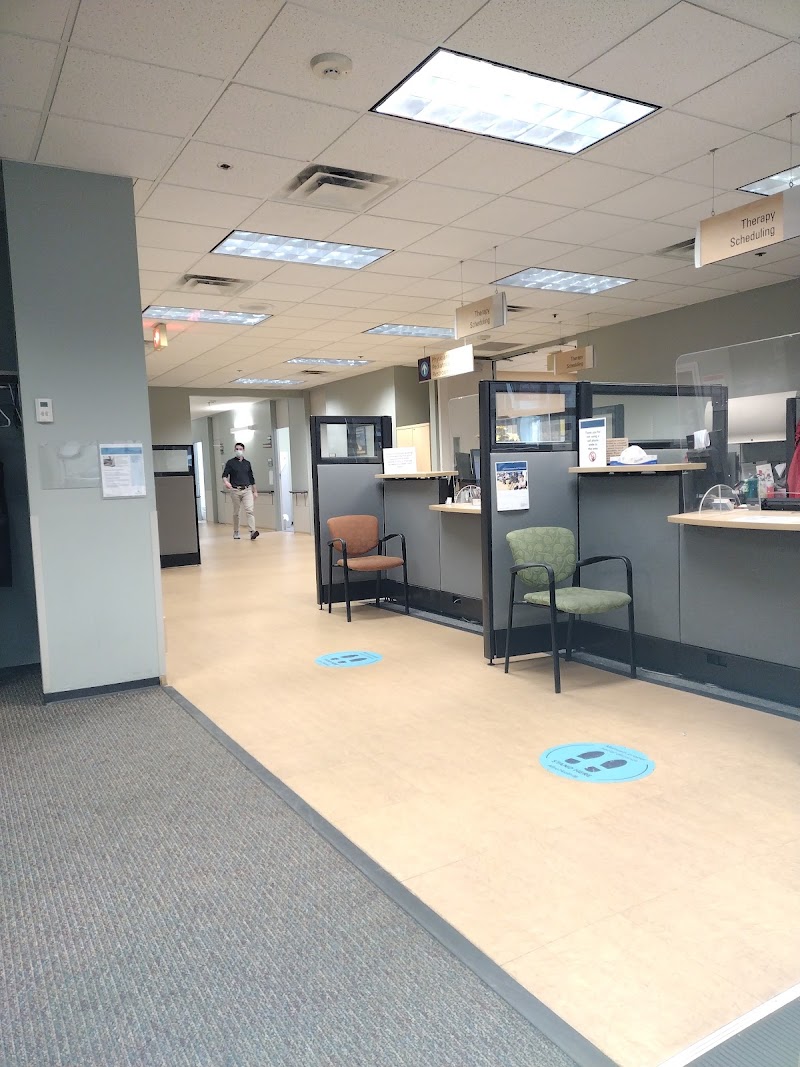
CMS rates Courage Kenny Rehabilitation Institutes Trp's staffing level at 5 out of 5 stars, which is much above average compared to other nursing homes. Staff turnover is 38%, compared to the Minnesota average of 46%. This relatively stable workforce can support continuity of care.

What Have Inspectors Found at Courage Kenny Rehabilitation Institutes Trp?

State health inspectors documented 7 deficiencies at Courage Kenny Rehabilitation Institutes Trp during 2023 to 2025. These included: 4 with potential for harm and 3 minor or isolated issues.

Who Owns and Operates Courage Kenny Rehabilitation Institutes Trp?

Courage Kenny Rehabilitation Institutes Trp is owned by a non-profit organization. Non-profit facilities reinvest revenue into operations rather than distributing to shareholders. The facility operates independently rather than as part of a larger chain. With 56 certified beds and approximately 37 residents (about 66% occupancy), it is a smaller facility located in GOLDEN VALLEY, Minnesota.

How Does Courage Kenny Rehabilitation Institutes Trp Compare to Other Minnesota Nursing Homes?

Compared to the 100 nursing homes in Minnesota, Courage Kenny Rehabilitation Institutes Trp's overall rating (5 stars) is above the state average of 3.2, staff turnover (38%) is near the state average of 46%, and health inspection rating (5 stars) is much above the national benchmark.

What Should Families Ask When Visiting Courage Kenny Rehabilitation Institutes Trp?

Based on this facility's data, families visiting should ask: "Can I visit during a mealtime to observe dining assistance and food quality?" "How do you handle medical emergencies, and what is your hospital transfer rate?" "Can I speak with family members of current residents about their experience?"

Is Courage Kenny Rehabilitation Institutes Trp Safe?

Based on CMS inspection data, Courage Kenny Rehabilitation Institutes Trp has a clean safety record: no substantiated abuse findings (meaning no confirmed cases of resident harm), no Immediate Jeopardy citations (the most serious violation level indicating risk of serious injury or death), and is not on the Special Focus Facility watch list (a federal program monitoring the lowest-performing 1% of nursing homes). The facility has a 5-star overall rating and ranks #1 of 100 nursing homes in Minnesota. While no facility is perfect, families should still ask about staff-to-resident ratios and recent inspection results during their visit.

Do Nurses at Courage Kenny Rehabilitation Institutes Trp Stick Around?

Courage Kenny Rehabilitation Institutes Trp has a staff turnover rate of 38%, which is about average for Minnesota nursing homes (state average: 46%). Moderate turnover is common in nursing homes, but families should still ask about staff tenure and how the facility maintains care continuity when employees leave.

Was Courage Kenny Rehabilitation Institutes Trp Ever Fined?

Courage Kenny Rehabilitation Institutes Trp has no federal fines on record. CMS issues fines when nursing homes fail to meet care standards or don't correct problems found during inspections. The absence of fines suggests the facility has either maintained compliance or corrected any issues before penalties were assessed. This is a positive indicator, though families should still review recent inspection reports for the full picture.

Is Courage Kenny Rehabilitation Institutes Trp on Any Federal Watch List?

Courage Kenny Rehabilitation Institutes Trp is not on any federal watch list. The most significant is the Special Focus Facility (SFF) program, which identifies the bottom 1% of nursing homes nationally based on persistent, serious quality problems. Not being on this list means the facility has avoided the pattern of deficiencies that triggers enhanced federal oversight. This is a positive indicator, though families should still review the facility's inspection history directly.