COVENANT LIVING OF GOLDEN VALLEY CARE & REHAB CTR
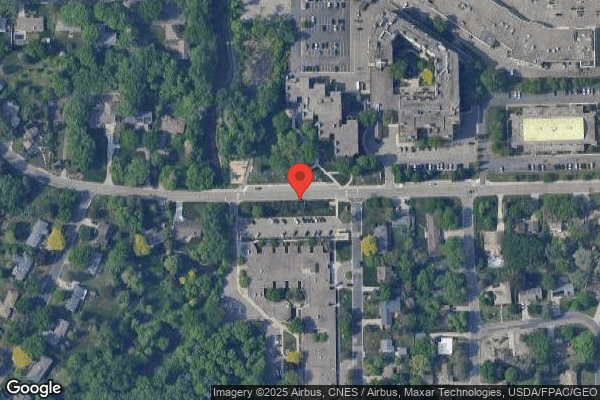

5825 ST CROIX AVENUE, GOLDEN VALLEY, MN 55422 (763) 732-1415
Non profit - Church related 88 Beds COVENANT LIVING Data: November 2025
Trust Grade
95/100
#12 of 337 in MN
Last Inspection: May 2025

Inspected within the last 6 months. Data reflects current conditions.

Overview

Covenant Living of Golden Valley Care & Rehab Center has received a Trust Grade of A+, which indicates it is an elite facility, performing at the top tier of nursing homes. It ranks #12 out of 337 facilities in Minnesota, placing it in the top half, and is the best-rated option among 53 facilities in Hennepin County. However, the facility is showing a concerning trend, as the number of issues reported has worsened from 1 in 2023 to 3 in 2025. Staffing is a strong point with a 5/5 star rating and a low turnover rate of 19%, significantly better than the state average, which means the staff is experienced and familiar with residents. On the downside, there were four reported concerns, including failures to provide timely medications and protect resident privacy, which highlight some areas that need attention for improvement.

Trust Score
A+
95/100
In Minnesota
#12/337
Top 3%
Safety Record
Low Risk
No red flags
Inspections
Getting Worse
1 → 3 violations
Staff Stability
✓ Good
19% annual turnover. Excellent stability, 29 points below Minnesota's 48% average. Staff who stay learn residents' needs.
Penalties
✓ Good
No fines on record. Clean compliance history, better than most Minnesota facilities.
Skilled Nurses
✓ Good
Each resident gets 79 minutes of Registered Nurse (RN) attention daily — more than 97% of Minnesota nursing homes. RNs are the most trained staff who catch health problems before they become serious.
Violations
✓ Good
Only 4 deficiencies on record. Cleaner than most facilities. Minor issues only.
★★★★★
5.0
Overall Rating
★★★★★
5.0
Staff Levels
★★★☆☆
3.0
Care Quality
★★★★★
5.0
Inspection Score
Stable
2023: 1 issues
2025: 3 issues

The Good

  • 5-Star Staffing Rating · Excellent nurse staffing levels
  • Low Staff Turnover (19%) · Staff stability means consistent care
  • Full Sprinkler Coverage · Fire safety systems throughout facility
  • No fines on record
  • Staff turnover is low (19%)

    29 points below Minnesota average of 48%

Facility shows strength in staffing levels, staff retention, fire safety.

The Bad

Chain: COVENANT LIVING

Part of a multi-facility chain

Ask about local staffing decisions and management

The Ugly 4 deficiencies on record

May 2025 2 deficiencies
CONCERN (D) 📢 Someone Reported This

A family member, employee, or ombudsman was alarmed enough to file a formal complaint

Potential for Harm - no one hurt, but risky conditions existed

Deficiency F0627 (Tag F0627)

Could have caused harm · This affected 1 resident

**NOTE- TERMS IN BRACKETS HAVE BEEN EDITED TO PROTECT CONFIDENTIALITY** Based on interview and document review, the facility failed to discuss discharge instructions with resident and resident represe...

Read full inspector narrative →
**NOTE- TERMS IN BRACKETS HAVE BEEN EDITED TO PROTECT CONFIDENTIALITY** Based on interview and document review, the facility failed to discuss discharge instructions with resident and resident representative upon discharge for 1 of 3 resident (R1). Additionally, the facility failed ensure correct disposition of medications for 2 of 3 residents (R1) when R1 received R2's medications upon discharge. Findings include: R1's face sheet, undated, indicated admission date to the facility of [DATE]. R1's diagnoses included atrioventricular block and unspecified diastolic (congestive) heart failure. R1's Minimum Data Set (MDS) dated [DATE], identified intact cognition and no verbal behaviors during the assessment period. R2's face sheet, undated, indicated admission date to the facility of [DATE]. R1's February 2025 Medication Administration Record (MAR) did not indicate administration for sulfamethoxazole or lisinopril. R2's February 2025 MAR indicated administration for sulfamethoxazole 800 milligrams one tablet oral two times daily and lisinopril 20 milligrams one tablet by mouth two times daily. Facility form titled Discharge Sending Medications Homes dated [DATE], indicated sulfamethoxazole 800 milligrams one tablet oral two times daily was listed on R1's form. Lisinopril pharmacy sticker was not visible on form. Discharge Sending Medication Home indicated, I certify the medication listed (pharmacy card stickers) above are released to me, with R1's signature and dated [DATE]. The form failed to have evidence of a witness/nurse signature. During interview on [DATE] at 1:21 p.m., assistant director of nursing (ADON) stated their discharge process included a review of medications with the resident and to answer any questions. ADON was not aware of any medications sent home with the wrong resident and if this were to occur, management should have been notified. During interview on [DATE] at 2:42 p.m., registered nurse (RN)-A stated he worked on the transition care unit at the facility and completed discharge process with the residents. RN-A stated he did not recall completing R1's discharge. RN-A denied sending R2's medication, sulfamethoxazole home with R1, discovering the error later, and then ordering more sulfamethoxazole for R2 later. RN-A stated if an error like that occurred, he would contact his supervisor. During interview on [DATE] at 3:49 p.m., pharmacist (Pharm) stated on [DATE] there was a request by the facility to fill R2's sulfamethoxazole and the facility would be responsible to pay for the additional medications. Pharm stated the facility reported to have used their emergency kit supply of sulfamethoxazole until requesting more on [DATE]. Lisinopril was not reordered but no doses were verified to be omitted for R2. During interview on [DATE] at 4:02 p.m., director of nursing (DON) stated they were not aware of the medication errors until this survey. DON indicated he believed RN-A knew of the error as was the one who ordered more medications for R2, and had not received authorization before ordering. DON stated upon discharge the nurse was to review the discharge paperwork, including the medications that were being sent home with the resident (and/or resident representative). He indicated this was likely not done as the medication disposition error would have been caught at that time if the process was followed. DON added, during their investigation, when reviewing R1's discharge records, the medication sticker for R2's sulfamethoxazole was included in R1's record, solidifying the error. Review of R1's discharge paperwork lacked evidence RN-A discussed discharge paperwork and medications with R1 and family. Additionally, no RN signature was found on the Recapitulation of Stay records. During interview on [DATE] at 2:47 p.m., R1's family member (FM) stated no discharge paperwork or medications were reviewed at the time of discharge. Upon R1 returning home it was discovered another resident's medications (sulfamethoxazole and lisinopril) were sent home with her. FM recalled R1's medications were handed over from RN-A to the family in a bag. FM indicated a serious concern related to this error as, if his mother would have taken these medications, it could have caused her significant harm. Facility policy titled Adverse Consequences and Medication Errors, revised date 2/2023, indicated a procedure was to review the resident's medication regimen for efficacy and actual or potential medication -related problems on an ongoing basis. Monitor the resident for medication-related adverse consequences when there is a medication error (wrong or expired medication). In the event of a significant medication-related error or adverse consequence, take action, as necessary, to protect the resident's safety and welfare. Promptly notify the provider of any significant error. Facility polity titled Transfer or Discharge, Resident-Initiated, dated 10/2022, indicated medical record would contain documentation or evidence of the resident's or resident representative's verbal or written notice of intent to leave the facility, discharge care plan and document discussions with the resident or representative, containing details of discharge planning and arrangements for post-discharge care.
CONCERN (D) 📢 Someone Reported This

A family member, employee, or ombudsman was alarmed enough to file a formal complaint

Potential for Harm - no one hurt, but risky conditions existed

Medical Records (Tag F0842)

Could have caused harm · This affected 1 resident

**NOTE- TERMS IN BRACKETS HAVE BEEN EDITED TO PROTECT CONFIDENTIALITY** Based on interview and record review, the facility failed to maintain confidential clinical records for 2 of 3 residents (R1 and...

Read full inspector narrative →
**NOTE- TERMS IN BRACKETS HAVE BEEN EDITED TO PROTECT CONFIDENTIALITY** Based on interview and record review, the facility failed to maintain confidential clinical records for 2 of 3 residents (R1 and R2) when two of R2's Pharmacy Cards were sent with R1 who was discharging home. Findings include: R1's Minimum Data Set (MDS) dated [DATE], identified intact cognition. R1's February 2025 Medication Administration Record (MAR) did not indicate an order for sulfamethoxazole or lisinopril. R2's MDS dated [DATE], identified intact cognition. R2's February 2025 MAR indicated an order for sulfamethoxazole 800 milligrams one tablet oral two times daily and lisinopril 20 milligrams one tablet by moth two times daily. R2's pharmacy card identified protected information such as his first name, middle initial, last name, his doctor's name and information, the medication and prescribed route/dosage and what the medications were prescribed for (high blood pressure, antibiotic for infection). R2 is protected by the Health Insurance Portability and Accountability Act (HIPPA) which includes protected health information includes medical history, test information, and any personally identifiable information. The 18 HIPPA identifiers include patient names, geographical elements, dates related to health or identity, telephone numbers, social security numbers and more. During interview on 5/7/25 at 1:21 p.m., assistant director of nursing (ADON) stated upon discharge the nurse was to review medications with the discharging resident and or representative; ADON was not aware wrong medications was discharged with the wrong resident. During interview on 5/7/25 at 2:42 p.m., registered nurse (RN) denied sending R1 home with R2's medication. During interview on 5/7/25 at 4:02 p.m., director of nursing (DON) stated they were not aware a resident was discharged with another resident's medications but was able to verify R2's medication sulfamethoxazole pharmacy card sticker was in R1's discharge record. During interview on 5/9/25 at 2:47 p.m., R1's family member verified and provided pictures of R2's medication sulfamethoxazole and lisinopril which was sent home with R1 upon discharge.
Feb 2025 1 deficiency
CONCERN (D) 📢 Someone Reported This

A family member, employee, or ombudsman was alarmed enough to file a formal complaint

Potential for Harm - no one hurt, but risky conditions existed

Pharmacy Services (Tag F0755)

Could have caused harm · This affected 1 resident

**NOTE- TERMS IN BRACKETS HAVE BEEN EDITED TO PROTECT CONFIDENTIALITY** Based on interview and document review, the facility failed to ensure physician-ordered medication was acquired and provided in ...

Read full inspector narrative →
**NOTE- TERMS IN BRACKETS HAVE BEEN EDITED TO PROTECT CONFIDENTIALITY** Based on interview and document review, the facility failed to ensure physician-ordered medication was acquired and provided in a timely manner to reduce the risk of pain and complication for 1 of 1 resident (R1) reviewed whose pain medication was sent from the pharmacy however, was never provided as ordered. Findings include: R1's admission Minimum Data Set (MDS) dated [DATE], indicated R1 was cognitively intact had medically complex diagnosis, surgical wound with surgical wound care, ulcerative colitis (an inflammatory bowel disease that causes chronic inflammation and ulcers in the superficial lining of the large intestine). Identified R1 required assistance with activities of daily living (ADL's) had mild pain, which was occasional and occasionally affected sleep. R1's Care Plan dated 2/04/25, indicated R1 had chronic pain syndrome, alteration in comfort and pain related to PMR (Polymyalgia rheumatic, inflammatory condition. It causes joint and muscle pain and stiffness, mainly in the shoulders and hips) chronic pain, abdominal pain secondary to sigmoid colectomy. R1's care plan directed staff to assess location, quality, and intensity of pain as indicated, receive opioid medication as ordered, assess for non-pharmalogical interventions, occupational therapy to provide and assist, Methocarbamol for pain/muscle spasms. R1's admission Orders dated 2/04/25, indicated R1 was to receive gabepentin 4%/lidocaine 2% gel topical gel (used for pain) apply two times a day. R1's Medication Administration Record dated February 2025, indicated R1 had not received the scheduled gabapentin 4 % - lidocaine 2% gel twice daily from 2/04/25 through 2/13/25 (over nine days). During an interview on 2/26/25 at 10:20 a.m., R1 stated she admitted to the facility on [DATE], and was to receive her pain gel with lidocaine and gabapentin for several days after admission. R1 stated she used the gel on her right hip and shoulder for pain relief and it helped her sleep. During an observation and interview on 2/26/25 at 1:20 p.m., registered nurse (RN)-B stated the gabepentin/lidocaine gel was not available at the facility for R1. RN-B stated she knew the DON called the pharmacy about it and they documented it was unavailable on the medication administration record (MAR). During an interview on 2/26/25 at 4:30 p.m., the director of nursing (DON) stated he was aware of the gel cream and was informed by their pharmacy at first it was delivered on 2/04/25, and he searched all of the medication carts and was unable to find the gel. The DON then stated he called the pharmacy and was told they were unable to make the compound with the lidocaine and gabapentin. The DON stated he had frustrations with the pharmacy and was planning to have a meeting with them to discuss his concerns. The DON stated the process was for the staff to call the pharmacy if they had not received a medication and the facility had a back-up pharmacy to call as needed. DON stated the system did not work as planned. During an interview on 2/27/25 at 10:10 a.m., R1's nurse practitioner stated she was never informed R1 had not received her gel pain cream for over nine days and had she been informed, she would have checked to see if it was an insurance issue or ordered some other pain cream for her hips and shoulders during that timeframe. During an interview on 2/27/25 at 10:51 a.m., pharmacy director (PD) stated the gel was shipped to the facility on 2/04/25, the tracking form indicated it was filled on 2/04/25, at 5:20 p.m. and loaded in the bin and the only re-fill seen on their end was noted to be on 2/25/25, which would be delivered today. The PD stated they received the original order from the hospital R1 discharged from and their compound book indicated it was made at their pharmacy on 2/04/25. PD stated they had an electronic manifest with a staff nurse signature who signed for the medication on 2/04/25, at the facility. A policy was requested prior to exit of survey however,was not received.
Aug 2023 1 deficiency
CONCERN (D)

Potential for Harm - no one hurt, but risky conditions existed

Deficiency F0554 (Tag F0554)

Could have caused harm · This affected 1 resident

**NOTE- TERMS IN BRACKETS HAVE BEEN EDITED TO PROTECT CONFIDENTIALITY** Based on observation, interview, and document review, the facility failed to ensure the multidisciplinary team was involved for ...

Read full inspector narrative →
**NOTE- TERMS IN BRACKETS HAVE BEEN EDITED TO PROTECT CONFIDENTIALITY** Based on observation, interview, and document review, the facility failed to ensure the multidisciplinary team was involved for 2 of 3 residents (R111and R257) reviewed for self administration of medications(SAM). Finding include: R111's face sheet undated, indicated R111's diagnoses included chronic obstructive pulmonary diease (COPD) and a personal history of pulmonary embolism. R111's admission Minimum Data Set (MDS) dated [DATE], indicated R111 was moderately cognitively impaired, independent with eating after set-up, and required extensive assistance with the rest of his activities of daily living. During initial observation and interview on 8/28/23 at 1:20 p.m., two inhalers were noted at bedside. One on the over the bed table (OBT) to his right and one the bed side chest of drawers to resident's left. The inhaler on the OBT was budesonide-formoterol (a bronchodilator) HFA 160 mcg-4.5 mcg, which had a faded prescription label with R111's name and directions. On the chest of drawers was an inhaler of Albuterol (PROAIR HFA - a bronchodilator) which lacked a label. R111 stated he had COPD and used them when he needed. An observation on 8/29/23 at 9:18 a.m., both inhalers were remained in the same locations as the day before. During an observation on 8/30/23 at 8:40 a.m., the inhalers were no longer in the locations previously observed. However, the chest of drawer's top drawer was open and both inhalers were noted inside. R111's Physician Order Report (print date of 8/30/23) indicated budesonide-formoterol HFA (hydrofluoroalkane - the propellant of the inhaler) 160 micrograms (mcg)-4.5 mcg/actuation aerosol inhaler(2 puffs) HFA AEROSOL WITH ADAPTER every day. R40's physician orders lacked evidence of R40's approval to self-administer medications. However, the report lacked orders for the Albuterol inhaler. R111's electronic medical record included a Assessment for Self-Administration of Medications assessment form (dated 8/14/23). However, the assessment form was blank and unsigned. On 8/30/23 at 9:24 a.m., unit manager (RN)-C verified two inhalers in R111's room. Further, RN-C stated R111 only had an order for the budesonide-formoterol HFA 160 mcg-4.5 mcg inhaler. R111 had cognitive issues, and he would not have been a candidate for self-administration. She was uncertain why a blank self-administration assessment had been entered into R111's medical record. RN-C thought a family member may have brought R111's inhalers into him. RC-C stated facility staff should have returned and reported to the nurse any medication left in a residents room. R257's face sheet, undated, indicated R257's diagnoses included acute respiratory failure, unspecified whether with hypoxia or hypercapnia. R257's admission MDS, still in progress, indicated R257 was cognitively intact and independent with eating. However required extensive assistance with the rest of her activities of daily living. During observation and interview on 8/28/23 at 2:31 p.m., R257 had an inhaler, with a spacer attached, on nightstand at bedside. The inhaler on the nightstand was albuterol (a bronchodilator), which lacked a label. R257 stated she used the inhaler when she needed it. An observation on 8/29/23 at 9:07 a.m., inhaler was in the same locations as the day before. R257's Physician Order Report (print date of 8/30/23) indicated albuterol sulfate HFA 90 micrograms (mcg)/actuation aerosol inhaler (2 puffs) HFA AEROSOL WITH ADAPTER every four hours as needed. R257's physician orders lacked evidence of approval to self-administer medications. R257's electronic medical record lacked an assessment for Self-Administration of Medications. On 8/30/23 at 8:29 a.m., RN-A verified the inhaler in R257's room. RN-A was unaware if R257 had a self-administration order and/or assessment. She went to unit manager RN-B for instruction. RN-B educated RN-A on the process, which consisted of completing the assessment on the computer. When a resident passed the assessment an order would need to be obtained from the provider before the resident could self-administer medications. During interview on 8/30/23 at 8:31 a.m., RN-B stated when a resident verbalized desire to self-administer medication any nurse could do the assessment and obtain an order from the provider. Once the order was received, a note would appear under the medication in the electronic medication record (EMR) indicating the resident could self-administer medication. RN-B confirmed R257 did not have a self-administration assessment completed and there was no order in the EHR from provider. During interview on 8/30/23 at 10:32 a.m., DON stated when a resident had told facility that they would like to self-administer any medications, a self-administer assessment would be completed by nursing and an order would be obtained from the provider. DON stated it was important for the assessment and order for self-administration were completed as the facility needed to make sure the resident was able to safely self-administer medications and understand the risks/benefits of the medications. DON stated it was a huge safety reason. In a review of the facility policy, entitled: Self Administration of Medications (reviewed February 2021), indicated the following: 1. As part of the evaluation comprehensive assessment, the interdisciplinary team (IDT) assesses each resident ' s cognitive and physical abilities to determine whether self-administering medications is safe and clinically appropriate for the resident. 2. The IDT considers the following factors when determining whether self-administration of medications is safe and appropriate for the resident: a. The medication is appropriate for self -administration; b. The resident is able to read and understand medication labels; c. The resident can follow directions and tell time to know when to take the medication; d. The resident comprehends the medication ' s purpose, proper dosage, timing, signs of side effects and when to report these to the staff; e. The resident has the physical capacity to open medication bottles, remove medications from a container and to ingest and swallow (or otherwise administer) the medication; and f. The resident is able to safely and securely store the medication.
Understanding Severity Codes (click to expand)
Life-Threatening (Immediate Jeopardy)
J - Isolated K - Pattern L - Widespread
Actual Harm
G - Isolated H - Pattern I - Widespread
Potential for Harm
D - Isolated E - Pattern F - Widespread
No Harm (Minor)
A - Isolated B - Pattern C - Widespread

Questions to Ask on Your Visit

  • "Can I speak with families of current residents?"
  • "What's your RN coverage like on weekends and overnight?"

Our Honest Assessment

Strengths
  • • Grade A+ (95/100). Above average facility, better than most options in Minnesota.
  • • No major safety red flags. No abuse findings, life-threatening violations, or SFF status.
  • • No fines on record. Clean compliance history, better than most Minnesota facilities.
  • • Only 4 deficiencies on record. Cleaner than most facilities. Minor issues only.
Concerns
  • • No significant concerns identified. This facility shows no red flags across CMS ratings, staff turnover, or federal penalties.
Bottom line: Generally positive indicators. Standard due diligence and a personal visit recommended.

About This Facility

What is Covenant Living Of Golden Valley Care & Rehab Ctr's CMS Rating?

CMS assigns COVENANT LIVING OF GOLDEN VALLEY CARE & REHAB CTR an overall rating of 5 out of 5 stars, which is considered much above average nationally. Within Minnesota, this rating places the facility higher than 99% of the state's 100 nursing homes. This rating reflects solid performance across the metrics CMS uses to evaluate nursing home quality.

How is Covenant Living Of Golden Valley Care & Rehab Ctr Staffed?

CMS rates COVENANT LIVING OF GOLDEN VALLEY CARE & REHAB CTR's staffing level at 5 out of 5 stars, which is much above average compared to other nursing homes. Staff turnover is 19%, compared to the Minnesota average of 46%. This relatively stable workforce can support continuity of care.

What Have Inspectors Found at Covenant Living Of Golden Valley Care & Rehab Ctr?

State health inspectors documented 4 deficiencies at COVENANT LIVING OF GOLDEN VALLEY CARE & REHAB CTR during 2023 to 2025. These included: 4 with potential for harm.

Who Owns and Operates Covenant Living Of Golden Valley Care & Rehab Ctr?

COVENANT LIVING OF GOLDEN VALLEY CARE & REHAB CTR is owned by a non-profit organization. Non-profit facilities reinvest revenue into operations rather than distributing to shareholders. The facility is operated by COVENANT LIVING, a chain that manages multiple nursing homes. With 88 certified beds and approximately 65 residents (about 74% occupancy), it is a smaller facility located in GOLDEN VALLEY, Minnesota.

How Does Covenant Living Of Golden Valley Care & Rehab Ctr Compare to Other Minnesota Nursing Homes?

Compared to the 100 nursing homes in Minnesota, COVENANT LIVING OF GOLDEN VALLEY CARE & REHAB CTR's overall rating (5 stars) is above the state average of 3.2, staff turnover (19%) is significantly lower than the state average of 46%, and health inspection rating (5 stars) is much above the national benchmark.

What Should Families Ask When Visiting Covenant Living Of Golden Valley Care & Rehab Ctr?

Based on this facility's data, families visiting should ask: "Can I visit during a mealtime to observe dining assistance and food quality?" "How do you handle medical emergencies, and what is your hospital transfer rate?" "Can I speak with family members of current residents about their experience?"

Is Covenant Living Of Golden Valley Care & Rehab Ctr Safe?

Based on CMS inspection data, COVENANT LIVING OF GOLDEN VALLEY CARE & REHAB CTR has a clean safety record: no substantiated abuse findings (meaning no confirmed cases of resident harm), no Immediate Jeopardy citations (the most serious violation level indicating risk of serious injury or death), and is not on the Special Focus Facility watch list (a federal program monitoring the lowest-performing 1% of nursing homes). The facility has a 5-star overall rating and ranks #1 of 100 nursing homes in Minnesota. While no facility is perfect, families should still ask about staff-to-resident ratios and recent inspection results during their visit.

Do Nurses at Covenant Living Of Golden Valley Care & Rehab Ctr Stick Around?

Staff at COVENANT LIVING OF GOLDEN VALLEY CARE & REHAB CTR tend to stick around. With a turnover rate of 19%, the facility is 27 percentage points below the Minnesota average of 46%. Low turnover is a positive sign. It means caregivers have time to learn each resident's needs, medications, and personal preferences. Consistent staff also notice subtle changes in a resident's condition more quickly. Registered Nurse turnover is also low at 25%, meaning experienced RNs are available to handle complex medical needs.

Was Covenant Living Of Golden Valley Care & Rehab Ctr Ever Fined?

COVENANT LIVING OF GOLDEN VALLEY CARE & REHAB CTR has no federal fines on record. CMS issues fines when nursing homes fail to meet care standards or don't correct problems found during inspections. The absence of fines suggests the facility has either maintained compliance or corrected any issues before penalties were assessed. This is a positive indicator, though families should still review recent inspection reports for the full picture.

Is Covenant Living Of Golden Valley Care & Rehab Ctr on Any Federal Watch List?

COVENANT LIVING OF GOLDEN VALLEY CARE & REHAB CTR is not on any federal watch list. The most significant is the Special Focus Facility (SFF) program, which identifies the bottom 1% of nursing homes nationally based on persistent, serious quality problems. Not being on this list means the facility has avoided the pattern of deficiencies that triggers enhanced federal oversight. This is a positive indicator, though families should still review the facility's inspection history directly.