THE VILLAS AT BROOKVIEW

7505 COUNTRY CLUB DRIVE, GOLDEN VALLEY, MN 55427 (763) 450-6900
For profit - Corporation 104 Beds MONARCH HEALTHCARE MANAGEMENT Data: November 2025
Trust Grade
65/100
#202 of 337 in MN
Last Inspection: July 2025

Inspected within the last 6 months. Data reflects current conditions.

Overview

The Villas at Brookview has a Trust Grade of C+, which means it is slightly above average but not without concerns. It ranks #202 out of 337 nursing homes in Minnesota, placing it in the bottom half of facilities in the state, and #30 out of 53 in Hennepin County, indicating there are better local options available. The facility's performance is worsening, with the number of identified issues increasing from 3 in 2024 to 10 in 2025. Staffing is a notable weakness, receiving a rating of 2 out of 5 stars, but it has a very low turnover rate of 0%, which is a positive sign. While there have been no fines recorded, the facility has less registered nurse coverage than 86% of Minnesota homes, which could limit oversight on resident care. Specific incidents include failing to assess a resident’s ability to self-administer medications and not providing required nursing rehabilitation services, which raises concerns about the quality of care. Overall, while there are strengths in staff retention, the facility's increasing issues and staffing concerns suggest families should carefully consider their options.

Trust Score
C+
65/100
In Minnesota
#202/337
Bottom 41%
Safety Record
Low Risk
No red flags
Inspections
Getting Worse
3 → 10 violations
Staff Stability
○ Average
Turnover data not reported for this facility.
Penalties
✓ Good
No fines on record. Clean compliance history, better than most Minnesota facilities.
Skilled Nurses
○ Average
Each resident gets 36 minutes of Registered Nurse (RN) attention daily — about average for Minnesota. RNs are the most trained staff who monitor for health changes.
Violations
⚠ Watch
17 deficiencies on record. Higher than average. Multiple issues found across inspections.
★★★☆☆
3.0
Overall Rating
★★☆☆☆
2.0
Staff Levels
★★★☆☆
3.0
Care Quality
★★★☆☆
3.0
Inspection Score
Stable
2024: 3 issues
2025: 10 issues

The Good

  • Full Sprinkler Coverage · Fire safety systems throughout facility
  • No fines on record

Facility shows strength in fire safety.

The Bad

3-Star Overall Rating

Near Minnesota average (3.2)

Meets federal standards, typical of most facilities

Chain: MONARCH HEALTHCARE MANAGEMENT

Part of a multi-facility chain

Ask about local staffing decisions and management

The Ugly 17 deficiencies on record

Jul 2025 5 deficiencies
CONCERN (D)

Potential for Harm - no one hurt, but risky conditions existed

Deficiency F0554 (Tag F0554)

Could have caused harm · This affected 1 resident

**NOTE- TERMS IN BRACKETS HAVE BEEN EDITED TO PROTECT CONFIDENTIALITY** Based on interview and record review, the facility failed to ensure residents were comprehensively assessed for self-administrat...

Read full inspector narrative →
**NOTE- TERMS IN BRACKETS HAVE BEEN EDITED TO PROTECT CONFIDENTIALITY** Based on interview and record review, the facility failed to ensure residents were comprehensively assessed for self-administration of medications for 1 of 1 resident (R27) reviewed for self-administration of medication.Findings include:R27's diagnosis report printed 7/2/25, include Type 2 diabetes mellitus, dermatitis (characterized by inflammation and irritation of skin), other prurigo (skin disorder characterized by intensely itchy spots on the skin) and bipolar disorder.R27's annual Minimum Data Set (MDS) dated [DATE], indicated R27's cognition was intact. R27's behaviors did not include rejection of care and there was not a noted change in R27's behaviors since last MDS dated . R27 required staff assistance with ADLs.R27's care plan, last reviewed 6/29/25, included direction to administer medications per orders. R27's care plan lacked direction for R27 to self-administer medication or indication of R27 being assessed for self-administration of medication.R27's provider progress note dated 6/16/25, did not include an order for lidocaine 4% (four percent) gel or an order for self-administration of medication.R27's electronic health record (EHR) failed to include an assessment for self-administration of medication.During observation and interview on 6/29/25 at 7:23 p.m., container of Tylenol lidocaine 4% noted in a basket on R27's bedside table. Container was not under other items. R27 stated she used the medication for shoulder pain, she applied this medication on her own.During observation on 6/30/25 at 8:48 a.m., registered nurse (RN)-D brought medications to R27, in her room. RN-D set the medication cup on R27's bedside table, next to the basket with the Tylenol lidocaine 4% visible in the basket. RN-D assisted R27 to take medications and with fluids for the medications. RN-D left R27's room without asking R27 about the Tylenol lidocaine 4% and left it in the basket.During observation on 7/1/25 at 7:53 a.m., container of Tylenol lidocaine 4% remained in a basket on R27's bedside table. Container was on top of other items in the basket, with no items on top of it.During interview, record review and observation on 7/1/25 at 1:10 p.m., RN-C stated a resident would need to be assessed prior to self-administering medications, an order would be in the resident's record and the medication would be listed on the resident's medication administration record (MAR) with specific instructions regarding the self-administration of the medication. RN-C reviewed R27's orders and MAR then verified there was no order for Tylenol lidocaine 4% or for self-administration of medication in R27's MAR. RN-C then verified location of Tylenol lidocaine 4% set on top of items in the basket on R27's bedside table. RN-C left R27's room and left the Tylenol lidocaine in R27's room.During interview on 7/1/25 at 1:26 p.m., nurse manager (NM)-A stated the nurse managers are responsible for completing self-administration of medication assessments. Any resident who desired to self-administer medications is expected to be assessed first to ensure appropriate use of the medication. An order would be obtained from the resident's provider and placed in the resident's EHR and visible in the resident's MAR. NM-A stated R27's family had a history of sneaking medication to R27. NM-A expected the medication was removed from R27's room upon discovering it. NM-A was not aware R27 had Tylenol lidocaine 4% in her room, no one told me about it.During interview on 7/2/25 at 10:07 a.m. regional nurse consultant (RNC) stated the facility has a policy, but we can't control what family brings into the room. RNC expected if staff noticed a medication in a resident's room, that staff did something about it. If the medication as seen by a staff member, RNC expected the medication was removed from the room and the nurse manager was made aware. RNC stated it was important for the facility and the resident's provider to be aware of all medications a resident is taking as there could be adverse effects.A facility policy for self-administration of medication was requested but was not provided.
CONCERN (D)

Potential for Harm - no one hurt, but risky conditions existed

Deficiency F0676 (Tag F0676)

Could have caused harm · This affected 1 resident

**NOTE- TERMS IN BRACKETS HAVE BEEN EDITED TO PROTECT CONFIDENTIALITY** Based on observation, interview and record review the facility failed to ensure nursing rehabilitation services were provided fo...

Read full inspector narrative →
**NOTE- TERMS IN BRACKETS HAVE BEEN EDITED TO PROTECT CONFIDENTIALITY** Based on observation, interview and record review the facility failed to ensure nursing rehabilitation services were provided for 1 of 1 residents (R7) who was care planned for passive range of motion (ROM).Findings include:R7's quarterly Minimum Data Set (MDS) dated [DATE], indicated R7 diagnoses of end stage renal disease, altered mental status, muscle weakness, right below the knee amputation and Parkinsonism. R7's MDS further indicated resident was moderately cognitively impaired, and required assist of 1-2 staff for all activities of daily living (ADLs). R7's care plan (print date [DATE]), indicated R7 had Alteration in mobility related to [end stage renal disease]. R7's care plan further documented the provision of NURSING REHAB: Passive ROM to upper and lower extremities - 10 [repetitions] to each joint or as tolerated.During multiple observations, from [DATE] - [DATE] (when not attending dialysis), was observed laying in his bed (sleeping or watching TV). Meals were brought to R7's room, where after set up by staff, fed self. In review of R7's Point of Care section (nursing assistant documentation tool of cares provided) of Point Click Care (PCC - electronic medical record) the ROM section was review and the following was documented:[DATE] -Provided two daysResident Not Available six daysThe reminder were documented as Not Applicable. [DATE] -Provided five daysResident Refused one dayResident Not Available five daysThe reminder were documented as Not Applicable. [DATE] -Provided 6 daysThe reminder were documented as Not Applicable. [DATE] -Documented as Not Applicable.During interview on [DATE] at 9:42 a.m., director of therapy services / physical therapy assistant (PTA) stated physical therapy (PT) only evaluated R7 after his admission in November of 2024. However occupational therapy (OT) did work with resident until R7 plateaued and was taken off of the case load. A functional Maintenance Plan (FMP) was provided to the nursing department for continued passive range of motion for R7. An interview on [DATE] at 8:54 a.m., licensed practical nurse (LPN)-A stated she was unaware of any resident on the 2nd floor who received nursing rehab, only the therapy department work with resident on this floor. An interview on [DATE] at 9:00 a.m., nursing assistant (NA)-A, stated the only resident on the south wing of the 2nd floor, who received nursing rehab ROM was R48. During interview on [DATE] at 9:08 a.m., 2nd floor care manager (RN)-A stated R7 was to receive daily range of motion (ROM), and was to be documented in Point of Care. RN-A stated it appeared the facility staff need to be educated either to the ROM program, or how to correctly document the activity. RN-A confirmed R7's ROM program is not being run as written. An interview on [DATE] at 10:25 a.m., interim director or nursing / corporate nurse consultant (Interim DON) stated he knew there were residents in the facility receiving nursing rehab, but due to being and interim, referred questions to the assistant director or nursing (ADON). During interview on [DATE] at 10:26 a.m., ADON and Interim DON reviewed R7's ROM documentation. ADON stated last January they facility went through all resident in the facility to see who would benefit from nursing rehab, beside residents with recommendation from the therapy department. When R7's Point of Care was updated for passive ROM, it appeared Point Click Care (PCC) program auto populated R7's ROM program to be implemented every shift. However, that did not explain staff documentation of Not Applicable. ADON verified current documentation buy facility staff indicated R7's passive ROM program was not being run.An interview on [DATE] at 10:30 a.m., PTA provided a screening of R7's current ROM, performed this morning, which indicated there has been no lost of ROM since R7 was last seen by the therapy department. A facility policy for Nursing Rehab services was request, with the following policy received (last updated [DATE]):Activities of Daily Living (ADLs)/Maintain Abilities PolicyINTENT: It is the policy of the facility to specify the responsibility to create and sustain an environment that humanizes and individualizes each resident's quality of life by ensuring all staff, across all shifts and departments, understand the principles of quality of life, and honor and support these principles for each resident; and that the care and services provided are person-centered, and honor and support each resident's preferences, choices, values and beliefs.PROCEDURE:1. Based on the comprehensive assessment of a resident and consistent with the resident's needs and choices, the facility will provide the necessary care and services to ensure that a resident's abilities in activities of daily living do not diminish unless circumstances of the individual's clinical condition demonstrate that such diminution was unavoidable.2. The facility will ensure a resident is given the appropriate treatment and services to maintain or improve his or her ability to carry out the activities of daily living.3. The facility will provide care and services for the following activities of daily living: a. Hygiene-bathing, dressing, grooming, and oral care, b. Mobility-transfer and ambulation, including walking, c. Elimination-toileting, d. Dining-eating, including meals and snacks, e. Communication, including: i. Speech, ii. Language, and iii. Other functional communication systems.4. A resident who is unable to carry out activities of daily living will receive the necessary services to maintain good nutrition, grooming, and personal and oral hygiene; and basic life support, including CPR, when the resident requiring such emergency care prior to the arrival of emergency medical personnel and subject to related physician orders and the resident's advance directives.
CONCERN (D) 📢 Someone Reported This

A family member, employee, or ombudsman was alarmed enough to file a formal complaint

Potential for Harm - no one hurt, but risky conditions existed

ADL Care (Tag F0677)

Could have caused harm · This affected 1 resident

**NOTE- TERMS IN BRACKETS HAVE BEEN EDITED TO PROTECT CONFIDENTIALITY** Based on observation, interview and record review the facility failed to ensure nail care was completed for 1 of 2 residents (R2...

Read full inspector narrative →
**NOTE- TERMS IN BRACKETS HAVE BEEN EDITED TO PROTECT CONFIDENTIALITY** Based on observation, interview and record review the facility failed to ensure nail care was completed for 1 of 2 residents (R27) who were reviewed for being dependent on staff for activities of daily living (ADLs).Findings include:R27's diagnosis report printed 7/2/25, include Type 2 diabetes mellitus, dermatitis (characterized by inflammation and irritation of skin), other prurigo (skin disorder characterized by intensely itchy spots on the skin) and bipolar disorder.R27's annual Minimum Data Set (MDS) dated [DATE], indicated R27's cognition was intact. R27's behaviors did not include rejection of care and there was not a noted change in R27's behaviors since last MDS dated . R27 required staff assistance with ADLs.R27's care plan included diagnosis methicillin-resistant staphylococcus aureus (MRSA) (bacteria that is resistive to many antibiotics, making infections difficult to treat) to R27's skin. Staff were instructed to educate R27 regarding the importance of hand washing, to remind R27 to wash hands immediately after activities of daily living (ADLs), care tasks and activities. Also, in R27's care plan, it was noted R27 had open lesions due to scratching.Facility document, MHM Weekly Skin Inspection V-5 for R27 completed 6/2/25, 6/9/25 and 6/16/25, noted R27's fingernails and toenails did not require trimming at time of the inspections.R27's nursing progress notes reviewed 6/4/25-6/30/25. Nursing progress notes lacked information of R27's refusal of nail care or refusal to allow assistance with cleaning underneath nails.During observation on 6/30/25 at 8:58 a.m., R27's fingernails on both hands were one-quarter to one-half inch long with unknown dark, brown substance underneath all nails.During observation on 7/1/25 at 7:53 a.m., R27 was noted to have several long, interrupted, scabbed and open areas on her right leg from above the knee to her mid-thigh. R27's nails on both her hands were one-quarter to one-half inch long with unknown dark, brown substance underneath all nails.During observation on 7/2/25 at 11:28 a.m., R27 was not seen scratching during conversation with surveyor. When R27 returned to watching television, she immediately started scratching both her upper arms. R27's nails on both hands were noted to be one-quarter to one-half inch long with unknown dark, brown substance underneath all nails.During interview on 7/1/25 at 12:51 p.m. nursing assistant (NA)-B stated nail care, including cutting nails, for residents with diabetes was completed by licensed staff (nurses). The instruction for nail care was found on the care sheets. Nurses should be aware of the information on the care sheets. NA-B would let the nurse know if a resident's nails needed to be cut. If a resident needed dirt or other substance cleaned out from under their nails, the nursing assistants were responsible for this. NA-B stated, if a resident refused to have their nails cleaned, he would let the nurse know. NA-B was not able to recall the last time he attempted to clean under R27's fingernails.During observation and interview on 7/1/25 at 1:10 p.m., registered nurse (RN)-B stated nurses complete nail care for diabetics weekly on the resident's bath day. Nursing assistants were responsible for cleaning under fingernails between bath day. If a resident refused, the nursing assistants alert the nurse it would be charted in the progress notes. RN-B was not aware of R27 refusing to have her fingernails cut or to have them cleaned. RN-B observed R27's fingernails and verified they needed to be cut and the presence of dark, brown substance under each fingernail. RN-B stated the length of R27's fingernails and the unknown substance underneath R27's fingernails were a concern because R27 had a history of scratching and skin infections.During interview on 7/1/25 at 1:26 p.m., nurse manager (NM)-A state R27 had a diagnosis of dermatitis and was, constantly scratching. R27 had a history of refusing to allow her fingernails to be cut and to have them cleaned. NM-A expected staff to continue to offer and refusals were documented in the progress notes. NM-A verified the lack of documentation in the progress notes regarding R27's refusals, referring to a progress note written on 6/4/25 by NM-A, R27 allowed NM-A to cut her toenails, but refused to allow her fingernails to be cut. NM-A stated that was the last time NM-A attempted to cut and clean R27's fingernails and toenails. NM-A had not looked at R27's fingernails or toenails since that date.During interview on 7/2/25 at 8:41 a.m., NM-A reported she observed R27's fingernails on 7/1/25 after interview with surveyor. NM-A confirmed, R27's fingernails needed to be cleaned. NM-A expected nursing assistants and/or nurses to attempt this. NM-A stated it was important to keep R27's fingernails cut and clean due to R27's scratching her skin and R27's history of skin infections.During interview on 7/2/25 at 10:07 a.m., regional nurse consultant (RNC)-A stated he expected nail care, including cutting and cleaning underneath, was offered when needed. It was important to maintain cut and clean nails to prevent possible infection. RNC-A expected refusals were documented in the progress notes.A facility policy for nail care was requested but was not received.
CONCERN (D)

Potential for Harm - no one hurt, but risky conditions existed

Quality of Care (Tag F0684)

Could have caused harm · This affected 1 resident

**NOTE- TERMS IN BRACKETS HAVE BEEN EDITED TO PROTECT CONFIDENTIALITY** Based on observation, interview and record review the facility failed to ensure skin abrasions were adequately assessed and moni...

Read full inspector narrative →
**NOTE- TERMS IN BRACKETS HAVE BEEN EDITED TO PROTECT CONFIDENTIALITY** Based on observation, interview and record review the facility failed to ensure skin abrasions were adequately assessed and monitored for 1 of 1 resident (R27) reviewed for non-pressure related skin concerns.Findings include:R27's diagnosis report printed 7/2/25, include Type 2 diabetes mellitus, dermatitis (characterized by inflammation and irritation of skin), other prurigo (skin disorder characterized by intensely itchy spots on the skin) and bipolar disorder.R27's annual minimum data set (MDS) dated [DATE] indicated no current skin concerns. R27 had intact cognition. R27 had no behavior concerns and there was no change in behavior since last MDS.R27's care plan included diagnosis methicillin-resistant staphylococcus aureus (MRSA) (bacteria that is resistive to many antibiotics, making infections difficult to treat) to R27's skin. Staff were instructed to educate R27 regarding the importance of hand washing, to remind R27 to wash hands immediately after activities of daily living (ADLs), care tasks and activities and to monitor skin integrity. Also, in R27's care plan, it was noted R27 had open lesions on R27's clavicle (collar bone) and right forearm due to scratching.Facility document, MHM Weekly Skin Inspection V-5 indicated the following:- 6/2/25- Resident has multiple scabbed area. NO new skin issues noted.- 6/9/25- Skin intact- 6/16/25- No new skin condition noted- 6/30/25- No new skin condition not ed [educated] todayR27's provider progress note dated 6/16/25 noted, Patient does have pruritic and itching all over the place. She does have abrasions from itching at this time cannot tell but does not appear to be any scabies. Note also indicated no changes to current plan of care.R27's nursing progress notes reviewed 6/4/25-6/30/25. Nursing progress notes lacked information of R27's open lesions to right lower extremity (RLE) knee to thigh.During observation on 6/30/25 at 8:59 a.m., R27 was noted to have several open and scabbed over lesions on RLE knee to thigh.During interview on 7/1/25 at 7:53 a.m. R27 stated, It itched so I scratched it, motioning with her hand to the lesions on RLE. It's been that way for a while, at least a week.During interview and observation on 7/1/25 at 12:51 p.m., nursing assistant (NA)-B stated any new or existing skin concerns were reported to the nurse. NA-B observed R27's RLE then reported the open lesions were new, not noted earlier today. The scabbed lesions had been there during cares a few days prior. NA-B stated he reported the skin lesions to the nurse.During interview and observation on 7/1/25 at 1:10 p.m., registered nurse (RN)-B verified the open and scabbed lesions on R27's RLE, knee to thigh. RN-B stated she was not aware of the lesions on R27's RLE prior to today, but RN-B had not worked with R27 for the past few days. RN-B stated expecting nursing assistants to make the nurses aware of all open and scabbed areas, regardless of how new or old the areas appeared.During interview on 7/1/25 at 1:26 p.m., nurse manager (NM)-A stated she was aware R27 had lesions on her clavicle and right forearm. NM-A was not aware R27 had new and scabbed lesions on her RLE. NM-A reviewed progress notes and skin inspection completed 6/20/25 and confirmed no documentation was noted regarding the new and scabbed skin lesions.During interview on 7/2/25 at 8:41 a.m., NM-A stated she observed R27's skin on 7/1/25 after interview with surveyor. NM-A reported updating R27's provider after her observation. NM-A expected nurses to monitor skin daily and with weekly skin check. NM-a stated the scabbed lesions were more than a couple days old and R27's provider should have been updated sooner than 7/1/25. R27 had a history of skin infections, including MRSA. Not updating the provider timely of the skin lesions could lead to more skin infections.During interview on 7/2/25 at 10:07 a.m. regional nurse consultant (RNC) stated he expected skin checks were completed weekly and as needed. New areas of concern were reported to the nurse manager and the resident's provider at the time they were found.A facility policy on non-pressure related skin concerns was requested but was not received.
CONCERN (D)

Potential for Harm - no one hurt, but risky conditions existed

Dental Services (Tag F0791)

Could have caused harm · This affected 1 resident

**NOTE- TERMS IN BRACKETS HAVE BEEN EDITED TO PROTECT CONFIDENTIALITY** Based on observation, interview and document review, the facility failed to ensure recommended dental services were provided for...

Read full inspector narrative →
**NOTE- TERMS IN BRACKETS HAVE BEEN EDITED TO PROTECT CONFIDENTIALITY** Based on observation, interview and document review, the facility failed to ensure recommended dental services were provided for 1 of 2 residents (R13) reviewed for dental services.Findings include:R13's quarterly minimum data set (MDS) dated [DATE], indicated R13 was cognitively intact, and was independent with activities of daily living. R13 had diagnosis of protein-calorie malnutrition.R13's dental care assessment area (CAA) dated 2/18/25, indicated R13 was edentulous (having no teeth) which can put resident at risk for nutritional deficits. When interviewed on 6/29/25, at 2:27 p.m. R13 stated he had no teeth, had waited a long time for them but had not received them and was not aware of what was happened with getting his dentures. A dental visit note dated 10/24/24, indicated R13 had previously declined to start denture fabrication process because he believed he would be discharged within a few weeks. Dental group spoke with social worker who reported he was on the list for a new placement, believed he would be discharged by end of year. If something changed and patient would be here long-term, could start denture fabrication. the note identified action required by nursing home staff: Patient is expected to discharge by the end of the year, per discussion with social worker. Not indicated to start dentures if there was not enough time to complete the procedure. If circumstances changed and patient will definitively be here for at least 6-7 months, let us know, and we would start denture making process.When interviewed on 7/01/25, at 3:36 p.m. social services (SS)-A stated she did not have direct contact with dental service, did not update dental service that resident had not discharged by the end of the year.When interviewed on 7/02/25, at 8:16 a.m. medical record director (MRD) stated R13 was on the list to have a annual dental exam on 7/8/25 but was not sure if the dentures would be addressed. MRD was unable to locate any documentation that dental group was updated that R13 had not discharged by the end of the year. When interviewed on 7/02/25, at 8:30 a.m. licensed practical nurse (LPN)-A stated R13 had mentioned multiple times he was waiting for dentures, he did not like having no teeth. When interviewed on 7/02/25, at 11:09 a.m. administrator stated social services covered dental service during admission and at care conferences, and medical records was responsible to schedule appointments.A facility policy and/or procedure on dental services was requested, however, none was provided.
Jun 2025 4 deficiencies
CONCERN (D) 📢 Someone Reported This

A family member, employee, or ombudsman was alarmed enough to file a formal complaint

Potential for Harm - no one hurt, but risky conditions existed

Notification of Changes (Tag F0580)

Could have caused harm · This affected 1 resident

**NOTE- TERMS IN BRACKETS HAVE BEEN EDITED TO PROTECT CONFIDENTIALITY** Based on observation, interview, and document review, the facility failed to notify a resident's physician of the deterioration ...

Read full inspector narrative →
**NOTE- TERMS IN BRACKETS HAVE BEEN EDITED TO PROTECT CONFIDENTIALITY** Based on observation, interview, and document review, the facility failed to notify a resident's physician of the deterioration of a non-pressure related skin wound for 1 of 3 residents (R3) reviewed for non-pressure related skin wounds. Findings include: R3's annual Minimum Data Set (MDS) assessment dated [DATE], indicated he admitted to the facility with 6/7/24 and had diagnoses including non-pressure chronic ulcer of left heel and midfoot, morbid obesity, chronic respiratory failure, difficulty in walking, and diabetes mellitus (type 2 diabetes). R3 had diabetic foot ulcer(s) and treatments included application of dressings to feet. R3's care plan dated 6/7/25, identified he had diabetes. Interventions included check all of body for breaks in skin per protocol and treat promptly as ordered by doctor. The care plan identified an actual impairment in skin integrity related to diabetes with left heel diabetic ulcer. Interventions included follow facility protocols for treatment of injury, wedge pillow to offload heel, encourage good nutrition and hydration in order to promote healthier skin, and obtain blood work and labs of any open wounds as ordered by physician. R3's wound care provider note dated 5/15/25, identified a left heel diabetic ulcer measuring 3.1 cm long by 1.8 cm wide by 0.2 cm deep with total area of 5.58 cm squared with progress of stable. Exudate was moderate serosanguineous with 100% granulation tissue and presence of periwound erythema with note mild erythema. Treatment instructions noted: clean with Vashe (brand of wound cleanser containing hypochlorous acid), pat dry, skin prep, apply Santyl (brand of collagenase ointment used to break down dead tissue in a wound) and calcium alginate (alginate dressing), ABD (ABD pad) and wrap, change three times weekly and as needed. R3's corresponding Skin and Wound Evaluation dated 5/15/25, identified the wound's measurements and the progress was stable. R3's progress note dated 5/16/25, indicated the IDT met and reviewed R3's skin. He had a diabetic [ulcer] to left heel noted to be stable. He was followed weekly by the wound care provider. Treatment orders changed from Medihoney to Santyl and calcium alginate. Plan of care reviewed and up to date. R3's physician order with start date 5/17/25 and end date 5/23/25, was for diabetic left heel ulcer treatment and directed clean with wound cleanser, pat dry, Santyl, calcium alginate, ABD and wrap, change three times weekly and as needed every Tuesday, Thursday, and Saturday. R3's wound care provider note dated 6/12/25, identified a left heel diabetic ulcer measuring 7.3 cm long by 2 cm wide by 0.2 cm deep with total area of 14.6 cm squared with progress of stable. Exudate was moderate serosanguineous with 100% granulation tissue and presence of periwound erythema with note mild erythema. Treatment instructions were unchanged. Notification section indicated R2's primary care physician, medical doctor (MD)-A, was notified, though did not specify what MD-A was notified about. R3's corresponding Skin and Wound Evaluation dated 6/12/25, identified the wound's measurements and the progress was stable. There was 100% granulation tissue, no evidence of infection, moderate serosanguineous drainage, no odor, periwound erythema with normal temperature, no pain, intact dressing, cleansing solution of Vashe, enzymatic debridement, primary dressing of calcium alginate and other (collagen particles, Santyl, ABD pad), and secondary dressing of compression wrap. R3's progress note dated 6/13/25, indicated the IDT met to review R3's wound. Diabetic ulcer was noted to be stable with no signs or symptoms of infection. Wound care provider continued to follow with current treatment to continue. Plan of care was up to date. R3's physician order with start date 6/17/25, was for diabetic ulcer left heel treatment with the same treatment directions as order dated 5/24/25. The order directed clean with Vashe, pat dry, skin prep, apply collagen particles, calcium alginate, and Santyl, ABD and wrap, change three times weekly and as needed every Tuesday, Thursday, and Saturday. During an interview on 6/18/25 at 8:25 a.m., licensed practical nurse (LPN)-C was a nurse manager. LPN-C stated nurse managers did wound rounds with the wound care provider and she was part of wound rounds for R3. R3 had a diabetic ulcer on his heel. LPN-C reviewed R3's Skin and Wound Evaluations and corresponding wound photos. LPN-C noted the 6/12/25 photo showed three open areas on R3's heel as compared to one open area in photo dated 5/15/25. R3's skin appeared to be cracking and two more areas had opened up since 5/15/25. LPN-C stated the wound looks like it is deteriorating. She identified the wound was no longer improving and from evaluations and photos from 5/8/25 through 6/12/25 the wound had increased in size, the periwound area looked worse, and there were more open areas. LPN-C explained she was not an expert, but the wound was not looking good and looked worse than it did last week. LPN-C was not aware of R3's physician, MD-A, having been notified of the deteriorating wound, but thought she may have mentioned it to the nurse practitioner but did not have documentation reflecting this notification. LPN-C confirmed that though the Wound Evaluation dated 6/12/25 indicated MD-A had been notified (of unspecified details), she had not notified MD-A of the wound's deterioration. LPN-C stated for a deteriorating wound the primary provider and wound care providers should be notified and updated treatments orders obtained and entered. LPN-C confirmed she did not see any documentation that R3's primary providers were updated about the wound's deterioration and did not see any indication the treatment or plan of care had changed since the new orders from the wound care provider a month ago. During an observation and interview on 6/18/25 at 9:29 a.m., LPN-C removed the dressing dated 6/17/25 from R3's left foot. The ABD pad had serosanguinous drainage present that had gone through the alginate dressing underneath it. Three open areas were observed on R3's foot. LPN-C noted the largest and original open area looked worse and bigger than it had last week and it had grown in length and was almost connected to the newer smaller open area present beneath it. LPN-C stated she was going to call and notify the provider and see what they wanted to do for treatment because maybe the current treatment wasn't working. During an interview on 6/18/25 at 11:05 a.m., nurse manager registered nurse (RN)-C stated she would wait roughly a week or two weeks to determine if a treatment was working or a wound was deteriorating. If a wound was worsening in progress, the primary provider and wound care providers should be notified. During an interview on 6/18/25 at 11:05 a.m., the director of nursing (DON) stated for a wound that was deteriorating both the wound care provider and primary care provider should be updated. If a wound was deteriorating staff needed to have a conversation with the provider and try to do a root cause analysis to see why it was deteriorating. During an interview on 6/18/25 at 10:14 a.m., nurse practitioner (NP)-B stated she was covering for MD-A's usual nurse practitioner. NP-B stated she had not been notified of R3's worsening diabetic left foot ulcer wound and would review documentation for indication that MD-A or the other nurse practitioner had been notified In a continued interview at 12:38 p.m., NP-B stated she did not see any documentation that the facility had notified R3's primary care team of his wound deteriorating. NP-B confirmed she would expect the primary care team to be notified of a wound increasing in size or new open areas. NP-B stated this was important because they may want to draw labs, make sure there was no osteomyelitis (bone infection), see what could be precipitating the issue of wound healing, or see what else they could do. NP-B stated notification should be made and documented. Facility policy titled Notification of Changes Policy dated 3/2024, included It is the policy of this facility that changes in a resident's condition or treatment be shared with the resident and/or the resident representative, according to their authority, and reported to the attending physician or delegate (hereafter designated as the physician) . The objective of the notification policy is to ensure that the facility staff makes appropriate notification to the physician and delegated Non-Physician Practitioner and notification to the resident and/or the resident representative when there is a change in the resident's condition, or an accident that may require physician intervention. The intent of the policy is to provide appropriate and timely information about changes relevant to a resident's condition or change in room or roommate to the parties who will make decisions about care, treatment and preferences to address the changes.
CONCERN (D) 📢 Someone Reported This

A family member, employee, or ombudsman was alarmed enough to file a formal complaint

Potential for Harm - no one hurt, but risky conditions existed

Deficiency F0658 (Tag F0658)

Could have caused harm · This affected 1 resident

**NOTE- TERMS IN BRACKETS HAVE BEEN EDITED TO PROTECT CONFIDENTIALITY** Based on observation, interview and document review, the facility failed to ensure professional standards of practice for treatm...

Read full inspector narrative →
**NOTE- TERMS IN BRACKETS HAVE BEEN EDITED TO PROTECT CONFIDENTIALITY** Based on observation, interview and document review, the facility failed to ensure professional standards of practice for treatment orders were followed for 2 of 3 residents (R1, R2) reviewed for non-pressure related skin wounds who had wound care orders which were not transcribed. Findings include: R1 R1's admission Minimum Data Set (MDS) assessment dated [DATE], indicated she admitted to the facility on [DATE] with diagnoses including non-pressure chronic ulcer of buttock, encounter for surgical aftercare following surgery on the skin and subcutaneous tissue, and cellulitis of buttock (bacterial infection of skin and underlying tissues). R1 had recent major surgery of repair of a deep ulcer and had a surgical wound with surgical wound care treatment. R1's Skin Evaluation and Skin Risk Factors assessment dated [DATE], identified she had a surgical incision on her coccyx (tail bone) with treatment of a wound vacuum-assisted closure (VAC, a negative pressure wound therapy (NPWT) that applies suction via Granufoam, a foam dressing, applied to the wound bed connected to a portable vacuum pump with a drainage tube that removes fluid draining from the wound). R1's care plan dated 5/14/25, identified she had an alteration in skin integrity with right gluteal surgical wound with a wound VAC. Interventions included treatment to open areas per order. R1's progress note dated 5/24/25, indicated she was transferred to the hospital due to low oxygen saturations and increased weakness. R1's hospital consult note from wound, ostomy, and continence (WOC) nursing services dated 5/27/25, indicated WOC was consulted for right buttock wound. The note identified a surgical wound to right buttock with negative pressure wound therapy. The note also identified a suction injury wound to right buttock towards hip with contributing factor of Granufoam to good tissue without drape [a transparent adhesive film-like acrylic and silicone dressing] placed. The note identified R1 admitted to the hospital on [DATE] with the wound VAC remining in place since her admission. It was removed revealing significant suction burn from Granufoam bridge being in direct contact with good tissue. R1's hospital consult note from WOC nursing services dated 5/30/25, indicated the periwound area had mild improvement and the wound VAC could be resumed upon R1's discharge from the hospital. The nurse discussed importance of protecting periwound from black sponge and placed discharge order. R1's hospital progress nursing note dated 5/30/25, indicated the nurse gave report to a registered nurse (RN) at the facility and updated the RN on the wound vac orders. R1's hospital Discharge summary dated [DATE], included discharge procedure orders for wound care. The orders noted a wound VAC was in place on the right gluteal area. A wound care order for the right buttock included Daily dressing changes with Vashe (a wound cleanser) packing done inpatient due to periwound damage from black foam being placed directly to skin prior to admission. OK to resume NPWT at discharge. Please protect periwound skin with transparent drape under any foam when bridging [using extra pieces of foam to create a connection point to the VAC device other than to the foam applied directly to the wound, often to adjust positioning of the drainage tube] SensaTRAC pad [pad on the end of the drainage tube that connects from the VAC device to the foam dressing to provide drainage and suction]. This was followed by specific wound VAC dressing change orders for Mondays, Wednesdays, and Fridays of Wash hands and apply non-sterile gloves. To prevent reflux from tubing, close clamp. Turn off VAC pump. Remove old dressing. If adhered to wound base, moisten old foam with normal saline for 5-10 minutes. Cleanse wound bed with wound cleanser to remove debris. Ensure all foam is removed. Examine wound bed: drainage, tunneling, undermining, size. Check condition of periwound skin. Cleanse periwound skin with wound cleanser and pat dry. Prep wound margins with skin protectant. Add window paining to wound edges with transparent drape. Apply alginate AG [alginate dressing, an absorbent wicking antimicrobial pad] to periwound wound bed. Add strip of transparent drape where bridging will be applied. This will hold alginate AG in place. Cut and shape black granulofoam to fit the size and shape of the wound. Do not cut over wound bed. Place shaped foam into wound bed. Cut strip of black granulofoam for bridging onto hip and apply over top of existing transparent drape. The 2 pieces of foam need to touch. Cut and apply transparent drape material to cover all the foam and wound. The drape material should extend out onto the periwound about a half inch all around. When working with the KCI drape [brand of drape dressing], follow the numbers for ease of application. Start with removing layer #1. Cut 2 cm [centimeter] (quarter) sized hole in drape above foam at end of bridge. Apply over the hole in the drape the SensaTRAC pad with tubing arranged in a direction and position that is comfortable for the patient and avoids excessive pressure against skin. Connect tubing from dressing to tubing coming from VAC suction canister. The connectors lock together. Activate VAC suction unit and check for airleak. Set therapy to physician's prescription. When suction is applied, the foam will contract to a raisin-like appearance. Label dressing with date, time, initial, and number of foam pieces placed in wound. R1's progress note dated 5/30/25, indicated R1 returned to the facility from the hospital. R1's physician orders with start date 5/30/25, in the electronic health record (EHR) included: monitor the wound VAC's collection canister every shift and change as needed; treatment to right buttock surgical wound of continue wound VAC, change Monday and Thursday, suction on 125 mm HG; monitor wound VAC for signs and symptoms of infection around wound VAC site and update provider as needed; and monitor function of wound VAC every shift and update provider as needed. R1's orders did not include the specific discharge procedure wound care orders, including step-by-step instructions for dressing changes on Mondays/Wednesdays/Fridays and application of alginate dressing, placed upon her discharge from the hospital. R1's record lacked evidence the hospital wound care orders were transcribed into the facility's EHR physician orders. During an interview on 6/16/25 at 1:54 p.m., licensed practical nurse (LPN)-A stated orders were usually faxed to the facility prior to a resident admitting, entered ahead of time, and confirmed by the nurse admitting the resident. The admitting nurse would look to make sure all the medications and treatments were correct based on the transfer orders that arrived with the resident, orders were double checked by another nurse, and checked again the next day by a nurse manager. On 6/16/25 at 2:37 p.m., R1 was observed in her bed. LPN-A identified R1's wound on her right buttock/hip with dressing she had changed earlier that day. R1's surgical wound had foam inside of it and a piece of bridge foam extending from the foam in the wound off to the right side which was connected to the drainage tubing and wound VAC. On the upper right side of the surgical wound there was an area of redness extending diagonally approximately three inches identified as LPN-A as the area where it looked like bridge foam had been previously placed without a drape underneath it. LPN-A confirmed the dressing did not include notation of the date or time it was changed, her initials as the person who changed it, or indicate how many pieces of foam were used to fill the wound bed in accordance with the hospital wound care orders. In a follow-up interview at 3:44 p.m., LPN-A confirmed she had not been applying and had not applied an alginate dressing underneath the bridge foam and did not see any present during the earlier observation of R1's dressing. During an interview on 6/16/25 at 2:48 p.m., nurse manager RN-C stated R1's wound care orders came from her hospital discharge paperwork and the current order dated 5/30/25 was to change the wound VAC dressing Mondays and Thursdays with suction at 125 mm Hg. RN-C was unaware of the detailed wound care orders from R1's hospital discharge on [DATE]. She noted the orders had been faxed to the facility prior to R1's arrival and uploaded in her EHR, but RN-C had never seen them before. RN-C had talked to the hospital who said they would send specific orders on how to protect R1's periwound area, but the orders R1 arrived with from the hospital did not include this. RN-C was not aware of any follow-up done regarding the orders. RN-C confirmed the orders were not transcribed into the EHR, R1's wound care had not been in accordance with the physician orders, and she would expect the detailed wound care orders to be followed. During an interview on 6/18/25 at 11:05 a.m., the interim director of nursing (DON) stated treatment orders from the hospital should be followed for any alterations in skin integrity when a resident is admitted . The DON confirmed treatments should be in accordance with provider orders which should be transcribed into residents' EHRs after review by two nurses. The DON stated orders should be transcribed and not doing so might lead to the wrong treatment being done or deterioration of a wound. If orders were absent from the medical record, then the continuous plan of care for a resident would be disrupted. During an interview on 6/18/25 at 9:41 a.m., nurse practitioner (NP)-A stated she worked with the surgical team and had seen R1 for a follow-up appointment on 5/22/25 with another follow-up appointment next week. NP-A stated members of the surgical team had seen R1 during her recent hospitalization from 5/24/25 through 5/30/25 and placed the discharge wound care orders. NP-A stated she would expect orders that are included in discharge instructions to be transcribed and followed. NP-A stated the surgical team's intention was for R1's discharge wound care orders to be followed until she came back in for her follow-up appointment. NP-A noted potential outcomes of not following the orders included maceration and worsening of the suction burn injury, denuding and erosion of the periwound area, a delay in healing, or worsening of the wound. R2 R2's MDS assessment dated [DATE], indicated she admitted to the facility on [DATE] with recent re-entry on 6/2/25 from the hospital. R2 had diagnoses including other fracture and mechanical complication of internal right hip prosthesis (problem with an artificial hip joint). R2 had orthopedic surgery to repair a fracture of the pelvis, hip, leg, knee, or ankle during the prior inpatient hospital stay requiring active care at the facility and a surgical wound. R2's care plan dated 5/23/25, identified she had an alteration in skin integrity related to surgical intervention with surgical wound to hip. Interventions included treatment to open areas per order. R2's physician orders dated 6/2/24, included: monitor surgical incision site for signs and symptoms of infection and healing every shift; and do not apply creams, lotions, powder, or hydrogen peroxide to the incision. R2's progress note dated 6/4/25, indicated a call was received from R2's orthopedic clinic who would be at the facility that day to see R2. The provider ordered an x-ray to be done at the facility prior to the appointment. R2's Orthopedic Progress Note and Provider Orders document dated 6/4/25, indicated R2 was seen that day for three to five week post-operative visit following a right femur fracture with revision femoral implant (fracture of the thigh bone near a hip replacement implant requiring revision surgery to replace the original implant). Orders included Wound care: incision looks good, sutures were removed. Steri Strips to fall off on their own. Ok for incision to get wet in the shower. R2's progress note dated 6/6/25, indicated the interdisciplinary team (IDT) met to review R2's skin and wound, she admitted with a surgical incision to right hip. The surgical non-removable dressing was removed by orthopedics with Steri-Strips (brand of thin adhesive bandages used to close incisions) in place. Incision clean, dry, and intact with treatment orders in place. The care plan was reviewed and up to date. R2's physician orders did not include the wound care order from R2's orthopedic follow-up appointment on 6/4/25. On 6/17/25 at 9:48 a.m., R2's right hip surgical incision was observed while she was lying in bed. The incision extended down R2's outer thigh from her hip and had Steri-Strips in place near the middle portion of the incision line. Nurse manager, RN-C, stated the incision appeared approximately 16 inches long and there were four Steri-Strips present across the incision line which appeared to be closed. During an interview on 6/17/25 at 10:00 a.m., nurse manager RN-C stated R2 had admitted with a right hip surgical incision. RN-C stated R2's current wound care orders were just the monitoring. RN-C noted orthopedics came out to see R2 on 6/4/25 at the facility. Upon review of the Orthopedic Progress Note and Provider Orders document dated 6/4/25, RN-C stated the wound care orders were that Steri-Strips had been placed, okay for Steri-Strips to fall off on their own, and okay for incision to get wet in the shower. RN-C confirmed these wound care orders were not present in the physician orders in R2's EHR and should have been transcribed. RN-C stated the note was in R2's paper chart, but the orders had note been transcribed into the EHR. During a follow-up interview on 6/18/25 at 10:41 a.m., RN-C noted that if the order was not transcribed there was the potential for staff to remove the Steri-Strips which could result in wound dehiscence. RN-C confirmed the standard of practice was to transcribe physician orders and provide treatment accordingly. During an interview on 6/17/25 at 12:20 p.m., the DON stated the facility was looking into transcription of orders and reviewing charts to make sure they caught all post-appointment orders and transcribed them. During a follow-up interview on 6/18/25 at 11:05 a.m., the DON stated wound treatments should be done in accordance with provider orders and orders should be transcribed into the chart. If orders were not transcribed and a nurse saw that a resident had a wound, they should review the electronic and paper charts to review the orders present and communicate to the provider if orders were missed. Facility policy titled Skin Assessment & Wound Management dated 2/2025, indicated for ongoing skin issues staff were to follow ongoing treatments per provider order. Facility policy titled Medication and Treatment Orders dated 2/2024, included a policy statement of Orders for medications and treatments will be consistent with principles of safe and effective order writing. Implementation included, Orders for medications and treatments will be transcribed accurately and in a timely fashion.
CONCERN (D) 📢 Someone Reported This

A family member, employee, or ombudsman was alarmed enough to file a formal complaint

Potential for Harm - no one hurt, but risky conditions existed

Quality of Care (Tag F0684)

Could have caused harm · This affected 1 resident

**NOTE- TERMS IN BRACKETS HAVE BEEN EDITED TO PROTECT CONFIDENTIALITY** Based on observation, interview, and document review, the facility failed to comprehensively assess non-pressure related skin wo...

Read full inspector narrative →
**NOTE- TERMS IN BRACKETS HAVE BEEN EDITED TO PROTECT CONFIDENTIALITY** Based on observation, interview, and document review, the facility failed to comprehensively assess non-pressure related skin wounds for 2 of 3 residents (R1, R2) reviewed for non-pressure related skin wounds. In addition, the facility failed to administer non-pressure related skin wound treatments in accordance with physician orders for 1 of 3 residents (R1) and failed to identify deterioration of a non-pressure related skin wound for 1 of 3 residents (R3) reviewed for non-pressure related skin wounds. Findings include: R1 R1's Minimum Data Set (MDS) assessment dated [DATE], indicated she admitted to the facility on [DATE] with diagnoses including non-pressure chronic ulcer of buttock, encounter for surgical aftercare following surgery on the skin and subcutaneous tissue, and cellulitis of buttock (bacterial infection of skin and underlying tissues). R3 had recent major surgery of repair of a deep ulcer and had a surgical wound with surgical wound care treatment. R3 was cognitively intact. R1's Skin Evaluation and Skin Risk Factors assessment dated [DATE], identified she had a surgical incision on her coccyx (tail bone) with treatment of a wound vacuum-assisted closure (VAC, a negative pressure wound therapy (NPWT) that applies suction via Granufoam, a foam dressing, applied to the wound bed connected to a portable vacuum pump with a drainage tube that removes fluid draining from the wound). R1's care plan dated 5/14/25, identified she had an alteration in skin integrity with right gluteal surgical wound with a wound VAC. Interventions included treatment to open areas per order, weekly measurement and assessment of wound, monitor for skin breakdown and signs/symptoms of infection and report to providers, document on skin condition and keep providers informed of changes. R1's physician order with start date 5/14/25 and end date 5/15/25, directed to continue large wound VAC and dressing on right buttock wound, change Monday Wednesday and Friday, suction at 125 millimeters of mercury (mm Hg). R1's medication administration record (MAR) progress note dated 5/14/25, indicated the wound VAC was not changed as staff were waiting for the wound VAC. R1's progress note dated 5/15/25, indicated the wound VAC arrived and was placed on the right gluteal wound, wound provider present and assessed wound at that time. R1's physician order with start date 5/19/25, directed to continue wound VAC on right buttock wound, change Monday and Thursday, suction on 125 mm Hg. R1's surgical clinic follow-up visit note by nurse practitioner (NP)-A dated 5/22/25, indicated R1's wound vac was removed but not able to be replaced as supplies were not sent with her. NP-A placed a wet-to-dry dressing and covered with an abdominal pad (ABD pad, an absorbent gauze dressing). Orders included change wound vac dressing on Monday, Wednesday, and Friday, do not place sponge on top of healthy skin, cut foam to fit inside wound, and call if questions. R1's MAR dated 5/1/25 through 5/31/25, indicated wound VAC dressing changes were completed on 5/19/25 and 5/22/25. R1's progress note dated 5/23/25 at 10:50 a.m., indicated the wound VAC alarm went off at 6:30 a.m. Licensed practical nurse (LPN)-A found that the wound VAC device had failed and was unable to be reset, called the facility's medical supply company to obtain a replacement wound VAC, and was awaiting delivery. LPN-A removed the wound VAC dressing and replaced it with a wet-to-dry dressing until the new wound VAC could be applied, updated the resident, and updated the nurse manager. The progress note did not indicate the provider was contacted to notify of the wound VAC failure or obtain a new order for a wet-to-dry dressing. R1's progress note dated 5/24/25, indicated she was transferred to the hospital due to low oxygen saturations and increased weakness. R1's hospital consult note from wound, ostomy, and continence (WOC) nursing services dated 5/27/25, indicated WOC was consulted for right buttock wound. The note identified a surgical wound to right buttock with negative pressure wound therapy (wound VAC). The note also identified a suction injury wound to right buttock towards hip with contributing factor of Granufoam to good tissue without drape [a transparent adhesive film-like acrylic and silicone dressing] placed. The note identified R1 admitted to the hospital on [DATE] with the wound VAC remining in place since her admission. It was removed revealing significant suction burn from Granufoam bridge being in direct contact with good tissue. R1 experienced significant pain with the dressing change and the plan was to take a break from the wound VAC to allow the periwound area (skin surrounding a wound, where the suction burn was located) to heal. R1's hospital consult note from WOC nursing services dated 5/30/25, indicated the periwound area had mild improvement and the wound VAC could be resumed upon R1's discharge from the hospital. The nurse discussed importance of protecting periwound from black sponge and placed discharge order. The suction injury wound was not measured, had a red wound base, moderate sanguineous (bloody) drainage, with periwound skin erythema (redness), maceration (breakdown and softening of skin due to exposure to excessive moisture), and fragile/thin. R1's hospital Discharge summary dated [DATE], included discharge procedure orders for wound care. The orders noted a wound VAC was in place on the right gluteal area. A wound care order for the right buttock included Daily dressing changes with Vashe (a wound cleanser) packing done inpatient due to periwound damage from black foam being placed directly to skin prior to admission. OK to resume NPWT at discharge. Please protect periwound skin with transparent drape under any foam when bridging [using extra pieces of foam to create a connection point to the VAC device other than to the foam applied directly to the wound, often to adjust positioning of the drainage tube] SensaTRAC pad [pad on the end of the drainage tube that connects from the VAC device to the foam dressing to provide drainage and suction]. This was followed by wound VAC dressing change orders to change Mondays, Wednesdays, and Fridays with step-by-step instructions including: Apply alginate AG [alginate dressing, an absorbent wicking antimicrobial pad] to periwound wound bed; add strip of transparent drape where bridging will be applied to hold alginate AG in place; and label dressing with date, time, initial, and number of foam pieces placed in wound. R1's progress note dated 5/30/25, indicated R1 returned to the facility from the hospital. R1's physician orders with start date 5/30/25, in the electronic health record (EHR) included: monitor the wound VAC's collection canister every shift and change as needed; treatment to right buttock surgical wound of continue wound VAC, change Monday and Thursday, suction on 125 mm HG; monitor wound VAC for signs and symptoms of infection around wound VAC site and update provider as needed; and monitor function of wound VAC every shift and update provider as needed. R1's orders did not include the hospital discharge wound care orders, including step-by-step instructions for dressing changes on Mondays/Wednesdays/Fridays and application of alginate dressing. R1's MAR dated 5/30/25 through 6/16/25, indicated the treatment order for right buttock surgical wound to continue wound VAC, change Monday and Thursday, suction on 125 mm HG was completed on 6/2/25, 6/5/25, 6/9/25, 6/12/25, and 6/16/25. R1's MAR lacked evidence that wound treatment was completed in accordance with the hospital discharge wound care orders dated 5/30/25. R1's Admission/Initial Data Collection assessment dated [DATE], included a skin section with area to identify alterations in skin integrity and the associated site, type, length, width, depth, and stage (if alteration was pressure-related). No alterations in skin integrity were identified. Comments included healing skin alteration on right hip and wound on right buttock with dressing dry and intact. The assessment lacked any further information about the new suction injury wound and did not include a comprehensive assessment of the injury. R1's Skin Evaluation and Skin Risk Factors assessment dated [DATE], included a current skin issues section including description of wound bed for each site, description of drainage amount and odor, description of periwound area, and current treatment. This section was blank. Question are there any new wound[s] prompting assessment? was marked no. The risk factors and interventions sections were blank. The summary noted she readmitted with new skin to periwound of buttock wound, wound VAC placed, skin prep to periwound, and wound provider to see resident next week. The assessment lacked any further information about the new suction injury wound and did not include a comprehensive assessment of the injury. R1's Weekly Skin Inspection assessment dated [DATE], included a summary of current skin condition with note that wound VAC was on. R1's Wound Care note dated 6/5/25, indicated R1 was seen by the wound care provider regarding surgical wound to right gluteal area. The note indicated the wound was improving with no new area of concern. One wound was identified, a surgical right gluteal wound 7.7 cm long x 4.4 cm wide x 5.3 cm deep with moderate serosanguineous (mix of bloody and clear) exudate (drainage), identification of tissue type, periwound area positive for erythema, and note moderate erythema. Treatment plan was continue wound VAC as ordered. The note did not identify the presence of a second wound, the suction burn injury, or include a comprehensive assessment of the wound. R1's Wound Evaluation dated 6/5/25, identified a surgical wound to right gluteus with healing ridge, other closure method, and stable progress with measurements identified in the Wound Care note from the same day. The wound bed, periwound, and treatments sections were blank. It did not identify or include a comprehensive assessment of the suction burn injury wound. R1's Weekly Skin Inspection dated 6/12/25, included a summary of current skin condition with note no new skin issues noted. R1's Wound Care note dated 6/12/25, indicated R1 was seen by the wound care provider regarding surgical wound to right gluteal area. The note indicated the wound was improving with no new area of concern. One wound was identified, a surgical right gluteal wound 4.9 cm long x 3 cm wide x 4.5 cm deep with moderate serosanguineous (mix of bloody and clear) exudate (drainage), identification of tissue type, periwound area positive for erythema, and note mild erythema. Treatment plan was continue wound VAC as ordered. The note did not identify the presence of a second wound, the suction burn injury, or include a comprehensive assessment of the wound. R1's Wound Evaluation dated 6/12/25, identified a surgical wound to right gluteus with healing ridge, other closure method, and improving progress with the measurements identified in the Wound Care note from the same day. Wound bed section identified tissue types and no evidence of infection. Periwound surrounding tissue was erythema with normal temperature. Pain level was zero. Treatment was intact dressing with generic wound cleanser and primary dressing of NPWT. It did not identify or include a comprehensive assessment of the suction burn injury wound. R1's record did not include a comprehensive assessment of the suction burn injury wound on her right gluteus/hip after she re-admitted to the facility on [DATE]. During an interview on 6/16/25 at 12:38 pm., R1 stated she was at the facility for a wound on her right hip which was connected to a pump (wound VAC) and couldn't go home until it healed up enough that she no longer needed it. R1 stated her dressing was changed every three days. Only a couple of nurses including LPN-A did these dressing changes, and once in a while the dressing would not be right resulting in a leak causing the wound VAC to alarm. R1 noted the wound provider saw her weekly and said the wound was getting better. R1 noted she had to go back to the hospital for a few days after she admitted to the facility, but didn't remember why. During an interview on 6/16/25 at 1:54 p.m., licensed practical nurse (LPN)-A stated she was the charge nurse for R1's unit. LPN-A noted residents had head-to-toe skin assessments completed by a nurse on admission. The next day a nurse manager or charge nurse would do another skin assessment and wound assessments. Wound assessments were then done by the wound care provider during weekly rounds. LPN-A looked in orders to know what to do for a wound including dressings and treatments. If a wound VAC failed there should be an order for an as needed wet-to-dry dressing to use instead. LPN-A noted R1's wound VAC failed on 5/23/25 and she changed the dressing to a wet-to-dry dressing. LPN-A stated she had notified the provider and been instructed to place a wet-to-dry dressing while waiting for a new wound VAC. LPN-A was not sure if R1 had the order for this or if she charted this, but she would have charted the dressing change as an as needed order and charted provider notification in a progress note. LPN-A stated she changed R1's wound VAC a couple of times, always placed a drape down beneath the bridge foam to protect intact skin, and had never seen the bridge foam in direct contact with R1's skin, though knew it had happened because R1 now had a new area of red skin. During an interview on 6/18/25 at 11:50 a.m., registered nurse (RN)-D stated she had changed R1's wound VAC dressing on the morning on 5/24/25 before R1 went to the hospital. RN-D stated R1's wound VAC had failed earlier and she had to take out the wet-to-dry dressing and put the new dressing and wound VAC on that morning. RN-D stated she placed the barrier film (drape) on top of the bridge foam and didn't put a barrier on the bottom, and the hospital said it ate R1's skin. RN-D stated R1 had left for the hospital with the dressing she had applied and new wound VAC in place. RN-D stated she had not been familiar with using a foam bridge with wound VAC dressings and wasn't sure at the time if there was supposed to be a barrier underneath it. She proceeded the way she was trained to do for wound VACs without a bridge piece and had not sought clarification. During an observation and interview on 6/16/25 at 2:37 p.m., R1 was observed in her bed. LPN-A identified R1's wound on her right buttock/hip with dressing she had changed earlier that day. R1's surgical wound had foam inside of it and a piece of bridge foam extending from the foam in the wound off to the right side which was connected to the drainage tubing and wound VAC, all covered with transparent drape dressings. Due to the overlapping nature of the transparent film drape dressing pieces underneath and over the foam, the drape under the bridge foam could not be specifically visualized, though LPN-A stated she had applied it. On the upper right side of the surgical wound was an area of redness extending diagonally approximately three inches identified by LPN-A as the area where the bridge foam had been previously placed without a drape underneath. LPN-A confirmed the dressing did not include initials, date, time, or number of pieces of foam used in accordance with the hospital wound care orders. In a follow-up interview at 3:44 p.m., LPN-A confirmed she did not apply an alginate dressing underneath the bridge foam when she had changed the dressing earlier that day. During an interview on 6/16/25 at 2:48 p.m., nurse manager RN-C stated R1's wound should be monitored every shift with a monitoring order nurses sign off on. RN-C confirmed wound monitoring orders were in place starting 5/30/25, but there was no order for or documentation of wound monitoring every shift from 5/13/25 to 5/24/25 prior to R1's hospitalization. RN-C noted R1's wound VAC malfunctioned on 5/23/25 and a wet-to-dry dressing applied. She expected the provider to be notified of the failure, new order obtained, and documented in a progress note. RN-C confirmed R1's record lacked an order for the wet-to-dry dressing and documentation of provider notification. RN-C stated there were issues with R1's wound vac dressing when she went to the hospital 5/24/25. The bridge was applied improperly resulting in periwound skin damage. RN-C identified R1's wound care orders came from her hospital discharge paperwork and the current order dated 5/30/25 was to change the wound VAC dressing Mondays and Thursdays with suction at 125 mm Hg. RN-C was unaware of the detailed wound care orders from R1's hospital discharge on [DATE]. She noted the orders had been faxed to the facility prior to R1's arrival, uploaded in her EHR, but RN-C had never seen them before. RN-C stated R1's wound VAC dressing changes were done on Mondays and Thursdays in accordance with direction from the facility's wound care provider but did not see any orders in his notes directing staff to change the treatment from what the hospital ordered. RN-C confirmed R1's wound care had not been in accordance with the physician orders, and she would expect the detailed wound care orders to be followed. During a follow-up interview on 6/17/25 at 10:58 a.m., RN-C stated the suction burn wound was considered part of the peri-wound area of the surgical wound per the wound care provider and confirmed separate wound assessments had not been completed for R1's suction burn wound. RN-C confirmed the surgical wound assessments only identified peri-wound erythema and did not include identification of the suction burn wound's etiology, treatment, measurements, or other details. She did not see assessment of the wound in the wound care provider's weekly notes or photographs that captured the entirety of the wound. RN-C was unable to identify completion of a comprehensive assessment of the suction burn wound. During an interview on 6/16/25 at 1:16 p.m., RN-B stated when residents were admitted nurses did skin assessments immediately and checked for any wounds. Wounds were assessed when doing dressing changes and with weekly skin assessments. Wound care orders were on the MAR and treatments were documented on the MAR. RN-B stated wound VAC dressings had to have a film dressing underneath bridging foam if it was used to avoid skin irritation around the wound. If a wound VAC needed to be changed but supplies were not available, she would call the provider, let them know, and get an order for a different dressing. During an interview on 6/16/25 at 1:00 p.m., RN-A stated nurses did wound care based on physician orders in the MAR, including procedures and dressings. Everything was put in the MAR unless there was a new admit and then you use the discharge orders. Treatments were charted in the MAR. Wound assessments were completed by nurse managers on admission, by nurses when doing dressing changes, and by the wound care provider who came once weekly. RN-A stated for wound VAC dressing changes, you had to put down a protective barrier over the skin before placing the bridging foam to protect the good skin because it could create a new wound from all the moisture passing through the foam. RN-A noted nurse managers performed wound VAC dressing changes. If a dressing change was needed but supplies were unavailable, RN-A would notify the provider and get an order for a different dressing while waiting for supplies. During an interview on 6/18/25 at 11:05 a.m., the interim director of nursing (DON) stated all wounds were to be comprehensively assessed on admission and at least weekly thereafter. A comprehensive assessment included how the wound looks, drainage, wound bed description and size, the treatments, description of the wound bed and periwound area, presence of tunneling or maceration, wound status of improving deteriorating or stable, and pain. He expected all components of the facility's wound assessments to be completed as part of a comprehensive assessment. On admission, treatment orders from the hospital should be followed for any alterations in skin integrity. The DON confirmed treatments should be in accordance with provider orders. Treatments should be documented and if anything was not done per orders or if orders were missing, nurses should notify the provider. He would expect the provider to be called if a wound VAC failed to notify them of the failure and get an order for a new treatment. The DON confirmed R1's wound vac had not been applied properly with a barrier between the bridge foam and intact skin leading to skin breakdown. During an interview on 6/18/25 at 9:41 a.m., NP-A stated she was part of the surgical clinic team and had seen R1 for a surgical follow-up appointment on 5/22/25 with plan to see her again in a month, but she was re-admitted to the hospital where documentation showed a suction burn injury from the wound VAC. NP-A confirmed R1 was discharged with specific orders for how to change the wound vac from the surgical team. NP-A would expect orders that are part of discharge instructions to be transcribed and followed. NP-A stated, our intention was for these to be followed until she came back in and noted she did not see evidence that the surgical team had been contacted regarding wound VAC failure, treatment orders, or consultation regarding management of the wound VAC. NP-A noted not following the orders could lead to maceration with the periwound area eroding or denuding which could delay healing or make the wound potentially worse. R2 R2's MDS assessment dated [DATE], indicated she admitted to the facility on [DATE] with entry on 6/2/25 from the hospital. R2 had diagnoses including other fracture and mechanical complication of internal right hip prosthesis (problem with an artificial hip joint). R2 had orthopedic surgery to repair a fracture of the pelvis, hip, leg, knee, or ankle during the prior inpatient hospital stay requiring active care at the facility and a surgical wound. R2's progress note dated 6/2/25, indicated she re-admitted to the facility following a hospital stay for abdominal distention secondary to an ileus. R2's care plan dated 5/23/25, identified she had an alteration in skin integrity related to surgical intervention with surgical wound to hip. Interventions included: monitor skin integrity daily during cares and weekly skin inspection by nurse, treatment to open areas per order, weekly measurements and assessment of wound, and document on skin condition and keep provider informed of changes. R2's physician orders dated 6/2/24, included: monitor surgical incision site for signs and symptoms of infection and healing every shift; and do not apply creams, lotions, powder, or hydrogen peroxide to the incision. R2's Skin Evaluation and Skin Risk Factors assessment dated [DATE], identified a surgical incision to right hip with Steri-Strips (brand of thin adhesive bandages used to close incisions) in place. It did not include additional information about the wound or include measurements. R2's Orthopedic Progress Note and Provider Orders document dated 6/4/25, indicated R2 was seen that day for three to five week post-operative visit following a right femur fracture with revision femoral implant (fracture of the thigh bone near a hip replacement implant requiring revision surgery to replace the original implant). Orders included Wound care: incision looks good, sutures were removed. Steri Strips to fall off on their own. Ok for incision to get wet in the shower. R2's Wound Evaluation dated 6/4/25, identified a front right hip surgical incision with Steri-Strips present on admission. There was no evidence of infection in the wound bed, no exudate or odor, the periwound edges were attached with surrounding tissue normal in color, no induration or edema, normal temperature, and intermittent three out of ten pain. There was no dressing present and the wound was improving. The dimensions section for measurements of the wound was blank. R2's Weekly Skin Inspection dated 6/4/25, noted a shower was completed and R2 had an incision to right hip. It did not include additional information about the wound or include measurements. R2's Wound Evaluation dated 6/12/25, identified a front right hip surgical incision with Steri-Strips present on admission. It measured 3.73 centimeters (cm) long by 0.47 cm wide. The wound bed, periwound, and treatment sections were blank. The wound's progress was improving with note that the resident has Steri strips in place healing well staff will continue to monitor wound for changes. On 6/17/25 at 9:48 a.m., R2's right hip surgical incision was observed while she was lying in bed. The incision extended down R2's outer thigh from her hip and had Steri-Strips in place near the middle portion of the incision line. Nurse manager, RN-C, stated the incision appeared approximately 16 inches long, there were four Steri-Strips present across the incision line which appeared to be closed, and the periwound area had dry skin and looked healthy. During an interview on 6/17/25 at 10:00 a.m., nurse manager RN-C stated she completed R2's Wound Evaluation dated 6/4/25. RN-C confirmed the assessment lacked measurements and she would expect a wound assessment to include measurements. RN-C reviewed R2's Wound Evaluation and attached wound photo dated 6/12/25 and stated the measurements were not accurate because the program that calculated measurements from the photo had only picked up on the small scabbed area remaining in the middle of the incision. RN-C stated the assessment did not identify anything in the wound bed section but should have noted the scab and did not identify anything in the periwound section but she would have put dry flaky skin, edges attached or epithelization with new pink sin. Further, it did not identify if there was evidence of infection, exudate, odor, induration, edema, temperature, or pain. RN-C stated a comprehensive assessment of the wound had not been completed, it should have been done, and the 6/4/25 Wound Evaluation should have included measurements to be comprehensive. R3 R3's MDS assessment dated [DATE], indicated he admitted to the facility with 6/7/24 and had diagnoses including non-pressure chronic ulcer of left heel and midfoot, morbid obesity, chronic respiratory failure, difficulty in walking, and diabetes mellitus (type 2 diabetes). R3 had diabetic foot ulcer(s) and treatments included application of dressings to feet. R3's care plan dated 6/7/25, identified he had diabetes. Interventions included check all of body for breaks in skin per protocol and treat promptly as ordered by doctor. The care plan identified an actual impairment in skin integrity related to diabetes with left heel diabetic ulcer. Interventions included follow facility protocols for treatment of injury, wedge pillow to offload heel, encourage good nutrition and hydration in order to promote healthier skin, and obtain blood work and labs of any open wounds as ordered by physician. R3's wound care provider note dated 5/15/25, identified a left heel diabetic ulcer measuring 3.1 cm long by 1.8 cm wide by 0.2 cm deep with total area of 5.58 cm squared with progress of stable. Exudate was moderate serosanguineous with 100% granulation tissue and presence of periwound erythema with note mild erythema. Treatment instructions noted: clean with Vashe (brand of wound cleanser containing hypochlorous acid), pat dry, skin prep, apply Santyl (brand of collagenase ointment used to break down dead tissue in a wound) and calcium alginate (alginate dressing), ABD (ABD pad) and wrap, change three times weekly and as needed. R3's corresponding Skin and Wound Evaluation dated 5/15/25, identified the wound's measurements and progress was stable. The wound bed, exudate, periwound, wound pain, and treatments sections were blank. R3's progress note dated 5/16/25, indicated the IDT met and reviewed R3's skin. He had a diabetic [ulcer] to left heel noted to be stable. He was followed weekly by the wound care provider. Treatment orders changed from Medihoney to Santyl and calcium alginate. Plan of care reviewed and up to date. R3's physician order with start date 5/17/25 and end date 5/23/25, was for diabetic left heel ulcer treatment and directed clean with wound cleanser, pat dry, Santyl, calcium alginate, ABD and wrap, change three times weekly and as needed every Tuesday, Thursday, and Saturday. R3's wound care provider note dated 5/22/25, identified a left heel diabetic ulcer measuring 2.6 cm long by 1.6 cm wide by 0.2 cm deep with total area of 4.16 cm squared with progress of improving. Exudate was moderate serosanguineous with 90% granulation and 10% slough tissue and presence of periwound maceration with note mild maceration. Treatment plan was updated and instructions noted: clean with Vashe, pat dry, skin prep, apply collagen particles, calcium alginate and Santyl, ABD and wrap, change three times weekly and as needed. R3's corresponding Skin and Wound Evaluation dated 5/22/25, identified the wound's measurements and progress was improving. The wound bed, exudate, periwound, wound pain, and treatments sections were blank. R3's progress note dated 5/23/25, indicated the IDT met to review R3's wound. Diabetic ulcer was improving. Wound care provider continued to follow. Current treatment would continue with no new areas of concern. Plan of care was up to date. R3's physician order with start date 5/24/25 and end date 6/16/25, was for diabetic ulcer left heel treatment and directed clean with Vashe, pat dry, skin prep, apply collagen particles, calcium alginate, and Santyl, ABD and wrap, change three times weekly and as needed every Tuesday, Thursday, and Saturday. R3's wound care provider note dated 5/29/25, identified a left heel diabetic ulcer measuring 3.5 cm long by 1.6 cm wide by 0.2 cm deep with total area of 5.6 cm squared with progress of stable. Exudate was moderate serosanguineous with 100% granulation tissue and no periwound erythema. Treatment instructions were unchanged. R3's corresponding Skin and Wound Evaluation dated 5/29/25, identified the wound's measurements and progress was stable. The wound bed, exudate, periwound, wound pain, and treatment sections were blank. R3's progress noted ate 5/30/25, indicated the IDT met to review R3's wound. Diabetic ulcer was noted to be stable with no signs or symptoms of infection. Wound care provider continued to follow and current treatment to continue. Plan of care was up to date. R3's wound care provider note dated 6/5/25, identified a left heel diabetic ulcer measuring 6.4 cm long by 1.5 cm wide by 0.2 cm deep with total area of 9.6 cm squared with progress of stable. Exudate was moderate serosanguineous with 100% granulation tissue and presence of periwound erythema with note mild erythema. Treatment instructions were unchanged. R3's corresponding Skin and Wound Evaluation dated 6/5/25, identified the wound's measurements and progress was stable. The wound bed, exudate, periwound, pain, and treatment sections were blank. R3's progress note dated 6/6/25, indicated the IDT met to review R3's wound. Diabetic ulcer was stable with no signs or symptoms of infection. Wound care provider continued to follow with current treatment to continue. Plan of care was up to date. R3's wound care provider note dated 6/12/25, identified a left heel diabetic ulcer measuring 7.3 cm long by 2 cm wide by 0.2 cm deep with total area of 14.6 cm squared with progress of stable. Exudate was moderate serosanguineous with 100% granulation tissue and presence of periwound erythema with note mild erythema. Treatment instructions were unchanged. R3's corresponding Skin and Wound Evaluation dated 6/12/25, identified the wound's measurements and progress was stable. There was 100% granulation tissue, no ev[TRUNCATED]
CONCERN (D) 📢 Someone Reported This

A family member, employee, or ombudsman was alarmed enough to file a formal complaint

Potential for Harm - no one hurt, but risky conditions existed

Medical Records (Tag F0842)

Could have caused harm · This affected 1 resident

**NOTE- TERMS IN BRACKETS HAVE BEEN EDITED TO PROTECT CONFIDENTIALITY** Based on interview and document review, the facility failed to maintain complete, accurate, and up-to-date medical records of ad...

Read full inspector narrative →
**NOTE- TERMS IN BRACKETS HAVE BEEN EDITED TO PROTECT CONFIDENTIALITY** Based on interview and document review, the facility failed to maintain complete, accurate, and up-to-date medical records of administered wound care treatments for 1 of 3 residents (R1) reviewed for non-pressure related skin injuries. Findings include: R1's Minimum Data Set (MDS) assessment dated [DATE], indicated she admitted to the facility on [DATE] with diagnoses including non-pressure chronic ulcer of buttock, encounter for surgical aftercare following surgery on the skin and subcutaneous tissue, and cellulitis of buttock (bacterial infection of skin and underlying tissues). R1 had recent major surgery of repair of a deep ulcer and had a surgical wound with surgical wound care treatment. R1's physician order with start date 5/14/25 and end date 5/15/25, directed to continue large wound VAC and dressing on right buttock wound, change Monday Wednesday and Friday, suction at 125 millimeters of mercury (mm Hg). R1's medication administration records (MAR) progress note dated 5/14/25, indicated the wound VAC was not changed as staff were waiting for the wound VAC. R1's progress note dated 5/15/25, indicated the wound VAC arrived and was placed on the right gluteal wound, wound provider present and assessed wound at that time. R1's physician order with start date 5/19/25, directed to continue wound VAC on right buttock wound, change Monday and Thursday, suction on 125 mm Hg. R1's progress note dated 5/23/25 at 10:50 a.m., indicated the wound VAC alarm went off at 6:30 a.m. Licensed practical nurse (LPN)-A found that the wound VAC device had failed and was unable to be reset, called the facility's medical supply company to obtain a replacement wound VAC, and was awaiting delivery. LPN-A removed the wound VAC dressing and replaced it with a wet-to-dry dressing until the new wound VAC could be applied. R1's progress note dated 5/24/25, indicated she was transferred to the hospital due to low oxygen saturations and increased weakness. During an interview on 6/16/25 at 1:54 p.m., LPN-A stated R1's wound VAC failed on 5/23/25 and she changed the dressing to a wet-to-dry dressing and was not sure if there was a physician order to do so. However, had there been an order for the wet to dry dressing she would have documented the treatment as complete under the order on the treatment administration record (TAR). LPN-A stated the new wound VAC had not been delivered by the end of her shift on 6/23/25, so another nurse had changed the wet-to-dry dressing back to the wound VAC after it arrived. During an interview on 6/18/25 at 11:50 a.m., registered nurse (RN)-D stated she had worked with R1 when she went to the hospital on 5/24/25 and confirmed R1 left with her wound VAC dressing in place. RN-D stated R1's wound VAC had failed earlier and she had taken out the wet-to-dry dressing and put the new dressing and new wound VAC on that morning before R1 went to the hospital. R1's medication and treatment administration record (MAR/TAR) dated 5/1/25 through 5/31/25, included documented wound VAC dressing changes on the following dates: 5/19/25 and 5/22/25. R1's MAR/TAR lacked documentation of the following wound care treatments: - Wound VAC dressing change on 5/15/25 by wound care provider - Wet-to-dry dressing change on 5/23/25 by LPN-A - Wound VAC dressing change on 5/24/25 by RN-D During an interview on 6/16/25 at 2:48 p.m., nurse manager RN-C stated R1's wound VAC malfunctioned on 5/23/25 and a wet-to-dry dressing was applied. RN-C confirmed R1's record lacked an order for the wet-to-dry dressing and documentation of the wet-to-dry dressing change on 5/23/25. RN-C stated there were issues with R1's wound vac dressing when she went to the hospital on 5/24/25, but she did not know who had placed the wound VAC dressing because the removal of the wet-to-dry dressing and replacement of the wound VAC dressing was not documented. In a follow-up interview on 6/18/25 at 10:41 a.m., RN-C stated she did not see any documentation that R1's dressing was changed with wound VAC reapplied prior to her hospital transfer on 5/24/25, though remembered R1 leaving with her wound VAC. She would expect this to be documented. RN-C noted that if transferred, a receiving provider would determine when a dressing was last changed based on the MAR/TAR, which wouldn't be correct if the treatments were not documented; medical record accuracy was needed to know what cares had been provided and what needed to be done. RN-C confirmed R1's medical record was not complete or accurate. During an interview on 6/18/25 at 11:05 a.m., the interim director of nursing (DON) stated wound care treatments should be documented in treatment orders (TAR). The DON noted it was important for medical records to be complete and accurate because medical records act as a guide for providing patient care. He absolutely expected medical records to be complete and accurate. Facility policy regarding contents of medical records requested but not received.
Feb 2025 1 deficiency
CONCERN (D) 📢 Someone Reported This

A family member, employee, or ombudsman was alarmed enough to file a formal complaint

Potential for Harm - no one hurt, but risky conditions existed

Deficiency F0660 (Tag F0660)

Could have caused harm · This affected 1 resident

**NOTE- TERMS IN BRACKETS HAVE BEEN EDITED TO PROTECT CONFIDENTIALITY** Based on interview and record review the facility failed to develop and implement discharge plans that addressed all the needs f...

Read full inspector narrative →
**NOTE- TERMS IN BRACKETS HAVE BEEN EDITED TO PROTECT CONFIDENTIALITY** Based on interview and record review the facility failed to develop and implement discharge plans that addressed all the needs for 1 of 3 (R2) residents reviewed for discharge. R2 was discharged before a waiver evaluation was completed at the facility resulting in discharging to home without a personal care assistant (PCA). In addition, incorrect orders were transcribed as R2 was ordered to have a skilled nurse (SN) from the home care agency, the facility ordered a home health aide instead and R2's medications and dialysis were not ordered correctly. Findings include: Email correspondence on [DATE] at 10:21 a.m. sent by R2's community case manager (CM) to the facility social worker (SW) indicated the CM was asking the SW if she had contacted R2's waiver provider to resume services for his discharge on [DATE]. Email correspondence on [DATE] at 6:57 a.m. sent by R2's CM to the facility SW indicated she was again following up on R2's discharge plans and services. R2's providers Discharge summary dated [DATE] indicated R2 was to be discharged home on [DATE] and continue PT/OT/RN (physical therapy, occupational therapy, and registered nurse) after discharge. Medications would be called into his pharmacy. The summary indicated R2 required the medically necessary services of PT/OT/RN in the home due to the patient's complicated condition and comorbidities that required continued care in the home. R2 was considered homebound. R2's discharge MDS dated [DATE] indicated R2 had a BIMS score of 15 indicating R2 was cognitively intact. R2 was discharged from the facility to his home. R2 required moderate assistance for bathing and lower body dressing. For transferring he required supervision or touching assistance. R2 was occasionally incontinent or urine and frequently incontinent of bowels. R2's pertinent diagnoses were acute onset of chronic diastolic congestive heart failure, mobility obesity, muscle weakness, lack of coordination, morbid obesity, and cognitive communication deficit (difficulty with language comprehension and expression). R2's facility discharge instructions and summary dated [DATE] at 8:59 a.m. indicated a 30-day supply of all medications were called into a hospital pharmacy. No medications were listed on the discharge summary, there was a note to see the medication summary. R2 was to have occupational therapy (OT) and physical therapy (PT) from a home care agency. Under the heading name of home health agency listed a name with orders for PT/OT/HHA (home health aide) and the name of the agency. R2's primary physician was listed with a phone number. Resident consent to share information was left blank. Items provided included, advance directive, copy of recent laboratory/radiology results, most recent consultation, most recent MDS, comprehensive care plan including goals and most recent H & P (history and physical) were all left blank. No other documents were attached. The discharge summary asked for signature of the responsible party, the nurse and the provider, all signature lines were all left blank. A facility spreadsheet dated [DATE] made by the SW indicated R2 had a dialysis appointment, but at a different location than he usually went to in the community. Email correspondence on [DATE] at 10:01 a.m. sent by R2's CM to the facility SW indicated she just spoken with R2, and he had no services in place. He reported no mediations were ordered for him upon discharge, and he had no medications over the weekend. R2 reached out to dialysis regarding his schedule and was told they were not notified of his discharge, so no dialysis had been scheduled. The CM sent requests to the waiver worker to contact her. The CM requested the SW to contact her ASAP via phone to discuss the needs/services missed. Upon interview on [DATE] at 9:12 a.m. R2's community care manager, (CM) stated R2 was discharged from the facility on [DATE] which was a Friday, and the CM reached out to him on [DATE] a Monday when R2 told her that he did not receive any medications from the facility and missed his medications all weekend. The CM followed-up with the pharmacy the facility stated they had faxed medications to and there were no orders for R2. She stated R2 had called the facility, and the facility stated they had refaxed the medications on [DATE]. R2 worked with his community primary care physician (PCP) to re-order his medications. The CM picked-up his medications on [DATE] and she reported to his PCP that he had missed 6 days of medications. The CM stated she mentioned at R2's facility care conference on [DATE] that the facility needed to have the CADI waiver assessment completed at the facility prior to his discharge as the waiver had expired and R2 would need the PCA services. She stated R2 missed a dialysis appointment on [DATE] because the facility did not set it up and he missed an appointment with his PCP because R2 was unable to dress himself to go the appointment. Upon interview on [DATE] at 9:40 a.m. R2 stated the facility did not fax or call in his prescriptions to the pharmacy. R2 had his CM assist him with him PCP to get the medications sent to the pharmacy he used prior in the community. He stated he had never worked with the pharmacy the facility stated they faxed the medications to. R2 had an appointment set-up with his PCP where the missed medications were going to be reviewed, but he missed the appointment because he was unable to fully dress himself since he did not have a PCA. He stated in his home he could transfer himself from his wheelchair to the toilet and his chair to his bed. He had difficult cleaning himself after moving his bowels. The inability to clean himself caused him anxiety because of his diabetes he was aware if he got a pressure ulcer he would have a difficult time with healing. He stated he called his daughter to assist him with cleaning himself until his services got settled. Upon interview on [DATE] at 10:11 a.m. registered nurse (RN)-B nurse manager stated the social worker (SW) completed the discharges. RN-B was not aware if R2's dialysis was set up or not, what the home care orders were and how the medications were ordered from the community pharmacy. RN-B stated she did not know anything about waiver services for discharging residents. Upon interview on [DATE] at 9:45 a.m. the SW stated on [DATE] she faxed the medications to the pharmacy that R2 had picked out. She stated she did receive a call from R2, and she refaxed the medications on [DATE]. She denied any follow-up after refaxing the medications. She stated she did set-up dialysis, but it was at another site, she believed she told R2, but did not have any documentation of the site change. The SW stated she did not know if R2's CADI waiver had closed while he was at the facility. She stated she ordered homecare for OT/PT/HHA stating he needed a home health aide he did not need a nurse. She believed the Nurse Practitioner (NP) had an error when she transcribed the order for skilled nursing. The SW did not follow-up with the NP regarding the discrepancy. Upon interview on [DATE] the NP stated she did intend R2 to have skilled nursing services in the home because of his complicated medication conditions of diabetes, dialysis, congestive heart failure and weakness. She was not aware that a home health aide was ordered instead of a skilled nurse. The NP was aware that R2 received PCA services prior and would have PCA again through the county, so she was confused why the facility wanted a home health aide as well. Upon interview on [DATE] at 1:16 p.m. the DON stated the facility was not to discharge a resident who was waiver eligible or had a prior waiver to discharge without it. In addition, the services should be included on the discharge summary. Upon interview on [DATE] at 1:25 p.m. the Administrator stated she believed R2's CM was notified of the discharge date . She stated R2 should not have gone home without the waiver in place no matter whose fault it was. She stated if the NP orders skilled nursing services, then the facility must follow the NP's orders. A facility policy titled Discharge Planning process dated 1/2025 indicated the facility to identify each resident's discharge goals and needs, developing and implementing interventions to address them, and continuously evaluating them throughout the residents stay to ensure a successful discharge. The discharge coordinator is to involve the intradisciplinary team.
Sept 2024 2 deficiencies
CONCERN (D) 📢 Someone Reported This

A family member, employee, or ombudsman was alarmed enough to file a formal complaint

Potential for Harm - no one hurt, but risky conditions existed

Quality of Care (Tag F0684)

Could have caused harm · This affected 1 resident

**NOTE- TERMS IN BRACKETS HAVE BEEN EDITED TO PROTECT CONFIDENTIALITY** Based on observation, interview and document review, the facility failed to ensure physician orders were followed to promote goo...

Read full inspector narrative →
**NOTE- TERMS IN BRACKETS HAVE BEEN EDITED TO PROTECT CONFIDENTIALITY** Based on observation, interview and document review, the facility failed to ensure physician orders were followed to promote good nutritional intake for 1 of 1 residents, (R1), with the diagnoses of end stage renal disease and diabetes. Findings include: R1's annual Minimum Data Set (MDS) dated [DATE], identified R1 was cognitively intact. R1's medical diagnoses identified R1 was medically complex, and his diagnoses included anemia, peripheral vascular disease, renal disease and diabetes. R1's physician orders dated 6/11/24, indicated R1 was to receive a regular diet, regular texture, and regular (thin) consistency. In addition, the order indicated R1 was to receive double meat/protein for nutrition. R1's care plan, initiated on 12/26/17, identified R1 had diabetes mellitus II (adult onset). The care plan directed staff to monitor for breaks in skin, and, if noted, to treat promptly as ordered by the doctor. The care plan directed staff to check skin when assisting with activities of daily living (personal cares). The care plan also identified R1 was at potential national risk related to anxiety problems with end stage renal disease with dialysis. The care plan directed staff to serve diet as ordered, explain the prescribed diet and the need for adequate nutritional intake. The care plan identified R1 was to receive double meat portions. In addition to concerns related to renal disease and diabetes, the care plan also identified R1 had impairment to skin integrity related to vascular disease (a disease related to impaired circulation), had surgical interventions on more than one occasion, had a history of venous ulcers (ulcers related to poor circulation), and a history of pressure ulcers. On 9/17/24, at 6:50 p.m., R1 was observed in the dining room during the evening. R1 had been served a pulled pork sandwich on two pieces of bread. In addition to the sandwich, there were was noted to be a sugar cookie, and two beverages. When asked how his evening meal was, R1 commented I'm a big guy. I should have two sandwiches. There was nothing else served. No chips. Nothing. When they serve corn dogs, I get one corn dog! That's not enough for a big guy like me! R1 went on to state when he had asked for a second sandwich, he was told he had to wait until the dietary staff was sure there was an adequate amount of sandwiches for those not served yet. R1's ticket was on the table and identified his order for a sandwich. R1's ticket lacked direction to staff to indicate he was to receive double meat/protein. R1 stated he often ordered in food items, or purchased food items to heat up in the microwave, using his own finances, to eat when he did not receive enough food with meals. R1 stated I shouldn't have to do this. On 9/17/24, at 10:00 a.m., the nutritional consultant (NC) stated resident's may receive a double portion of meal item served if it was requested when meal order was placed the day prior. If a request was received at the time of the meal, the resident was provided a second serving of the requested item after the staff assured there was adequate food for all residents. NC did state if the resident had orders for double meat/protein, the staff would automatically serve them a double portion. In the case of a sandwich, the resident would receive two sandwiches. On 9/17/24, at 2:56 p.m., registered nurse (RN)-A, clinical manager, stated if a resident was to receive double meat/protein, it was listed on the tray ticket. RN-A stated if the resident was to receive double meat/protein and sandwiches were being served, they should have received either a double portion of meat in the sandwich, or a second sandwich. RN-A reviewed the care plan at that time and stated it was not identified in there. On 9/17/24, at 3:22 p.m., an interview was held with licensed practical nurse (LPN)-A, ADON (assistant director of nursing) regarding phyiscian orders for double meat/protein. LPN-A verified the order for double meat/protein was in place on R1's orders, and should have been identified on his tray ticket to alert staff of the order. LPN-A stated education was needed regarding the importance of placing this information on the ticket, to ensure the order was followed and resident was receivng double meat/protein servings. On 9/17/24, at 3:40 p.m., the registered dietitian, (RD), stated R1 had a history of skin and wound concerns, including ulcerations, and subsequent amputations. RD stated she had just amended R1's tray ticket to reflect double meat/protein servings after having been contacted by ADON. RD acknowledged R1 frequently ordered in food items independently from other sources and indicated R1 was not always following his recommended dietary limitations when obtaining/consuming outside food. RD stated R1's labs and weight are stable. A facility policy, undated, titled Diet Manual and Diet Orders, identified it was the facility policy to provide each resident with a nourishing, palatable, well-balanced diet that met his or her daily, nutritional, and special dietary needs. The policy directed staff when changes were received for a dietary order, the person who accepted the order was to make the changes in the patient ' s medical record. The person would then ensure the culinary services department received a written notice.
CONCERN (E) 📢 Someone Reported This

A family member, employee, or ombudsman was alarmed enough to file a formal complaint

Potential for Harm - no one hurt, but risky conditions existed

Laboratory Services (Tag F0770)

Could have caused harm · This affected multiple residents

**NOTE- TERMS IN BRACKETS HAVE BEEN EDITED TO PROTECT CONFIDENTIALITY** Based on interview and document review the agency failed to maintain current certification for the Clinical Laboratory Improveme...

Read full inspector narrative →
**NOTE- TERMS IN BRACKETS HAVE BEEN EDITED TO PROTECT CONFIDENTIALITY** Based on interview and document review the agency failed to maintain current certification for the Clinical Laboratory Improvement Amendments (CLIA) waiver, which is required for agencies performing blood testing. This had the potential to affect patients who received blood testing by the agency, including those residents who had received routine glucose testing (check of blood sugar). This included R9, R10, R11, R12, R13, R14, R15, R16, R17, R18, R19, R20, R21, R22, R23, R24, R25, R26, R27, R28, R29, R30, R31, R32, R33, R34, and R35. On [DATE], at 10:00 a.m. a review of the facility certifications was completed upon entrance to the facility. At this time, a document dated [DATE], indicated the CLIA waiver became effective [DATE] and expired on [DATE]. On [DATE], at 2:00 p.m. inquired of administrator if there had been a CLIA certificate received following the date of expiration on [DATE]. An email was received in follow up at 2:50 p.m. and indicated there was not an updated CLIA waiver in house, however, identified they were in the process of renewal. Additionally, correspondence was received at 3:34 p.m. to indicate the facility lacked documentation of the application for renewal. A review of the current resident population via the electronic medication administration record indicated the following residents had orders for blood glucose monitoring at the below listed frequency for the identified diagnosis: R9 had blood glucose monitoring three times a day for Diabetes Mellitus Type II. R10 had blood glucose monitoring four times a day for Diabetes Mellitus Type II. R11 had blood glucose monitoring four times a day for Diabetes Mellitus. R12 had blood glucose monitoring twice daily for Diabetes Mellitus Type II. R13 had blood glucose monitoring four times a day for Diabetes Mellitus. R14 had blood glucose monitoring three times a day for Diabetes Mellitus Type II. R15 had blood glucose monitoring four times a day for Diabetes Mellitus Type II. R16 had blood glucose monitoring four times a day for Diabetes Mellitus Type II. R17 had blood glucose monitoring three times a day for Diabetes Mellitus Type II. R18 had blood glucose monitoring four times a day for Diabetes Mellitus Type II. R19 had blood glucose monitoring four times a day for Diabetes Mellitus Type II. R20 had blood glucose monitoring daily for Diabetes Mellitus Type II. R21 had blood glucose monitoring four times a day for Diabetes due to underlying condition. R22 had blood glucose monitoring three times a day for Diabetes due to underlying condition. R23 had blood glucose monitoring three times a day for Diabetes Mellitus Type II. R24 had blood glucose monitoring four times a day for Diabetes Mellitus Type II. R25 had blood glucose monitoring four times a day for Diabetes due to underlying condition. R26 had blood glucose monitoring three times a day for Diabetes Mellitus Type II. R27 had blood glucose monitoring three times a week for Diabetes Type II. R28 had blood glucose monitoring three times a day for Diabetes Mellitus Type II. R29 had blood glucose monitoring four times a day for Diabetes Mellitus Type II. R30 had blood glucose monitoring daily for Diabetes due to underlying condition. R31 had blood glucose monitoring daily for Diabetes Mellitus Type II. R32 had blood glucose monitoring four times a day for Diabetes Mellitus Type II. R33 had blood glucose monitoring three times a day for Diabetes Mellitus. R34 had continuous blood glucose monitoring for Diabetes Mellitus Type II. and R35 had blood glucose monitoring twice daily for Diabetes Mellitus Type II. A policy was requested for maintenance of the CLIA waiver was requested, however, was not available per the administrator.
Apr 2024 1 deficiency
CONCERN (D)

Potential for Harm - no one hurt, but risky conditions existed

Infection Control (Tag F0880)

Could have caused harm · This affected 1 resident

Based observation, interview and document review, the facility failed to ensure community use glucometer were properly cleaned and disinfected between resident use for 1 of 2 glucometers on the second...

Read full inspector narrative →
Based observation, interview and document review, the facility failed to ensure community use glucometer were properly cleaned and disinfected between resident use for 1 of 2 glucometers on the second floor. Findings include: During an observation on 4/4/24 at 10:36 a.m., licensed practical nurse (LPN)-A gathered the supplies to perform a blood sugar reading for R12. LPN-A went to R12's room. LPN-A inserted the test strip, donned gloves, wiped R12's finger with alcohol wipe and used the lancet to poke the finger. LPN-A applied the drop of blood to the test strip and got a reading of 193. LPN-A removed the gloves and took the community glucometer (more than one resident utilizes the glucometer for testing. If blood glucose meters must be shared, the device should be cleaned and disinfected after every use, per manufacturer's instructions, to prevent carry-over of blood and infectious agents) and sharp out of the room. LPN-A placed the sharp in the sharps container. LPN-A took an alcohol wipe and wiped the community glucometer. LPN-A put the community glucometer in the medication cart and locked it. On 4/4/24 at 10:42 a.m., LPN-A stated she did use an alcohol wipe to clean the community glucometer after each use. On 4/4/24 at 10:51 a.m., registered nurse (RN)-A stated the glucometers were community use. RN-A stated that an alcohol wipe was not to be used to clean the community glucometers. RN-A stated a purple top Sani wipe was to be used to clean the community glucometer. On 4/12/24 at 11:02 a.m. the director of nursing (DON) stated we clean community glucometers with the purple Sani wipe. The DON stated there is a two-minute kill time (the surface should remain visibly wet for two minutes after the solution has been applied to eliminate or kill specific bacteria, virus, or fungi) then could be put away for the next resident use. The DON stated and alcohol wipe should not be used to clean the community glucometer. Assure Platinum blood glucose monitoring system instruction manual indicated cleaning and disinfecting guidelines included: -Cleaning and disinfecting could be completed by using a commercially available EPA (Environmental Protection Agency) registered disinfectant detergent or germicide wipe. -To use a wipe, remove from container and follow product label instructions to disinfect the meter. Take extreme care not to get liquid in the test strip and key code ports of the meter. -Many wipes act as both a cleaner and disinfectant, though if blood is visible present on the meter, two wipes must be used; use one wipe to clean and the second wipe to disinfect.
Aug 2023 2 deficiencies
CONCERN (D)

Potential for Harm - no one hurt, but risky conditions existed

Quality of Care (Tag F0684)

Could have caused harm · This affected 1 resident

**NOTE- TERMS IN BRACKETS HAVE BEEN EDITED TO PROTECT CONFIDENTIALITY** Based on observation, interview, and document review, the facility failed to implement physician's orders for the removal of sut...

Read full inspector narrative →
**NOTE- TERMS IN BRACKETS HAVE BEEN EDITED TO PROTECT CONFIDENTIALITY** Based on observation, interview, and document review, the facility failed to implement physician's orders for the removal of sutures for 1 of 1 resident (R52) who was reviewed for falls. Findings include: R52's admission Minimum Data Set (MDS) dated [DATE], identified diagnoses of type 2 diabetes Mellitus, pneumonia, and muscle weakness. R52 was cognitively intact and required extensive staff assistance of one with all activities of daily living (ADL), Physician Progress note dated 6/15/23, indicated R52 had a fall on 6/8/23, sustained a laceration to his right eyebrow and required six sutures. R52's primary physician ordered staff to follow up on R52's wound and to have the sutures removed and continue to monitor. Medication Administration Record dated 6/15/23, indicated R52 had an order to monitor the laceration to his right eyebrow for signs and symptoms of infection daily and leave open to air. During observation from 7/31/23 through 8/1/23, R52 had several sutures located above his right eyebrow. The skin was intact with no signs of infection. During an interview on 8/1/23 at 10:40 a.m., registered nurse (RN)-C confirmed R52 had a fall, sustained a laceration to his right eyebrow which required sutures, and the sutures were still intact. RN-C also stated staff were currently monitoring it daily for signs of infection and verified the nurses were able to remove sutures if they had an order for removal. During an interview on 8/1/23 at 11:09 a.m., RN-B confirmed R52's sutures were still in place and the sutures should not have been left in so long and should have been removed. RN-B expected staff to obtain an order for removal of the sutures in a timely manner. RN-B stated leaving the sutures in for such a long period of time could cause the skin to fuse around the sutures and could become a portal for bacteria, which could cause R52 undue pain/stress. During an interview on 8/1/23 at 3:05 p.m., the director of nurses (DON) confirmed the sutures were still in place. She expected nursing staff identify concerns with R52's skin and monitored daily. DON stated staff should have identified R52's sutures had not been removed and expected them to remove them. The DON stated R52's laceration had the potential to cause a skin infection, skin impairment and discomfort with removal of the sutures. During an interview via phone on 8/2/23 at 2:55 p.m., the medical director (MD) stated sutures should be removed within 7-14 days due to potential for an infection. The MD expected nursing staff to do weekly wound checks and to have caught this sooner. The MD stated the sutures should have been removed sooner. Review of the facility policy titled, Skin Assessment and Wound Management dated 2/10/23, indicated when a significant alteration in skin integrity is noted; (i.e. large or multiple bruising, large skin tear, or other non-pressure related wounds such as diabetic, venous or arterial ulcers), the following actions will be taken. Notify MD/Treatment Ordered, Intiate Weekly Wound Evaluation, Notify Nurse Manager/Wound Nurse,
CONCERN (D)

Potential for Harm - no one hurt, but risky conditions existed

Infection Control (Tag F0880)

Could have caused harm · This affected 1 resident

**NOTE- TERMS IN BRACKETS HAVE BEEN EDITED TO PROTECT CONFIDENTIALITY** Based on observation, interview, and document review, the facility failed to ensure proper disinfection of a multi-use weighing ...

Read full inspector narrative →
**NOTE- TERMS IN BRACKETS HAVE BEEN EDITED TO PROTECT CONFIDENTIALITY** Based on observation, interview, and document review, the facility failed to ensure proper disinfection of a multi-use weighing scale was implemented to prevent the spread of infection for 1 of 1 residents (R60) observed for contact enteric (relating to the intestines) precautions. This had the potential to affect all 94 residents and staff. Findings include: Significant change Minimum Data Set (MDS) dated [DATE], indicated R60 was frequently incontinent of bladder and bowel, and required extensive staff assistance with transfers, dressing and toilet use. Progress note dated 7/23/23, indicated R60 tested positive for C. diff, was placed in a private room, and contact enteric precautions were initiated. Progress note dated 7/25/23, indicated R60 also tested positive for norovirus. The Centers for Disease Control and Prevention (CDC) C. diff Fact Sheet, undated, identified C. diff as a life-threatening bacterium that causes diarrhea and colitis (an inflammation of the colon). The C. diff Fact Sheet indicated one in 11 people over 65 diagnosed with a healthcare-associated C. diff infection die within a month. EPA-registered (List K) products specific for inactivating C. diff spores should be used to prevent spread of the organism. The CDC's Norovirus in Healthcare Facilities Fact Sheet, undated, identified noroviruses as highly contagious virus that caused vomiting and diarrhea. On 8/1/23, at 9:33 a.m., a Contact Enteric Precautions sign was observed posted on the outside of R60's door. The sign indicated staff must clean and disinfect shared equipment before leaving room with sporicidal-based (bleach) disinfectant. On 8/1/23, at 11:32 a.m., registered nurse (RN)-A was observed exiting R60's room with a multi-use weighing scale. RN-A donned gloves and removed a purple-topped container of disinfecting wipes from a bag that was secured to a mechanical lift. RN-A rubbed a disinfecting wipe from the purple-topped disinfecting container to the upper portion of the scale. On 8/1/23, at 1:36 p.m., RN-A confirmed she used the disinfecting wipes container with the purple top for the multi-use weighing scale used in R60's room. RN-A stated she had not been instructed to use anything different for C. diff or norovirus. On 8/1/23, at 2:17 p.m., the director of nursing/infection preventionist (DON/IP) stated a bleach wipe was needed to disinfect for C. diff and/or norovirus. Staff knew to wipe any shared equipment, especially with C. diff. DON/IP stated the disinfecting precautions were posted on the signage posted on the outside of R60's door. DON/IP looked at a purple-topped container of disinfecting wipes and stated it does not contain bleach. DON/IP stated it was important for staff to use the proper disinfecting precautions because the infections were highly contagious. DON/IP stated bleach wipes were necessary for disinfection of C. diff and norovirus. The facility's Infection Prevention and Control Manual Transmission-Based Precautions dated 2020, indicated the use of the standard facility disinfectant is adequate unless resident has Clostridium difficile, Norovirus, or other viruses that may be resistant to a disinfectant other than EPA List K (EPA's registered antimicrobial products effective against C. diff spores) disinfectants.
Apr 2023 1 deficiency
CONCERN (D) 📢 Someone Reported This

A family member, employee, or ombudsman was alarmed enough to file a formal complaint

Potential for Harm - no one hurt, but risky conditions existed

Deficiency F0806 (Tag F0806)

Could have caused harm · This affected 1 resident

**NOTE- TERMS IN BRACKETS HAVE BEEN EDITED TO PROTECT CONFIDENTIALITY** Based on observation, interview, and document review, the facility failed to honor food preferences for 1 of 2 residents (R2) re...

Read full inspector narrative →
**NOTE- TERMS IN BRACKETS HAVE BEEN EDITED TO PROTECT CONFIDENTIALITY** Based on observation, interview, and document review, the facility failed to honor food preferences for 1 of 2 residents (R2) reviewed for food preferences. Findings include: R2's meal ticket observed on 4/5/23 indicated, Allergies: [Strawberries, Chocolate Coffee (Caffeine)] .Likes: Low-sodium foods .Prefers apple juice .Dislikes: NO coffee, NO Caffeine, NO Chocolate; NO Gravy, NO cheese, NO oatmeal. During observation and interview on 4/5/23 at 9:45 a.m., R2 was eating breakfast in bed. His tray included Cheerios in milk, banana muffin, milk, and orange juice. R2 stated he really likes Cheerios and muffins, but would rather have apple juice versus orange juice. During observation on 4/5/23 at 12:05 p.m., R2's tray was delivered by admissions director (AD). Lunch included salad, apple crisp, milk, and gravy covered chicken and mashed potatoes. AD confirmed R2's chicken and potatoes were covered in gravy. AD confirmed R2's meal card indicated NO gravy. AD took the tray away. FM-A confirmed the meal ticket indicated R2's selection for lunch was milk, salad, and caramel apple crisp. During observation and interview on 4/5/23 at 12:10 p.m., AD brought in a new tray including chicken and mashed potatoes without gravy. AD stated should have caught the gravy on the first tray and it should not have been delivered. R2's physician order dated 12/29/22, indicated regular diet with regular texture and thin liquid consistency. R2's comprehensive nutrition assessment dated [DATE], indicated, Food preferences: 'plain, bland foods' .no spice no salt on most to all food .Nutrition Intervention: Continue Diet as per order; Honor food preferences and offer alternative as able. R2's allergy list in point click care (PCC) last updated 1/21/23, indicated R2 had a chocolate, coffee, and strawberry food allergy with special instructions, No caffeine per wife. R2's significant change minimum data set (MDS) dated [DATE], indicated R2 had moderate cognitive impairment, was independent after set up for eating, did not require a therapeutic diet. R2's MDS indicated it was very important to have choices honored regarding several aspects of care and had diagnoses including progressive leukoencephalopathy (a condition of the brain that may lead to dementia, speech loss and vision loss), localized related symptomatic epilepsy (seizure disorder), adjustment disorder with anxiety and ataxia (impaired coordination or balance). R2's care plan dated 3/30/23, indicated R2 was at risk for weight loss related to inadequate oral intake and instructed staff to provide and serve diet as ordered, allow choices in mealtime, menu selection, dining location, and offer preferred foods when possible. During interview on 4/5/23 at 10:40 a.m., family member (FM)-A stated staff often bring in food that R2 cannot have. FM-A stated they bring something with cheese and items high in salt and R2 cannot have cheese or items high in salt. FM-A further stated all this information was on the meal ticket, but they bring it in anyway. During interview on 4/5/23 at 12:45 p.m., nursing assistant (NA)-A stated the NAs go to each resident with a menu for the upcoming meal and take their order. NA-A stated R2 had a special menu that was kept in the kitchen but would check the meal card when serving the tray to ensure it did not include anything he did not want. During interview on 4/5/23 at 12:49 p.m., licensed practical nurse (LPN)-A stated modified textures or special diets would be a physician order, but preferences should be on the meal ticket. LPN-A stated staff pay attention to residents likes and dislikes and residents should not receive trays with items they are allergic to, dislike or just do not want. LPN-A stated they try to provide R2 with meal items he likes. During interview on 4/5/23 at 12:57 p.m., LPN-B stated there were two checks in the kitchen for each tray and then a third check when the tray was delivered to the resident. Any discrepancies should be identified and not reach the resident. LPN-B stated, R2 did receive gravy on his food today and it should not have happened. During interview on 4/5/23 at 1:11 p.m., culinary services director (CSD) stated the NAs take a menu and meal tickets to each resident and take their order. CSD stated FMA-A provided a menu of meals weekly with preferred adjustments for R2's diet. The special menu was kept in the kitchen; however, they did not have a current menu for R2. CSD stated per R2's lunch meal ticket, R2 should have only received milk, salad, and caramel apple crisp. CSD stated the cook and the server in the kitchen know R2's likes and dislikes but should still look at the ticket to make sure the resident was getting what they want and not getting want they do not want. During interview on 4/5/23 at 1:17 p.m., dietary aide (DA)-A stated the cook provided R2's plate with chicken and mashed potatoes and no gravy. DA-A stated she did not look R2's meal ticket and added the gravy. DA-A stated, I should have looked at the ticket . I should not have put the gravy on it .who doesn't like gravy on their potatoes. During interview on 4/5/23 at 2:00 p.m., director of nursing director of nursing (DON) stated expectation preferences would be honored and R2 should not have received gravy. During interview on 4/5/23 at 2:14 p.m., administrator stated R2 had a history of interventions with his menu and the facility recently started an all hands dining program. The program included someone assigned to audit the trays on each floor. Administrator stated AD was one of the assigned auditors on R2's floor and expectation was that AD would have caught the gravy and not deliver to R2. Facility policy Food and Nutrition Services dated October 2017, indicated, Each resident is provided with a nourishing, palatable, well-balanced diet that meets his or her daily nutritional and special dietary needs, taking into consideration the preferences of each resident. The policy further indicated, Reasonable efforts will be made to accommodate resident choices and preferences.
Feb 2023 1 deficiency
CONCERN (D) 📢 Someone Reported This

A family member, employee, or ombudsman was alarmed enough to file a formal complaint

Potential for Harm - no one hurt, but risky conditions existed

Deficiency F0806 (Tag F0806)

Could have caused harm · This affected 1 resident

**NOTE- TERMS IN BRACKETS HAVE BEEN EDITED TO PROTECT CONFIDENTIALITY** Based on interview and document review the facility failed to ensure seafood was not served to 1 of 1 residents (R1) with a know...

Read full inspector narrative →
**NOTE- TERMS IN BRACKETS HAVE BEEN EDITED TO PROTECT CONFIDENTIALITY** Based on interview and document review the facility failed to ensure seafood was not served to 1 of 1 residents (R1) with a known allergen reviewed for dietary services. Findings: R1's face sheet indicated allergy to seafood and shellfish. R1's care plan indicated independent with eating and [NAME] to seafood and shellfish. R1's minimum datat set (MDS) indicated intact cognition and no issues with swallowing. R1's meal card lacked evidence of food allergy to seafood and shellfish. During an interview on 2/1/23, at 12:38 p.m. R1 stated her throat closed and she passed out when she ate seafood. Further, staff had served her fish and tuna fish sandwiches. R1 produced a photo on her cell phone to confirm she had been served the seafood. R1 stated she requested and staff immediately removed the tray. Her meal ticket did not indicate food allergies/intoloerences. However, certified dietary manager (CDM) was aware. R1 stated she was served fish again, approximately one week after previous incident. R1 clarified the allergy was confirmed by testing at the age of 2. During an interview on 2/1/23, at 1:41 p.m. CDM stated preferences and allergies were indicated on the meal card. Nursing assistants and dietary aides were expected to reference the meal cards. Nursing assistants were responsible to deliver trays to the residents in their rooms. CDM stated she heard last week R1 did not like fish or seafood. During an interview on 2/1/23, at 1:56 p.m. registered dietician (RD) stated confirmed R1's chart indicated seafood and shellfish allergy. During an interview on 2/1/23, at 3:11 p.m. director of nursing (DON) stated residents with seafood or shellfish allergies were not served fish as they may have an allergic reaction. DON stated R1 had an order for epinephrine. Therefore, she expected R1's reaction to seafood was anaphylaxis.
Understanding Severity Codes (click to expand)
Life-Threatening (Immediate Jeopardy)
J - Isolated K - Pattern L - Widespread
Actual Harm
G - Isolated H - Pattern I - Widespread
Potential for Harm
D - Isolated E - Pattern F - Widespread
No Harm (Minor)
A - Isolated B - Pattern C - Widespread

Questions to Ask on Your Visit

  • "Can I speak with families of current residents?"
  • "What's your RN coverage like on weekends and overnight?"

Our Honest Assessment

Strengths
  • • No major safety red flags. No abuse findings, life-threatening violations, or SFF status.
  • • No fines on record. Clean compliance history, better than most Minnesota facilities.
Concerns
  • • 17 deficiencies on record. Higher than average. Multiple issues found across inspections.
Bottom line: Mixed indicators with Trust Score of 65/100. Visit in person and ask pointed questions.

About This Facility

What is The Villas At Brookview's CMS Rating?

CMS assigns THE VILLAS AT BROOKVIEW an overall rating of 3 out of 5 stars, which is considered average nationally. Within Minnesota, this rating places the facility higher than 0% of the state's 100 nursing homes. This mid-range rating indicates the facility meets federal standards but may have areas for improvement.

How is The Villas At Brookview Staffed?

CMS rates THE VILLAS AT BROOKVIEW's staffing level at 2 out of 5 stars, which is below average compared to other nursing homes.

What Have Inspectors Found at The Villas At Brookview?

State health inspectors documented 17 deficiencies at THE VILLAS AT BROOKVIEW during 2023 to 2025. These included: 17 with potential for harm.

Who Owns and Operates The Villas At Brookview?

THE VILLAS AT BROOKVIEW is owned by a for-profit company. For-profit facilities operate as businesses with obligations to shareholders or private owners. The facility is operated by MONARCH HEALTHCARE MANAGEMENT, a chain that manages multiple nursing homes. With 104 certified beds and approximately 95 residents (about 91% occupancy), it is a mid-sized facility located in GOLDEN VALLEY, Minnesota.
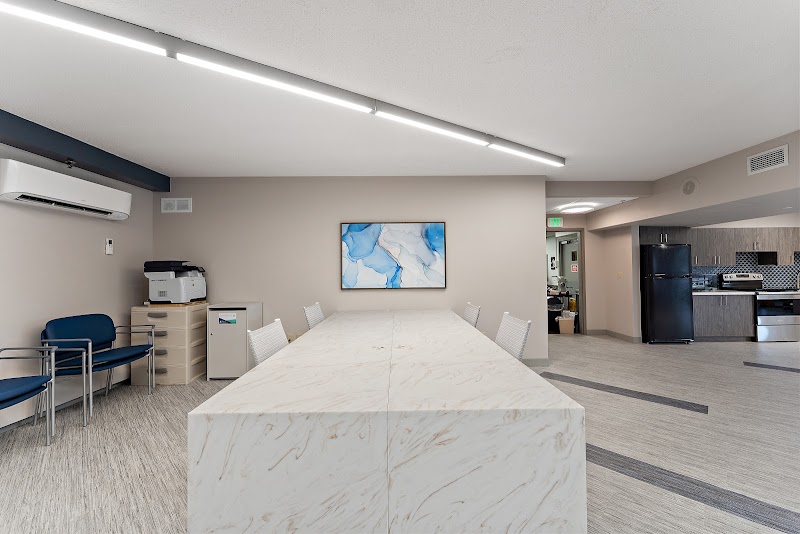
How Does The Villas At Brookview Compare to Other Minnesota Nursing Homes?

Compared to the 100 nursing homes in Minnesota, THE VILLAS AT BROOKVIEW's overall rating (3 stars) is below the state average of 3.2 and health inspection rating (3 stars) is at the national benchmark.

What Should Families Ask When Visiting The Villas At Brookview?

Based on this facility's data, families visiting should ask: "Can you walk me through typical staffing levels on day, evening, and night shifts?" "Can I visit during a mealtime to observe dining assistance and food quality?" "How do you handle medical emergencies, and what is your hospital transfer rate?" "Can I speak with family members of current residents about their experience?" These questions are particularly relevant given the below-average staffing rating.

Is The Villas At Brookview Safe?

Based on CMS inspection data, THE VILLAS AT BROOKVIEW has a clean safety record: no substantiated abuse findings (meaning no confirmed cases of resident harm), no Immediate Jeopardy citations (the most serious violation level indicating risk of serious injury or death), and is not on the Special Focus Facility watch list (a federal program monitoring the lowest-performing 1% of nursing homes). The facility has a 3-star overall rating and ranks #100 of 100 nursing homes in Minnesota. While no facility is perfect, families should still ask about staff-to-resident ratios and recent inspection results during their visit.

Do Nurses at The Villas At Brookview Stick Around?

THE VILLAS AT BROOKVIEW has not reported staff turnover data to CMS. Staff turnover matters because consistent caregivers learn residents' individual needs, medications, and preferences. When staff frequently change, this institutional knowledge is lost. Families should ask the facility directly about their staff retention rates and average employee tenure.

Was The Villas At Brookview Ever Fined?

THE VILLAS AT BROOKVIEW has no federal fines on record. CMS issues fines when nursing homes fail to meet care standards or don't correct problems found during inspections. The absence of fines suggests the facility has either maintained compliance or corrected any issues before penalties were assessed. This is a positive indicator, though families should still review recent inspection reports for the full picture.

Is The Villas At Brookview on Any Federal Watch List?

THE VILLAS AT BROOKVIEW is not on any federal watch list. The most significant is the Special Focus Facility (SFF) program, which identifies the bottom 1% of nursing homes nationally based on persistent, serious quality problems. Not being on this list means the facility has avoided the pattern of deficiencies that triggers enhanced federal oversight. This is a positive indicator, though families should still review the facility's inspection history directly.