ESSENTIA HEALTH GRACE HOME
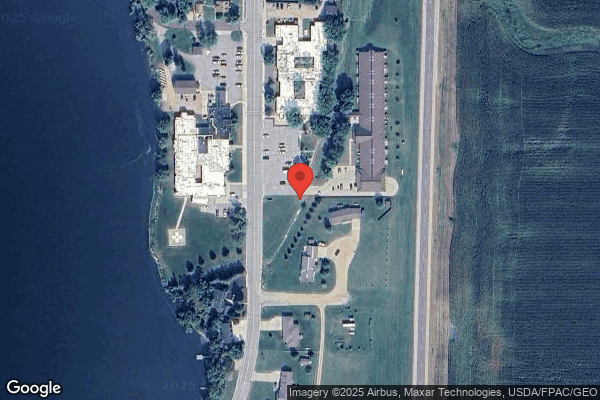
116 WEST SECOND STREET, GRACEVILLE, MN 56240 (701) 671-4105
Non profit - Corporation 40 Beds ESSENTIA HEALTH Data: November 2025
Trust Grade
70/100
#108 of 337 in MN
Last Inspection: January 2025

Within standard 12-15 month inspection cycle. Federal law requires annual inspections.

Overview

Essentia Health Grace Home has a Trust Grade of B, indicating it is a good choice for families seeking care for their loved ones. It ranks #108 out of 337 nursing homes in Minnesota, placing it in the top half of facilities in the state, and is the best option among the two homes in Big Stone County. The facility is improving, with issues decreasing from seven in 2023 to four in 2025. Staffing is a notable strength, with a perfect score of 5 out of 5 stars and a turnover rate of 30%, which is significantly lower than the state average. However, there are some concerns, including a serious incident where a resident fell and sustained injuries due to a failure to use a transfer belt as required, as well as issues with infection control practices that could affect all residents.

Trust Score
B
70/100
In Minnesota
#108/337
Top 32%
Safety Record
Moderate
Needs review
Inspections
Getting Better
7 → 4 violations
Staff Stability
○ Average
30% turnover. Near Minnesota's 48% average. Typical for the industry.
Penalties
✓ Good
No fines on record. Clean compliance history, better than most Minnesota facilities.
Skilled Nurses
✓ Good
Each resident gets 90 minutes of Registered Nurse (RN) attention daily — more than 97% of Minnesota nursing homes. RNs are the most trained staff who catch health problems before they become serious.
Violations
⚠ Watch
13 deficiencies on record. Higher than average. Multiple issues found across inspections.
★★★★☆
4.0
Overall Rating
★★★★★
5.0
Staff Levels
★★★☆☆
3.0
Care Quality
★★★☆☆
3.0
Inspection Score
Stable
2023: 7 issues
2025: 4 issues

The Good

  • 5-Star Staffing Rating · Excellent nurse staffing levels
  • Full Sprinkler Coverage · Fire safety systems throughout facility
  • No fines on record
  • Staff turnover below average (30%)

    18 points below Minnesota average of 48%

Facility shows strength in staffing levels, fire safety.

The Bad

Staff Turnover: 30%

15pts below Minnesota avg (46%)

Typical for the industry

Chain: ESSENTIA HEALTH

Part of a multi-facility chain

Ask about local staffing decisions and management

The Ugly 13 deficiencies on record

1 actual harm
Jul 2025 1 deficiency
CONCERN (D) 📢 Someone Reported This

A family member, employee, or ombudsman was alarmed enough to file a formal complaint

Potential for Harm - no one hurt, but risky conditions existed

Accident Prevention (Tag F0689)

Could have caused harm · This affected 1 resident

**NOTE- TERMS IN BRACKETS HAVE BEEN EDITED TO PROTECT CONFIDENTIALITY** Based on observation, interview and document review, the facility failed to assesses and develop interventions for residents at ...

Read full inspector narrative →
**NOTE- TERMS IN BRACKETS HAVE BEEN EDITED TO PROTECT CONFIDENTIALITY** Based on observation, interview and document review, the facility failed to assesses and develop interventions for residents at risk for elopement (leave the facility without staff knowledge) for 1 of 3 residents (R1) reviewed for elopement. Further, the facility failed to test wanderguard (tags that alarm when a resident elopes) tags per manufacturer's recommendations for 3 of 3 residents (R1, R2, and R3) reviewed for elopement. Findings include: R1 R1's significant change Minimum Data Set (MDS) dated [DATE], identified R1 was cognitively impaired and had diagnoses which included dementia, arthritis, and anxiety disorder. Identified R1 required extensive assistance with activities of daily living (ADL's) which include toileting, and dressing. Identified R1 was able to ambulate independently and wandered. Identified wandering was worse since last assessment. R1's care plan revised 6/23/25, identified R1 had behavioral symptoms present related to dementia with psychotic and behavioral disturbances. Identified R1 wandered and paced throughout the facility daily. Identified R1 had an elopement from the facility on 6/23/25. Identified consulting to find a possible visual barrier to aid in redirection of wandering behavior and promote safety, altered 15 second time frame to 30 seconds for door egress, red banner with magnets that say STOP-DO NOT ENTER placed on door. Directed staff to check wanderguard placement daily. Care plan lacked direction on how often to check the battery of wanderguard tags. Care plan further lacked documentation of exit seeking behaviors which included pounding on the doors and standing at the exit doors. Further lacked interventions for R1 during exit seeking behaviors. R1's elopement risk assessment dated [DATE], identified R1 had a history of wandering and was at risk for elopement. R2 R2's annual MDS dated [DATE], identified R2 was cognitively impaired and had diagnoses which included dementia, anemia, and anxiety disorder. Identified R2 required extensive assistance with ADL's which included transfers, toileting, and dressing. Identified R2 required a wheelchair and wandered. R2's care plan revised 5/15/25, identified R2 had behavioral symptoms with a history of physical and verbal behaviors towards others related to dementia. Identified R2 wandered daily. Identified when resident became agitated or had increased anxiety, staff were to offer objects of comfort such as stuffed animals and/or baby dolls. Attempt to provide diversion activities of resident's desired choices such as cards, music therapy of gospel music or classic country music, or 1:1 visits with reminiscing about fond memories or previous enjoyable events. Offer snacks and fluids as I enjoy sweets. Directed staff to check wander guard placement daily. Care plan lacked direction on how often to check the battery of wander guard tags. R2's elopement risk assessment dated [DATE], identified R2 had a history of wandering and was at risk for elopement. R3 R3's significant change MDS dated [DATE], identified R3 was cognitively impaired and had diagnoses which included dementia, anemia, and hypertension (elevated blood pressure). Identified R3 required extensive assistance with ADL's which include transfers, toileting, and dressing. Identified R3 wandered and R3's wandering was worse since last assessment. R3's care plan revised 6/11/25, identified R3 had behavioral symptoms with a history of physical and verbal behaviors towards others related to dementia. Identified R3 wandered and had a history of elopement and attempts at elopement. Identified behavioral symptoms with a history of physical and verbal behaviors towards others related to dementia. Identified R3 had periods of increased irritability towards others including verbal and physical behaviors. R3 may do better with individual activity verse group settings based on my mood at that time. When R3 was fixated on leaving, attempt redirection and distraction. R3 likes watching TV. In the past, calling my daughter and letting me speak to her seems to be effective in lessening anxiety and/or behaviors at that time. Approach: Encourage activity, watching TV in room, phone calls with family during periods of increased anxiety or behavior Approach: May need to re-approach or try alternative staff if having increased signs of anxiety, anger, irritability, or other physical or verbal behavioral symptoms towards others. Care plan directed staff to check wanderguard placement daily. Care plan lacked direction on how often to check the battery of wander guard tags. R3's elopement risk assessment dated [DATE], identified R3 had a history of wandering and was at risk for elopement. Review of R1, R2,and R3 treatment administration record (TAR) for the month of June 2025, identified placement of the wanderguard was being monitored every shift. TAR lacked evidence that the battery of R1, R2, and R3 wanderguard tag's were being tested. During an interview on 6/30/25 at 1:07 p.m., wanderguard rep stated the manufacturer expected the facility to be checking the batteries on the wanderguard tags that were placed on residents weekly to ensure proper functioning. Review of facility event report dated 6/23/25 at 12:55 p.m., identified R1 had an elopement from the facility and was found across the street on a porch rearranging the flowers. Identified R1 had elopement attempts in the past and wandered without a purpose and attempted to open doors. Interventions included staff assisted R1 back into the building and maintenance tested the wanderguard system and the door at the location of the elopement. Review of an inter-disciplinary team (IDT) progress note dated 6/25/25 at 1:27 p.m., identified R1 had a wanderguard in place due to elopements out of the building and further elopement attempts. Identified wanderguard continued to be checked for placement every shift, consulting with maintenance to find a barrier to be installed to redirect wandering behavior and promote safety for R1. Progress note lacked documentation of why R1 was attempting to elope from the facility or interventions placed related to the reason R1 was attempting to elope from the facility. Review of a progress noted dated 6/28/25 at 10:25 a.m., identified R1 was able to get through the doors and exited the building taking the DO NOT ENTER banner with her. R1 was intercepted immediately by a kitchen staff member and brought back into the building. Identified a black sheet was hung up and the door knob was removed from the nurses station which R1 had used to get to the north door where she eloped from. Identified R1 had been agitated, angry, aggressive all shift. Progress note lacked documentation of why R1 was attempting to elope from the facility or interventions placed related to the reason R1 was attempting to elope from the facility. During an observation on 6/30/25 at 9:30 a.m., R 1 had a wanderguard on her left ankle and was walking at a fast pace throughout the facility. During an interview on 6/30/25 at 12:57 maintenance (M)-A stated on 6/23/25 at approximately 1:00 p.m., he was mowing the lawn in front of the facility when he noticed R1 walking through the facility parking lot, across the street and onto the porch of a house and began rearranging the flowers MA stated R1 most likely came out through the door on the north side of the building. M-A stated he alerted nursing staff immediately and nursing assistant (NA)-A came outside immediately and assisted R1 back into the building. M-A stated he was unsure if anyone immediately asked R1 why she was outside or if anyone had recently tested the battery in R1's wanderguard tag. During an interview on 6/30/25 at 1:25 M-B stated he was called in to work on 6/28/25, after R1 had entered the nurses station and exited the building out the north door. M-B verified he was the one who checked the battery of the wander guard tags on the residents monthly. MB stated he did not document when he tested the battery of the wander guard tags however, knew they were last tested on [DATE], because he also tested all the doors at the same time monthly. MA-B stated he was unaware of how often the battery of the wander guard tags should have been tested. During an interview on 6/30/25 at 1:31 p.m., dietary aide (DA)-A stated she had been standing outside the door on 6/28/25, when R1 exited the building out of the north door. DA-A stated she immediately brought R1 back into the building. DA-A stated R1 told her that she wanted to go outside to work with the flowers. DA-A stated she had taken R1 outside once after her shift to work with the flowers and was unaware if staff had taken R1 out on a regular basis to work with the flowers. During an interview on 6/30/25 at 3:44 p.m., nursing assistant (NA)-A stated R1 was an elopement risk and had recently had an elopement from the facility. NA-A stated the intervention in R1's care plan was to check the placement of the wanderguard each shift. NA-A stated there were not any interventions in R1's care plan related to exit seeking behaviors. During an interview on 6/30/25 at 3:51 p.m., NA-B stated R1 was an elopement risk and had recently had an elopement from the facility. NA-B stated care planned interventions for R1 was the wanderguard. NA-A stated there were not many interventions in R1's care plan for when R1 was exit seeking. During an interview on 6/30/25 at 3:58 p.m., registered nurse (RN)-A stated R1 had eloped recently from the facility. RN-A stated staff had reviewed R1's elopement during IDT but the interventions were more focused on the door which R1 exited from and IDT had not attempted to find out why R1 was wanting out of the facility. RN-A verified there were very limited interventions in R1's care plan for when R1 was exit seeking. RN-A further stated maintenance staff tested the batteries on the wander guard tags monthly and that she was unsure how often the batteries on the wander guard tags had been tested. During an interview on 7/1/25 at 10:00 a.m., director of nursing (DON) verified R1 had eloped in the past week and was at risk for further elopements. DON stated the main focus was the doors and keeping R1 safe. DON stated staff had not assessed the reason R1 was continuing to want to go outside. DON stated R1's care plan lacked interventions for when R1 was exit seeking. DON stated the policy on elopement should be updated. DON stated the batteries of the wanderguard tags were being tested monthly and she was unaware the manufacturer recommendations were to test the batteries weekly. DON further stated her expectation was that R1 would have had care planned interventions for exit seeking behaviors, elopement policy would have included monitoring and managing residents at risk for elopement and that manufacturer recommendations would have been followed for battery testing on all residents who have a wanderguard. Review of a facility manual titled Accutech Installation dated 1/2012, identified for maximum protection of residents or assets accutech recommended that Tags (Wanderguard) be tested on a weekly basis. Review of a facility policy titled Elopement prevention dated 8/7/24, identified all residents would have been assessed through the admission process and elopement precautions would have been initiated immediately for all residents deemed at high risk for elopement and a plan of preventive action would have been incorporated into the resident's plan of care. Policy lacked information regarding monitoring and managing residents at risk for elopement. Policy lacked direction on how often batteries of wanderguard tags were tested.
Feb 2025 1 deficiency 1 Harm
SERIOUS (G) 📢 Someone Reported This

A family member, employee, or ombudsman was alarmed enough to file a formal complaint

Actual Harm - a resident was hurt due to facility failures

Comprehensive Care Plan (Tag F0656)

A resident was harmed · This affected 1 resident

**NOTE- TERMS IN BRACKETS HAVE BEEN EDITED TO PROTECT CONFIDENTIALITY** Based on observation, interview and document review, the facility failed to ensure care plan interventions were implemented for ...

Read full inspector narrative →
**NOTE- TERMS IN BRACKETS HAVE BEEN EDITED TO PROTECT CONFIDENTIALITY** Based on observation, interview and document review, the facility failed to ensure care plan interventions were implemented for 1 of 3 resident (R1) reviewed who required the use of a transfer belt during transfers reviewed for falls. R1 sustained harm when staff failed to implement the use of a transfer belt during a transfer to the bathroom. R1 fell, sustained a bilateral nasal bone fracture, laceration on the forehead, was sent to the emergency department (ED) requiring medical treatment. The facility implemented corrective action prior to the survey so the deficient practice was issued at past non-compliance. Findings include: R1's quarterly Minimum Data Set (MDS) dated [DATE], identified intact cognition and no behaviors. She required substantial/maximal assistance with toileting hygiene, partial/moderate assistance with personal hygiene, upper and lower body dressing, sit to stand, chair/bed-to-chair and toilet transfers, and ambulation up to 50 feet. She used a walker and a wheelchair for mobility. She was frequently incontinent of bladder and always continent of bowel. Her diagnoses included congestive heart failure, renal failure, and arthritis. R1's medications included diuretic (reduces fluid buildup in the body and increases urination) and anticoagulant (decreases the clotting ability of the blood to prevent and treat blood clots such as deep venous thrombosis or pulmonary embolism). No falls identified. R1's care plan dated 1/7/25 identified at risk for falls due to past history of falls with injury, chronic cardiac conditions, history of urinary tract infections (UTIs), occasional vasovagal (vagus nerve is the largest nerve in the body and regulates key functions causing a sudden drop in heart rate, blood pressure, breathing, and digestion and could had caused lightheadedness, nausea, sweatiness, and may faint response). Staff were directed to re-educate her about importance of transfer belt use, safety, and a sign placed in her room for a reminder for a gait belt and a front wheeled walker to aid in safety with mobility. Staff may have used a mechanical lift as needed (PRN) for periods of increased difficulty with transfers. R1's discharge MDS dated [DATE], identified she had one previous fall without injury and one fall with major injury. R1's progress notes from 2/1/25 through 2/6/25, identified: -2/1/25 at 12:35 p.m. nursing assistant (NA) called over radio for assistance in R1's room. Nurse down [sic] and entered room. R1 is halfway out of bathroom and laid face down on the floor with walker underneath her. Noted blood pooling around her head. NAs assisting R1 and applied pressure to head wound. Nurse assessed resident and 911 was called to transport to hospital. Staff kept resident talking until sheriff and emergency medical technicians (EMTs) arrived. R1 place on gurney and went by ambulance to emergency room (ER) at about 1:00 p.m. -2/1/25 at 3:56 p.m. call received from hospital R1 will be kept overnight for observation. -2/2/25 at 1:14 p.m. (recorded as late entry on 2/4/25 at 7:18 a.m.) Vital signs stable. R1 visiting with son and grandson. Band aide intact on forehead. Bruising noted around eyes, nose, and upper lip, and upper lip swollen. Pupils equal and sluggish to react to light. R1 does not have a headache. -2/2/25 at 3:13 p.m. (recorded as a late entry on 2/4/25 at 3:19 p.m.) 72 hours post fall. R1 was alert and oriented and vital signs (VS) within limits 122/63, 89% Sa02, 71, and 18. Answers questions appropriately. Dressing on forehead clean, dry, and intact (CDI). No signs of bleeding. Moves all extremities without a difficulty. Adequate hydration, voiding, and no complaints of pain so far. Sleeping soundly. -2/2/25 at 2:20 p.m. R1 returned from hospital. New orders received and processed. Daughter-in-law returned R1 to facility and was aware of new orders. R1 had a 5 cm forehead laceration which was stitched up and covered with band aid and was to stay in place until provider came across to remove stitches to forehead. Nose broke on both sides, upper lip swollen and black, also bruised around eyes. Had old bruising to knees and shine [sic] from earlier fall. Staff will monitor bruising for changes and due [sic] [NAME] [sic] checks every shift. -2/2/25 at 6:44 p.m. called over to physical therapy to screen R1 for safe transfers. At this time, we are using Hoyer (total lift machine) lift on her due to fall with injuries yesterday and before coming back to nursing home she had a vagal response at local hospital. -2/3/25 at 10:33 a.m. suture removal dated scheduled for Thursday 2/6/25 at 10:00 a.m. Provider will come over to remove sutures from the clinic. -2/3/25 at 1:46 p.m. Interdisciplinary team (IDT) note identified: contributing cause of the fall: history (HX) of vagal responses has been dizzy over past week, no vagal responses over the past several days. R1 was standing up for perineal (peri) cares and fell forward over her walker, she did not feel that she was passing out but a little dizzy and had been declining more over the past month. Post fall concerns: pain and functional limitation. R1 was sent to ER for evaluation and treatment. Action/Plan/interventions implemented to prevent reoccurrence: upon return R1 was placed as a Hoyer for all transfers with two persons assist for bed mobility as well. No further falls. -2/3/25 at 2:28 p.m. Physical Therapy (PT) evaluation completed. Due to increase in vagal episodes, recommend use of the Hoyer assist of two for all transfers. Leave sling under R1 for safety and skin protection of donning/doffing. Discharging occupational therapy (OT) orders as R1 required a Hoyer lift and assist of two for all ADLs as well. Physical therapy (PT) will continue to keep on for an assessment of safety with mobility and if possible, progress to EZ stand based on medical stability. Discussed with resident doing static stand at her walker in front of recliner with assist of two to continue to get weight through her legs and not fully loose strength. Discussed this could be part of a restorative program, and R1 refused to attempt. -2/6/25 at 2:10 p.m. Sutures removed by provider today. R1 stated not feeling well. Vitals are within guidelines. R1's Emergency Department (ED) notes dated 2/1/25 at 1:16 p.m. identified chief complaint: fall. She was a [AGE] year-old female who was being helped up from the toilet and wiped when she fell forward and struck her face and forehead. She denied neck pain and refused a cervical collar (C-collar) (a medical device used to support and immobilize a person's neck). Physical exam identified: her mouth had gingival bleeding along the gingival tooth junction (the area between the tooth surface and gum tissue), pale skin with a complex laceration (a tear in the skin and underlying tissue caused by blunt trauma) to the forehead, and nose appeared deformed from fall. R1's laceration located on forehead, involved the areolar tissue (loose connective tissue found in both the dermis and subcutaneous layers of the skin) and measured 9 centimeters (cm) by 0.5 cm was repaired with sutures. Review of the electrocardiogram (EKG) revealed a left bundle branch block (LBBB) and identified as new since 11/30/23. She was transferred to hospital. R1's computed tomography (the use of x-rays and a computer to create 3D digital images of your organs, bones, and other tissues) (CT) scan dated 2/1/25, identified cannot exclude nondisplaced acute fracture involving the sternum (breastbone located in the central part of the chest and protects your organs and connects other bones and muscles). R1's CT maxillofacial (bones of the face, including orbits, sinuses, jaw, and teeth) without (WO) contrast dated 2/1/25, identified facial blunt trauma, contusion/laceration overlying the frontal bones without underlying fracture, mildly comminuted (a bone that was broken in at least two placed usually after a very forceful event/trauma) and impacted bilateral (both sides) nasal bone fracture. R1's hospital progress notes from 2/1/25 through 2/2/25, identified: -2/1/25 at 12:58 p.m. R1 presented to ER with complaint of while standing with walker and receiving peri care. She was not aware of weakness coming on said she just went down. She was alert and orientated times four. Presented per ambulance on stretcher. -2/2/25 at 2:34 a.m. R1 complained of nausea and a headache rated at 7 out of 10. Zofran 4 milligrams (mg) given at this time. Ice pack given to her for headache. She can have more Tylenol at 4:00 a.m. -2/2/25 at 9:53 a.m. R1 took two steps to sit on commode. While on commode she had a spell where she passed out. She had dry heaves, passed much flatus but not bowel movement. Hoyer lift used to put her back to bed. She woke up while transferring to bed and positioned on her left side with pillow support. -2/2/25 at 1:36 p.m. R1 was discharged back to nursing home via wheelchair. R1's discharge notes from local hospital dated 2/2/25, identified discharge diagnoses: near syncope (fainting or passing out and is a temporary loss of consciousness and muscle tone caused by a decrease in blood flow to the brain), ecchymosis (bruising) face and right lower leg, closed fracture of nasal bone, and forehead laceration. Sutures to be removed in five days. R1' fall risk assessment dated [DATE] identified high risk for falls. R1's physical therapy (PT) evaluation dated 2/3/25 at 2:27 p.m. identified R1 fell face first and landed on her walker while in bathroom with NA. R1 had been having increased vagal response episodes. R1's prior level of function: ambulated in room with assist of one and front wheeled walker, all cares and transfers assist of one, bed mobility assist of two, and wheelchair dependent for all hallway navigation. R1 was identified as fall risk with impaired mobility and gait. Observation of R1 identified posture in recliner: increased leaning to right side and slouched. R1's had generalized weakness, bruised face, and bandage in place over laceration on forehead. R1's current functional status: Hoyer assist of two with all transfers for safety and static (standing without balance loss with use of upper extremities and moderate support from a person) stand in front of recliner to keep strength in her legs with therapy. Discussed with R1 importance of static stand, declined. Reviewed with R1 Hoyer would be used for safety of her and staff due to frequent vagal responses. R1 upset and verbalized understanding. Facility investigation dated 2/4/25, identified R1 was one person assist with use of walker at time of fall. She had complained of episodes of dizziness over the past few weeks and had vagal responses frequently as part of her normal physiological stasis. On this day, she had no complaints of these symptoms. She was in the bathroom with NA-A and rose to be cleaned. NA-A stood behind her, attempted to clean her when she started to lean forward, fell over her walker through the bathroom doorway, landing face first on the floor. NA-A called for help and applied compression to the wound. LPN-A and NA-B entered the room and R1 laid face down with blood on the floor. LPN-A assisted with compression to laceration on forehead to stop bleeding. LPN-A confirmed when she entered R1's room no gait belt was on her. Call placed for transport to ER. CT scans showed fracture to nose. Investigation showed care plan was not followed, and gait belt was not placed on resident by NA caring for her at the time of the incident. During an observation/interview on 2/26/25 at 12:48 a.m. R1 sat in her recliner awake, call light positioned on her lap, blanket covering her legs and feet, fully dressed in shoes on. She had a tan with dark green trim lift sling positioned underneath her. She had a bruise below and above her right eye and on right check area. She stated she had a tendency of passing out and it happened again about three weeks ago while in the bathroom. An NA had taken her to the bathroom with the walker, she used the toilet, stood up, NA reached for some wipes, kind of lost her balance, fell forward onto the floor on top of the walker, and hit her head. She stated it was the worst fall yet, happened so fast, stitches were placed in her forehead, and broke her nose. She was unable to remember if a gait belt was used. Staff had transferred her with a lift machine since she returned from the hospital after the fall and used the bedpan while she laid in bed. During an interview on 2/26/25 at 1:45 p.m. licensed practical nurse (LPN)-A stated R1 was a high risk for falls and staff were expected to use a gait belt when they transferred her. While R1 sat on the toilet, had a history of vagal response, and would go out and faint. On 2/1/125, she arrived in the room and R1 laid face down on the floor with a pool of blood around her head. R1 had injured the center of her forehead when she face planted onto the floor. She called 911, R1 did not go unconscious, talked to staff until EMS arrived 5 to 7 minutes later. Emergency medical services (EMS) turned R1 over and moved her onto the gurney. She noticed R1 had bruising on her forehead, down to cheek bones on both sides of her face with a laceration in the middle of the forehead that required stitches. She had completed vitals and an assessment prior to EMS arrival. Changes were made on R1's care plan after the fall and staff were expected to use the Hoyer lift for all transfers. She had received mandatory education about 5 days ago that included safe resident transfers, mechanical transfers, use of gait belt, and required to take a test. During an interview on 2/26/25 at 2:20 p.m. NA-D stated R1 had vagal responses after having a bowel movement (BM) on the toilet. Our younger staff had not really understood what a vagal response was unless they had witnessed one. R1 was an assist of one, with walker and gait belt for transfers prior to the fall on 2/1/25. R1 was alert and oriented, used the call light, and could make her needs known. Staff were expected to have used a gait belt on R1 especially due to her vagal response. She stated when she arrived to the room R1 laid on the floor, head and upper body were located two feet out from bathroom doorway, face down in a pool of blood underneath the head. R1 had a laceration on the forehead that required stitches, middle of forehead at top of nose did not look right which resulted in a fractured nose. She talked to R1 while she applied cold wash clothes to her face to keep her awake. R1 had not lost consciousness. EMS arrived, moved R1 out of the bathroom, slowly rolled her over, and placed on the stretcher. During an interview on 2/27/25 at 9:02 a.m. physical therapist (PT)-A stated R1 had occasional vagal responses on the toilet and became unconscious. R1 refused further testing and did not want to be transferred out to another facility. Staff were aware of R1's vagal responses for months, were expected to follow care plan, gait belt applied during transfers for safety prior to when R1 lost her balance and could have helped control her movements. An assessment by PT was not completed after the 1/5/25 fall. When R1 refused the use of the gait belt, staff were expected to have placed the gait belt on or notified the charge nurse. A gait belt would have provided a safer transfer. After R1's fall on 2/1/25 a PT evaluation was completed and was deemed safer to transfer R1 with a Hoyer lift and assist of two. R1's care planned was updated after the 2/1/25 fall, R1 may stand assist of two in front of recliner with restorative therapy (PT) only. Staff were expected to use mechanical lift for transfers. During an interview on 2/27/25 at 9:41 a.m. registered nurse quality/safety supervisor (RN)-B stated R1 had a decline in the last month, not herself, less energy, generally not feeling well, and not happy or upbeat. Staff were expected to transfer R1 with assist of one to the bathroom with a gait belt per care plan. There were a few times she transferred R1 and was a bit nervous due to her age and walked bent over. The gait belt would have provided safety for R1 and the staff, may not have prevented R1 from going down, but staff could have grabbed the gait belt when she started to tilt, and guided R1 back to toilet or lowered her onto the floor. There were a couple of staff that did not use gait belts during transfers, provided mandatory education last week to approximately 95% of staff. She started random audits that included: all gait belts checked for damage/fraying, located in each resident room, and whether staff used a gait belt during transfers. During an interview on 2/27/25 at 10:14 a.m. RN-C stated R1 had vagal responses sporadically when she sat on the toilet and started about one year ago. She was unsure of what caused it, family and provider were notified and chose not to pursue any additional testing. R1's vagal responses became more frequent January 2025 and happened while R1 sat in her recliner. Staff were unaware when R1 would have a vagal response and most often happened while on the toilet. R1's care plan was not followed, and a gait belt was not used during the 2/1/25 transfer that resulted in a fall with injury. Staff were expected to use a gait belt with any resident that required partial/moderate or substantial/maximum assist and dependent upon staff assistance for transfers only if the resident walked or pivoted on care plan. R1 transfers were changed to Hoyer lift only with assist of two staff after return to facility from the hospital on 2/2/25. During an interview on 2/27/26 at 11:30 a.m. NA-A stated she aware of R1's vagal responses, last summer became unresponsive while on toilet for approximately one minute, called for help, and safely transferred to her recliner without a fall. She had worked on 2/1/25 when R1 placed call light on, and she responded to it. R1 sat in the recliner, stated she really had to go to the bathroom, removed her blanket, placed walker in front of her, stood up right away, and pushed the walker while she walked alongside her. She did not use a gait belt on R1 for this transfer. Staff were expected to follow the care plan and use a gait belt on any resident that required assistance of one with transfers. She stated completely had forgotten to use a gait belt and would have been important to use when she started to fall, could have lowered her down or redirected her back to the toilet. R1 had refused the use of gait belt in the past and staff were expected to try and distract them, placed gait belt on, and explain the reason it was needed. Gait belts were to be used to keep everyone safe and protected from falls. She had not realized the gait belt was not on R1 until she fell. R1 had a bowel movement on the toilet, stood up, while she stood on R1's left side, started to wipe her bottom when R1 fell forward, face planted on the floor right in front of the toilet. She used walkie and called for help. R1's face started gushing blood, both her and NA-D placed cold towels on her forehead and tried to stop the bleeding. She stayed with R1 and did not lose consciousness, talked to staff until EMS arrived 15 to 20 minutes later. She assisted EMS, rolled R1 over and onto a sheet, and lifted her onto a gurney. She received education from director of nursing (DON) regarding gait belt use, refusal of gait belt, and transfers. During an interview on 2/27/26 at 1:39 p.m. DON stated R1 rushed to get from one place to another. R1 had a history of vagal response for at least 2 ½ years now. When R1 had vagal responses, staff were expected to have administered a sternal rub and assessment completed by the nurse. NA-A received training when she first started regarding a response to a vagal incident. R1 usually sat down prior to a vagal respond and unaware of what caused them. She had talked to R1 and informed her she felt dizzy a little bit, there was not a vagal response during the 2/1/25 fall. She expected staff to follow the care plan, had access to it on the medical records system on computer tablets, understood it and if they did not should have asked the nurse questions. Staff were expected to use a gait belt with any resident that required the assistance of one to safely provide care. The gait belt helped steady and/or lower the resident to the floor if they have fallen or lost their balance and provided safety for both the resident and the staff. She stated no gait belt was used for the transfer of R1 on 2/1/25 which resulted in a fall with injuries. NA-A could have placed R1 on toilet, grabbed gait belt and applied it prior to the transfer, NA-A did not think about that. R1 sustained a laceration center of forehead and required seven stitches, landed on her nose, and fractured /cracked both sides (not all the way through) bridge of nose, facial bruising across forehead down to eyes and extended down to the checks on both side of the face. DON stated R1's walker most likely helped avoid additional injuries. R1 stayed overnight at hospital for observation and came back the next day to the facility. She confirmed 36 out of 40 staff had received the mandatory education regarding gait belt use, transfers, lift transfers, and completed the required test afterwards. The remaining four staff were as needed staff (PRN) status and would be required to complete the mandatory education prior to the next shift worked. Facility policy Transfer/Gait Belt, use of dated 8/6/19, identified the purpose of a transfer (gait) belt is to provide support to residents that maybe unsteady on their feet. The belt will protect the resident should they become weak or lose their balance when ambulating or transferring. All staff assigned to provide direct care will be expected to use a transfer belt while providing direct care as indicated in care plan. A transfer belt was to be used on a resident that was care planned to be: assist of one or two with transfers and ambulation. Procedure: 1. Review care plan for resident ambulation status. 2. Identify resident and explain who you are and what you are about to do. 3. Wash hands and gather supplies: transfer belt and appropriate footwear. 4. Assist resident to put on appropriate footwear. 5. Fasten transfer belt securely around waist of properly clothed resident. 6. Grasp transfer belt at resident's side using the underhand grasp. 7. Using proper body mechanics, bend your knees while keeping your back straight and assist resident to a standing position. 8. Allow resident to get and maintain a standing balance. Observe for dizziness or weakness. 9. Grab transfer belt at resident's back and walk at side of resident, supporting hand and arm if necessary. 10. Walk resident as indicated on the care plan. 11. Assist resident to sitting position. 12. Report/record procedure, noting resident's tolerance and ability as needed. 13. Transfer belts are in resident room as well as at the nurse's stations and in the medication drawer room (MDR). Facility Care Plan/Care Conference policy dated 8/9/24, identified purpose of care plan was to ensure each resident had an individual plan of care to provide the necessary care to achieve and maintain the highest practicable level of physical, mental, and psychological well-being. Staff providing direct care were responsible for reviewing and understanding the individualized care plan for each resident.
Jan 2025 2 deficiencies
CONCERN (D)

Potential for Harm - no one hurt, but risky conditions existed

Deficiency F0760 (Tag F0760)

Could have caused harm · This affected 1 resident

**NOTE- TERMS IN BRACKETS HAVE BEEN EDITED TO PROTECT CONFIDENTIALITY** Based on observation, interview and document review, the facility failed to ensure professional standards of practice were follo...

Read full inspector narrative →
**NOTE- TERMS IN BRACKETS HAVE BEEN EDITED TO PROTECT CONFIDENTIALITY** Based on observation, interview and document review, the facility failed to ensure professional standards of practice were followed during medication set-up and administration of insulin with a Novolog insulin pen ( rapid-acting insulin, used to improve blood sugar control in people with diabetes mellitus) for 1 of 2 residents (R12) who received insulin without the pen primed according to manufacturer's recommendations. Findings include: R12's quarterly Minimum Data Set (MDS) dated [DATE], identified R12 had intact cognition and had a diagnosis of diabetes mellitus (DM) and received injections of insulin. R12's care plan revised 12/1/24, identified staff were to administer medications as prescribed. R12's Order Summary Report signed 12/11/24, identified Novolog Flex Pen U-100 inject 5 units Subcutaneously (an injection just under the skin into the fatty tissue) three times daily for DM. During an observation of medication pass on 1/14/25 at 5:30 p.m., registered nurse (RN)-A prepared R12's medication which included her 5:00 p.m., Novolog insulin. RN-A removed the Novolog insulin pen from the medication cart, removed the tip, attached a needle to the end of the pen, dialed the dose to the ordered 5 units, picked up an alcohol wipe, went to R12's room and administered the 5 units of insulin to R12. RN-A then removed the needle from the end of the pen, placed it in the sharps container and sanitized her hands. RN-A did not prime the pen (waste 2 units of insulin to remove the air bubbles) per manufacturer's instructions prior to drawing up the 5 units of insulin. During an interview on 1/14/25 at 5:324 p.m., RN-A verified she had not primed the insulin pen prior to dialing up the 5 units of Novolog for R12 per manufacturer's recommendations. RN-A stated she was aware the insulin pen should have been primed prior to dialing up the insulin to ensure the accurate dosage of insulin was administered. During an interview on 1/15/25 at 9:15 a.m., consultant pharmacist (CP) stated it was important to always prime an insulin pen prior to drawing up the dosage to ensure the residents received the correct dosage of insulin. During an interview on 1/15/25 at 9:23 a.m., director of nursing (DON) stated her expectation was that the insulin pen would have been primed prior to dialing up the insulin dose for R12 to ensure the proper dose of insulin was administered. Review of the Novolog insulin manufacture's package insert dated 2023, identified the need to perform an airshot before each injection to ensure the any air bubbles were removed. The process directed: Attach a new needle, Select a dose of 2 units on the dosage selector, hold the pen with the needle pointing upward, tap the insulin reservoir to move any air bubbles to the top of the reservoir, press the injection button all the way in, and check to see if insulin comes out of the needle tip. Repeat if no insulin comes from the needle, then dial the selector to the ordered insulin dose and administer as ordered. Review of a facility policy titled Medication Administration revised 7/23, identified staff would follow appropriate standards and protocols when administering medications. .
CONCERN (F)

Potential for Harm - no one hurt, but risky conditions existed

Infection Control (Tag F0880)

Could have caused harm · This affected most or all residents

**NOTE- TERMS IN BRACKETS HAVE BEEN EDITED TO PROTECT CONFIDENTIALITY** Based on observation, interview and document review, the facility failed to implement appropriate donning/doffing of personal pr...

Read full inspector narrative →
**NOTE- TERMS IN BRACKETS HAVE BEEN EDITED TO PROTECT CONFIDENTIALITY** Based on observation, interview and document review, the facility failed to implement appropriate donning/doffing of personal protective equipment (PPE) practices to prevent the spread of infection for 1 of 3 residents ( R21) observed for enhanced barrier precautions (EBP) (an infection control intervention designed to reduce transmission of multidrug-resistant organisms that employs targeted gown and glove use during high contact resident care activities). This deficient practice had the potential to affect all 22 residents residing in the facility. Findings include: Review of Centers for Disease Control and Prevention (CDC) guidance dated 4/1/24, Implementation of Personal Protective Equipment (PPE) Use in Nursing Homes to Prevent Spread of Multidrug-resistant Organisms (MDROs) indicated Examples of high-contact resident care activities requiring gown and glove use for Enhanced Barrier Precautions included: dressing, bathing/showering, transferring, providing hygiene, changing linens, changing briefs or assisting with toileting, device care or use: central line, urinary catheter, feeding tube, tracheostomy/ventilator and wound care: any skin opening requiring a dressing. R21's significant change Minimum Data Set (MDS) dated [DATE], identified R21 had moderate cognitive impairment and diagnoses which included diabetes mellitus (DM), renal insufficiency, and hypertension (elevated blood pressure). Identified R21 required extensive assistance with activities of daily living (ADL's) which included toileting, transferring, and dressing. R21's care plan revised 12/20/24, indicated R21 had a catheter related to bladder outlet obstruction. Care plan directed staff to assist with emptying catheter every shift. During an observation on 1/13/25 at 11:02 a.m., there was a sign on R21's door that stated Enhanced Barrier Precautions; Everyone must clean their hands, including before entering and when leaving the room. Wear gloves and gown for the following high contact resident activities: dressing, bathing/showering, transferring, providing hygiene, changing linens, changing briefs or assisting with toileting, device care or use: central line, urinary catheter, feeding tube, tracheostomy/ventilator and wound care: any skin opening requiring a dressing. In addition, the sign contained a picture of hand sanitizer, a gown, and gloves. There were no gowns located inside or outside R21's room. During an observation on 1/13/25 at 1:01 p.m., occupational therapy assistant (OTA) entered R21's bathroom, sanitized hands, applied gloves and informed R21 she was there to assist her off the toilet. OTA used toilet paper to wipe R21's perineal area, removed gloves, pulled up R21's pants and washed hands. OTA proceeded to walk along side of R21 in to the therapy room. The only PPE OTA wore while assisting R21 off the toilet was gloves. During an observation on 1/13/25 at 2:56 p.m., nursing assistant (NA)-A entered R21's room, sanitized hands, applied a gait belt around R21's waist and walked with R21 to the bathroom while holding on to the gait belt. NA-A applied gloves and pulled R21's pants down as R21 sat down on the toilet. NA-A used toilet paper to wipe R21's perineal area, removed gloves, pulled up R21's pants and washed hands. NA-A walked with R21 to her recliner while holding on to the gait belt. The only PPE NA-A was wearing while assisting R21 on the toilet was gloves. During an interview on 1/13/25 at 3:01 p.m., NA-A verified the only PPE she had used while toileting R21 was gloves. NA-A stated the only time she needed to wear a gown was when she was working with R21's catheter. During an interview on 1/14/25 at 11:42 a.m., OTA verified the only PPE she had used while toileting R21 was gloves. OTA stated her understanding of EBP was that she only needed to wear a gown when she was working with R21's catheter. During an interview on 1/15/25 at 8:30 a.m., infection preventionist (IP) verified R21 had a catheter and was on EBP. IP stated her understanding of EBP had been that staff only needed to wear a gown if they were caring for R21's catheter. IP stated now that she was aware of when a gown should be used, her expectation was that staff would wear a gown when indicated per Centers for Disease Control (CDC) guidance while caring for any resident who was on EBP. During an interview on 1/15/25 at 9:21 a.m., director of nursing (DON) stated her expectation was that PPE would have been readily available to use for any residents in EBP and staff would have worn a gown and gloves while caring for R21. Review of a facility policy titled Standard and Transmission Based Precautions (TBP) revised 11/2/23, identified TBP were special precautions for the care of patients with diseases or conditions of epidemiological significance that are transmitted by contact. Identified gowns were to be worn to protect skin and prevent soiling of clothing during patient care activities that are likely to generate splashes or sprays of blood, body fluids, secretions or causing soiling of clothing.
Dec 2023 7 deficiencies
CONCERN (D)

Potential for Harm - no one hurt, but risky conditions existed

Deficiency F0554 (Tag F0554)

Could have caused harm · This affected 1 resident

**NOTE- TERMS IN BRACKETS HAVE BEEN EDITED TO PROTECT CONFIDENTIALITY** Based on observation, interview, and document review, the facility failed to ensure residents were assessed for the ability to s...

Read full inspector narrative →
**NOTE- TERMS IN BRACKETS HAVE BEEN EDITED TO PROTECT CONFIDENTIALITY** Based on observation, interview, and document review, the facility failed to ensure residents were assessed for the ability to self administer medications (SAM) for 1 of 1 residents (R23) reviewed for medication administration. Findings include: R23's quarterly Minimum Data Set (MDS) dated [DATE], indicated R23 was cognitively intact. Identified R23 had diagnoses which included diabetes mellitus (DM) and renal failure (a condition where the kidneys loose the ability to remove waste). R23's face sheet indicated R23 had diagnoses which included disorder of the brain. Review of R23's electronic health record (EHR) revealed a SAM assessment had not been completed. R23's Physician Order Report dated from 10/24/23 to 12/6/23, directed staff to administer Toprol XL 100 milligrams(mg) one time daily (medication used for high blood pressure), Actos 15 mg one time daily (medication used to treat diabetes), bumetanide 2 mg one time daily (medication used to remove fluid from the body), Certavites 50 one time daily (multi-vitamin), potassium chloride 10 milliequivalents (mEq) two times daily (supplement), stool softener two times daily, Lisinopril 40 mg one time daily (medication used for high blood pressure), and vitamin E 268 mg one time daily (supplement). R23's Medication Administration Record (MAR) dated 11/1/23 to 12/6/23 indicated R23 was taking Toprol XL 100 mg one time daily, Actos 15 mg one time daily, bumetanide 2 mg one time daily, Certavites 50 one time daily, potassium chloride 10 mEq two times daily, stool softener two times daily, Lisinopril 40 mg one time daily, and vitamin E 268 mg one time daily. R23's care plan dated 10/24/23, indicated R23 would have medications administered as prescribed. During an observation on 12/06/23 8:19 a.m., R23 was seated in the dining room at the table with three other residents for breakfast. Registered nurse (RN)-A removed R23's medications from the medication cart and began to dispense R23's medications. RN-A dispensed the medications listed above into the medication cup, closed the computer, walked to the dining room and set the cup of medications down on the table next to R23. RN-A spoke to R23 about the medications and indicated she would bring R23 the remaining medications to R23's room. RN-A walked away from the table, returned to the medication cart and left the medication cup on the table next to R23. RN-A opened the computer and documented R23 took the medications. After RN-A walked away R23 took the medications listed above independently while sitting at the table. During an interview on 12/6/23 at 8:24 a.m., licensed practical nurse (LPN)-A verified R23 was not able to self-administer medications. LPN-A indicated there were no residents within the facility who were able to self-administer medications. During an interview on 12/6/23 at 9:22 a.m., RN-A confirmed R23's medications had been set down on the table for R23 to take. RN-A indicated she did not watch R23 take the medications and did not follow-up to ensure R23 had taken the medications. RN-A confirmed R23 did not have orders for self-administration and RN-A should have stood next to R23 to ensure all medications were taken. During an interview on 12/6/23 at 12:36 p.m., director of nursing (DON) confirmed the above findings and indicated R23 did not have the cognitive ability to self-administer medications. DON stated her expectations were staff remained next to the residents during medication administration and ensure residents had taken all medications as ordered. Facility policy titled Medications: Self-Administration of revised on 10/23/23, the interdisciplinary team (IDT) would determine that it was safe for the resident to self-administer medications. A Physician's order would be obtained. Observations would be completed to assist with determining if the resident was able to safely self-administer medications. Facility policy titled Medication Administration revised on 7/23, licensed and certified personnel were to remain with the resident and ensure that all medications have been taken/swallowed.
CONCERN (D)

Potential for Harm - no one hurt, but risky conditions existed

ADL Care (Tag F0677)

Could have caused harm · This affected 1 resident

**NOTE- TERMS IN BRACKETS HAVE BEEN EDITED TO PROTECT CONFIDENTIALITY** Based on observation, interview and document review, the facility failed to provide assistance with personal hygiene for 1 of 1 ...

Read full inspector narrative →
**NOTE- TERMS IN BRACKETS HAVE BEEN EDITED TO PROTECT CONFIDENTIALITY** Based on observation, interview and document review, the facility failed to provide assistance with personal hygiene for 1 of 1 residents( R11) reviewed for activities of daily living (ADL)'s. Findings include: R11's significant change Minimum Data Set (MDS) dated [DATE], identified R11 had severely impaired cognition and had diagnosis which included diabetes Mellitus (DM), dementia, and obsessive-compulsive disorder. Identified R11 required extensive assistance with activities of daily living (ADL's) which included bed mobility, toileting, transfers, and personal hygiene. R11's current care plan last revised 10/1/23, indicated R11 had deficits with ADL's related to dementia. R11 required staff assistance for personal hygiene. R11's comprehensive Care Area assessment dated [DATE], identified R11 required extensive assistance with ADL's. During an observation on 12/4/23 at 1:46 p.m , R11 was lying in bed and had several ½ inch long gray facial hair on his cheeks and chin. During an observation on 12/5/23 at 8:50 a.m., R11 was lying in bed and continued to have several ½ inch long gray facial hair on his cheeks and chin. During an observation on 12/6/23 at 7:15 a.m., R11 was seated in his recliner in his room and continued to have several ½ inch facial hairs on his cheeks and chin. During an observation on 12/6/6/23 at 9:16 a.m., R11 was lying in bed and continued to have several ½ inch facial hairs on his cheeks and his chin. During an interview on 12/6/23 at 8:07 a.m. family member (FM)-A stated R11 always shaved every day. FM-A further stated R11 would not like having long facial hair. During an interview on 12/6/23 at 9:30 a.m., nursing assistant (NA)-A stated R11 required staff assistance to shave facial hair. NA-A stated she had not assisted R11 with shaving recently and was unsure of the last time R11 had been shaved. During an interview on 12/6/23 at 9:32 a.m., registered nurse (RN)-A stated R11 required staff assistance to shave facial hair. RN-A verified R11 had several long facial hairs and was unsure the last time R11 had been shaved. RN-A stated her expectation was R11 would have been shaved daily or when facial hair was present. During an interview on 12/6/23 at 9:40 a.m., director of nursing (DON) indicated R11 required staff assistance with shaving. DON stated her expectation was R11 would have been shaved per his preference and facility policy. Review of a facility policy titled SNF: Activities if Daily Living (ADL's) standards of care undated, indicated residents with facial hair would be shaved daily or when hair was visible.
CONCERN (D)

Potential for Harm - no one hurt, but risky conditions existed

Deficiency F0883 (Tag F0883)

Could have caused harm · This affected 1 resident

**NOTE- TERMS IN BRACKETS HAVE BEEN EDITED TO PROTECT CONFIDENTIALITY** Based on interview and document review, the facility failed to ensure 2 of 5 residents (R8 and R21) were offered or received pne...

Read full inspector narrative →
**NOTE- TERMS IN BRACKETS HAVE BEEN EDITED TO PROTECT CONFIDENTIALITY** Based on interview and document review, the facility failed to ensure 2 of 5 residents (R8 and R21) were offered or received pneumococcal vaccinations in accordance with the Center for Disease Control (CDC) recommendations. Findings include: Review of the Current CDC recommendations 3/15/2023, revealed the CDC identified adults 65 and older who had previously received both PCV13 and PPSV23 at age [AGE] and older, based on shared clinical decision-making, should receive one dose of PCV20 at least five years after the last pneumococcal vaccine dose. Further, adults who received the PCV13 at any age should receive the PCV20 or PPSV23 one year later. Review of R8's facesheet identified R8, age [AGE] was admitted to the facility on [DATE]. Review of R8's Minnesota Immunization Information Connection (MIIC) undated, identified R 8 had received the PPSV23 on 1/1/2012, and the PCV13 on 8/27/2015. R 8's medical record lacked documentation R8 had been offered or received the PCV20 vaccine. Review of R21's facesheet identified R21, age [AGE] was admitted to the facility on [DATE]. Review of R21's MIIC undated, identified R21 received the PCV13 on 2/25/2016. R21's medical record lacked documentation R21 had been offered the PCV20 or the PPSV23 vaccine. During an interview on 12/5/23 at 2:20 p.m., infection preventionist (IP) confirmed R8 and R21 had not been offered or received the pneumococcal vaccines as recommended by the CDC. IP stated her expectation was the facility would offer and administer all vaccination per CDC recommendations. During an interview on 12/6/23 at 9:40 a.m., director of nursing (DON) stated she was aware of the CDC recommendation for the pneumococcal vaccination. DON confirmed R8 and R21 had not been offered or received the pneumococcal vaccinations as recommended by the CDC. DON stated her expectation would have been that all residents would have been offered and received all pneumococcal vaccines per Centers For Disease Control (CDC) recommendations. Review of a facility policy titled SNF Vaccination of residents-Influenza, pneumococcal, and Covid -19, revised 6/13/23, indicated pneumococcal vaccinations would be offered and administered to all eligible residents per CDC guidelines.
CONCERN (E)

Potential for Harm - no one hurt, but risky conditions existed

Deficiency F0576 (Tag F0576)

Could have caused harm · This affected multiple residents

Based on interview and document review, the facility failed to ensure resident mail was delivered on Saturdays for 4 of 4 residents (R2,R3, R4,R19) who voiced concerns with mail delivery. This deficie...

Read full inspector narrative →
Based on interview and document review, the facility failed to ensure resident mail was delivered on Saturdays for 4 of 4 residents (R2,R3, R4,R19) who voiced concerns with mail delivery. This deficient practice had the potential to affect all 23 residents residing in the facility. Findings include: During a resident council meeting on 12/5/23 at 9:58 a.m., four residents attended. All four residents, R2, R3, R4, R19, confirmed mail was not delivered to the facility on Saturdays and identified they had to wait until Monday to receive their Saturday mail. During an interview on 12/5/23 at 2:04 p.m., activity director (AD) indicated activity staff delivered mail to residents. AD stated they did not deliver mail to residents on Saturday and indicated the post office had not been delivering mail to the facility on Saturdays. During an interview on 12/6/23 at 9:40 a.m., director of nursing (DON) confirmed mail was not delivered to residents on Saturdays and indicated the post office had not been delivering mail to the facility on Saturdays. The facility policy titled Resident Mail dated 10/21 identified the residents had the right to have access to timely mail delivery.
CONCERN (E)

Potential for Harm - no one hurt, but risky conditions existed

Infection Control (Tag F0880)

Could have caused harm · This affected multiple residents

Based on observation, interview and document review, the facility failed to ensure staff were completing hand hygiene and using proper personal protective equipment (PPE) according to the Centers for ...

Read full inspector narrative →
Based on observation, interview and document review, the facility failed to ensure staff were completing hand hygiene and using proper personal protective equipment (PPE) according to the Centers for Disease Control (CDC) guidelines during a COVID-19 outbreak in the facility while delivering meal trays to 3 of 3 residents (R14, R17, R7). In addition, the facility failed to ensure proper medication handling for 1 of 3 residents (R15) reviewed for medication administration. Findings include: Review of the CDC guidance dated 5/8/23, Interim Infection Prevention and Control Recommendations for Healthcare Personnel During the Coronavirus Disease 2019 (COVID-19) Pandemic. The guidance identified health care personnel (HCP) who worked with COVID-19 positive residents were expected to follow PPE guidelines that included: mask, gown, gloves and face shield covering the front and sides of the face, during all resident encounters. Healthcare Personnel were also expected to complete proper hand hygiene prior to entering residents rooms, after leaving residents rooms and after removing PPE. MEAL TRAY DELIVERY During an observation on 12/05/23 at 9:03 a.m., R14's room door was closed and R14 had been placed in isolation due to testing positive for COVID-19. A pocket holder had been placed on R14's door which contained all required PPE to enter R14's room. R14's door included signage for current PPE requirements. Dietary Aid (DA)-A delivered breakfast meal trays on a four-wheeled cart to residents. Licensed practical nurse (LPN)-B and DA-A applied PPE prior to entering R14's room. DA-A removed white gown and face shield from pocket door holder and donned PPE. DA-A's white gown was not secured with the recommended ties and sides of gown were noted to flap at the side when DA-A walked. DA-A had not applied gloves prior to entering R14's room. LPN-B knocked on door and entered R14's room and DA-A followed behind. DA-A placed R14's meal tray onto bedside table, asked R14 if he needed anything further, R14 declined any additional needs and DA-A exited R14's room. While standing in hallway outside of R14's room, DA-A removed white gown and disposed in trash bin outside R14's room. DA-A removed face shield and placed back into pocket holder on R14's door. DA-A removed N95 mask and disposed in trash bin outside R14's room. DA-A proceeded down the hallway while pushing a four-wheeled cart and continued to deliver meal trays. DA-A had not completed hand hygiene or obtained another mask after leaving R14's room or prior to entering R17's room who was not in isolation for meal tray delivery. DA-A exited R17's room, did not complete hand hygiene and continued to walk down the hallway pushing the four-wheeled cart to deliver meals. DA-A entered R7's room who was not in isolation to deliver the meal tray without completing hand hygiene. While in R7's room, DA-A applied an N95 mask and was touching all over the outside of the mask attempting to adjust it while leaving R7's room. DA-A had not completed hand hygiene after leaving R7's room. DA-A pushed the four-wheeled cart back into the kitchen. During an interview on 12/5/23 at 2:33 p.m., nursing assistant (NA)-A indicated R14 received limited assistance from staff and was independent with cares. NA-A stated when a resident became COVID-19 positive, they would be placed in isolation in their room for 10 days. When a resident had been confirmed positive, staff were required to place the pocket holder and proper signs on the door. NA-A indicated staff were required to complete hand hygiene and follow the PPE guidelines when they entered or exited the room. During an interview on 12/5/23 at 5:23 p.m., LPN-A confirmed the above findings and indicated R14 was placed in isolation due to testing positive for COVID-19. LPN-A confirmed the facility was currently in a COVID outbreak and staff were expected to wear N95 masks at all times. LPN-A was unaware DA-A had entered other rooms without wearing proper PPE or completing hand hygiene between residents. LPN-A stated her expectations were all staff would follow PPE guidelines and complete hand hygiene between residents. MEDICATION ADMINISTRATION During an observation on 12/6/23 at 7:27 a.m., registered nurse (RN)-A dispensed medications for R15 while standing at the medication cart. RN-A obtained Tylenol 325 milligrams (mg) tablets for R15. While pouring the medication from the bottle into the medication cup, one Tylenol 325 mg tablet fell onto the top of the medication cart. RN-A picked up the Tylenol with an ungloved hand and placed the Tylenol into the medication cup. RN-A delivered the medications to R15's room and R15 took all the medications. During an interview on 12/5/23 at 5:44 p.m., director of nursing (DON) confirmed the above findings and indicated she was unaware of dietary staff not donning a mask or completing hand hygiene after leaving a COVID room. DON stated her expectations were staff were required to wear an N95 mask during a COVID-19 outbreak. In addition, DON stated her expectations were staff to complete hand hygiene prior to entering and upon exiting resident rooms. During a follow-up interview on 12/6/23 at 12:36 p.m., DON was not aware of staff not handling medications with proper care especially picking up a medication with an ungloved hand. DON stated her expectations were nursing staff would properly dispense medications and if a medication were to fall out of the cup and land on the med cart surface, staff would follow the policy to dispose of it. Review of facility policy titled Hand Hygiene reviewed 11/10/23, outlined hand hygiene practices and expectations for healthcare workers, prevent the transmission of microbial pathogens and aid in the reduction of healthcare associated infections. All healthcare workers must perform hand hygiene before entering a patients room, before touching any object or furniture in the patient zone, after patient contact, after touching any object or furniture in the patients environment, before putting on gloves, after removing gloves or other personal protective equipment. Review of facility policy titled Standard and Transmission Based Precautions reviewed 11/2/23, to provide guidance to reduce the risk of transmitting infections among patients/residents, staff and visitors. Gloves should be worn for touching potentially infections materials or soiled surfaces. Wear a gown to protect skin and clothing. Wear a mask and eye protection or a faceshield to protect mucous membranes. Review of facility policy titled Medication Administration revised 7/23, to ensure safe, and accurate administration of medications in a timely manner to all residents as ordered by licensed provider. When a medication was dropped outside of the medication cup they must be wasted/destroyed immediately. Any medication that was dropped must be documented in the medical record.
CONCERN (F)

Potential for Harm - no one hurt, but risky conditions existed

Food Safety (Tag F0812)

Could have caused harm · This affected most or all residents

Based on observation, interview, and document review, the facility failed to ensure food stored in the refrigerators, were labeled, dated and discarded properly .This deficient practice had the potent...

Read full inspector narrative →
Based on observation, interview, and document review, the facility failed to ensure food stored in the refrigerators, were labeled, dated and discarded properly .This deficient practice had the potential to affect all 23 residents who were served food from the kitchen. Findings include: On 12/4/23 at 12:05 p.m., during an initial tour of the facility kitchen area with the dietary manager (DM), the following concerns were identified: Refrigerator: -large plastic container 3/4 full of thousand island with black crusty substance around the lid of the dressing opened 4/28/23. -large plastic container half full of Italian dressing opened and not dated. -large plastic container half full of thousand island dressing opened 5/26/23. - large plastic container half full of French dressing opened 8/22/23. -large plastic container of store bought salsa with a black crusty substance around the lid of the container half full opened 10/3/23. -8 slices of angel food cake not dated. During an interview on 12/4/23 at 2:54 PM., DM confirmed the above findings and indicated the residents had recently been served the salsa, angel food cake and french dressing however was unaware of the last time the residents had been served the other dressings. DM stated dressing was only good for 3 months once opened and store bought salsa was only good for one month once opened. DM stated her expectation would have been that all food would have been dated and discarded per food storage guidelines. During an interview on 12/6/23 at 8:29 a.m., registered dietician (RD) indicated it was the responsibility of the DM to oversee the storage of food. RD stated she has worked for the facility for the past six months but had never been to the facility therefore, was unaware of the undated and past dated food in the refrigerator. RD stated she was not sure of how long food was good once opened. During an interview on 12/6/23 at 9:40 a.m., director of nursing DON stated she was unaware of the undated and past dated food in the refrigerator in the kitchen. DON further stated her expectation was that food would have been dated and thrown out per food storage guidelines. Review of a facility policy titled Refrigerator-Freezers, Food Storage revised 11/19/21, indicated to assure the safe storage and management of patient food stored in refrigerator and
CONCERN (F)

Potential for Harm - no one hurt, but risky conditions existed

Staffing Data (Tag F0851)

Could have caused harm · This affected most or all residents

Based on interview and document review, the facility failed to submit complete and accurate direct care staffing information, including information for agency and contract staff, based on payroll and ...

Read full inspector narrative →
Based on interview and document review, the facility failed to submit complete and accurate direct care staffing information, including information for agency and contract staff, based on payroll and other verifiable and auditable data, during 1 of 1 quarter reviewed (Quarter 2), to the Centers for Medicare and Medicaid Services (CMS) according to specifications established by CMS. This deficient practice had the potential to affect all 23 residents residing in the facility. Findings include: Review of the Payroll Based Journal Report (PBJ) [NAME] Report 1705 D identified the following dates triggered for review: 4/23/23, 4/29/23, 4/30/23, 5/14/23, 5/20/23, 5/21/23, 5/27/23, 5/28/23, 6/3/23, 6/4/23, 6/10/23, and 6/17/23 for failure to have licensed nurse coverage 24 hours per day. Review of staffing schedules from 4/1/23 thorough 6/30/23, identified the facility had four staff identified to have worked: registered nurse (RN)-A, RN-B, RN-C and licensed practical nurses (LPN)-B on each of the above dates listed. In addition, review of staff's time cards from 4/1/23 through 6/30/23, on the above-mentioned dates identified licensed nursing staff had worked. Review of the facility's staffing schedules and time cards identified a discrepancy with the PBJ report. During an interview on 12/6/23 at 12:49 p.m., director of nursing (DON) verified the information above and confirmed licensed staff had worked on the dates mentioned above. DON indicated the PBJ report was completed through parent company's business office and the information submitted to CMS was inaccurate. A policy related to PBJ was requested however not received.
Jul 2022 2 deficiencies
CONCERN (D)

Potential for Harm - no one hurt, but risky conditions existed

Infection Control (Tag F0880)

Could have caused harm · This affected 1 resident

Based on observation, interview and document review, the facility failed to ensure staff were using proper personal protective equipment (PPE) according to the Center for Disease Control (CDC) guideli...

Read full inspector narrative →
Based on observation, interview and document review, the facility failed to ensure staff were using proper personal protective equipment (PPE) according to the Center for Disease Control (CDC) guidelines during the COVID-19 pandemic while providing care to 3 of 3 residents (R5, R8, R16). Finding include: The CDC COVID Data Tracker indicated Big Stone County community transmission rate was listed as high on 7/7/22. Review of the CDC guidance dated 2/2/22, Interim Infection Prevention and Control Recommendations for Healthcare Personnel During the Coronavirus Disease 2019 (COVID-19) Pandemic indicated staff working in health care facilities should utilize source control which included a well-fitting facemask. The guidance identified HCP working in counties with substantial or high transmission should also wear eye protection such as goggles or a face shield covering the front and sides of the face, during all resident encounters. On 7/7/22, at 7:19 a.m. registered nurse (RN)-A was observed at the medication cart in the hallway wearing a surgical mask, standard eye glasses and no eye protection over the glasses while she prepared medications. RN-A entered R5's room, stood within a few inches of R5, administered eye drops, insulin and oral medications. RN-A proceeded to face R5, leaned over, donned a gait belt around R5's waist and transferred R5 into a recliner in her room. On 7/7/22, at 7:50 a.m. RN-A entered R16's room wearing a surgical mask, standard eye glasses and no eye protection over the glasses. RN-A stood approximately a few inches away from R16 and administered his insulin. On 7/7/22, at 7:57 a.m. RN-A walked into the activity room continuing to wear a surgical mask, standard eye glasses with no eye protection over the glasses. RN-A walked to where R8 was seated, stood a few inches from R8 and administered his insulin. On 07/7/22, at 8:09 a.m. nursing assistant (NA)-A was observed in the hallway wearing a surgical mask, standard eye glasses with no eye protection over the glasses. NA-A had a hold of R5's gait belt which was around R5's waist and assisted R5 to walk into the dining room and assisted R5 to sit down in a chair. NA-A was noted to be within six inches of R5 while assisting her to walk. On 7/7/22, at 8:14 RN-A entered the dining room wearing a surgical mask, standard eye glasses with no eye protection over the glasses, stood a few inches away from R8 and administered his medications. During an interview on 7/7/22, at 8:16 a.m. RN-A confirmed she had not been wearing eye protection and believed she was not required to wear them. RN-A indicated she had been unaware of the community transmission rate. During an interview on 7/7/22, at 11:17 a.m. infection preventionist (IP) confirmed the community transmission rate was high and staff were expected to wear a surgical mask and eye protection in all resident areas. During an interview on 7/7/22, at 11:45 a.m. director of nursing ( DON) confirmed the community transmission rate was high and stated staff were expected to wear surgical masks and eye protection in all resident areas. During an observation on 7/7/22, at 8:11 a.m. R16 was seated in a recliner in his room when nursing assistant (NA)-A entered R16's room, faced R16, leaned over him and donned a gait belt around his waist. NA-A, who wore a surgical mask, standard eye glasses, and no eye protection over her eye glasses assisted R16 into a standing position while holding onto the gait belt. NA-A, who was approximately 18 inches from R16, stood next to R16 while assisting him to walk to the dining room. NA-A assisted R16 to a table in the dining room and transferred him into a chair. During an interview on 7/7/22, at 8:17 a.m. NA- A indicated she was required to wear a surgical mask for source control for COVID-19. She indicated within the last few days, it was her understanding, she did not have to wear eye protection over her standard eye glasses. NA-A indicated she was unsure of where or who the direction came from. A facility policy updated 2/2/22, indicated it was the policy of the facility to minimize exposures to respiratory pathogens and promptly identify residents with clinical features and an epidemiological risk from COVID-19 and to adhere to federal and State/Local recommendations (which included, for example:Admissions,Visitation, Precautions, Standard, Contact, Droplet and/or Airborne precautions, included the use of eye protection, testing, and vaccination. EH facilities would have followed the CMS recommended core principles of infection prevention. The policy included COVID-19 PPE and source control grid dated 4/7/22, which had indicated during high community transmission rates a face mask and eye protection which included goggles or a face shield which covered the front and sides of the face should have been worn during all resident encounters.
CONCERN (D)

Potential for Harm - no one hurt, but risky conditions existed

Antibiotic Stewardship (Tag F0881)

Could have caused harm · This affected 1 resident

**NOTE- TERMS IN BRACKETS HAVE BEEN EDITED TO PROTECT CONFIDENTIALITY** Based on interview and document review, the facility failed to help reduce unnecessary antibiotic use and reduce potential drug ...

Read full inspector narrative →
**NOTE- TERMS IN BRACKETS HAVE BEEN EDITED TO PROTECT CONFIDENTIALITY** Based on interview and document review, the facility failed to help reduce unnecessary antibiotic use and reduce potential drug resistance for 1 of 2 residents (R1) reviewed for urinary tract infection (UTI) as part of their antibiotic stewardship program. Findings include: The Center's for Disease Control and Prevention (CDC)'s Core Elements Of Antibiotic Stewardship For Nursing Homes, dated 2015, included recommendations to identify clinical situations which may be driving inappropriate use of antibiotics such as UTI prophylaxis and implement specific interventions to improve use. R1's annual Minimum Data Set (MDS) dated [DATE], identified R1 had moderate cognitive impairment and diagnoses which included: heart failure, diabetes mellitus, chronic kidney failure and dementia. The MDS indicated R1 required limited assistance with dressing, supervision with personal hygiene and was independent with toileting. The MDS identified R1 had frequent urinary incontinence and had received antibiotics seven of the last seven days. R1's quarterly MDS dated [DATE], identified R1 had moderate cognitive impairment, required limited assistance with dressing, personal hygiene and toileting and had frequent urinary incontinence. The MDS indicated R1 had received antibiotics seven of the last seven days. R1's annual Care Area Assessment (CAA) dated 1/17/22, identified R1 had a history of UTIs and took Bactrim (antibiotic) prophylactically (taken to prevent infection). R1's care plan revised 7/7/22, identified R1 was at risk for increasing alteration in elimination related to dementia, history of fluctuating levels of urinary incontinence and history of UTIs. The care plan identified R1 was started on a prophylactic antibiotic called Bactrim. R1's care plan indicated R1 was at risk for infection related to problems which included: chronic conditions, advanced age, type II diabetes and history of recurrent UTIs and dementia. R1's care plan identified on 11/22/21, R1's primary care physician (PCP)-A reviewed prophylactic antibiotic use and changed the administration time to be given in the morning due to stomach upset. The care plan indicated on 1/6/22, the provider reviewed antibiotic use and wanted to continue prophylactic antibiotic as previously ordered for recurrent UTIs. Review of R1's physician order report signed 6/21/22, identified R1 orders included: -Bactrim tablet 400-80 milligram (mg) 1 tablet oral (by mouth) once a day, diagnoses: prophylactic antibiotic to help prevent UTI.- Review of R1's medication administration records (MARs) reviewed from 10/1/21, to 7/7/22, identified the following: -10/1/21, to 10/31/21, R1 received Bactrim daily. -11/1/21, to 12/31/21, R1's MAR did not identify Bactrim received. -1/01/22, to 1/31/22, R1 received Bactrim 1/6/22, to 1/31/22, daily. -2/1/22, to 2/28/22, R1 received Bactrim daily. -3/1/22, t 3/31/22, R1 received Bactrim daily. -4/1/22, to 4/30/22, R1 received Bactrim daily. -5/1/22, to 5/31/22, R1 received Bactrim daily. -6/1/22, to 6/30/22, R1 received Bactrim daily. -7/1/22, to 7/7/22, R1 received Bactrim daily 7/1/22, to 7/6/22. Review of R1's progress notes dated 10/1/21, to 7/7/22, identified the following: -10/3/21- R1's had 2 days Cipro (antibiotic) remaining and R1's urine was dark yellow. A request was made to PCP-A for an on-going, prophylactic antibiotic for aid in preventing R1's UTIs. -10/4/21-IDPT (interdisciplinary team) reviewed R1 for treatment of UTI. R1 received a new order from PCP-A for Bactrim 400/80 mg 1 tablet orally everyday times 90 days and R1's family member was informed. -10/6/21-R1 had completed her course of antibiotics for UTI, and had no symptoms. R1 was prescribed a prophylactic antibiotic to see if it helped with recurrent UTIs and would be evaluated and reviewed with PCP-A for effectiveness in approximately 90 days. -11/22/21, R1 was seen by PCP-A. R1 had intermittent complaints of stomach aches which occurred more often in the afternoon or evening hours. PCP-A suggested to change administration time of Bactrim to morning and give with food. R1's Bactrim was changed to 8:00 a.m. and 10:30 a.m. R1's medical record lacked documentation that a risk verses benefit was completed with resident or family regarding R1's use of prophylactic antibiotic use. Review of R1's Pharmacist Drug Regimen Reviews from 10/22/21, to 7/5/22, identified the following: -10/25/21, R1 placed on antimicrobial prophylaxis related to recurrent urinary tract infection, will monitor. -12/10/21-no comments or recommendations related to R1's antimicrobial prophylaxis use of Bactrim -12/29/21, no comments or recommendations related to R1's antimicrobial prophylaxis use of Bactrim -1/29/22, the note identified R1 would continue antimicrobial prophylaxis at this time. -2/28/22, no comments or recommendations related to R1's antimicrobial prophylaxis use of Bactrim -3/31/22, no comments or recommendations related to R1's antimicrobial prophylaxis use of Bactrim -4/26/21, no comments or recommendations related to R1's antimicrobial prophylaxis use of Bactrim -6/2/22, no comments or recommendations related to R1's antimicrobial prophylaxis use of Bactrim -7/5/22, no comments or recommendations related to R1's antimicrobial prophylaxis use of Bactrim R1's pharmacist drug regimen reviews lacked documentation of review of continued prophylactic antibiotic use. Review of R1' physician visit notes from 10/18/21, to 6/21/22, revealed the following: -10/18/21, R1 seen by PCP-A. R1's medications, treatments and care plan reviewed, no new orders. -11/22/21, R1 seen by PCP-A. R1's note revealed significant changes and concerns included afternoon stomachache. R1's medications, treatments and care plan reviewed, adjust time of the Bactrim. -12/23/21, R1 seen by PCP-A. R1's medications, treatments and care plan reviewed, no new orders. -1/24/22, R1 seen by PCP-A. R1's medications, treatments and care plan reviewed, no new orders. -2/17/22, R1 seen by PCP-A. R1's medications, treatments and care plan reviewed, no new orders. -3/17/22, R1 seen by PCP-A. R1's medications, treatments and care plan reviewed, would try some mild antianxiety medication. -4/13/22, R1 seen by medical director (MD)-A. R1's medications, treatments and care plan reviewed, no new orders. -5/25/22, R1 seen by MD-A. R1's medications, treatments and care plan reviewed, no new orders. -6/21/22, R1 seen by MD-A. R1's medications, treatments and care plan reviewed, no new orders. The notes lacked documentation the risks and benefits of long term antibiotic use had been reviewed and discussed. During an interview on 7/6/22, at 12:57 p.m. registered nurse (RN)-A indicated R1 had a history of recurrent UTIs. RN-A stated their usual practice was to complete watchful waiting (a time period to monitor resident's symptoms prior to antibiotic use to determine if antibiotic use would be appropriate) for 72 hours to determine if at least 3 symptoms were present before a resident was placed on an antibiotic. RN-A indicated she believed R1 was still receiving prophylactic antibiotics. During a telephone interview on 7/6/22, at 1:26 p.m. pharmacy consultant (PC)-A stated she attended the facility Quality Assurance and Performance Improvement (QAPI) meetings and they reviewed the facility antibiotic stewardship program during those meetings. PC-A indicated prophylactic antibiotic use was appropriate if someone had repeated infections which were severe, they had sepsis (life-threatening response to an infection) or had a hospital stay. PC-A stated her usual practice was to ask the provider again if the antibiotic order was appropriate however confirmed she had not contacted the provider about R1's antibiotic order. PC-A stated she planned to ask about R1's prophylactic antibiotic use a year from the start date which would be October 2022. At 2:35 p.m. during a follow up telephone interview PC-A indicated R1 had repeated UTIs the previous year and Bactrim had been initially prescribed in October 2021. PC-A stated infection preventionist (IP)-A had been tracking antimicrobial (agent that kills microorganisms, including antibiotics) use monthly, and PC-A had recommended to the facility to track the use every six months in order to provide more data to the physician. PC-A stated IP-A had evaluated R1's Bactrim order in January 2022. PC-A confirmed she had not made recommendations to R1's primary care physician to discontinue prophylactic antibiotic use prior to today. PC-A confirmed she would not recommend a facility nurse to request prophylactic antimicrobial medication use for any resident. PC-A confirmed there was potential harm risks with use of antibiotics prophylactically, which included increased resistance to antibiotics, and if an actual infection occurred, current antimicrobial treatment would not fight the infection. During an interview on 7/7/22, at 10:03 a.m. MD-A stated he had recently assumed the role of R1's primary care provider and had seen R1 on rounds. MD-A indicated he believed R1 had been placed on Bactrim prophylactically for reoccurring UTIs however would have to check R1's record. MD-A confirmed it was not the facility's usual practice to order prophylactic antibiotics however believed the benefits may have outweighed the risks for R1. MD-A indicated he could not recall if R1's antibiotic use had been discussed at QAPI meetings. MD-A stated it was a rare incident for R1 to continue to be on Bactrim. MD-A indicated risks of prolonged use of antibiotics could affect kidney function, however if the resident had no UTIs and tolerated the antibiotic, he usually did not change the order. During an interview on 7/6/22, at 2:59 p.m. infection preventionist (IP)-A indicated the facility had an antibiotic stewardship program in place. IP-A stated she could not recall if she had discussed concerns related to R1's continued Bactrim prophylactic use with PCP-A. IP-A stated the usual facility practice was to review prophylactic antibiotic use every six months, because if reviewed monthly, they felt they would not have as much data to present to the physician. IP-A indicated PC-A's role was to consult and provide guidance to their antibiotic stewardship program. IP-A confirmed risks of prolonged prophylactic antibiotic use included antibiotic resistance and clostridium difficile (an infectious bacterium that causes severe diarrhea and inflammation of the colon-C-Diff). During a follow-up interview on 7/7/22, at 10:42 a.m. IP-A indicated she had been informed by PC-A at QAPI meetings the CDC recommended antibiotic prophylactic use should be reviewed every six months. IP-A stated she had not reviewed the actual CDC recommendation to confirm the accuracy of the every six month review. IP-A confirmed she had never discussed risks verses benefits of prolonged antibiotic use with R1 or R1's family. Review of QAPI Meeting minutes dated 4/15/21, identified a discussion related to infection prevention and antibiotic stewardship was to address prophylactic medications every six months verses (vs) one month vs CDC recommendations. To obtain more information (info)/data in relations to the prophylactic. Review of QAPI Meeting minutes dated 7/16/21, identified one resident was on a prophylactic antibiotic for UTI prevention the past quarter. The minutes indicated the resident had still been currently taking and recommended the provider address prophylactic medications every six months vs one month. During an interview on 7/7/22, at 11:52 a.m. director of nursing (DON) confirmed R1 received prophylactic antibiotics and the usual facility practice was to review prophylactic antibiotic use every six months. The DON indicated she was not aware how often the review was expected in the facility policy. DON stated it was best practice not to use prophylactic antibiotics, due to the risk for a super bug infection and the possibility the resident could develop an infection that became resistant to treatment. The facility policy titled Policy For Antibiotic Stewardship Program reviewed 9/2021, identified widespread use of antibiotics had resulted in an alarming increase in antibiotic-resistant infections and increased risk of Clostridium difficile infection and adverse drug reactions. The policy identified the facility would review infections and monitor antibiotic usage patterns on a quarterly basis. The policy further identified that the antibiotic stewardship team (AST) would identify actions to directly impact inappropriate antibiotic use for specific syndromes and prophylactic indications. The policy identified education would be provided for clinical staff, as well as residents and their families on appropriate use of antibiotics.
Understanding Severity Codes (click to expand)
Life-Threatening (Immediate Jeopardy)
J - Isolated K - Pattern L - Widespread
Actual Harm
G - Isolated H - Pattern I - Widespread
Potential for Harm
D - Isolated E - Pattern F - Widespread
No Harm (Minor)
A - Isolated B - Pattern C - Widespread

Questions to Ask on Your Visit

  • "Can I speak with families of current residents?"
  • "What's your RN coverage like on weekends and overnight?"

Our Honest Assessment

Strengths
  • • No fines on record. Clean compliance history, better than most Minnesota facilities.
  • • 30% turnover. Below Minnesota's 48% average. Good staff retention means consistent care.
Concerns
  • • 13 deficiencies on record, including 1 serious (caused harm) violation. Ask about corrective actions taken.
Bottom line: Mixed indicators with Trust Score of 70/100. Visit in person and ask pointed questions.

About This Facility

What is Essentia Health Grace Home's CMS Rating?

CMS assigns ESSENTIA HEALTH GRACE HOME an overall rating of 4 out of 5 stars, which is considered above average nationally. Within Minnesota, this rating places the facility higher than 99% of the state's 100 nursing homes. This rating reflects solid performance across the metrics CMS uses to evaluate nursing home quality.

How is Essentia Health Grace Home Staffed?

CMS rates ESSENTIA HEALTH GRACE HOME's staffing level at 5 out of 5 stars, which is much above average compared to other nursing homes. Staff turnover is 30%, compared to the Minnesota average of 46%. This relatively stable workforce can support continuity of care.

What Have Inspectors Found at Essentia Health Grace Home?

State health inspectors documented 13 deficiencies at ESSENTIA HEALTH GRACE HOME during 2022 to 2025. These included: 1 that caused actual resident harm and 12 with potential for harm. Deficiencies causing actual harm indicate documented cases where residents experienced negative health consequences.

Who Owns and Operates Essentia Health Grace Home?

ESSENTIA HEALTH GRACE HOME is owned by a non-profit organization. Non-profit facilities reinvest revenue into operations rather than distributing to shareholders. The facility is operated by ESSENTIA HEALTH, a chain that manages multiple nursing homes. With 40 certified beds and approximately 18 residents (about 45% occupancy), it is a smaller facility located in GRACEVILLE, Minnesota.

How Does Essentia Health Grace Home Compare to Other Minnesota Nursing Homes?

Compared to the 100 nursing homes in Minnesota, ESSENTIA HEALTH GRACE HOME's overall rating (4 stars) is above the state average of 3.2, staff turnover (30%) is significantly lower than the state average of 46%, and health inspection rating (3 stars) is at the national benchmark.

What Should Families Ask When Visiting Essentia Health Grace Home?

Based on this facility's data, families visiting should ask: "Can I visit during a mealtime to observe dining assistance and food quality?" "How do you handle medical emergencies, and what is your hospital transfer rate?" "Can I speak with family members of current residents about their experience?"

Is Essentia Health Grace Home Safe?

Based on CMS inspection data, ESSENTIA HEALTH GRACE HOME has a clean safety record: no substantiated abuse findings (meaning no confirmed cases of resident harm), no Immediate Jeopardy citations (the most serious violation level indicating risk of serious injury or death), and is not on the Special Focus Facility watch list (a federal program monitoring the lowest-performing 1% of nursing homes). The facility has a 4-star overall rating and ranks #1 of 100 nursing homes in Minnesota. While no facility is perfect, families should still ask about staff-to-resident ratios and recent inspection results during their visit.

Do Nurses at Essentia Health Grace Home Stick Around?

ESSENTIA HEALTH GRACE HOME has a staff turnover rate of 30%, which is about average for Minnesota nursing homes (state average: 46%). Moderate turnover is common in nursing homes, but families should still ask about staff tenure and how the facility maintains care continuity when employees leave.

Was Essentia Health Grace Home Ever Fined?

ESSENTIA HEALTH GRACE HOME has no federal fines on record. CMS issues fines when nursing homes fail to meet care standards or don't correct problems found during inspections. The absence of fines suggests the facility has either maintained compliance or corrected any issues before penalties were assessed. This is a positive indicator, though families should still review recent inspection reports for the full picture.

Is Essentia Health Grace Home on Any Federal Watch List?

ESSENTIA HEALTH GRACE HOME is not on any federal watch list. The most significant is the Special Focus Facility (SFF) program, which identifies the bottom 1% of nursing homes nationally based on persistent, serious quality problems. Not being on this list means the facility has avoided the pattern of deficiencies that triggers enhanced federal oversight. This is a positive indicator, though families should still review the facility's inspection history directly.