FAIRWAY VIEW NEIGHBORHOODS
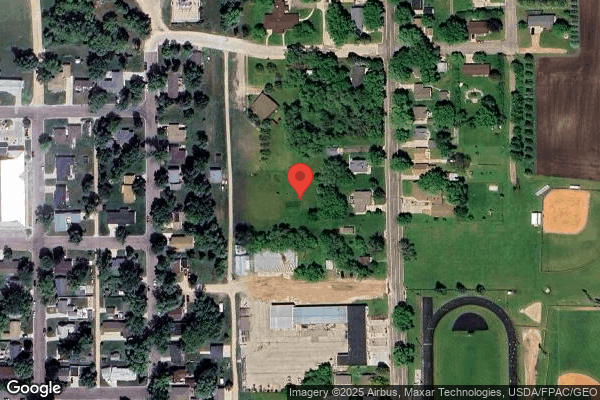
201 MARK DRIVE, ORTONVILLE, MN 56278 (320) 839-6113
Government - City 51 Beds Independent Data: November 2025
Trust Grade
70/100
#110 of 337 in MN
Last Inspection: May 2025

Inspected within the last 6 months. Data reflects current conditions.

Overview

Fairway View Neighborhoods has a Trust Grade of B, indicating it is a good choice for families seeking care, though it is not among the best in the state. It ranks #110 out of 337 facilities in Minnesota, placing it in the top half, and #2 out of 2 in Big Stone County, meaning there is only one local option that is better. The facility's performance has been stable, with eight identified issues remaining consistent over the last two years. Staffing has a rating of 4 out of 5, but the high turnover rate of 97% is concerning compared to the state average of 42%. Fortunately, there have been no fines, which is a positive sign, but the facility has less RN coverage than 83% of others in the state, which could impact care quality. Specific incidents raised during inspections include a failure to properly clean kitchen equipment, leading to potential food contamination risks, and an insulin pen not being primed before administration, which could affect medication efficacy. Additionally, there was a lapse in proper sanitization procedures for a glucometer used to check blood sugar levels, which could risk infection. While the facility demonstrates certain strengths, such as good overall ratings and no fines, these weaknesses in care practices raise important considerations for families researching options.

Trust Score
B
70/100
In Minnesota
#110/337
Top 32%
Safety Record
Low Risk
No red flags
Inspections
Holding Steady
3 → 3 violations
Staff Stability
⚠ Watch
97% turnover. Very high, 49 points above average. Constant new faces learning your loved one's needs.
Penalties
✓ Good
No fines on record. Clean compliance history, better than most Minnesota facilities.
Skilled Nurses
✓ Good
Each resident gets 50 minutes of Registered Nurse (RN) attention daily — more than average for Minnesota. RNs are trained to catch health problems early.
Violations
○ Average
8 deficiencies on record. Average for a facility this size. Mostly minor or procedural issues.
★★★★☆
4.0
Overall Rating
★★★★☆
4.0
Staff Levels
★★☆☆☆
2.0
Care Quality
★★★★☆
4.0
Inspection Score
Stable
2024: 3 issues
2025: 3 issues

The Good

  • 4-Star Staffing Rating · Above-average nurse staffing levels
  • Full Sprinkler Coverage · Fire safety systems throughout facility
  • No fines on record

Facility shows strength in staffing levels, fire safety.

The Bad

Staff Turnover: 97%

51pts above Minnesota avg (47%)

Frequent staff changes - ask about care continuity

Staff turnover is very high (97%)

49 points above Minnesota average of 48%

The Ugly 8 deficiencies on record

May 2025 3 deficiencies
CONCERN (D)

Potential for Harm - no one hurt, but risky conditions existed

Deficiency F0760 (Tag F0760)

Could have caused harm · This affected 1 resident

Based on observation, interview and document review, the facility failed to ensure an insulin SoloStar Insulin pen was appropriately primed prior to insulin administration for 1 of 2 residents (R30) w...

Read full inspector narrative →
Based on observation, interview and document review, the facility failed to ensure an insulin SoloStar Insulin pen was appropriately primed prior to insulin administration for 1 of 2 residents (R30) who received 25 units of Lantus insulin daily. Findings include: During an observation and interview on 5/12/25 at 5:50 p.m., licensed practical nurse (LPN)-A prepared to administer R30's ordered dose of Lantus insulin. The current physician orders for Lantus Solostar insulin identified he was to receive 25 units subcutaneously (subcutaneous injections are used to administer medications between skin and muscle) once per day, with a special note which identified the insulin was to be administered between 4:00 p.m. and 6:00 p.m. daily per resident request. LPN-A checked the pen against the Medication Administration Record (MAR), performed hand hygiene, removed the pen cap, wiped the end of the pen with an alcohol pad, attached the needle, dialed the pen to one unit and depressed the plunger, no insulin was observed exiting the needle. LPN-A then dialed the pen to 25 units, retrieved a new alcohol pad and proceeded to R30's room to administer the dose of insulin. LPN-A was interrupted, and she and the surveyor exited the room, where LPN-A was asked about her procedure for priming (removes the air from the needle and cartridge that may collect during normal use. This ensures ensures receiving the full dose) the insulin pen. She replied her normal procedure was to prime the pen with one or two units, and then dial to the ordered dose of insulin. LPN-A stated she was not aware of what the manufacturer's directions instructed for priming the pen by dialing to two units after attaching the needle. LPN-A wasted the dose of insulin, dialed the pen to two units, demonstrating the insulin coming through the needle, performed hand hygiene, applied gloves, and proceeded to administer R30's insulin in his left lower abdomen. LPN-A stated she had always primed insulin pens in that manner and was not aware she needed to prime with two units to remove air from the needle. During an interview on 5/13/25 at 8:30 a.m., the director of nursing (DON) stated her expectation for licensed nursing staff administering insulin was to follow the manufacturer's instructions and the facility policy for priming pens with two units prior to administration of the ordered insulin dose. Review of the manufacture's instruction sheet: How to use your Lantus SoloStar pen: - a short version of the instruction leaflet included in the Lantus SoloStar pen box. The pamphlet detailed the importance of following the listed steps to help ensure an accurate dose of insulin was received. 1.) Remove the pen cap with clean hands. Check the reservoir to ensure it is clear and colorless and has no particles. 2.) Wipe the pen tip (rubber seal) with an alcohol swab. 3.) Remove the protective seal from the new needle, line the needle up straight with the pen and screw the needle onto the pen. 4.) After attaching the needle, remove the outer needle cap and save to remove the needle after the injection. 5.) Remove the inner needle cap and discard. 6.) Dial the pen to 2, hold the pen upright, tap the reservoir to bring any bubbles to the top, depress the plunger and ensure insulin exits the needle. The dial will automatically return to zero. 7.) Check to ensure the dial returned to zero, and then dial to the ordered dose of insulin. 8.) Clean the injection site with an alcohol pad, Hold the pen straight, insert the needle into the skin, depress the plunger and wait 10 seconds before releasing the plunger and removing. 9.) Replace the outer needle cap over the needle and remove the needle from the pen and dispose in a sharps container. Review of the Revised September 2014 Med-Pass, Inc policy Insulin Administration identified nursing staff were to have access to manufacturer's instructions for all types of insulin administration devices prior to use. The policy identified steps for use of an insulin pen: Verify the physician orders for the type and dose of insulin to be administered; Prime the pen with 2 units of insulin; dial the pen to the ordered dose; administer the insulin in the identified body location; and wash hands following administration of the medication.
CONCERN (D)

Potential for Harm - no one hurt, but risky conditions existed

Infection Control (Tag F0880)

Could have caused harm · This affected 1 resident

During an observation and interview on 5/12/25 at 12:03 p.m., TMA-B cleansed hands and applied gloves prior to checking resident blood sugars. TMA-B placed a test strip into the common use glucometer,...

Read full inspector narrative →
During an observation and interview on 5/12/25 at 12:03 p.m., TMA-B cleansed hands and applied gloves prior to checking resident blood sugars. TMA-B placed a test strip into the common use glucometer, cleansed R1's middle right finger with an alcohol wipe, used a lancet to prick her finger and dropped the sample of blood onto the test strip. At 12:08 p.m., TMA-B sanitized the common use glucometer with a single use Sani wipe by wiping the front and back briefly and placed the glucometer on her cart. When interviewed, TMA-B stated she believed the glucometer was sanitized after wiping it as she had. TMA-B removed gloves and sanitized her hands. TMA-B entered the results into R1's electronic medical record and moved her cart down the hallway to the hallway located to the right of the dining room. At 12:12 p.m., TMA-B was bringing R9 to a private area to check her blood sugar when surveyor stopped her and asked her to review the manufacturer's guidelines for the Sani wipe she used for sanitizing the glucometer. TMA-B reviewed the instructions and did confirm the instructions identified the glucometer was to remain wet for three minutes to ensure proper sanitization. TMA-B confirmed she had not done that as instructed. TMA-B removed a new Sani wipe, wiped the glucometer down on each side and wrapped the wipe around the glucometer as instructed before she continued on with further blood sugar checks. During a telephone interview on 5/14/25 at 10:08 a.m., infection preventionist (IP) stated the common use glucometers required sanitization between each resident's use. IP identified staff wre expected to use the Sani wipes by wiping three times horizontal and three times vertical and ensure the glucometer remained wet for three minutes. IP stated that may mean staff were to re-wipe the glucometer if needed to ensure it remained wet for three minutes. IP indicated it was the facility's expectation staff would follow the wet time as indicated to prevent the spread of blood-borne pathogens. During an interview on 5/13/25 at 1:15 p.m. the director of nursing (DON) identified her expectation for the common use glucometer was to be cleaned and disinfected after each use according to the policy and manufacturer's instructions. DON identified alcohol wipes were not the appropriate solution for disinfection of the meter and the gray labeled Sani Cloths were available for that purpose. Review of manufacturer's instructions for Sani-Cloth AF3 Germicidal Wipes General Guidelines for Use dated 2019, instructed staff to unfold a clean wipe and thoroughly wet the surface. Allow treated surface to remain wet for three minutes and let air dry. Review of the January 27, 2025, Nova StatStrip Meter Procedure identified according to Infection Prevention (IC) the meter's exterior was to be cleansed between each patient. The decontamination preparation approved was identified as Sani-Cloth AF3-grey lid. The strip port was to be cleansed by lab staff only. Do not immerse meter or hold the meter under running water. Do not spray with a disinfectant solution. Based on observation, interview, and document review, the facility failed to ensure the common use blood glucometer machines were disinfected according to current manufacturer's guidelines between resident use for 2 of 3 residents (R44 and R1) reviewed who received blood glucose testing in the facility. Findings include: Observation on 5/12/25 at 5:27 p.m. with trained medication aide (TMA)-A as she prepared to check a blood glucose for R44. TMA-A took the glucometer from the charging station located at the nursing station, collected her necessary supplies, and proceeded to R 44's room where she donned personal protective equipment (PPE) of gown and gloves. TMA-A obtained a clean towel which she placed on the bedside table and placed the glucometer and supplies on the towel. She then washed her hands, put on new gloves, scanned the bottle of test strips and placed a strip into the glucometer. TMA-A wiped R44's finger with an alcohol pad, allowed to dry and utilized a lancet (A lancet is a small, sharp surgical instrument used to make small incisions, typically for drawing blood samples. It is commonly used in diabetes management) to obtain a blood sample which she collected with the test strip. TMA-A placed a cotton ball on R44's finger and after obtaining a reading disposed of the used items in the sharp's container in R44's bathroom. She removed her PPE and performed hand hygiene. TMA-A went out of the room to her cart positioned outside the room and proceeded to wipe off the glucometer, and bottle of strips with alcohol pads. She stated she would need to clean the glucometer and bottle of strips again as she had contaminated them when she was removing her PPE. TMA-A returned to the nursing station, retrieved alcohol pads, and wiped off the glucometer and bottle of strips with the alcohol pads and returned to the docking station. When asked, she confirmed the glucometer was disinfected and ready to use for the next test. During an observation and interview on 5/12/25 at 5:50 p.m., with registered nurse (RN)-A as she retrieved the common use glucometer and identified she was going to check a blood sugar and administer R44's insulin. RN-A obtained her supplies, used hand sanitizer and proceeded to the area outside R44's room where she donned PPE of gown and gloves. RN-A took a gray labeled Sani Cloth, wiped over the surface of the common use glucometer and set aside to dry. RN-A stated the glucometer needed to remain wet for three minutes however, did not leave the meter in contact with the cloth and confirmed the meter was dry within a little more than a minute. RN-A reported she had not ensured the meter remained wet for the three minute time period and had never checked to determine how long it took for the solution to dry after wiping the surface. During an interview on 5/12/25 at 5:55 p.m., TMA-A stated she was not aware that alcohol was not the correct product to use for disinfecting the common use glucometers, and that she was not aware of how the manufacturer and/or policy directed the meter to be cleaned and disinfected following use. RN-A who was also in attendance, confirmed to TMA-A the glucometer was supposed to be disinfected using the gray labeled Sani cloth wipes and reported she had just realized the solution needed to remain wet on the surface for three minutes to disinfect the surface.
CONCERN (F)

Potential for Harm - no one hurt, but risky conditions existed

Food Safety (Tag F0812)

Could have caused harm · This affected most or all residents

Based on observation, interview and document review, the facility failed to ensure fire suppression pipes located directly above the deep fat fryer, and stove top grill surface were free from accumula...

Read full inspector narrative →
Based on observation, interview and document review, the facility failed to ensure fire suppression pipes located directly above the deep fat fryer, and stove top grill surface were free from accumulation of dirt and grease. This buildup had the potential to contaminate food being prepared and served. In addition, the facility failed to ensure 1 of 1 meat slicer was appropriately cleaned and sanitized following use. These deficient practices had the potential to affect all 51 residents who received food prepared in the facility kitchen. Findings include: During an observation and interview on 5/12/25 at 12:33 p.m., with the certified dietary manager (CDM) identified the vent hood located above the stove top grill and deep fat fryer, contained metal pipes identified as the fire suppression system, which were coated with a black fuzzy substance the CDM identified as dirt and grease buildup. Both the pipes and light fixtures in the hood had multiple areas identified as rust. The CDM stated she had only been in her position for two weeks and had not noticed the buildup on the ends of the fire suppression pipes. CDM indicated she would have the area cleaned immediately due to the potential for contamination of food being prepared. Observation of a meat slicer identified as last used on 5/11/25, to slice ham was on a counter and covered with plastic. When the plastic was removed, food particles were observed on the shield behind the blade, on the platform, and there was buildup of food particles on the sides and grooved surface of the unit. The CDM confirmed the meat slicer had not been cleaned and sanitized appropriately following use and would need to be cleaned prior to being used again. During an interview on 5/12/25 at 12:45 p.m. , the CDM identified her expectation was for cleaning schedules to be followed and identified the need for improvement and monitoring of cleaning and sanitation of food preparation equipment located in the facility kitchen. CDM stated the vented hood was due for an annual cleaning however, confirmed she had not noticed the buildup on the pipes located above the food preparation surfaces. A policy for scheduled kitchen maintenance/cleaning was requested, but not provided by the end of the survey period. Review of the 2008 policy for cleaning slicers identified the slicer was to be cleaned and sanitized after each use. All parts of the slicer were to be disassembled and washed in the pots and pans sink or dish machine. All parts were to be sanitized in a chemical sanitizer, or in the dishwasher. The remaining parts of the slicer that could not be placed in the dishwasher were to be washed with hot water and soap, rinsed and allowed to dry. Special attention was to be paid to any moveable parts, especially the blade. The parts were to be sanitized and allowed to dry, the slicer was to be reassembled and covered. The counter where the slicer was located was also to be washed and sanitized with each use of the slicer.
Jul 2024 3 deficiencies
CONCERN (D) 📢 Someone Reported This

A family member, employee, or ombudsman was alarmed enough to file a formal complaint

Potential for Harm - no one hurt, but risky conditions existed

ADL Care (Tag F0677)

Could have caused harm · This affected 1 resident

**NOTE- TERMS IN BRACKETS HAVE BEEN EDITED TO PROTECT CONFIDENTIALITY** Based on observation, interview and document review, the facility failed to provide assistance with routine grooming cares which...

Read full inspector narrative →
**NOTE- TERMS IN BRACKETS HAVE BEEN EDITED TO PROTECT CONFIDENTIALITY** Based on observation, interview and document review, the facility failed to provide assistance with routine grooming cares which included facial hair removal for 1 of 1 residents (R14) reviewed for activities of daily living (ADLs) who required assistance with grooming and personal hygiene. Findings include: R14's significant change Minimum Data Set (MDS) dated [DATE], identified R14 had moderate cognitive impairment and diagnoses which included: Alzheimer's disease, arthritis and hypertension. Indicated R14 required partial/moderate assistance for personal hygiene and dressing. R14 required maximum assistance with bathing. Identified R14 had physical and verbal behavior symptoms one to three days and did not exhibit rejection of cares. R14's care plan revised 6/18/24, identified R14 required assistance with ADLs related to Alzheimer's disease. R14's care plan approaches identified R14 required extensive assistance with bathing and dressing. In addition, R14 required cueing, set up and extensive assistance with grooming, which included brushing teeth and combing hair. R14's care plan lacked an approach for facial hair removal. During an observation on 7/8/24 at 12:28 p.m., R14 was seated in her recliner in her room. R14 had six to eight white facial hairs eight to twelve millimeter (mm) long on the front of her chin, and three to four white facial hairs above and beside her lips. During a telephone interview on 7/8/24 at 3:06 a.m., family member (FM)-A indicated it bothered her that R14 would have facial hair present and expected staff to assist with removing it. FM-A stated she was unaware if it bothered R14. During an observation on 7/9/24 at 8:45 a.m., R14 was dressed in street clothes and seated in her recliner in her room. R14 continued to have six to eight white facial hairs eight to twelve mm long on the front of her chin and three to four white facial hairs above and beside her lips. During an observation and interview on 7/9/24 at 9:36 a.m., nursing assistant (NA)-B stated her usual practice was to remove facial hair when observed. NA-B indicated she was aware R14 had long facial hairs on her chin. NA-B indicated R14's pen razor quit working a couple of weeks ago and her family was going to order one however, was unsure if R14 had a new one yet. NA-B stated it depended on R14's mood when they would assist R14 with cares and if needed, would leave her alone then re-approach later to complete cares. At 9:50 a.m. NA-B knocked and entered R14's room and located R14's razor in R14's drawer in her bathroom. NA-B asked R14 if she could shave her and R14 agreed. NA-B then removed R14's facial hair with the electric pen razor without difficulty and confirmed R14 had multiple facial hairs present that she had removed. During an interview on 7/9/24 at 10:09 a.m., registered nurse (RN)-B stated the nursing staff were expected to assist residents with facial hair removal if they were agreeable to it. RN-B indicated she was aware R14 had facial hairs present that morning and had planned to go back and shave R14 later that day. RN-B confirmed it appeared R14's facial hairs had been present more than a couple of days. RN-B stated R14 usually agreed to having her facial hair removed however, if she did refuse, staff would just re-approach her at another time. RN-B indicated it was important to assist R14 to remove facial hair as that was a dignity issue and could have been embarrassing to her. During an interview on 7/9/24 at 11:57 a.m., neighborhood nurse leader RN-C confirmed R14 required assistance with ADLs. RN-C indicated her expectation was staff would assist residents to remove facial hair and it was important to do so to promote dignity. RN-C stated R14 refused cares at times however, expected staff to re-approach R14 if refused. During an interview on 7/9/24 at 4:38 p.m., director of nursing (DON) indicated it was her expectation nursing staff removed facial hair for residents if they were agreeable. DON confirmed her expectation was if a resident refused to allow staff to remove the facial hair, the nursing staff would re-approach, and if continued to refuse to report to the nurse who would document in the progress notes. DON indicated if the resident continued to refuse, she would expect it would have been care planned. DON stated it was important to assist residents to remove facial hair for dignity purposes. The facility policy titled Shaving The Resident revised 3/14/24, identified the purpose was to promote cleanliness and to provide skin care. The policy instructed staff to notify the supervisor if the resident refused the procedure.
CONCERN (D)

Potential for Harm - no one hurt, but risky conditions existed

Accident Prevention (Tag F0689)

Could have caused harm · This affected 1 resident

**NOTE- TERMS IN BRACKETS HAVE BEEN EDITED TO PROTECT CONFIDENTIALITY** Based on observation, interview and document interview, the facility failed to conduct an accurate and timely smoking assessment...

Read full inspector narrative →
**NOTE- TERMS IN BRACKETS HAVE BEEN EDITED TO PROTECT CONFIDENTIALITY** Based on observation, interview and document interview, the facility failed to conduct an accurate and timely smoking assessment for 1 of 1 residents (R16) who currently smoked. Findings include: R16's admission Minimum Data Set (MDS) dated [DATE], indicated R16 was cognitively intact and was independent with mobility, transfers, toileting, and required limited assistance with dressing. Identified R16 had hypertension (high blood pressure), arthritis and a wound infection. R16's care plan updated 7/8/24, indicated R16 was a current smoker and was at risk for injury related to smoking. Identified R16 demonstrated safety with smoking and disposed cigarette butts in the appropriate designated location. R16's initial smoking assessment dated [DATE], was completed by therapy staff and indicated R16 was a safe smoker, was able to get to/from smoking location and demonstrated safe use/disposal of cigarette butts. During an observation and interview on 7/8/24 at 2:53 p.m., R16 indicated it was hard to go from the building to the smoking area and R16 was unable to get down the lip of the driveway to the road where R16 was supposed to be smoking. R16 revealed she was unable to reach the smoking butt receptacle so she placed her cigarette butts in her right pants' pocket and would dispose of them in the trash in her room. R16 smoked one cigarette, put the cigarette out on the right metal arm of her wheelchair and put the cigarette butt in her pocket. R16 obtained another cigarette and repeated the process. R16 obtained the third cigarette and repeated the process. During a continuous observation on 7/8/24: -6:29 p.m., R16 was seated in her wheelchair at the corner of the parking lot leading to the road. R16 put her cigarette out on the right metal arm of her wheelchair and placed the cigarette butt in her right pants' pocket. -6:39 p.m., R16 obtained another cigarette, lit and smoked it, put it out on the right metal arm of her wheelchair, twisted the end of the cigarette and placed the cigarette butt in her right pants' pocket. -6:48 p.m., R16 obtained the third cigarette, lit and smoked it, put her cigarette out on the right metal arm of her wheelchair, twisted the end of the cigarette and placed the cigarette butt in her right pants' pocket. During an observation on 7/8/24 at 6:56 p.m., R16 was seated in her wheelchair at the corner of the parking lot leading to the road. R16 put her cigarette out on the right metal arm of her wheelchair, twisted the butt of her cigarette and placed the cigarette butt in her right pants' pocket. During an interview on 7/10/24 at 7:04 a.m., R16 stated it would be easier if the facility moved the cigarette butt receptacle closer to the end of the driveway so R16 could throw her cigarette butts away outside. R16 confirmed she placed her cigarette butts in her right pants pocket and threw them away in the trash in her room when she went back into the facility. R16 indicated she did not even try to dispose of her cigarette butts in the receptacle since she was not able to reach it from where she sat. During an interview on 7/10/24 at 9:53 a.m., physical therapy assistant (PTA) indicated R16 was discharged from physical therapy (PT) on 7/5/24, as she met her goal of becoming independent. PTA stated PT was working with R16 and PT would occasionally go outside with R16 to smoke. PTA stated R16 never mentioned she was not able to get to the cigarette butt receptacle and PT never saw R16 place cigarette butts in her right pants pocket. During an interview on 7/10/24 at 11:29 a.m., registered nurse (RN)-D revealed R16 was admitted [DATE], and a smoking assessment was not completed upon admission. RN-D stated R16's smoking assessment was not completed until 7/8/24. RN-D indicated she was not aware R16 was putting her cigarettes out on the right metal arm of her wheelchair and placing them in her pocket to dispose of them in the facility. In addition, RN-D stated she was not aware R16 could not reach the cigarette receptacle to properly dispose of her cigarette butts. During an interview on 7/10/24 at 11:47 a.m., director of nursing (DON) indicated she was not aware a smoking assessment had not been completed on R16 upon admission. DON stated she was not aware R16 could not reach the cigarette butt receptacle and was placing her cigarette butts in her right pants' pocket to dispose of them in the facility. DON stated her expectations were if staff knew a resident smoked upon admission, a smoking assessment should have been completed at that time. Facility Policy titled Smoking Policy revised 2/14/24, if a resident strongly felt smoking added to their quality of life they would be allowed to continue to smoke. They must be assessed for safety upon admission, annually, or after a significant change.
CONCERN (D)

Potential for Harm - no one hurt, but risky conditions existed

Infection Control (Tag F0880)

Could have caused harm · This affected 1 resident

**NOTE- TERMS IN BRACKETS HAVE BEEN EDITED TO PROTECT CONFIDENTIALITY** HAND HYGIENE R45's admission MDS dated [DATE], identified R45 had mildly impaired cognition and was diagnosed with hypertension,...

Read full inspector narrative →
**NOTE- TERMS IN BRACKETS HAVE BEEN EDITED TO PROTECT CONFIDENTIALITY** HAND HYGIENE R45's admission MDS dated [DATE], identified R45 had mildly impaired cognition and was diagnosed with hypertension, dementia, and osteoporosis. R45 needed moderate assistance with transferring on and off the toilet, maximal assistance with perineal hygiene, moderate aid with dressing, and substantial assistance with personal hygiene. During an observation on 7/10/24 at 8:09 a.m., NA-A sanitized hands, and applied gloves. NA-A had R45 sit on the toilet. NA-A removed pajamas and brief. NA-A placed the brief in the garbage and applied a clean brief and pants while R25 was seated on the toilet. NA-A had R45 stand up and used a wet washcloth with soap and provided perineal hygiene using a circular wiping motion from front to back. NA-A took a moist washcloth without soap and washed R45's perineal area from front to back. NA-A took a dry towel and dried R45's perineal area from front to back. NA-A assisted R45 to a standing position, pulled up R45's briefs and pants. NA-A removed gloves and asked R45 to walk to the sink. NA-A combed R45's hair and assisted R45 with applying toothpaste to the toothbrush. NA-A asked R45 to sit in the wheelchair, wheeled R45 out of the room. At that time, NA-A used hand sanitizer that was located outside of the door and brought R45 to the dining room. During an interview on 7/10/24 at 8:25 a.m., NA-A verified she did not remove gloves between handing the soiled brief and the clean brief. NA-A verified hands were not sanitized between perineal care and oral hygiene care. NA-A verified not removing gloves and sanitizing hands could lead to cross-contamination. During an interview on 7/10/24 at 8:26 a.m., registered nurse RN-A stated her expectation would be for staff to change gloves after perineal care to prevent cross-contamination. During an interview on 7/10/24 at 11:00 a.m., infection preventionist (IP) stated hand hygiene was important after removing gloves to prevent the spread of infection. IP stated her expectation was that staff always performed hand hygiene after removing gloves. In addition, IP stated staff were expected to remove gloves, perform hand hygiene and apply clean gloves after performing perineal cares to prevent cross-contamination. During an interview on 7/10/24 at 11:05 a.m., IP indicated the facility implemented the EBP process in April 2024, and confirmed R16 should have been on EBP due to wound care and a PICC in place. IP stated staff were educated last week about R16 being on EBP. IP indicated she was not aware R16 did not have any PPE inside or outside of R16's room. IP stated she would expect staff to follow EBP guidelines when they completed high-contact care with residents who were in EBP. During an interview on 7/10/24 at 11:14 a.m., director of nursing (DON) stated her expectation would be for staff to change gloves after removing dirty briefs and to change gloves after perineal care. DON stated she would have expected staff to perform hand hygiene before oral cares and hair care were completed to prevent cross-contamination. During an interview on 7/10/24 at 11:32 a.m., DON stated her expectation was staff would have washed their hands after removing gloves and before assisting any other residents. During an interview on 7/10/24 at 11:43 a.m., DON confirmed the above findings and stated her expectations were staff were to follow the EBP guidelines. DON stated staff were to have gowns/gloves on and were to sanitize/wash their hands before and after cares. Facility policy titled Wound Care revised date 3/14/24, the following equipment and supplies would be necessary when performing this procedure: personal protective equipment (e.g. gowns, gloves, mask, etc., as needed). Facility policy titled Enhance Barrier Protection revised 4/19/24, Fairway View - Long Term Care to implement enhanced barrier precautions for the prevention of transmission of multidrug resistant organisms. An order would be obtained for residents with any of the following: wounds and/or indwelling medical devices including central lines. PPE for enhanced barrier precautions is only necessary when performing high-contact care activities. High contact care activities include: device care or use and wound care. Requested a policy on PICC care and dressing change, however one was not provided. A policy titled Hand Hygiene-Ortonville dated 2/13/24 revealed when to perform hand hygiene moving from contaminated body site to clean body site during patient care, after removing gloves. Change gloves when moving from a dirty to a clean site during patient care and perform hand hygiene after glove removal. EBP Centers for Disease Control and Prevention (CDC) guidelines dated 4/2/24, PPE use in Nursing Homes to Prevent Spread of Multidrug-Resistant Organisms (MDROs). Expand the use of PPE and refer to the use of gown and gloves during high-contact resident care activities that provide opportunities for transfer of MDROs to staff hands and clothing. Nursing home residents with wounds and indwelling medical devices are at especially high risk of both acquisition of and colonization with MDROs. The use of gown and gloves for high-contact resident care activities was indicated for nursing home residents with wound and/or indwelling medical devices regardless of MDRO colonization. Resident roster dated 7/9/24, lacked identification of R16 being on EBP. R16's admission MDS dated [DATE], indicated R16 was cognitively intact and was independent with mobility, transfers, toileting and required limited assistance with dressing. Identified R16 had hypertension (high blood pressure), arthritis, a wound infection, and a peripherally inserted central catheter (PICC). R16's care plan dated 7/8/24, indicated R16 was to receive intravenous (IV) antibiotics for an infection. R16's care plan lacked documentation R16 was on EBP. R16's provider progress notes dated 7/8/24, indicated R16 was in the nursing home due to an unexpected discovery of pyogenic arthritis when she received a hip replacement. R16 had required IV antibiotics and consultation with infectious disease. R16's treatment administration history dated 6/7/24 to 7/10/24, indicated R16 was to receive Ceftriaxone (antibiotic) one gram via IV route one time daily, change PICC caps every three days, measure arm circumference daily, PICC line dressing change every week, flush both PICC ports with 10 milliliters (ml) daily, and Vancomycin (antibiotic) 1000 milligrams (mg) via IV route one time daily. During an observation on 7/9/24 at 8:40 a.m., R16 was seated in her wheelchair in her room working on her computer. Registered nurse (RN)-E gathered supplies to administer R16's Vancomycin one gram in 200 ml solution via IV. RN-E washed her hands, applied gloves, opened an alcohol wipe, removed current IV tubing and cleansed the IV hub. RN-E flushed the port with 10 ml normal saline (NS). RN-E left the syringe hooked to the port while she opened the antibiotic and spiked the bag. RN-E primed the tubing, placed the tubing into the IV pump, removed the syringe, cleansed the hub with alcohol, attached the tubing to the port and programmed the pump. IV antibiotics began running. RN-E removed her gloves and washed her hands. RN-E was not observed to be wearing a gown as indicated for EBP. There was no signage present on the door identifying R16 was on EBP. In addition, there was no PPE available inside or outside the room for EBP. During an observation on 7/09/24 at 2:24 p.m., there continued to be no EBP PPE inside or outside R16's room. Additionally, there continued to be no signage indicating R16 was on EBP. During an interview on 7/10/24 at 7:04 a.m., R16 revealed staff only wore gloves when they were assisting her. R16 indicated staff had never worn a gown or any additional PPE when assisting R16. During an interview on 7/10/24 at 11:29 a.m., registered nurse (RN)-D confirmed R16 was to be on EBP and was not aware R16 did not have any PPE inside or outside of R16's room. Based on observation, interview and document review, the facility failed to ensure proper hand hygiene during a medication pass for 3 of 7 (residents R44, R15, R48 ) observed for medication administration and during personal cares for 1 of 4 residents (R45) observed for captivities of daily living (ADL's). In addition, the facility failed to implement appropriate donning/doffing of personal protective equipment (PPE) practices and to ensure PPE was readily available for use to prevent the spread of infection for 1 of 5 residents (R16) observed for enhanced barrier precautions (EBP) (an infection control intervention designed to reduce transmission of multidrug-resistant organisms that employs targeted gown and glove use during high contact resident care activities). Findings include: HAND HYGIENE/MEDICATION PASS R44's quarterly Minimum Data Set (MDS) dated [DATE], identified R44 had intact cognition and diagnosis which included: hypertension (elevated blood pressure) Diabetes and glaucoma. Identified R44 required limited assistance with activities of daily living (ADL's) which included bed mobility, transfers, and personal hygiene. R44's care plan dated 11/13/23, identified R44 required limited assistance with ADL's. R44's care plan lacked an approach for medication administration. R15's significant change MDS dated [DATE], identified R15 had intact cognition and diagnosis which included anemia (a condition in which blood doesn't have enough healthy red blood cells and hemoglobin) Atrial fibrillation (rapid heart rate that causes poor blood flow), and Alzheimer's Disease. Identified R15 required limited assistance with ADL's which included bed mobility, transfers, and personal hygiene. R15's care plan dated 5/19/24, identified R15 required limited assistance and a walker for ambulation related to her cognition. R48's significant change MDS dated [DATE], identified R48 had intact cognition and diagnosis which included hypertension (elevated blood pressure) hyperlipidemia (elevated cholesterol) and Alzheimer's Disease. Identified R48 required limited assistance with ADL's which included bed mobility, transfers and personal hygiene. R48's care plan dated 5/18/24 identified R48 required limited assistance with ADL's. R48's care plan lacked interventions for medication administration. During an observation on 7/8/24 at 5:21 p.m., trained medication aide (TMA)-A entered R44's room with Timoptic (Eye drops used to treat elevated pressure in the eyes) eye drops in her hand. R44 was seated in her recliner and TMA-A proceeded to place gloves on both hands and while touching R44's face used her left hand to pull down on each of R44's eye lids as she administered the eye drop to each eye with her right hand. TMA-A removed her gloves and proceeded to dish up medications for R15. TMA-A administered R15's medications and then handed R15 her water pitcher. TMA-A proceeded to place a transfer belt around R15's waist and walked with her to supper. TMA-A removed the transfer belt from R15 and pushed R15's wheelchair up tot he table. TMA-A proceeded to dish up medications for R48. TMA-A placed gloves on both hands and broke one of R48's medications in half and administered medications to R48 after obtaining a bottle out of R48's fridge and handing it to R44 to take her medications with. TMA-A wheeled R48 in her wheelchair to the dining room. At no time during the above observation had TMA-A performed hand hygiene. During an interview on 7/8/24 at 5:41 p.m., TMA-A confirmed the above observation and that she had not performed hand hygiene. TMA-A stated she should have performed hand hygiene after administering R44's eye drops and before assisting any other residents. TMA-A stated hand hygiene was important to reduce the spread of infection.
Jul 2023 1 deficiency
CONCERN (D) 📢 Someone Reported This

A family member, employee, or ombudsman was alarmed enough to file a formal complaint

Potential for Harm - no one hurt, but risky conditions existed

Report Alleged Abuse (Tag F0609)

Could have caused harm · This affected 1 resident

**NOTE- TERMS IN BRACKETS HAVE BEEN EDITED TO PROTECT CONFIDENTIALITY** Based on interview and document review, the facility failed to report an allegation of physical abuse by a staff member to the s...

Read full inspector narrative →
**NOTE- TERMS IN BRACKETS HAVE BEEN EDITED TO PROTECT CONFIDENTIALITY** Based on interview and document review, the facility failed to report an allegation of physical abuse by a staff member to the state agency (SA) within the two-hour requirement for 1 of 3 (R1) residents reviewed. Findings include: Review of facility reported incident (FRI) to the SA on 7/21/23 at 11:55 a.m., indicated staff received notification of R1 reporting a nursing assistant (NA)-A was rough with cares and refusing to assist R1 with putting her legs into bed. A skin assessment was completed and there were no findings of bruises or red marks. R1's annual Minimal Data Set (MDS) dated [DATE], indicated R1 had diagnoses of anxiety, depression and had severe cognitive impairment. Additionally, R1 required staff assistance with activities of daily living. During an interview on 7/25/23 at 12:03 p.m, R1 indicated during the night on 7/26-7/27/23 NA-A was the NA-A that handled her roughly. R1 explained after NA-A assisted her to the bathroom, she could not able to lift her legs back up into bed. NA-A lifted them and threw them onto the bed. R1 could not remember what time the incident occurred, only that it happened during the night shift. During an interview on 7/26/23, at 1:33 p.m. NA-A indicated on 7/21/23 around 5:00 a.m. R1 had been upset because she was still waiting for her Tylenol she had requested from the nurse around 1:30 a.m. NA-A sent a text message to LPN-B requesting Tylenol for R1. NA-A stated she assisted R1 to the bathroom again. R1 told her she was too rough with her cares. NA-A stated at 5:45 a.m. she reported to LPN-B R1 had told her she was too rough during cares, LPN-B told her a written statement was not needed. At 6:15 a.m. NA-A again asked LPN-B if she wanted her to document the incident, LPN-B again told her no. During an interview on 7/26/23 at 10:47 a.m., licensed practical nurse (LPN)-B indicated R1 historically has alleged rough handling in a joking manner. LPN-B stated on 7/21/23, between 5:15 a.m. and 5:30 a.m. NA-A reported to her R1 told her she was too rough during cares. LPN-B indicated she then went to talk to R1, however she was sleeping. When she did talk to R1, R1 reported to her NA-A had been too rough during cares. LPN-B explained she then reported R1's concerns to the adminstrator at 10:30 a.m. LPN-B stated that she did not know of the two-hour time frame until conversation with the administrator. During an interview on 7/26/23 at 9:52 a.m. administrator indicated she was made aware of the incident from LPN-B at 10:30 A.M., and immediately started her investigation and removed AP from the schedule. Administrator indicated that she reported the incident within 2 hours of knowledge of the incident. Facility policy titled Abuse Prevention Policy dated 6/1/23, indicated the facility will ensure that all alleged violations involving abuse, neglect, exploitation or mistreatment, including injuries of unknown source and misappropriation of resident property, are reported immediately, but no later than 2 hours after the allegation is made.
Jun 2023 1 deficiency
CONCERN (D)

Potential for Harm - no one hurt, but risky conditions existed

Deficiency F0578 (Tag F0578)

Could have caused harm · This affected 1 resident

**NOTE- TERMS IN BRACKETS HAVE BEEN EDITED TO PROTECT CONFIDENTIALITY** Based on interview and document review, the facility failed to ensure resident current wishes for resuscitation status were accu...

Read full inspector narrative →
**NOTE- TERMS IN BRACKETS HAVE BEEN EDITED TO PROTECT CONFIDENTIALITY** Based on interview and document review, the facility failed to ensure resident current wishes for resuscitation status were accurately documented in the medical record for 1 of 51 residents (R11) reviewed for advanced directives. Findings include: R11's quarterly Minimum Data Set (MDS) dated [DATE], indicated R11 had severe cognitive impairment and had diagnoses which included: Parkinson's, diabetes mellitus, (DM), and dementia. Identified R11 required extensive assistance with activities of daily living (ADL's) which included: bed mobility, transfers, and toileting. R11's current care plan dated [DATE], identified R11's advance directives were (do not resuscitate) DNR. Review of R11's electronic health record (EHR) identified the following: -R11's physician orders dated [DATE], identified R11 had an order for DNR. -R11's dashboard profile on the computer screen identified R11's status was DNR. -R11's Advance Directive dated [DATE], identified R11's status was a DNR. Review of R11's paper health record identified the following: -R11's choices sheet dated [DATE], identified R11's status was a DNR. -R11's face sheet undated identified R11 was a full code status. The paper health record identified a discrepancy of R11's wishes for resuscitation. During an interview on [DATE], at 8:18 a.m. registered nurse (RN)-A stated her usual practice in verifying a resident's code status was to first review the choices sheet which was located in the front of each resident's paper chart. In addition, RN-A stated there was a face sheet which identified the resident's code status located behind the choices sheet in each resident's paper chart. RN-A stated she would review the face sheet after the choices sheet. During a telephone interview on [DATE], at 2:05 p.m. nurse manager (NM) stated her usual practice in verifying a resident's code status was to review the choices sheet of the paper chart first. Secondly, she would review the face sheet of the paper chart. During an interview on [DATE], at 2:10 p.m. RN-B stated her usual practice in verifying a resident's code status was to review the resident's choices sheet which was located in front of the paper chart and then the face sheet which was located directly behind the choices sheet. RN-B confirmed R11's choices sheet in the paper chart identified R11 was a DNR. In addition, RN-B confirmed R11's face sheet in the paper chart identified R11 was a full code verifying a discrepancy. RN-B stated she was uncertain why the face sheet in the paper chart had not been updated to reflect the accurate status of DNR. During an interview on [DATE], at 2:15 p.m. director of nursing (DON) confirmed there was a discrepancy in R11's paper chart in which the choices sheet identified R11 was a DNR code status and the face sheet in the paper chart indicated R11 was a full code status. DON stated the facility's process in determining a resident's code status was to review the choices sheet in the paper chart. DON indicated the face sheet in the hard chart would have been a secondary place to look. DON stated her expectation would have been the choices sheet and the face sheet in R11's chart would have matched since the discrepancy had the potential to misdirect staff on whether or not cardiopulmonary resuscitation (CPR) should have been provided or not when an emergency situation occurred. A facility policy titled Advance Directives revised [DATE], indicated Advance Directives and choices of Limited Treatment form would be respected in accordance with state law and facility policy. Policy stated a copy of Advance Directive and choices of Limited Treatment would have been kept in paper form in the chart as well as scanned into the resident's chart. .
Understanding Severity Codes (click to expand)
Life-Threatening (Immediate Jeopardy)
J - Isolated K - Pattern L - Widespread
Actual Harm
G - Isolated H - Pattern I - Widespread
Potential for Harm
D - Isolated E - Pattern F - Widespread
No Harm (Minor)
A - Isolated B - Pattern C - Widespread

Questions to Ask on Your Visit

  • "Why is there high staff turnover? How do you retain staff?"
  • "Can I speak with families of current residents?"
  • "What's your RN coverage like on weekends and overnight?"

Our Honest Assessment

Strengths
  • • No major safety red flags. No abuse findings, life-threatening violations, or SFF status.
  • • No fines on record. Clean compliance history, better than most Minnesota facilities.
Concerns
  • • 97% turnover. Very high, 49 points above average. Constant new faces learning your loved one's needs.
Bottom line: Mixed indicators with Trust Score of 70/100. Visit in person and ask pointed questions.

About This Facility

What is Fairway View Neighborhoods's CMS Rating?

CMS assigns FAIRWAY VIEW NEIGHBORHOODS an overall rating of 4 out of 5 stars, which is considered above average nationally. Within Minnesota, this rating places the facility higher than 99% of the state's 100 nursing homes. This rating reflects solid performance across the metrics CMS uses to evaluate nursing home quality.

How is Fairway View Neighborhoods Staffed?

CMS rates FAIRWAY VIEW NEIGHBORHOODS's staffing level at 4 out of 5 stars, which is above average compared to other nursing homes. Staff turnover is 97%, which is 51 percentage points above the Minnesota average of 47%. High turnover can affect care consistency as new staff learn residents' individual needs. RN turnover specifically is 100%, which is notably high. RNs provide skilled clinical oversight, so turnover in this role can affect medical care quality.

What Have Inspectors Found at Fairway View Neighborhoods?

State health inspectors documented 8 deficiencies at FAIRWAY VIEW NEIGHBORHOODS during 2023 to 2025. These included: 8 with potential for harm.

Who Owns and Operates Fairway View Neighborhoods?

FAIRWAY VIEW NEIGHBORHOODS is owned by a government entity. Government-operated facilities are typically run by state, county, or municipal agencies. The facility operates independently rather than as part of a larger chain. With 51 certified beds and approximately 49 residents (about 96% occupancy), it is a smaller facility located in ORTONVILLE, Minnesota.

How Does Fairway View Neighborhoods Compare to Other Minnesota Nursing Homes?

Compared to the 100 nursing homes in Minnesota, FAIRWAY VIEW NEIGHBORHOODS's overall rating (4 stars) is above the state average of 3.2, staff turnover (97%) is significantly higher than the state average of 47%, and health inspection rating (4 stars) is above the national benchmark.

What Should Families Ask When Visiting Fairway View Neighborhoods?

Based on this facility's data, families visiting should ask: "How do you ensure continuity of care given staff turnover, and what is your staff retention strategy?" "Can I visit during a mealtime to observe dining assistance and food quality?" "How do you handle medical emergencies, and what is your hospital transfer rate?" "Can I speak with family members of current residents about their experience?" These questions are particularly relevant given the facility's high staff turnover rate.

Is Fairway View Neighborhoods Safe?

Based on CMS inspection data, FAIRWAY VIEW NEIGHBORHOODS has a clean safety record: no substantiated abuse findings (meaning no confirmed cases of resident harm), no Immediate Jeopardy citations (the most serious violation level indicating risk of serious injury or death), and is not on the Special Focus Facility watch list (a federal program monitoring the lowest-performing 1% of nursing homes). The facility has a 4-star overall rating and ranks #1 of 100 nursing homes in Minnesota. While no facility is perfect, families should still ask about staff-to-resident ratios and recent inspection results during their visit.

Do Nurses at Fairway View Neighborhoods Stick Around?

Staff turnover at FAIRWAY VIEW NEIGHBORHOODS is high. At 97%, the facility is 51 percentage points above the Minnesota average of 47%. Registered Nurse turnover is particularly concerning at 100%. RNs handle complex medical decisions and coordinate care — frequent RN changes can directly impact care quality. High turnover means new staff may not know residents' individual needs, medications, or preferences. It can also be disorienting for residents, especially those with dementia who rely on familiar faces. Families should ask: What is causing the turnover? What retention programs are in place? How do you ensure care continuity during staff transitions?

Was Fairway View Neighborhoods Ever Fined?

FAIRWAY VIEW NEIGHBORHOODS has no federal fines on record. CMS issues fines when nursing homes fail to meet care standards or don't correct problems found during inspections. The absence of fines suggests the facility has either maintained compliance or corrected any issues before penalties were assessed. This is a positive indicator, though families should still review recent inspection reports for the full picture.

Is Fairway View Neighborhoods on Any Federal Watch List?

FAIRWAY VIEW NEIGHBORHOODS is not on any federal watch list. The most significant is the Special Focus Facility (SFF) program, which identifies the bottom 1% of nursing homes nationally based on persistent, serious quality problems. Not being on this list means the facility has avoided the pattern of deficiencies that triggers enhanced federal oversight. This is a positive indicator, though families should still review the facility's inspection history directly.